Basket Case (1982)

US
HORROR FILM Comedy
SUBGENRES BODY HORROR SPLATTER
6.2/10 5 votes
Runtime
91 min
Release
April 2, 1982
Budget
$35,000
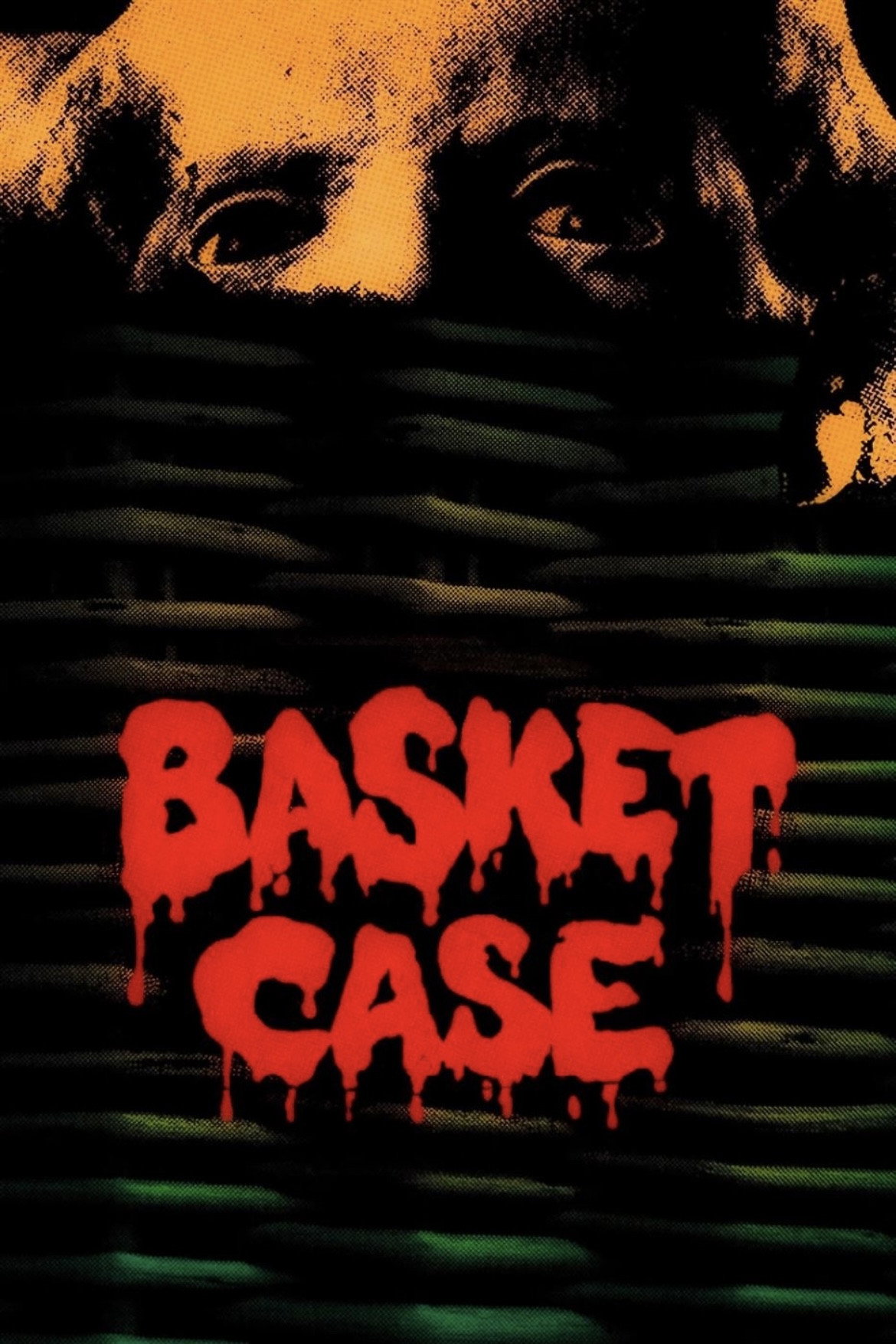
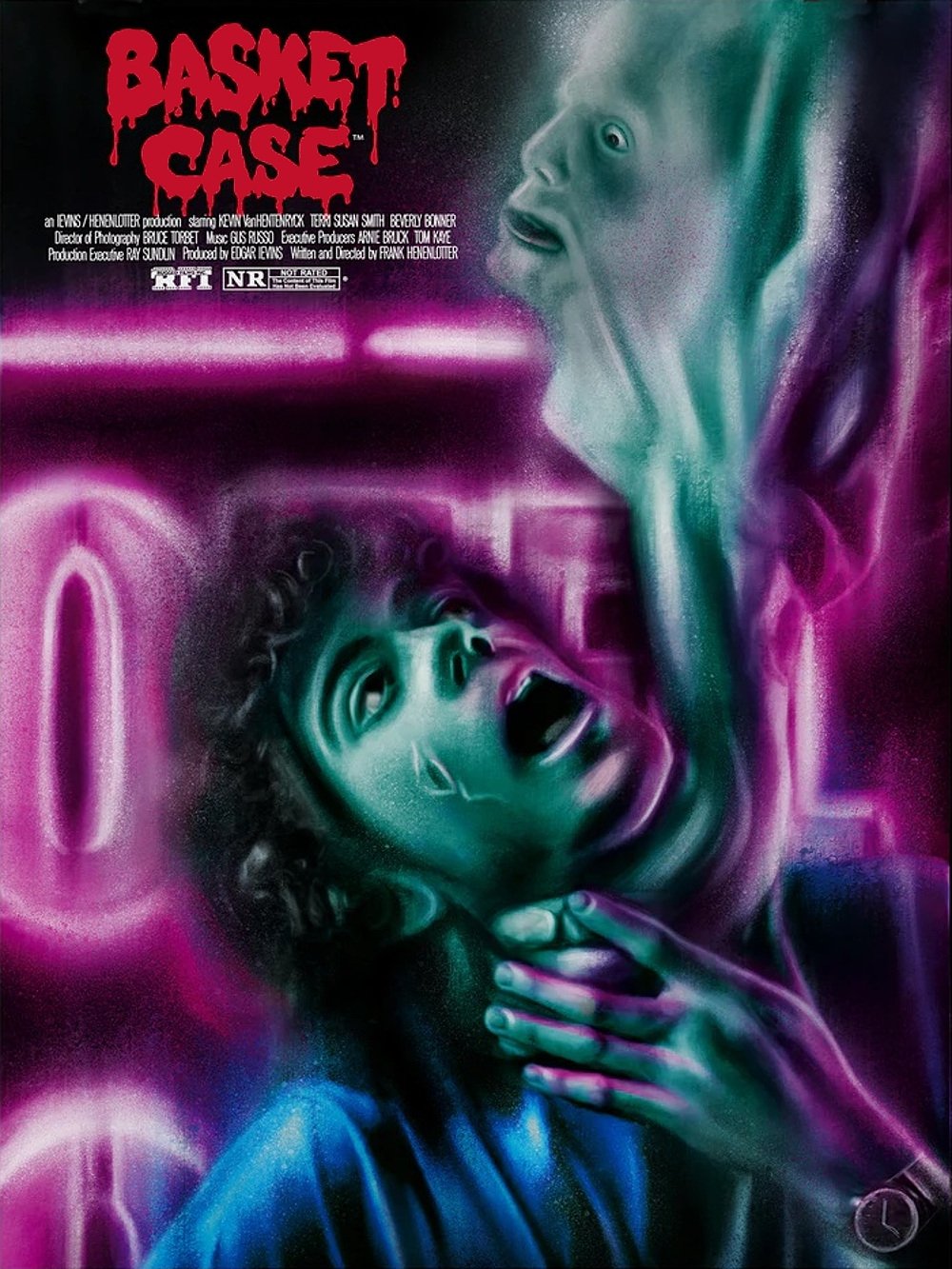
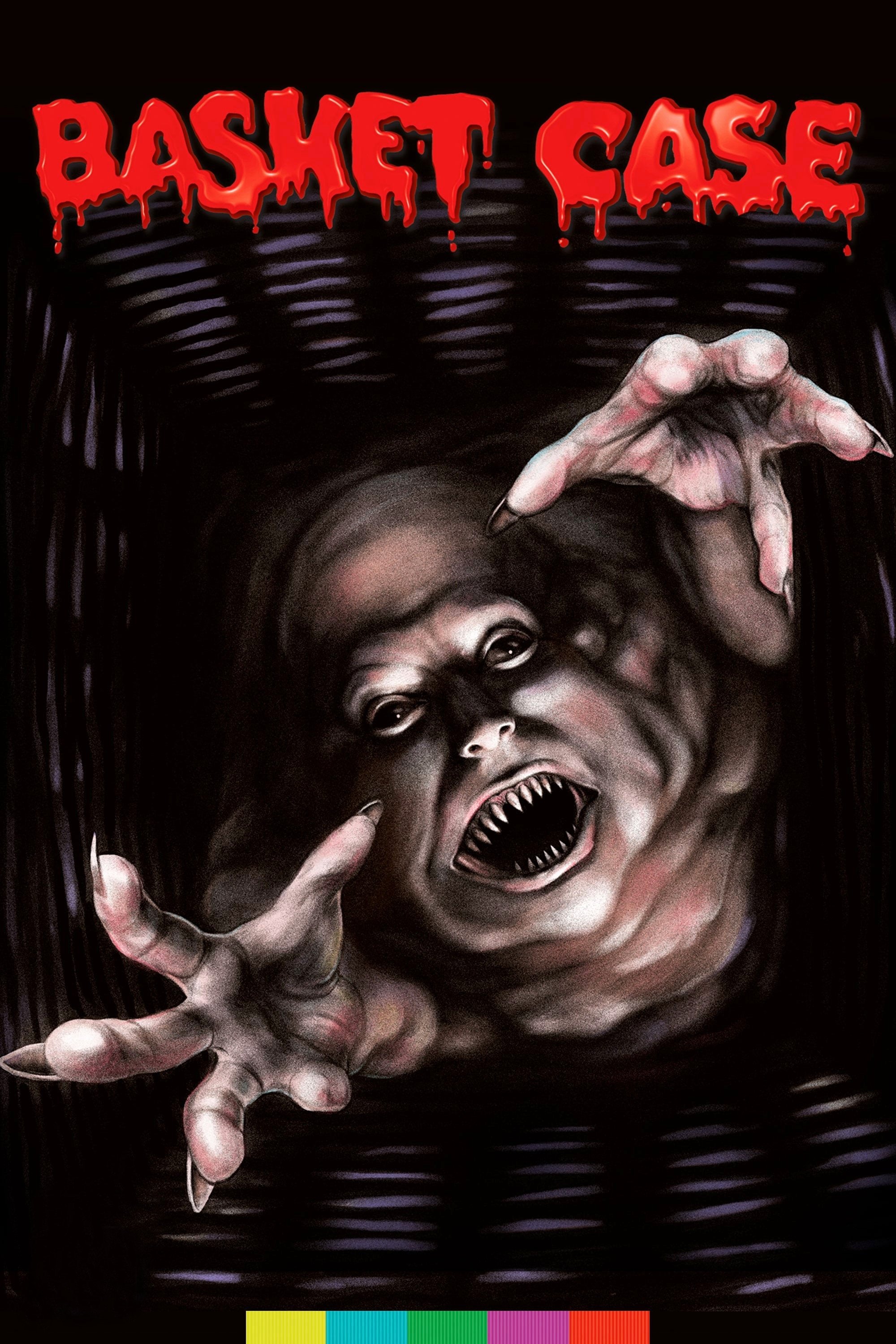
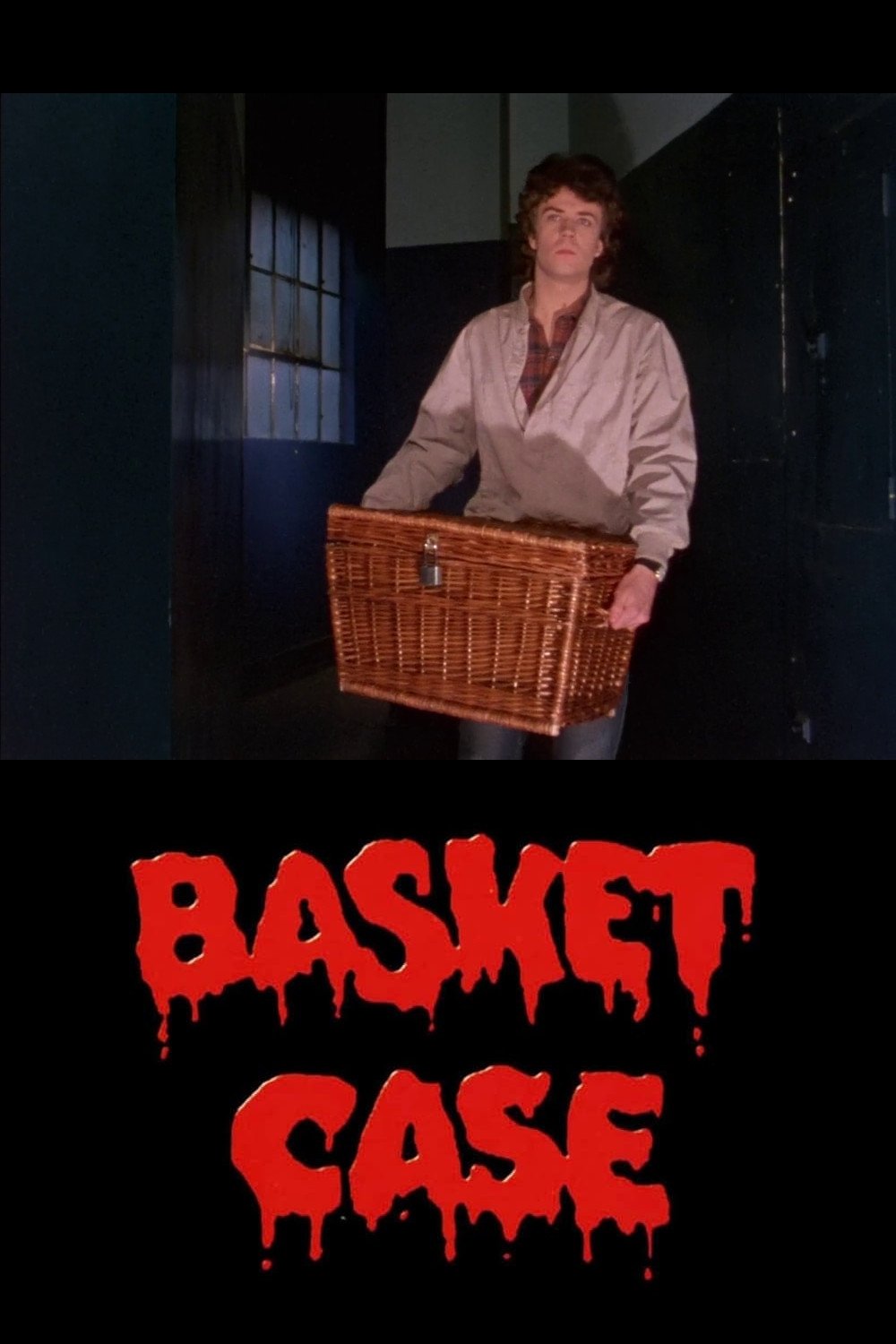
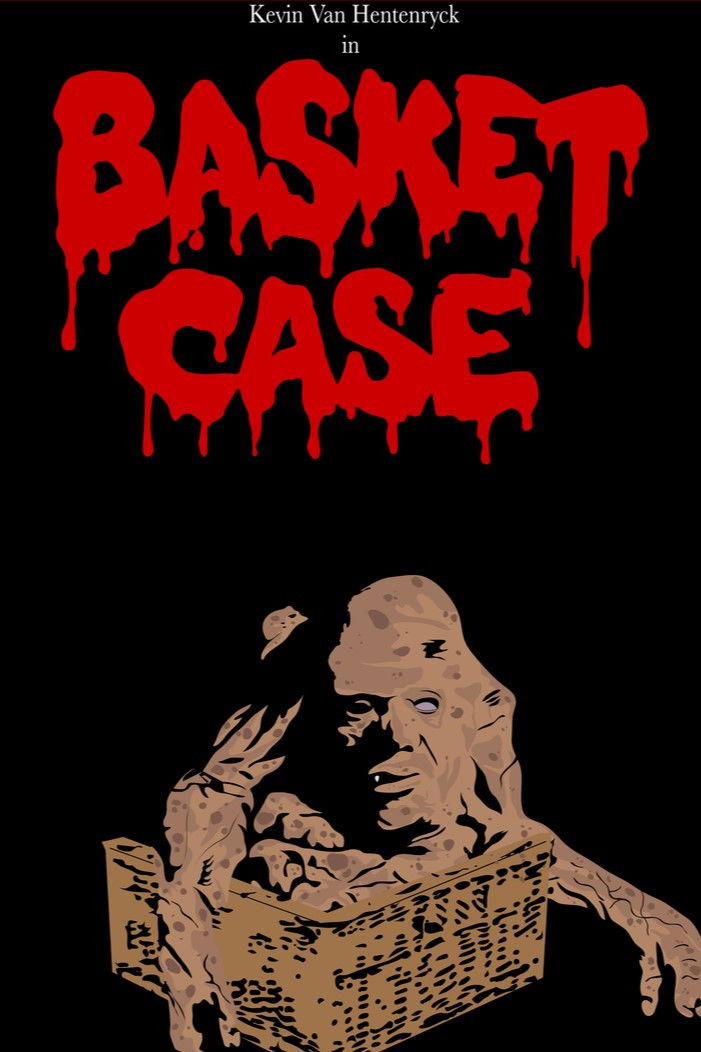
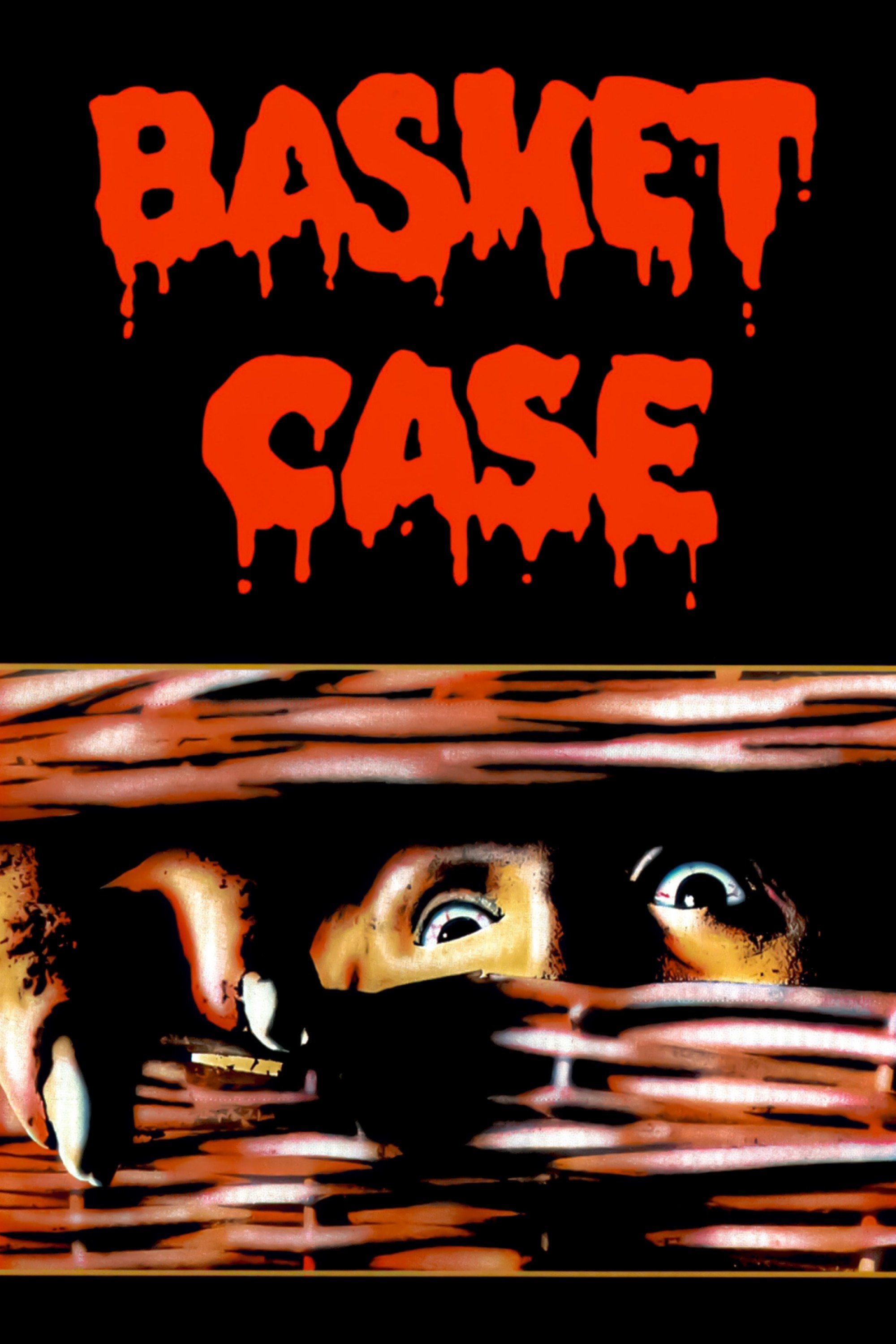
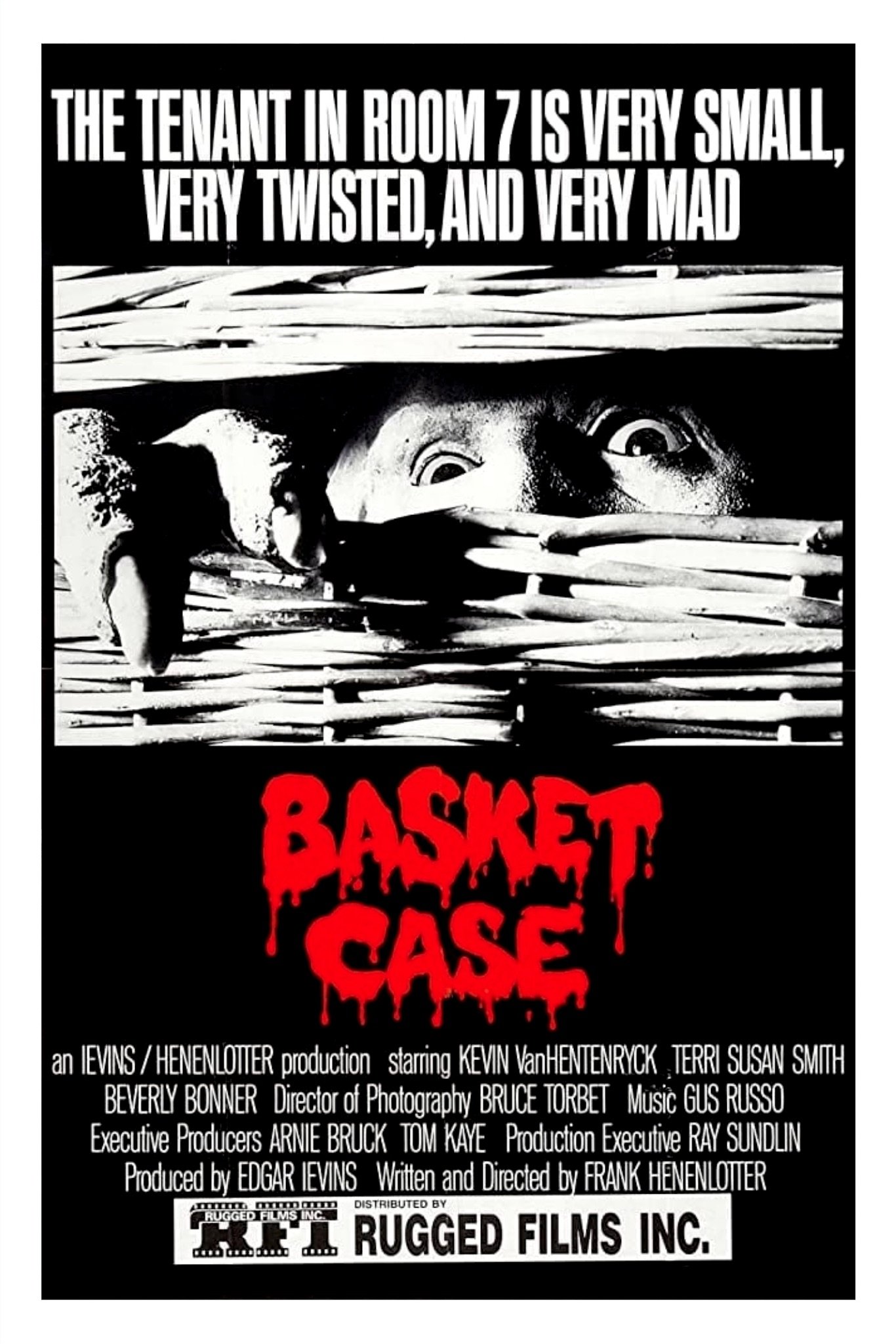
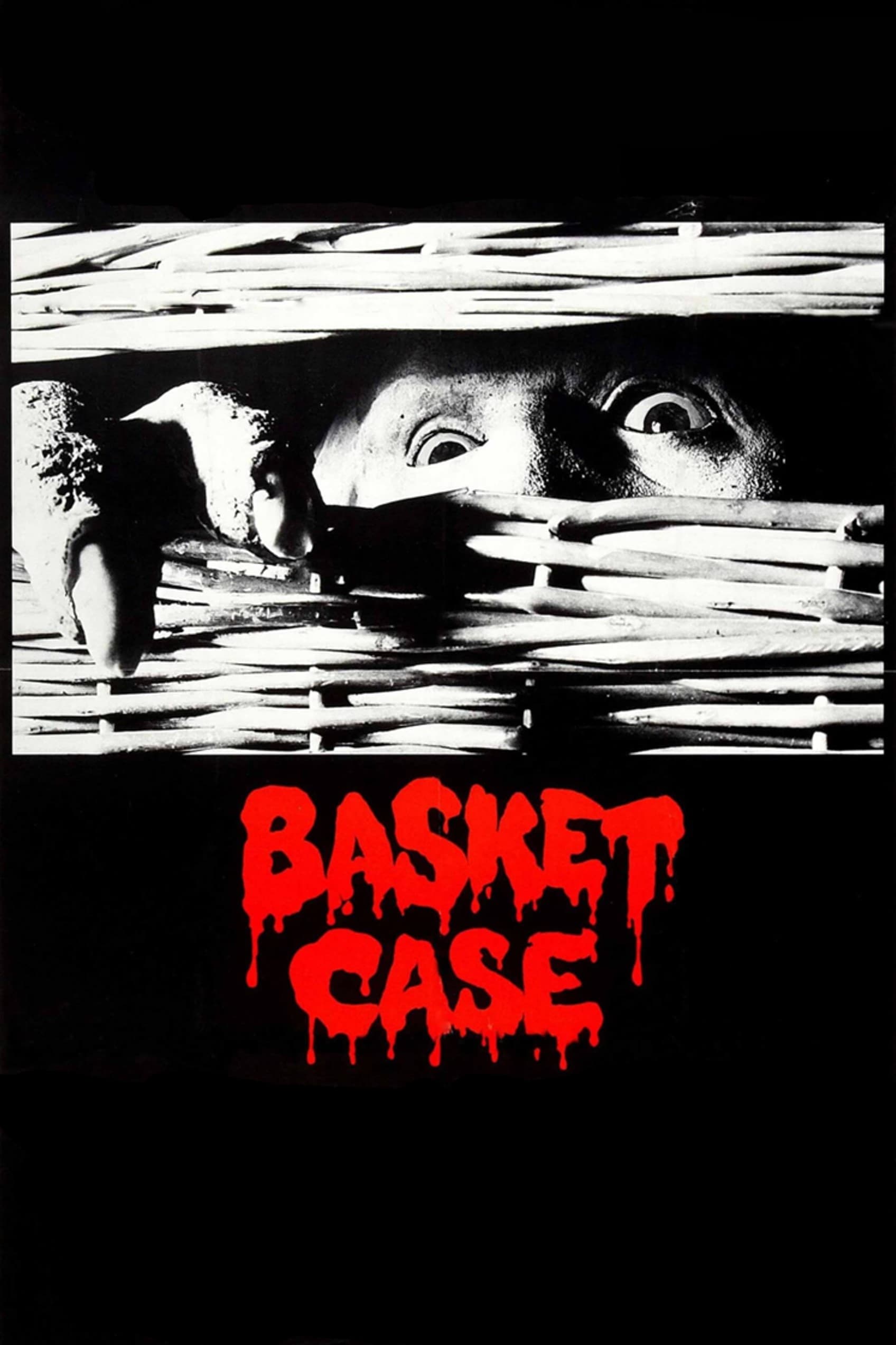
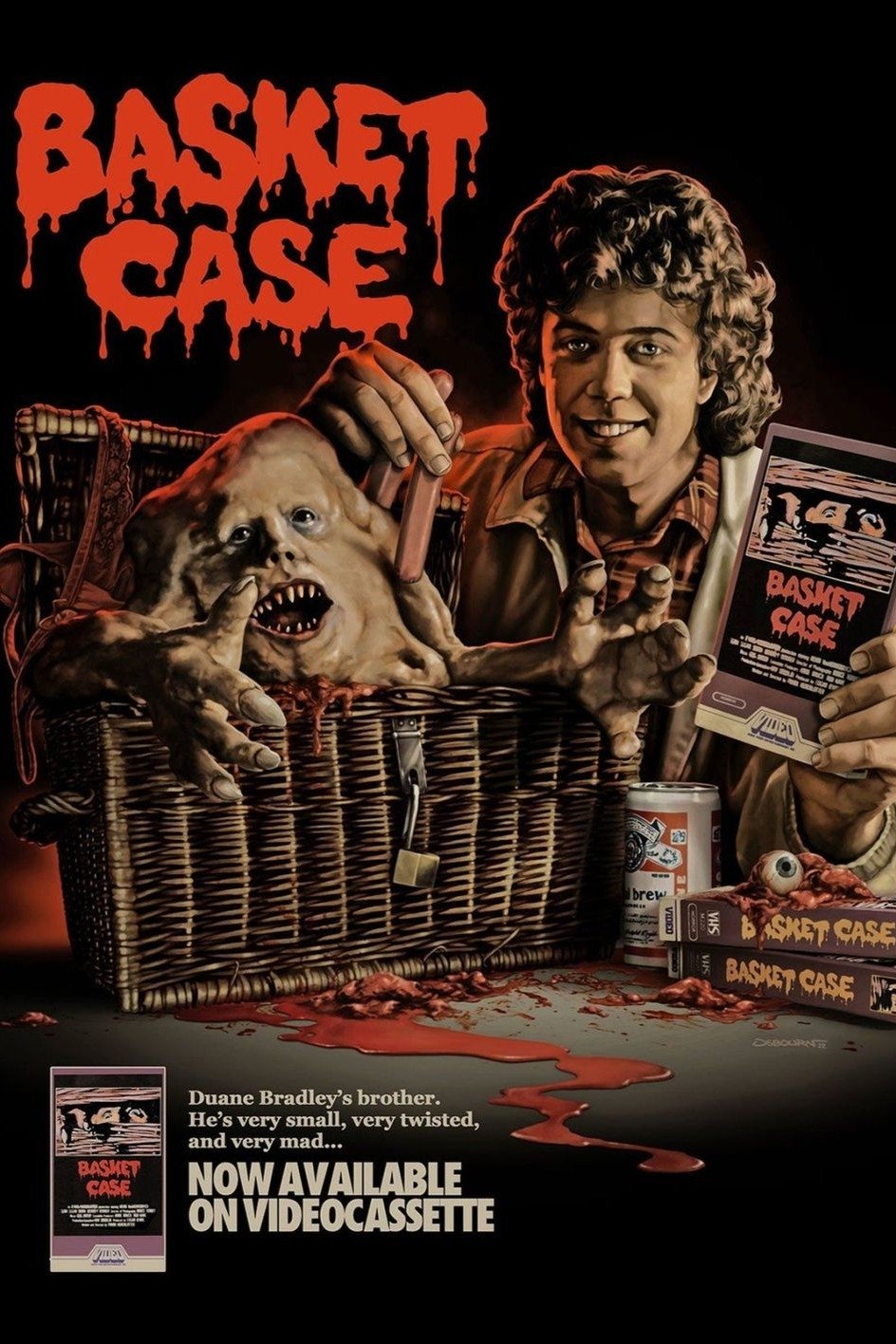
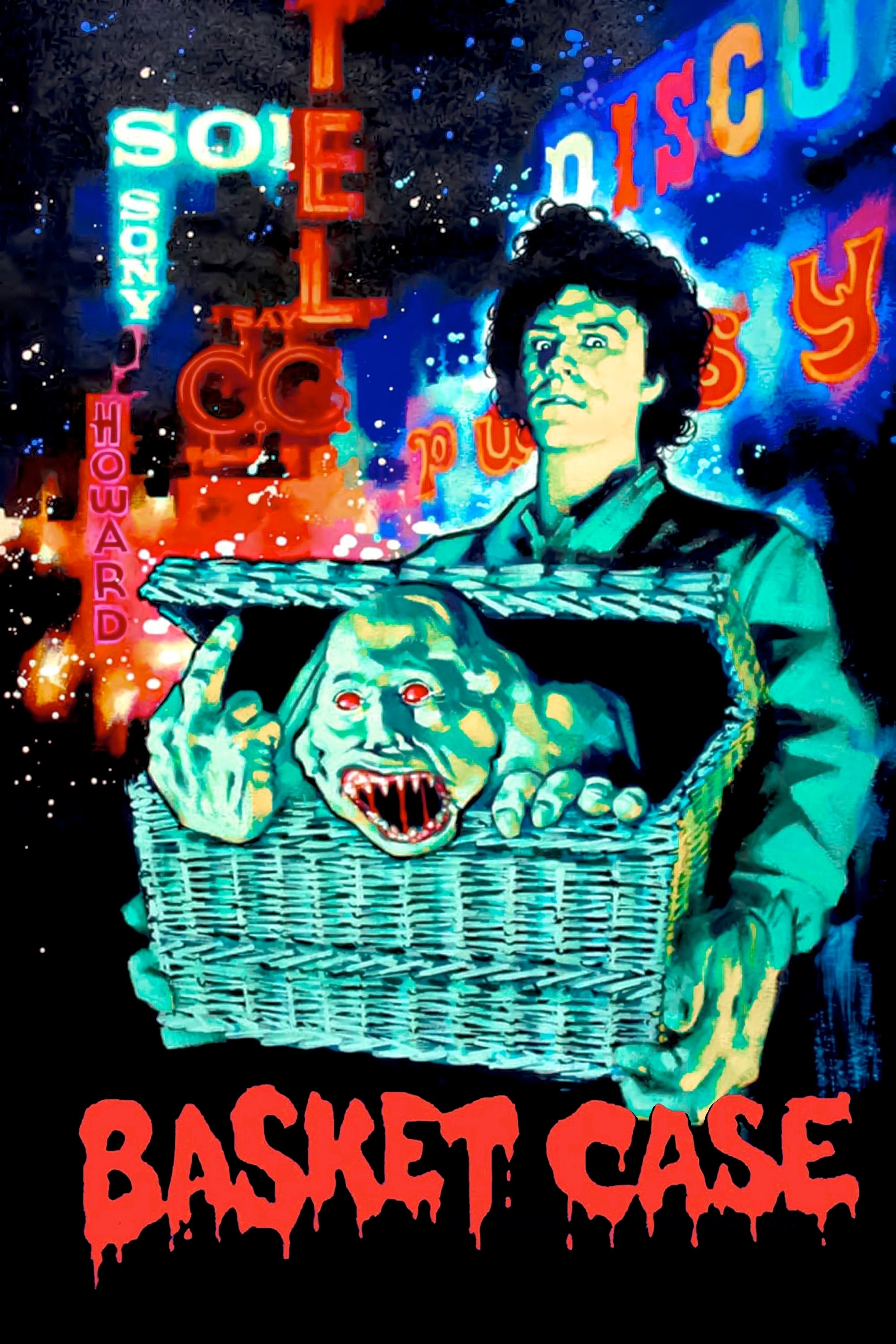
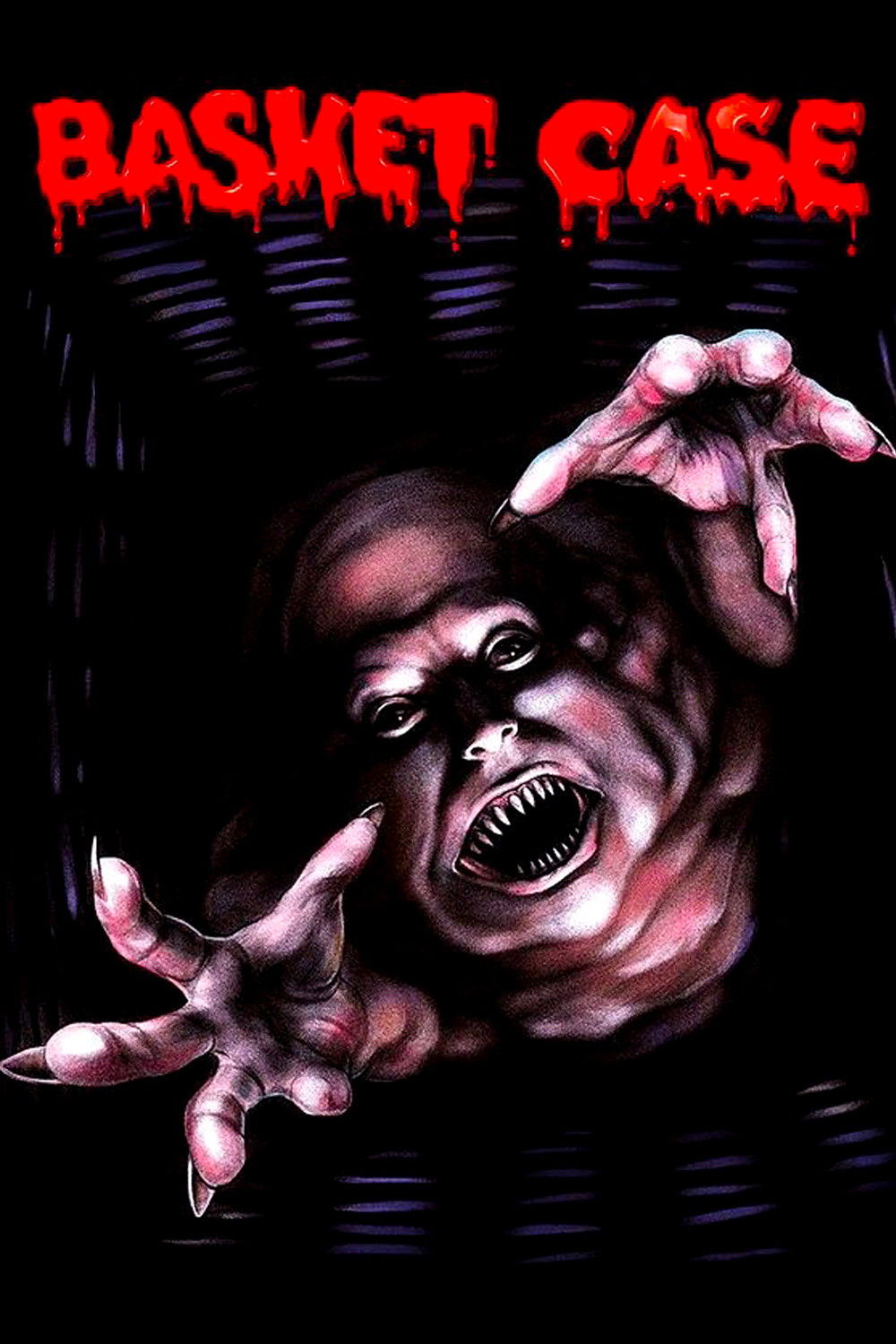
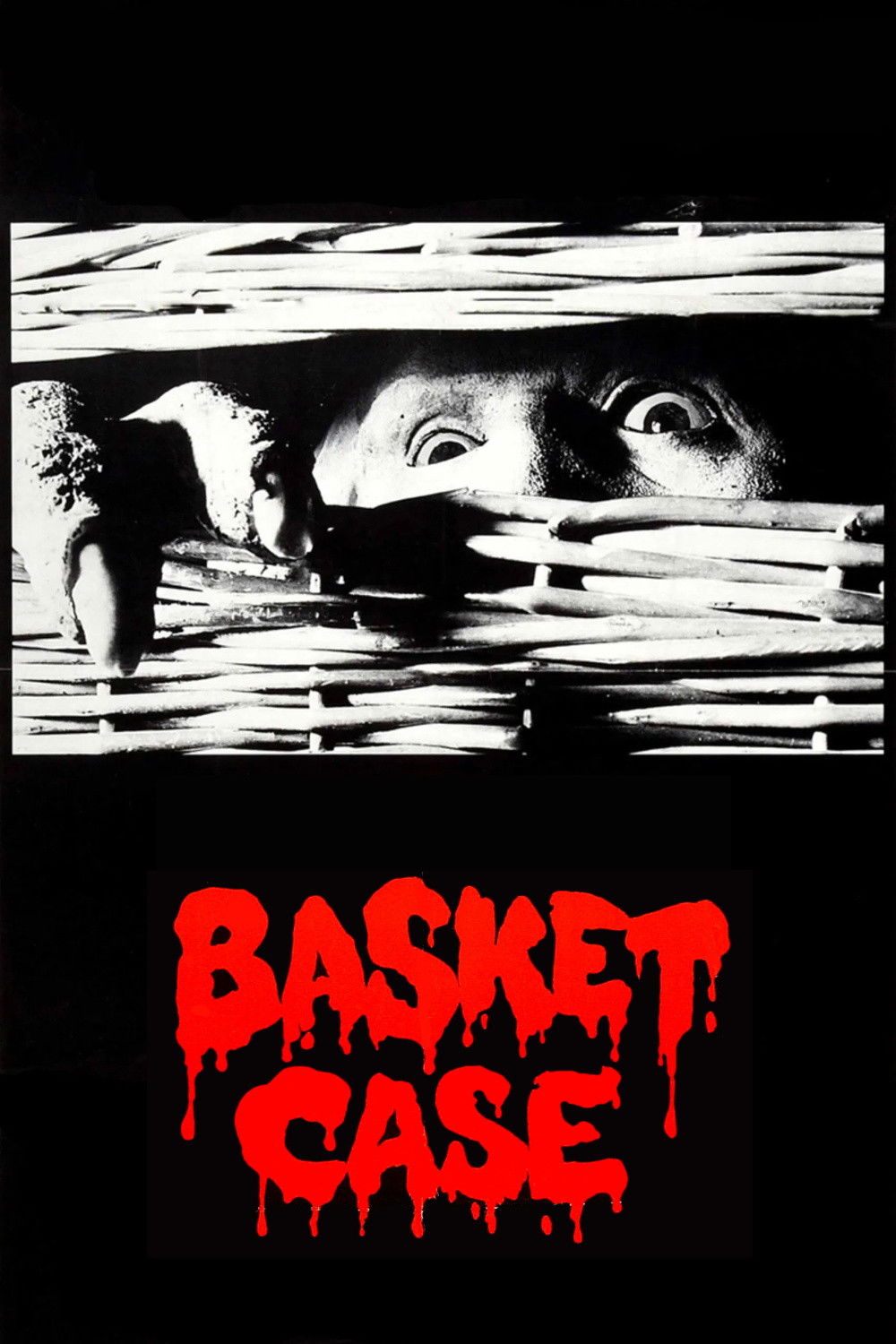
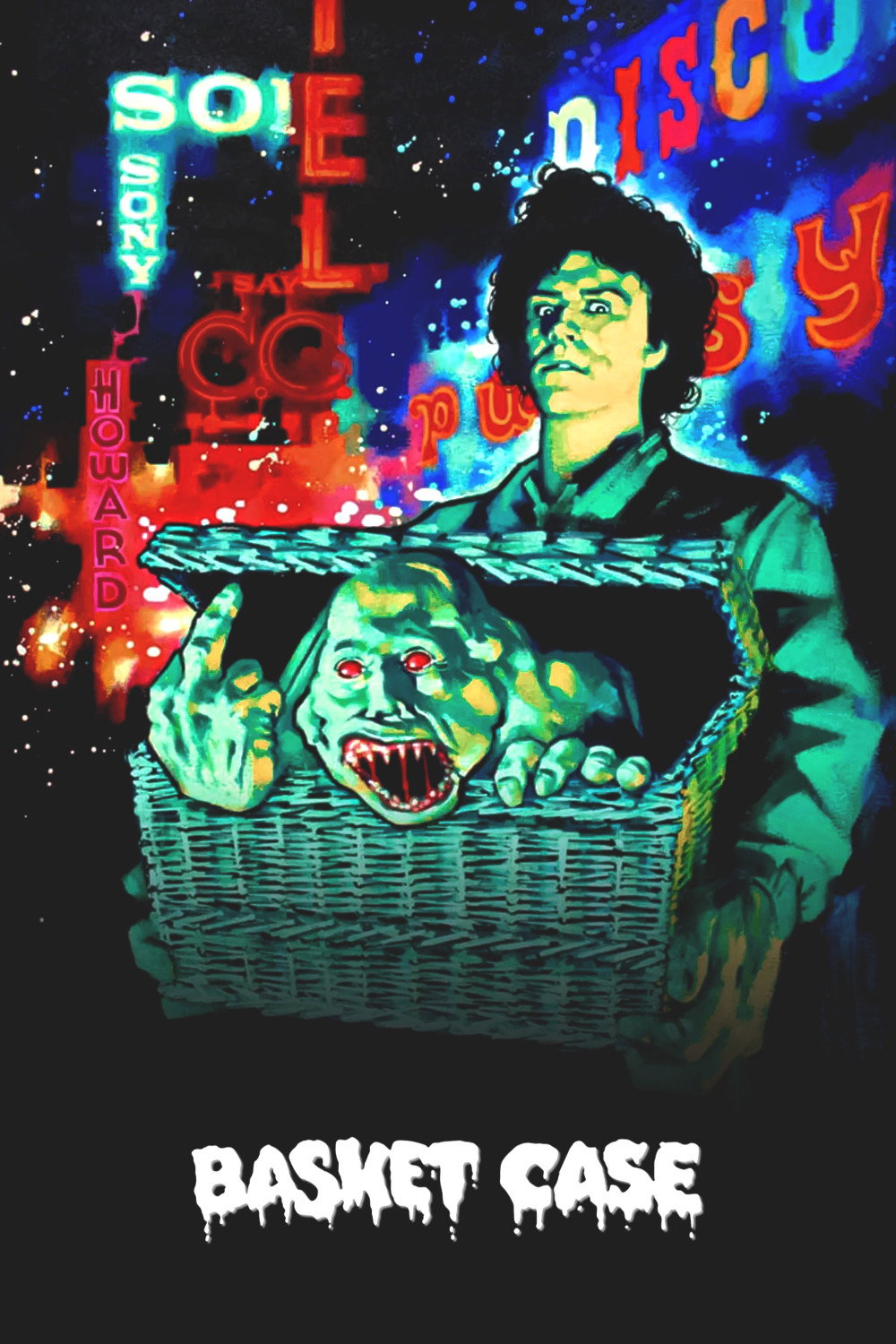
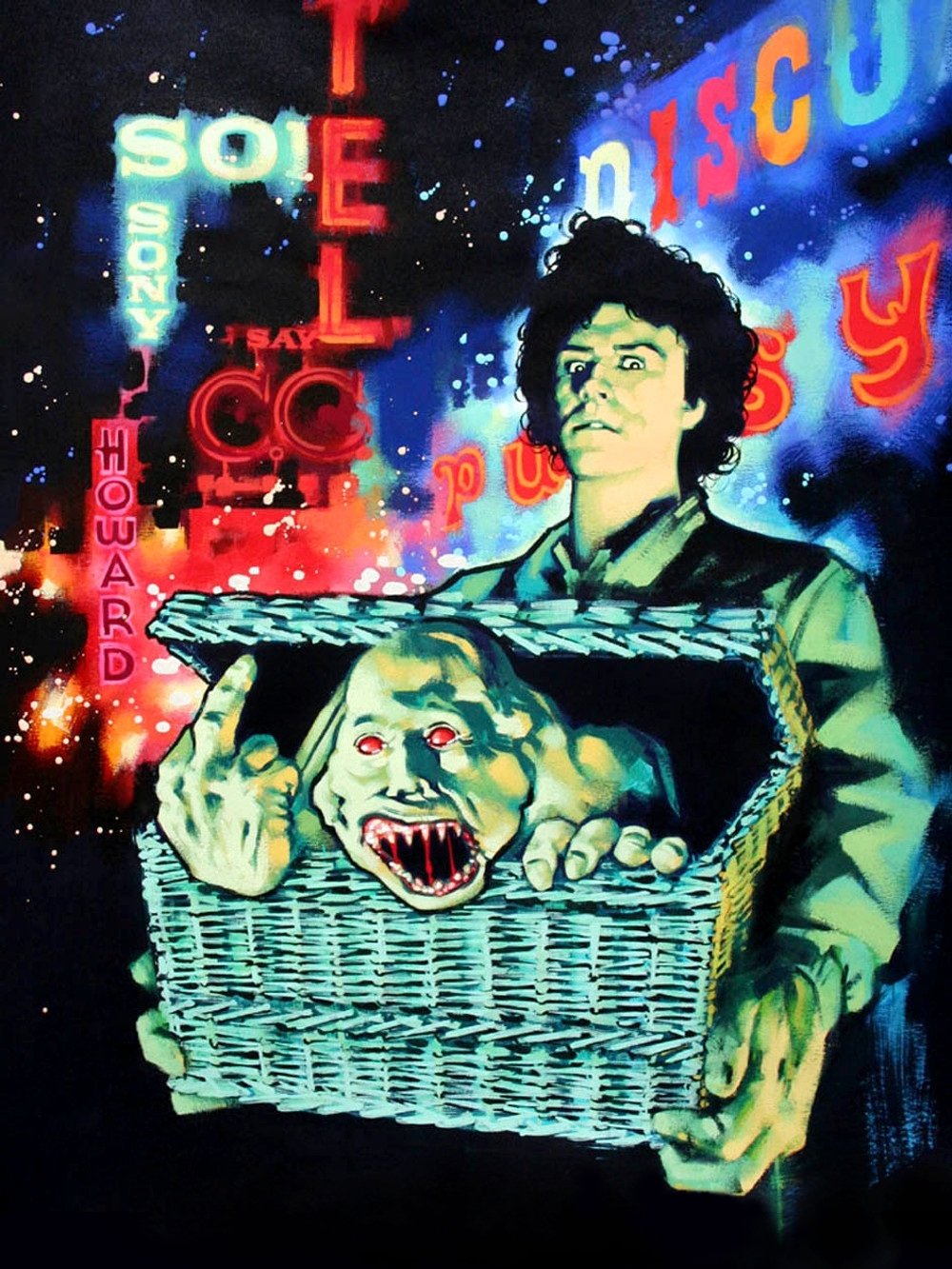
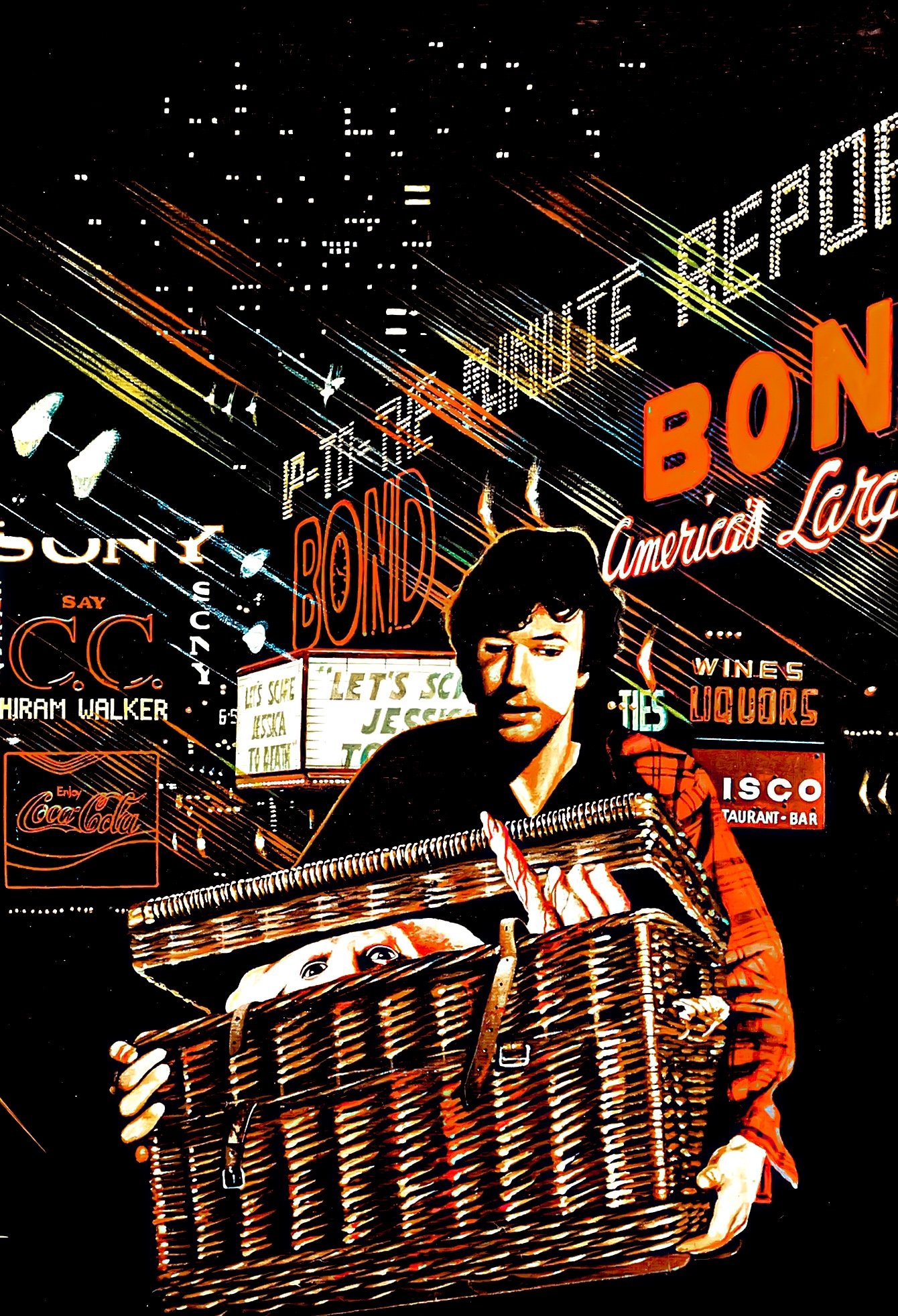
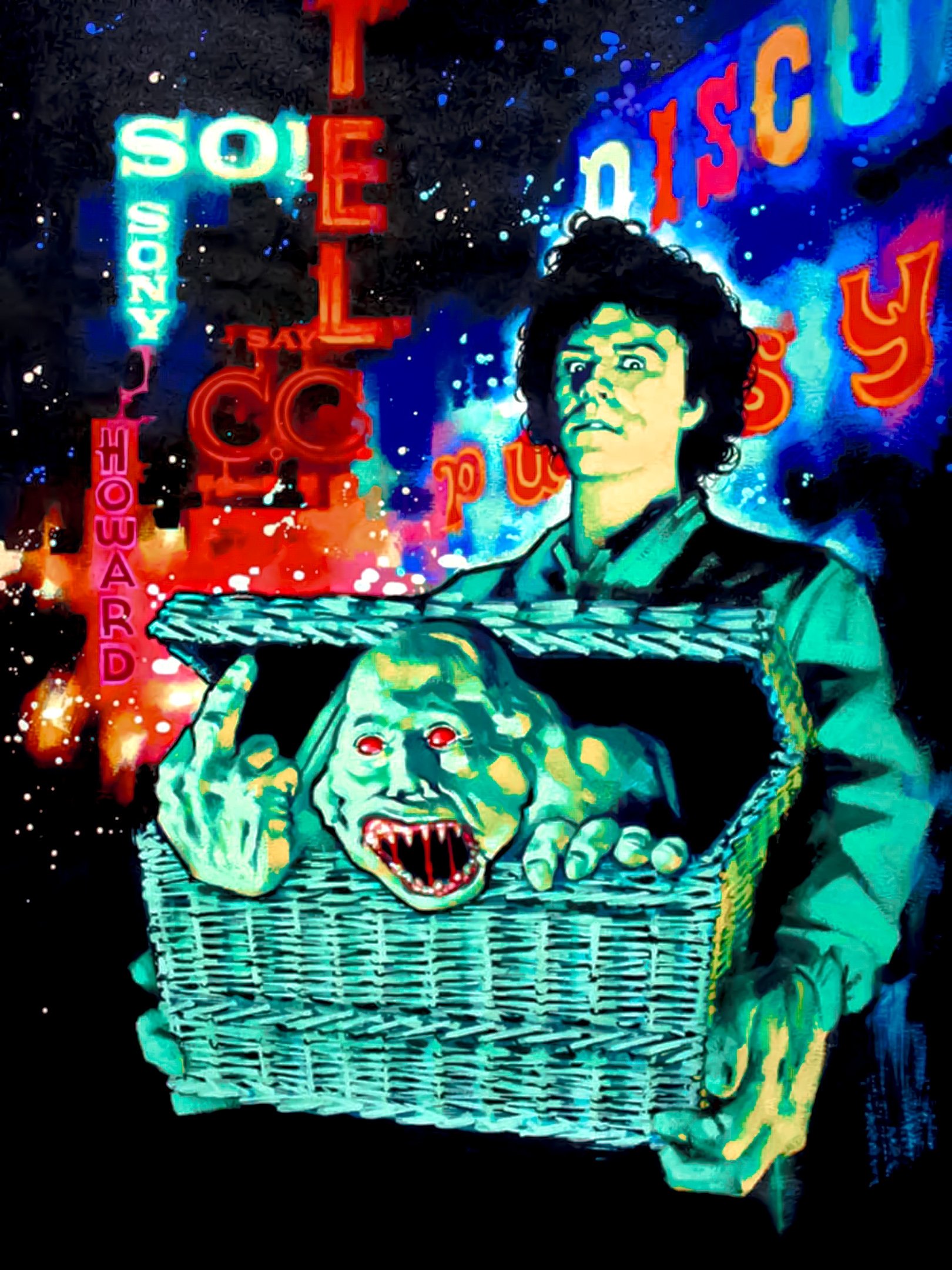
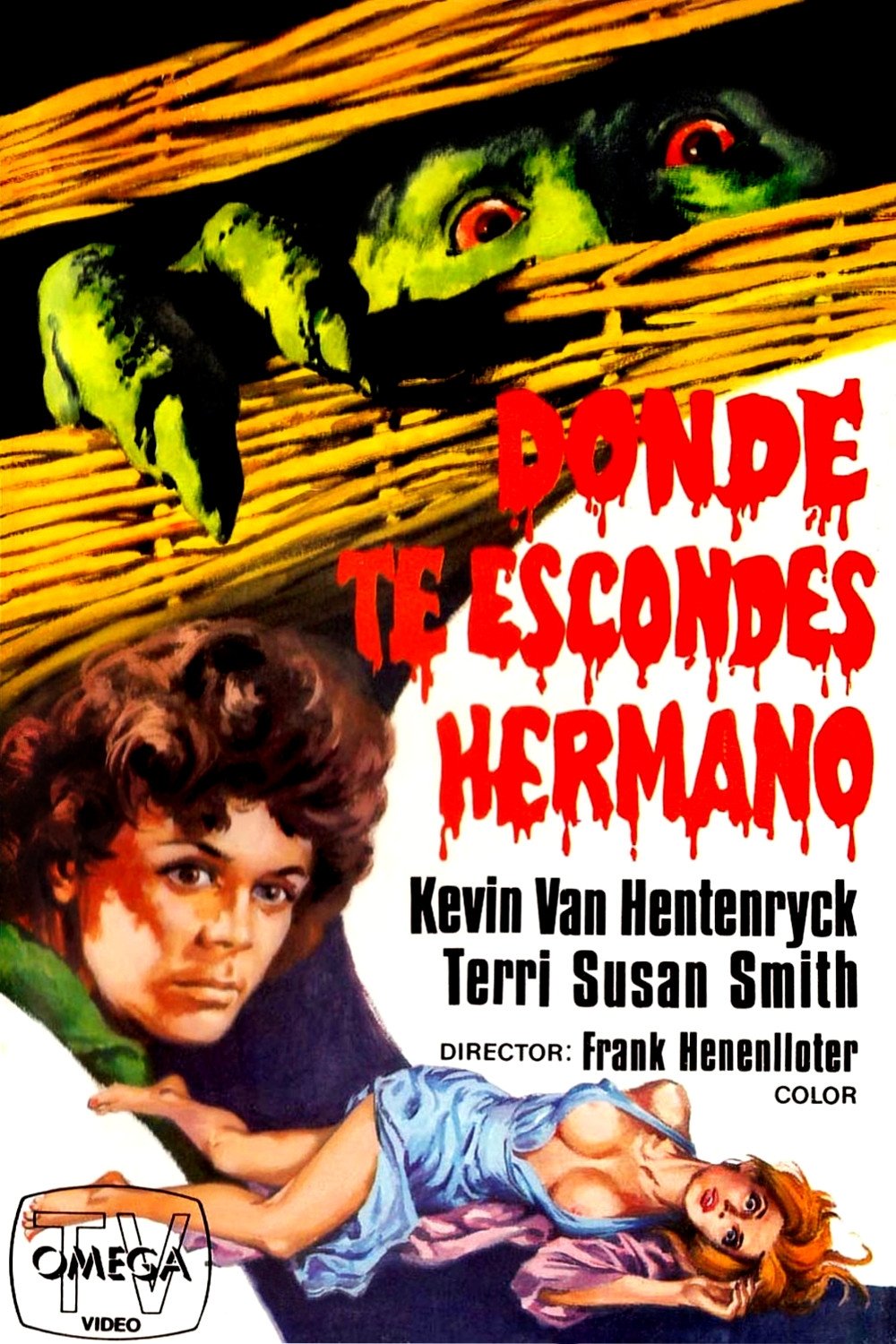
Basket Case (1982) poster
Plot

Duane Bradley arrives in New York carrying a locked wicker basket that conceals Belial, the brother from whom he was forcibly separated in childhood. Staying at a run-down hotel, Duane helps Belial track the doctors responsible for the operation. Their revenge is complicated when Duane begins to form a relationship outside the brothers' fiercely dependent bond.

Alternative Titles
Кошницата (Bulgaria) — Bulgarian Basket Case - O Mistério do Cesto (Brazil) O Mistério do Cesto (Brazil) — Portuguese Frères de sang (Canada) — French Title El Caso del Canasto (Chile) — Home Video Title 篮子里的恶魔 (China) — Chinese Případ košíku (Czechia) — Czech Basket Case - Der unheimliche Zwilling (Germany) — West Germany Title
Show all 28 alternative titles Basket Case – Der unheimliche Zwilling (Germany) — German Basket Case ¿Dónde te escondes, hermano? (Spain) — Spanish Basket Case (¿Dónde te escondes, hermano?) (Spain) — DVD Title Veriveljet (Finland) — Television Title Frère de sang (France) To kalathi tou tromou (Greece) — transliteration Το καλάθι του τρόμου (Greece) 籃子裏的惡魔 (Hong Kong SAR China) — Chinese Basket Case - Másfél test, egy lélek (Hungary) — Hungarian バスケットケース (Japan) 바스켓 케이스 (South Korea) — Korean Basket Case: ¿Donde te escondes Hermano? (Mexico) — Spanish El asesino de la canasta (Mexico) Wiklinowy koszyk (Poland) O Segredo do Cesto (Portugal) Существо в корзине (Russia) Korgväskan (Sweden) — Home Video Title Существо в корзине (Russia) — Russian Title อะไรอยู่ในตะกร้า (Thailand) — Thai Sepetteki ölüm (Türkiye) — Home Video Title

Trailers & Videos

1 video

Film Guide & Analysis

Frank Henenlotter turns a wicker basket, a deformed conjoined twin and the streets of New York into a handmade collision of splatter, black comedy and midnight-movie horror.

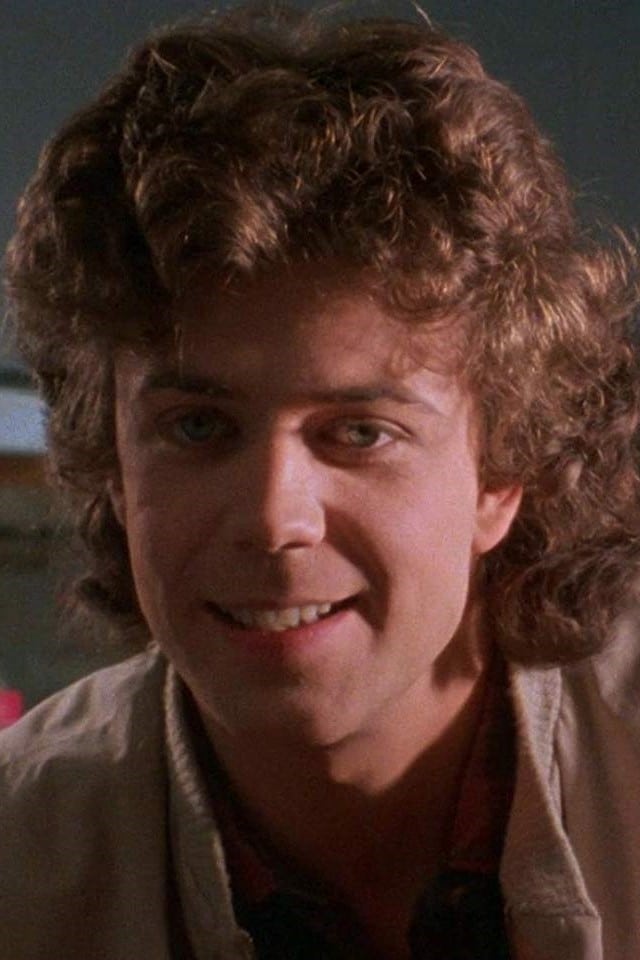
Basket Case is a 1982 American horror film written and directed by Frank Henenlotter. Kevin Van Hentenryck plays Duane Bradley, a quiet young man who arrives in New York carrying a locked wicker basket and checks into the shabby Hotel Broslin. Inside the basket is Belial, the severely deformed conjoined twin from whom Duane was surgically separated against both brothers' wishes. Together they begin tracking down the doctors responsible for the operation, turning a revenge story into a mixture of creature horror, splatter, black comedy and increasingly destructive sibling dependence.

Made on 16mm with almost no money and assembled over an extended period whenever financing became available, Basket Case grew directly from the exploitation culture Henenlotter loved around New York's 42nd Street. Its rough photography, real city locations, handmade creature effects and mixture of grotesque violence with eccentric comedy initially seemed to its director more like evidence of poverty than a distinctive style. Midnight audiences responded differently. The film became an underground success, played for extended periods in late-night theatres, generated two sequels and eventually entered the Museum of Modern Art's film collection and restoration programme.

Frank Henenlotter, Edgar Ievins & a Film Made Whenever Money Existed

Basket Case was Henenlotter's first feature after years of making small amateur films and shorts. Producer Edgar Ievins initially hoped that they could raise roughly $200,000 for a commercial production, but that financing never materialised. Henenlotter eventually decided to begin anyway with approximately $8,000 of his own savings, while Ievins later contributed another $8,000. Additional money arrived in small amounts as footage could be shown to potential backers. Henenlotter has repeatedly remembered the production as so poor that exposed film could remain at the laboratory for weeks or months because the filmmakers did not have enough money to process and retrieve it.

AFI records that filming began in 1978 and was not completed until late 1981, with New York City and Glens Falls among the locations. Henenlotter later put the shooting cost at roughly $35,000, although additional post-production expenses and the eventual 35mm blow-up increased the amount spent before the film reached theatres. He edited the picture from his apartment. The elongated schedule therefore did not represent an unusually careful production plan; it reflected a movie repeatedly stopping and restarting according to the availability of film stock, processing money, effects and locations.

Those conditions altered Henenlotter's original conception. He has said that the project became increasingly comedic as he realised that he could not achieve some of the more serious horror effects he had imagined. He embraced the production's limitations and amplified its personality, bloodshed and absurdity. The resulting tone became one of the film's defining qualities. Violence can be grotesque and genuinely unpleasant, yet the residents of the Hotel Broslin, Duane's awkward behaviour and Belial's increasingly uncontrolled reactions continually push the film toward comedy without turning the revenge story into a parody.

42nd Street, the Hotel Broslin & a New York That Could Not Be Recreated

New York is an active presence in Basket Case. Henenlotter developed his taste in the grindhouse cinemas of 42nd Street and initially hoped that the completed film might at least survive for a week in the same exploitation theatres he frequented. The production records Manhattan's storefronts, sidewalks, neon, cheap rooms and crowded streets, giving the film a texture difficult to manufacture on a controlled set.

The Hotel Broslin concentrates that urban atmosphere. Duane enters carrying a basket that should immediately seem suspicious, yet the building is already filled with enough noise, eccentricity and intrusion that his behaviour becomes only one strange element among many. Beverly Bonner's Casey, Robert Vogel's hotel manager and the other tenants give the setting a distinctive social character. Belial can remain hidden partly because privacy inside the hotel is already unstable: people listen through doors, wander through corridors and interfere in one another's lives.

That environment also changes the meaning of Duane's relationship with Sharon. For the first time since arriving in the city, Duane encounters the possibility of an independent adult life that does not revolve around Belial. Restaurants, offices and streets therefore represent something very different from the basket and hotel room: they offer social contact beyond the twins' closed world. New York becomes simultaneously liberating and dangerous. The city gives Duane the possibility of separation precisely when Belial is least capable of accepting it.

Kevin Haney, Belial & a Monster Built from Duane's Face

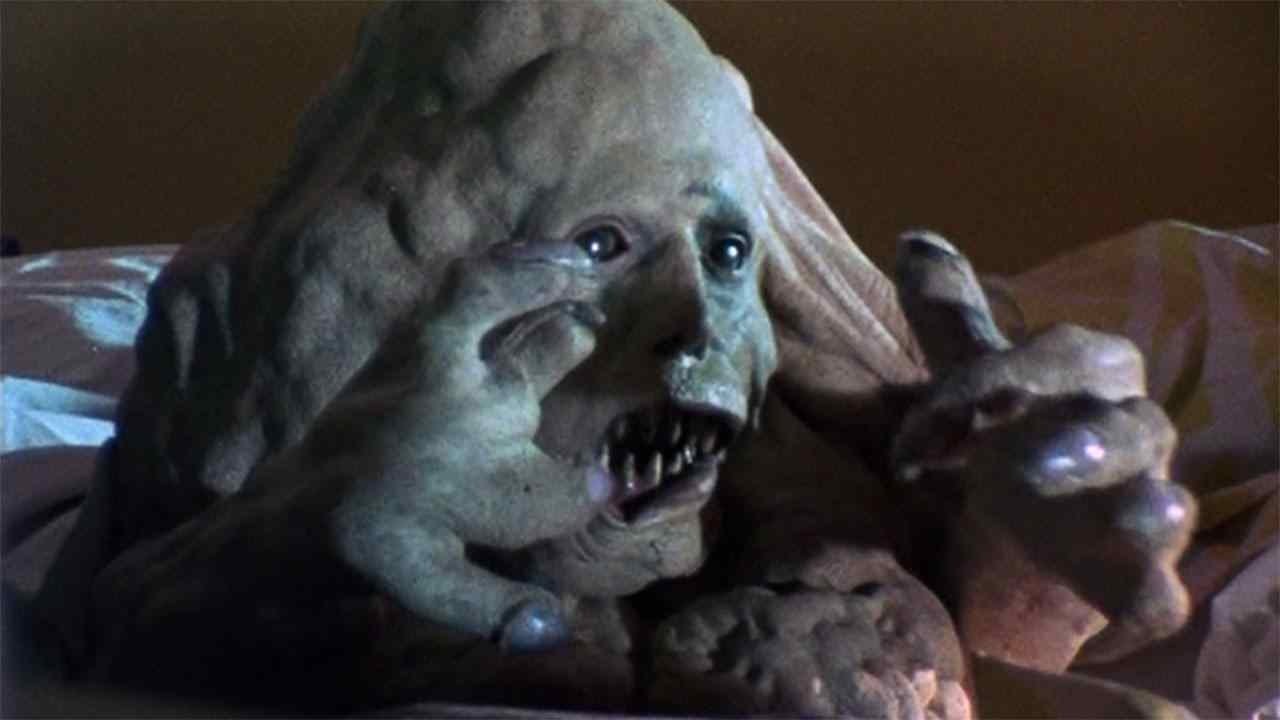
Belial's design was created under extreme practical limitations. Makeup artist Kevin Haney has recalled that Henenlotter showed him reference material involving physical anomalies and parasitic twins while they discussed what the creature should become. Haney built the adult Belial around a life cast of Kevin Van Hentenryck's face, an important decision because the creature needed to appear grotesquely different from Duane while retaining enough resemblance for their biological connection to remain visible. Haney designed, sculpted, moulded and fabricated the principal creature and arms, while John Caglione Jr. contributed to additional makeup and the younger version of Belial.

No single technique could make the creature perform everything required by the story. A flexible latex puppet was used when Belial needed to interact directly with actors, while Henenlotter himself manipulated the creature in several shots and even supplied Belial's attacking hand by wearing a glove. Other sequences required a more rigid model suitable for animation. Henenlotter used stop motion for some of Belial's most independent movements, producing an intentionally unnatural locomotion as the creature crosses floors without the visible support of a puppeteer.

The contrast between techniques ultimately became part of Belial's personality. His scale, movement and physical consistency can change slightly from shot to shot, but the handmade instability suits a creature who exists outside ordinary anatomy. Henenlotter still owns the surviving animation model, while the softer latex puppet deteriorated substantially over time. The very materials that made Belial possible were temporary, reinforcing how closely the film's most durable icon was tied to improvisation, low-cost fabrication and the willingness to combine whatever effects process could solve an individual shot.

Duane, Belial & a Separation That Never Really Ends

The revenge plot begins with a medical separation presented as an act imposed on the brothers without their consent. Duane and Belial were born physically joined, but the adults surrounding them decide that Duane should be allowed a conventional body and life while Belial is treated as an unwanted biological remainder. Their father and the doctors therefore impose a definition of normality that the brothers themselves do not share. Killing the surgeons becomes Belial's retaliation for an operation he understands as mutilation.

Duane's position is more complicated because separation gives him possibilities Belial can never possess. He participates in the revenge and communicates with his brother telepathically, yet his behaviour in New York increasingly reveals curiosity about ordinary independence. His relationship with Sharon gives that conflict a concrete form. Belial's jealousy grows from Sharon's threat to the twins' dependence on each other; she represents the possibility that Duane can create emotional and sexual attachments outside the twin bond, something Belial's physical condition and dependence make almost impossible for him.

The horror consequently develops from intimacy as much as deformity. Duane loves Belial and recognises the injustice done to him, but sympathy does not make Belial's violence controllable. The brothers can no longer return to literal physical union, yet Belial refuses the psychological separation that ordinary adult life requires. Their revenge succeeds before the film ends, leaving the deeper conflict unresolved. Once the doctors are dead, the basket no longer contains a mission. It contains a relationship whose emotional logic has become destructive for everyone approaching either brother.

Gus Russo & a Score Recorded in a Living Room

Gus Russo composed Basket Case as his first film score after meeting Edgar Ievins through the music scene in upstate New York. The financial circumstances surrounding the soundtrack were as restrictive as those facing the rest of the production. Russo later recalled travelling to New York, watching rushes with Henenlotter and discussing the different musical styles required before returning home to construct the score with whatever equipment and musicians he could obtain.

Henenlotter wanted a recurring theme capable of appearing in different forms and referred to Bernard Herrmann as an important model. Russo recorded on a four-track tape machine in his living room. His available equipment included guitars, synthesizer, an ARP String Ensemble, an Echoplex, an out-of-tune upright piano and borrowed instruments including timpani and vibraphone. Friends contributed additional parts. Even the deliberately bland music heard around the doctors' offices had to be written specifically because the production could not afford to license generic background music.

The mixture gives the film an unexpectedly broad musical identity. Electronic horror textures coexist with lighter material, saxophone, vibes and deliberately mundane lounge-style passages, complementing the way Henenlotter moves between grotesque violence and comedy. Russo preserved the original four-track tapes and the DBX equipment necessary to decode them, allowing the music to be reconstructed decades later for a soundtrack release. A score originally created because almost nothing else could be afforded consequently survived more completely than many recordings from considerably more expensive productions.

The Soft Cut, Midnight Theatres & British Censorship

The film's early distribution history almost changed its identity. AFI records that two versions were being prepared by the time of its 1982 release: a softer edition emphasizing comedy and Henenlotter's harder original cut retaining the explicit violence. Henenlotter strongly objected to removing the gore because he considered the blood integral to the film's humour and believed that removing it would change the tone. The softened version initially performed poorly in a small number of midnight engagements.

The situation changed when the original version reached audiences. AFI records that critic and programmer John Bloom, better known as Joe Bob Briggs, refused to support the softened print for a Dallas engagement and instead screened Henenlotter's cut. The shows sold out. The harder version subsequently returned to the midnight circuit, including New York's Waverly, where contemporary reporting later credited it with an eighteen-month continuous run. MoMA and Arrow describe its broader midnight life as extending for more than two years. The film was ultimately distributed unrated after the possibility of an X rating restricted conventional commercial options.

Britain created another chain of alternate versions. The BBFC records cuts to the 1982 cinema release and further alterations to the 1987 video edition. By 1999, a substantially longer presentation was classified for home video without the earlier pattern of reductions. The history is significant because Basket Case depended on the very combination distributors repeatedly tried to separate: grotesque practical violence and comedy. The midnight audience that secured its reputation effectively validated Henenlotter's belief that the film worked best when both were allowed to coexist.

The 16mm Negative, MoMA Restoration & Cult Legacy

The original photography also suffered from distribution. Henenlotter shot the film on 16mm, but the inexpensive enlargement to 35mm produced theatrical prints he later remembered as excessively dark and lacking much of the contrast he and cinematographer Bruce Torbet had photographed. Early video editions inherited some of those limitations. For years Henenlotter therefore felt that audiences were not seeing the image as it had actually existed on the original negative, even though the degraded appearance itself became associated with the movie's grindhouse reputation.

The original 16mm elements eventually made a much more accurate reconstruction possible. The Museum of Modern Art restored Basket Case in 4K from the original 16mm negative in cooperation with Henenlotter, presenting the restoration in 2017. Arrow subsequently issued that restoration on Blu-ray and later 4K UHD, preserving the original mono soundtrack and the film's 1.33:1 presentation. Modern editions therefore reveal more of the actual low-budget photography without digitally rebuilding the movie into something it never was.

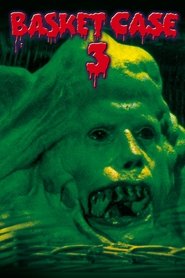
That institutional preservation completes an unusual journey. Henenlotter once hoped merely to get the film onto 42nd Street before it disappeared; decades later it entered MoMA, while the same handmade monster generated Basket Case 2 (1990) and Basket Case 3: The Progeny (1991). Its importance does not depend on technical polish. Basket Case demonstrates how exploitation filmmaking can turn limitations into identity: an unstable puppet, 16mm grain, real New York streets, improvised gore and eccentric performances combine into something that a more controlled production could easily have made less distinctive.

Connections

Cast

View Full Cast & Crew →

Release & Distribution

Release History (12)

Release DateTerritoryRelease TypeFormatDistributorCertificationNotes
1982-04-02 United States Theatrical — — NR
1982-10-11 United Kingdom Theatrical — — — Rated X, cuts
1983-06-24 Germany Theatrical — — 18
1983-08-02 Spain Theatrical — — 16
1983-08-31 France Theatrical — — 12
1985-02-09 Japan Theatrical — — G
1986-10-03 United States Theatrical — — R Re-release
1987-03-31 United Kingdom Physical VHS — 18 VHS, cuts
1999-12-01 United Kingdom Physical DVD — 18 DVD
1999-12-17 Spain Physical — — 16
2007-10-22 Brazil Physical DVD — — DVD
2012-06-12 United Kingdom Digital — — 18
The tenant in room 7 is very small, very twisted and very mad.