Canadian Film Development Corporation
, Filmplan International
Plot
A deranged, misogynistic killer assaults a journalist. When he discovers that she survived the attack, he follows her to the hospital to finish her off.
Alternative Titles
Horário de Visitas (Brazil) — PortugueseGet Well Soon (Canada) The Fright (Canada) 会客时间 (China) — ChineseNávštěvní hodiny (Czechia) — CzechDas Horror Hospital (Germany) Das Horror-Hospital (Germany) — GermanAngustia en el Hospital Central (Spain) — SpanishShow all 14 alternative titlesTerreur à l'hôpital central (France) — French會客時間 (Hong Kong SAR China) — ChineseLátogatási idő (Hungary) — HungarianDelitto al Central Hospital (Italy) — Italian어둠 속의 테러 (South Korea) — KoreanЧасы посещения (Russia)
A Quebec-produced hospital thriller at the crossroads of Canadian giallo, feminist debate, mainstream advertising and British censorship.
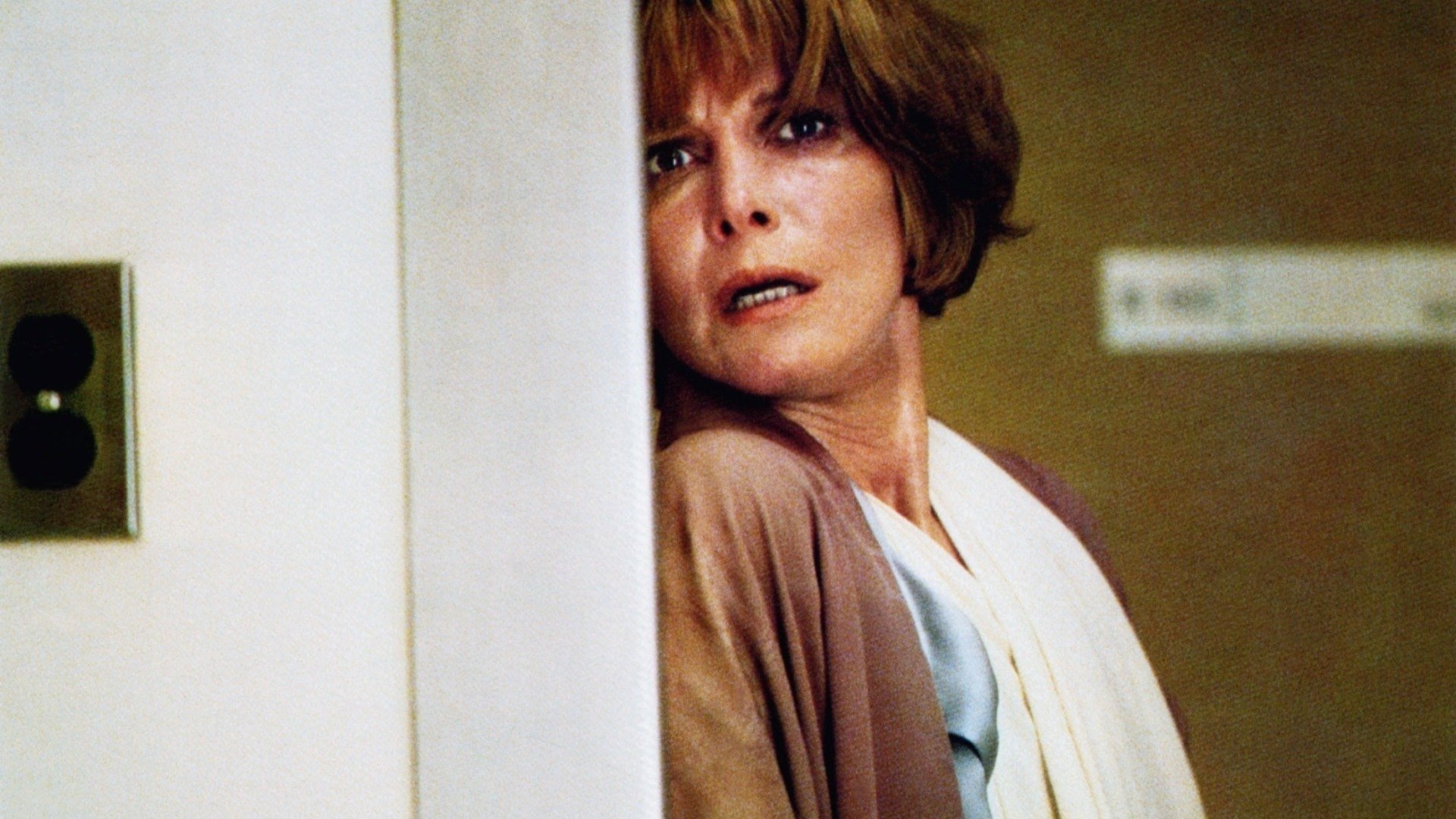
Visiting Hours (1982) occupies a distinctive place in Canadian horror because its hospital killings are framed by an argument about violence against women. A television journalist who publicly defends a woman accused of killing an abusive husband becomes the target of Colt Hawker, a man whose contempt for independent women extends into obsessive surveillance and murder. The ensuing pursuit follows her recovery in hospital and the efforts of other women to identify the attacker. With the killer recognizable from the outset, the film builds tension around danger that the characters can see but cannot persuade the authorities to confront.
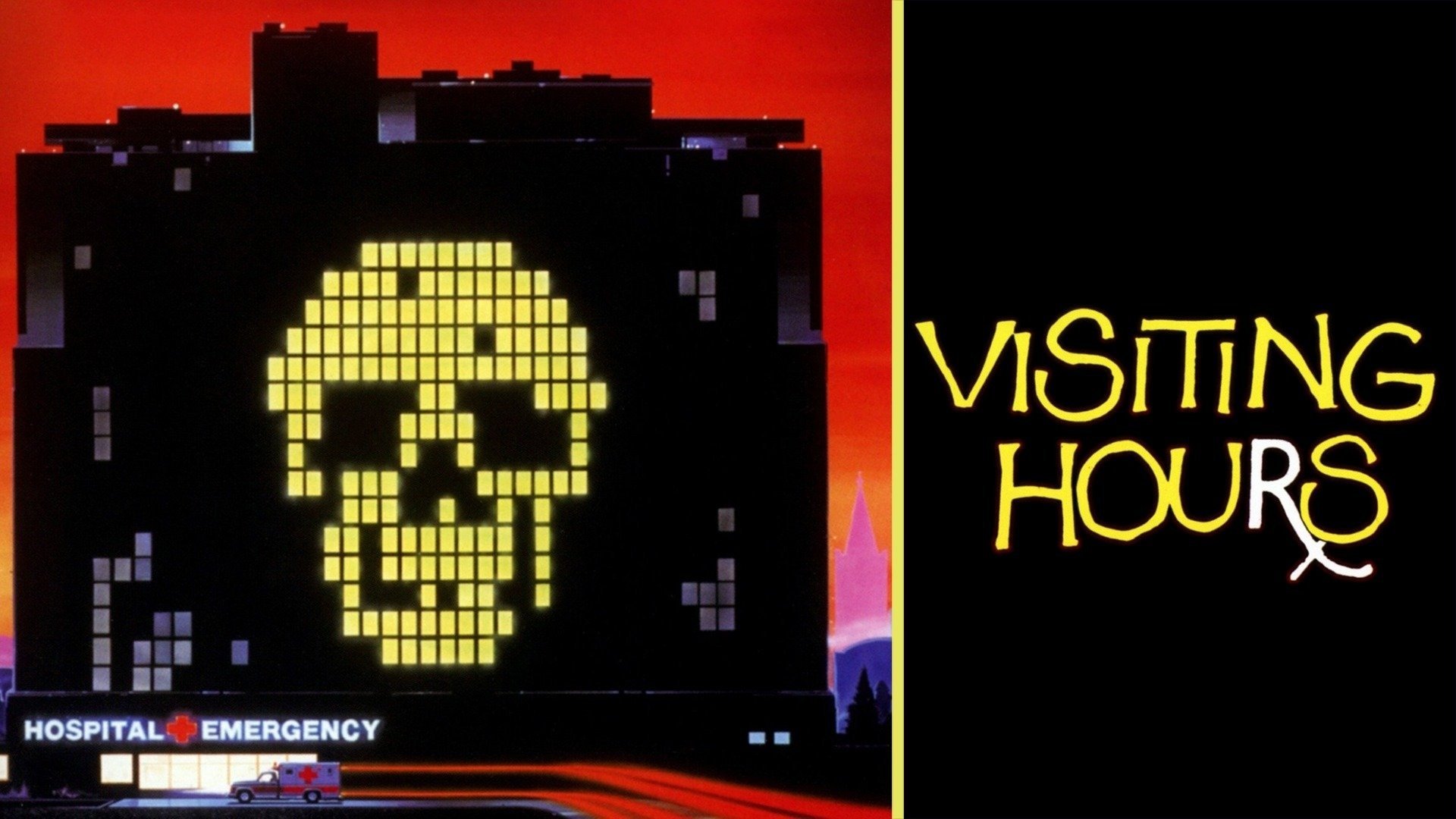
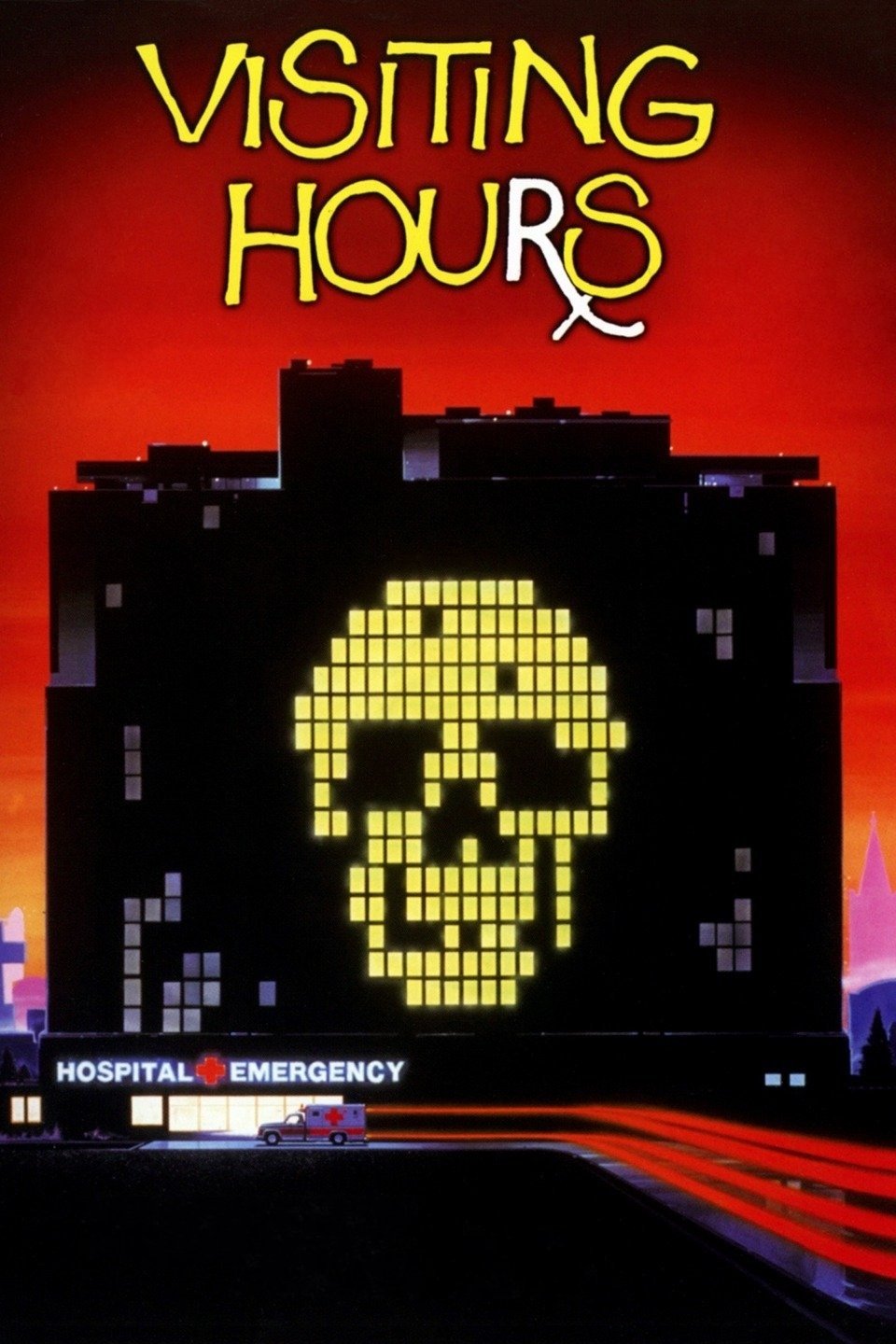
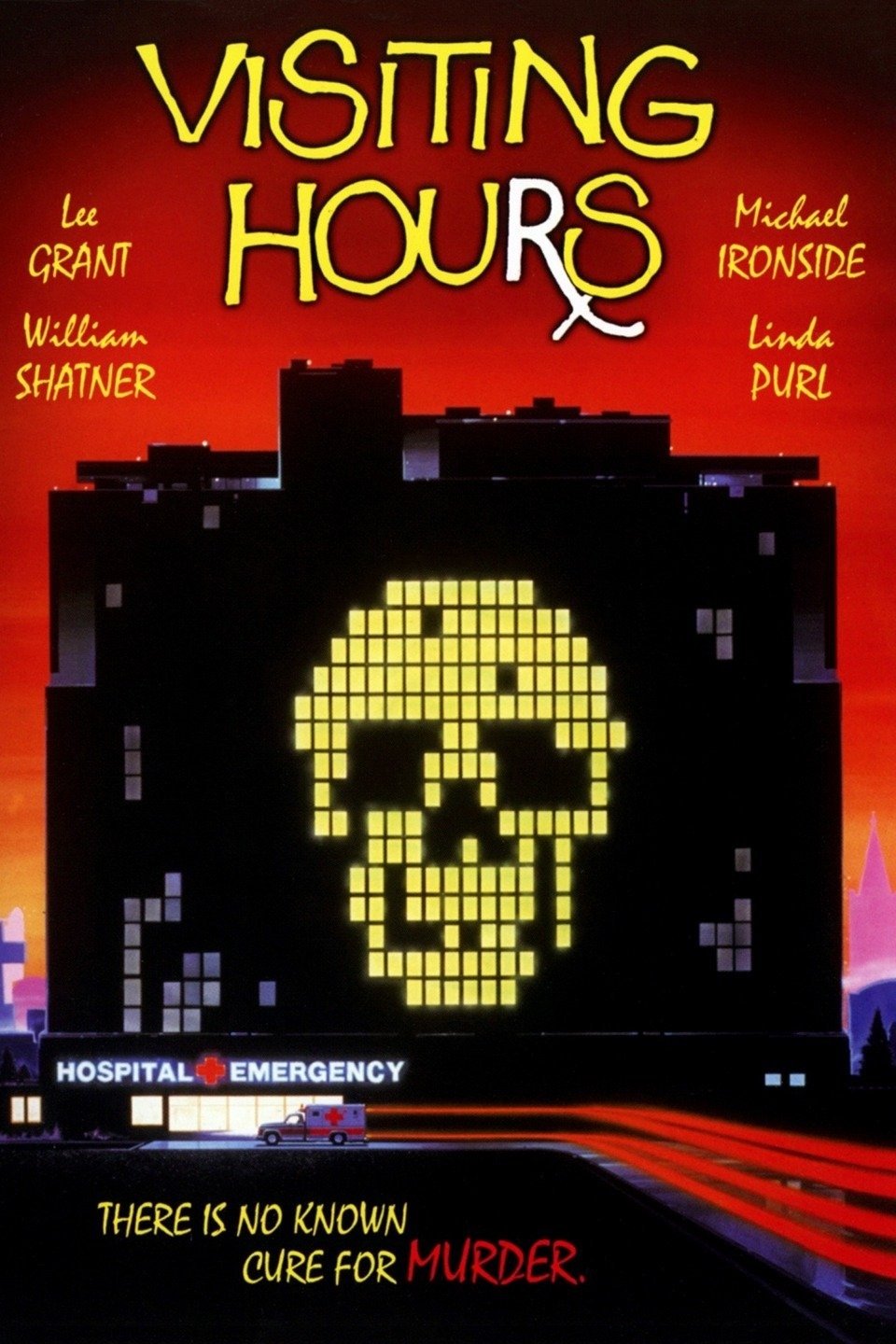
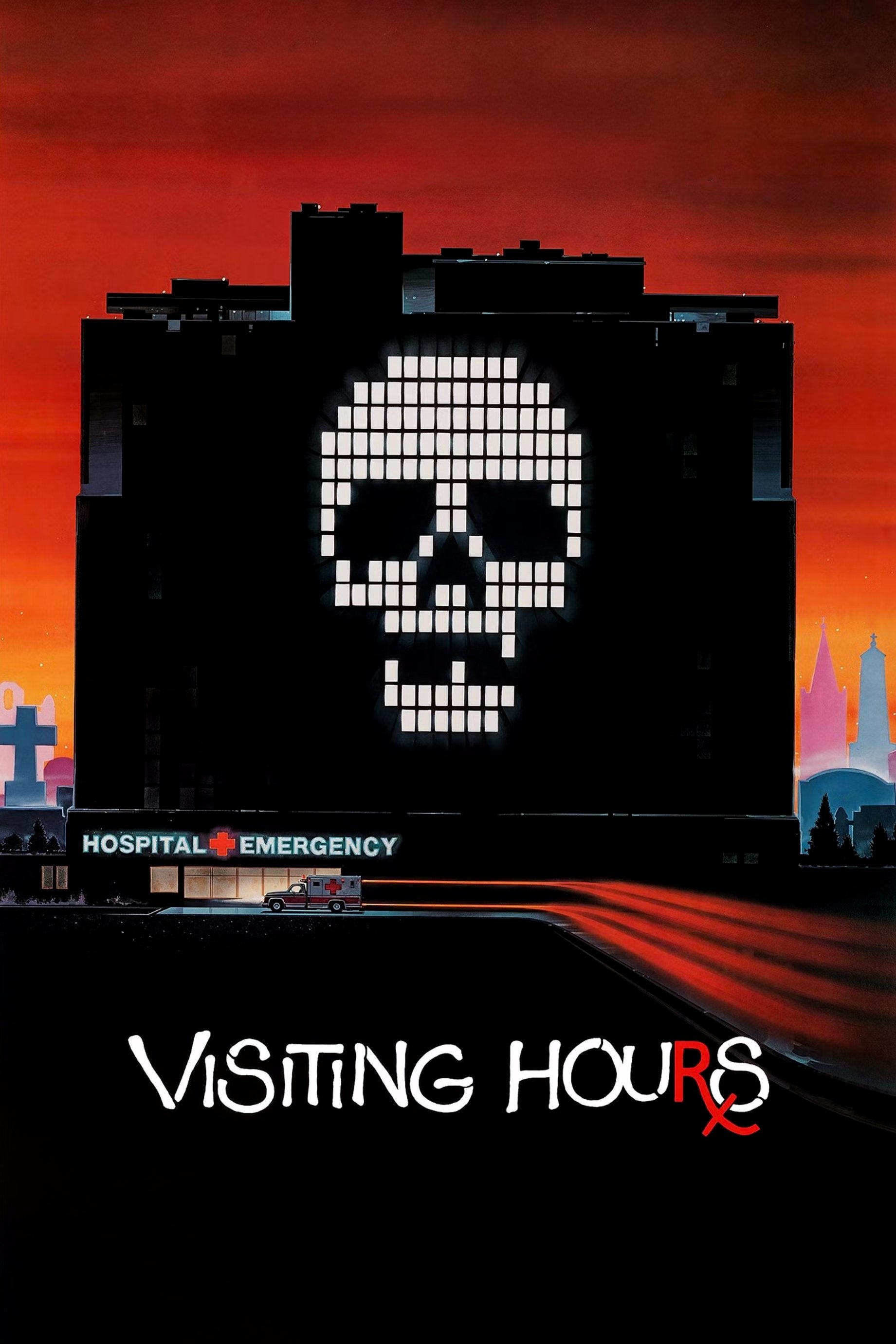
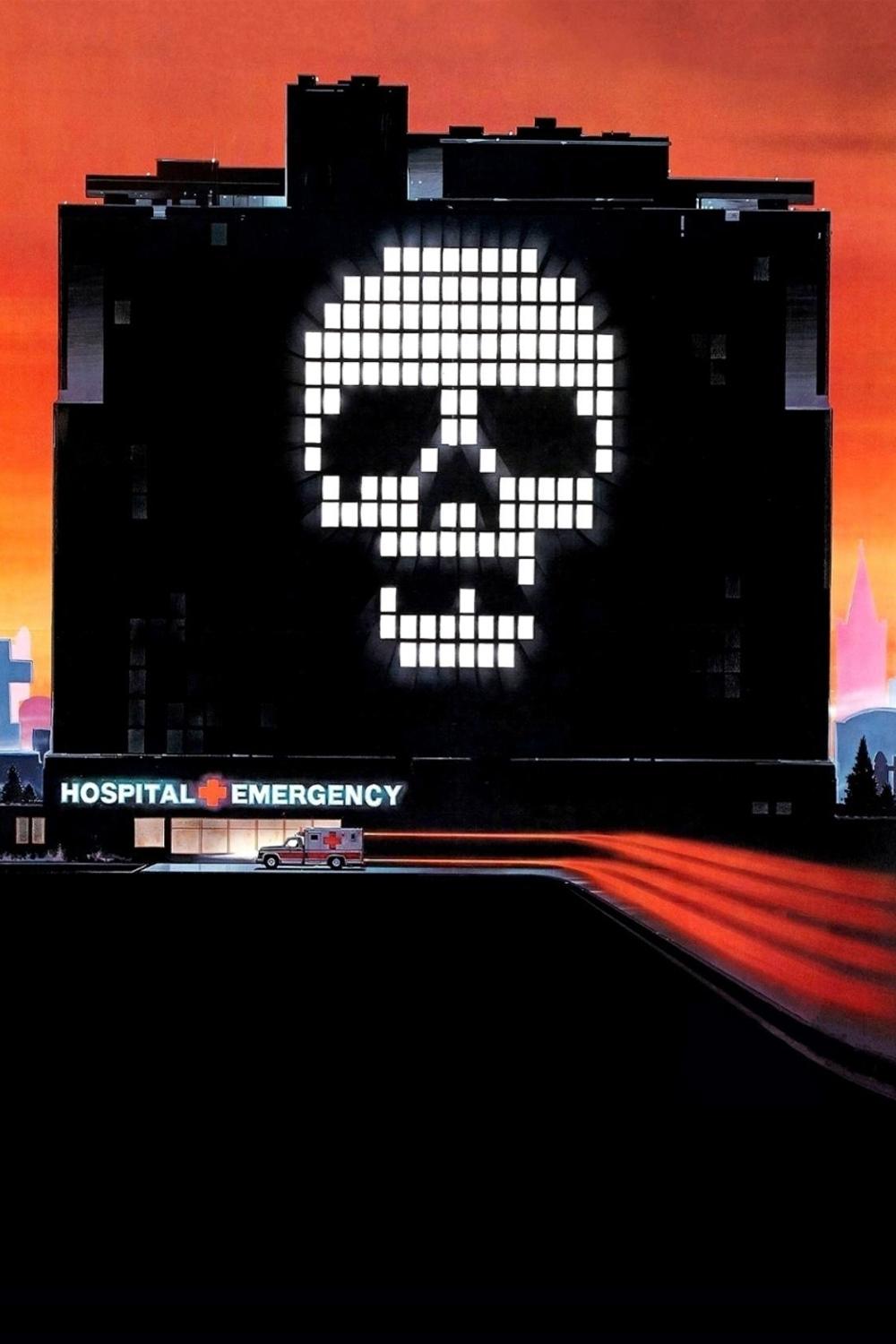
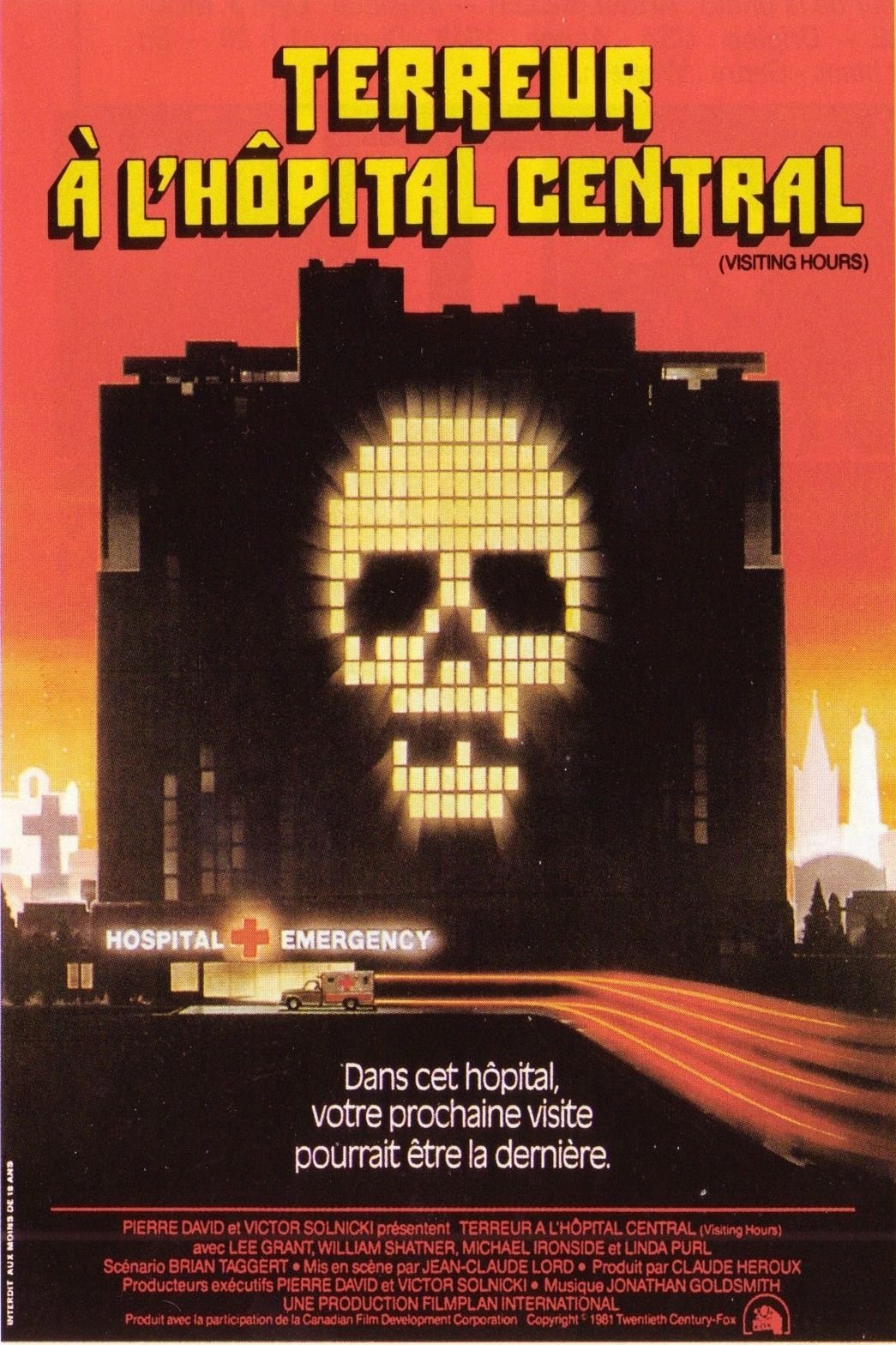
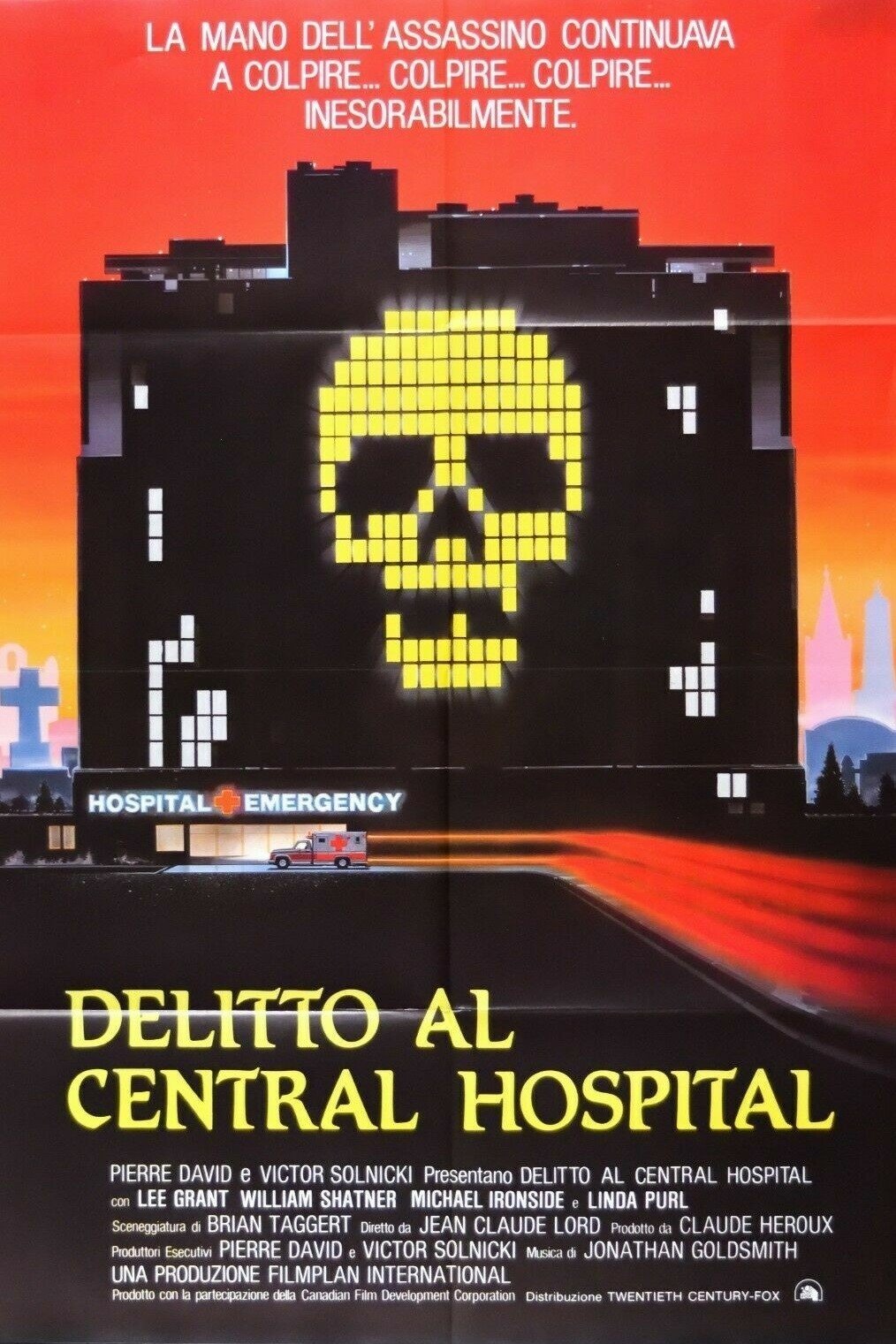
Directed by Quebec filmmaker Jean-Claude Lord, the English-language production entered the American market during the waning phase of the early-eighties stalker cycle. Its relatively adult characters and political premise distinguish it from campus and holiday slashers, while the shifting eyewitnesses and subjective camerawork have prompted comparisons with Italian giallo cinema. The film also offers a revealing case in genre marketing: distributor Twentieth Century-Fox advertised a skull formed by illuminated hospital windows, largely setting aside the feminist conflict that drives the story. British cuts and video-nasty controversy added another, quite different, layer to its circulation.
From Quebec Social Cinema to English-Language Horror
Lord had made his name with French-language features concerned with the tensions of Quebec society. The films Bingo, Parlez-nous d'amour and Panique addressed political manipulation, mass entertainment and industrial pollution respectively. According to the production history assembled by Films du Quebec, financial disappointments helped prompt his move toward work in English, with Visiting Hours becoming his first English-language feature. The project was initially known as The Fright and was developed within a Quebec production environment even though the dialogue and American theatrical campaign were designed for a much broader North American market. Montreal served as the filming location.
The production drew on personnel linked to the Canadian industry that had already attracted international attention through David Cronenberg's Scanners. In Visiting Hours, however, Lord used the resources of a comparatively substantial commercial thriller to pursue an immediate, human threat. Brian Taggert's premise ties the attack to a televised debate about domestic violence, introducing the killer through his reaction to a public argument instead of withholding his identity for a final revelation. That decision gives the film an unusual starting point among slashers: the murderer is known from the beginning, and the effects of his misogynist grievance propel the story.
The Hospital as a Place of Exposure
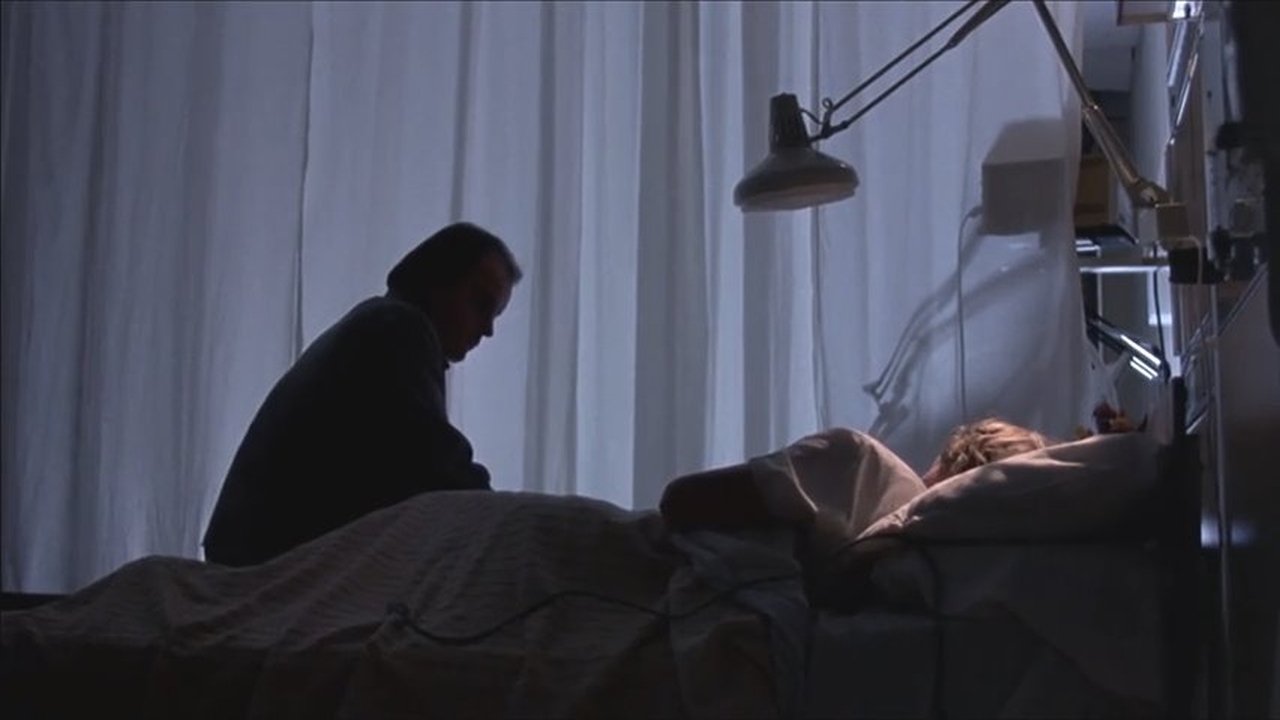
The opening assault establishes Deborah Ballin's home as a space that can be penetrated, and her subsequent hospitalization should place her beyond Hawker's reach. The institutional setting instead enlarges the attacker's opportunities. Patient transfers, busy corridors and the movement of medical staff make it difficult to distinguish legitimate access from intrusion. His murder of a patient occupying Deborah's former room illustrates the consequences of his incomplete information. The error also turns routine hospital administration into a source of confusion for investigators. The location is sufficiently familiar to give the threat a practical dimension without requiring an isolated or fantastical environment.
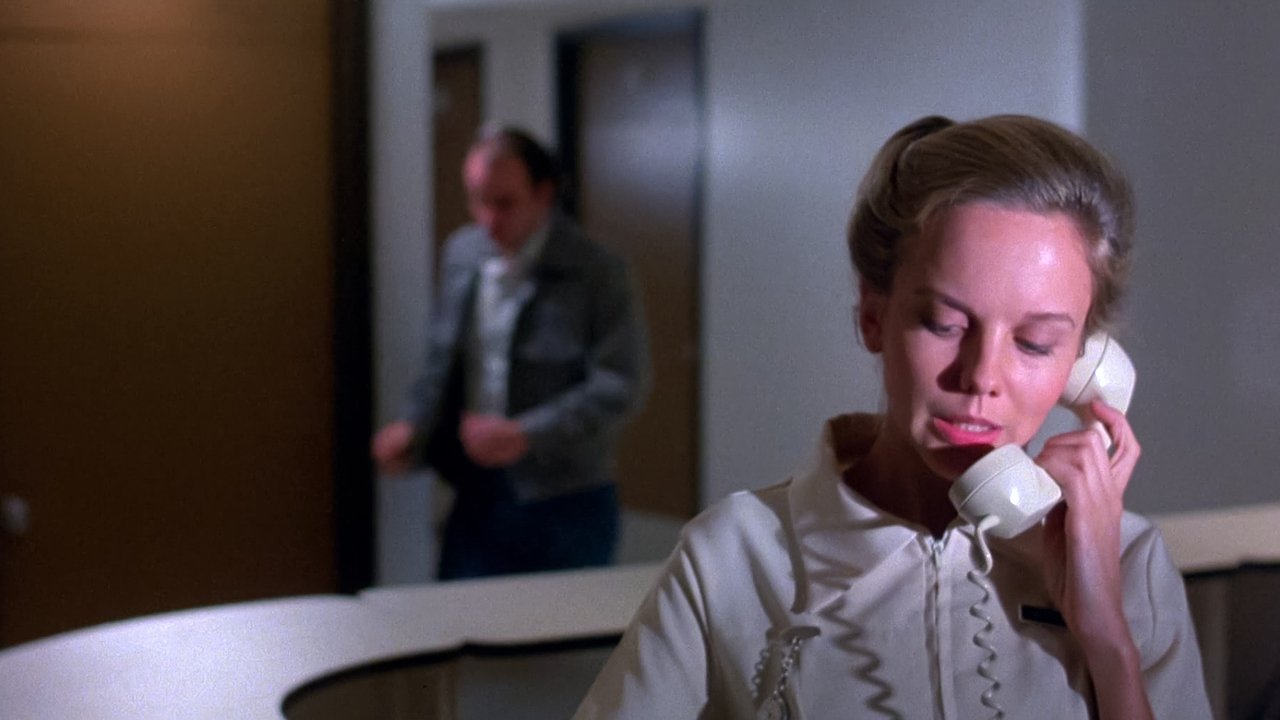
Lord repeatedly shifts attention from Deborah's guarded bed to nurse Sheila Munroe, whose work takes her through parts of the building that the police cannot continuously monitor. Encounters with an apparently harmless visitor can quickly become dangerous because the killer moves through spaces meant for care. Sound effects exaggerate incidental noises, an emphasis Tom Shales noted at the time, while offscreen radio and television voices supply a constant institutional background. The result is a hospital that remains active even when the camera is focused on one frightened person. These choices organize suspense through sightlines, delays and uncertain identities; the physical setting itself determines how the pursuer can move.
Women, Witnesses and the Language of Misogyny
Deborah's televised defense of a woman who fought back against an abusive partner introduces the central dispute over whose testimony carries authority. Hawker reads the broadcast as an affront and attempts to punish its speaker. His resentment is also expressed in racist correspondence, while memories of an abusive childhood are presented as part of his history. Those details establish the character's attitudes; they do not provide an independent psychological diagnosis or an excuse for his conduct. The film's horror depends on his deliberate decisions, including the photographs he takes of suffering victims, which turn other people's fear into an object for his private collection.
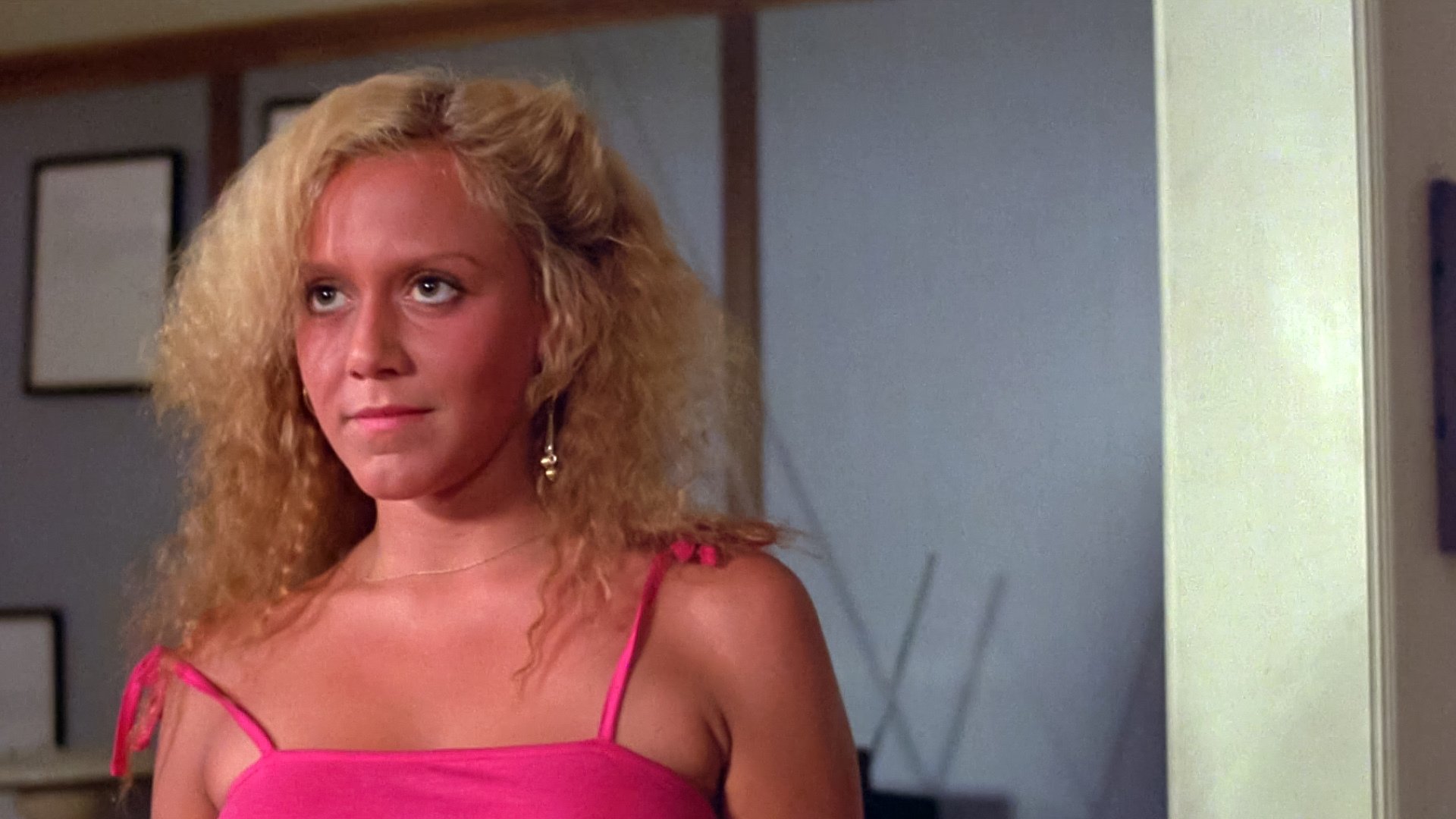
Sheila and the young woman Lisa gradually acquire information that the formal investigation fails to use effectively. Scholar Mikel J. Koven has analyzed this arrangement through the figure of the eyewitness in the Italian thriller: women observe significant details, try to make sense of them and face resistance from officials who doubt their accounts. Deborah's public advocacy and Sheila's practical knowledge of the hospital make their positions different, yet both are forced to argue for the credibility of their experiences. This framework permits a reading of the narrative as criticism of misogyny, while its lingering scenes of female victimization remain open to a sharply less sympathetic interpretation.
Giallo Elements and the Visible Killer
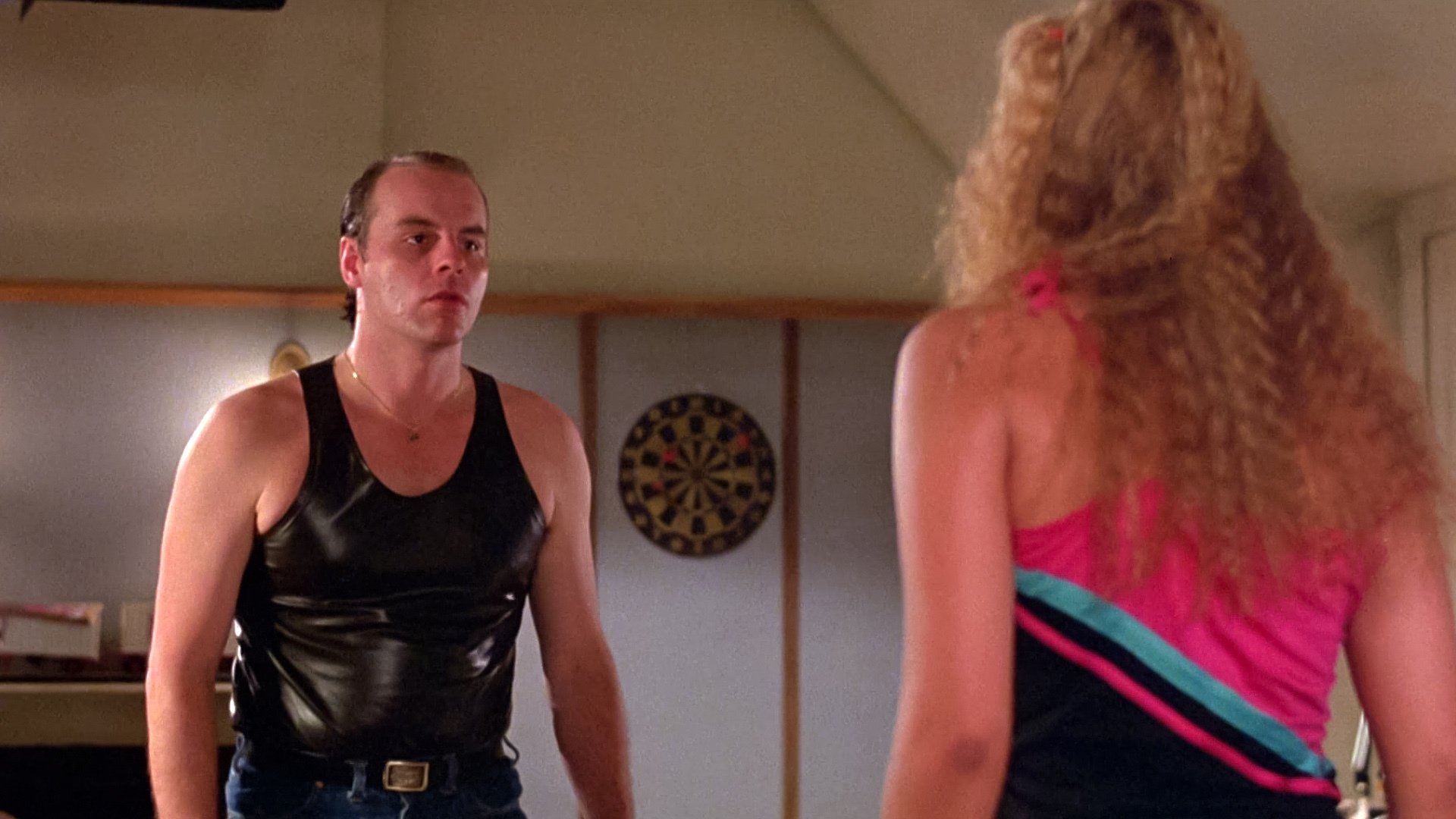
Koven places Visiting Hours among Canadian productions whose narrative devices recall the Italian giallo. The connections include subjective views during stalking, partial information exchanged among witnesses, a limited response from the police and the women who undertake their own reasoning when formal inquiries stall. Instead of concealing the killer's face behind gloves or a mask, Lord makes Michael Ironside's Colt Hawker a recurring visible presence. Suspense is generated by the distance between the audience's knowledge and the threatened characters' ability to act on it. The familiar question of who committed a murder gives way to a more urgent concern about whether anyone will respond before he attacks again.
The resemblance to giallo is a critical comparison; no direct evidence establishes that Lord consciously copied a particular Italian film. Koven acknowledges important differences: the absence of a disguised murderer, a substantial gallery of suspects and a series of varied killing methods. The hospital thriller also has a distinctive tempo, repeatedly interrupting attacks with conversations about security, testimony and family history. These features help explain why genre historians have classified the picture differently, sometimes placing it among adult-centered suspense thrillers within the broader stalker cycle. Its place between those forms is historically more revealing than forcing it into a single rigid category.
Advertising and North American Release
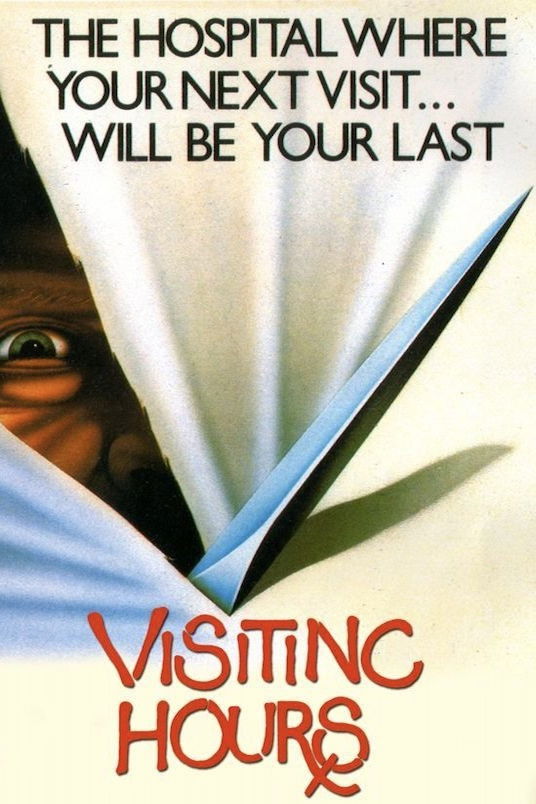
The publicity placed the building ahead of the people inside it. Richard Nowell's study of early-eighties women-in-danger films describes how Fox promoted Visiting Hours with a hospital facade whose lit windows form a skull. That striking design offered an immediately legible horror image while giving little indication that the central victim was a television journalist targeted for her feminist position. Nowell contrasts this strategy with the filmmakers' potentially more self-conscious appeal to adult female viewers through Lee Grant's casting. The campaign is therefore useful evidence of the gap between a film's social premise and the identity assigned to it by a major distributor.
Release histories compiled in Quebec distinguish the English-language Quebec opening on May 21, 1982, from the American wide release a week later, on May 28. Fox booked the film into 1,176 United States theaters. Quebec's French-language presentation followed in October under the title Terreur à l'hôpital central. It is important to separate those regional engagements from any claim about the film's final worldwide earnings. Nowell characterizes the American campaign and commercial outcome as disappointing within the declining women-in-danger cycle, a judgment about industrial expectations that should not be confused with an assertion that the film received only marginal distribution.
Critical Reaction and British Censorship
The release provoked strong objections in major newspapers. In The Washington Post, Tom Shales argued that the film's alleged concern for violence against women was undermined by the ways it depicted their victimization; he also criticized the false alarms used to divert suspicion from the attacker. A review by Luc Perreault in the Montreal newspaper La Presse, preserved in Charles-Henri Ramond's Quebec cinema survey, similarly questioned the escalation of brutality and the screenplay's implausibilities. Their objections establish the substance of a documented release-era dispute, without speaking for every contemporary critic. Later writers, including Koven and Nowell, have placed the film within debates about spectatorship, female agency and the conventions of the stalker narrative, asking how its apparently contradictory elements work together.
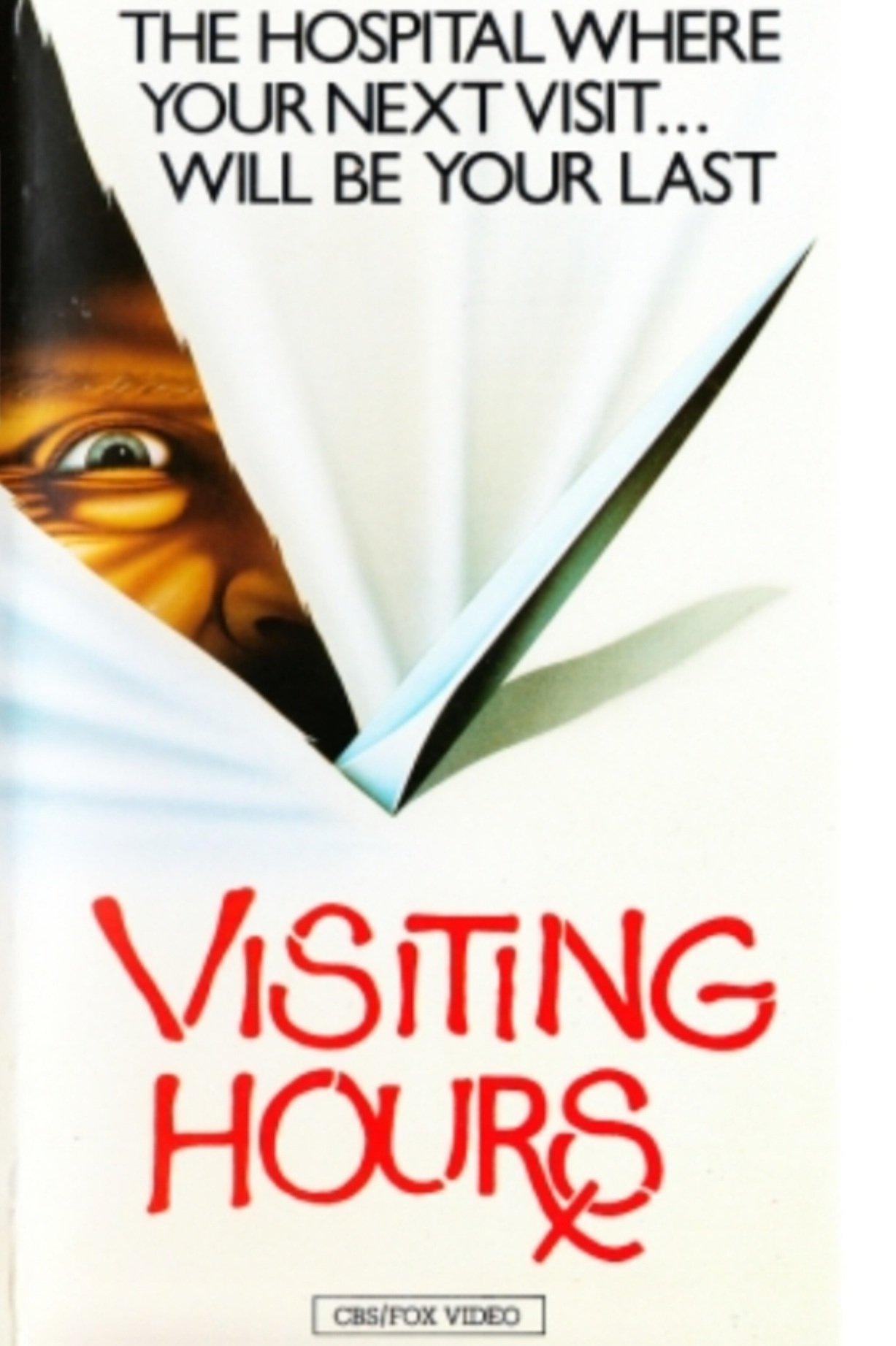
Its British history followed another path. The film was cut for its 1982 theatrical classification, with material involving threats to women among the targeted scenes. The edited version later circulated on videotape and was briefly caught up in the 1984 video-nasty panic, although inclusion on a Director of Public Prosecutions list was not equivalent to a successful obscenity prosecution. Specialist British censorship records document the continued use of the altered print for a 1986 home-video classification and the removal of those earlier restrictions for a 2017 submission. The sequence matters because a film that had already been trimmed for cinemas could still become a focus of controversy in the distinct regulatory climate surrounding domestic video.
References
University of Worcester — The Canadian Giallo, or How the Italian Thriller Influenced the Canadian Slasher Film
Mikel J. Koven's scholarly analysis devotes a sustained discussion to the film's eyewitness structure, gender politics and differences from traditional giallo mysteries.
ResearchGate — Targeting American Women: Movie Marketing, Genre History, and the Hollywood Women-in-Danger Film
Full text of Richard Nowell's 2013 InMedia research on female-oriented thrillers and Fox's contrasting skull-window advertising campaign for Visiting Hours.
Charles-Henri Ramond's Quebec cinema history documents Lord's career transition, regional release dates, production context and a period La Presse review.
Tom Shales's contemporary May 1982 criticism records the release-era objections to the film's portrayal of threatened women and its suspense construction.