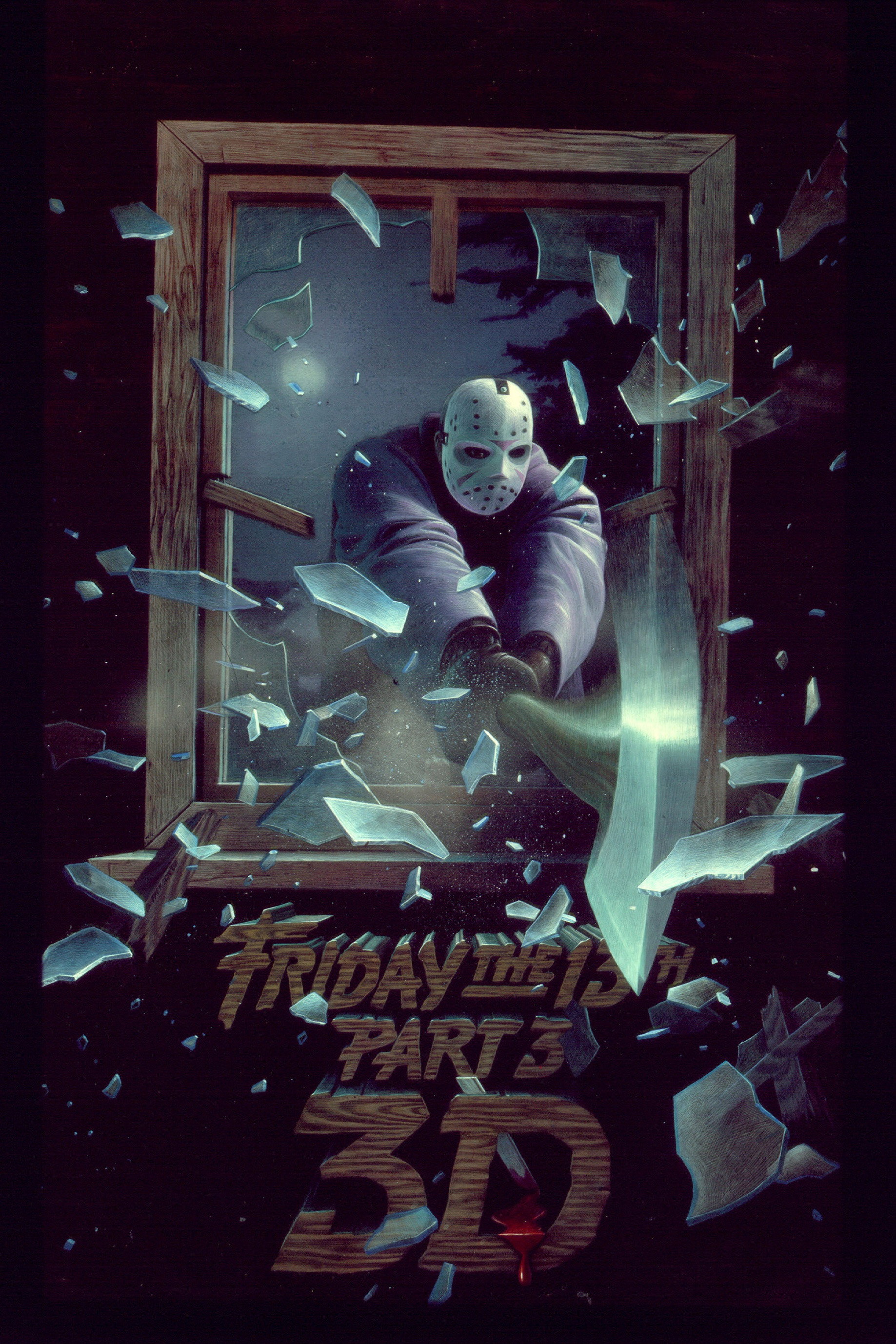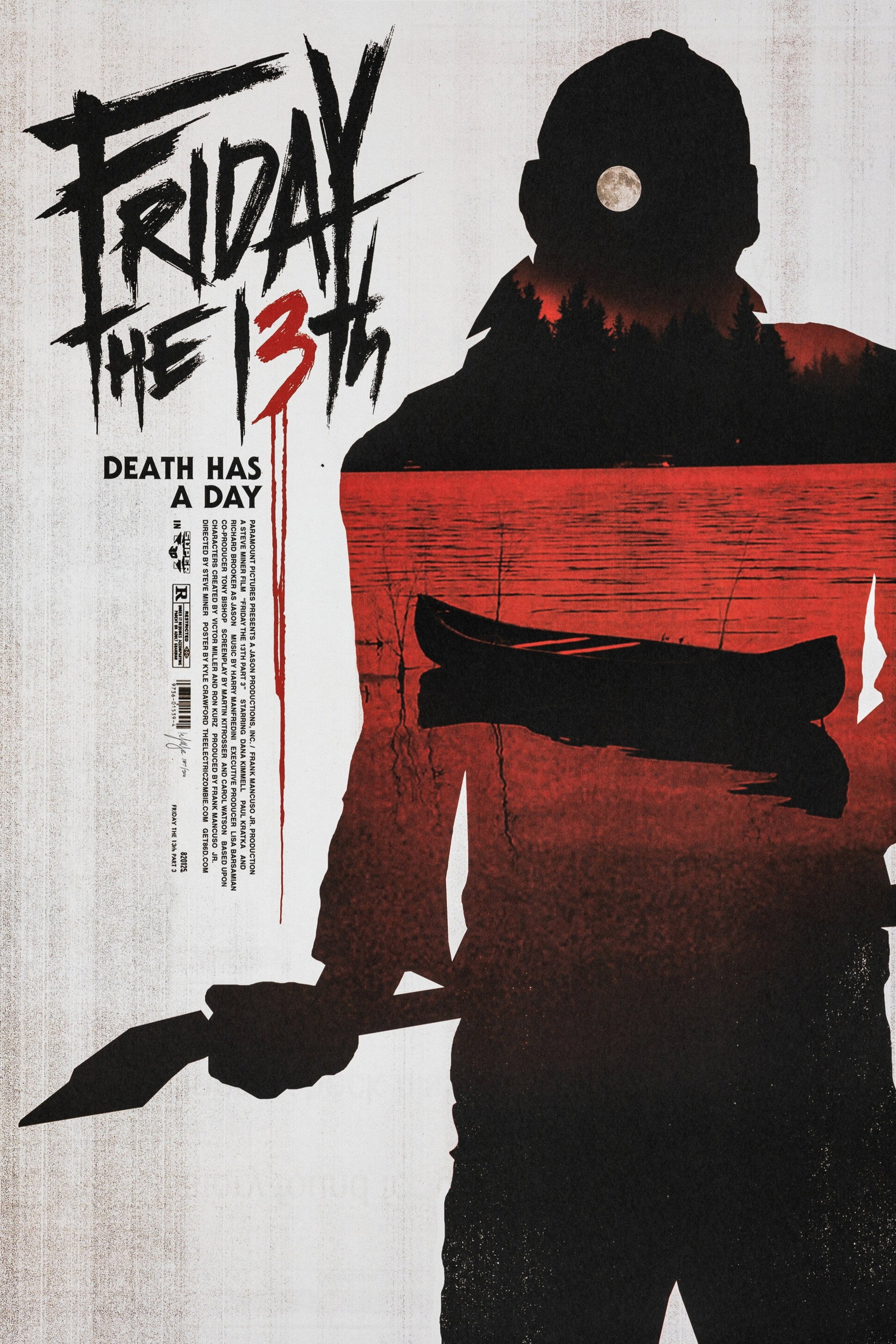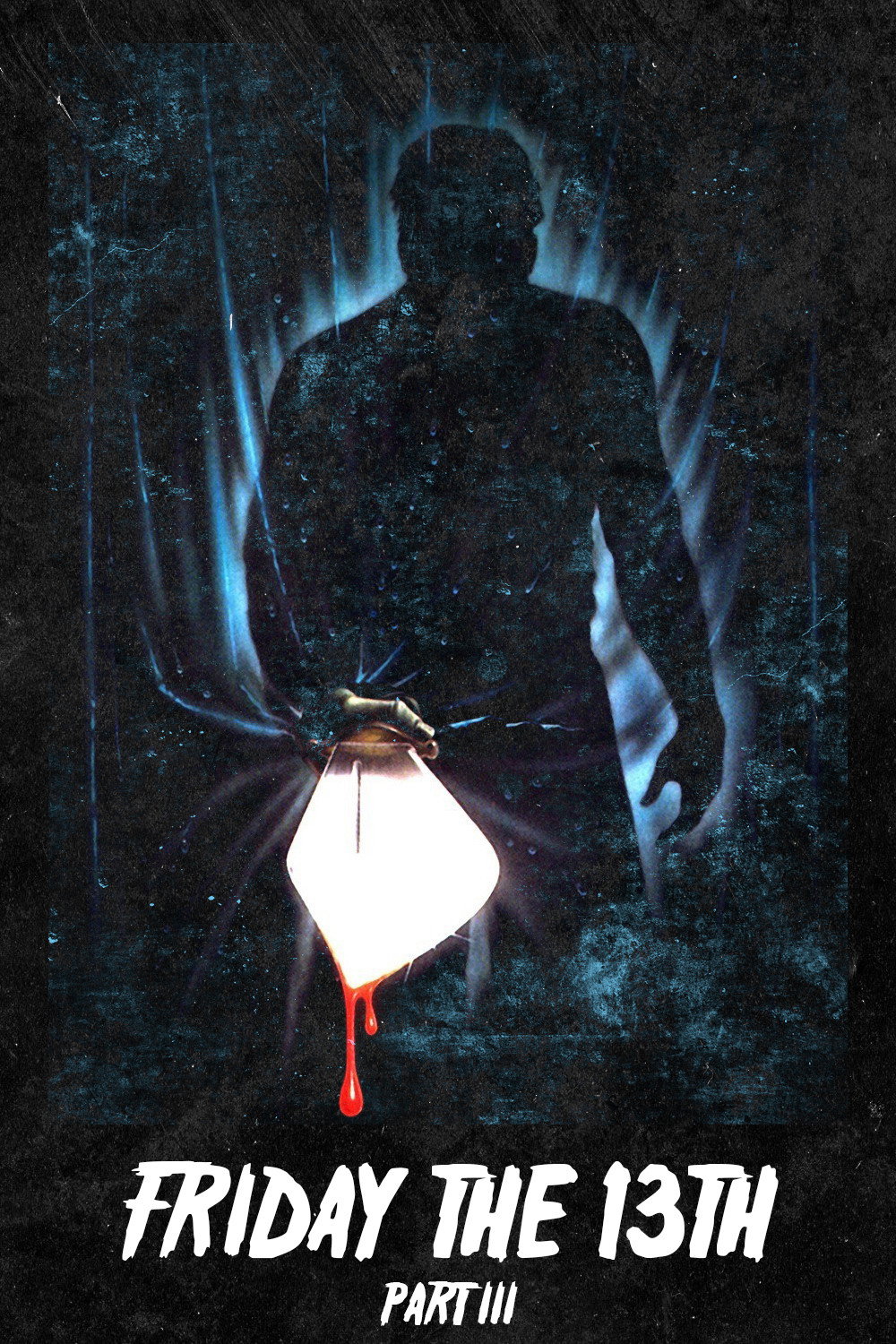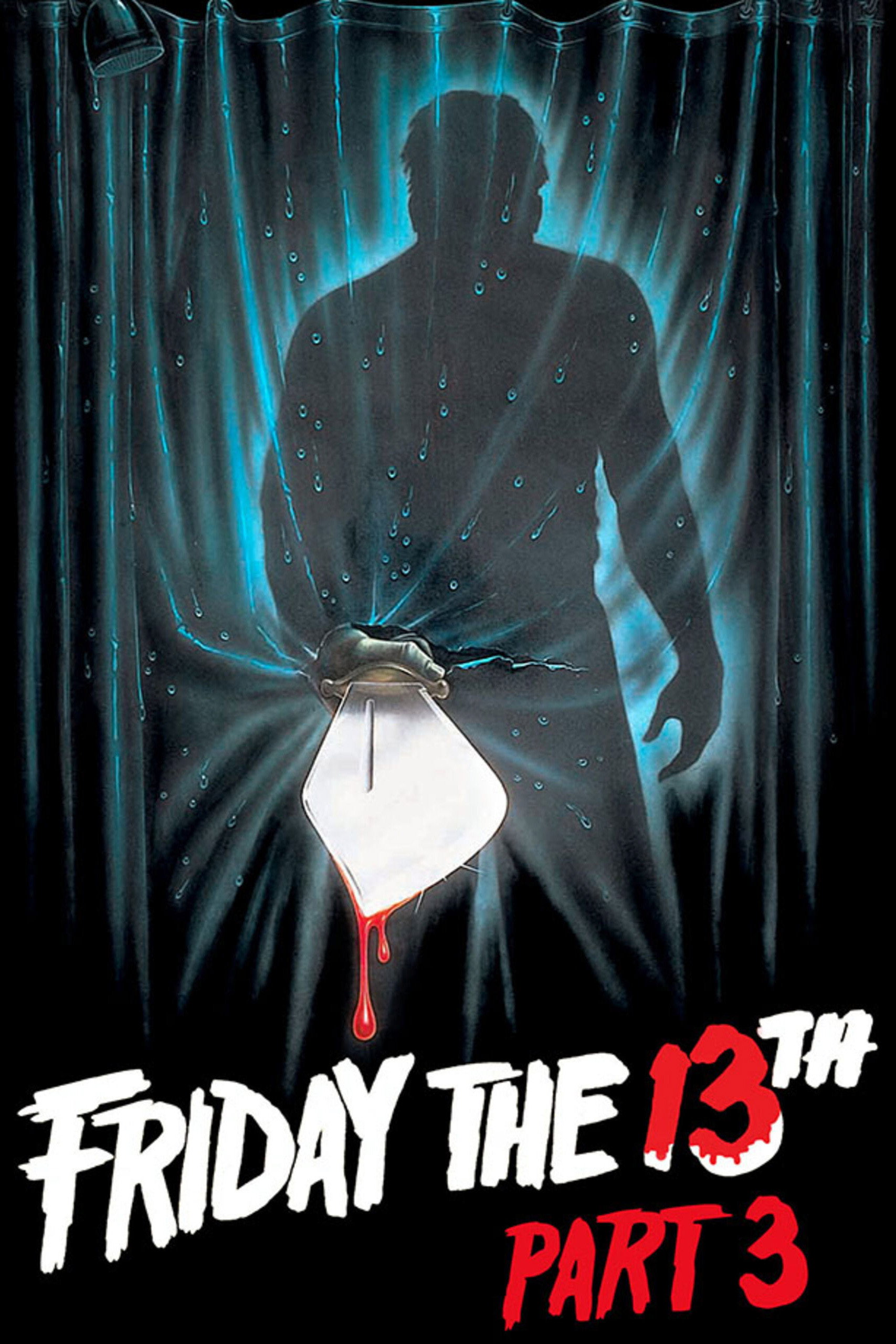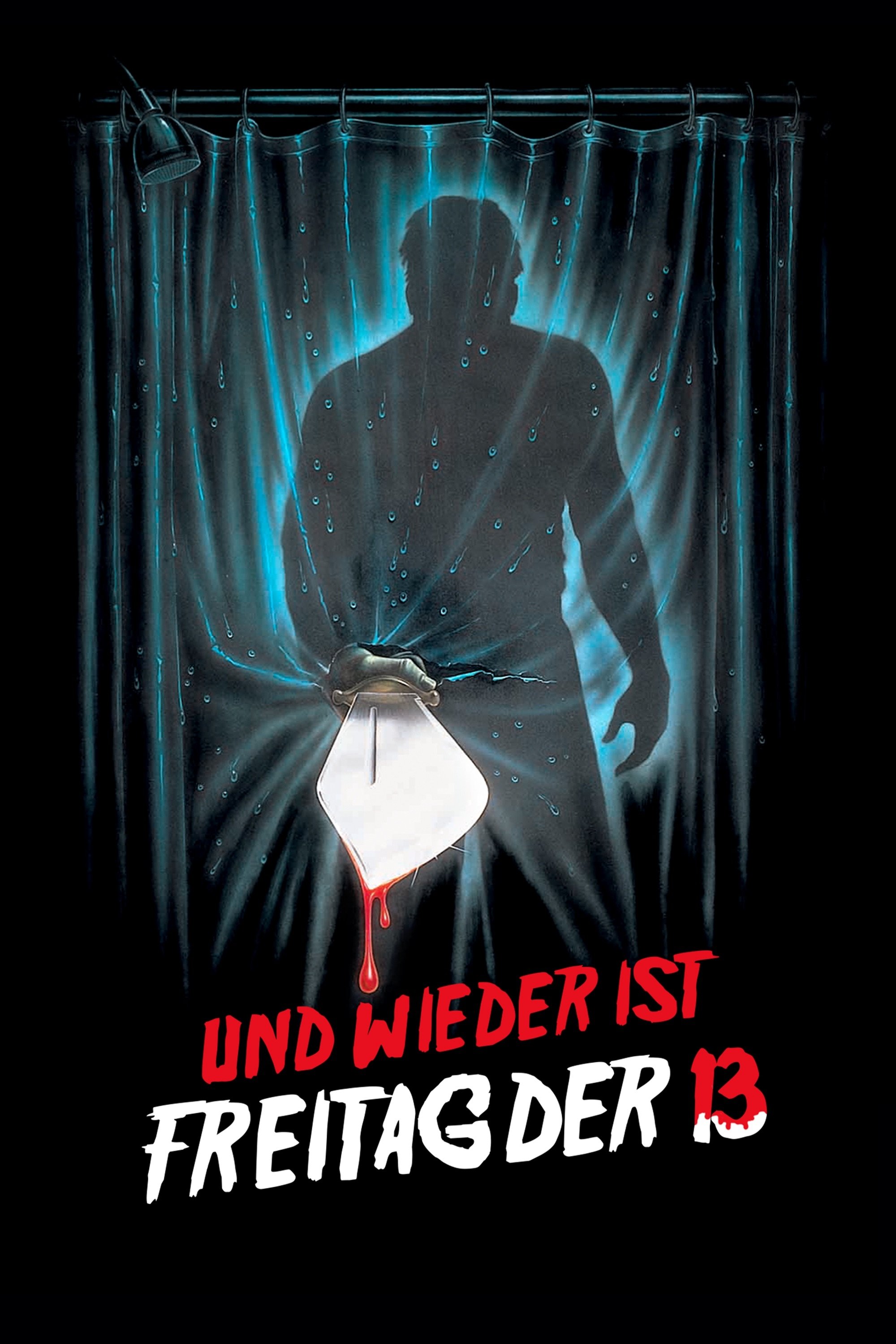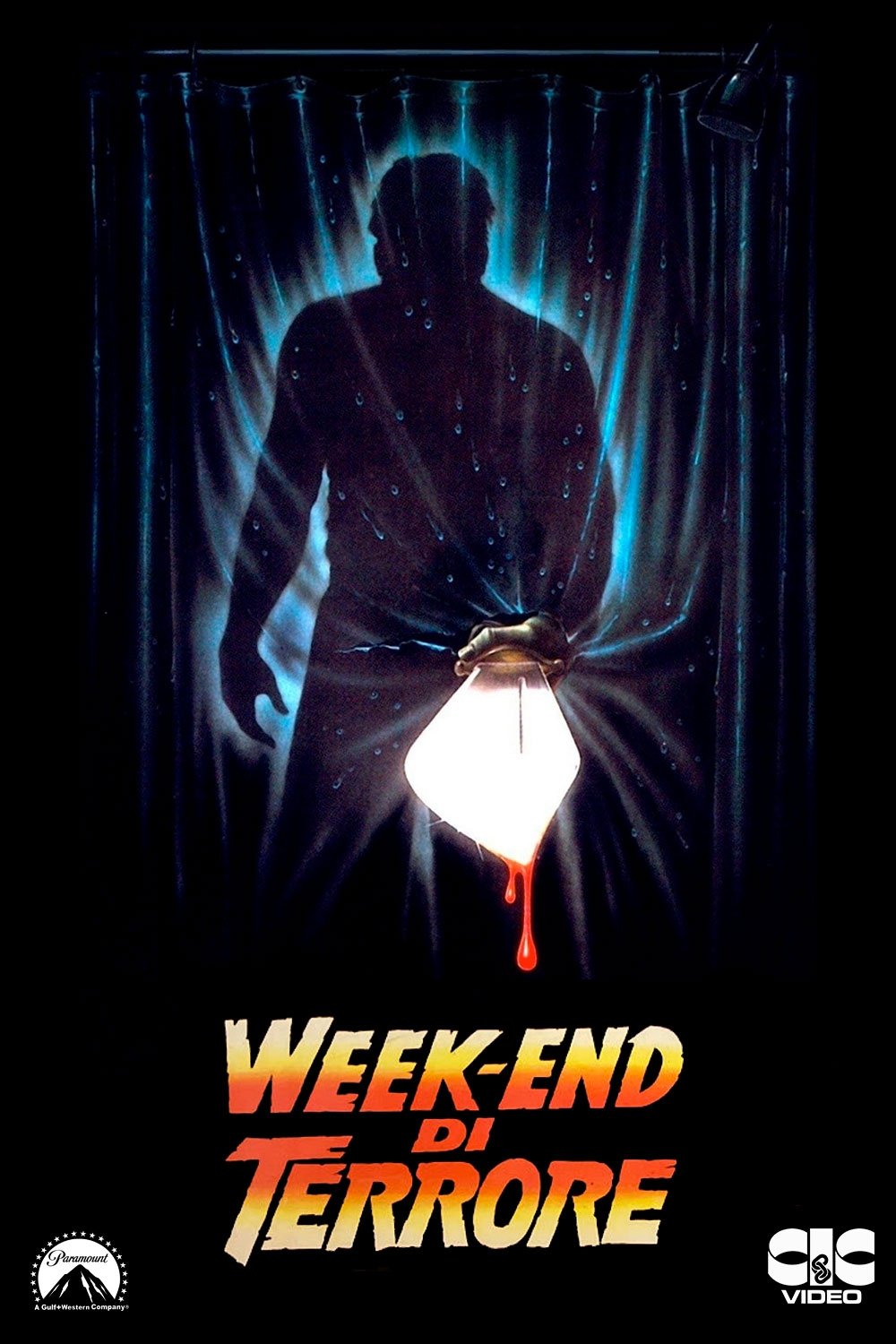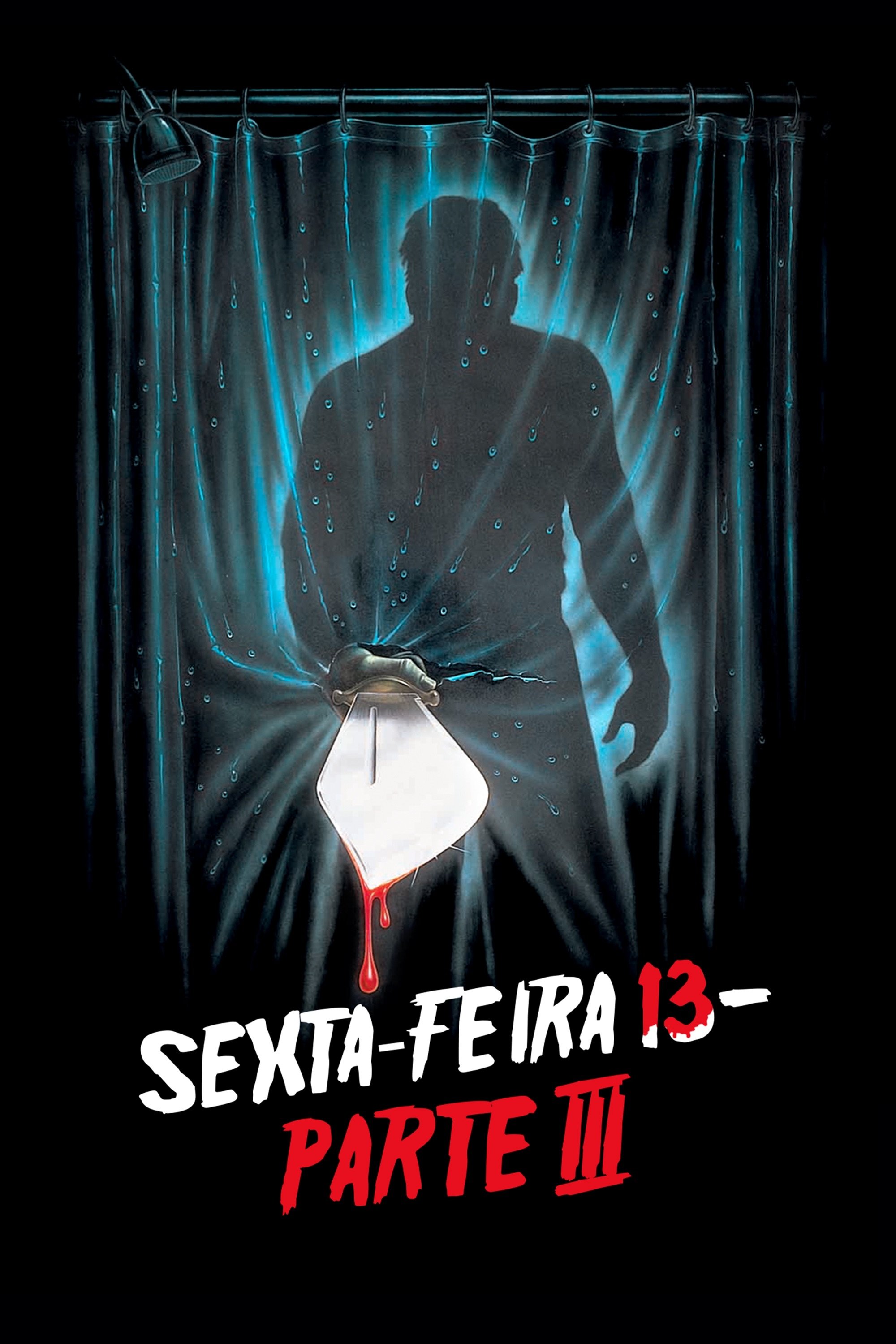
Friday the 13th Part III (1982)

US
5.8/10 5 votes
Runtime
95 min
Release
August 13, 1982
Budget
$2,300,000
Revenue
$36,697,702
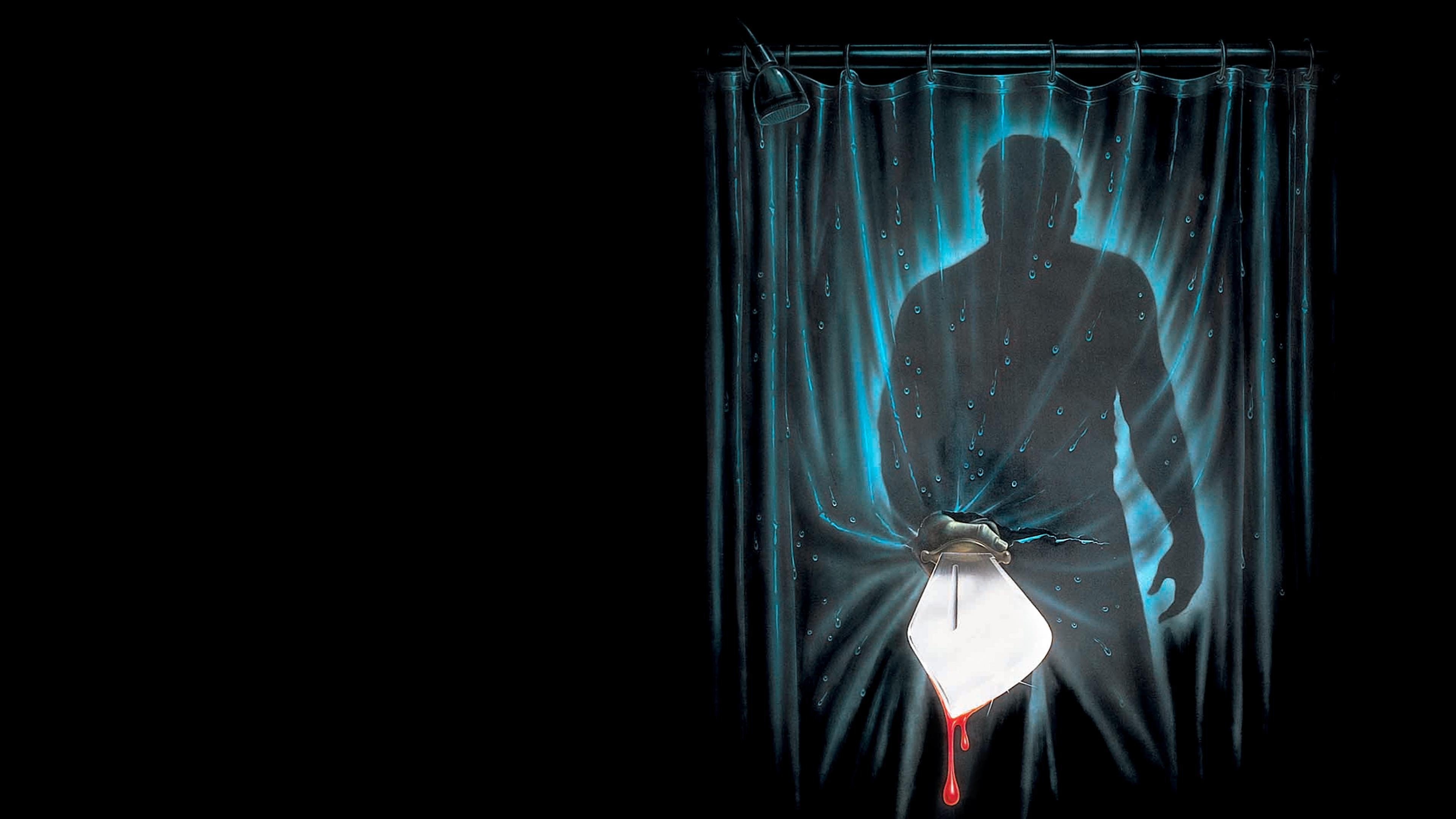
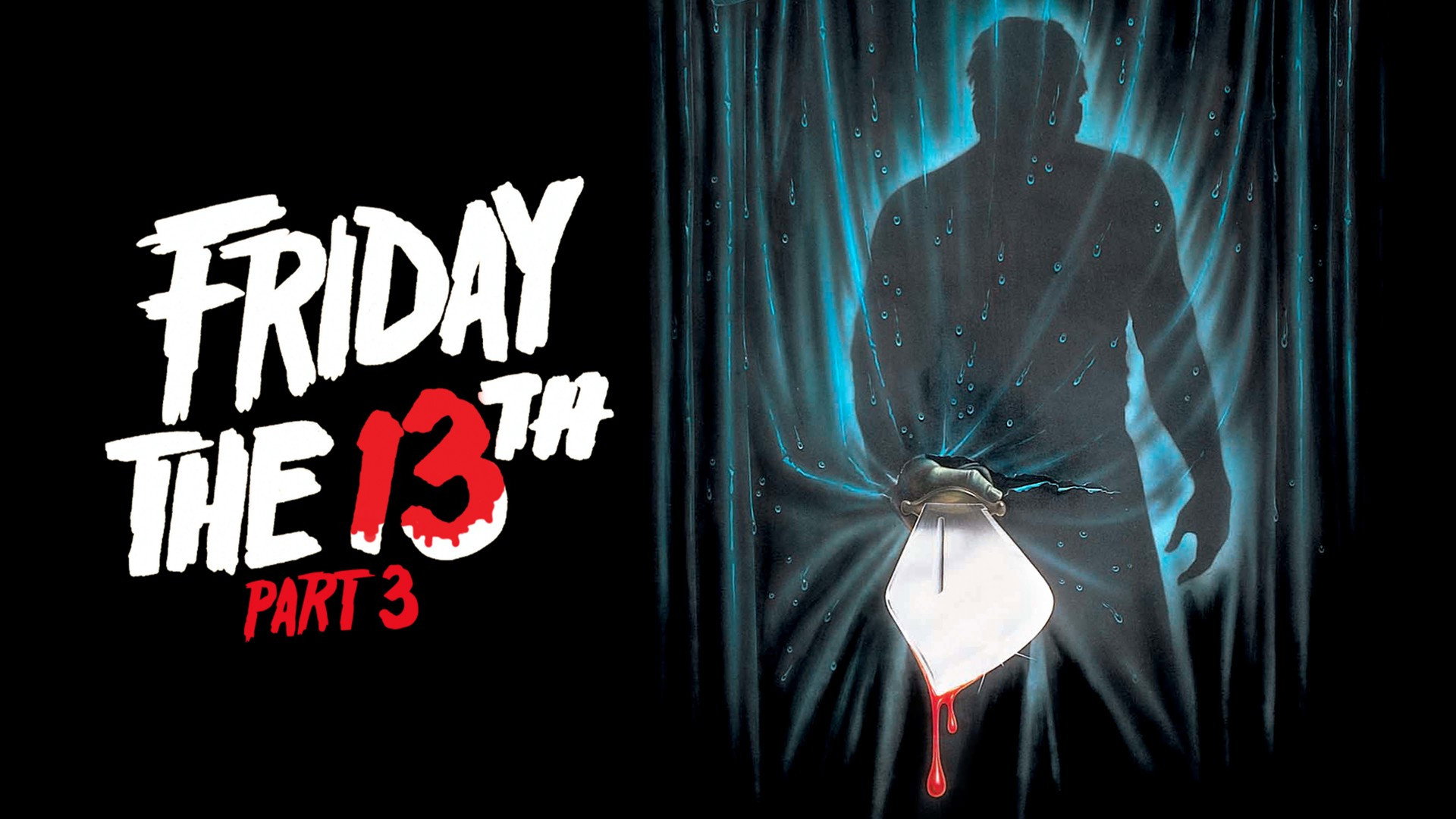
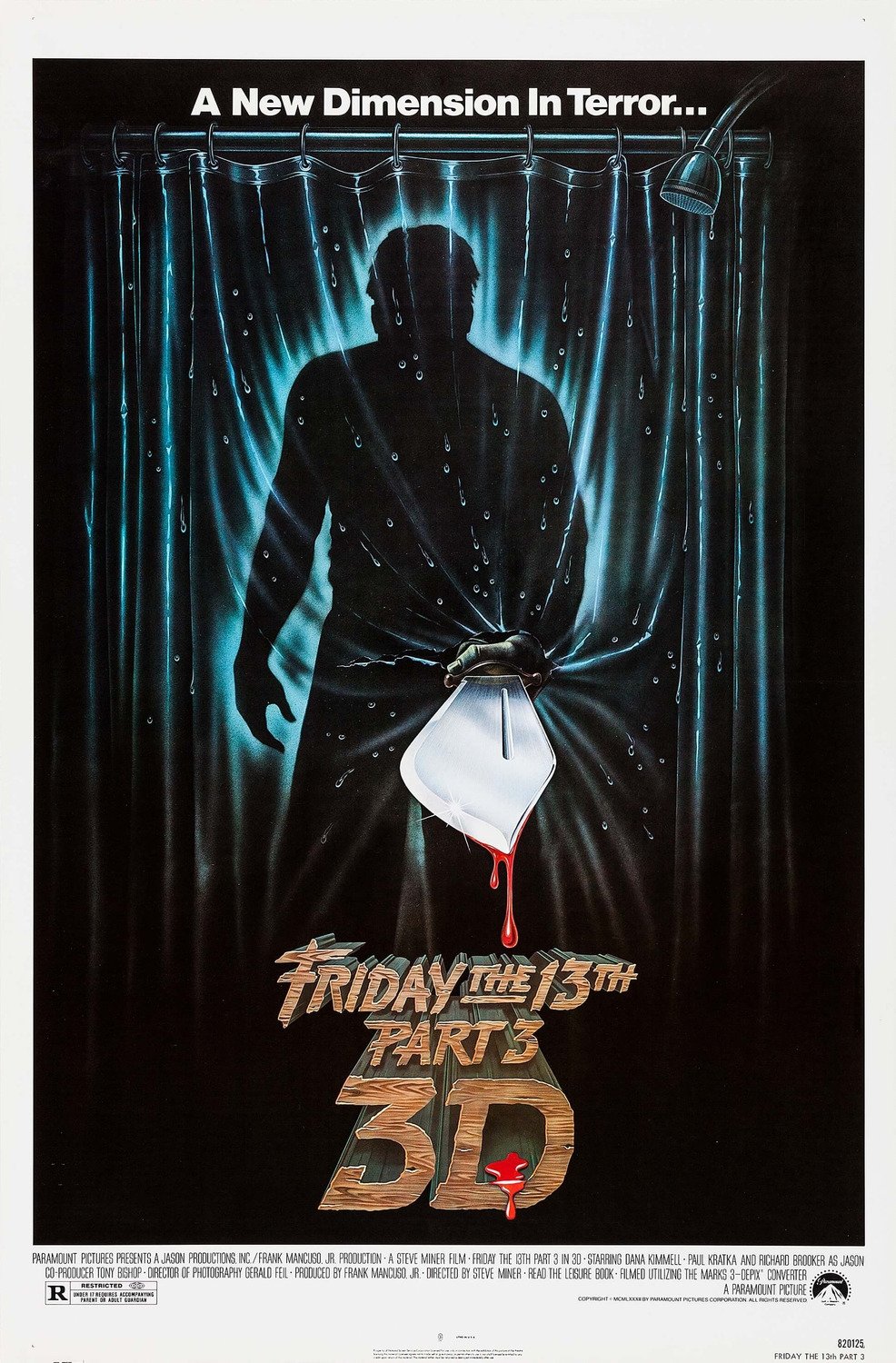
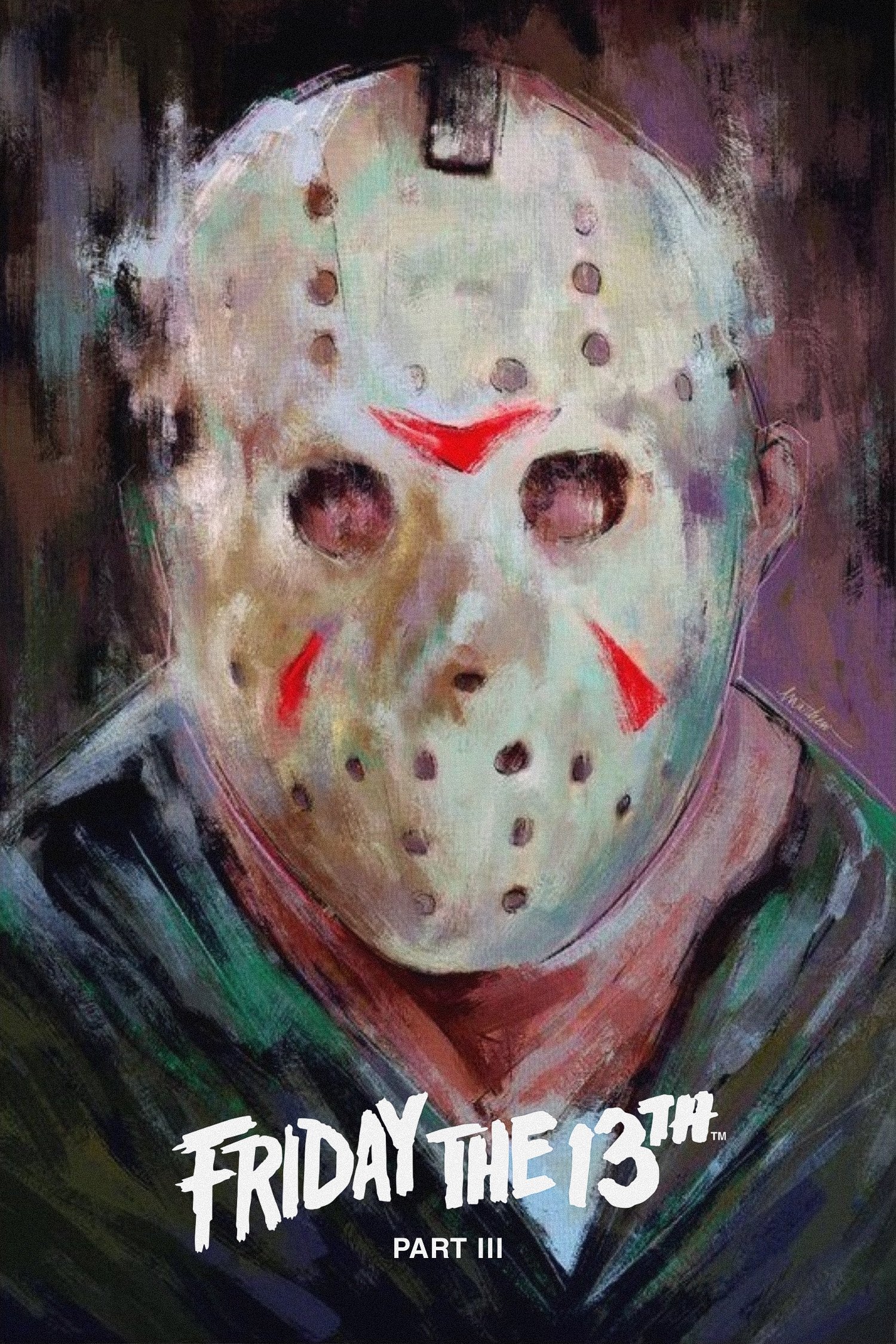
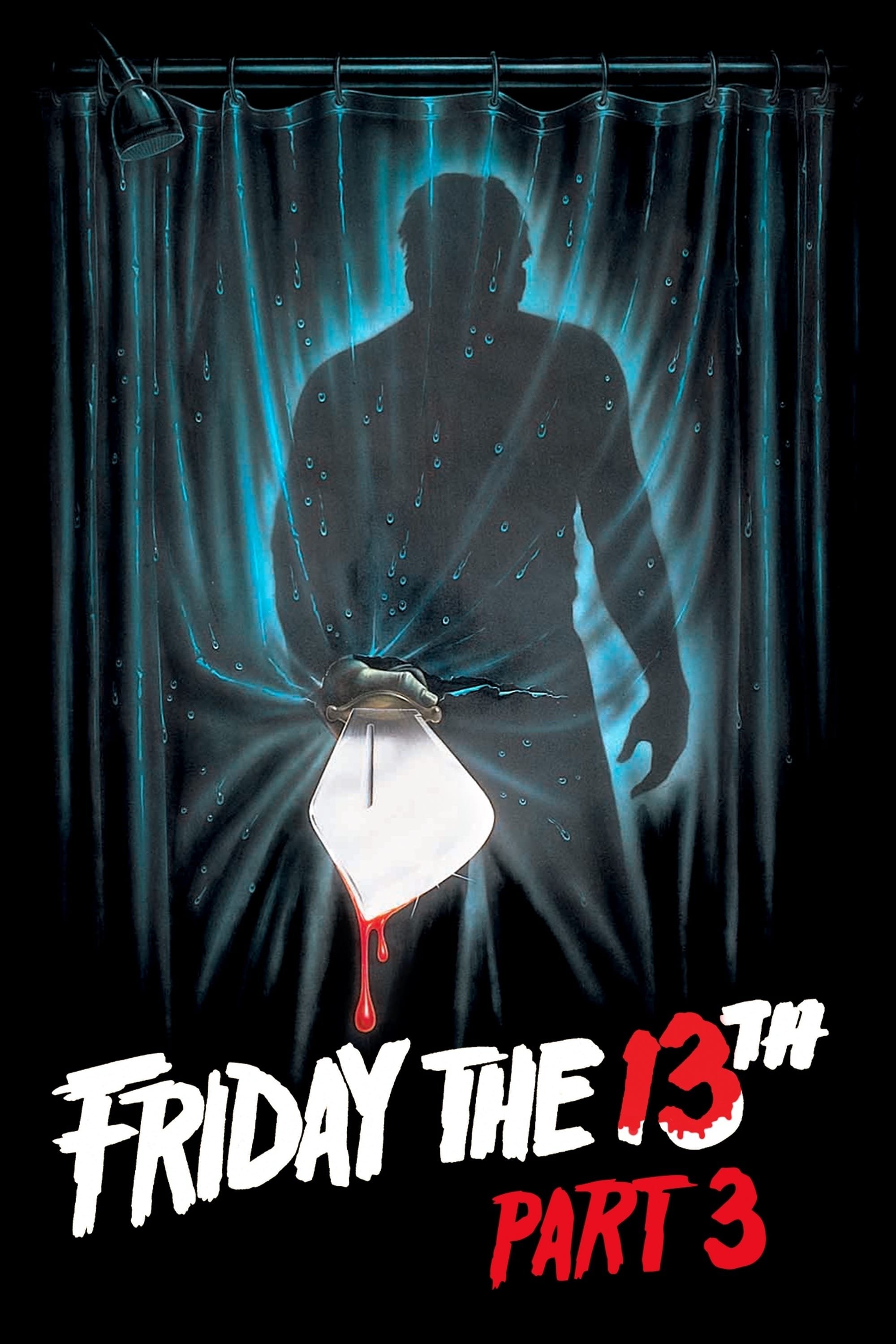
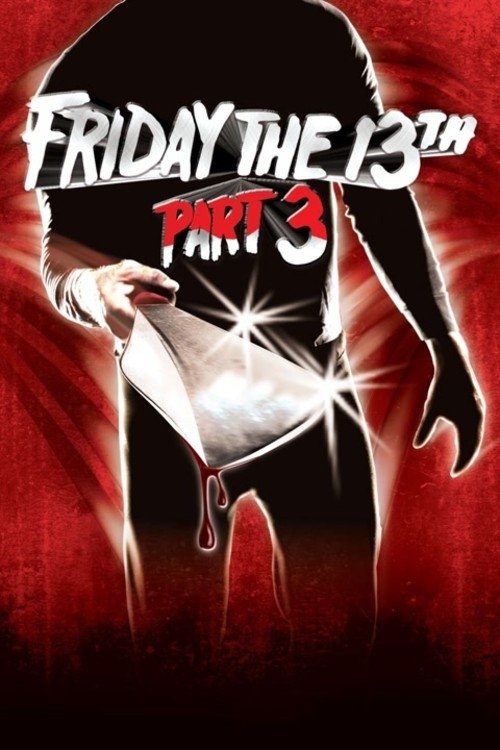
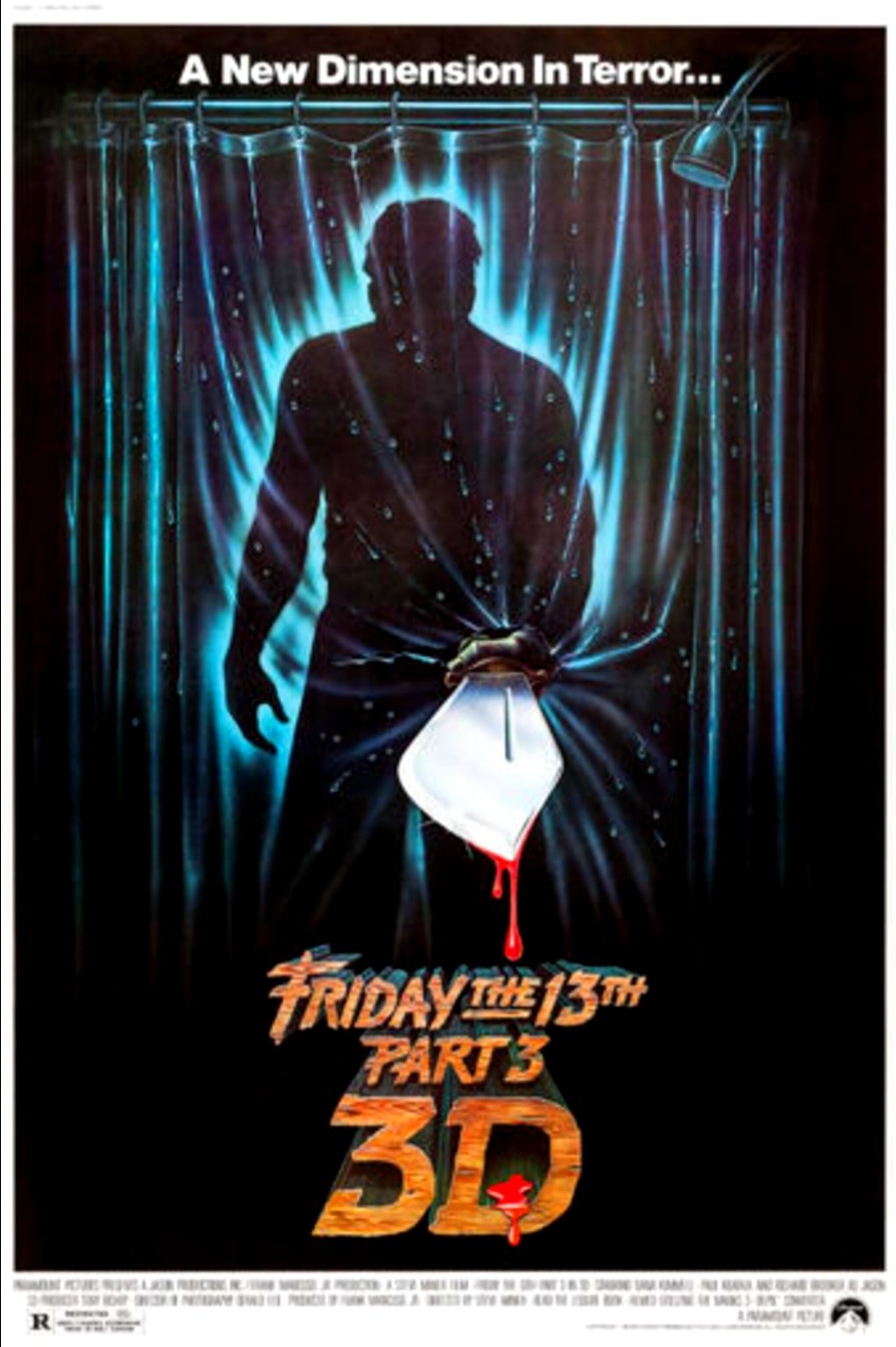
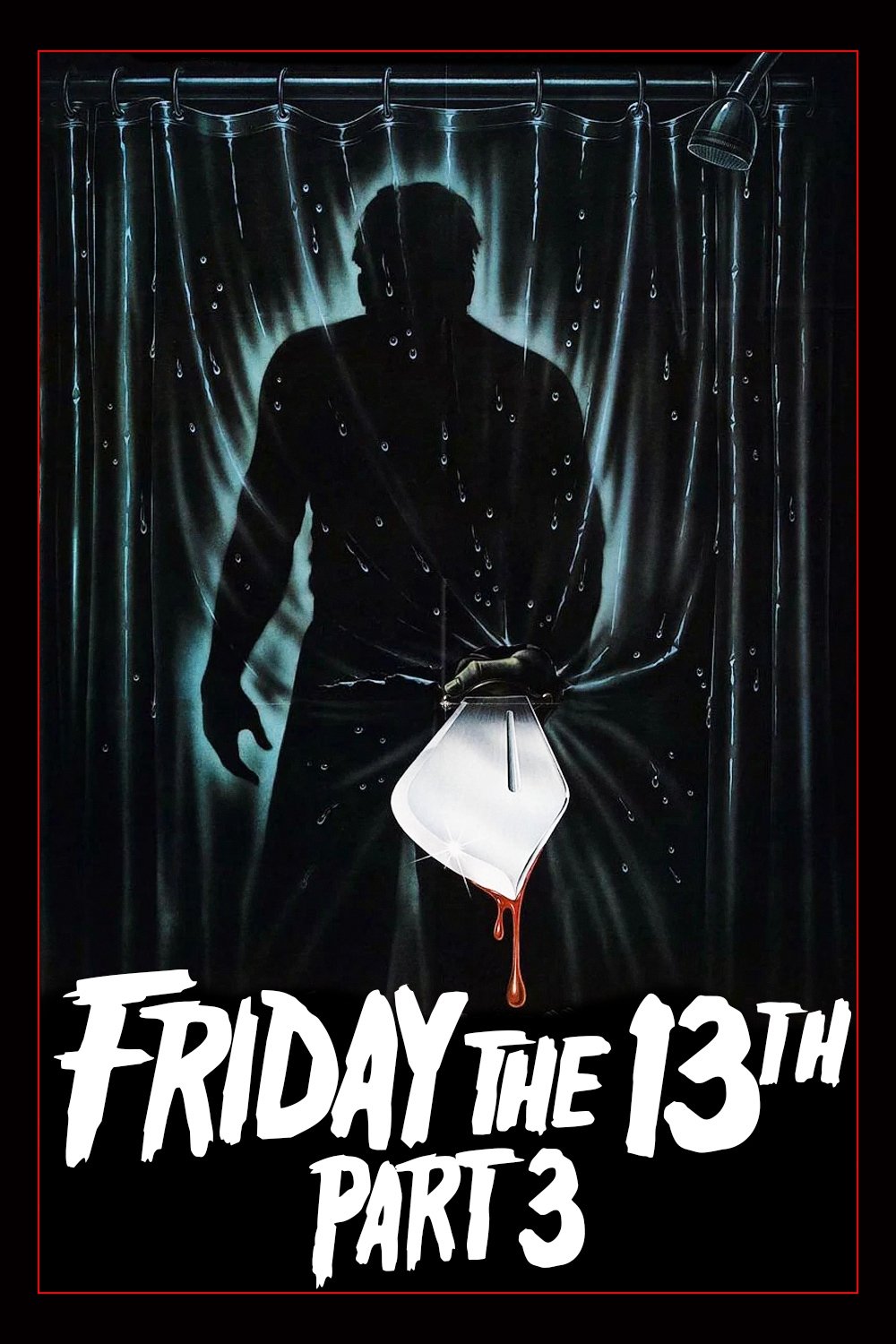
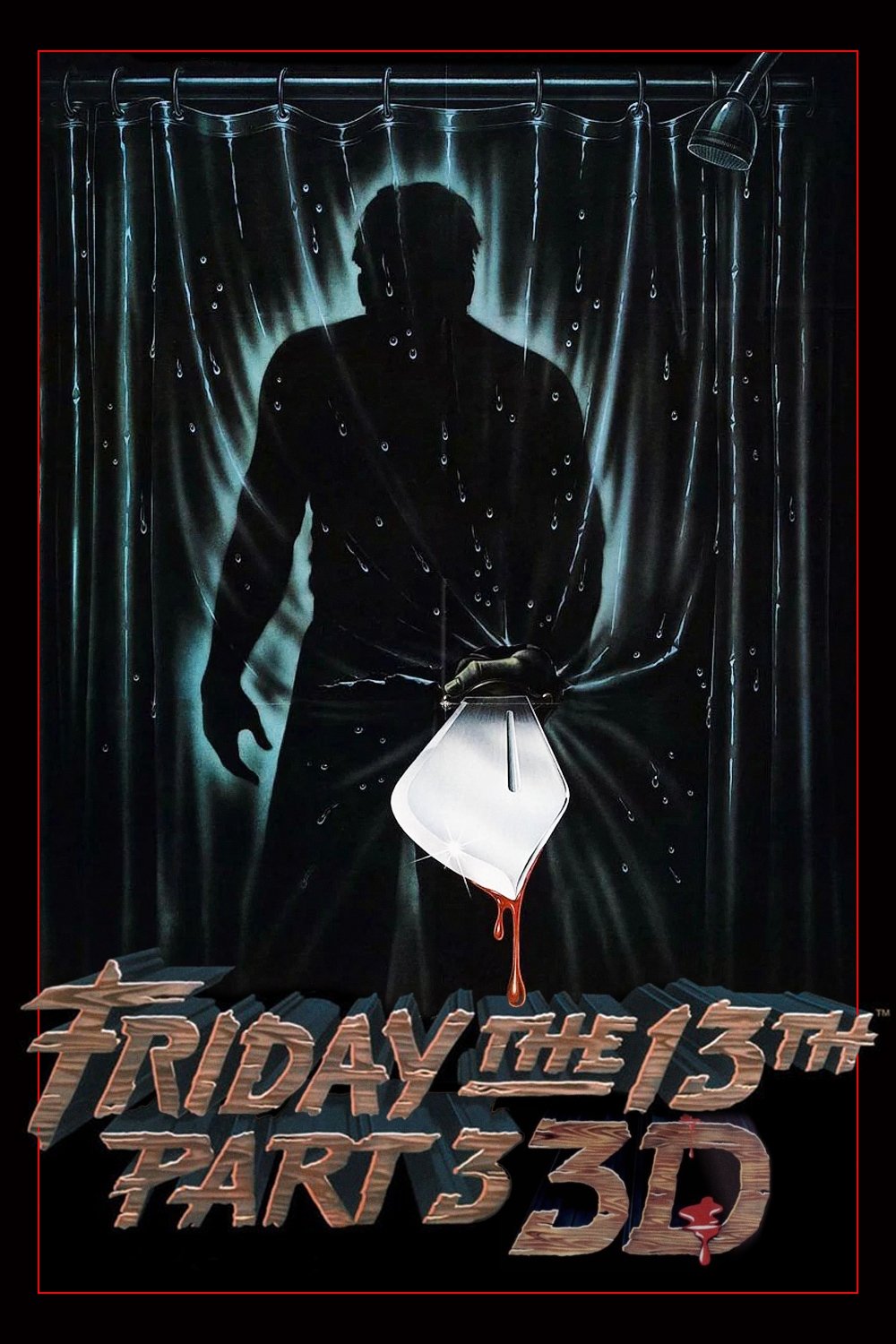
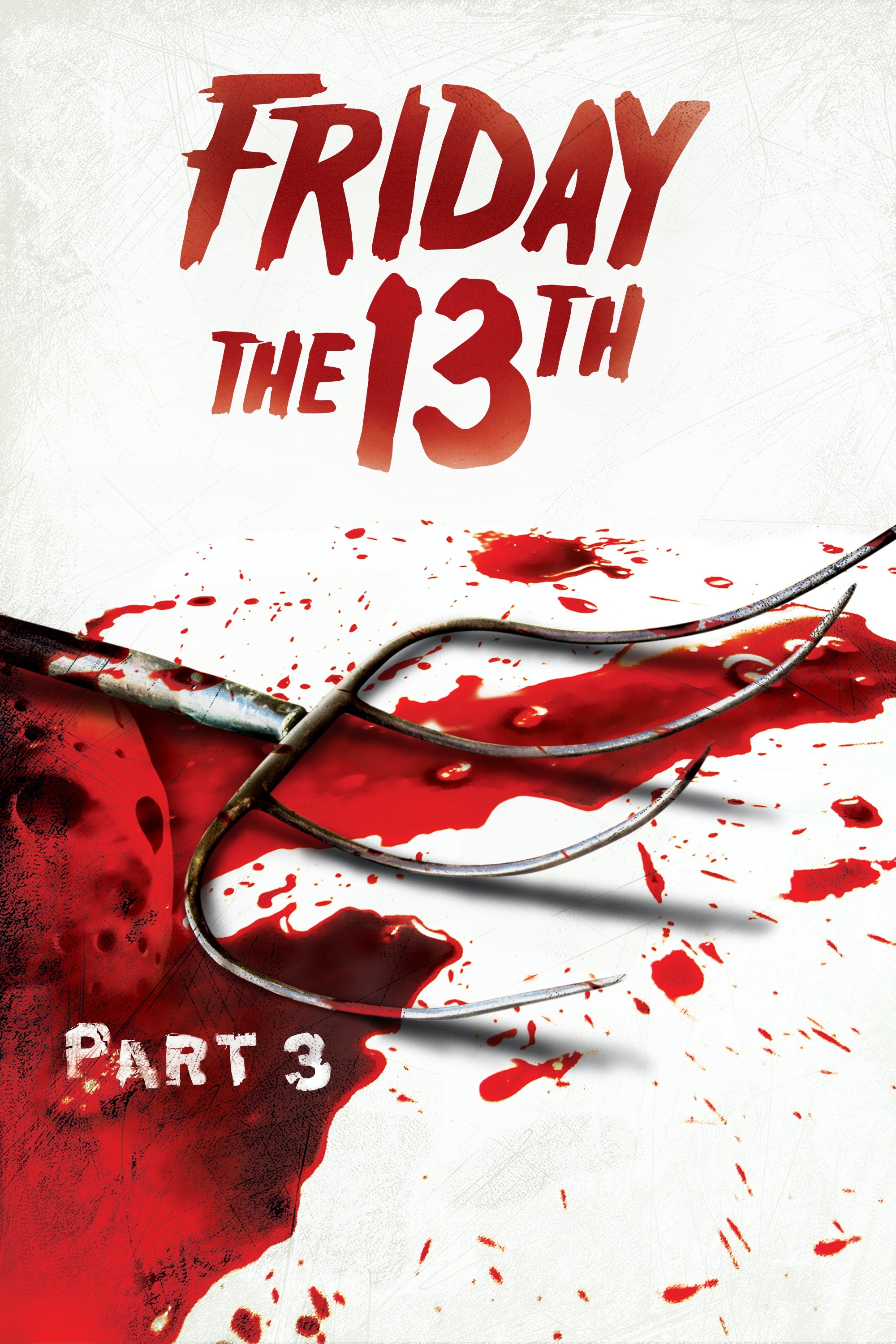
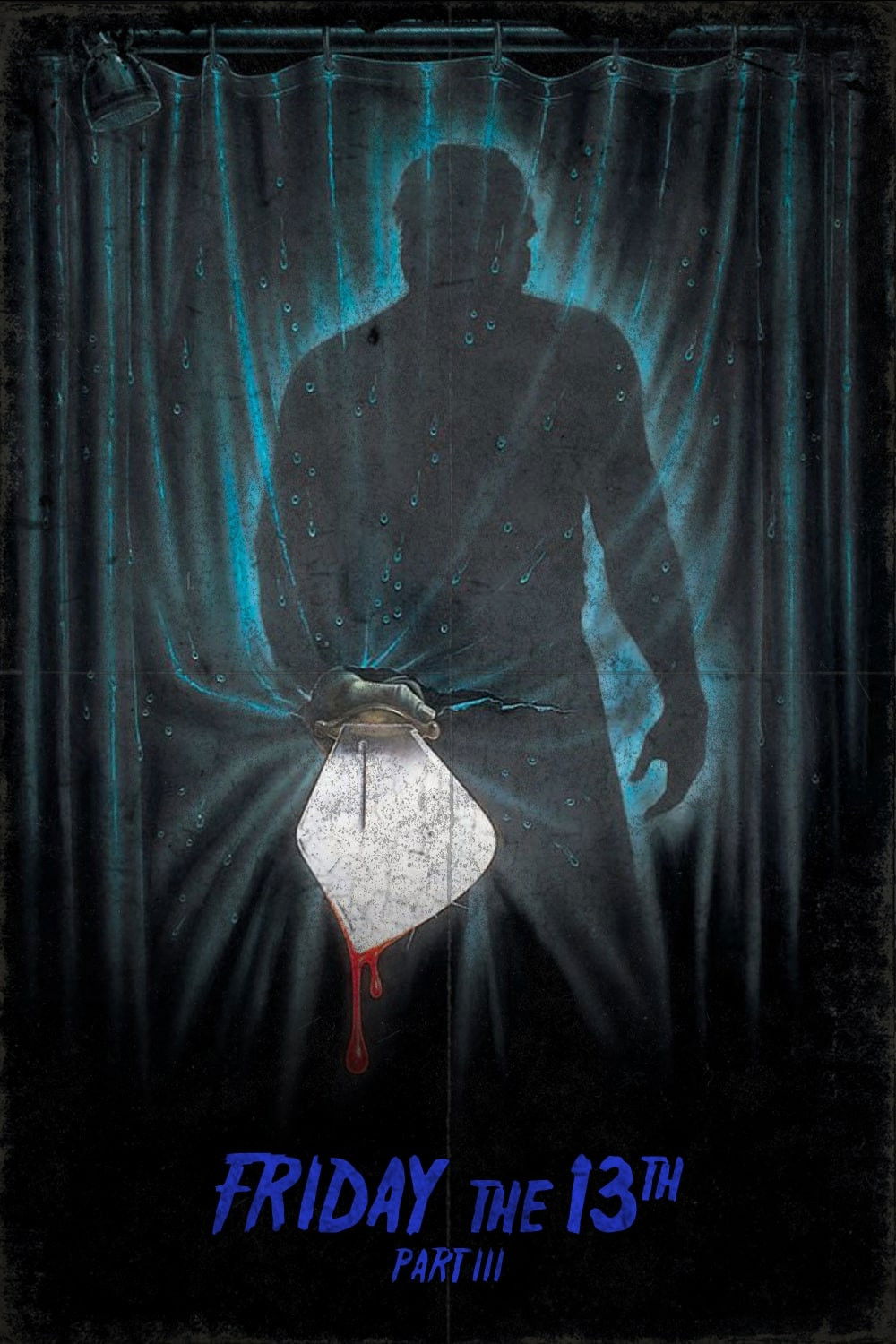
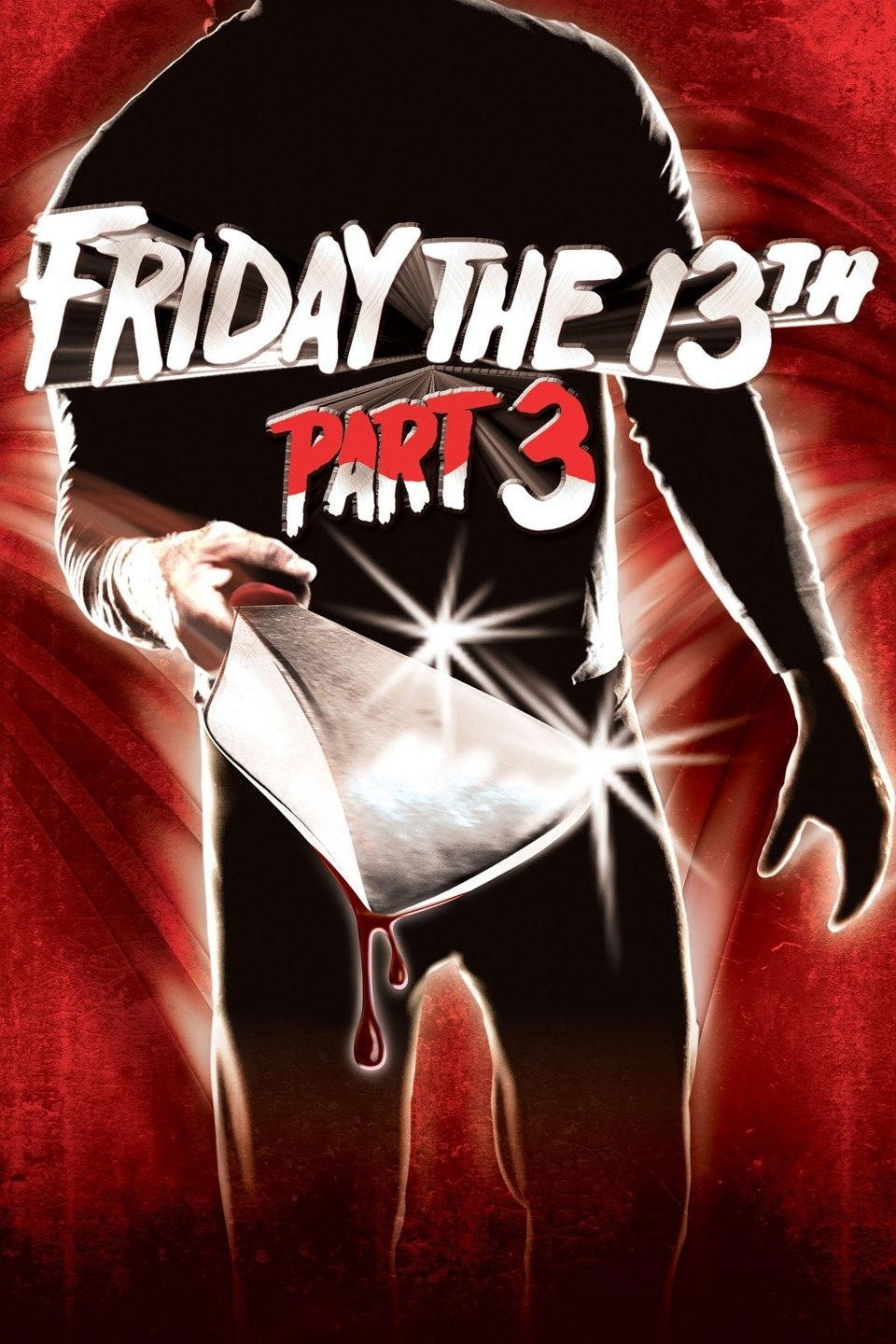
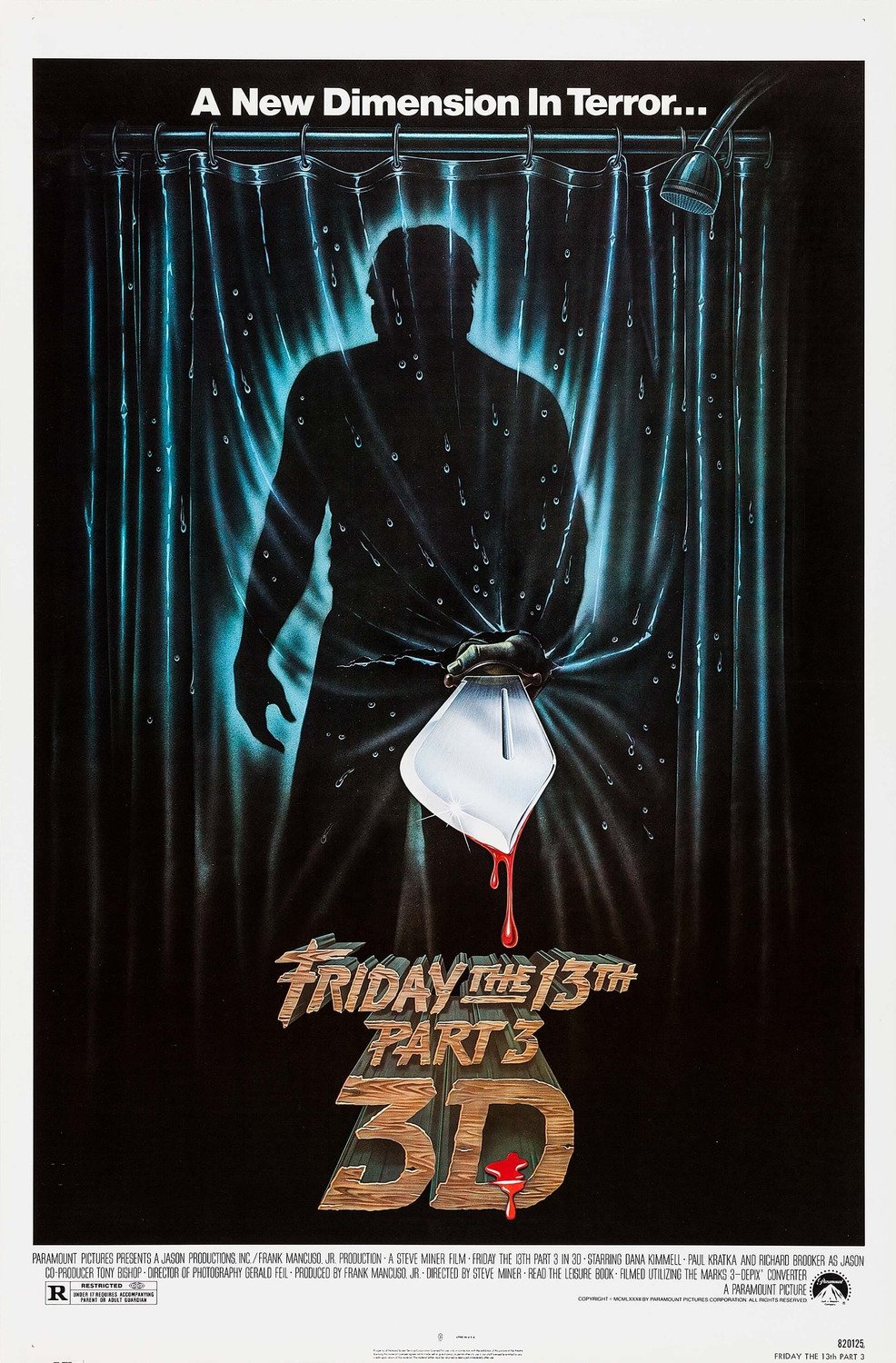
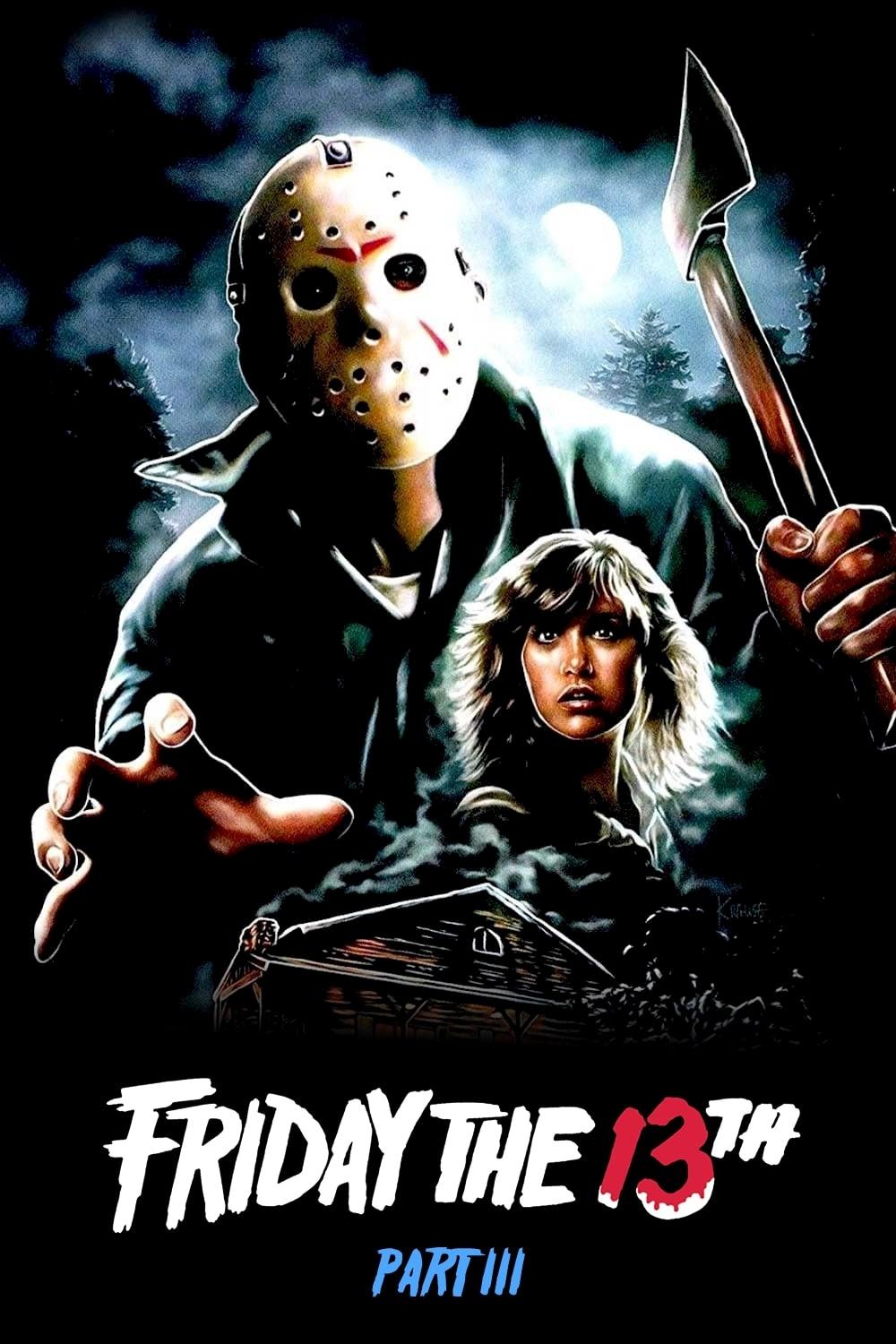
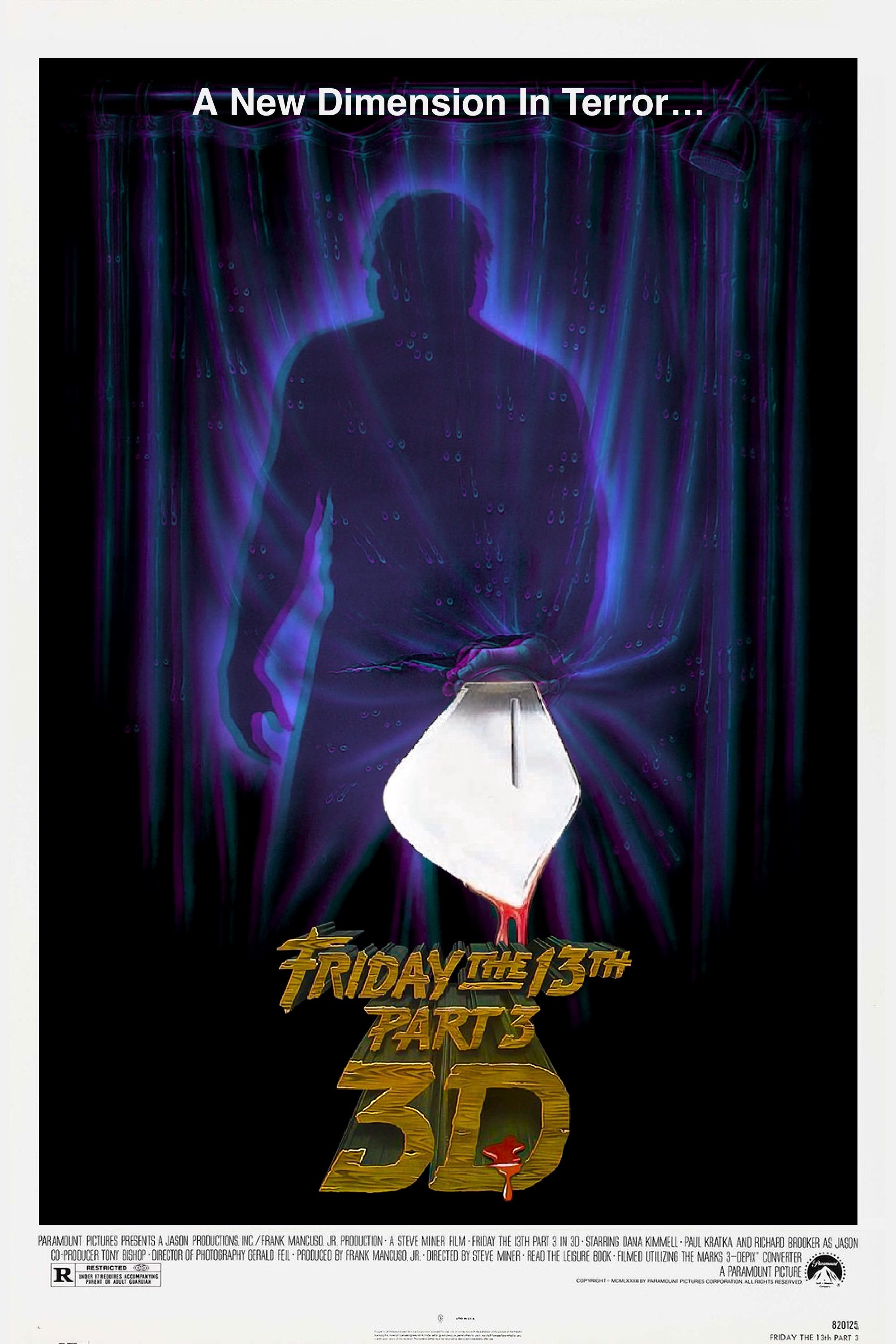
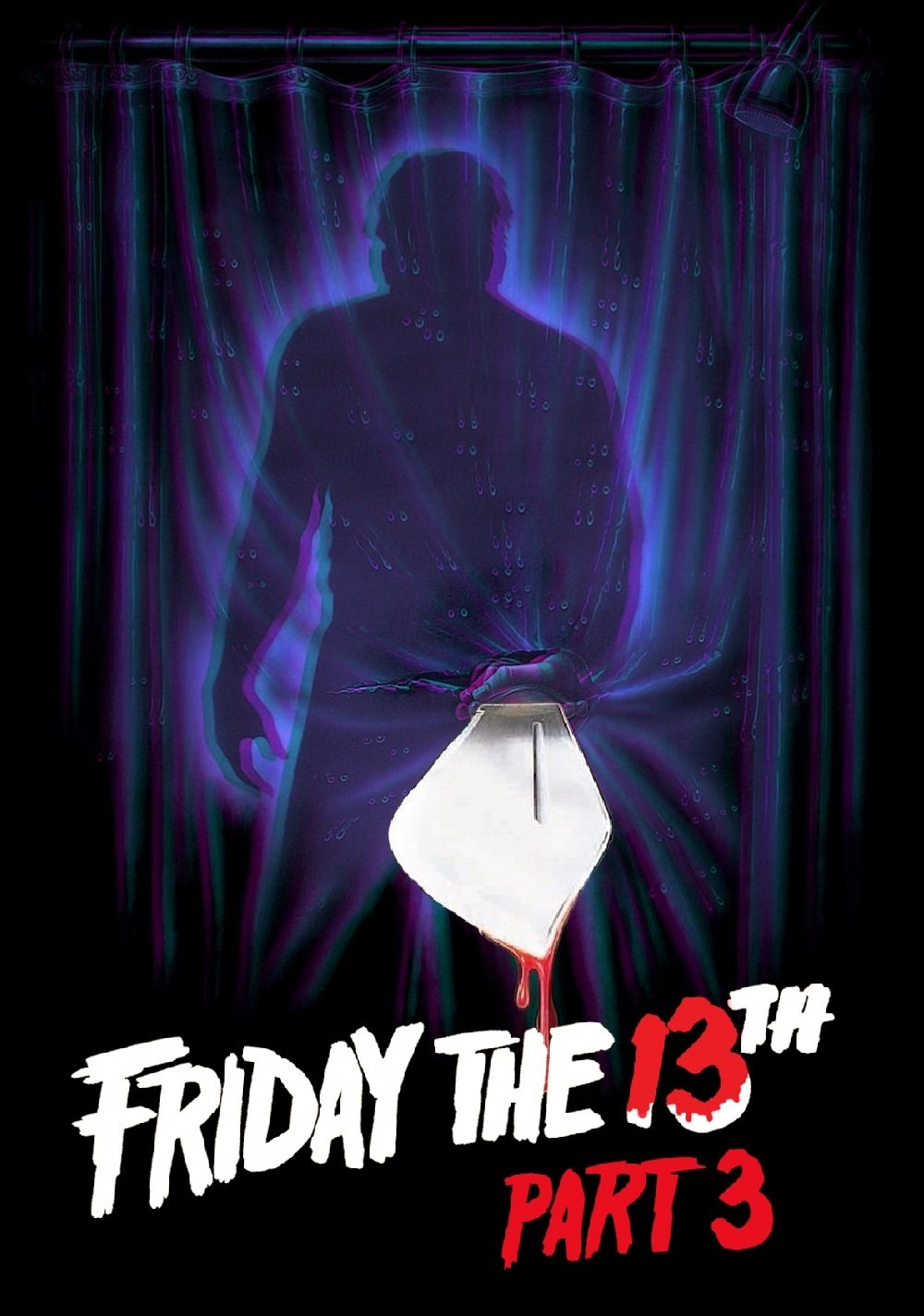
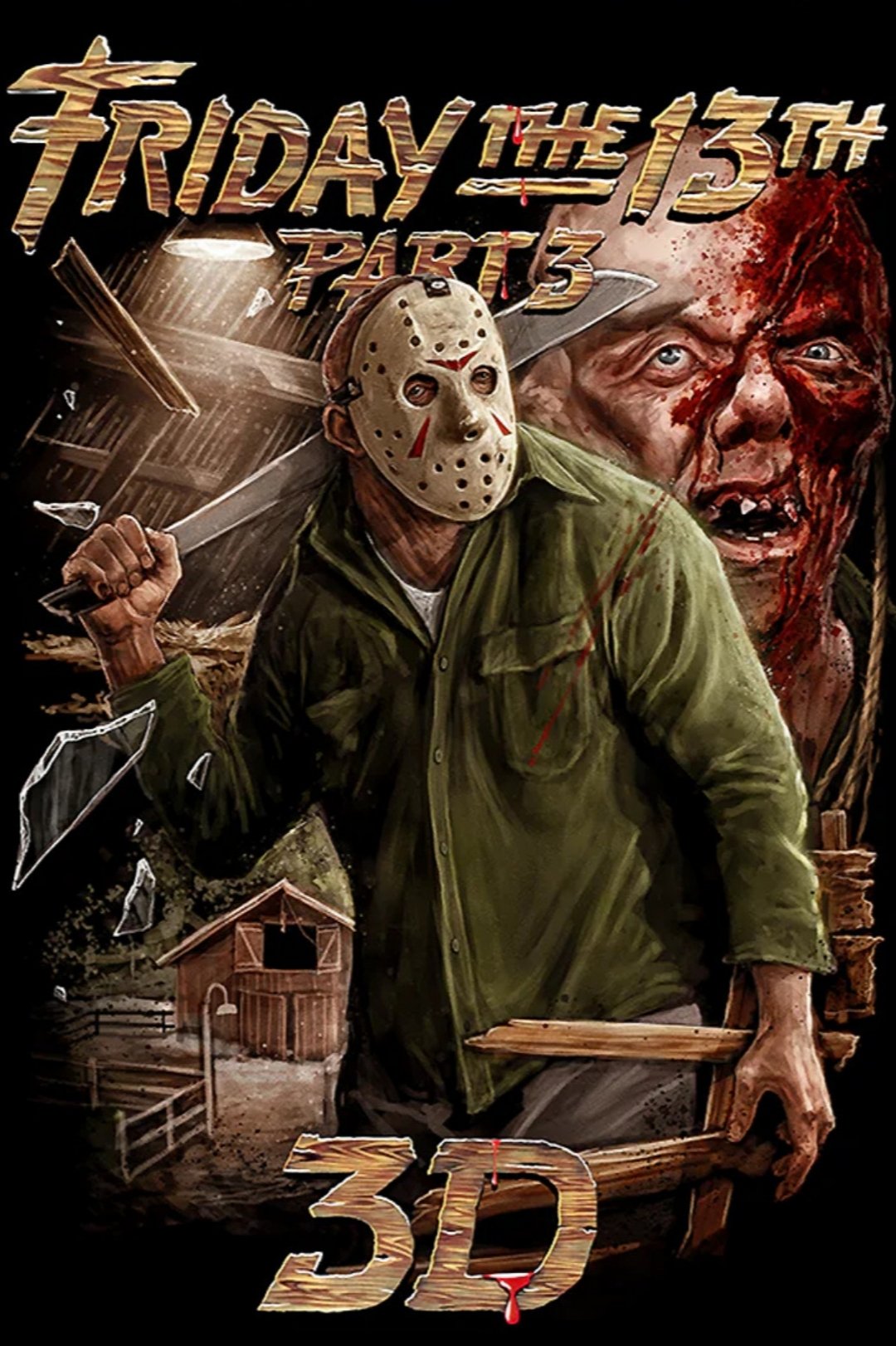
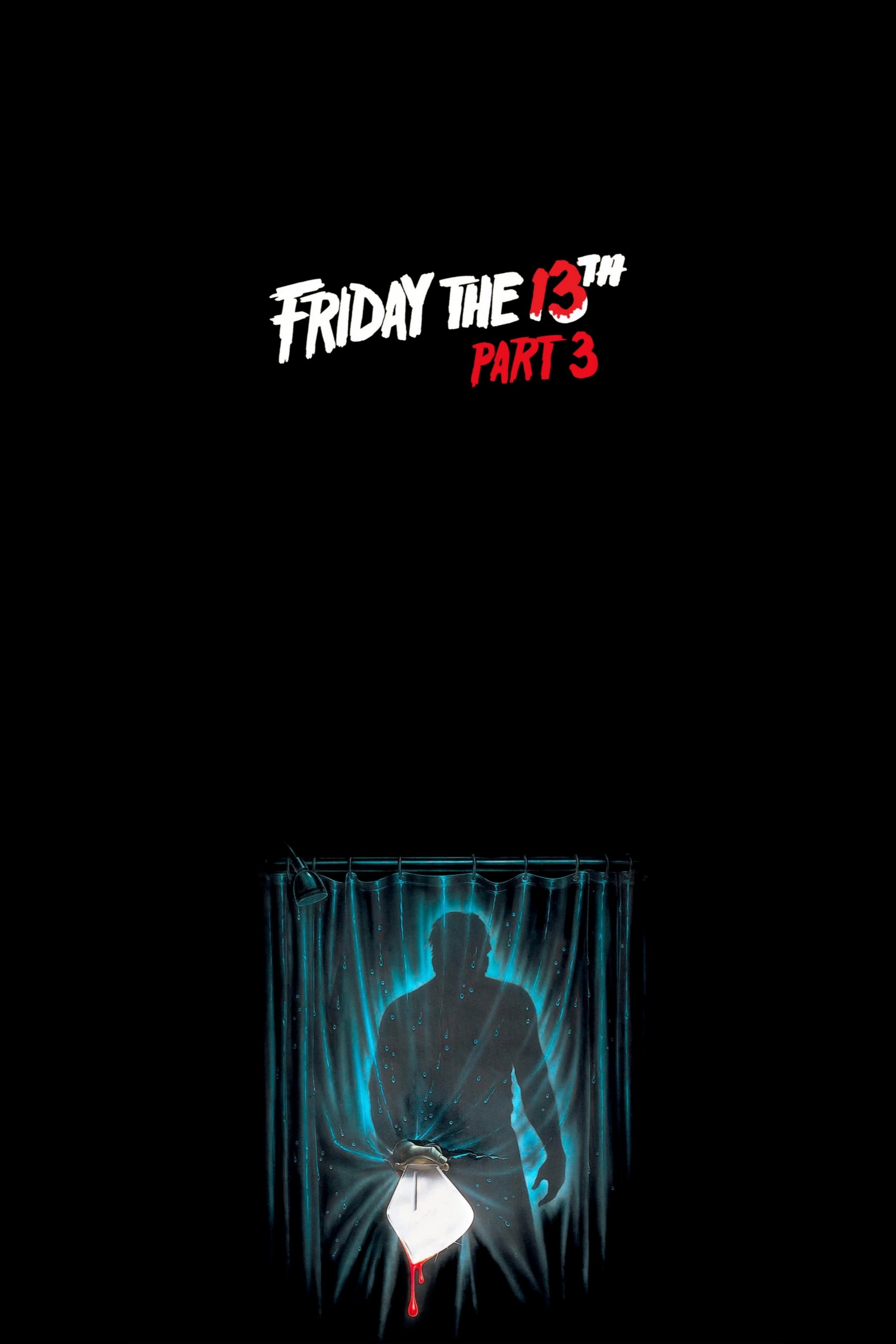
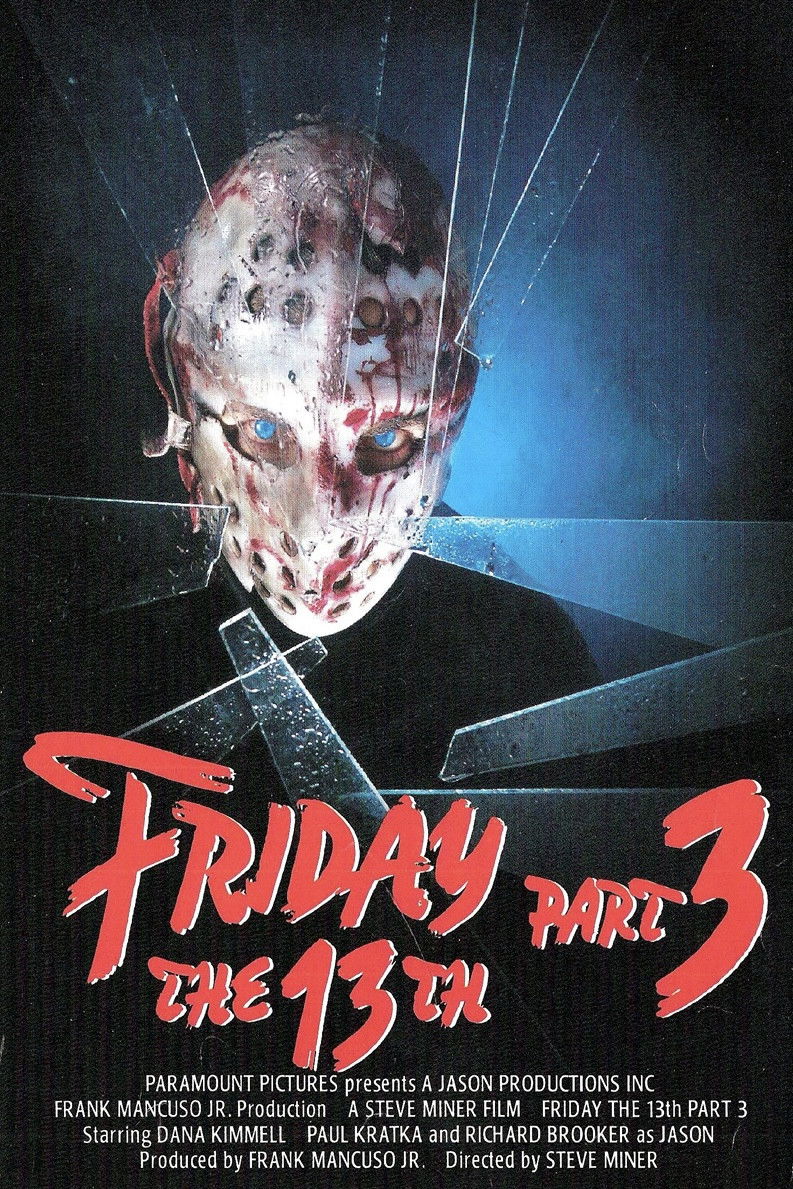
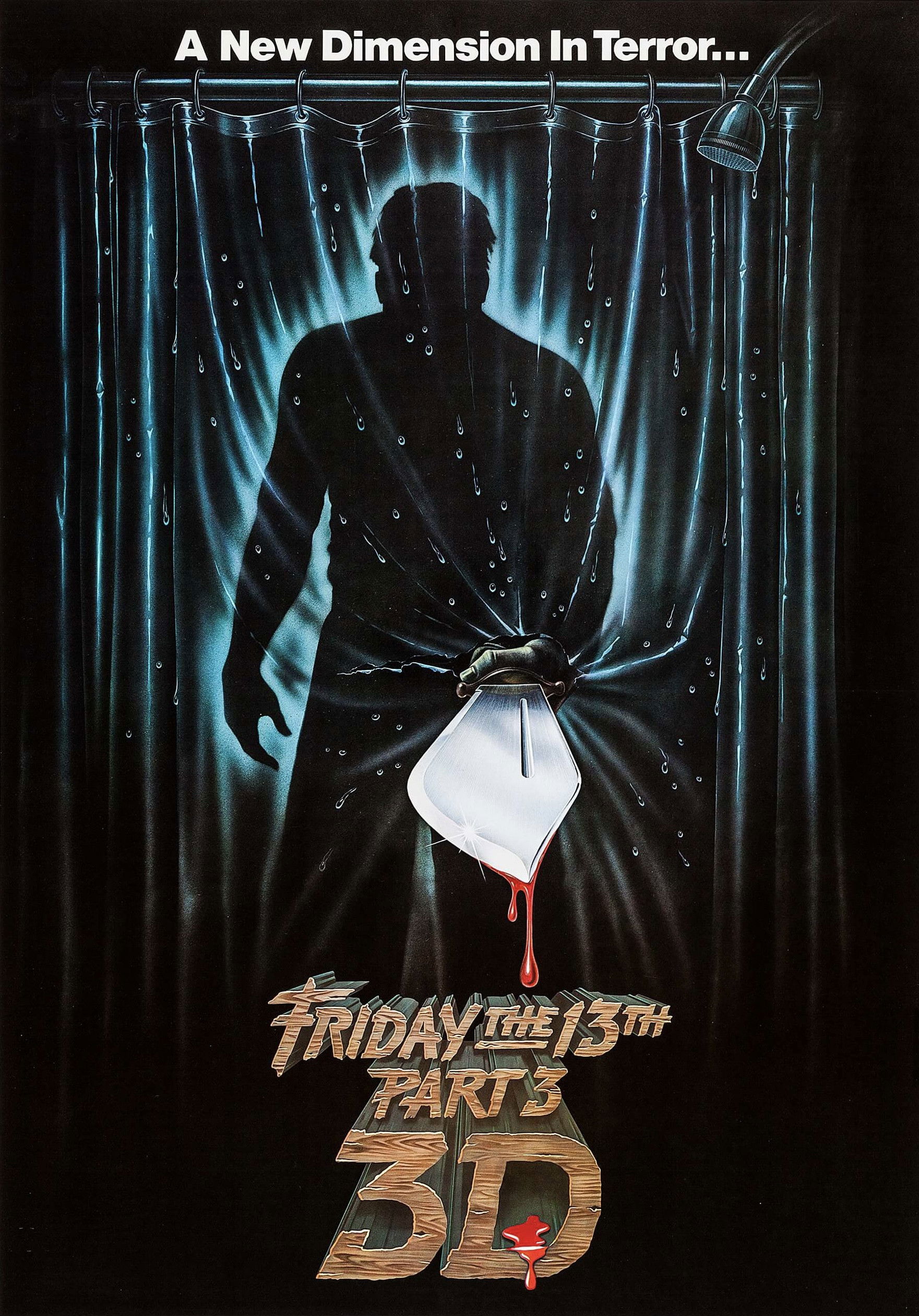
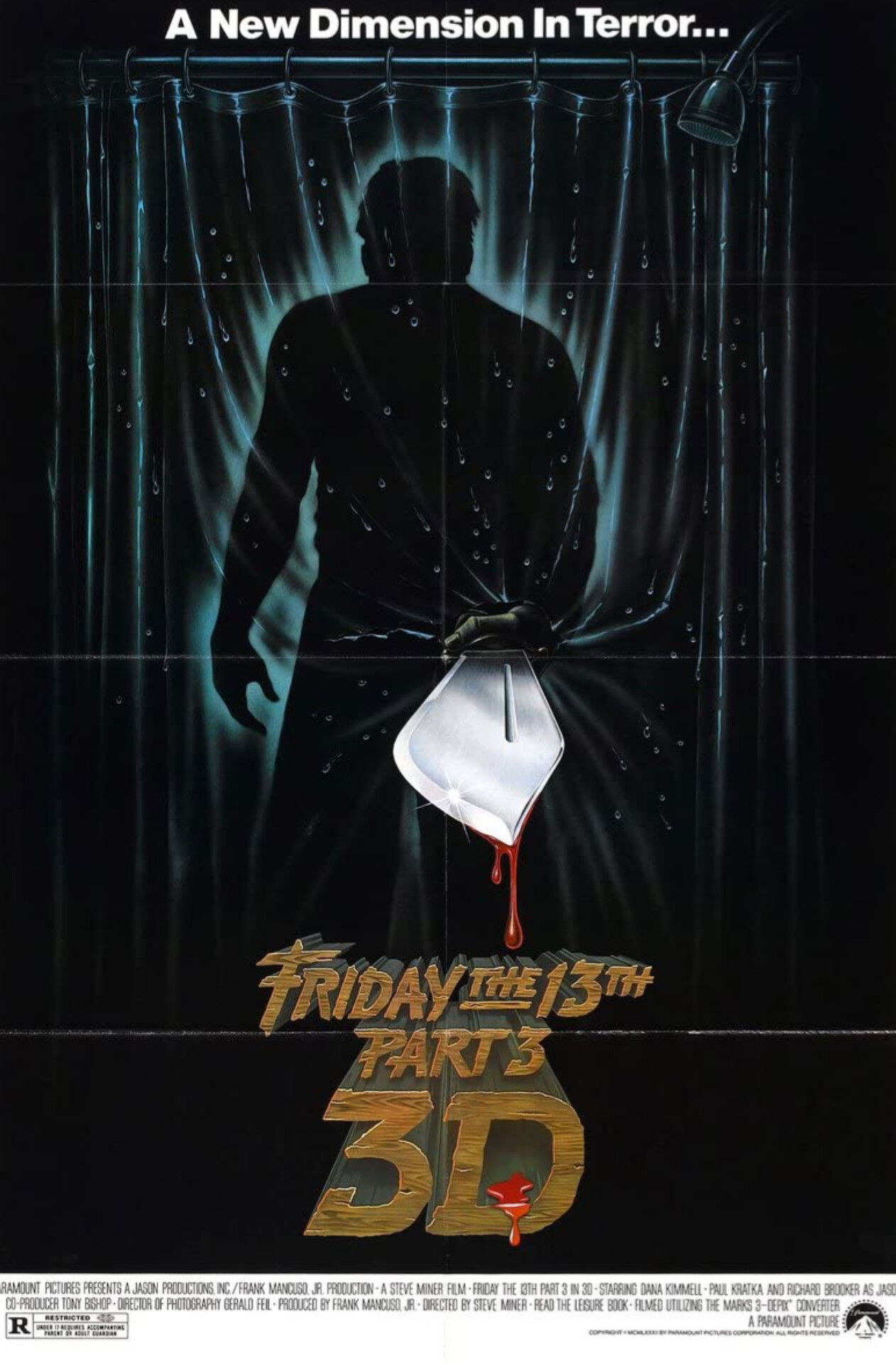
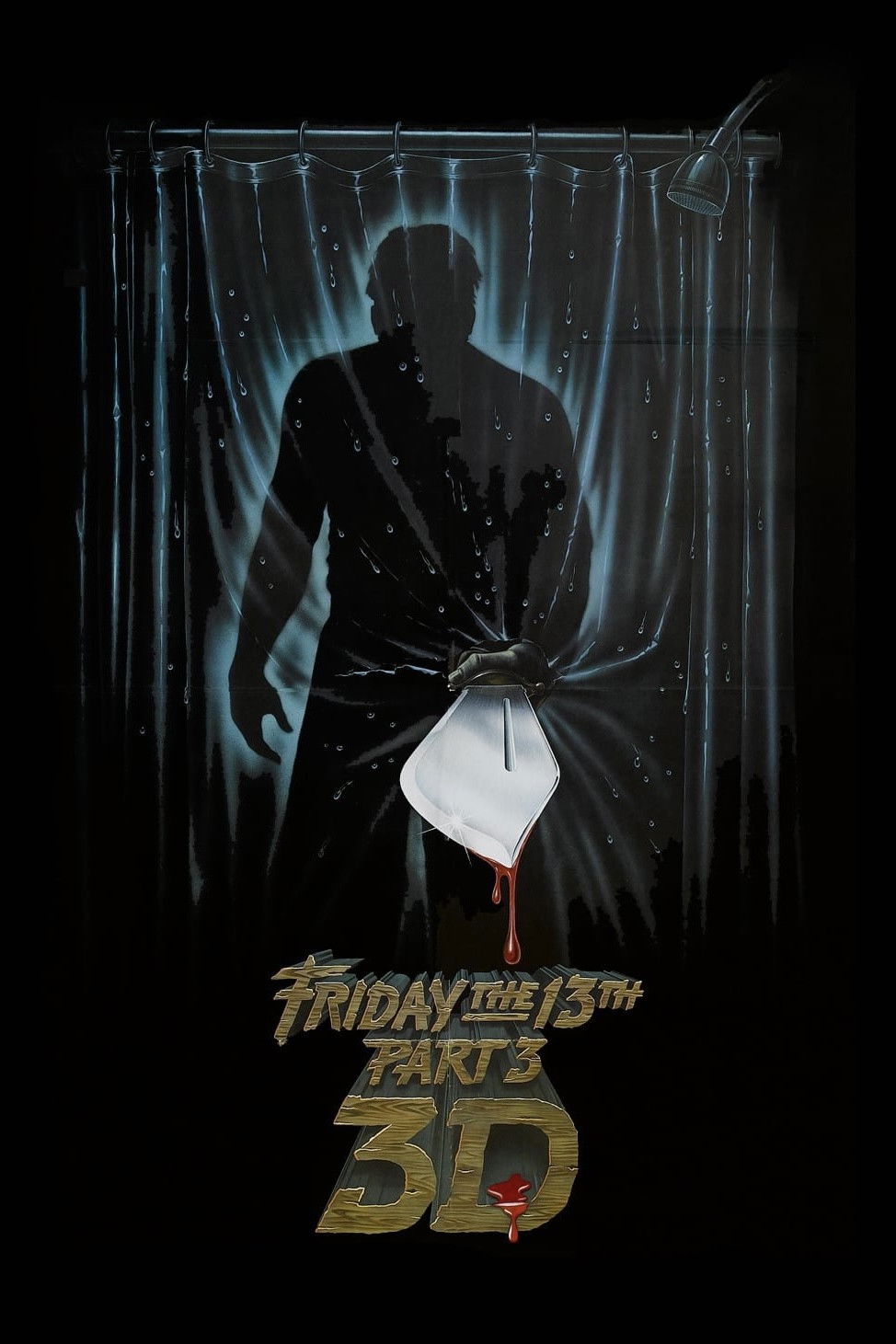
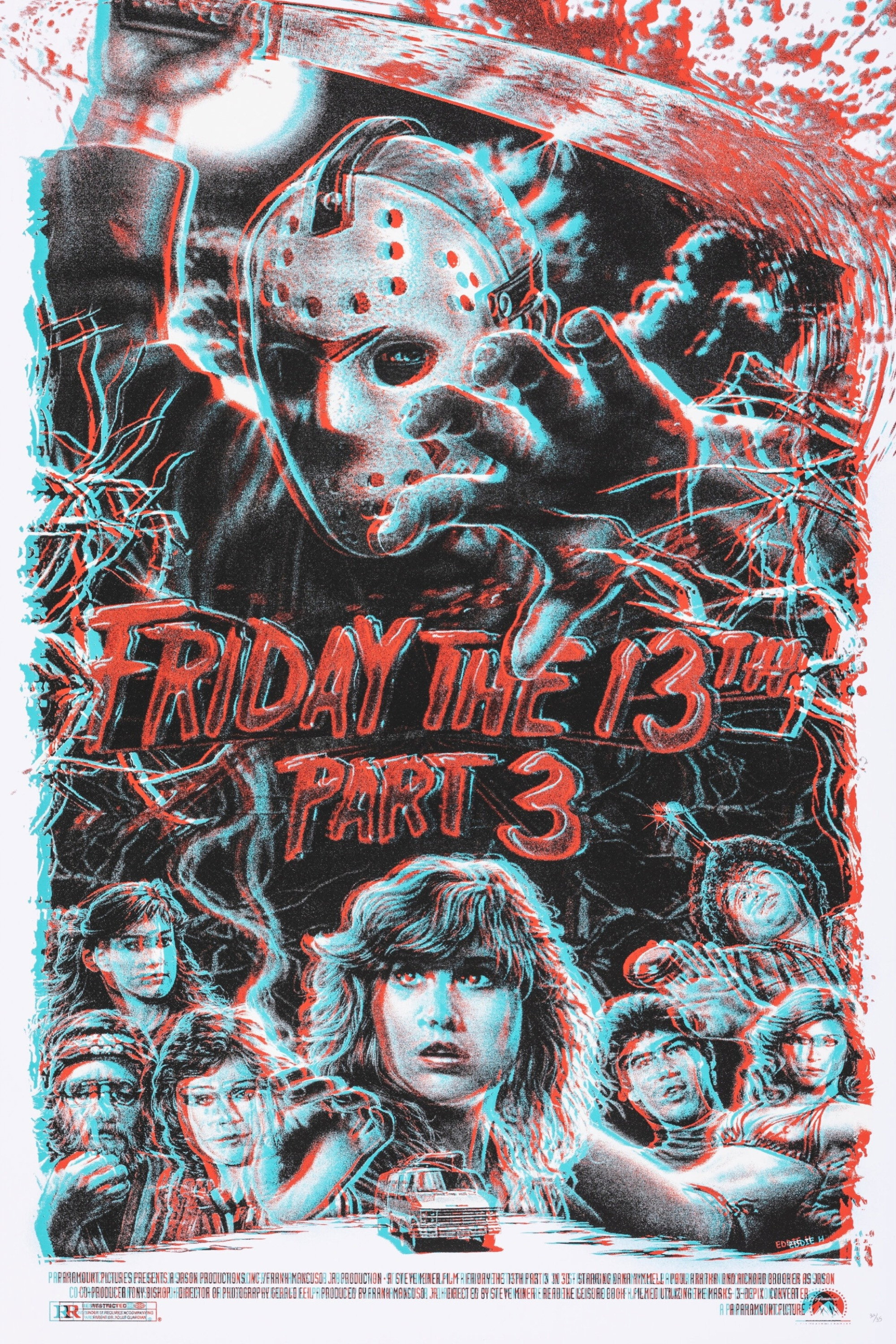
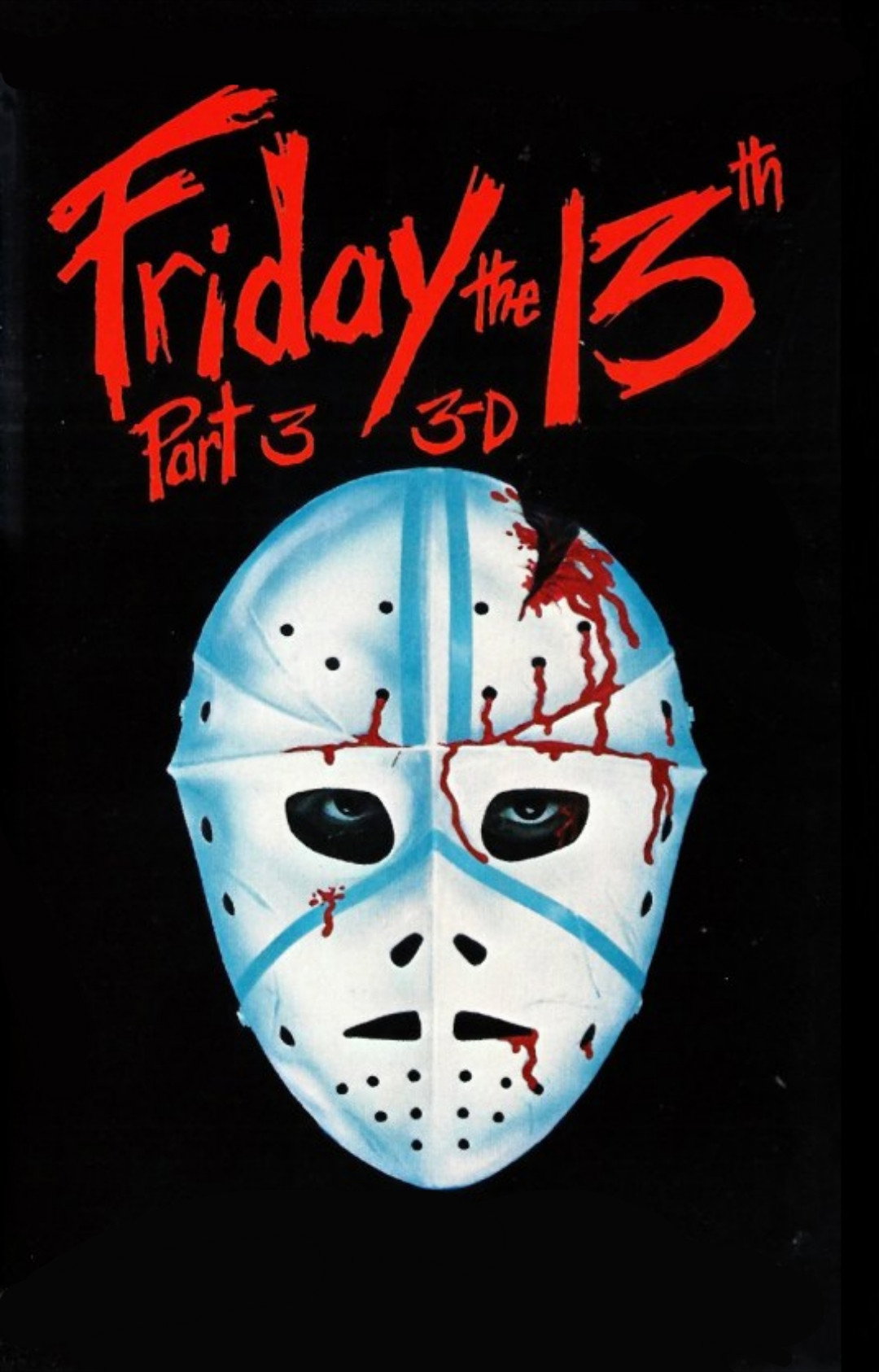
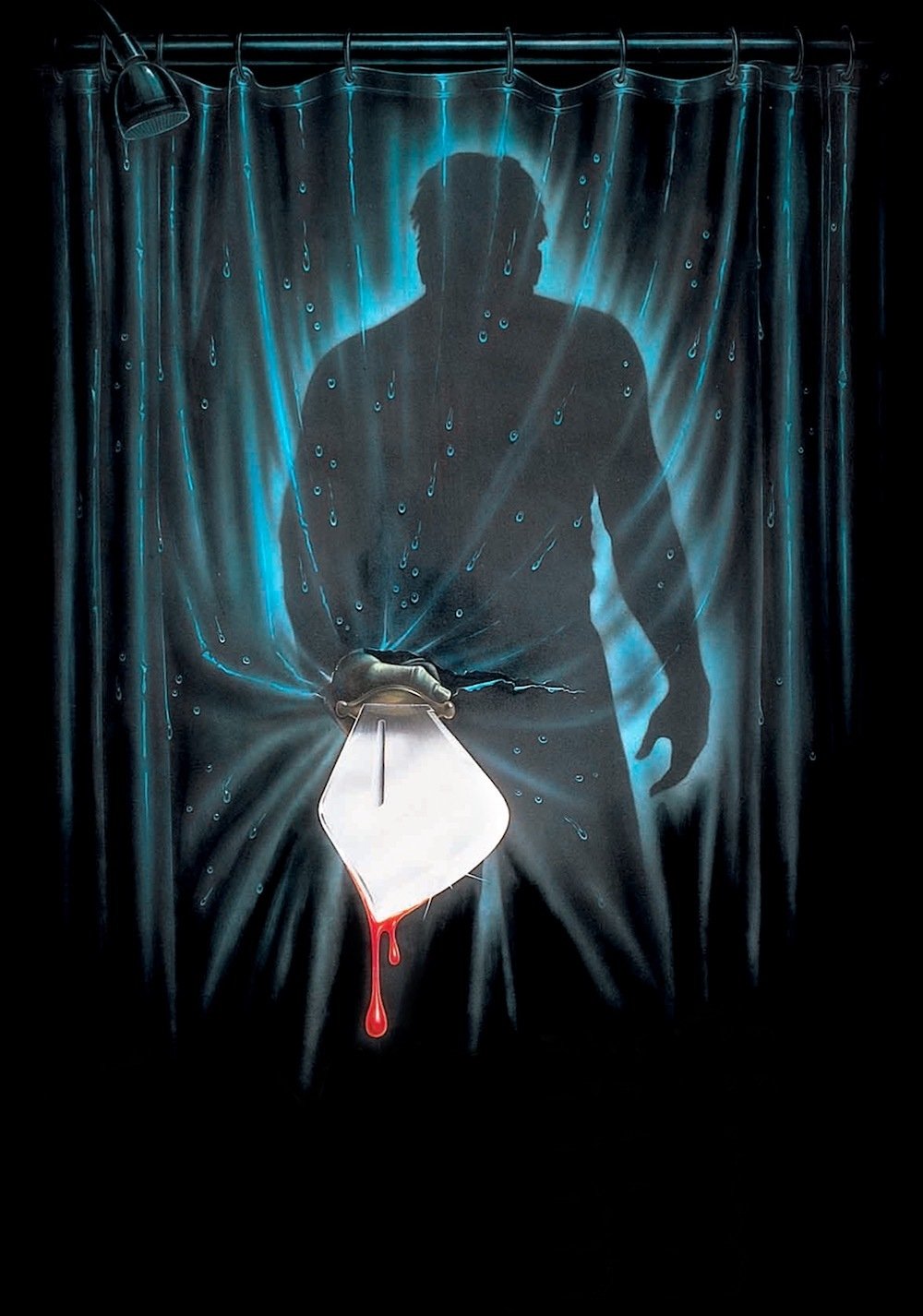
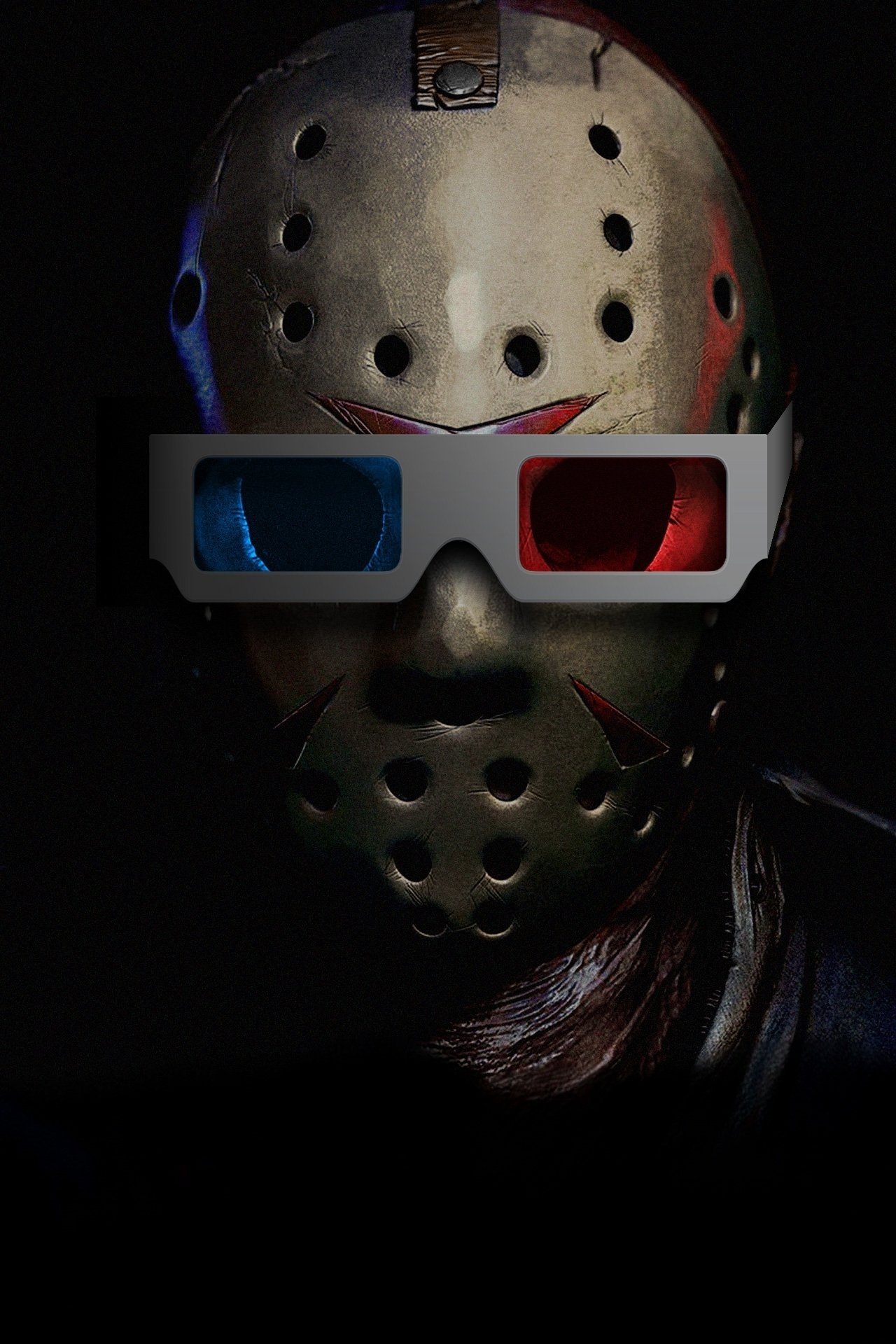
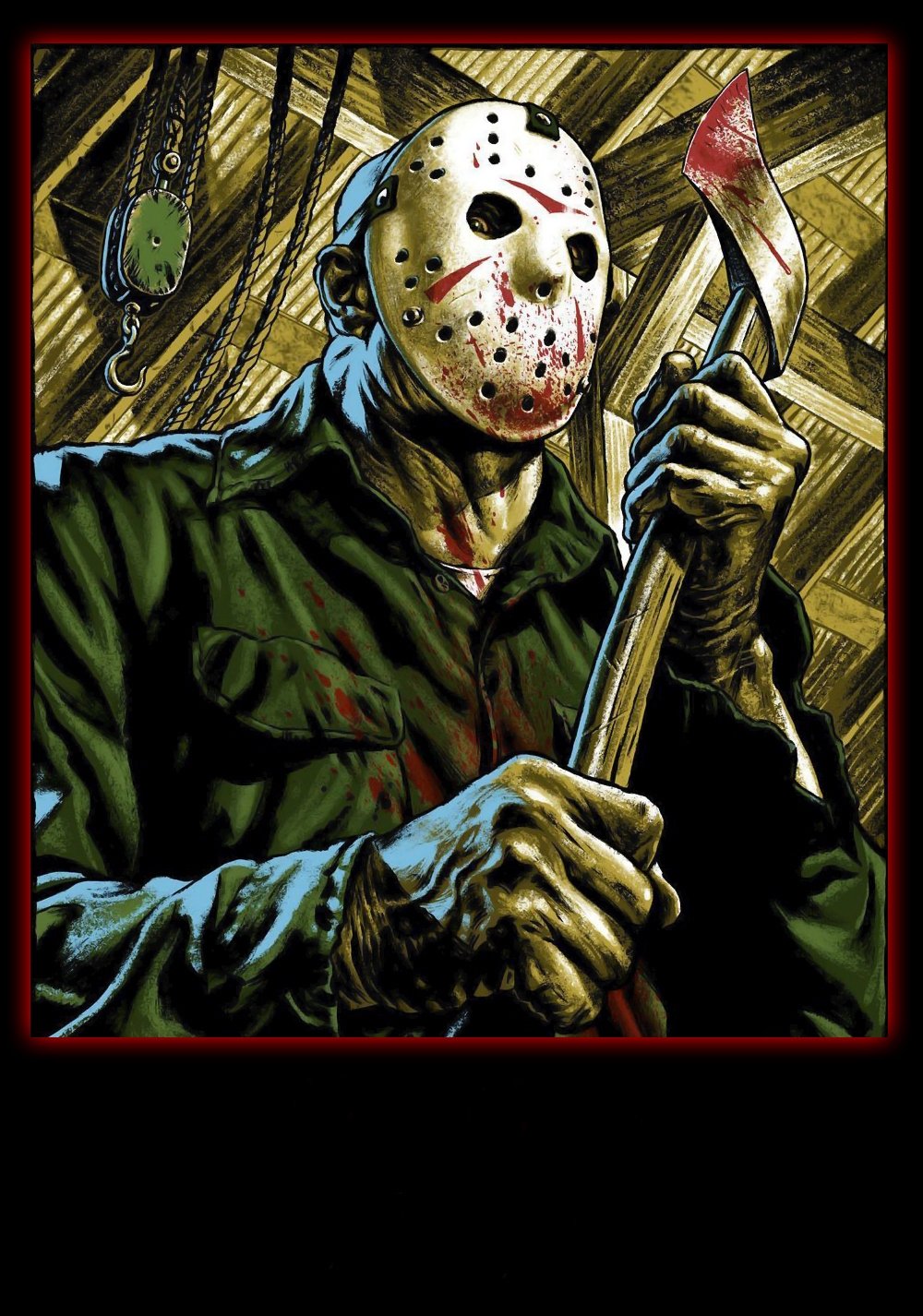
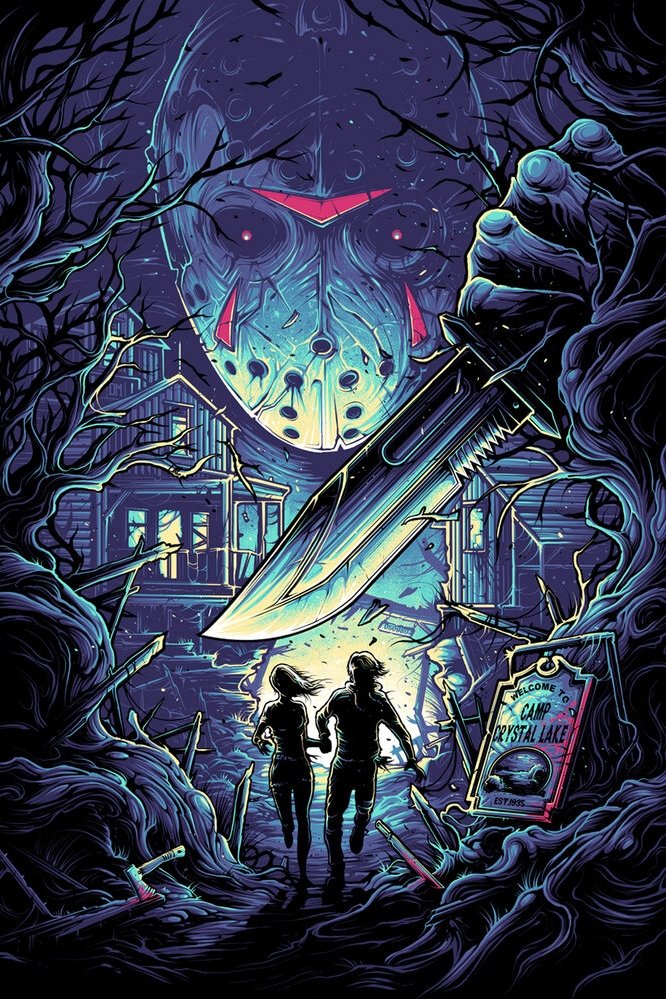
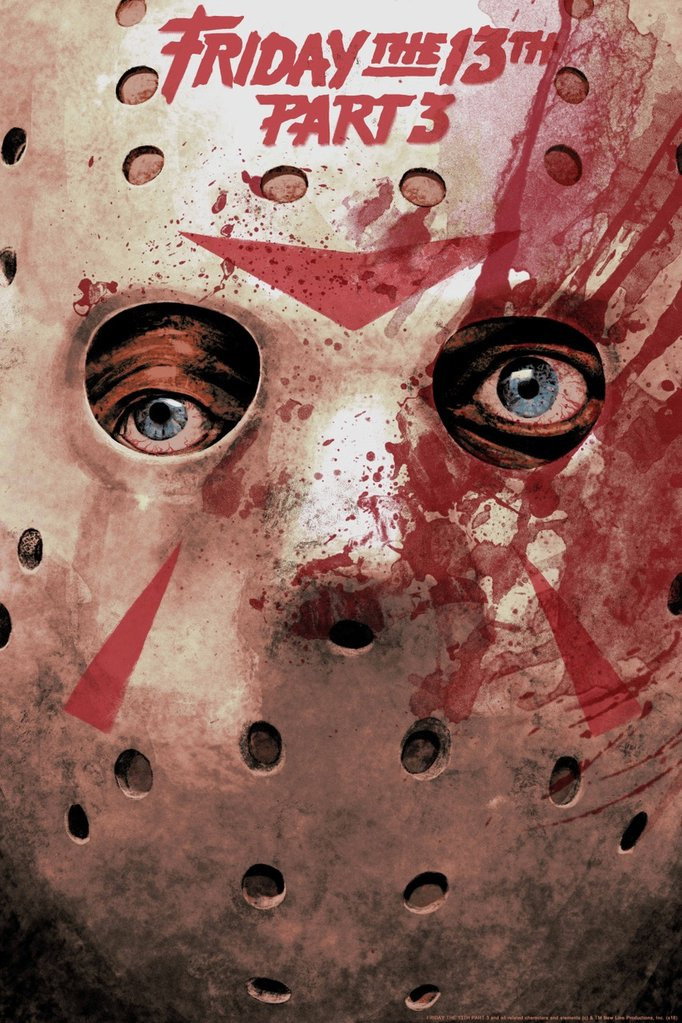
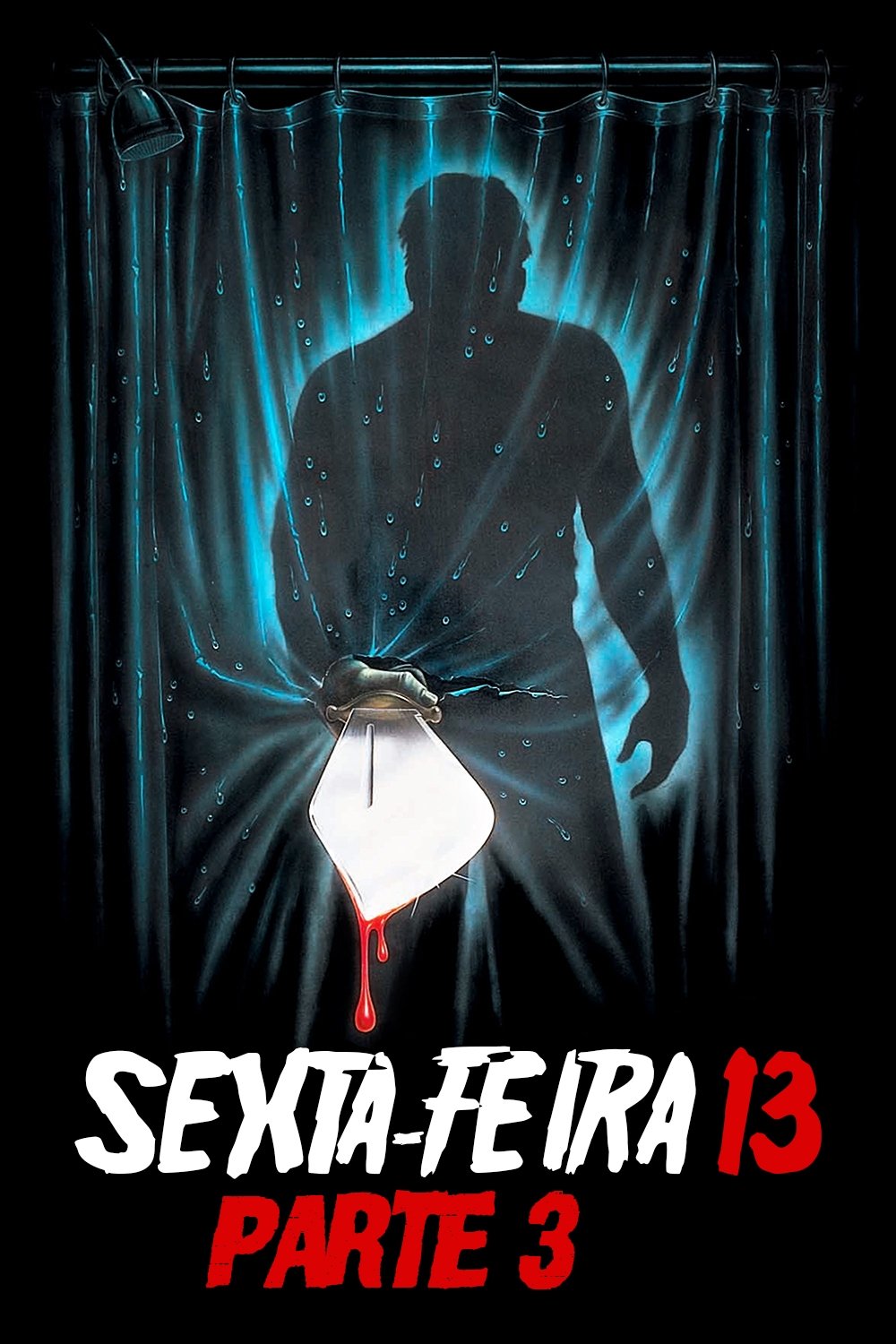
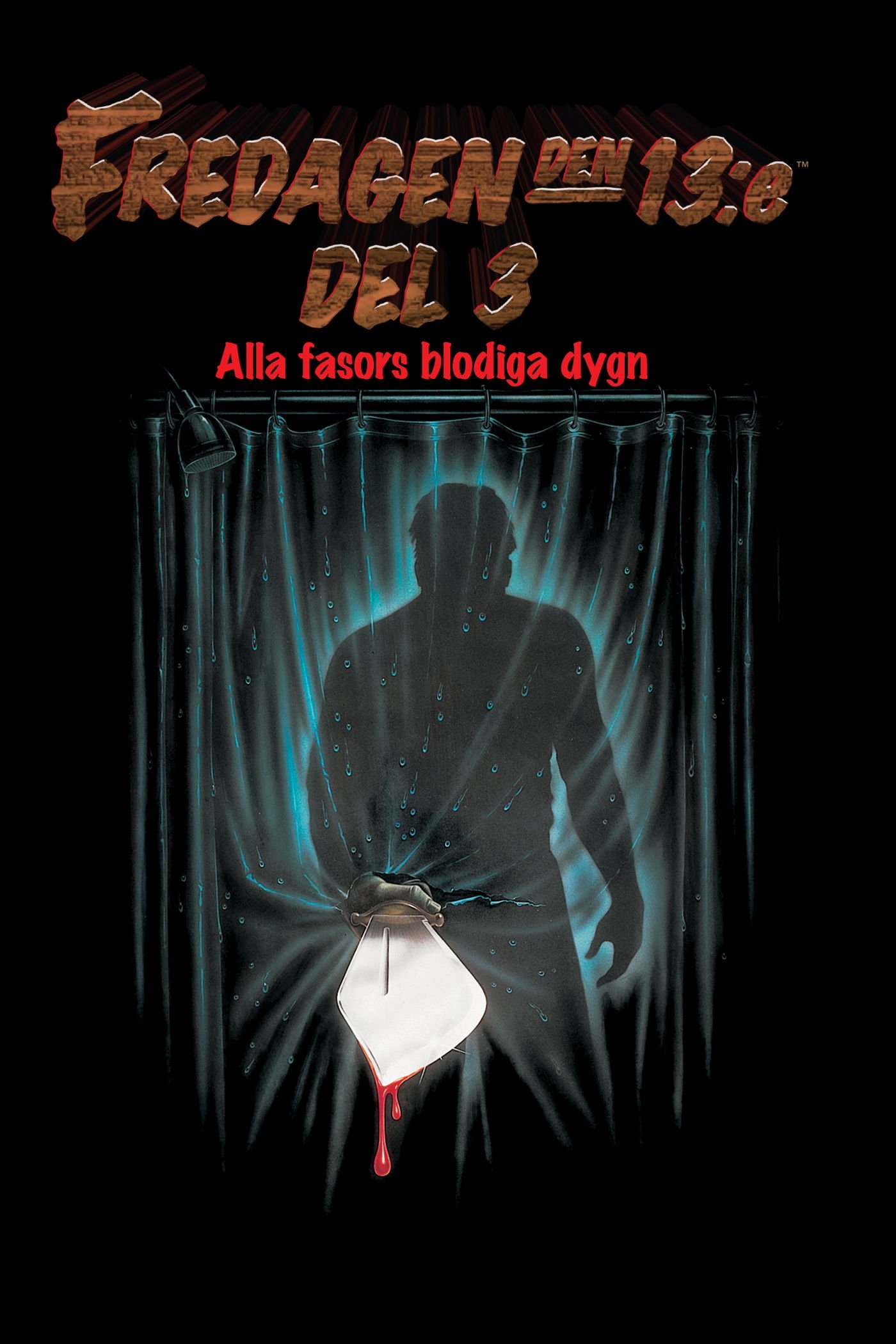
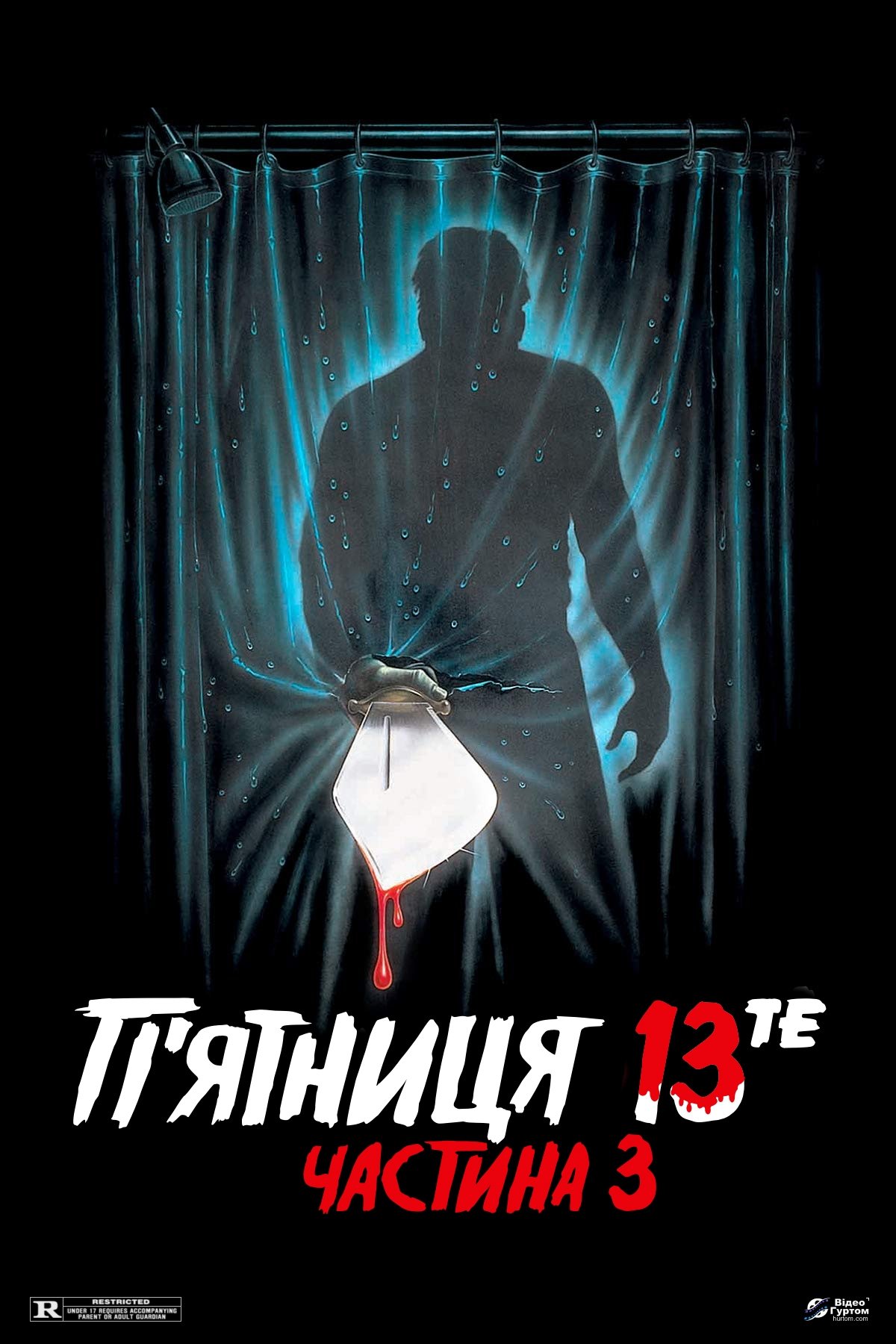
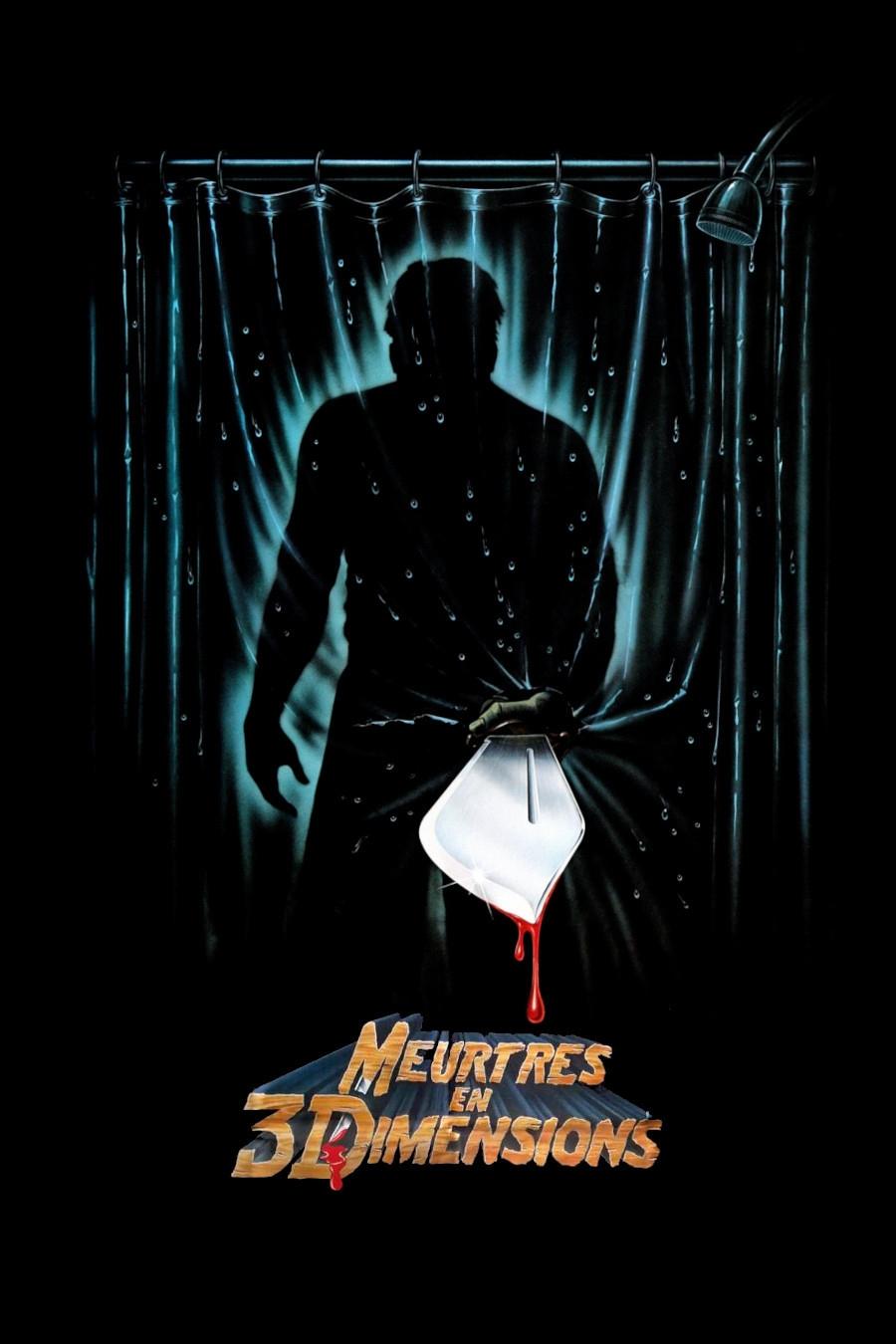
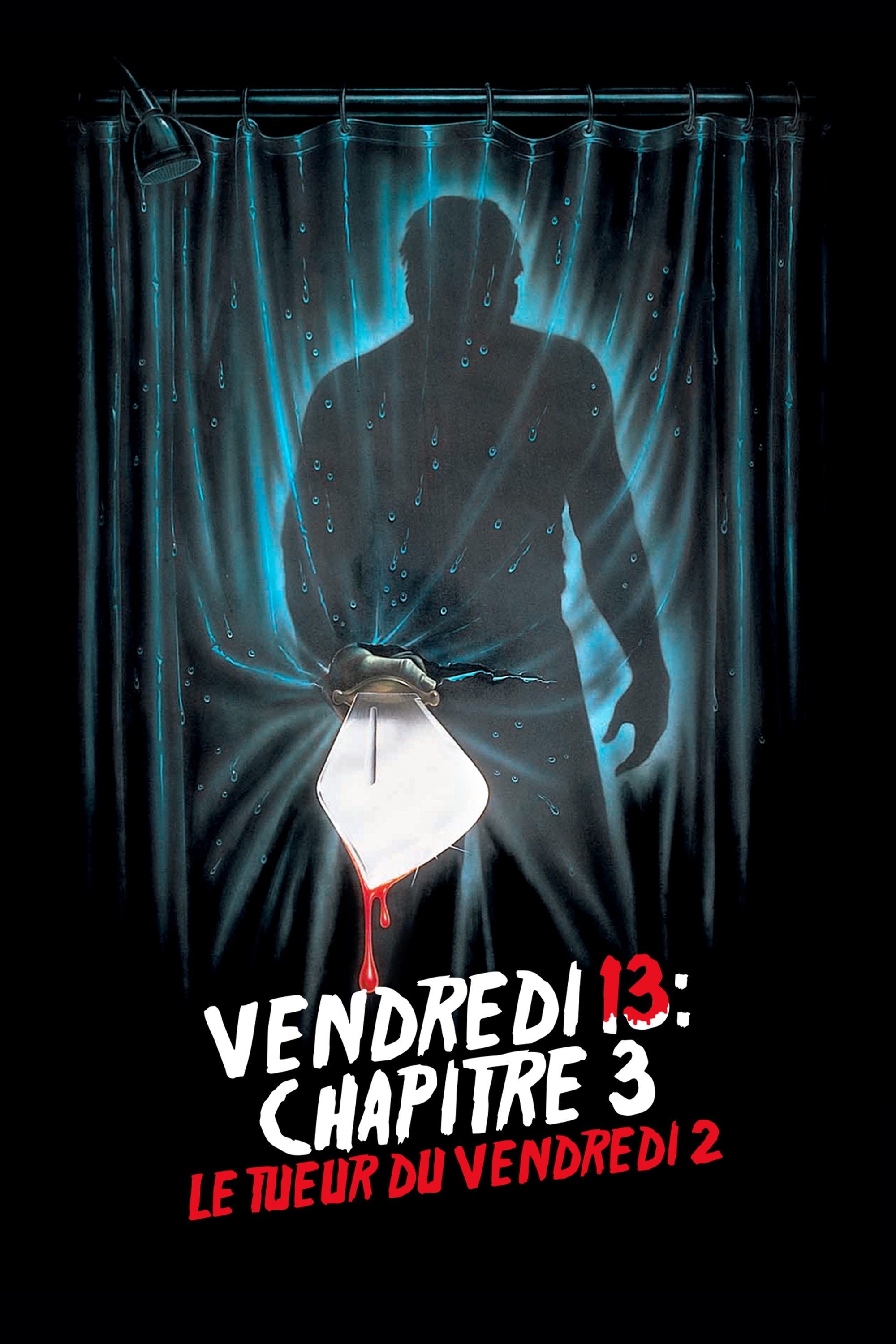
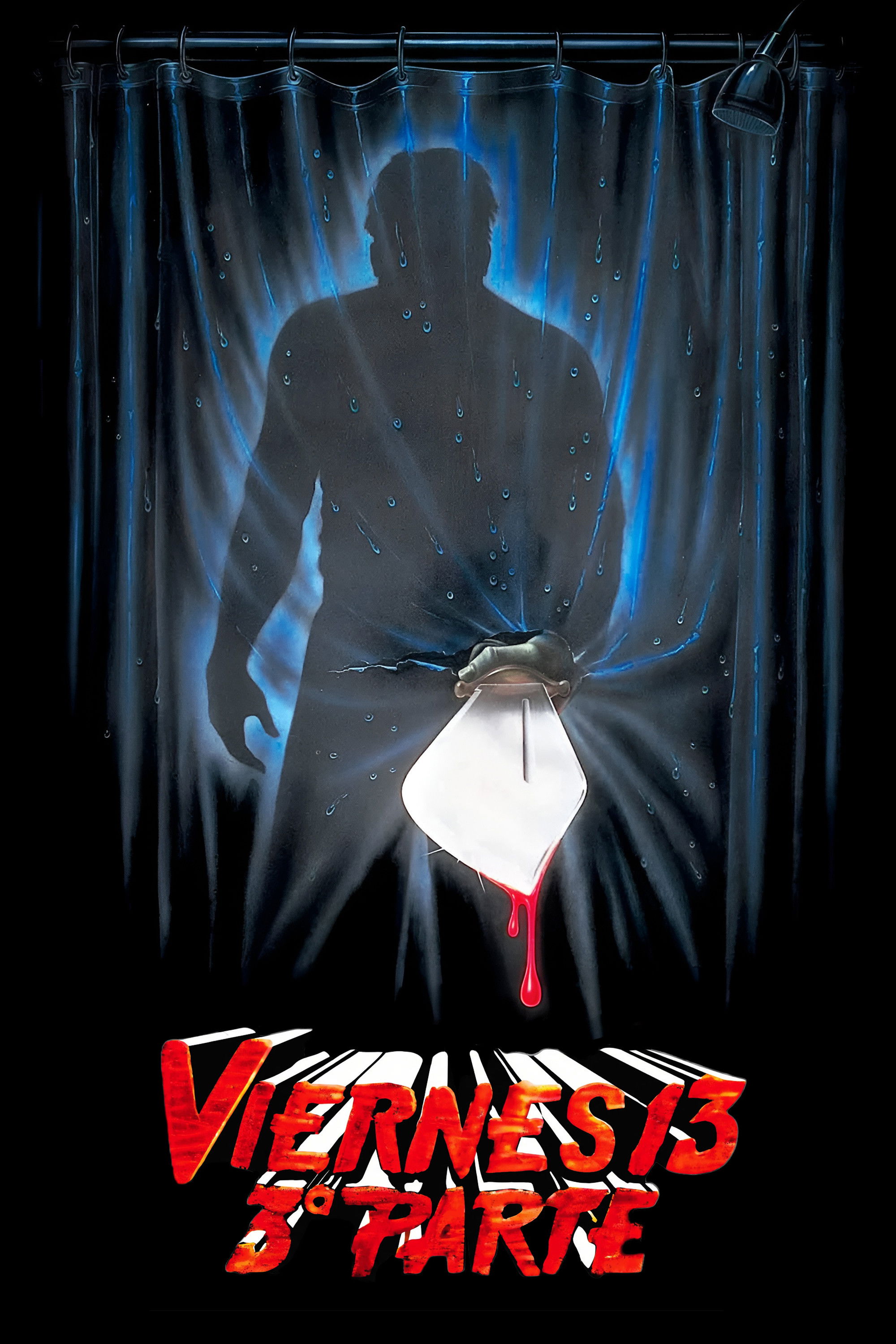
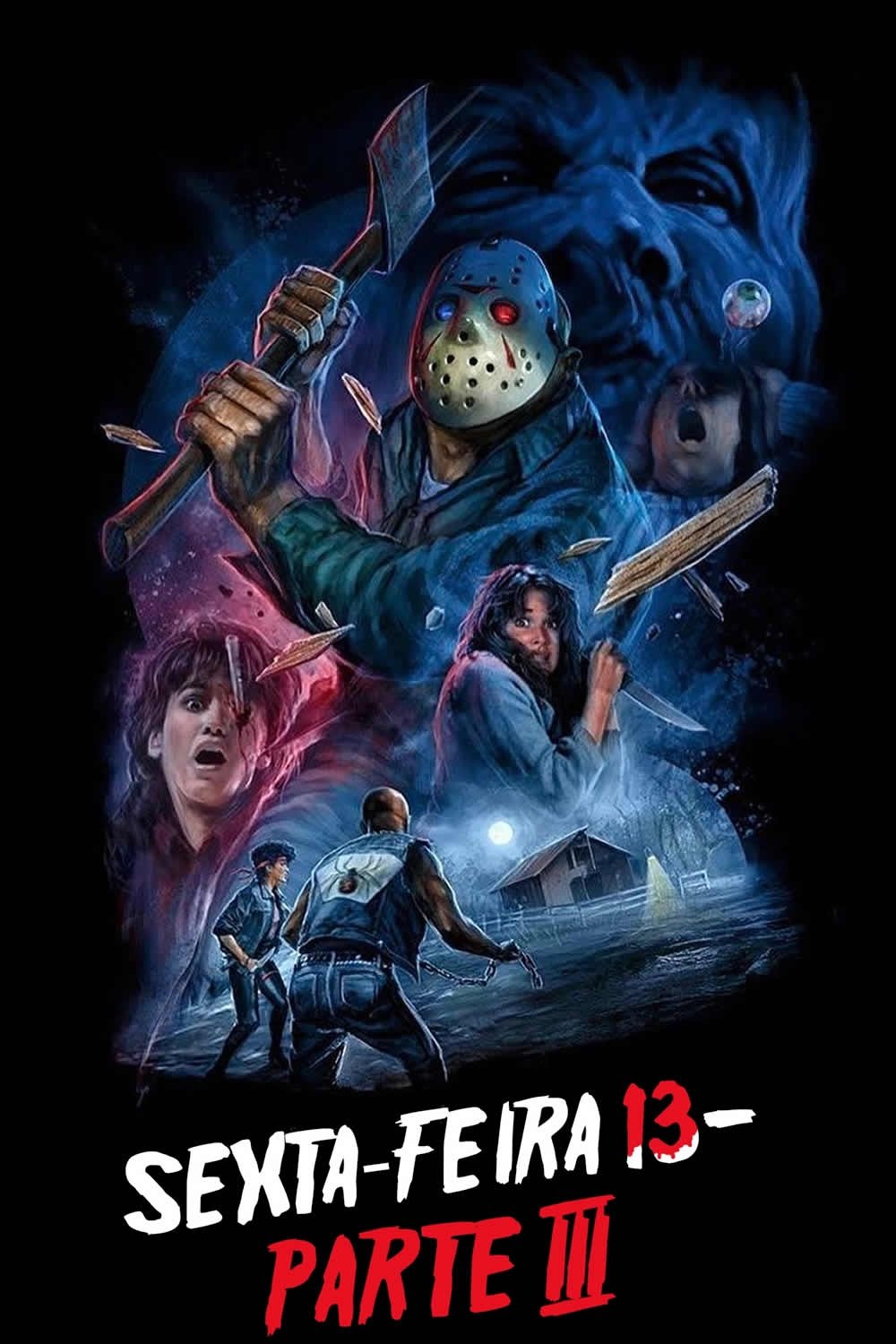
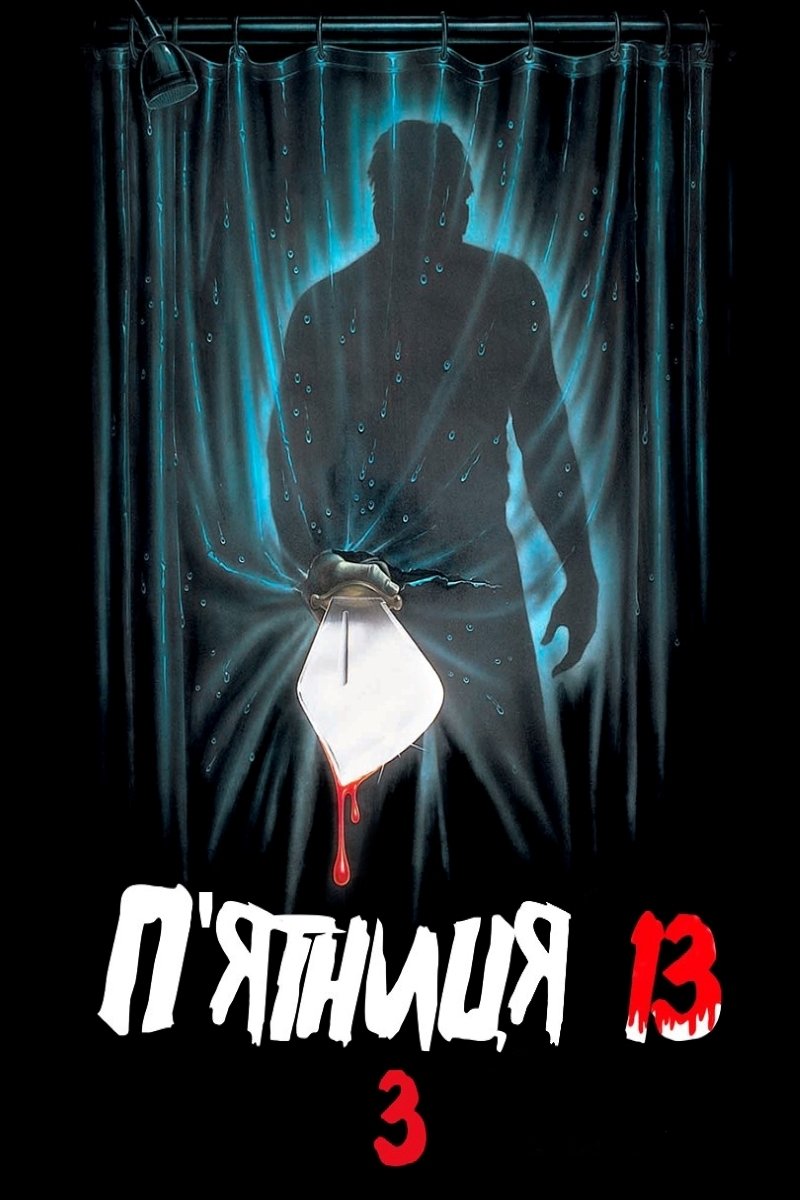
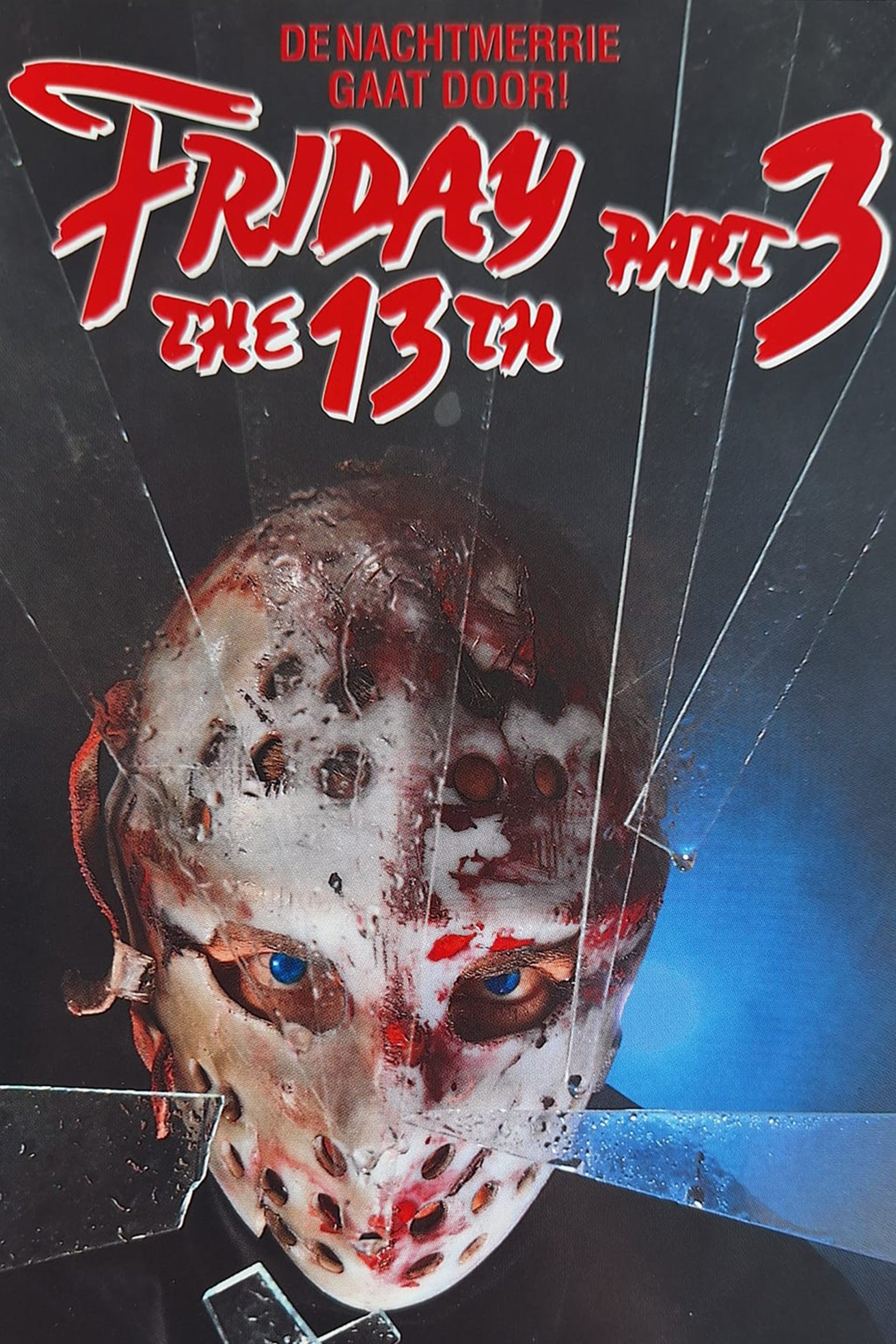
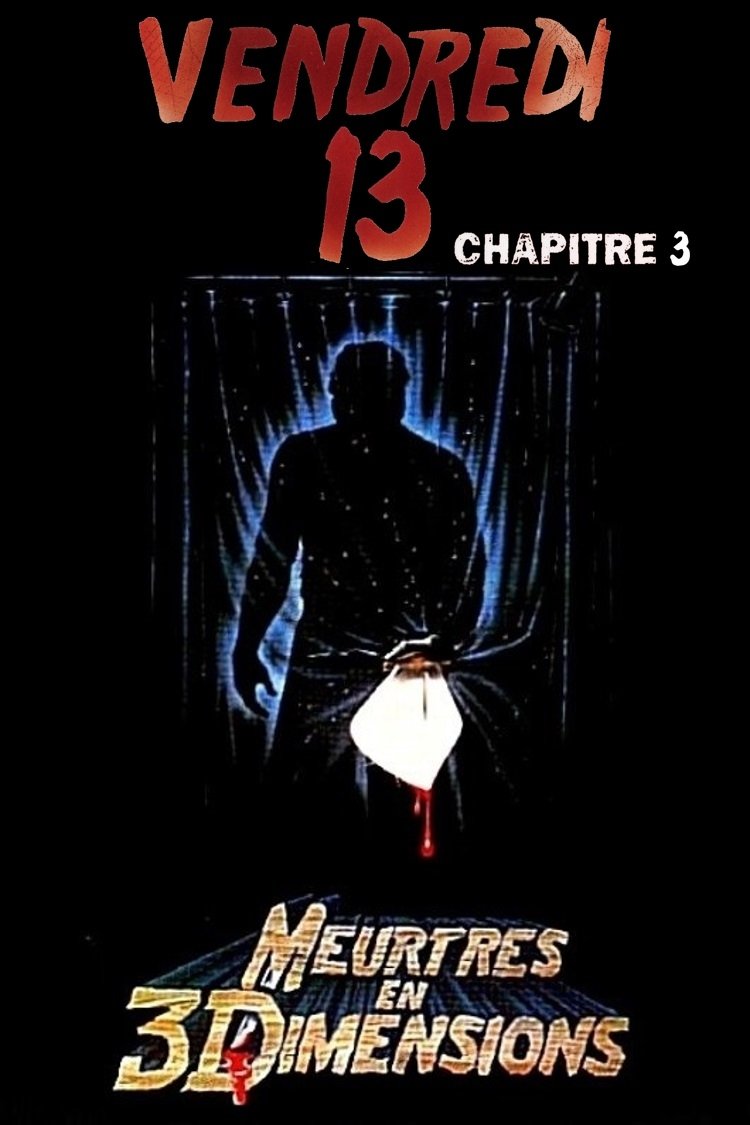
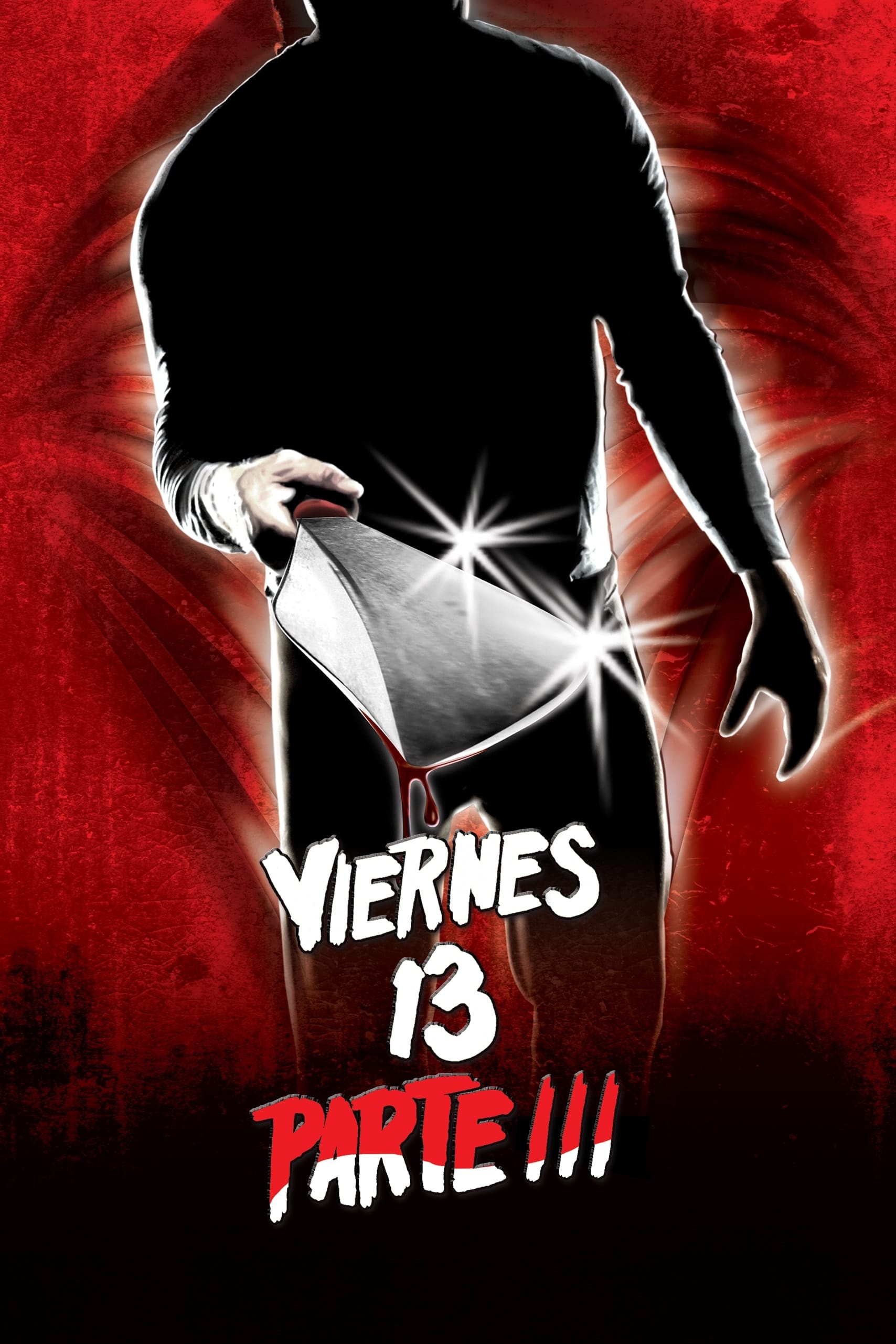
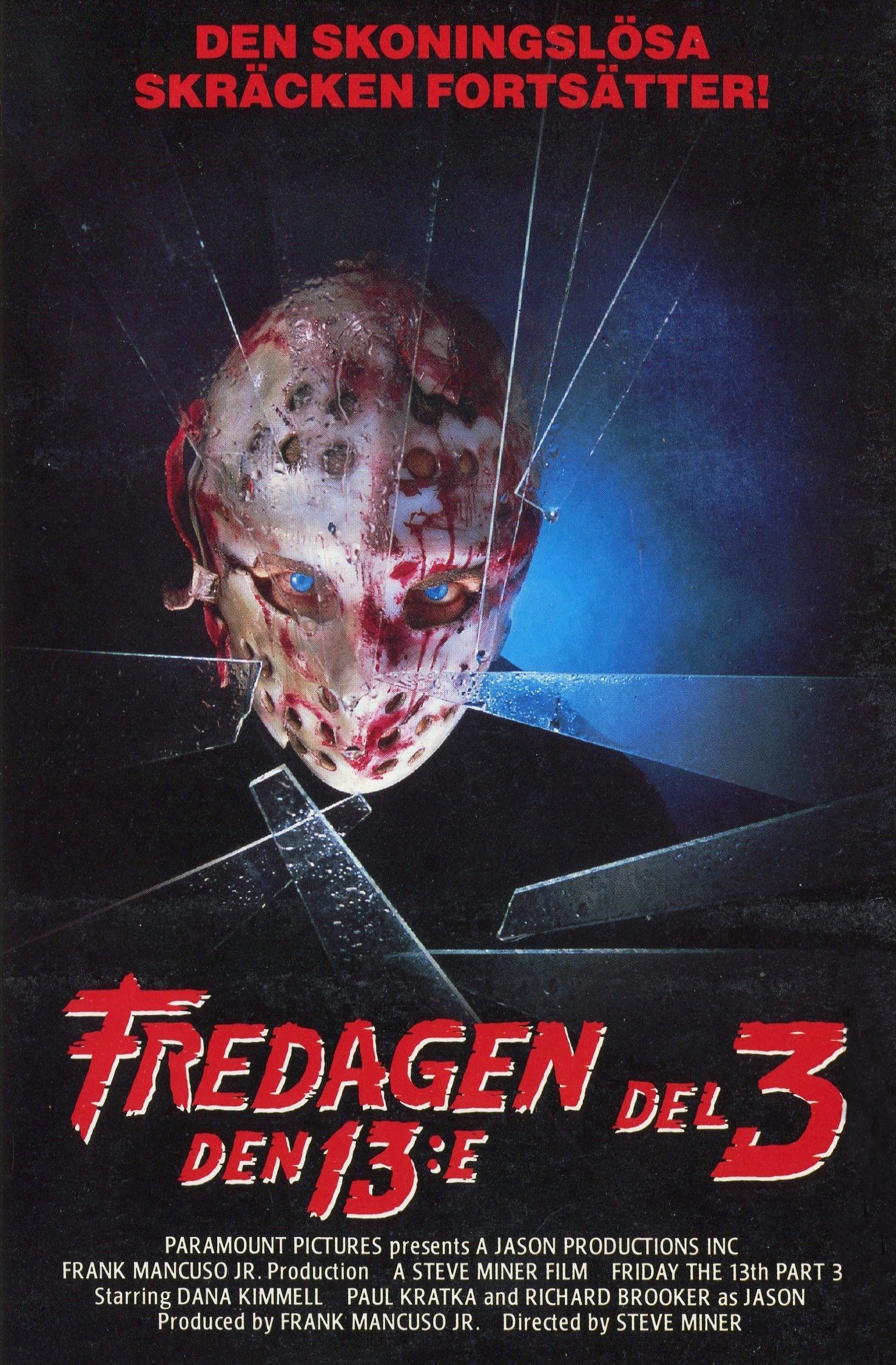
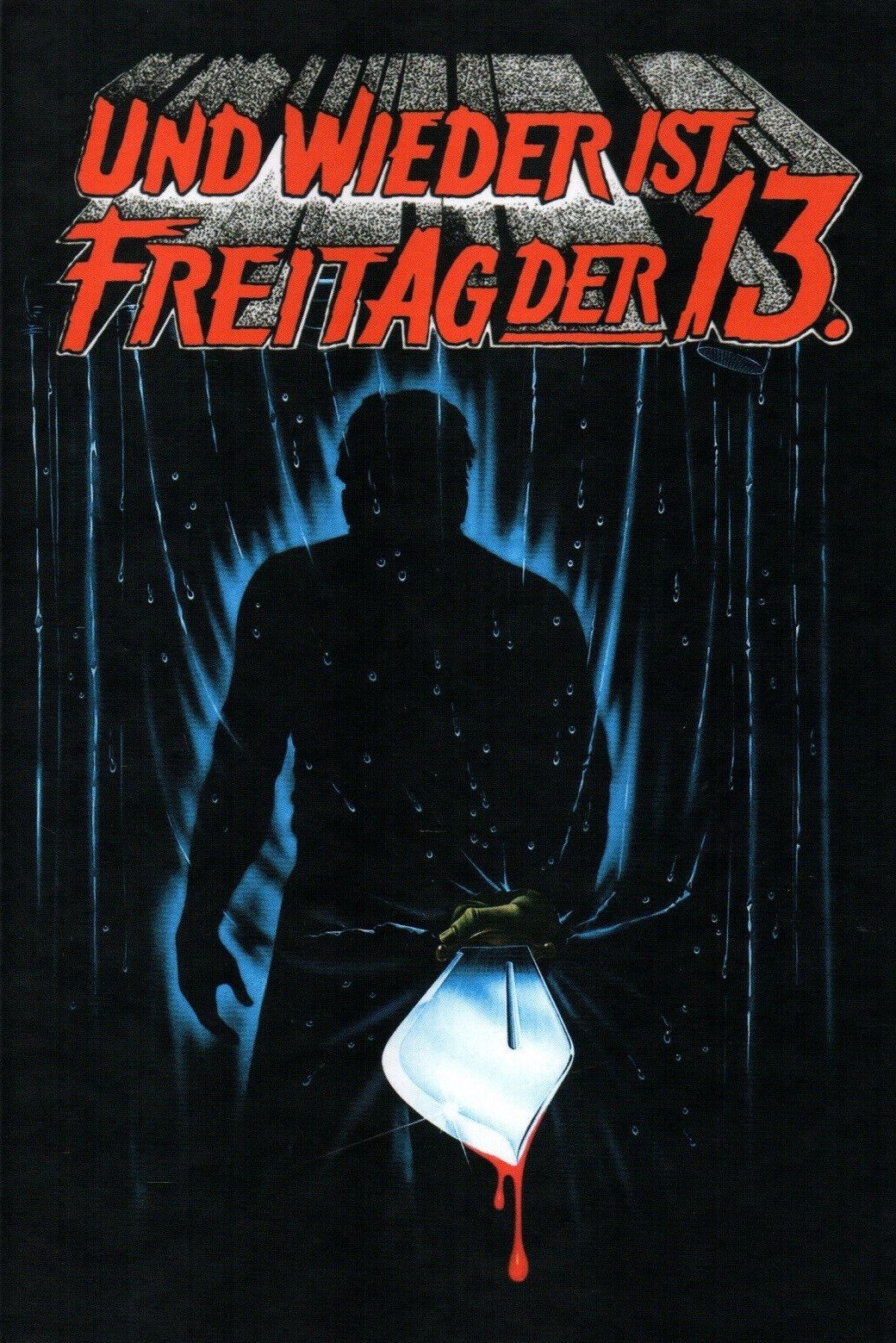
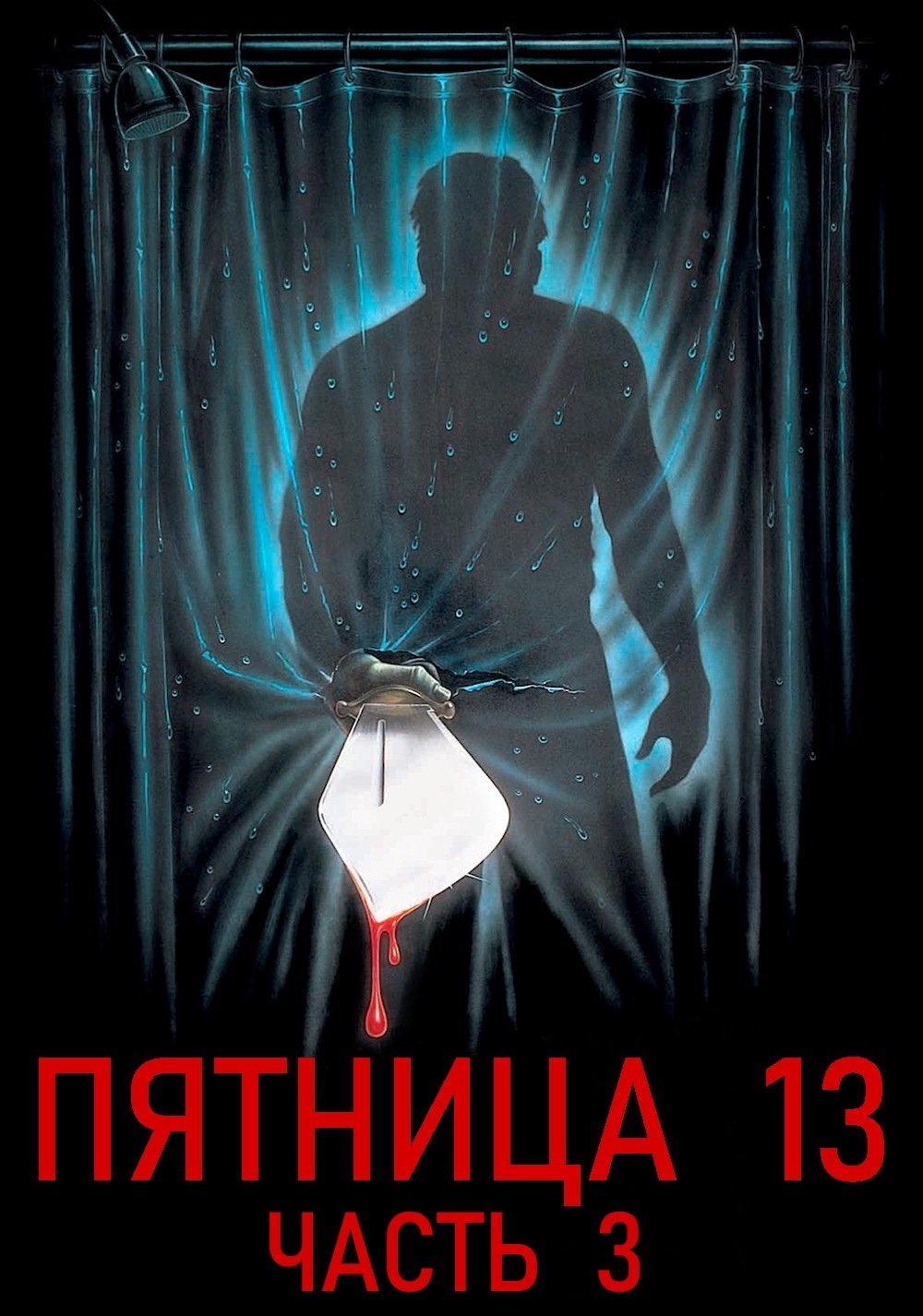
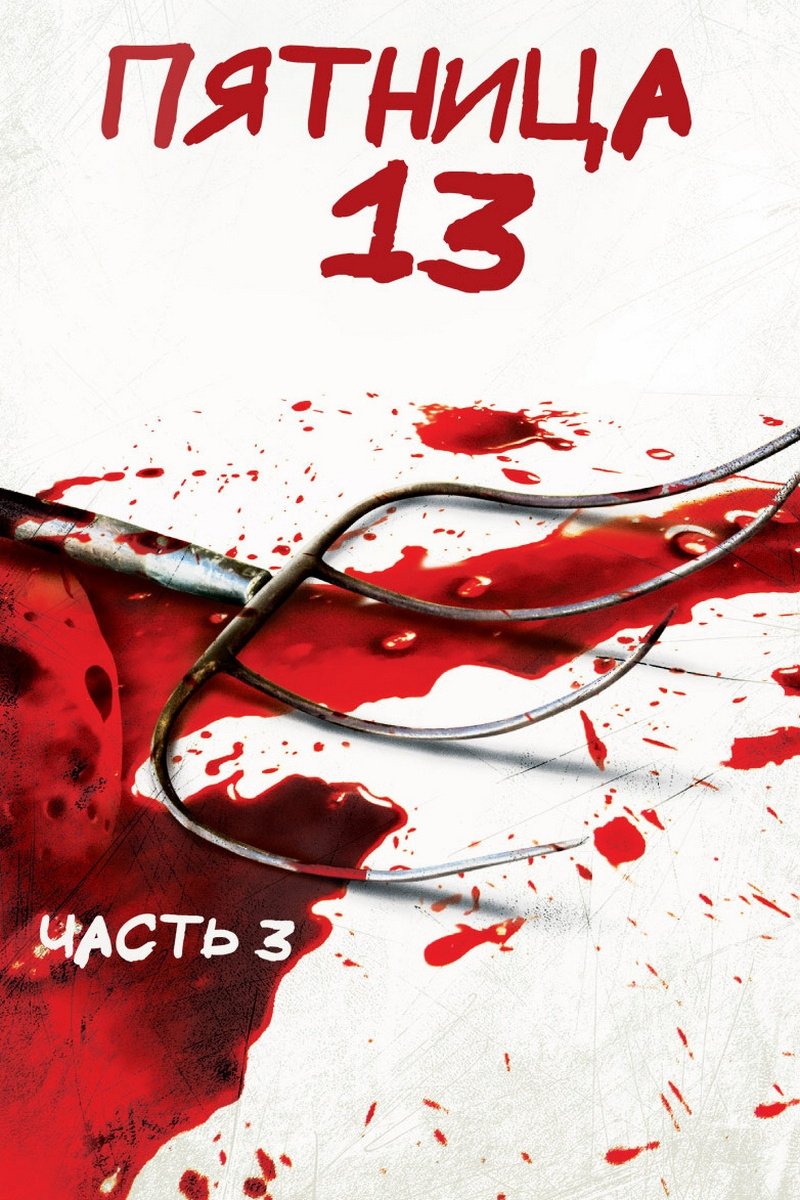
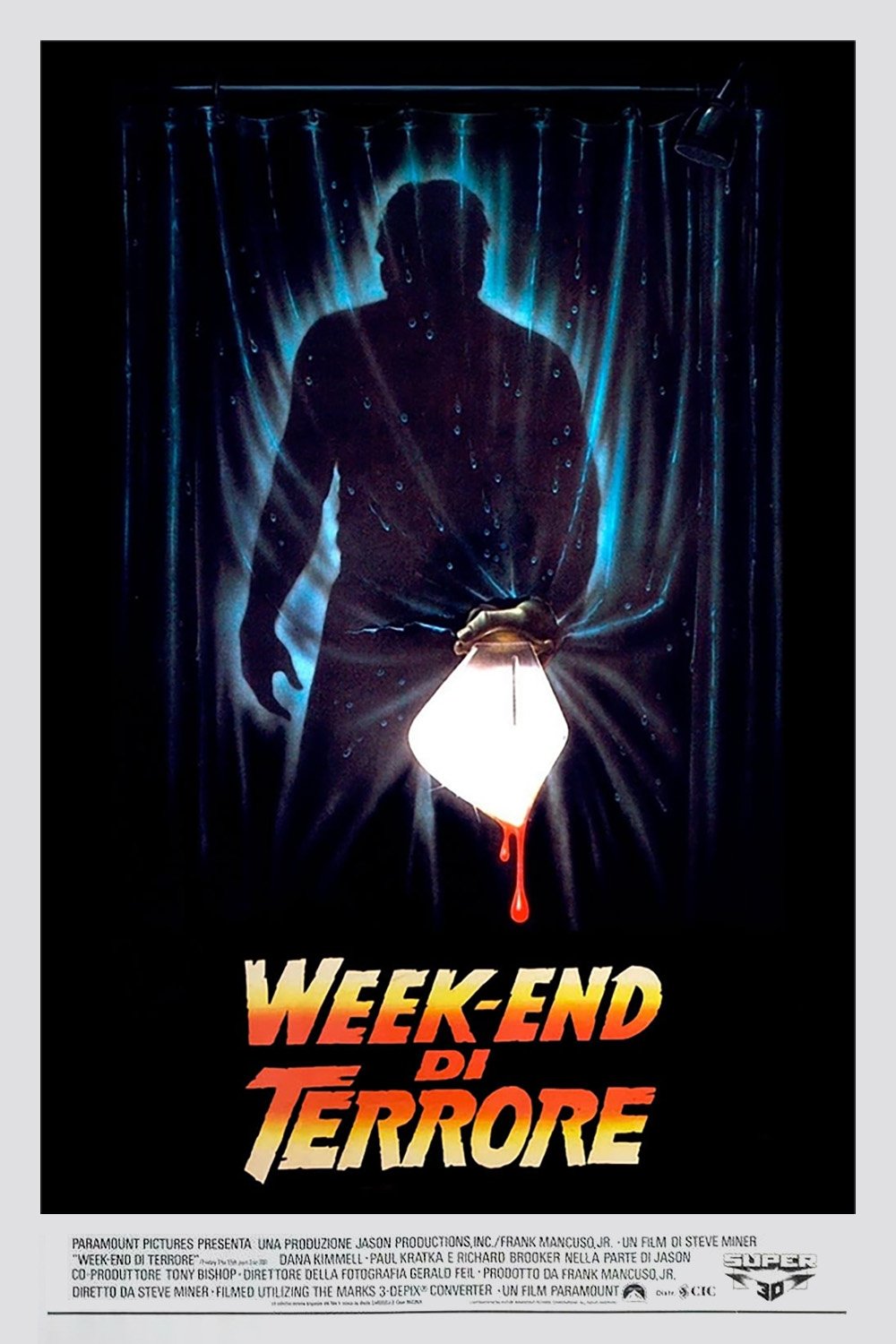
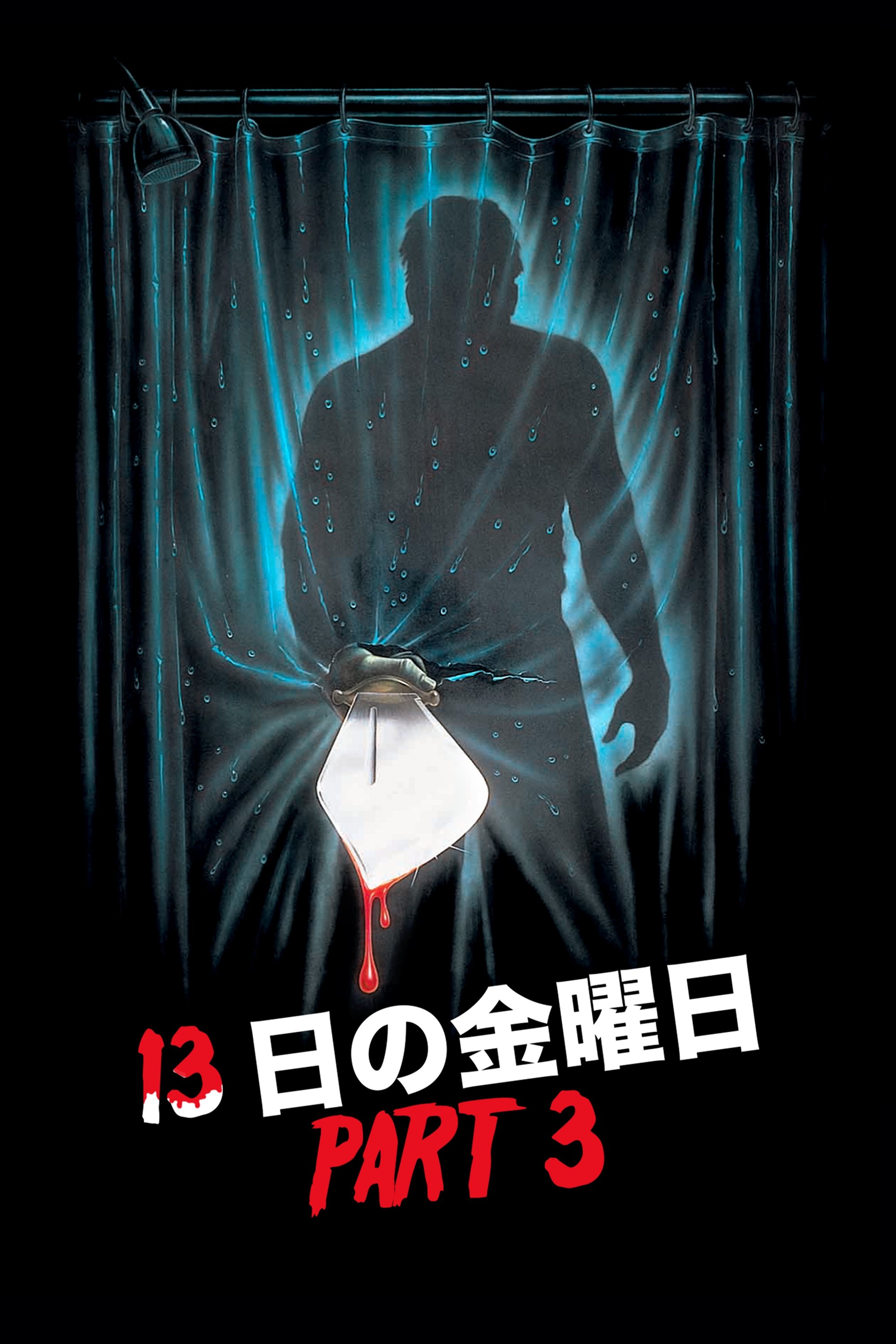
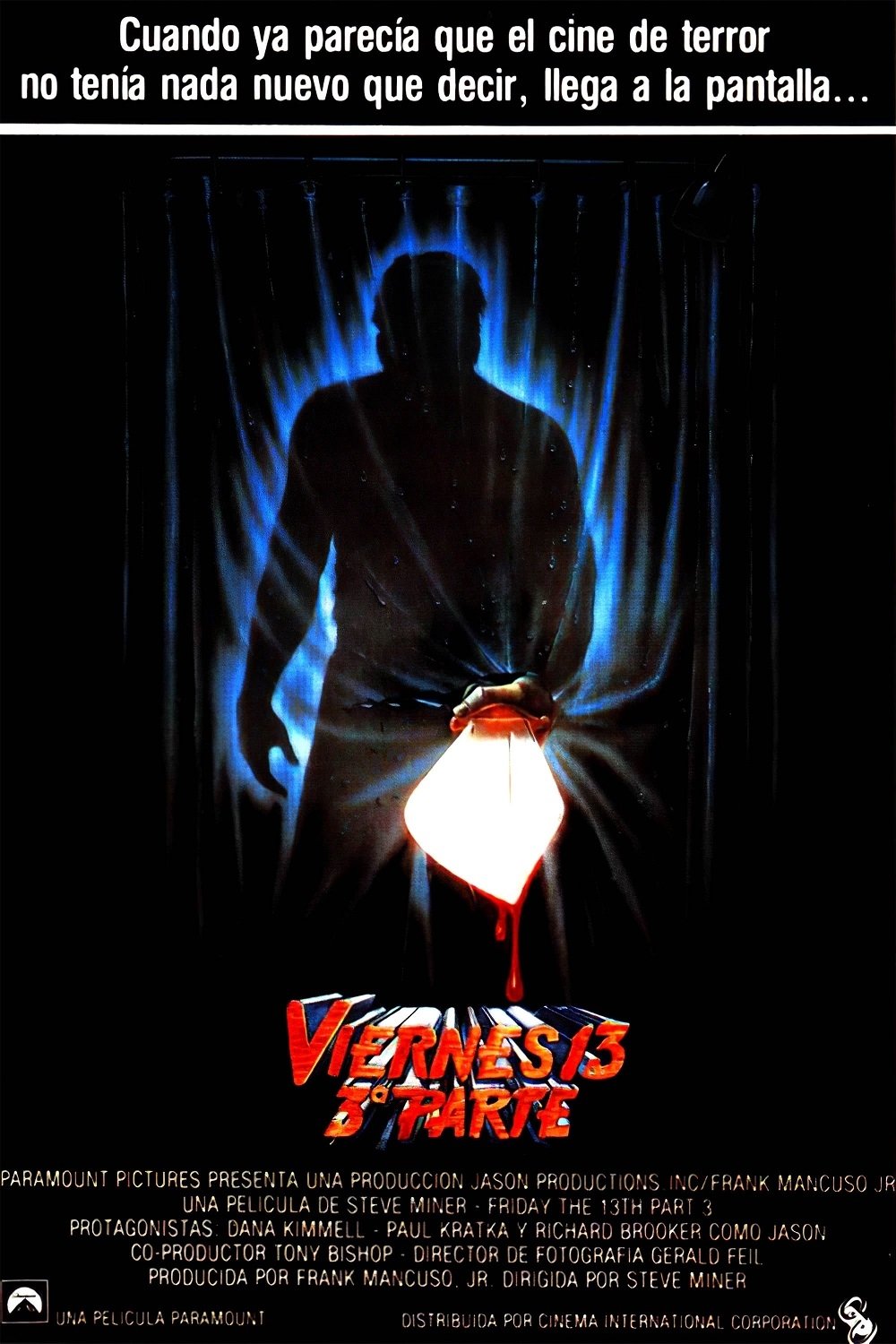
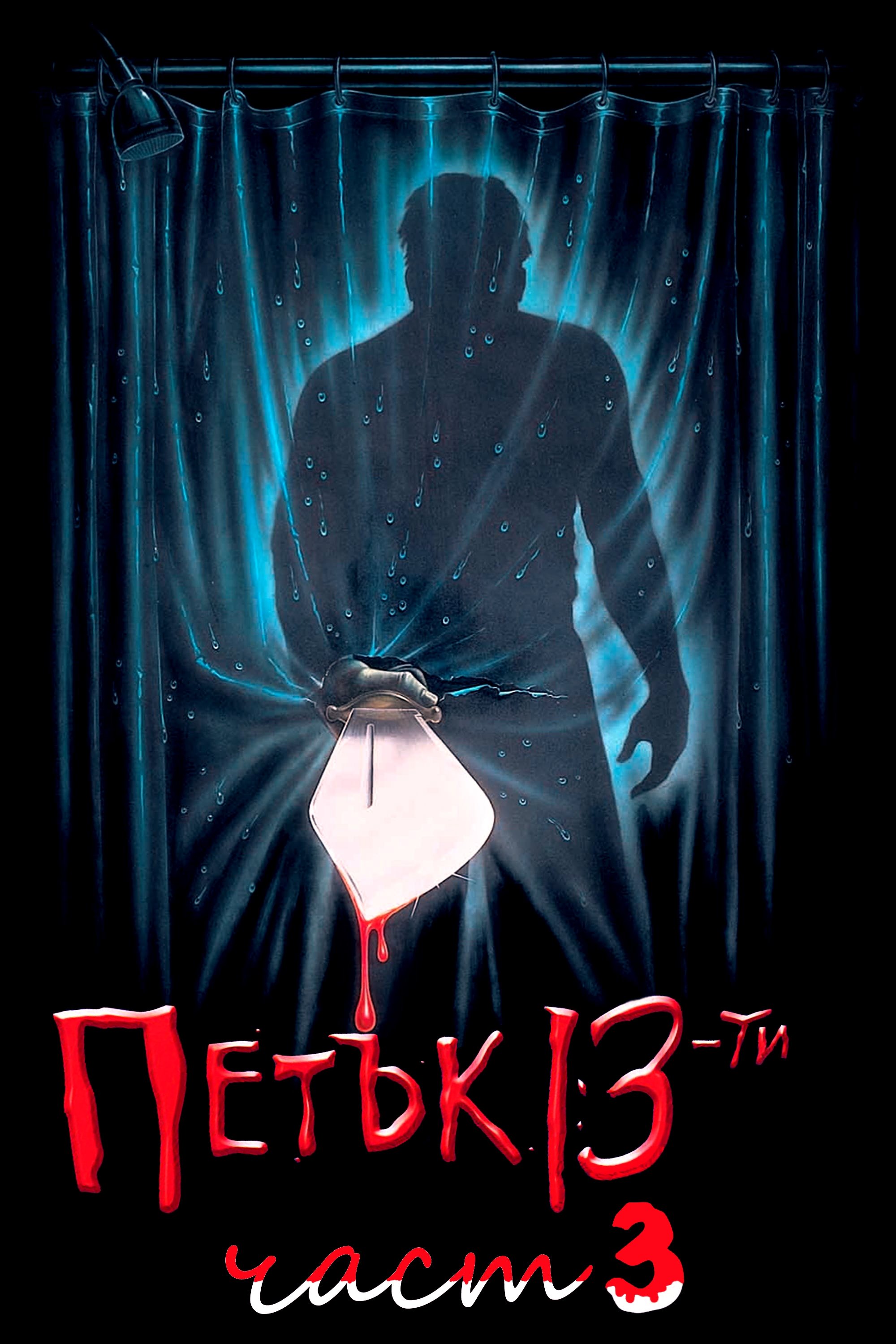
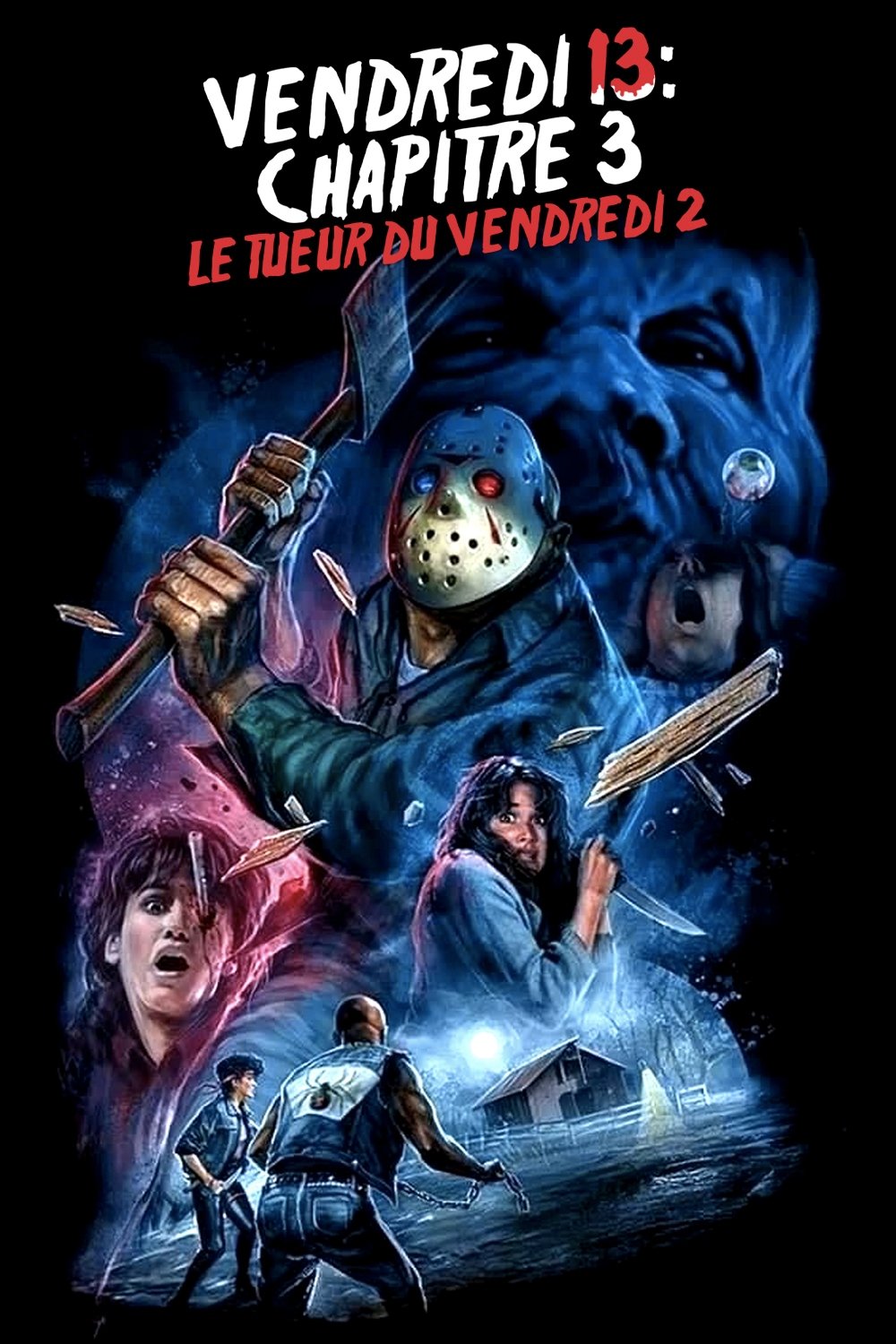
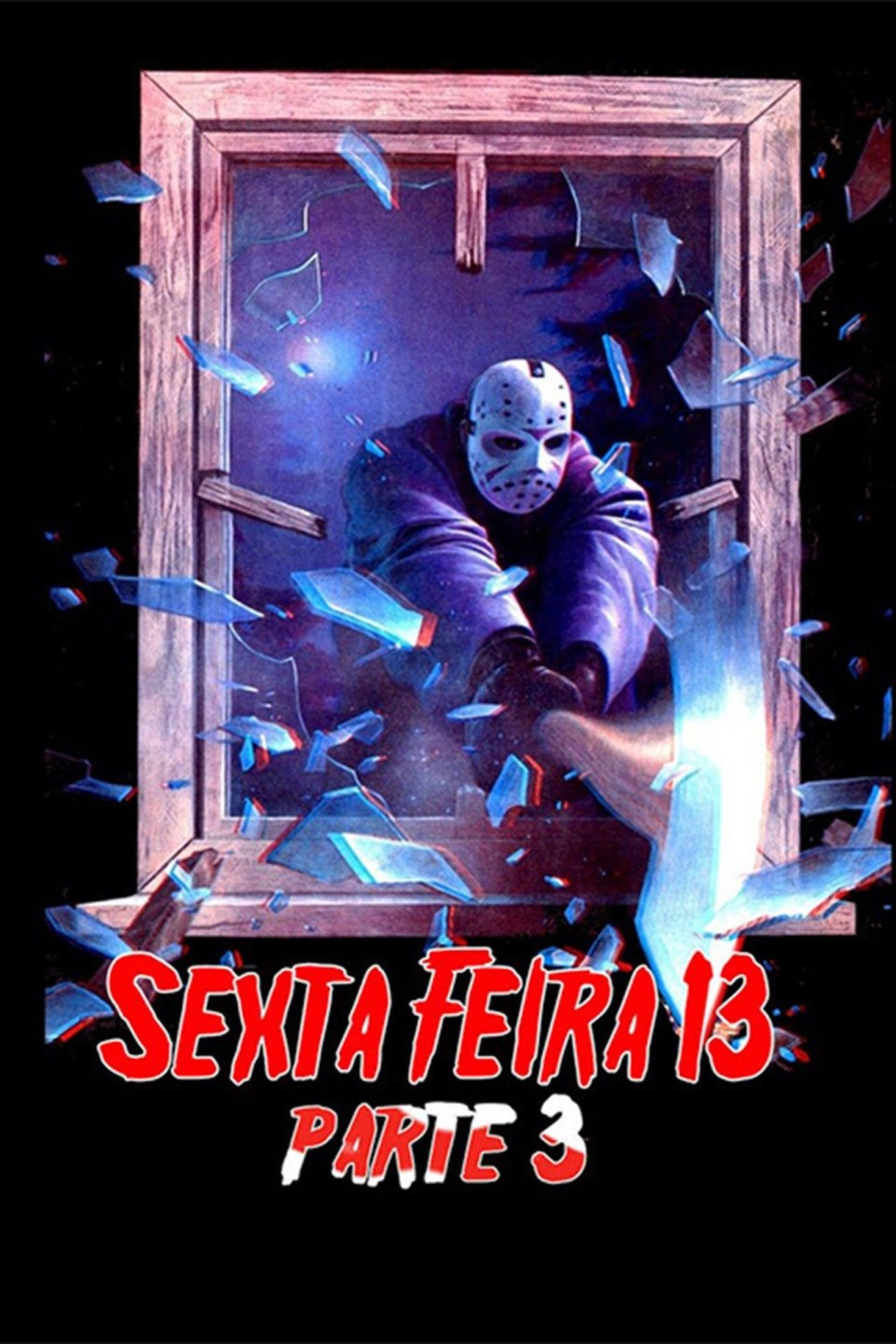
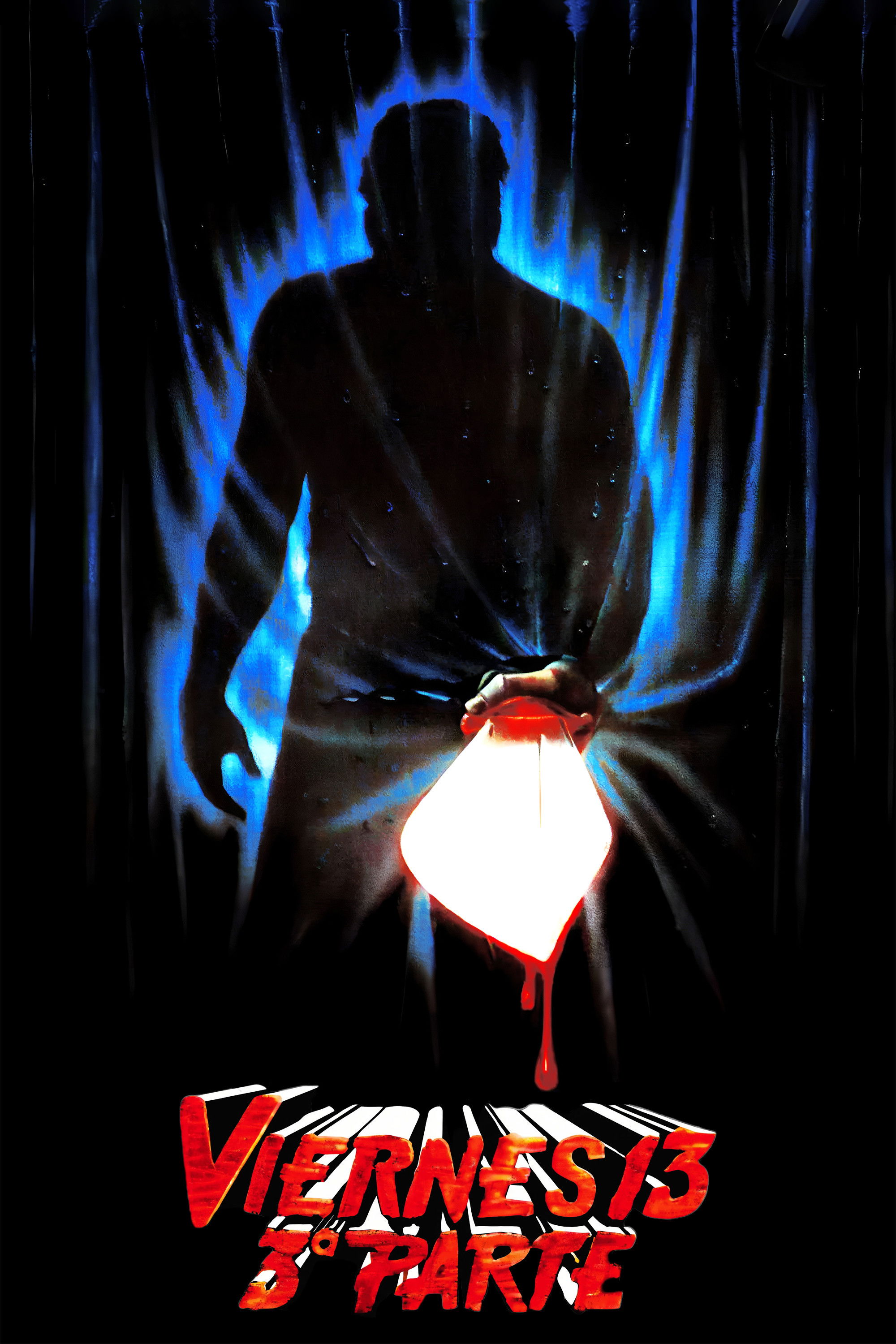
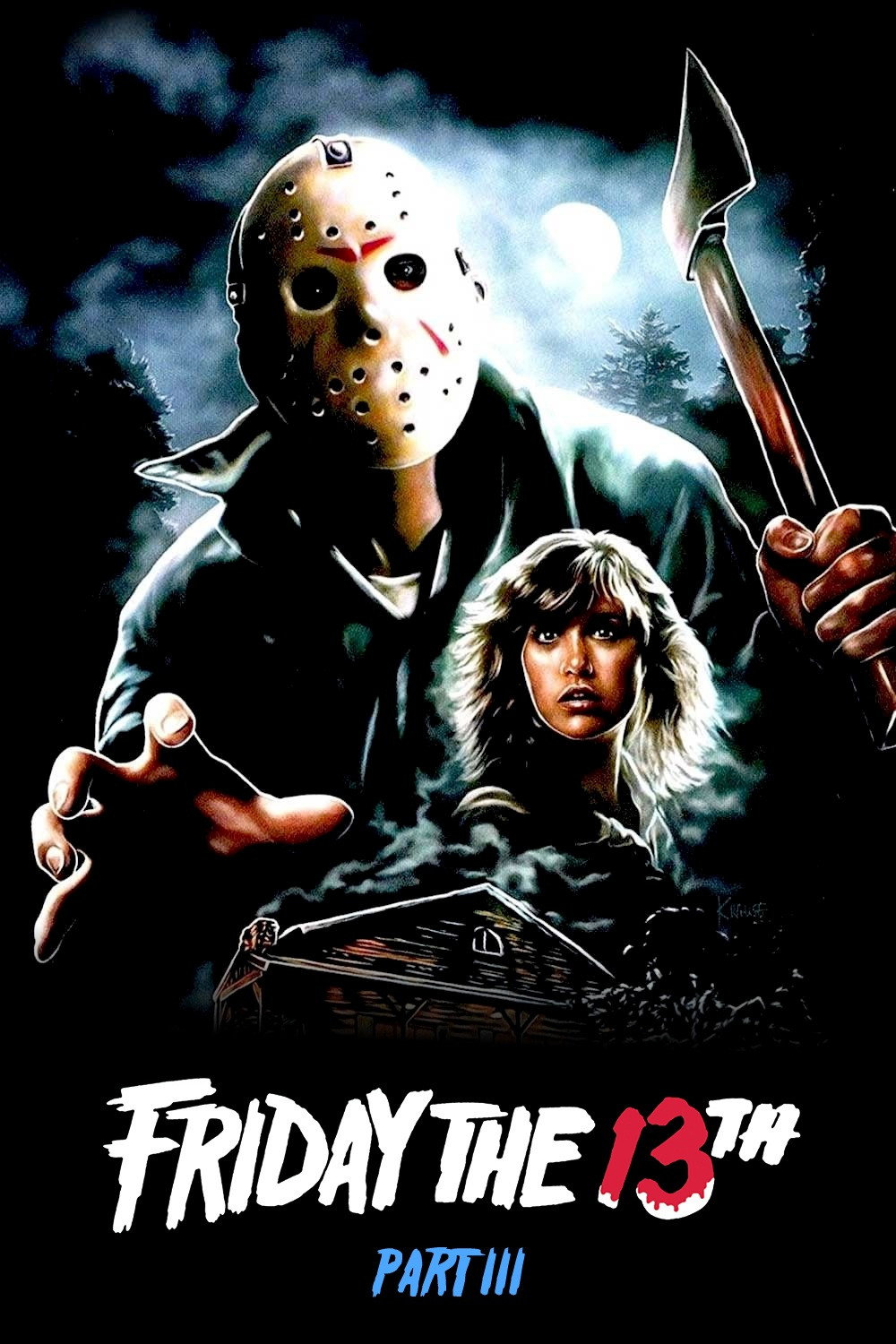
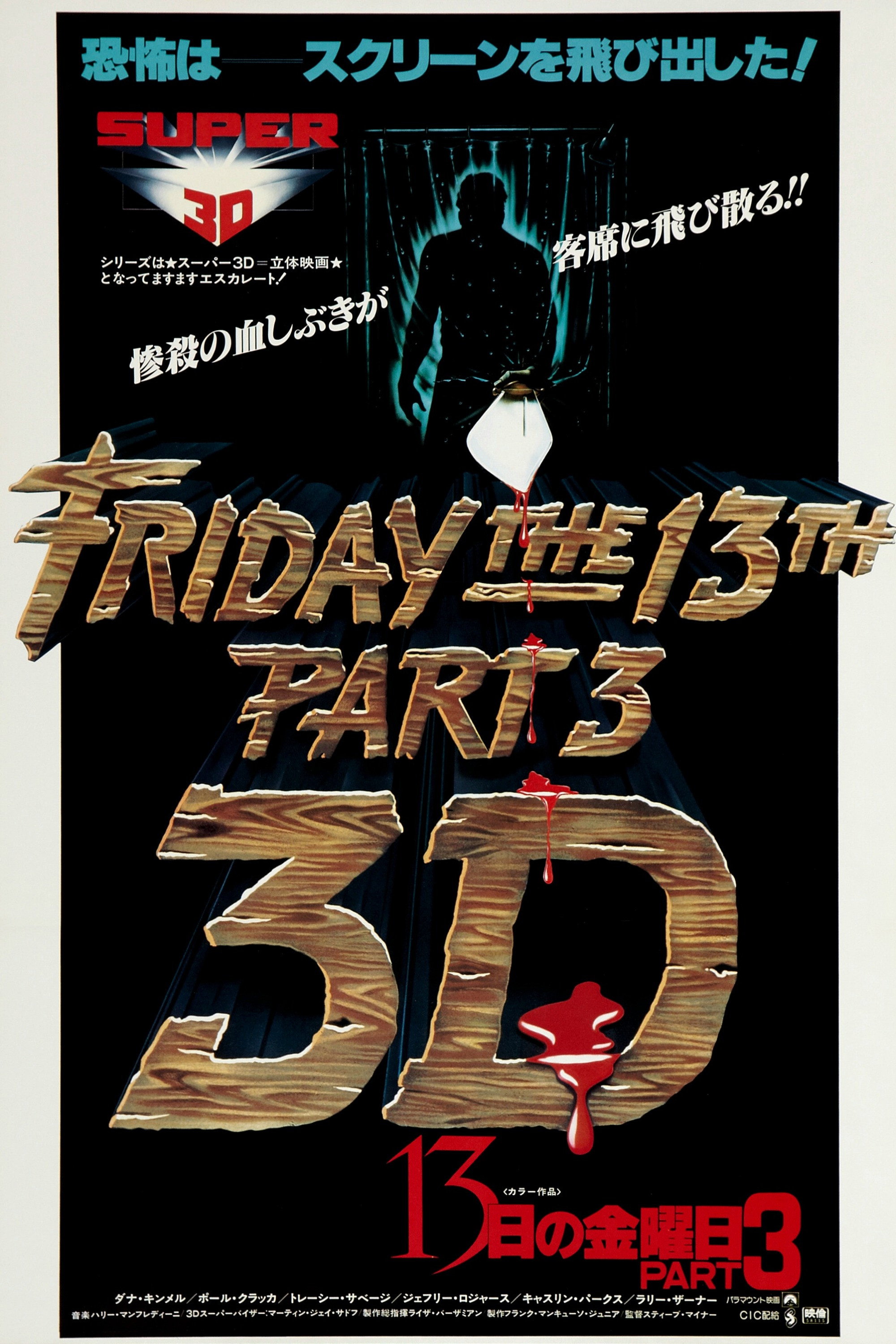
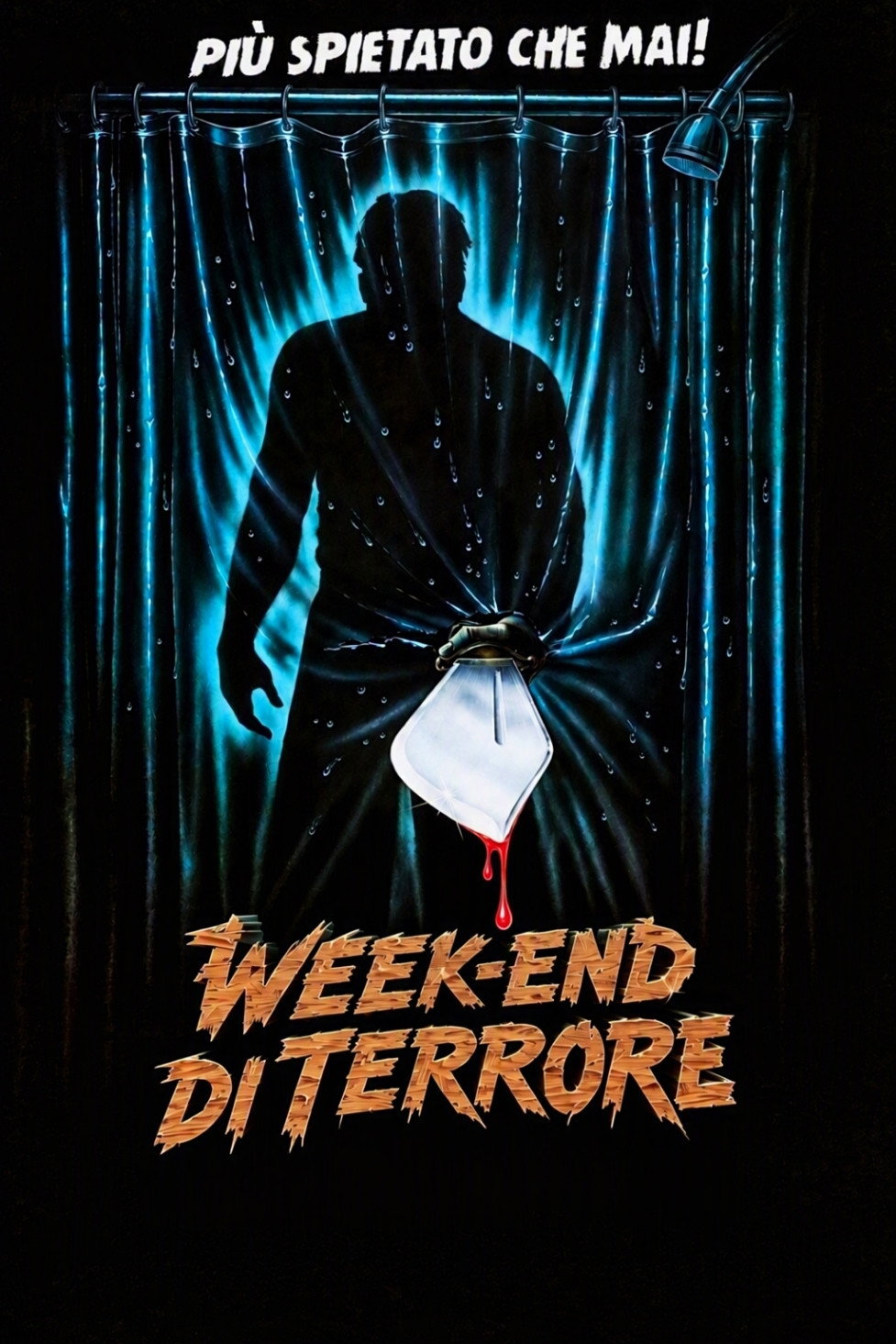
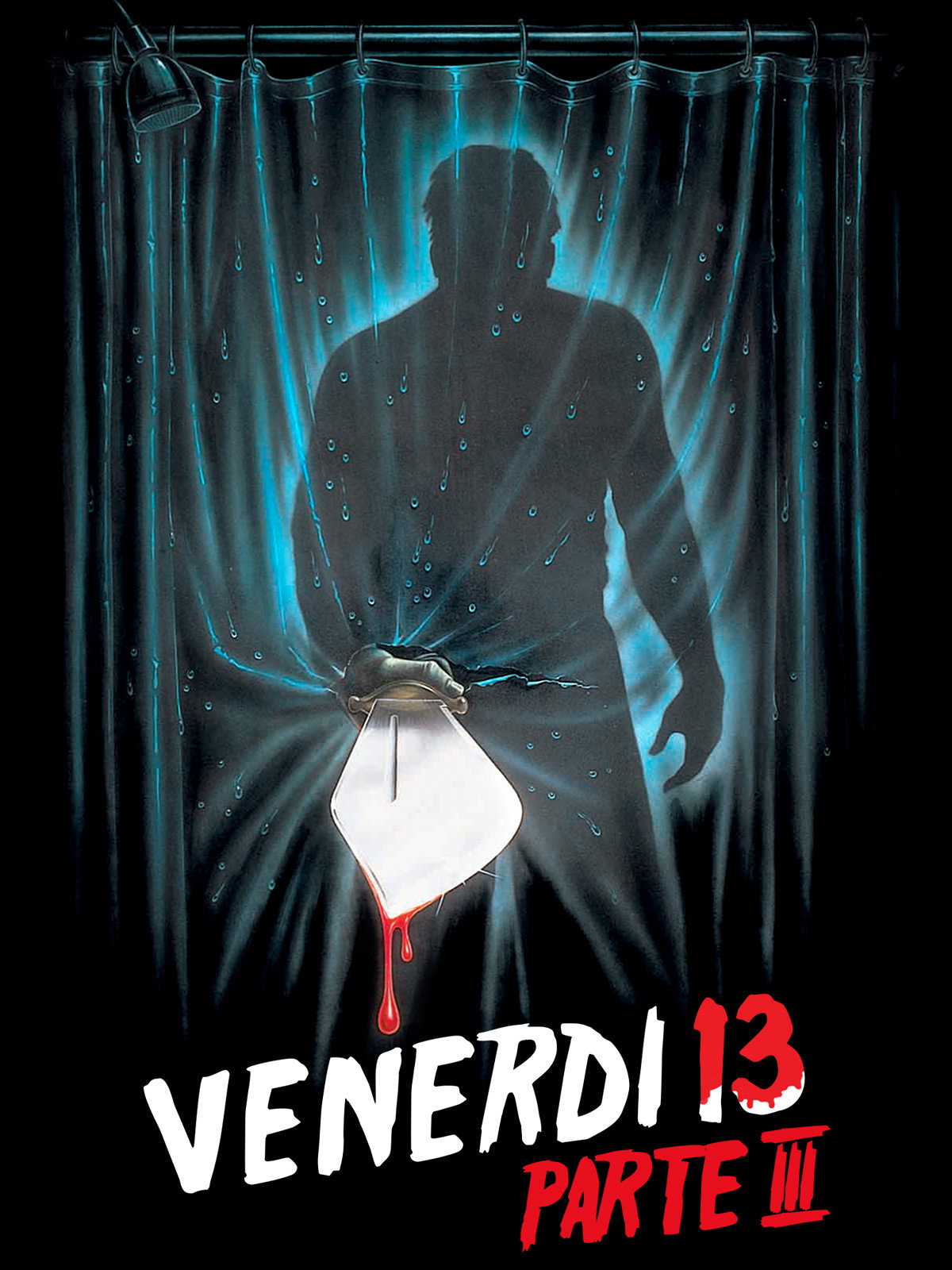
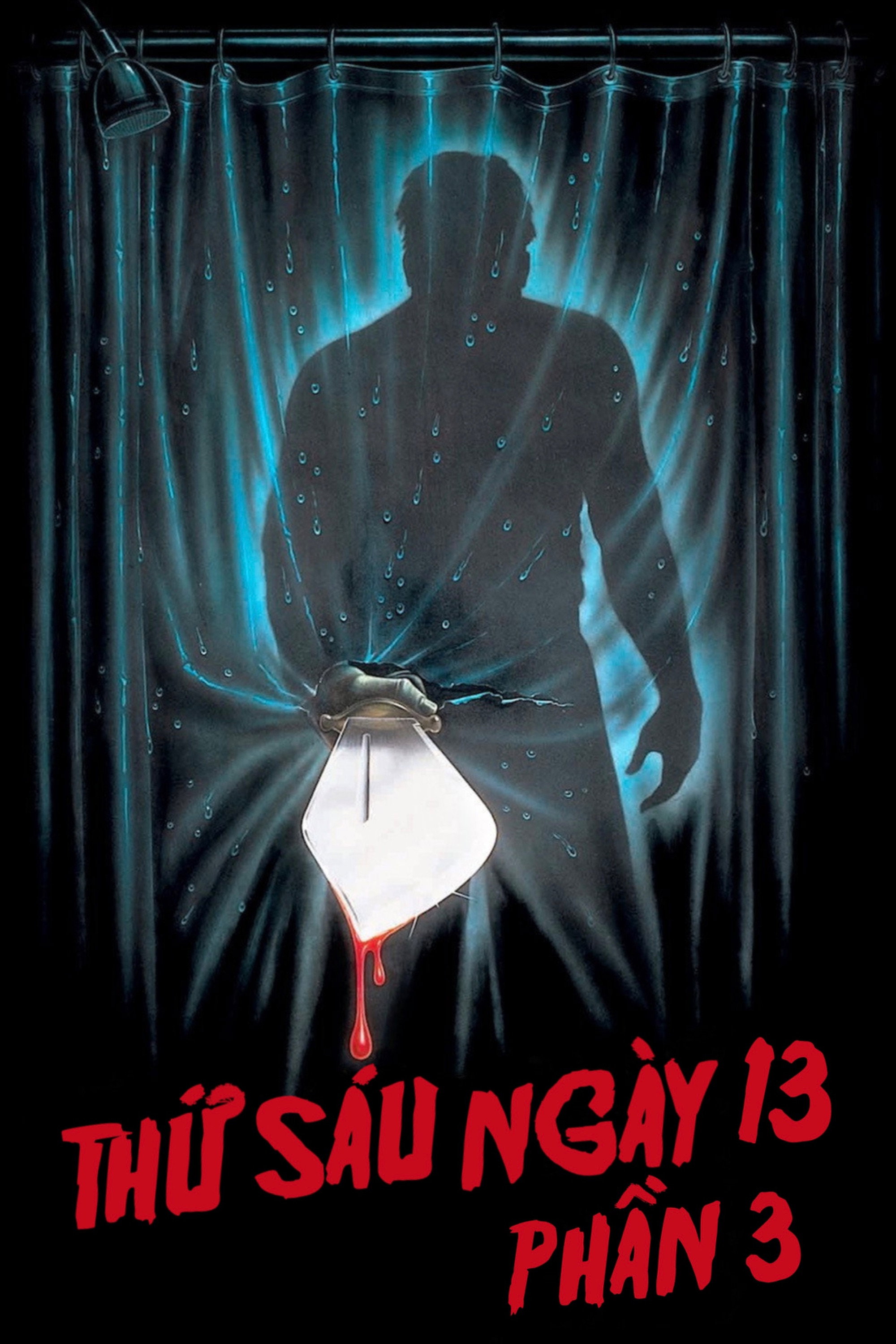
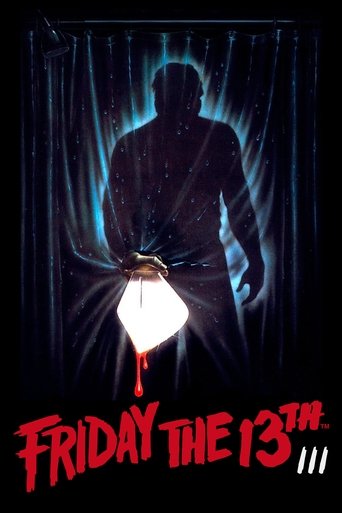
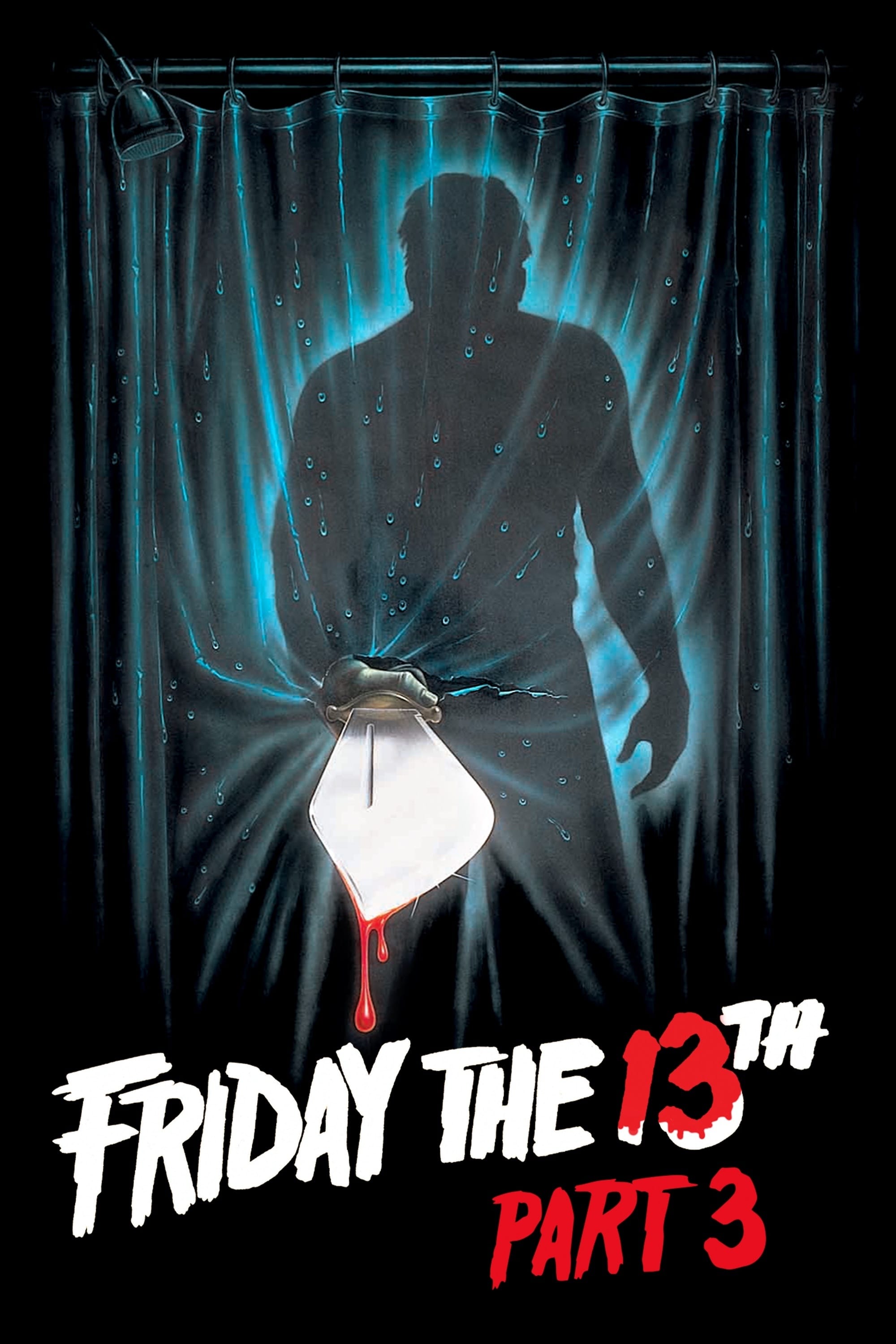
Friday the 13th Part III (1982) poster
Director
Production Companies
Jason Productions , Georgetown Productions , Paramount Pictures , Sean S. Cunningham Films , Frank Mancuso Jr. Productions
Plot

Chris Higgins returns to her family's lakeside property, Higgins Haven, for a weekend with friends, despite a frightening experience there two years earlier. The group settles into the farmhouse and nearby barn, while trouble with a local motorcycle gang adds to the tension. Jason Voorhees, still active in the Crystal Lake area, moves onto the property and begins attacking the visitors. During the violence he acquires the hockey mask that becomes his most recognizable feature, as Chris struggles to survive in a place already associated with her past trauma.

Alternative Titles
Martes 13 (parte 3) (AR) — DVD title Und wieder ist Freitag der 13. (AT) — translation:de Cümə, ayın 13-ü: Üçüncü hissə (AZ) — translation:az Петък 13-и: Част 3 (BG) — translation:bg Sexta-Feira 13 - Parte 3 (BR) Vendredi 13 - Chapitre 3: Meurtres en 3D (CA) — French title Vendredi 13 : Chapitre 3 (CA) — translation:fr Vendredi 13 chapitre III (CA) — French video box title
Show all 61 alternative titles 十三不祥日3 (CN) — Alternative Mandarin title 十三号星期五3 (CN) — translation:zh 黑色星期五3 (CN) — Alternative Mandarin title Pátek třináctého 3 (CZ) — translation:cs Und wieder ist Freitag der 13. (DE) — translation:de Fredag den 13. del 3 (DK) — translation:da Divendres 13 3 (ES) — translation:ca Viernes 13, parte III (ES) — translation:es Perjantai 13. päivä, osa 3 (FI) — translation:fi Le Tueur du Vendredi 2 (FR) — DVD box title Meurtres en 3Dimensions (FR) — Poster title Vendredi 13, 3e partie (FR) — alternative title Vendredi 13, chapitre 3 : Le tueur du vendredi 2 (FR) — alternative title Vendredi 13, chapitre 3 : Meurtres en 3 dimensions (FR) — translation:fr Friday the 13th: Part III (GB) Paraskevi kai 13 meros 3 (GR) — transliteration Παρασκευή και 13: Μέρος III (GR) — translation:el 十三號星期五 3 (HK) — translation:zh Petak 13. - 3 dio (HR) — translation:hr Péntek 13. - III. rész: A véres kirándulás (HU) — alternative title Péntek 13. - III. rész: Véres kirándulás (HU) — translation:hu יום שישי ה-13: חלק 3 (IL) — translation:he Venerdì 13 parte III - Week-end di terrore (IT) — Home Video Venerdì 13: parte III: Weekend di terrore (IT) — video title Week-end di terrore (IT) — translation:it 13日の金曜日 PART3 (JP) — translation:ja 13일의 금요일 3 (KR) — translation:ko Penktadienis 13-oji: III dalis (LT) — translation:lt Martes 13 III (MX) — alternative title Viernes 13 (3.ª parte) (MX) — video title Viernes 13 (parte III) (MX) — alternative spelling Viernes 13 parte 3 (MX) — DVD title Viernes 13, Parte III (MX) — translation:es Fredag den 13ende - Del III (NO) — translation:no Piątek trzynastego 3 (PL) — translation:pl Sexta-Feira 13 - Parte 3 (PT) — translation:pt Петак тринаести 3 (RS) — translation:sr Пятница 13 - Часть 3 (RU) — translation:ru Fredagen den 13:e del 3 (SE) — DVD title Petek 13., 3. del (SI) — translation:sl Пятница 13 - Часть 3 (SU) — Russian title ศุกร์ 13 ฝันหวาน ภาค 3 (TH) — translation:th 13. Cuma: Bölüm 3 (TR) — translation:tr Kâbus (TR) — video title 13號星期五第3集 (TW) — alternative title 十三號星期五3 (TW) — translation:zh П’ятниця 13-те: Частина 3 (UA) — translation:uk Crystal Japan (US) — Fake working title Friday the 13th - Part III (US) — Closing credits title Friday the 13th Part 3 (US) — Poster title Friday the 13th Part 3: 3D (US) — Trailer title Martes 13 (3.ª parte) (UY) Thứ 6 Ngày 13 Phần 3 (VN) — translation:vi

Trailers & Videos

6 videos

Film Guide

The 1982 3-D production, the disputed origins of Jason's hockey mask, practical makeup effects and Paramount's theatrical exhibition strategy.

Friday the 13th Part III (1982) marks two transformations in the early history of the American slasher. Paramount promoted Steve Miner's second sequel as a stereoscopic attraction, requiring theaters to accommodate a presentation system that turned everyday objects and violent impacts into spectacles of depth. Within the film, Jason Voorhees also acquires the hockey mask that would become the most durable image associated with the series. Those changes have a documented production history. The 3-D format affected camera movement, blocking, performances and exhibition, while the mask solved a practical design problem that none of the filmmakers could have predicted would carry such cultural weight.

The story moves away from a functioning summer camp to an isolated holiday property called Higgins Haven, where Chris Higgins returns with friends despite an earlier traumatic encounter in the surrounding woods. The shift allows the film to combine familiar slasher pursuit with a much more visibly engineered series of stereoscopic effects. Its reputation is consequently divided between the limitations of a sequel built around a technical novelty and the significance of the imagery it established. Contemporary trade coverage, cast interviews, classification records and later criticism make it possible to separate the documented circumstances of production from interpretations developed after the franchise became an institution.

A Sequel Built for Three Dimensions

The decision to make the series's third film in stereoscopic 3-D placed an unusually demanding technical system at the center of a commercially established series. An early 1982 trade notice, preserved by the American Film Institute, announced Paramount's intention to photograph the sequel in the format. The completed credits identified Jason Productions and Paramount; the earlier notice also associated Georgetown Productions with the project, although that company's involvement was not acknowledged on screen. Steve Miner returned to direct, while Martin Kitrosser and Carol Watson received screenplay credit. Subsequent historical accounts describe revisions by Petru Popescu, but his contribution was not credited in the finished film.

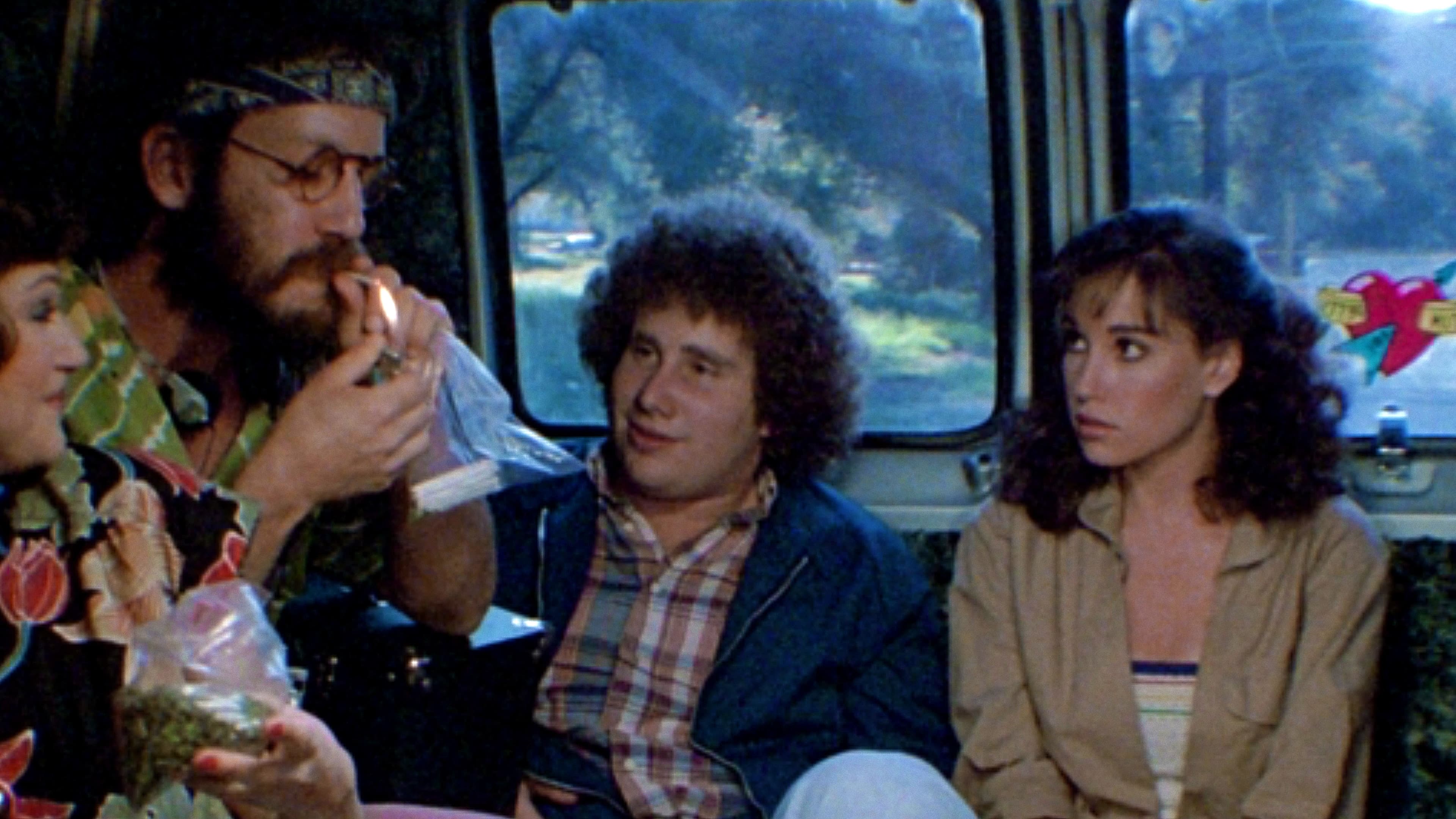
The resulting screenplay retained the immediate aftermath of the 1981 second installment before moving its action to a different lakeside property. This continuity gives Jason's injuries and movements a connection to the previous installment without requiring another entire story at Camp Crystal Lake. The writers introduce a group whose ordinary social frictions occupy much of the first hour: Shelly's elaborate pranks, Vera's impatience, Rick's hopes of renewing his relationship with Chris and the arrival of local bikers. Each strand supplies reasons for people to separate, approach the barn or venture toward the water. The material is conventional slasher construction, but its arrangement also creates repeated opportunities to place a performer or object directly in the camera's axis.

Paramount's plan followed renewed interest in theatrical 3-D after the format's earlier mid-century popularity. Here it was a distribution commitment requiring compatible projection equipment as well as photographic preparation. The studio could market the film's effects in trailers and on its title treatment, but the same promise created an obstacle: the audience had to see an adequately aligned image for the attraction to work. The sequel therefore belongs to both slasher history and the more specific history of exhibitors adopting a format under commercial pressure.

California Ranch and Stereoscopic Photography

Principal photography moved to California, departing from the eastern locations associated with the first two productions. The credits place the shoot at the Valuzet Movie Ranch in Saugus and identify the Marks 3-Depix converter and a Louma camera crane. Gerald Feil handled cinematography. A single principal property, with its cabin, barn and surrounding open ground, provides the spatial organization for the attacks. The countryside appears accessible in daylight, yet buildings, doorways and the space behind the house offer routes that remain hidden from the visitors. By returning to these landmarks throughout the picture, Miner makes the eventual pursuit legible even as the violence becomes increasingly fragmented.

The stereoscopic apparatus affected the working day. Actor Paul Kratka recalled lengthy setups with a dual-lens system and additional takes devoted to obtaining an effective dimensional illusion. He also described the demands of the remotely operated crane. Larry Zerner similarly remembered that the crew's concentration on 3-D could exceed its attention to performance, although he did not characterize Miner as personally unsupportive. These accounts provide firsthand evidence for the production's priorities; they do not establish that every scene was photographed in the same manner or that the cast shared identical experiences. Technical constraints help explain why certain actions are held in long, direct compositions instead of being concealed by rapid editing.

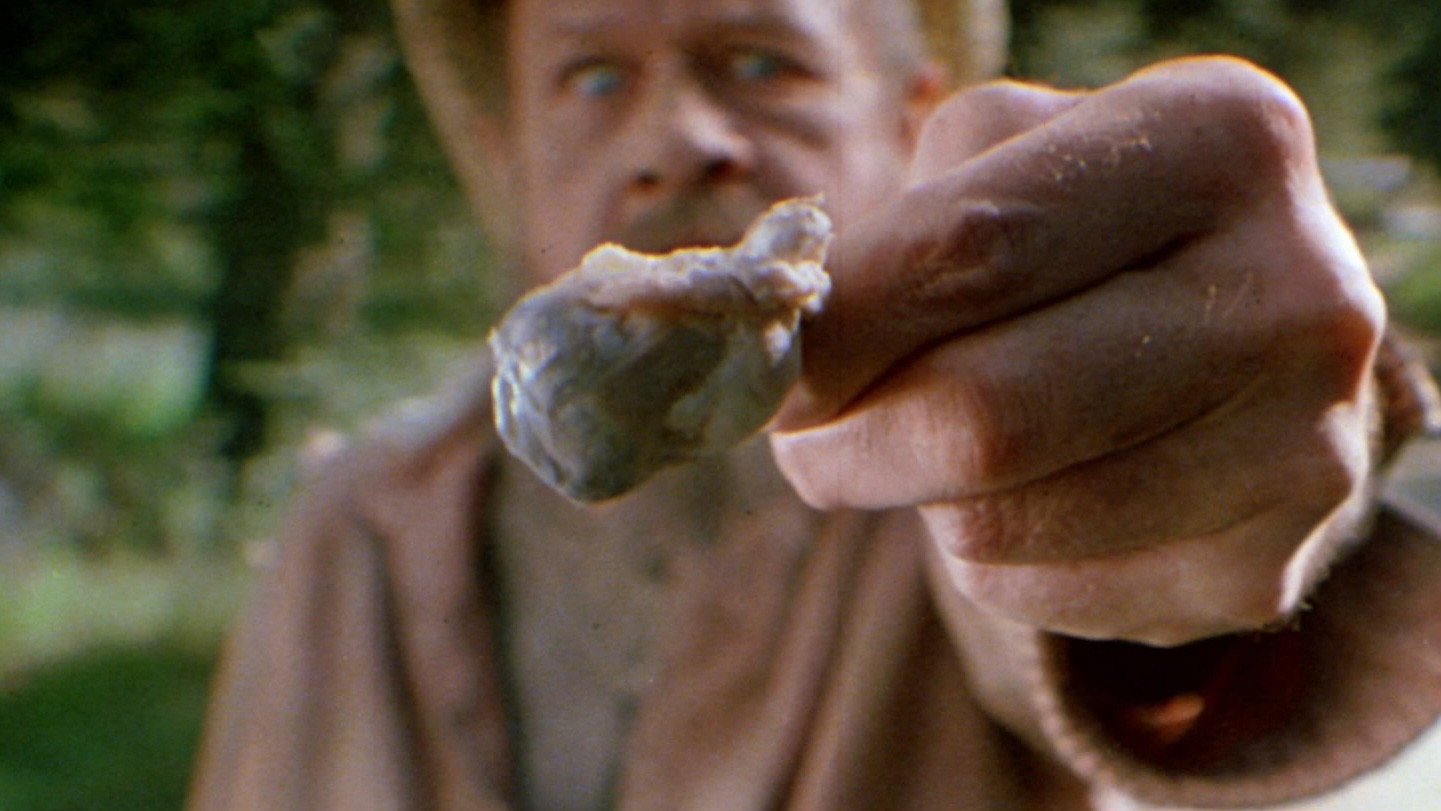
The film often makes the depth of the environment visible before it deploys a shock. Objects stand in the foreground as characters move behind them, and paths between the cabin and outbuildings acquire pronounced layers. At other moments, the camera is situated at the receiving end of an approaching object, effectively converting the viewer into the target. These choices can seem conspicuous in flat presentations, where the intended separation between planes collapses. The photographic design is best understood in relation to the format in which the picture was originally offered, even though later home-video audiences often encountered it in two dimensions.

Richard Brooker and the Hockey Mask

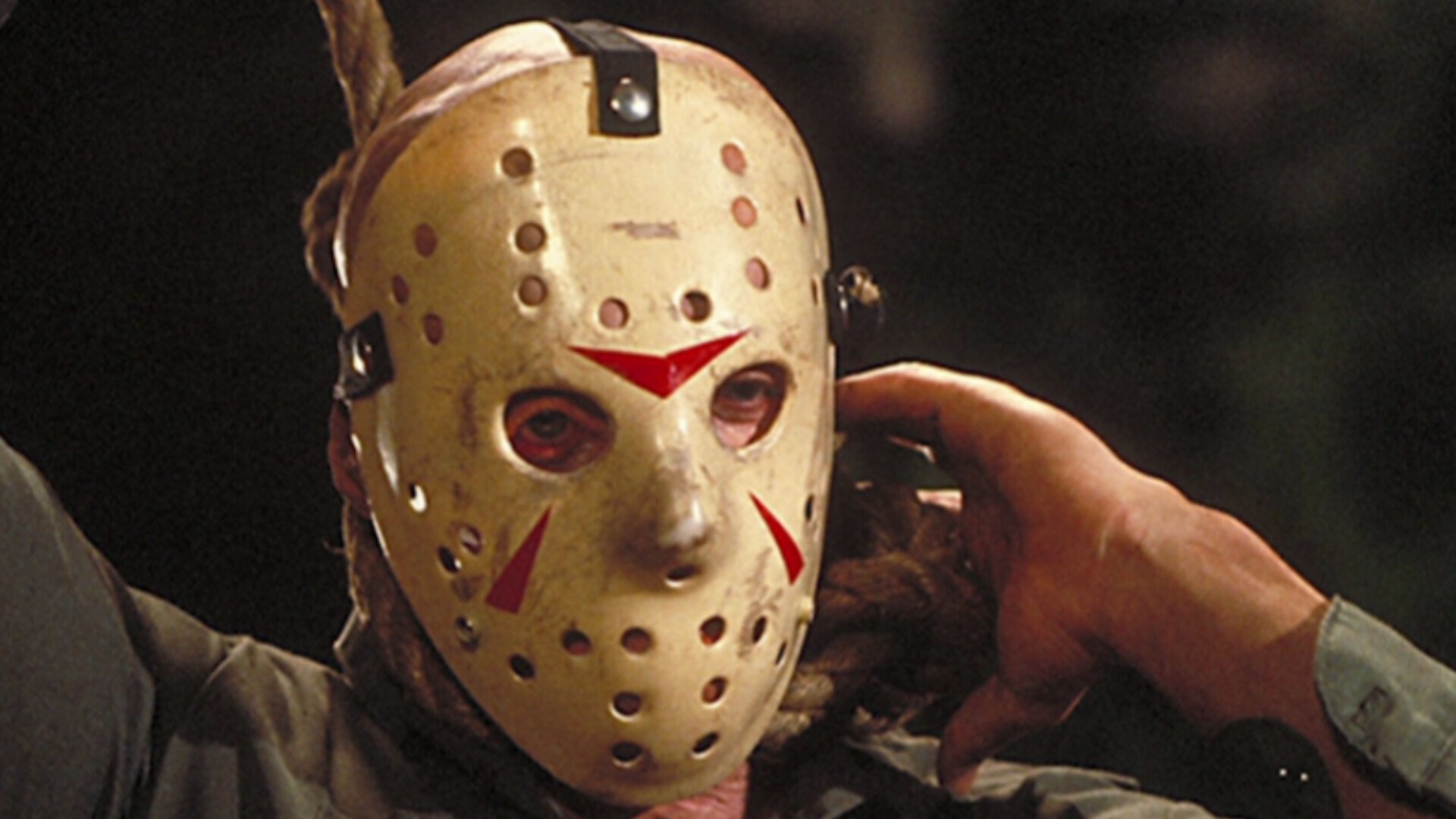
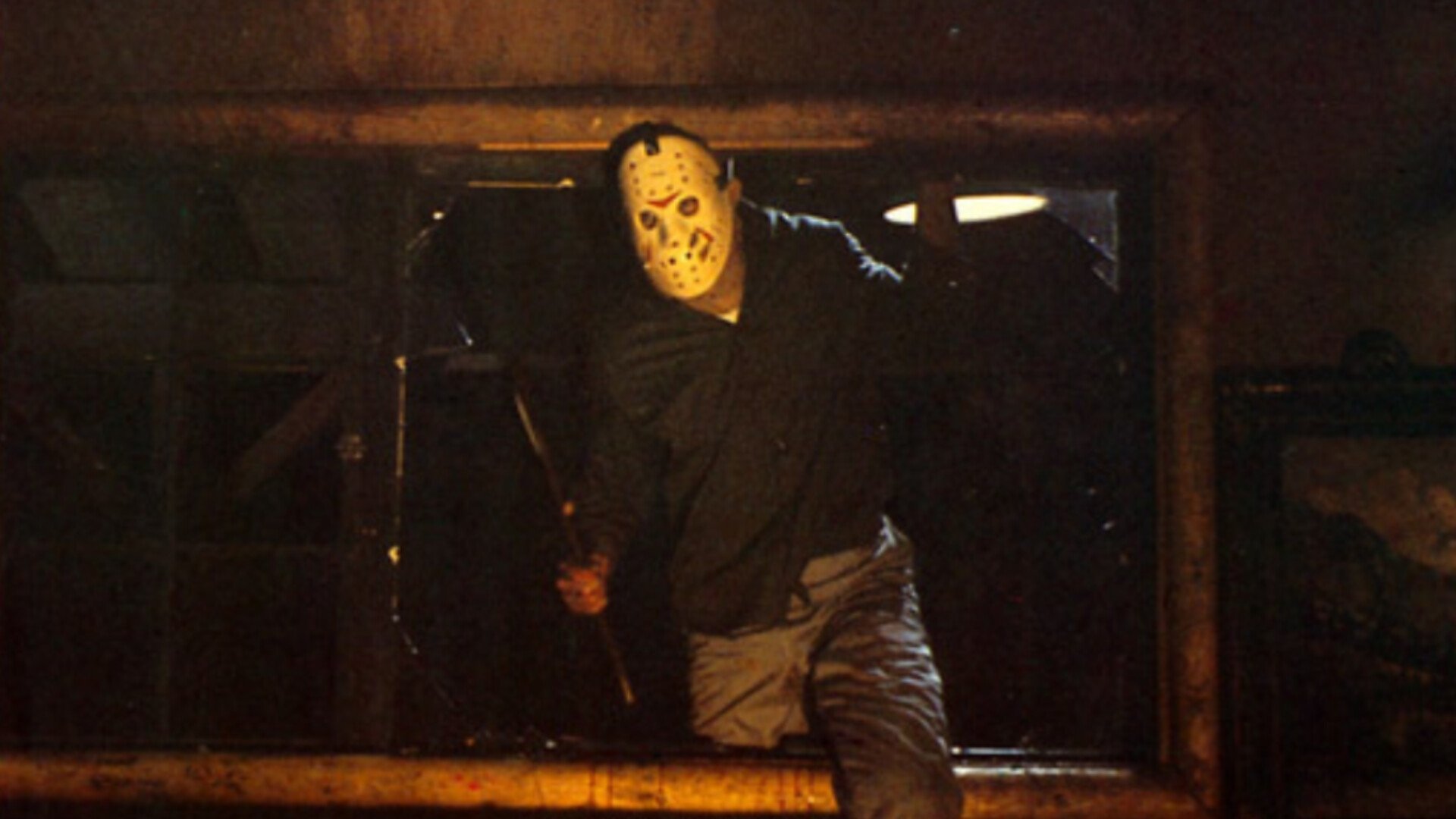
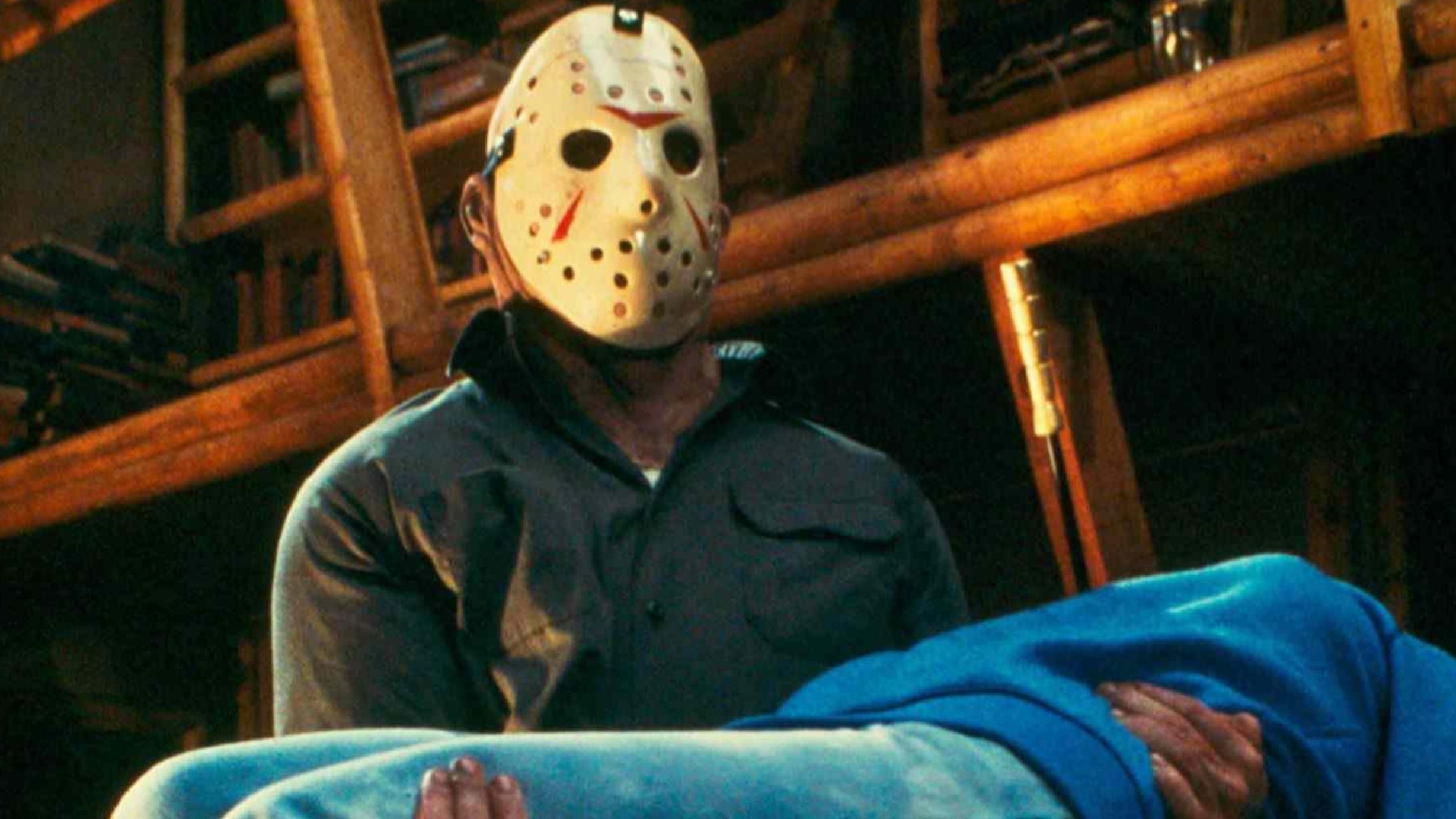
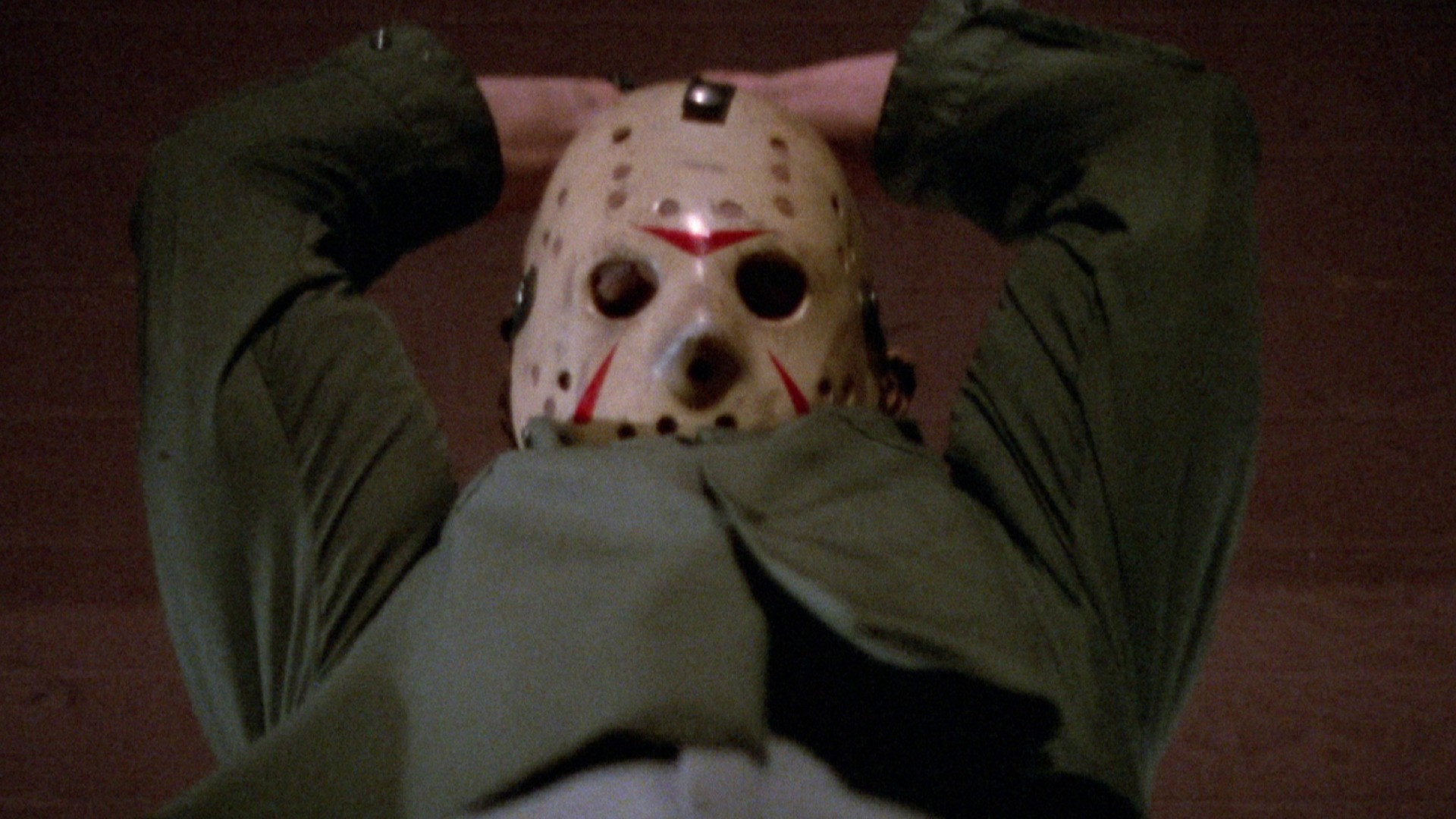
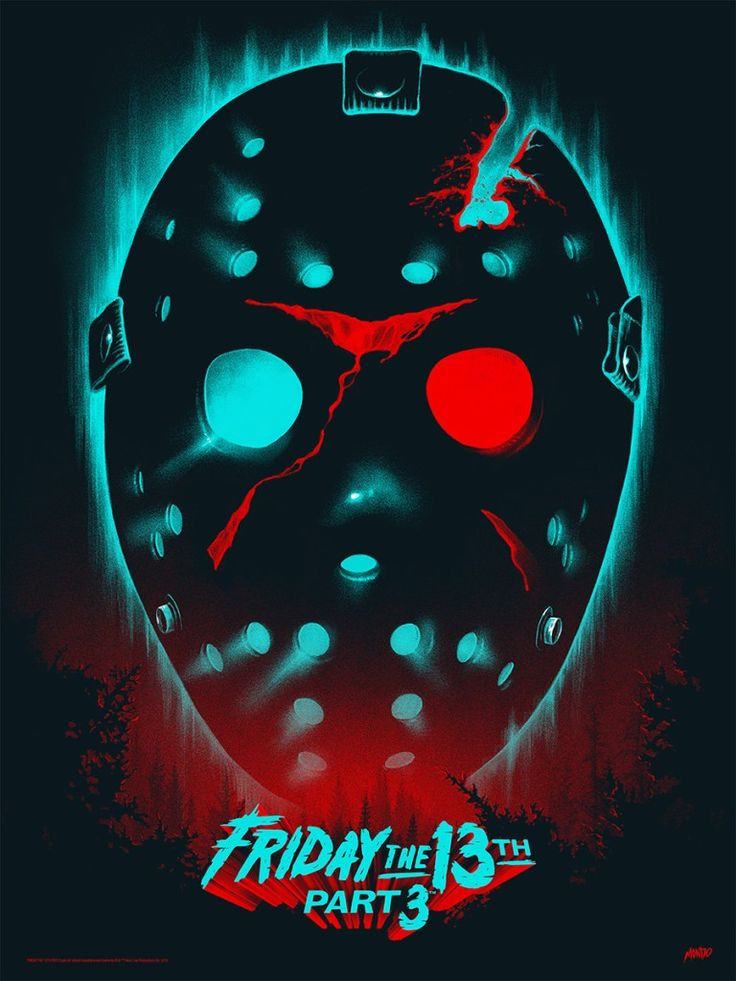
Richard Brooker's performance gives Jason a more forceful physical presence than the figure seen in the previous sequel. A former trapeze performer, Brooker had the bodily control needed for sustained pursuit, sudden movements and scenes organized around a precise screen position. His work is largely silent, with costume, posture and the direction of his gaze performing the role normally assigned to dialogue. The eventual appearance of the hockey mask reinforces the character's impersonal threat by simplifying his face to a rigid surface. Its holes and contrasting markings remain readable at different distances, an advantage in a picture whose action frequently emphasizes the figure emerging from a deep background.

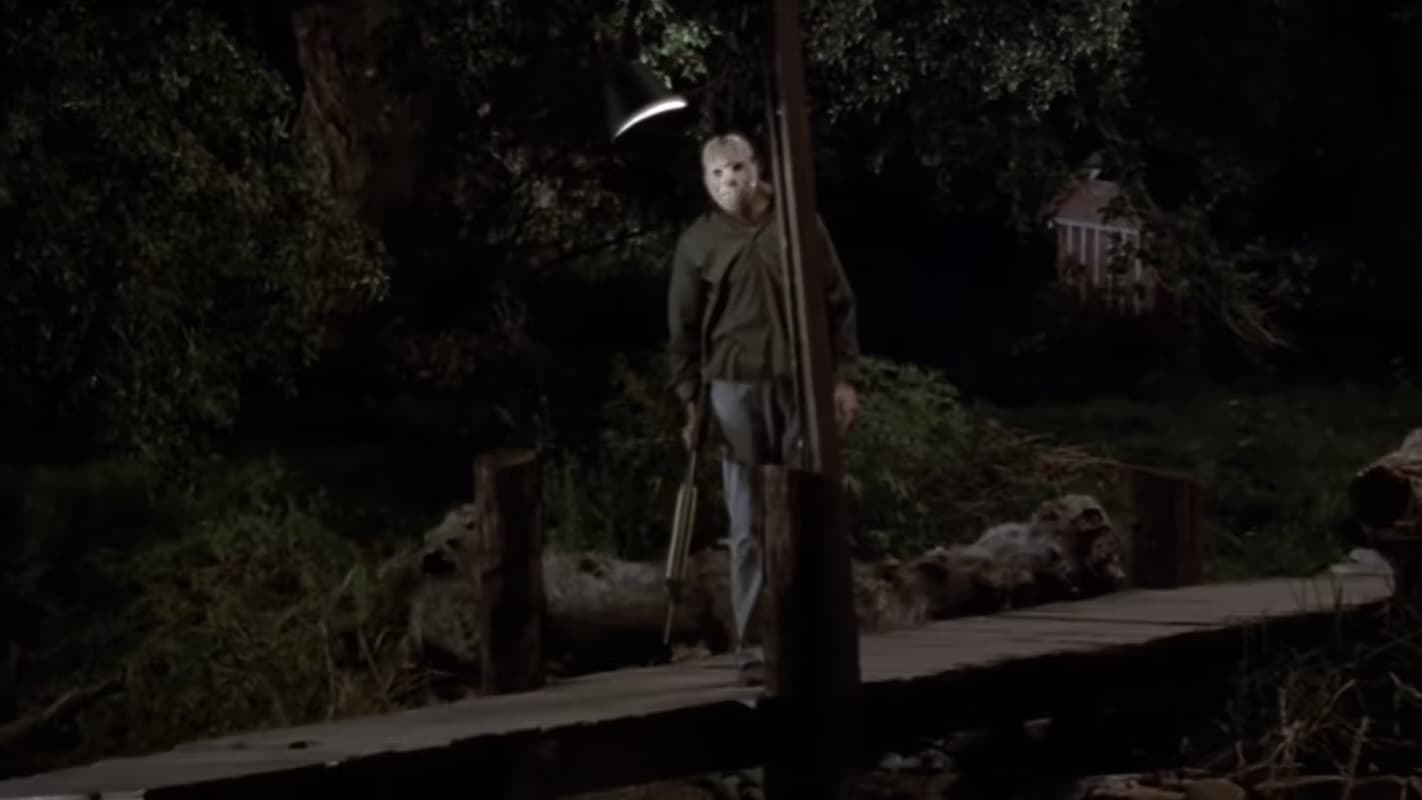
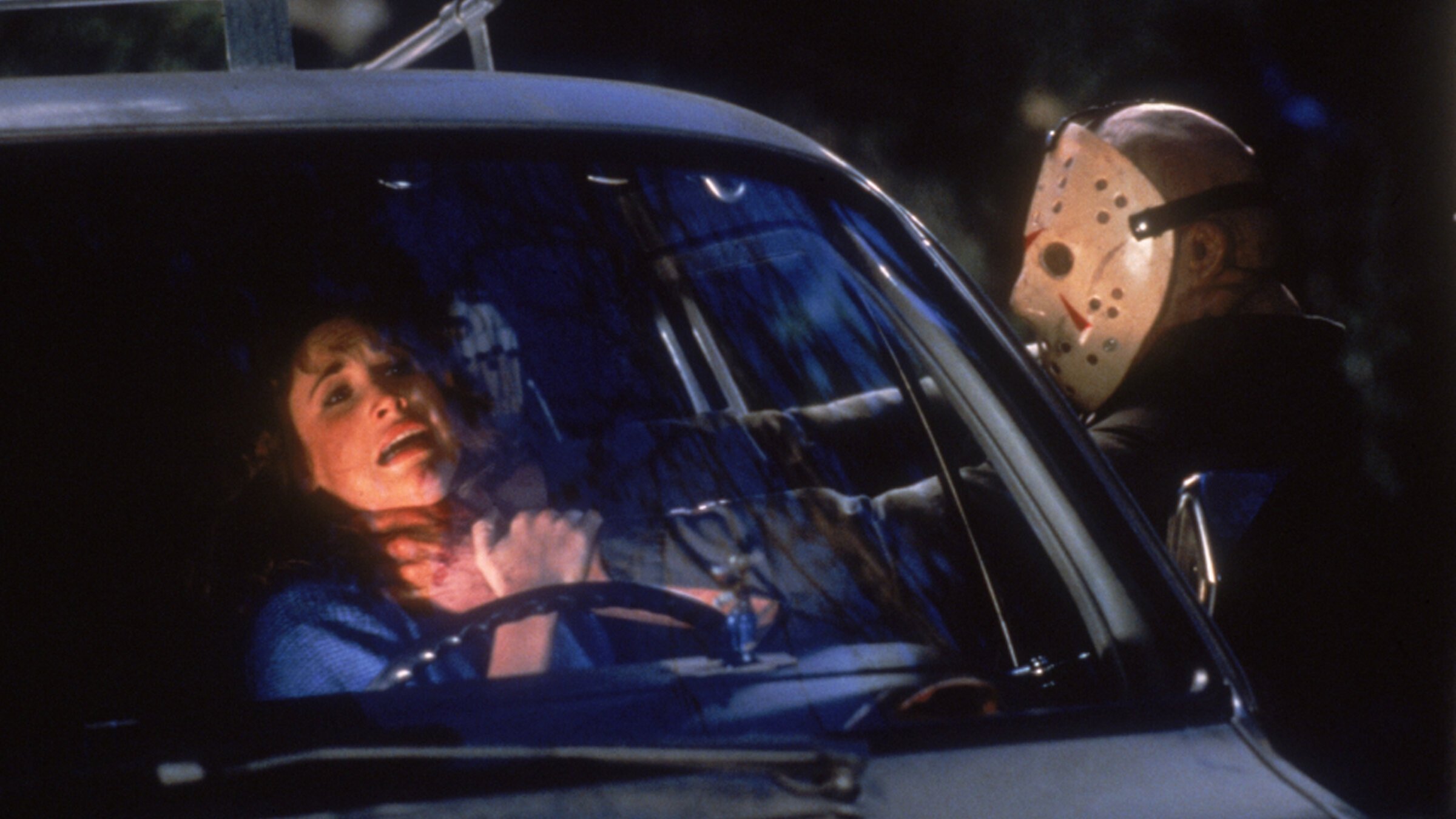
Within the fiction, the mask belongs to Shelly, who uses disguises to stage unwelcome practical jokes. Jason takes it after attacking him and first becomes conspicuous in the new guise when confronting Vera near the lake. The transfer is narratively simple, but its effect on the series was profound: a throwaway prop associated with adolescent insecurity becomes the serial killer's defining feature. Its appearance coincides with a spear-gun attack staged to exploit 3-D, binding the new costume to one of the film's most technically conspicuous deaths. Later installments modified the mask, but kept the basic design as the central means of recognizing Jason.
Claims about who originally suggested the mask are less secure than the fact of its use. Retrospective accounts associate a hockey mask brought to the set by 3-D supervisor Martin Jay Sadoff with a camera or makeup test; other participants have offered different recollections of the decision. Interviewed by Christian Sellers, Zerner explicitly said he did not know who first proposed it and observed that several people had claimed credit. The practical effects team subsequently adapted the design for Brooker. Treating this as a collaborative, partially disputed production decision is more accurate than assigning the entire invention to a single participant on the strength of one late memory.

Practical Effects Designed for the Third Dimension

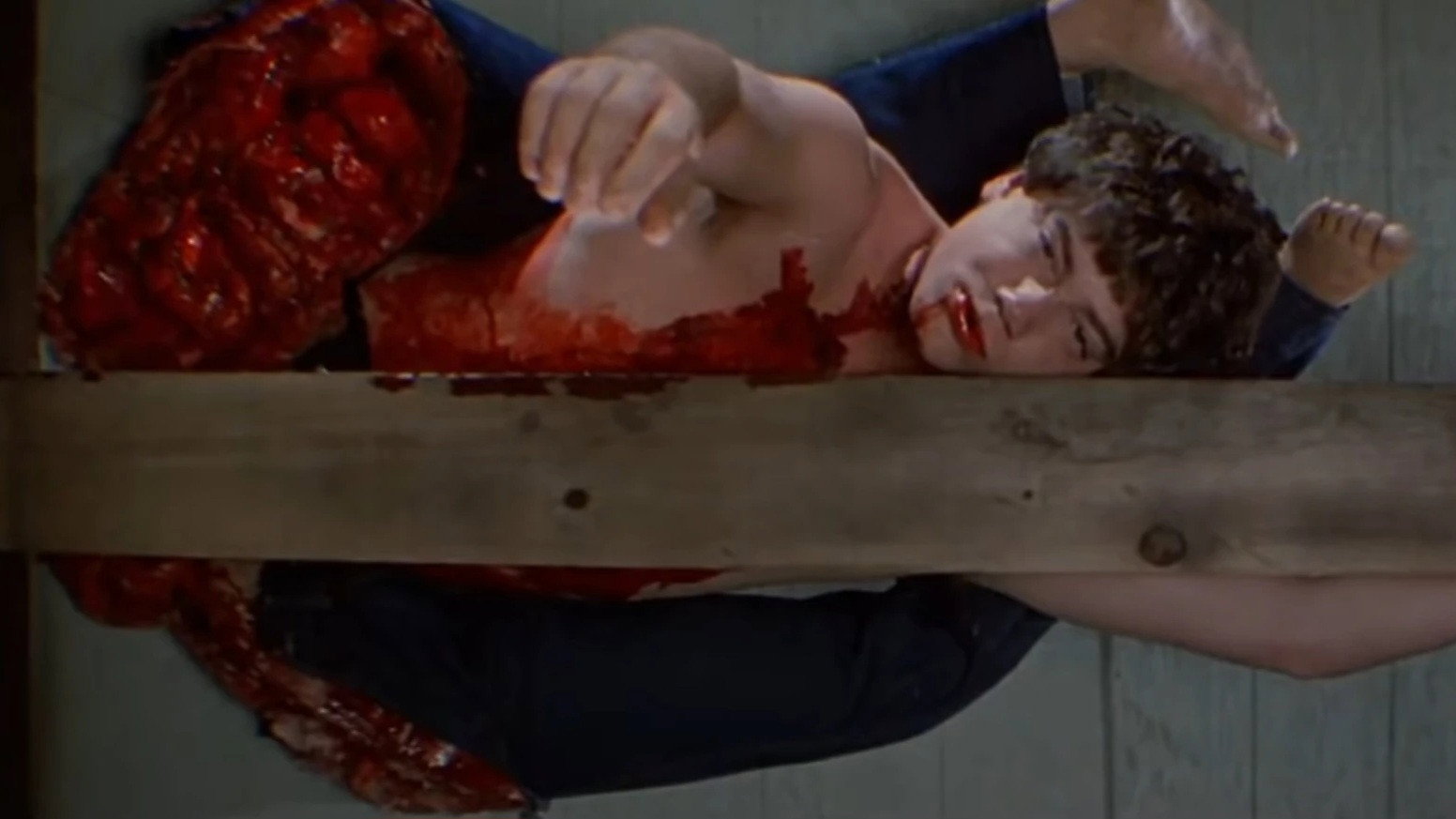
The makeup department faced the combined problem of producing bodily damage and ensuring that it registered from a stereoscopic viewpoint. The finished credits attribute special visual makeup design and construction to Douglas J. White and the Make-Up Effects Labs team, including Allan A. Apone and Frank Carrisosa. For Rick's death, a fabricated head allowed Jason to crush the skull while artificial eyes traveled toward the lens. Historical accounts describe the use of a cast taken from Kratka and a controlled wire mechanism. The effect is deliberately implausible as anatomy, but effective as an assault on the boundary between photographed action and the theater audience.

Vera's spear-gun death uses a different construction. A projectile directed toward the viewer is followed by the victim's reaction, allowing the screen to imply penetration without requiring a dangerous physical impact. Such scenes exemplify how the format influenced the conception of kills from the outset. They use the straight-on viewpoint as a functional part of the effect, with objects approaching or apparently crossing the plane of the screen. Other attacks rely on conventional prosthetic injuries and withheld action. This mixture of sensational 3-D set pieces and more familiar slasher methods explains why the film's violence can appear uneven when viewed outside its original mode of exhibition.

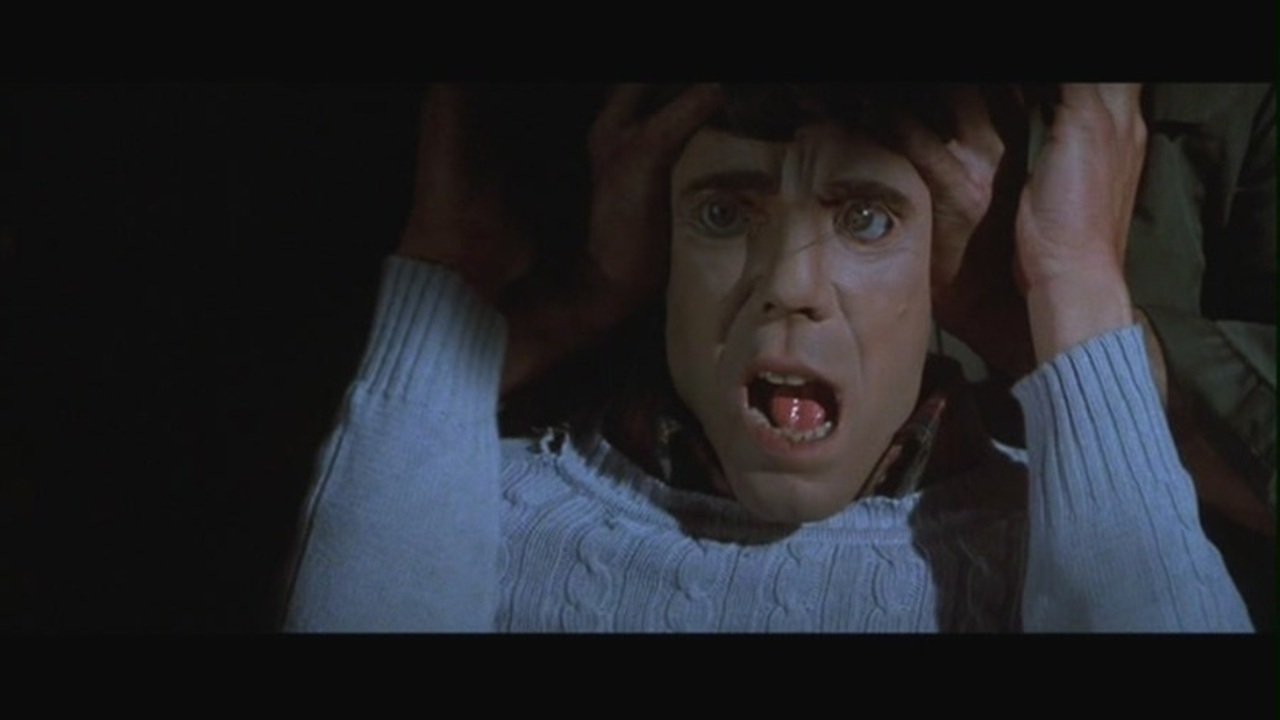
The production also required a substantial unmasked design for Brooker. Where the rigid hockey mask provides a repeated silhouette, the prosthetic head introduces individual features and a disturbing expression. The distorted face is revealed most forcefully during the closing pursuit, when Chris recognizes the person associated with her earlier encounter. The mask's removal is therefore both a horror image and a story event. It briefly replaces the killer's standardized emblem with a grotesque face tied to one survivor's specific memory, after a film that had increasingly made Jason seem anonymous.

Chris Higgins, Shelly and the Group Dynamic

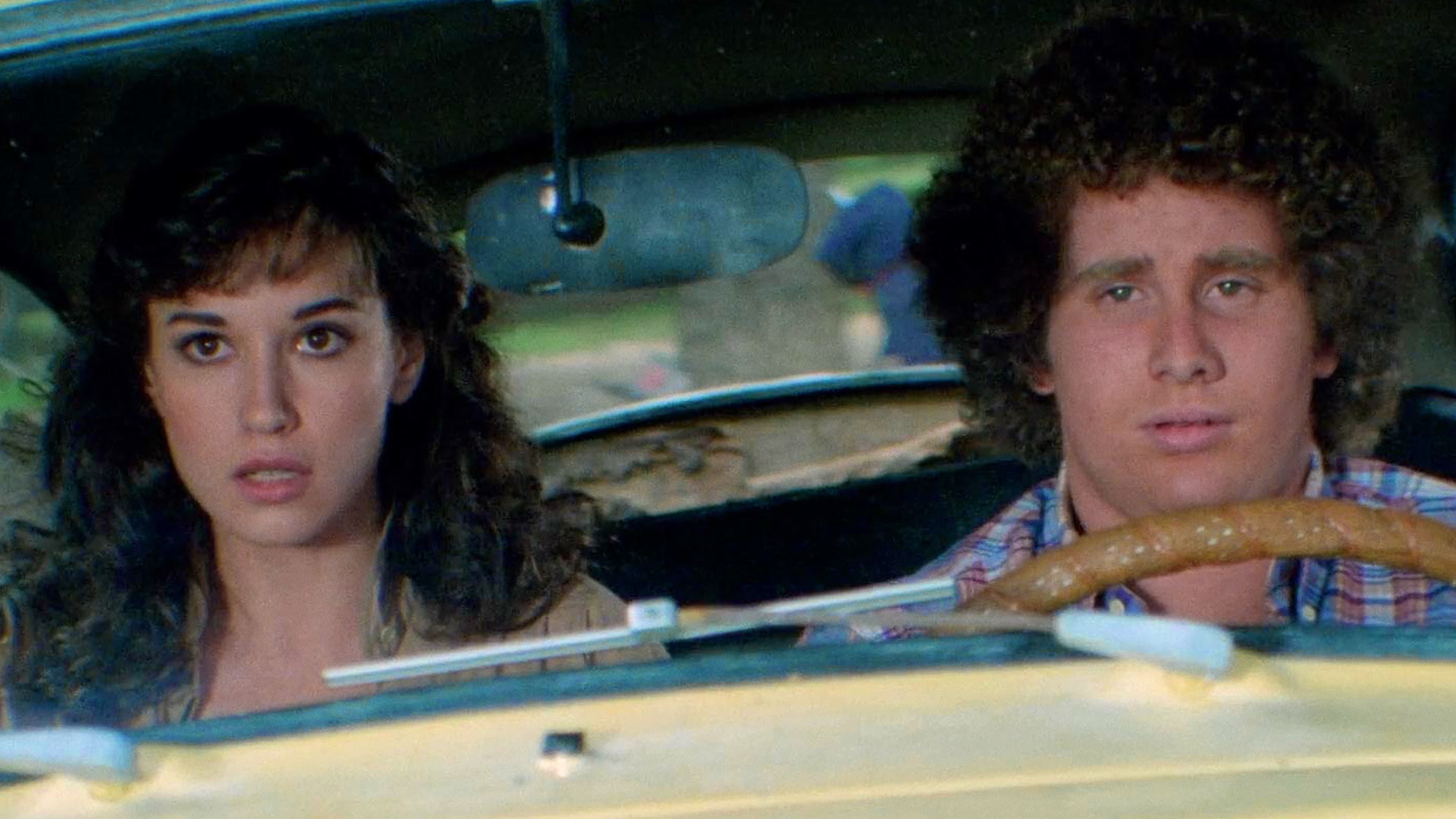
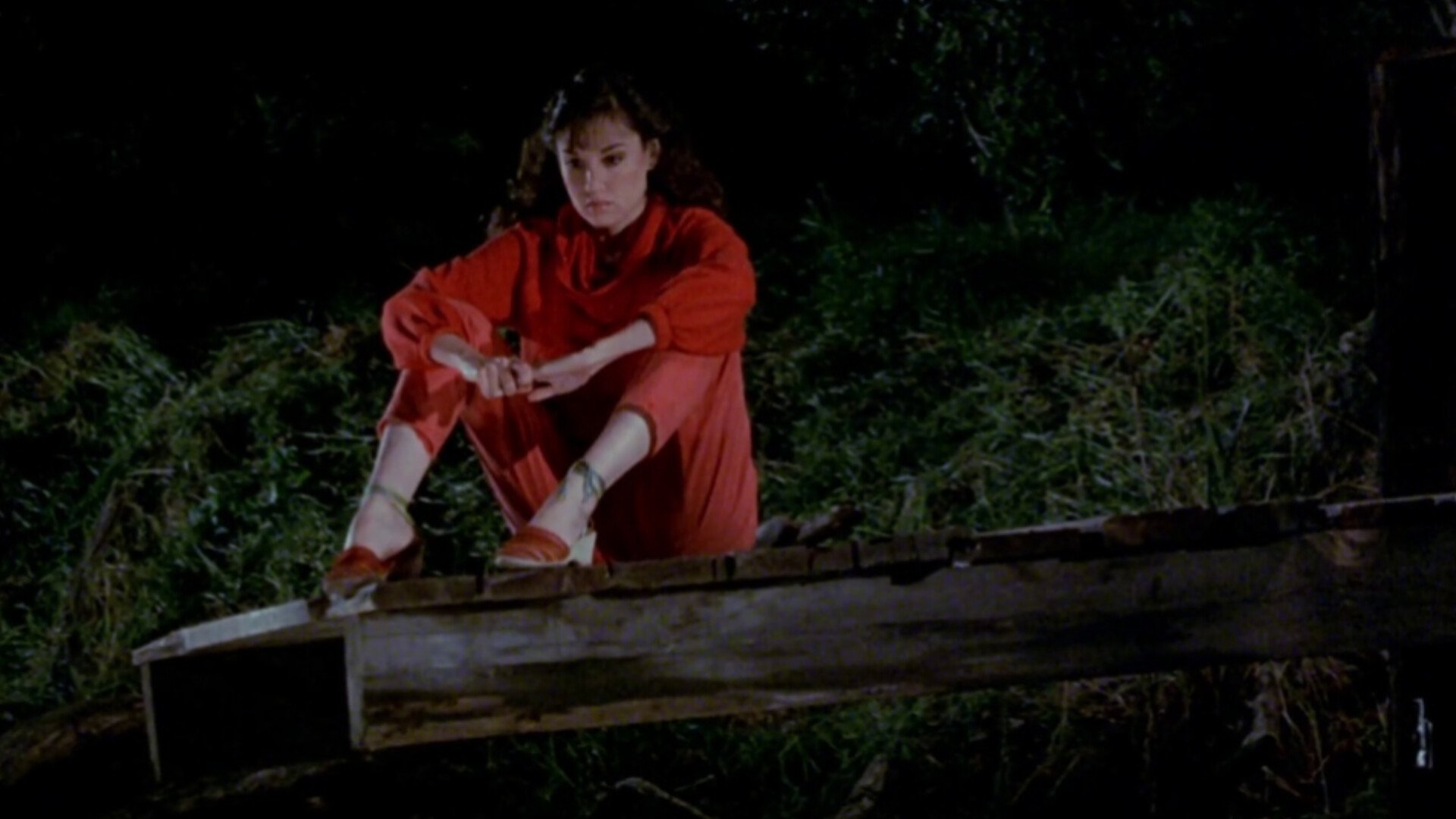
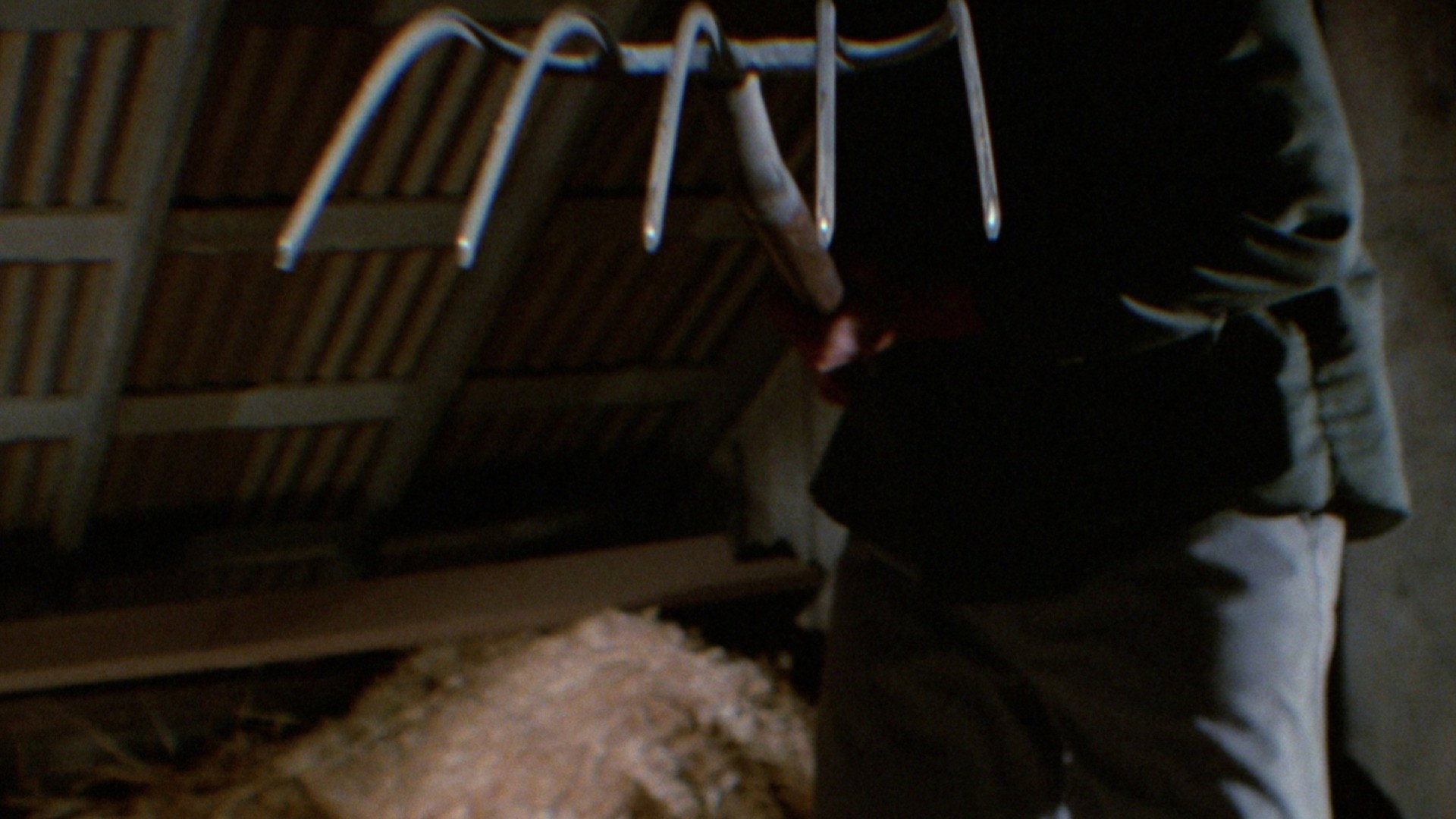
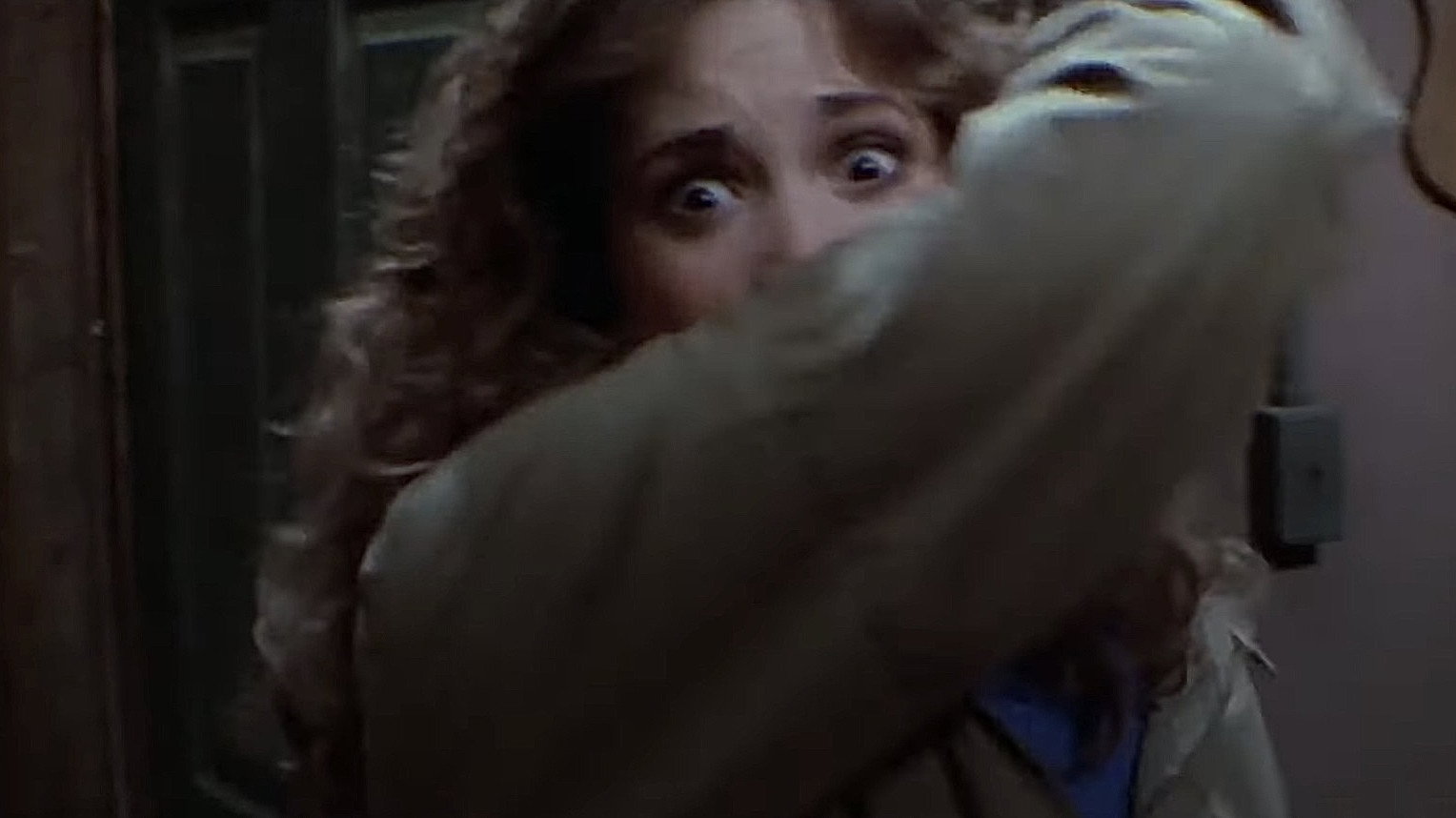
Chris differs from a purely unsuspecting heroine because she returns to Higgins Haven already afraid. Her recollection of an earlier assault creates a personal history with the killer before the central attack begins. The screenplay leaves significant parts of that incident uncertain, and those gaps should remain part of an account of the film rather than being filled with invented explanations. She tries to resume an ordinary relationship with Rick but repeatedly finds the environment oppressive. During the extended final chase, her actions become increasingly practical: she uses the buildings, loose objects and available tools to delay Jason. The sequence turns accumulated knowledge of the property into a means of survival.

Shelly's attempts to make friends through practical jokes produce another strand of unease. His self-consciousness makes him seek attention by staging fake injuries and sudden scares, an approach that exhausts the patience of those around him. Vera responds with a measure of sympathy but does not reciprocate his romantic interest. When Shelly eventually appears wounded, the others' familiarity with his behavior causes a fatal delay in recognizing the danger. The film uses this situation for slasher suspense while also showing how the group has learned to dismiss someone who badly wants acceptance. His costume choice, made for an ordinary prank, adds an enduring consequence to that characterization.

A detailed critical essay in Horror Homeroom reads these figures through social isolation, appearance and trauma in early-1980s American culture. That interpretation helps identify concerns beyond the routine enumeration of victims, though its comparisons with the experiences of Vietnam veterans remain an argument by the critic, not a declared purpose of Miner or the screenwriters. Equally, describing Chris's responses as traumatic does not require assigning her a definite clinical diagnosis. The film supplies visible fear, recurring memory and the attempt to recover agency. Those observations are enough to make the reading useful without converting an interpretive framework into a production fact.
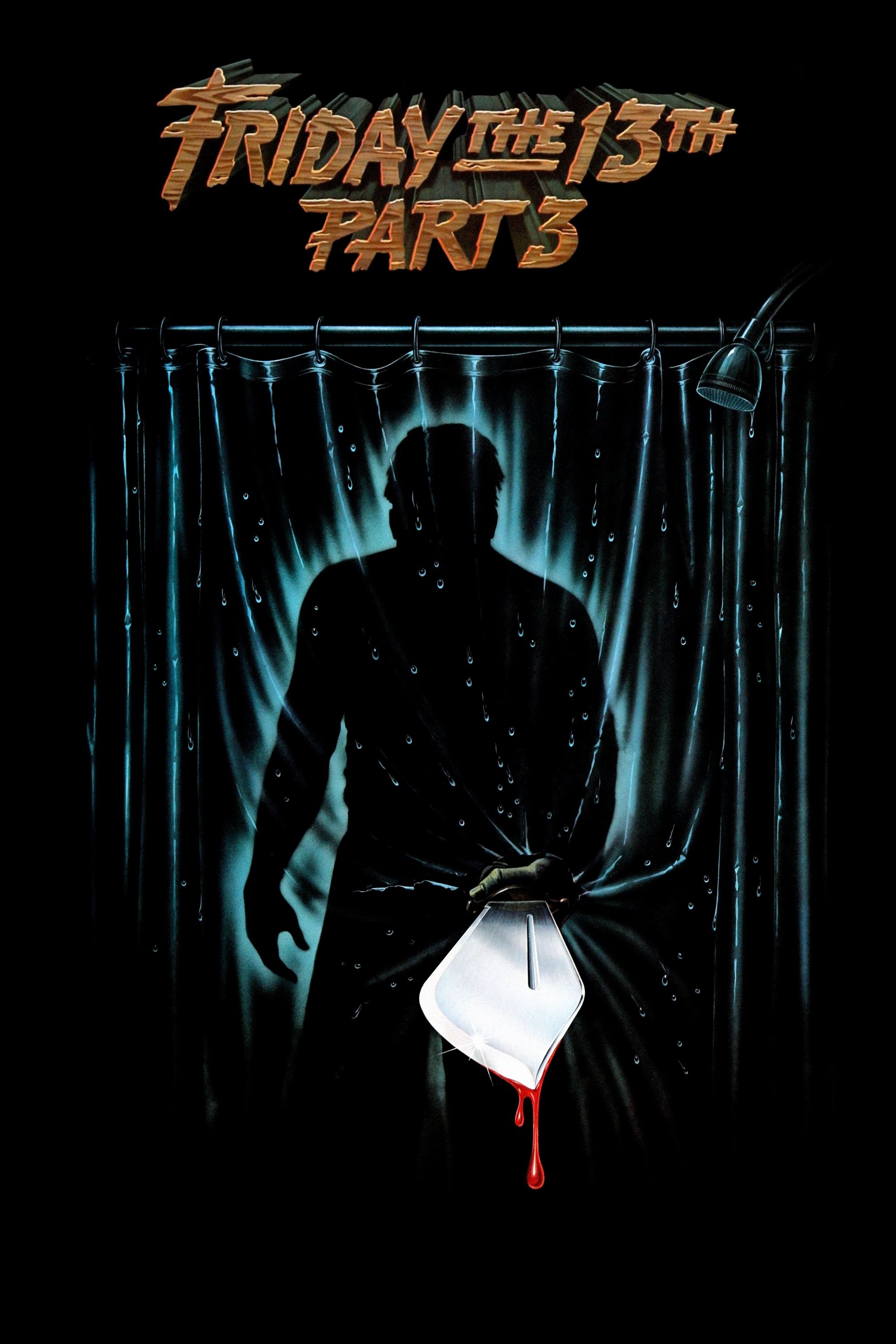
Paramount and the Economics of 3-D Exhibition

The 3-D release extended far beyond what occurred on the ranch. According to contemporary Screen International reporting summarized in the AFI Catalog, the film opened on 1,079 American screens, of which 813 could present it stereoscopically. The remainder included drive-ins that were unable to display the intended effect. Paramount spent approximately $2 million equipping theaters for the new presentation, a sum contemporary trade coverage described as comparable to the film's negative cost. These figures refer to different expenses; they should not be combined casually into a single definitive production budget. The commitment demonstrates how much the studio was willing to spend on the exhibition side of an exploitation-oriented sequel.

The transition was contested. AFI records a 1982 lawsuit by Marks Polarized Corporation, which had supplied 3-Depix equipment, concerning Paramount's marketing and rental arrangements for projection lenses. Paramount also worked to familiarize projectionists and foreign distributors with its system, including overseas meetings and an instructional videotape. This equipment history distinguishes the film's commercial experiment from a simple advertising slogan. A stereo picture can exist on film, but its advertised spectacle still depends on the cinema's ability to reproduce the images accurately. The technological ambition and the operational difficulties are equally part of the original release story.

The United States opening occurred on Friday, August 13, 1982. The AFI subsequently recorded about $36.7 million in domestic theatrical grosses, while reporting from January 1983 described the release as having passed its break-even point. Those accounts indicate substantial commercial success without requiring unsupported claims about profit margins. The title sequence and its Michael Zager disco arrangement offered another form of novelty, contrasting Harry Manfredini's familiar series music with a contemporary dance sound. Its place in the film is easiest to understand as part of the overall effort to make the third entry immediately recognizable as a newly packaged theatrical event.

Classification, Reception and an Enduring Image

British classification records provide a useful check on later claims about the film's versions. The BBFC registered a stereoscopic cinema submission on November 23, 1982, with a duration of roughly 95 minutes. It records a cut home-video classification dated June 17, 1987. Later entries include two separate two-dimensional classifications in 2001 and another in 2008. Their running times differ, but duration alone cannot measure the amount of censored footage because exhibition and video standards can change playback speed. The archive proves that the 1987 submission involved cuts; it does not, by itself, establish that every later short running time represents further censorship or a uniquely complete restoration.

Initial criticism was largely unfavorable, although commentary on the stereoscopic photography was sometimes more appreciative than the response to the script. The AFI's historical file records the negative tenor of the reviews, and later research cites Janet Maslin's more qualified assessment of the performances and pacing. The prominence of the technological attraction could make the film's conventional murder pattern appear especially thin once the sensation of depth became familiar. Some contemporary commentators enjoyed the novelty of objects projected toward the audience while finding the characterization formulaic. These reactions form a specific reception history and should not be condensed into an undocumented claim that the entire press shared one judgment.

Subsequent discussion has concentrated on two different inheritances. The first is the material history of a major 3-D commercial release, with cameras, projection systems and theatrical costs central to the finished work. The second is Jason's visual identity: the goaltender mask appears here for the first time and subsequently becomes the most stable icon of the franchise. Later readings of Chris, Shelly and the group also demonstrate that the film's interest need not depend solely on nostalgia for stereoscopic spectacle. Its historical importance lies in this convergence of industrial experimentation and character design, even where its treatment of people and suspense remains open to criticism.

References

  1. American Film Institute Friday the 13th -- Part III (1982) - AFI Catalog

    Archival production and release history assembled from 1982 trade journalism, including 3-D photographic equipment, cinema conversions, litigation, screen counts and reported theatrical grosses.

  2. Friday the 13th: The Website Friday the 13th Part 3 (1982) Retrospective

    Detailed historical examination of script development, casting, stereoscopic photography, the hockey mask, practical makeup and theatrical reception.

  3. Friday the 13th: The Website Exclusive Interview: Larry Zerner

    Direct testimony from the actor playing Shelly on the mask origin claims, the pressures of 3-D photography and development of his character.

  4. Horror Homeroom Injury, Isolation, and Idleness: The Real Horrors of Friday the 13th Part III

    Substantial interpretive essay using film analysis and historical references to examine Chris, Shelly, social exclusion, trauma and contemporary reviews.

  5. British Board of Film Classification Friday the 13th - Part III: Classification History

    Official classification entries distinguishing the 1982 stereoscopic cinema submission, the cut 1987 home-video edition and later 2-D classifications.

Connections

Cast

View Full Cast & Crew →

Release & Distribution

Production Companies (5)

  • Frank Mancuso Jr. Productions US
  • Georgetown Productions US
  • Jason Productions US
  • Paramount Pictures US
  • Sean S. Cunningham Films US

Distributors (1)

  • Paramount Pictures US

Release History (27)

Release DateTerritoryRelease TypeFormatDistributorCertificationNotes
1982-08-13 US theatrical — — R
1982-08-20 CA theatrical — — 18A
1983-02-10 AU theatrical — — —
1983-02-16 FR theatrical — — 12
1983-04-29 JP theatrical — — —
1983-05-12 GB theatrical — — — Rated X
1983-05-13 DE theatrical — — 18
1983-05-13 US theatrical — — R Re-release
1983-08-22 ES theatrical — — 18
1983-08-23 PT theatrical — — M/18
1983-09-02 IT theatrical — — 18+ Milan
1983-09-09 DK theatrical — — 15
1983-09-15 NL theatrical — — 16
1983-10-27 AR theatrical — — +18
1984-02-03 UY theatrical — — —
1985-04-26 SE theatrical — — 15
1985-05-16 BR theatrical — — 14
1985-09-05 MX theatrical — — C
1987-06-17 GB physical VHS — 18 VHS, cut version
1997-10-20 SE tv — — — Kanal 5 Sverige
2002-02-05 GR physical DVD — — DVD
2002-02-22 FI physical DVD — — DVD
2007-10-13 US premiere — — R Screamfest Horror Film Festival (3D Version)
2008-12-16 GB physical DVD — 15 DVD
2009-02-04 SE physical Blu-ray — — Blu-ray
2018-02-21 PL tv — — 18
2021-08-13 ES theatrical_limited — — 18 Madrid
A new dimension in terror…