Development as a Prequel
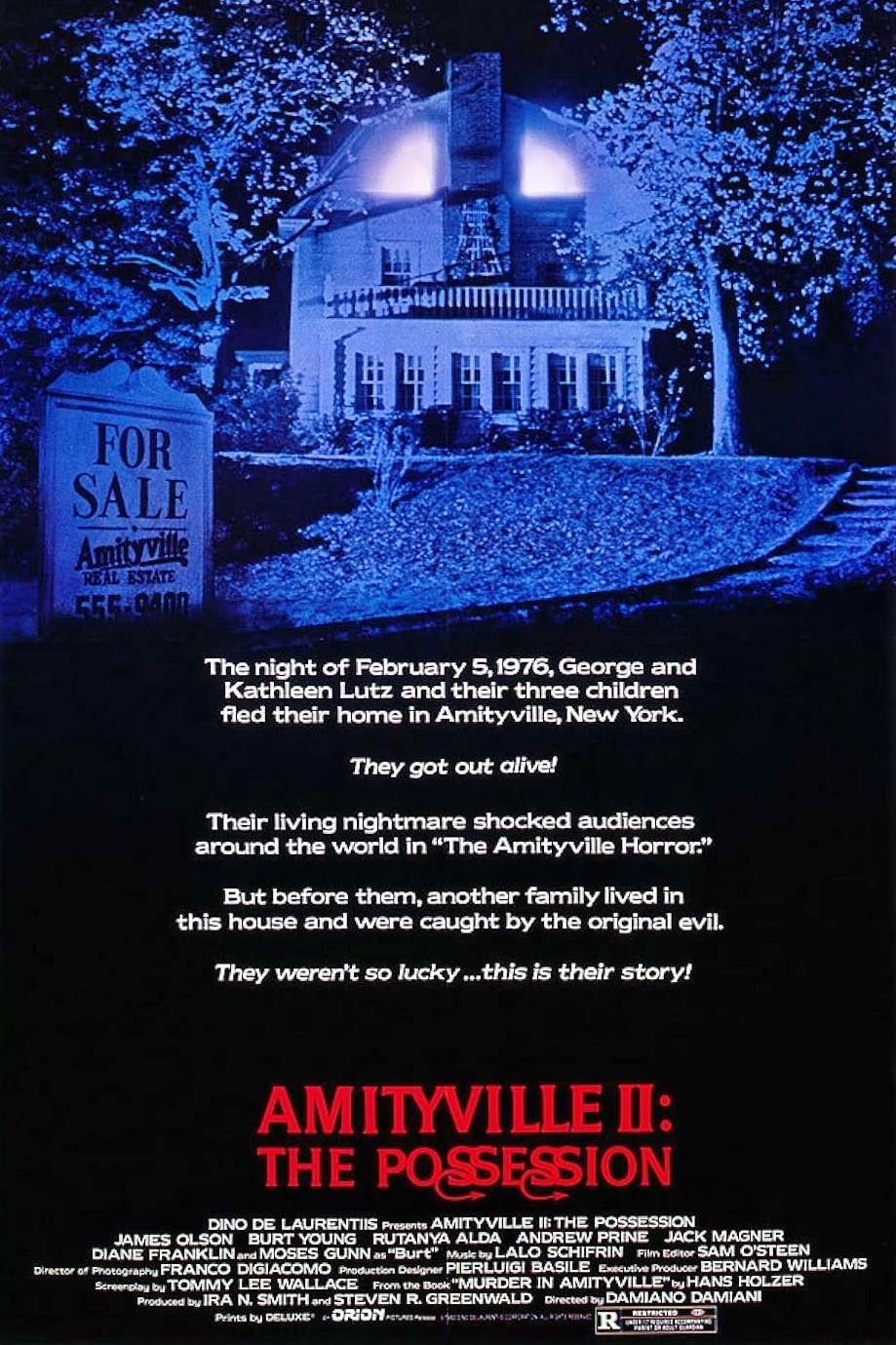
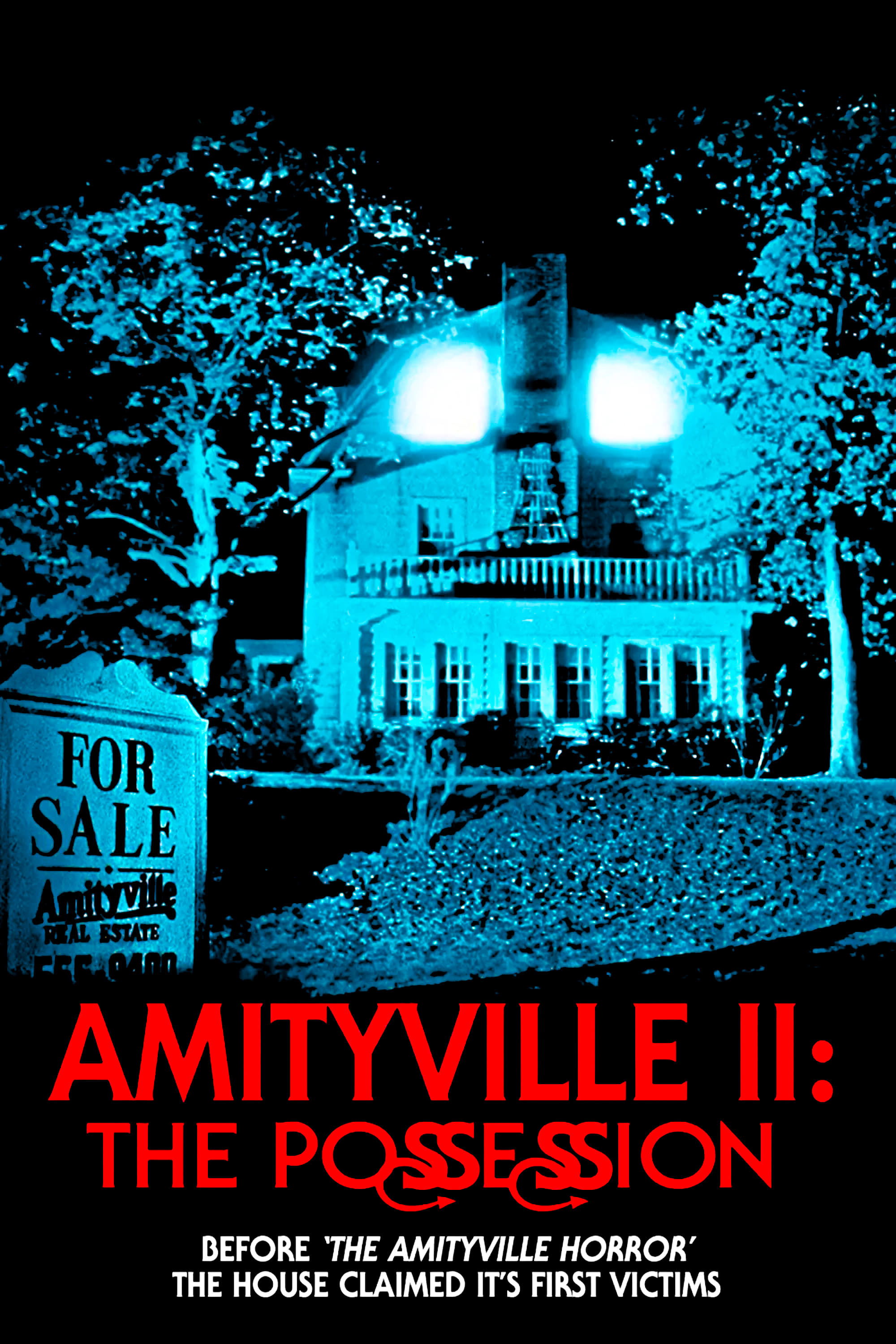
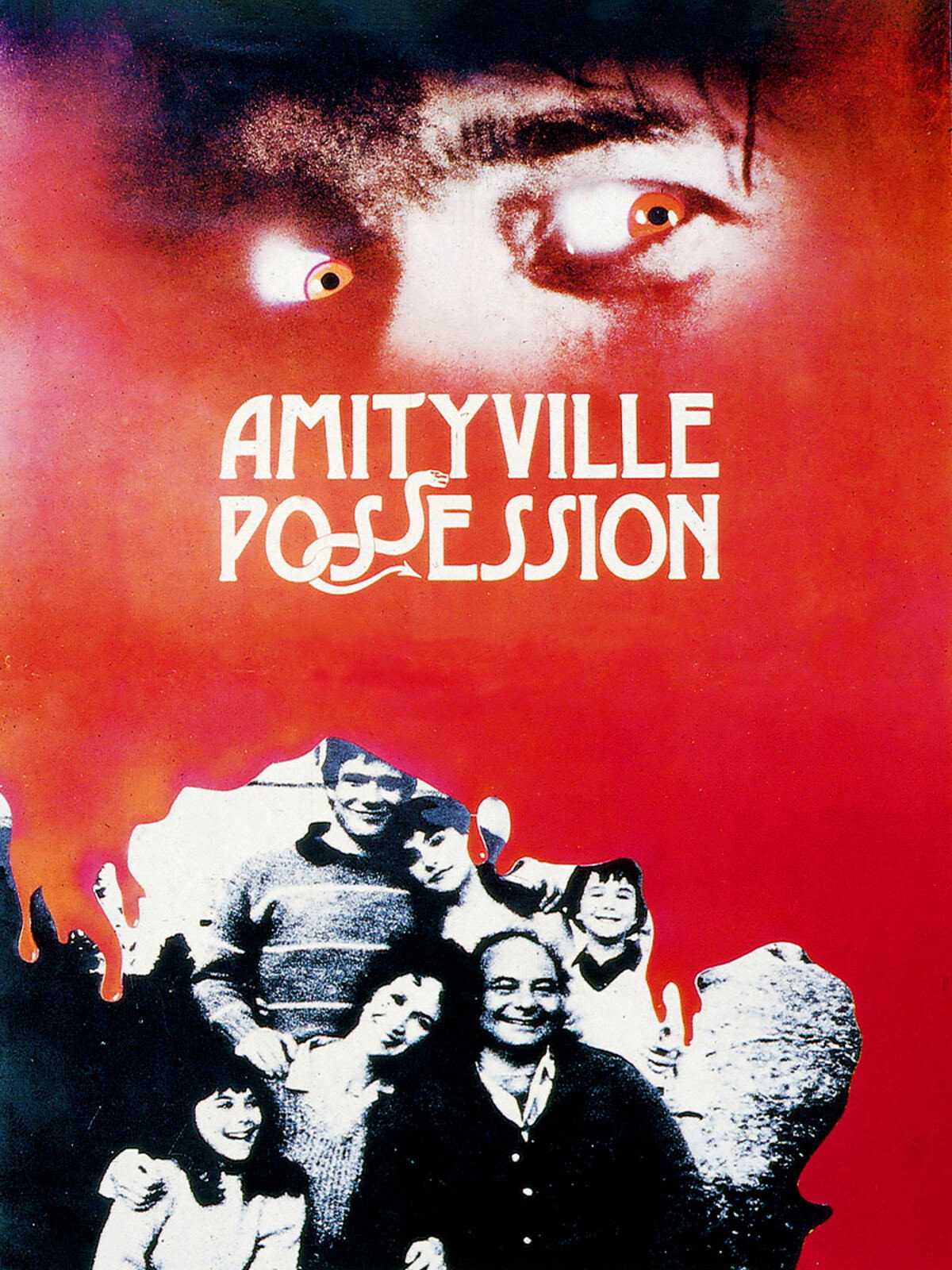
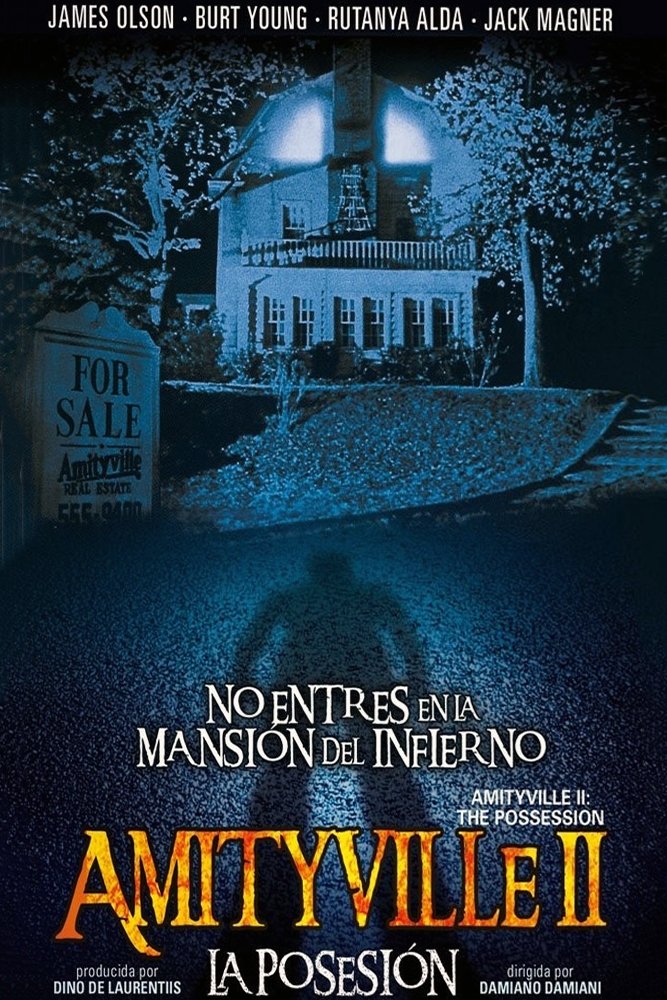
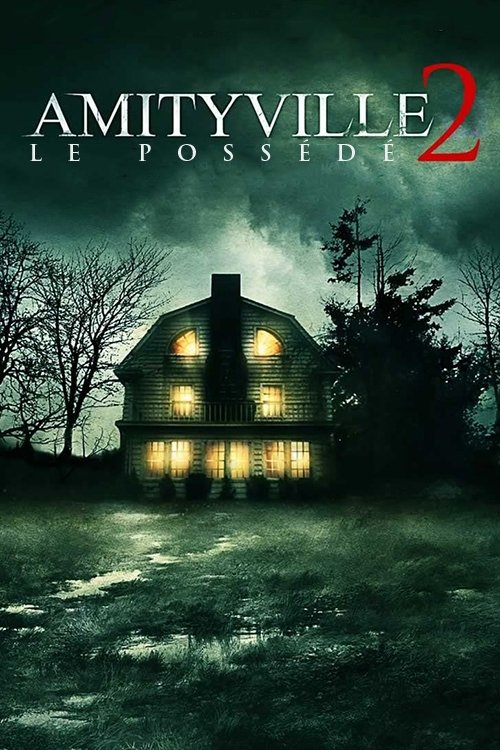
The project emerged directly from the commercial success of The Amityville Horror. American International Pictures acquired film and television rights to Hans Holzer's 1979 book Murder in Amityville for a six-figure advance, with the intention of using the material for a film about events preceding the Lutz story. During early development the production was known as Death in Amityville. Dino De Laurentiis became associated with the project through Filmways Pictures after Filmways had taken control of AIP, placing the sequel to one of AIP's largest hits inside a changing corporate structure.
The initial version of the production was not the one ultimately filmed. David Ambrose was announced as screenwriter and John Hough, already experienced with supernatural horror through The Legend of Hell House, was attached to direct. Neither received an onscreen credit. Tommy Lee Wallace eventually wrote the produced screenplay and later recalled that De Laurentiis' company had approached him for his ideas for an Amityville sequel. Wallace responded by proposing a prequel, using the murders that had occurred before the events associated with the Lutz family as the foundation for a different kind of horror story.
That decision immediately separated Amityville II from a conventional continuation. Instead of following another family after the first film, it could return to the house while changing the dramatic mechanism around it. The fictional Montellis replace the DeFeos, and the film converts the murders into the endpoint of an escalating supernatural infection. The approach allowed the property to remain recognizable while moving into material closer to possession cinema and religious horror. The connection to historical crime provided the structure, but the screenplay increasingly departed from documented events in order to build its own demonic mythology.
Crime, Fiction and the DeFeo Case
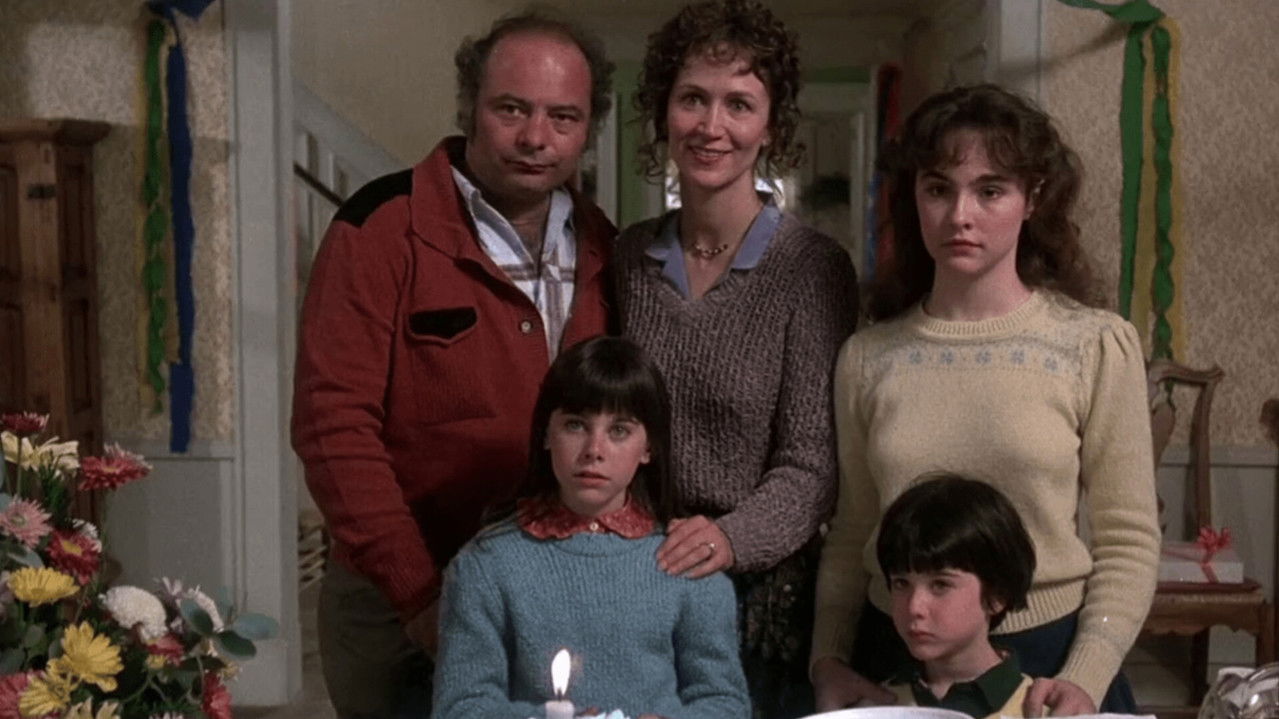
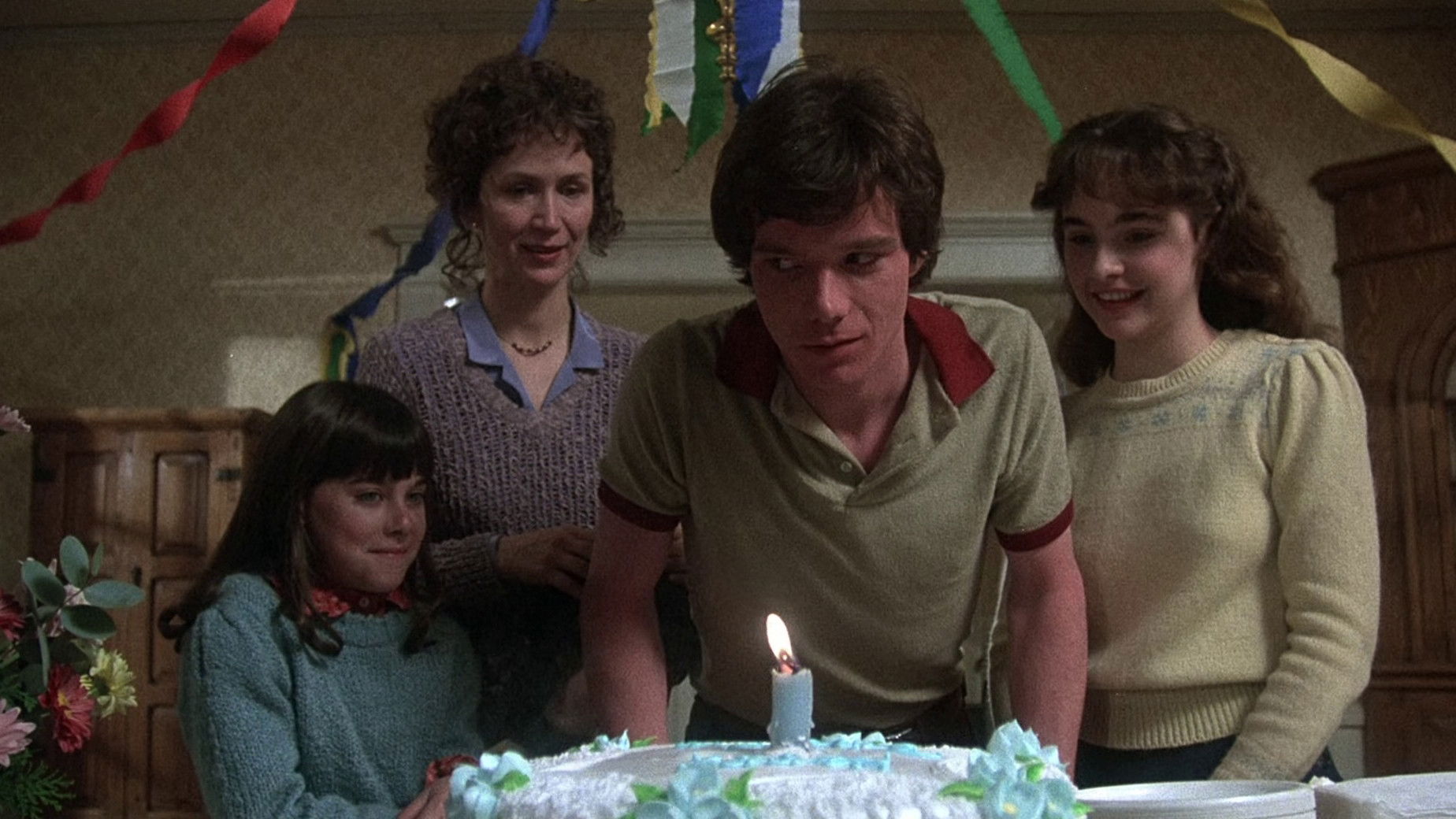
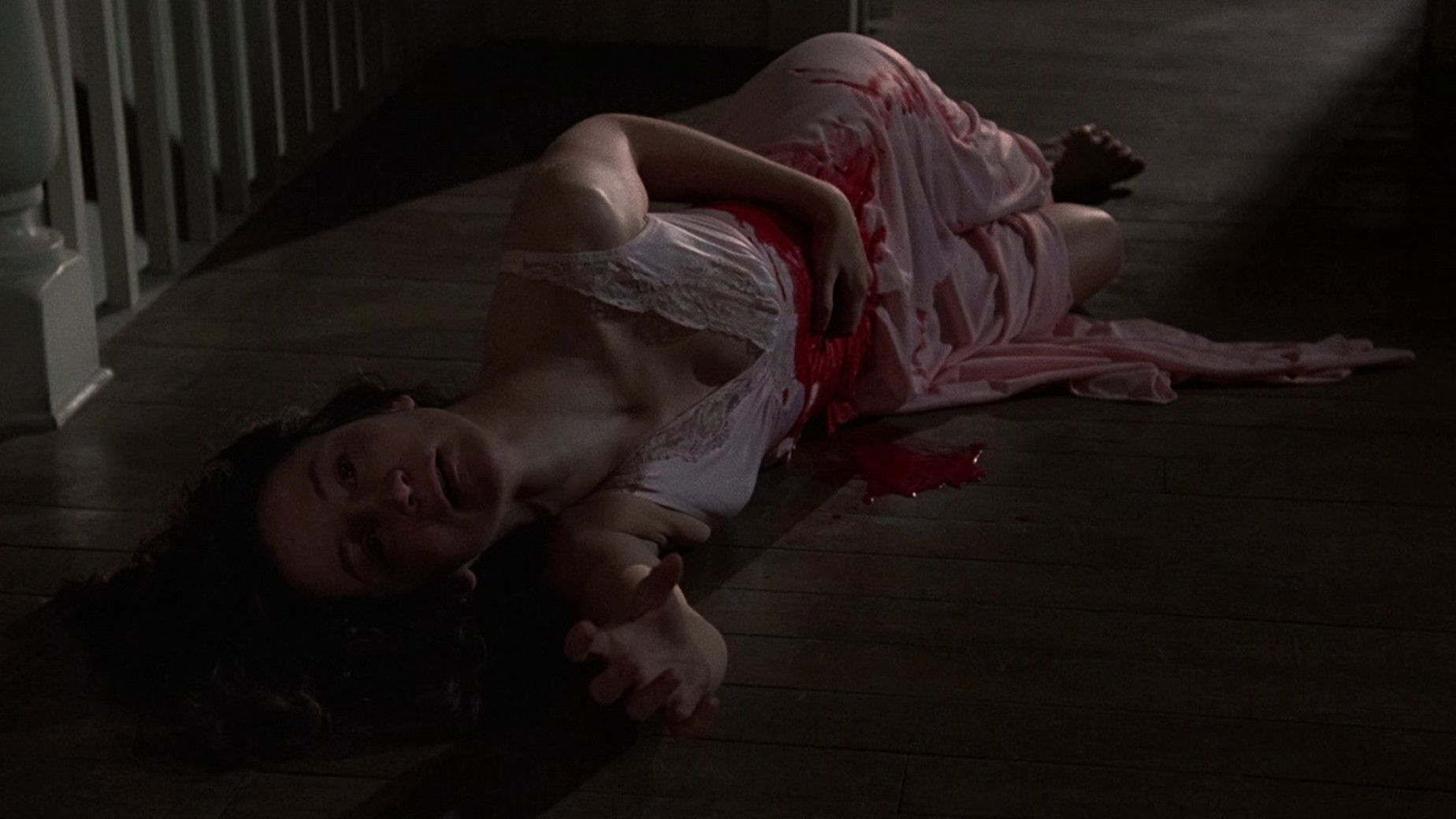
The real event behind the film occurred on November 13, 1974, when Ronald DeFeo Jr. murdered six members of his family in the Amityville house. Amityville II does not reproduce those events with historical precision. The family becomes the Montellis, Ronald becomes Sonny, and the film constructs a supernatural chain of causation in which an invasive presence gradually takes control of him. The eventual killings therefore resemble the historical case at the broadest level, a son murdering his family inside the house, while the circumstances surrounding them are extensively fictionalized.
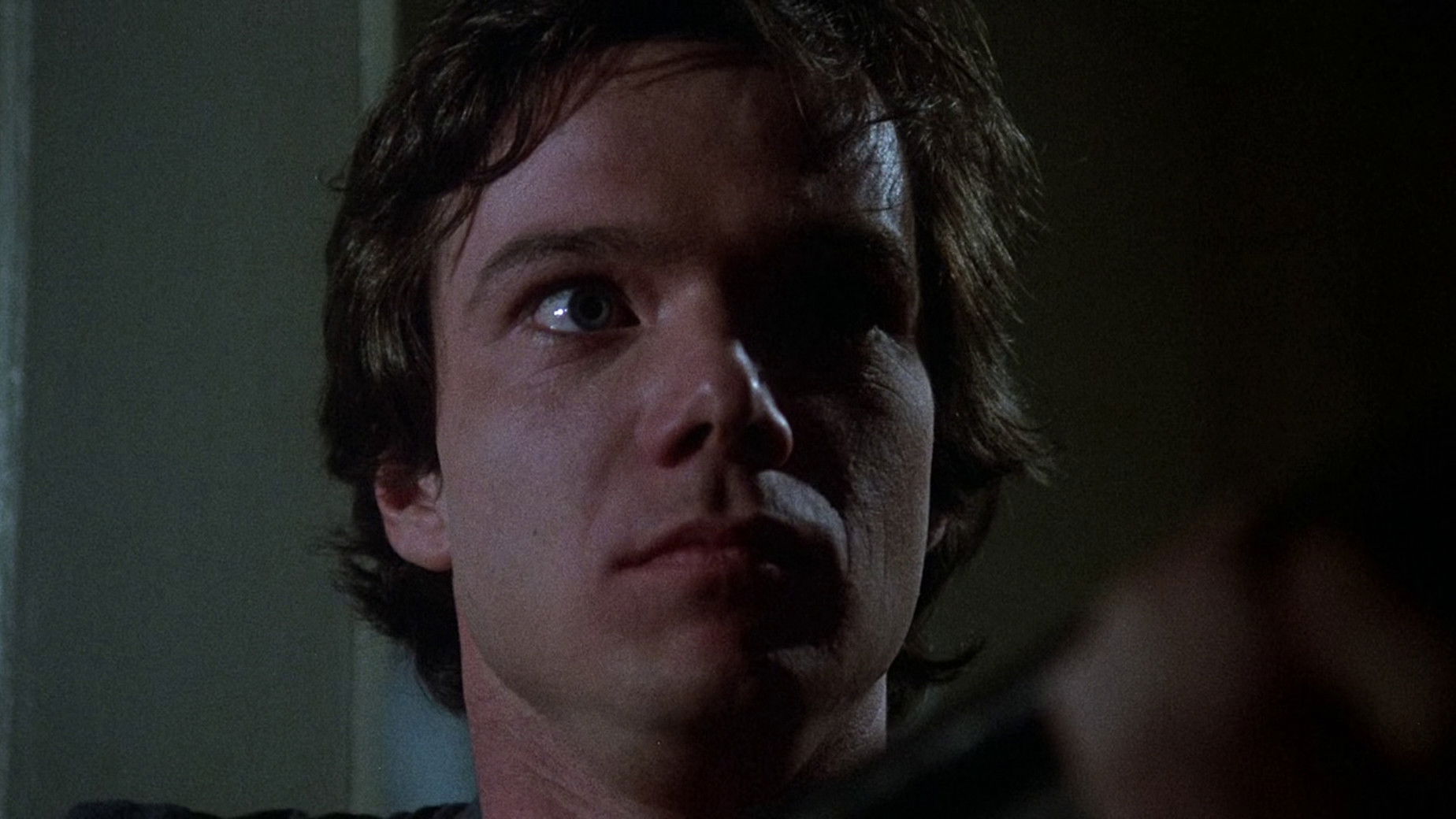
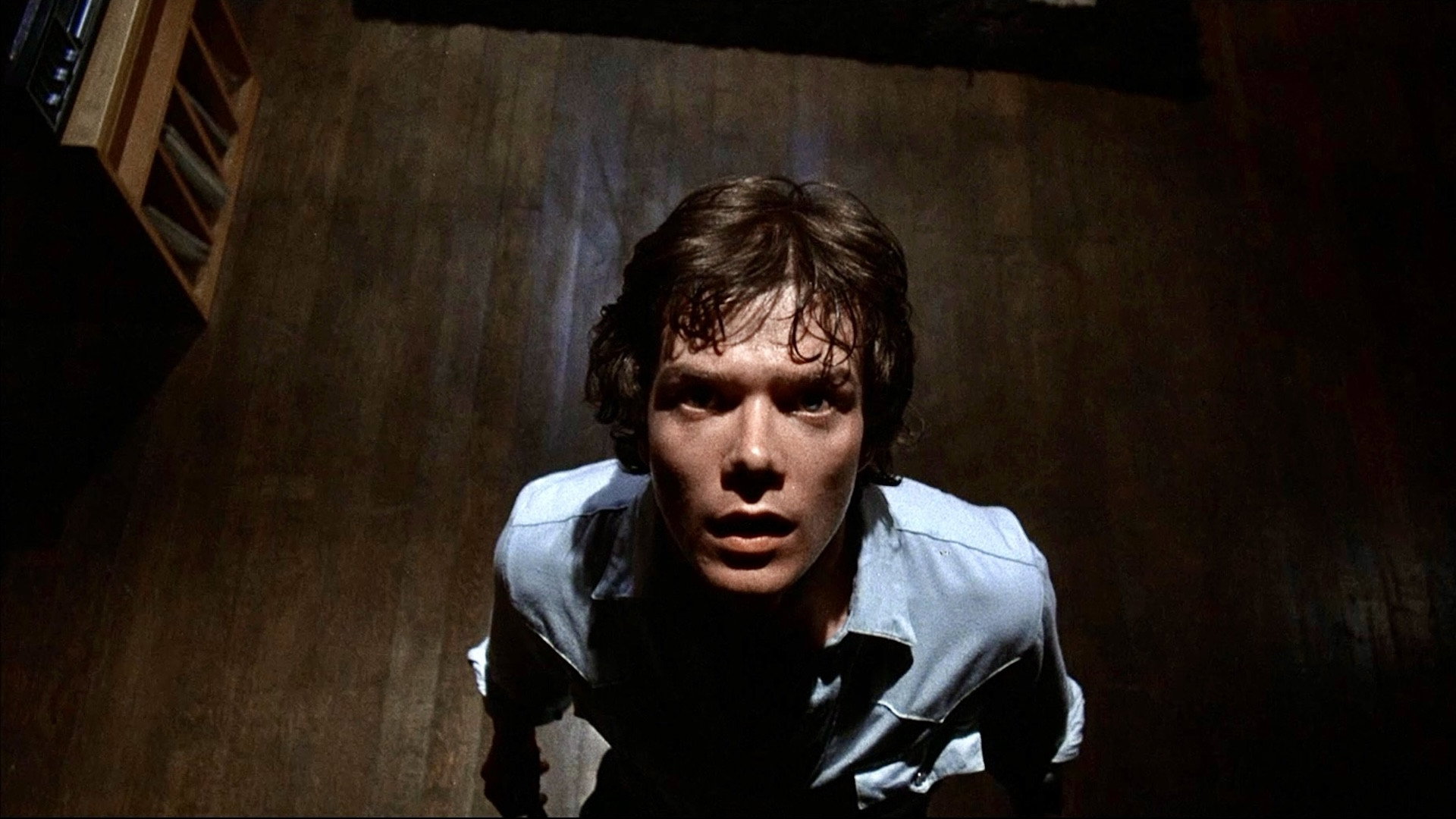
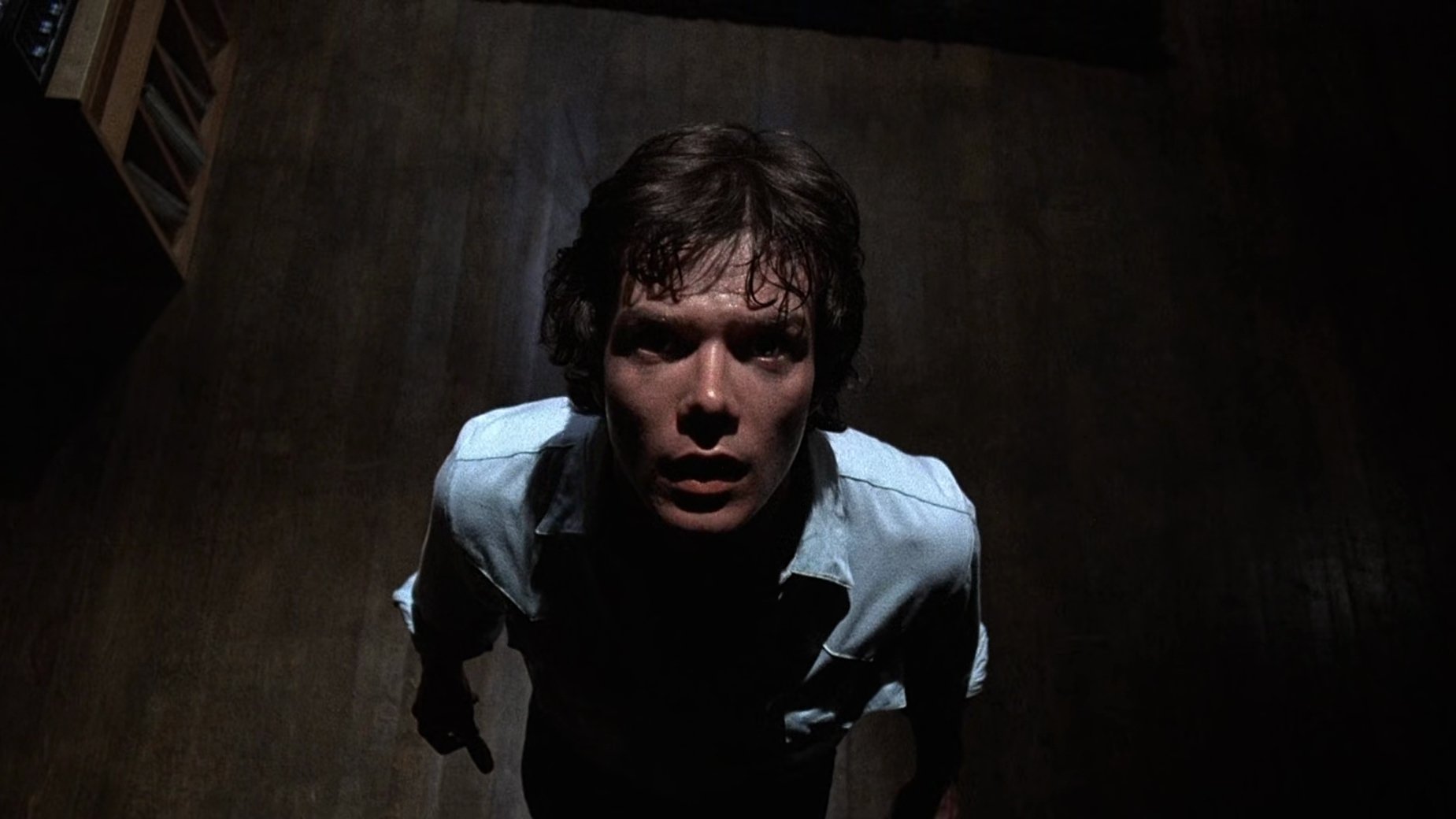
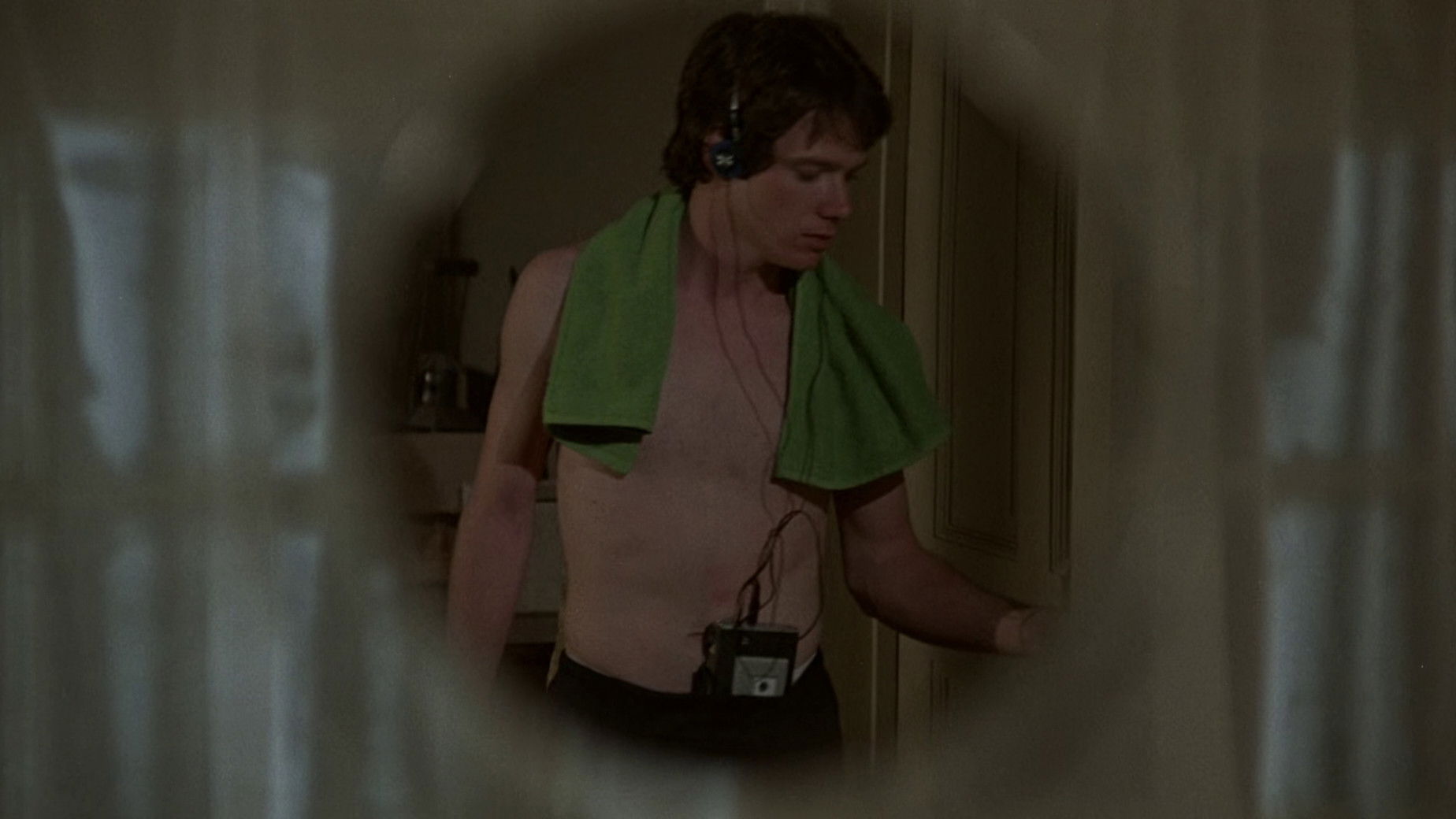
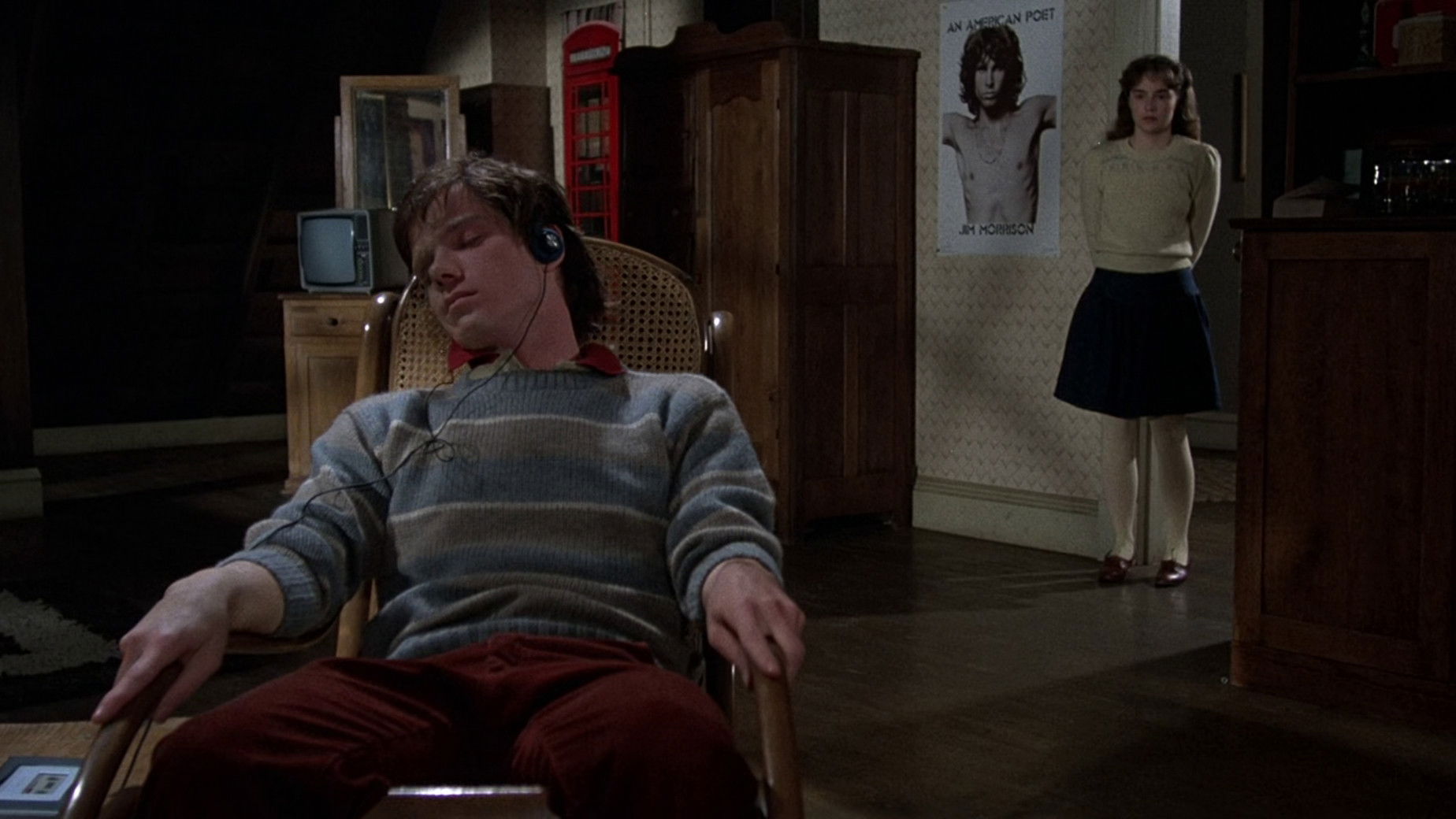
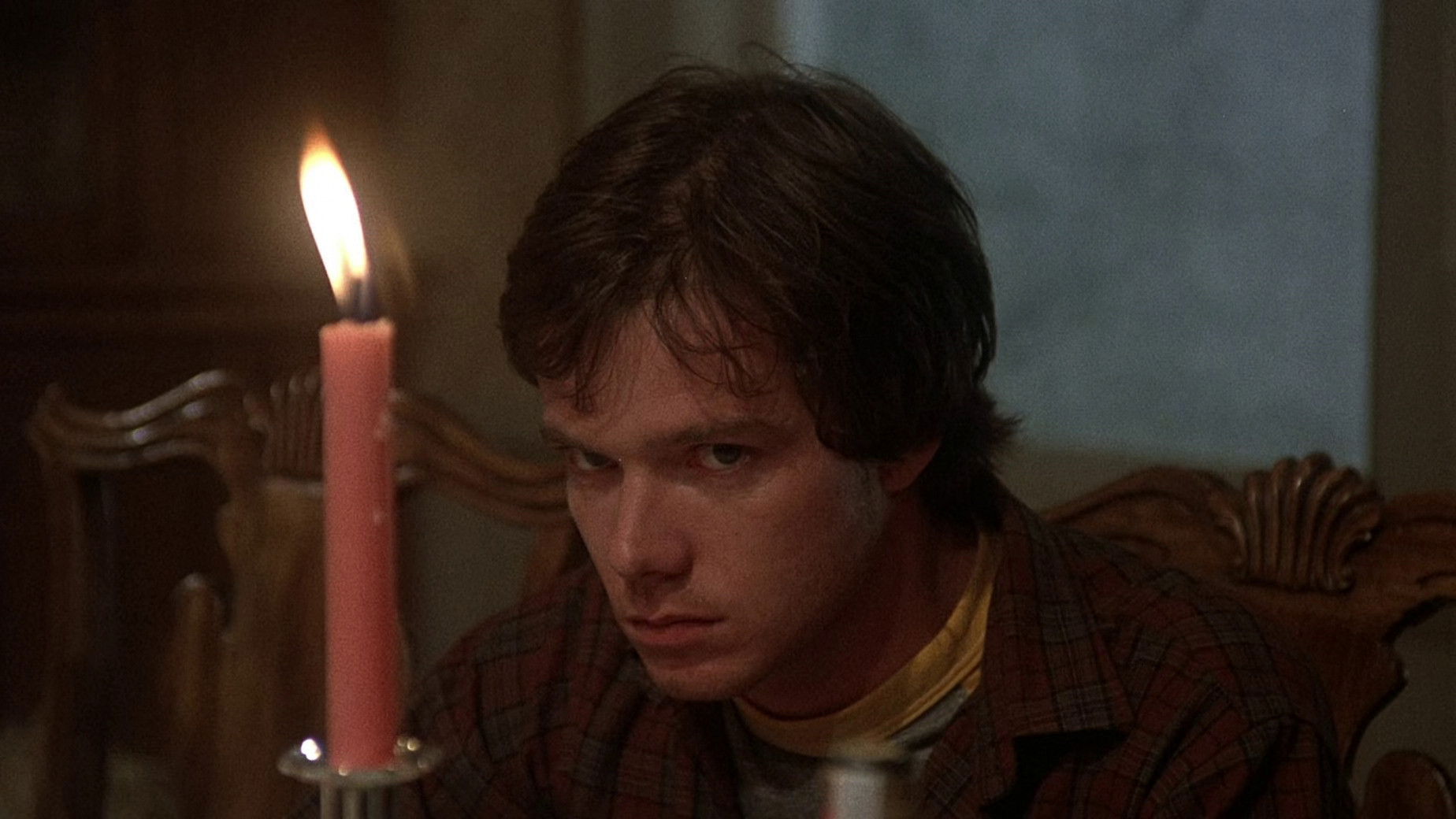
The difference is particularly important because the film repeatedly presents supernatural possession as an explanation for Sonny's behavior. Voices enter through his headphones, unseen forces attack his body, his appearance changes and the second half of the story explicitly develops the possibility of exorcism. None of this establishes a factual explanation for the DeFeo murders. It belongs to the film's conversion of a real crime into supernatural horror. The same caution applies to the film's references to the supposed occult history of the property and its later explanation involving sacred Native American land. These elements function as mythology within the screenplay rather than verified history.
Amityville II is therefore most useful historically not as a dramatized case file but as evidence of how rapidly the Amityville story moved from crime into modern folklore. By 1982, the house could function as a narrative object whose evil supposedly predated both the Lutz family and the DeFeo murders. The film makes that idea explicit. Human violence becomes one manifestation of an older supernatural force, allowing later stories to return to the property without being limited to the specific people involved in the original events.
Family Violence and Possession
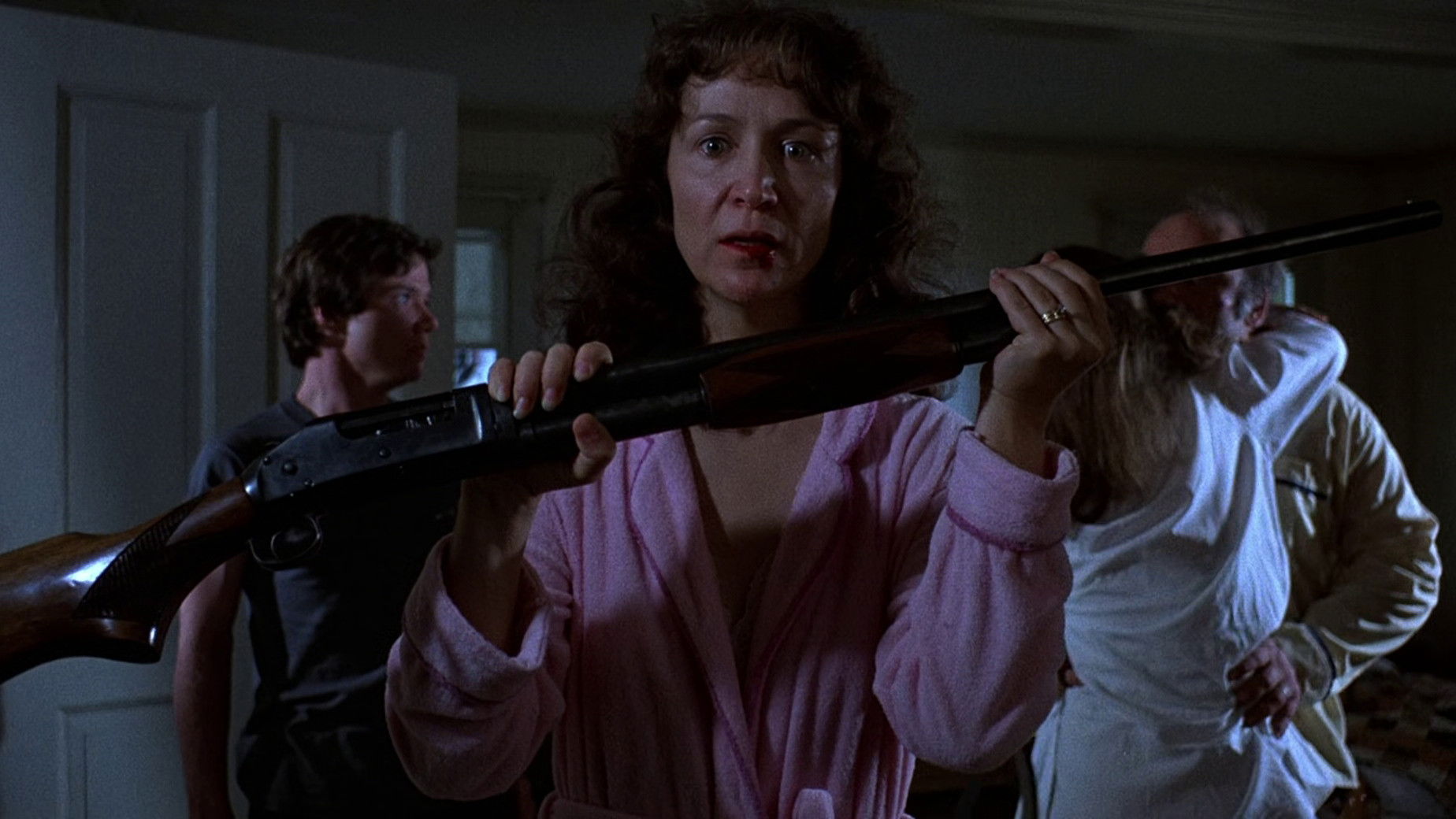
The most disturbing characteristic of Amityville II is that the Montelli household is already violent before supernatural possession fully takes control of the narrative. Anthony Montelli is authoritarian and physically abusive, directing his aggression toward his wife and children. The house does not introduce conflict into an otherwise ideal family. Instead, it appears to intensify an environment that is already unstable. This makes the early portion of the film substantially different in tone from the first Amityville Horror, where the deterioration of George Lutz is more clearly associated with the family's arrival at the property.
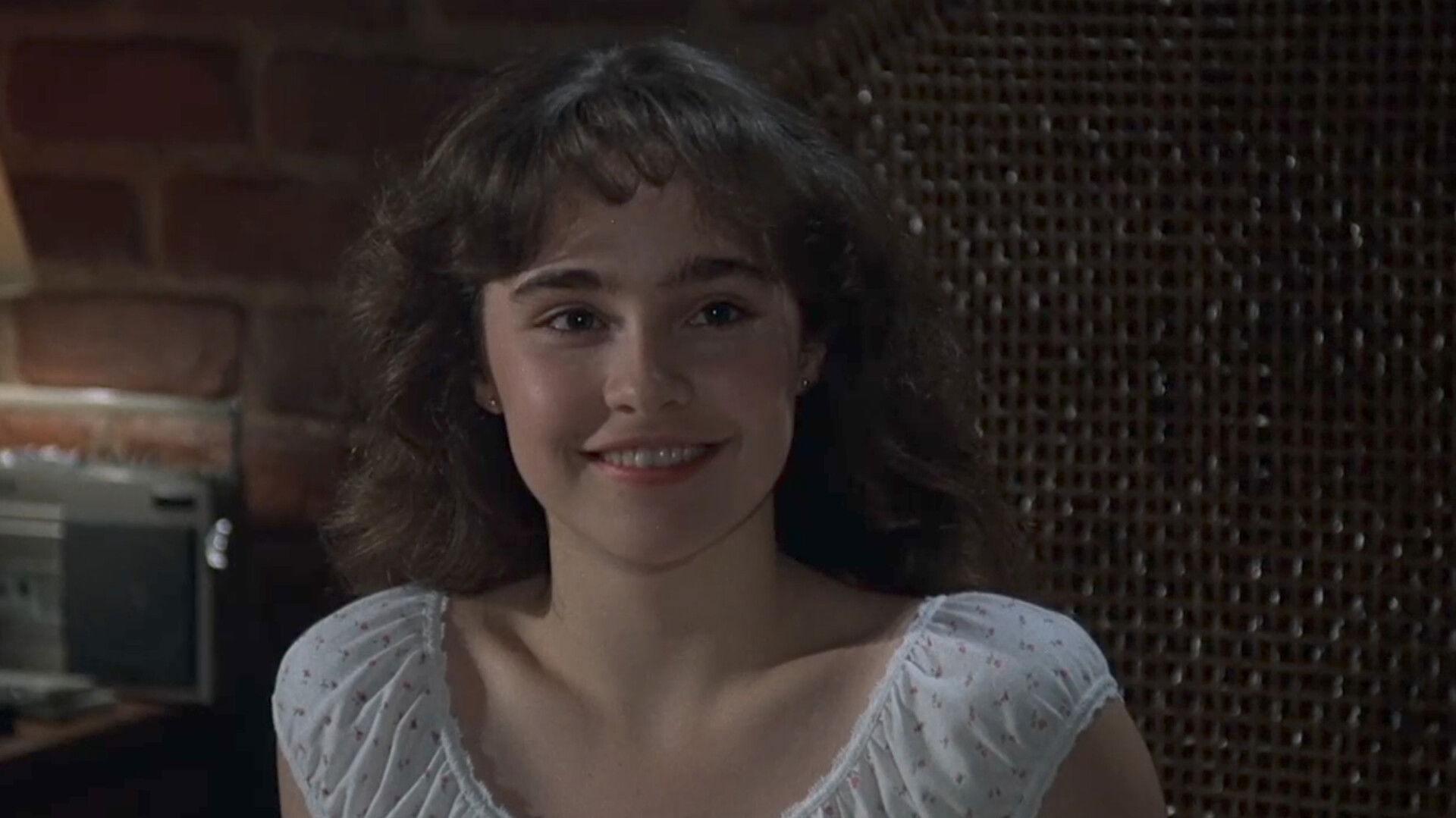
Damiani uses that instability to blur the boundary between human cruelty and supernatural influence. Sonny's resistance to his father initially appears understandable within an abusive household, yet the film gradually isolates him and redirects his anger through the language of possession. His relationship with his sister Patricia becomes another source of deliberate discomfort. The incestuous element has no basis that should be treated as historical fact about the DeFeo case; it is part of the film's fictional strategy of showing ordinary family boundaries being systematically violated.
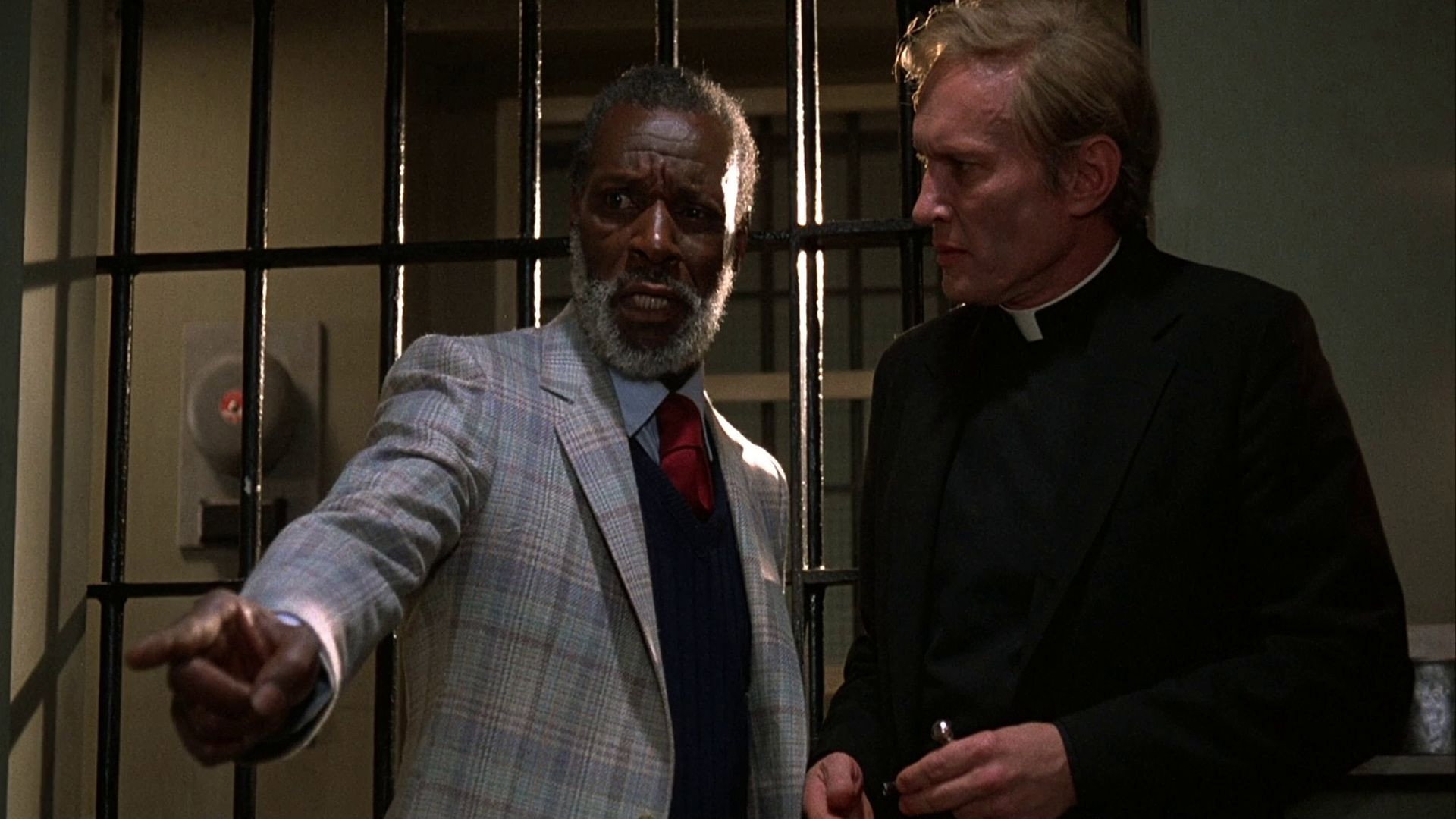
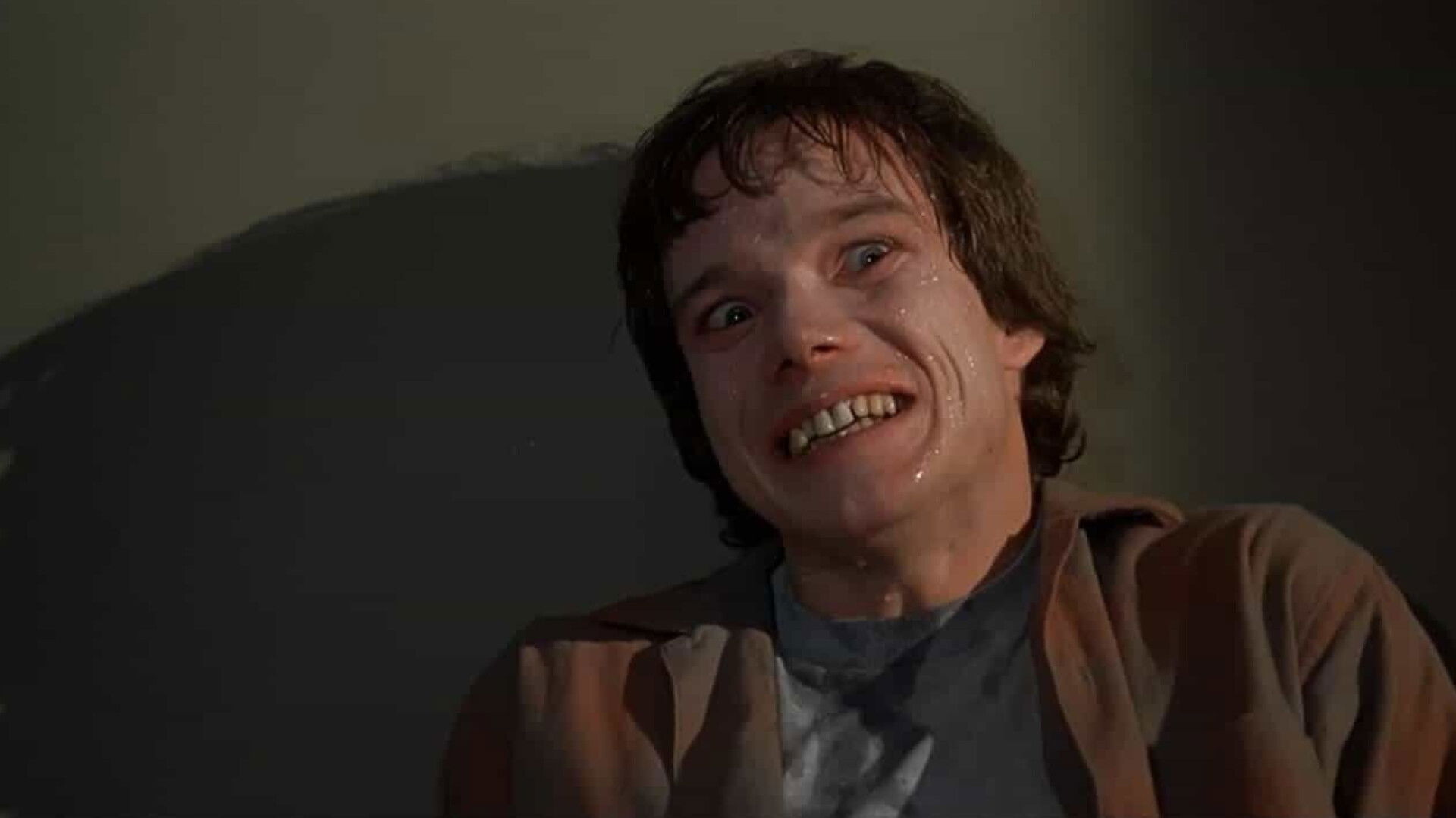
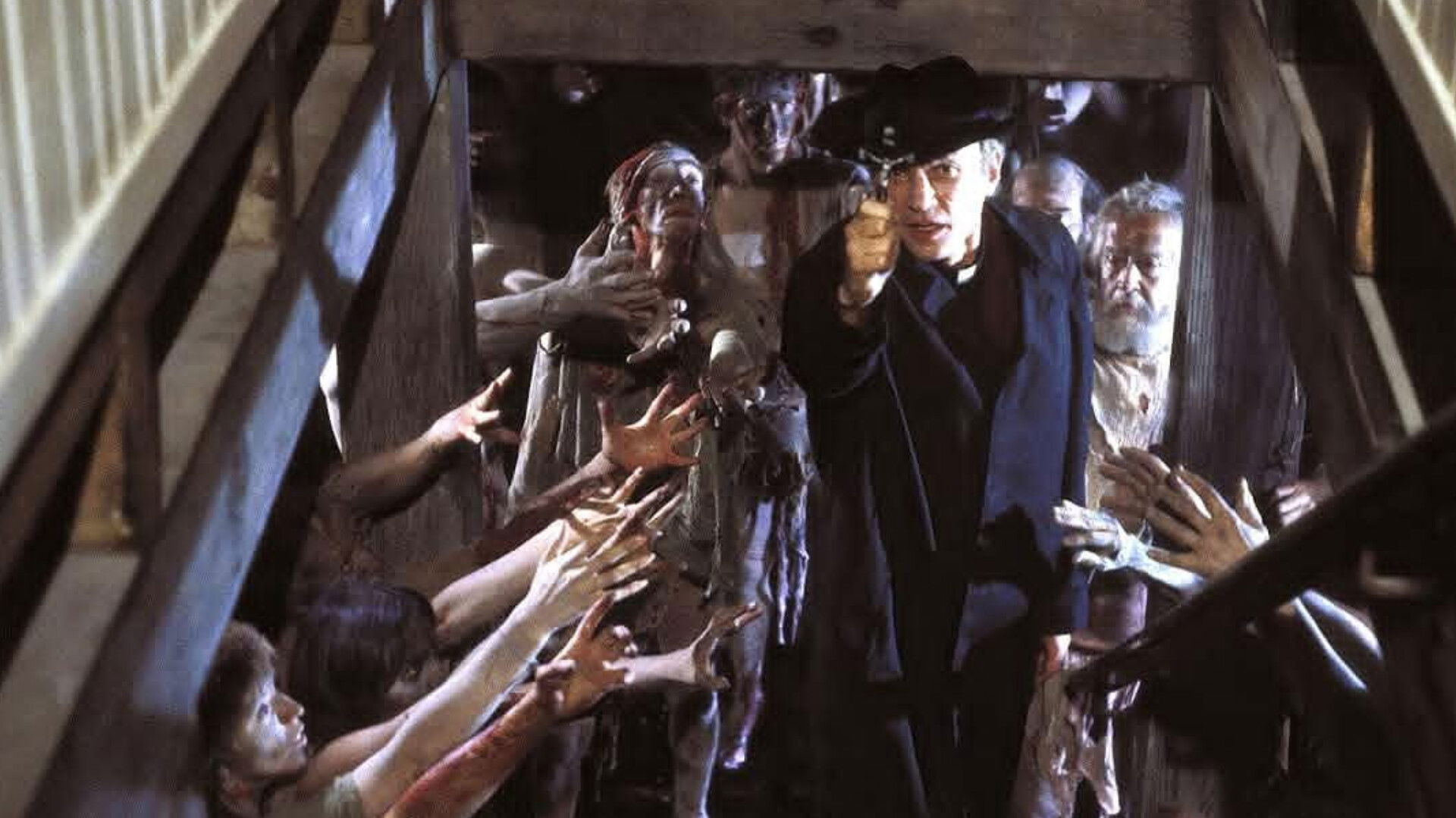
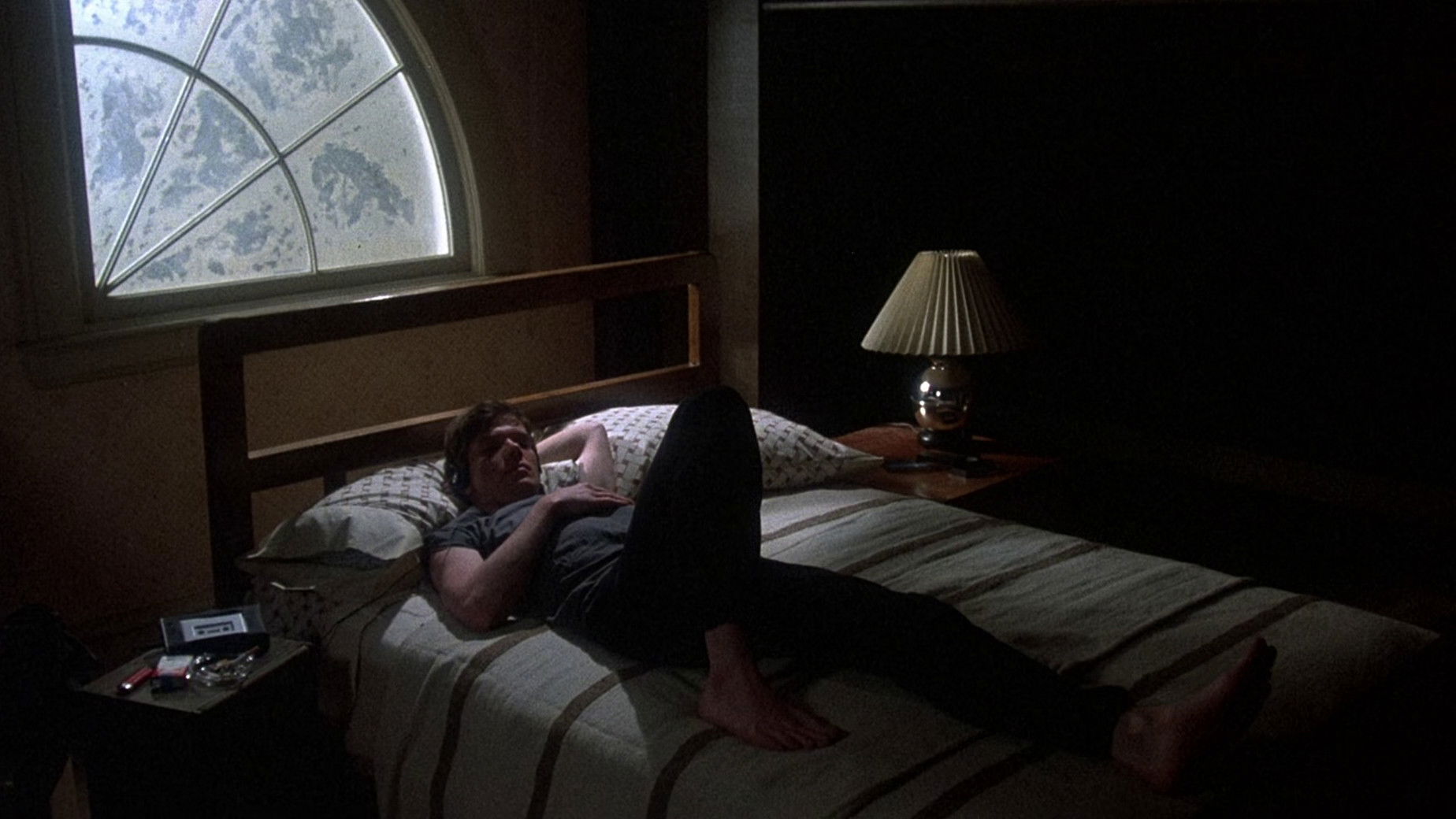
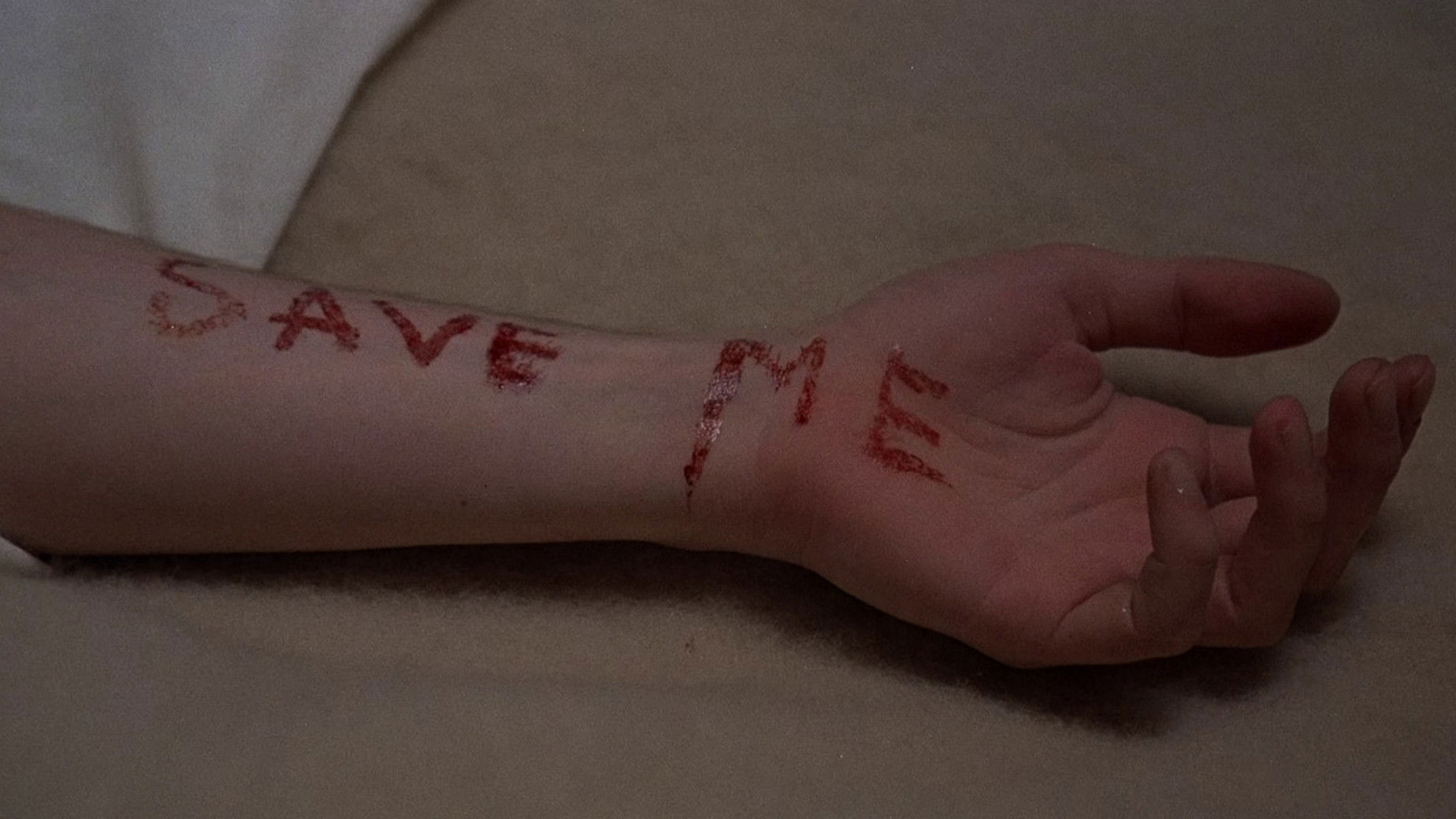
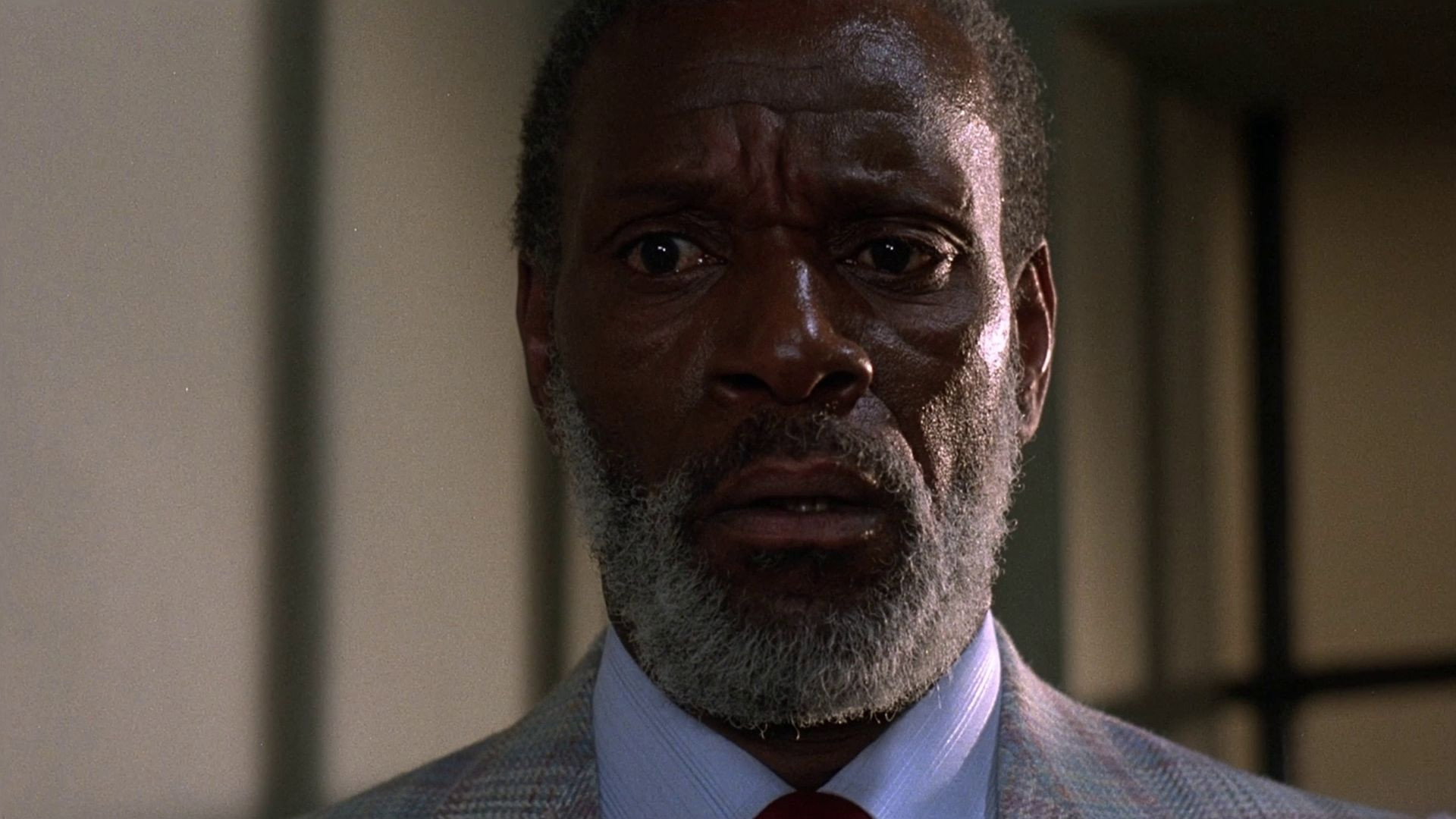
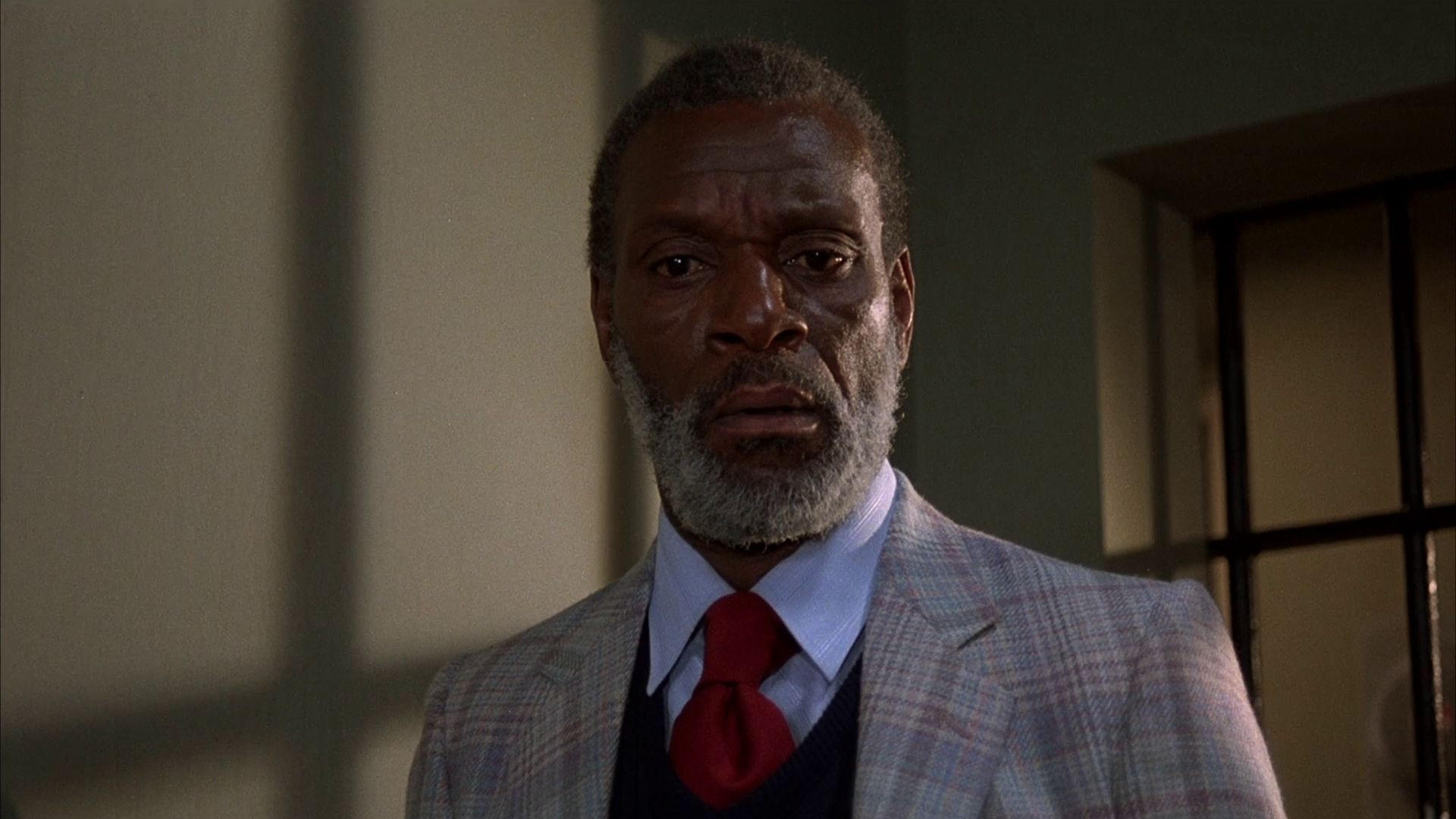
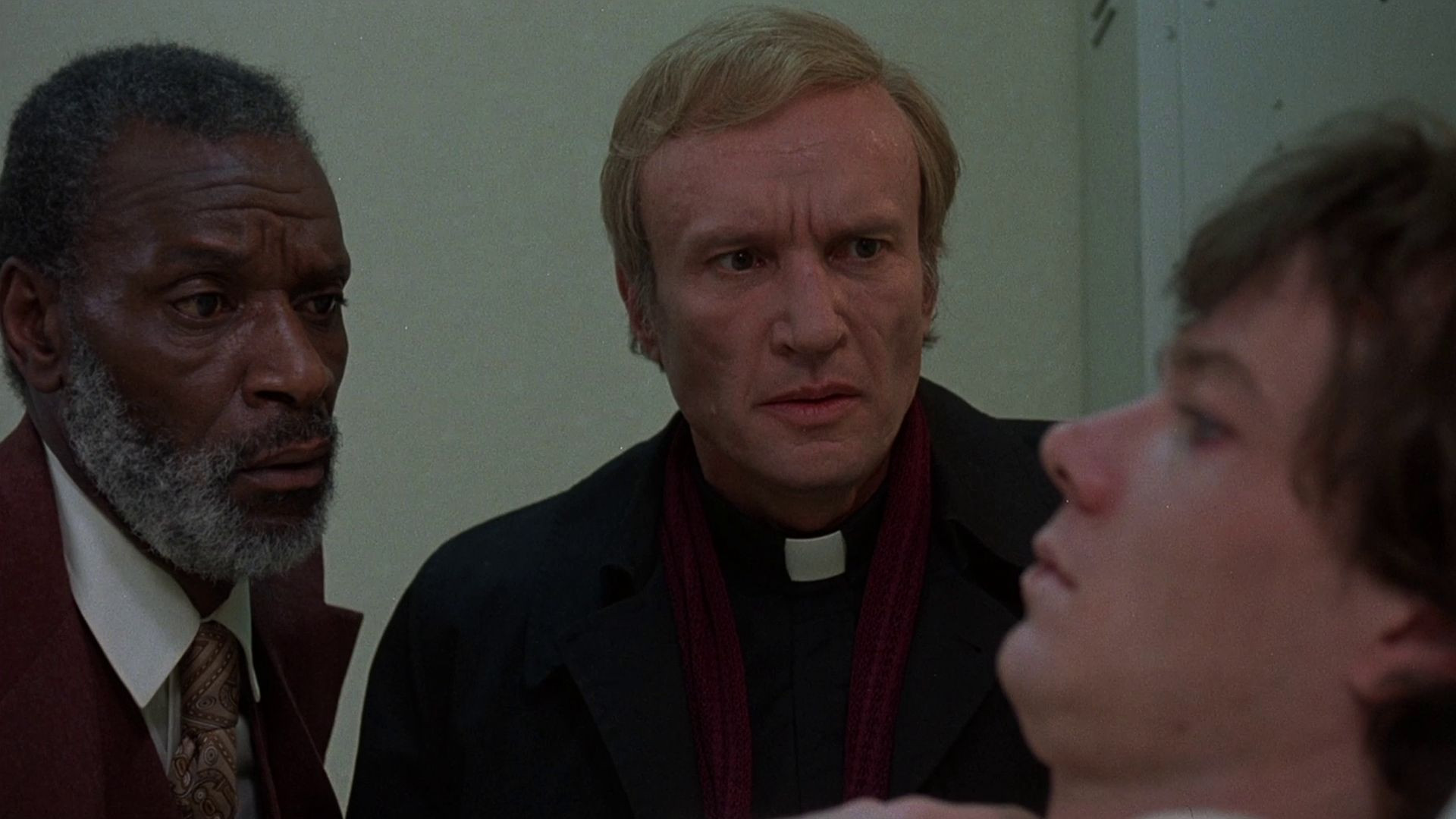
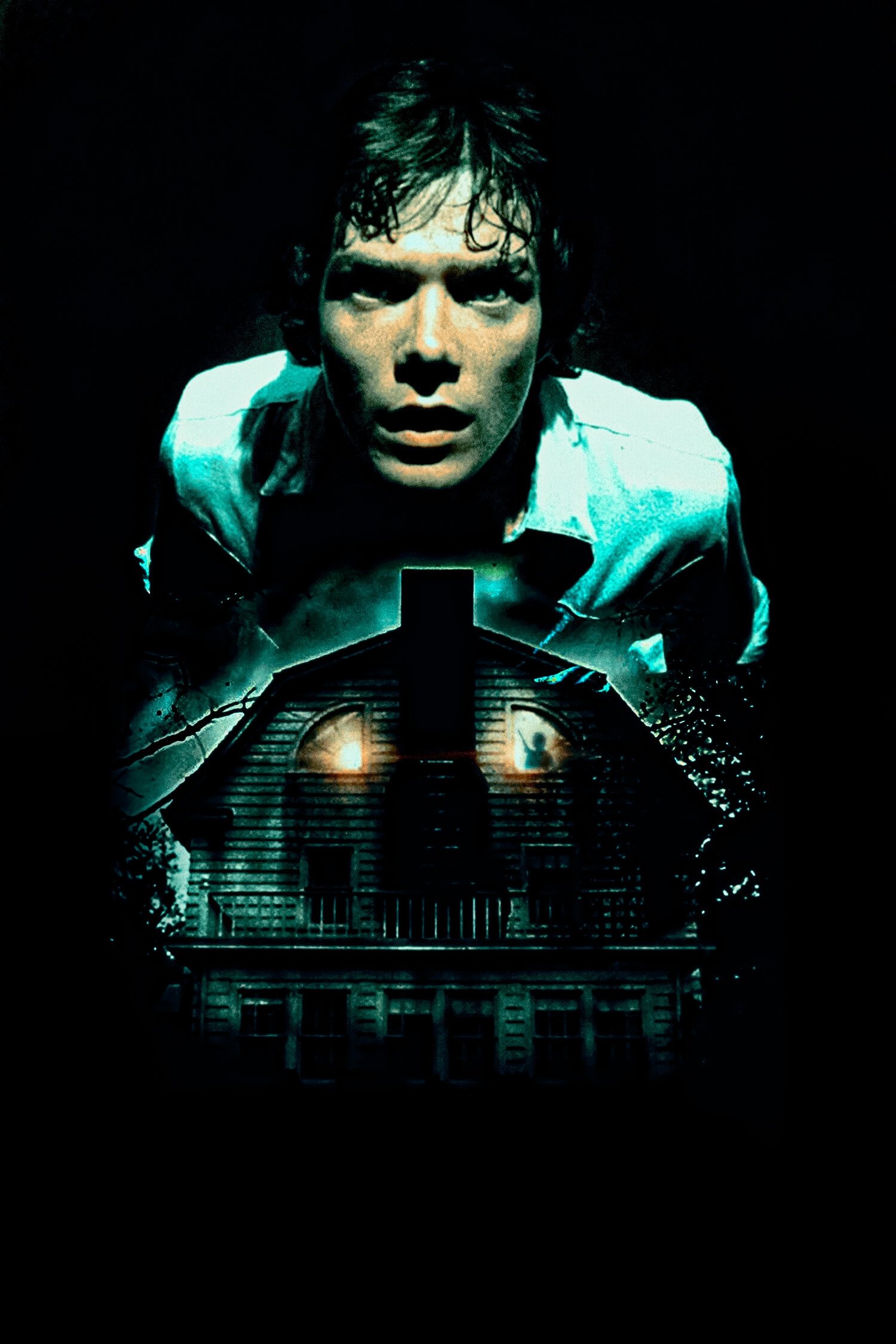
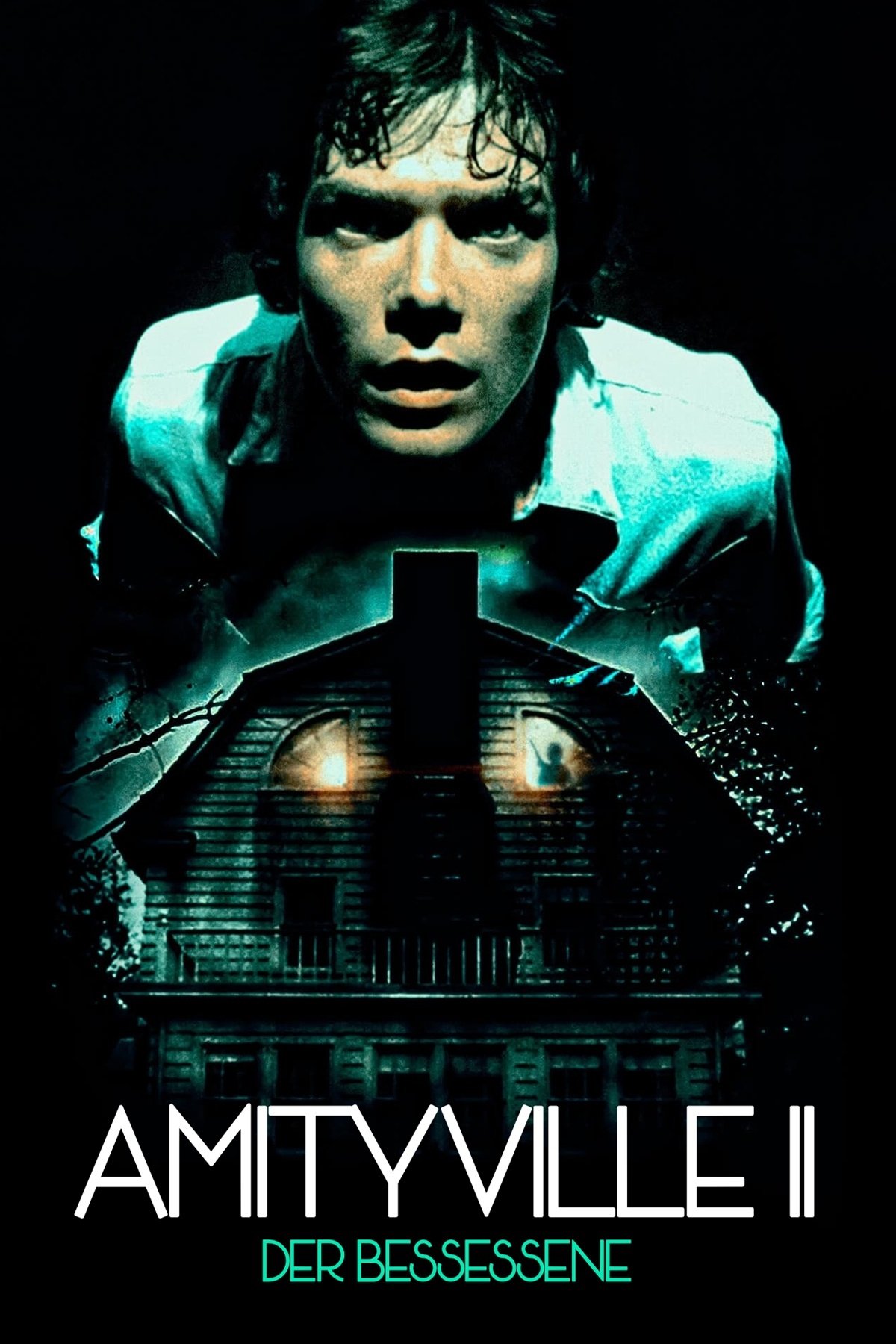
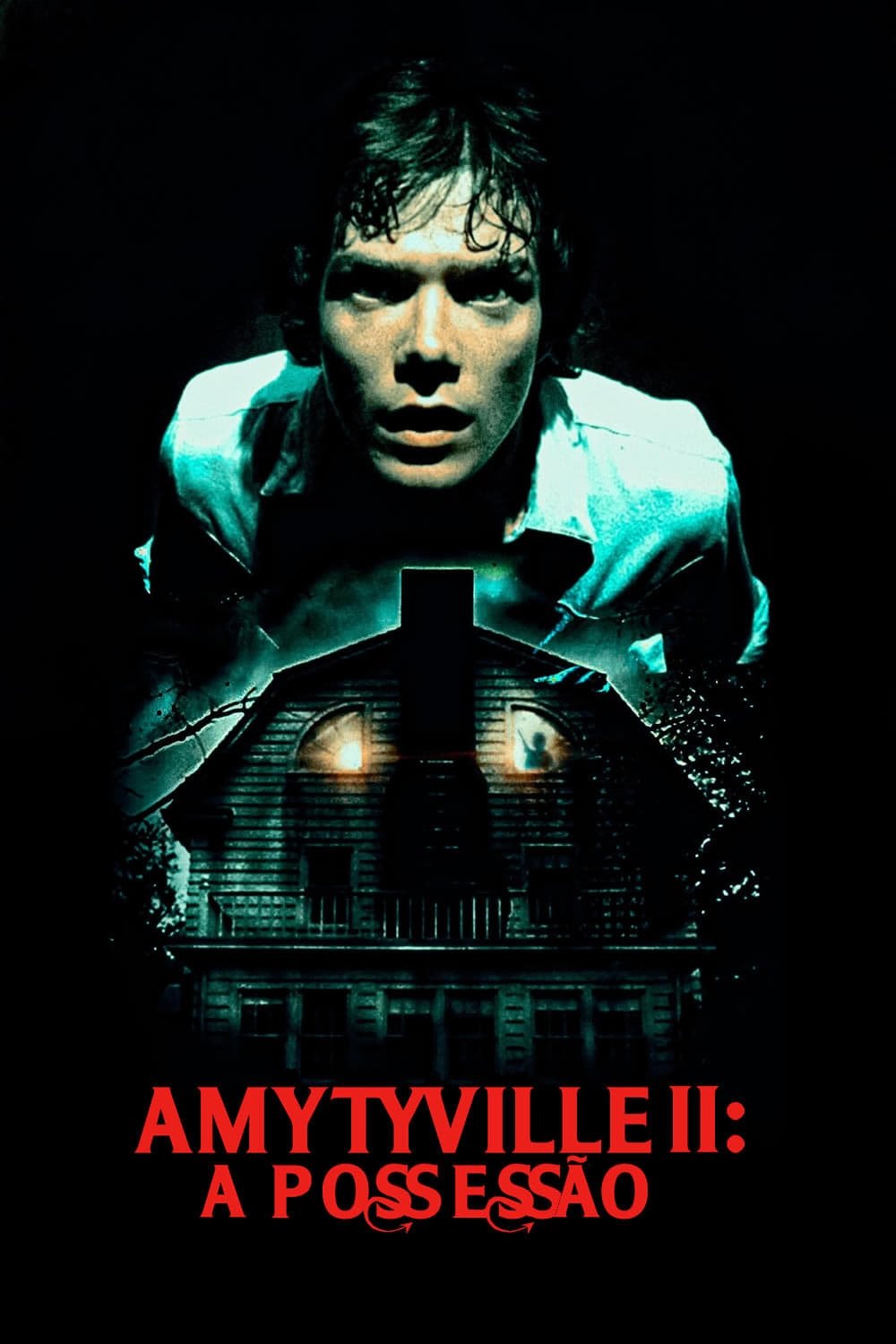
The possession narrative eventually becomes physical. Sonny is thrown onto his bed as the unseen force enters him, his face and abdomen distort, and his body later becomes the site of increasingly grotesque manifestations. The movement from domestic drama to explicit demonic horror can feel like a change of genre within the same film, but it also reveals the central structure of Amityville II. The house first attacks relationships, then identity, and finally the body itself. By the time Father Adamsky attempts to intervene, the supernatural threat is no longer simply attached to a building. It has acquired a human host.
Visual Style and Body Horror
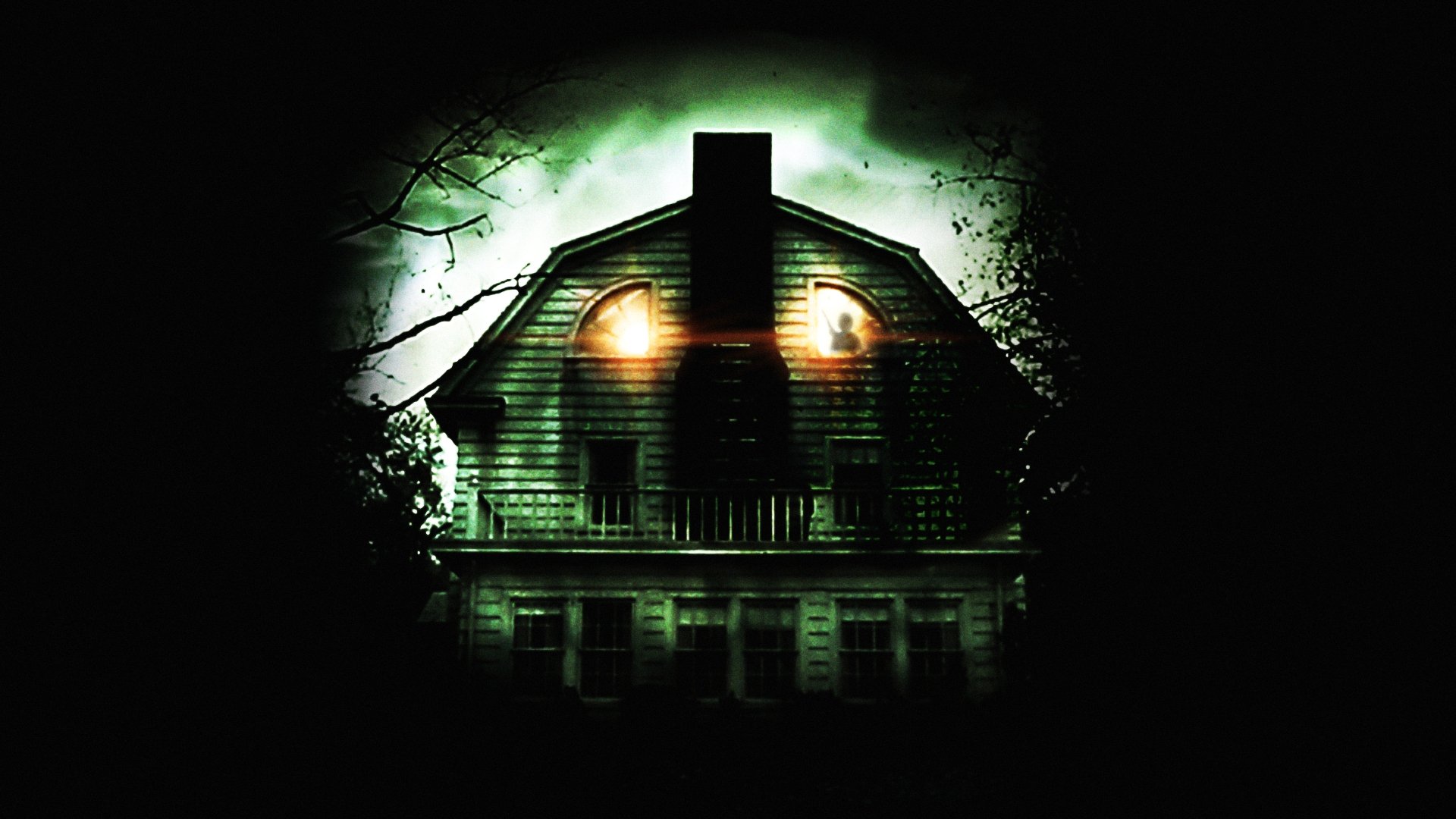
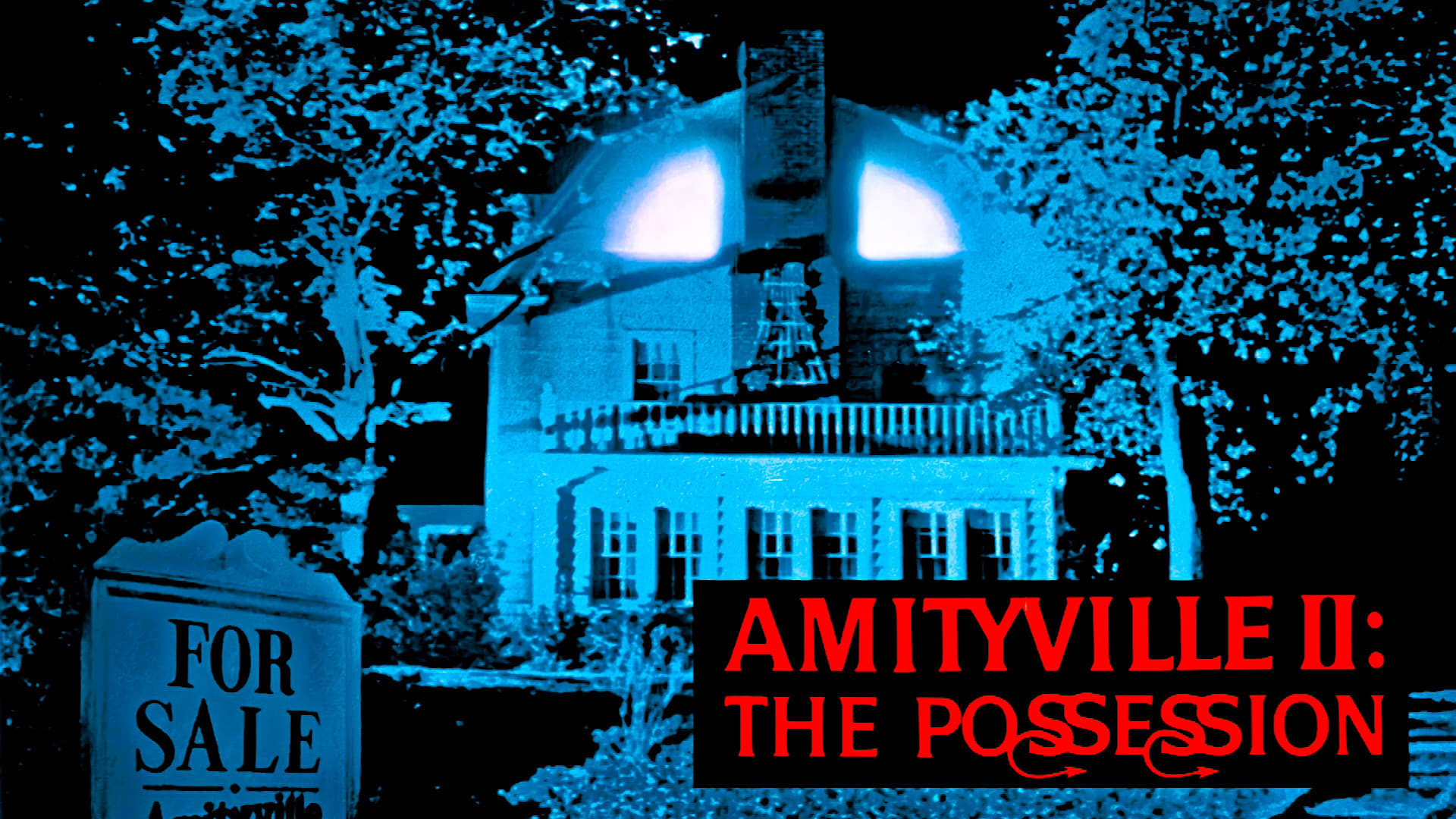
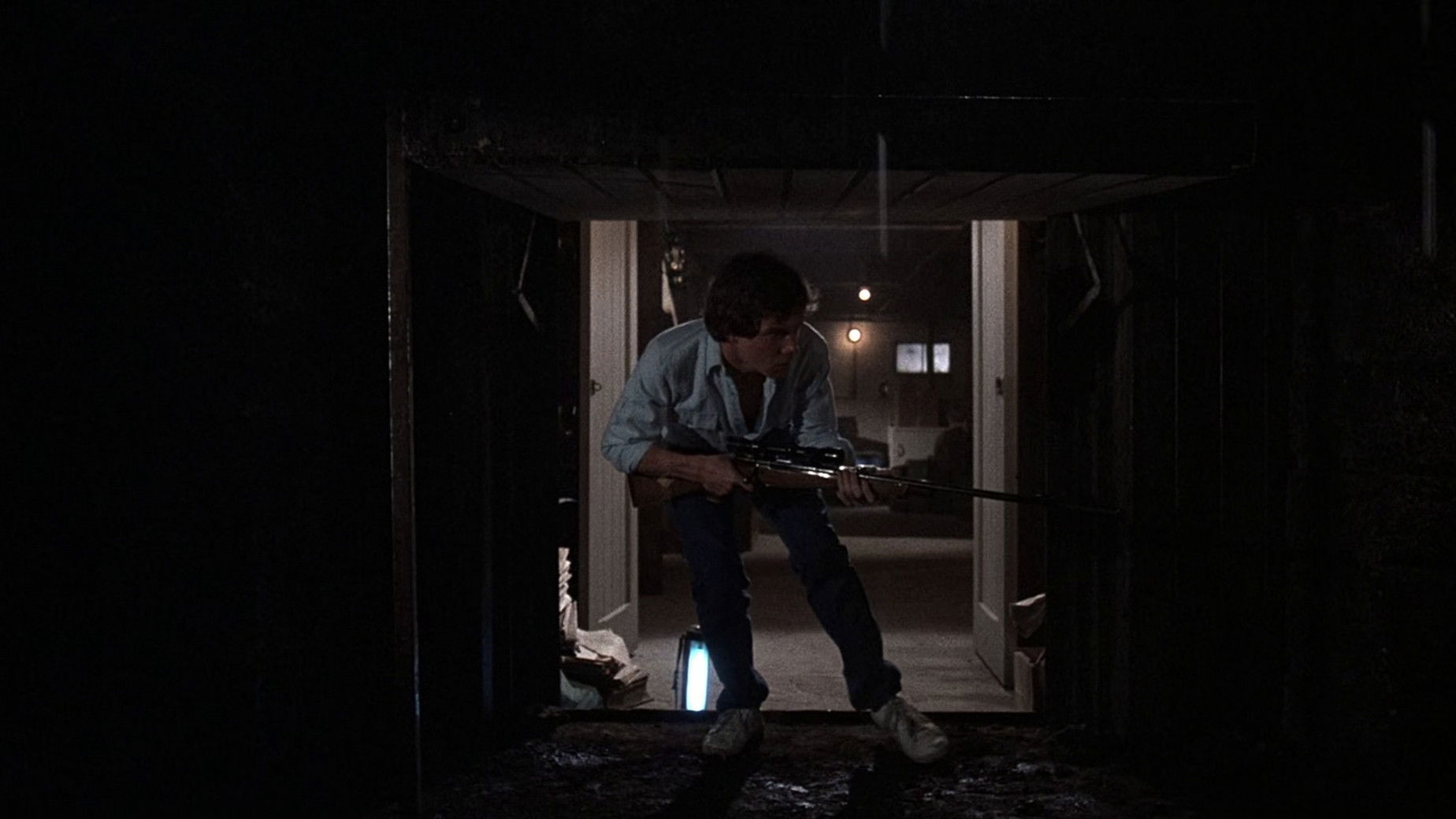
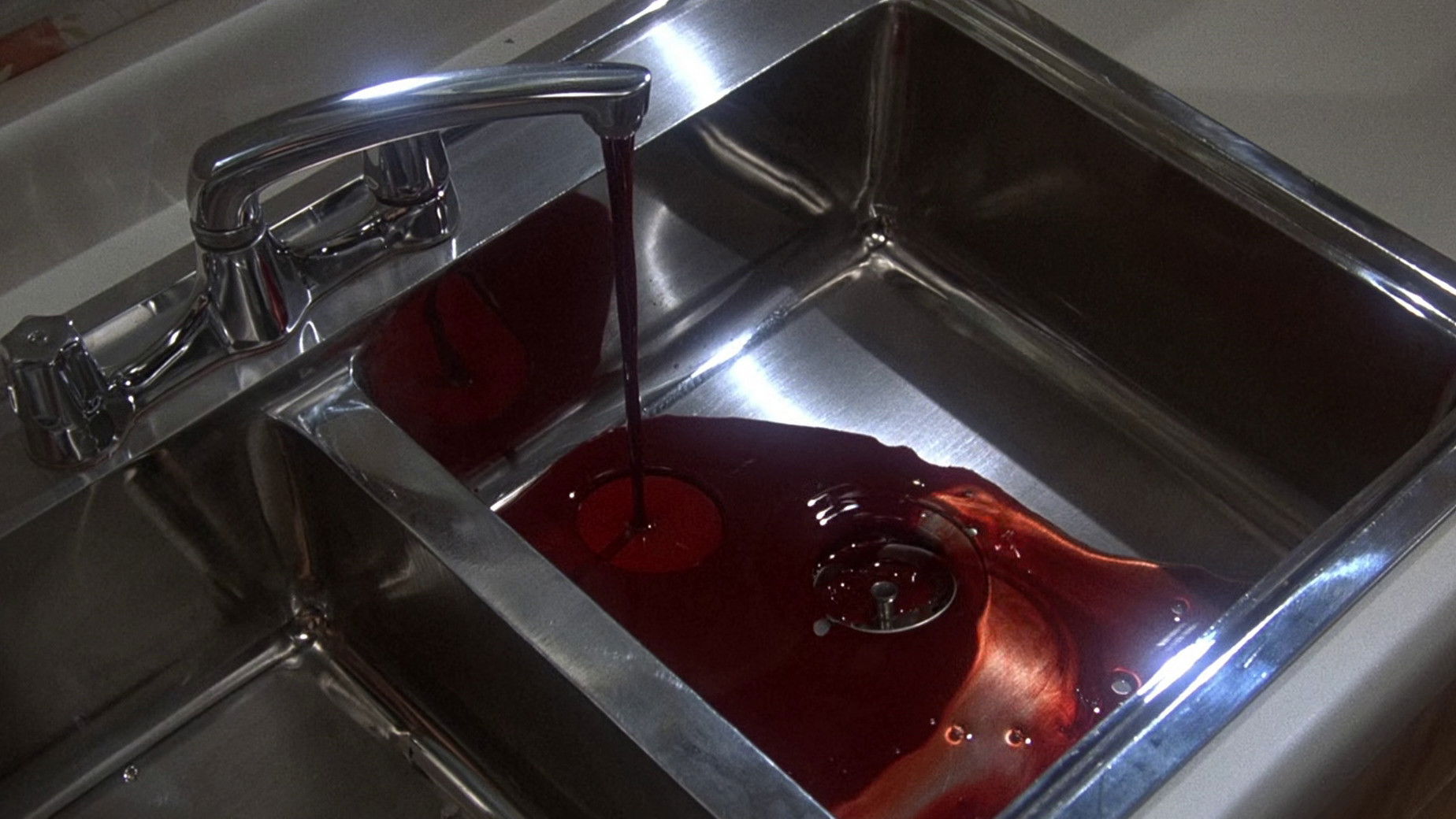
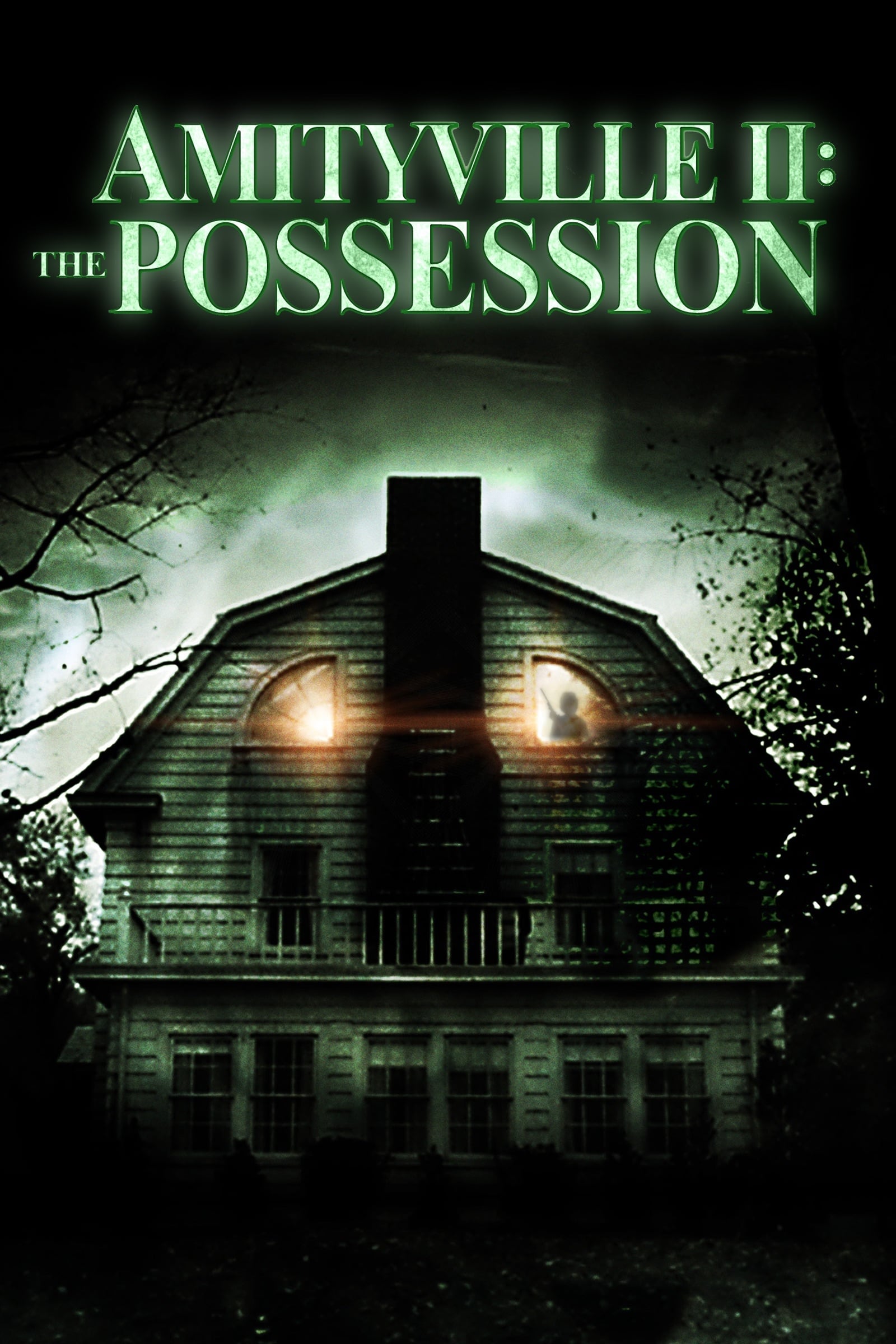
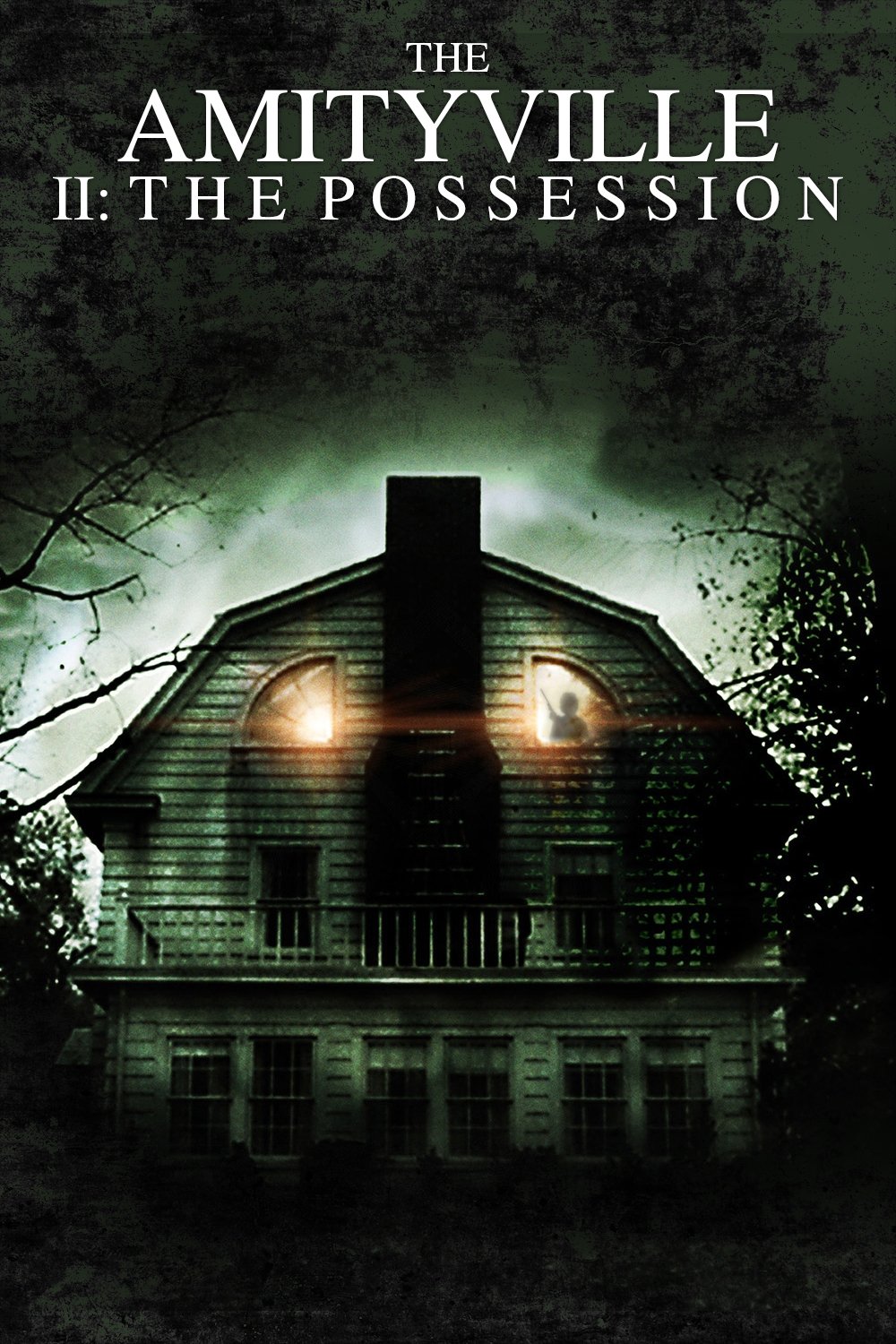
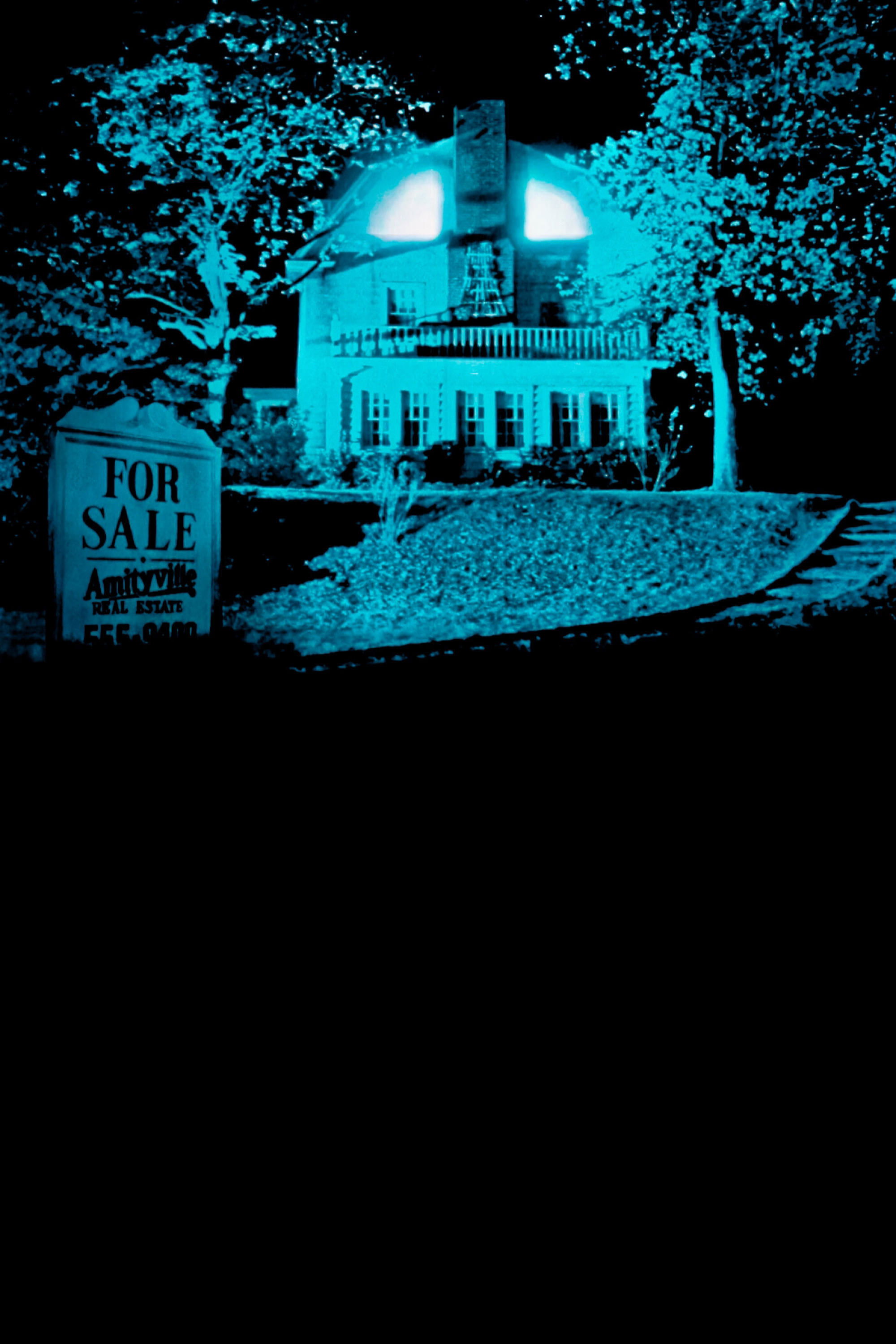
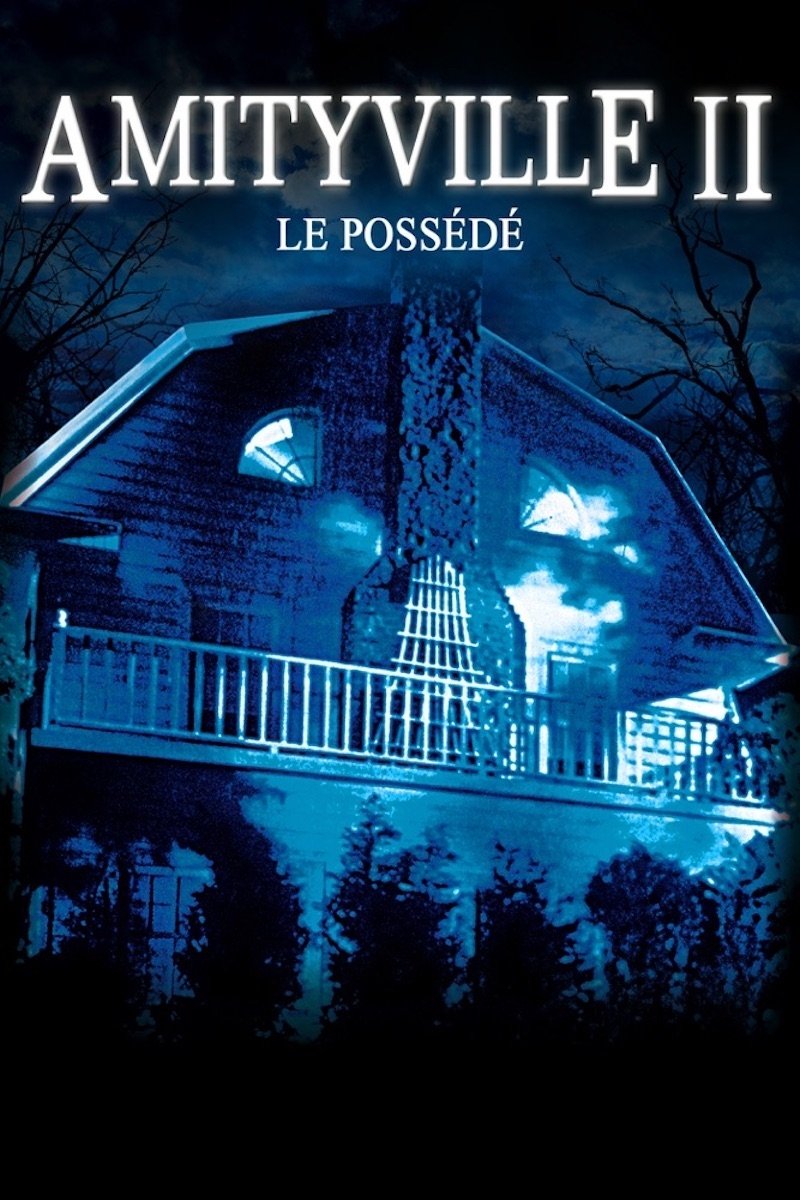
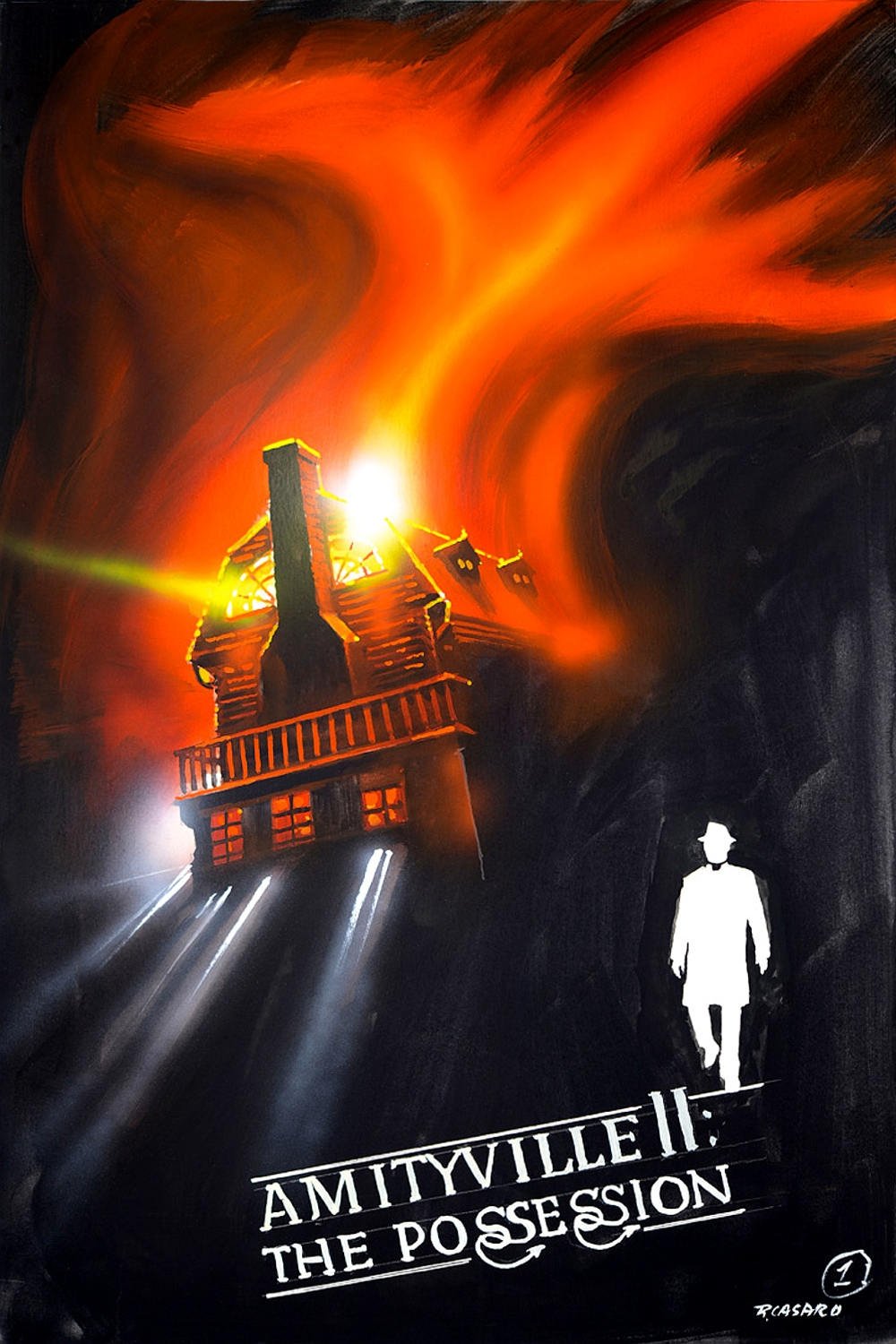
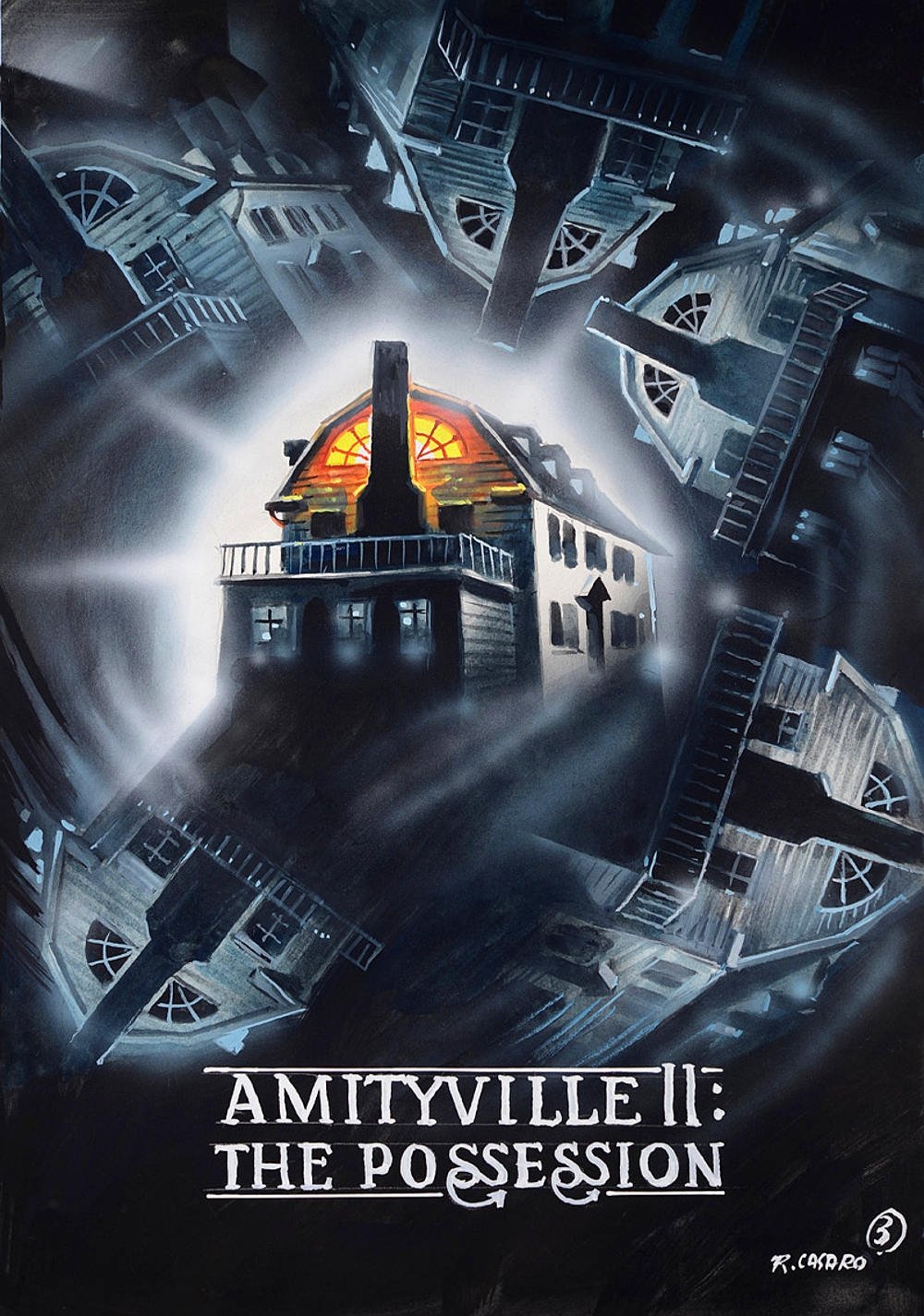
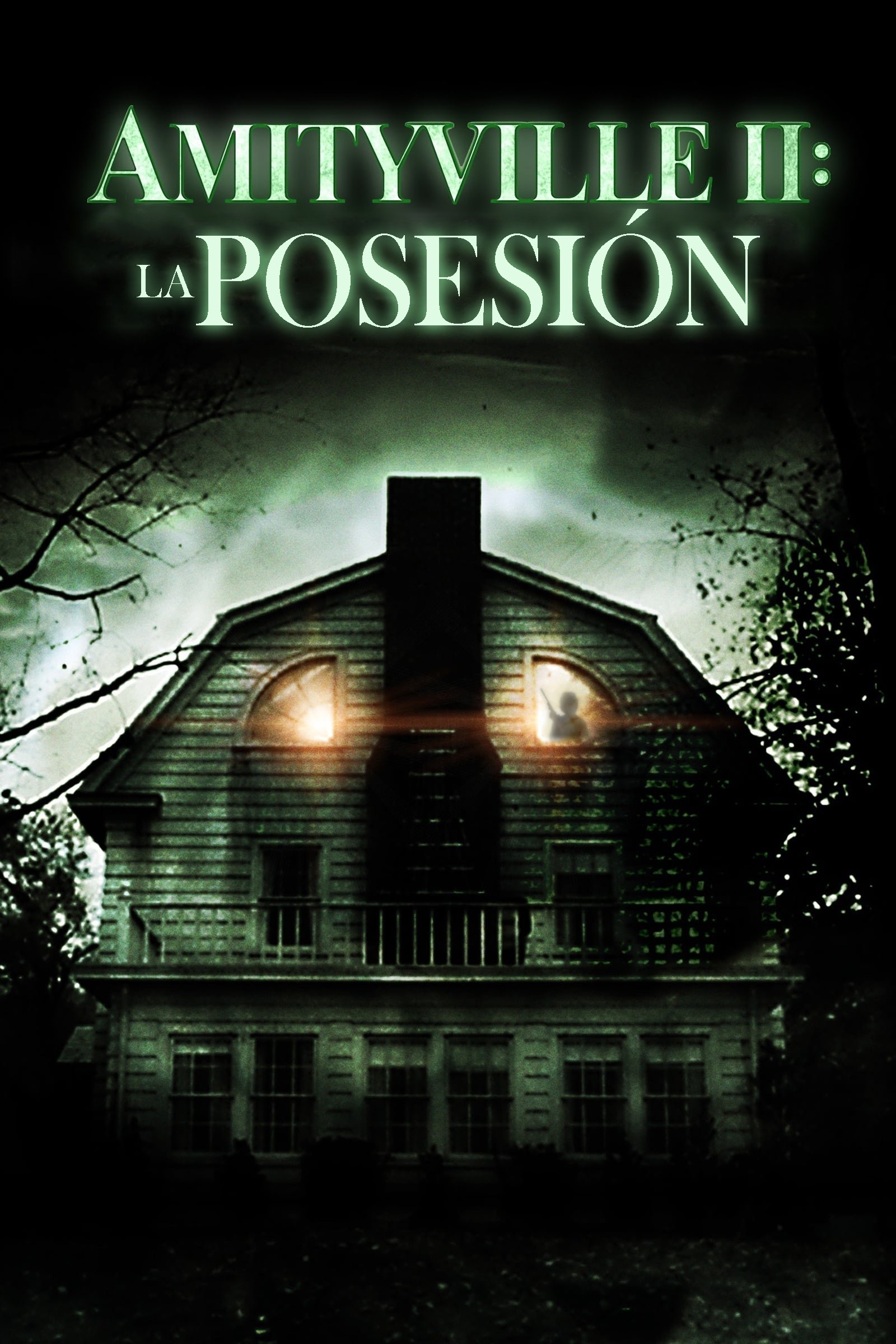
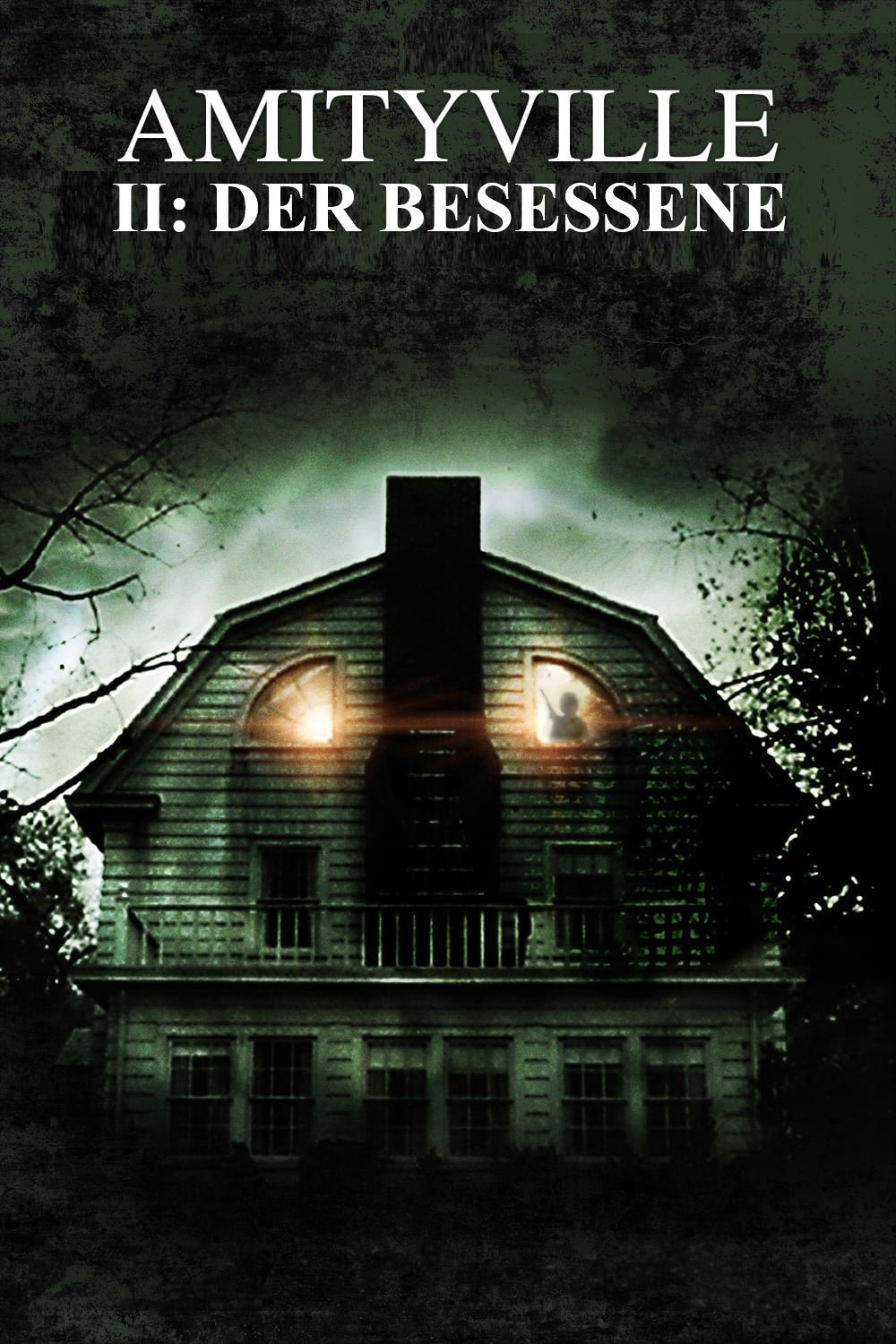
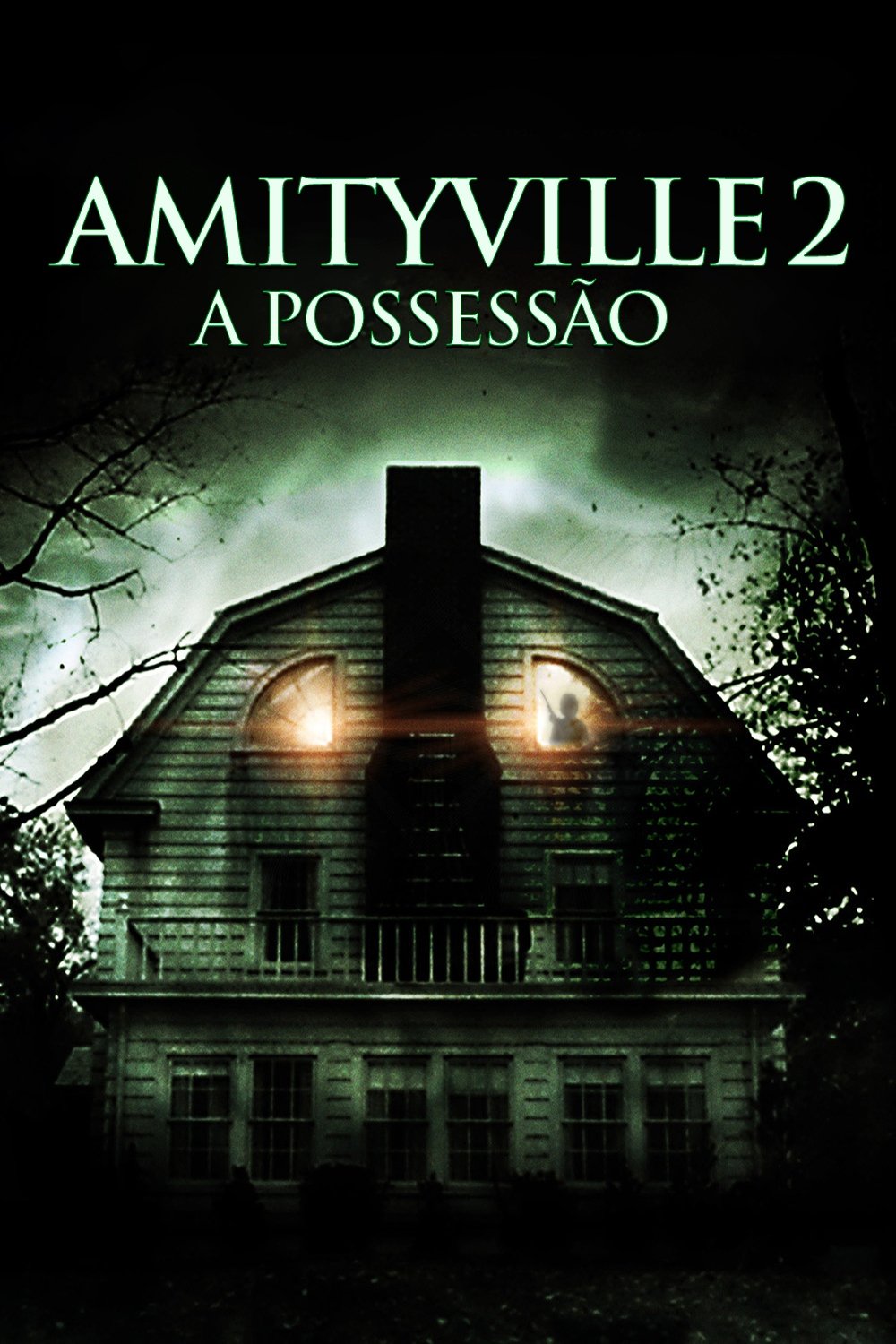
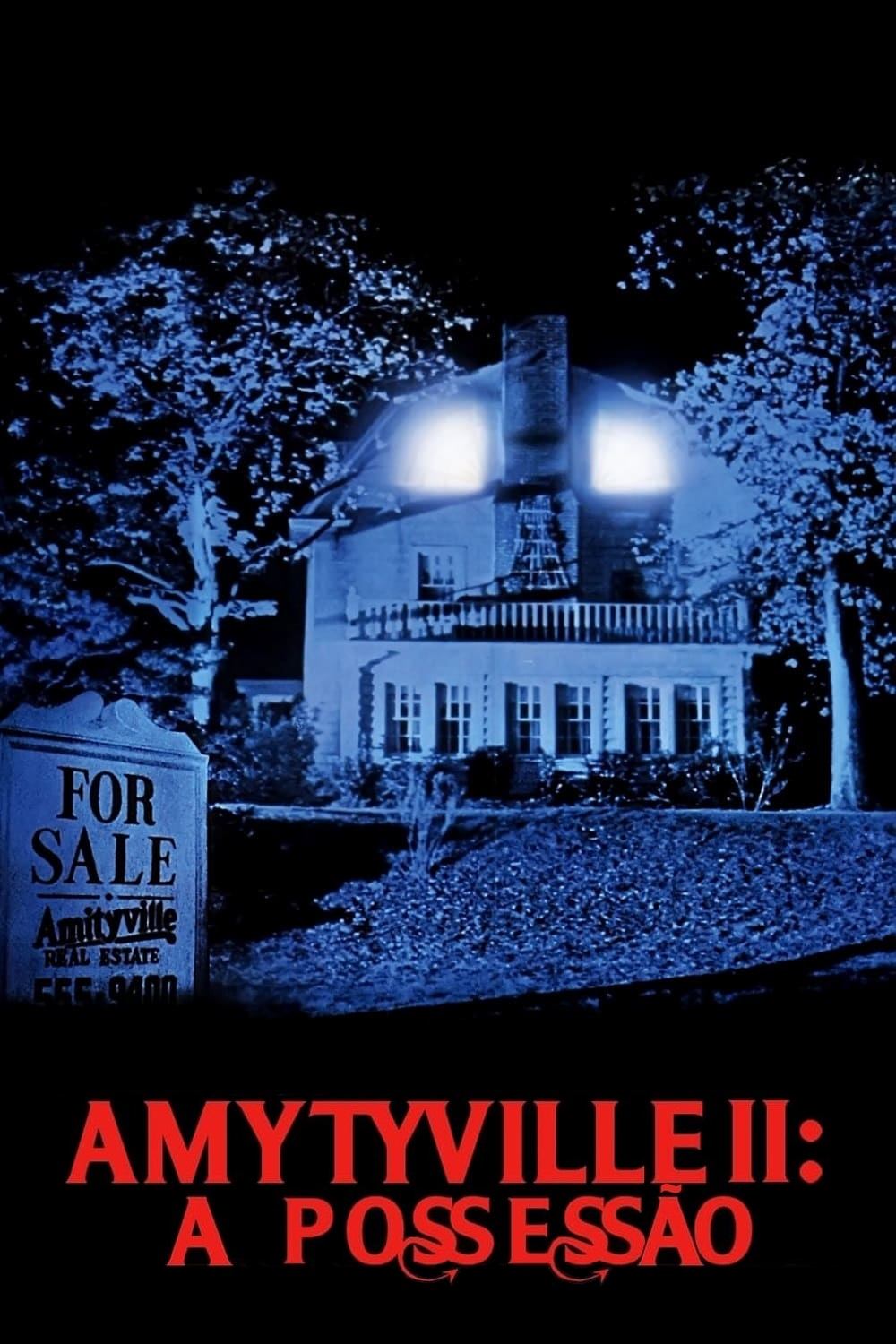
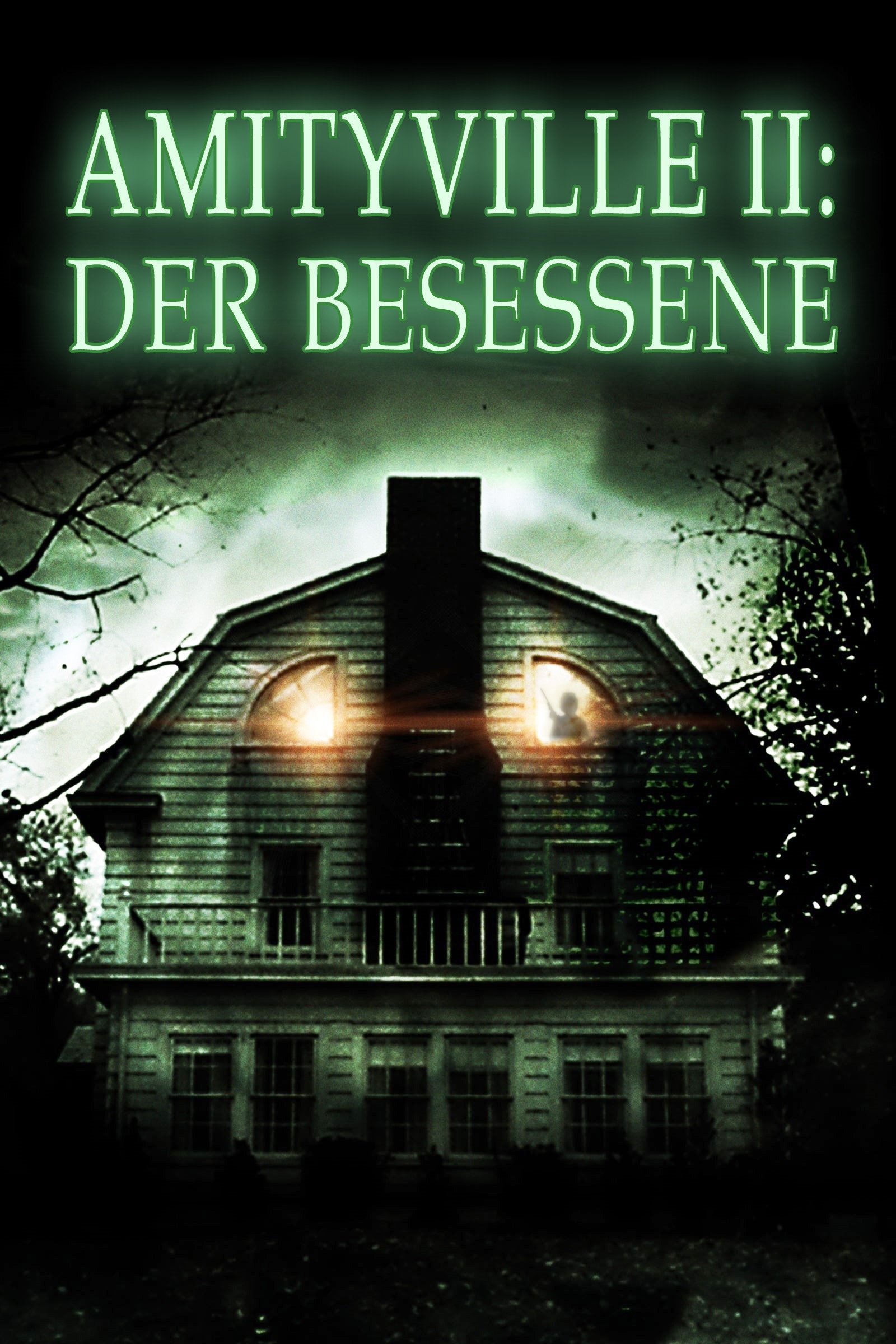
Damiani approaches the Amityville house more aggressively than Stuart Rosenberg had in the previous film. Familiar architectural motifs remain, particularly the distinctive upper windows, but the interior is given an unstable physical life. Doors move, objects behave independently, liquids emerge where they should not and rooms appear capable of responding directly to the people inside them. Franco Di Giacomo's cinematography frequently places characters within deep corridors and enclosed domestic spaces, turning the house into an environment that can observe, isolate and attack its occupants.
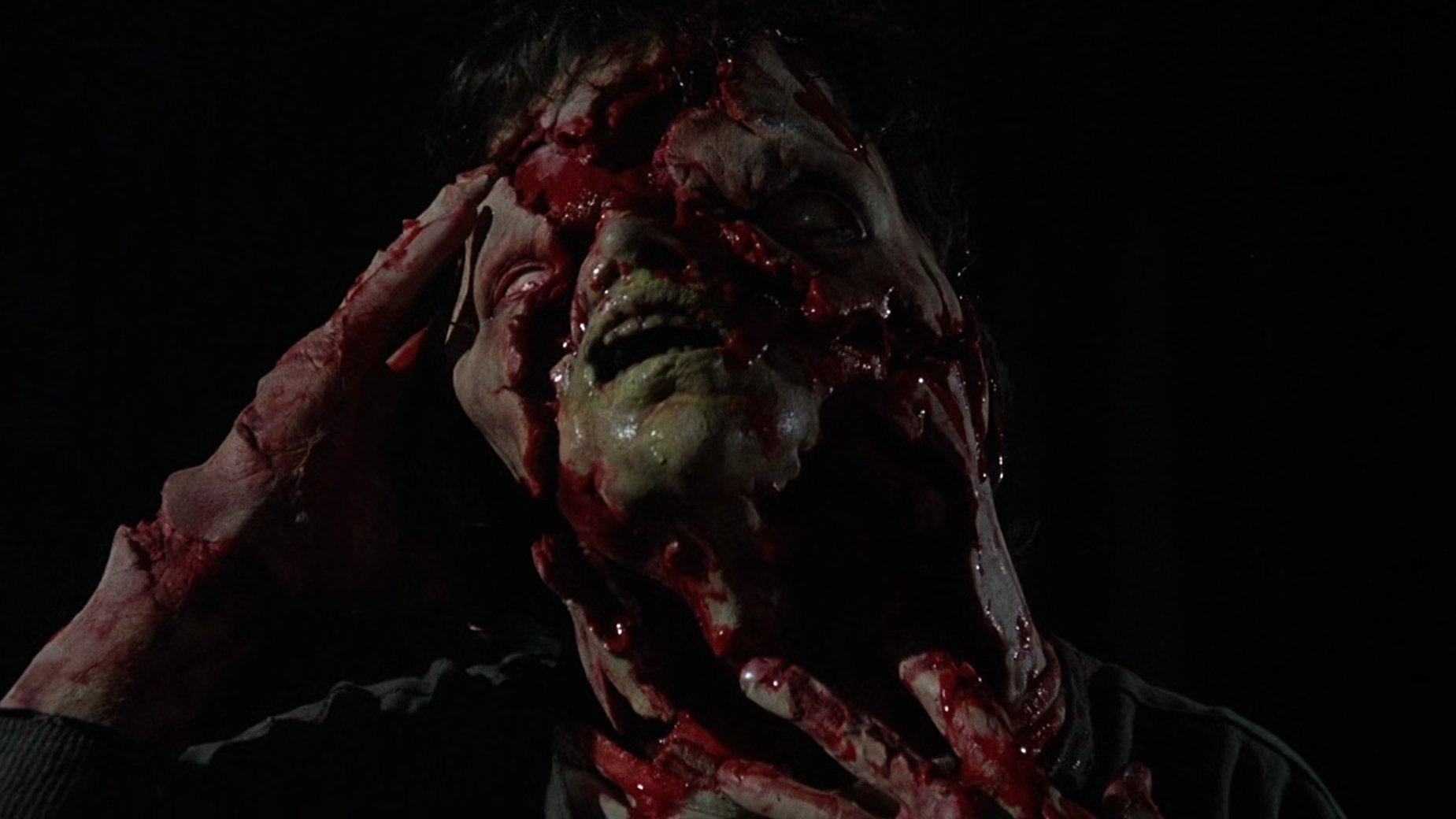
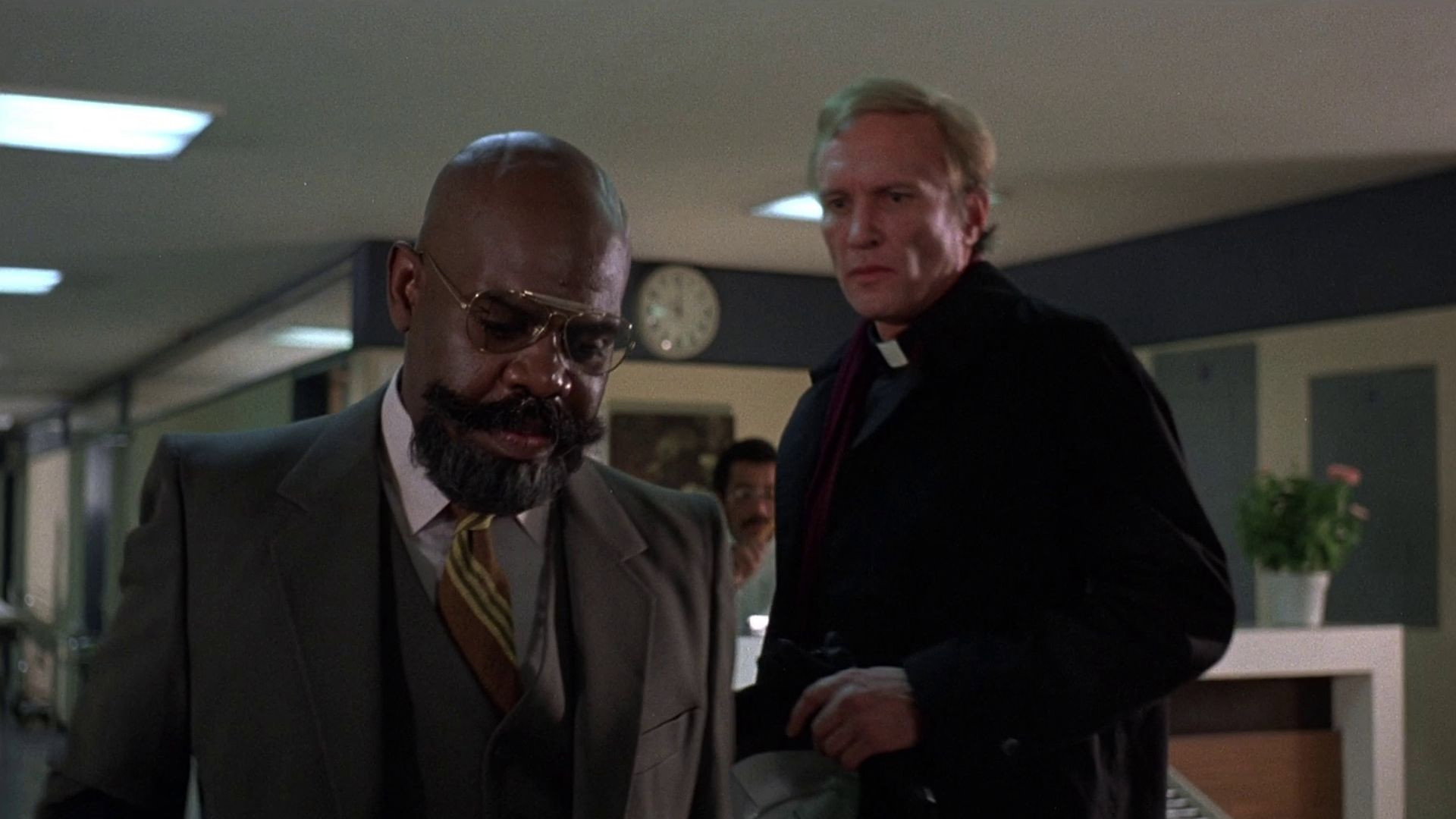
The film becomes increasingly tactile as possession progresses. Special makeup was created by John Caglione Jr., with Stephen Dupuis assisting, while Glen Robinson supervised special effects. Their work becomes particularly important in the exorcism material, where Sonny's supernatural condition is represented through visible changes to the human body. Skin, facial structure and physical movement become unstable, pushing the film toward body horror at the same moment that its story moves most explicitly into Catholic possession imagery.
This combination gives Amityville II an identity distinct from both its predecessor and many later entries in the franchise. Its horror is not restricted to the possibility that a house contains ghosts. The supernatural force invades flesh, sexuality and family relationships, making bodily corruption an extension of architectural corruption. The Montelli home and Sonny effectively become parallel haunted spaces. Both begin as recognizable forms and progressively cease to obey the boundaries that should define them.
Filming Between New Jersey and Mexico
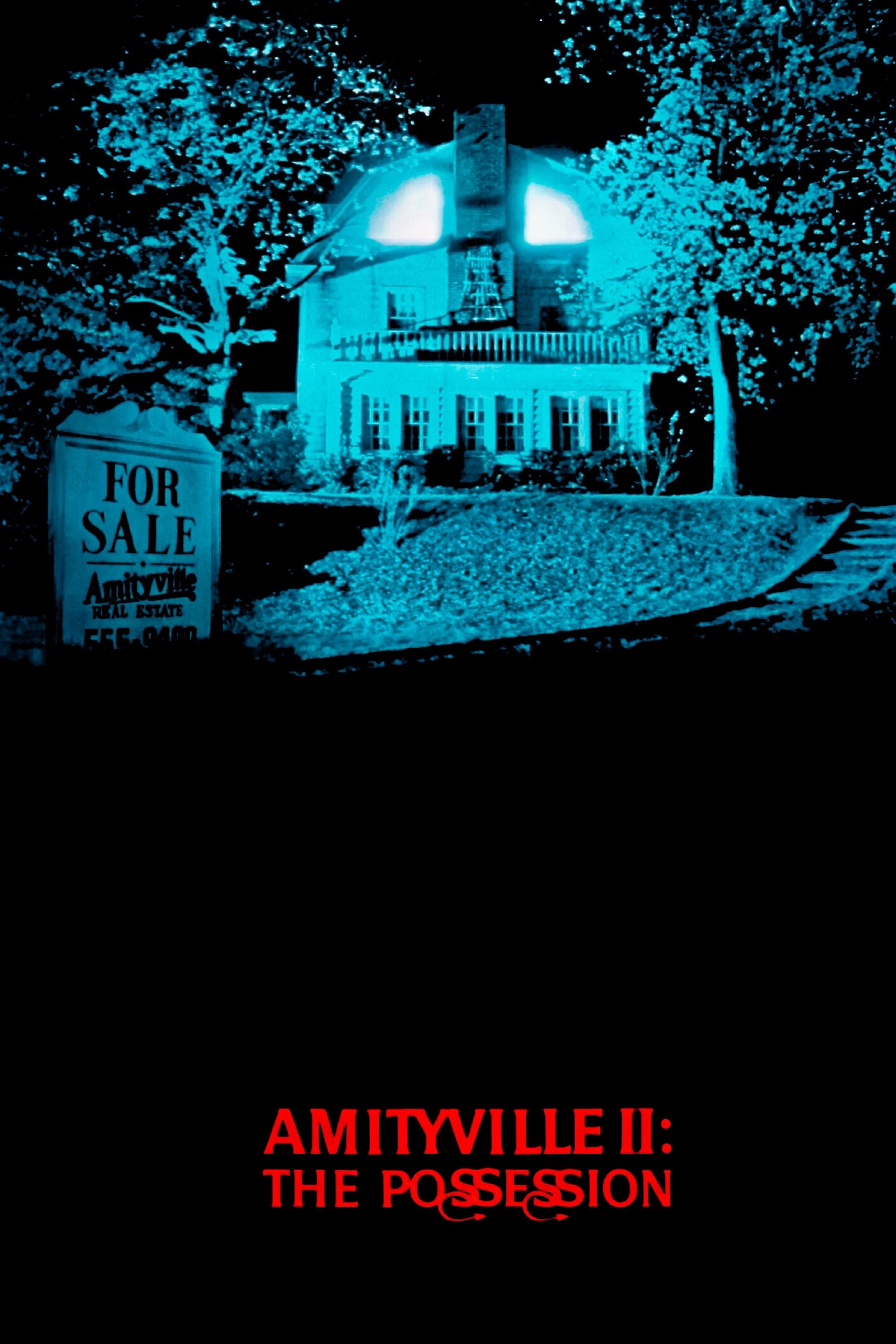
Principal photography began on March 8, 1982. The production returned to Toms River, New Jersey, and used the same house that had represented the Amityville residence in the 1979 film. This provided immediate visual continuity even though the new story was set before the events of its predecessor. According to production records preserved by the American Film Institute, approximately two weeks were scheduled in New Jersey before filming continued for another eight or nine weeks in Mexico.
The Mexican portion of the production was based at Estudios Churubusco Azteca in Mexico City. The finished film acknowledges both the New Jersey location work and the Mexican studio production in its end credits. This split is important to the appearance of the movie. Exterior imagery could remain connected to the already established Amityville house while interiors and effects sequences were handled within a controlled studio environment capable of accommodating the film's increasingly elaborate supernatural action.
The international production also brought together personnel from different filmmaking traditions. Damiani had built his career primarily in Italian cinema, while De Laurentiis was producing within an American commercial horror property and much of the crew operated through American and Mexican production structures. The result does not simply reproduce the visual restraint of The Amityville Horror. The camera becomes more mobile, the violence more immediate and the supernatural manifestations more overt, qualities that contribute to the sense that the franchise has shifted from haunted-house suspense into a more excessive form of demonic horror.
Release, Reception and Franchise Position
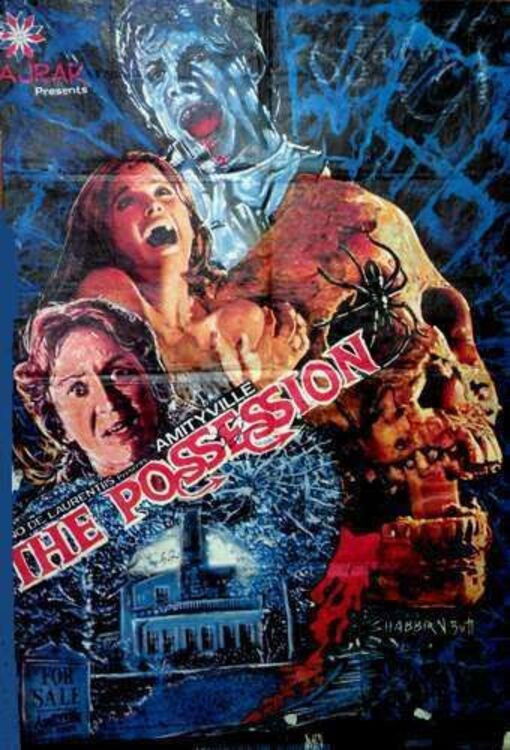
The corporate circumstances surrounding the film continued to change before release. Filmways was absorbed by Orion Pictures, which handled distribution. Shortly before the opening, the planned number of theaters was increased from approximately 1,000 to 1,200 following favorable responses at trade screenings. Amityville II: The Possession opened in Los Angeles and New York on September 24, 1982. Box-office records place its domestic opening at approximately $4.1 million and its eventual domestic gross at $12.5 million, far below the extraordinary performance of the 1979 film but sufficient to keep the Amityville property active.
The release was complicated by a dispute with George and Kathleen Lutz. One day before the film opened, the couple filed a $25 million lawsuit seeking to prevent Orion and De Laurentiis from associating Amityville II with the original film. They argued that their sequel rights related to material derived from their own Amityville story and that the new production, based instead on Holzer's Murder in Amityville, was not a legitimate sequel to The Amityville Horror. The controversy illustrates how quickly the franchise had divided into competing claims over books, personal accounts and the commercial value of the Amityville name.
Contemporary reviews were generally unenthusiastic, according to the American Film Institute's historical record, and the film never approached the mainstream cultural impact of its predecessor. Its position within horror is nevertheless distinctive. Amityville II changes the franchise grammar by combining the house mythology with possession, exorcism, body transformation and a deliberately extreme portrait of family collapse. Amityville 3-D followed theatrically in 1983, while later films increasingly treated Amityville as a flexible supernatural brand. Among those entries, The Possession remains especially notable for attempting to give the house an origin story through a heavily fictionalized version of the murders that made the address infamous.