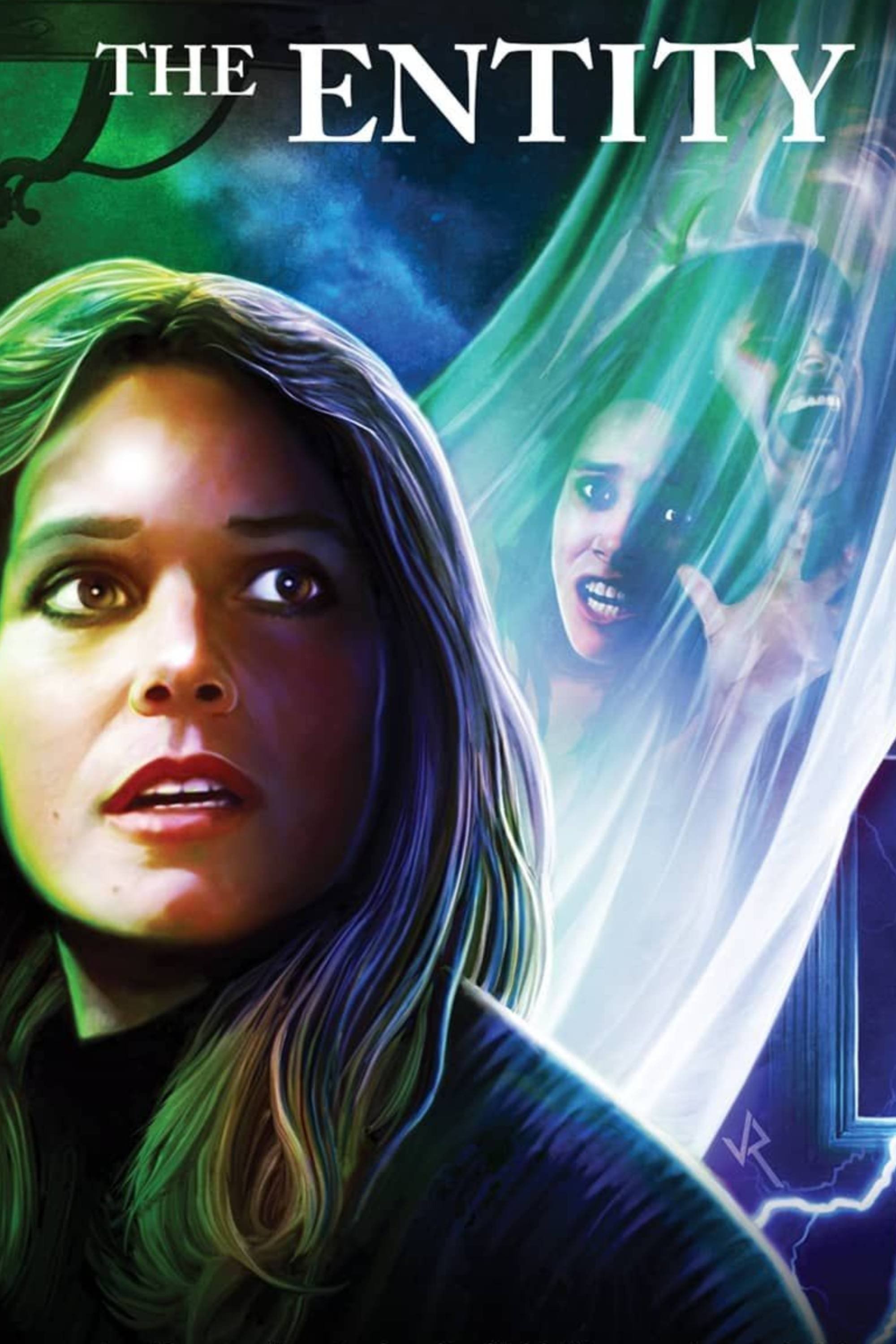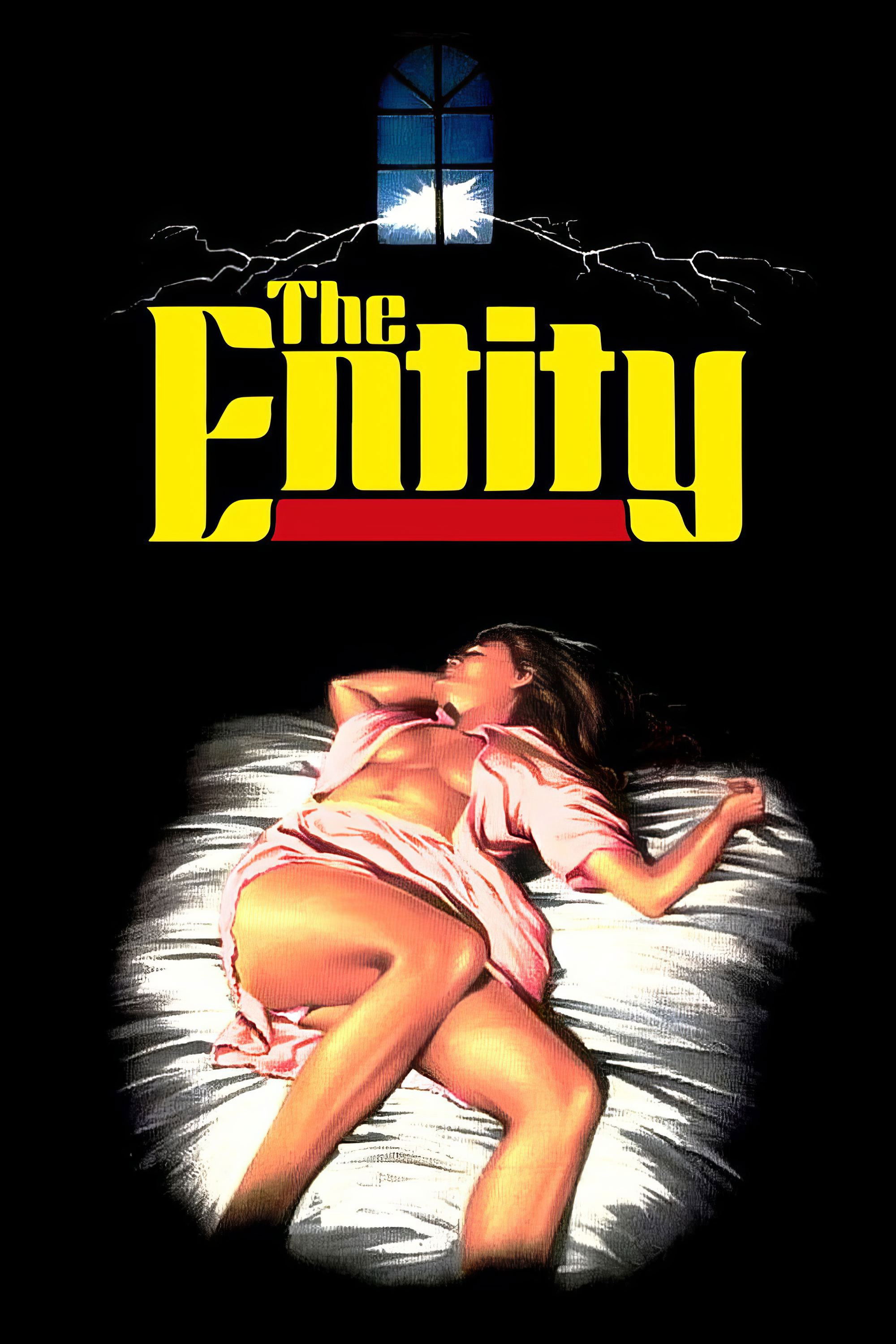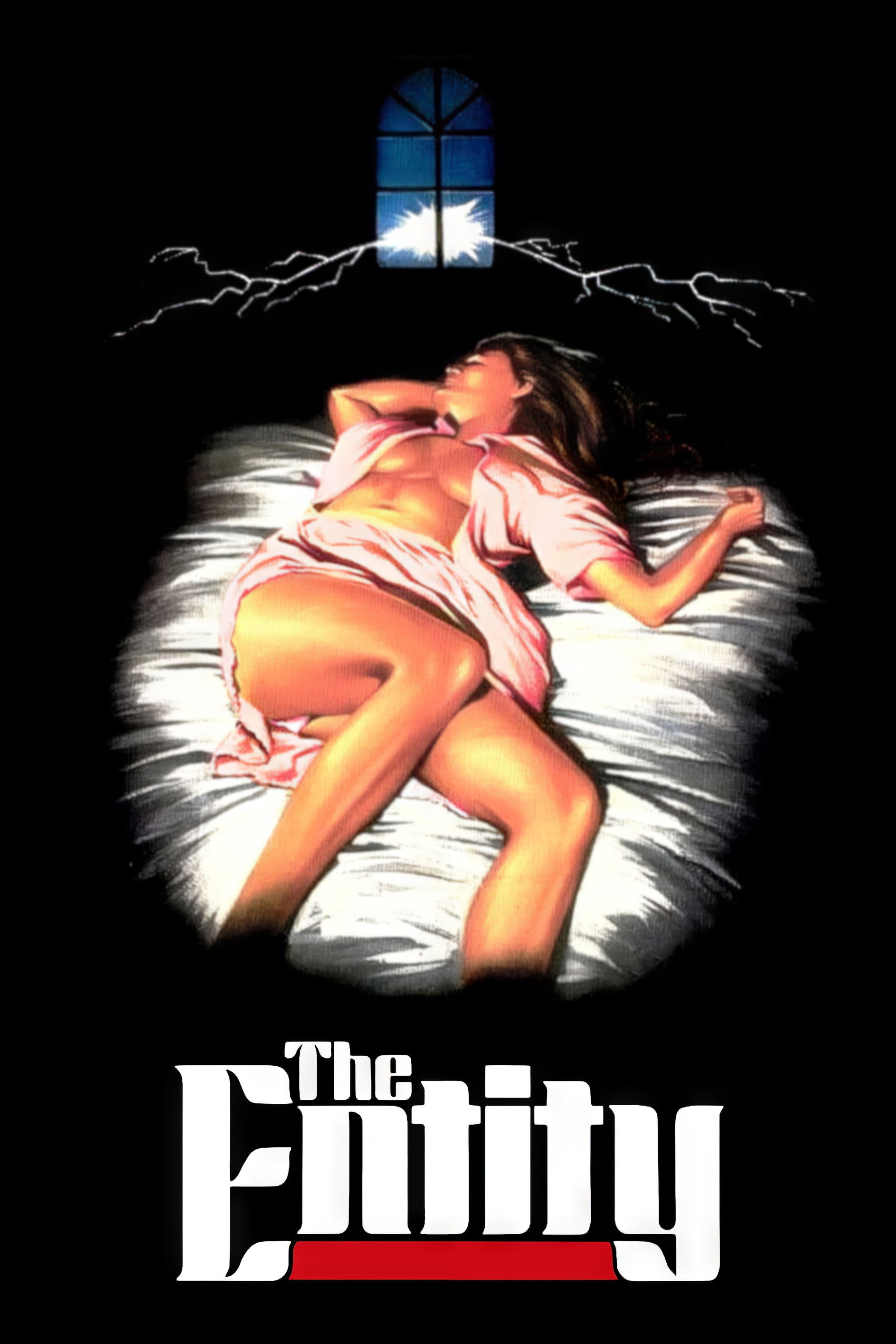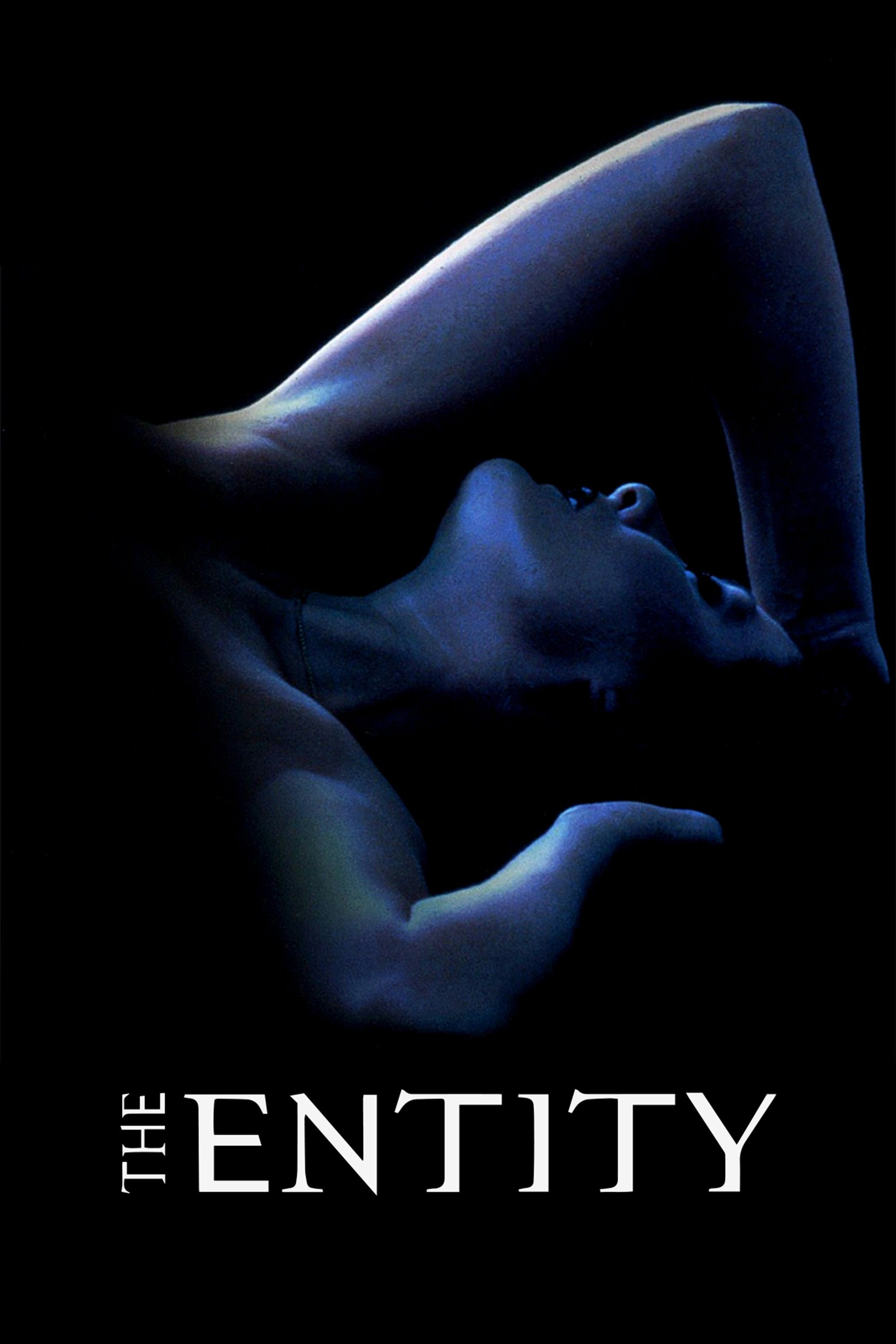
The Entity (1982)

US
Runtime
125 min
Release
September 30, 1982
Budget
$9,000,000
Revenue
$13,277,558
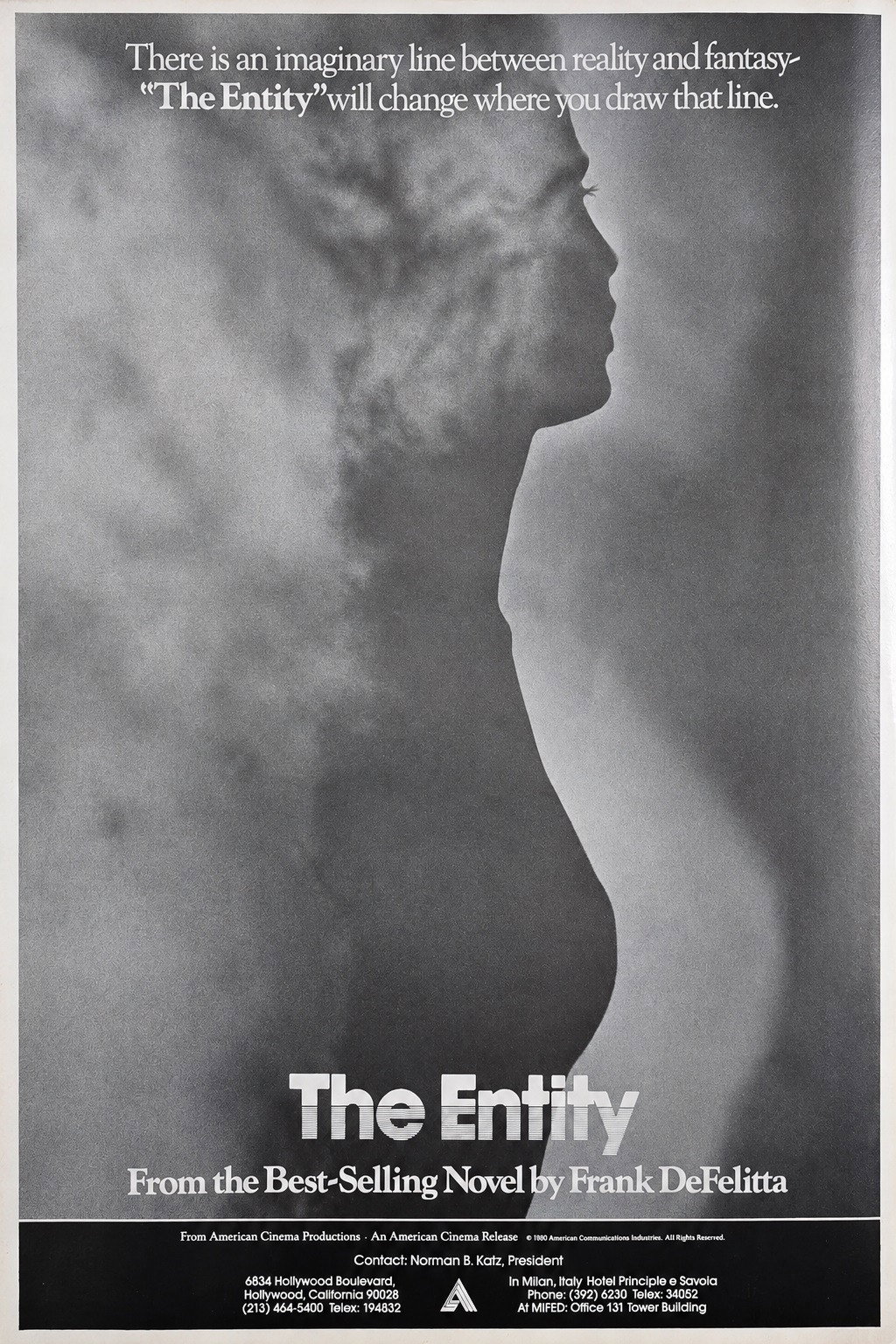
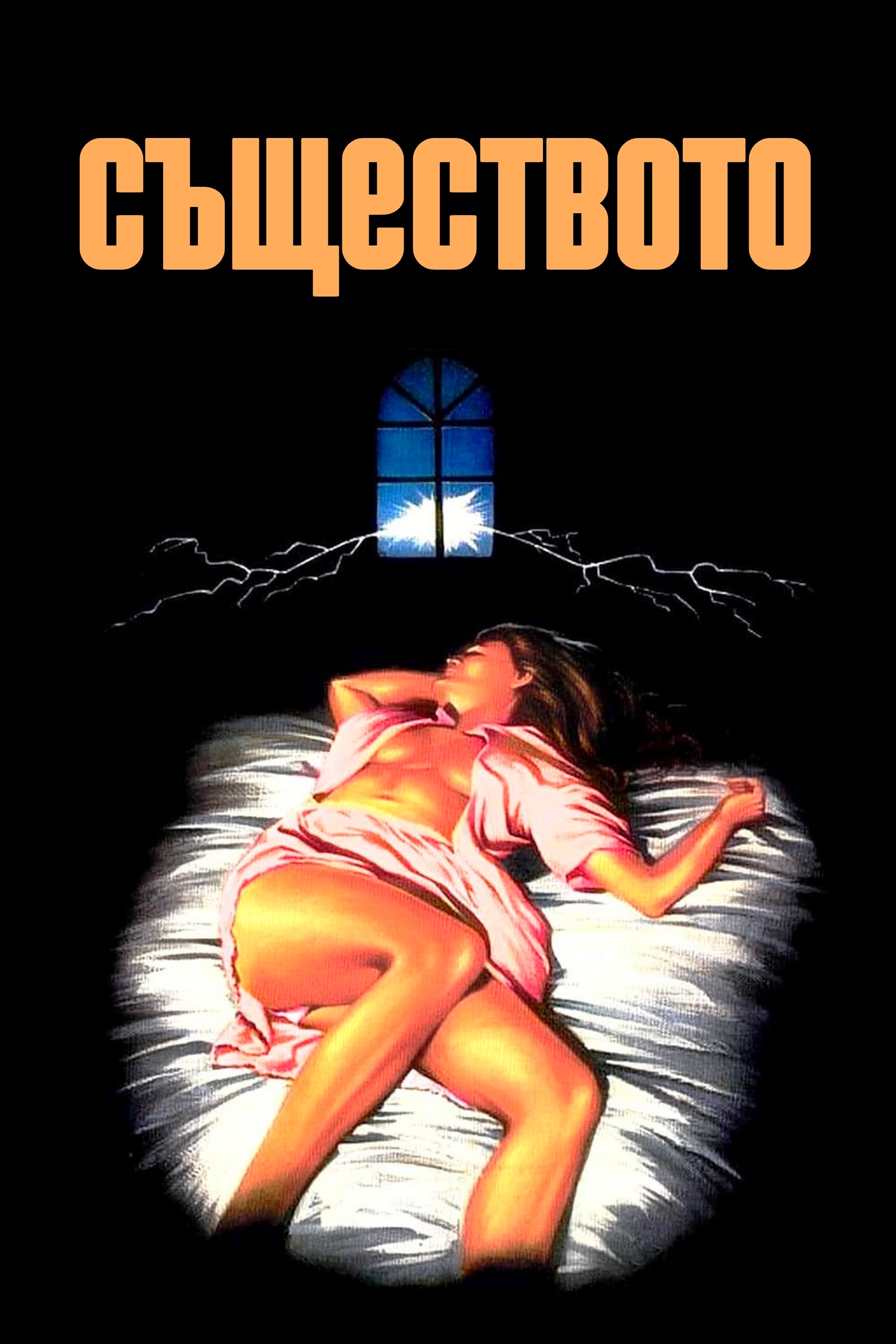
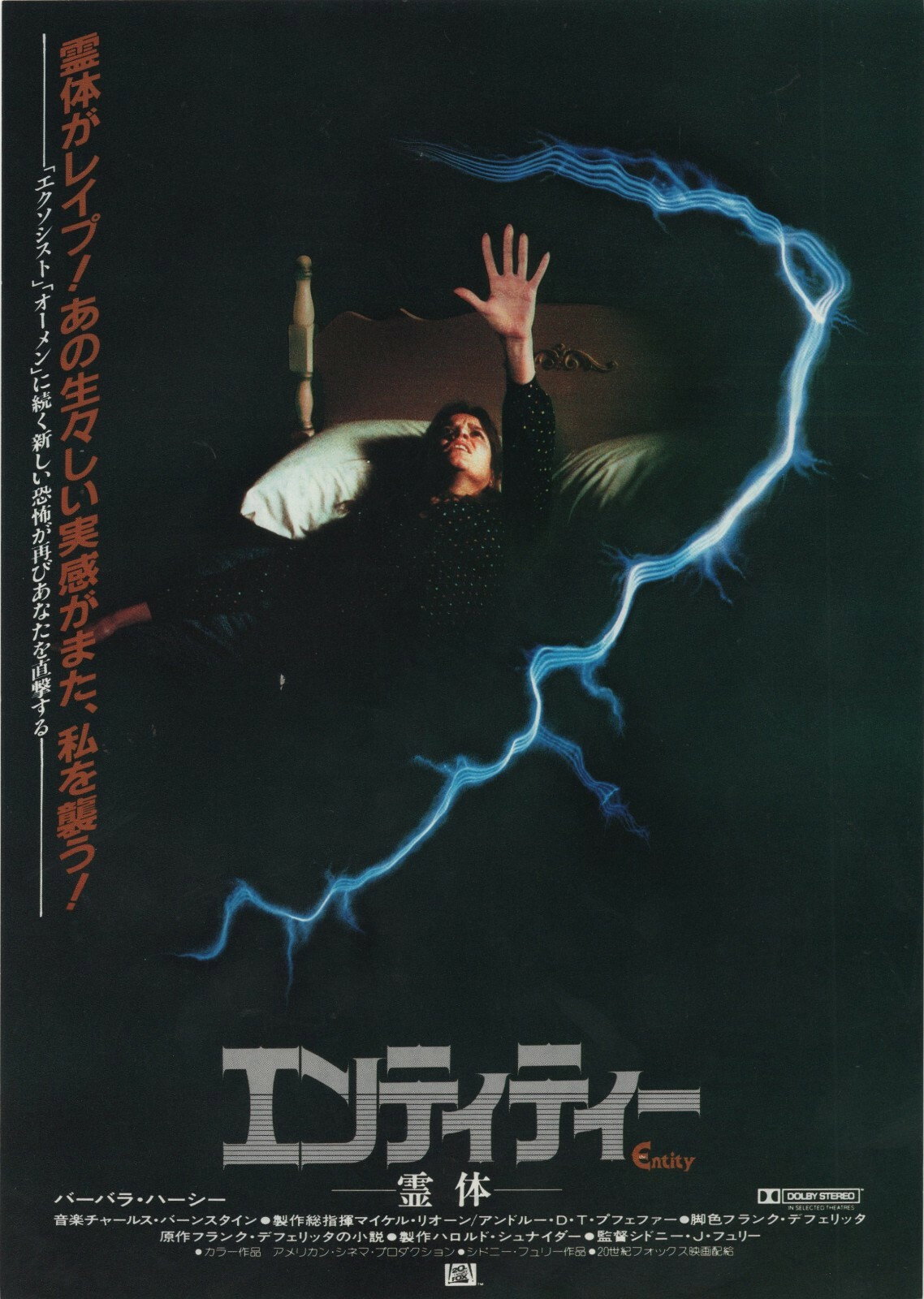
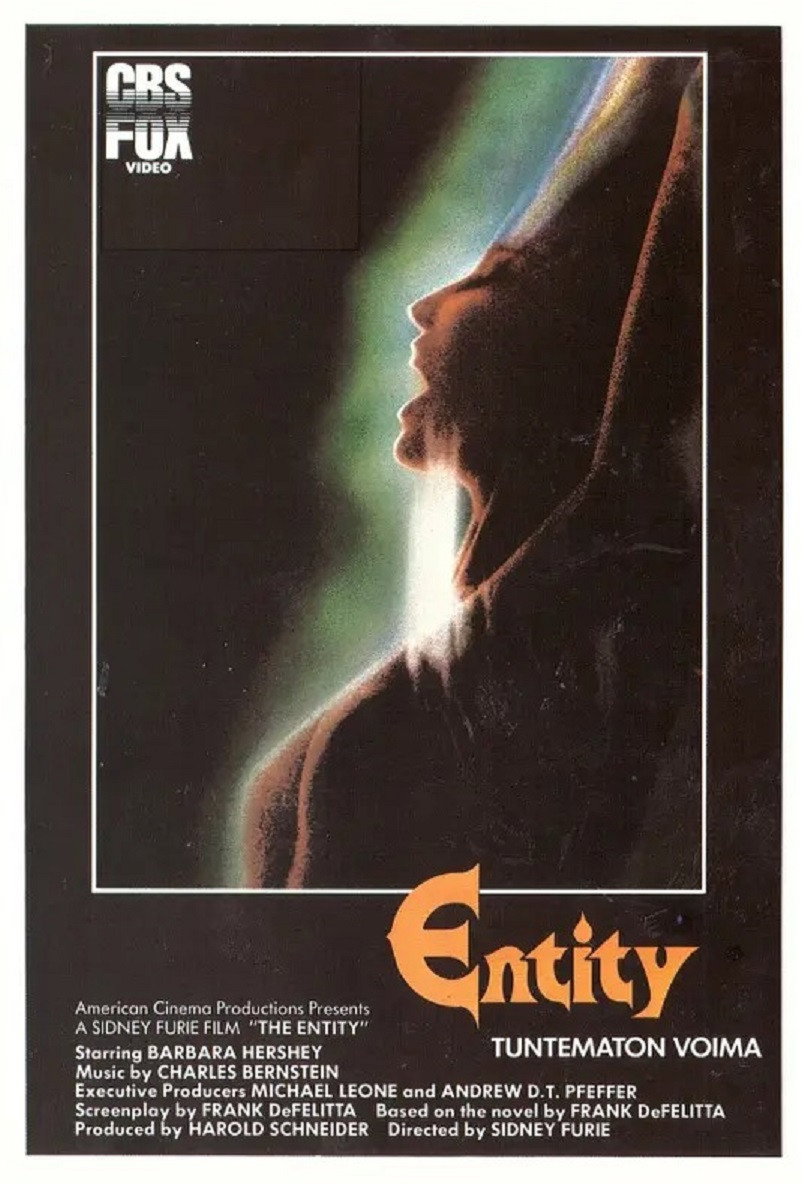
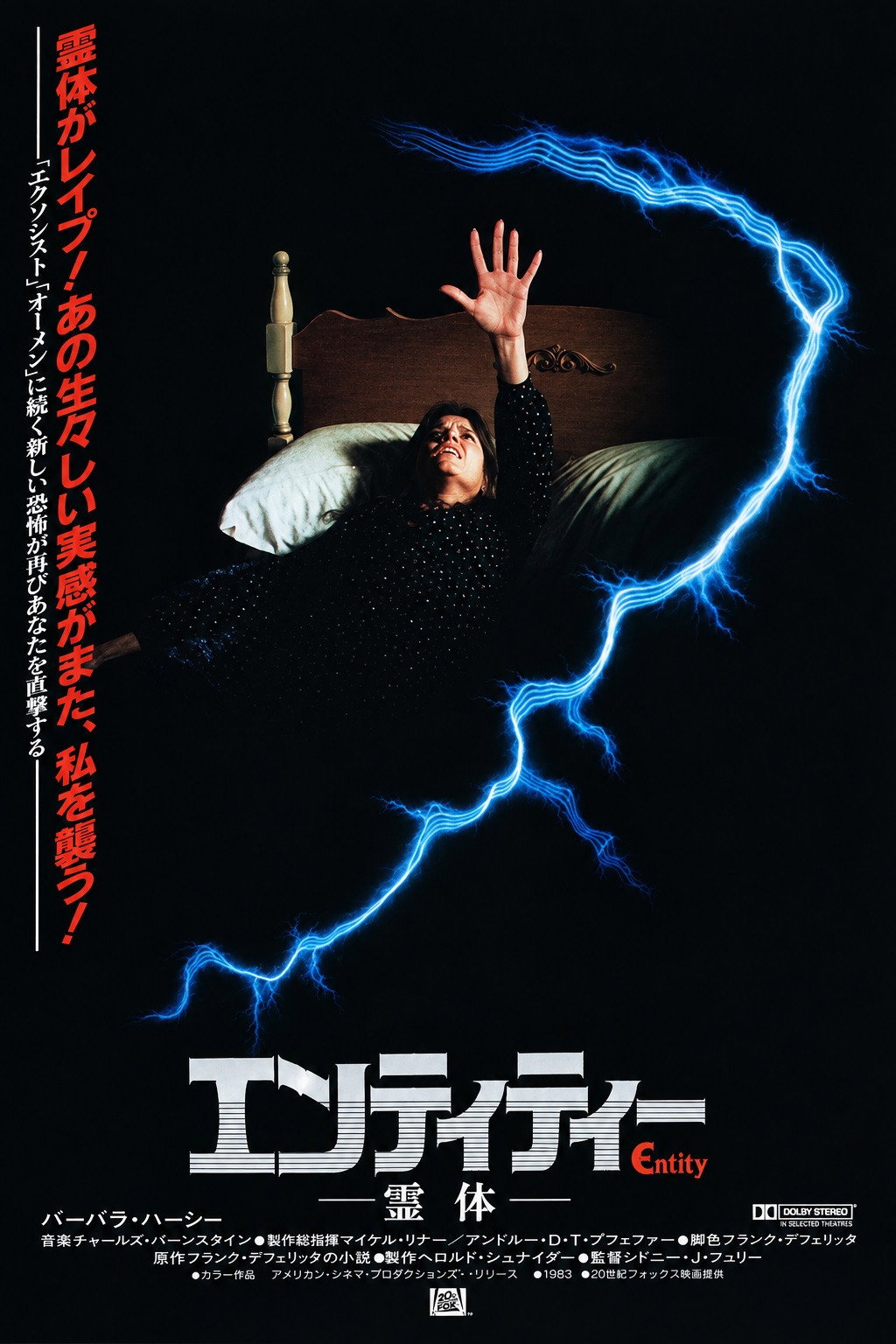
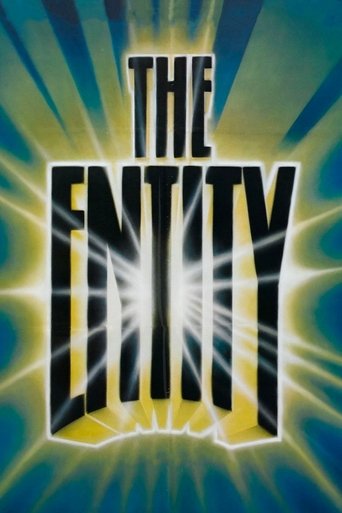
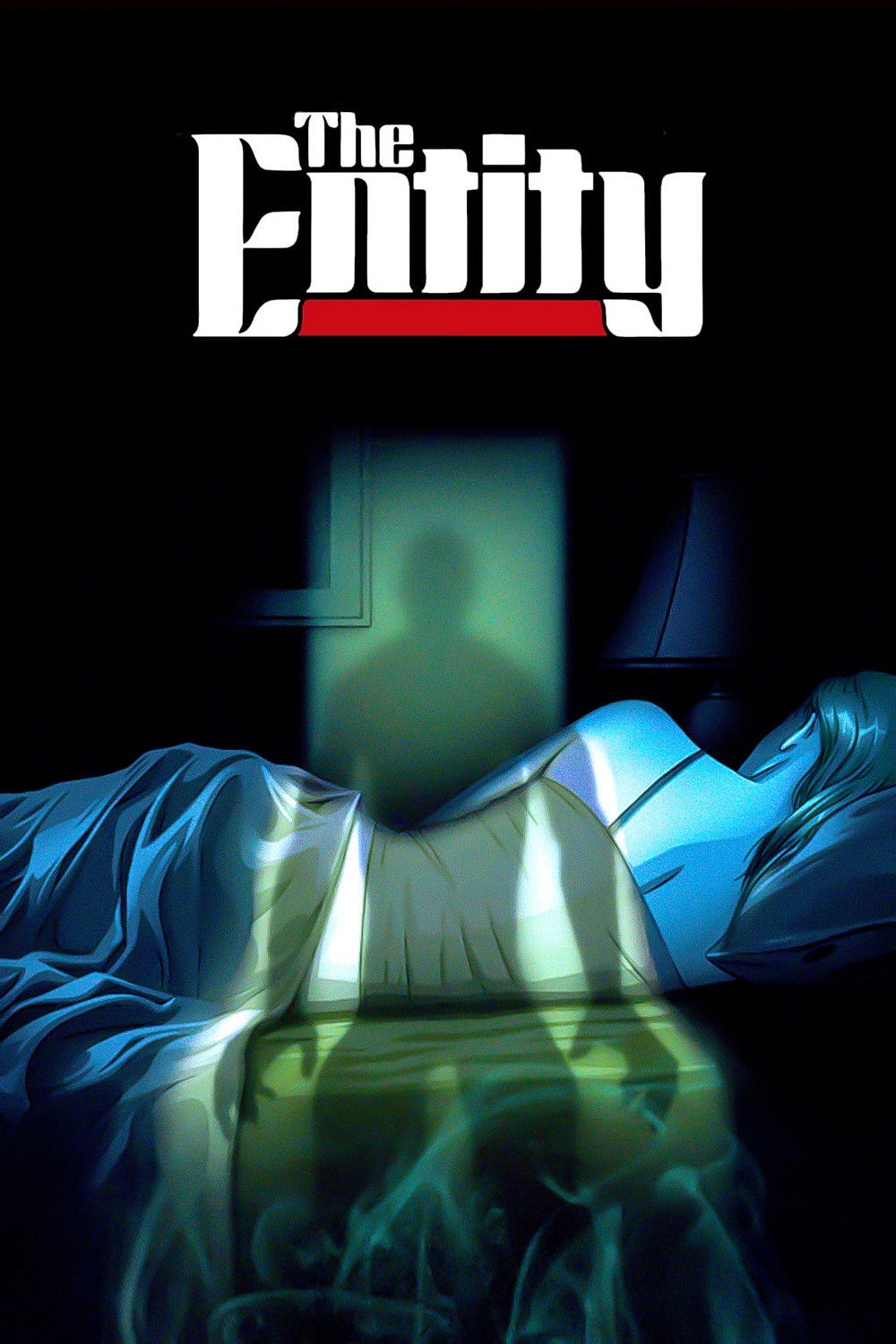
The Entity (1982) poster
Director
Production Companies
American Cinema Productions , 20th Century Studios
Plot

A single mom is raped by an invisible force. Her psychiatrist believes the experience stems from childhood trauma, while she knows something supernatural is at play.

Alternative Titles
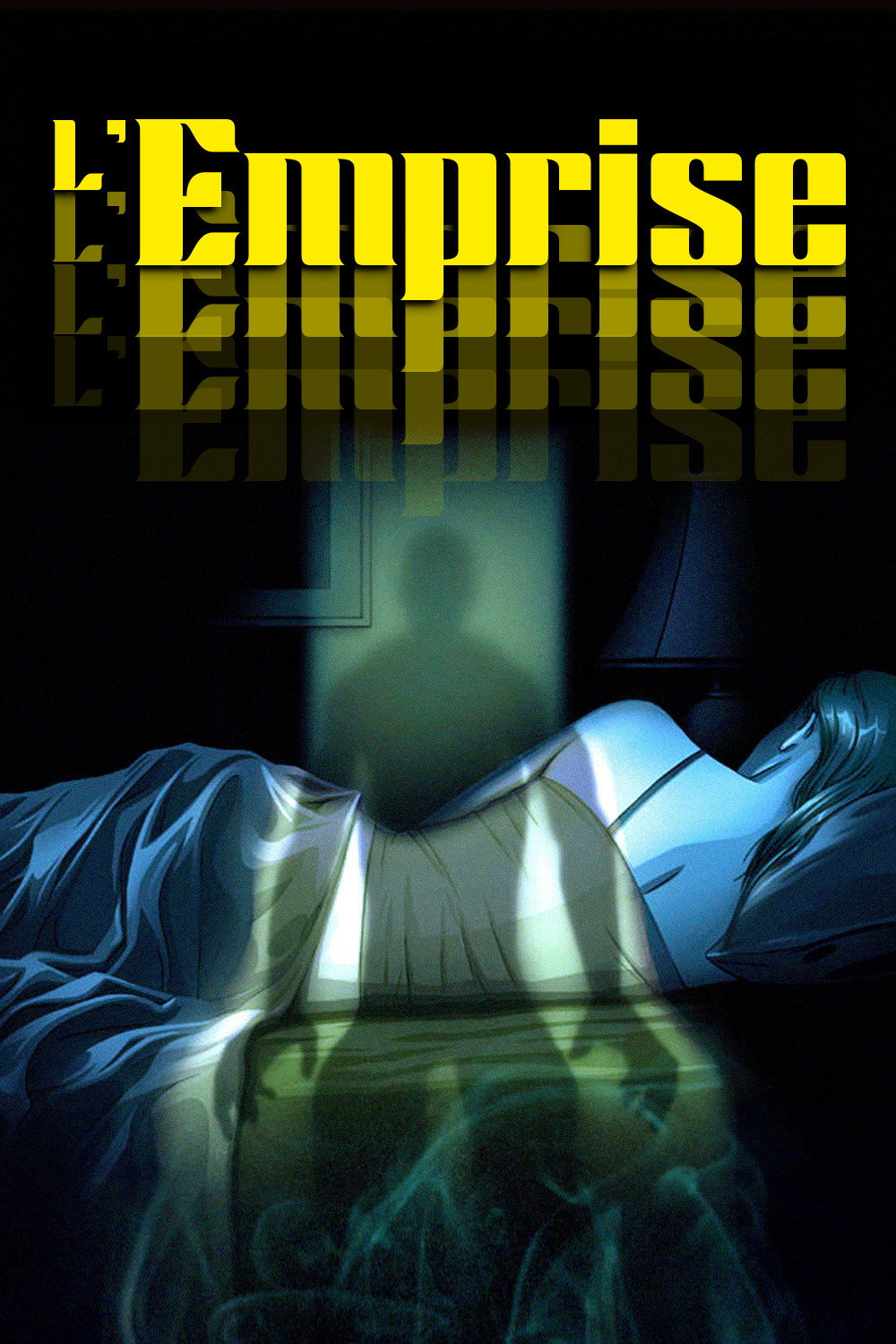
Съществото (BG) — Bulgarian Title O Enigma do Mal (BR) — translation:pt L'emprise (CA) — French Title 鬼恋 (CN) — translation:zh Bytost (CZ) — translation:cs Entity (DE) — translation:de Entity - Es gibt kein Entrinnen vor dem Unsichtbaren, das uns verfolgt (DE) — West Germany Title Den Usynlige Forfølger (DK) — translation:da
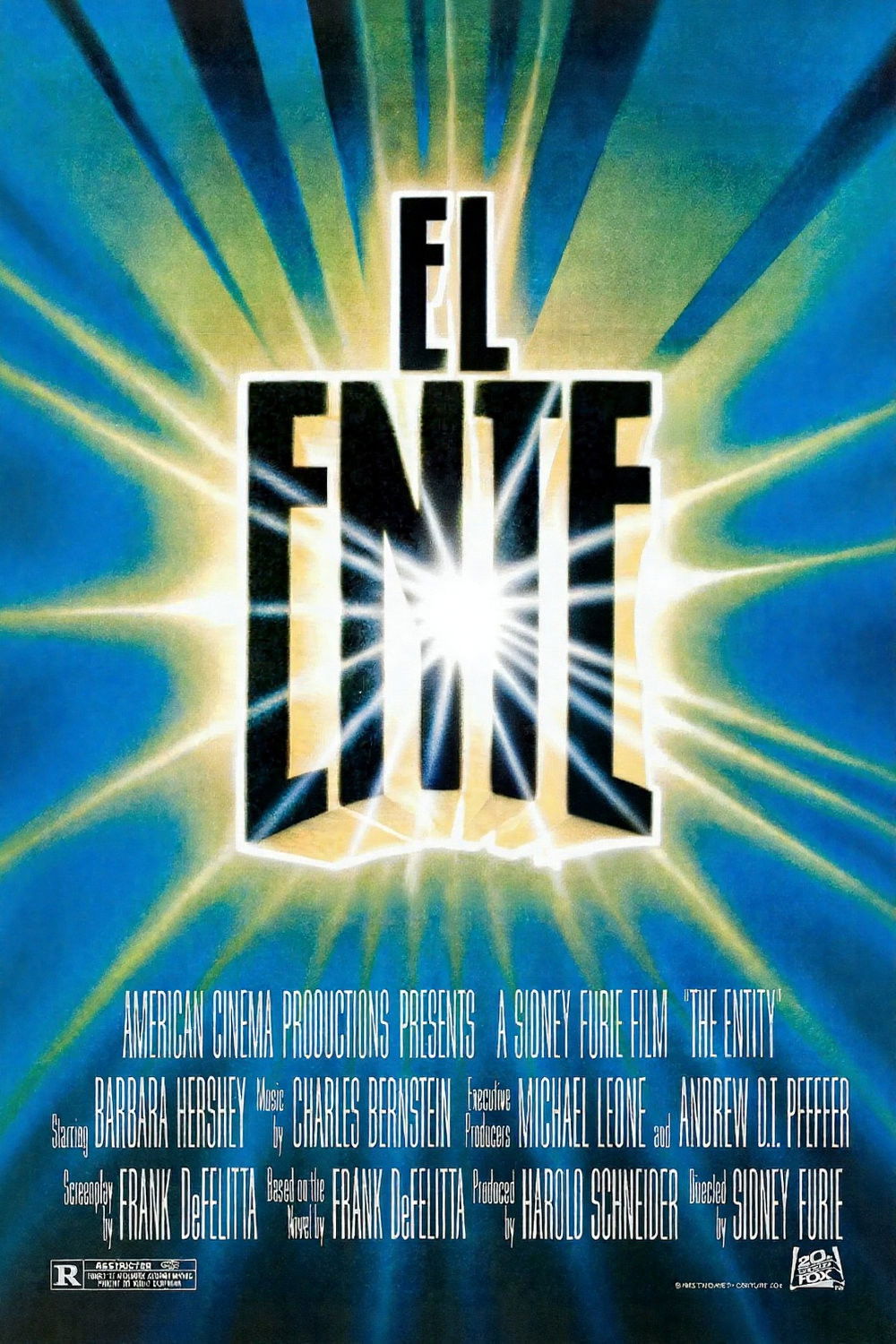
Show all 34 alternative titles El Ente (ES) — translation:es L’ens (ES) — translation:ca Entity - tuntematon voima (FI) — translation:fi L'Emprise (FR) — translation:fr O aoratos viastis (GR) — transliteration Η οντότητα (GR) — Literal Title Ο Αόρατος Βιαστής (GR) — translation:el 鬼戀 (HK) — translation:zh Az entitás (HU) — Literal Title Lélekvesztő (HU) — translation:hu Entity (IT) — translation:it エンティティー/霊体 (JP) — translation:ja 심령의 공포 (KR) — translation:ko El Ente (MX) — Alternative Title El ente: ¿la amante del diablo? (MX) — video title Het onding (NL) — Informal Literal Title Ukjent vesen (NO) — translation:no Byt (PL) — translation:pl Ente Misterioso (PT) O Ente Misterioso (PT) — translation:pt Entitatea (RO) — translation:ro Существо (RU) — translation:ru Entity - okänt väsen (SE) — translation:sv Bytost (SK) — translation:sk Существо (SU) — Russian Title Karabasan (TR) — translation:tr

Trailers & Videos

4 videos

Film Guide

An in-depth look at the alleged case behind the story, production, invisible violence, practical effects, music, controversy and legacy of The Entity (1982).

The Entity occupies an unusual position between supernatural horror, psychological drama and the cycle of films marketed through claims of real paranormal events. Directed by Sidney J. Furie and adapted by Frank De Felitta from his own 1978 novel, the film follows Carla Moran, a single mother who is repeatedly assaulted by an invisible presence. The horror does not remain confined to unexplained noises or apparitions: the entity physically attacks Carla, while the people and institutions she turns to repeatedly attempt to interpret what is happening through psychiatry, family history or parapsychology.

That conflict gives the film an identity different from conventional haunted-house stories. Carla does not primarily struggle to convince herself that something supernatural is occurring; she knows that she is being attacked. The uncertainty instead belongs to everyone around her and, to some extent, to the audience. Furie organizes the story around competing systems of explanation, placing psychiatric authority against paranormal investigation while refusing to make Carla's experience less physically immediate simply because its cause cannot initially be demonstrated. Completed in 1981, released first in Britain in 1982 and in the United States in February 1983, The Entity became controversial for the explicit nature of its assaults but subsequently developed a stronger reputation within supernatural and psychological horror.

From an Alleged Case to Frank De Felitta's Novel

The film ultimately originated with a mid-1970s Los Angeles case involving a woman whose experiences became the basis for Carla Moran. The woman claimed that she was being repeatedly assaulted by an invisible presence, and her home was investigated by parapsychology researchers Kerry Gaynor and Barry Taff. Contemporary production documentation records claims by the investigators that they witnessed unexplained movement of objects and unusual environmental effects during their visits.

Those observations were not universally accepted as paranormal evidence. Contemporary documentation also records psychiatric interpretations proposing ordinary explanations including suggestion or deliberate fabrication. This distinction is essential when discussing the film's relationship to reality. The Entity is not a documentary account establishing that supernatural assaults occurred. It is a fictional work developed from claims investigated by people who interpreted the events differently.

Gaynor and Taff already knew Frank De Felitta and invited him to observe aspects of the case. De Felitta subsequently interviewed the woman extensively and used that material as the foundation for his 1978 novel The Entity. He then adapted the novel for the screen. The process gave the project a direct connection to the people involved in the original investigation while still allowing substantial fictionalisation. In the finished film the protagonist becomes Carla Moran, and the case is reorganised into a dramatic conflict between psychiatry and experimental parapsychology.

This origin also explains why the film treats institutional disbelief as seriously as the supernatural threat. Carla's attempts to describe the assaults produce competing interpretations of her behaviour and personal history. The film repeatedly asks who has the authority to define an experience when the physical evidence appears incompatible with accepted explanations.
Development, Production & Barbara Hershey

The screen adaptation had a complicated development history. De Felitta sold the film rights to his novel in 1978, initially to Universal, but the project subsequently moved to American Cinema Productions. Sidney J. Furie was announced as director in late 1980, and principal photography began in Culver City in March 1981. Filming continued into early July, with separate work devoted to the effects-heavy material.

Finding the actress to play Carla proved particularly difficult. Producer Harold Schneider later stated that several established performers had declined the role. Barbara Hershey was ultimately cast only shortly before principal photography began. Her hesitation was understandable: the film required a performance built around repeated scenes of sexual assault, physical exposure and interactions with an attacker that could not actually be present on set.

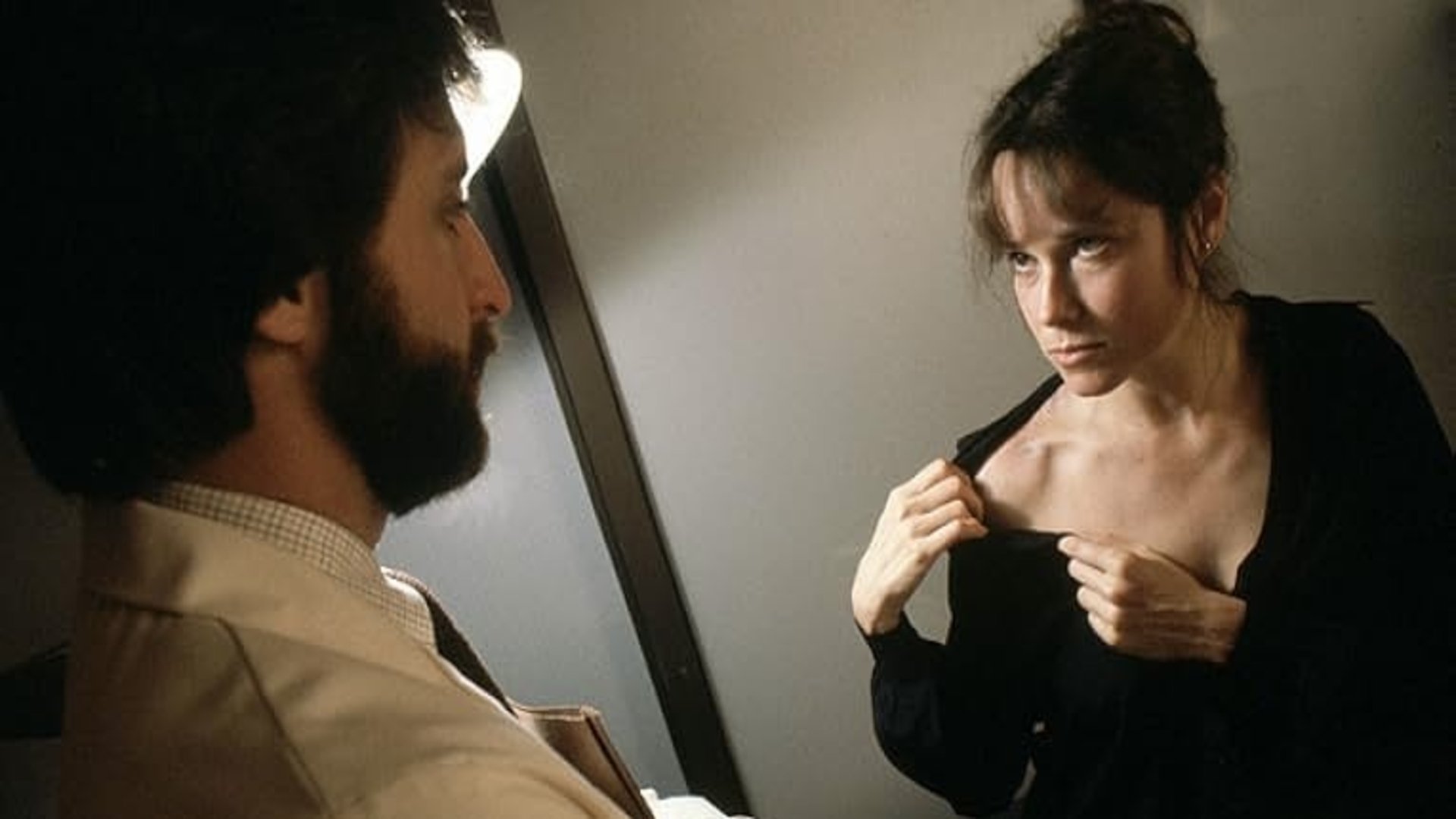
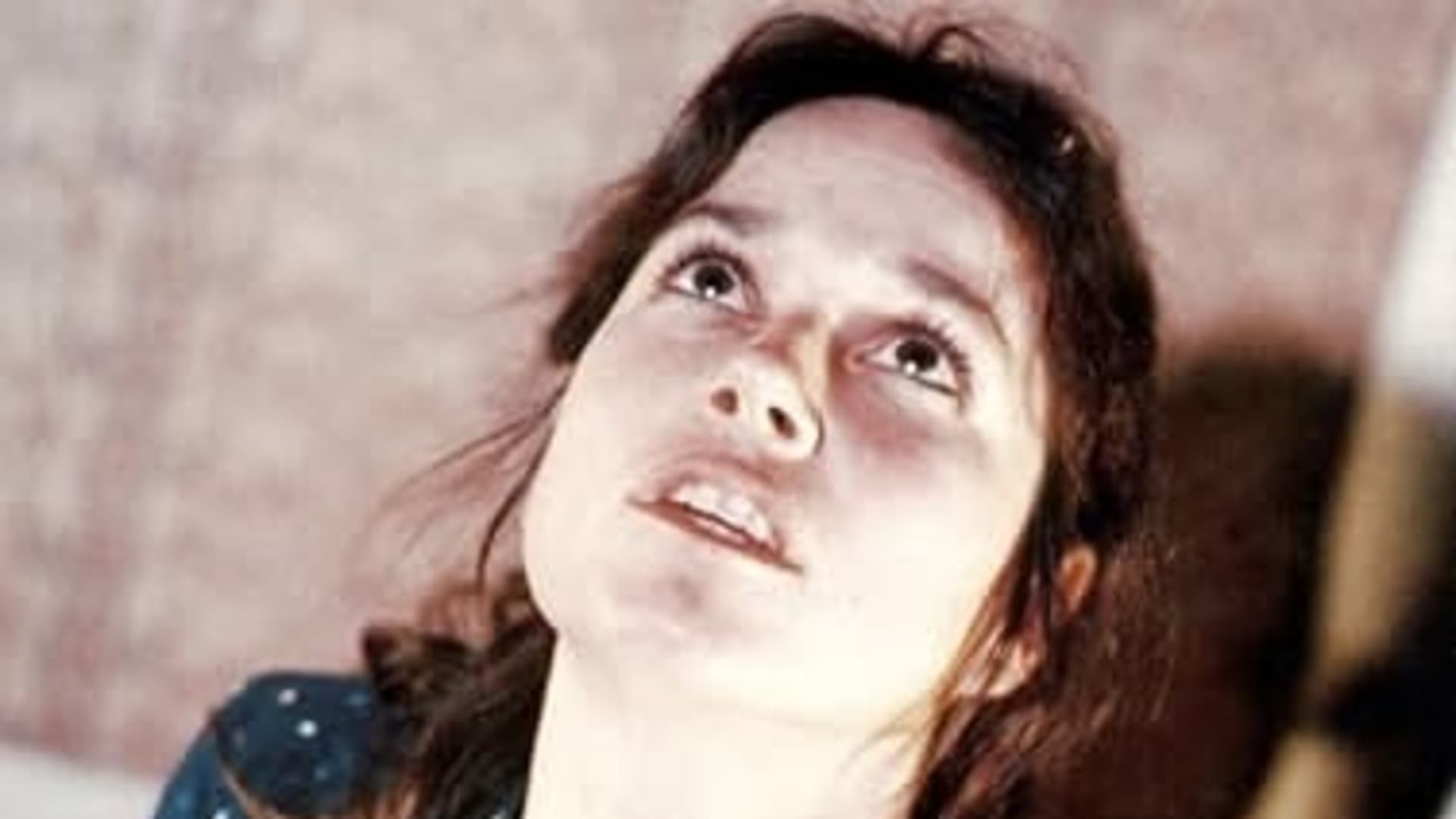
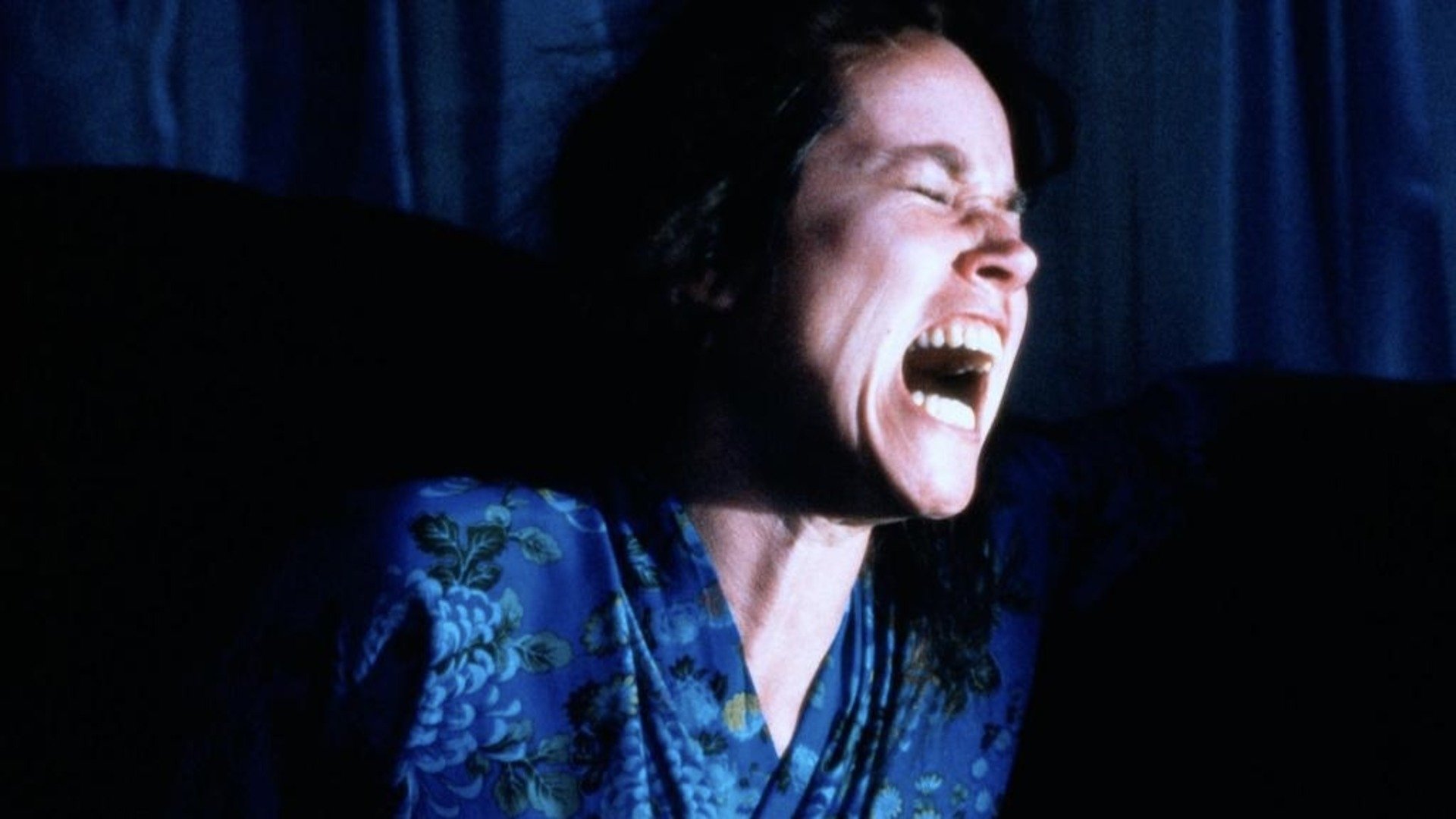
Hershey's performance became crucial to the film's effectiveness because Furie cannot rely on a visible monster for most of the running time. Carla must react to impacts, pressure and movement generated by effects, stunt work and editing while maintaining the sense that she is confronting a consistent physical opponent. The performance is also deliberately different from the reactions of the professionals surrounding her. Carla's certainty about what she experiences collides with Dr. Phil Sneiderman's psychiatric interpretation and later with the more experimental methods of the parapsychologists.

The production itself became one of the final major projects made under American Cinema Productions before the company entered bankruptcy proceedings in late 1981. Twentieth Century-Fox subsequently acquired distribution rights. This contributed to the unusual gap between production and release: although photography had been completed in 1981, the film did not reach British cinemas until 1982 and opened in the United States in 1983.
Visual Style, Space & Invisible Violence

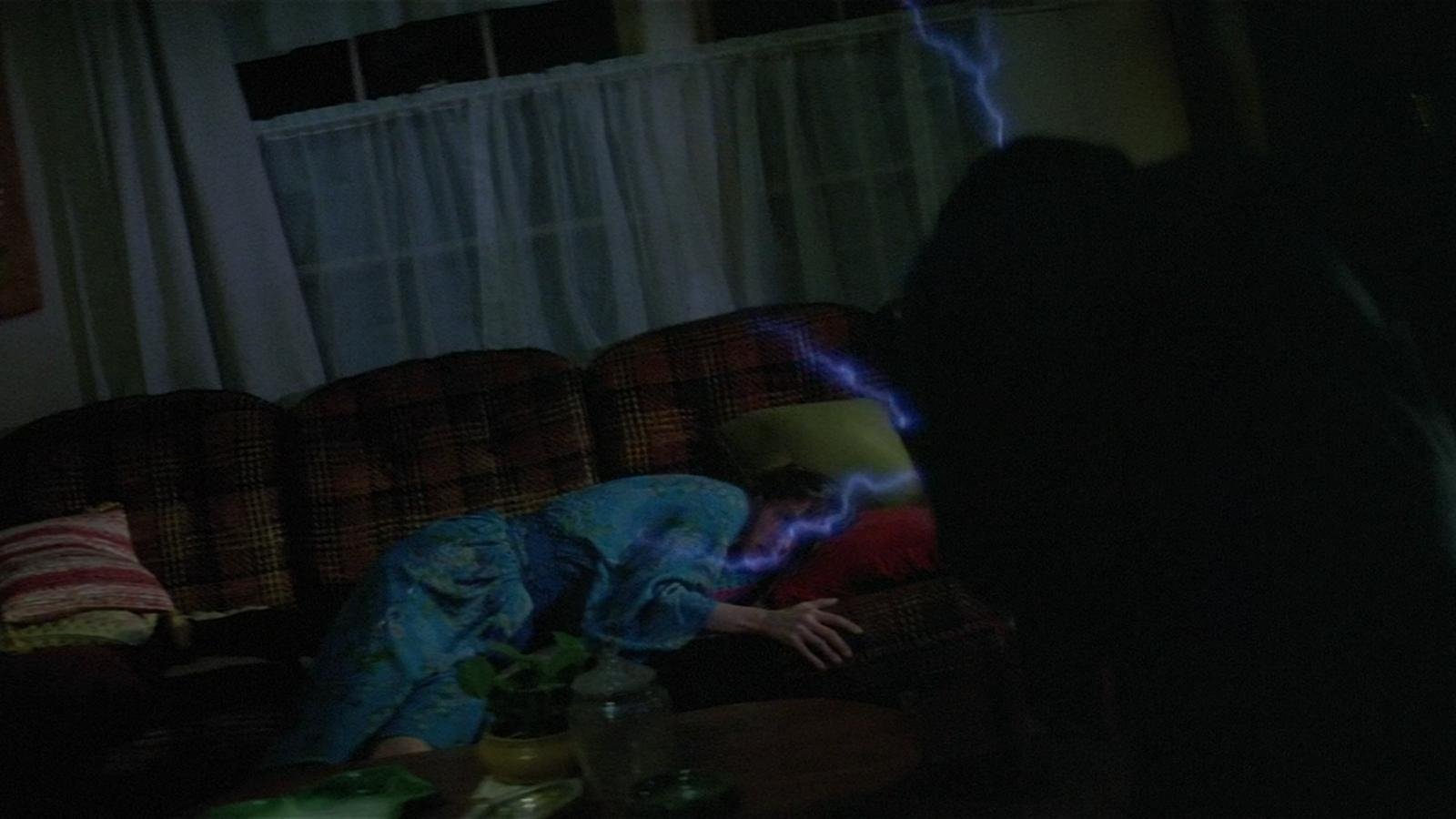
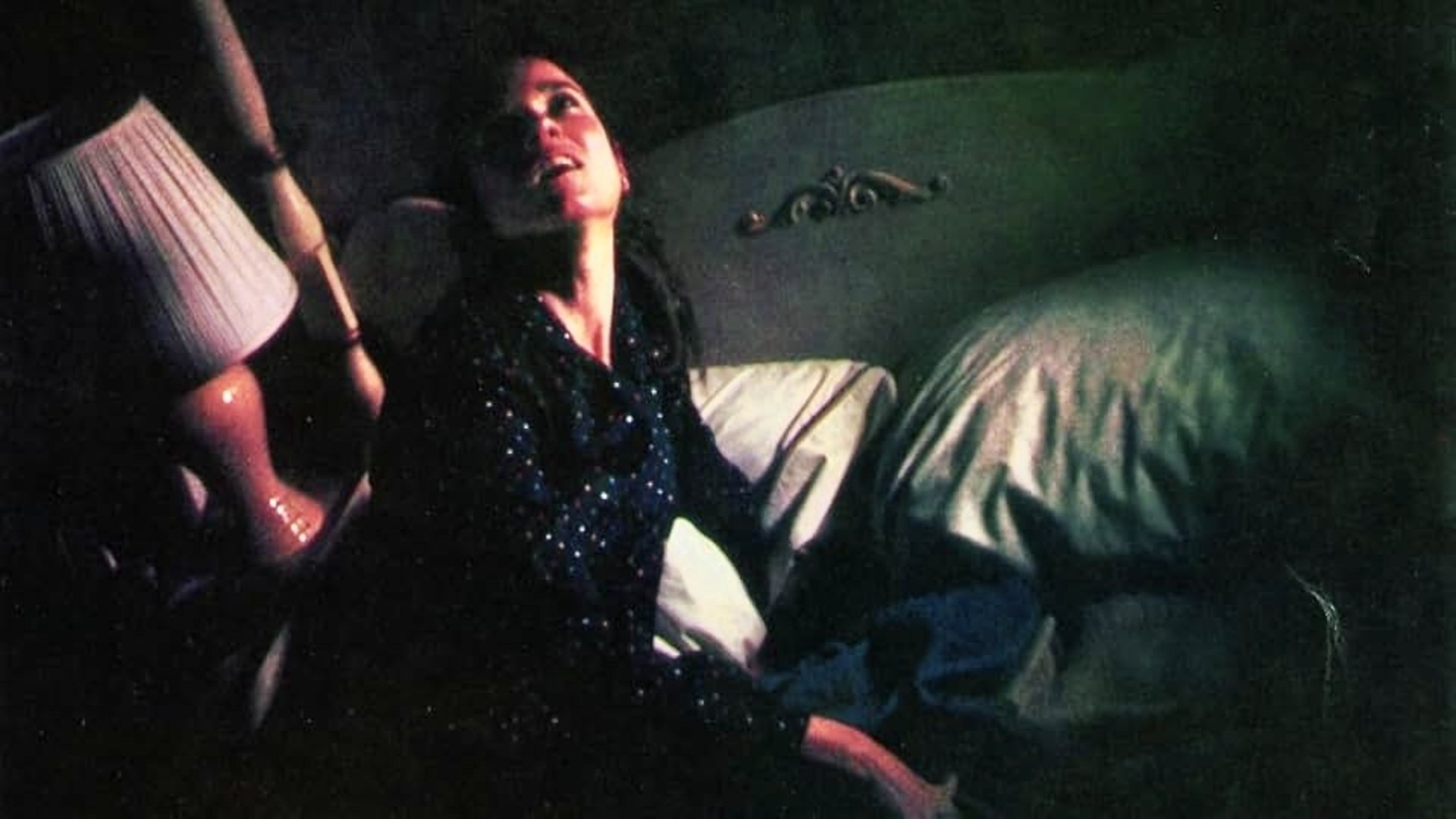
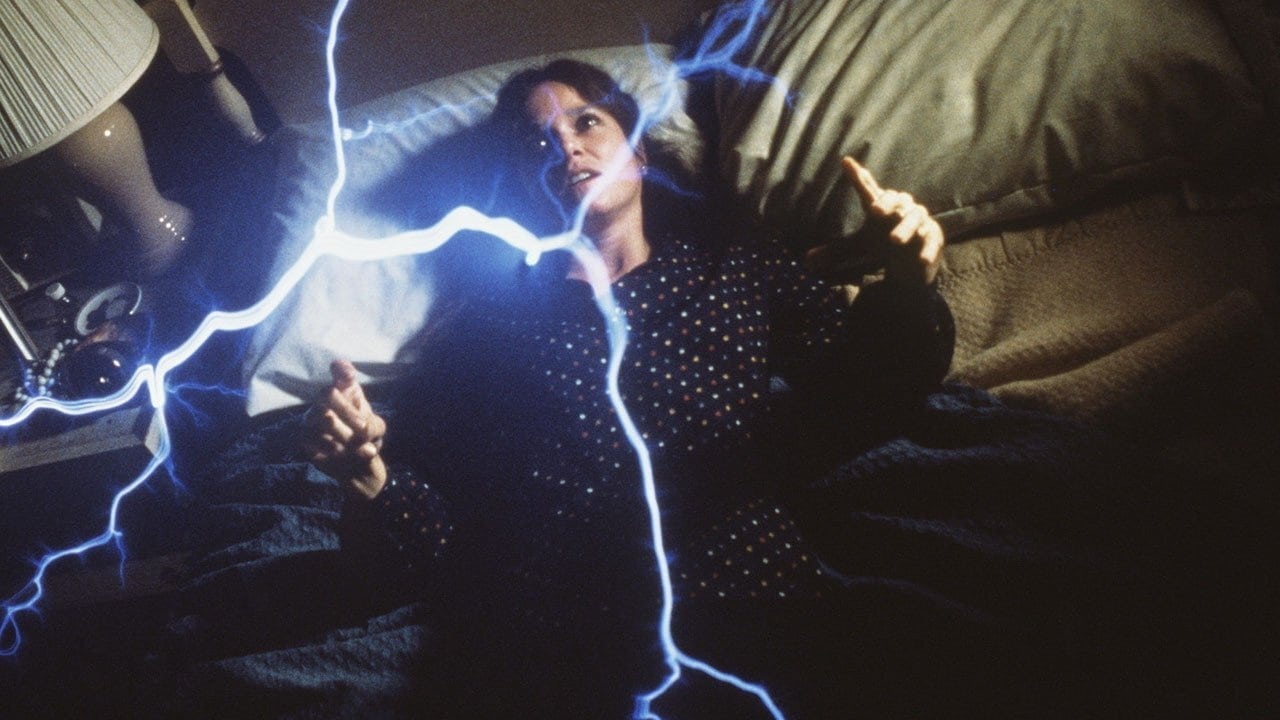
Furie and cinematographer Stephen H. Burum faced a fundamental visual problem: the principal threat could not normally be shown. The film emphasizes what its presence does to bodies and spaces. Doors move, rooms are disturbed, Carla is struck or dragged, and objects become evidence of an aggressor whose shape remains inaccessible.

Furie's characteristic use of close framing and tilted compositions reinforces this instability. Carla's home is recognisable as an ordinary domestic environment, but the camera frequently prevents it from feeling secure. Extreme angles and restricted views turn bedrooms, bathrooms and corridors into spaces where the audience cannot completely orient itself. The home therefore stops functioning as protection long before the film reaches its larger paranormal experiments.

The assault sequences make particularly aggressive use of this approach. Their horror comes partly from the contradiction between visible consequences and an absent cause. Carla's body reacts to something occupying physical space, yet the frame offers no attacker on whom the viewer can focus. This forces attention onto her experience rather than allowing the violence to be displaced onto a conventional monster.

That decision also separates the film from many possession narratives. The entity does not enter Carla and transform her into the threat. Her identity remains distinct from whatever attacks her. The film's central problem is therefore not whether Carla has become monstrous but whether anyone will recognise an aggressor that cannot be accommodated by the explanatory systems available to them.

Practical Effects & Making the Invisible Physical

The film required an unusually large combination of mechanical, makeup, optical and practical-effects work precisely because its monster remained unseen. William Cruse was credited with visual-effects design, while Joe Lombardi and a larger Special Effects Unlimited team handled physical effects. Stan Winston and James Kagel created special makeup effects, and the visual-effects unit also employed process projection, puppetry and specialised photographic work.

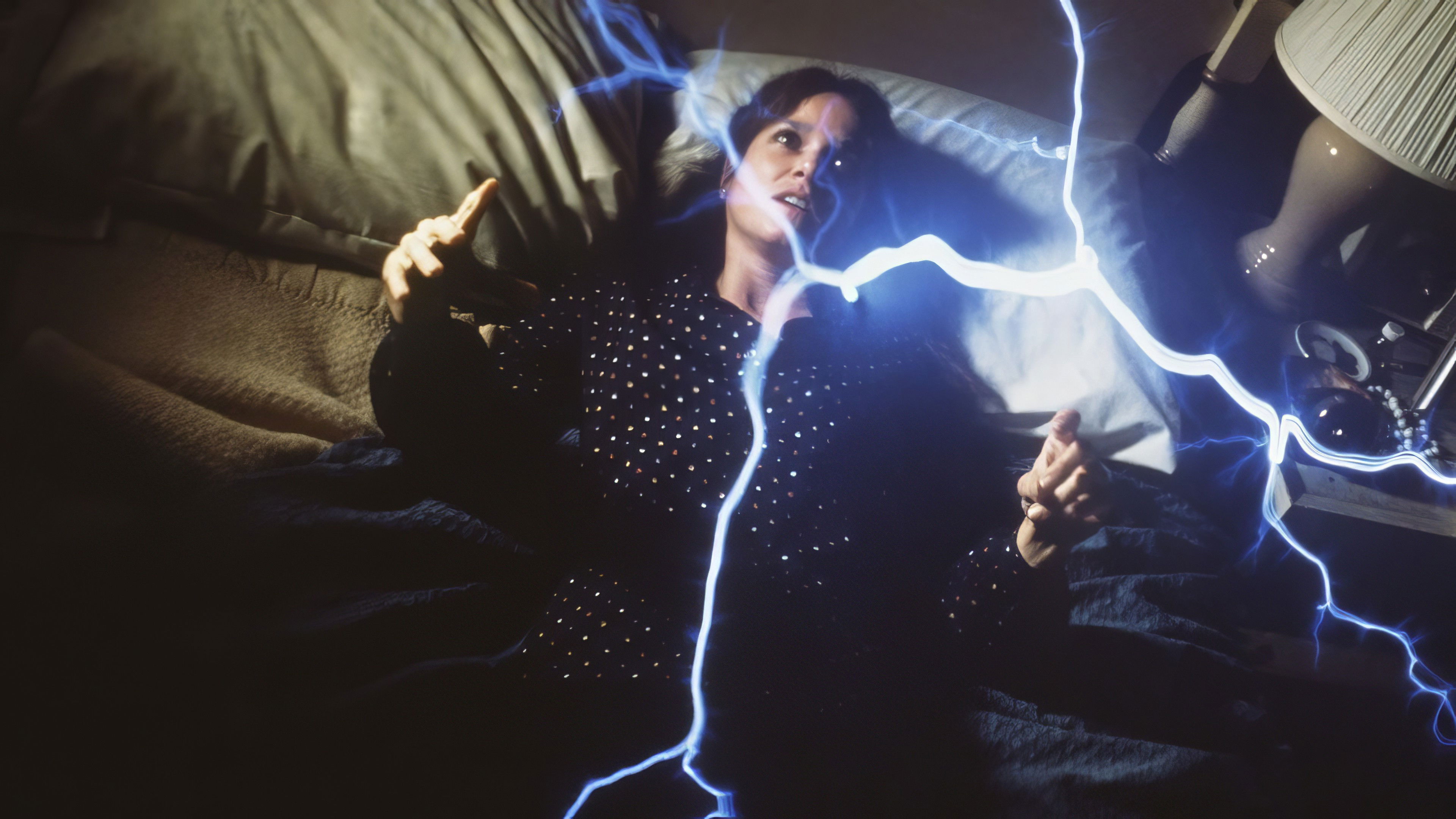
The most technically distinctive effect involved making the invisible entity appear to touch Carla's body. The production constructed an expensive mechanical body double. Contemporary production documentation records a cost of approximately $65,000 for the device. It allowed the filmmakers to create visible depressions and movement across the body as though unseen hands were applying pressure to flesh.

The technique is important because it gives the entity apparent mass. A purely optical glow or animated outline would have revealed the supernatural attacker as an image placed over the photography. The mechanical effect instead makes the body itself provide the evidence. Skin moves and changes shape while the supposed source of the pressure remains absent.

The climactic experiment expands this principle to a much larger scale. The parapsychologists recreate Carla's domestic environment in a controlled facility and attempt to trap the entity through a system built around extreme cold. The production employed a substantial visual-effects unit as well as specialised work on the enormous ice structure required for the sequence. At this point the film moves furthest from domestic realism into large-scale effects cinema, giving physical volume to something that still cannot be represented as a conventional creature.

Importantly, even this experiment does not provide a simple victory. Scientific instrumentation can register and react to the phenomenon without producing a complete explanation for it. The effects spectacle therefore extends the film's central uncertainty rather than resolving it.

Music & Sound

Charles Bernstein's score gives the invisible attacker another form of physical presence. The attack sequences use aggressive rhythmic material that arrives with the force of the assaults themselves. Strings, keyboards and electronic textures create an abrasive contrast with quieter passages devoted to Carla and her family.

The score's attack material is especially important because sound can announce force before the image provides visible evidence. Musical impact, physical movement and editing combine to make the entity feel present despite the absence of a body within the frame. Bernstein's music therefore performs some of the work that makeup or creature design would normally handle in supernatural horror.

The original score was recorded at Village Recorders, and later soundtrack releases preserved both the principal cues and alternate material, including a rejected version of the attack music and a synthesizer version of the main title. Bernstein's music subsequently acquired a life beyond the film when material from The Entity was used decades later in Inglourious Basterds.

Sound design more broadly reinforces the same physical conception. Impacts, movement and environmental disturbances often establish the entity's presence before characters can interpret what has occurred. Because the antagonist cannot speak or appear in conventional form for most of the film, sound becomes evidence.

Release, Controversy & Box Office

The release history is unusually fragmented. Although production was completed in 1981, corporate problems delayed distribution. The film opened in Britain on September 30, 1982, before receiving its American theatrical release from Twentieth Century-Fox on February 4, 1983. This explains why sources variously identify The Entity as a 1981, 1982 or 1983 film; 1982 remains the common year attached to the title, while the American Film Institute catalogues it according to its 1983 American release.

In the United States it carried an R rating. The film earned approximately $3.7 million during its domestic opening and eventually reached about $13.3 million in the North American market. Contemporary trade reporting recorded strong initial interest followed by a substantial decline in attendance.

More significant than the raw commercial figures was the controversy surrounding the film's treatment of sexual violence. Women's groups and individual critics objected to the repeated depiction of Carla's assaults and questioned the manner in which the material was being used as entertainment. Producer Harold Schneider and De Felitta defended the film by arguing that the underlying case and the experience of the woman who inspired Carla justified confronting the material directly.

The disagreement is important to the film's reception because the same scenes can be understood through sharply different frameworks. They are simultaneously the source of its exploitation reputation and the basis for later interpretations centred on victim testimony, institutional disbelief and the difficulty women face when describing abuse that others cannot or will not recognise.

Critical Reassessment & Legacy

Initial reviews were mixed. Contemporary criticism could acknowledge the effectiveness of individual attack sequences while questioning the film's taste, length or treatment of its subject. The explicit assaults made The Entity difficult to separate from the exploitation context in which American Cinema Productions had operated, and that association contributed to the film's uncertain reputation during its original release.

Later criticism has been substantially more interested in its structure. The film has been examined through the relationship between supernatural horror and patriarchal disbelief, emphasizing how Carla is repeatedly confronted by male authorities attempting to redefine what she says is happening to her. This reading does not require the supernatural explanation to be accepted literally. The horror can also emerge from the struggle over who is permitted to describe and interpret violence.

Its reputation was further strengthened by prominent filmmakers. Martin Scorsese later included The Entity among films he considered particularly frightening. Experimental filmmaker Peter Tscherkassky used footage from The Entity as the material for Outer Space and Dream Work, radically reworking Furie's images through optical and found-footage processes. These appropriations extended the film's visual afterlife far beyond conventional supernatural cinema.

The film also anticipated a form that became increasingly common in later paranormal horror: ordinary domestic life disrupted by apparently measurable supernatural activity, followed by increasingly elaborate attempts to document or contain the phenomenon. Yet The Entity remains distinctive because its central horror is not simply the existence of a ghost. The threat is explicitly invasive, bodily and sexual, while the protagonist must simultaneously fight the attacker and the interpretations imposed upon her experience.

That combination explains its continued discomfort. The Entity offers neither the reassuring logic of a traditional haunting nor a purely psychological explanation that dissolves the supernatural events. Its practical effects make the invisible force physically credible, while its competing psychiatric and paranormal frameworks prevent certainty from becoming easy. The result is a supernatural horror film whose most persistent question is not simply whether the entity exists, but what happens when a victim's account cannot be made to fit the explanations available to everyone around her.

Cast

View Full Cast & Crew →

Release & Distribution

Production Companies (2)

  • 20th Century Studios US
  • American Cinema Productions

Distributors (1)

  • 20th Century Studios US

Release History (10)

Release DateTerritoryRelease TypeFormatDistributorCertificationNotes
1982-09-30 GB theatrical — — —
1982-11-18 NL theatrical — — 16
1983-01-28 DE theatrical — — 16 West Germany
1983-02-04 US theatrical — — R
1983-02-23 FR theatrical — — 12
1983-02-24 PT theatrical — — —
1983-03-07 BR theatrical — — 16
1998-01-15 FR tv — — 12 M6 (Les jeudis de l'angoisse)
2007-05-01 NL physical DVD — 16 DVD
2012-09-27 US premiere — — — Austin Fantastic Fest
There is no escape from something you cannot see.