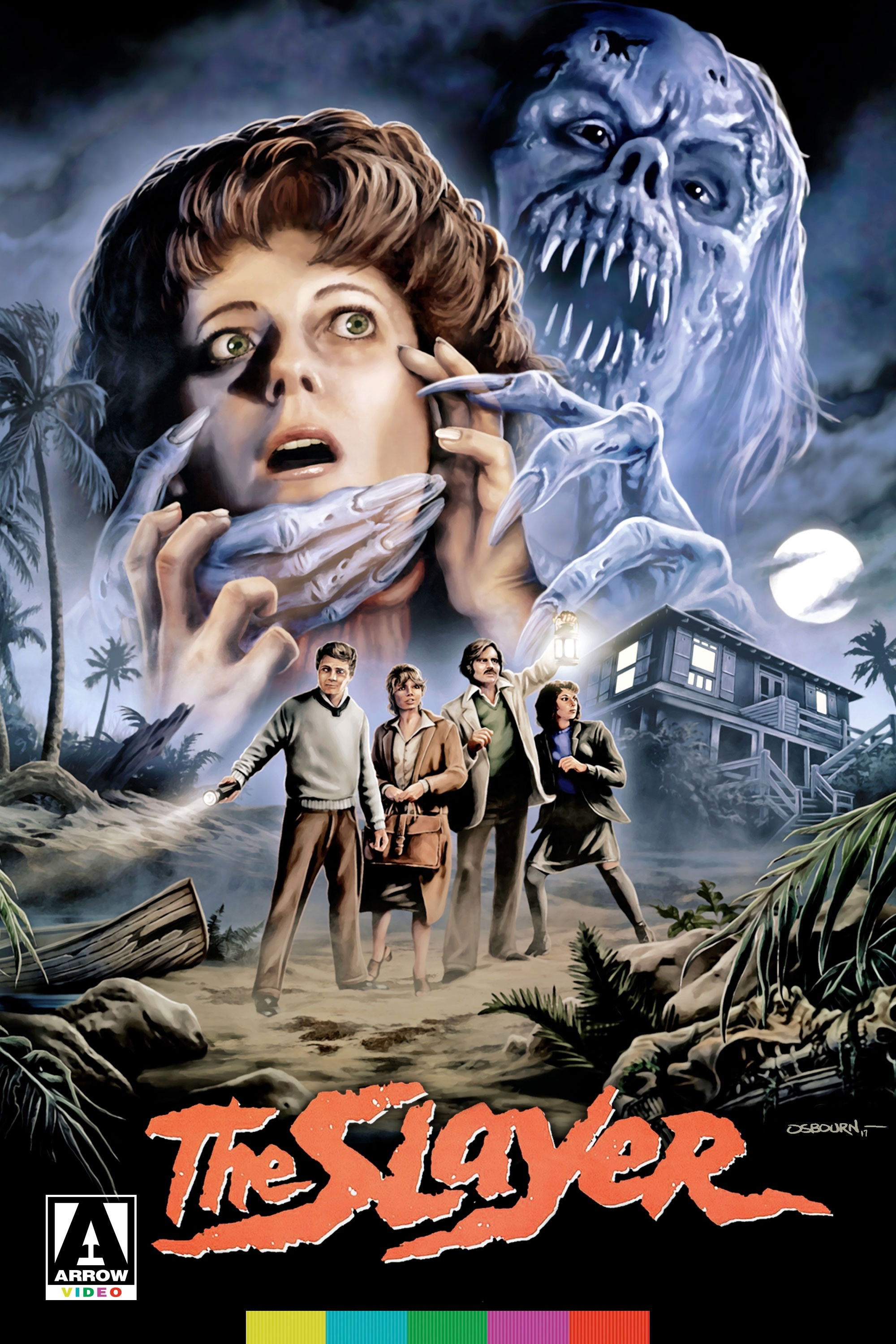
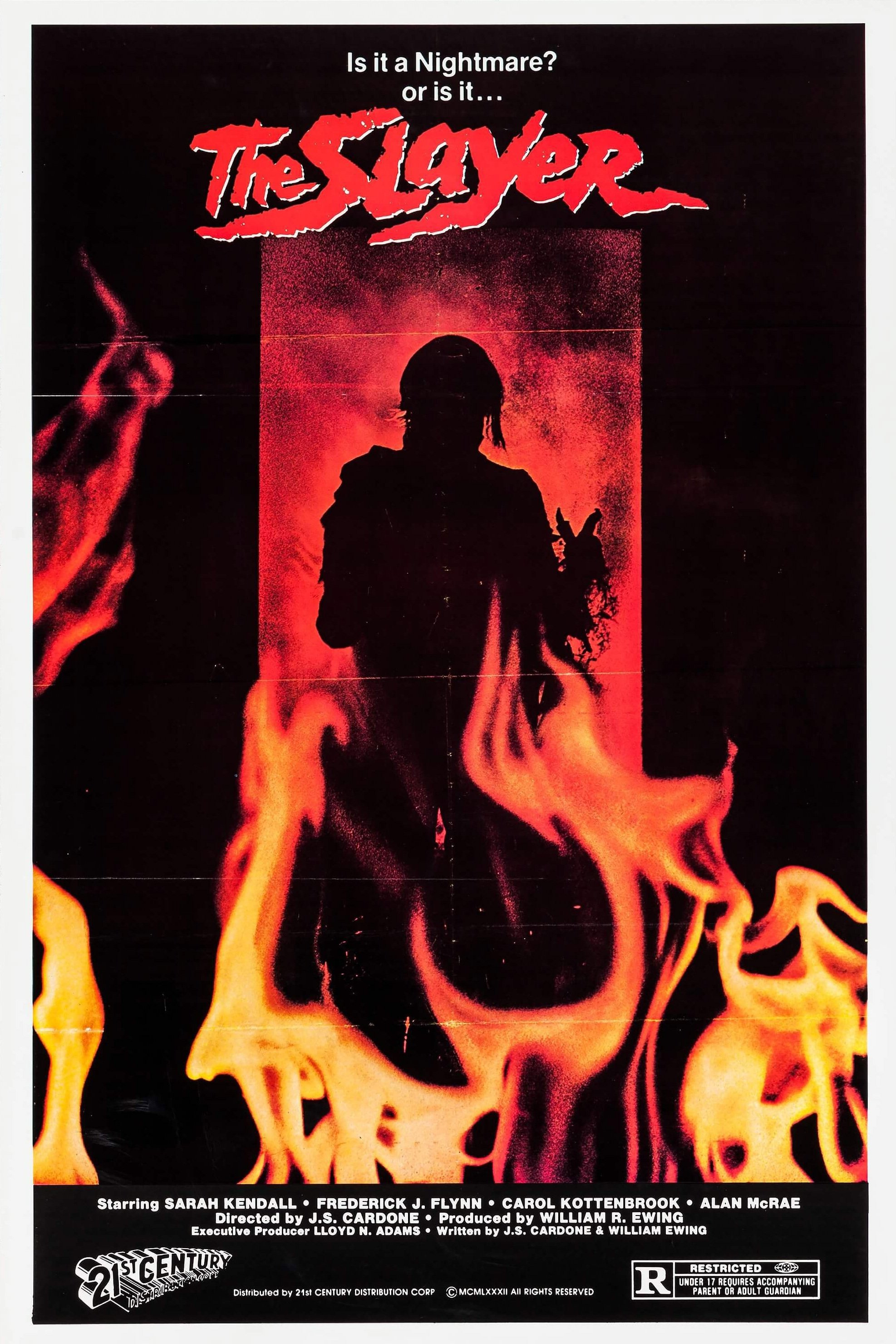
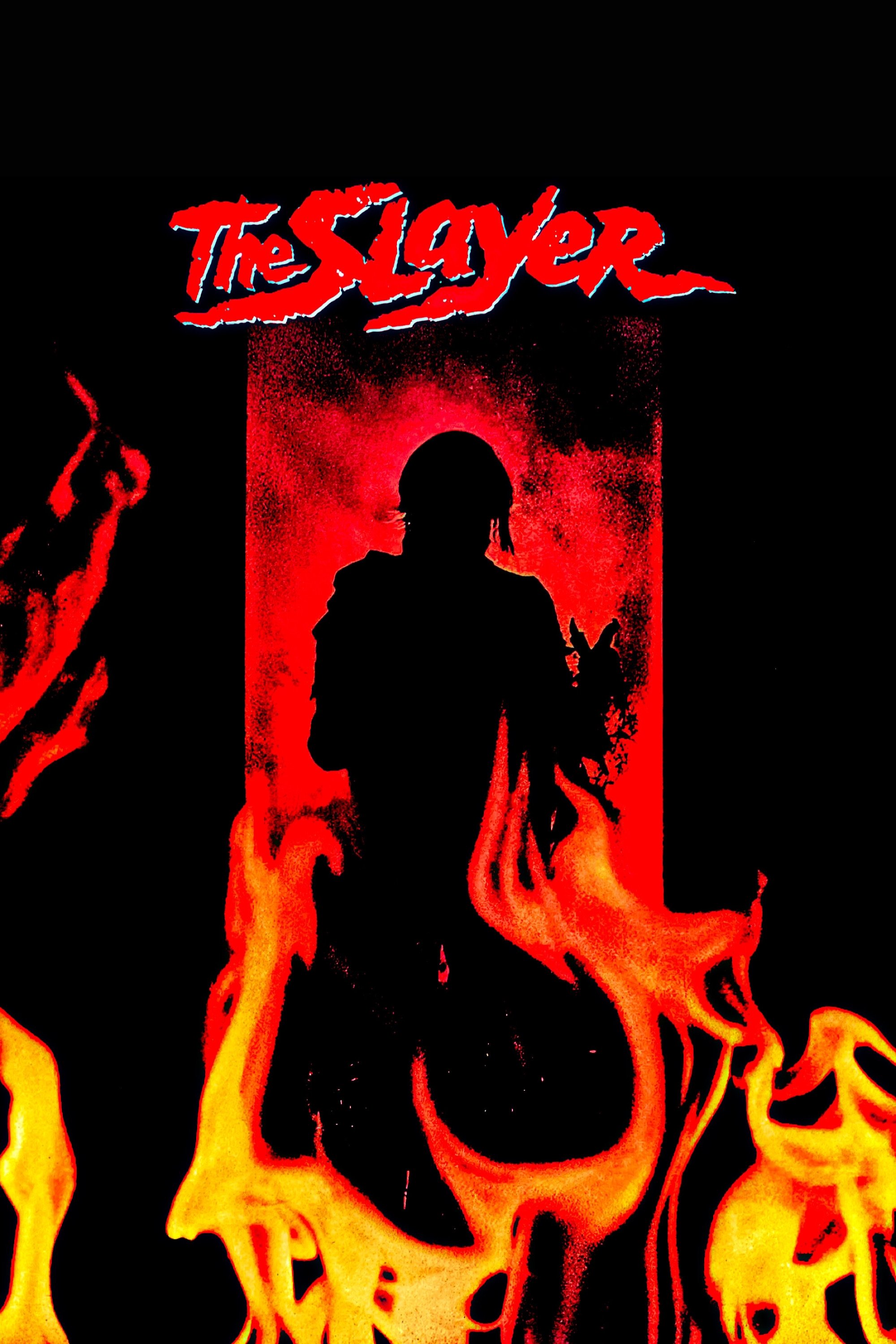
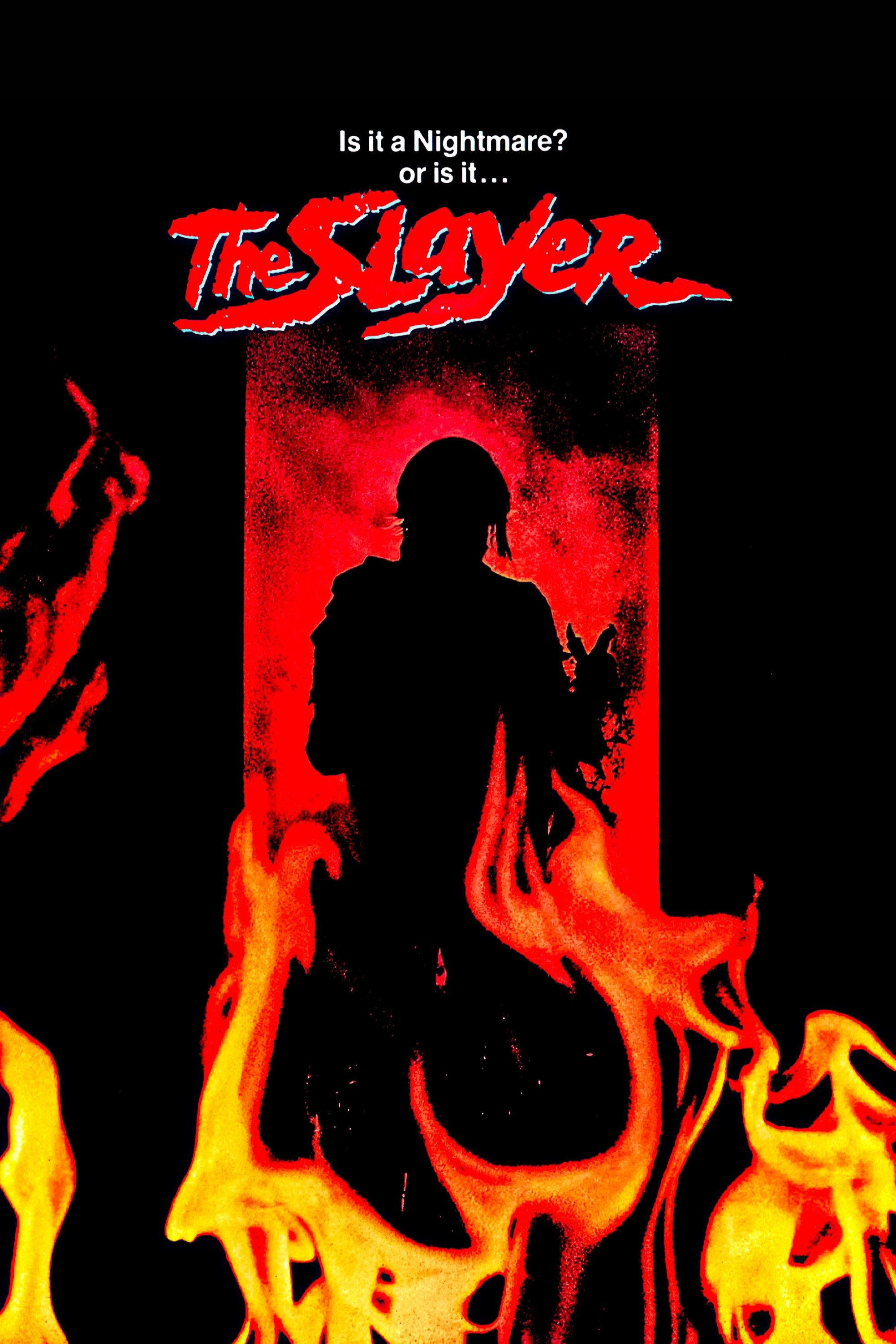
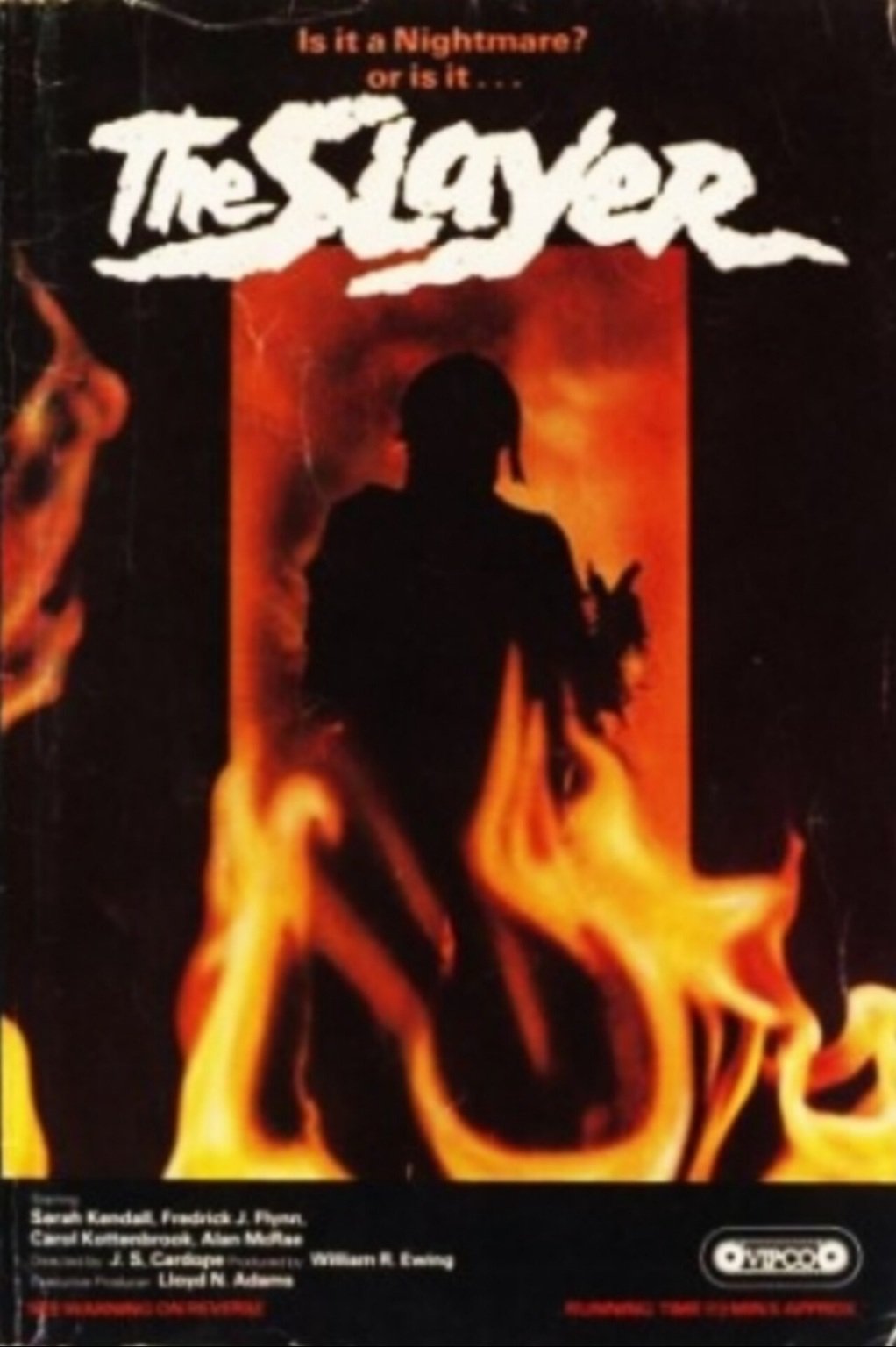
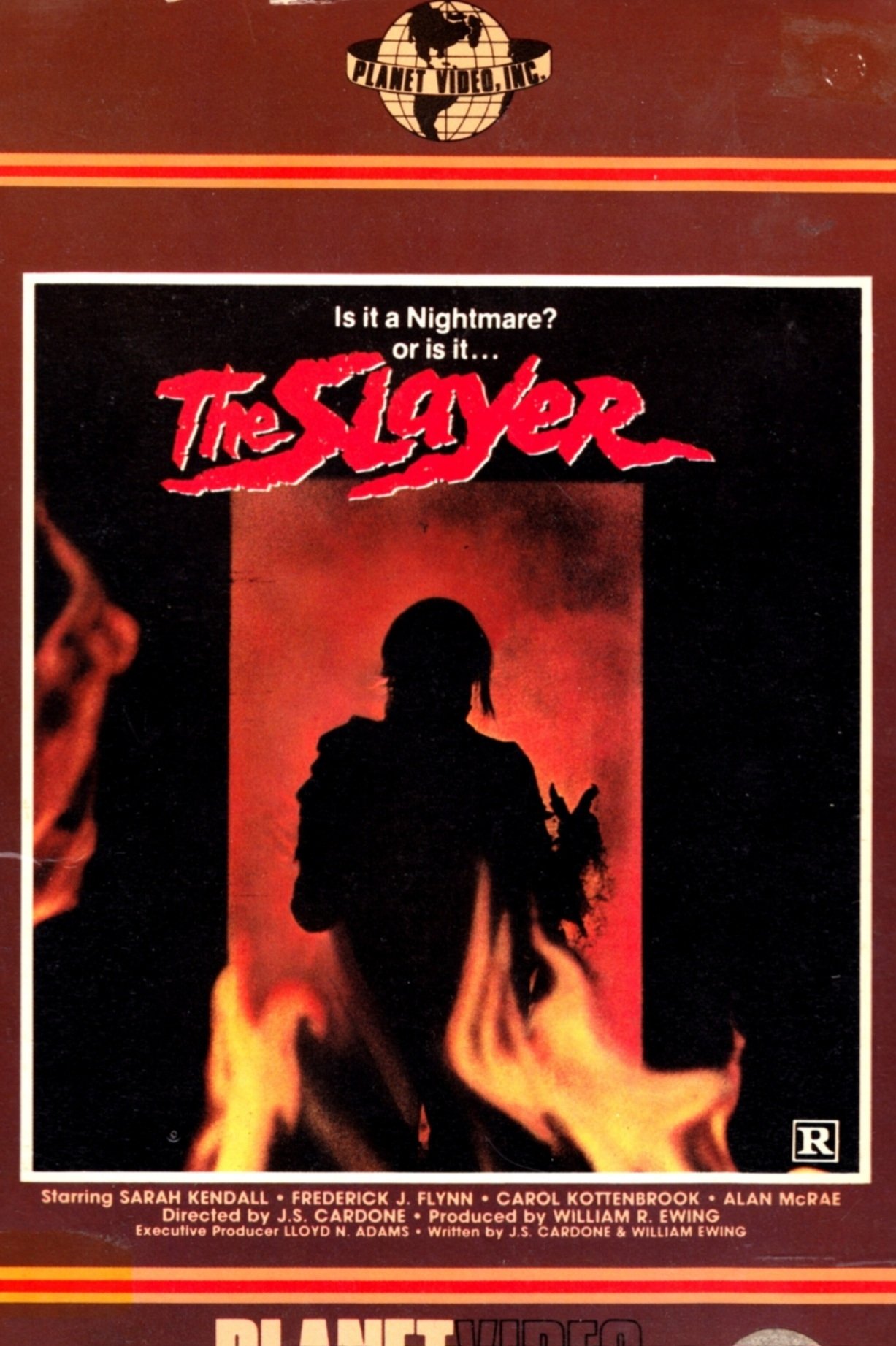
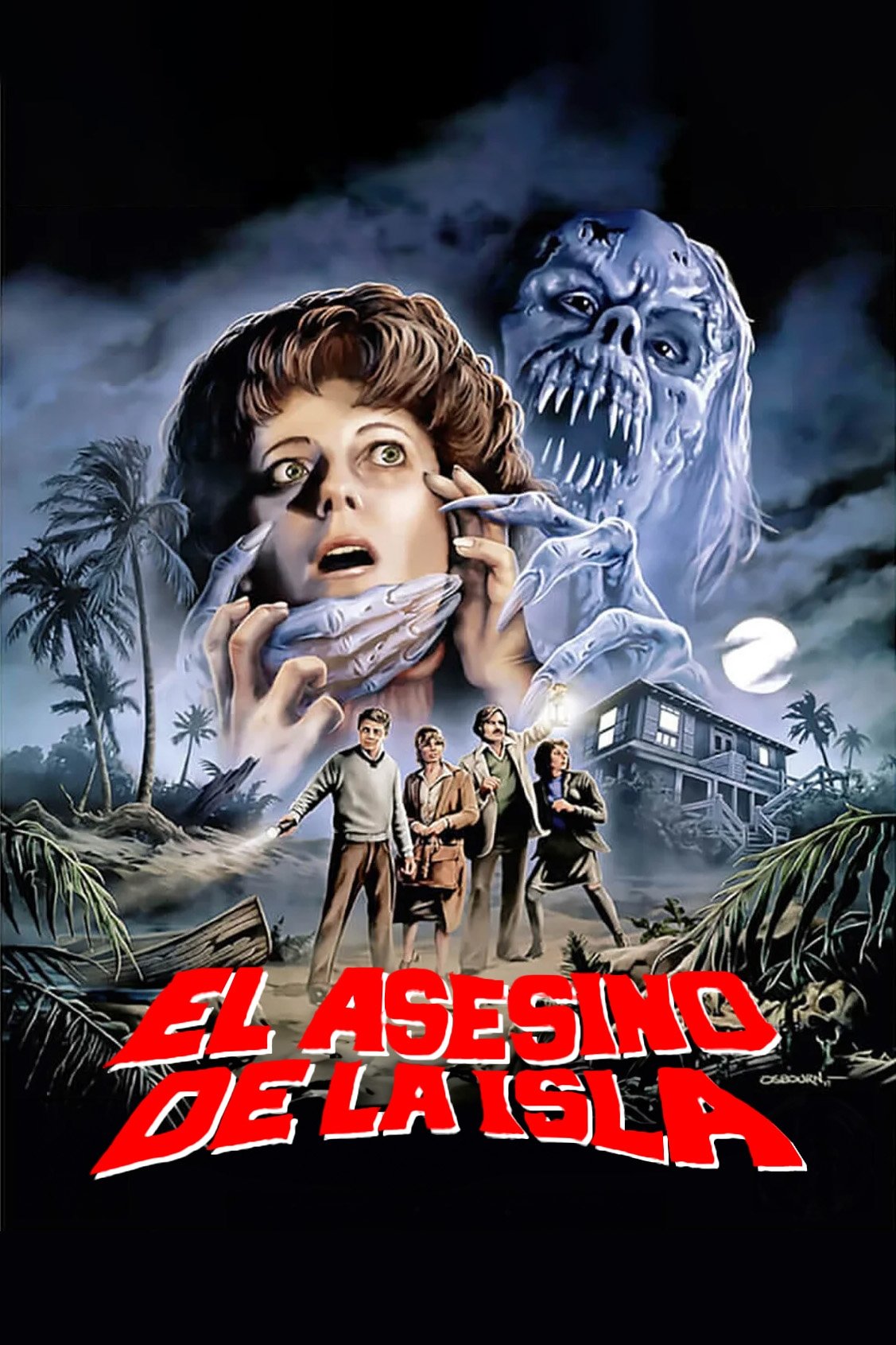
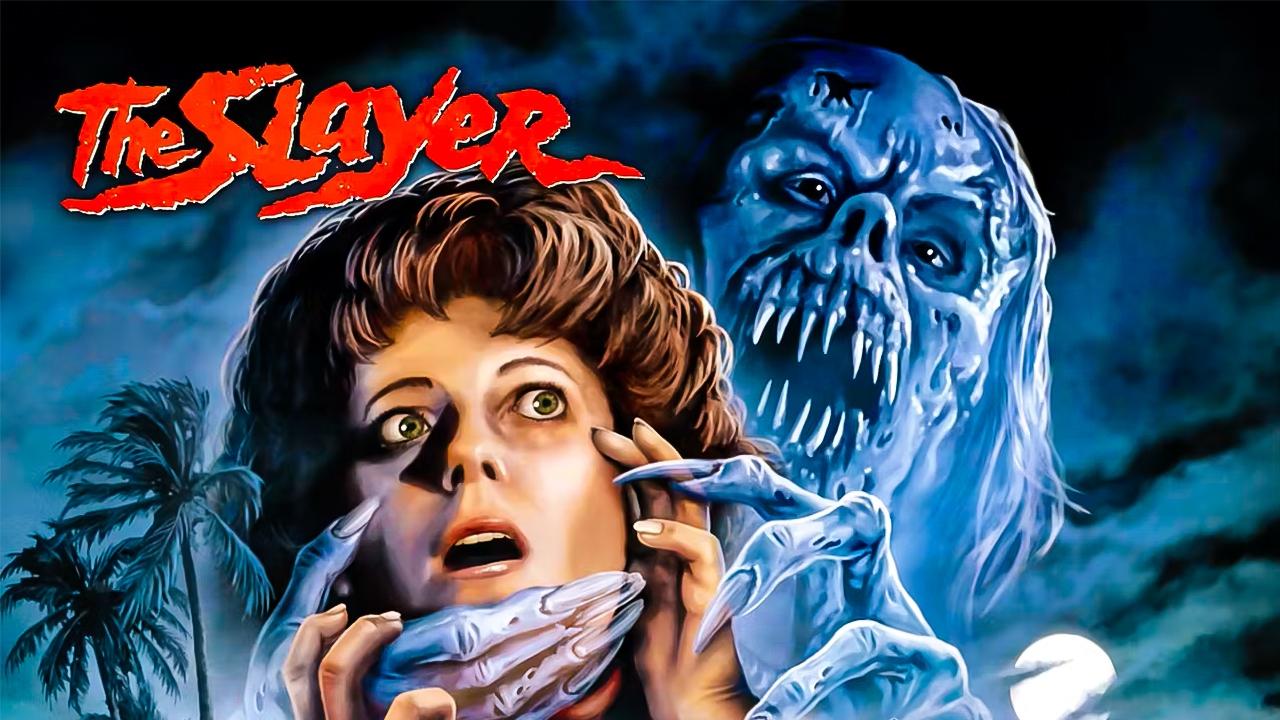
The Slayer (1982)

US
HORROR FILM
UK censorship history DPP · Withdrawn / unsuccessful
Runtime
80 min
Release
October 8, 1982
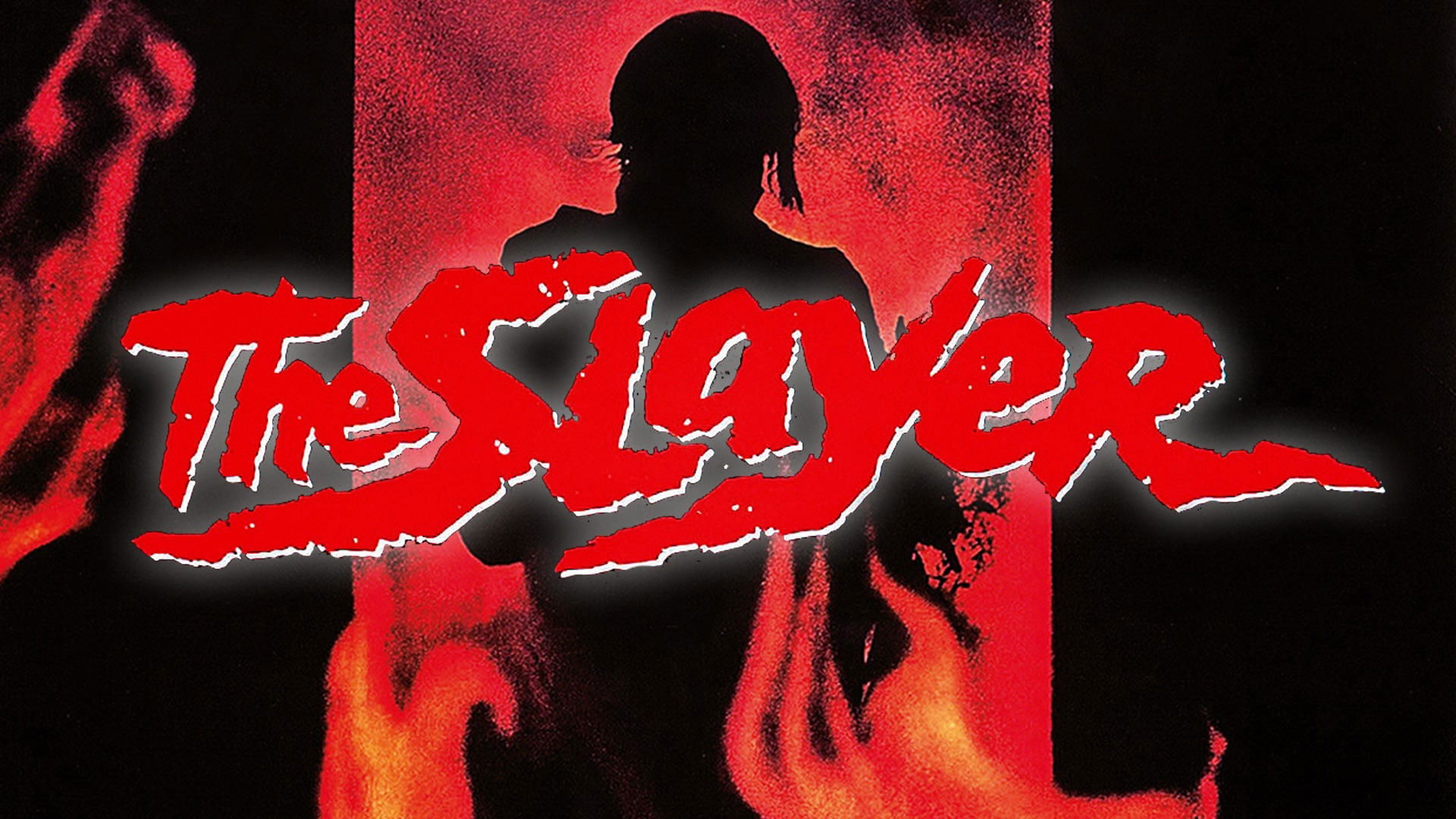
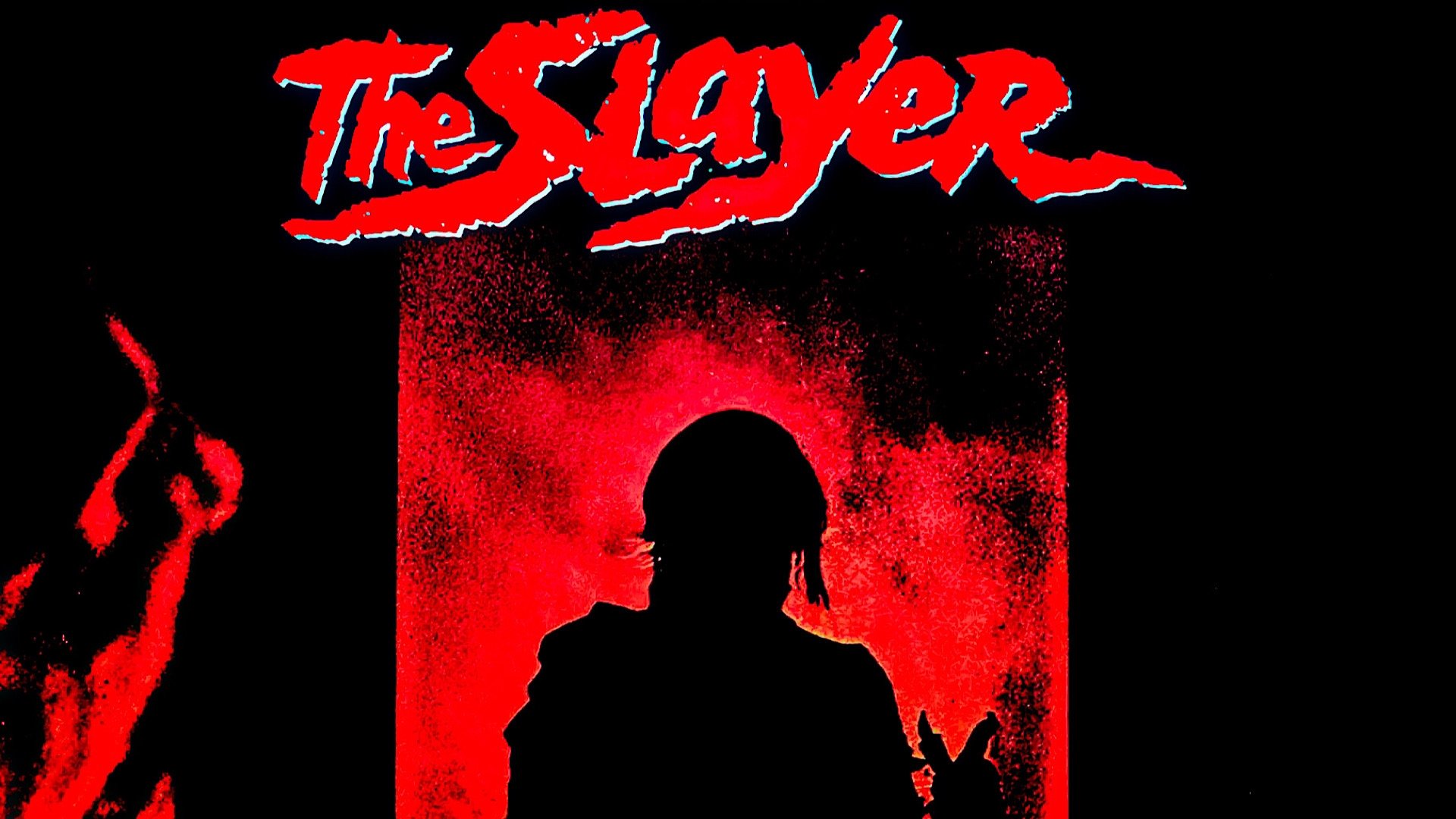
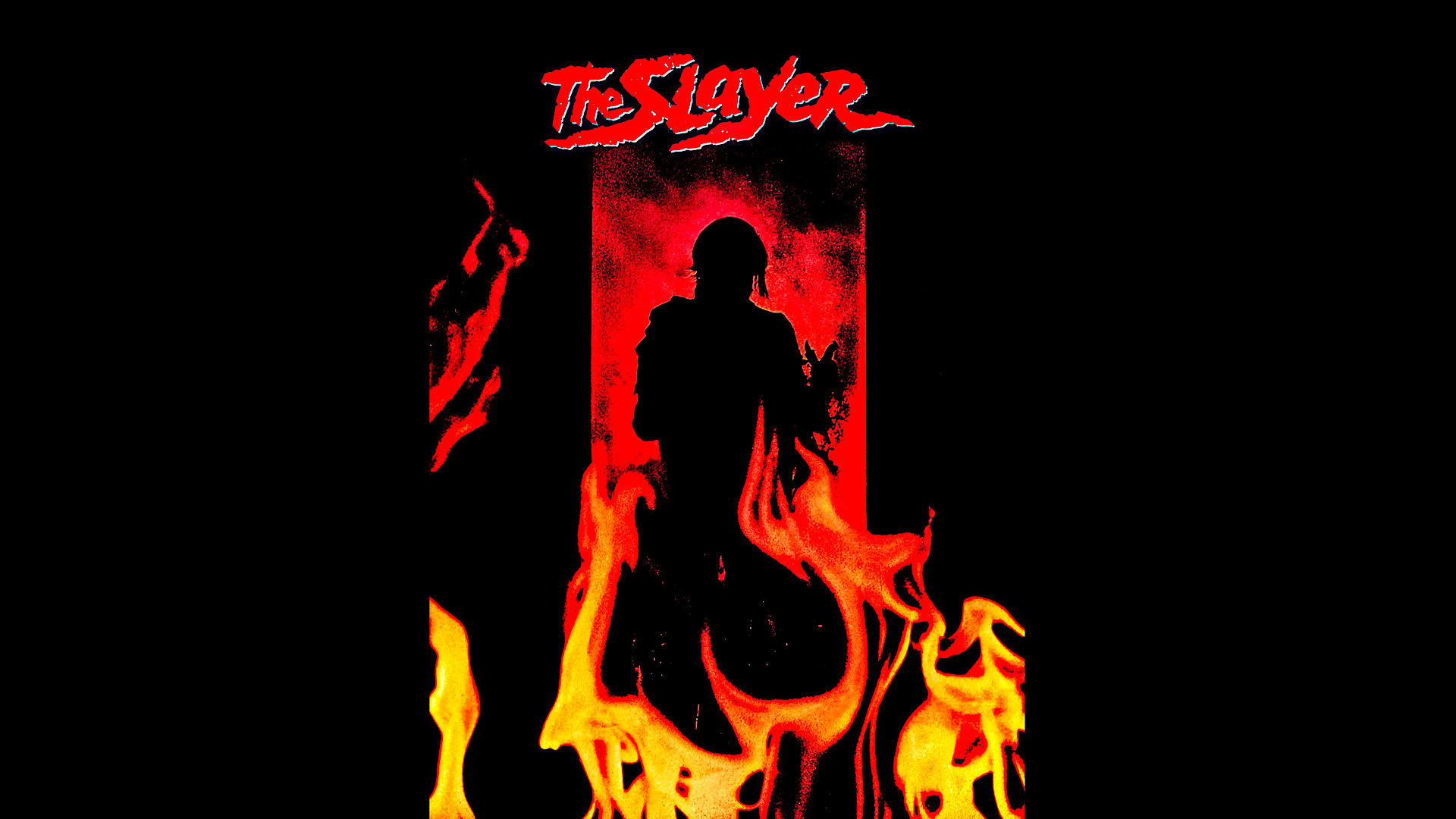
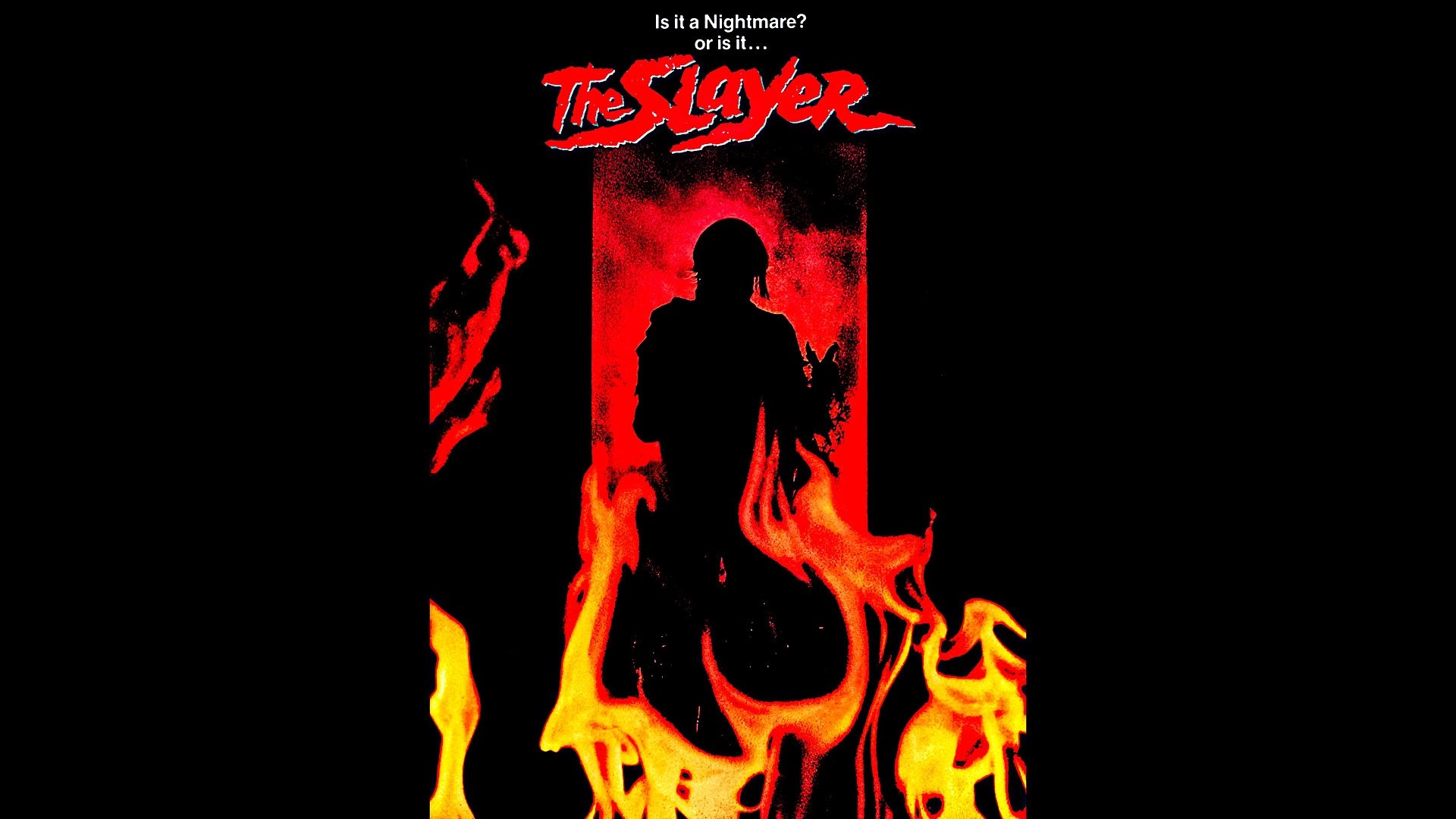
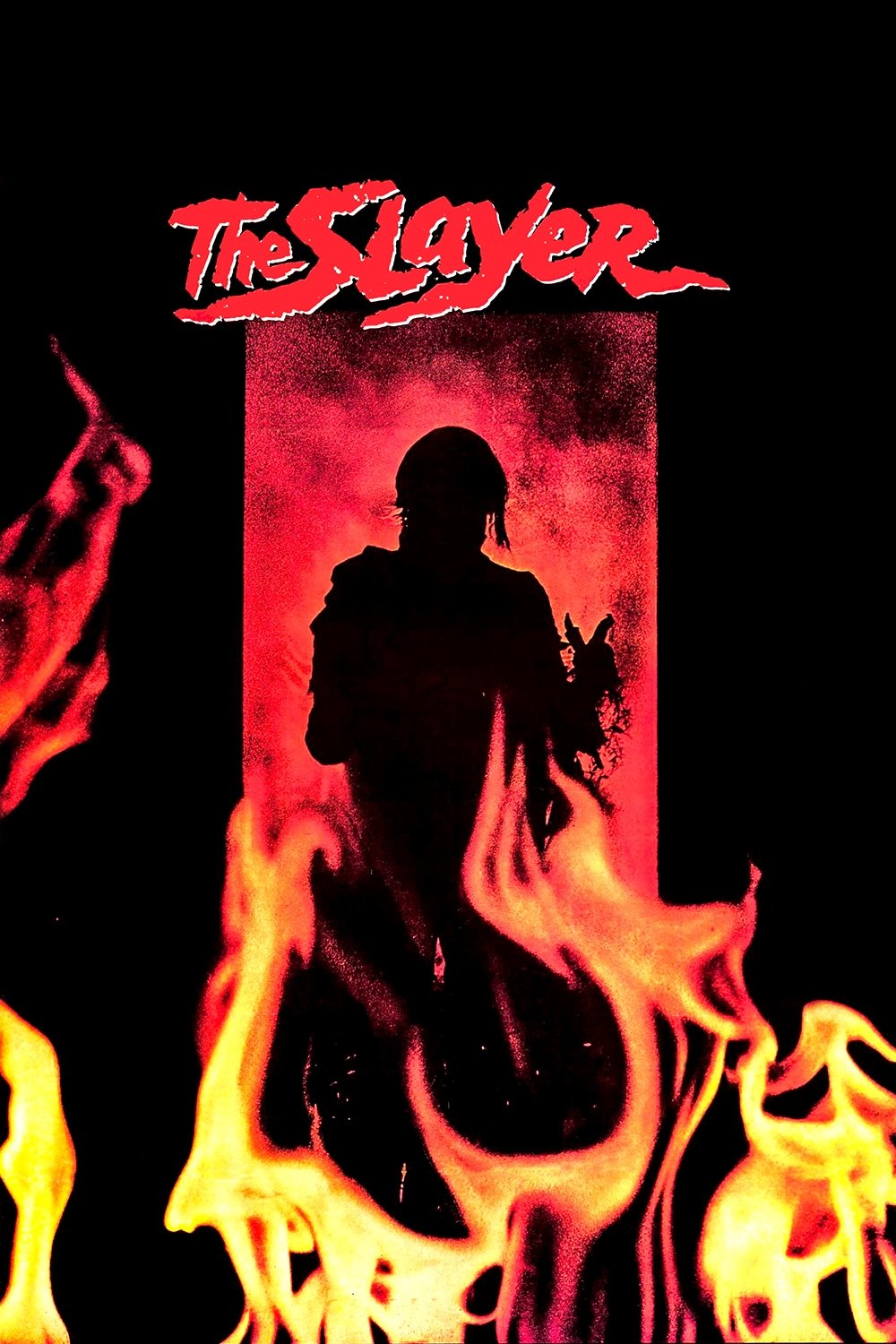
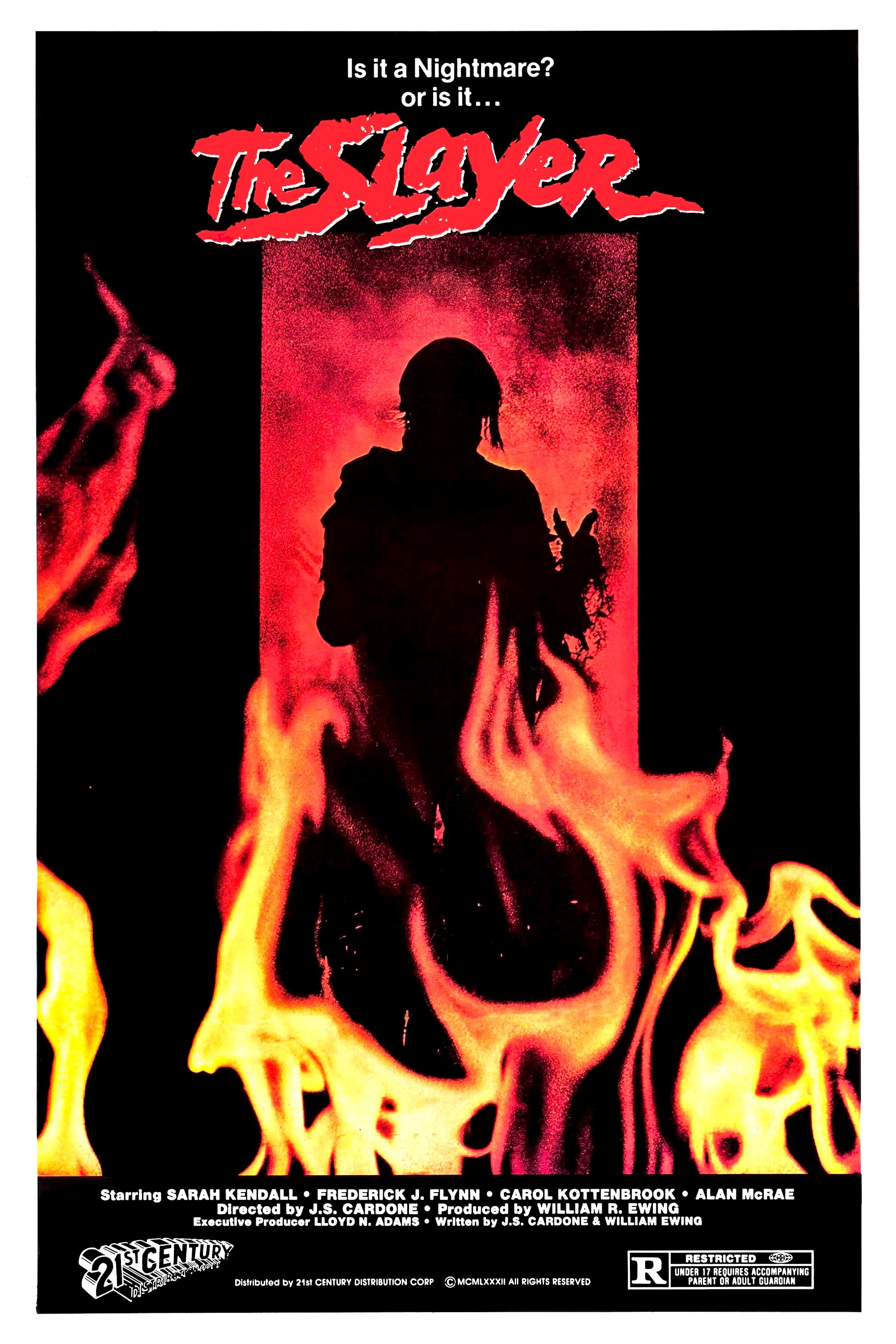
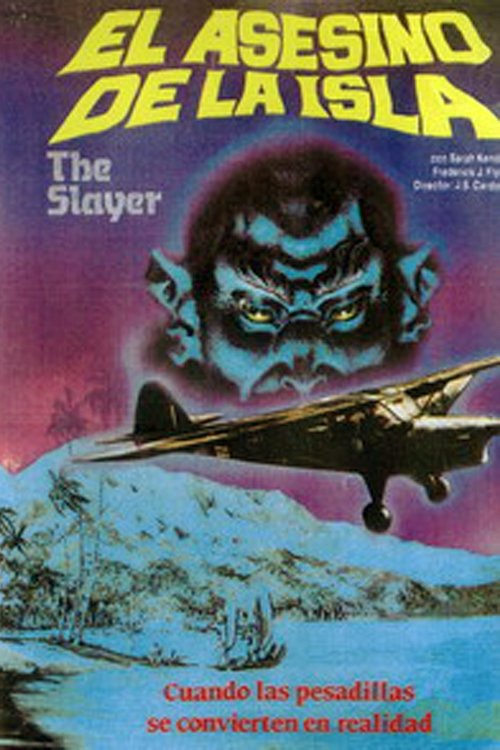
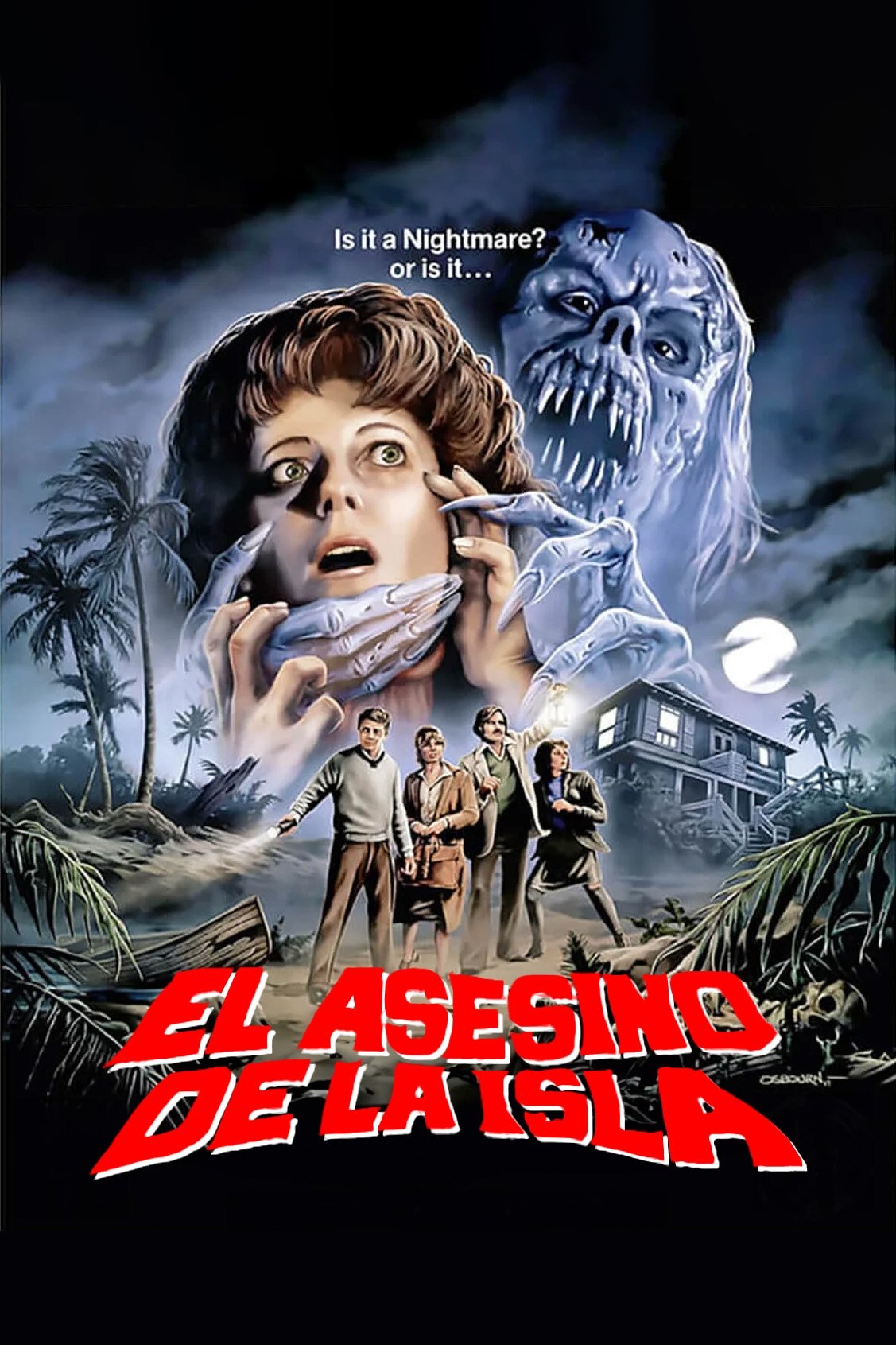
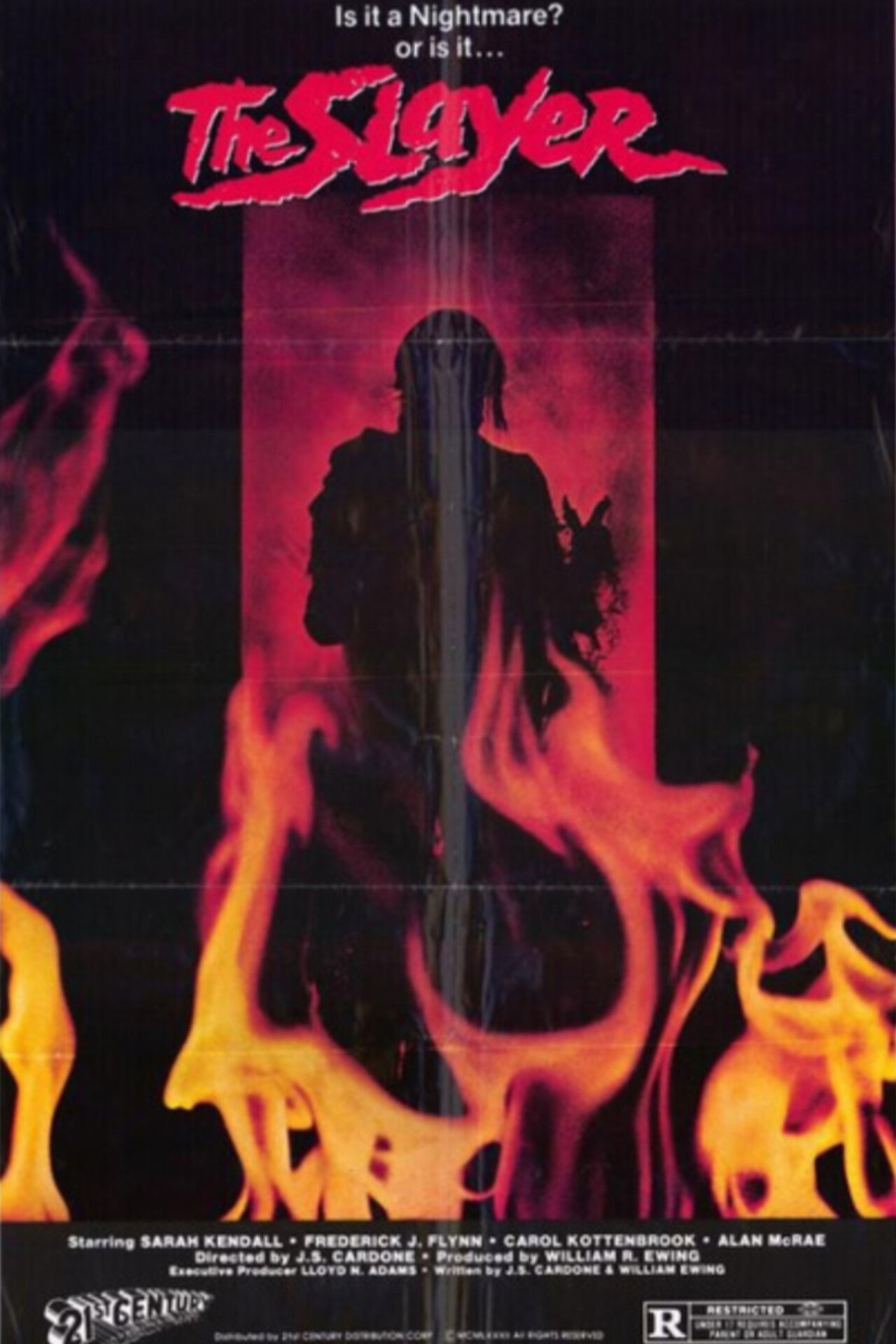
The Slayer (1982) poster
Director
Production Company
The International Picture Show Company
Plot

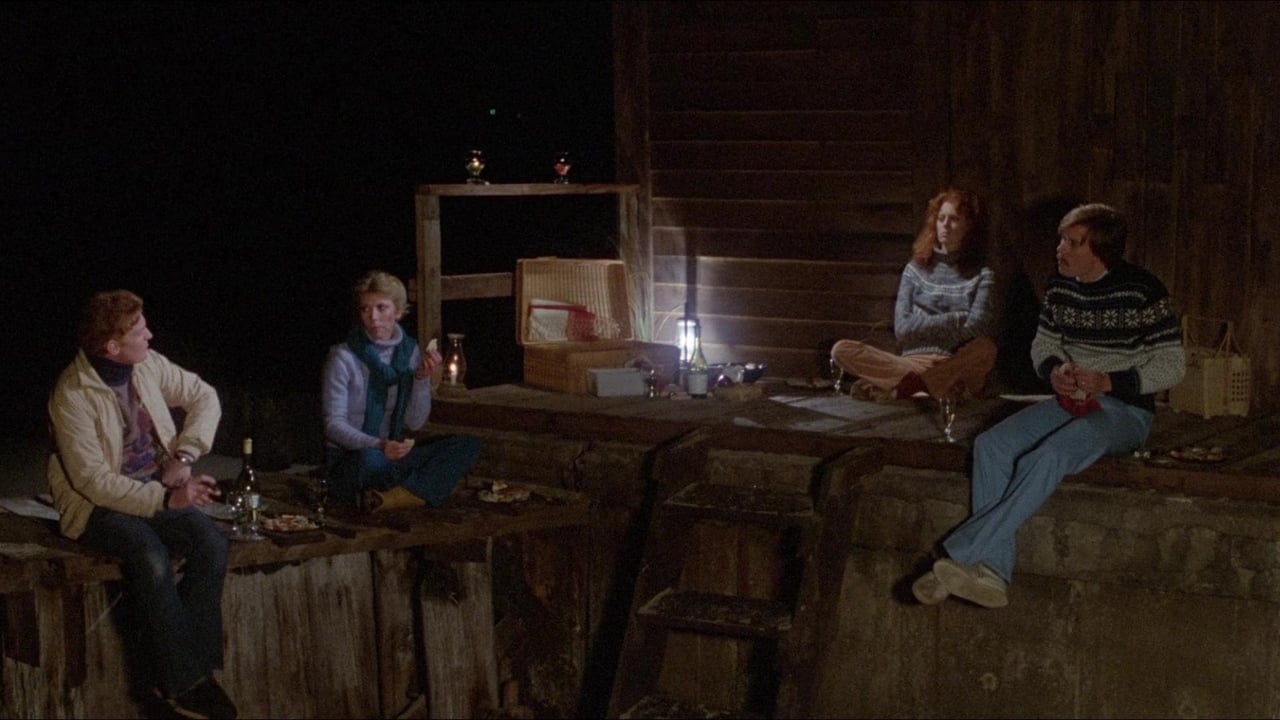
Siblings, Eric & his surreal artist sister Kay, her doctor husband David, her sister-in-law Brooke along with pilot Marsh become stranded on a rugged isle face off against a supernatural beast drawn to Kay who dreams of its killings.

Alternative Titles
O Esquartejador (Brazil) — Portuguese 噩梦岛 (China) — Chinese El asesino de la isla (Spain) — Spanish Kirottujen saari (Finland) 噩夢島 (Hong Kong SAR China) — Chinese Nattens bøddel (Norway) Убийца (Russia) — Russian Nightmare Island (United States)

Trailers & Videos

1 video

Film Guide & Analysis

J. S. Cardone turns an isolated island into a nightmare of prophetic paintings, ambiguous killings and a nearly unseen creature.

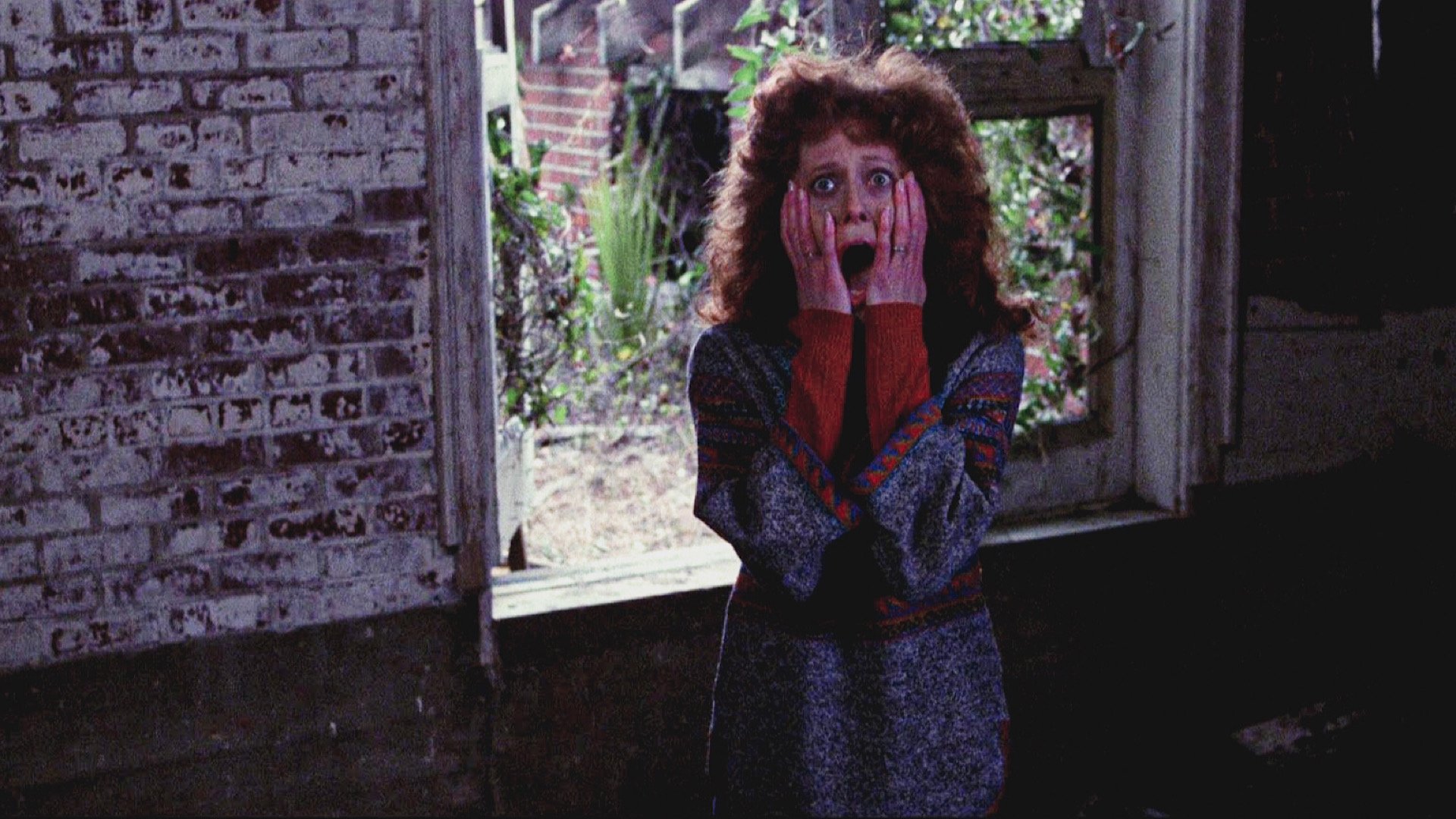
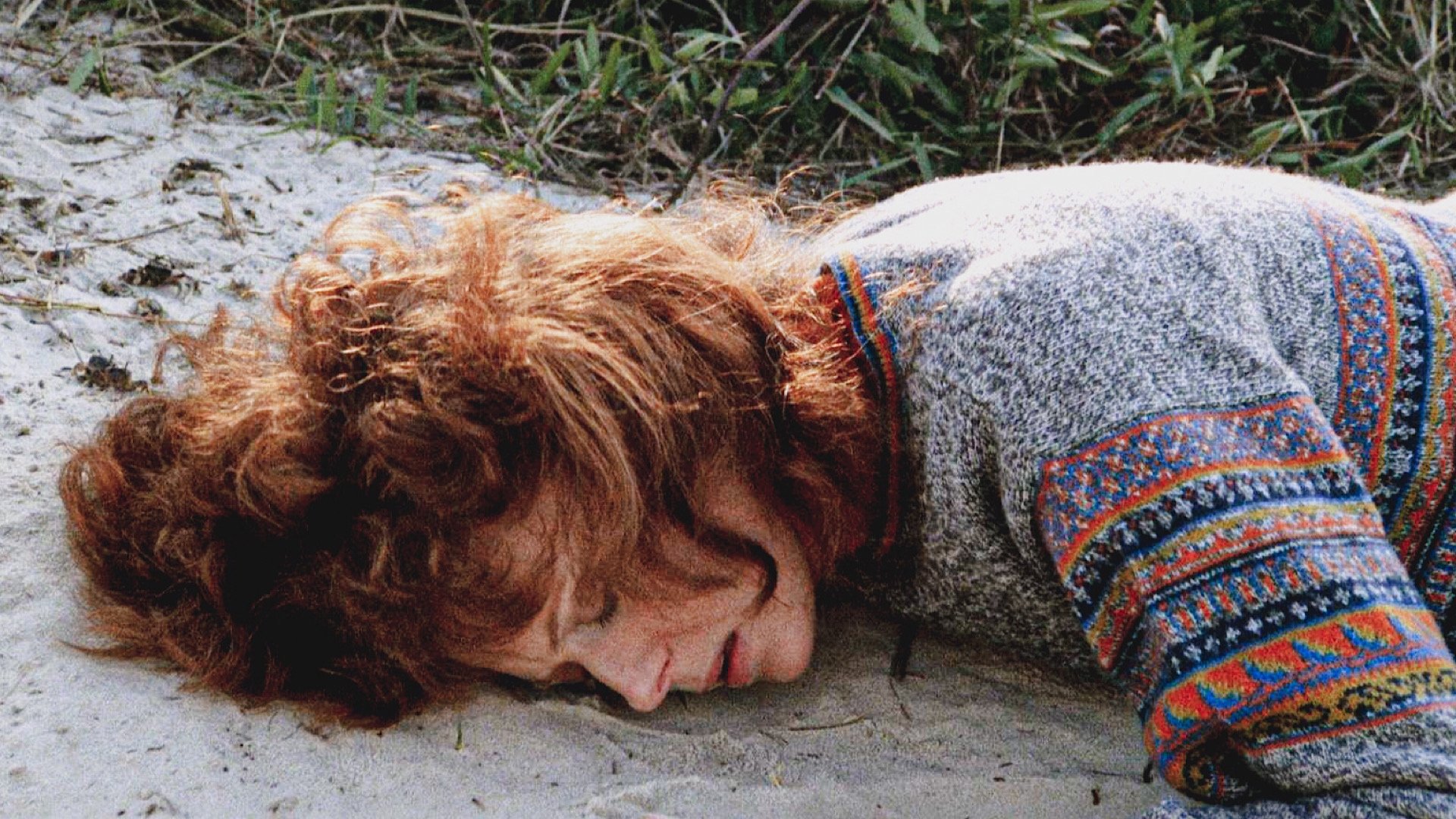
The Slayer (1982), directed by J. S. Cardone, takes an isolated-island murder story into the uncertain territory between nightmares and waking events. Kay, a painter troubled by recurring visions, joins her husband David, her brother Eric and Eric's wife Brooke for a holiday on an Atlantic island. A storm cuts them off from outside help, and deaths begin to resemble images Kay has already encountered in sleep. Her companions treat the warnings as symptoms of distress, leaving the only person who anticipates the attacks unable to persuade the others that danger is real. The film builds its supernatural threat through that breakdown of shared certainty.

Often marketed as a slasher, Cardone's debut places long intervals of unease around a comparatively small number of violent attacks. A derelict theater and vacant coastal terrain make the vacation setting resemble a landscape from Kay's paintings. The creature remains largely unseen until the climax, while an ending that returns to childhood unsettles the chronology of everything preceding it. Filmmaker testimony, the original location and the changing British video editions provide a documented history behind the film's unsettling construction.

Development and the Tybee Island Shoot

J. S. Cardone developed The Slayer with William Ewing during a period when the commercial success of Halloween had opened opportunities for low-budget American horror. Interviewed by Connect Savannah in 2017, Cardone recalled a different artistic interest within that market. He named the Val Lewton productions Cat People, The Body Snatcher and I Walked with a Zombie as examples of horror built through atmosphere and gradually accumulating suspense.

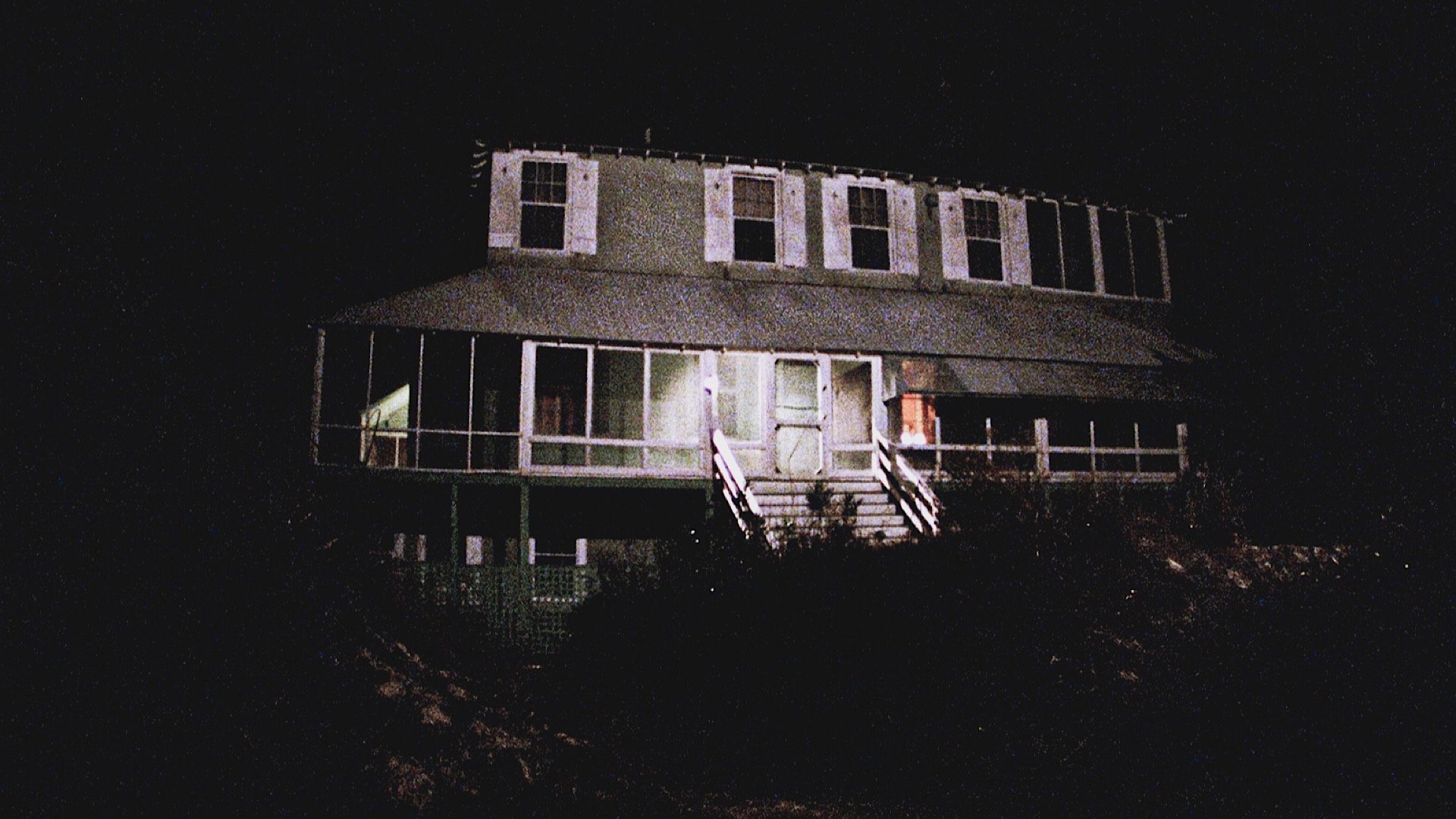
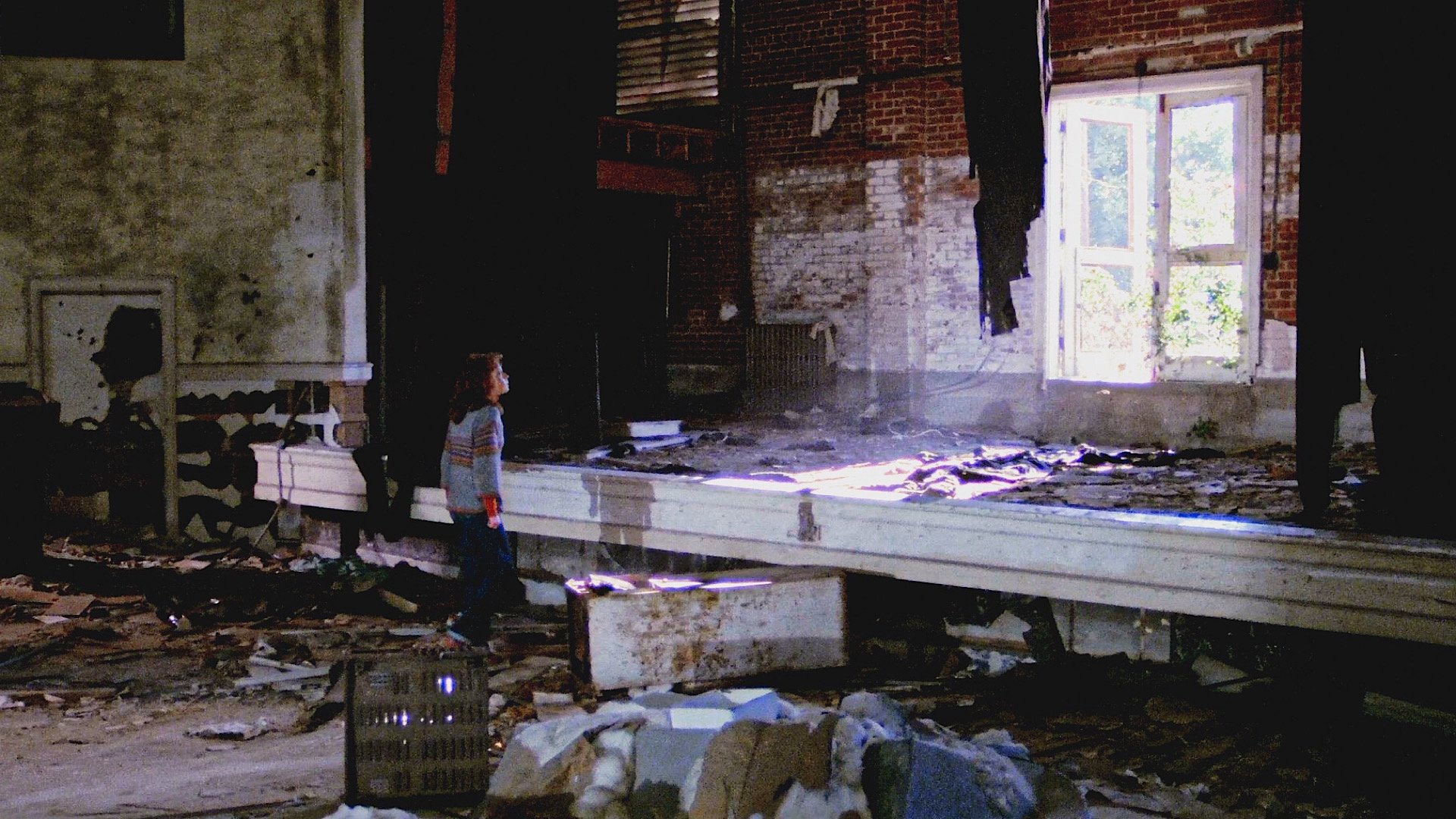
The production worked on Tybee Island, off the Georgia coast near Savannah, using the place's off-season emptiness to establish the story's isolation. Cardone said that the ruins of the local Post Theater closely matched a building he had already imagined for the screenplay. The former theater became an essential part of the narrative, not an incidental exterior. Interviews with crew members assembled for the 2017 documentary Nightmare Island record a small production whose young collaborators often had limited feature-film experience. Accounts also describe location challenges and the practical work required to stage the deaths.
Dreams, Paintings and the Unseen Slayer

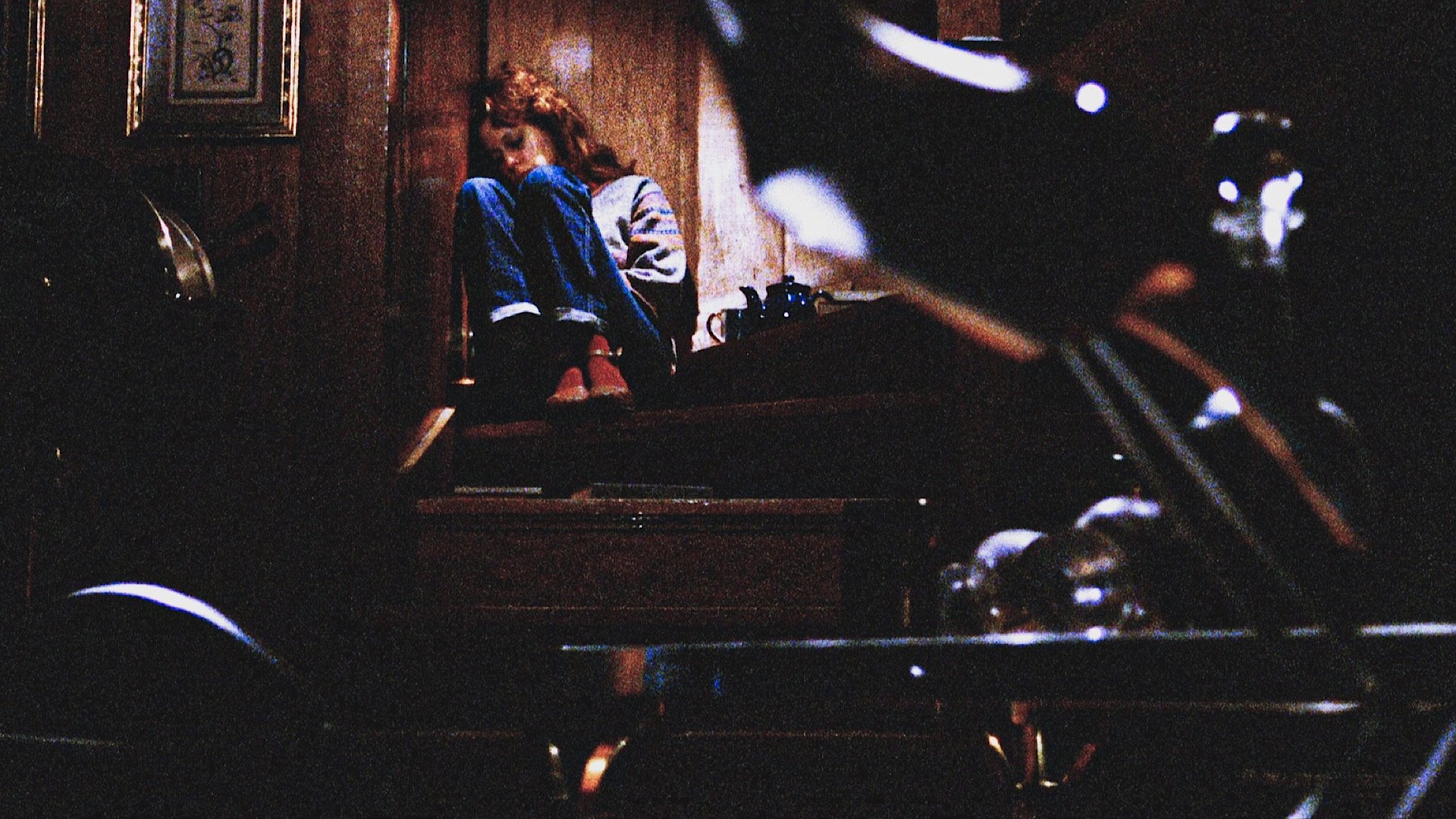
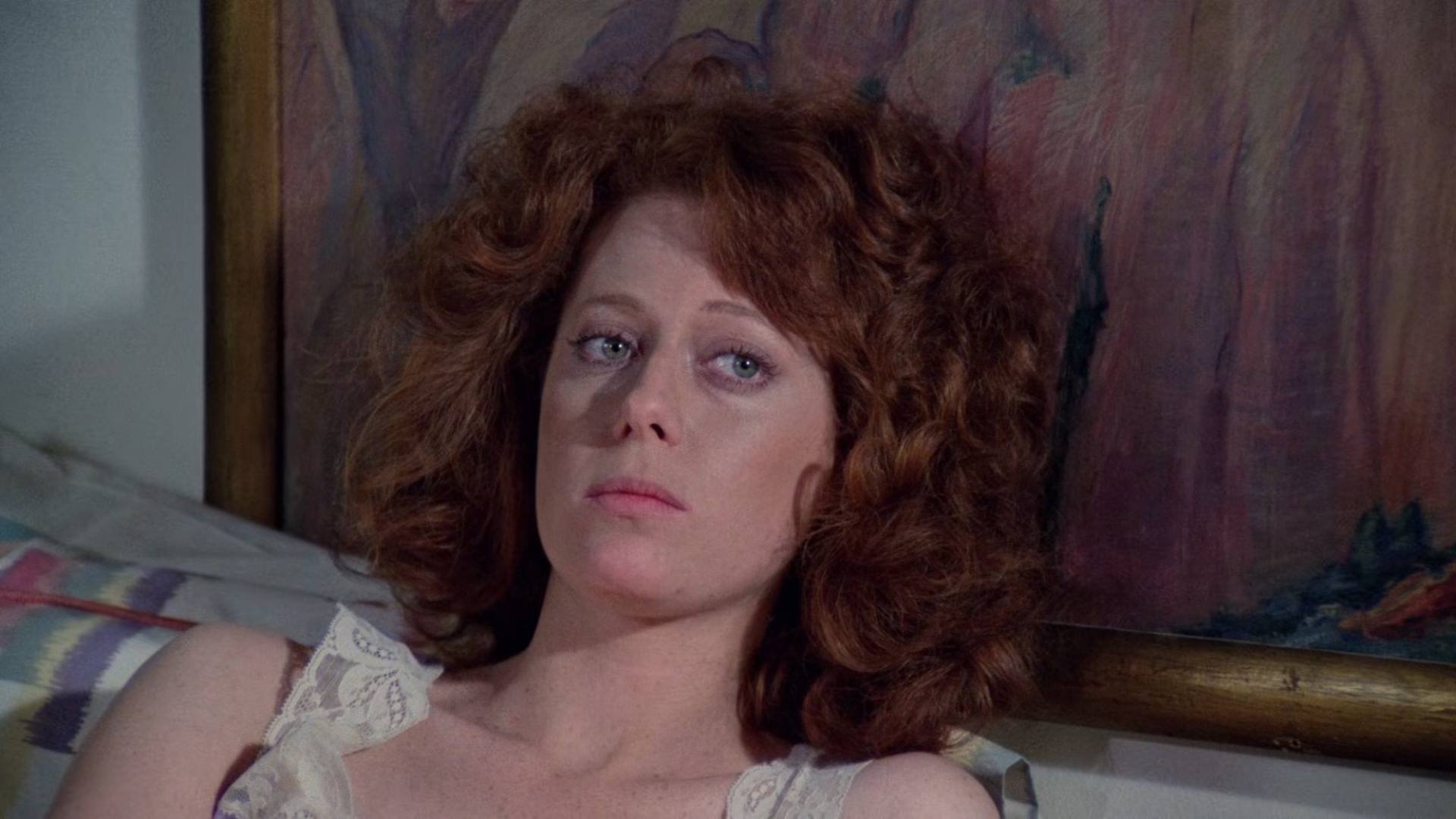
Kay's paintings introduce a form of evidence that ordinary investigation cannot easily use. She recognizes the island's buildings and landscapes from her work despite believing that she has never visited them. When disturbing dreams begin to correspond to actual deaths, the film invites competing explanations: a supernatural creature might be present, Kay might foresee events or the island experience might occupy a different level of reality. The screenplay leaves these possibilities unsettled.

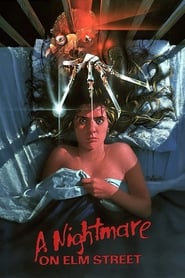
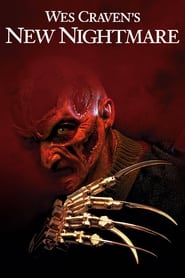
Cardone has spoken of H. P. Lovecraft and Edgar Allan Poe as authors who explored the instability of dreams. In the same 2017 interview, he rejected the suggestion that The Slayer directly inspired A Nightmare on Elm Street. The earlier release date establishes a chronological resemblance between films that allow imagined horrors to enter ordinary life, but it does not prove influence on Wes Craven. In The Slayer, sleep does not supply an orderly set of rules for defeating a killer. Kay's attempts to warn her family and resist exhaustion intensify uncertainty, and the final return to an earlier moment refuses to settle whether the nightmare has ended.
Island Geography and Horror Images

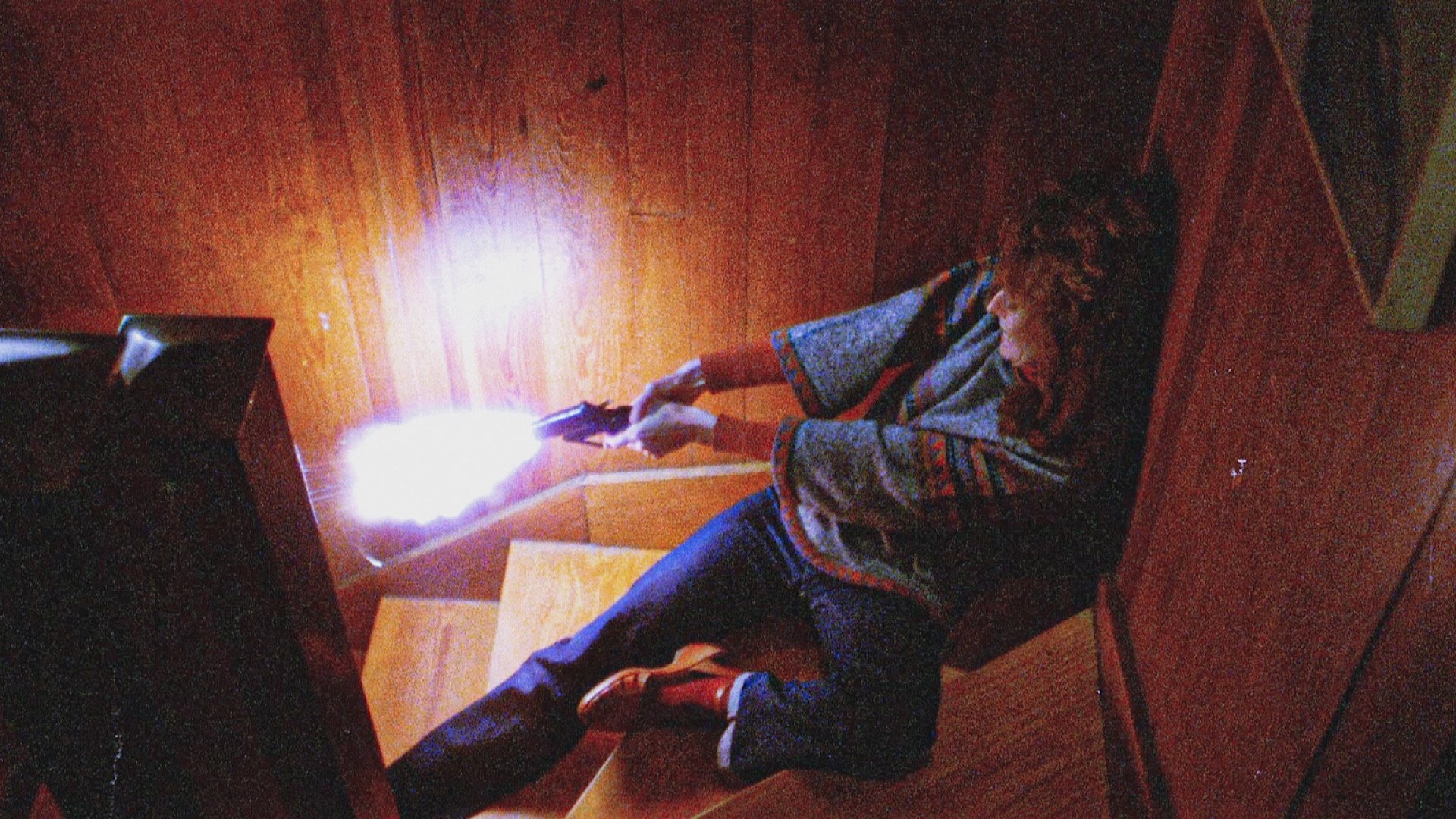
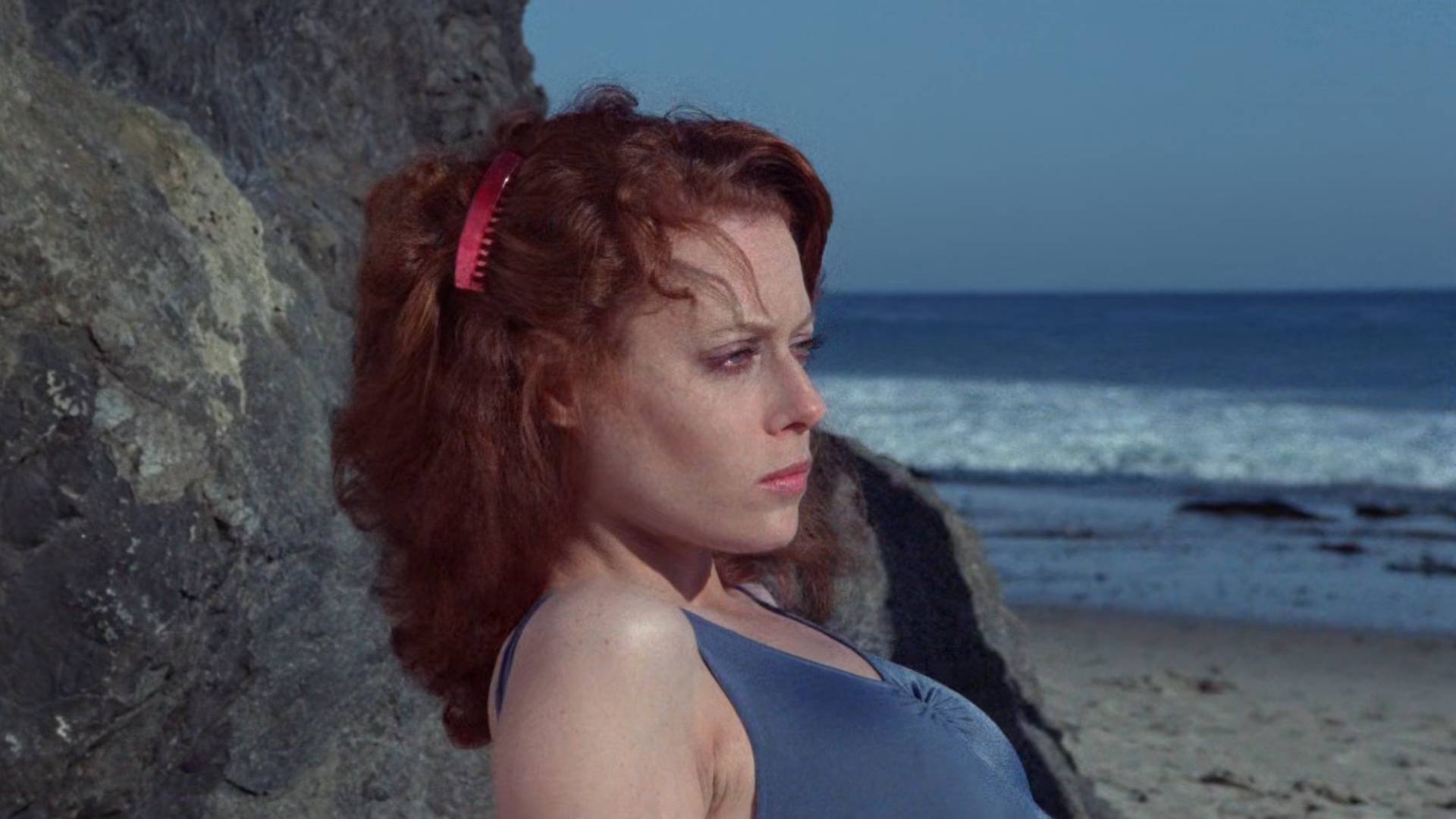
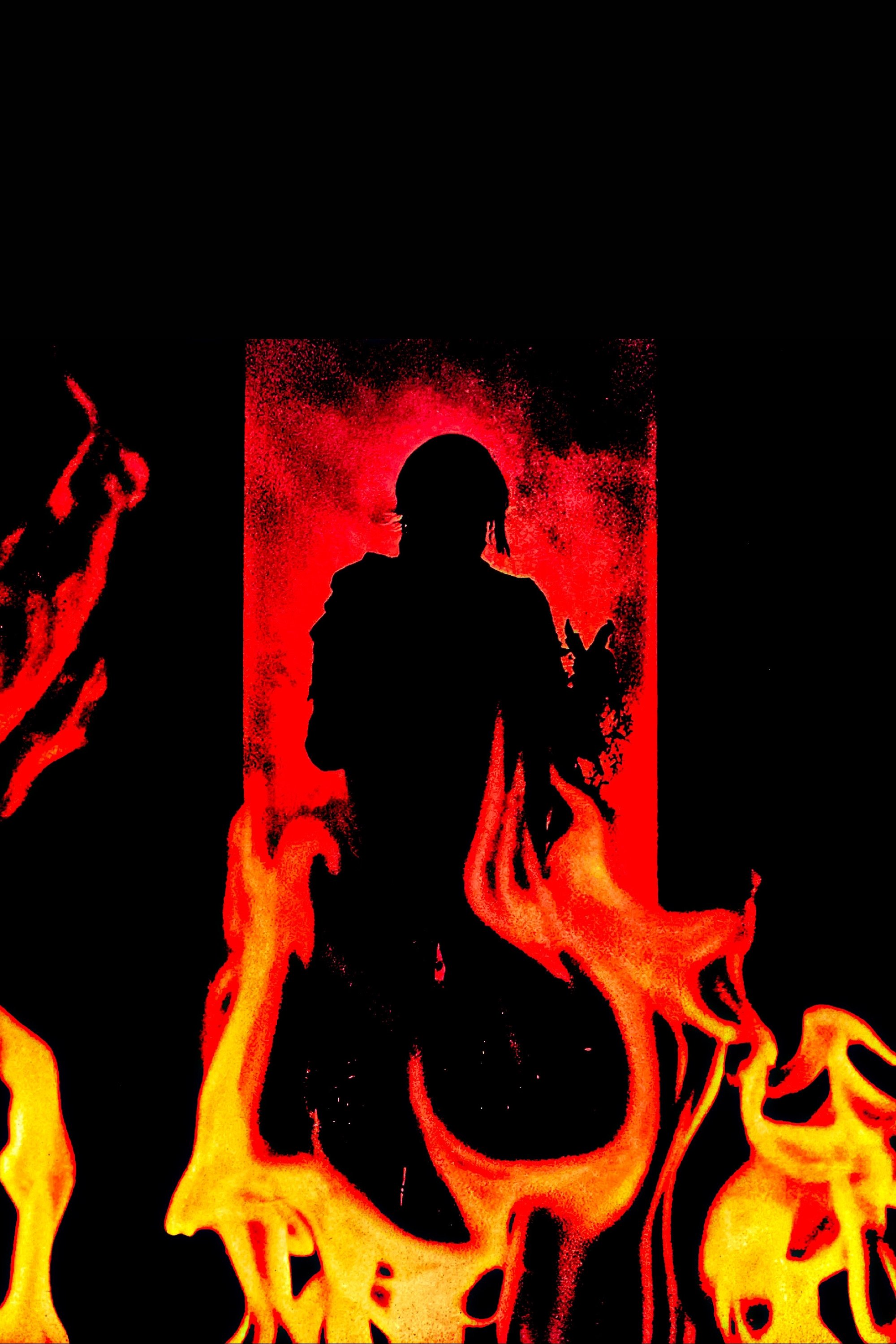
The coastline gives the movie its strongest visual identity. Open beaches, windblown vegetation and the deserted theater establish a location where visitors can see considerable distances without finding practical assistance. Once the storm arrives, the nearby water becomes a barrier to departure. Cinematographer Karen Grossman and the camera team use extended views of the landscape, interrupted by the darker interiors of the holiday house. The restricted palette of sand, timber and overcast sky makes sudden appearances of blood unusually conspicuous.

Anton Bitel, writing in Little White Lies, highlights the ruined theater as a place where Kay searches for evidence and moves among the apparatus of cinema itself. A shadow cast by her hand recalls the famous silhouette in Nosferatu, making the human figure momentarily resemble the creature she fears. This is a critical reading of an identifiable shot, not proof of a stated visual homage by Cardone. The movie's slow exploration of those spaces accounts for much of its mood, even where the character interactions interrupt the momentum of a conventional slasher.

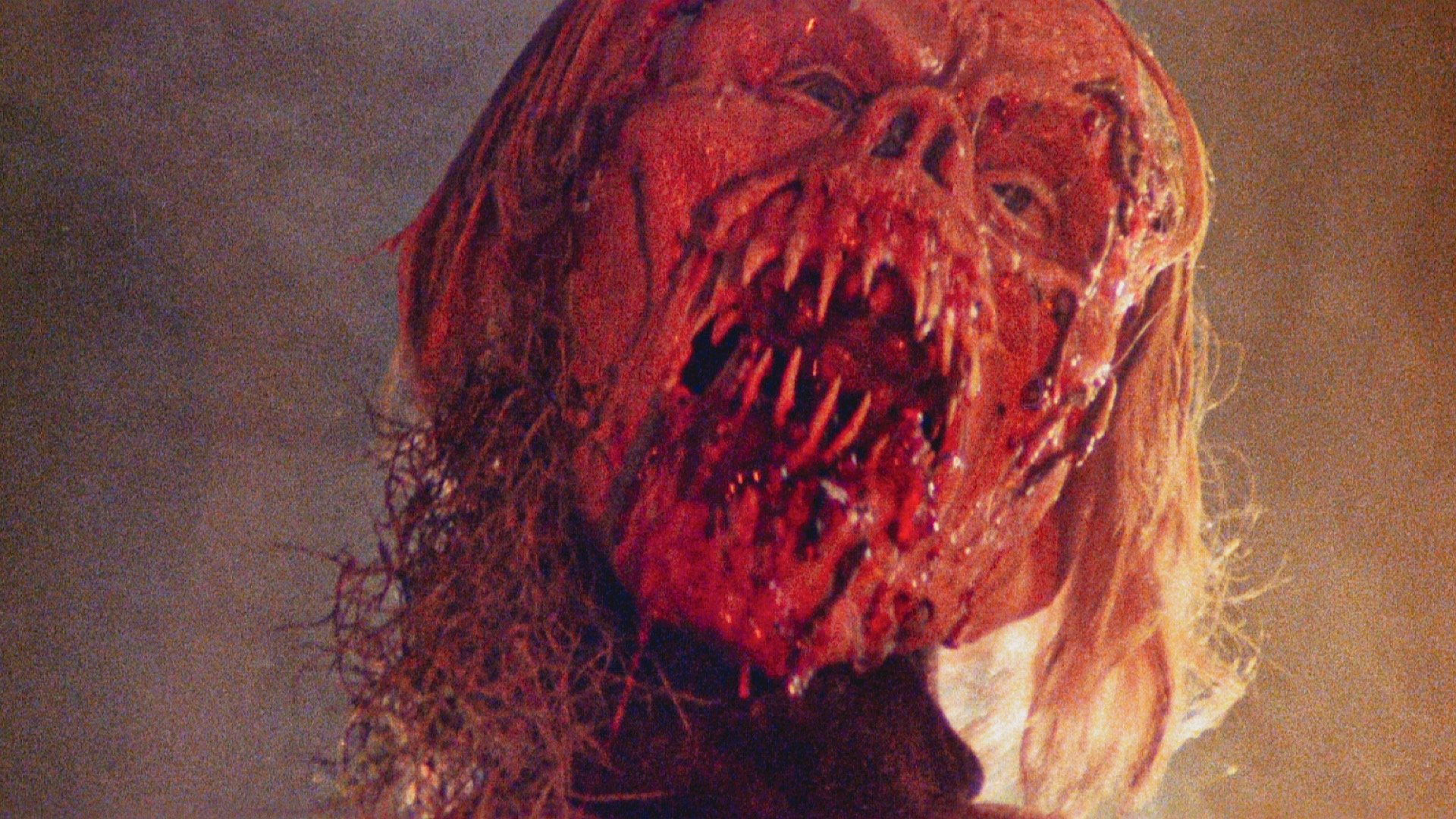
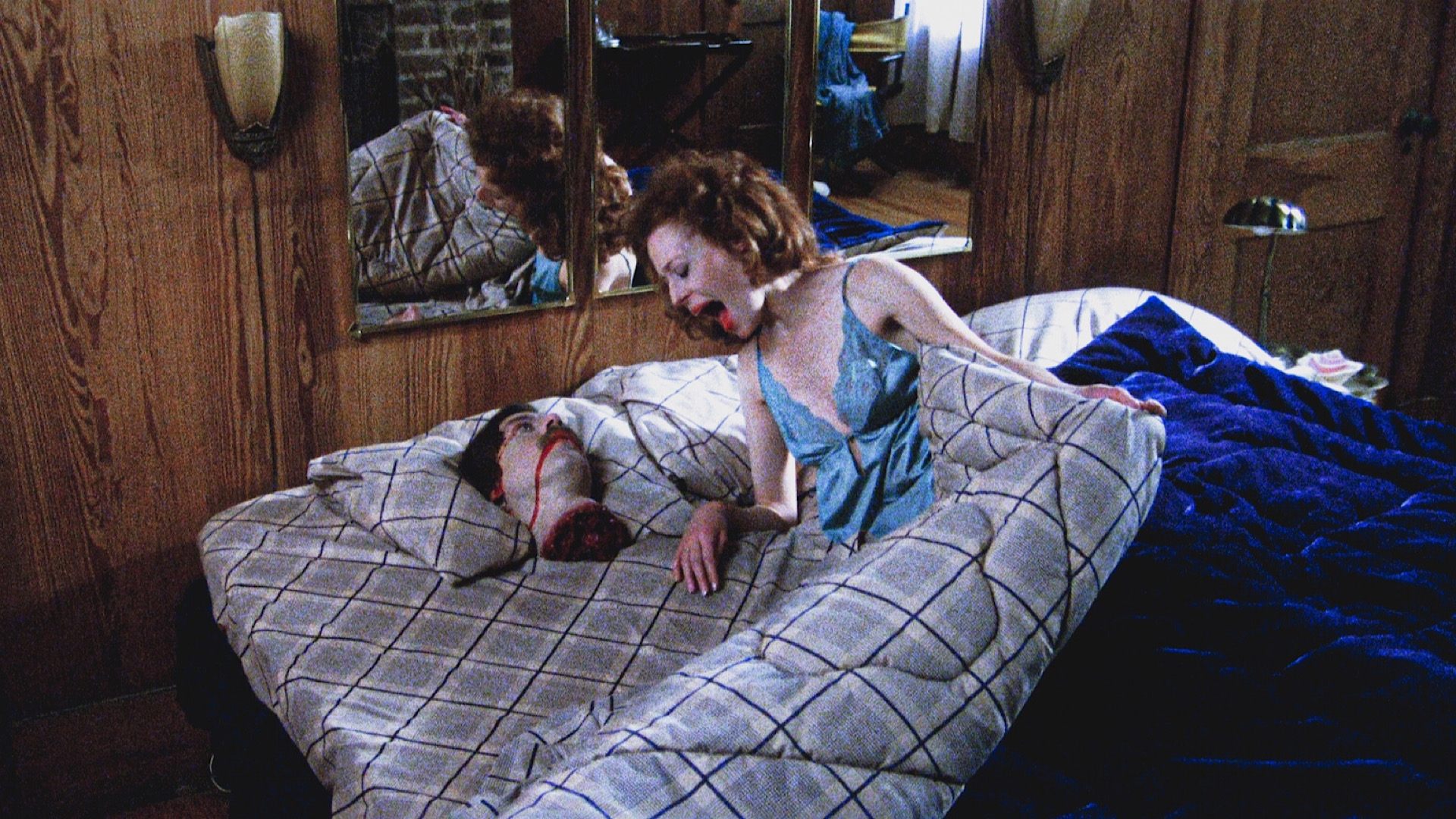
Practical Deaths, Creature Makeup and Music

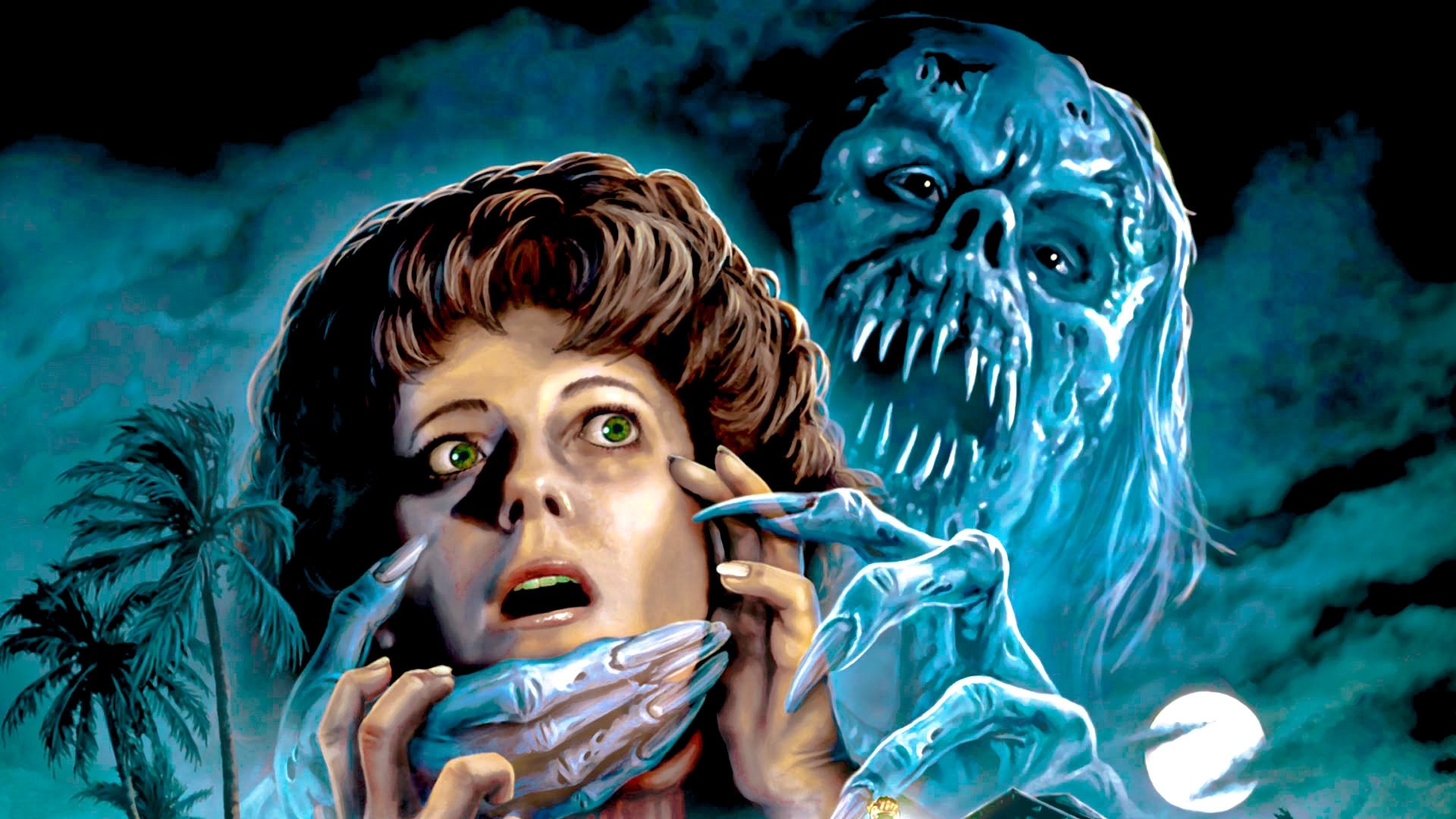
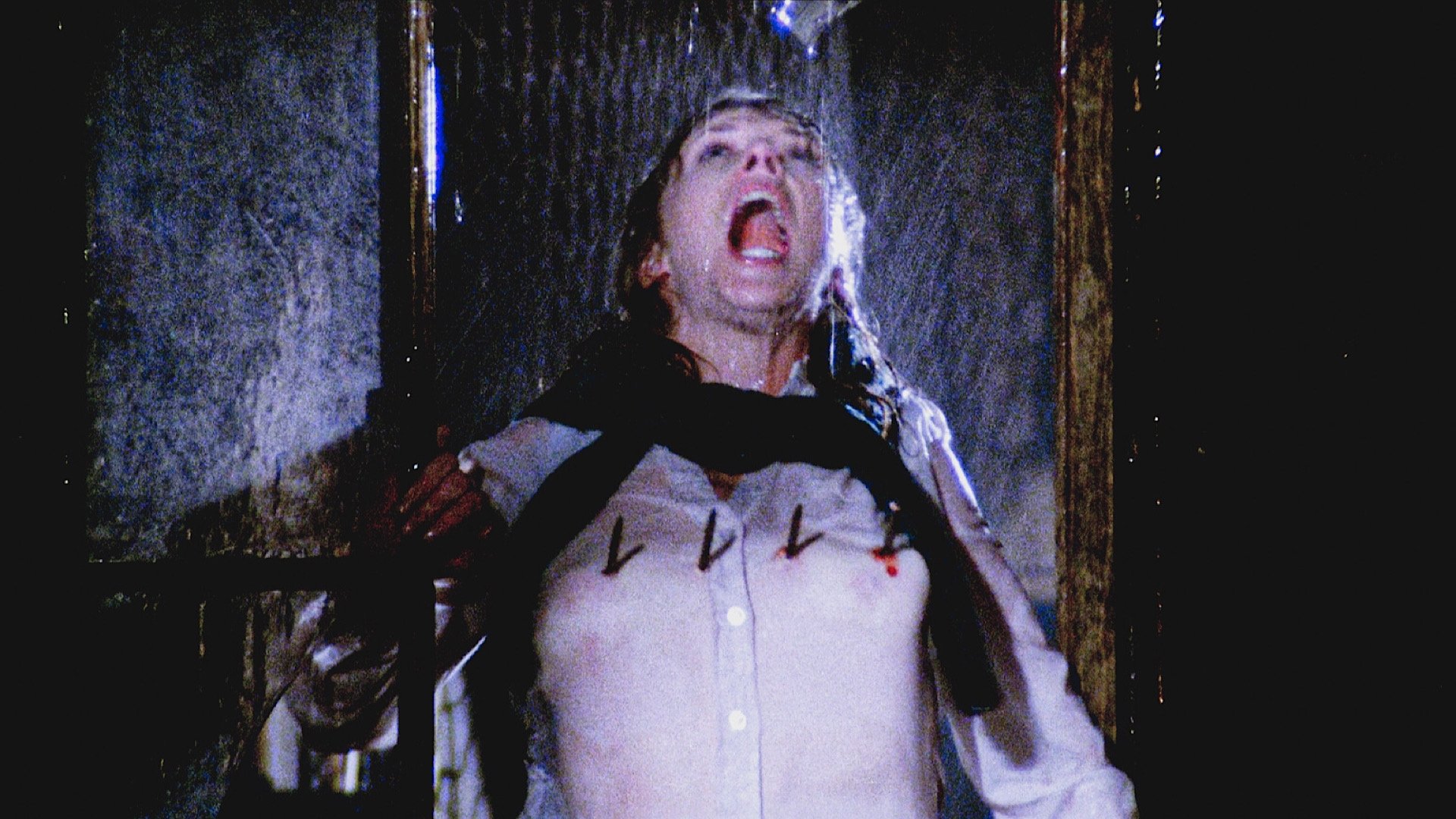
The killings are separated by lengthy passages of anticipation. A fishing-related death and a pitchfork attack provide abrupt bodily shocks, while the late disclosure of the Slayer's face confirms the monstrous appearance only briefly. Robert Short created the creature and makeup effects, and performer Carl Kraines embodied the title figure. Accounts accompanying the 2017 restoration describe Short explaining practical solutions in a retrospective production documentary. The limited screen exposure protects the creature from sustained scrutiny and keeps attention on Kay's apprehension.

Composer Robert Folk approached the material as a suspense story requiring a memorable orchestral voice. In an extended interview discussed by Film Freak Central, he cited Pino Donaggio's work for Brian De Palma as one influence and described music intended to suggest a presence absent from the image. The score was recorded at Abbey Road with a large orchestra, according to that account. Its melodic passages give emotional weight to Kay's apprehension, while restrained cues maintain tension when the scenery contains no identifiable assailant. The music's sustained, serious treatment of her fears differentiates the atmosphere from the brisk punctuation of a routine body-count picture.

Release, British Censorship and Restoration

The Slayer reached American audiences in 1982, after a production and distribution history complicated by the failure of its original company. Retrospective accounts describe an early release through 21st Century Film Corporation and home-video versions that did not always reproduce the finished picture as intended. A precise worldwide gross is not established by the sources consulted. The early presentation and the film's subsequent VHS circulation need to be distinguished from the later restoration, which offered a new view of its photography. Critical reception has also differed: some reviewers find its pauses and circular ending frustrating, while others consider the unresolved dream structure its principal achievement.

In Britain, the title appeared on the changing Director of Public Prosecutions list during the video-nasty controversy and was subsequently removed. A police listing should not be confused with a successful obscenity prosecution or a BBFC classification decision. The BBFC officially records a Vipco home-video submission dated 15 July 1992 at 85 minutes 47 seconds, marked as cut or altered. Its record for a Protected Ltd submission on 13 June 2001 gives 86 minutes 2 seconds and lists no new cuts. Independent version research identifies a reduction to a pitchfork attack in the earlier edition; this detail goes beyond the public BBFC listing, which confirms alterations without describing their individual shots.

The 2017 restoration, prepared from a 4K scan of the original camera negative, presented the film in its widescreen composition and preserved the original mono sound. Extensive new participant interviews, a location visit and a screening at the restored Tybee Post Theater provided unusual evidence about an independent production long associated with poorer video copies. Its return to the very building used as a threatening landmark illustrates how much of the film's enduring identity resides in the location. The surviving material supports an assessment of The Slayer as a deliberately ambiguous nightmare horror film whose graphic deaths coexist with an unusually insistent concern for the uncertainty of perception.

References

  1. Connect Savannah Slay All Day

    Anna Chandler interviews J. S. Cardone on the film's Lewton influences, the nightmare structure and the choice of Tybee Island and its abandoned theater.

  2. Little White Lies Discover this shocking precursor to A Nightmare on Elm Street

    Anton Bitel closely analyzes the film's circular narrative, dream imagery, painted landscapes and the derelict theater.

  3. Film Freak Central The Slayer (1982) - Blu-ray Disc

    In-depth formal and restoration review reporting direct production interviews with the director, camera department, makeup team and composer Robert Folk.

  4. British Board of Film Classification The Slayer - Classification History

    Official records for the altered July 1992 video edition and the later June 2001 submission.

Cast

View Full Cast & Crew →

Release & Distribution

Production Companies (1)

  • The International Picture Show Company

Distributors (1)

  • 21st Century Film Corporation US

Release History (4)

Release DateTerritoryRelease TypeFormatDistributorCertificationNotes
1982-10-08 Germany Digital — — 18
1982-10-08 United States Theatrical — — R
1984-07-06 Finland Theatrical — — —
1985-01-25 Japan Theatrical — — —
She searched through the dark corridors of the unknown only to find ... The Slayer