Portland Production and the Pittock Mansion
Gronquist developed the script with Reagan Ramsey after the two discussed whether they could make a commercially viable feature on extremely limited resources. In a 2012 interview with Matthew Singer for Willamette Week, the director described that initial question as the project's starting point. Their production drew on a local community of performers and technicians, with a reported budget of approximately $100,000. This was an independent effort outside the principal American filmmaking centers. Gronquist had already worked as a producer on a film about Charles Starkweather, later circulated as Stark Raving Mad, but Unhinged placed him in the director's chair.
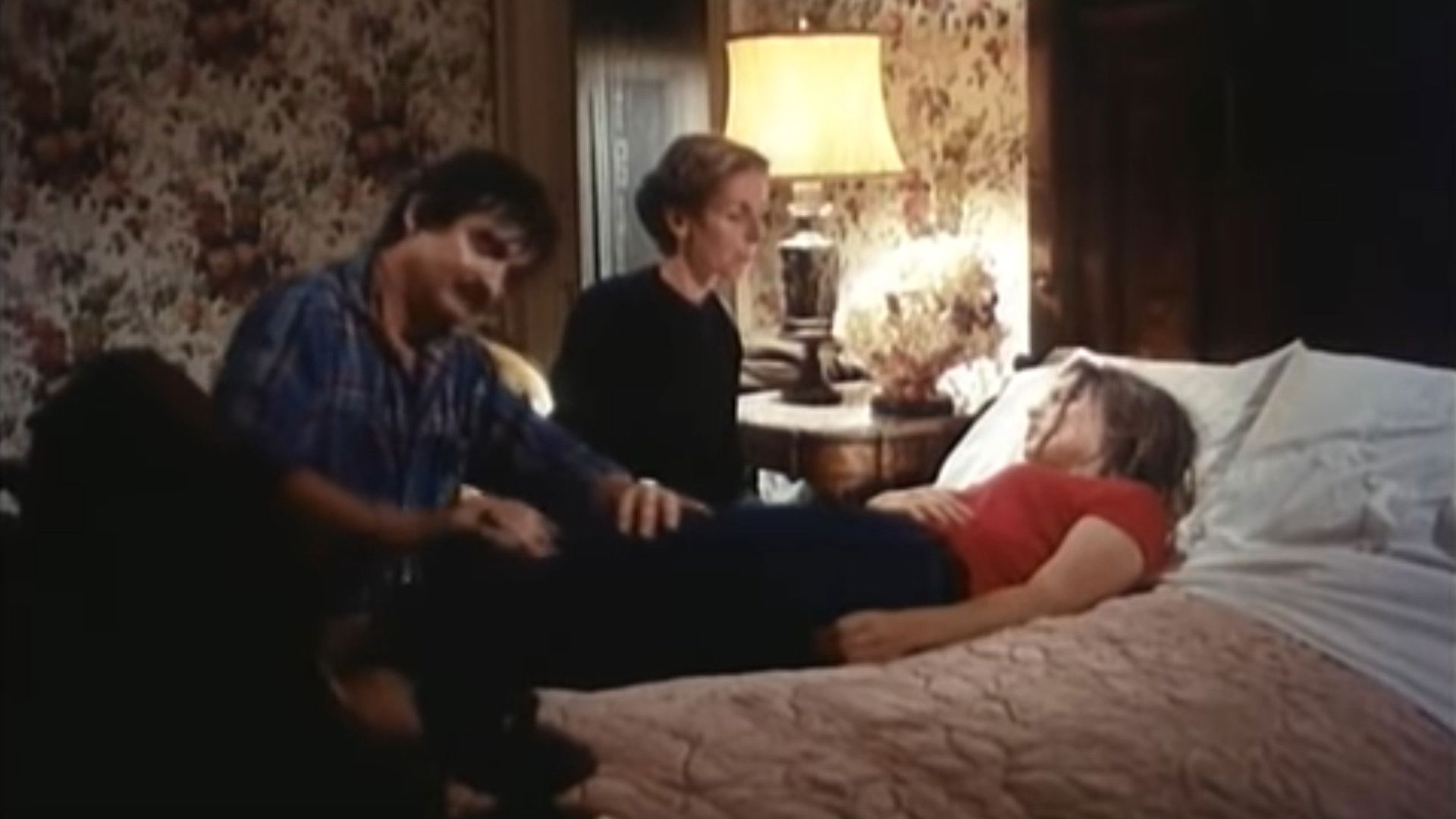
The main setting was Portland's Pittock Mansion, a municipal landmark that remained open to visitors during the day. Filming occupied the building for nineteen nights, after public hours. Cinematographer Richard Blakeslee later described the chaotic conditions in a contemporary newsletter quoted by Singer, including the director's heavily handled and frequently misplaced screenplay pages. The choice of an existing grand house supplied elaborate rooms, furniture and corridors beyond the financial reach of purpose-built sets. Filming in a real landmark also imposed practical restrictions on access and movement. The exterior appears far removed from ordinary city life, but the production was grounded in the resources of its immediate Oregon community.
The Road Accident and Dangerous Hospitality
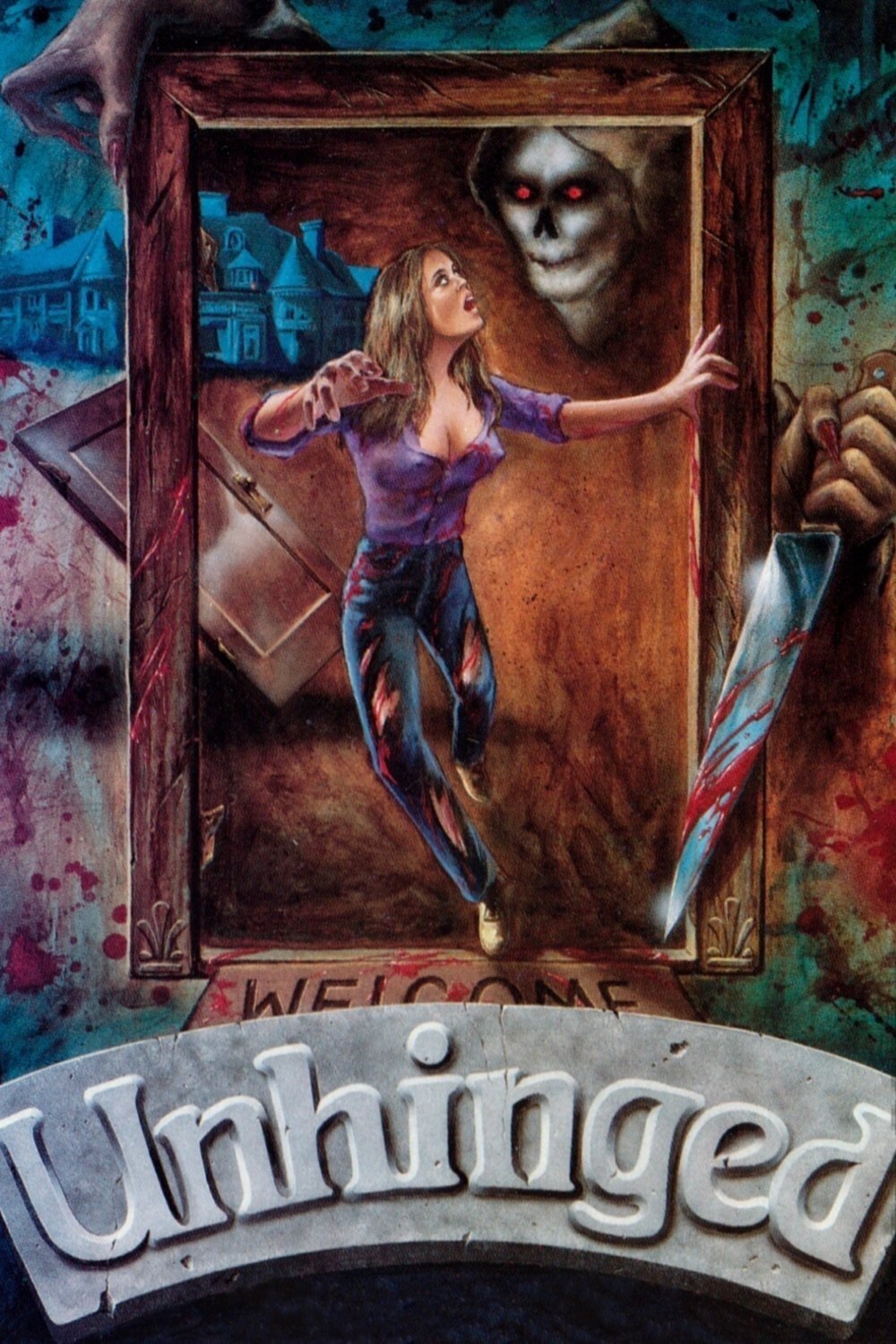
Terry Morgan, Nancy Paulson and Gloria begin as travellers with an ordinary shared destination. After the crash, Gloria's injuries make departure difficult, and the others accept shelter at the Penrose property. Their predicament becomes frightening through dependence: the young visitors do not know the surrounding roads, cannot easily arrange medical assistance and must observe the customs of strangers whose generosity seems increasingly conditional. Marion appears attentive but inhibited, while Mrs. Penrose openly expresses contempt for men and repeatedly humiliates her daughter. The mansion's dinner table becomes a site of intimidation before the first attack against the guests.
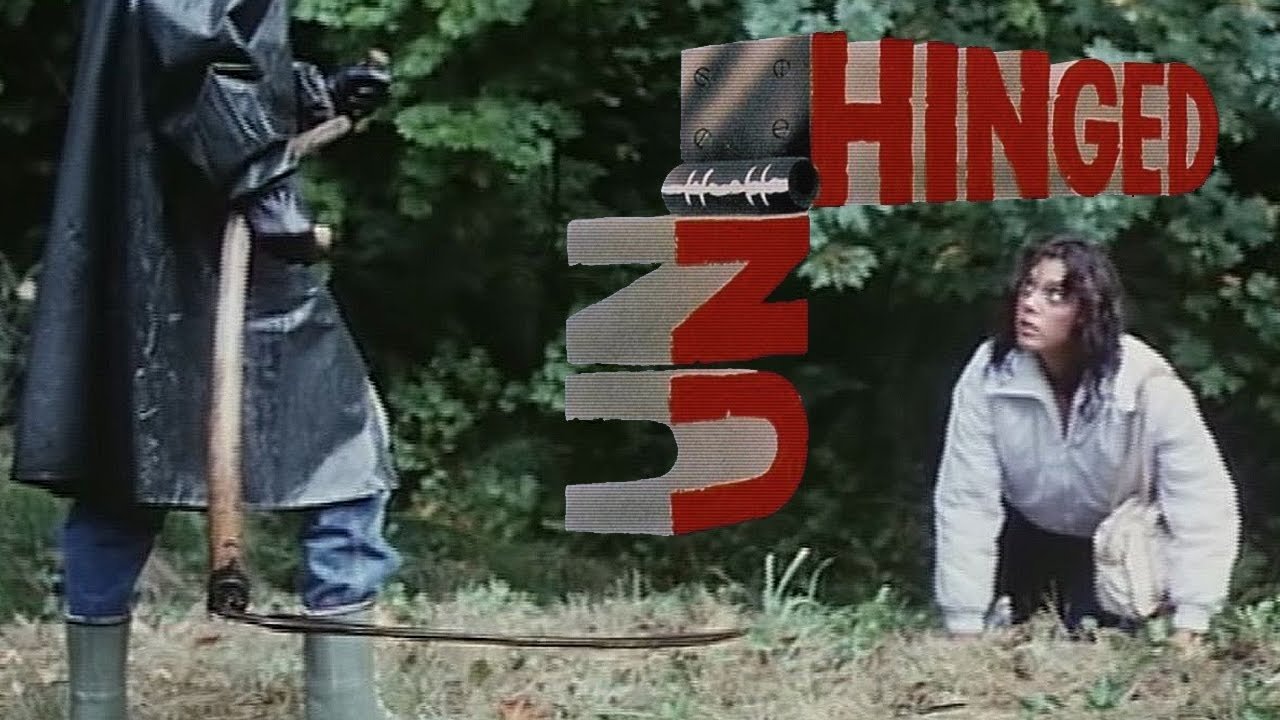
The family speaks about its past through strained accusations and partially disclosed memories. Groundskeeper Norman Barnes suggests an outside connection with the household, but he offers no simple route to safety. Terry hears unexplained breathing and notices signs that somebody else may be moving through the property. A voyeur watches the young women bathing, while the injured Gloria remains especially defenseless. When Nancy attempts to seek help, the surrounding woods become another part of the trap. Each development reduces the security that the original rescue seemed to promise.
Old-Dark-House Suspense and Slasher Method
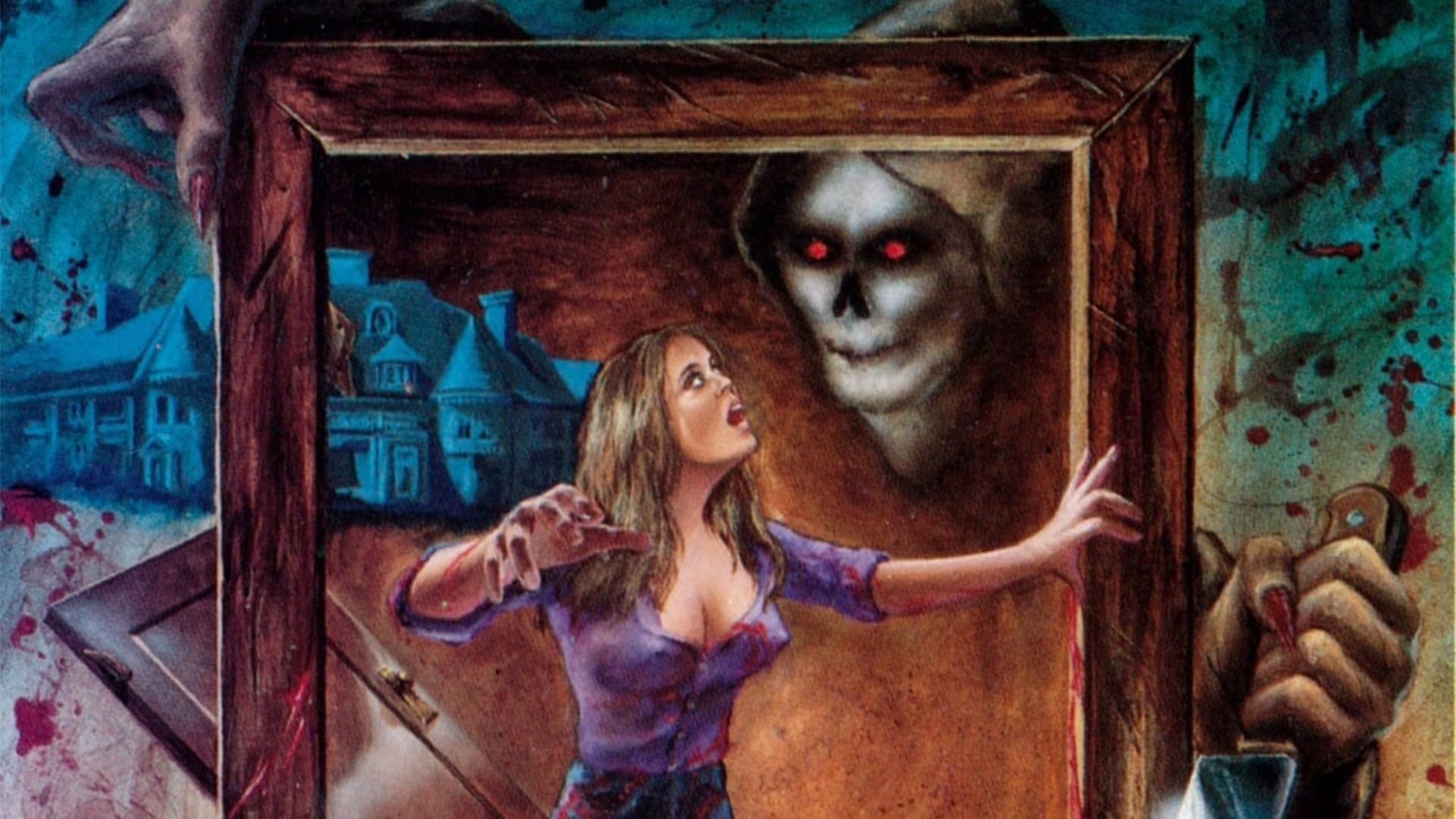
The film's visual identity comes from its large rooms, old furnishings and dark passageways. The Penrose residence belongs to the tradition of Gothic household mysteries, where servants, concealed relatives and family grievances make the building dangerous to newcomers. Gronquist combines that framework with the contemporary slasher's threatened young travellers and sudden attacks using edged weapons. His approach spends considerable time on uncomfortable conversation. Long stretches without killing allow the mother's bullying and Marion's submission to occupy the foreground, although reviewers have disagreed about whether this pacing sustains suspense.
The practical effects are intermittent, with the most conspicuous violence concentrated in the later confrontations. Janet Scoutten is credited with makeup, while Jonathan Newton's electronic music contributes unease to otherwise ordinary interiors. The score's insistent tones have attracted attention from retrospective critics because they intrude upon scenes of eating, waiting and searching that might otherwise seem static. Blakeslee's photography similarly privileges doors, bedrooms and corridors that retain clues to the family's hidden history. These choices make the mansion a space of uncertain observation: the guests see fragments of activity but seldom know who controls the rooms around them.
Family Secrets and Psychological Horror
The final revelations connect the household's violence to identities and relationships concealed from the visitors. Marion's public role in the family disguises the history of the Penrose sons and the mother's destructive demands. The story deliberately borrows from Psycho, including the emphasis on a dominating maternal figure and a climactic reinterpretation of a character's identity. The presence of someone named Norman Barnes reinforces that connection. These parallels are apparent in the film itself and have been discussed in the Oregon Film analysis by Phil Oppenheim, which also stresses the older tradition of sinister-house mysteries.
The twist belongs to a period when horror frequently treated cross-gender disguise as a sensational clue to the killer. That narrative device should be understood as a convention of the screenplay, not as evidence that gender expression leads to homicidal behavior. The clearer motive within the drama is a household built around degradation, secrecy and coercive control. Mrs. Penrose repeatedly turns her authority against her children, and the eventual murders expose the consequences of that family history within the film's fictional logic. The last movement leaves little prospect of rescue, completing the shift from apparent refuge to deliberate captivity.
British Video History and Reassessment
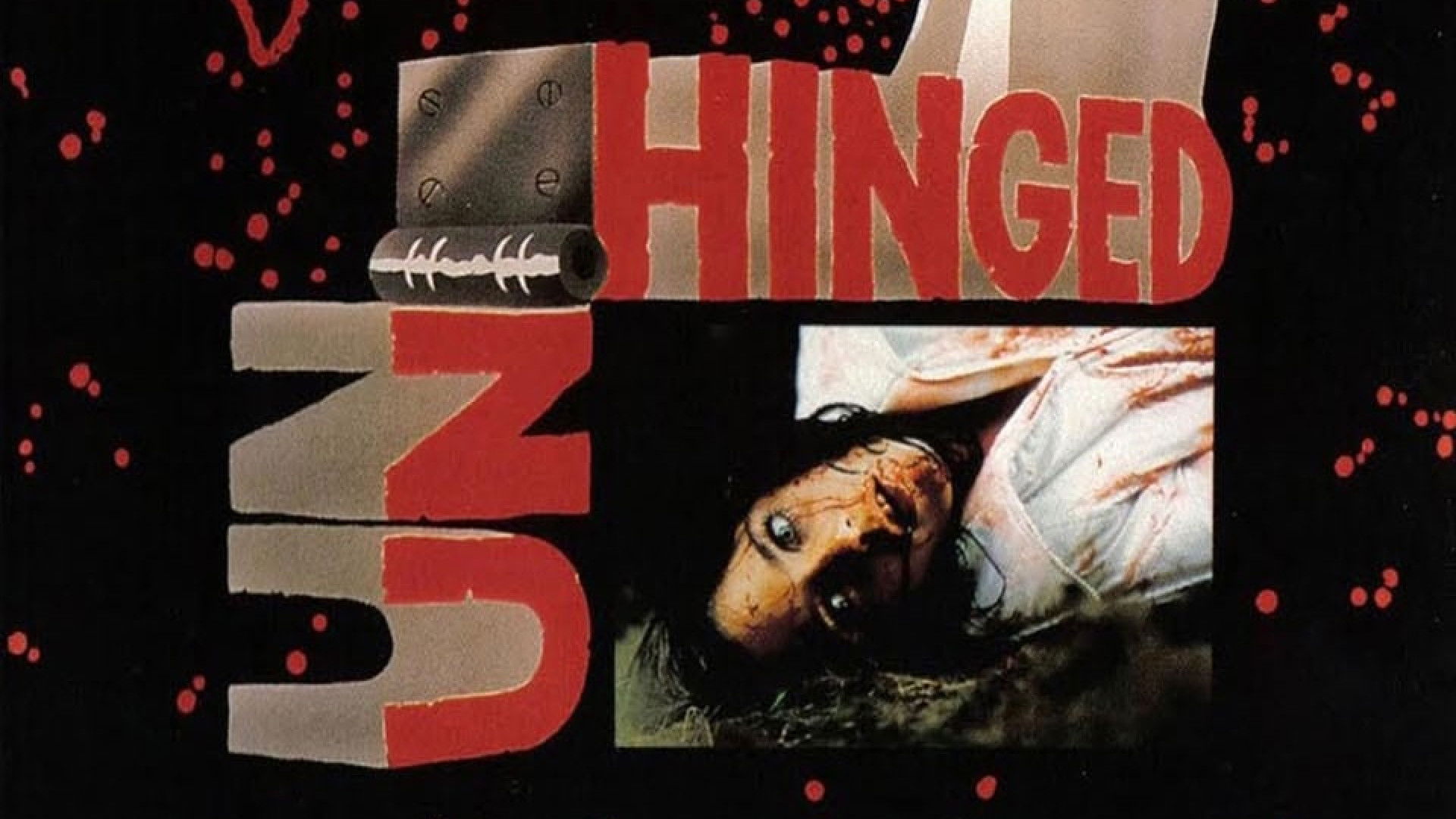
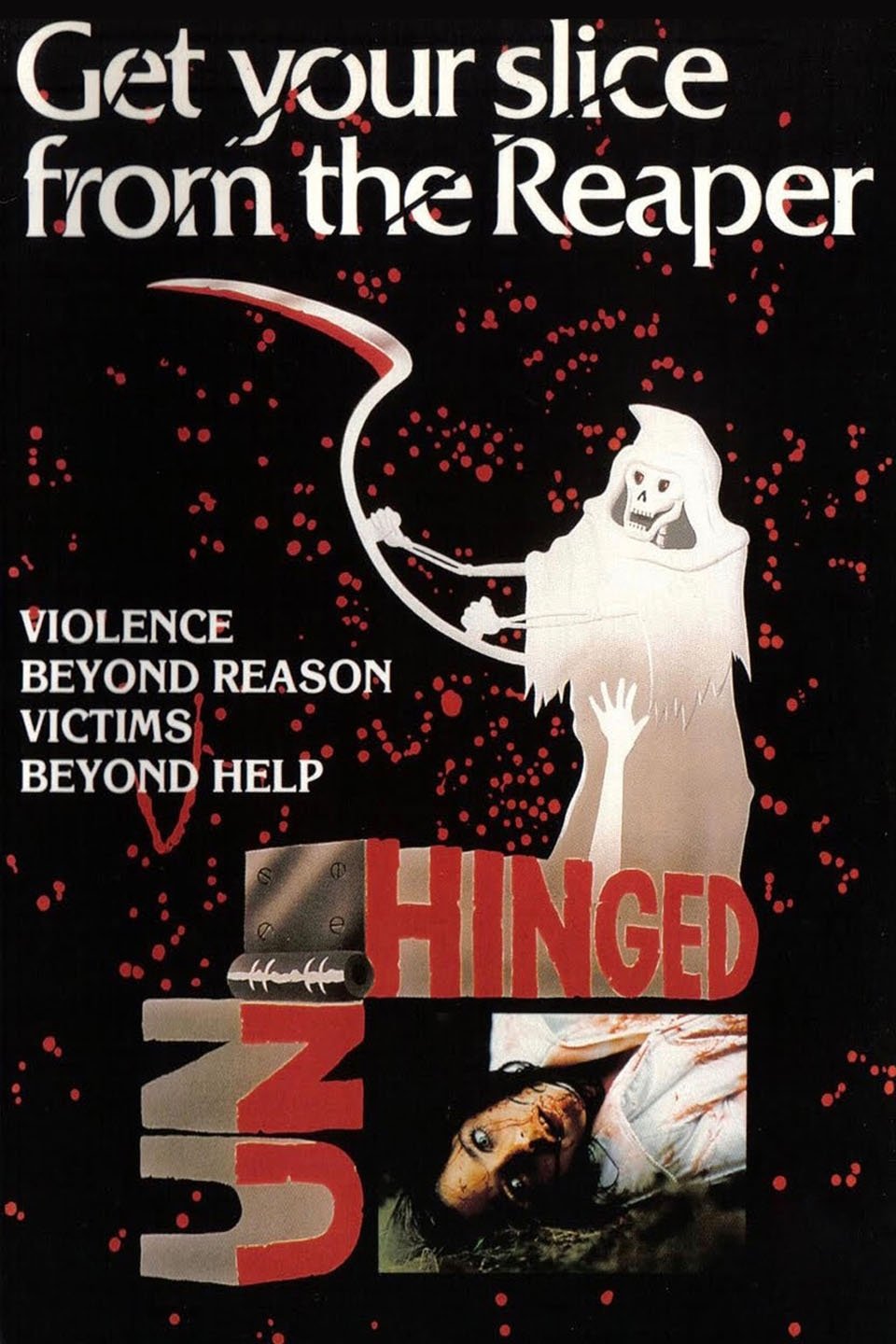
Unhinged is conventionally dated 1982, while contemporary distribution documentation points to substantial British circulation in 1983. The British Board of Film Classification records a cinema version classified on 4 May 1983, lasting 79 minutes and 25 seconds. It subsequently entered the Director of Public Prosecutions' changing list of suspect videos during the campaign against so-called video nasties. Its inclusion did not establish that the film had been successfully prosecuted as obscene. Historical accounts place it among the titles later removed or left without a successful prosecution. A cinema certificate and the legal treatment of a videocassette are separate matters.
The BBFC documents another classification on 11 June 2004 for a video version running 76 minutes and 17 seconds. Neither entry records a requirement for cuts on its public page; the runtime difference must not automatically be interpreted as evidence of censorship because transfer speeds and submitted materials vary. Later critics have been divided about the film's long dialogue scenes, modest body count and ambiguous performances. Kevin Lyons's retrospective analysis at EOFFTV regards the pacing as a major weakness, while Oregon Film's study values the atmosphere and family dynamics. The 2012 revival at Portland's Hollywood Theatre reconnected the picture with the city and the director who made it.