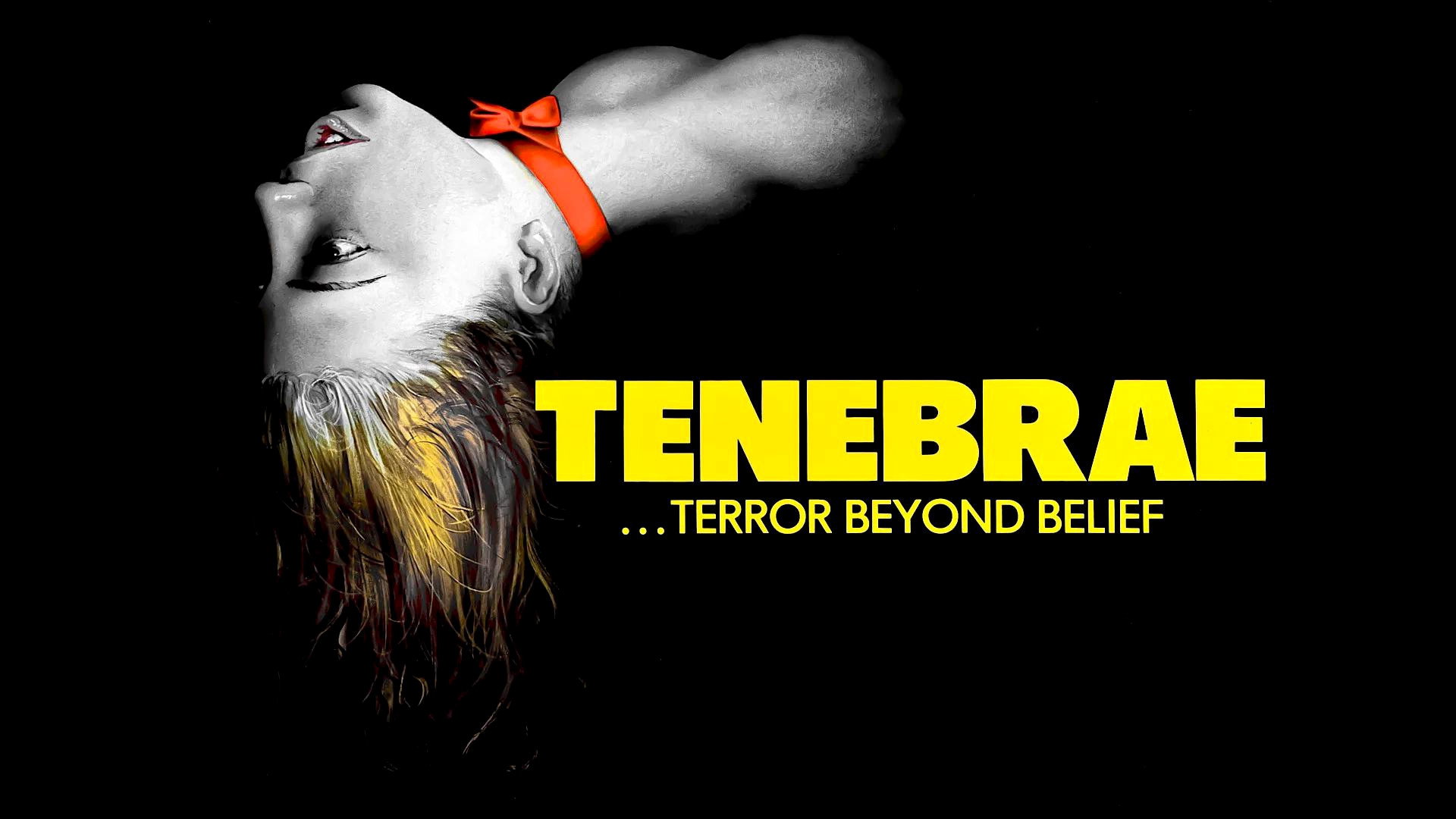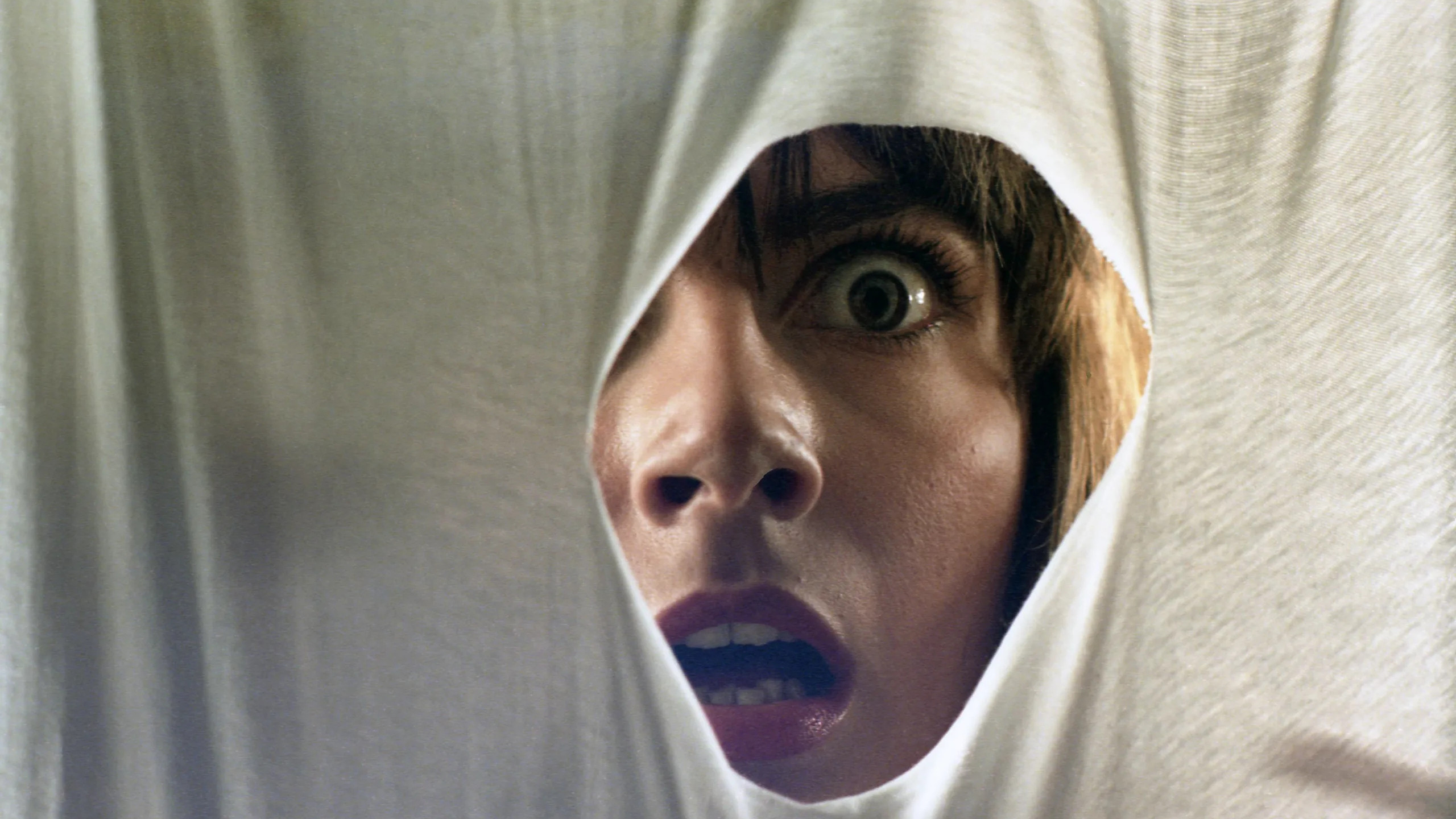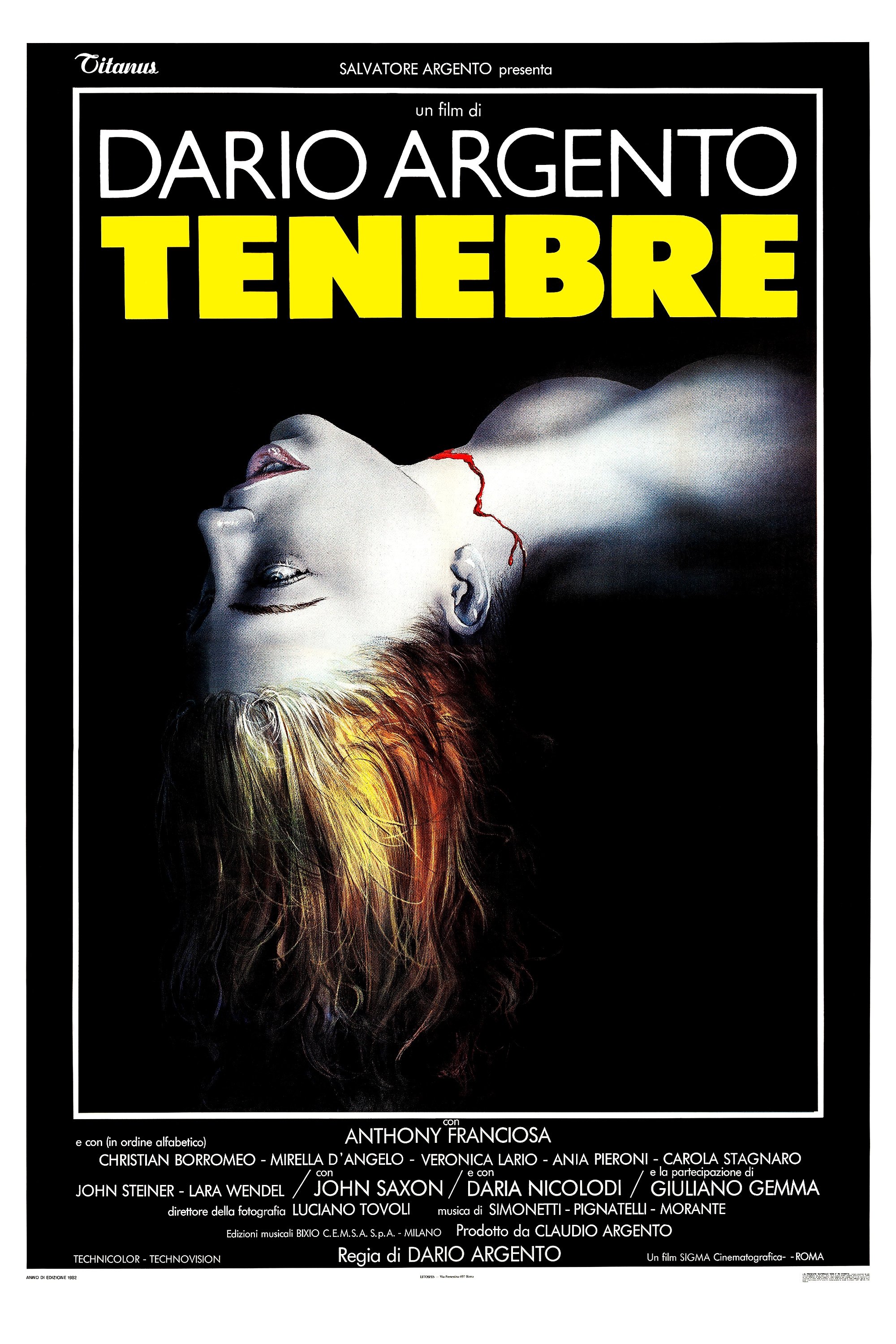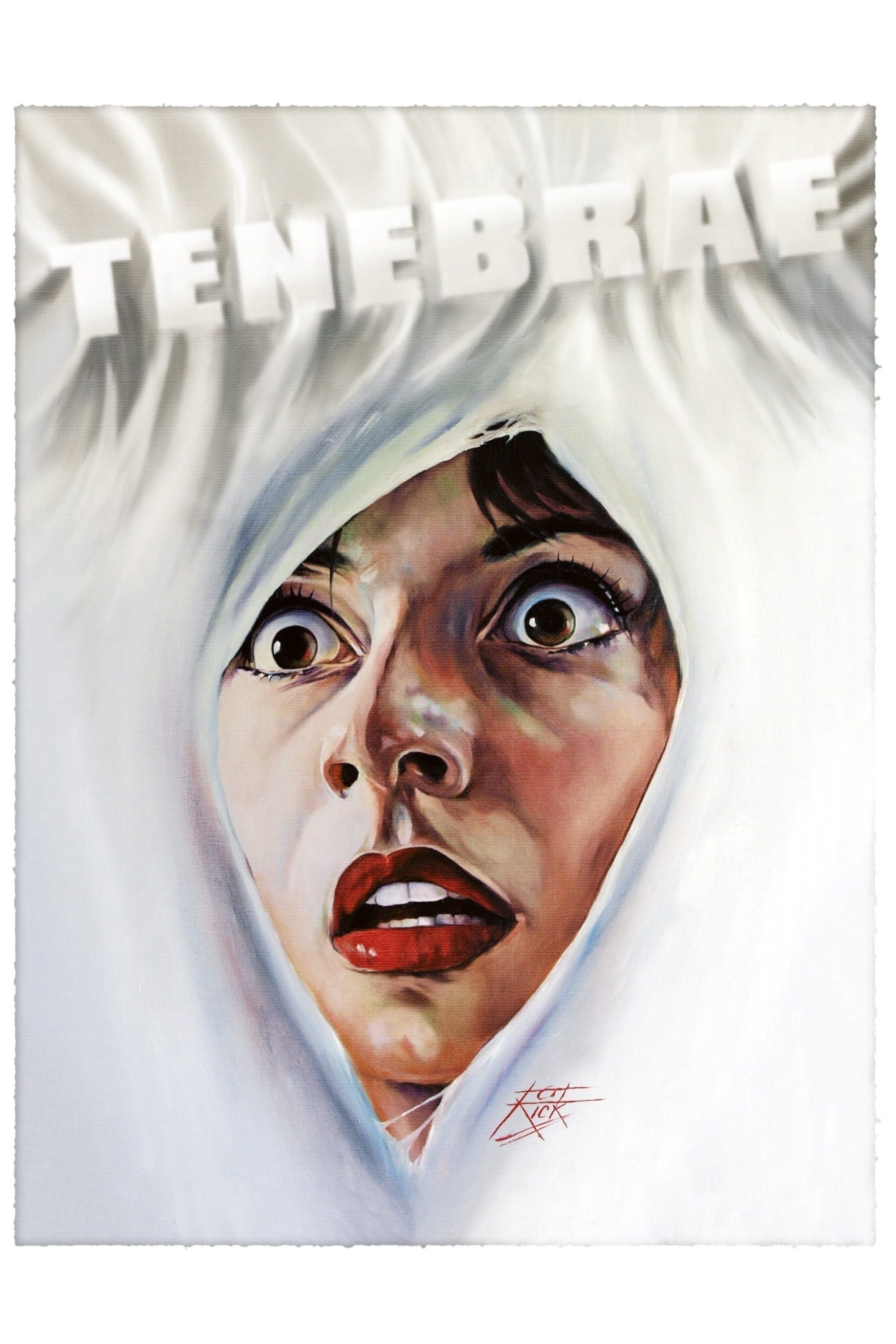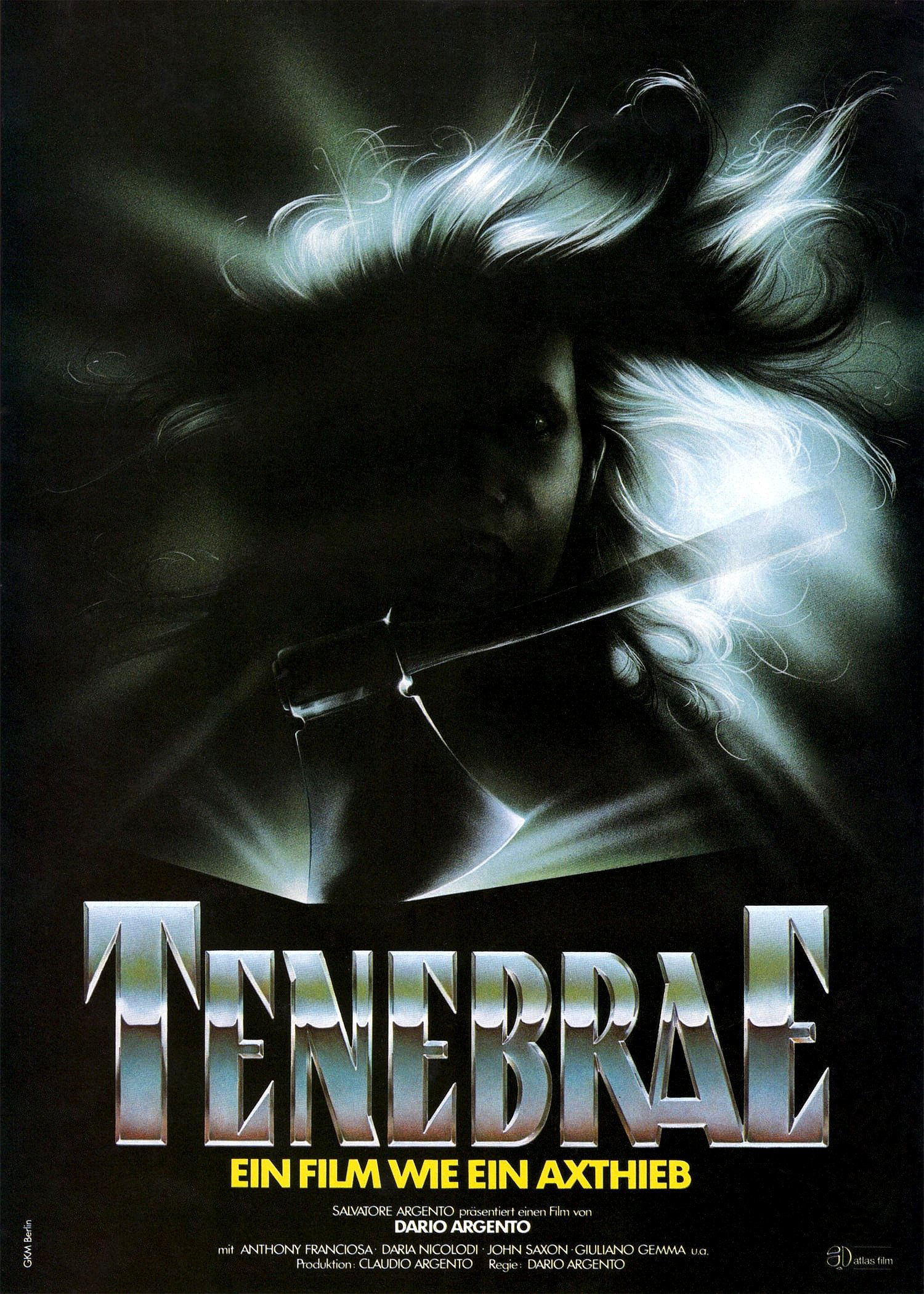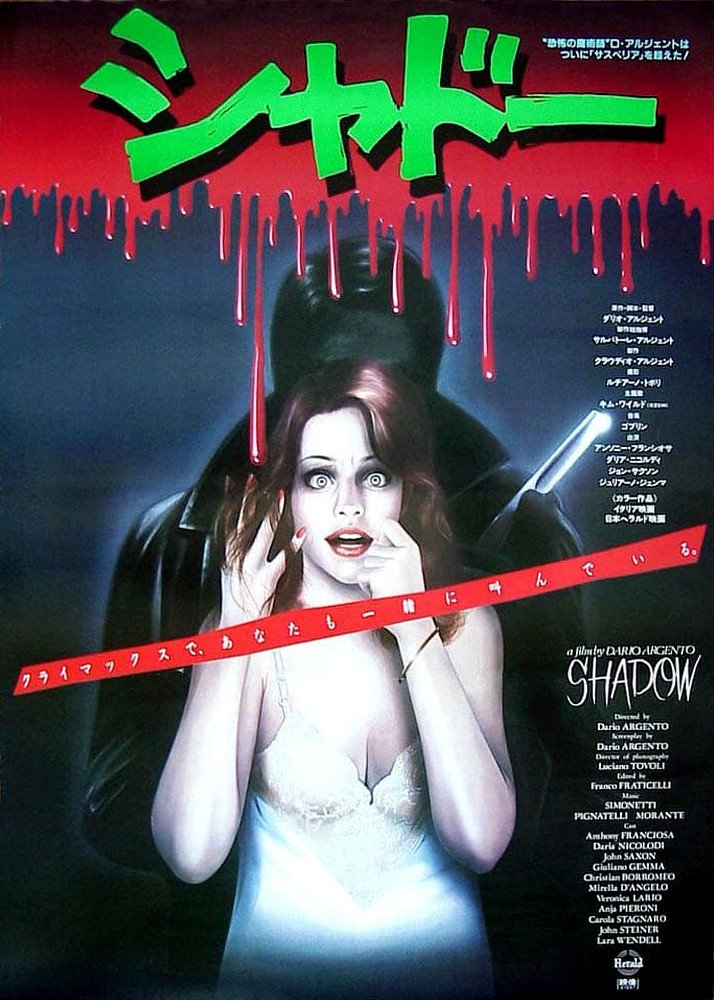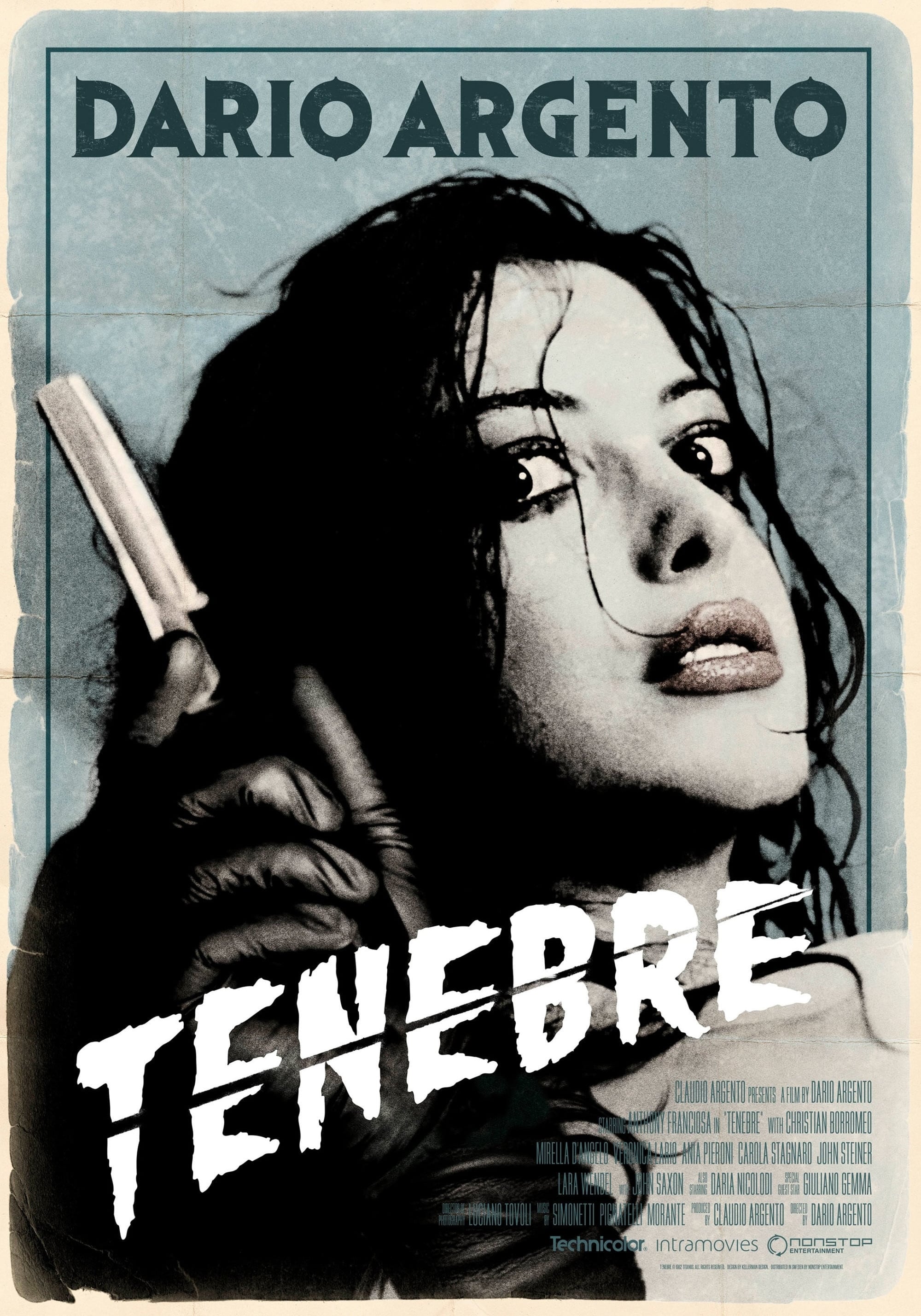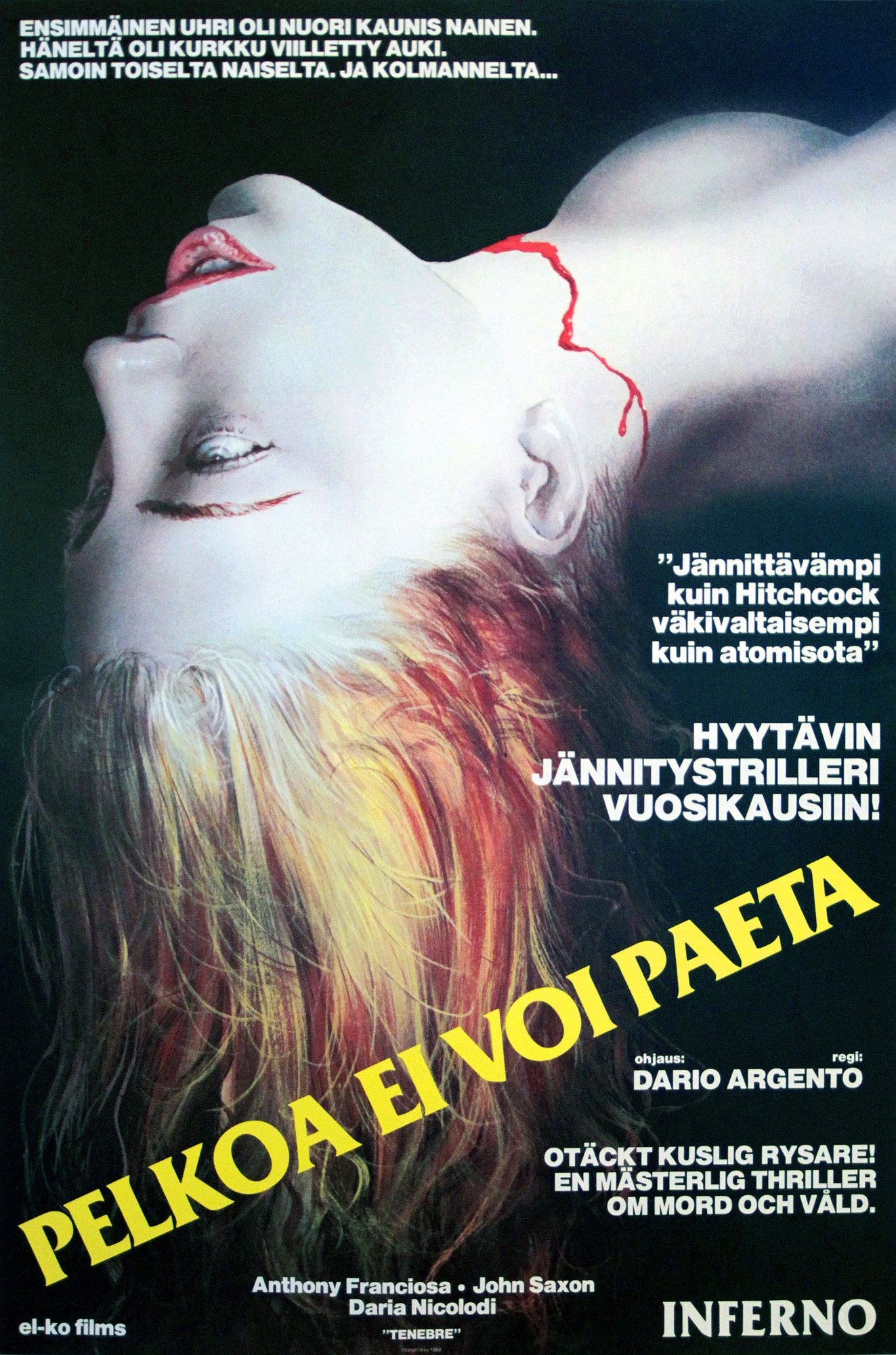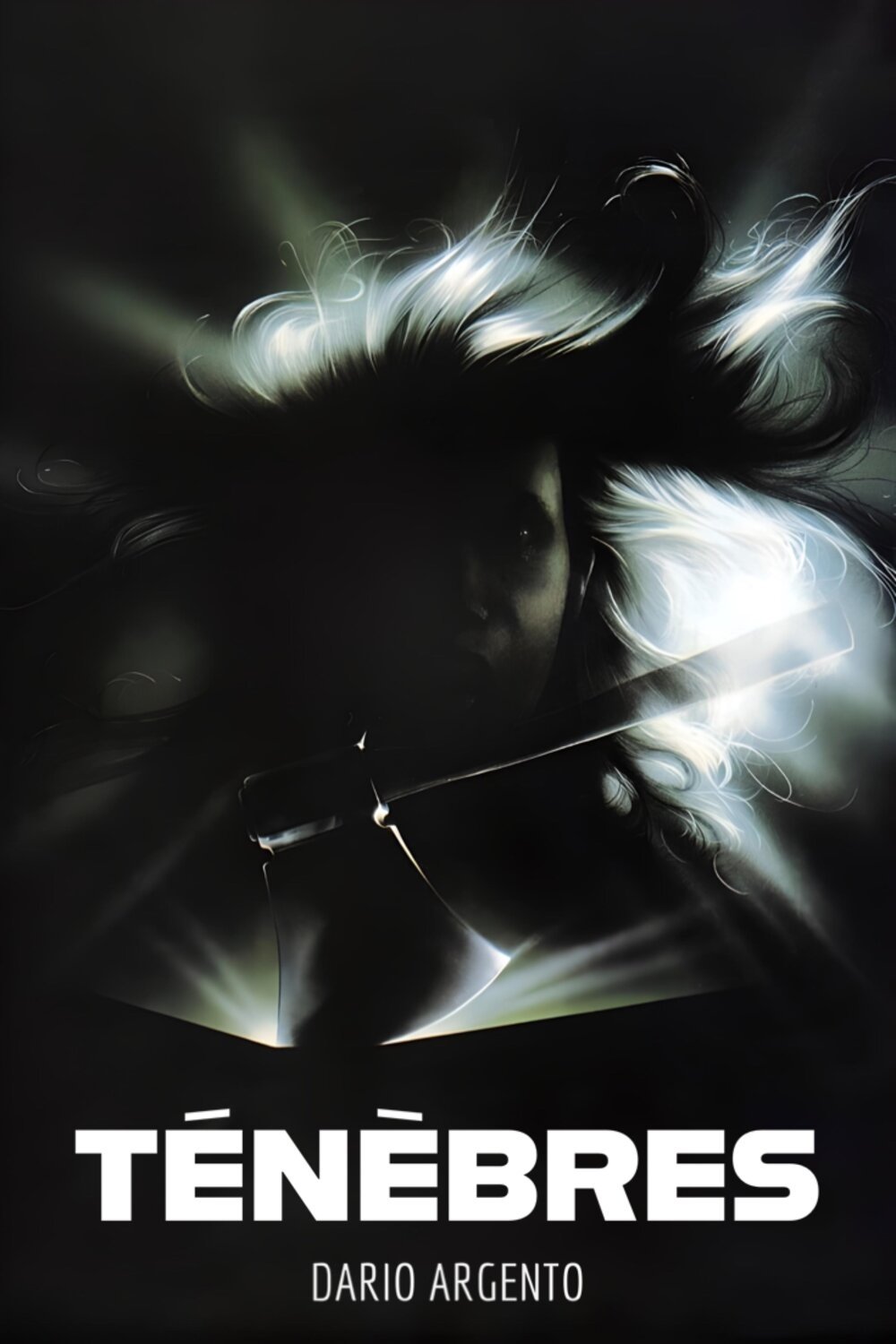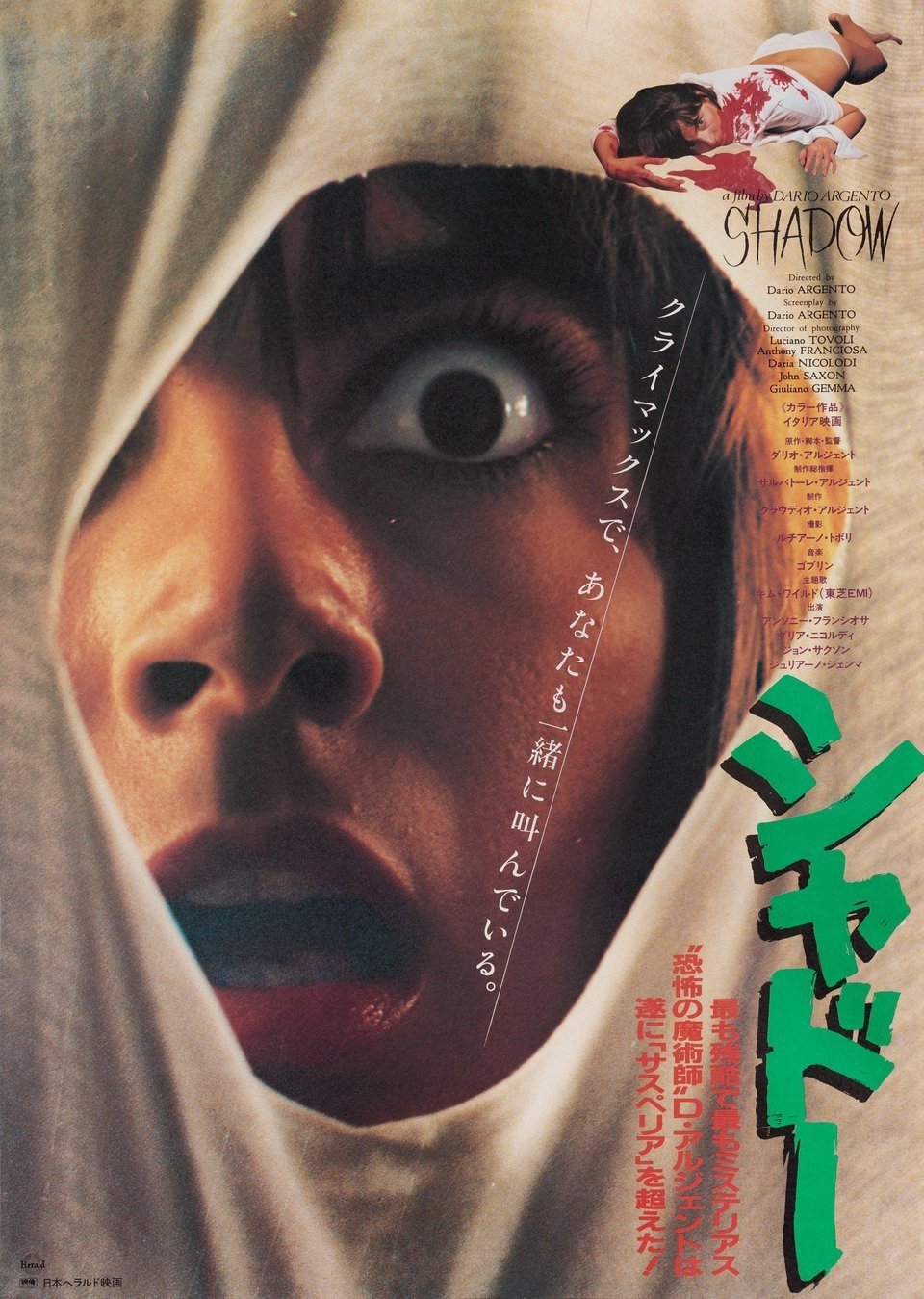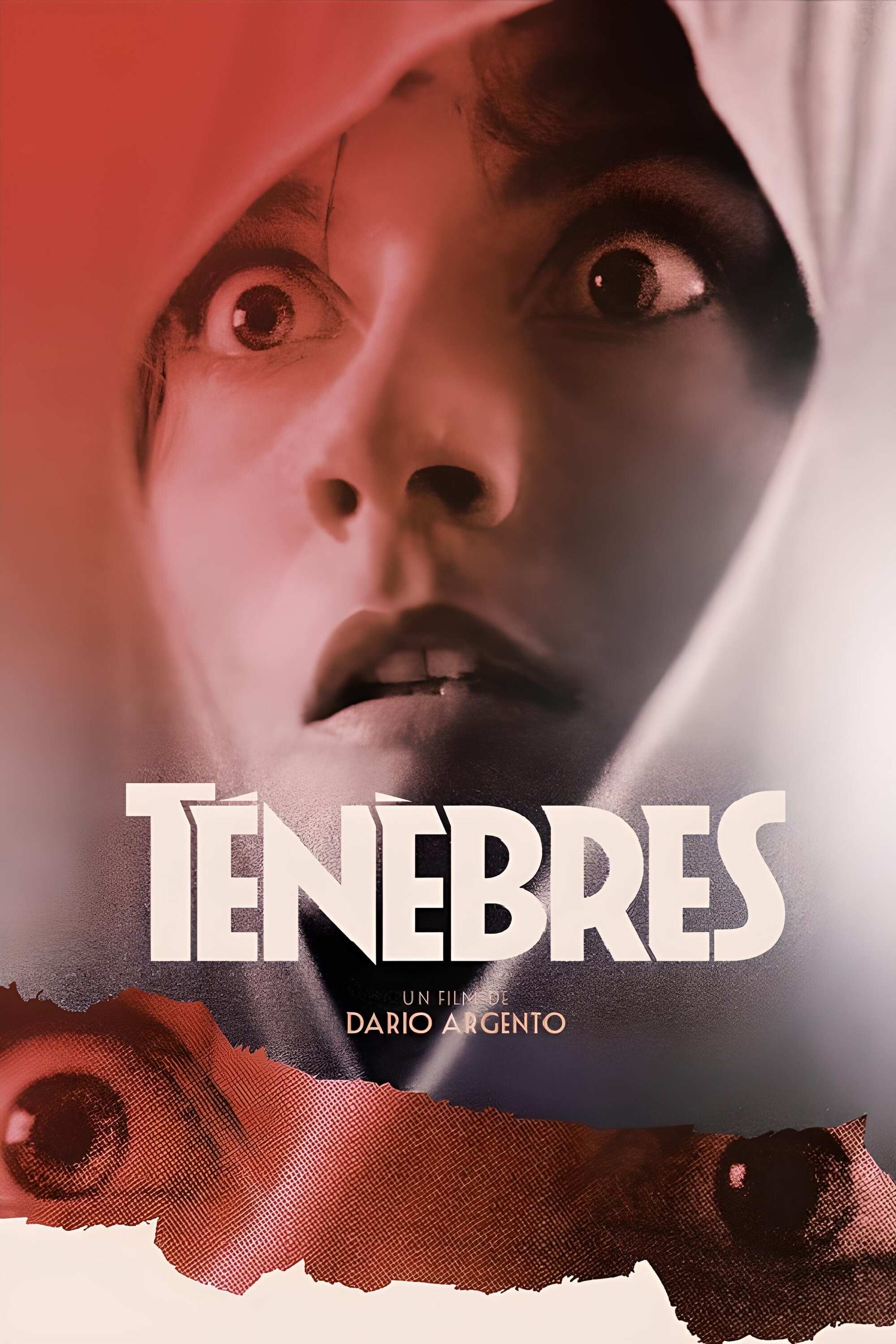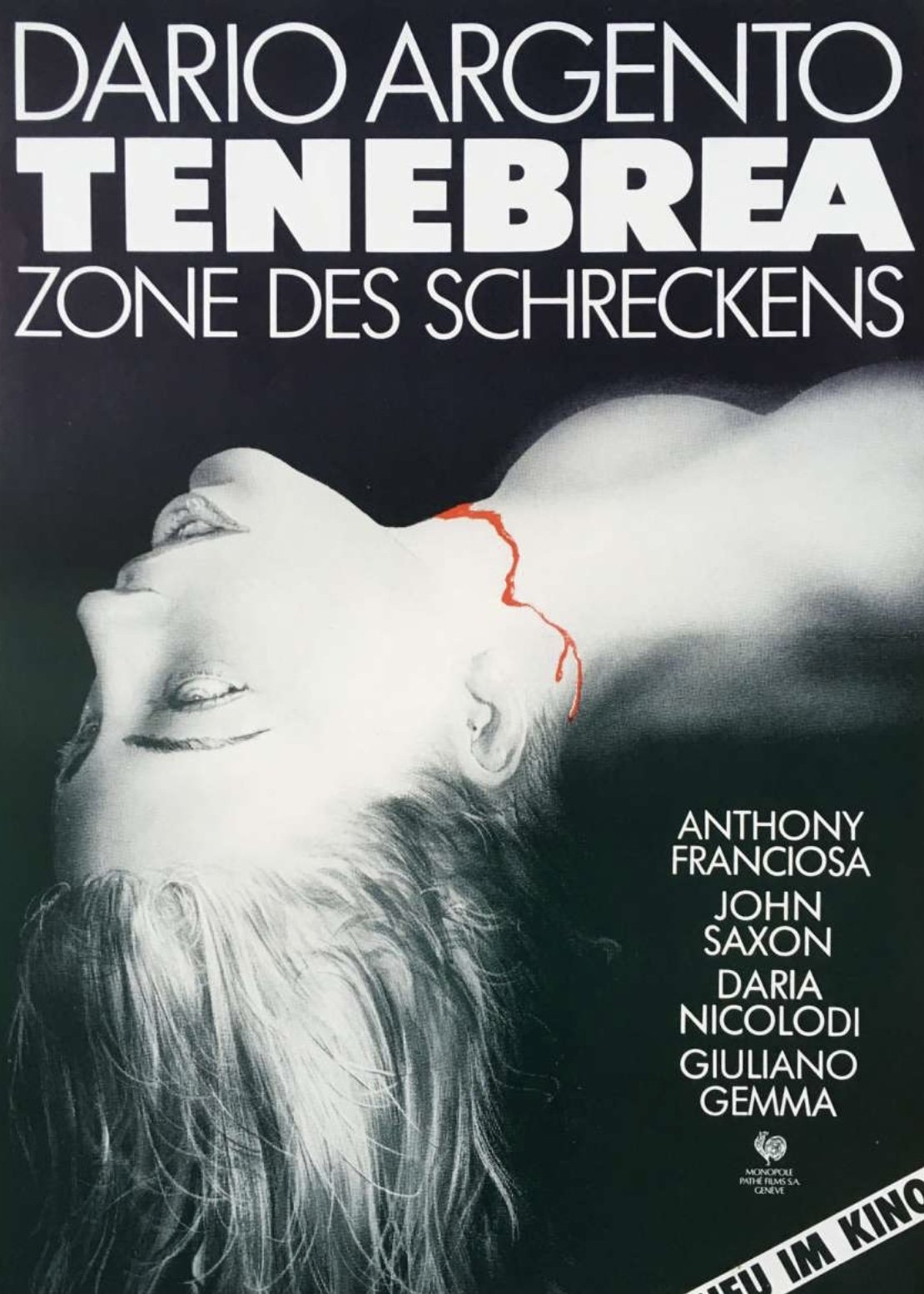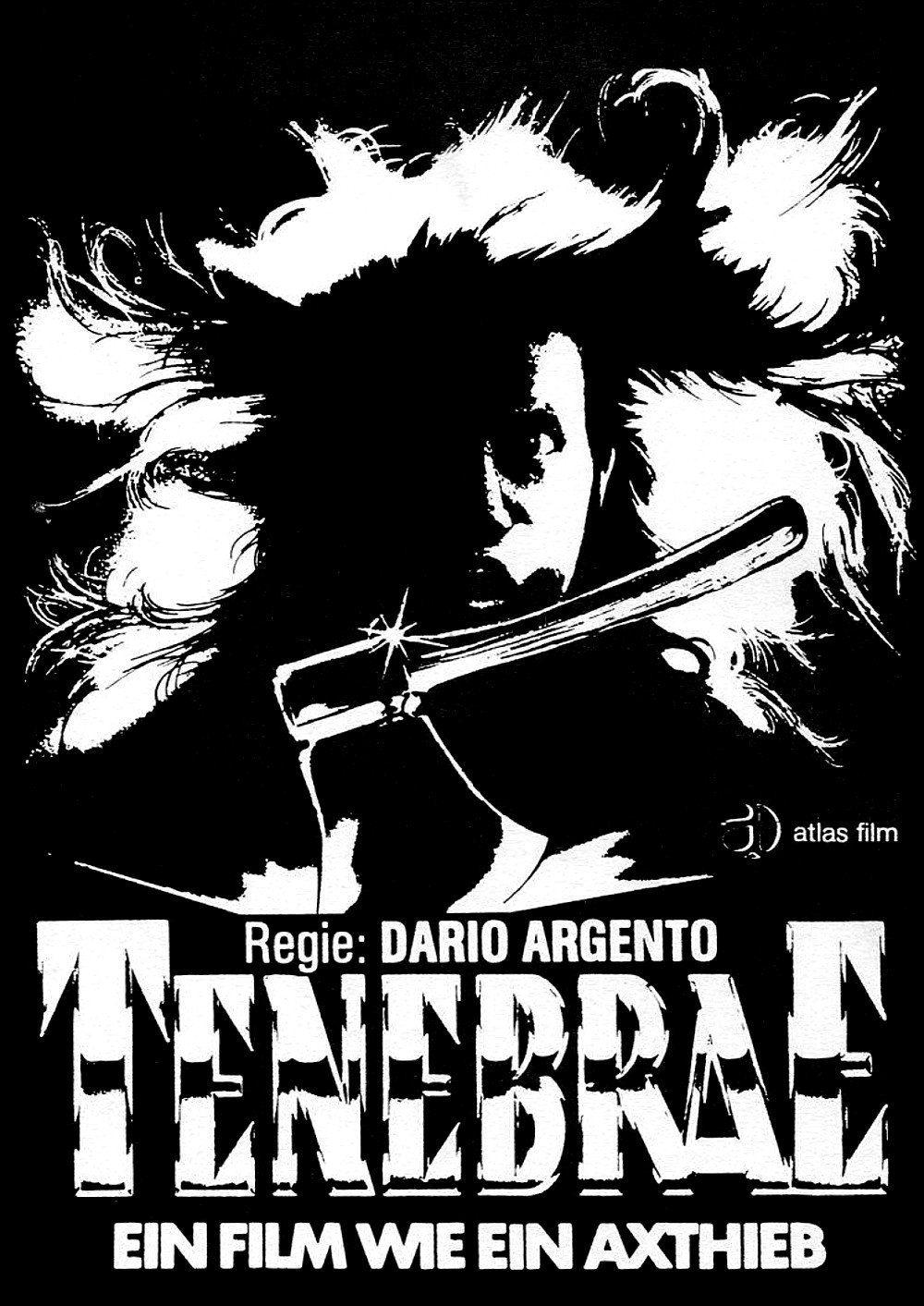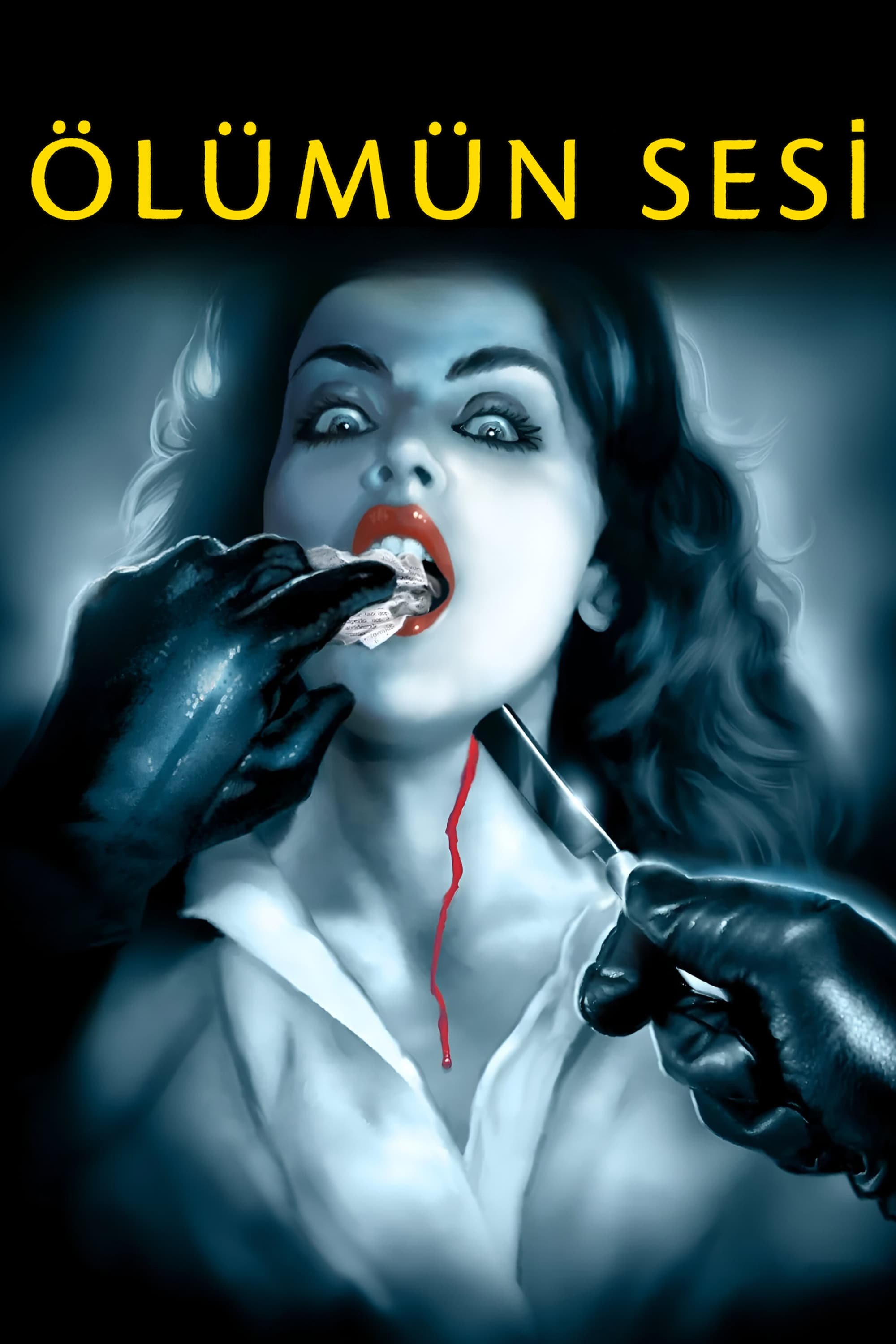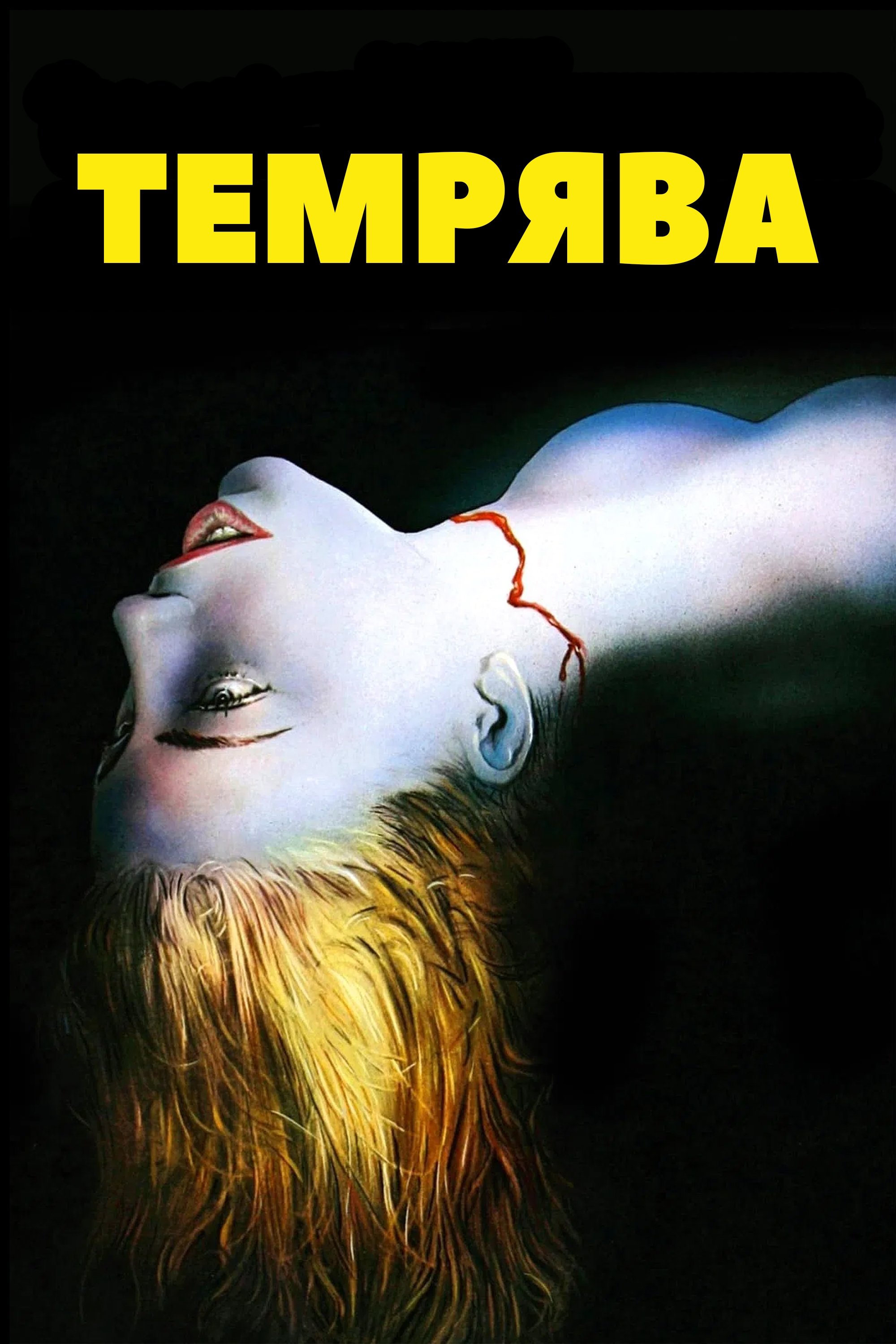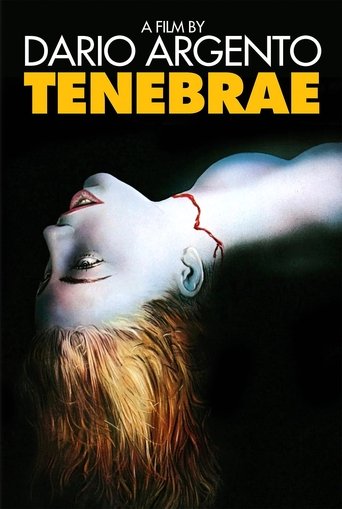
Tenebrae (1982)

IT
HORROR FILM Mystery Thriller
UK censorship history DPP · Successful prosecutions
5.0/10 3 votes
Runtime
101 min
Release
October 28, 1982
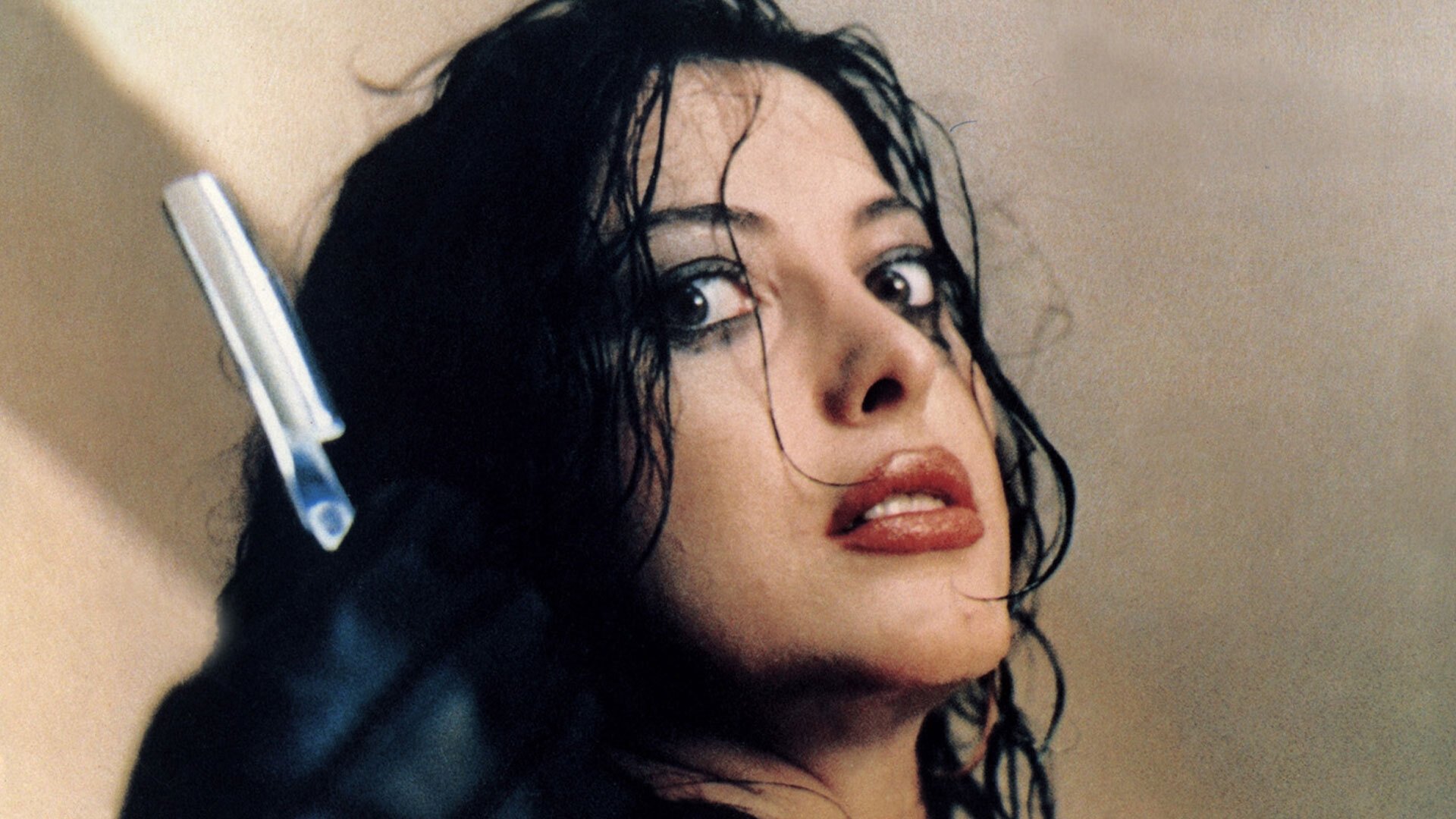
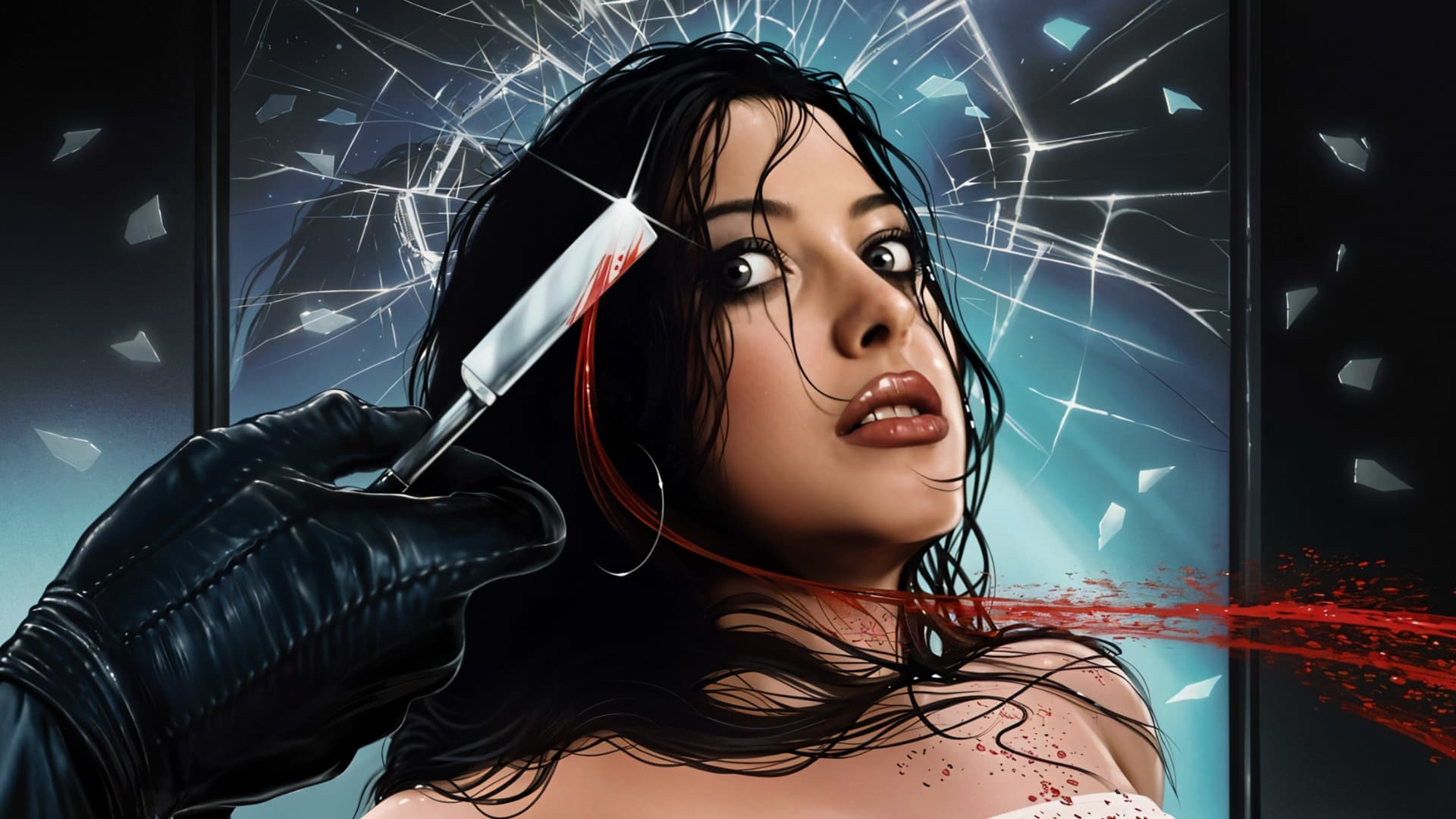
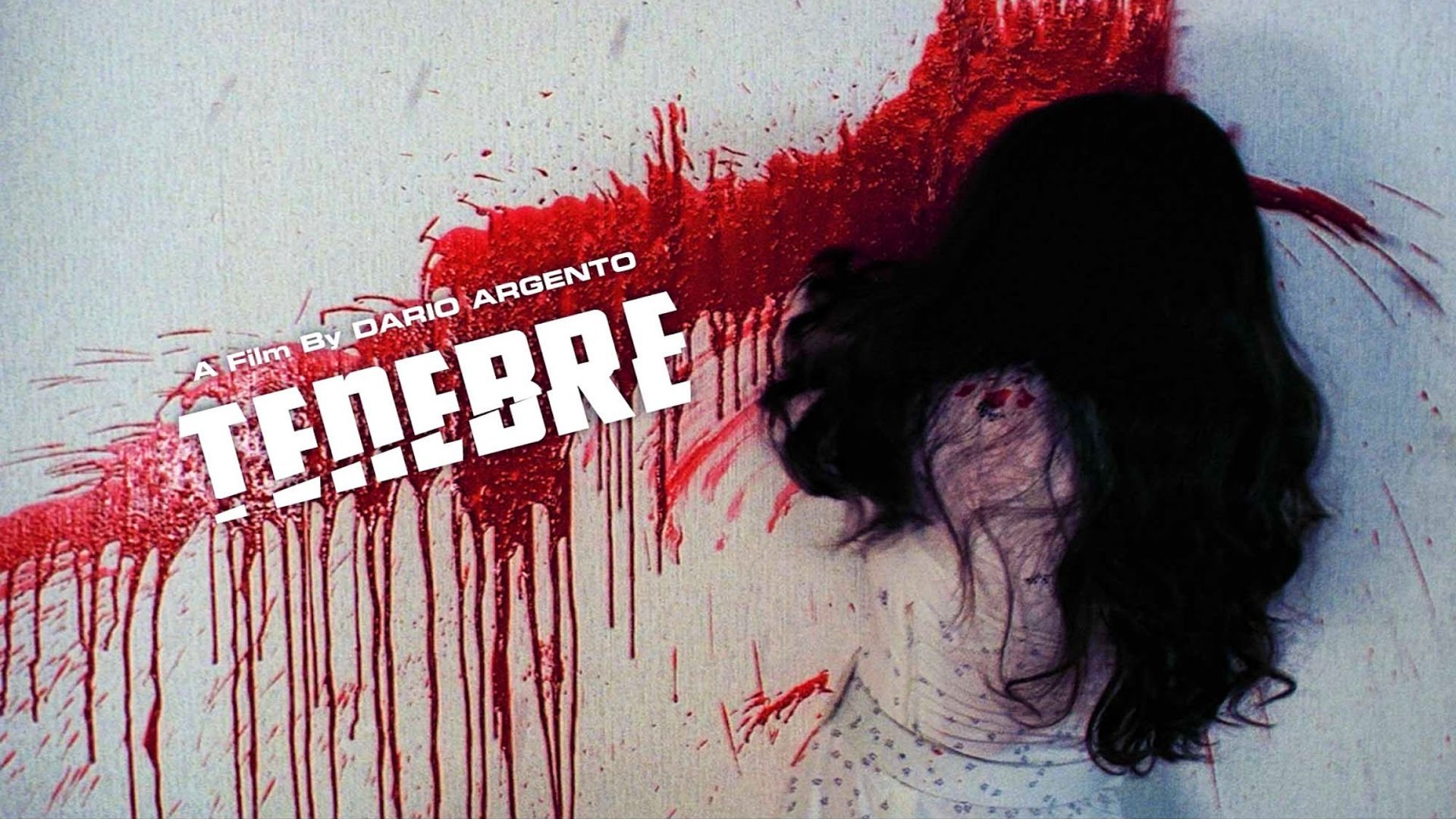
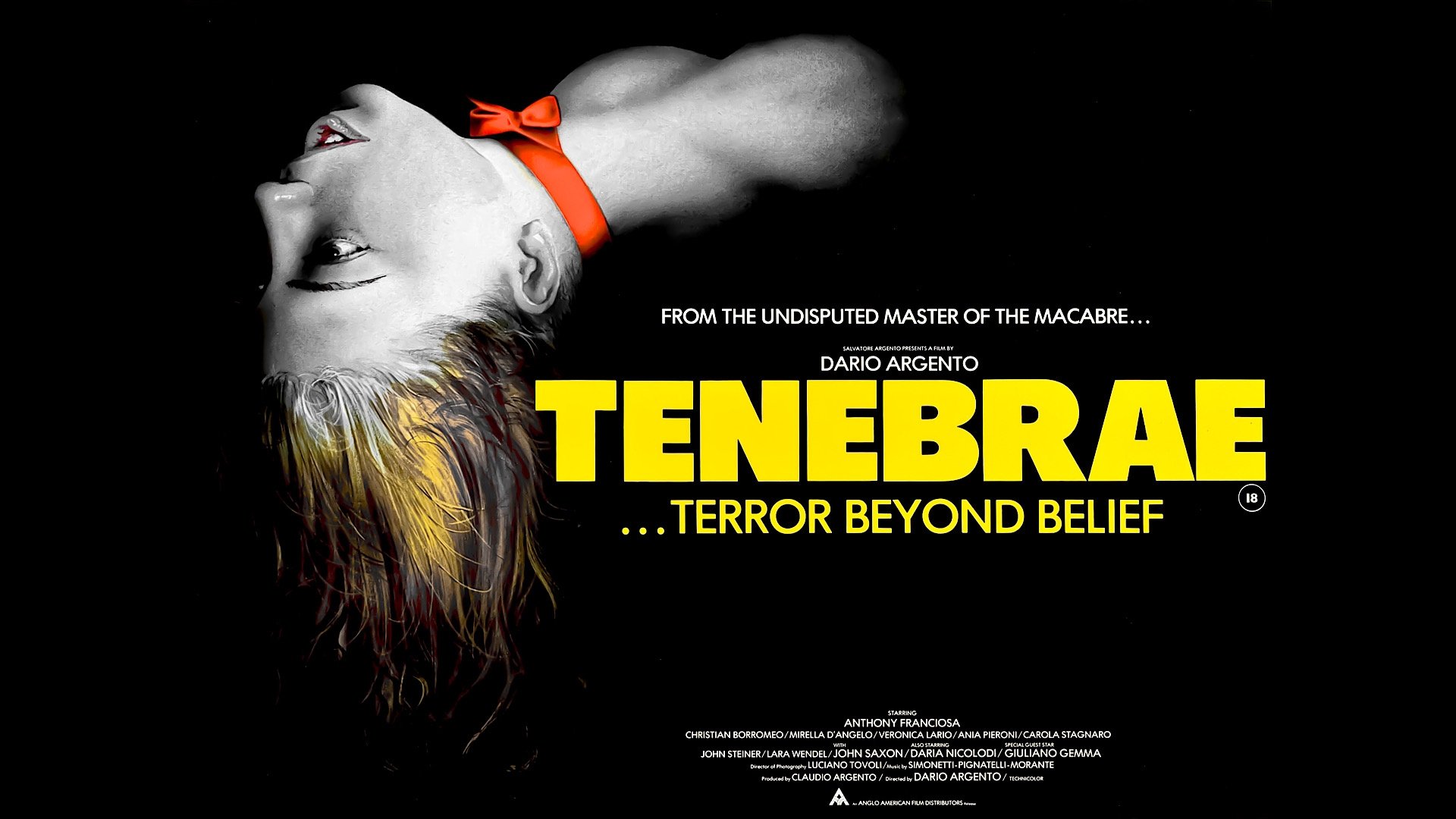
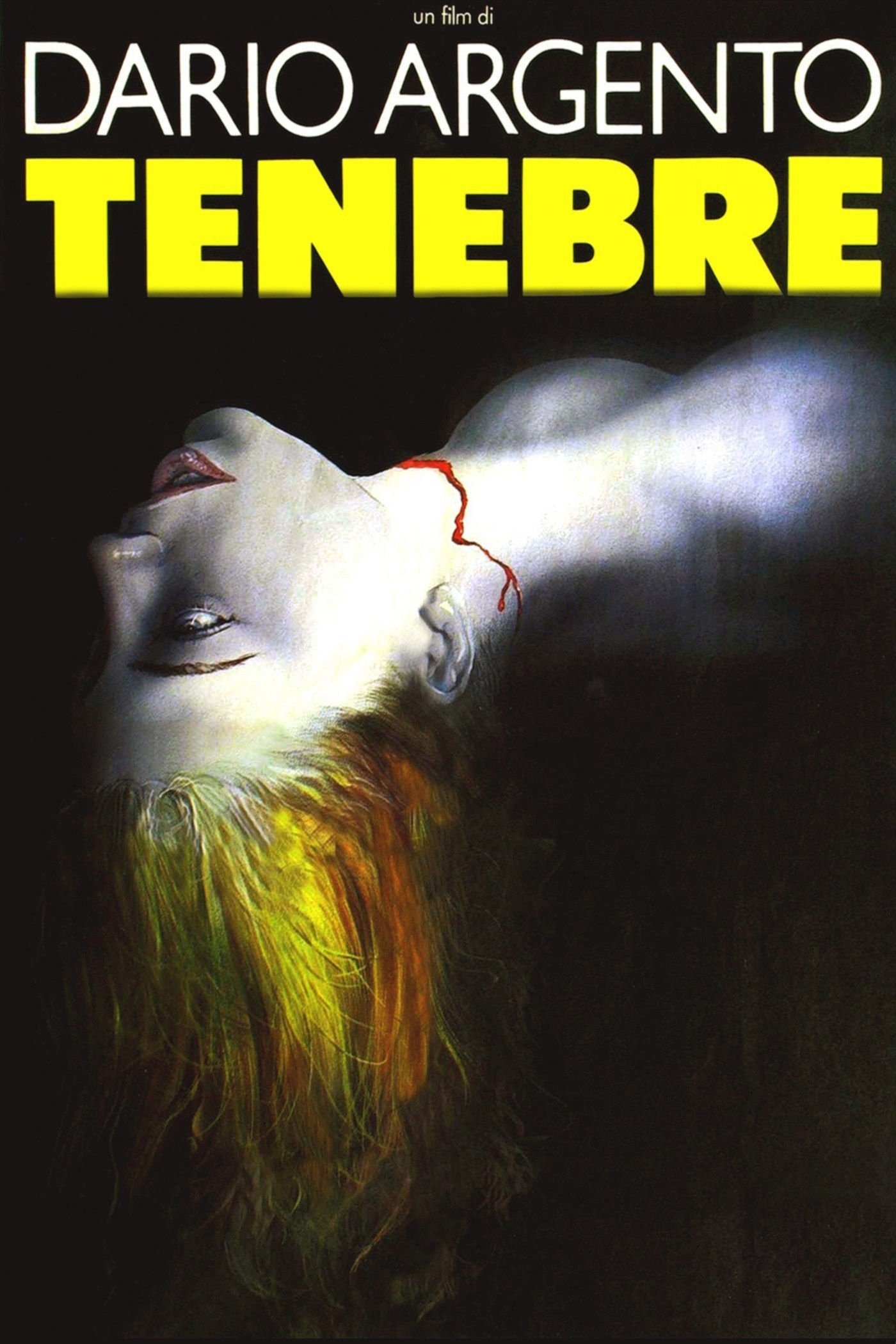
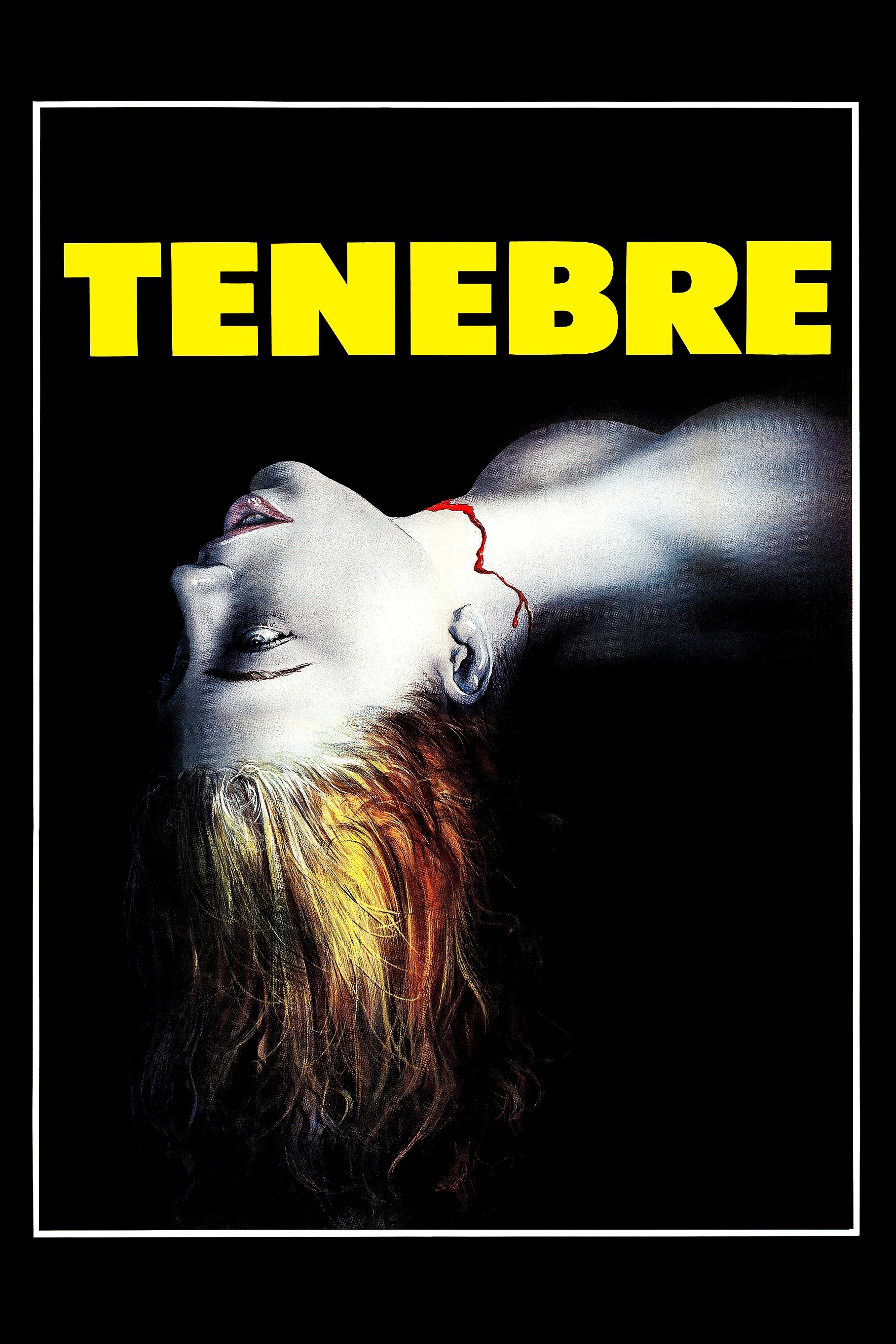
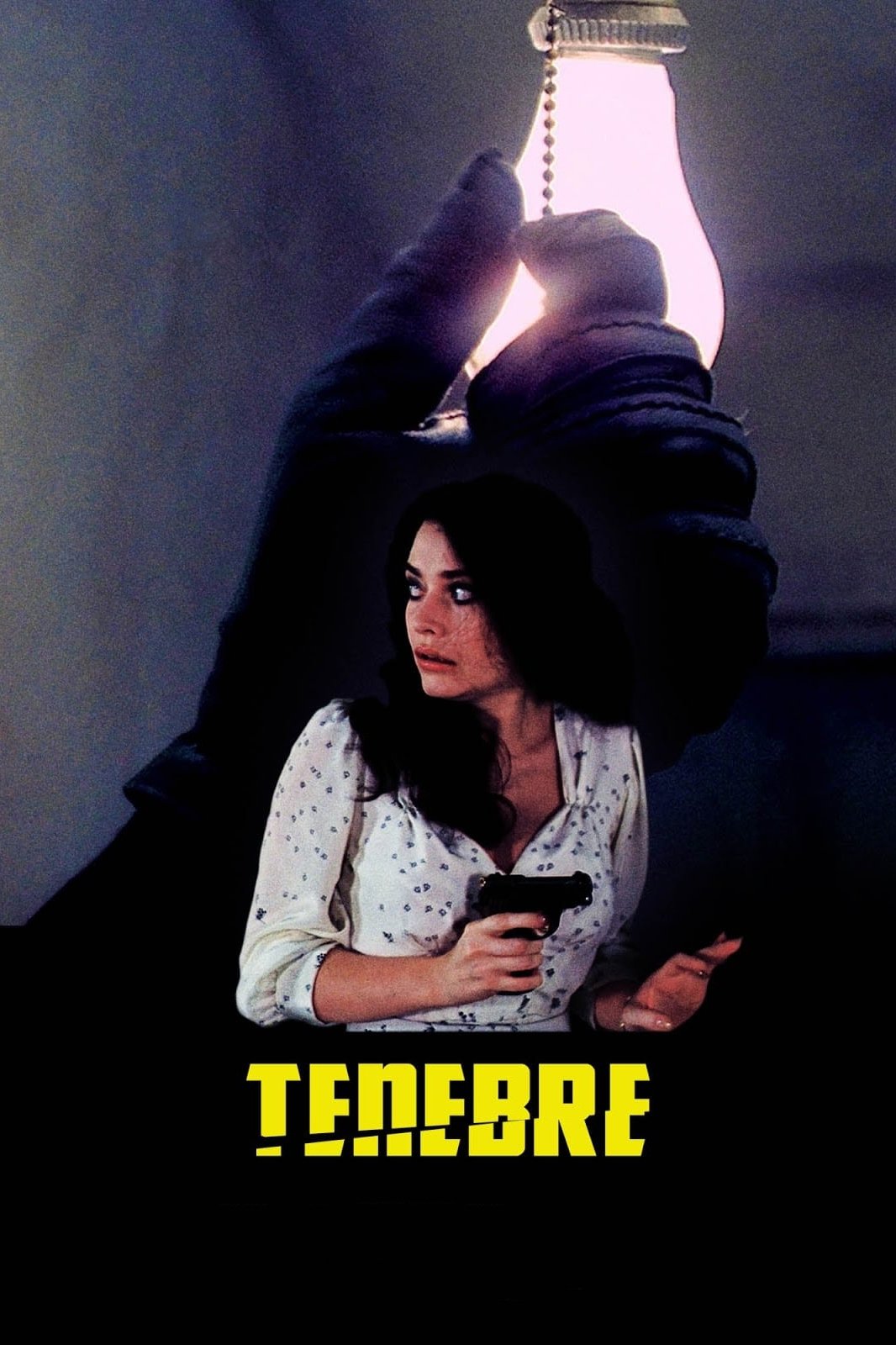
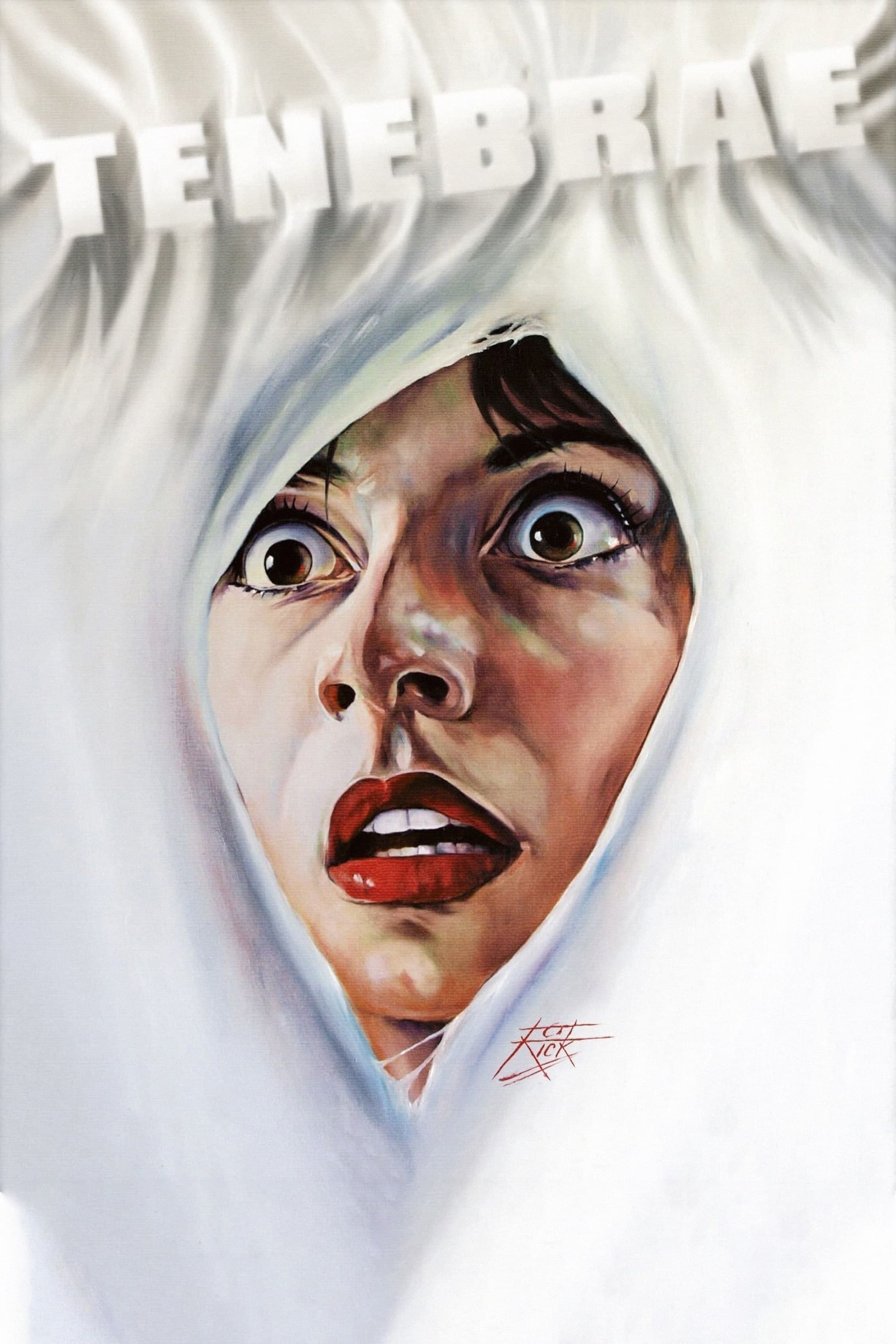
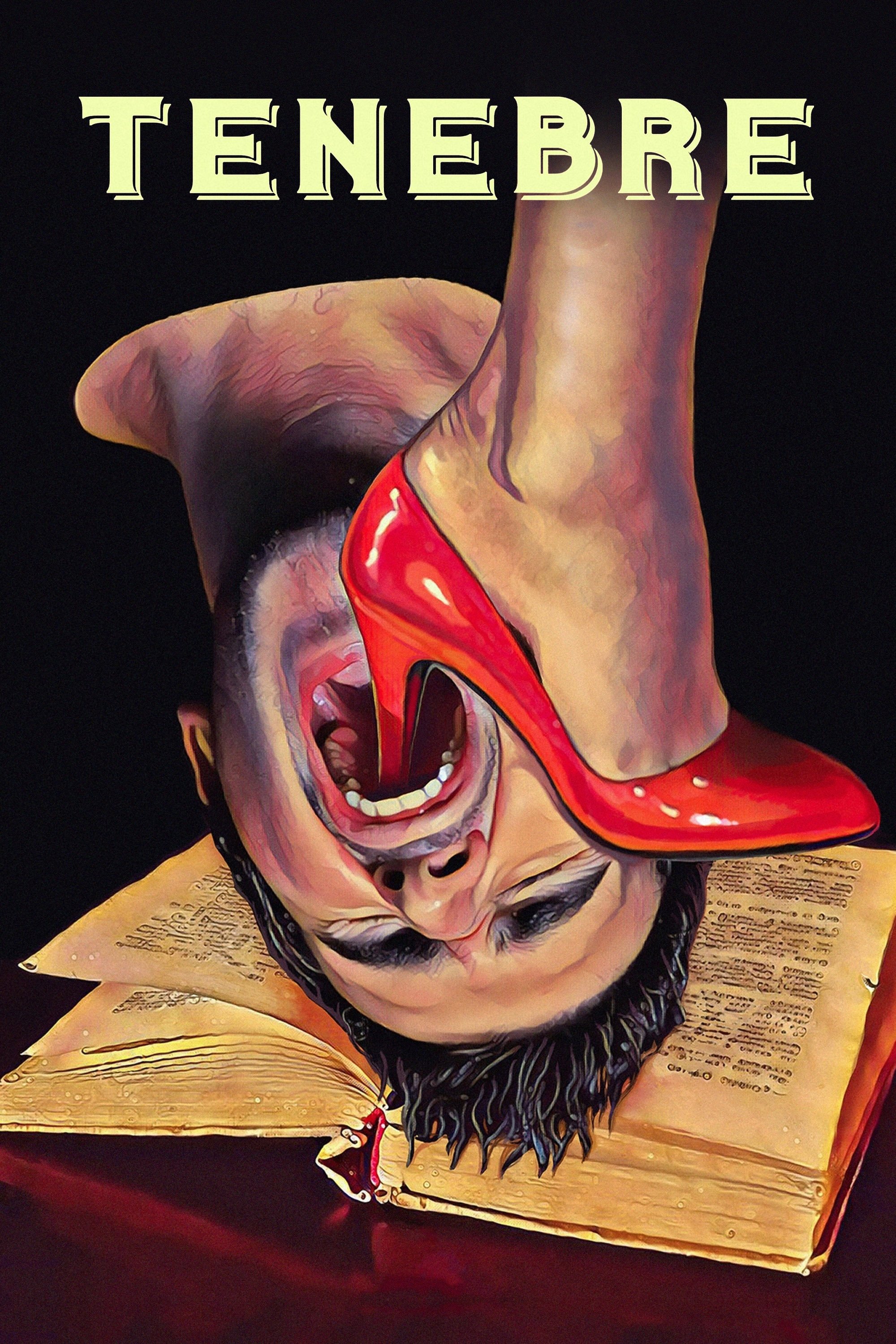
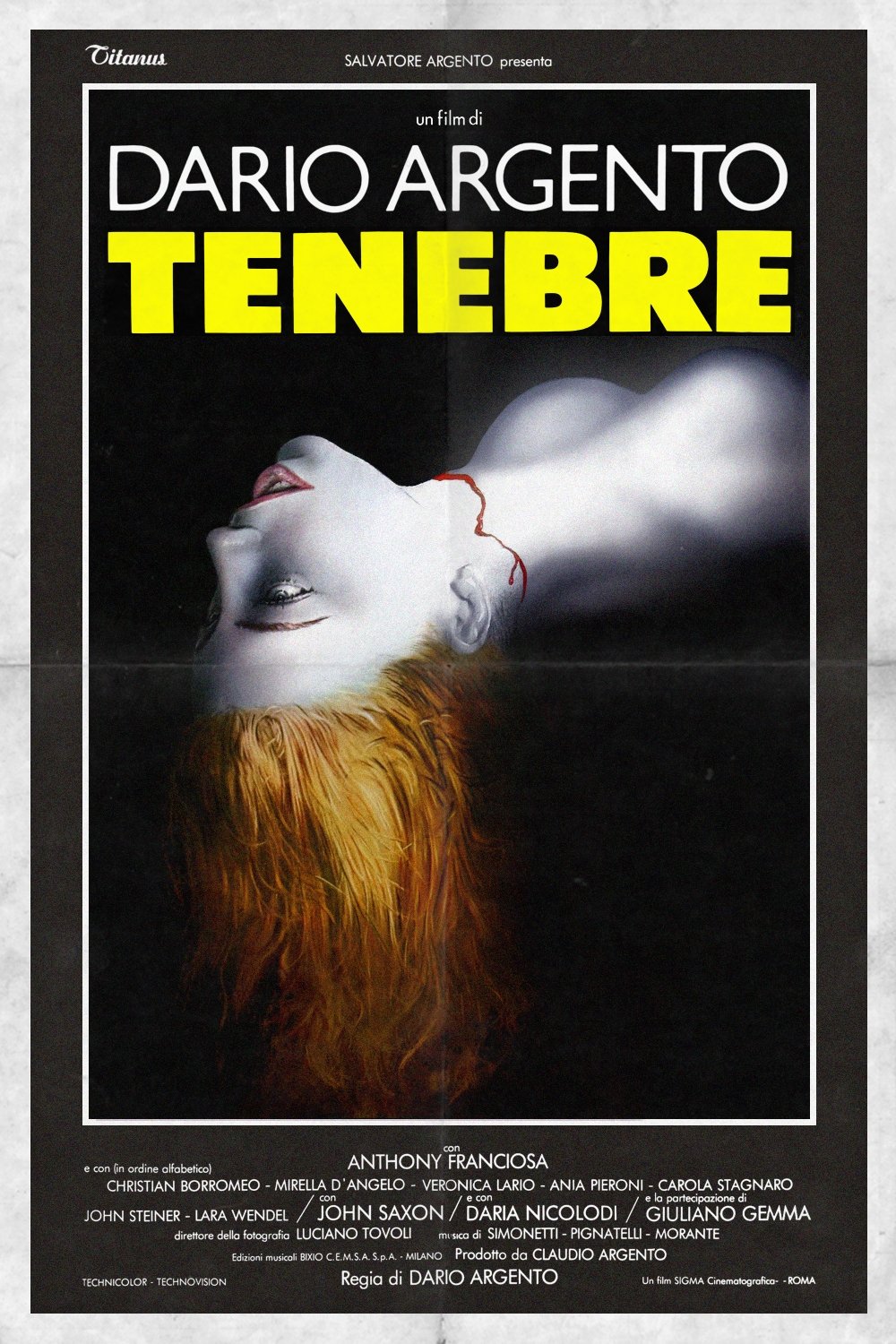
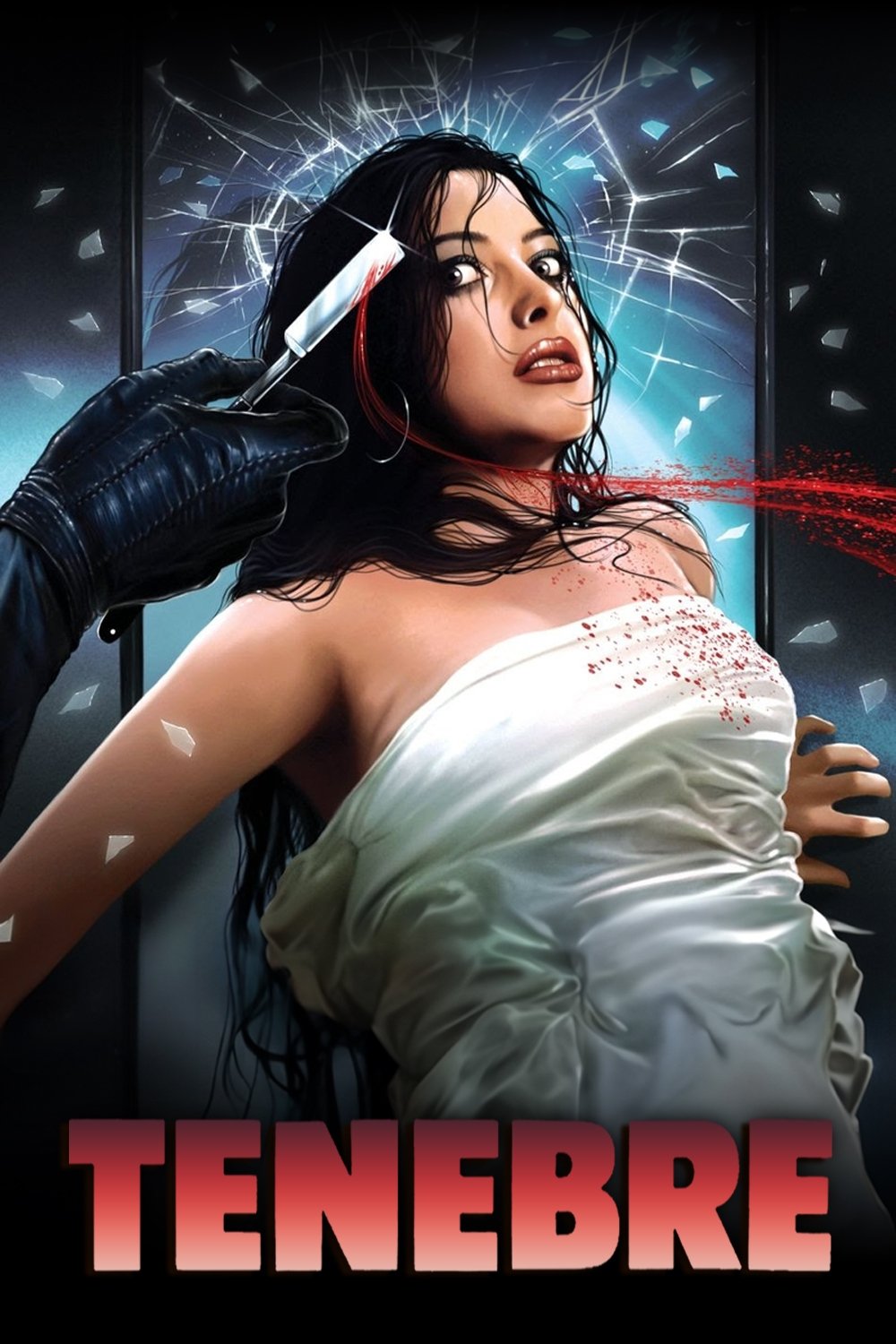
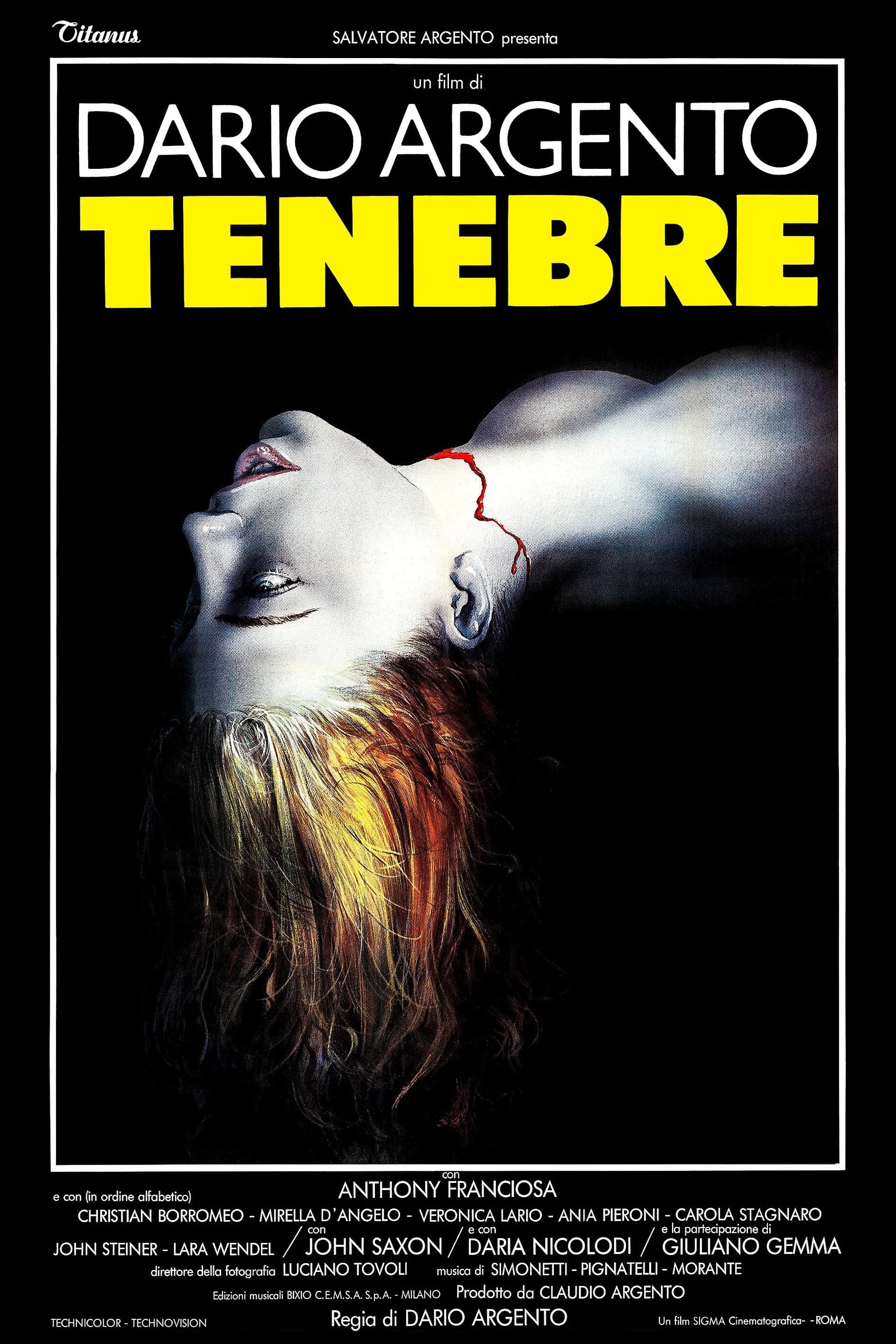
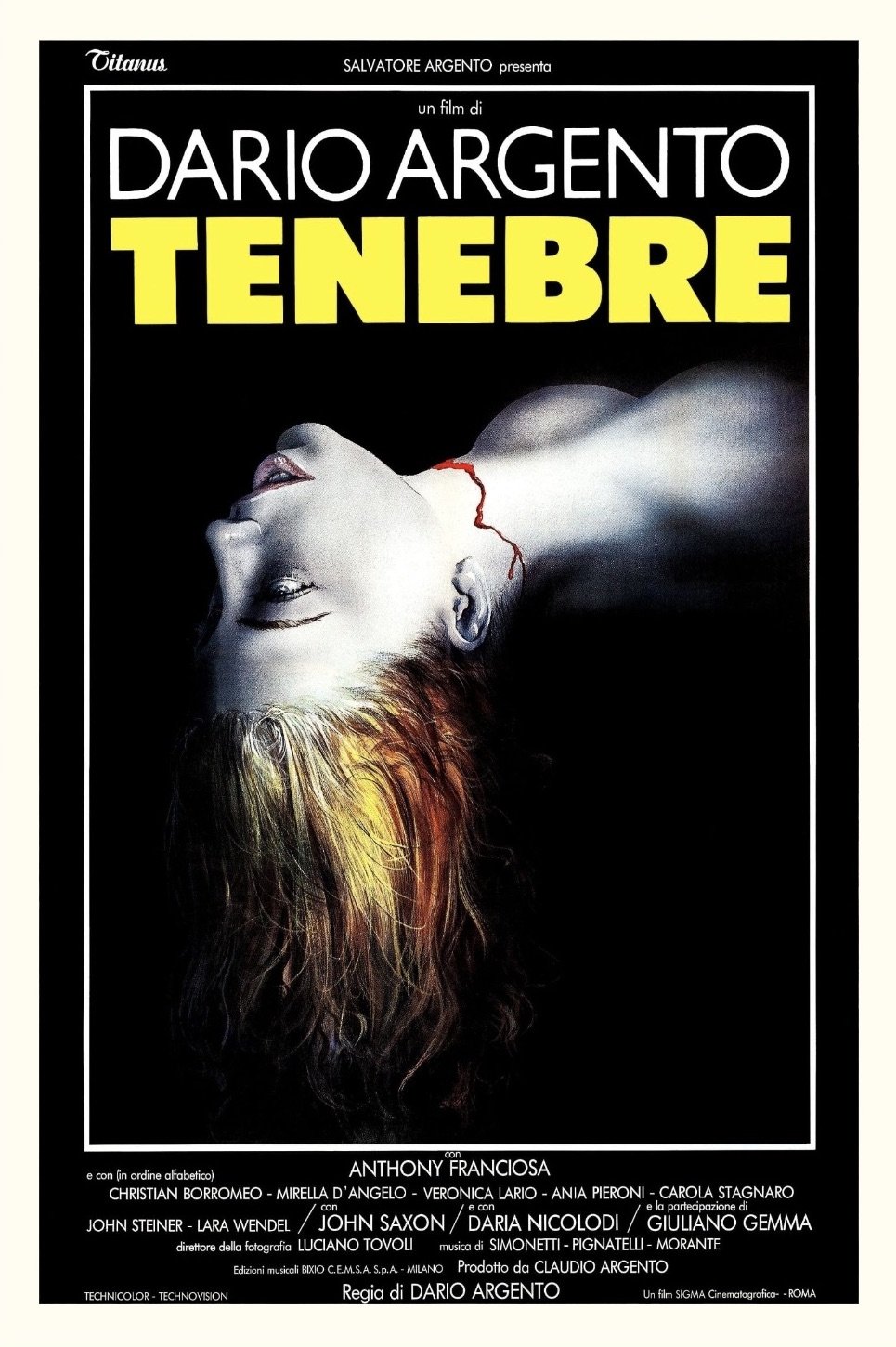
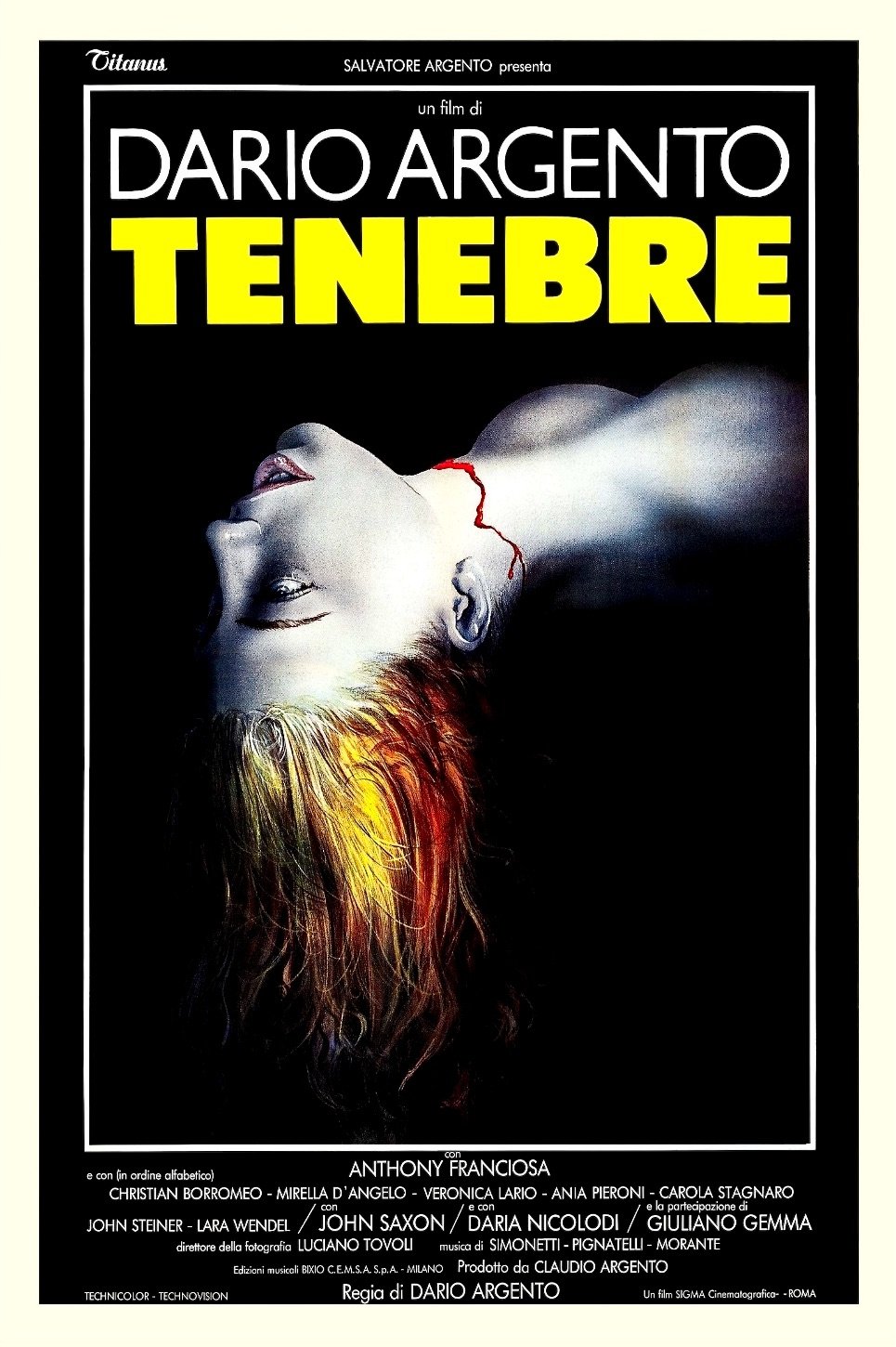
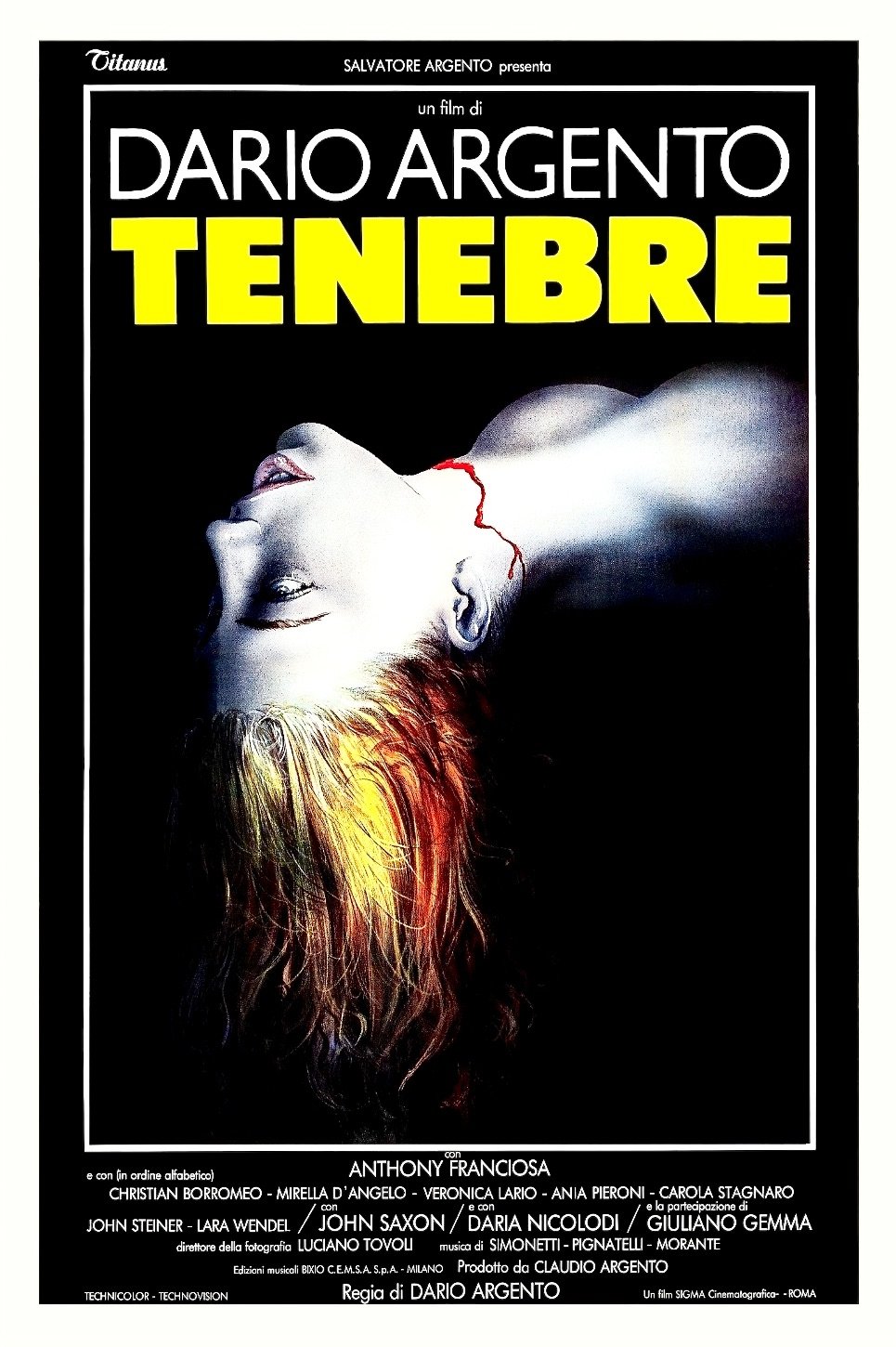
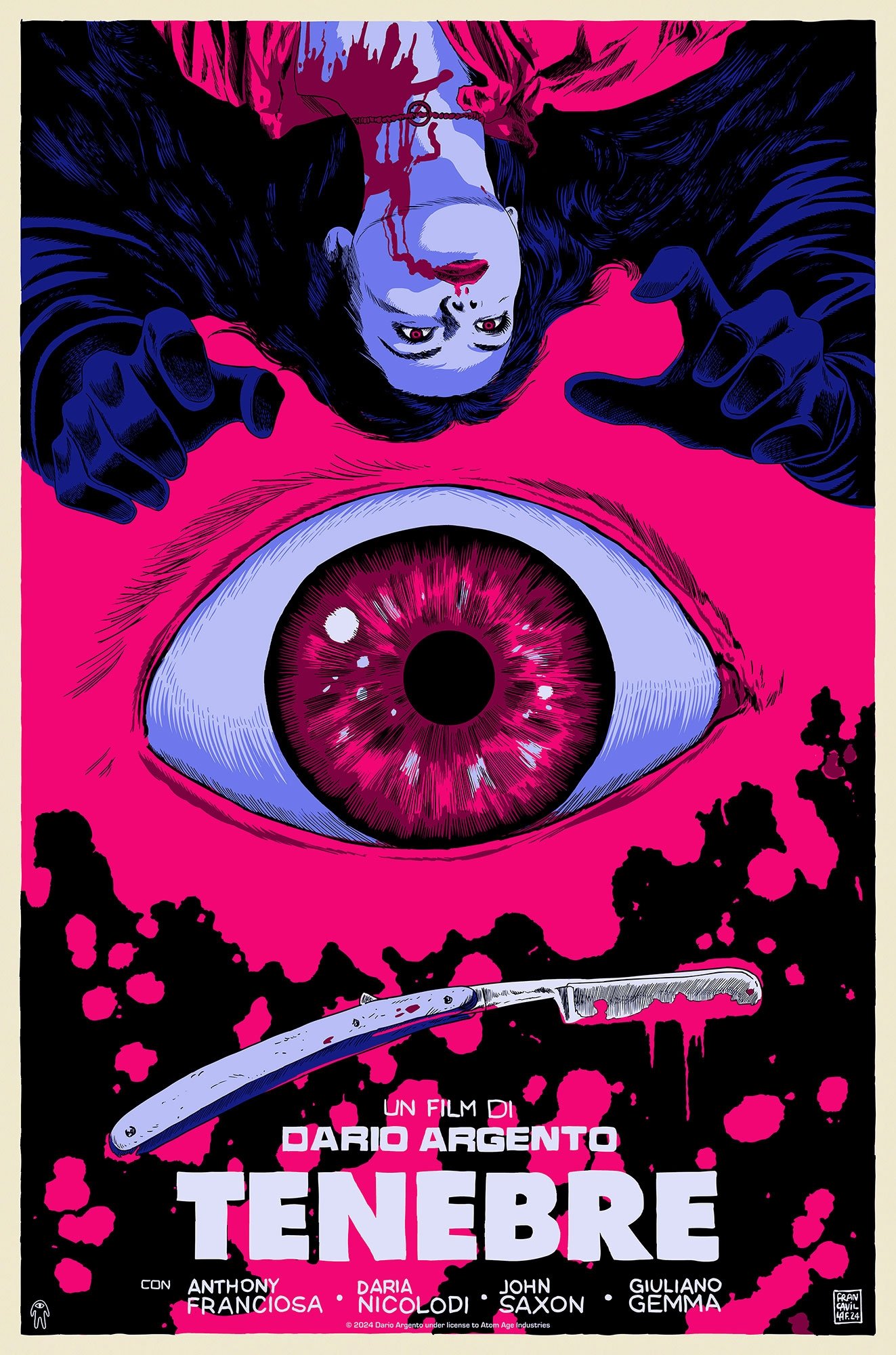
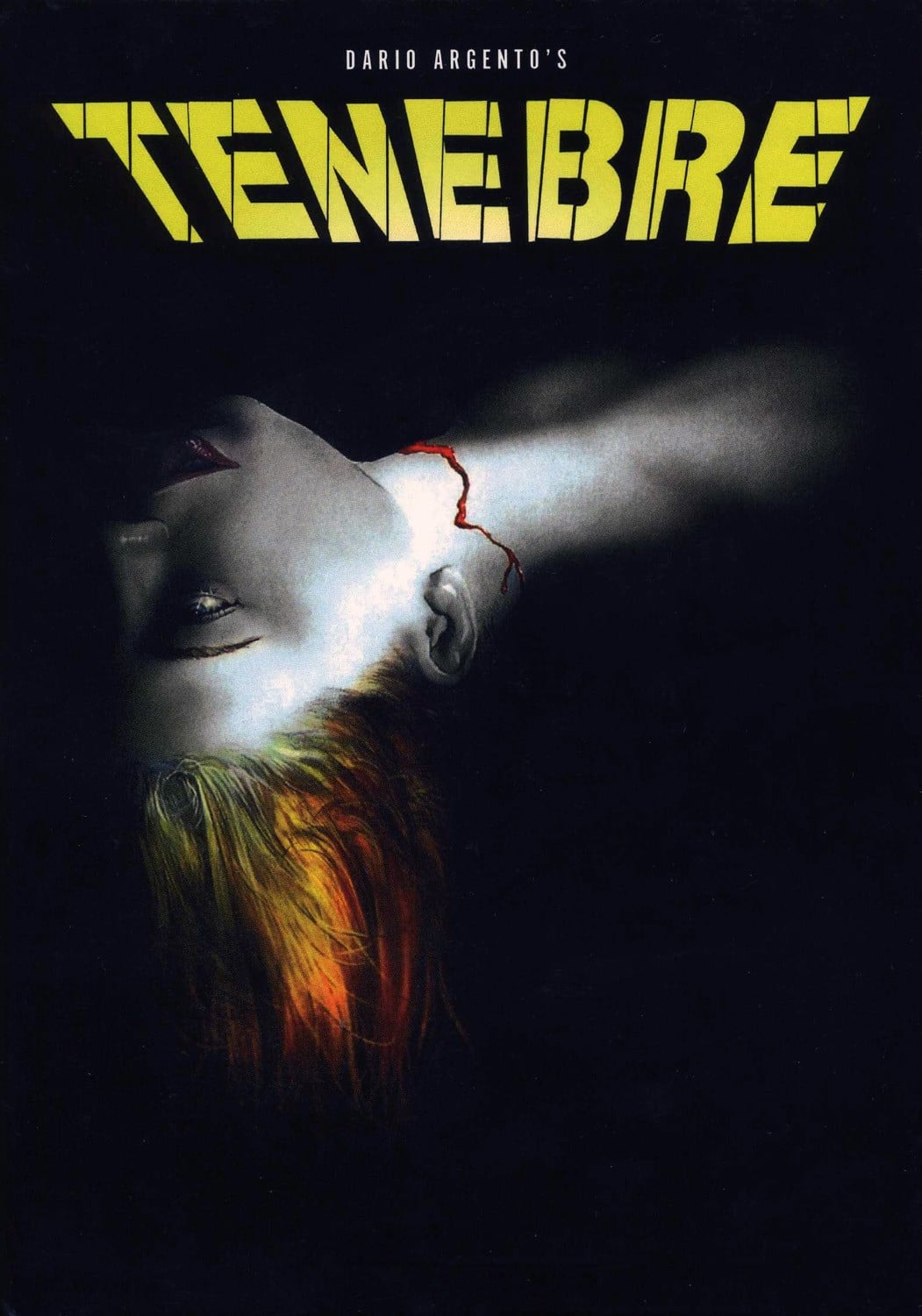
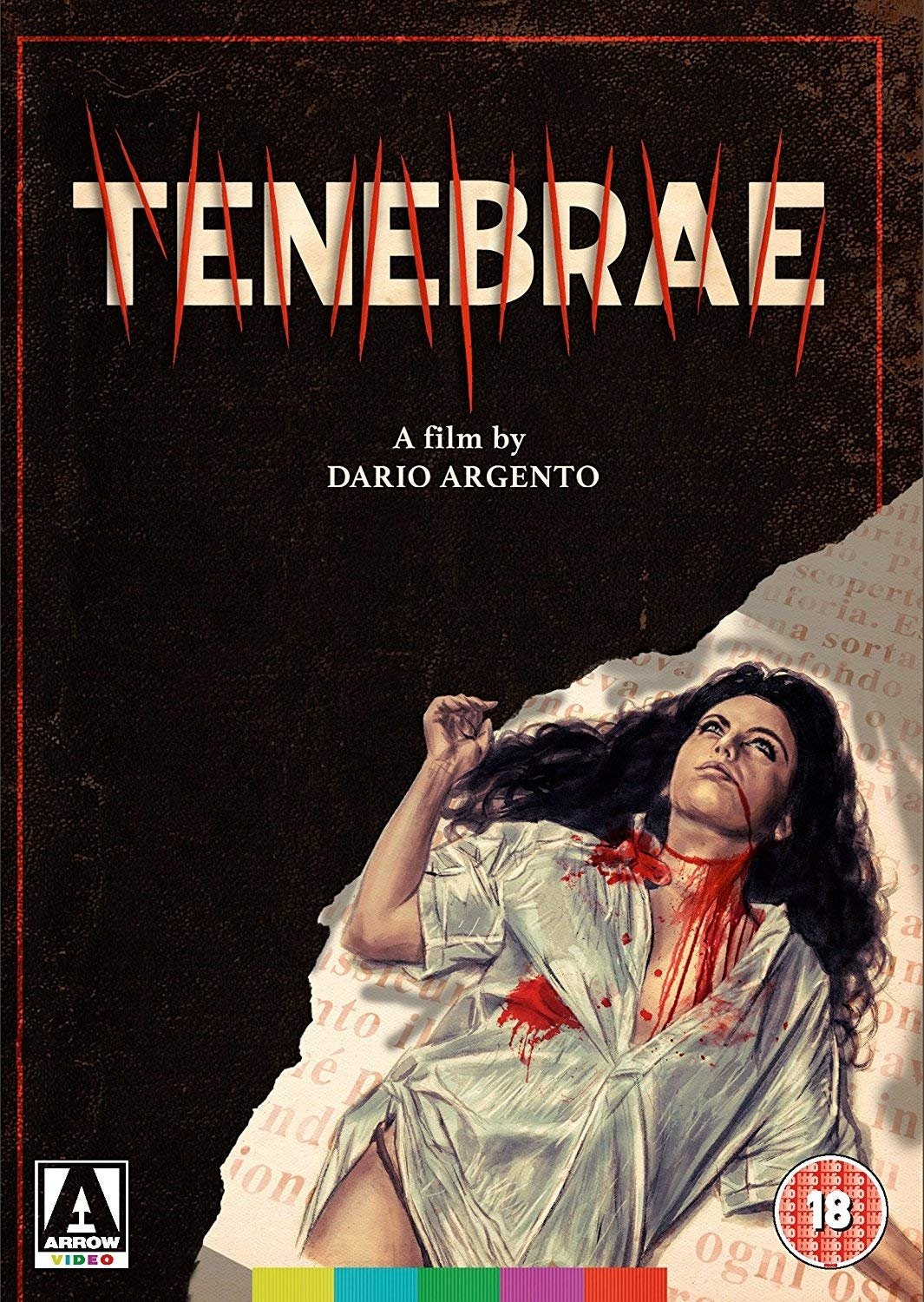
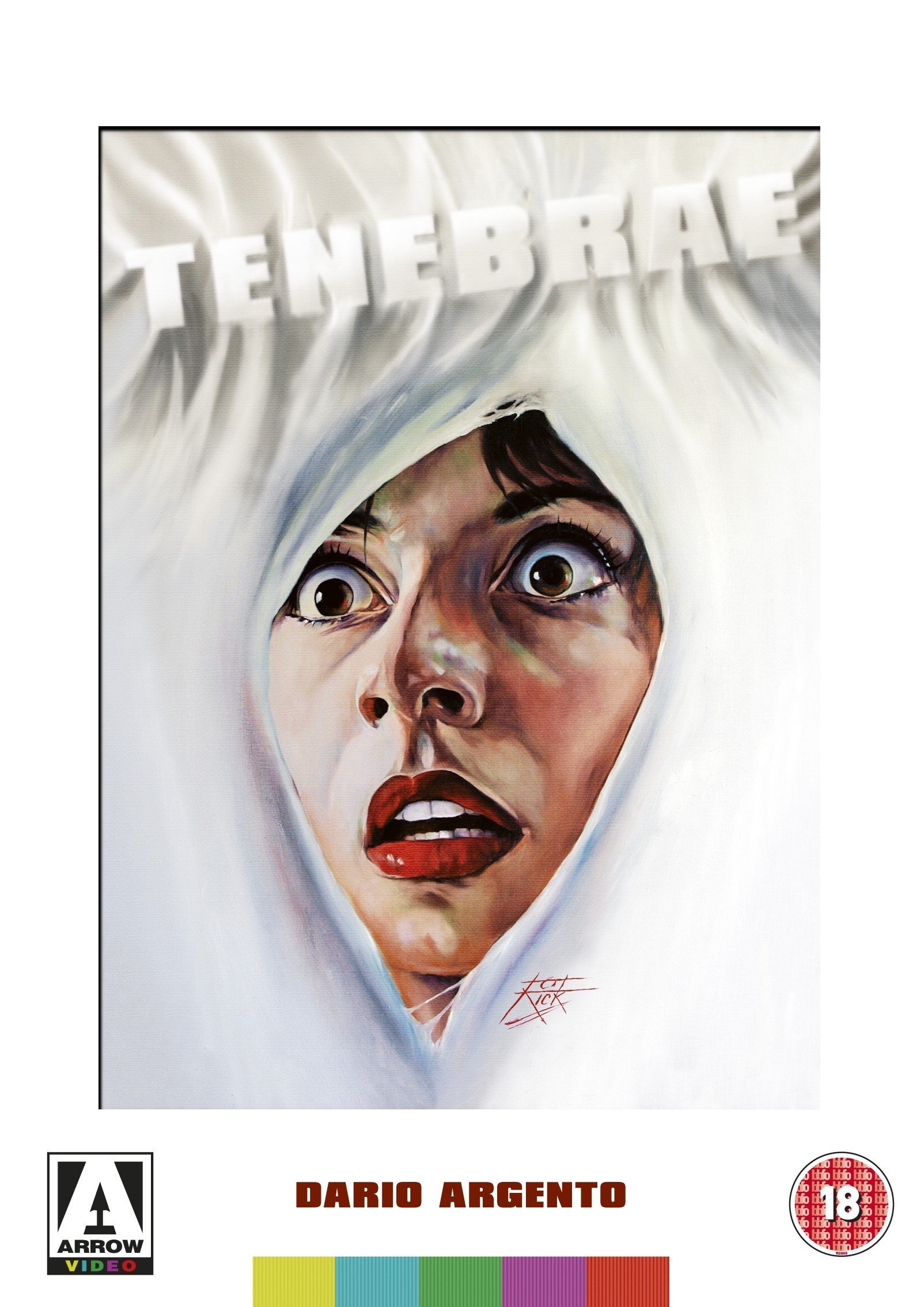
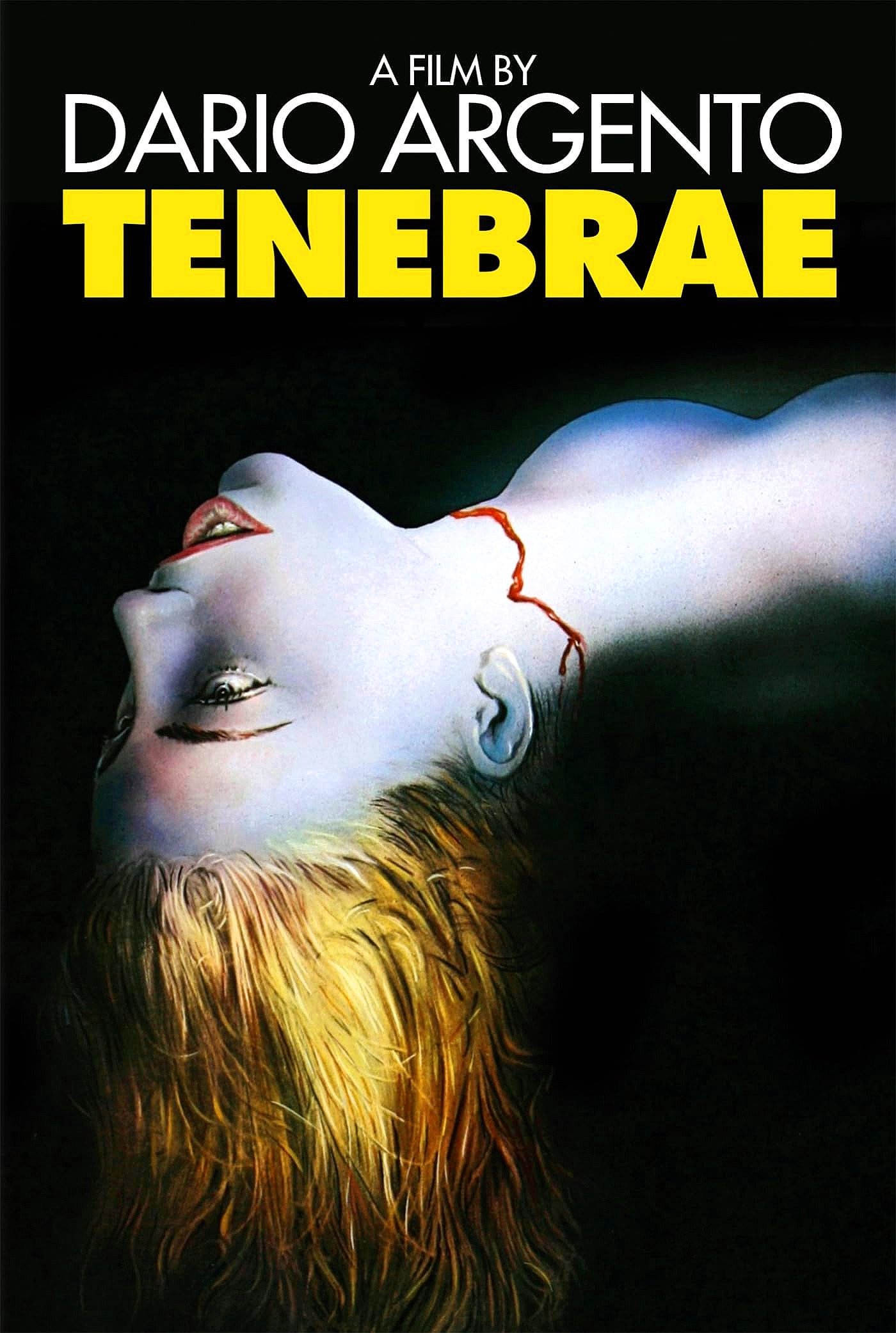
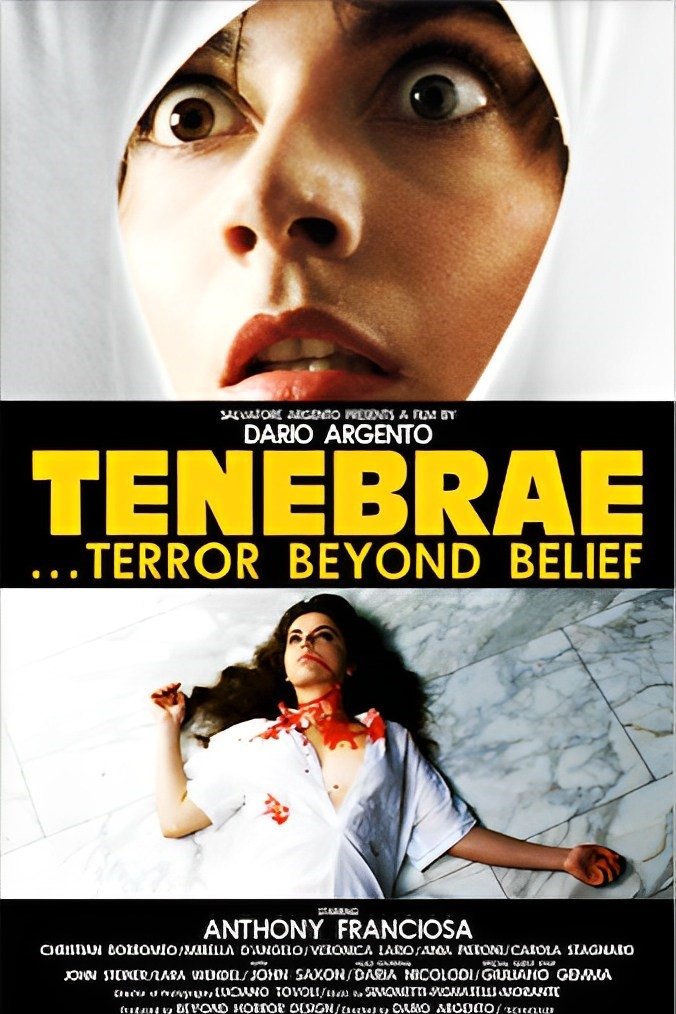
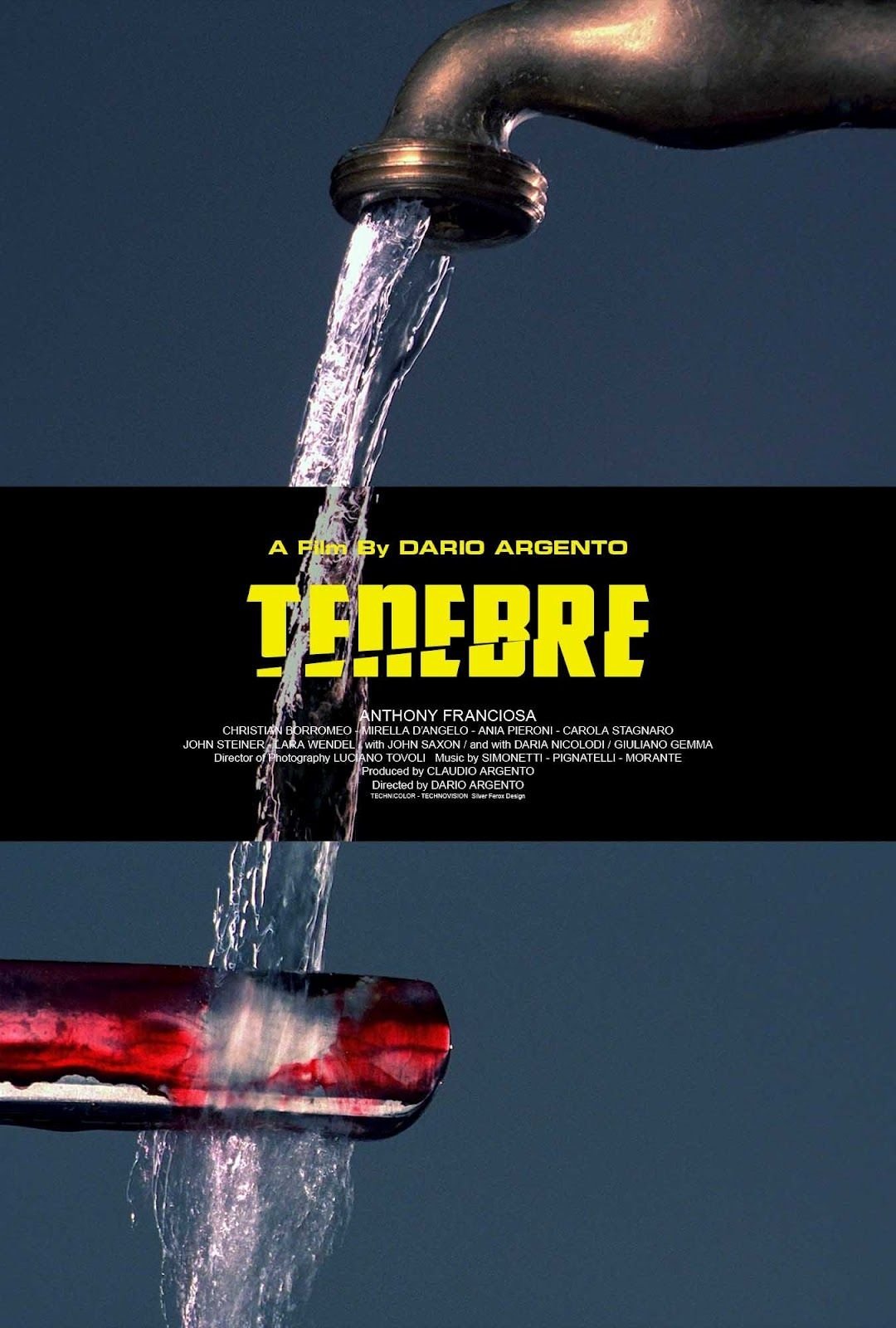
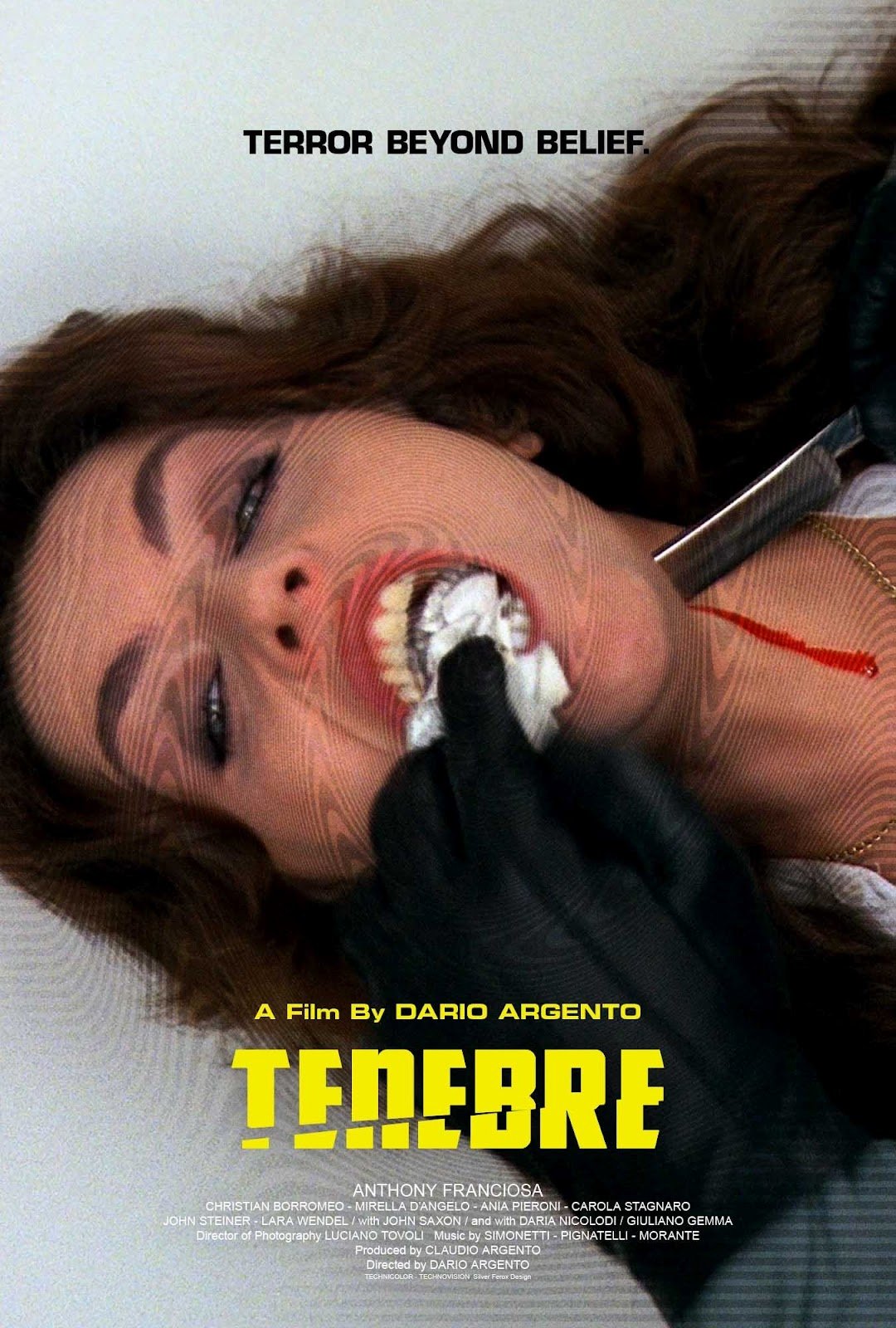
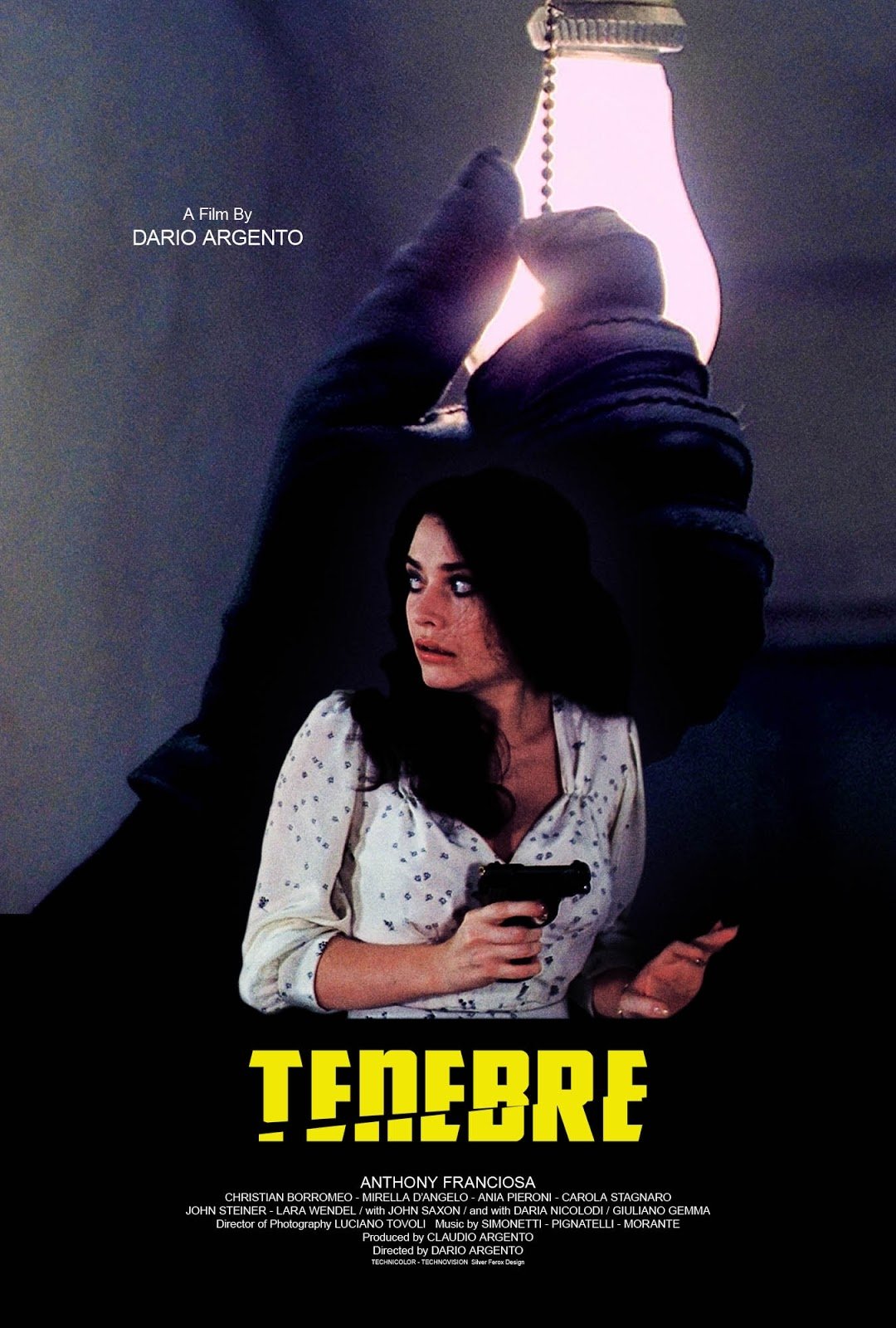
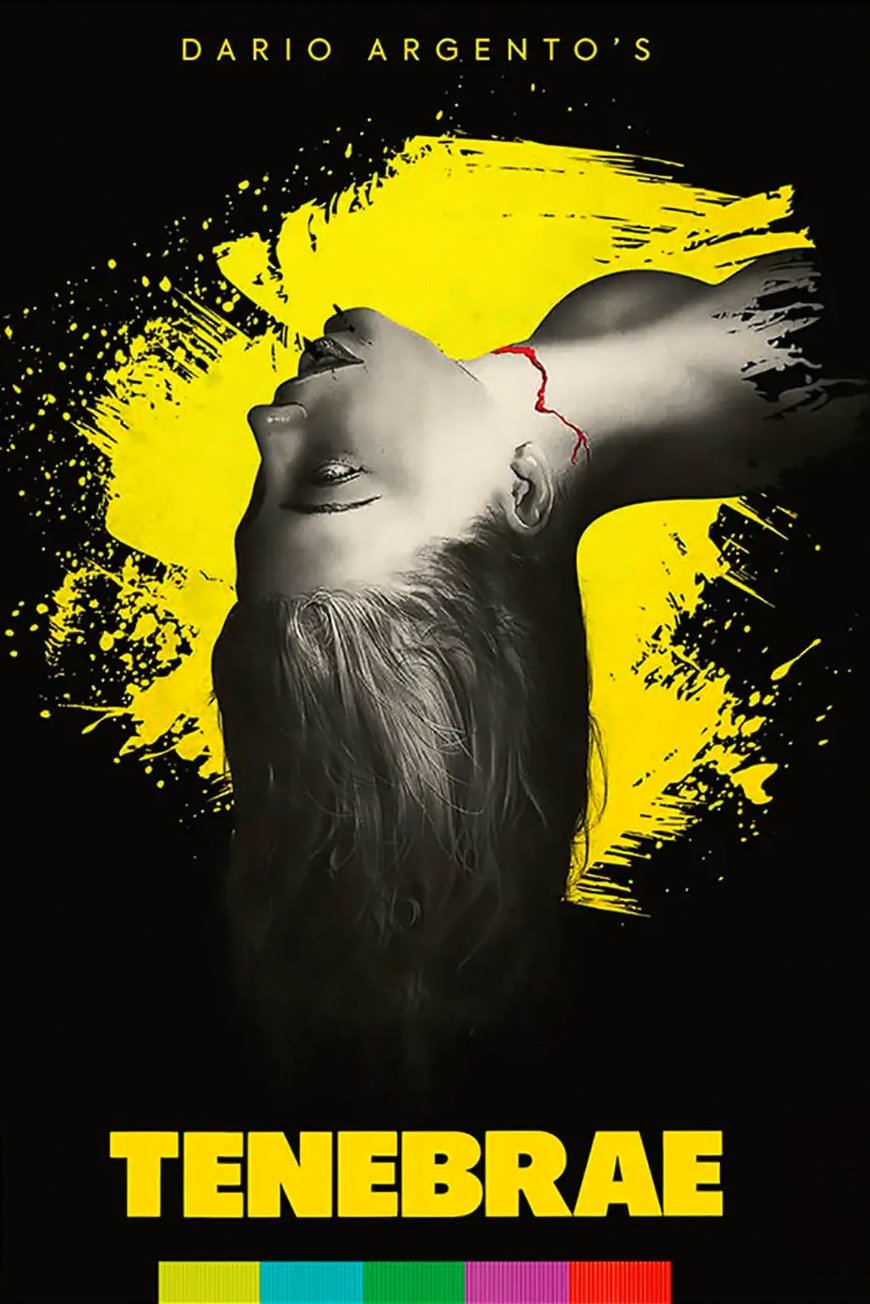
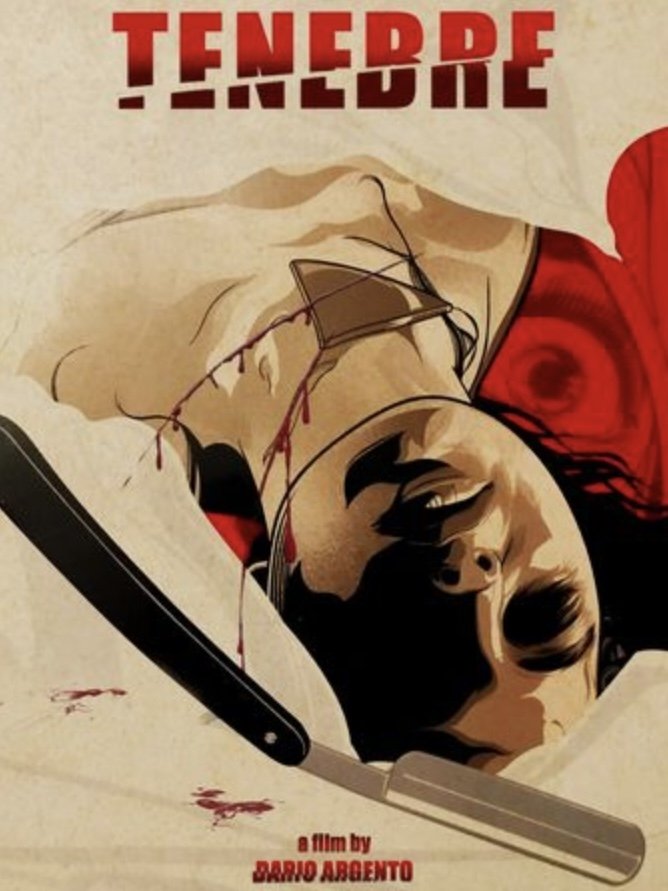
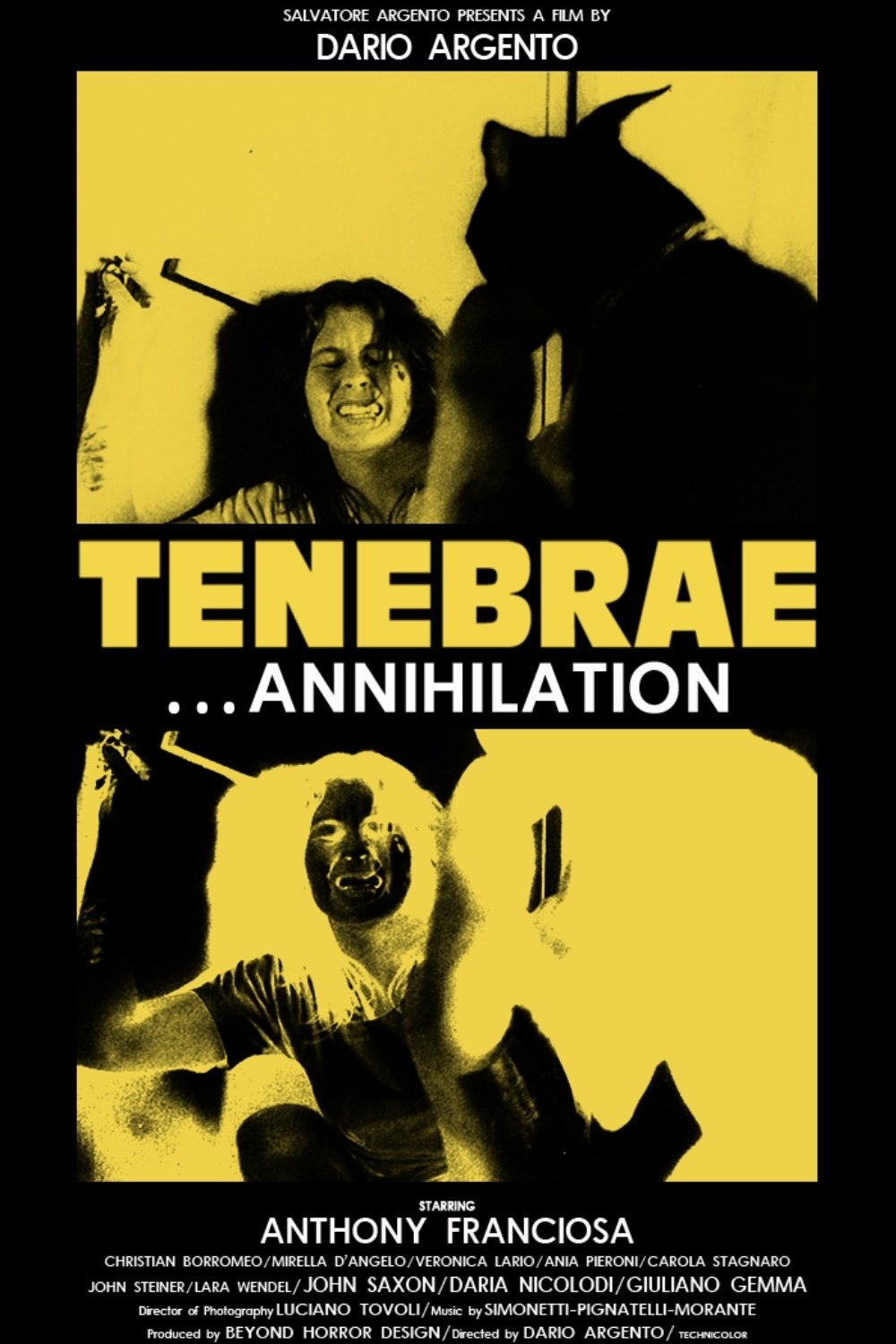
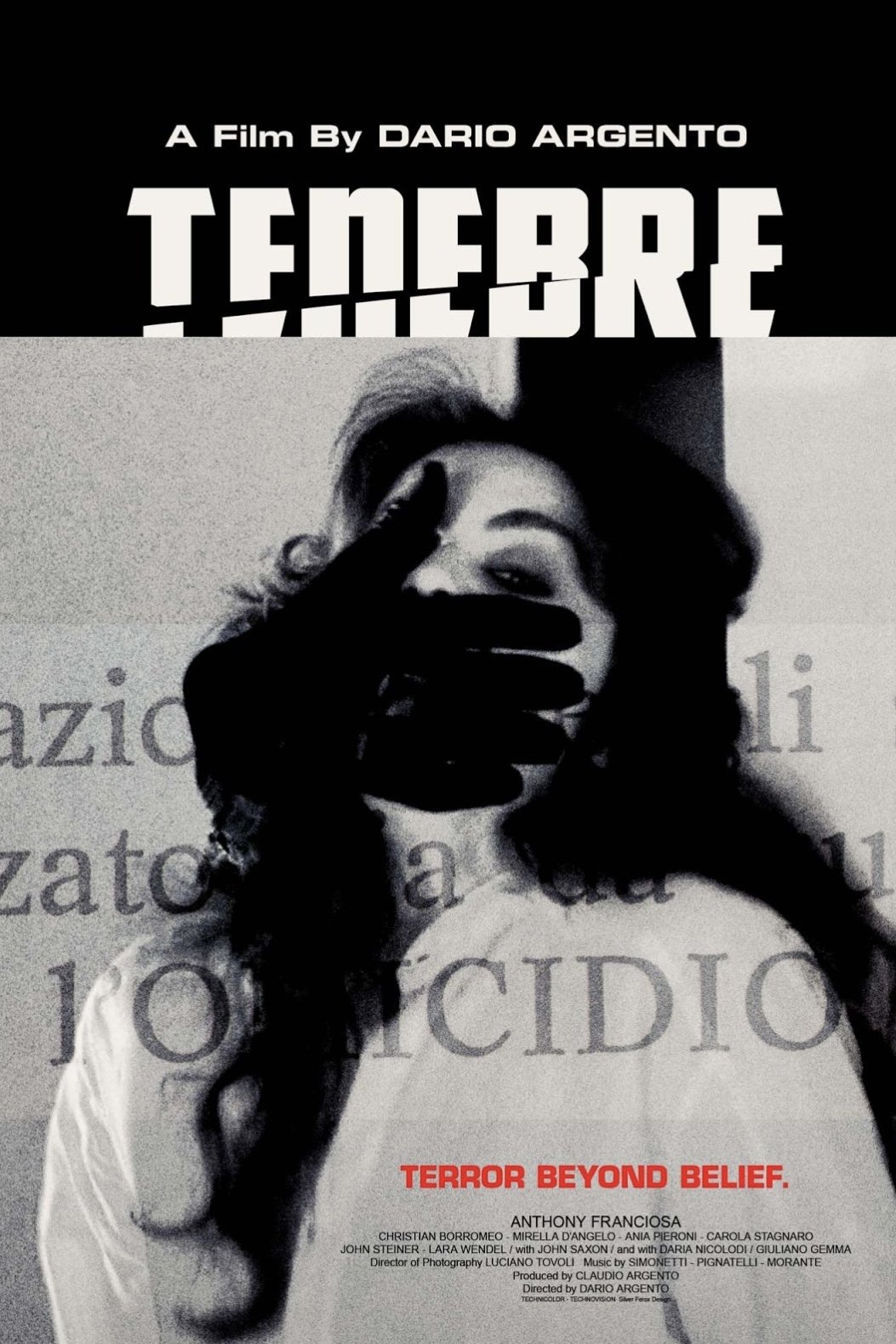
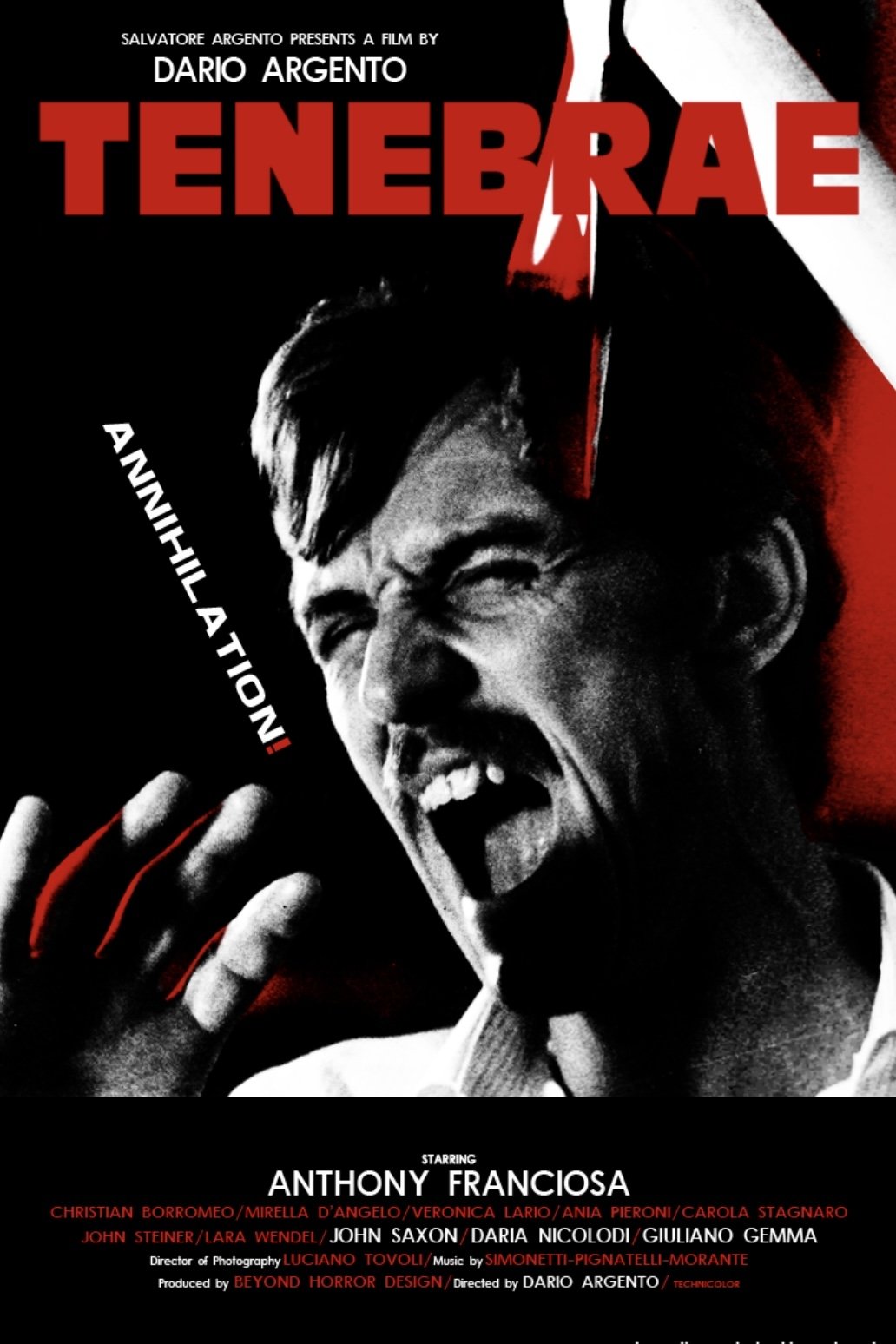
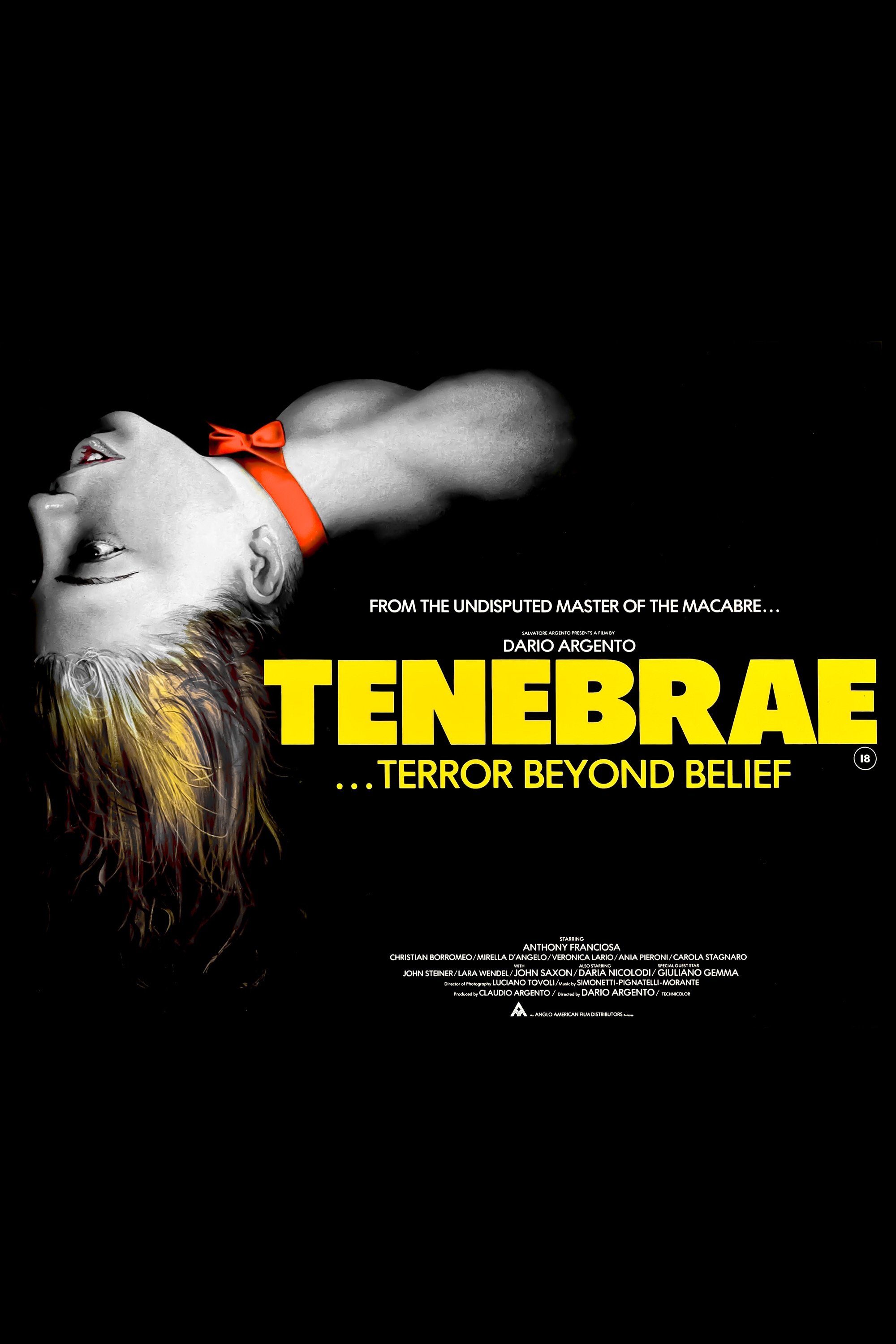
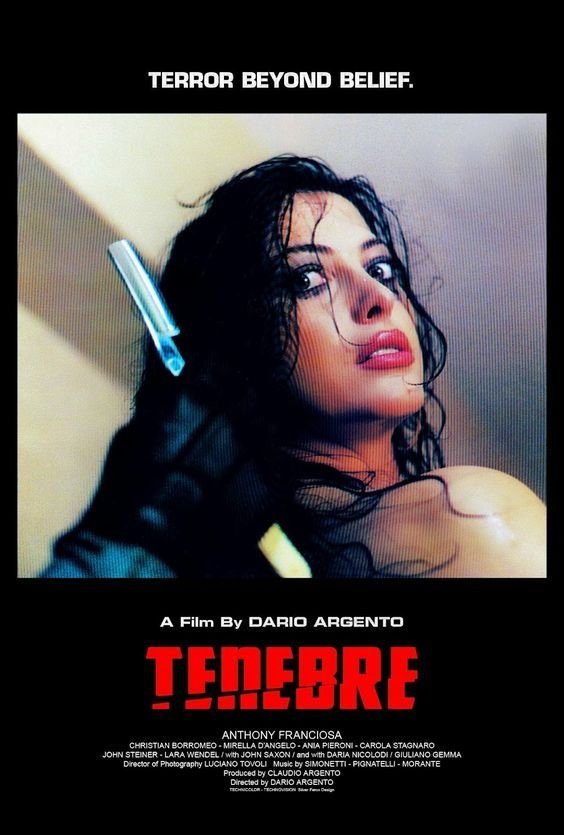
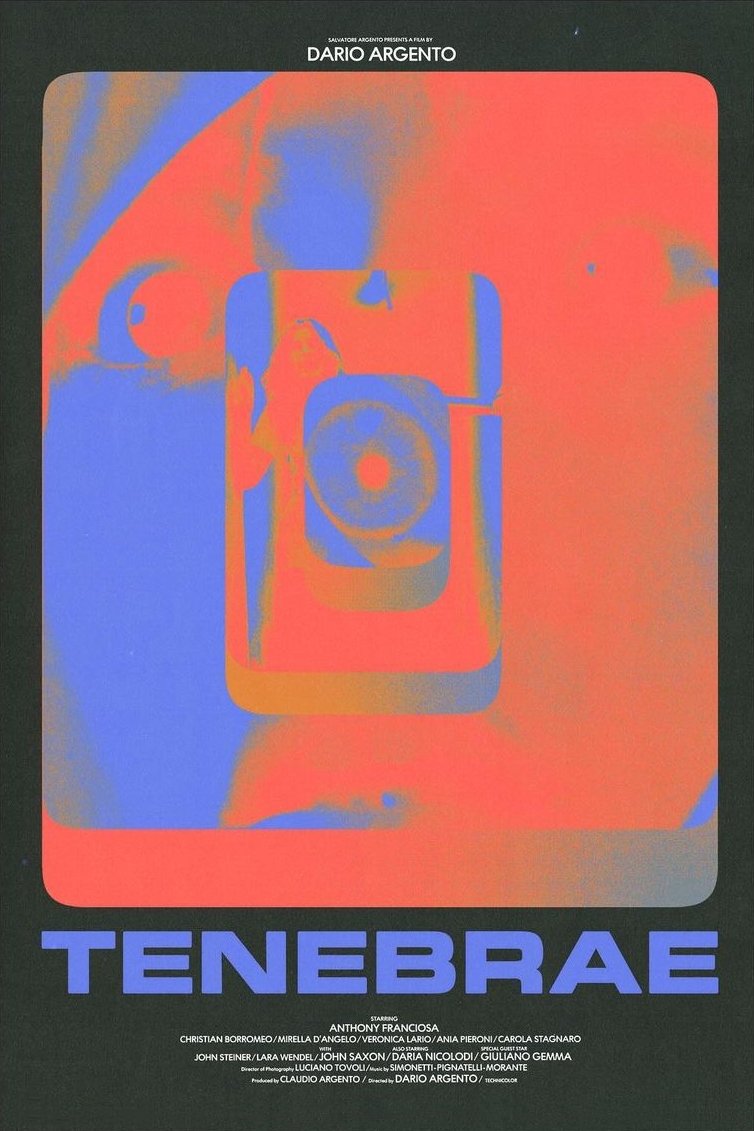
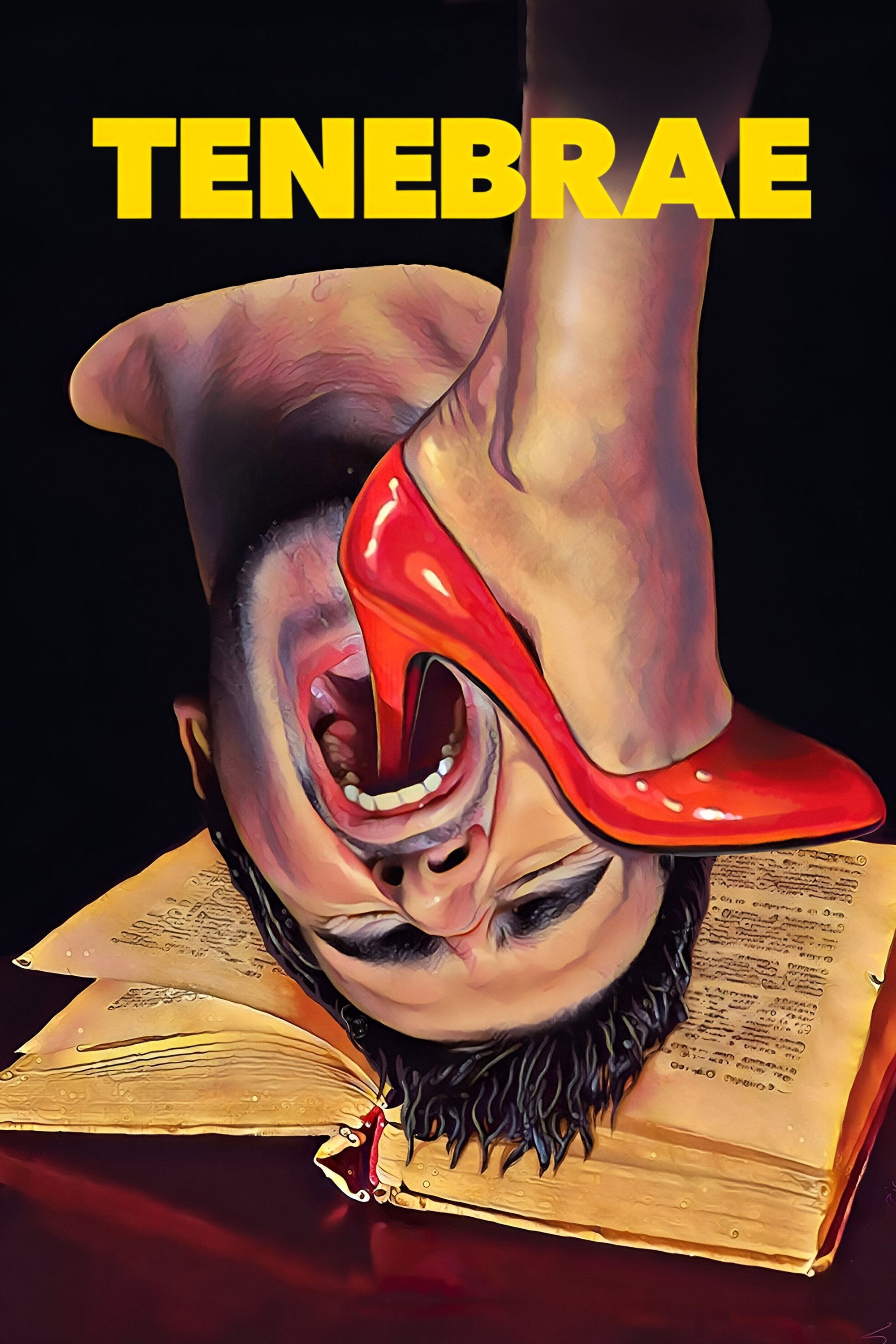
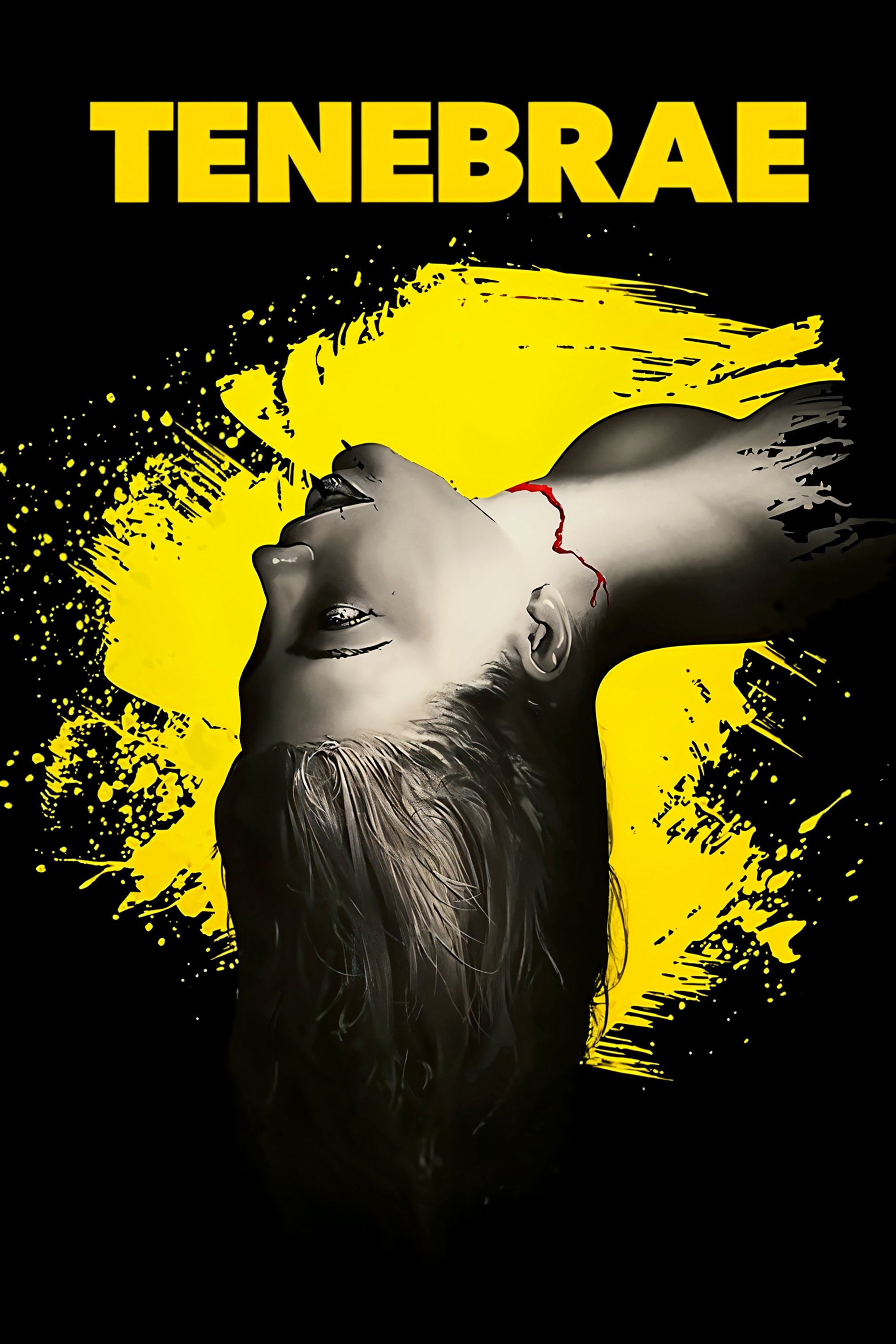
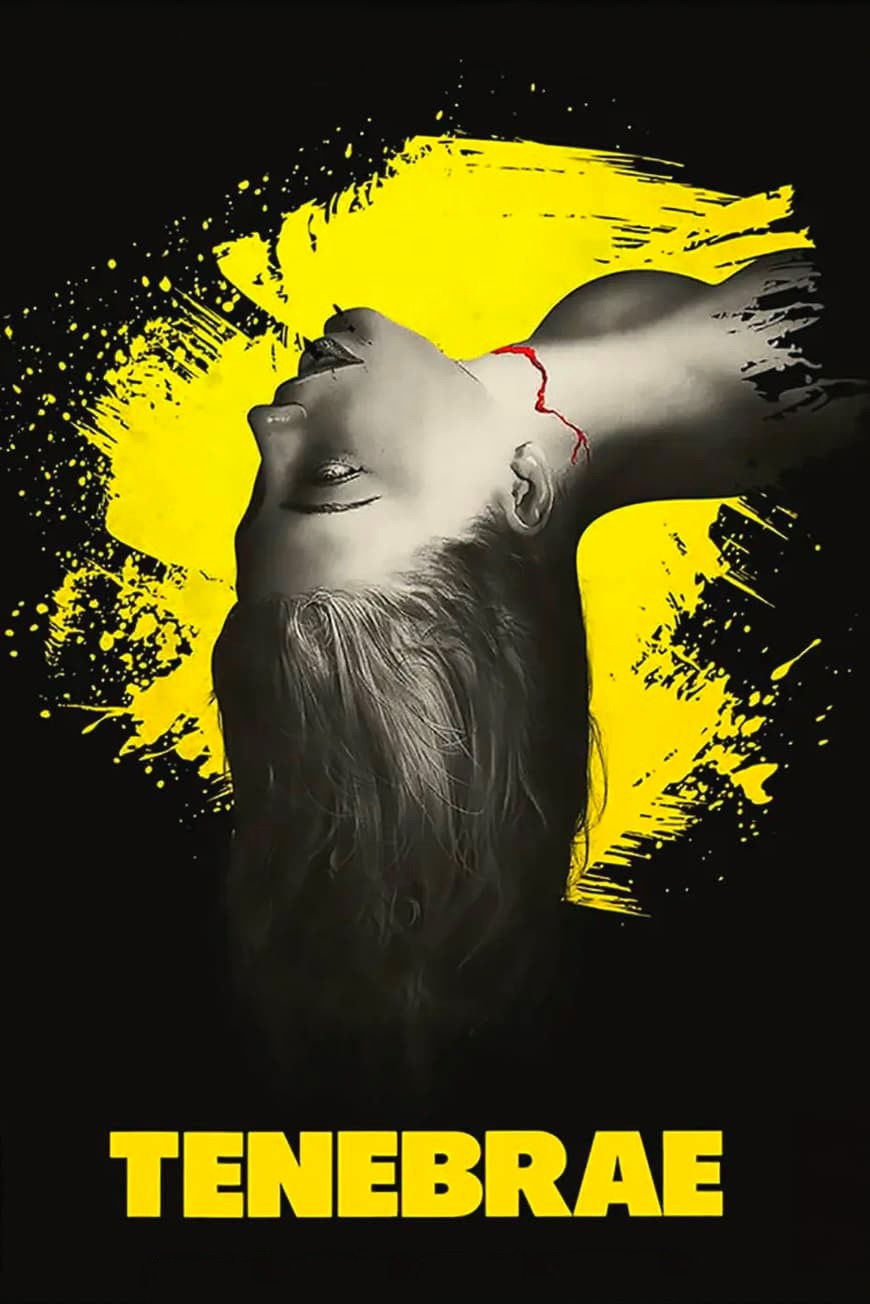
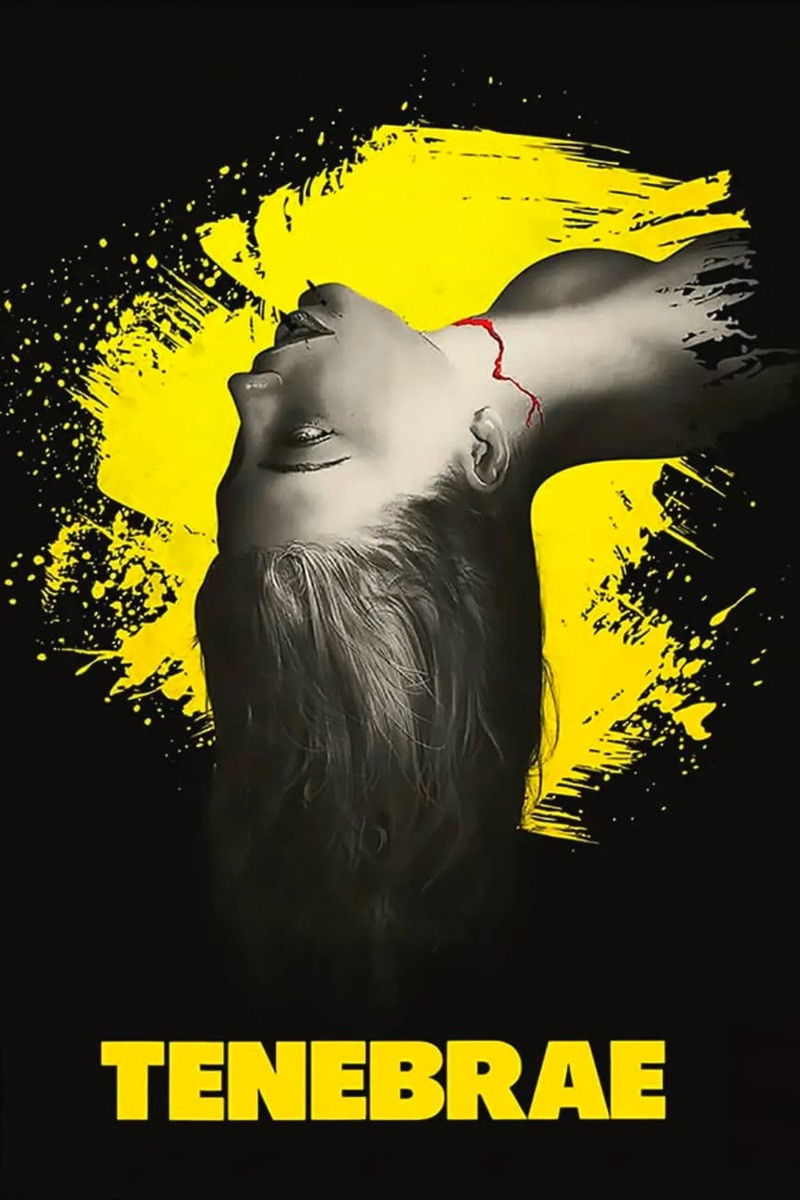
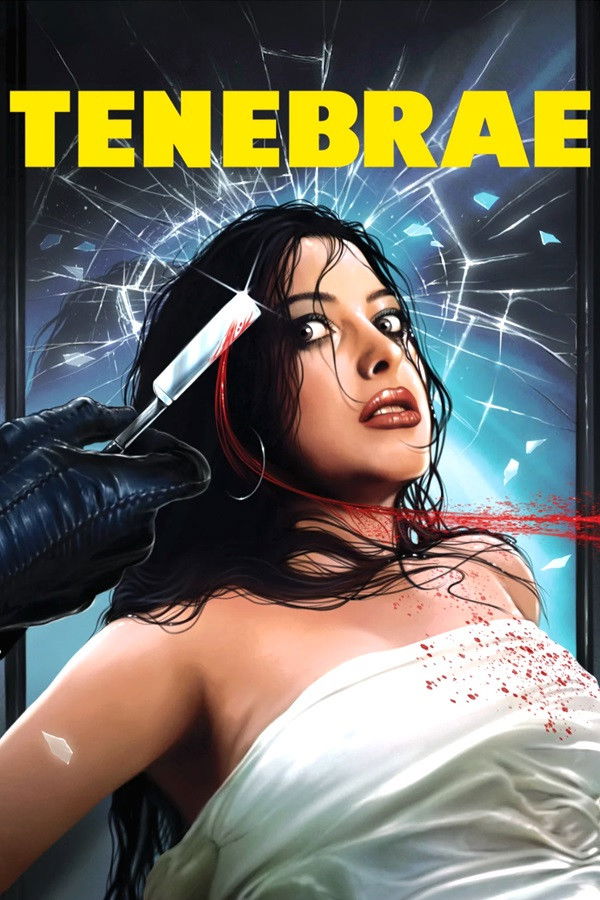
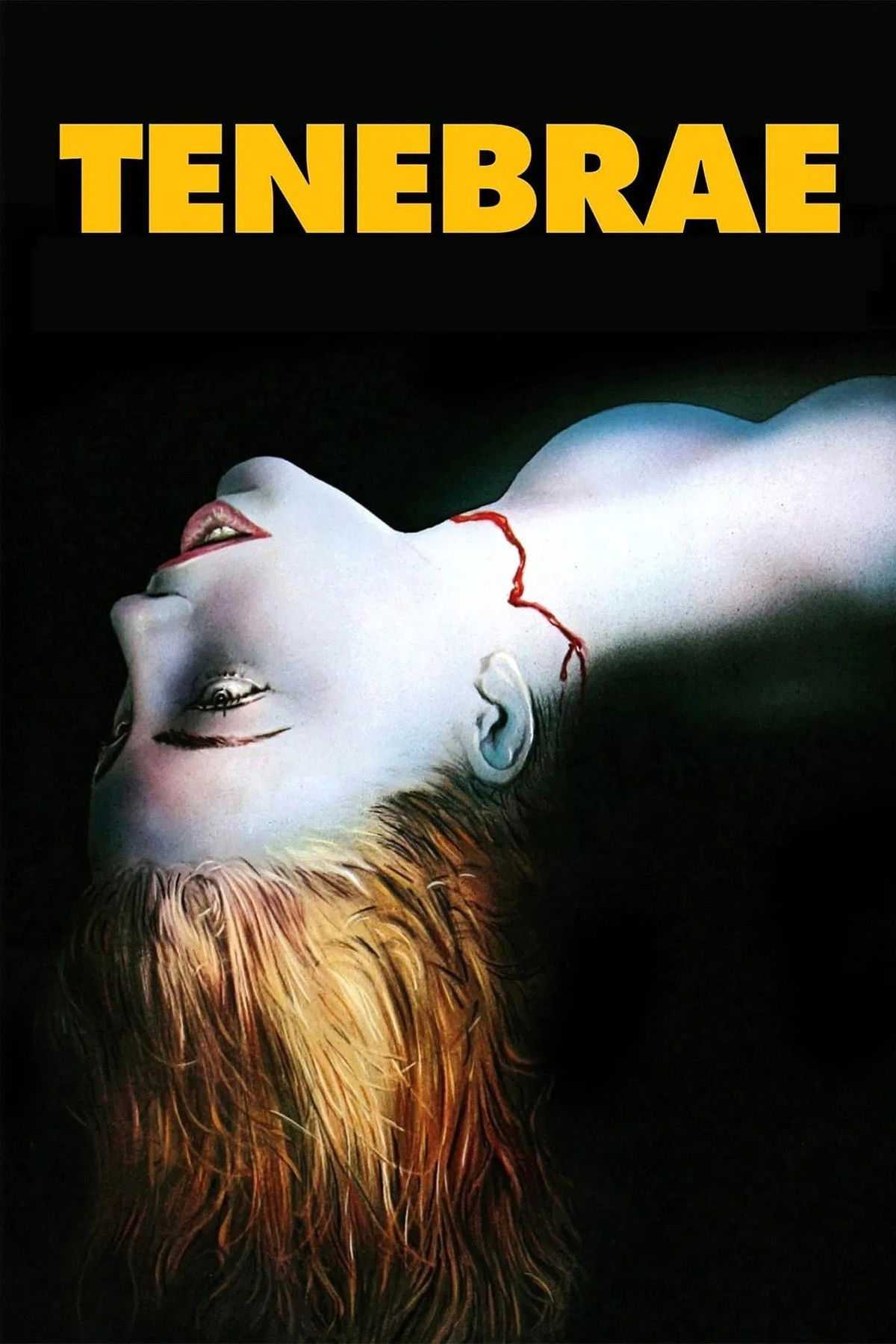
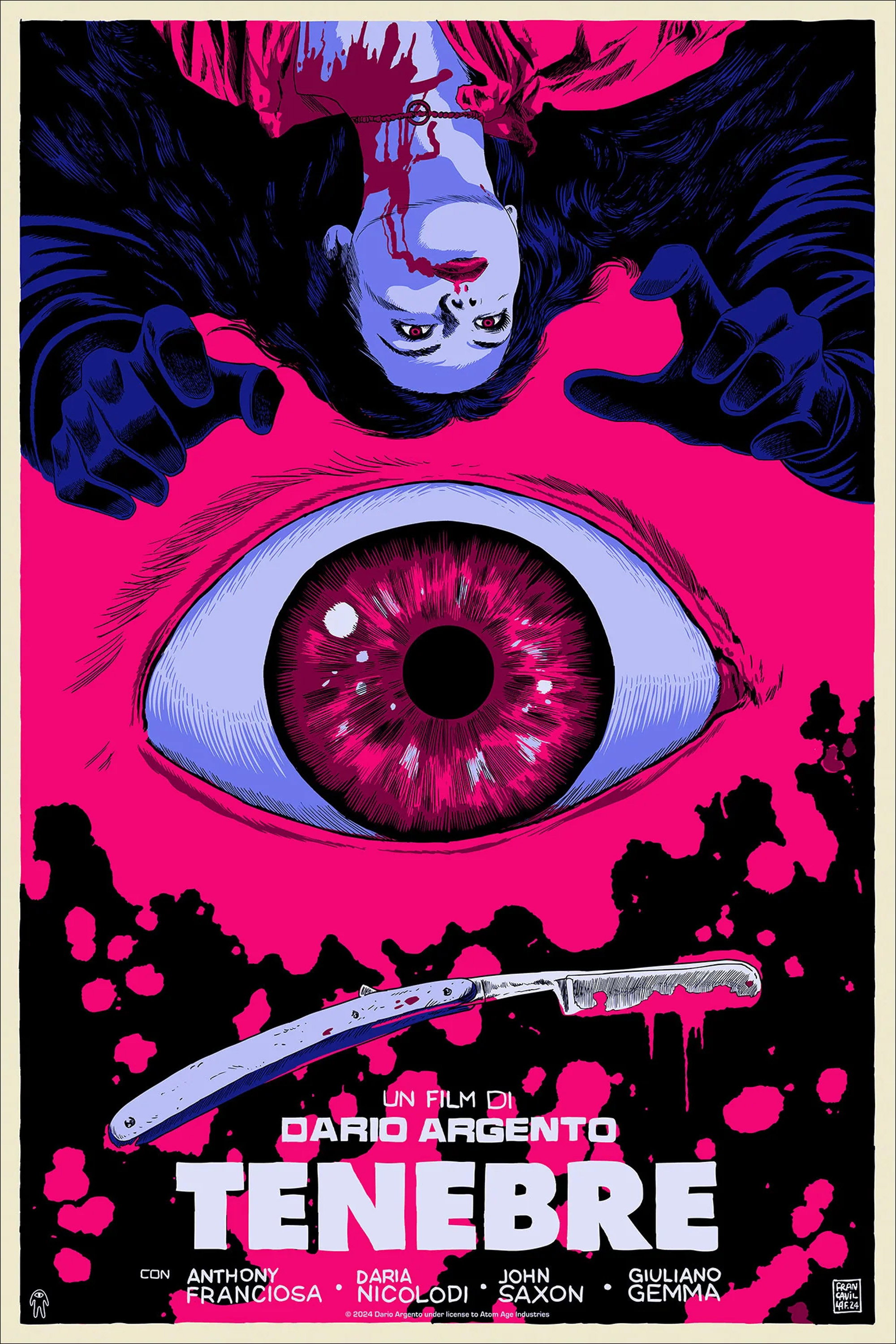
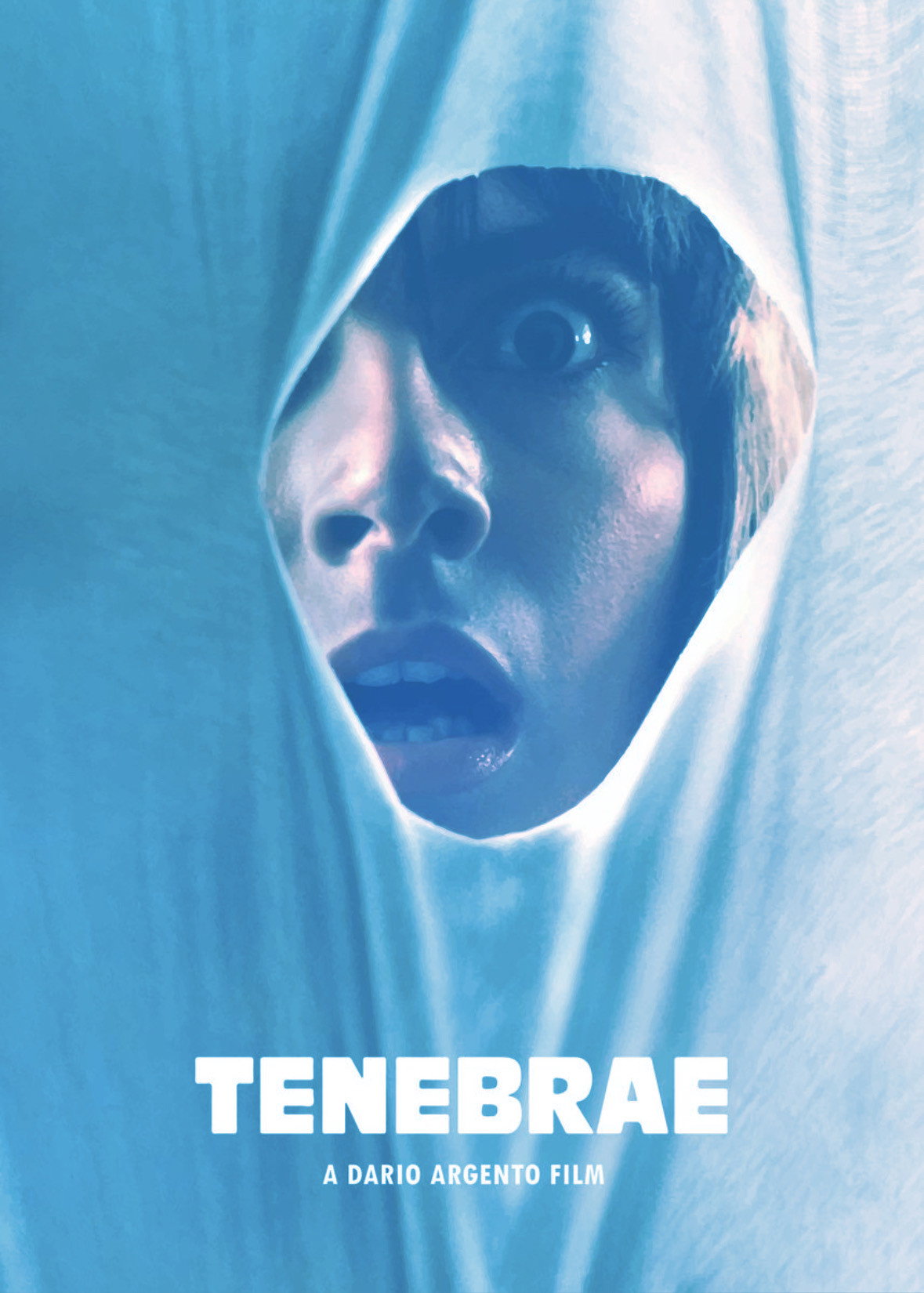
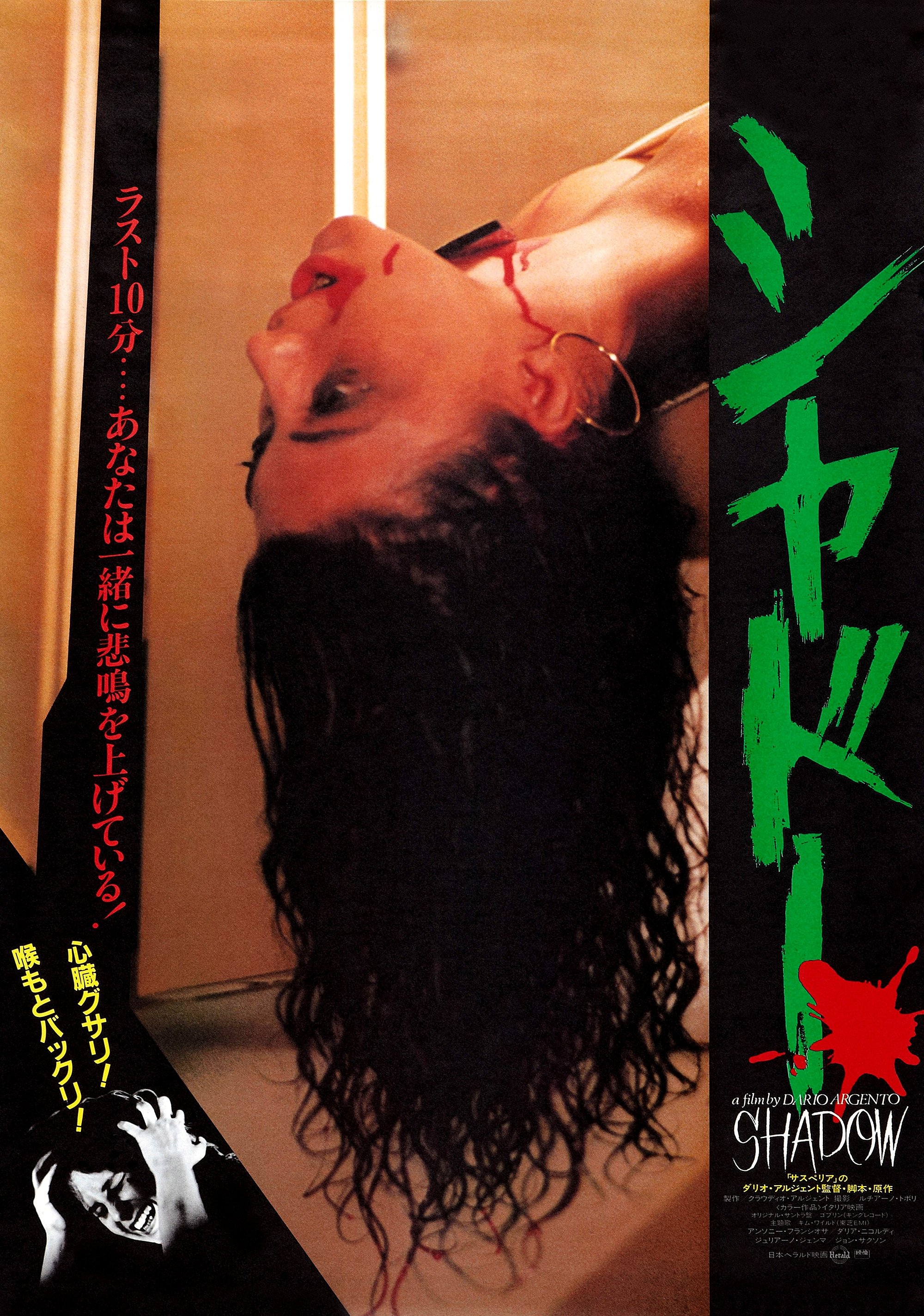
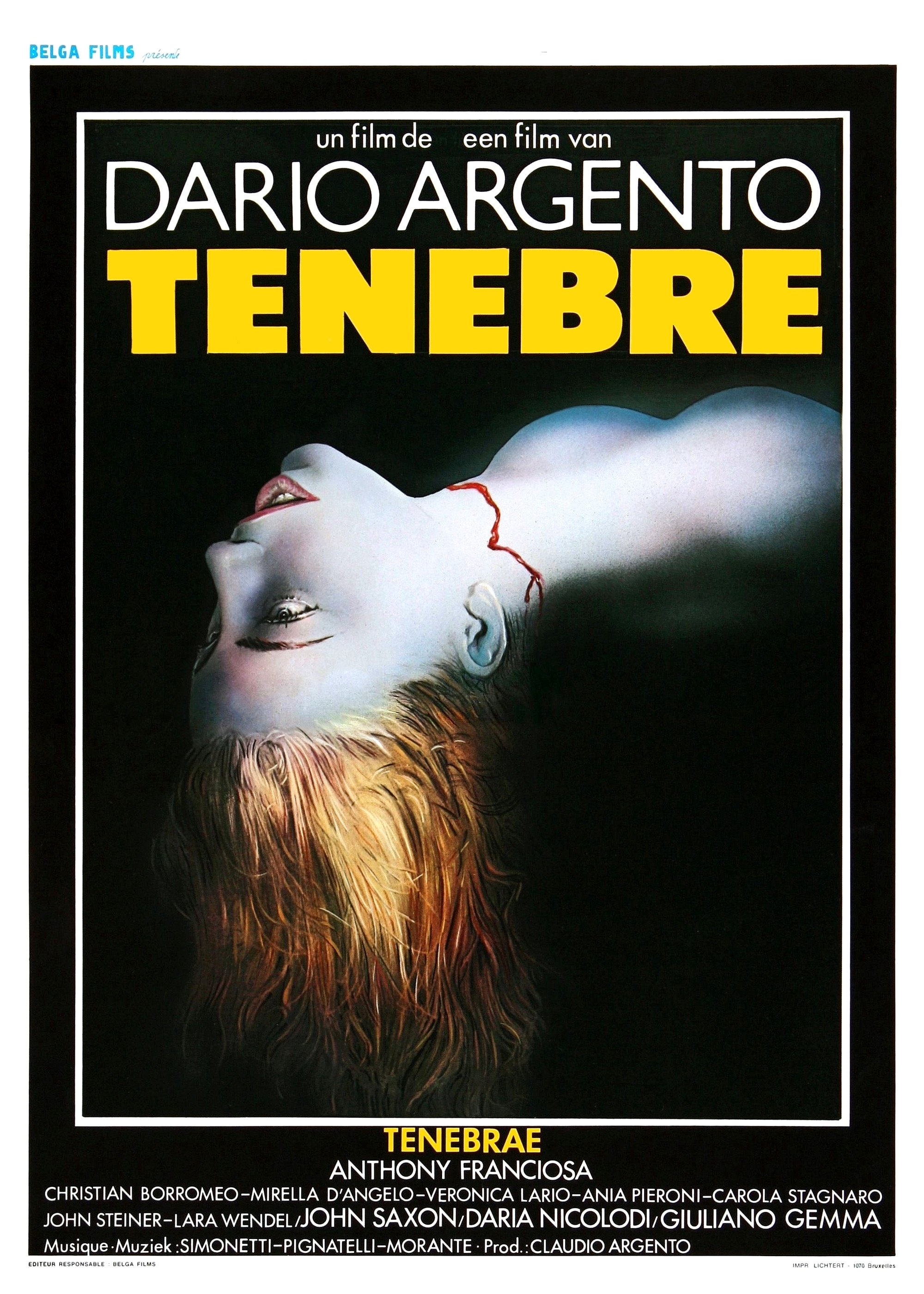
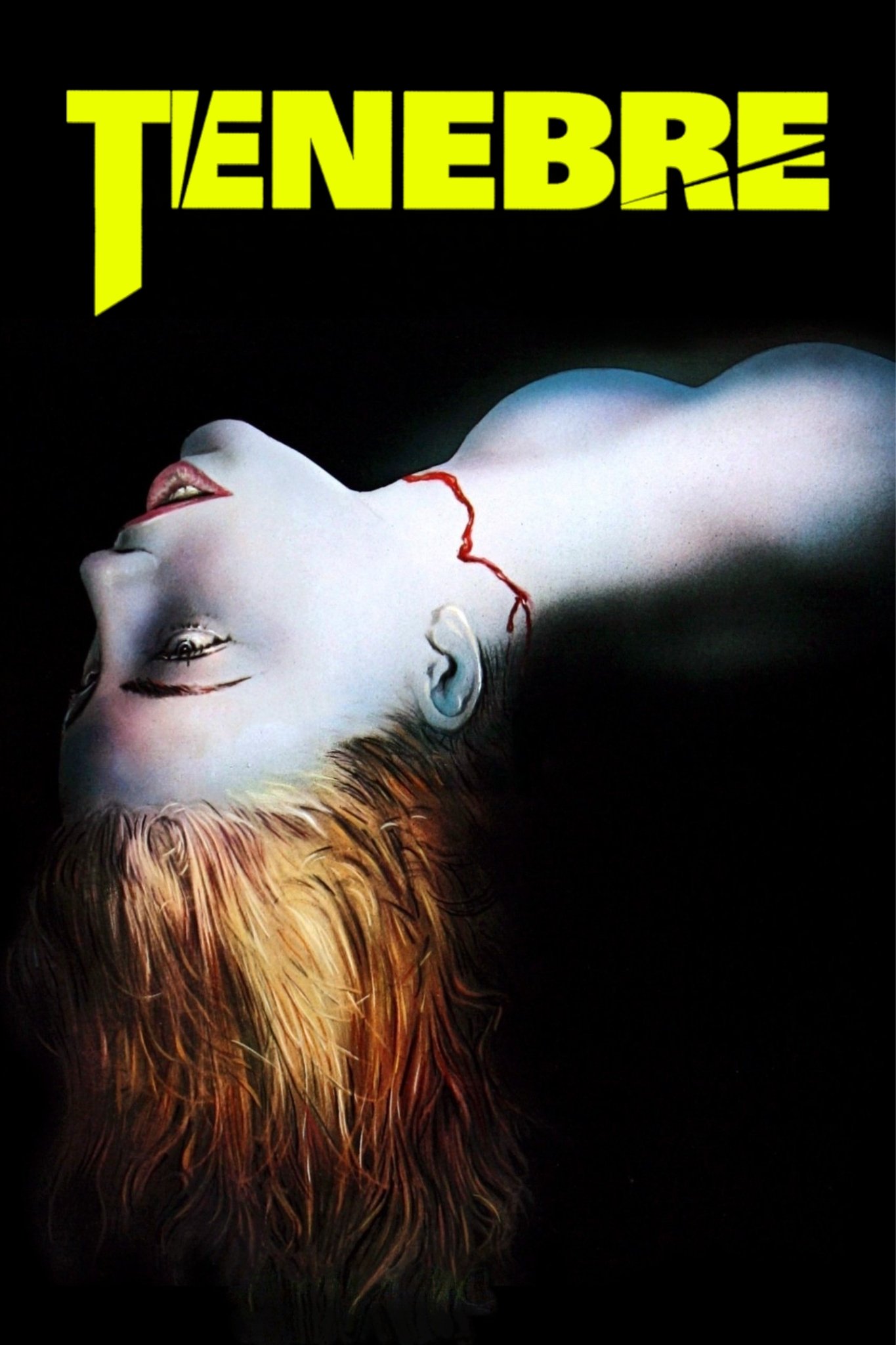
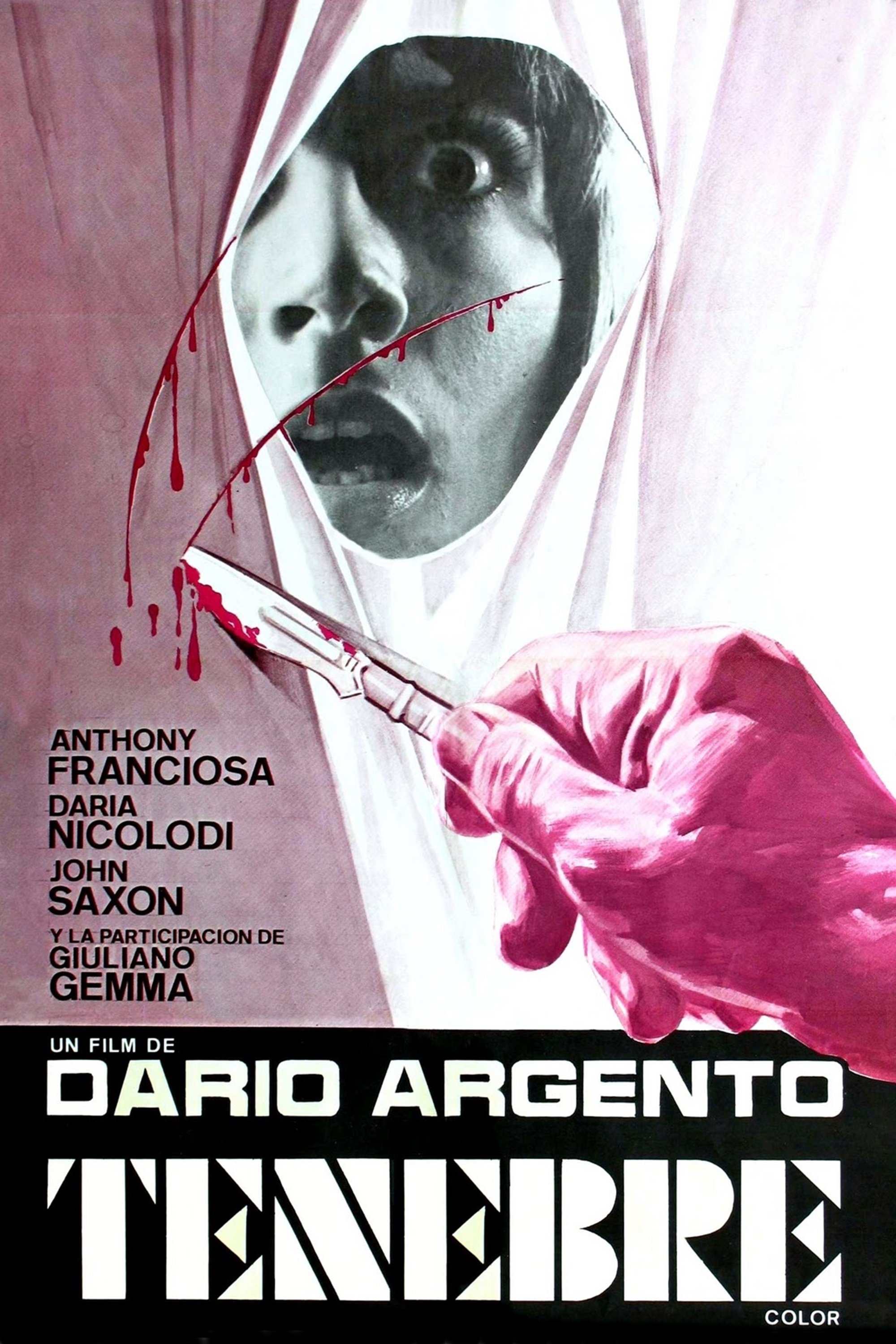
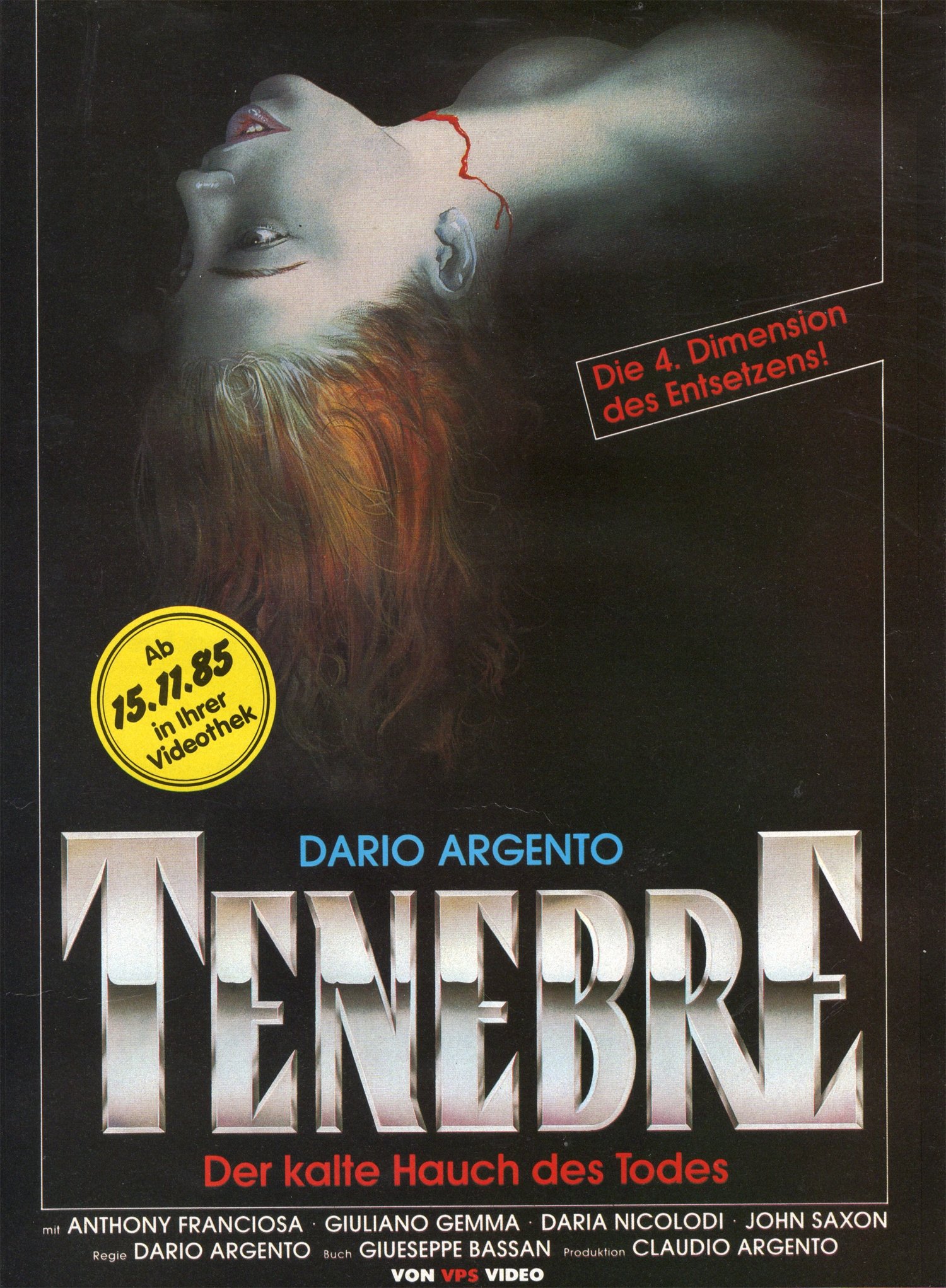
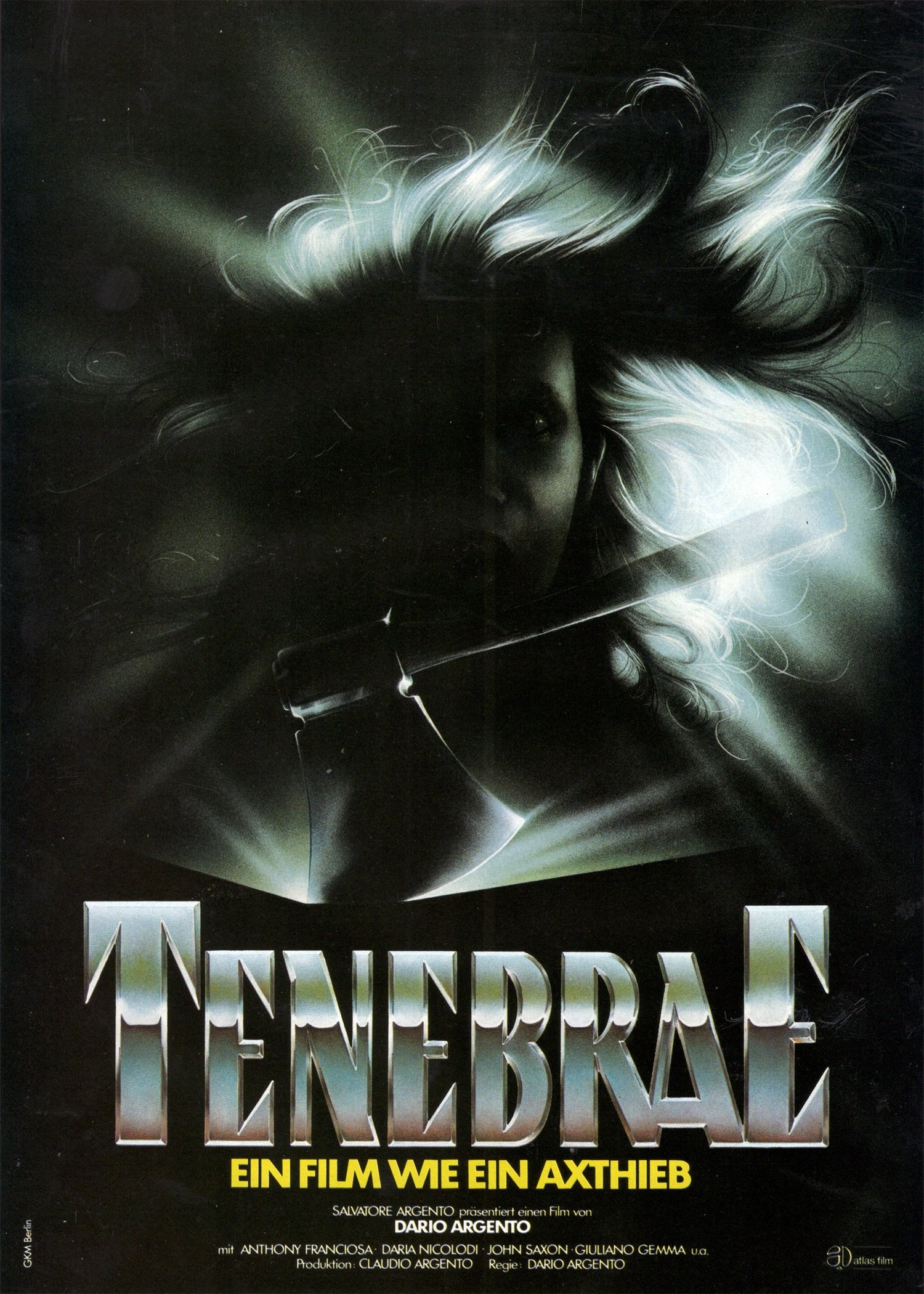
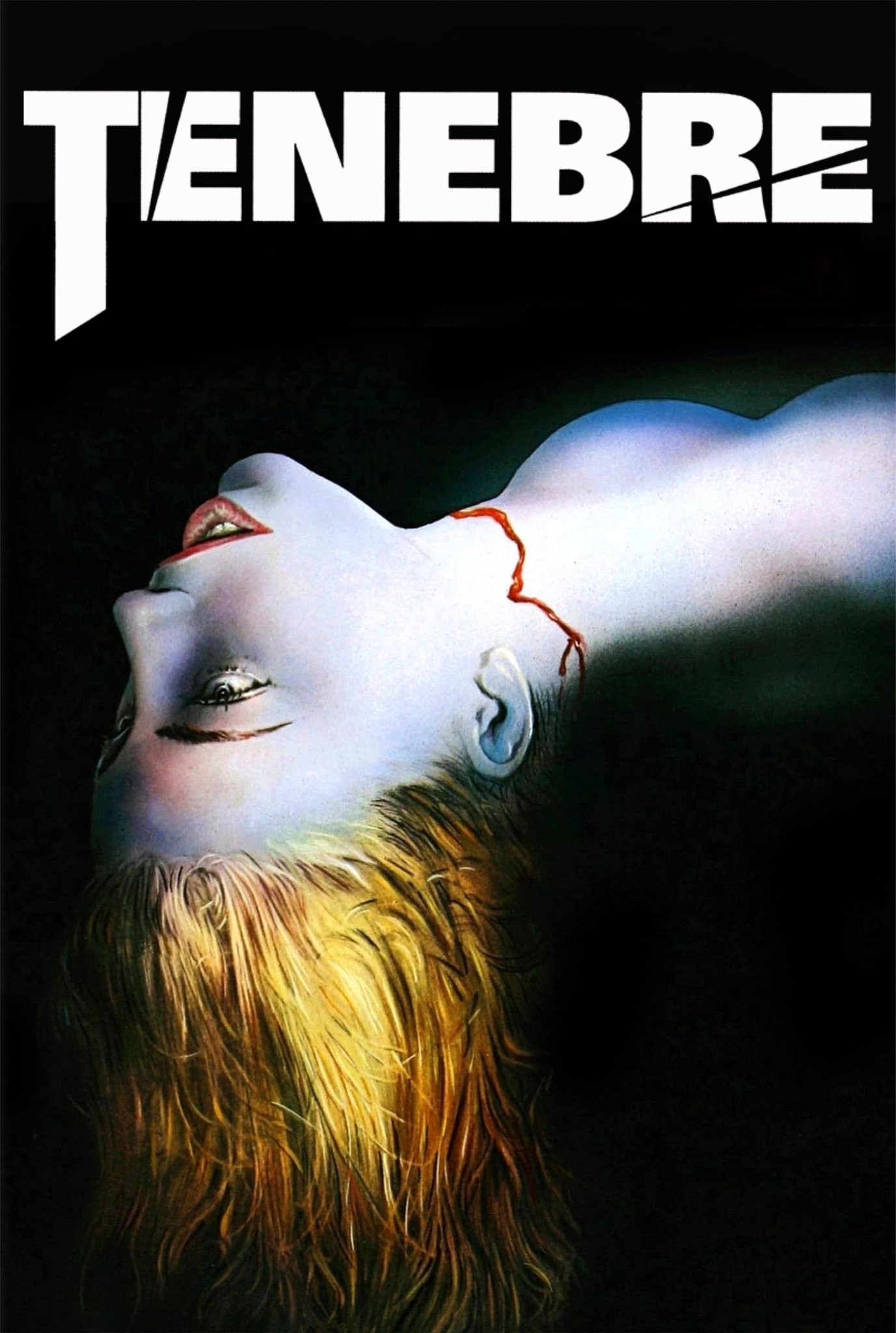
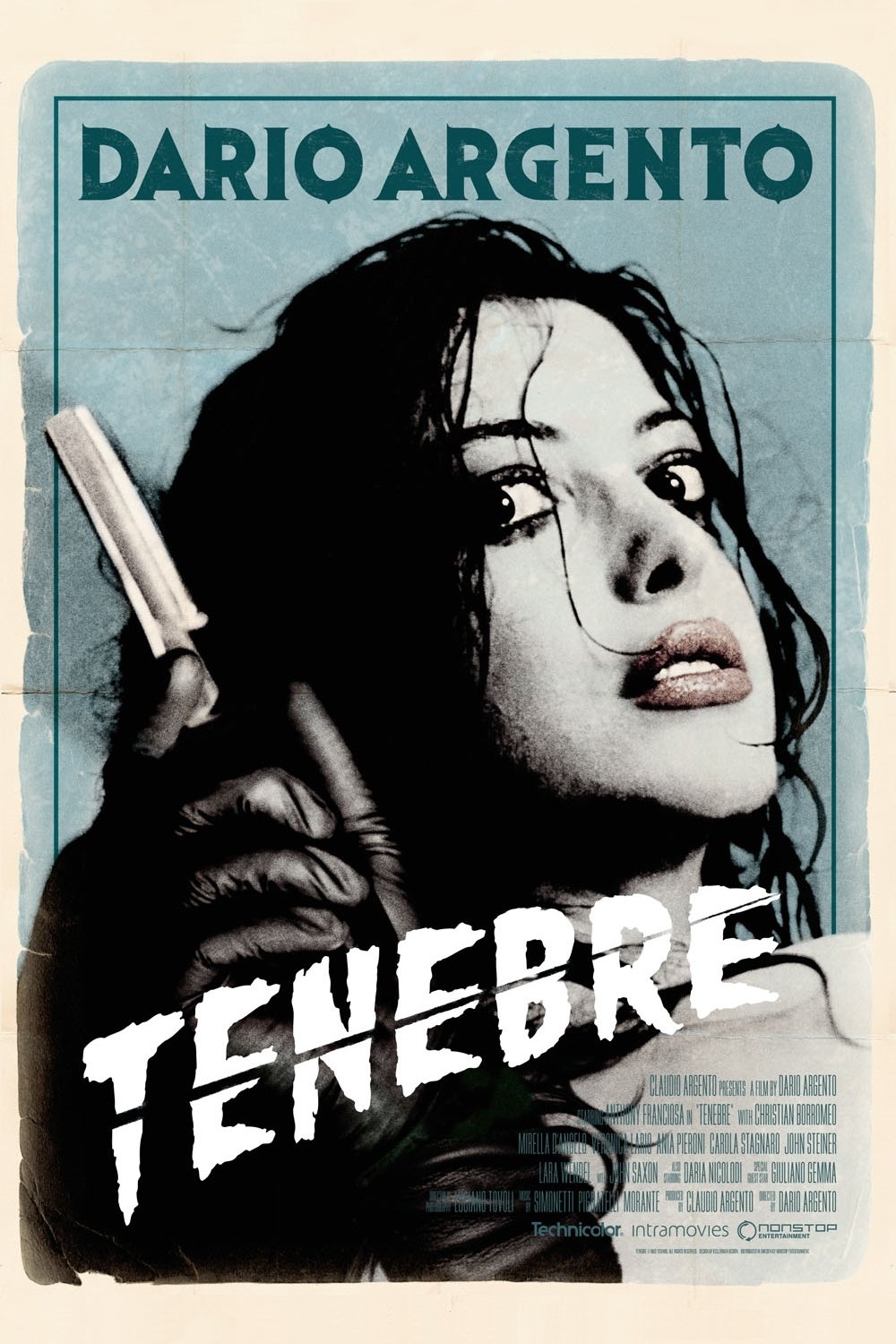
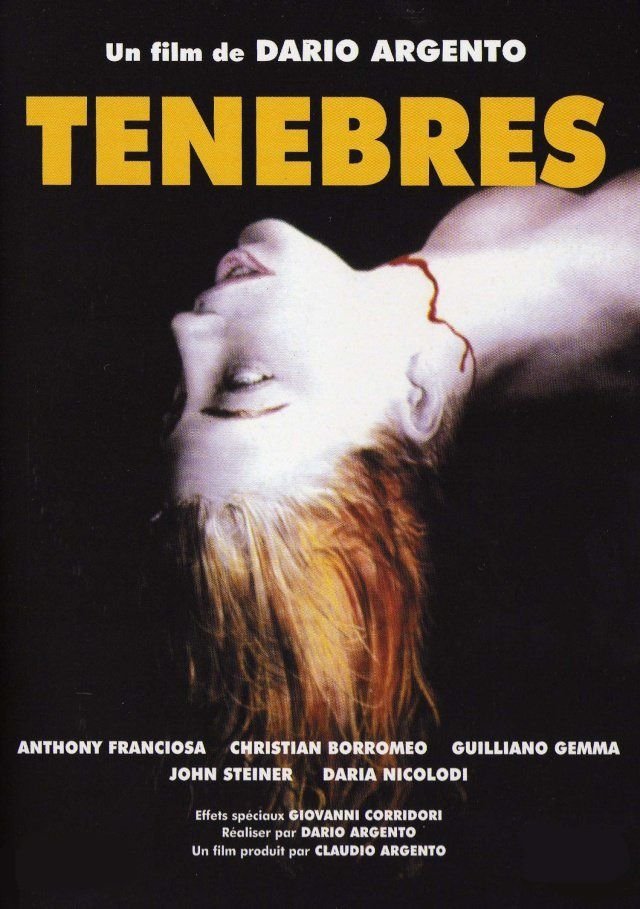
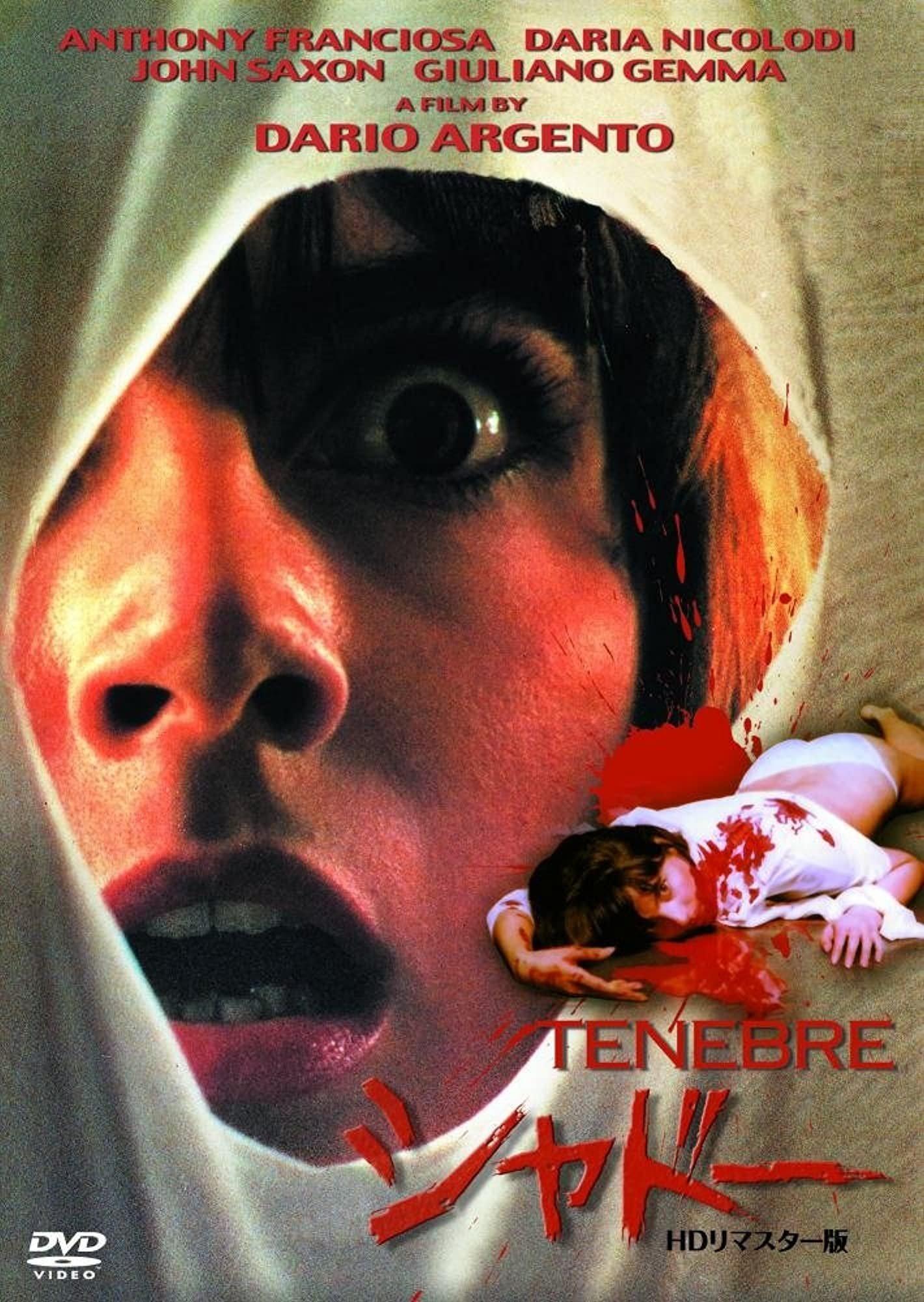
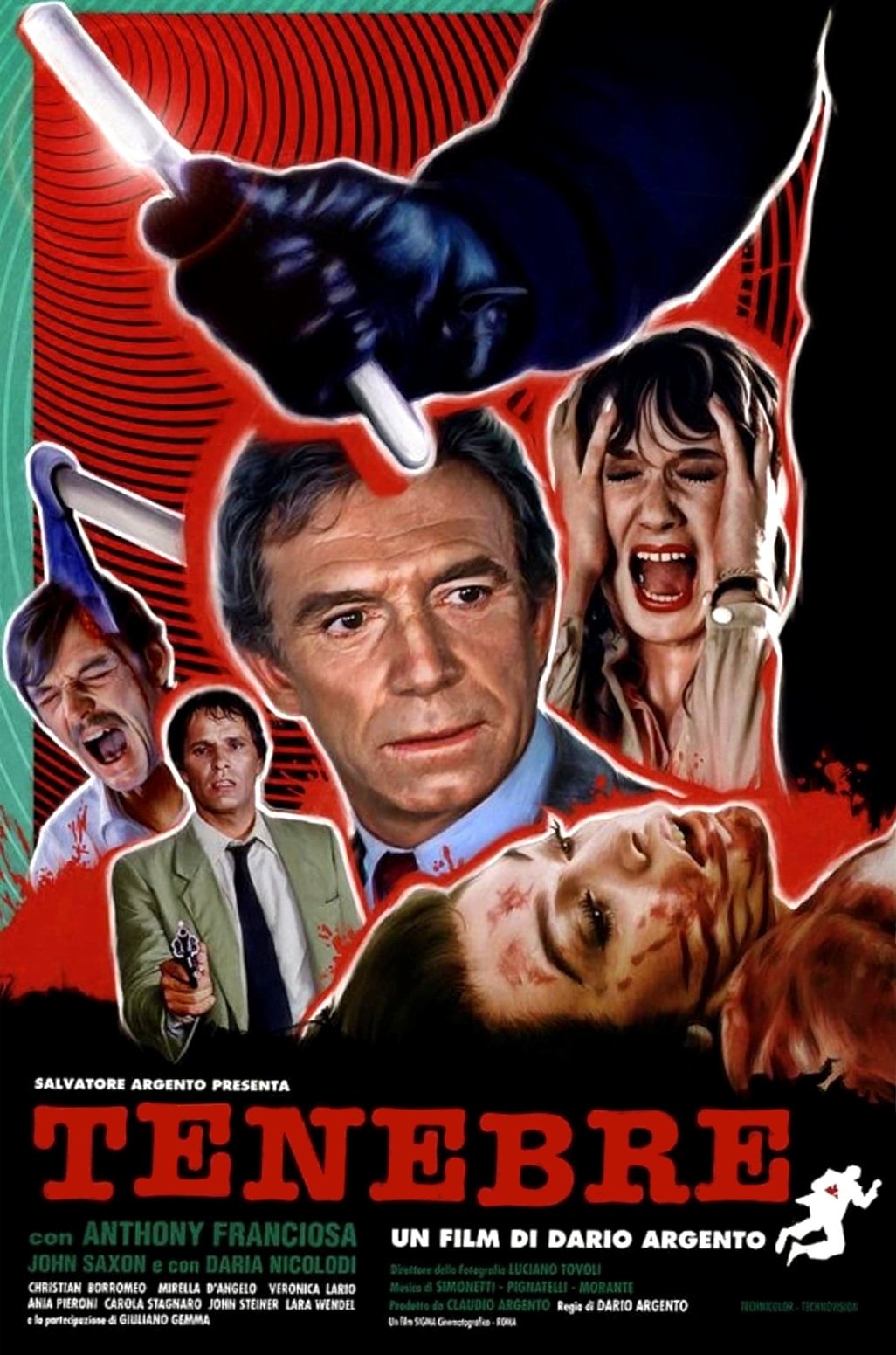
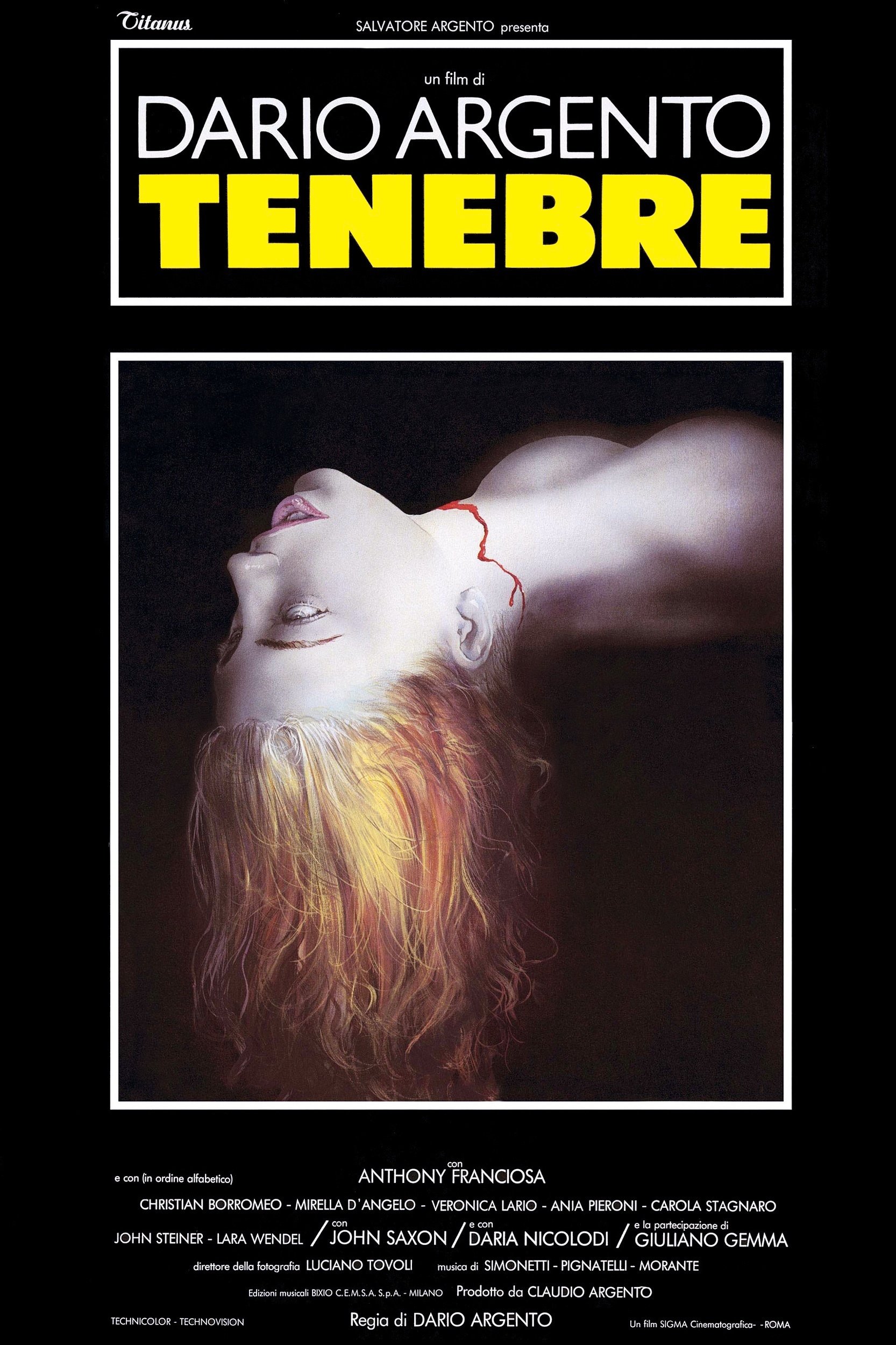
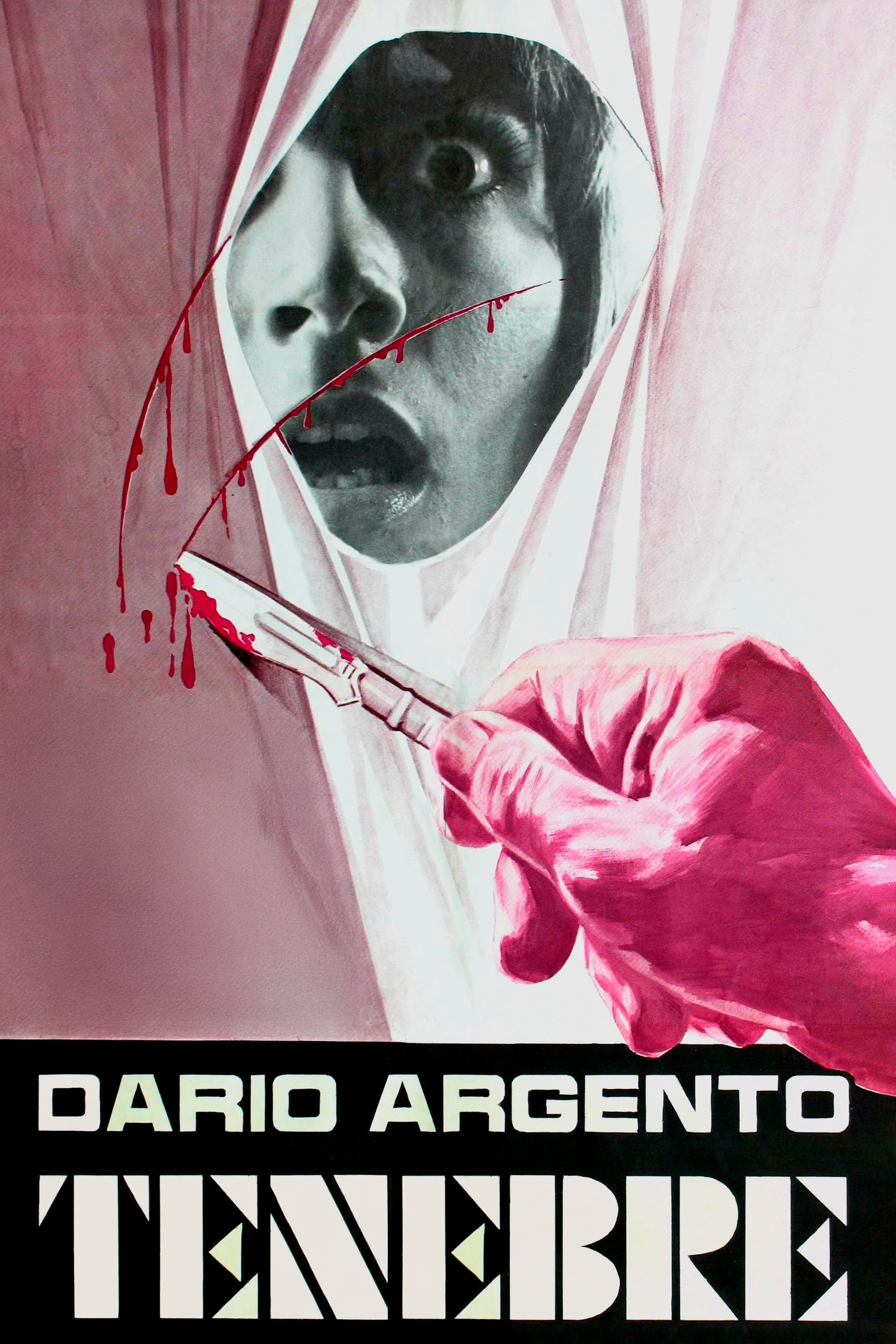
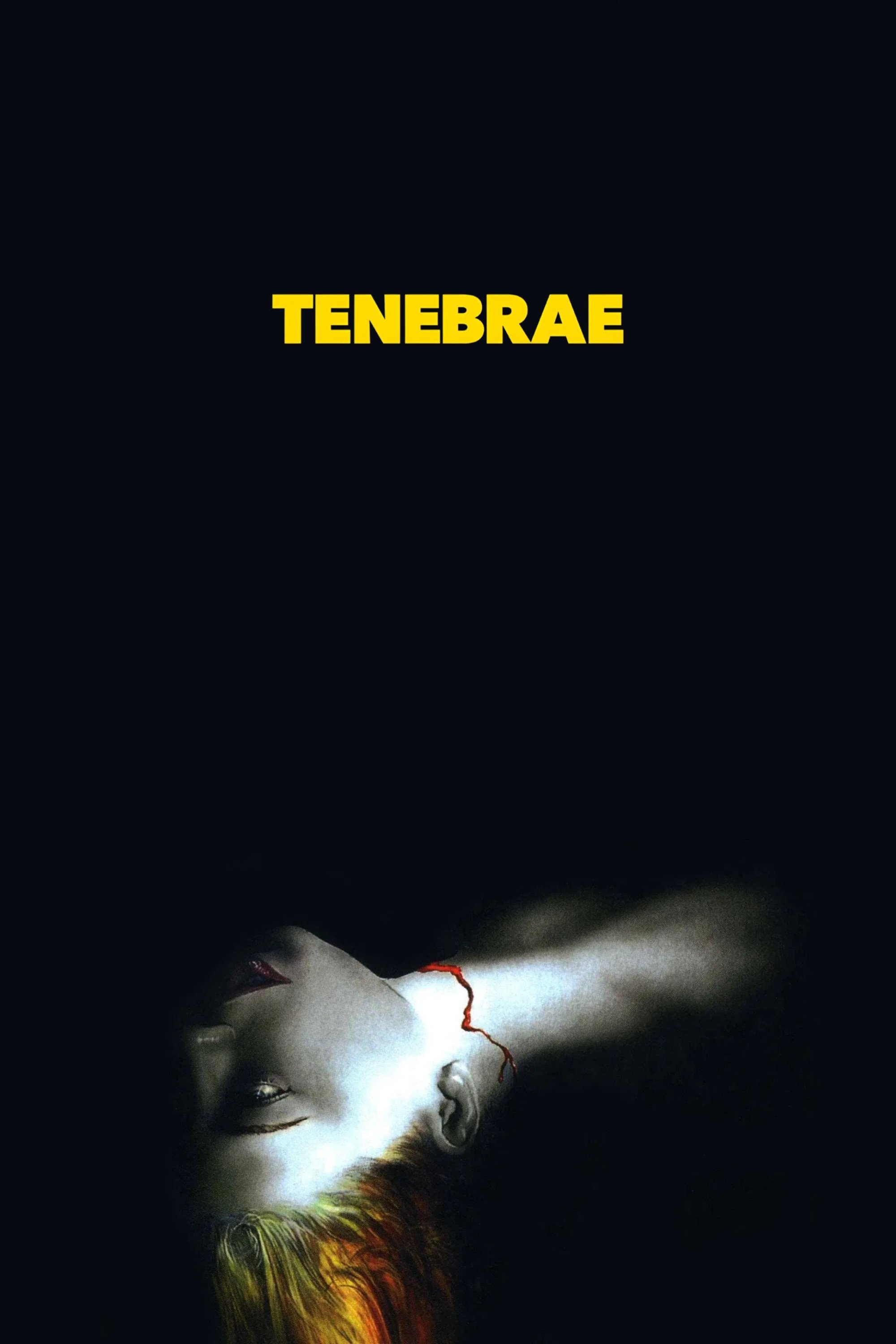
Tenebrae (1982) poster
Director
Production Company
Produzioni Intersound
Plot

An American writer in Rome is stalked by a serial killer bent on harassing him while killing all people associated with his work on his latest book.

Alternative Titles
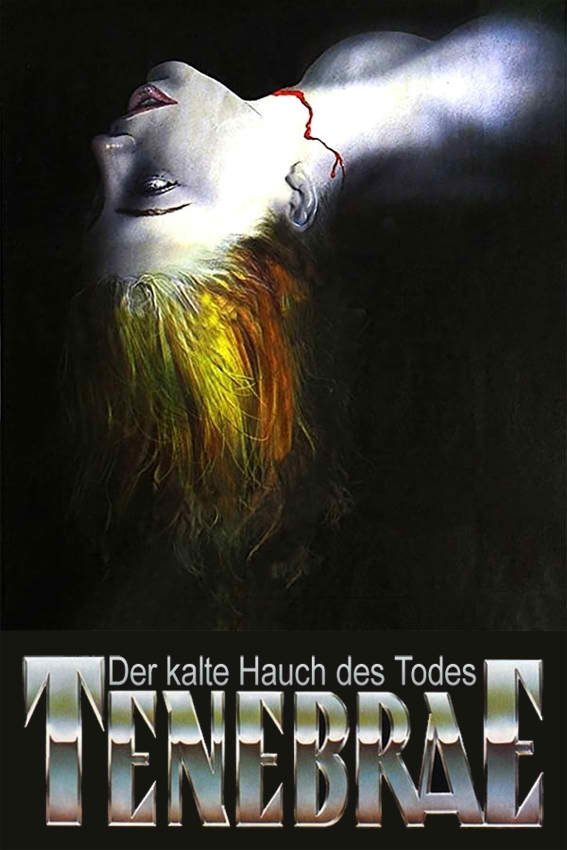
Tinieblas (Argentina) 黑暗 (China) — Chinese Temnota (Czechia) — Czech Tenebrae: Zone des Schreckens (Germany) Tenebre - Der kalte Hauch des Todes (Germany) Terror uden grænser (Denmark) — Danish Pelkoa ei voi Paeta (Finland) Ténèbres (France)
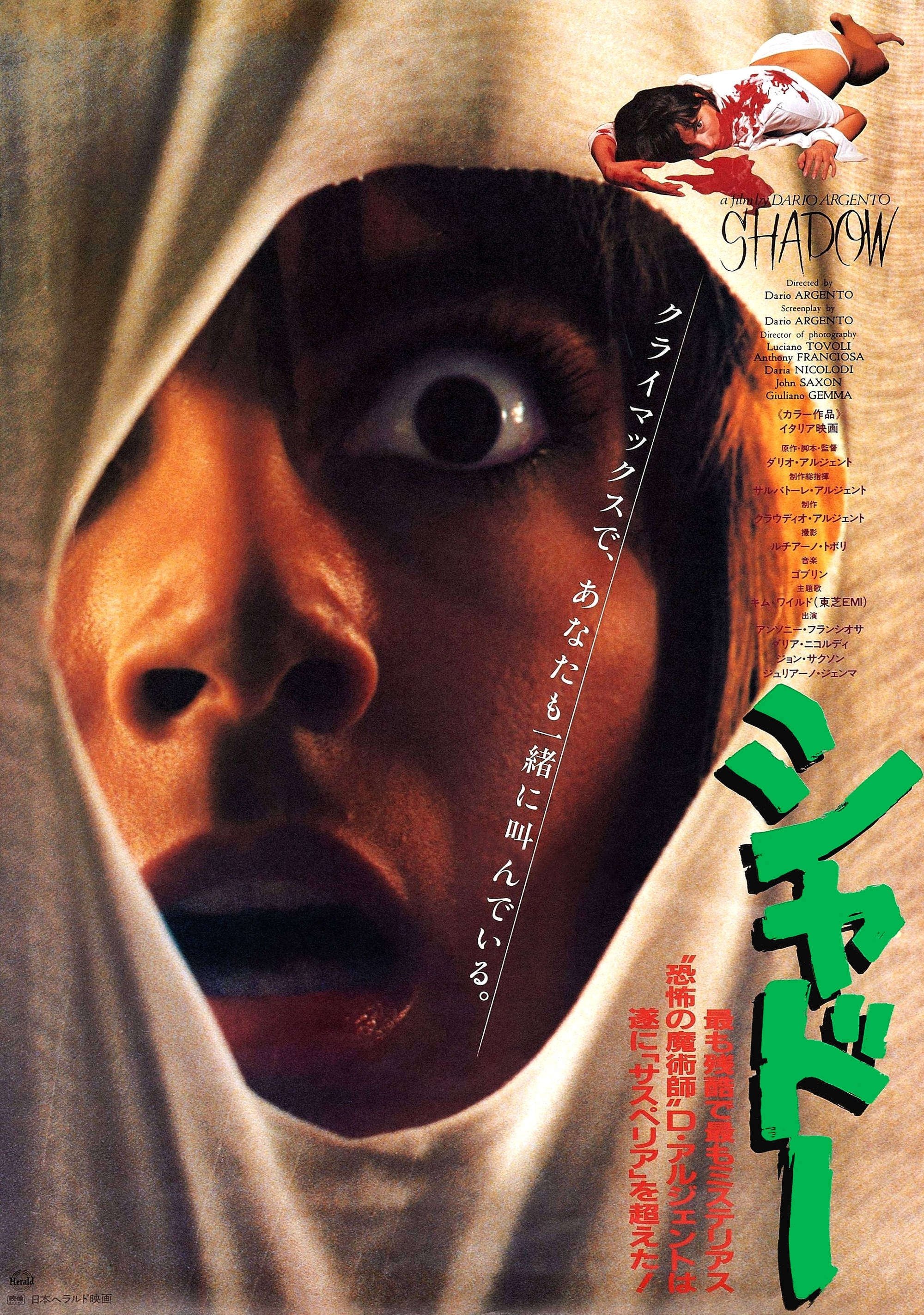
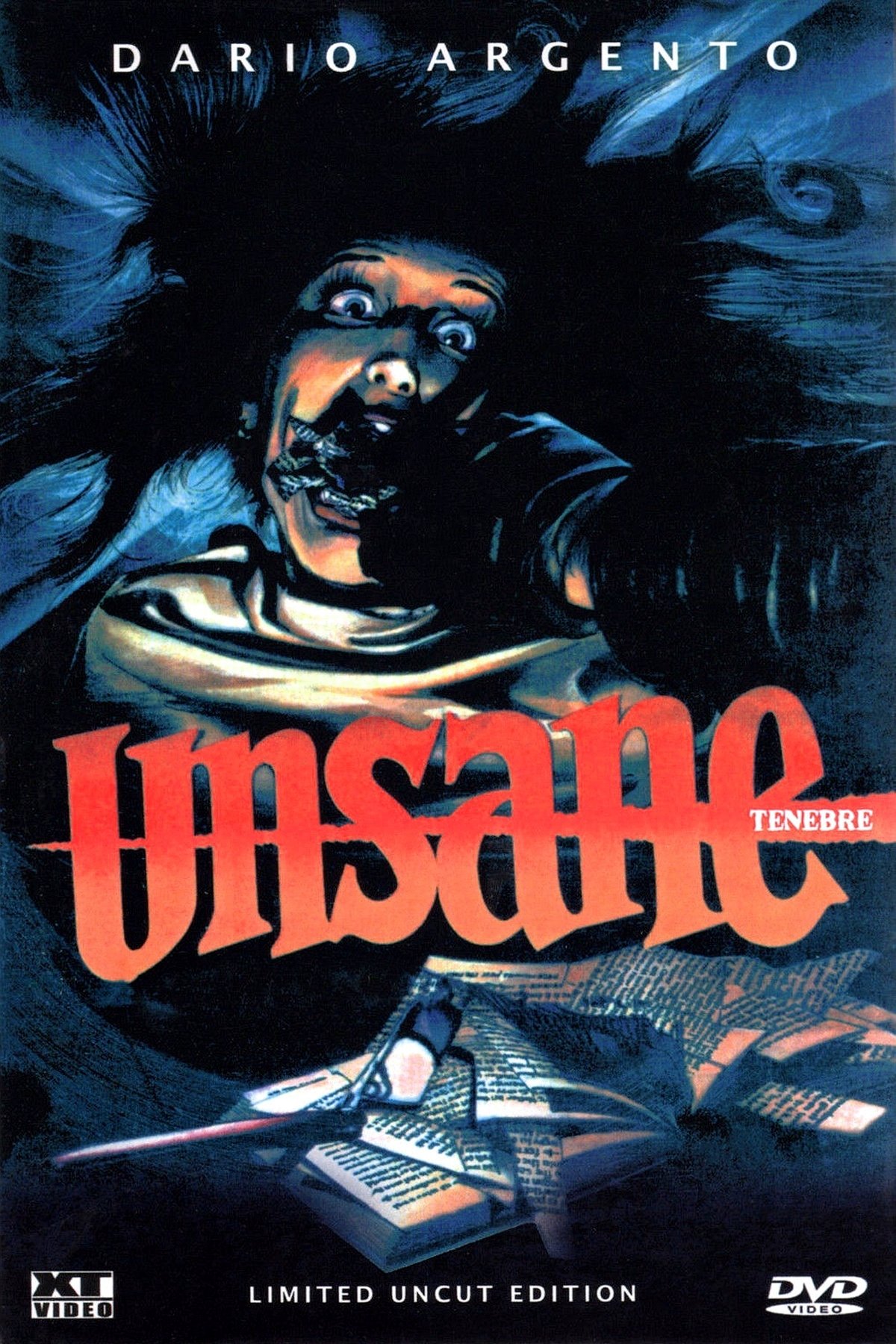
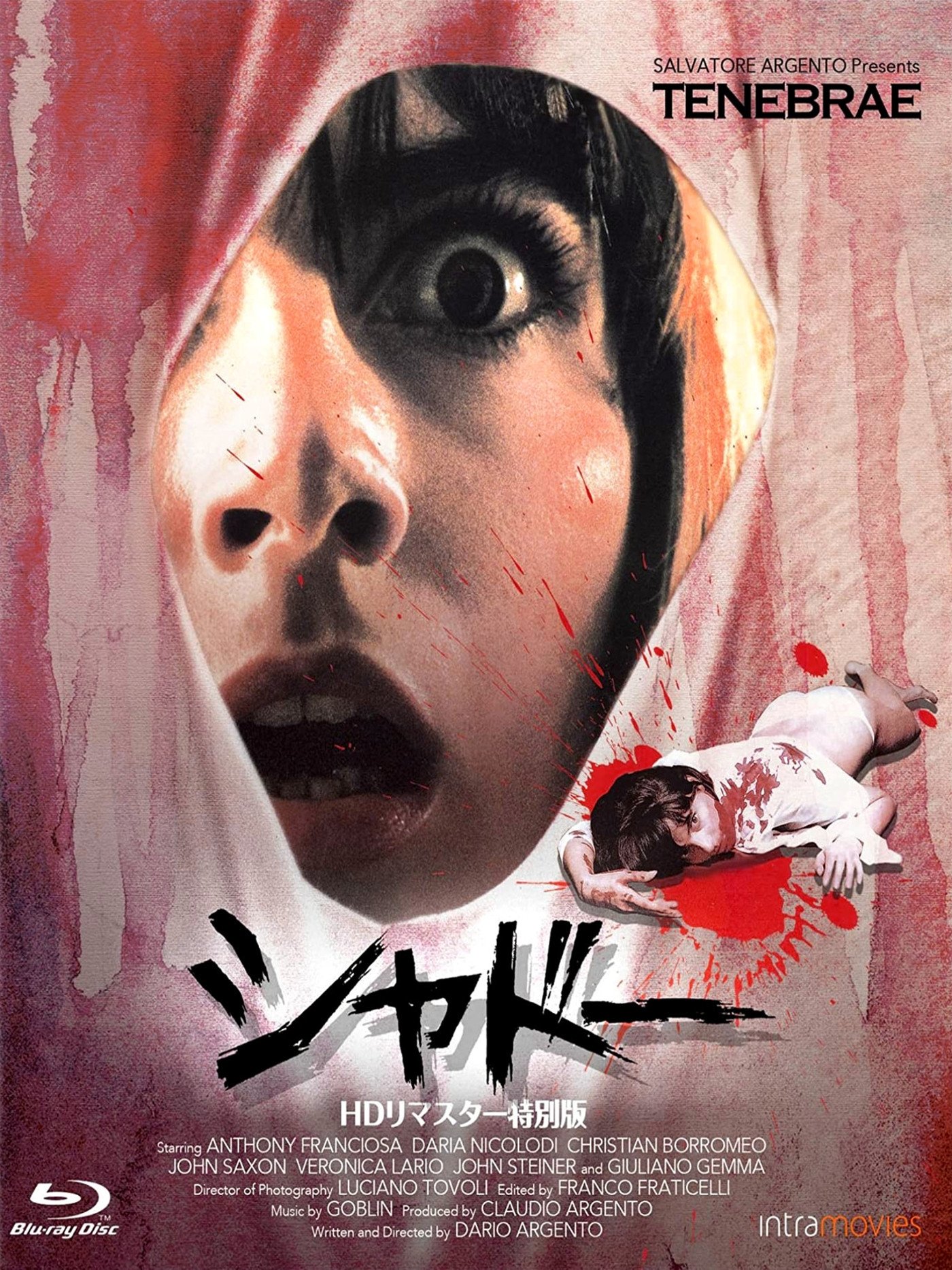
Show all 25 alternative titles Shadows (Greece) — DVD title Τένεμπρε, ο Παρανοϊκός Δολοφόνος (Greece) Τένεμπρε: Ο Παρανοϊκός Δολοφόνος (Greece) — Greek Sötétség (Hungary) — Hungarian Shadow (Japan) シャドー (Japan) — Japanese シャドウ (Japan) 샤도우 (South Korea) 섀도우 (South Korea) — Korean 쉐도우 (South Korea) Ciemności (Poland) — Polish Дрожь (Russia) — Russian Ölümün Sesi (Türkiye) — Turkish 黑暗 (Taiwan) — Chinese Темрява (Ukraine) — Ukrainian Dario Argento's Tenebrae (United States) Unsane (United States) — 1987 home-video release

Trailers & Videos

7 videos

Film Guide & Analysis

Dario Argento's 1982 return to giallo: the personal origins of Tenebrae, Luciano Tovoli's modern Rome and Louma cinematography, practical gore, electronic music, psychological criticism, censorship and restoration.

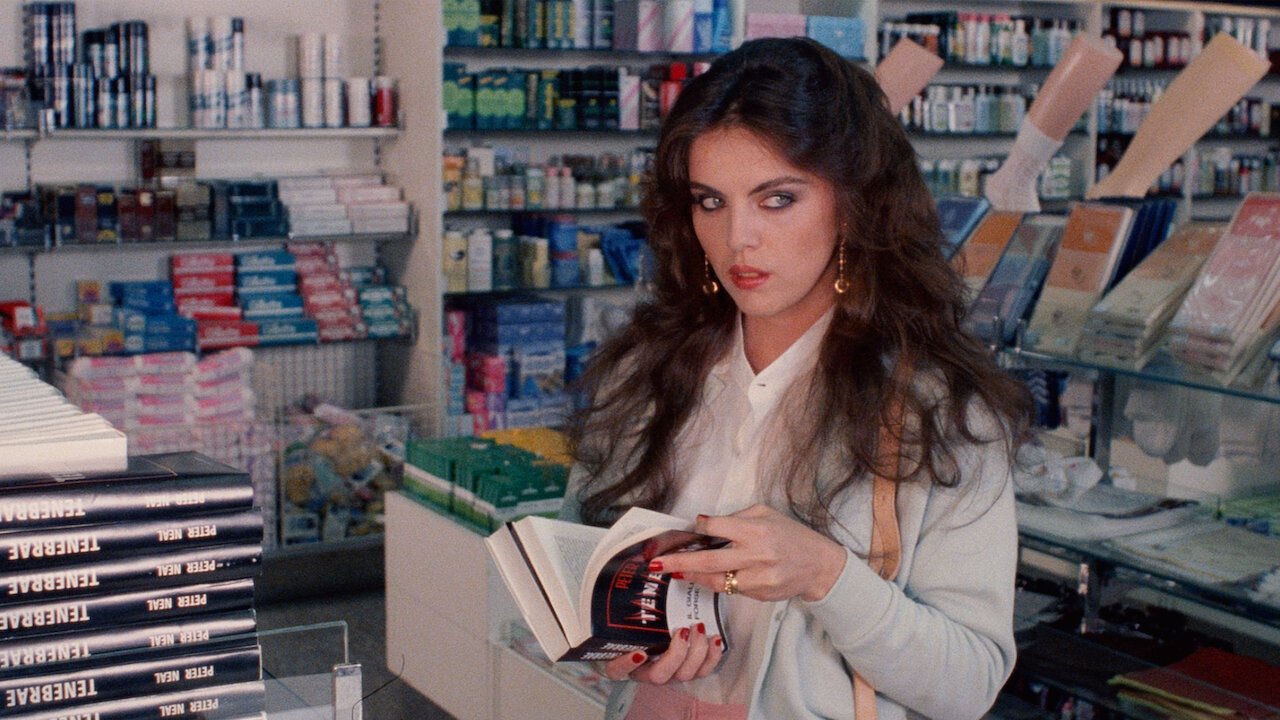
Tenebrae (1982), originally released in Italy as Tenebre, is a psychological giallo written and directed by Dario Argento and photographed by Luciano Tovoli. Following the supernatural horror of Suspiria (1977) and Inferno (1980), Argento returned to the murder-mystery form that had established his international reputation during the preceding decade. The production introduced a decisive change in visual style: saturated Gothic colors and shadowed interiors gave way to brightly illuminated architecture, modern furnishings and the largely unrecognizable urban landscapes of contemporary Rome. The film combines the familiar devices of the Italian giallo with a pronounced interest in the relationship between fictional violence, artistic responsibility and the psychological instability of the people who create and consume crime narratives.

The project developed partly from threatening encounters experienced by Argento while working in the United States. Its visual conception was shaped by his renewed collaboration with Tovoli, whose cinematography made extensive use of architectural geometry and unusually clear illumination. The production also reunited three former members of Goblin, whose electronic soundtrack introduced rhythmic and instrumental methods associated with contemporary dance music. Its extensive practical violence, technical camera movements and self-reflexive examination of violent entertainment subsequently attracted critical analysis and censorship controversy. The film has been studied through psychoanalytic interpretations of memory and identity, as well as through its relationship with television and the transformation of Italian popular culture during the early 1980s.

Dario Argento, the Return to Giallo and the Origins of Tenebrae

Tenebrae marked Argento's return to the giallo after two productions centered on supernatural horror. Suspiria and Inferno had extended his filmmaking into environments governed by occult forces, elaborate architectural fantasies and heightened visual stylization. The new project returned to an identifiable contemporary setting, with a crime writer drawn into a series of murders and an investigation dependent upon the interpretation of incomplete evidence. The shift was significant within Argento's career because his earlier international success had been established through The Bird with the Crystal Plumage (1970), The Cat o' Nine Tails (1971), Four Flies on Grey Velvet (1971) and Deep Red (1975). Tenebrae revisited that tradition after the director had developed a substantially different approach to fantastic imagery.

The original inspiration also involved personal experiences. Argento has repeatedly recalled receiving threatening telephone calls while staying in the United States during the period surrounding Inferno. The caller, described by the director as an obsessive admirer, eventually made threats against his life. Argento associated the experience with the disturbing possibility that a person familiar with his films might interpret their fictional violence as a justification for real aggression. The encounter contributed to the screenplay's interest in the relationship between an author and an unstable audience. It remains a retrospective account of the project's origins, not evidence that the fictional events reconstruct the behavior of an identifiable individual.

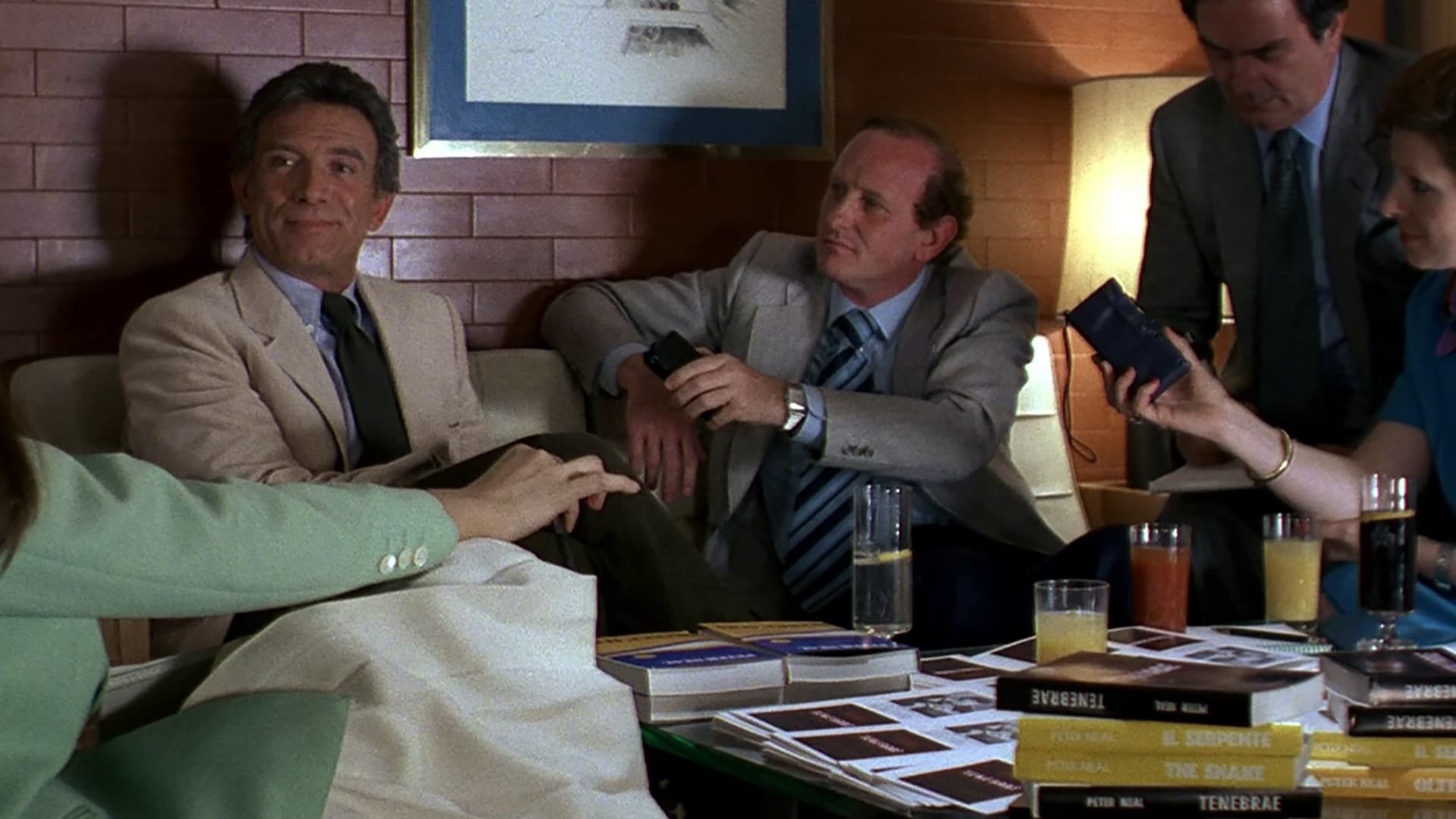
The film also engages with allegations that Argento's work encouraged violence or expressed hostility toward women. Its central writer is questioned about the sexual politics of his books, placing debates surrounding the representation of murder directly inside the fiction. These exchanges are particularly relevant because Argento had already faced criticism for the recurring victimization of women in his earlier thrillers. Kevin Lyons, writing in an essay subsequently reproduced by the British Film Institute, examines the way Tenebrae incorporates these controversies into its dramatic construction. The filmmaker's relationship with his own public image becomes part of the material under examination, although the presence of self-reflexive dialogue does not automatically resolve the ethical objections raised by his critics.
Modern Rome, the EUR District and the Construction of an Imaginary City

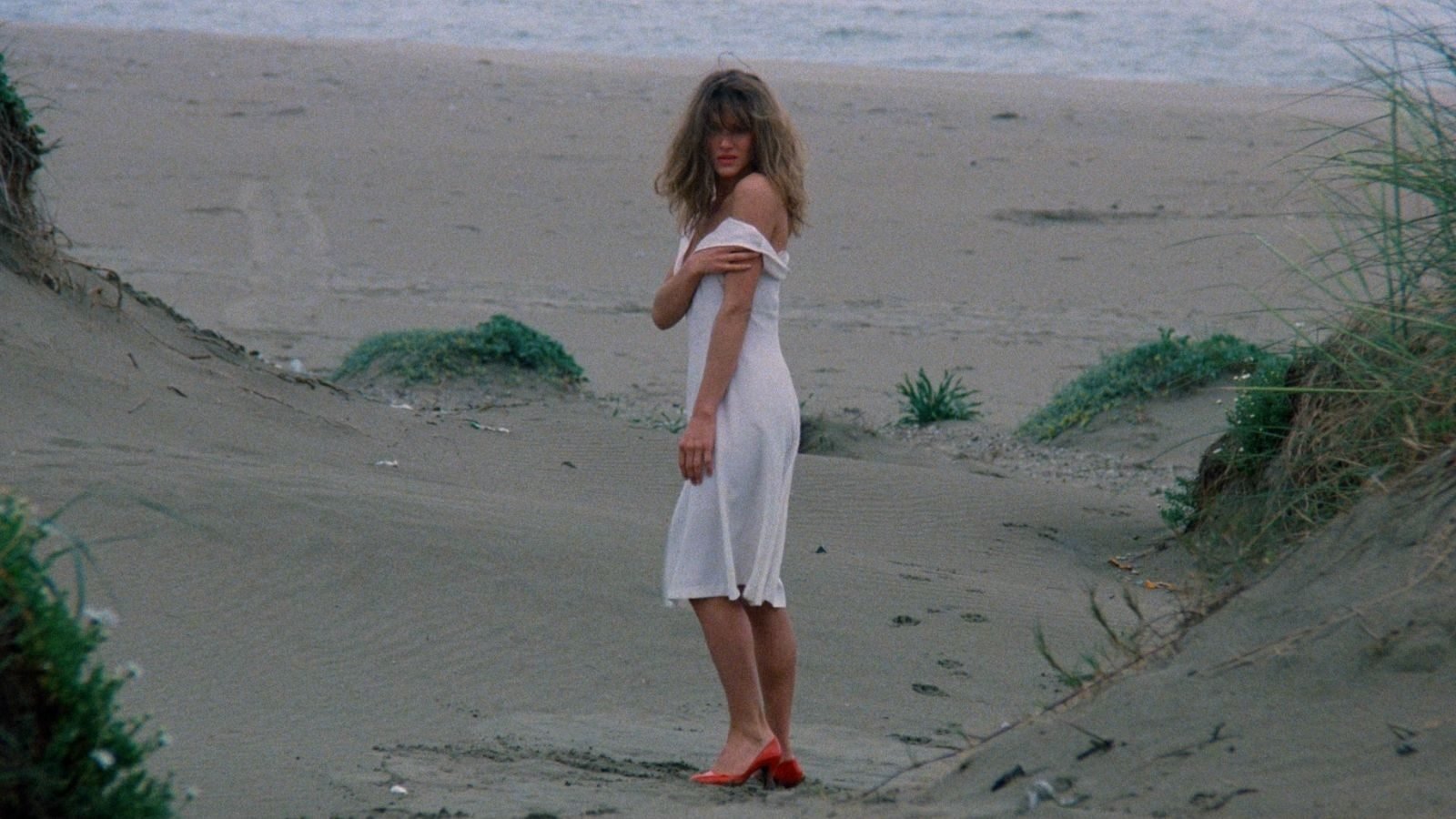
The production was organized by Sigma Cinematografica, with Claudio Argento as producer and Salvatore Argento presenting the film. Principal photography took place in Rome during 1982, making extensive use of contemporary residential and commercial architecture. Argento deliberately avoided presenting the city through the ancient buildings and recognizable monuments familiar from international tourism. Much of the location work concentrated on the EUR district, whose broad streets, geometric buildings and modern residential environments provided the visual foundation for the film. This geographical choice established a version of Rome that appeared unusually anonymous, allowing the urban setting to resemble an international metropolitan environment rather than a historically identifiable Italian capital.

Argento later described the setting as an imaginary city associated with a sparsely populated future. In interviews conducted during the early 1980s, he suggested that an unspecified event had reduced the population and left the survivors wealthier and less crowded. These remarks have generated considerable critical discussion because the completed film does not explicitly establish such an event. The interpretation is nevertheless relevant to the deliberately empty streets and apparently isolated modern buildings. Kevin Lyons identifies this discrepancy in his discussion of the production, treating the futuristic explanation as a statement of the director's conception rather than an unambiguous narrative fact. The physical setting was assembled from recognizable contemporary environments without explanatory science-fiction elements.
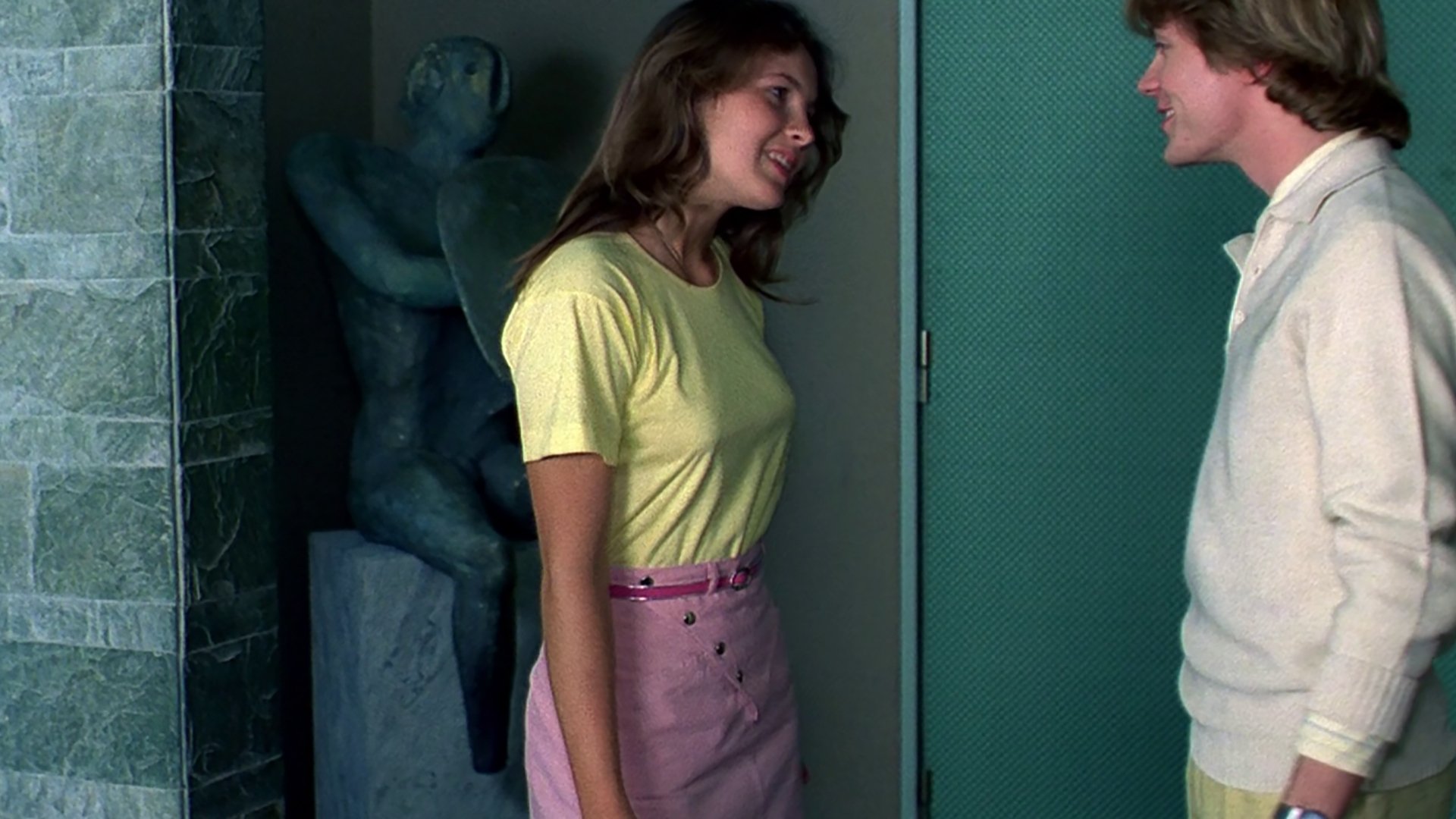
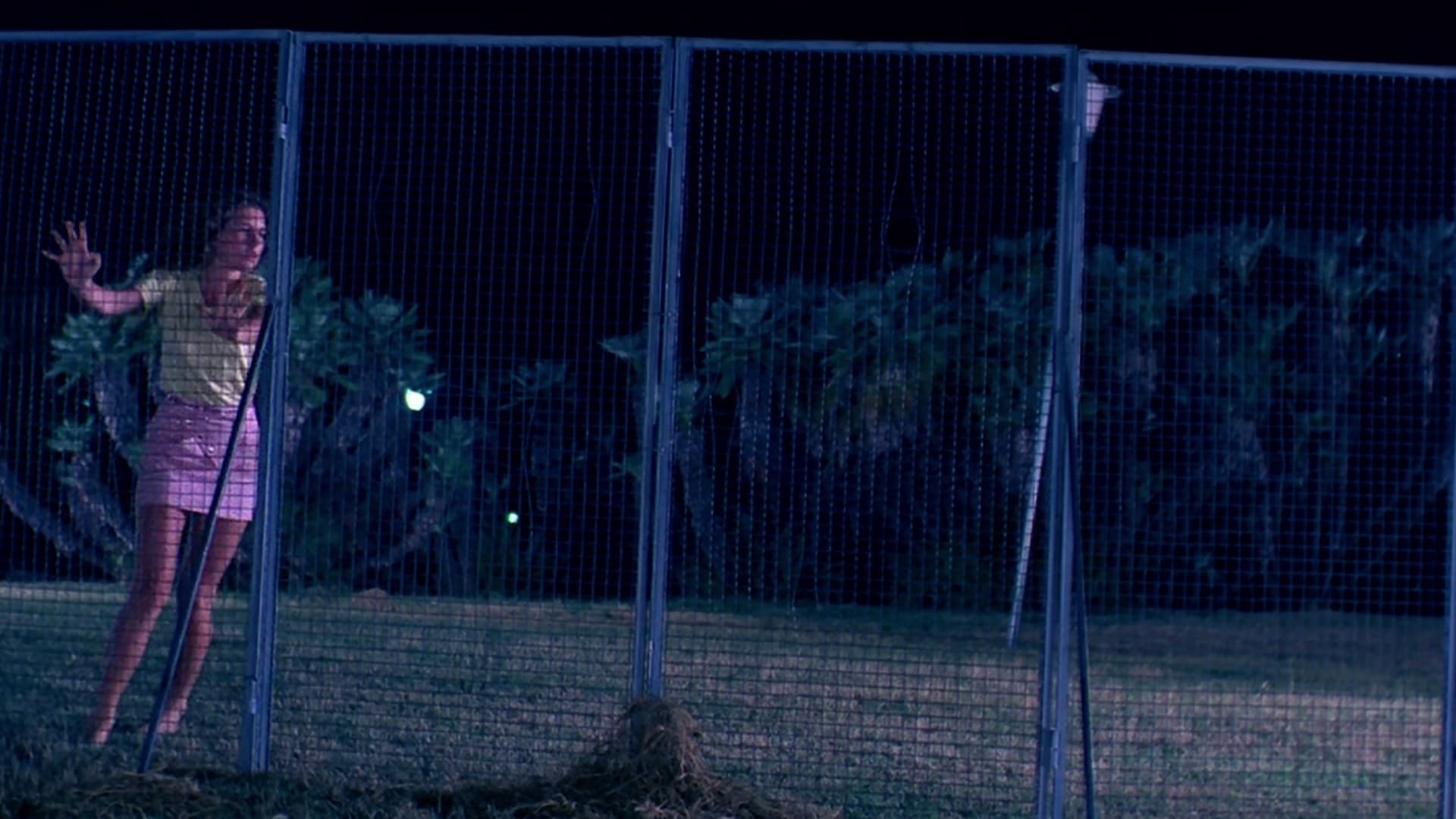
The modern interiors extend the same visual strategy. Art director Giuseppe Bassan worked within environments characterized by angular surfaces, glass, reflective materials and restrained furnishings. The buildings create a contrast with the historical and decorative spaces that had dominated parts of Argento's earlier work. Their transparency also becomes a source of vulnerability: windows and open architectural arrangements permit observation while providing little assurance of physical protection. The use of architectural geometry therefore participates directly in the film's suspense. Instead of relying on visibly decaying Gothic structures, Argento creates threatening spaces from the design language of modern prosperity, where apparently controlled domestic environments can suddenly become sites of extreme violence.
Luciano Tovoli, Clinical Lighting and the Louma Camera Movement

Argento's collaboration with Luciano Tovoli was central to the new visual conception. The cinematographer had previously photographed Suspiria, whose elaborate use of primary colors established one of the most recognizable photographic styles in Italian horror. Tenebrae required an almost opposite treatment of light. Argento sought a colder, less saturated environment dominated by white, beige and grey surfaces. He later connected this choice with the paintings of Giorgio de Chirico, particularly their ability to make recognizable architecture appear psychologically unstable. The director also identified contemporary American television lighting as an influence. Tovoli's work combined high levels of illumination with carefully organized compositions, producing images that appear clear while remaining spatially disorienting.

The cinematography repeatedly emphasizes the distance between apparent visibility and actual understanding. Glass walls, brightly illuminated rooms and unobstructed exteriors expose characters to observation, yet the audience is rarely able to determine the meaning of every visual detail immediately. The film frequently employs camera positions that appear to belong to an observer, only to move beyond the physical restrictions of an ordinary human viewpoint. This independence of the camera is particularly important within Argento's giallo tradition, where subjective shots have often been associated with the concealed killer. Tenebrae develops that method through movements that call attention to the machinery and possibilities of cinema itself.

The most celebrated example is the extended movement around the exterior of a modern residence. Argento and Tovoli employed a Louma crane, allowing the camera to travel across walls, rise above the roof and descend toward windows while maintaining a continuous movement. The sequence lasts several minutes and required substantial technical preparation. Its importance lies partly in the freedom it grants the camera from a plausible human position. The movement surveys the architecture without providing a conventional character viewpoint, allowing the spectator to examine a location before the violence occurring within it. Kevin Lyons and later academic researchers have examined this sequence as a demonstration of the difference between narrative information and the independent expressive possibilities of cinematography.

The relationship between Tovoli and Argento also invites comparison with Michelangelo Antonioni's The Passenger (1975), which Tovoli had photographed. That film contains a celebrated extended camera movement that similarly challenges the boundaries between interior and exterior space. The comparison concerns the technical and formal possibilities of mobile photography, not a claim that the two sequences have identical narrative purposes. In Tenebrae, the movement is accompanied by an electronic musical composition and positioned within a sequence of impending violence. Its relationship with the soundtrack gives the passage a rhythmic structure independent of dialogue, making the operation of camera and music central to the spectator's experience.

Practical Gore, Giovanni Corridori and the Representation of Violence

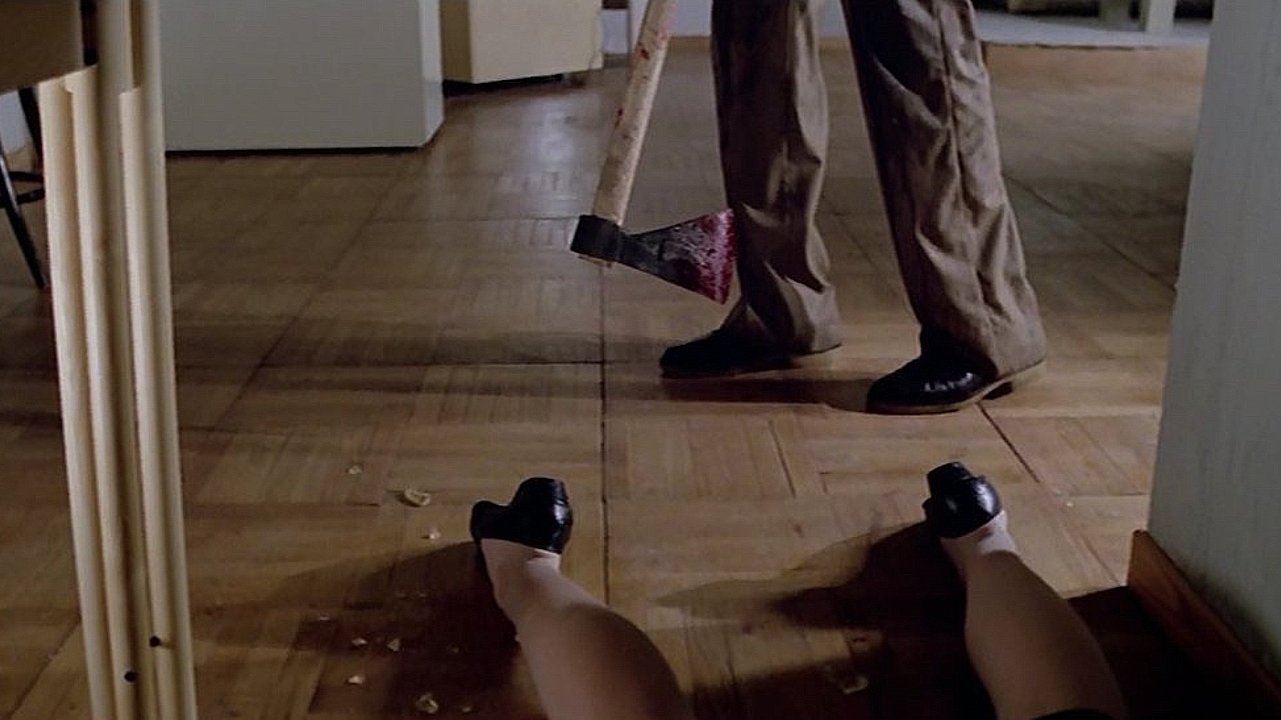
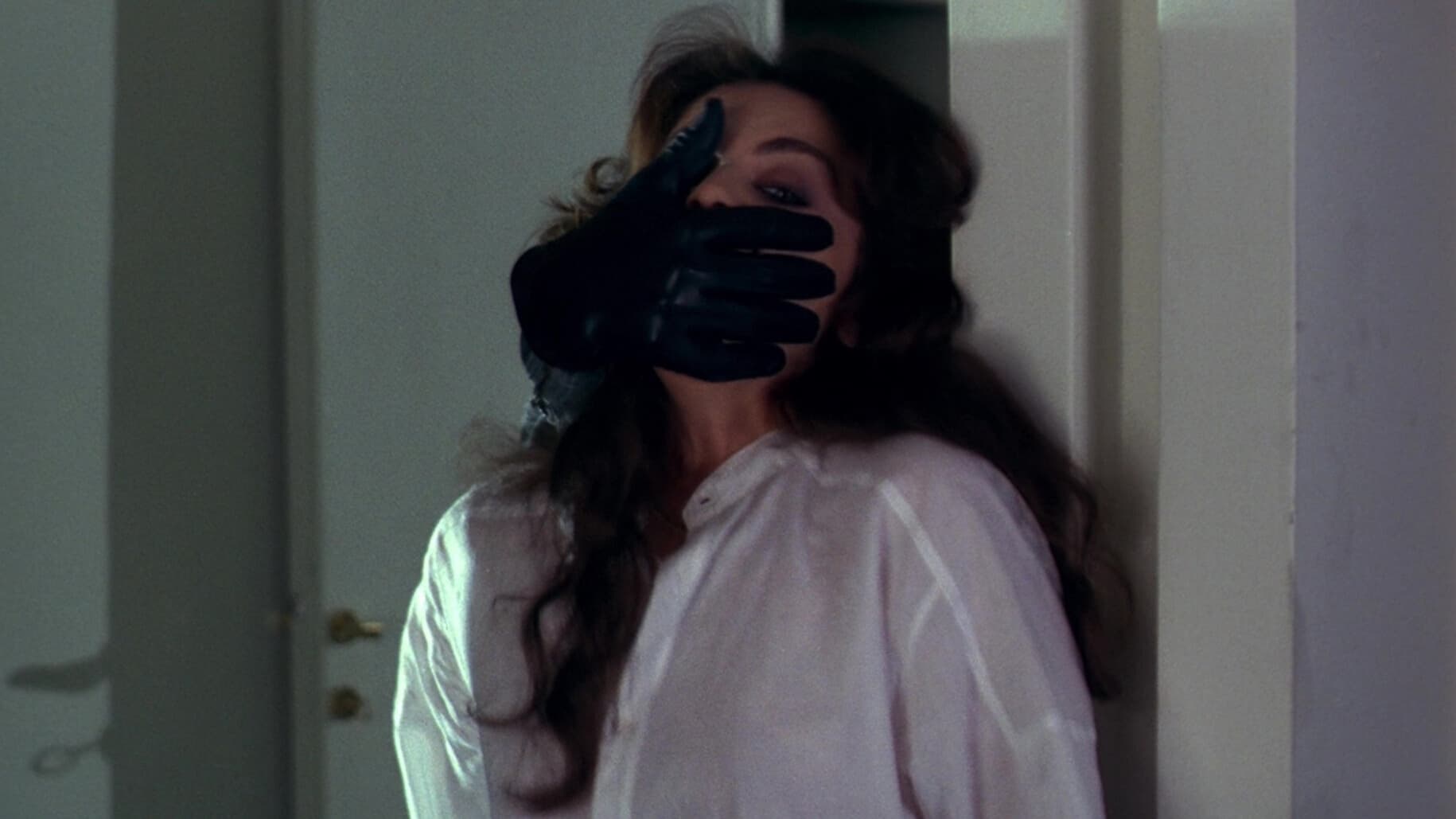
The film's physical violence represents a substantial development of the increasingly elaborate murder sequences found in Argento's earlier thrillers. Giovanni Corridori is credited with special effects, while Pierantonio Mecacci worked in the make-up department. The production required simulated wounds, blood mechanisms and artificial anatomical material capable of producing graphic results under close photography. These effects were particularly conspicuous because the brightly illuminated environments rarely concealed the physical consequences of violence within deep shadows. Their presentation gives the finished film an unusually direct relationship between the body and the modern architectural spaces surrounding it.

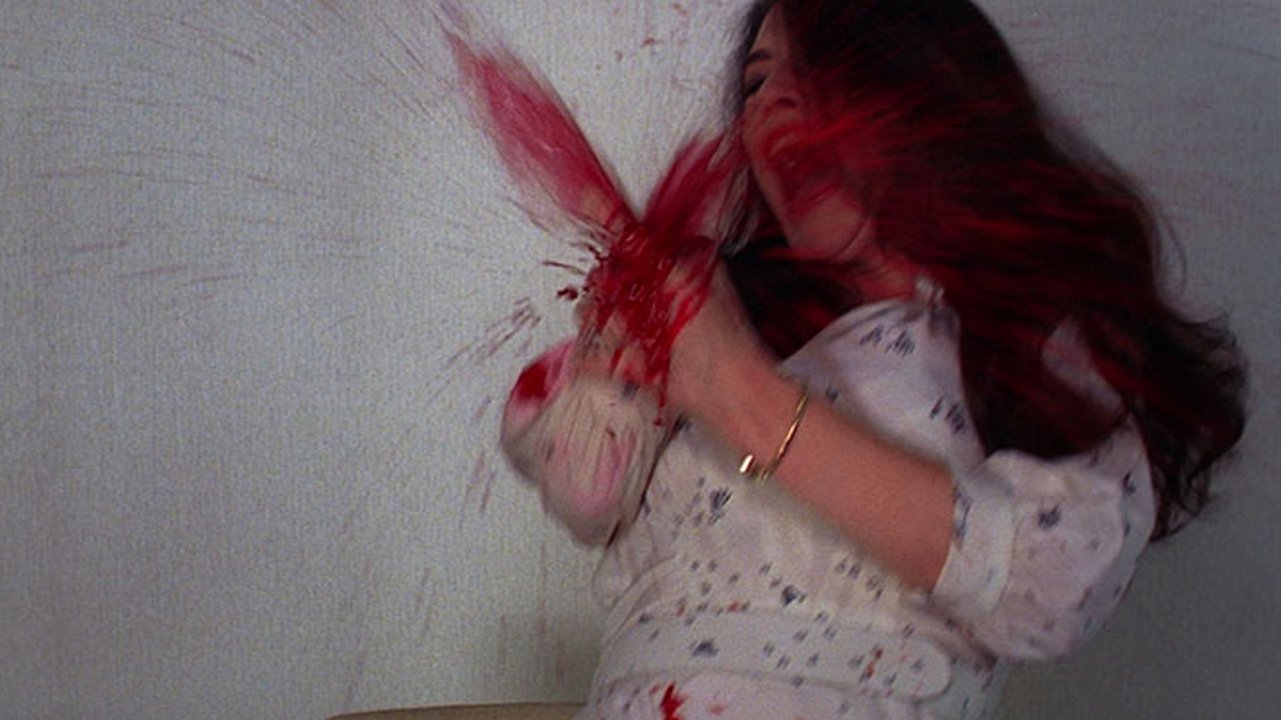
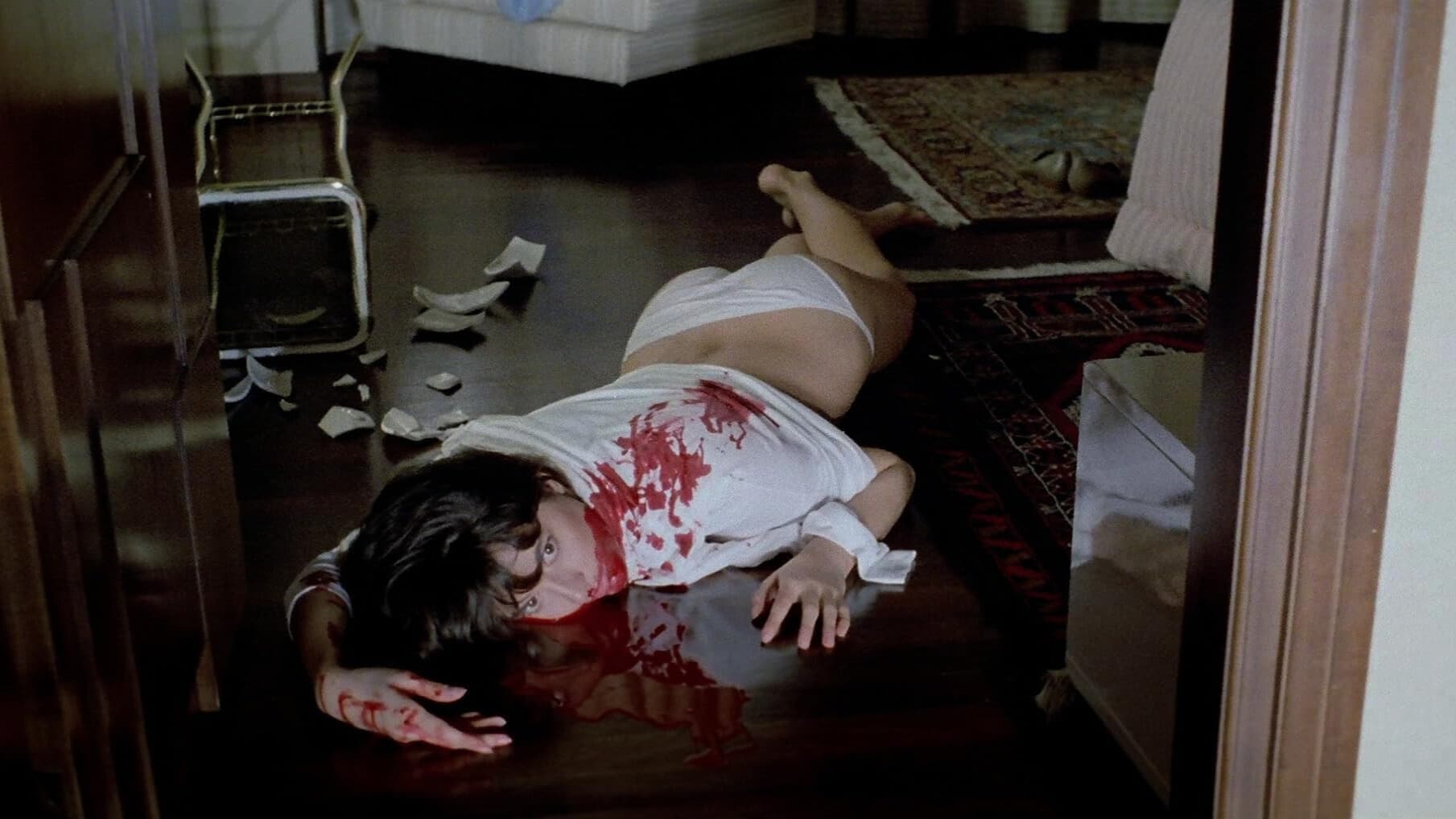
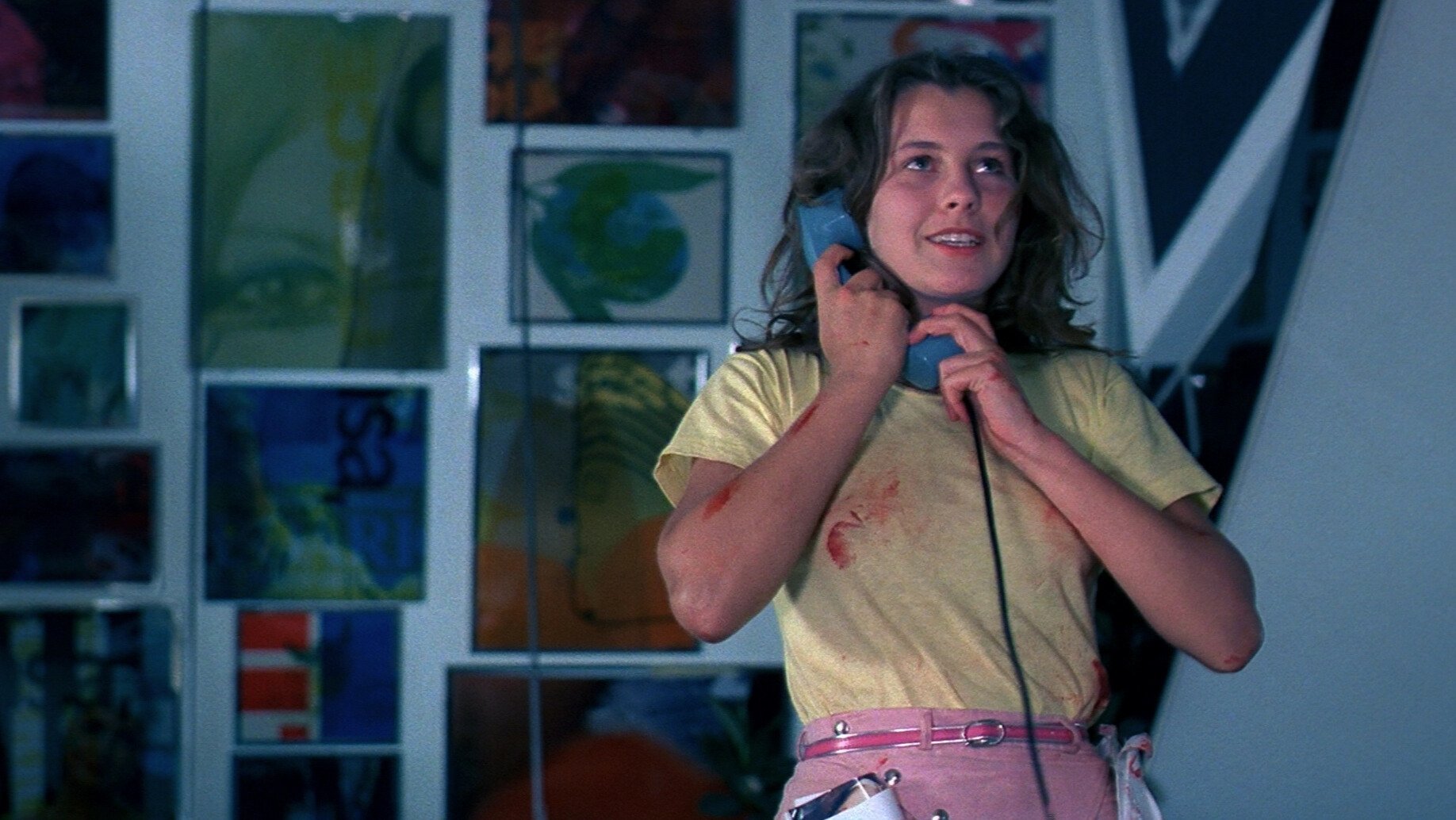
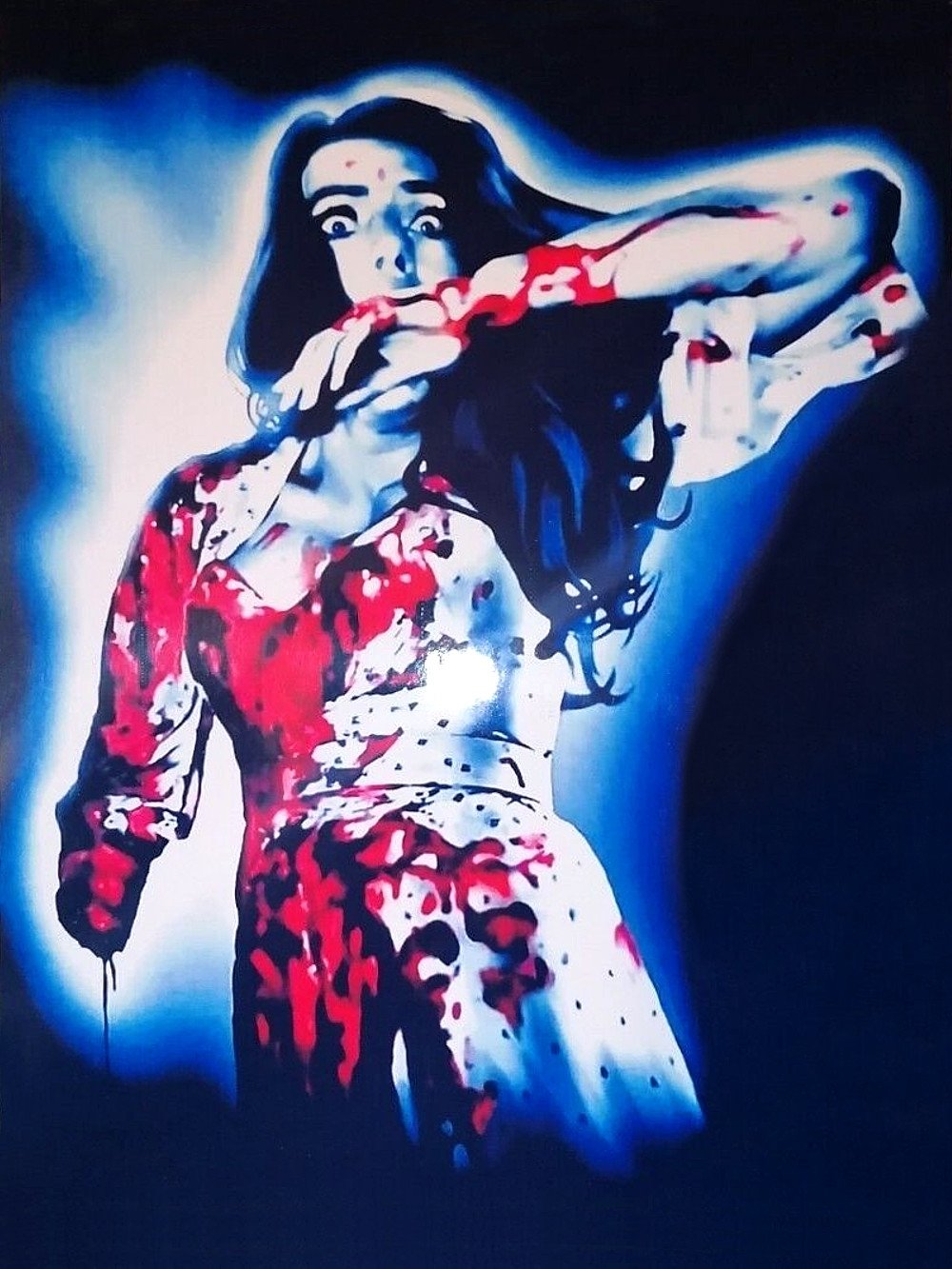
One of the most recognizable examples involves a severe injury to an arm and an extended discharge of artificial blood across a white interior. The sequence depends upon the contrast between the saturated red liquid and the pale architectural background. Its composition demonstrates how the film's visual restraint could intensify the appearance of gore rather than diminish it. Other violent moments involve edged weapons and sudden changes in the apparent safety of domestic objects. The surviving production credits establish departmental responsibilities, but the precise fabrication methods for every individual appliance are not documented in sufficient detail to assign specific mechanisms or materials confidently to particular technicians.

The violence is also organized through editing and the manipulation of visual expectations. Franco Fraticelli's cutting alternates between apparently continuous movements and abrupt disruptions, often withholding the complete spatial relationship of an attack until its consequences have become visible. The result is a form of horror that combines elaborate preparation with sudden physical impact. The representation of injury frequently becomes an independent visual event rather than merely a functional step in the investigation. This has been central to both the film's reputation and its criticism. Contemporary reviewers disagreed over whether the technical invention justified the intensity of the images, while later scholars have treated the same sequences as examples of Argento's interest in spectatorship and the relationship between cinematic looking and violence.

Claudio Simonetti, Fabio Pignatelli and Massimo Morante: Electronic Horror Music

The soundtrack reunited Claudio Simonetti, Fabio Pignatelli and Massimo Morante, musicians associated with the classic Goblin recordings of the 1970s. Their collaboration with Argento resumed after the original group had fragmented and the Goblin name was being used for a different recording project. Consequently, the music was credited to the three musicians individually rather than to Goblin. Simonetti subsequently confirmed that the change in personnel and naming influenced the working arrangement. The recording was undertaken without a conventional permanent drummer, with electronic percussion becoming a central component of the soundtrack. Walter Martino contributed orchestral timpani, while the principal rhythmic material was constructed through programmed instruments.

The music reflects Simonetti's involvement with dance-oriented electronic production during the early 1980s. In an interview with OndaRock, he explained that the popularity of disco and electronic pop influenced his approach to the score. The main theme combines repeating synthesizer patterns, a strong electronic beat, prominent bass and distorted electric guitar. Simonetti also used a vocoder to manipulate the human voice, including the repeated Italian word paura. In a separate interview with MusiCulturA, he identified the instrument and explained its previous use in his dance recordings. These details establish a specific technological and musical direction rather than a generic association between synthesizers and horror cinema.

The 1982 soundtrack album was issued by Cinevox and included eight principal compositions. Alongside the main theme, pieces such as Gemini, Slow Circus, Lesbo and Flashing demonstrate contrasting approaches to rhythm, texture and melodic development. Acoustic and electric guitars remain important within arrangements otherwise dominated by electronic instruments. The resulting soundtrack differs considerably from the progressive-rock orientation associated with the earlier Goblin scores for Deep Red and Suspiria. Its dance-influenced structure also made certain pieces suitable for circulation beyond the film, including club-oriented remixes. Simonetti recalled that the main theme received attention in Italian discos, providing a documented example of the music operating within a commercial environment separate from cinematic exhibition.

The relationship between music and image is especially significant during the longer camera movements and the scenes of violent confrontation. Electronic rhythms can continue across changes in the physical environment, giving visual sequences a formal unity that does not depend upon dialogue. The sustained use of instrumental music also separates these passages from the more conversational sections of the film. Damien Pollard's academic examination of Tenebrae approaches such changes through the broader relationship between cinematic sound, speech and the visual conventions of television. Within that framework, the soundtrack contributes to moments when Argento moves away from dialogue-driven presentation and gives the camera greater expressive independence.

Traumatic Memory, Sexual Politics and the Culture of Television

The film's treatment of memory has received substantial psychoanalytic analysis. Xavier Mendik, writing for Kinoeye in 2002, examines the relationship between crime investigation, psychological trauma and repeated images of an earlier violent encounter. His argument connects the structure of detective fiction with the reconstruction of experiences that cannot be understood through ordinary chronological narration. The recurring flashbacks disrupt the progression of the investigation and gradually change their apparent significance. Mendik interprets this process through psychoanalytic theories concerning repetition and the unstable relationship between identity and remembered events. His discussion provides a critical model for the film's structure, rather than an independently established psychological diagnosis of its fictional characters.

Questions of sexuality and gender occupy an equally important position. The film repeatedly connects moral judgments about sexual conduct with fantasies of punishment, making social intolerance part of the language through which certain characters understand violence. Its use of a transgender performer, Eva Robin's, in the childhood-memory sequences has attracted interpretations involving gender ambiguity, desire and humiliation. Mendik discusses these images through the relationship between traumatic memory and categories of sexual identity. Other critics, including Kevin Lyons, emphasize the film's response to accusations of misogyny directed at Argento. Such readings need to be distinguished from the filmmaker's documented intentions and from claims about the identity or experiences of the performer herself.

Damien Pollard introduces a different historical interpretation in his 2021 University of Cambridge doctoral thesis, Sounds without Borders: Industry, Society and the Voice in Giallo Cinema. Pollard examines Tenebrae through the changing relationship between Italian cinema and commercial television during the early 1980s. He situates the production within the expansion of privately operated television networks and the increasing importance of imported American programming. The film repeatedly incorporates television studios, monitors, public interviews and characters whose work depends upon mass-media visibility. Pollard argues that these elements are related to the changing social and economic environment in which the film was made, rather than functioning solely as incidental contemporary details.

Pollard's examination also distinguishes the dialogue-centered organization of television from the expressive freedom of particular cinematic sequences. Television interviews emphasize the speaking voice, predictable exchanges and controlled framing. The film's flashbacks and extended camera movements operate differently, interrupting the apparent regularity of verbal communication through images whose meaning remains unstable. The relationship becomes particularly visible during the movement around the modern residence, where instrumental music replaces explanatory speech. Pollard interprets these contrasts as part of the film's engagement with an increasingly internationalized media environment. His argument complements, without replacing, the earlier psychoanalytic readings developed by Mendik and other scholars.

Italian Release, British Censorship, Unsane and Archival Restoration

Tenebrae entered Italian theatrical circulation through Titanus on October 28, 1982. Contemporary Italian criticism was divided over Argento's return to the giallo and the severity of the violent imagery. Some reviewers emphasized the controlled photography and the technical sophistication of individual sequences, while others criticized the narrative construction and the increasing prominence of graphic murders. The film subsequently circulated internationally under different titles, including Tenebre and Tenebrae. Its American distribution history also introduced Unsane, an abbreviated edition that differed substantially from the original Italian presentation. The alternative titles must therefore be distinguished from the editorial differences among surviving versions.

The British Board of Film Classification first examined the film for cinema exhibition on February 16, 1983. The submitted version was classified following required cuts or alterations. Later British videocassette circulation contributed to the film's association with the Director of Public Prosecutions video nasties controversy. The obscenity campaign and the earlier theatrical classification were separate regulatory processes. The film continued to undergo BBFC examination as home-video distribution changed. A submission classified on August 11, 1999, required alterations, whereas later presentations received classification without recorded compulsory cuts, including editions examined in 2003 and 2011.

The classification records also demonstrate why apparently similar running times cannot automatically be used to establish which version contains the complete original material. The British Board examined a 101-minute theatrical presentation on May 12, 2022, while the abbreviated Unsane edition received a separate home-entertainment classification on July 18. The latter was approximately 90 minutes long. The BBFC required one alteration to the 2022 Unsane submission, but the stated reason concerned a misleading rating symbol unrelated to the Board's official classification system. It was not a demand to remove violent footage. This administrative intervention should not be confused with the cuts that had already been made when Unsane was originally prepared as a shortened version of Tenebrae.

The recovery and restoration of the original photographic materials subsequently permitted new presentations of the film. Arrow Films prepared a 4K restoration from the original camera negative, retaining separate Italian and English-language materials where appropriate. The restoration also made it possible to examine the film's lighting and photographic composition without relying exclusively upon older video transfers whose contrast and color reproduction could differ substantially from the surviving film elements. Different soundtracks and title materials remain relevant when comparing editions. The restored presentation provides an important basis for reassessing Tovoli's cinematography, the design of the modern interiors and the physical effects that were central to the original theatrical experience.

References

  1. BFI Southbank Tenebrae: Programme Notes - Kevin Lyons

    Substantial critical essay reproduced for the BFI 2023 Dario Argento retrospective. Examines the return to giallo, personal origins of the screenplay, modern Roman architecture, the futuristic setting, sexual politics, psychological interpretation and the Louma camera movement.

  2. Kinoeye Transgressive Drives and Traumatic Flashbacks: Dario Argento's Tenebrae - Xavier Mendik

    Extended academic analysis published in June 2002. Examines detective fiction, traumatic recollection, repeated flashbacks, psychoanalytic approaches to identity, gender and the instability of the investigative process.

  3. University of Cambridge Sounds without Borders: Industry, Society and the Voice in Giallo Cinema - Damien Pollard

    Doctoral research completed in 2021. Chapter 3 contains an extensive examination of Tenebrae, particularly its visual and vocal relationship with commercial television, Italian media history, modern urban spaces and the contrast between dialogue-driven presentation and independent cinematic camera movement.

Cast

View Full Cast & Crew →

Release & Distribution

Production Companies (1)

  • Produzioni Intersound IT

Distributors (1)

  • Titanus IT

Release History (16)

Release DateTerritoryRelease TypeFormatDistributorCertificationNotes
1982-10-27 Italy Premiere — — — Tortona
1982-10-28 Italy Theatrical — — 18+
1983-04-27 France Theatrical — — 12
1983-05-19 United Kingdom Theatrical — — 18
1983-06-11 Japan Theatrical — — —
1984-02-17 United States Theatrical — — —
1984-10-11 Germany Theatrical — — 16
1984-11-23 Spain Theatrical — — 18
1988-10-07 Finland Theatrical — — K-18
1999-03-16 United States Physical VHS, DVD — NR VHS & DVD
2000-12-08 Sweden Premiere — — — Uppsala Horror Film Festival
2005-03-09 Sweden Physical DVD — 15 DVD
2008-03-27 United States Physical DVD — NR DVD
2010-11-03 France Physical — — —
2011-06-13 United Kingdom Physical DVD, Blu-ray — 18 DVD & Blu-ray
2019-04-01 Sweden Physical Blu-ray — 15 Blu-ray
Terror Beyond Belief!