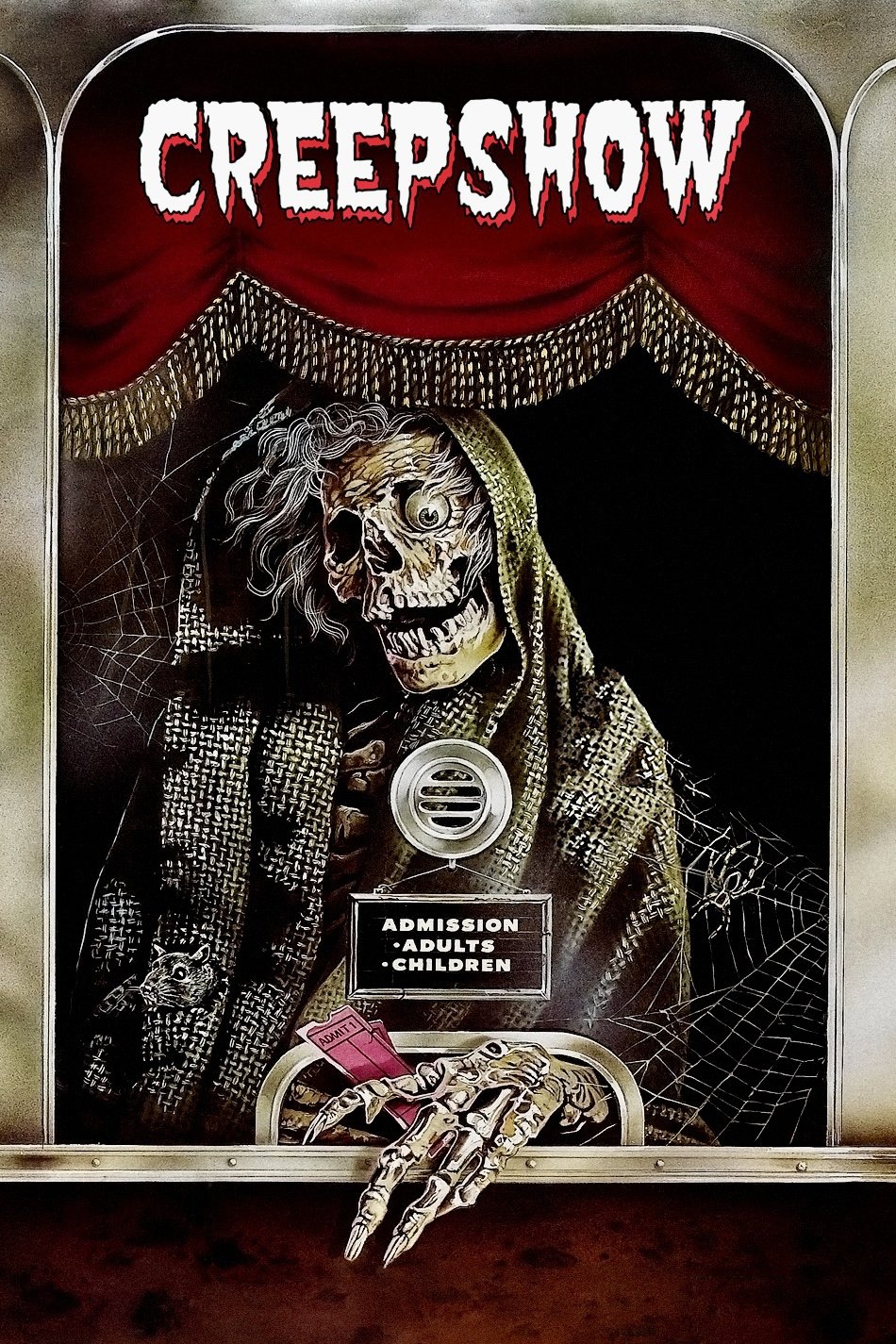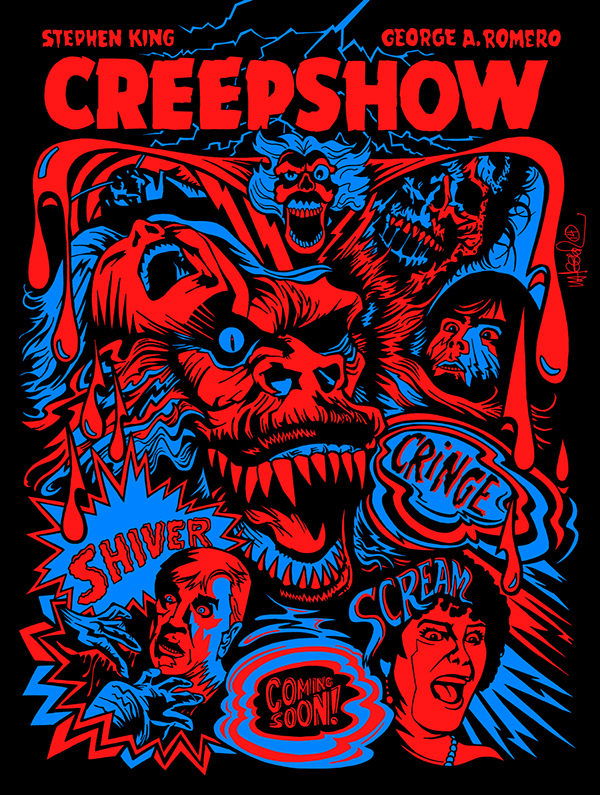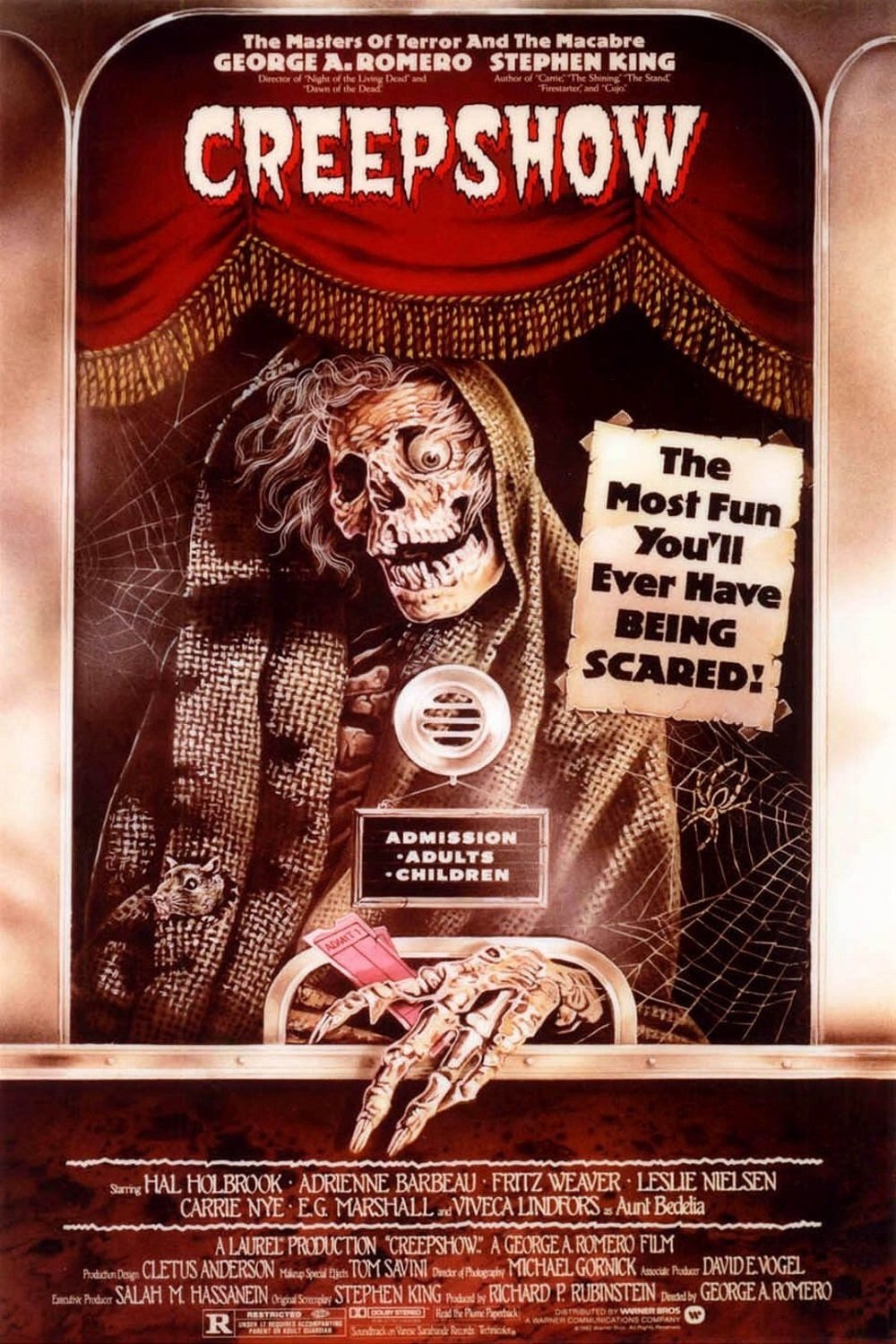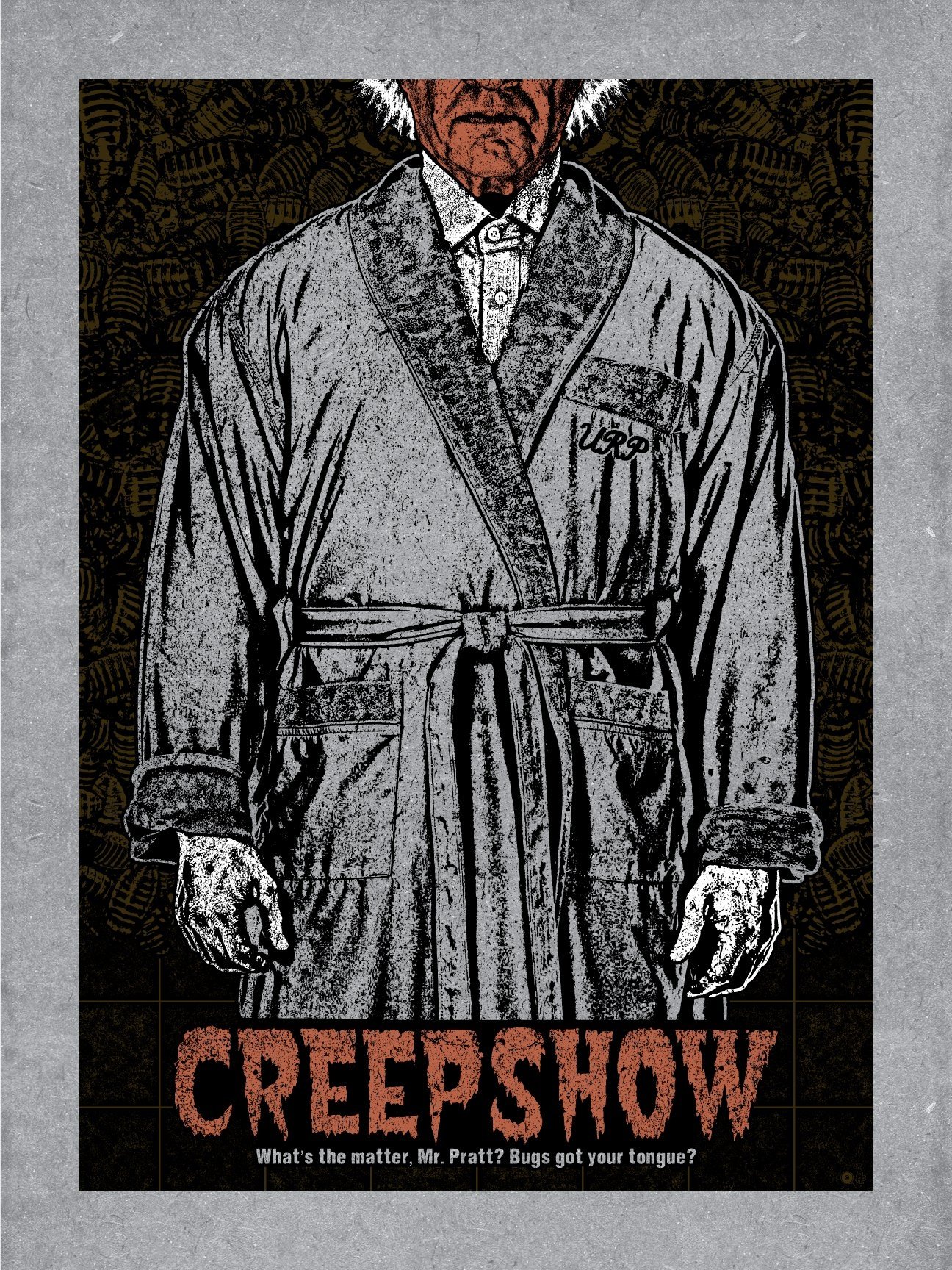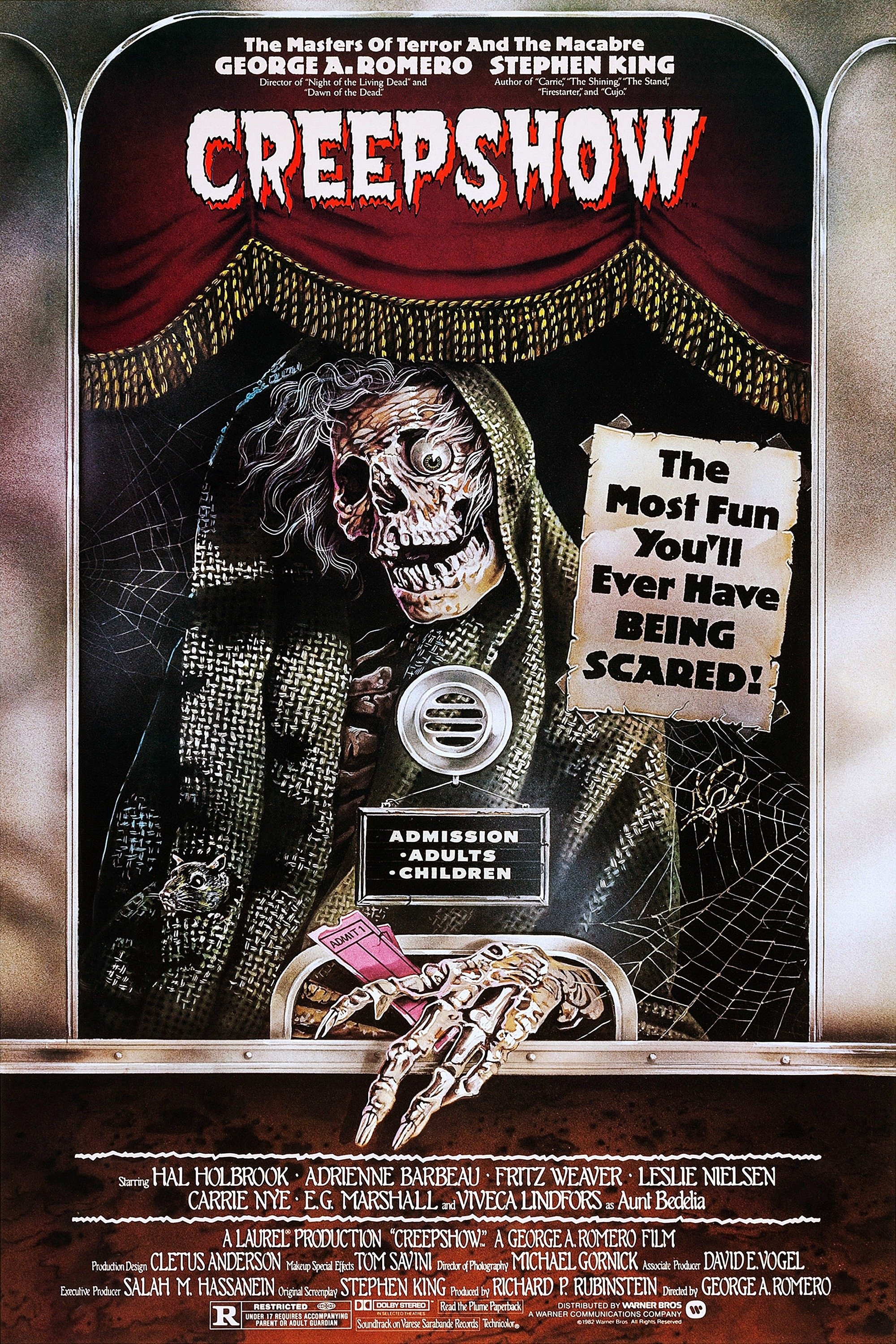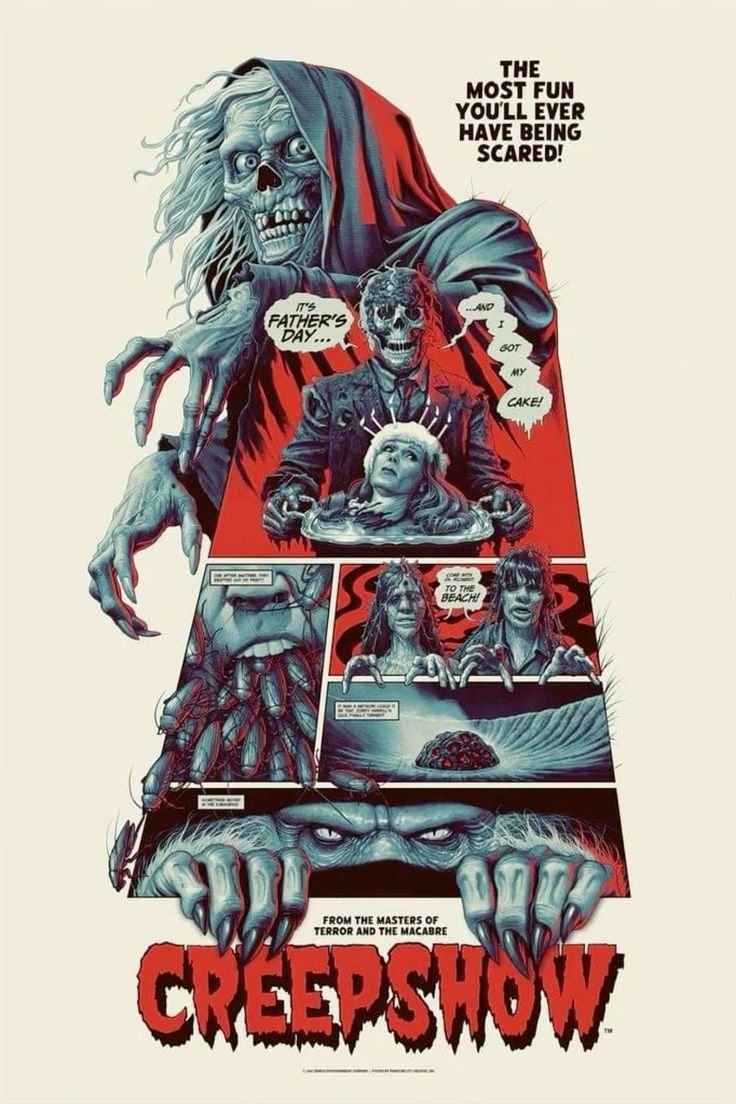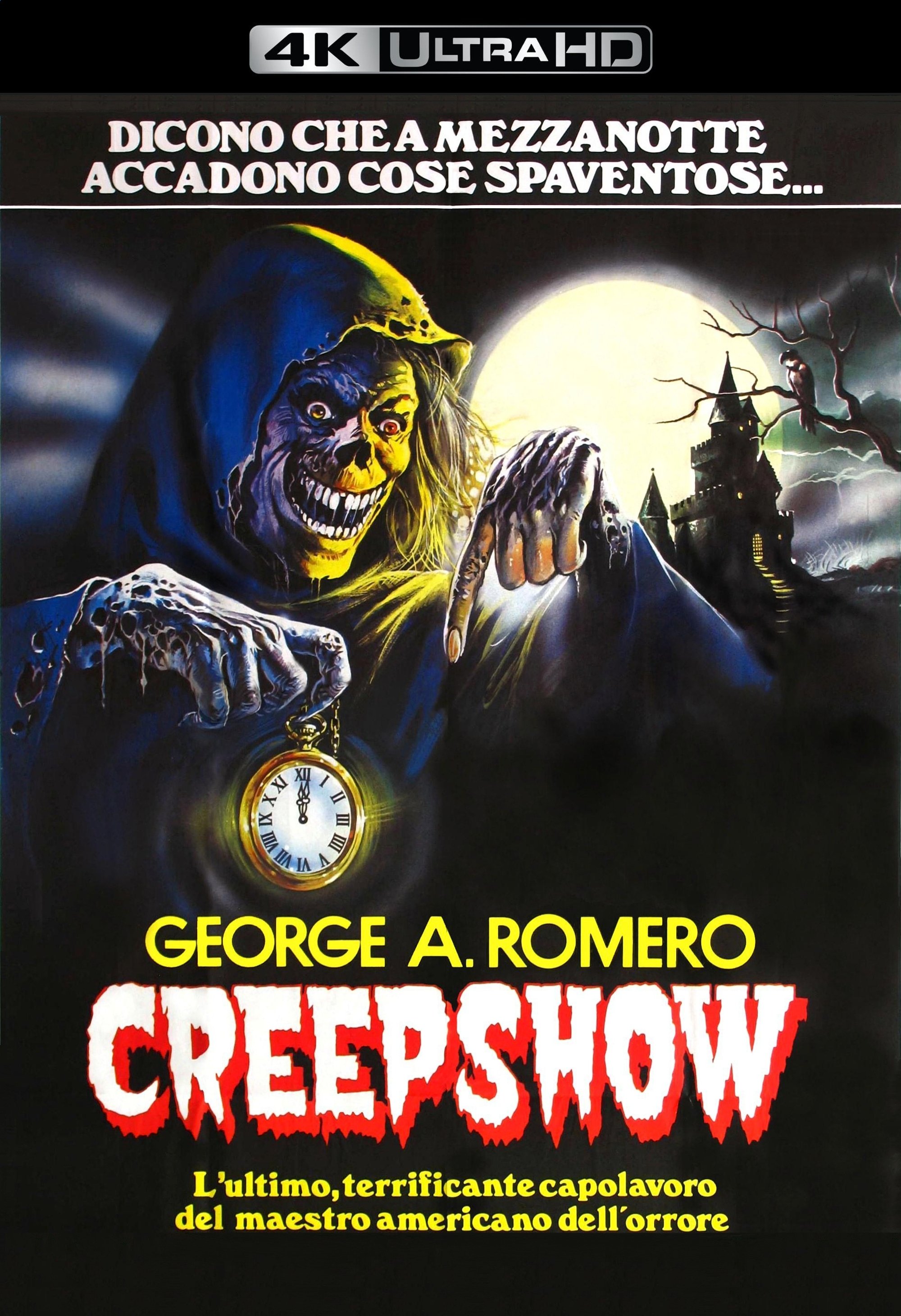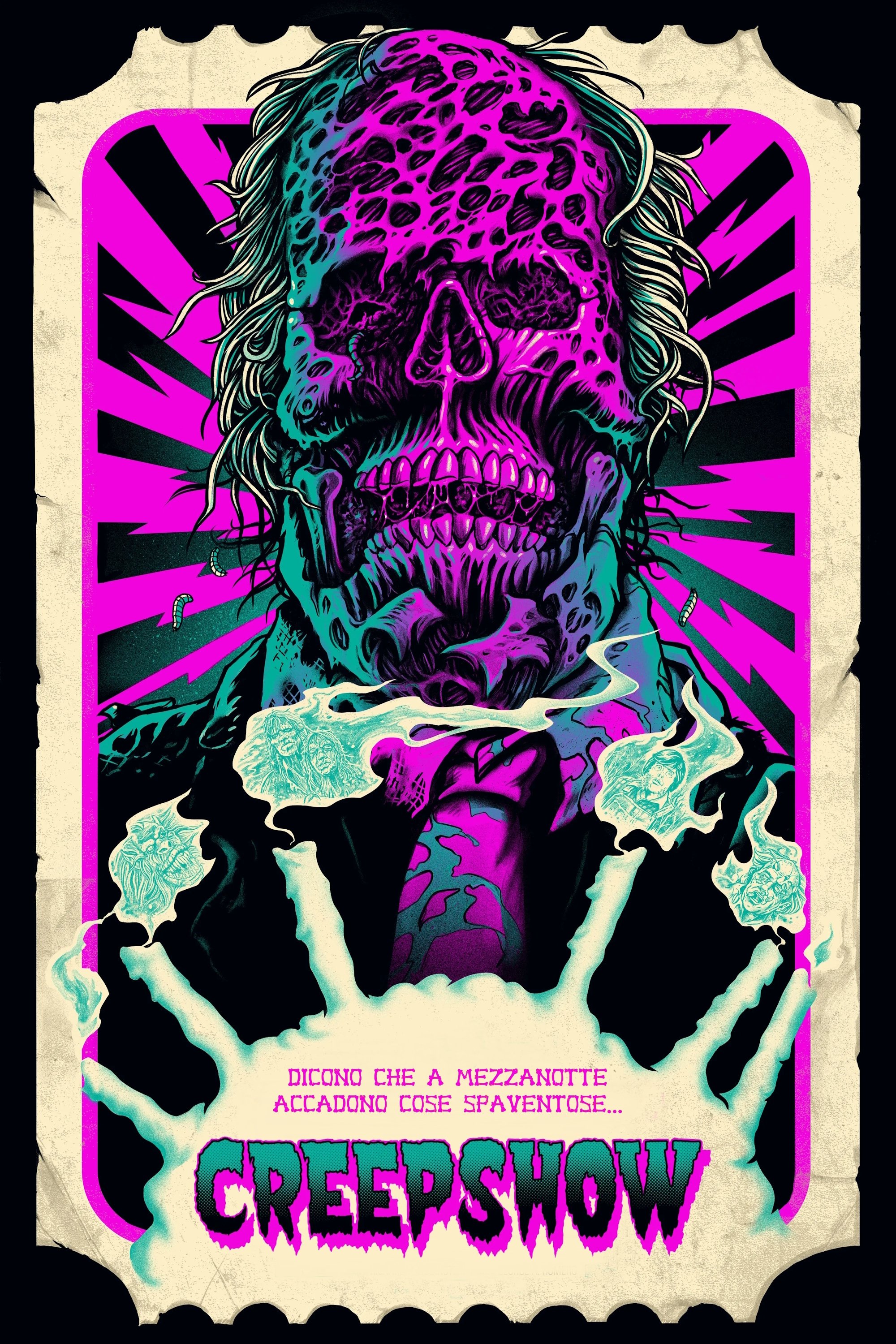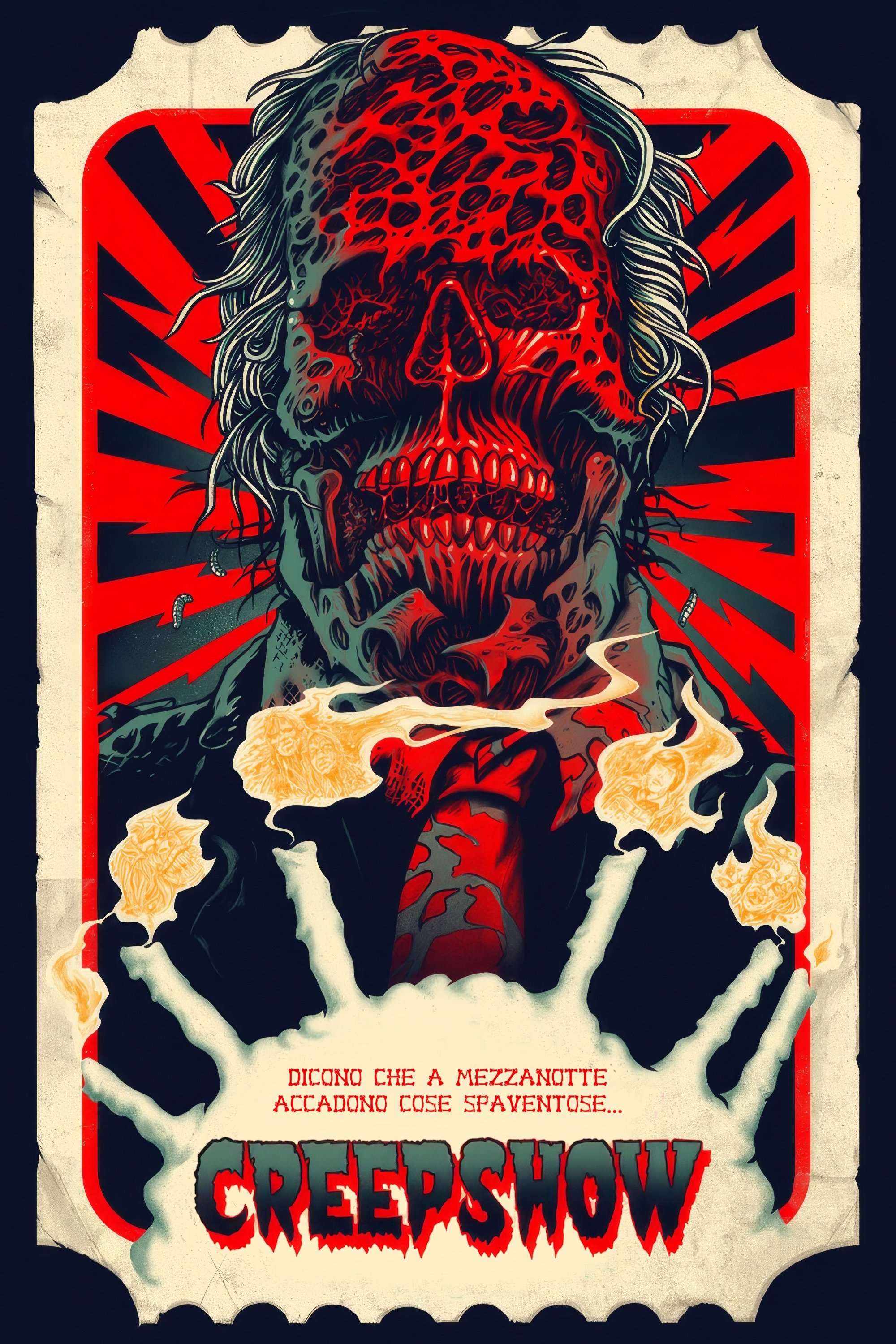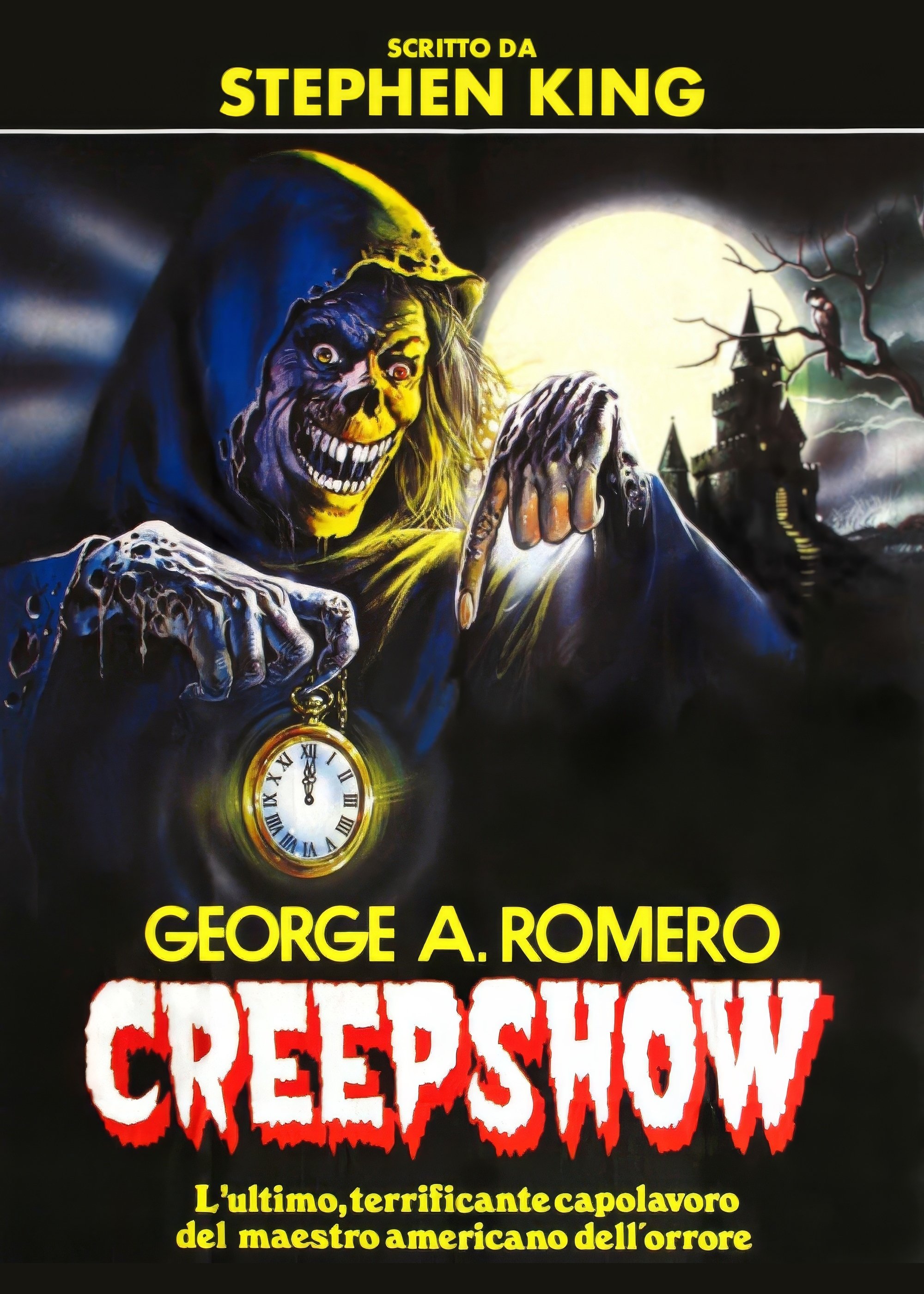


Romero, King and the EC Comics Concept
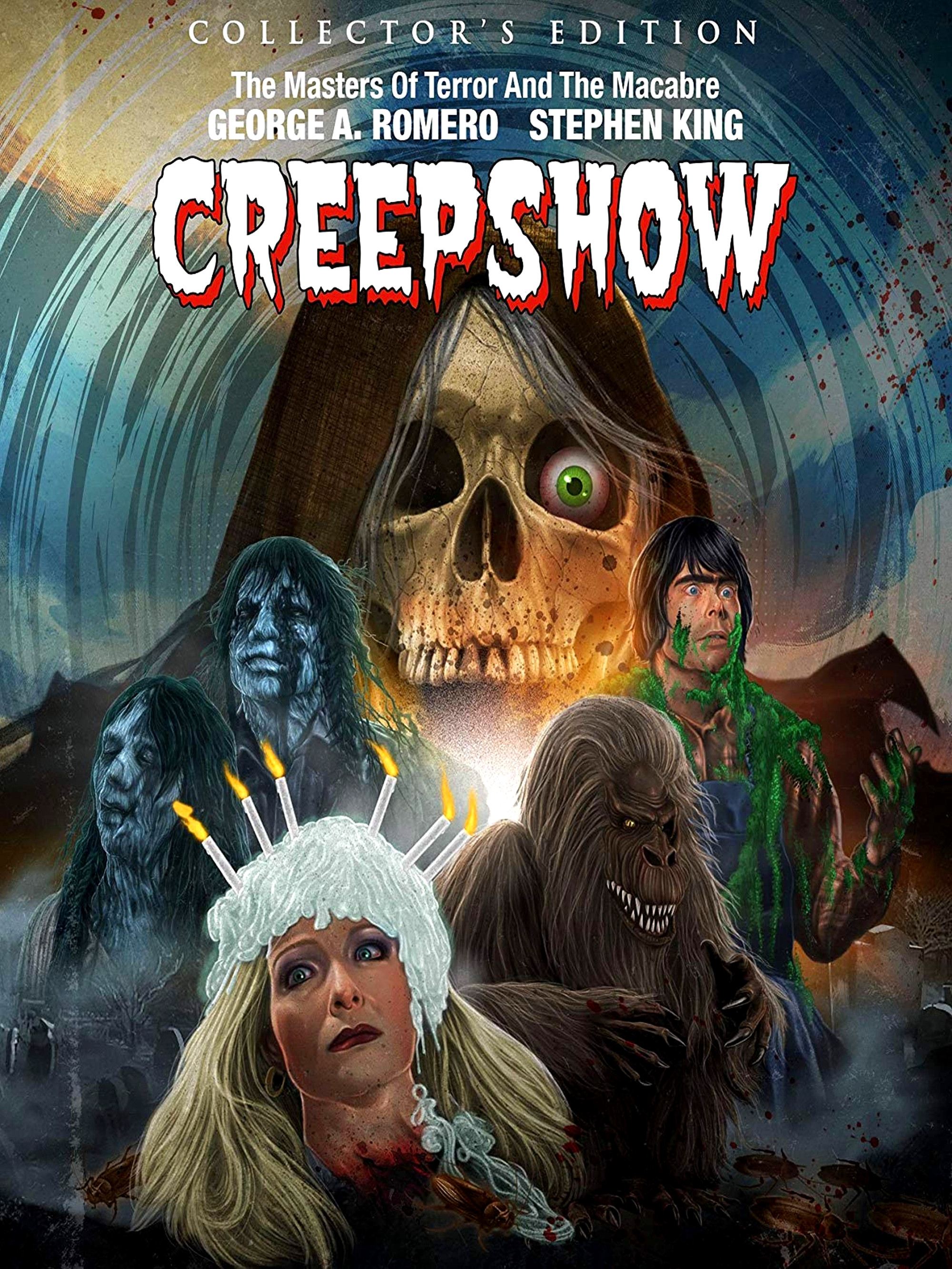
Romero and King began discussing potential collaborations during the late 1970s, with an adaptation of King's novel The Stand among their proposed projects. A more manageable anthology became attractive because it could demonstrate their creative partnership without the scale required by that novel. King completed the original Creepshow screenplay in 1979. The project became his first screenplay written specifically for a feature film, although his fiction had already supplied material for earlier adaptations.
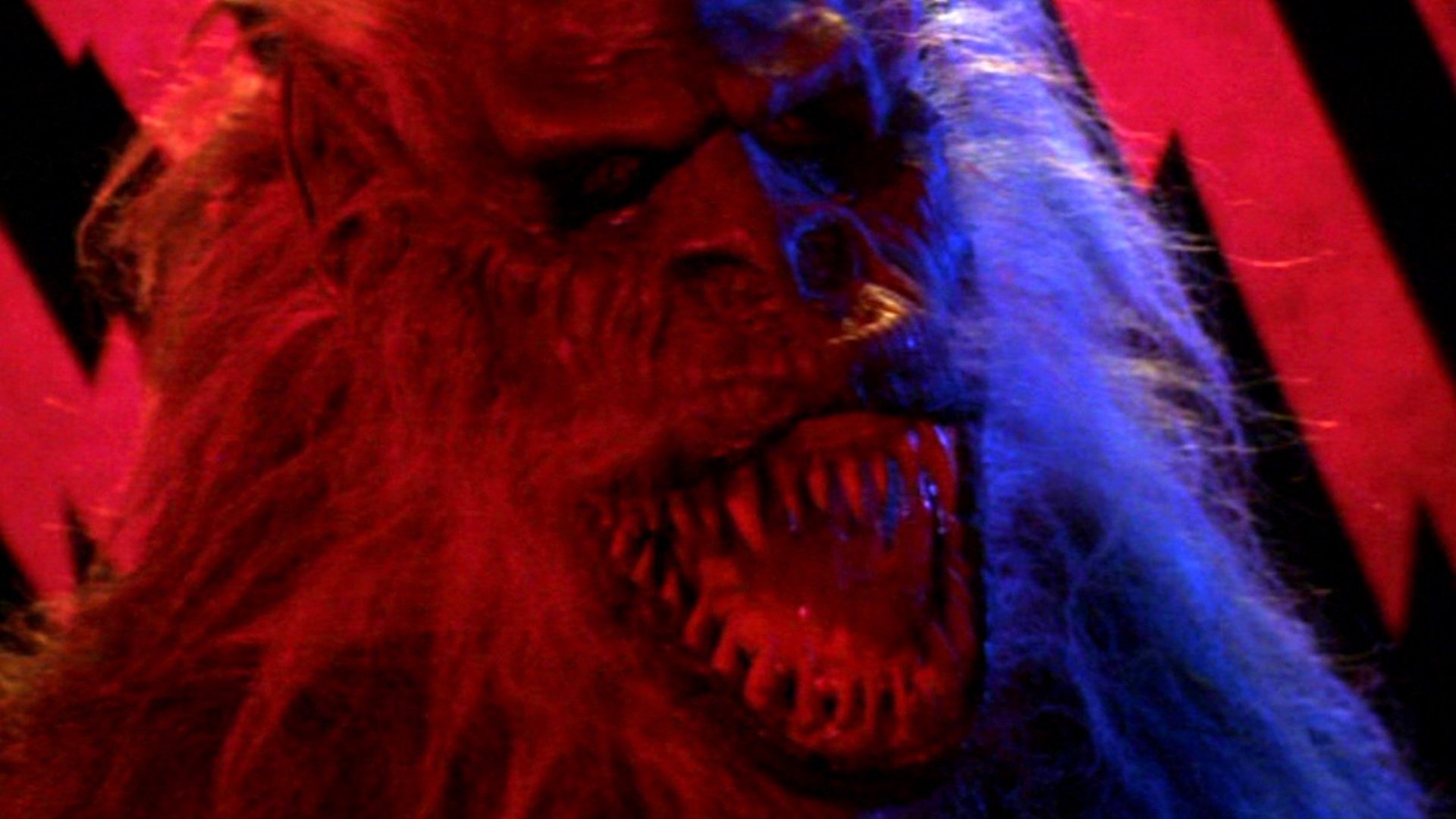
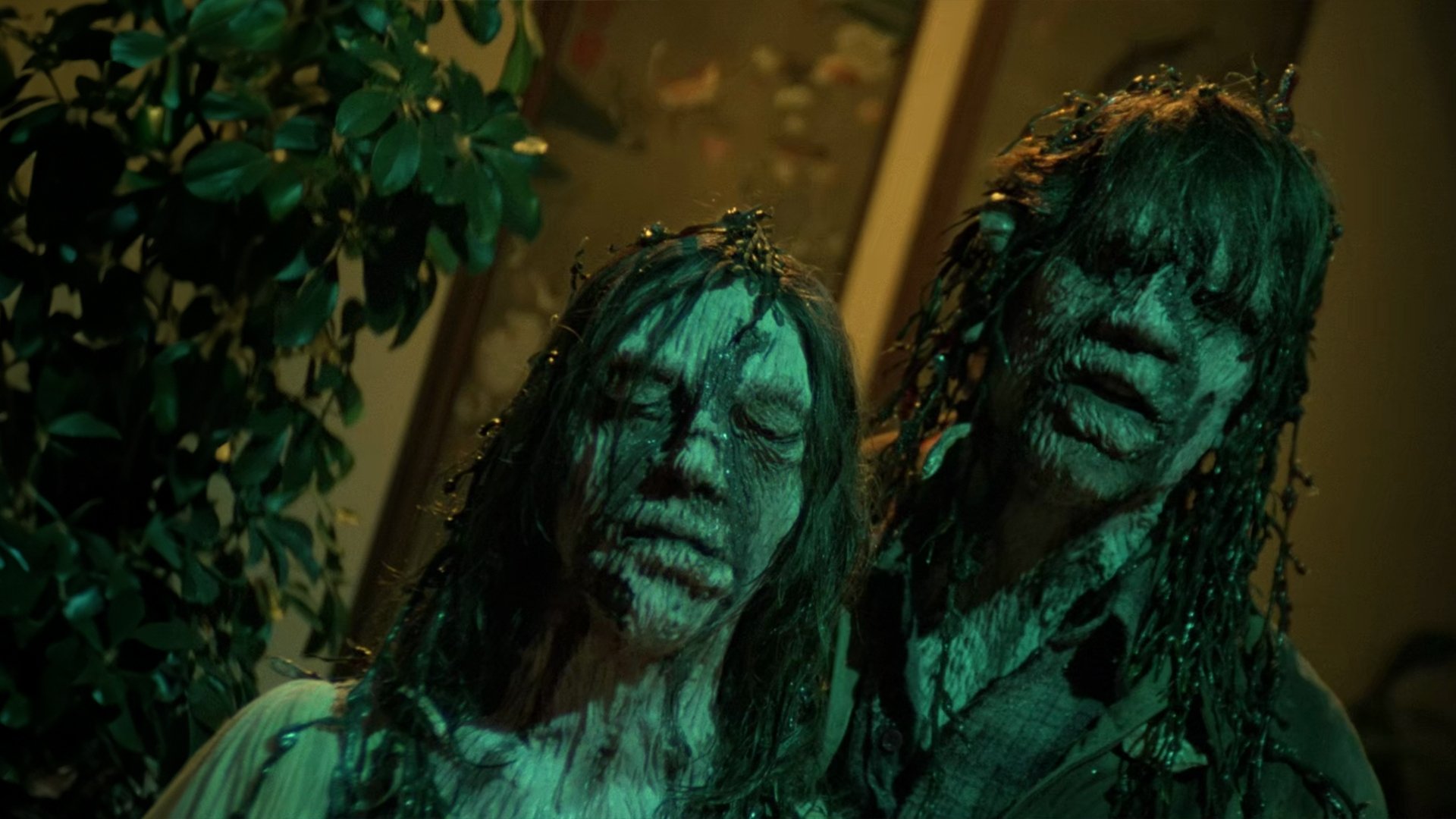
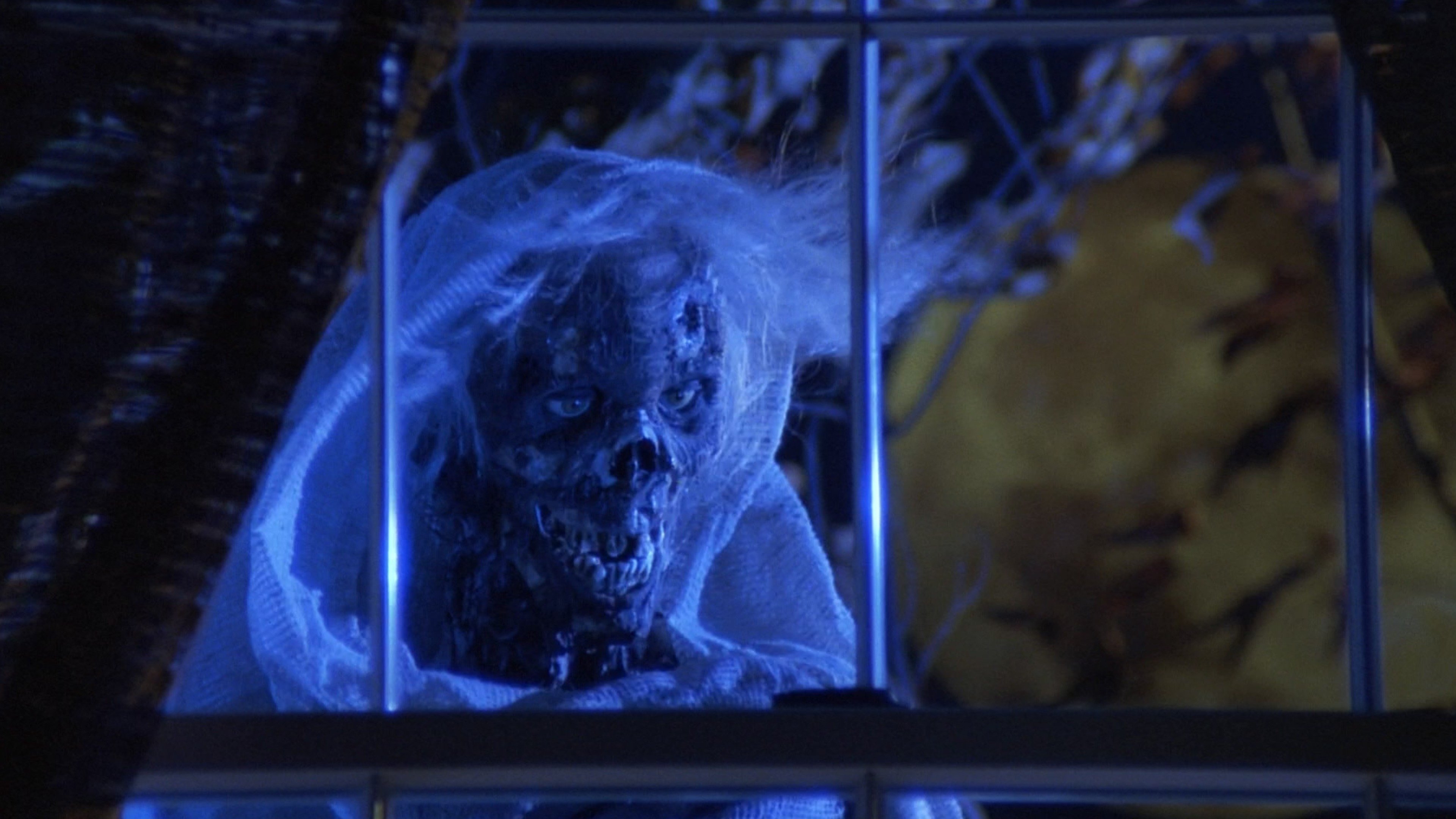
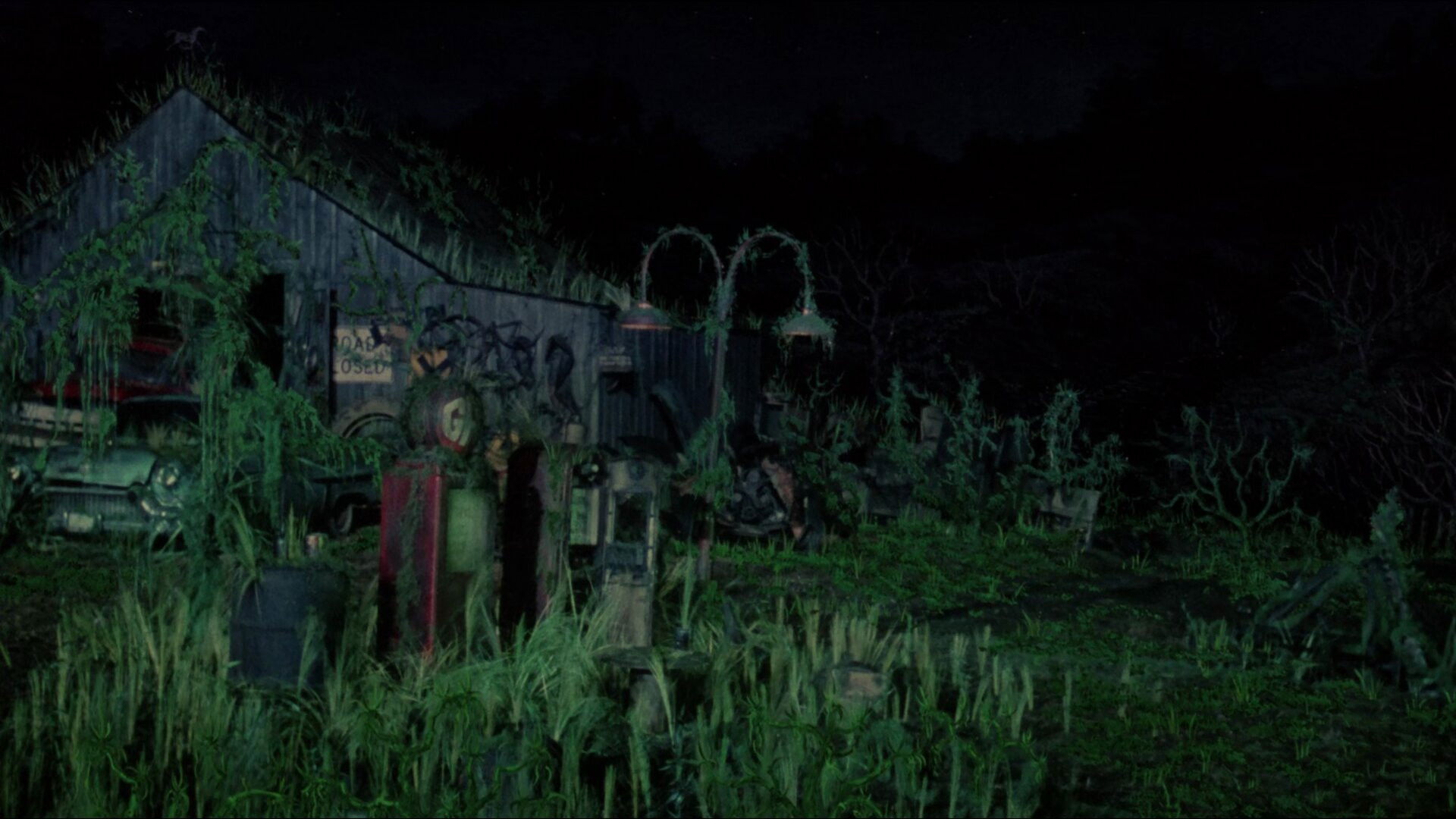
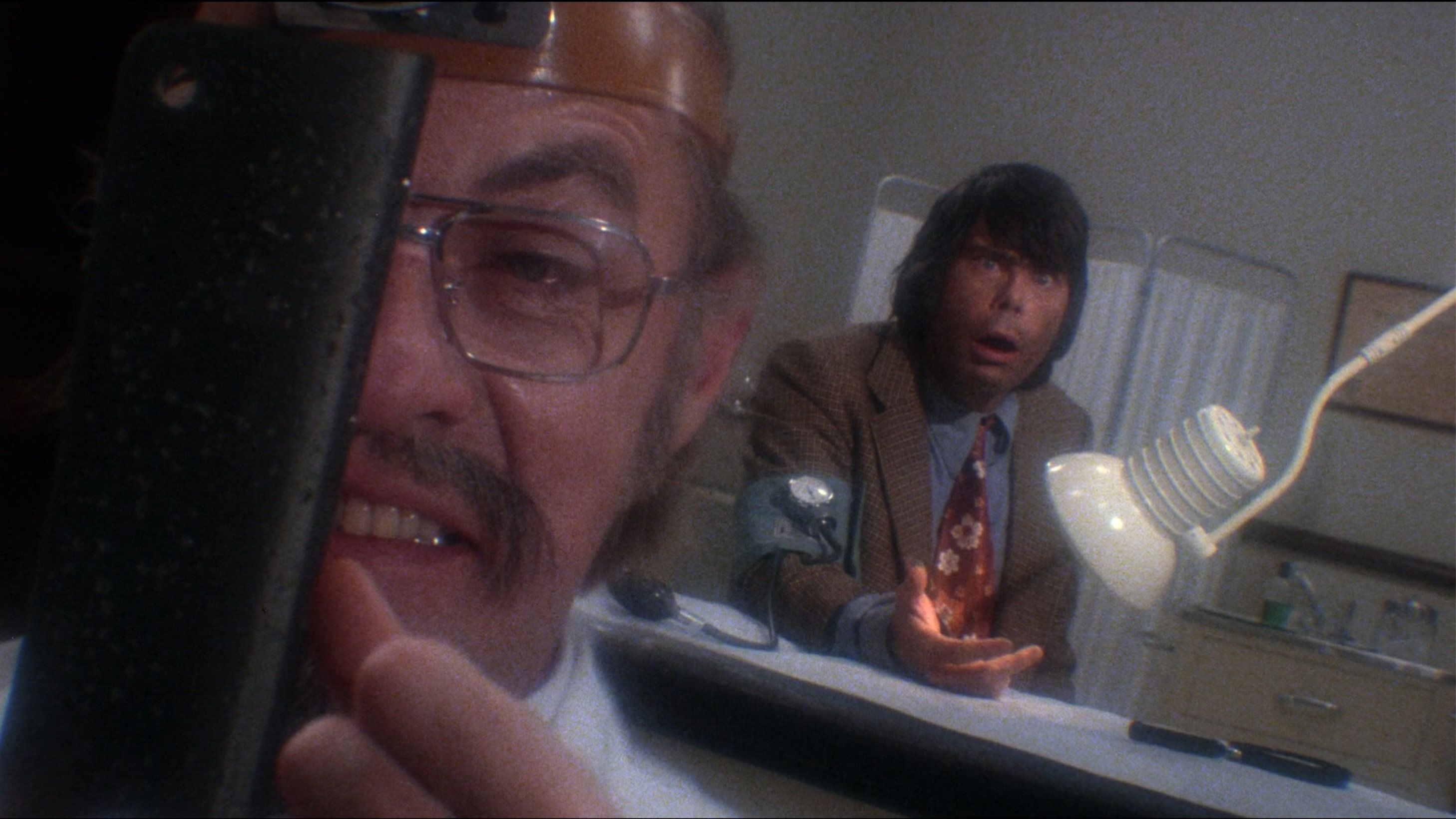
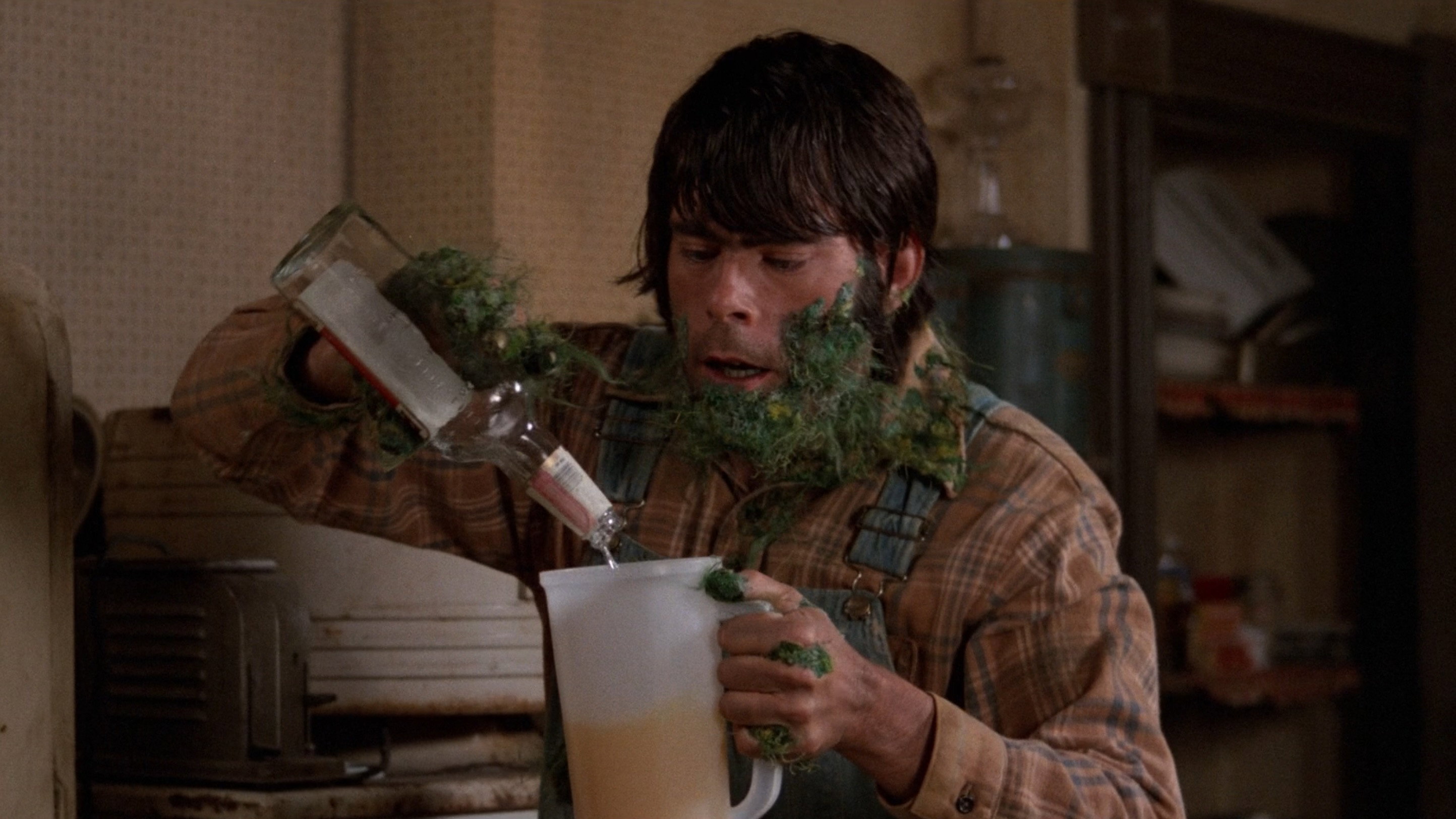
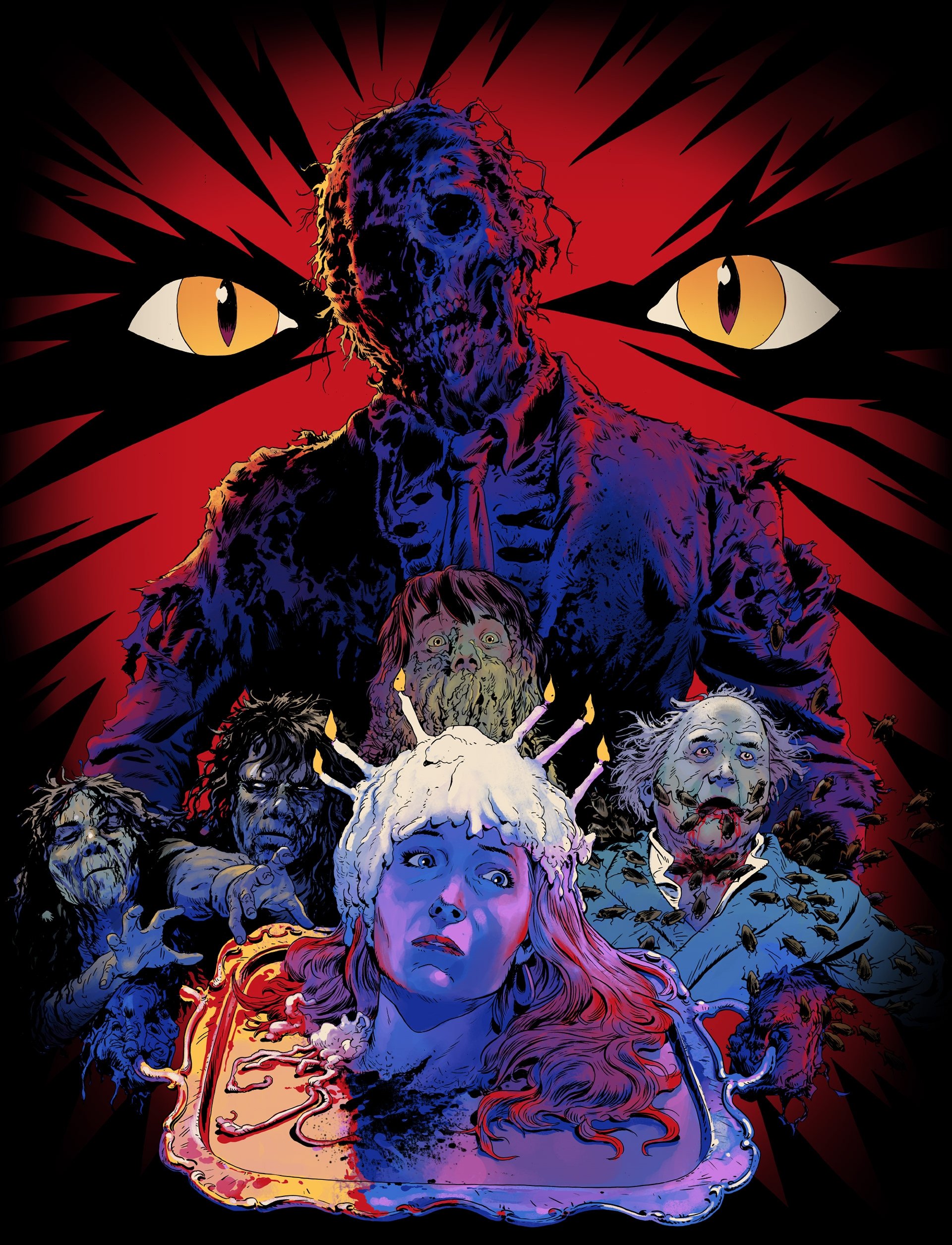
The five episodes were not all created from previously published stories. The Lonesome Death of Jordy Verrill adapts King's Weeds, originally published in Cavalier in May 1976, while The Crate adapts the story published in Gallery in July 1979. Father's Day, Something to Tide You Over and They're Creeping Up on You! were written for the film. Research preserved by the University of Pittsburgh Library System confirms the distinction, which is important because the project was conceived as a new cinematic anthology rather than a conventional collection of existing King adaptations.
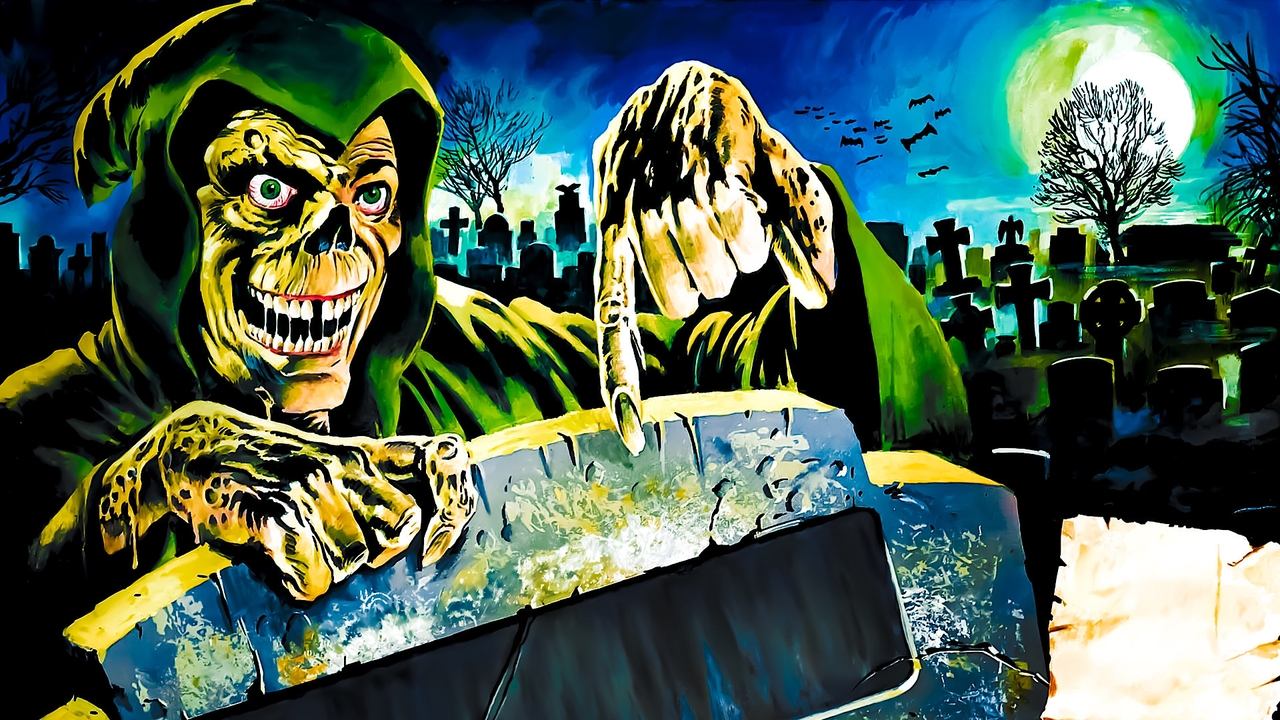
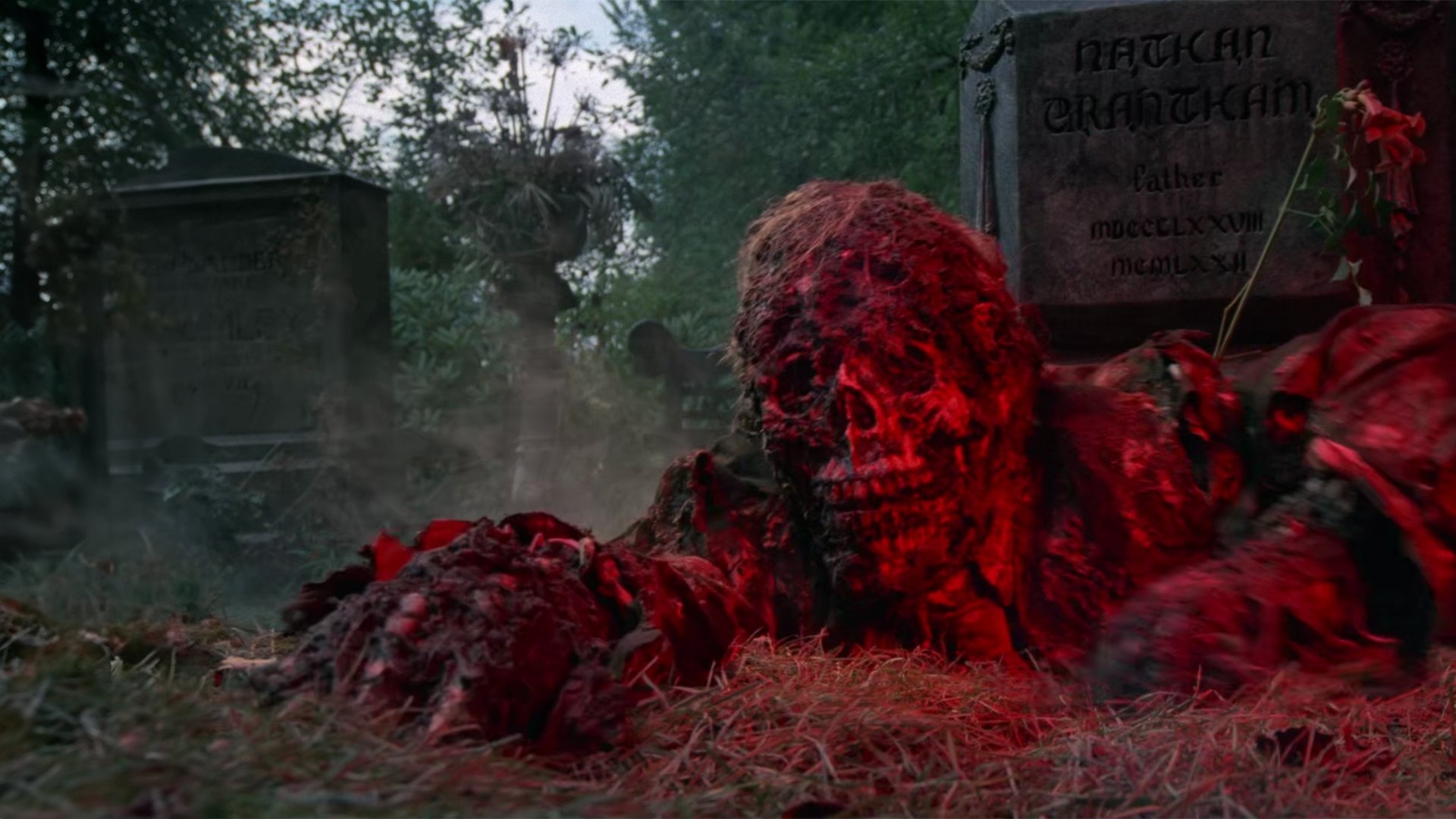
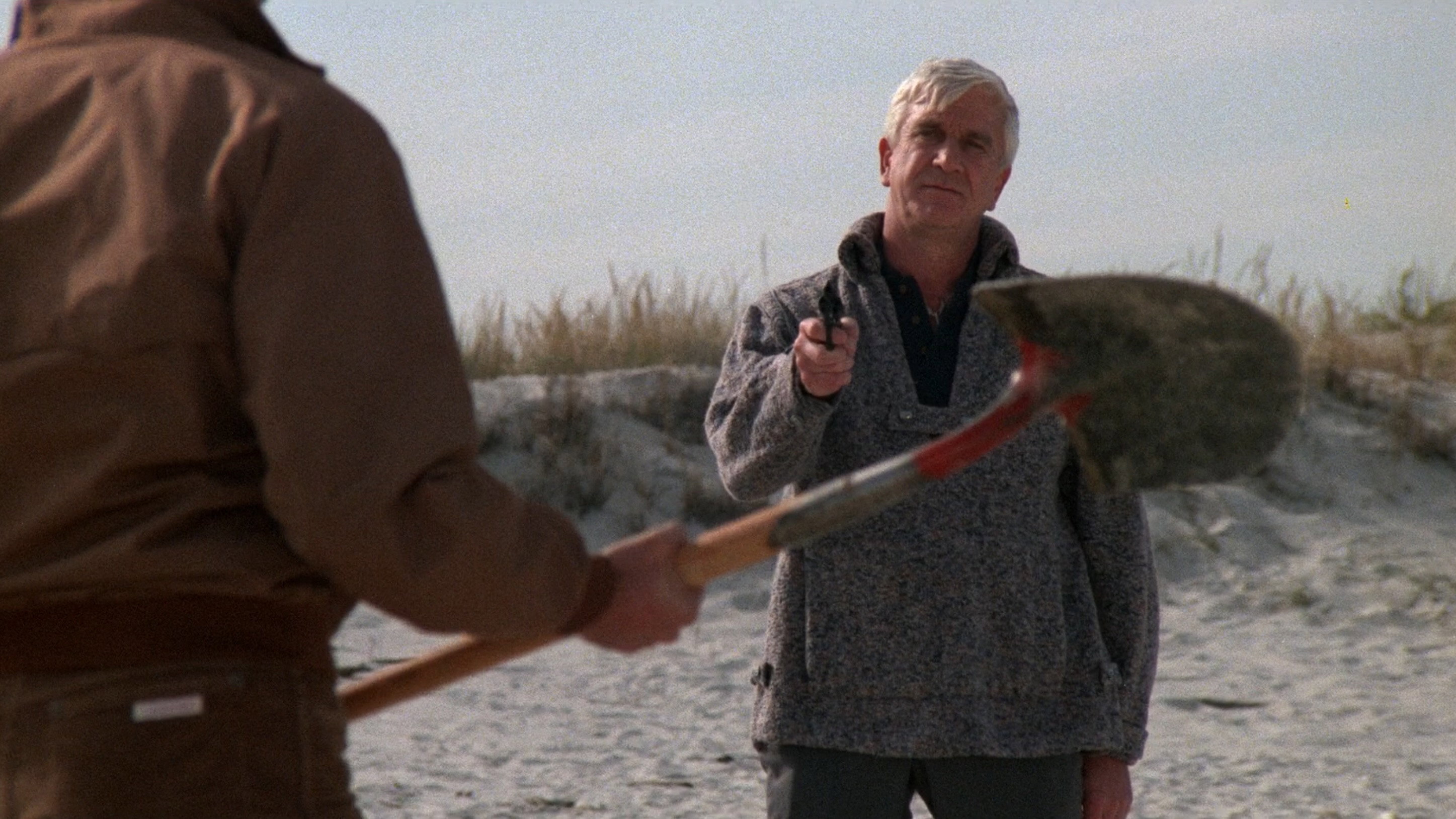
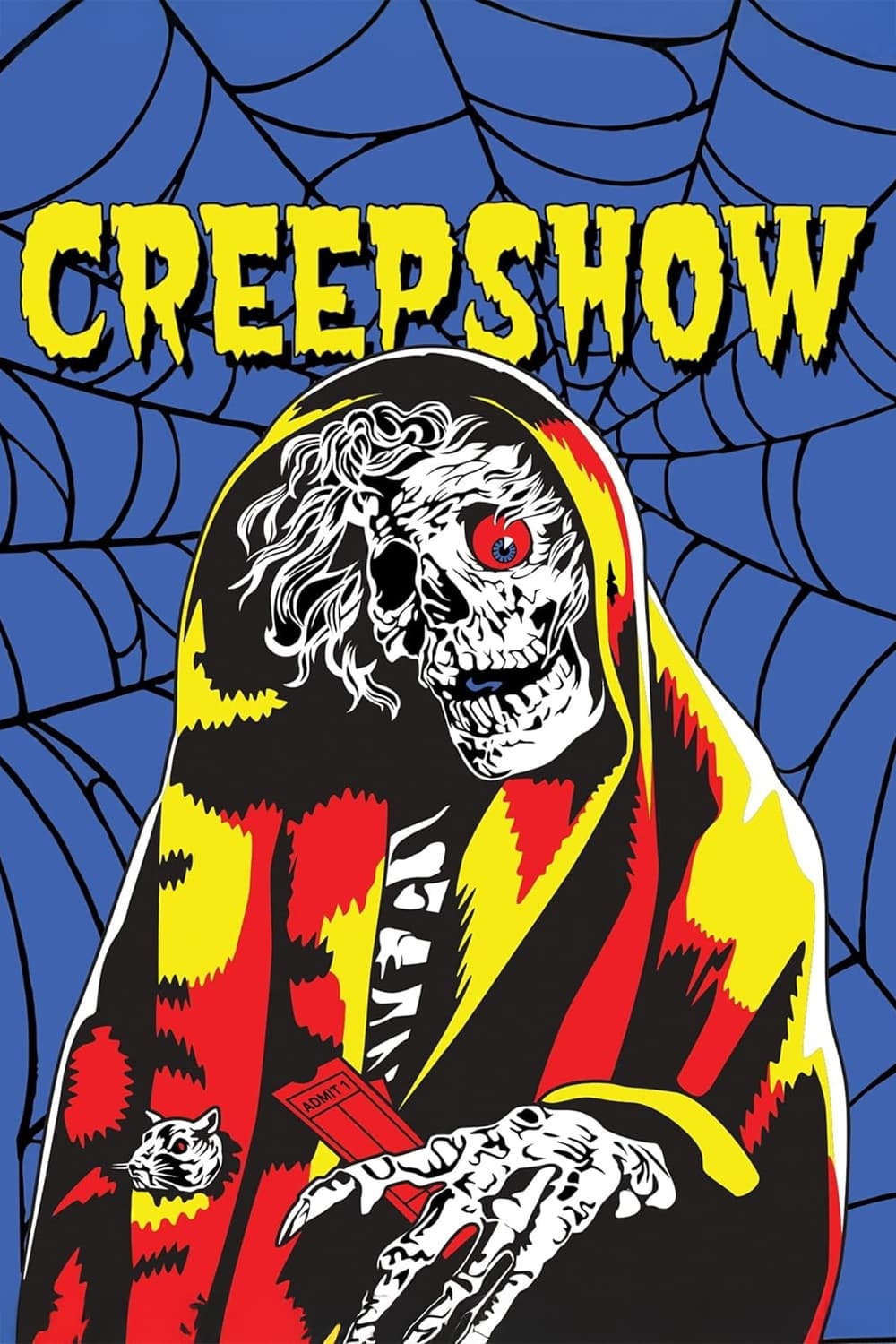
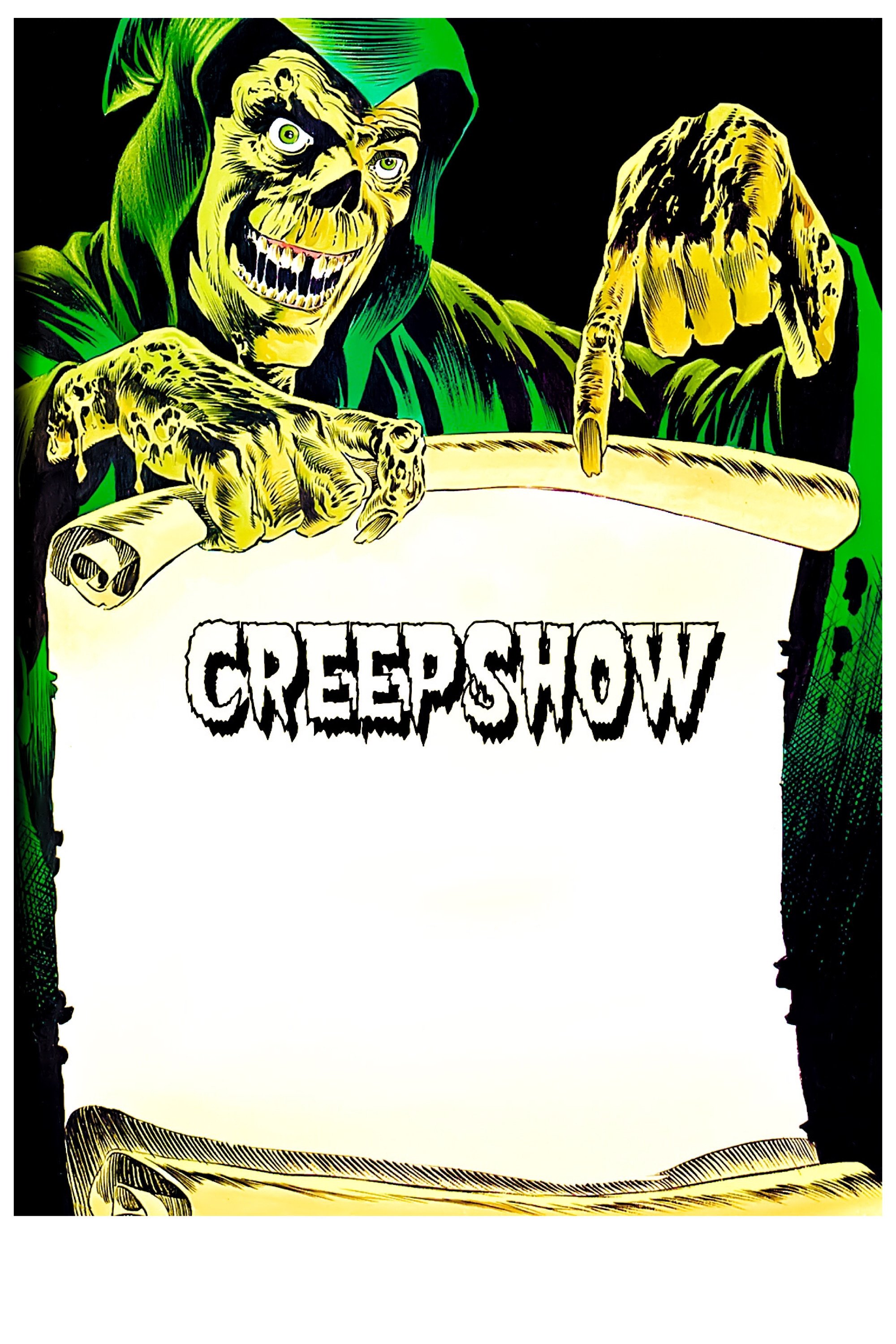
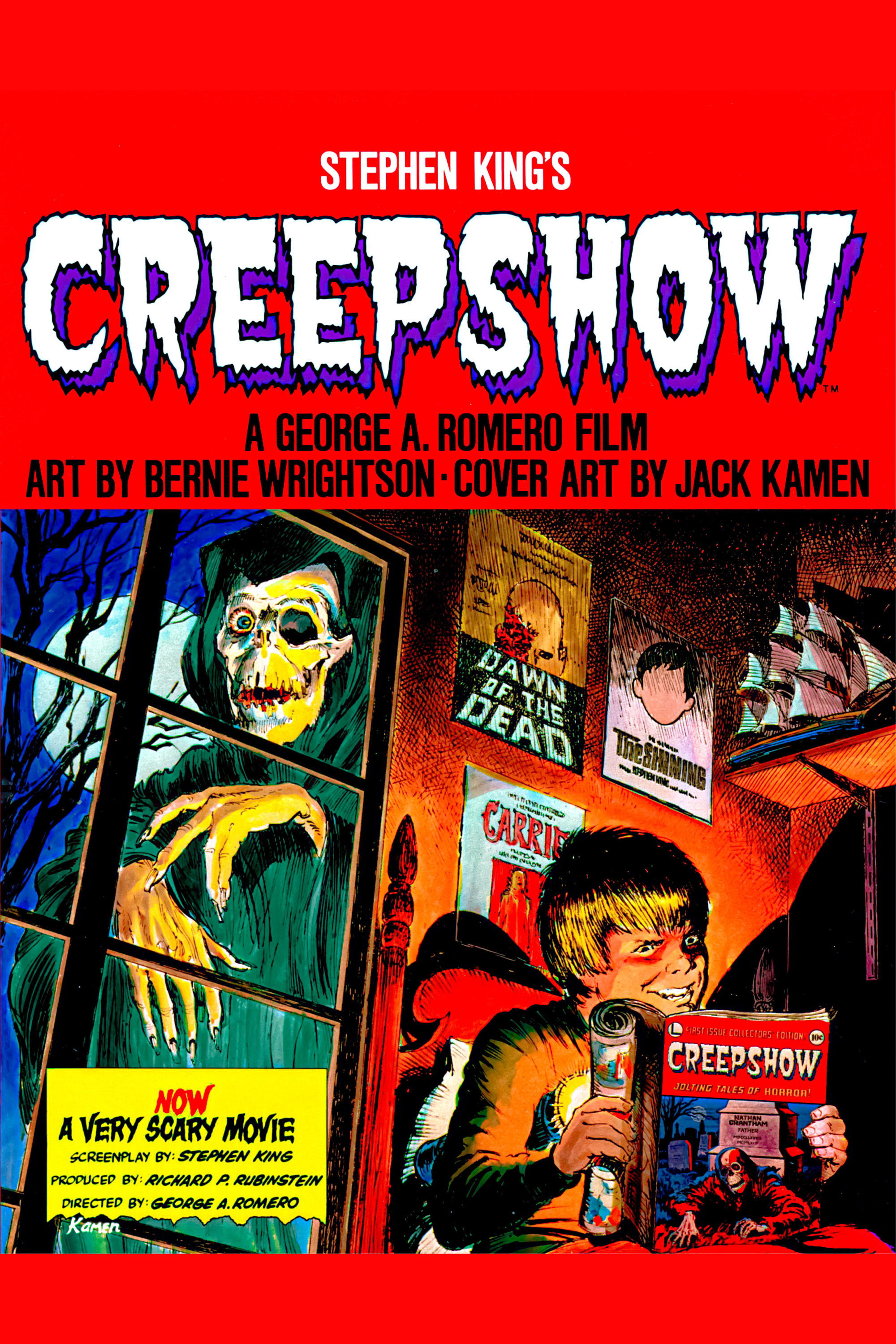
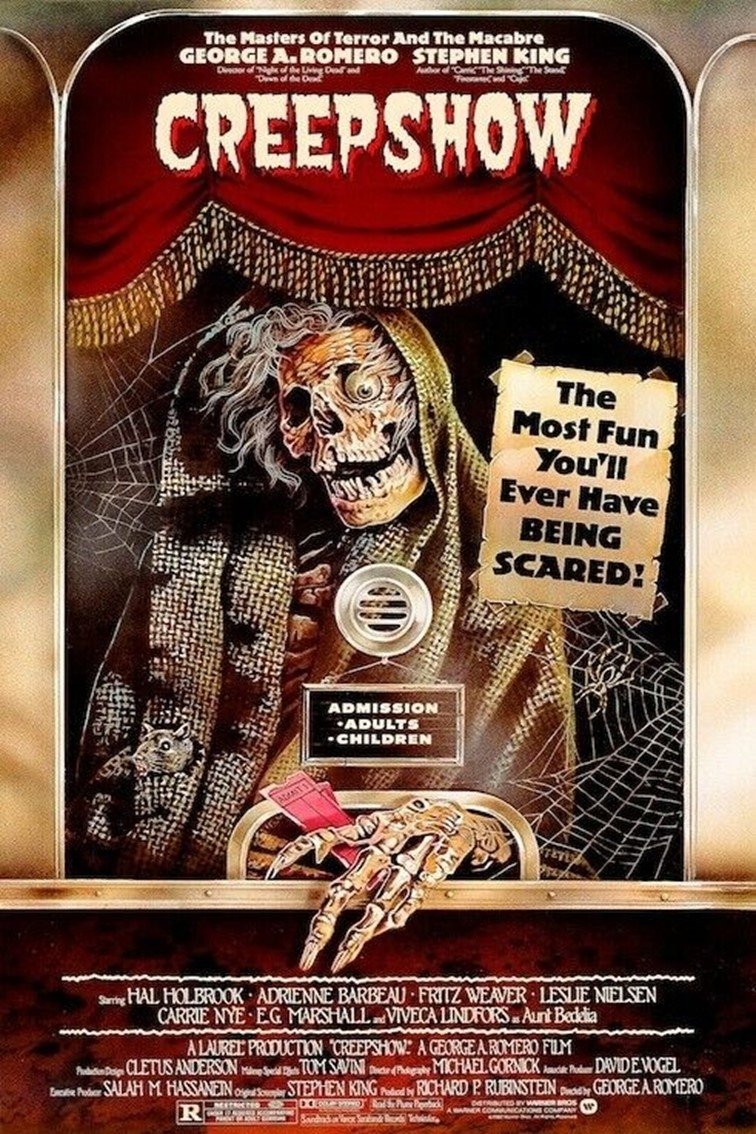
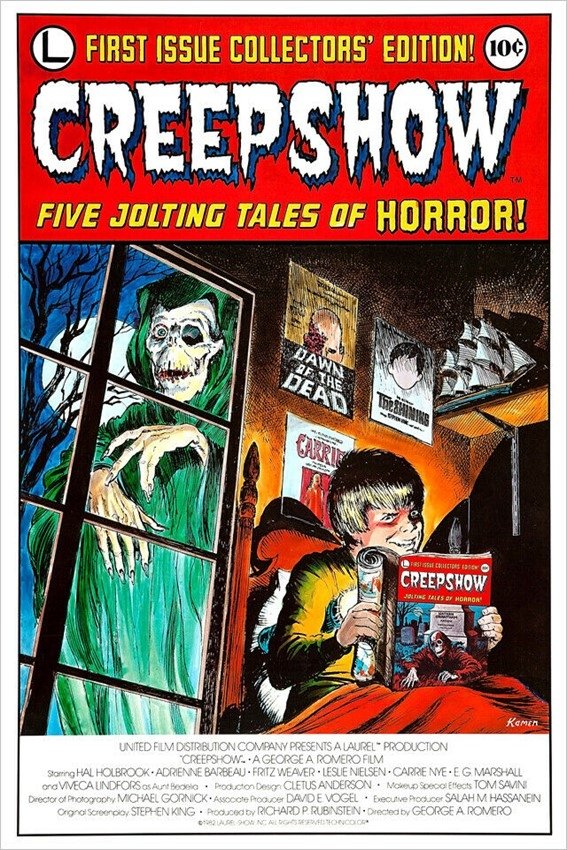
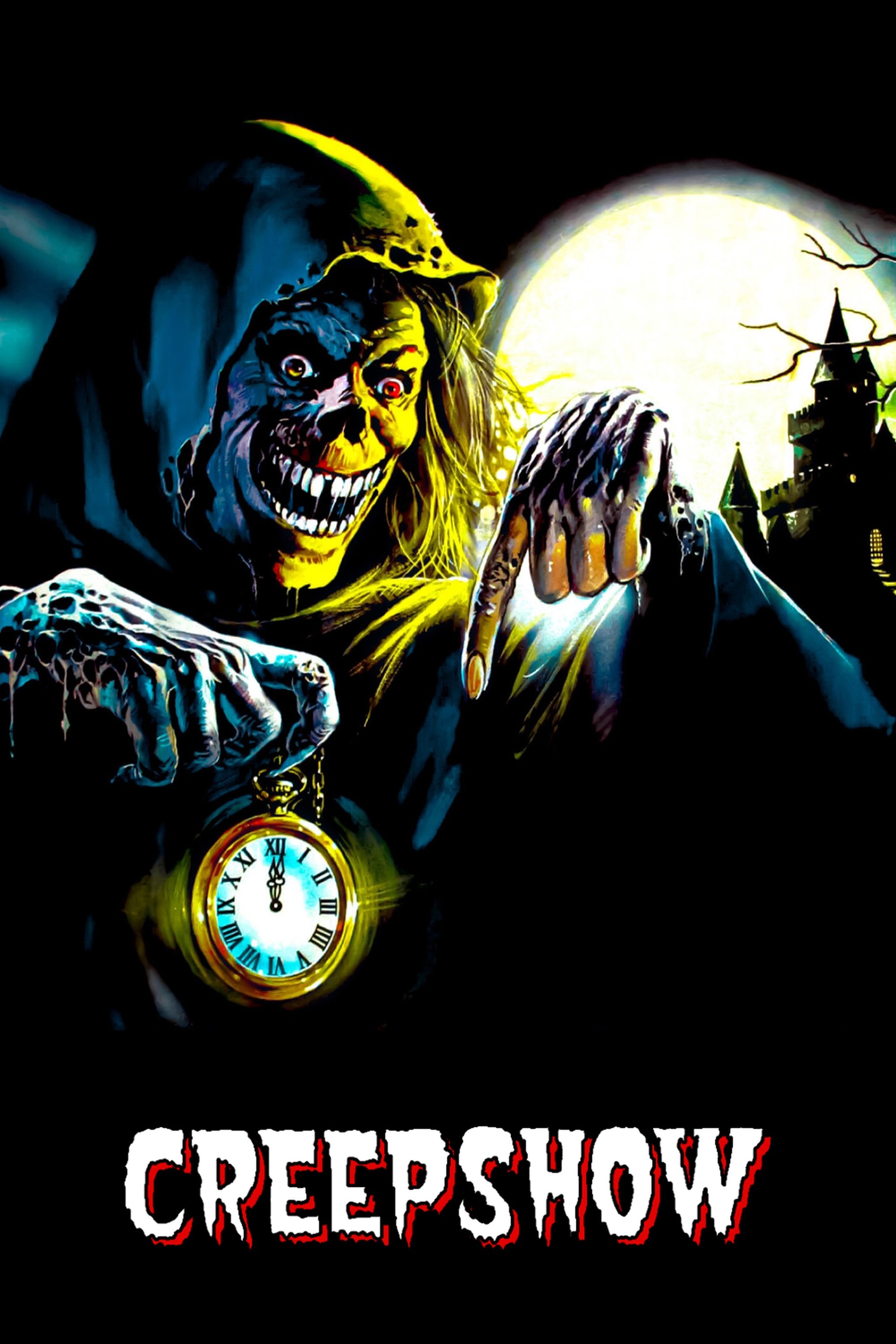
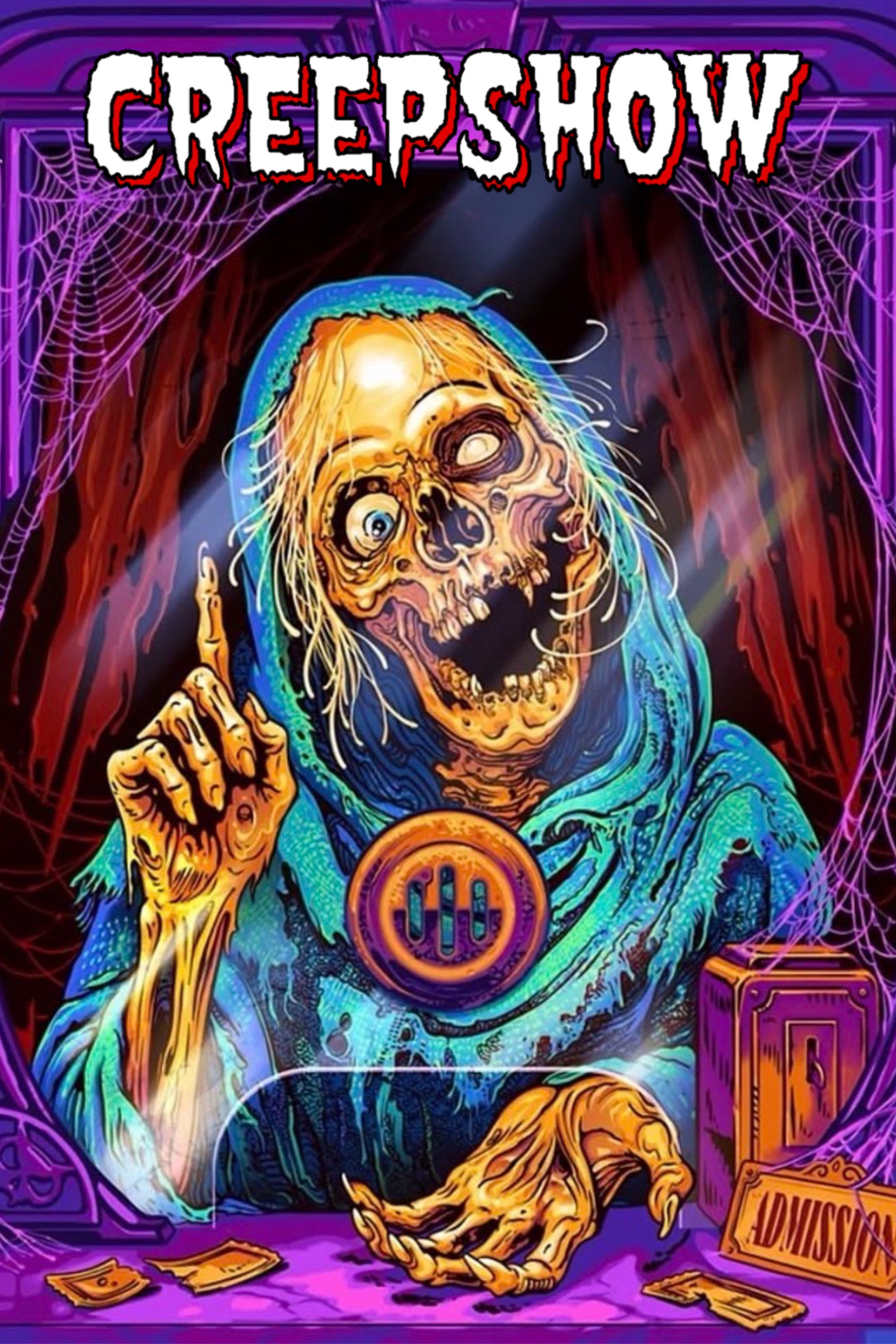
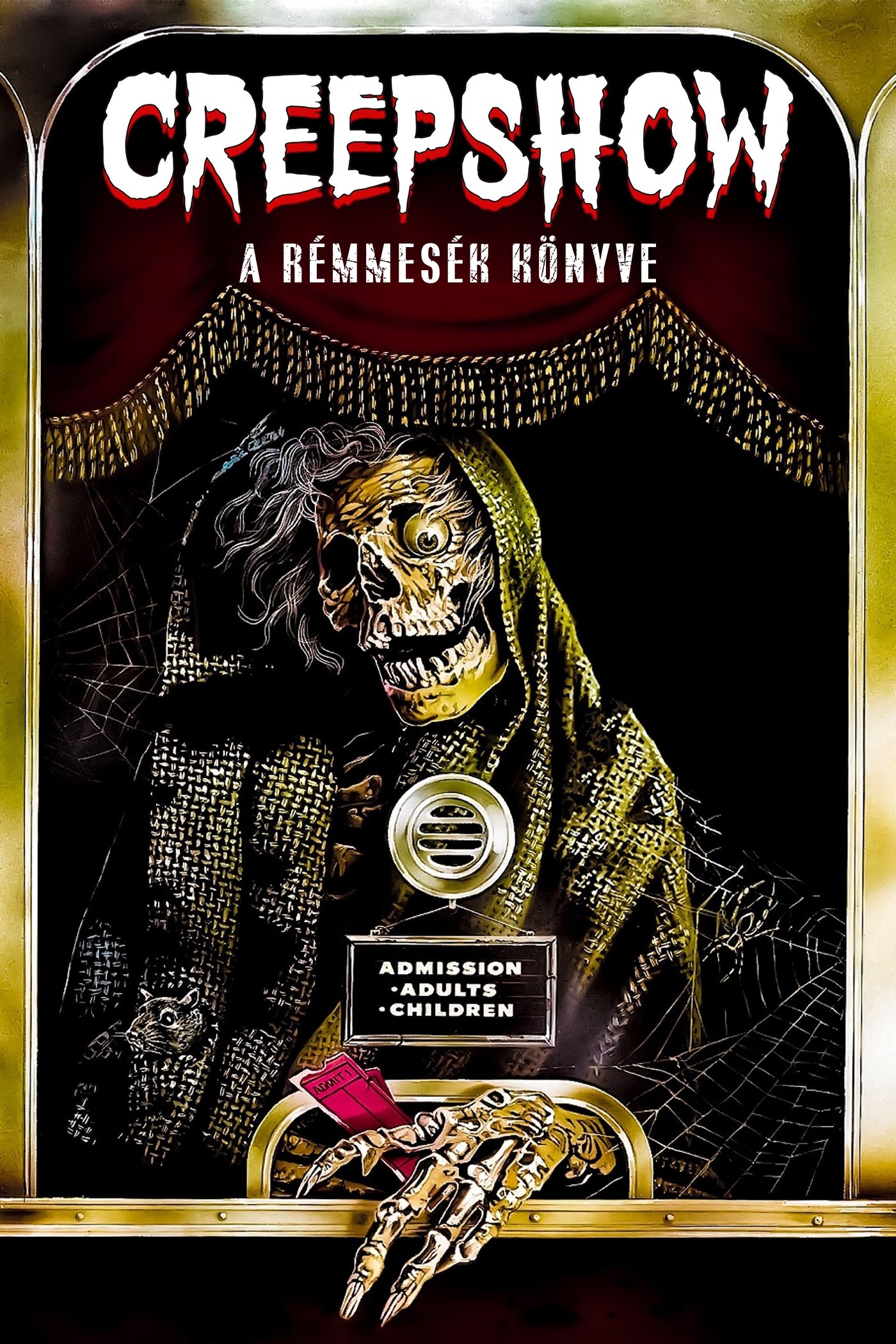
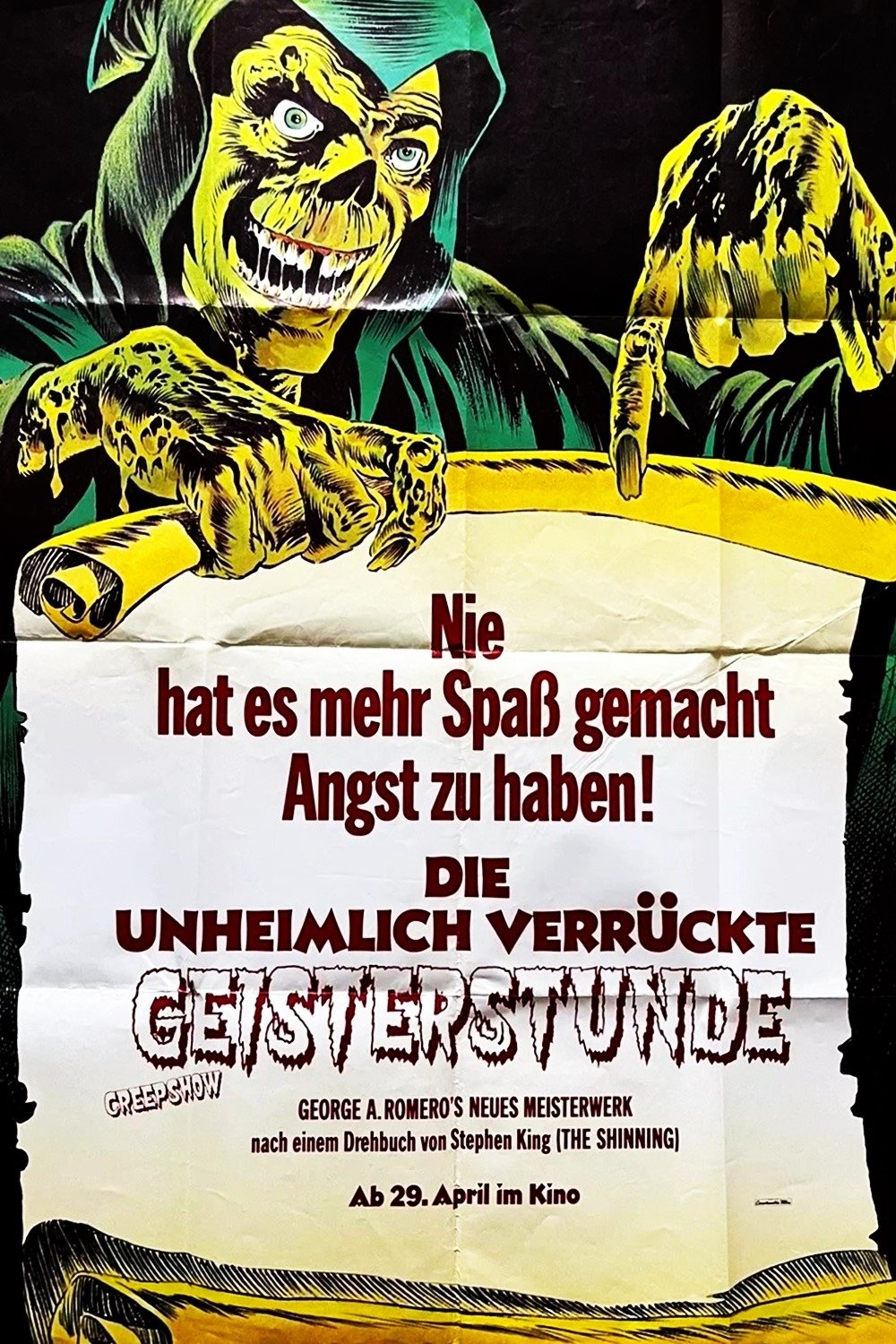
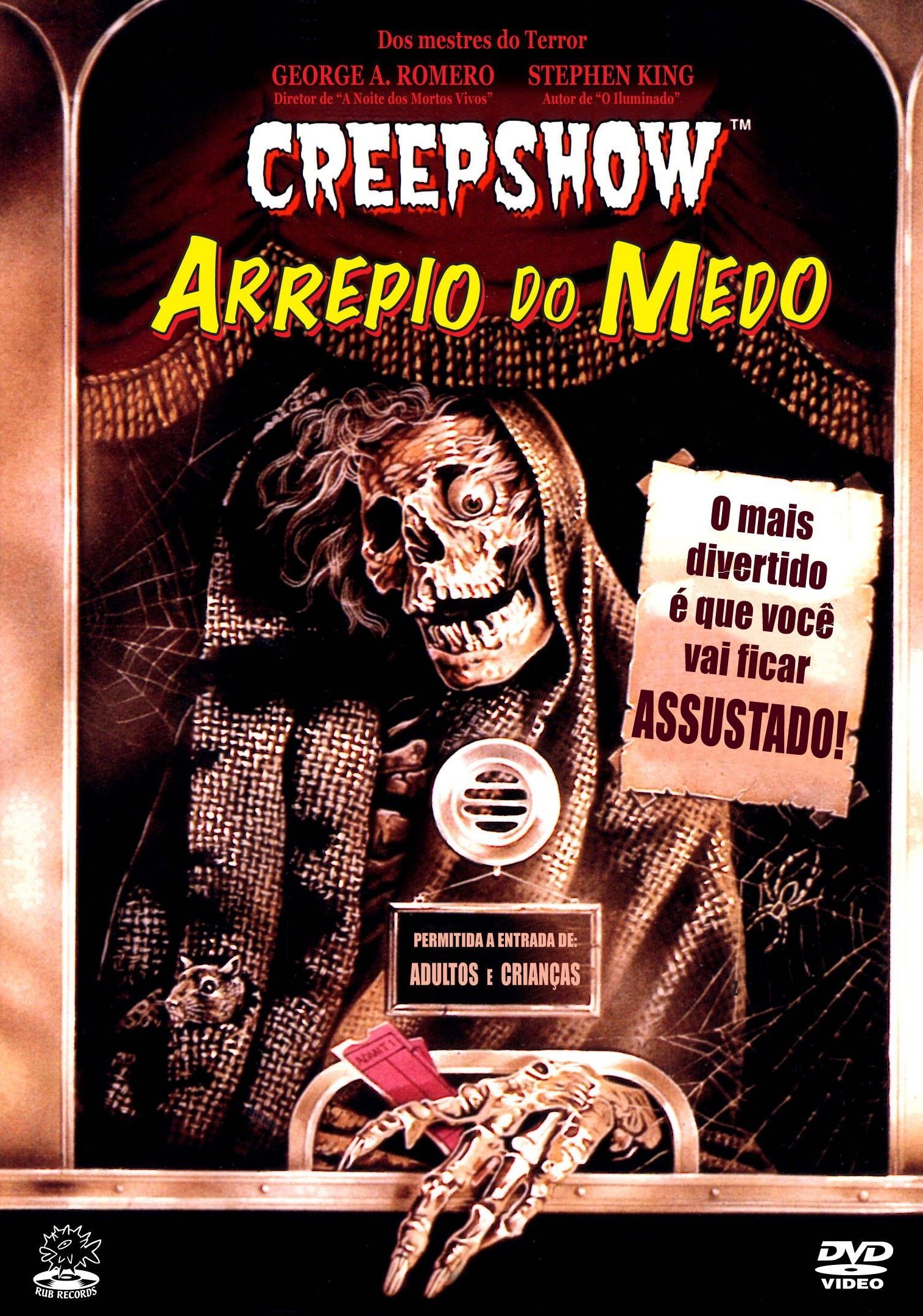
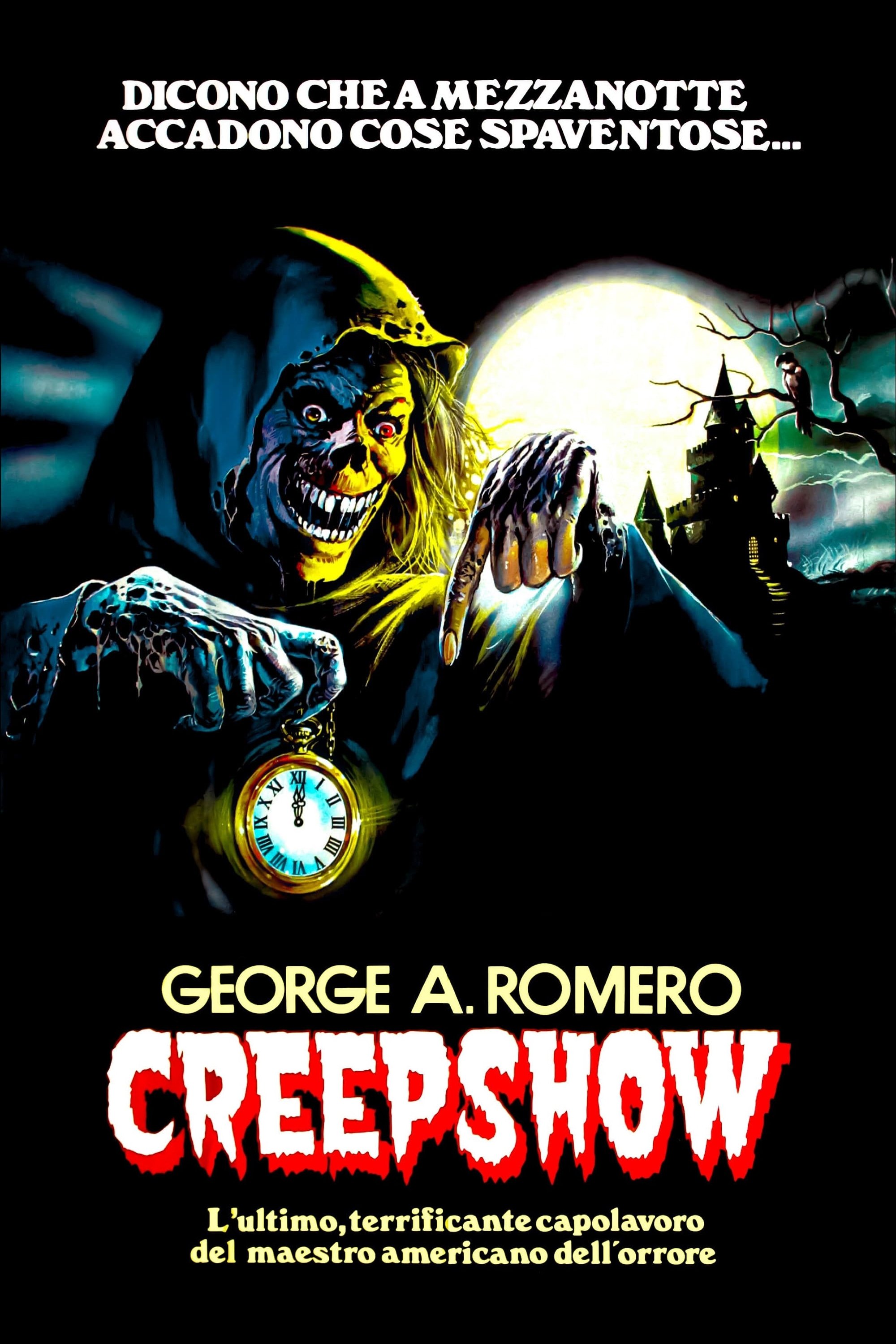
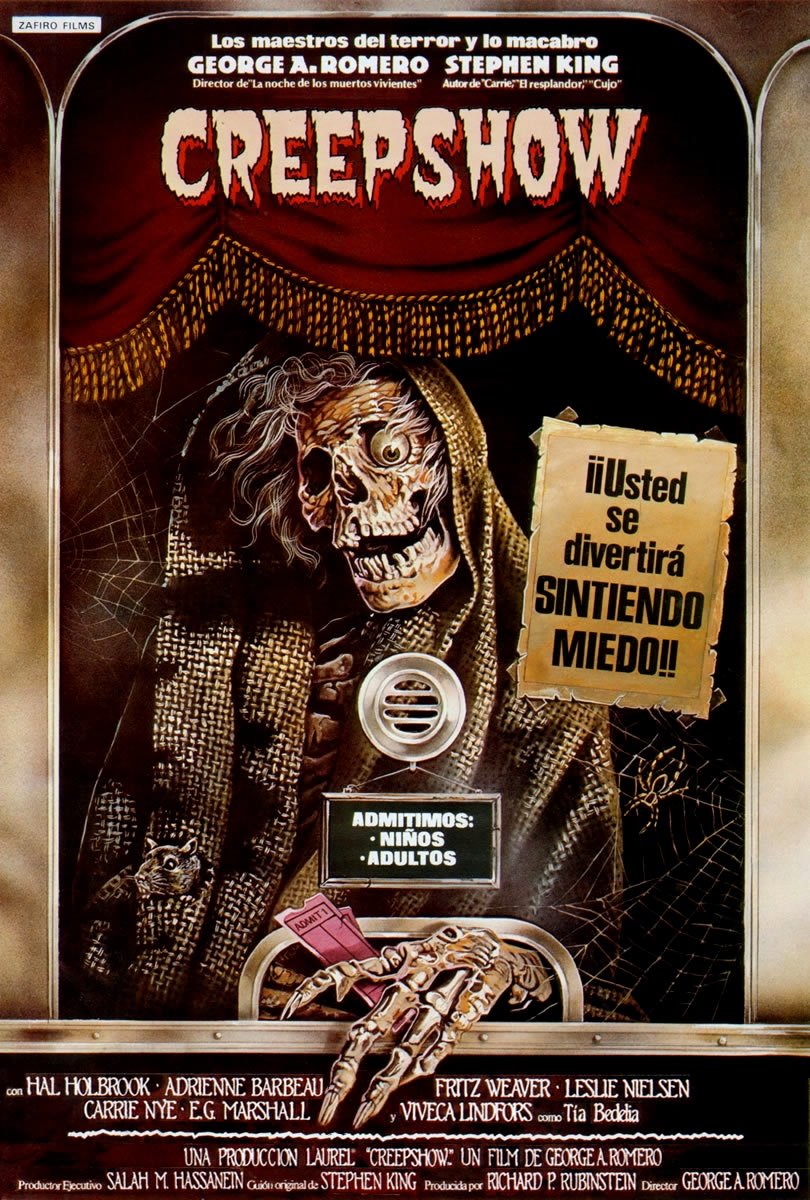
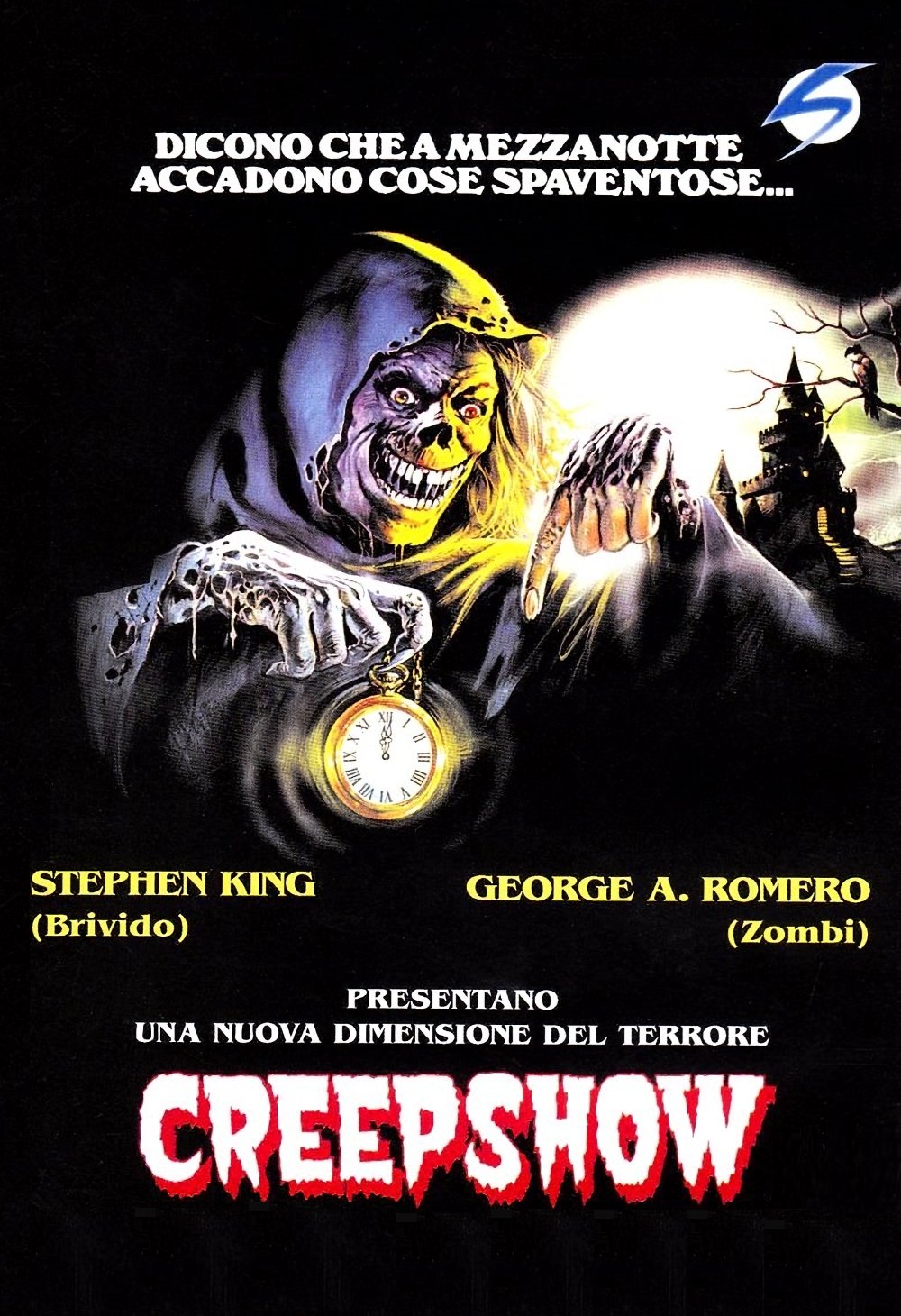
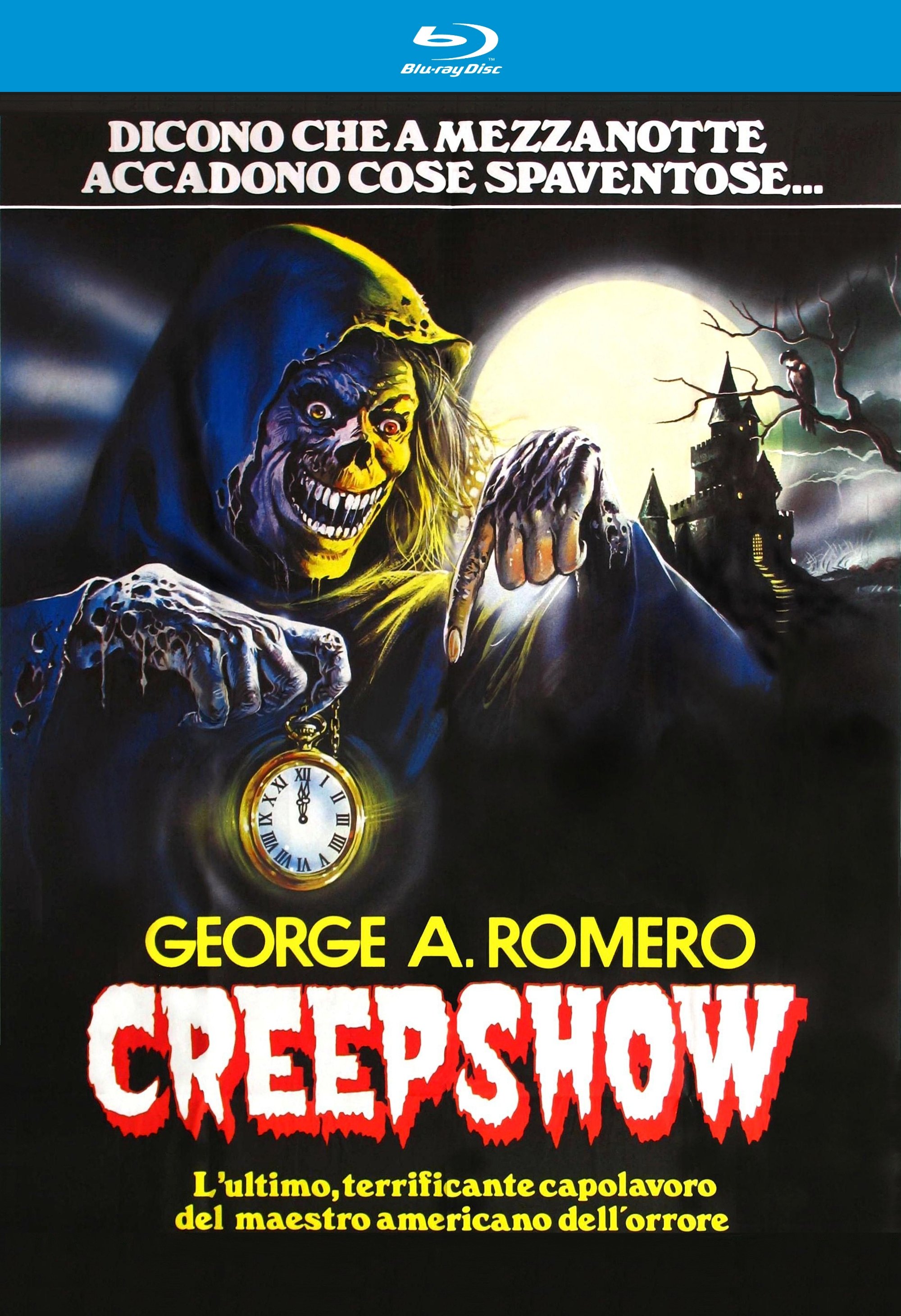
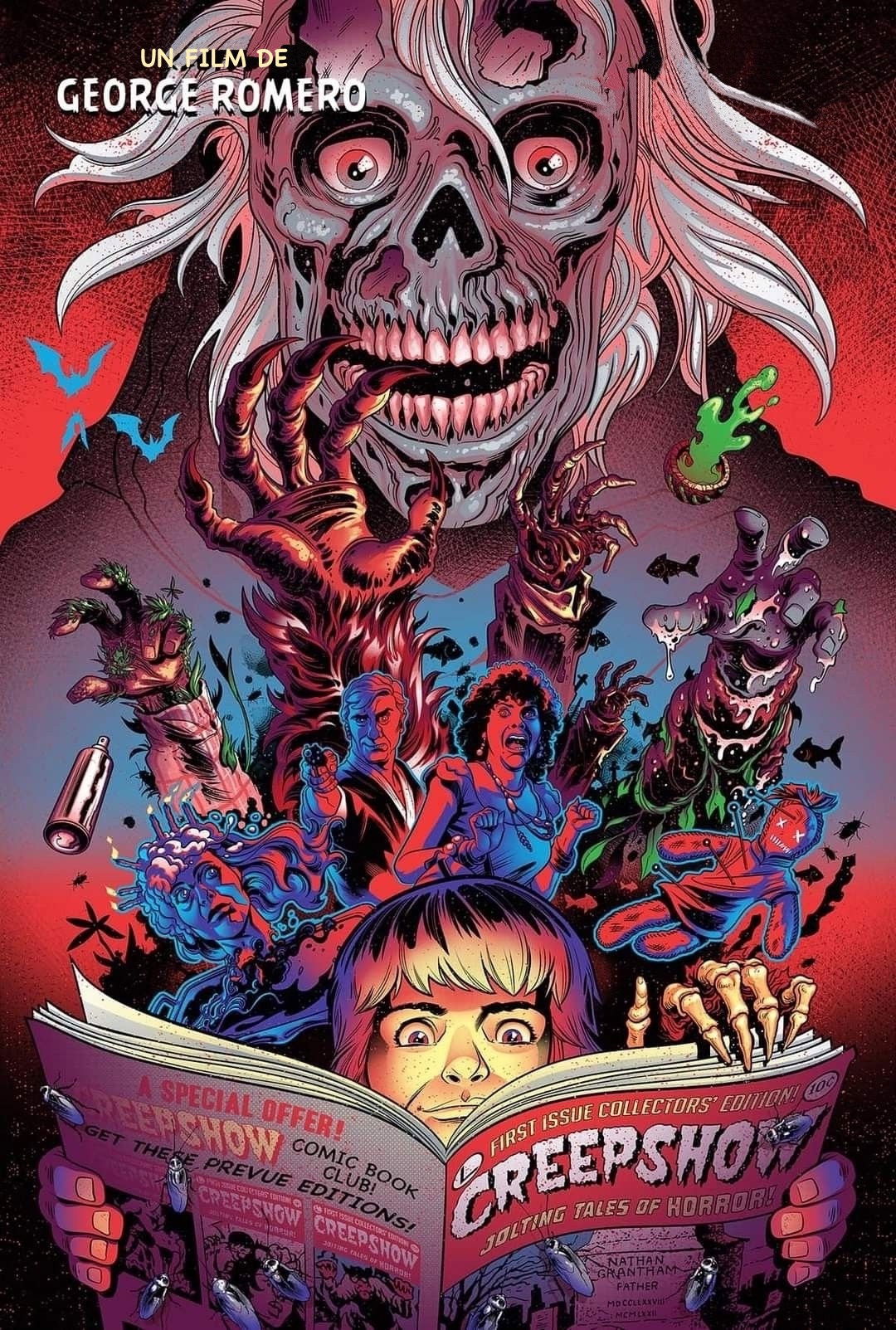
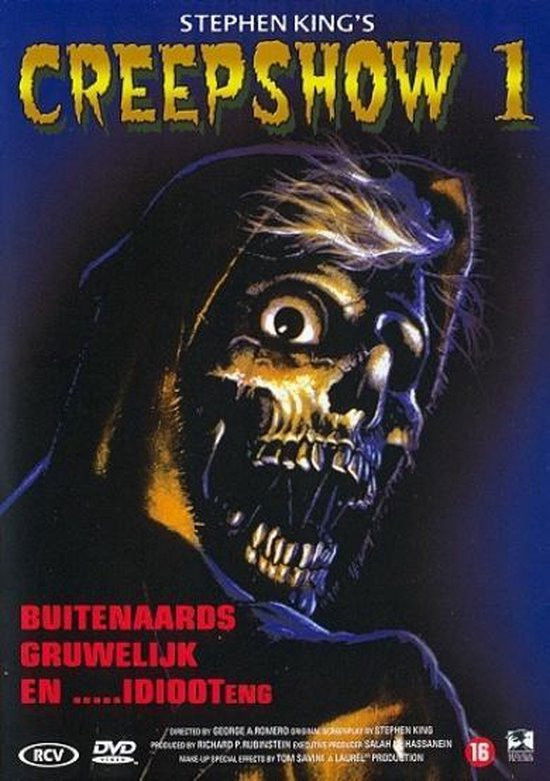
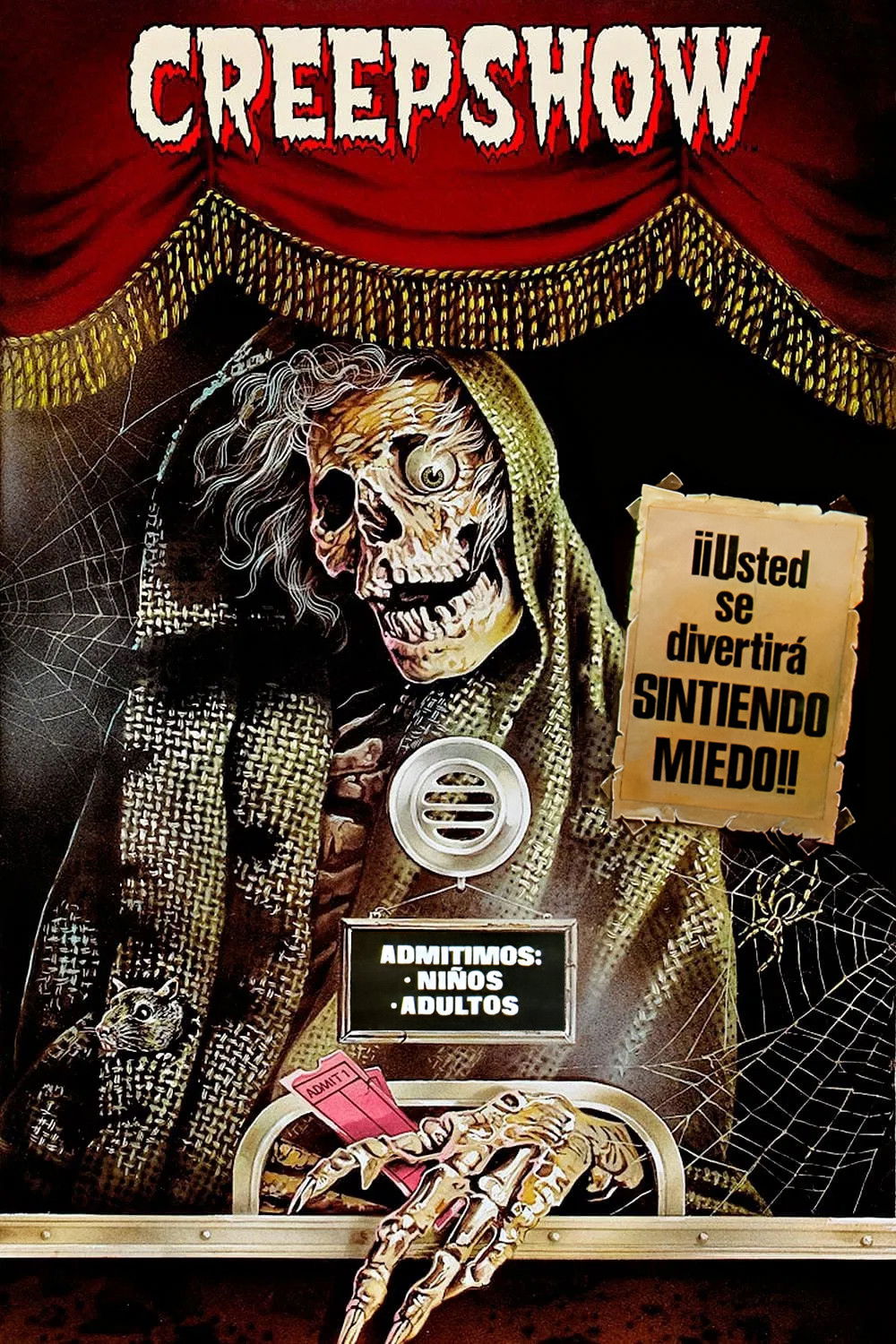
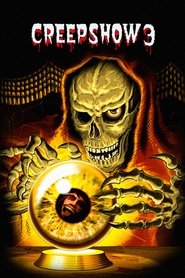
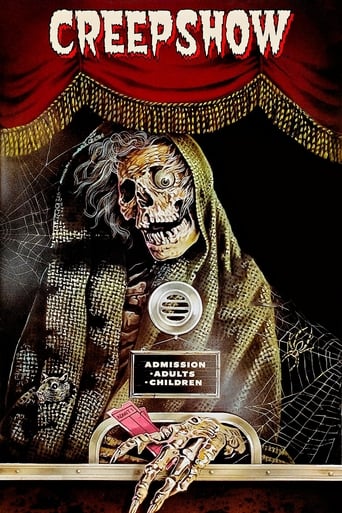
The primary inspiration was the line of EC horror publications associated with William M. Gaines during the 1950s. Their brief stories frequently combined a recognizable moral transgression with a supernatural or physically grotesque punishment. Romero and King adopted that structure while introducing varying degrees of comedy. The format also allowed characters to be established quickly, with one central conflict and a clearly defined visual conclusion. Producer Rubinstein later explained that recognizable actors were deliberately cast in several segments because their established screen personas could communicate character information rapidly.
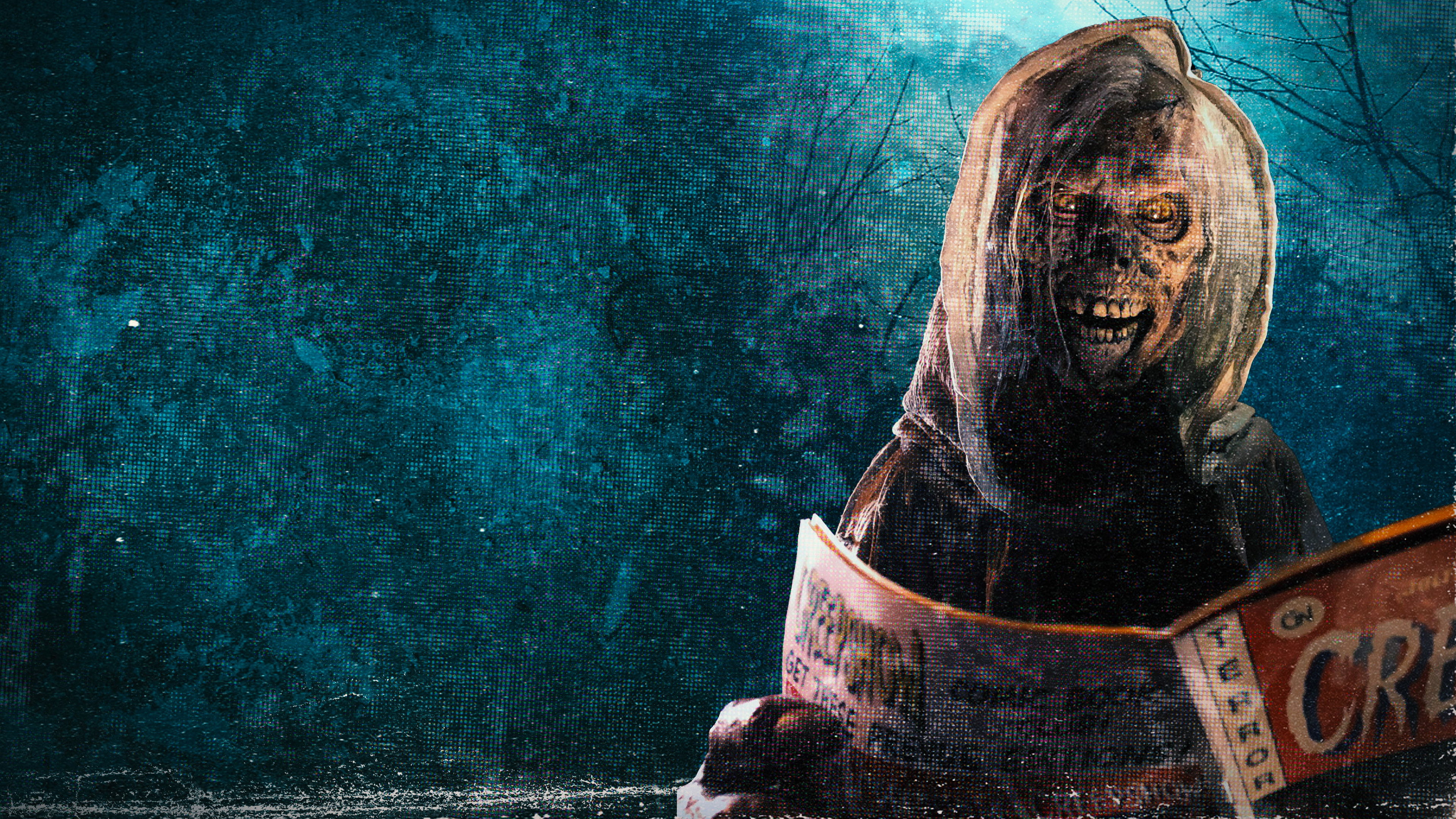
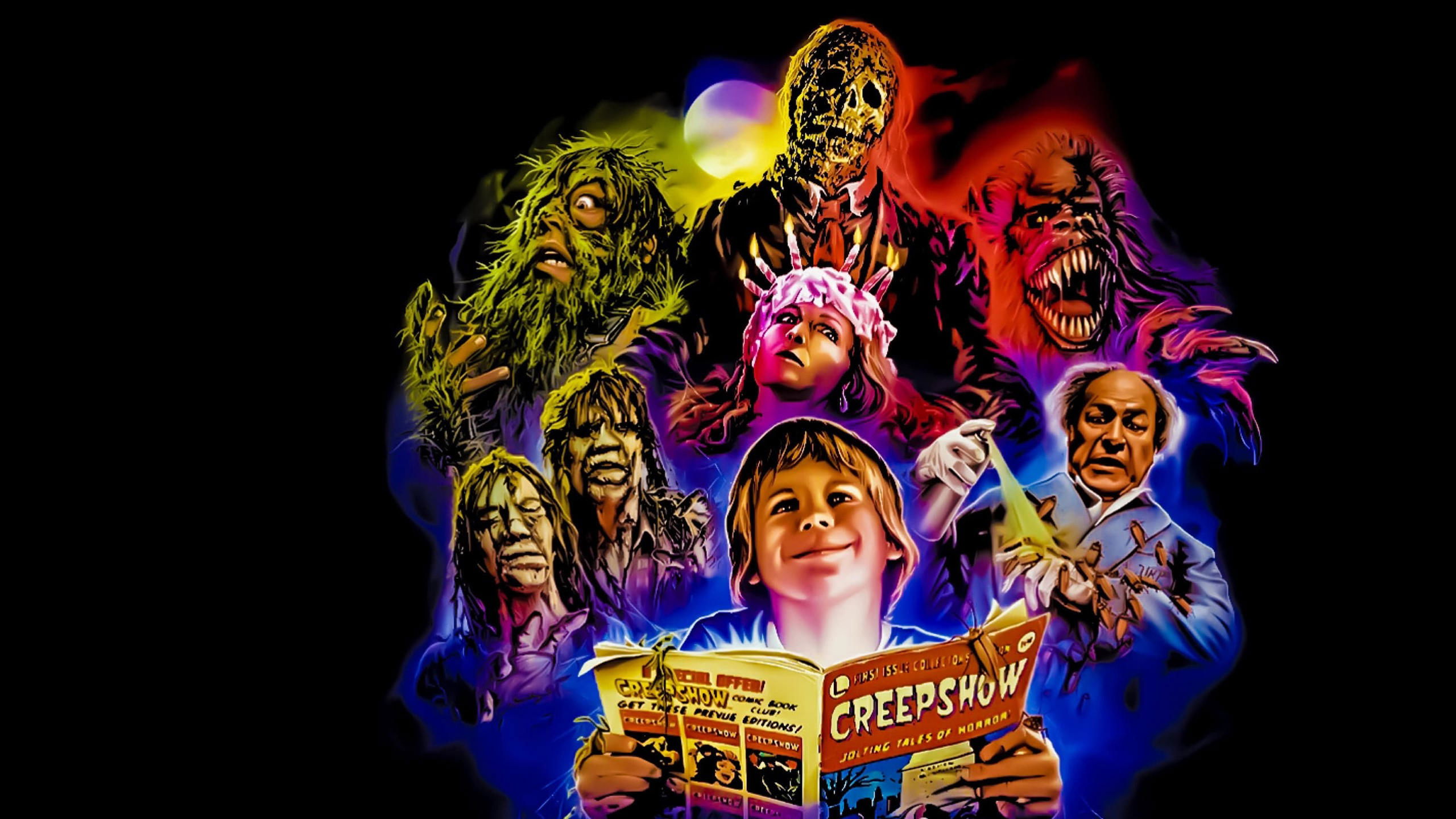
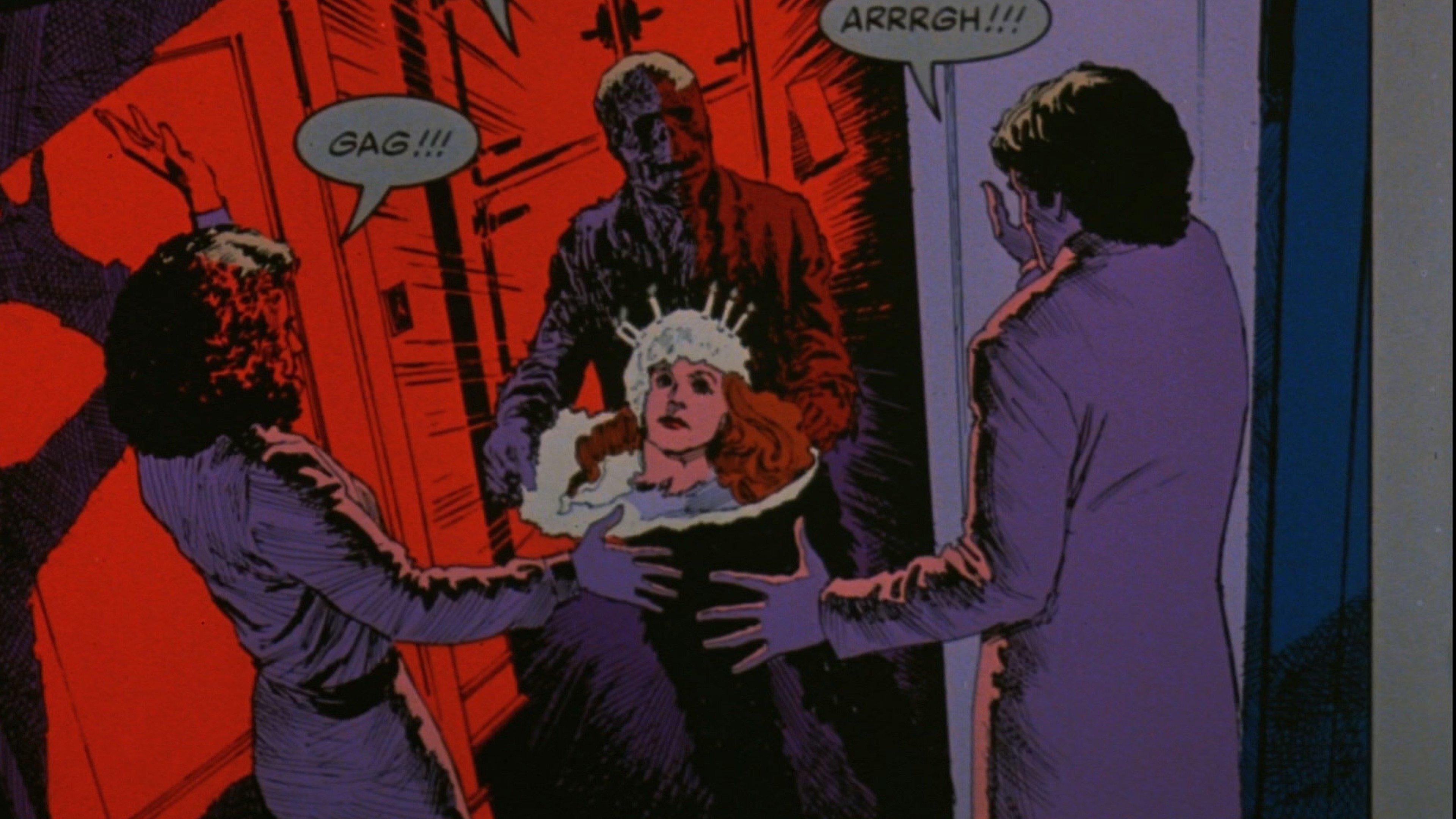
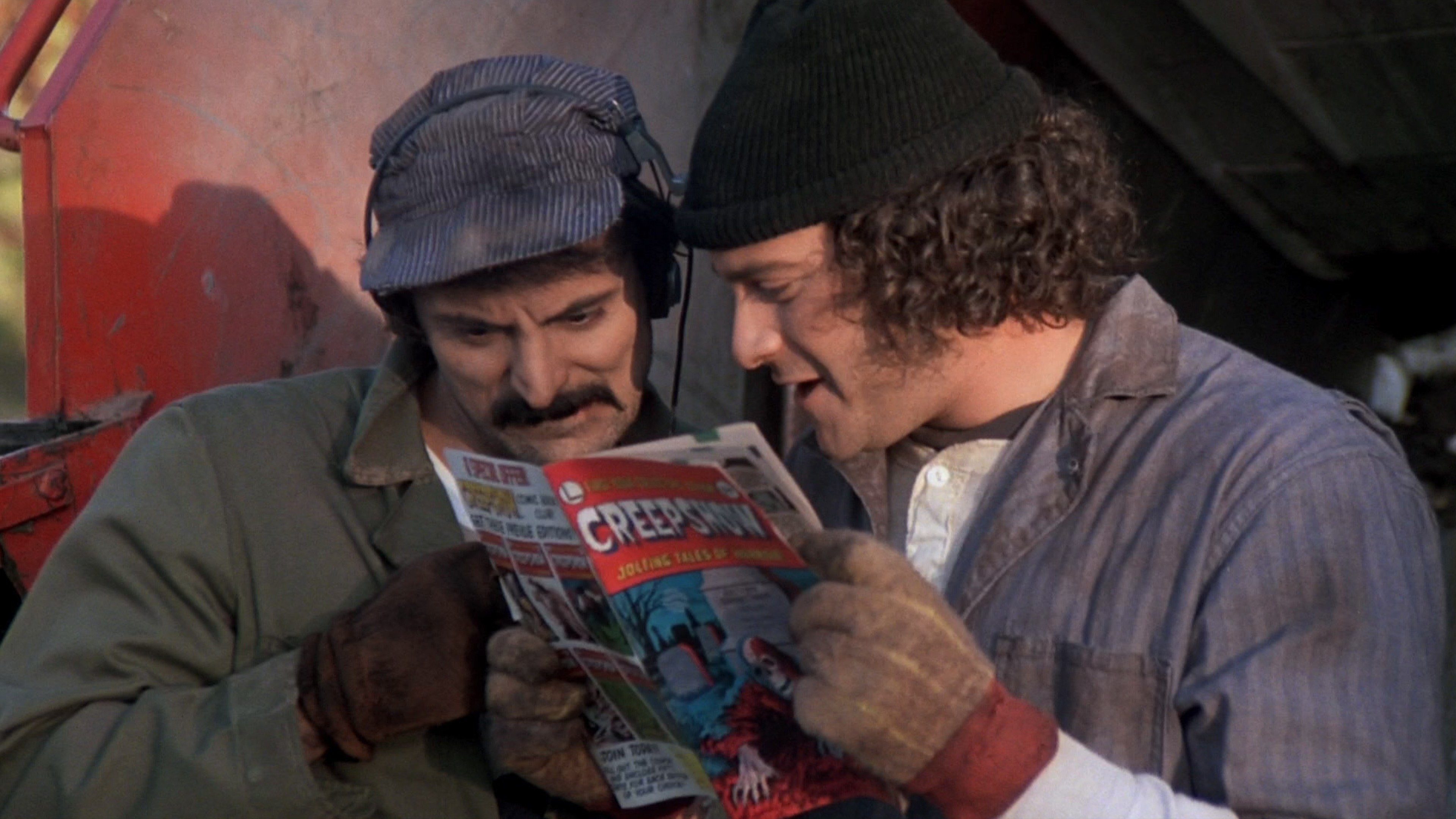
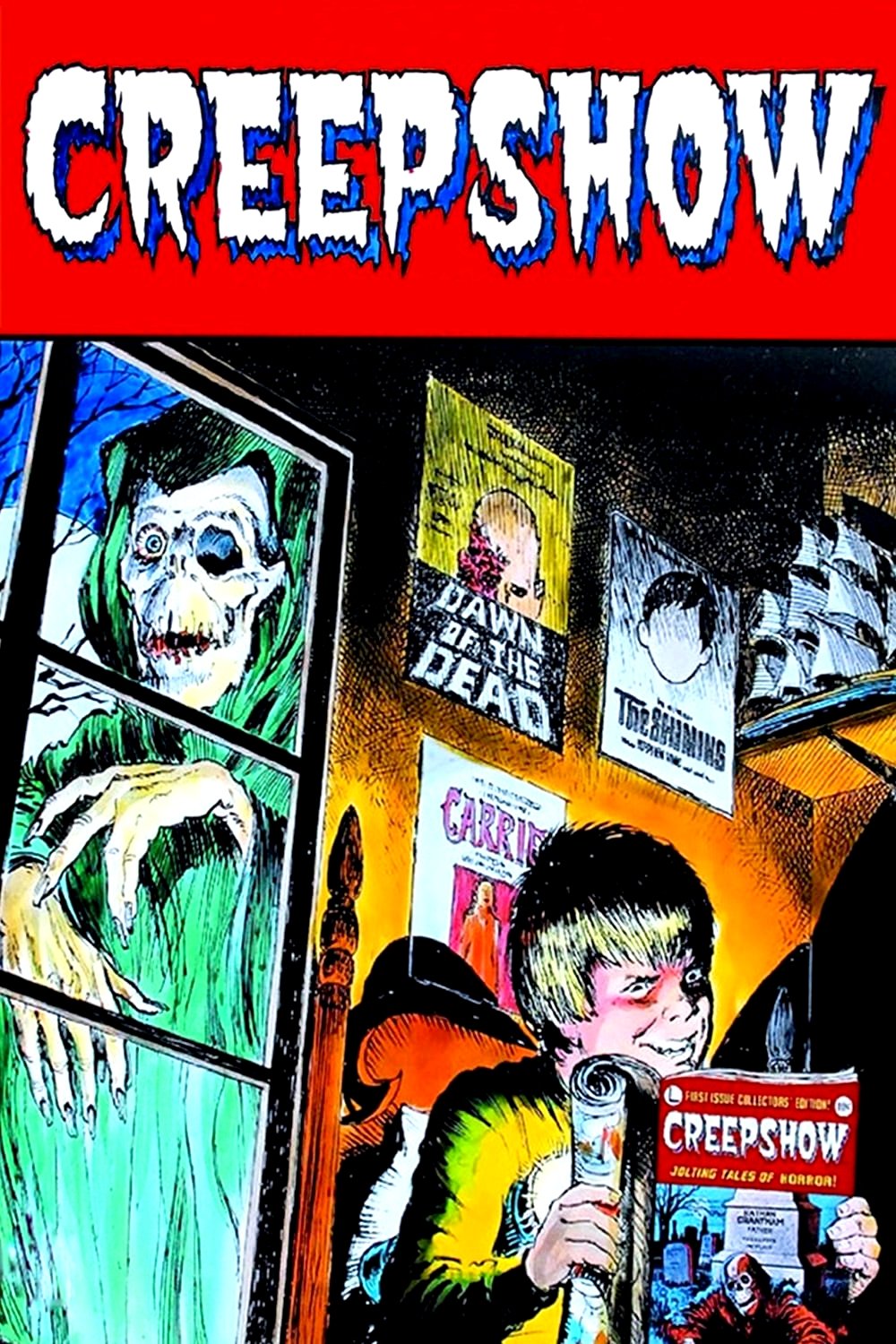
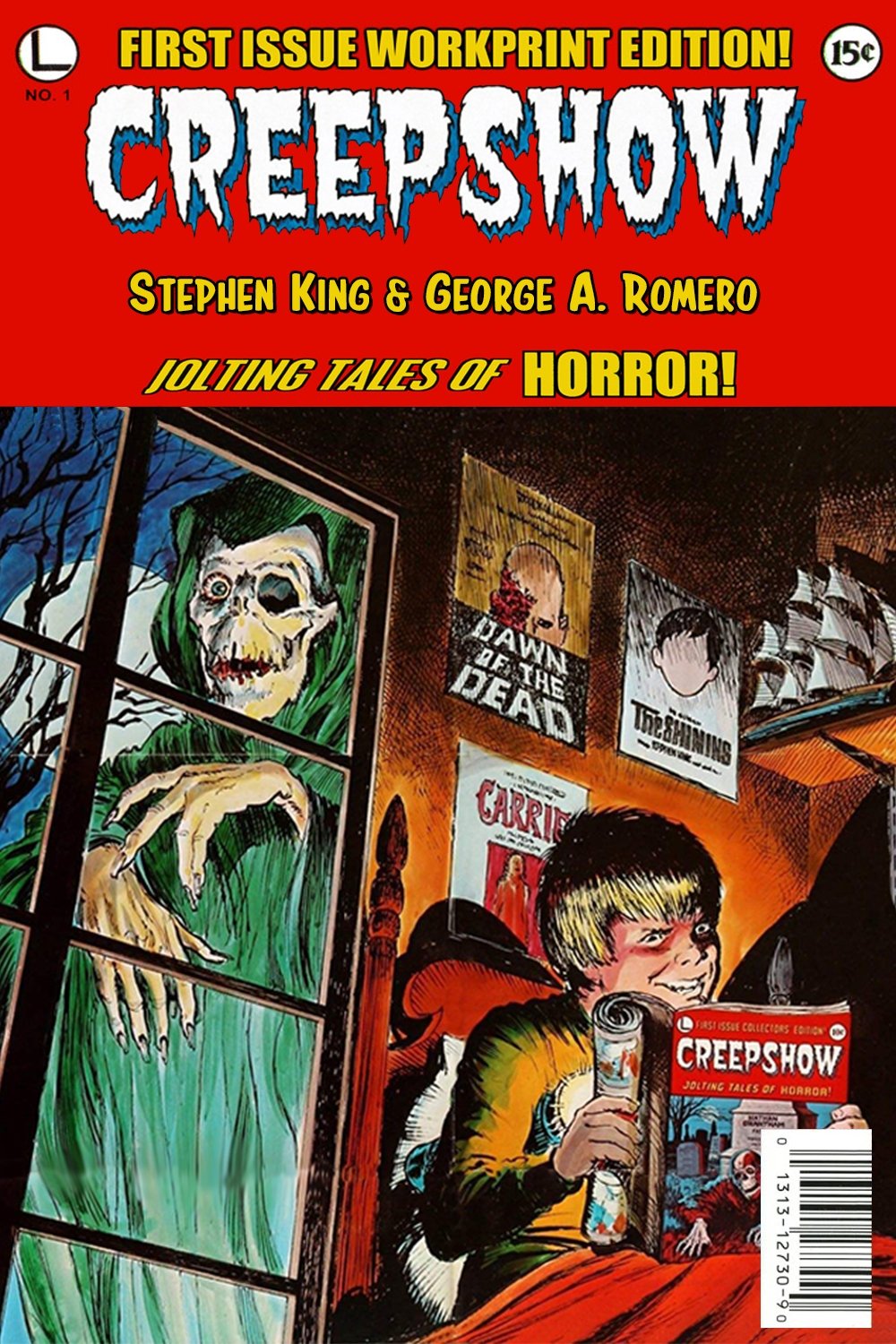
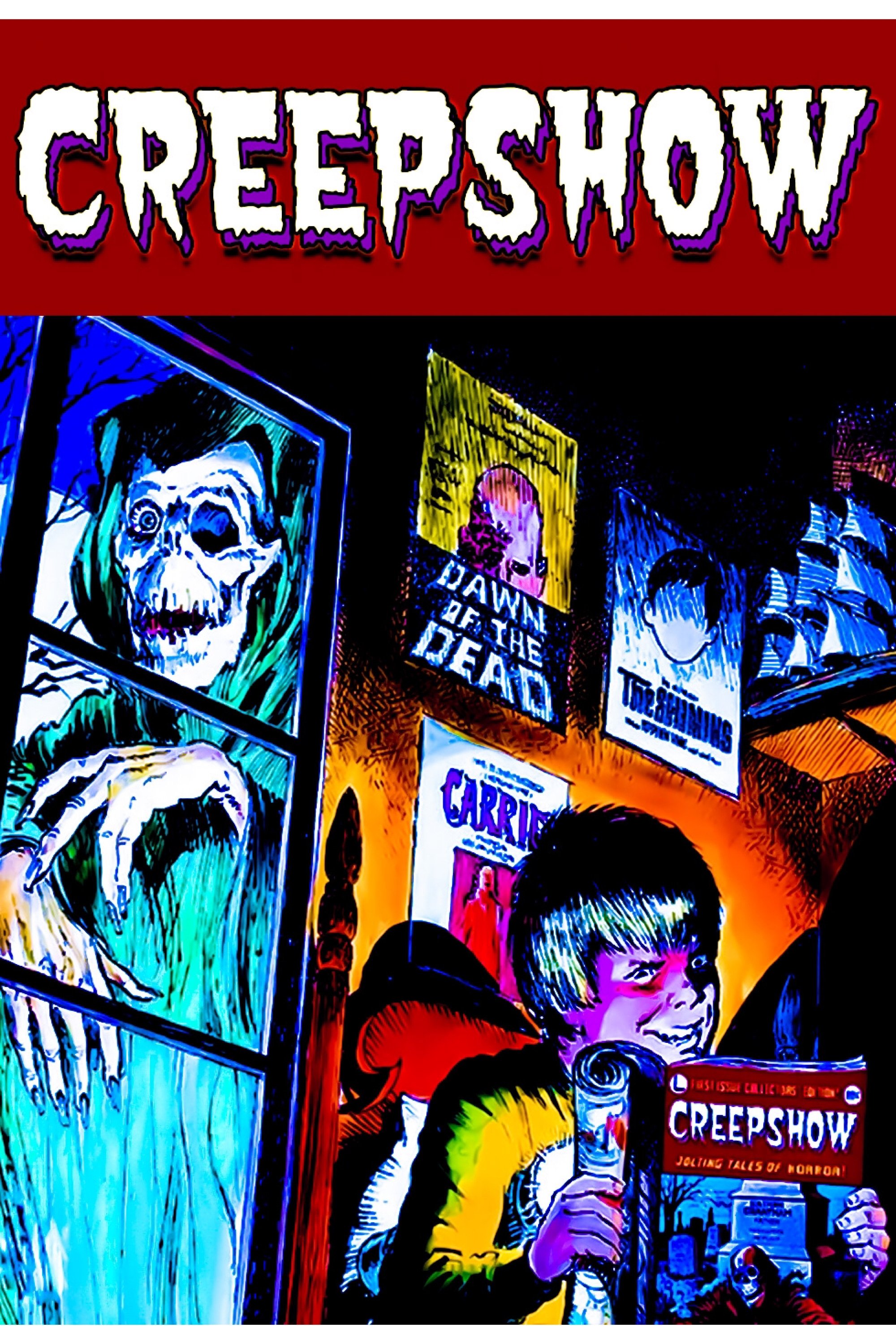
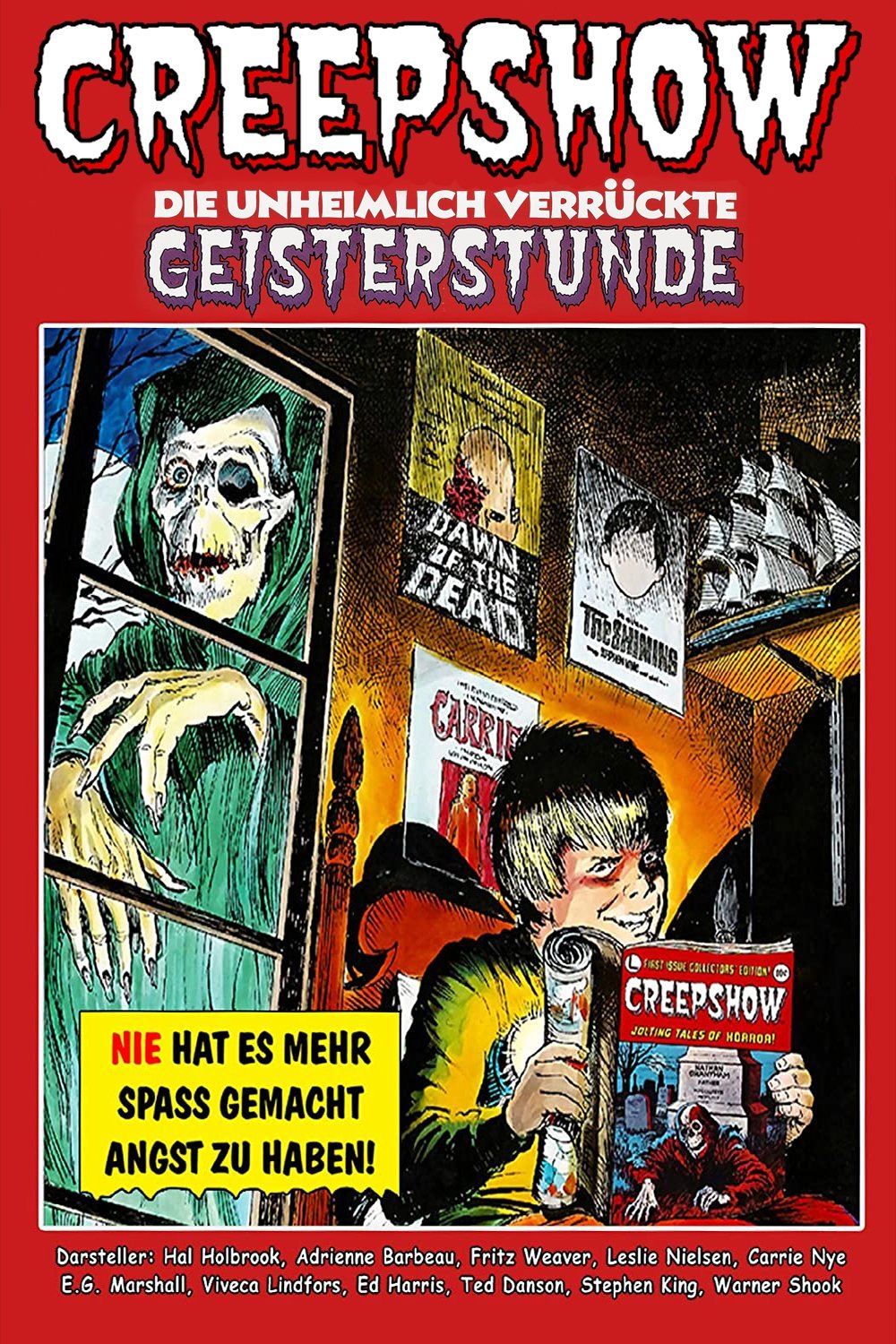
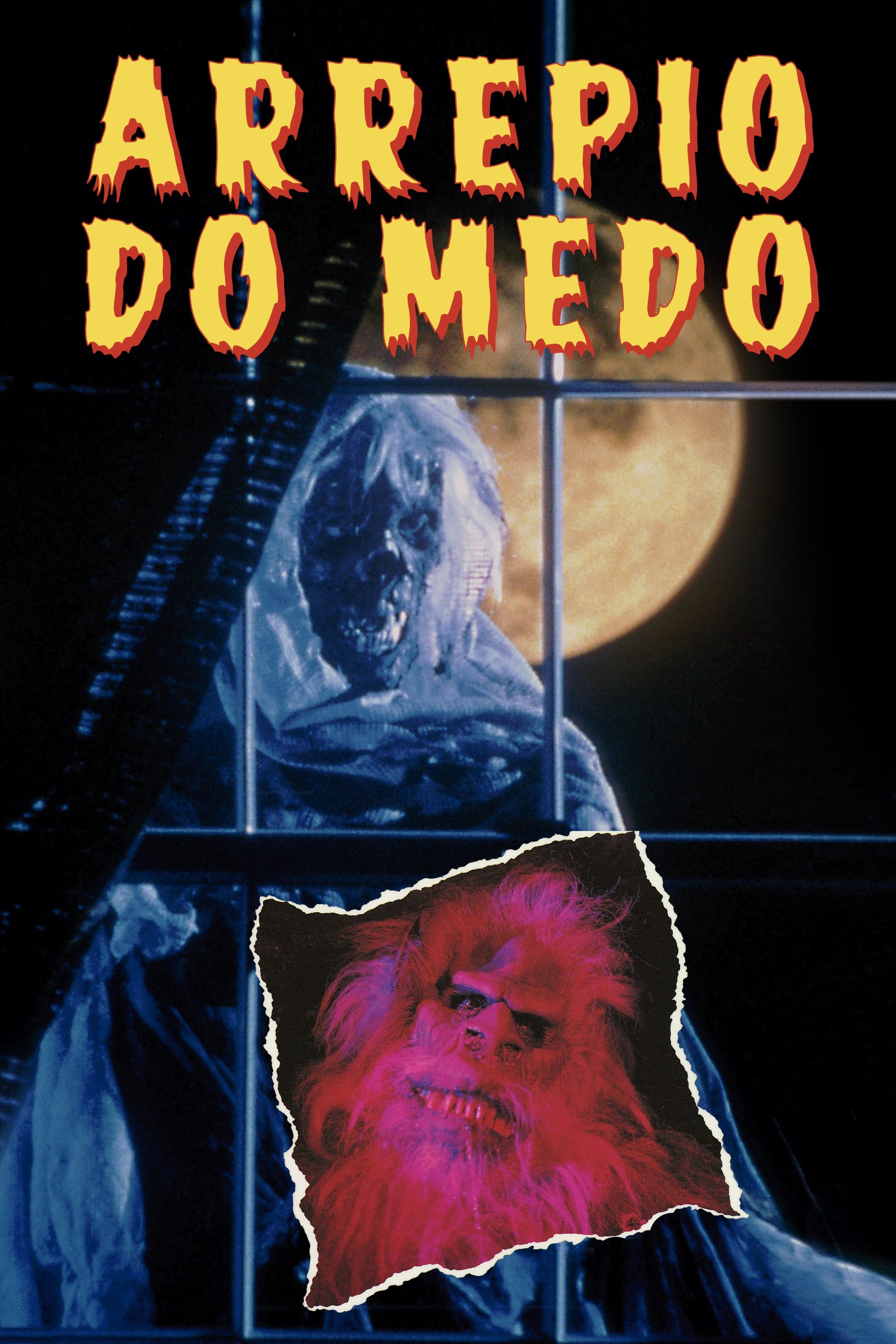
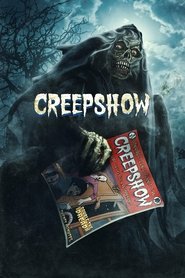
The comic book itself became the framing device. Billy, played by King's son Joe, reads the forbidden material before his father confiscates it. Each episode is then presented as a story contained within its pages. The structure gives the production permission to abandon ordinary visual continuity between chapters. Color, composition, editing rhythm and performance can become exaggerated whenever the film moves from a photographed reality into the aesthetic of a printed horror comic.