



Origins, the Formaldehyde Incident, and Film Development
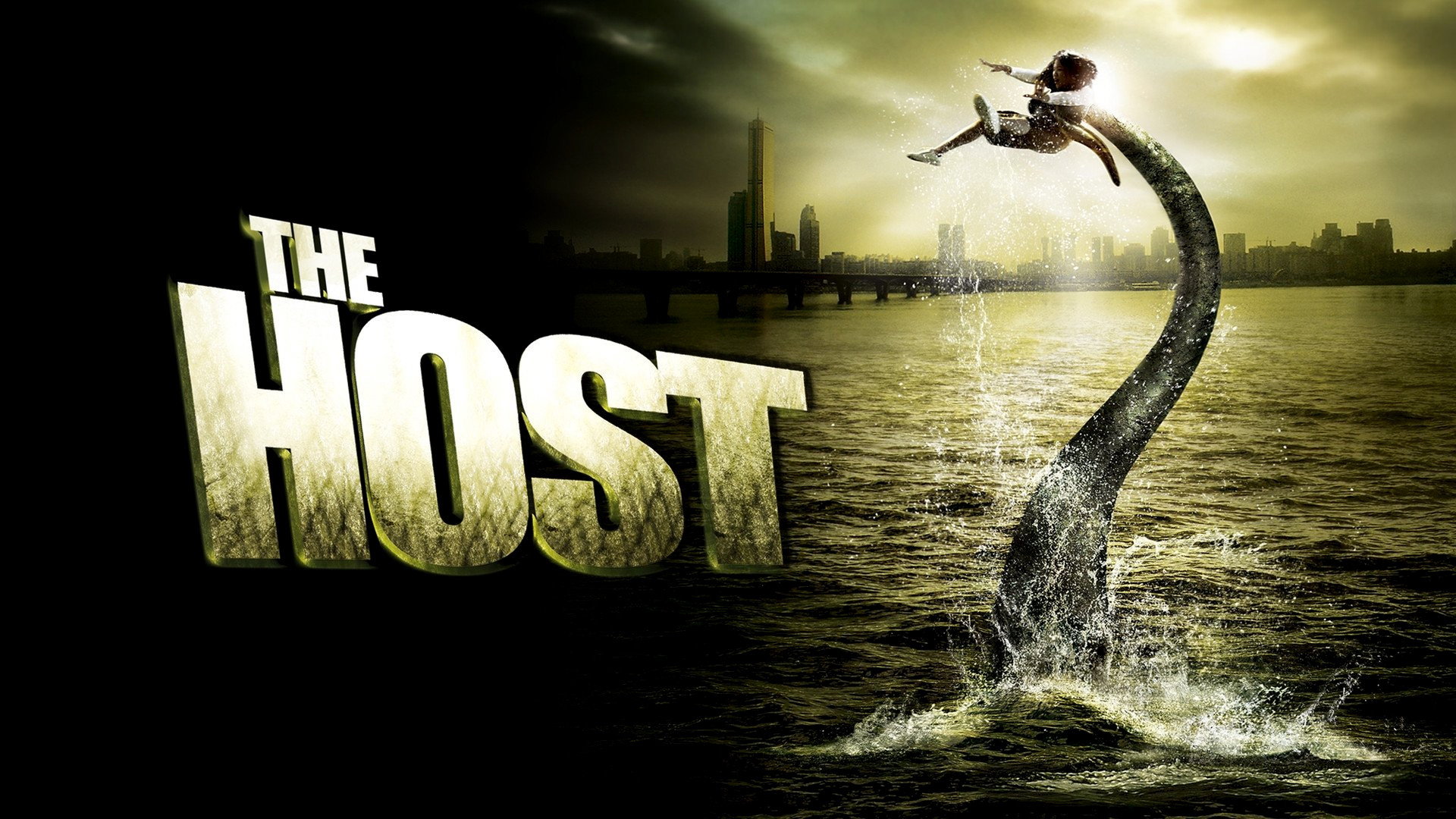
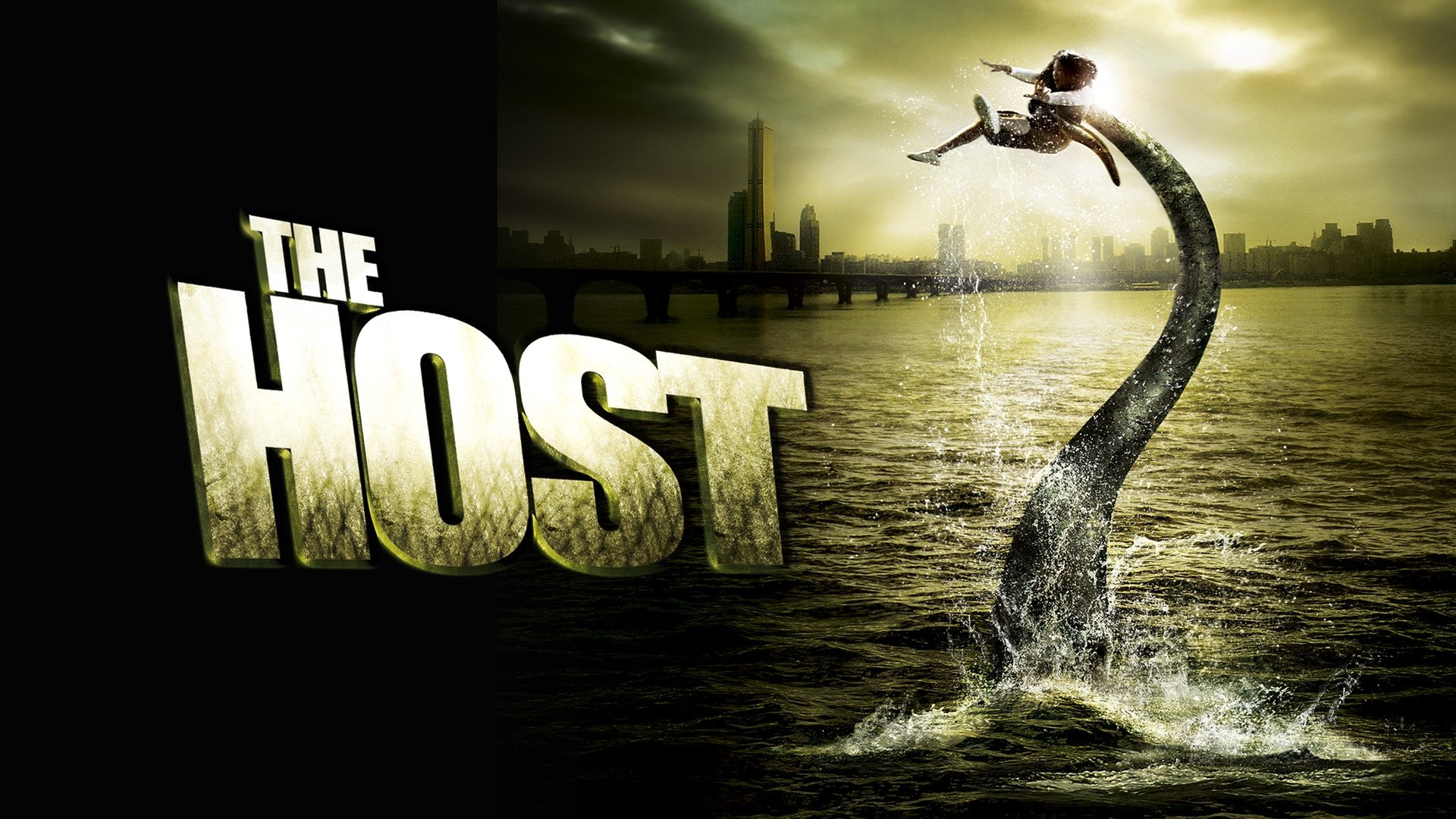
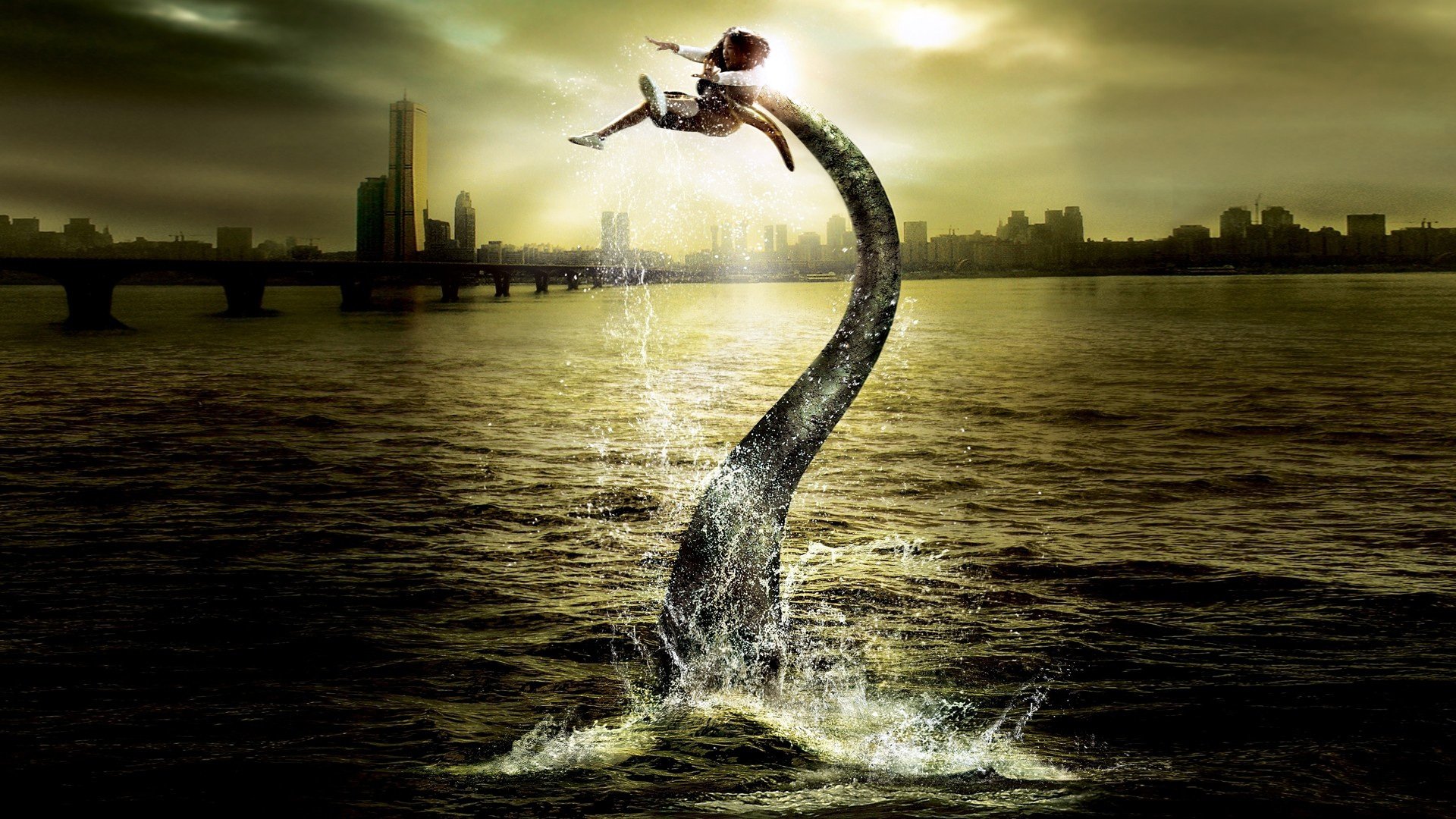
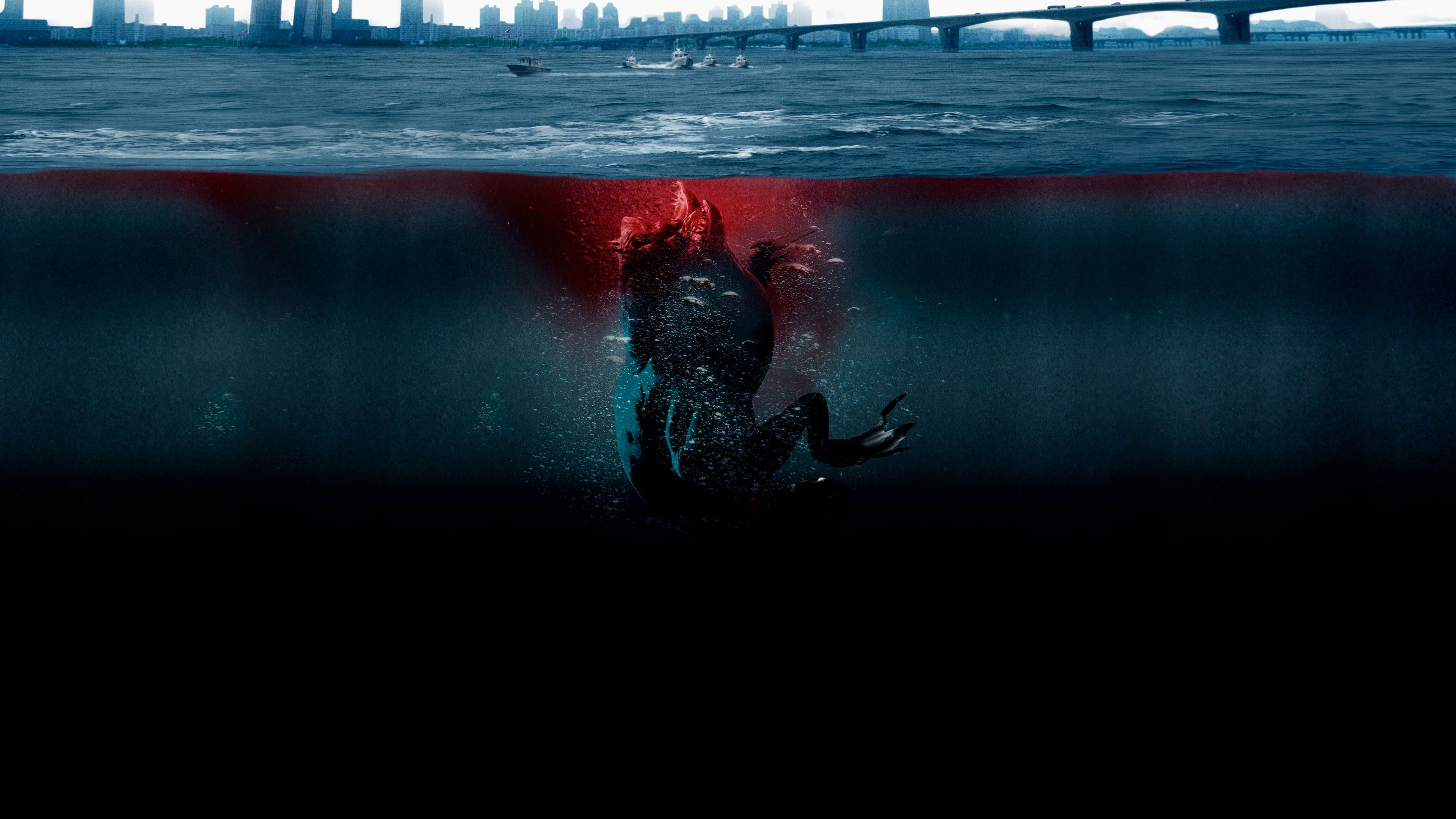
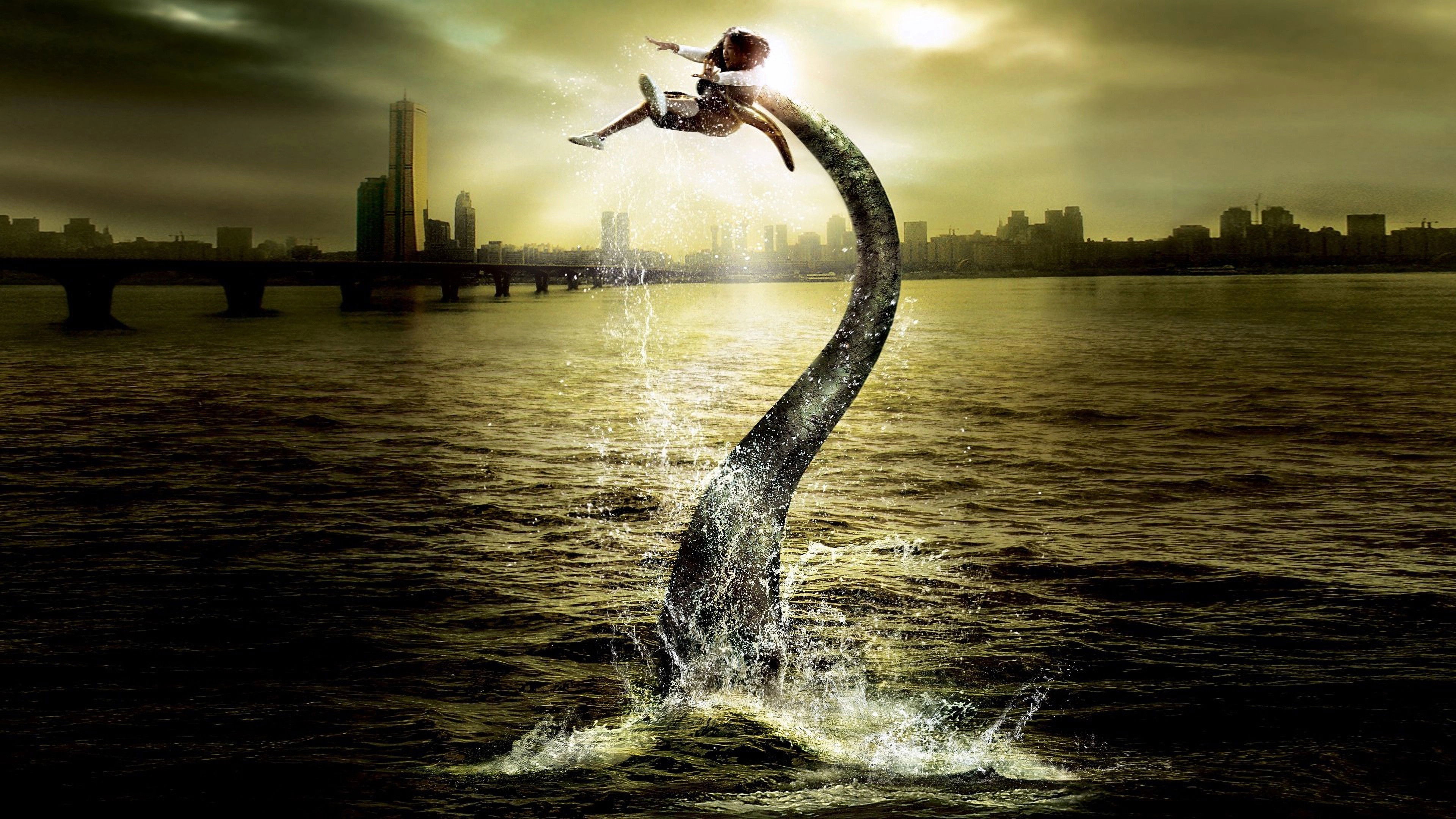
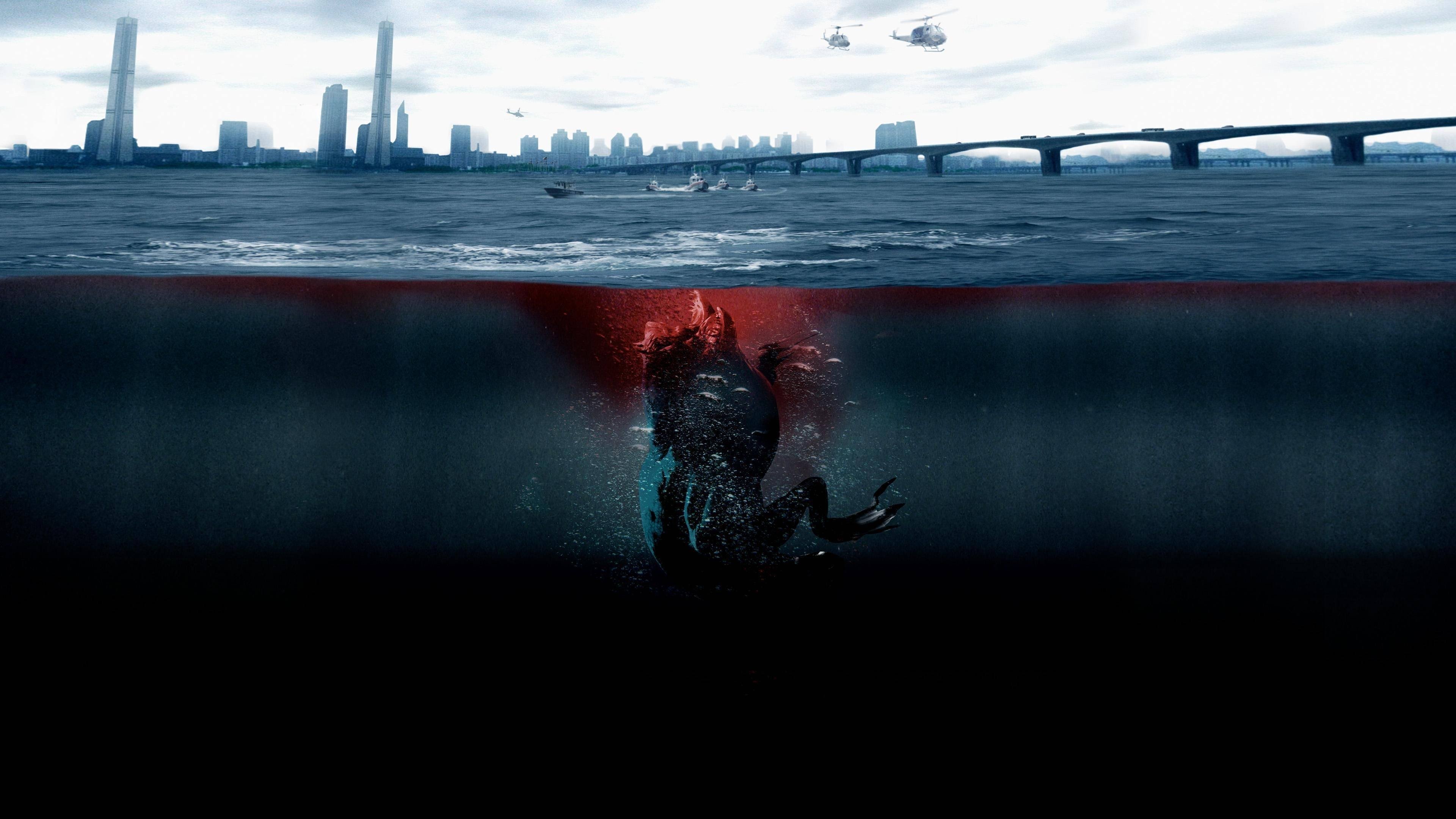
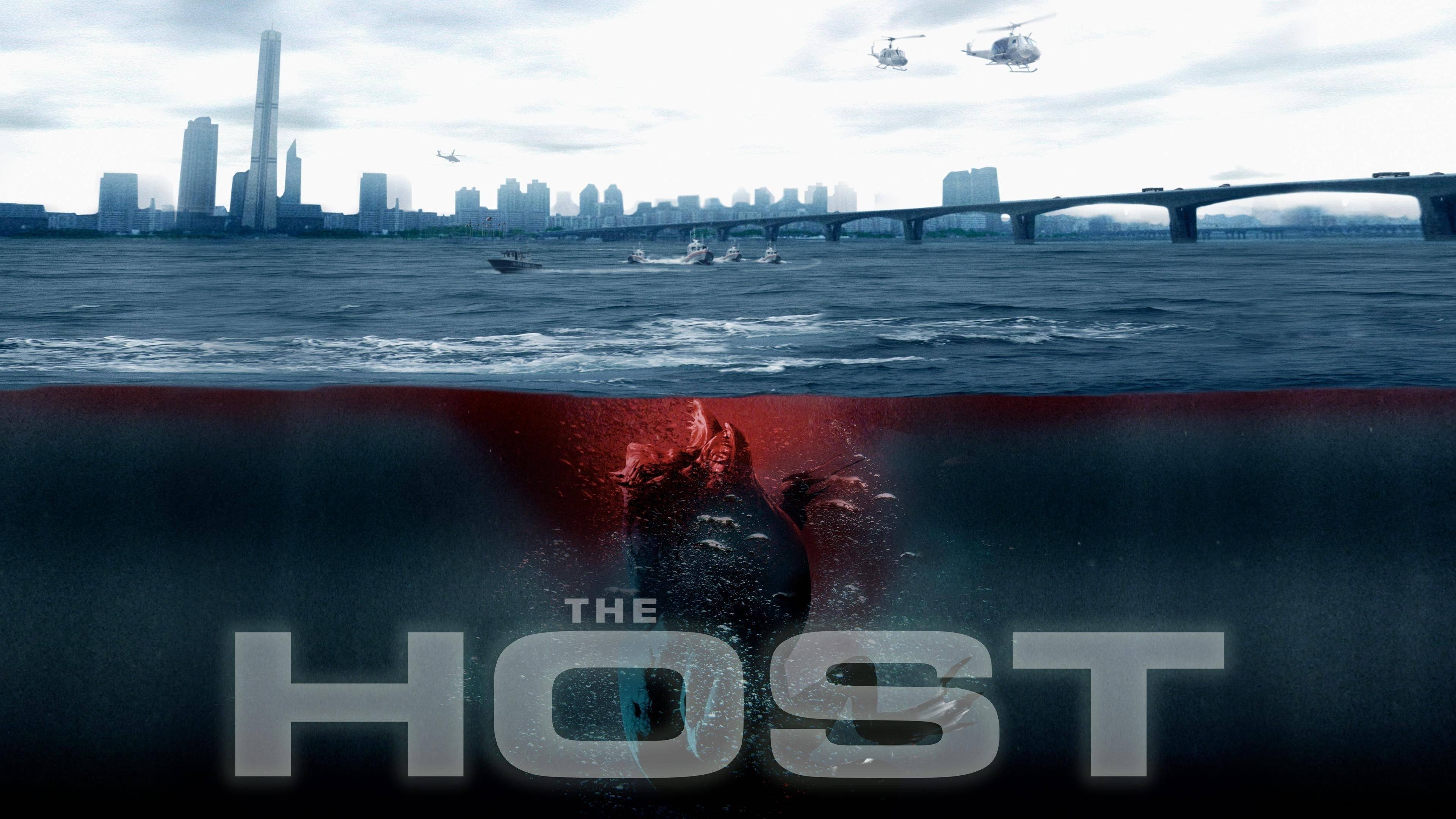
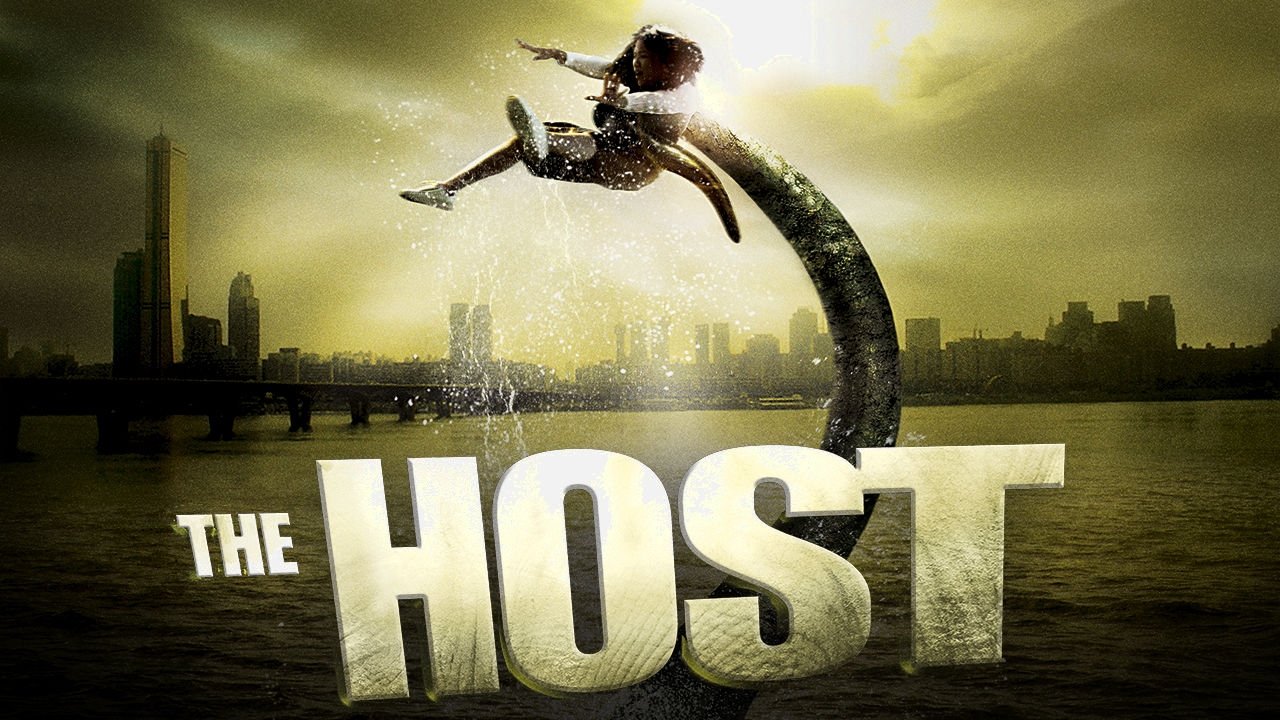
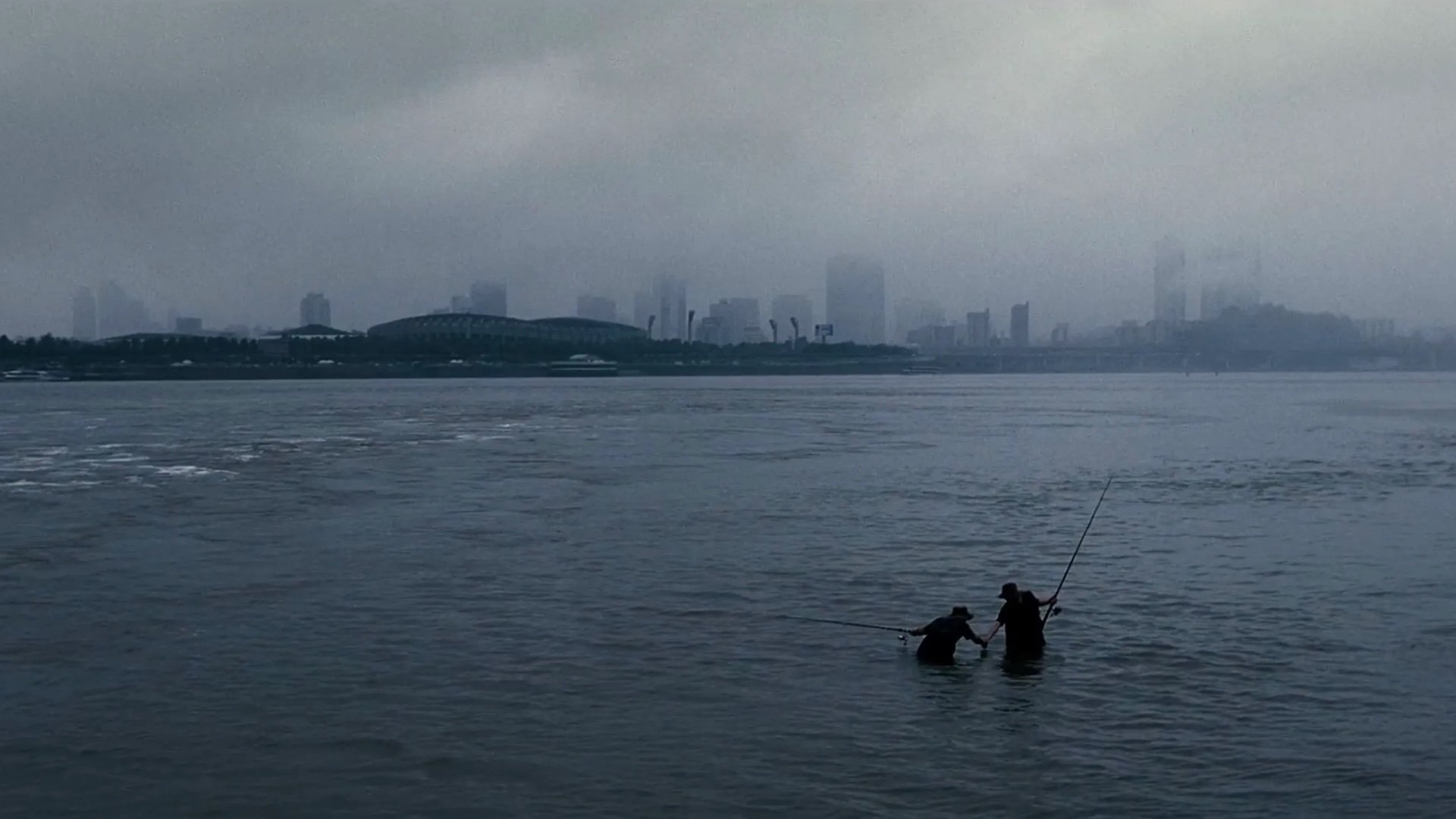
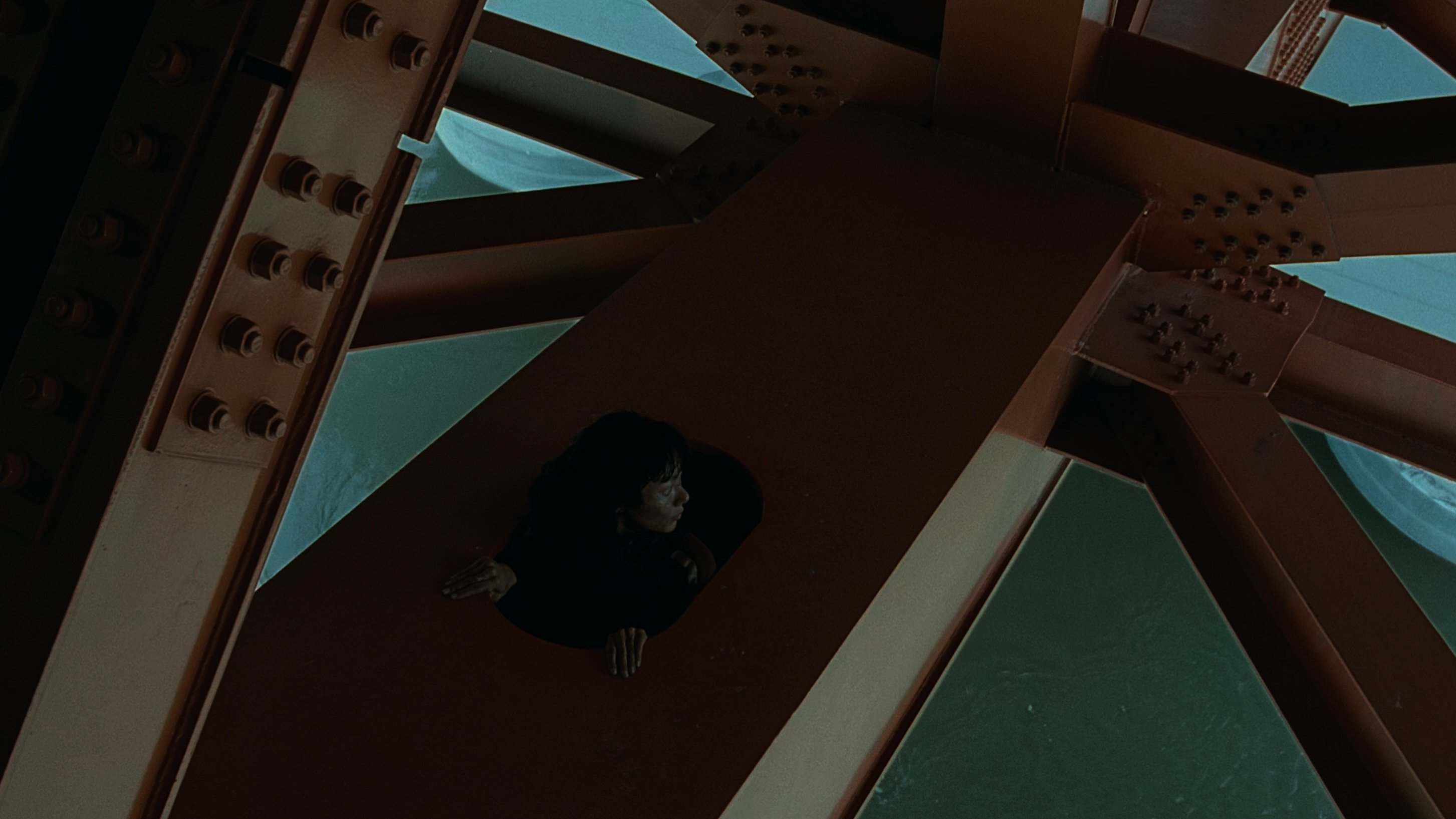
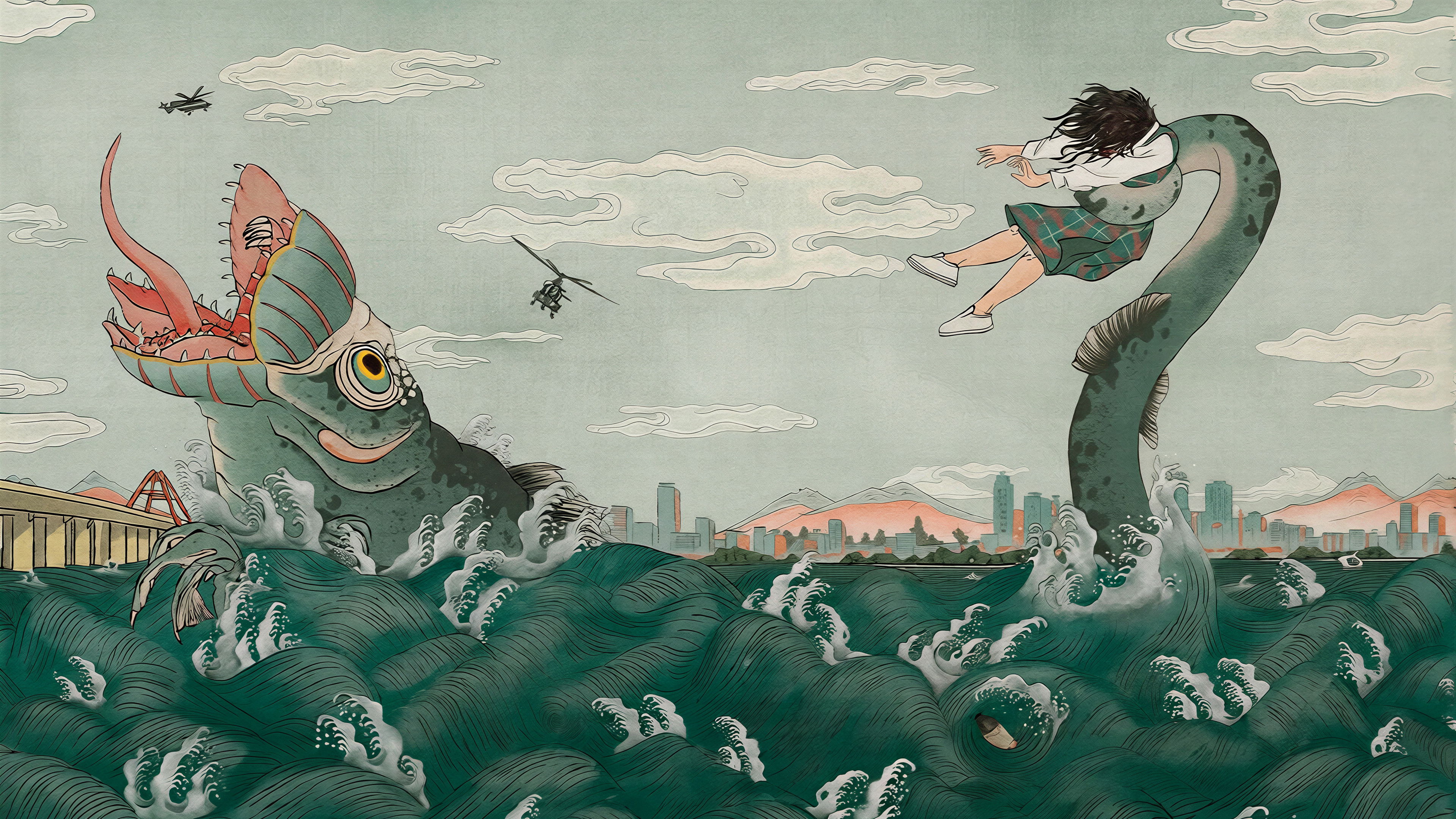
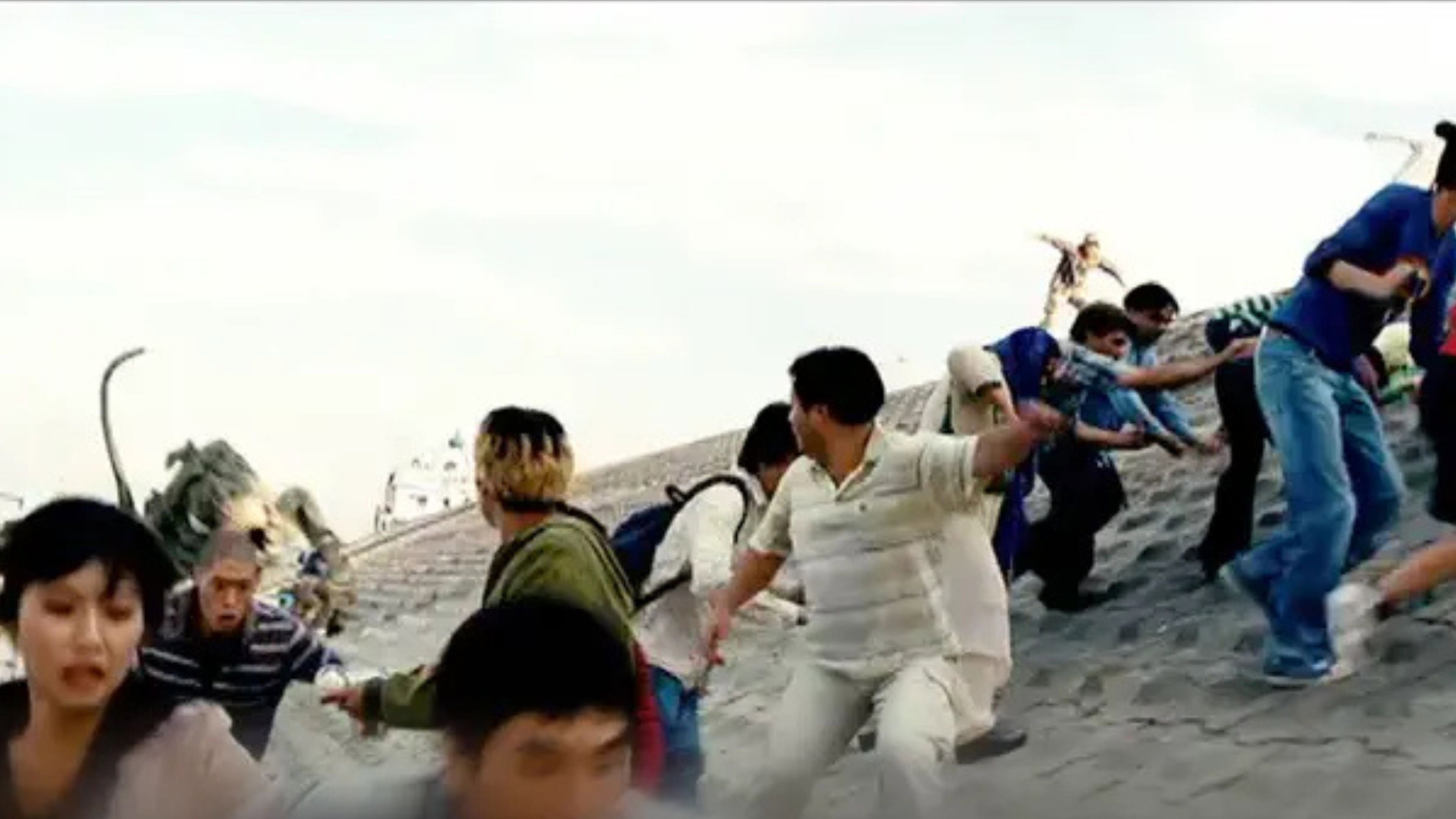
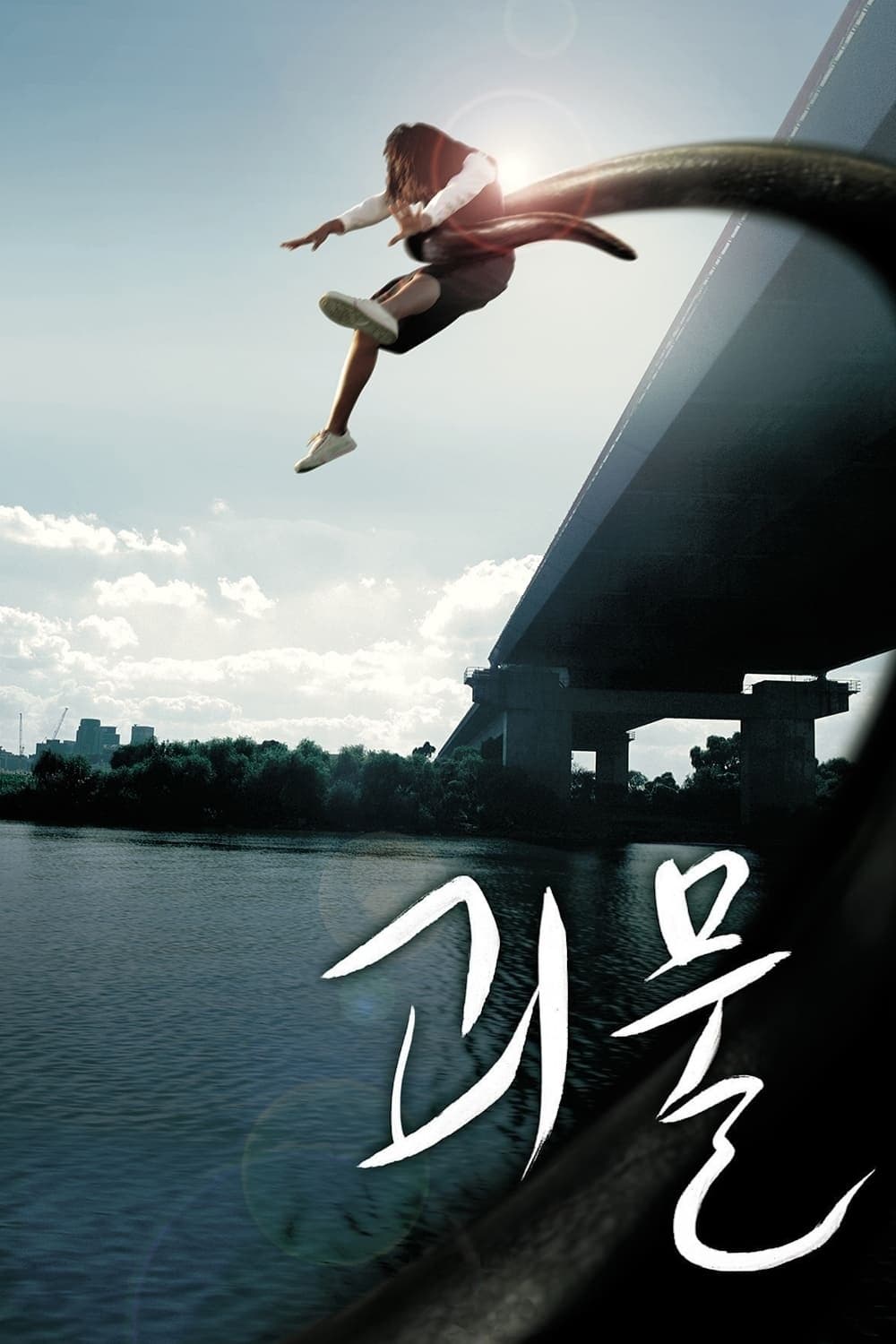
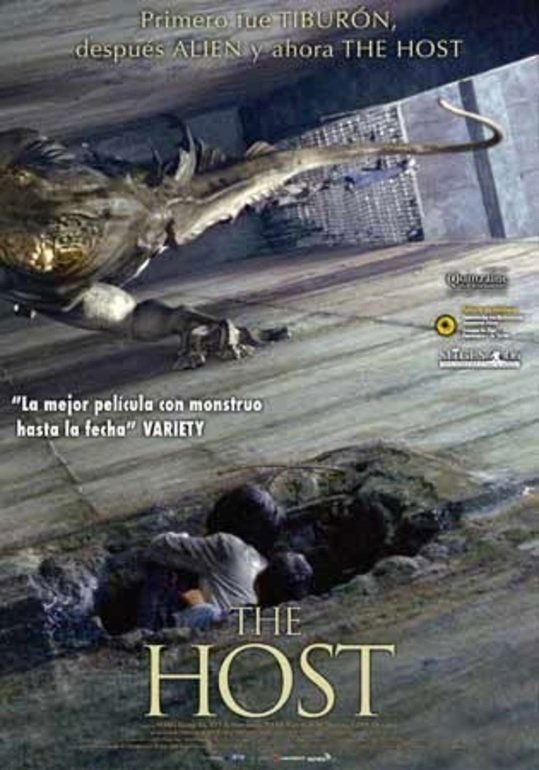
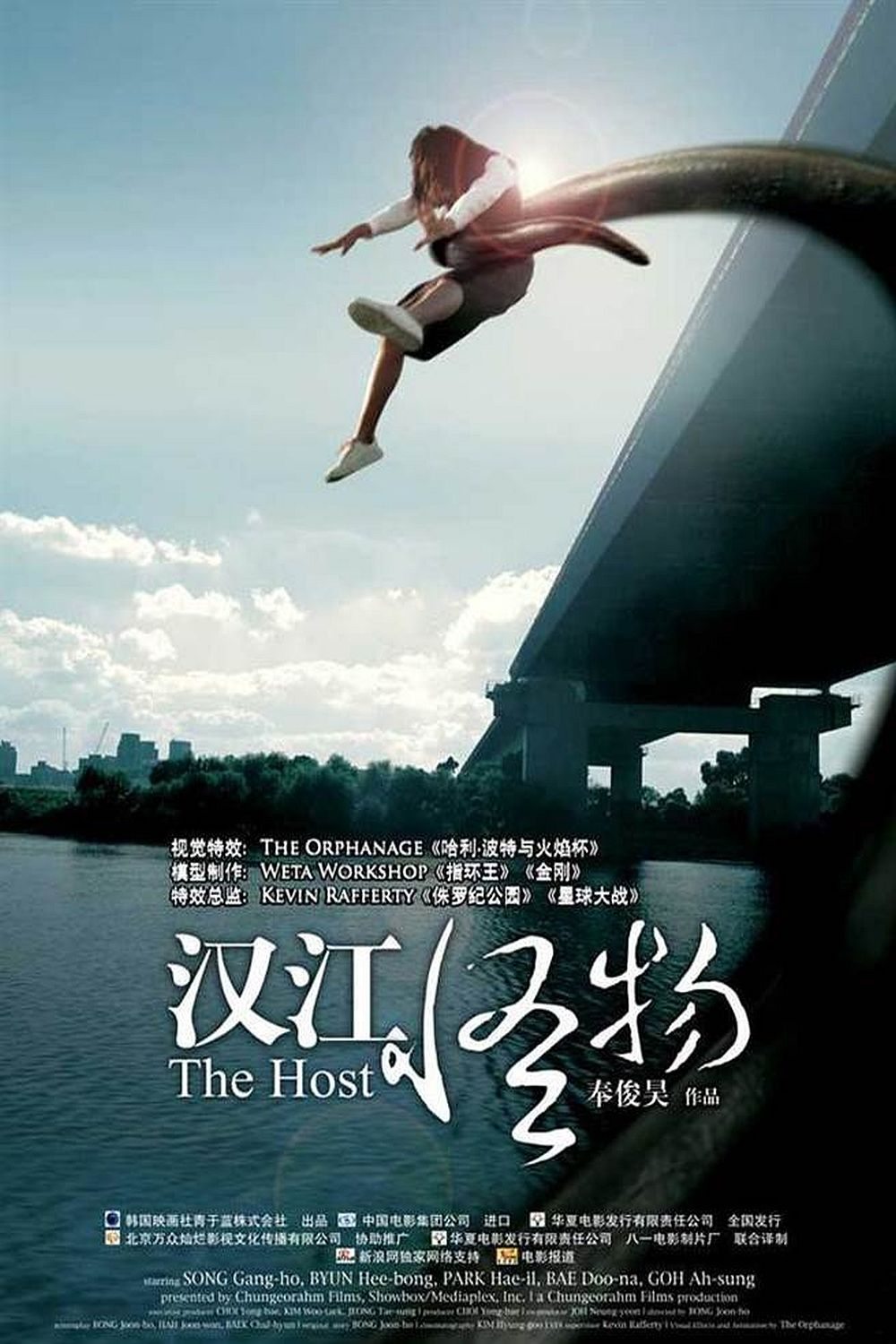
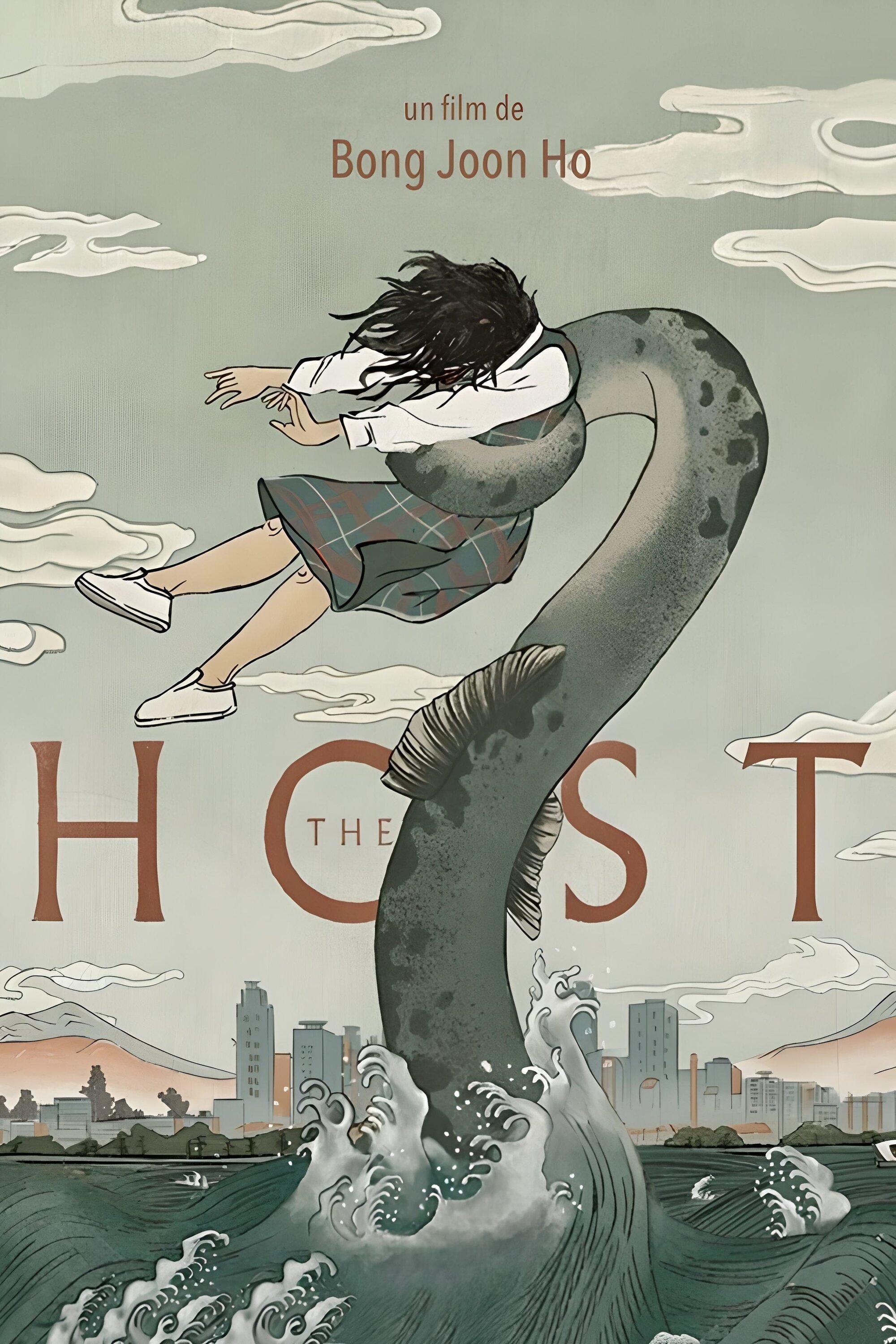
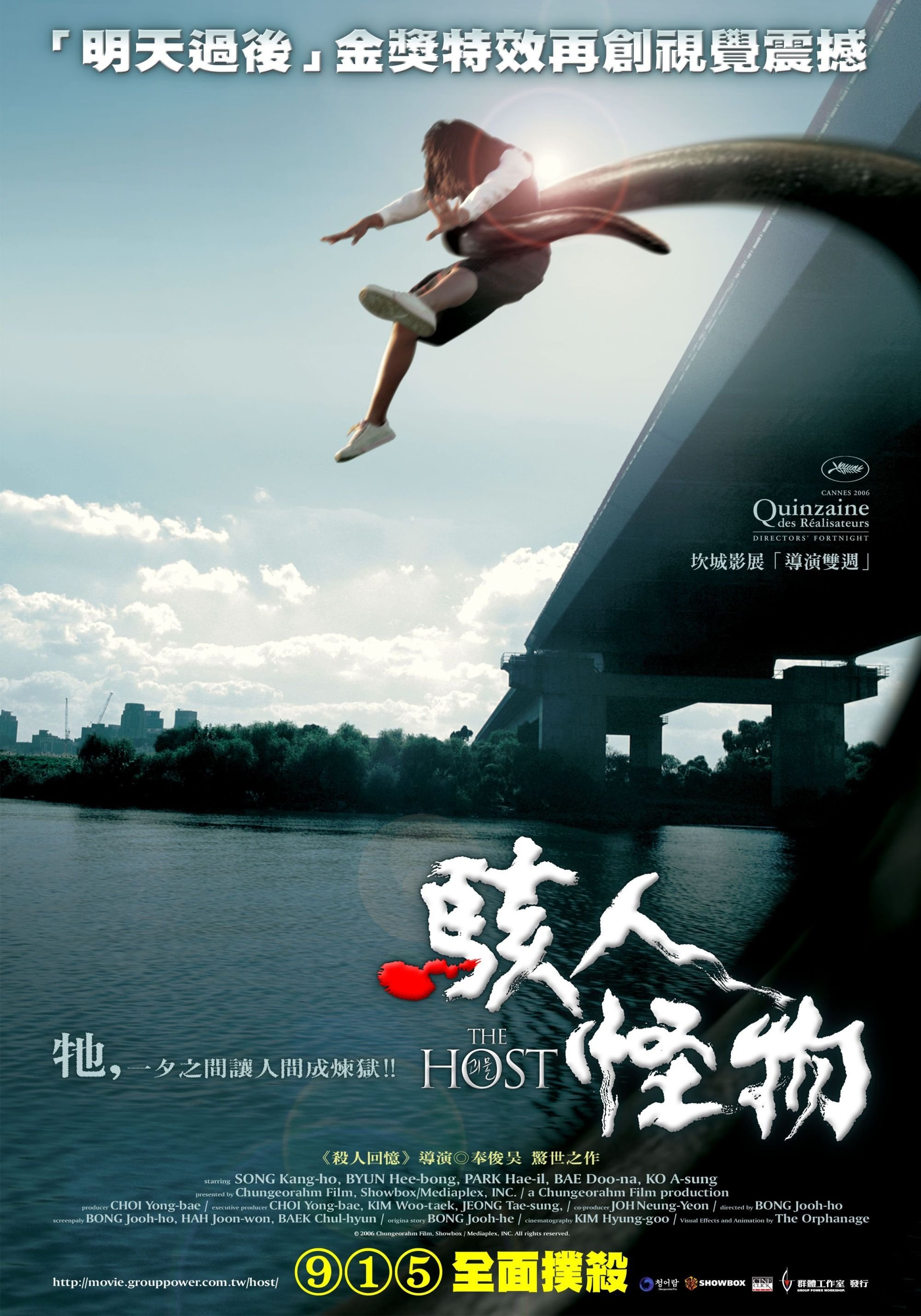
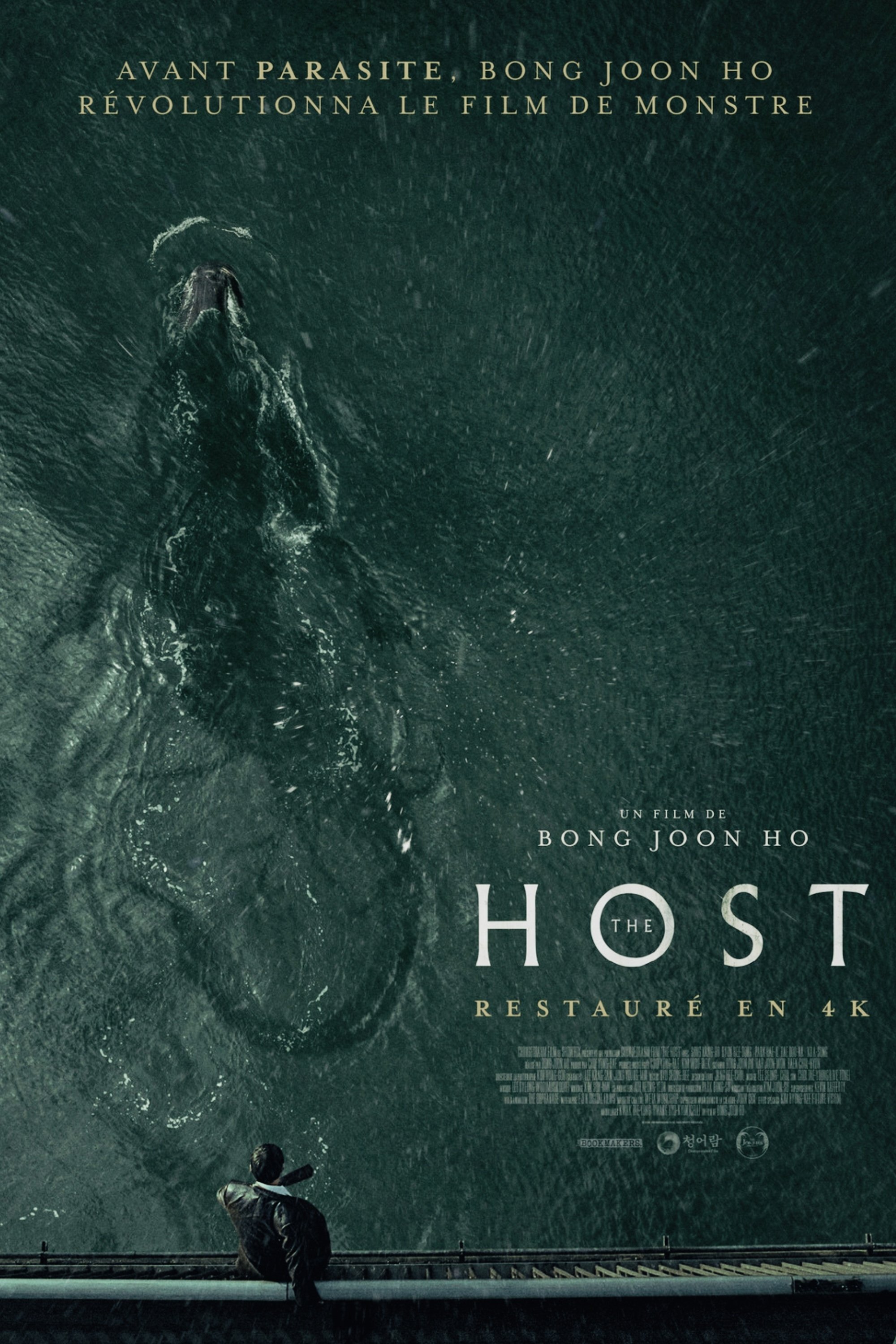
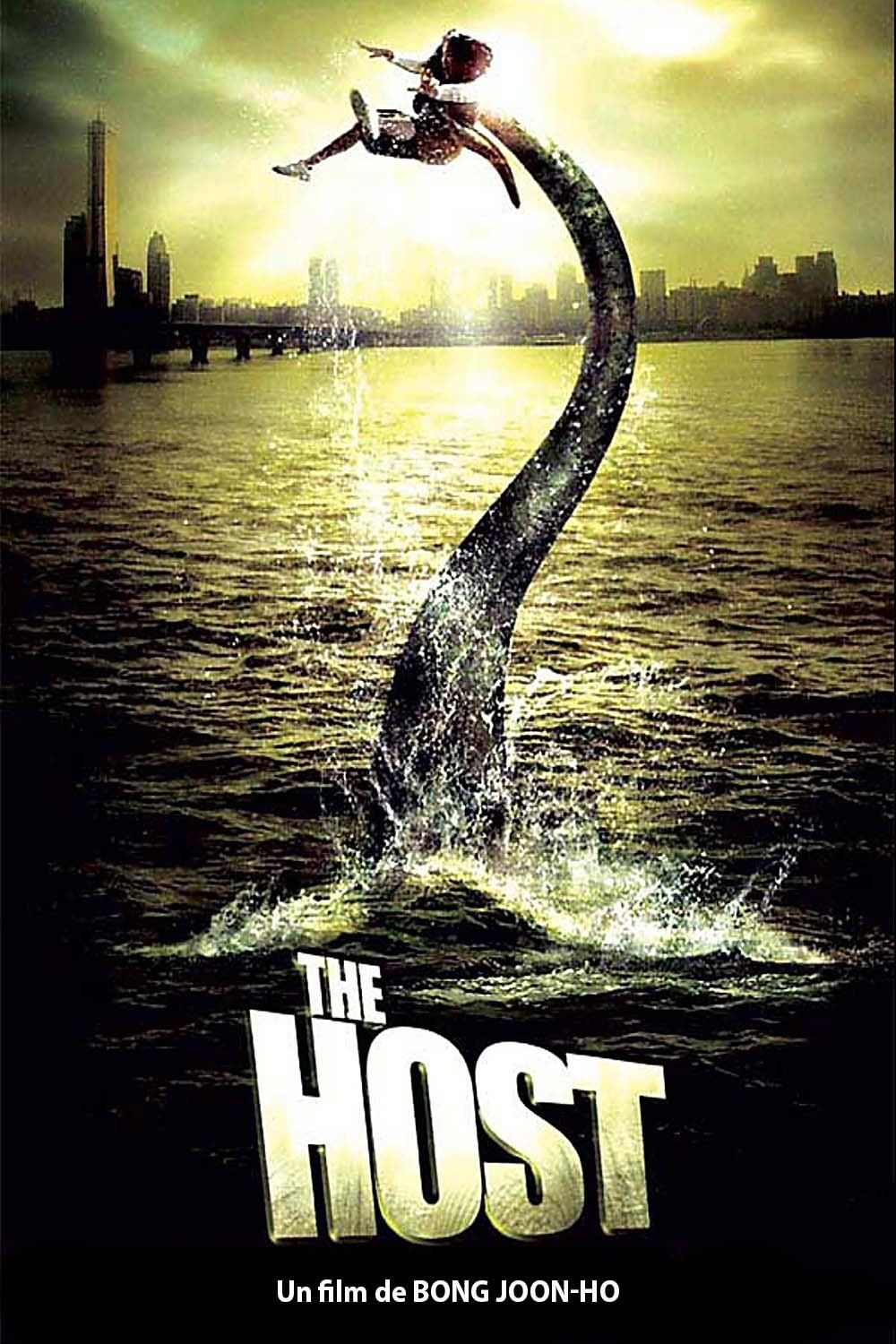
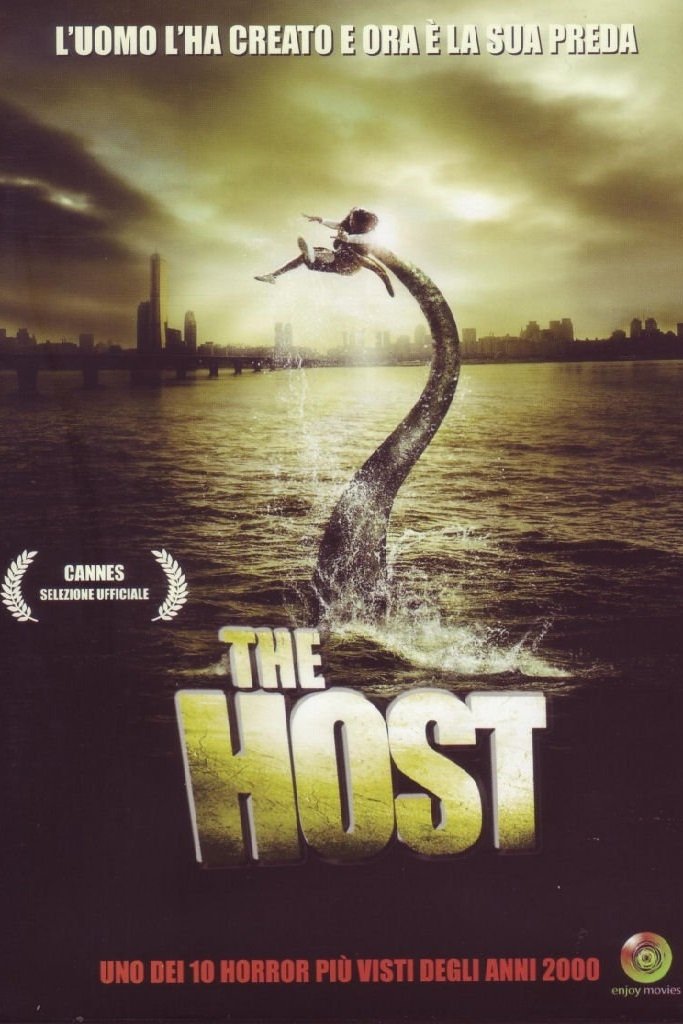
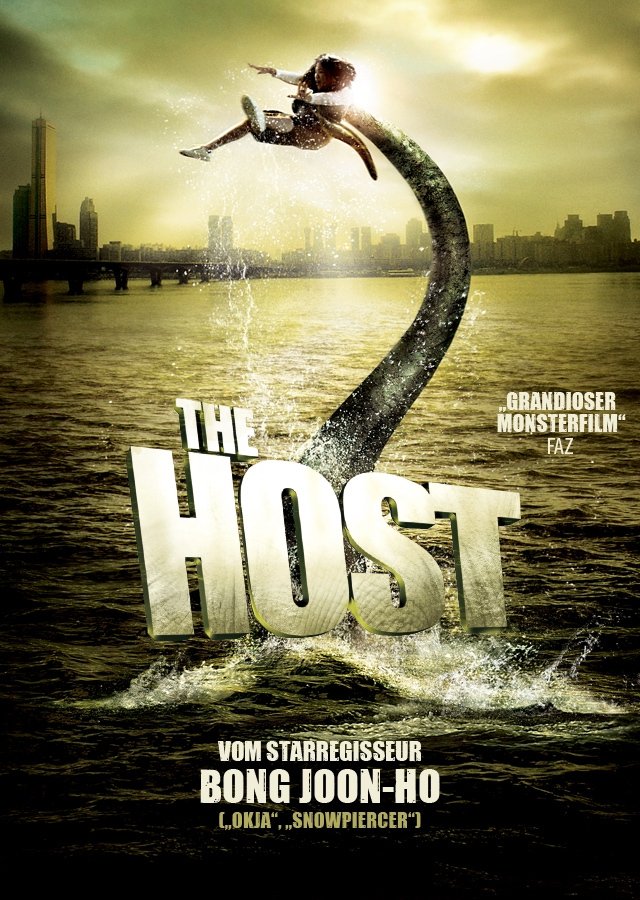
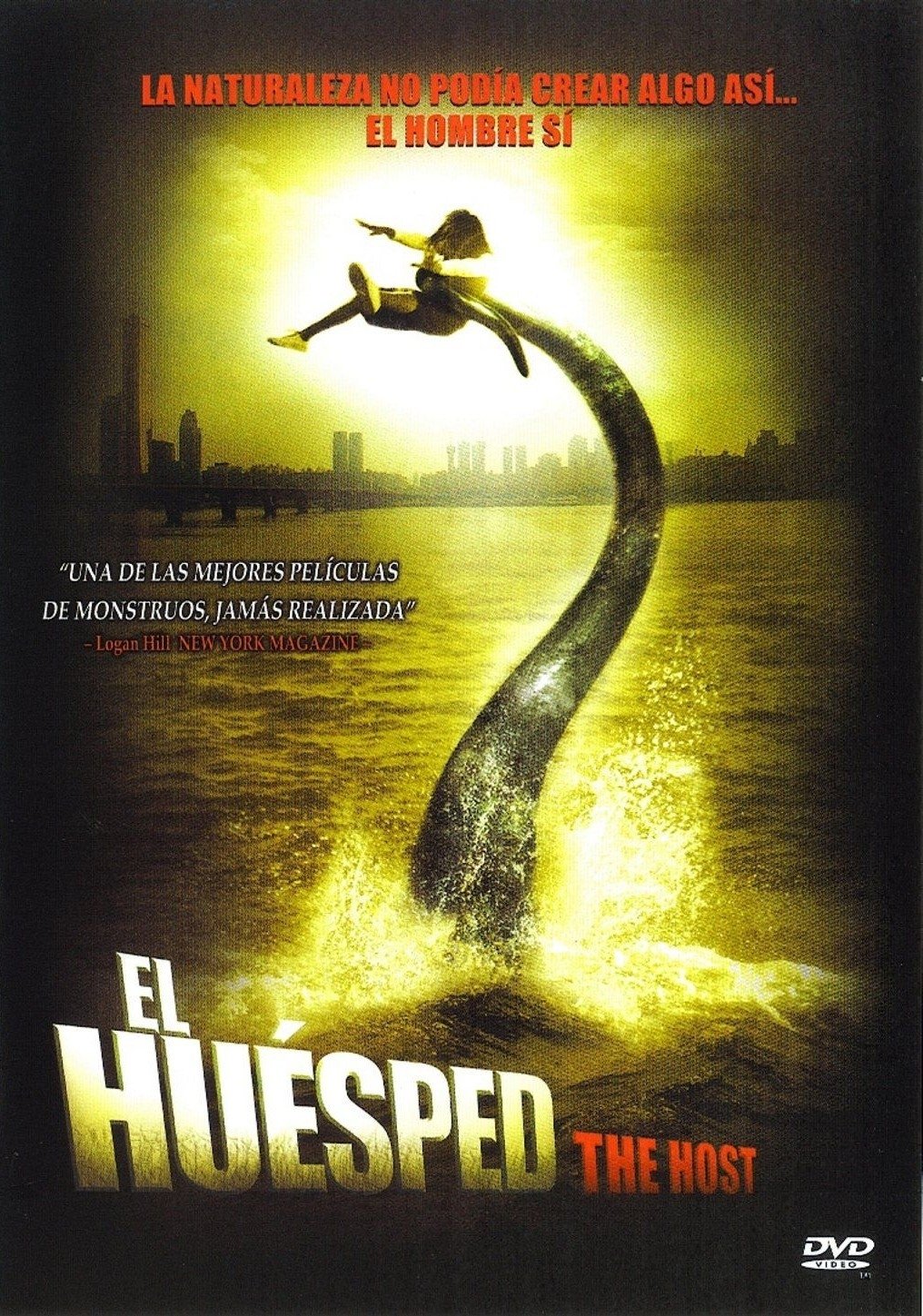
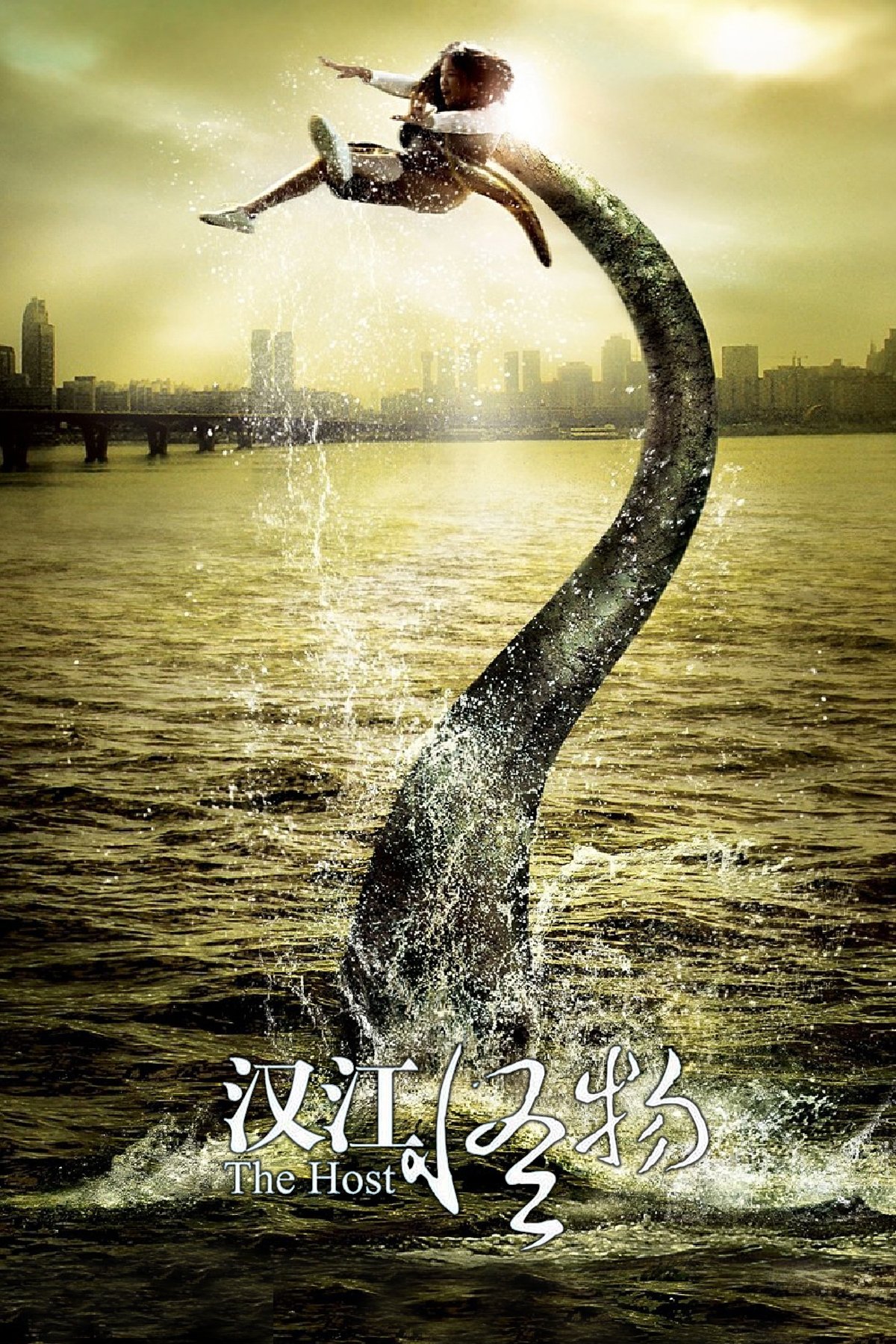
Bong Joon-ho developed the idea of a monster emerging from Seoul’s Han River long before directing his first feature. In a July 2006 interview with the Korea JoongAng Daily, he recalled imagining a creature climbing onto a bridge while looking out from his apartment as a high-school student. The image remained with him through the production of Barking Dogs Never Bite (2000) and Memories of Murder (2003). He subsequently presented the idea to producer Choi Yong-bae, initially with little more than the premise of a monster appearing in an ordinary urban location. The commercial success of Memories of Murder helped make an ambitious production involving extensive visual effects possible.
The film’s opening incident was inspired by an actual case from 2000. Albert McFarland, a civilian employee associated with the United States military in South Korea, ordered the disposal of a large quantity of formaldehyde through a drainage system connected with the Han River. Contemporary accounts describe hundreds of bottles being emptied. Bong incorporated a fictionalized version of the incident into the screenplay, using the pollution as the presumed cause of the creature’s mutation. The connection should be understood as a historical inspiration rather than evidence that the real disposal produced a biological organism resembling the film’s monster. Its significance lies in the decision to establish a supernatural threat through a recognizable environmental controversy.
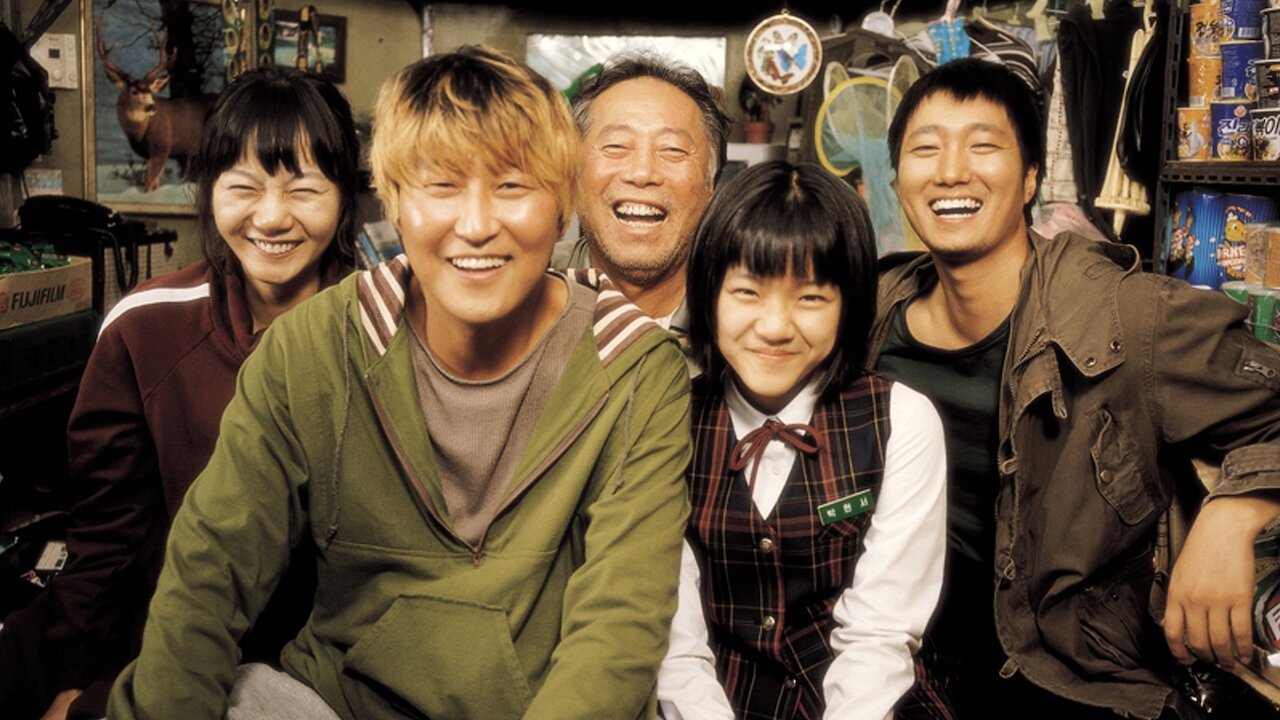
Bong wrote the screenplay with Ha Joon-won and Baek Chul-hyun. The production company Chungeorahm Film assembled financing for an undertaking considerably more expensive than the director’s previous work, with the reported budget approaching US$11 million. Bong later explained that the technical requirements created by the creature were responsible for much of the increased cost. He had initially discussed visual-effects work with larger international companies before selecting The Orphanage. The director’s principal interest remained the experience of an ordinary family rather than the elaborate mythology of a monster. That emphasis shaped the screenplay, in which a successful rescue depends on relatives who have few resources and little institutional support.