

Development & the Werner Kniesek Case
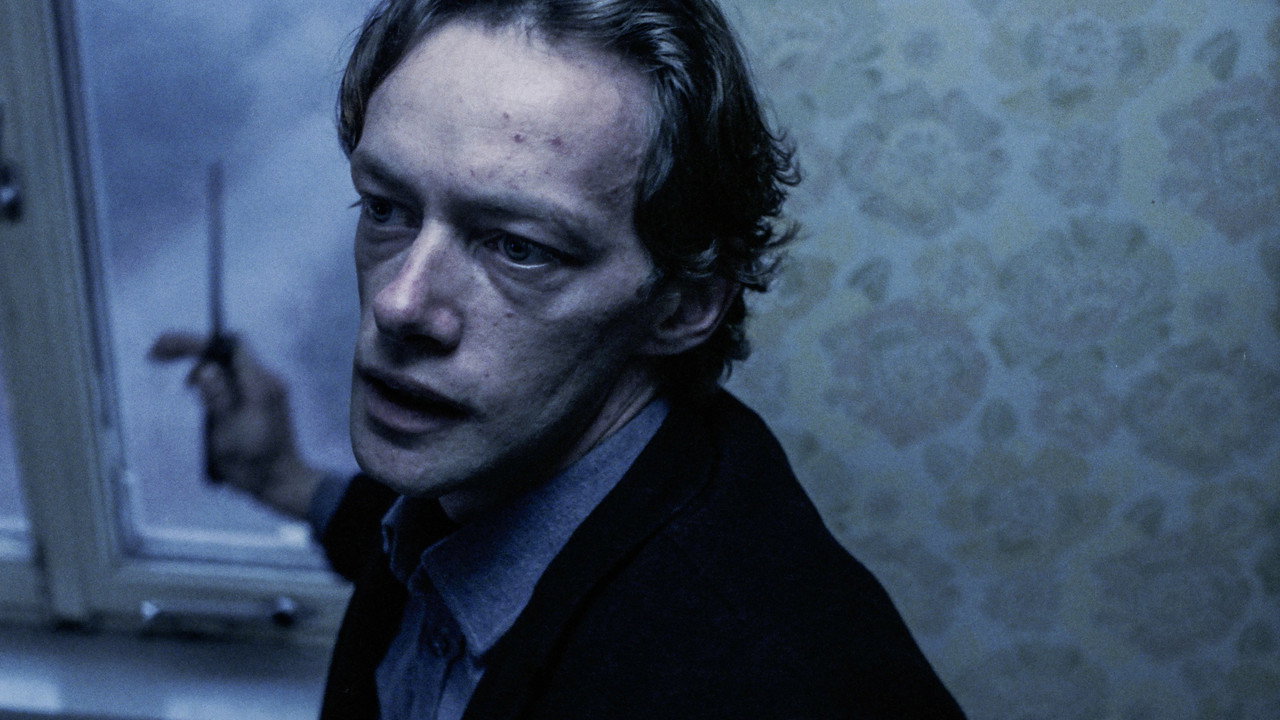
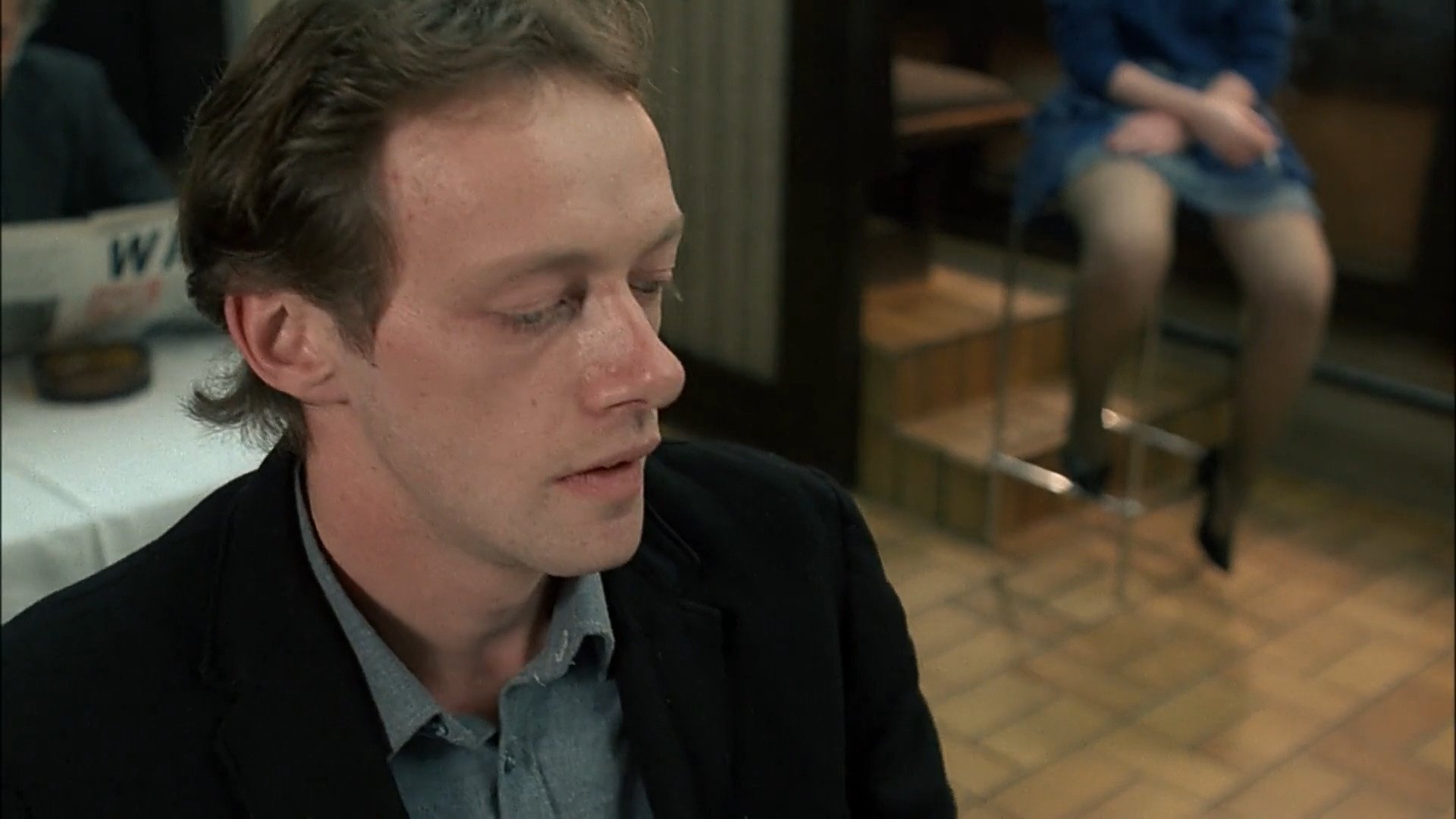
Gerald Kargl had worked around Austrian film culture before attempting Angst, making shorts while also becoming involved with the Österreichische Filmtage and the film magazine Filmschrift. He wanted to direct a feature but had little interest in making the kind of overtly political work he associated with sections of young Austrian cinema at the time. The Werner Kniesek case provided a subject through which he could explore the psychology of violence. Kniesek had a long history of imprisonment and violent offences. In January 1980, only weeks before his expected release from Garsten prison, he was granted several days of leave to search for work.
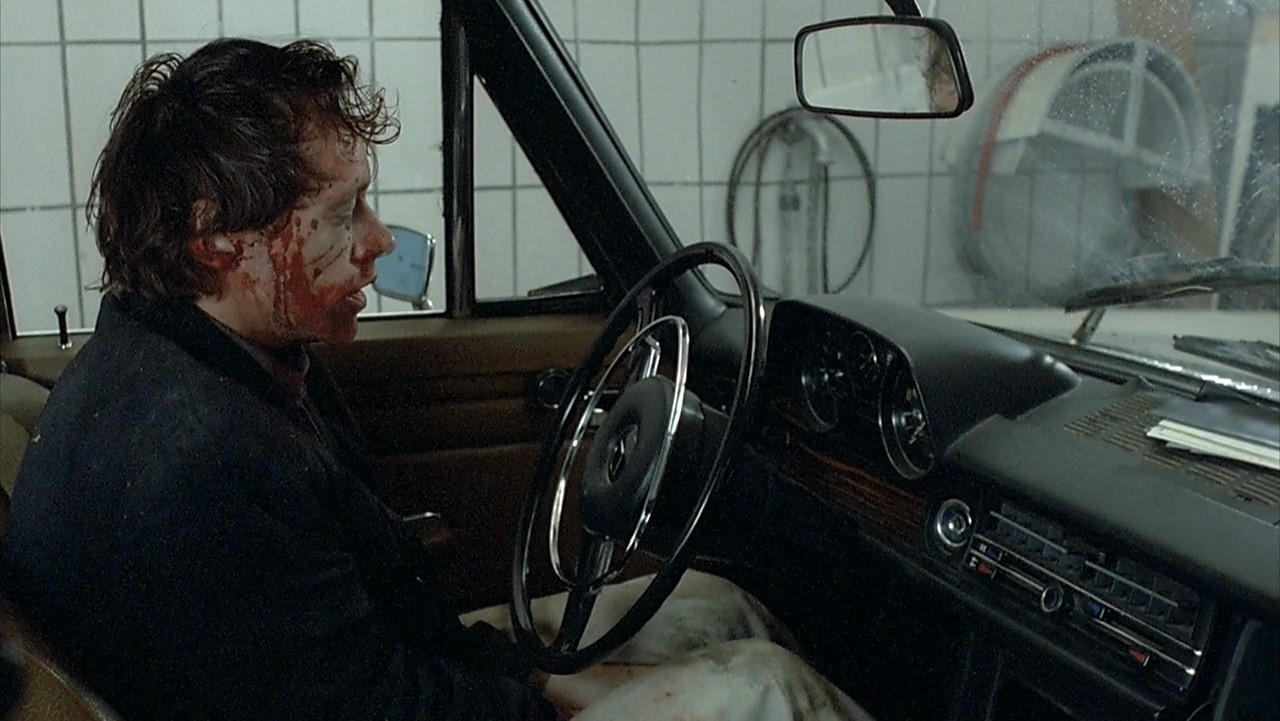
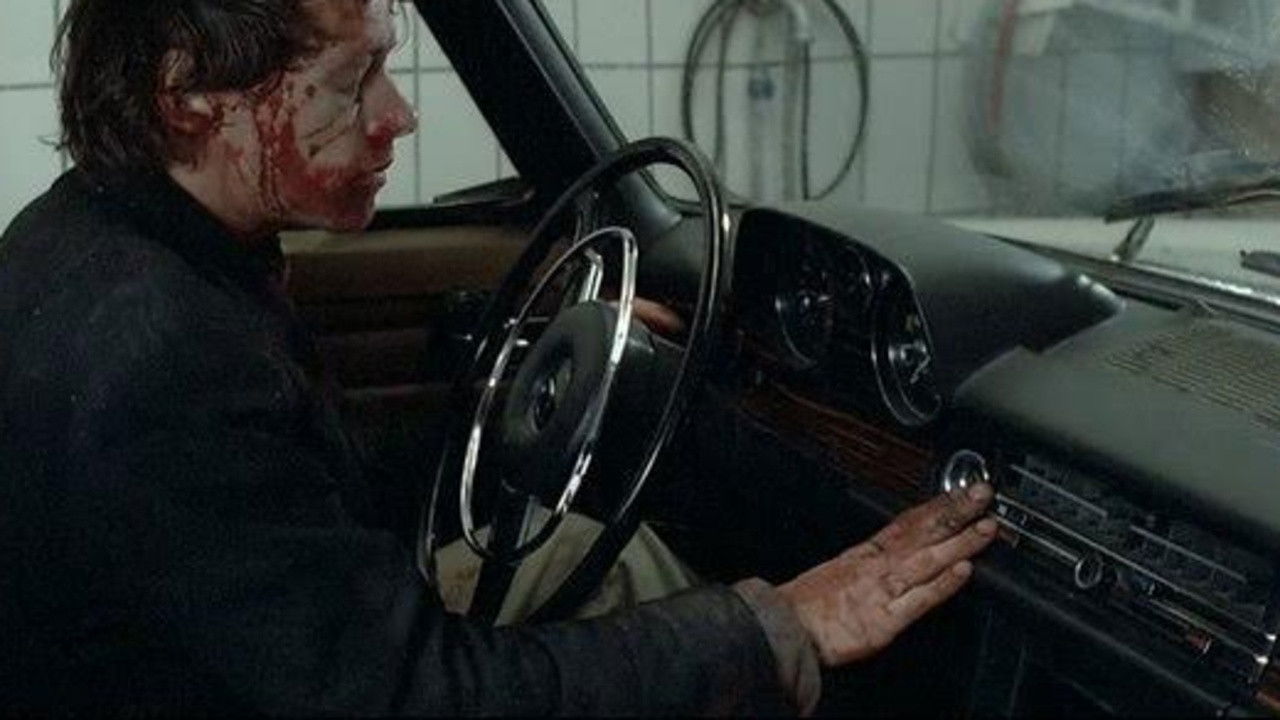
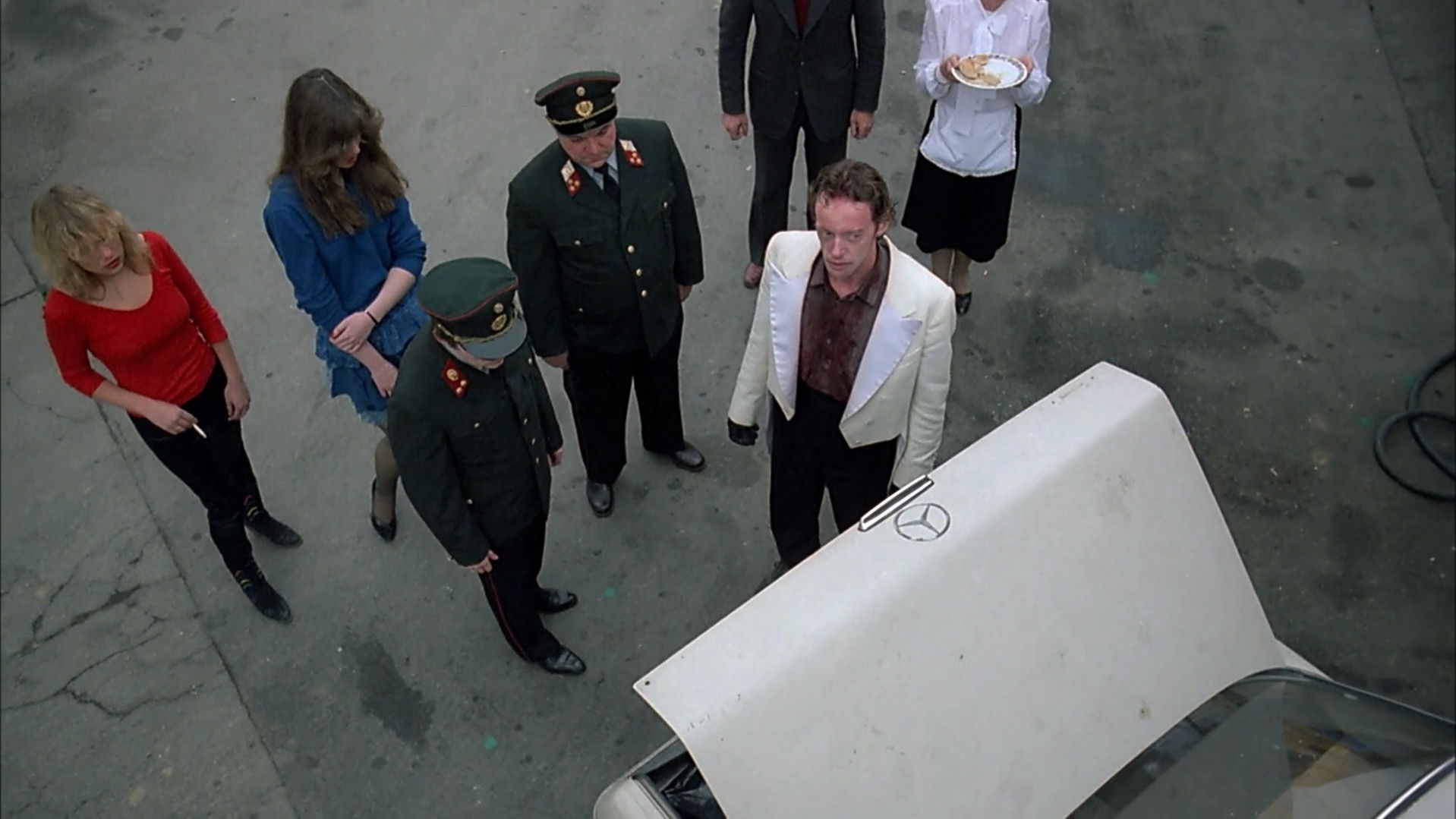
He travelled to St. Pölten and entered a house apparently without selecting its occupants in advance. The victims were an elderly woman and her two adult children, including a son who used a wheelchair. Kniesek tortured and killed all three, placed their bodies in the family's car and was subsequently arrested. The case became notorious in Austria and generated public discussion about the decision to allow him temporary leave. Kargl was interested particularly in the apparent randomness of the crime. Kniesek had not travelled to St. Pölten to kill a predetermined family; his victims became available to him through circumstance.
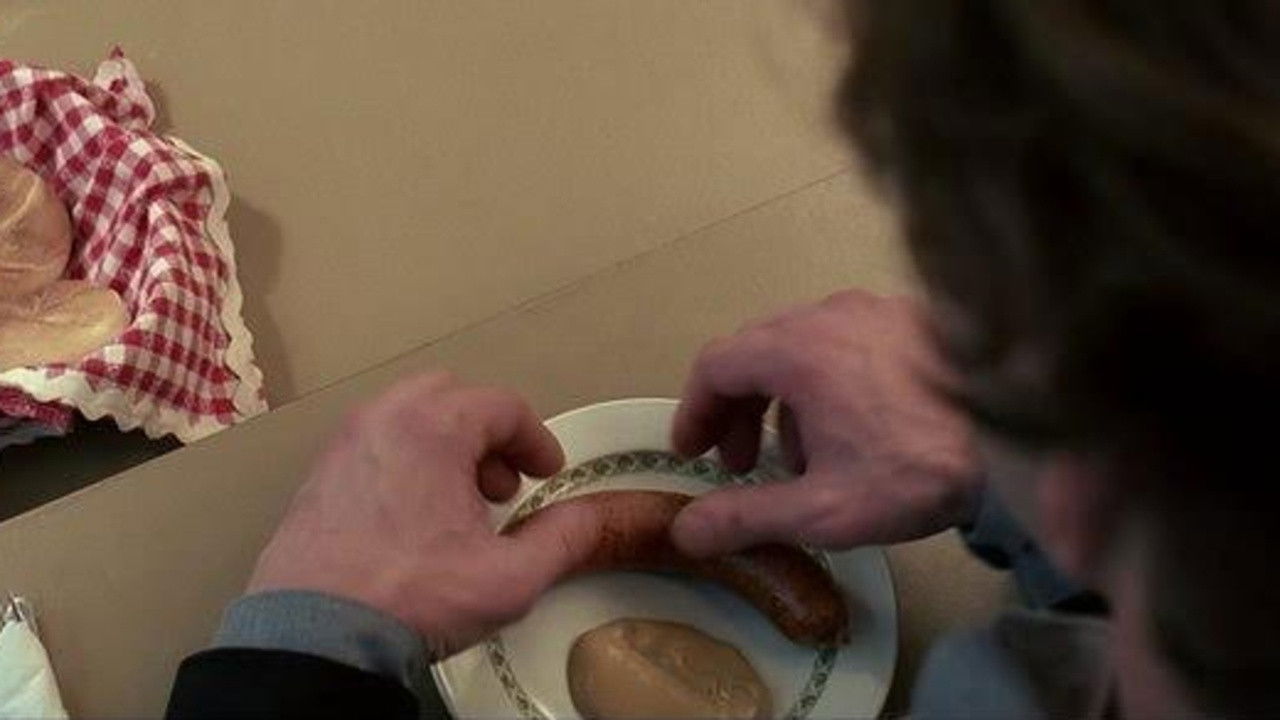
That absence of a conventional motive became central to the film. The protagonist is not investigating, planning revenge or pursuing someone from his past. He moves through the world looking for an opportunity to satisfy a compulsion. The screenplay nevertheless changes important facts. The film creates the impression of a man released back into society, changing the historical circumstances of Kniesek's prison leave, and biographical details in the narration do not correspond completely to the historical killer. Angst should therefore be understood as a fictional psychological construction built from a real criminal case, not as a literal reenactment.