
Videodrome (1983)

CA
HORROR FILM Mystery Science Fiction
SUBGENRES BODY HORROR
6.7/10 3 votes
Runtime
88 min
Release
February 4, 1983
Budget
$5,952,000
Revenue
$2,120,439
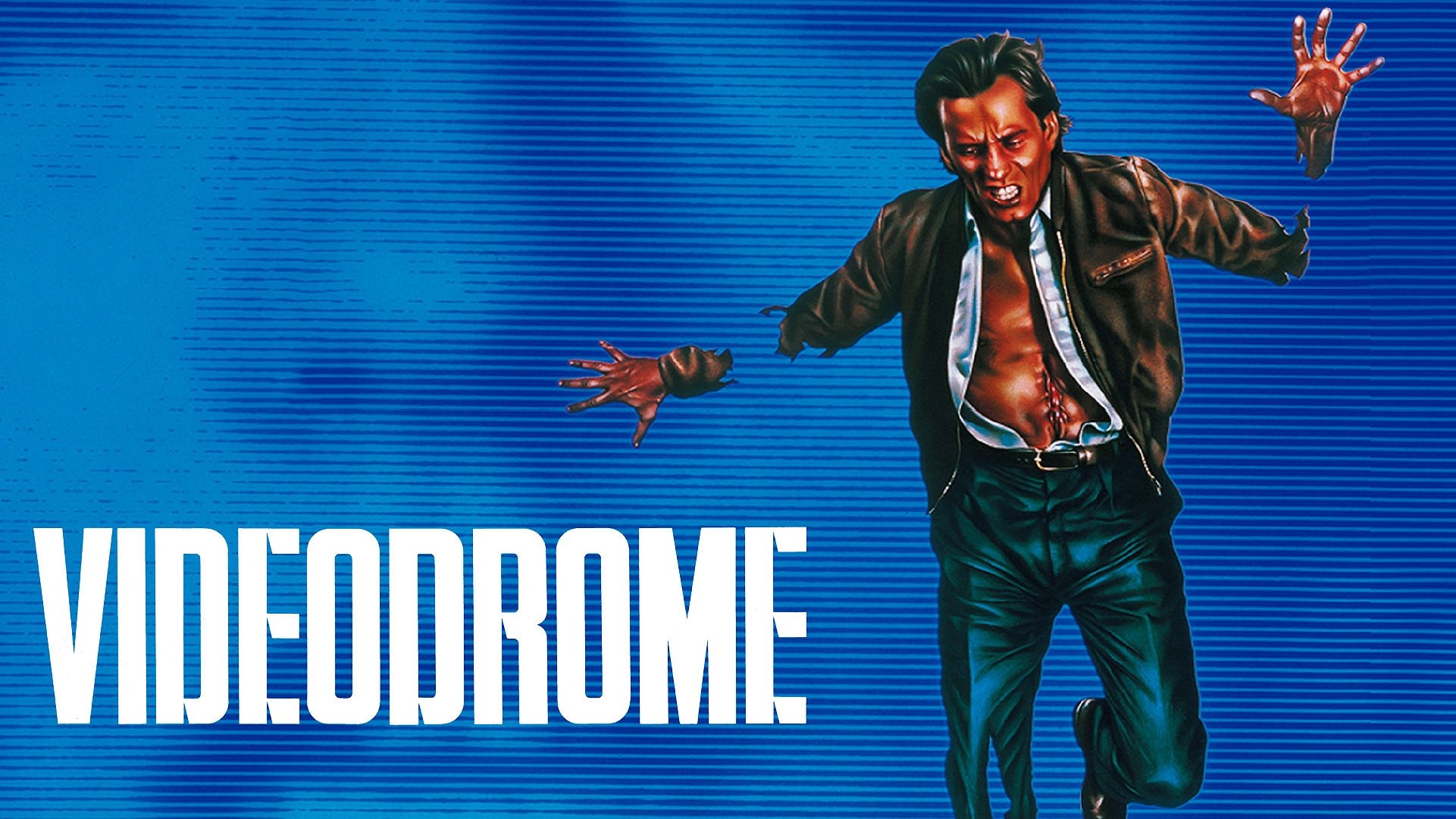
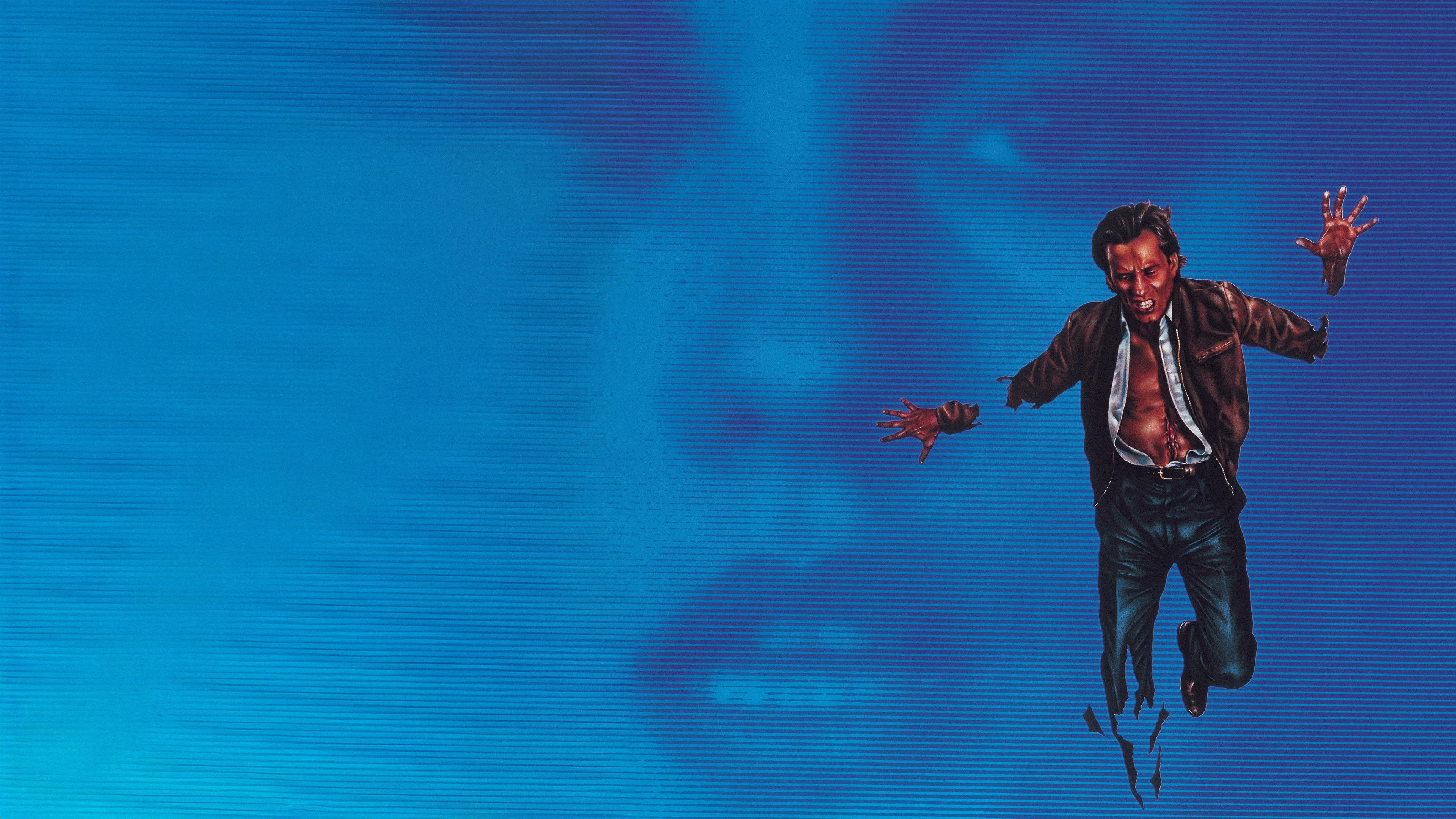
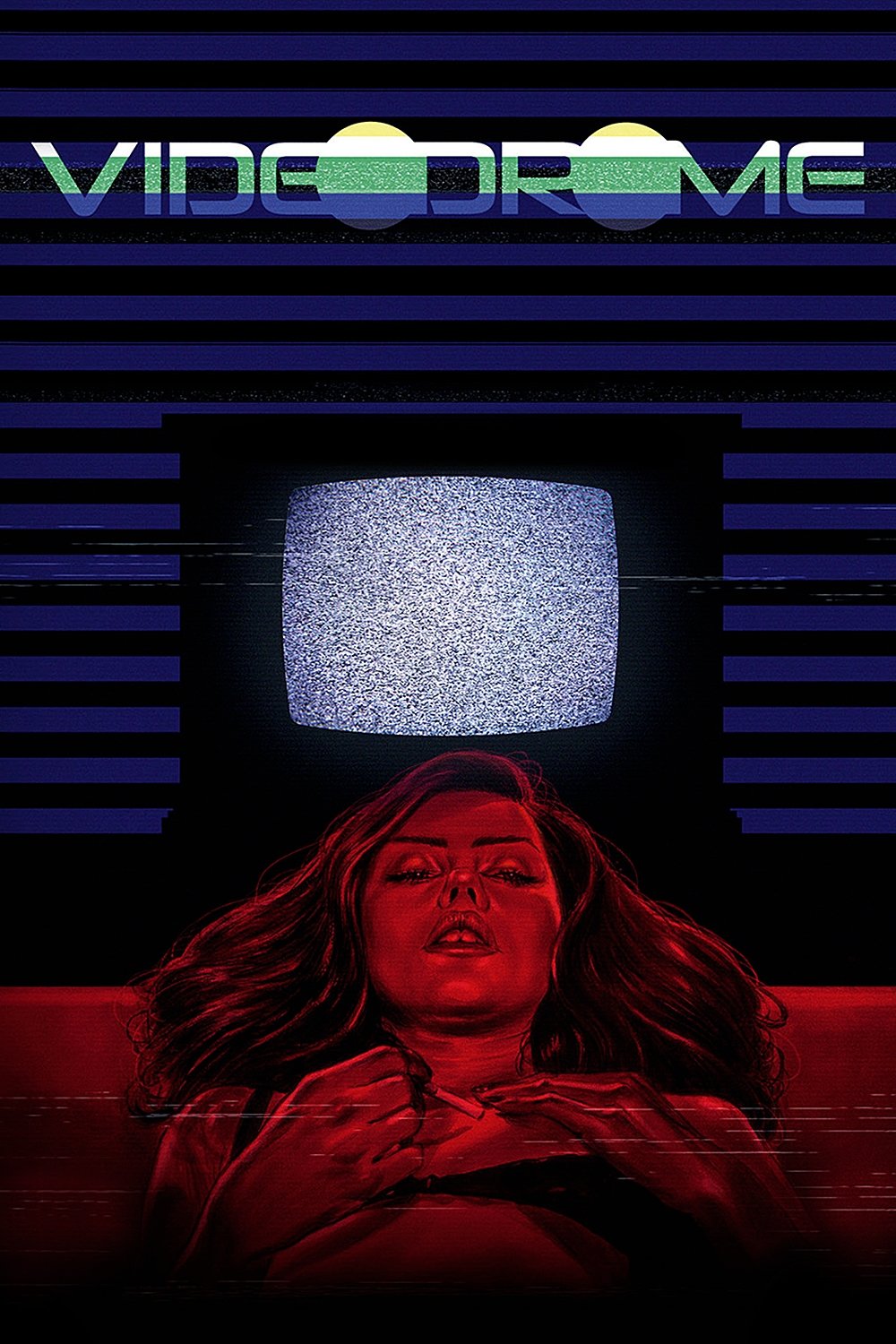
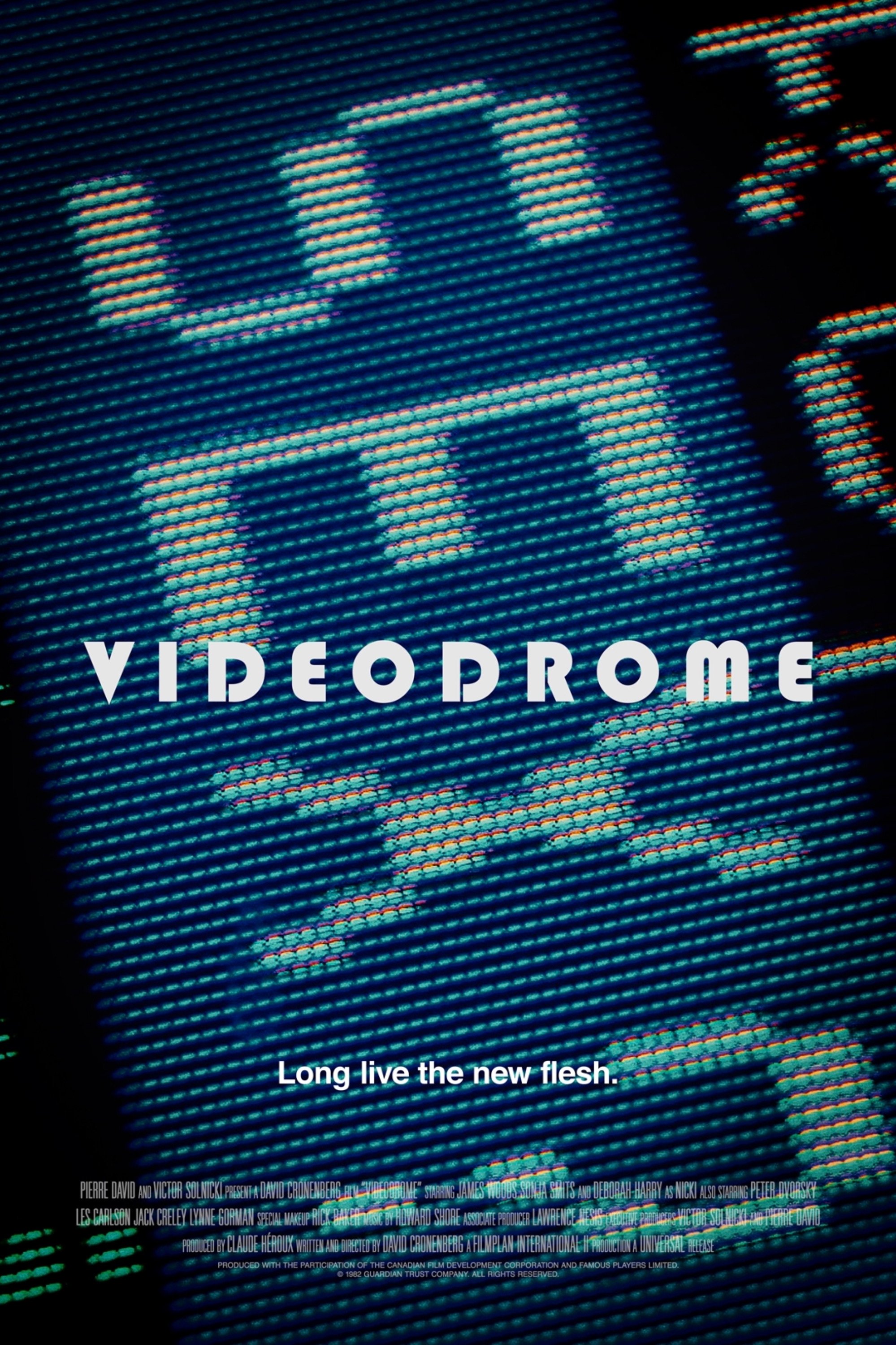
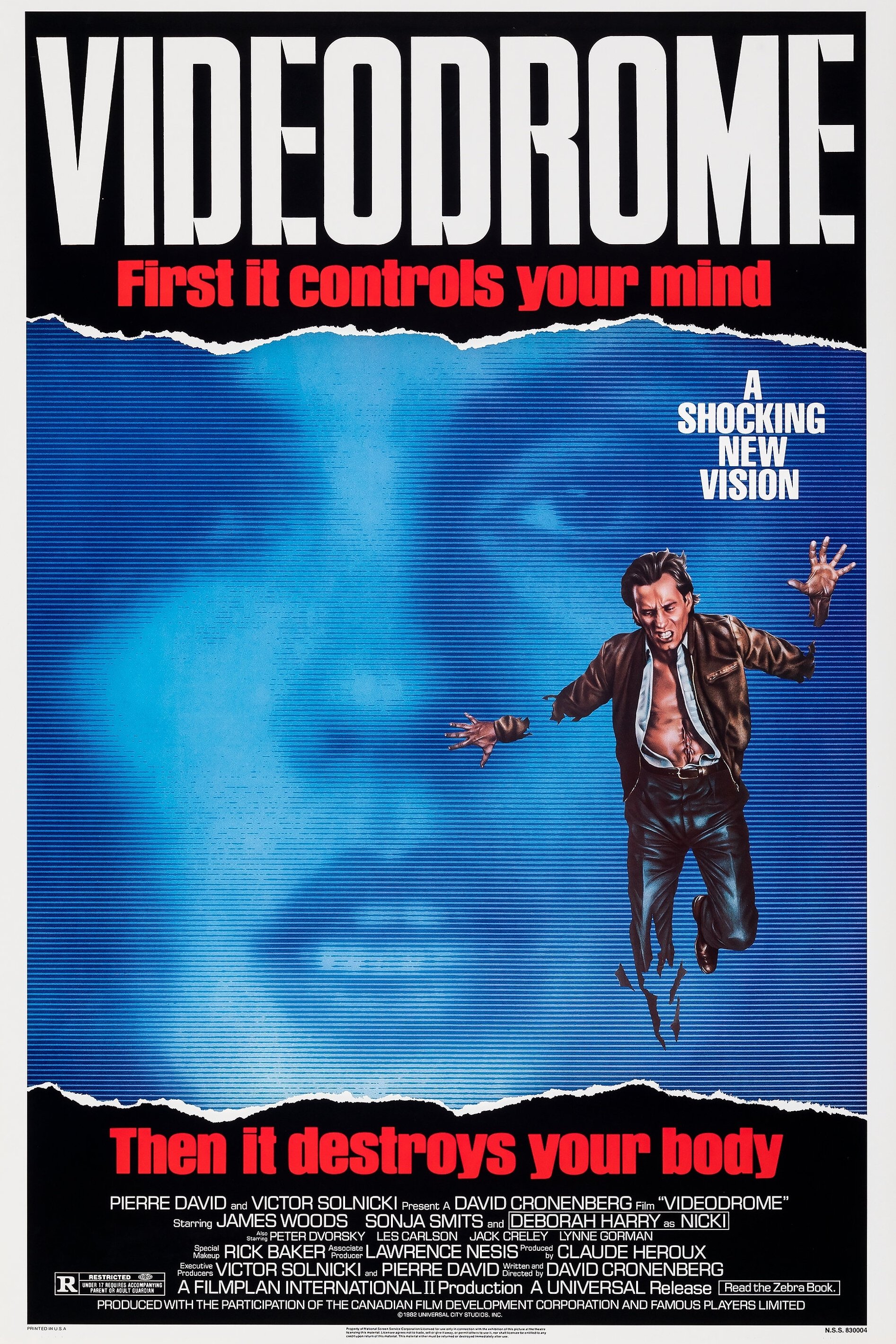
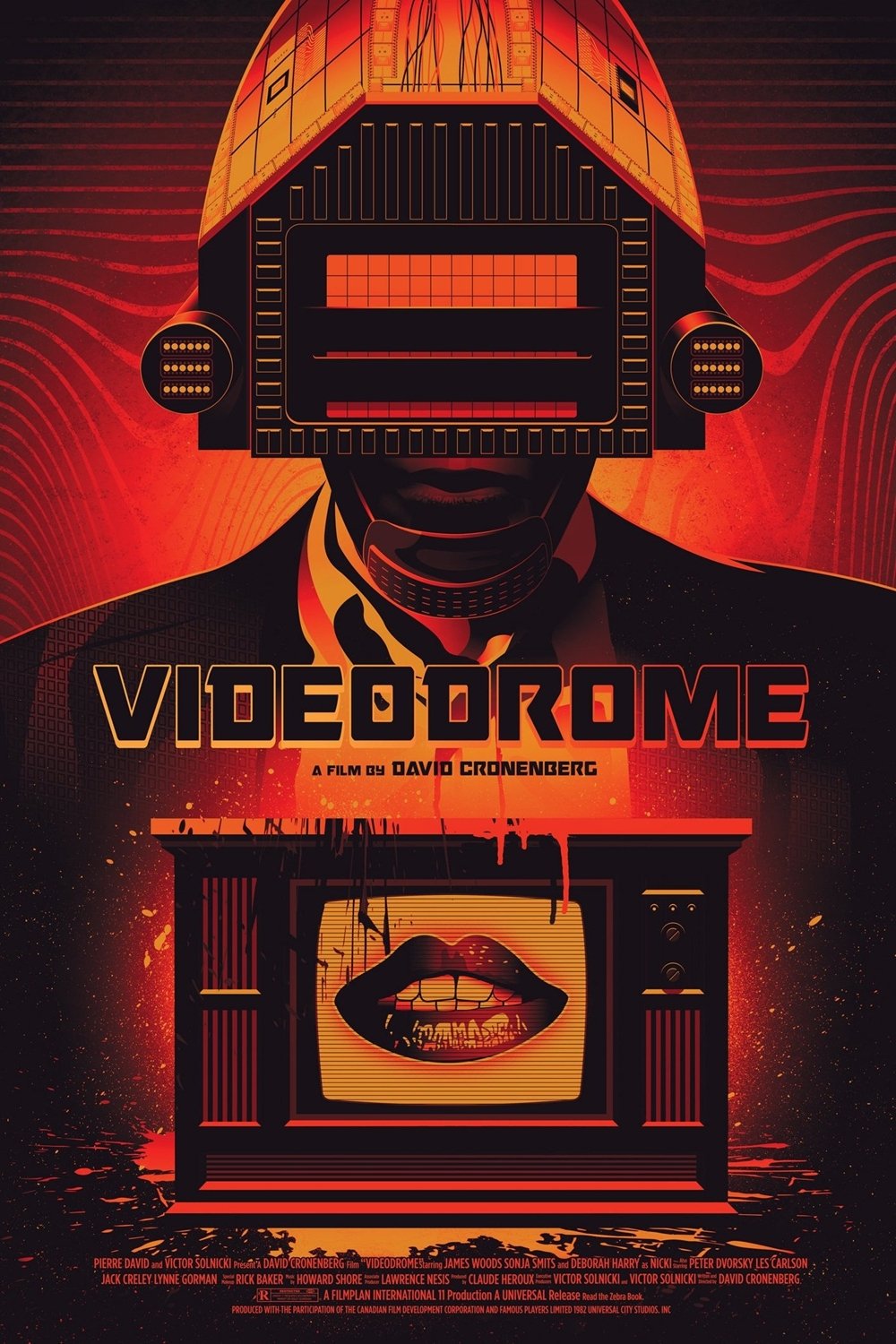
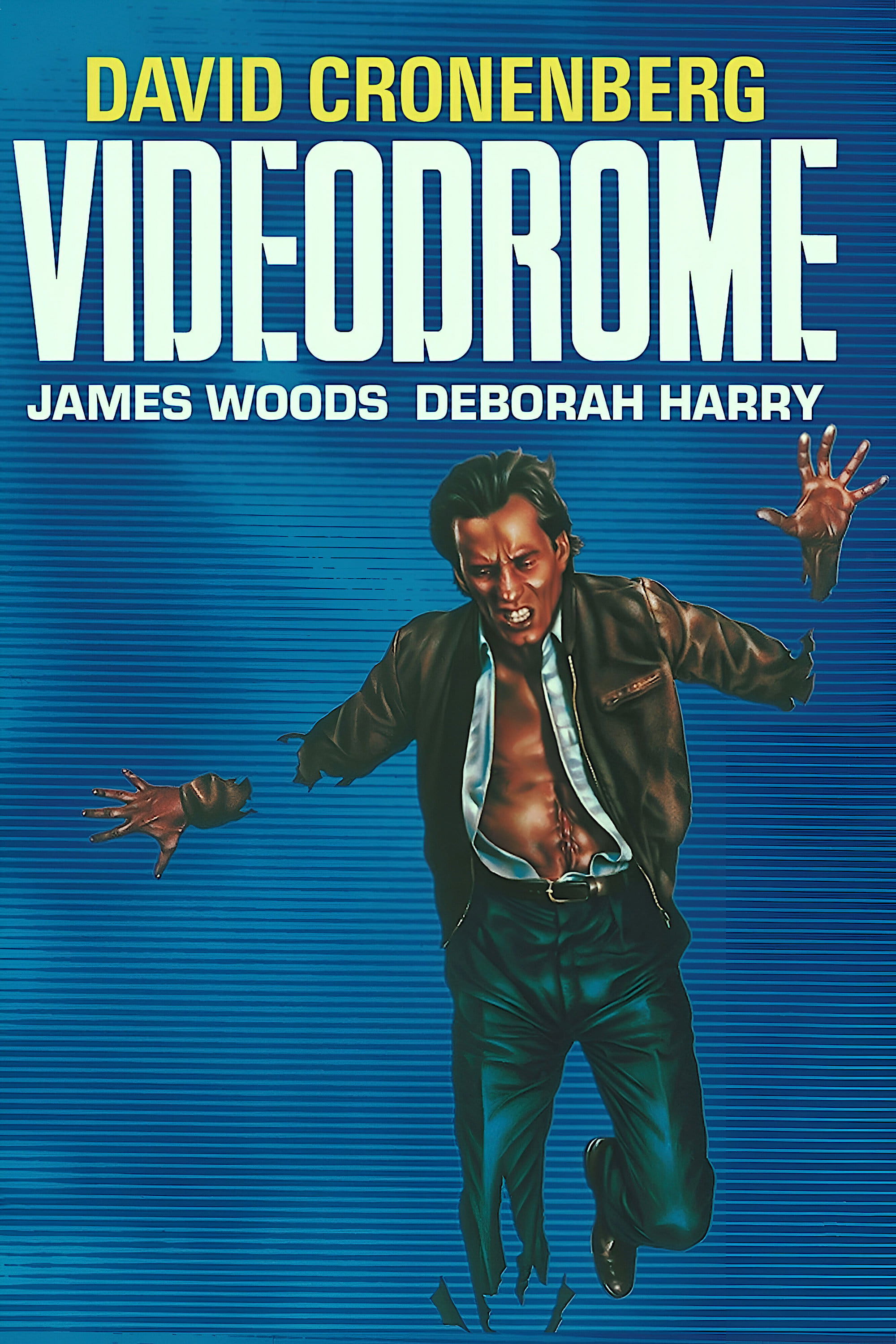
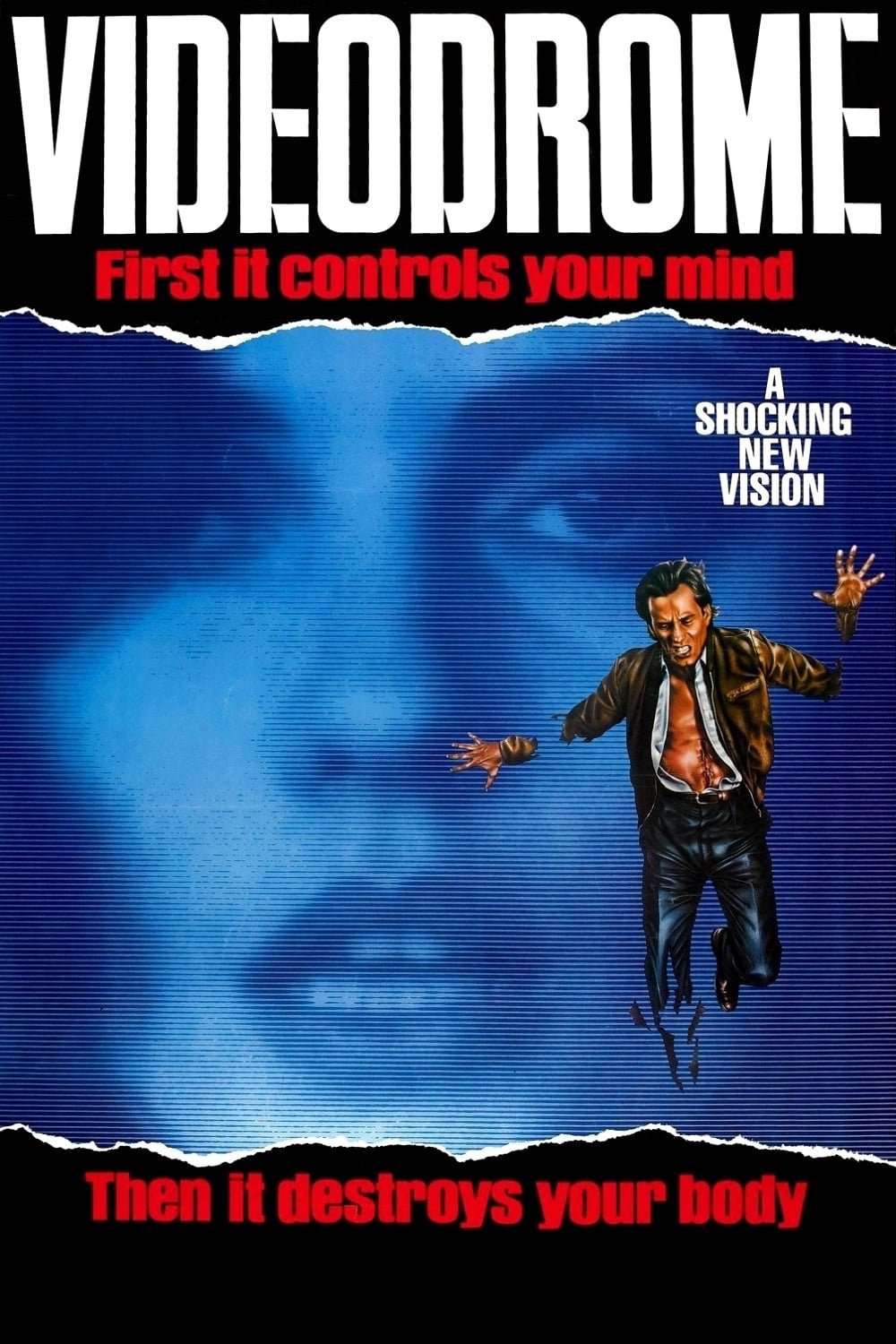
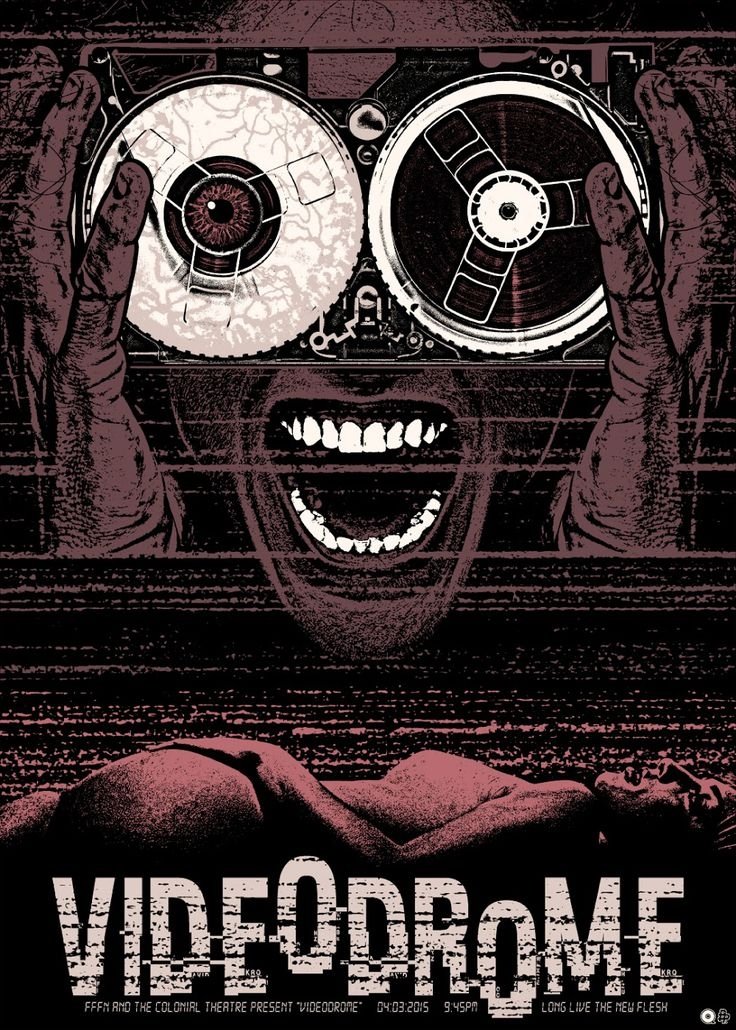
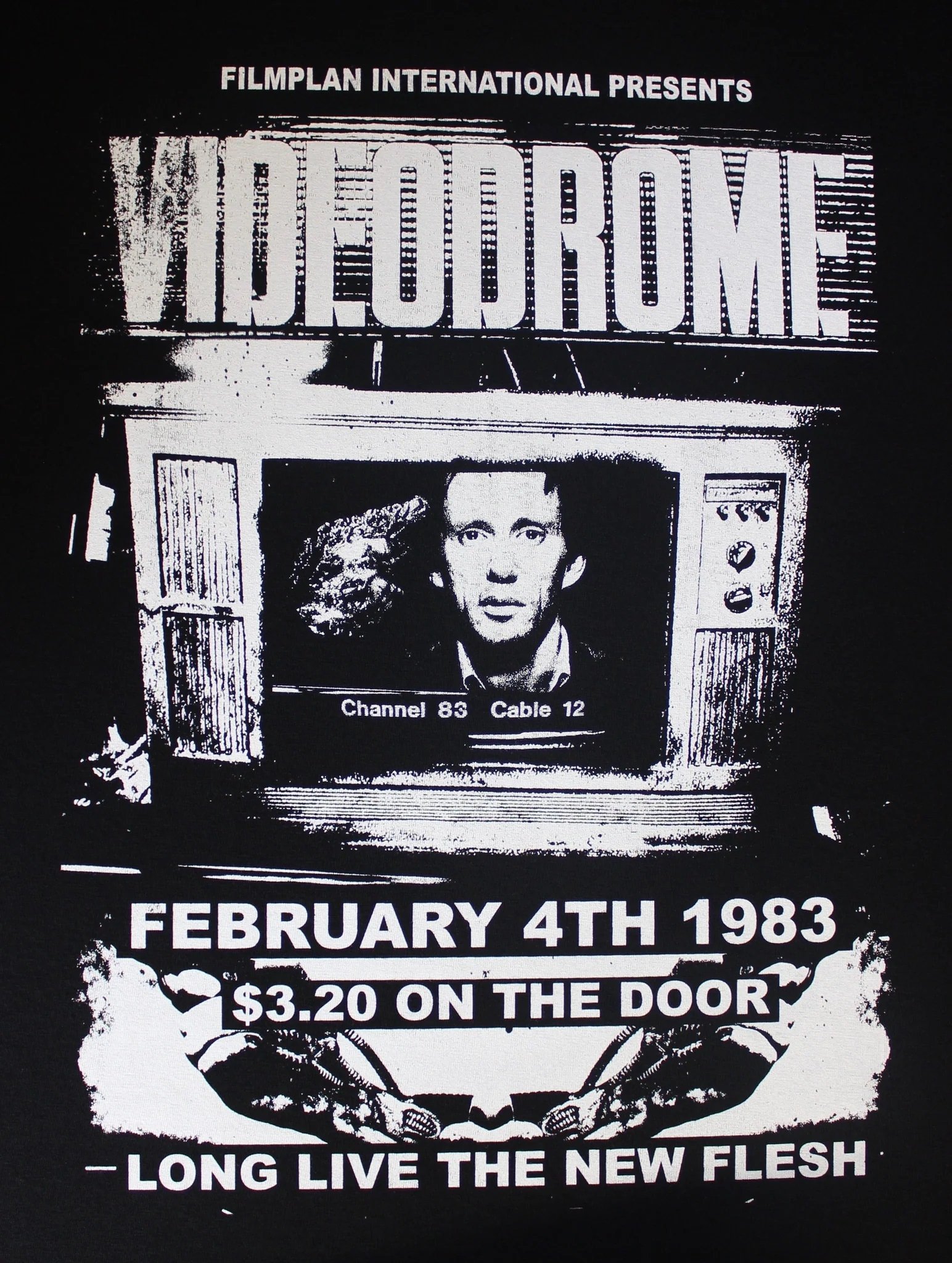
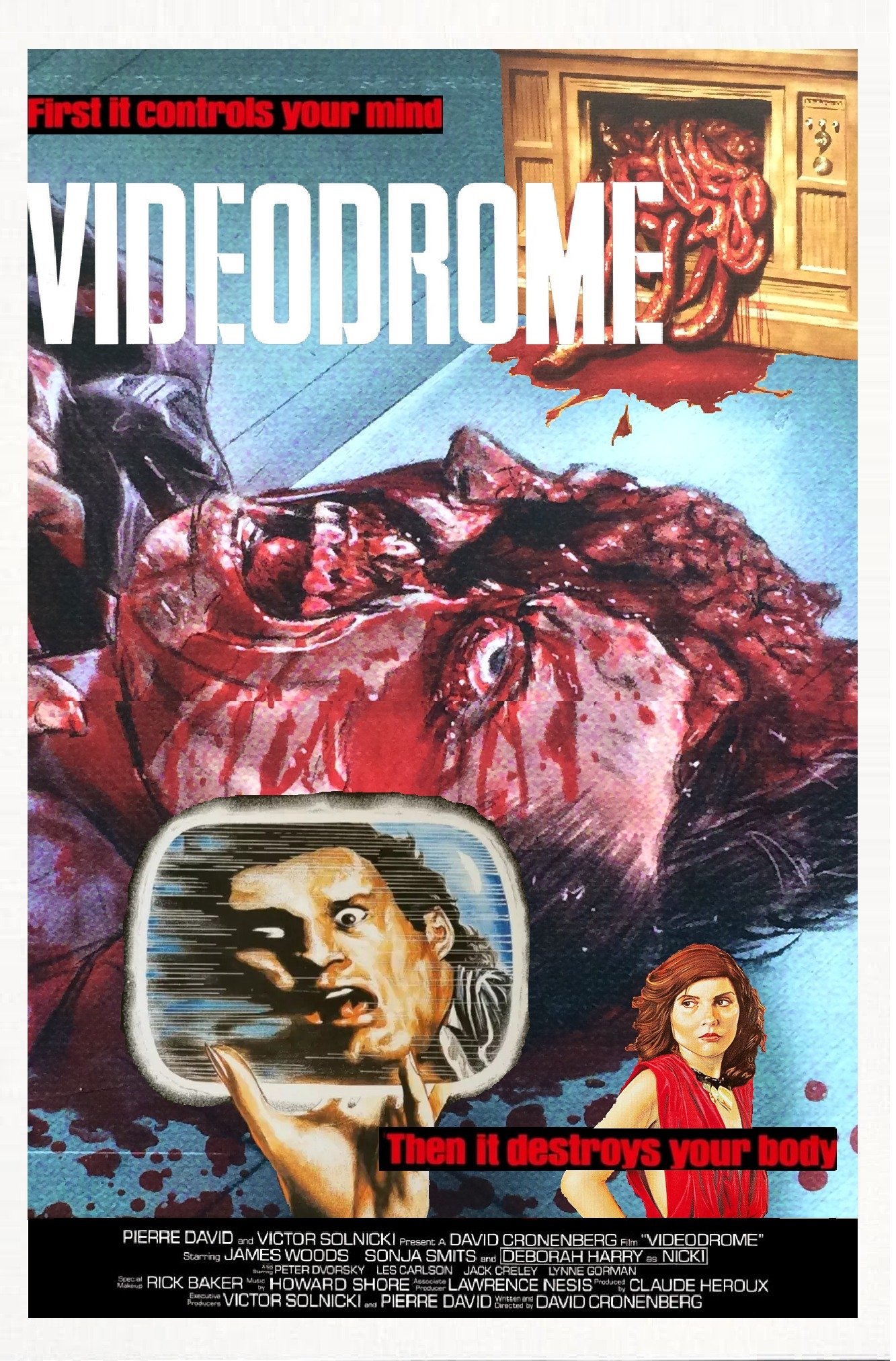
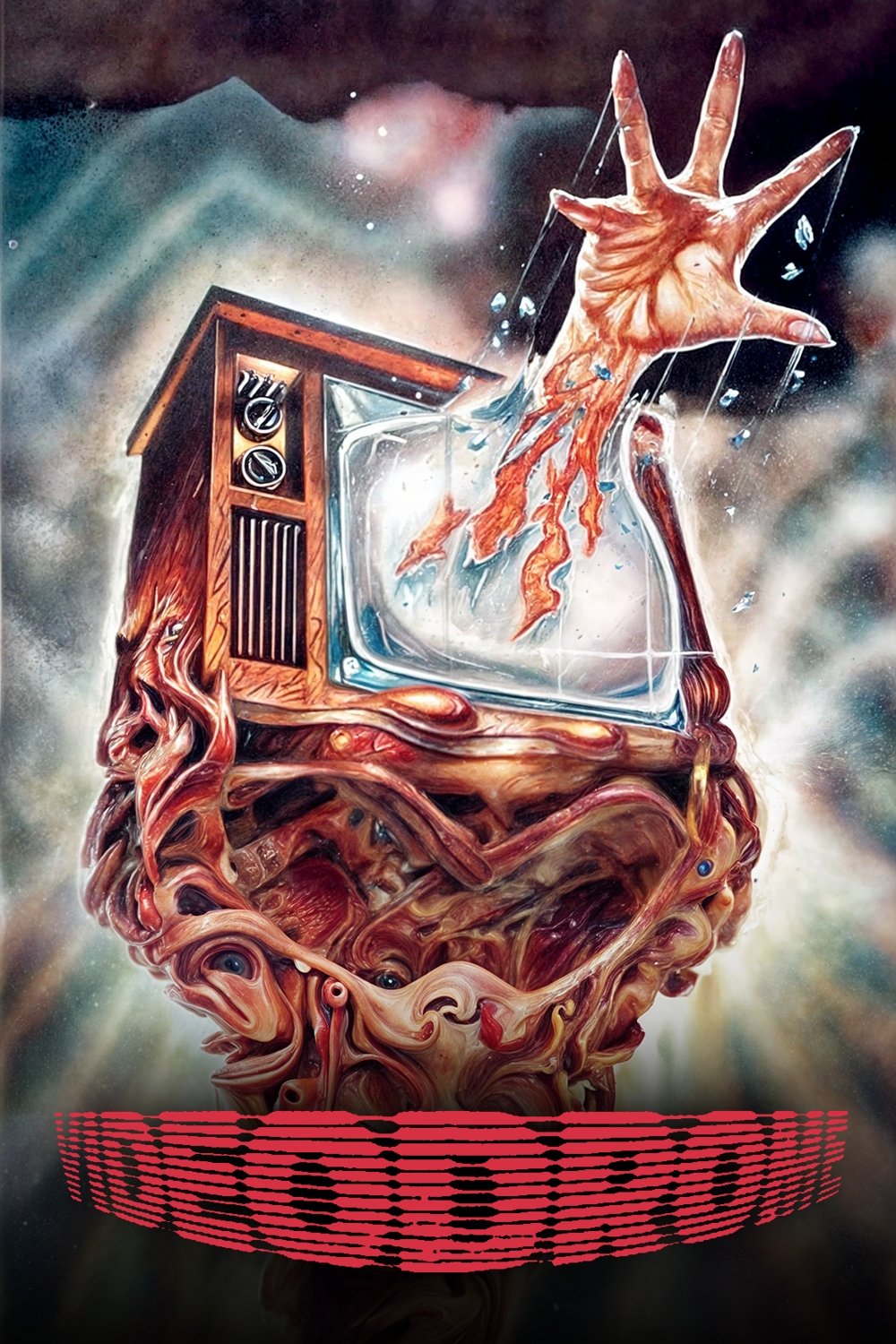
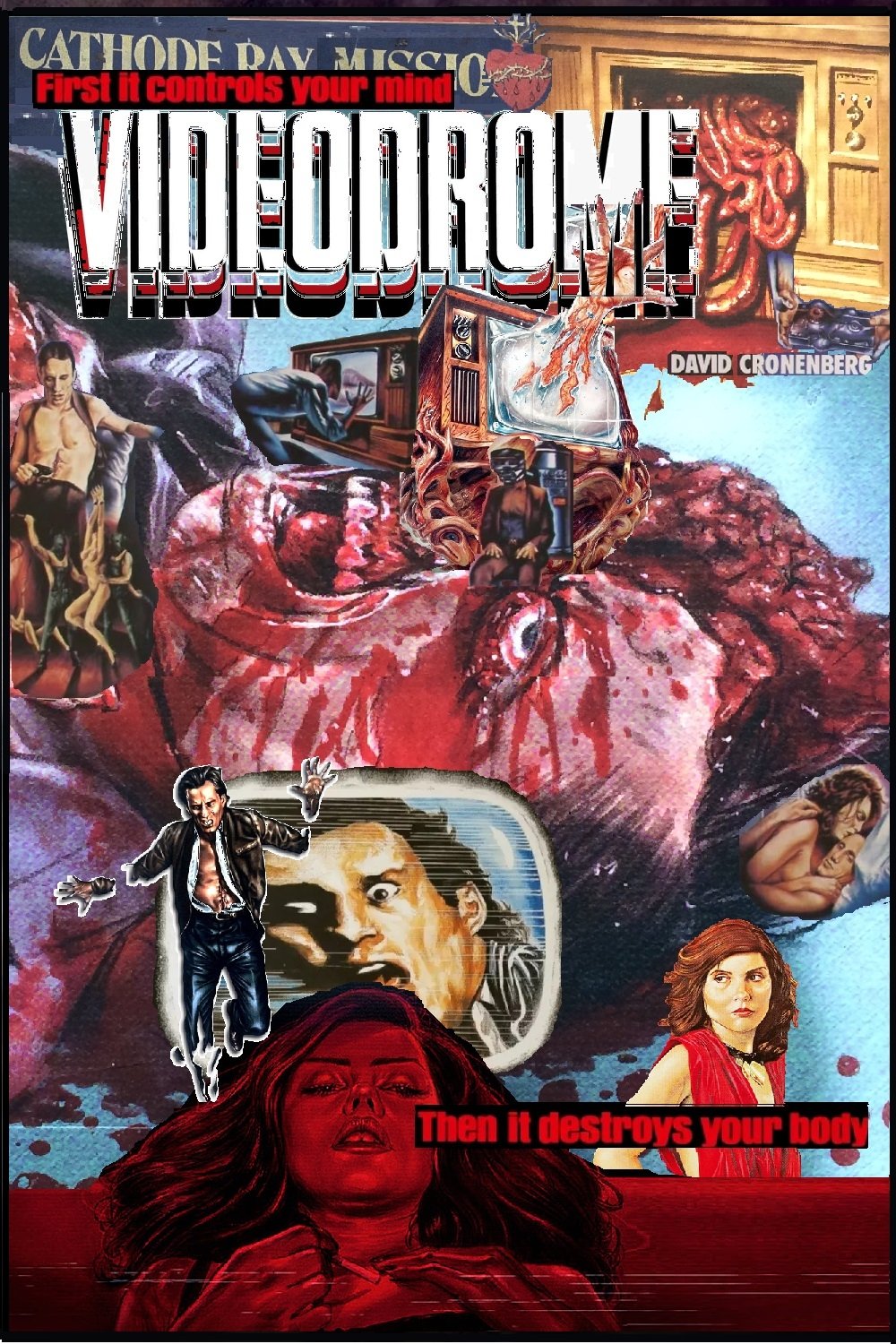
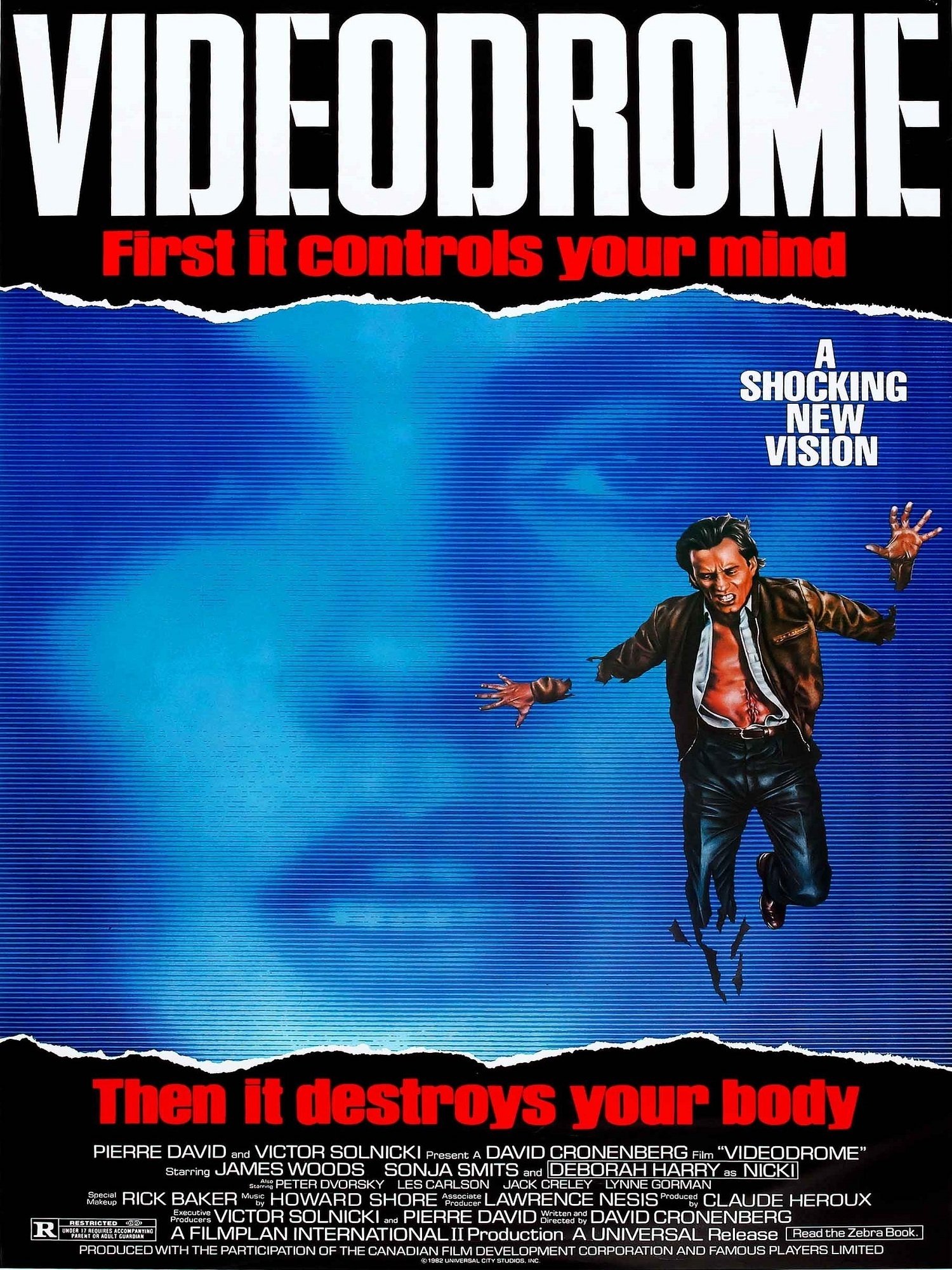
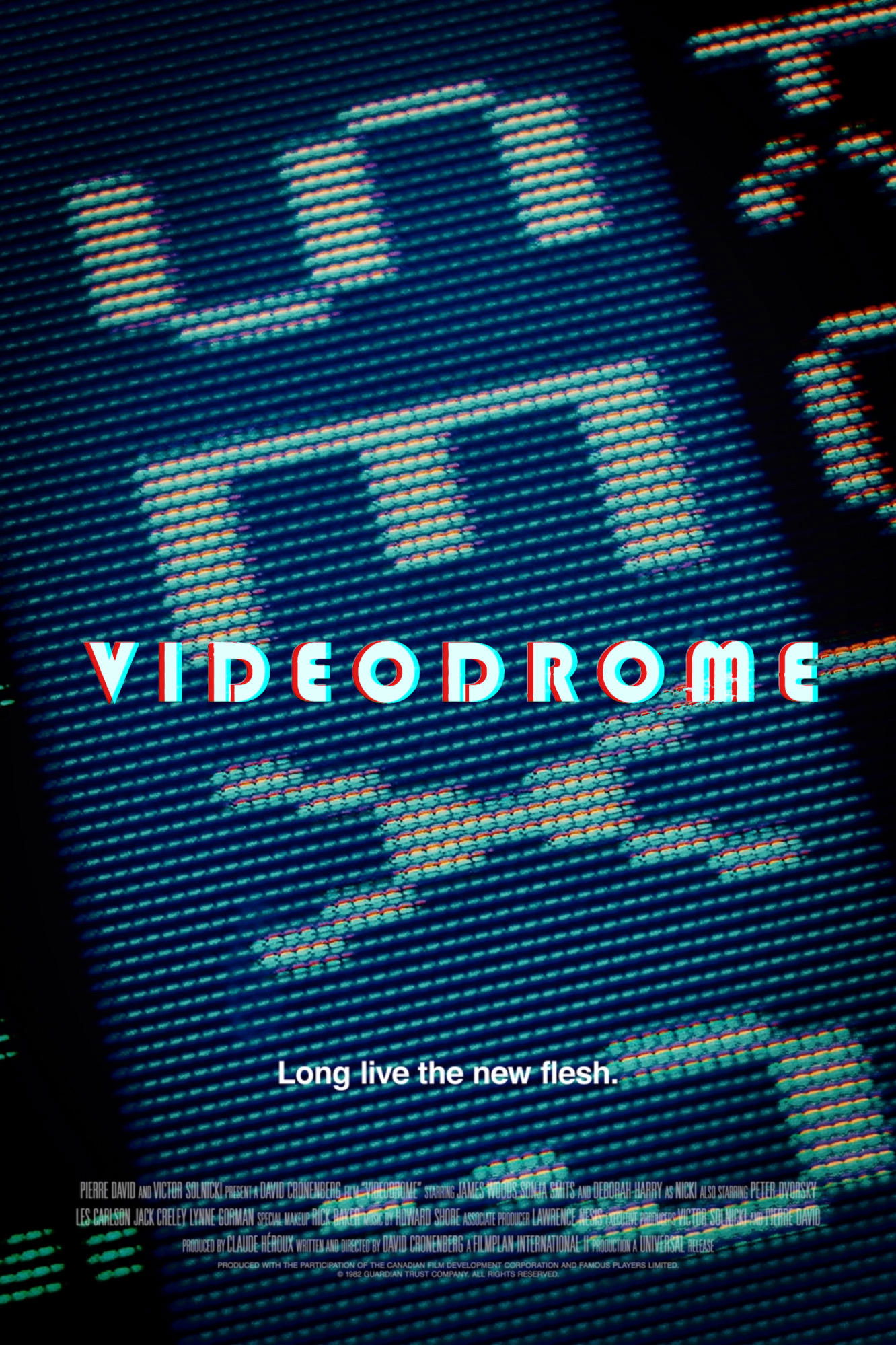
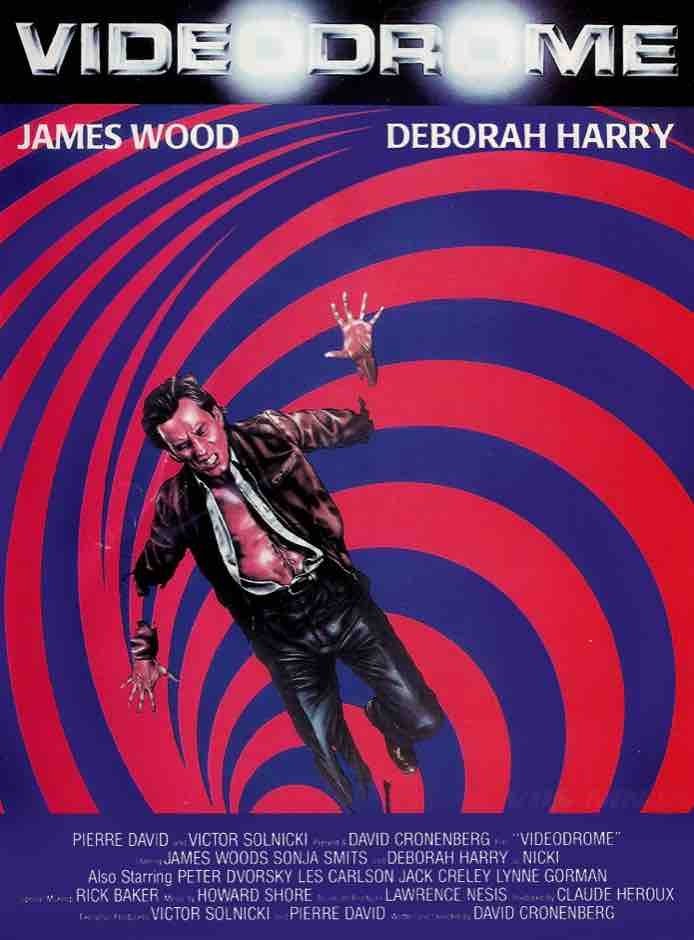
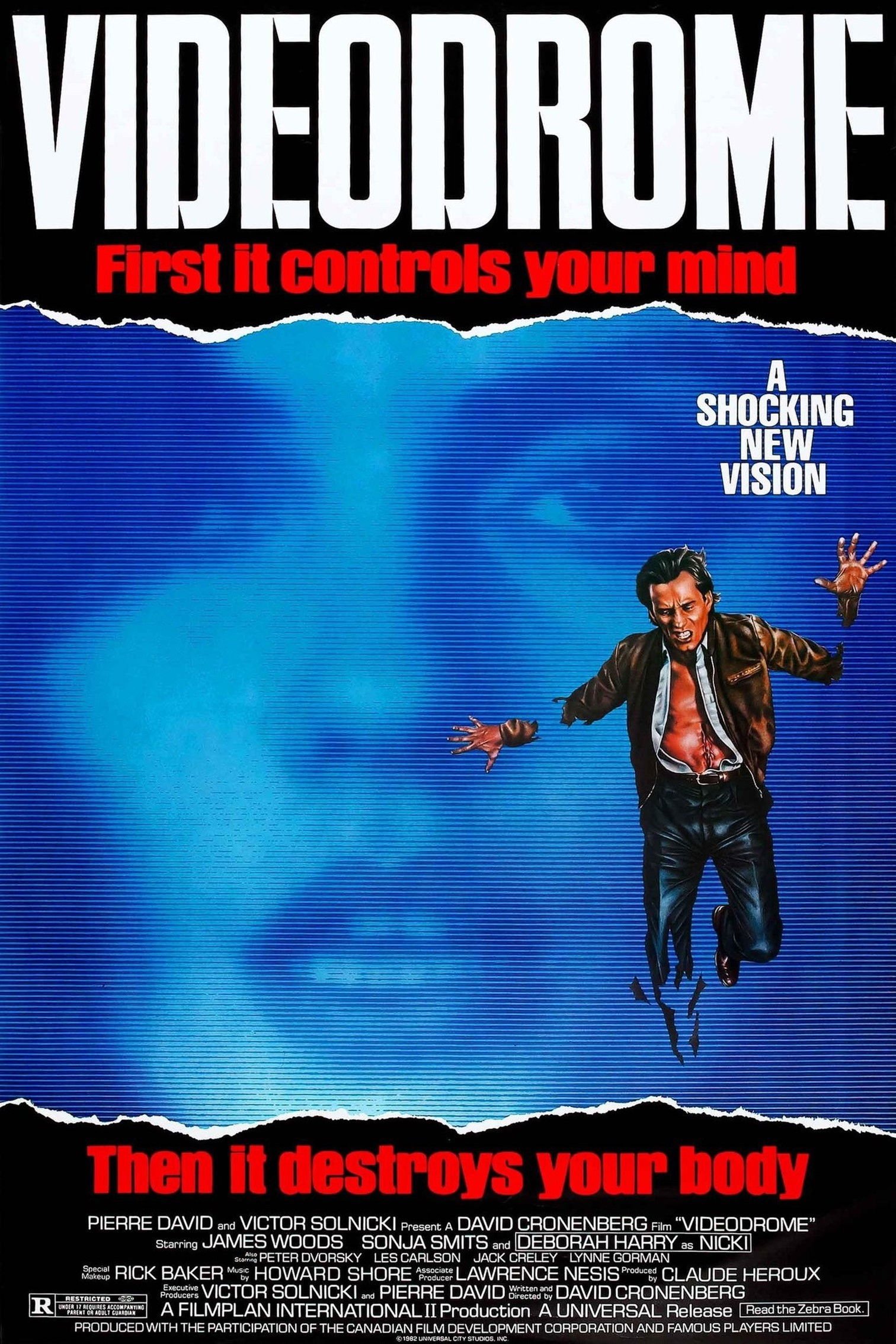
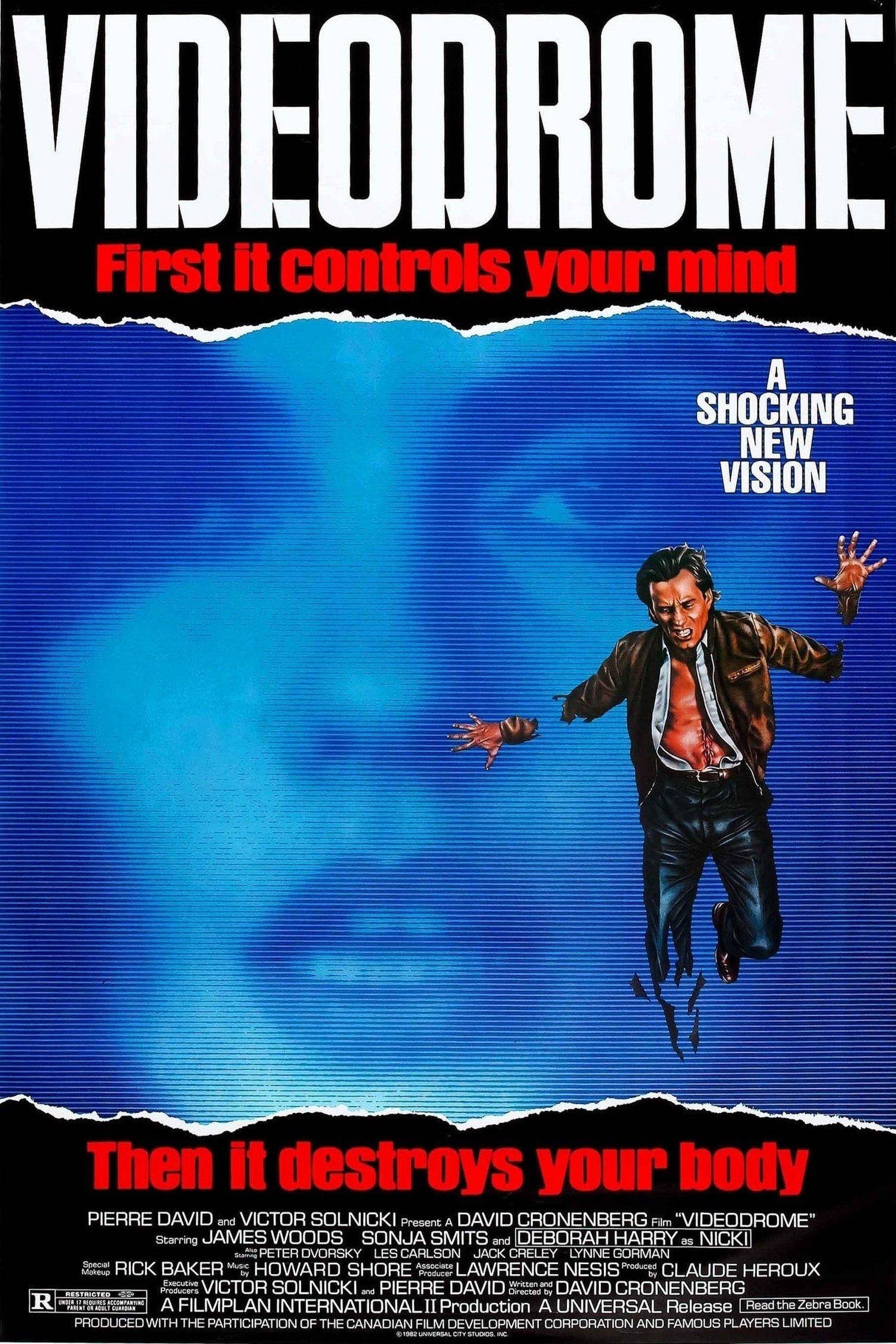
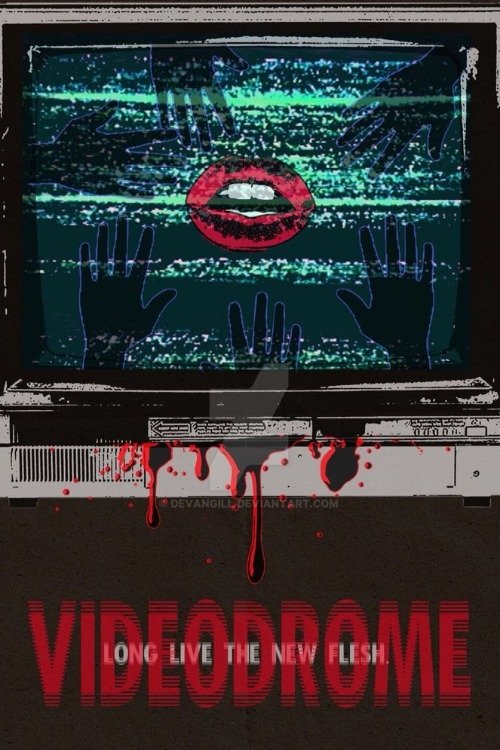
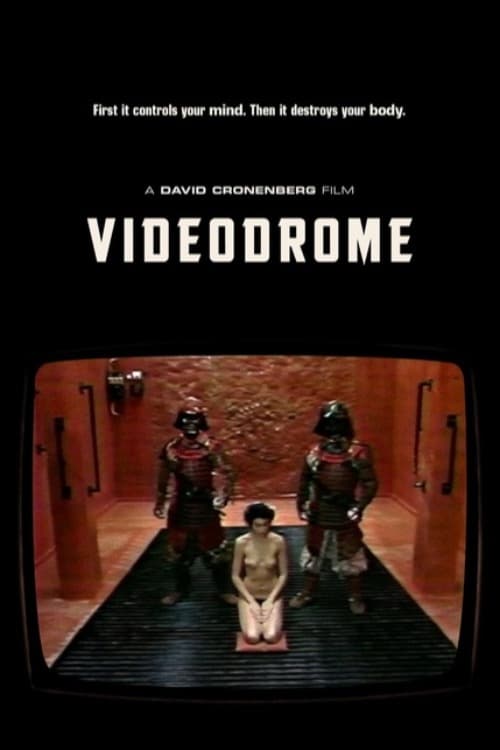
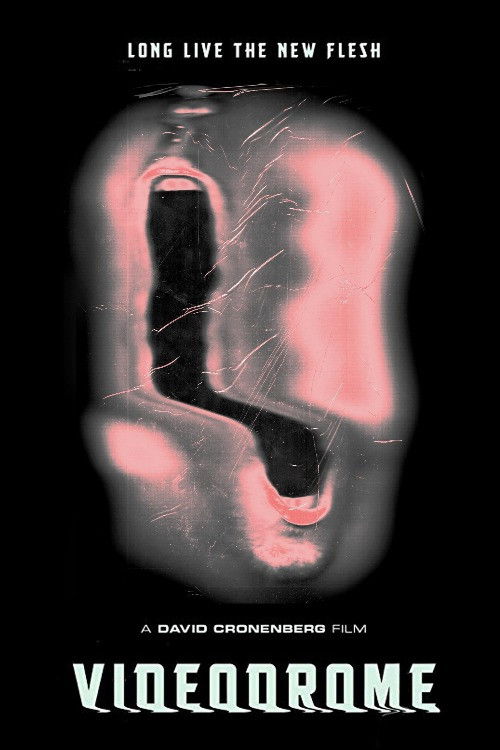
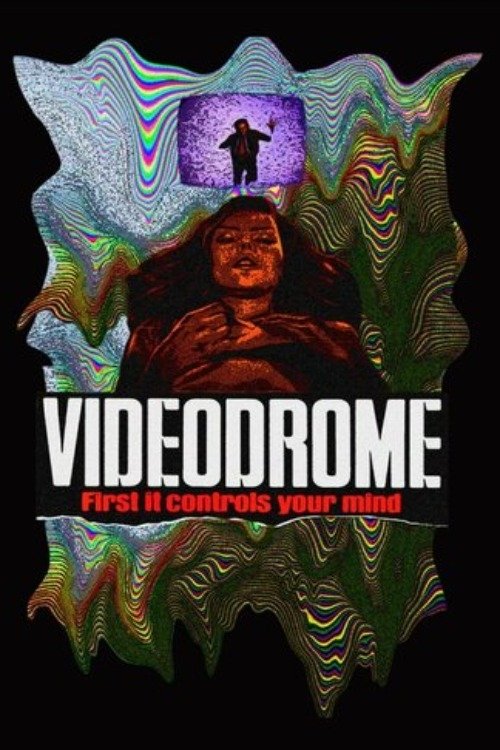
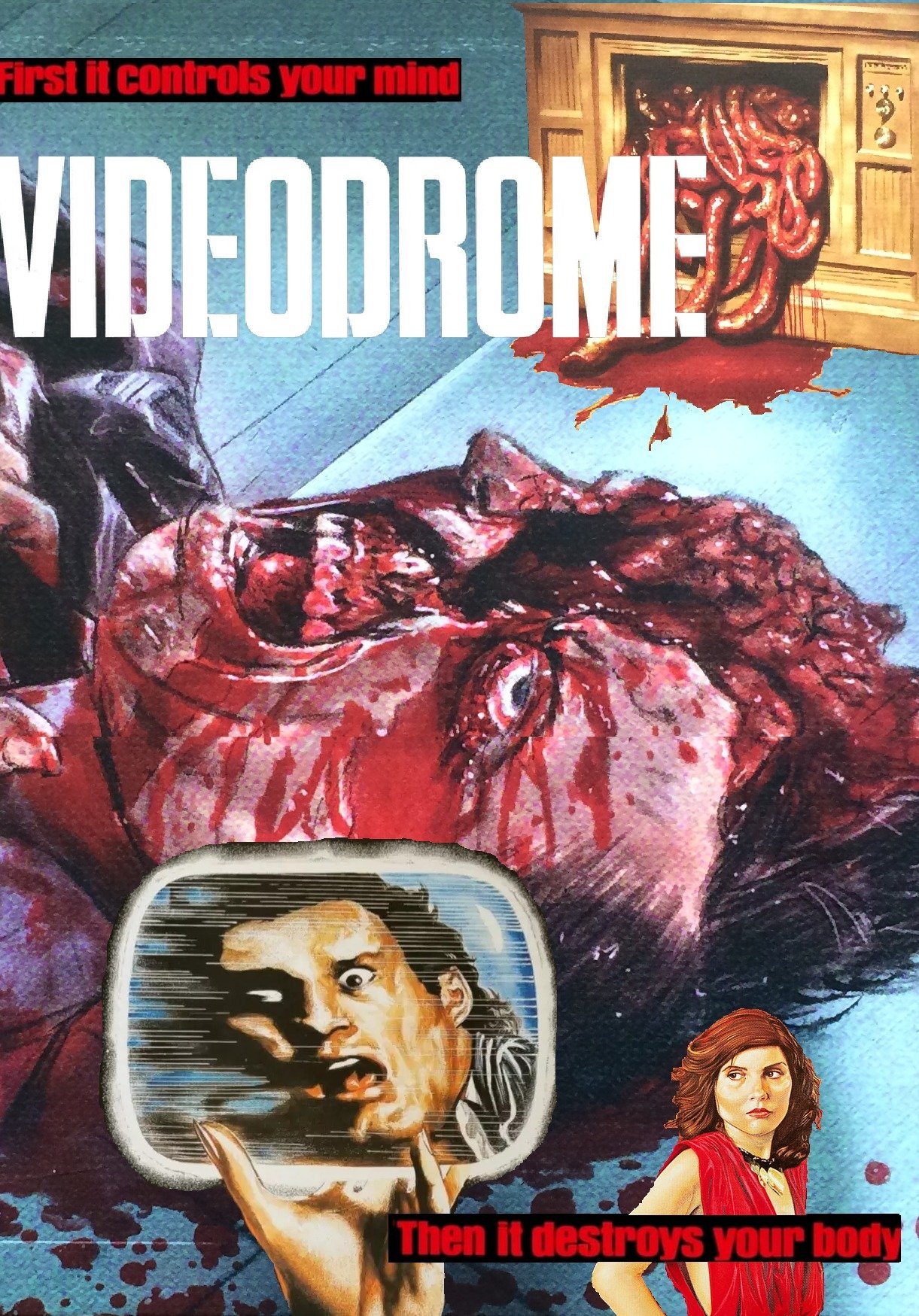
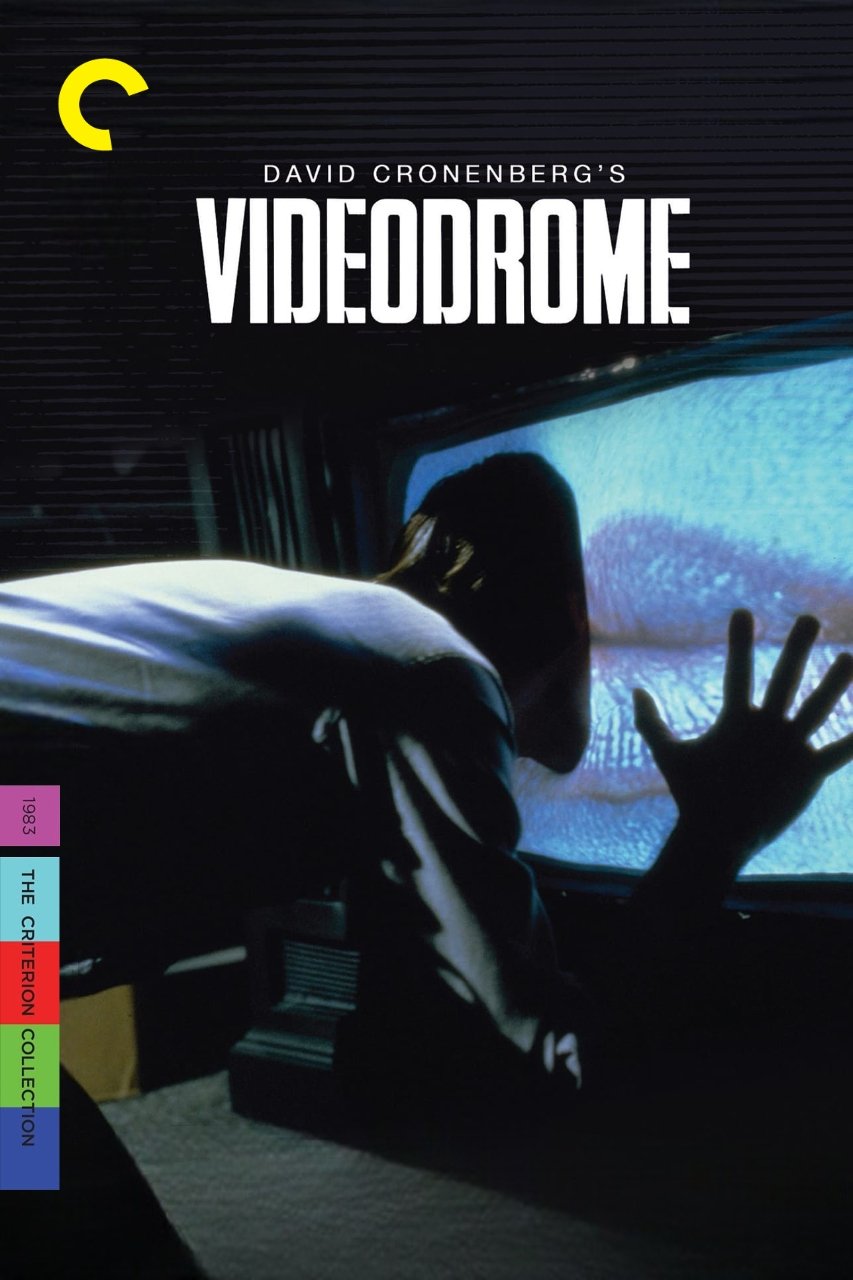
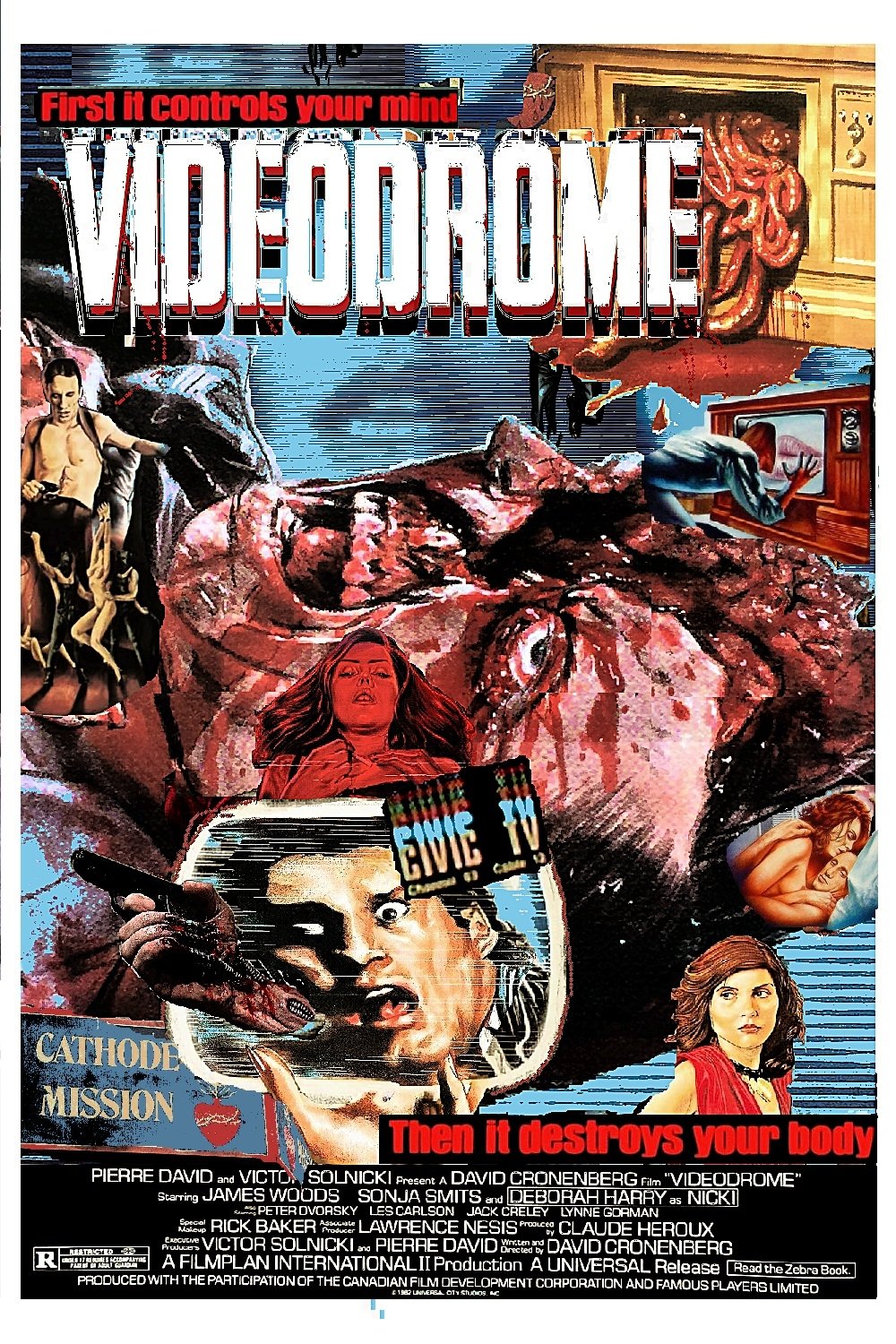
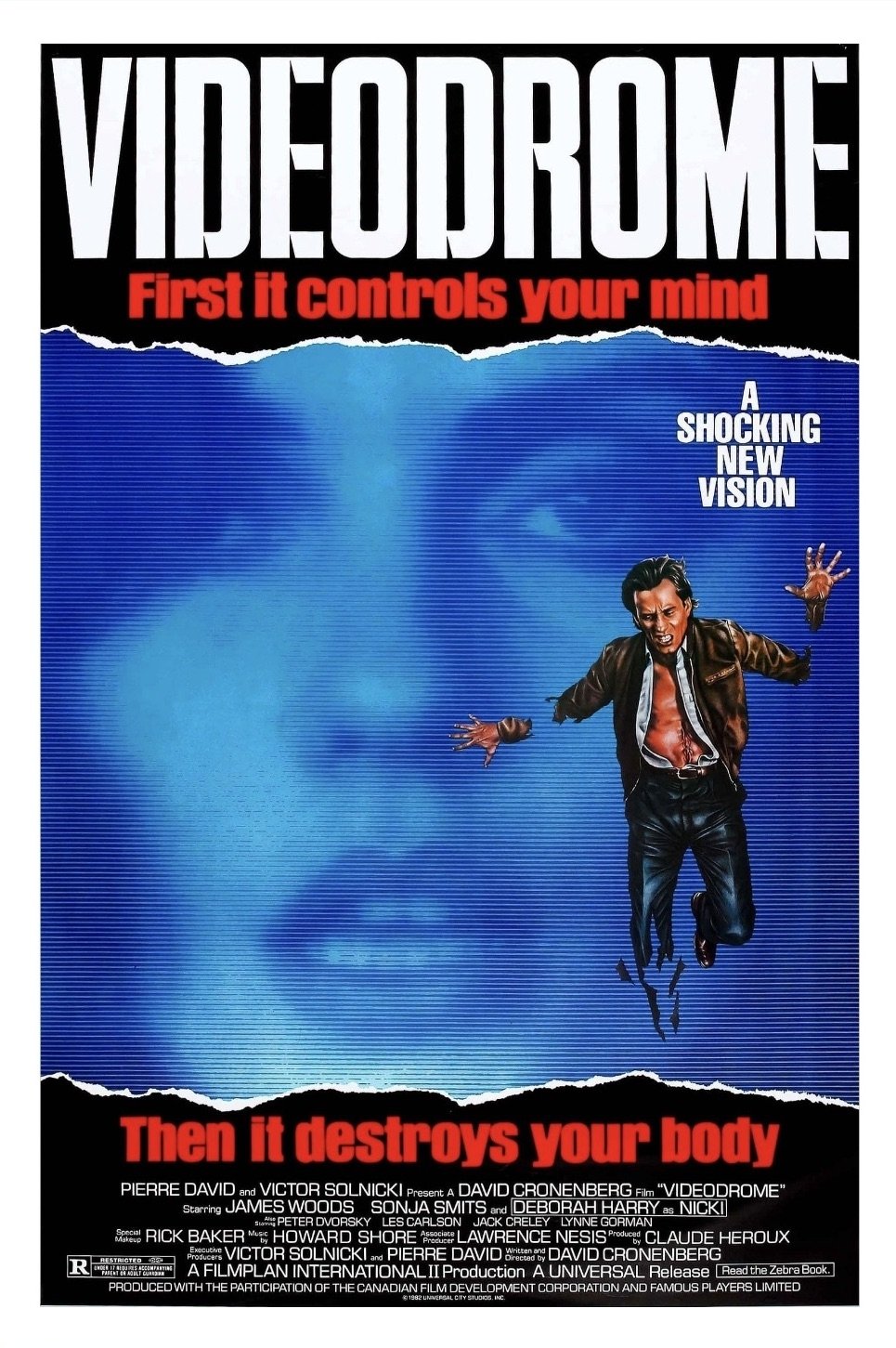
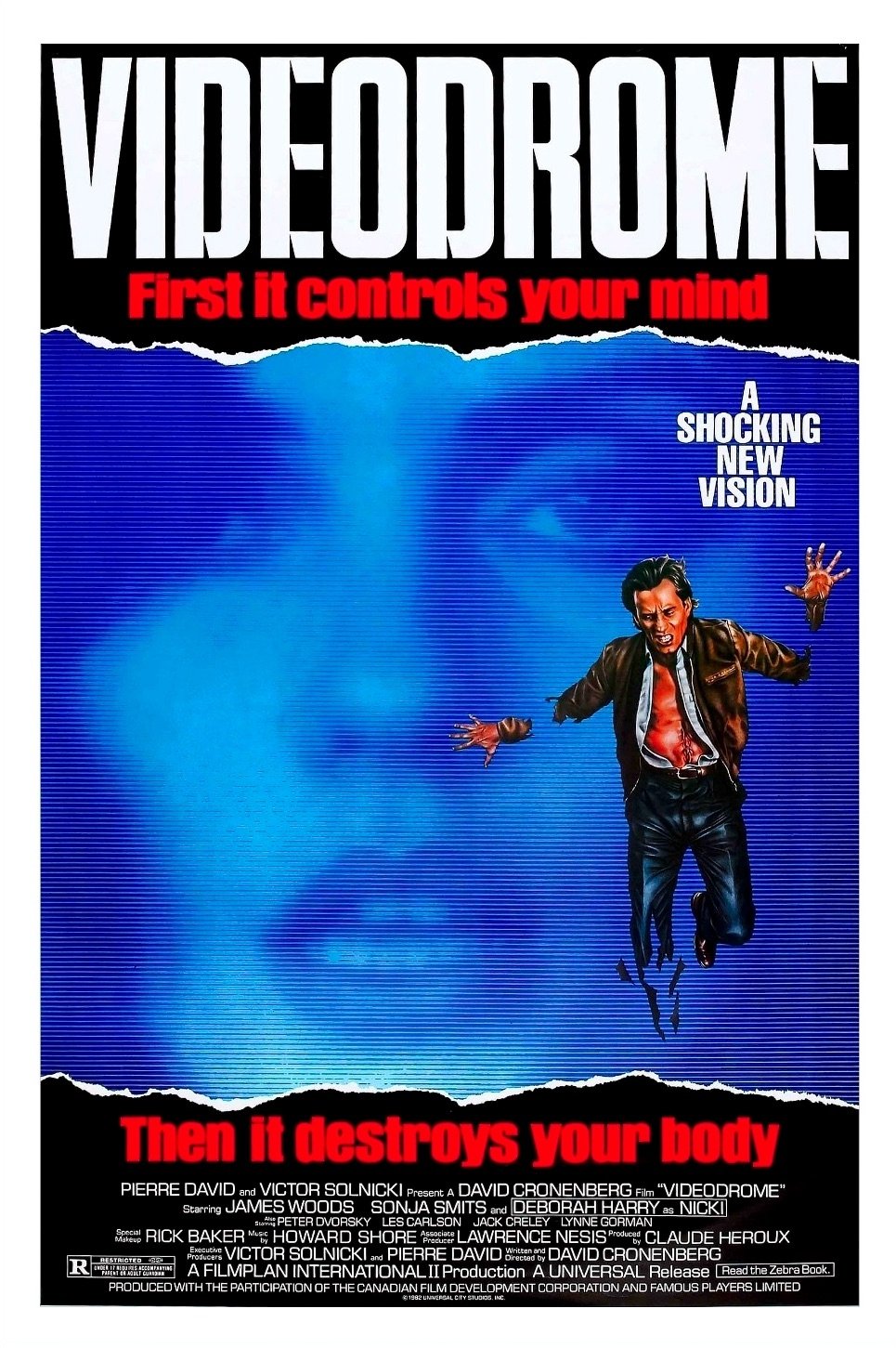
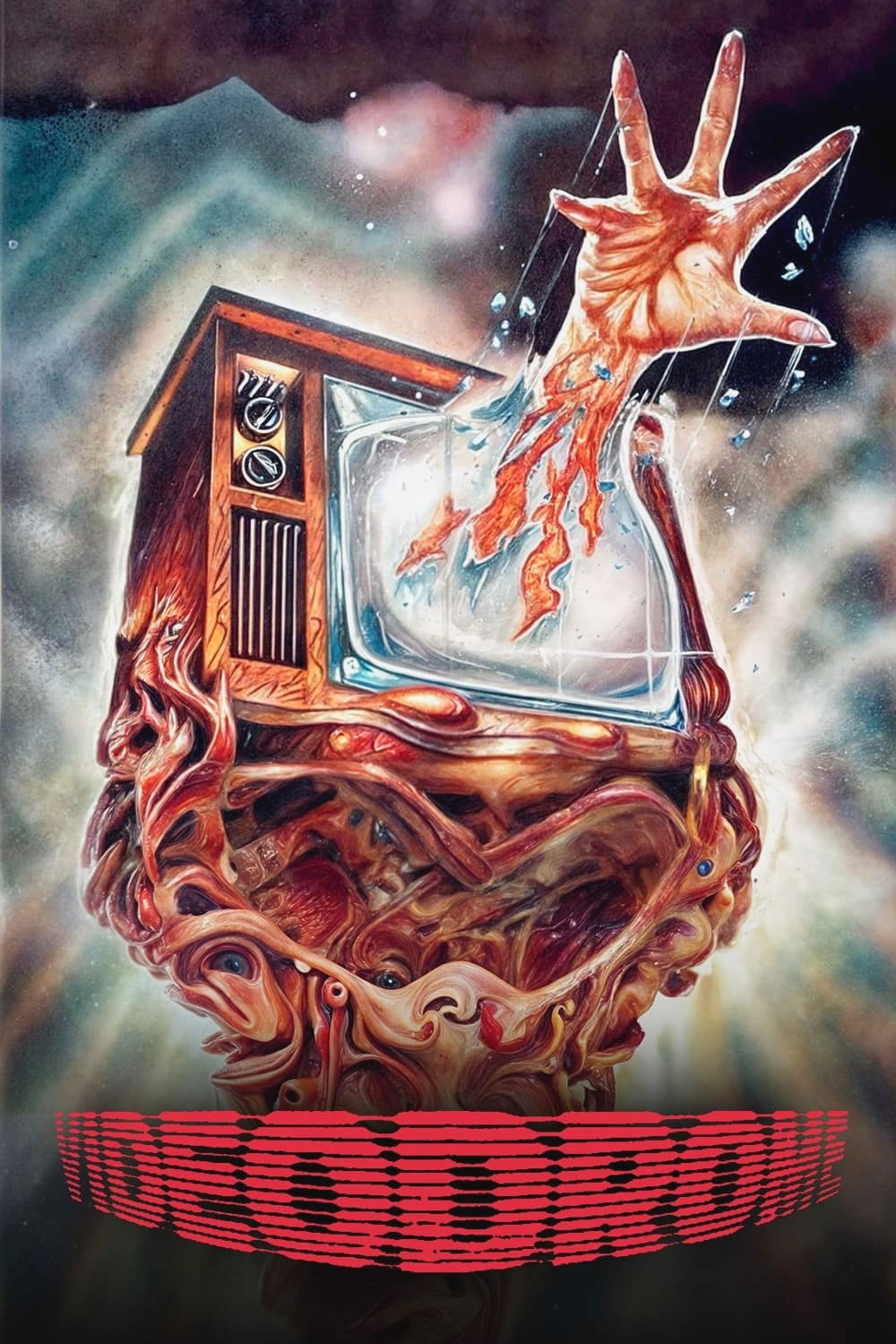
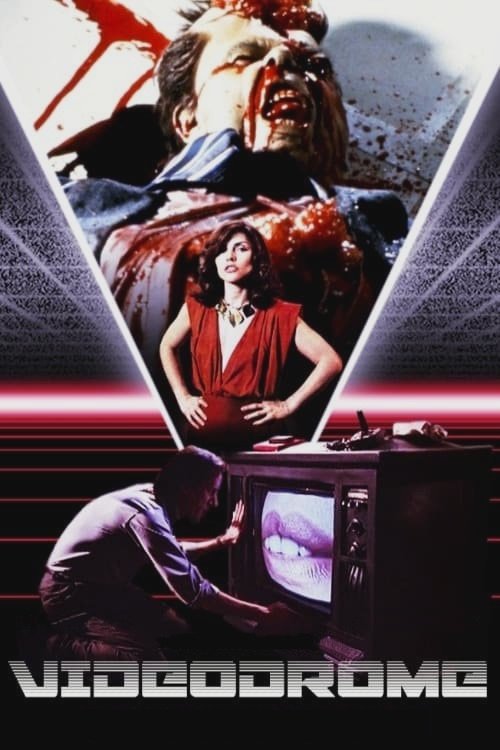
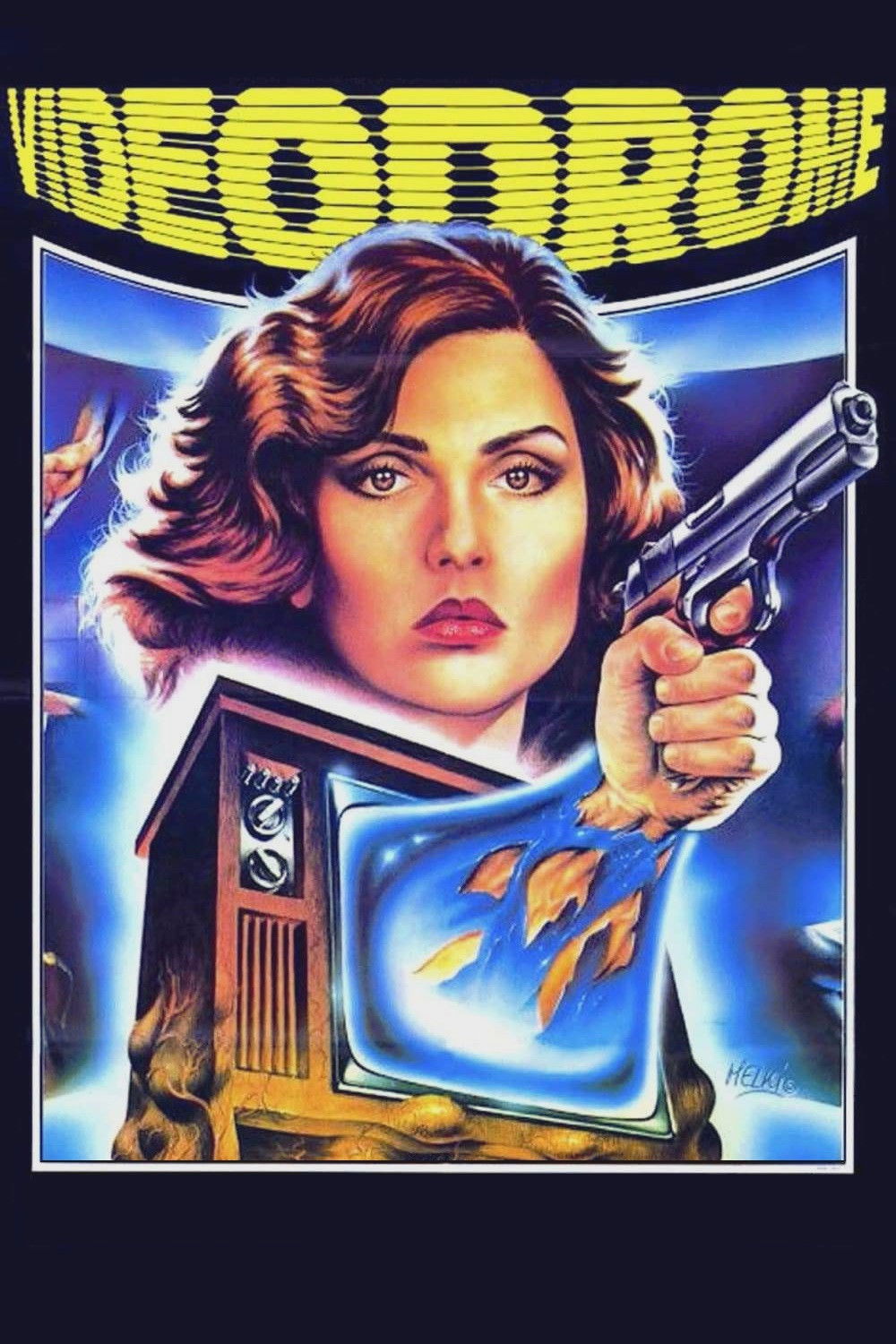
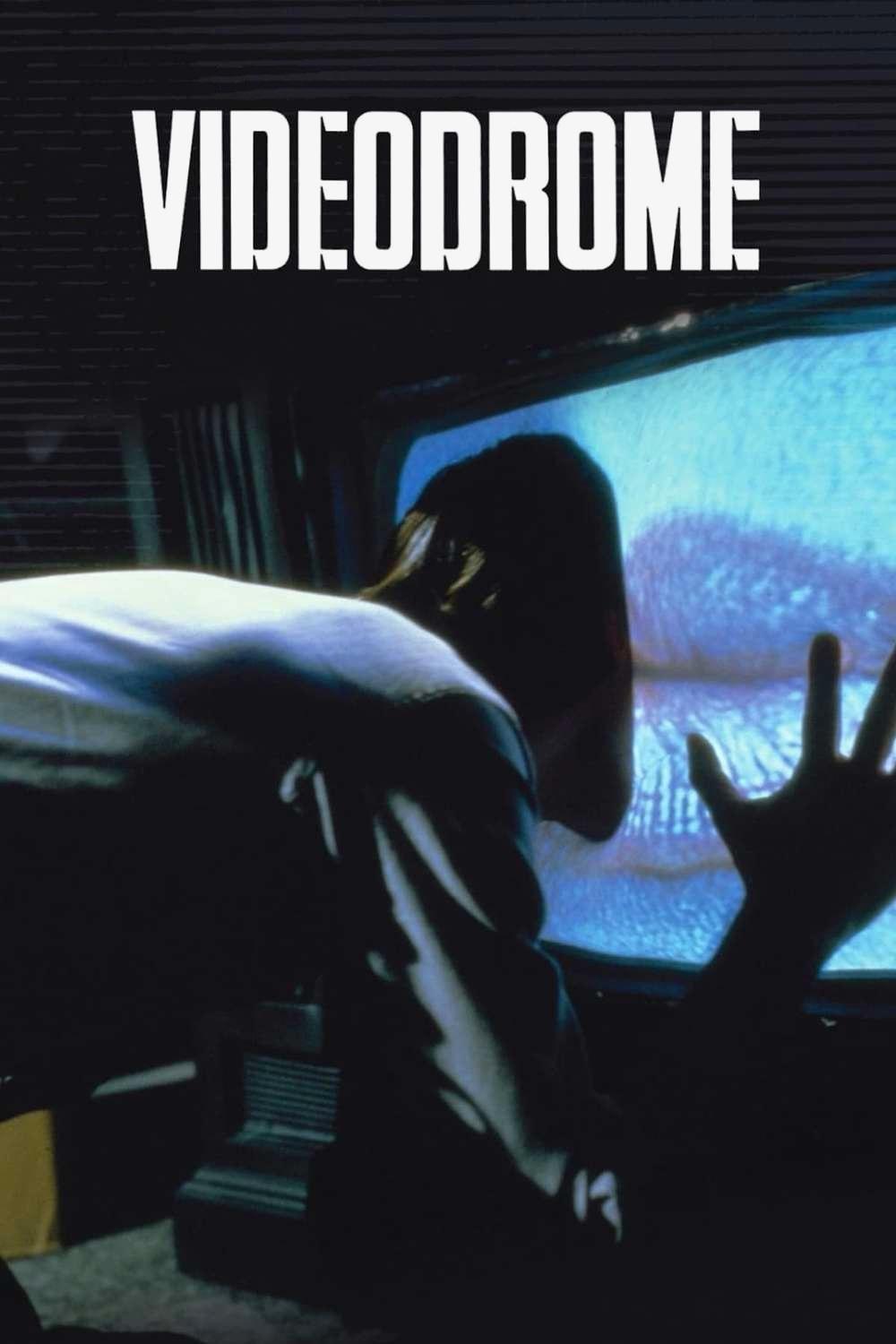
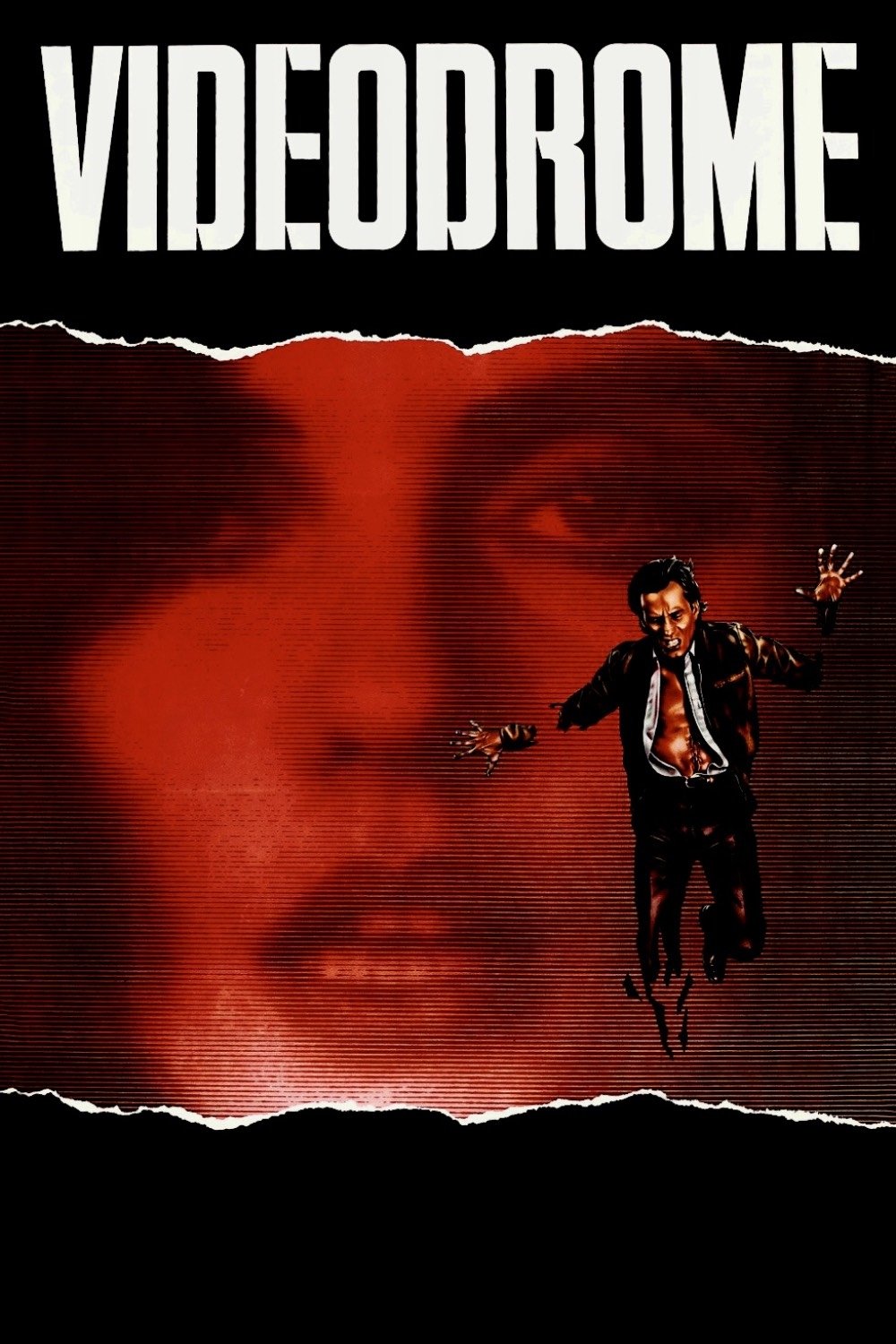
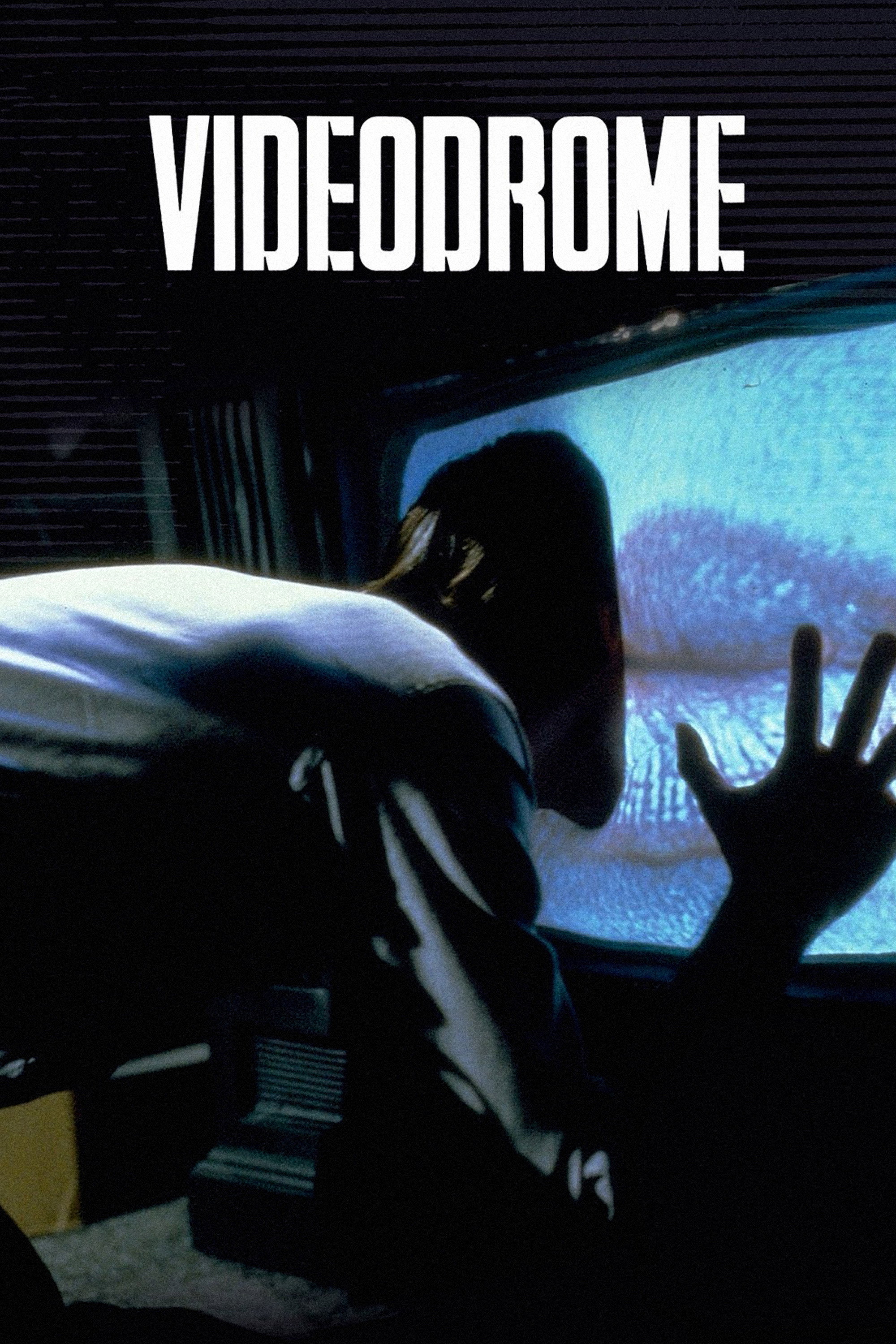
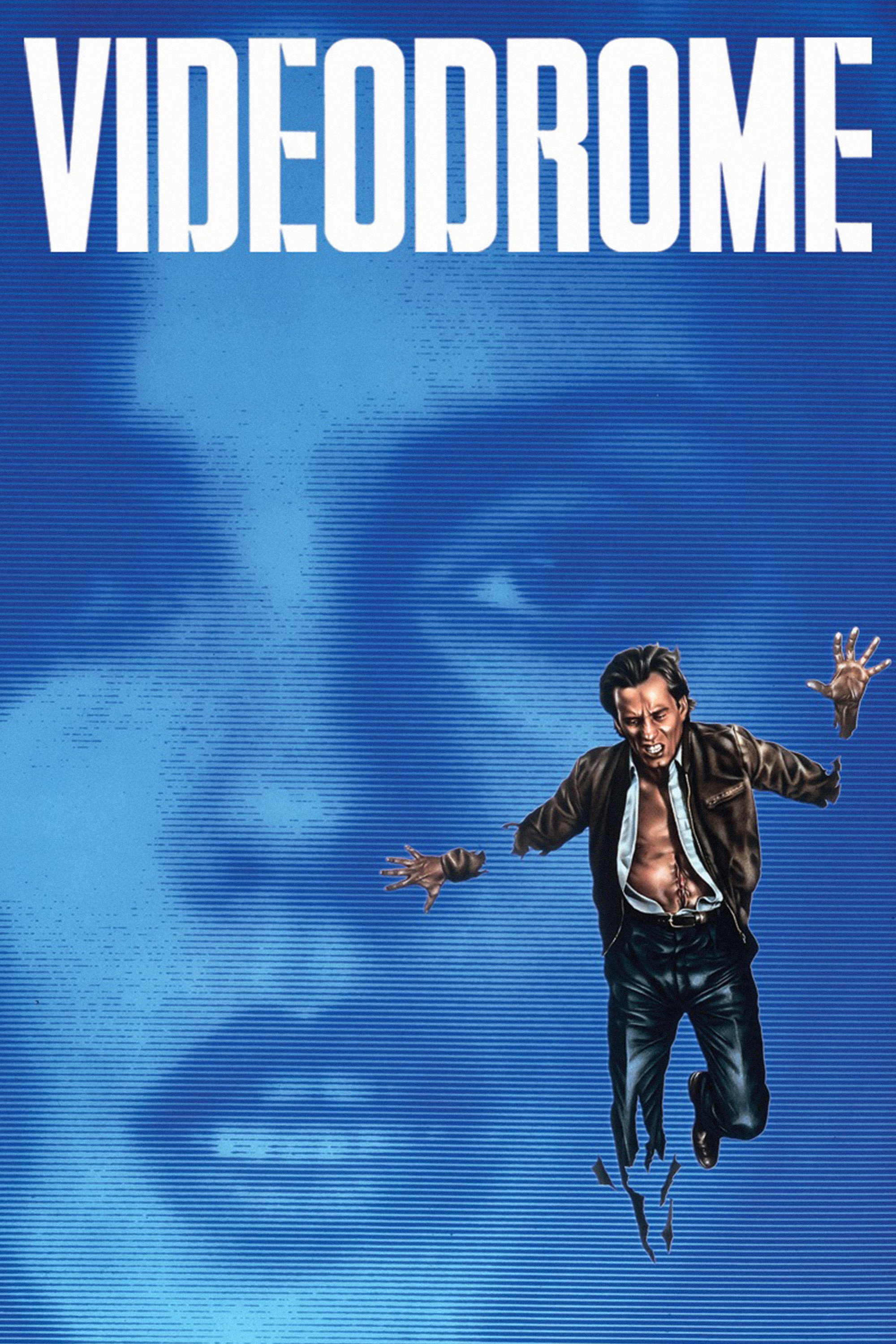
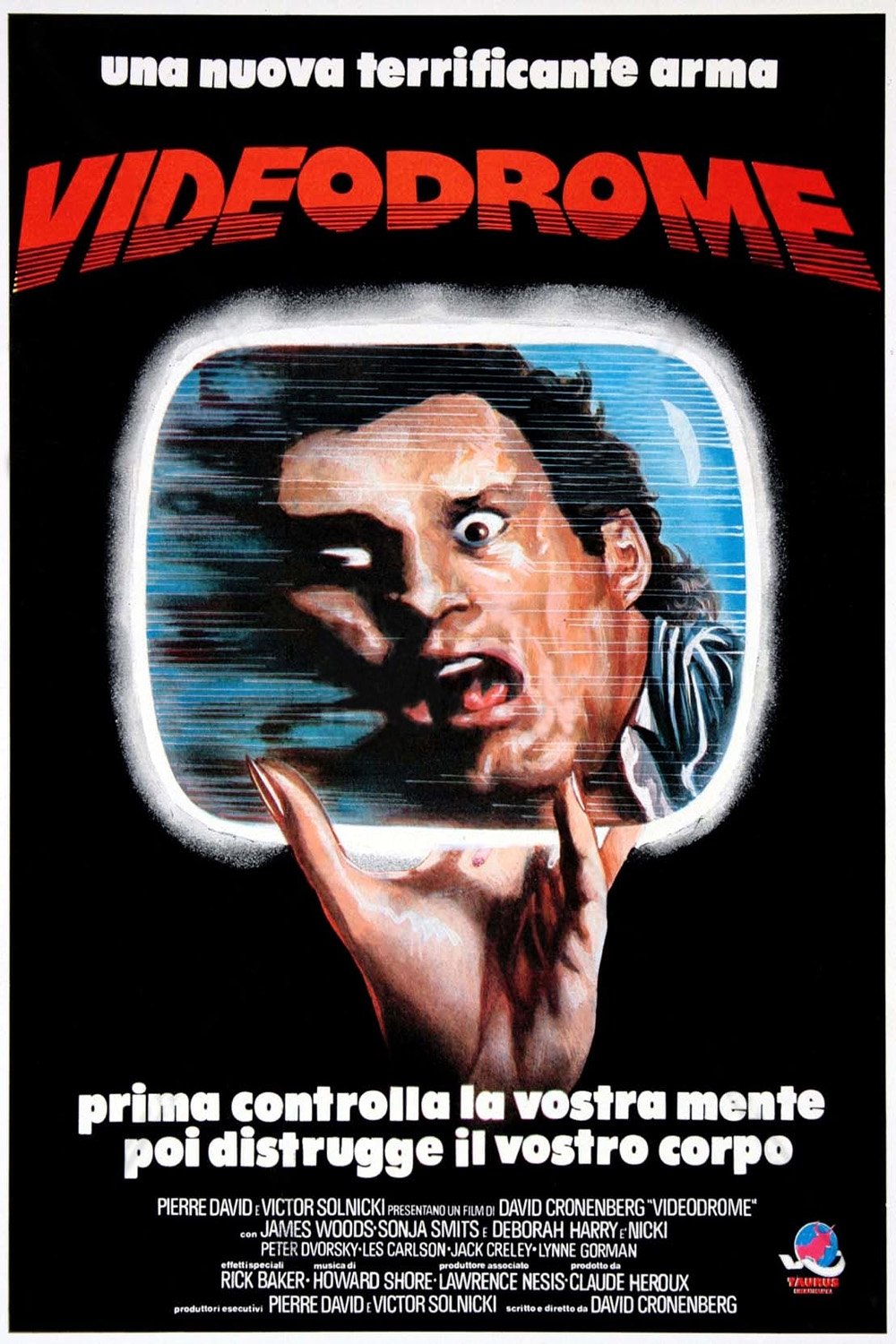
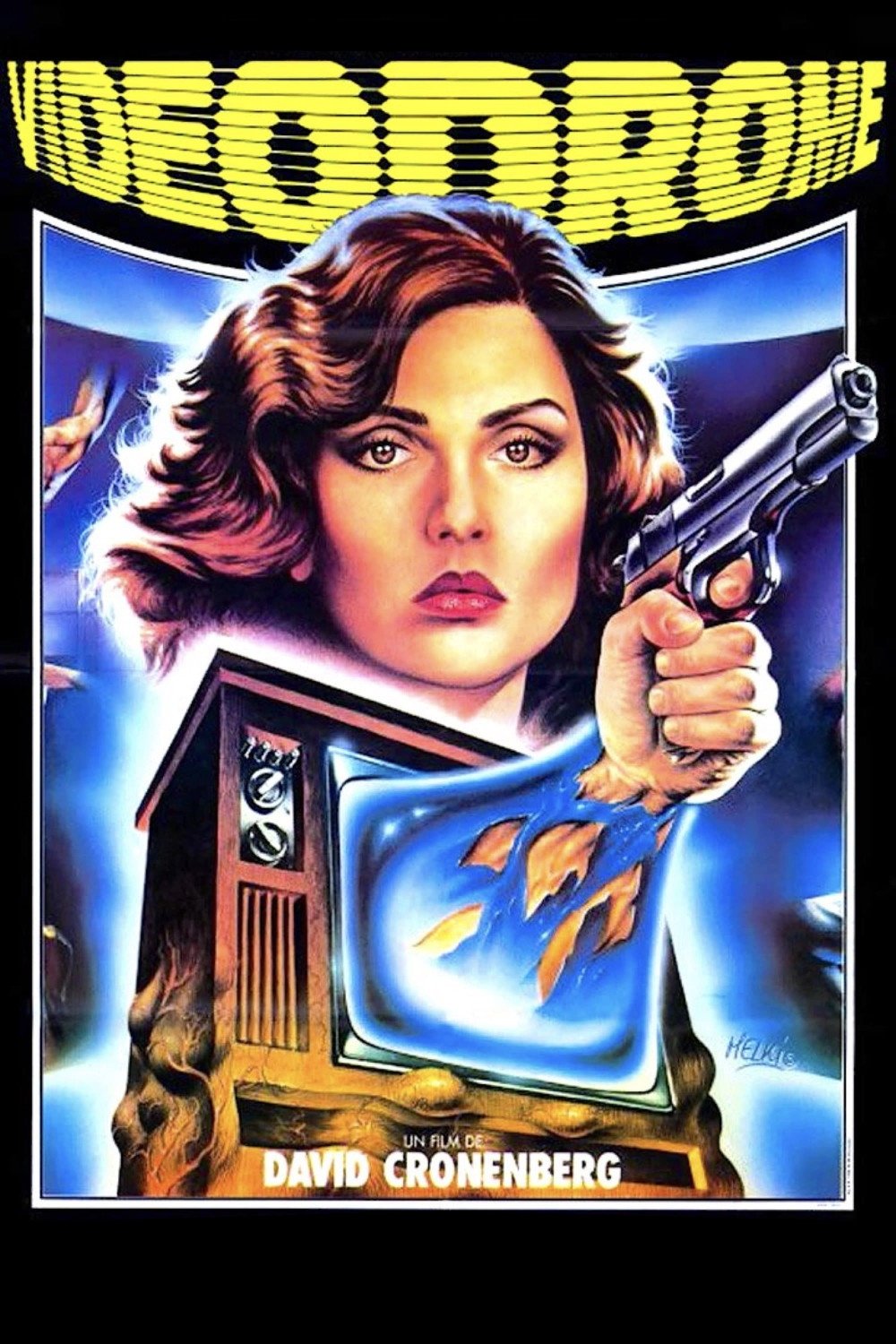
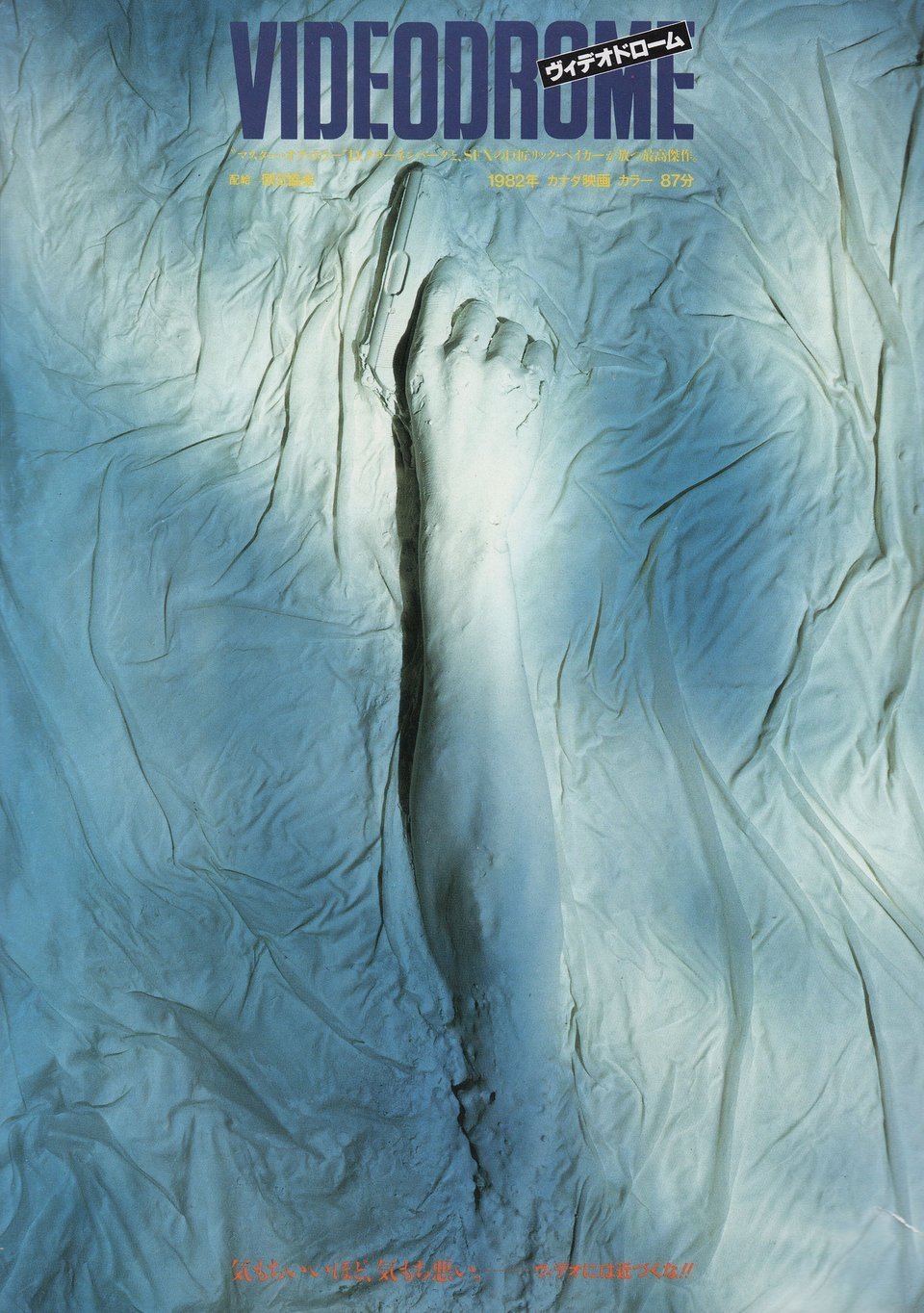
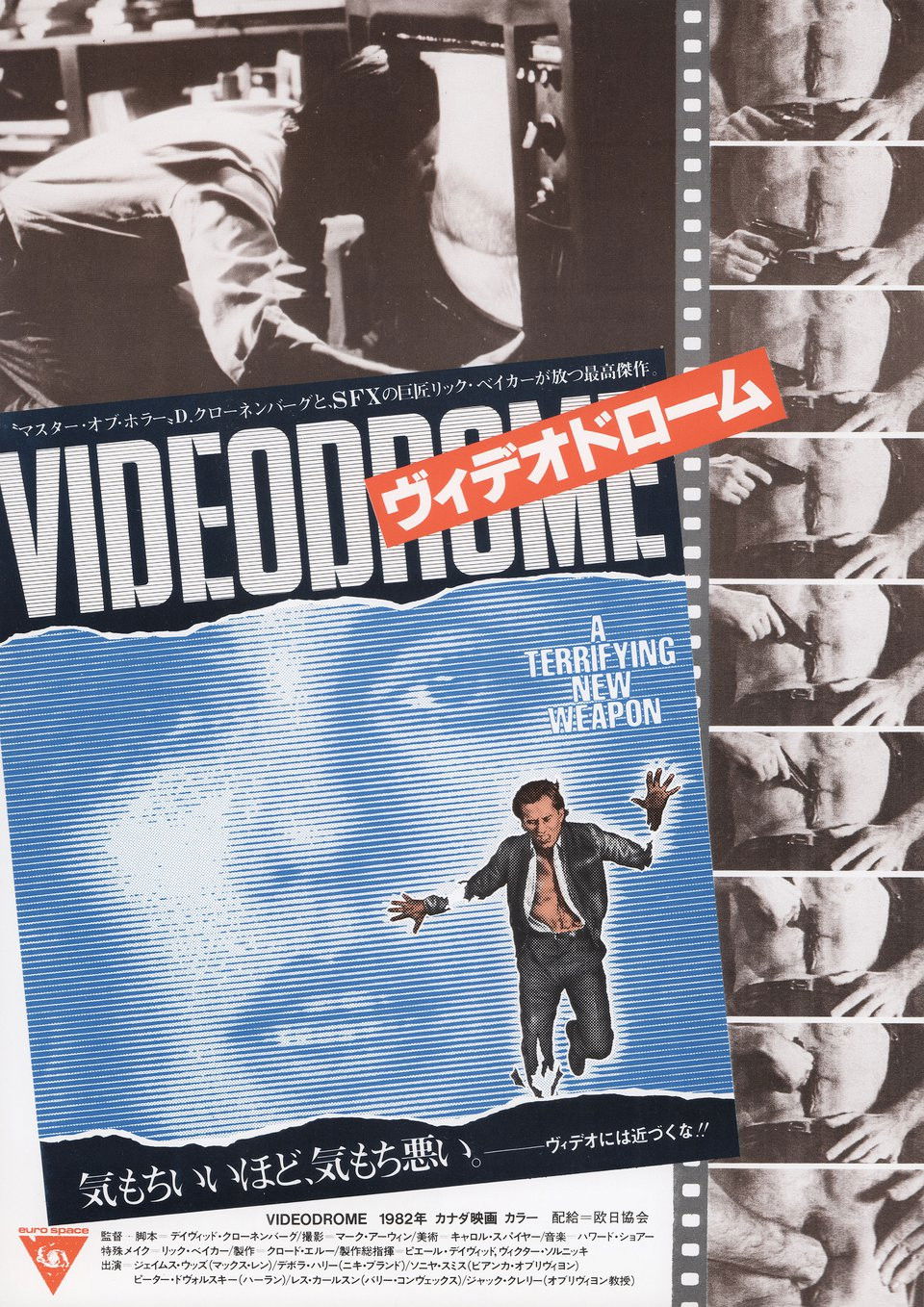
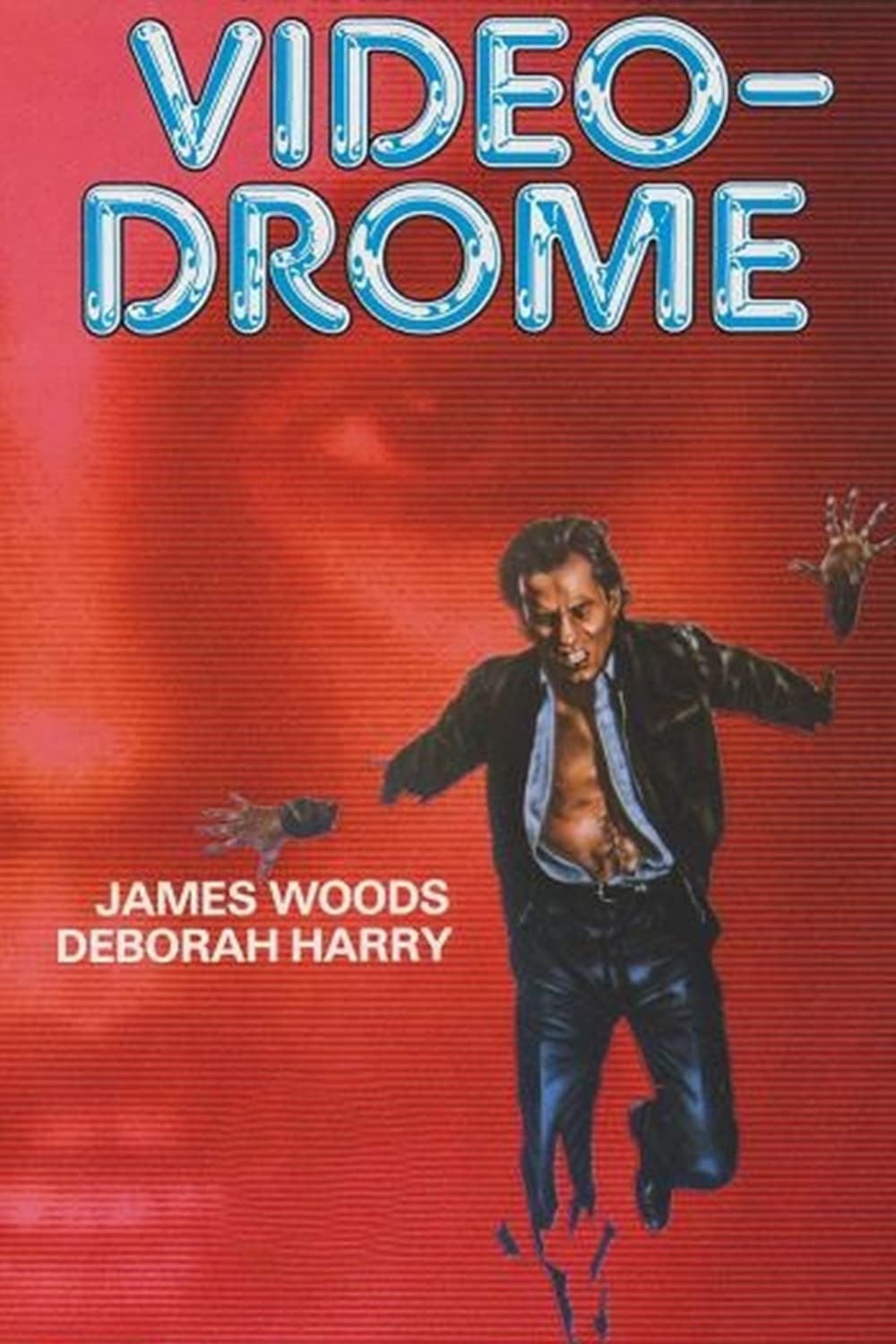
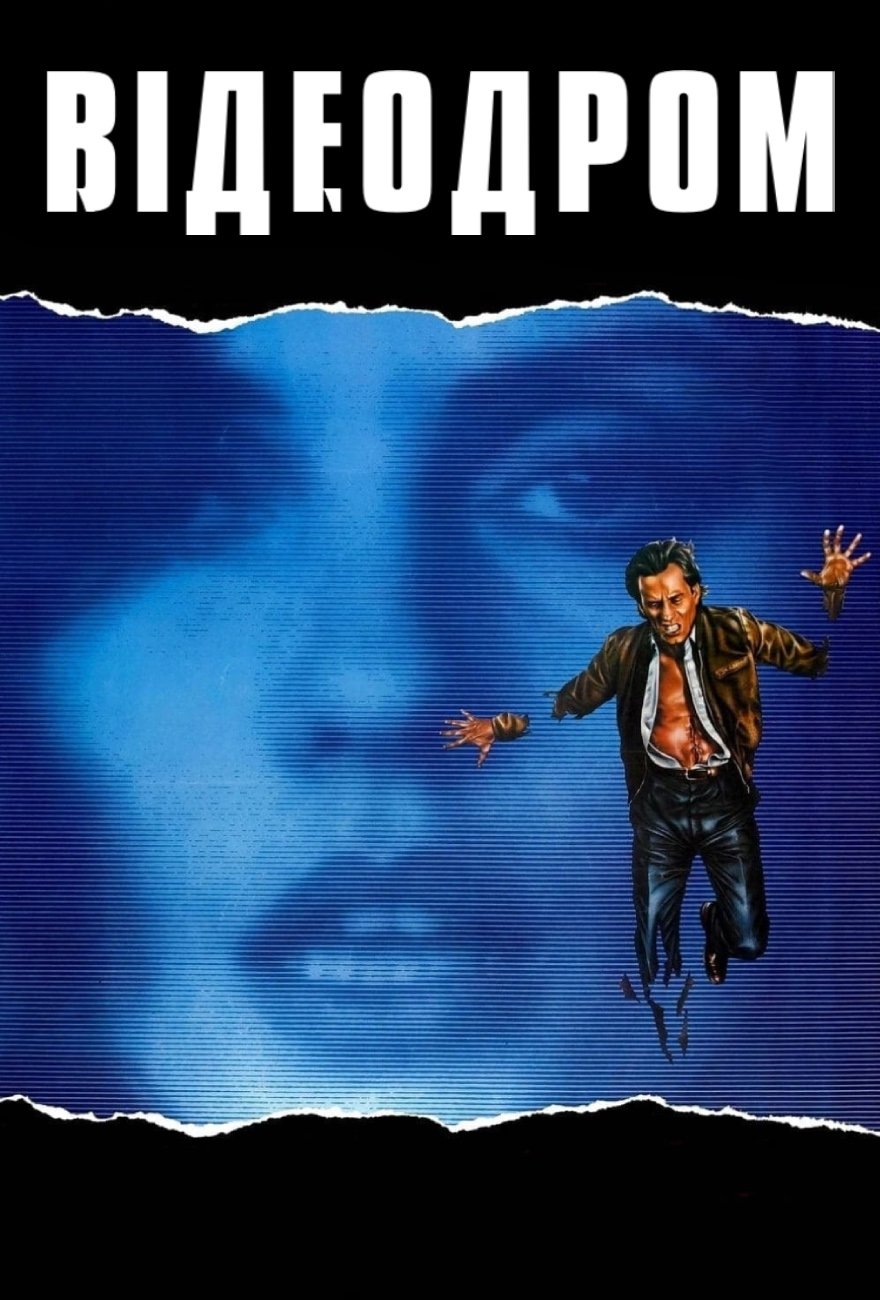
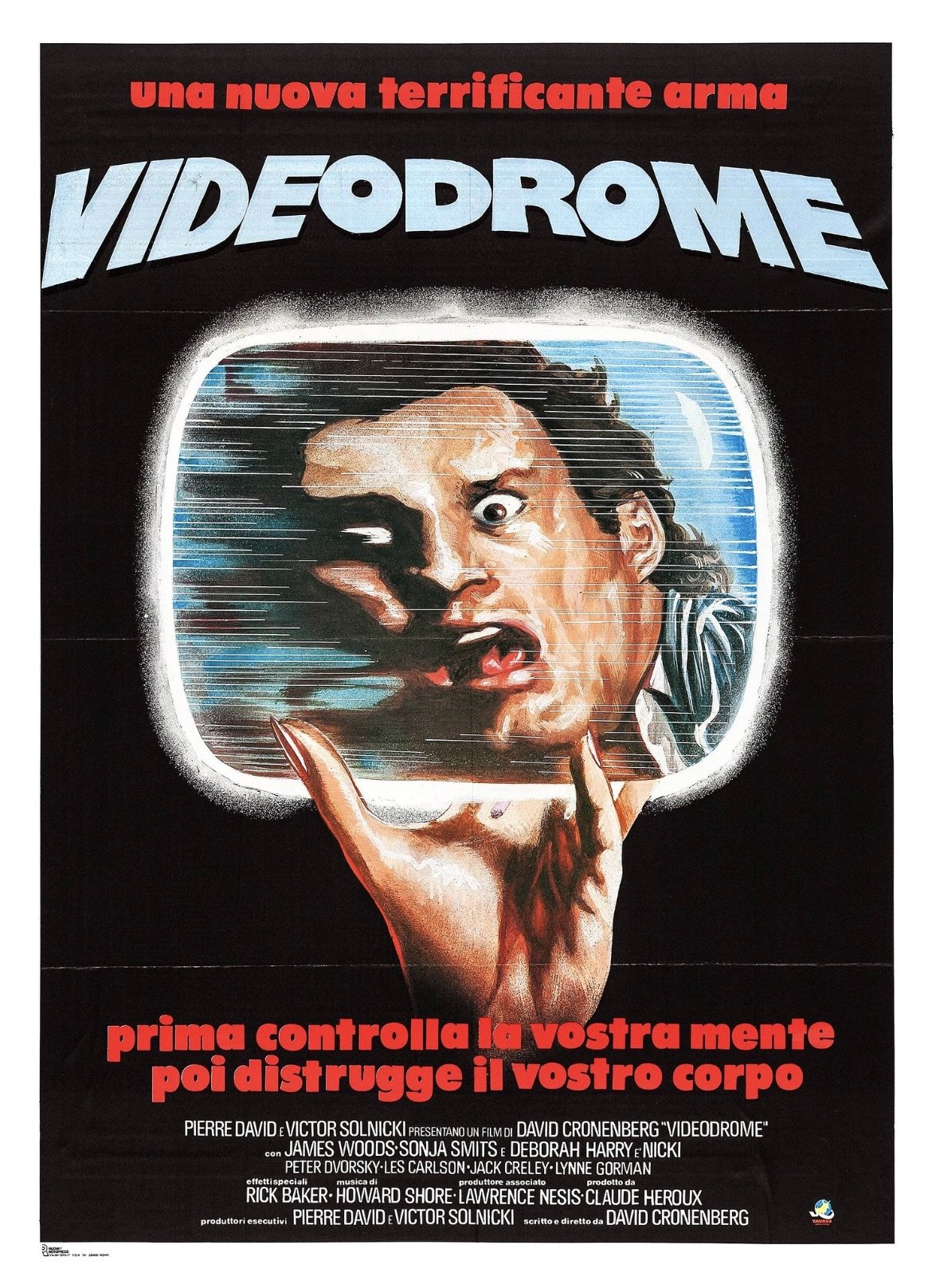
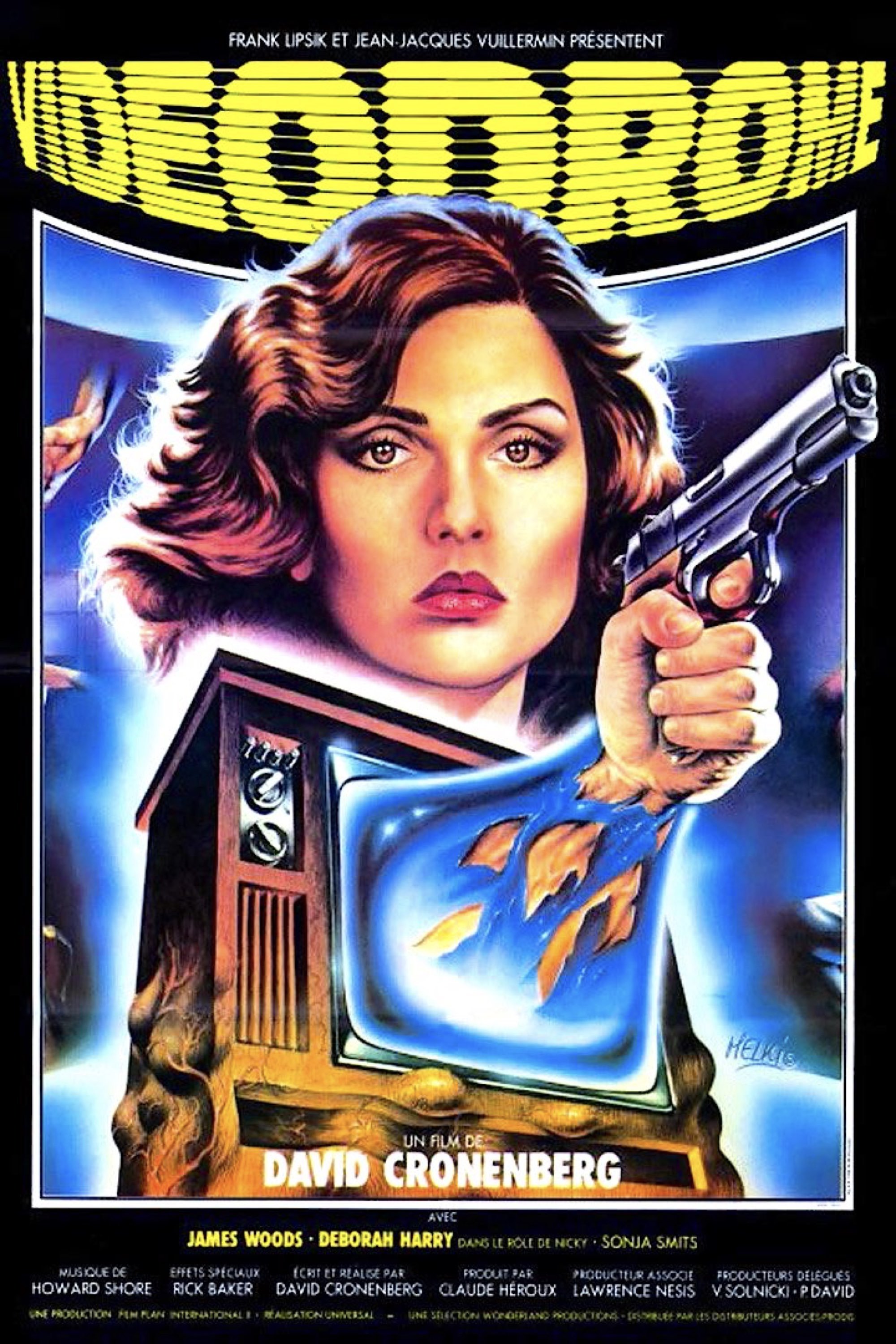
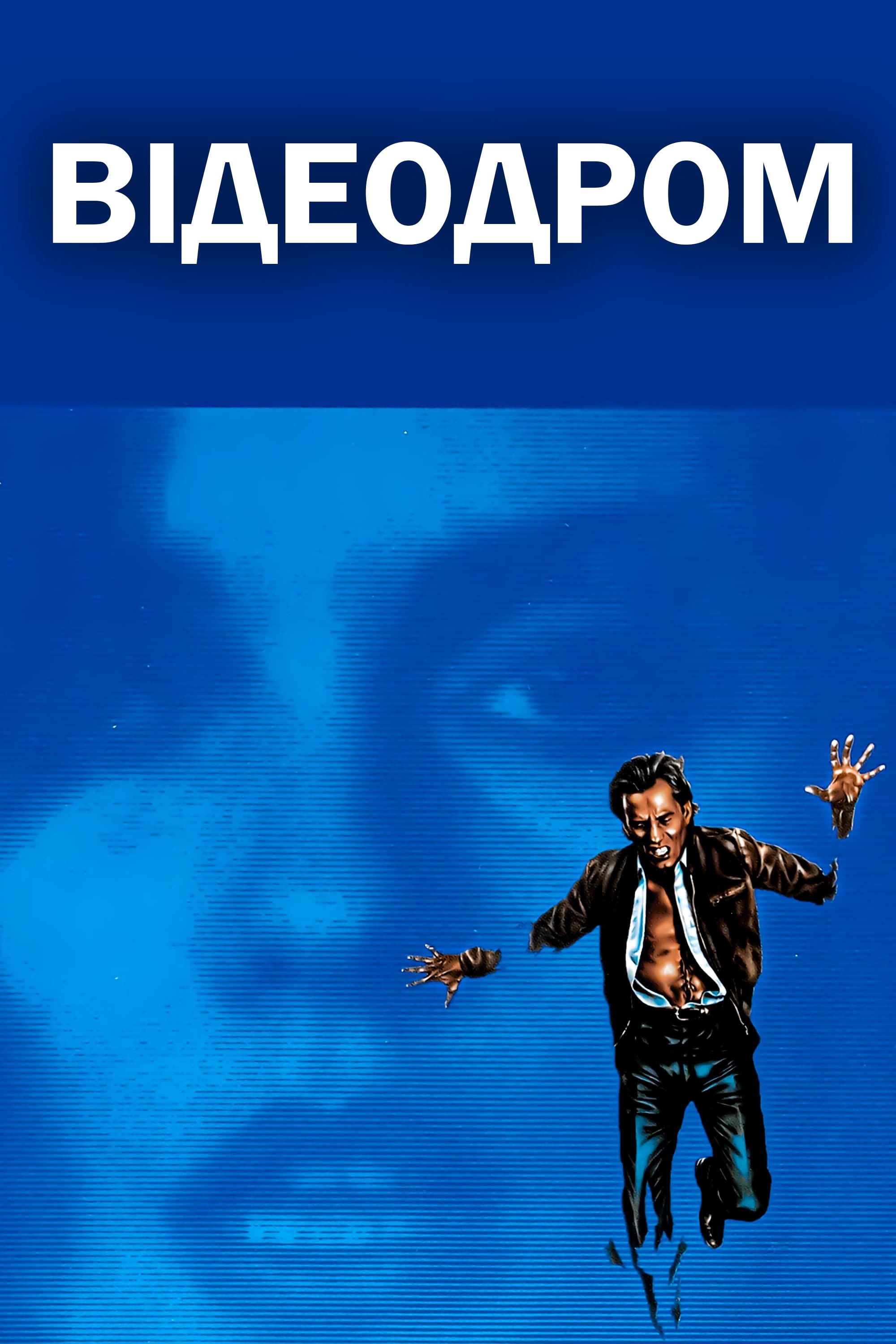
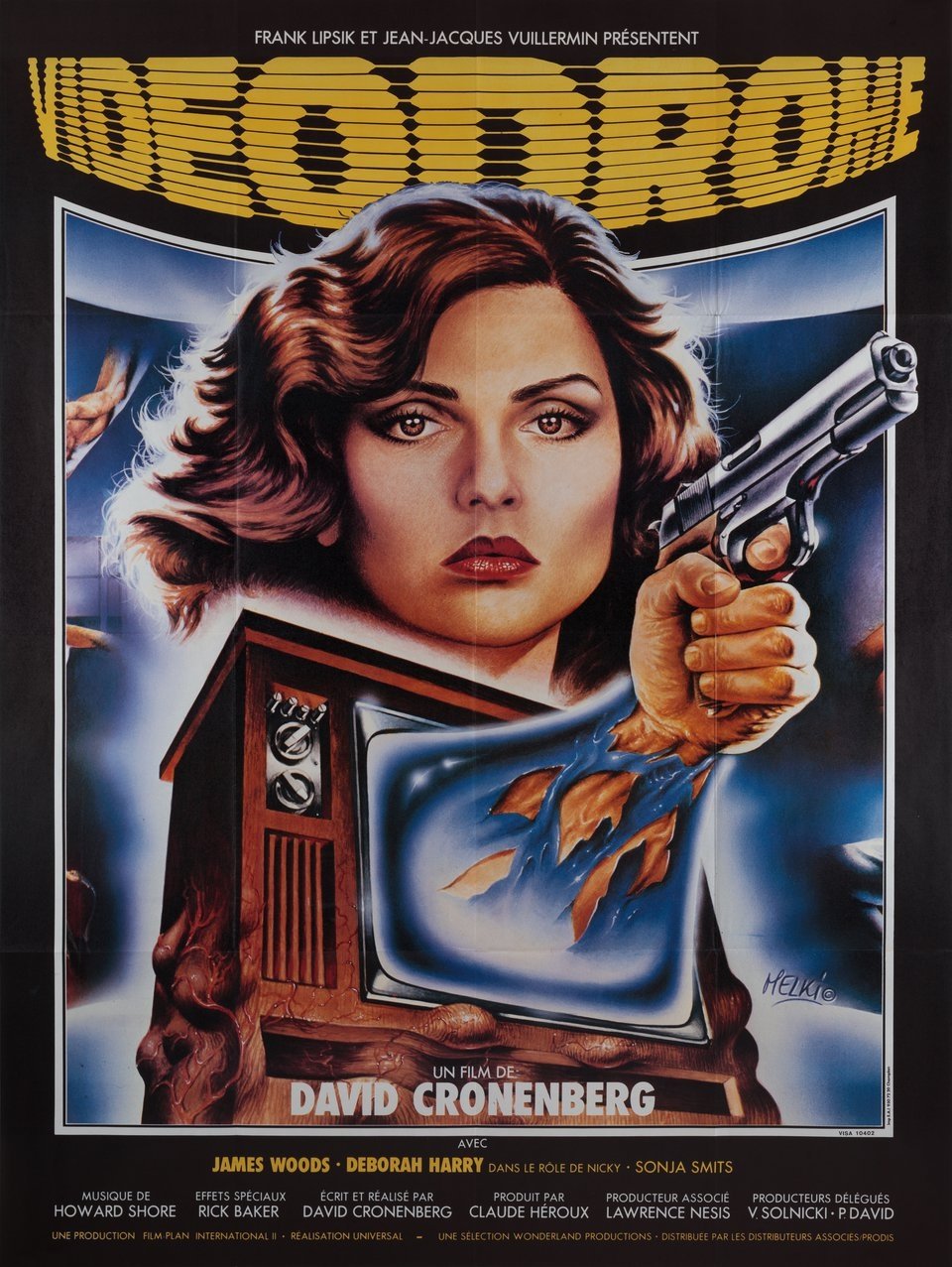
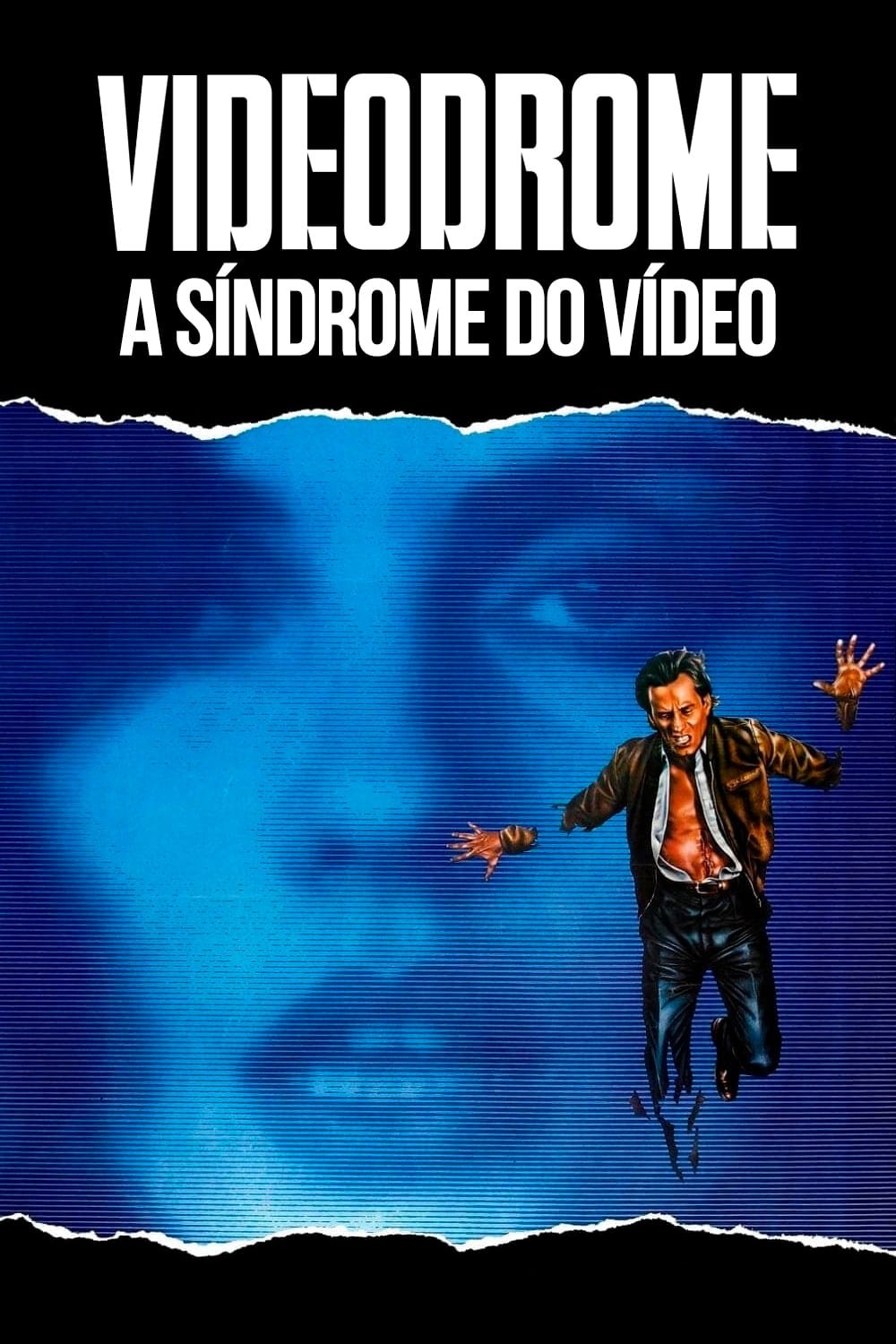
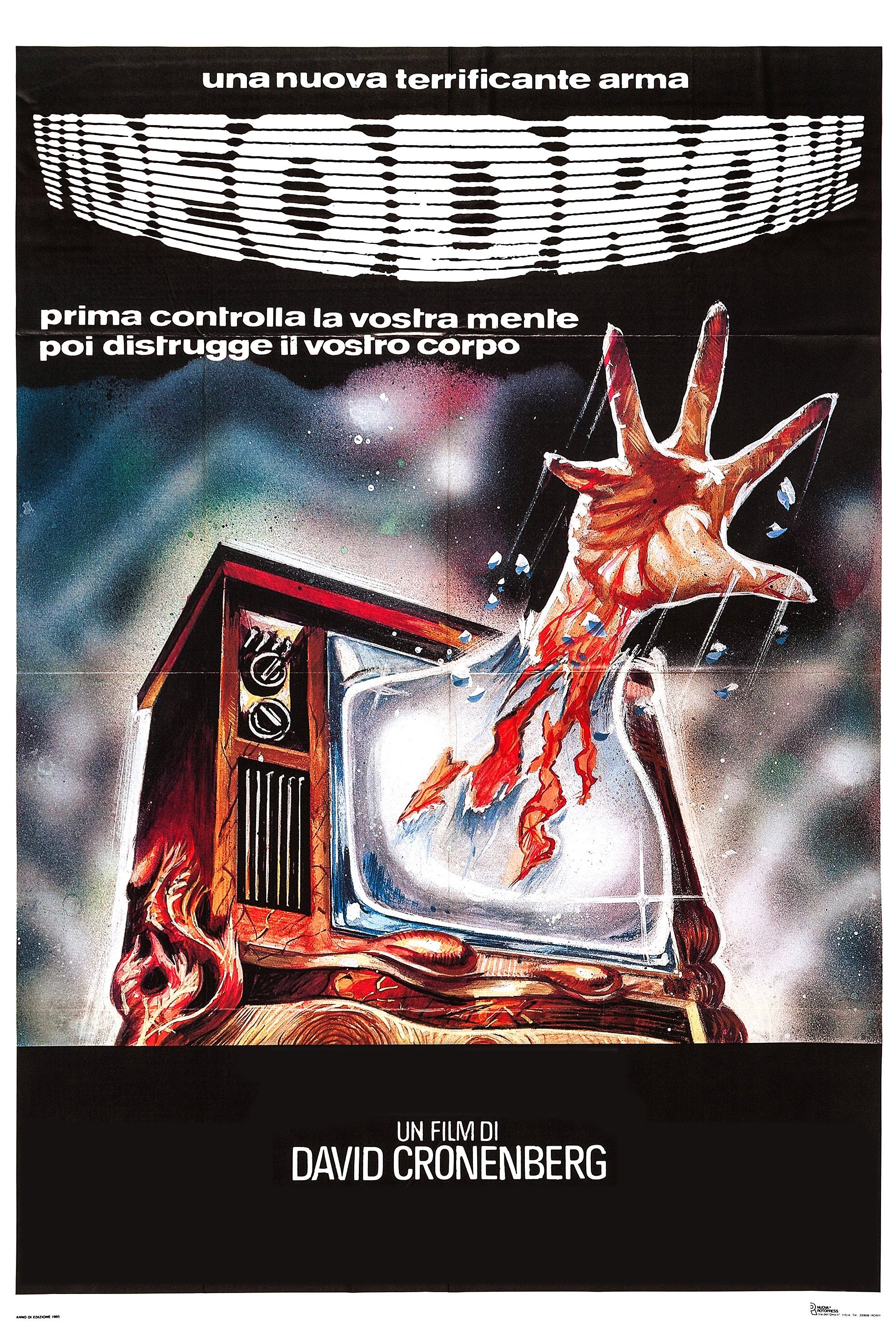
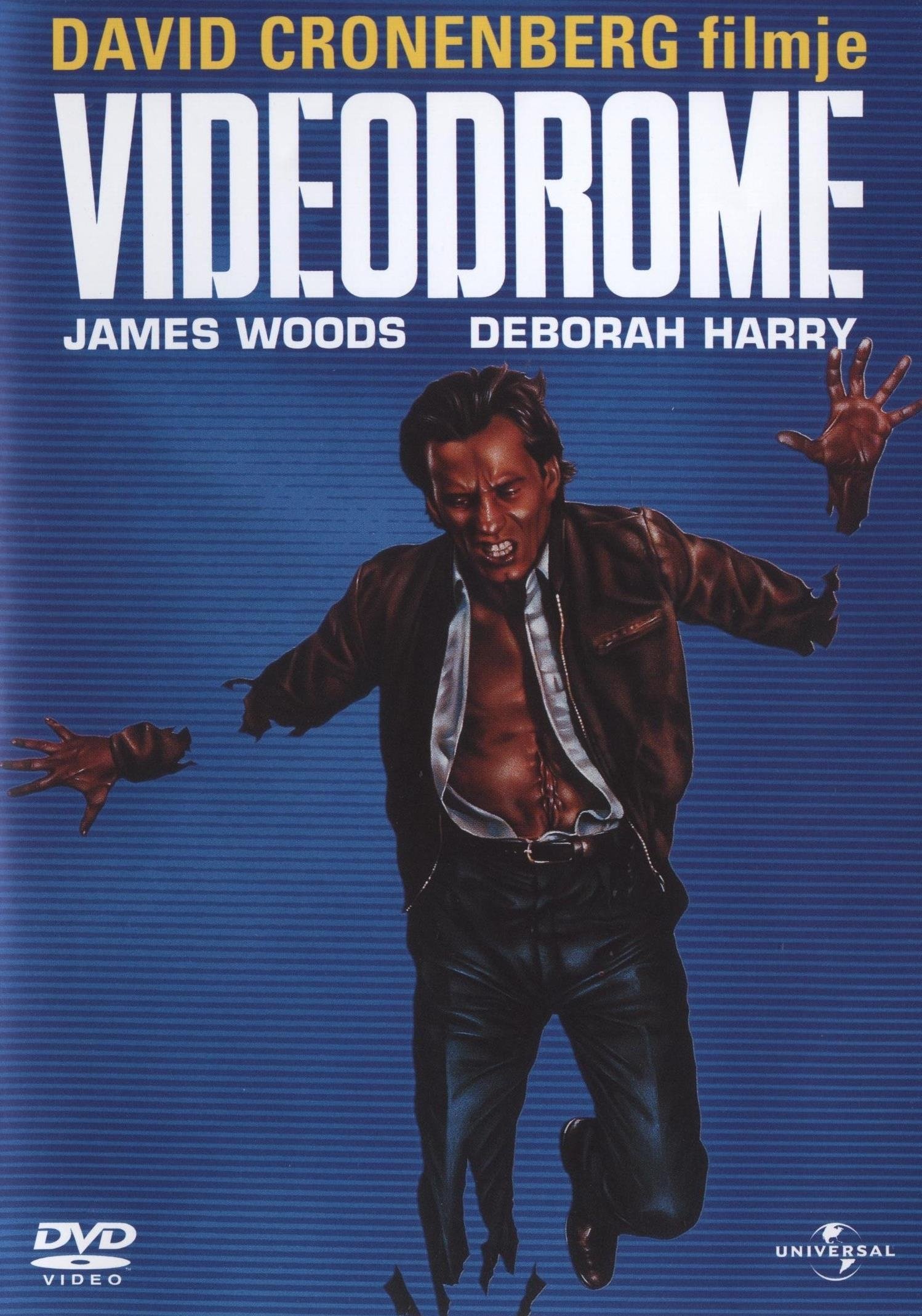
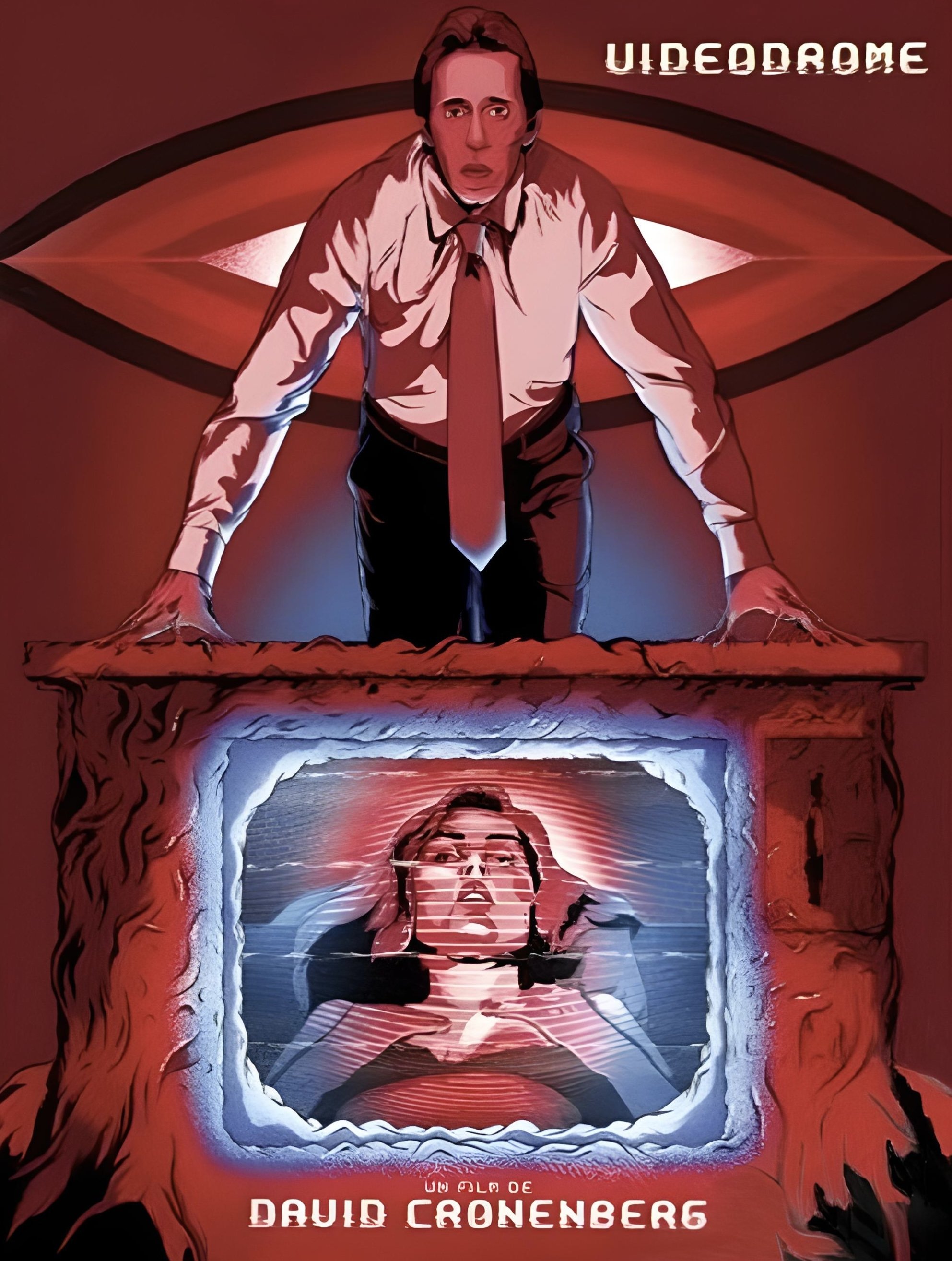
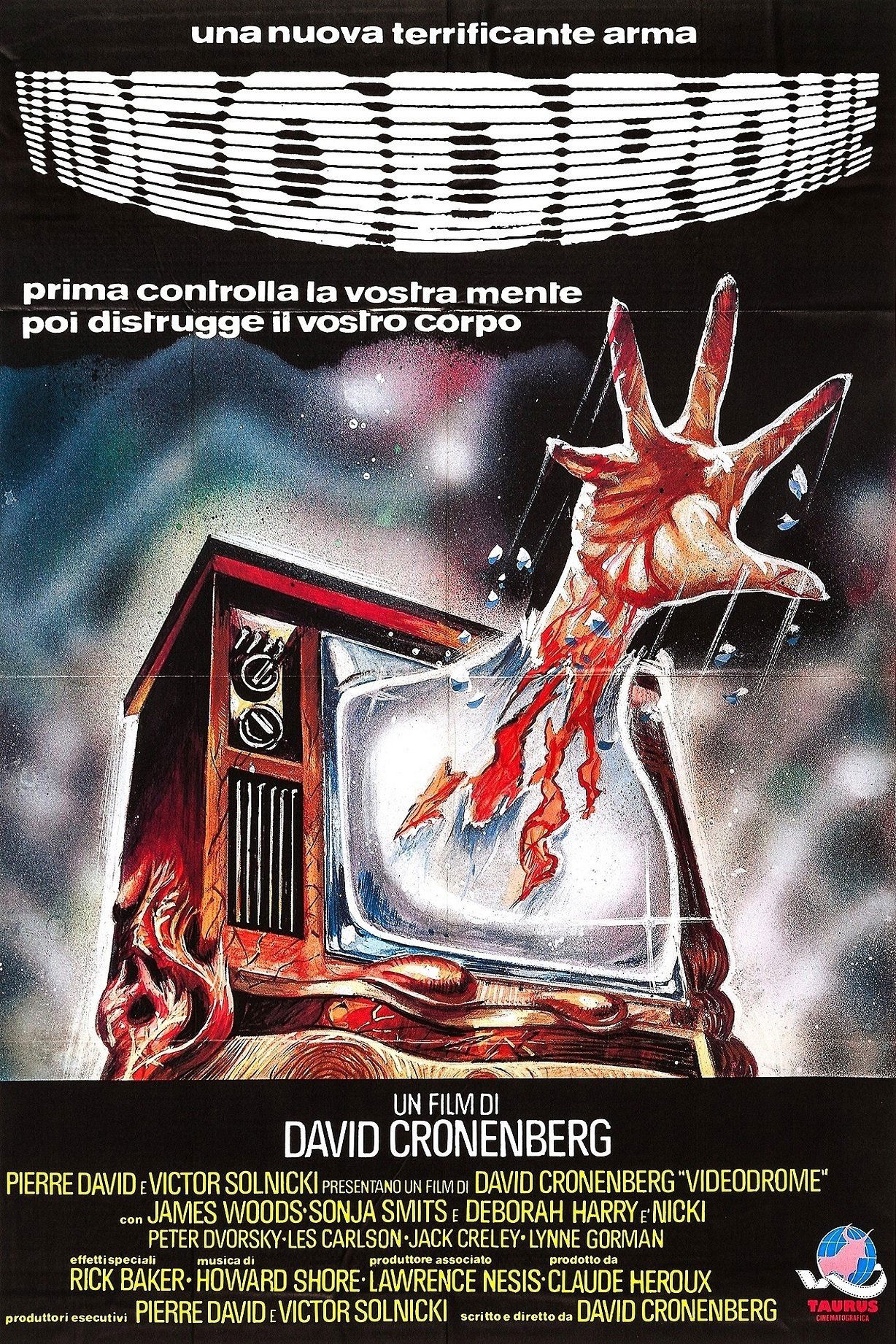
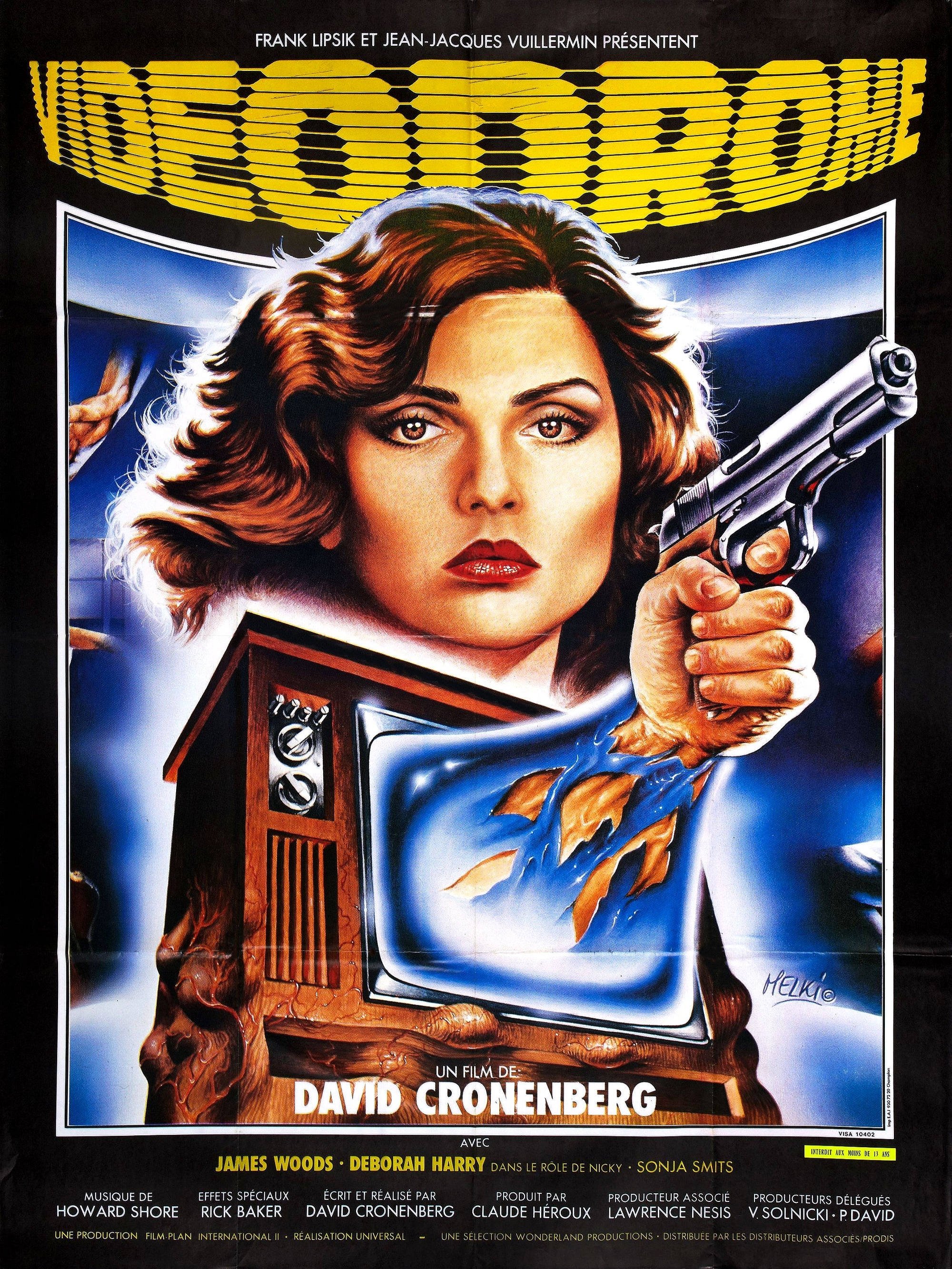
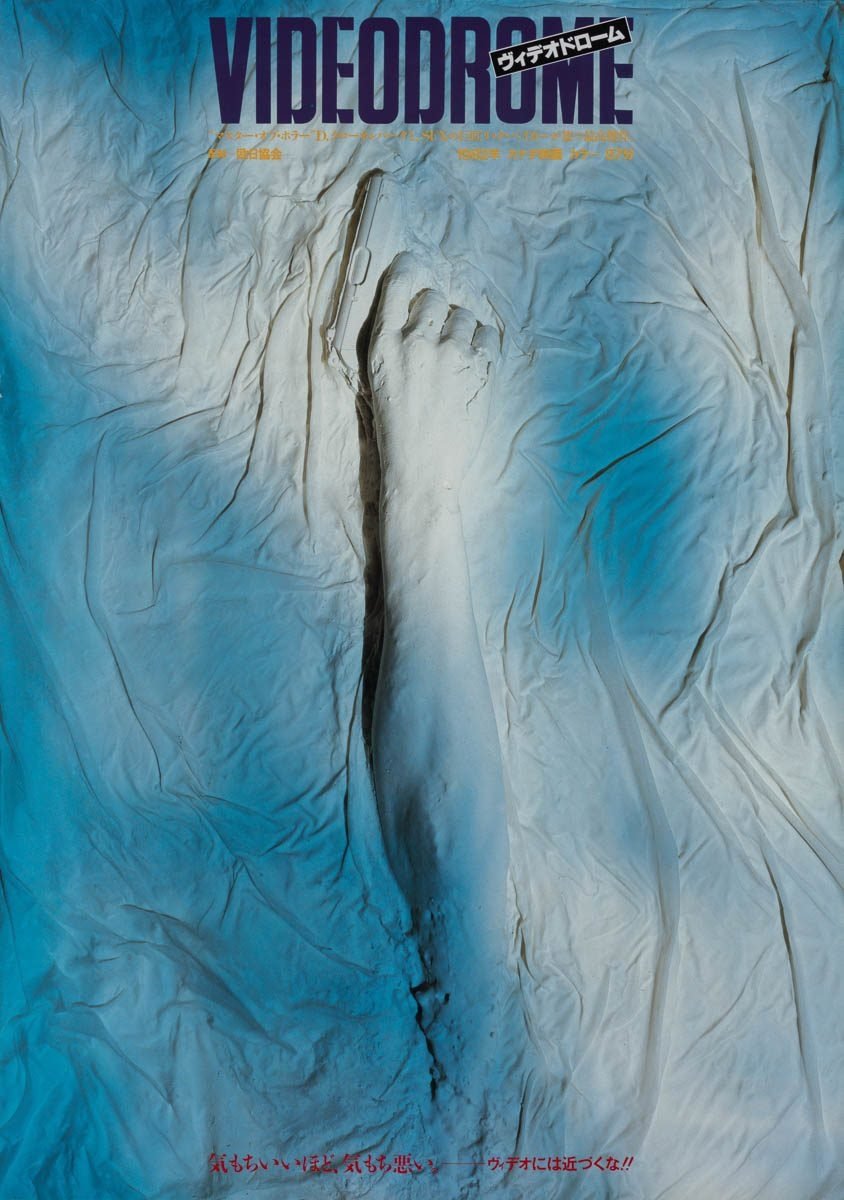
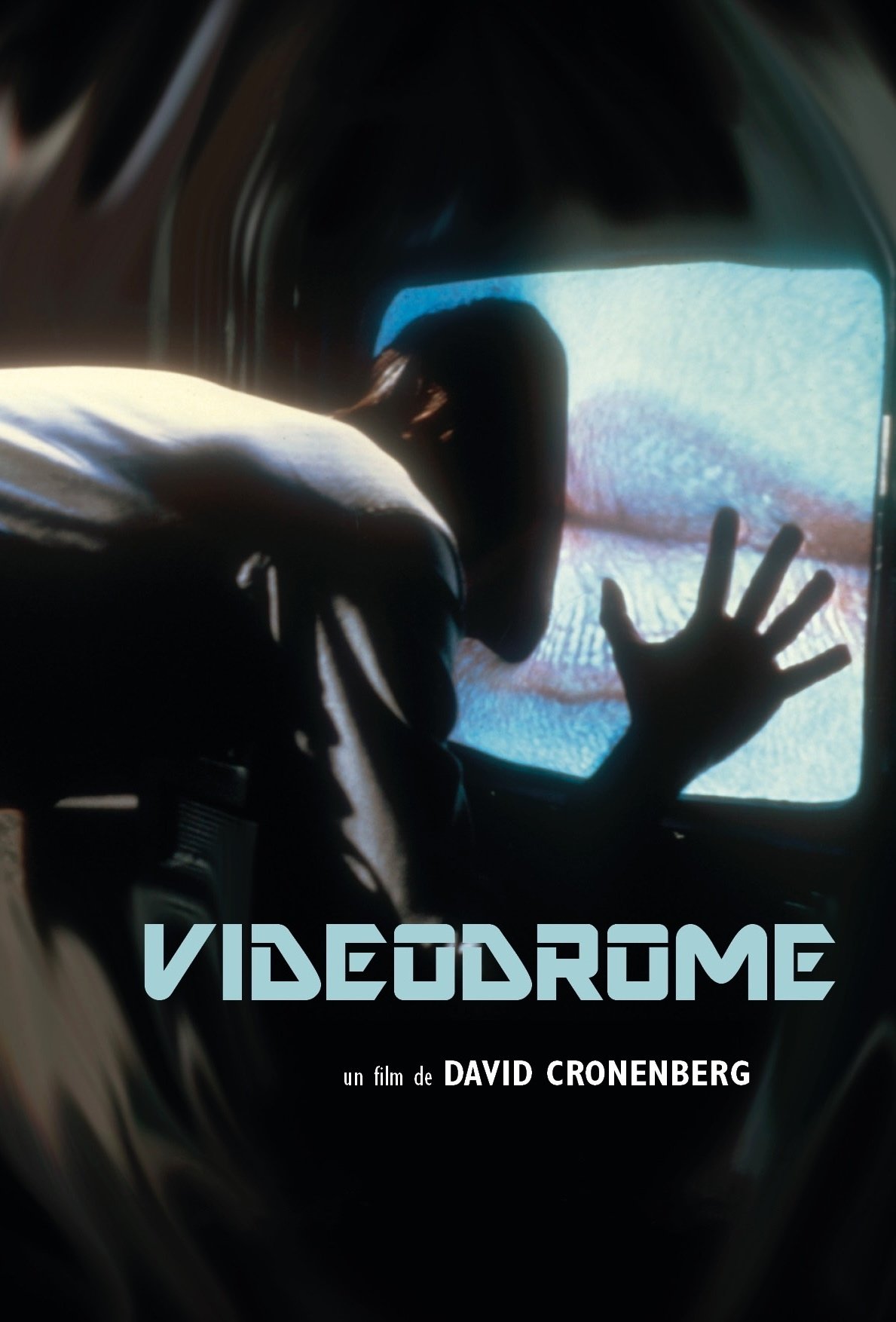
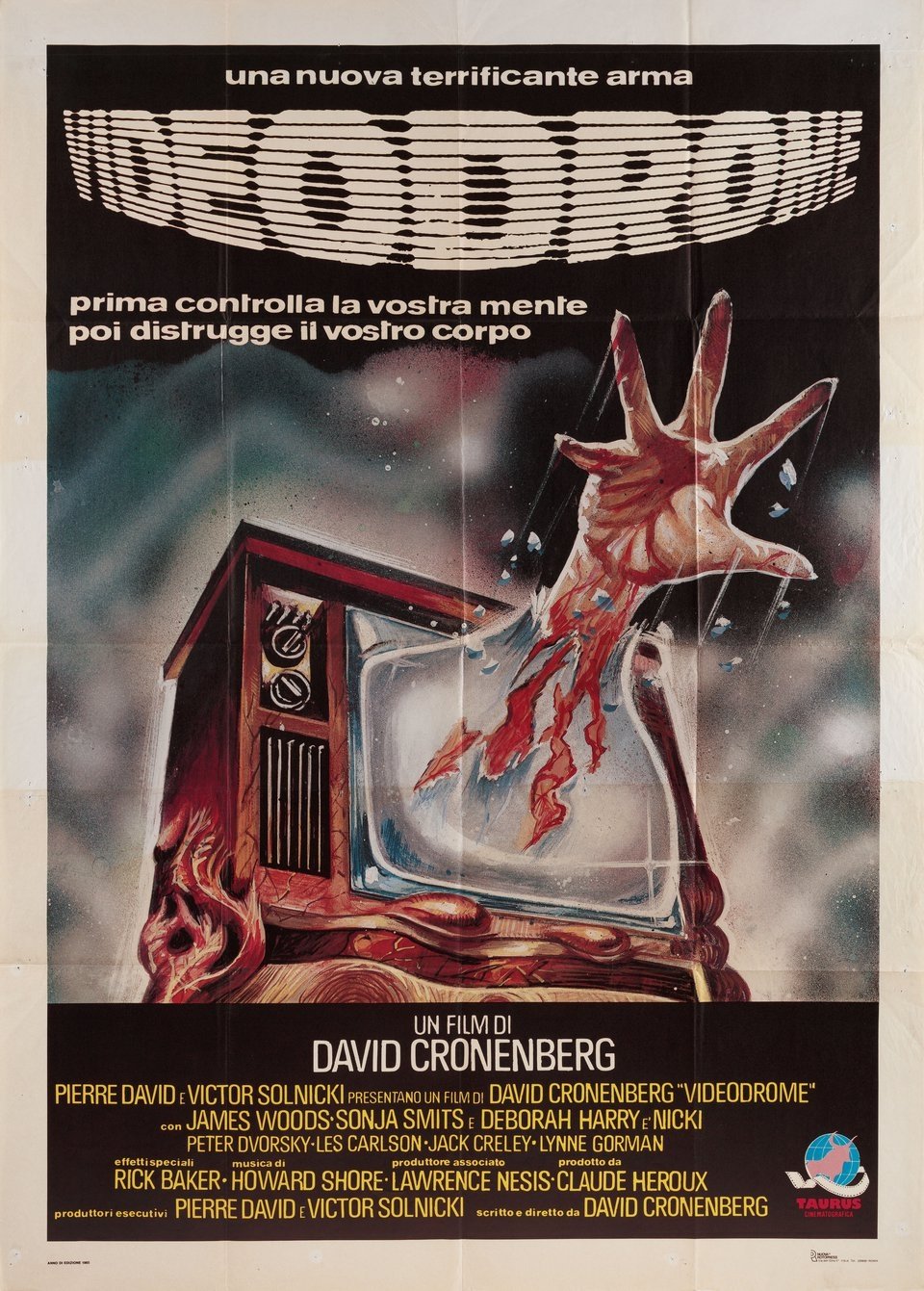
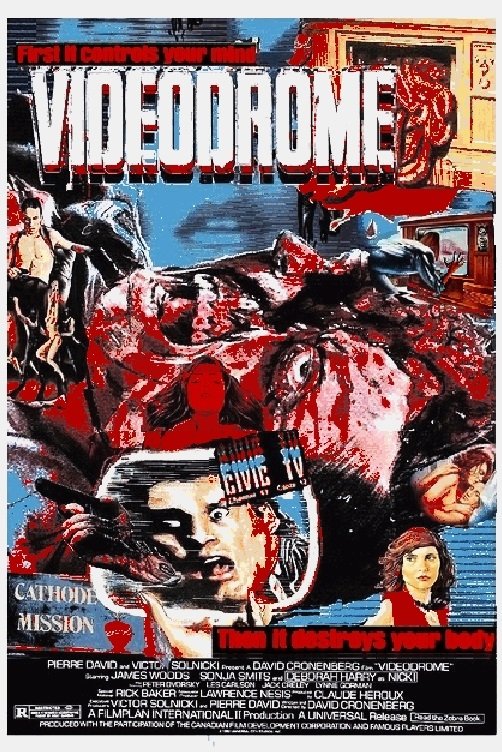
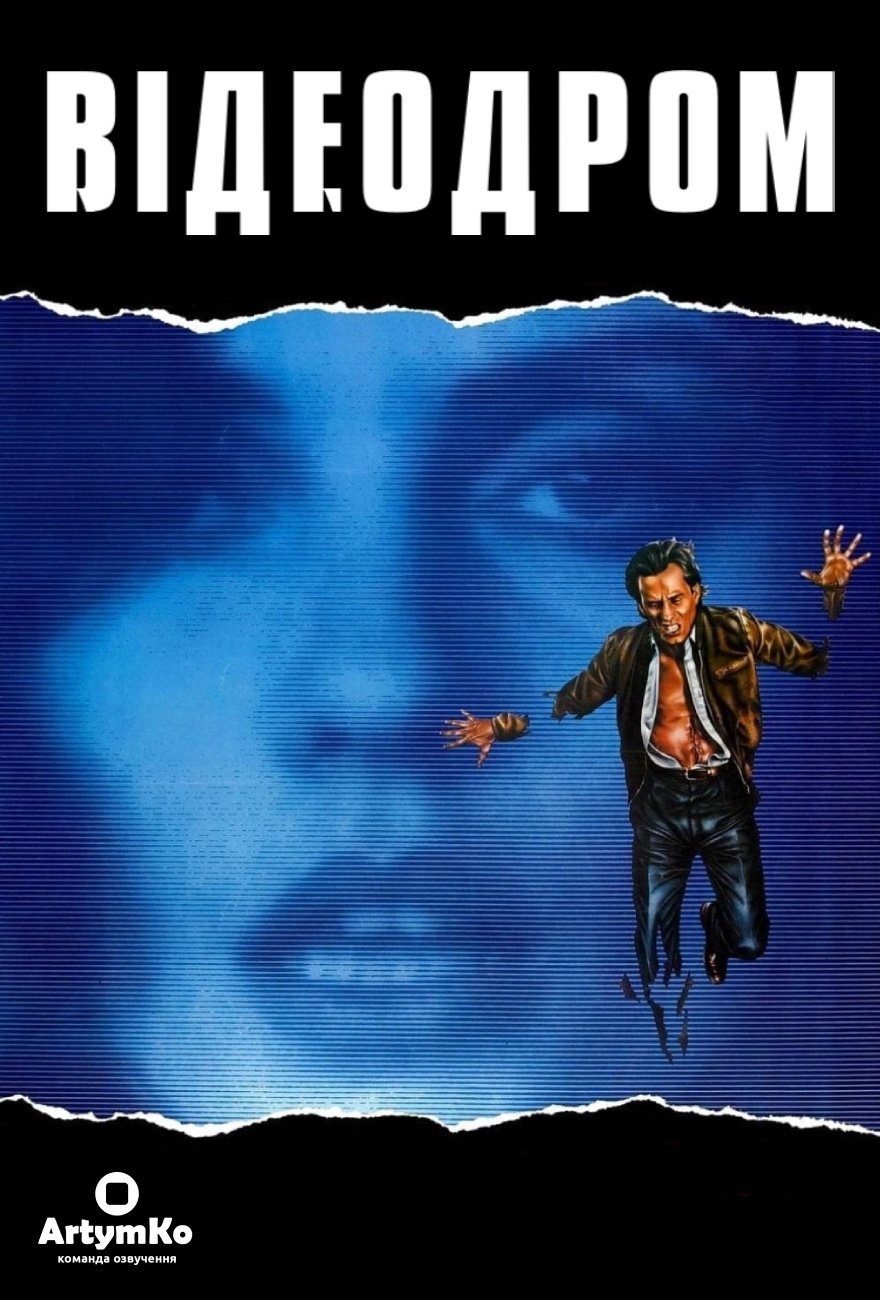
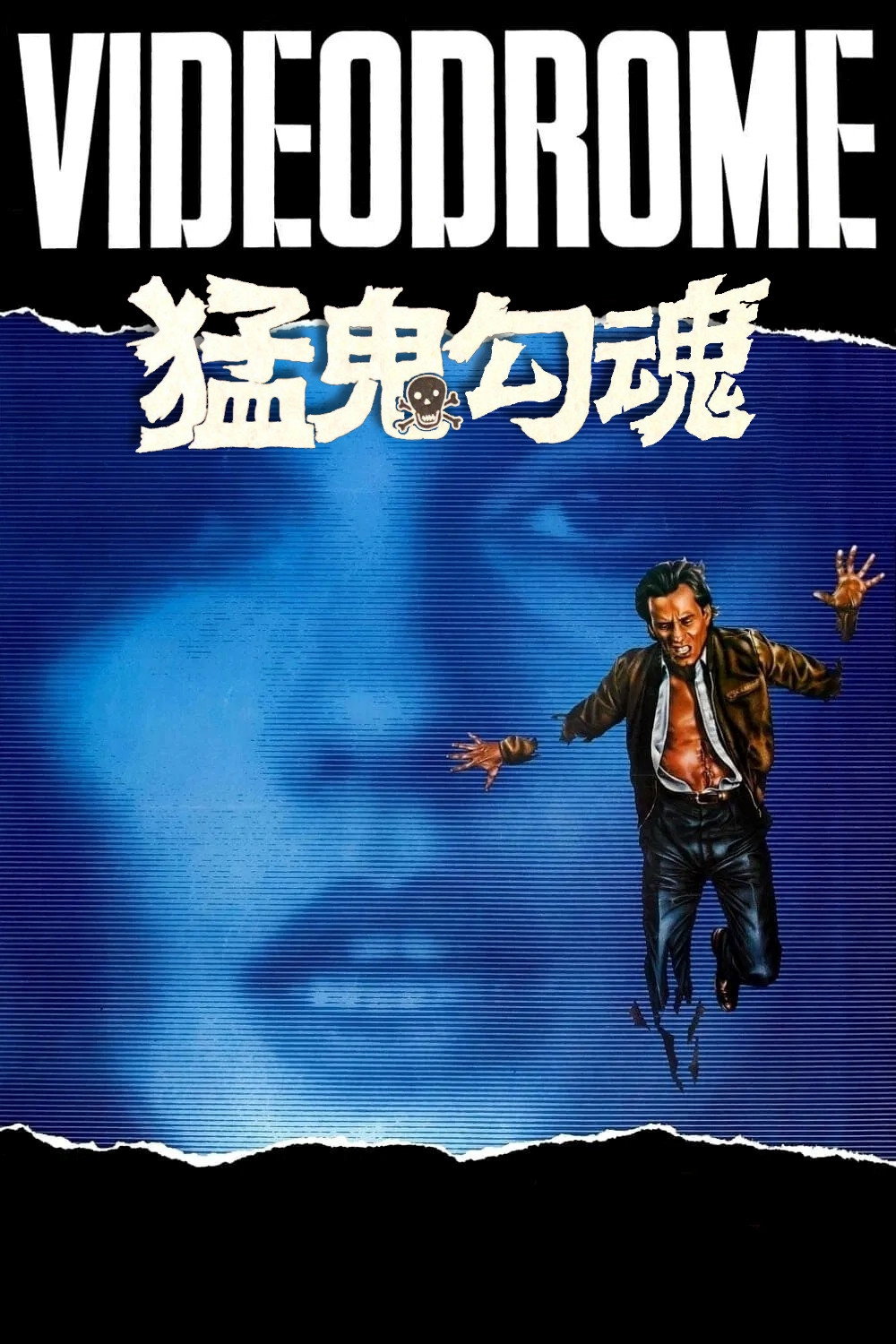
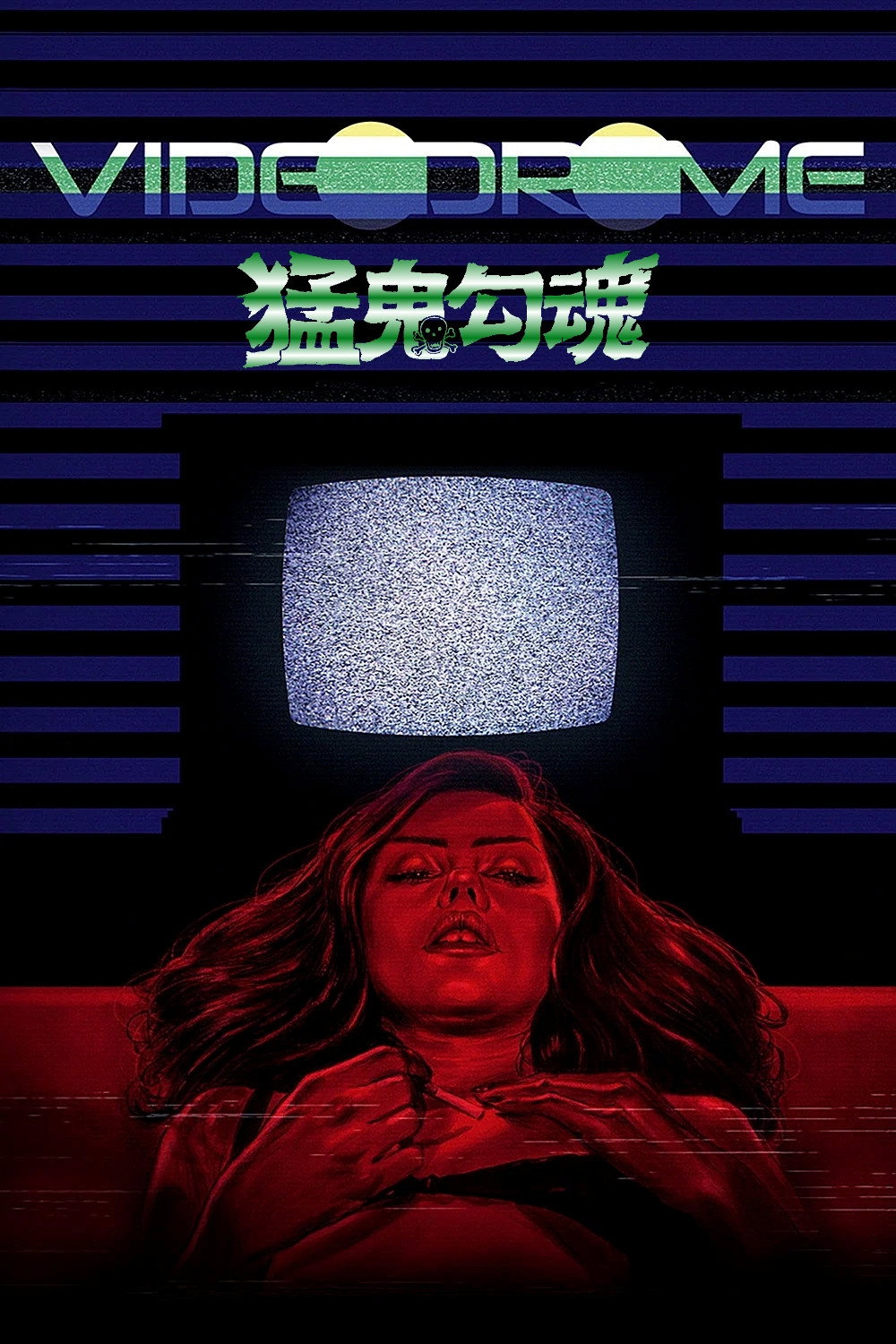
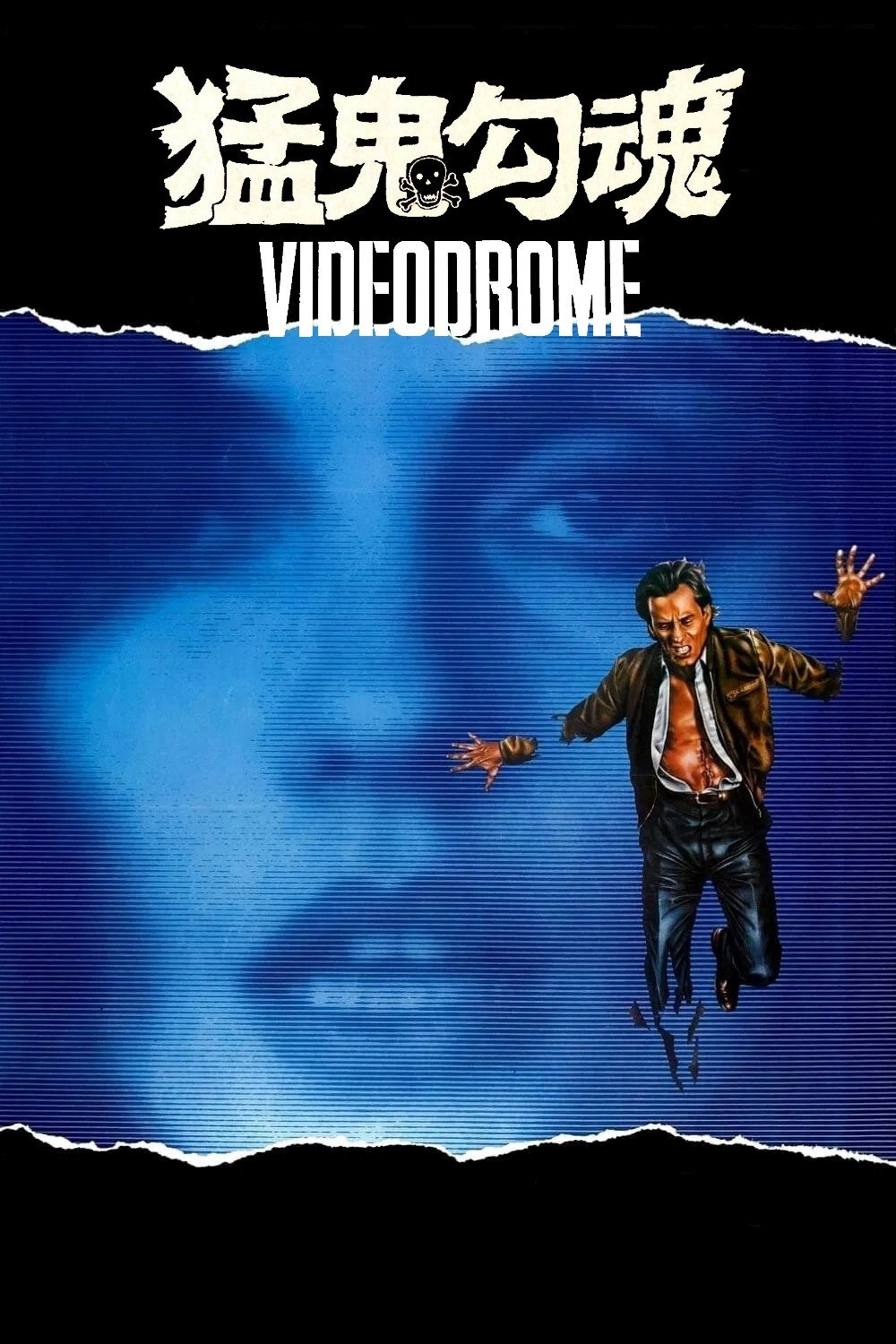
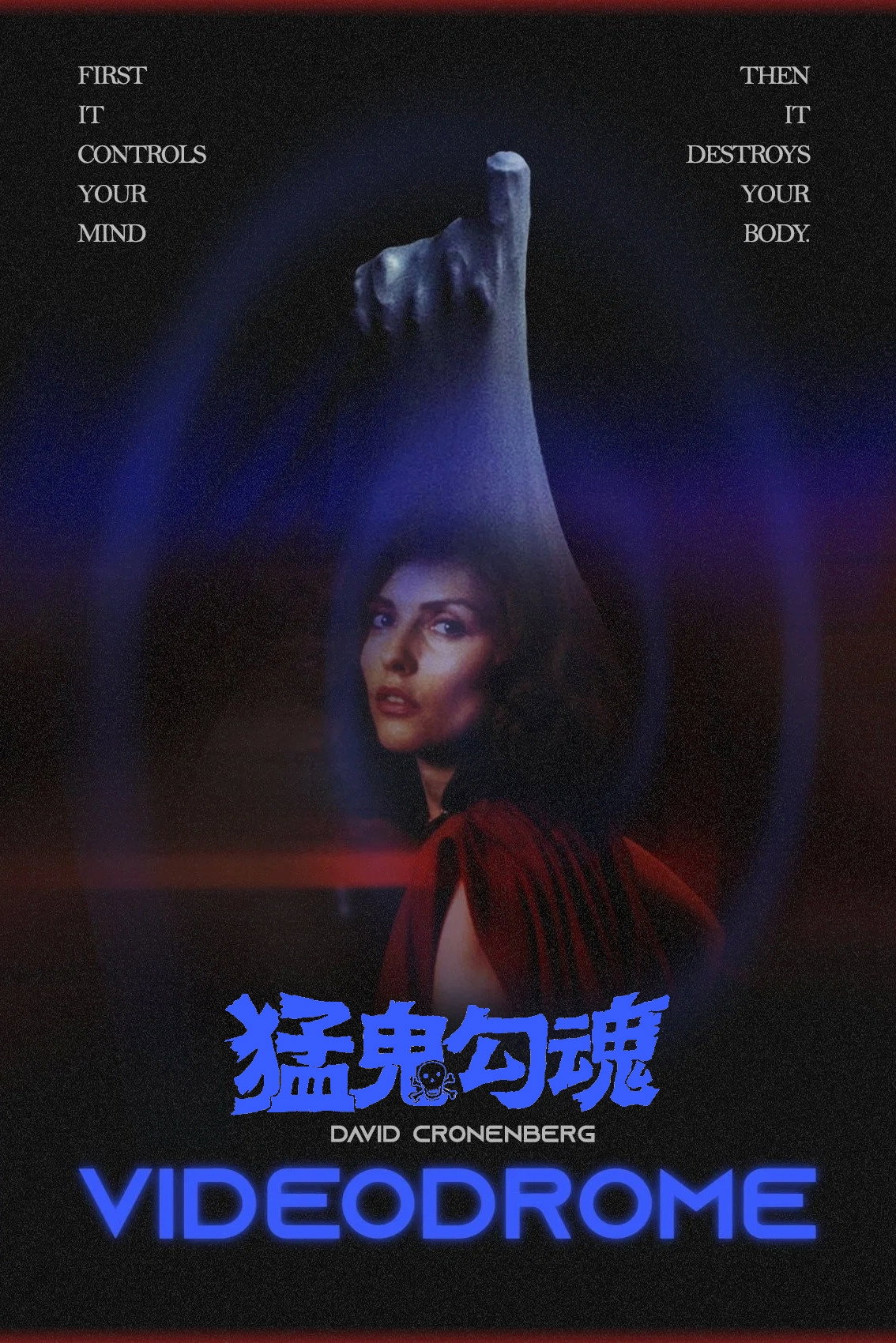
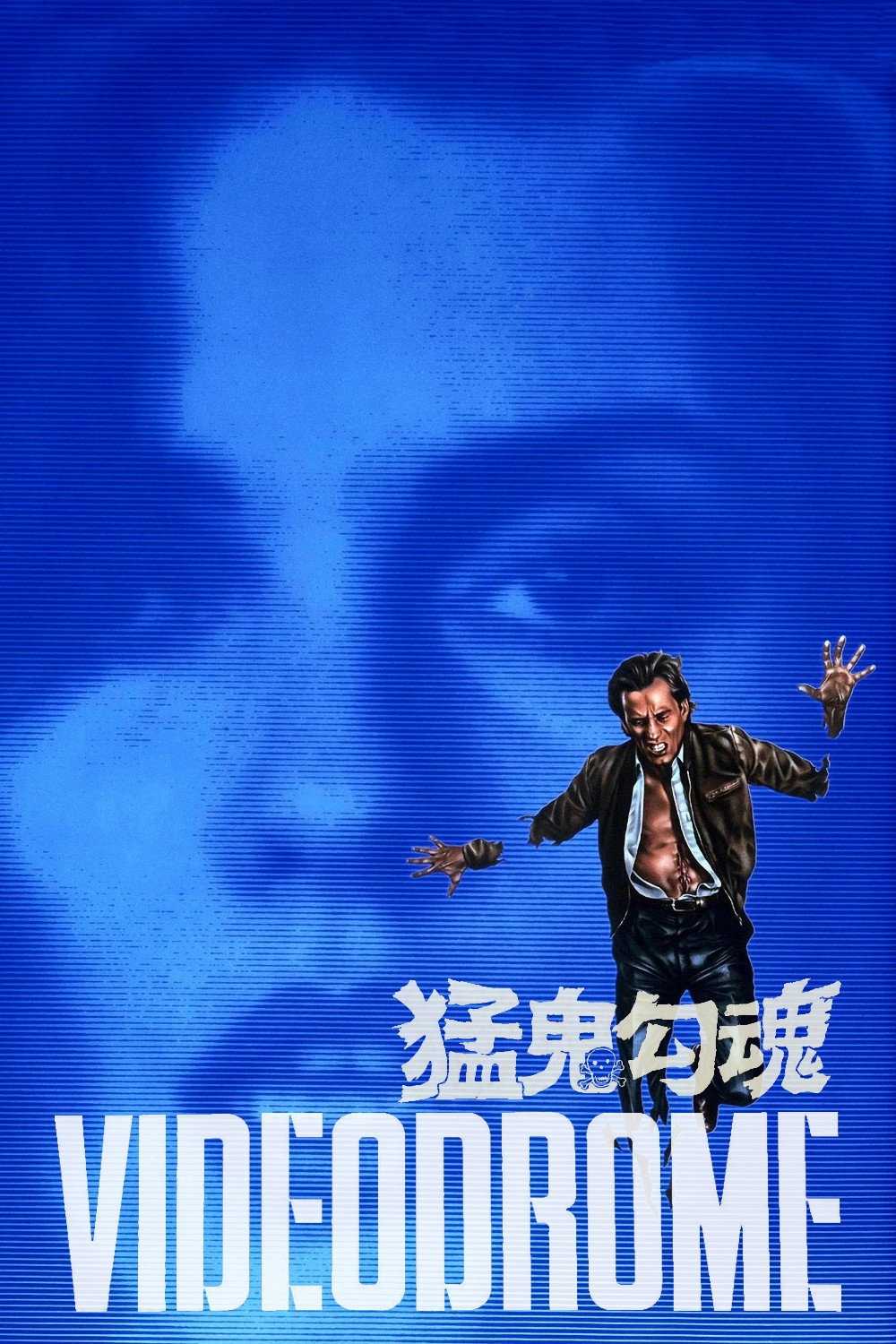
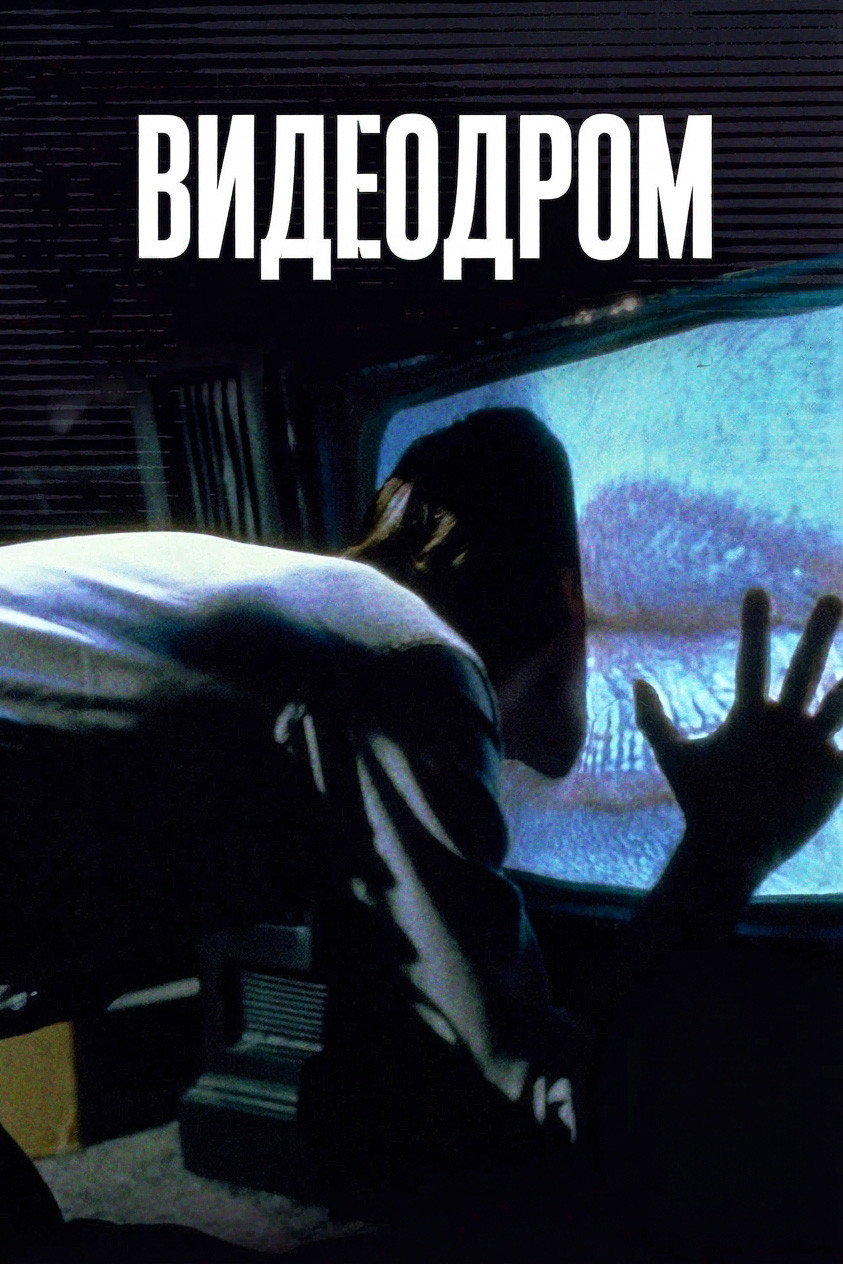
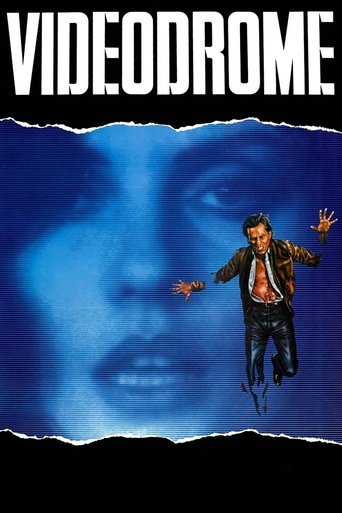
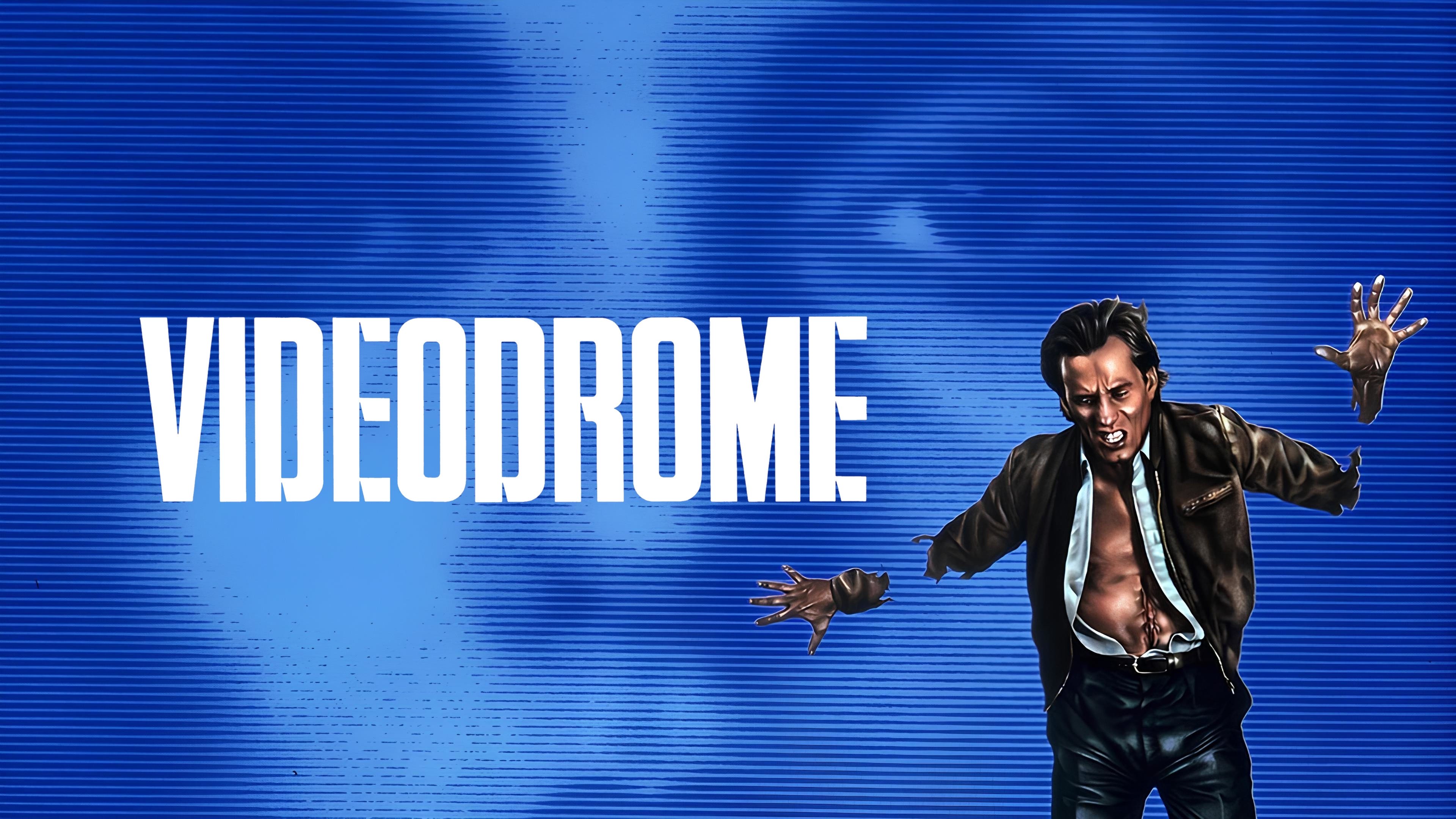
Videodrome (1983) poster
Production Company
Filmplan International
Plot

As the president of a trashy TV channel, Max Renn is desperate for new programming to attract viewers. When he happens upon "Videodrome," a TV show dedicated to gratuitous torture and punishment, Max sees a potential hit and broadcasts the show on his channel. However, after his girlfriend auditions for the show and never returns, Max investigates the truth behind Videodrome and discovers that the graphic violence may not be as fake as he thought.

Alternative Titles
Videodrome, Cuerpos Invadidos (Argentina) — Home Video Title Видеодрум (Bulgaria) — Bulgarian Videodrome: A Síndrome do Vídeo (Brazil) — Portuguese Network of Blood (Canada) — English, Working Title Vidéodrome (Canada) — French Zonekiller (Canada) — English, Working Title 录影带谋杀案 (China) — Chinese Videodrome - förgängelsens vapen (Finland) — Swedish Title
Show all 33 alternative titles Videodrome - tuhon ase (Finland) — Finnish Vidéodrome (France) — French ვიდეოდრომი (Georgia) — Georgian Βιντεοδρόμιο (Greece) — Greek Βιντεοντρόμ (Greece) — alternative title 猛鬼勾魂 (Hong Kong SAR China) — Chinese Videodrom (Croatia) — Croatian וידאודרום (Israel) — Hebrew ヴィデオドローム (Japan) — Japanese ビデオドローム (Japan) — Japanese, Alternative Title 비디오드롬 (South Korea) — Korean Videodromas (Lithuania) Videodroms (Latvia) — Latvian Cuerpos invadidos (Mexico) — Spanish Wideodrom (Poland) — Polish Experiência Alucinante (Portugal) — Portuguese Видеодром (Russia) — Russian Видеодром (Russia) — Russian Title วิดีโอโดรม (Thailand) — Thai Ekrandaki Dehşet (Türkiye) — Turkish 錄影帶謀殺案 (Taiwan) — Chinese Відеодром (Ukraine) — Ukrainian David Cronenberg's Videodrome (United States) Cuerpos invadidos (Uruguay) — Original Subtitled Version Thế Lực Đen Tối (Vietnam) — Vietnamese

Trailers & Videos

9 videos

Film Guide & Analysis

David Cronenberg fuses television, sexuality, conspiracy and physical mutation into a landmark of body horror where media no longer merely influences the body but becomes part of it.

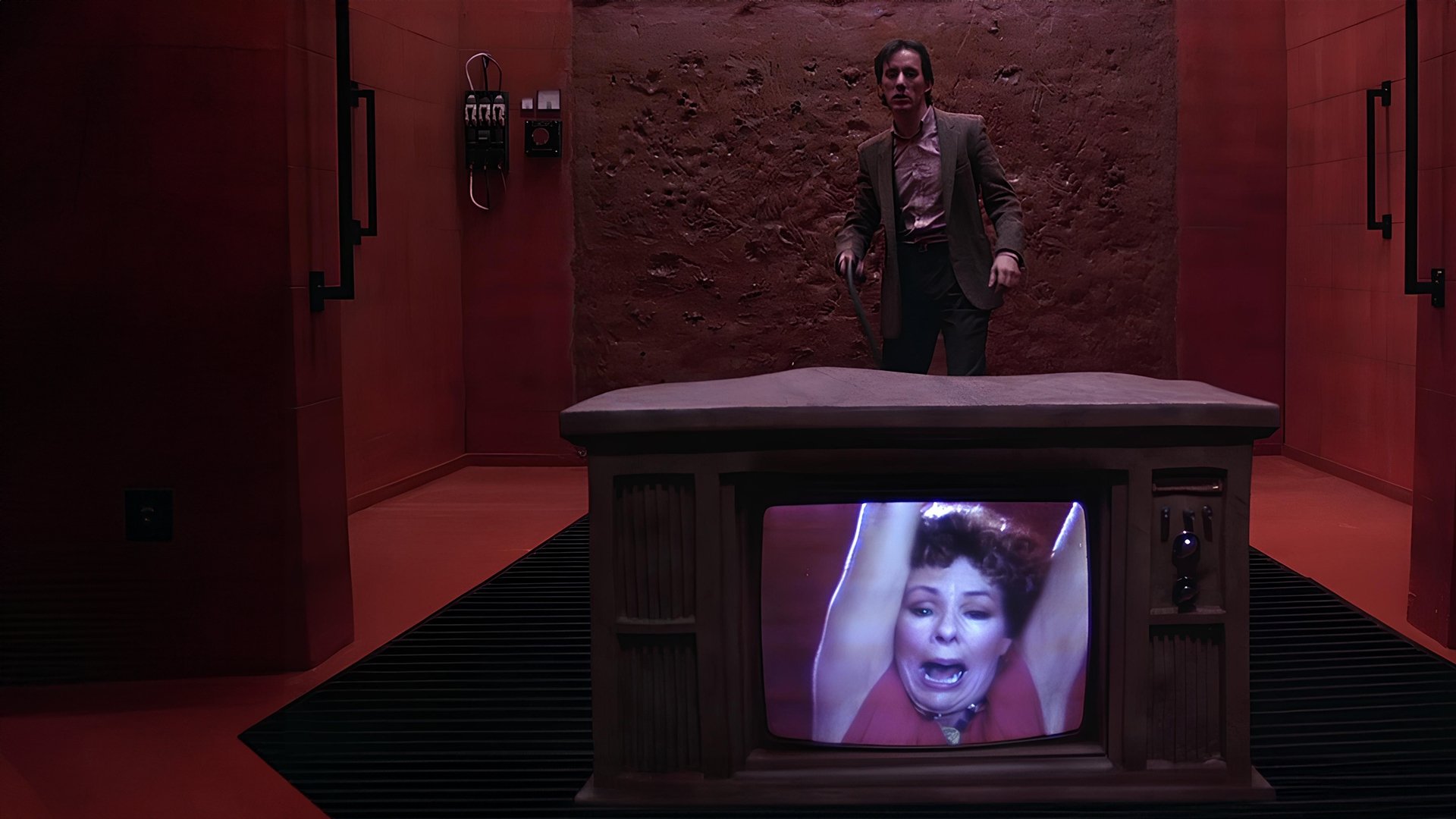
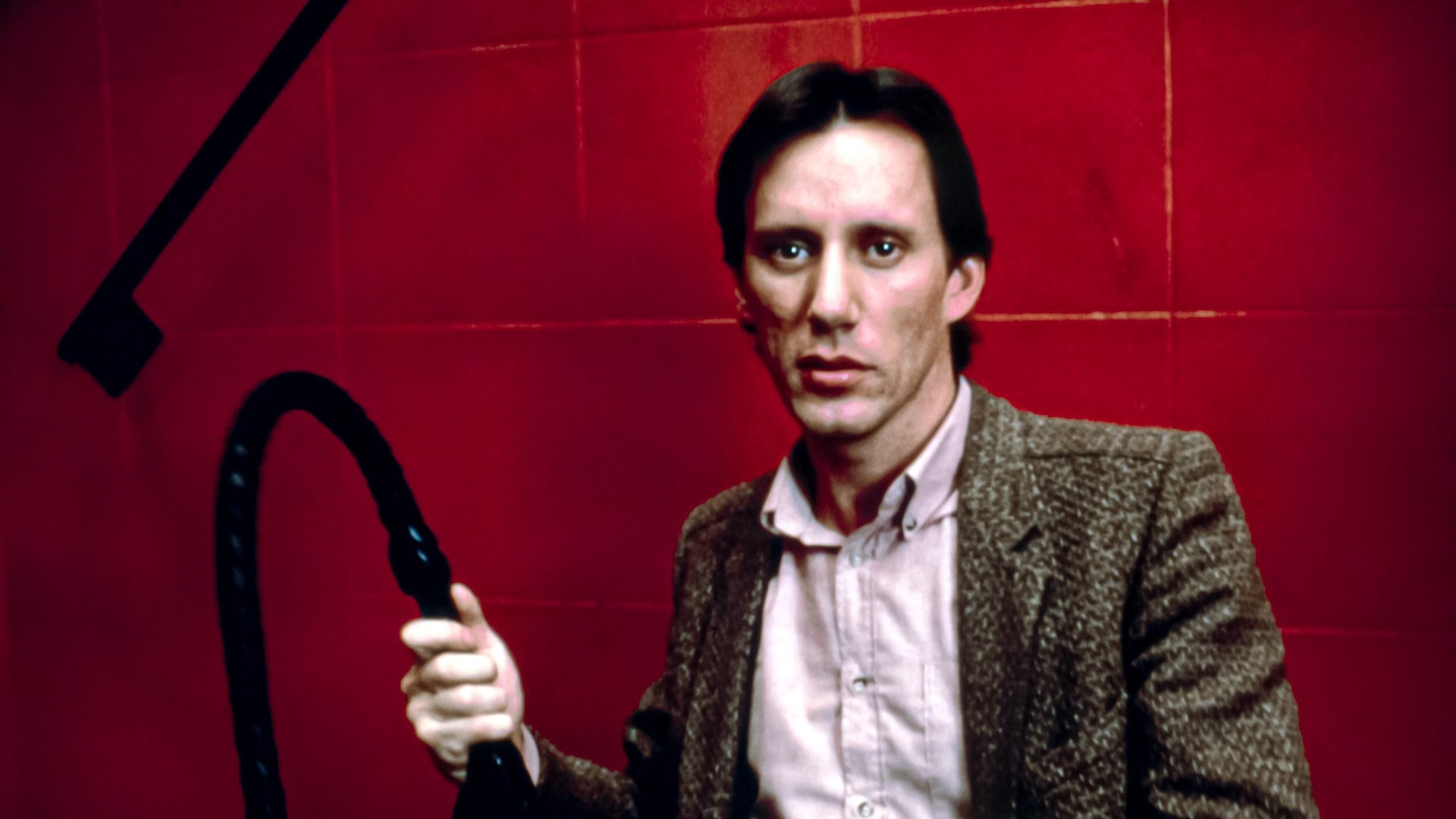
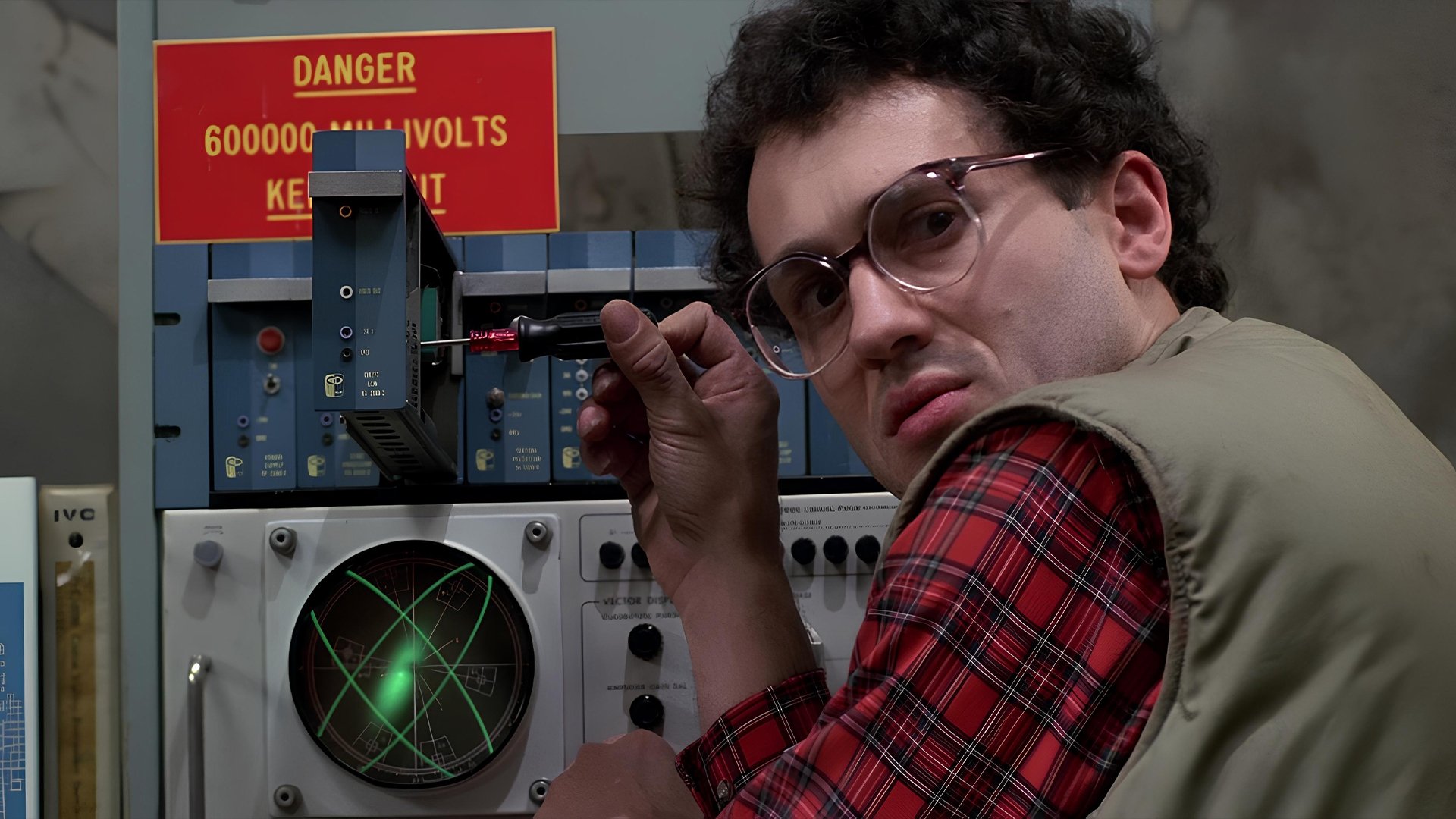
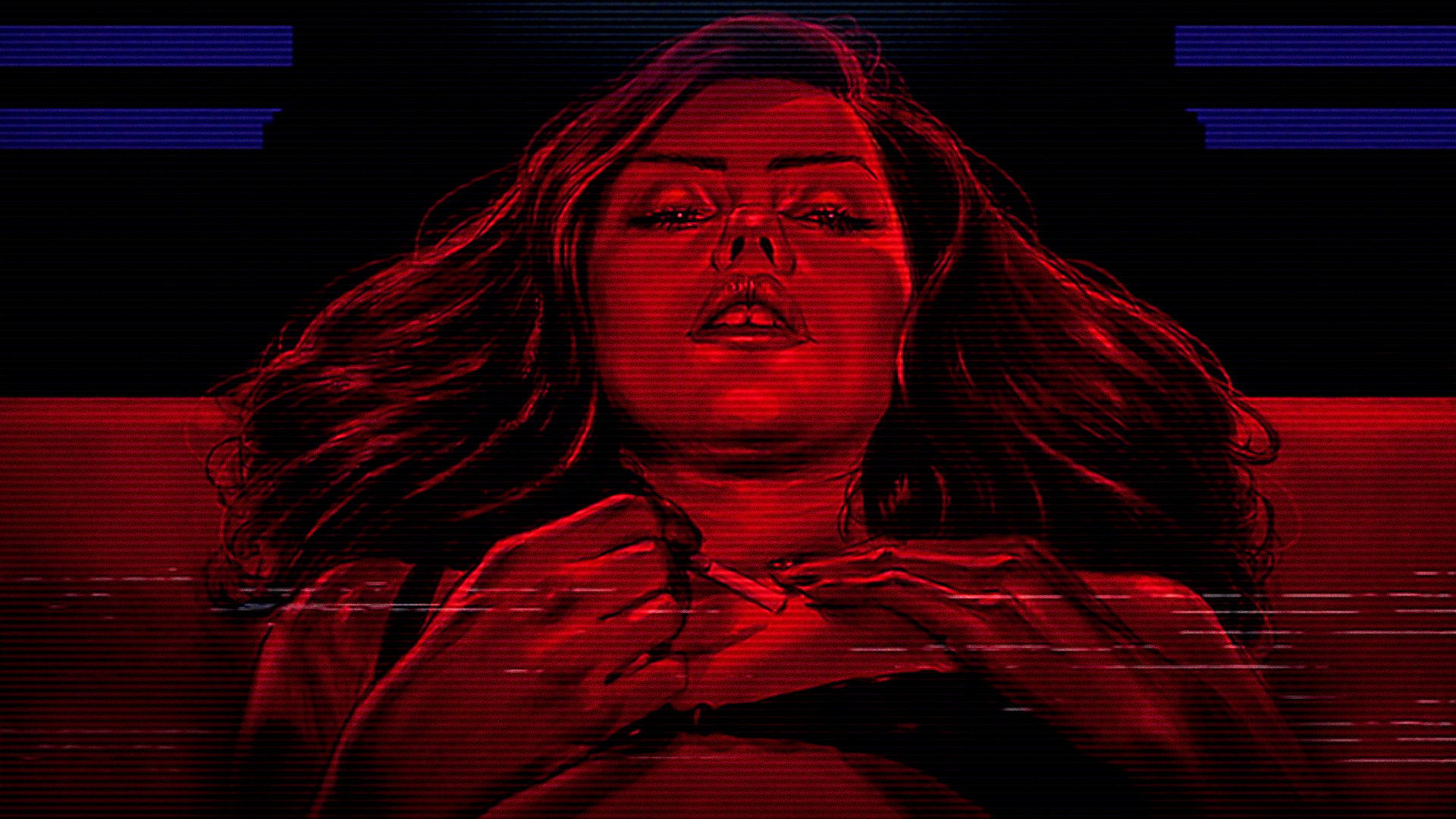
Videodrome is a 1983 Canadian science-fiction horror film written and directed by David Cronenberg. James Woods plays Max Renn, the president of a small Toronto cable station whose business depends on finding increasingly provocative programming. When his technician Harlan intercepts an apparently pirated broadcast consisting of sexualised torture inside a featureless red room, Max becomes convinced that the program could provide exactly the extreme material his station needs. His search for its source instead exposes him to a signal capable of altering perception, producing hallucinations and eventually transforming the body itself.

The film pushes Cronenberg's body horror into territory where technology can no longer be separated from biology. Television sets breathe, videotapes appear to enter human flesh, weapons fuse with hands and images become capable of restructuring the people who watch them. Yet Videodrome is not simply a warning that television is dangerous. Its competing factions all want to use media to change human beings, while Max discovers that there may no longer be a stable distinction between physical reality and mediated experience. That uncertainty helped make the film a commercial disappointment in 1983 and, eventually, one of Cronenberg's most influential works.

Development, Network of Blood & an Evolving Screenplay

The project emerged after the commercial success of Scanners, when producer Pierre David asked Cronenberg whether they could make another film together. Cronenberg initially described a relatively straightforward thriller about a television programmer who discovers an extreme clandestine broadcast. As he began writing, however, the premise expanded into biological hallucination, conspiracy and technological mutation. An early conception carried the title Network of Blood, and Cronenberg later admitted that his first drafts were intentionally more extreme than anything he expected actually to photograph.

That first version nevertheless helped attract James Woods, Deborah Harry and Rick Baker. Production did not begin from a completely settled screenplay. Cronenberg entered principal photography with a toned-down but unfinished second draft and continued rewriting while the film was being made. New pages circulated throughout the schedule, and he was still reconsidering important scenes on the final day of the initial shoot in December 1981. Additional makeup-effects material was photographed in March 1982, followed by further Toronto shooting in May for a revised climax.

The process substantially changed the finished film. Ideas involving more victims of Max's flesh weapon, bodies visibly breaking down into video interference and a much more explicitly sexual ending were designed, tested or written before being discarded. Cronenberg's reason was not simply censorship or money. He repeatedly distinguished useful ambiguity from confusion and removed effects when their novelty disrupted the film's rhythm. Videodrome therefore developed through reduction as much as invention: the completed film is bizarre, but considerably more controlled than the material Cronenberg originally imagined.

Toronto, Civic TV & the Influence of Marshall McLuhan

Unlike many Canadian productions designed to disguise their locations as American cities, Videodrome openly uses Toronto. The Canadian Film Encyclopedia stresses the importance of that setting: Max operates inside a local television culture that is simultaneously Canadian and heavily dependent on material arriving from elsewhere. Civic TV has obvious parallels with Toronto's adventurous broadcasting environment, while Max's position as a programmer rather than a creator makes him a particularly useful figure for a film about the circulation of images.

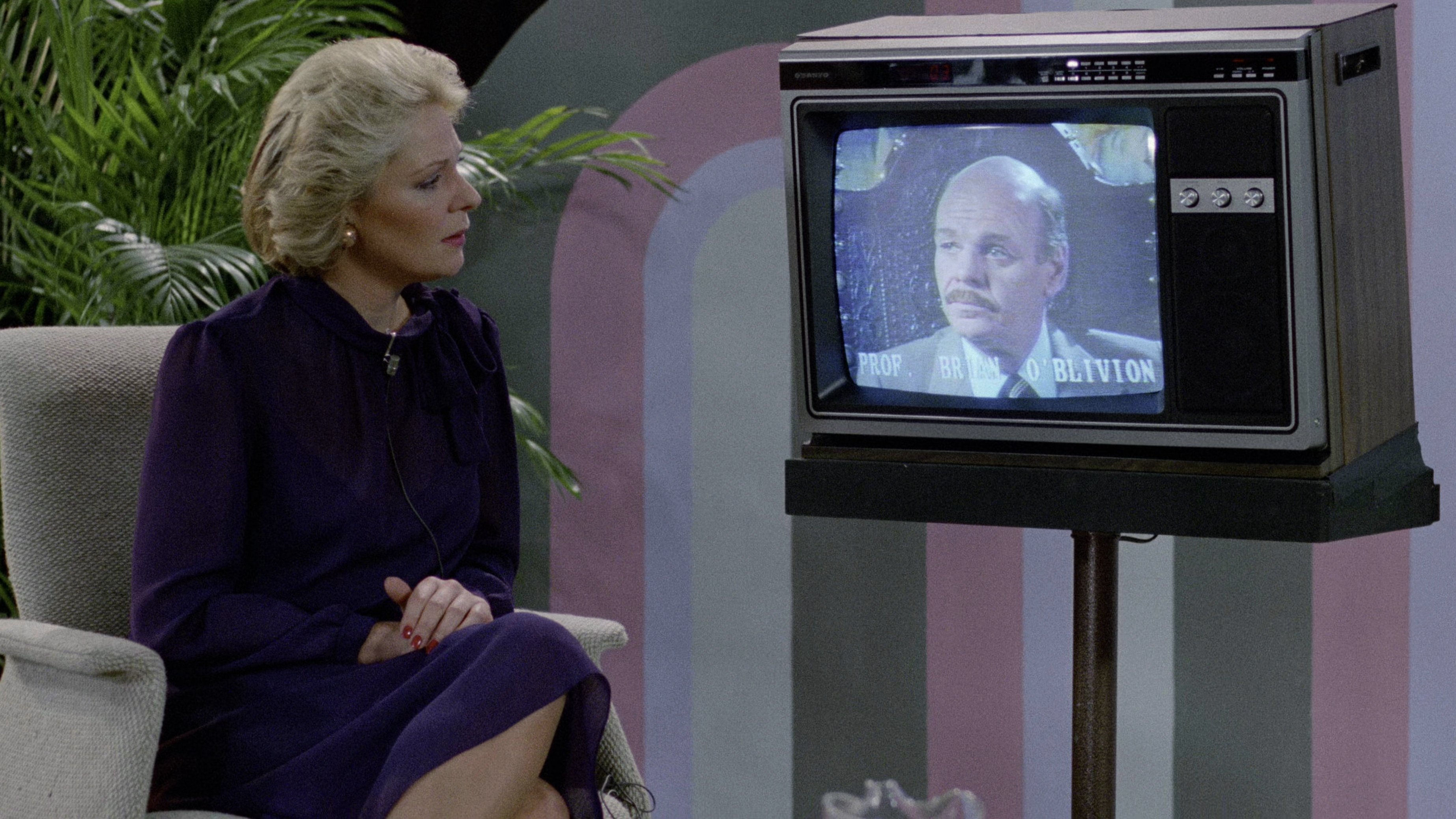
Cronenberg also acknowledged the importance of Canadian communications theorist Marshall McLuhan. Brian O'Blivion, the media philosopher who increasingly exists only through recorded television appearances, deliberately echoes McLuhan's ideas about electronic media functioning as extensions of human senses and nervous systems. Cronenberg later said that O'Blivion was modelled on McLuhan, whose position as a Canadian observer of American mass culture also interested him. The film takes that theoretical language and makes it anatomical: if television extends the nervous system, then television can become part of the body.

Toronto therefore operates as more than a convenient production base. The city gives Videodrome a position slightly outside the American media system that Max consumes and redistributes. Satellite signals cross borders, programming appears without obvious geographic origin and Spectacular Optical conceals ideological warfare inside a respectable corporate structure. The film's conspiracies may become fantastic, but the media environment surrounding them is recognisably contemporary. Cronenberg begins with cable television, pirated signals and independent programming before allowing those technologies to become literal agents of mutation.

Mark Irwin, 35mm & the Reality of Video

Cinematographer Mark Irwin approached the film's impossible events with deliberate visual restraint. He later described Cronenberg's central photographic strategy as making something completely artificial appear completely real. Instead of announcing hallucinations through obviously expressionistic lighting or elaborate camera movement, the film often photographs them with the same straightforward visual language used for ordinary Toronto interiors. The method makes a breathing television or an abdominal opening more disturbing because the image does not signal that the audience has safely entered a separate fantasy world.

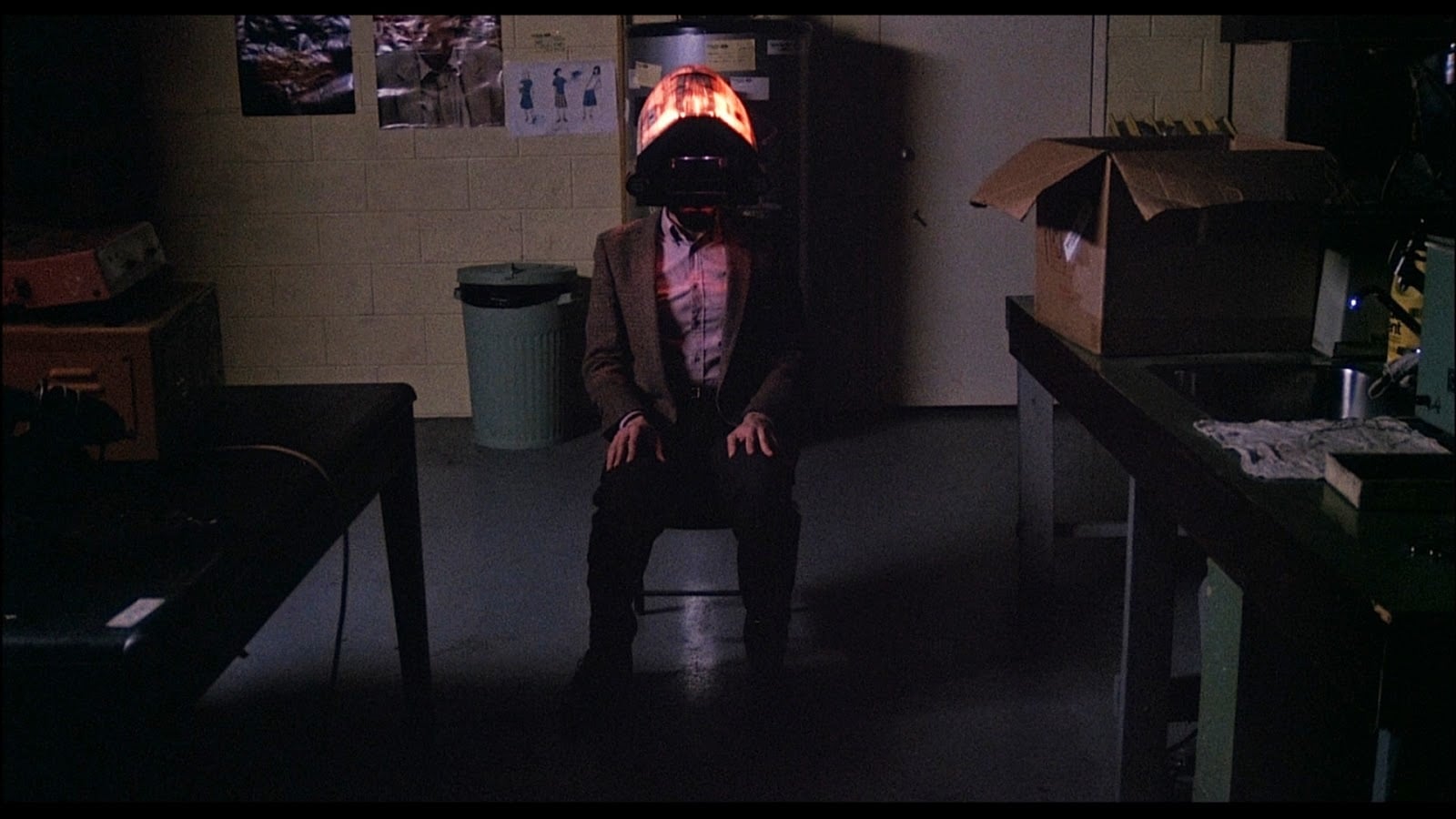
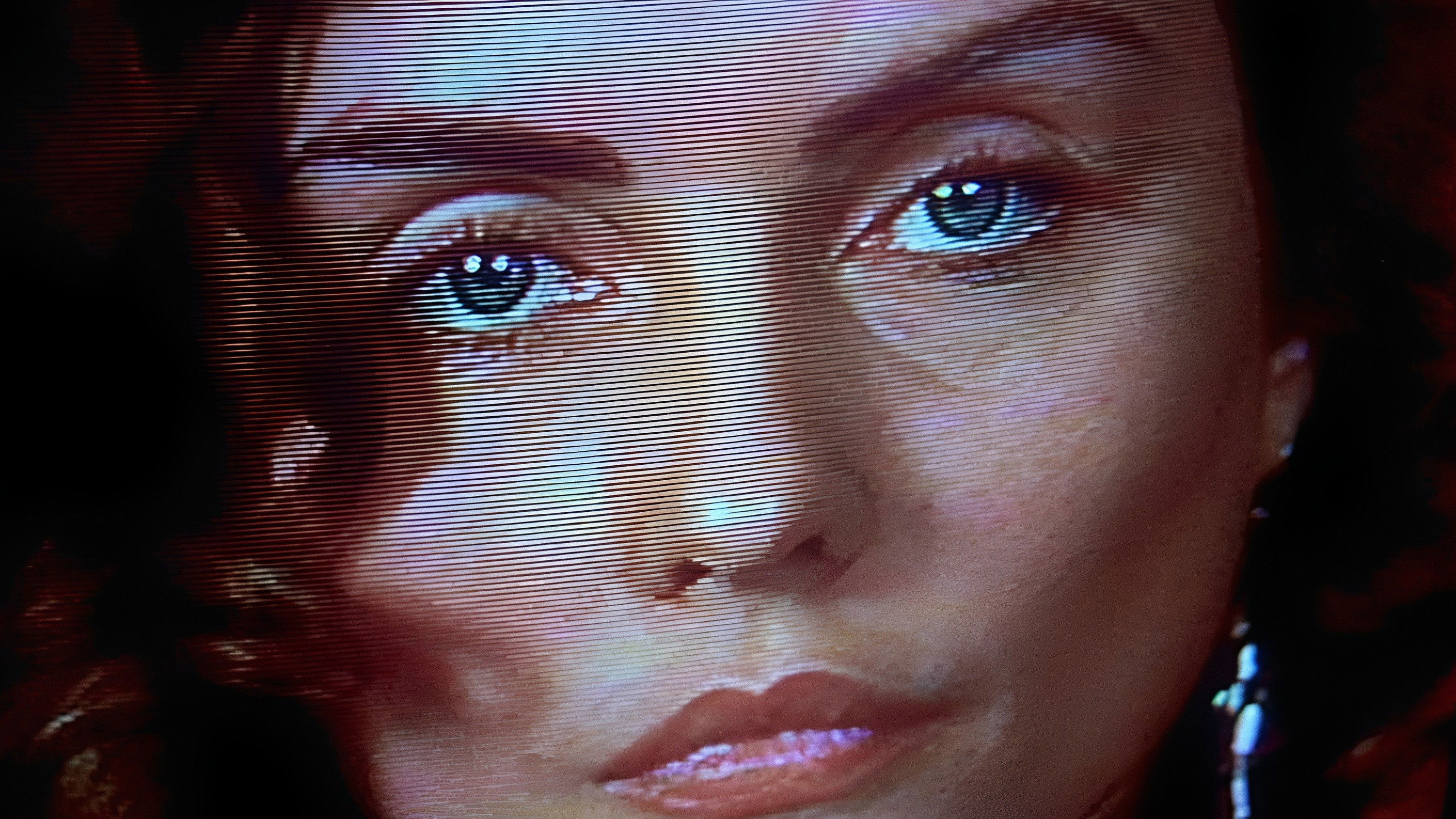
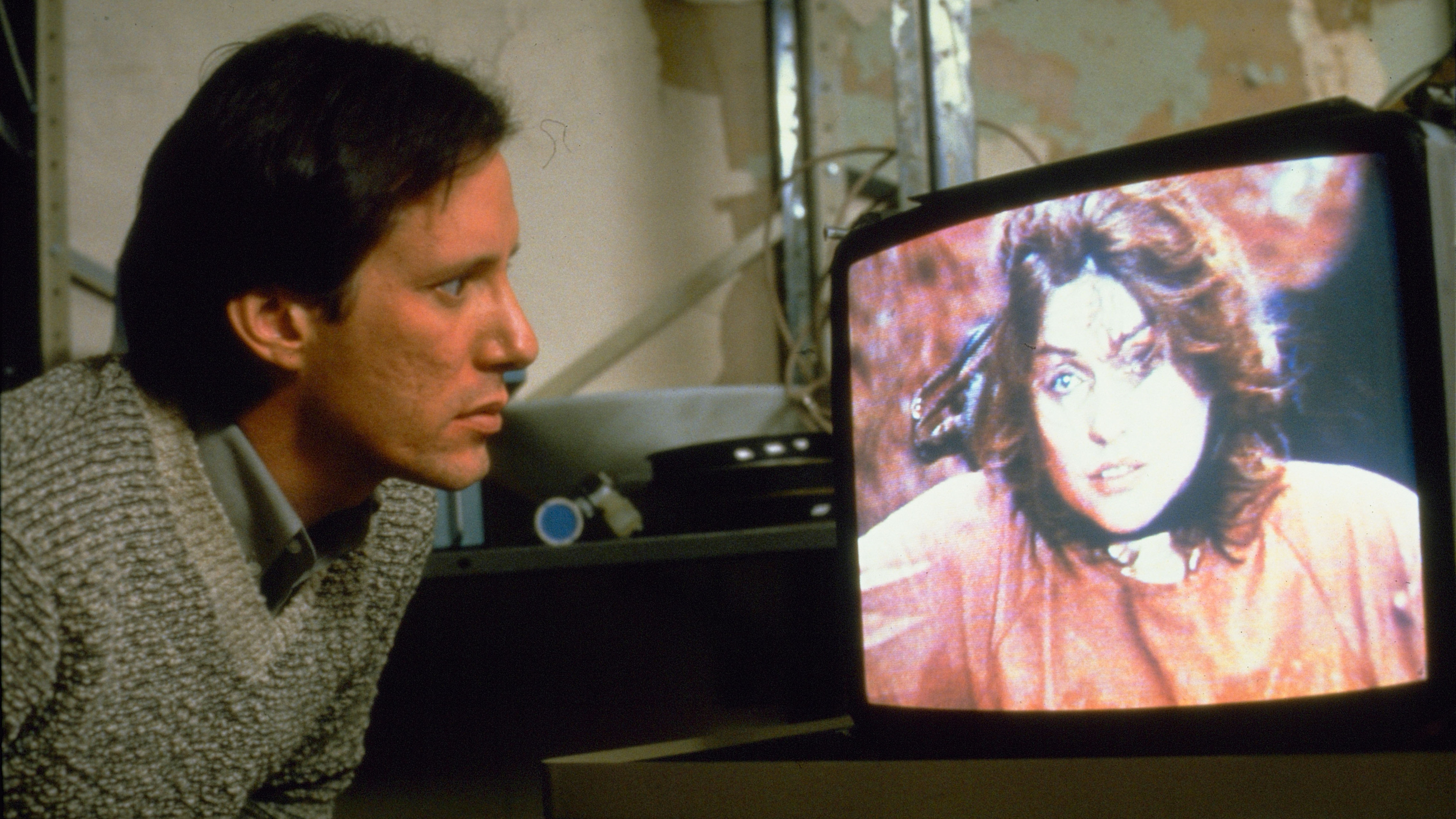
The contrast between film and videotape became equally important. The first production week was devoted largely to material intended to appear on television screens: Brian O'Blivion's monologues, the torture transmissions, Samurai Dreams and other programming. A Hitachi broadcast camera was used for this material, while Irwin later photographed playback from CRT monitors with the 35mm camera. He even accepted visible scanning artefacts because their rough electronic texture helped distinguish video imagery from the cleaner photographic environment surrounding it.

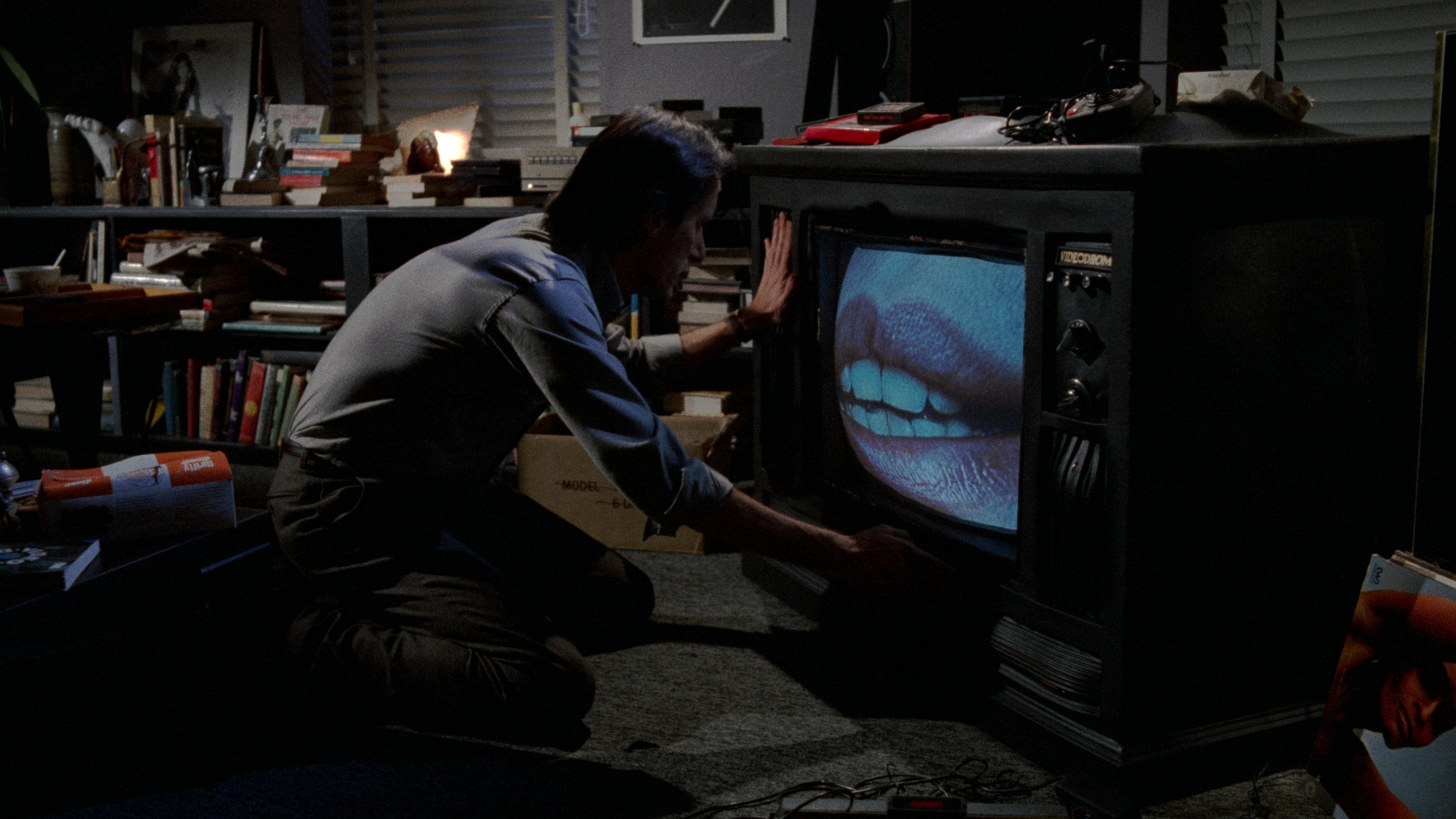
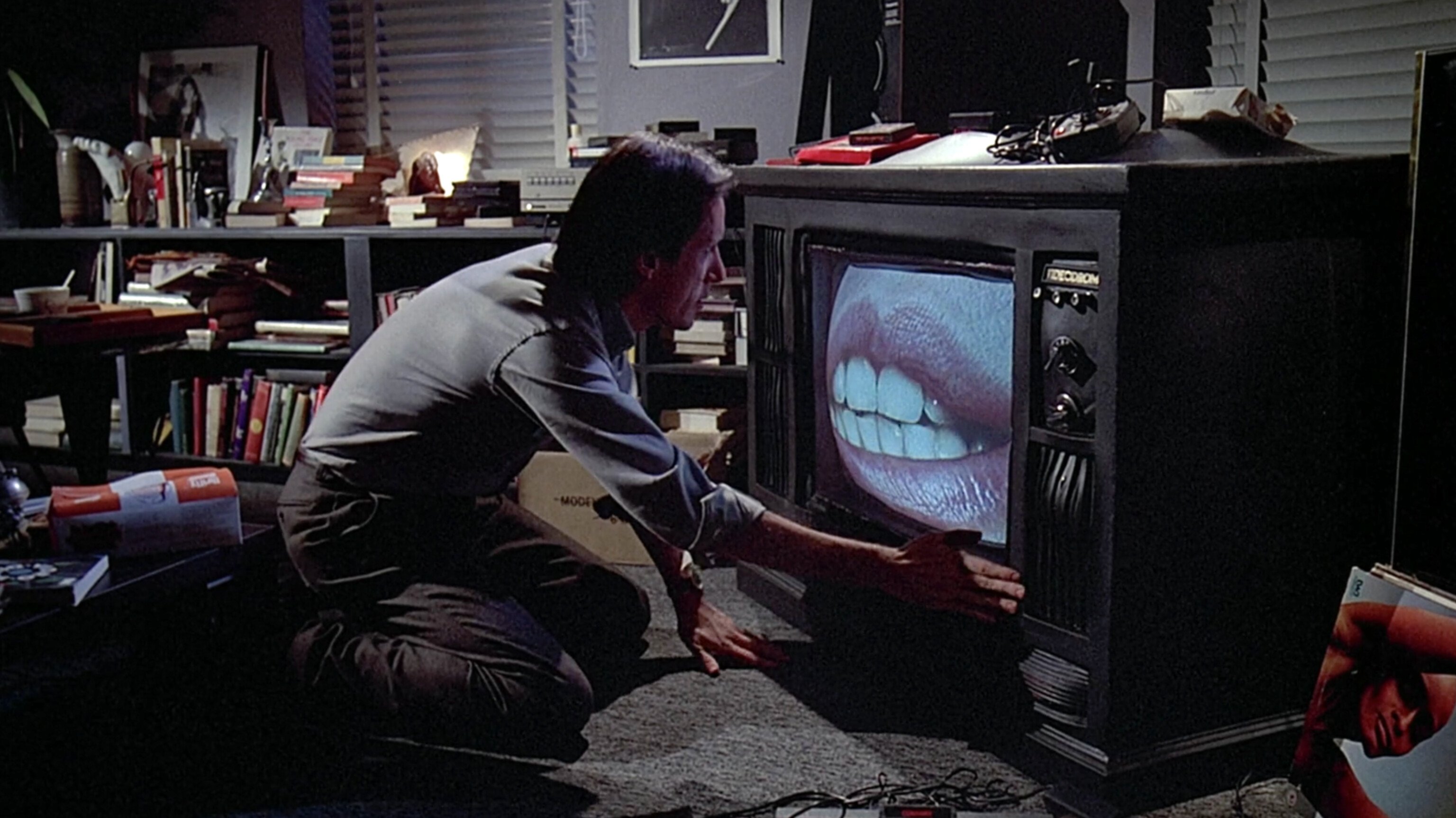
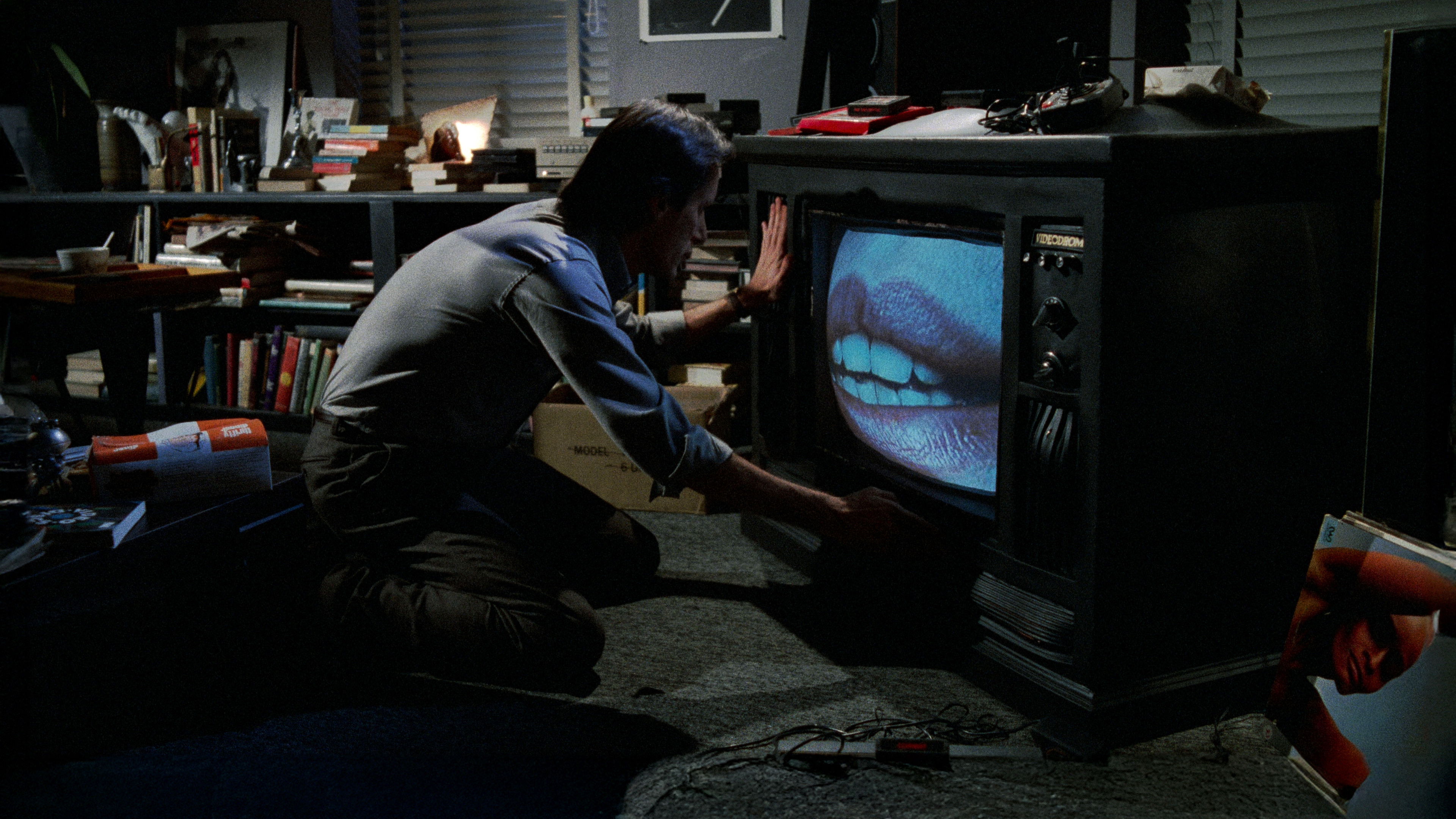
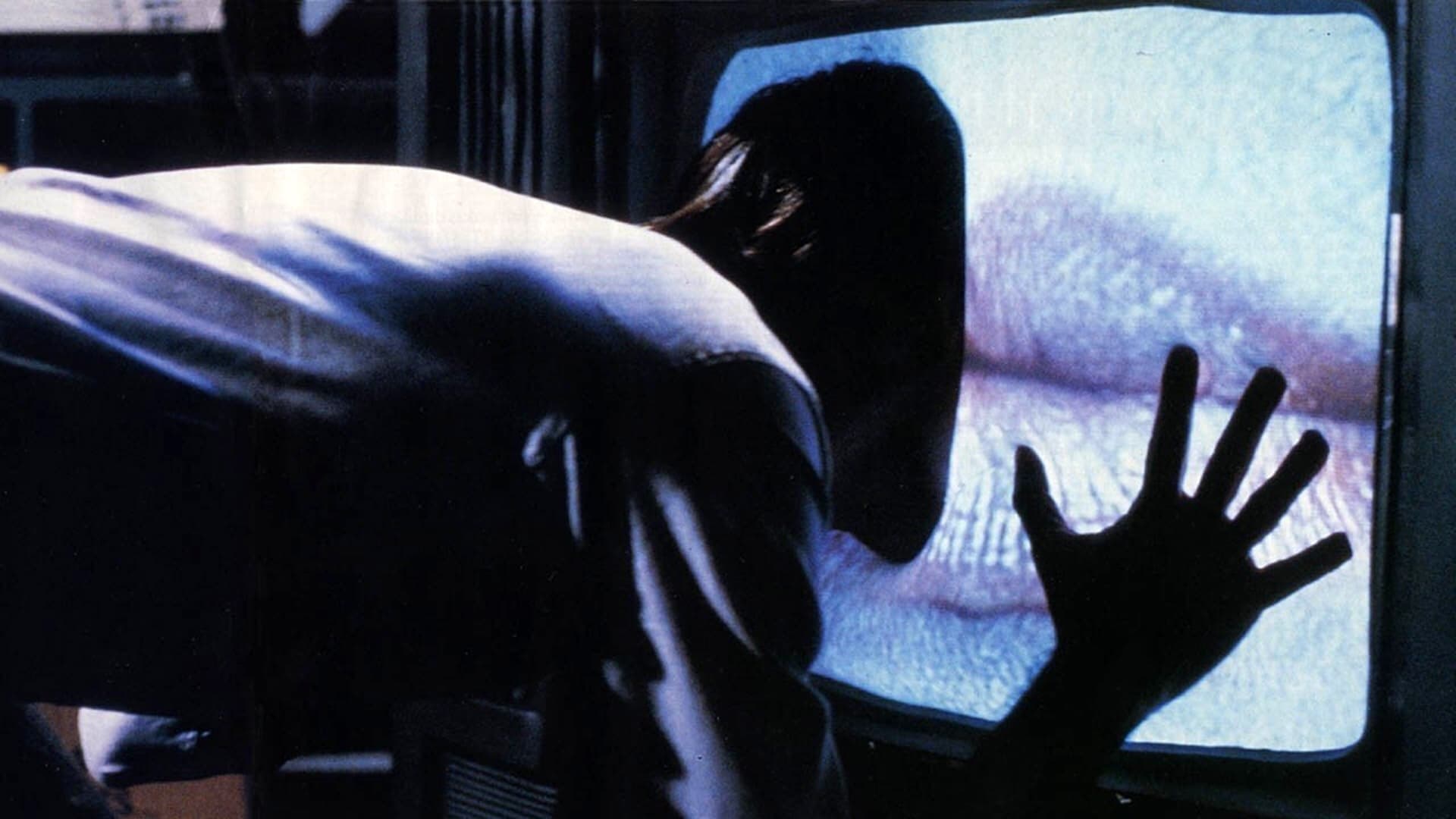
That distinction gradually collapses. At first Max watches Videodrome as a recognisable television signal contained inside a monitor. Later the monitor swells, television images seem physically accessible and his own body begins behaving like a recording device. Irwin's naturalistic approach is essential to the progression. Latex, human skin, CRT screens and ordinary rooms must occupy the same believable space. He discovered, for example, that lightly coating both prosthetic material and skin could reduce differences in the way they reflected light, allowing impossible bodily effects to survive inside otherwise realistic photography.

Rick Baker, the Breathing Television & the New Flesh

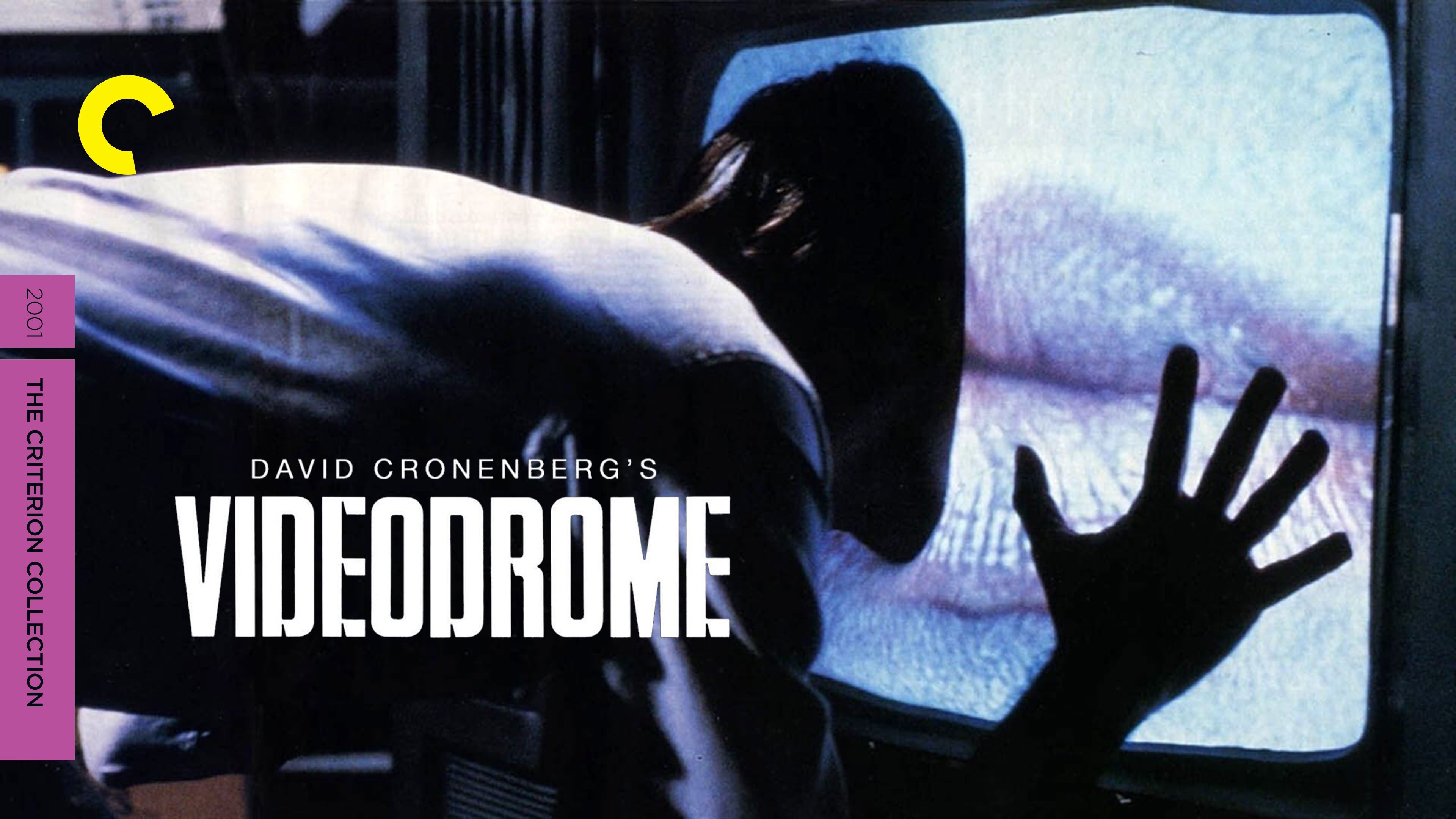
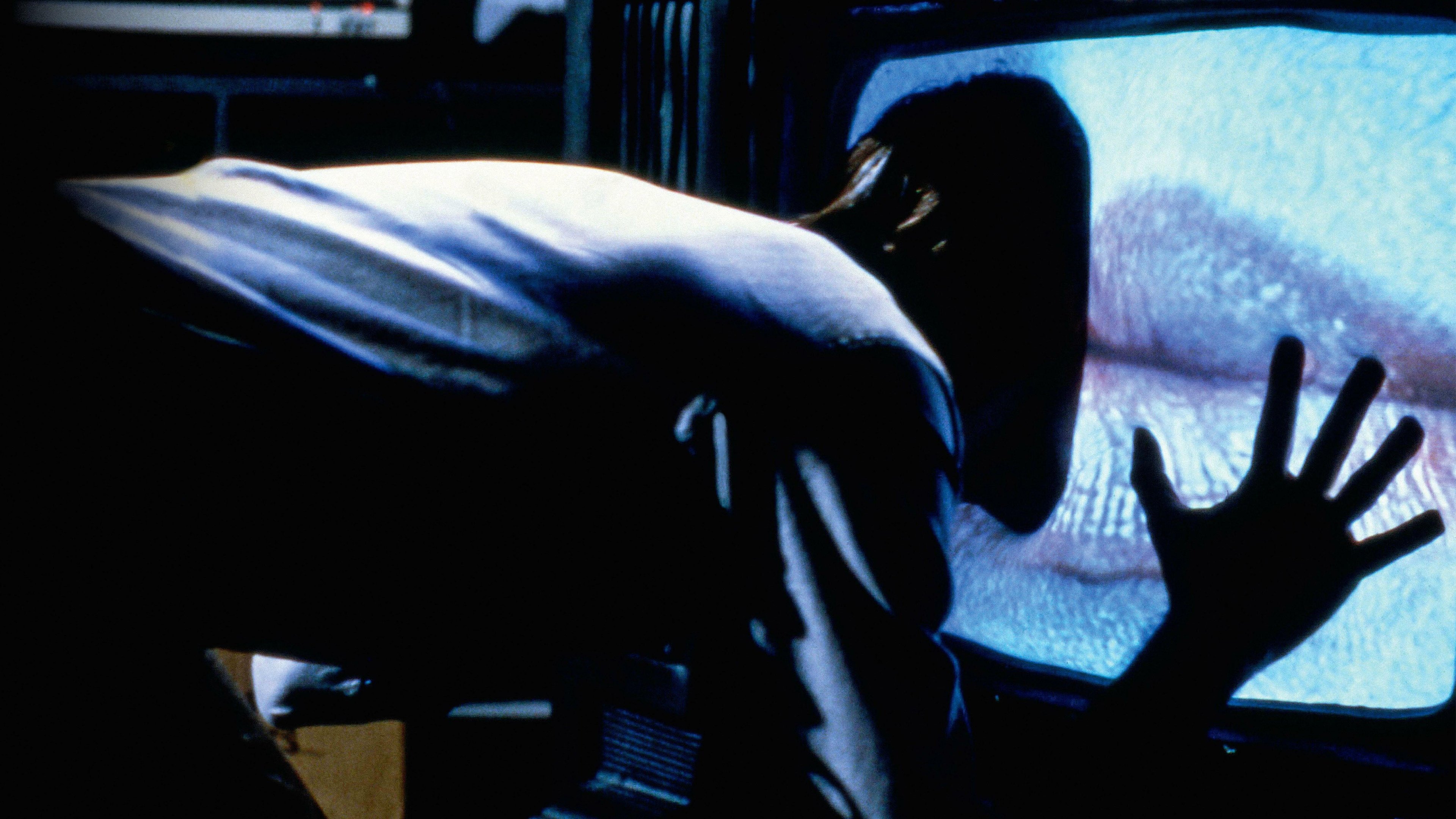
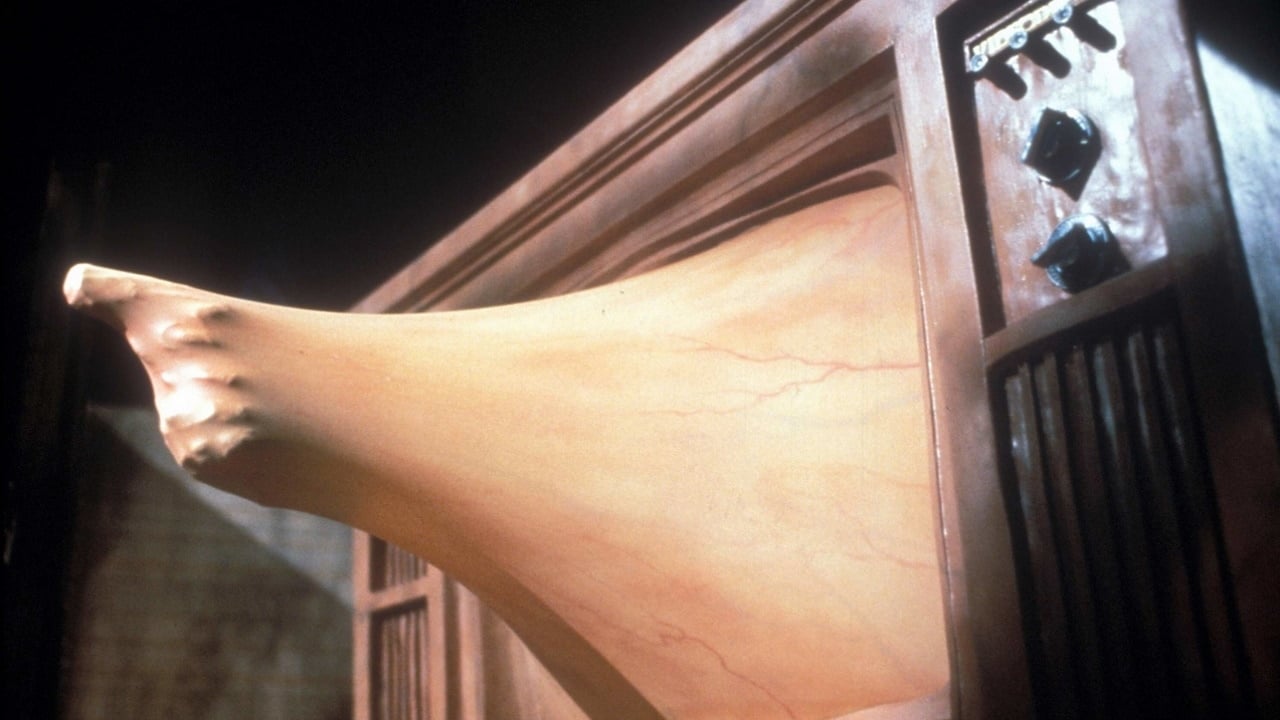
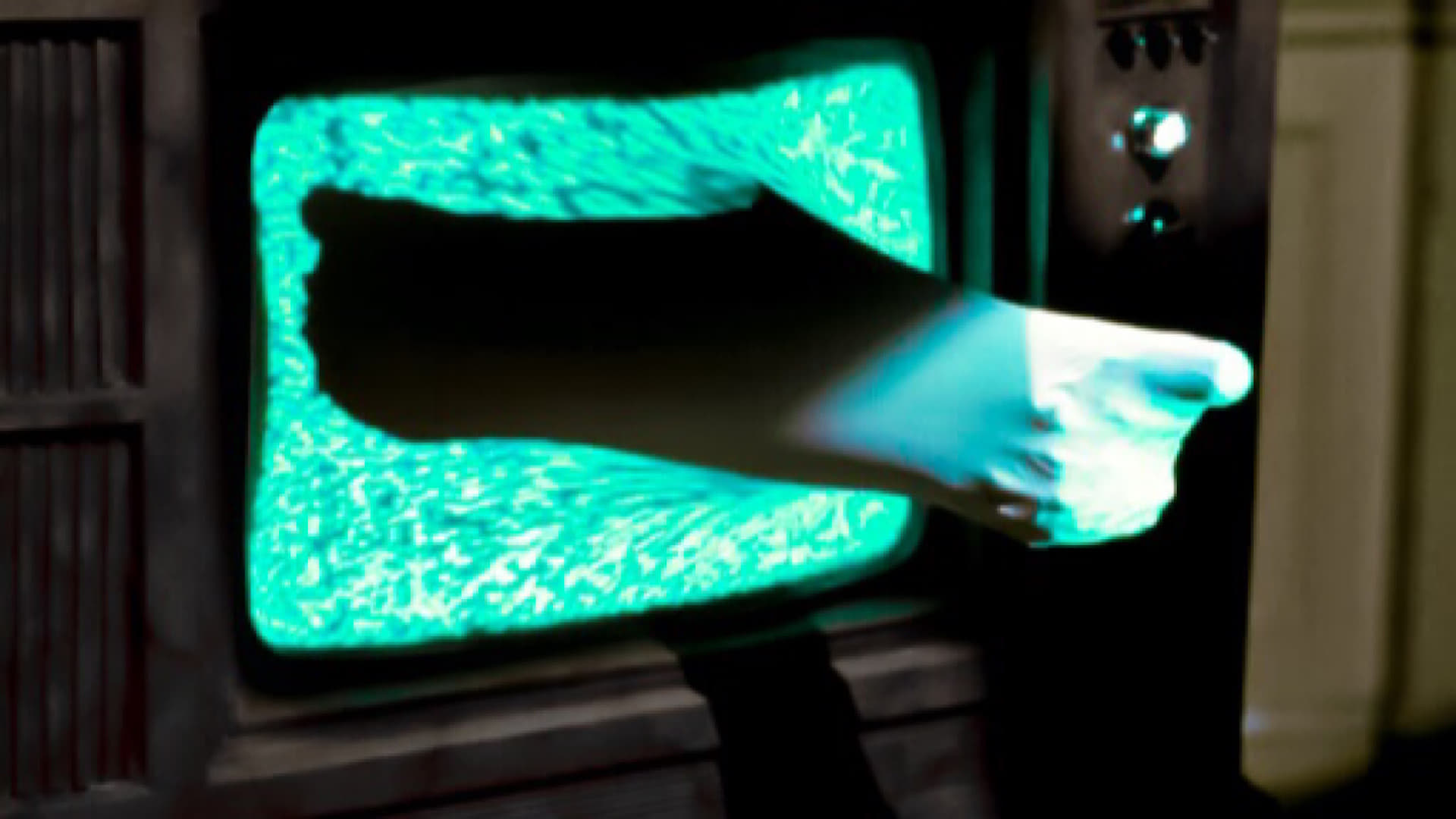
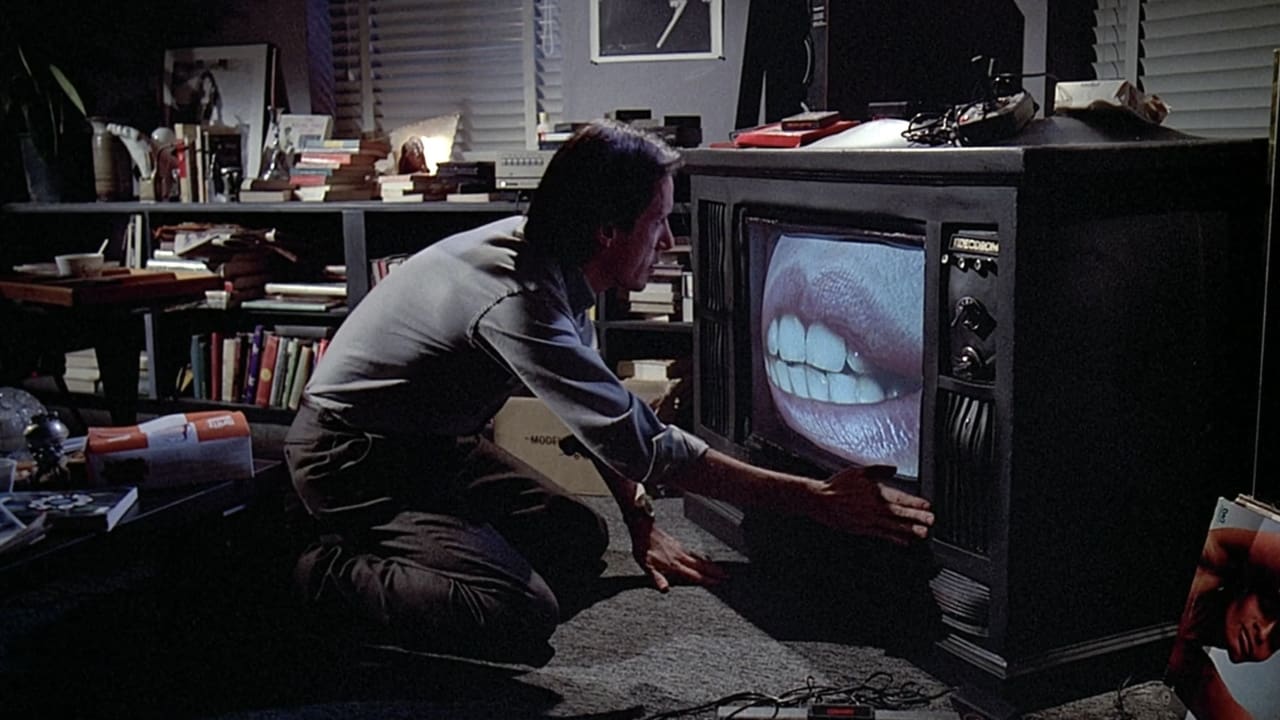
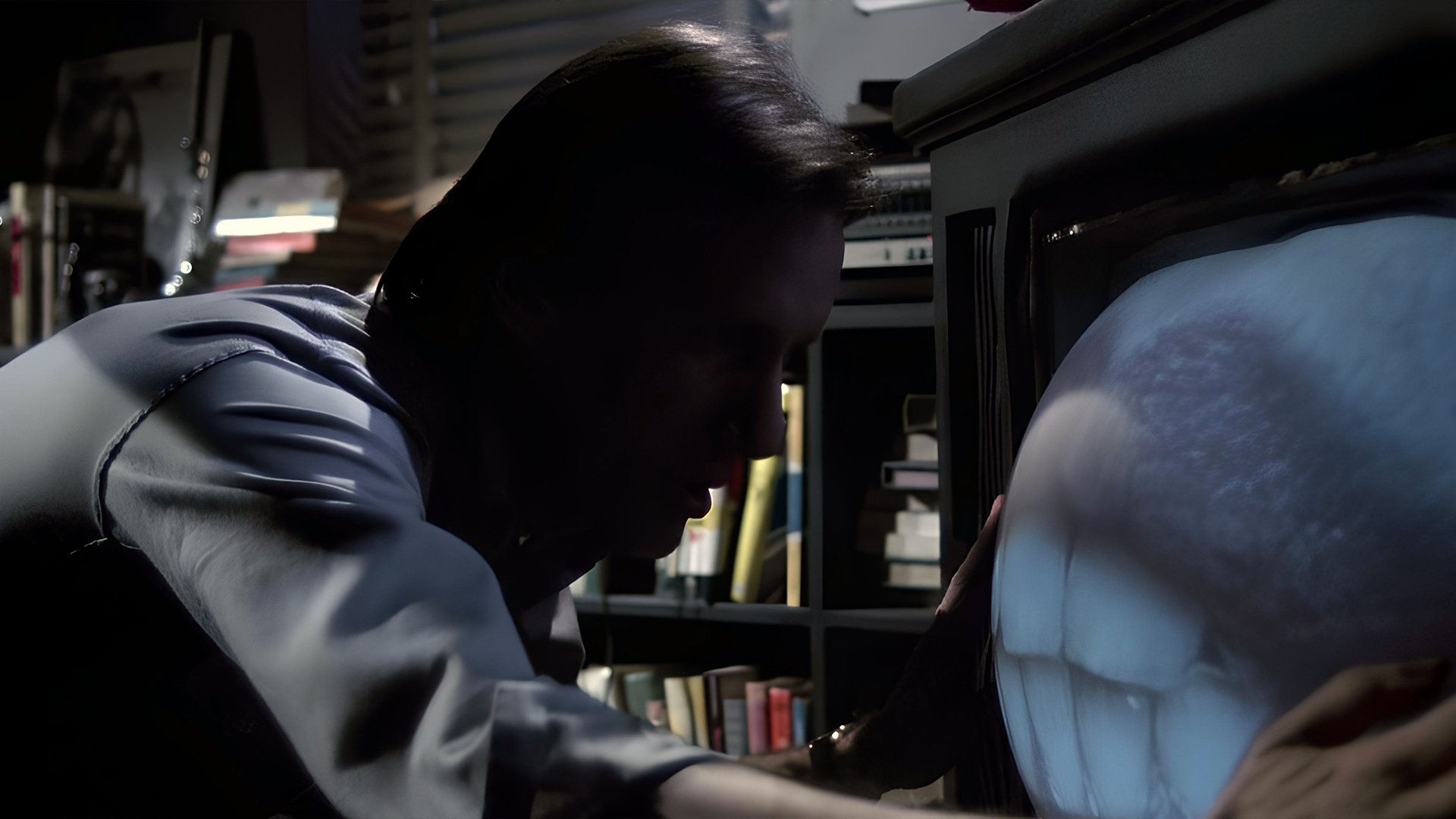
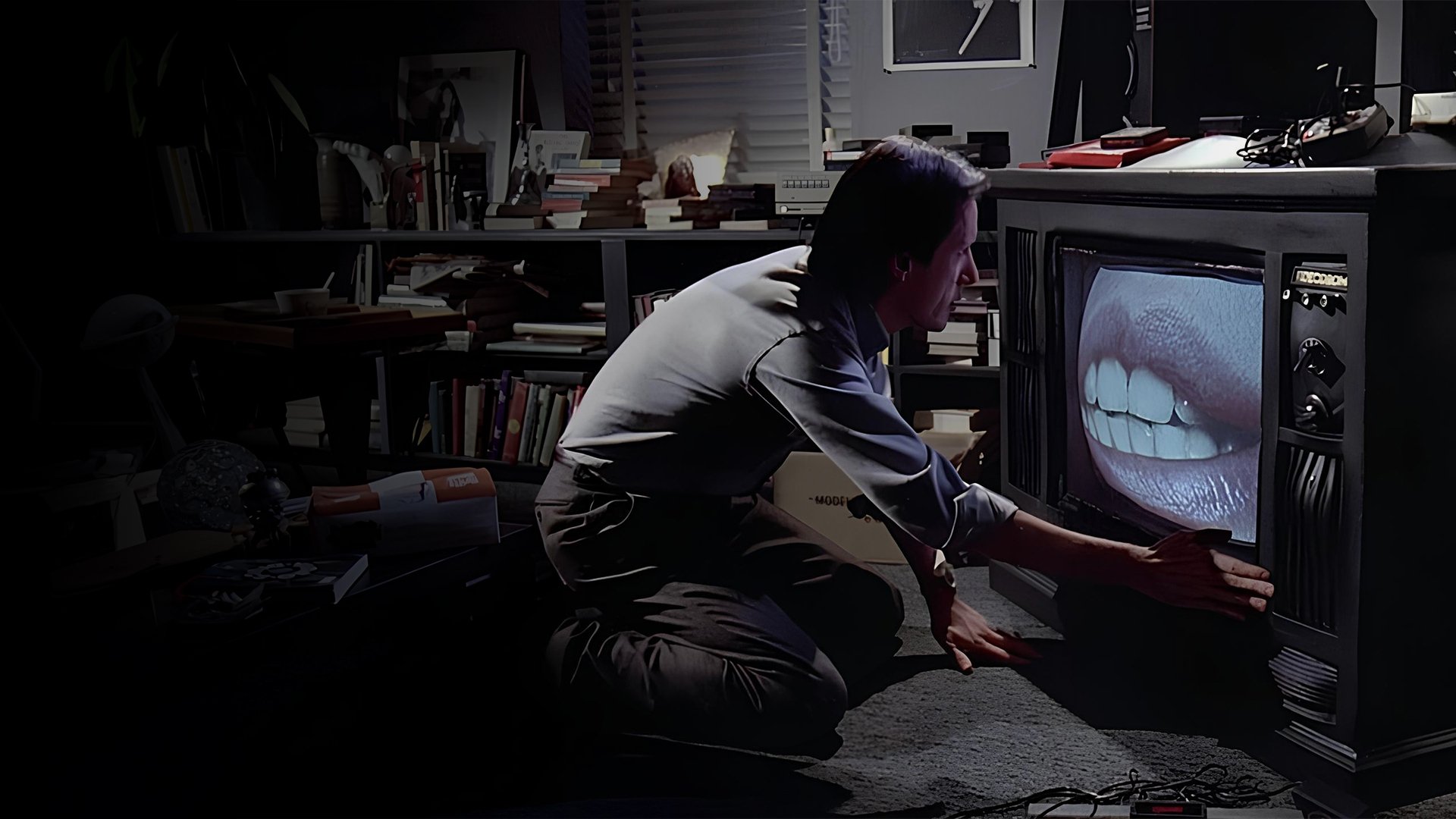
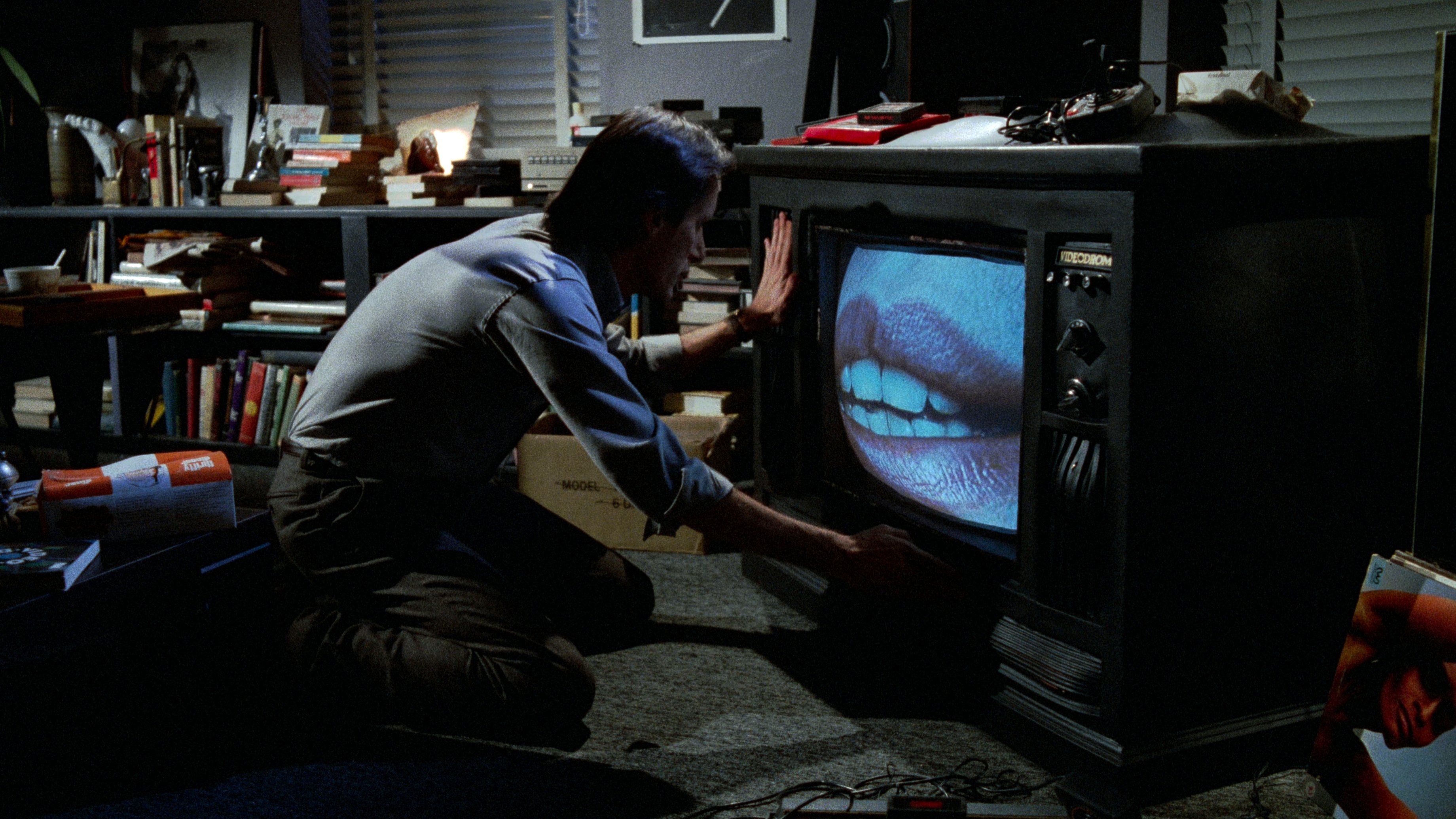
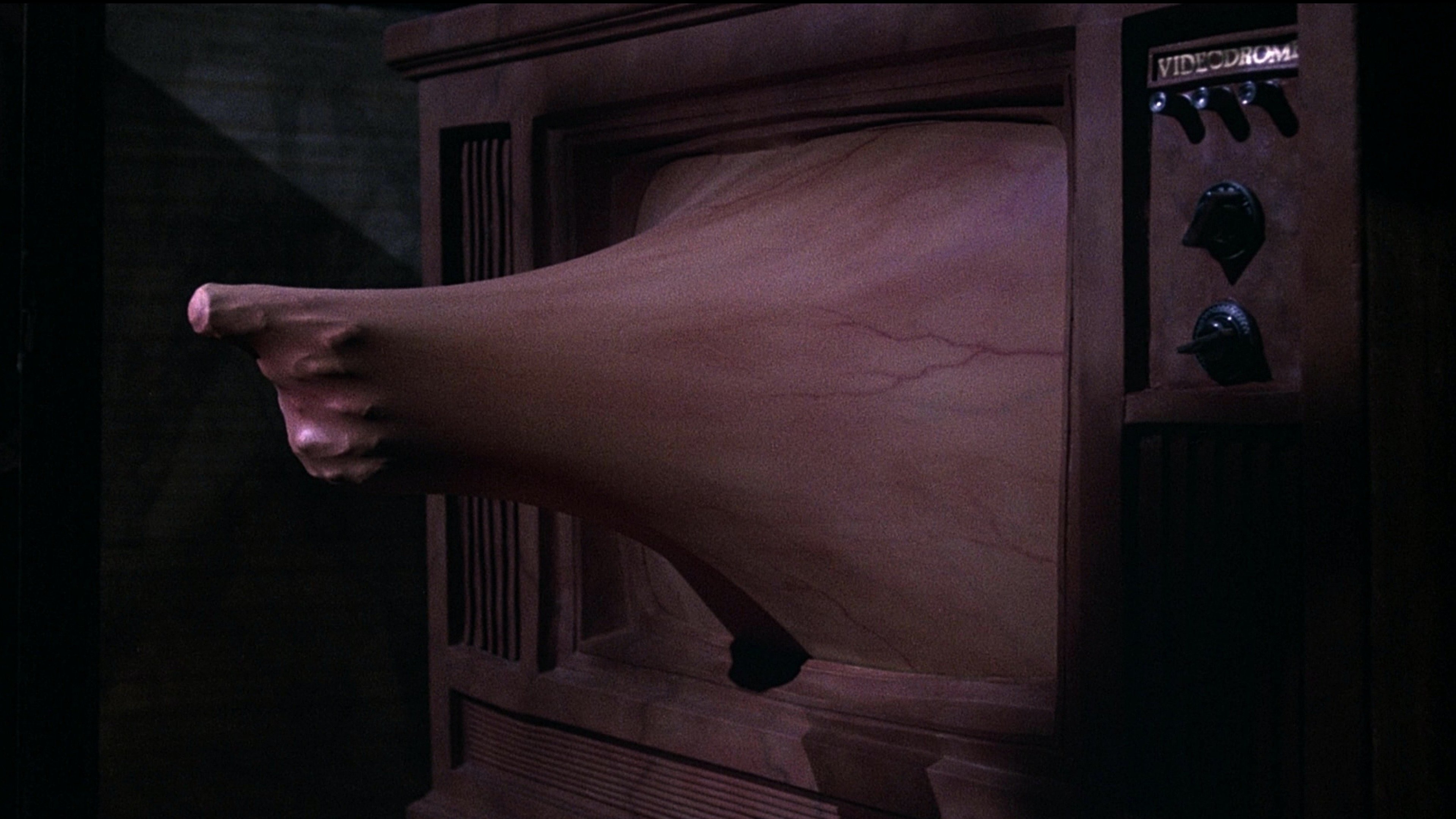
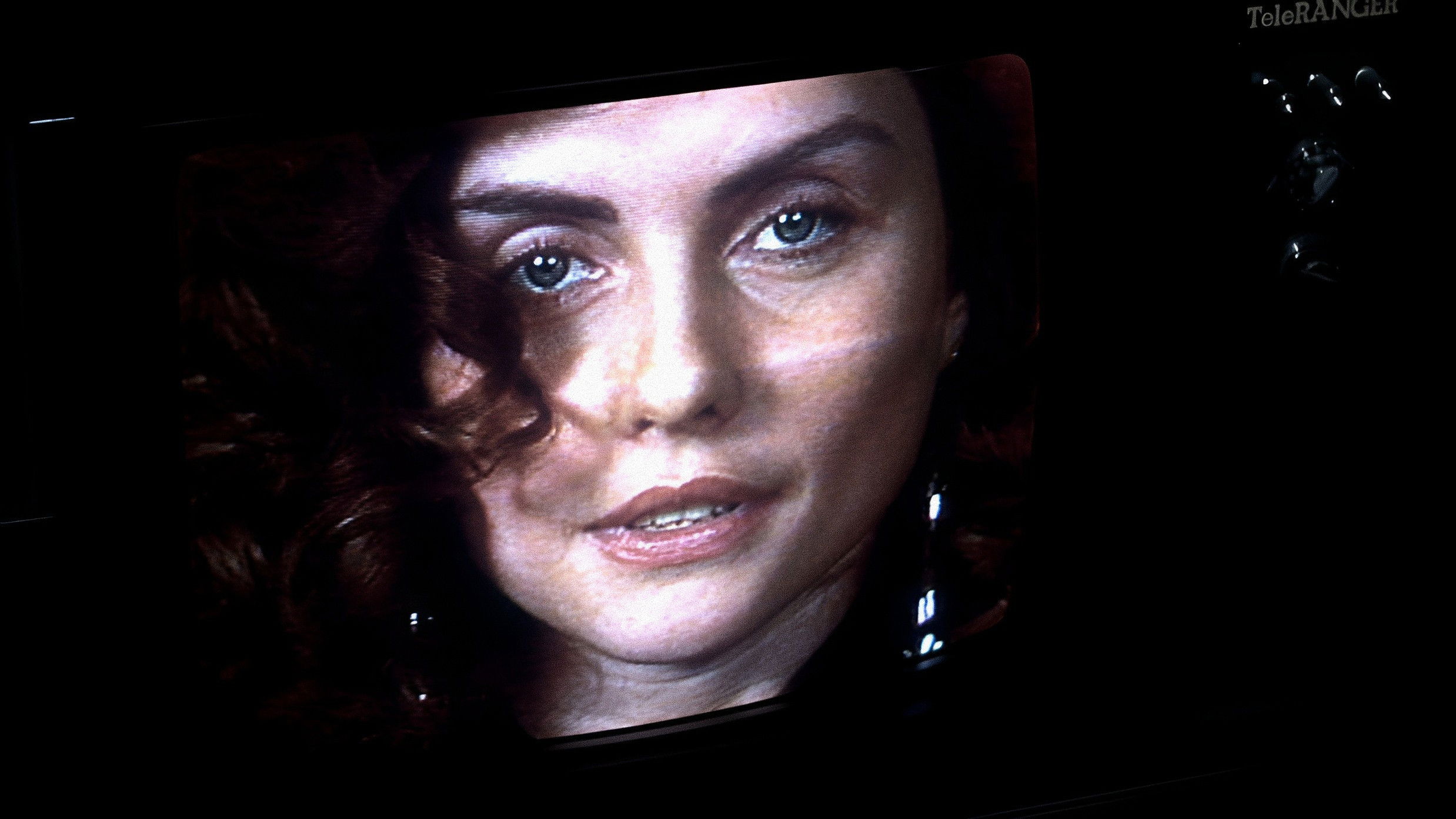
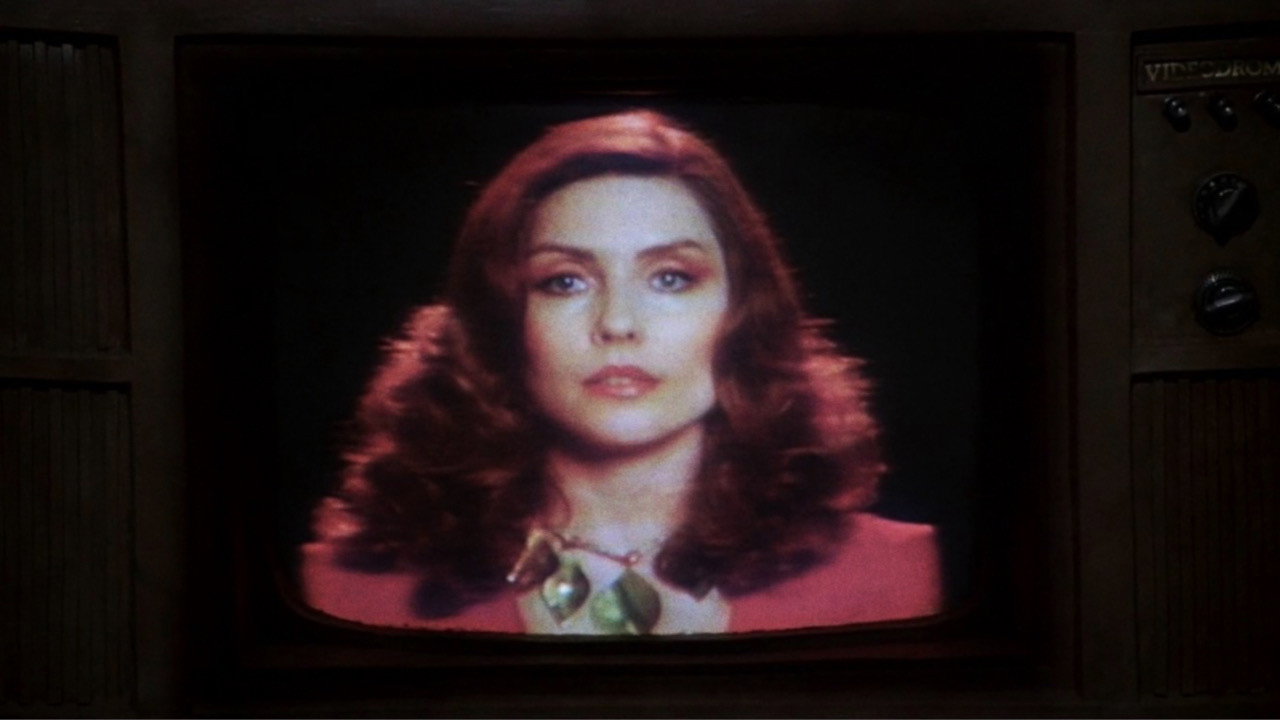
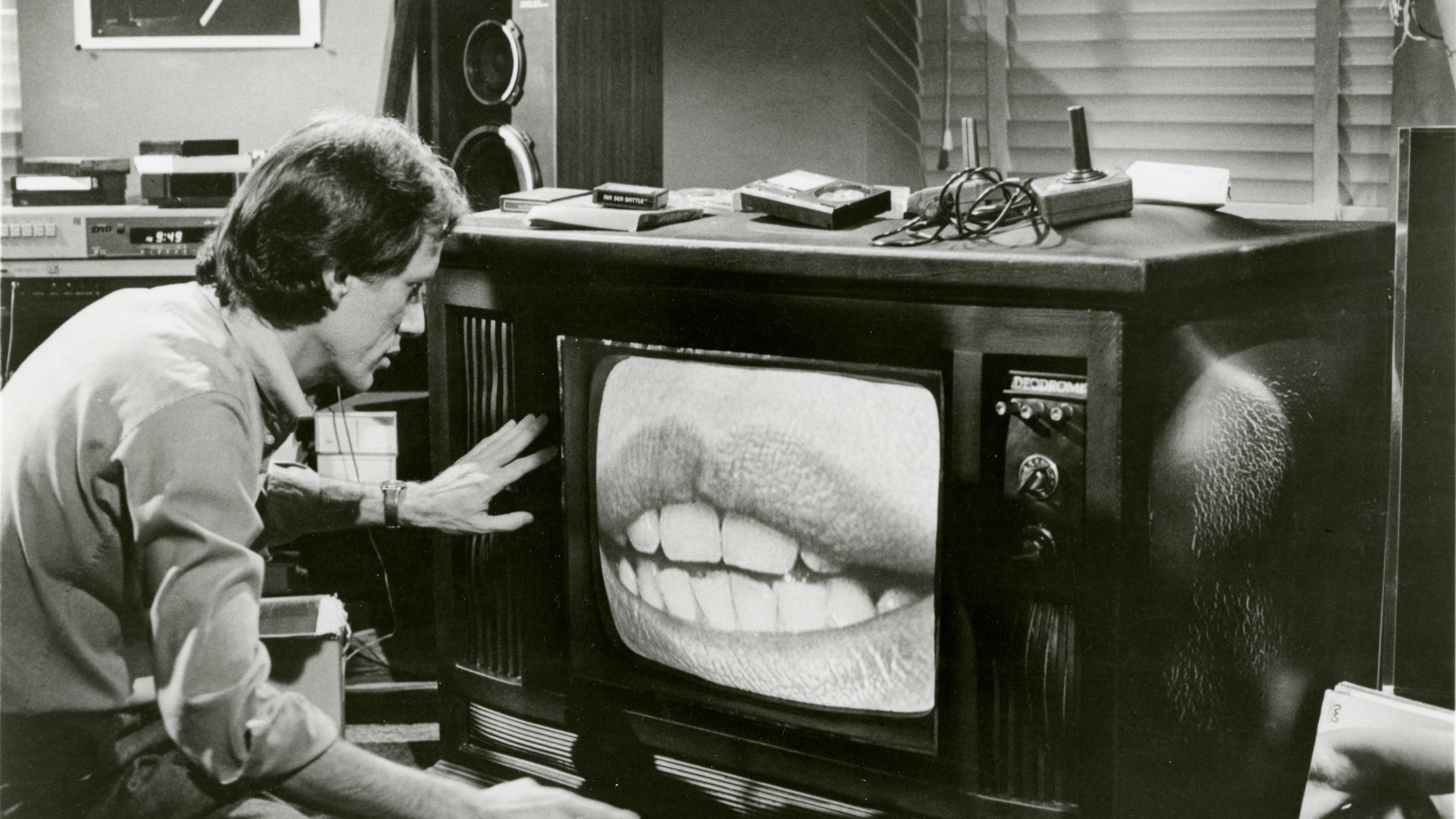
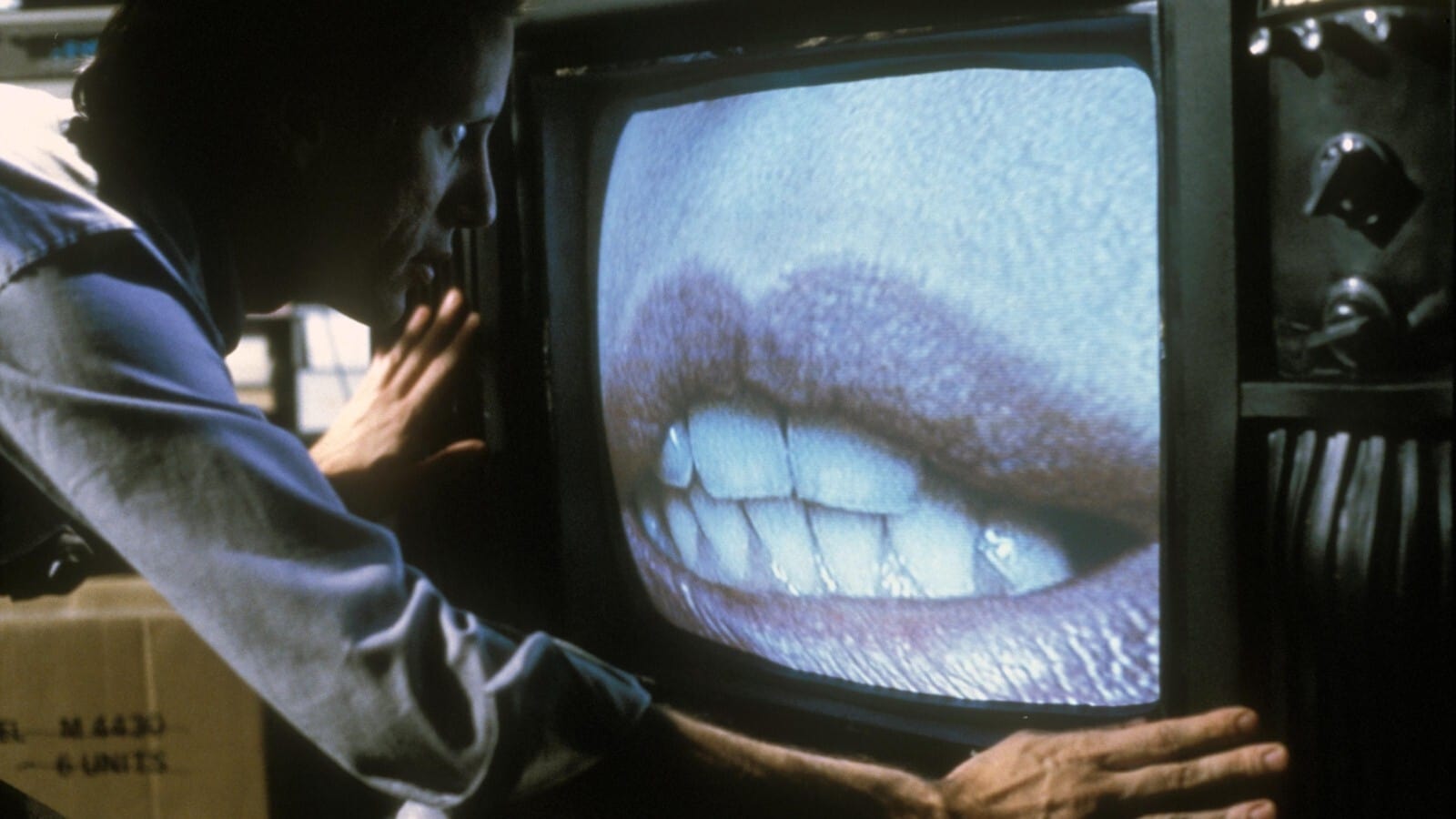
Rick Baker and his EFX crew faced a problem more conceptual than conventional: they were not simply creating wounds or monsters but physical objects in which technology and flesh had become inseparable. The breathing television became one of the clearest examples. Baker initially experimented with a weather balloon stretched across a television-sized frame before settling on dental dam, a strong flexible rubber. Rear-projected imagery and reflective paint allowed Nicki's televised lips to appear to push outward while the screen itself swelled like living tissue.

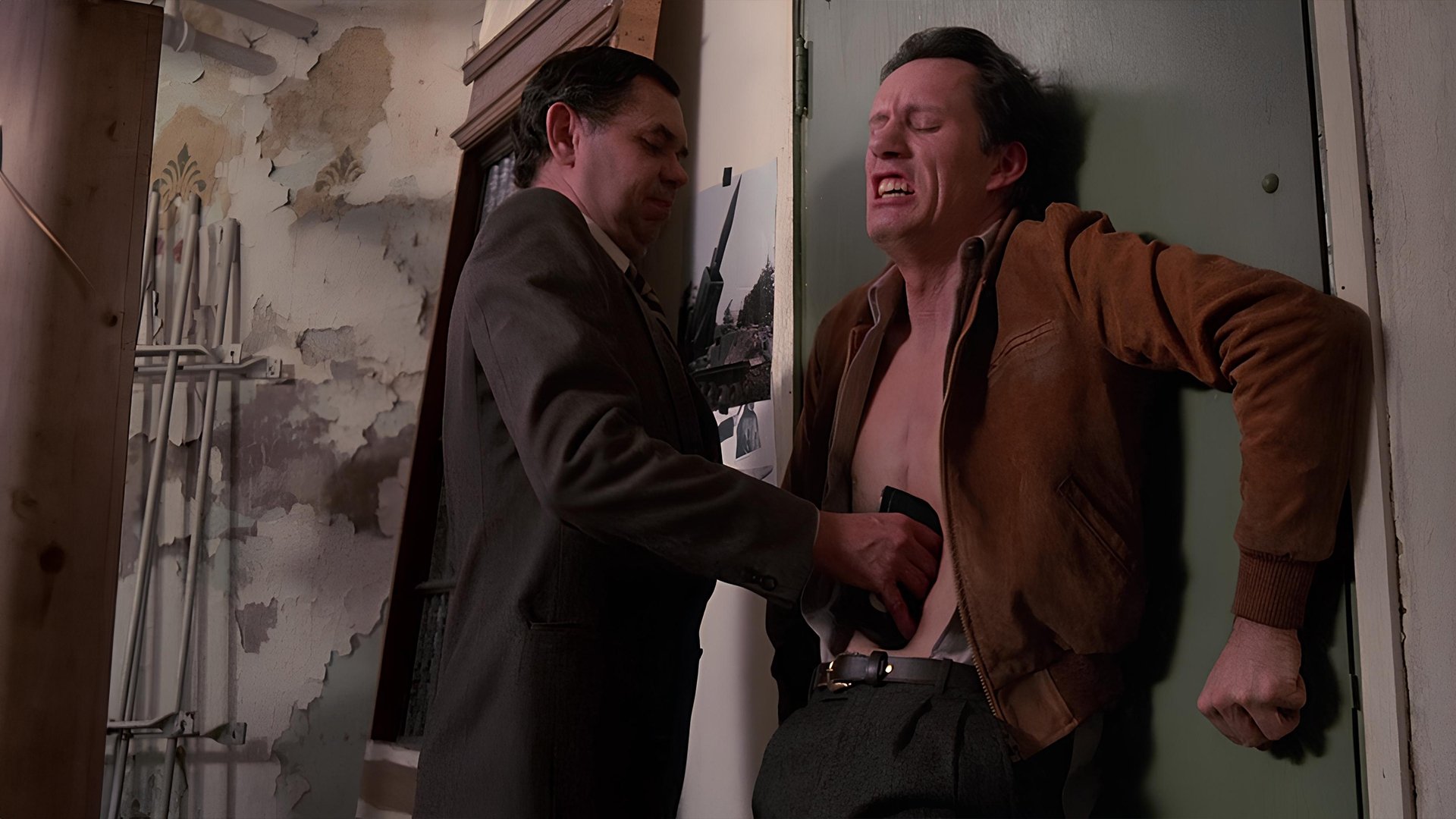
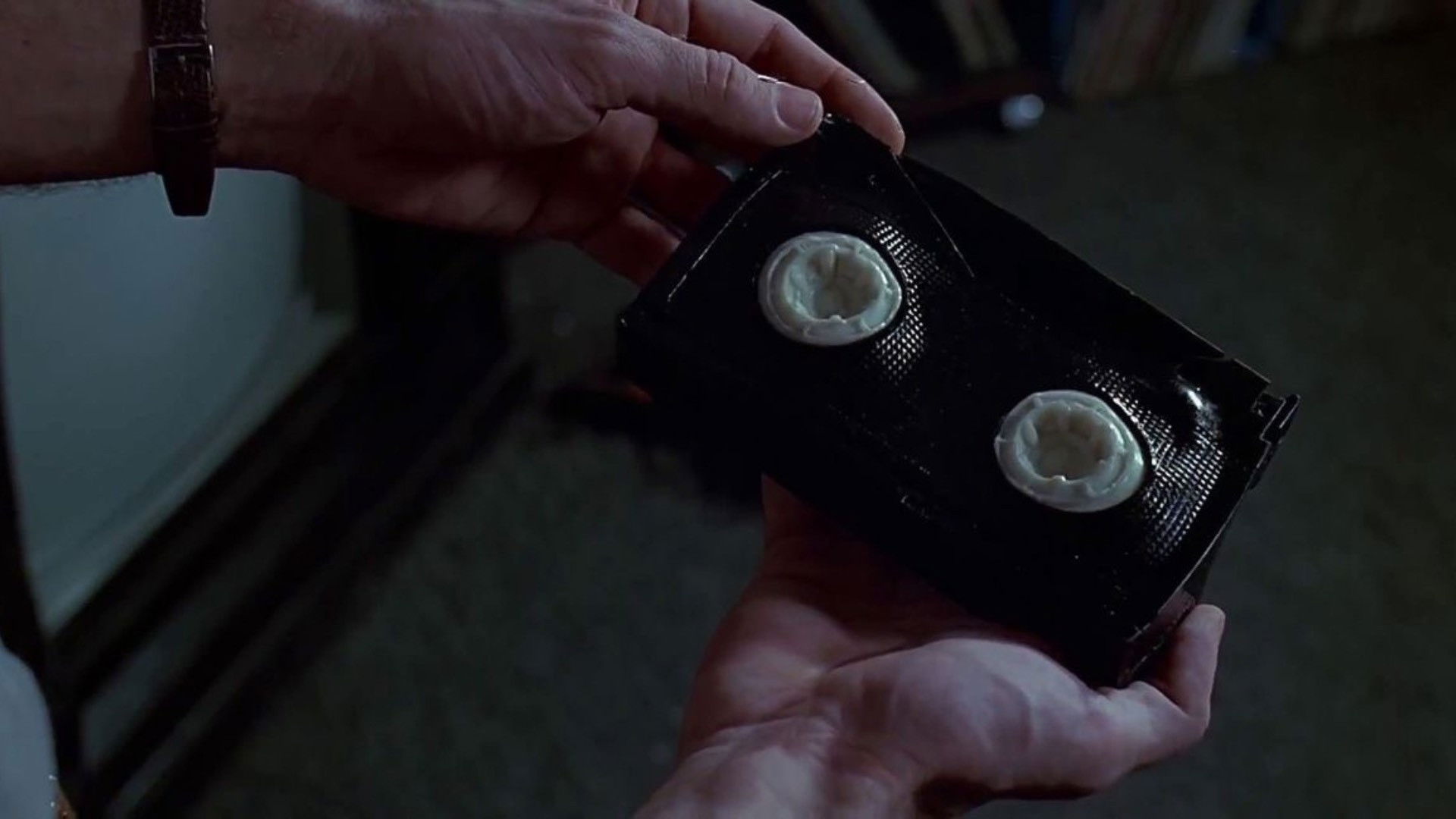
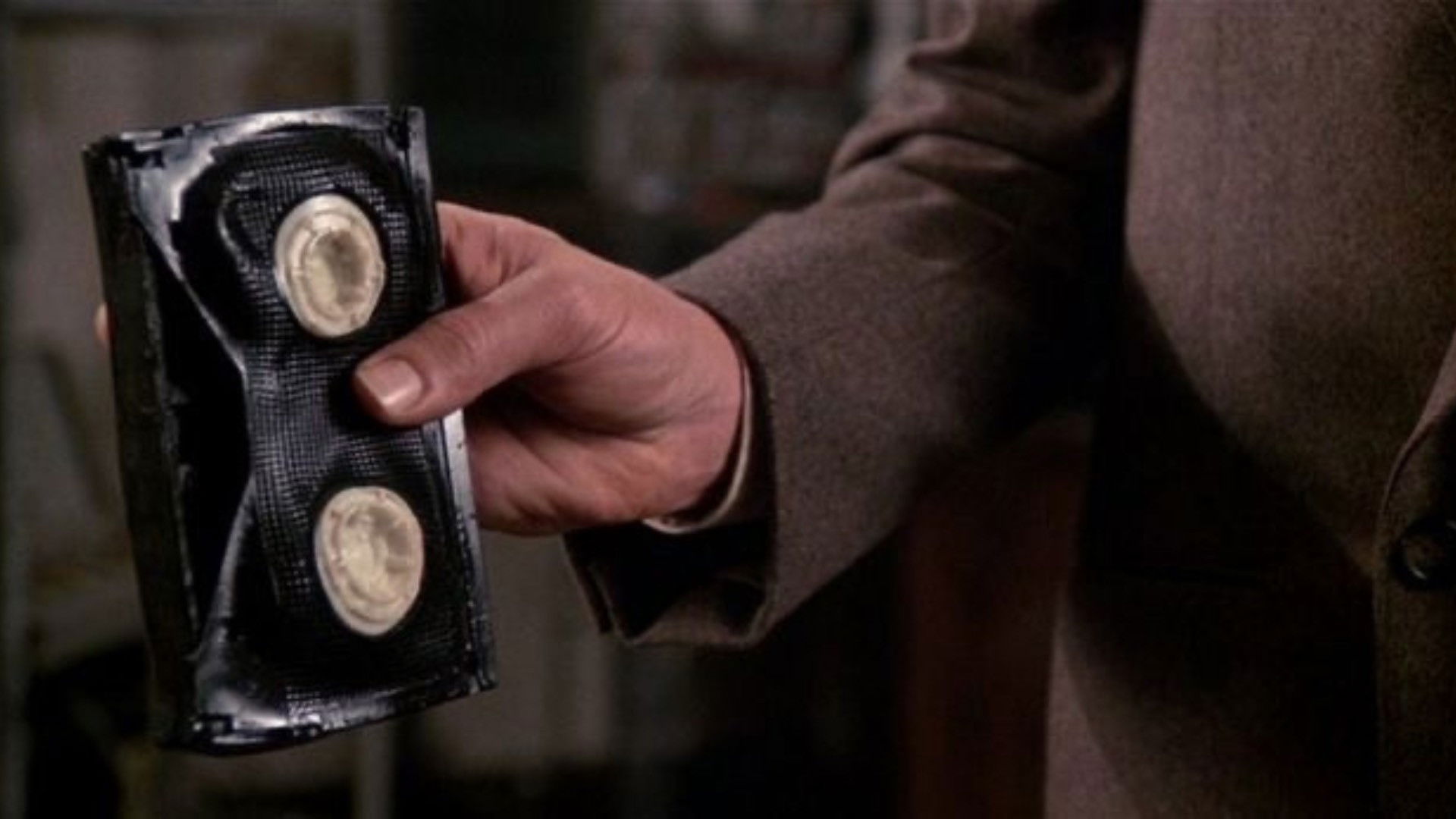
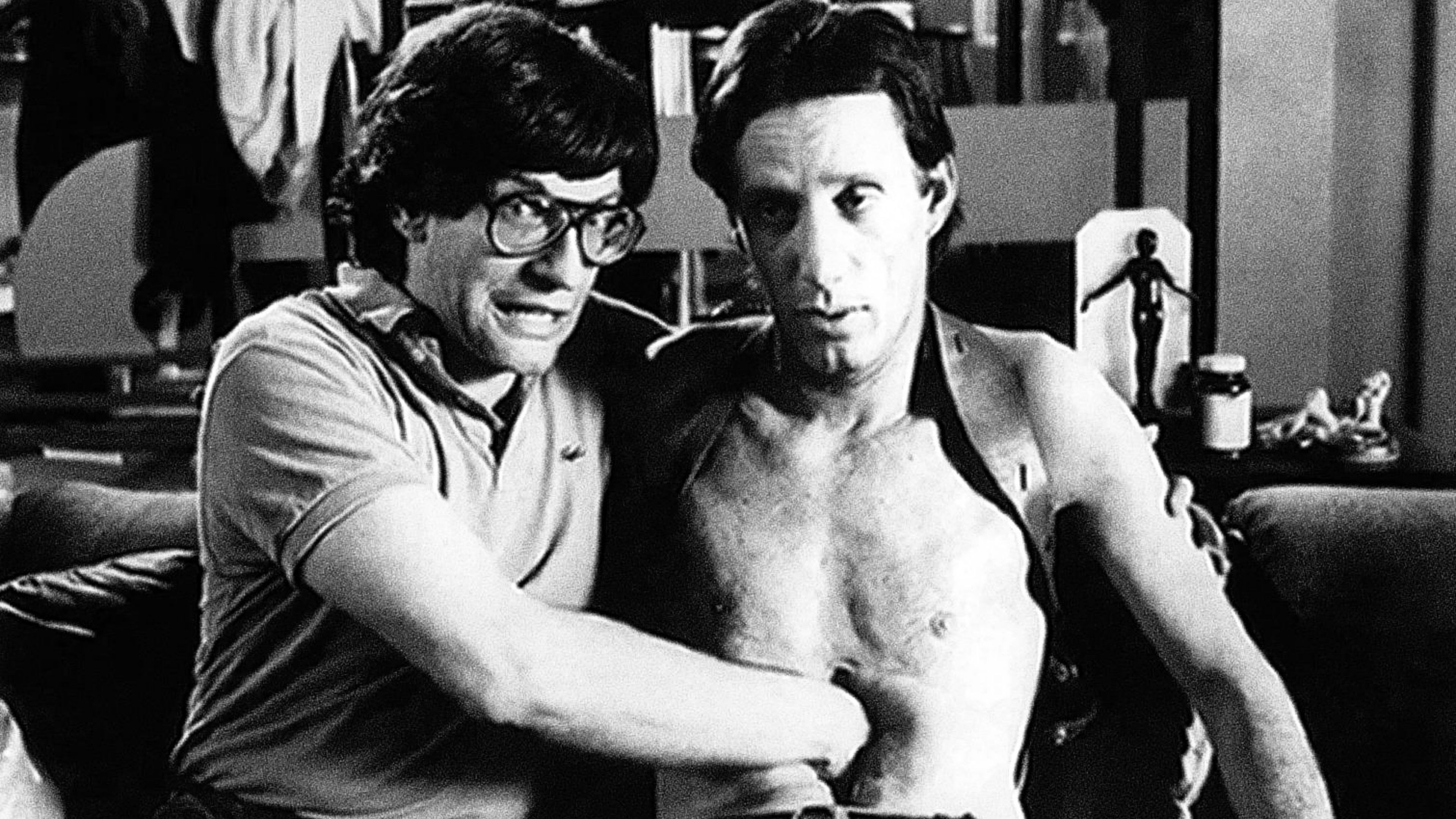
Max's body required a different series of illusions. The opening in his abdomen transforms him into something resembling a biological videotape machine, allowing other characters to insert objects that alter his behaviour. For shots in which Max pushes his hand inside the opening, Woods's real arm could be hidden while a prosthetic limb and torso appliance completed the illusion. Cronenberg deliberately kept the accompanying sound relatively restrained. He argued that an impossible event became more convincing when treated as though its physical behaviour were ordinary rather than accompanied by exaggerated horror noises.
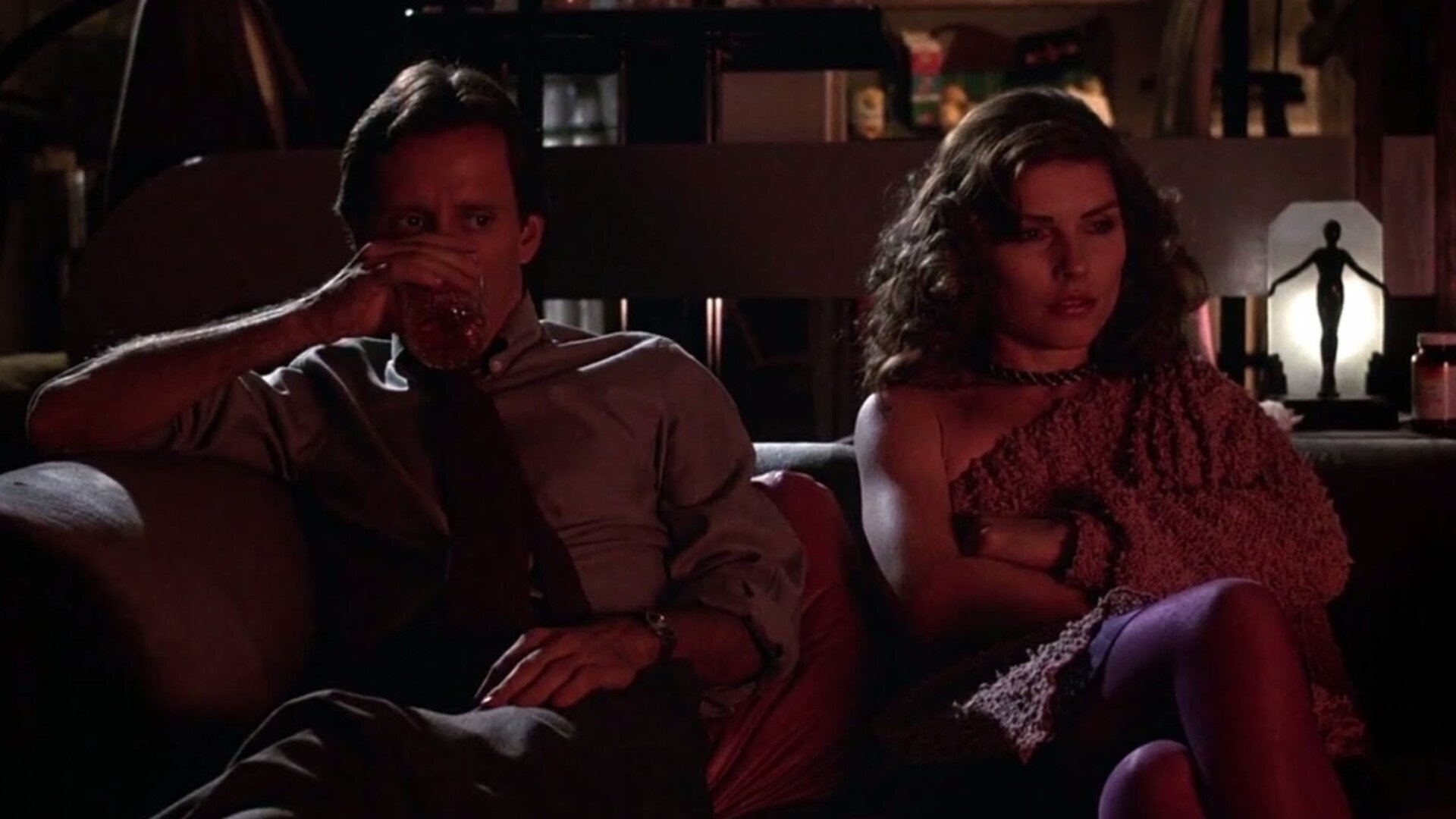
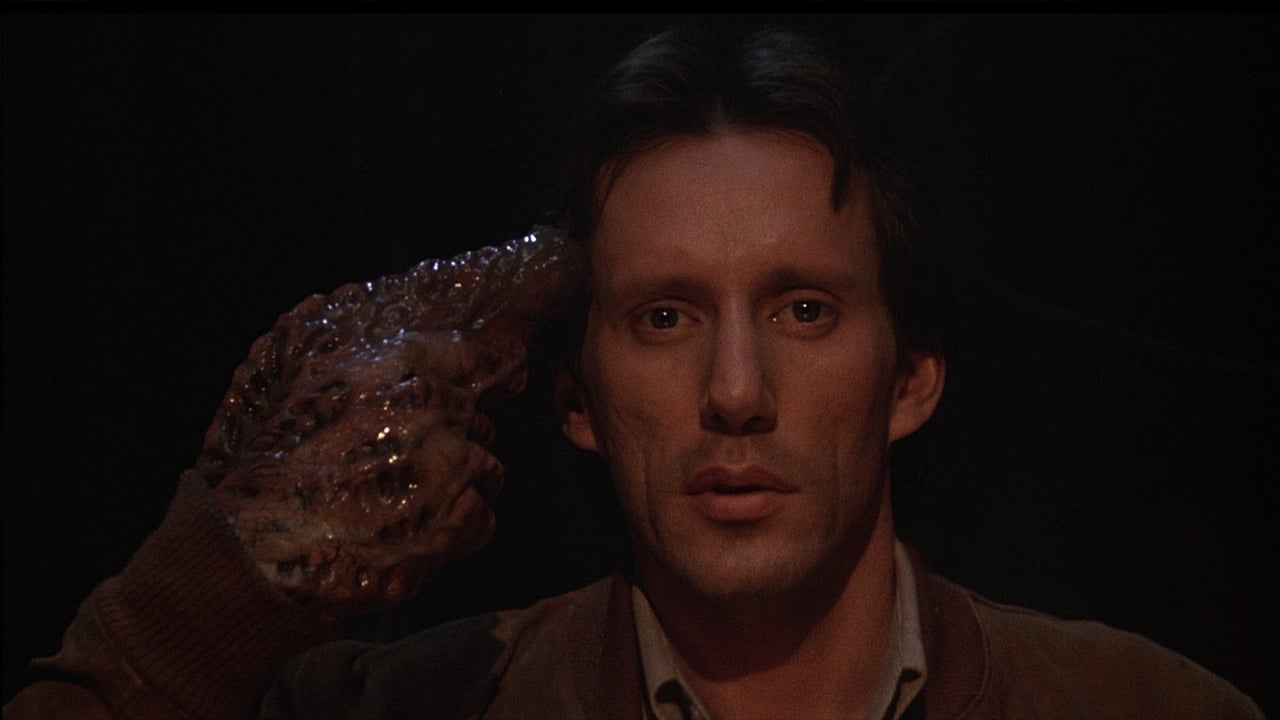
The flesh gun and Barry Convex's death continued the same principle. Baker's team tested several methods for producing rapidly expanding cancers before shifting from surface growths to tissue apparently erupting from inside the body. Foam rubber, fibreglass structures and manually manipulated translucent material helped create Convex's collapse. The effects are grotesque, but their importance lies in the continuity of the film's design: television becomes flesh, flesh stores information, a handgun becomes organic and disease becomes a visible expression of ideological control. Technology has ceased to be something the characters merely use.

Max Renn, Nicki Brand & the Politics of Transformation

James Woods's Max is essential because he begins the film as neither innocent victim nor obvious hero. He actively searches for material that can push beyond the limits of ordinary cable programming and initially responds to Videodrome as a commercial opportunity. The fact that he is attracted rather than repelled by the signal makes his eventual manipulation more complicated. Spectacular Optical does not introduce Max to his appetite for extreme imagery; it discovers that the appetite already exists and attempts to use it.
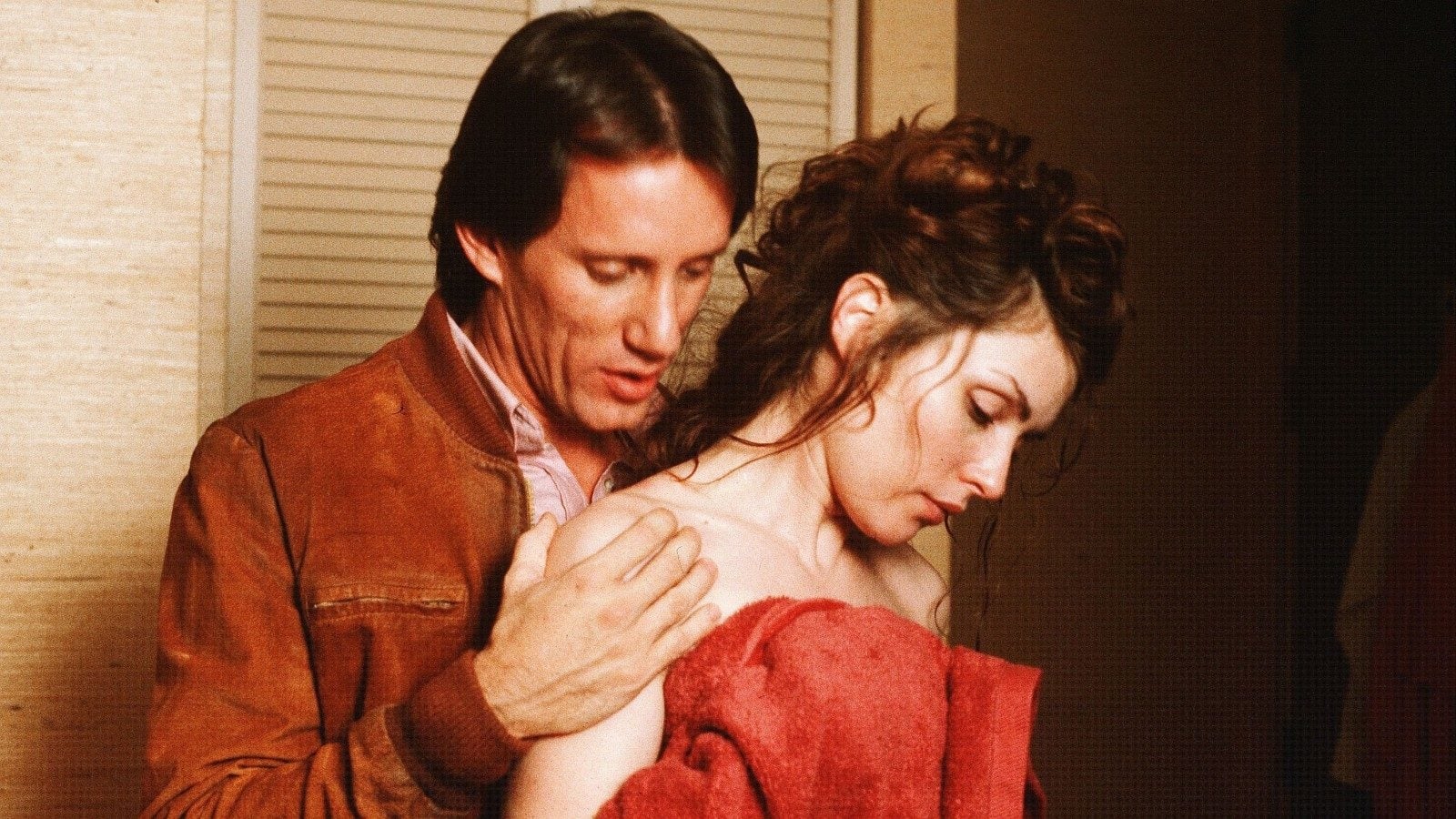
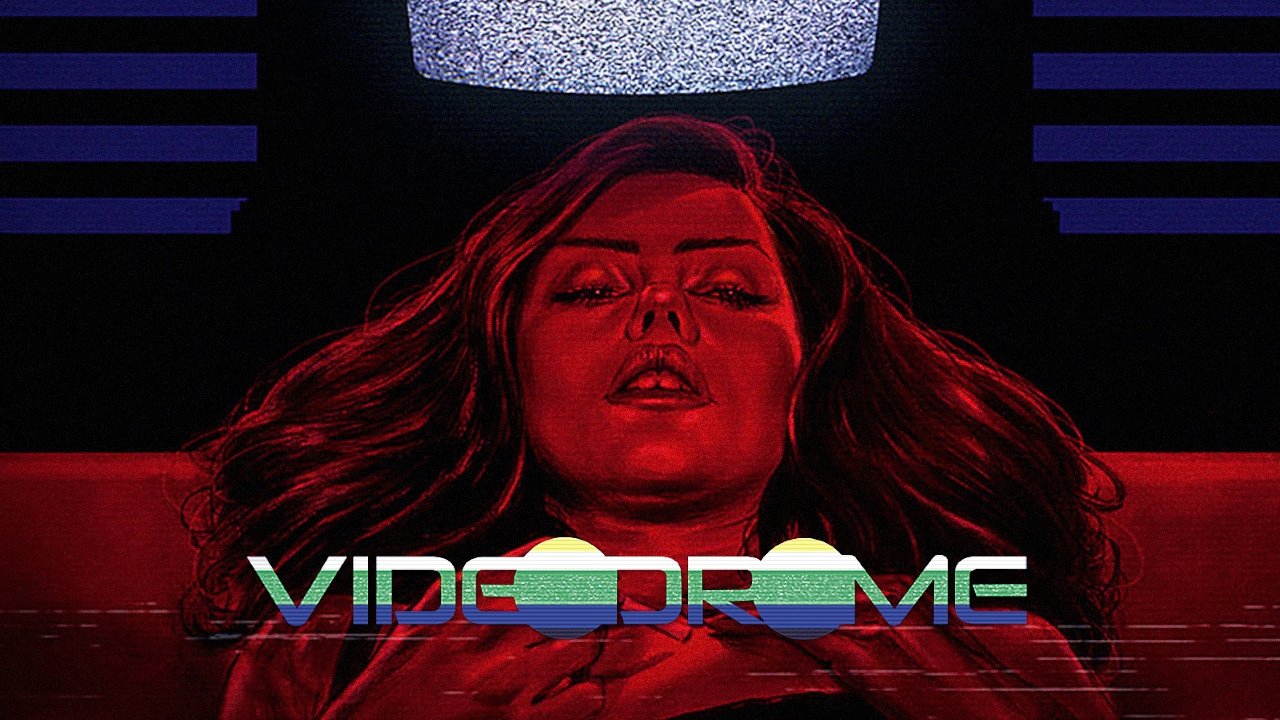
Deborah Harry's Nicki Brand pushes the relationship between media, sexuality and physical danger further. Her interest in sadomasochism means that the erotic and violent possibilities of Videodrome do not exist solely inside Max's imagination. Yet once she enters the program, Max can no longer know whether later appearances of Nicki are recordings, hallucinations, memories or communications from another state of existence. Her image becomes increasingly powerful as her physical presence disappears, reversing the normal assumption that the recorded person is less real than the living one.

The resulting “new flesh” is therefore neither a simple technological upgrade nor a conventional infection. Different groups interpret transformation according to their own aims. Spectacular Optical sees the signal as a method for purging people it considers morally corrupted, while Bianca O'Blivion imagines another evolutionary possibility. Max becomes the contested body on which these theories operate. Cronenberg refuses to provide a secure final explanation, making transformation simultaneously manipulation, liberation, illness and adaptation. The horror lies partly in the possibility that all of those interpretations may remain true at once.

Howard Shore & the Sound of Biological Technology

Howard Shore's score represents one of the most technically unusual stages of his early collaboration with Cronenberg. Shore recorded string material and fed it into a Synclavier II digital synthesiser, combining processed instrumental sounds with samples. The result makes it difficult to determine where acoustic performance ends and electronic manipulation begins, reproducing musically the same confusion between organic bodies and technology that governs the film's images.

The score develops gradually with Max's changing perception. Earlier passages can remain comparatively restrained, while electronic processing becomes increasingly difficult to separate from recognisable orchestral material. Low textures, funereal organ sonorities and distorted instrumental colours create an environment that seems to be changing from within rather than receiving a conventional horror score from outside. Shore later described Videodrome as the conceptual peak of the resourceful “guerrilla” methods used on his earlier Cronenberg collaborations.

Sound design follows a similar principle. Electronic signals, televisions and videotapes are not presented as clean futuristic devices; they hum, distort and acquire physical weight. At the same time, Cronenberg resisted making biological effects excessively wet or exaggerated merely because the imagery allowed it. That combination gives Videodrome its distinctive sonic identity. Technology sounds material and the body sounds surprisingly restrained, narrowing the distance between them until a videotape entering an abdominal slit can feel like part of the same world as a cassette entering a machine.

Release, Box Office, Ratings & Different Versions

Universal released Videodrome in the United States on February 4, 1983. It opened in 600 theatres and earned approximately $1.19 million during its first weekend, but the run collapsed quickly. Its final domestic gross was approximately $2.12 million. Against a reported production budget of roughly $5.95 million Canadian, the theatrical result was a clear disappointment. The Canadian Film Encyclopedia likewise records that the picture tested poorly with audiences and underperformed commercially despite the greater international attention Cronenberg had gained after Scanners.

The film's explicit sexual and violent material also produced different release versions. Material trimmed for the American R-rated theatrical presentation included stronger imagery from the Videodrome transmissions and extended sexual material involving Max and Nicki. The United Kingdom's theatrical submission was classified in March 1983 at approximately 89 minutes, while later British home-video submissions appeared in noticeably shorter forms. By 2015 the BBFC classified an approximately 88½-minute version, reflecting the gradual restoration of material previously difficult to distribute.

The current archival situation makes those differences easier to understand. Criterion presents an unrated version running approximately 89 minutes and now offers it through a director-approved 4K digital restoration. The edition also preserves the full Samurai Dreams material, extended Videodrome transmissions and documentation of Baker and Michael Lennick's effects work. What had originally circulated through inconsistent theatrical and home-video versions can therefore now be studied alongside production material showing how frequently Cronenberg altered both screenplay and effects before arriving at the final structure.

Cult Afterlife, Restoration & Legacy

The poor theatrical performance did not end the film's life. TIFF's Canadian Film Encyclopedia notes the irony that Videodrome developed an audience through videotape, including unofficial circulation, after failing in cinemas. A film about forbidden images spreading through electronic copies effectively found part of its real audience through the same emerging home-video culture it had dramatised. That second life gradually transformed the film from an unsuccessful Universal release into one of Cronenberg's most frequently discussed works.

Its historical importance also lies in how it reorganises body horror. Earlier Cronenberg films frequently begin with a biological or medical intervention that alters human beings. Videodrome makes information itself capable of producing comparable physical change. Images cause tumours, hallucination acquires tactile reality and technology stops functioning as an external tool. Later digital culture made the film's language of mediated identity seem increasingly contemporary, but its achievement is broader than prediction. Cronenberg treats media as an environment capable of changing what a human body and identity are understood to be.

Within his career, the film marks an important transition between the relatively direct biological horror of Shivers, Rabid, The Brood and Scanners and the more psychologically unstable worlds that followed. TIFF explicitly identifies it as a turning point in Cronenberg's work, and its influence extends through later films concerned with bodies transformed by technology, images and desire. Videodrome remains disturbing because its central question has never become obsolete: not simply what people do with new media, but what repeated exposure to media may eventually make of the people using it.

Cast

View Full Cast & Crew →

Release & Distribution

Production Companies (1)

  • Filmplan International CA

Distributors (1)

  • Universal Pictures US

Release History (51)

Release DateTerritoryRelease TypeFormatDistributorCertificationNotes
1983-02-04 Canada Theatrical — — 18A
1983-02-04 United States Theatrical — — R
1983-05-13 Sweden Theatrical — — 15
1983-06-02 Colombia Theatrical — — —
1983-07-01 Indonesia Theatrical — — —
1983-07-02 Brazil Theatrical — — 18
1983-10-27 Mexico Theatrical — — C
1983-11-25 United Kingdom Theatrical — — 18
1983-12-16 Finland Theatrical — — K-18
1984-05-16 France Theatrical — — 12
1984-06-01 Italy Premiere — — — Fantafestival
1984-06-08 Ireland Theatrical — — 18
1984-11-03 Philippines Theatrical — — R-18 Davao
1984-11-15 Australia Theatrical — — R 18+
1985-02-01 United Kingdom Physical VHS — 18 VHS
1985-06-22 Japan Theatrical — — R18+
1985-07-01 Germany Physical VHS — 18 VHS
1985-08-15 Netherlands Theatrical — — 16
1985-08-22 Italy Theatrical — — 14+ Turin
1986-06-01 Hong Kong SAR China Theatrical — — III
1986-08-14 Italy Theatrical — — 14+
1987-03-07 Spain Theatrical — — 18 Madrid
1987-06-02 Spain Theatrical — — 18 Barcelona
1987-07-09 Israel Theatrical — — 18
1987-11-14 Greece Theatrical — — —
1989-08-21 South Korea Physical — — 19
1998-09-08 United Kingdom Physical DVD — 18 DVD
2002-06-22 Netherlands TV — — 16 Net 5
2002-08-21 France Physical DVD — 12 DVD
2002-09-11 Sweden Physical DVD — 15 DVD
2003-12-15 Greece Physical DVD — — DVD
2004-01-21 Brazil Physical — — 18
2011-12-26 United Kingdom Physical Blu-ray — 18 Blu-ray
2012-02-21 France Physical Blu-ray — 12 Bluray
2013-04-01 Netherlands Physical Blu-ray — 16 Bluray
2013-05-17 Netherlands Physical DVD — 16 DVD
2013-05-22 Sweden Physical Blu-ray — 15 Bluray
2014-06-19 United States Limited Theatrical — — — Provincetown International Film Festival
2014-06-26 Netherlands Theatrical — — 16 Re-release
2014-10-29 France Theatrical — — 12 Re-release (Restored Version)
2015-12-07 United Kingdom Physical Blu-ray — 18 Arrow Video Blu-ray
2016-02-10 Spain Limited Theatrical — — 18 Barcelona (Phenomena, Subtitled Version, Event)
2016-08-05 Switzerland Digital — — 18
2017-04-12 France Theatrical — — 12 Re-release (Restored Version)
2017-06-22 United Kingdom Premiere — — — Edinburgh International Film Festival
2018-09-13 Germany Physical — — 16
2020-10-26 Ukraine Premiere — — — Kyiv Critics Week
2022-10-24 Italy Theatrical — — 14+ Re-release (4K Restoration)
2022-11-01 Spain Limited Theatrical — — 18 Madrid (Artistic Metropol, Subtitled Version, Event)
2023-02-20 United Kingdom Physical 4K UHD — 18 Arrow Video 4k Ultra HD Blu-ray
2024-10-15 Colombia Limited Theatrical — — — Fantasmagoría - Festival de Cine Fantástico y de Terror de Medellín
First it controls your mind. Then it destroys your body.