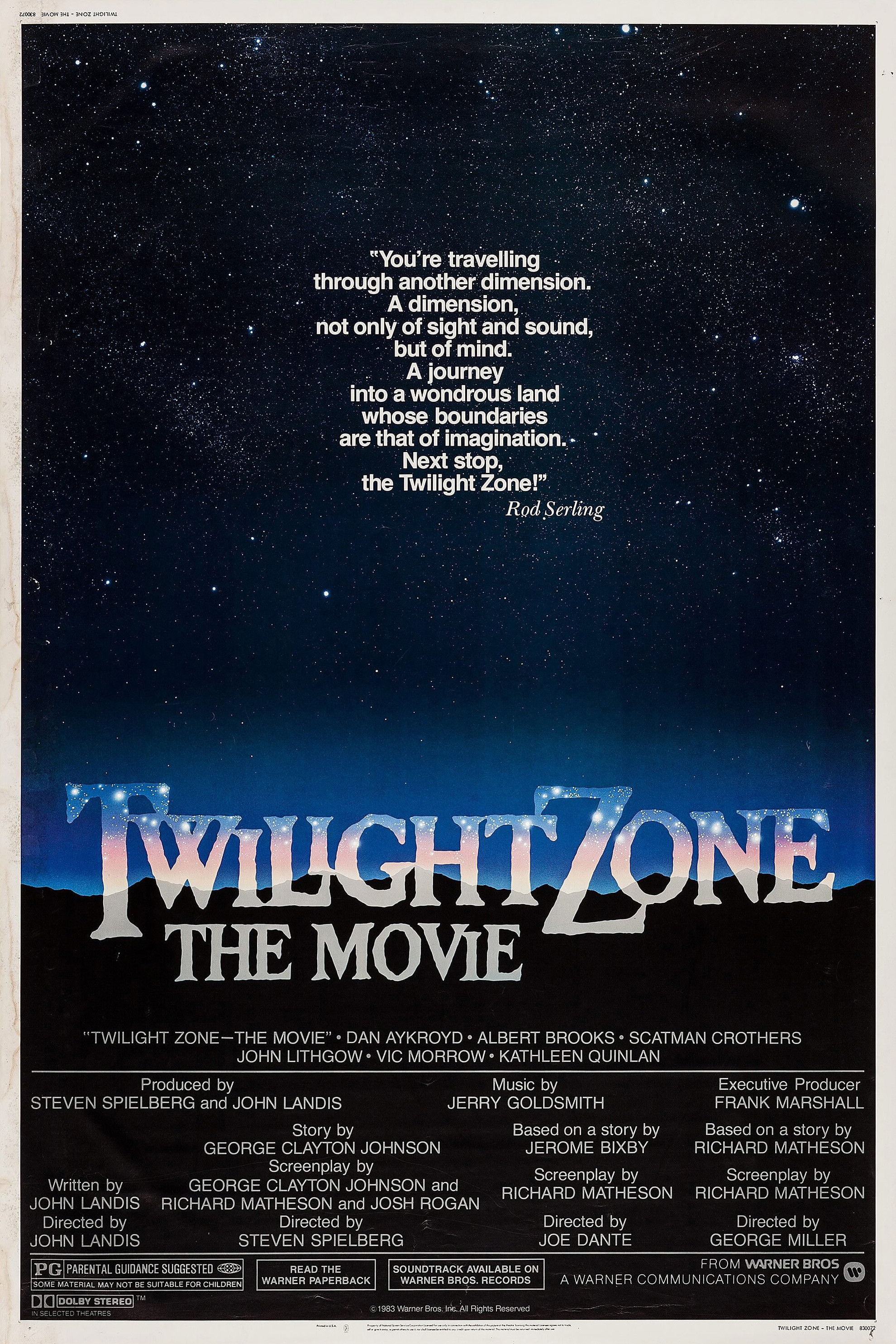
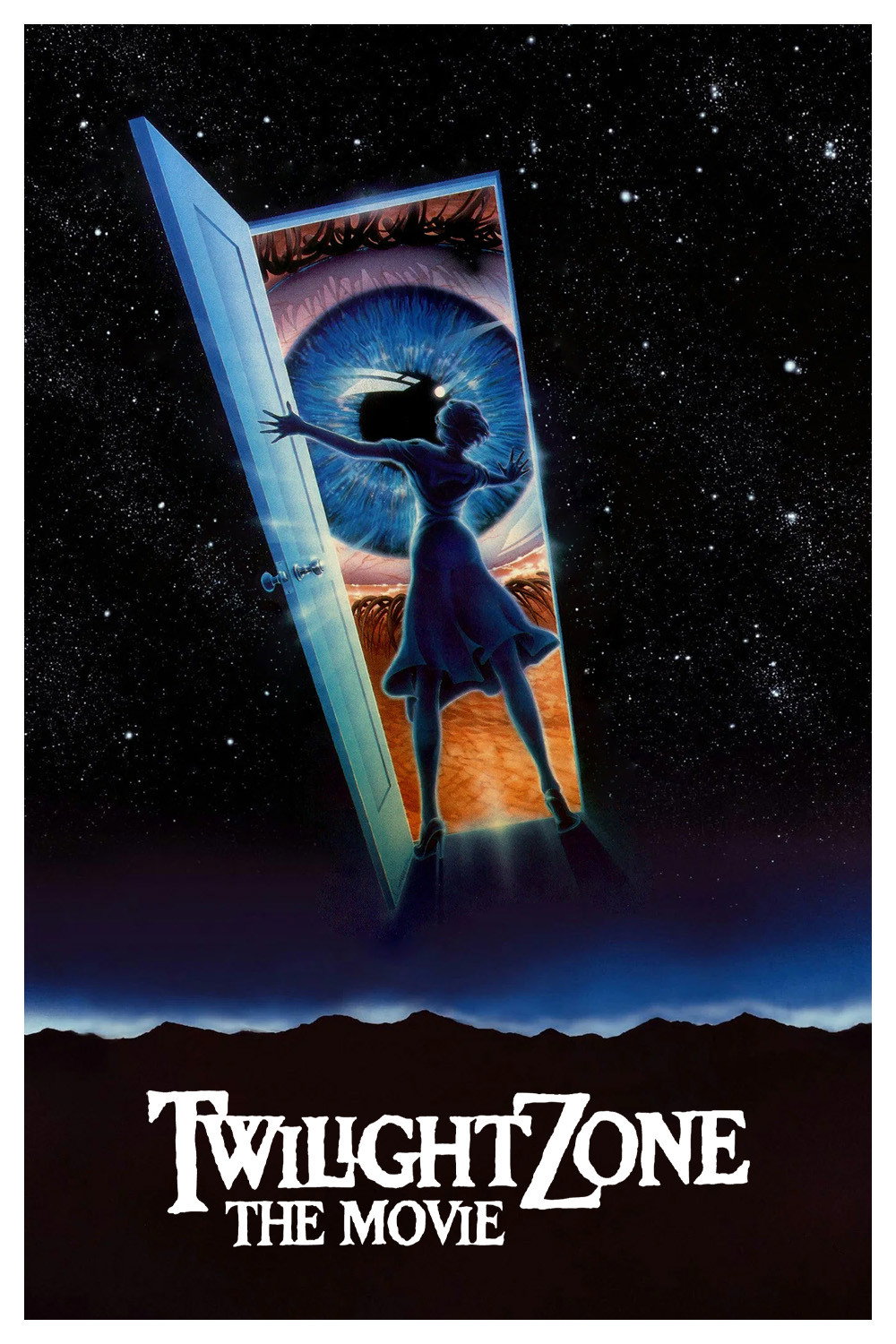
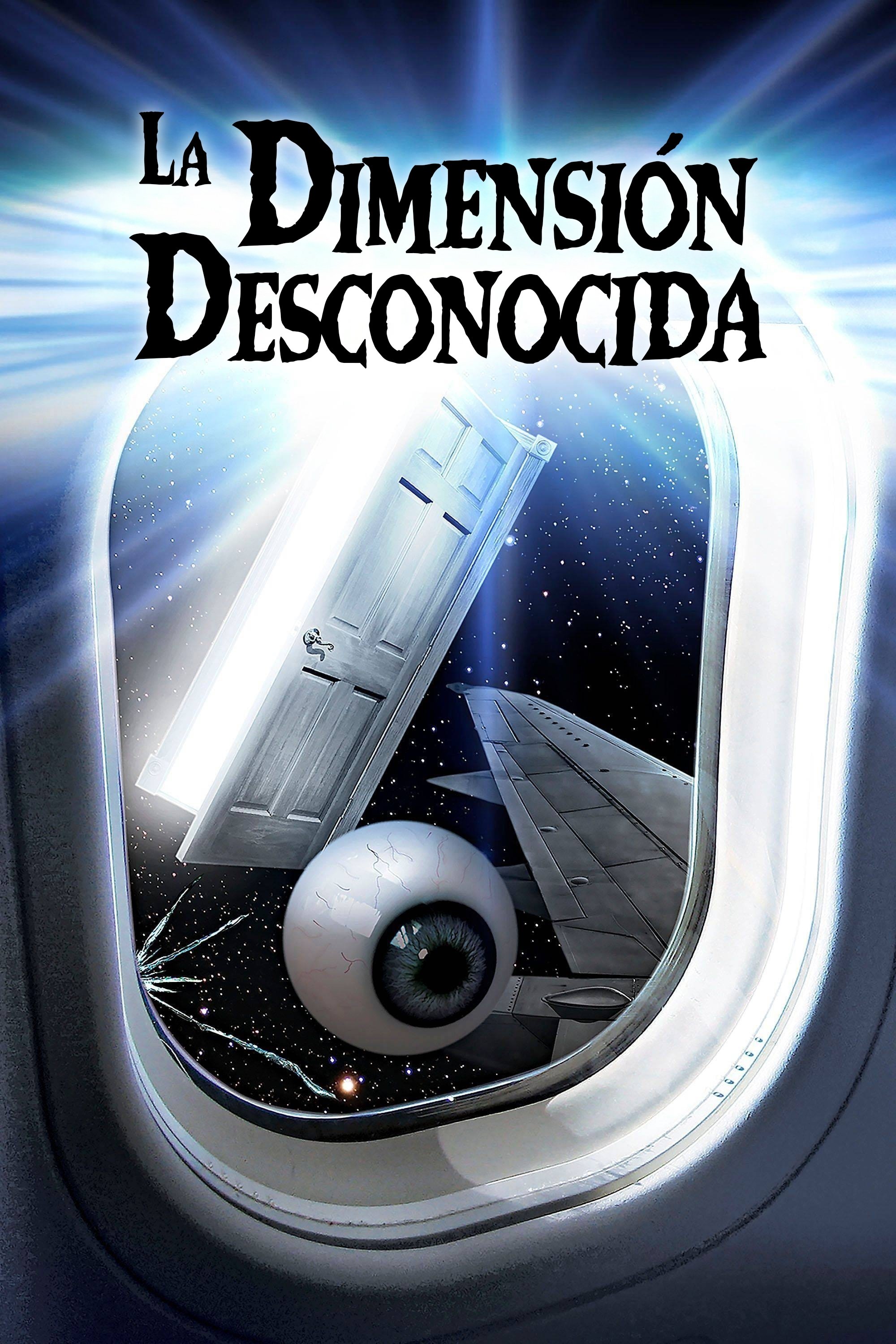
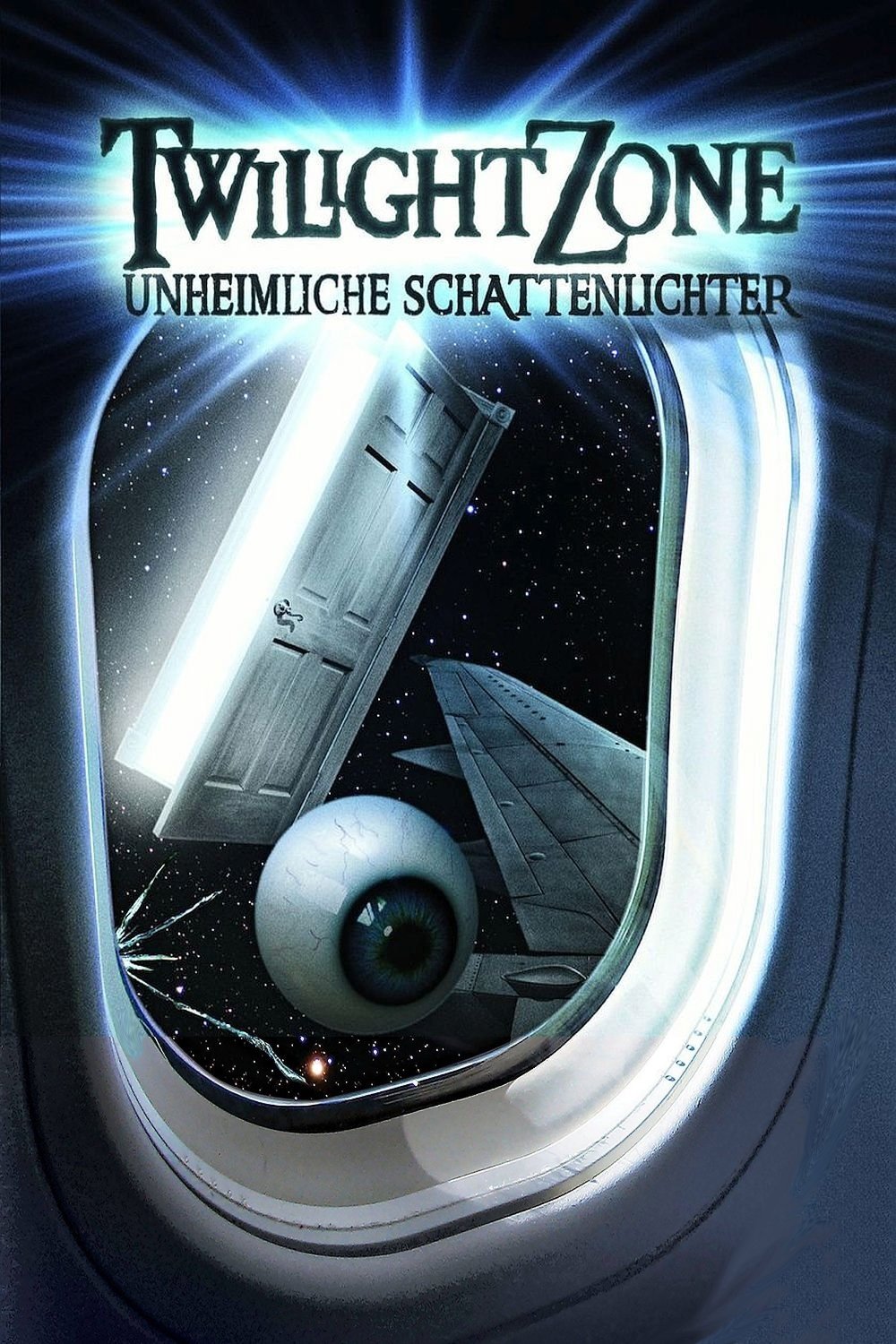
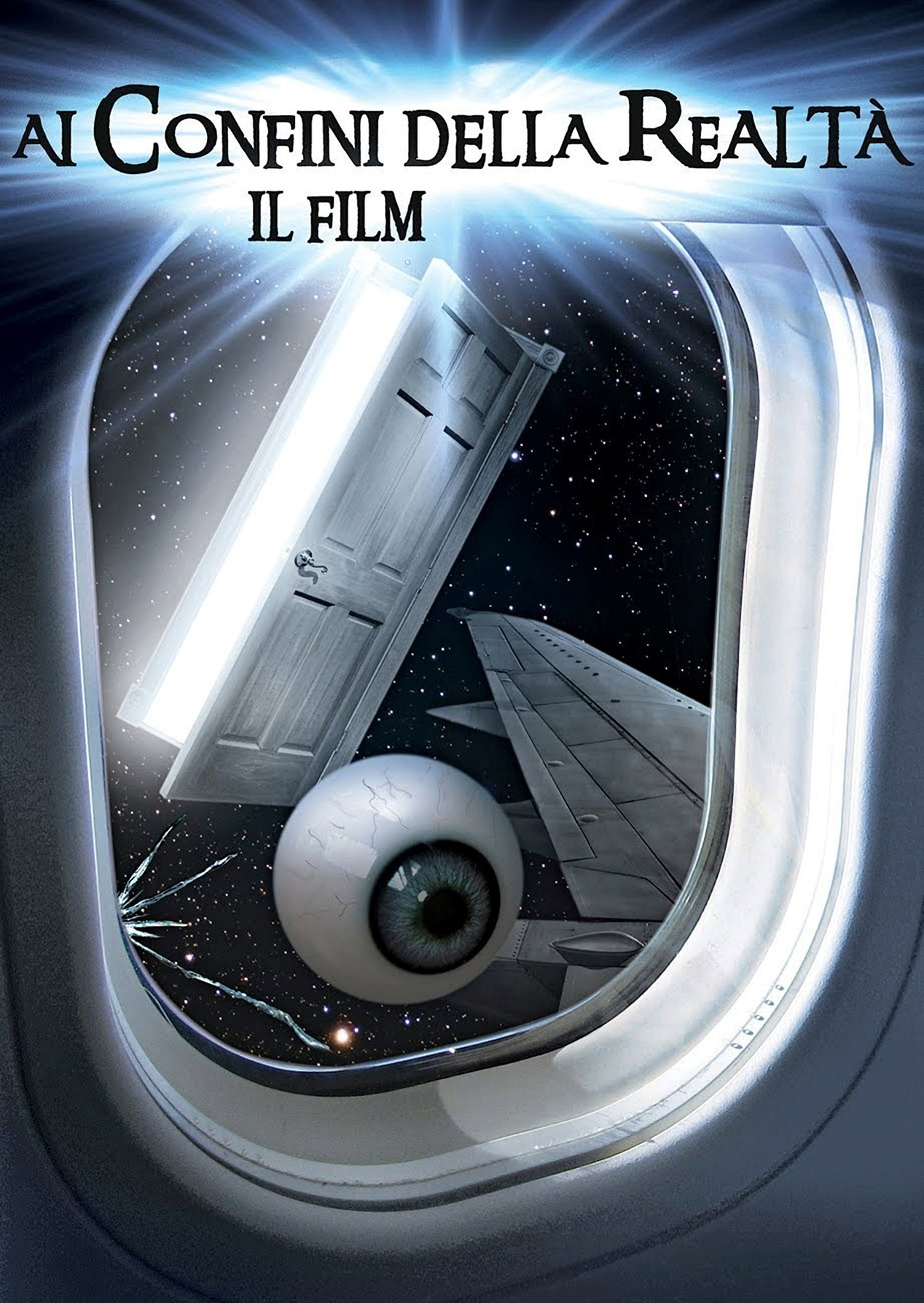
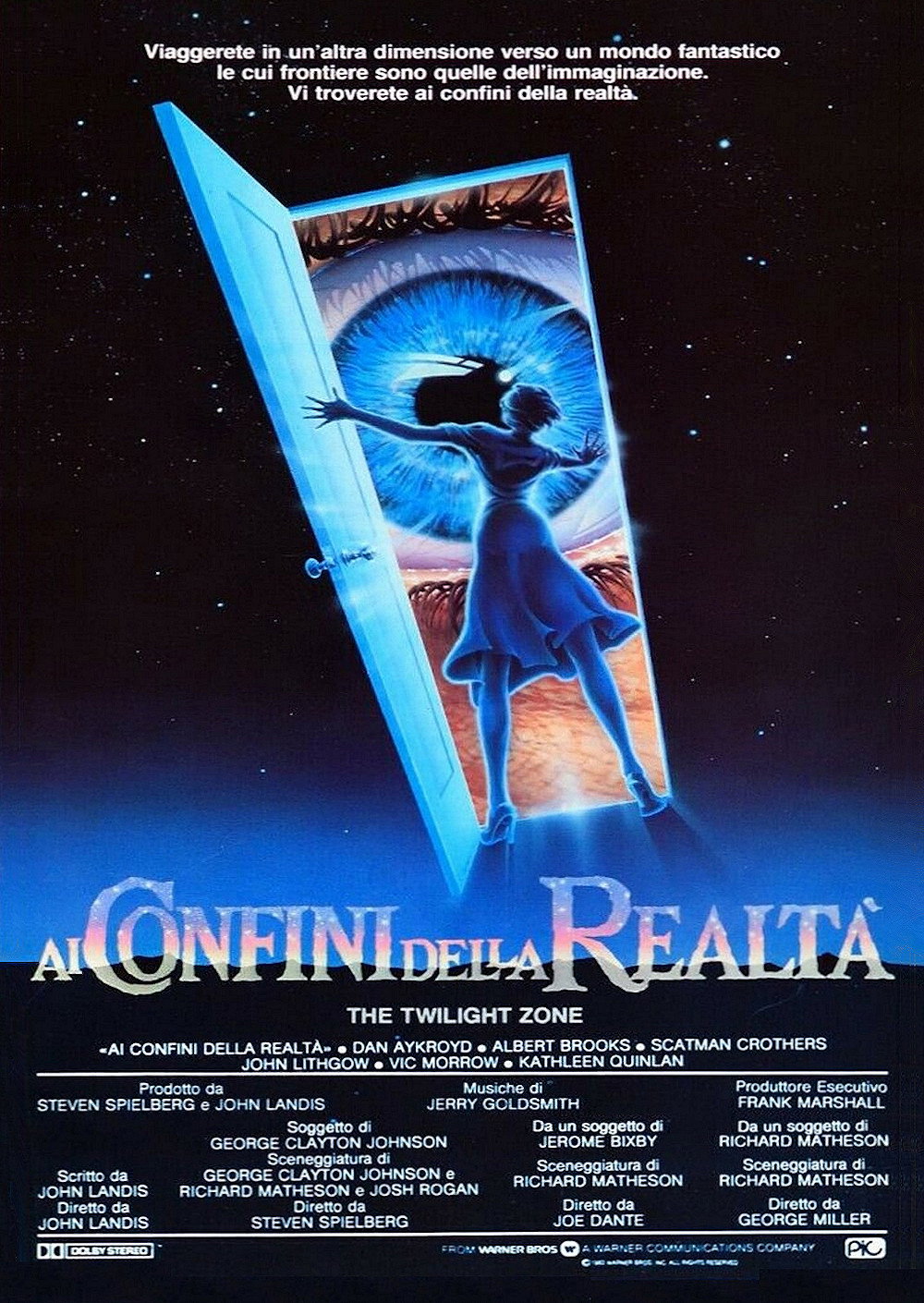
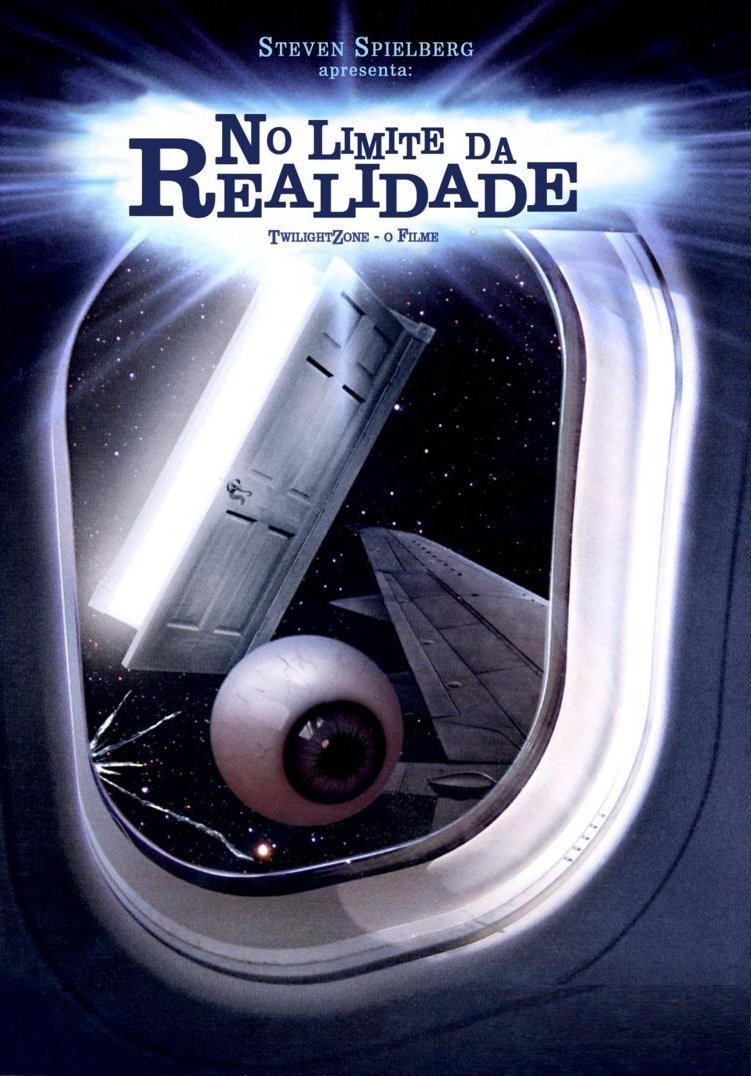
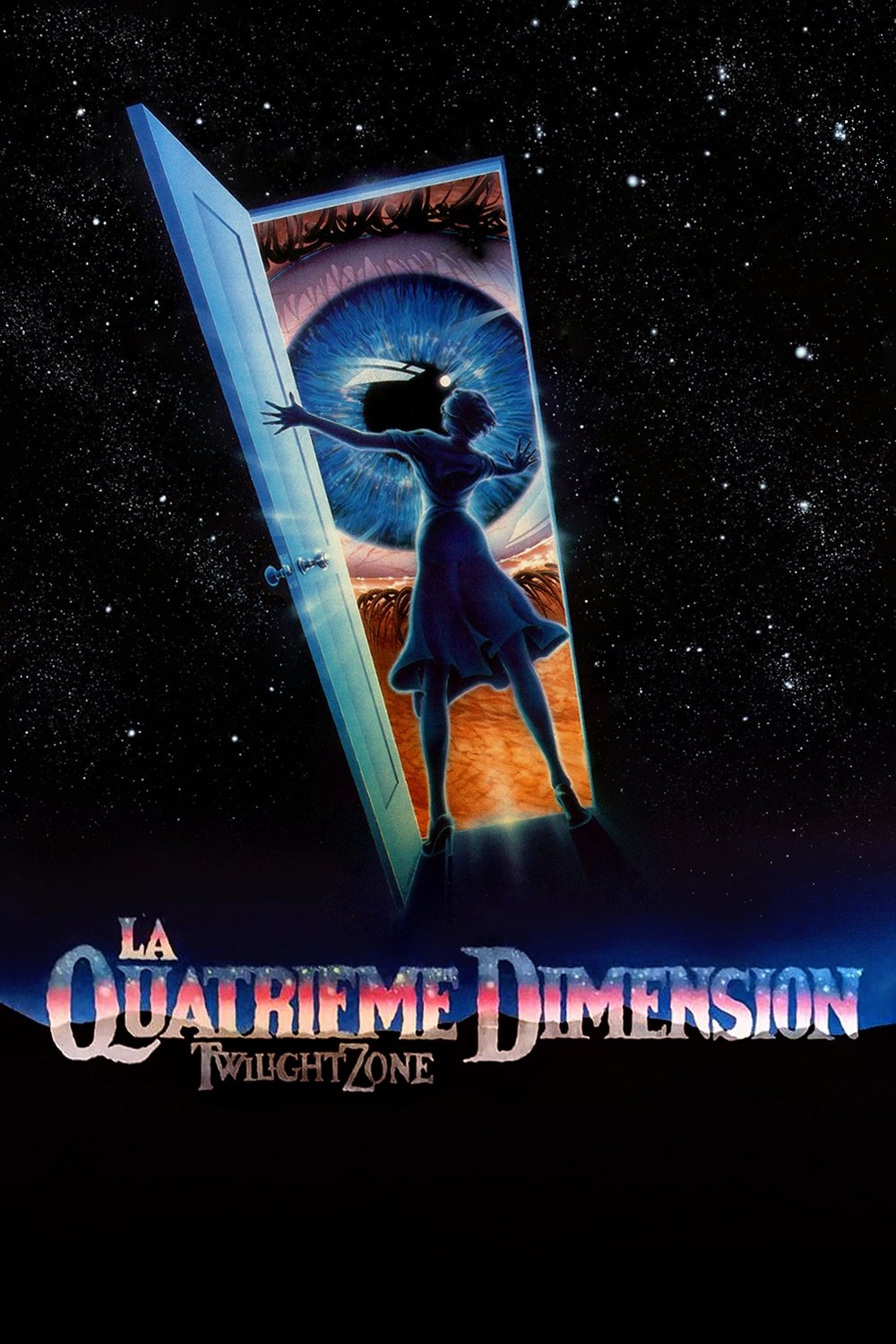
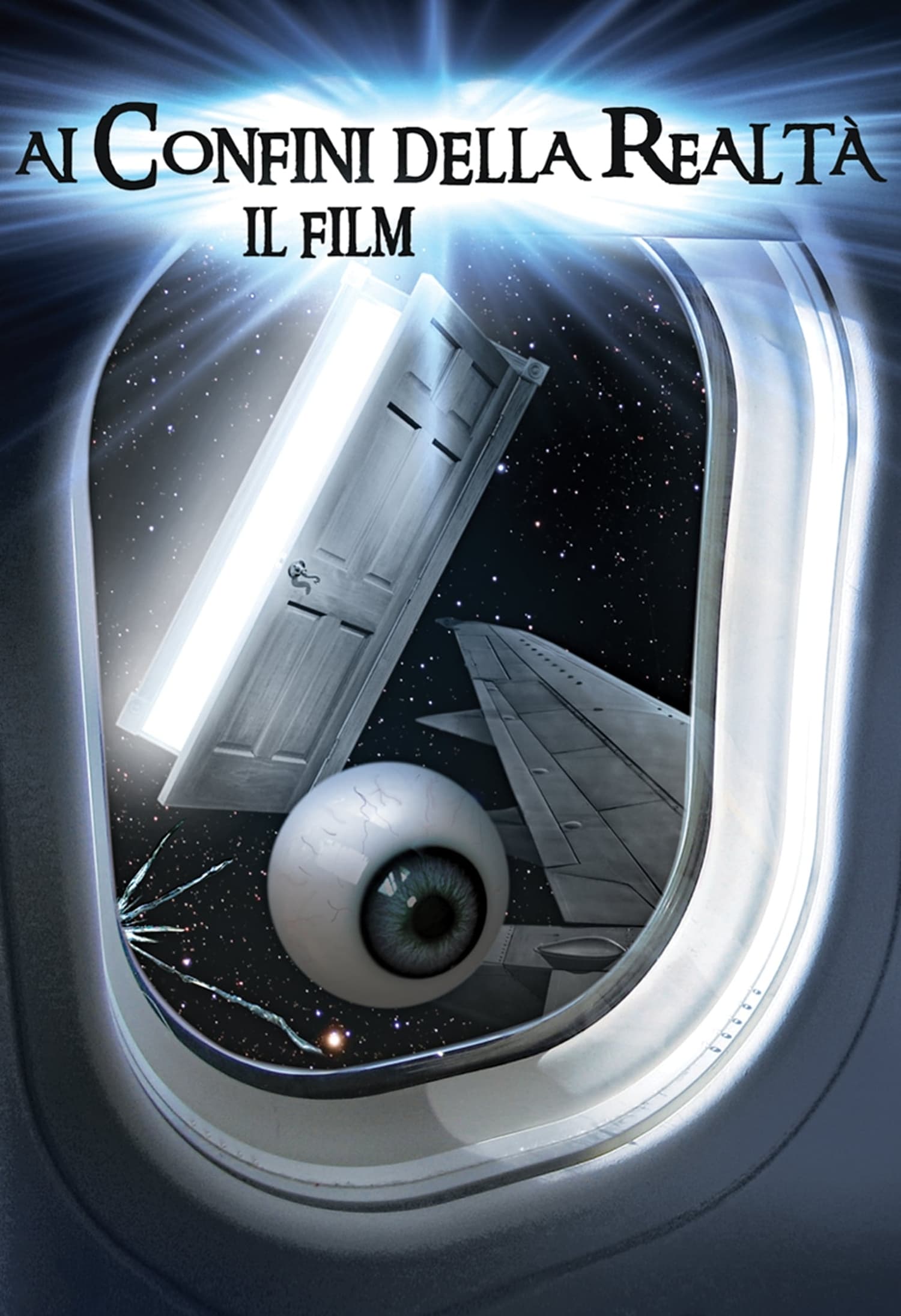
Twilight Zone: The Movie (1983)

US
SUBGENRES HORROR ANTHOLOGY
6.0/10 1 votes
Runtime
101 min
Release
June 24, 1983
Budget
$10,000,000
Revenue
$29,450,920
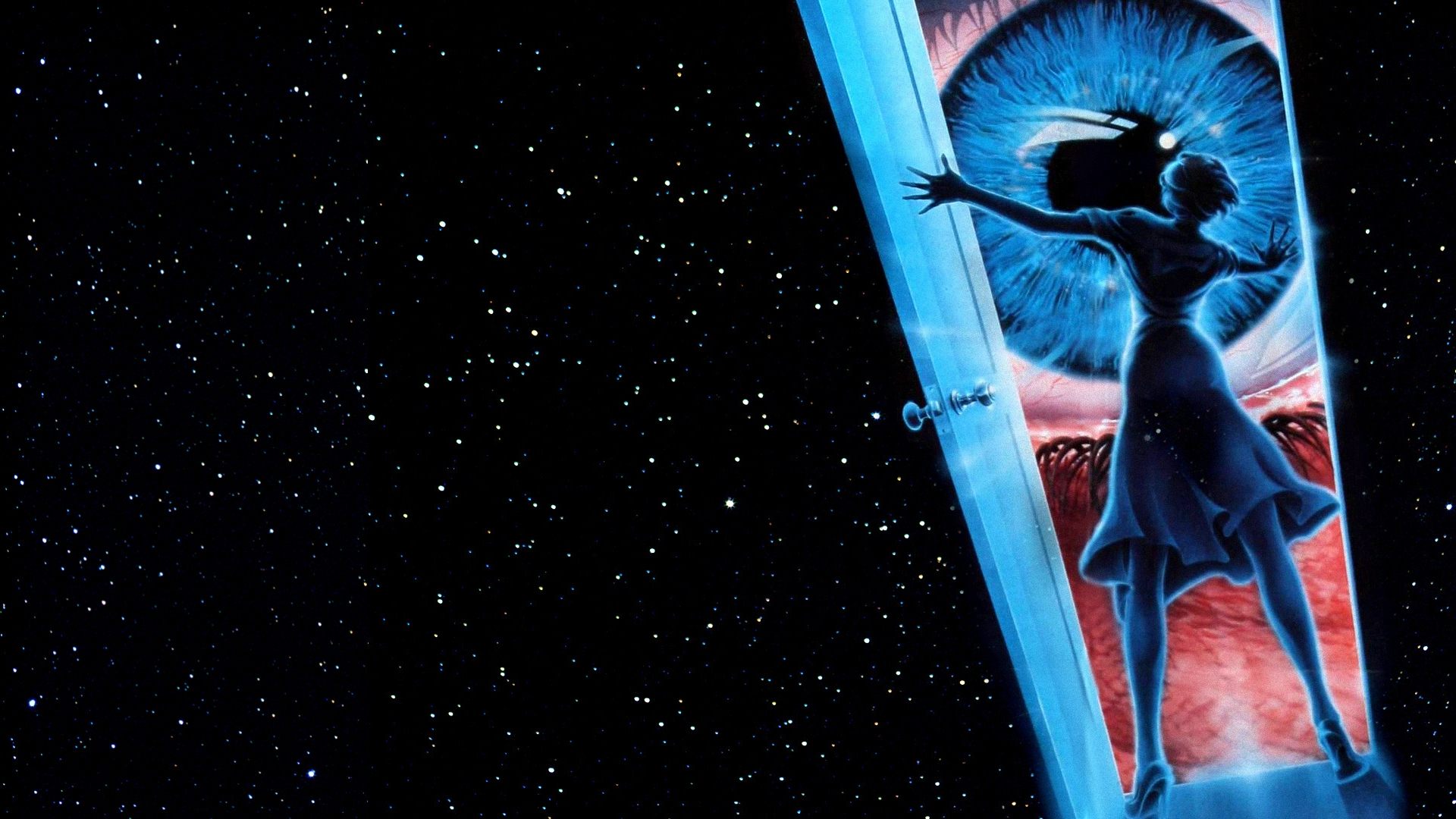
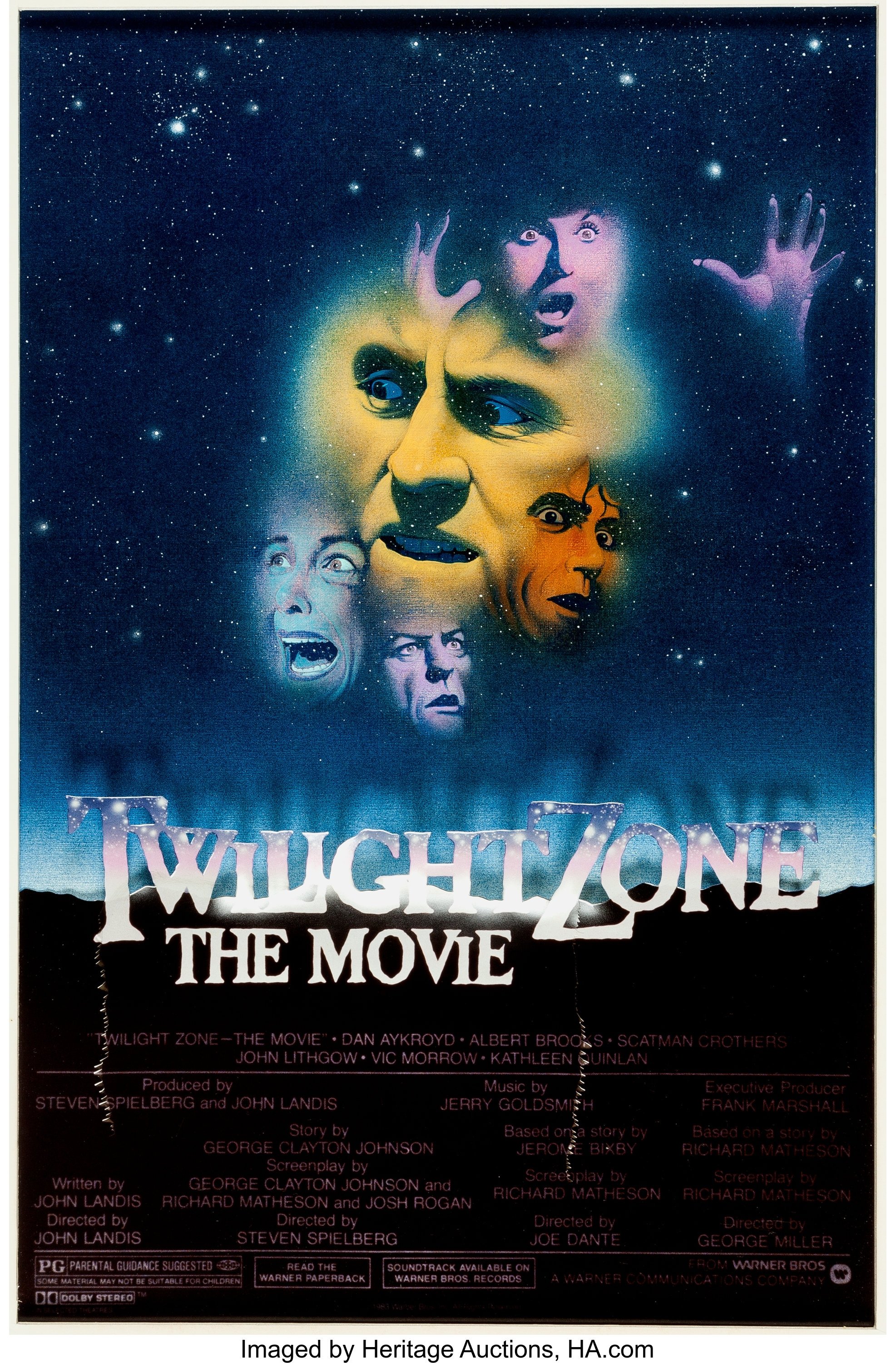
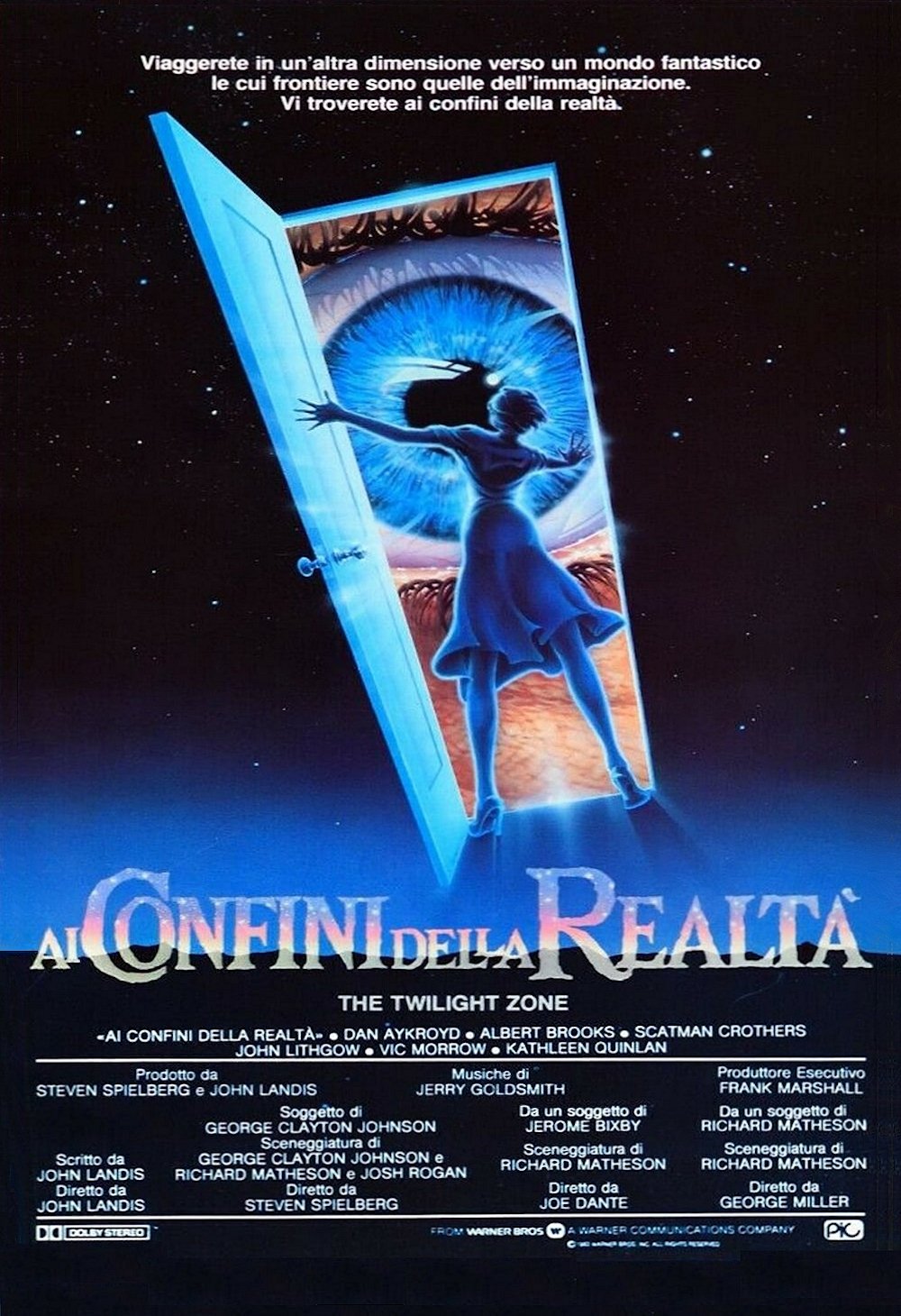
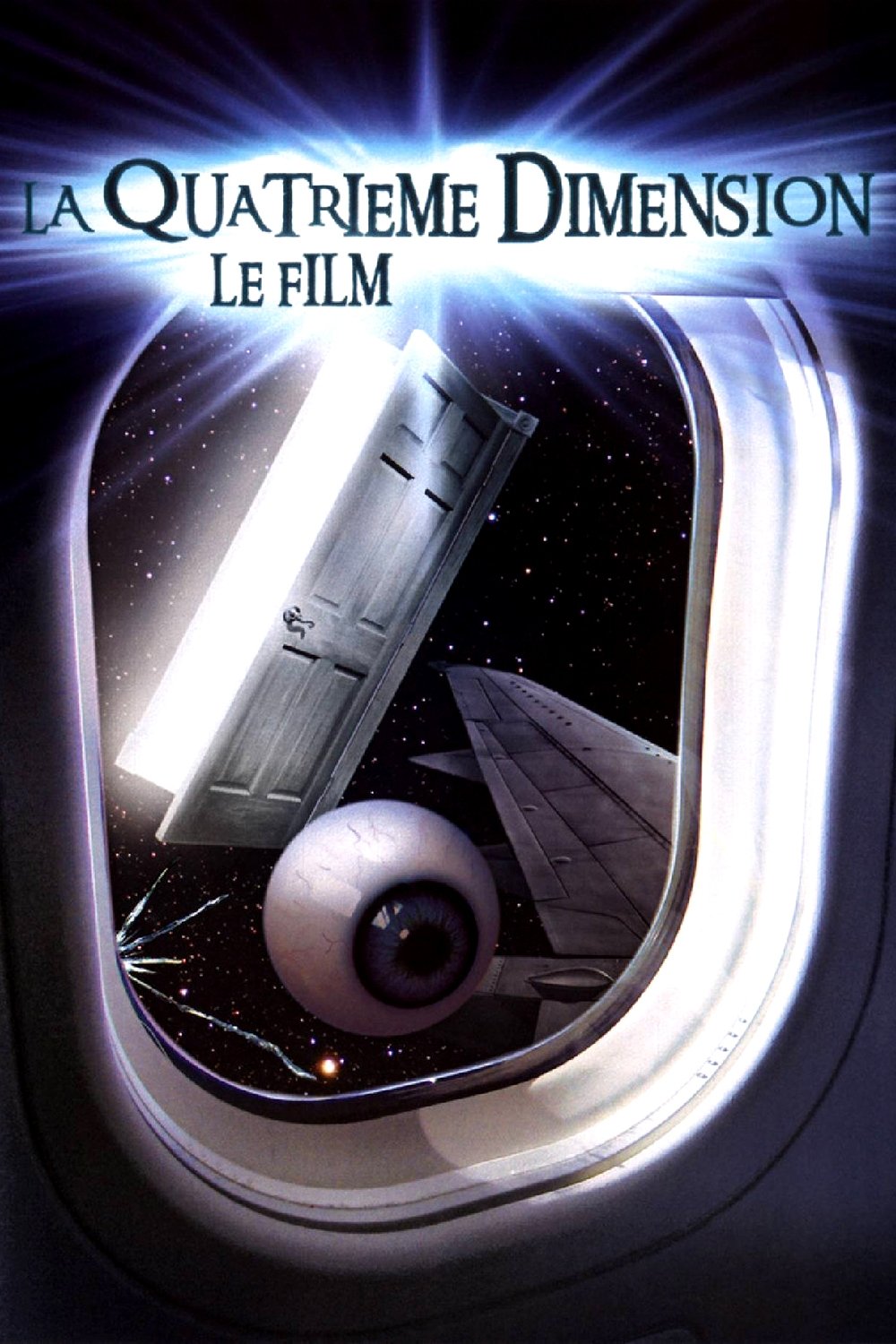
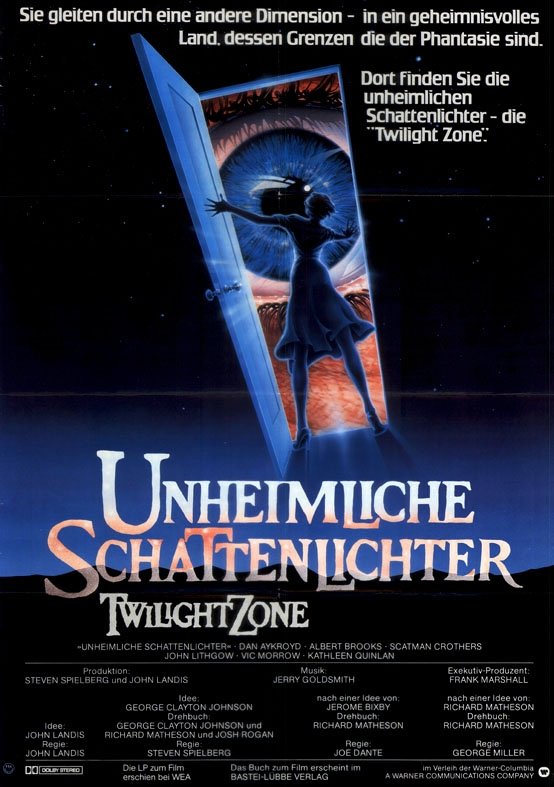
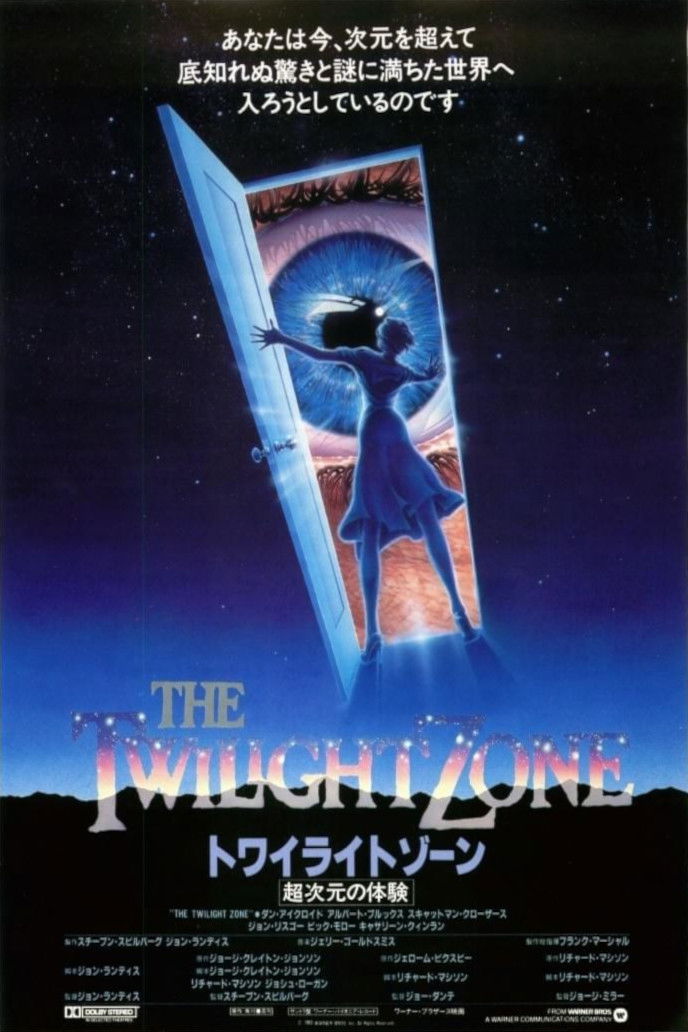
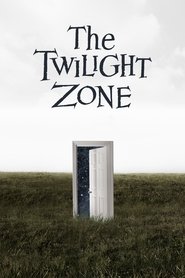
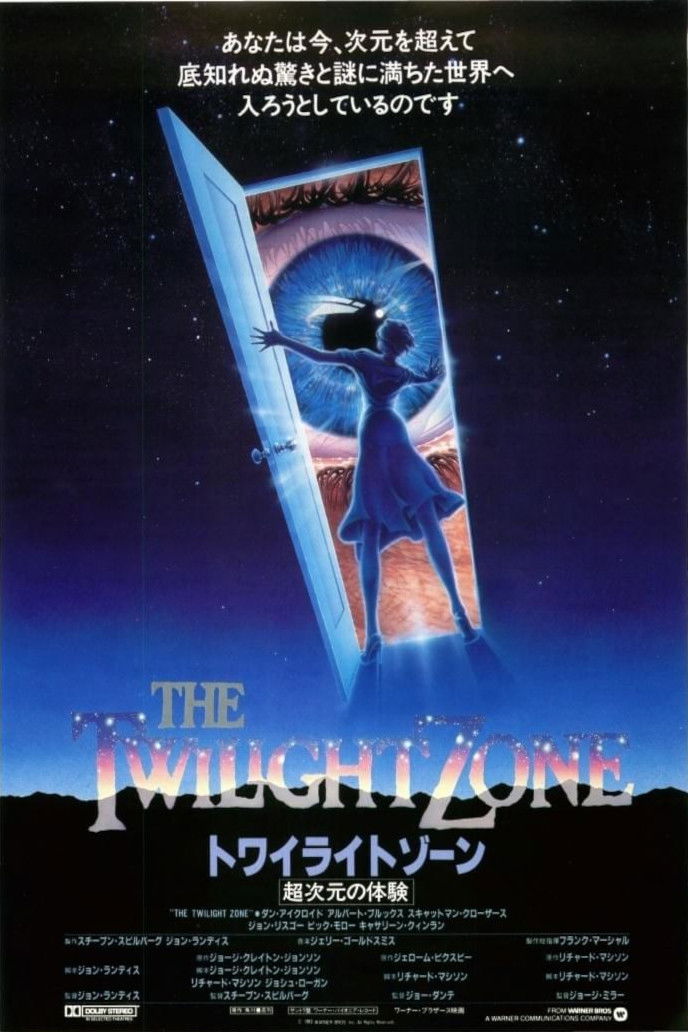
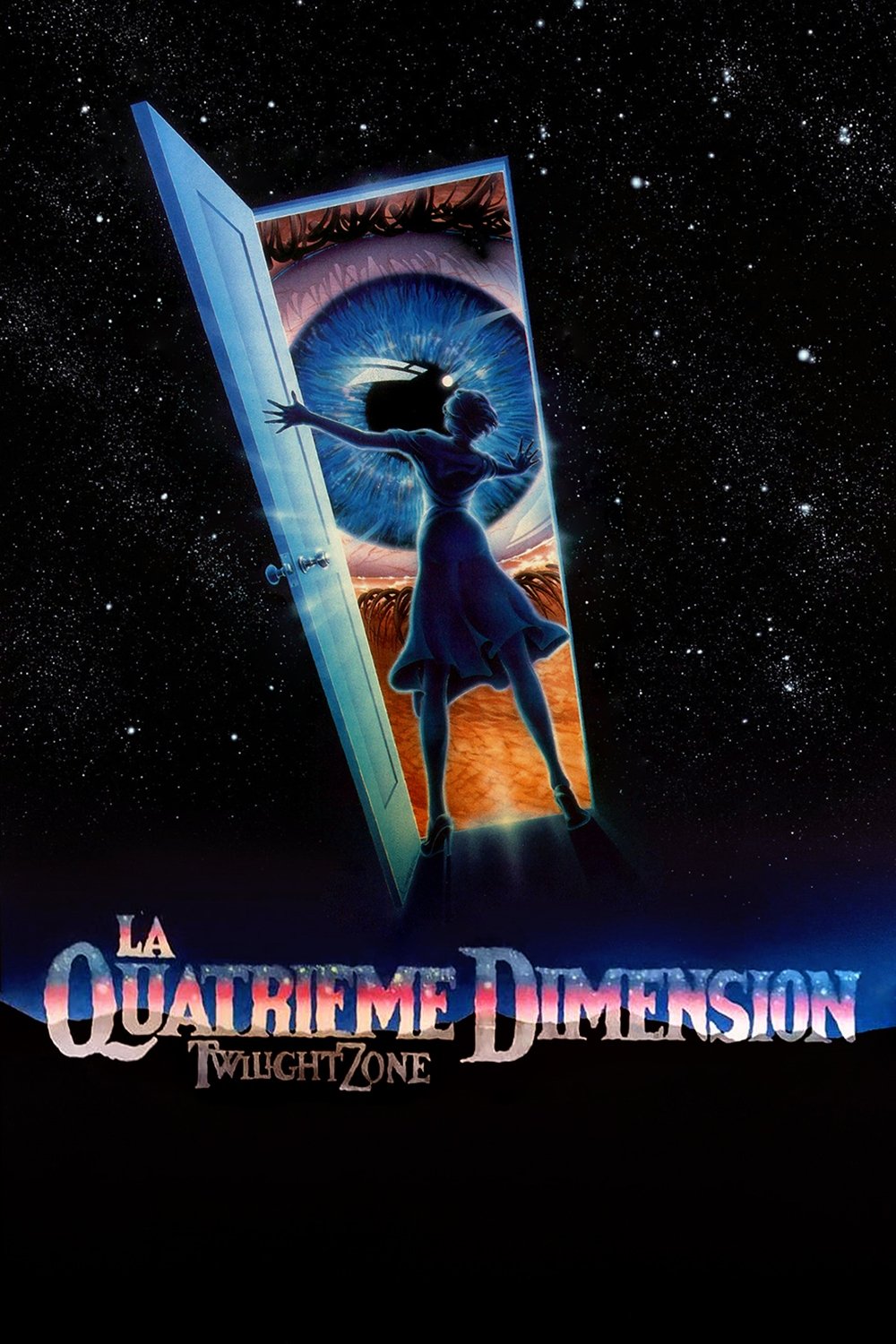
Twilight Zone: The Movie (1983) poster
Production Companies
Warner Bros. Pictures , Amblin Entertainment
Plot

Four stories bring the television anthology to the cinema. In John Landis's Time Out, a prejudiced man is forced into historical situations that expose him to the persecution he once dismissed. Steven Spielberg's Kick the Can follows elderly residents of a retirement home who are offered a startling chance to experience youth again. In Joe Dante's It's a Good Life, a woman enters a household ruled by a child whose extraordinary powers have made his family prisoners. George Miller's Nightmare at 20,000 Feet follows a frightened airline passenger who sees a threatening creature on the wing during a storm. A separate prologue and narration connect these episodes under the Twilight Zone name.

Alternative Titles
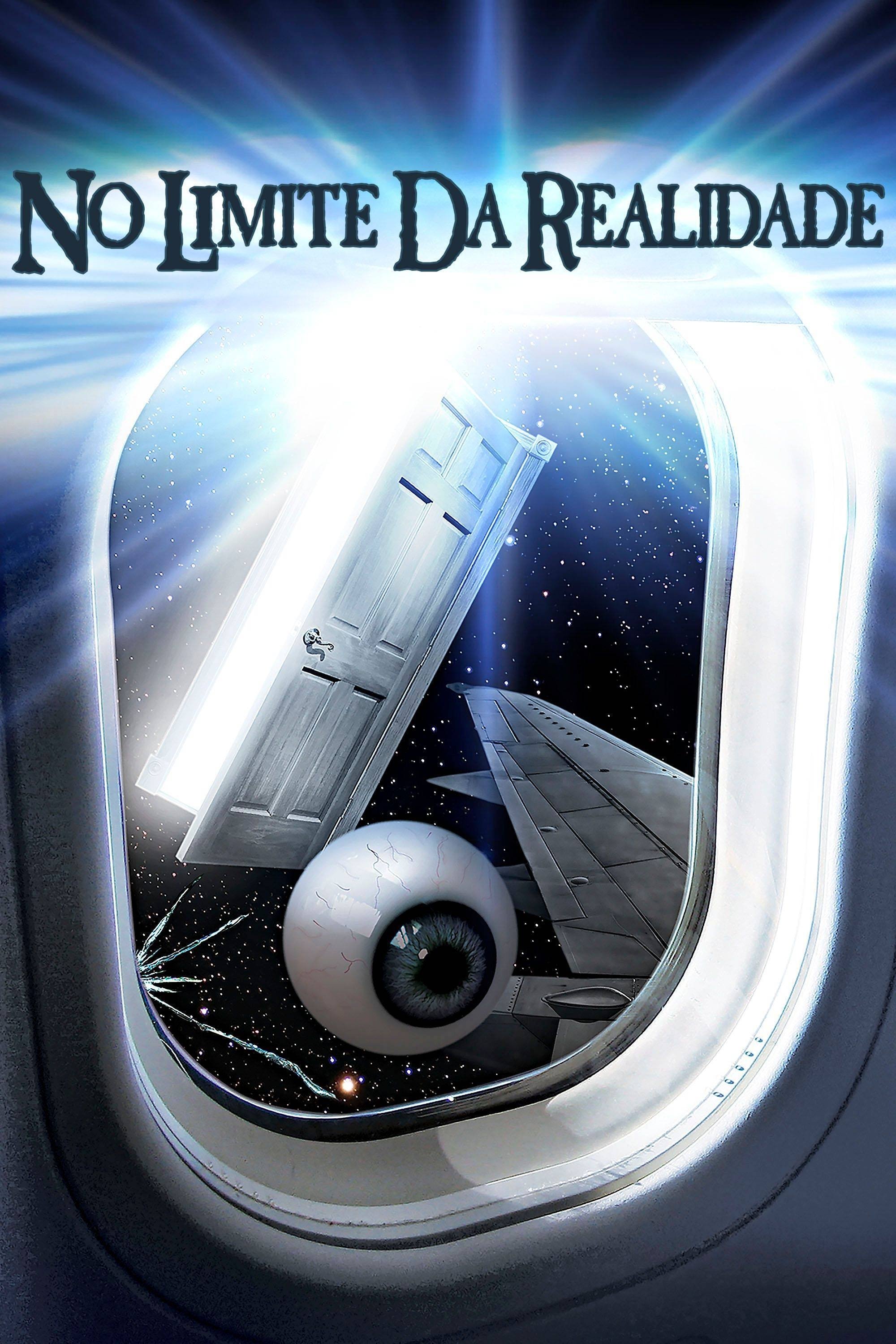
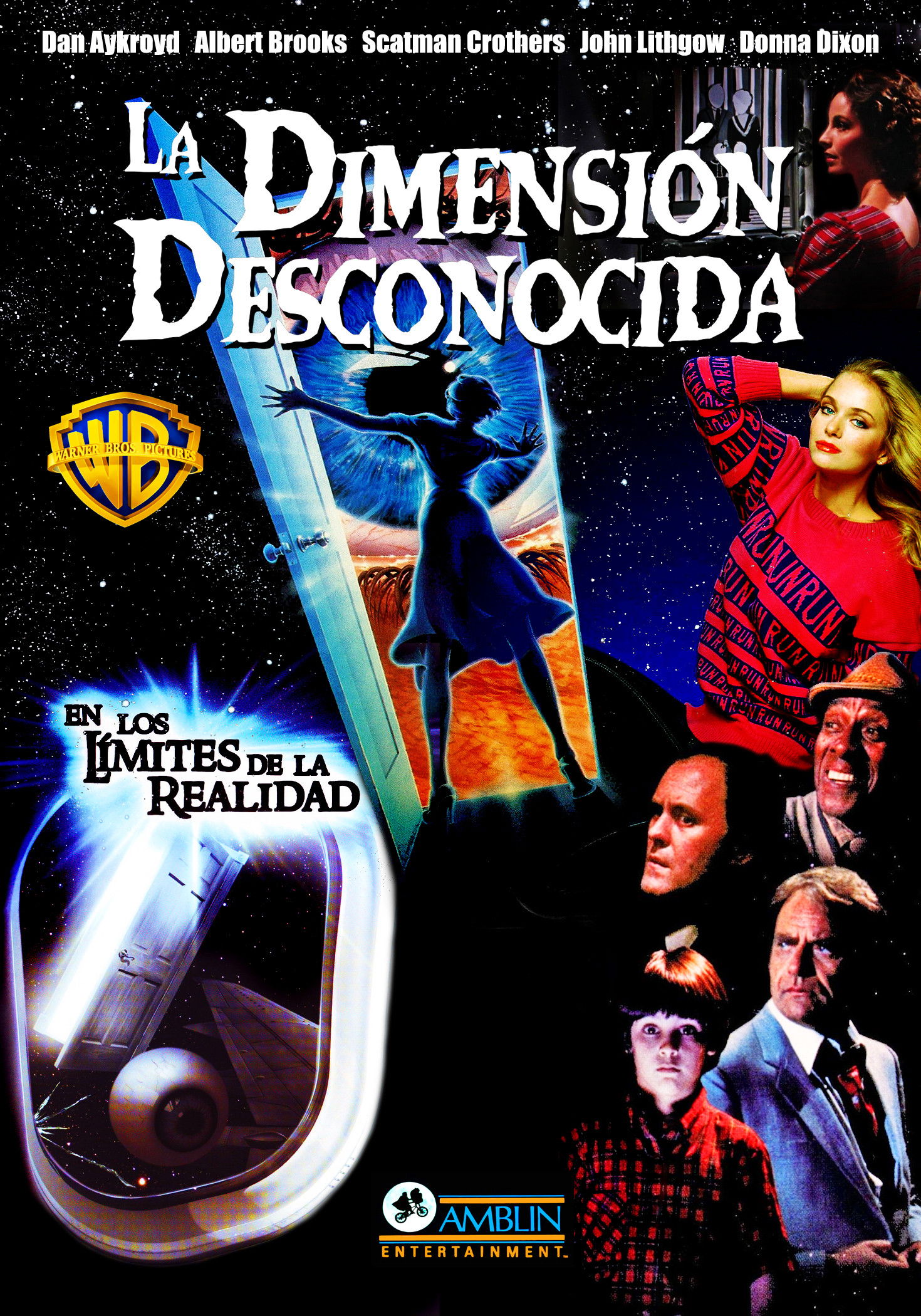
Зоната на здрача: Филмът (Bulgaria) — Bulgarian No Limite da Realidade (Brazil) 阴阳魔界 (China) — Chinese Zóna soumraku (Czechia) — Czech Twilight Zone - Unheimliche Schattenlichter (Germany) — German Unheimliche Schattenlichter (Germany) På grænsen til det ukendte (Denmark) — Danish En los límites de la realidad (Spain) — Spanish
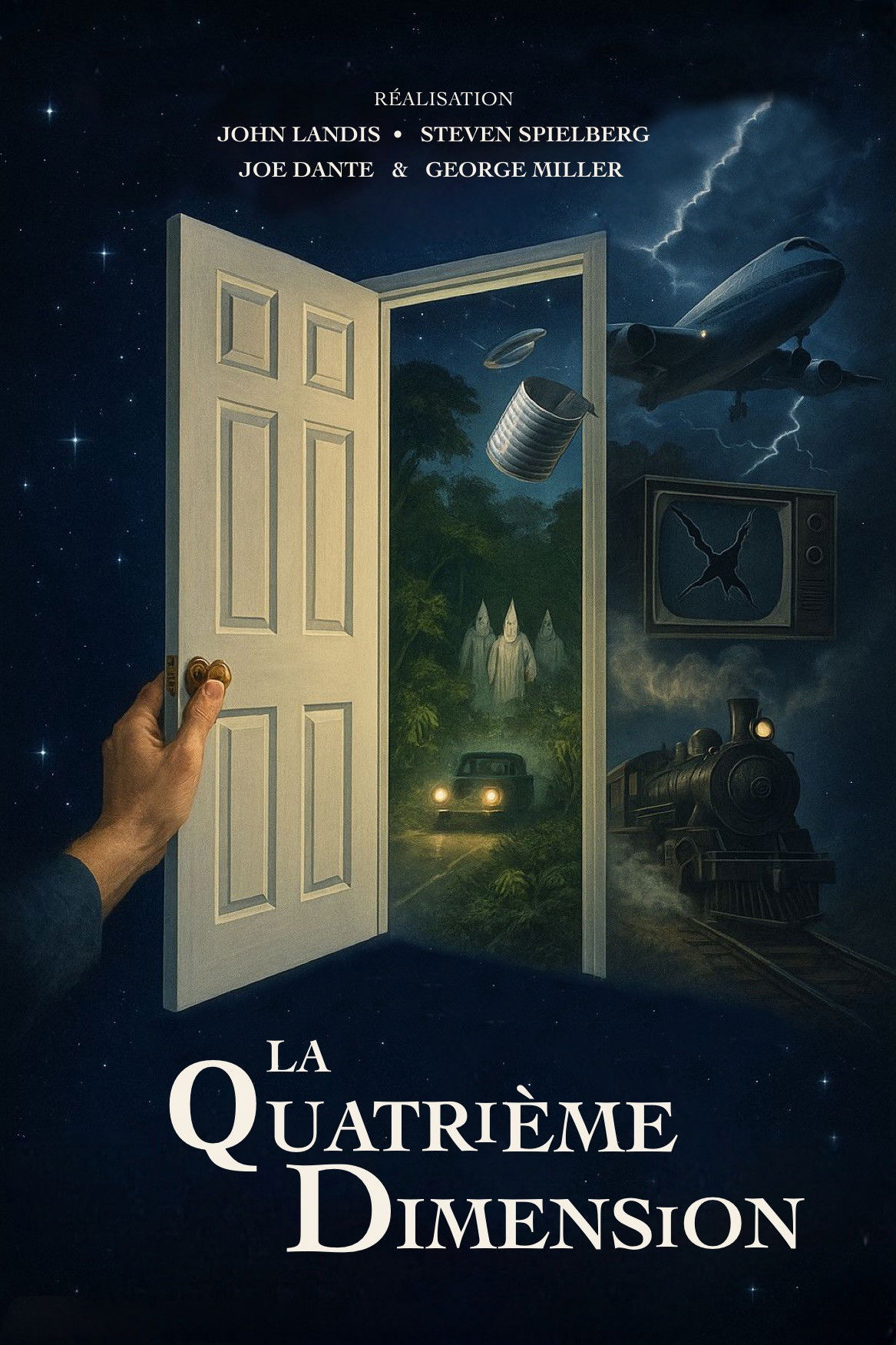
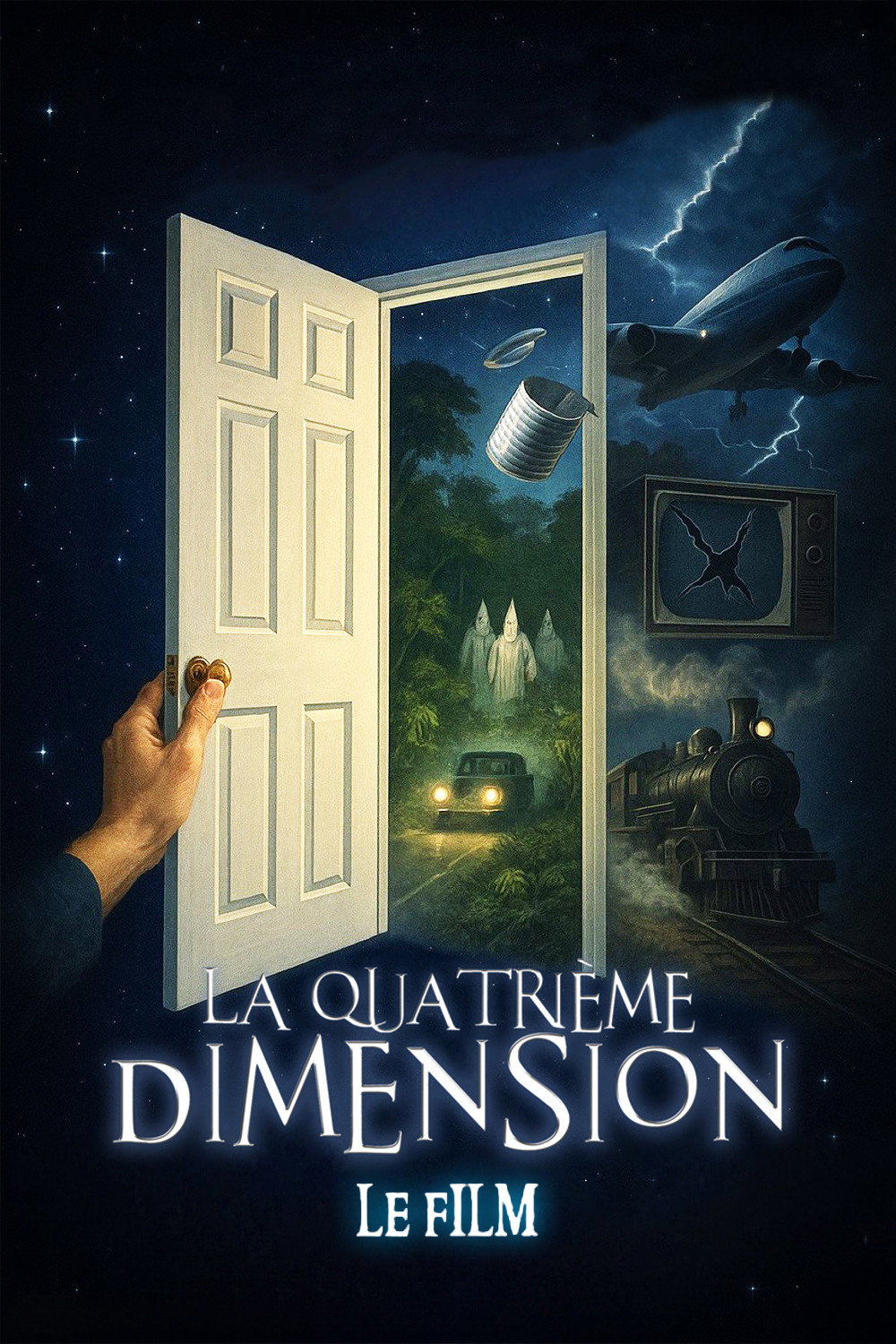
Show all 33 alternative titles La Dimension Desconocida (Spain) Hämärän pelottavat varjot (Finland) — Finnish La Quatrième Dimension, le film (France) — French Στη Ζώνη του Λυκόφωτος (Greece) — Greek 陰陽魔界 (Hong Kong SAR China) — Chinese Zona sumraka (Croatia) — Croatian Homályzóna (Hungary) — Hungarian אזור הדמדומים: הסרט (Israel) — Hebrew Ai confini della realtà - Il film (Italy) — Italian トワイライトゾーン/超次元の体験 (Japan) トワイライトゾーン/超次元の体験:1983 (Japan) 환상특급 (South Korea) — Korean 환상특급 더 무비 (South Korea) Prieblandos zona (Lithuania) — Lithuanian Dimensión Desconocida : la película (Mexico) — Spanish La Dimension Desconocida (Mexico) Strefa mroku (Poland) — Polish No Limite da Realidade (Portugal) — Portuguese Zona crepusculară: Filmul artistic (Romania) — Romanian Зона сумрака (Serbia) — Serbian Сумеречная зона (Russia) — Russian Twilight Zone - På gränsen till det okända (Sweden) — Swedish แดนสนธยา (Thailand) — Thai Сутінкова зона: Фільм (Ukraine) — Ukrainian The Twilight Zone (United States) — Working Title

Trailers & Videos

5 videos

Film Guide & Analysis

The 1983 horror anthology: four directors, Rod Serling adaptations, Joe Dante monsters, George Miller suspense, Jerry Goldsmith and the fatal production accident.

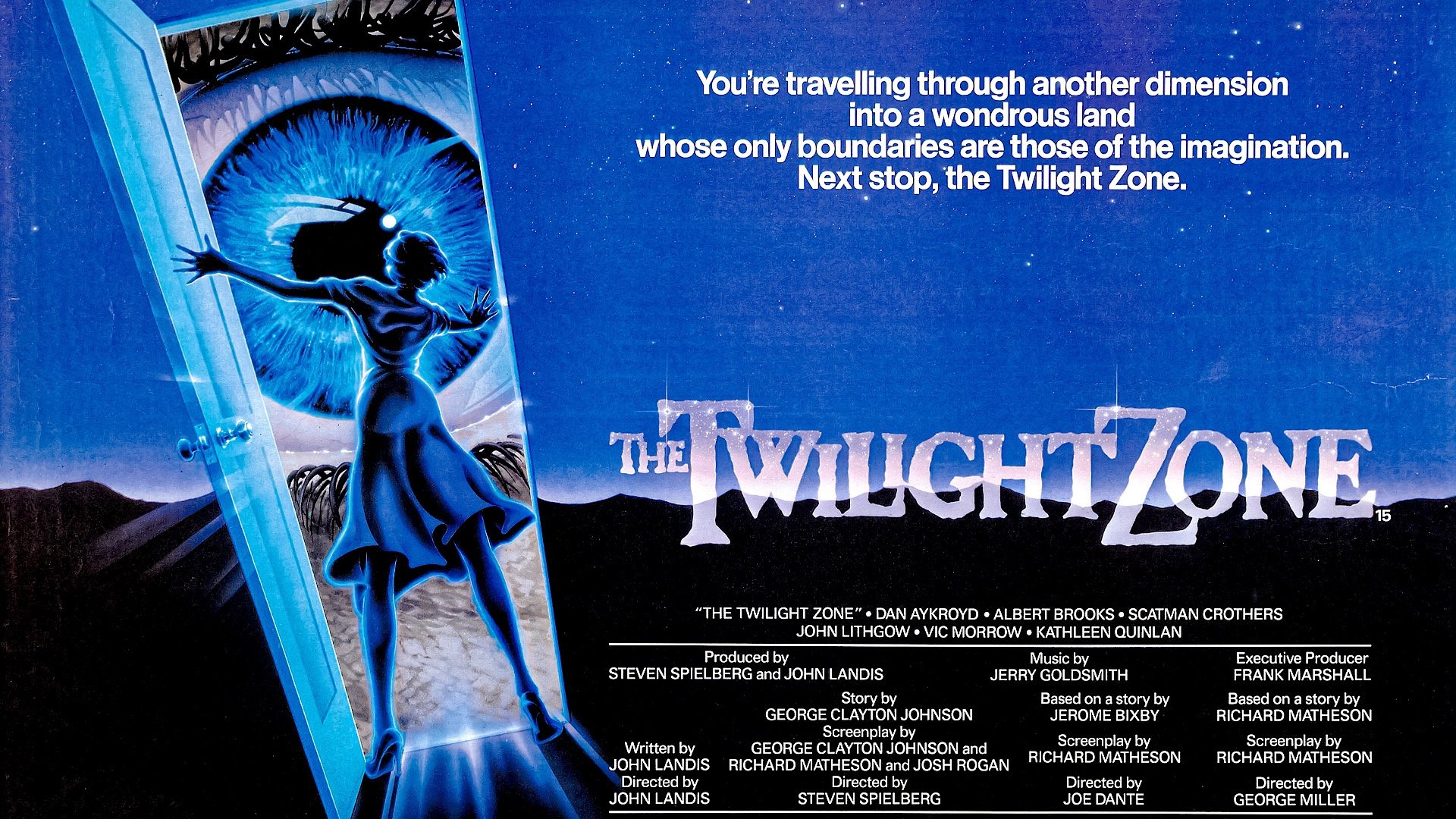
Twilight Zone: The Movie (1983) is an American horror and fantasy anthology produced by Steven Spielberg and John Landis, with four stories directed individually by Landis, Spielberg, Joe Dante and George Miller. Inspired by Rod Serling's television series The Twilight Zone (1959-1964), the film brings its mixture of supernatural intervention, psychological unease and moral reversals into a theatrical production. Three stories reinterpret episodes from the original program, while Landis contributes a new account of a prejudiced man forced to experience persecution. A separate prologue introduces the anthology through a seemingly ordinary conversation that develops into a sudden encounter with the monstrous.

The film offers four markedly different approaches to fantastic storytelling, ranging from a moral nightmare and a sentimental tale of rejuvenation to grotesque domestic horror and a claustrophobic creature attack aboard an aircraft. Its history is inseparable from the helicopter accident that killed actor Vic Morrow and two child performers during the filming of Landis's segment in July 1982. The tragedy led to extensive investigations, criminal proceedings and renewed scrutiny of production safety. Released by Warner Bros. on June 24, 1983, the completed anthology remains a revealing example of the opportunities and difficulties involved in translating short-form television horror into a feature-length theatrical production.

Development and the Anthology Concept

The project emerged from the continuing reputation of Rod Serling's original television series, which had combined fantasy, science fiction and horror with stories about social behavior and moral responsibility. In May 1982, contemporary trade reporting documented Spielberg's plans to produce a theatrical anthology with contributions from Landis and Dante. Richard Matheson, who had written for the original program, was involved in adapting established material. The initial announcement described three segments, but George Miller subsequently joined the production as a fourth director. The expanded arrangement made the film a collaboration among filmmakers with different approaches to suspense, comedy and the fantastic.

The production required each director to work within a larger structure while retaining a recognizable individual style. The American Film Institute records associate producer Kathleen Kennedy's statement that the initial budget allowed approximately three million dollars per segment, a limitation that required adjustments to the usual compensation of cast and crew. Principal photography began in July 1982. The film ultimately combined original material with reinterpretations of Kick the Can, It's a Good Life and Nightmare at 20,000 Feet. The three earlier stories originated within a television format whose brief running times had encouraged economical premises and decisive reversals. Their theatrical adaptations could use more elaborate effects and staging, but also faced the challenge of sustaining ideas originally developed for much shorter presentations.

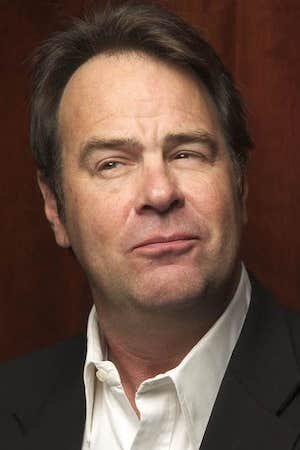
Landis also wrote and directed the opening sequence featuring Dan Aykroyd and Albert Brooks. Their conversation during a nighttime drive begins with television nostalgia and familiar entertainment references before the encounter takes an abrupt supernatural turn. The prologue establishes the possibility that an apparently ordinary situation may conceal something threatening. Its return in the closing scene gives the otherwise separate stories a loose framing device. The arrangement preserves the anthology's essential independence: the segments belong to the same imaginative tradition without requiring their characters or supernatural events to share one fictional continuity.
Time Out and the Fatal Production Accident

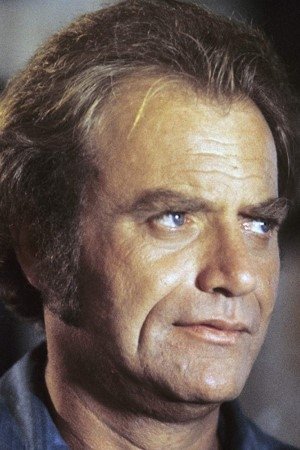
Landis's Time Out follows Bill Connor, played by Vic Morrow, whose racist complaints in a bar precede his unexplained displacement into several historical settings. He experiences persecution as a Jewish man in Nazi-occupied Europe, as a Black man confronted by the Ku Klux Klan and as a Vietnamese civilian endangered by American soldiers. The story uses reversal of identity to confront its protagonist with the consequences of prejudices he previously expressed without restraint. Unlike the three following segments, it was written specifically for the film rather than adapted from an earlier television episode. Its increasingly threatening encounters give the moral premise a physical form through pursuit, military violence and the inability to escape hostile authorities.

The intended conclusion was substantially altered after a fatal accident during production. In the early hours of July 23, 1982, a helicopter crashed during the filming of a Vietnam War sequence at Indian Dunes Park near Santa Clarita, California. Actor Vic Morrow and child performers Myca Dinh Le, aged seven, and Renee Shin-Yi Chen, aged six, were killed. The scene required Morrow to carry the children across shallow water while a helicopter flew nearby and pyrotechnic explosions simulated military action. The aircraft lost control after an explosion affected its tail rotor. The planned rescue sequence was not included in the released film, leaving Connor's experience without the redemptive conclusion originally envisaged.

The National Transportation Safety Board investigated the helicopter accident under case LAX82AA274 and issued its final report as AAR-84-14. Additional investigations examined the organization of the filming, the coordination between pyrotechnics and aviation personnel, and the circumstances under which the two children had been employed. The American Film Institute documents labor citations and safety-related proceedings arising from the incident. These findings concern production conduct and regulatory compliance and must be distinguished from the criminal charges subsequently brought against individuals involved in the filming. The deaths were real losses of life, not an ordinary example of a difficult or unsuccessful special effect.

John Landis, associate producer George Folsey Jr., production manager Dan Allingham, special-effects coordinator Paul Stewart and helicopter pilot Dorcey Wingo faced involuntary manslaughter charges. Following a lengthy trial, a Los Angeles jury acquitted all five defendants in May 1987. Contemporary reporting by the Los Angeles Times records both the verdict and the arguments made by prosecutors and defense attorneys concerning whether the crash could have been foreseen. Civil litigation proceeded separately, and the accident prompted wider attention to safety procedures and the employment of children on film sets. The acquittals establish the outcome of the criminal proceedings; they do not erase the documented circumstances of the accident or the regulatory findings that followed it.

Kick the Can: Spielberg and the Fantasy of Rejuvenation

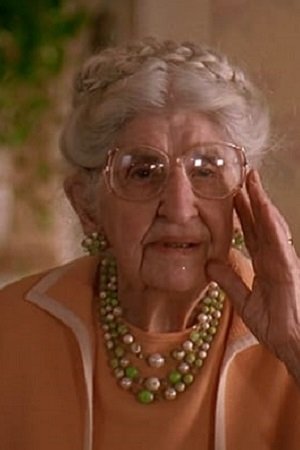
Steven Spielberg adapted Kick the Can, originally written by George Clayton Johnson for the television series, into a story centered on residents of a retirement home. Scatman Crothers plays Mr. Bloom, whose arrival introduces the possibility of recovering childhood through a seemingly simple game. The residents respond differently to the opportunity, and the supernatural transformation forces them to consider whether youth is desirable without the experience accumulated over a lifetime. The episode places less emphasis on physical danger than the surrounding stories. Its fantastic event becomes a means of exploring regret, the persistence of memory and the difference between bodily age and emotional vitality.
The segment's visual atmosphere contrasts with the threatening environments of the other directors. Spielberg emphasizes the expressions of elderly performers, the collective experience of play and the temporary transformation into younger bodies. The supernatural intervention offers wonder rather than an immediate monster or violent punishment. Its gentler approach attracted disagreement among contemporary reviewers. Gary Arnold, writing in The Washington Post in June 1983, praised the emotional richness of the production, while other critics regarded it as sentimental and less effective than the more disturbing material. Those reactions reflect a genuine difference in expectations concerning what a theatrical adaptation of The Twilight Zone should provide.

It's a Good Life: Joe Dante and Cartoon Horror

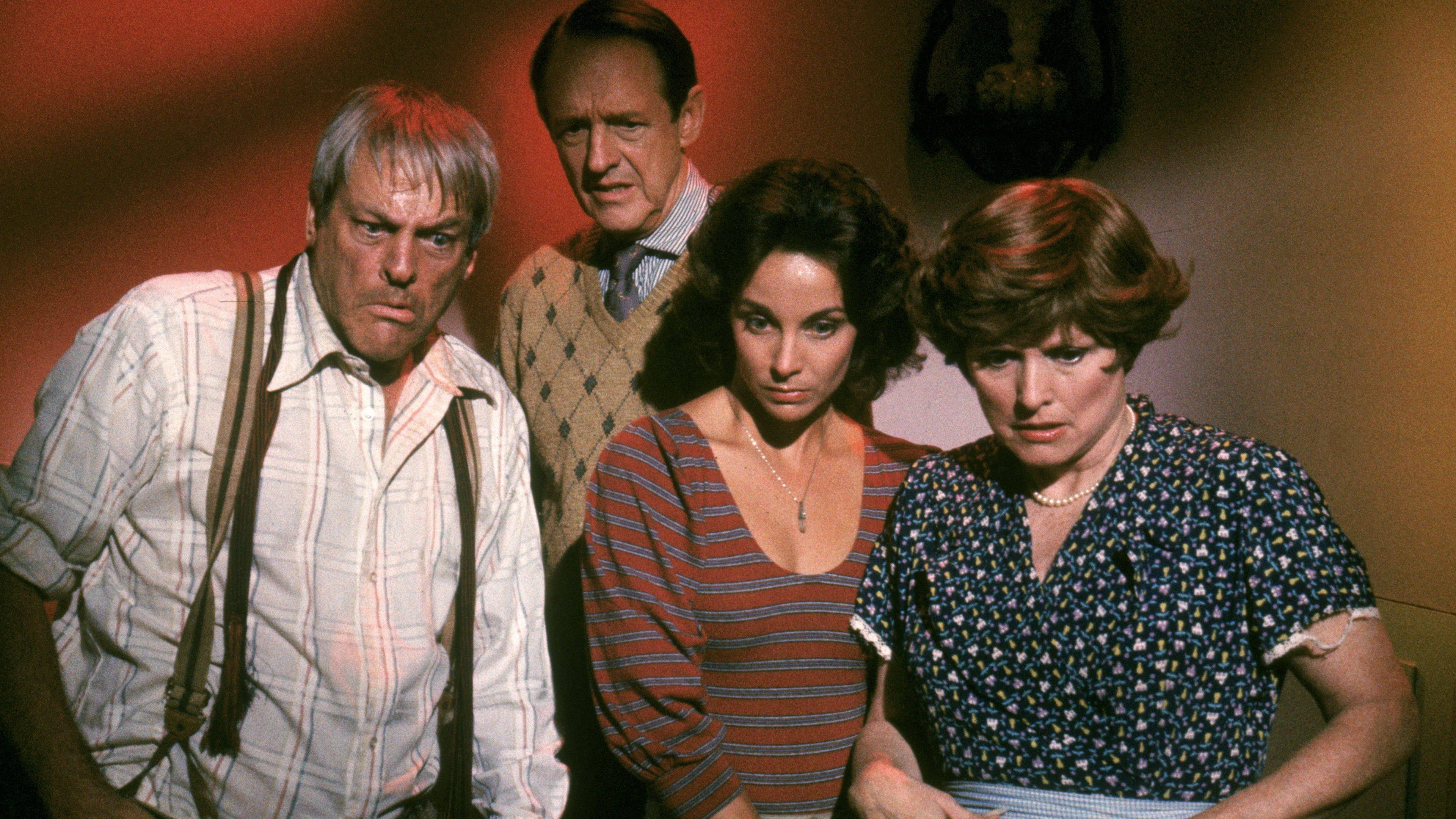
Joe Dante's It's a Good Life reinterprets the 1961 television episode based on Jerome Bixby's story. Kathleen Quinlan plays Helen Foley, a woman who encounters Anthony, a young boy apparently living with his family in an isolated house. The household gradually reveals itself as a place controlled by Anthony's extraordinary mental powers. Its inhabitants are compelled to satisfy his desires because disagreement can bring immediate and grotesque punishment. Where the original story emphasized the terrifying authority of an apparently ordinary child, Dante expands the visual environment into an exaggerated world shaped by television cartoons, games and the boy's unstable imagination.

The house becomes a central part of the horror. Rooms are filled with improbable colors, oversized decorative elements and objects that appear to belong to a manufactured world of children's entertainment. Anthony's family members behave with exaggerated politeness, attempting to conceal their terror beneath expressions of approval. The presence of familiar television imagery makes the environment simultaneously comic and threatening. Dante uses that contrast to create a particularly uncomfortable form of domestic horror: the adults possess knowledge and experience, but their behavior is controlled by a child who can alter physical reality whenever he becomes dissatisfied.

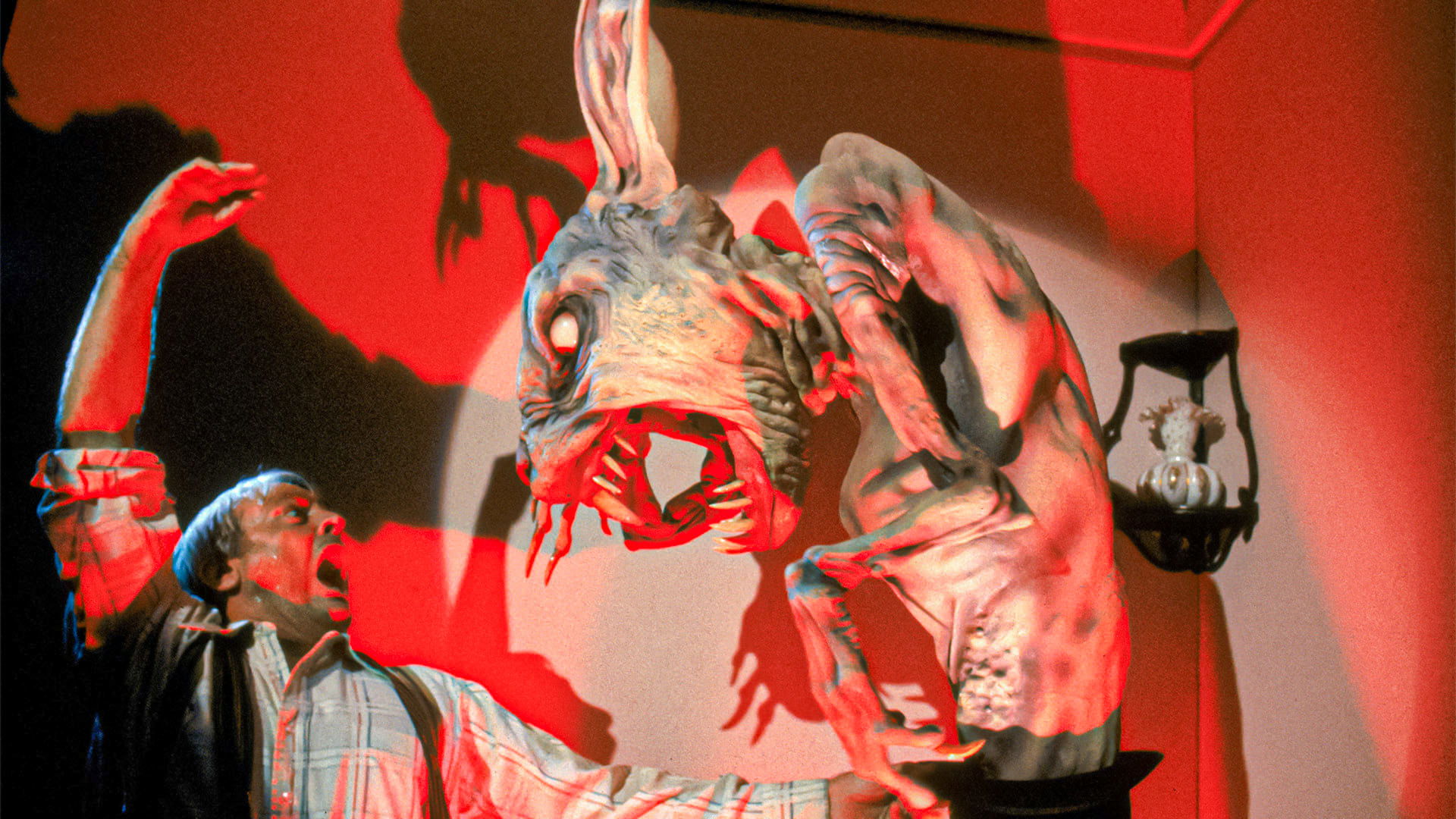
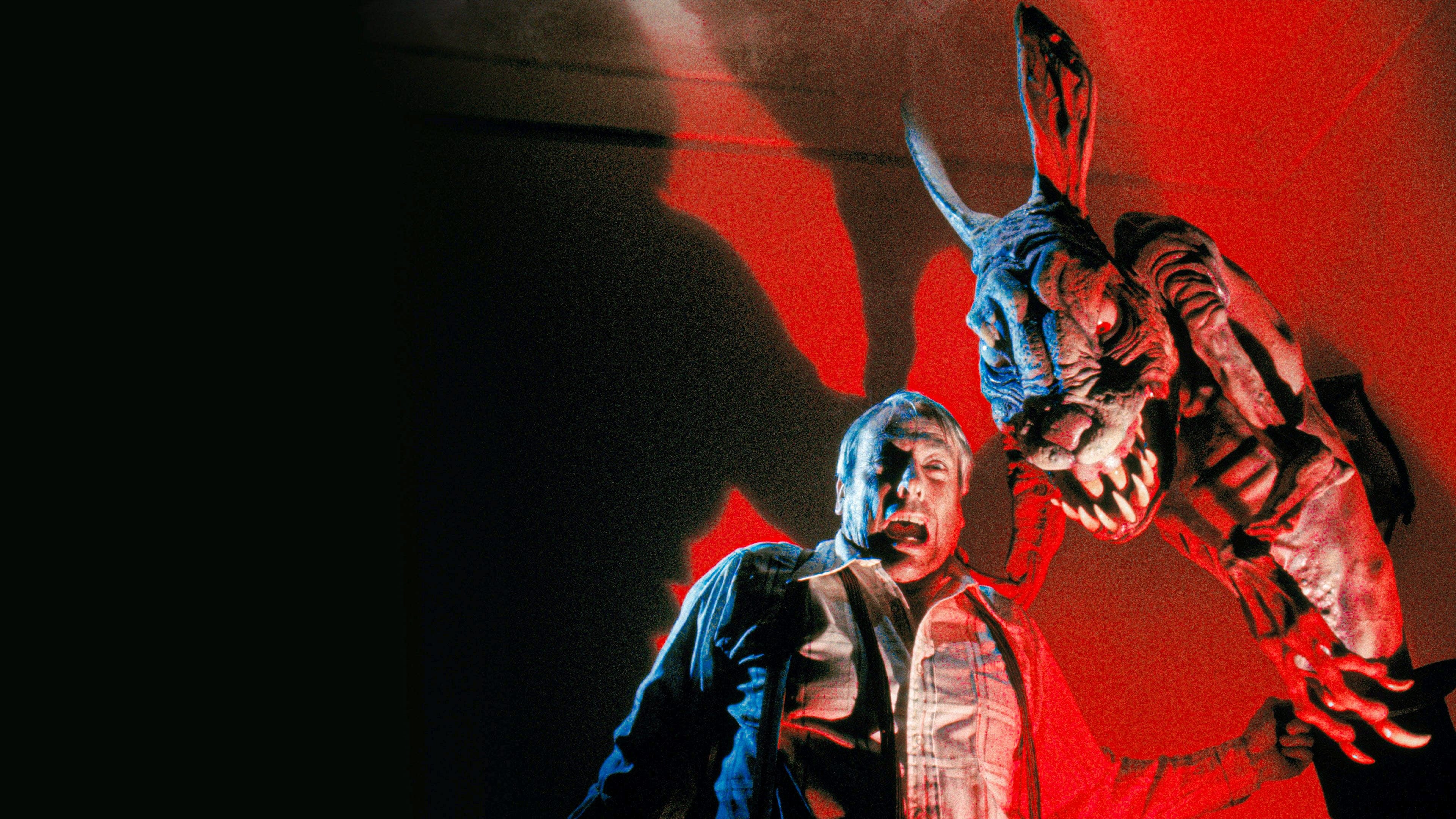
The segment also incorporates conspicuous creature effects. Its cartoon-inspired monsters, associated with the work of Rob Bottin, give physical form to Anthony's imagination while retaining the exaggerated expressions and movements of animated characters. Their appearance reinforces the instability of a house in which the distinction between television fantasy and bodily danger has collapsed. The Washington Post singled out the grotesque creatures and the increasingly elaborate design as important elements of Dante's contribution. Helen's eventual response changes the dynamic by offering the boy guidance rather than continuing the fearful obedience of the adults around him. The conclusion introduces an unusual possibility of change into a story built around absolute supernatural power.

Nightmare at 20,000 Feet: George Miller and the Gremlin

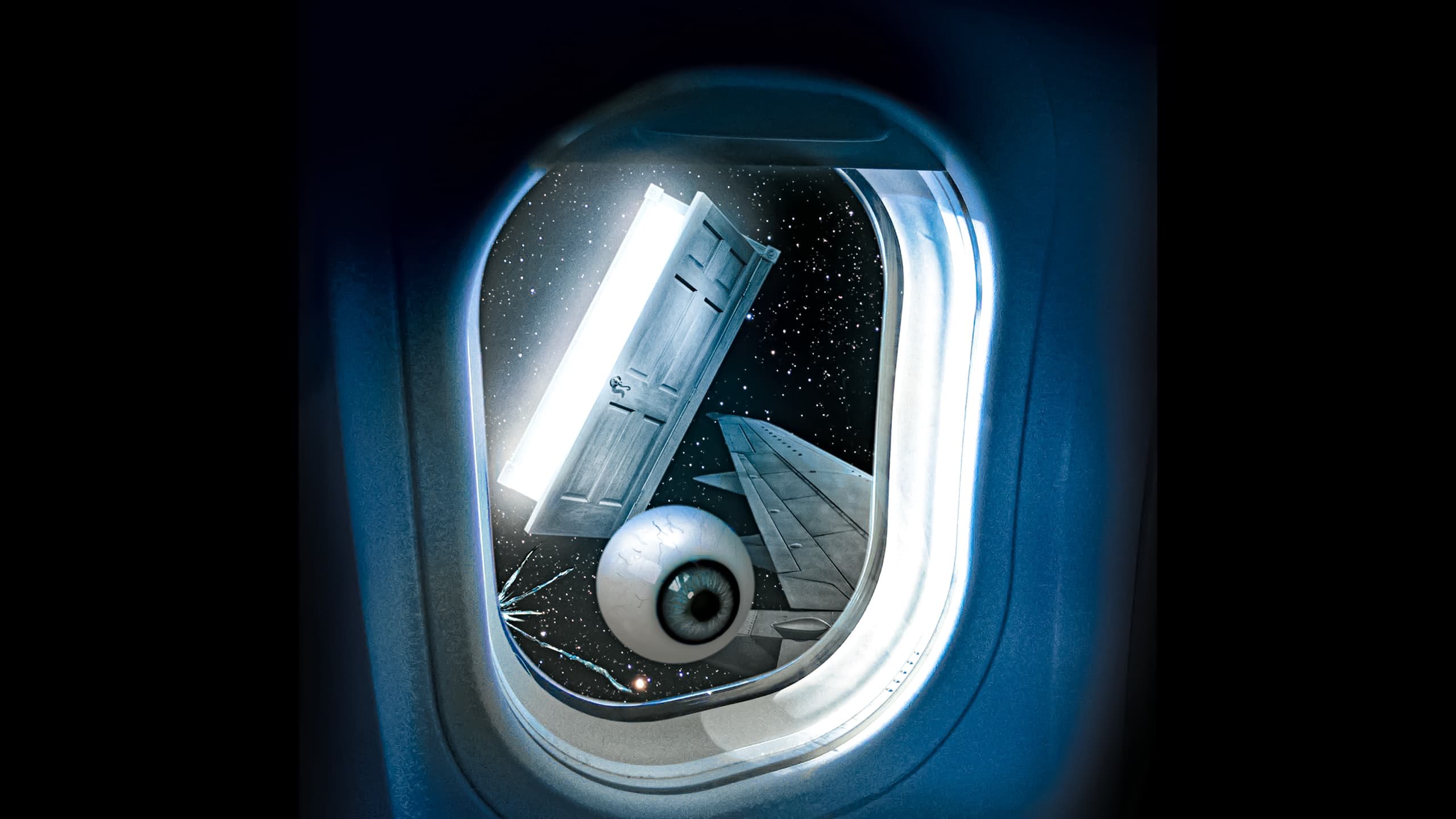
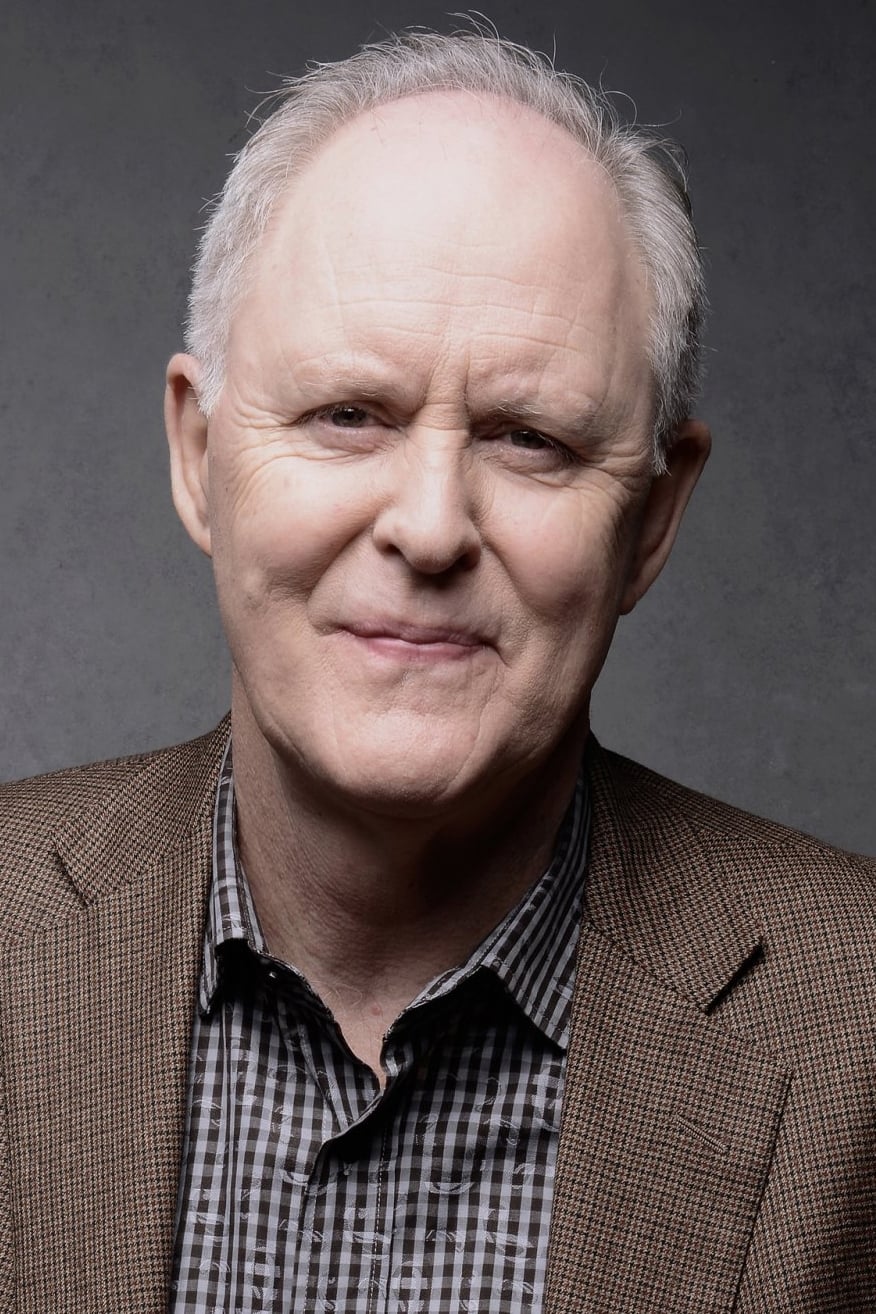
George Miller directed the final story, adapting Richard Matheson's Nightmare at 20,000 Feet, previously filmed for the original television series with William Shatner. John Lithgow replaces Shatner as a passenger whose severe fear of flying becomes unbearable during a turbulent nighttime journey. Looking through the window, he sees a creature moving across the aircraft wing and apparently damaging the engine. Other passengers and crew members dismiss his observations as the product of panic. The premise creates immediate suspense by placing a credible external danger within an enclosed setting where the only apparent witness is also the person least capable of convincing others.

Miller intensifies the story through the physical conditions of the flight. Violent movement, changing light and the confined arrangement of seats and corridors reduce the passenger's ability to escape his fear. Lithgow's performance moves between attempts at self-control and increasingly desperate efforts to communicate what he has seen. The creature is initially revealed through limited glimpses before its appearance at the window establishes a direct confrontation. Unlike a story in which the supernatural remains permanently uncertain, the film provides visible evidence of the danger while maintaining the discrepancy between the passenger's knowledge and the reactions of those around him.

The redesigned gremlin differs substantially from the creature seen in the original television episode. Its distorted features and violent interaction with the aircraft make it an immediate physical threat, while its occasional mocking behavior adds a cruelly comic quality. The final sequence places Lithgow's character in a situation where saving other passengers requires behavior that appears increasingly irrational. Contemporary critic Gary Arnold praised the concentrated intensity of the direction and performance, identifying the segment as a particularly successful transformation of television material into theatrical spectacle. Its construction demonstrates the effectiveness of a simple horror premise when the environment, performance and visible threat remain closely coordinated.

Visual Effects, Photography and Jerry Goldsmith's Score

The anthology required separate visual approaches for its contrasting environments. The production employed cinematographers Stevan Larner, Allen Daviau and John Hora, along with different editing teams for the individual stories. Landis's historical nightmare depends on recognizable period settings and abrupt transitions between threatening situations. Spielberg's segment uses an environment of domestic familiarity and collective movement, while Dante's interiors create an increasingly artificial relationship between architecture and the characters' behavior. Miller confines the action to a commercial aircraft, using restricted viewpoints and changing visibility to sustain the threat outside the window. The film's visual variety follows from its anthology structure rather than from an attempt to impose one photographic style on every story.

Jerry Goldsmith composed the score, returning to a property for which he had previously written music during the original television series. His work gives the individual segments different musical identities. Time Out employs uneasy percussion, piano and electronic colors, while Kick the Can develops a more lyrical orchestral approach. The music for It's a Good Life combines playful textures with threatening interruptions, corresponding to the collision between cartoon fantasy and genuine danger. Nightmare at 20,000 Feet relies heavily on rhythmic pressure, aggressive orchestral gestures and the increasingly frantic emotional condition of its protagonist. The contrasts allow the score to support the different dramatic requirements without abandoning a recognizable overall musical language.
The soundtrack was originally issued in an edited album presentation. In 2009, Film Score Monthly released an expanded reconstruction using surviving recording elements, with work by Mike Matessino and recording engineer Bruce Botnick. A detailed analysis by Mark R. Hasan distinguishes the original album arrangements from the more complete chronological presentation, noting material omitted or condensed for the earlier record. The expanded edition also documents the relationship between Goldsmith's music and Marius Constant's established Twilight Zone theme. Its restoration makes the separate musical approaches easier to examine, although the album should not be confused with an alternative edition of the completed film.

Release, Contemporary Reception and Historical Legacy

Warner Bros. released Twilight Zone: The Movie in the United States on June 24, 1983. The American Film Institute records an opening weekend of approximately 6.61 million dollars, based on contemporary Daily Variety reporting. This figure describes the initial domestic engagement and should not be represented as the total theatrical gross. The film entered distribution while criminal proceedings relating to the 1982 accident were developing, making its release unusually controversial. The fatal incident and the completed anthology were separate subjects of public discussion, but the circumstances of production affected how the first segment could be understood and evaluated.

Critical responses differed substantially. In The Washington Post, Gary Arnold praised the imaginative possibilities of the anthology and particularly admired the work of Dante and Miller, while considering Landis's dramatic story its weakest component. Other contemporary reviews were more doubtful about whether the theatrical production captured the brevity and sharp narrative reversals associated with Serling's program. The disagreements reflect the uneven structure of a film composed of several independent creative approaches. They also show that the judgment of one segment was not necessarily shared across the entire feature. The reception history cannot be reduced to either universal enthusiasm or wholesale rejection.

The film subsequently became part of the wider history of theatrical and television horror anthologies in the 1980s, a period that also saw renewed interest in the Twilight Zone property itself. Its four-part construction made individual segments available for comparison, especially the contrast between Spielberg's sentimental fantasy and the more confrontational horror of Dante and Miller. Yet any assessment of its cultural afterlife must acknowledge the documented deaths during production and the safety discussions that followed. The film remains historically significant both for its attempt to reconsider Serling's format through contemporary theatrical techniques and for the scrutiny it brought to the responsibilities involved in dangerous filmmaking.

References

  1. American Film Institute Twilight Zone: The Movie (1983)

    Extensive archival production history using contemporary trade reporting, documenting the development, filming, fatal accident, investigations, release and original reception.

  2. National Transportation Safety Board Western Helicopters, Inc., Bell UH-1B, N87701 - Investigation LAX82AA274

    Official federal investigation record identifying the July 23, 1982 helicopter accident and providing the associated report, docket and safety recommendations.

  3. Los Angeles Times All Twilight Zone Figures Acquitted: Jurors Clear Director Landis and 4 Others of Manslaughter Charges

    Contemporary reporting by Paul Feldman on the criminal trial, the five acquittals, the accident and the legal arguments considered by the jury.

  4. The Washington Post The Brilliant Zone

    Gary Arnold contemporary critical assessment of the four segments, the performances, the creature effects and the altered ending of the Landis story.

  5. KQEK CD/LP Review: Twilight Zone: The Movie (1983) - Expanded Release

    Detailed musical analysis by Mark R. Hasan documenting the individual Goldsmith scores, orchestral and electronic techniques, original album edits and expanded archival release.

Connections

Cast

View Full Cast & Crew →

Release & Distribution

Production Companies (2)

  • Amblin Entertainment US
  • Warner Bros. Pictures US

Distributors (1)

  • Warner Bros. Entertainment US

Release History (6)

Release DateTerritoryRelease TypeFormatDistributorCertificationNotes
1983-06-24 United States Theatrical — — PG
1983-09-01 United Kingdom Theatrical — — 12 Originally 15; downgraded 2010
1983-09-23 Ireland Theatrical — — 12
1984-01-20 Germany Theatrical — — 12
1984-01-27 Italy Theatrical — — —
1984-02-18 Japan Theatrical — — G
You're travelling through another dimension. A dimension, not only of sight and sound, but of mind. A journey into a wondrous land whose boundaries are that of imagination. Next stop, the Twi