The Dead Zone (1983)

US
Runtime
103 min
Release
October 21, 1983
Budget
$10,000,000
Revenue
$20,766,616
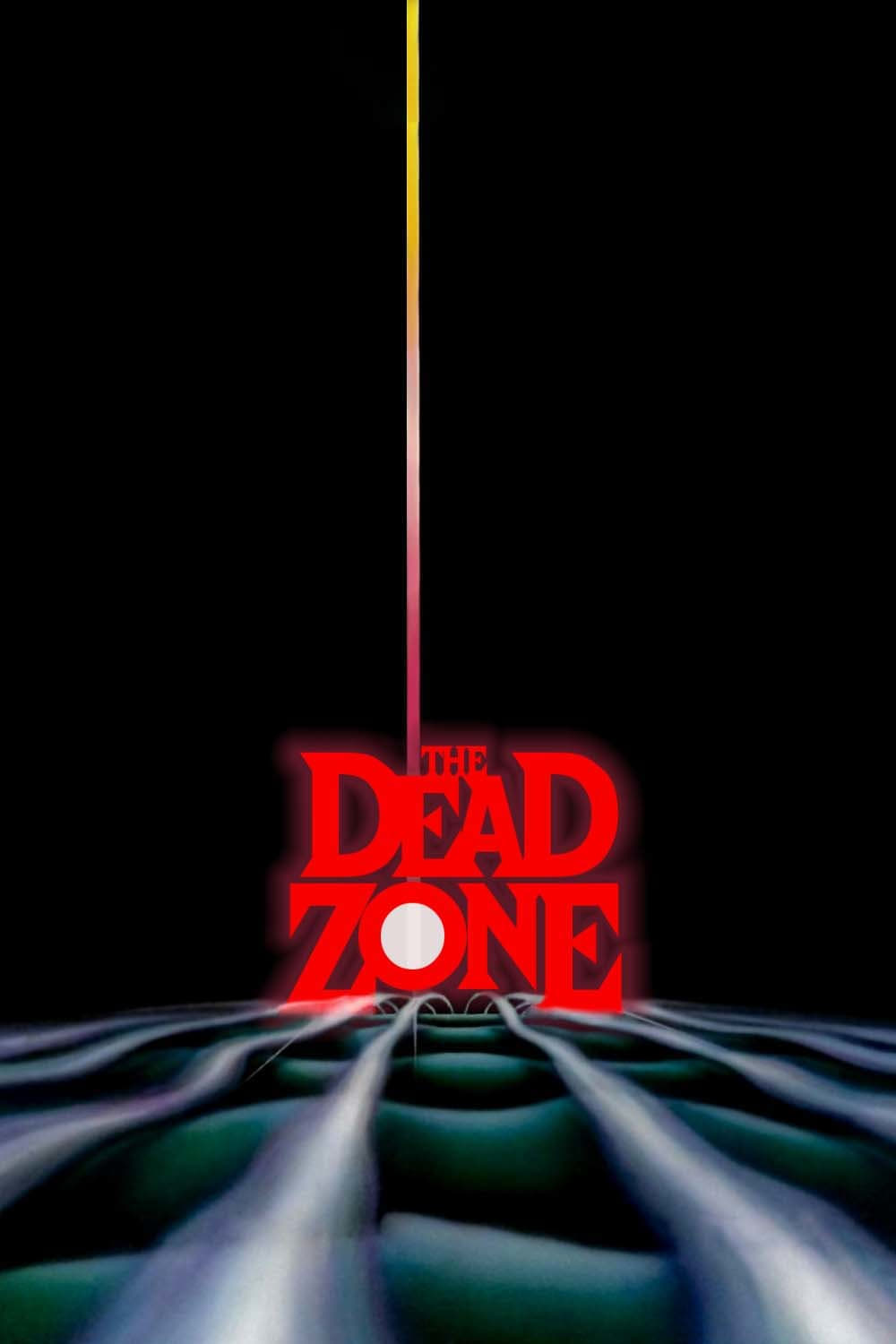
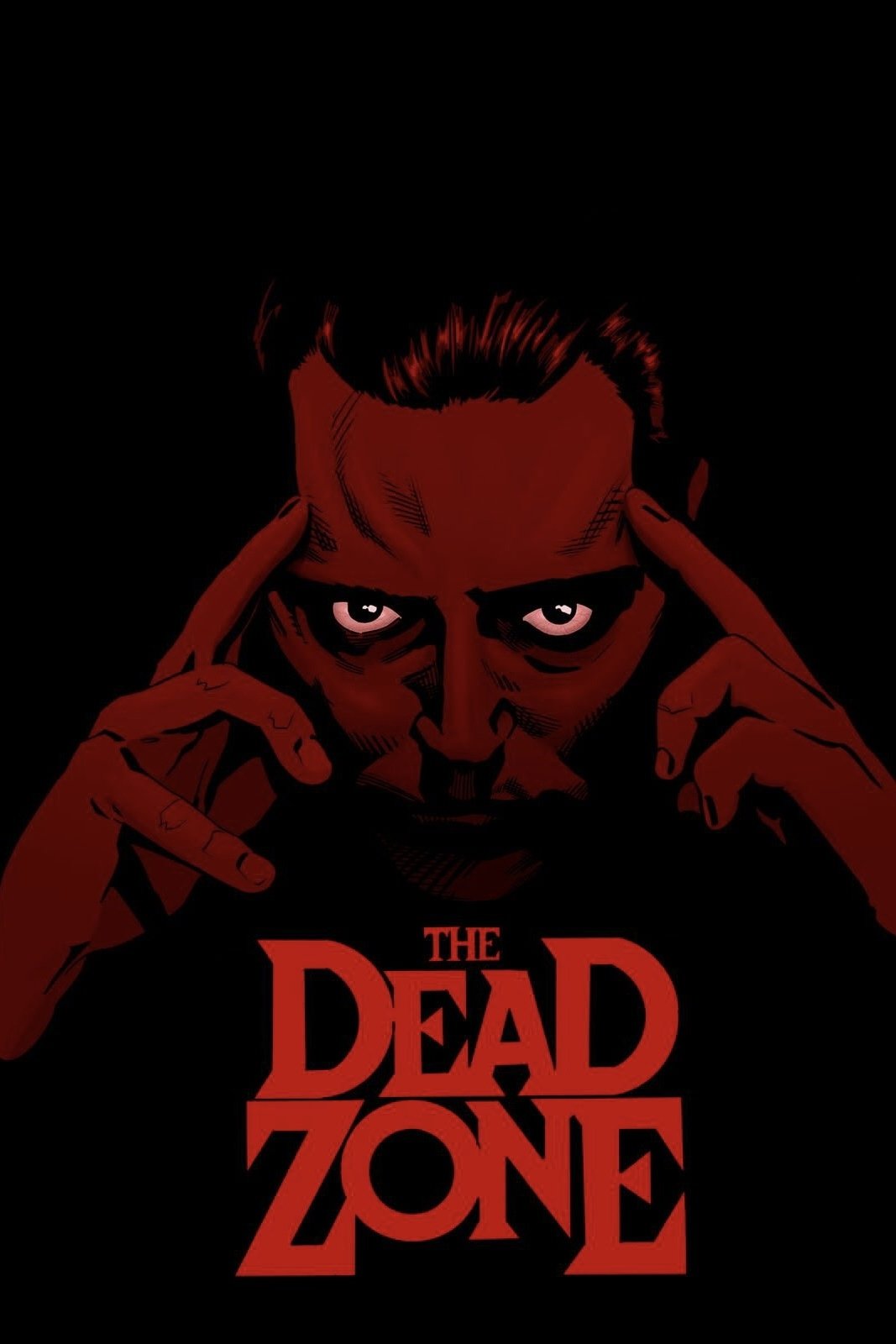
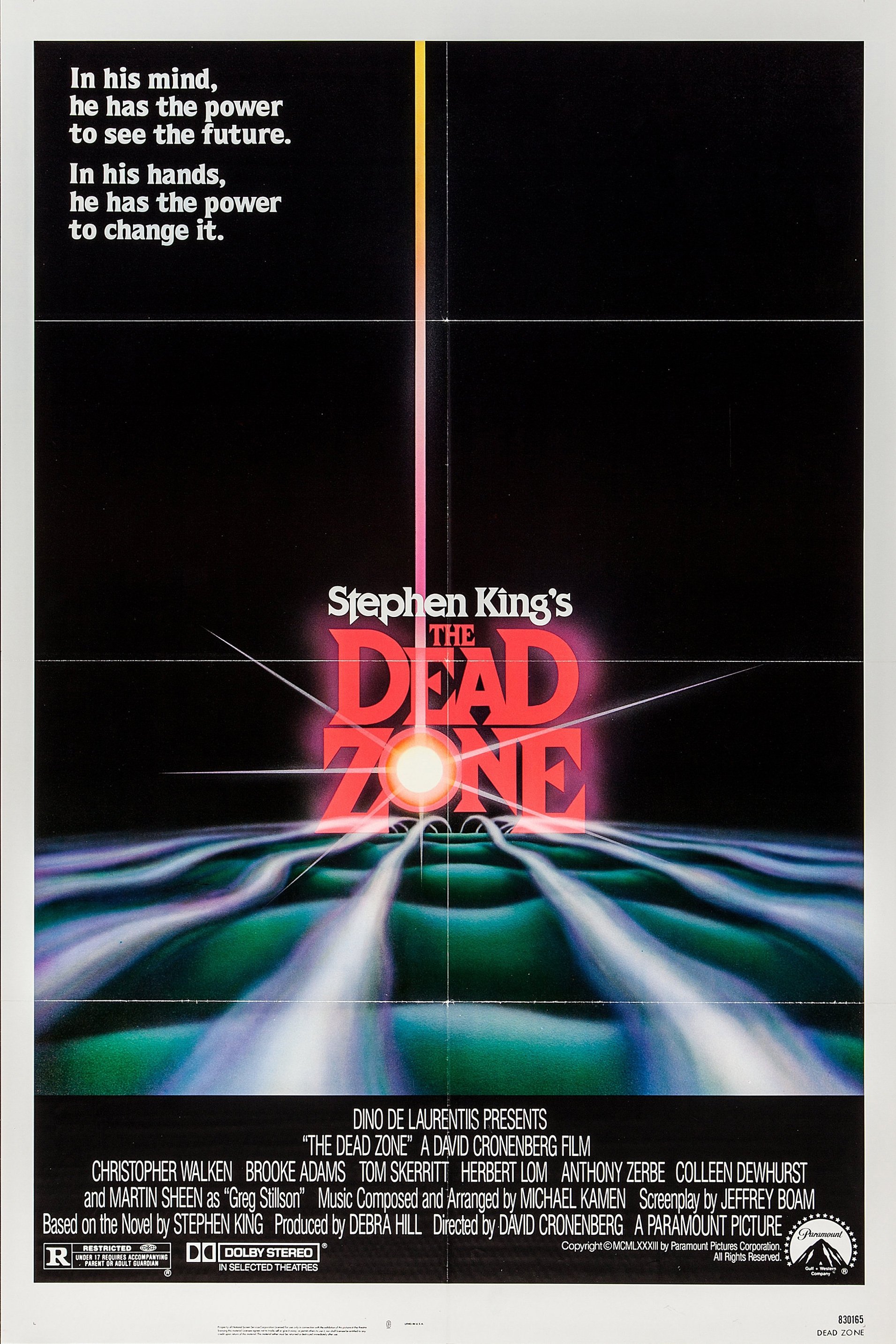
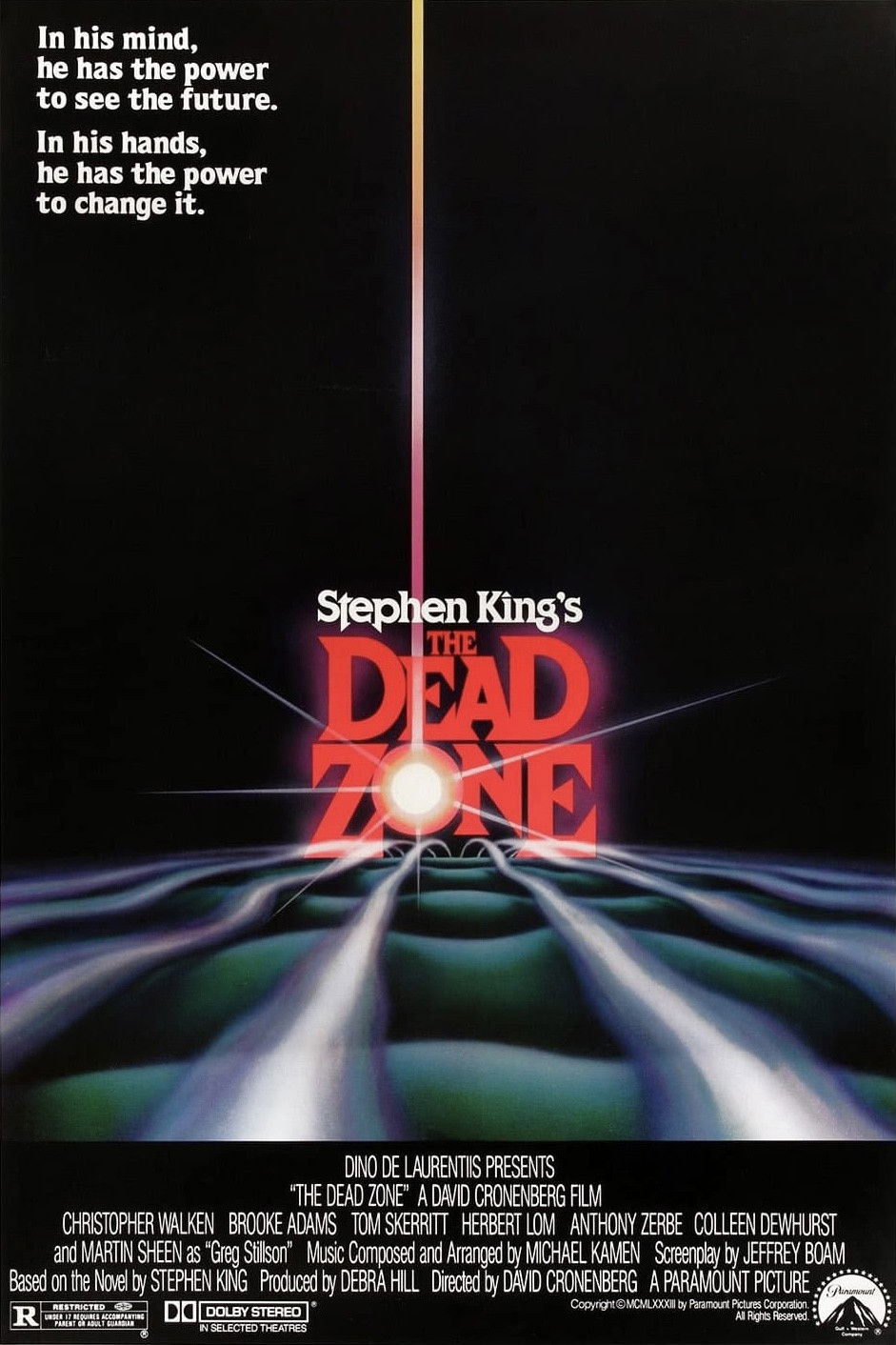
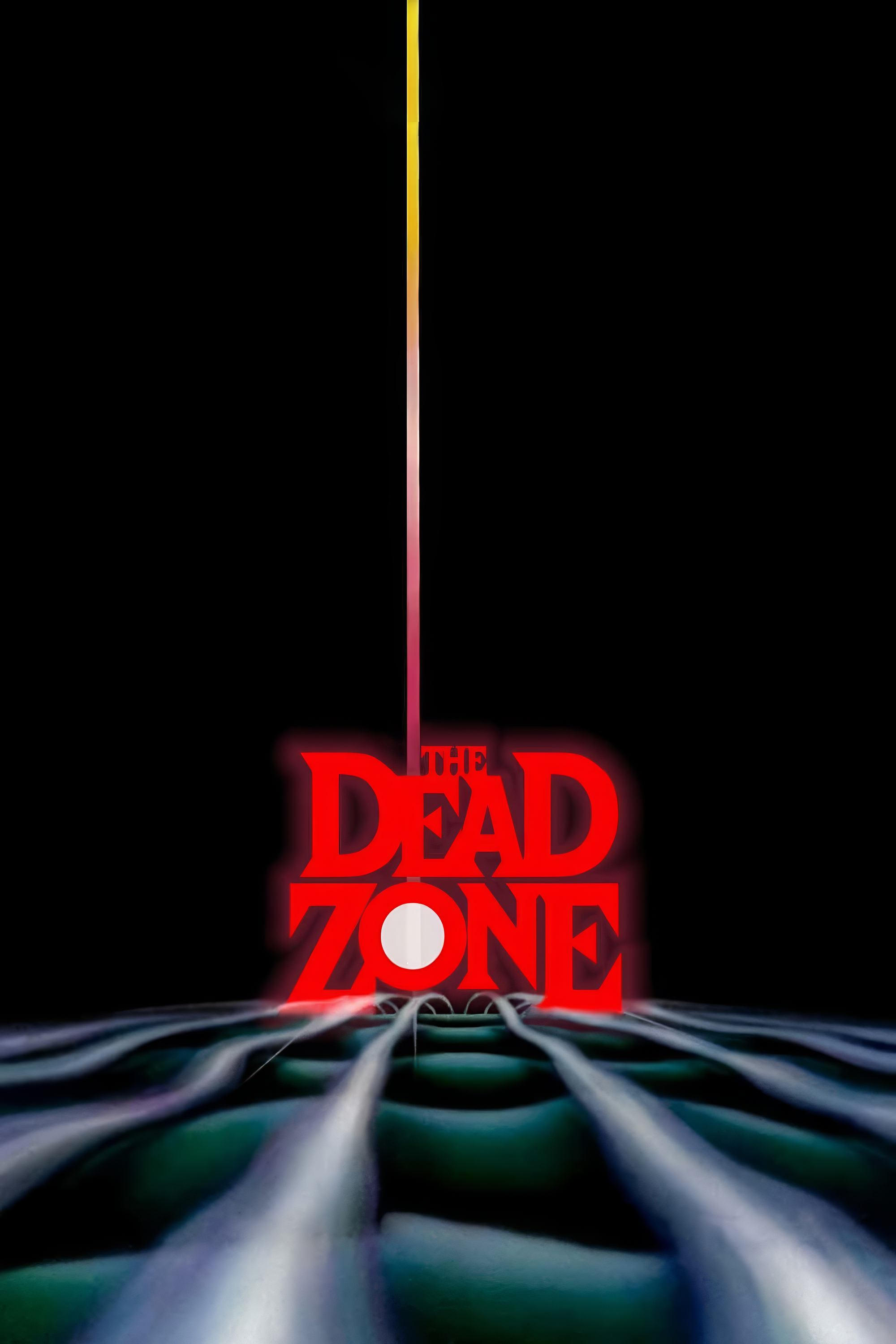
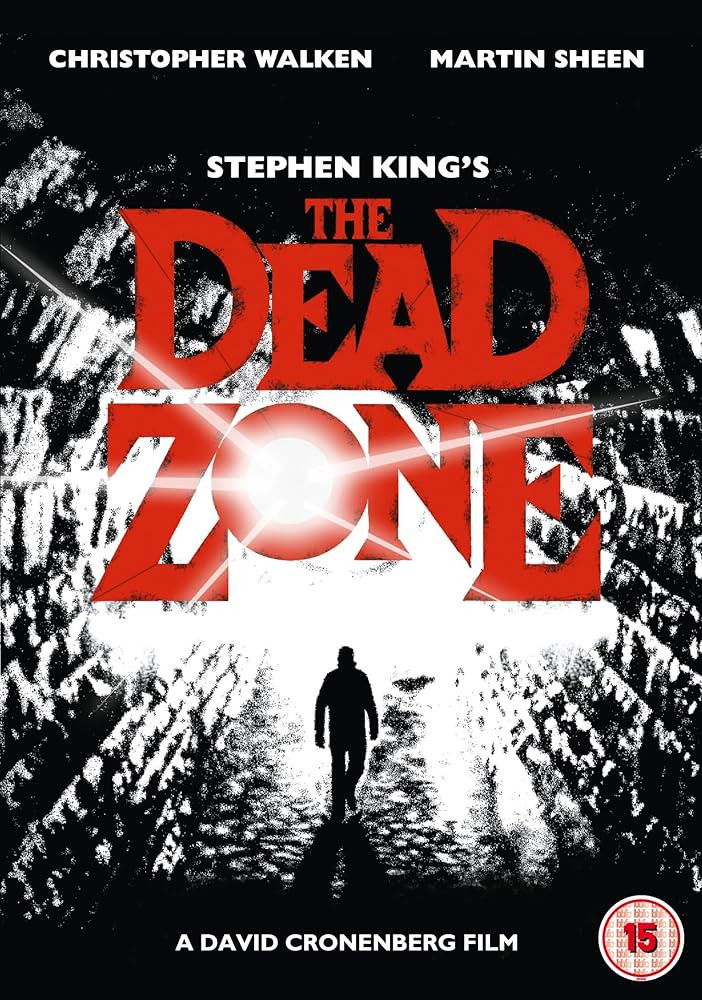
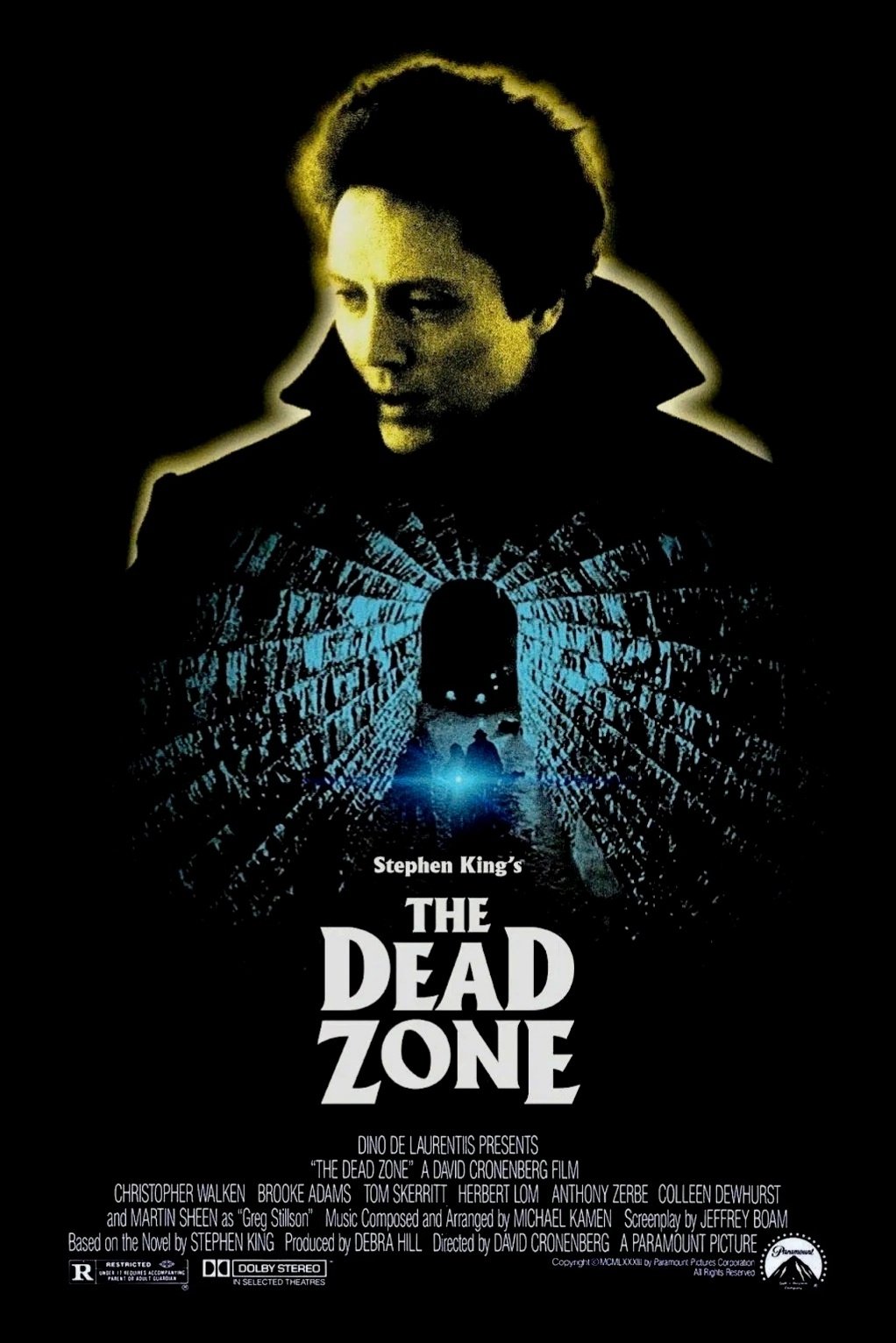
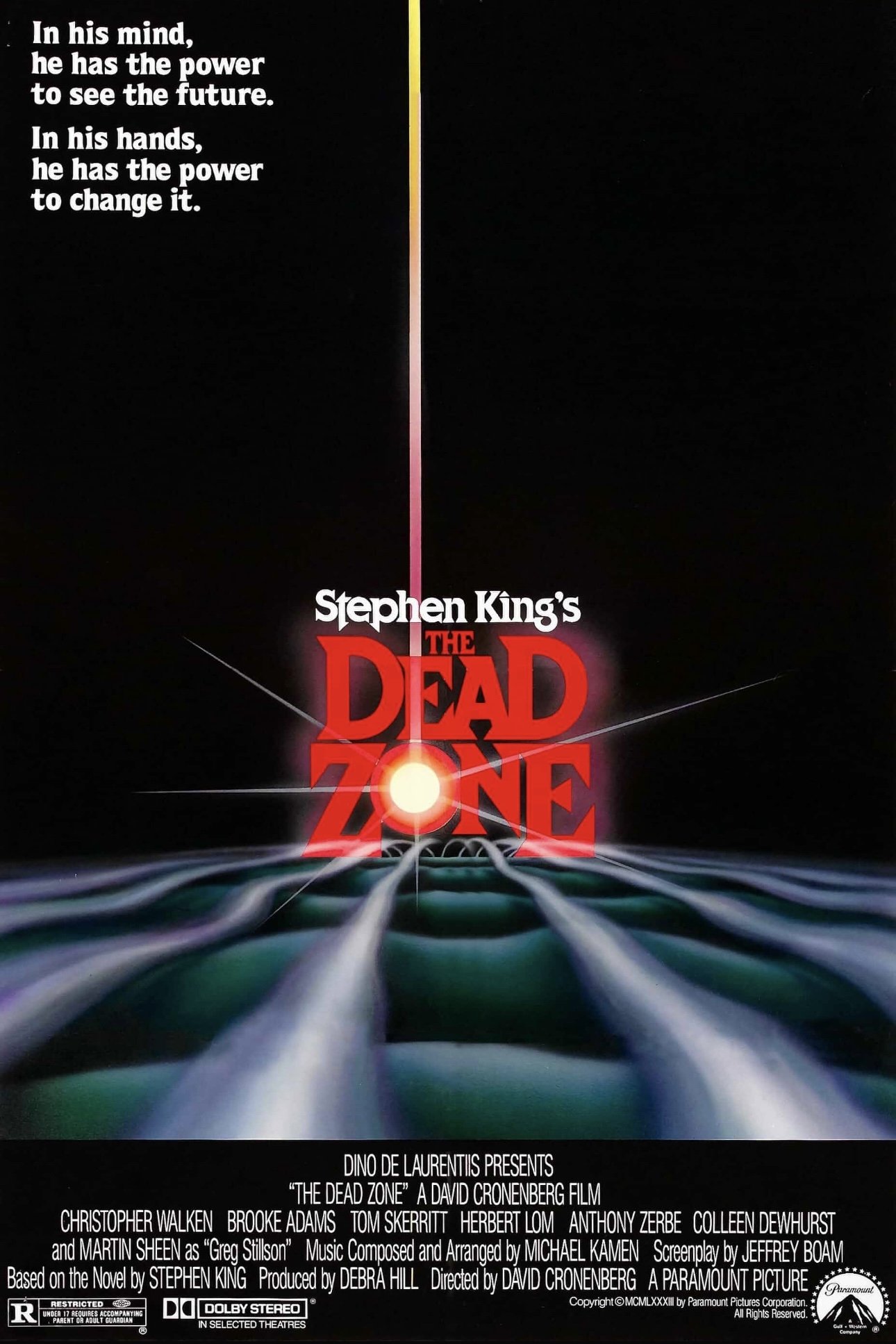
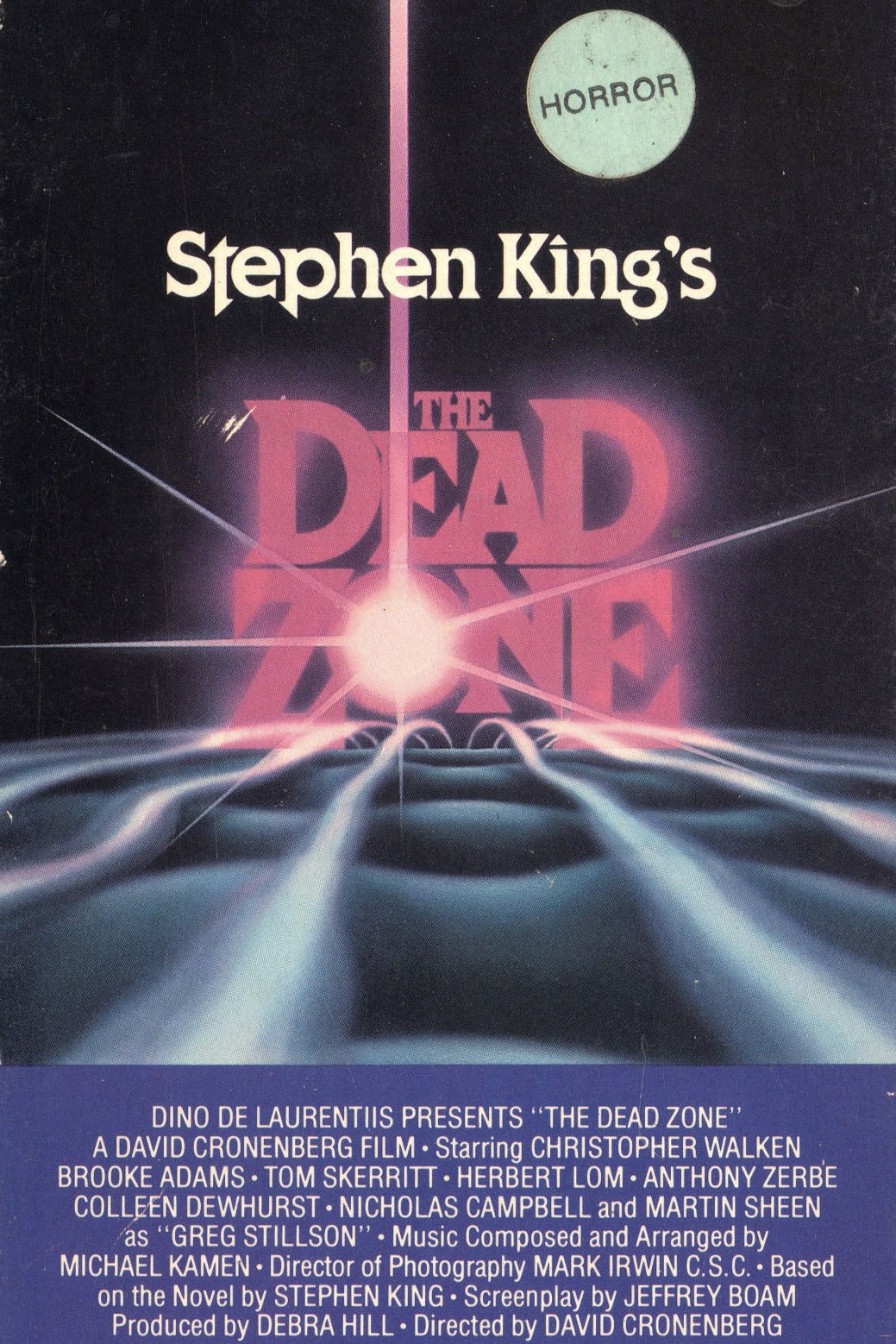
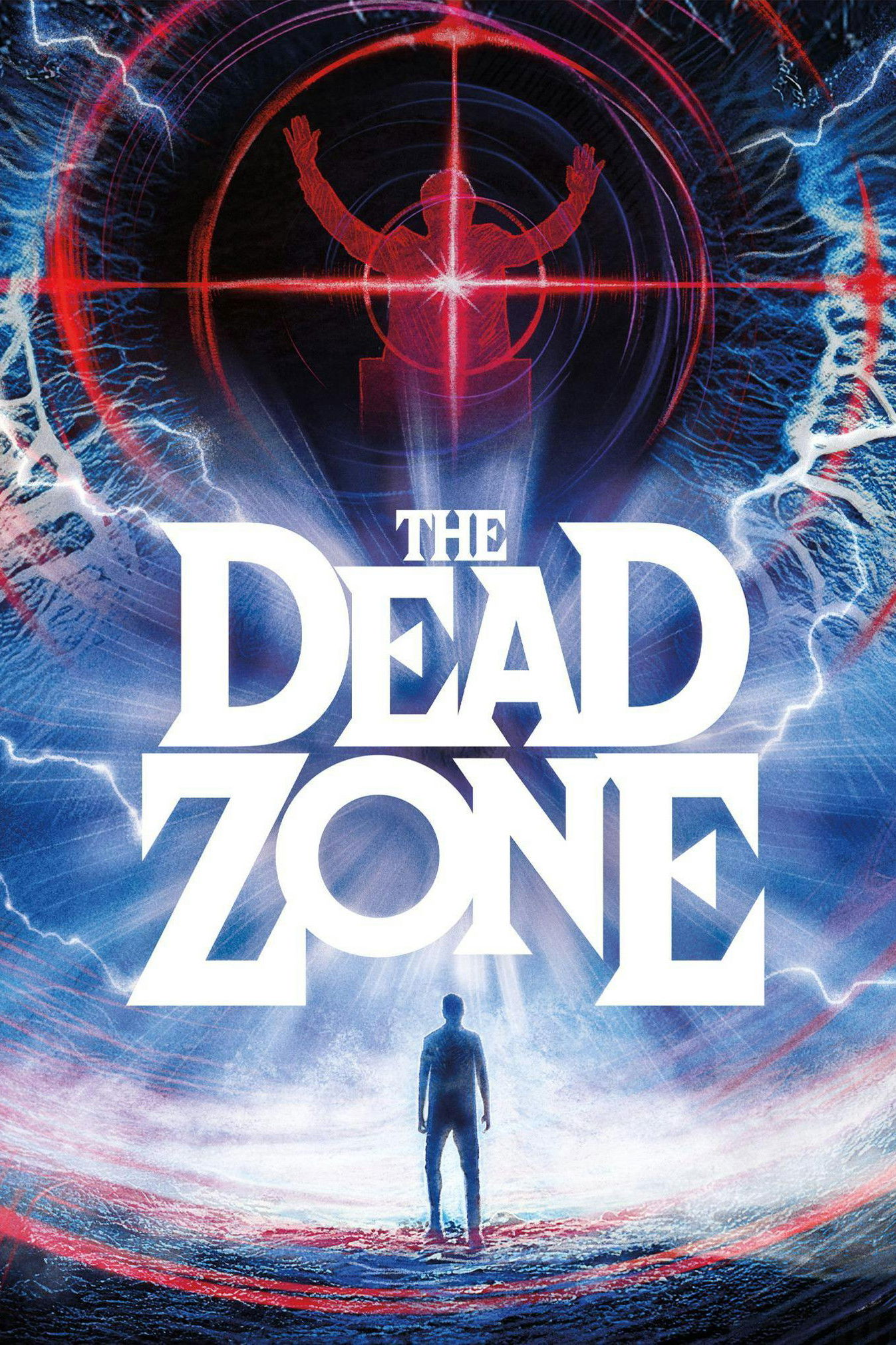
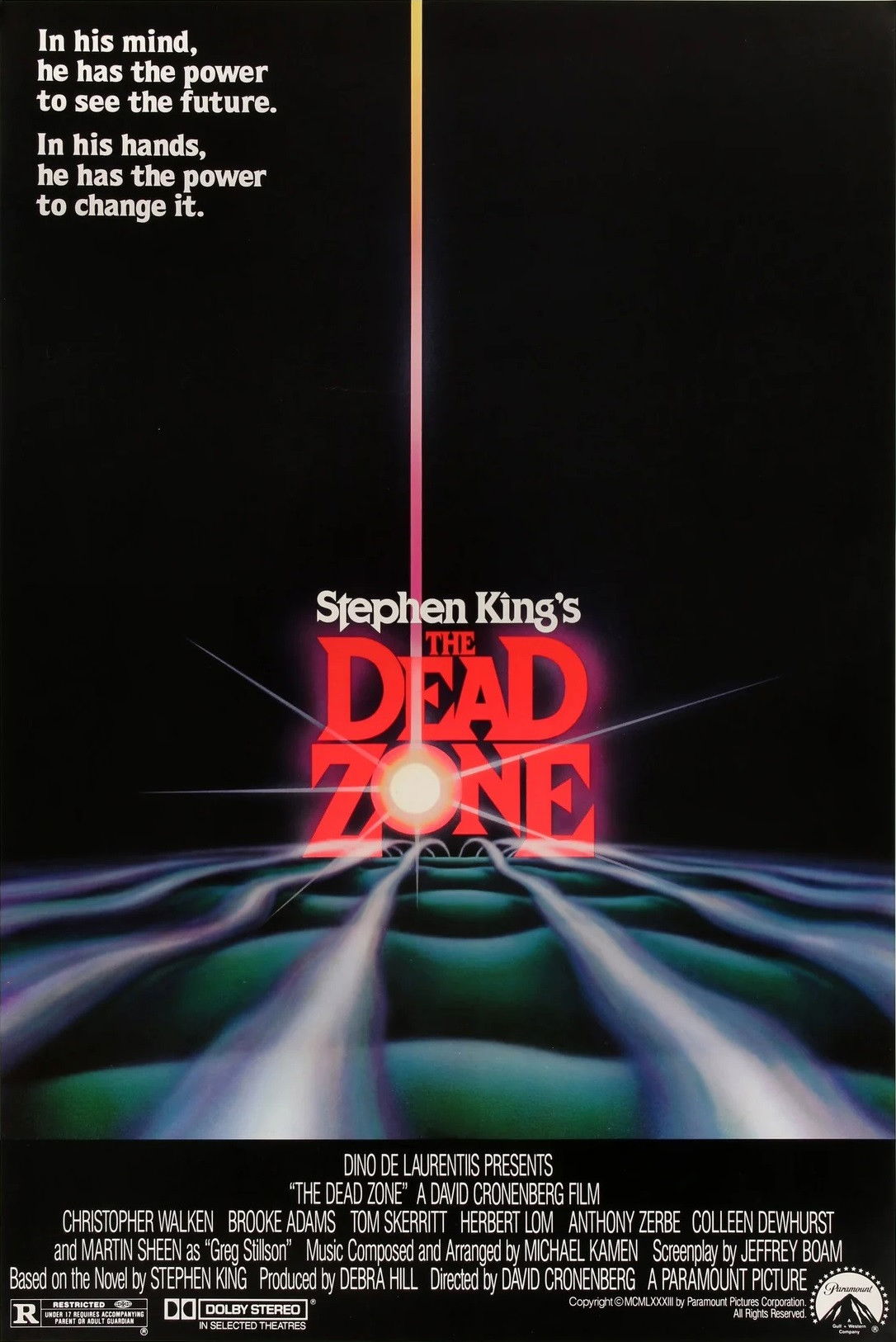
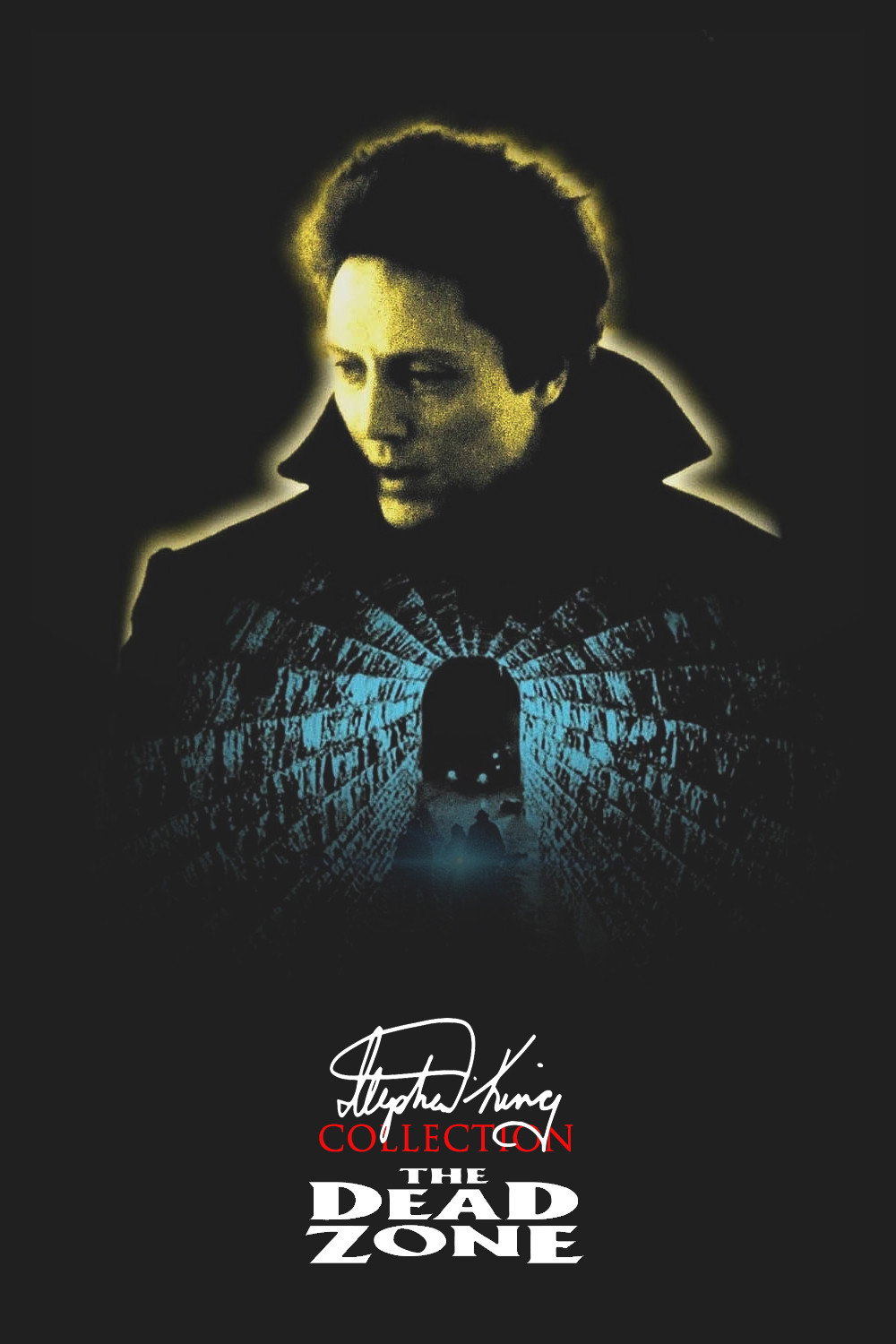
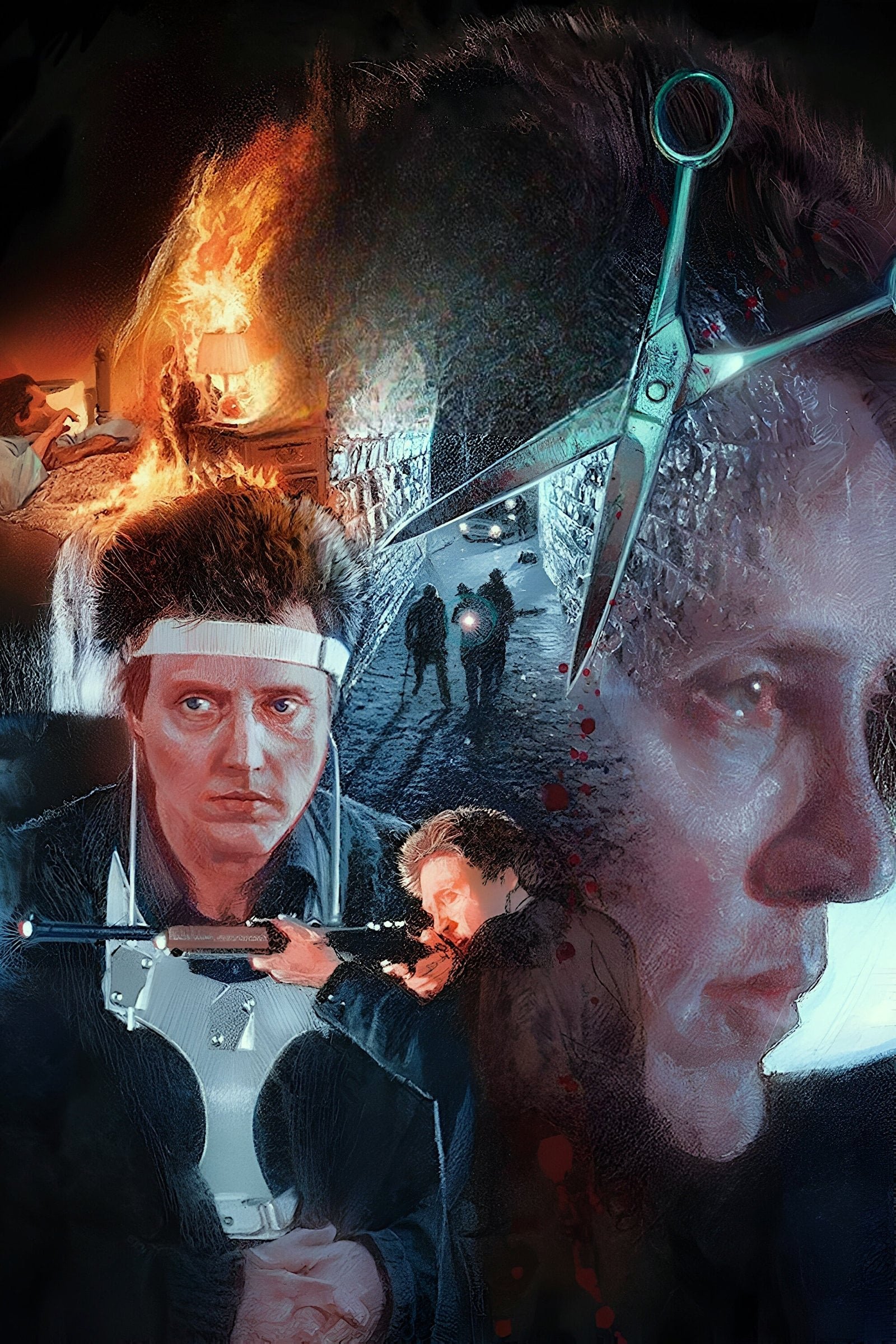
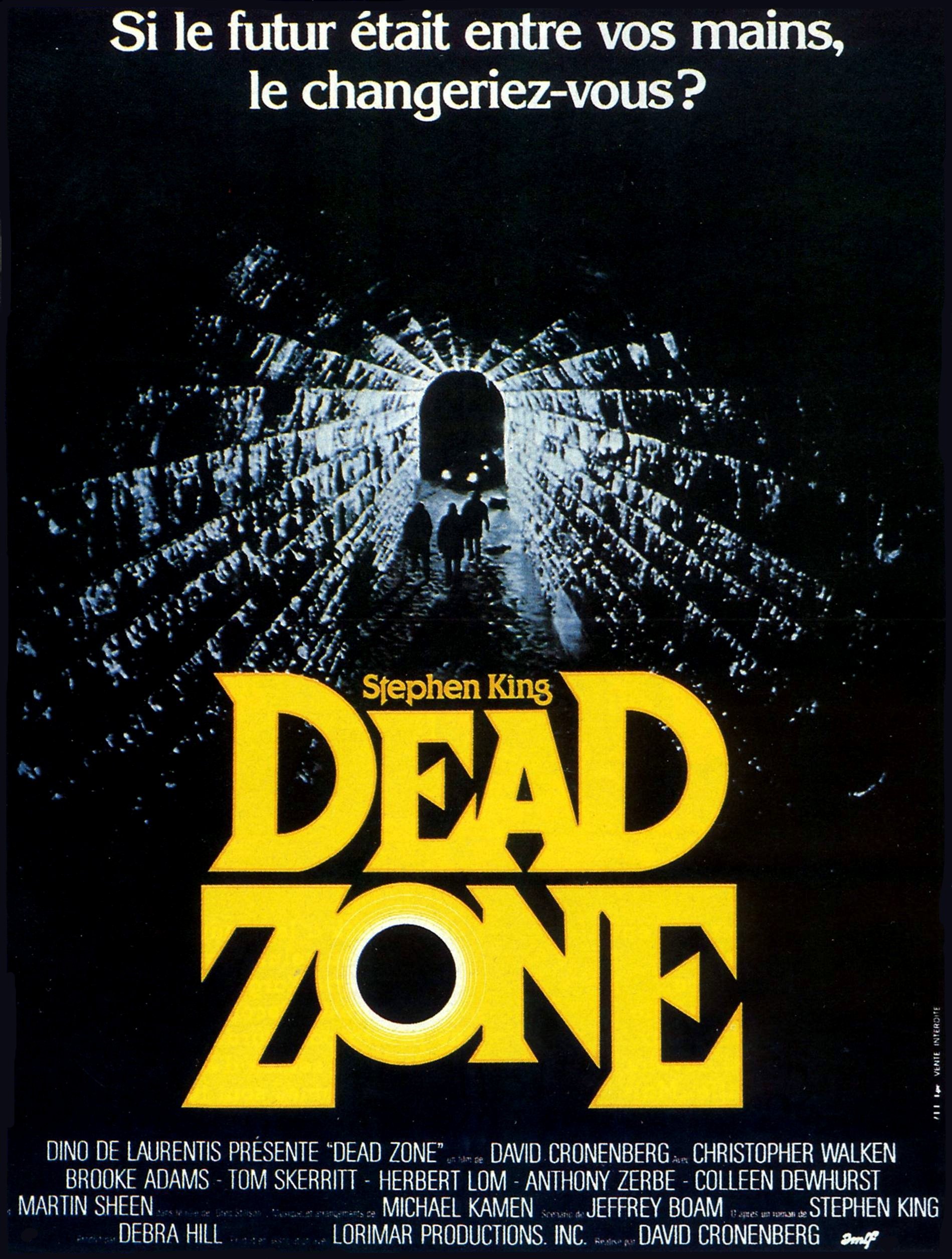
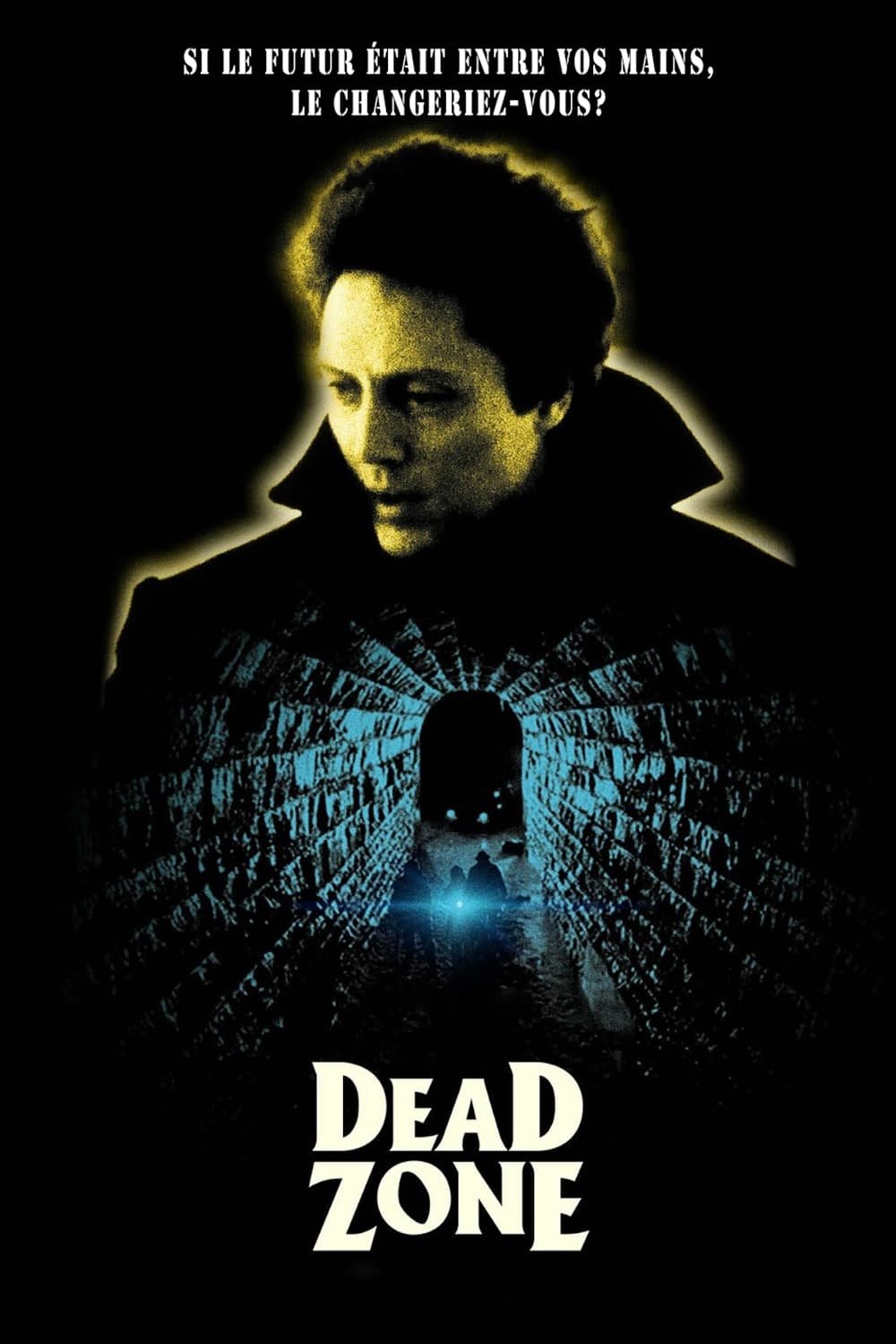
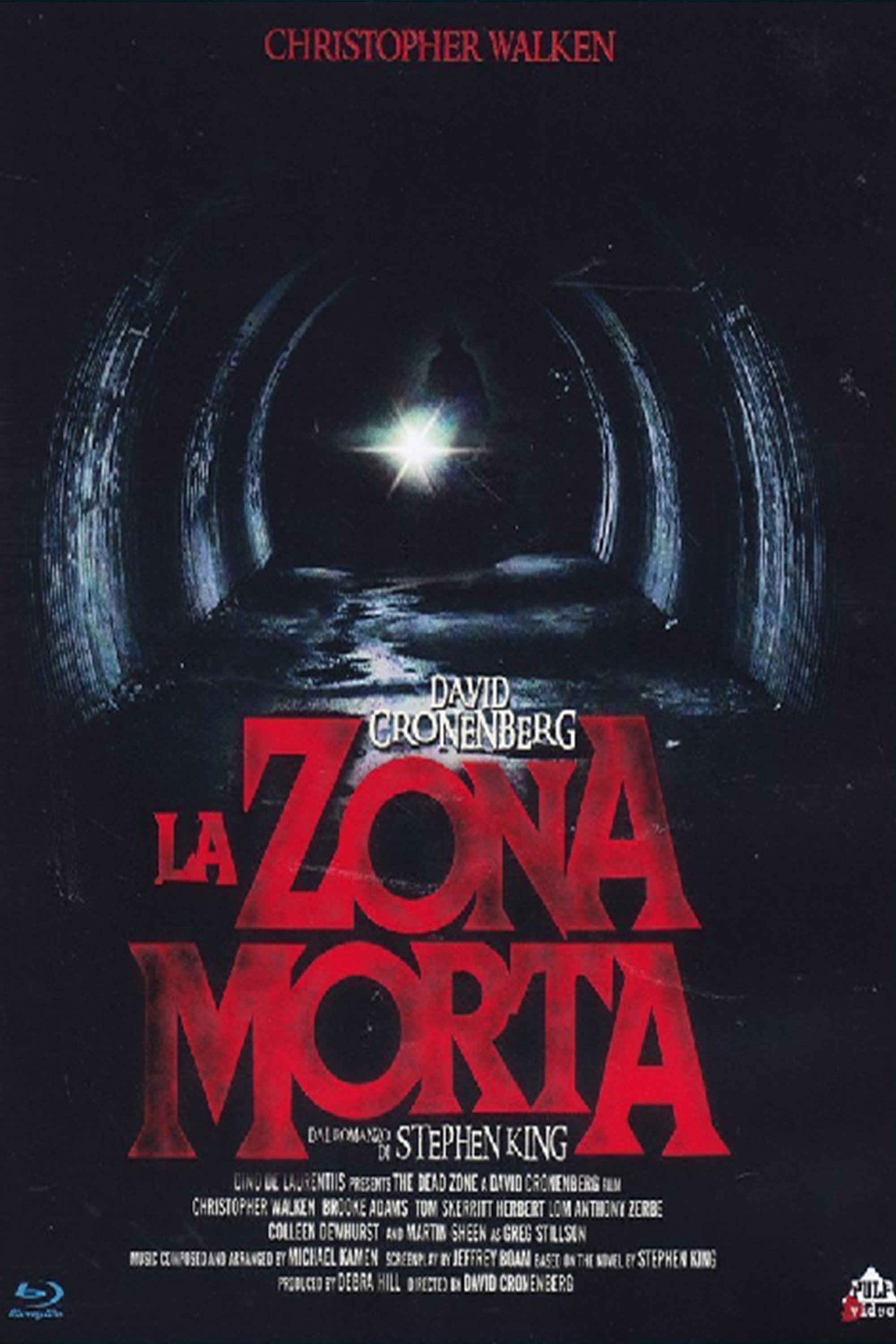
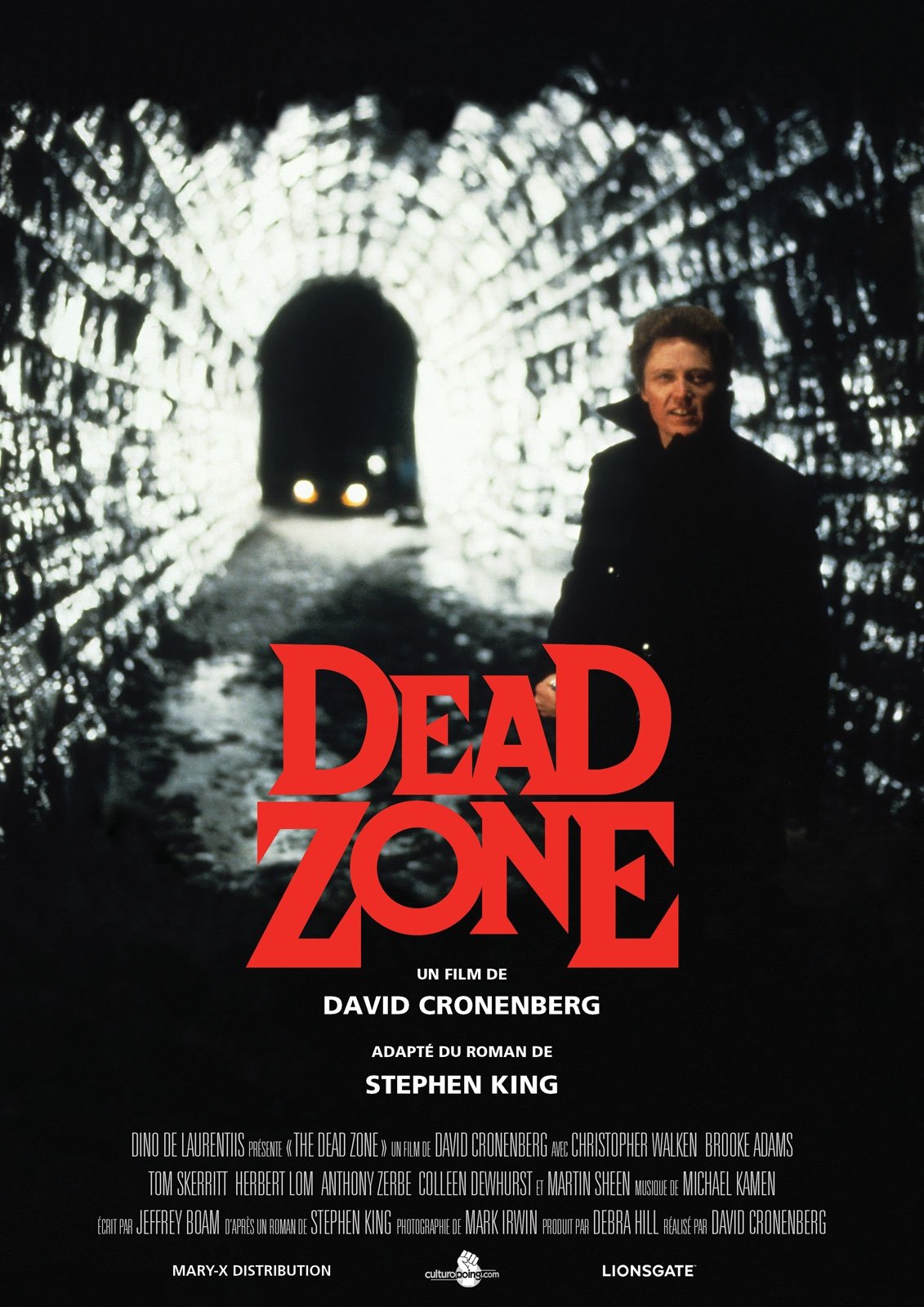
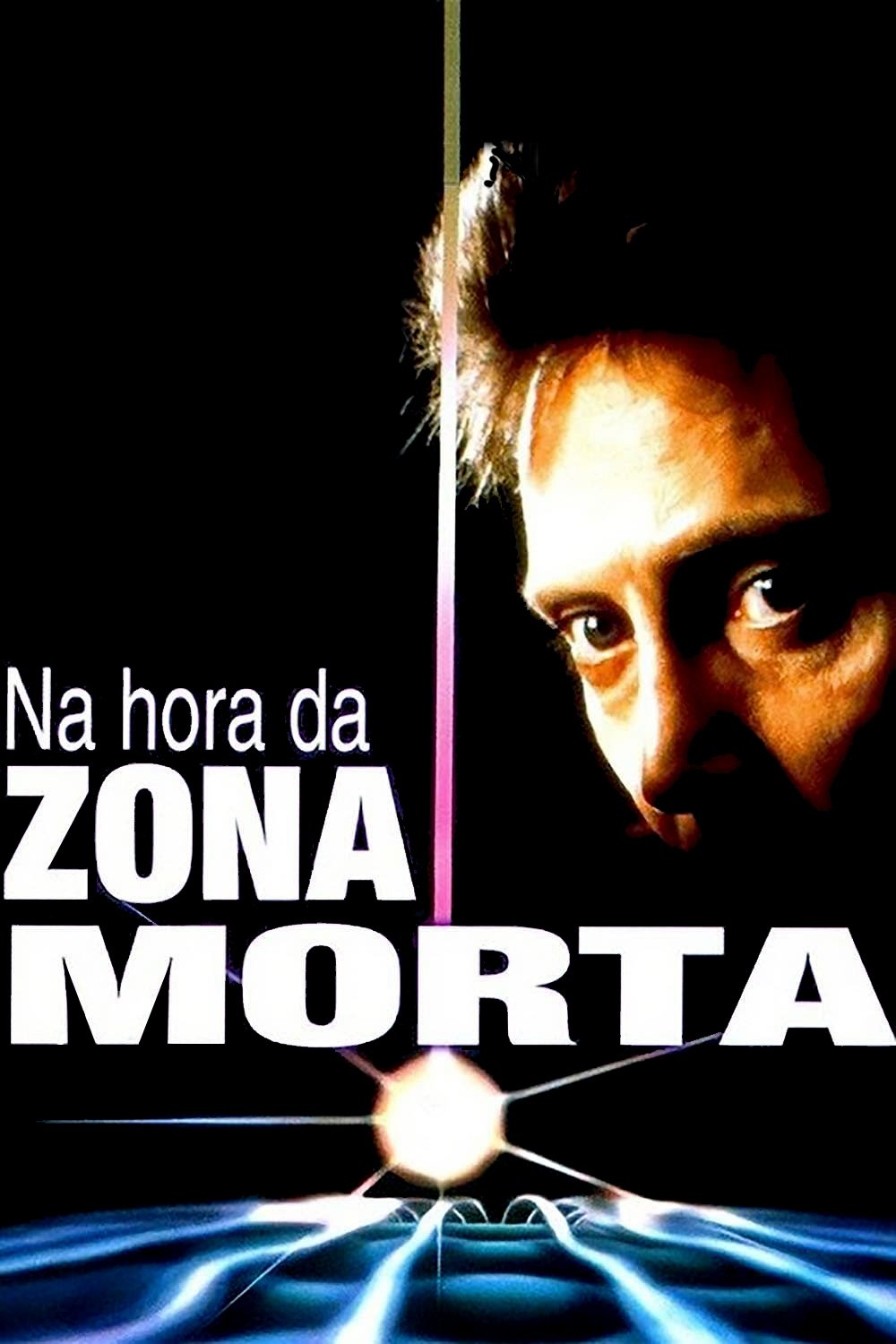
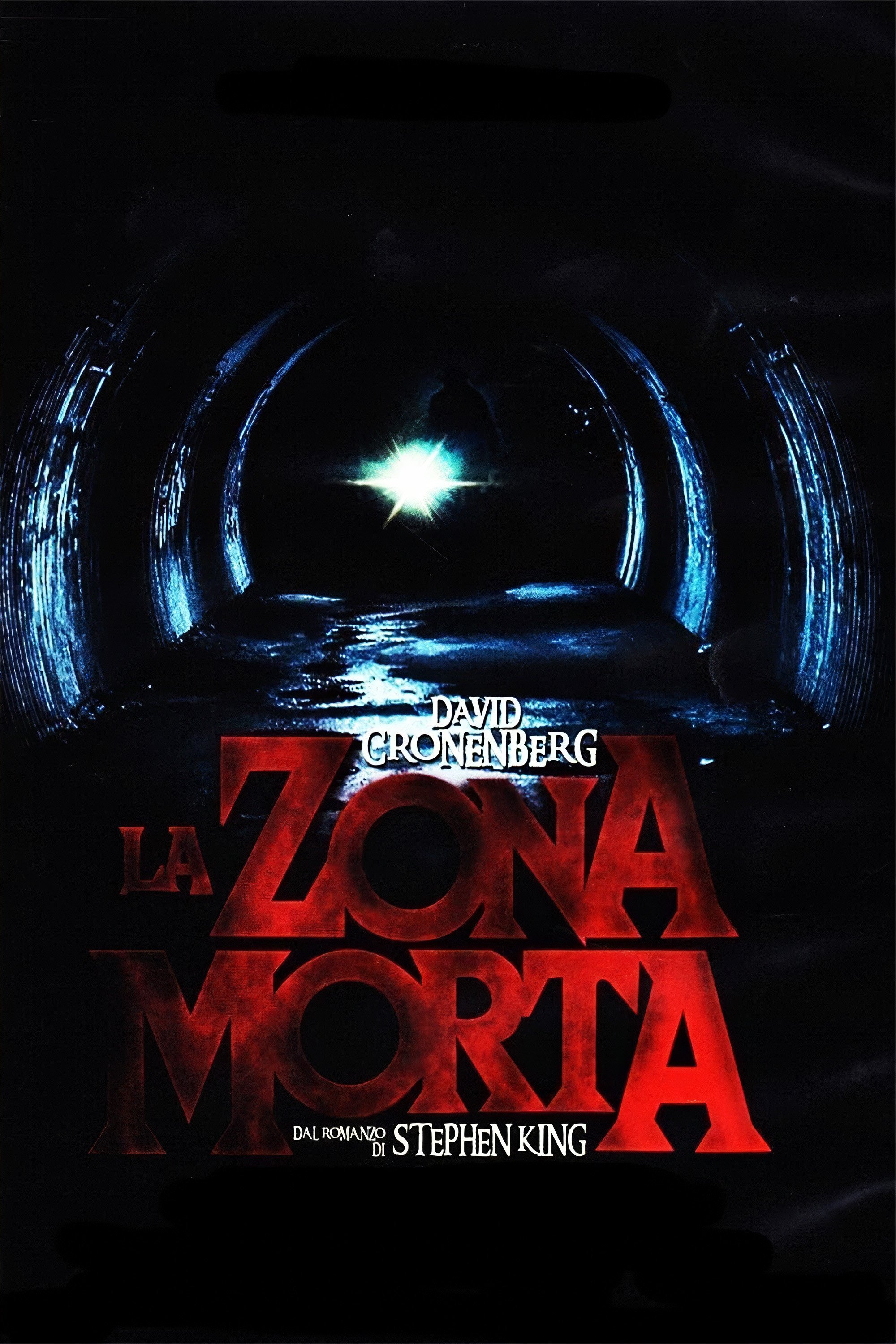
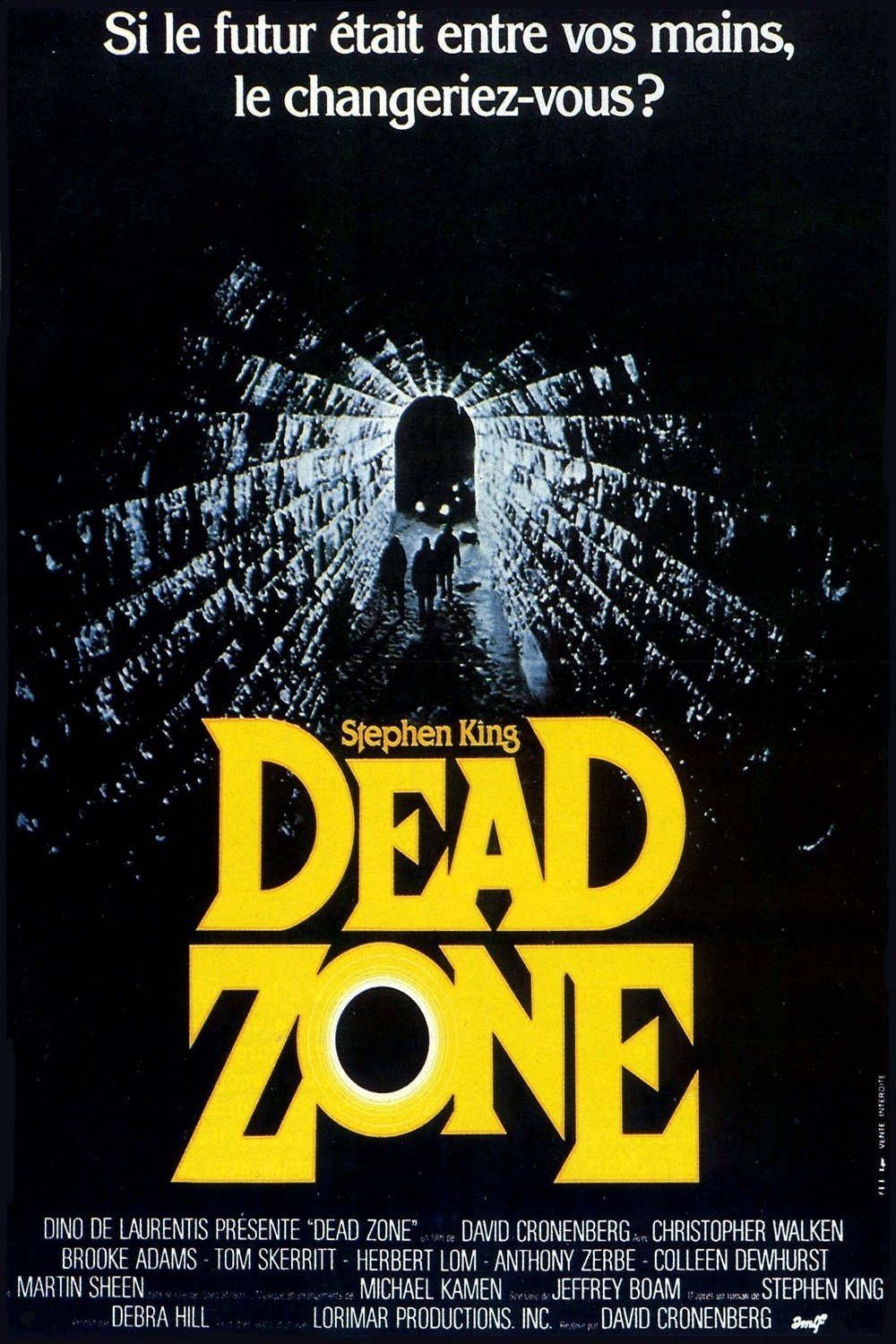
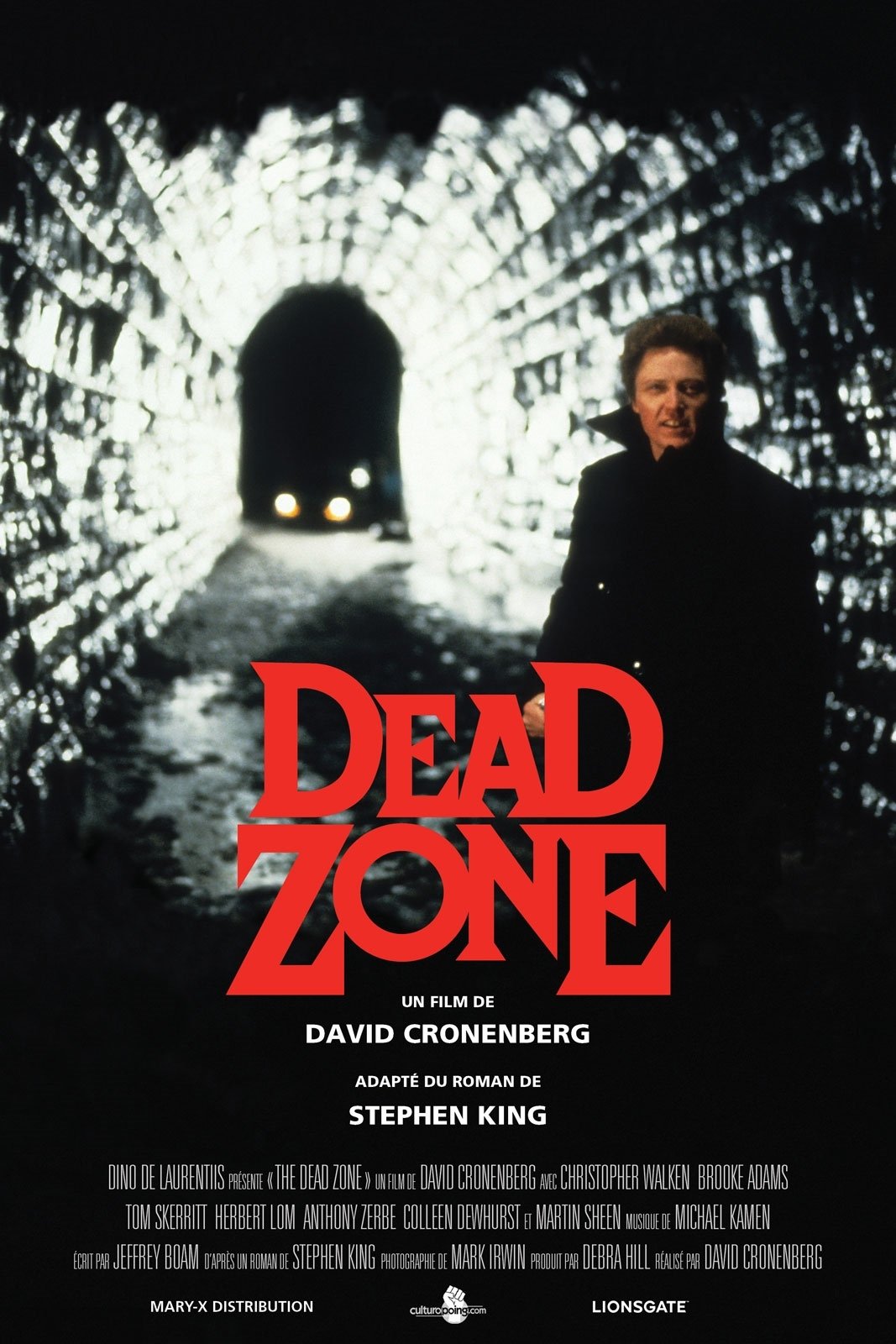
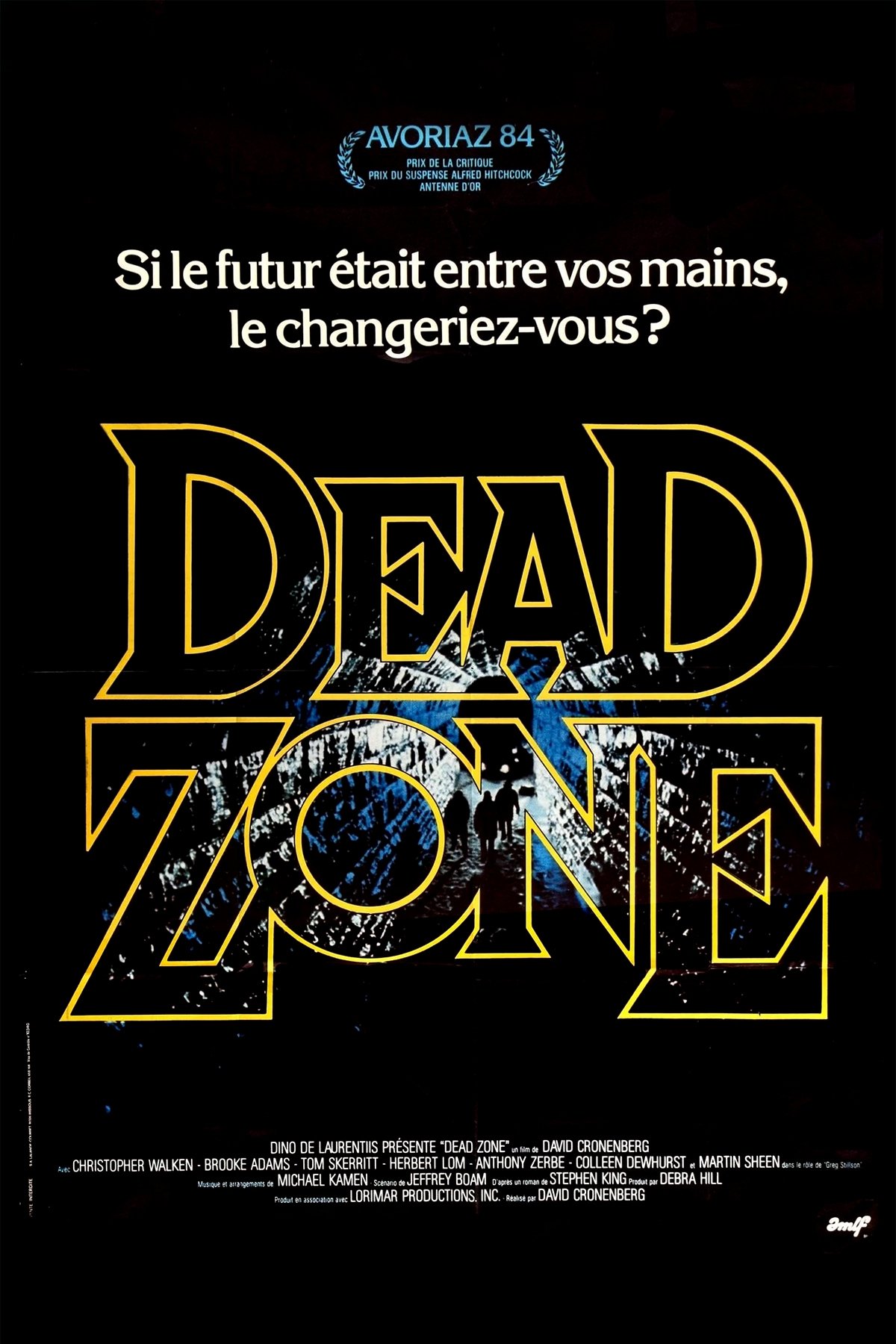
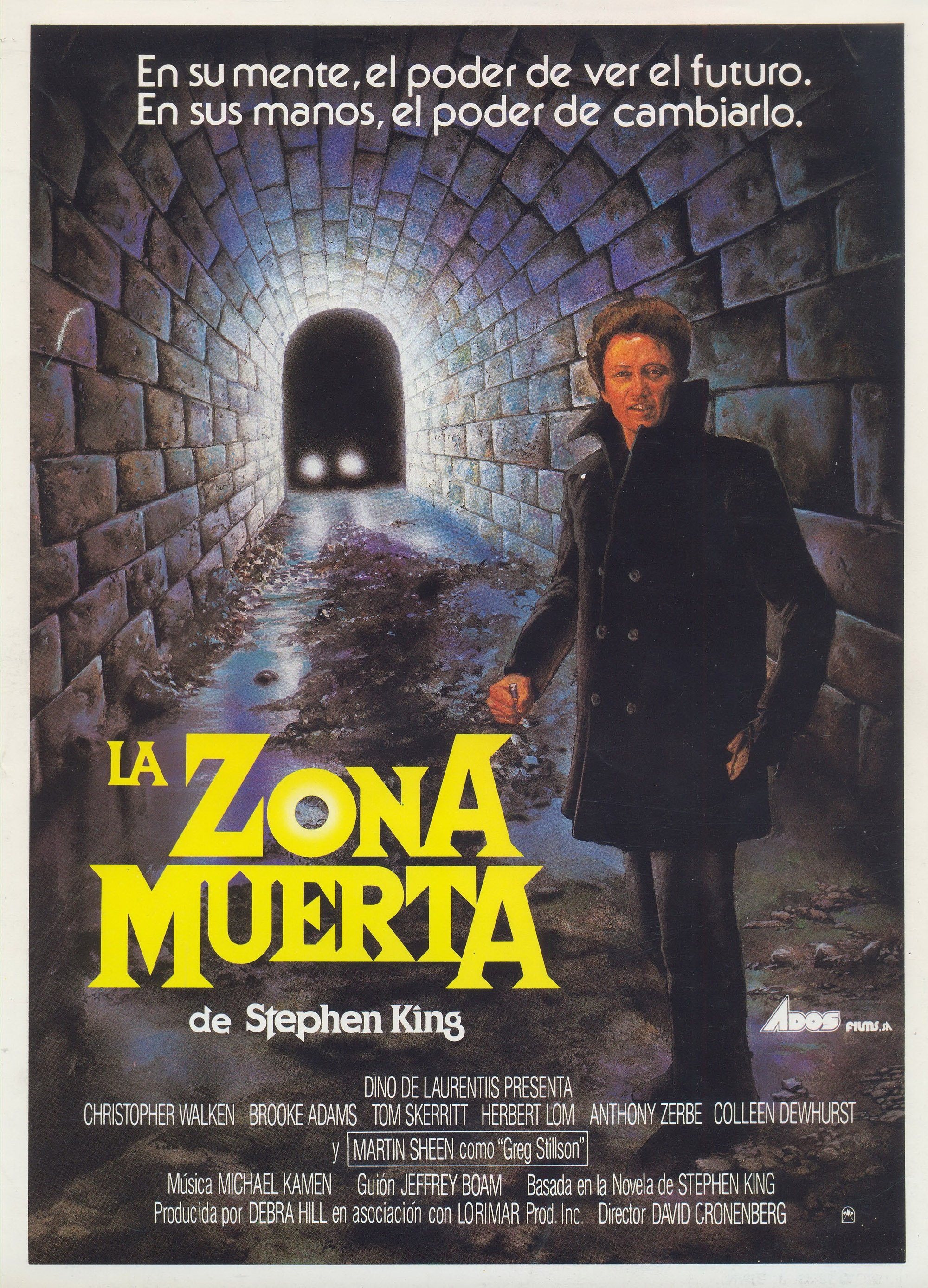
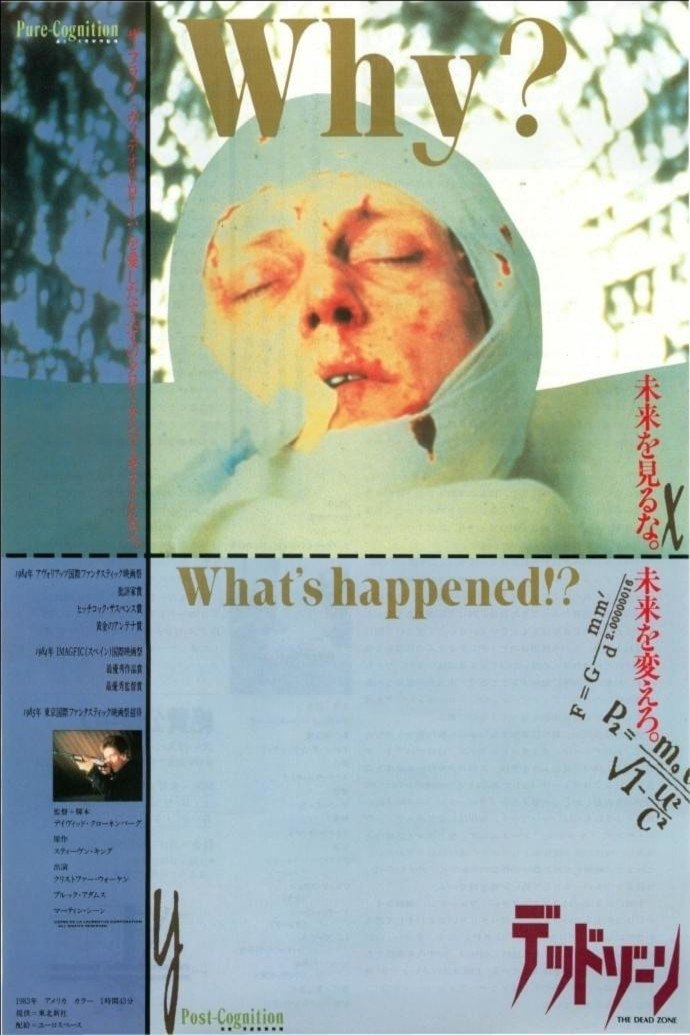
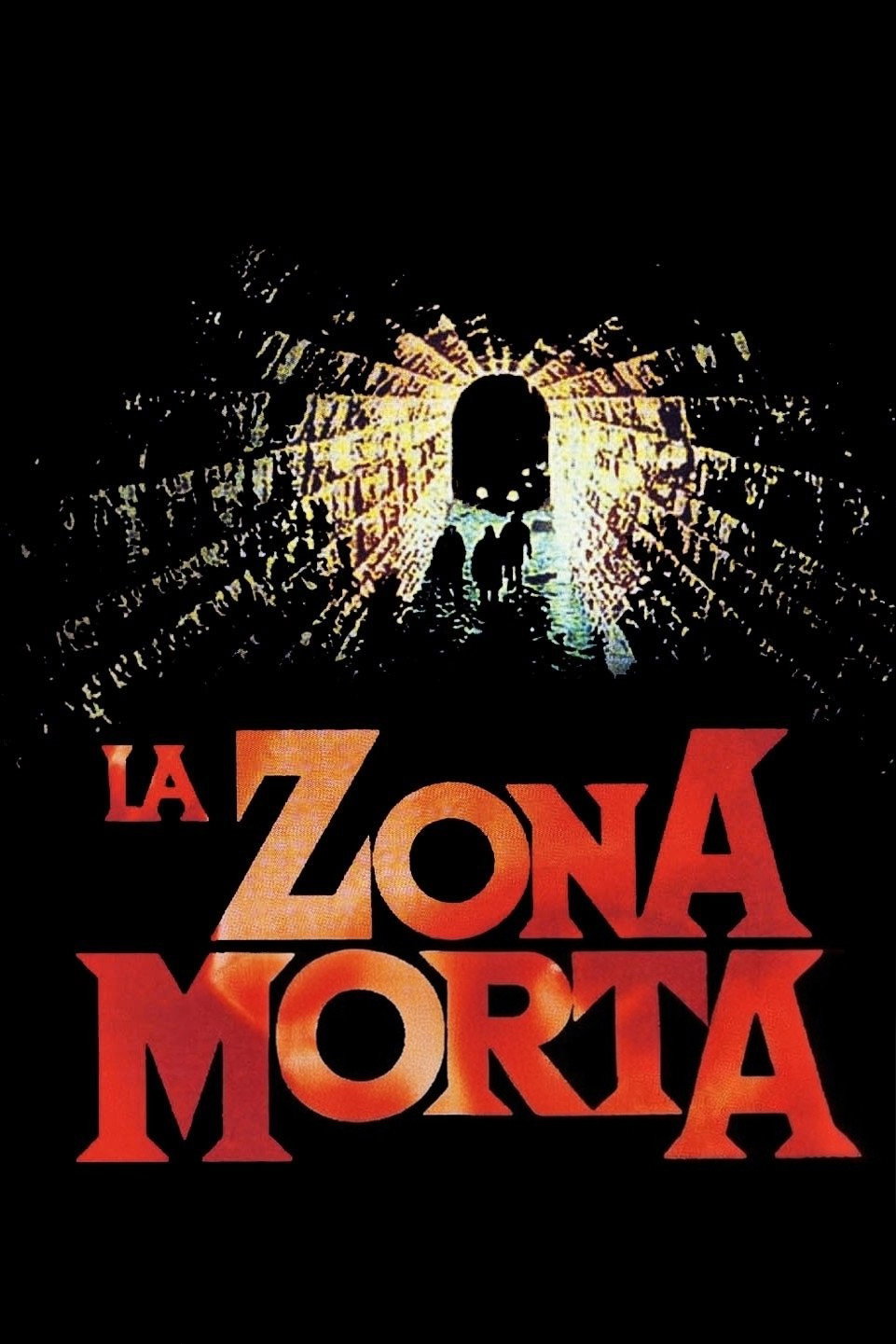
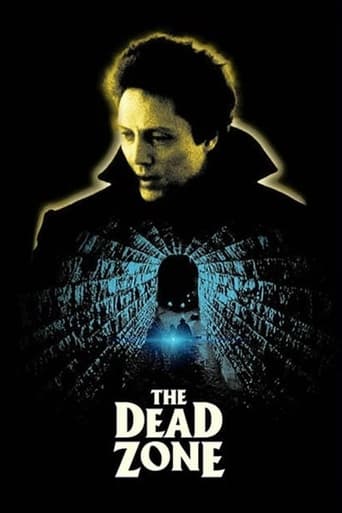
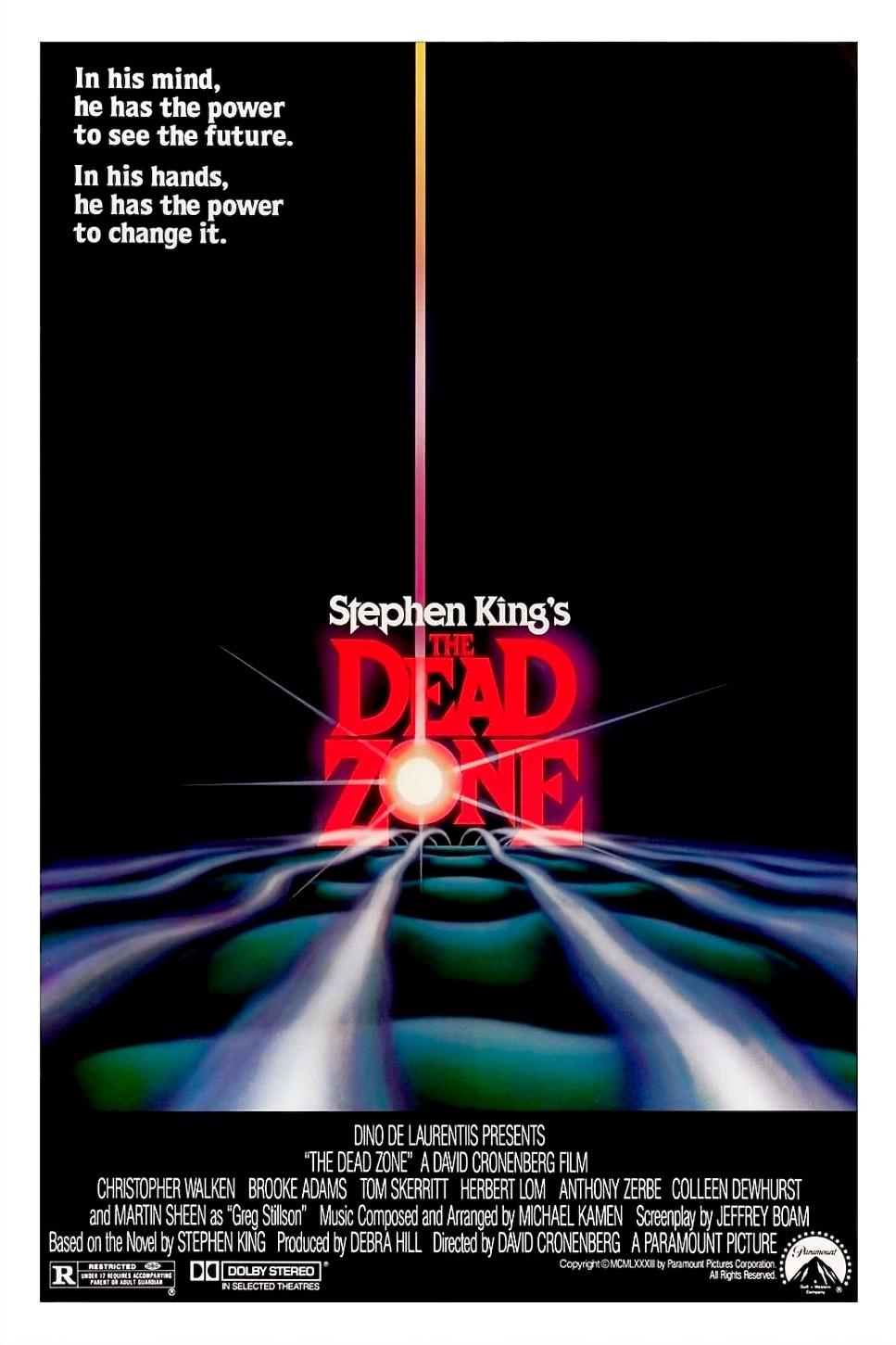
The Dead Zone (1983) poster
Production Companies
Dino De Laurentiis Company , Lorimar Motion Pictures
Plot

Johnny Smith is a schoolteacher with his whole life ahead of him but, after leaving his fiancee's home one night, is involved in a car crash which leaves him in a coma for 5 years. When he wakes, he discovers he has an ability to see into the past, present and future life of anyone with whom he comes into physical contact.

Alternative Titles
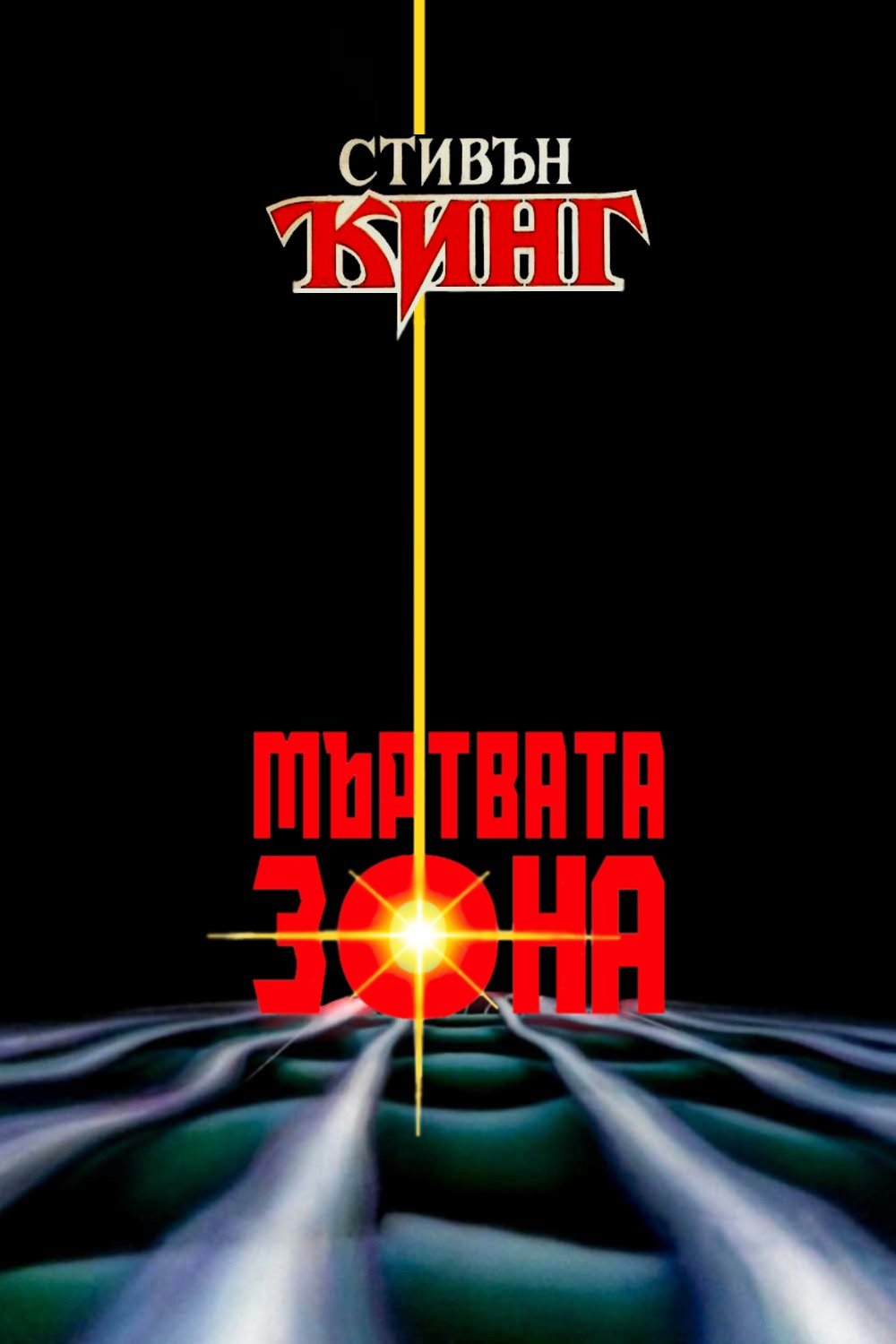
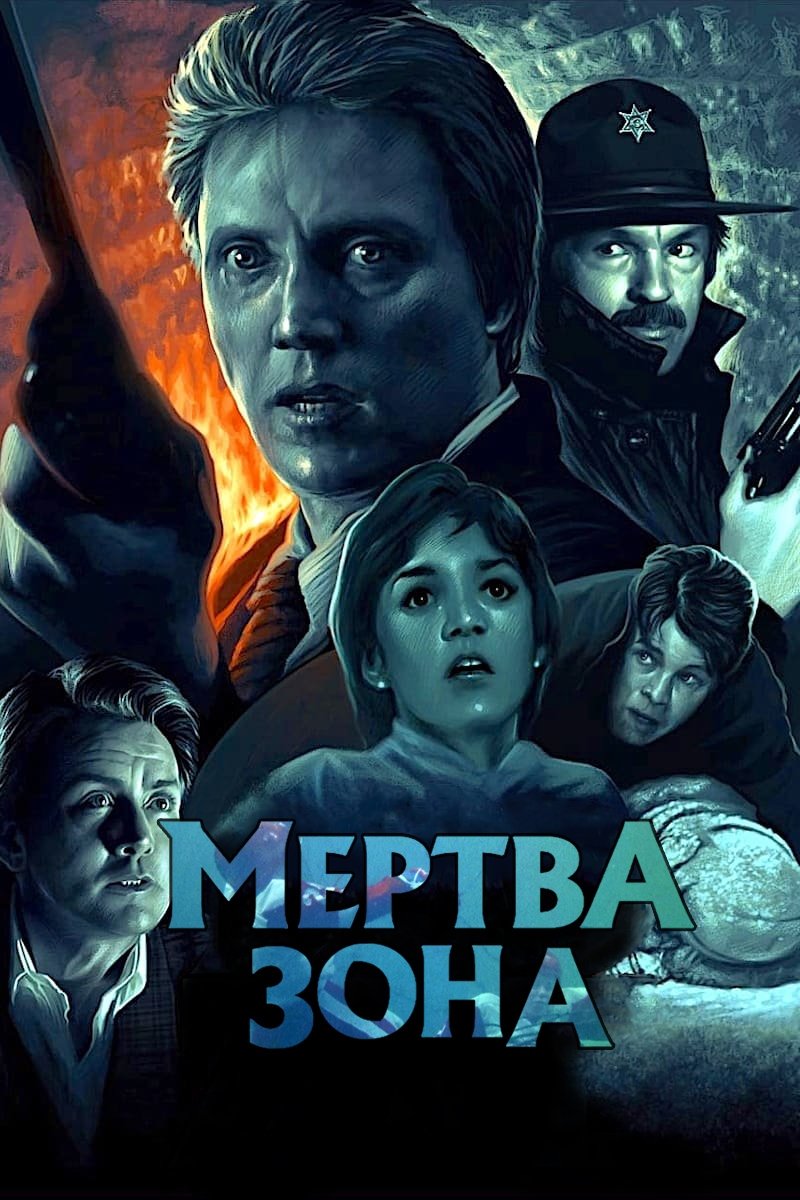
Մեռյալ Տարածք (Armenia) Мъртвата зона (Bulgaria) — Bulgarian A Hora da Zona Morta (Brazil) Na Hora da Zona Morta (Brazil) — Portuguese La zone neutre (Canada) — French Title 死亡地带 (China) — Chinese Mrtvá zóna (Czechia) — Czech Dead Zone (Germany) — German
Show all 50 alternative titles Dead Zone - Der Attentäter (Germany) — West Germany Title Dead Zone Der Attentaeter (Germany) Stephen King's The Dead Zone (Germany) — DVD Title Stephen Kings Dead Zone (Germany) — West Germany Title Den døde zone (Denmark) — Danish La zona morta (Spain) — Catalan Title La zona muerta (Spain) — Spanish Stephen King's The Dead Zone (Finland) — Video Box Title Viimeinen yhteys (Finland) — alternative title Viimeinen yhteys: The Dead Zone (Finland) — Video Box Title Dead Zone (France) — French მკვდარი ზონა (Georgia) — Georgian 死亡禁地 (Hong Kong SAR China) — Chinese Mrtva zona (Croatia) — Croatian A holtsáv (Hungary) — Hungarian אזור הדמדומים (Israel) — Hebrew La zona morta (Italy) — Italian Deddo zôn (Japan) デッド・ゾーン (Japan) — Japanese 데드 존 (South Korea) — Korean 초인지대 (South Korea) Tylos zona (Lithuania) — Lithuanian La zona muerta (Mexico) — Spanish Dead Zone (Netherlands) — alternative title Dodelijk dilemma (Netherlands) — Informal Literal Title Mørke krefter (Norway) — Norwegian Martwa Strefa (Poland) — Polish Strefa śmierci (Poland) — alternative title Zona de Perigo (Portugal) — Portuguese Zona moartă (Romania) — Romanian Мртва зона (Serbia) — Serbian Мёртвая зона (Russia) — Russian Dead Zone (Sweden) — Swedish Stephen King's The Dead Zone (Sweden) — Video Box Title Mŕtva zóna (Slovakia) — Slovak Мертвая зона (Russia) — Russian Title มิติมรณะ (Thailand) — Thai Ölüm Bölgesi (Türkiye) — Turkish, DVD Title 死亡禁地 (Taiwan) — Chinese Мертва зона (Ukraine) — Ukrainian Stephen King's The Dead Zone (United States) — Complete Title Điểm Mù Định Mệnh (Vietnam) — Vietnamese

Trailers & Videos

4 videos

Film Guide & Analysis

David Cronenberg’s Stephen King adaptation: Jeffrey Boam’s screenplay, Ontario locations, Christopher Walken, clairvoyant visions, Mark Irwin’s photography, Michael Kamen and political horror.

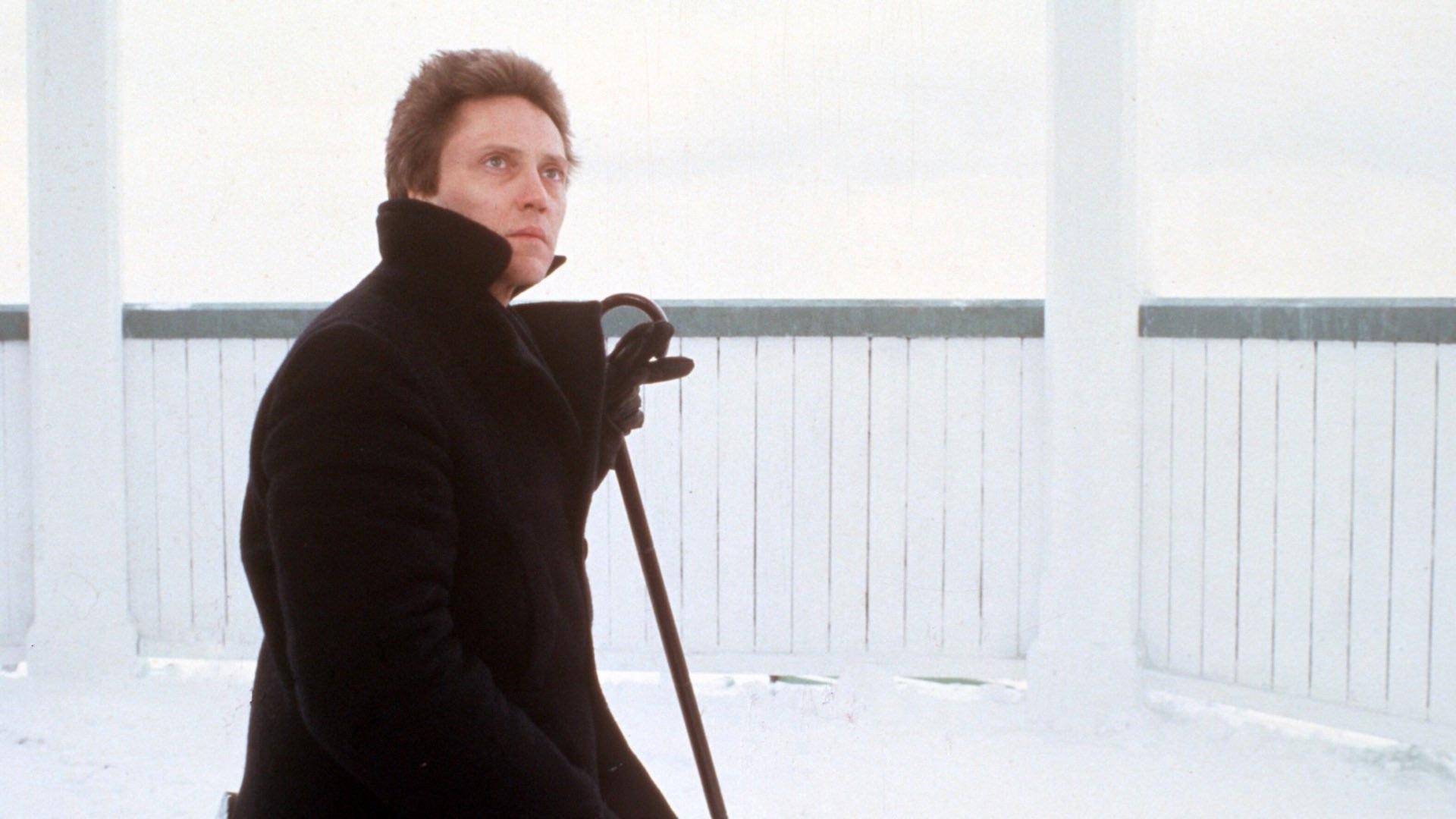
David Cronenberg’s The Dead Zone (1983) adapts Stephen King’s 1979 novel into a supernatural thriller about the cost of knowing what other people cannot see. Christopher Walken plays Johnny Smith, a teacher whose car accident leaves him unconscious for five years. On waking, he discovers that touch can bring terrifying impressions of events elsewhere in time, and that some visions reveal disasters he may be able to prevent. His abilities attract desperate strangers and the attention of the police, even as his former fiancée has built a life without him. The prospect of saving others increasingly isolates Johnny from the ordinary future he once expected to share.

Produced by Debra Hill for Dino De Laurentiis and scripted by Jeffrey Boam, The Dead Zone was Cronenberg’s first adaptation of another writer’s work. It differs in visual restraint from the director’s more overtly corporeal horror films while retaining a concern with a body changed against its owner’s will. Mark Irwin’s small-town photography, Michael Kamen’s orchestral score and Walken’s withdrawn performance give the film the structure of a tragedy. The supernatural premise eventually raises a political and ethical problem: whether knowledge of a possible catastrophe justifies violence against someone who has not yet committed it.

From Stephen King’s Novel to a Contested Screenplay

Stephen King’s The Dead Zone appeared in 1979 and joined a damaged personal life to a series of increasingly consequential premonitions. Film rights were acquired by Lorimar Productions, which commissioned Jeffrey Boam to prepare a screenplay. The company subsequently shut its feature-film division, interrupting the project. AFI production research describes an early approach to Cronenberg when Stanley Donen was already attached to direct, followed by a period in which the adaptation remained inactive. After Dino De Laurentiis obtained an option in late 1981, producer Debra Hill took responsibility for development and brought Cronenberg back into consideration. His interest in King’s fiction helped secure his agreement to direct in 1982.

Several writers worked on the property before the final script emerged. De Laurentiis rejected an early Boam draft and asked King to adapt his own book; Cronenberg subsequently criticized those versions for concentrating too heavily on the Castle Rock murder investigation. A screenplay by Andrzej Żuławski was another stage in the process. Hill eventually rehired Boam, who worked with the producer and Cronenberg to bring the novel’s strands into a more continuous account of Johnny’s experience. Only Boam received screenplay credit. The completed draft, dated by AFI research to October 1982, placed Johnny’s perspective at the centre rather than distributing attention equally among several characters.

Cronenberg later explained in an interview for Fresh Air that adapting a novel required him to preserve its effect while changing its construction for another medium. The Dead Zone was especially important in this regard because he had previously directed films from his own original screenplays. The finished adaptation retains the accident, the serial-killer case and the politician Greg Stillson, but relates them through Johnny’s growing awareness of his responsibilities. Its economy should be understood as a deliberate structural choice, not as evidence that the writers regarded the source’s omitted material as unimportant.
Canadian Production and the New England Setting

Principal photography began on 10 January 1983 and continued for roughly ten weeks, using Canadian crews and locations to represent a New England community. Associate producer Jeffrey Chernov investigated places in the northeastern United States and eastern Canada before the production settled on Niagara-on-the-Lake, Ontario, with Toronto serving as a principal base. Its preserved streets and historic buildings supported the small-town atmosphere Cronenberg wanted. The locations made an American setting credible without suggesting that the story took place in a recognizable Canadian city. Several homes and public areas were used directly, while other spaces were constructed or altered for the demands of the narrative.

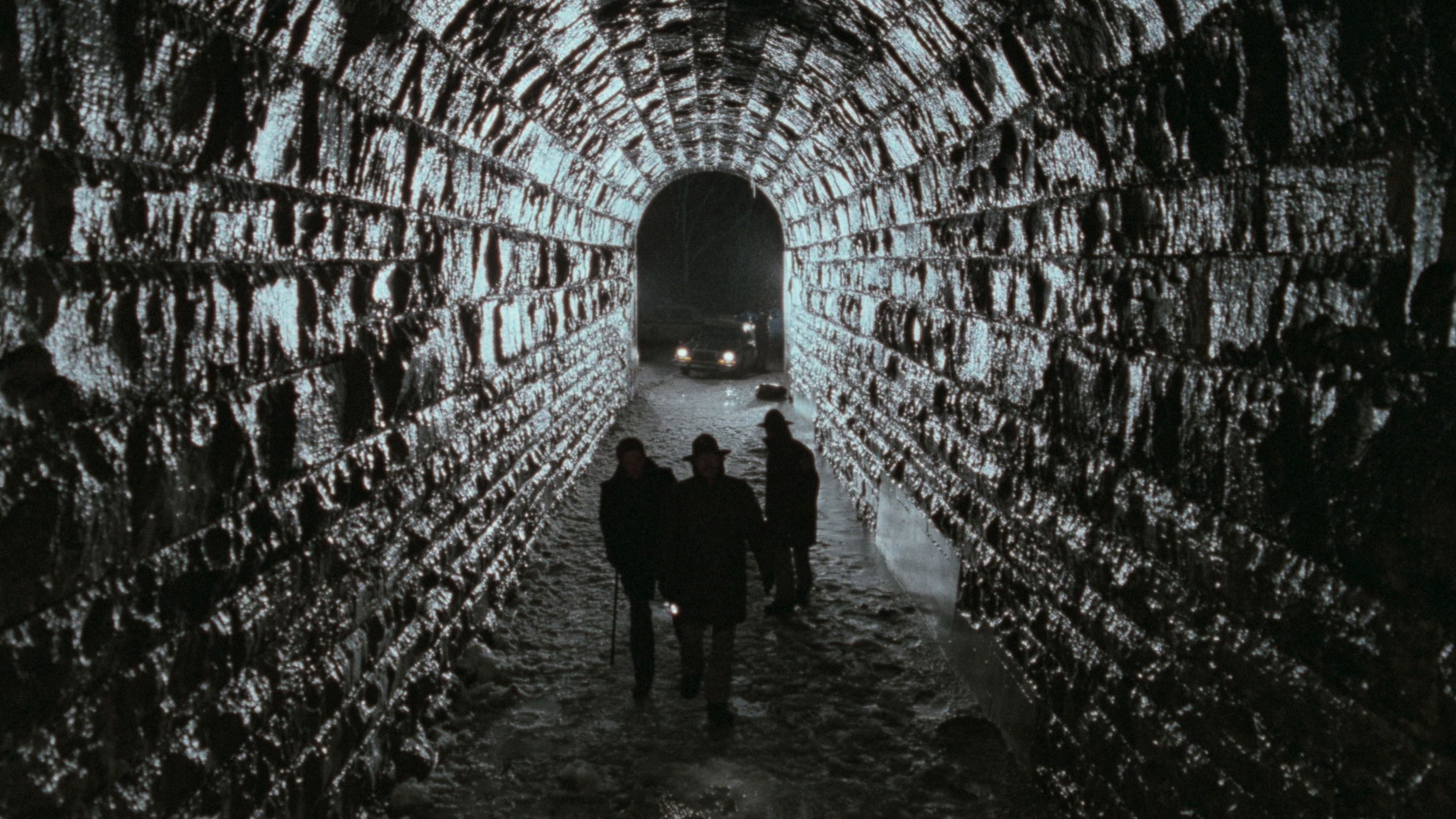
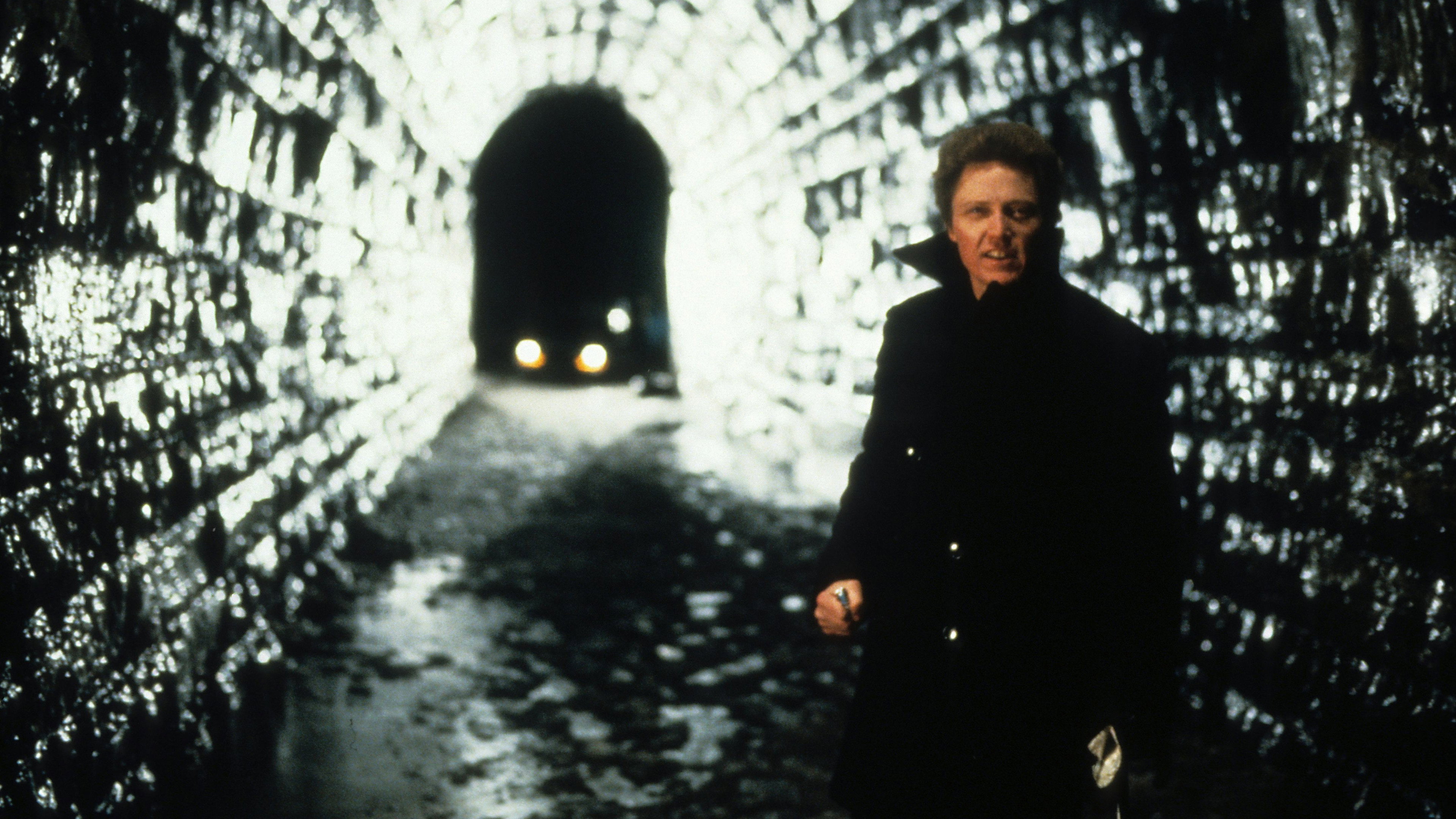
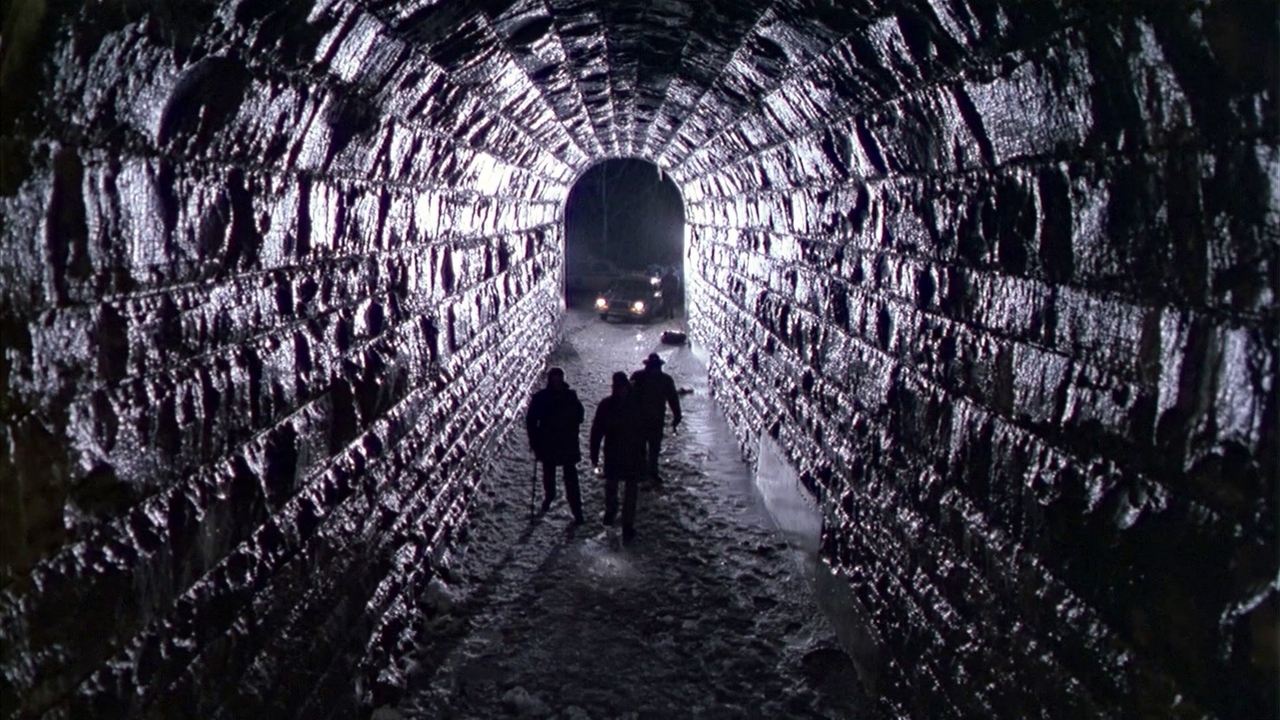
Carol Spier’s production design included a gazebo built for the murder investigation, based on New England architectural precedents. After shooting, the structure was donated to Niagara-on-the-Lake, where it became a feature of Queens Royal Park. The production also used a railway tunnel for the crime associated with the Castle Rock killer and an existing building for Dr. Weizak’s medical facility. AFI records severe weather during the shoot, including a period of exceptional cold followed by unexpectedly warm conditions that melted snow. Technicians consequently replaced some missing ground cover with artificial material. The weather became a logistical challenge even as snow and winter light contributed strongly to the film’s appearance.

The film’s main creative departments included cinematographer Mark Irwin, editor Ronald Sanders and production designer Spier, all important to Cronenberg’s established working methods. De Laurentiis participated closely in the financing and casting, while Hill oversaw development and production. Their responsibilities explain why the work cannot be reduced to the vision of a single individual. The apparently ordinary town, hospital and domestic interiors provide the recognizable world against which Johnny’s visions become alarming. Much of the horror depends on those places remaining believable after supernatural events enter them.

Johnny Smith, Sarah and the Life That Disappears

Before the accident, Johnny’s life is defined by his teaching work and his relationship with fellow teacher Sarah Bracknell, played by Brooke Adams. Their happiness is interrupted when he leaves her home in heavy rain and collides with a truck. The five years that pass while he is unconscious cannot be restored by his recovery. Sarah has married and become a mother, and Johnny must confront the fact that the people who love him have continued living without him. Walken’s performance emphasizes fatigue, hesitation and an uncomfortable distance from ordinary social contact. His physical return does not restore his place in the community.

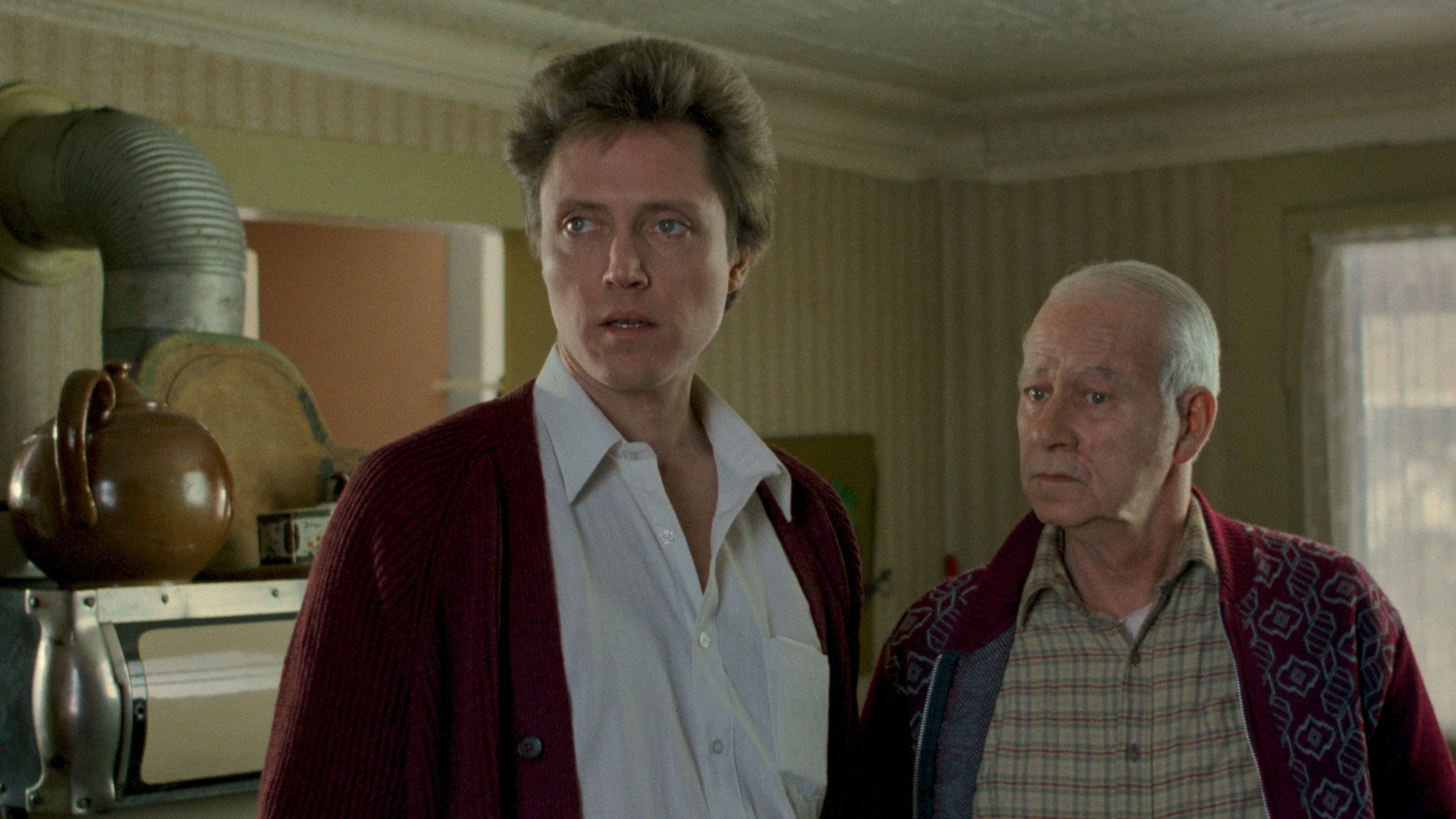
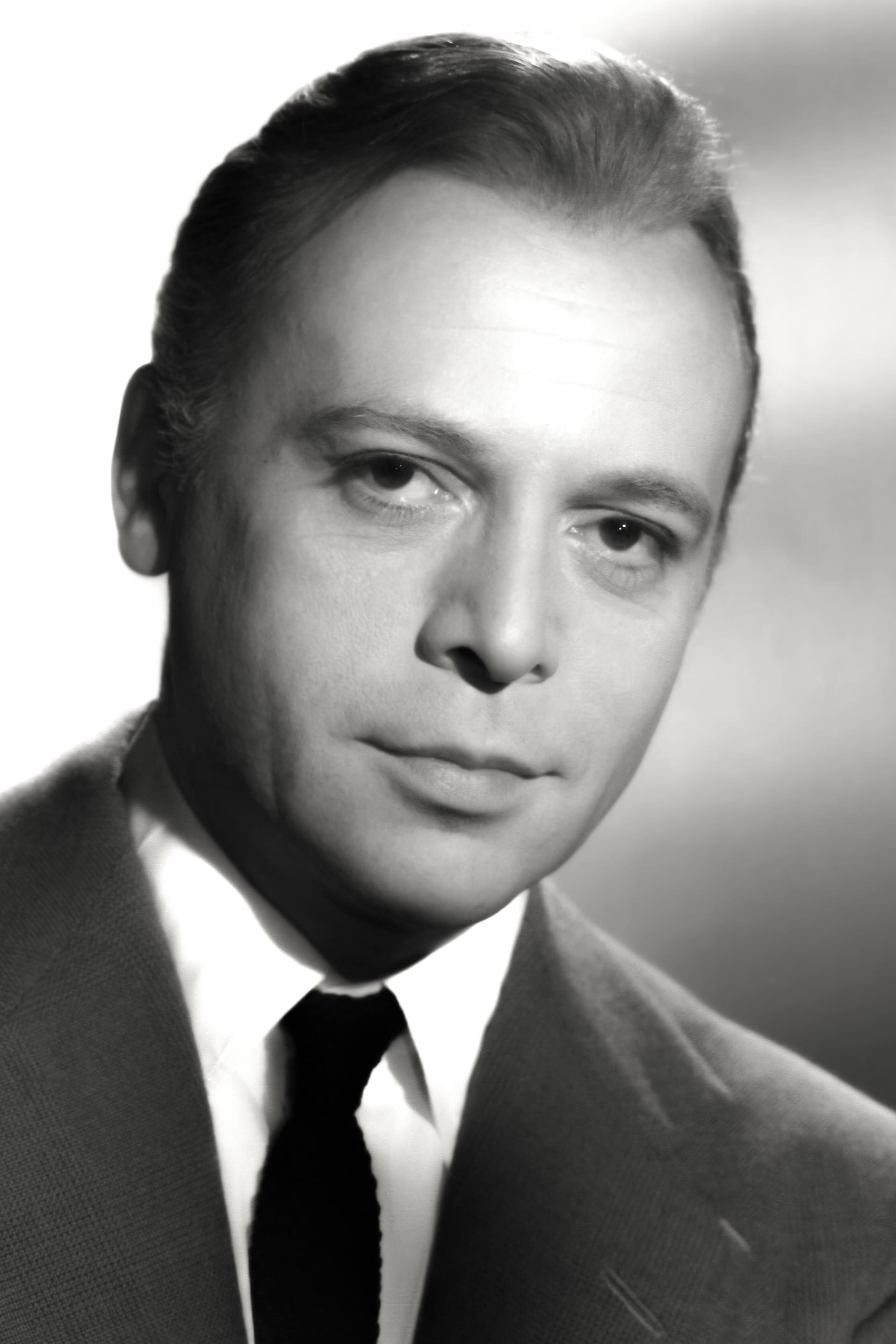
Dr. Sam Weizak, played by Herbert Lom, helps Johnny understand the changes that have followed the coma. His father Herb, played by Sean Sullivan, wants him to recover a manageable life; his mother Vera, played by Jackie Burroughs, interprets the abilities within her intense religious beliefs. These conflicting responses show how a supernatural event can become the focus of anxieties already present within a family. The film also portrays the strain of public attention, as people seek personal revelations or practical help. Johnny’s talent may save lives, but exercising it repeatedly places his own health and privacy at risk.

Sarah’s renewed contact with Johnny is complicated by affection and obligation rather than an easy reversal of her marriage. The film gives their relationship time to develop through quiet conversations, visits and the knowledge that the past cannot simply be resumed. This emotional structure distinguishes Johnny from a conventional heroic clairvoyant who receives powers without losing anything essential. He begins the film capable of imagining a future with Sarah; by its end he can see futures belonging to other people more clearly than he can secure one for himself. That imbalance provides the human scale of the supernatural story.

Premonitions, the Castle Rock Killer and Physical Horror

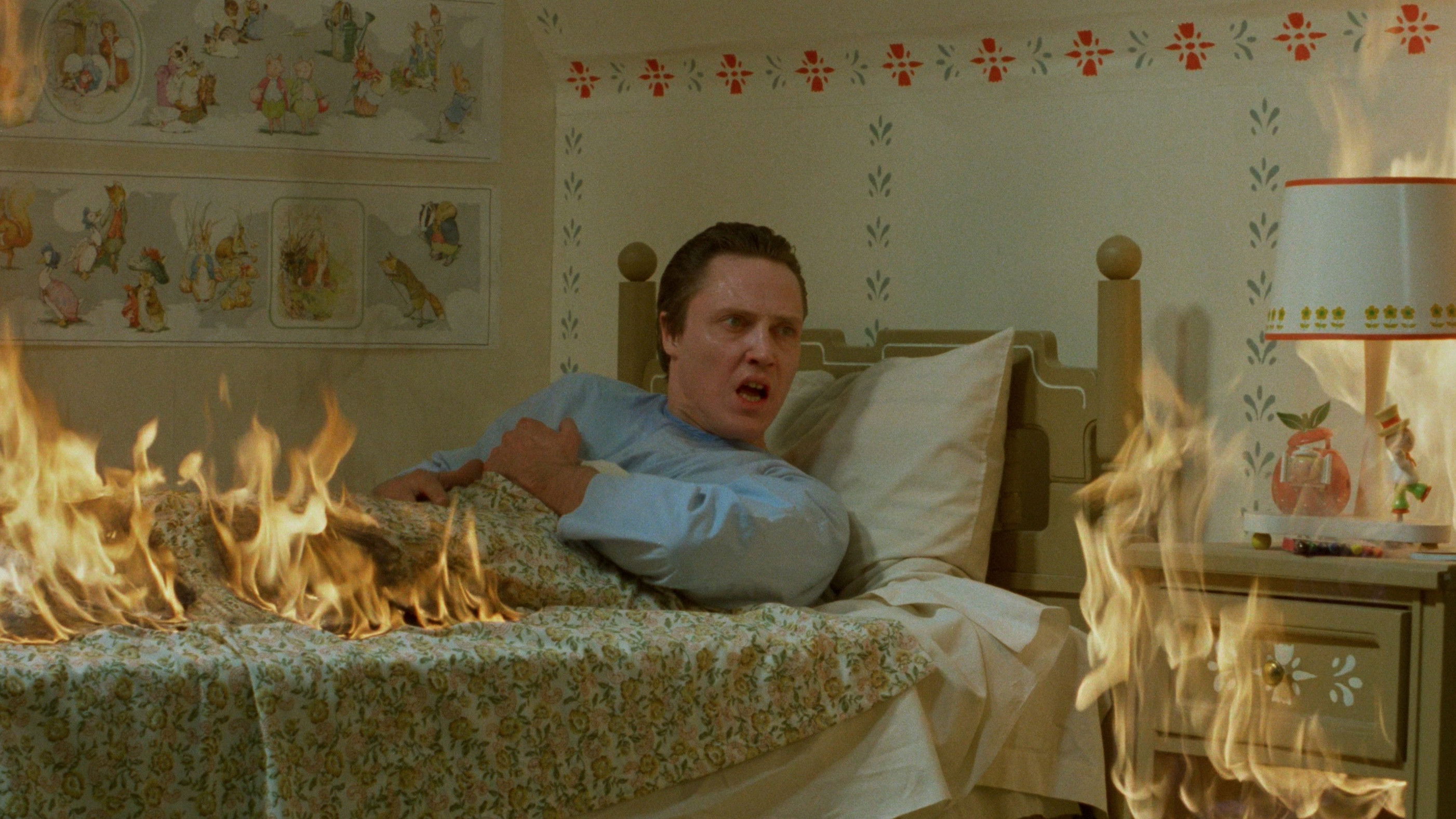
Johnny’s first major revelation in hospital concerns a nurse’s daughter trapped in a burning house. The film places him within the catastrophe he sees, rather than relying exclusively on a distant flashback or a verbal description of events. The effect links vision to bodily experience: he remains physically in the hospital yet appears to share the endangered child’s space. Subsequent contacts disclose information from the past as well as possibilities in the future, making his gift useful in emergencies but difficult to control. The apparitions can arrive abruptly through ordinary touch, turning human contact into a potential threat.

Sheriff George Bannerman, played by Tom Skerritt, requests Johnny’s assistance in identifying the killer responsible for attacks on young women. The investigation leads to deputy Frank Dodd, played by Nicholas Campbell, and culminates in a sequence of disturbing violence involving scissors. The episode confirms that Johnny can reveal a concealed crime, although it does little to make his new public status bearable. British classification records specifically identify the scissors-related attack and suicide as sources of distressing imagery. The film’s horror includes bodily injury, sexual threat and the anguish of people discovering that their neighbours have hidden terrible acts.

Cronenberg’s treatment of the visions gives scenes of rescue and investigation the physical force associated with his horror filmmaking without requiring extensive creature effects. Walken recoils at the moment of contact, making an otherwise invisible perception visible through movement. Cinematographer Mark Irwin later recalled that a handgun loaded with blanks was discharged near the camera, with safety precautions, to provoke the actor’s involuntary response. He also described proposing a brief foreground scare during the search of Dodd’s home. These accounts identify particular working methods; they do not establish that every vision relied on identical effects or techniques.

The Dead Zone and the Moral Problem of Greg Stillson

Johnny eventually recognizes that some of his visions contain a blank area, an uncertainty that may represent an outcome not yet fixed. Weizak encourages him to consider whether knowledge of a possible disaster permits its prevention. This idea changes the purpose of the supernatural ability. Earlier visions help reveal what has happened or save someone facing an immediate threat; the later prophecy concerns a political future that has not occurred. The distinction makes Johnny responsible for judging both the reliability of his perception and the consequences of acting on it. His failing health adds urgency to a choice he cannot indefinitely postpone.
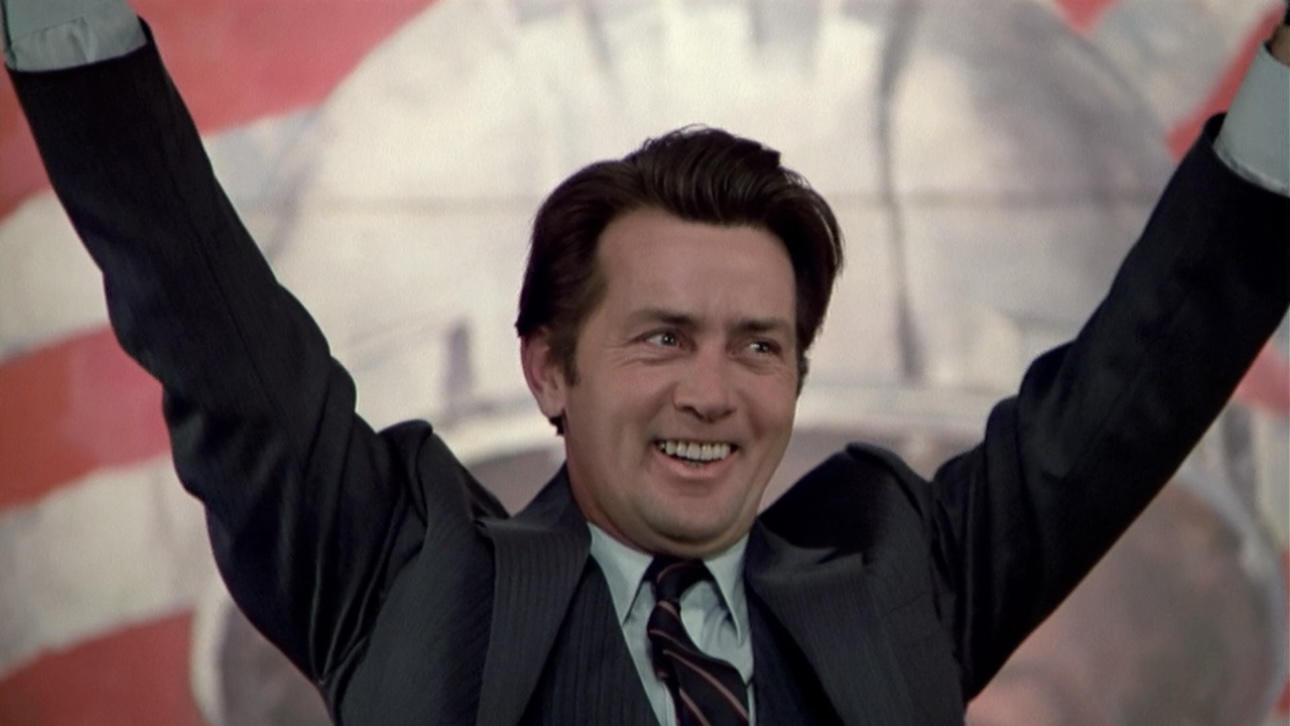
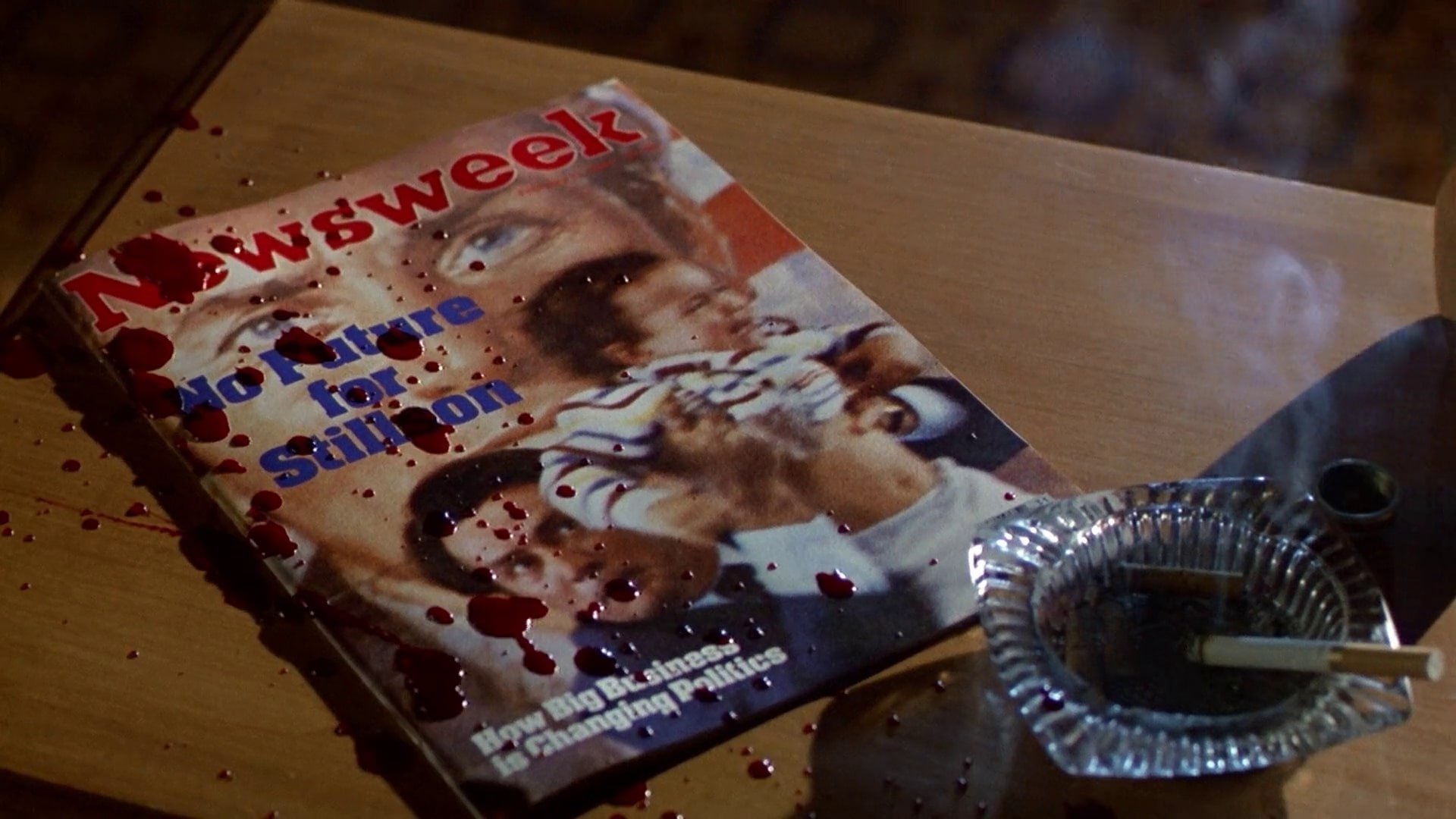
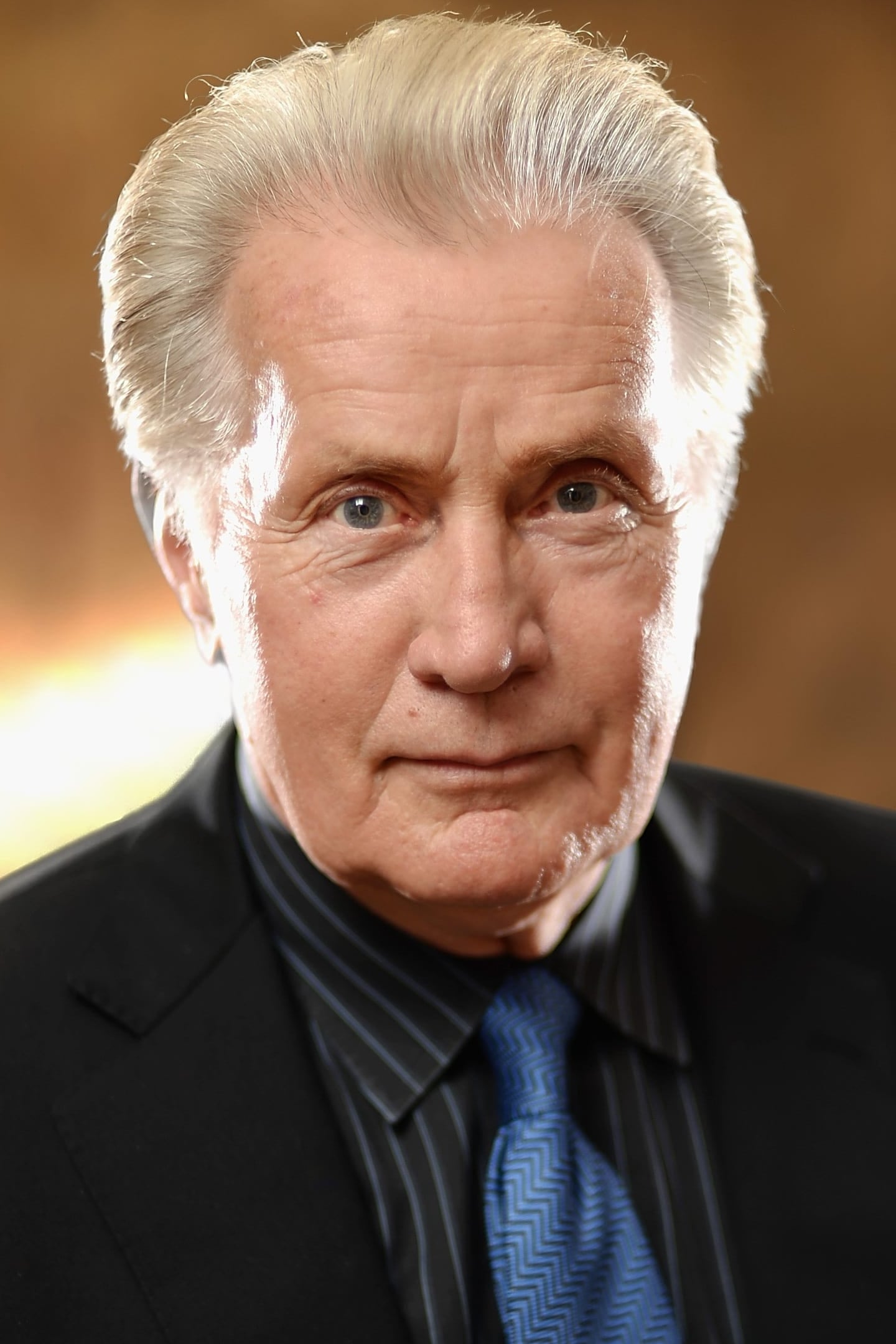
Martin Sheen’s Greg Stillson is an ambitious politician whose public confidence conceals a capacity for reckless cruelty. When Johnny touches him, he sees a future in which Stillson becomes president and initiates a nuclear catastrophe. The Cold War setting gives the possibility a historically specific terror, one that would have been immediately recognizable to audiences in 1983. Johnny must decide whether the projected disaster is inevitable and whether he has the right to use lethal force to prevent it. The screenplay makes his decision intensely personal, even though the imagined consequences extend beyond the town and its residents.

The final confrontation complicates the meaning of success. Johnny’s attempt to kill Stillson fails as an assassination, yet the politician’s use of a child as a human shield is photographed, threatening the career that the vision appeared to foretell. The outcome depends on public recognition of an act committed in the present, rather than on another demonstration of supernatural force. The film thereby gives the future a contingent quality: knowledge may produce action that alters what would otherwise happen. Johnny’s sacrifice is neither a straightforward endorsement of vigilantism nor a guarantee that every prophetic judgment would be justified. Its force comes from his particular circumstances and limited choices.

Mark Irwin’s Photography and Michael Kamen’s Music

Irwin described the visual approach as unusually restrained for a Cronenberg film. Recalling the production to American Cinematographer, he said the director wanted the world to resemble imagery associated with Norman Rockwell, whose idealized American scenes offered a reference for recognizable small-town life. Irwin understood the premise as the appearance of extraordinary danger in ordinary daylight. The resulting photography uses winter streets, comfortable houses and institutional rooms without making every setting conspicuously sinister. The restraint is especially important to a story in which Johnny can suddenly experience a murder or a fire while standing among familiar people.

The film’s visionary passages depart from that regular environment through changes in spatial relation and abrupt shifts of perspective. Production notes describe Irwin and Spier discussing alternative locations for Stillson’s future command centre; an aircraft setting proposed in the screenplay proved impractical, and the team eventually chose a more rustic presidential environment. Such decisions reveal how imagined catastrophe had to be constructed within practical limits. Editor Ronald Sanders maintains a clear relation between the person Johnny touches and the event disclosed, allowing a sequence to move from social encounter into an impossible moment without losing the character who experiences it.

Michael Kamen composed the score, which brings an elegiac quality to the relationship between Johnny and Sarah while accompanying scenes of mounting dread. The music gives weight to Johnny’s exhaustion and to the length of the life interrupted by the coma. Its emotional function differs from the sound effects that accompany accidents, violent discoveries or sudden visions. The film was released in selected theatres with Dolby Stereo, according to AFI production details, but surviving release information should not be taken as a complete account of the original mix in every cinema. The central musical credit remains Kamen’s.
Release, Contemporary Reception and Later Adaptations

Paramount Pictures opened The Dead Zone in Los Angeles and New York on 21 October 1983. Although the film was marketed through the names of King, Cronenberg and producer Debra Hill, the distributors found it difficult to describe a work whose central appeal lay in psychological suspense and grief. AFI documents plans for a September preview designed to help resolve that problem, along with abandoned marketing concepts emphasizing special effects. According to a November 1983 Hollywood Reporter item cited by AFI, the picture had earned just over eighteen million dollars by 27 November; that figure is a dated domestic report, not a definitive worldwide total.

Critical reaction was generally favourable but not unanimous. Roger Ebert’s contemporary review praised the credibility of the characters and Walken’s performance, while Hollywood Reporter critic Duane Byrge objected to weaknesses he perceived in the screenplay despite respecting its direction and lead actor. The contrast helps account for a film that attracted attention from viewers expecting graphic Cronenberg horror but devoted considerable screen time to emotional aftermath. The British Board of Film Classification records a cinema examination dated 7 December 1983 and a succession of later home-video submissions with different running times. Those differences alone do not establish the existence of an alternate director’s cut or identifiable censorship changes.

The Dead Zone occupies an important position between Cronenberg’s Videodrome, also released in 1983, and his later adaptations, including The Fly (1986). Its treatment of a changed body and a troubled identity belongs to his wider interests, but its narrative centres particularly on responsibility toward other people. A television series with Anthony Michael Hall as Johnny Smith aired from 2002 to 2007 and drew on King’s characters; it was a new adaptation rather than a continuation of Cronenberg’s film. The original feature’s lasting significance rests on the relationship between intimate loss and the terrifying possibility of knowing enough about the future to feel compelled to change it.

References

  1. American Film Institute AFI Catalog — The Dead Zone (1983)

    Archival production history based on AMPAS materials and contemporary trade reporting, documenting script development, filming in Ontario, credits, release, reviews and marketing.

  2. American Society of Cinematographers The Darker Side of Mark Irwin, ASC, CSC

    Firsthand interview with cinematographer Mark Irwin about Cronenberg’s deliberately austere visual strategy, Norman Rockwell reference and specific methods used for Walken’s reactions.

  3. NPR / Fresh Air Archive David Cronenberg on A History of Violence — Interview with Terry Gross

    Director’s retrospective explanation of The Dead Zone as his first literary adaptation and his approach to preserving a book’s emotional effect through changes for film.

  4. RogerEbert.com / Chicago Sun-Times The Dead Zone — Roger Ebert

    Contemporary 26 October 1983 review assessing Christopher Walken, the film’s credible supernatural premise and the emotional costs of Johnny’s clairvoyance.

  5. Primary British classification record identifying the December 1983 cinema version, later home-video submissions and content involving sexual threat, scissors injuries and suicide.

Cast

View Full Cast & Crew →

Release & Distribution

Production Companies (2)

  • Dino De Laurentiis Company US
  • Lorimar Motion Pictures US

Distributors (1)

  • Paramount Pictures US

Release History (15)

Release DateTerritoryRelease TypeFormatDistributorCertificationNotes
1983-10-21 Canada Theatrical — — —
1983-10-21 United States Theatrical — — R
1984-01-01 France Premiere — — — Avoriaz Fantastic Film Festival
1984-01-13 United Kingdom Theatrical — — 18
1984-03-07 France Theatrical — — TP
1984-03-18 Greece Theatrical — — —
1984-04-09 Spain Theatrical — — — Barcelona
1984-05-18 Germany Theatrical — — 16 West Germany
1984-08-09 Netherlands Theatrical — — 12
1987-06-20 Japan Theatrical — — PG12
1987-11-19 Brazil Theatrical — — 12
1993-09-01 Greece Premiere — — — Thessaloniki International Film Festival
2005-08-17 France Theatrical — — TP Re-release
2008-12-22 Netherlands Physical DVD — 16 DVD
2017-09-27 France Theatrical — — TP Re-release
In his mind, he has the power to see the future. In his hands, he has the power to change it.