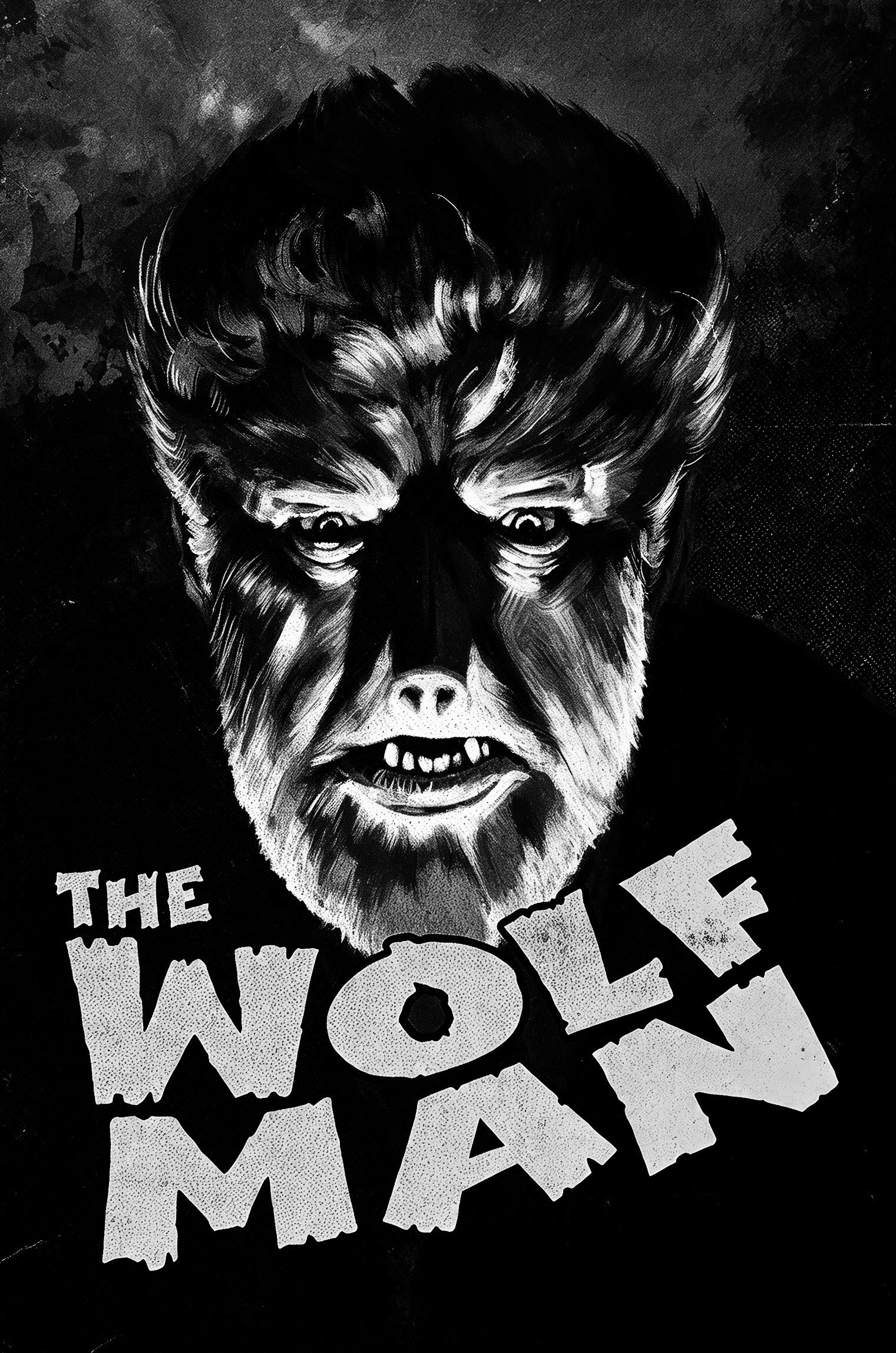
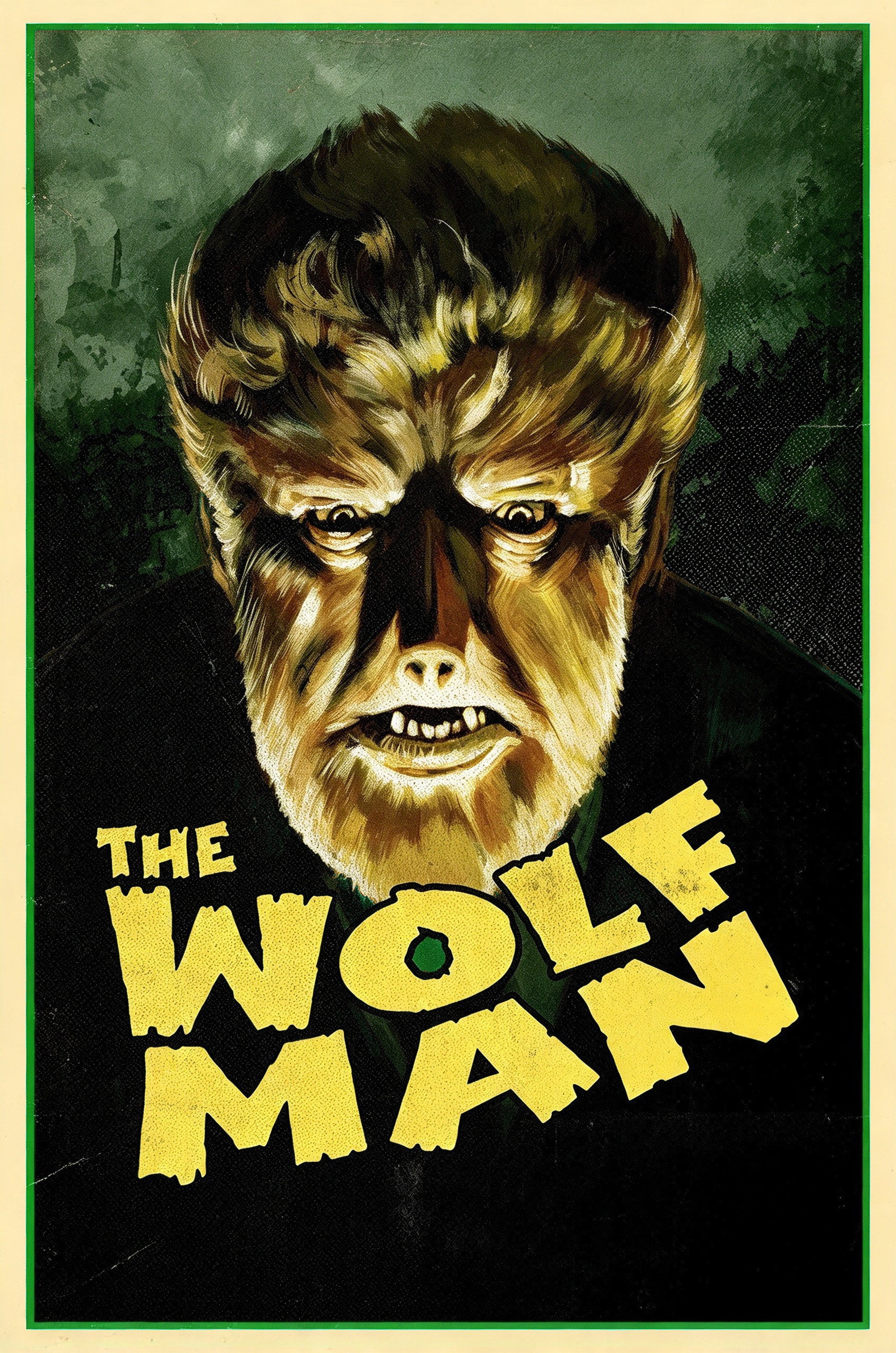
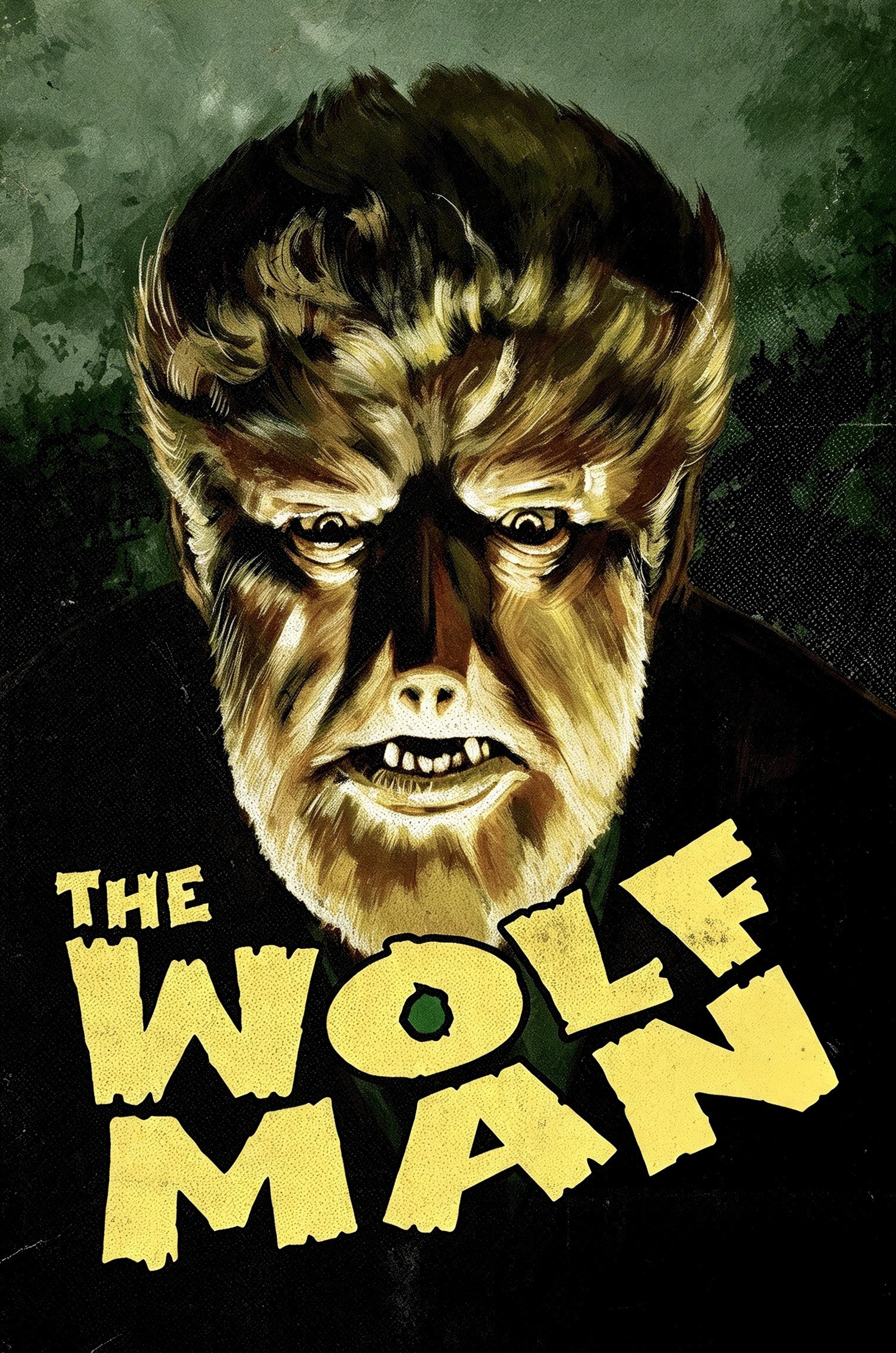
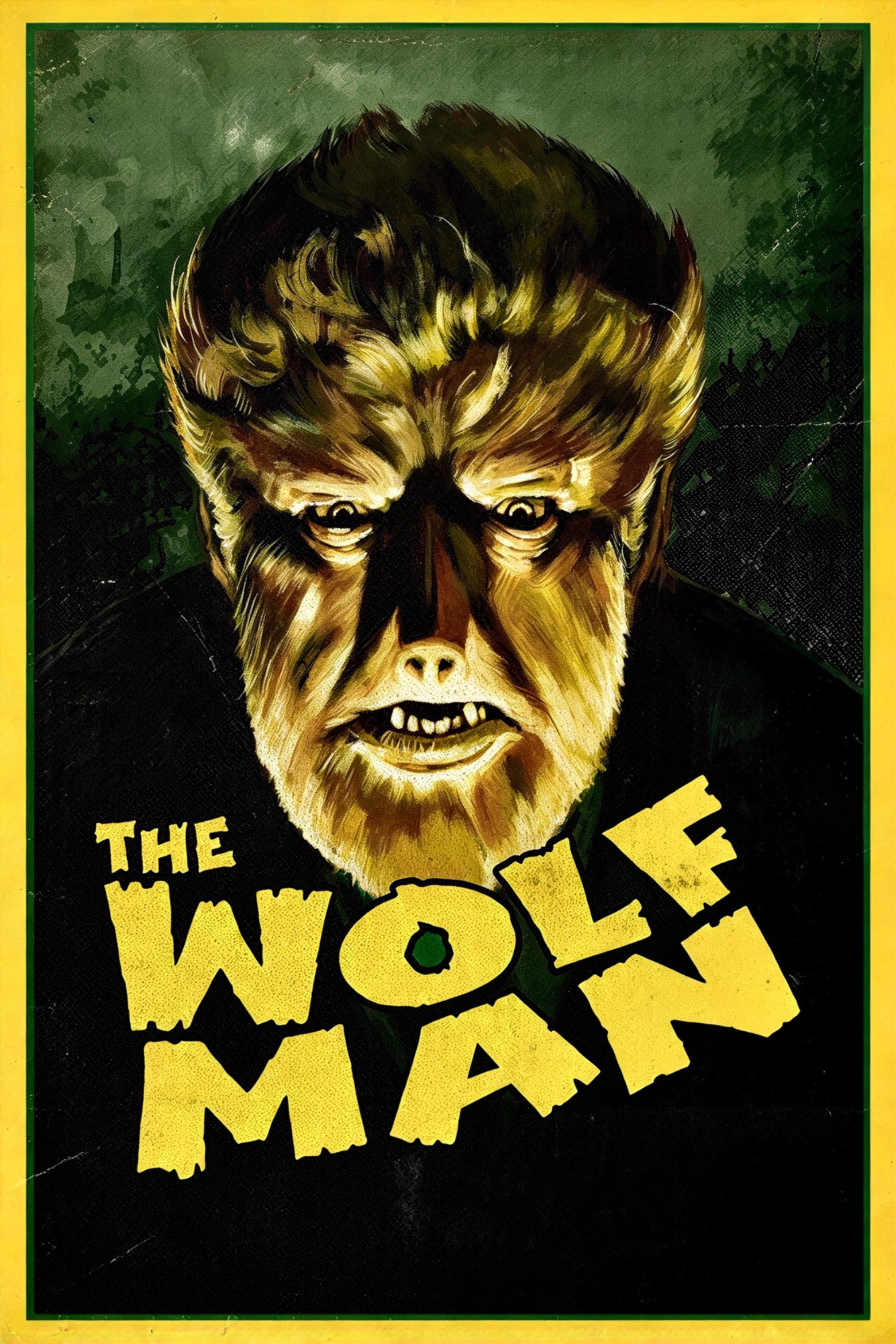
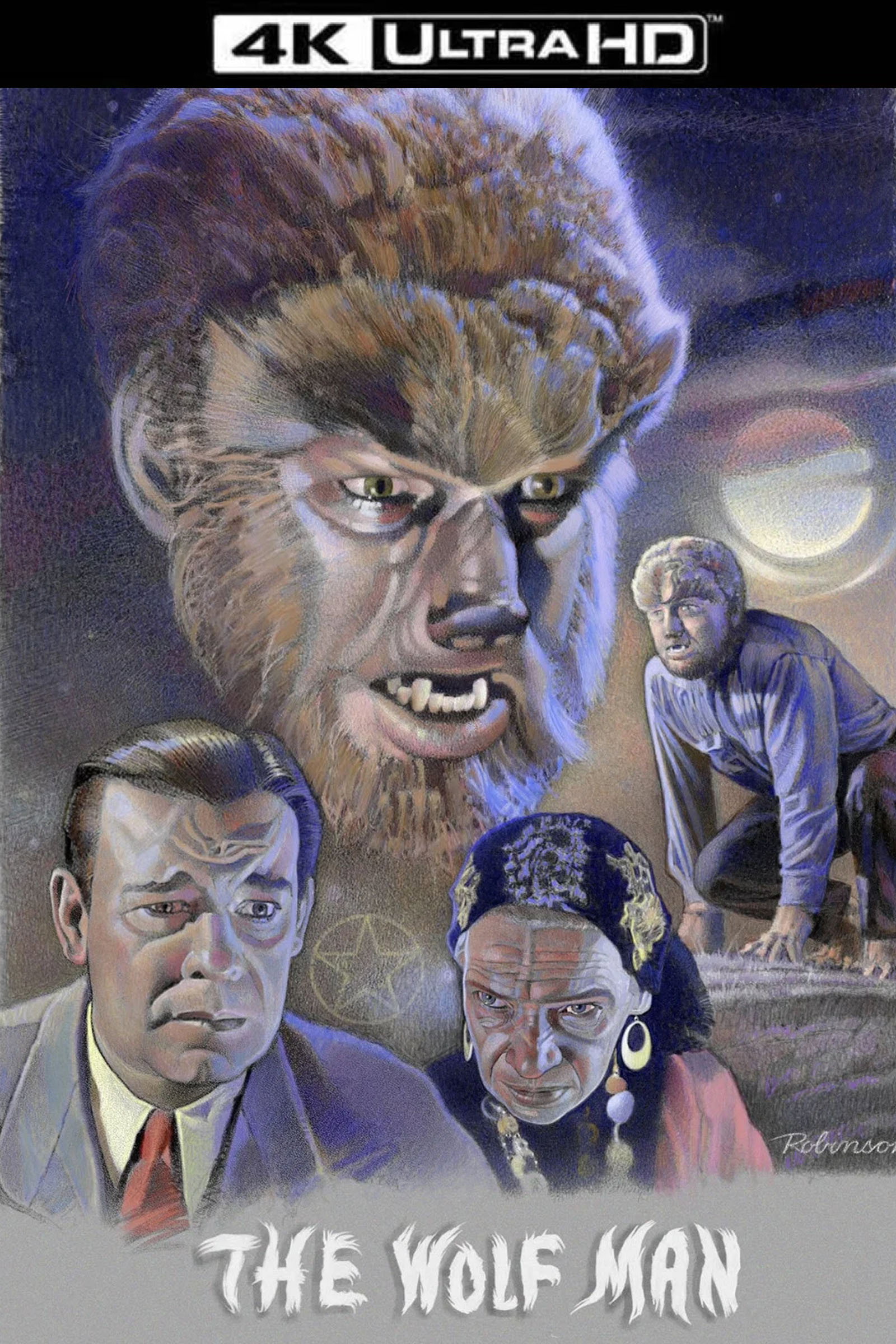
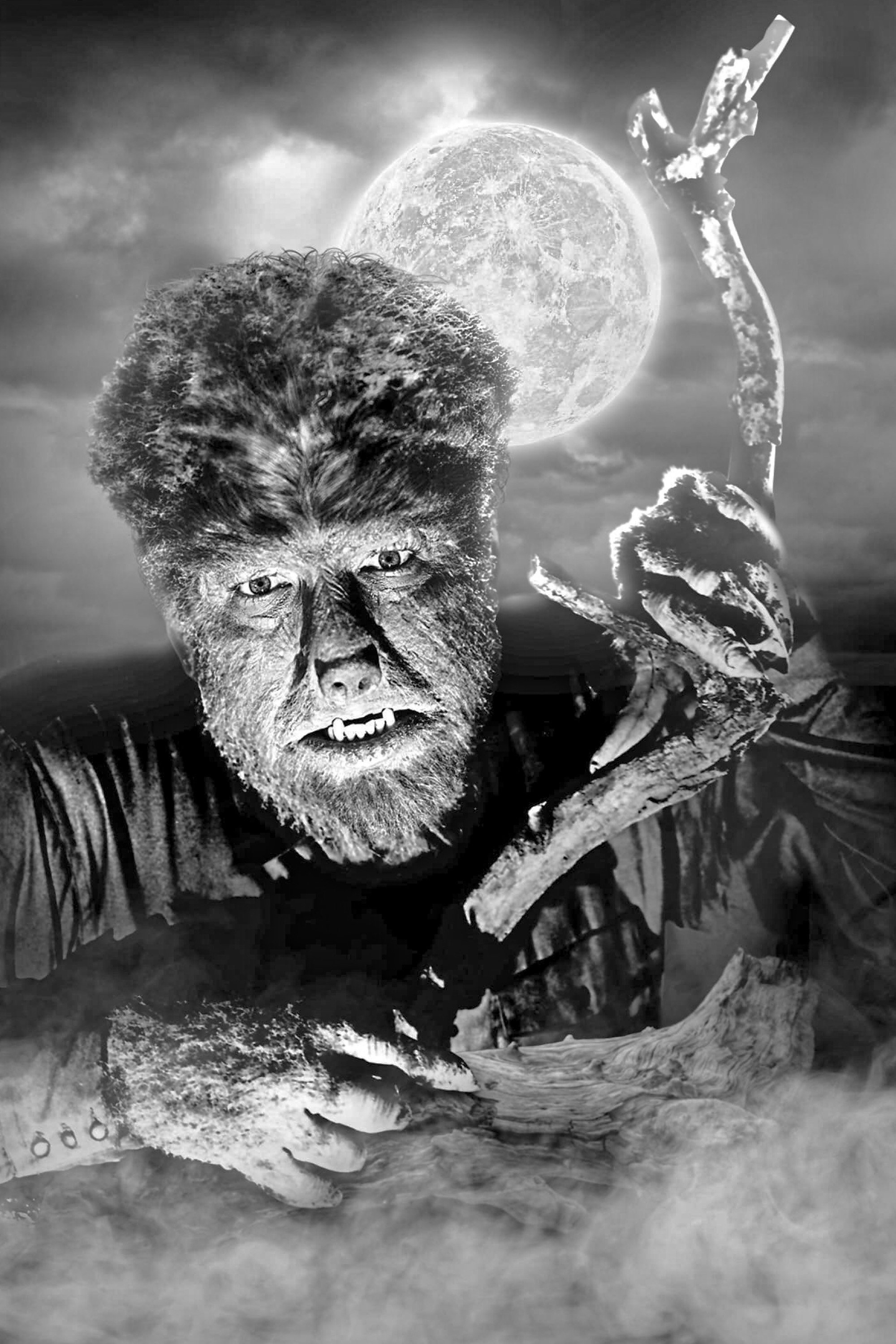
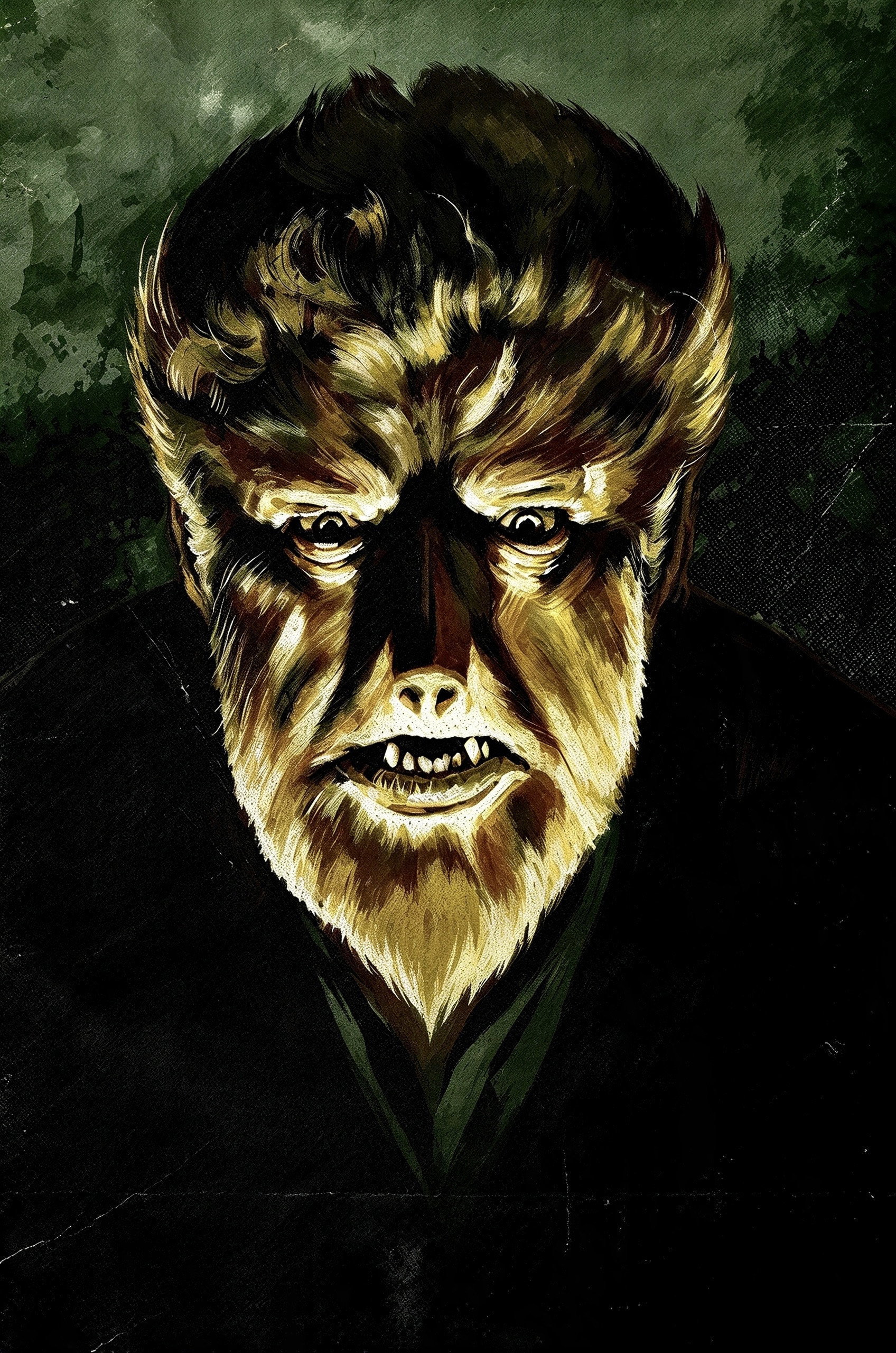
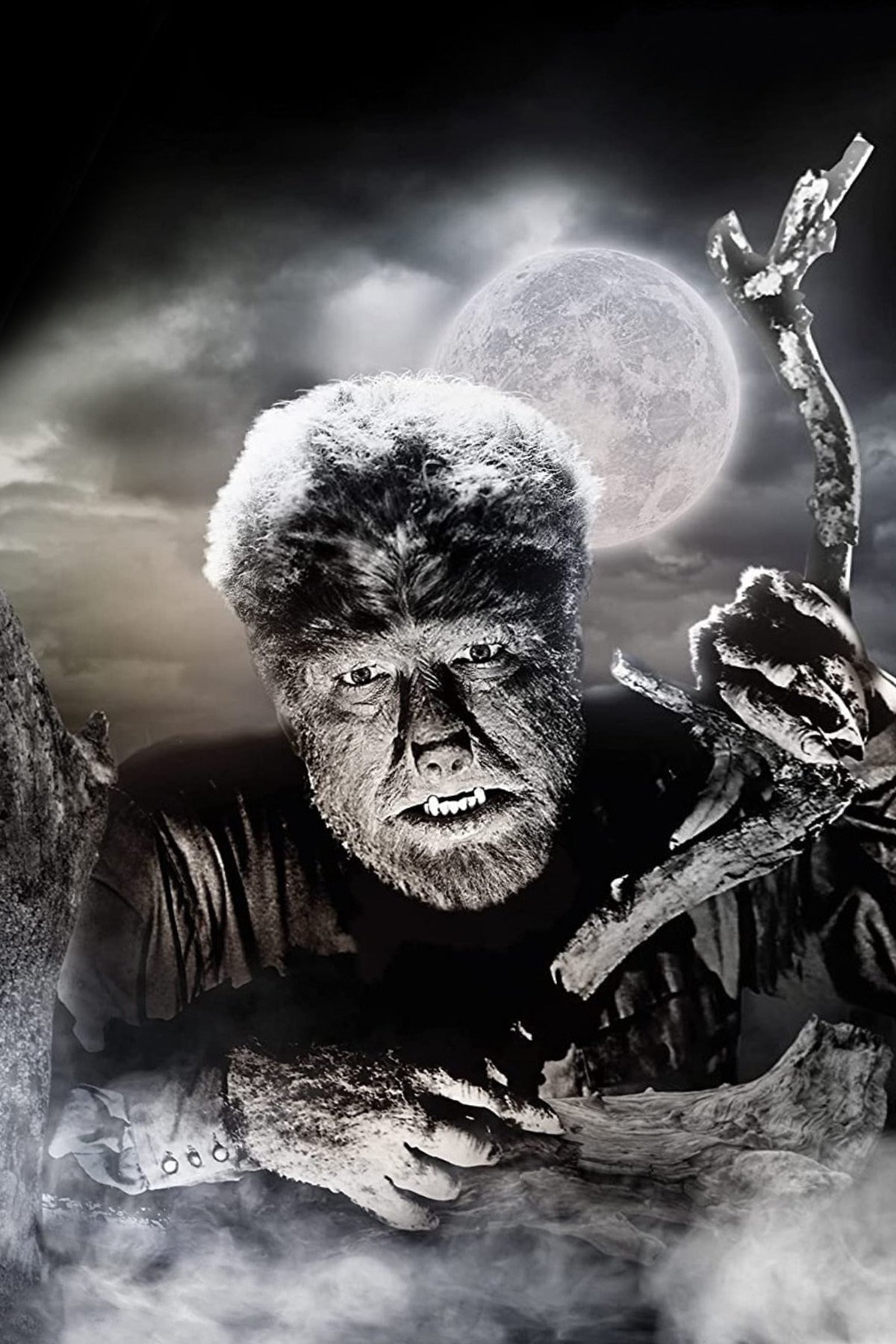
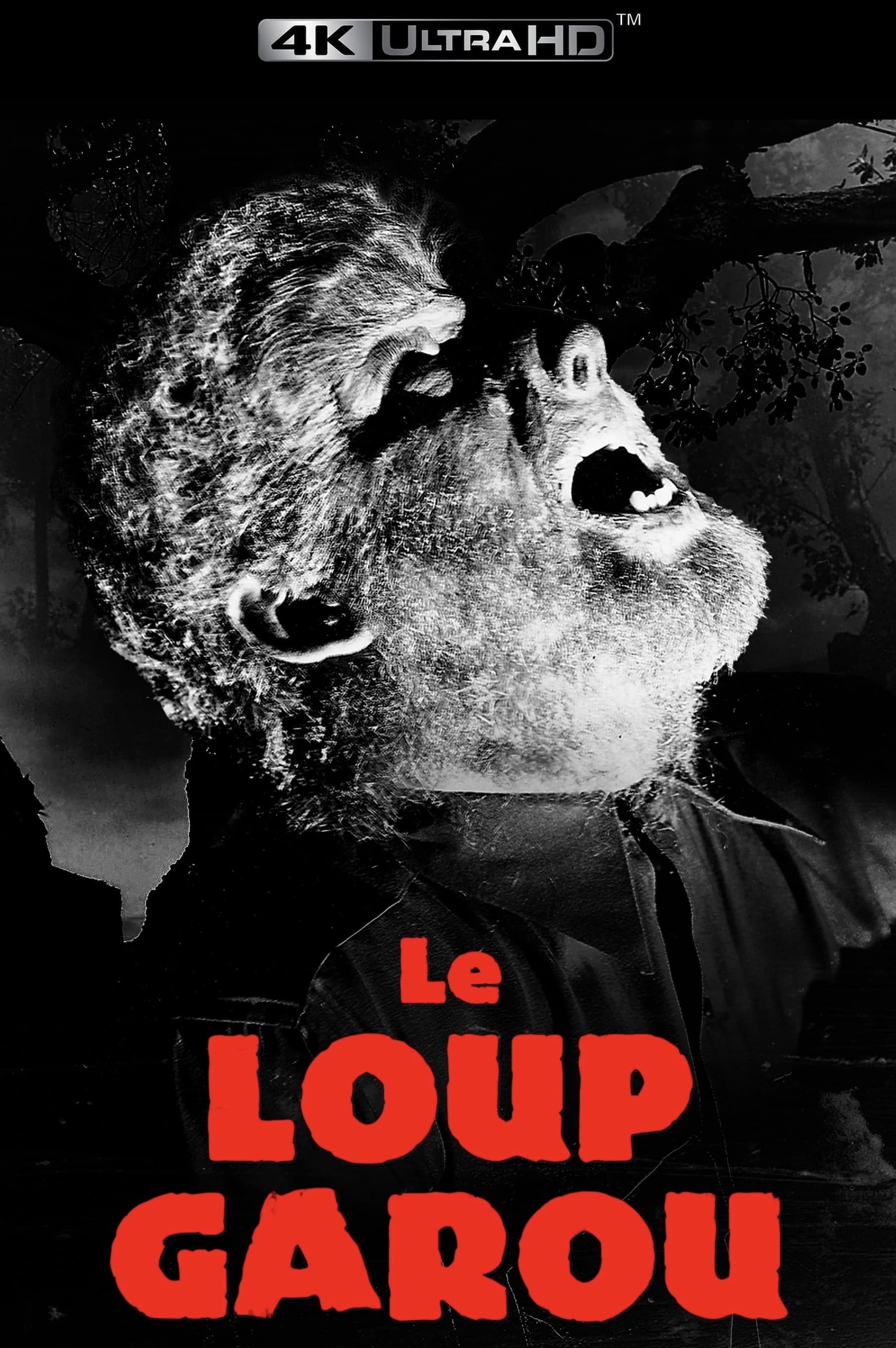
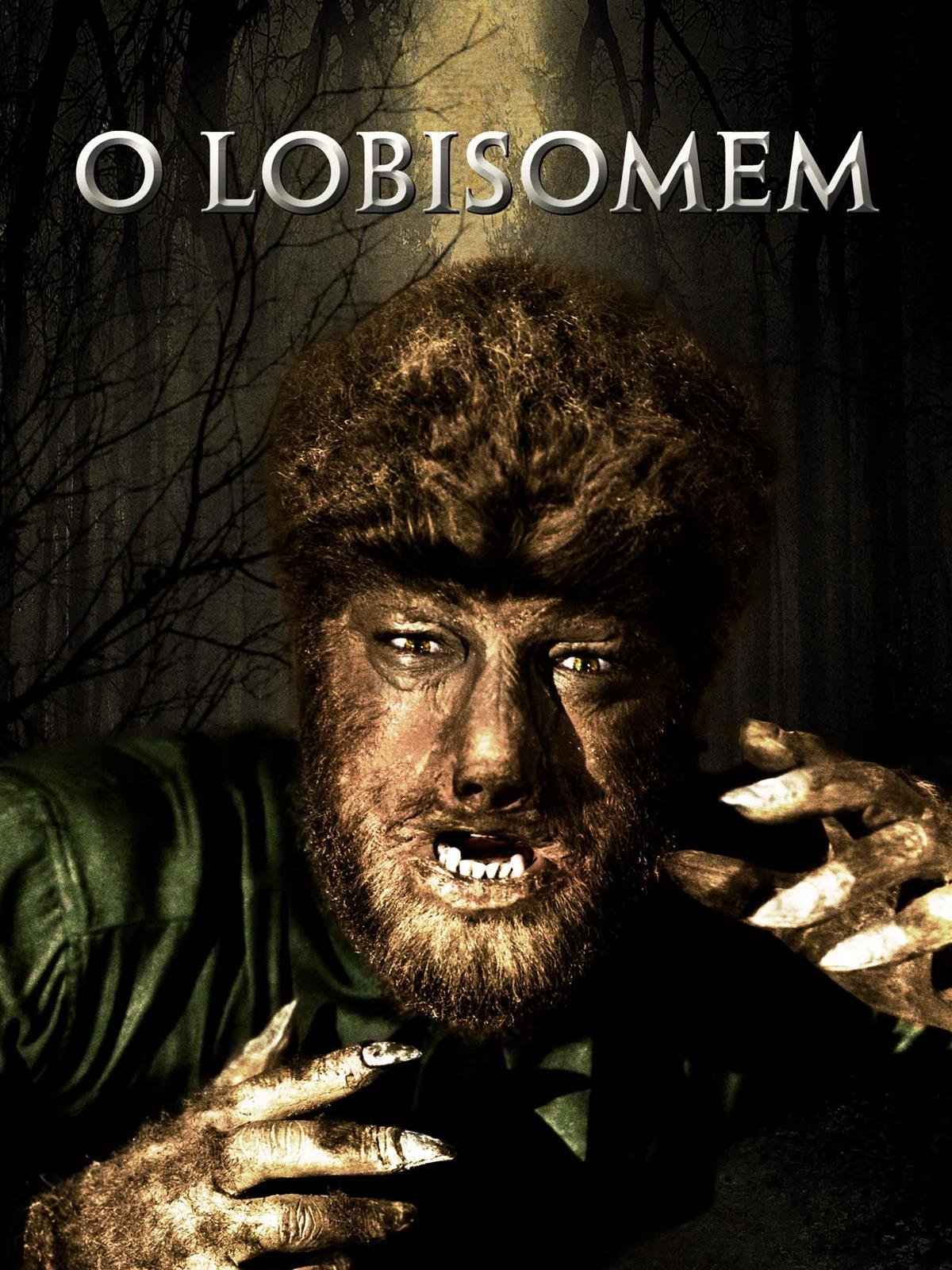
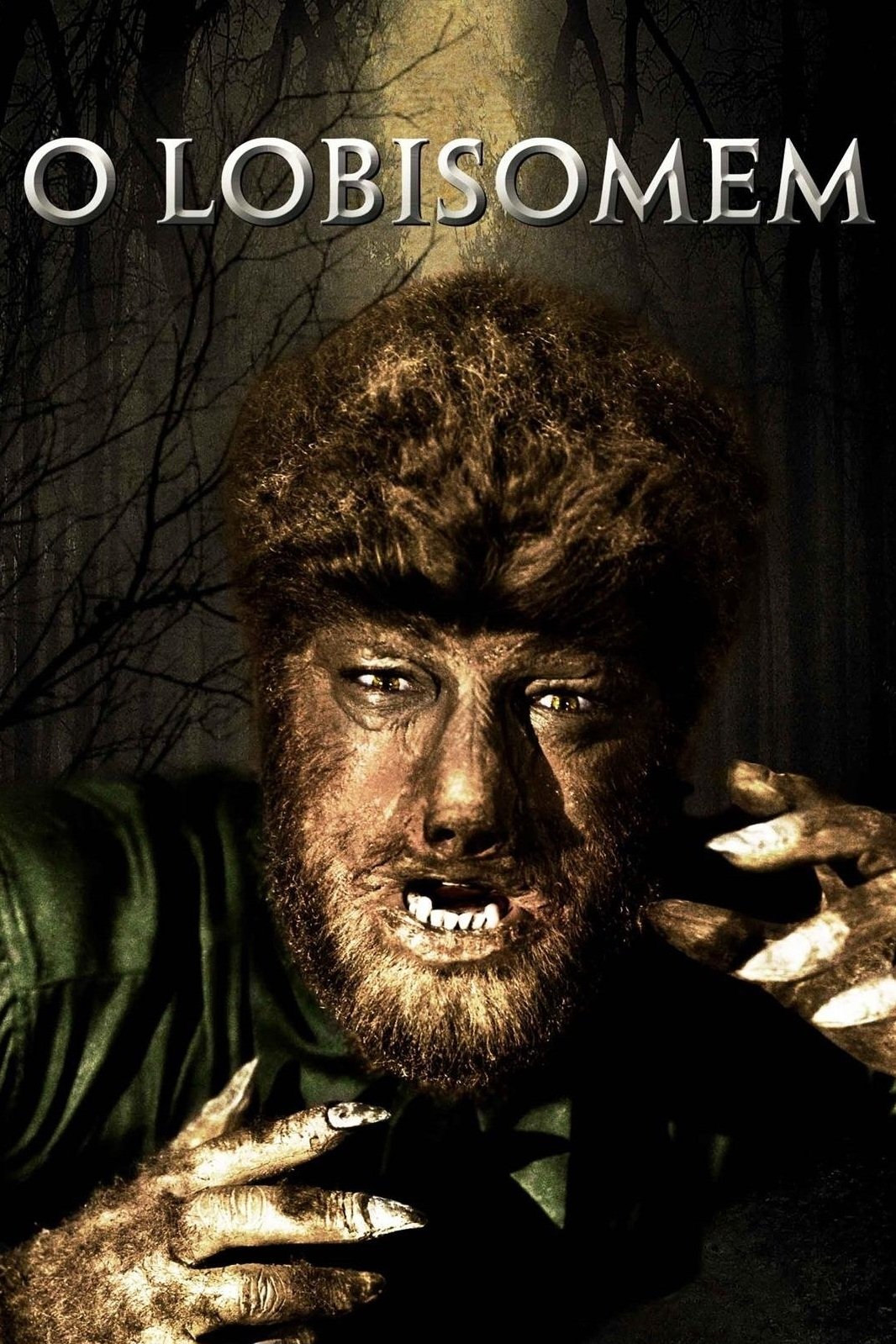
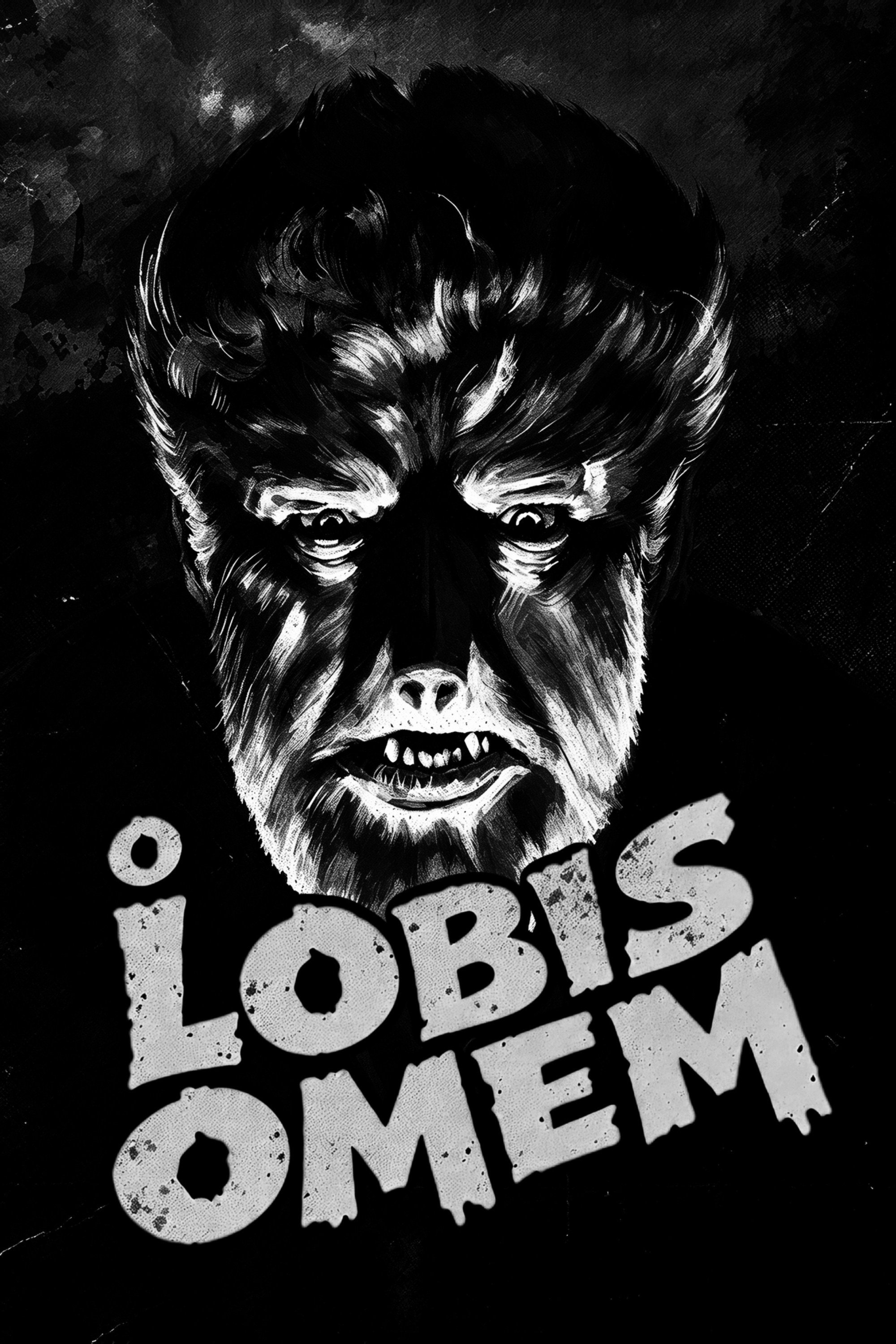
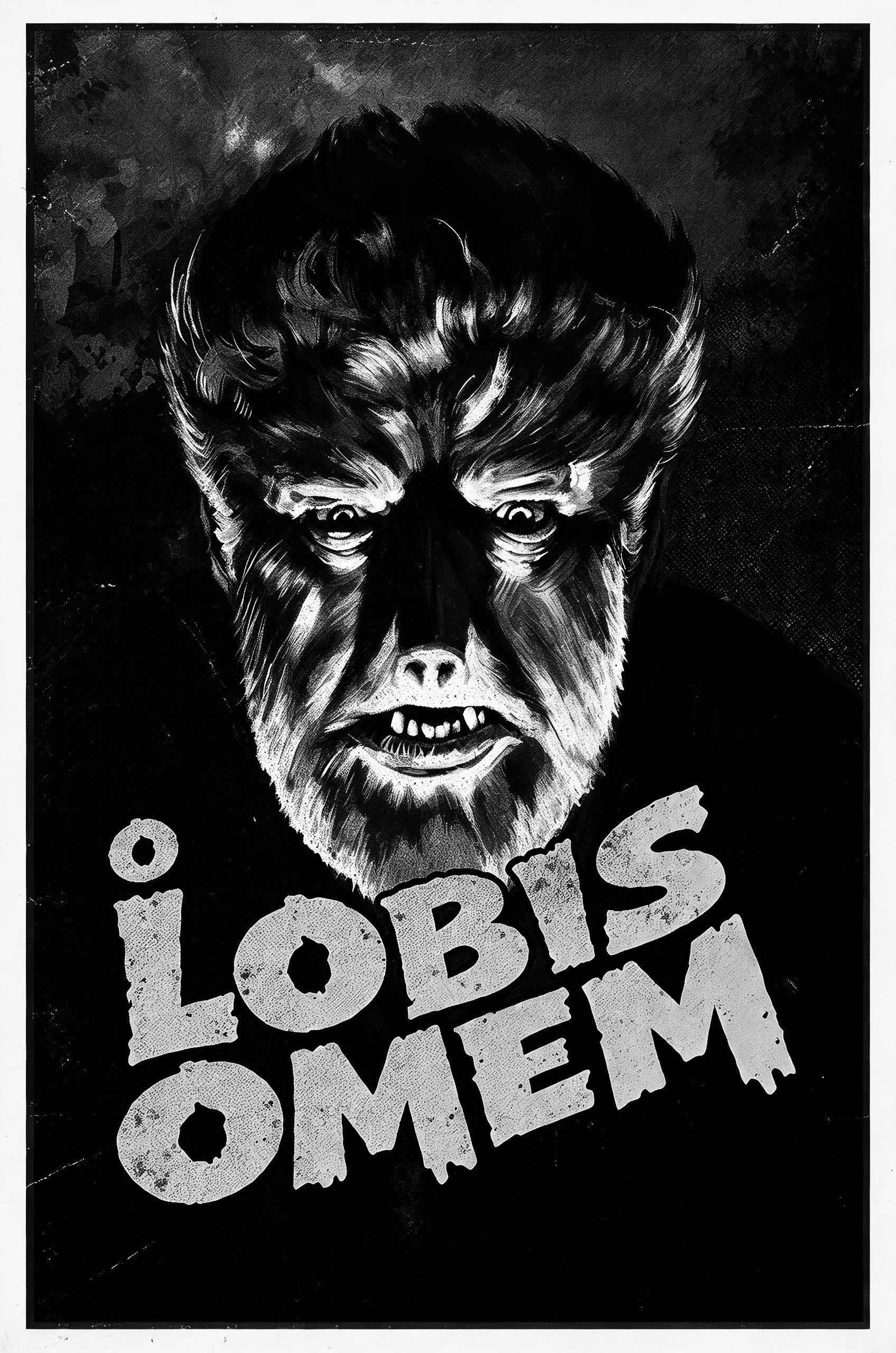
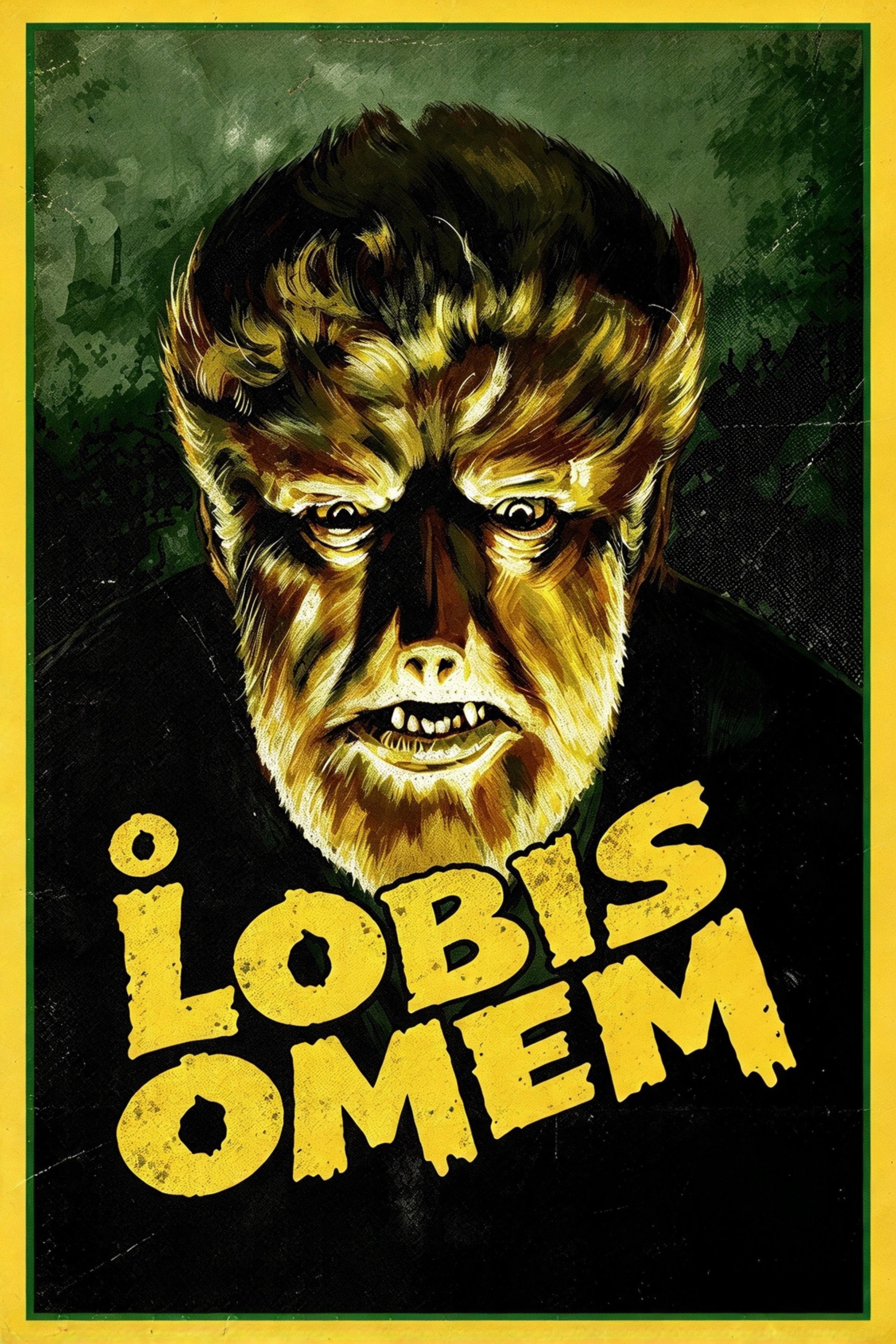
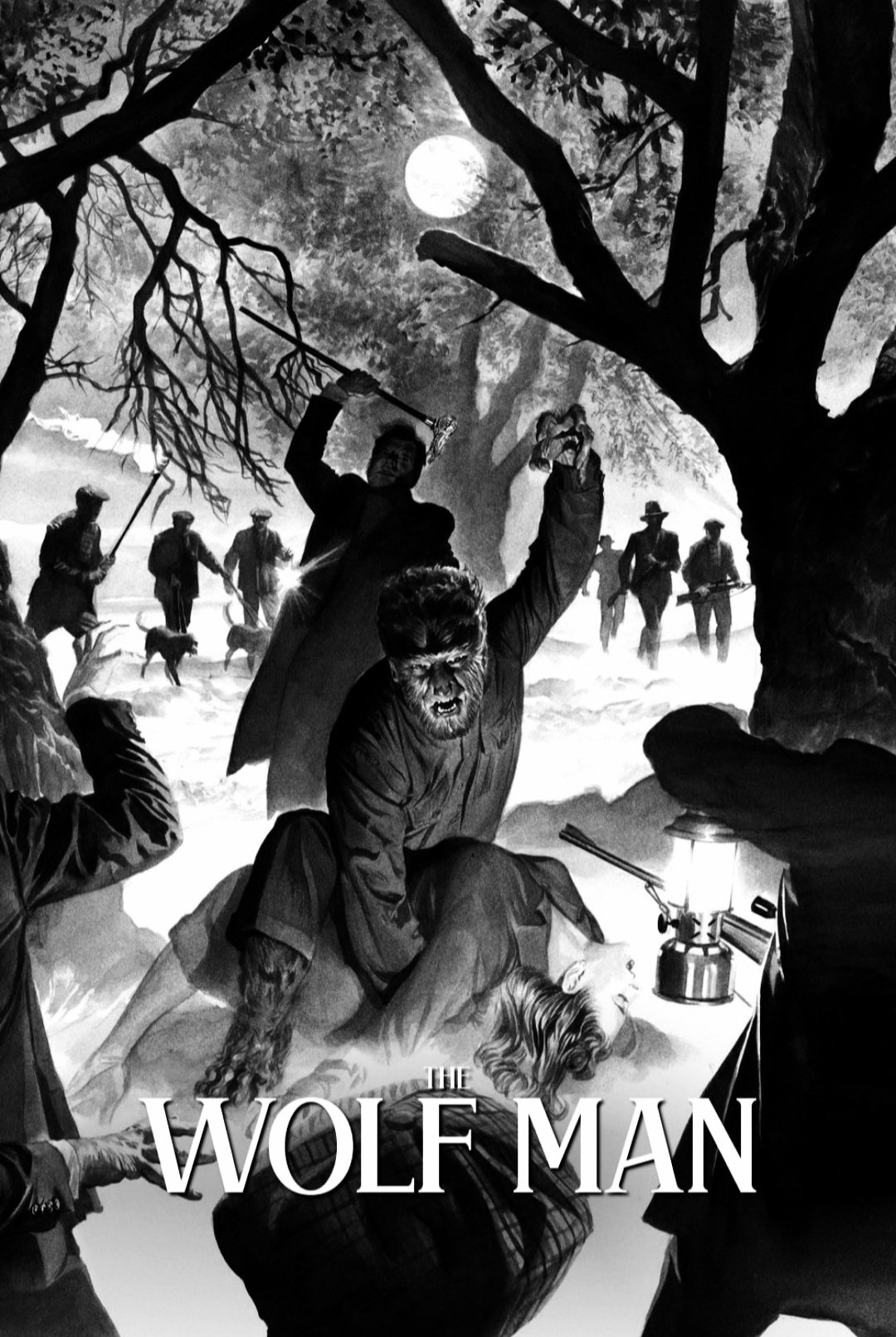
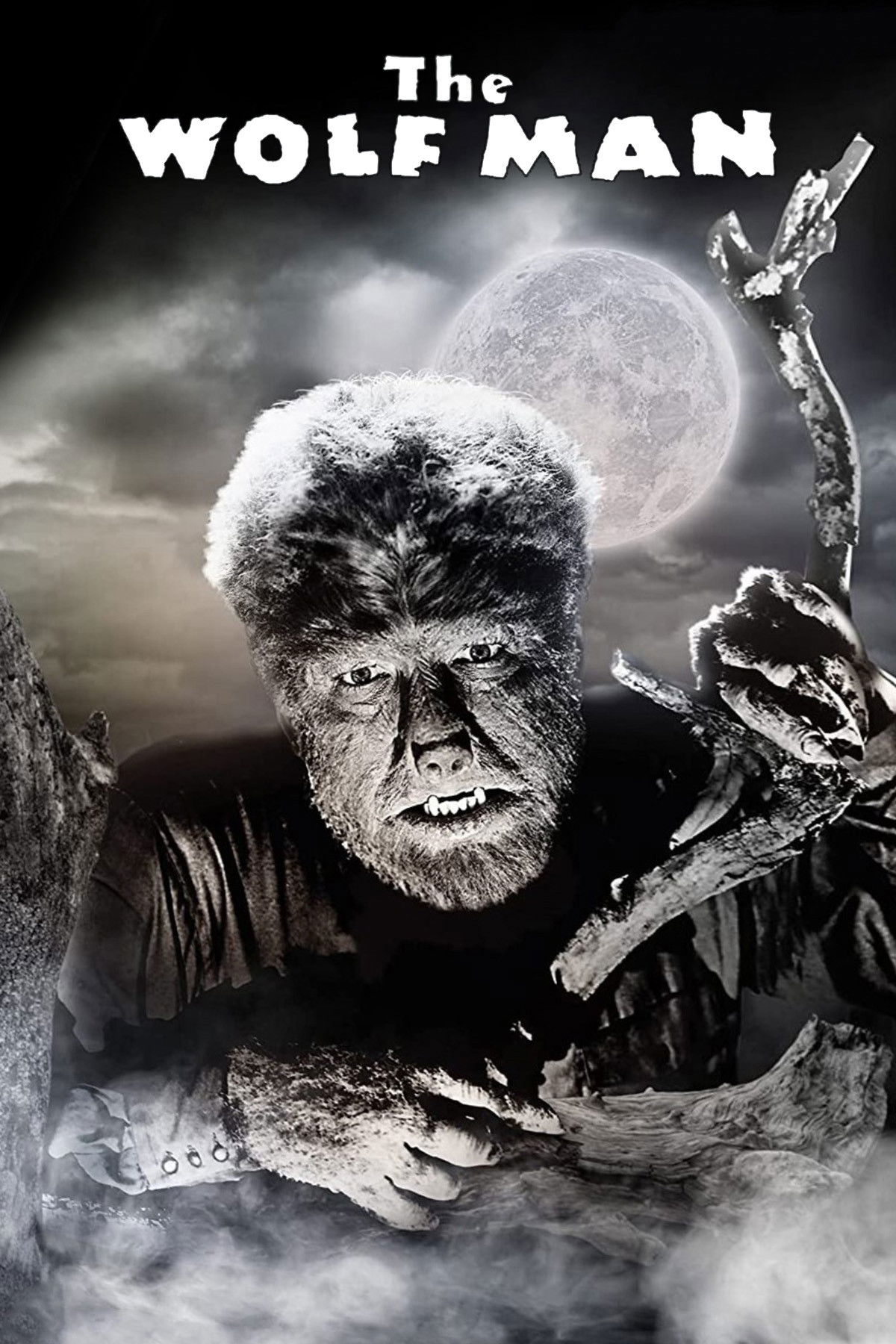
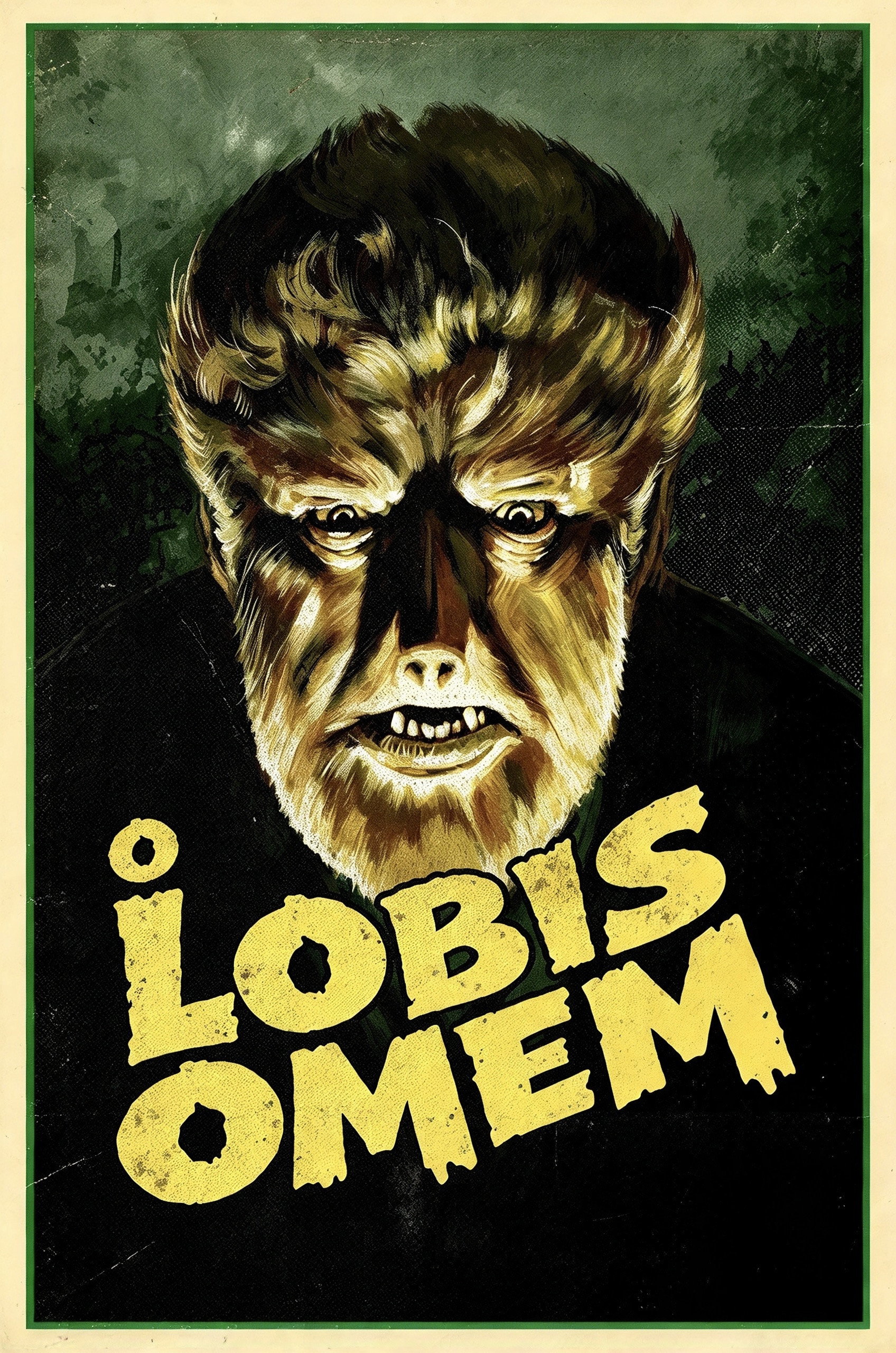
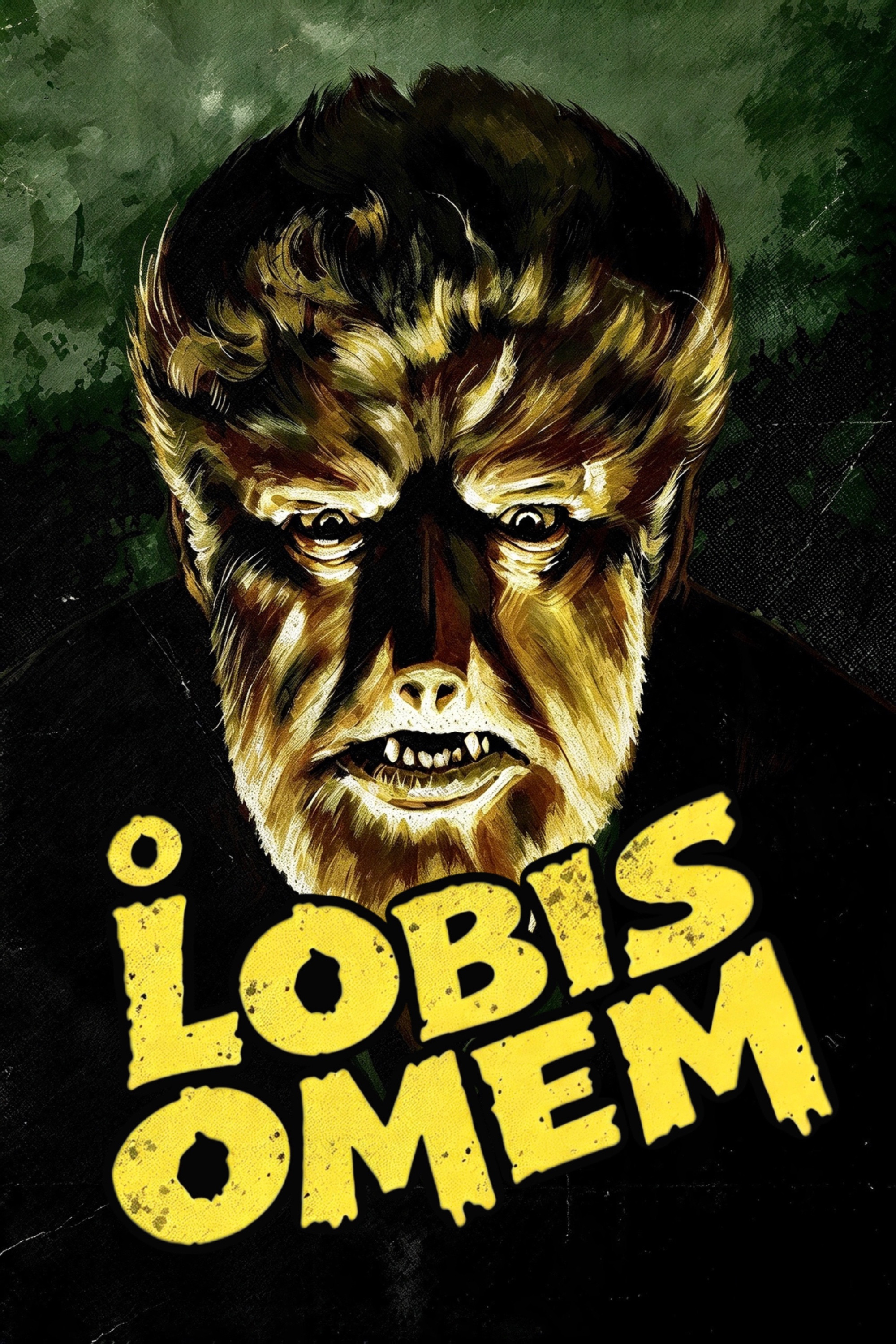
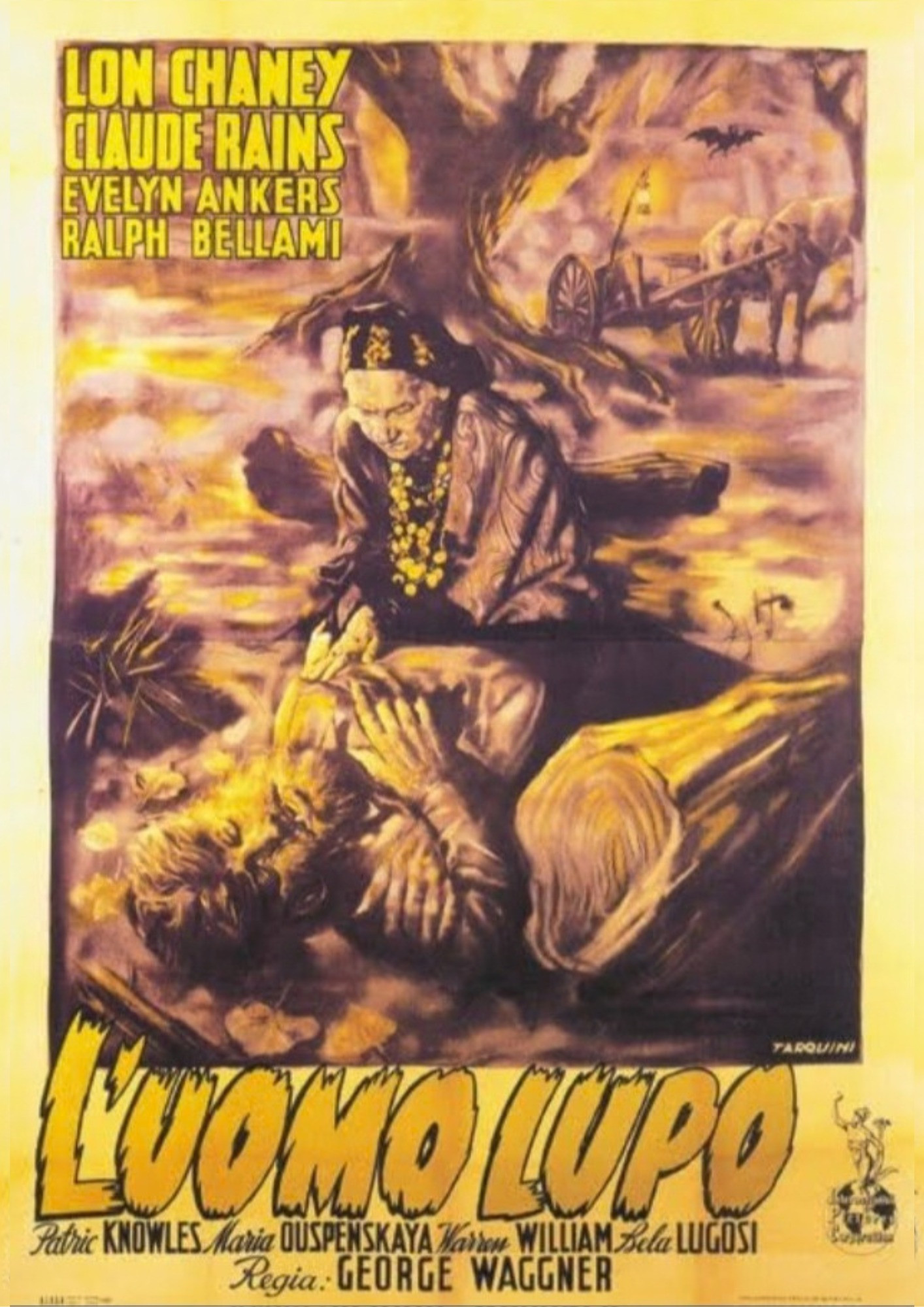
Universal and the Making of a New Monster
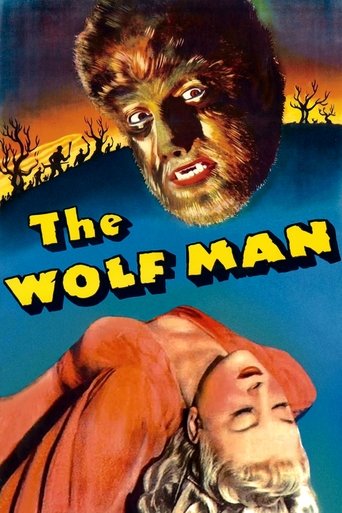
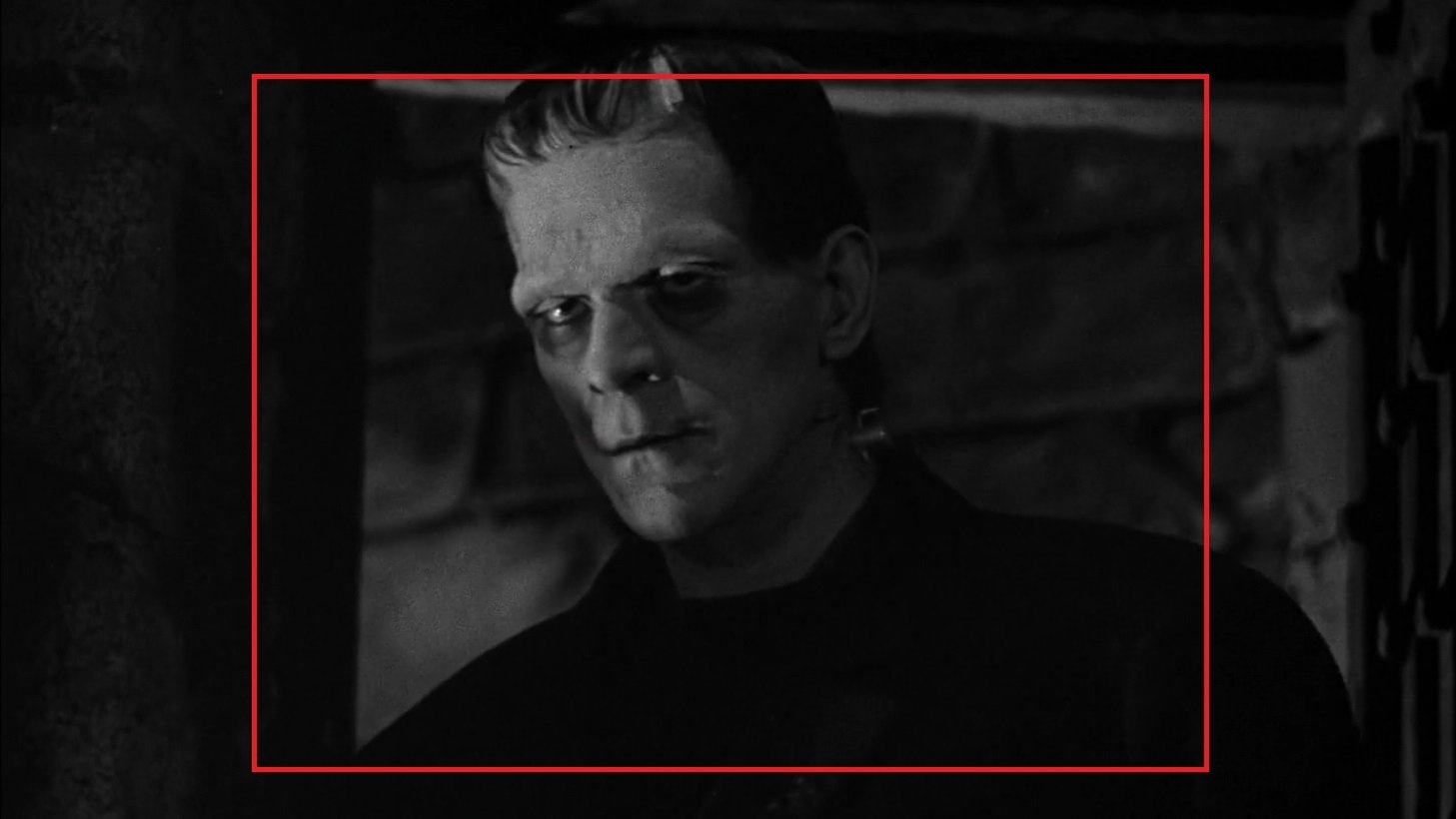
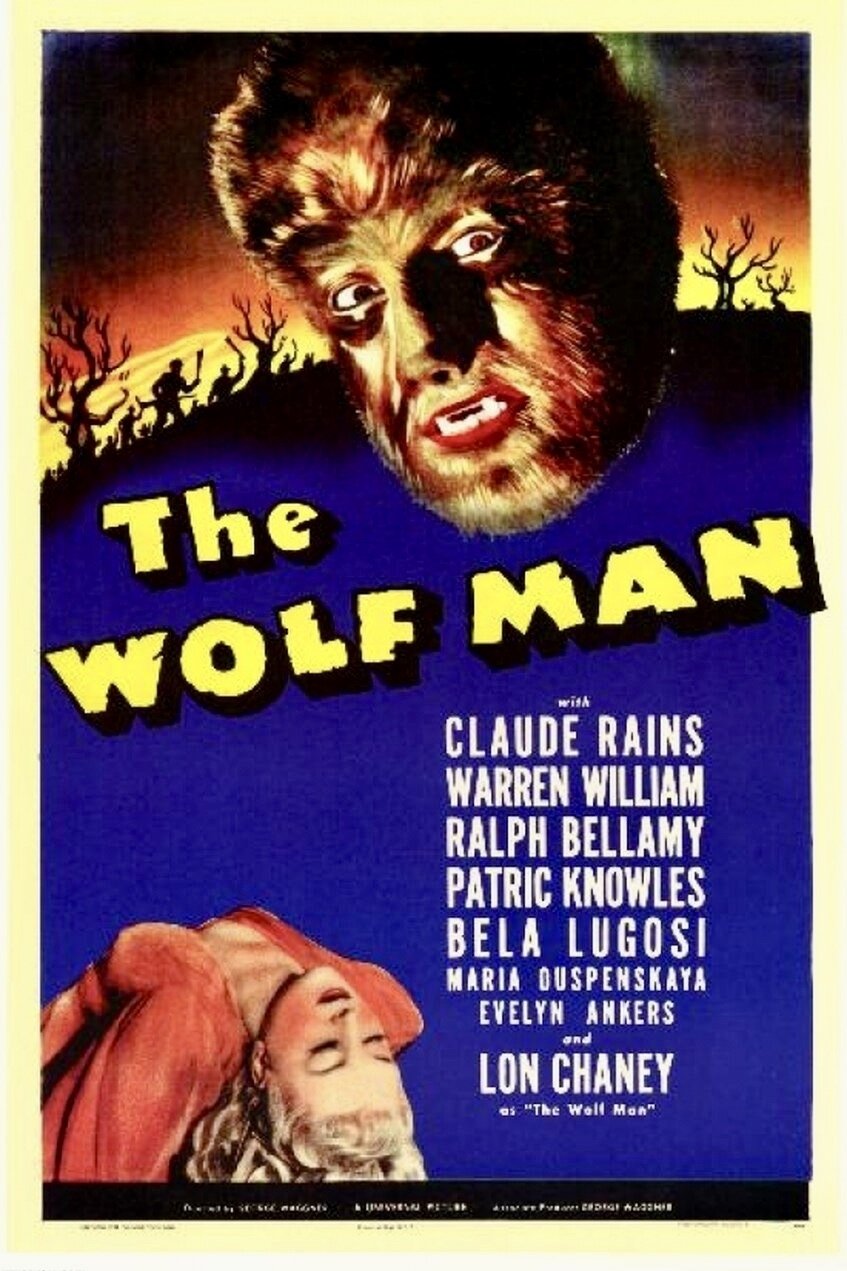
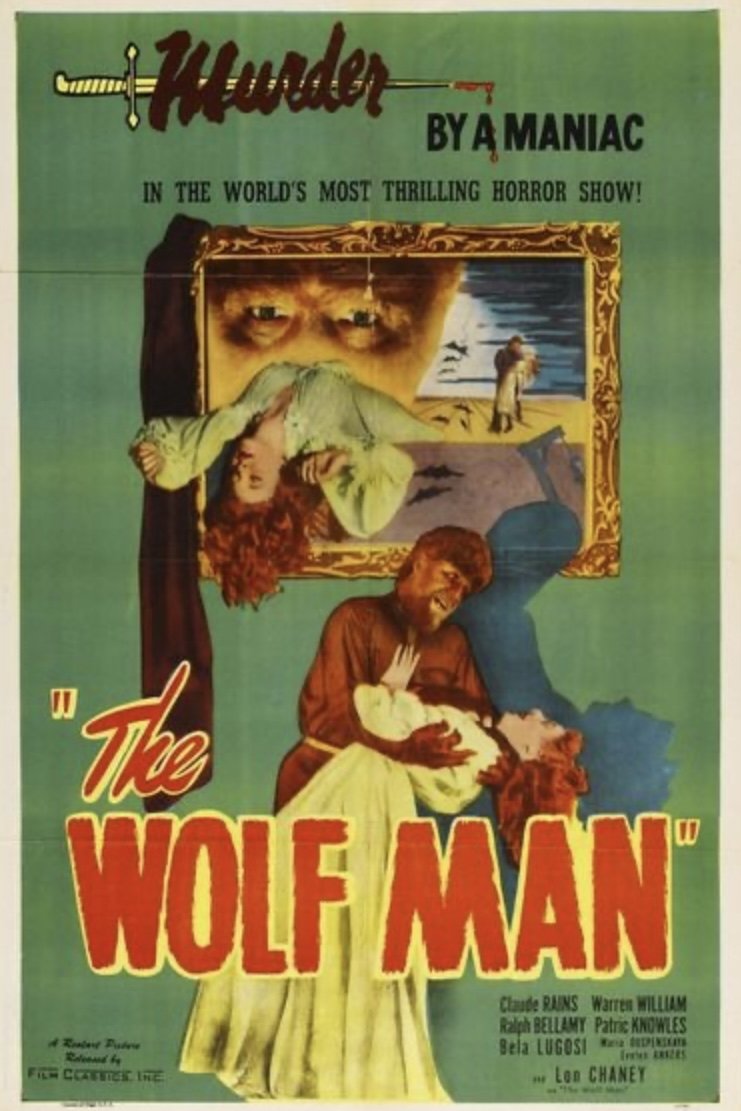
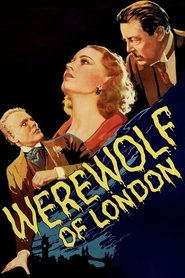
By 1941 Universal had already built an international identity around its Gothic creatures, beginning with the early sound-era success of Dracula and Frankenstein. The studio's later horror output included sequels and variations on established figures, creating an incentive to introduce another monster whose identity could survive a single story. Werewolf of London had addressed the subject six years earlier, so the new assignment did not initiate werewolf cinema. Its distinctive opportunity was to make the afflicted individual emotionally central and to bind his condition to a readily understood tragic destiny. The production developed within Universal's existing methods for creating atmospheric supernatural entertainment.
The project carried the working title Destiny, a name recorded in the American Film Institute's historical research and in later production histories. Siodmak recalled that Universal producer Jack Gross requested a werewolf story and that he gave its central character a desire to die because he understood the danger he represented. That statement comes from the writer's own retrospective interview, and it describes his dramatic intention without documenting every earlier script revision. George Waggner directed the resulting picture after working with Chaney on Man Made Monster. The production drew on the studio's established resources in sets, photography and makeup, yet required a new visual identity that could be recognized instantly beside its older monsters.
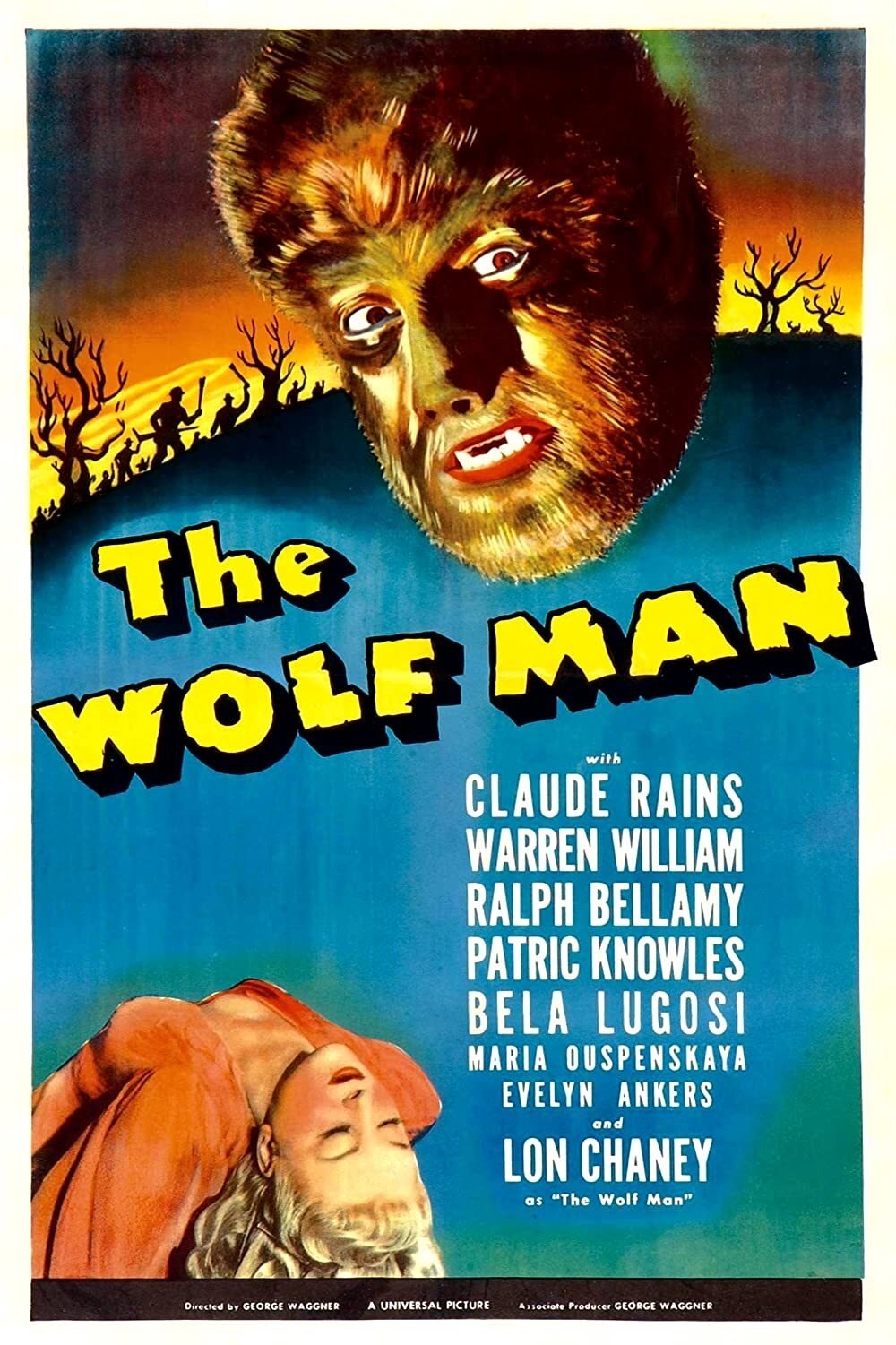
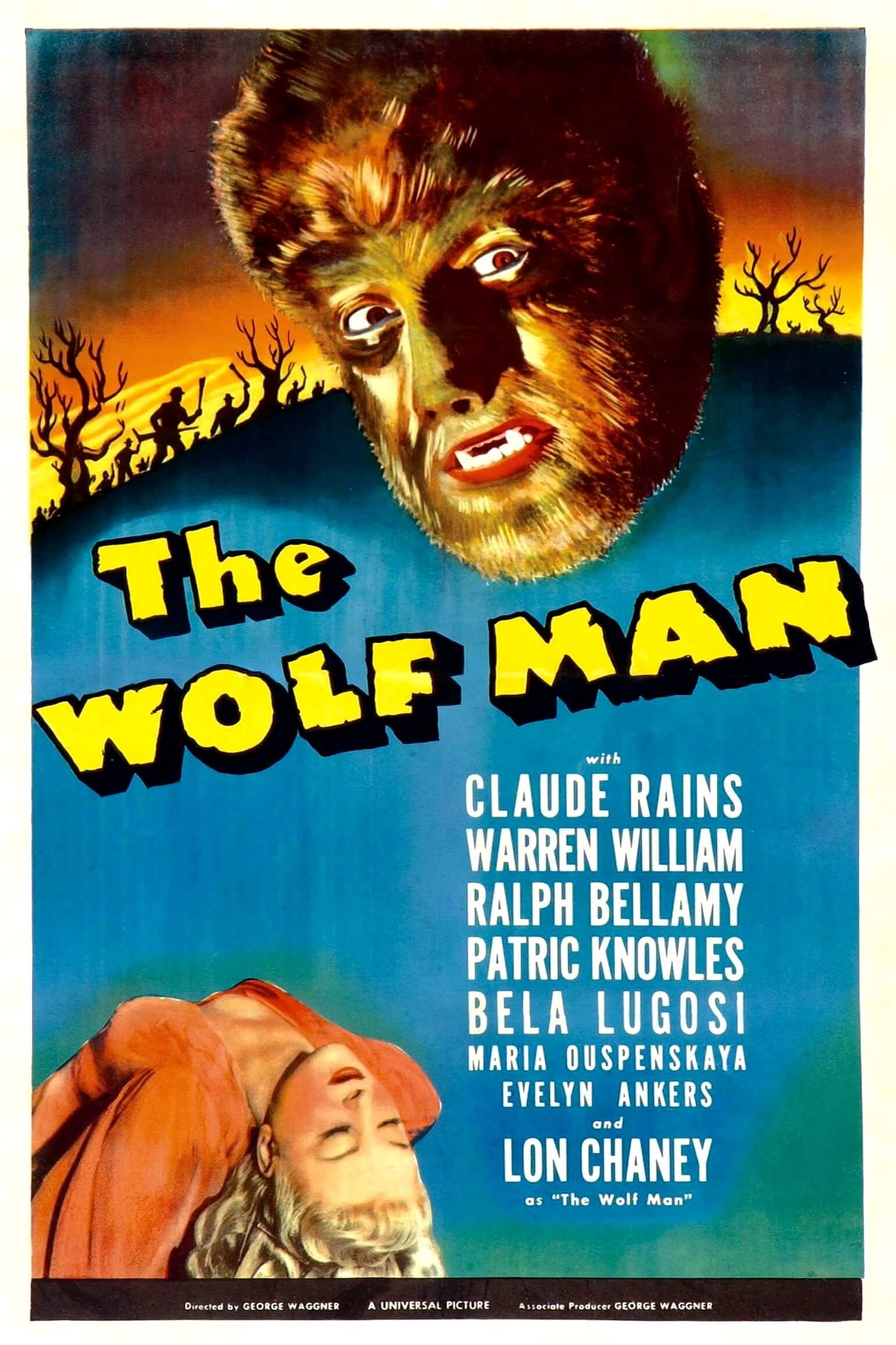
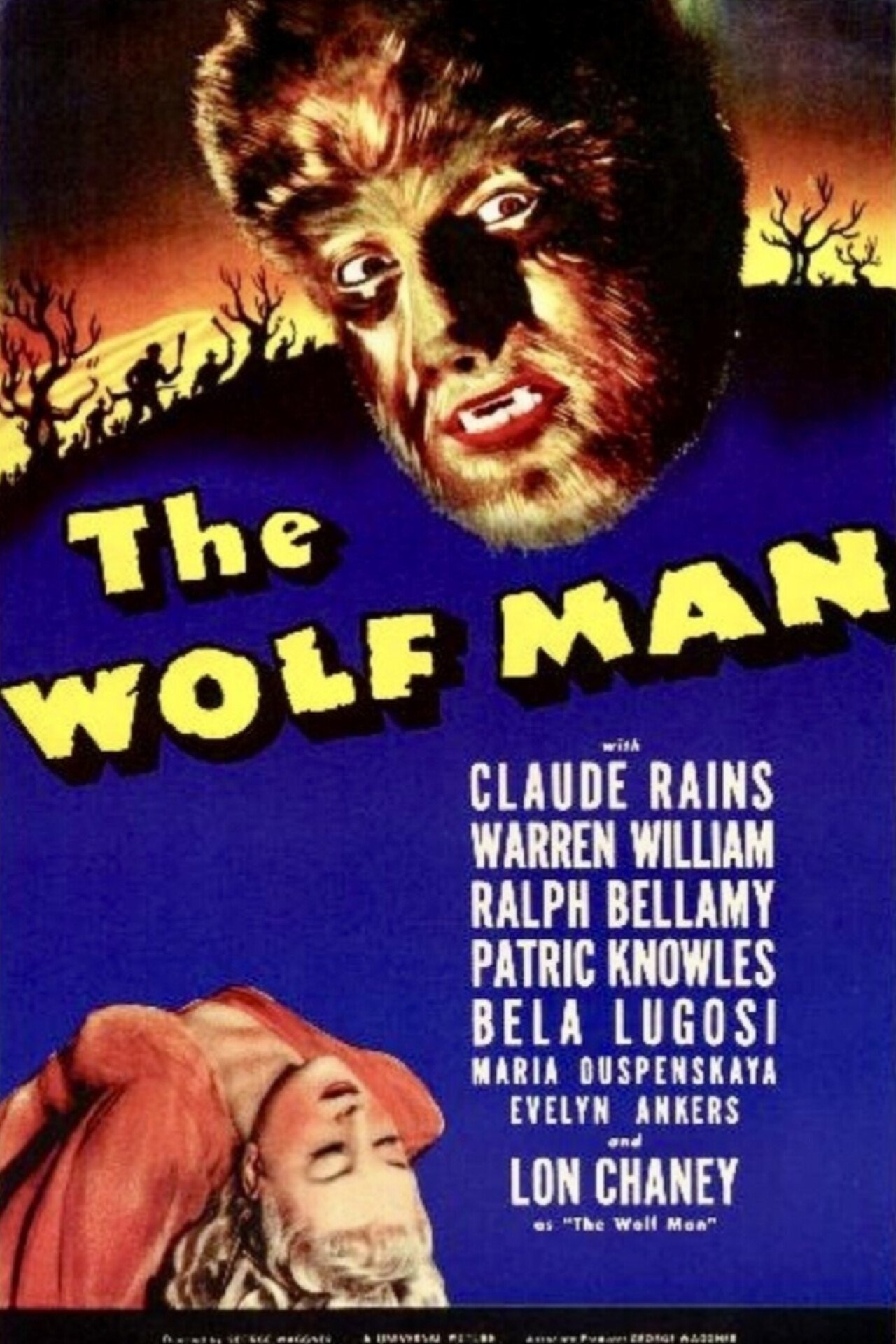
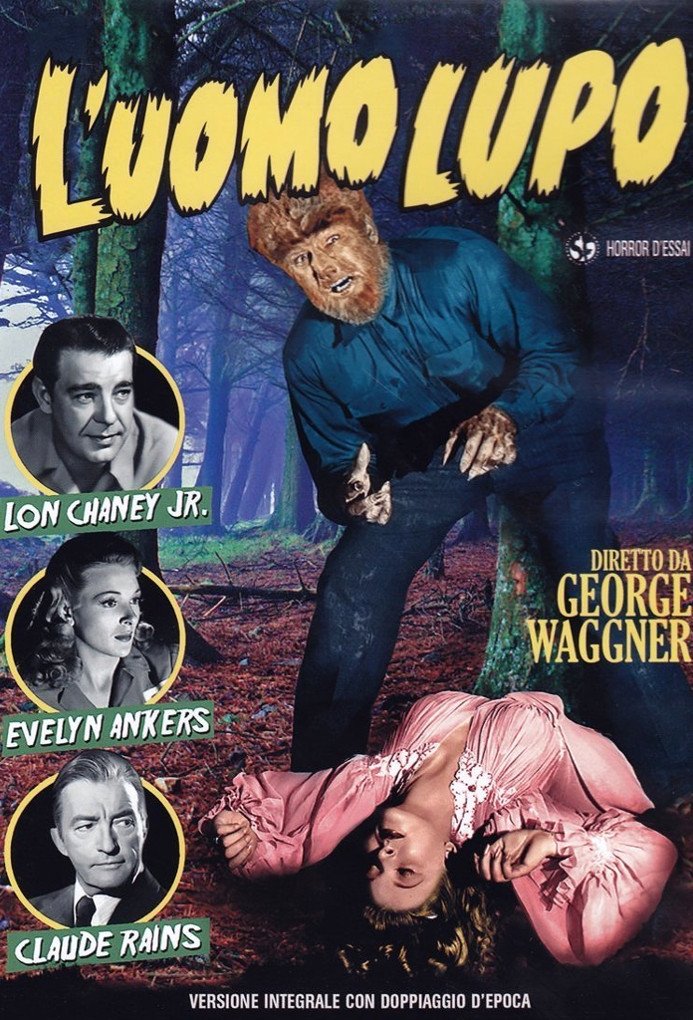
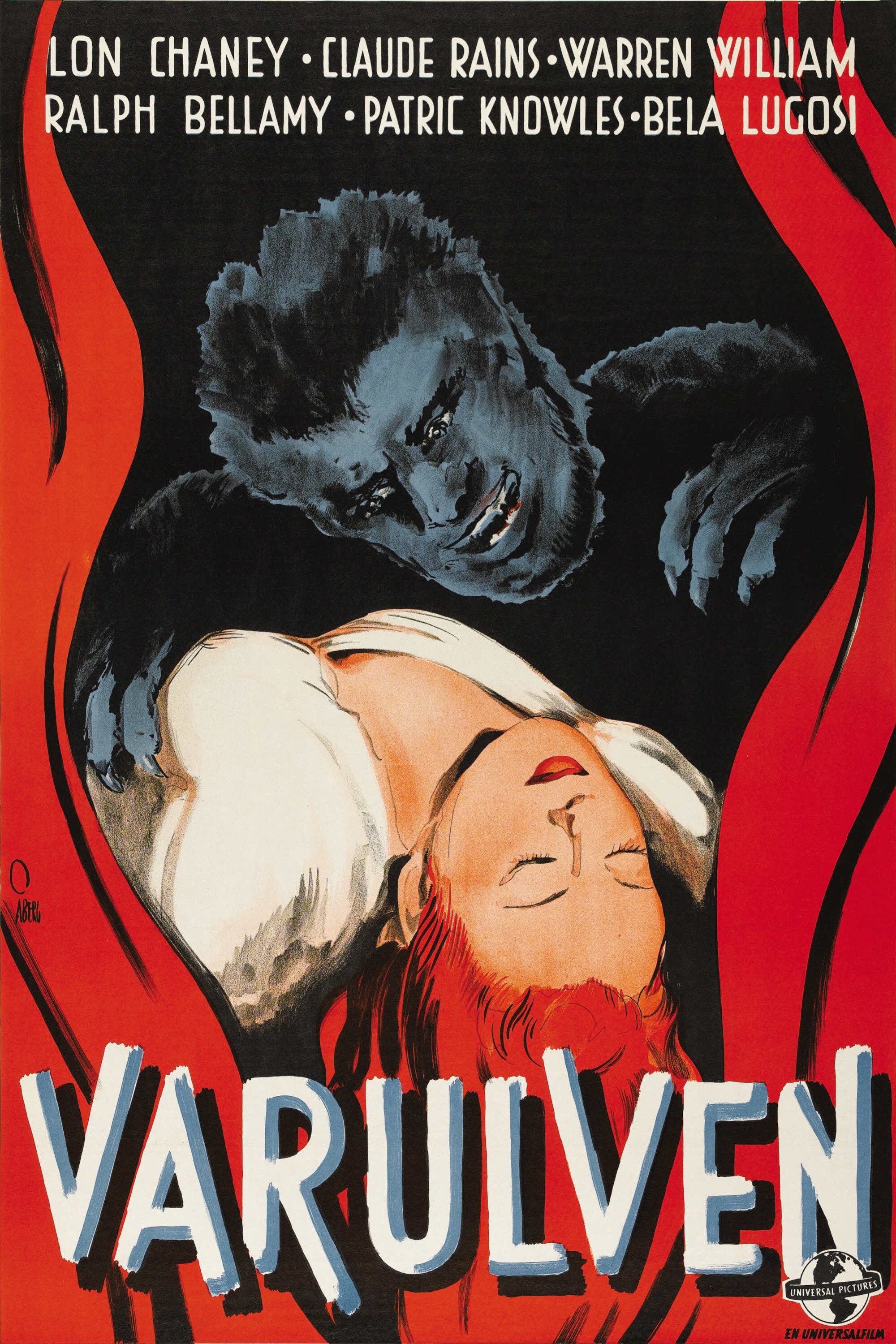
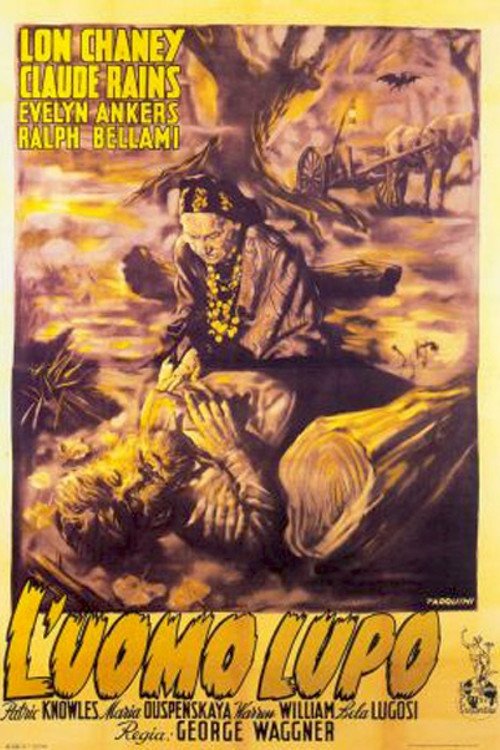
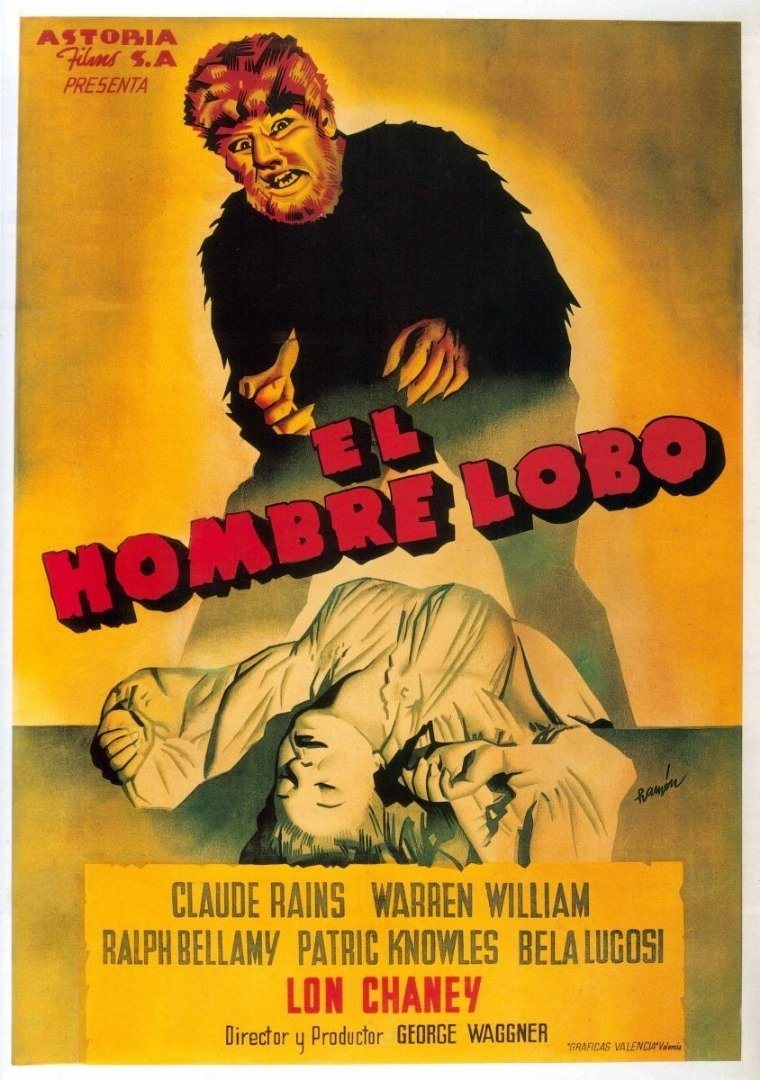
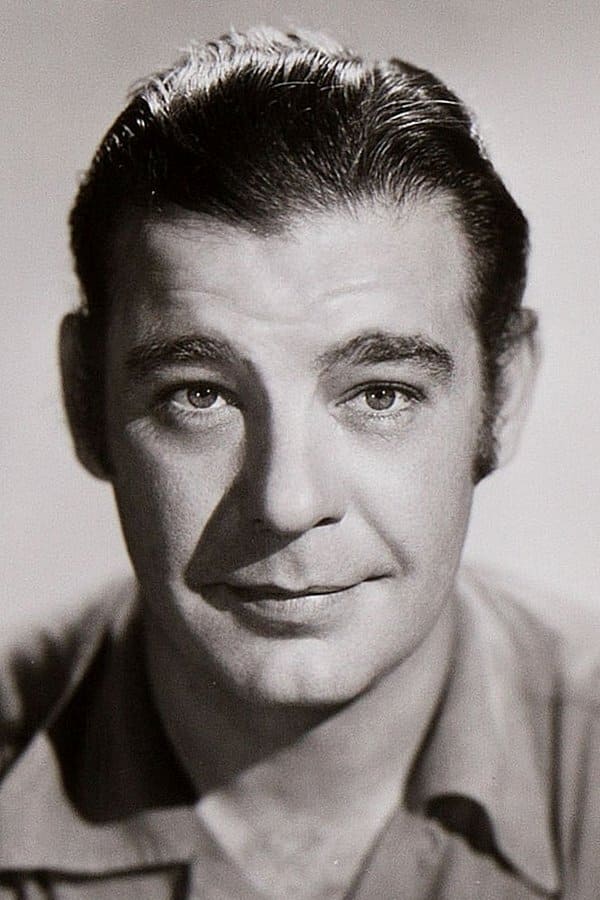
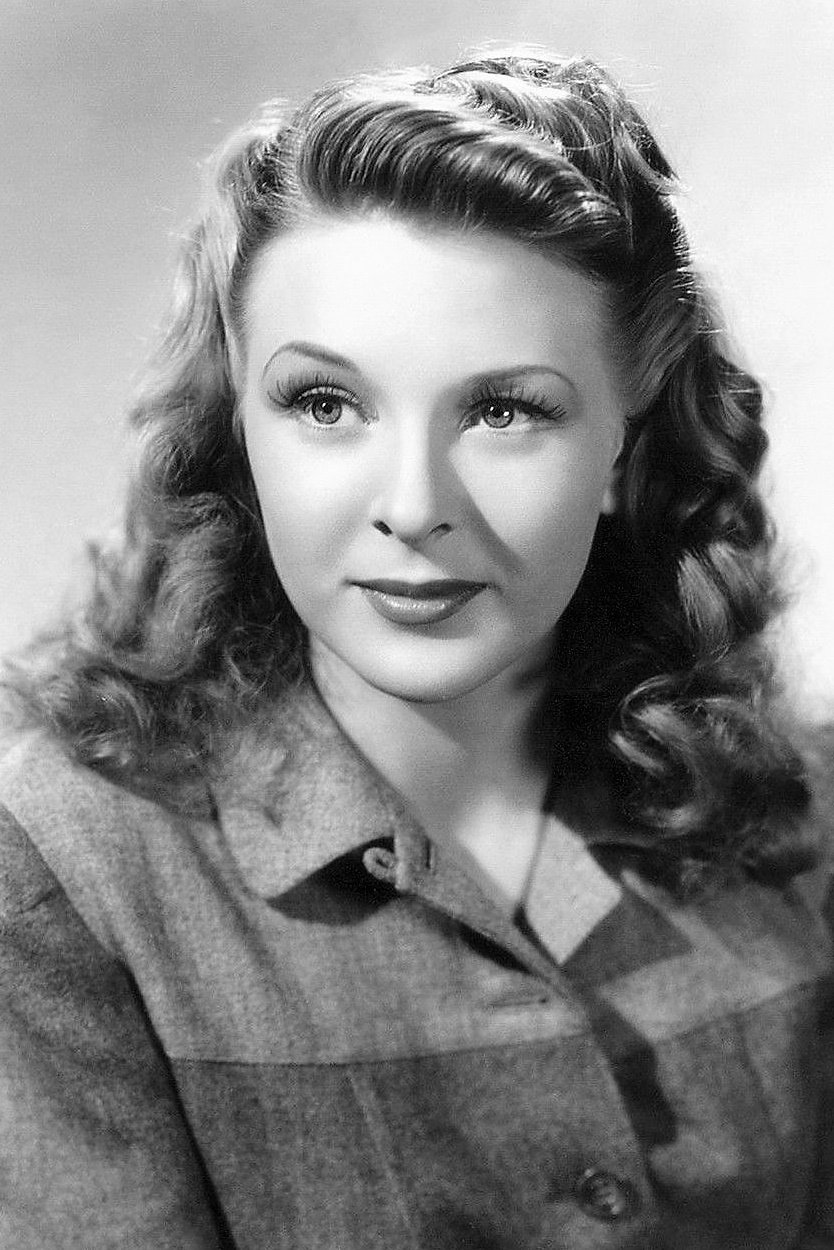
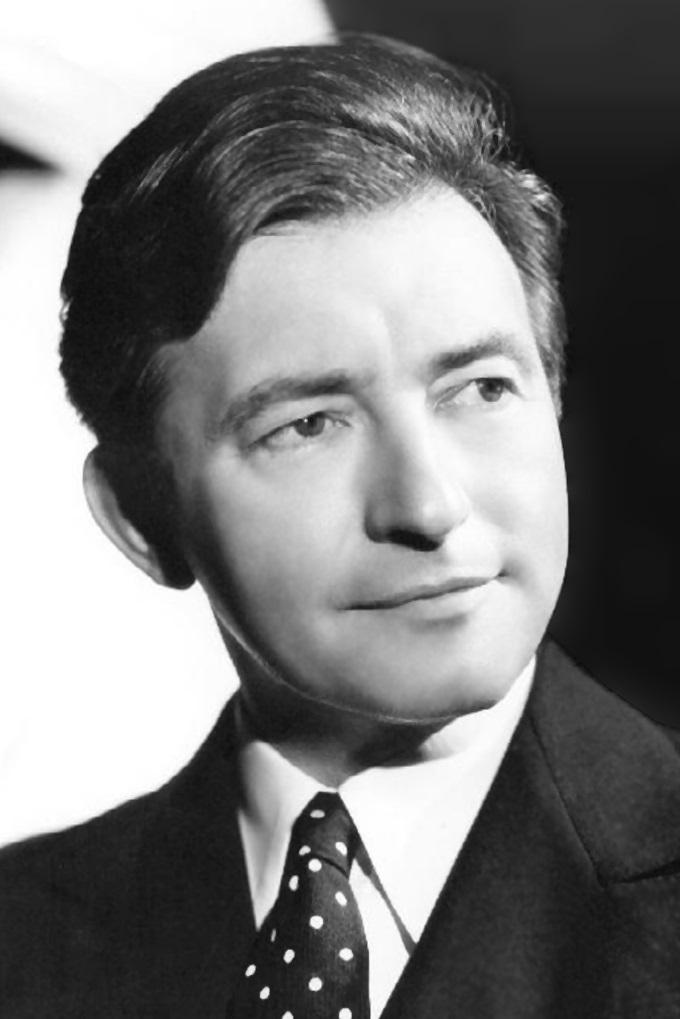
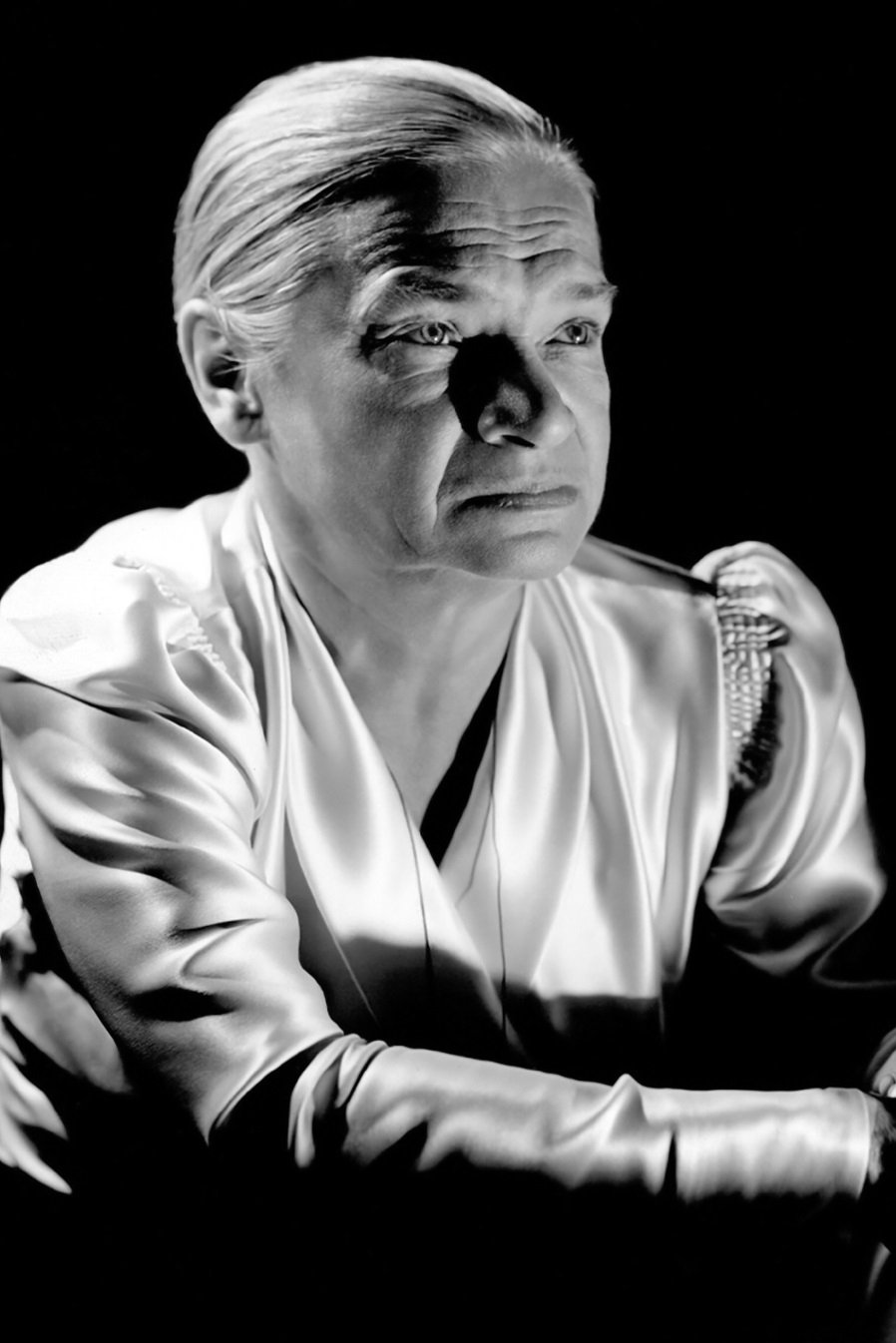
Casting helped give the film connections to Universal's past without making it a parade of established characters. Chaney had attracted serious attention as Lennie in Of Mice and Men (1939), while the title role required him to communicate confusion and helplessness under heavy prosthetic work. Béla Lugosi appears briefly as the fortune-teller's son, whose condition passes to Larry, and Maria Ouspenskaya gives the story an unusually sympathetic authority figure in Maleva. TCM's production history records that Dick Foran was announced in trade reports but was absent from the completed film. Such distinctions matter when reconstructing a production: advance publicity and abandoned casting plans are not credits for the released work.
Curt Siodmak and the Construction of Screen Folklore
Siodmak assembled traditions into a set of cinematic rules that later audiences could mistake for a single ancient legend. Wolfbane, pentagrams and the vulnerability of the transformed body to silver have different histories, but the film brings them together around Talbot's predicament. The recurring verse about a good man becoming a wolf when the wolfbane blooms is especially important. In a substantial interview republished by Black Mask, the writer said plainly that he invented the verse himself. Its repetition by different characters makes it sound as though the village has transmitted it for generations, giving newly written dialogue the authority of inherited knowledge.
The writer's personal history has also shaped discussion of the screenplay. A German Jewish emigrant who had left Europe during the rise of Nazism, Siodmak knew what it meant to become vulnerable to forces beyond individual control. A 2010 Los Angeles Times report quotes documentary producer Constantine Nasr interpreting the pentagram appearing on a threatened victim as a visual parallel to the Star of David used to mark Jews under persecution. This is a historically informed interpretation of the symbolism, not a verified statement that every member of the production adopted that specific analogy. It is important to separate the writer's displacement, which is biographical fact, from a critic's explanation of what a particular image signifies.
Siodmak's own explanation emphasized a doomed protagonist who knows he may kill against his wishes. This tragic structure is more specific than a general story about an aggressive animal. The curse is transmitted through an injury, and the danger is personal because Larry initially responds to an attack by trying to protect someone else. His act of rescue becomes the condition of his ruin. Earlier folklore and werewolf films had supplied different elements of transformation; the 1941 screenplay reorganized them as an efficient cycle of contamination, warning, disbelief and inevitable violence. Its enduring contribution is this dramatic system, not an unsupported claim that it invented every individual belief associated with lycanthropy.
Larry Talbot and the Tragedy of the Human Monster
Larry arrives as an outsider in two senses. He has spent years away from his family's estate, and his American manner separates him from the expectations of the Welsh community. The reunion with Sir John Talbot carries an uneasiness that grows once local explanations of lycanthropy begin to trouble Larry. His father's commitment to rational judgment seems at first a source of stability, but it prevents him from understanding the danger Larry believes he faces. The conflict therefore concerns competing accounts of reality as well as a strained family relationship. What Larry experiences as a curse can appear to other characters as fear, suggestion or guilt.
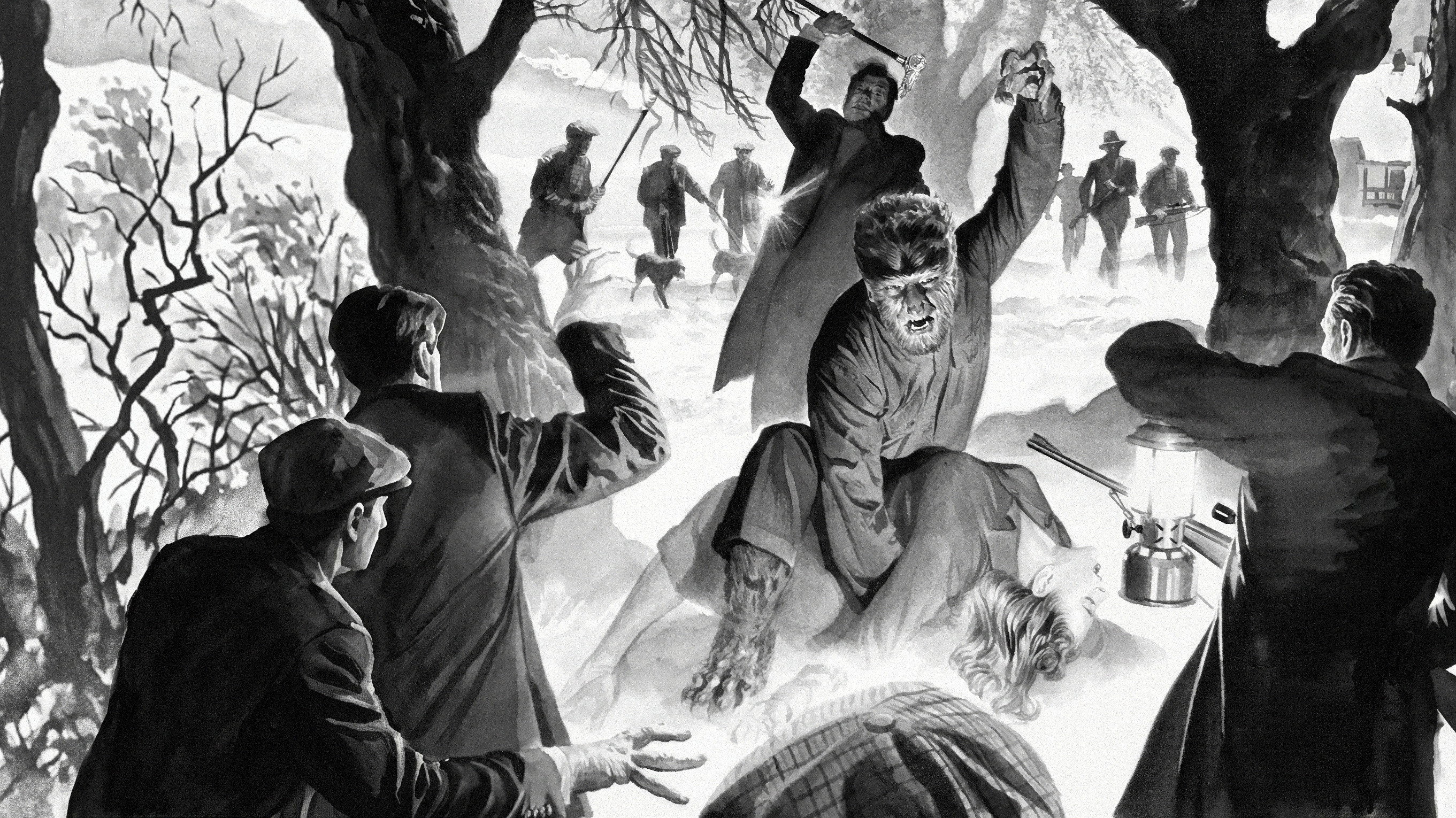
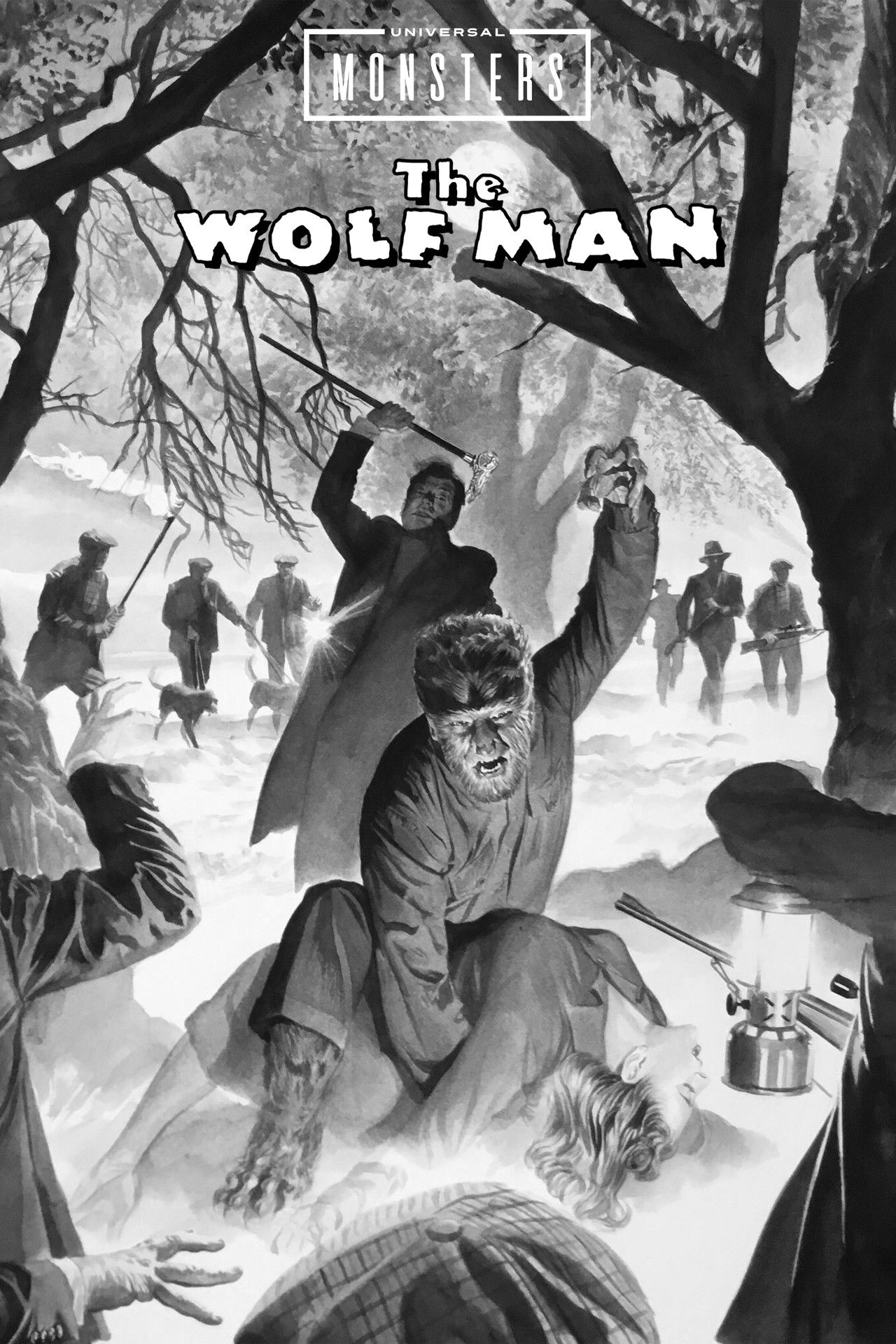
The narrative introduces that conflict through a violent incident in the forest. Larry intervenes to defend Jenny Williams, kills the animal attacking her and discovers that the wound on his own body carries a consequence he cannot explain. The community's testimony then challenges ordinary perception: a creature seen during the attack becomes associated with a dead man, and signs of a pentagram acquire threatening meaning. The film keeps the physical evidence and the characters' interpretations in tension. Brian Eggert's detailed Deep Focus Review essay reads the transformation through collective superstition and psychological distress. This remains a critical interpretation of the film's ambiguity, not an established account of the filmmakers' unanimous intention.
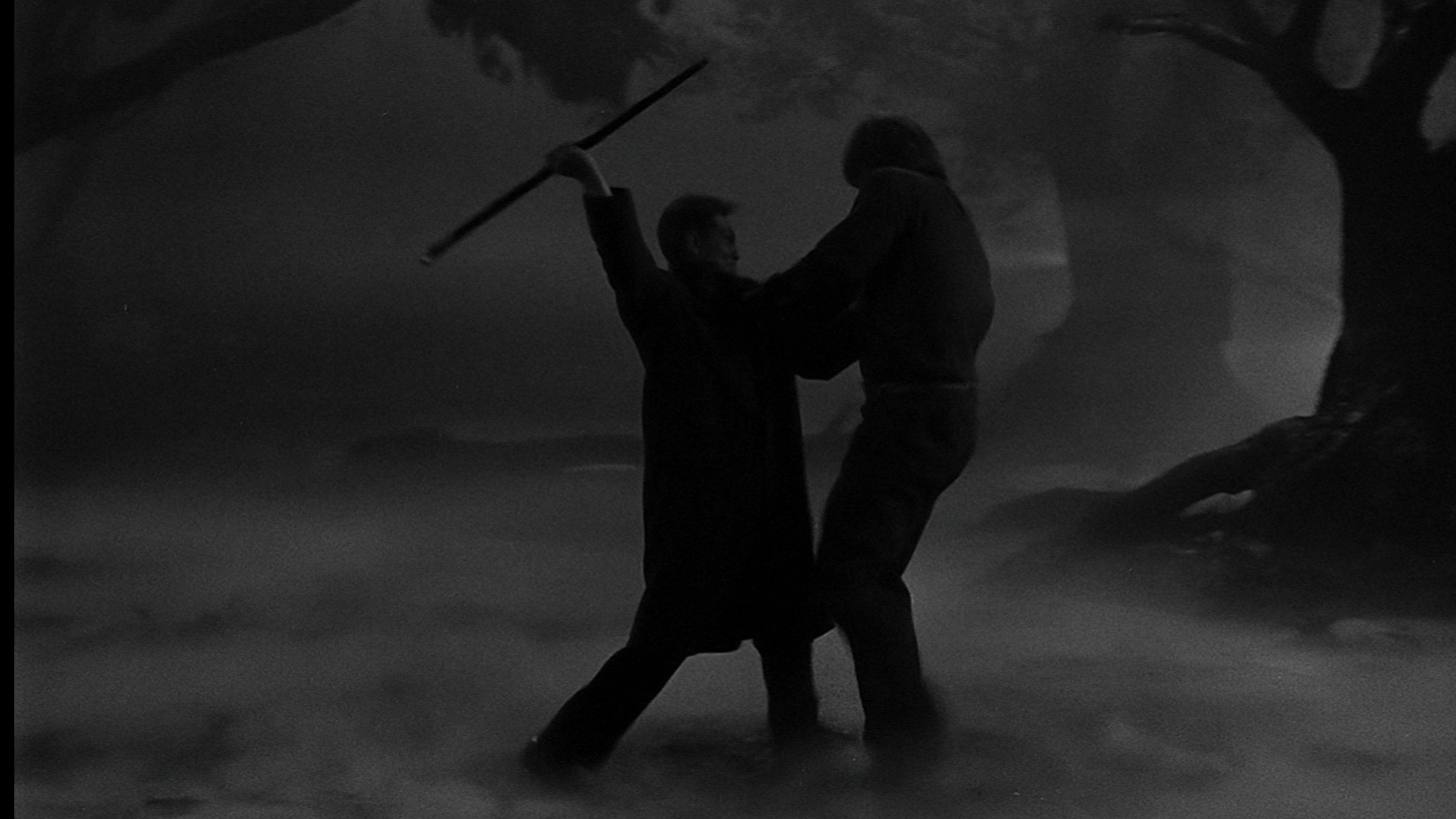
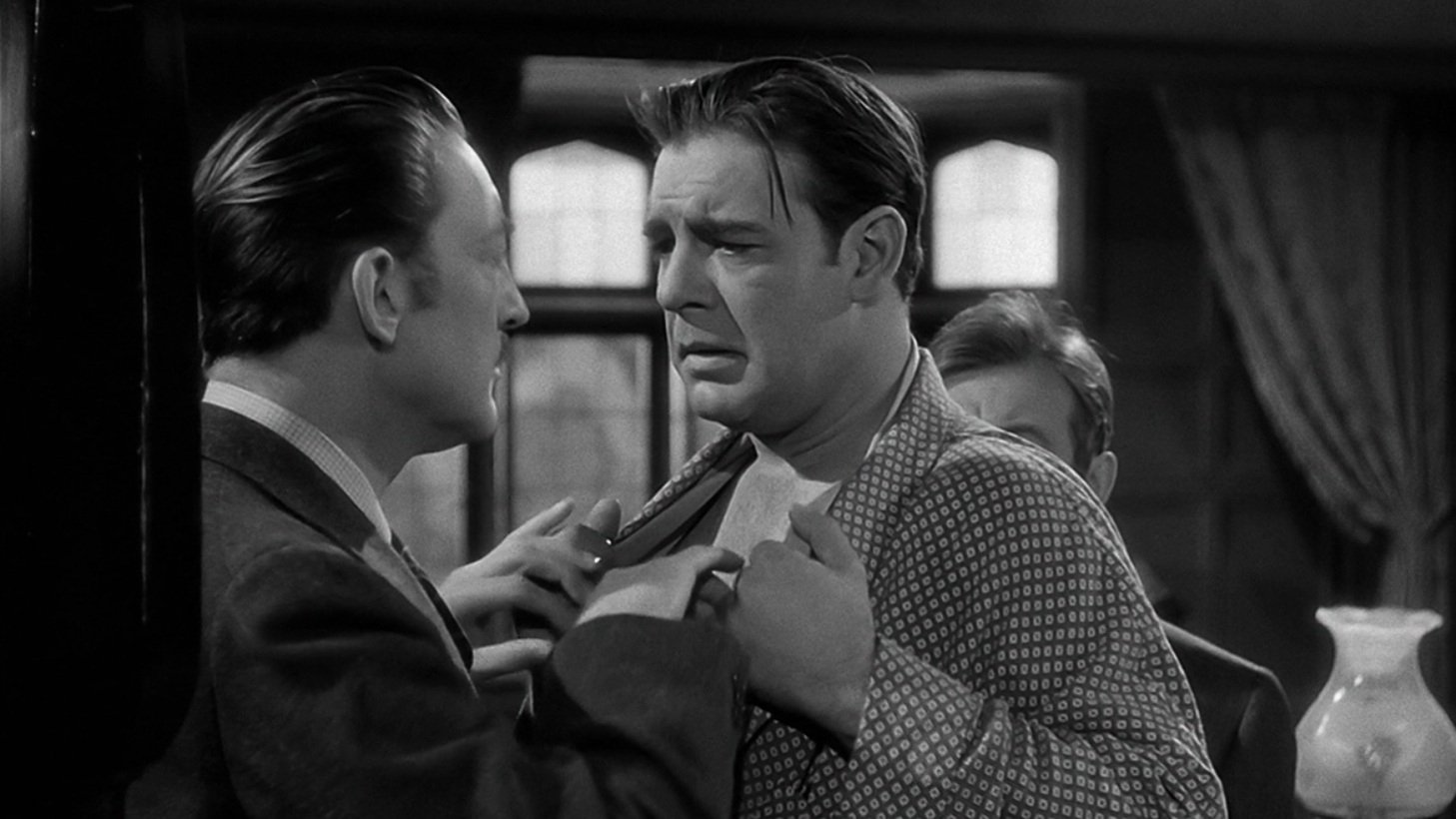
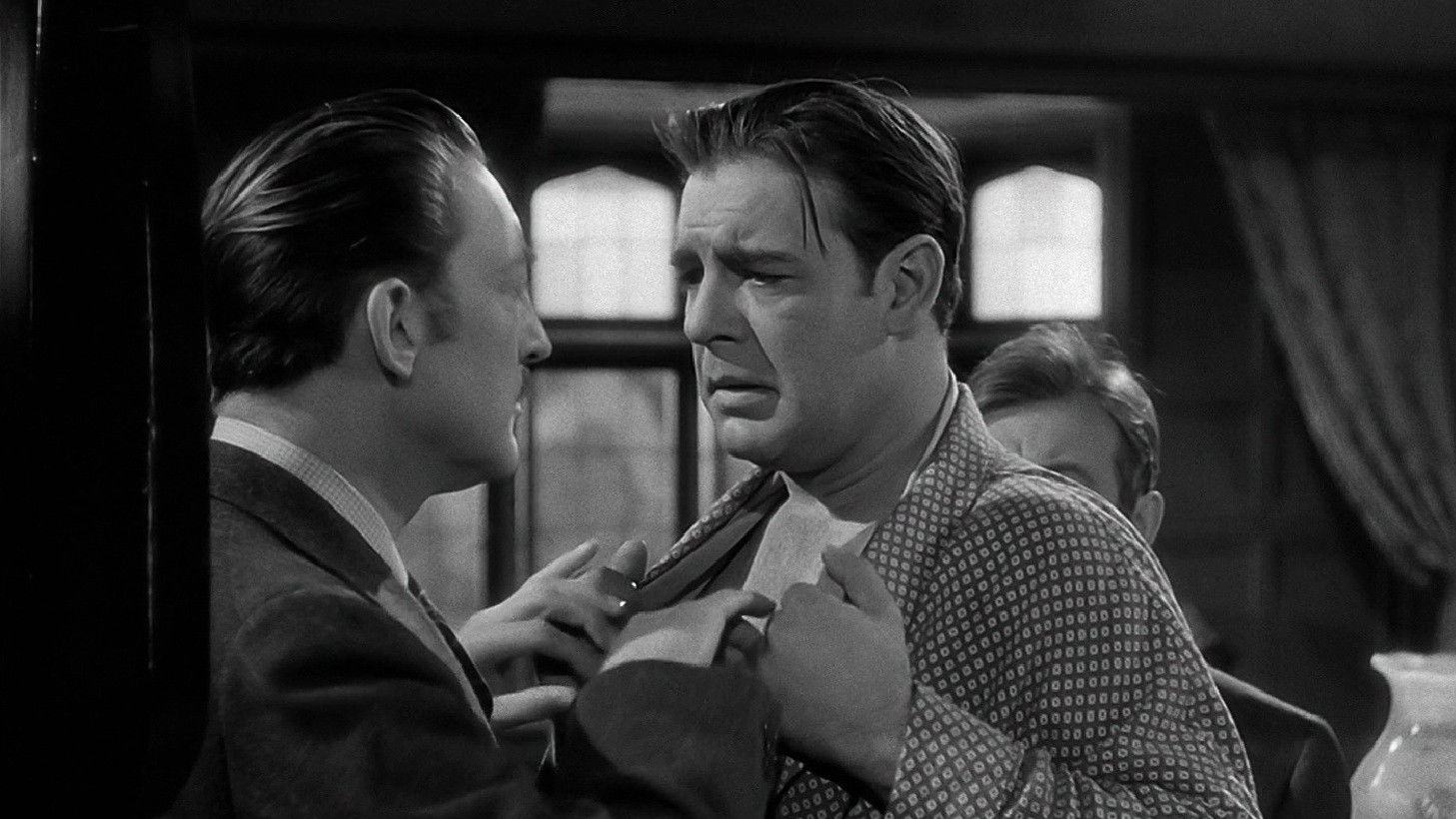
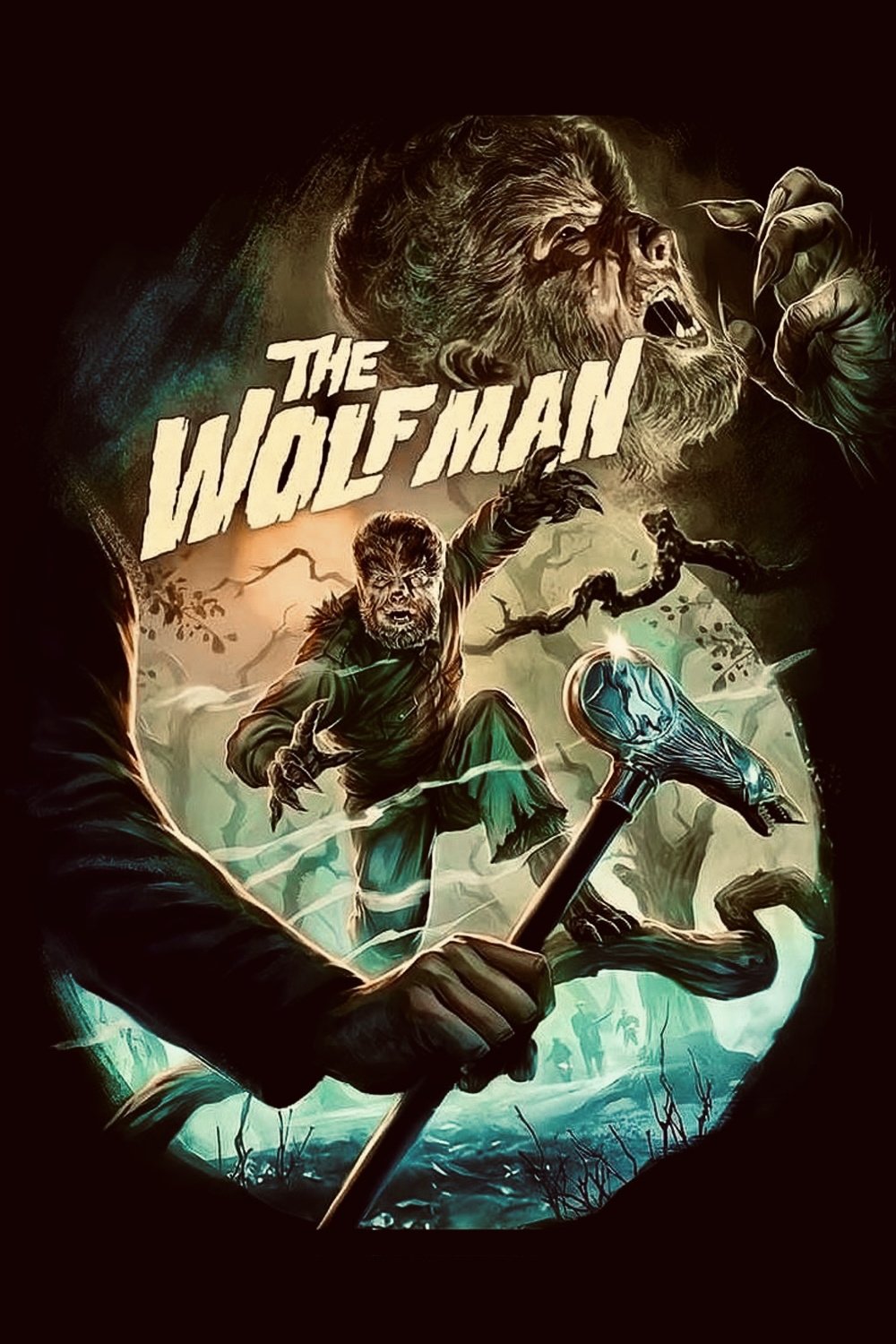
The emotional pressure reaches its fullest expression through the relationship between father and son. Sir John can protect Larry only within the limits of what he believes possible; Larry, meanwhile, cannot trust his own behavior after dark. The eventual use of the silver-headed cane transforms an object associated with family status and protection into an instrument of irreversible loss. Chaney's performance matters because it keeps the creature's acts connected to the fear of the person beneath the disguise. Horror arises from the possibility that innocence cannot prevent harm, and from the terrible responsibility imposed on people who love someone they can no longer safely recognize.
Photography, Sets and the Forest as a Place of Uncertainty
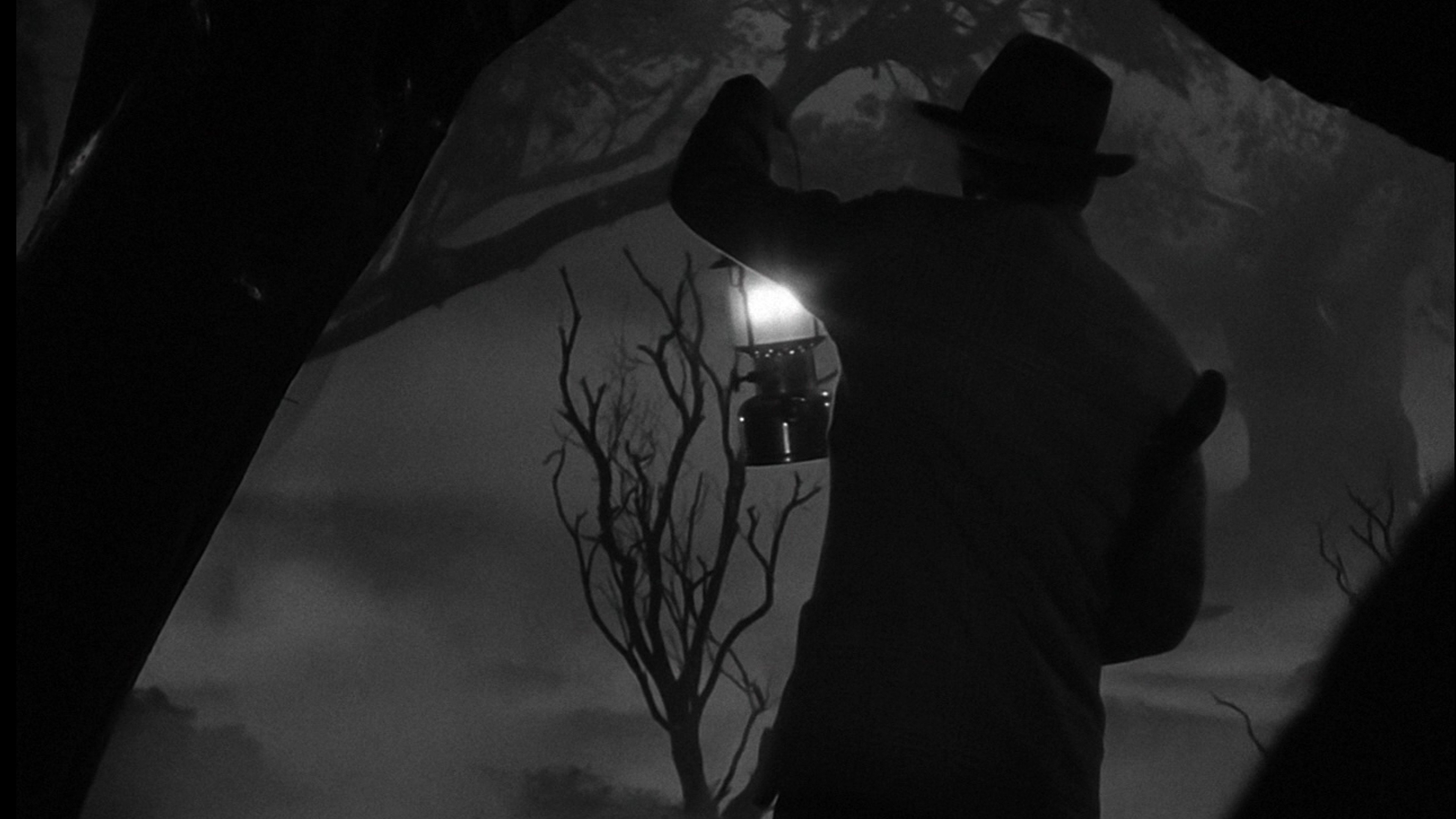
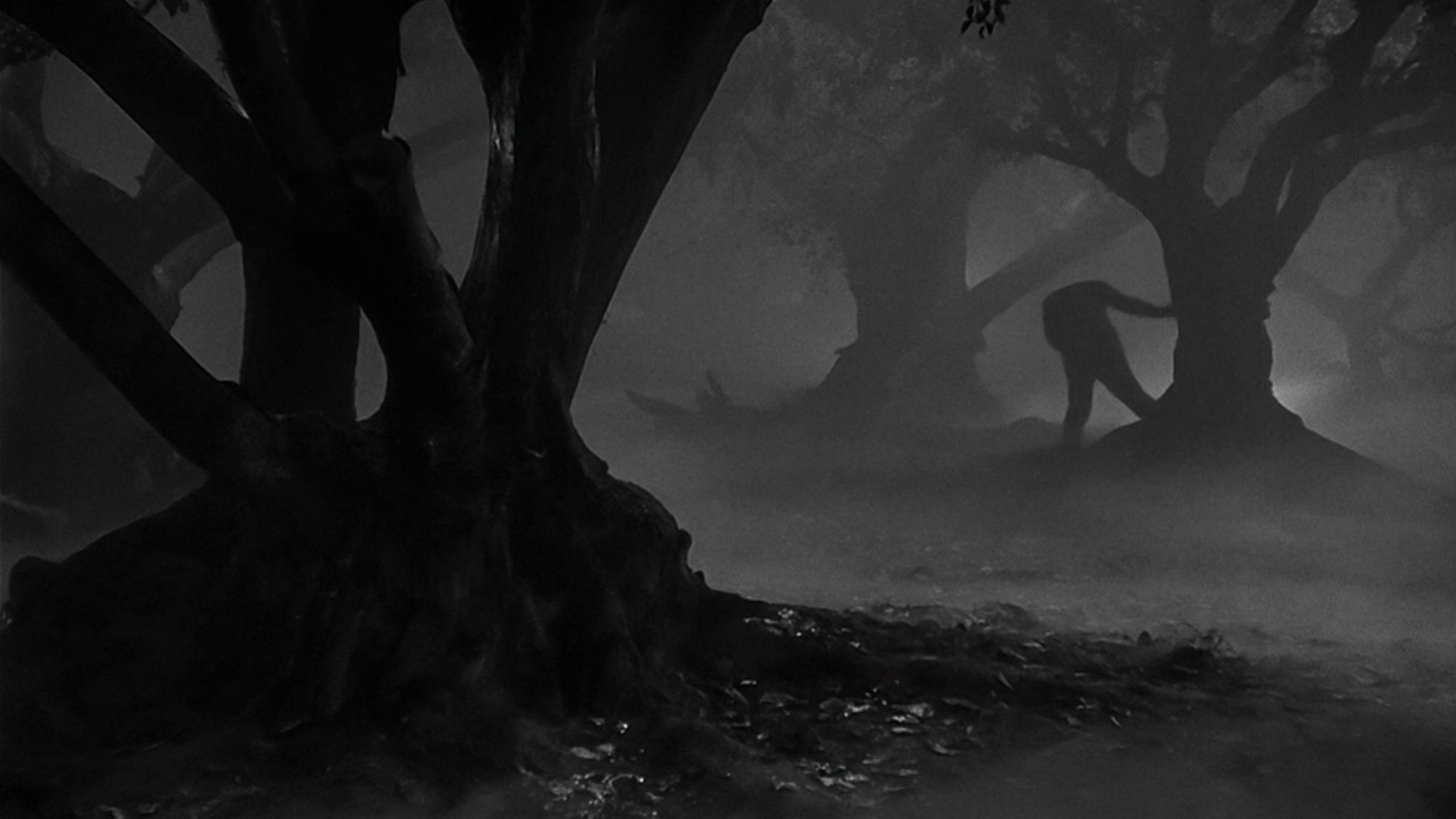
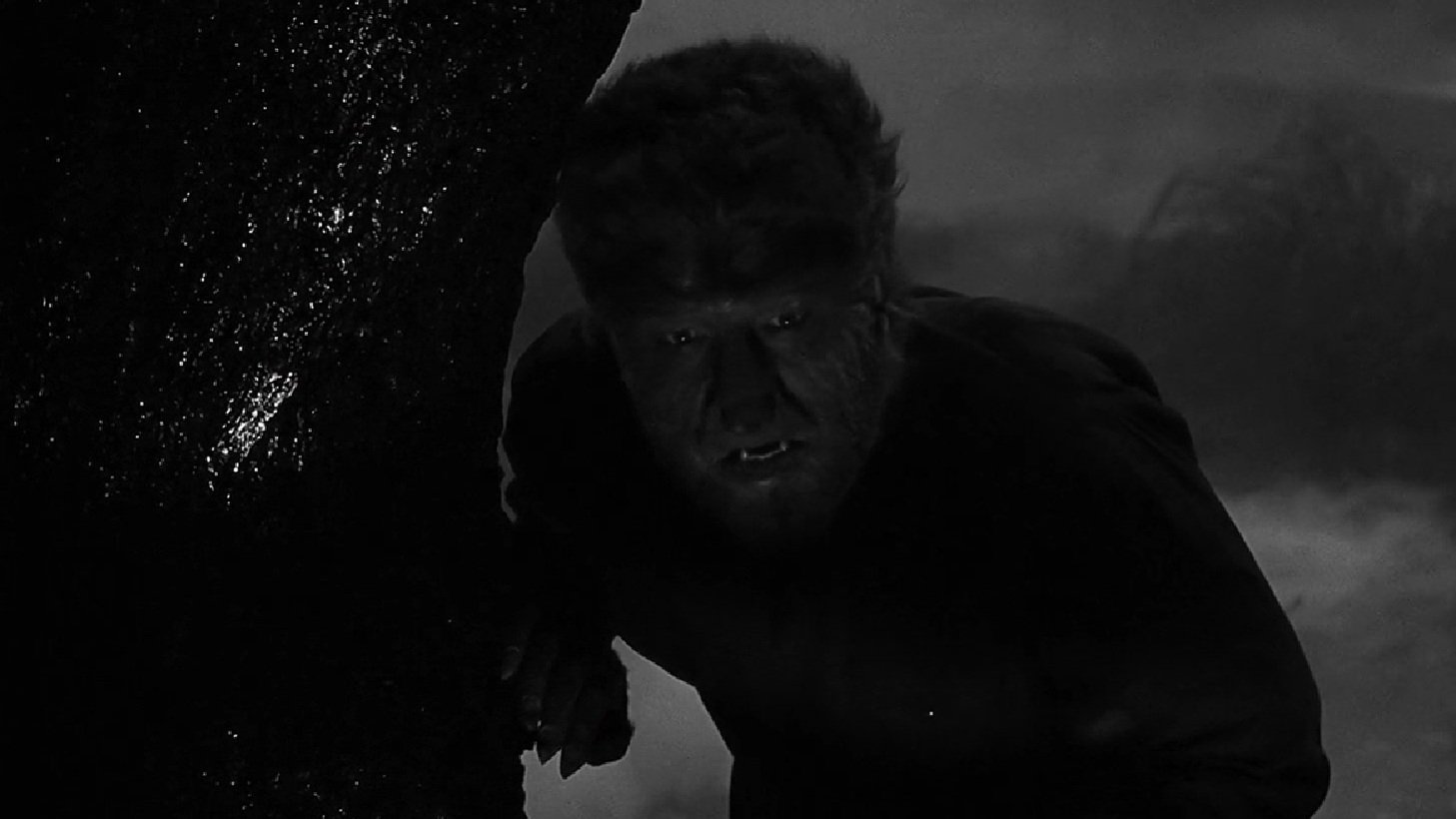
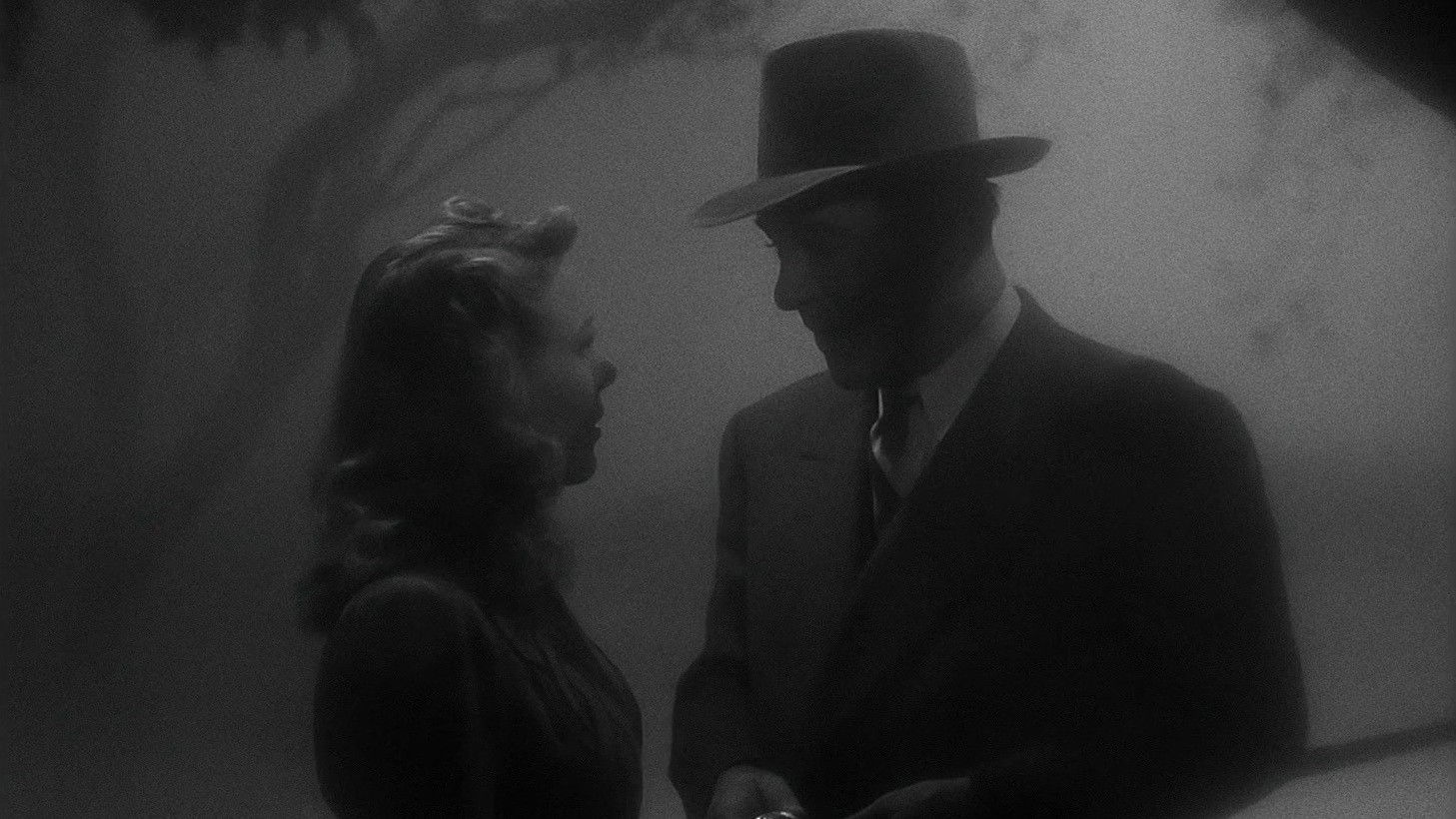
Waggner's film builds its fictional Wales from Universal's controlled interiors and night landscapes. The Talbot estate suggests inherited order, while the gypsy encampment and wooded paths introduce an environment governed by uncertain signs and warnings. The camera often sees figures emerging through mist before it can clearly establish their movements. Dense atmosphere allows a relatively small physical space to suggest a forest extending far beyond the frame. This technique also protects the creature's appearance from immediate scrutiny, making the moment of recognition part of the scene's suspense. The visual organization brings a local superstition into a seemingly ordinary social world without showing an elaborate supernatural realm.
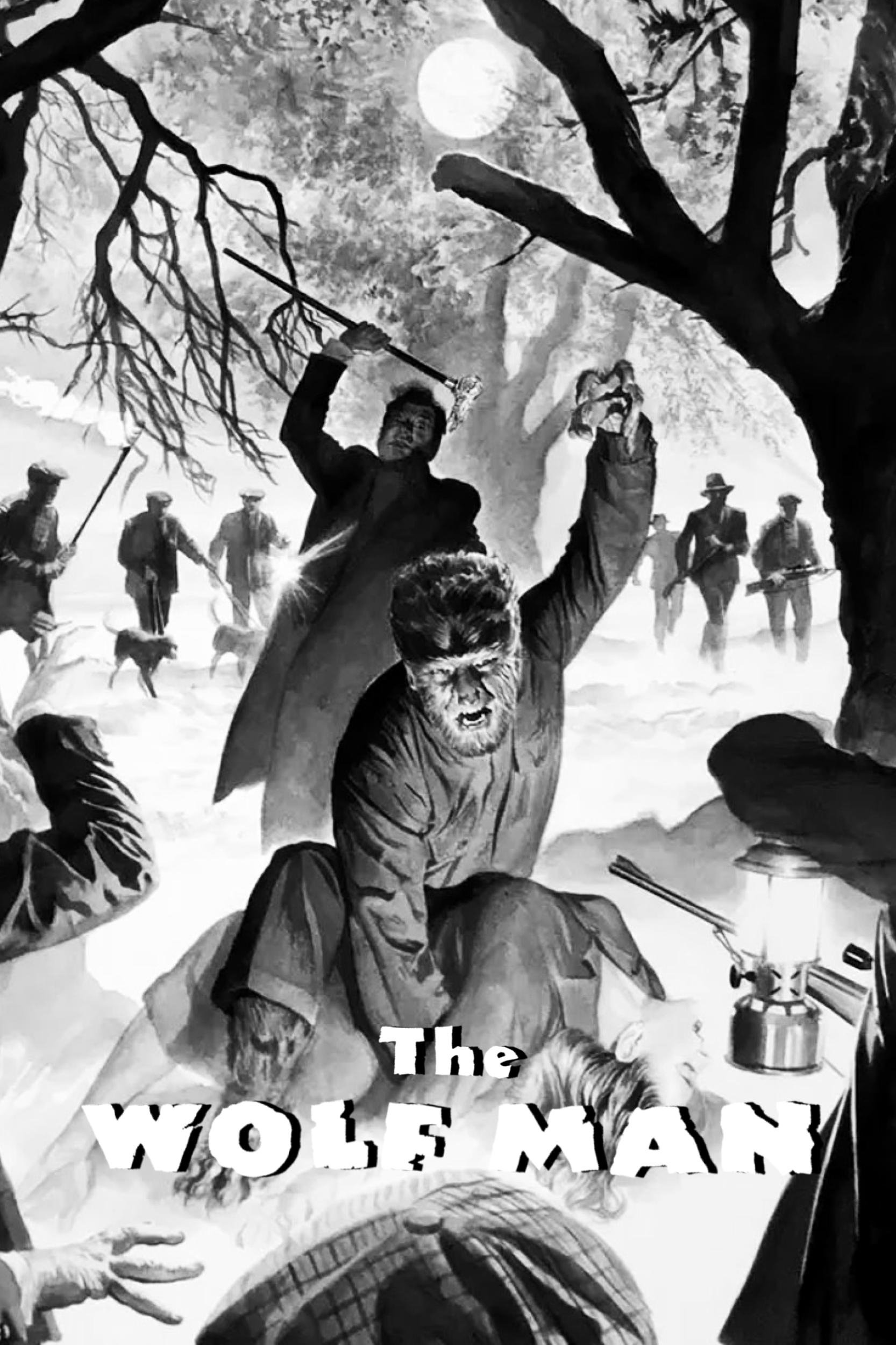
Art director Jack Otterson had worked on other Universal Gothic productions, and TCM connects his settings here with the stylization of Son of Frankenstein. The woods do not present natural geography as their chief attraction. Trees, shadow and layers of artificial fog establish a landscape in which a person can move out of view almost immediately. Their visual properties are essential to the pursuit scenes, where the hunters' movements become unreliable measures of where the wolf might be. The compositions are better described in terms of blocked sight and spatial confusion than through a generic claim that black-and-white photography automatically makes horror atmospheric.
Contemporary production accounts and later anecdotes also distinguish the image from the conditions in which it was obtained. TCM records Evelyn Ankers's recollections of uncomfortable, chemical-heavy fog and an incident involving a bear prepared for material that did not remain in the finished film. Such stories are useful testimony about working conditions but should not be treated as precise production logs. The important formal result is visible in the completed picture: mist and darkness isolate figures who must depend on incomplete perception. The same limitation affects Larry's attempts to understand what he has seen, linking the landscapes of the hunt to the central uncertainty about his own transformation.
Jack Pierce, Prosthetic Makeup and the Transformed Body
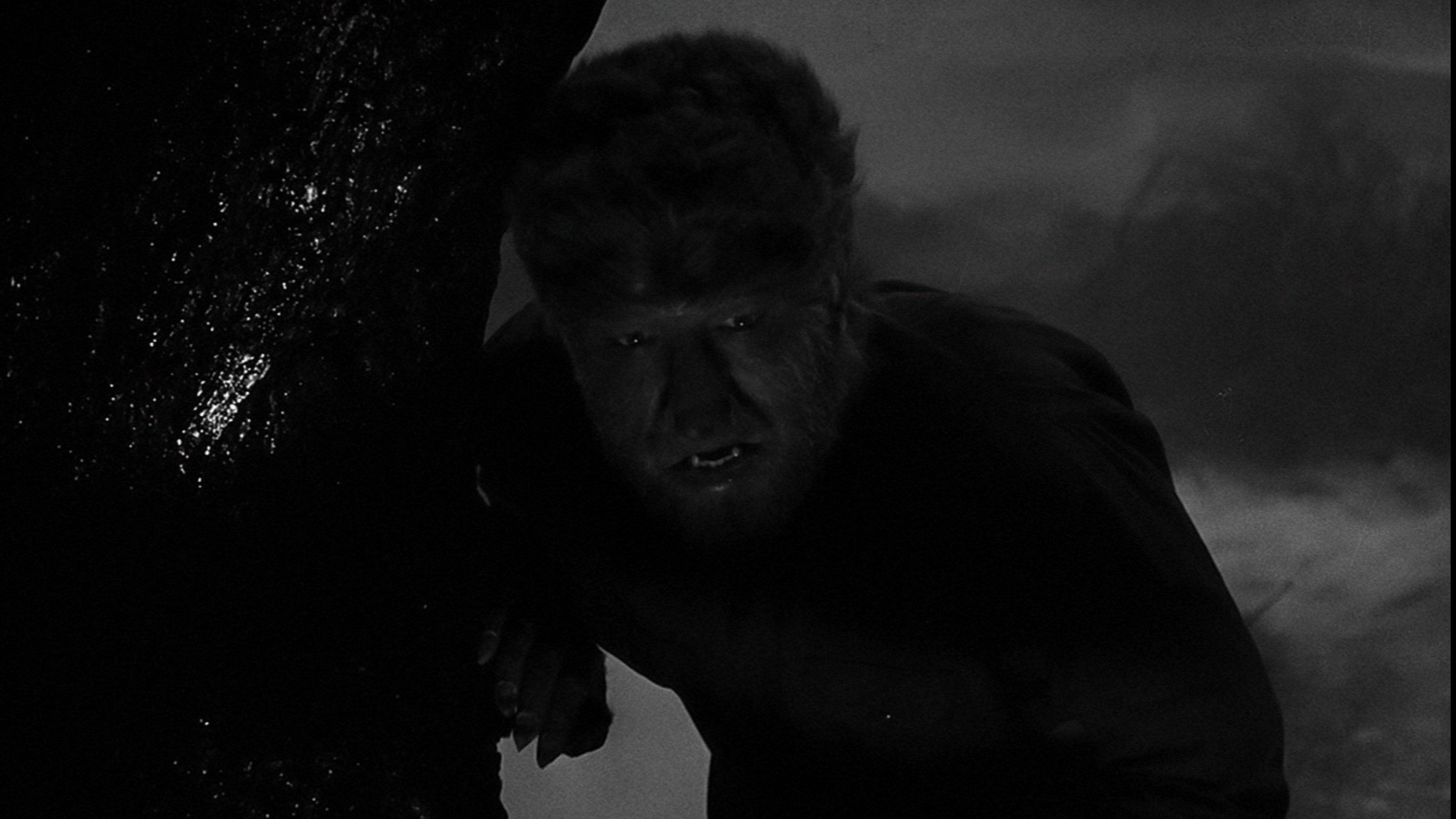
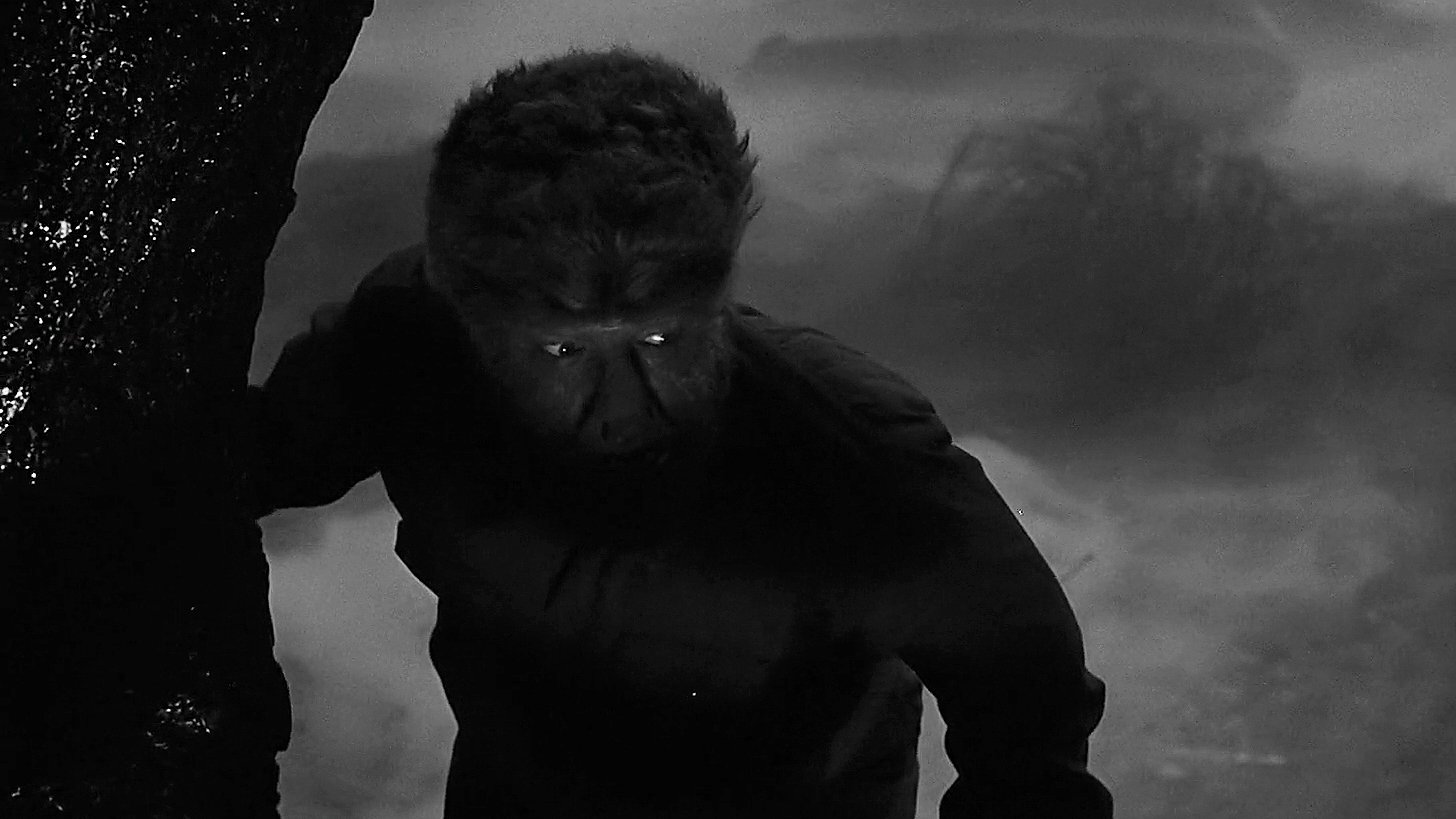
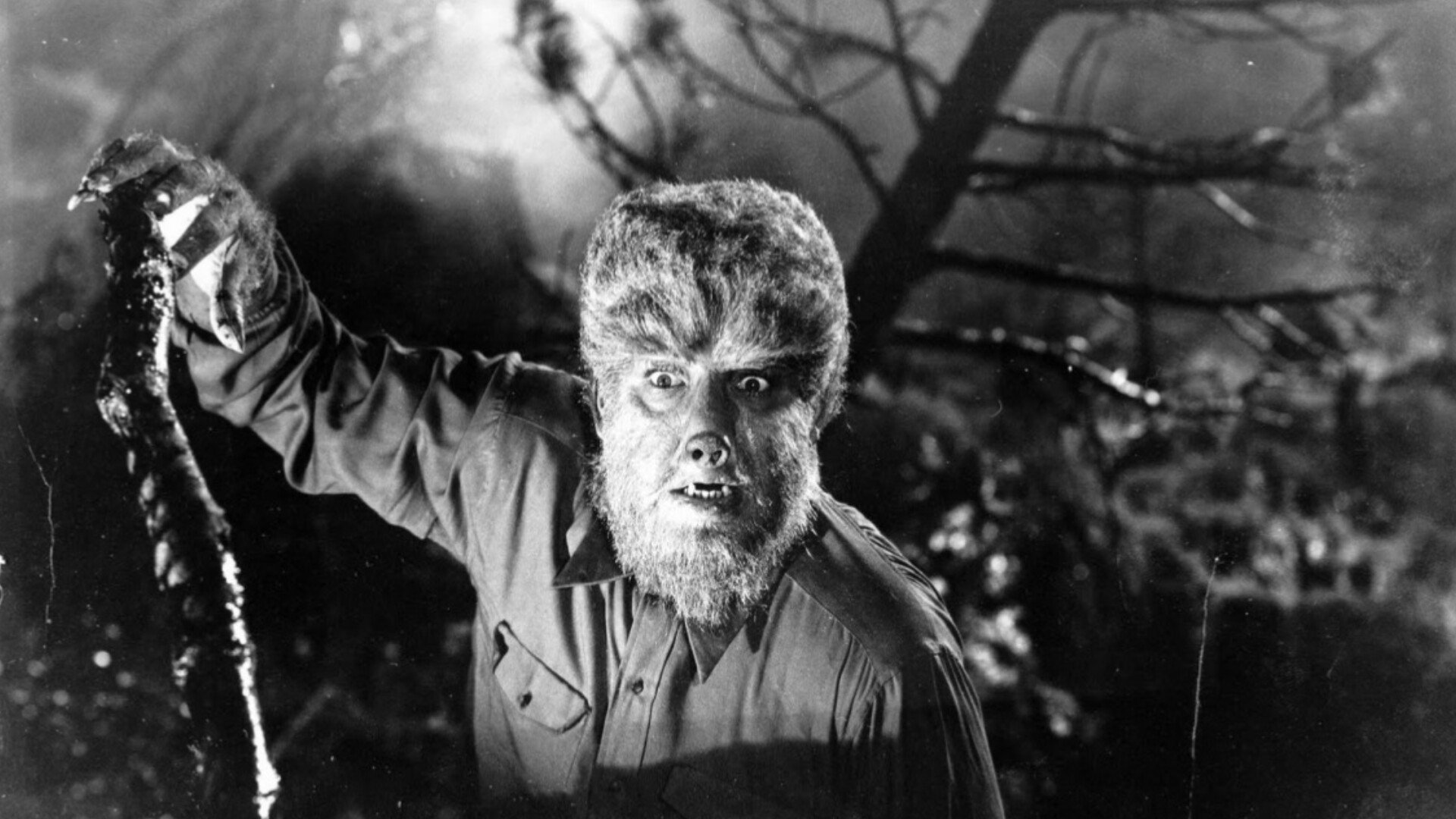
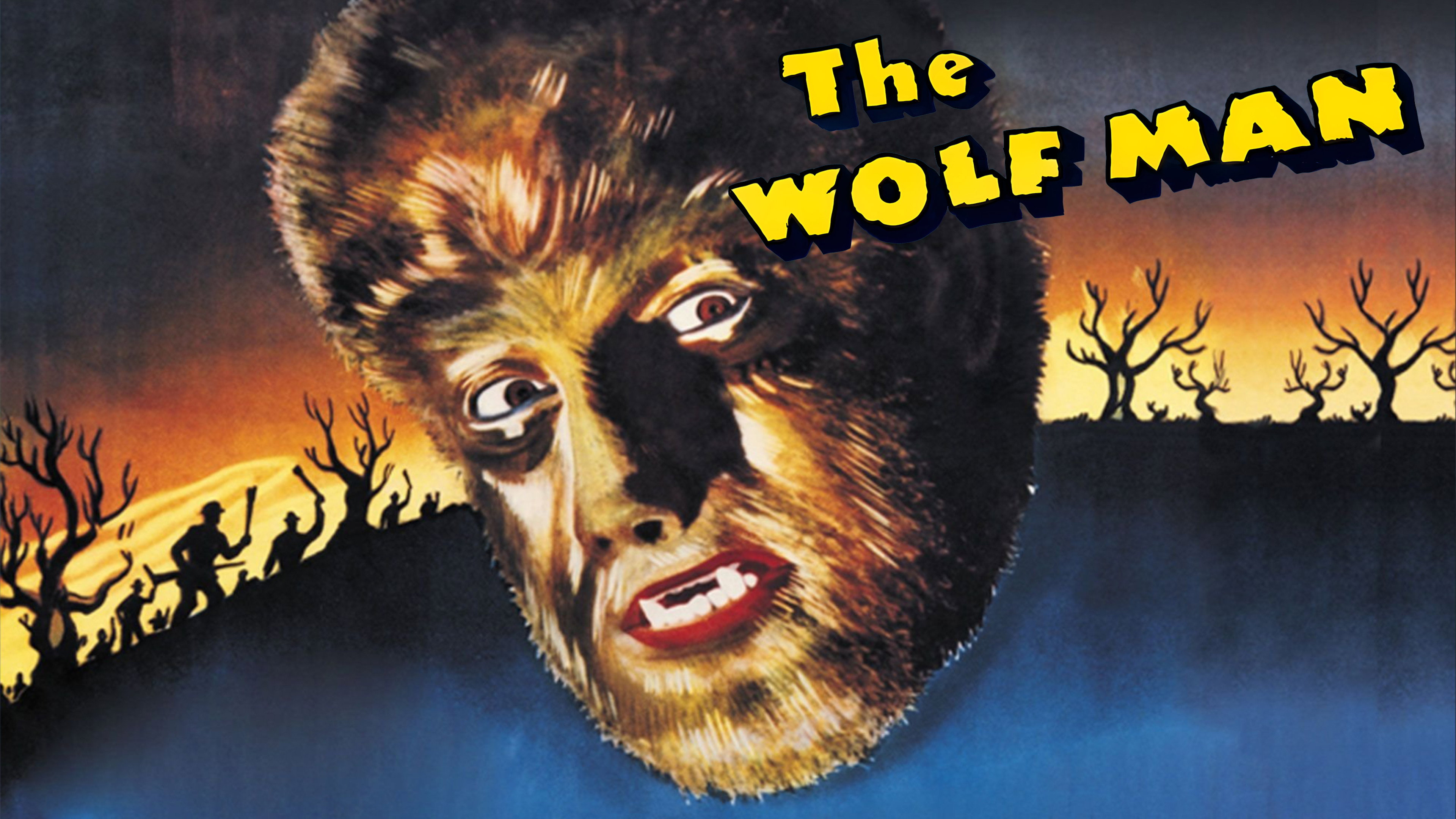
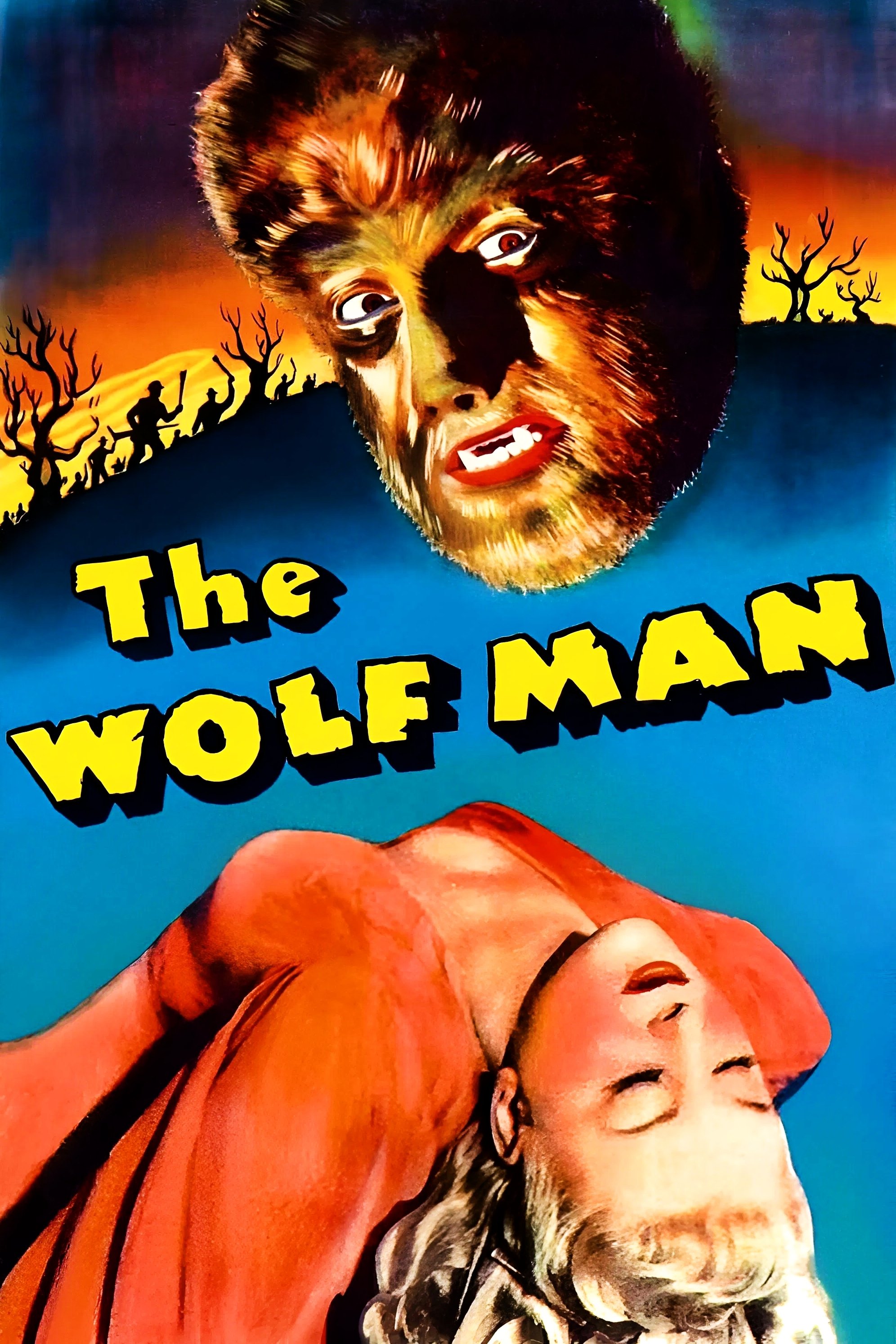
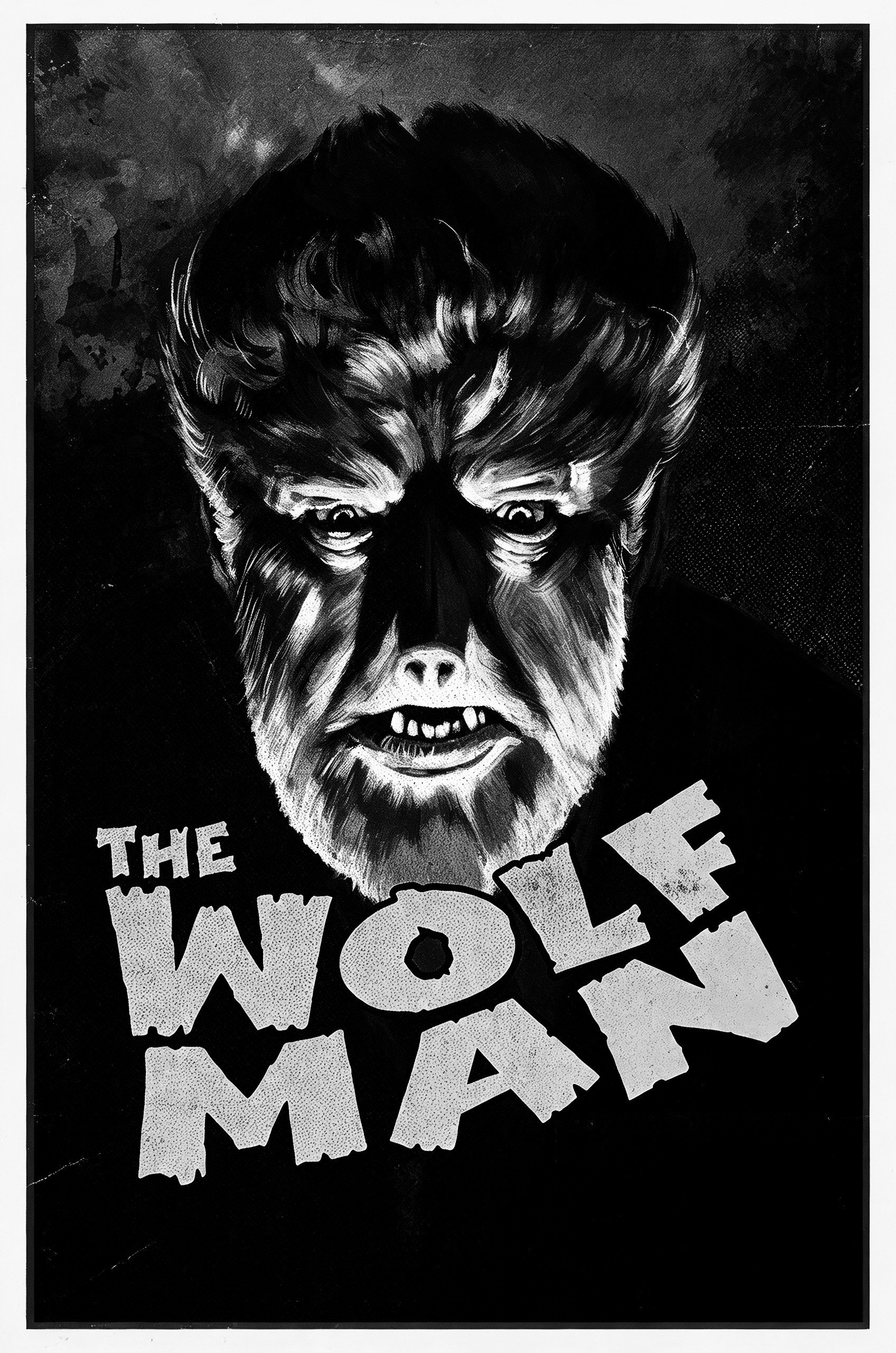
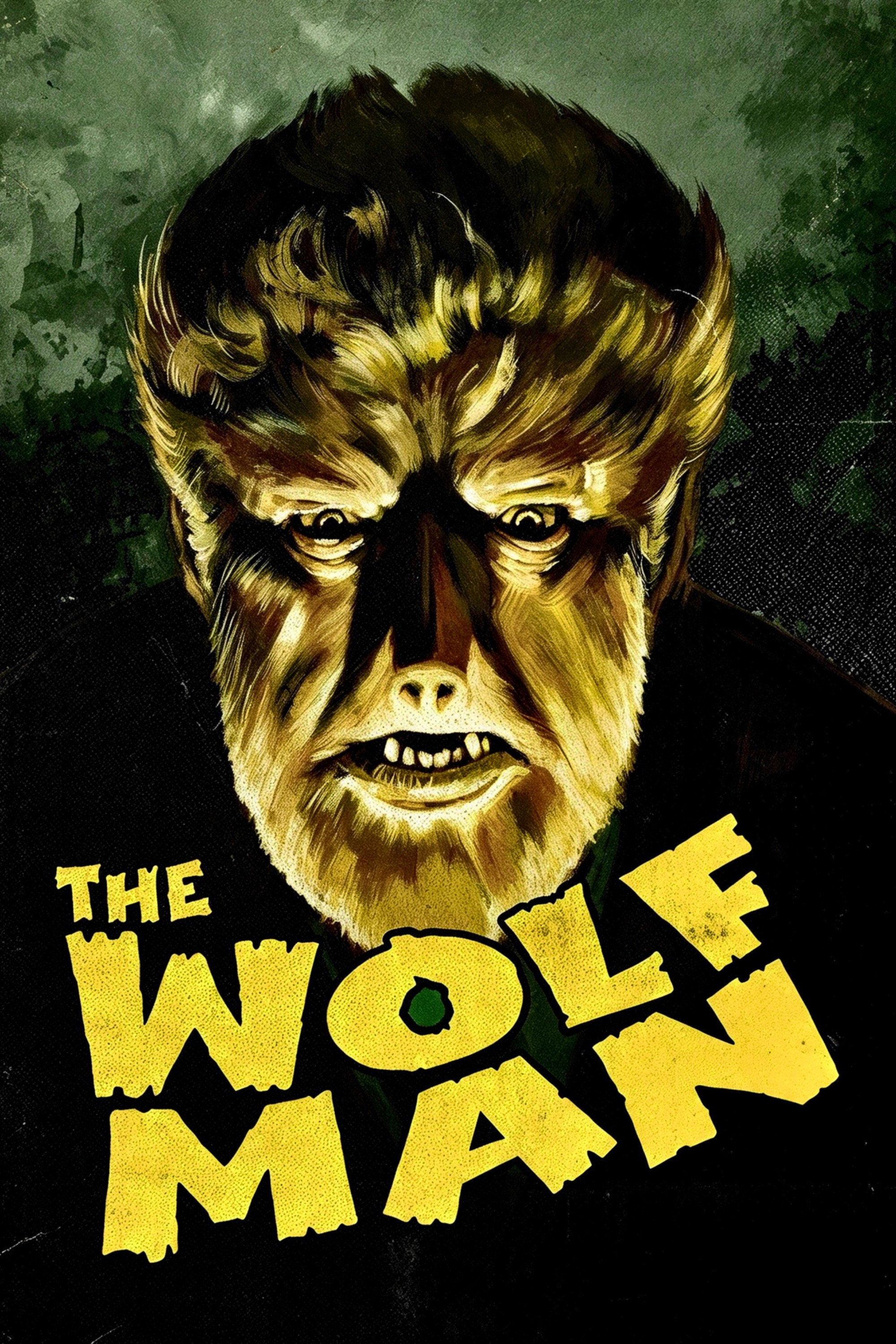
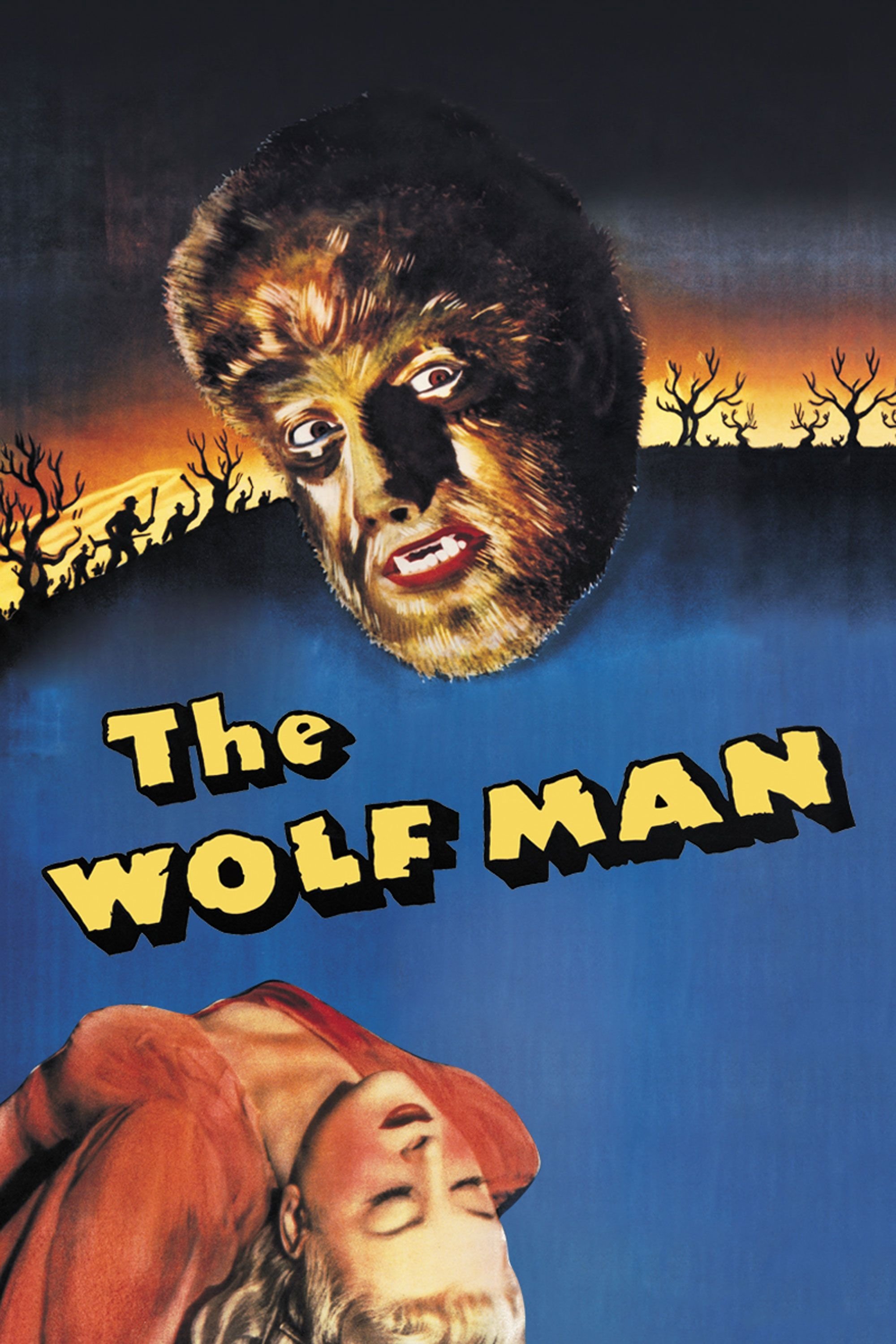
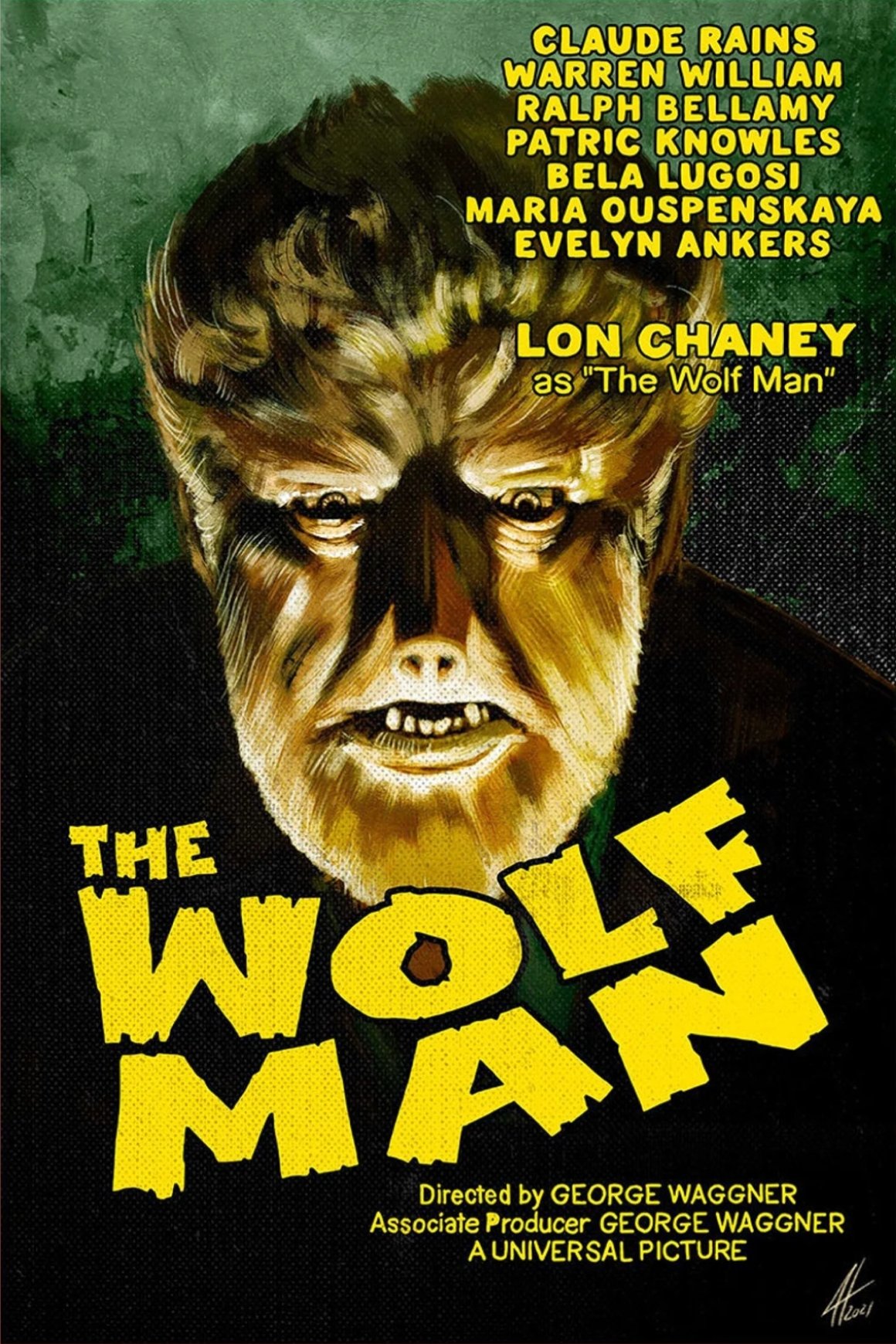
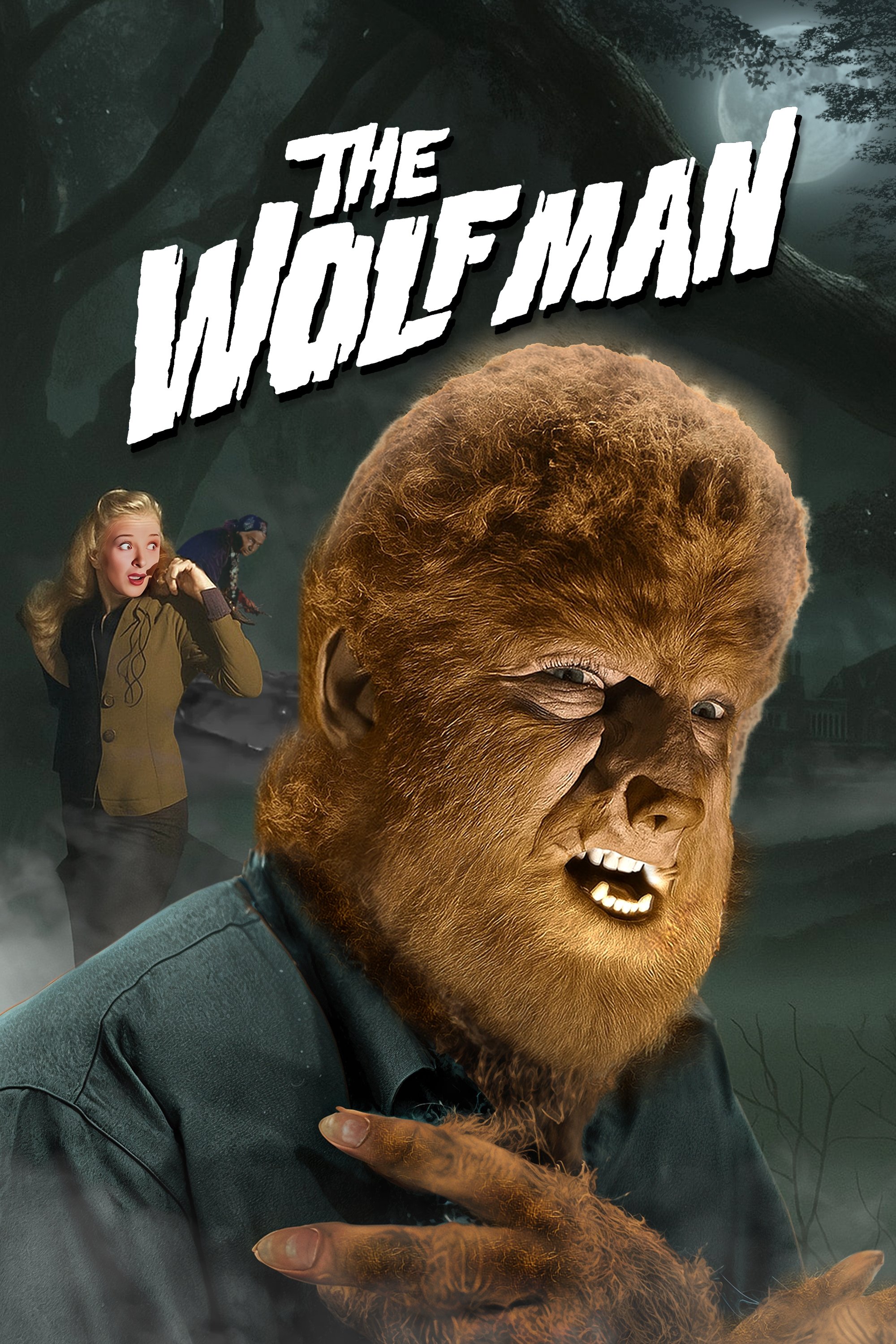
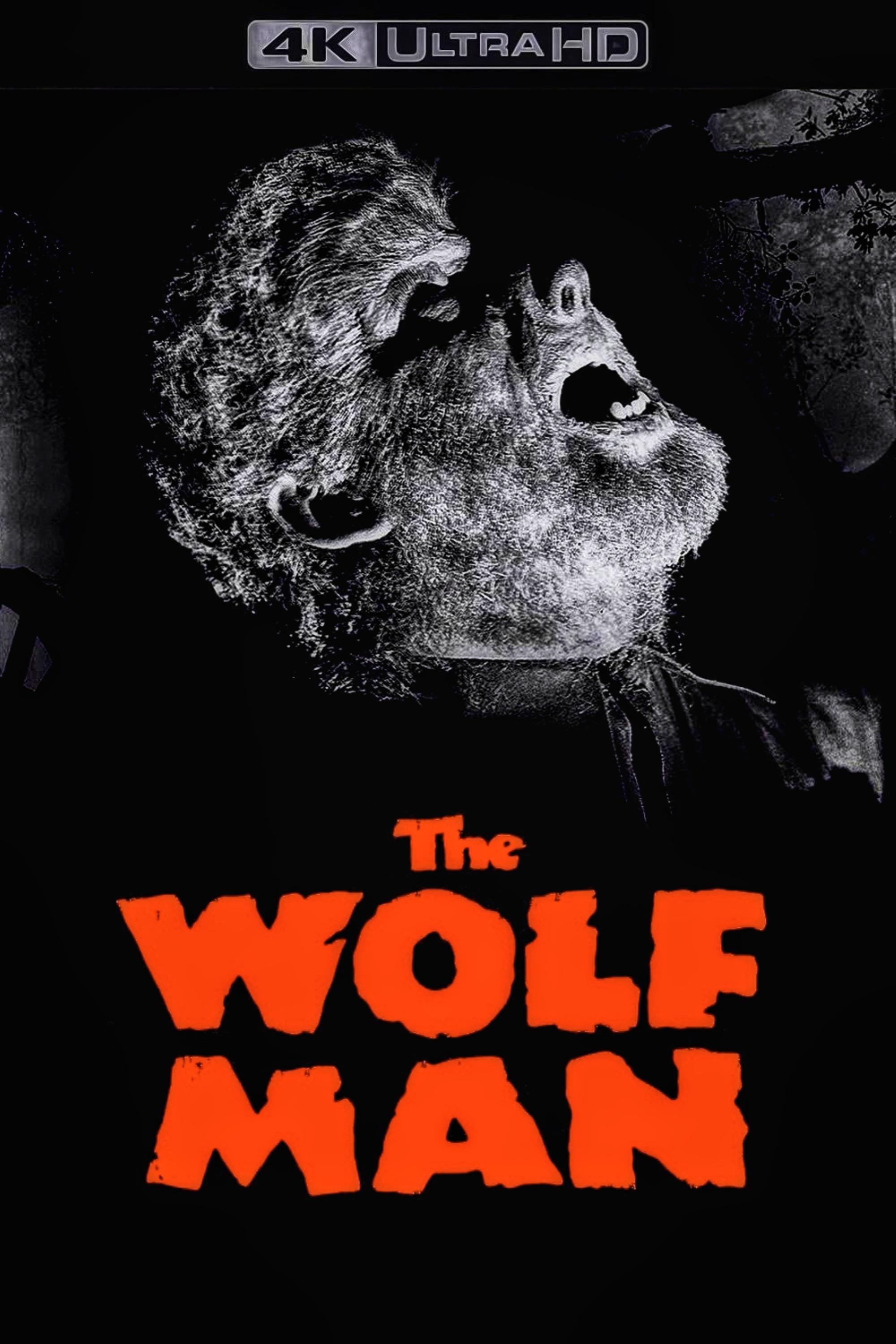
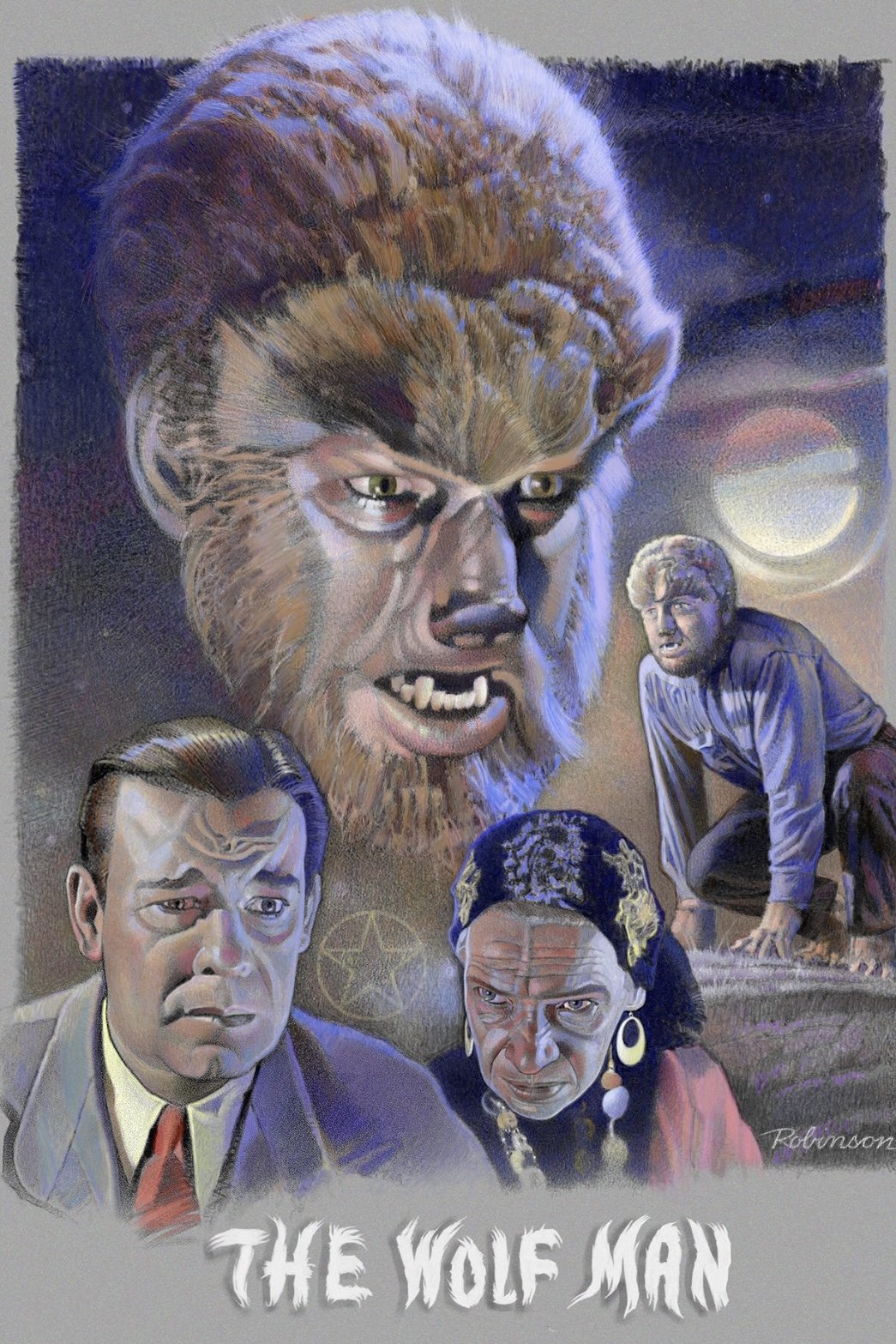
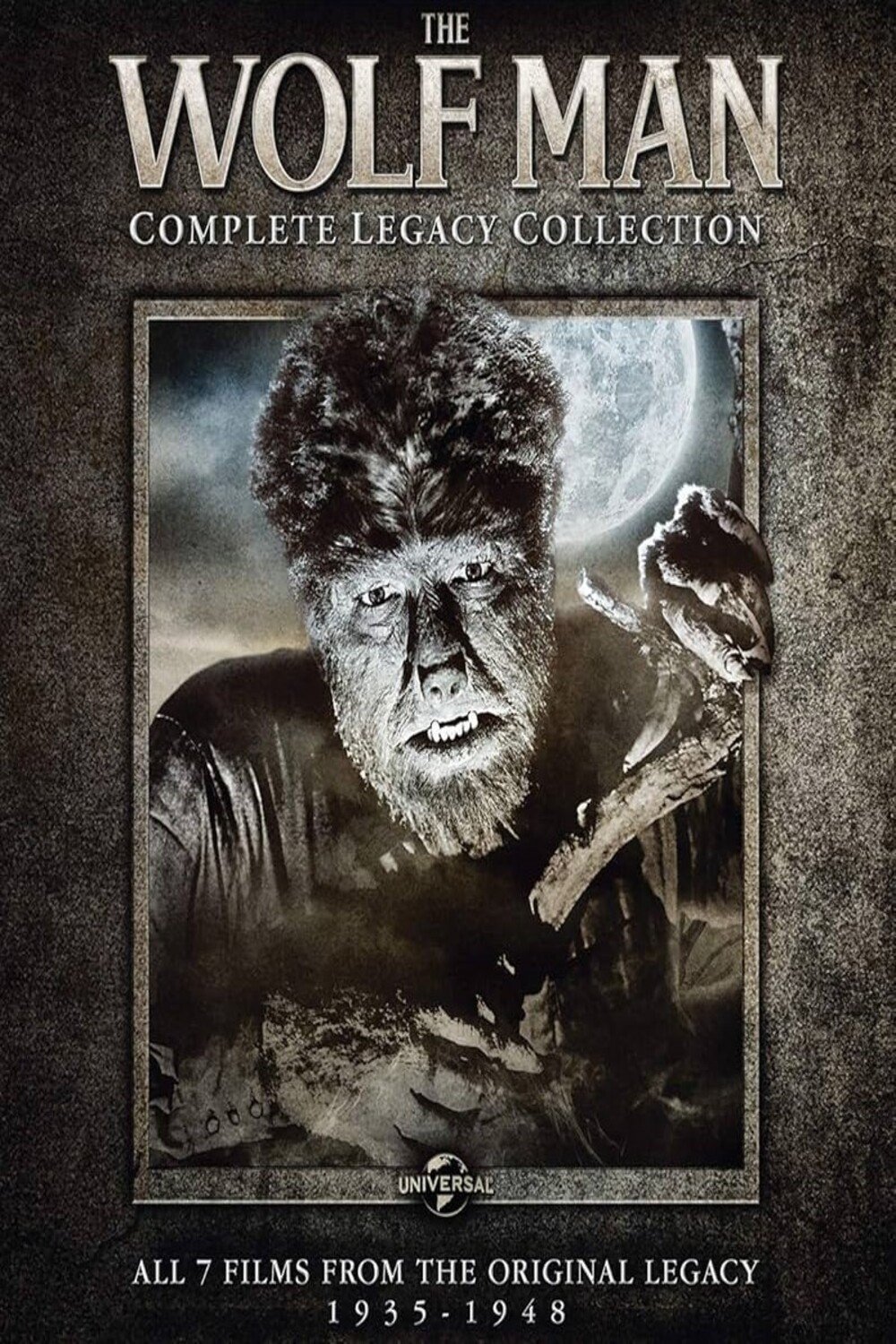
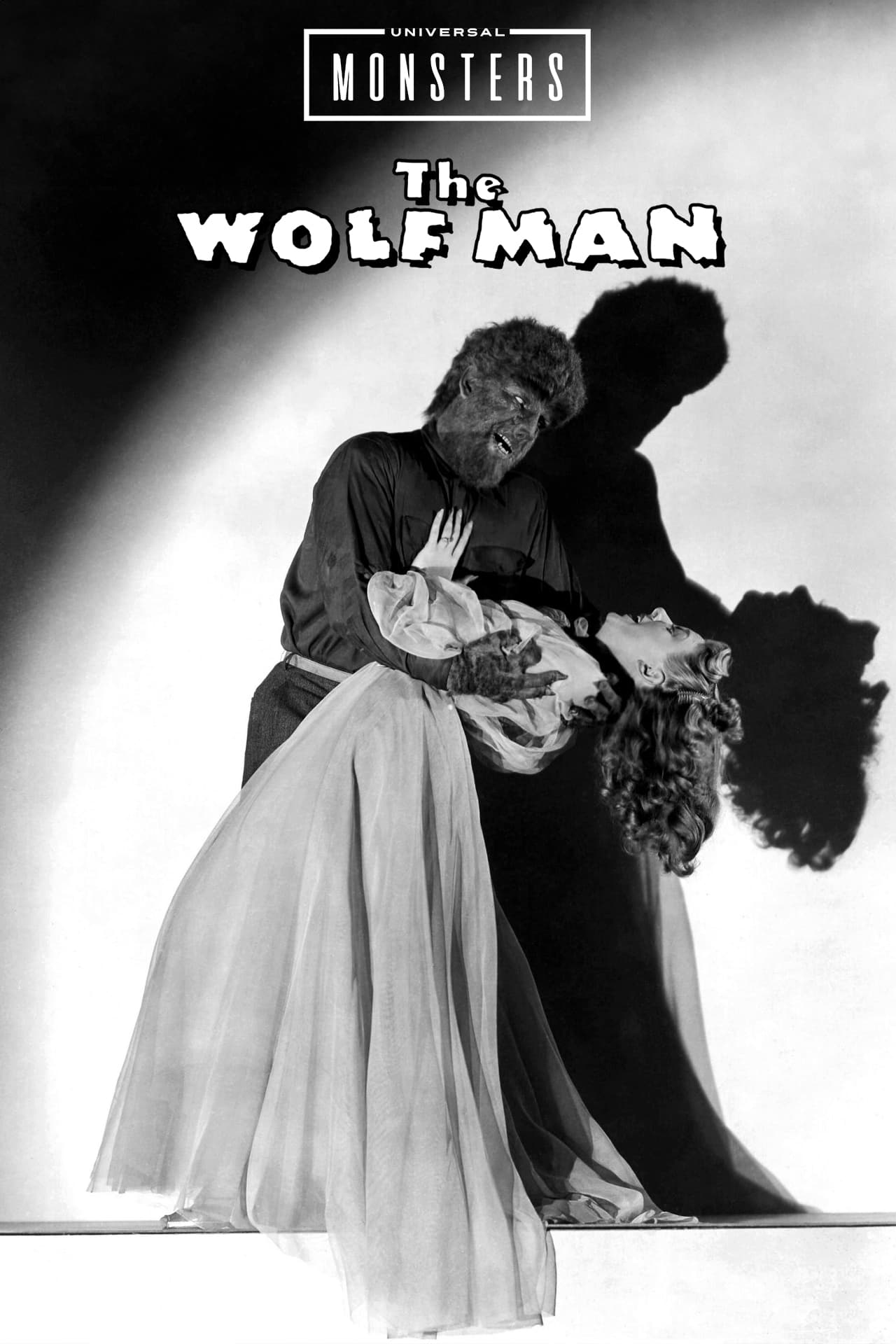
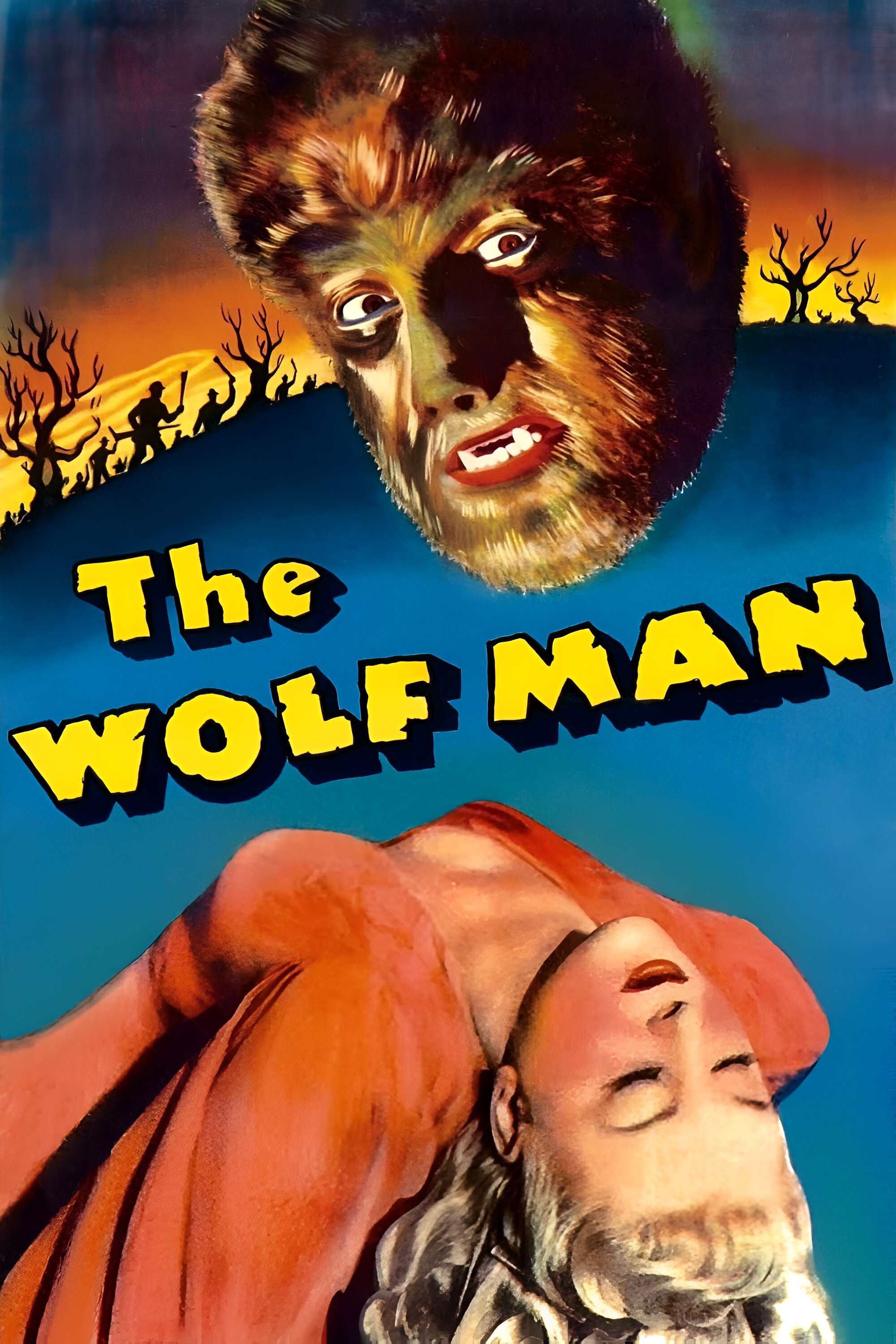
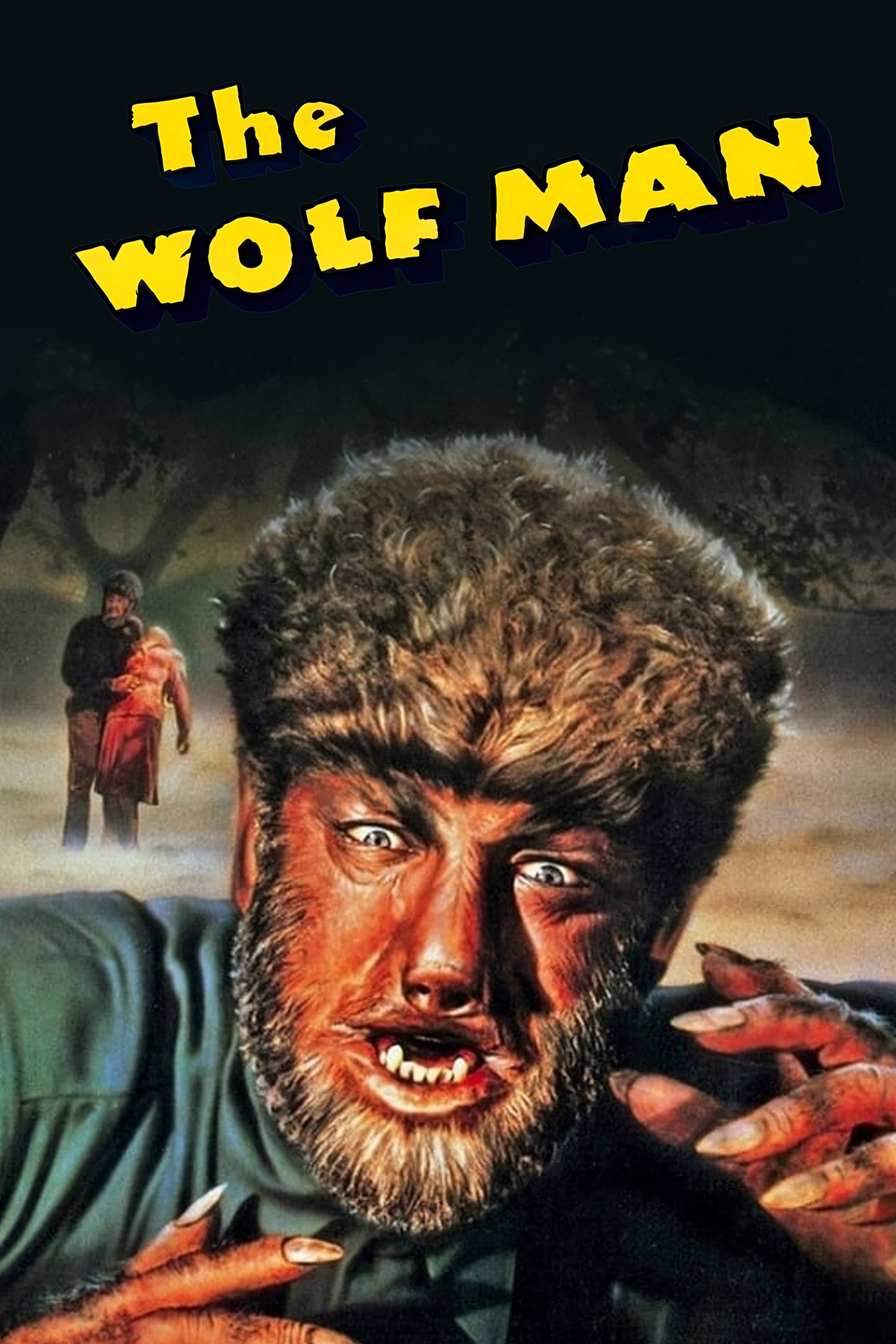
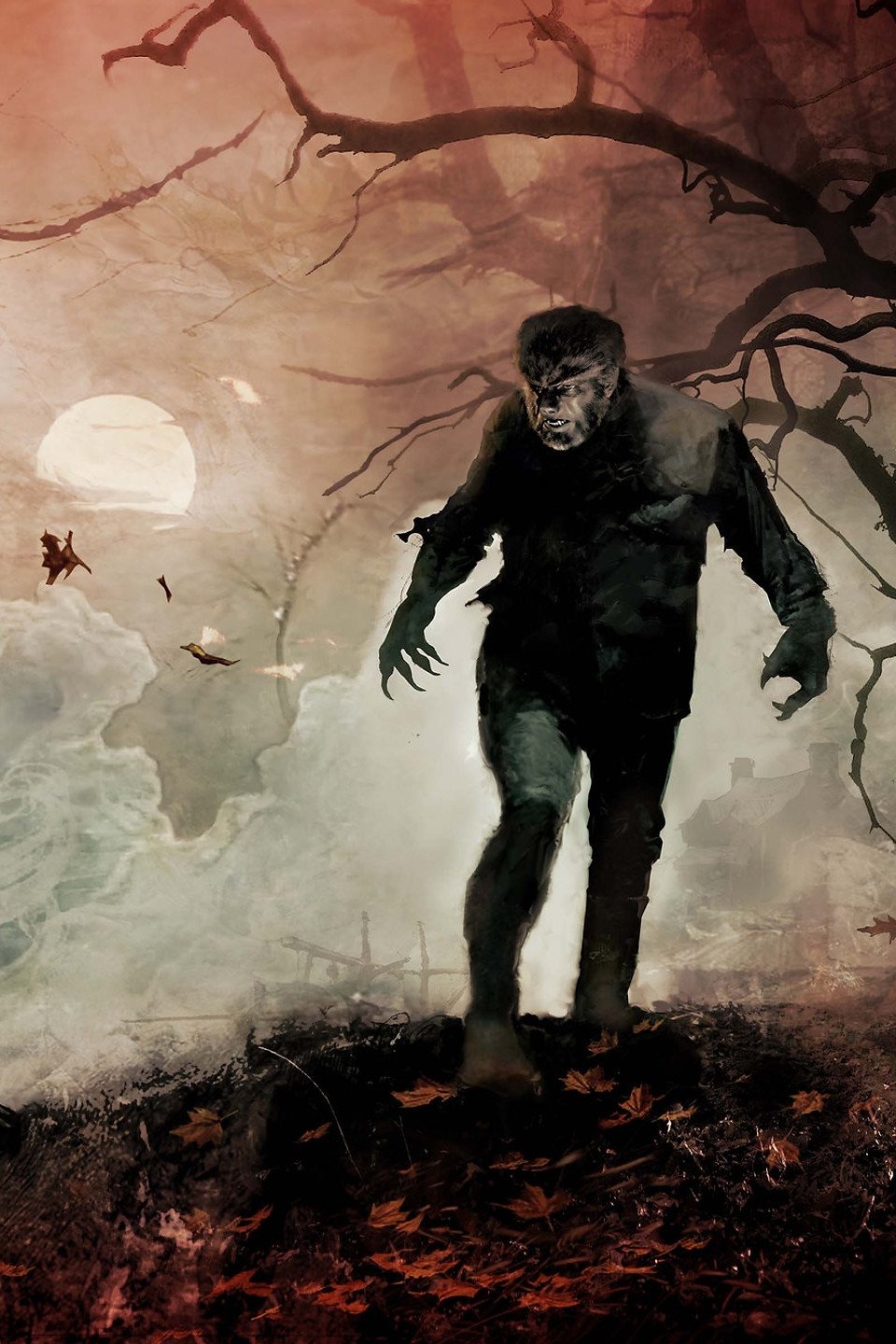
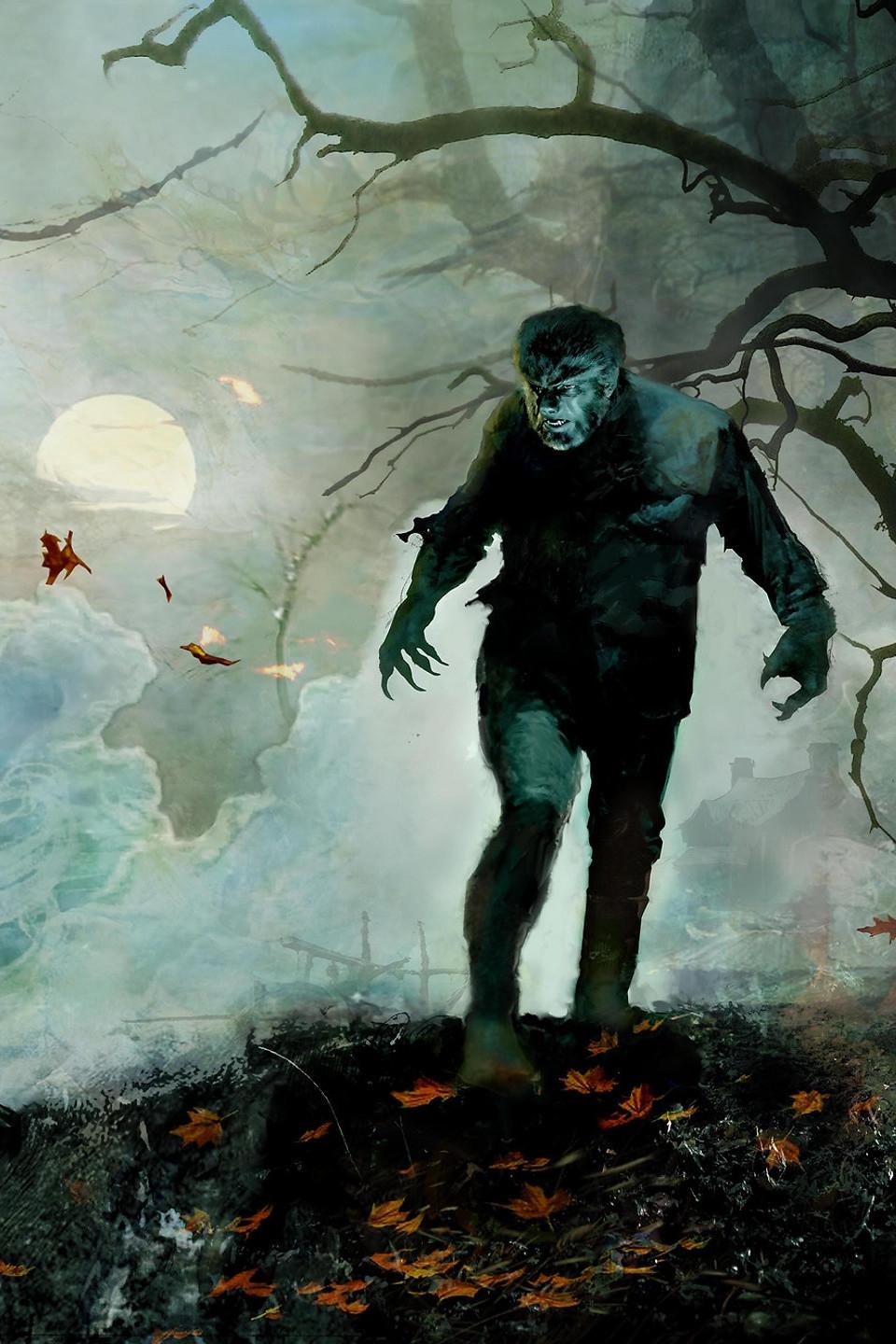
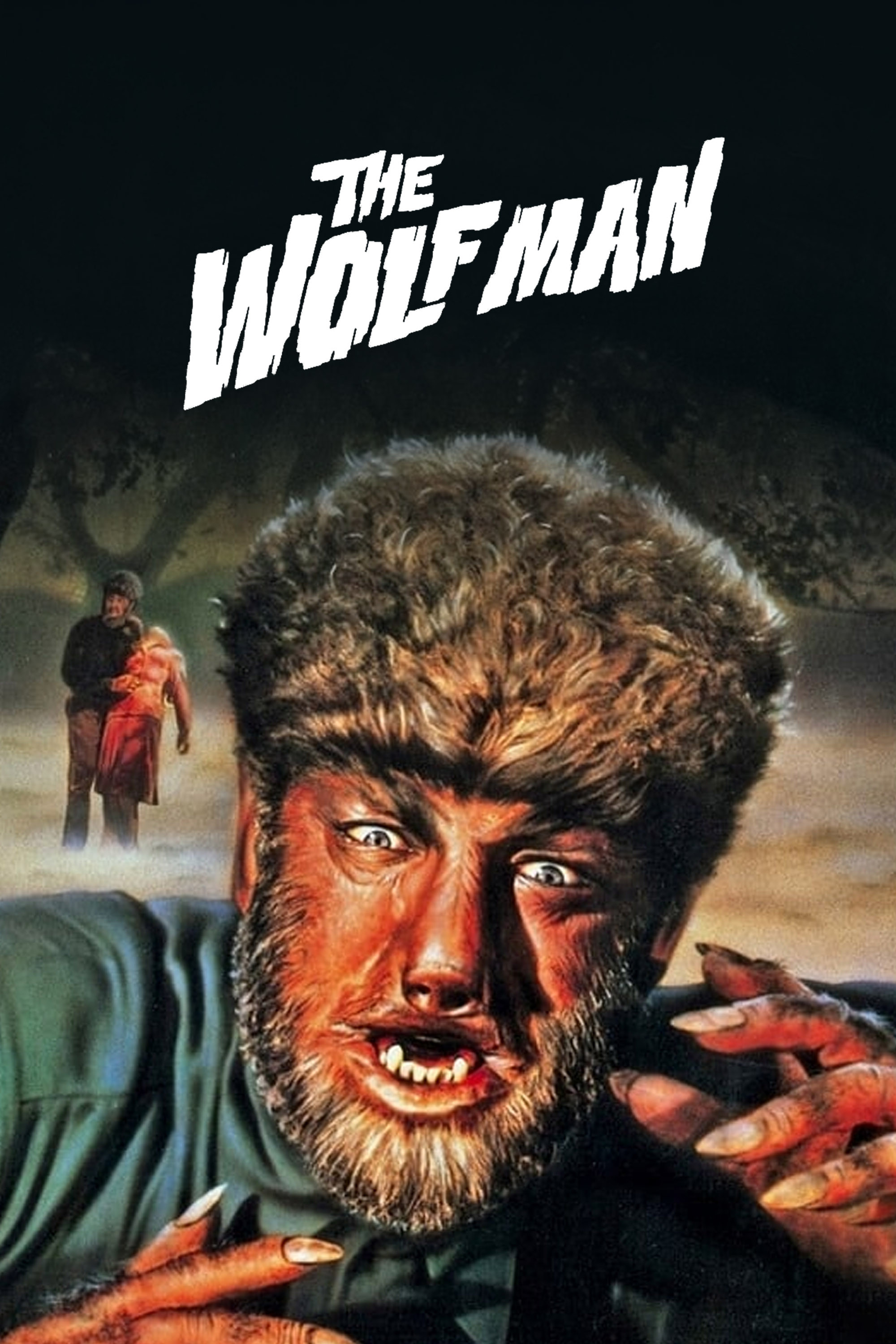
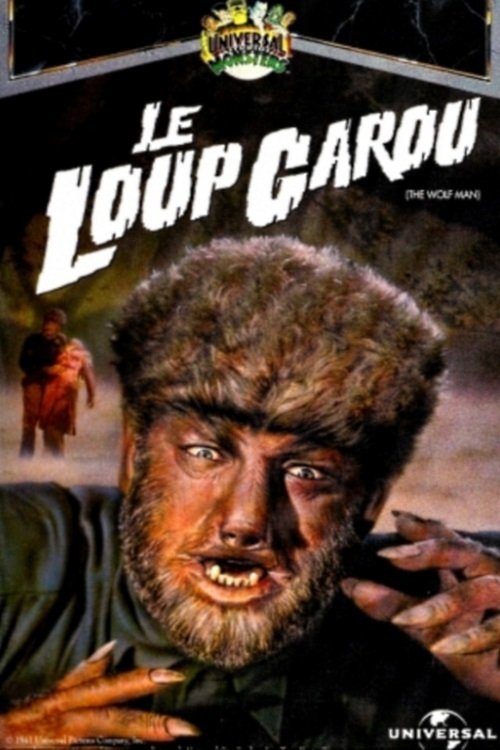
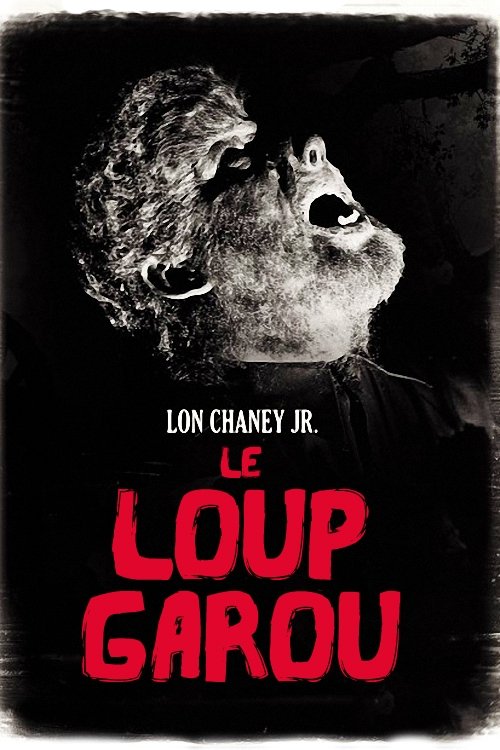
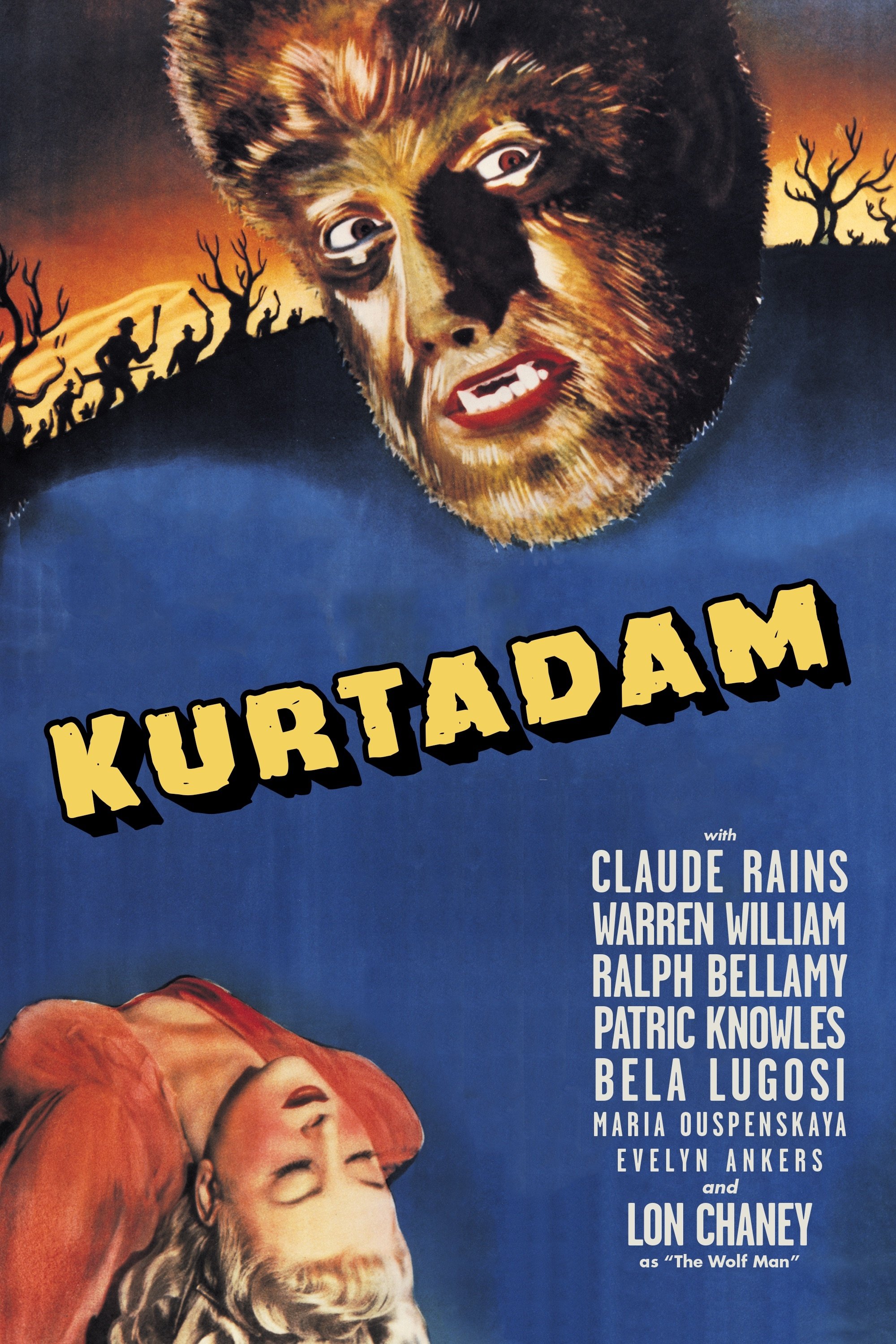
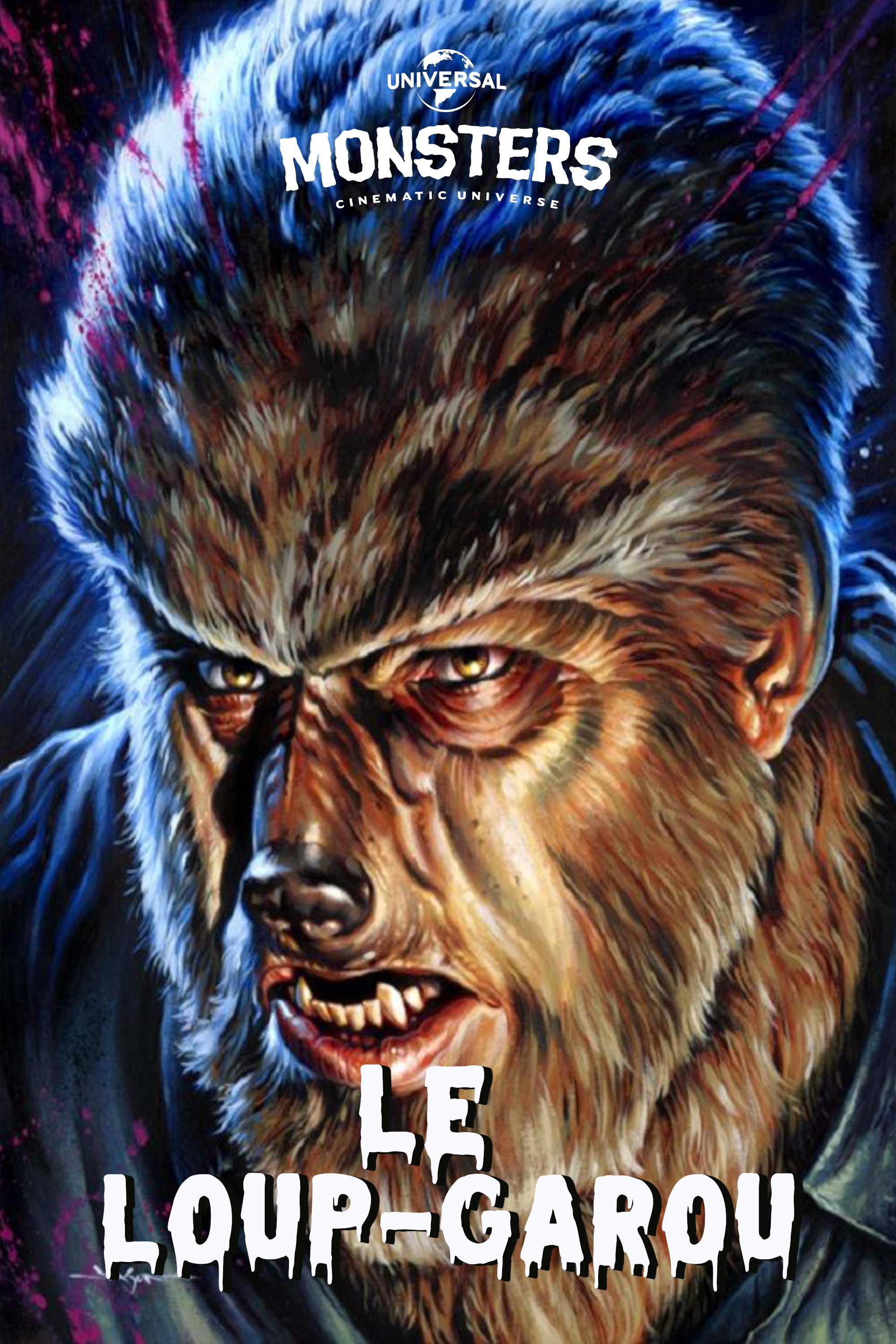
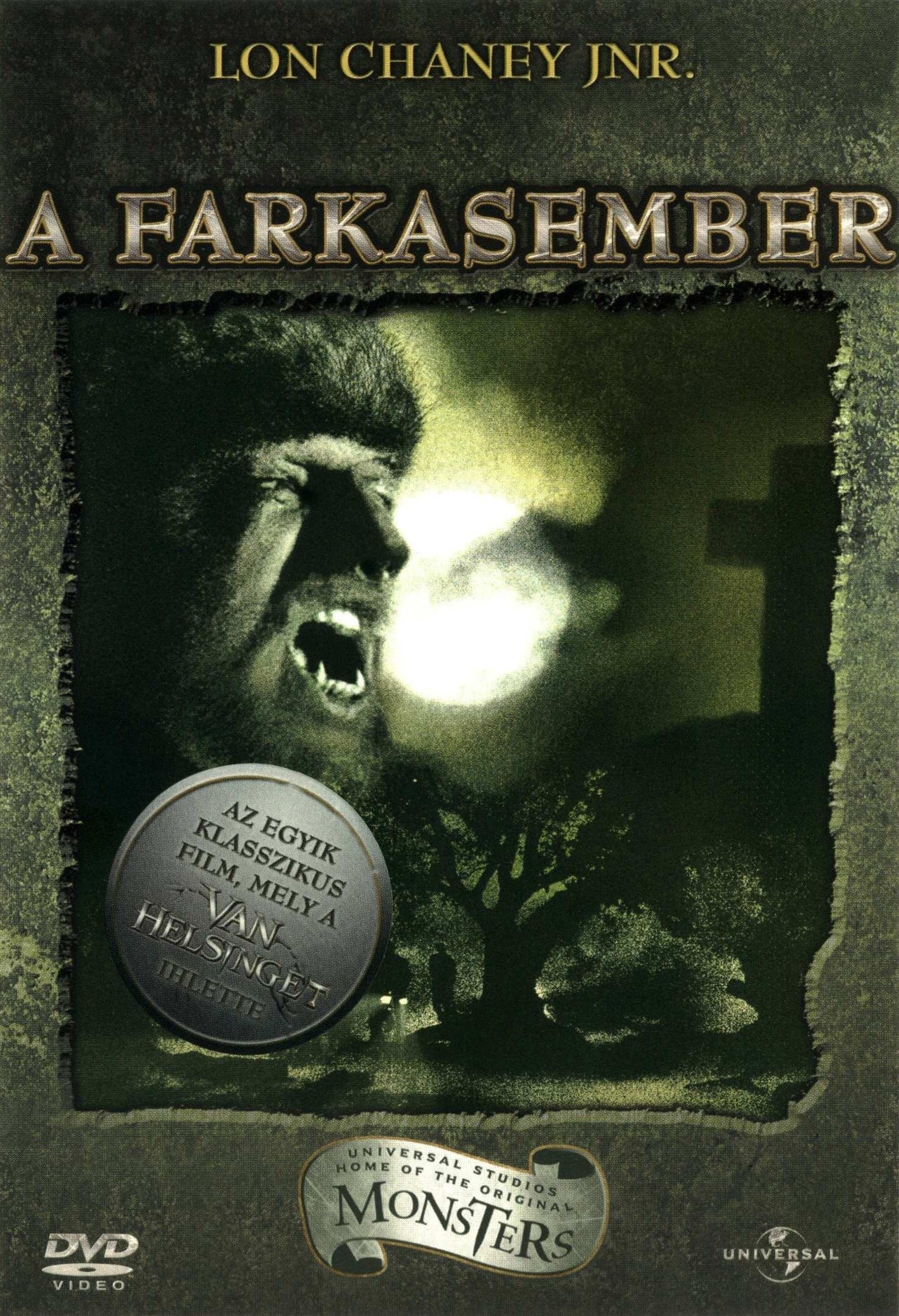
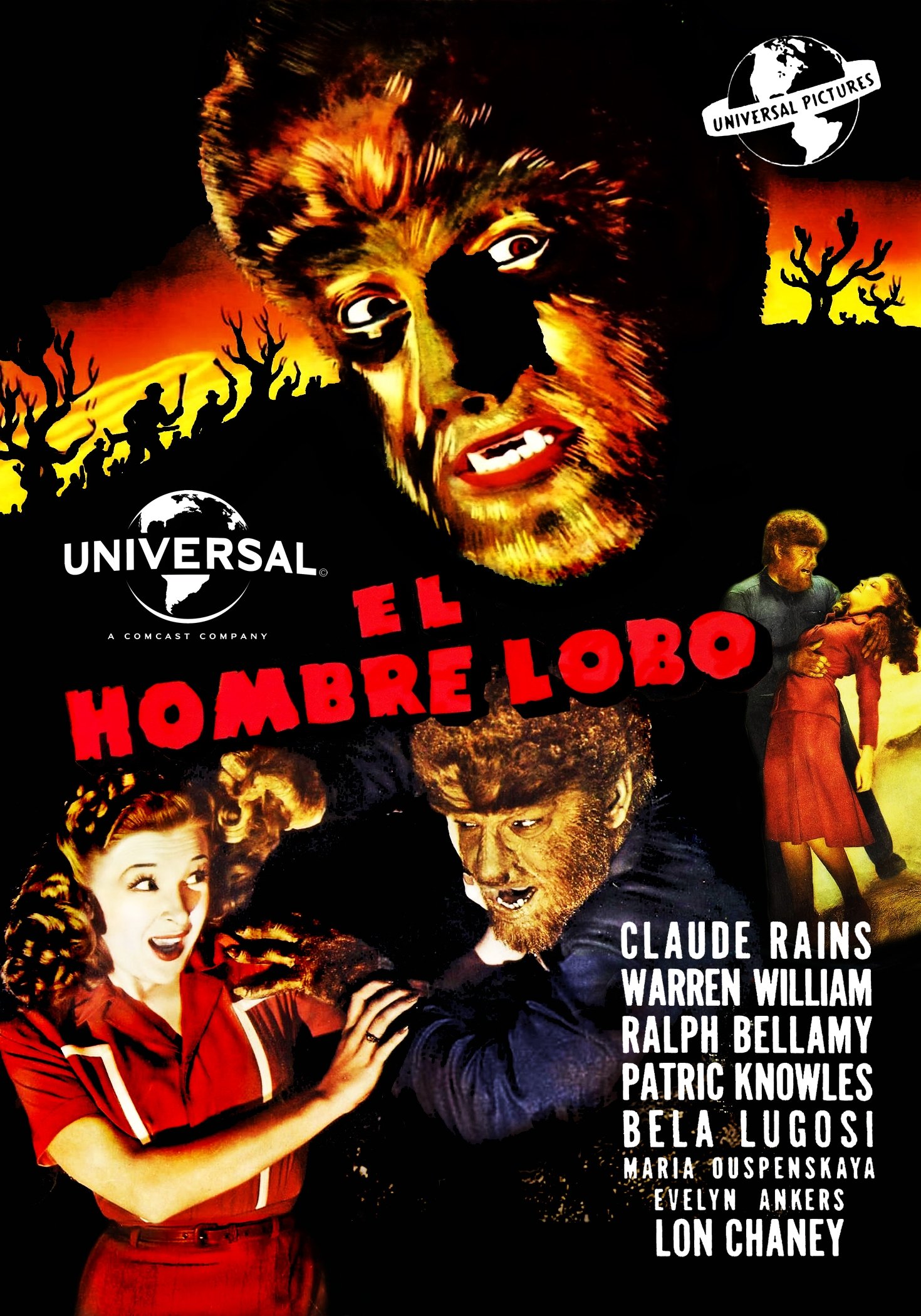
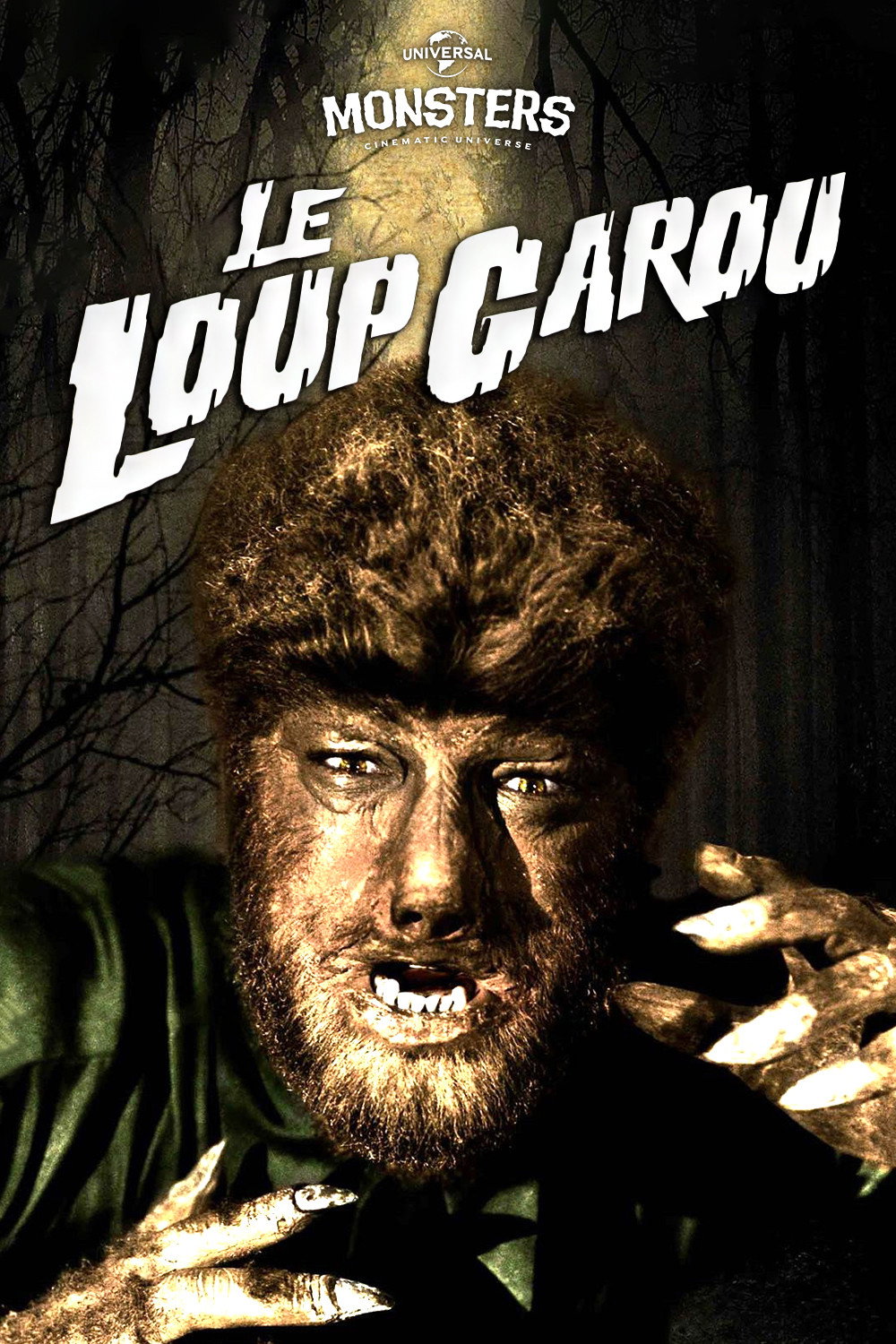
The Wolf Man's physical identity depended on the painstaking work of Universal makeup artist Jack Pierce. His method used individually applied hair, false teeth and a shaped muzzle to transform Chaney's recognizable features into an animal-human face. TCM describes the use of yak hair and a rubber snout, while the American Society of Cinematographers preserves a detailed historical account of the labor involved. Reports about the exact number of hours vary, and publicity claims that Pierce spent years researching the design should remain attributed to the studio. The reliable fact is the demanding, incremental process required to create a makeup that could withstand close photography and repeated performance.
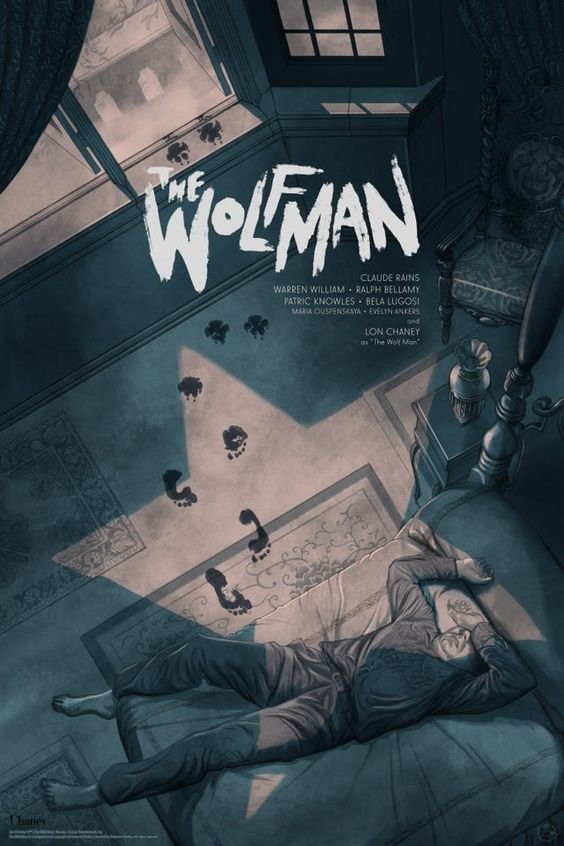
The original film does not feature the extended, fully visible transformation into a hairy face that became familiar from later werewolf cinema. One early sequence concentrates on Larry's feet, while a reverse change toward his human appearance is shown near the ending. That distinction is important when discussing effects history: footage from sequels and later recollections is often mentally combined with the 1941 original. The ASC's historical article describes repeated camera exposures and stages of makeup applied with careful alignment, a method based on keeping the performer and photographic elements in consistent positions. These techniques could suggest bodily change without photographing a continuous physical alteration in real time.
Pierce's design also influenced performance. The weight and texture of the makeup altered the way Chaney's face could express emotion, making posture, gait and sudden movement crucial to the creature's screen presence. Accounts of tensions during long applications suggest that the recognizable monster image came at a human cost to the performer, although individual stories about Pierce and Chaney are often told retrospectively. The resulting appearance is neither an ordinary wolf nor a wholly abstract demon. It remains visibly human enough to preserve the tragedy of Talbot's fate, giving the audience a disturbing connection between a sympathetic face and the body that commits nocturnal attacks.
The 1941 Release, Contemporary Response and Werewolf Legacy
Universal released The Wolf Man in December 1941, within days of the Japanese attack on Pearl Harbor and the United States' entry into the Second World War. The AFI's historical record identifies contemporary notices in Variety and The New York Times, while TCM describes the original critical reaction as mixed. Theodore Strauss's December review in the latter newspaper mocked the monster's appearance, showing that later reverence was not universal at the time. These responses document particular critics' judgments, and the political circumstances of release do not by themselves establish how all theater audiences experienced the film. Precise claims about contemporary box-office returns should likewise be kept separate from broad descriptions of its commercial success.
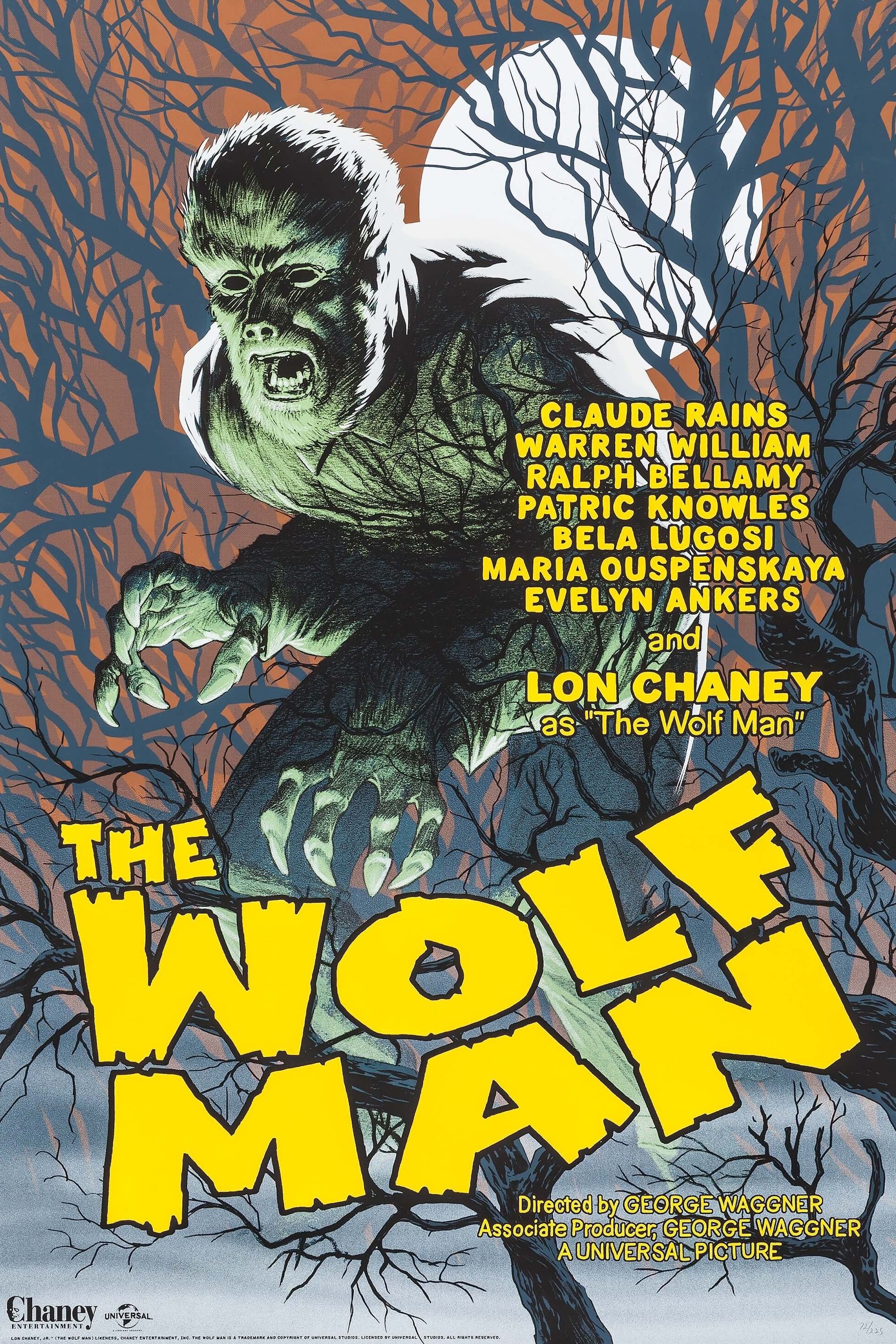
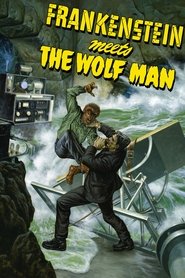
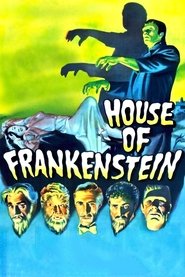
Despite that uneven critical reception, the film became a major success for Universal, as both TCM and the AFI's historical notes report. Its monster entered the studio's continuing horror cycle, with Chaney returning as Larry Talbot in Frankenstein Meets the Wolf Man (1943), House of Frankenstein (1944), House of Dracula (1945) and Abbott and Costello Meet Frankenstein (1948). These continuations changed the terms of the original story by repeatedly restoring a character whose first film ended in tragedy. Their existence documents the figure's commercial durability without requiring unsupported estimates of lifetime profit or claims that later installments retained every subtlety of the 1941 screenplay.
The historical achievement is a combination of image, narrative and codified mythology. Earlier films had already featured werewolves, and older folklore contained many incompatible versions of the curse. Waggner's picture made a particular set of symbols and dramatic expectations exceptionally memorable, giving later filmmakers a recognizable model to revise or reject. Its tragic protagonist also helped define a type of horror in which the monster fears its own destructive capacity. That inheritance can be identified in the persistence of silver, pentagrams and involuntary transformation, while claims of influence on any single later film still require independent documentation. The original remains significant for the specificity of what it brought together in 1941.