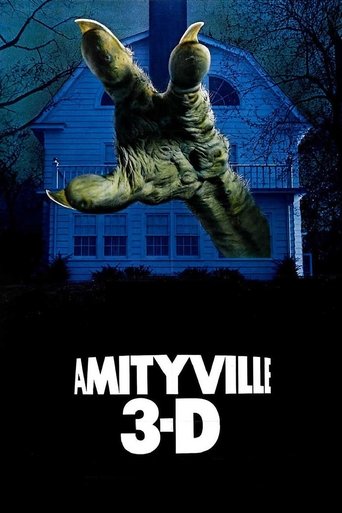
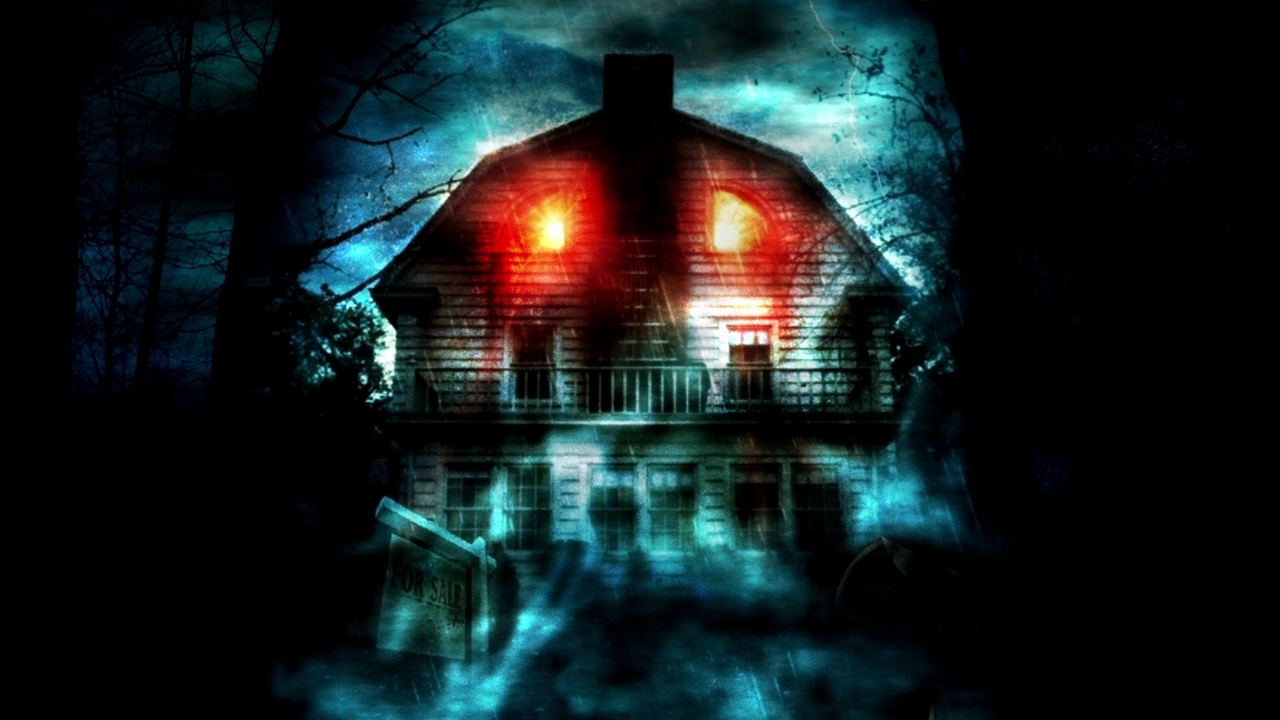
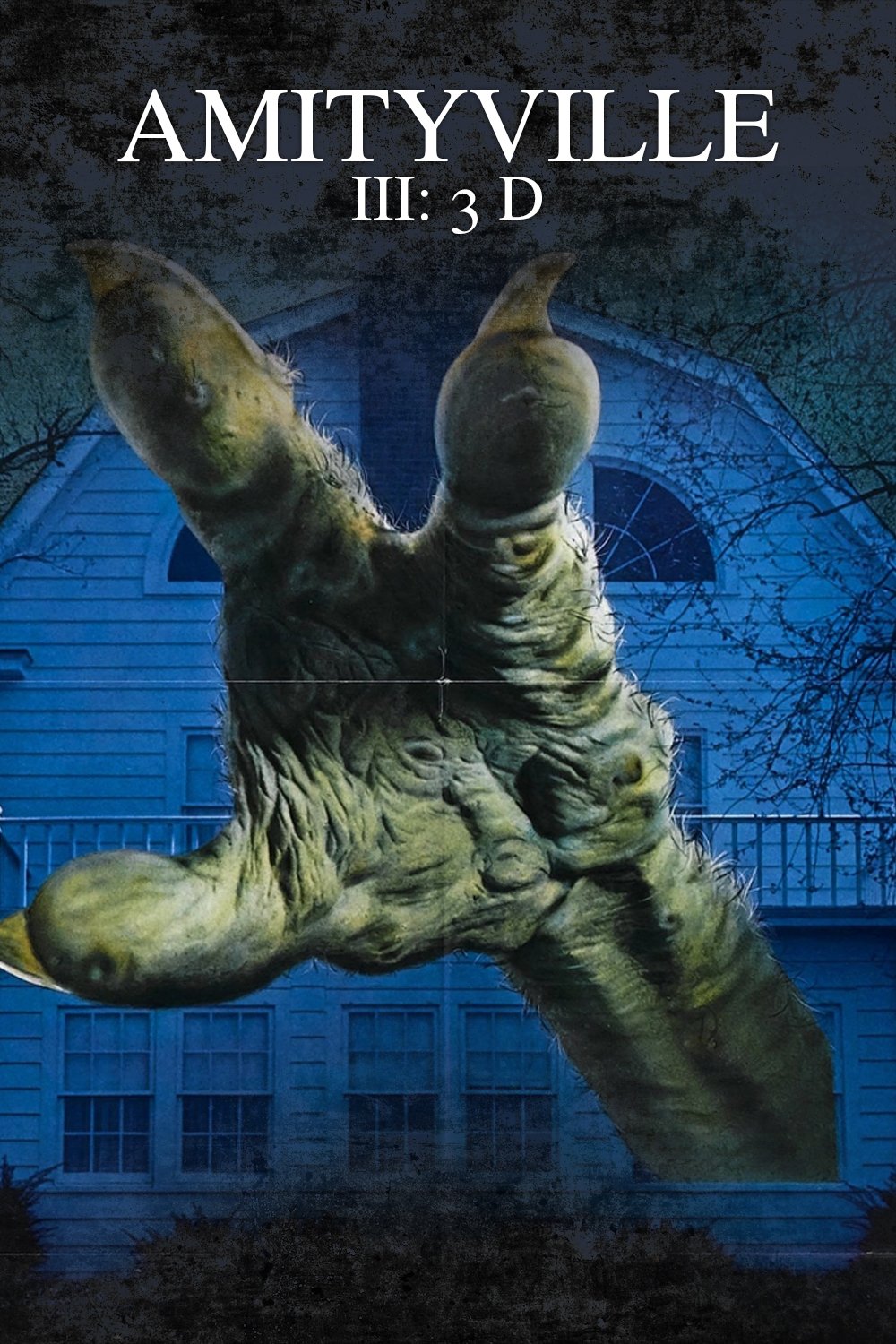
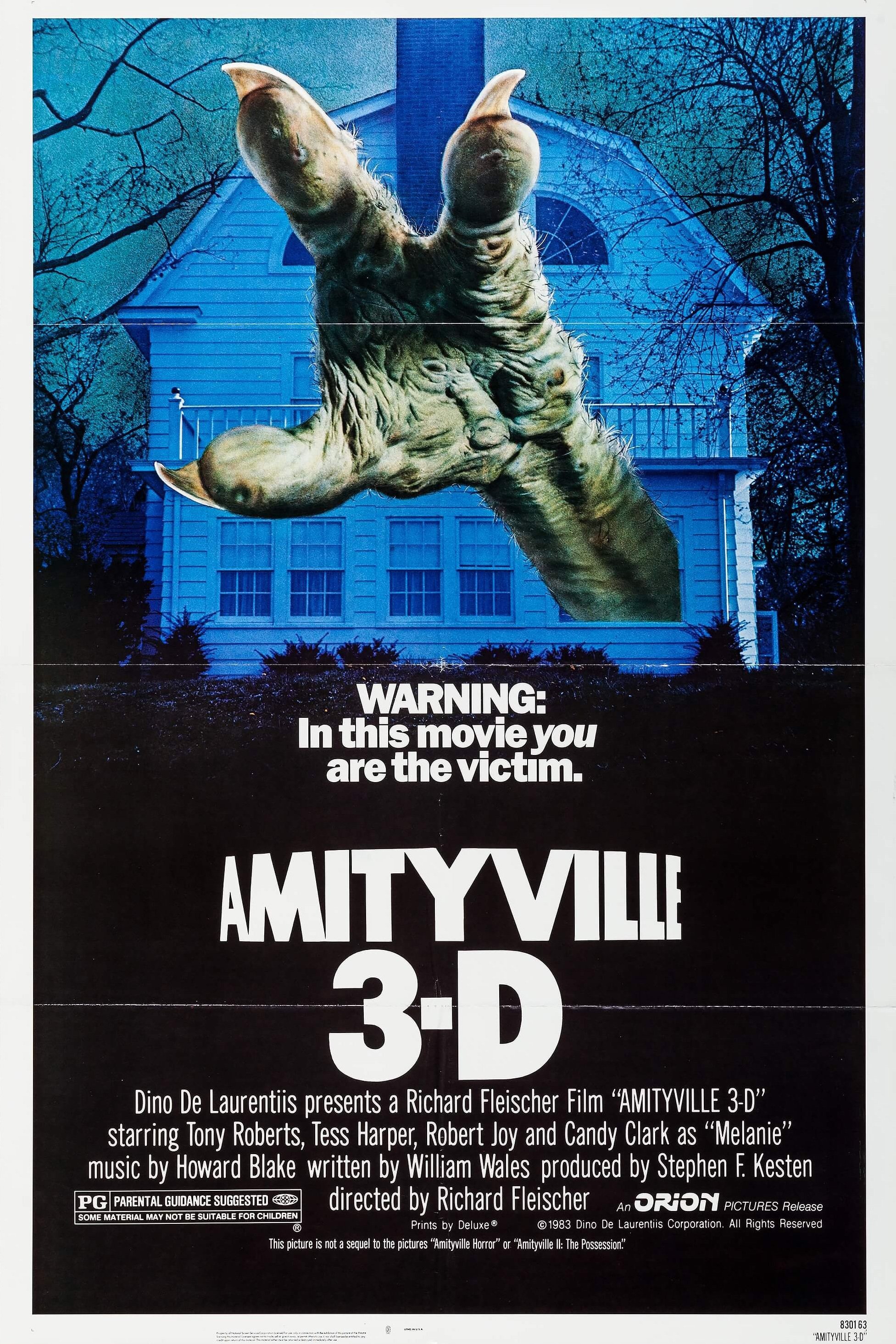
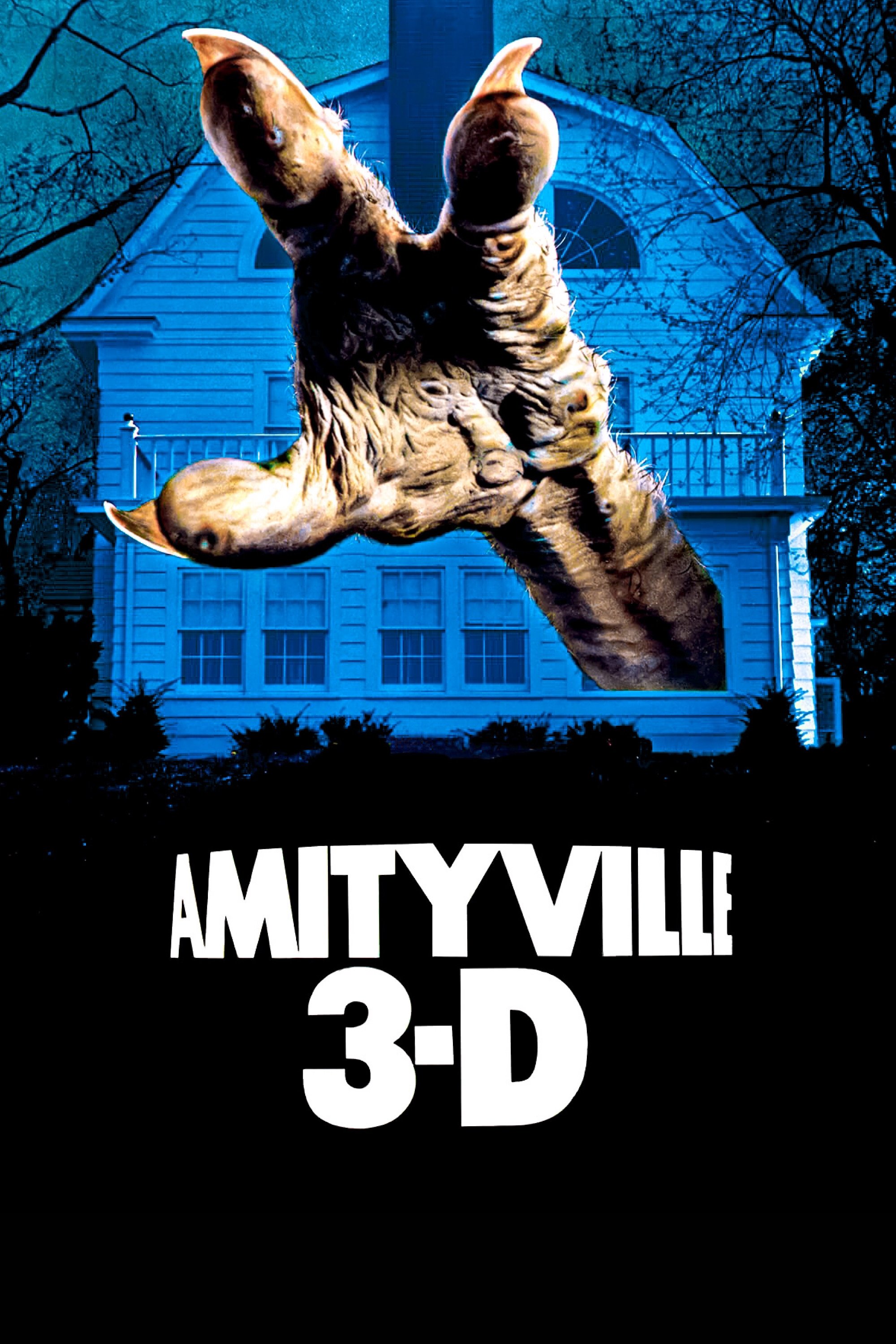
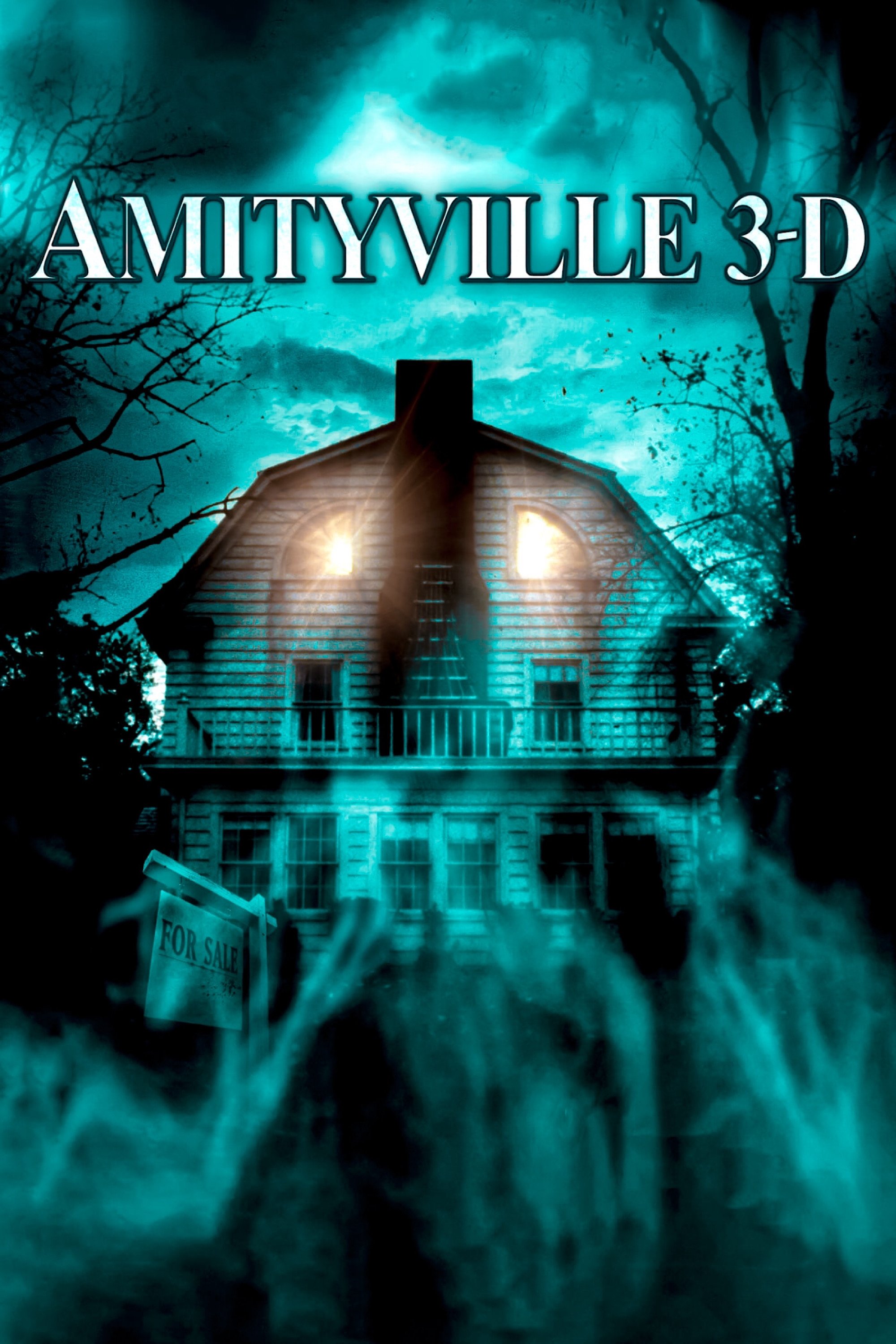
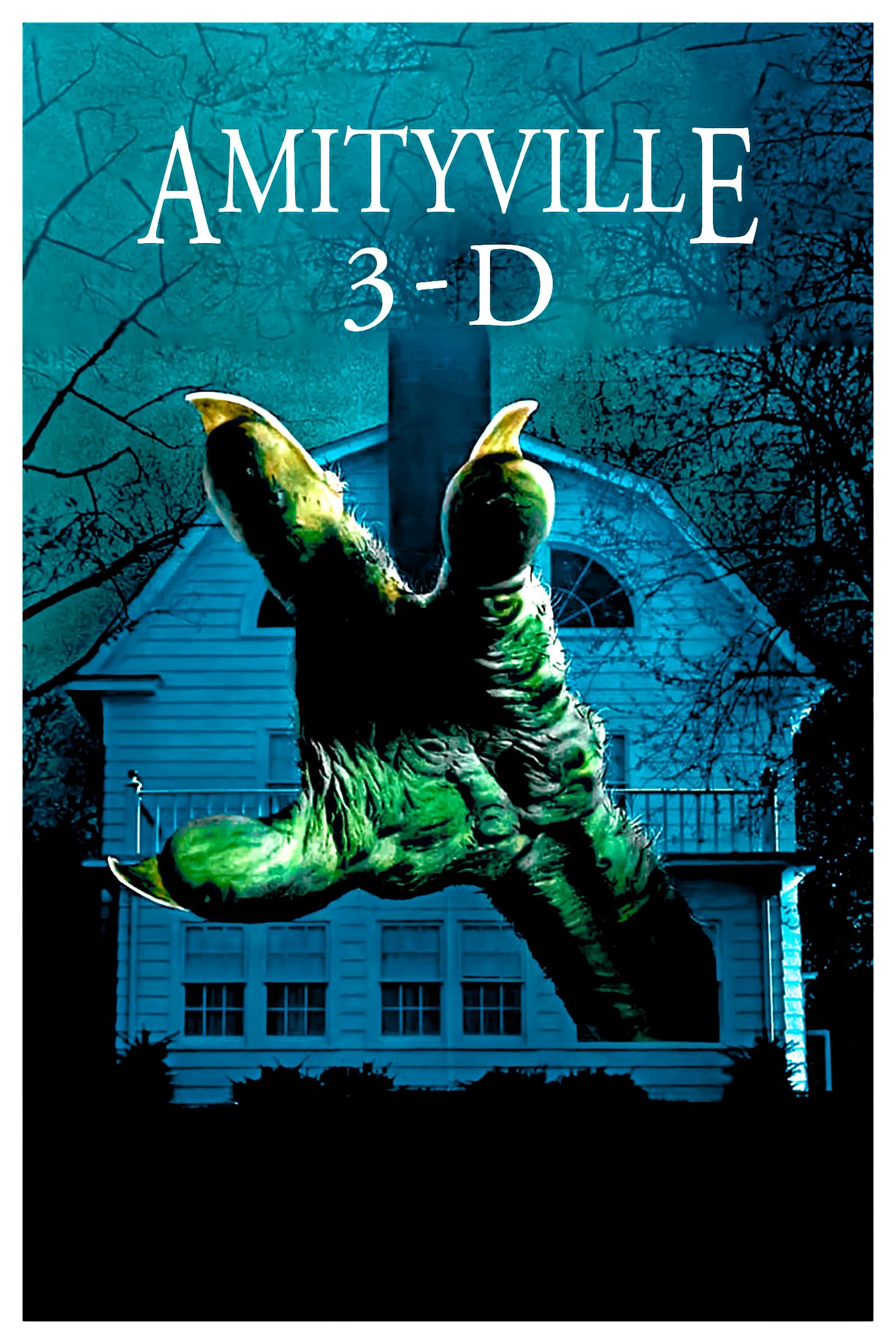
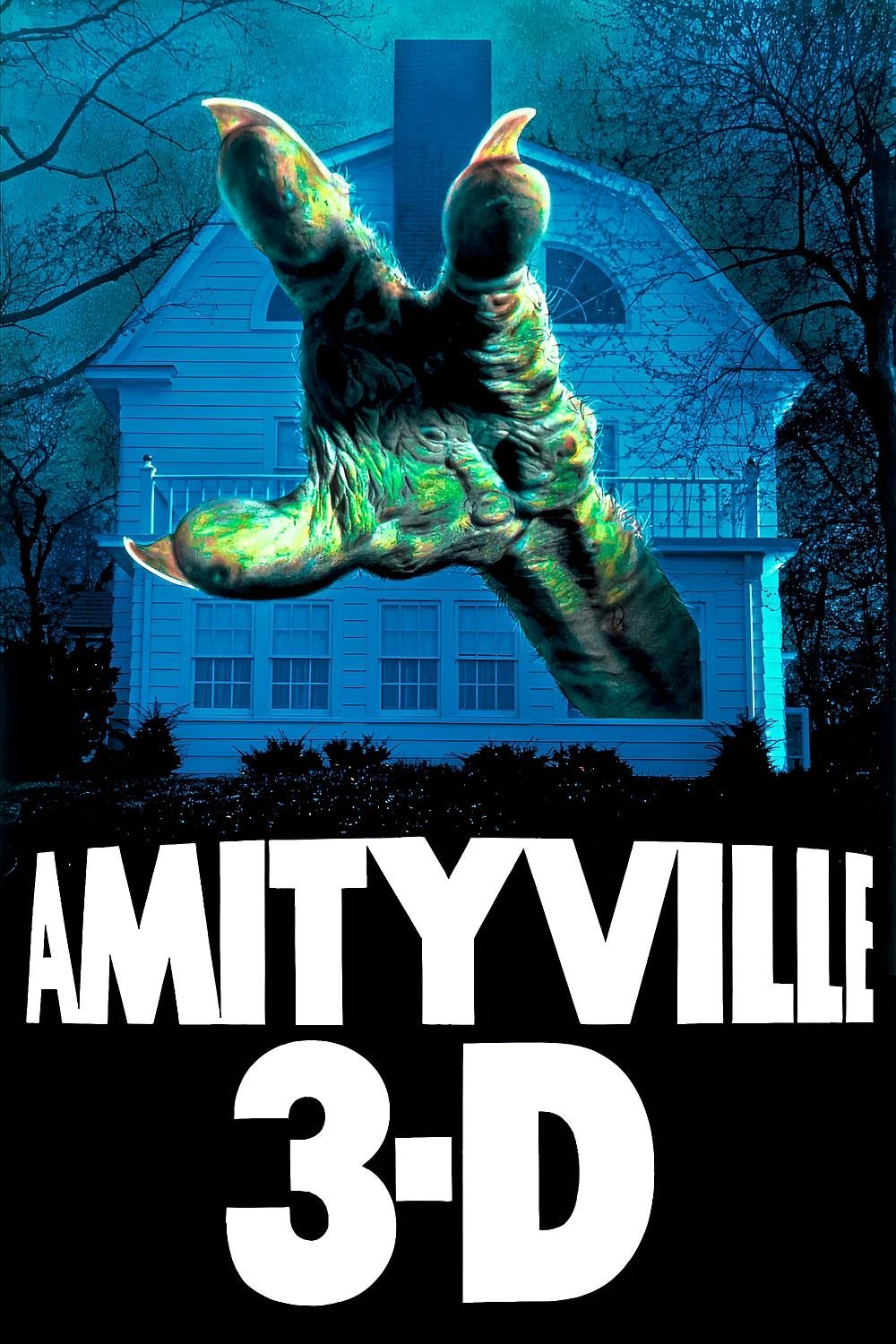
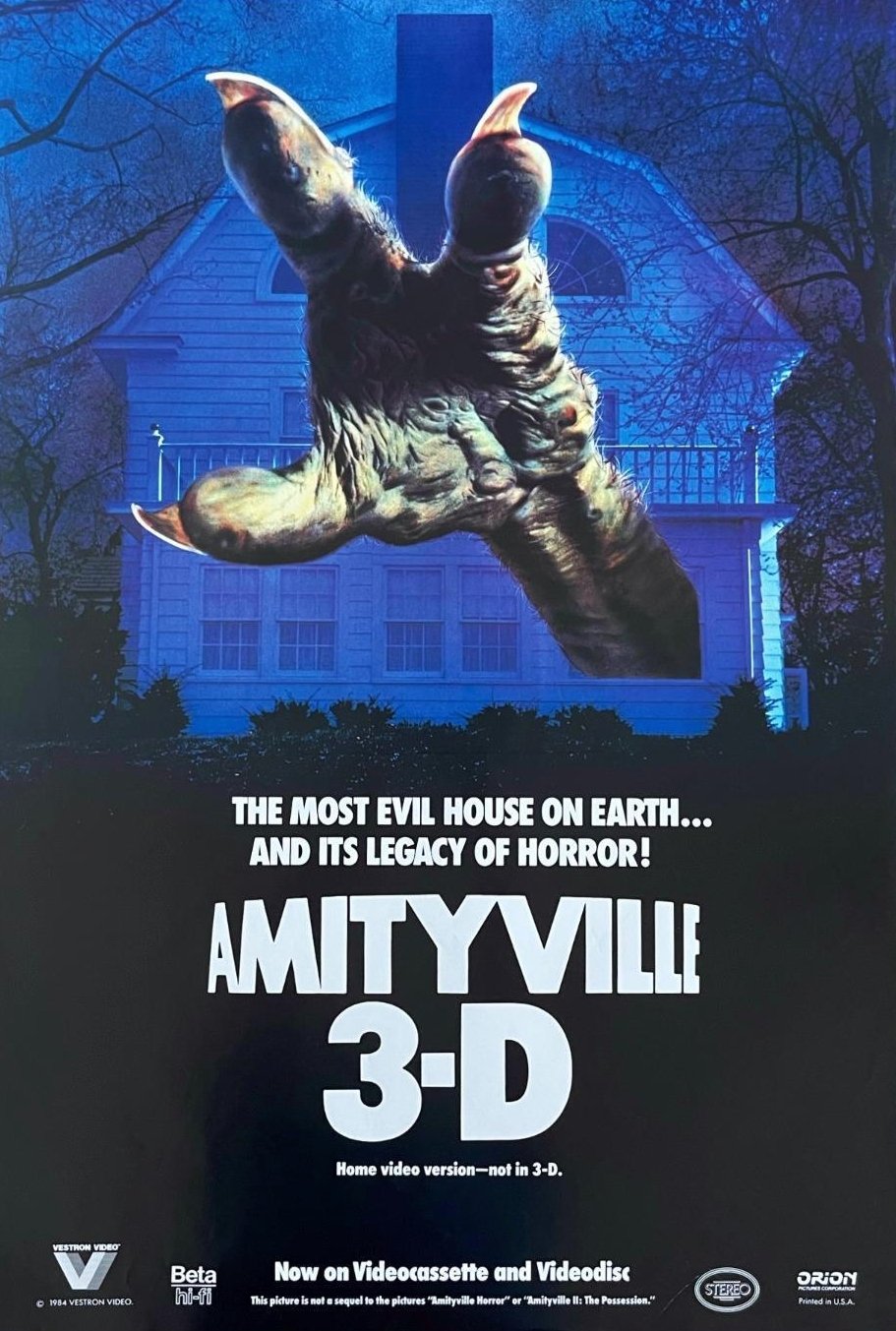
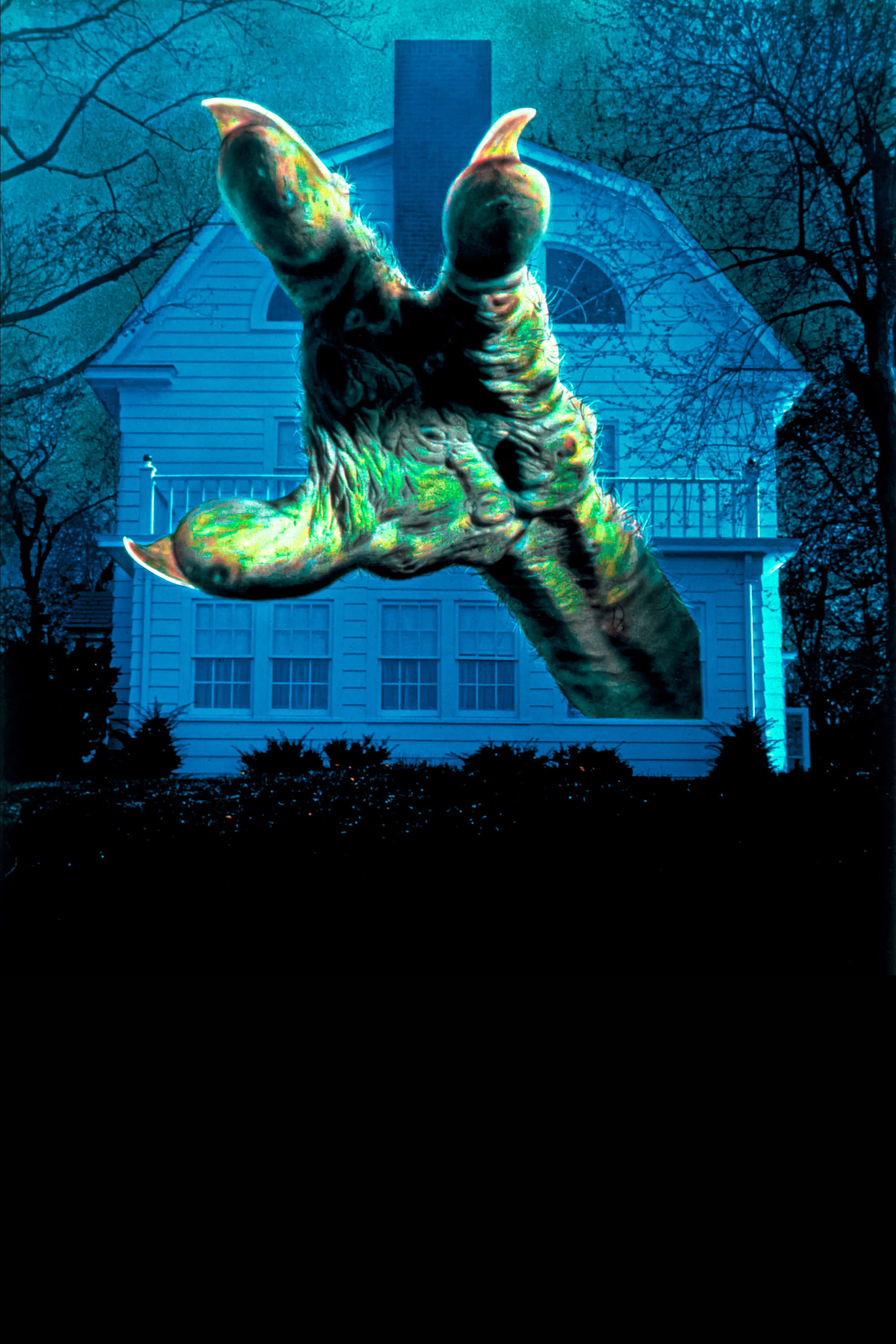
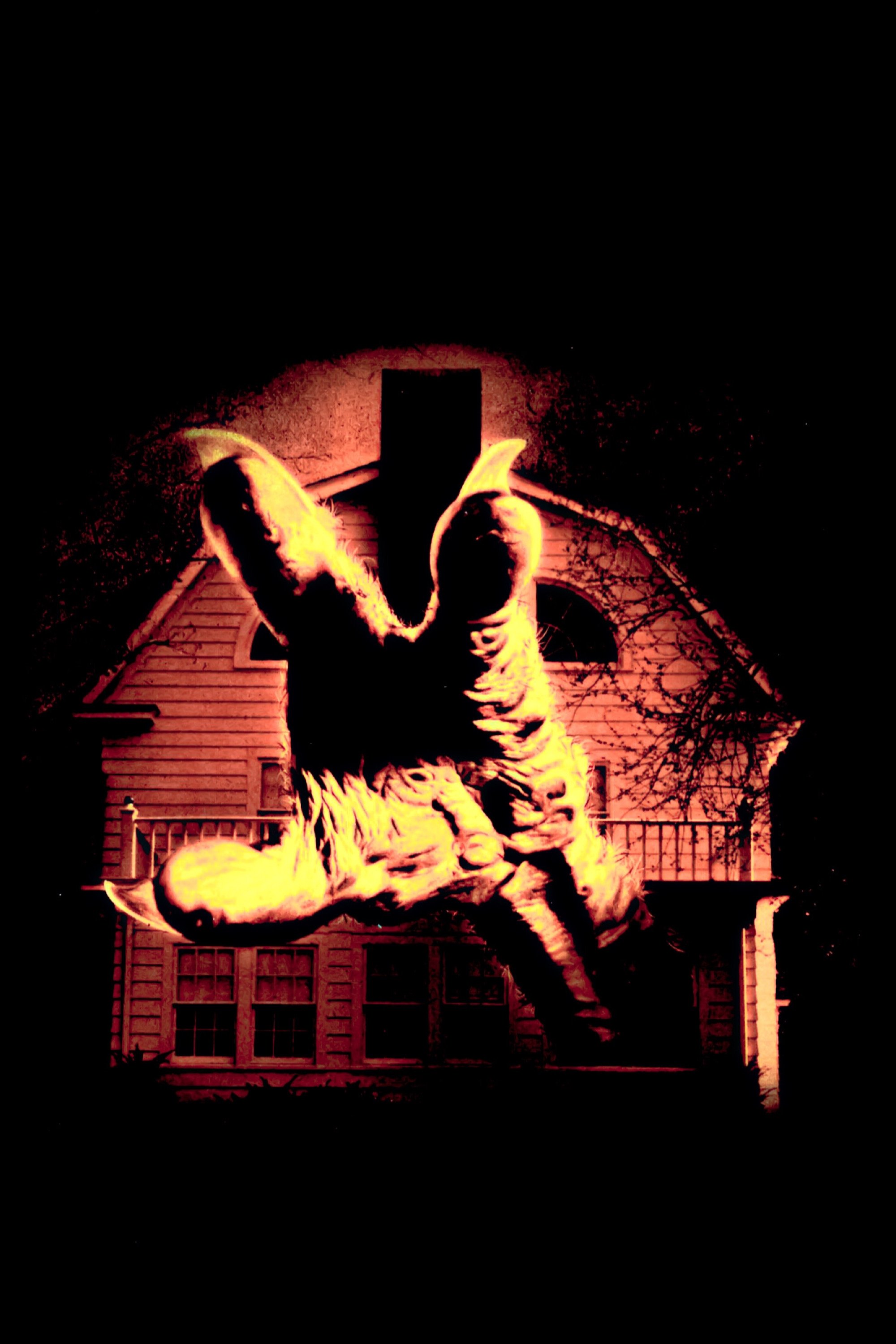
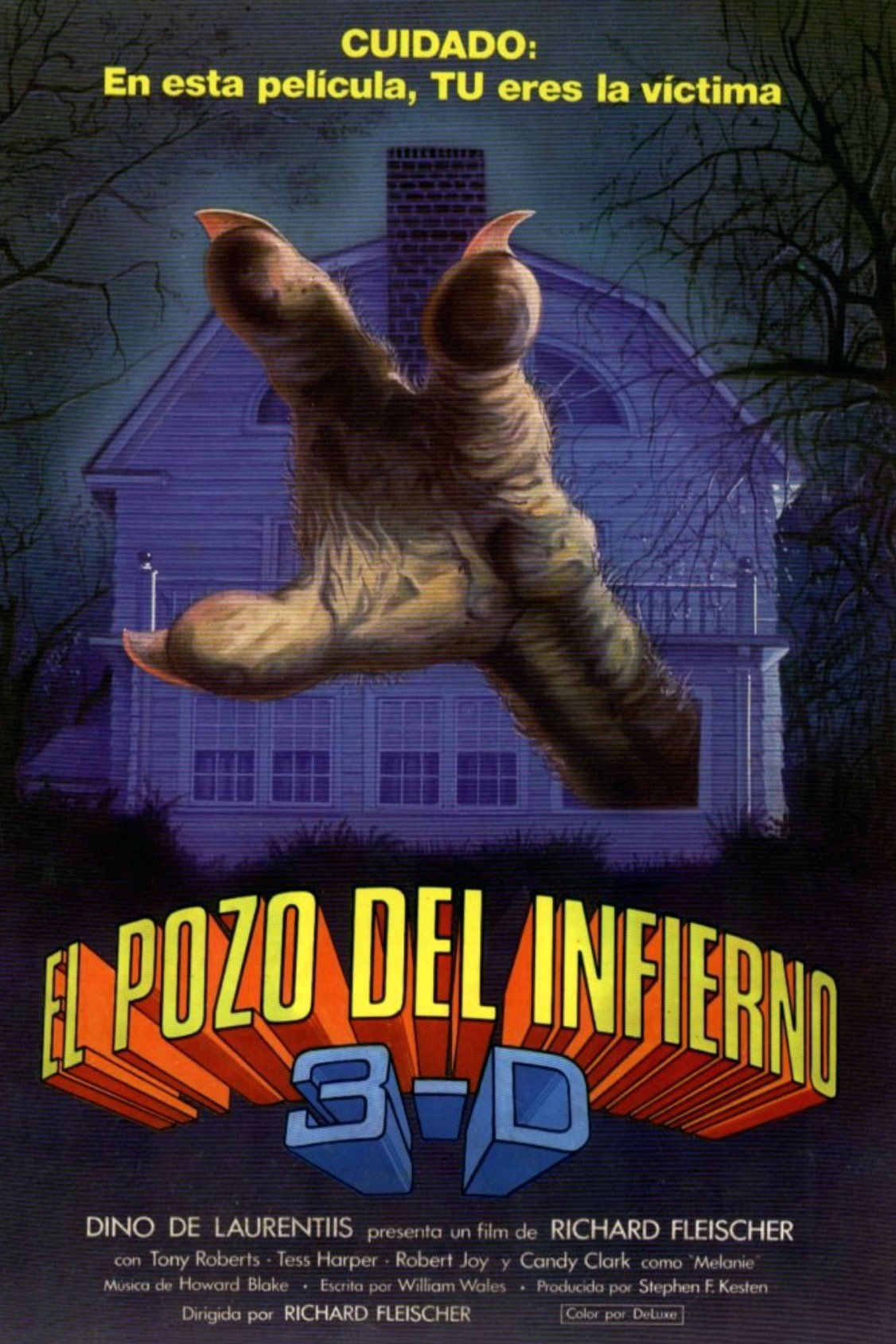
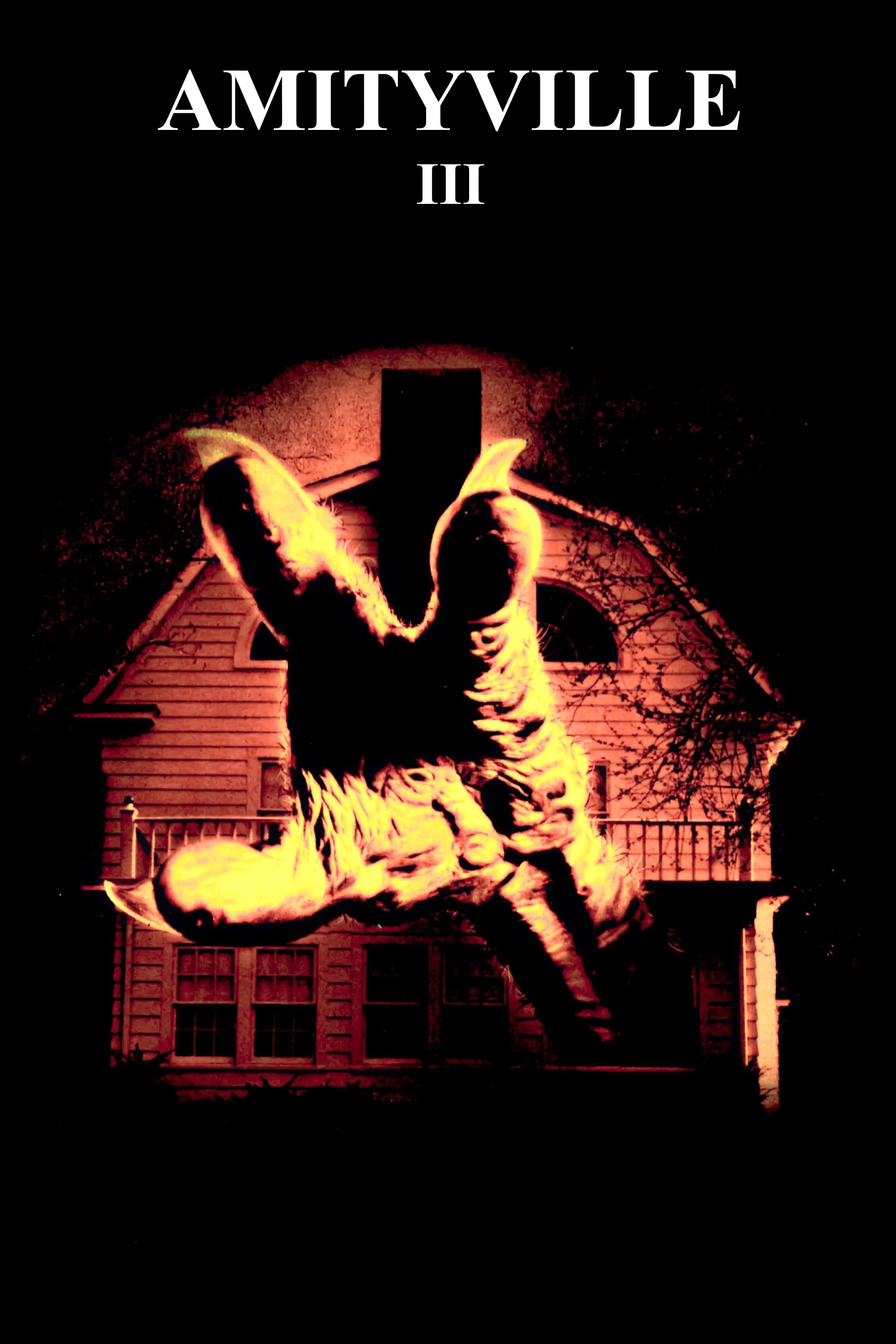
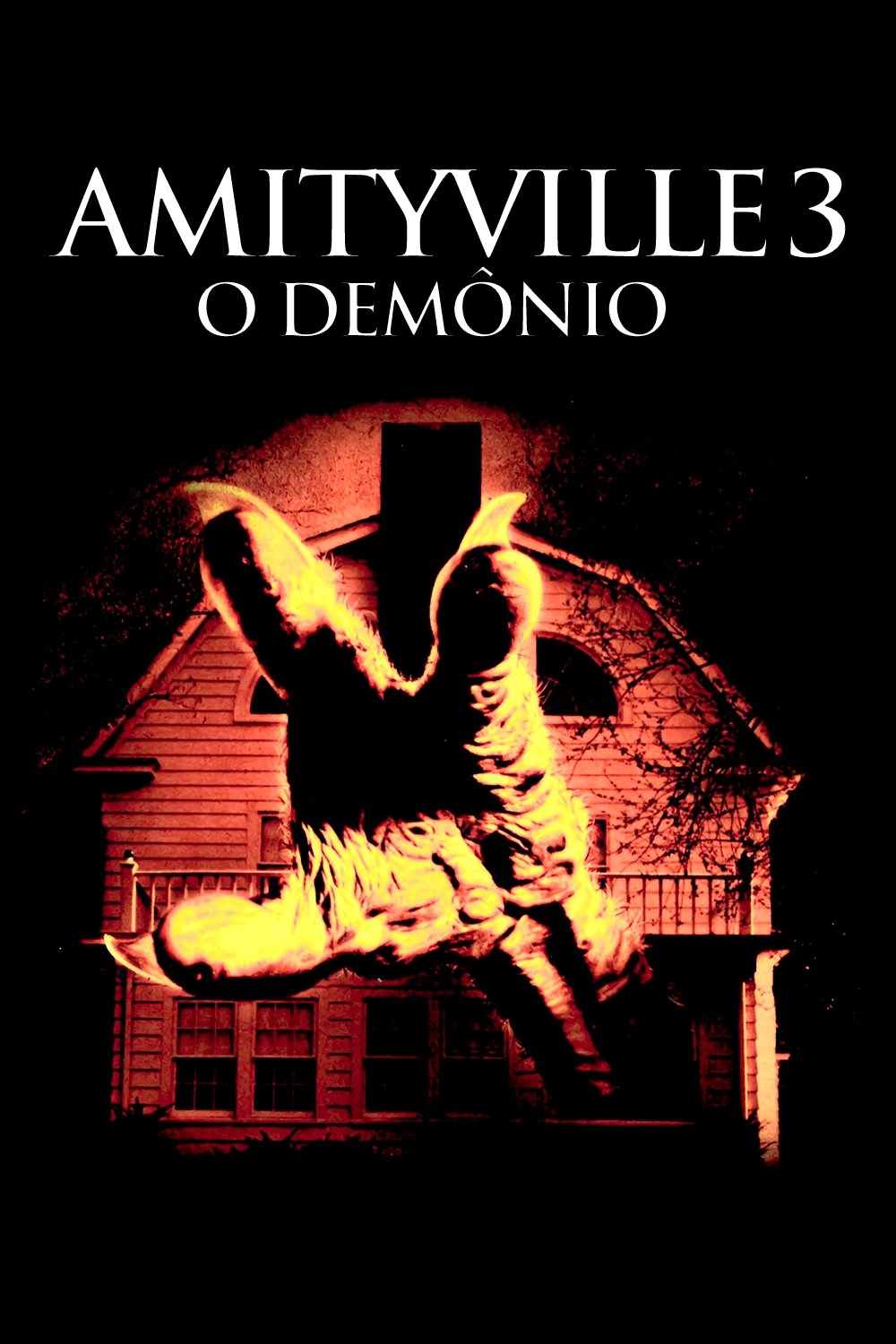
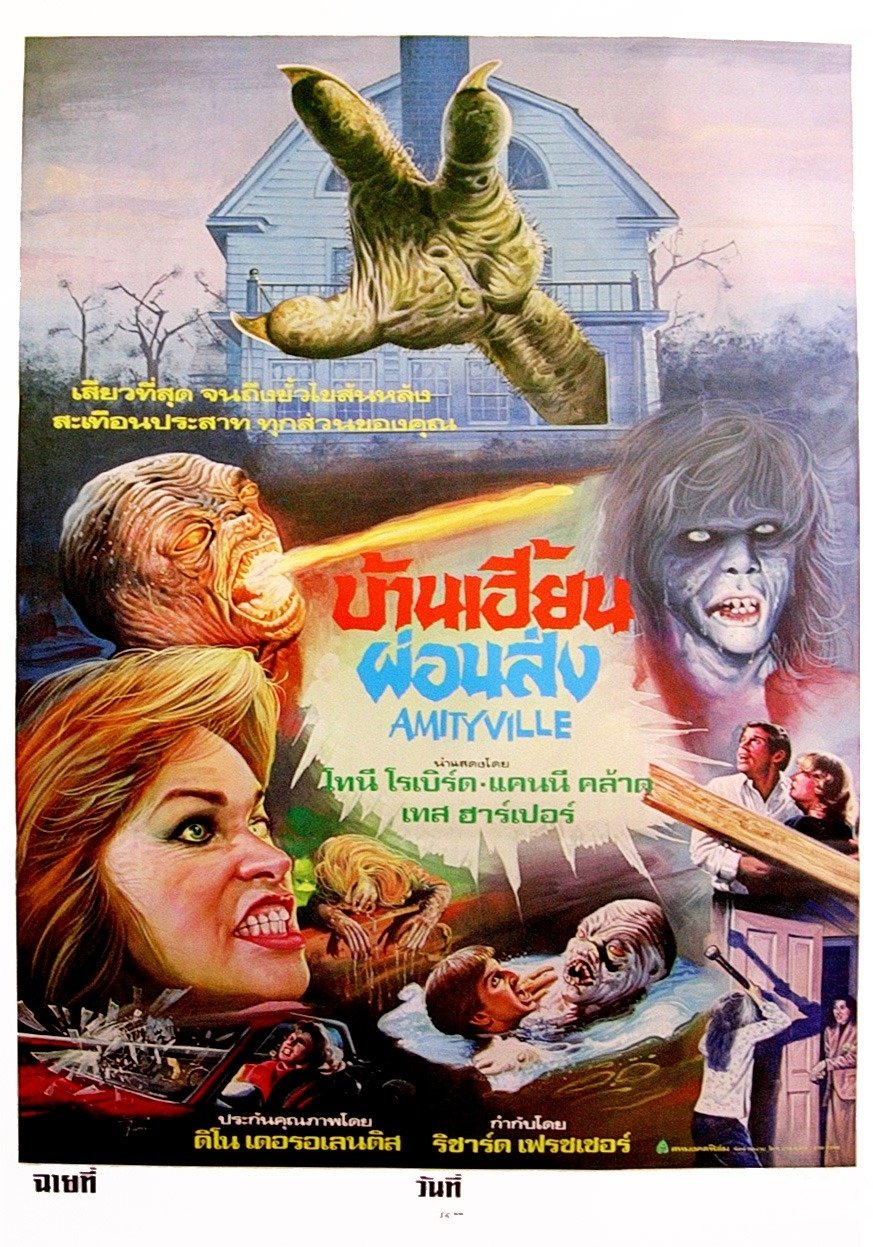
Journalist John Baxter, who specializes in exposing supposed supernatural phenomena, purchases the notorious Amityville house after investigating the people exploiting its reputation. He expects the property to provide material for his writing, but strange incidents begin affecting colleagues, friends and members of his family. His skepticism is challenged as deaths and apparitions seem to point back to the building. An investigation of the house leads Baxter and those around him toward a hidden source of danger beneath the property.
Alternative Titles
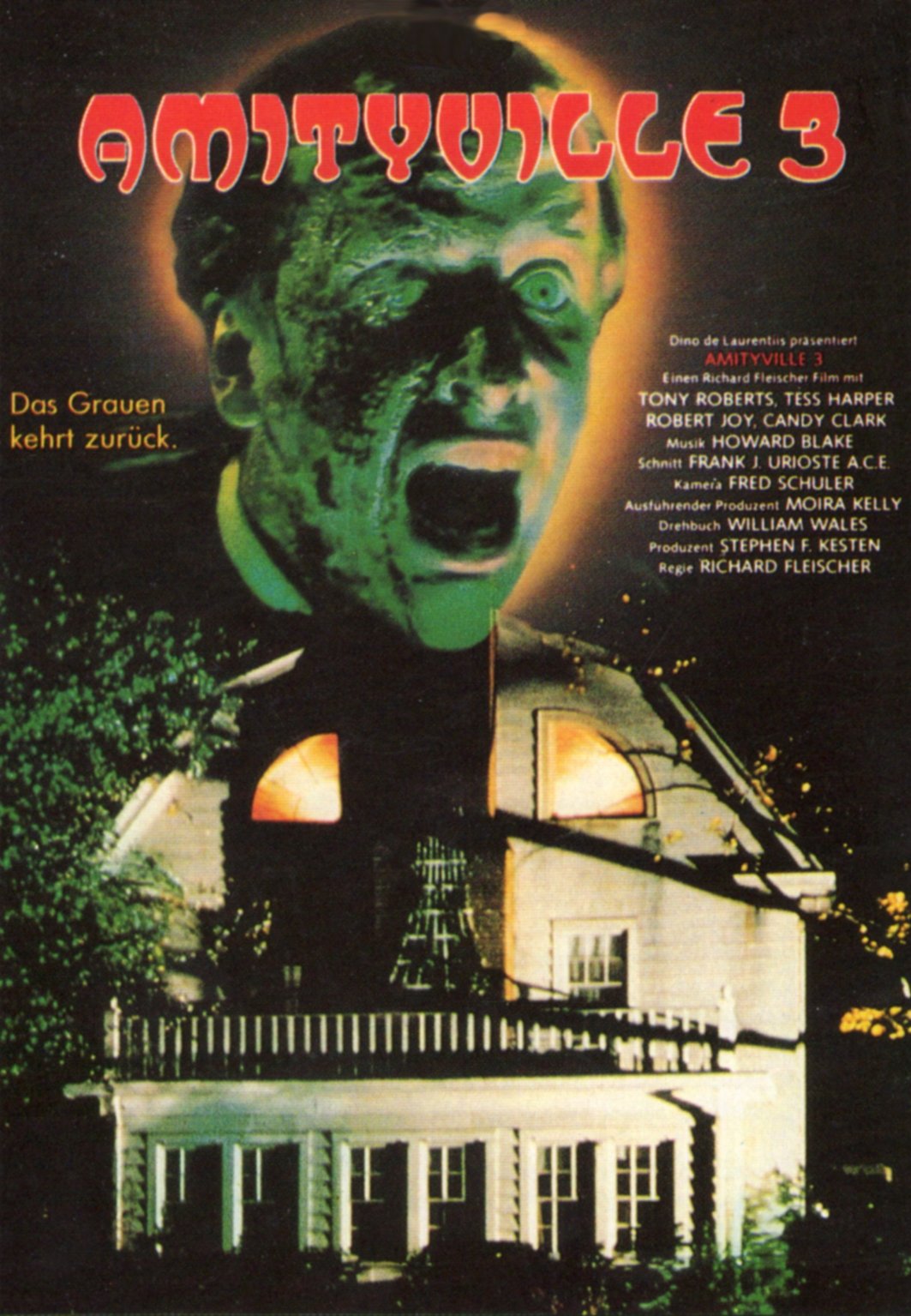
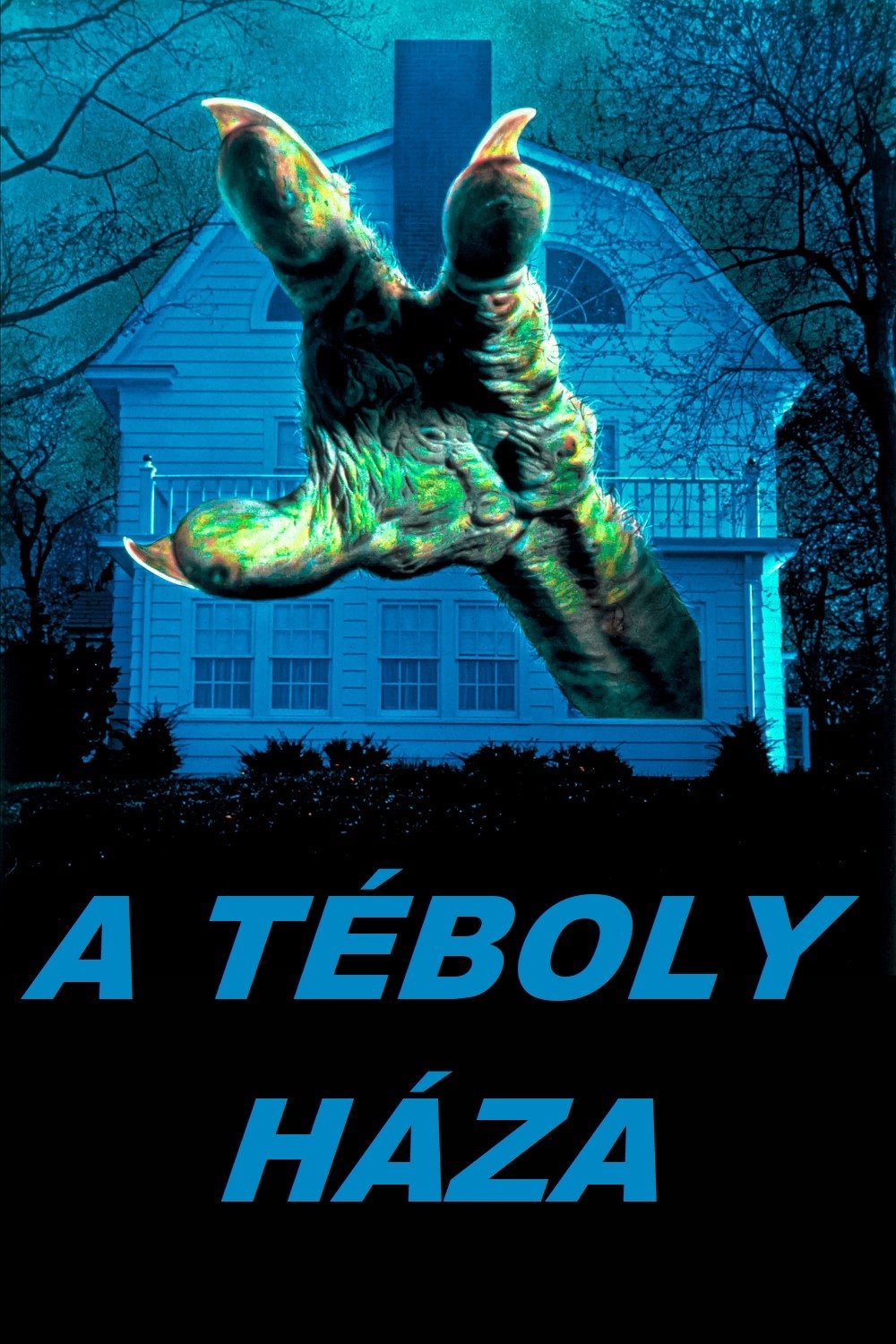
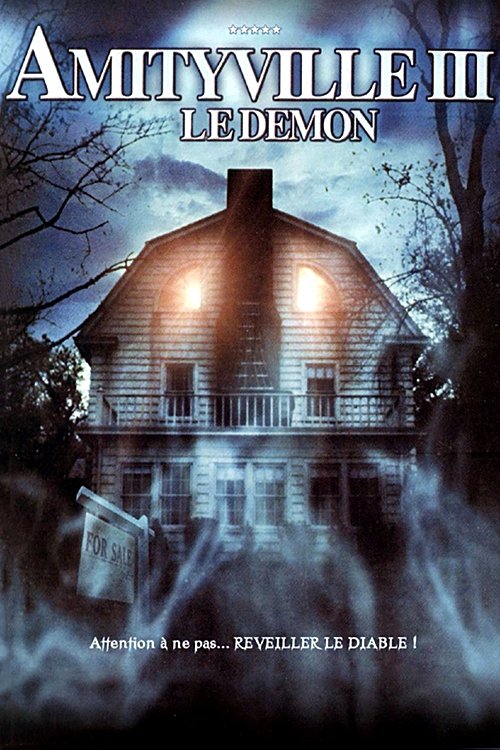
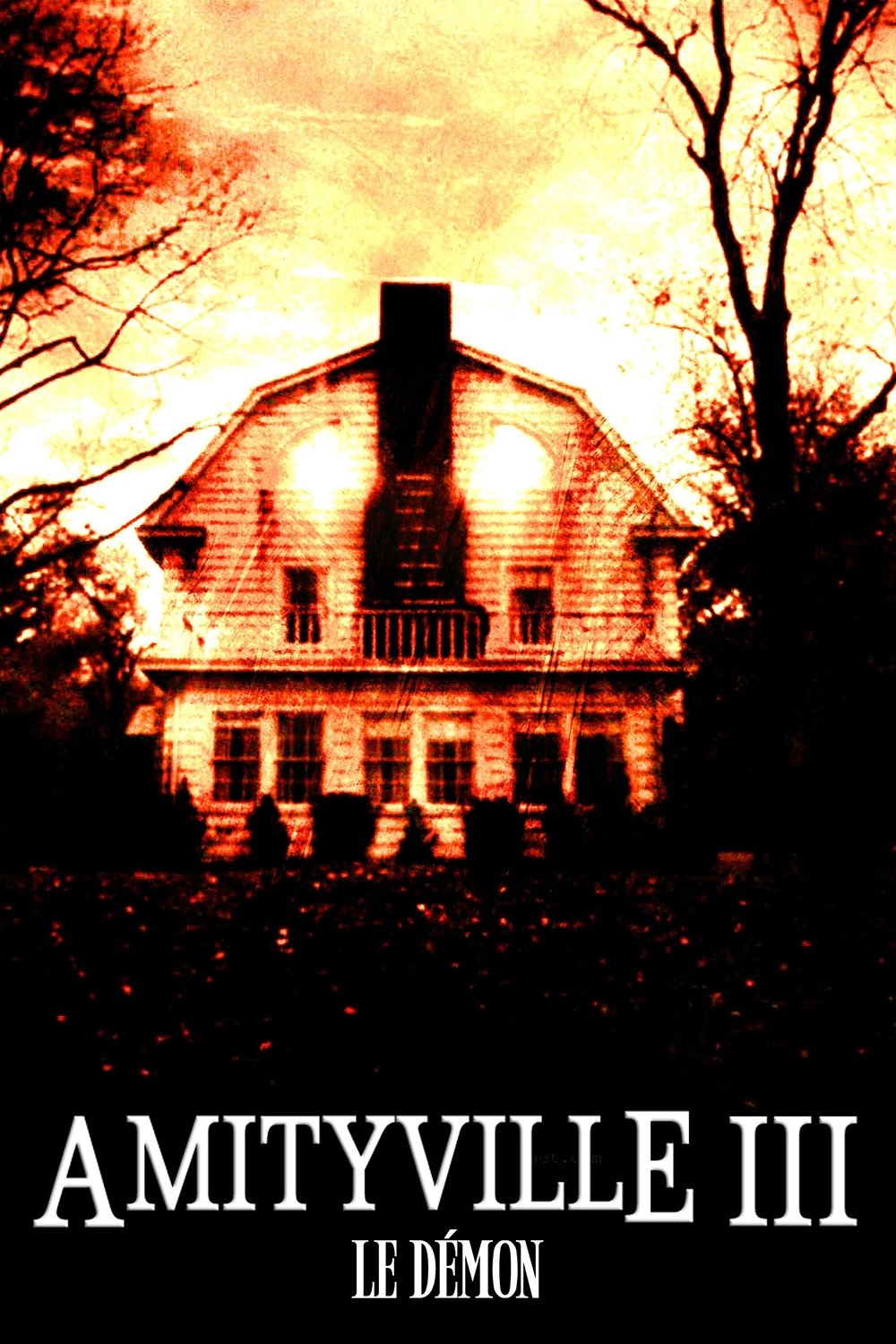
Амитивил 3-D (Bulgaria) — BulgarianAmityville 3: O Demônio (Brazil) Amityville III : Le démon (Canada) — French鬼哭神嚎3 (China) — ChineseAmityville - Dům hrůzy (Czechia) — CzechAmityville 3 (Germany) — GermanHuset Gud glemte 3 (Denmark) — DanishAmityville III: El pozo del infierno (Spain) — SpanishShow all 29 alternative titlesSaatanan riivaama (Finland) — FinnishAmityville 3D - Le démon (France) — DVD titleAmityville III : Le démon (France) — French鬼哭神嚎 3 (Hong Kong SAR China) — ChineseA téboly háza (Hungary) — HungarianAmityville 3D (Italy) — ItalianAmityville 3D: The Demon (Italy) Amityville Possession III (Italy) 悪魔の棲む家 PART 3 (Japan) 悪魔の棲む家 PART 3D (Japan) — Japanese悪魔の棲む家3 (Japan) 아미티빌 3 (South Korea) — KoreanAmityville III: Demon (Poland) — PolishAmityville III - O Demónio (Portugal) — PortugueseАмитивилль 3-D (Russia) — RussianHuset som Gud glömde 3 (Sweden) — SwedishАмітивілль 3-D (Ukraine) — UkrainianAmityville 3: The Demon (United States) Amityville III: The Demon (United States) Amityville: The Demon (United States) The Amityville Horror 3 (United States) — Working Title
Richard Fleischer revisits the Amityville house through ArriVision 3-D, practical effects and the 1983 stereoscopic horror revival.
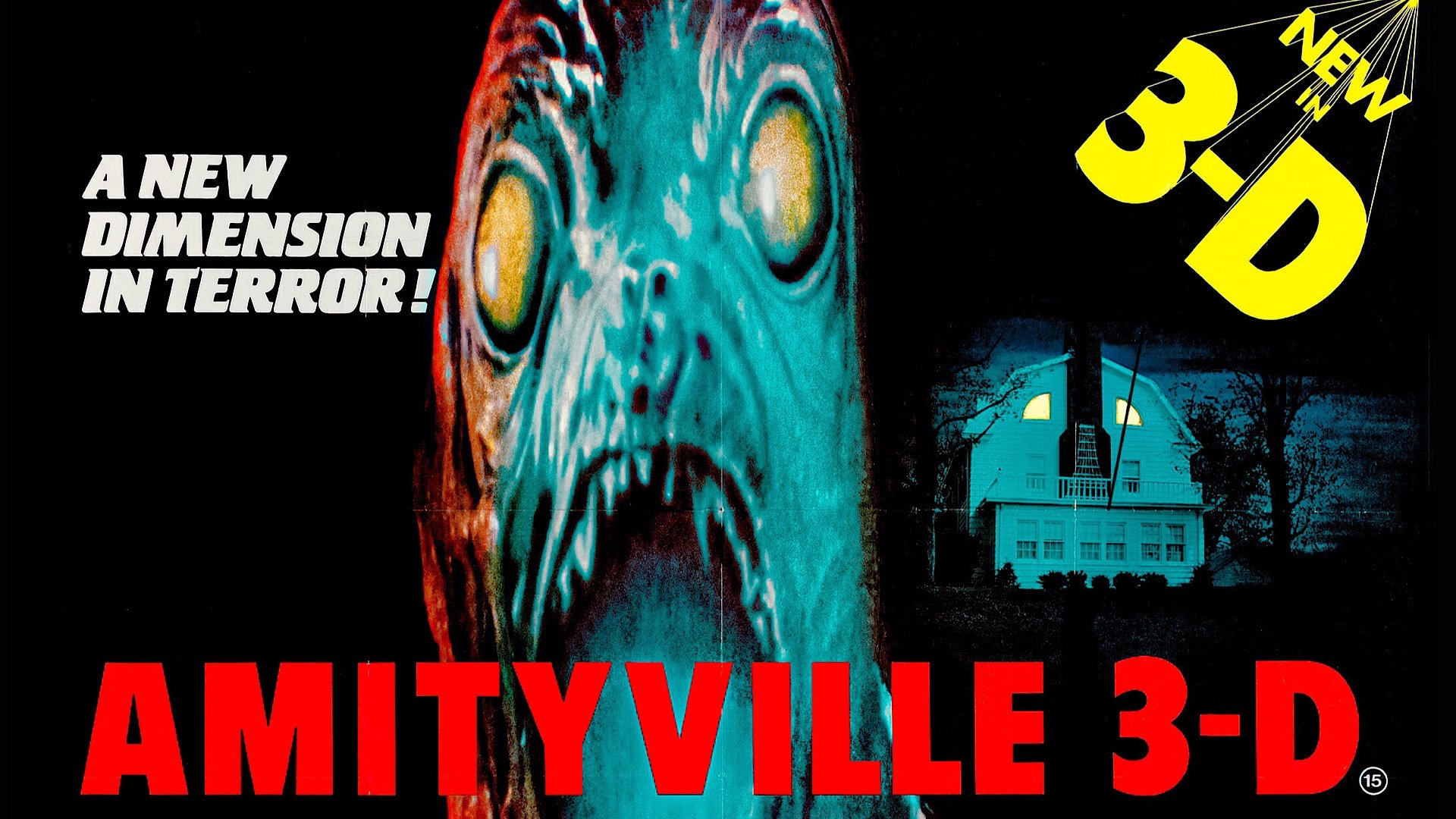
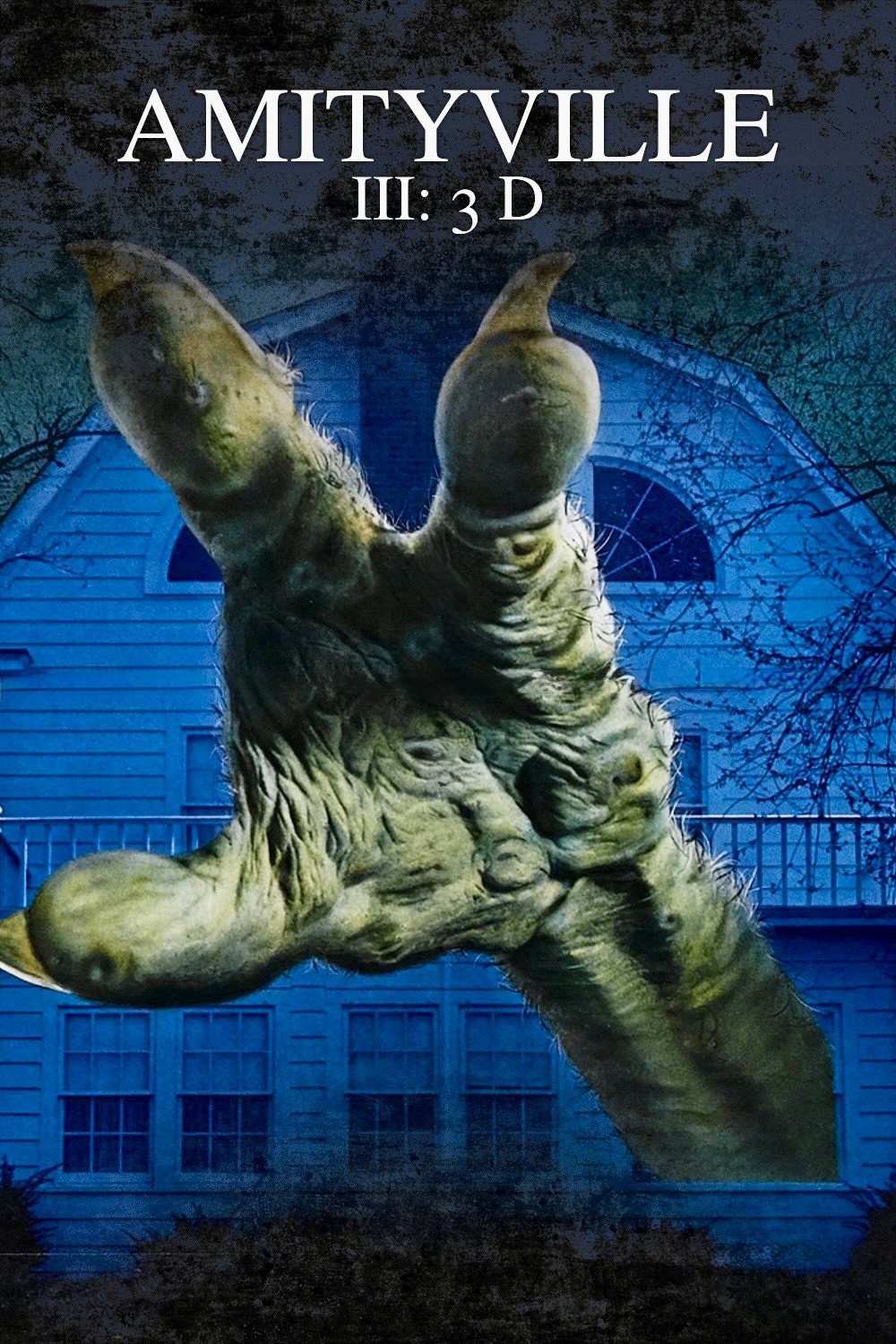
Amityville 3-D (1983) brought the haunted-house series into the short-lived revival of stereoscopic genre filmmaking that marked the early 1980s. Directed by Richard Fleischer and released by Orion Pictures, the film reopens the notorious Long Island property through a skeptical journalist who believes that publicity surrounding the house can be exposed as fraud. The story transforms an address already associated with possession and domestic catastrophe into an experiment in spectatorship: its 3-D photography continually asks viewers to anticipate something emerging from the screen. That exhibition format is central to the film's place in horror history, especially beside the contemporary stereoscopic sequels Friday the 13th Part III and Jaws 3-D.
The third Amityville feature also reveals how a horror property can continue after its original family's story has receded. John Baxter and the people around him confront new manifestations, while the cellar becomes the focus of an increasingly physical supernatural threat. Fleischer's work on the film has particular historical interest because he had already directed a stereoscopic feature, Arena, three decades earlier. Amityville 3-D therefore connects two separated periods of Hollywood's interest in 3-D spectacle while exposing the difficulties of keeping a haunted-house narrative suspenseful when its attractions must also be designed for the theater audience.
Production and the Third Amityville Film
Following The Amityville Horror (1979) and Amityville II: The Possession (1982), the third theatrical entry was produced under the Dino De Laurentiis banner. It retained the infamous house as the central attraction but introduced a new group of characters. Journalist John Baxter begins by investigating a fraudulent seance, an opening that acknowledges public suspicion about the Amityville legend. The screenplay then shifts from debunking to a more conventional supernatural siege. The premise allows the film to revisit the property without making the experiences of the Lutz family its immediate dramatic subject.
Contemporary trade reporting placed the project in development by late 1982, with principal photography planned for early 1983. Production documentation described a reconstruction of the Amityville house on a soundstage, including its basement and an abandoned well. The constructed environment gave the filmmakers greater control over dangerous effects and camera placement than an ordinary inhabited location could provide. The film's subterranean spaces become increasingly important as the investigation moves below the familiar facade. This set design also supplies a coherent location for the final escalation, when supernatural manifestations are no longer confined to small disturbances inside otherwise normal rooms.
ArriVision and the 3-D Horror Cycle
Amityville 3-D used the ArriVision 3-D process, a single-camera system that permitted stereoscopic theatrical presentation with a single projector. That technical arrangement differed from the two-camera, two-projector approach employed on Fleischer's Arena (1953). The return to depth photography was therefore more than a novelty in the director's filmography: it connected changing projection technology with the industry's periodic attempts to market an intensified cinema experience. In 1983, the third Friday the 13th film had already demonstrated the audience appeal of a horror sequel conceived around objects moving out toward spectators, while Jaws 3-D carried a similar strategy into a creature feature.
Fleischer's film arranges many of its attacks for a stereoscopic audience. Sudden movement, approaching objects and destruction are placed along the viewing axis, so that events appear to occupy the space between screen and seat. These decisions affect the rhythm of the horror. Instead of developing every disturbance through prolonged uncertainty, the film frequently delivers an unmistakable visual incident that can function as a 3-D attraction. Contemporary critics identified both the intended spectacle and its practical limitations. Gary Arnold's 1983 Washington Post review described intrusive darkness and problems with doubled images during the theatrical presentation, showing that the effect could depend heavily on projection quality and the conditions of exhibition.
The House, Skepticism and Supernatural Evidence
John Baxter's profession shapes the opening movement. His initial success in exposing staged mediumship gives his later refusal to acknowledge the house's activity a recognizable basis. The photographs taken by Melanie offer an early breach in that certainty: their strange appearance suggests that the camera can register something not readily apparent to the witness. This is a productive horror idea because it turns a supposedly objective instrument into a source of dread. Baxter's confidence is tested through mounting evidence, yet the plot repeatedly delays his acceptance of a supernatural explanation as the danger moves closer to his family.
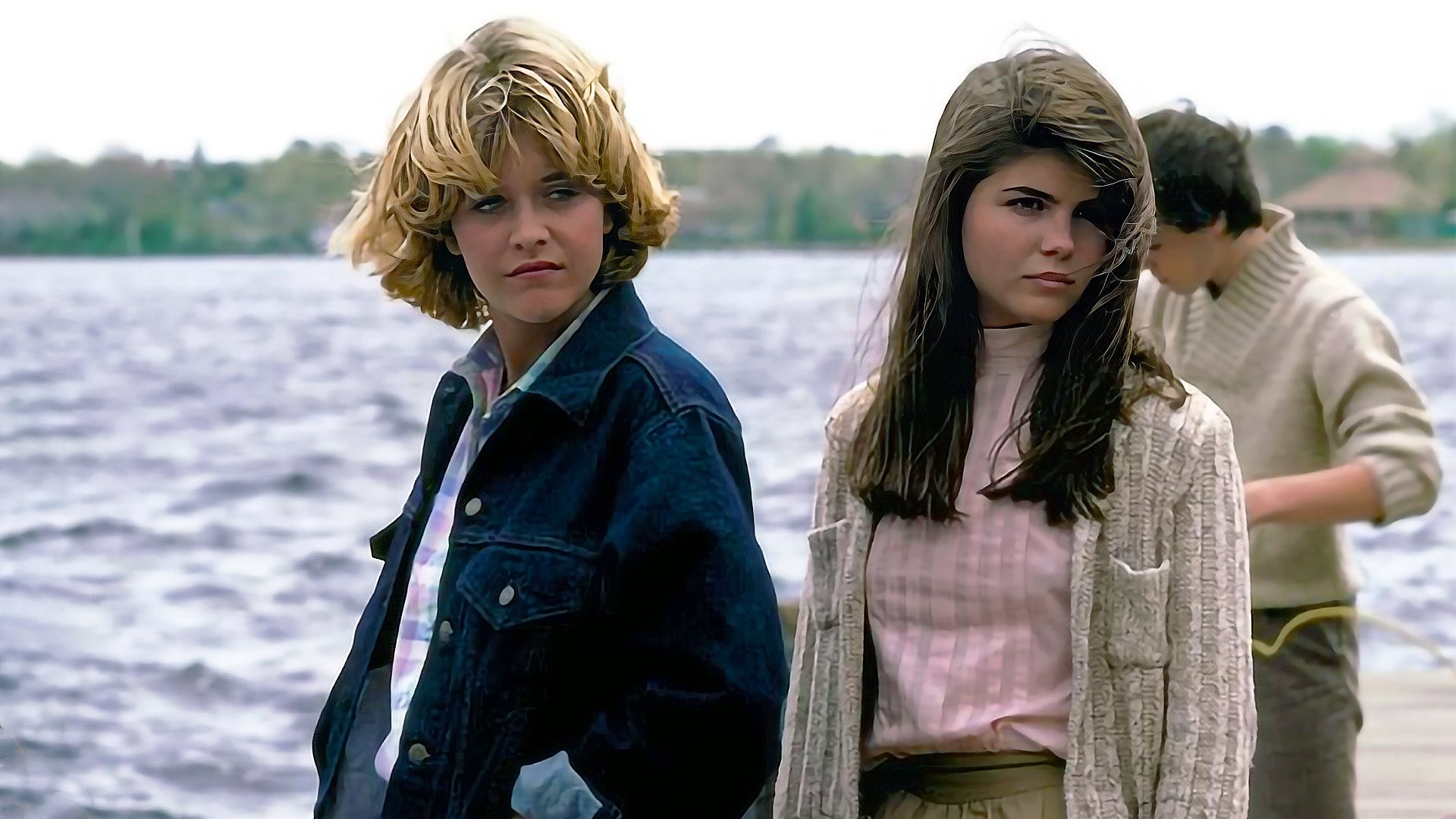
The film also develops a division between the professional investigators and the younger characters who approach the property with curiosity. Susan Baxter and her friend Lisa treat the house as a place of fascination, an attitude that places them within the orbit of the haunting without the protective distance of John's skepticism. The eventual involvement of psychic researchers expands the story from a private domestic experience into an attempt to confront the force behind the disturbances. The script's shift from disputed manifestations to an explicit demonic presence is important to the sequel's design: the ending demands a visible entity and a large-scale climax suited to the stereoscopic format.
Practical Effects and the Demonic Climax
The production combined stereoscopic staging with physical makeup and environmental effects. A particularly elaborate fly sequence was documented in contemporary production notes: the effects team used approximately 1.6 million sterile male flies, and protective equipment was required around the set. Actor John Harkins performed under demanding conditions while a latex facial covering was employed for protection. The extraordinary effort devoted to a single infestation scene demonstrates how practical horror effects could require extensive planning even when the finished moment was brief. Its appeal lies partly in a physical mass of insects that occupies the image rather than an abstract suggestion of supernatural contamination.
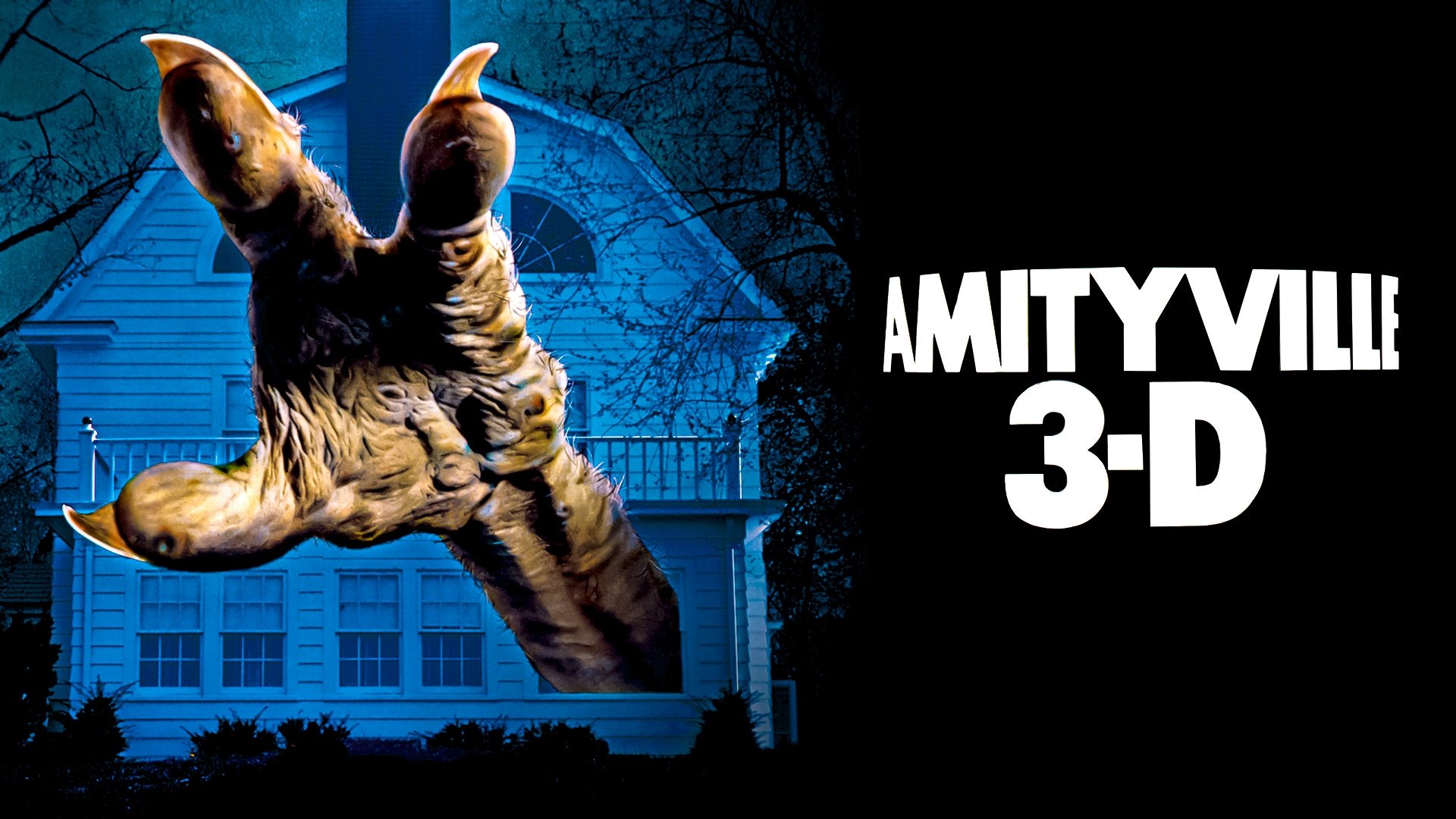
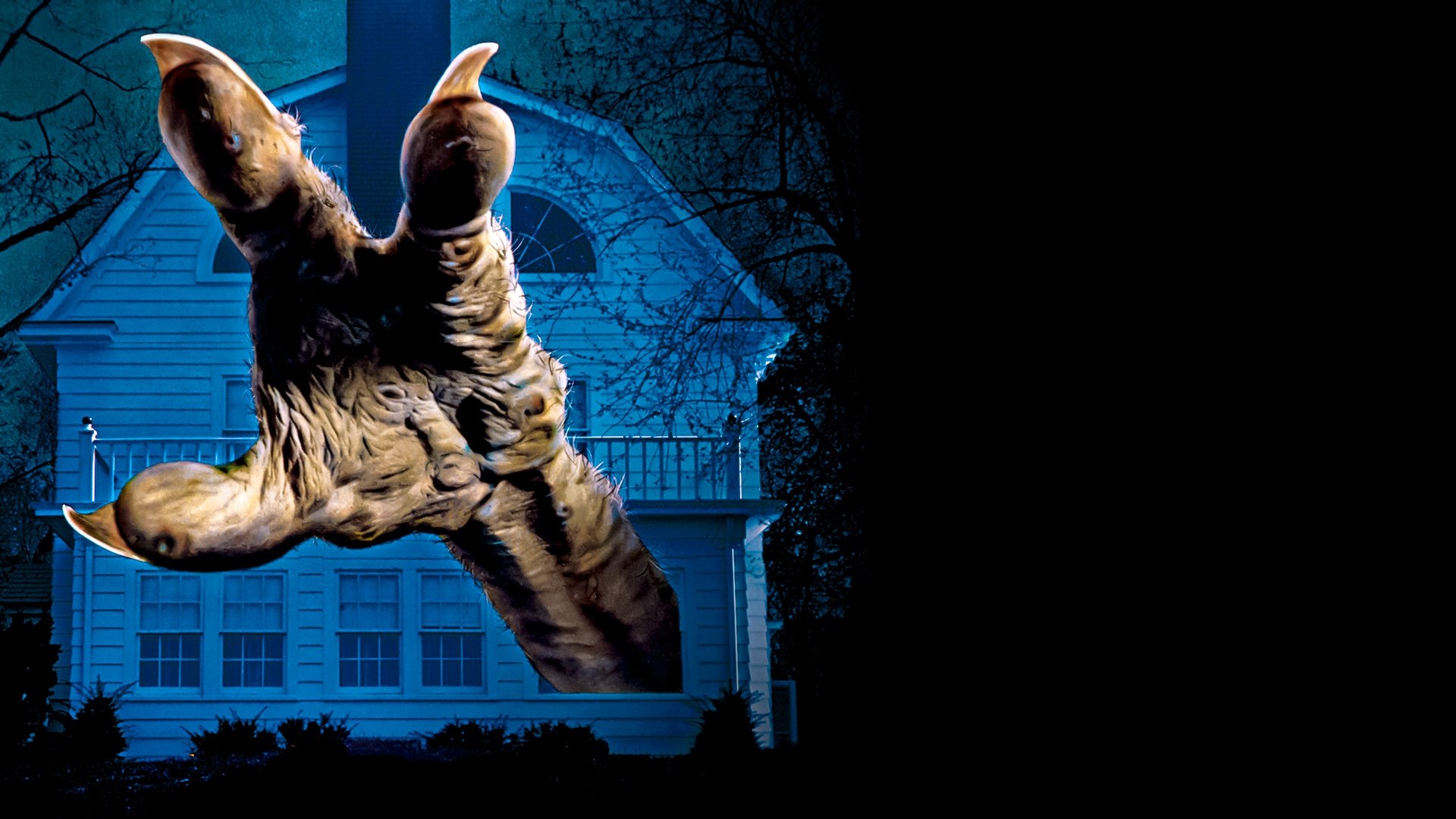
The concluding material shifts the haunted-house formula toward overt monster horror. Activity around the well and cellar connects the building with a material source of evil, culminating in destructive effects and the manifestation of a creature. This change gives the climax a different texture from the earlier scenes of ominous sounds and inexplicable incidents. The supernatural threat is now intended to be seen, and the film's stereoscopic design amplifies its movement toward the audience. Later criticism has often treated these final sequences as the film's most memorable material even while questioning the dramatic build-up. The distinction matters: the practical spectacle is a substantial aspect of the film's craft, regardless of whether the surrounding story sustains comparable tension.
Release, Reception and Franchise Position
Orion Pictures released Amityville 3-D in the United States on November 18, 1983. Contemporary reporting documented an opening in more than 1,200 theaters and receipts of roughly $2.4 million during its initial week, followed by a sharp decline. The available American box-office record gives a domestic total of approximately $6.33 million, a figure that should not be mistaken for a verified worldwide gross. The film's theatrical identity was closely tied to stereoscopic exhibition, although subsequent home viewing could substantially change the experience by presenting the imagery without the original depth effect. Different releases and territories have also circulated under the title Amityville III: The Demon.
The contemporary critical record was divided in emphasis, though skeptical reviews were prominent. Gary Arnold's Washington Post assessment attacked both the script's familiar devices and the shortcomings of its stereoscopic presentation. A later Time Out review similarly found that the individual incidents failed to assemble into a convincing whole, despite the abundance of threatening objects and spectacular occurrences. These responses provide a more precise measure of reception than a modern numerical aggregate. In retrospect, the film occupies a revealing position in the series: it belongs to the original theatrical run while anticipating the increasingly loose relationship between the Amityville name, individual characters and the underlying mythology. Its strongest historical distinction remains the deliberate collision between the haunted-house franchise and the 1980s 3-D cycle.