Children of the Corn (1984)

US
HORROR FILM Thriller
SUBGENRES FOLK SLASHER
4.3/10 3 votes
Runtime
92 min
Release
March 9, 1984
Budget
$800,000
Revenue
$14,568,989
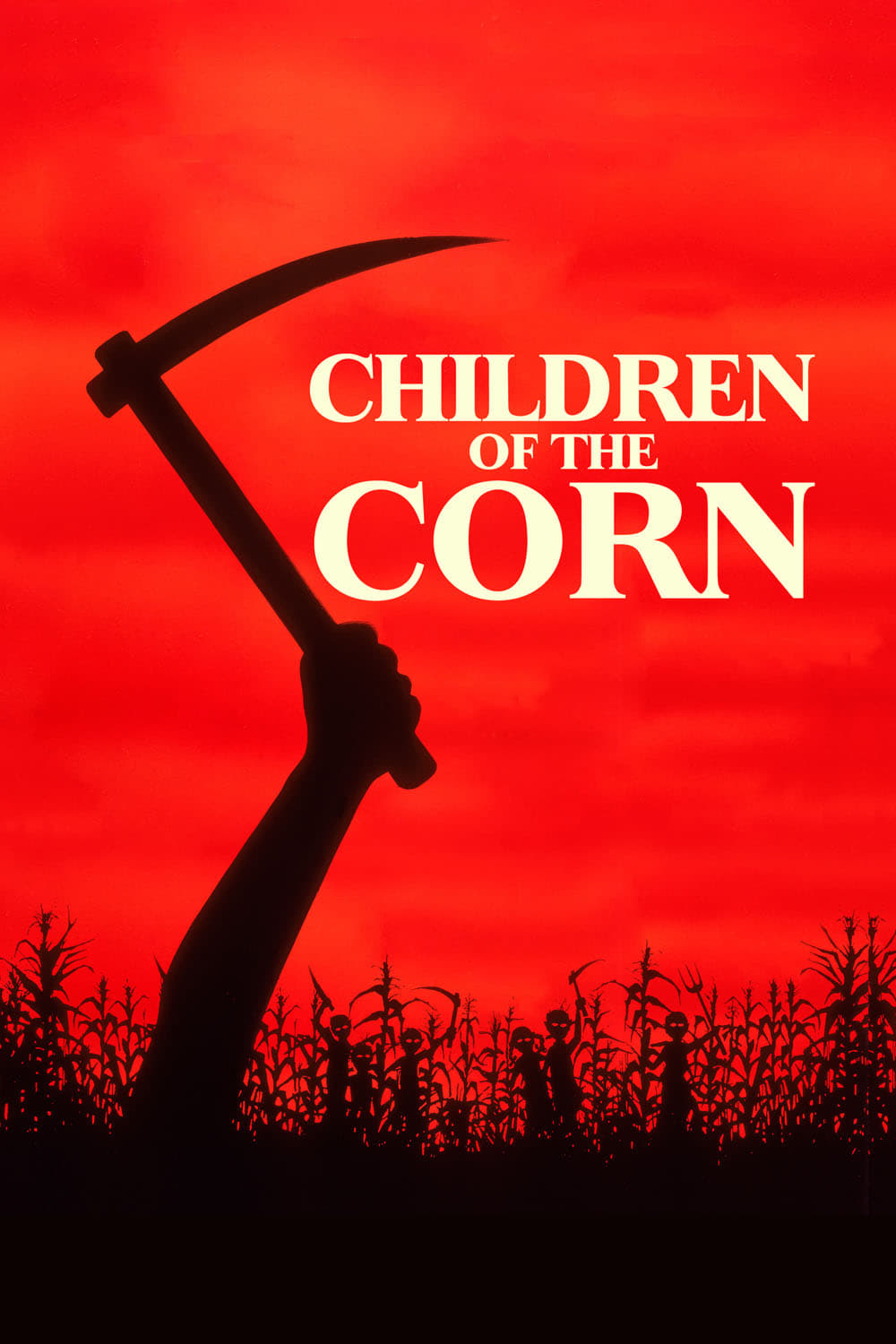
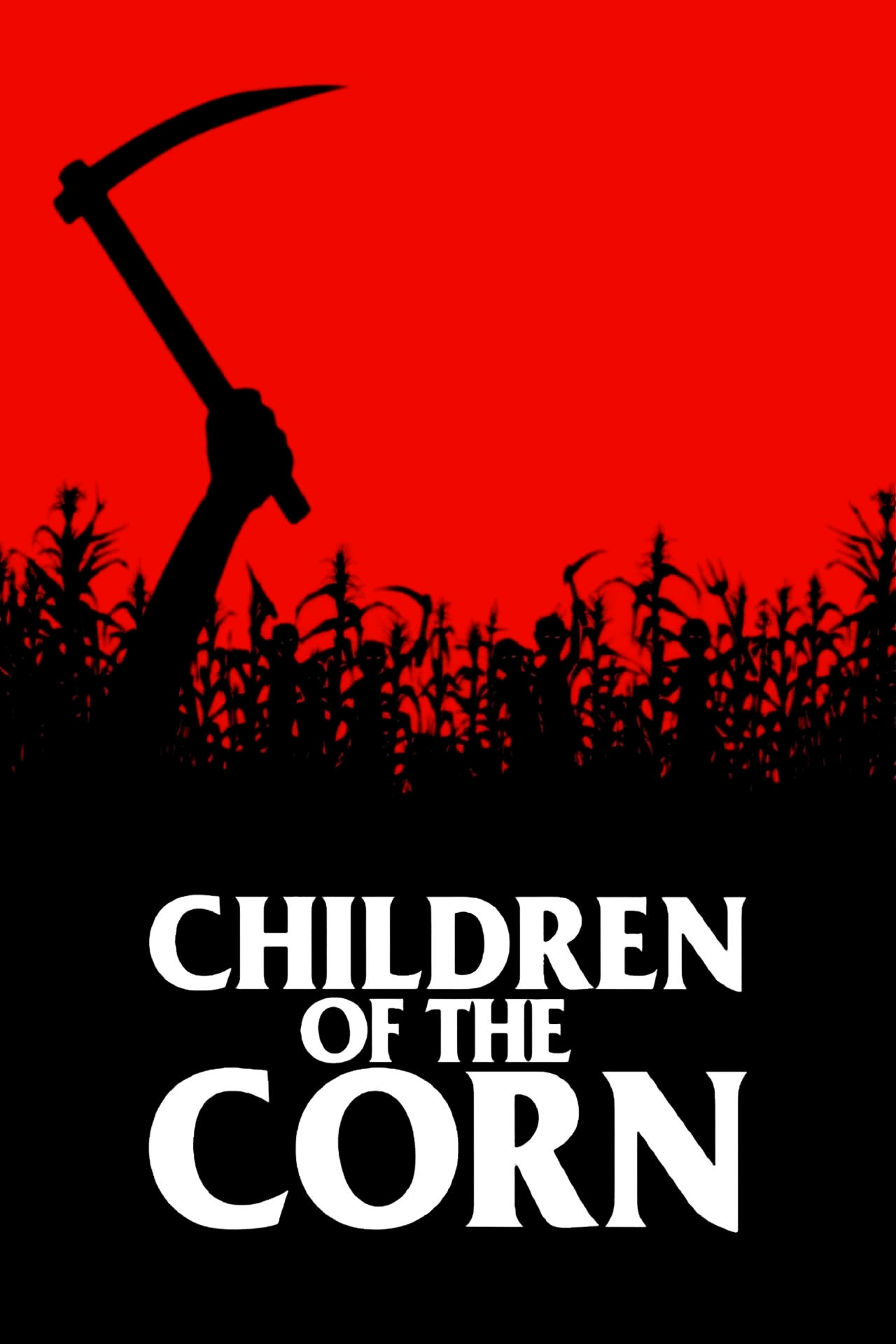
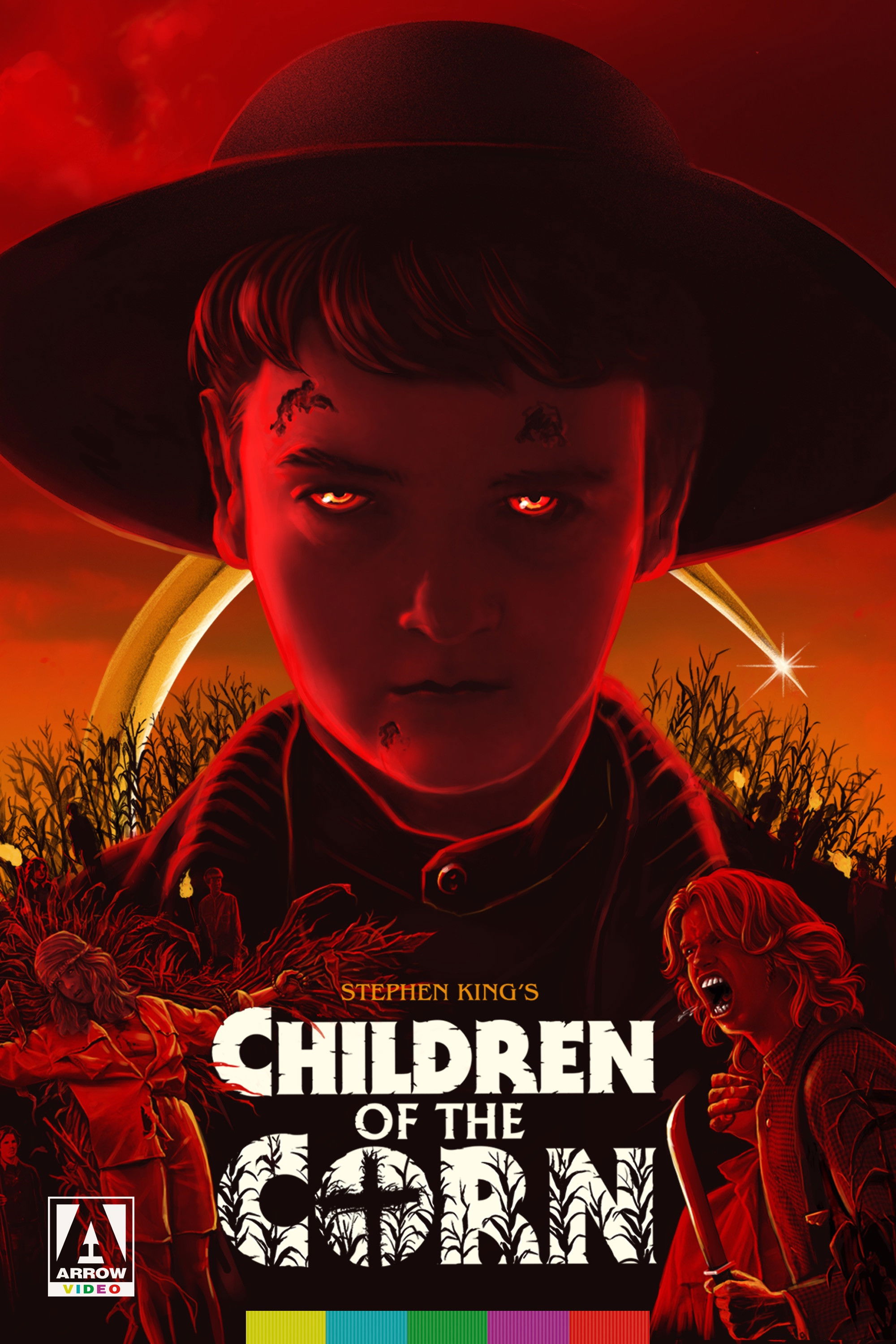
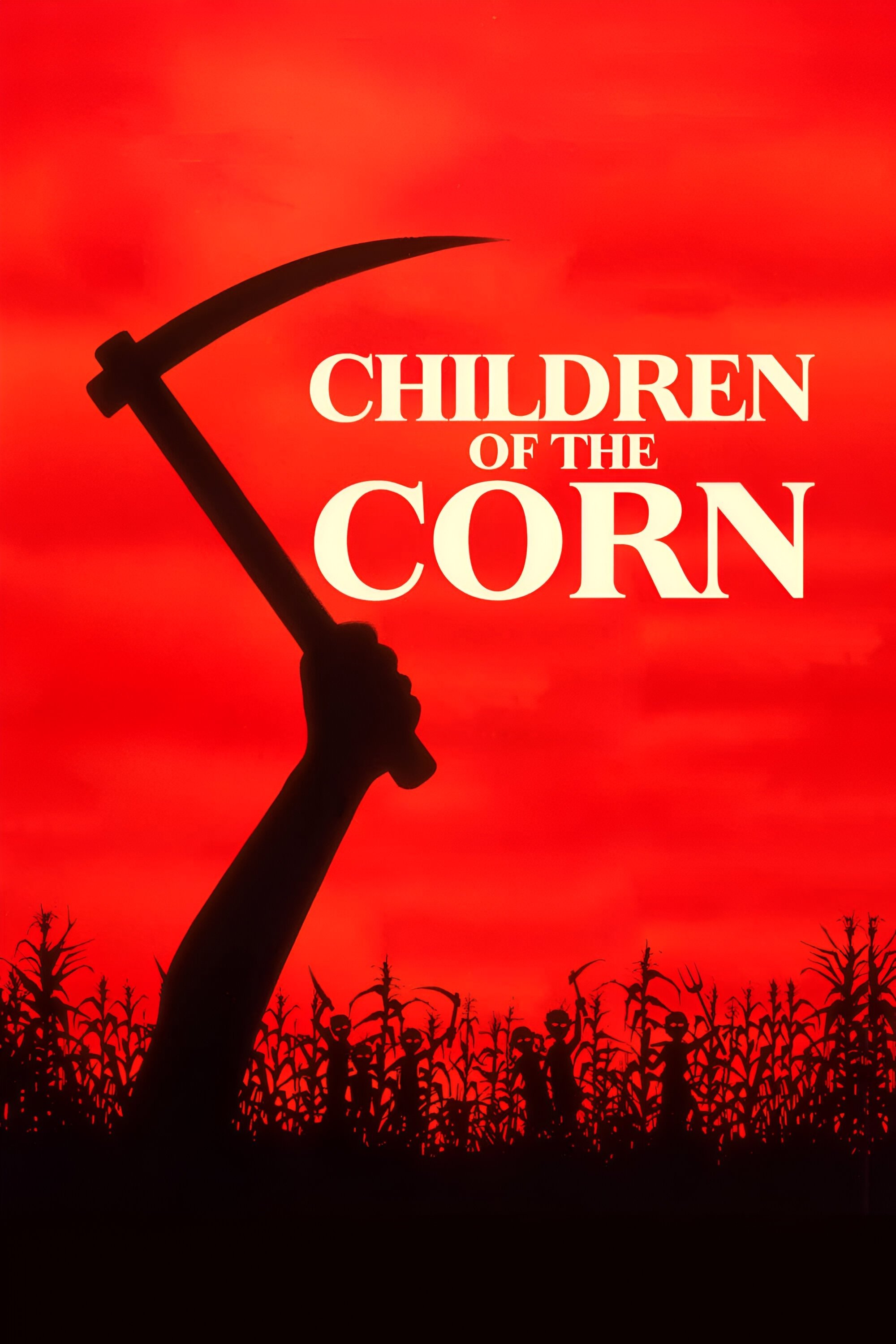
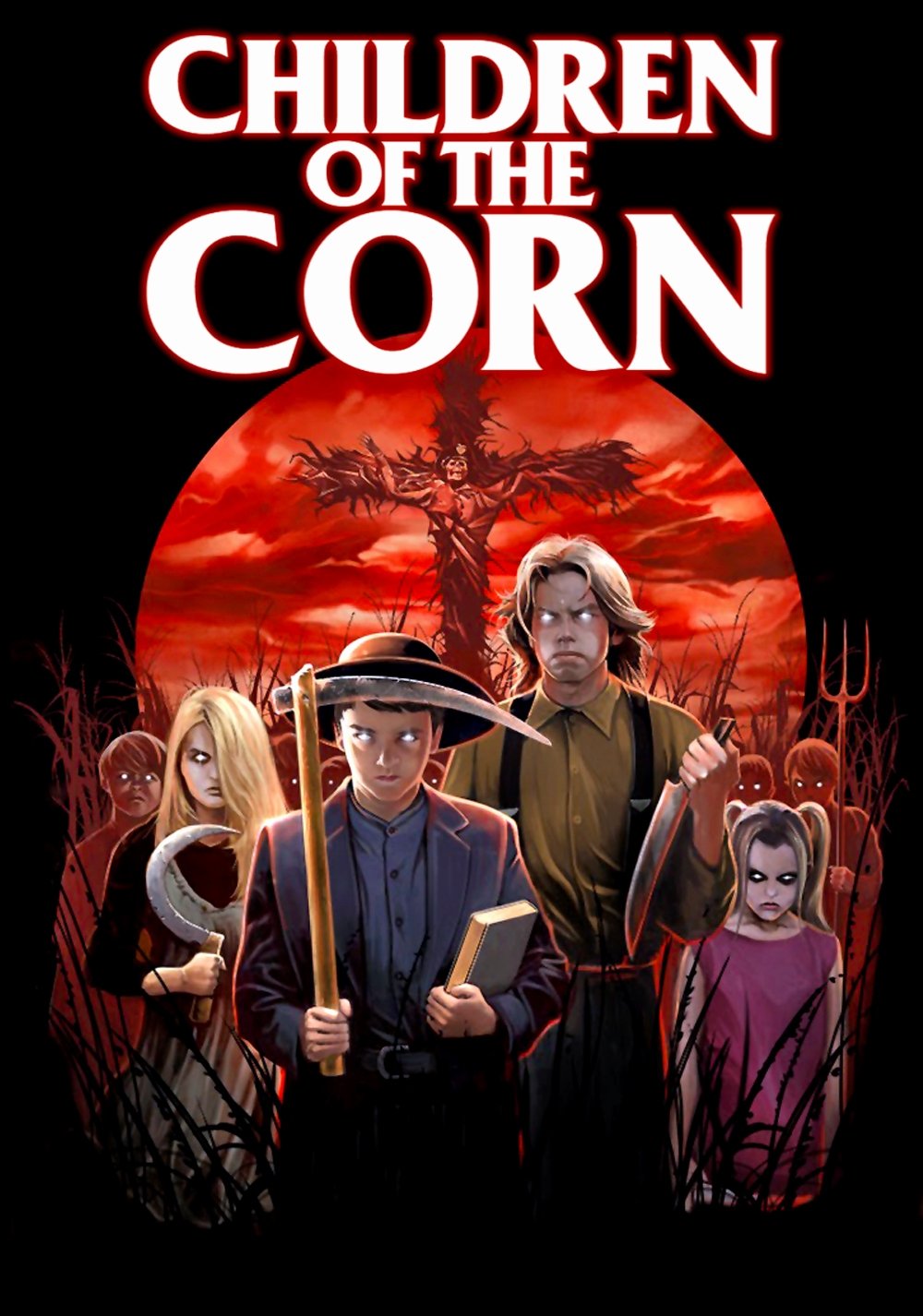
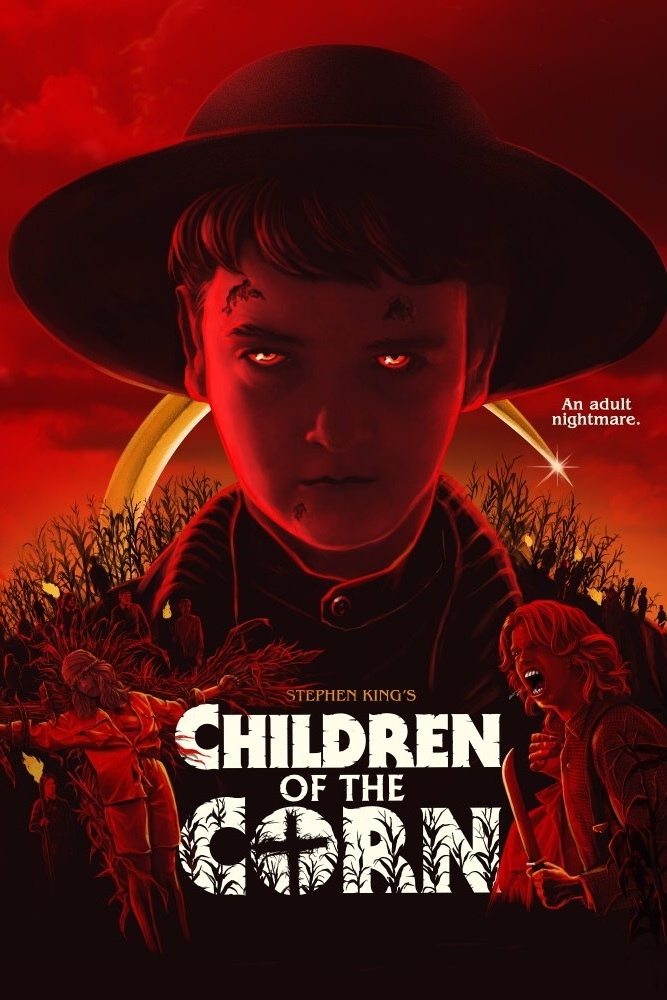
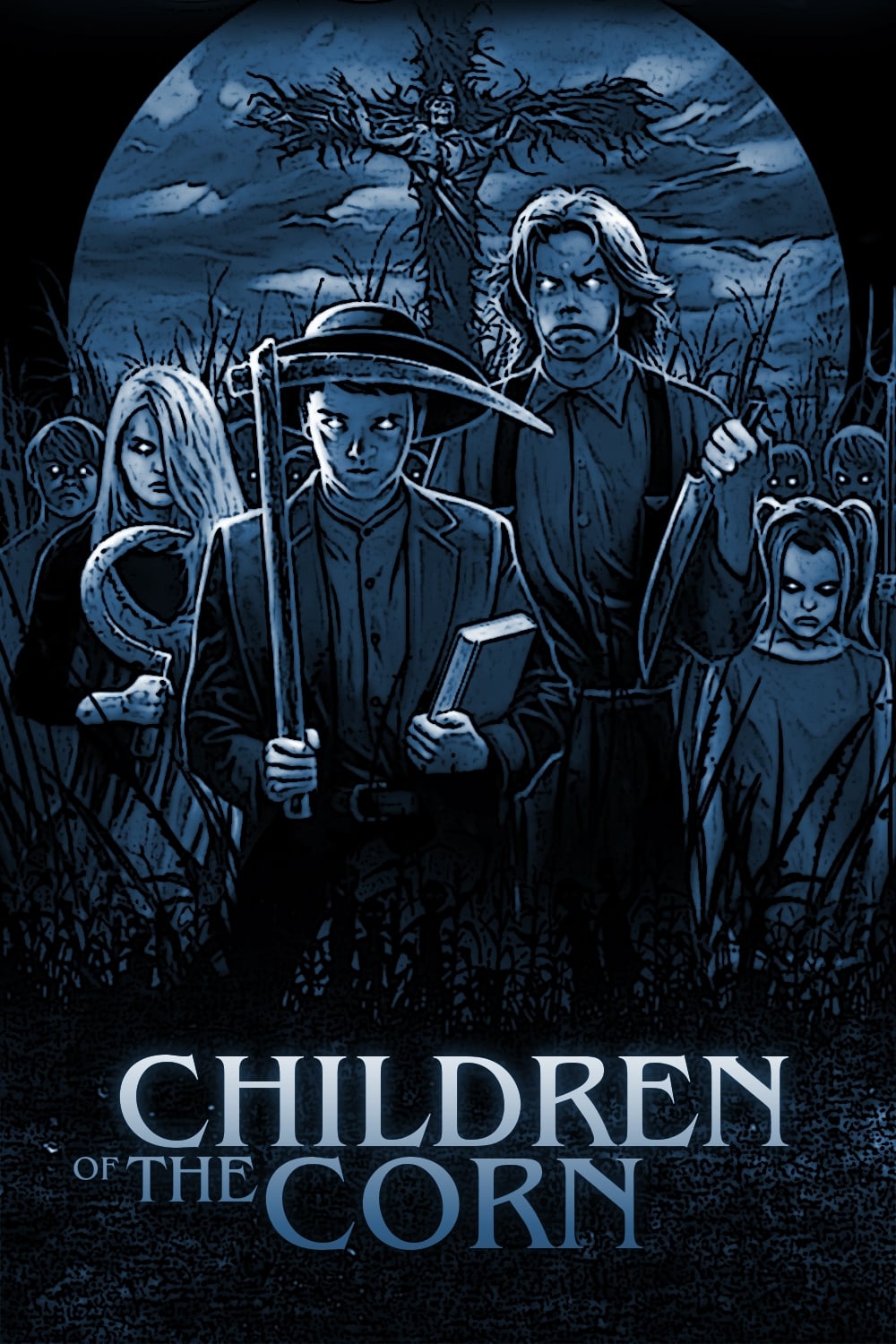
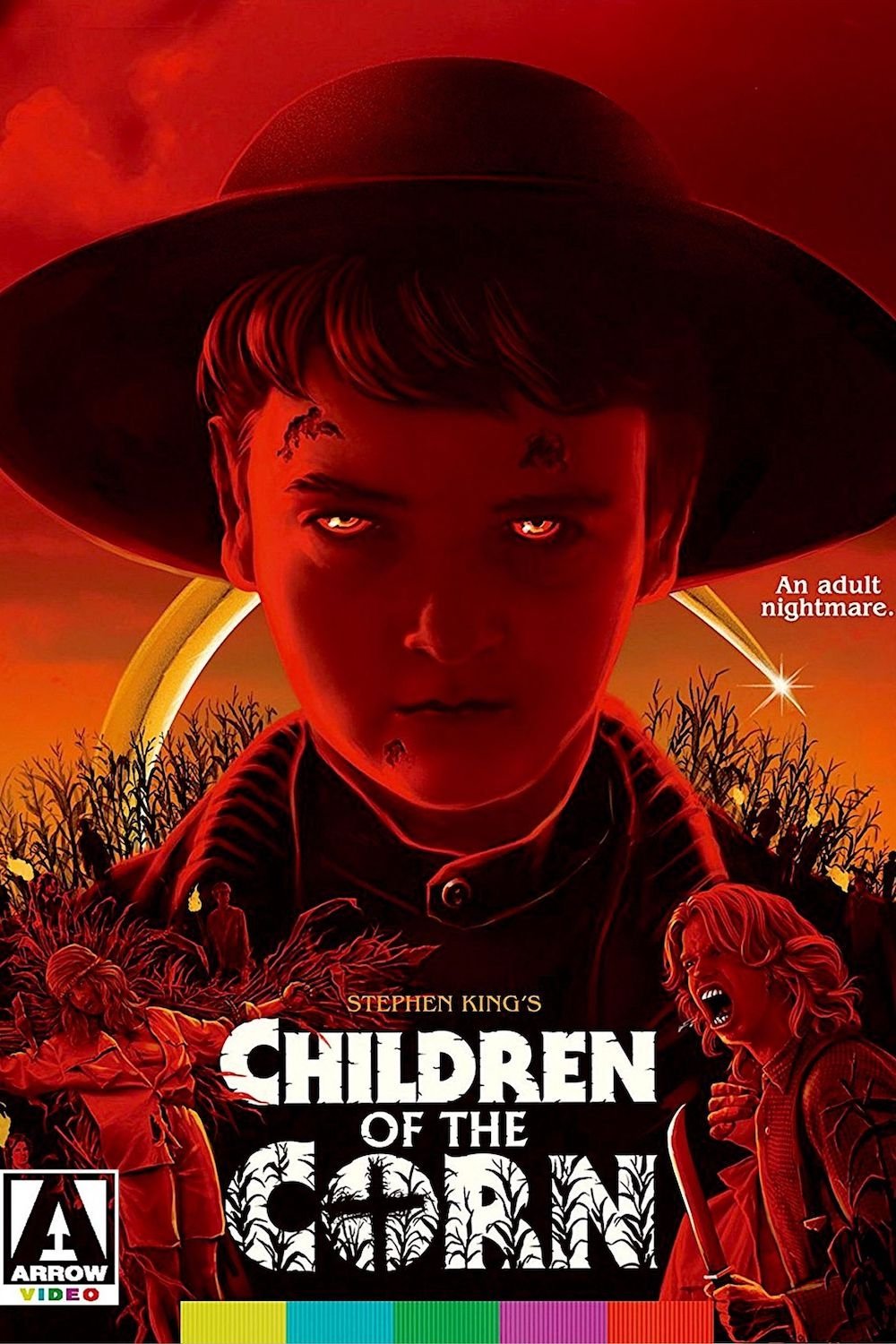
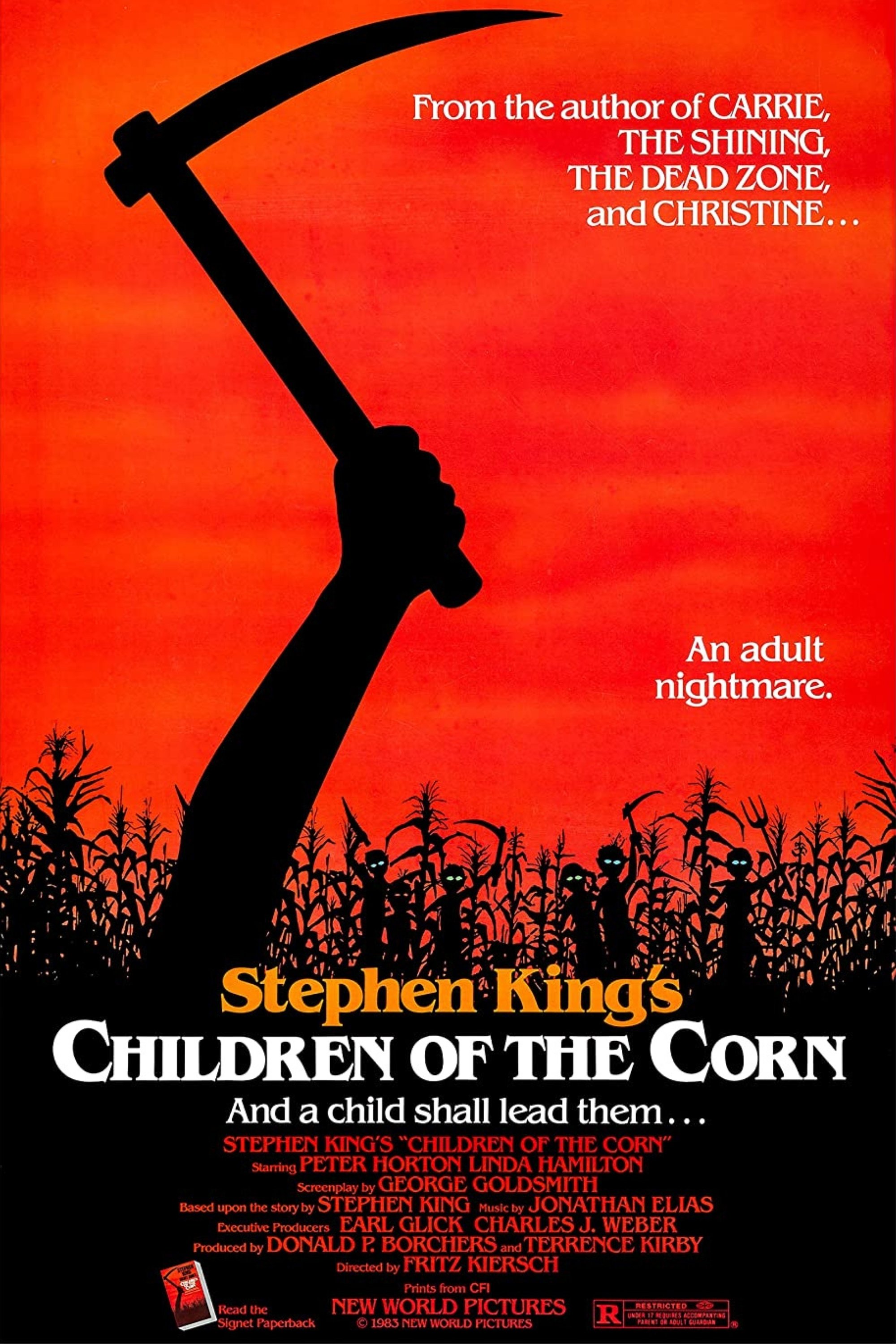
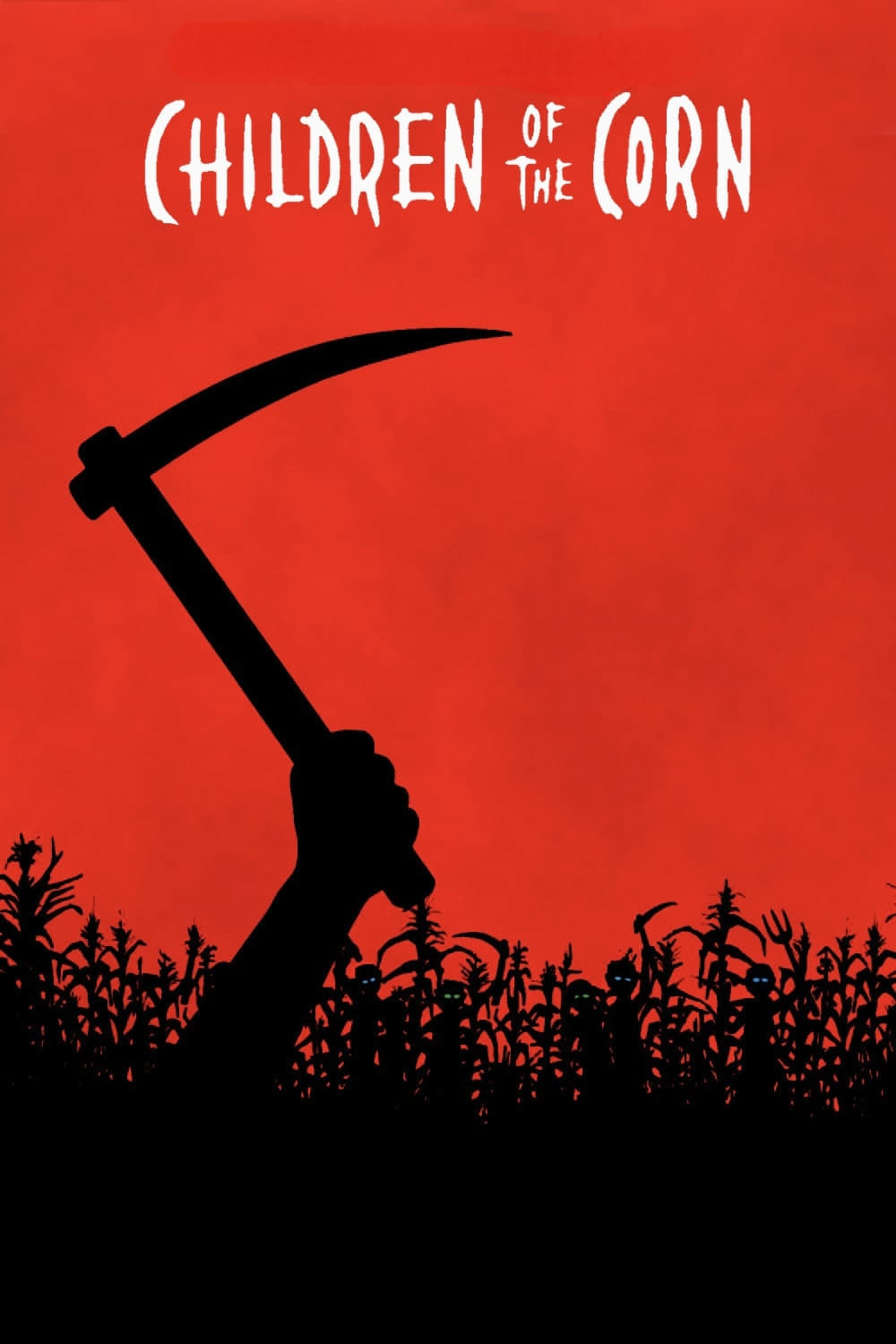
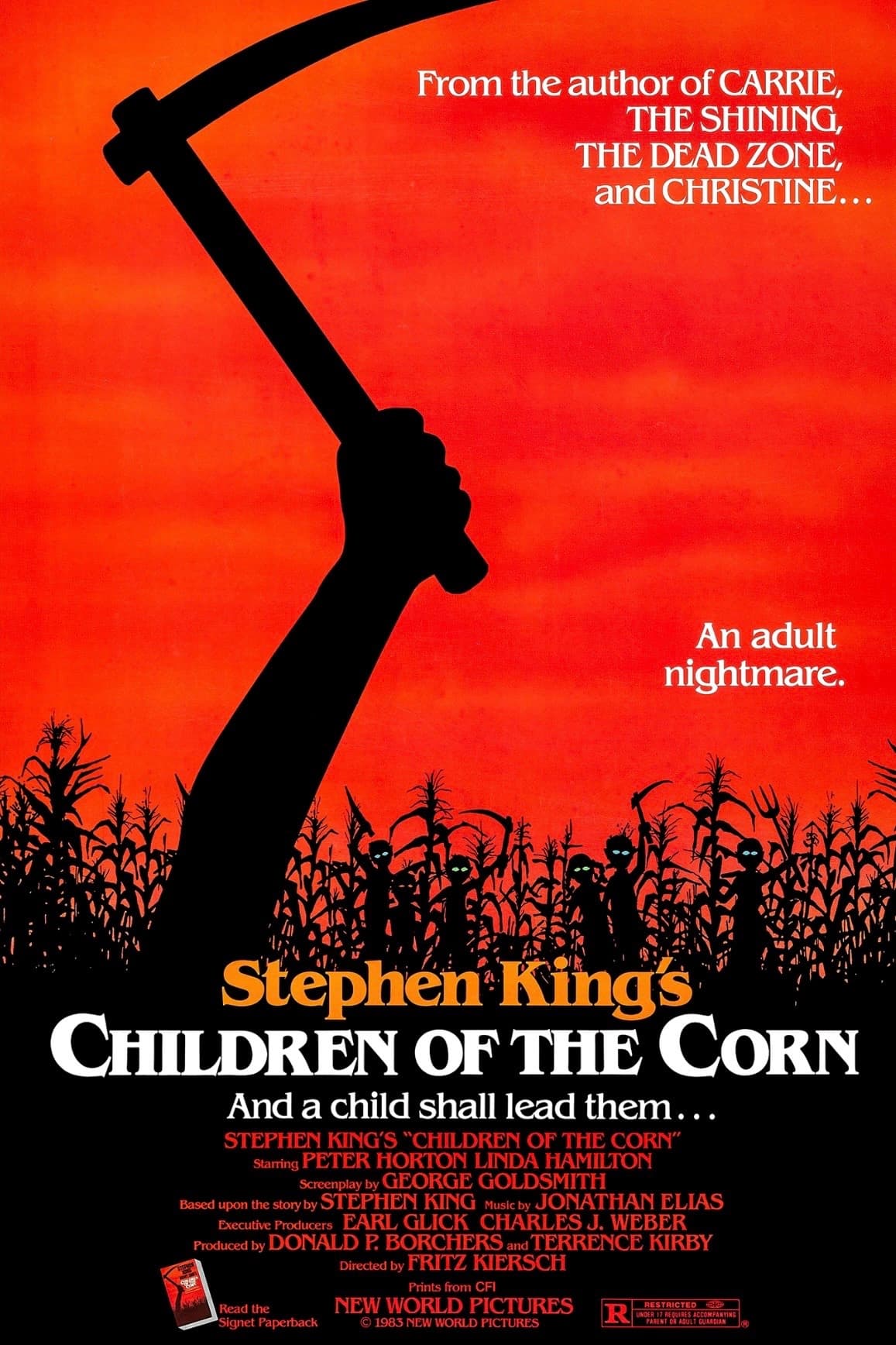
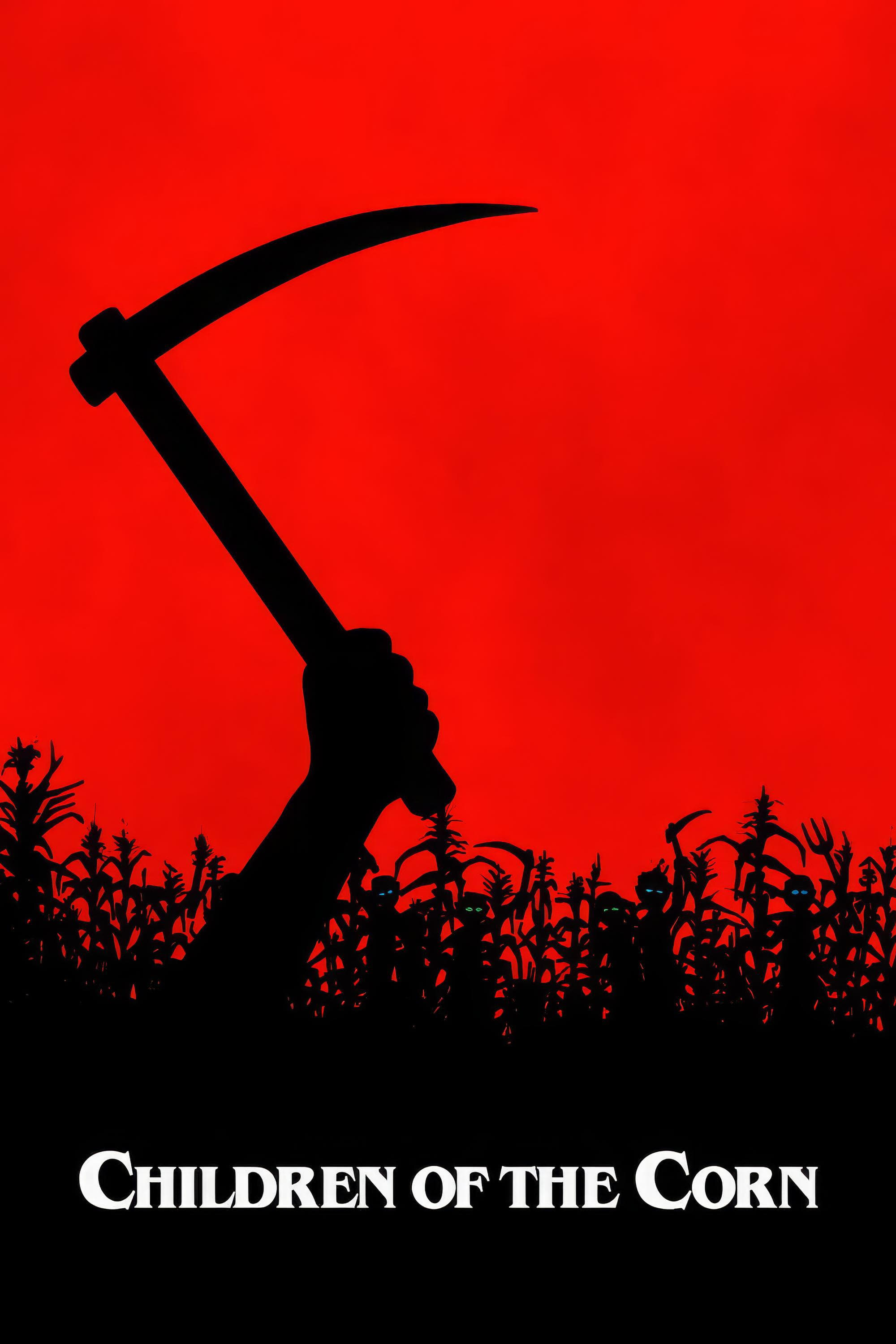
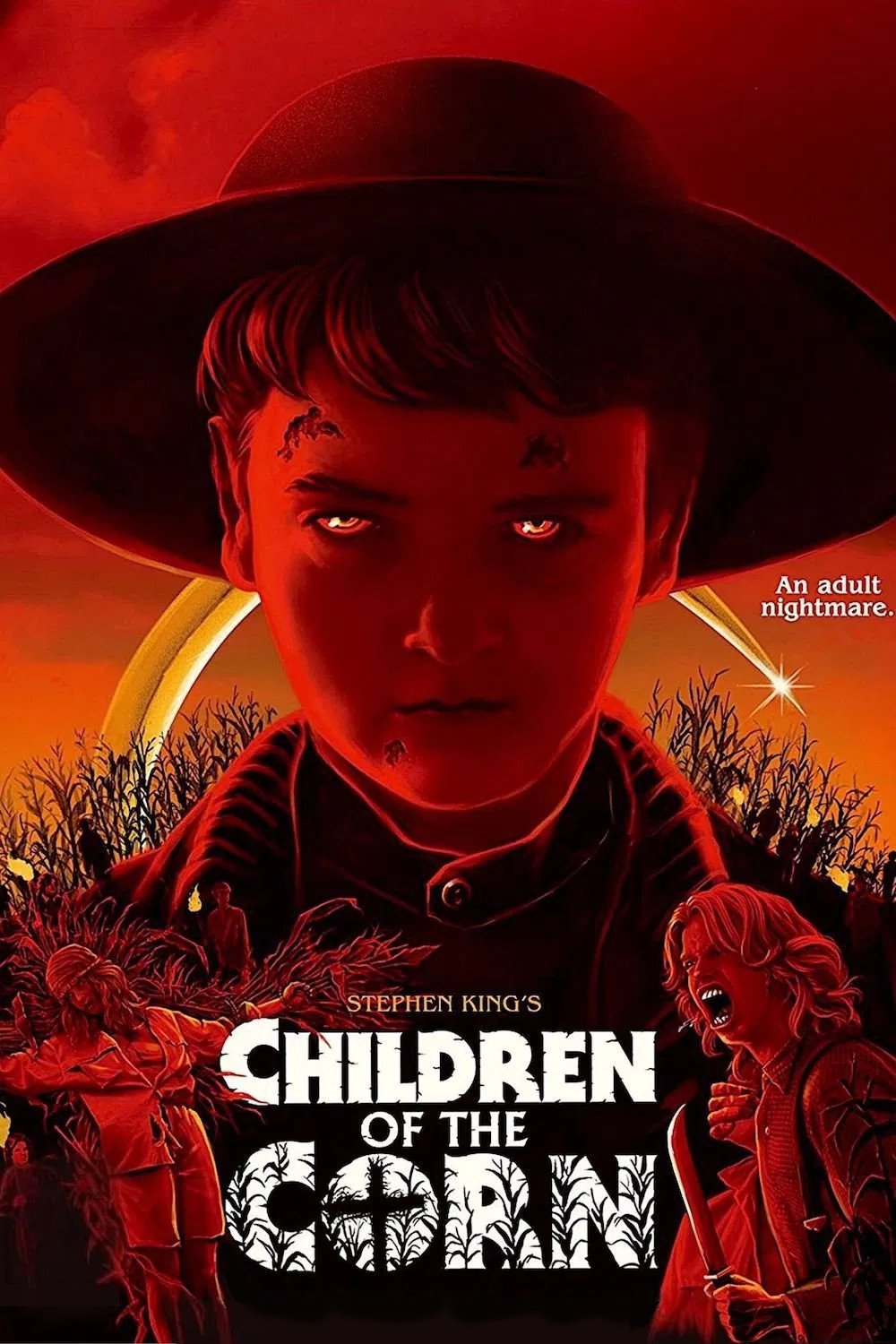
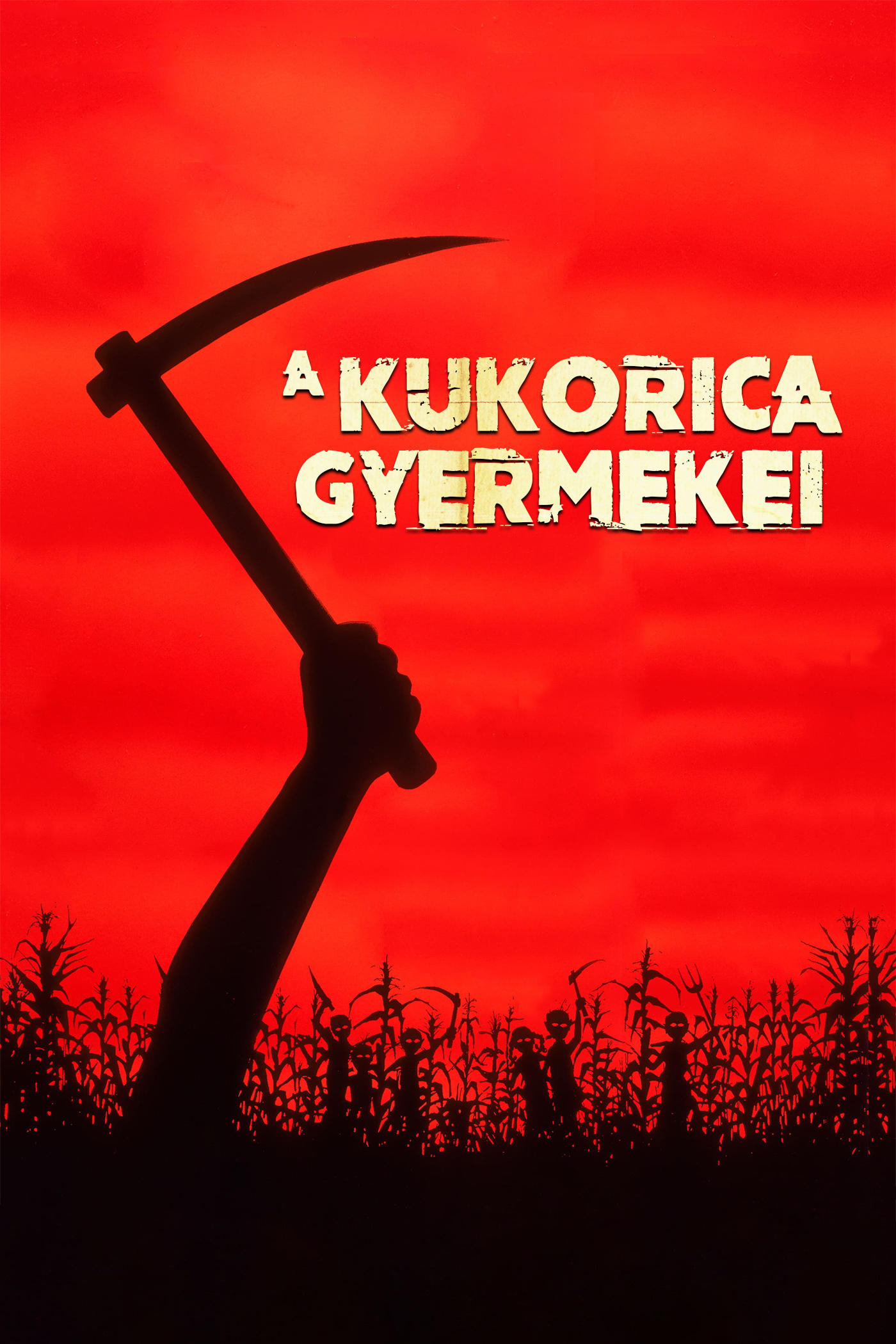
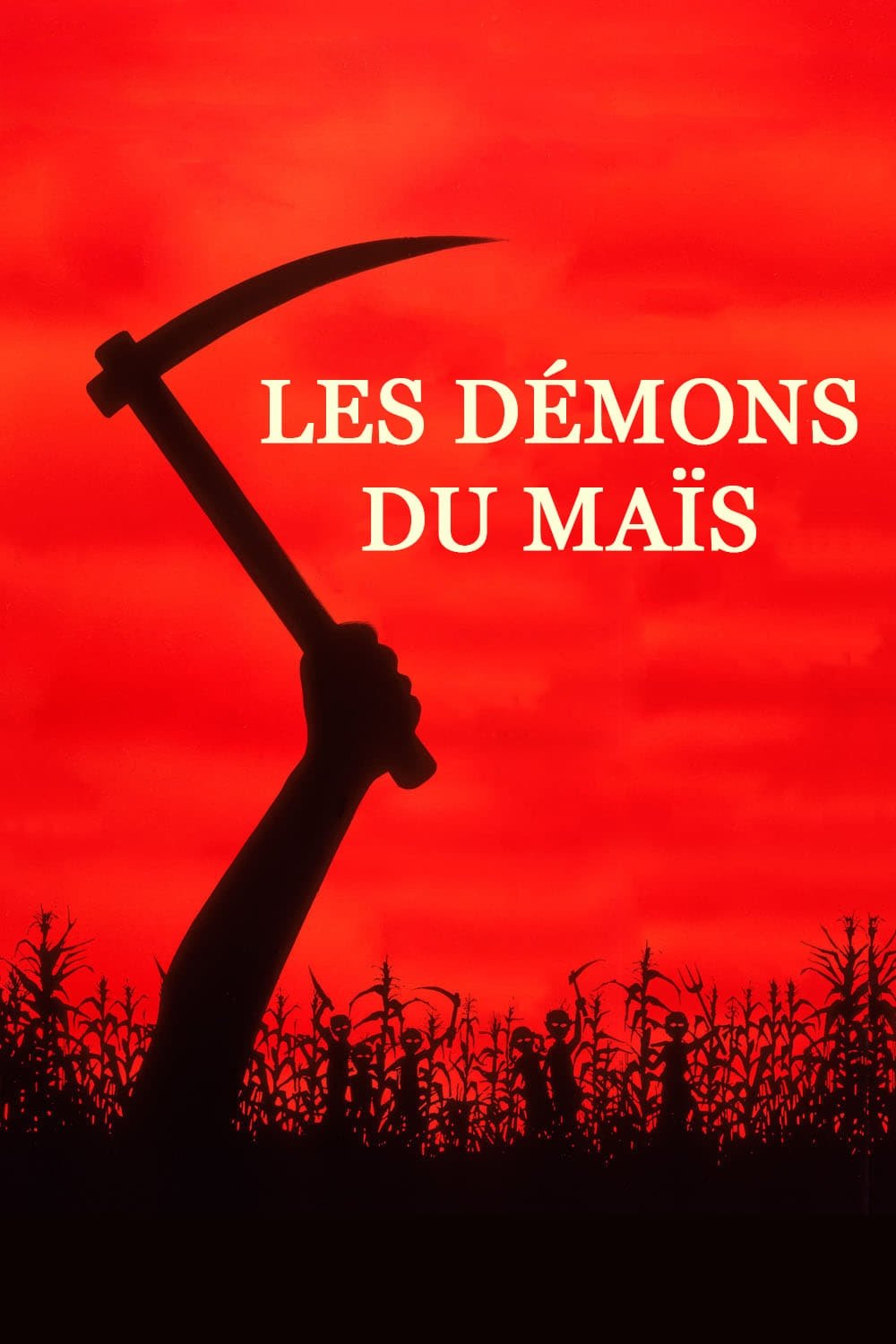
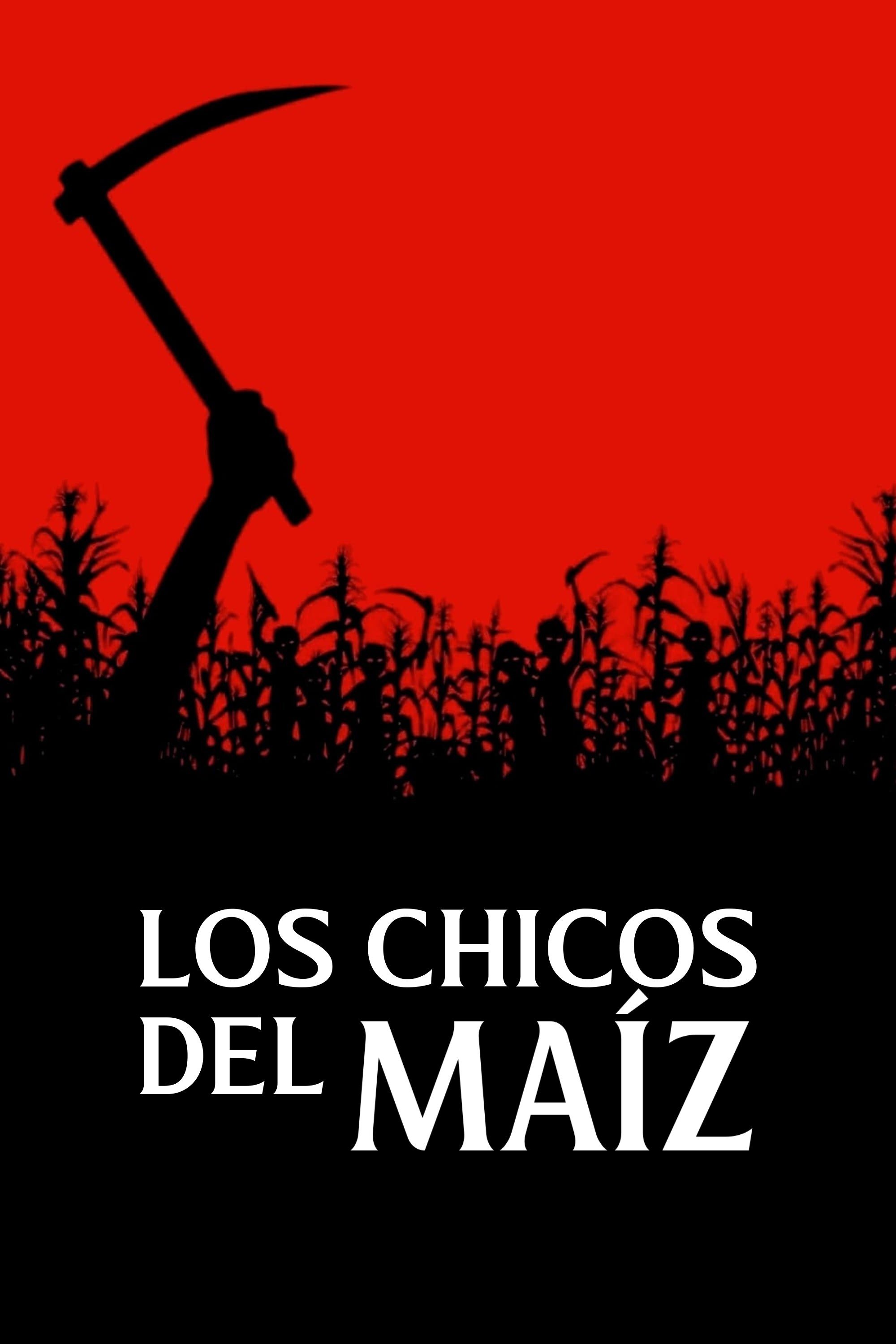
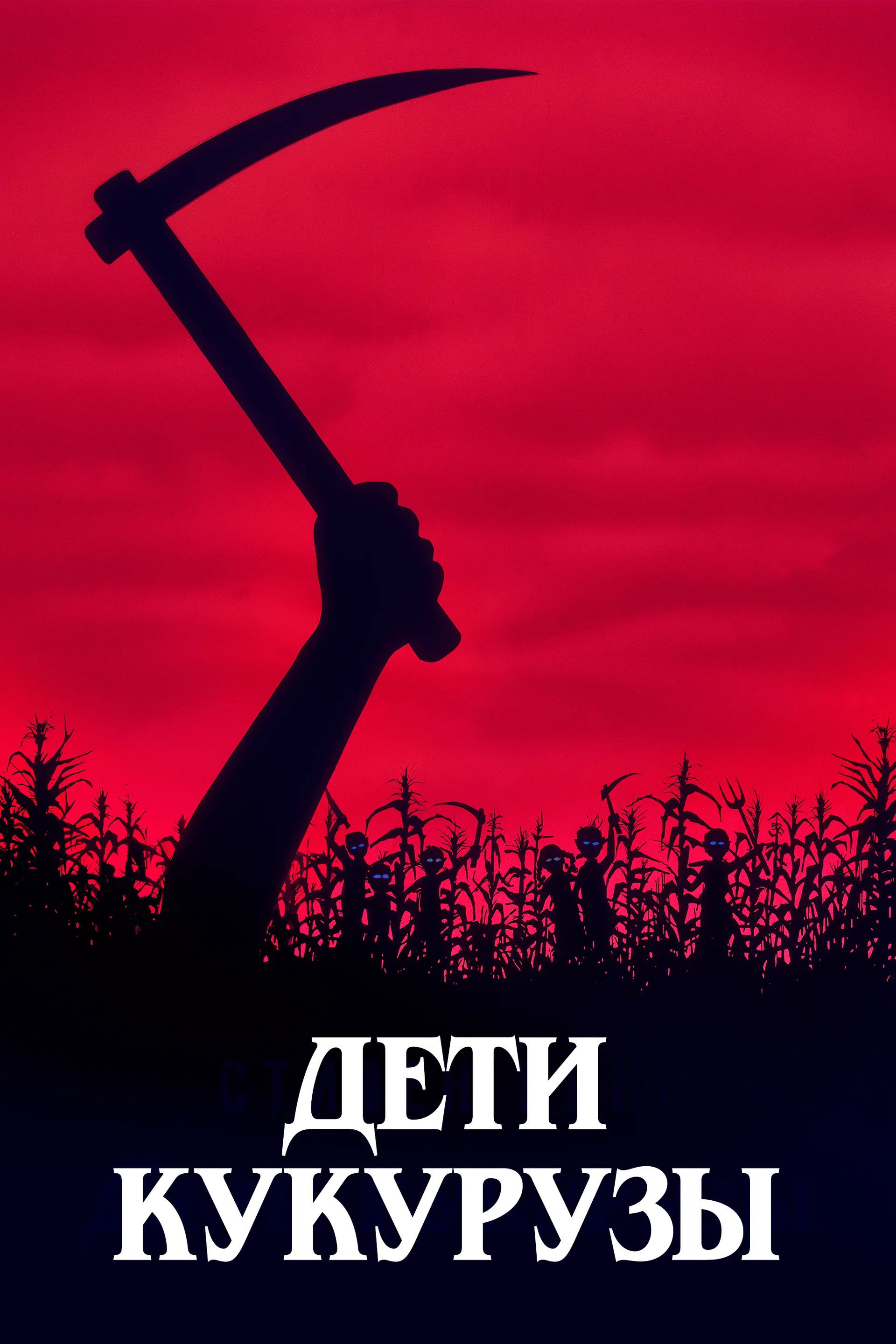
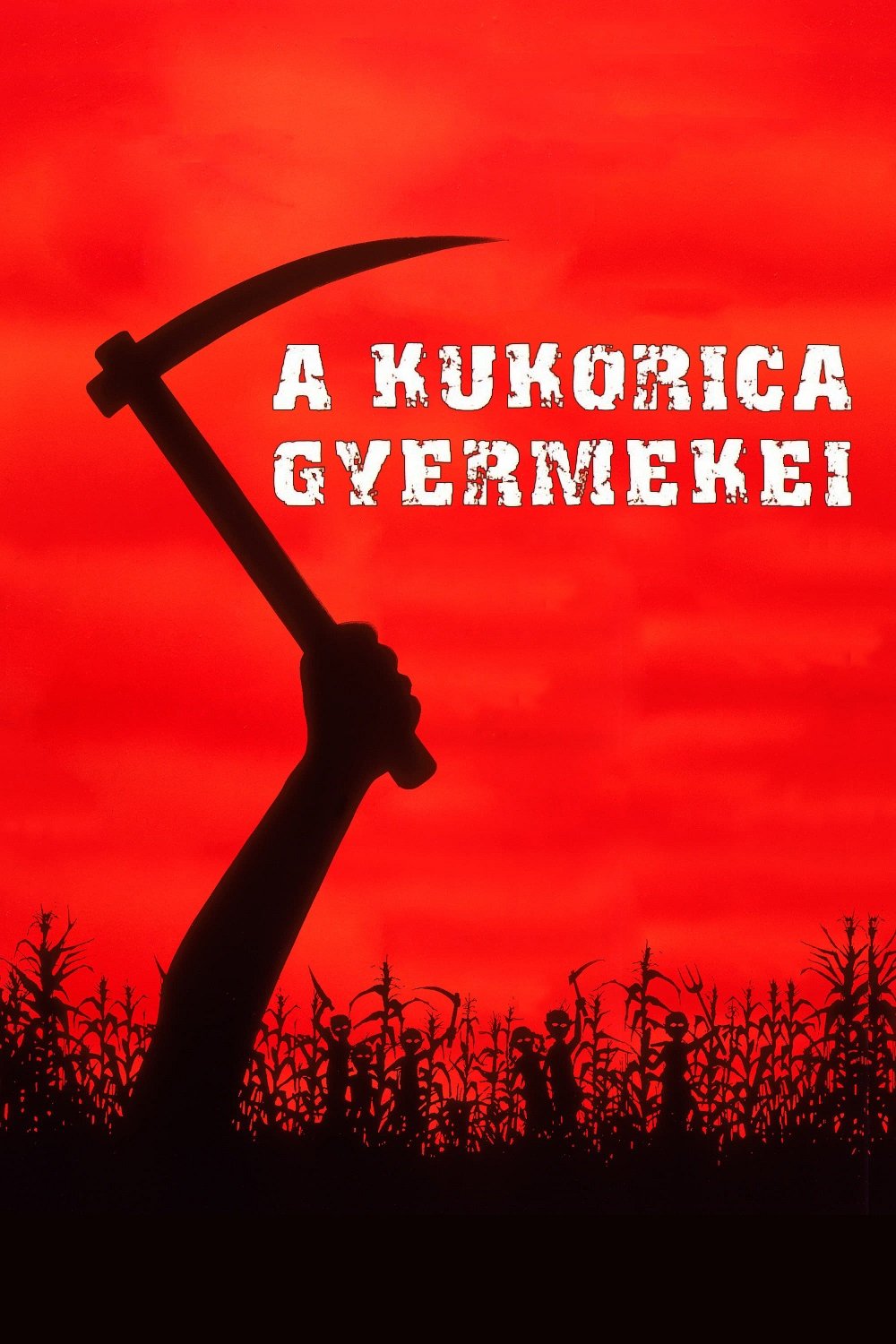
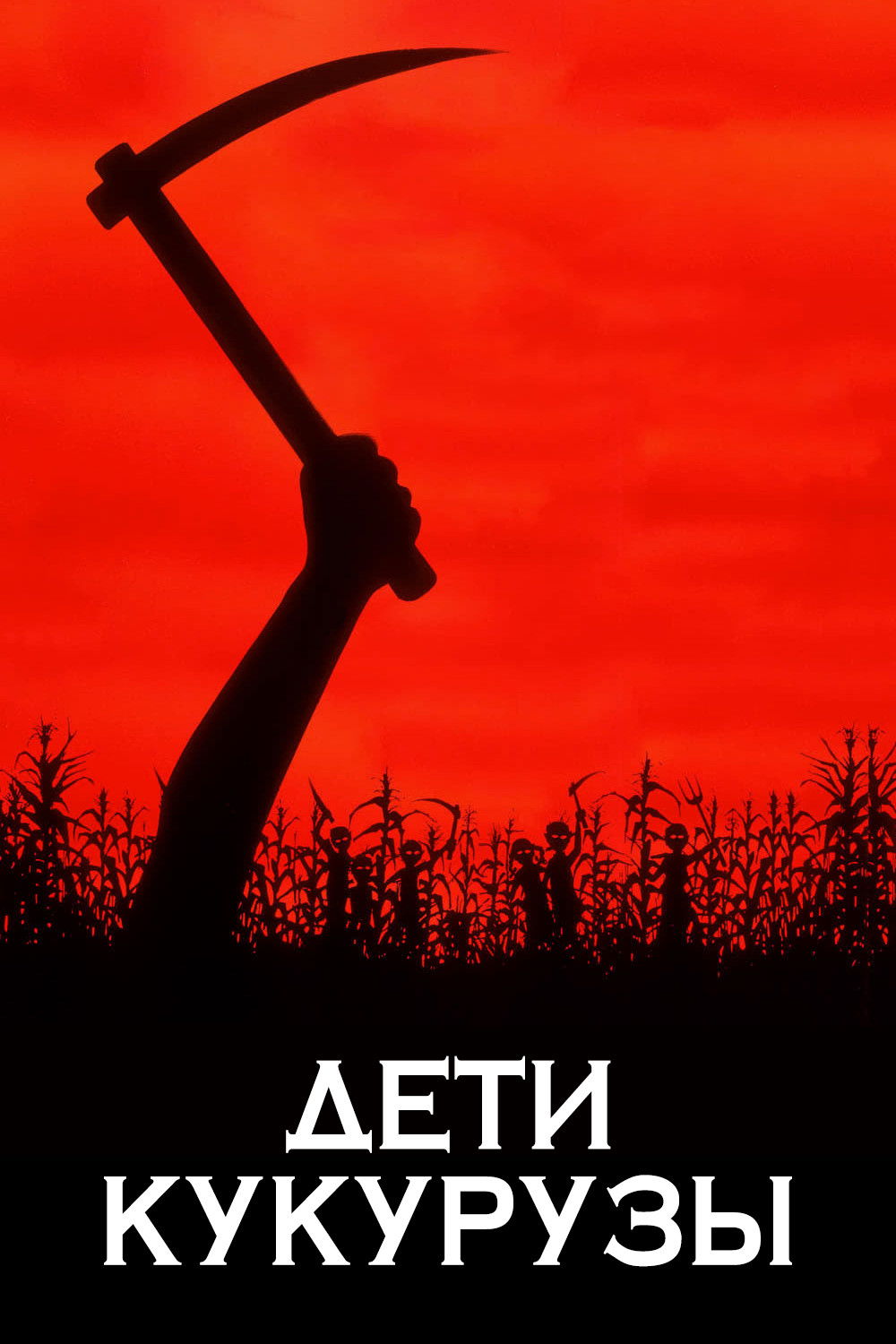
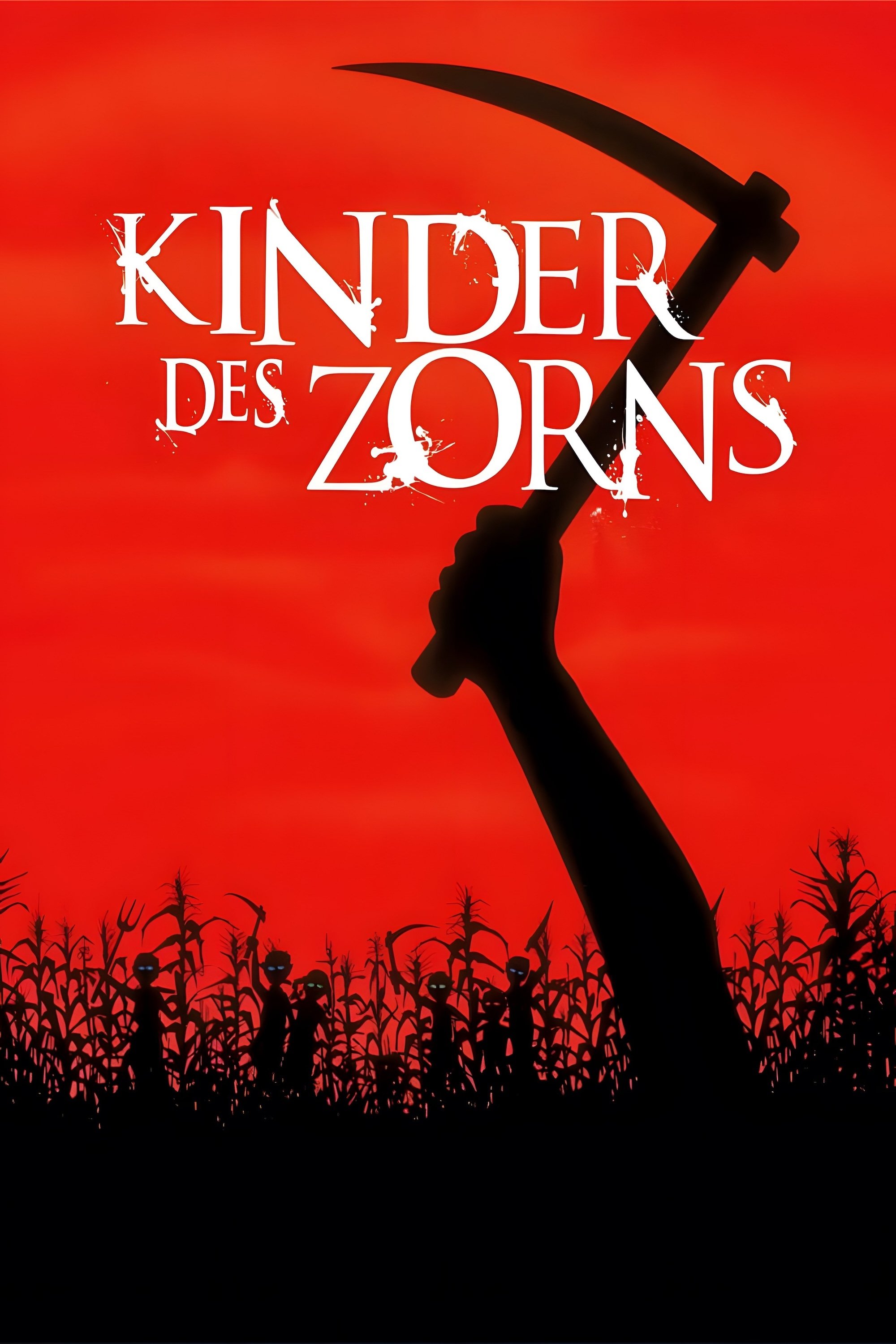
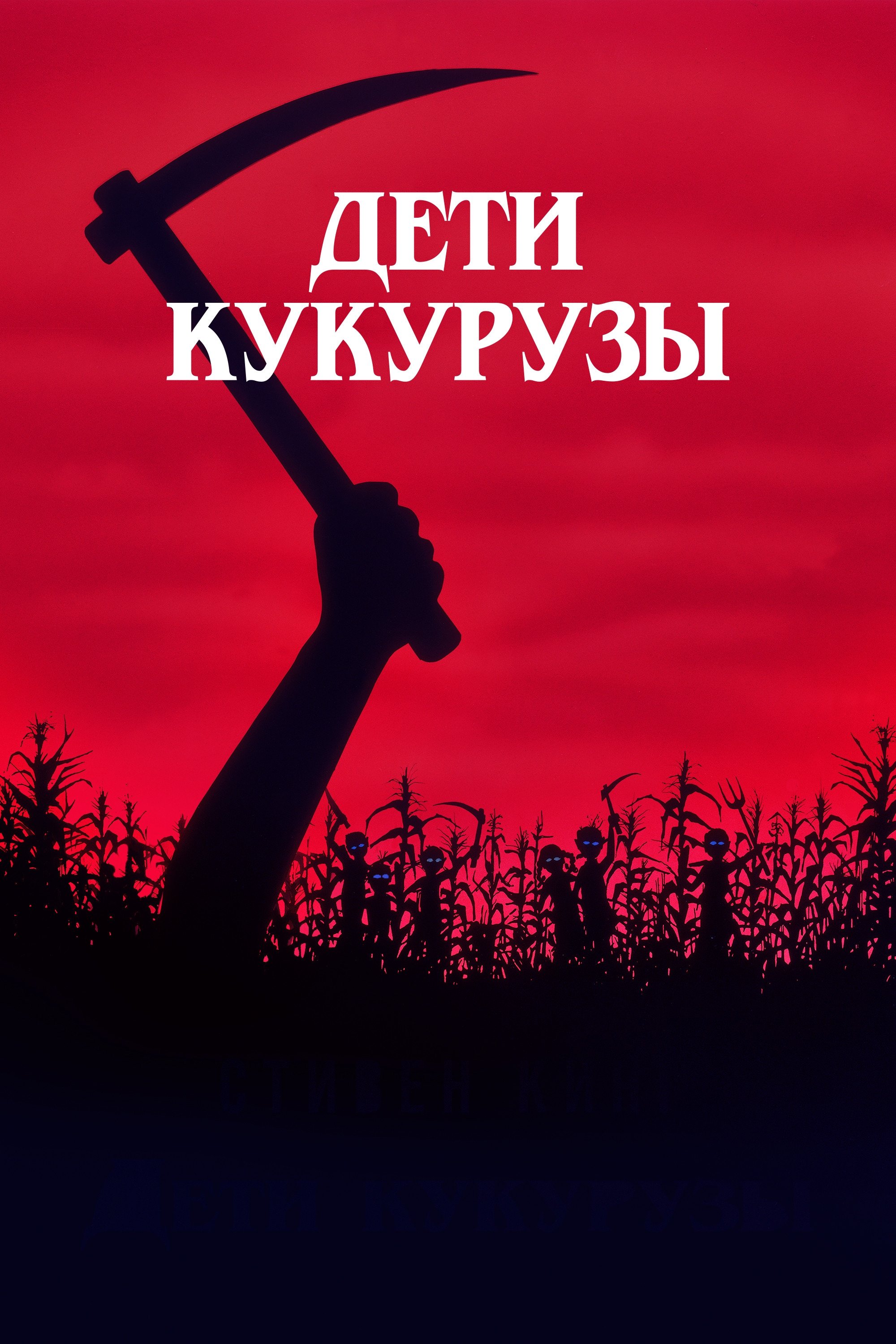
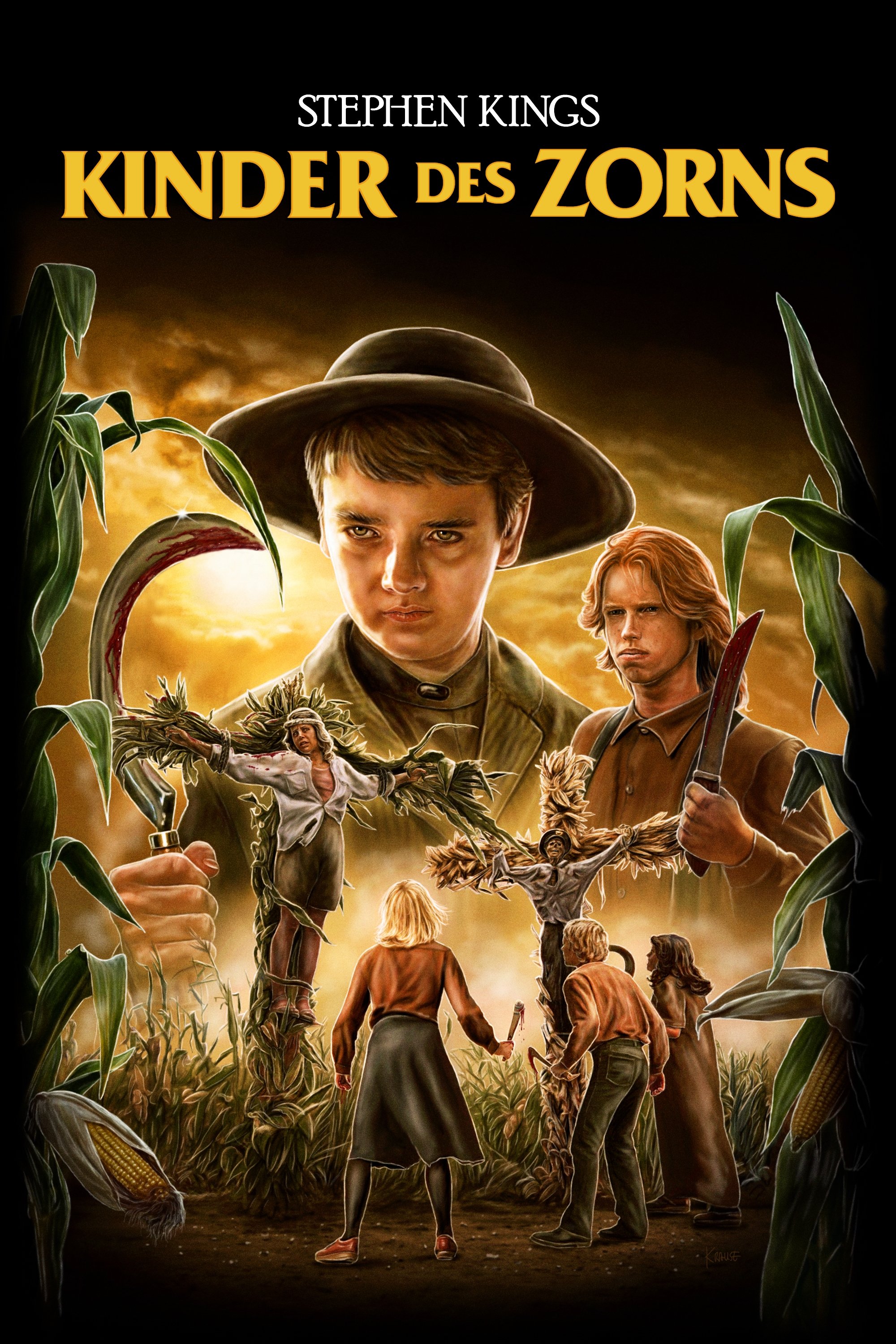
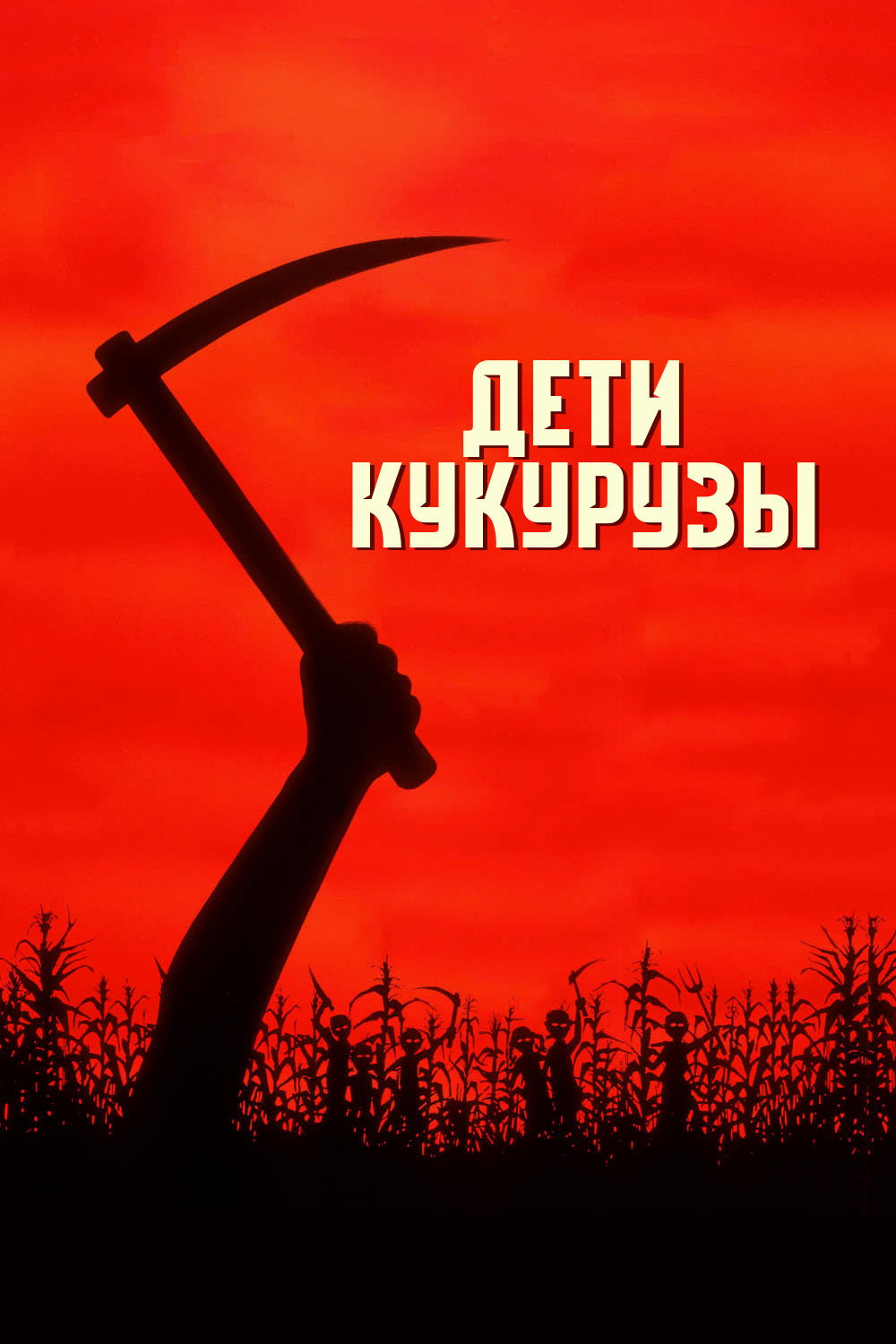
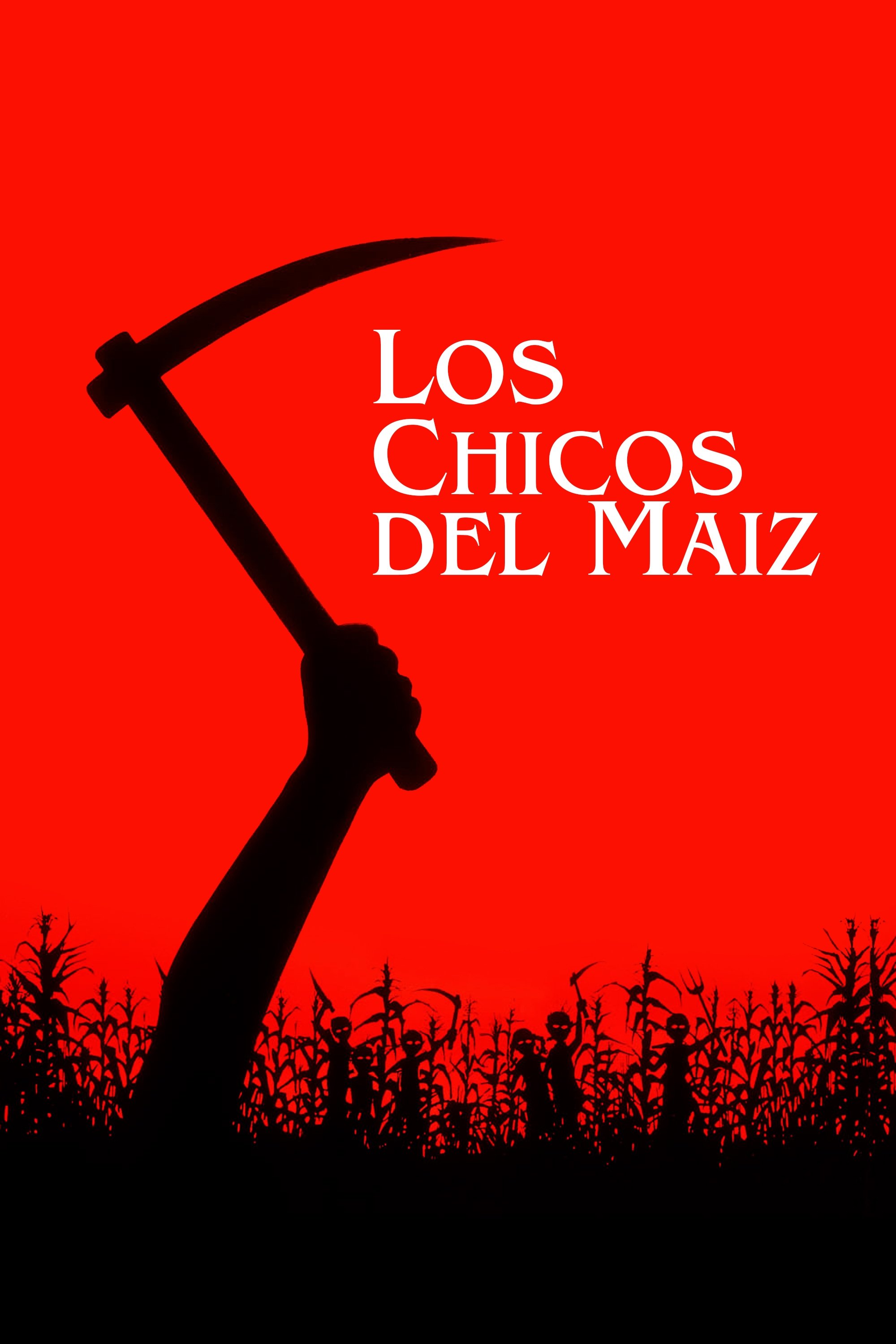
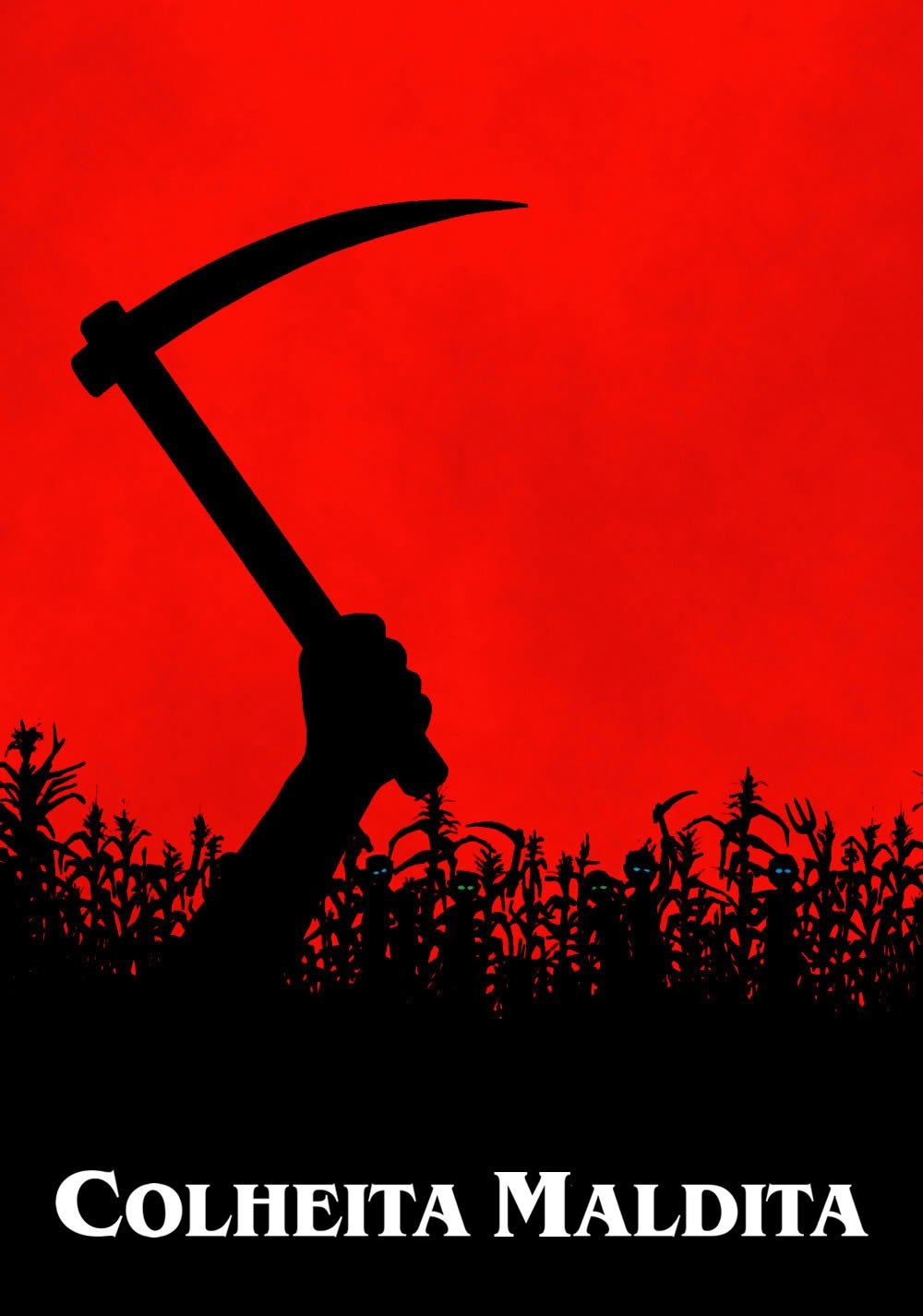
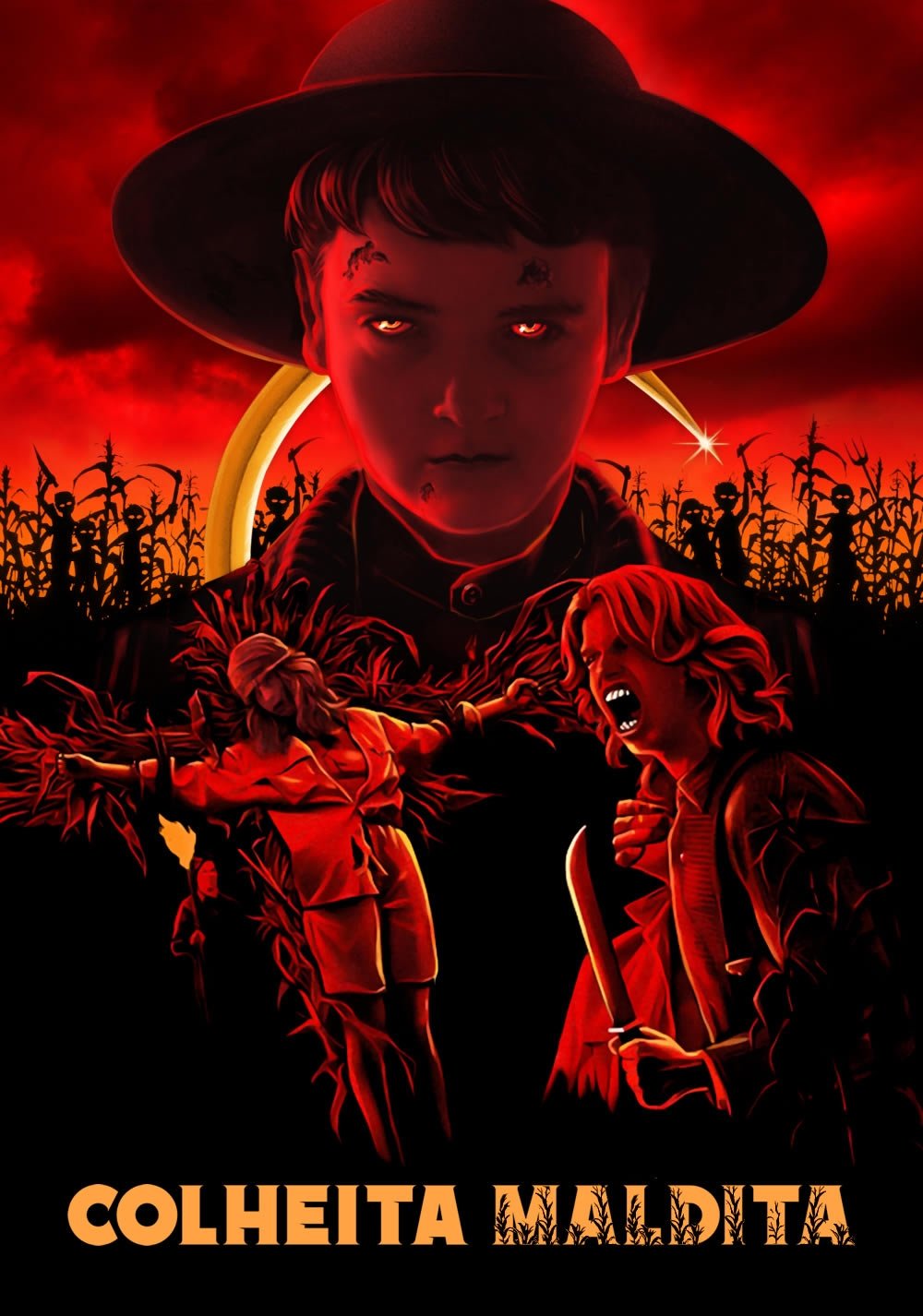
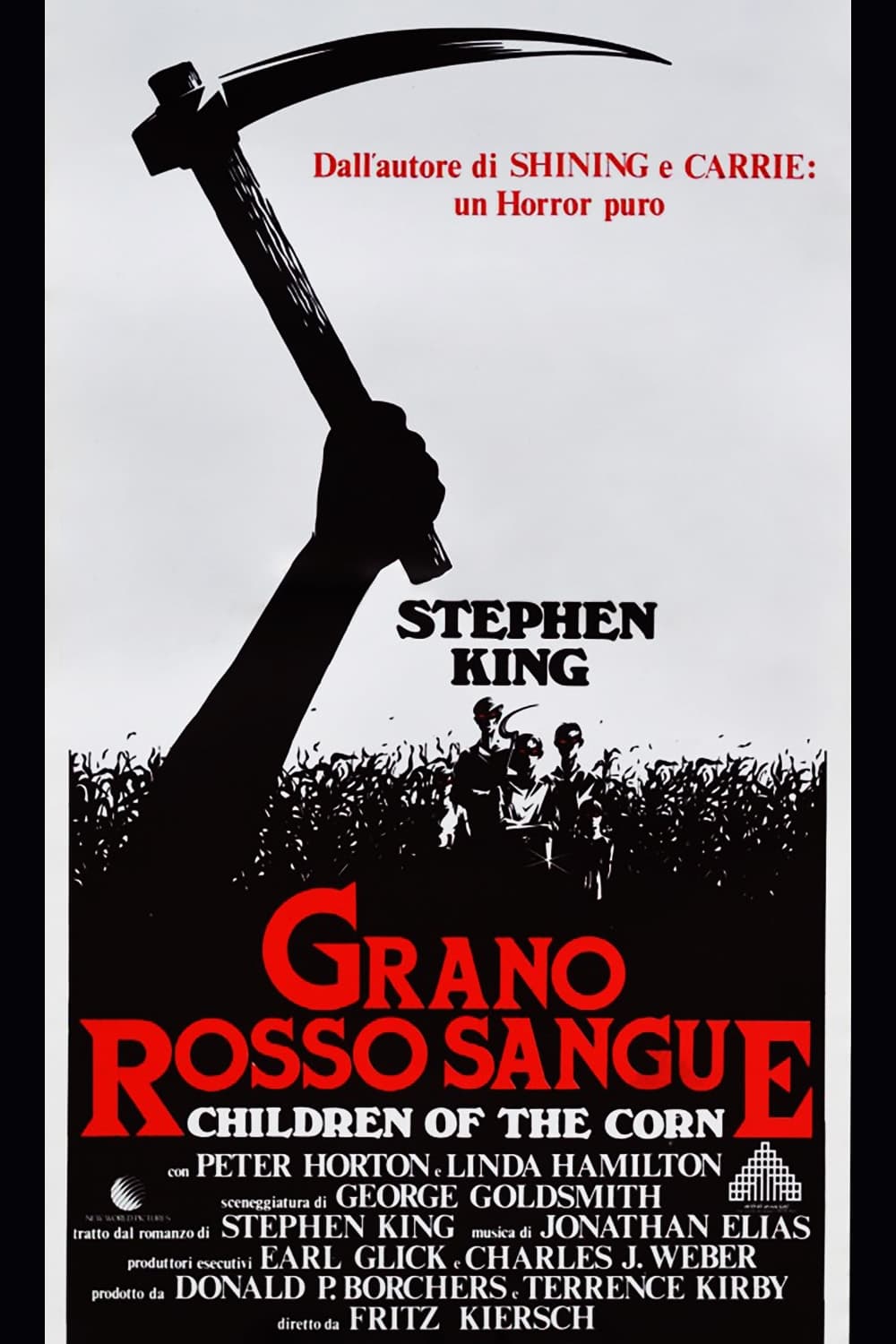
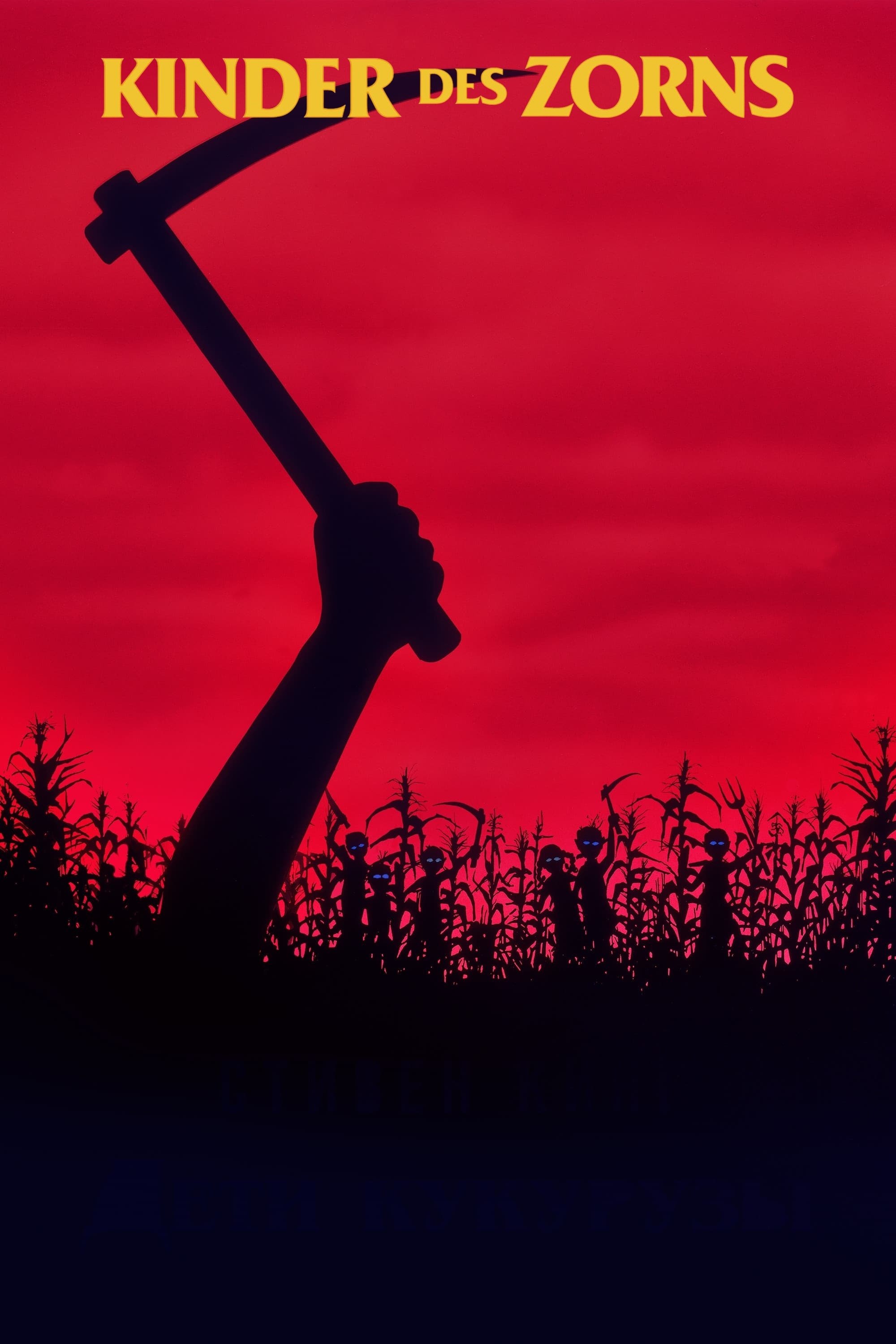
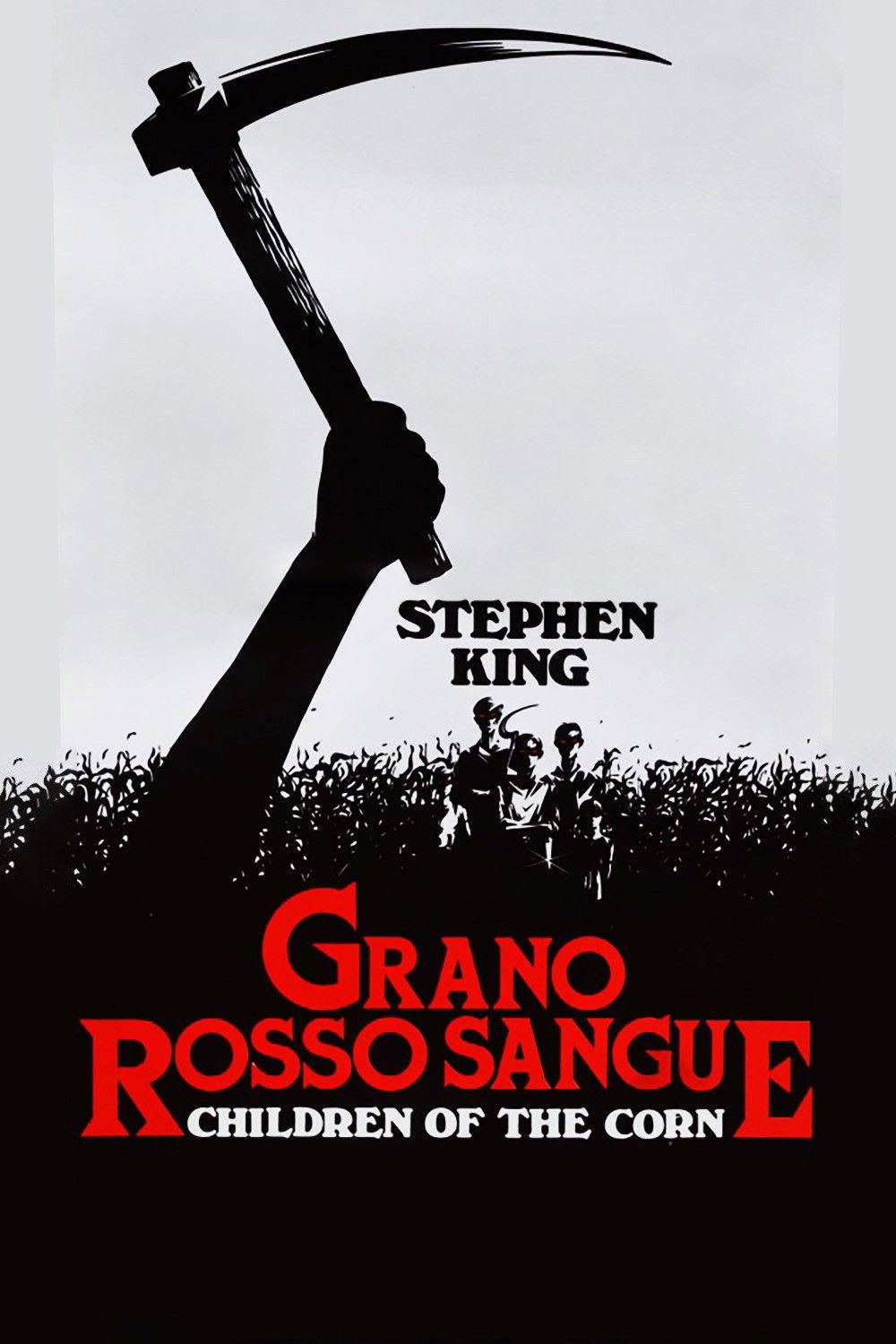
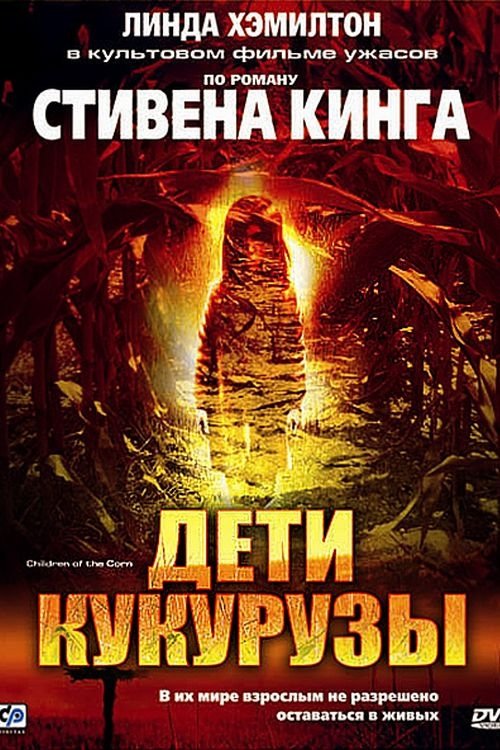
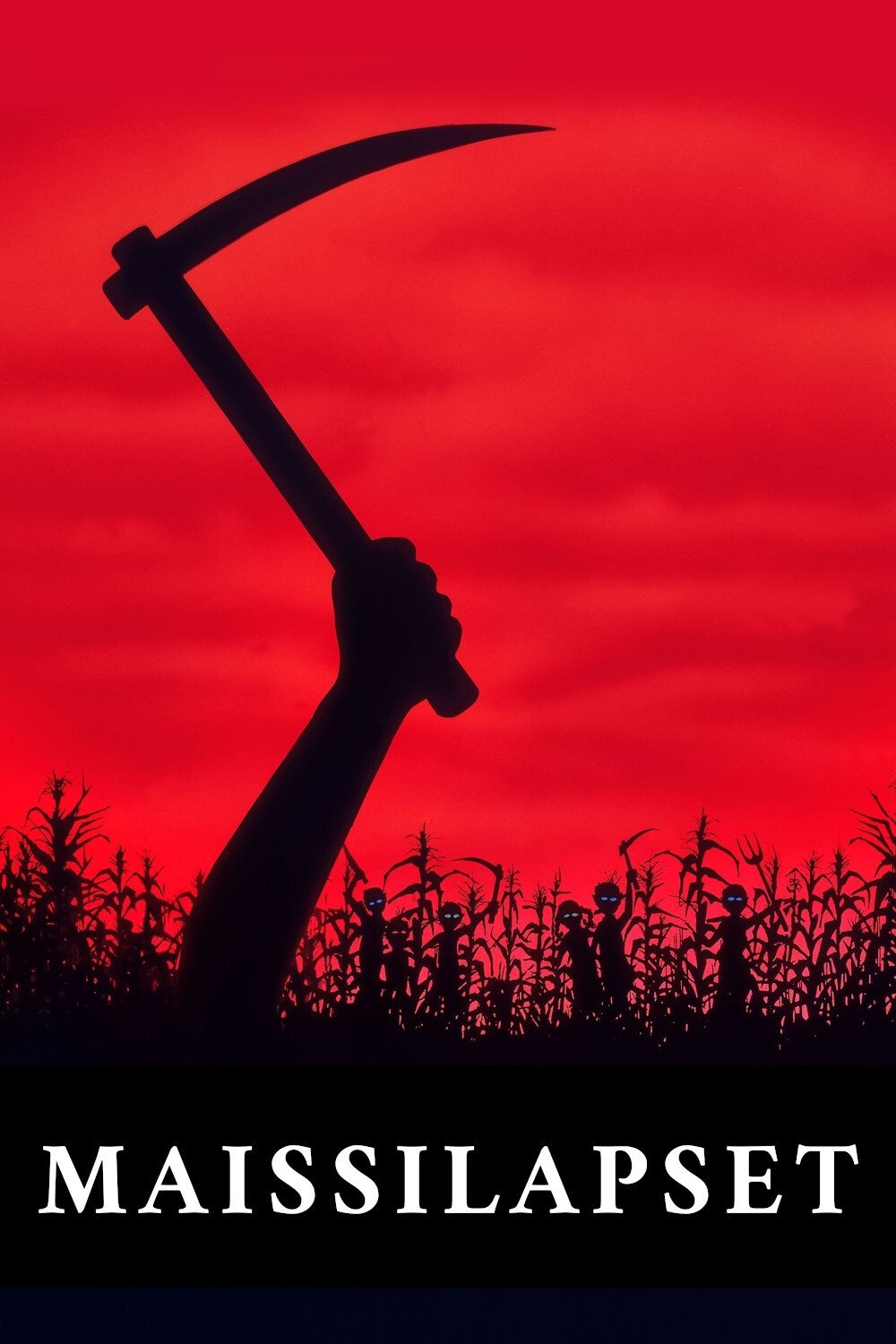
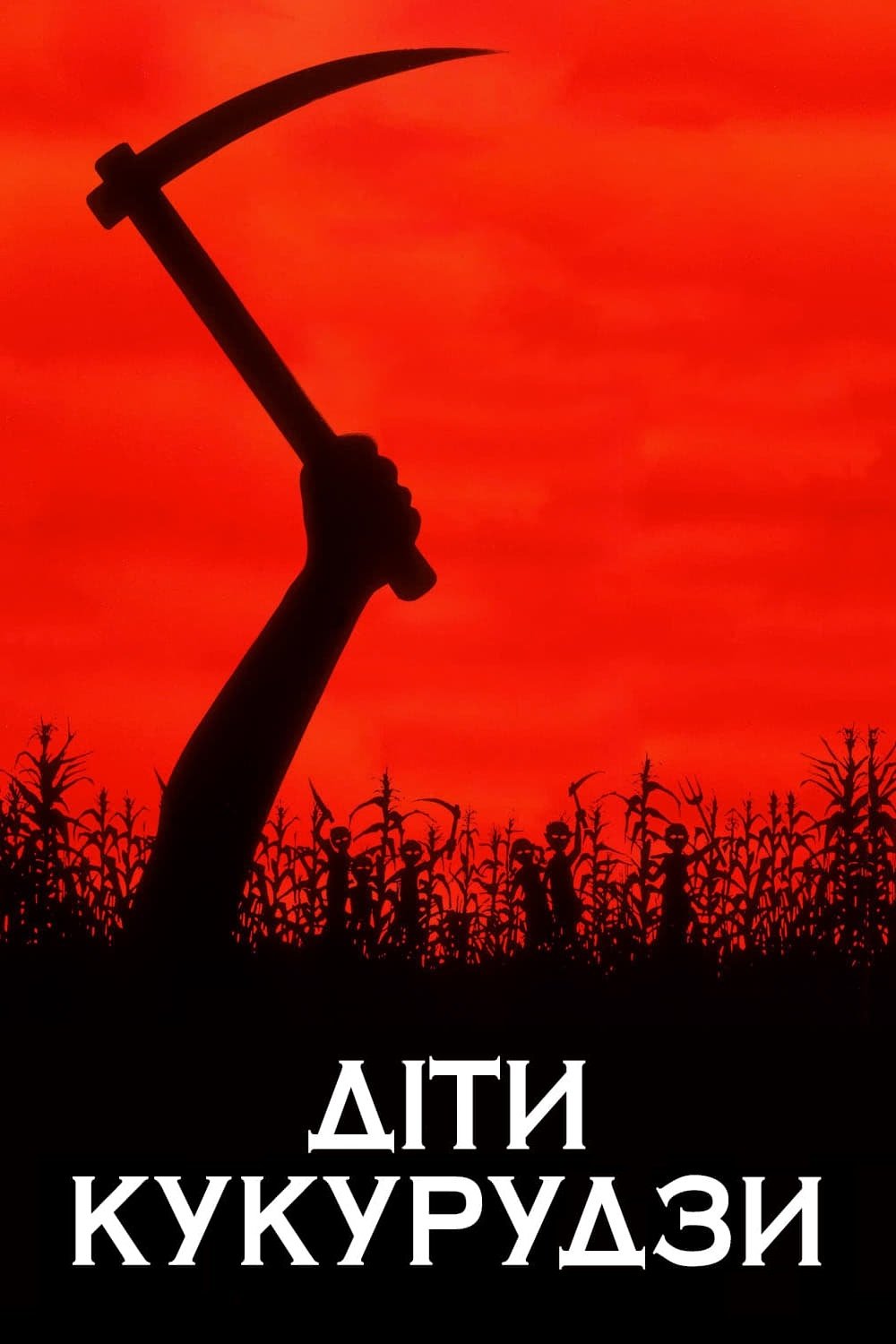
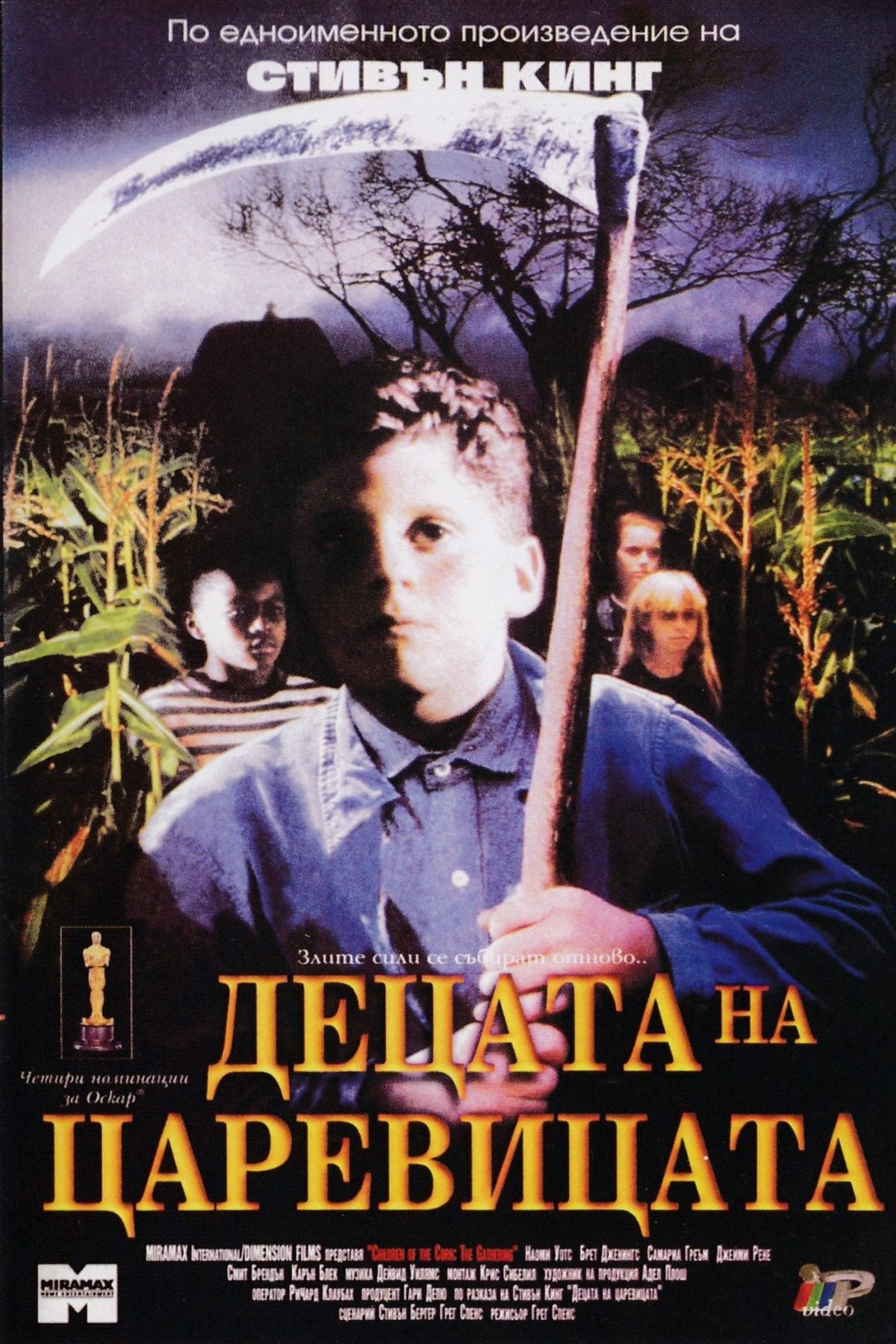
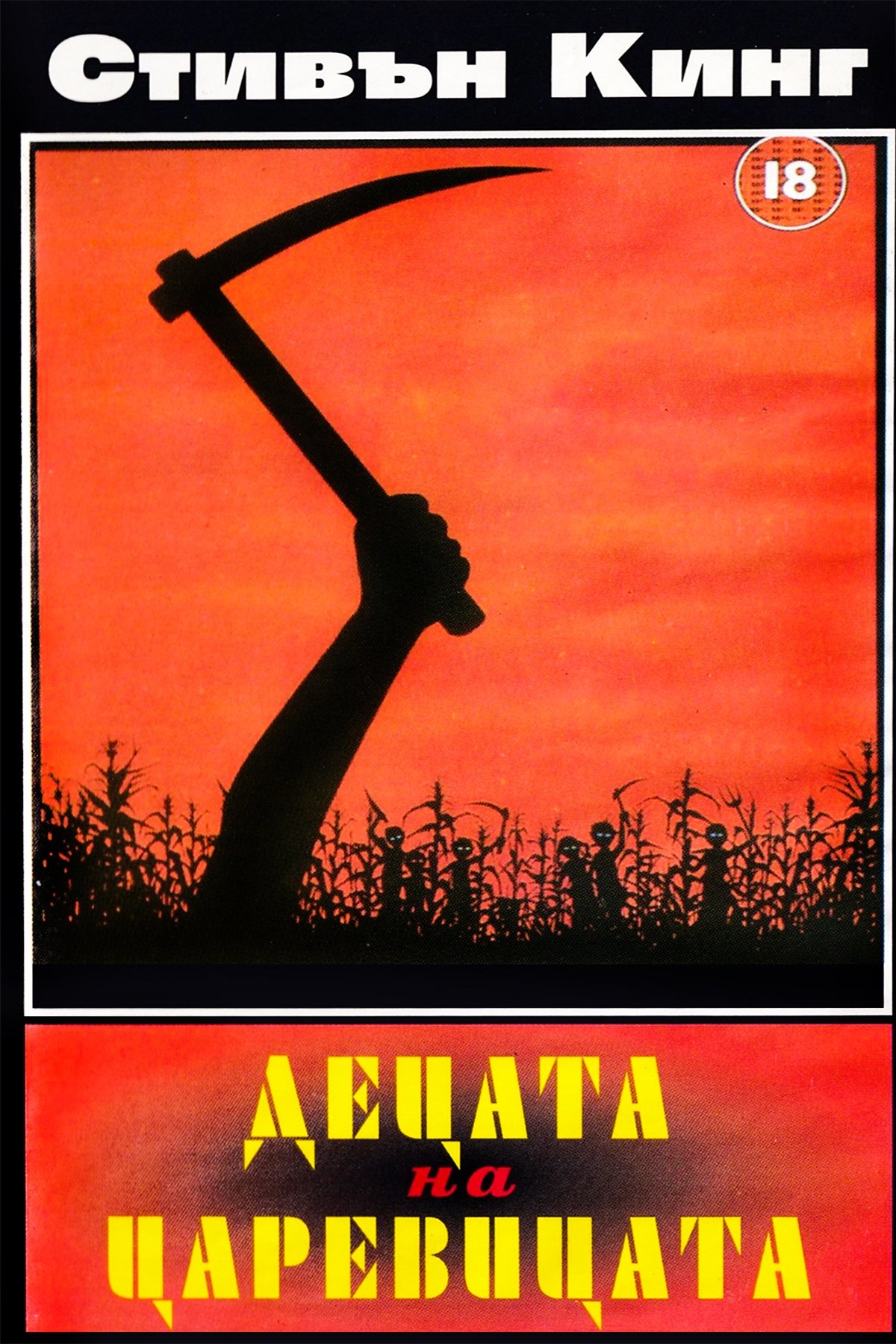
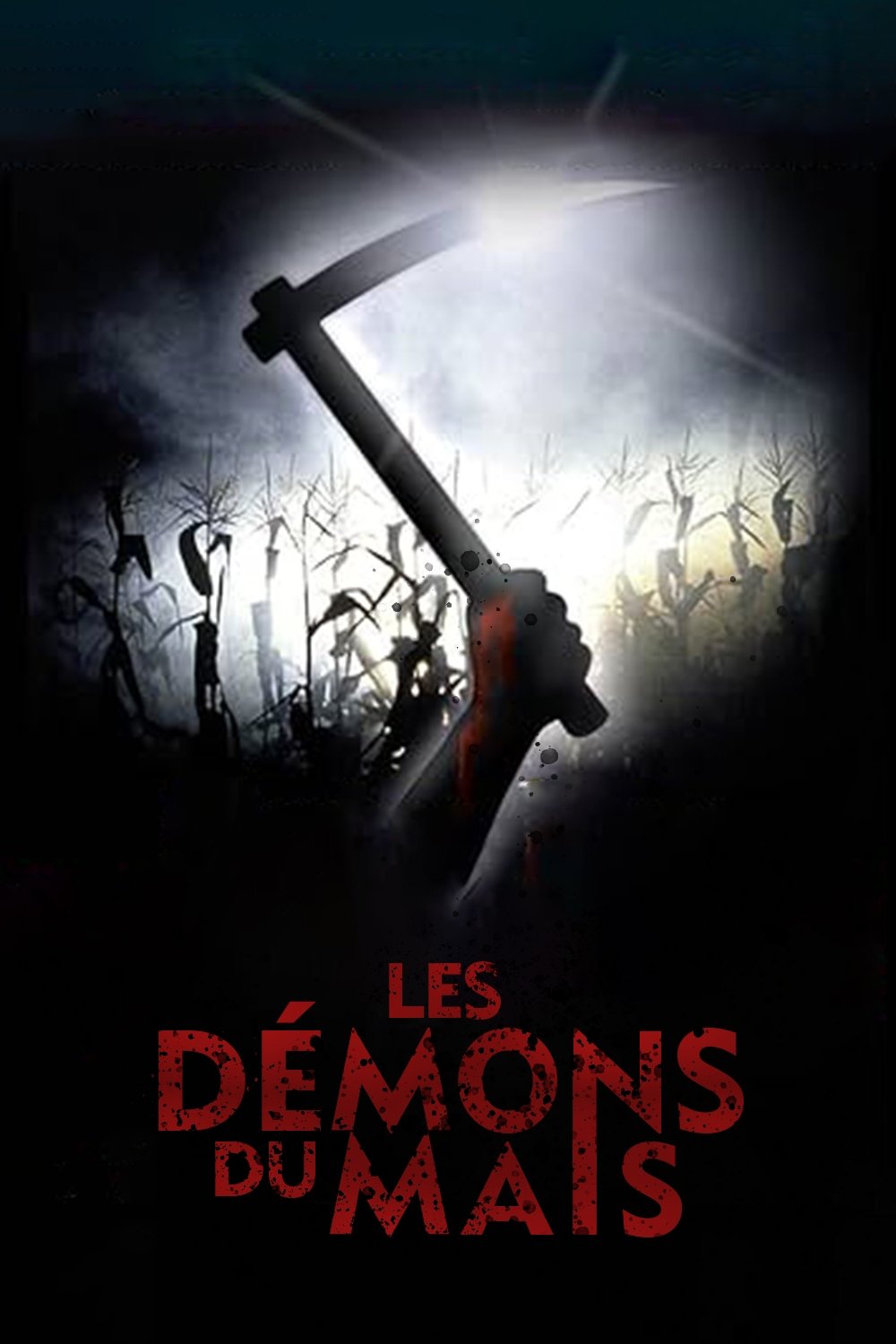
Children of the Corn (1984) poster
Director
Production Companies
Planet Productions , Angeles Entertainment Group , Cinema Group , Hal Roach Studios , Gatlin , Inverness Productions
Plot

A traveling couple end up in an abandoned Nebraska town inhabited by a cult of murderous children who worship a demon that lives in the local cornfields.

Alternative Titles
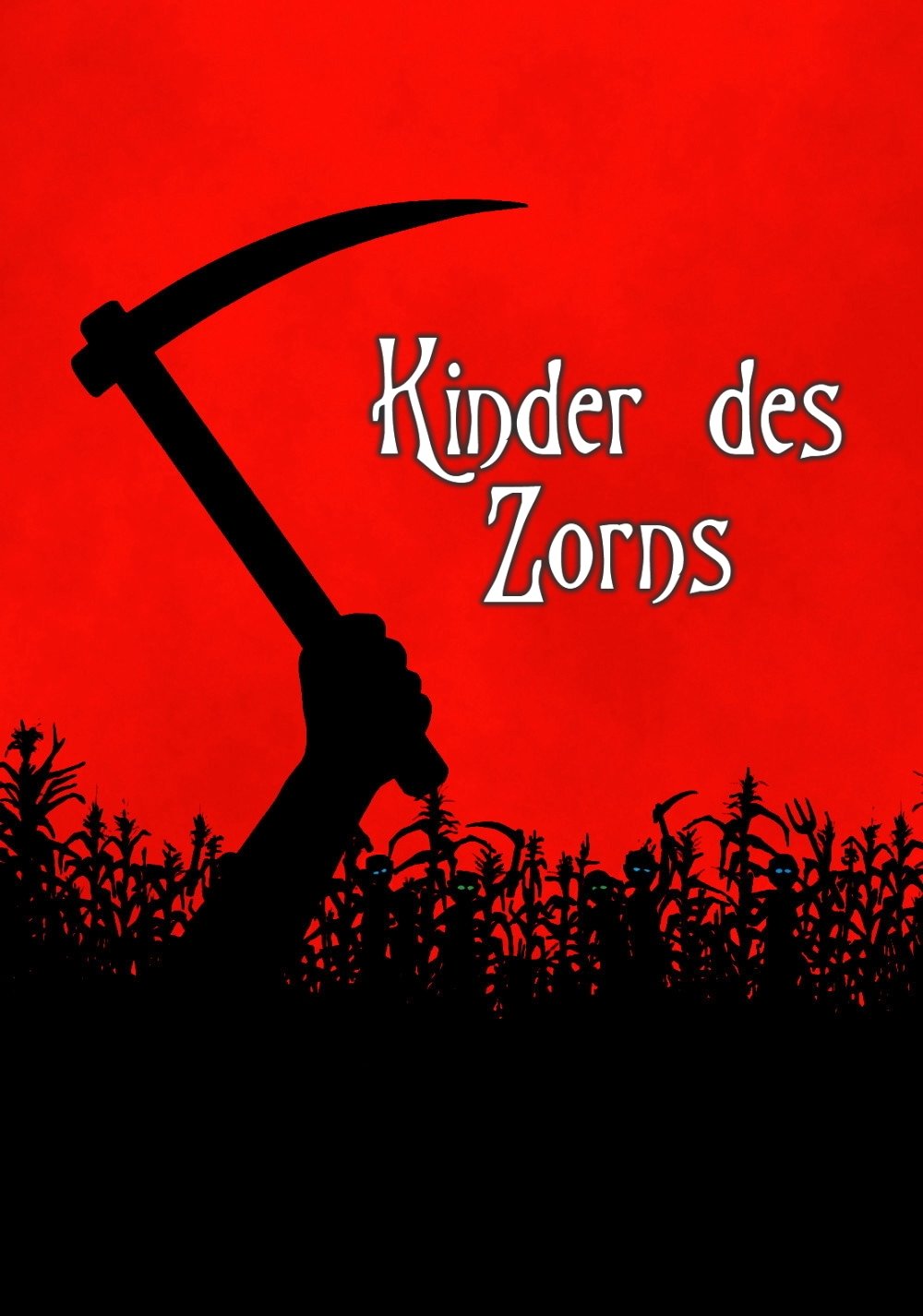
Cosecha negra (Argentina) Децата на царевицата (Bulgaria) — Bulgarian Colheita Maldita (Brazil) Filhos do Mal (Brazil) 玉米田的小孩 (China) — Chinese 镰刀梦魇 (China) Kukuřičné děti (Czechia) — Czech Kinder des Zorns (Germany) — German
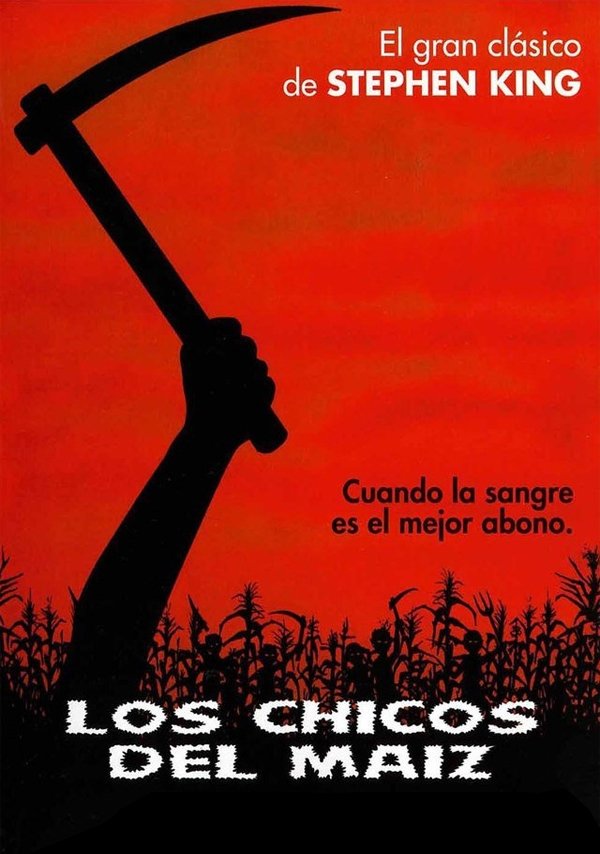
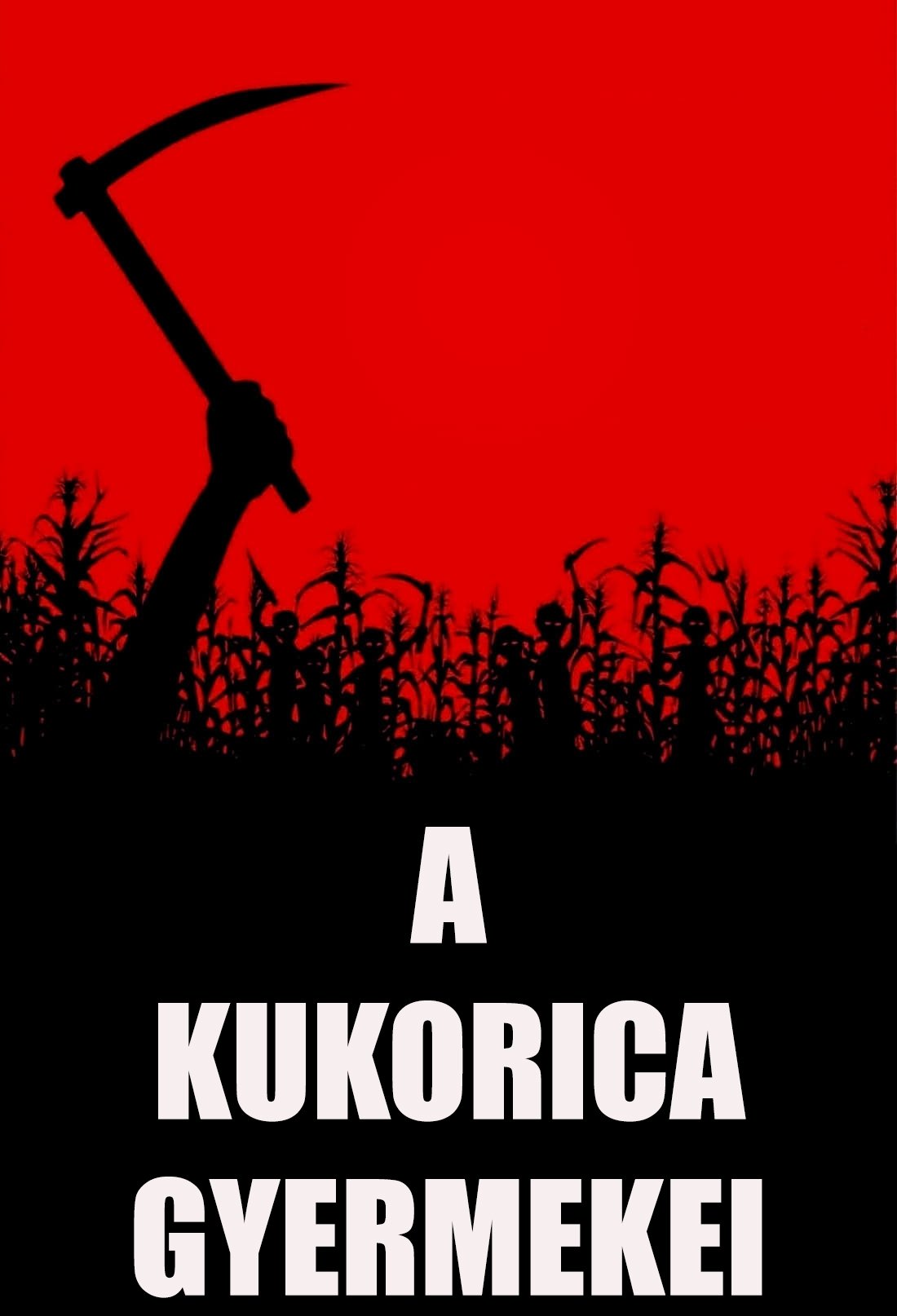
Show all 41 alternative titles Els nens de les panotxes (Spain) — Catalan Los chicos del maíz (Spain) — Spanish Dödlig skörd (Finland) — Swedish title Maissilapset (Finland) — Finnish Children of the corn - Les démons du maïs (France) — DVD title Horror Kid (France) Les Démons du maïs (France) — French Ο Δολοφόνος με το Δρεπάνι (Greece) — Greek 玉米田的小孩 (Hong Kong SAR China) — Chinese Djeca kukuruza (Croatia) A kukorica gyermekei (Hungary) — Hungarian ילדי התירס (Israel) — Hebrew Grano rosso sangue (Italy) — Italian チルドレン・オブ・ザ・コーン (Japan) — Japanese 옥수수 밭의 아이들 (South Korea) — Korean 옥수수밭의 아이들 (South Korea) La cosecha del terror: los niños del maíz (Mexico) — Home Video Title Los niños del maíz (Mexico) — Spanish Niños diabólicos (Mexico) Dzieci kukurydzianego pola (Poland) — alternative title Dzieci Kukurydzy (Poland) — Polish Os Filhos da Terra (Portugal) — Portuguese Copii porumbului (Romania) — Romanian Deca kukuruza (Serbia) Деца кукуруза (Serbia) — Serbian Дети кукурузы (Russia) — Russian Otroci koruze (Slovenia) Kukuričné deti (Slovakia) อาถรรพ์ทุ่งนรก (Thailand) — Thai Mısır Çocukları (Türkiye) — Turkish Діти кукурудзи (Ukraine) — Ukrainian Stephen King's Children of the Corn (United States) — complete title Những Đứa Trẻ Của Đồng Ngô (Vietnam) — Vietnamese

Trailers & Videos

5 videos

Film Guide & Analysis

A murderous child cult, an abandoned Midwestern town and an unseen presence beneath the fields turned Stephen King's short story into one of the most recognizable rural horror films of the 1980s.

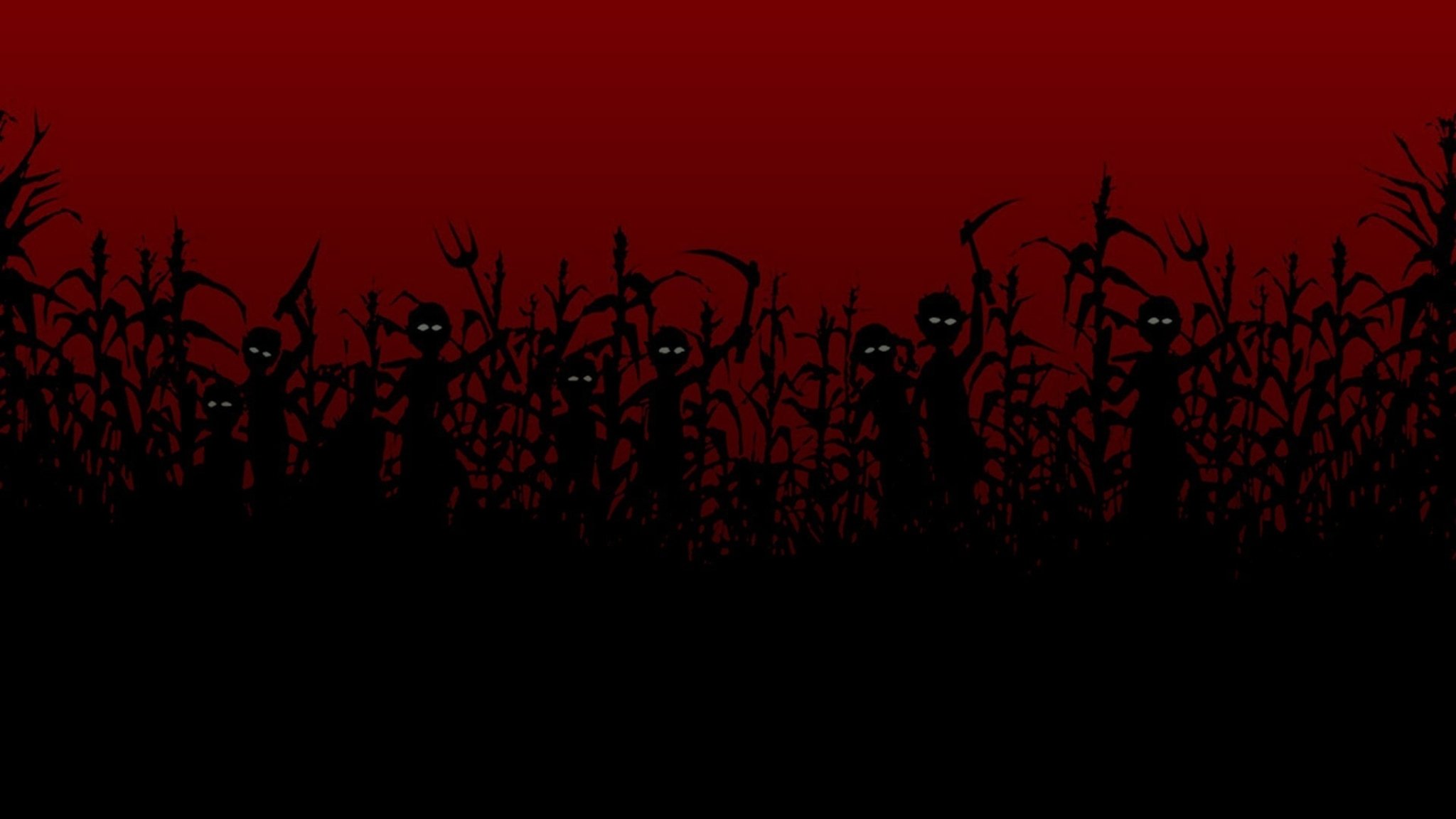
Children of the Corn transforms the openness of the American Midwest into a landscape of isolation. Fritz Kiersch's 1984 film begins with a town from which adult authority has already been violently removed, leaving Gatlin under the control of children who obey the young preacher Isaac and worship an entity known as He Who Walks Behind the Rows. When Burt and Vicky enter the area, they are not arriving before a catastrophe but several years after one. Houses, streets, businesses and fields still exist, yet the social structure that should make them familiar has disappeared. The result is rural horror built around absence: there are roads but seemingly nowhere safe to drive, a town without functioning adults and enormous cornfields capable of concealing both human pursuers and something less easily defined.

Adapted from Stephen King's short story, first published in 1977 and collected in Night Shift the following year, the film substantially expands its source. George Goldsmith's screenplay gives the children a larger social organization, introduces Job and Sarah as young characters who resist Isaac and makes the conflict between youthful religious fanaticism and the visiting adults more explicit. The production was modest and contemporary reviews were mixed, yet the film proved commercially successful and established a mythology capable of supporting a long-running screen franchise. Its most durable contribution to horror is less the mechanics of any individual killing than its central image: children standing among endless rows of corn, interpreting violence as sacred obligation while an unseen god waits somewhere beyond them.

From Stephen King to the Screen

The route from King's story to the finished film was unusually prolonged. Producer Joseph Masefield had optioned Children of the Corn by July 1980, but that version of the project did not proceed. Hal Roach Studios later acquired an original screenplay written by King and retained the property for more than a year before New World Pictures became involved. Contemporary production reports initially continued to identify King as the screenwriter, but by October 1983 George Goldsmith was reported as having written the adaptation. The finished film credits Goldsmith alone for the screenplay while identifying King as the author of the underlying story.

The change was more than a matter of compressing prose for the screen. Goldsmith expanded Gatlin into a community that could be explored visually and introduced Job and Sarah, two children who have not accepted Isaac's authority. Their presence gives the audience an internal perspective on the town and prevents its young population from functioning as a completely uniform mass. The movie also places greater emphasis on the organization of the cult and on the confrontation between Burt and its leaders. King's central premise remains intact, but the adaptation reshapes a compact piece of fiction into a feature-length siege narrative with a clearer division between believers, dissenters and outsiders.
Building Gatlin in the American Midwest

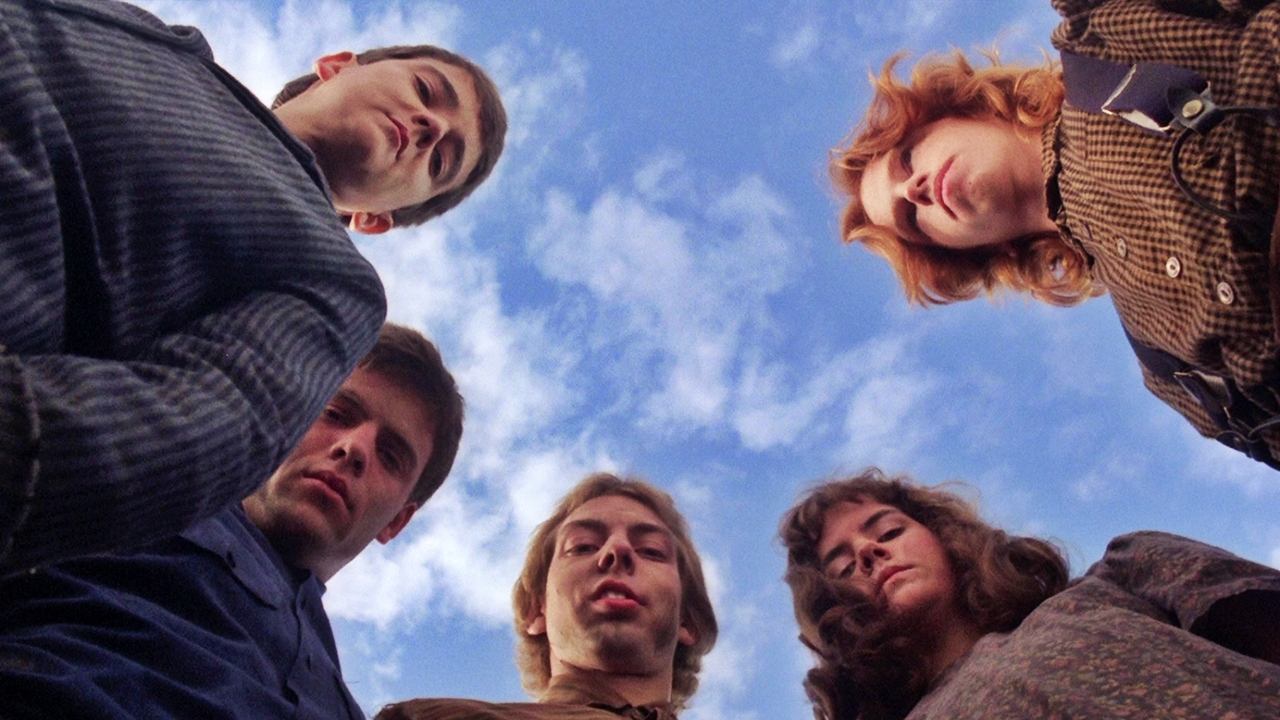
Although the fictional Gatlin is located in Nebraska, much of Children of the Corn was filmed in and around Sioux City, Iowa, with additional production in California. Principal photography took place from late 1983 into early 1984, leaving the filmmakers dependent on an agricultural landscape that had to be filmed according to seasonal and agricultural constraints. The cornfields were consequently more than scenery. They determined where characters could move, what the camera could reveal and how quickly open countryside could become visually claustrophobic. From road level, the stalks form walls capable of swallowing both people and vehicles despite the apparent vastness of the landscape.
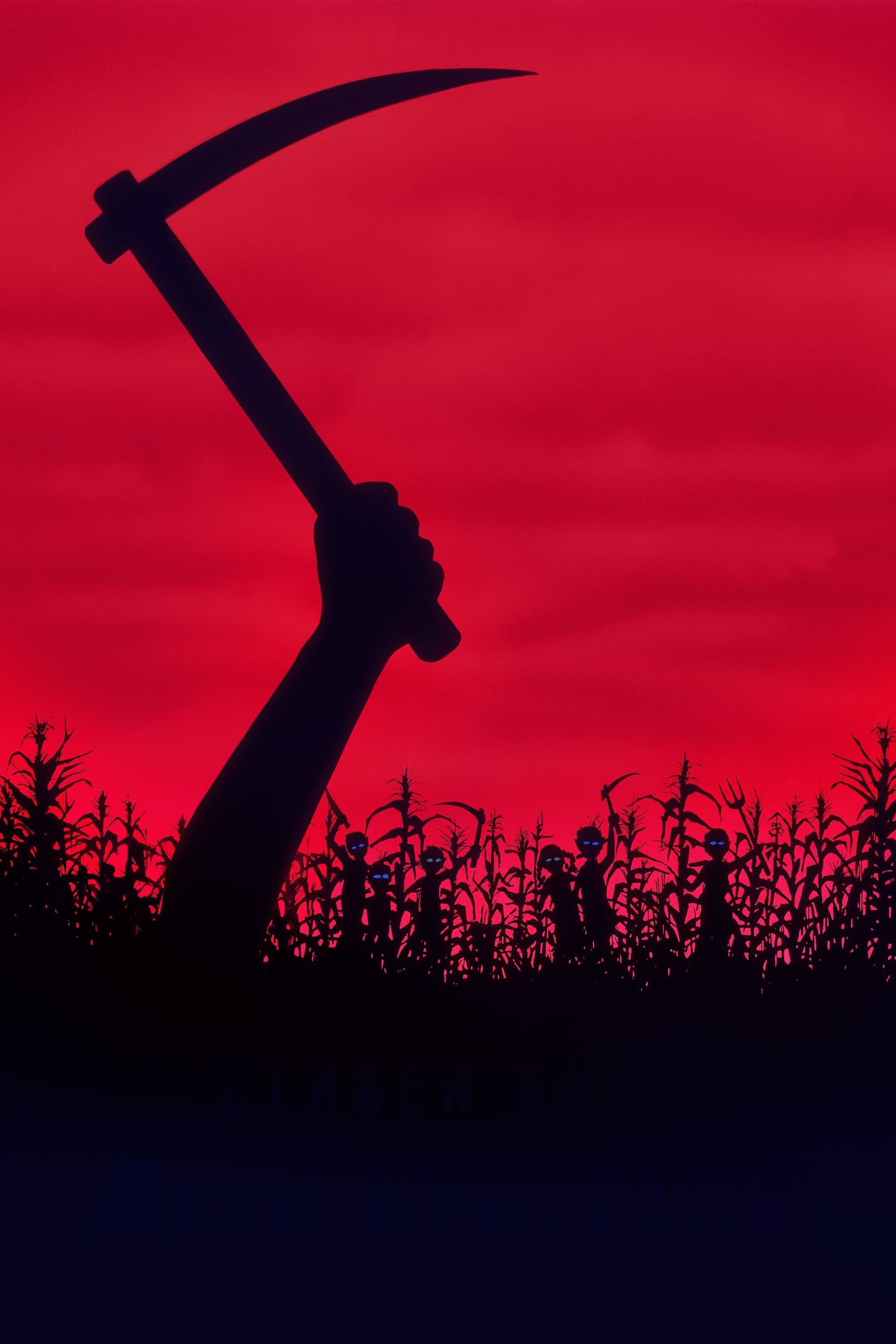
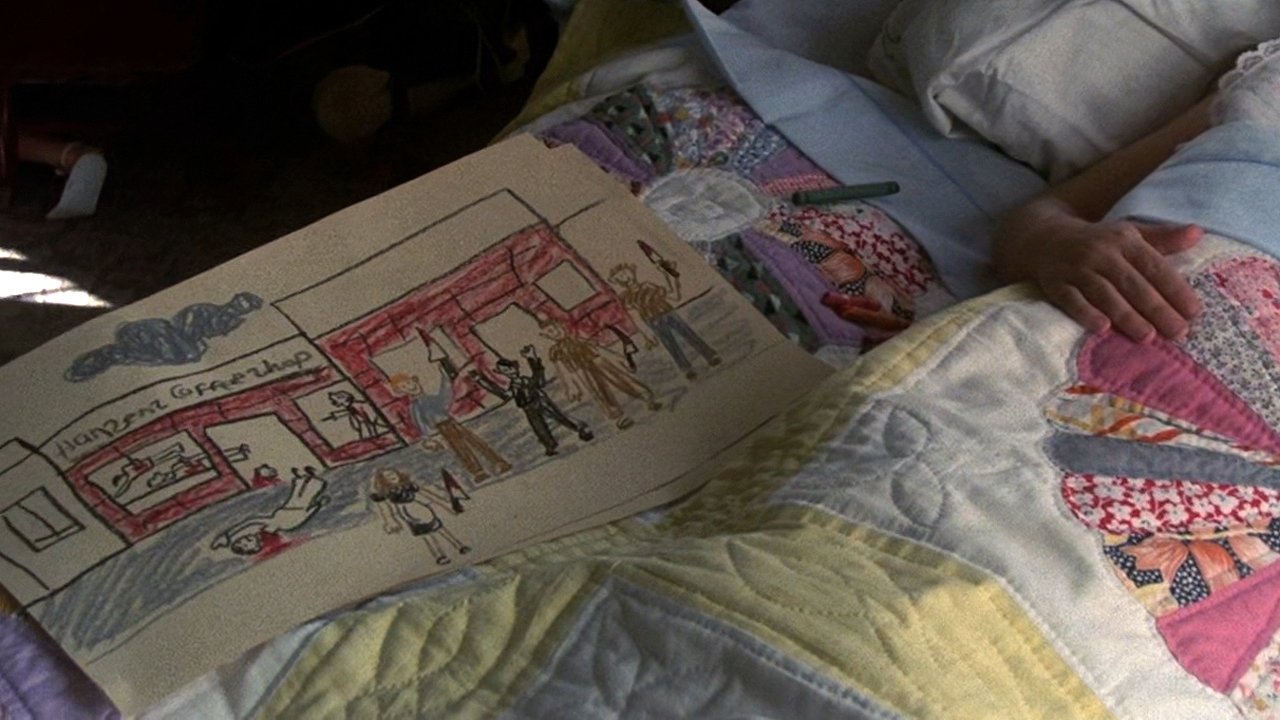
Gatlin itself is defined largely through ordinary places that have ceased to function normally. The cafe where the adult population is massacred, abandoned streets, the church and apparently empty homes provide evidence of a community that has not disappeared physically but has been reorganized according to Isaac's religious authority. Production design avoids turning the town into a fantastic Gothic environment. Its power comes from recognizability. Children of the Corn locates supernatural horror inside an agricultural American town whose economic and visual identity depends on the crop surrounding it, allowing the cornfield to become simultaneously landscape, boundary, hiding place and sacred territory.

Isaac, Malachai and the Child Cult

The film divides the leadership of Gatlin between two very different forms of authority. Isaac is physically small and rarely needs to act violently himself. His power comes from speech, ritual and the conviction with which he interprets the wishes of He Who Walks Behind the Rows. John Franklin's performance emphasizes stillness and a formal, sermon-like manner that makes Isaac appear separated from the other children. Malachai, played by Courtney Gains, supplies the physical force that Isaac lacks. He pursues defectors, intimidates the other youths and eventually becomes confident enough to challenge the preacher whose commands he has been enforcing.
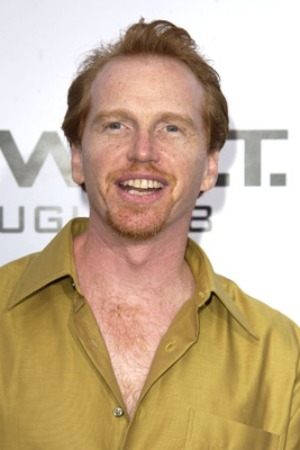
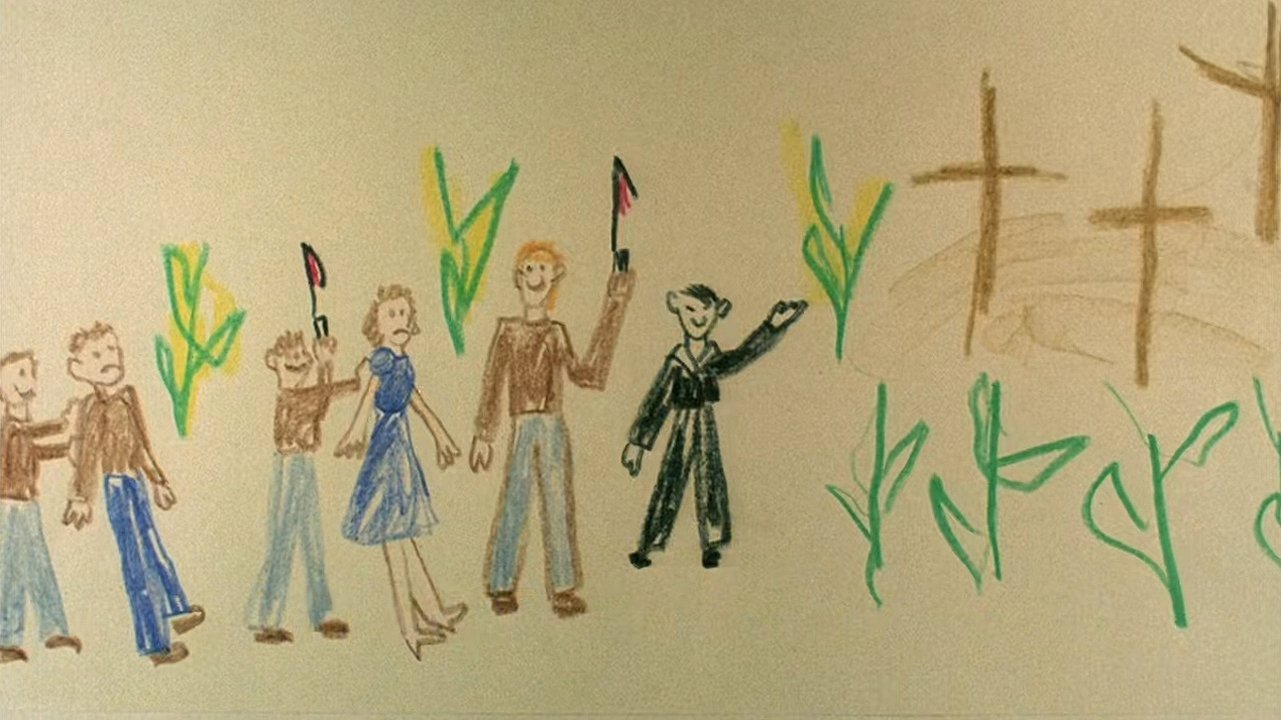
That division gives the film's treatment of fanaticism more structure than a simple story about murderous children. Violence is presented as something authorized by belief, organized through hierarchy and then carried out by followers who have accepted a new moral order. The children do not describe themselves as criminals. They believe they are obeying sacred law, including a system in which adulthood itself becomes grounds for sacrifice. He Who Walks Behind the Rows gives that belief a supernatural foundation within the film, but the human mechanisms remain recognizable: a charismatic interpreter defines divine commands, an enforcer translates them into action and a closed community suppresses dissent.

The Cornfield and the Unseen God

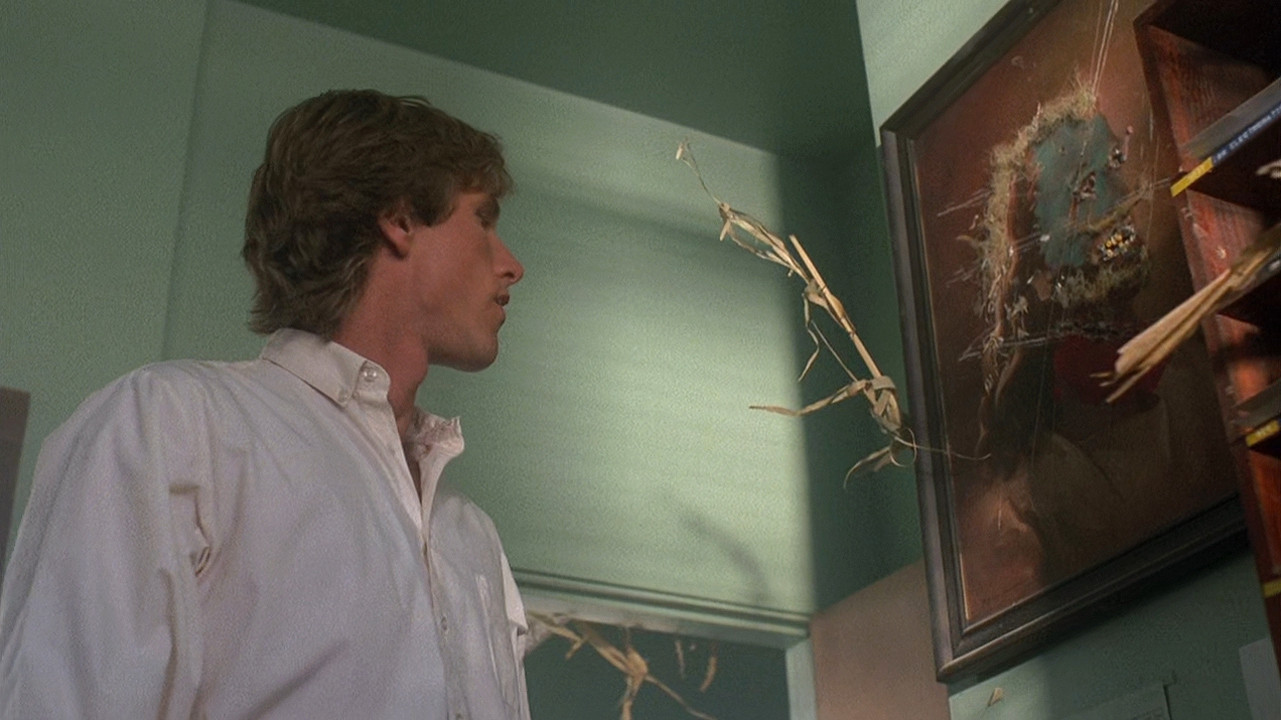
For much of the film, He Who Walks Behind the Rows is more effective as an idea than as a visible monster. Isaac speaks of the entity with certainty, the children obey rules attributed to it and the cornfield becomes dangerous long before the film provides direct evidence of what inhabits it. This allows ordinary agricultural imagery to accumulate supernatural meaning. The rows conceal approaching children, distort direction and create a boundary between the known road system and an interior space controlled by the cult. Entering the corn therefore becomes equivalent to entering sacred ground whose rules belong to someone else.

The final confrontation makes the supernatural dimension explicit through effects that suggest a force moving beneath the earth and through the fields. Those images are more literal than the atmosphere preceding them and have dated differently from the human elements of the film, but they clarify an important point in the mythology: Isaac's religion also corresponds to a force presented as real within the film's mythology. Within the world of the movie, something answers them. This fusion of cult horror with a genuine supernatural presence separates Children of the Corn from narratives in which fanaticism alone explains the violence and creates the foundation that later installments could repeatedly expand.

Music and Religious Horror

Children of the Corn was Jonathan Elias's first feature-film score. Elias later recalled that he obtained the assignment partly because the production needed a composer who could work within severe financial limitations, with a recommendation from John Barry helping him secure the job. The budgetary circumstances did not prevent the music from developing a distinct identity. Choral and childlike voices, electronic textures and ritualistic passages reinforce the film's combination of Christian language with a belief system that has been redirected toward something openly malevolent.

The score is particularly effective because the children themselves occupy an unstable position between innocence and threat. A conventional orchestral approach emphasizing only aggression would have reduced that contradiction. Voices associated with childhood and worship instead allow the music to sound ceremonial even when the actions on screen are violent. Religious language operates in much the same way throughout the film. Isaac borrows the rhythms and vocabulary of Biblical preaching while directing devotion toward He Who Walks Behind the Rows. Familiar forms of prayer, sermon and hymn are therefore made unsettling by the object they have been recruited to serve.

Release, Reception and Legacy

New World Pictures released Stephen King's Children of the Corn in the United States on March 9, 1984, with the New York opening following on March 16. The production had cost approximately $3 million. Its first weekend produced about $2.04 million from 350 theaters, and the release later expanded to 653 locations. Domestic theatrical revenue ultimately reached approximately $14.57 million. Contemporary reports had already anticipated that King's increasingly valuable name would be central to the film's commercial prospects, following successful adaptations including Carrie, The Shining and Cujo.

Critical reception was considerably less enthusiastic than audience response. Contemporary notices recorded by the American Film Institute ranged from complaints about clichés and grisly excess to qualified acknowledgment that the movie remained entertaining. The gap between those reviews and the film's afterlife is significant. Children of the Corn became the starting point for numerous sequels, remakes and reinterpretations, while Isaac, Malachai and He Who Walks Behind the Rows remained recognizable far beyond the original release. Its legacy rests especially on the simplicity of its central reversal. Rural children, cornfields and religious community are images culturally associated with innocence, fertility and continuity. The film rearranges all three into a system in which growing older is forbidden and the harvest requires human sacrifice.

Connections

Cast

View Full Cast & Crew →

Release & Distribution

Production Companies (6)

  • Angeles Entertainment Group
  • Cinema Group
  • Gatlin
  • Hal Roach Studios US
  • Inverness Productions
  • Planet Productions US

Distributors (1)

  • New World Pictures US

Release History (10)

Release DateTerritoryRelease TypeFormatDistributorCertificationNotes
1984-03-09 United Kingdom Theatrical — — 18
1984-03-09 Sweden Theatrical — — 15
1984-03-09 United States Theatrical — — R
1984-05-25 Germany Theatrical — — 16
1984-08-02 Spain Theatrical — — 18
1984-10-16 Italy Theatrical — — —
1985-01-30 France Theatrical — — 12
1985-05-03 Ireland Theatrical — — 18
1986-12-11 Brazil Theatrical — — 14
2002-12-04 South Korea Theatrical — — 19
And a child shall lead them...