Angela Carter and the Development of the Screenplay
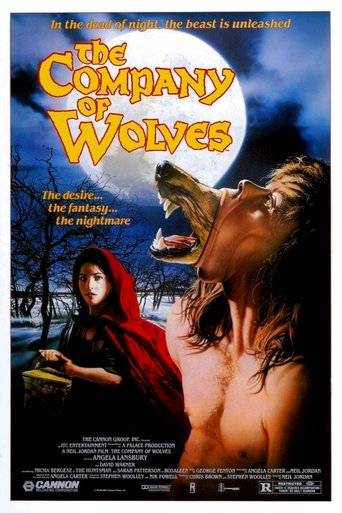
The project grew from Carter's 1979 collection The Bloody Chamber, which reworked inherited fairy tales through questions of sexuality, violence and power. Carter had already written a screen adaptation of her story The Company of Wolves when Jordan became involved. In a later account, Jordan said he met her in Dublin in 1982 and proposed expanding the short material through a framework in which a dreaming girl enters the world of the tale. This approach permitted other stories and variants from Carter's writing to be placed around the central encounter between Rosaleen and the wolf.
Jordan recalled working with Carter at her home in Clapham, London. The collaborators would discuss possible scenes in the morning, write individually, and compare the results the following day. He estimated that this phase produced a feature-length screenplay in roughly two weeks. Their solution was structural rather than simply additive: the separate tales could contradict or revise one another while still arising from a recognisable adolescent point of view. Carter's involvement helped preserve the literary material's interest in language, ritual warnings and the ambiguous attraction of danger.
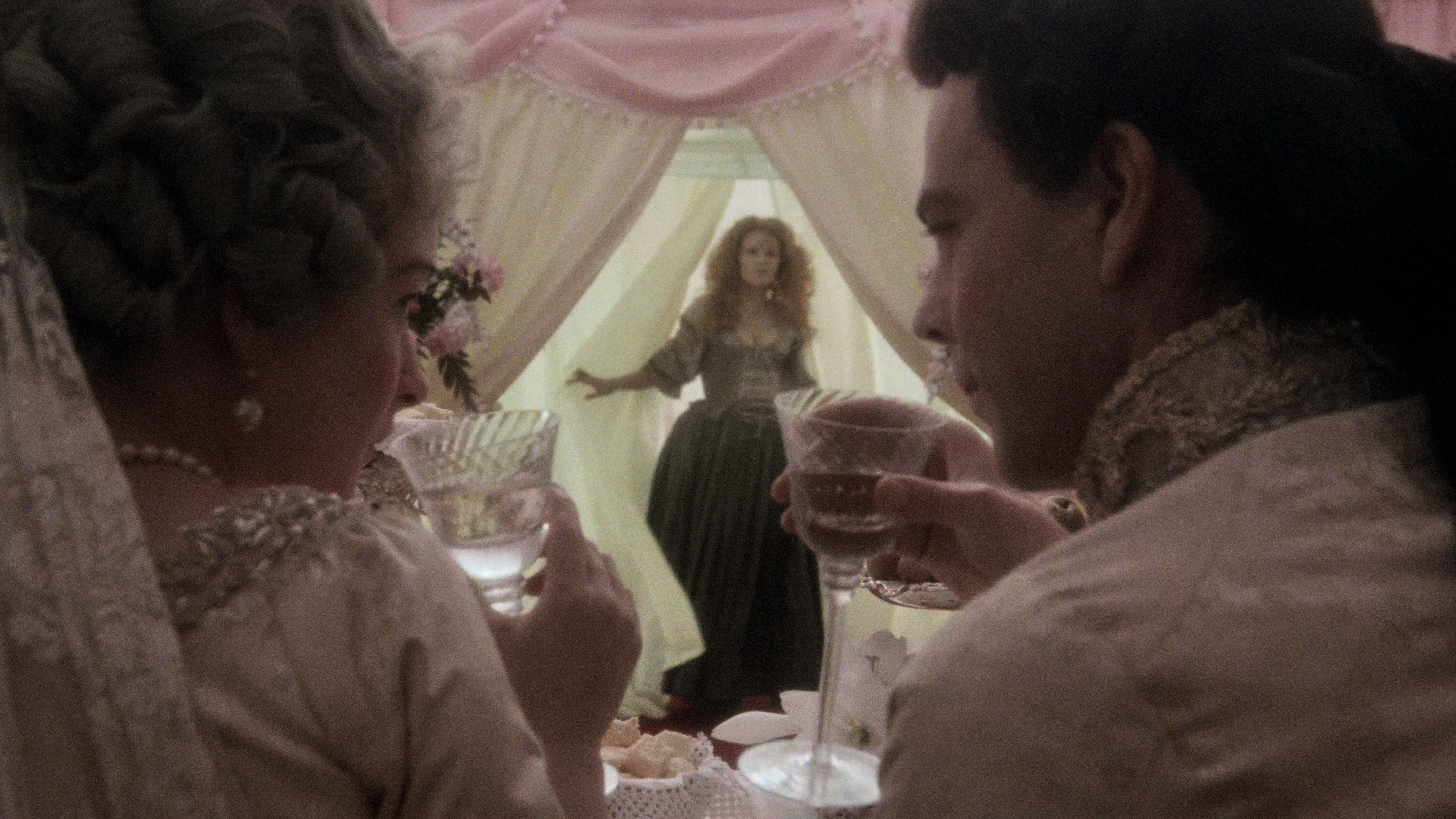
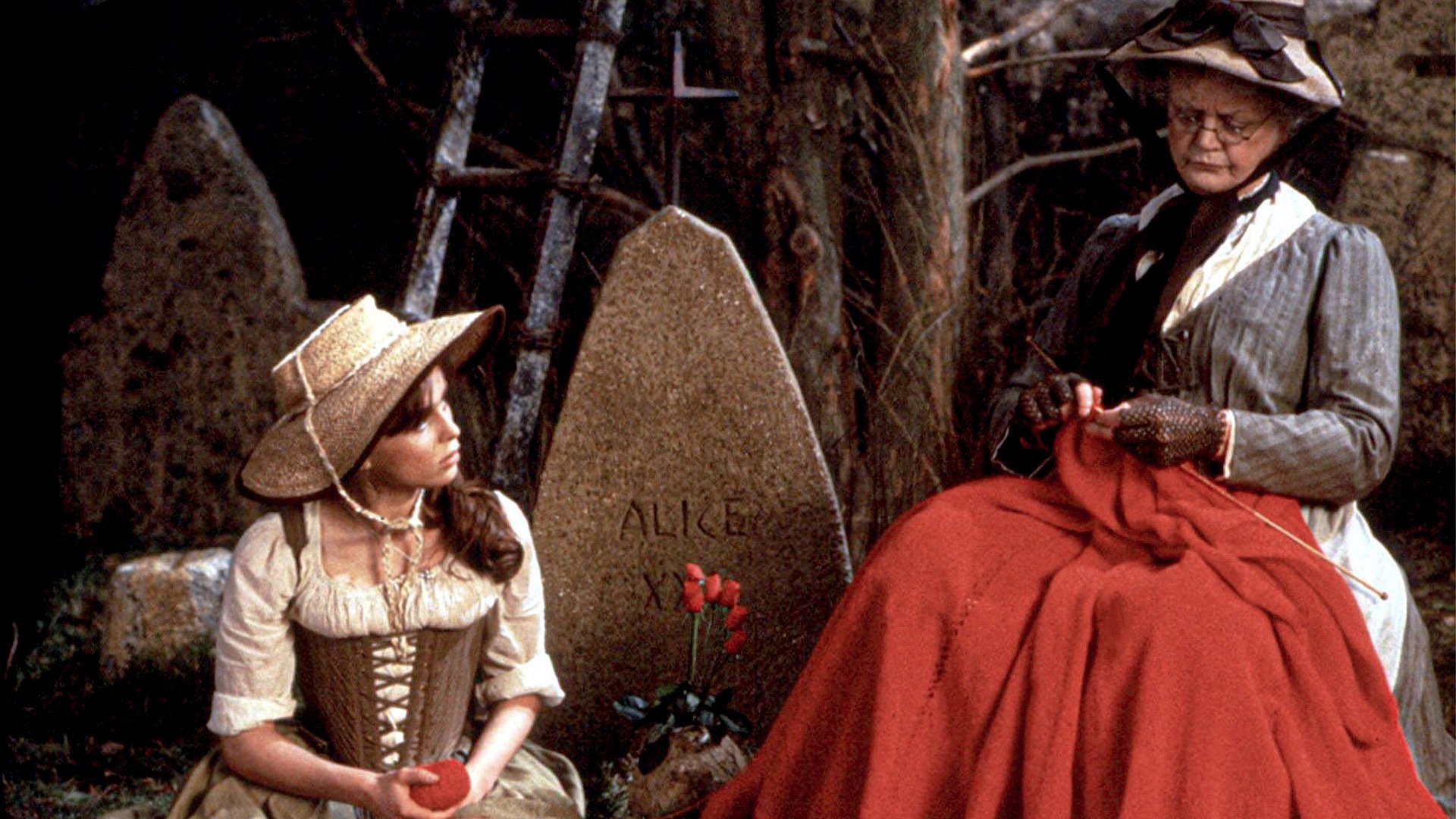
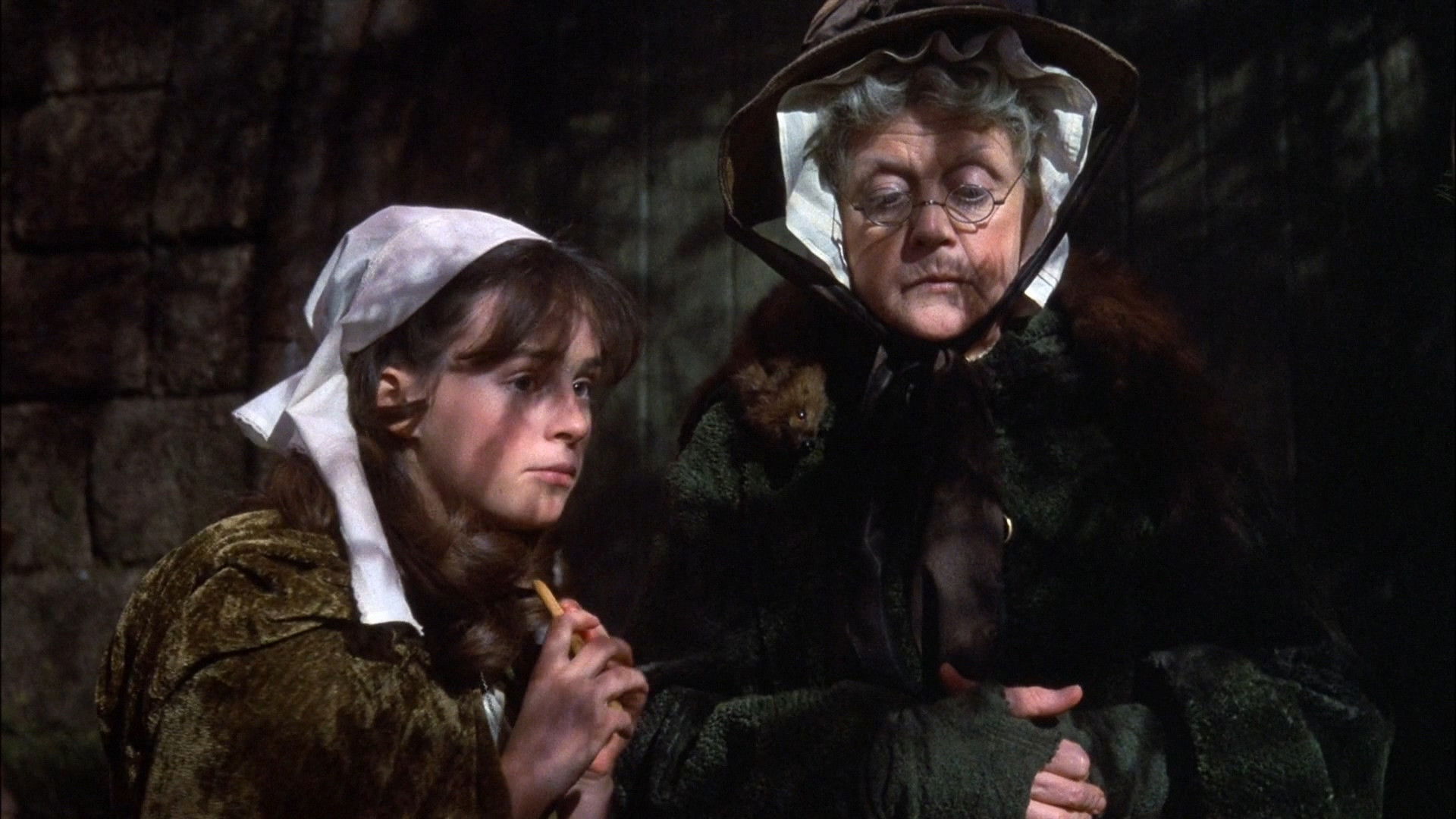
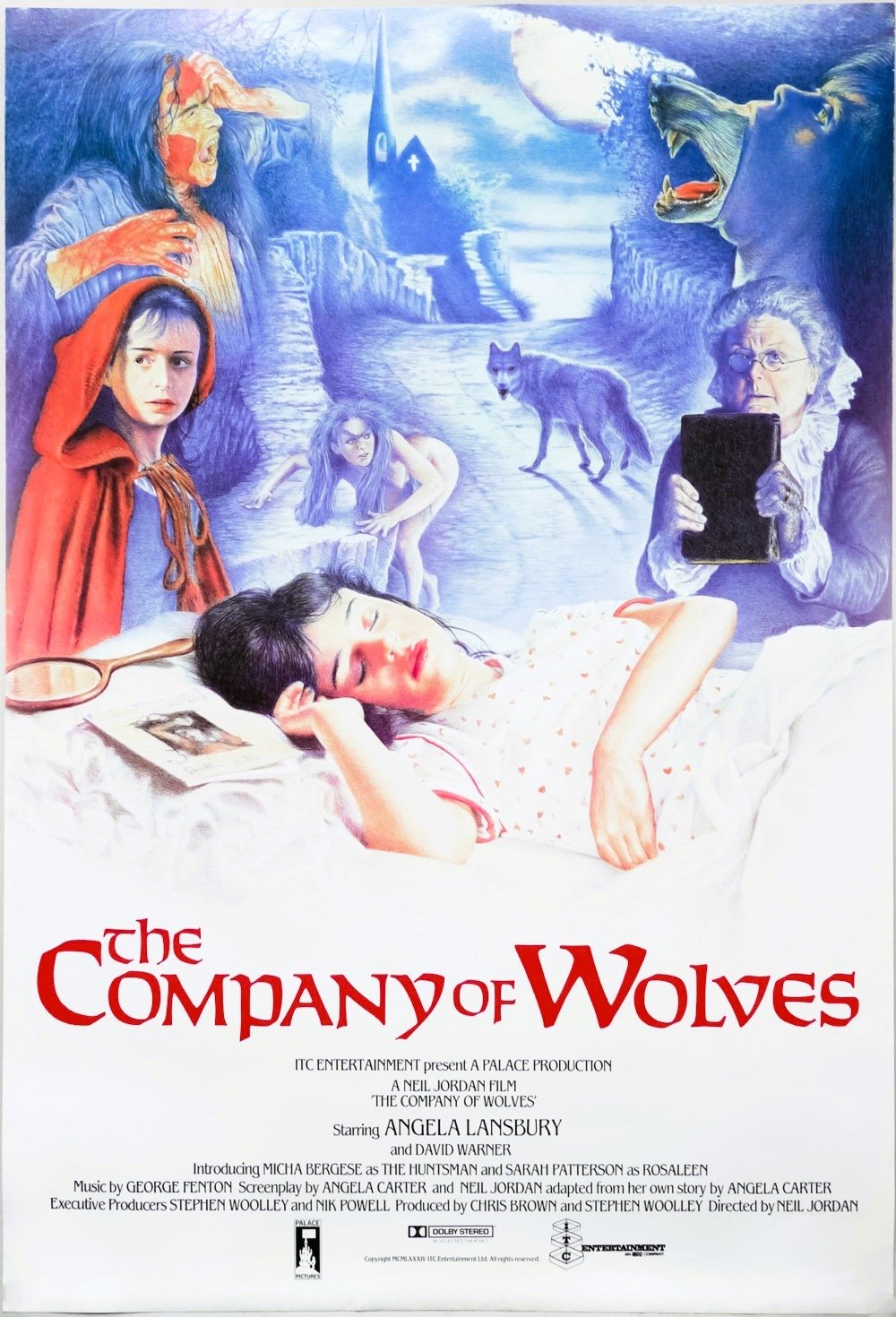
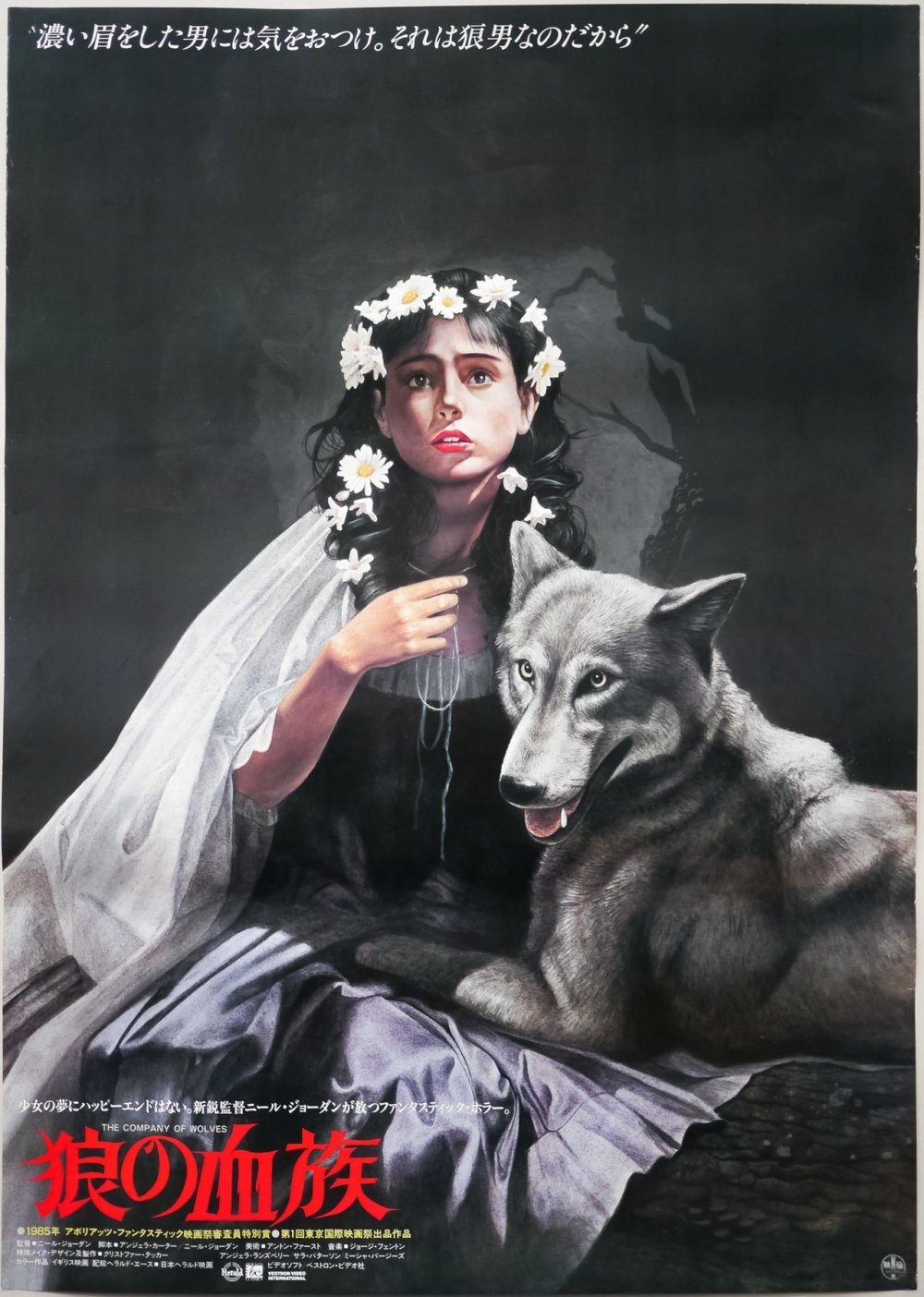
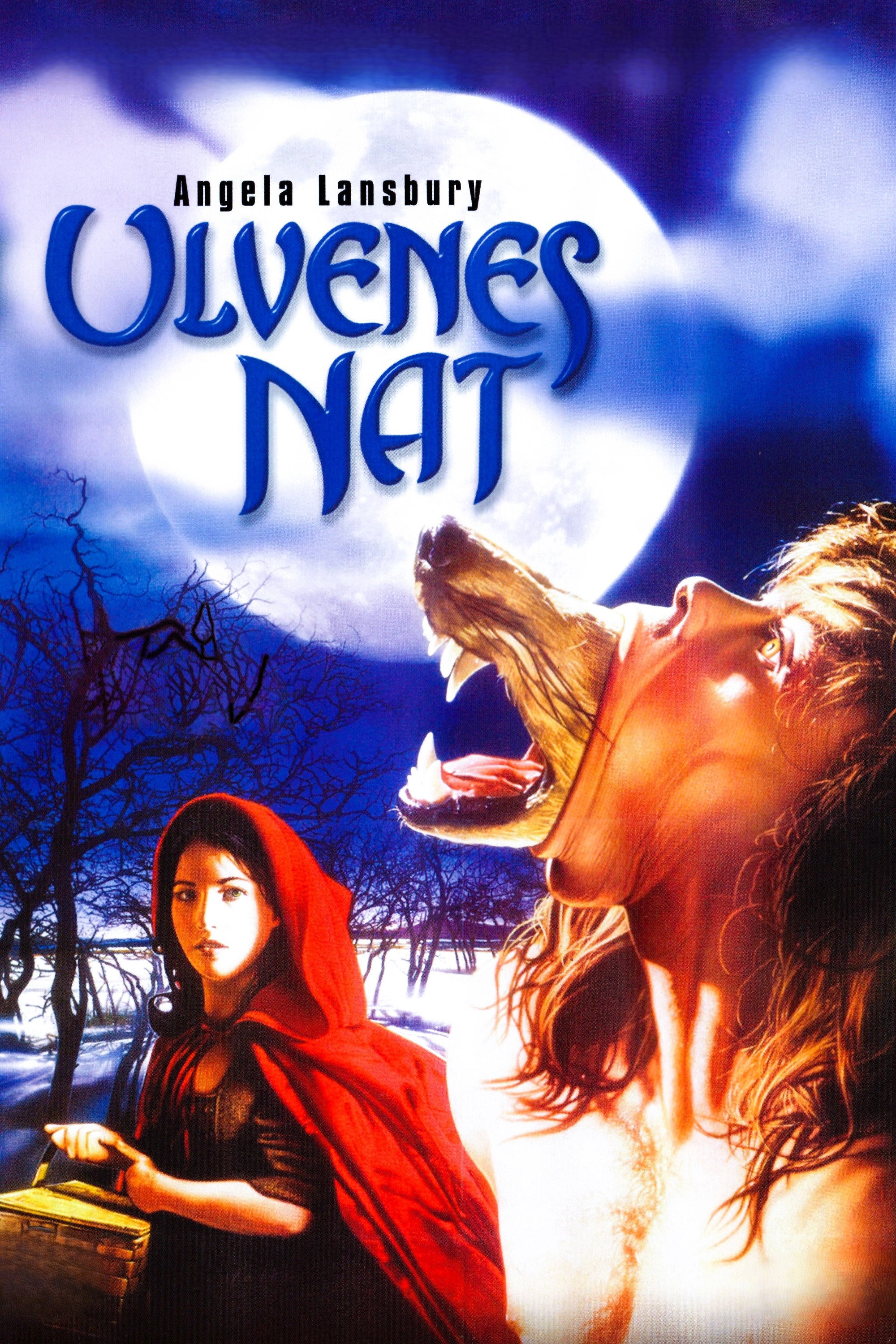
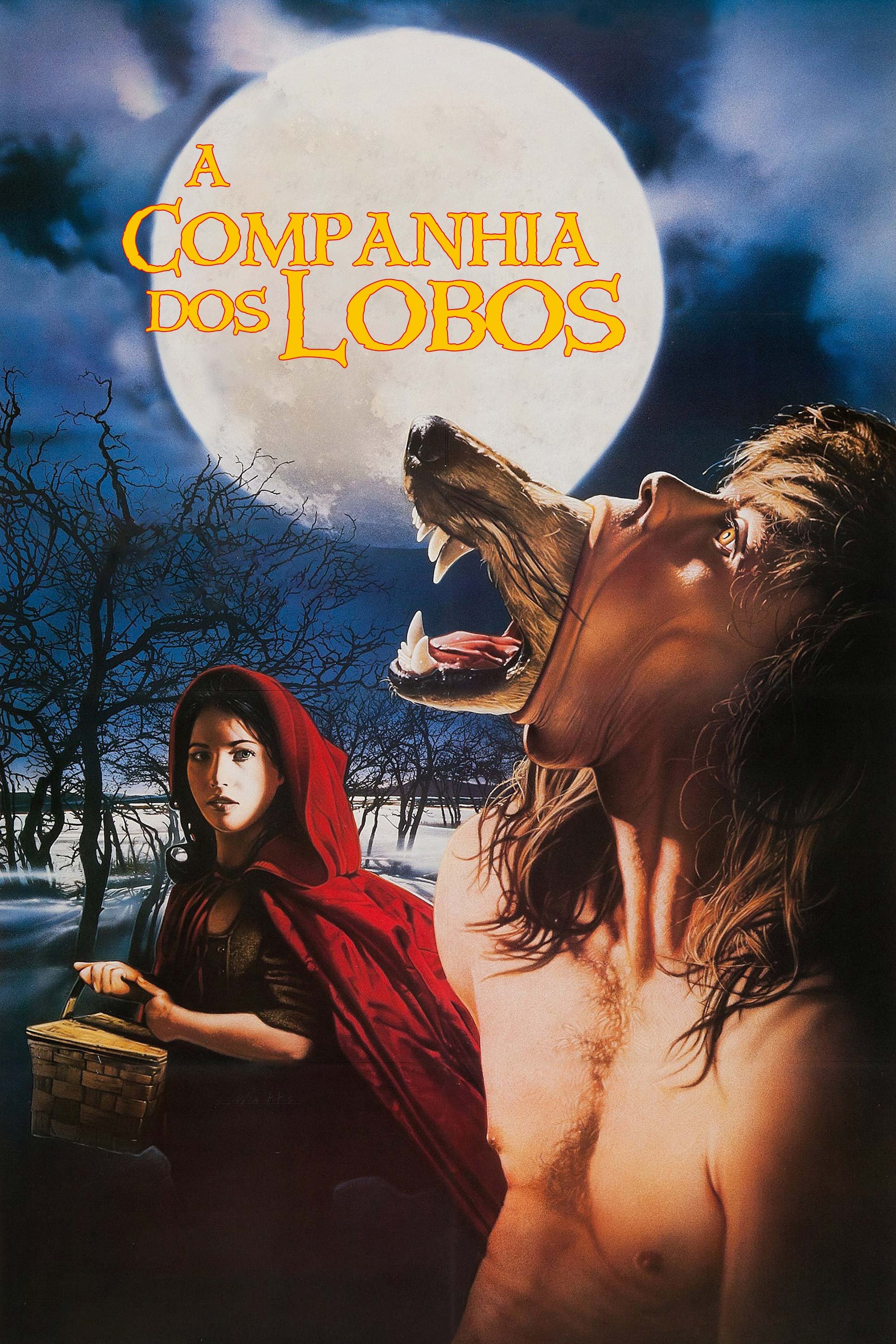
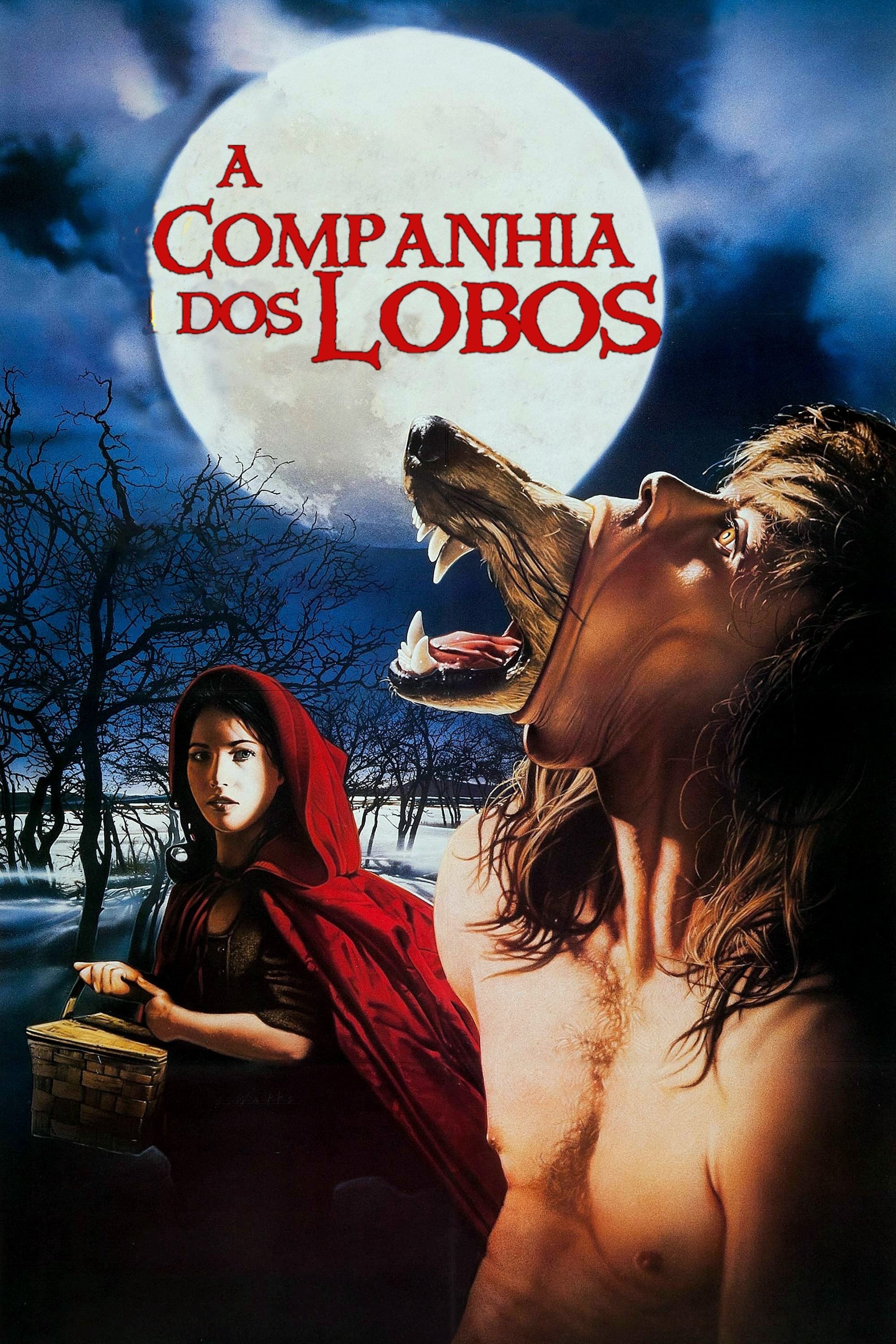
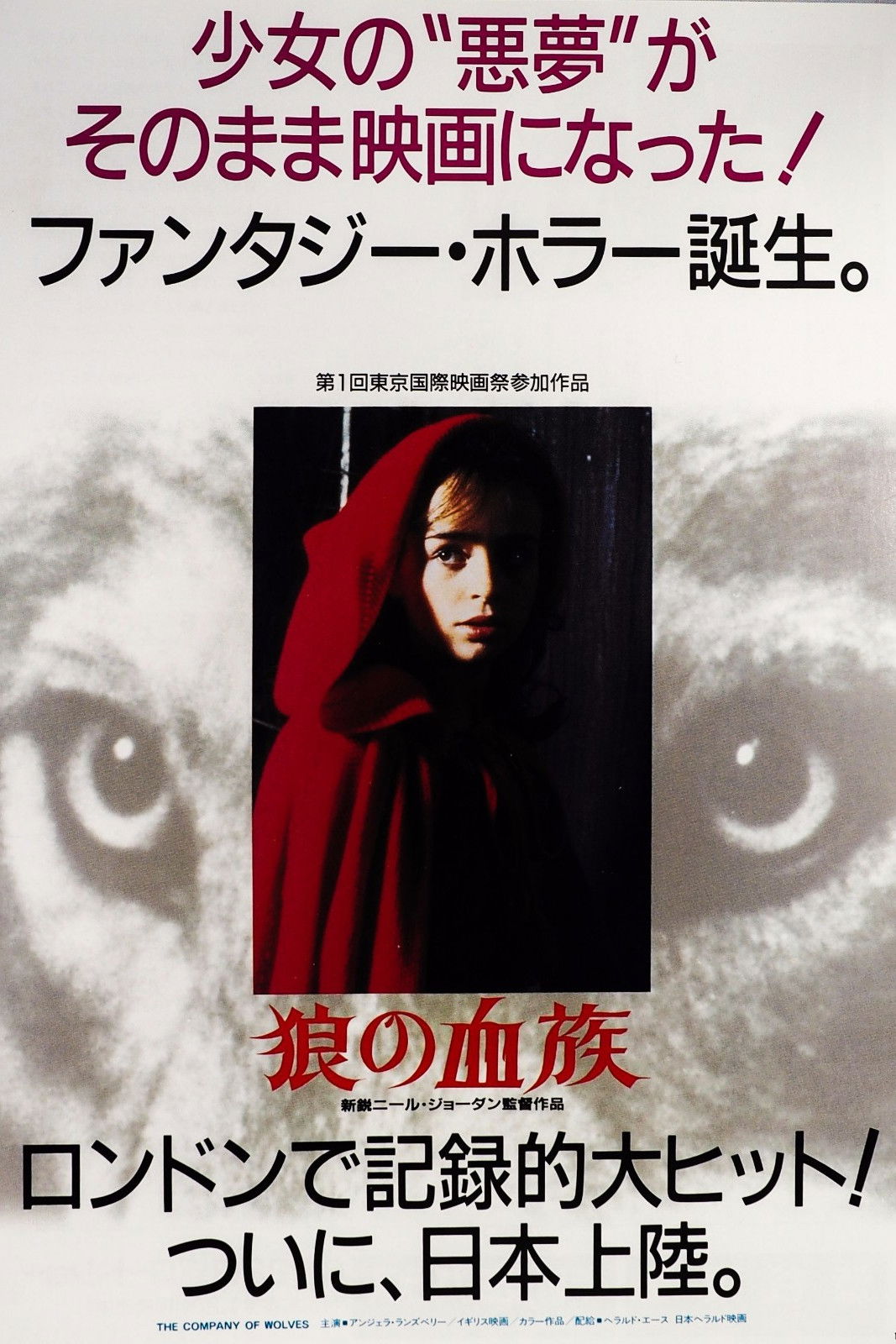
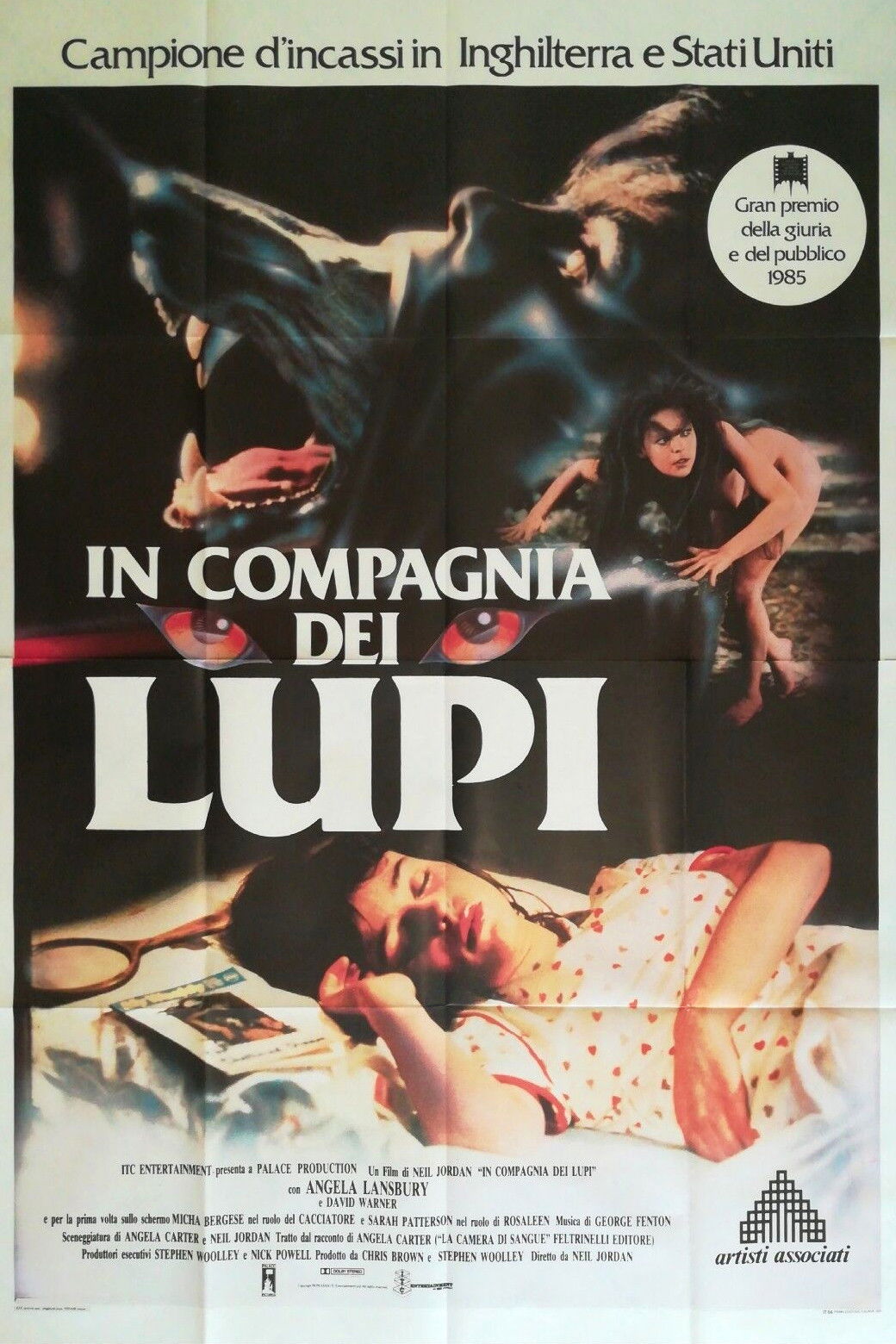
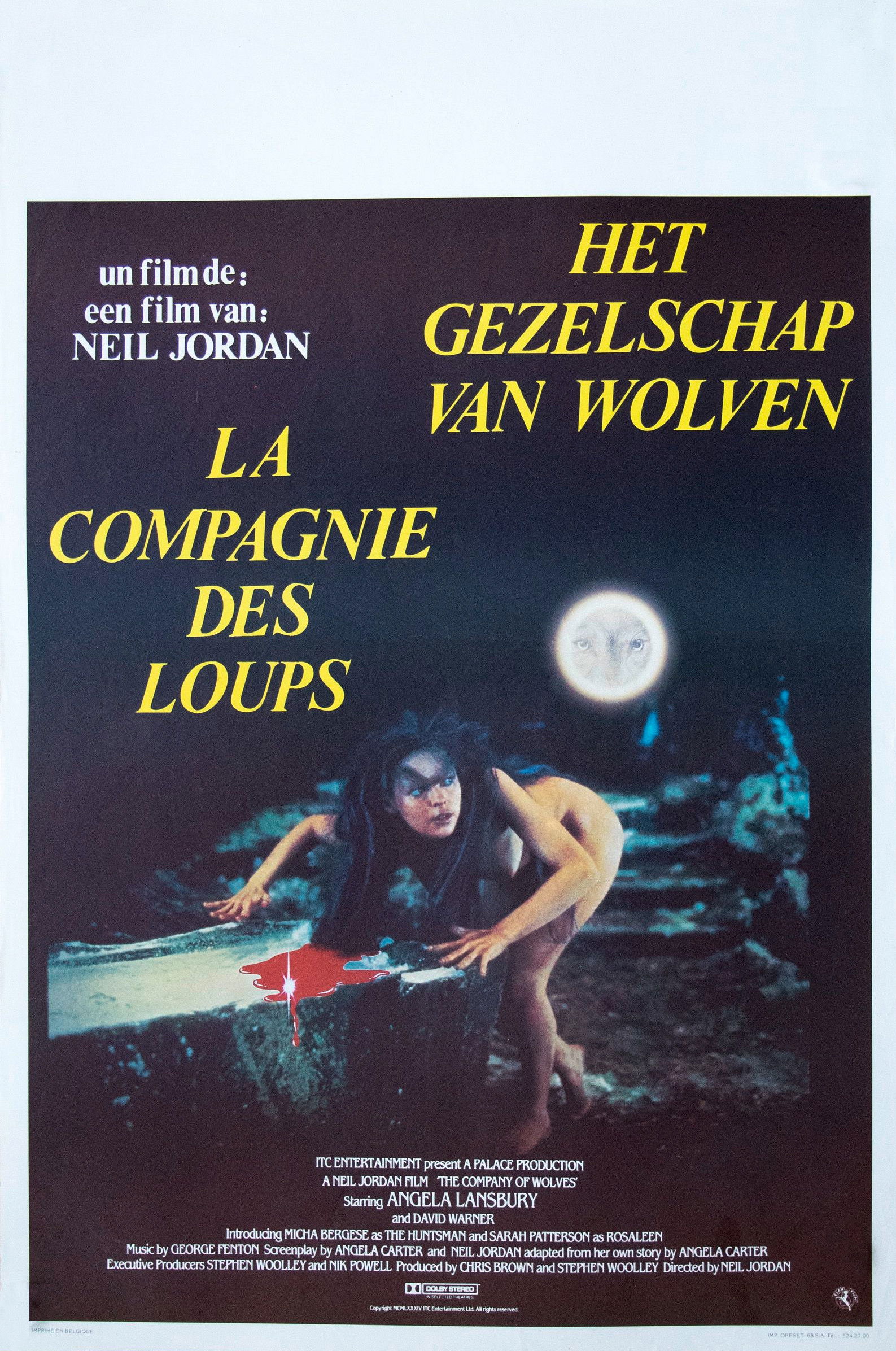
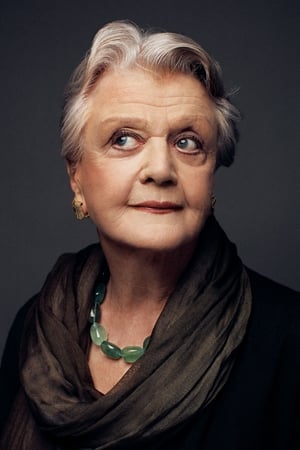
The film became an early production for Palace Pictures, associated with Stephen Woolley and Nik Powell, following Jordan's debut feature Angel (1982). Jordan later recalled that Sarah Patterson was a young, inexperienced performer when she auditioned for Rosaleen, but that her understanding of the material made an impression. Angela Lansbury played Granny, the storyteller who carries the most explicit prohibitions against wandering and trusting men. Their relationship contrasts the authority of an older narrator with a girl beginning to question her instructions.
Dreams, Storytelling and the Red Riding Hood Structure
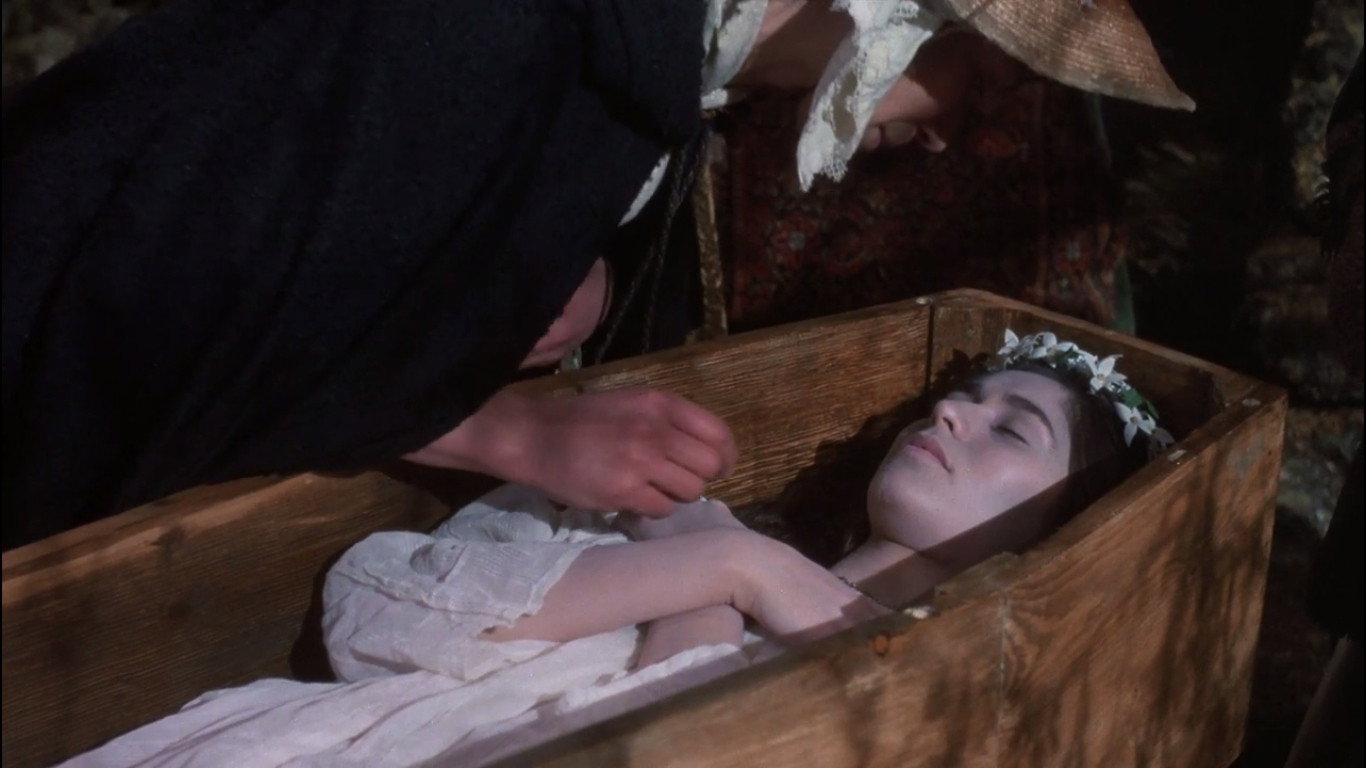
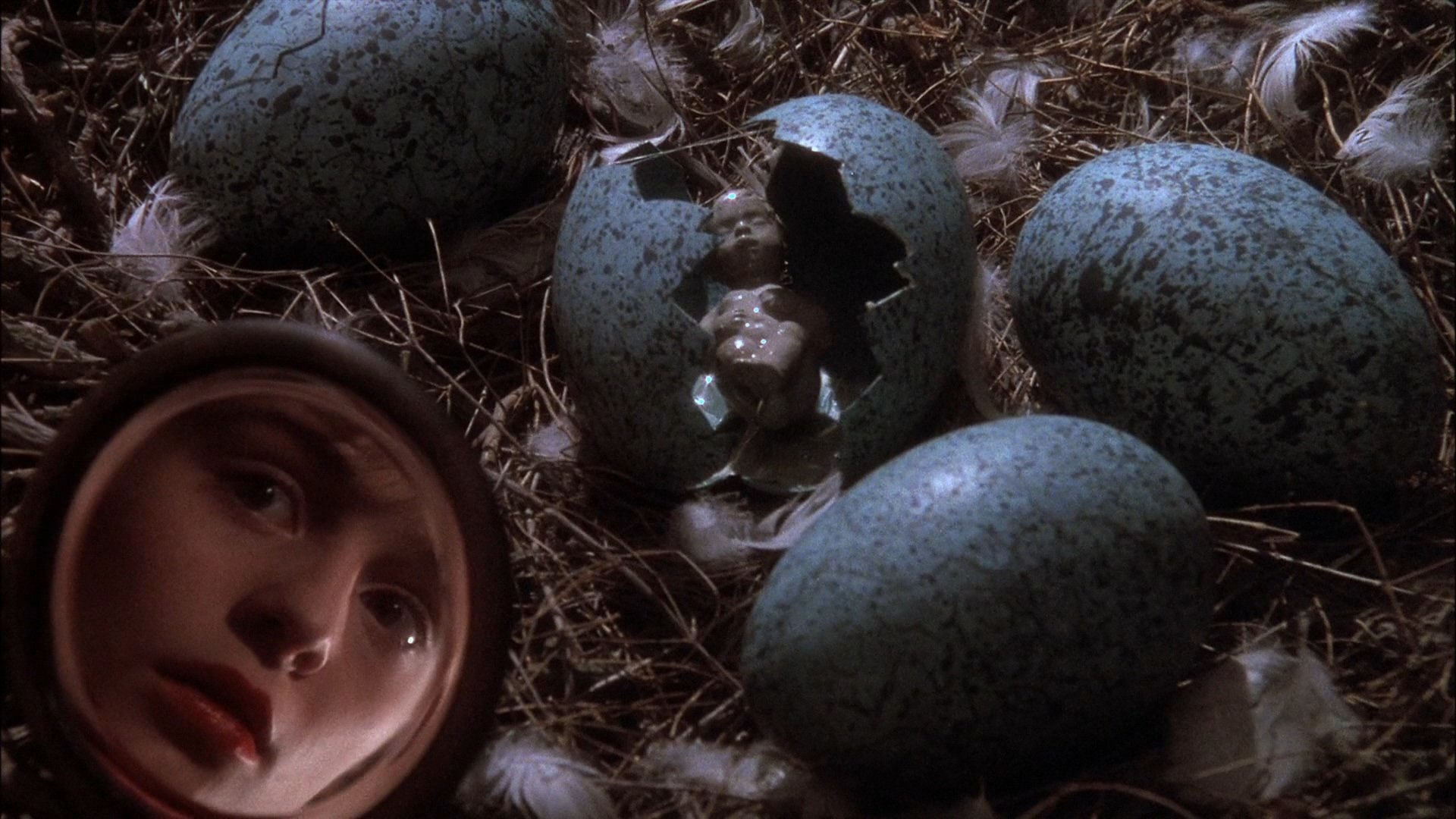
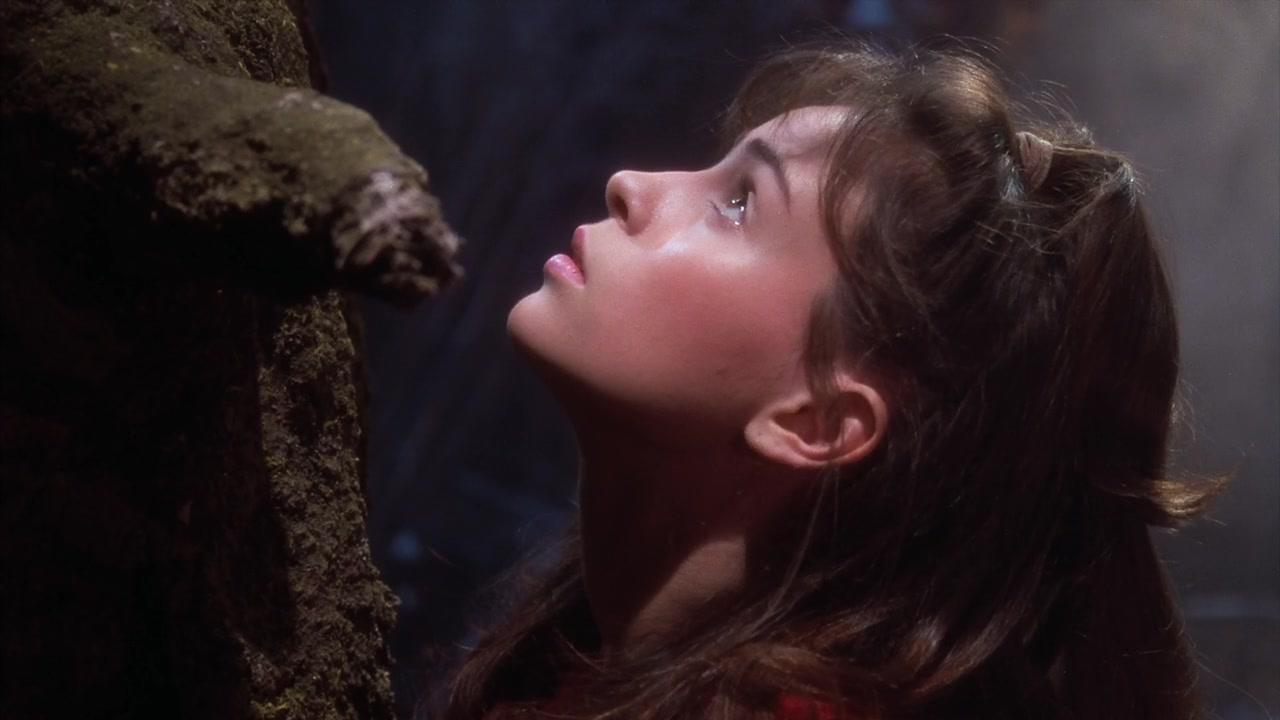
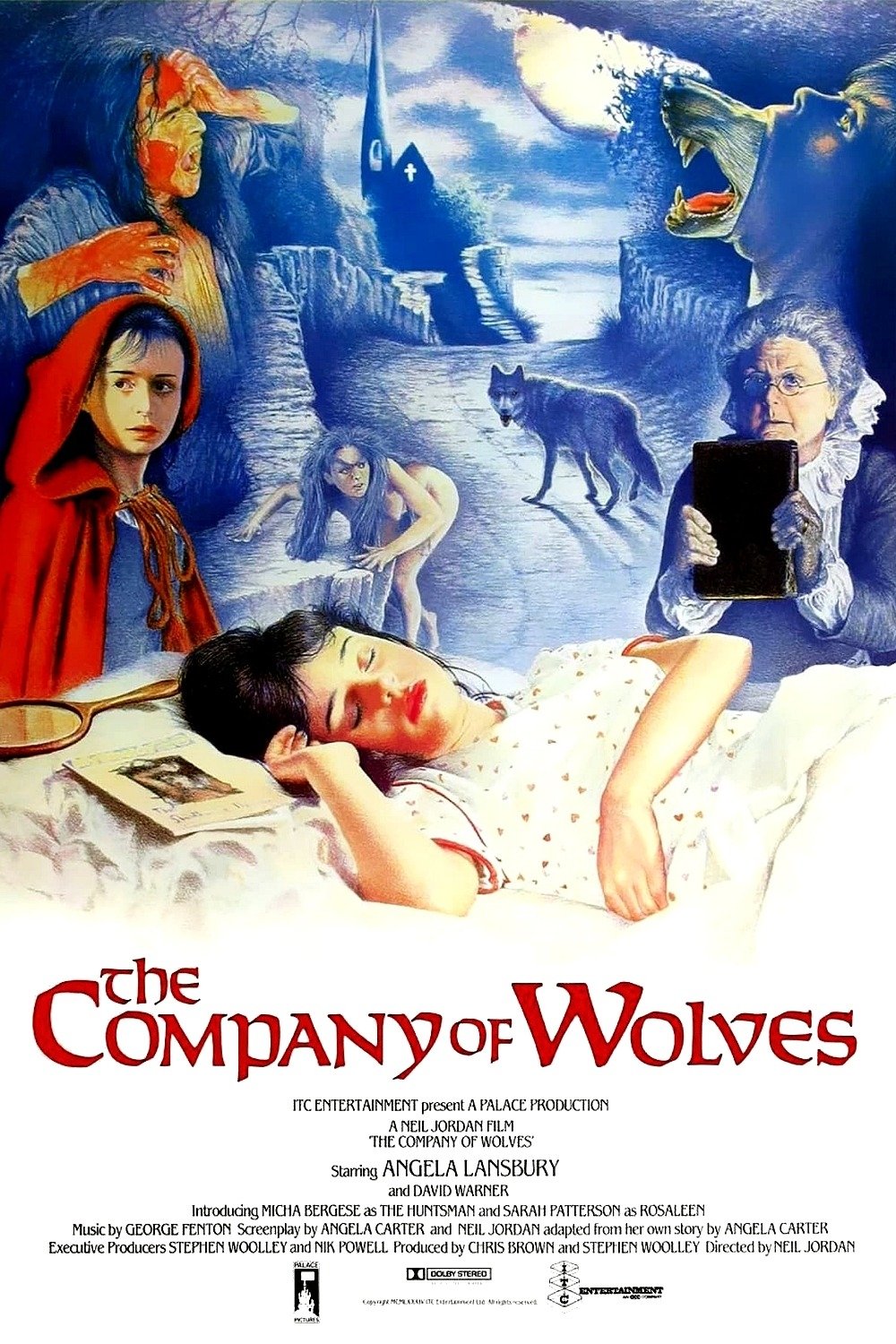
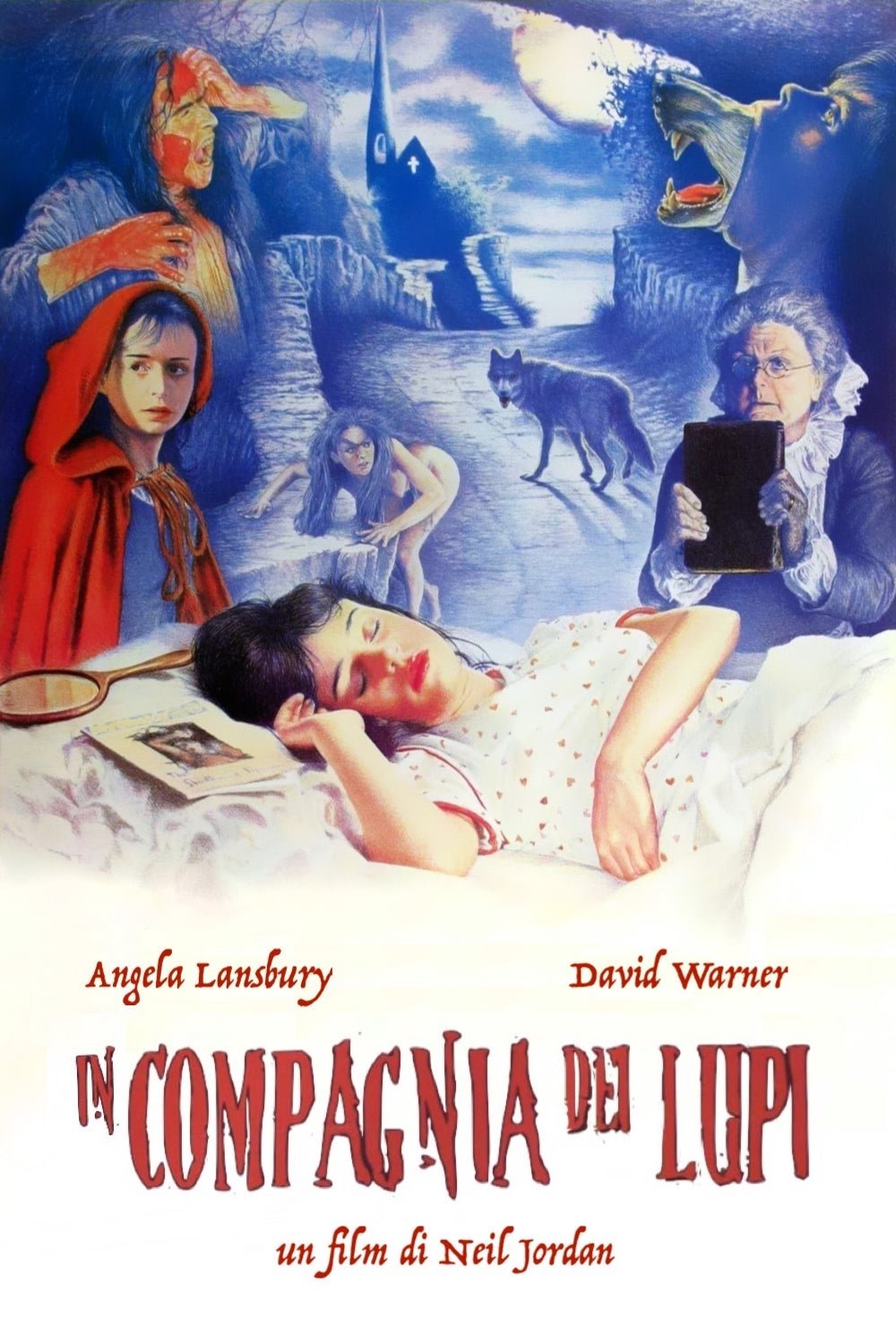
The opening places Rosaleen in an ordinary family setting before sleep makes the natural environment unstable. Objects associated with childhood seem to acquire threatening lives, and a wooded landscape appears to contain people and images drawn from her waking experience. The film offers no consistent boundary between what she dreams, what a character remembers and what another character invents. A story interrupts the action and returns to Rosaleen as a warning to interpret.
Granny's anecdotes present encounters in which marriage, courtship or apparent respectability conceal animal violence. A groom becomes a wolf; a severed paw changes into a human hand; attractive strangers carry the signs of something dangerous beneath their skin. These transformations support a recurring suspicion of men who appear safe because they belong to familiar social arrangements. Yet the tales are shaped by the person who tells them. The grandmother's perspective attempts to organise the forest into acceptable paths and forbidden spaces, while Rosaleen's participation increasingly unsettles the certainty of those rules.
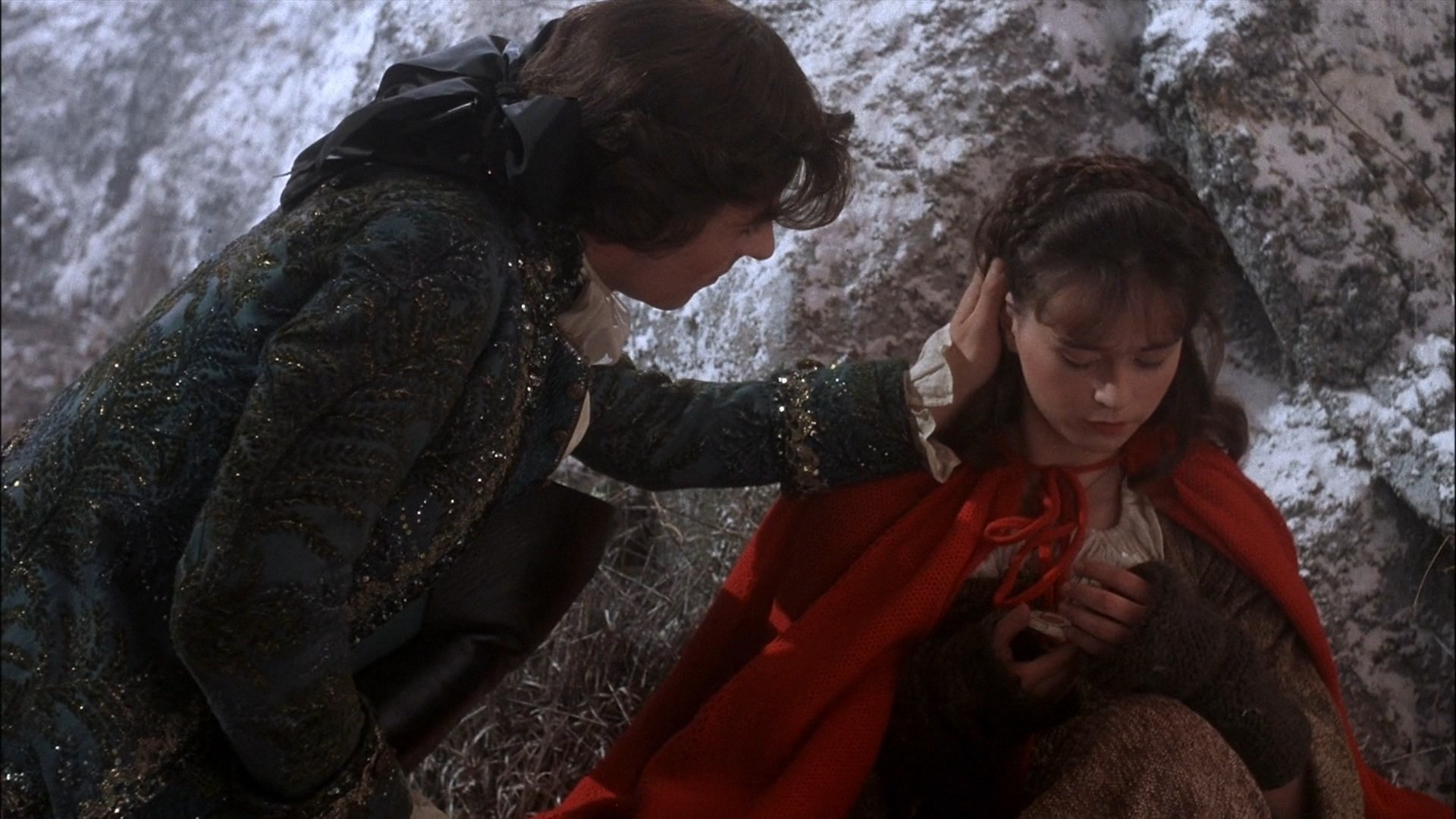
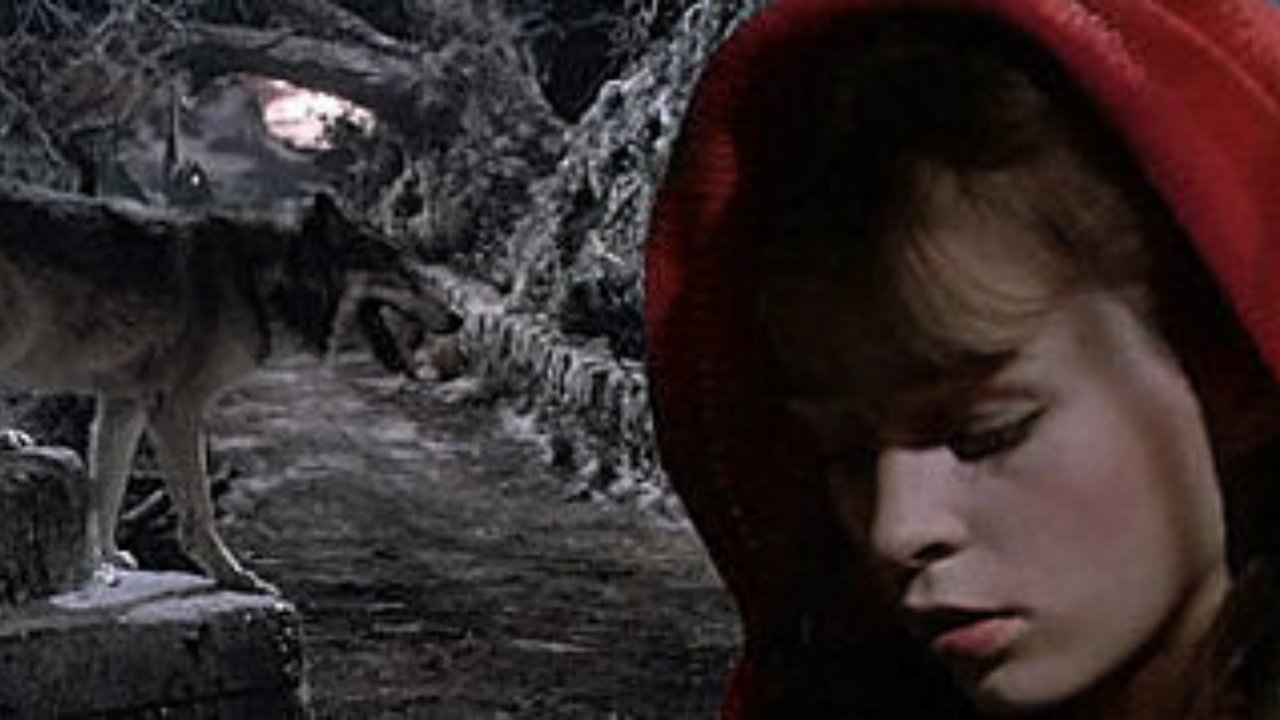
This layered form changes the purpose of suspense. Each episode can introduce a threat without requiring the film to explain how every event fits a single continuous chronology. Recurring images and warnings provide the links instead. The later encounter with the huntsman returns to Little Red Riding Hood's basic situation, but Rosaleen has already heard several competing versions of what a wolf might be. Her response grows from that accumulated experience of storytelling rather than from the simple innocence traditionally assigned to the child in the tale.
The Studio Forest and Gothic Visual Design
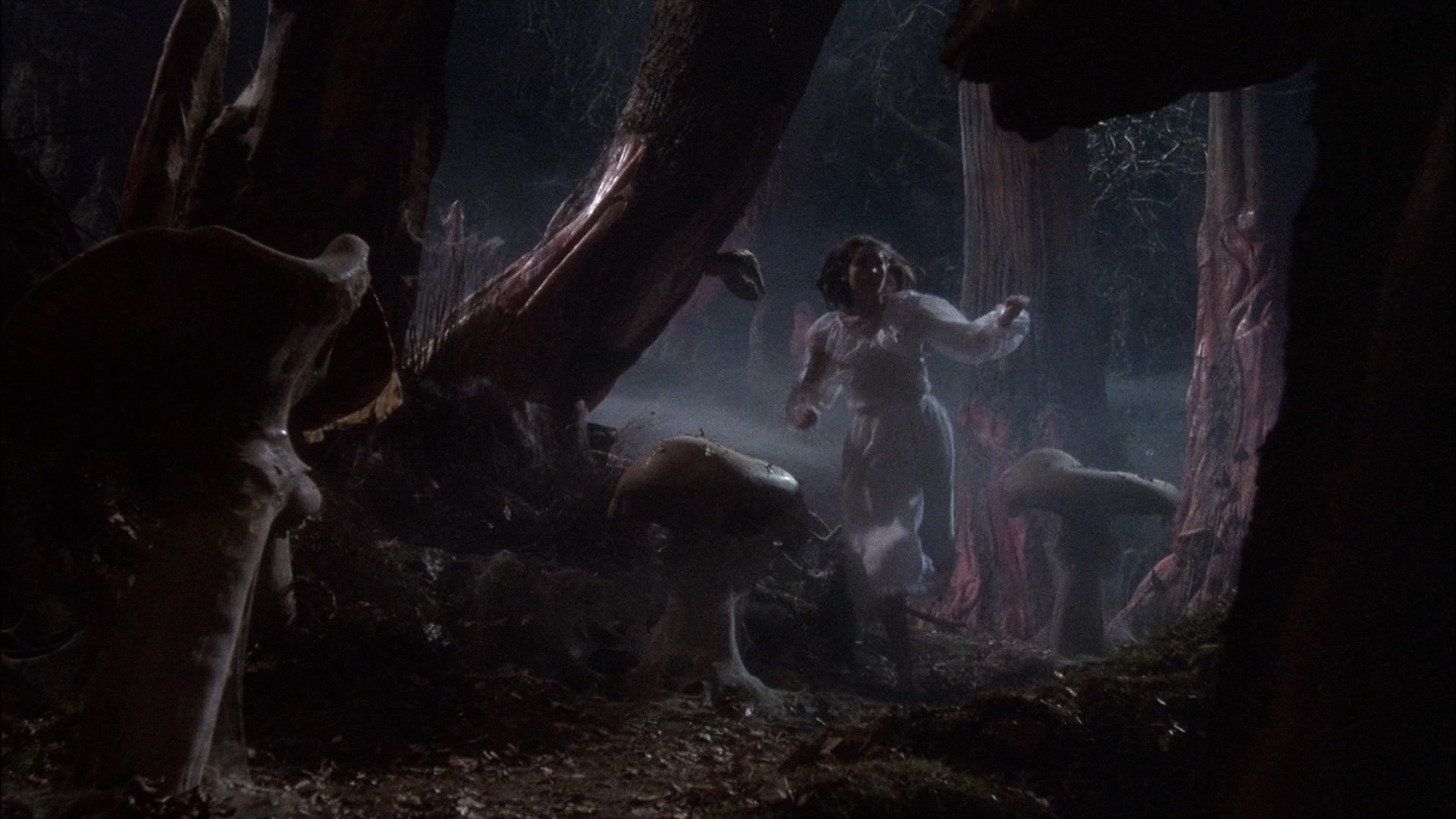
Most of the fantasy world was constructed at Shepperton Studios, where Jordan and production designer Anton Furst created a village and surrounding forest on two main stages. Jordan identified the paintings of Samuel Palmer as one influence on the village's appearance. Furst faced the problem of making limited materials suggest a landscape far larger than the production could build. According to the director, the forest contained roughly a dozen principal trees mounted on rollers, allowing paths and groupings to change between shots; bonsai trees helped supply more distant views.
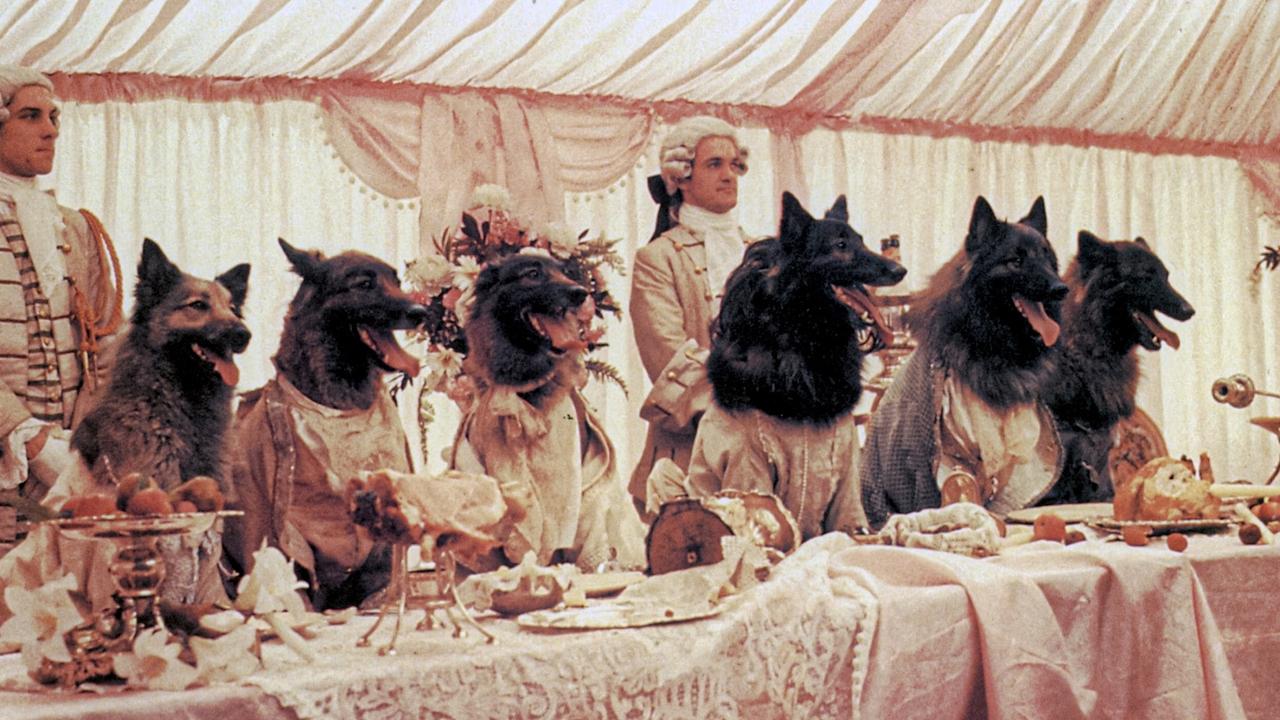
The resulting woodland behaves more like a theatrical environment than a realistic exterior. Roots and branches enclose narrow passages, while changes in scale create uncertainty about how far the characters have travelled. The village promises shelter through interiors and communal habits, but it remains exposed to threats from the surrounding forest. Bryan Loftus's photography helps join these differently scaled constructions into a coherent nightmare, using the contrast between the warmth of inhabited rooms and the obscurity of paths beyond them. The artificial quality is integral to the film's presentation of a landscape shaped by imagination.
Furst's design also enabled changes that would be difficult to express through ordinary location photography. The forest appears to shift according to the needs of a story, and its objects can suggest bodily forms without becoming fully human. Jordan later remembered that technicians accustomed to large productions were sceptical of some of the inexpensive methods. These limitations produced an unusually concentrated visual world: the same threatening space can become a route, a trap or a place of discovery as the storyteller changes.
Folklore, Sexual Awakening and Female Agency
The warnings that Granny repeats belong to a tradition of tales in which a young woman is instructed to recognise danger in male strangers and remain on an approved route. In Carter and Jordan's version, the moral is less stable. The path offers a measure of safety, but obedience also means accepting an older generation's account of sexuality before Rosaleen has explored her own desires. Fear is communicated through domestic advice, village gossip and stories in which the predator may be indistinguishable from a prospective husband.
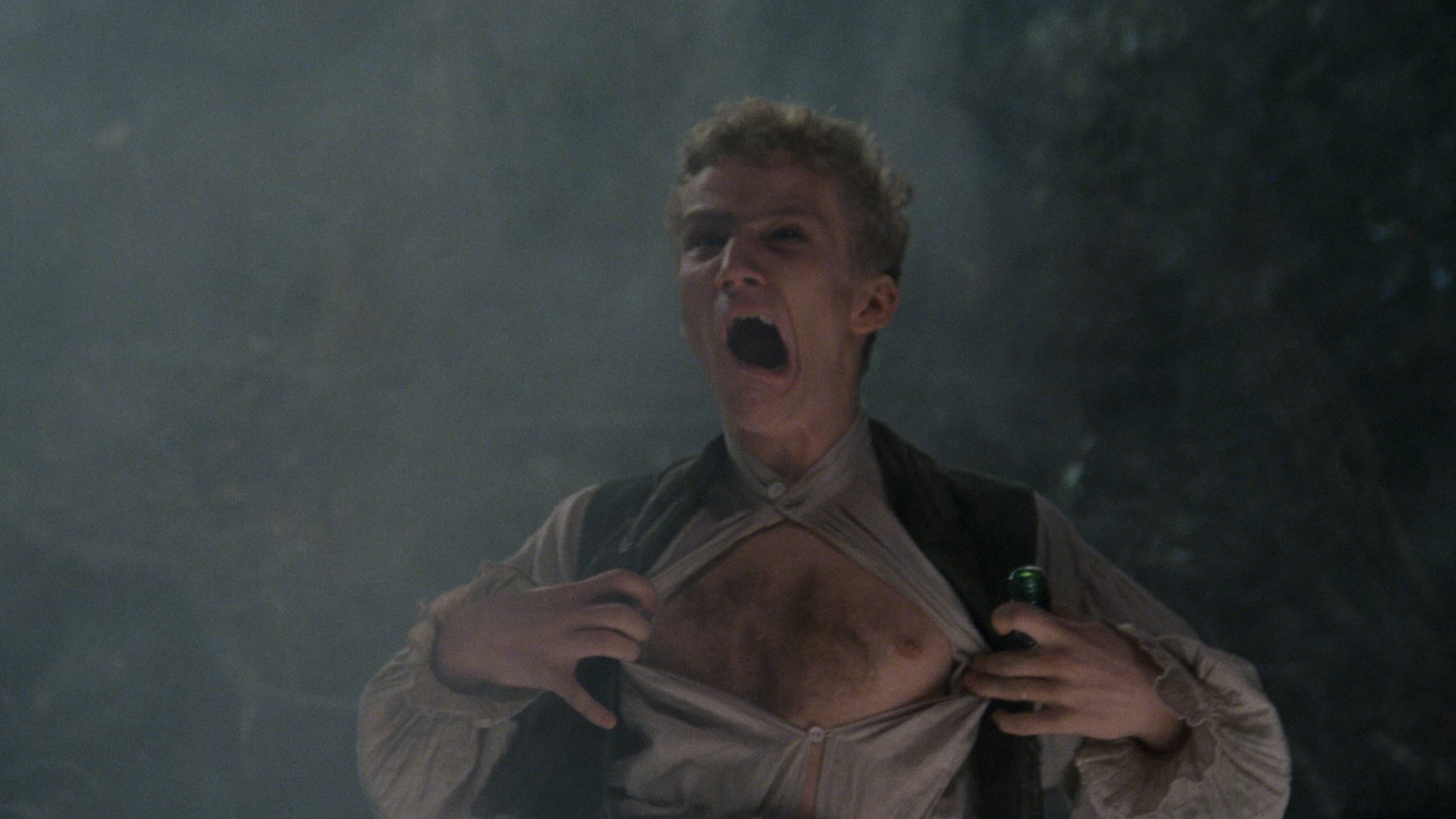
Rosaleen's growing interest in the forest unsettles the division between innocent girl and dangerous animal. The story's men may behave as predators, but the film also imagines female figures who can answer, resist or participate in the forces represented by wolves. Its use of metamorphosis expands beyond a punishment visited upon men. Instead, the changing body becomes a troubling image of adulthood itself. Such interpretations arise from the film's narrative relationships and recurring imagery; the supernatural episodes are not offered as a fixed code with one meaning for every wolf.
The film's horror also depends on the tension between tenderness and violence within familiar fairy-tale settings. Granny's protective intentions are clear, even when her stories reduce other people to warnings. A village wedding can lead to an assault on bodily identity, and the huntsman can inspire attraction while carrying the threat of predation. By withholding a reassuring distinction between the desirable and the monstrous, the film explores the anxieties surrounding Rosaleen's emergence into adult social relationships. Its approach places the werewolf within the female gothic tradition associated with Carter's writing.
Release, Contemporary Reception and Horror Context
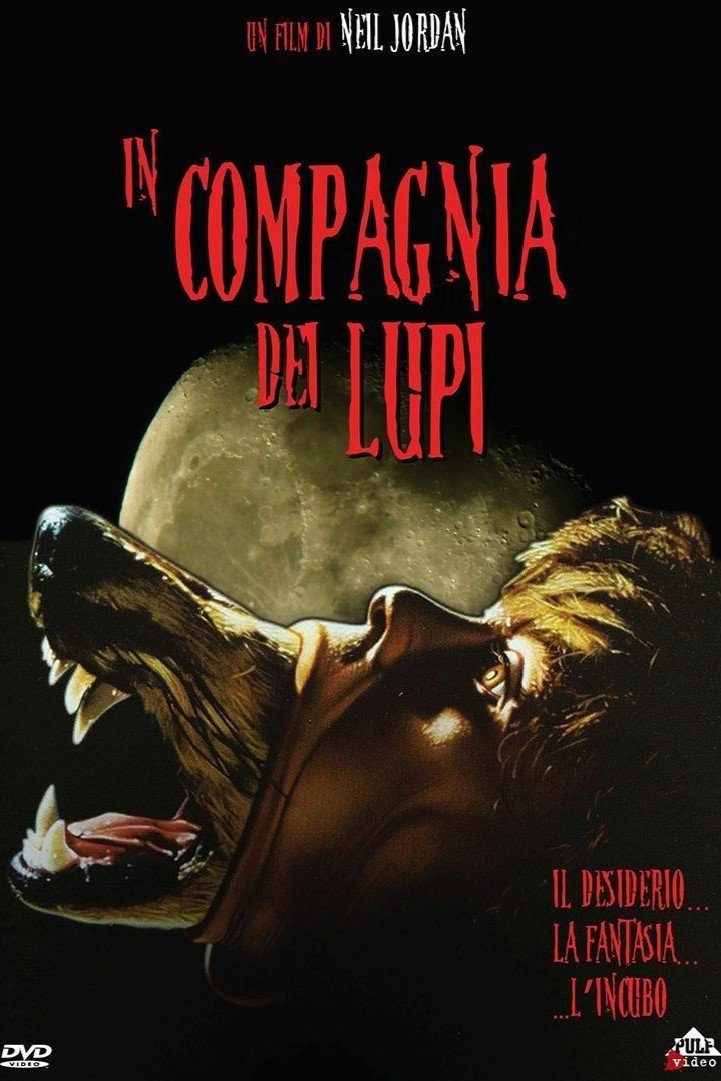
The film reached British cinemas in 1984. The British Board of Film Classification records a cinema submission by Palace Pictures, classified on 18 July that year, with a running time of 95 minutes and 11 seconds. Later home-video entries in the BBFC archive list running times around 91 minutes, including submissions in 1987, 1998 and 2005. These records establish differing durations across formats but do not, by themselves, demonstrate that the film was subjected to narrative cuts or that an alternative creative version was released. The distinction matters when comparing circulating editions.
A review by Peter Ackroyd published in The Spectator on 29 September 1984 described a film that departed from the realism then strongly associated with British screen drama. Ackroyd responded favourably to the storytelling, constructed woodland and transformation effects, while finding the closing emphasis on symbolism somewhat insistent. His contemporary account is valuable because it shows how the film's combination of literary fantasy and grotesque horror appeared at the moment of its original British release. It also records the potential difficulty of fitting the work comfortably within ordinary genre expectations.
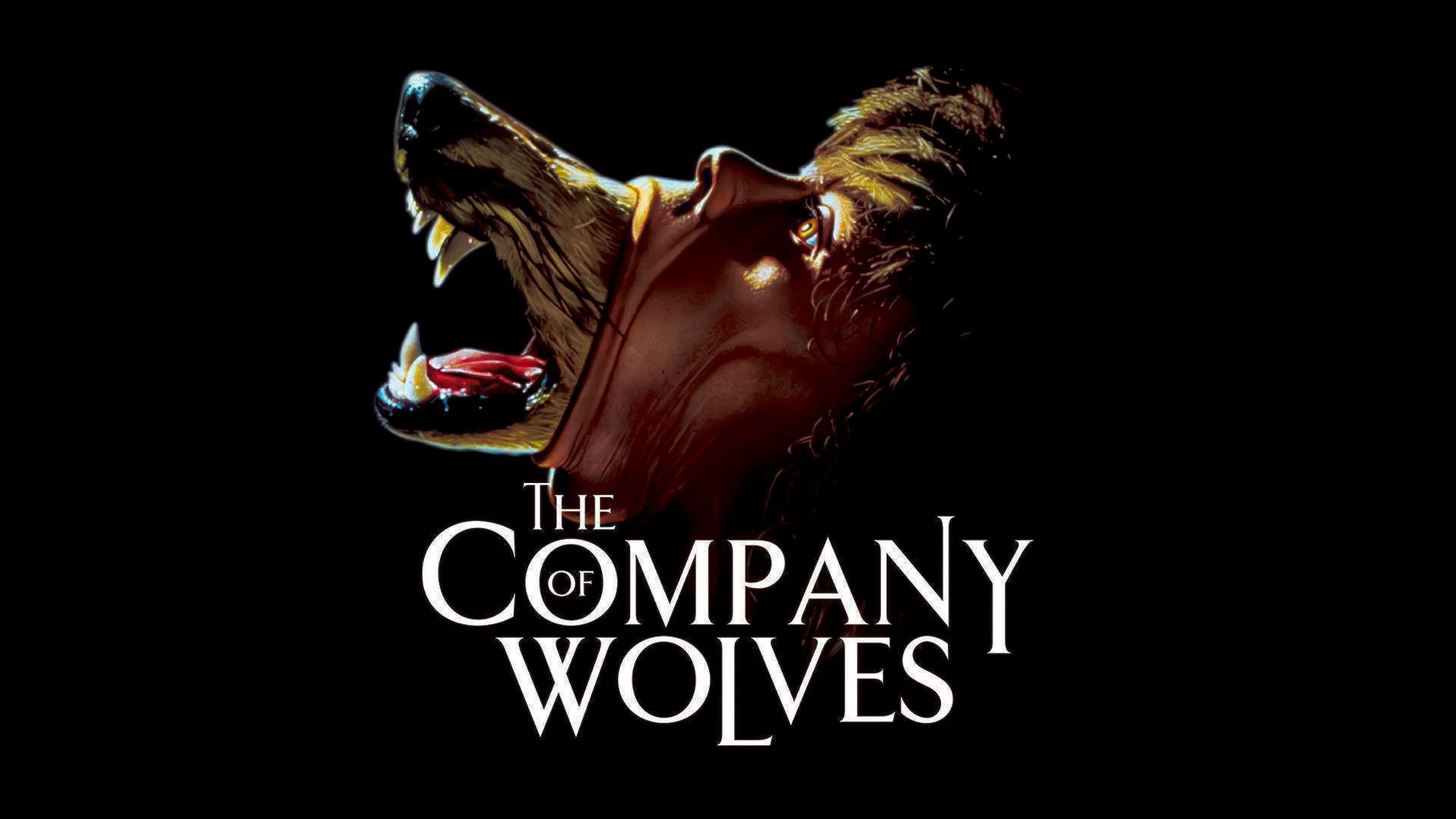
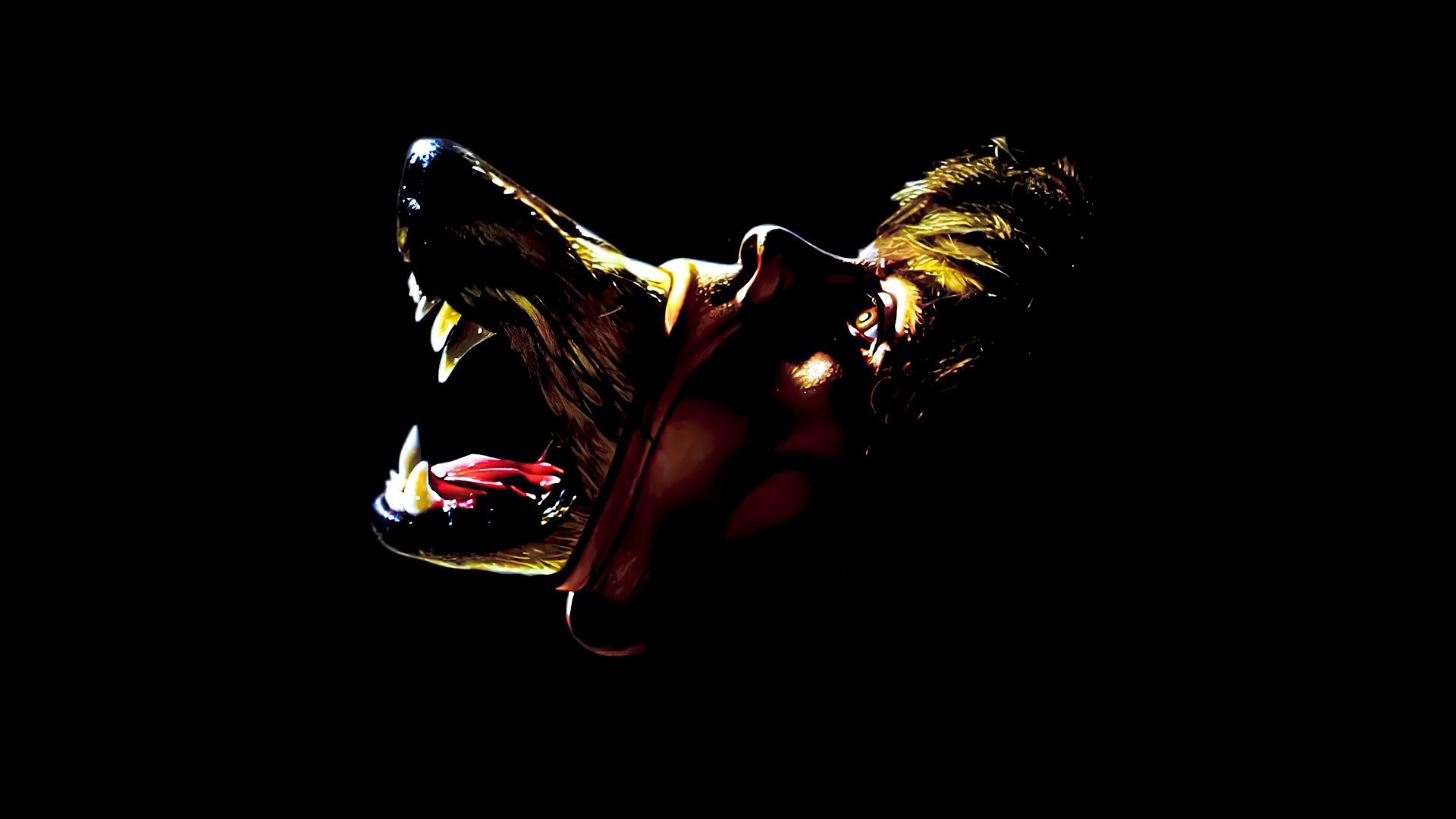
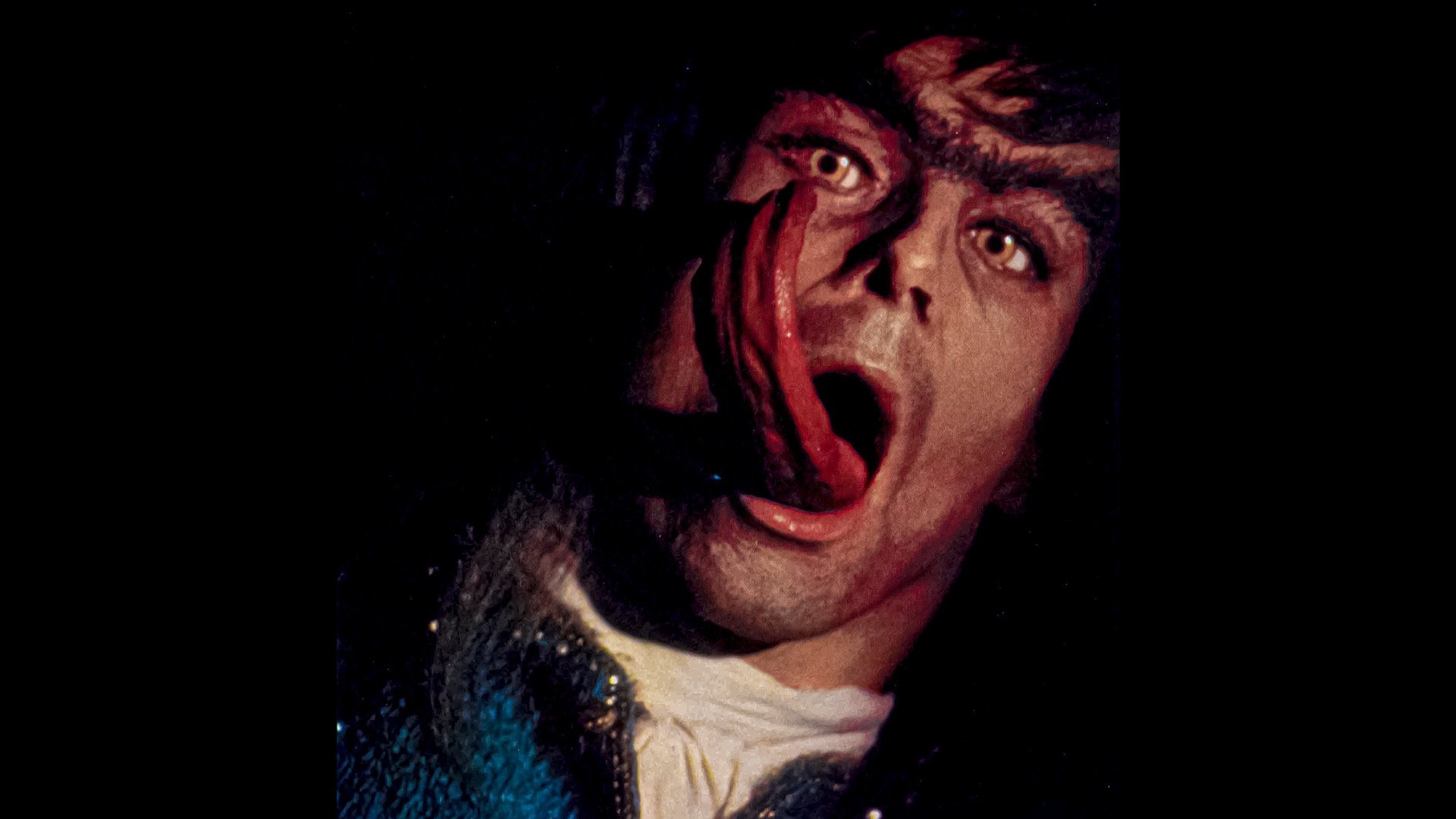
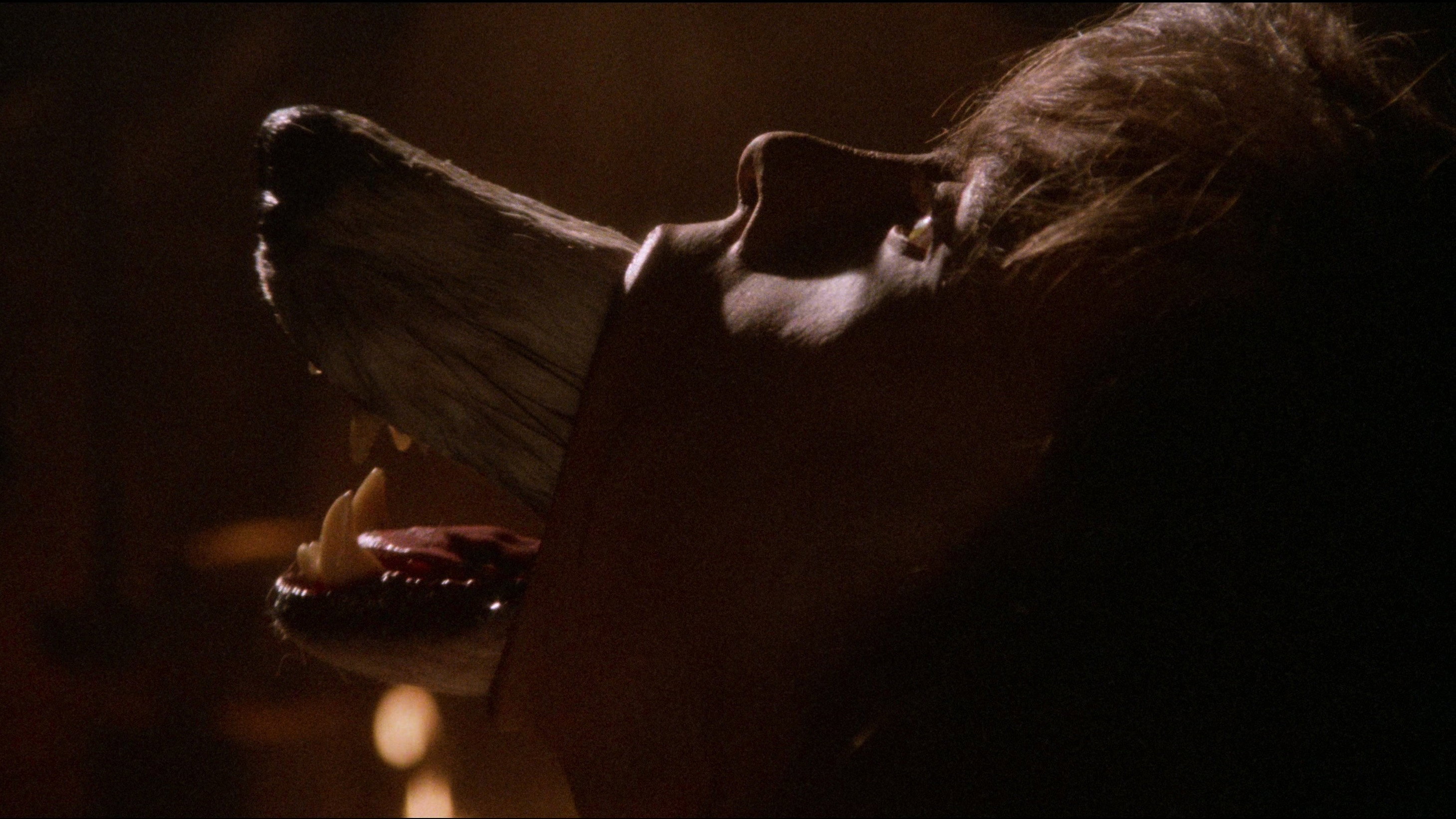
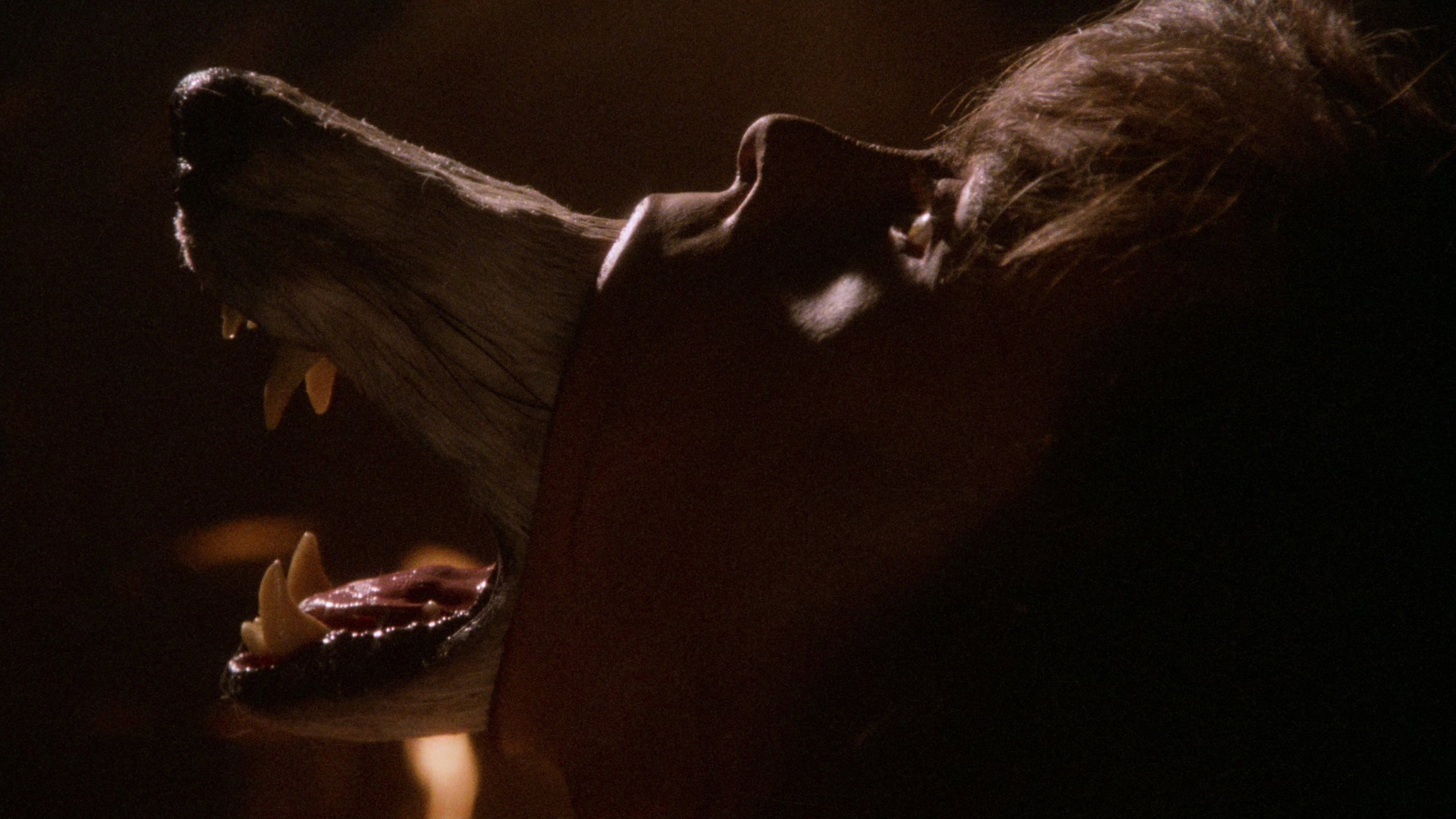
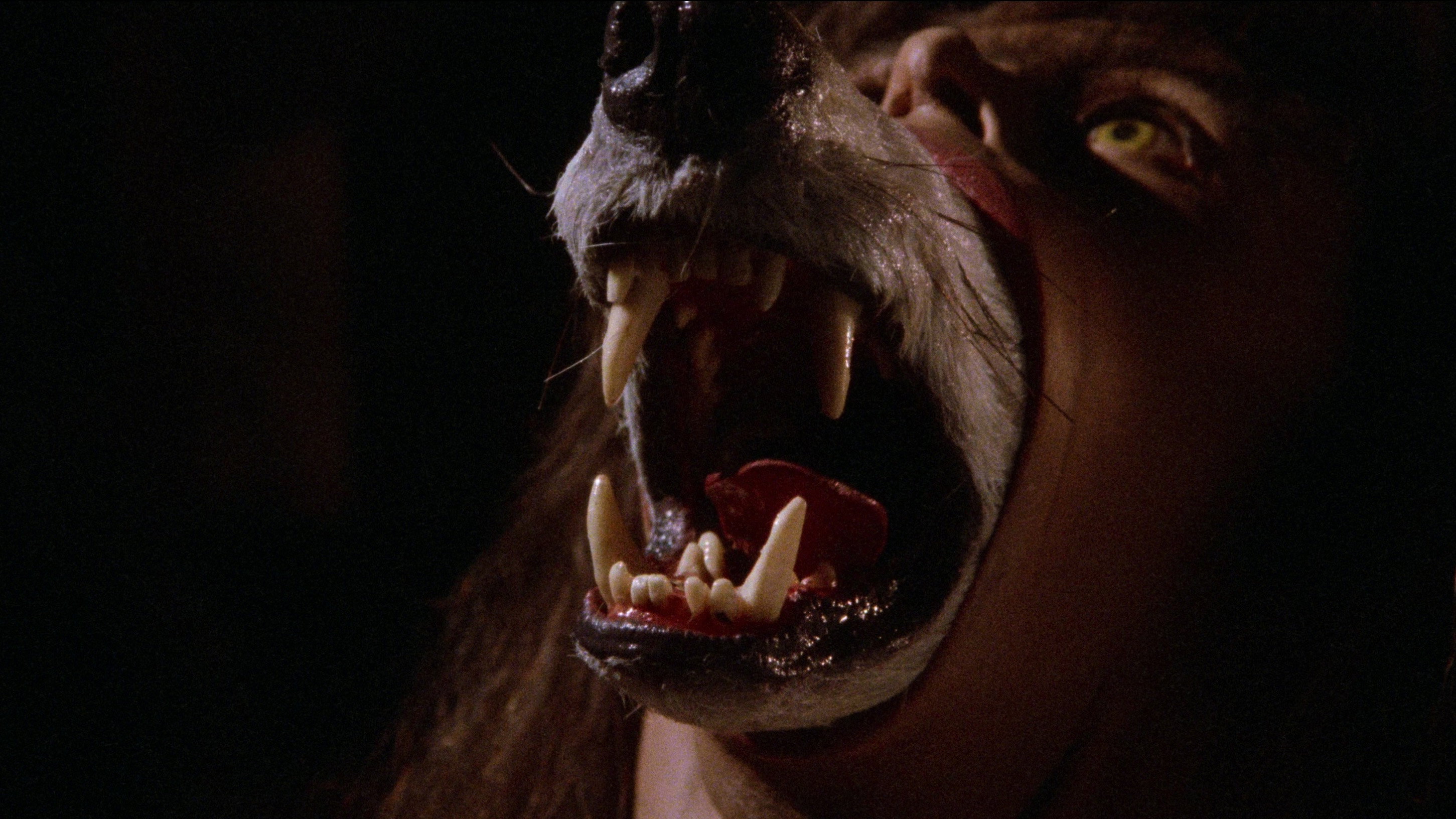
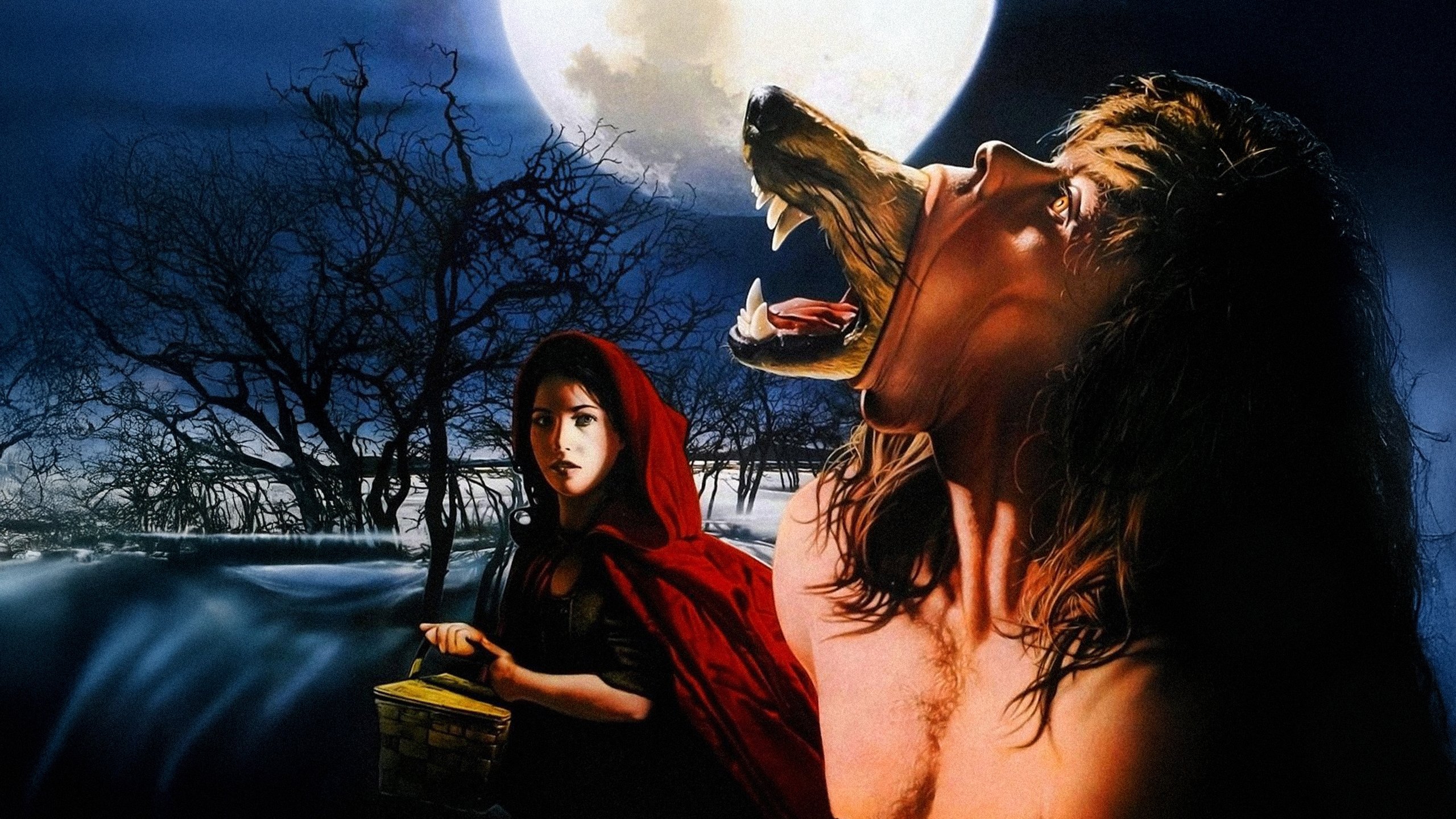
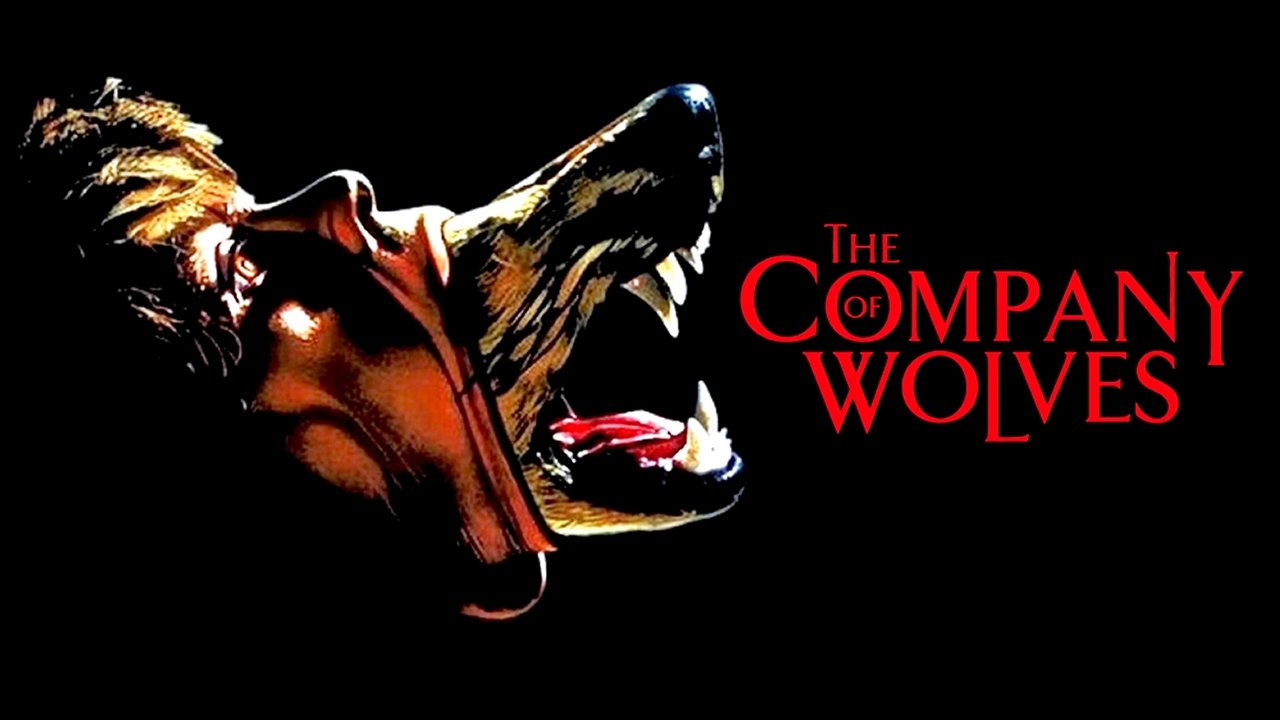
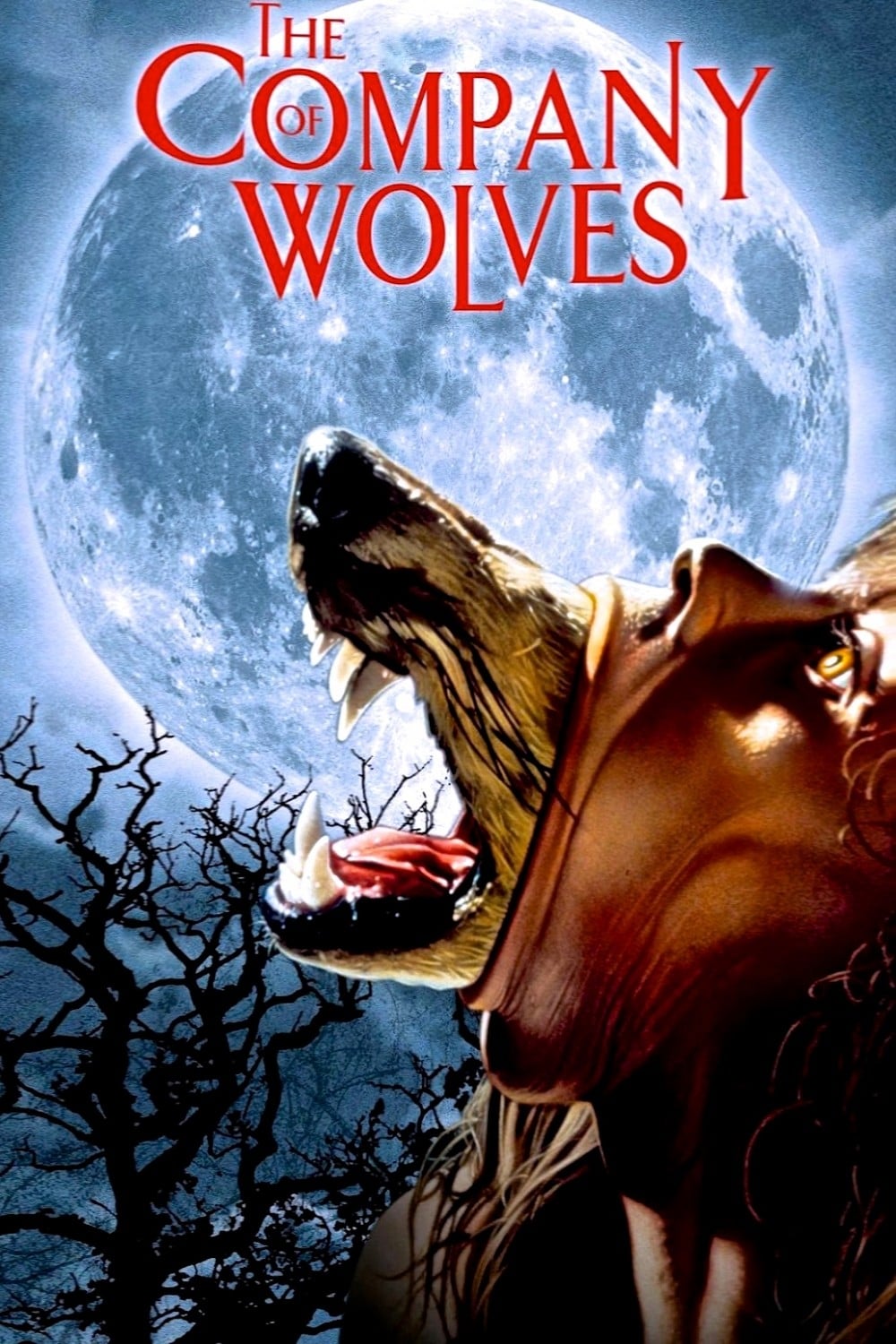
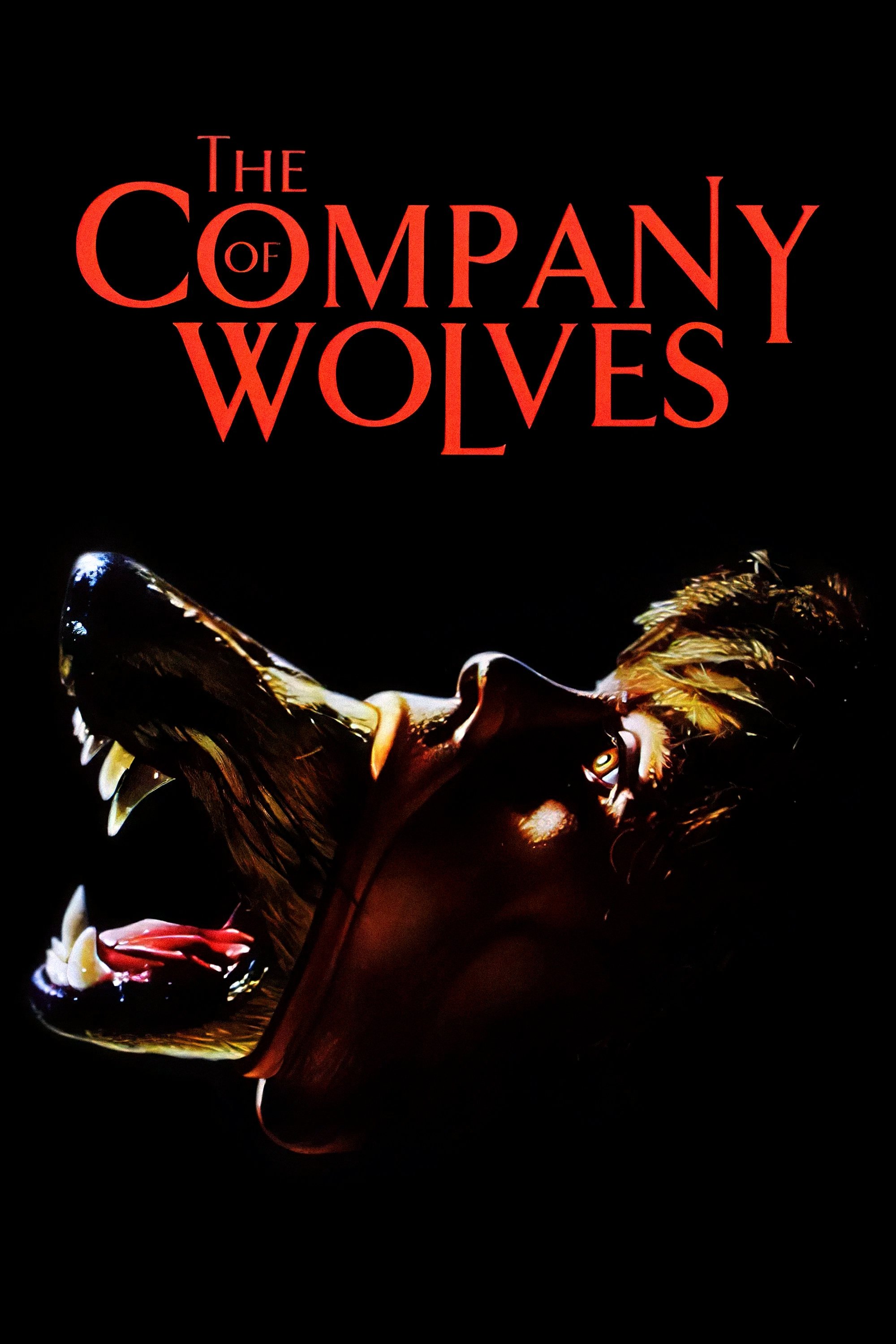
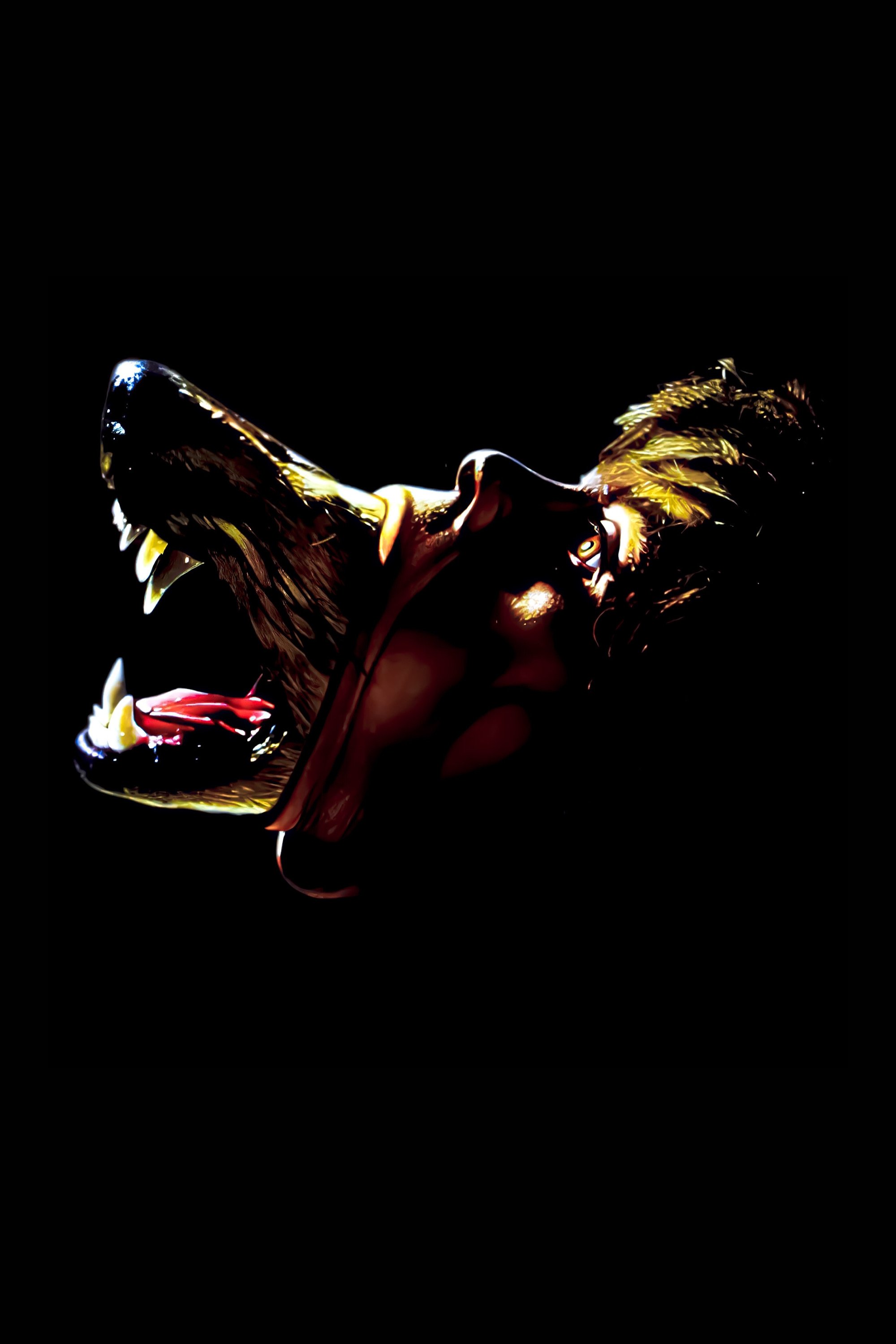
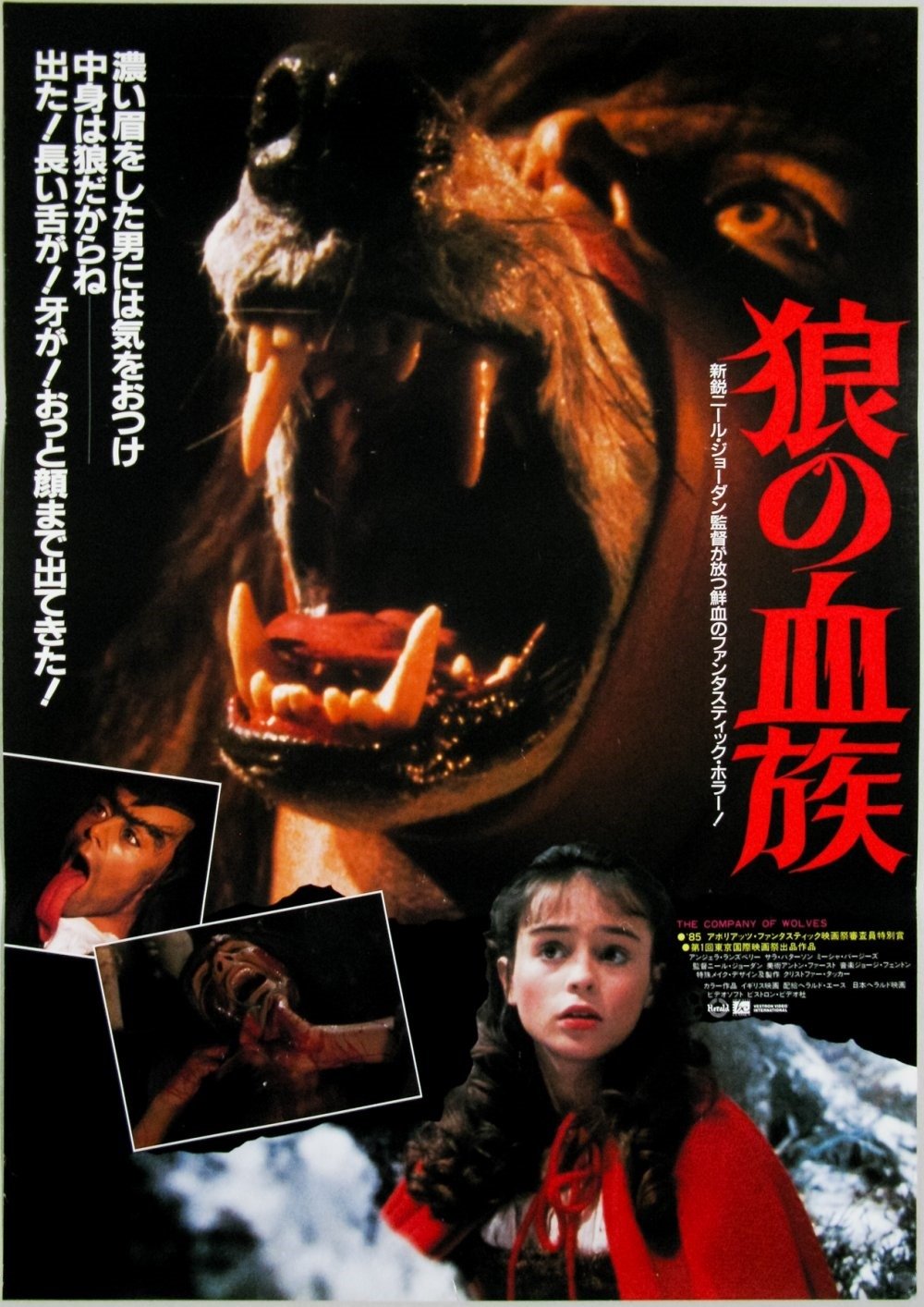
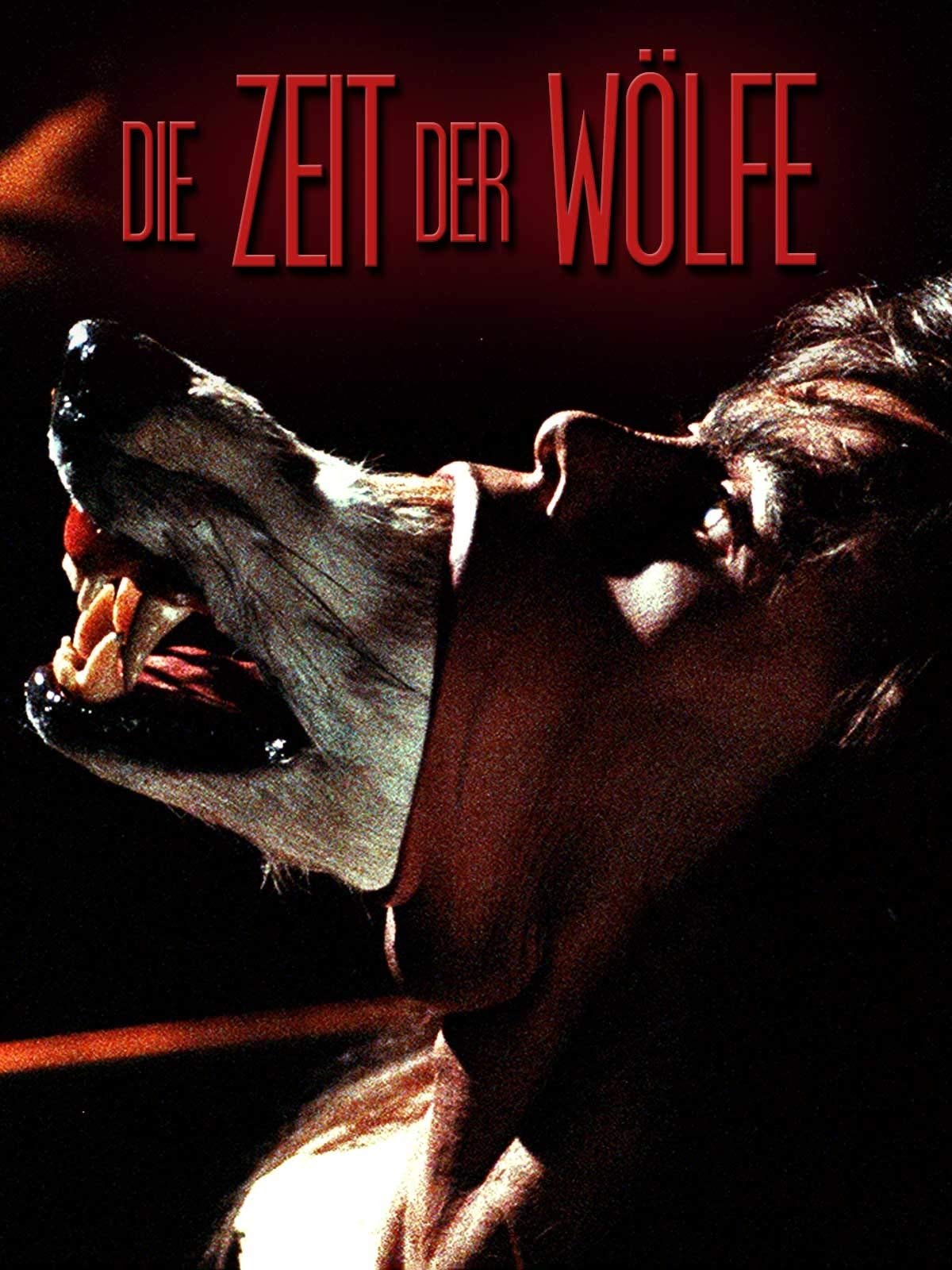
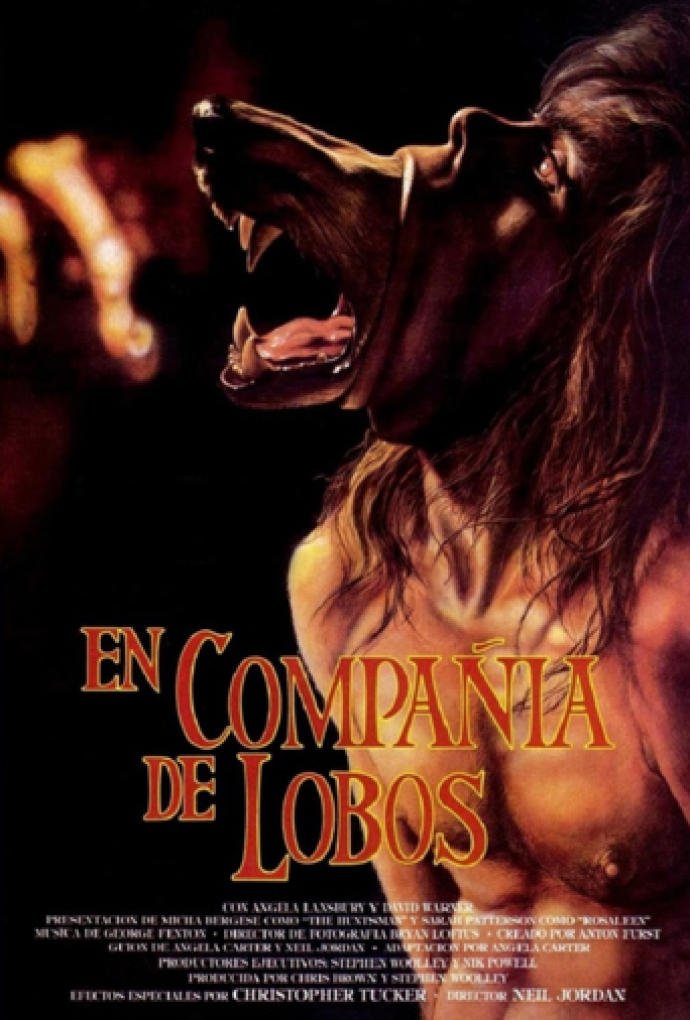
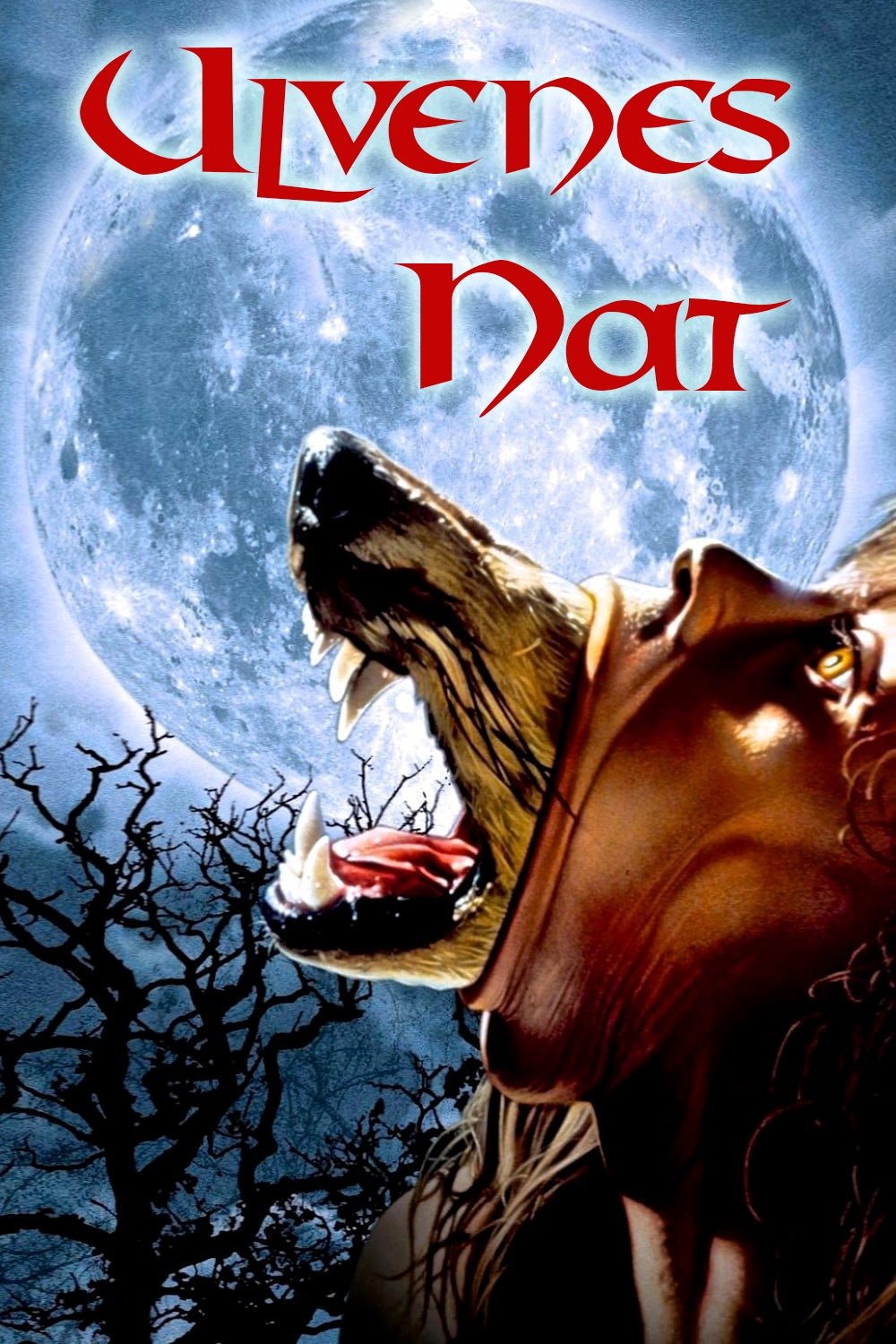
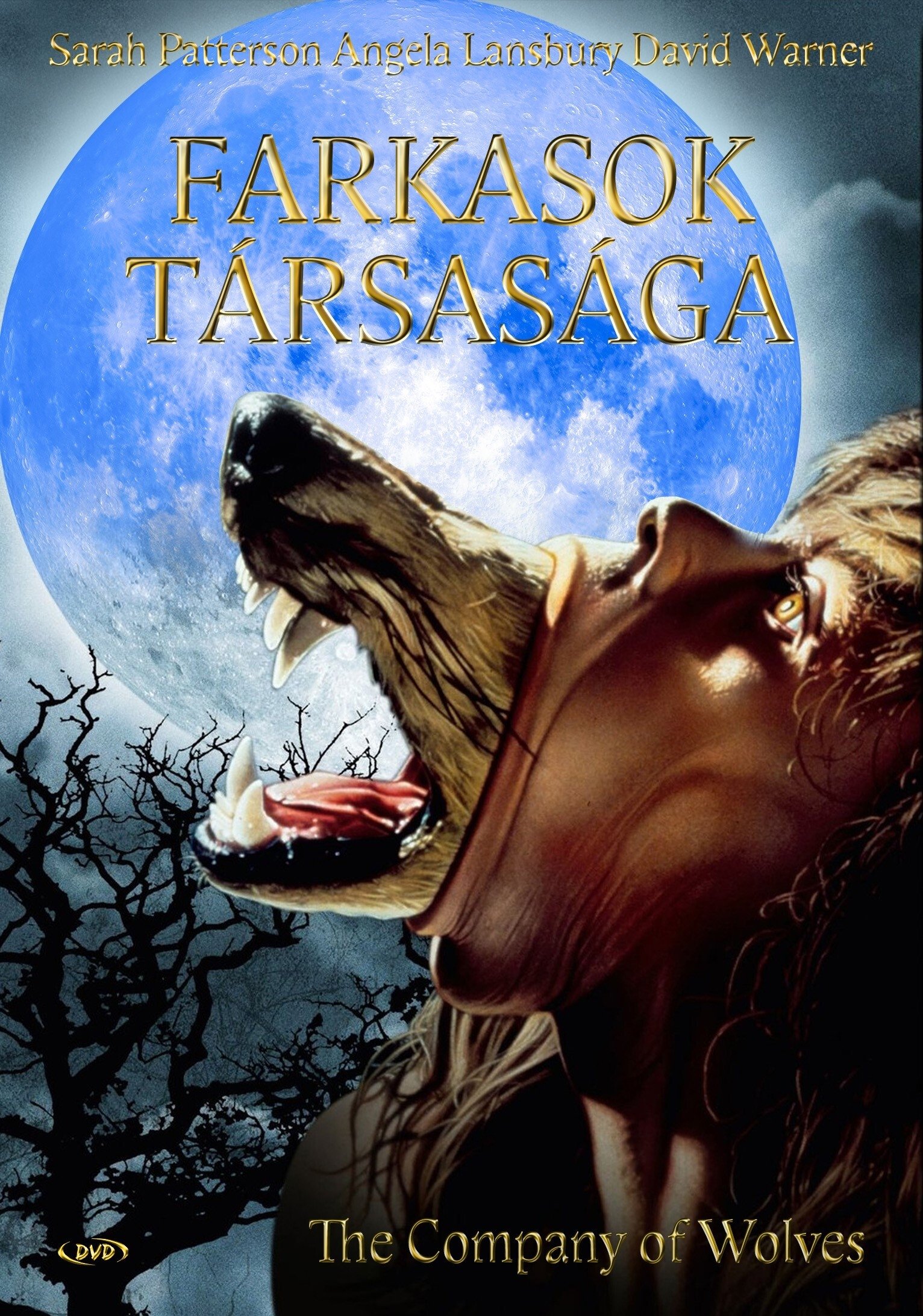
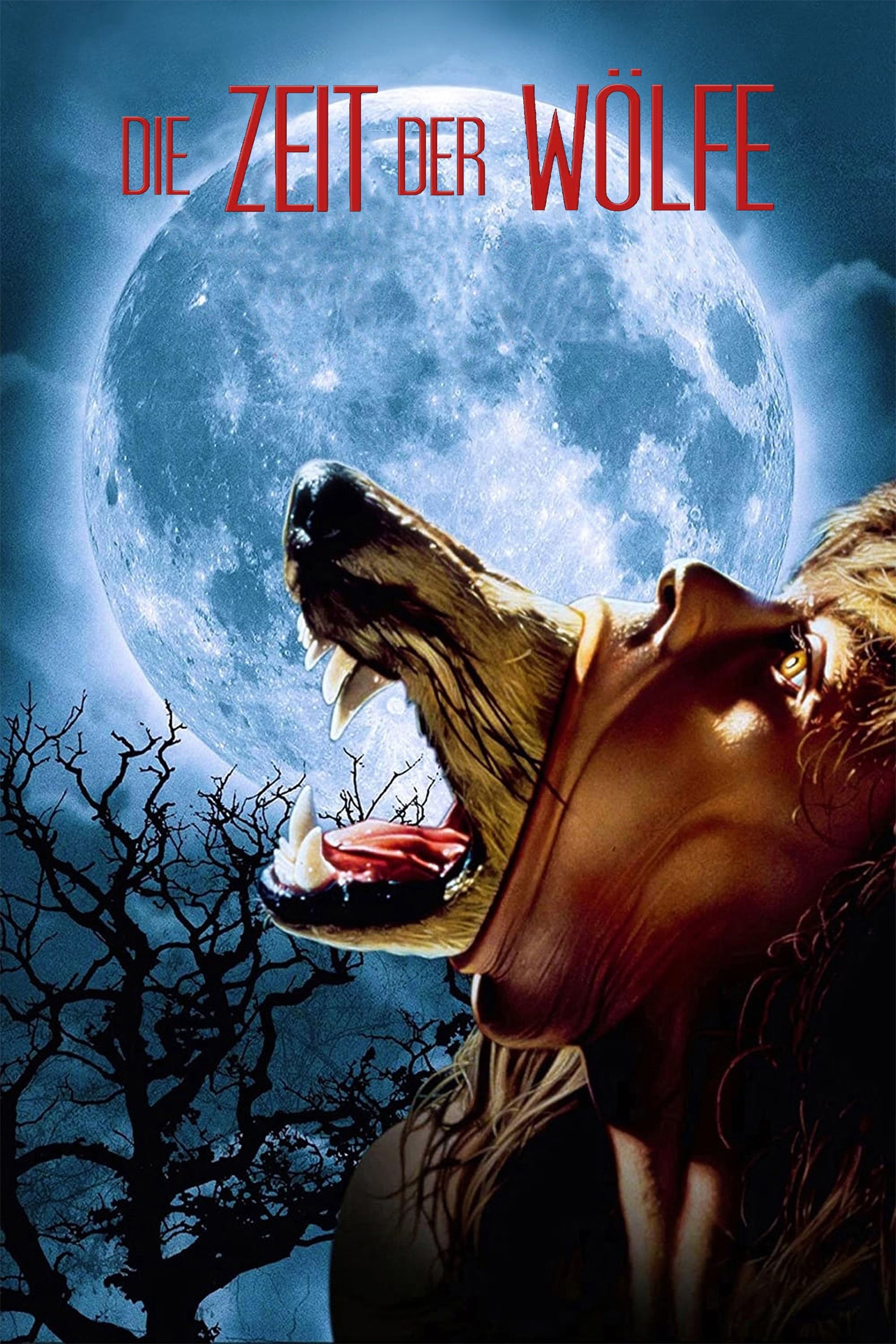
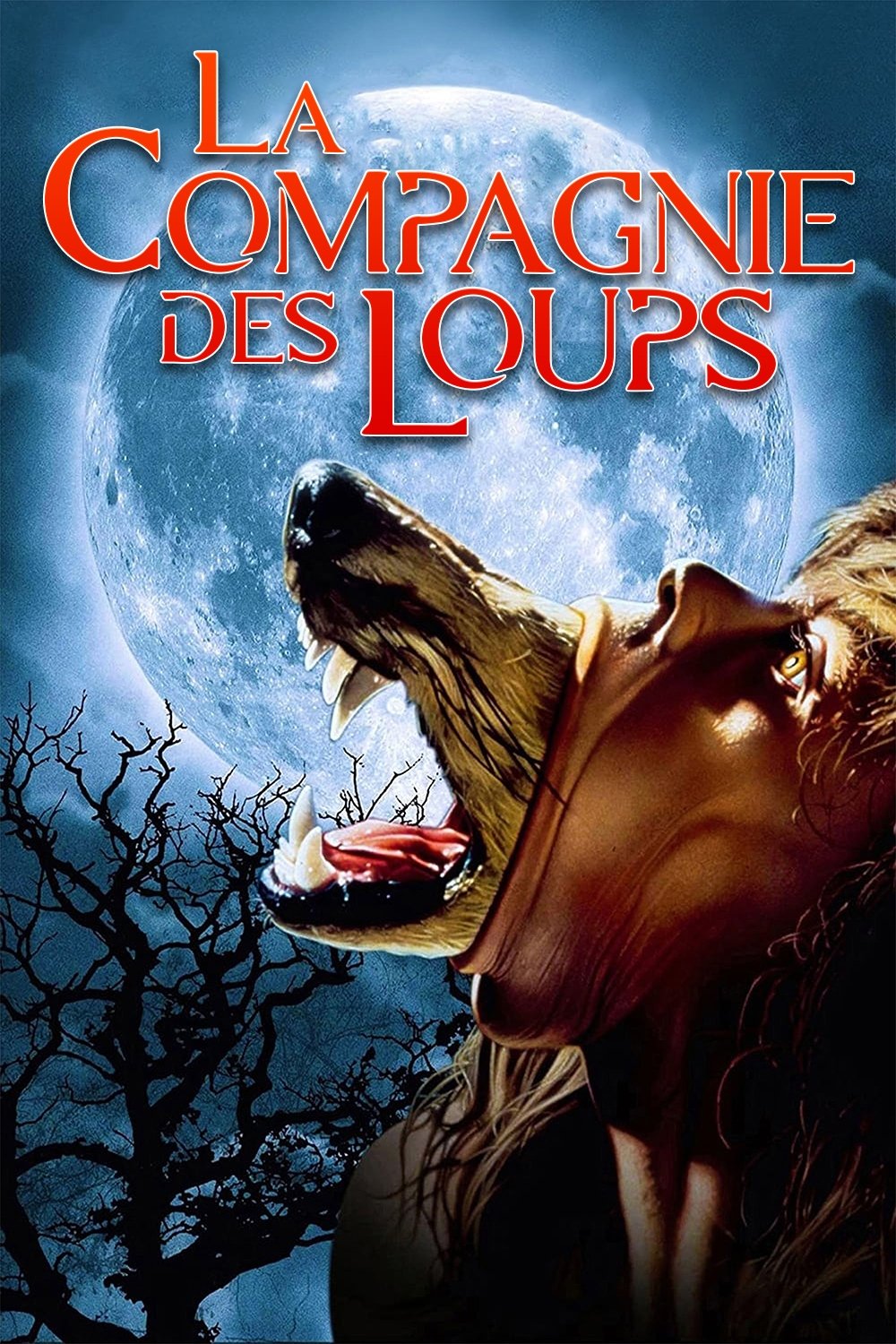
The Company of Wolves appeared after The Howling (1981) and An American Werewolf in London (1981), two films that had made the physical mechanics of lycanthropy a major attraction. Jordan and Carter retained that interest in transformation while centring the perspective of a girl who experiences the monster through stories told by others. Subsequent scholarship, including James Gracey's book-length study, has treated the film in relation to female gothic traditions and the reinterpretation of fairy tales. Its continuing distinction within werewolf horror rests on the particular combination of literary structure, handcrafted spectacle and an unsettled account of growing up.