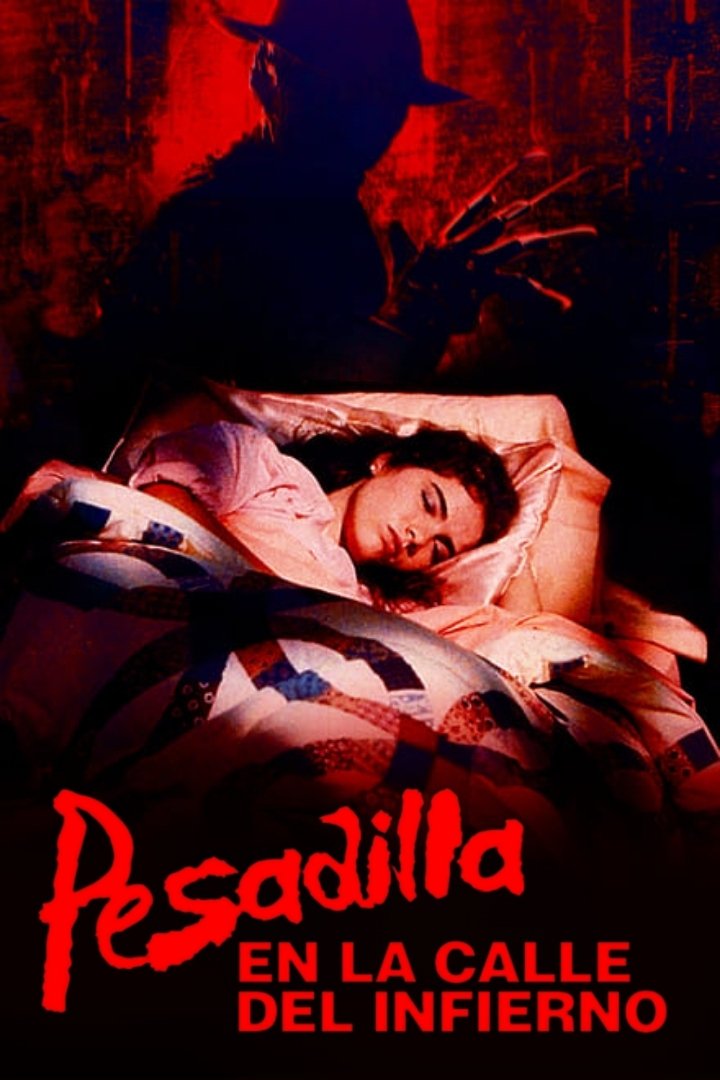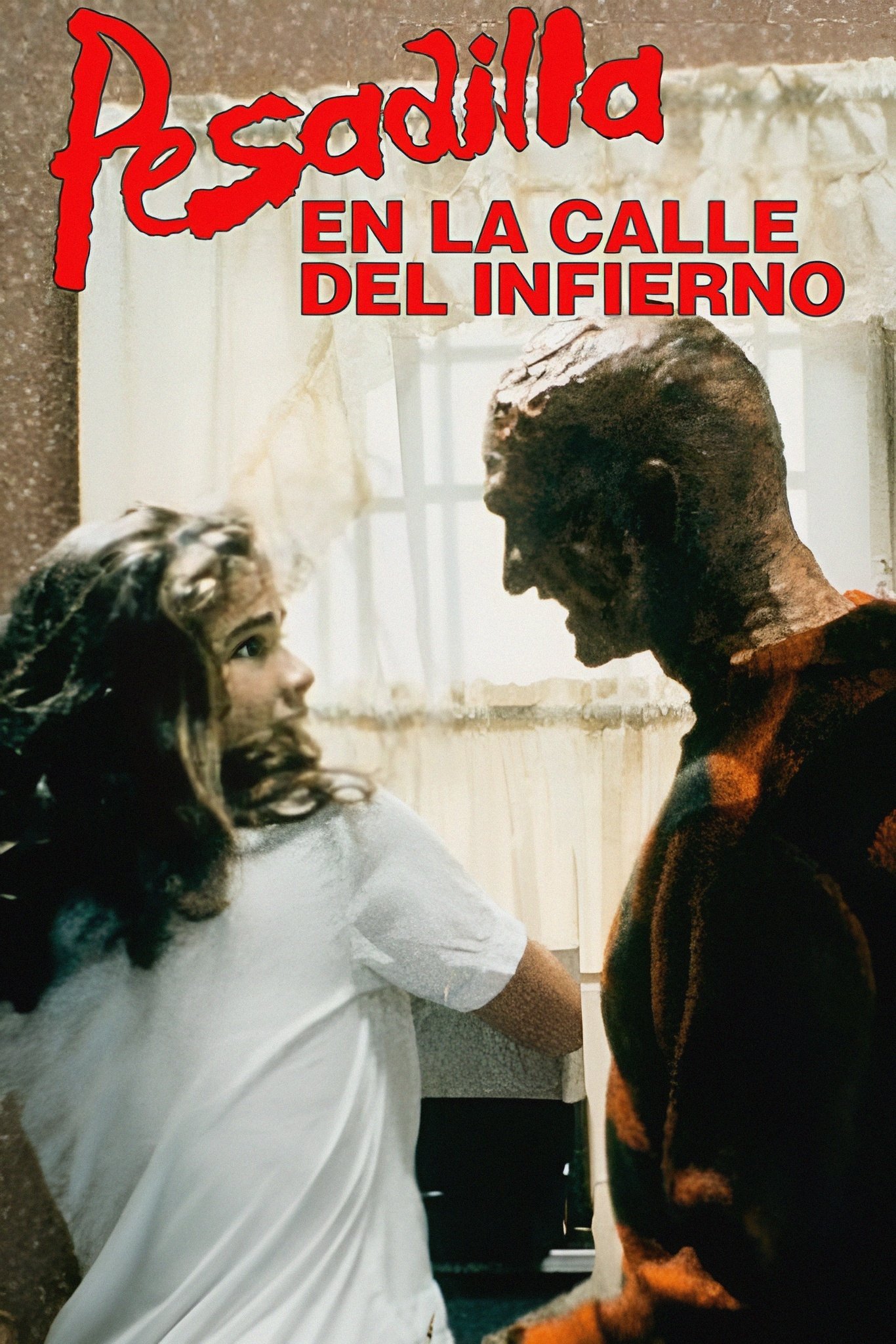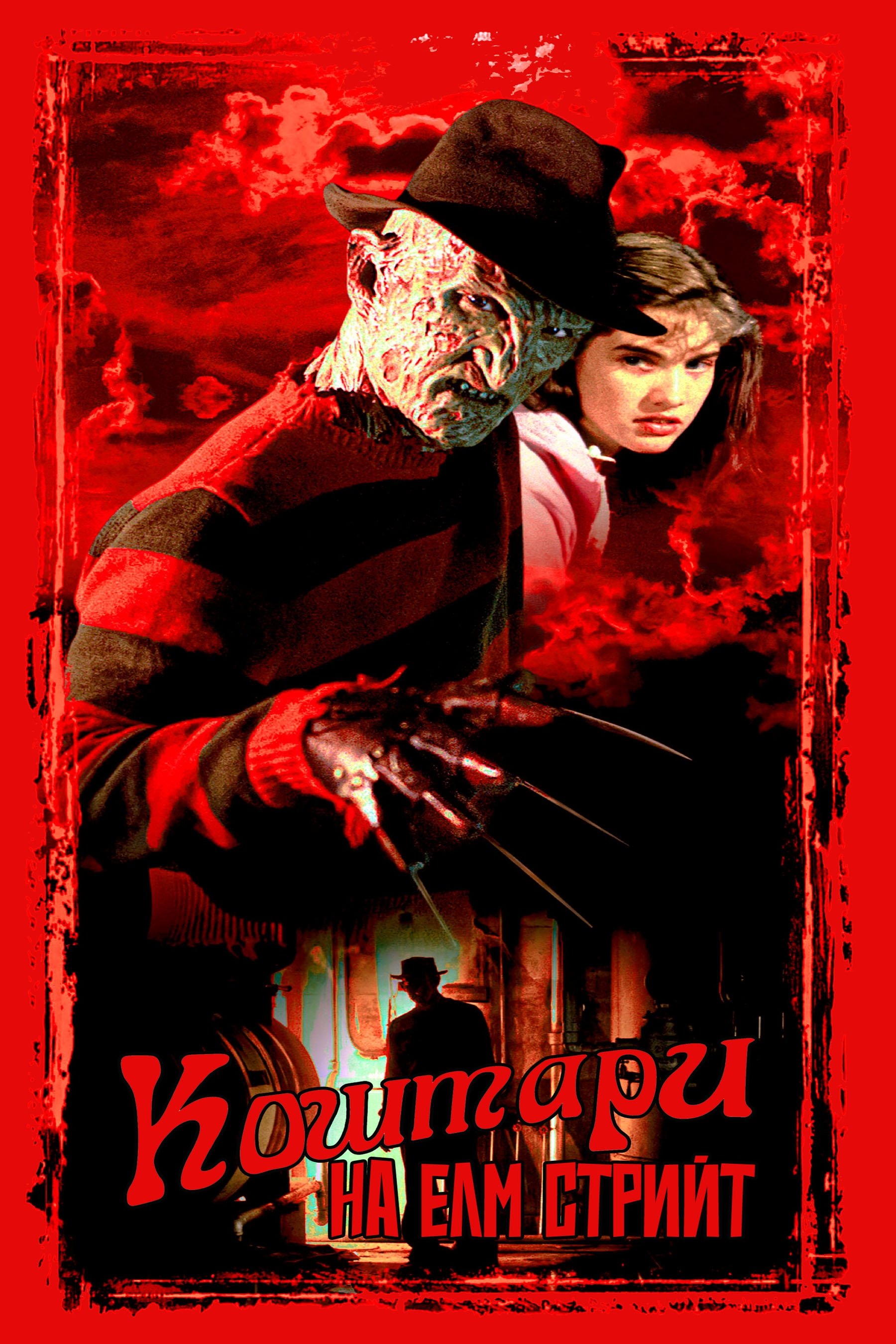
A Nightmare on Elm Street (1984)

US
HORROR FILM
SUBGENRES META-HORROR SLASHER
8.2/10 11 votes
Runtime
91 min
Release
November 9, 1984
Budget
$1,800,000
Revenue
$57,004,513
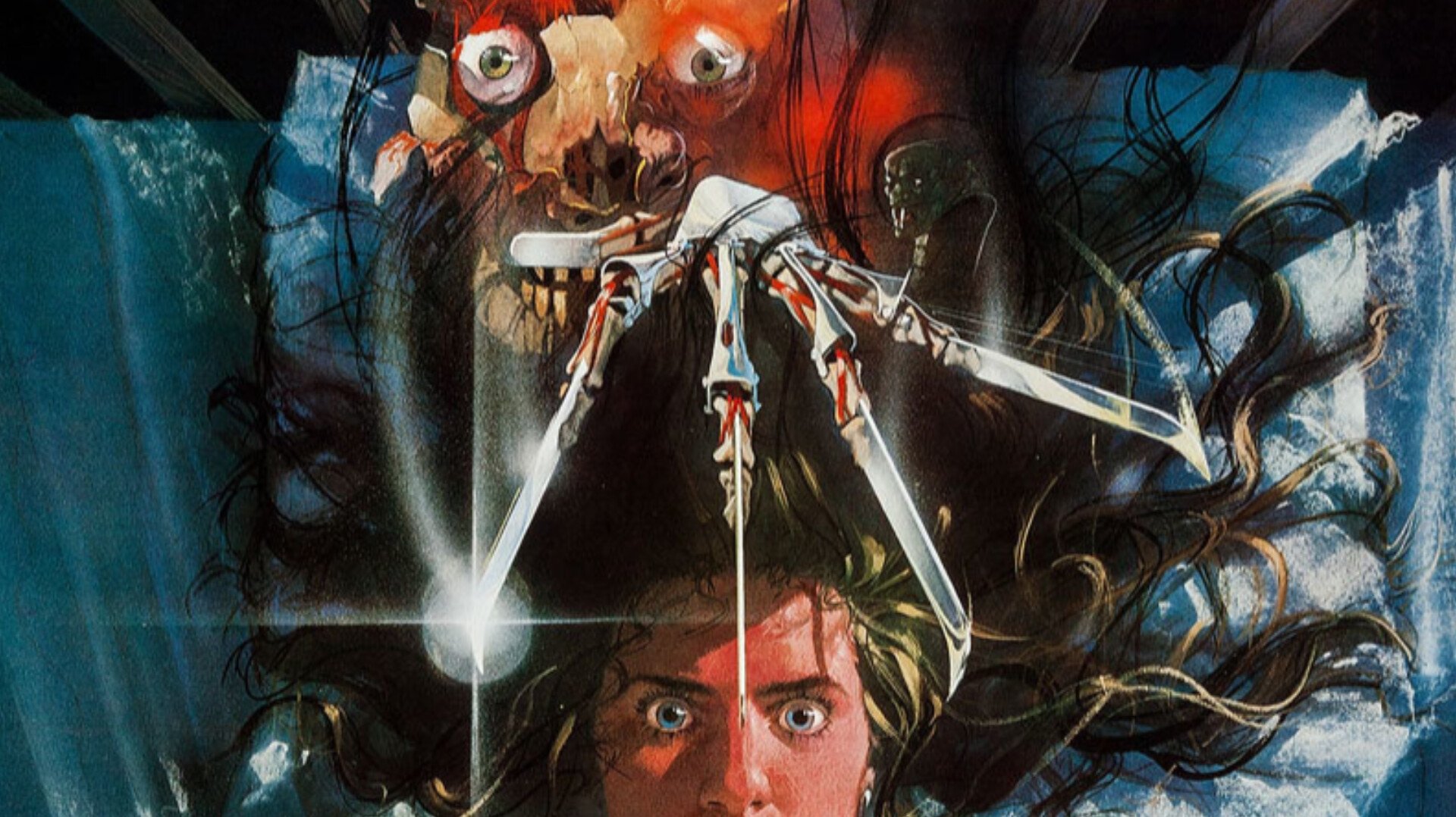
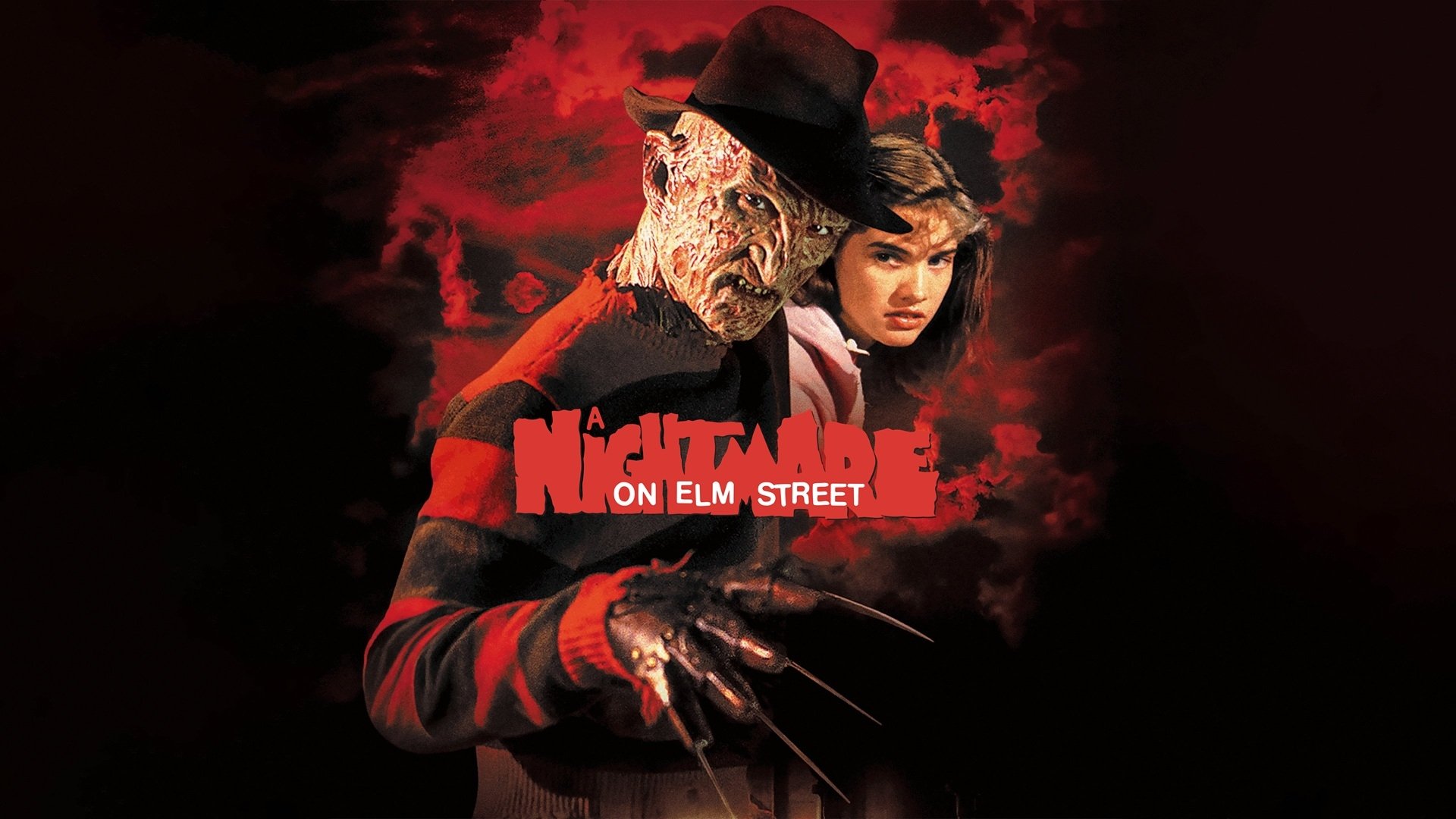
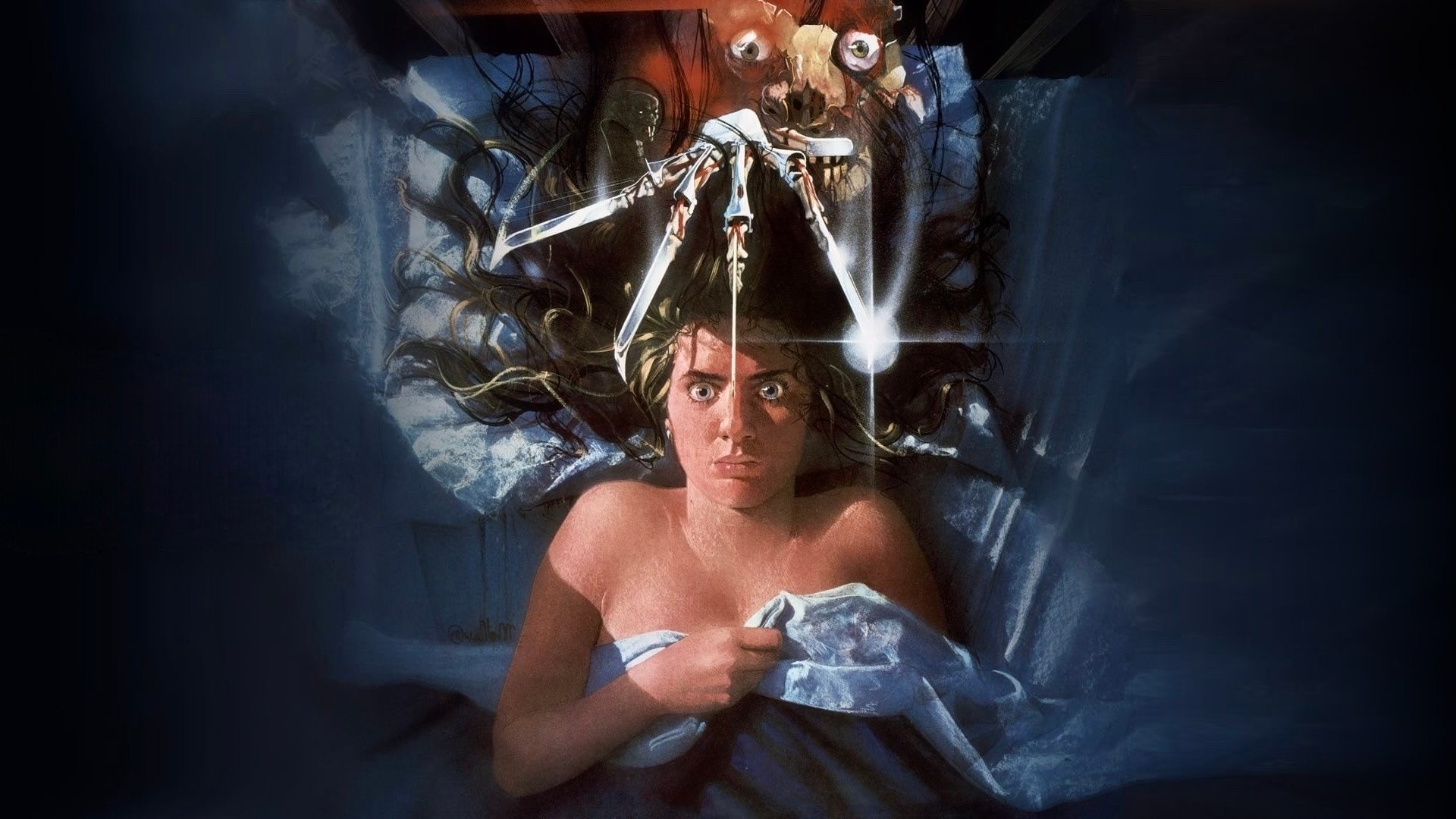
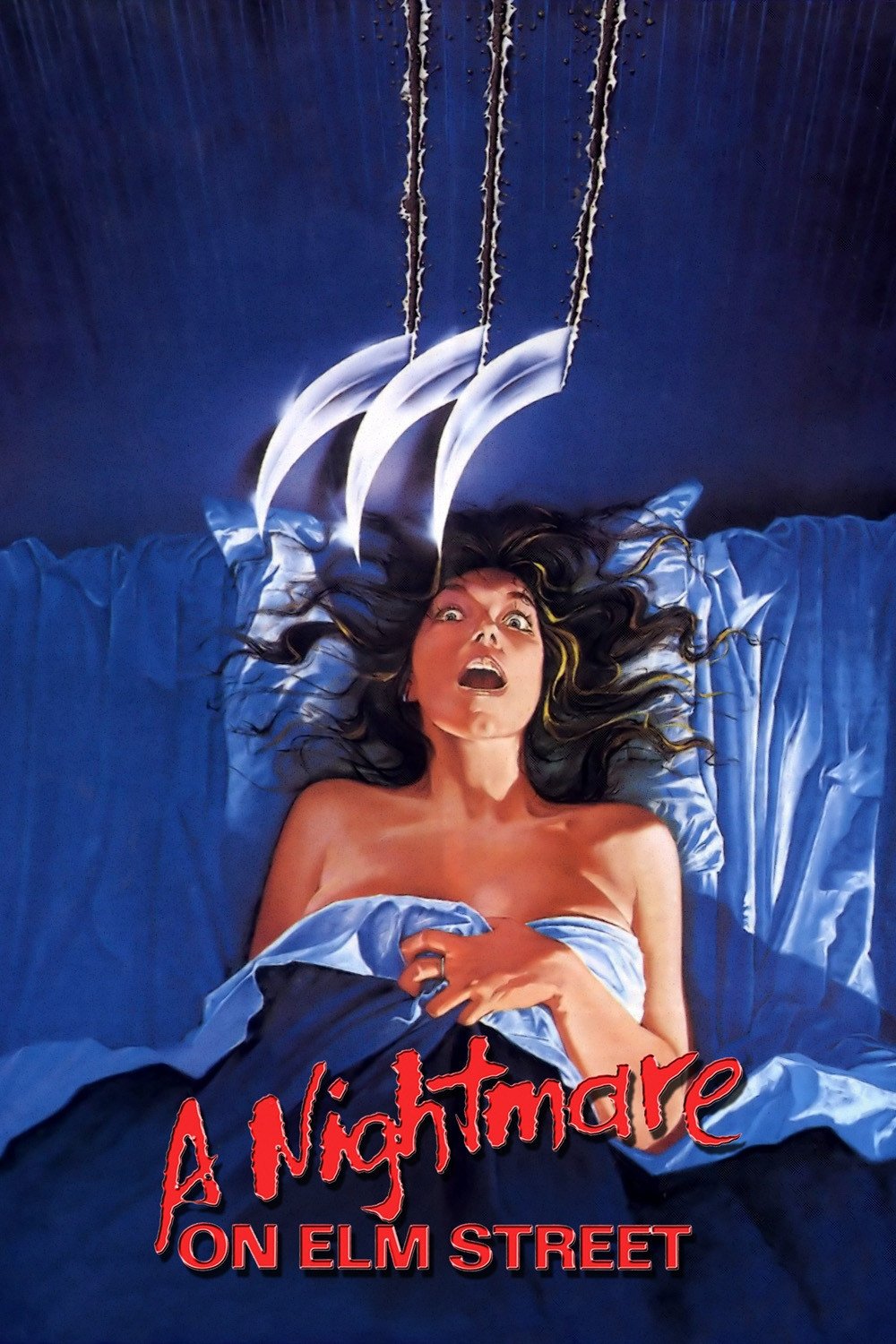
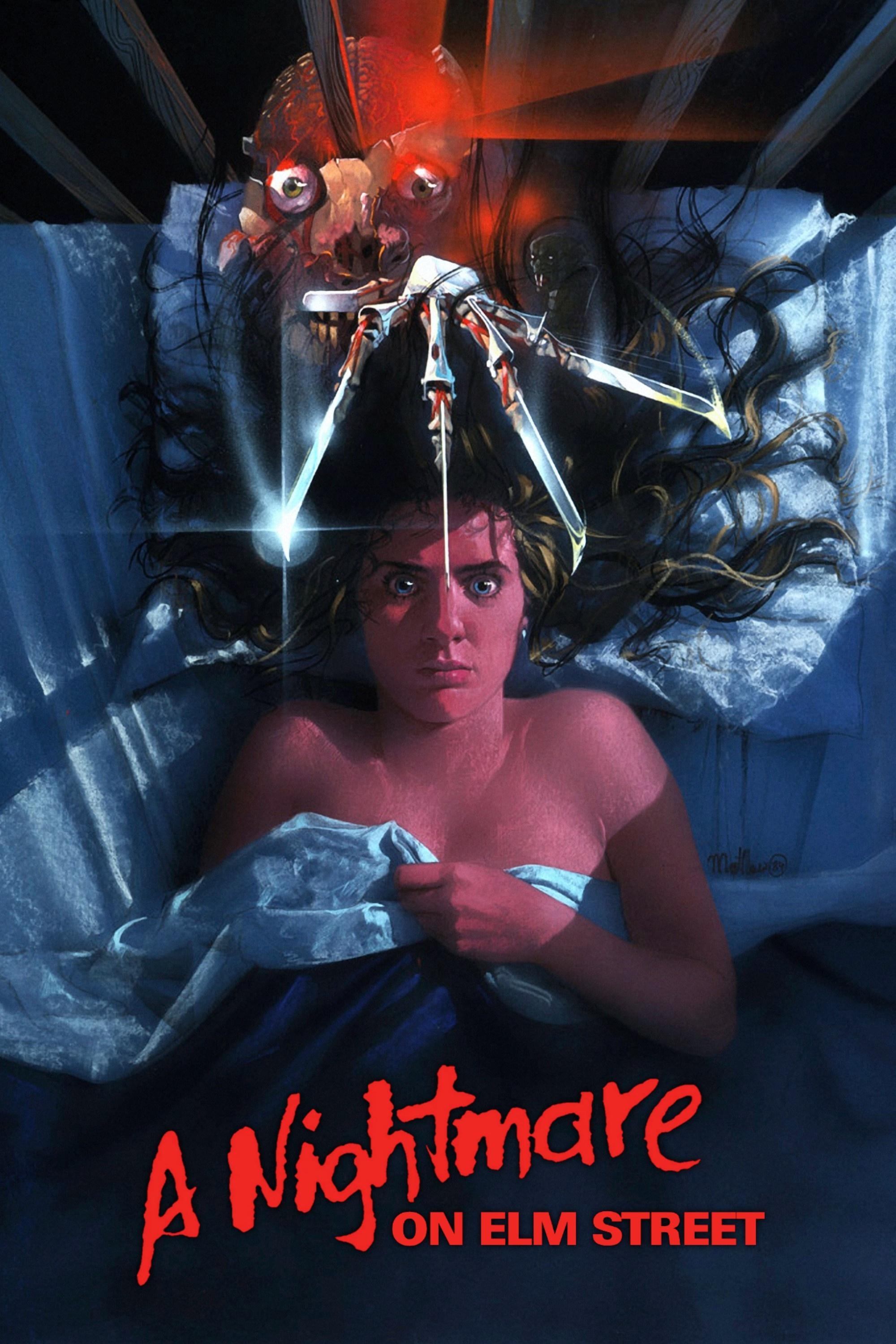
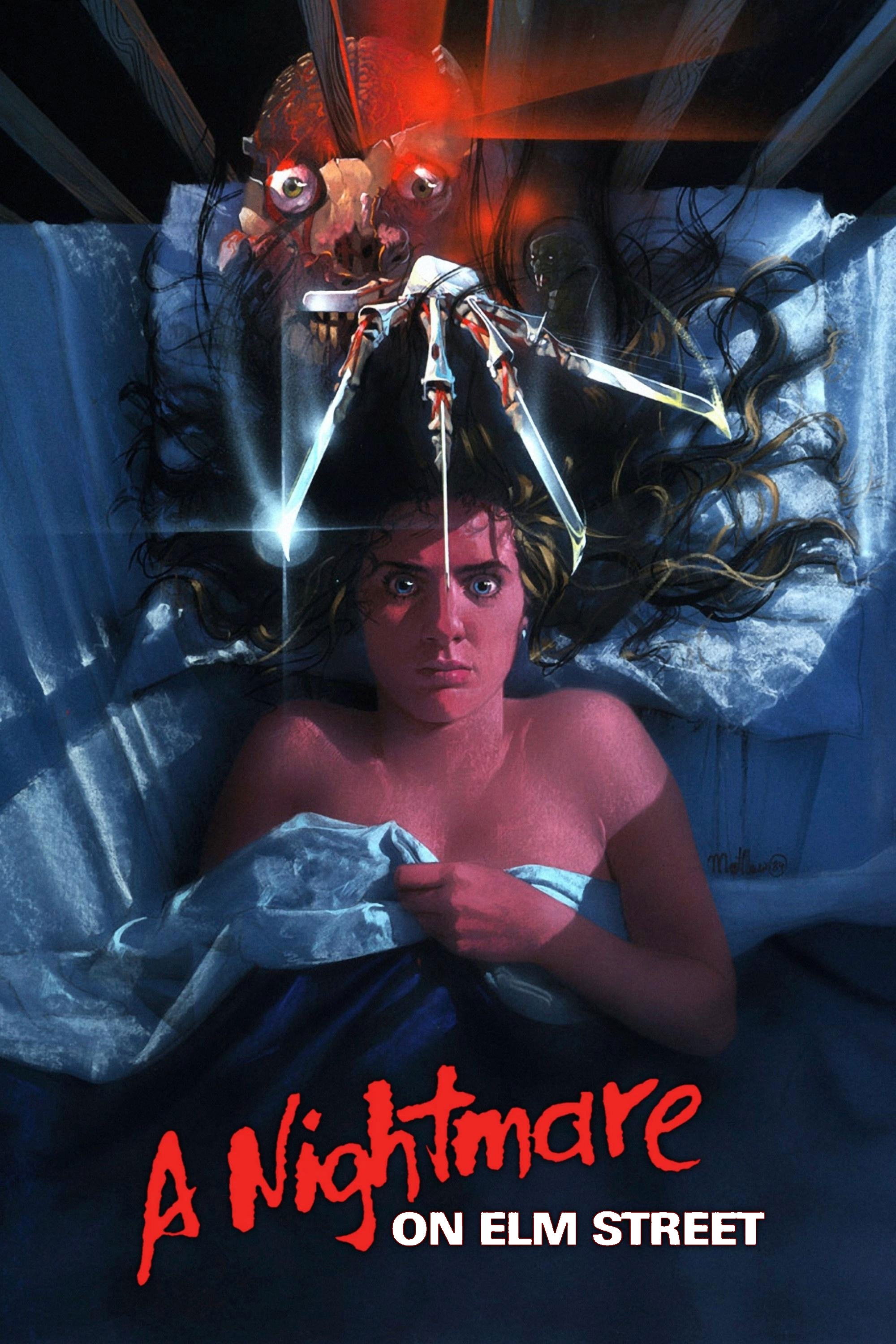
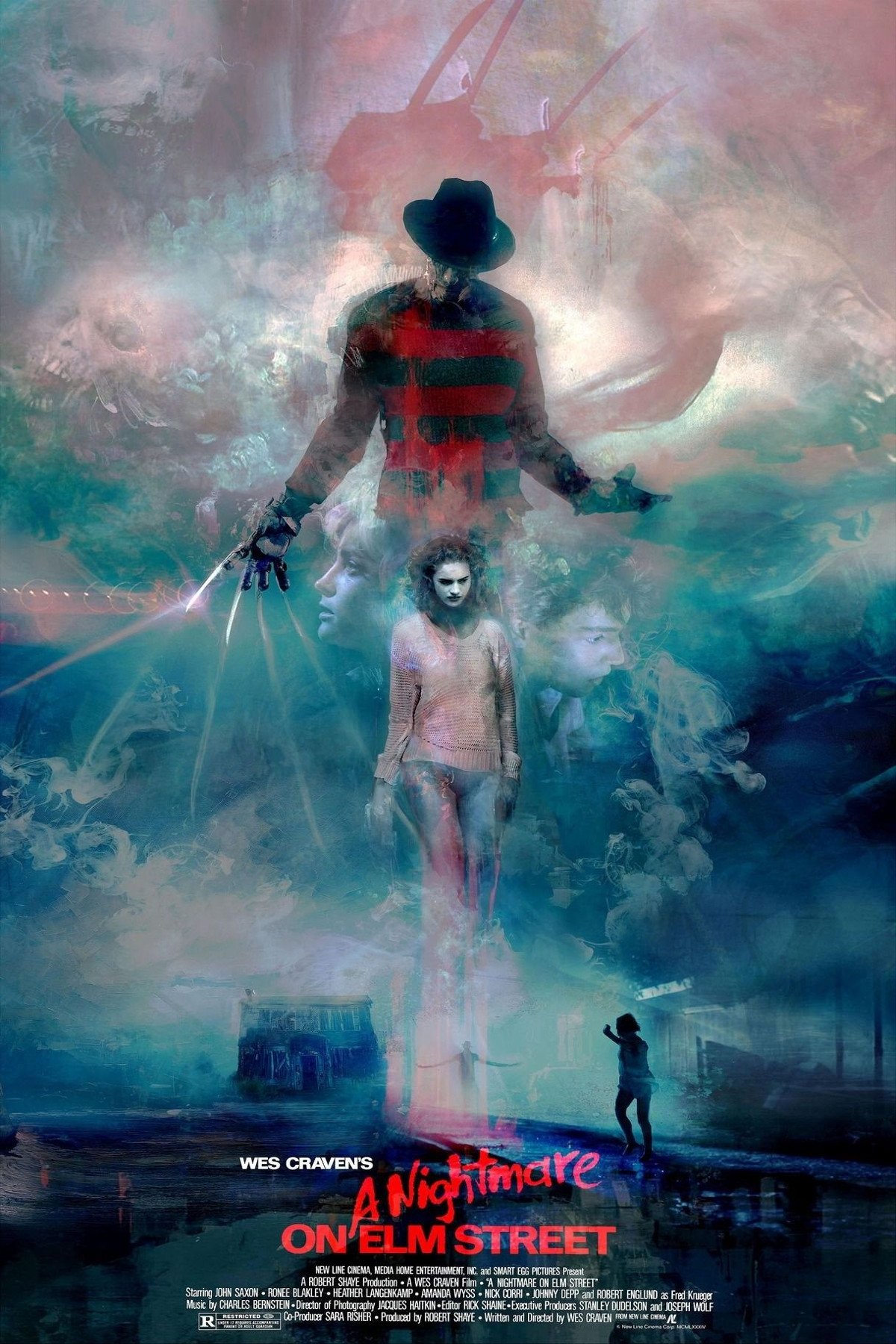
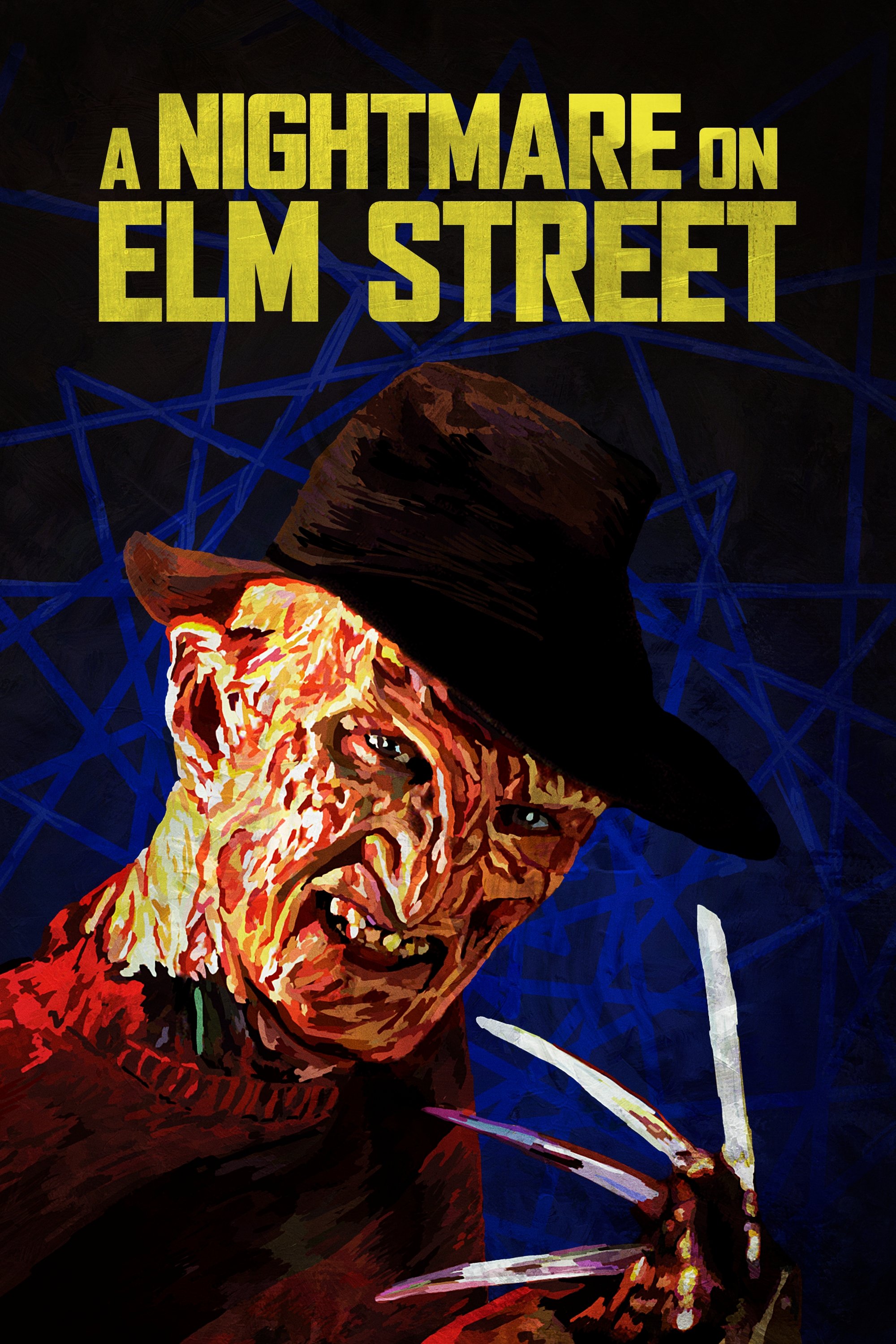
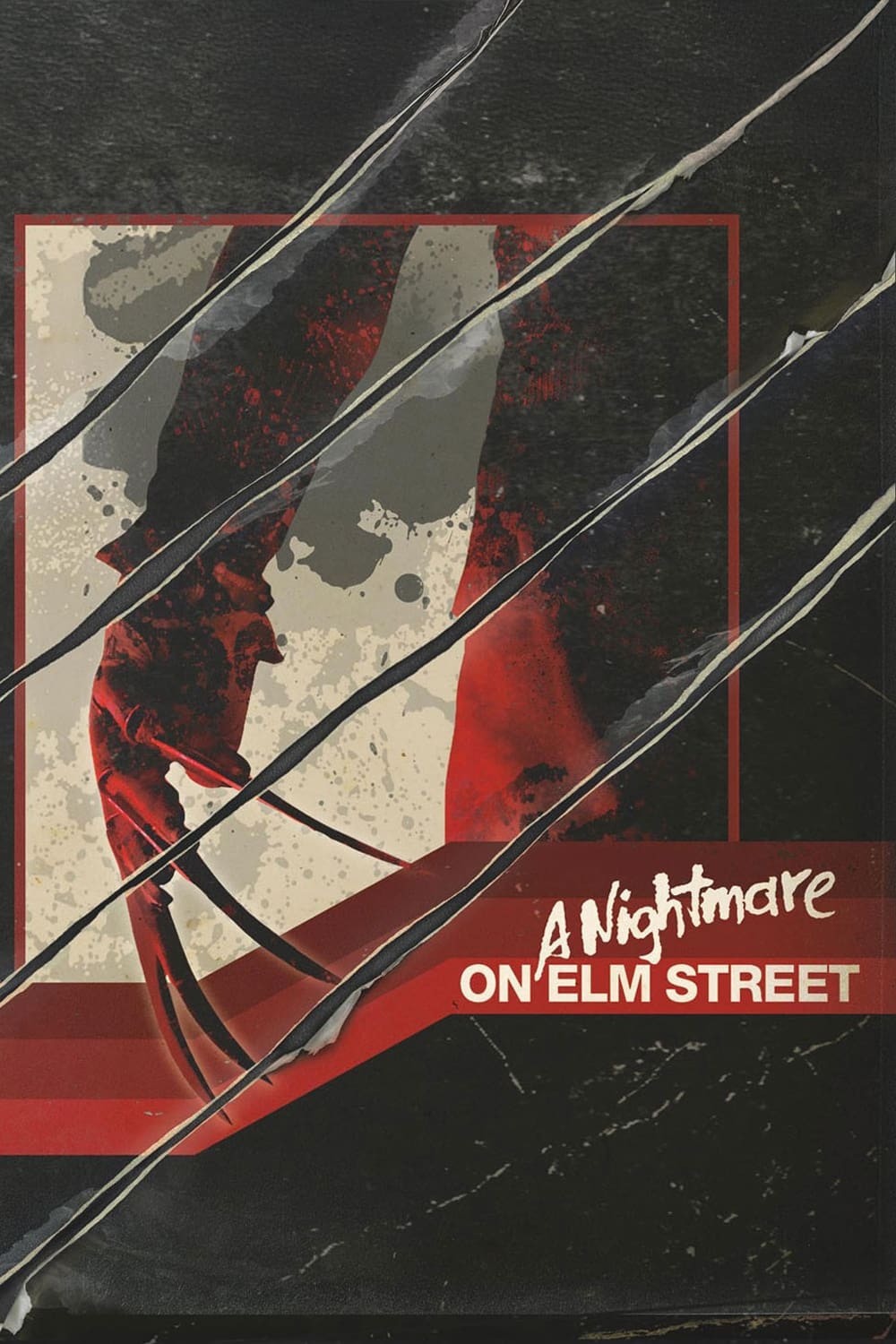
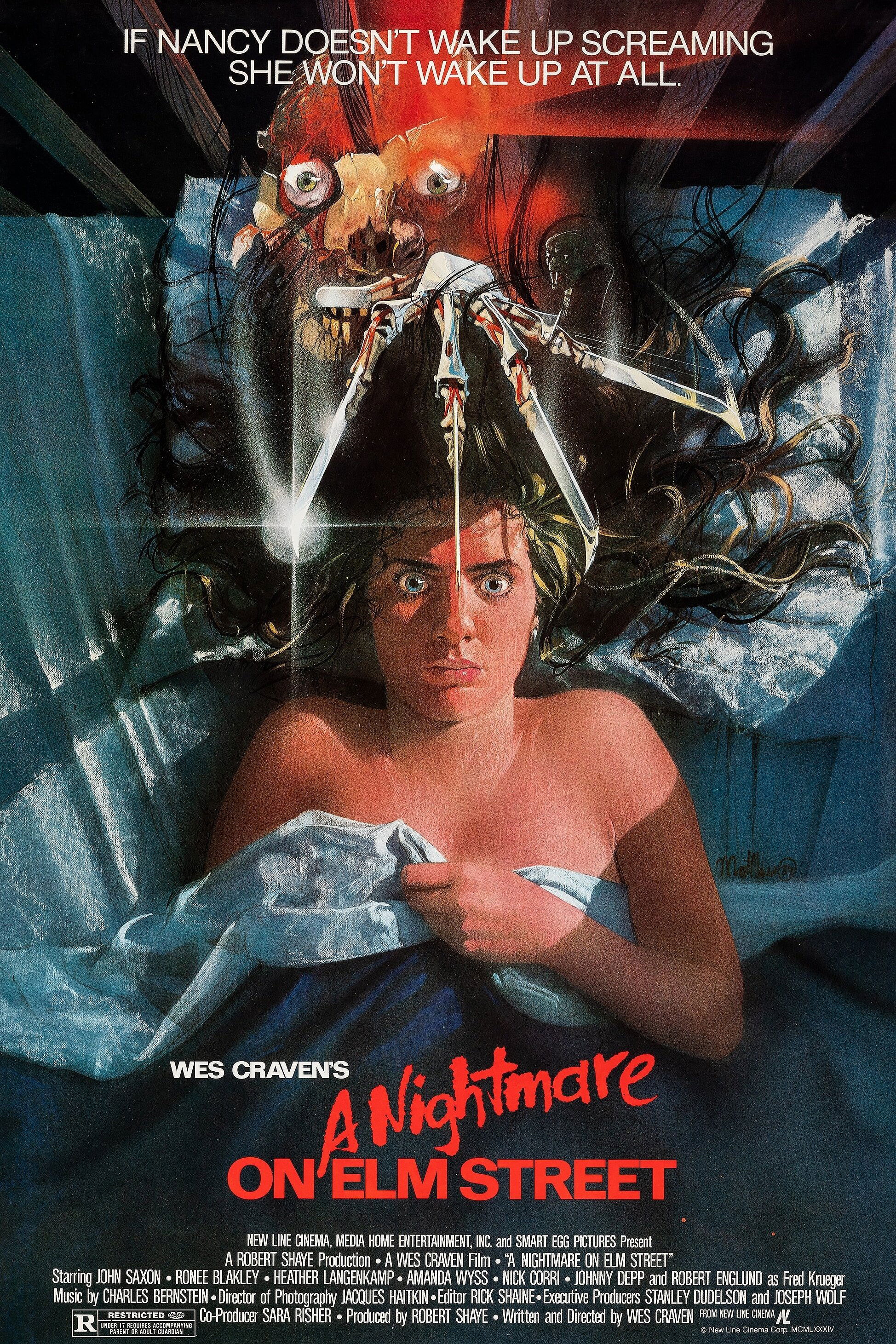
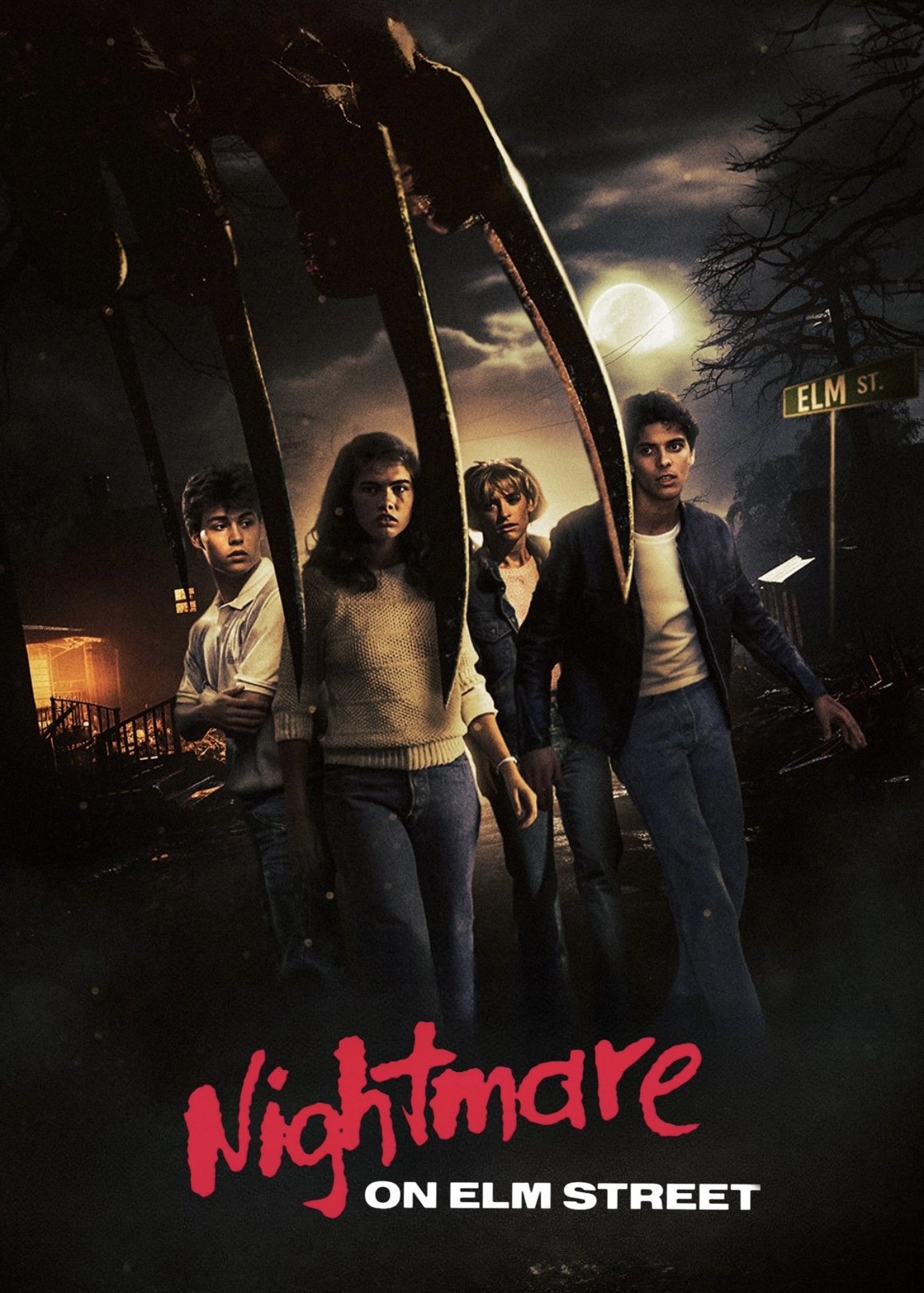
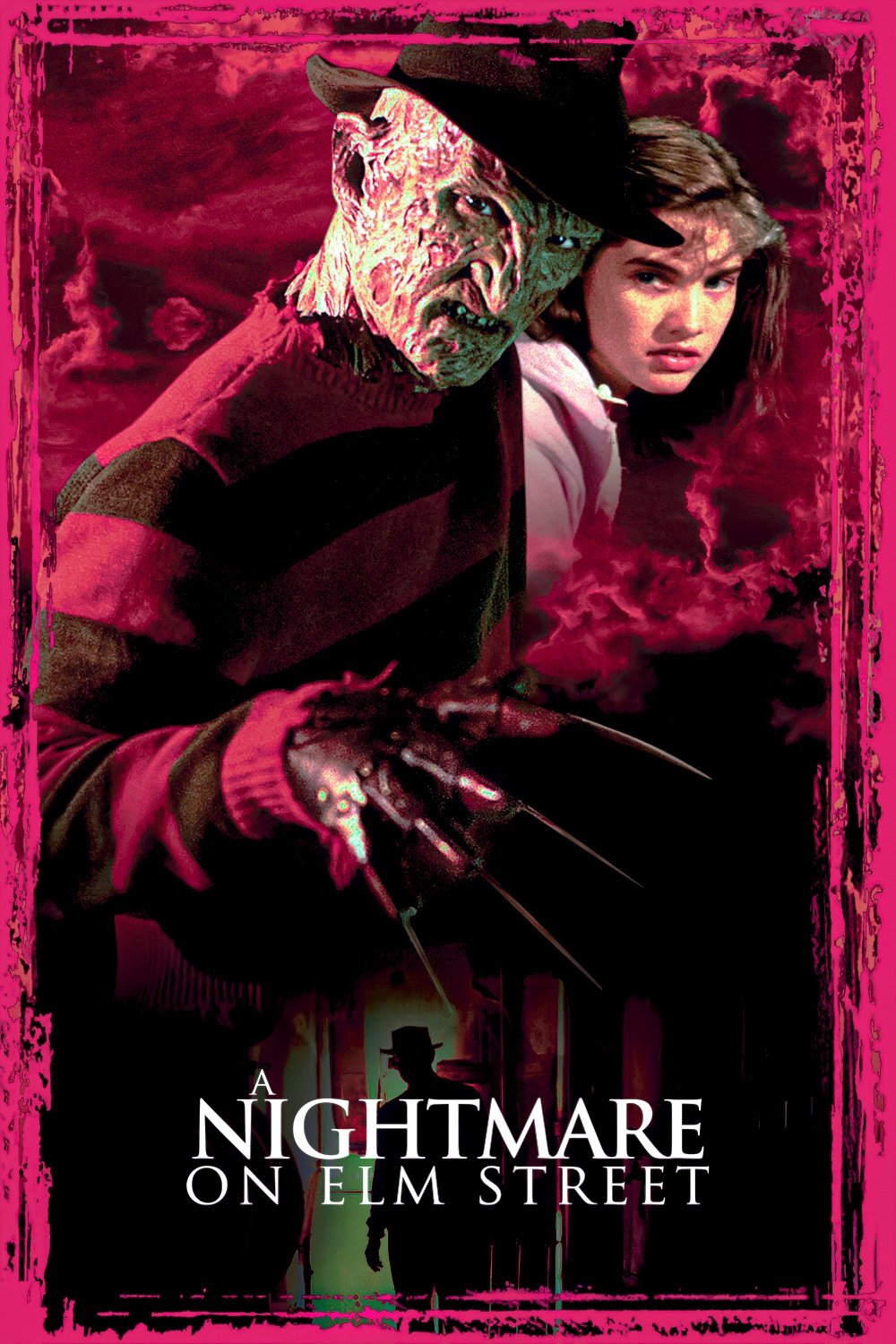
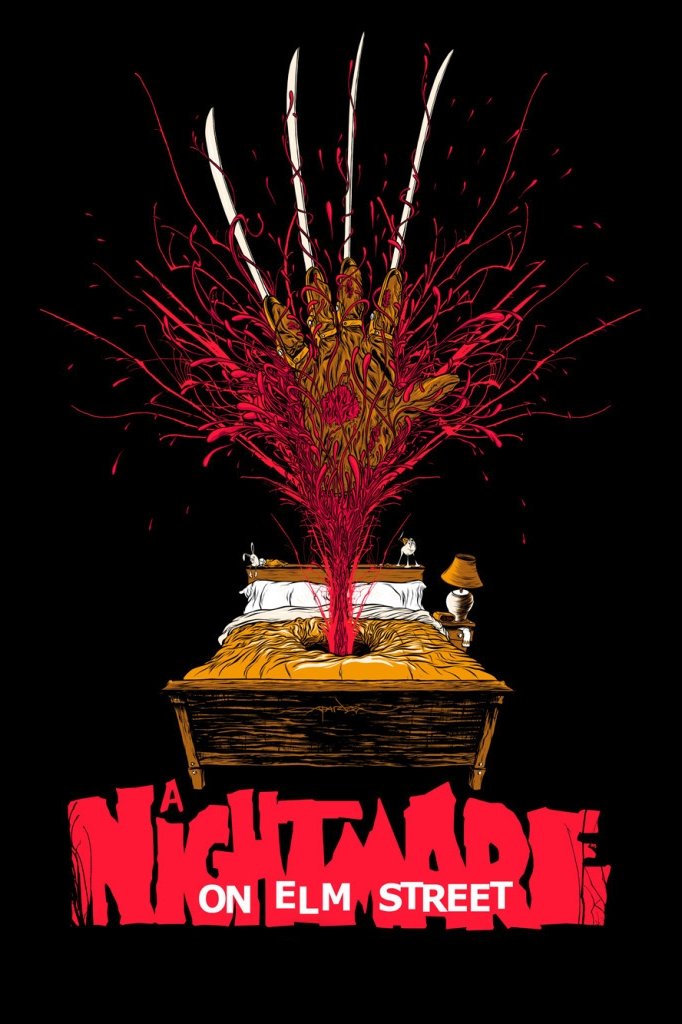
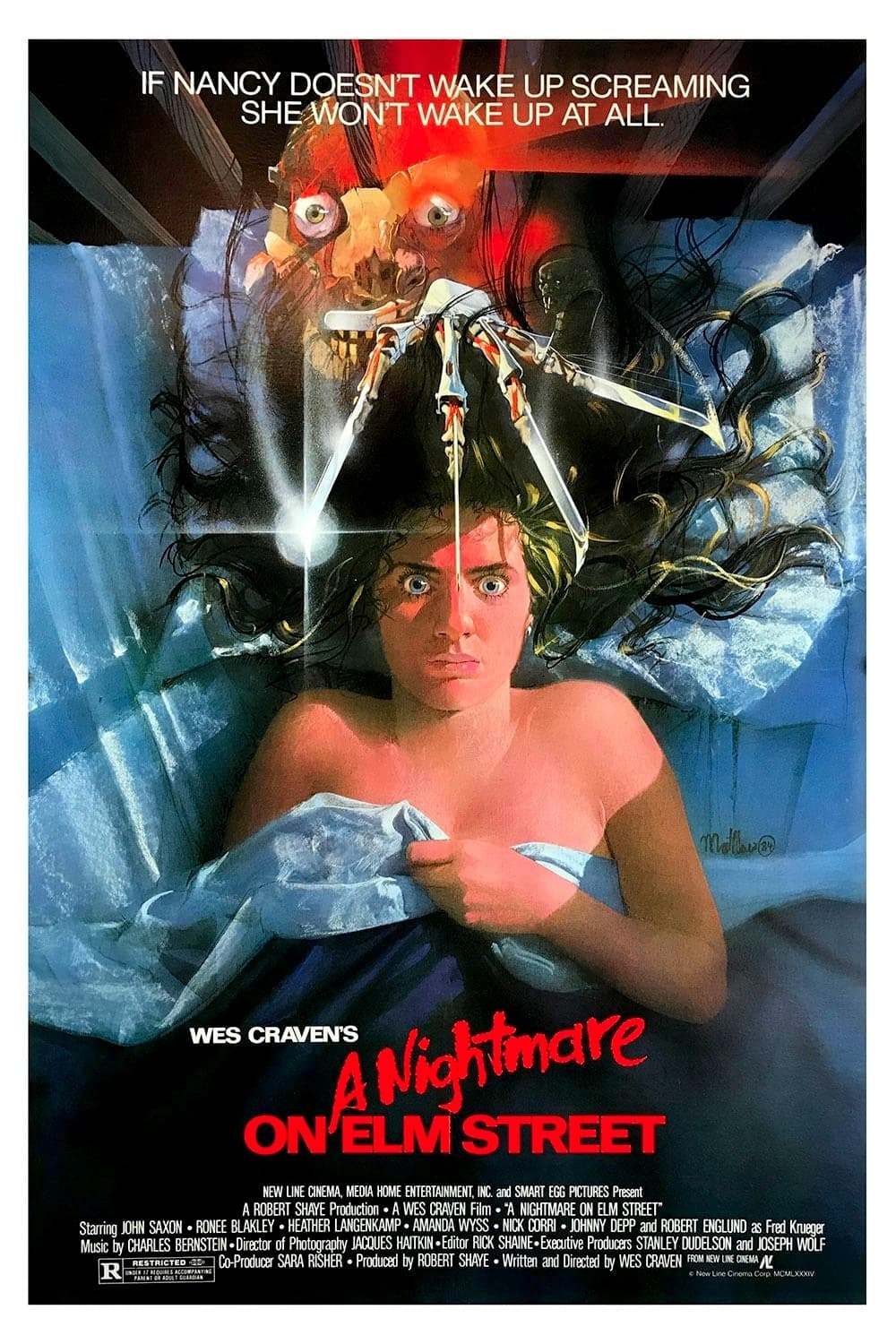
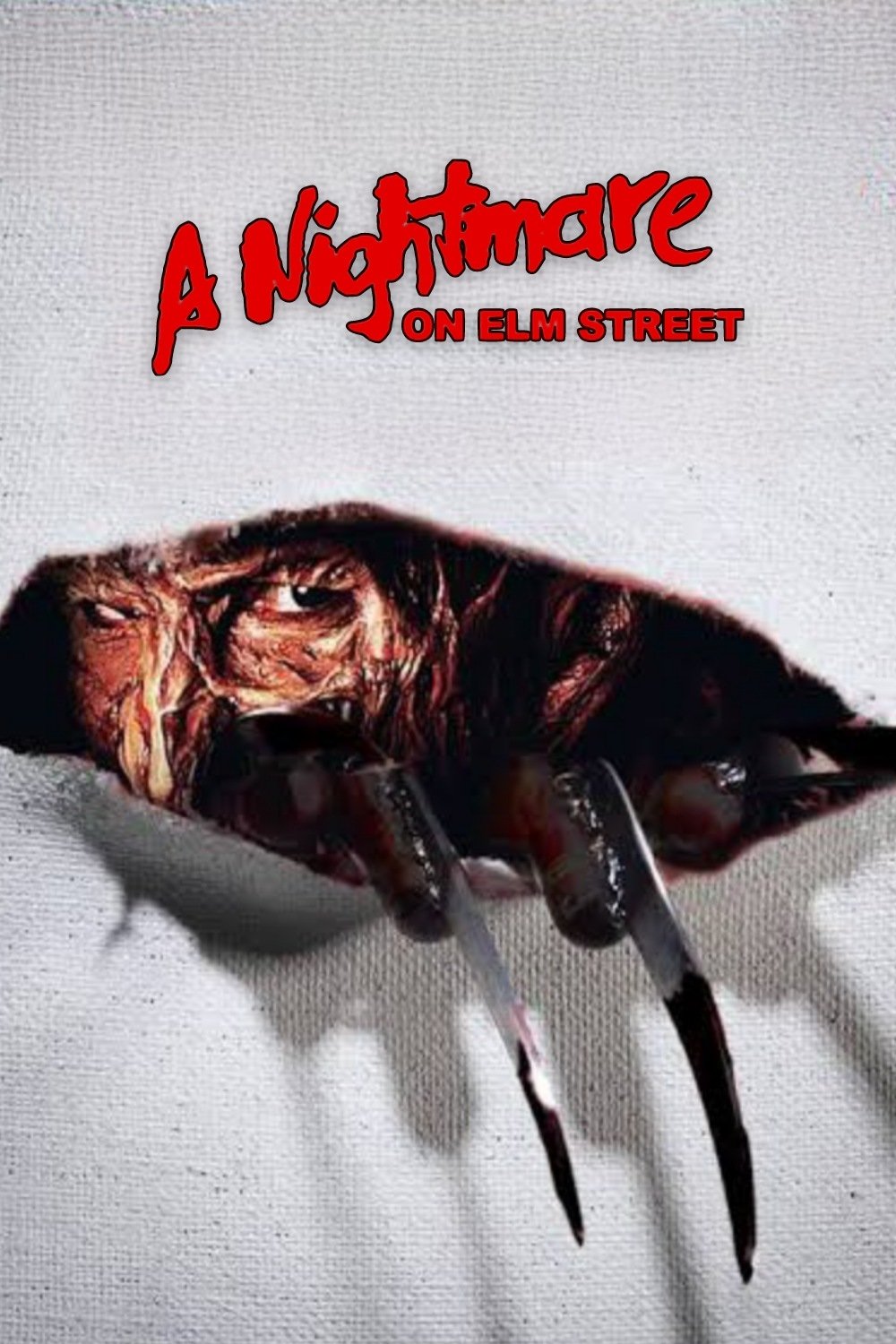
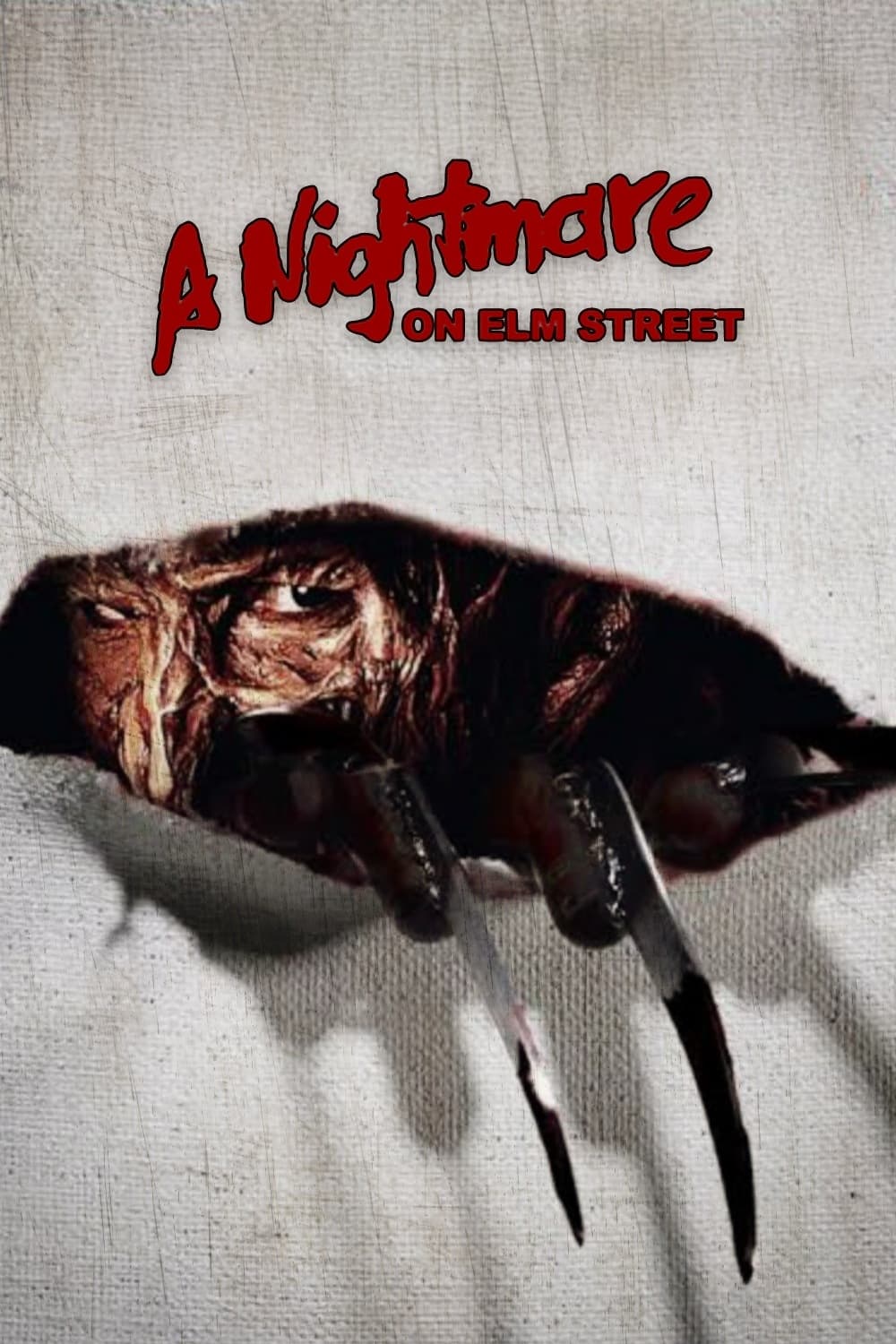
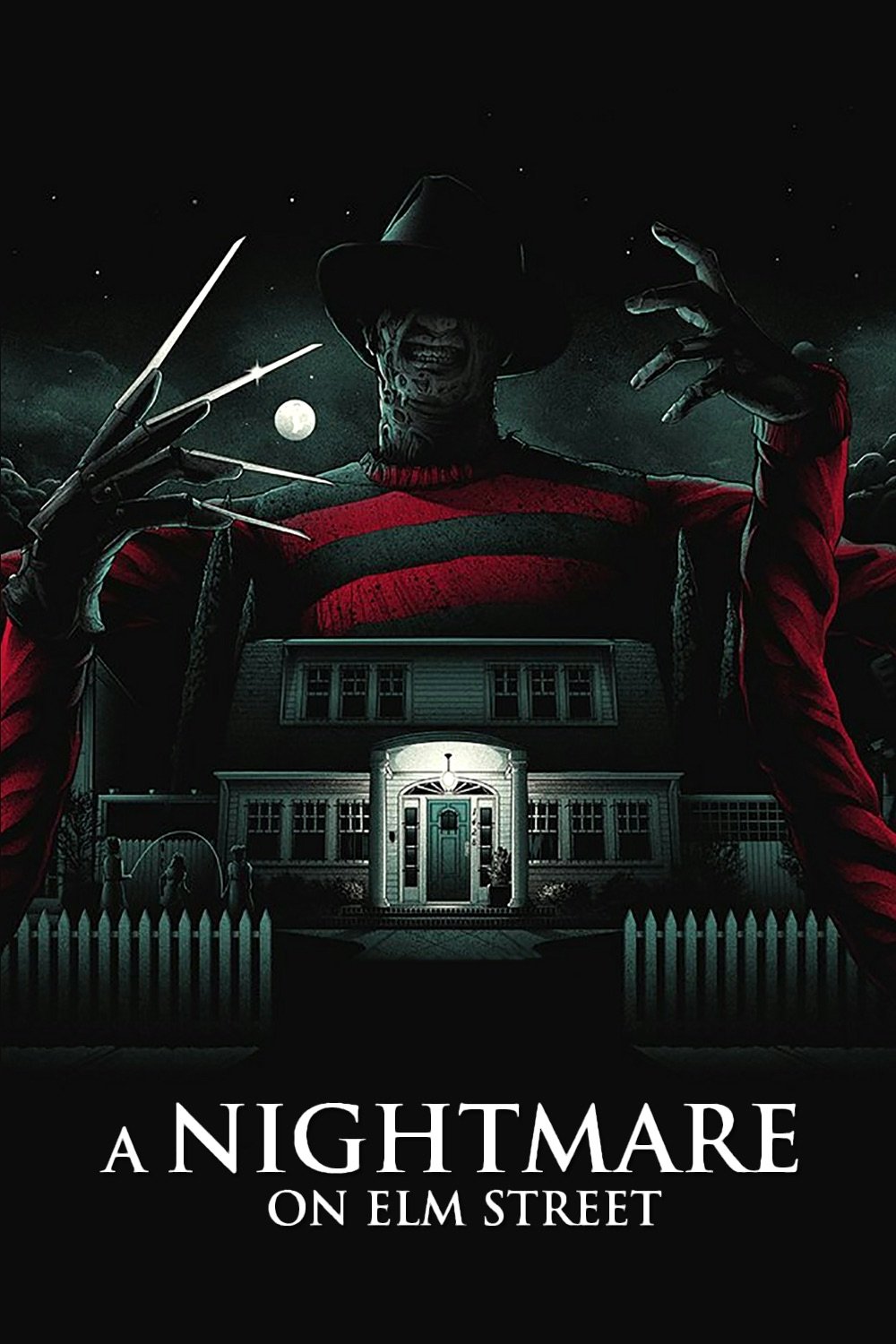
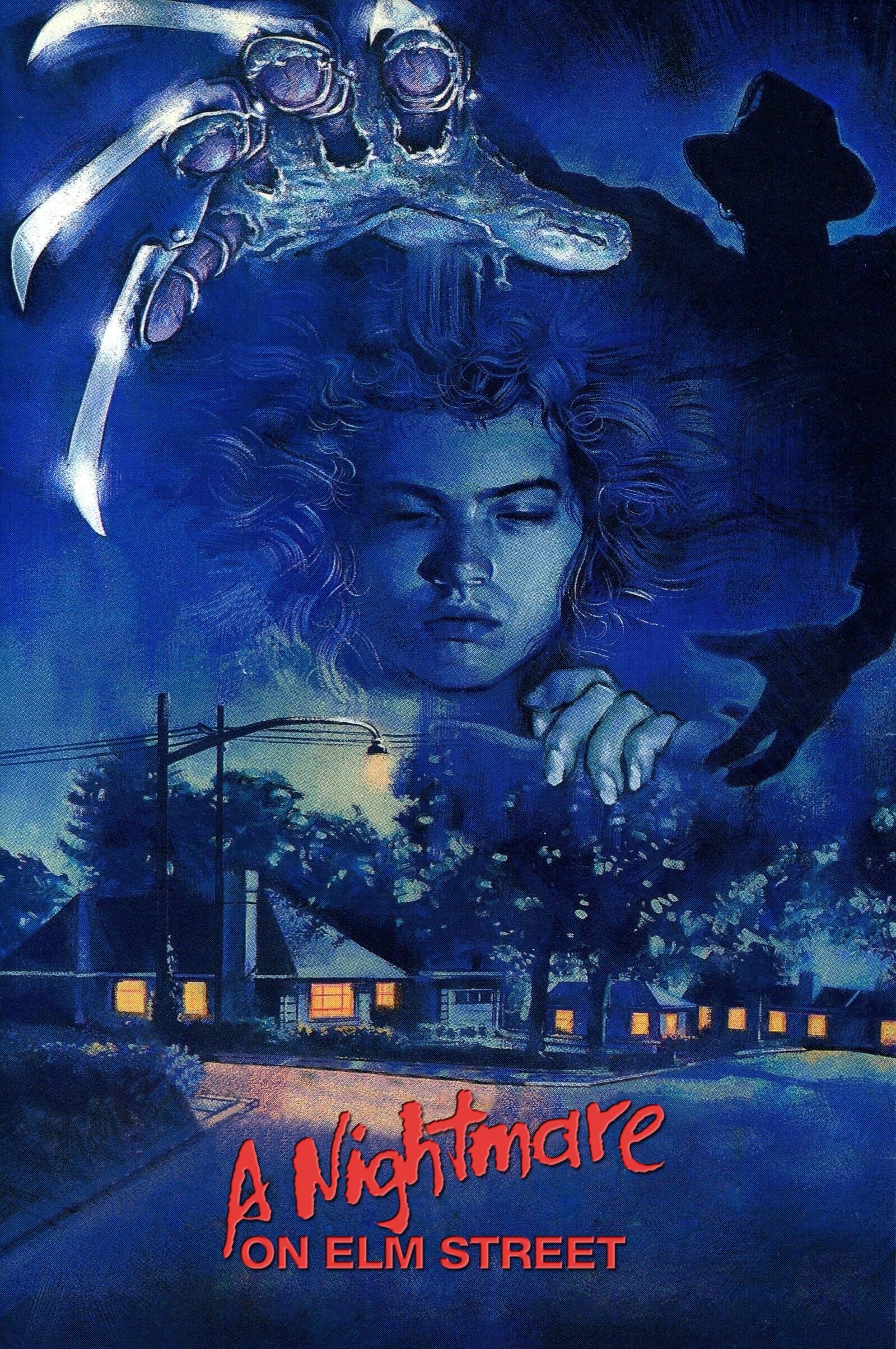
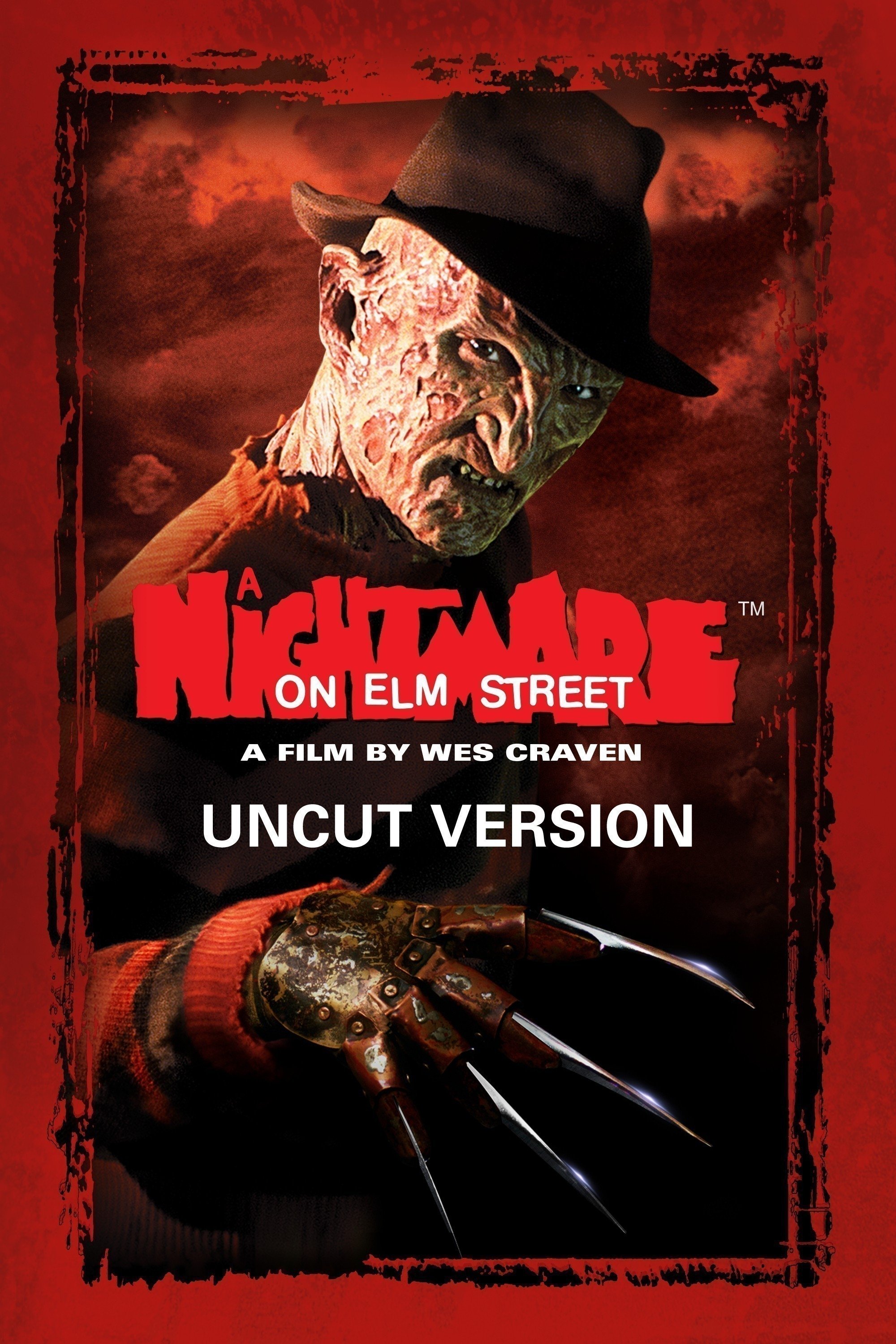
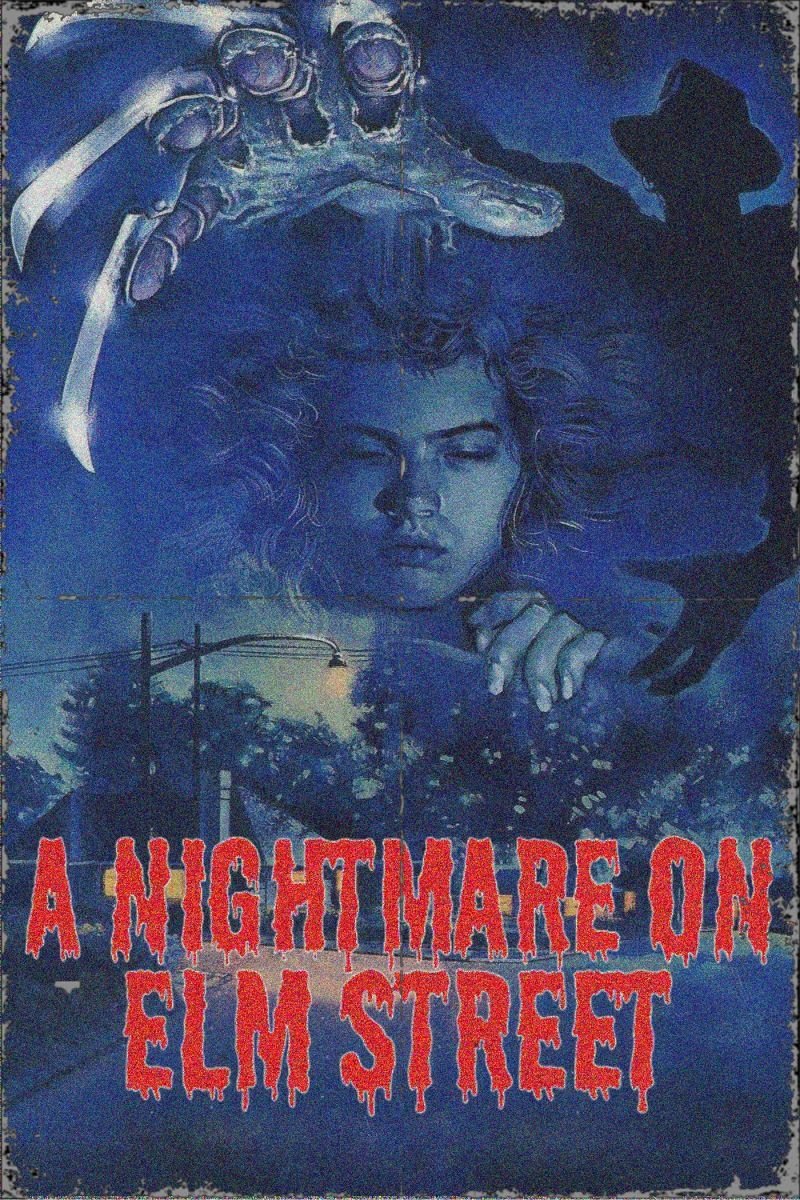
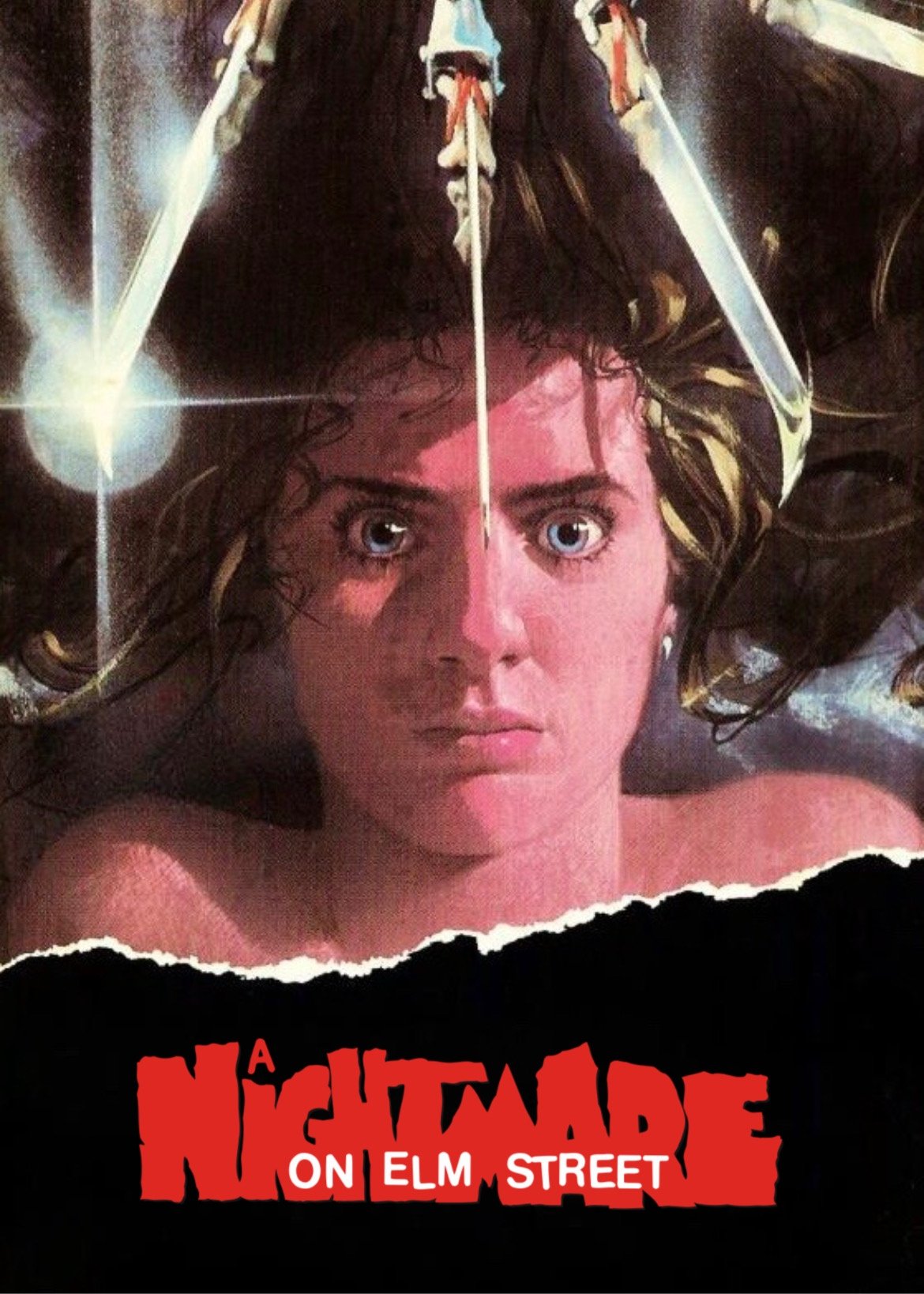
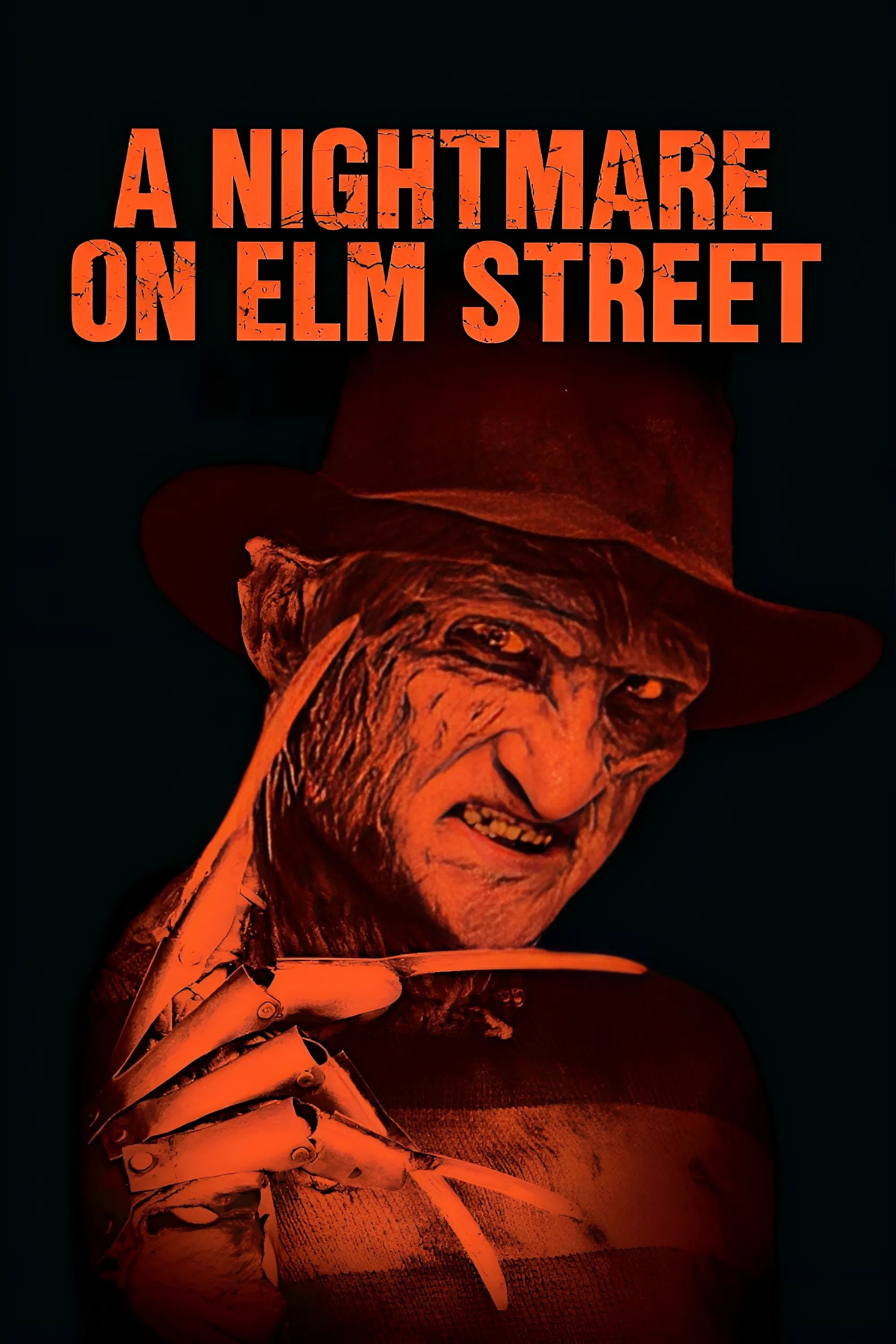
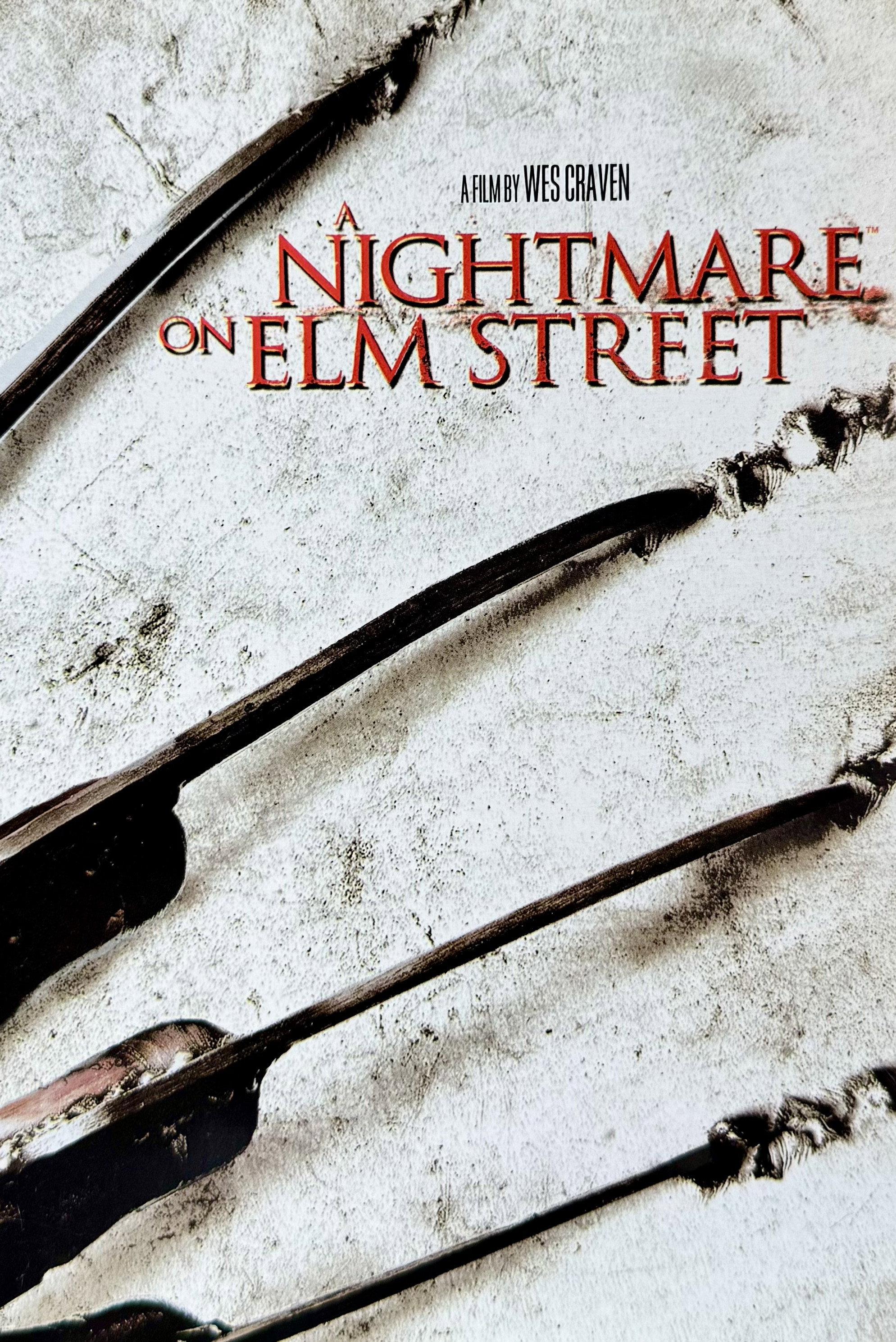
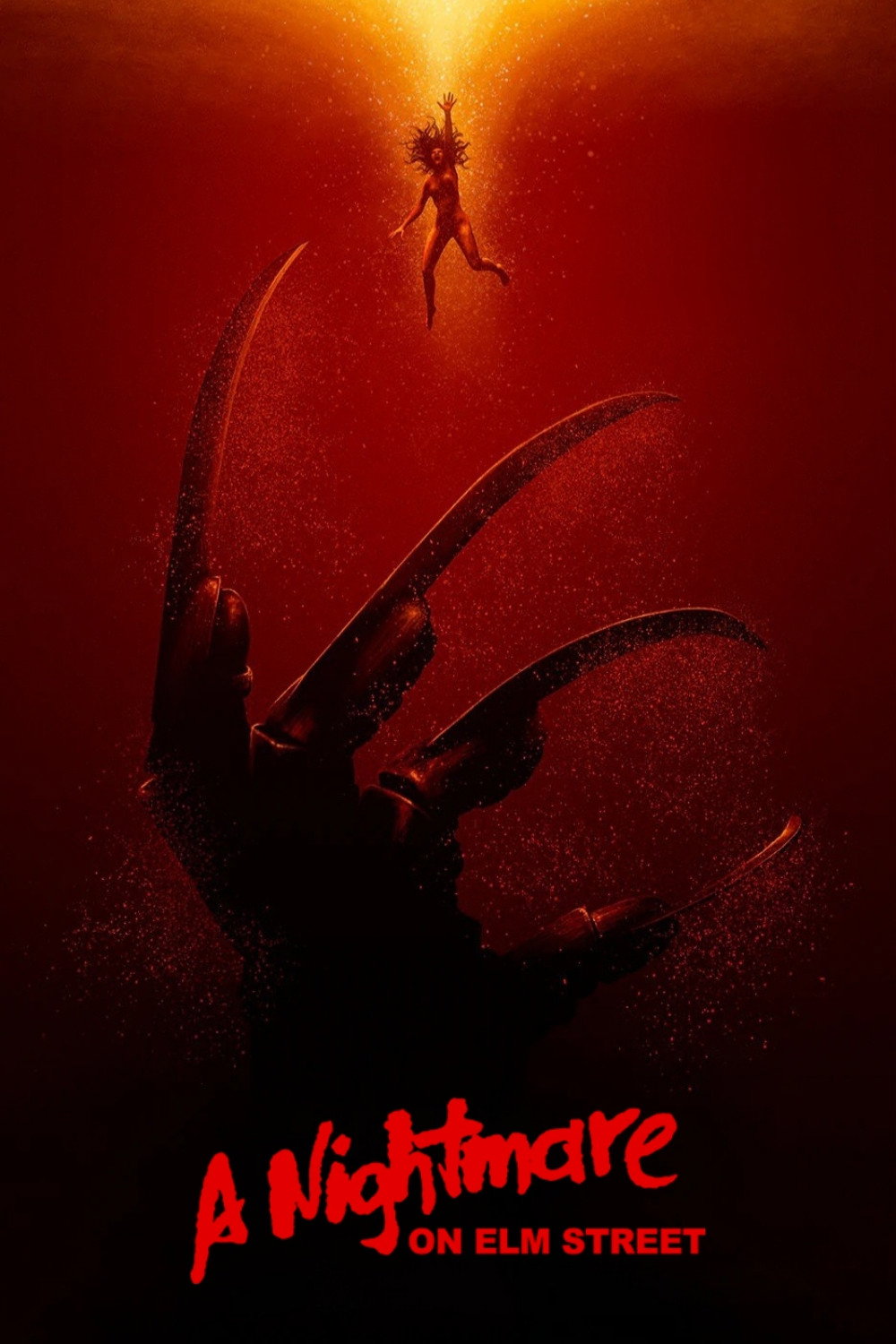
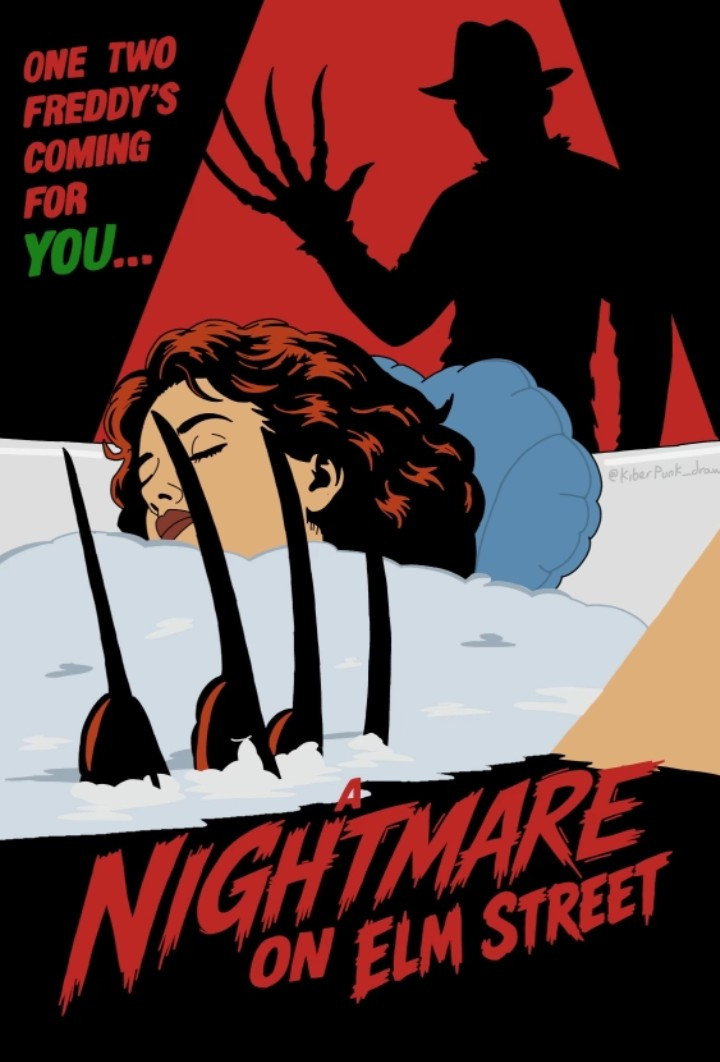
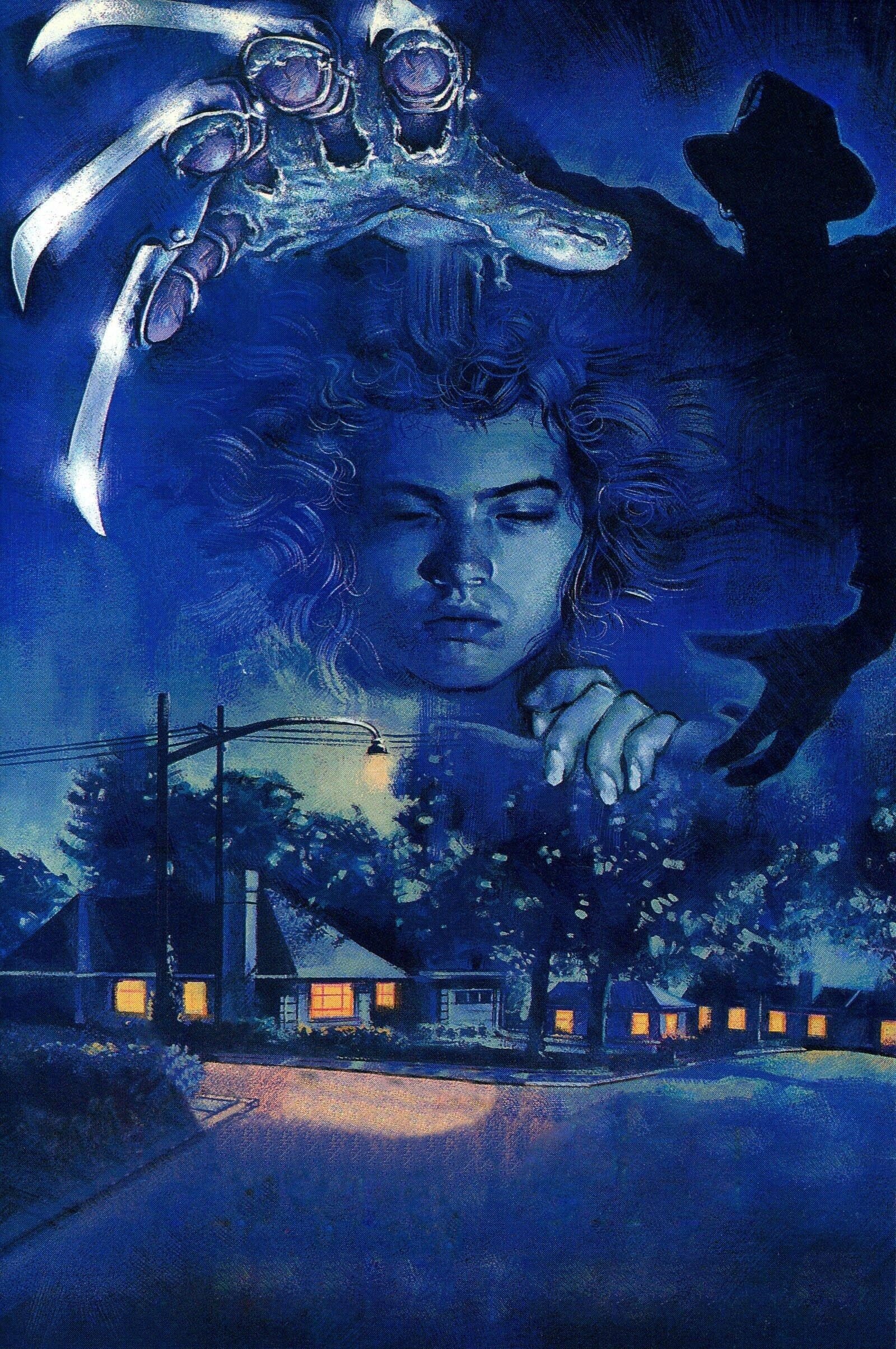
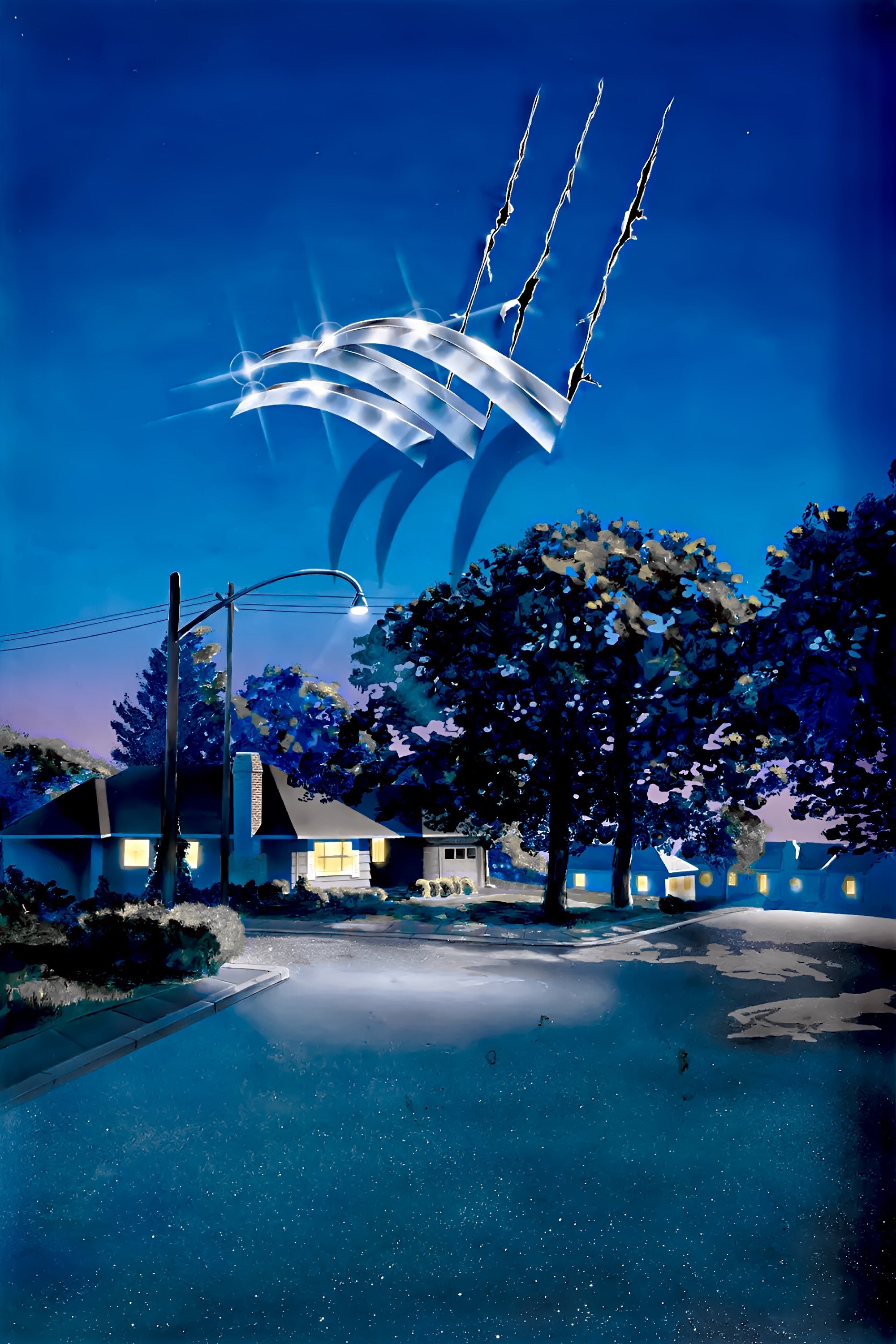
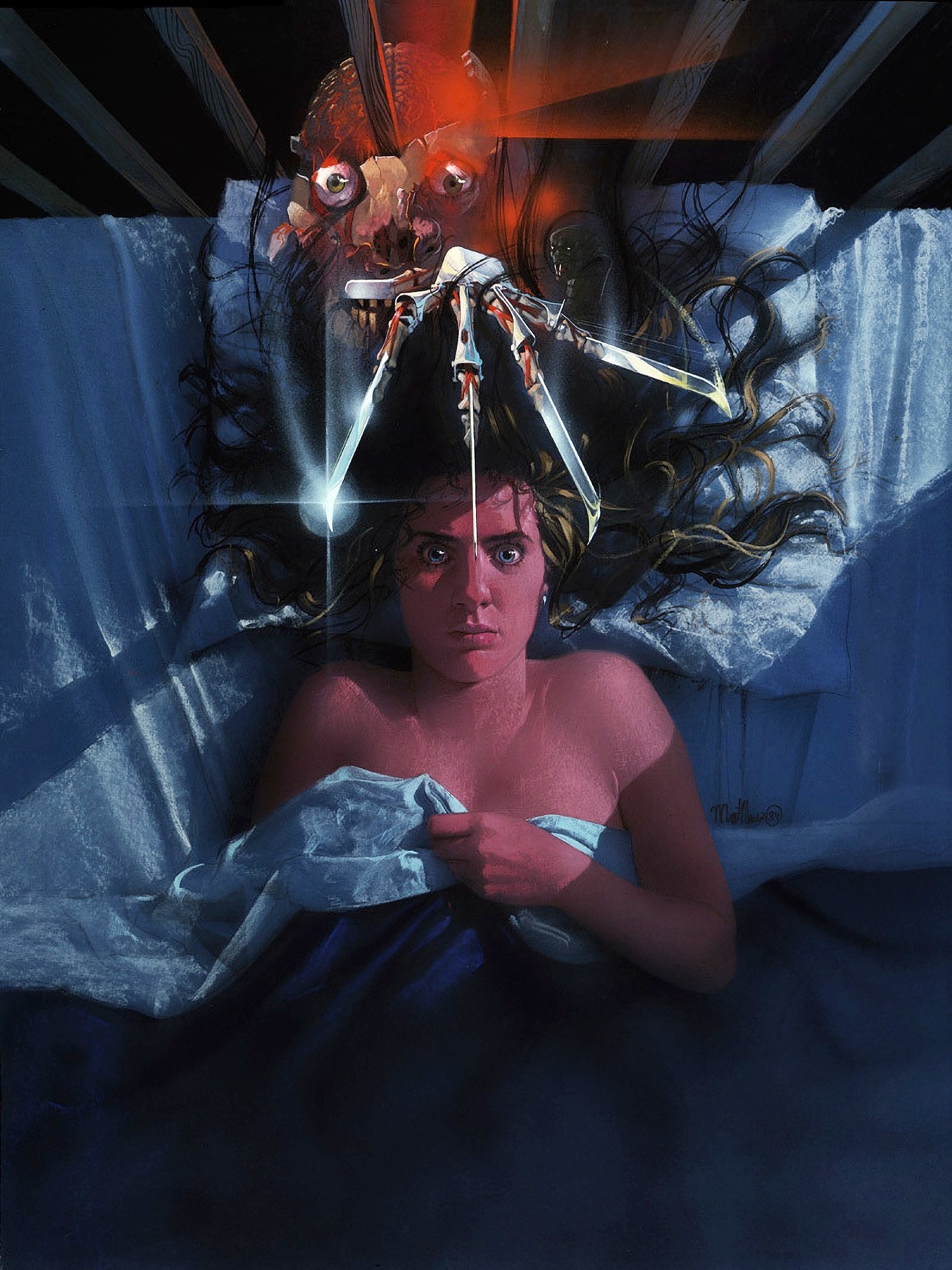
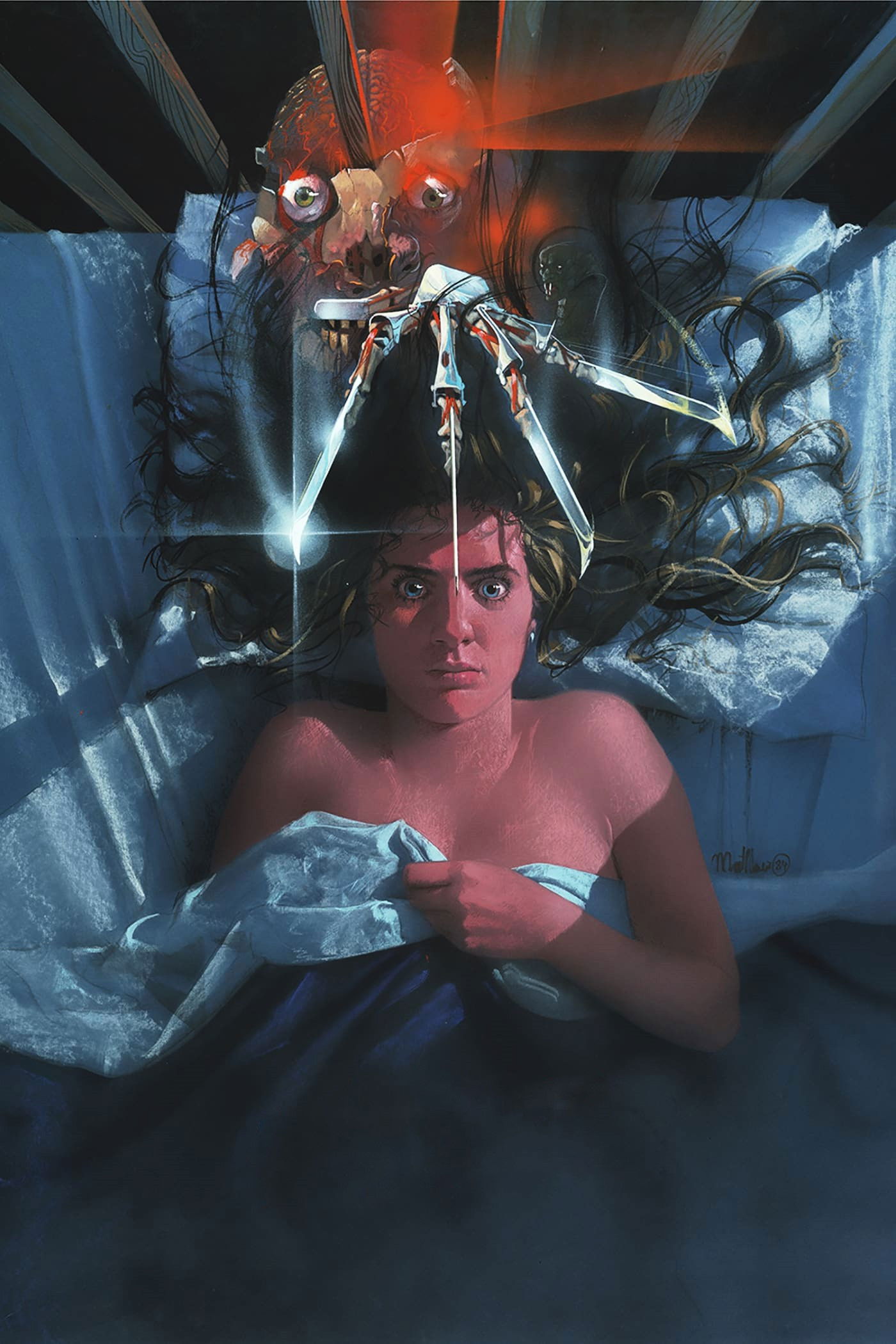
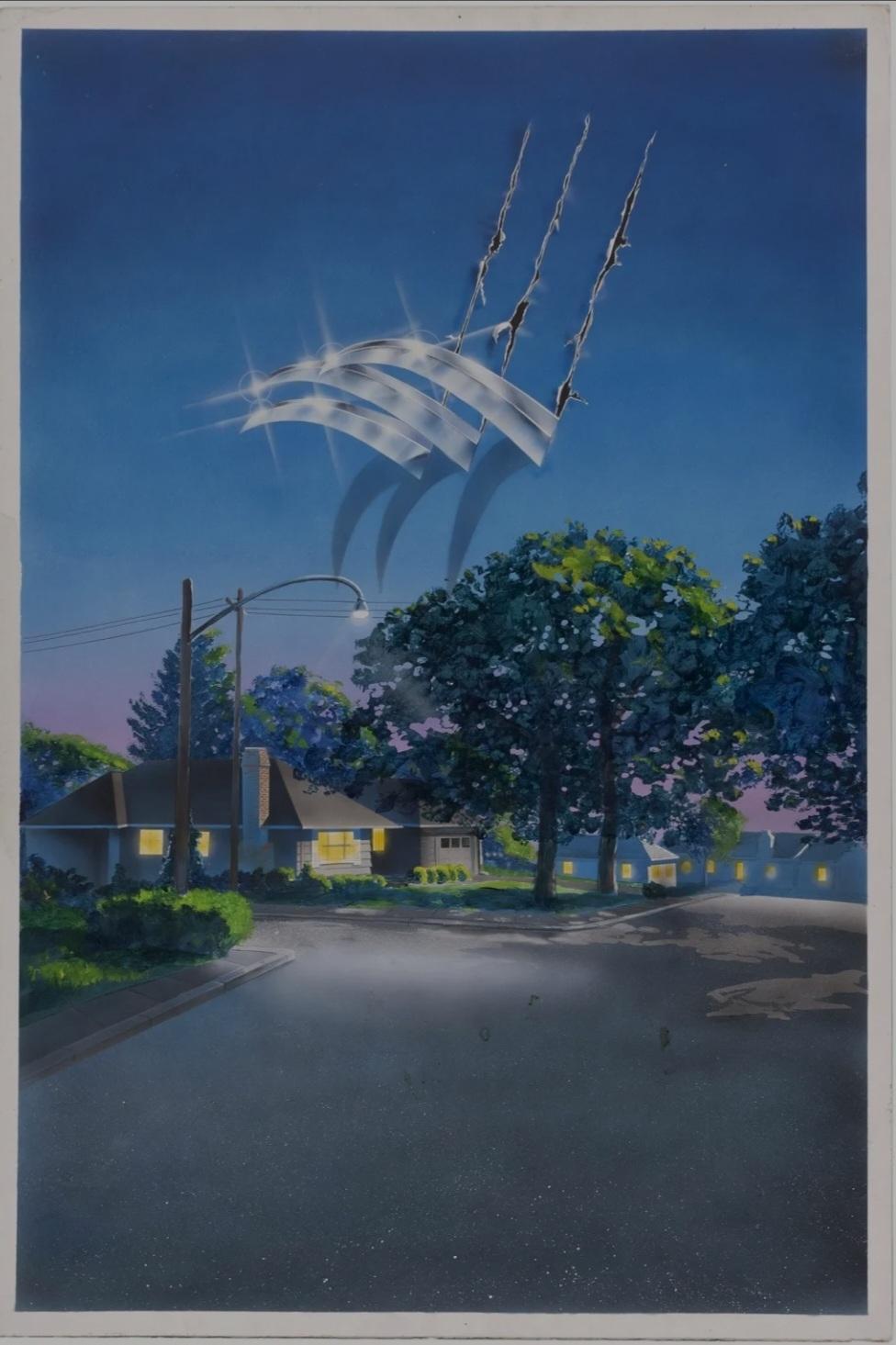
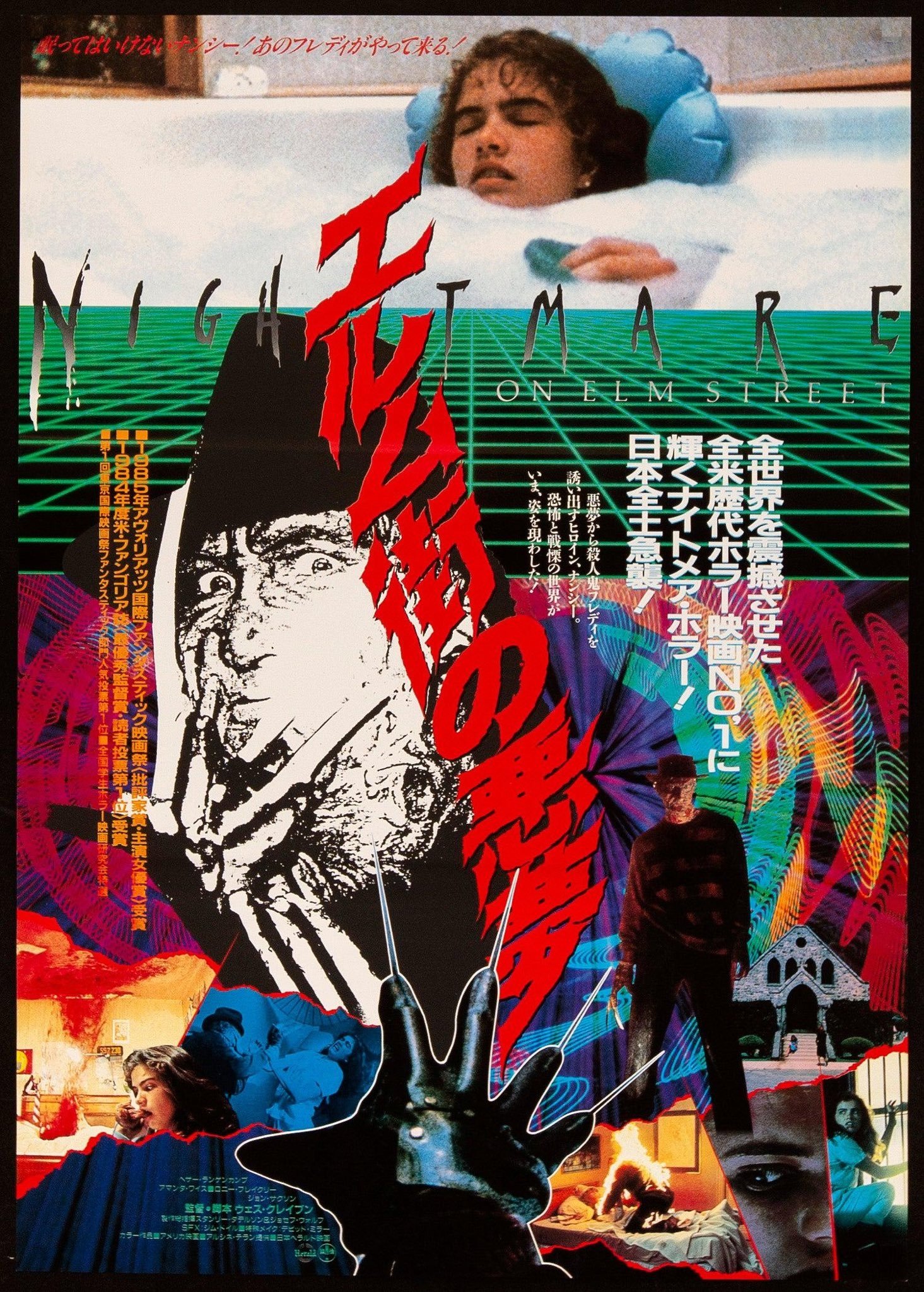
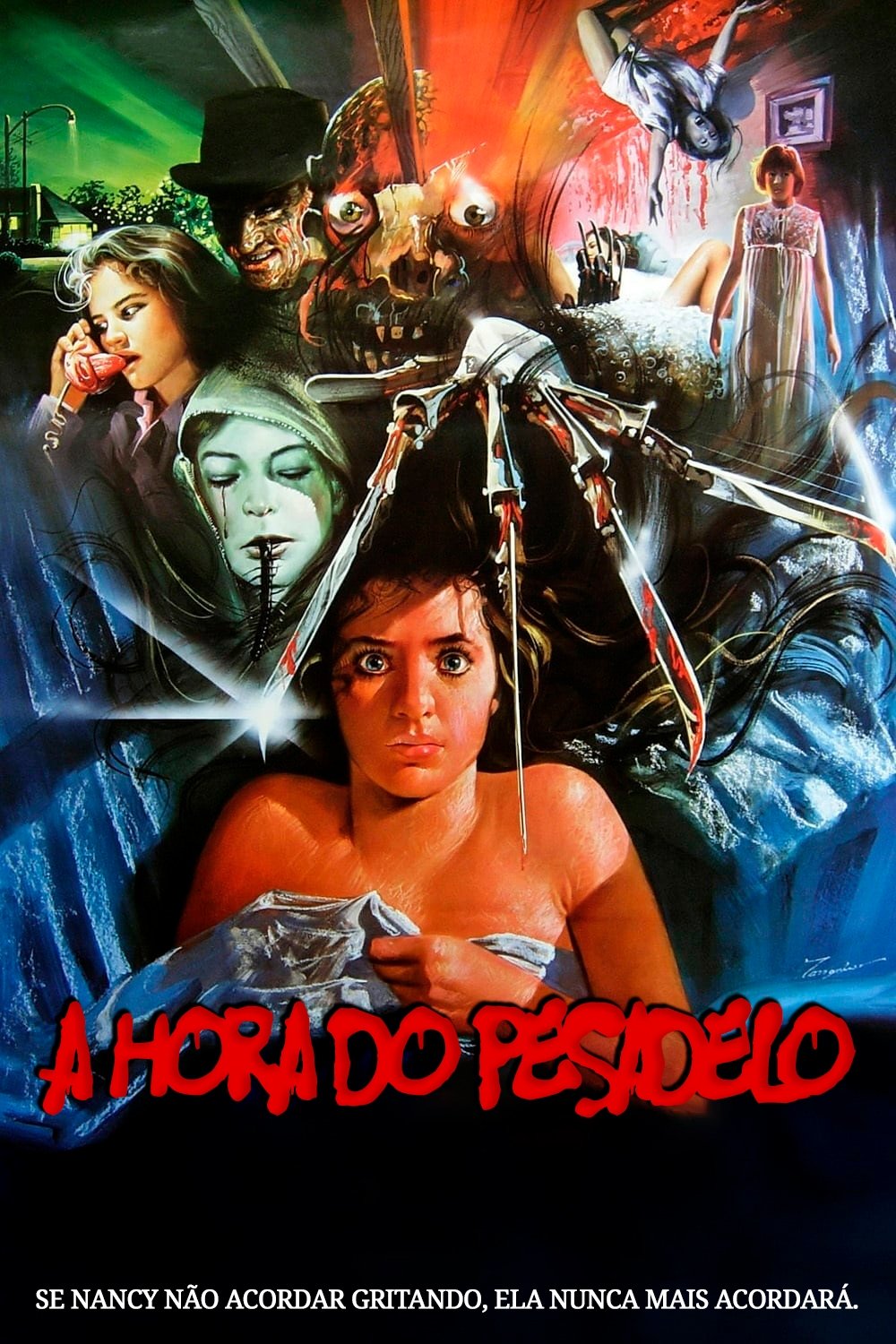
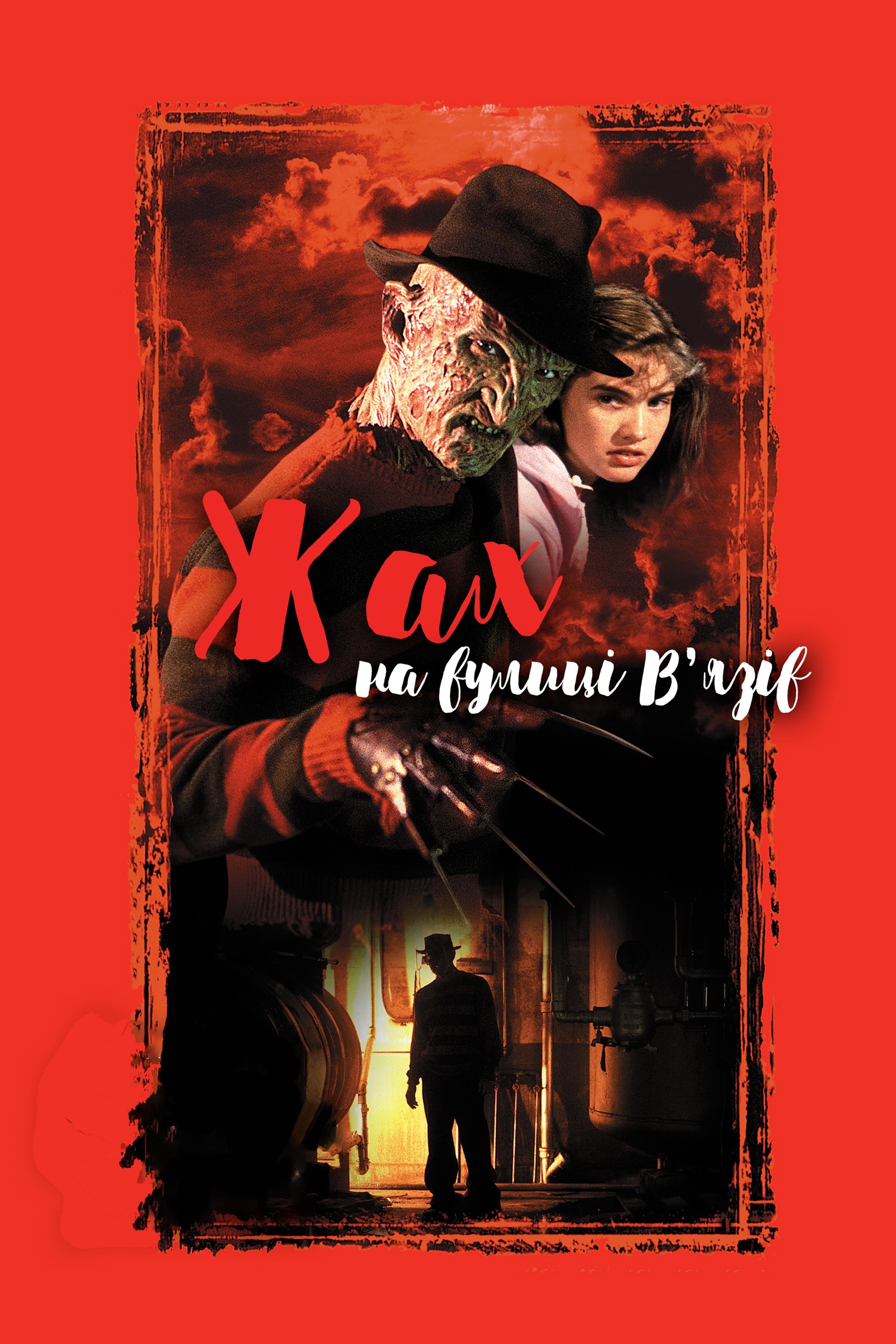
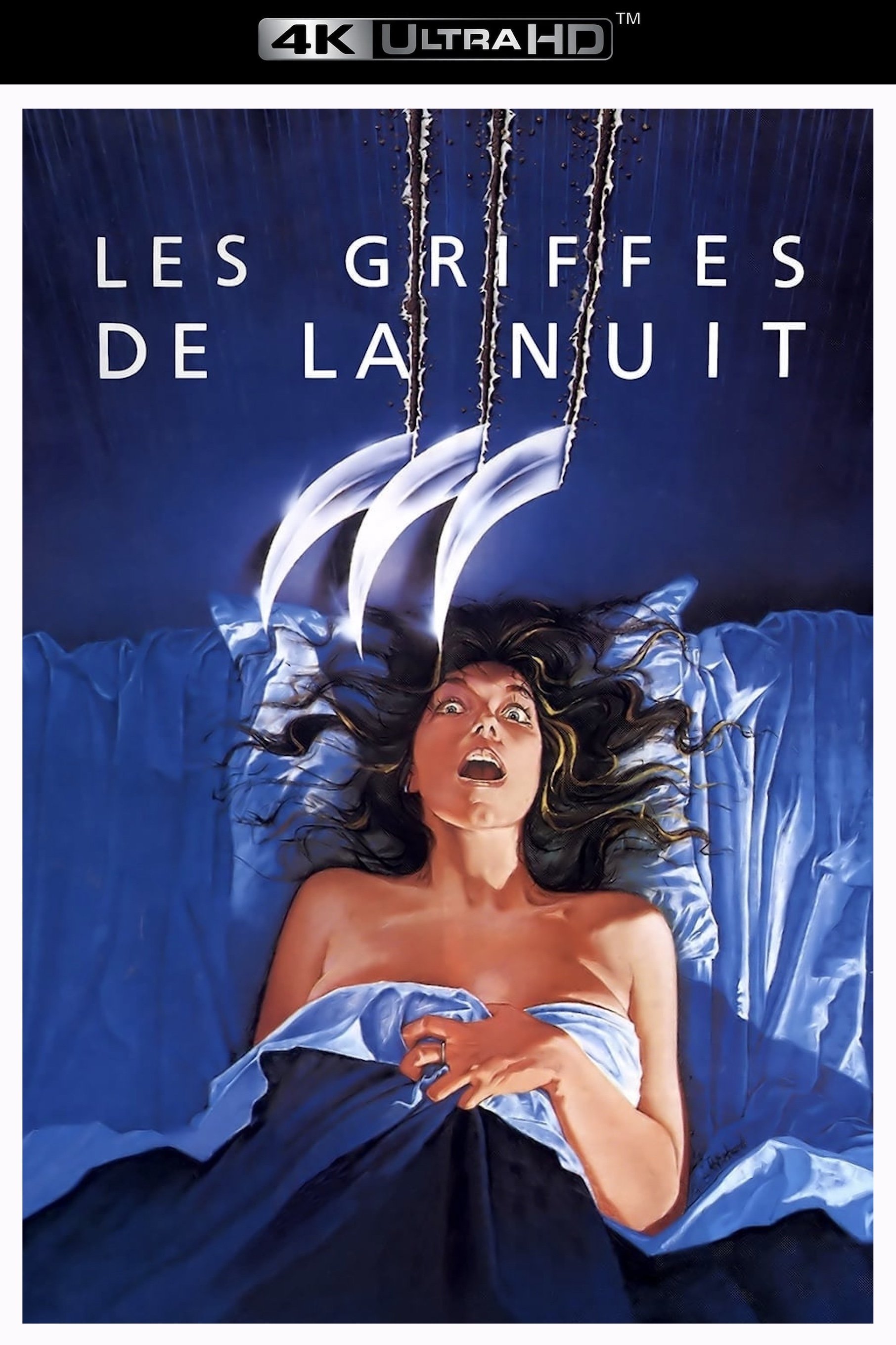
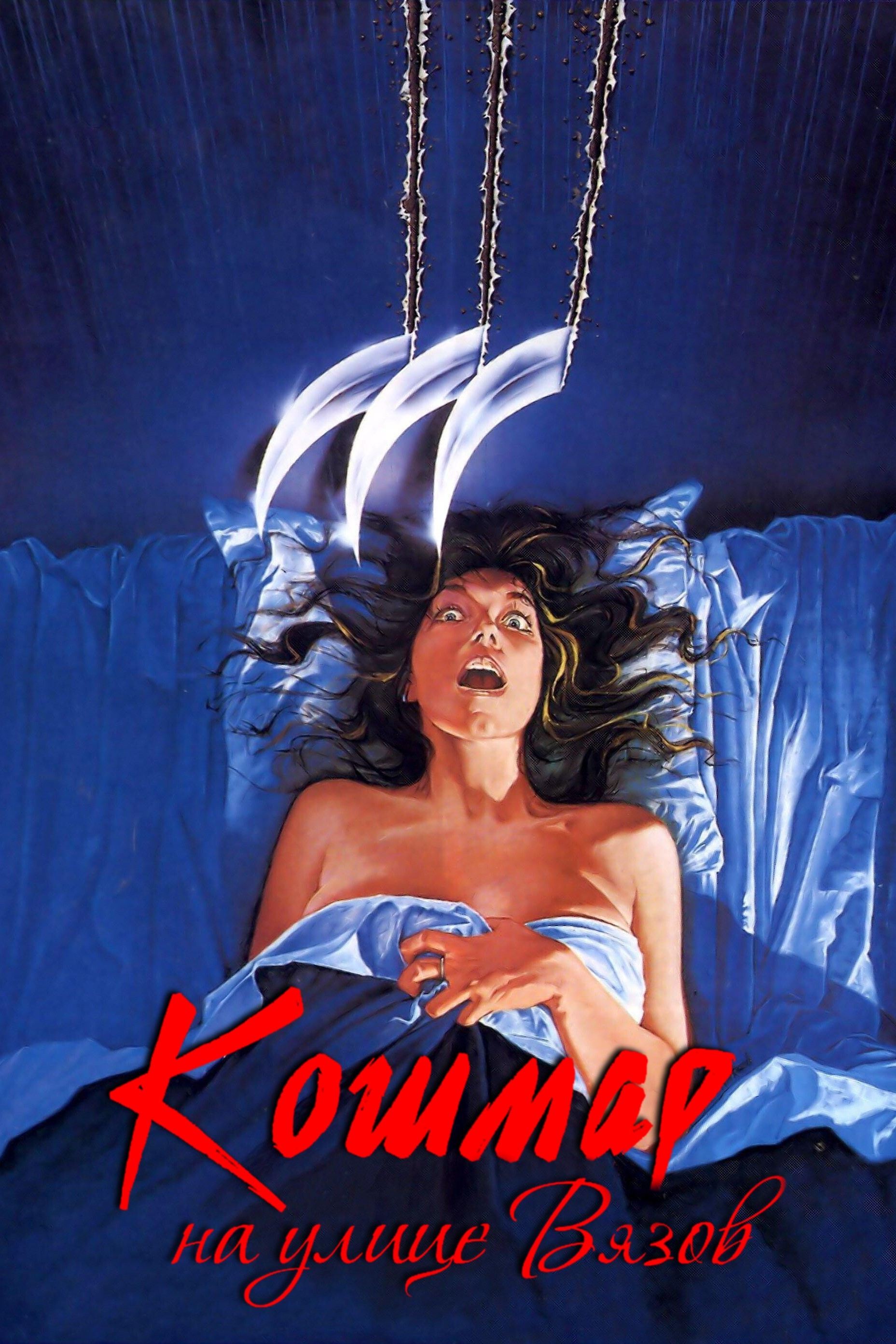
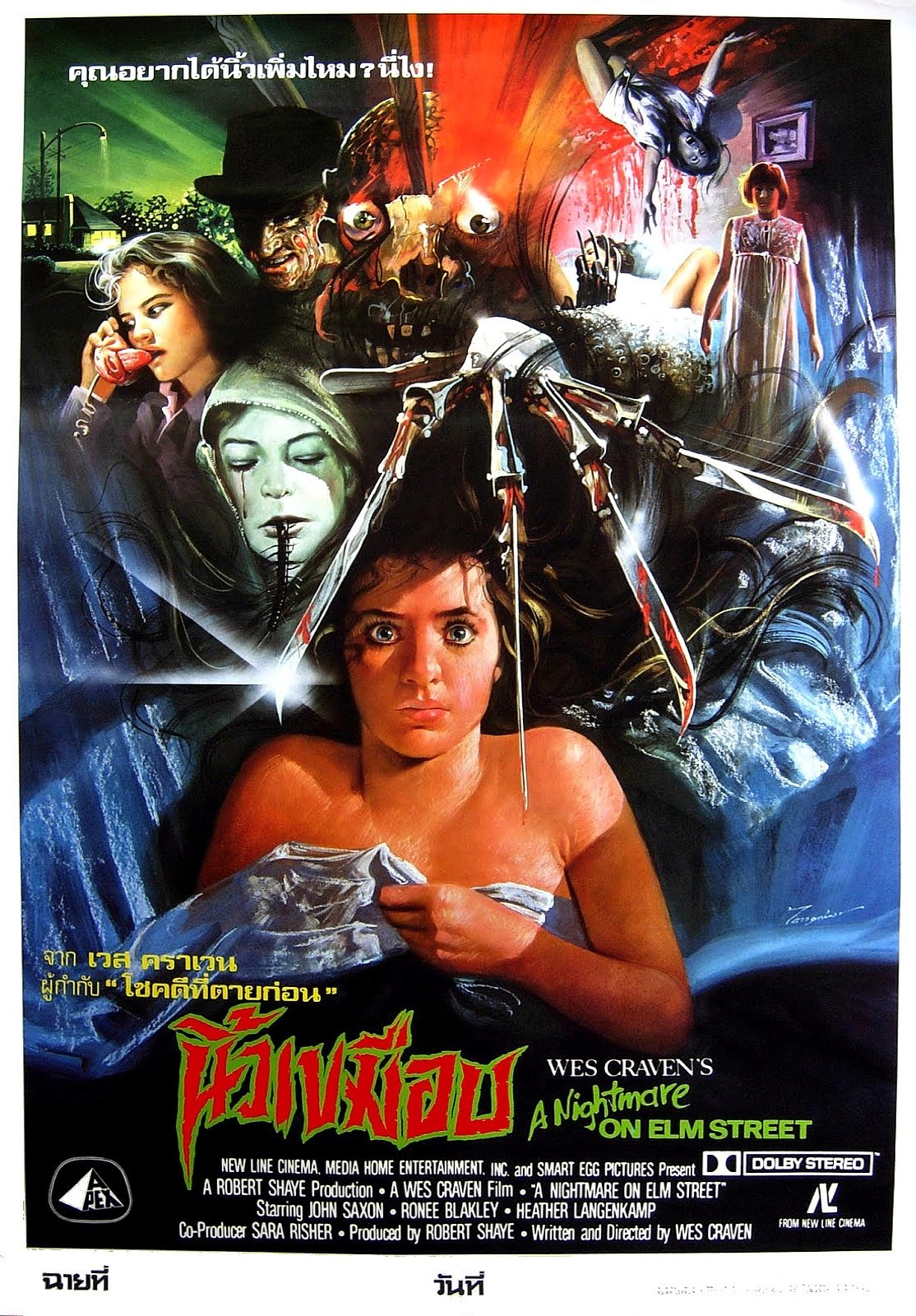
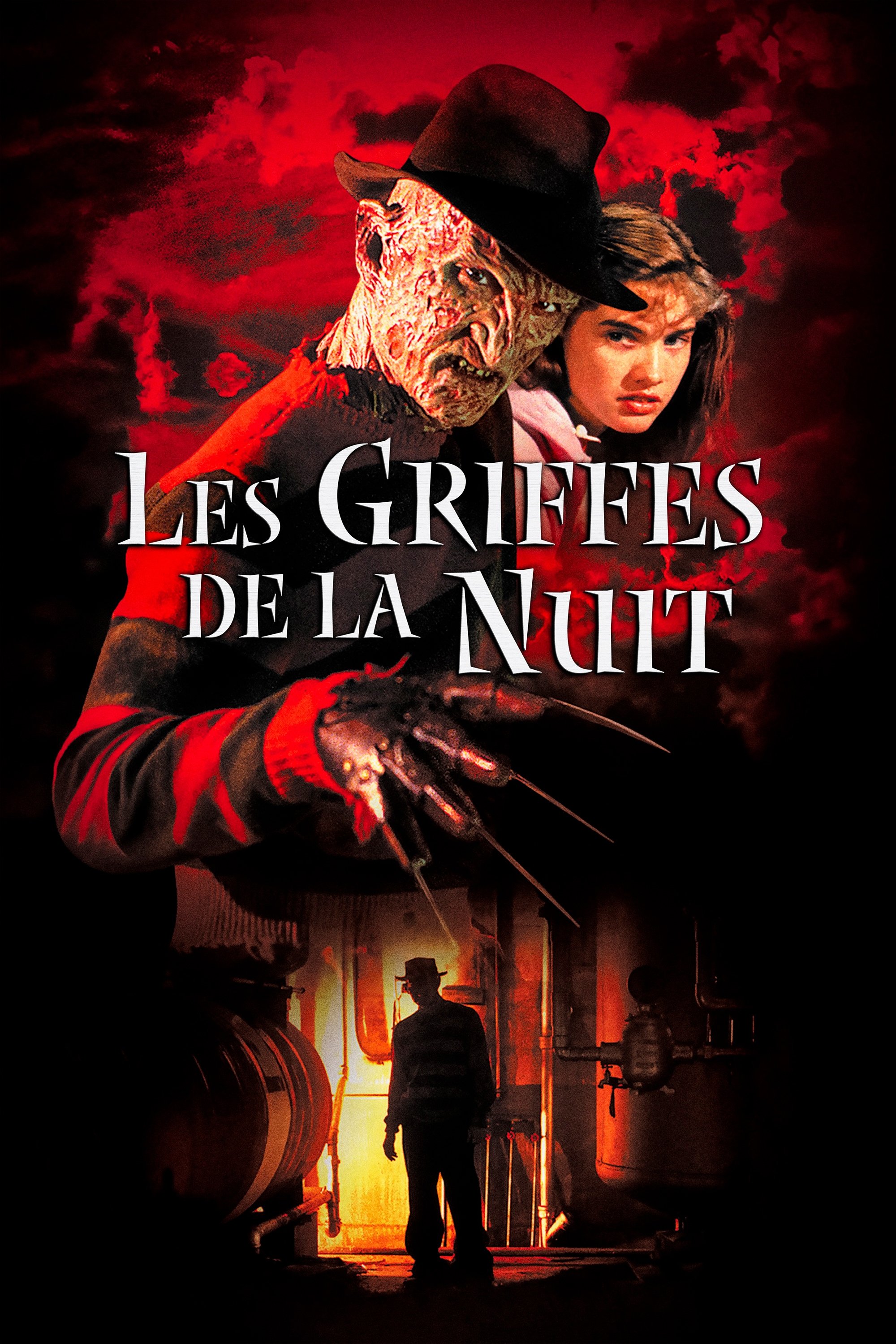
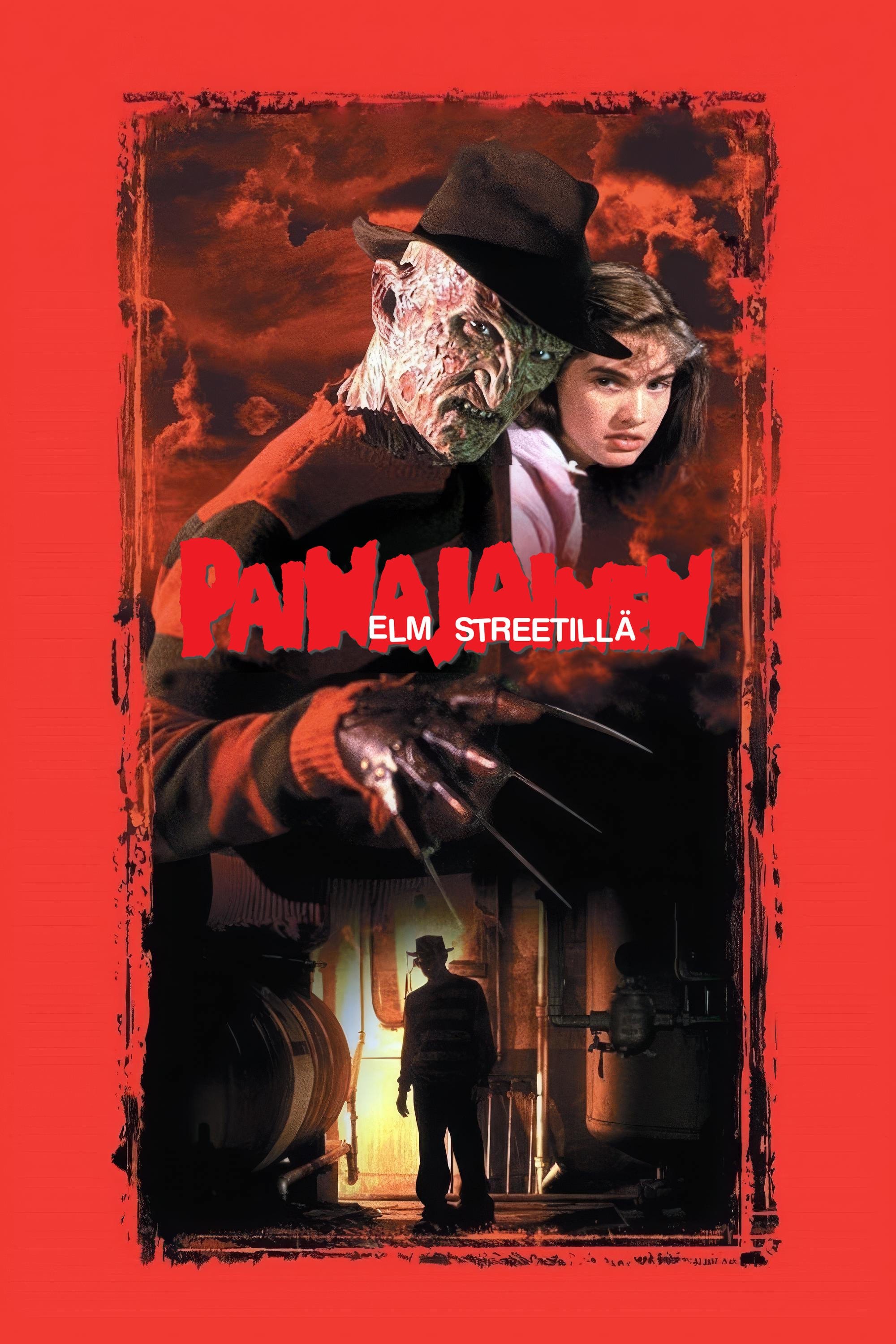
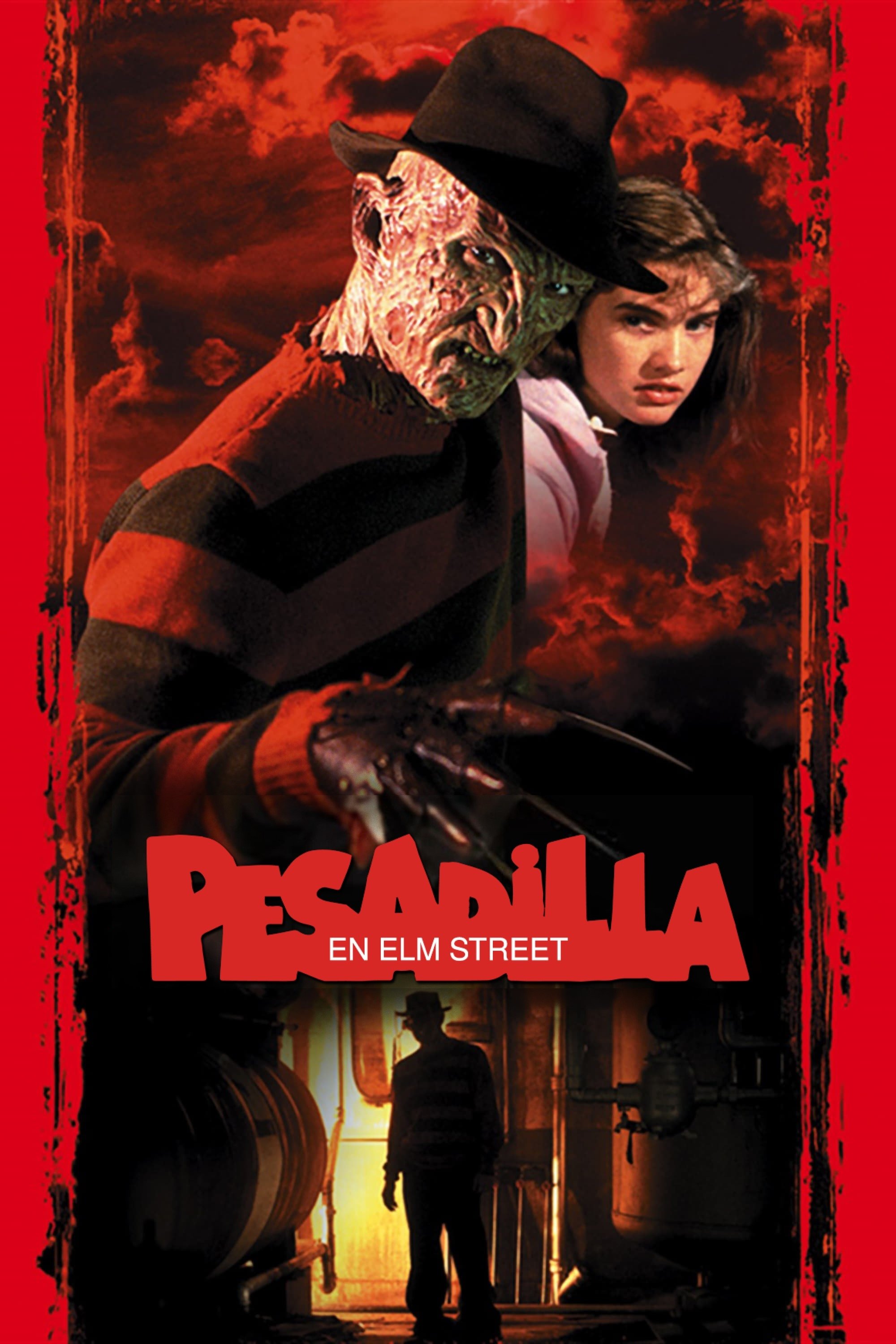
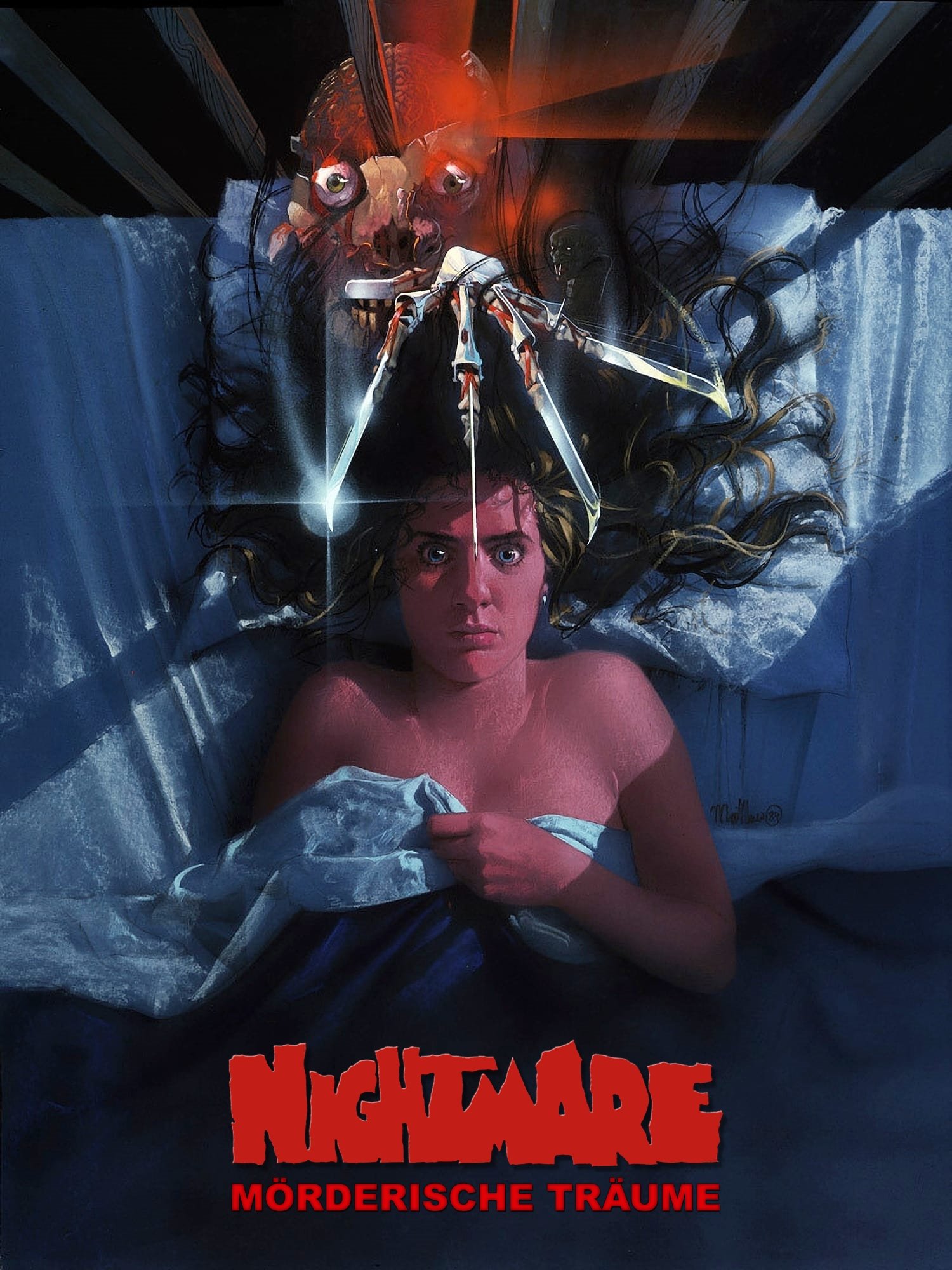
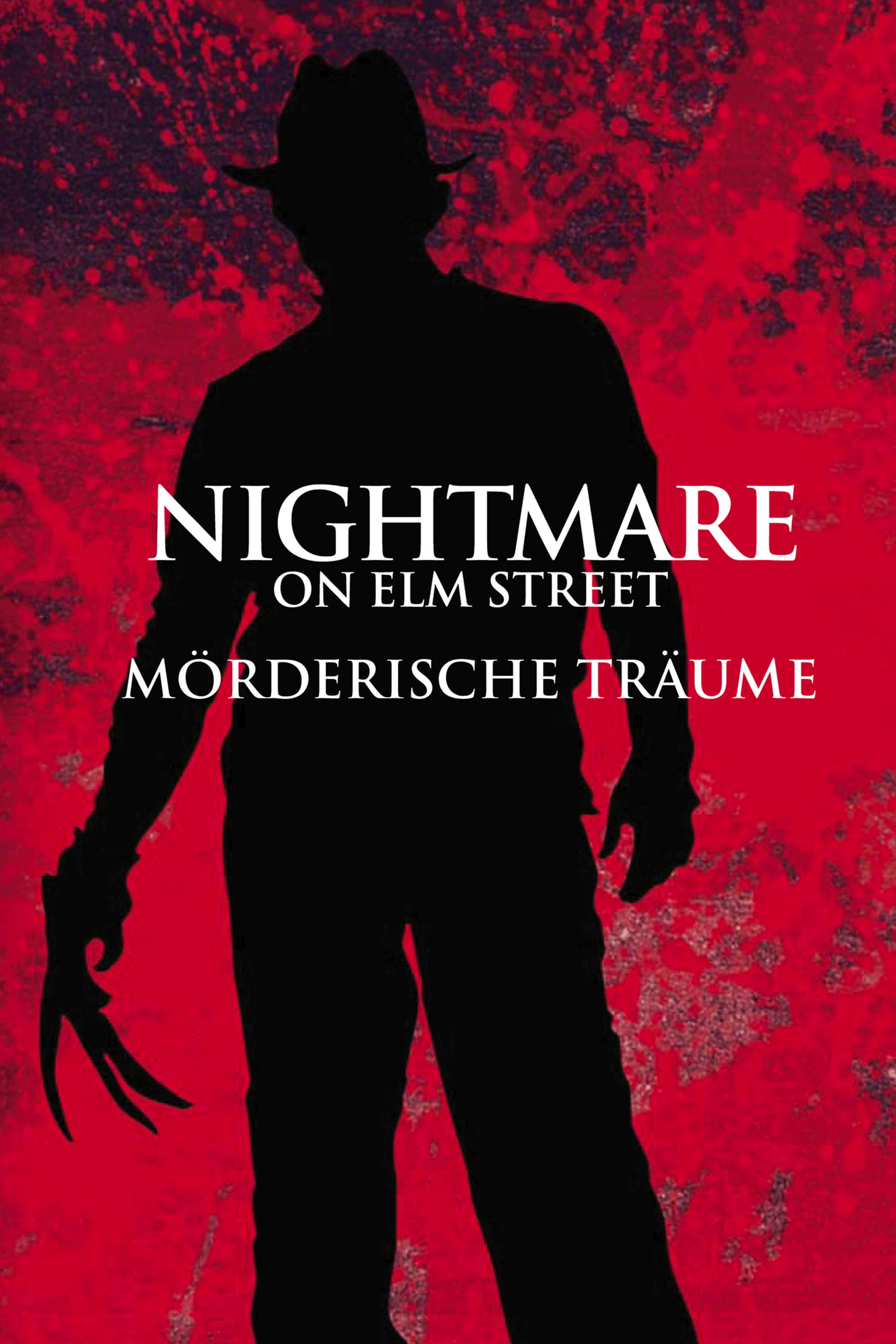
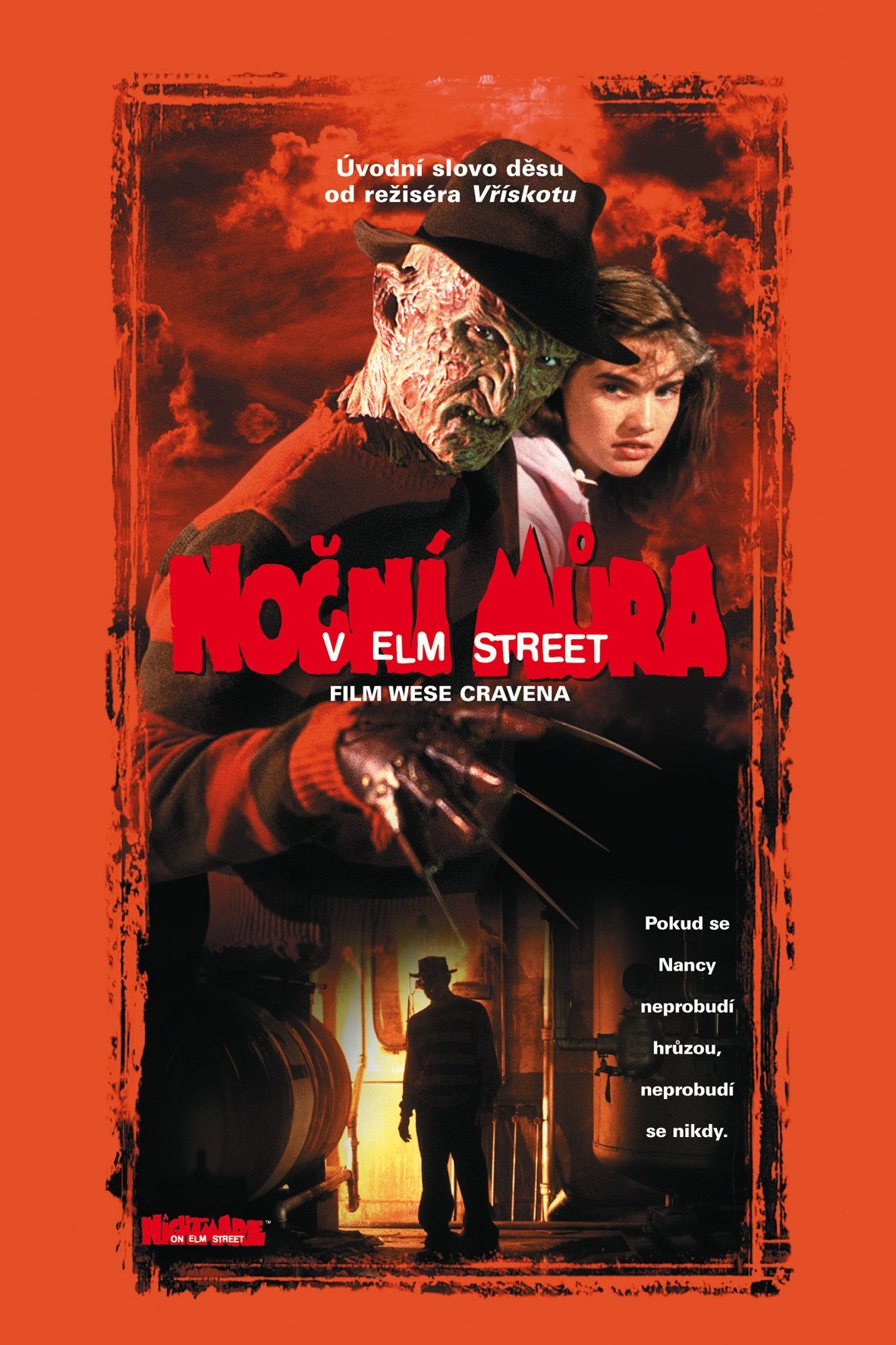
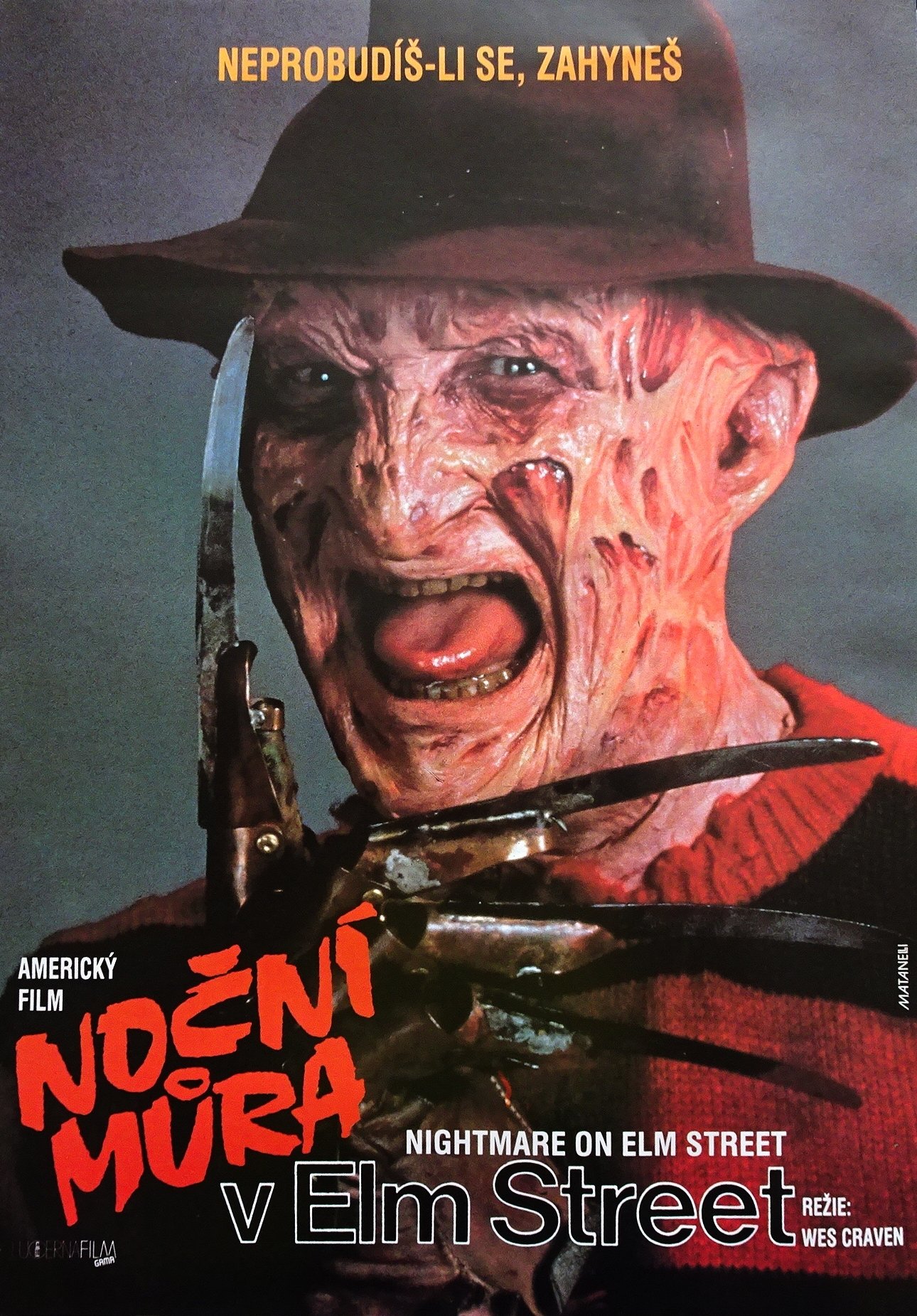
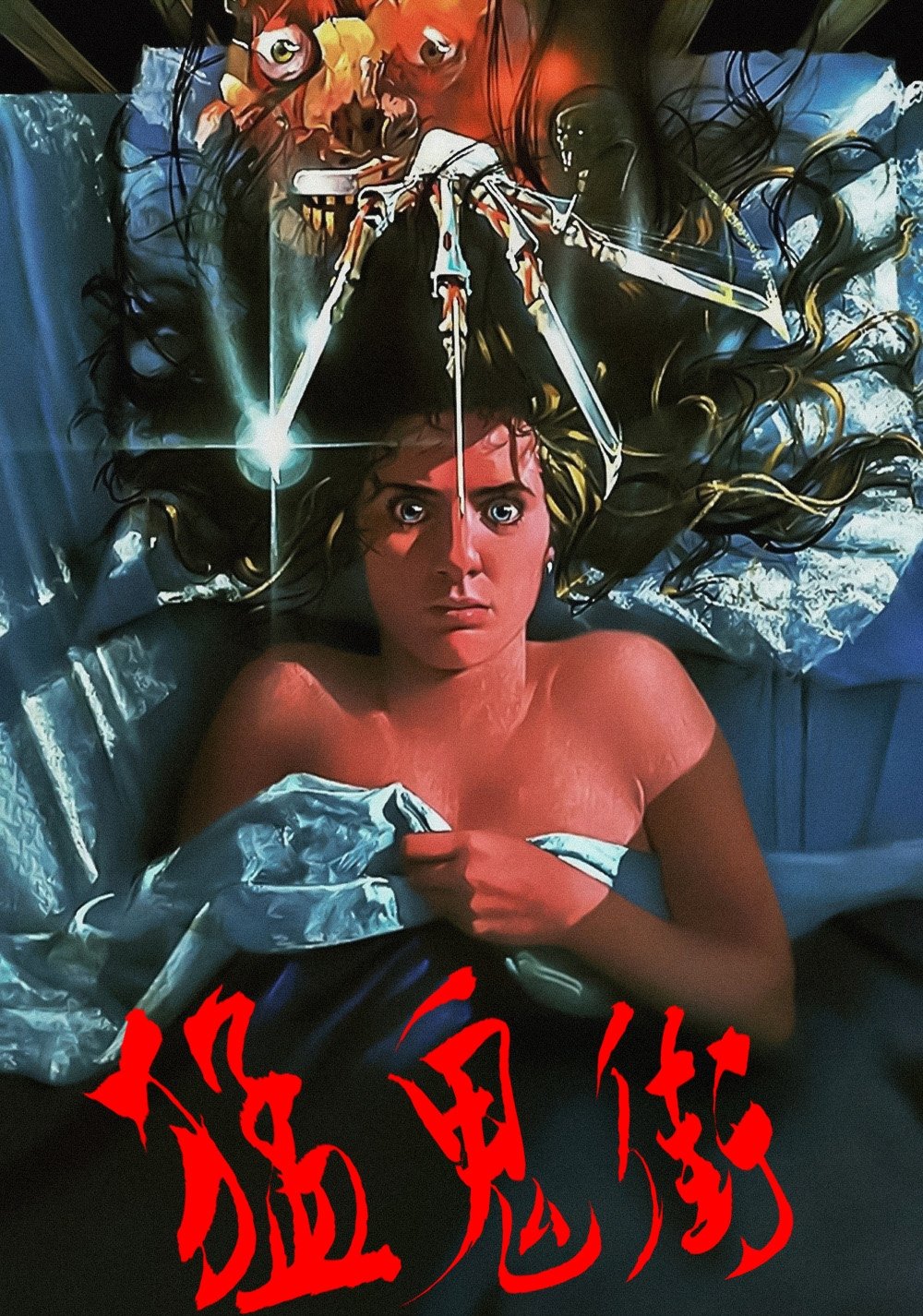
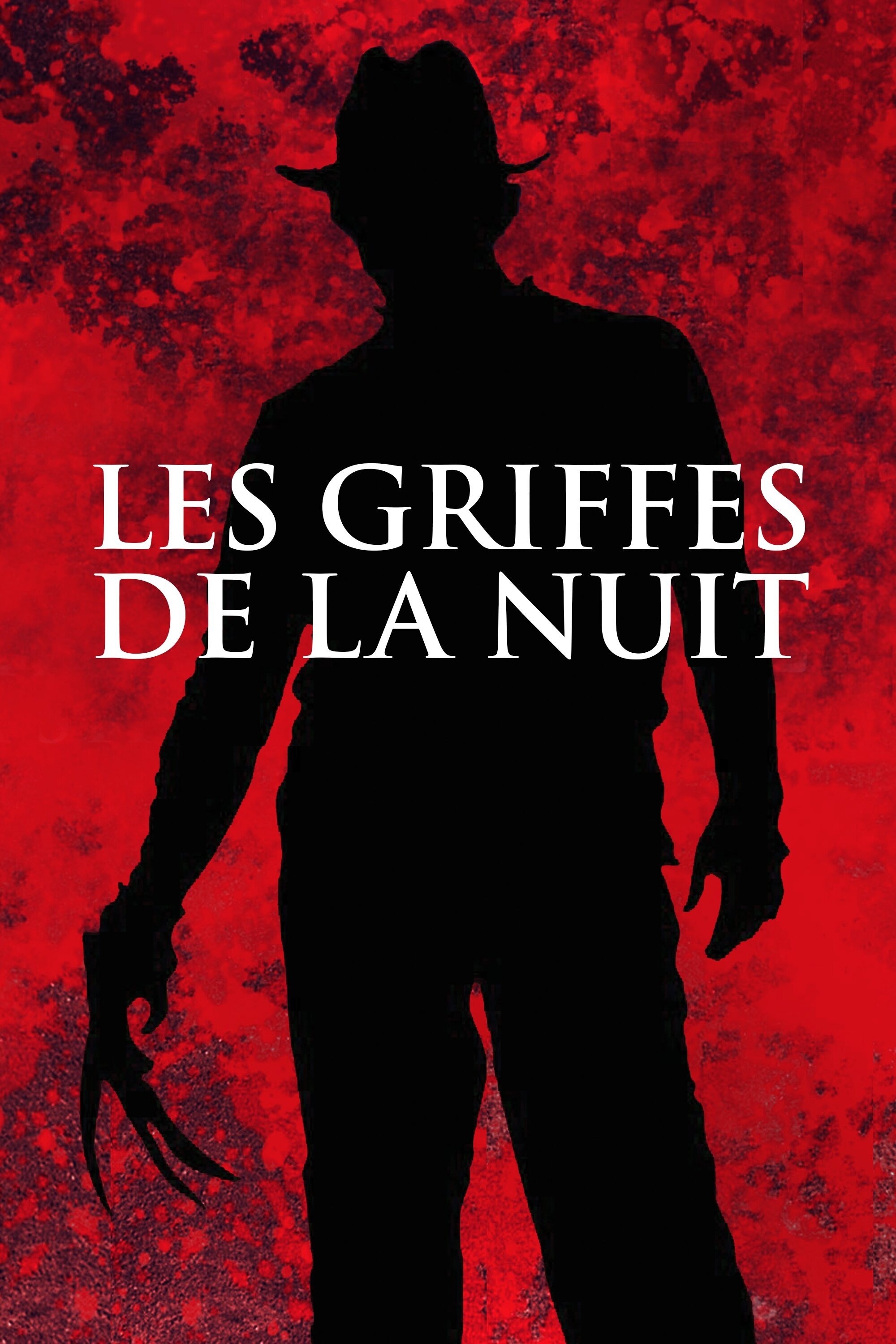
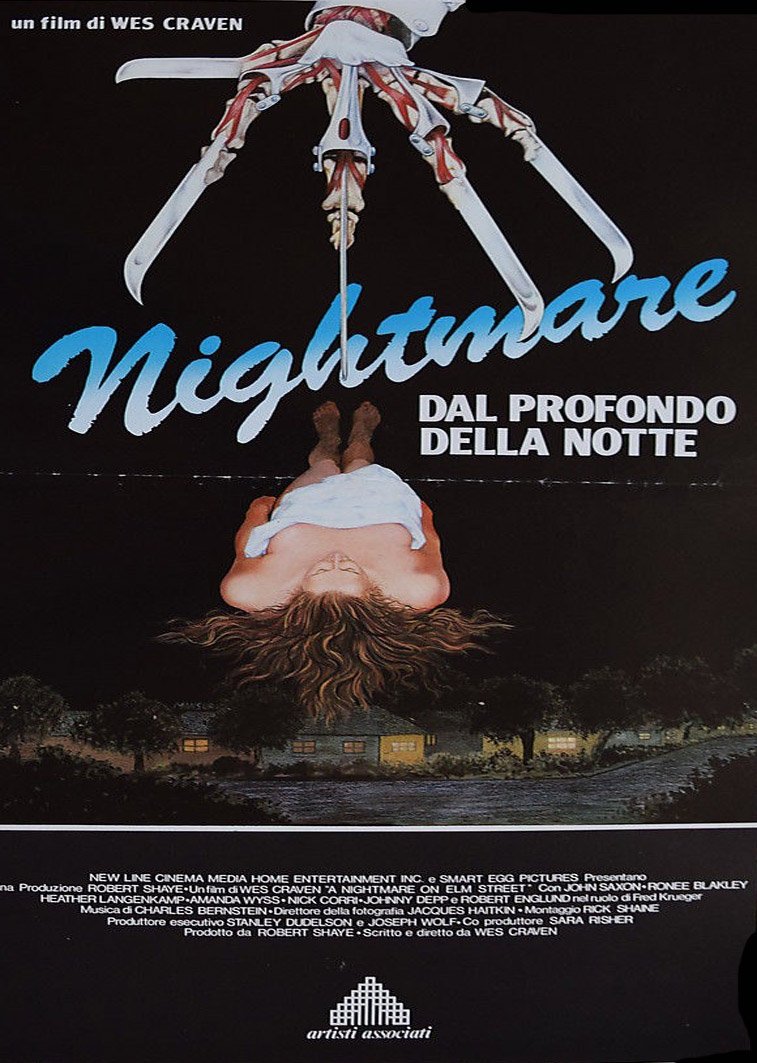
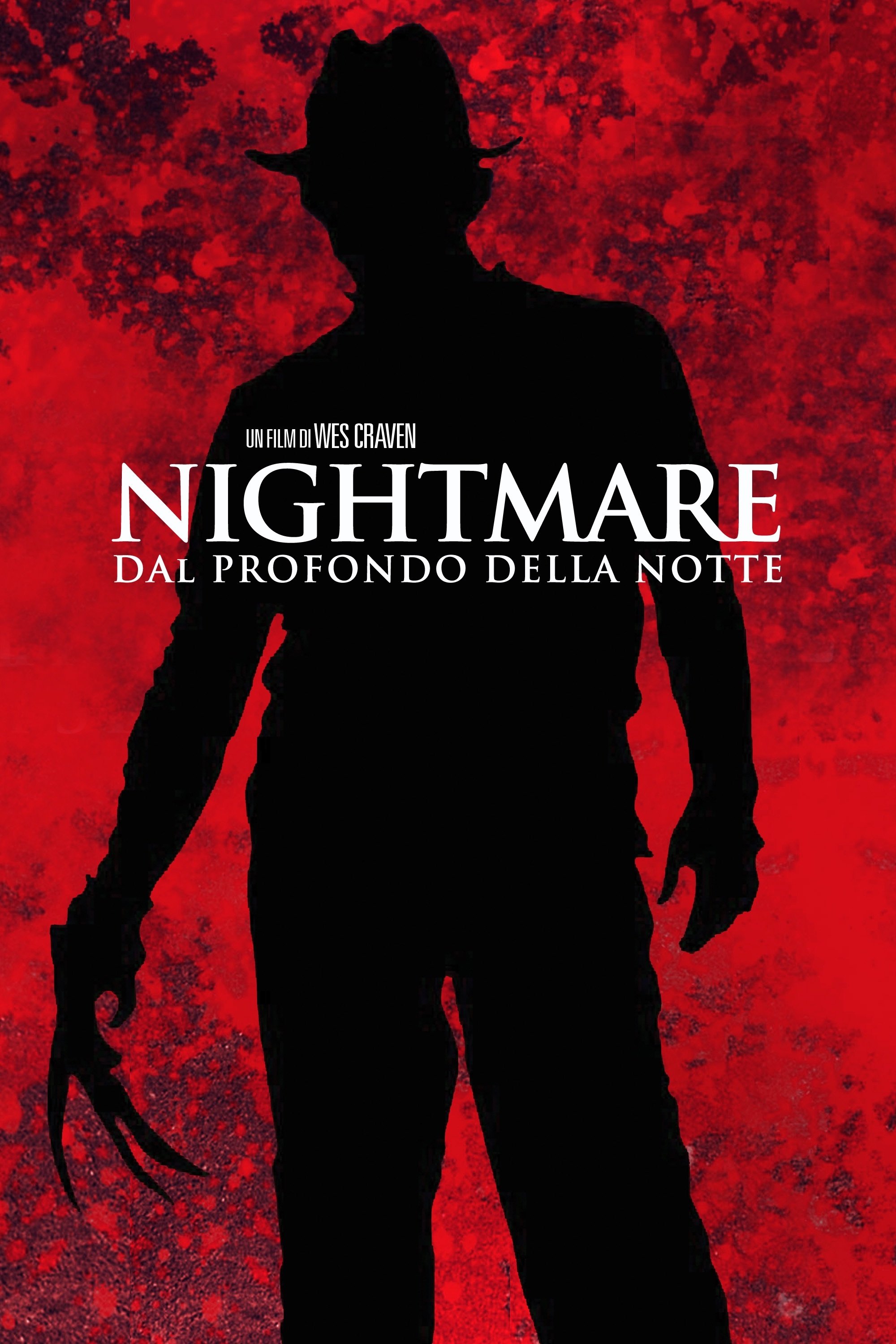
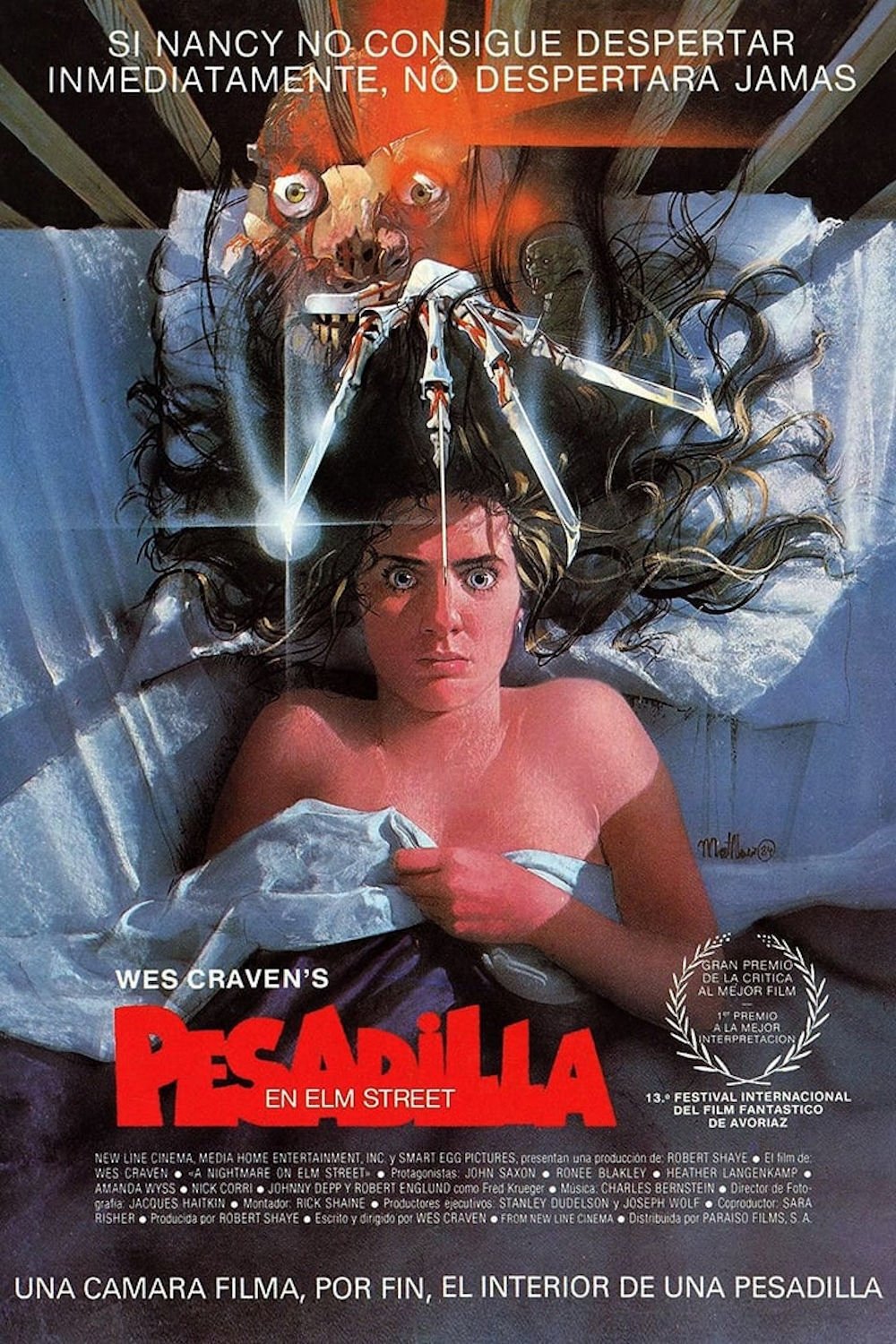
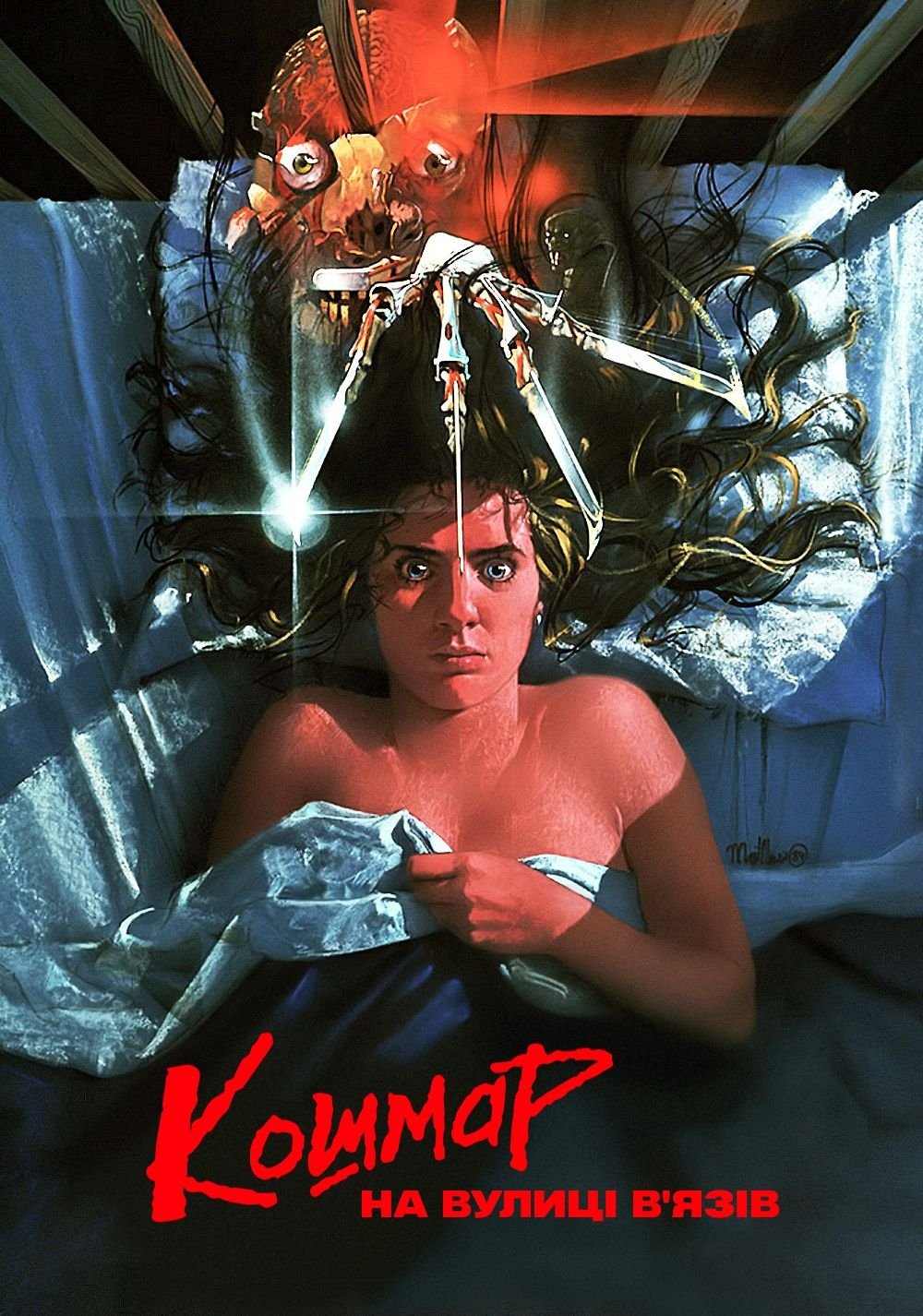
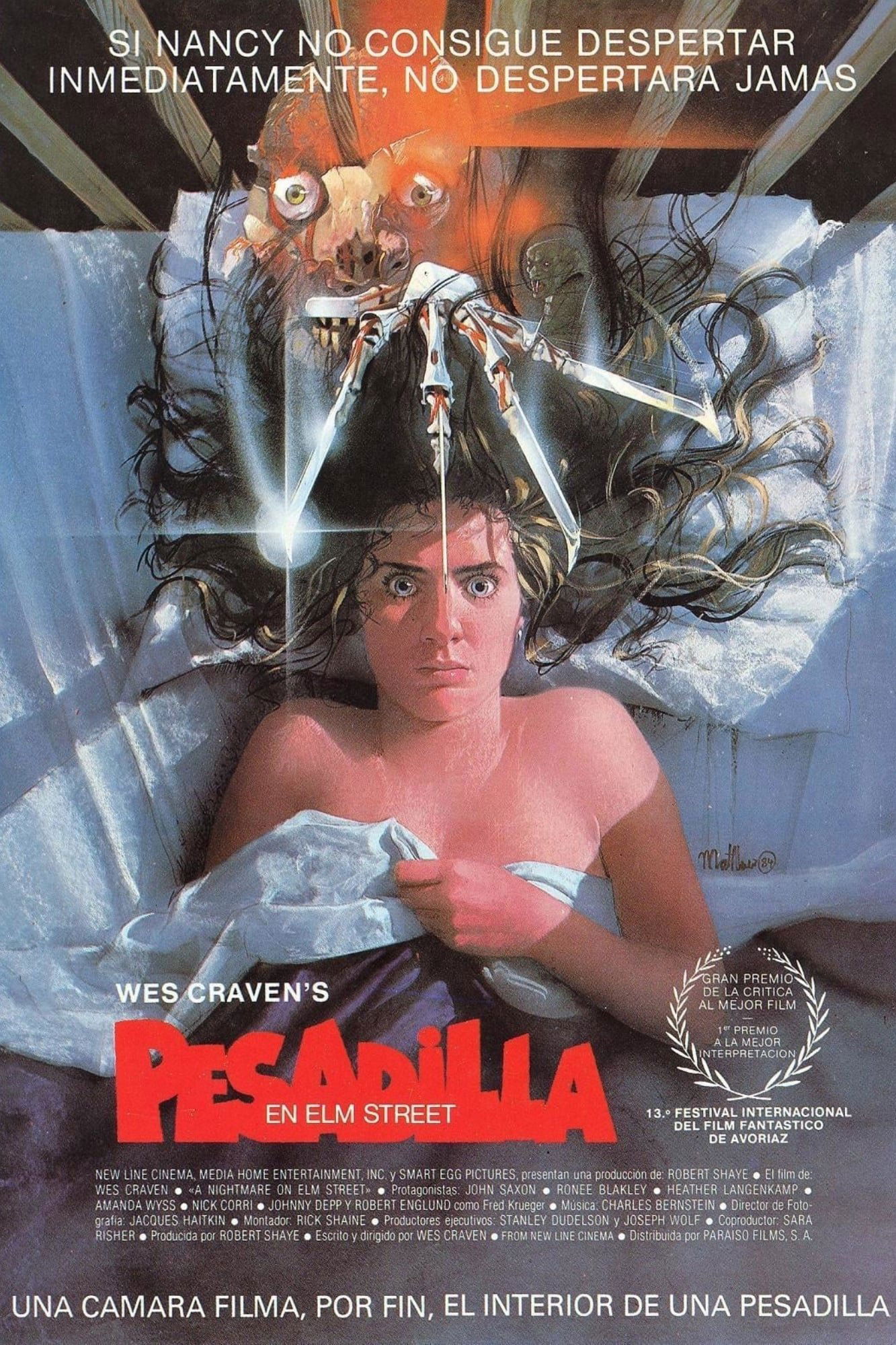
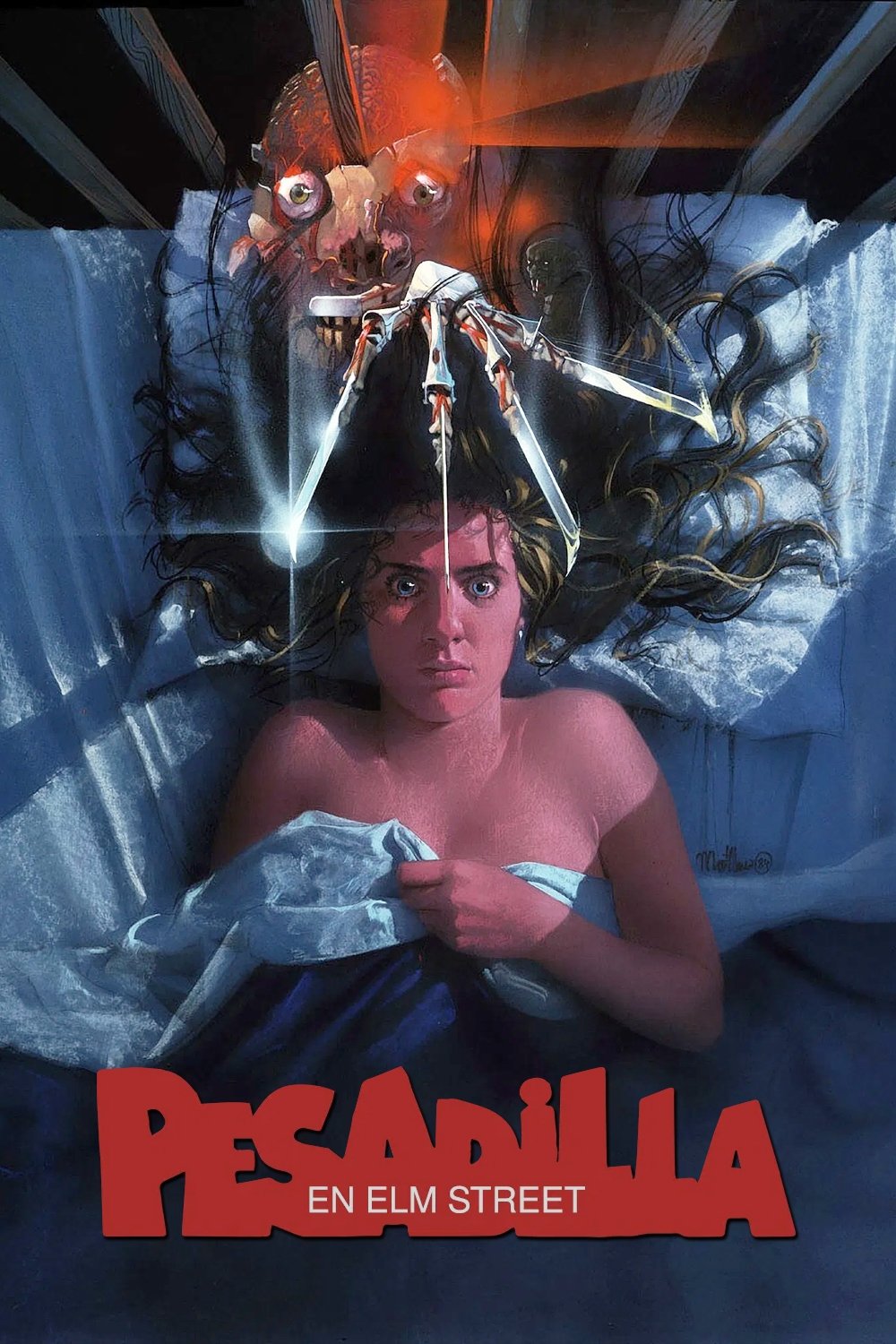
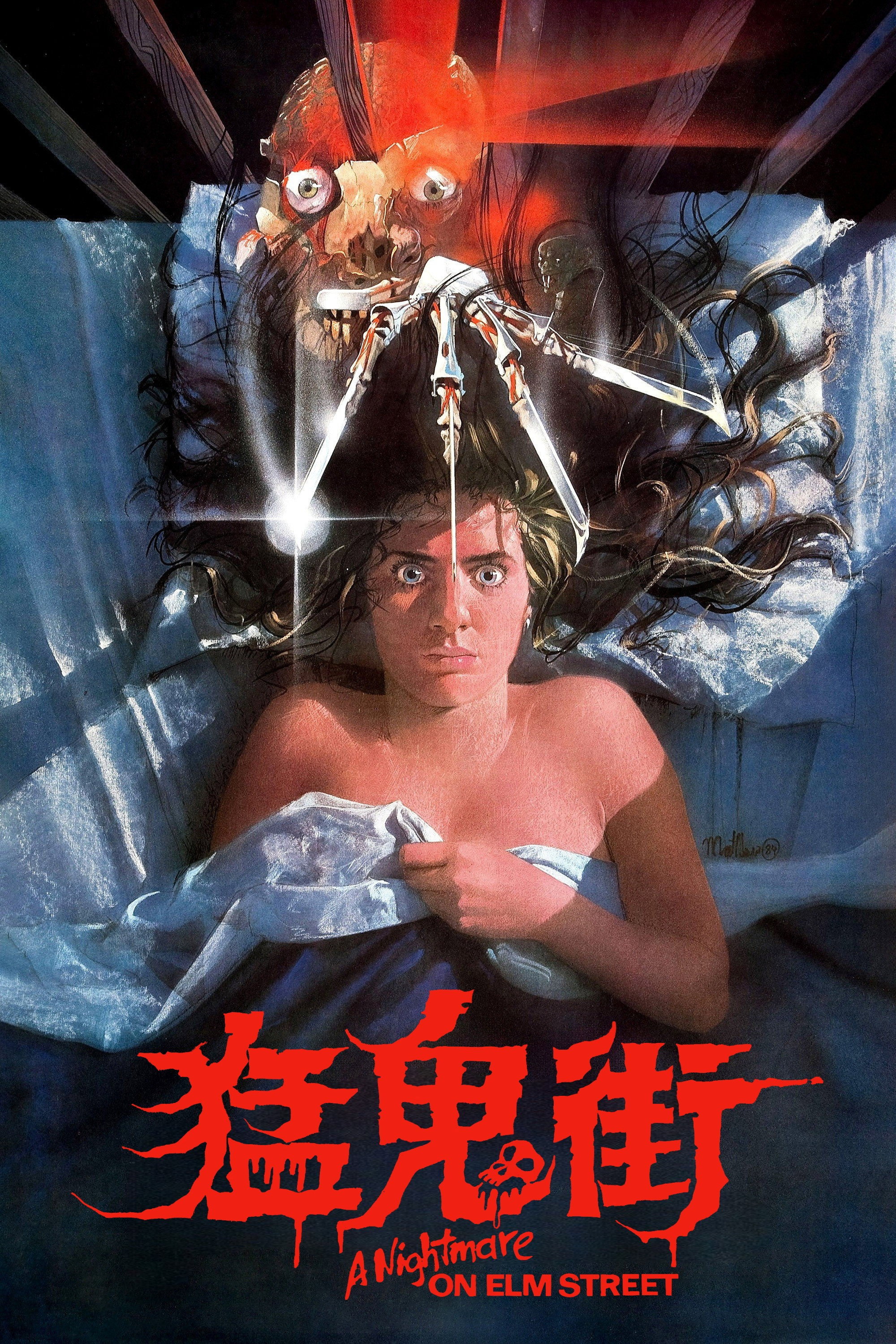
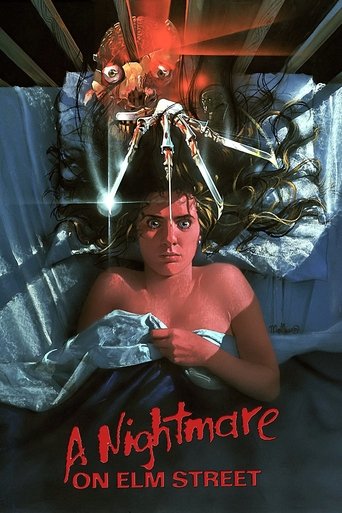
A Nightmare on Elm Street (1984) poster
Director
Writer
Production Companies
Media Home Entertainment , New Line Cinema , Smart Egg Pictures , Cinema 84 , The Elm Street Venture
Plot

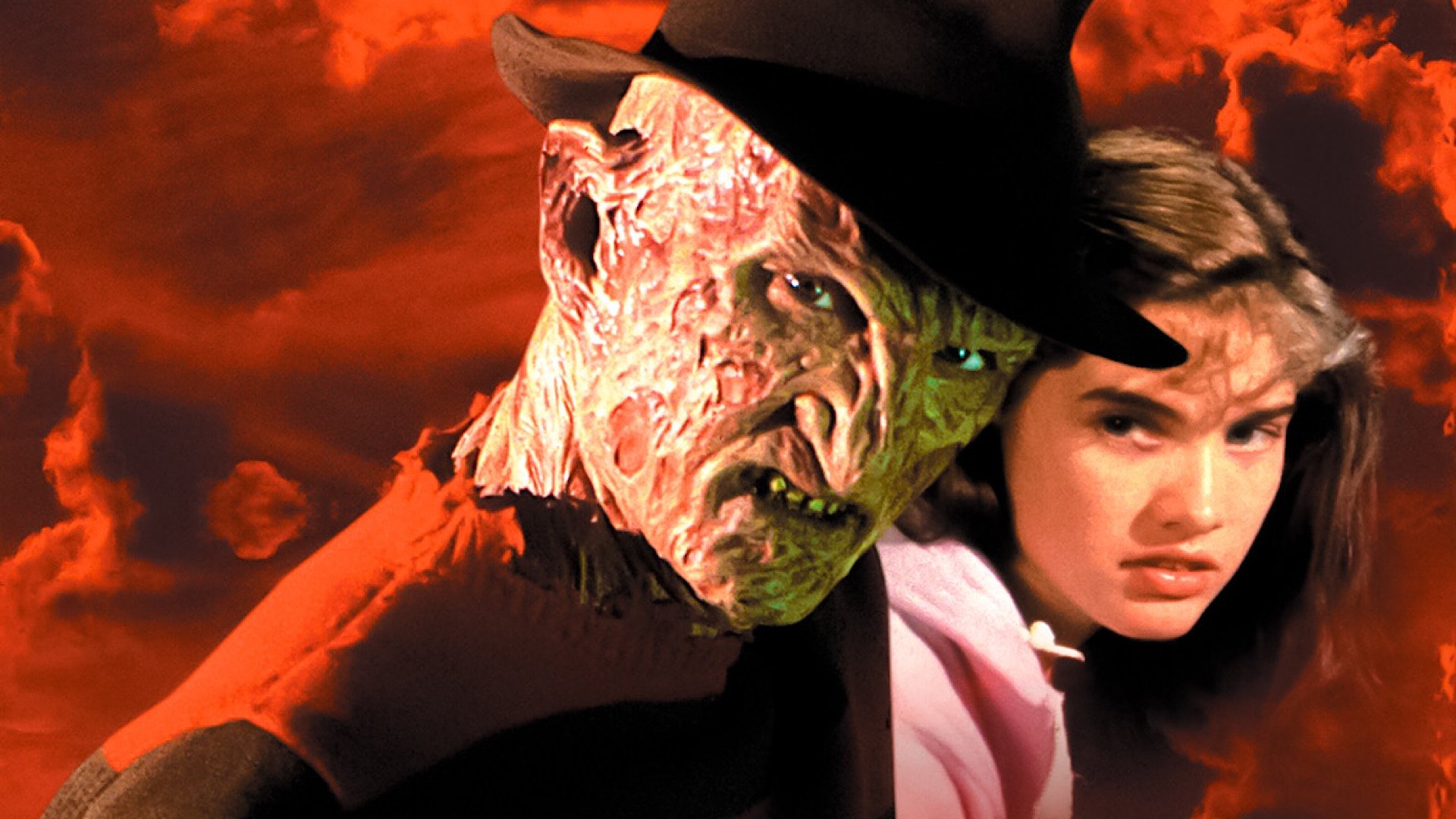
Teenager Nancy Thompson begins experiencing nightmares about a burned man wearing a glove fitted with blades. When her friends report similar dreams and unexplained deaths shake their neighborhood, Nancy discovers a connection between the stranger and a crime concealed by their parents. Sleep becomes dangerous, yet staying awake indefinitely is impossible. With little help from the adults around her, she studies the rules of the recurring nightmare and searches for a way to confront Freddy Krueger before he reaches her again.

Alternative Titles
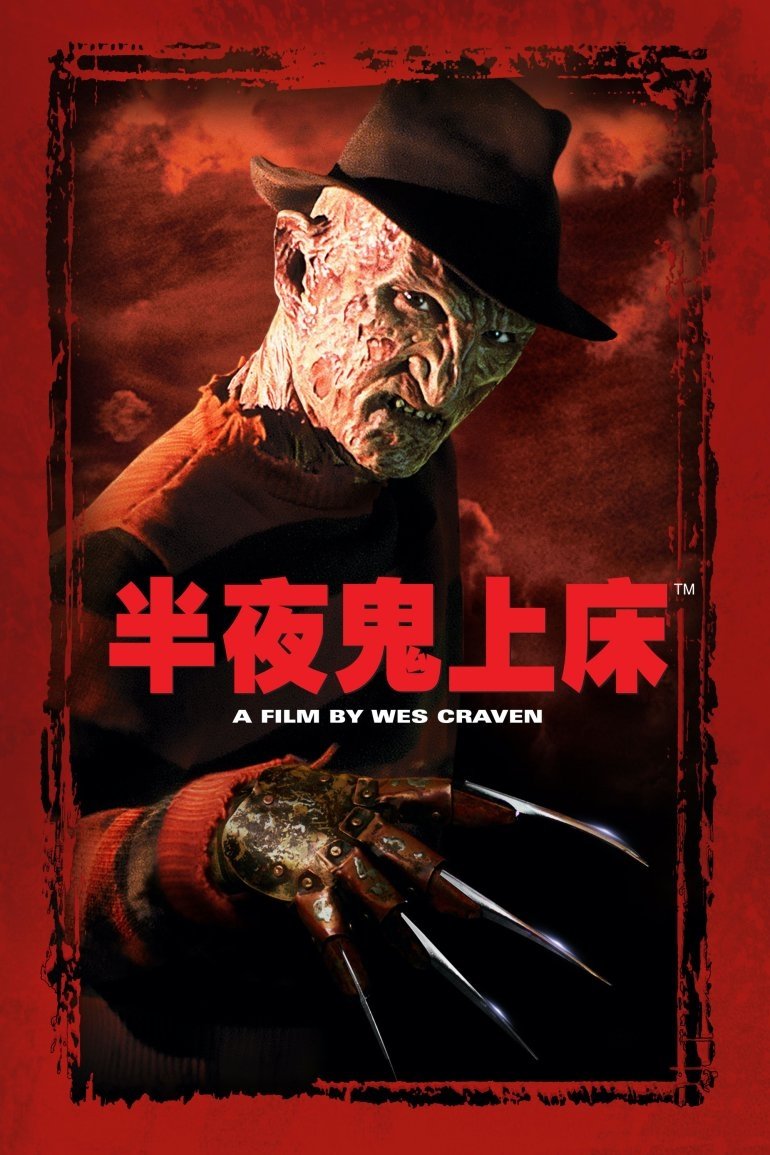
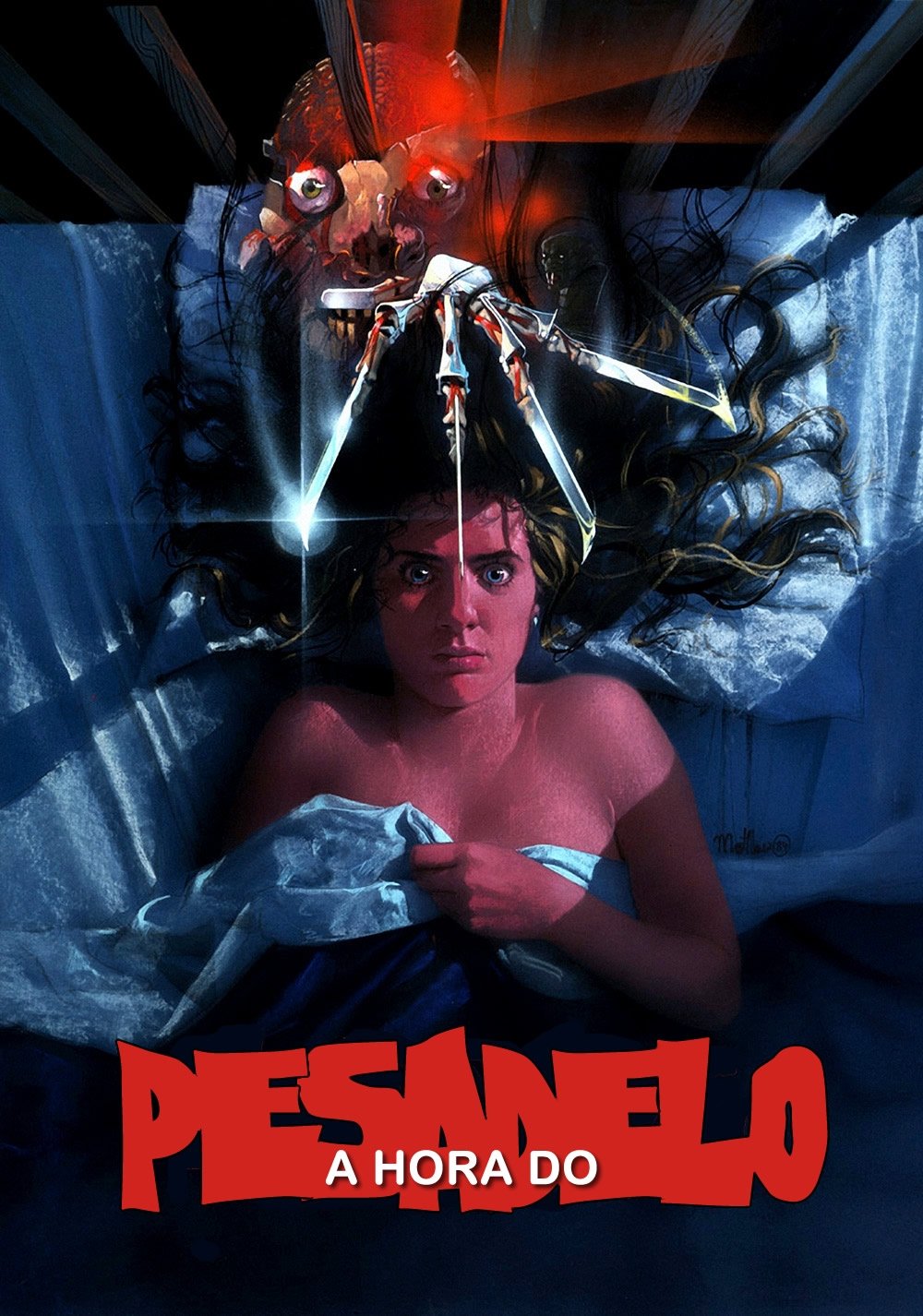
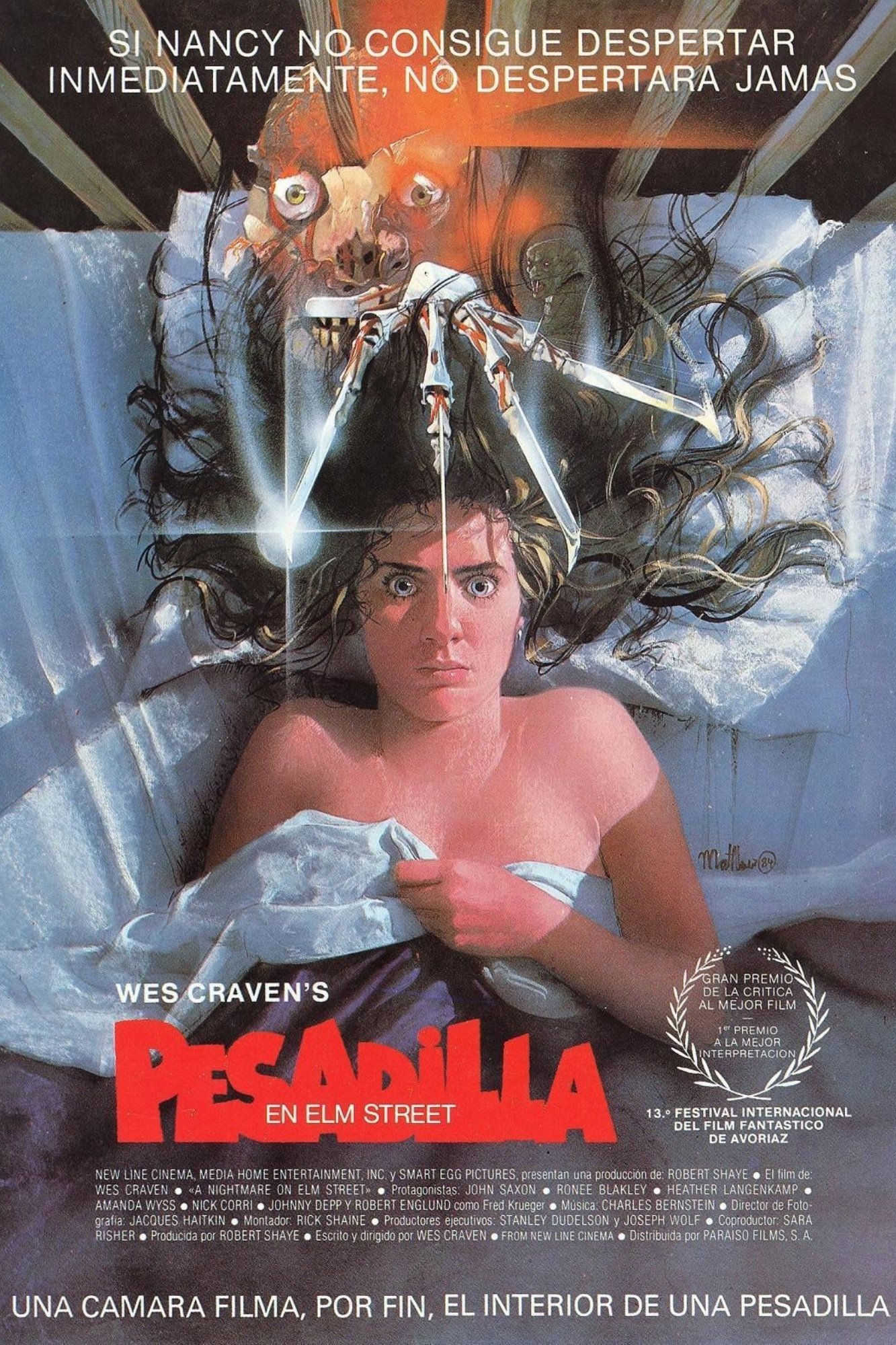
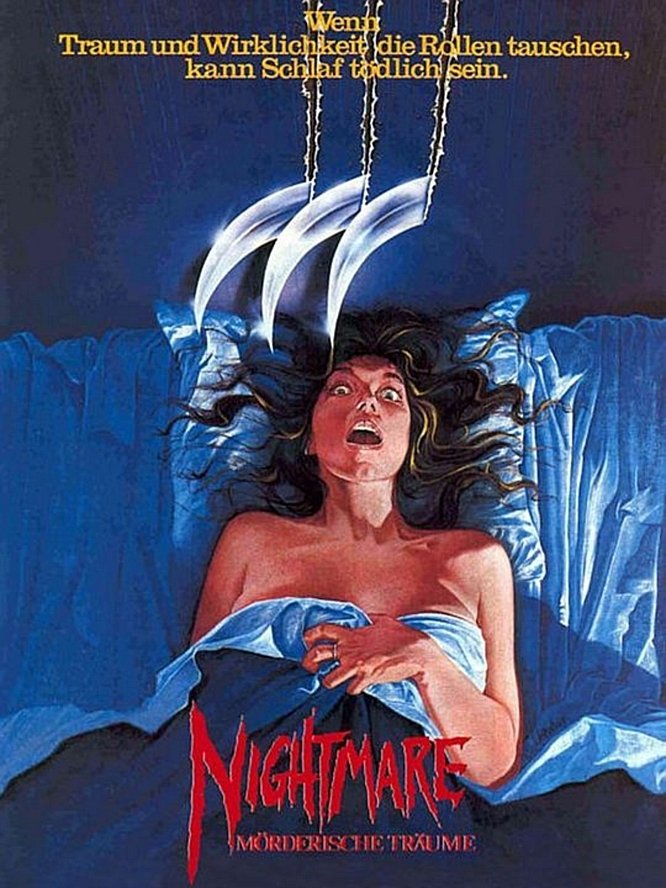
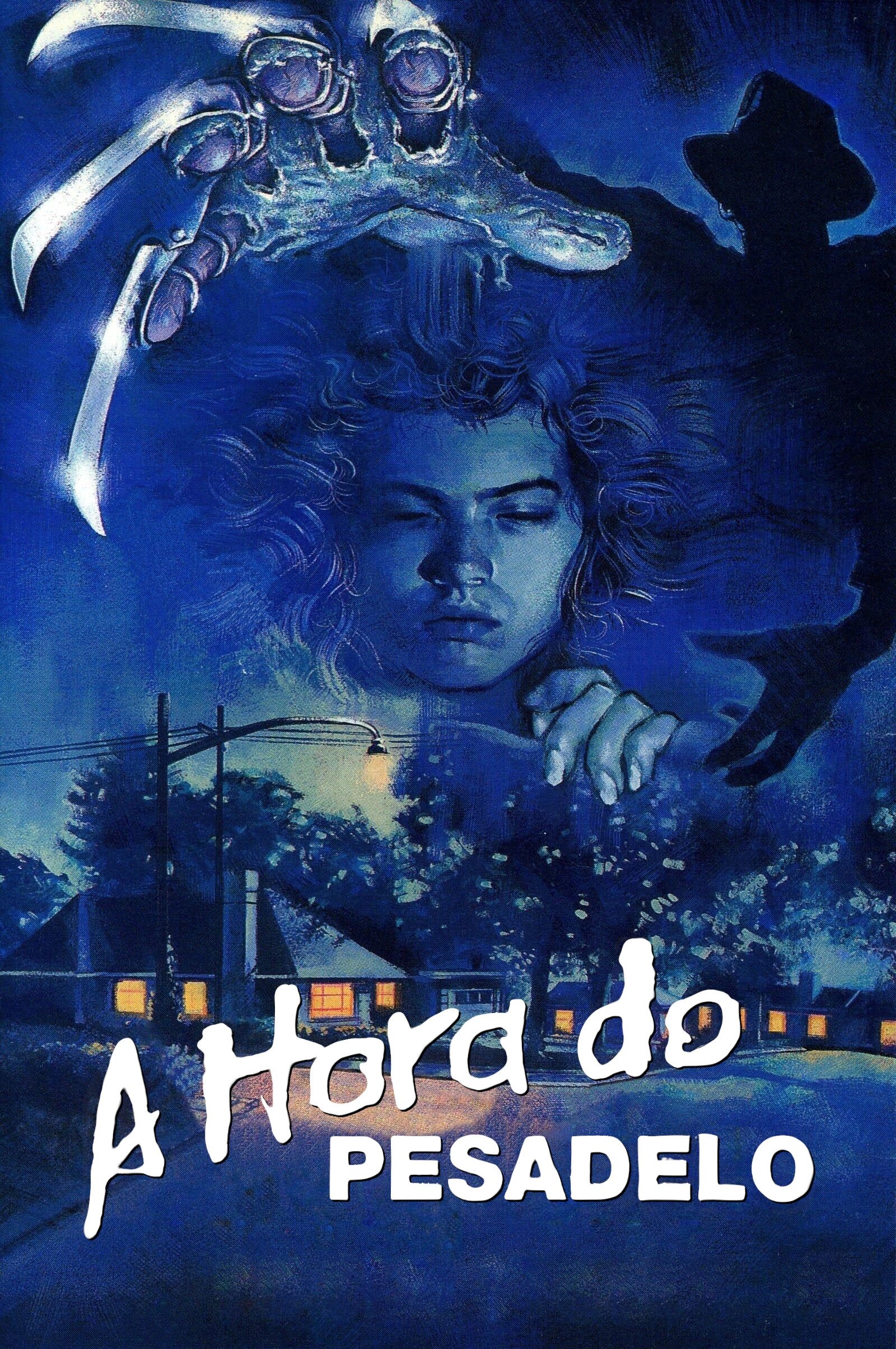
Pesadilla en lo profundo de la noche (Argentina) Qarağac küçəsində qarabasma (Azerbaijan) — Azerbaijani Кошмари на Елм Стрийт (Bulgaria) — Bulgarian A Hora do Pesadelo (Brazil) — Portuguese Les griffes de la nuit (Canada) — French Pesadilla en la Calle Elm (Chile) 猛鬼街 (China) — Chinese Noční můra v Elm Street (Czechia) — Czech
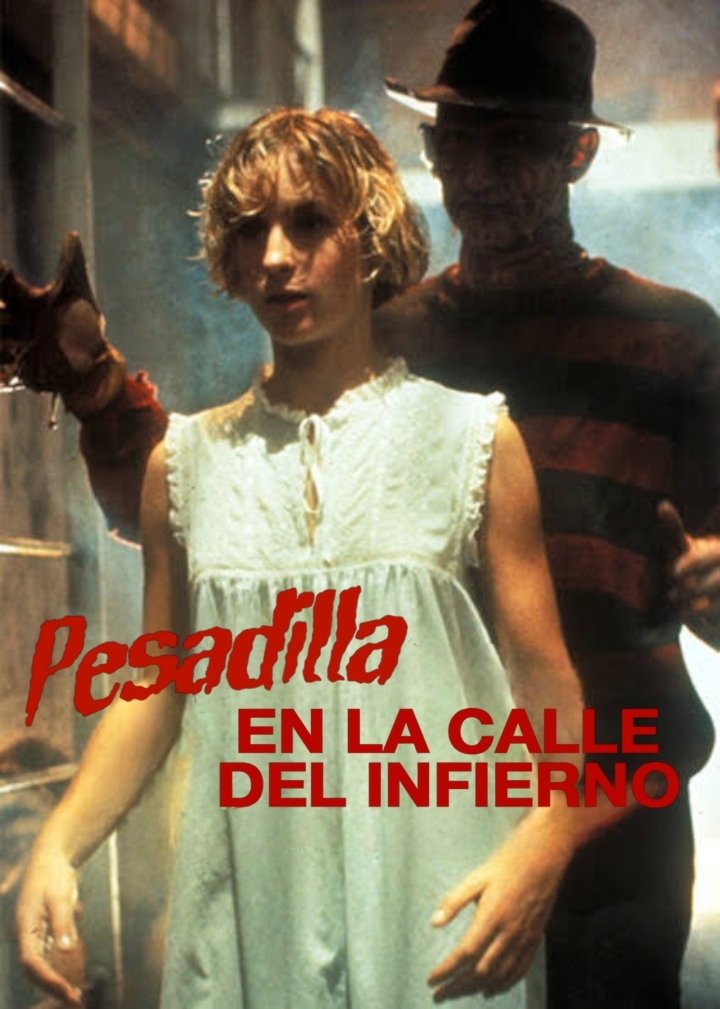
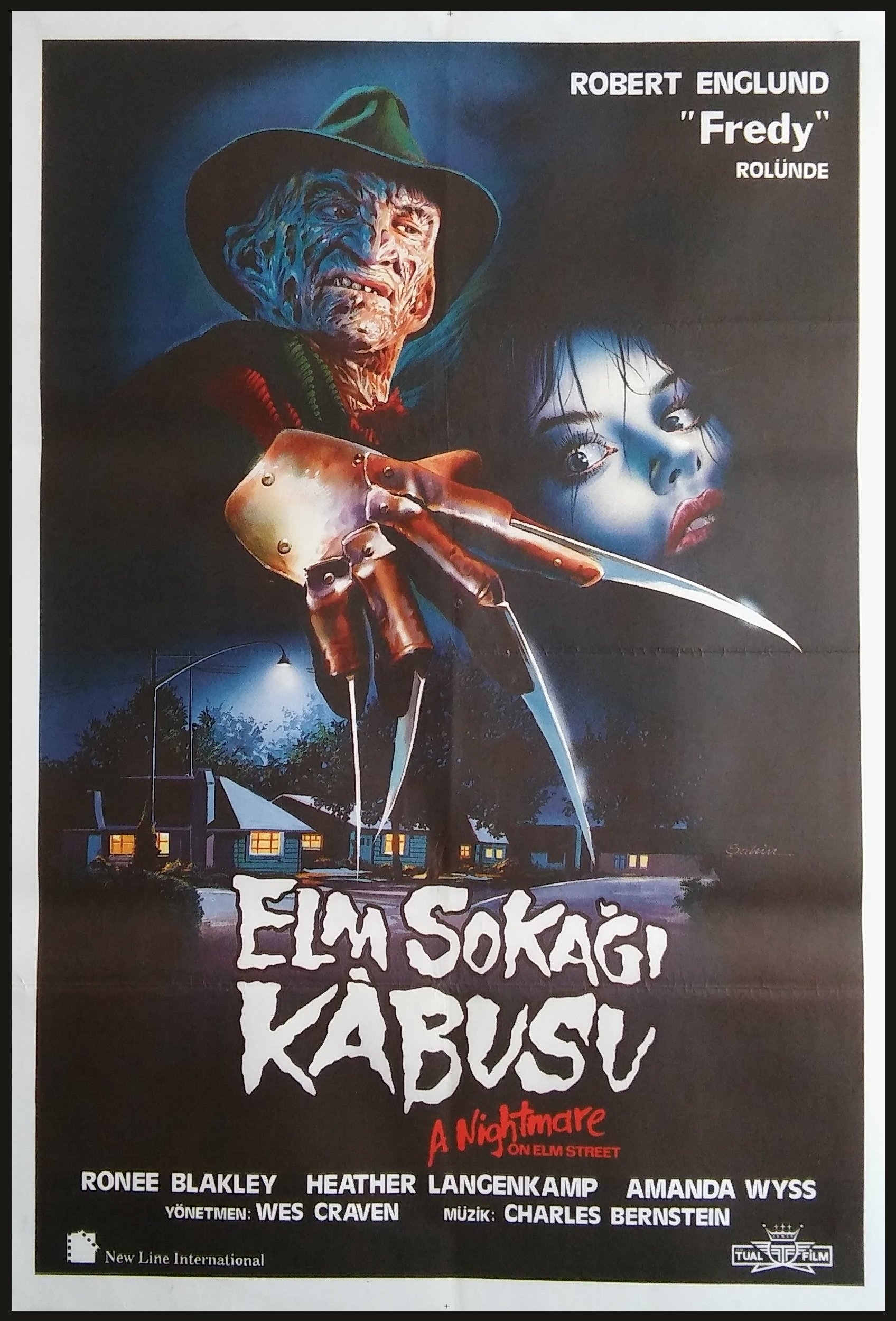
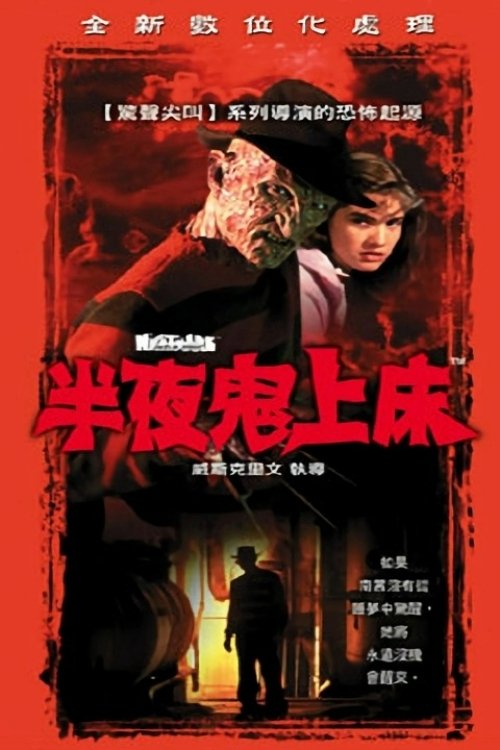
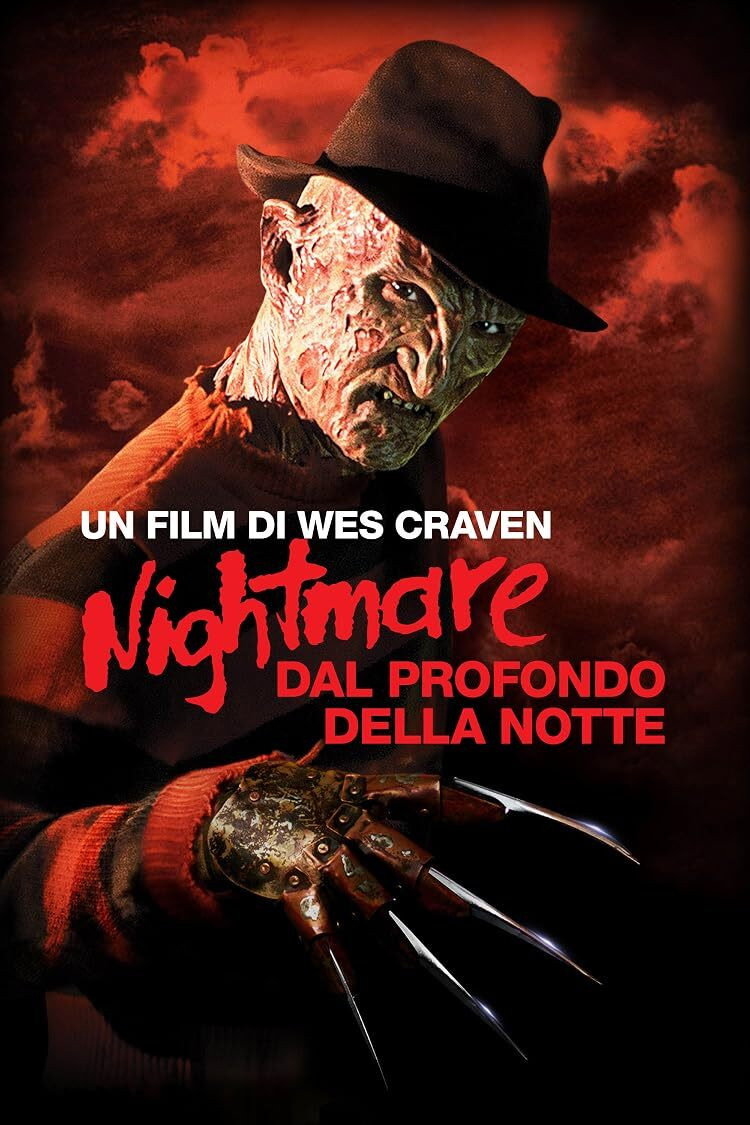
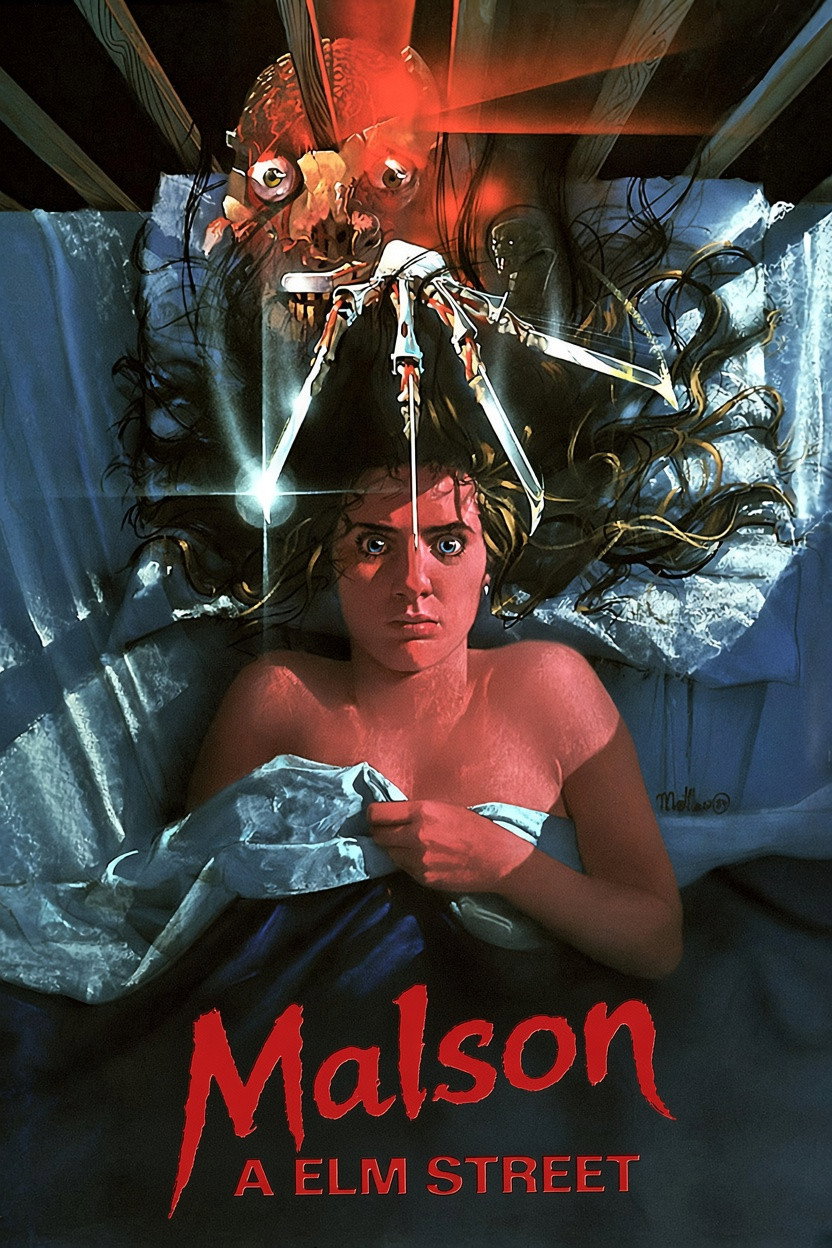
Show all 52 alternative titles Nightmare - Mörderische Träume (Germany) — German Nightmare on Elm Street - Mörderische Träume (Germany) Nightmare on Elm Street 1 - Mörderische Träume (Germany) Morderisk mareridt (Denmark) — Danish Malson a Elm Street (Spain) — Catalan Pesadilla en Elm Street (Spain) — Spanish Painajainen Elm Streetillä (Finland) — Finnish Freddy - Chapitre 1 - Les Griffes de la nuit (France) Freddy 1 (France) Freddy 1 - Les Griffes de la nuit (France) Les Griffes de la nuit (France) — French საშინელება თელების ქუჩაზე (Georgia) — Georgian Εφιάλτης στο Δρόμο με τις Λεύκες (Greece) — Greek 猛鬼街 (Hong Kong SAR China) — Chinese Strava u Ulici brijestova (Croatia) — Croatian Rémálom az Elm utcában (Hungary) — Hungarian סיוט ברחוב אלם (Israel) — Hebrew Nightmare - Dal profondo della notte (Italy) — Italian Erumu gai no akumu (Japan) エルム街の悪夢 (Japan) — Japanese 나이트메어 (South Korea) — Korean Қарағаш көшесіндегі қорқыныш (Kazakhstan) Košmaras Guobu gatveje (Lithuania) — Lithuanian Šausmas Gobu ielā (Latvia) — Latvian Pesadilla en la calle del infierno (Mexico) — Spanish Terror på Elm Street (Norway) — Norwegian Pesadilla en Elmo Street (Peru) Koszmar z Ulicy Wiązów (Poland) — Polish Pesadelo em Elm Street (Portugal) — Portuguese Cosmar pe Strada Ulmilor (Romania) Un coșmar pe strada Elm (Romania) — Romanian Страва у Улици брестова (Serbia) Кошмар на улице Вязов (Russia) — Russian كابوس في شارع إلم (Saudi Arabia) — Arabic Terror på Elm Street (Sweden) — Swedish Mora v Ulici brestov (Slovenia) — Slovenian Nočná mora v Elm Street (Slovakia) — Slovak Pesadilla en la Calle Elm (El Salvador) นิ้วเขมือบ (Thailand) — Thai Elm Sokağında Kâbus (Türkiye) — Turkish 半夜鬼上床 (Taiwan) — Chinese Жах на вулиці В’язів (Ukraine) — Ukrainian Elm ko'chasidagi kabus (Uzbekistan) Ác Mộng Phố Elm (Vietnam) — Vietnamese

Trailers & Videos

10 videos

Film Guide & Analysis

Wes Craven turned sleep itself into hostile territory, combining the structure of the teenage slasher with supernatural dream logic to create Freddy Krueger and one of the defining horror films of the 1980s.

A Nightmare on Elm Street (1984) begins by destroying the safest assumption available to horror characters: that surviving until morning means surviving at all. Teenager Nancy Thompson and her friends discover that they are being stalked in their dreams by Freddy Krueger, a burned killer armed with a glove whose fingers end in blades. Injuries received while sleeping appear on their waking bodies, and death inside Freddy's world becomes death in reality. Staying awake can postpone the danger, but human biology guarantees that nobody can avoid sleep forever.

Written and directed by Wes Craven, the film arrived during an American slasher boom but refused to limit its killer to physical space. Freddy could enter bedrooms without opening doors, change environments without obeying geography and transform ordinary objects according to dream logic. Craven matched that freedom with Heather Langenkamp's unusually active heroine Nancy, practical effects that repeatedly violate gravity and Charles Bernstein's electronic score. Made independently for New Line Cinema on a modest budget, A Nightmare on Elm Street became the foundation of a major franchise while turning Freddy Krueger into one of horror cinema's most recognizable figures.

Production & the Nightmare That Would Not Sell

Craven developed the central premise after reading newspaper reports about Southeast Asian refugees who suffered terrifying nightmares, resisted sleeping and in some cases died unexpectedly during sleep. The details varied between reports and Craven's later recollections, but the essential idea remained the same: a young person recognizes a mortal danger inside dreams while the adults around him cannot understand or accept it. Craven transformed that real-world mystery into a supernatural rule. A killer could exist entirely inside dreams, but what he did there would have physical consequences in the waking world.

The screenplay became Craven's first spec script, and getting it produced proved difficult. AFI records that the project took approximately four years to reach production while Craven continued refining the idea and researching dreams, including work connected with UCLA's Dream Clinic. The concept combined two commercially familiar elements, teenagers being killed and a supernatural monster, but its dependence on dream reality made it less easily categorized than the increasingly formulaic slashers already filling theaters.

New Line Cinema ultimately became the company willing to take the risk. Financing involved international and independent partners, including Smart Egg Pictures, and contemporary reports gave varying budget figures. Later trade accounts repeatedly placed the final cost at approximately $1.7 million, below some earlier estimates of $2.5 million. Principal photography began in Los Angeles in March 1984 and was completed on a schedule of roughly thirty days, forcing Craven and his effects team to solve ambitious dream sequences through practical ingenuity rather than expensive visual-effects technology.

That financial risk became central to New Line's history. The company was still a relatively small independent distributor and producer, and the success of Nightmare helped transform its position within the industry. The later nickname "the house that Freddy built" was not merely affectionate branding. The film and its sequels became foundational commercial properties for the company.

Creating Freddy Krueger

Freddy emerged from several memories and ideas rather than one source. Craven repeatedly recalled a disturbing childhood encounter with an adult stranger outside his apartment building in Cleveland. The man realized that the young Craven was watching him from a window and deliberately prolonged the encounter, apparently enjoying the child's fear. What remained with Craven was not simply the man's appearance but the idea of an adult who understood that he was terrifying a child and took pleasure in doing so.

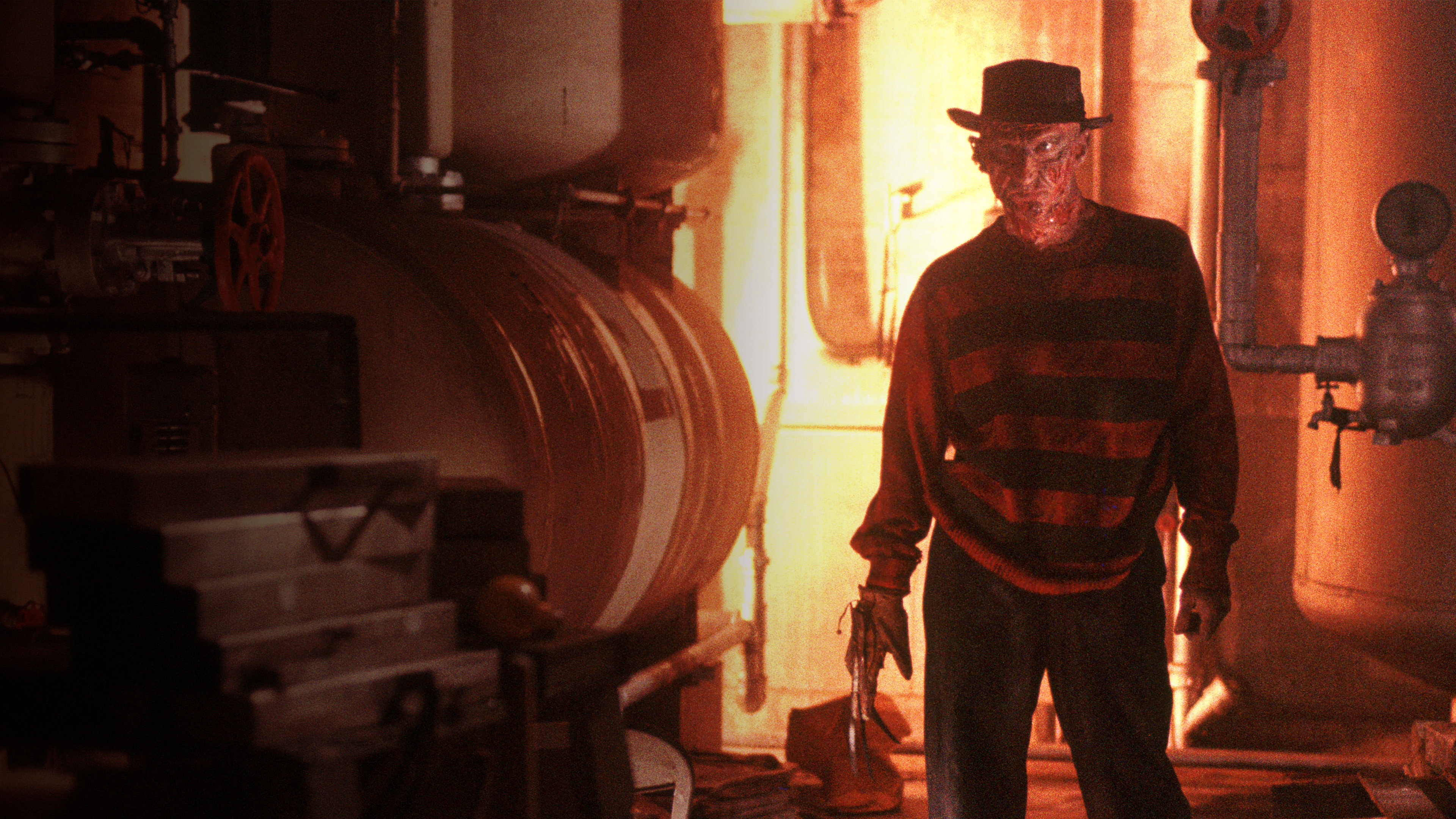
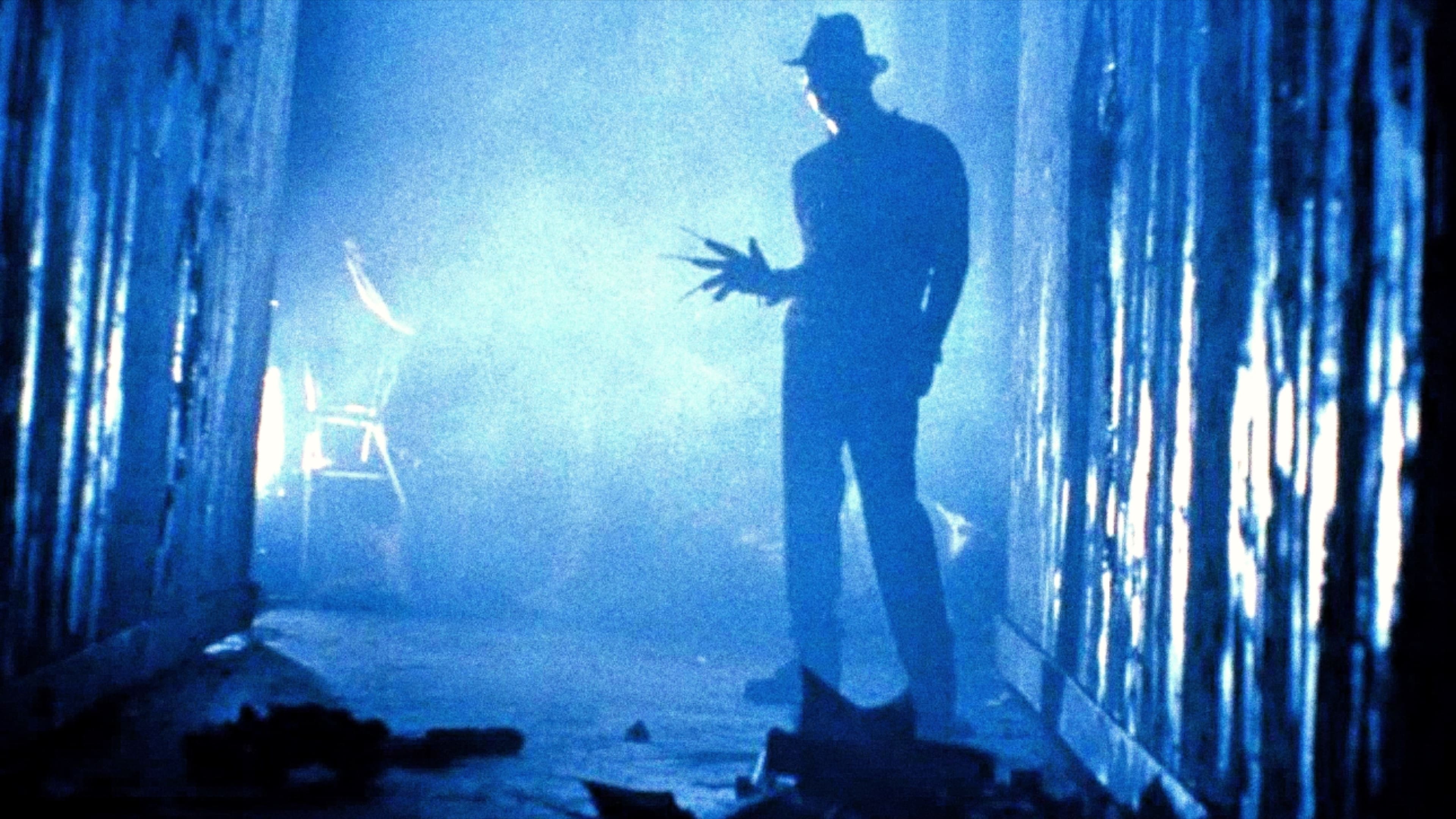
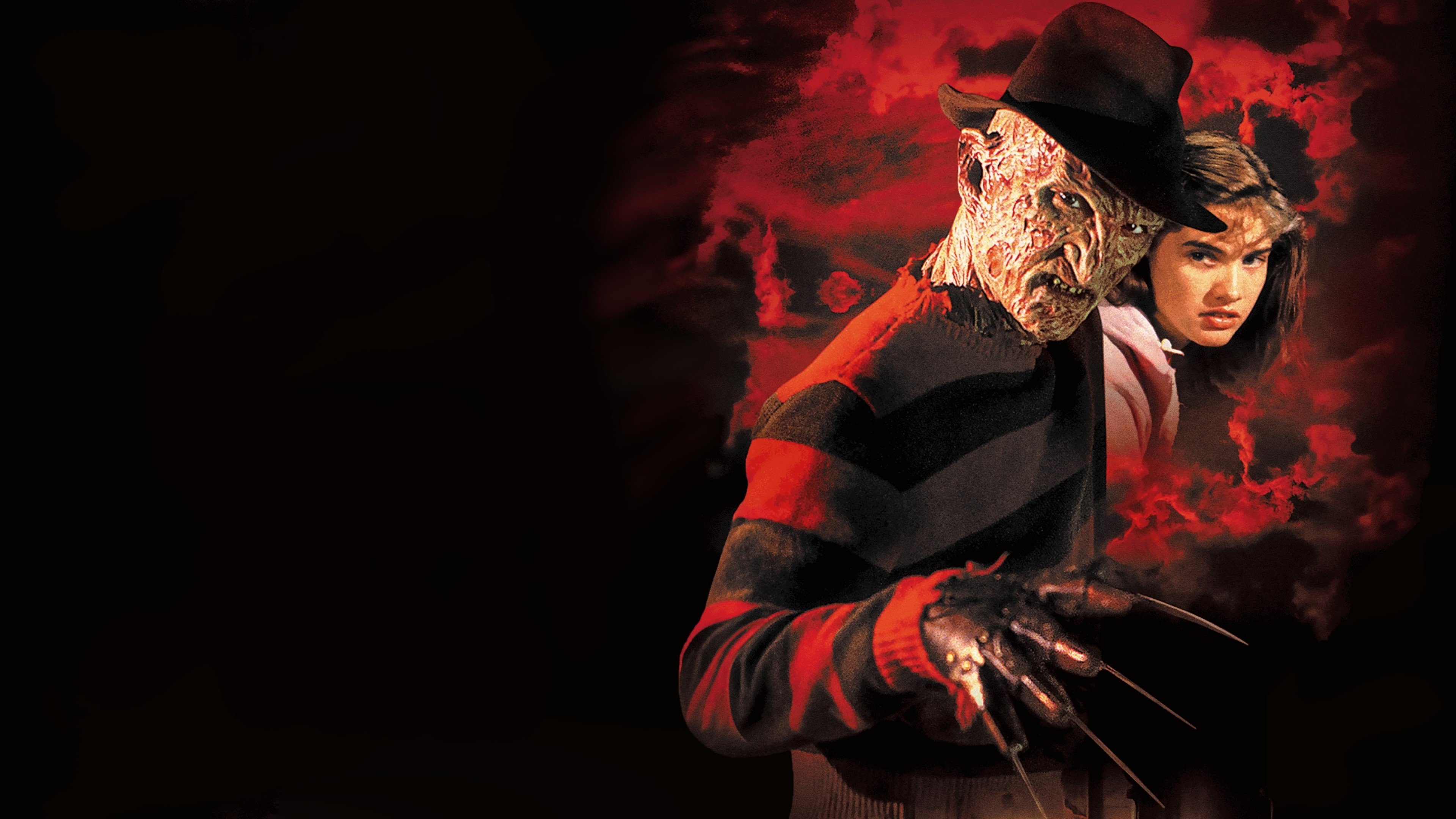
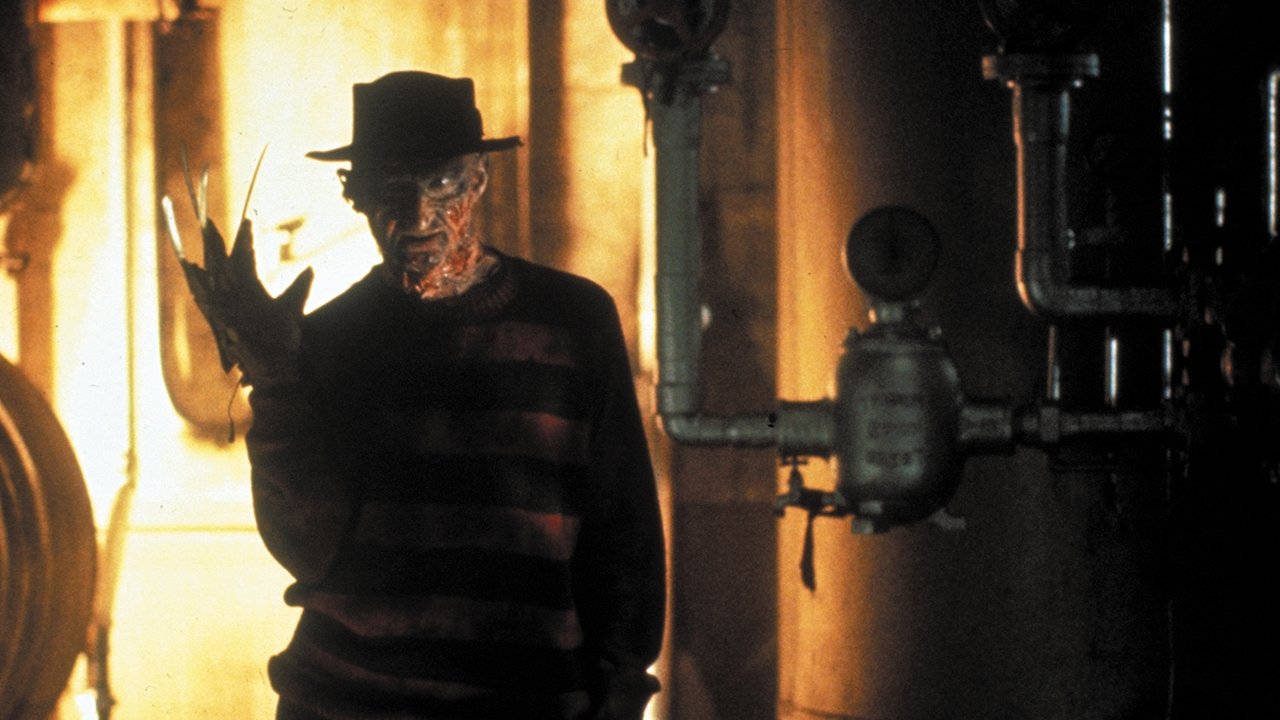
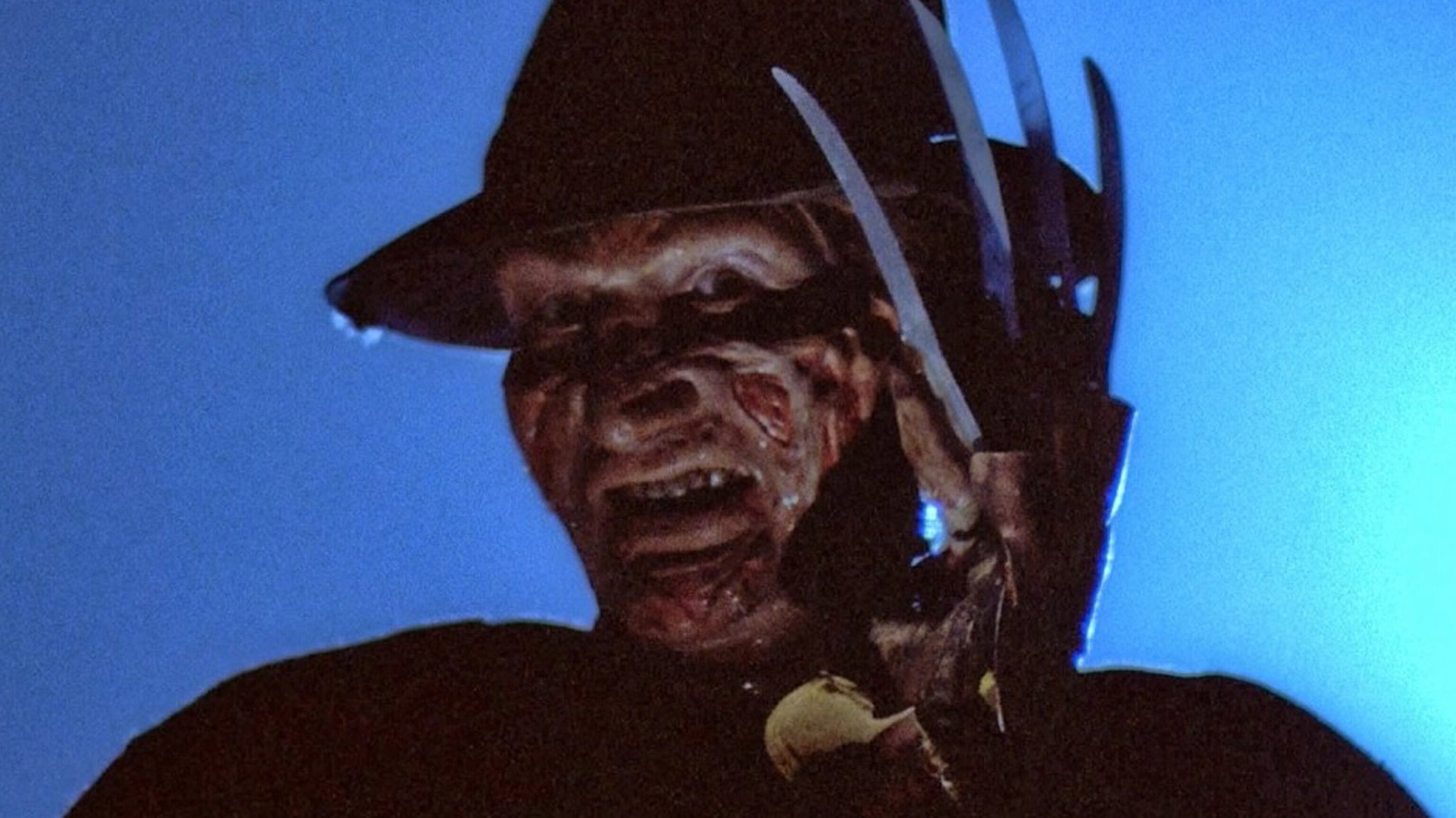
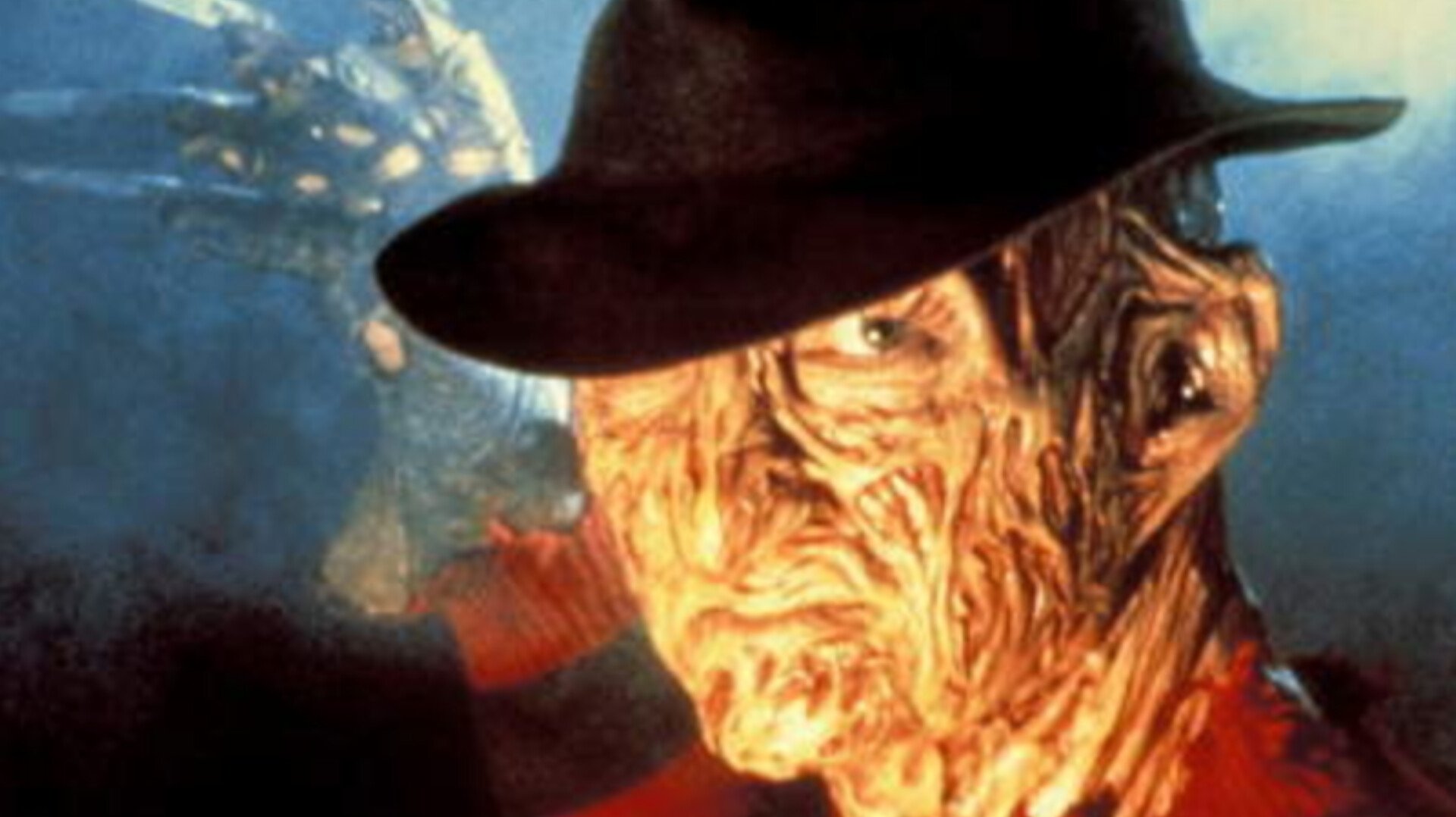
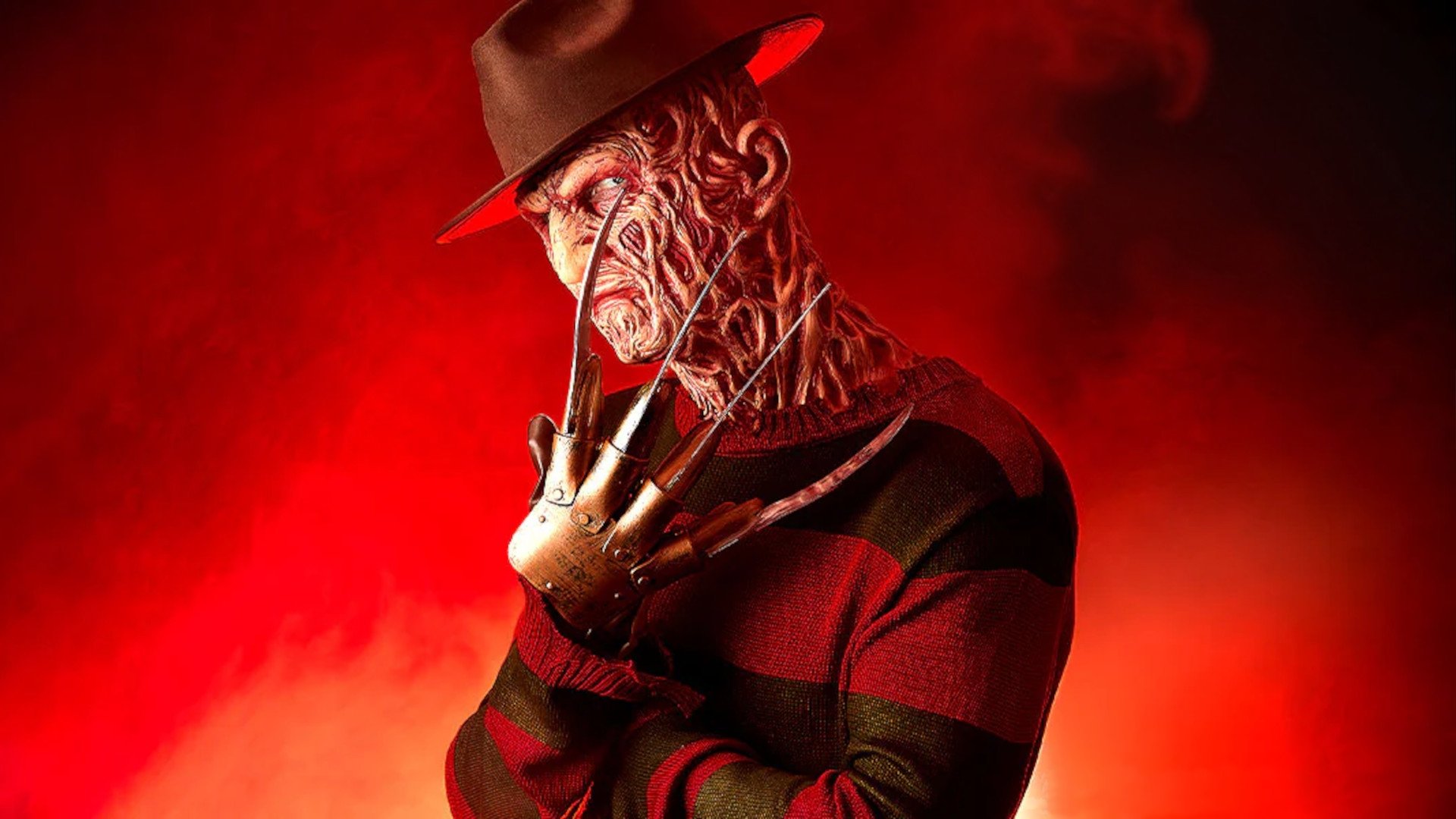
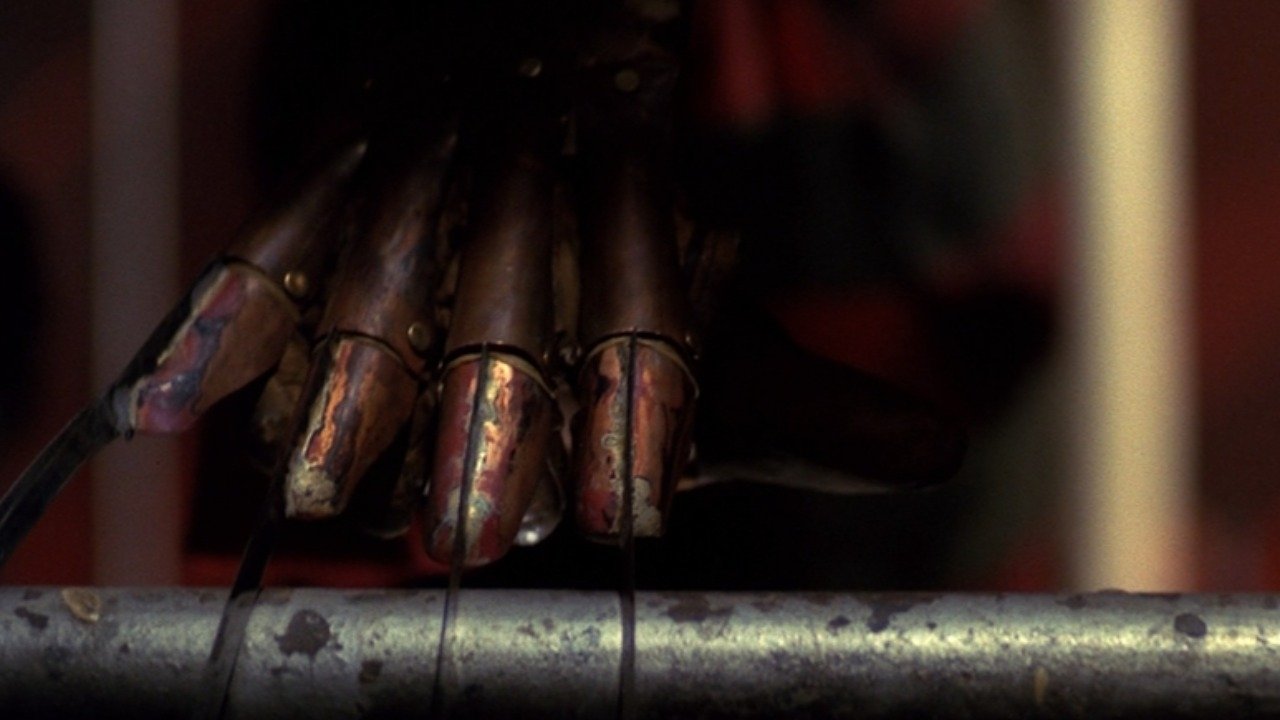
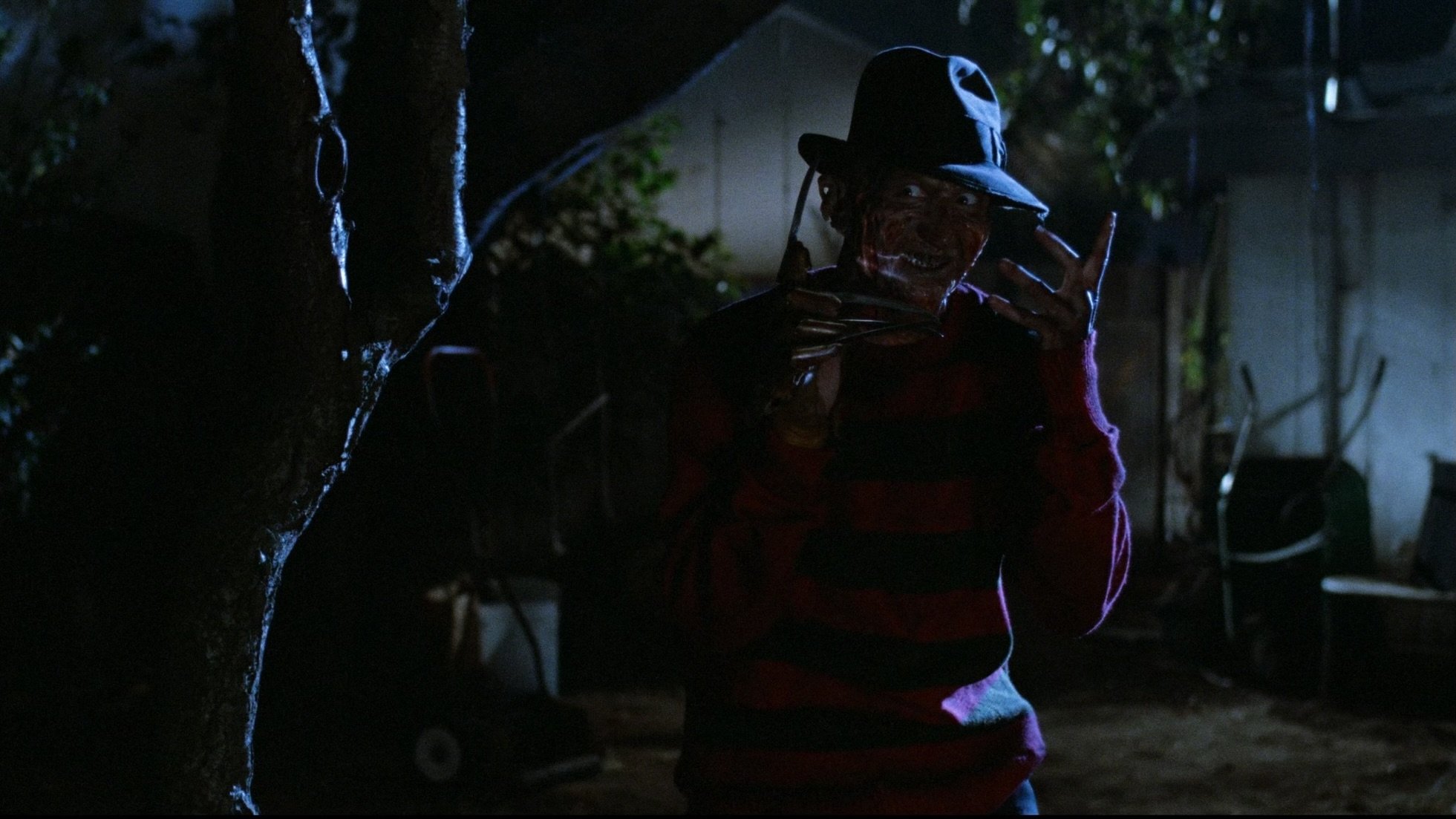
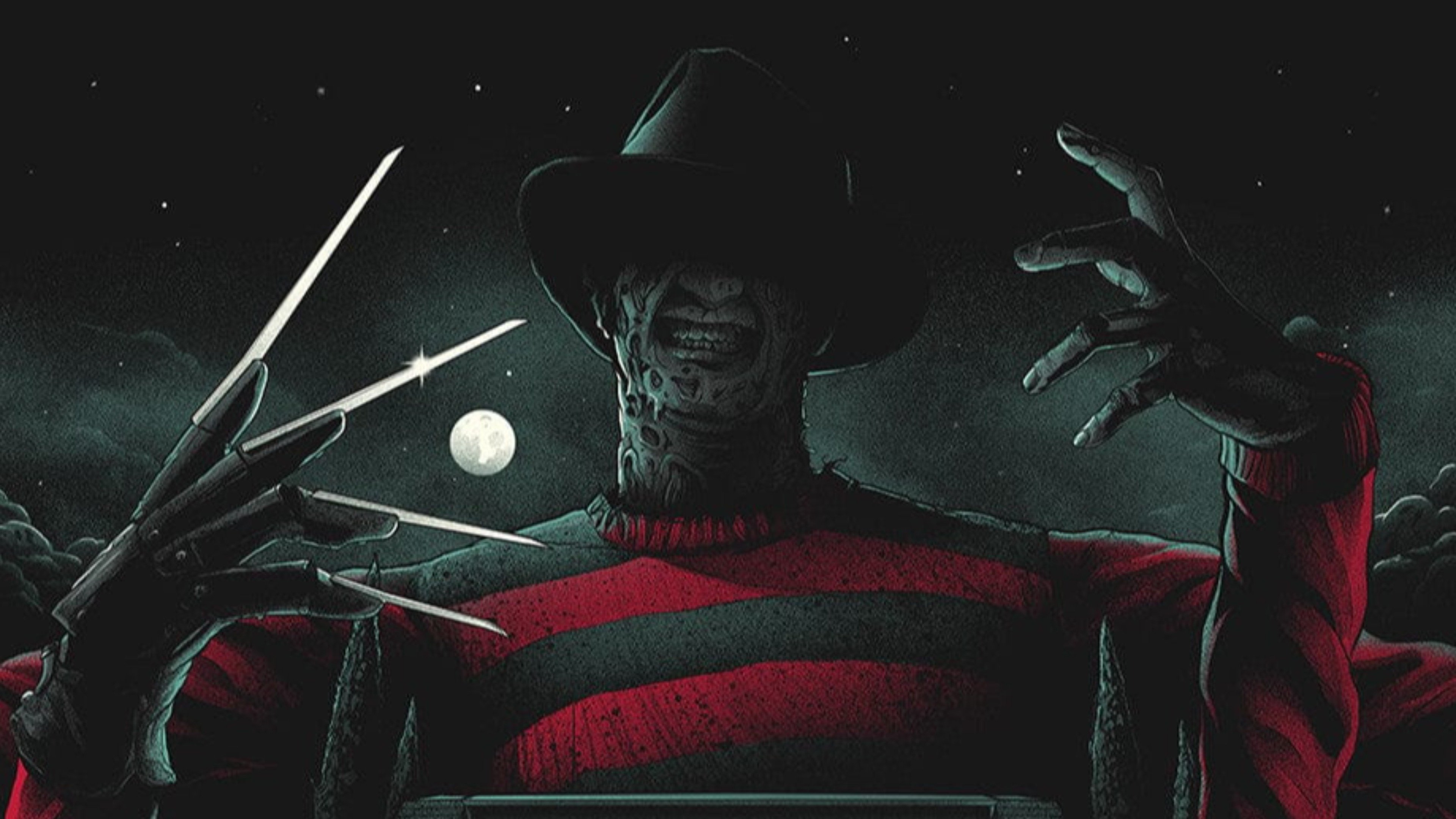
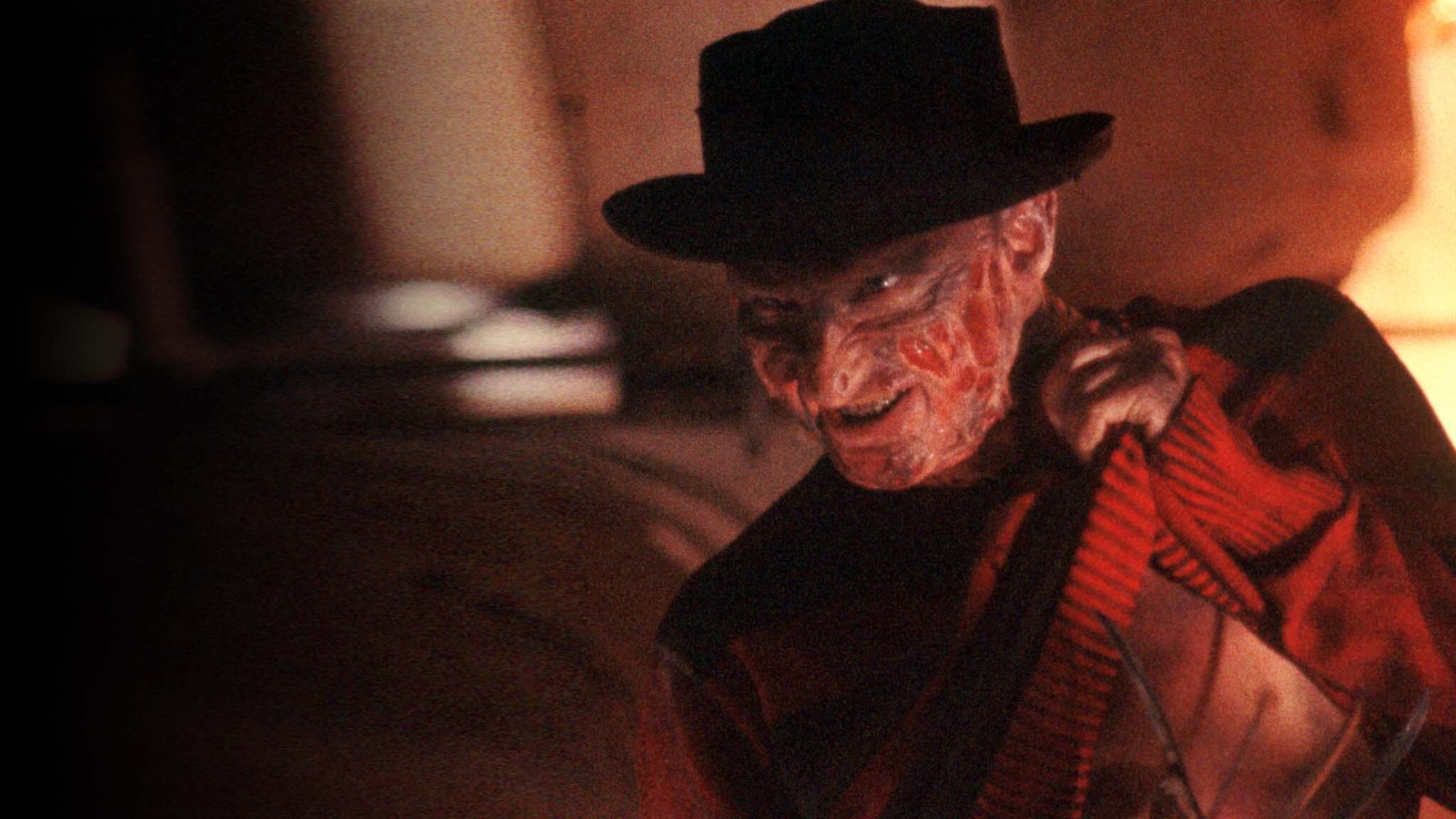
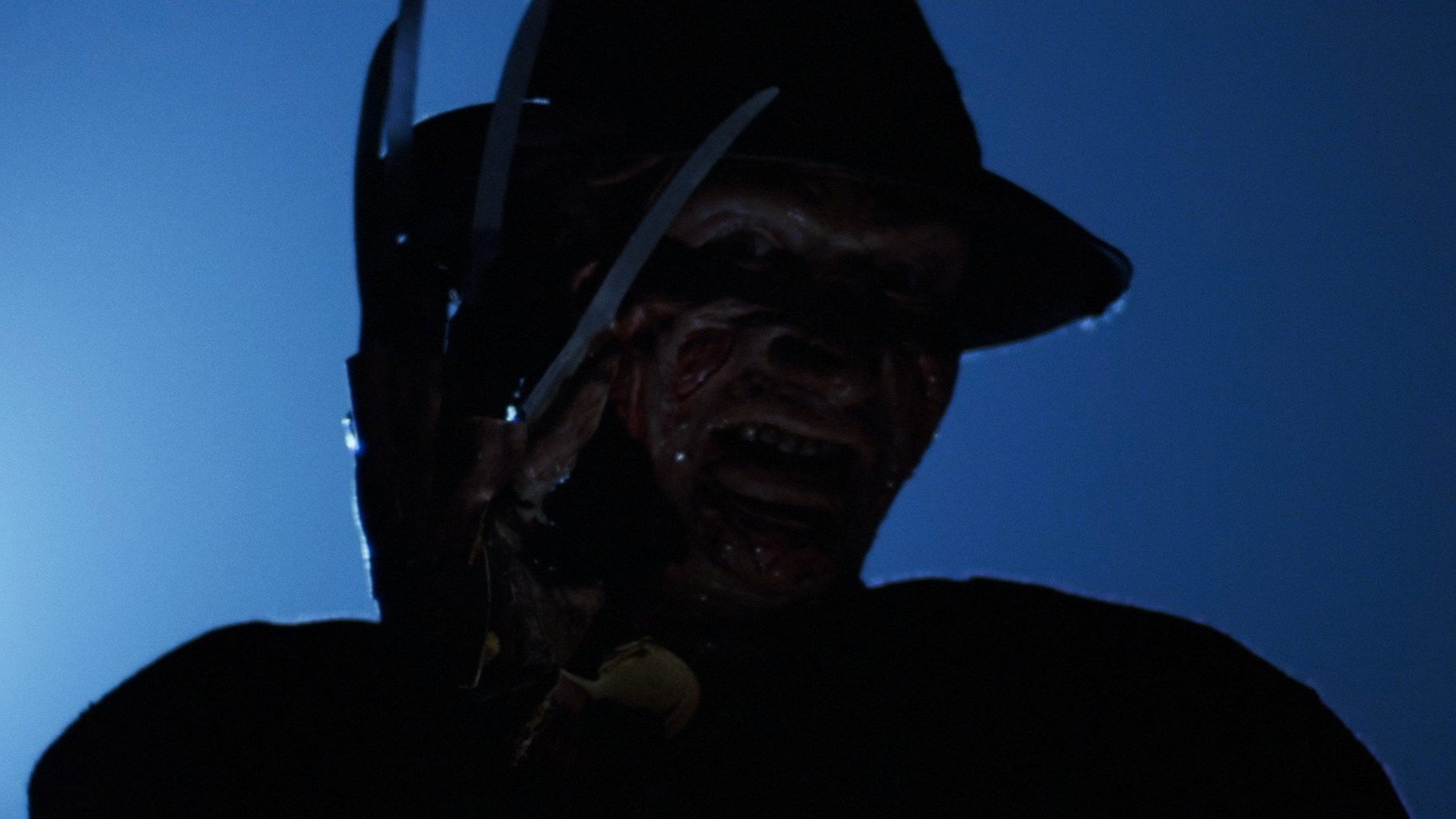
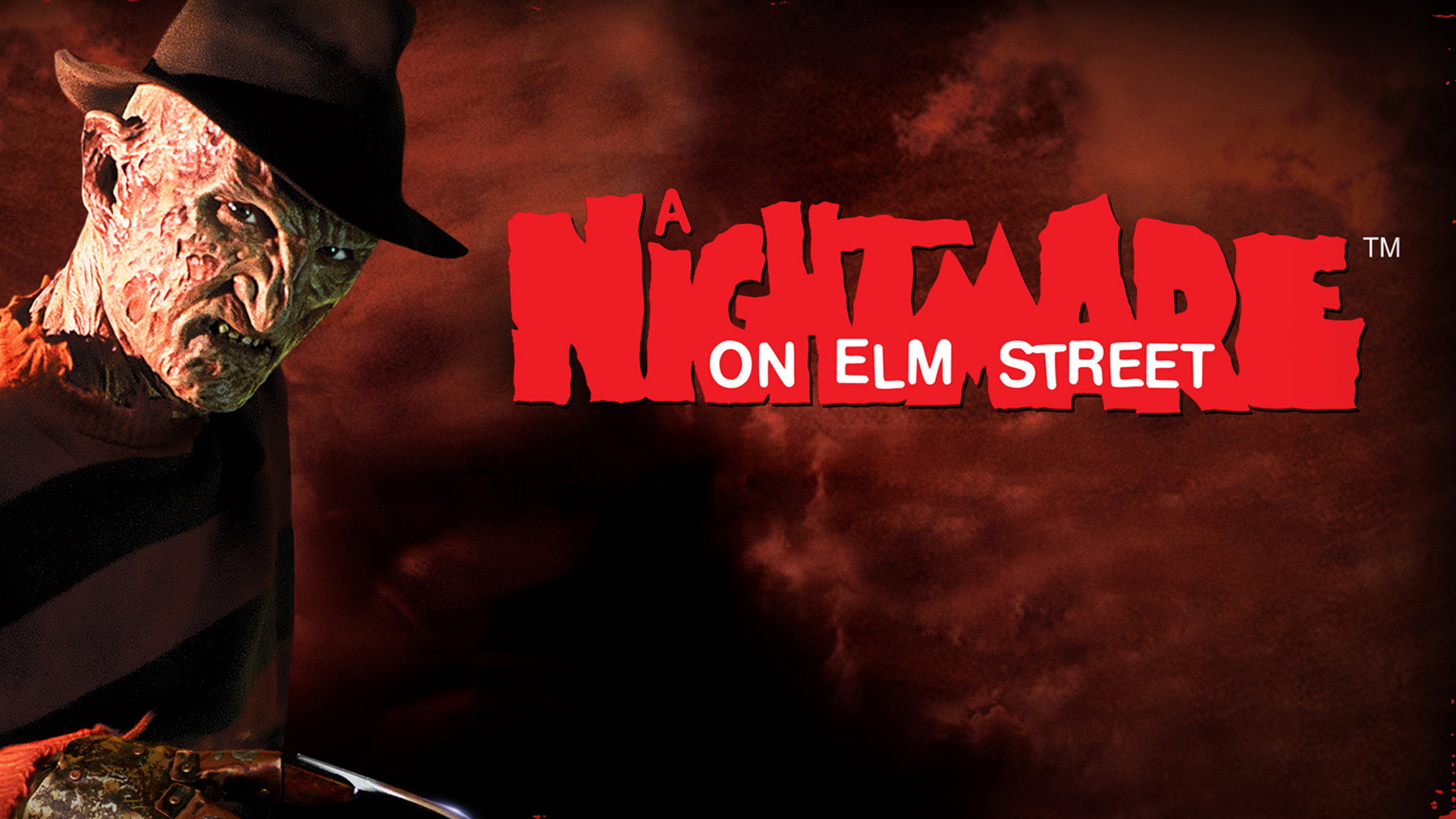
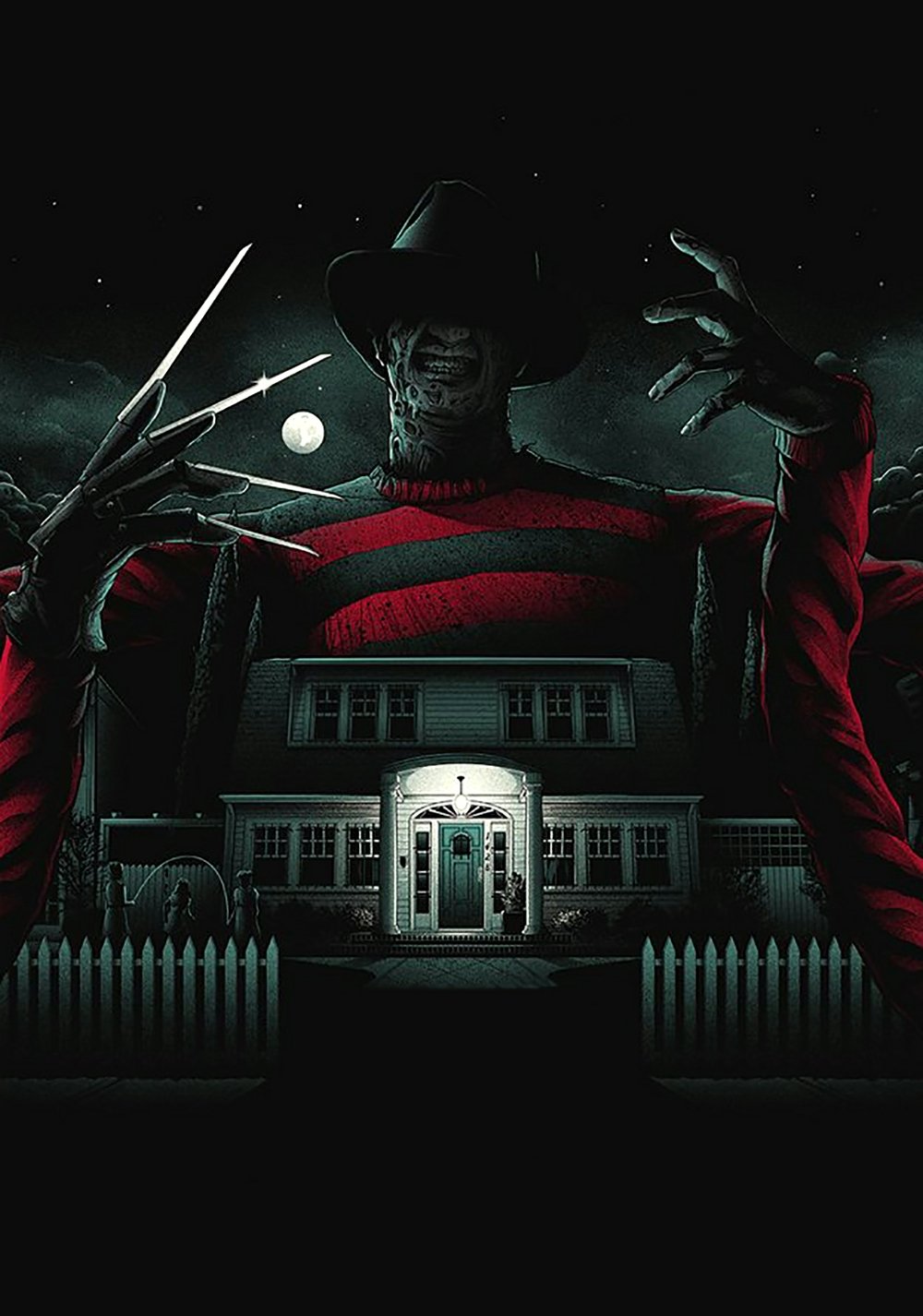
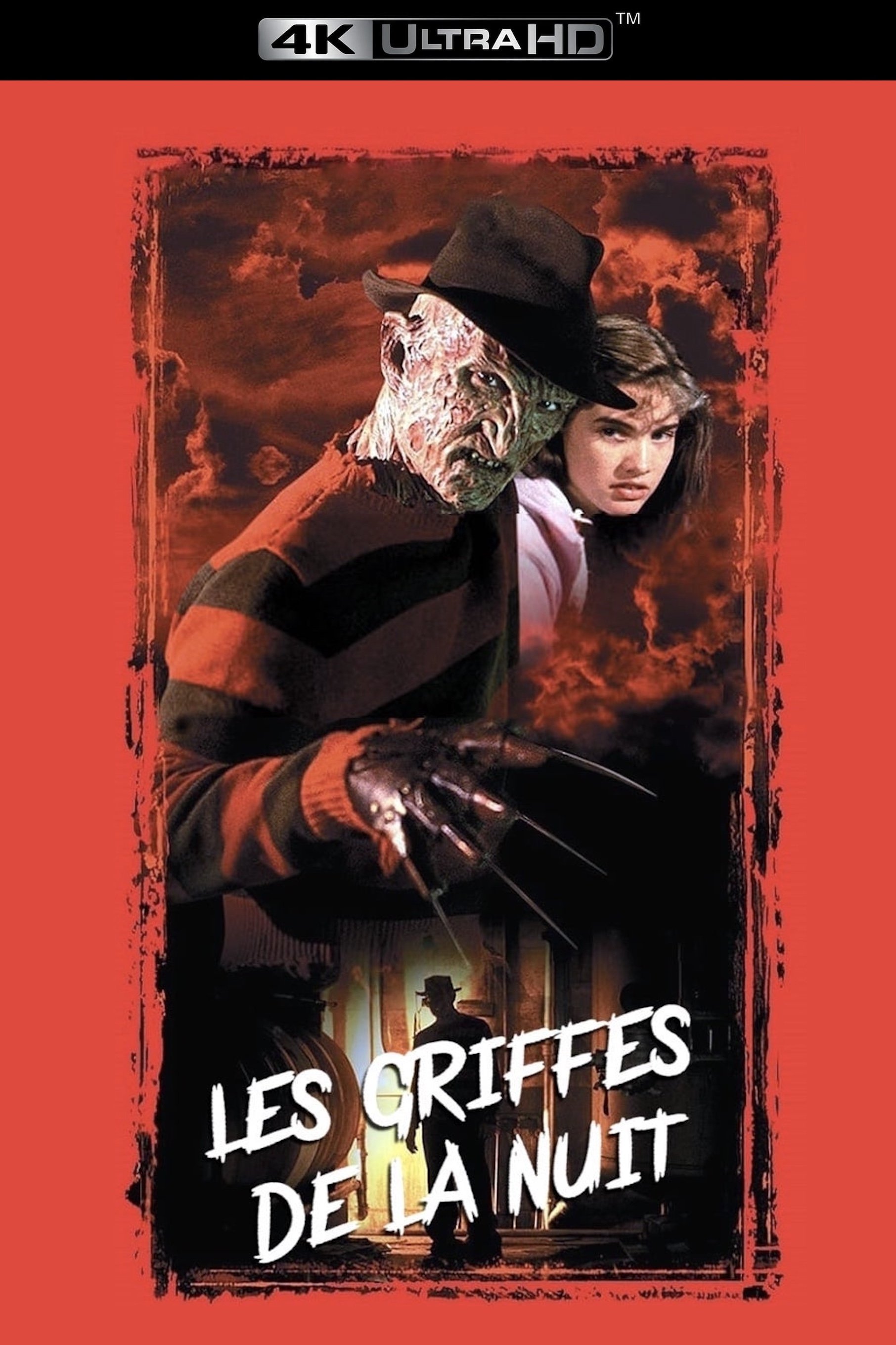
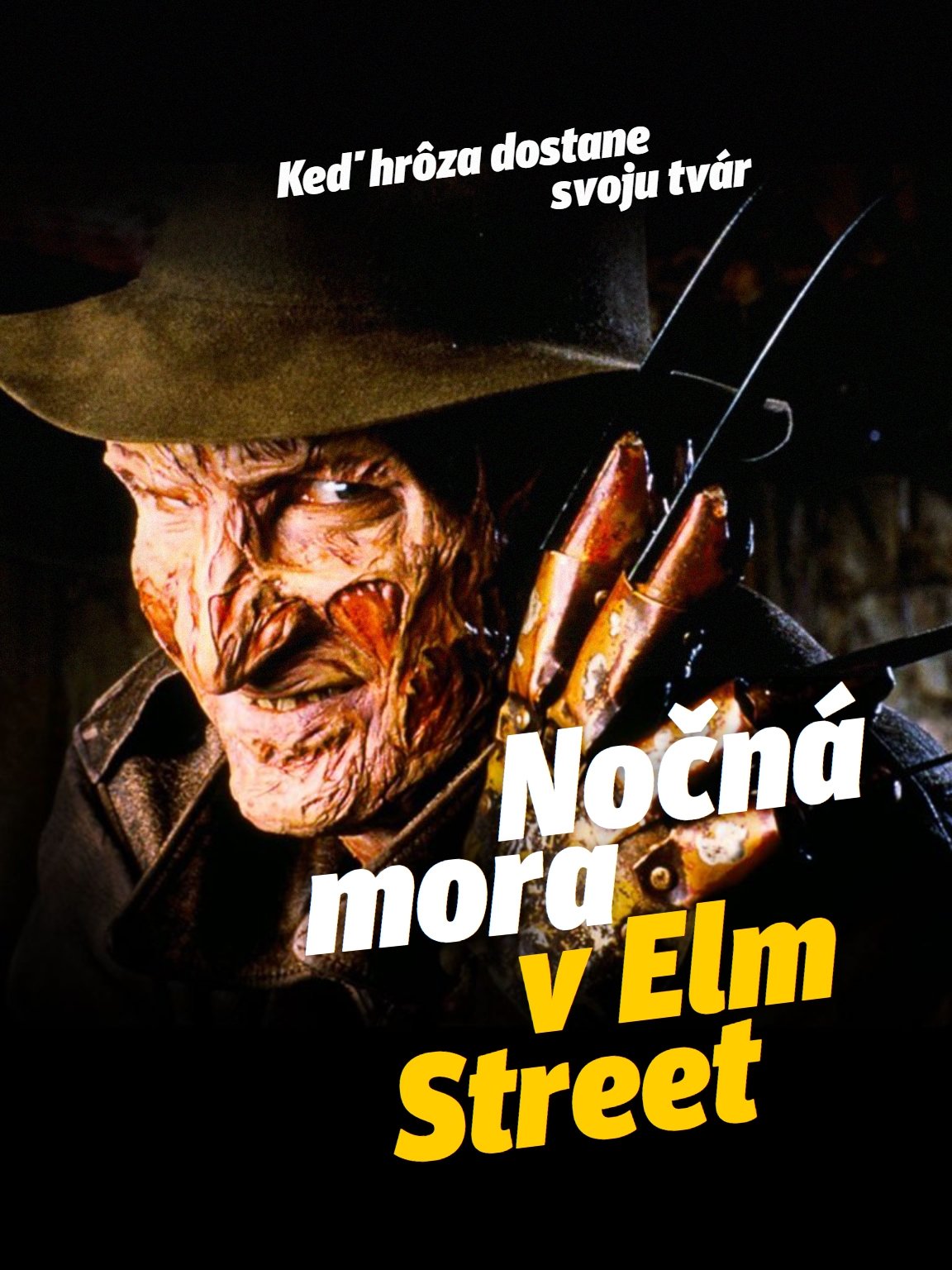
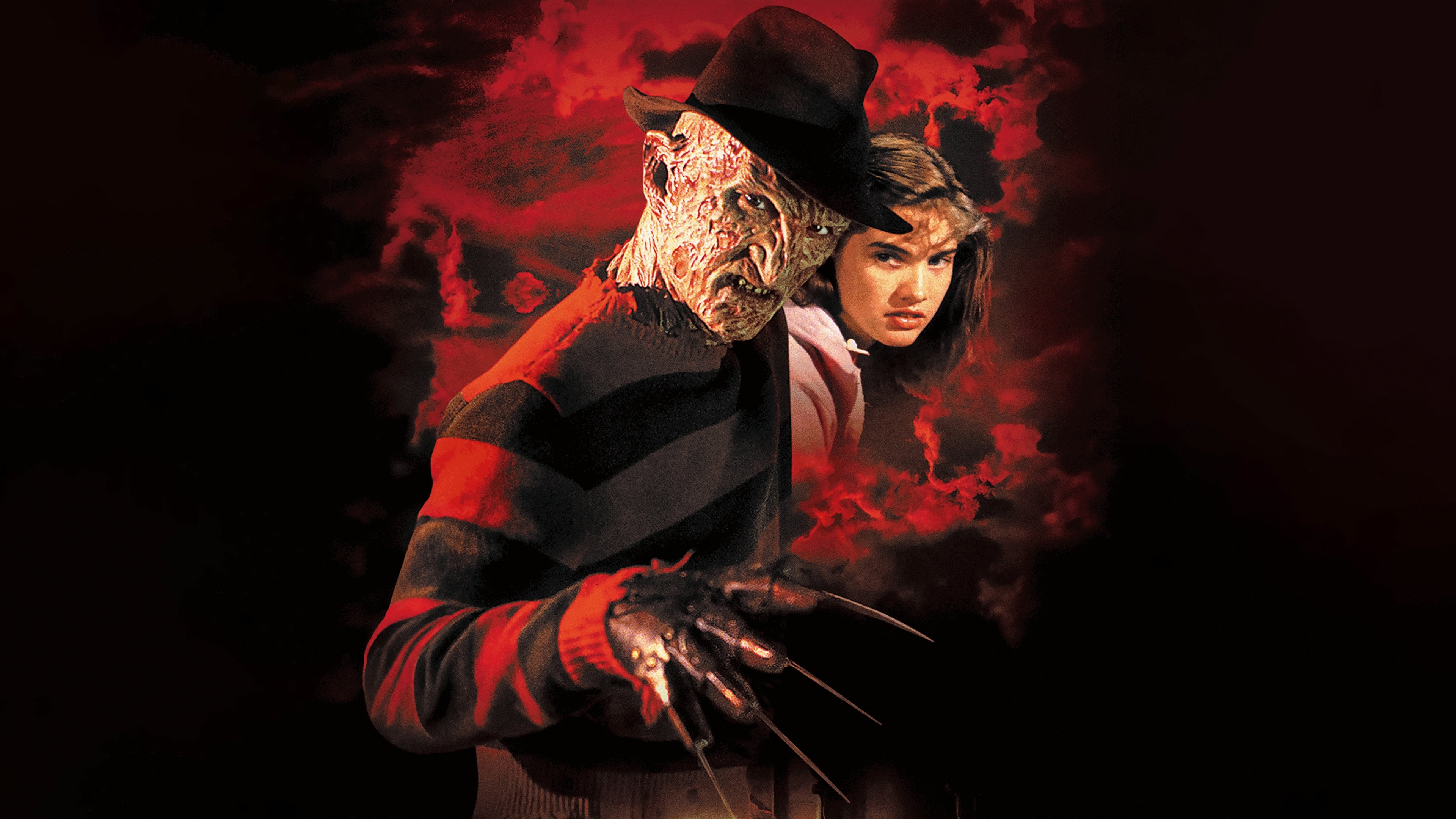
The finished character combines that predatory quality with an instantly readable silhouette. The battered hat, striped sweater and bladed glove make Freddy identifiable even before his burned face can be seen clearly. Mechanical-effects designer Jim Doyle developed the glove from Craven's instruction that it should resemble something a man with boiler-room skills could construct himself. Production designer Gregg Fonseca helped locate unusual knives, which were adapted and mounted onto a handmade mechanical framework rather than designed as sleek fantasy weapons.

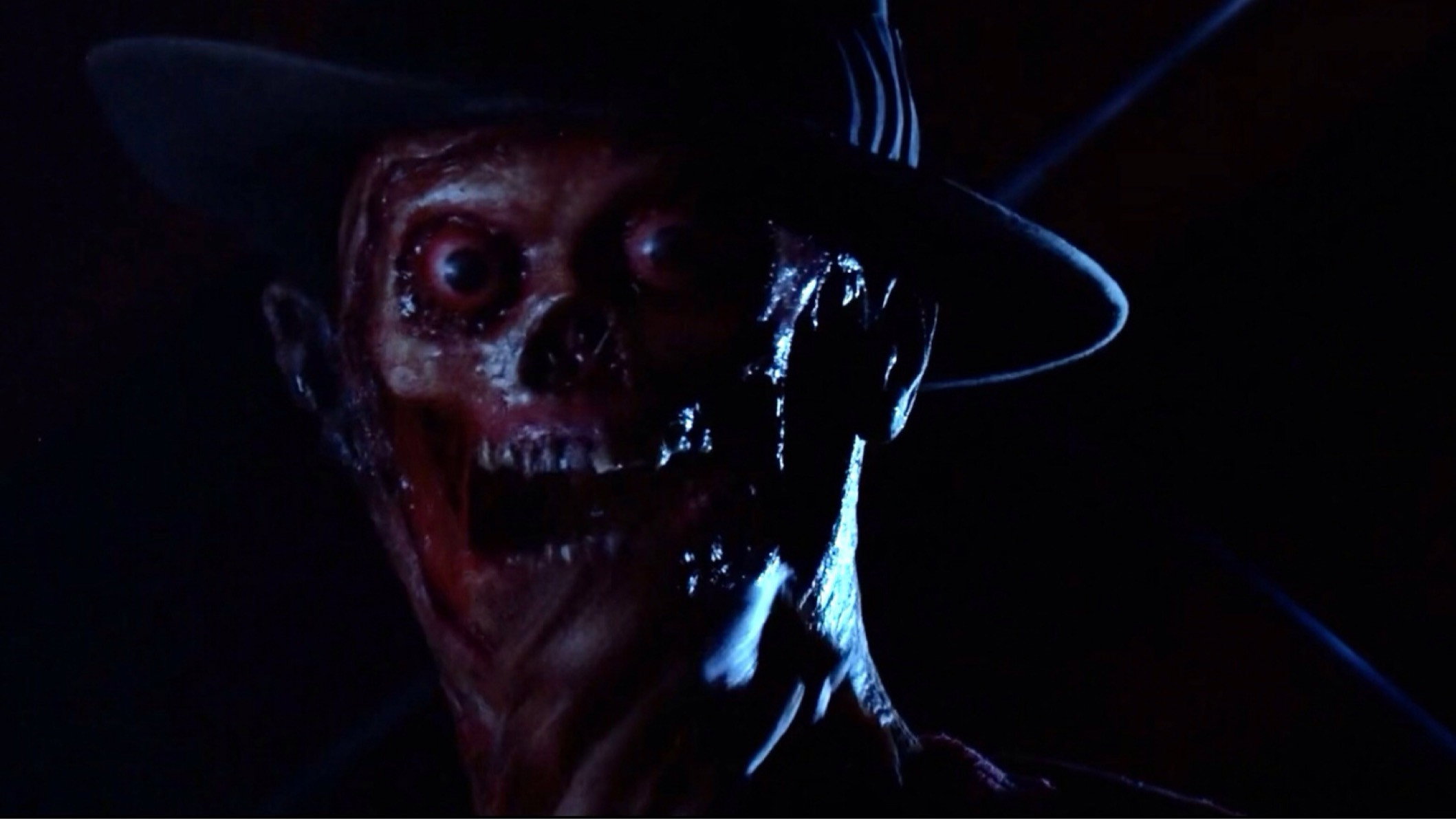
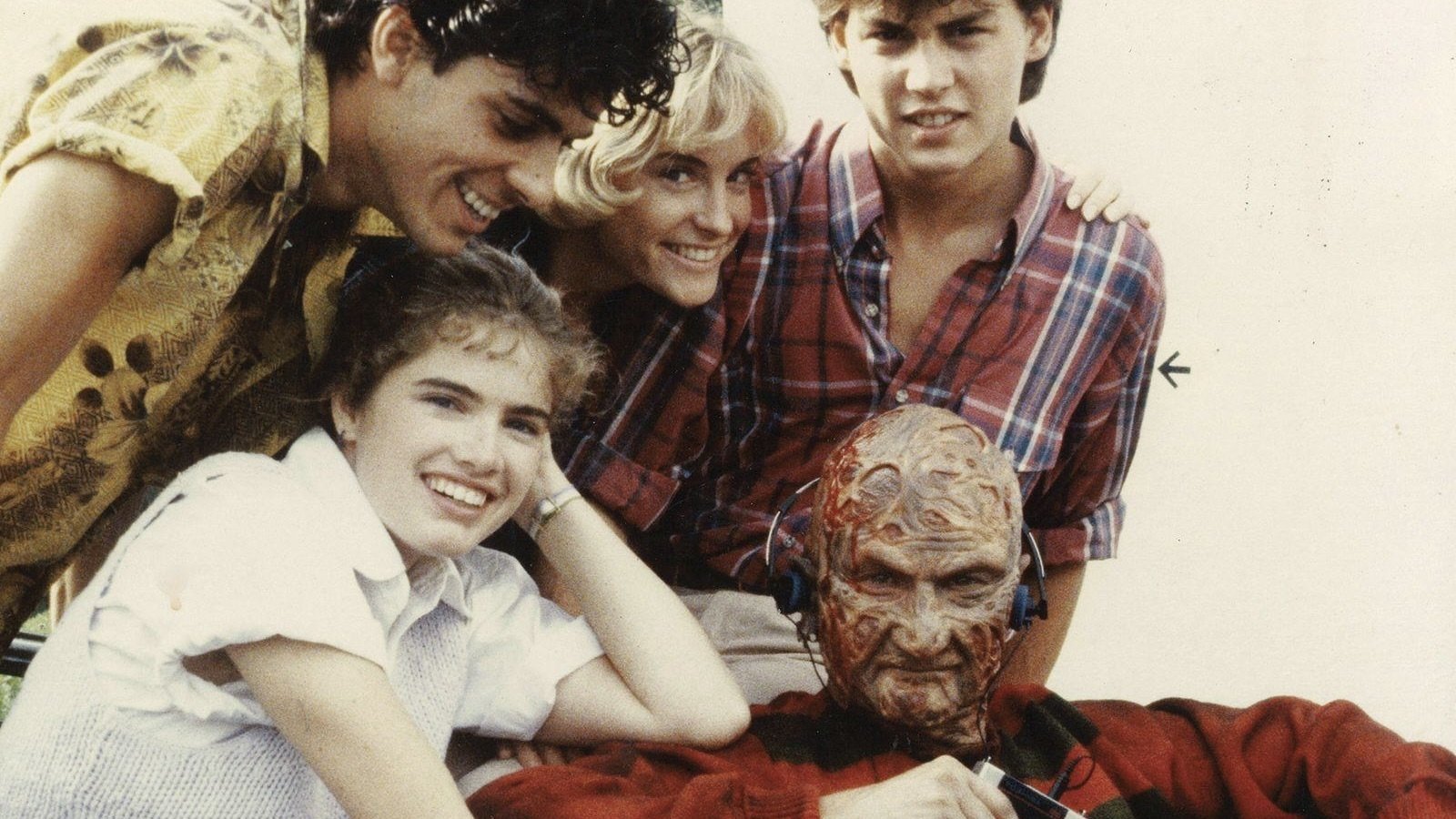
Freddy's burned appearance was designed by makeup artist David Miller. Robert Englund later recalled sitting in Miller's garage while the artist consulted medical photographs of severe burn injuries and progressively developed the prosthetic design. The makeup was thick enough that Englund had to exaggerate portions of his facial movement, a limitation that ultimately contributed to Freddy's heightened physicality. Englund also developed a guttural vocal quality and stylized body language that allowed the character to feel larger than an ordinary human attacker.

The first film is significant because Freddy had not yet become the wisecracking showman of later sequels. He taunts his victims and clearly enjoys frightening them, but his humor remains cruel and sparse. Craven keeps him partly concealed and gives him comparatively limited screen time. Freddy therefore functions less like the celebrity monster he would become and more like an intrusion into the teenagers' private subconscious space.

Nancy Thompson & the Failure of the Adults

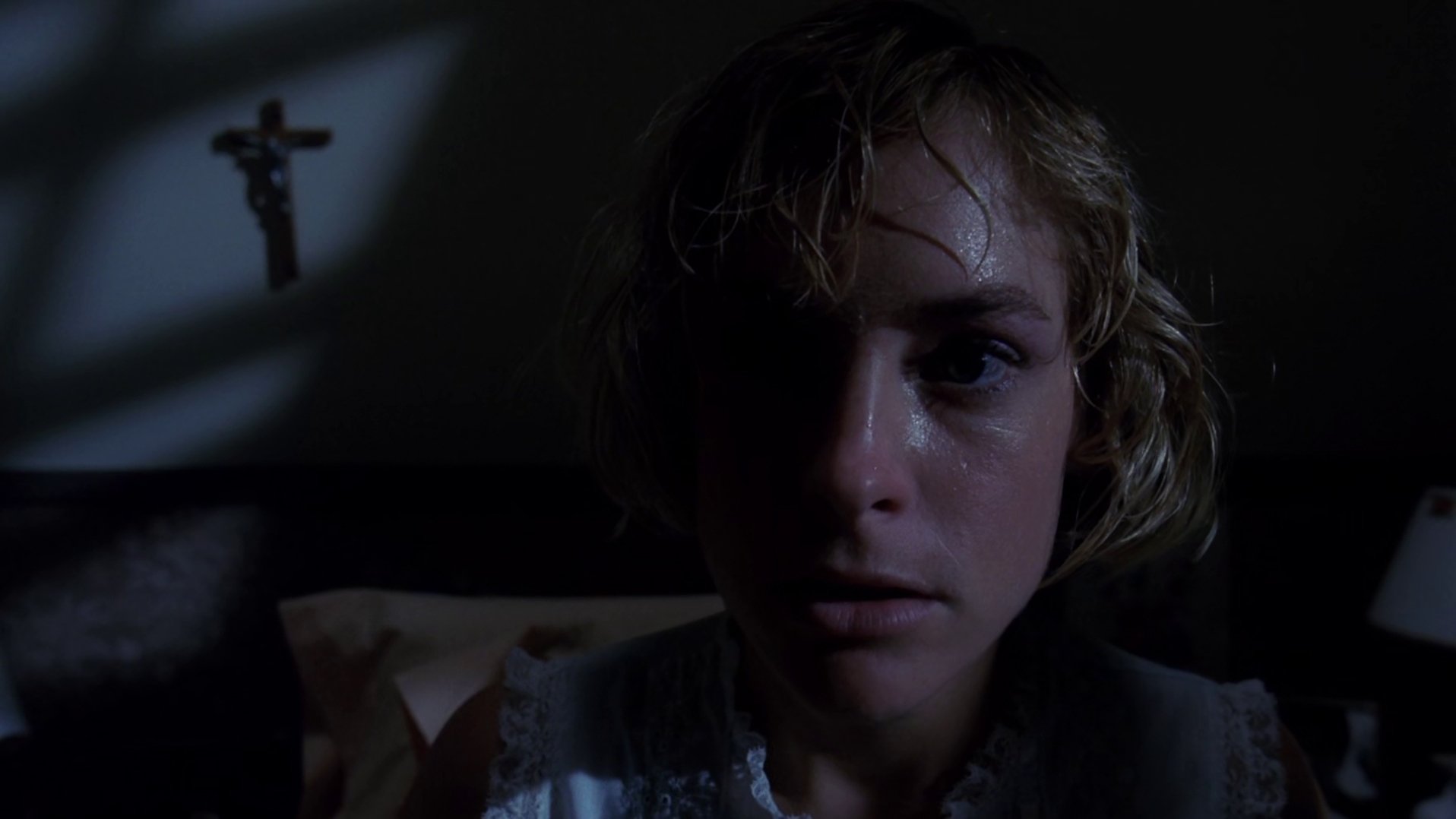
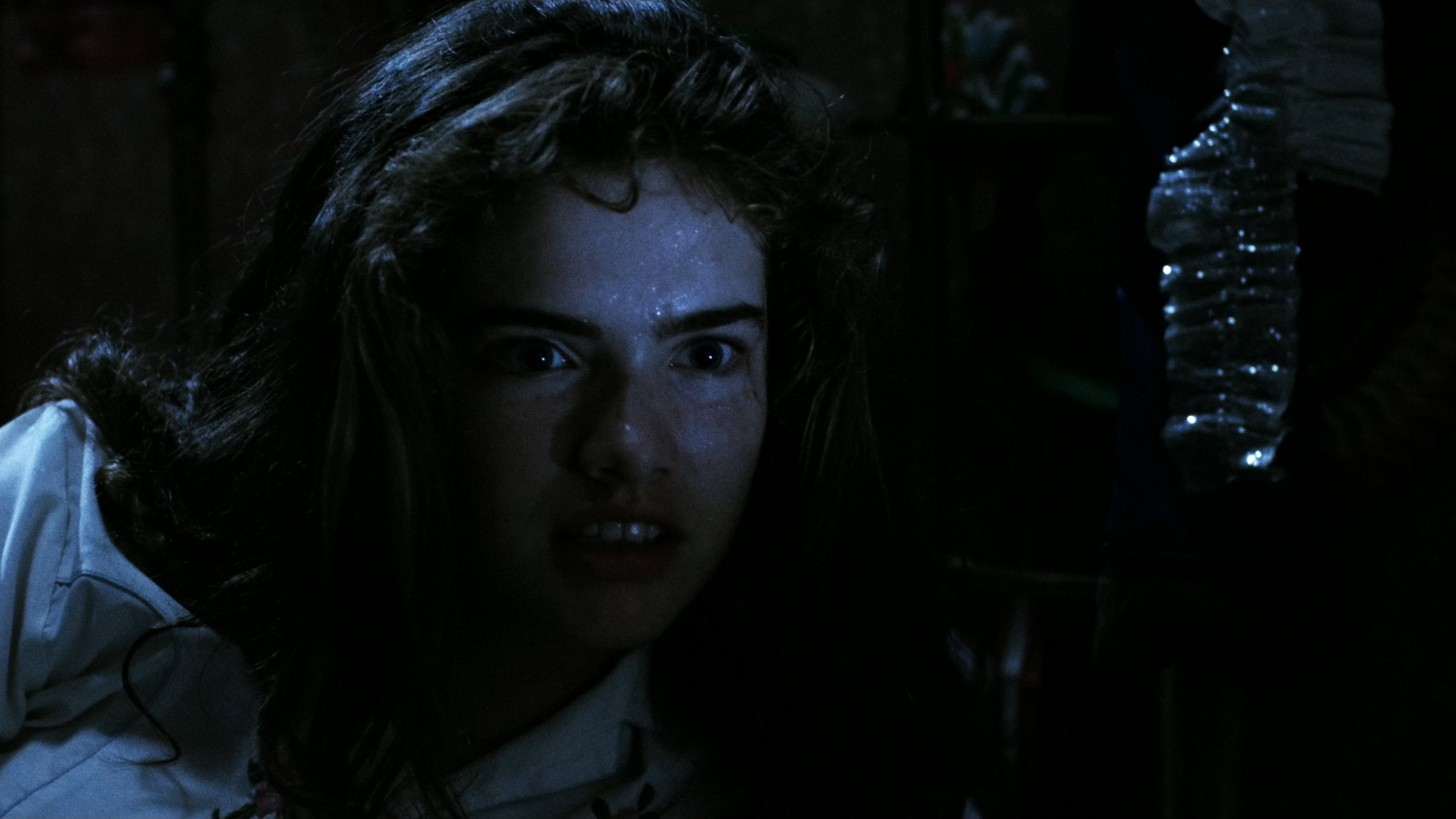
Nancy is central to why the film survives beyond Freddy's iconography. Heather Langenkamp later recalled that Craven did not want a heroine who remained helpless until circumstances saved her. Nancy investigates what is happening, tests the relationship between dreams and physical reality, studies sleep, prepares traps and finally enters Freddy's world deliberately. Her survival depends on observation and preparation rather than accidental escape.

The structure also gives her a problem larger than Freddy himself. Nancy gradually discovers that the adults have concealed the history that created him. Freddy was a child murderer who escaped legal punishment, after which a group of local parents hunted him down and burned him alive. Their secret act of vigilante violence has returned to threaten their children, meaning that the younger generation is literally forced to confront consequences produced by its parents.

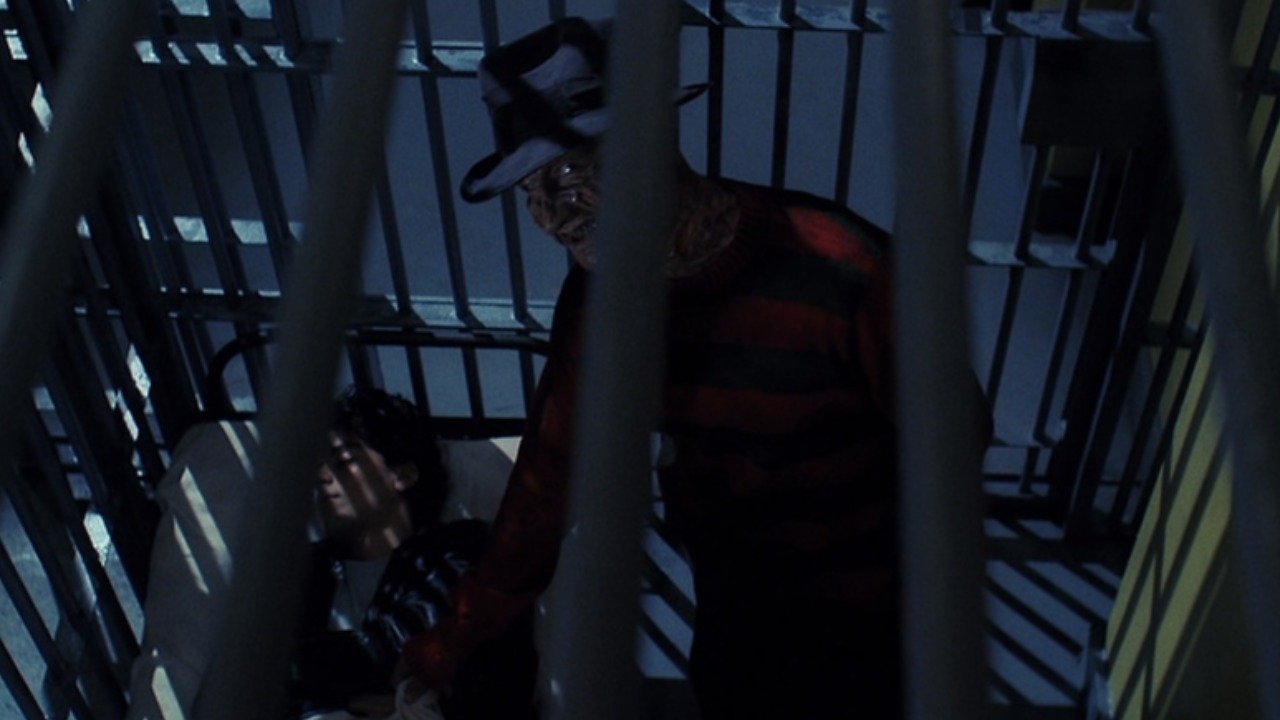
Craven therefore builds distrust of adult authority directly into the supernatural premise. Nancy's mother initially minimizes what her daughter is experiencing and later attempts to protect her through confinement. Her father is a police officer, but institutional authority is largely useless against something that does not exist within ordinary physical evidence. Even when the adults finally reveal the truth, their earlier secrecy has left Nancy without the knowledge she needed when the nightmare began.

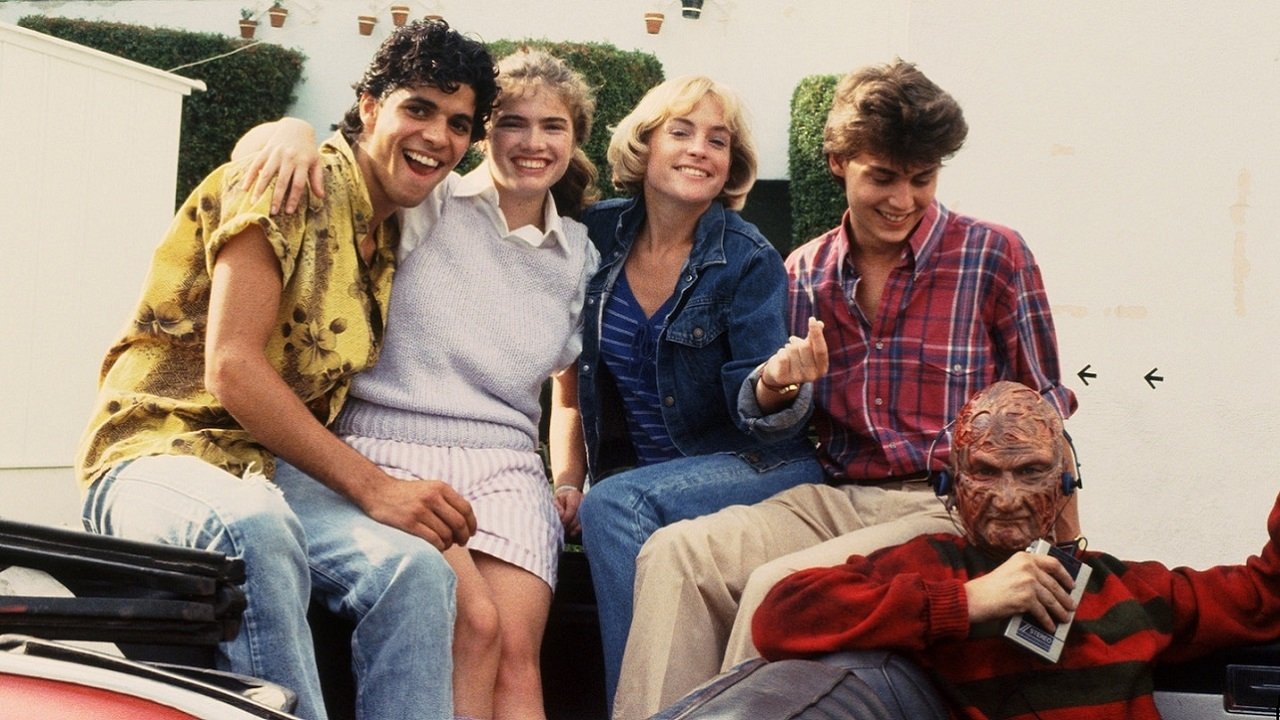
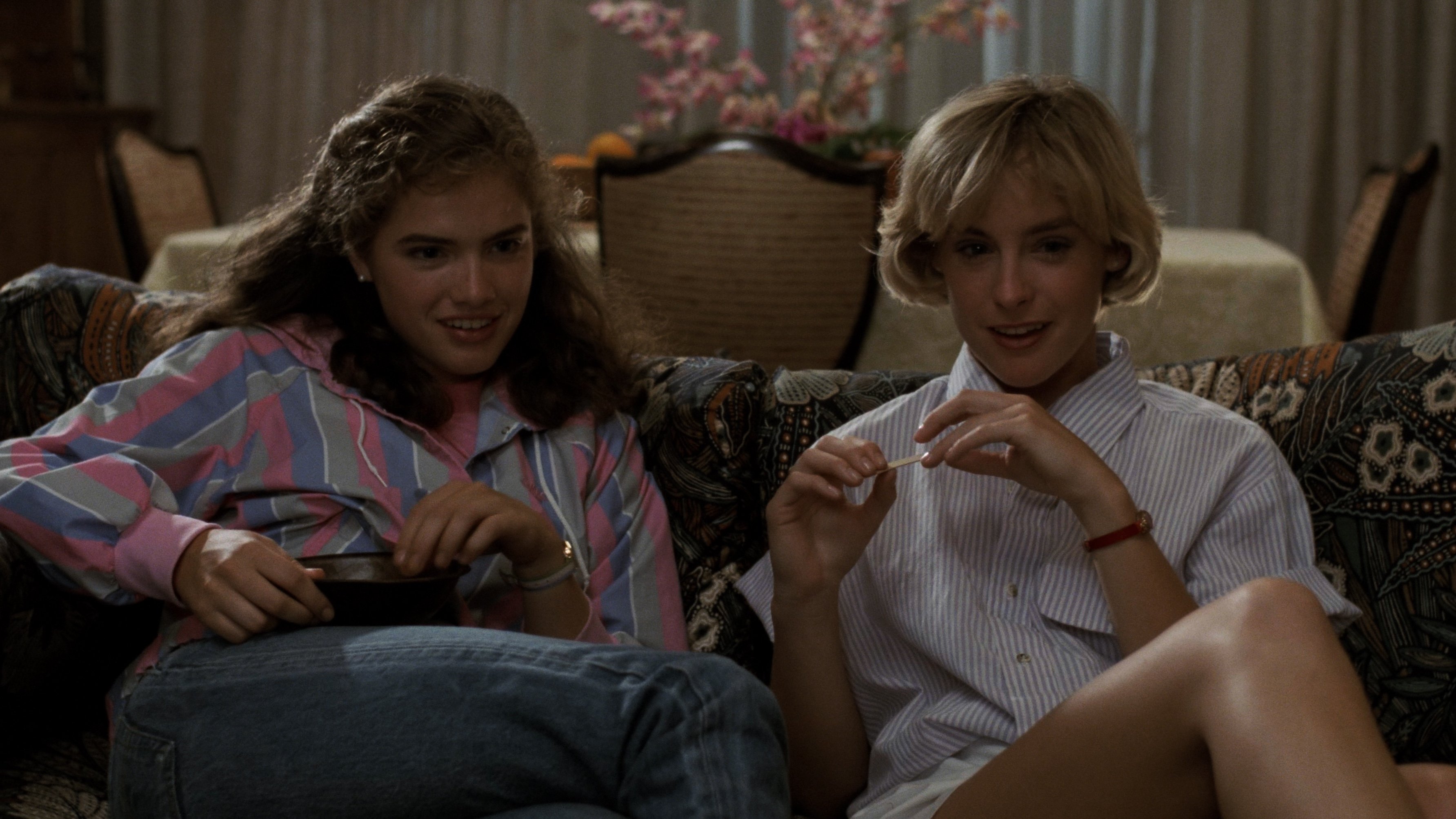
Langenkamp has said that Craven described Nancy, Tina, Glen and Rod almost as different aspects of one teenager confronting fear in different ways. Within that structure Nancy becomes the one who eventually faces the threat directly. Her importance is not simply that she remains alive when others die. She learns the rules of the nightmare and attempts to turn those rules back against its creator.

Dream Logic & the Destruction of Safe Space

Craven avoids establishing a reliable visual signal telling the audience when a dream begins. Characters can apparently wake from one nightmare only to discover that they are still sleeping. Familiar locations continue into dream sequences with only small distortions, and impossible events are presented without elaborate transitions. The resulting uncertainty makes the entire film unstable because neither Nancy nor the viewer can assume that an apparently normal scene belongs to waking reality.

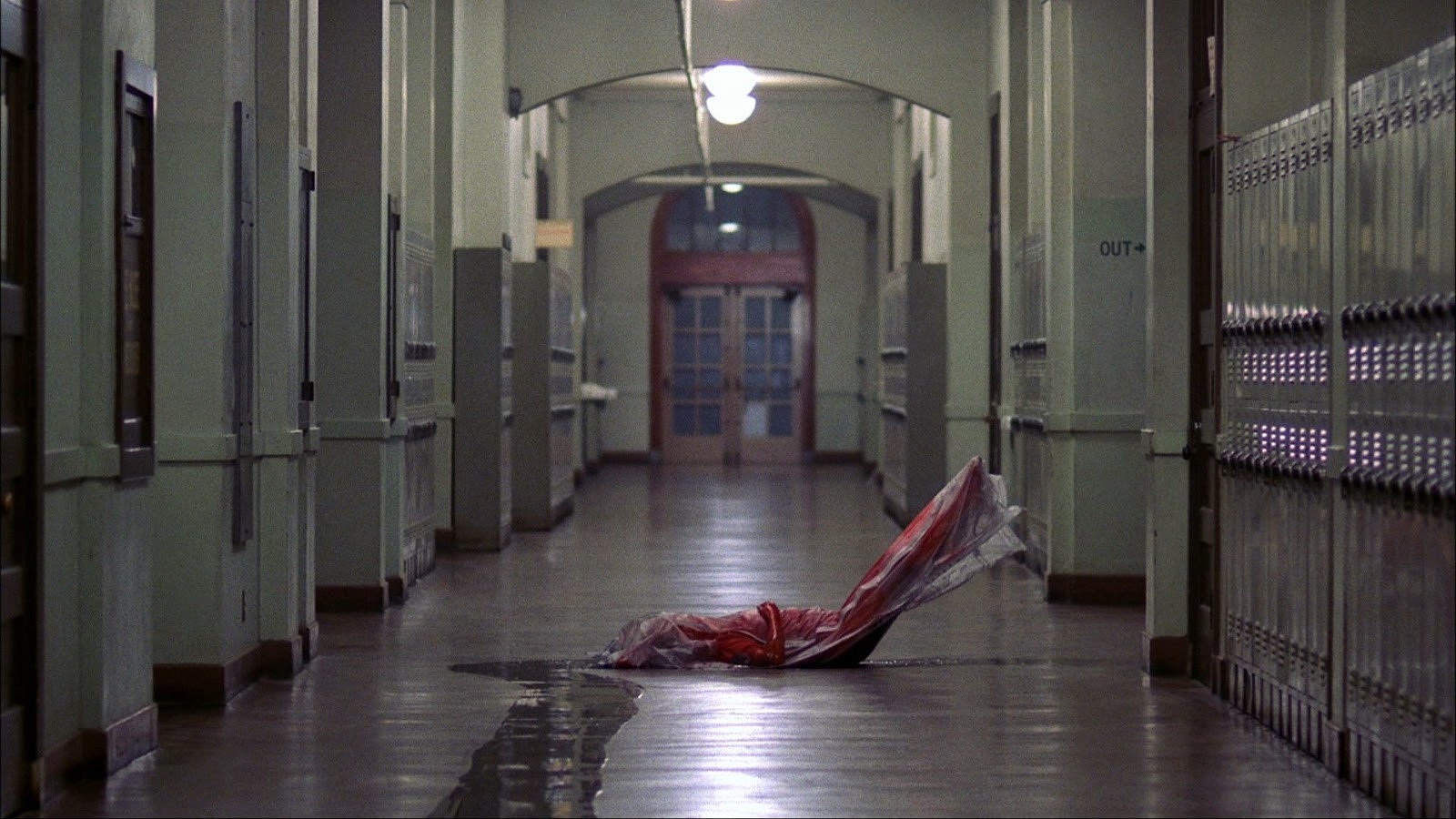
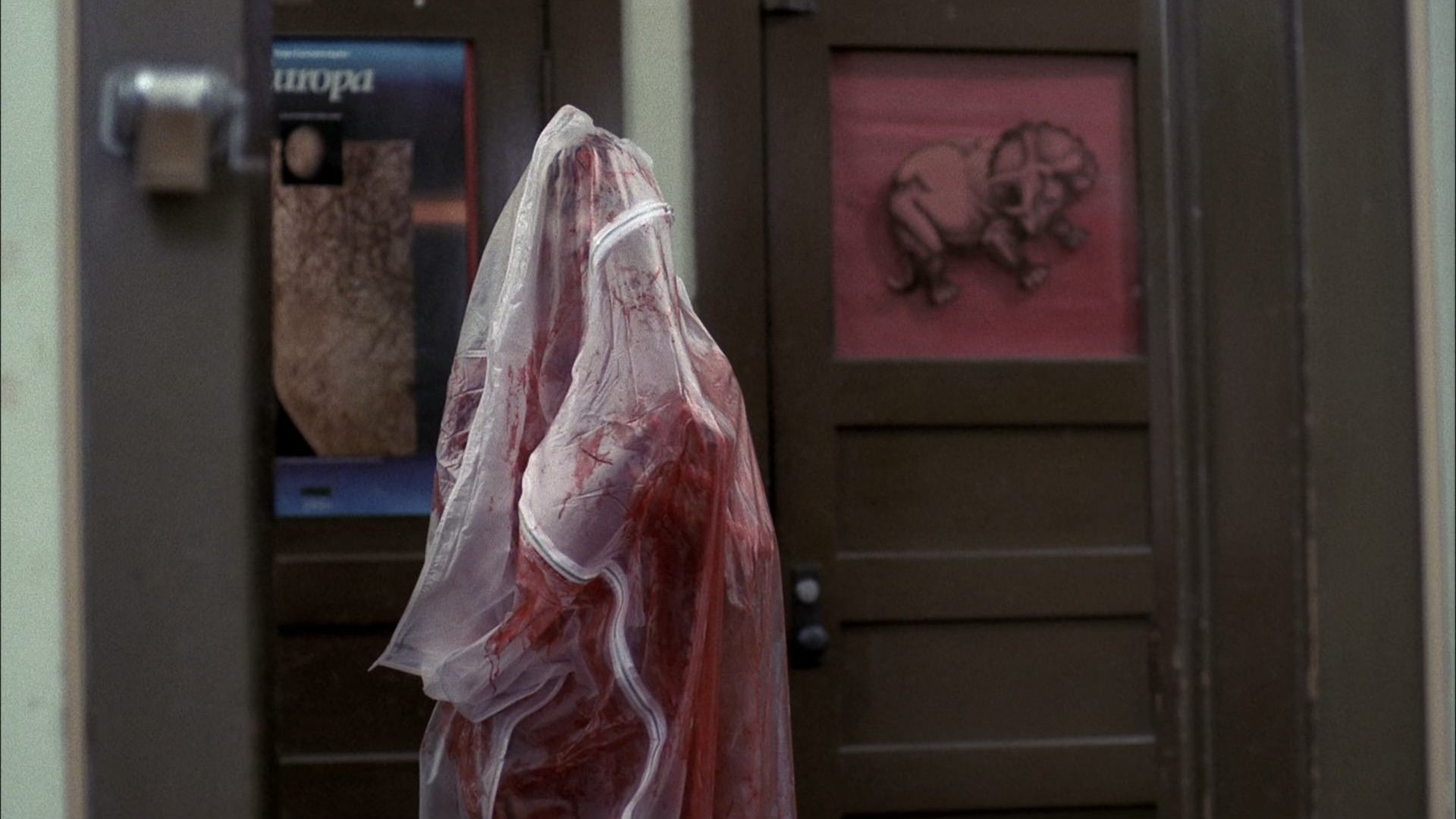
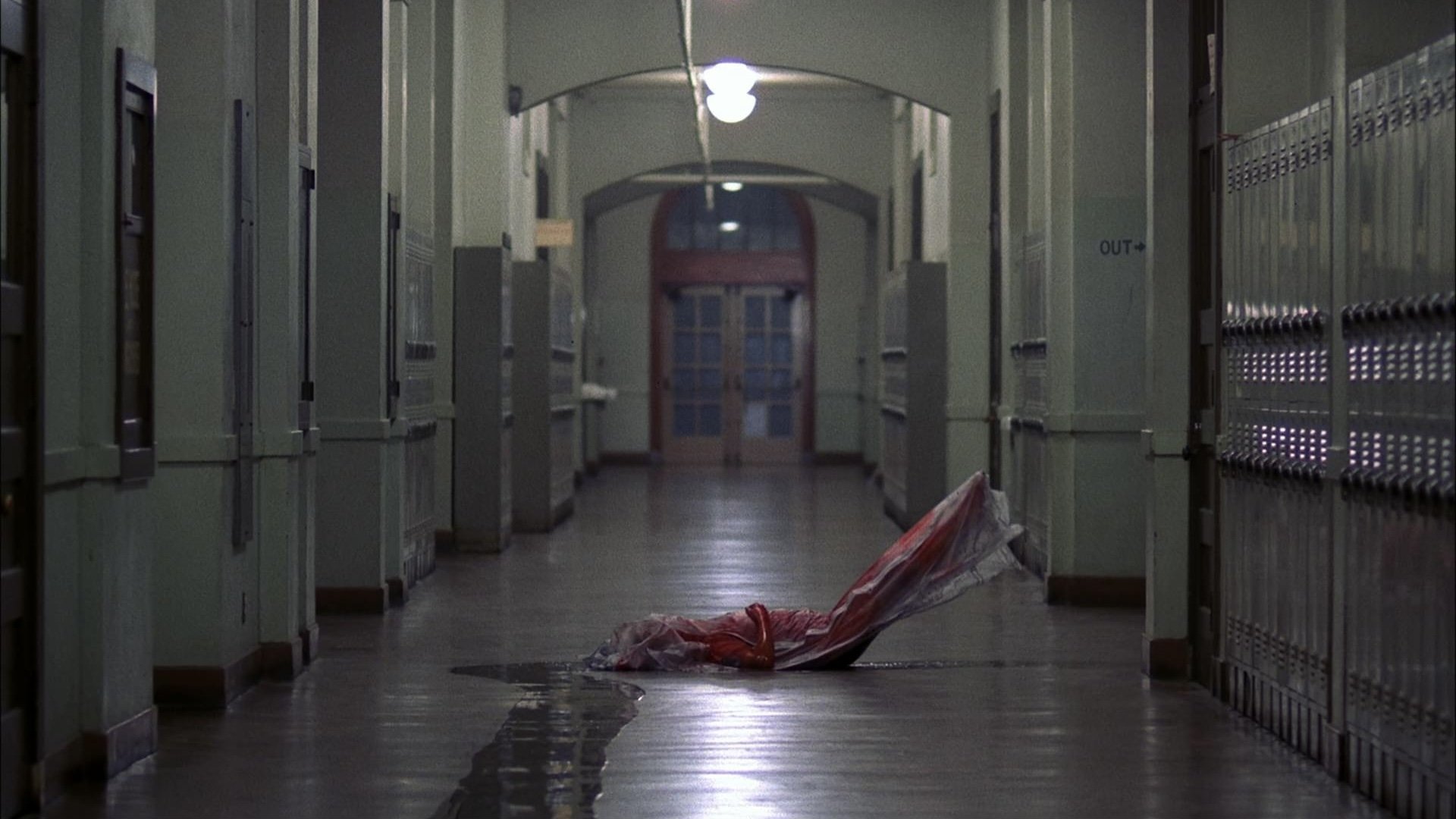
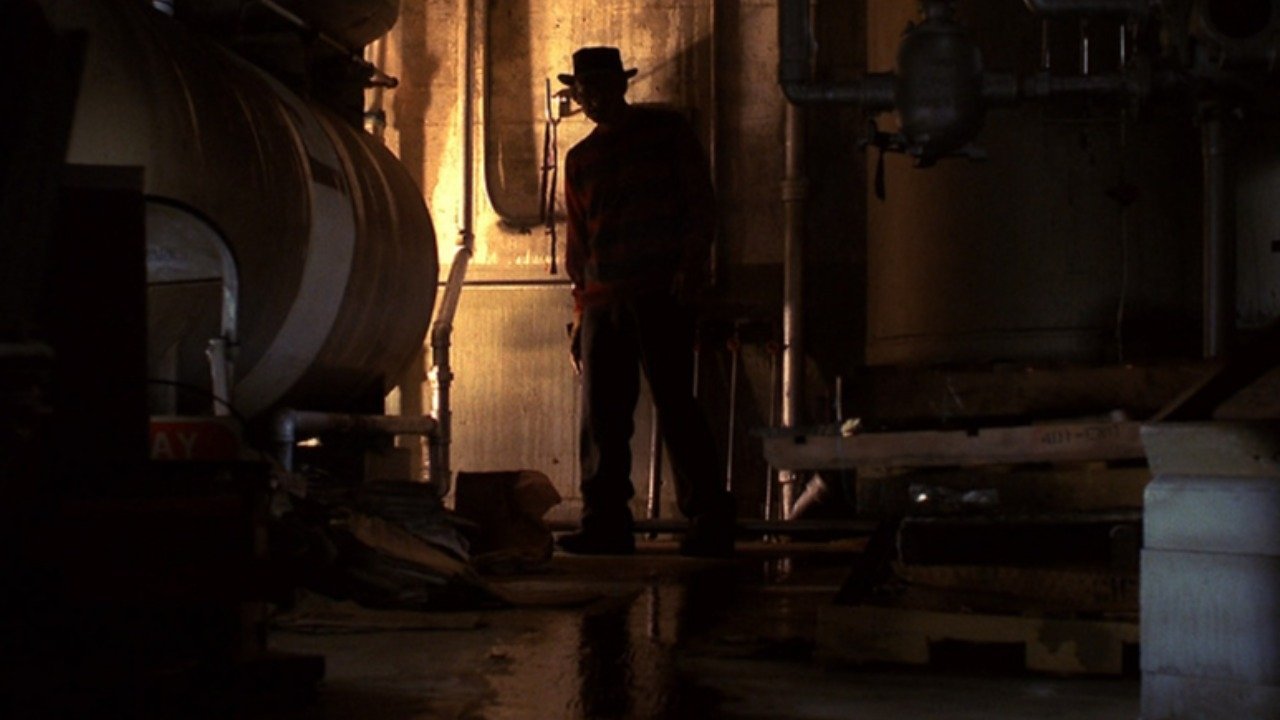
The boiler room is Freddy's most important recurring environment. Pipes, steam, metal passages and industrial noise provide a physical geography for his dream world, yet the space can appear wherever the nightmare needs it. A school corridor can suddenly lead into it, while ordinary domestic surroundings can lose their expected dimensions. Freddy's power is therefore partly architectural. He does not simply enter existing locations but rearranges the relationship between them.

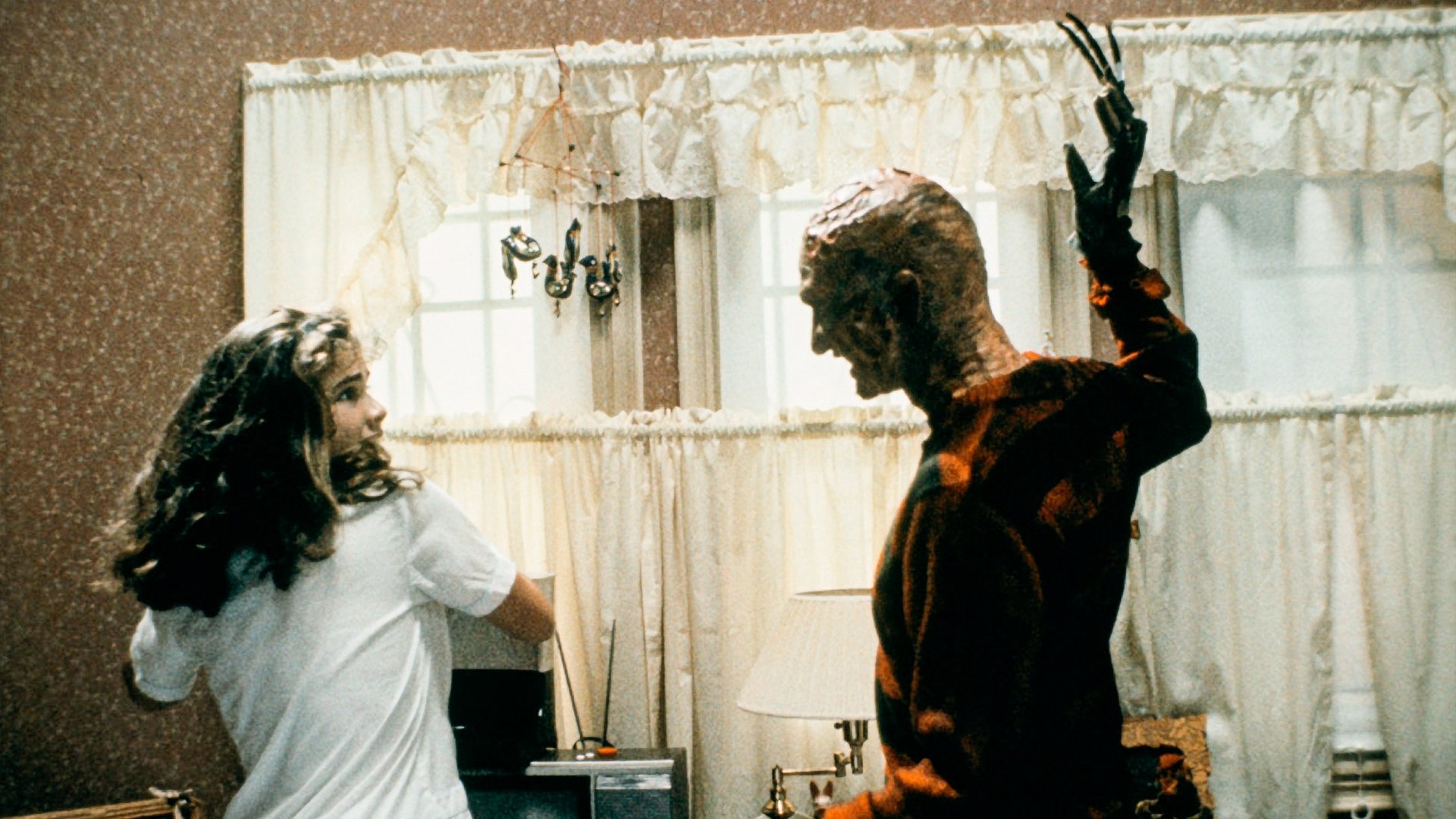
Craven applies the same principle to the body. Freddy's arms stretch impossibly down an alley. His face and tongue can interact with objects in ways human anatomy cannot permit. Nancy sinks into bathwater that opens beneath her like an abyss. A staircase becomes viscous under her feet. None of these images requires an elaborate explanation because dreams establish their own temporary rules and then abandon them without warning.

That freedom distinguishes the film from conventional slashers. Michael Myers or Jason Voorhees must physically reach a victim. Freddy needs only for the victim to sleep. The most private and unavoidable human state therefore becomes the place of attack, eliminating the traditional safe room into which a horror protagonist might retreat.

Practical Effects & Impossible Gravity

The film's effects are remarkable less for technical perfection than for how directly they serve its dream logic. Mechanical-effects designer Jim Doyle and the production team repeatedly used physical sets, rigs and gravity itself to make the impossible appear to occur around real performers. The approach gives the dream sequences a tangible weight that remains visible decades later.

The most famous device was a full-size rotating bedroom constructed for Tina's murder. Amanda Wyss appears to be dragged vertically up the wall and across the ceiling while Rod remains below her. In reality, the entire room rotated while the camera's perspective remained fixed. Furniture and objects had to be attached securely so that the audience would continue reading one surface as the floor even when gravity was pulling the performer in another direction.

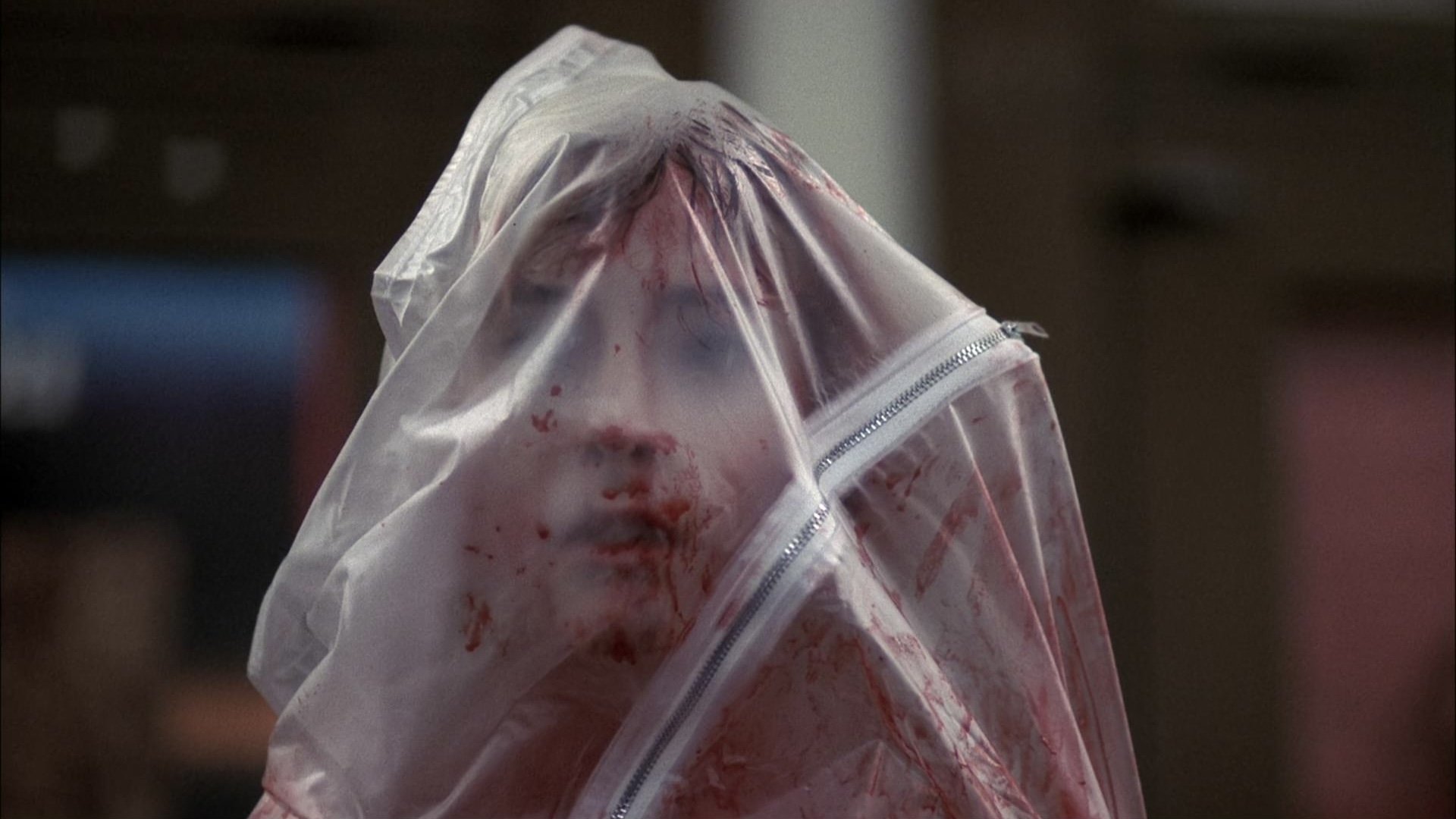
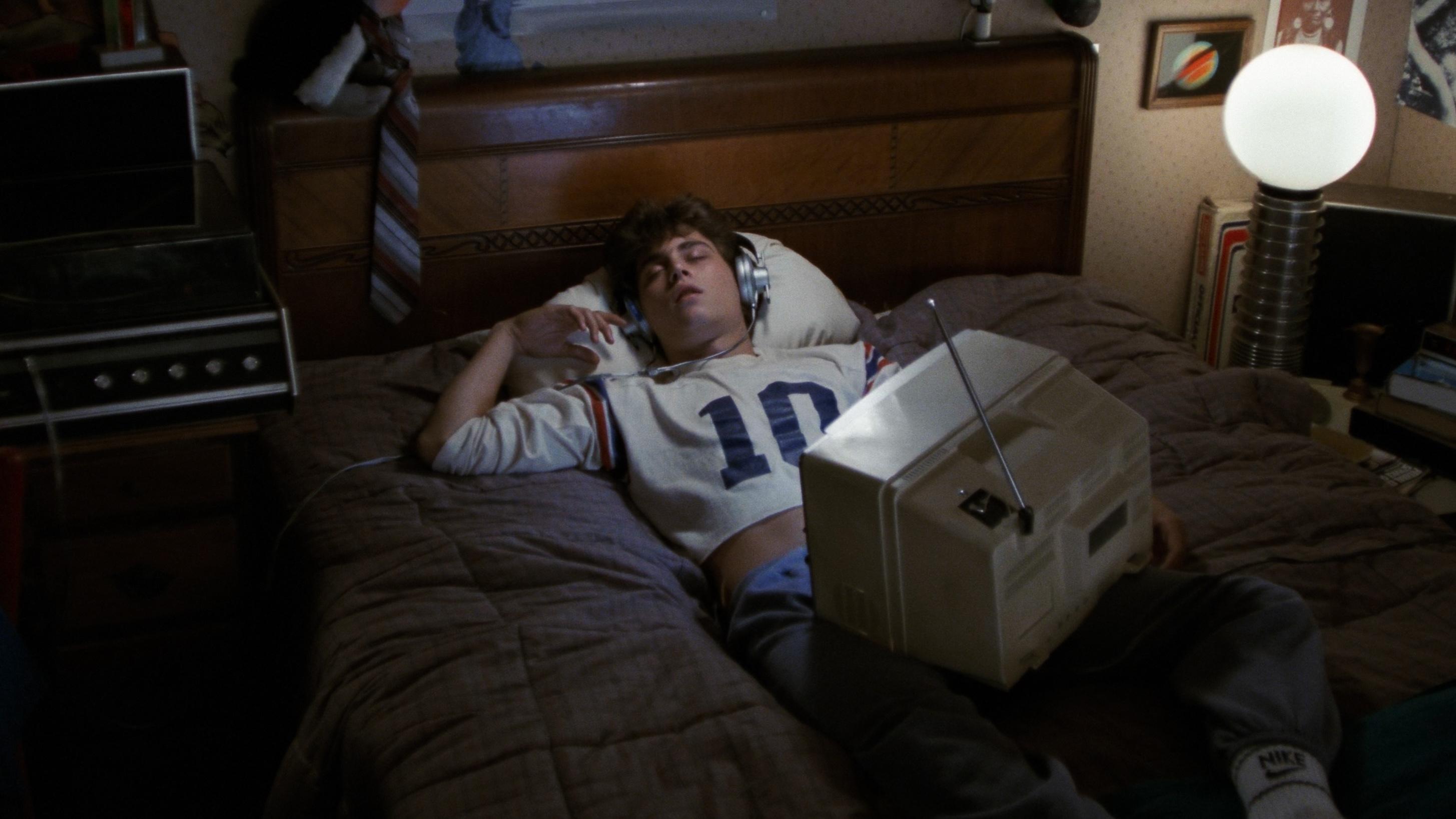
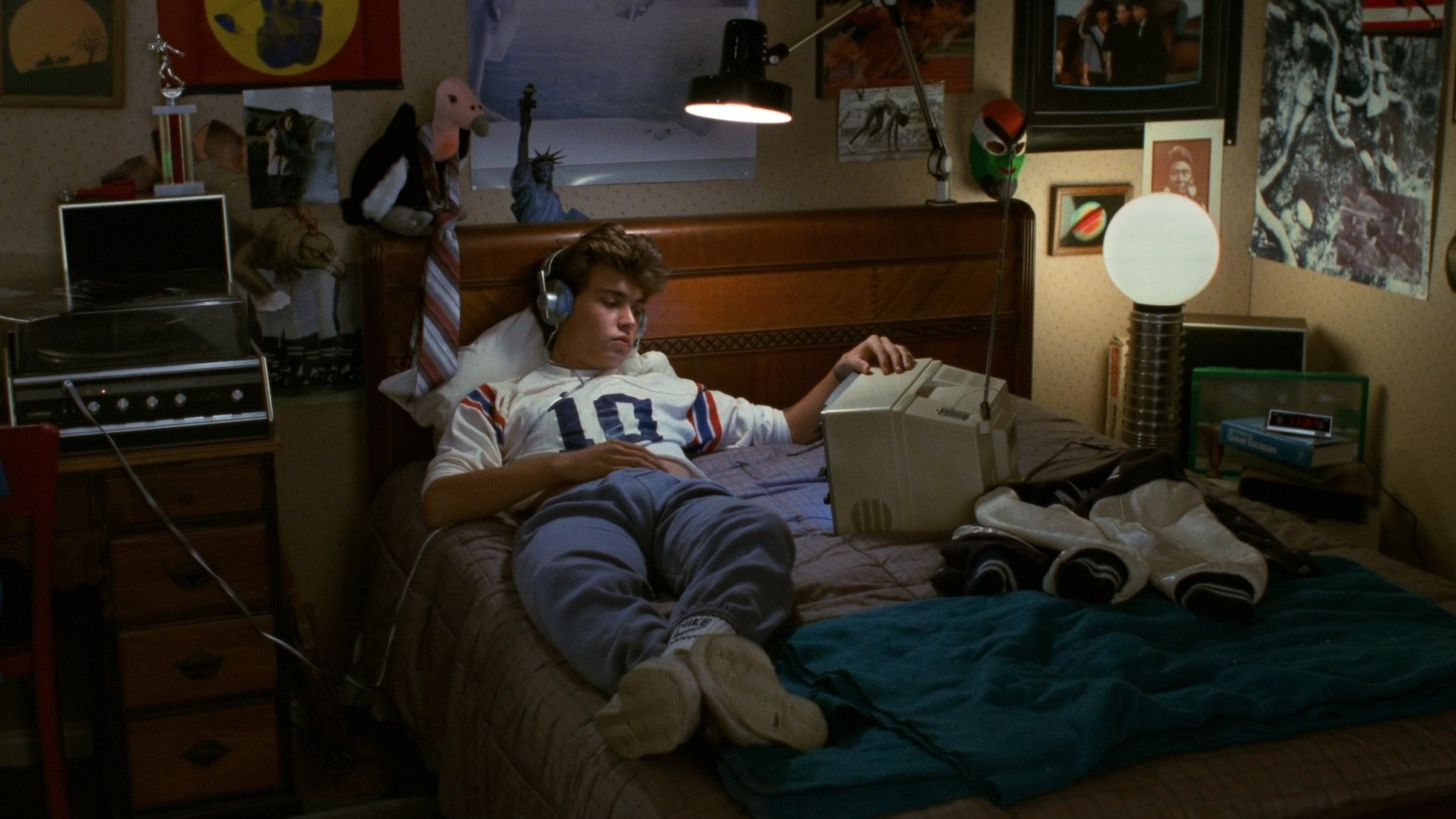
The same rotating-room concept was reused for Glen's death. After Johnny Depp's character is pulled into his bed, an enormous geyser of blood erupts upward and then appears to spread impossibly across the ceiling. Doyle later explained that hundreds of pounds of liquid were placed inside the rotating structure. When the room moved, the blood behaved far less predictably than intended, creating a dangerous and chaotic shoot. The technical loss of control ultimately enhanced the sequence because the blood seems to violate normal gravity just as completely as Freddy does.

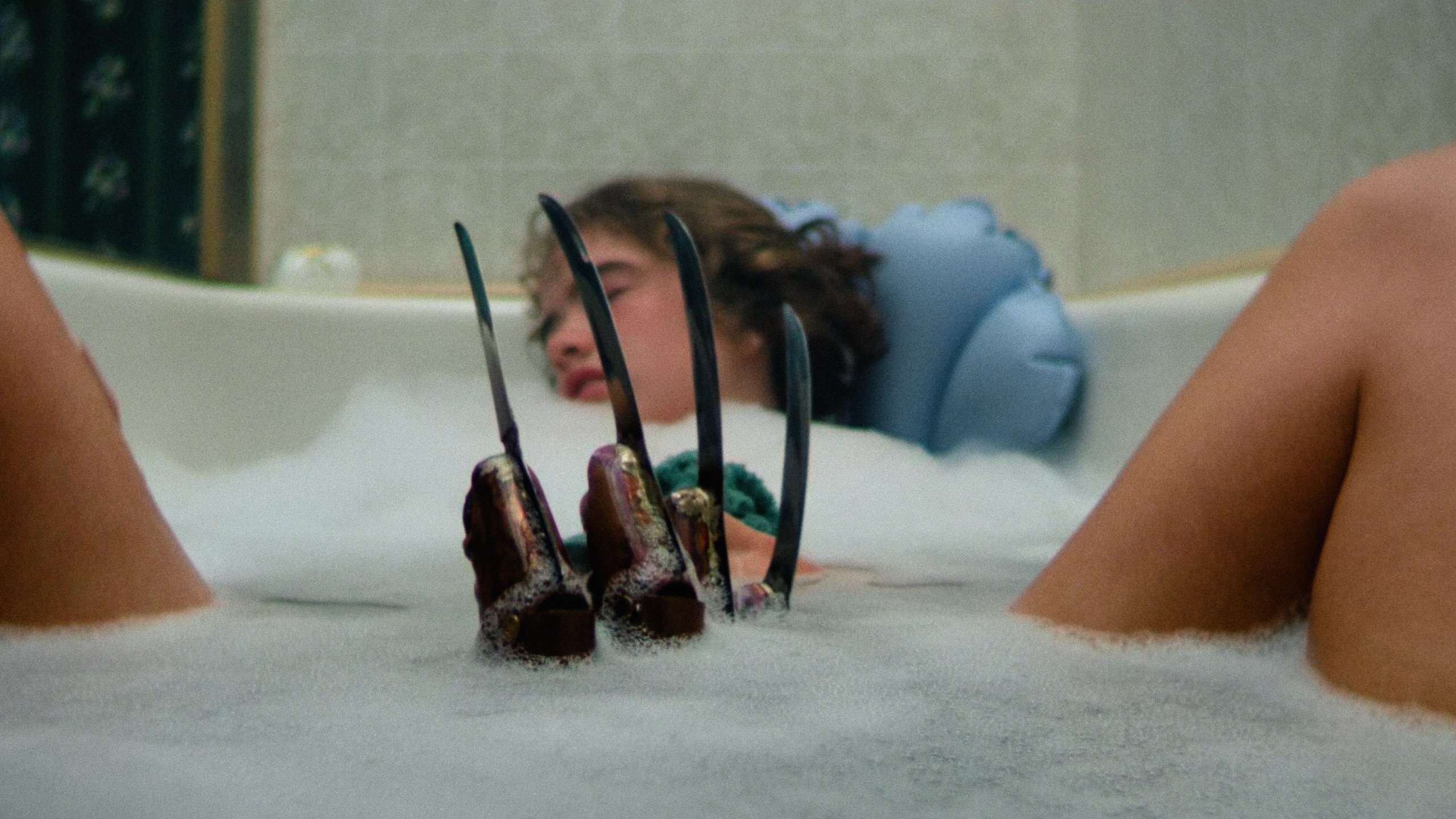
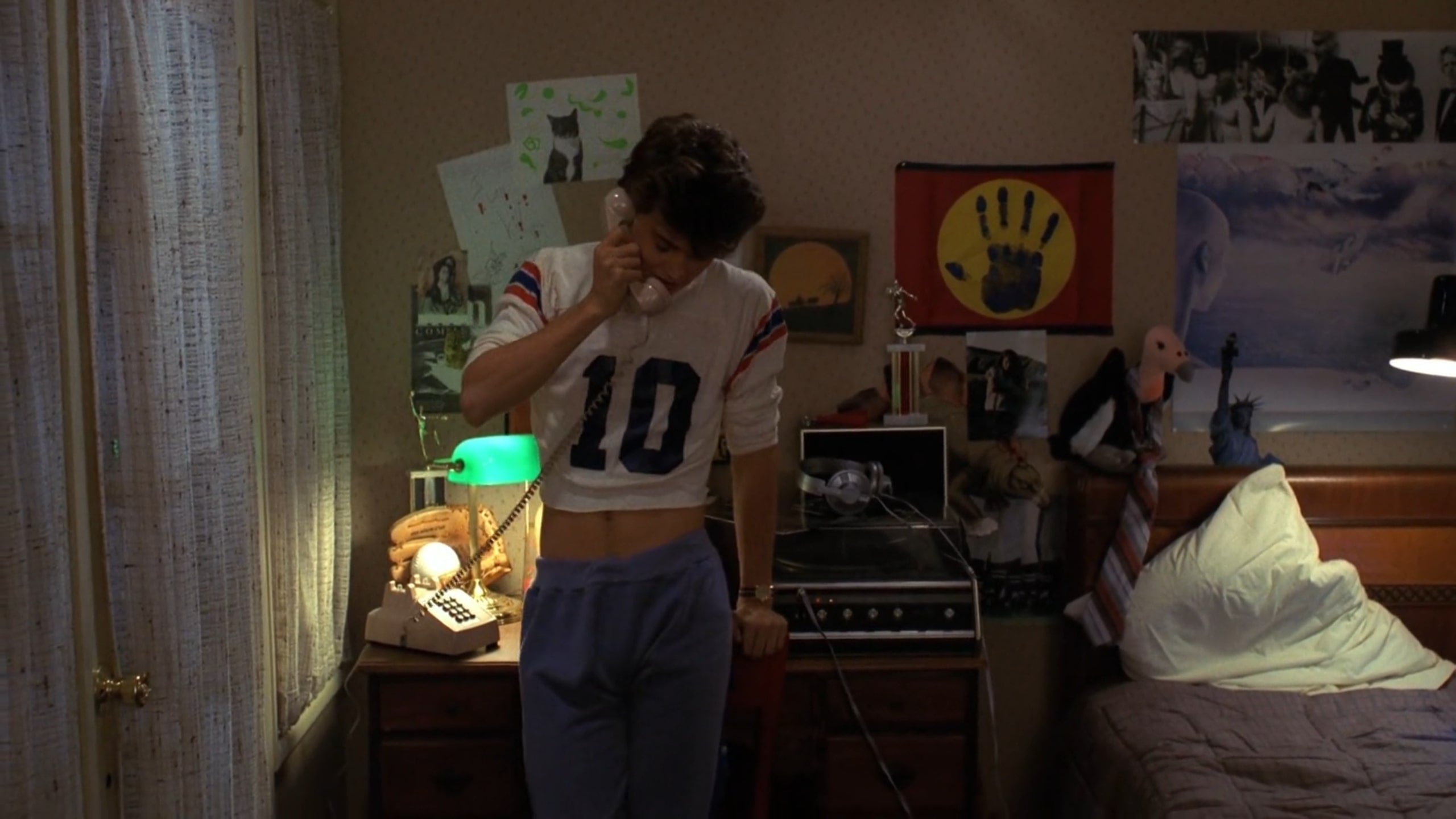
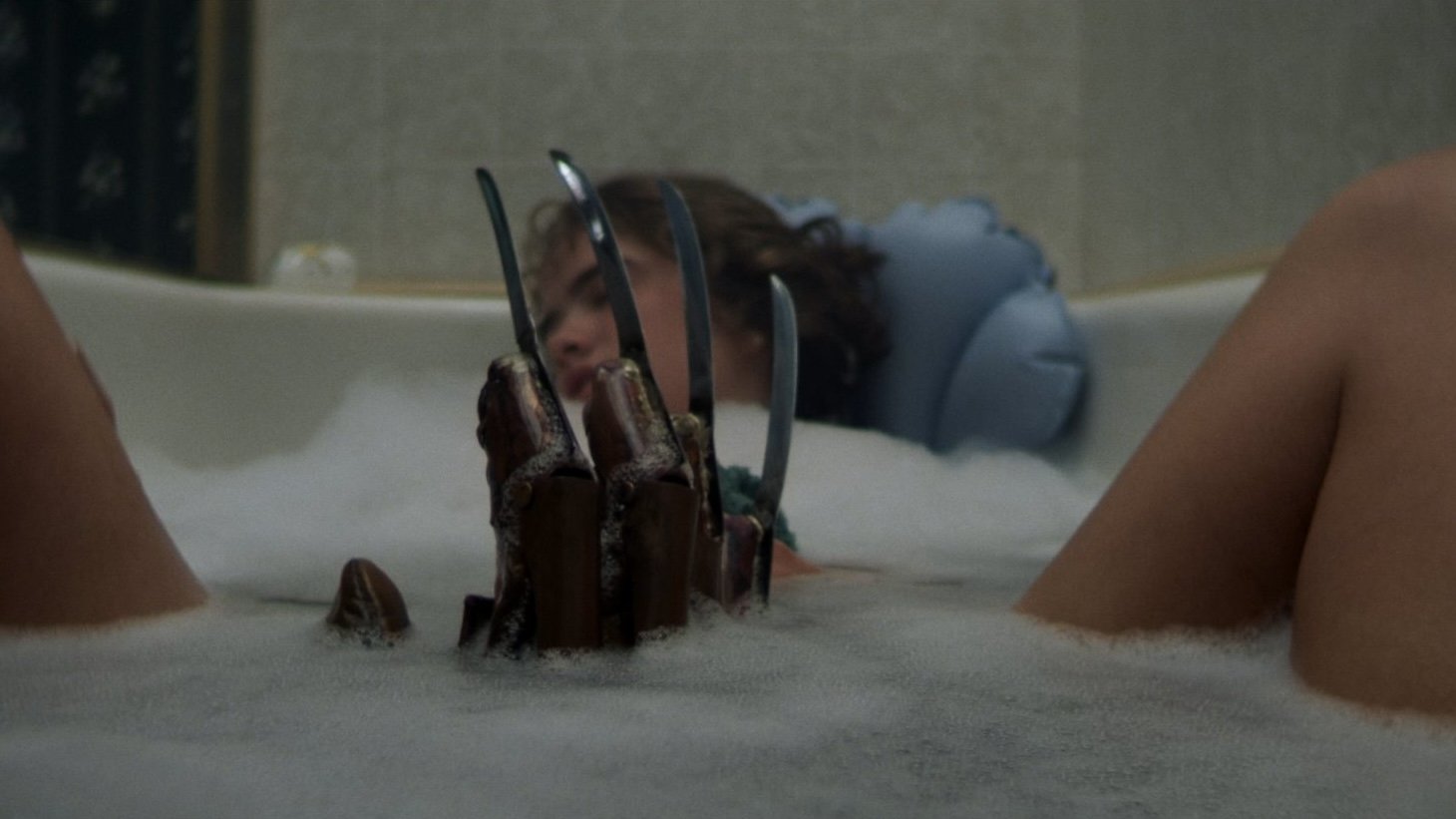
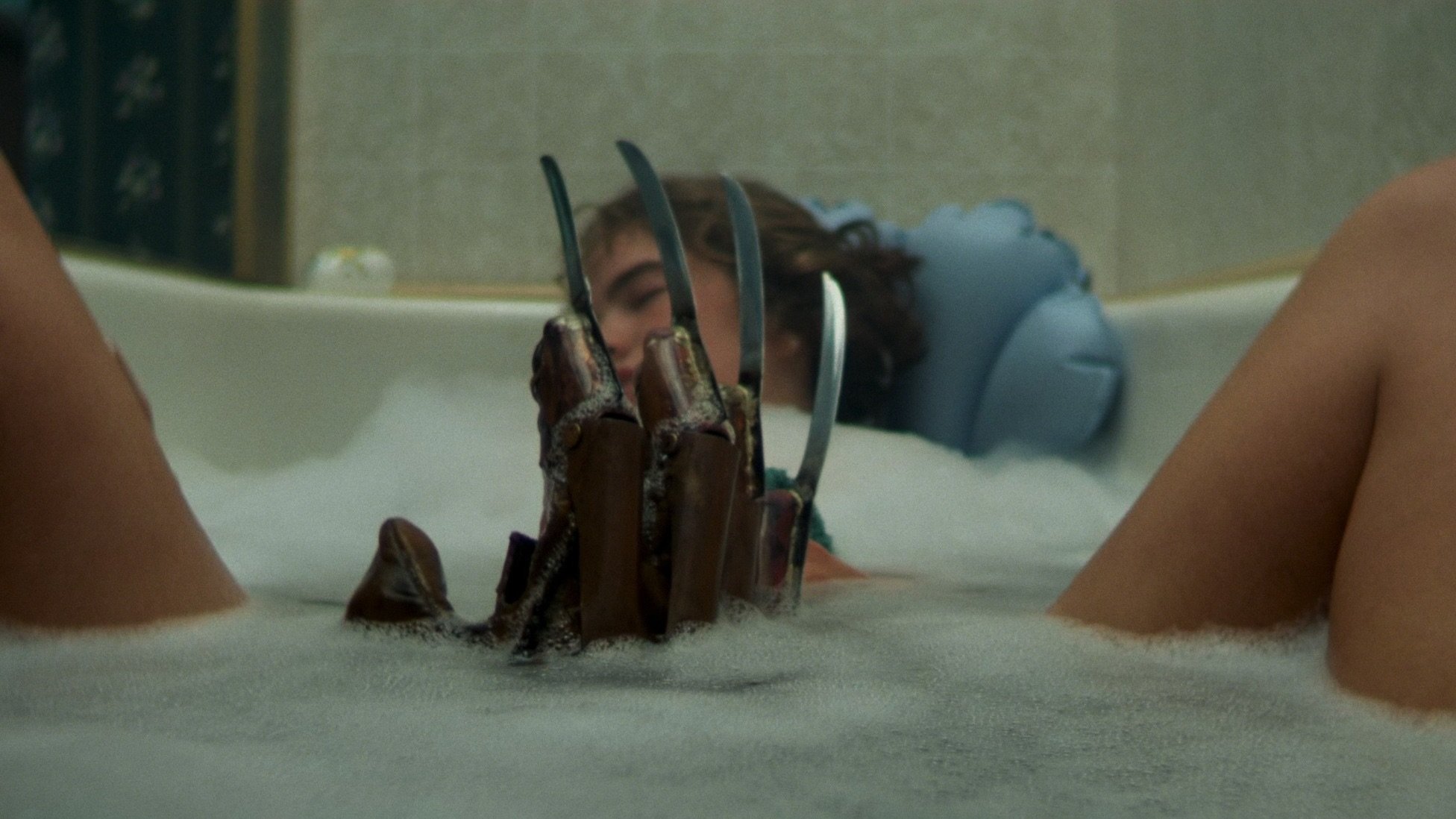
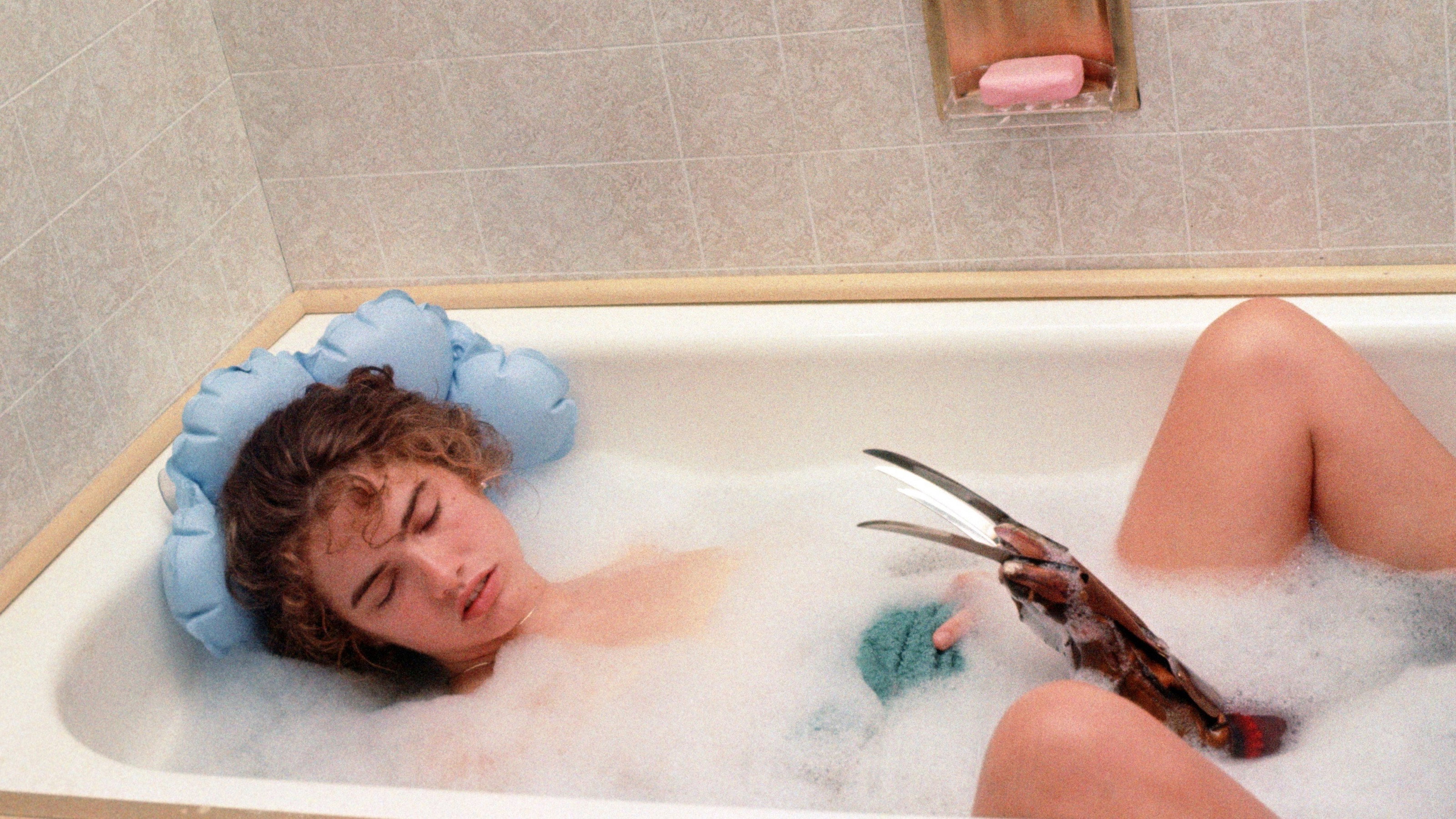
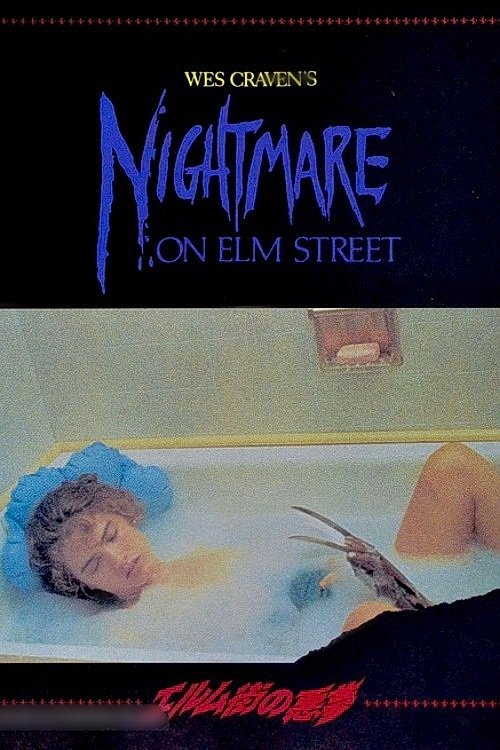
Other effects are smaller but equally important: Freddy pressing through a wall above Nancy, the glove emerging between her legs in the bathtub, the tongue extending from the telephone and the staircase that traps her feet. Their methods differ, but their purpose is consistent. Craven does not merely show monsters inside dreams. He makes ordinary physical objects cease behaving reliably.

Charles Bernstein & the Sound of Sleep

Composer Charles Bernstein entered the project without being deeply involved in horror cinema. His agent suggested that he meet Craven, and Bernstein later remembered their collaboration as unusually open. Craven gave him substantial freedom while remaining willing to discuss the emotional function of individual sequences. The limited production resources also encouraged Bernstein to create a score that could be realized largely through electronic instruments rather than a conventional full orchestra.

Bernstein's music combines synthesizers, electronic percussion, voices and recurring melodic figures to create a sound neither completely organic nor completely mechanical. That ambiguity fits a film constantly moving between suburban reality and dream space. The score can suggest the pulse of machinery in Freddy's boiler room while also creating the lighter, childlike texture associated with dreams and the film's nursery rhyme.

Bernstein wanted the movie to possess a recognizable musical identity. Repetition becomes especially important because Freddy is a threat that returns every time the characters sleep. Familiar musical ideas therefore operate almost like another sign that the nightmare is approaching, even when Freddy himself has not yet appeared.

The soundtrack's electronic character also places the film unmistakably within the 1980s without reducing it to a disposable period artifact. Its combination of simple motifs and unsettling textures became part of Freddy's mythology just as surely as the glove and sweater. The sound of A Nightmare on Elm Street helps establish that sleep is not silence or rest. It is entry into another environment.

The Ending, New Line & the Problem of Waking Up

Craven and producer Robert Shaye disagreed over how conclusively the film should end. Craven preferred a more ambiguous circular conclusion in which Nancy apparently survives and departs with her friends, leaving uncertain whether the experience has truly ended or whether the border between waking and dreaming has become permanently unreliable. Shaye wanted a stronger final scare and an ending that could preserve Freddy.

Several ending variations were filmed before the released version settled on a compromise. Nancy appears to have defeated Freddy by withdrawing the fear that gives him power, but the apparently peaceful morning immediately collapses into another nightmare. The car becomes trapped under Freddy's striped colours, the dead teenagers are carried away and Nancy's mother is pulled violently through the front-door window.

The ending is tonally more aggressive than Craven's preferred conclusion, but it accidentally reinforces the film's central instability. There is no objective waking state the audience can trust. Even Nancy's apparent victory may exist inside another layer of dreaming. Later sequels would impose franchise continuity on these events, but the original film considered on its own refuses to provide a completely secure moment of awakening.

The disagreement also anticipates the tension between Freddy as Craven's nightmare figure and Freddy as New Line's commercial property. Craven wanted a story capable of ending philosophically, while Shaye recognized that the character could continue. The extraordinary success of the franchise proved the commercial logic of Shaye's instinct even as Craven remained uneasy with where that logic eventually took Freddy.

Release, Franchise & Legacy

A Nightmare on Elm Street opened in Los Angeles and New York on November 9, 1984 before expanding through New Line's regional distribution strategy. AFI records that its first three days on 377 screens produced approximately $1.77 million, and contemporary trade reporting noted an exceptionally strong per-screen performance. Later industry figures placed the domestic gross at roughly $26 million and foreign grosses at about $11 million by 1989, an enormous return on the film's approximately $1.7 million production cost.

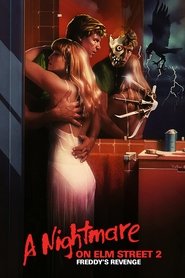
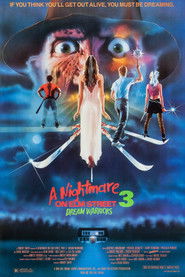
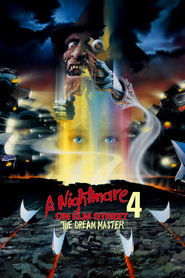
The sequel machinery began almost immediately. Freddy's Revenge arrived in 1985, followed by Dream Warriors in 1987 and an increasingly large series of sequels, television projects, merchandise and eventually a crossover with Friday the 13th. Freddy himself evolved during that process from Craven's shadowy dream predator into a pop-cultural character whose jokes and elaborate dream killings often became the principal attraction.

The original film nevertheless retained a different status from the franchise surrounding it. Its combination of slasher structure, supernatural fantasy and unstable dream reality helped reopen possibilities for a subgenre that was already becoming repetitive. Nancy also remained one of its crucial innovations: an adolescent protagonist who actively studies and confronts the monster. Johnny Depp's appearance as Glen, in his first feature-film role, became another element of the film's unexpectedly extensive cultural footprint.

Institutional recognition eventually followed its popular success. The Library of Congress selected A Nightmare on Elm Street for the National Film Registry in 2021, identifying it as culturally, historically or aesthetically significant. In 2024 Warner Bros. marked its fortieth anniversary with a new 4K remaster containing both the theatrical version and an unrated cut restoring eight seconds of additional footage.

Its deepest legacy remains the simplicity of Craven's original premise. Almost every horror monster requires the victim to encounter a particular place, object or person. Freddy requires only sleep. By making an unavoidable biological need the entrance to the killer's world, A Nightmare on Elm Street created a horror mechanism capable of endless variation and gave the 1980s one of its defining monsters. The later franchise would enlarge Freddy, explain him and commercialize him, but the original film's terror comes from something much smaller: sooner or later, Nancy has to close her eyes.

Connections

Cast

View Full Cast & Crew →

Release & Distribution

Production Companies (5)

  • Cinema 84 US
  • Media Home Entertainment US
  • New Line Cinema US
  • Smart Egg Pictures GB
  • The Elm Street Venture

Distributors (1)

  • New Line Cinema US

Release History (50)

Release DateTerritoryRelease TypeFormatDistributorCertificationNotes
1984-11-09 United States Limited Theatrical — — R
1984-11-16 Canada Theatrical — — —
1984-11-16 United States Theatrical — — R
1984-11-19 Greece Theatrical — — —
1985-03-06 France Theatrical — — 12
1985-03-15 Sweden Theatrical — — 15
1985-03-23 South Korea Theatrical — — 18
1985-05-27 United Kingdom Premiere — — 15 Original
1985-07-01 India Theatrical — — —
1985-07-13 Philippines Limited Theatrical — — — Davao
1985-08-01 Australia Theatrical — — M
1985-08-08 Italy Theatrical — — 18+
1985-08-29 Germany Theatrical — — 16
1985-09-18 Spain Limited Theatrical — — — Catalonia
1985-10-11 Ireland Theatrical — — 18
1985-10-31 Spain Theatrical — — —
1985-11-10 Portugal Theatrical — — M/18
1986-04-10 Colombia Theatrical — — —
1986-04-17 Mexico Theatrical — — C
1986-05-24 Japan Theatrical — — —
1986-06-27 Finland Theatrical — — K-18
1986-09-11 Netherlands Theatrical — — 16
1986-09-25 Peru Theatrical — — —
1986-10-23 Norway Theatrical — — 15
1986-10-30 Argentina Theatrical — — 18
1986-11-27 Brazil Theatrical — — 16
1987-01-15 Uruguay Theatrical — — —
1987-07-24 Denmark Theatrical — — 15
1990-01-11 Hungary Theatrical — — 18
1990-10-26 Türkiye Theatrical — — —
1992-01-10 XC Theatrical — — —
1997-05-10 Russia TV — — —
2002-07-31 Netherlands TV — — 16 V8
2006-03-08 Netherlands Physical DVD — 16 DVD
2006-09-20 United States Limited Theatrical — — R Re-Release
2008-10-03 United Arab Emirates TV — — —
2008-11-19 Poland Theatrical — — 18 Re-release
2009-06-01 Czechia Physical DVD — — DVD
2009-06-01 South Africa Physical DVD — — DVD
2010-04-13 Israel Physical Blu-ray — — Blu-ray
2010-04-13 Singapore Physical Blu-ray — — Blu-ray
2010-10-20 Netherlands Physical Blu-ray — 16 Blu-ray
2011-04-02 Taiwan Premiere — — — Golden Horse Fantastic Film Festival
2013-10-31 Ireland Theatrical — — — Re-release
2018-10-05 Mexico Limited Theatrical — — C Re-release
2019-06-21 Portugal TV — — —
2021-07-07 Egypt Physical DVD — — DVD
2021-10-28 Russia Theatrical — — 18+
2025-10-01 United States Limited Theatrical — — R Re-Release
2025-10-30 Argentina Theatrical — — —
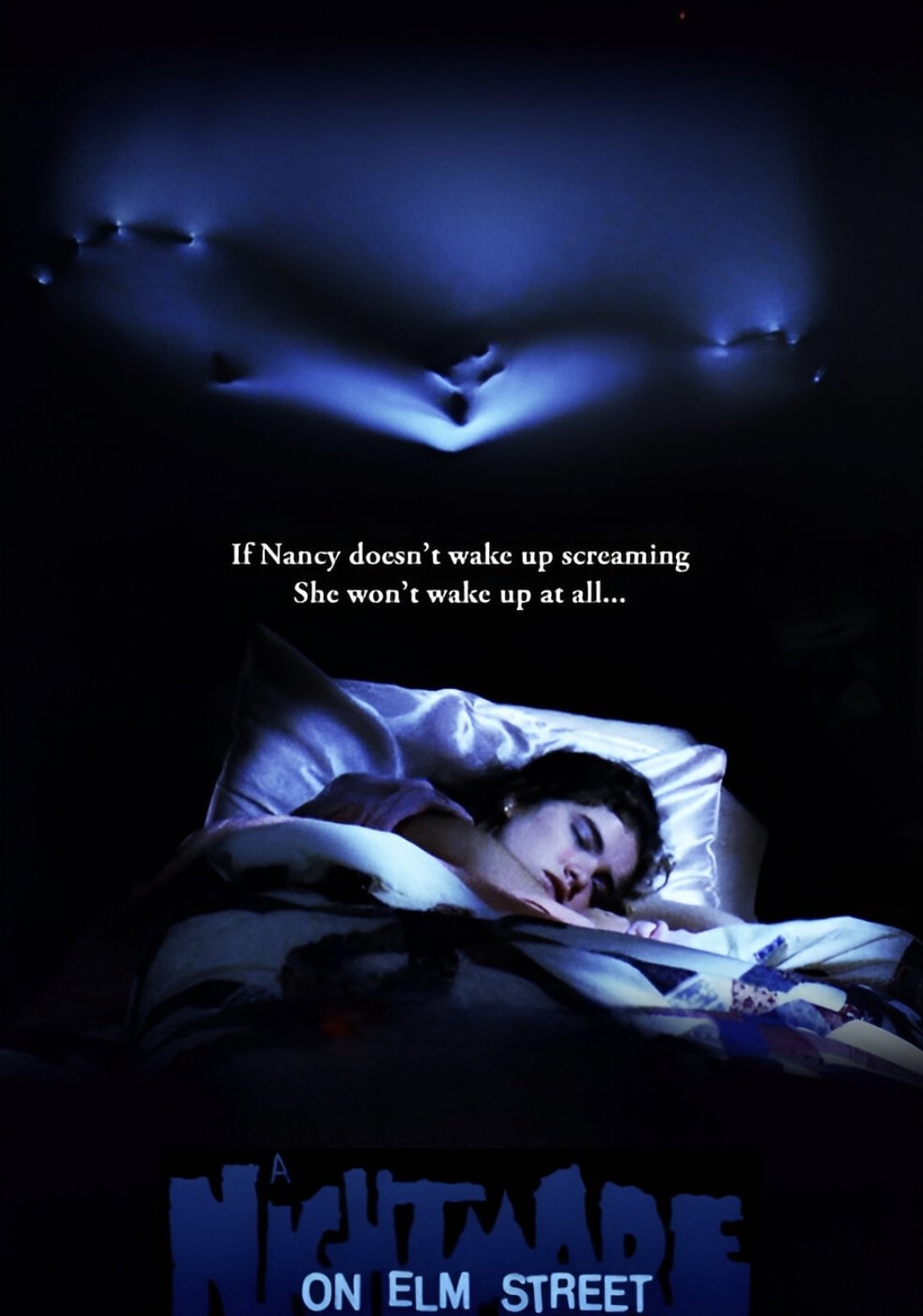
If Nancy doesn't wake up screaming, she won't wake up at all.