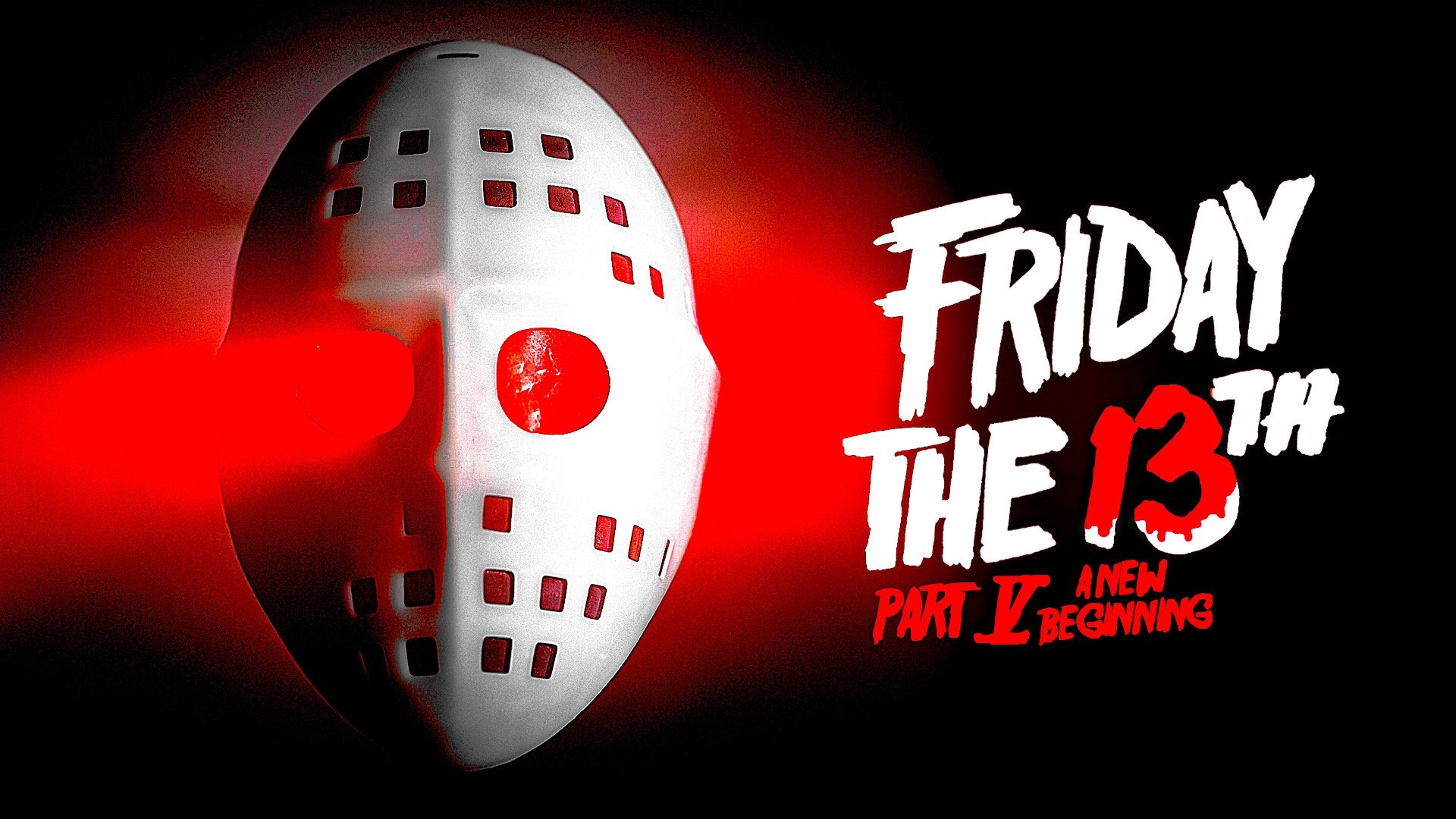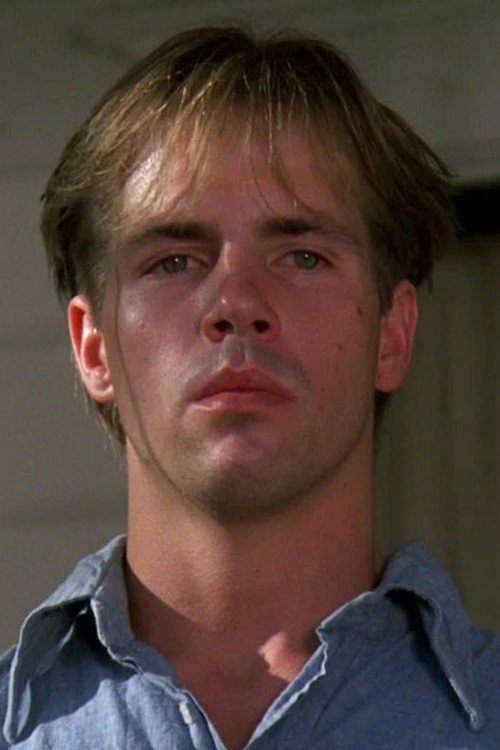
Friday the 13th: A New Beginning (1985)

US
HORROR FILM Thriller
SUBGENRES SLASHER
5.3/10 4 votes
Runtime
92 min
Release
March 22, 1985
Budget
$2,200,000
Revenue
$21,930,715
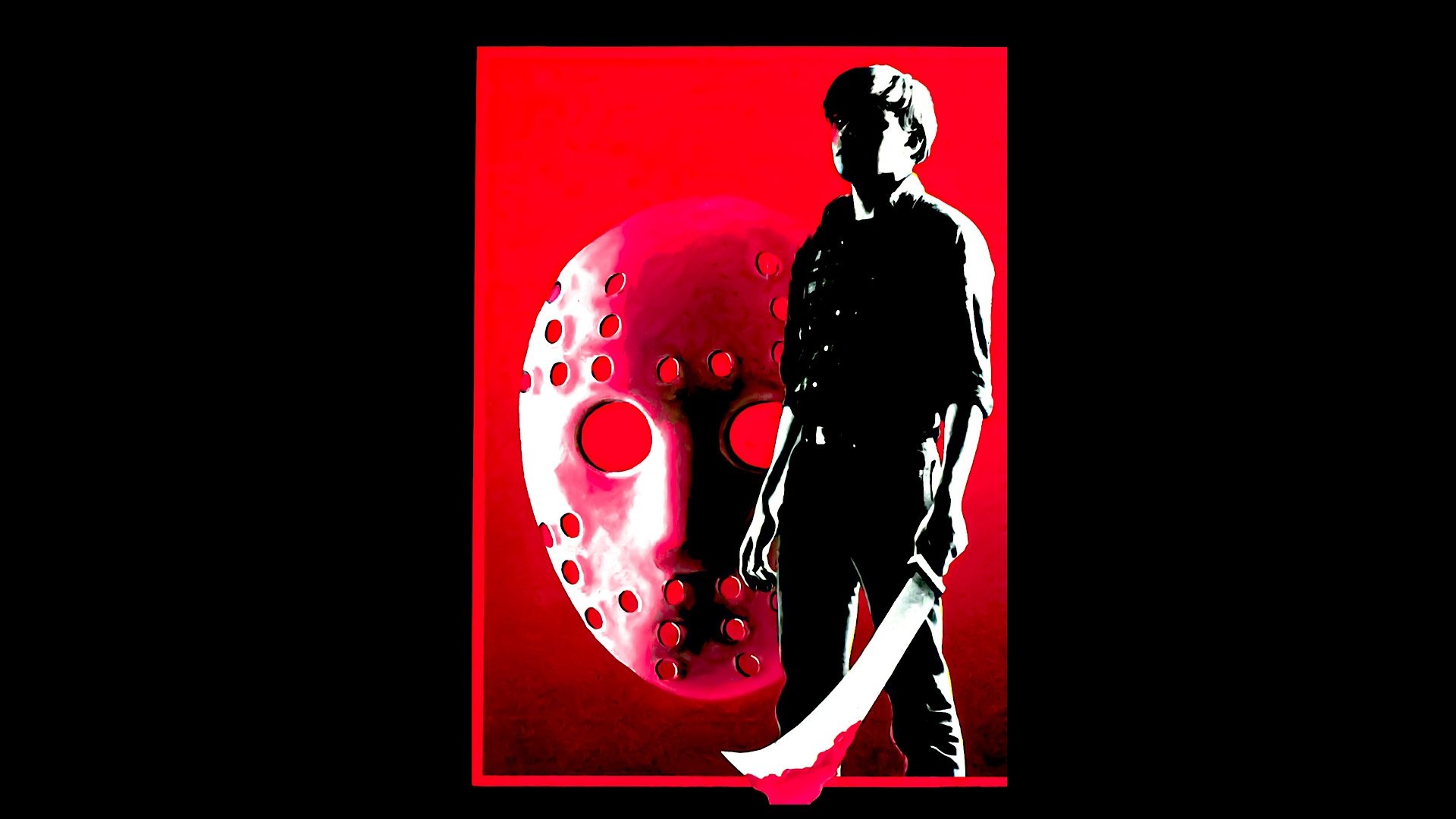
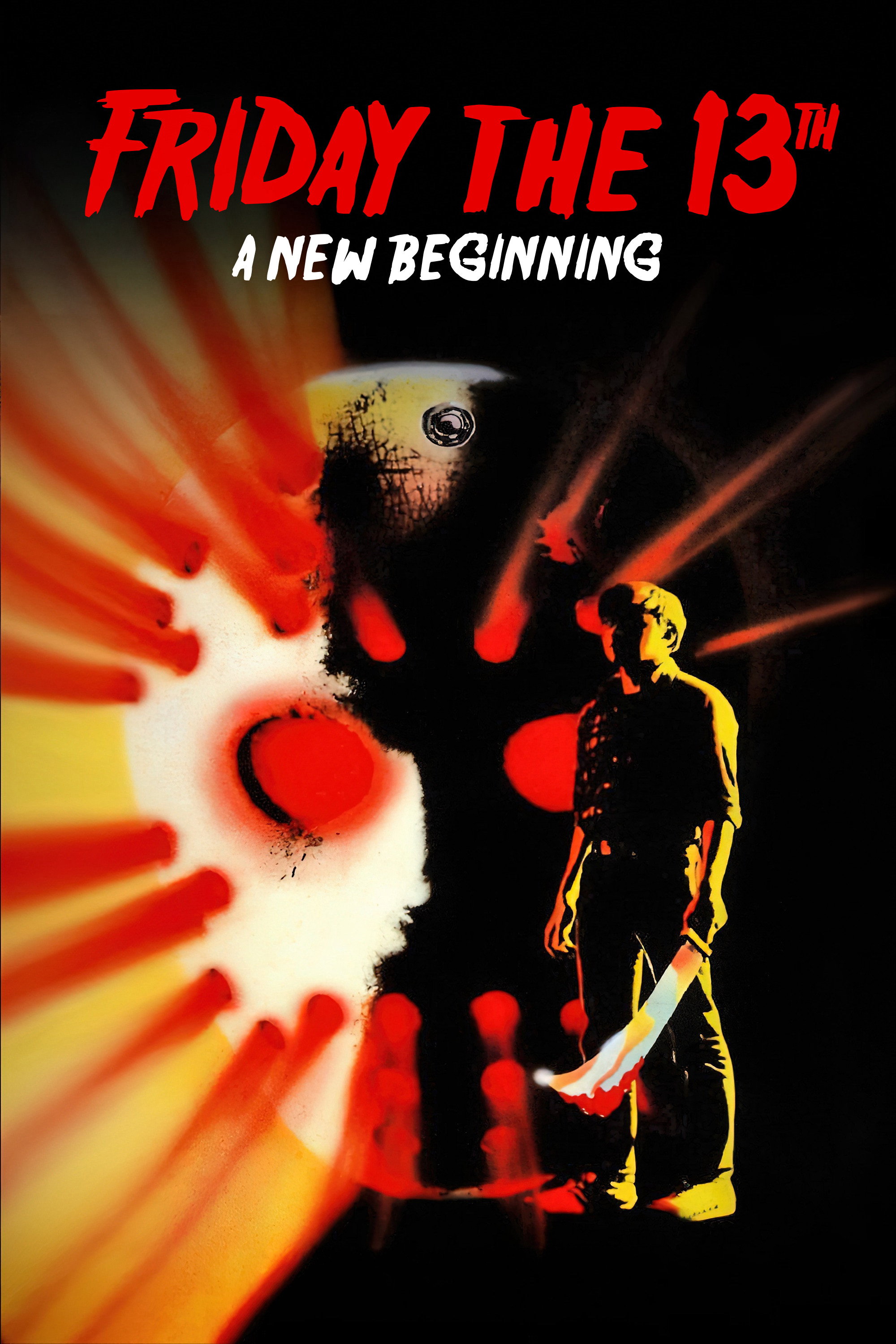
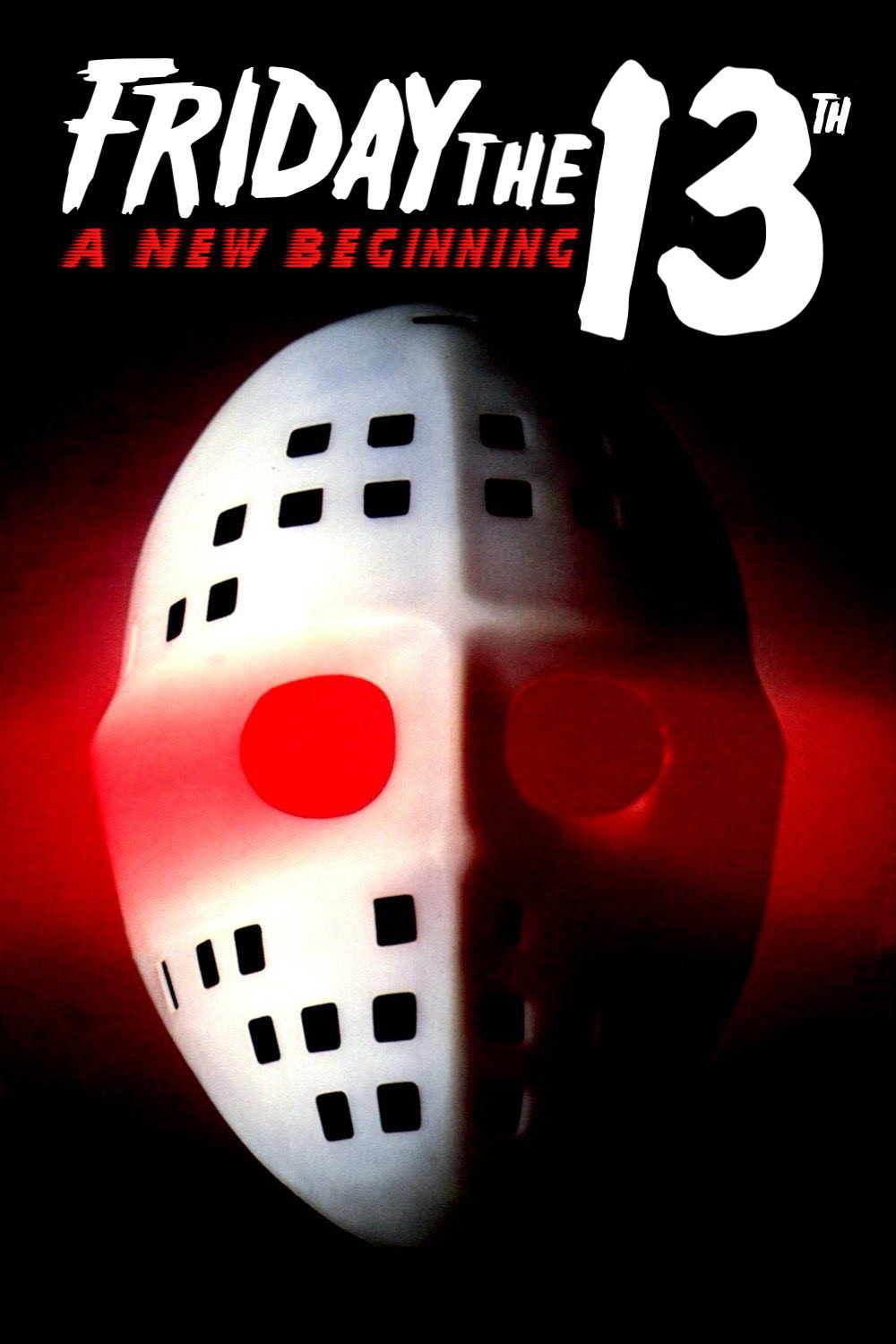
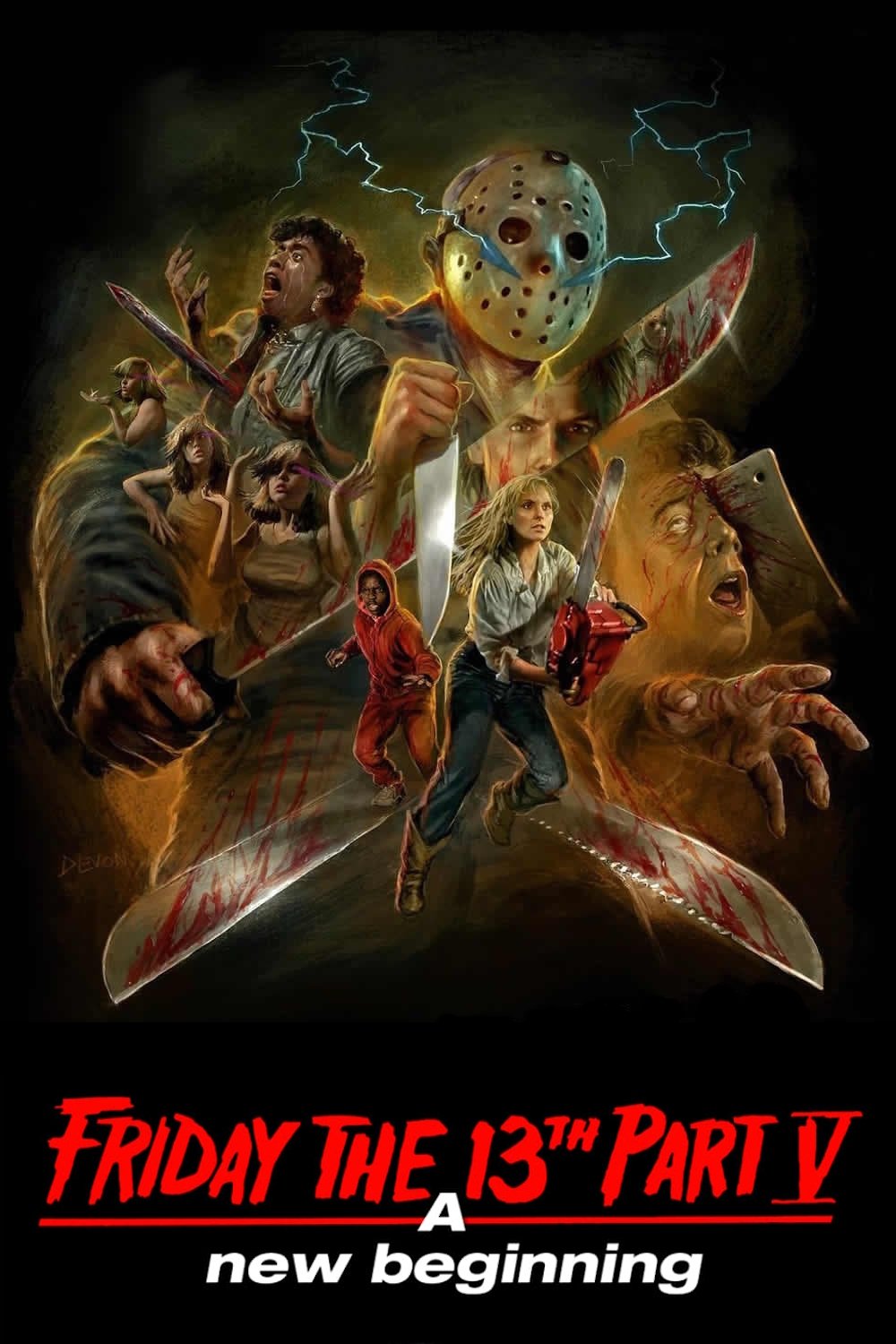
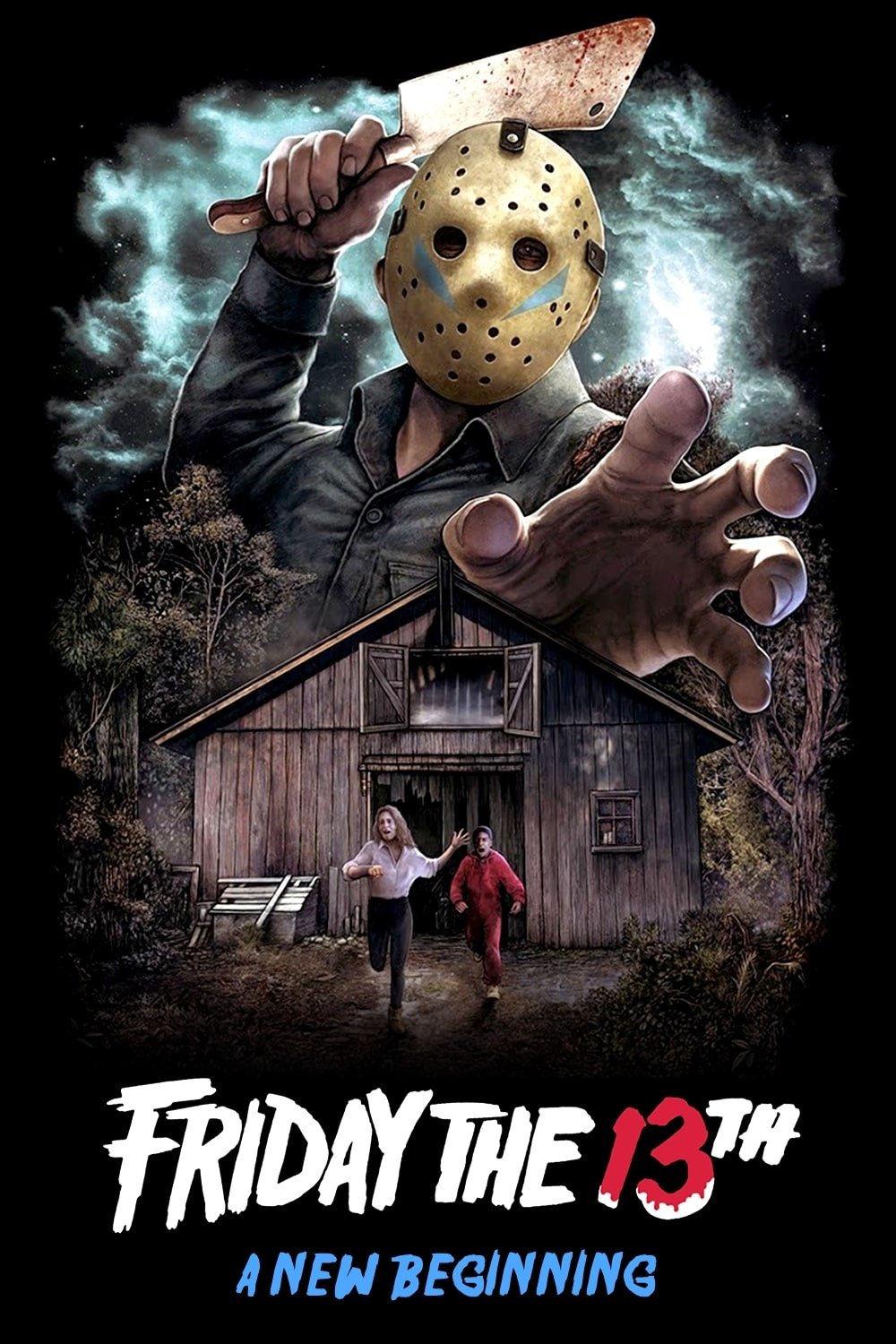
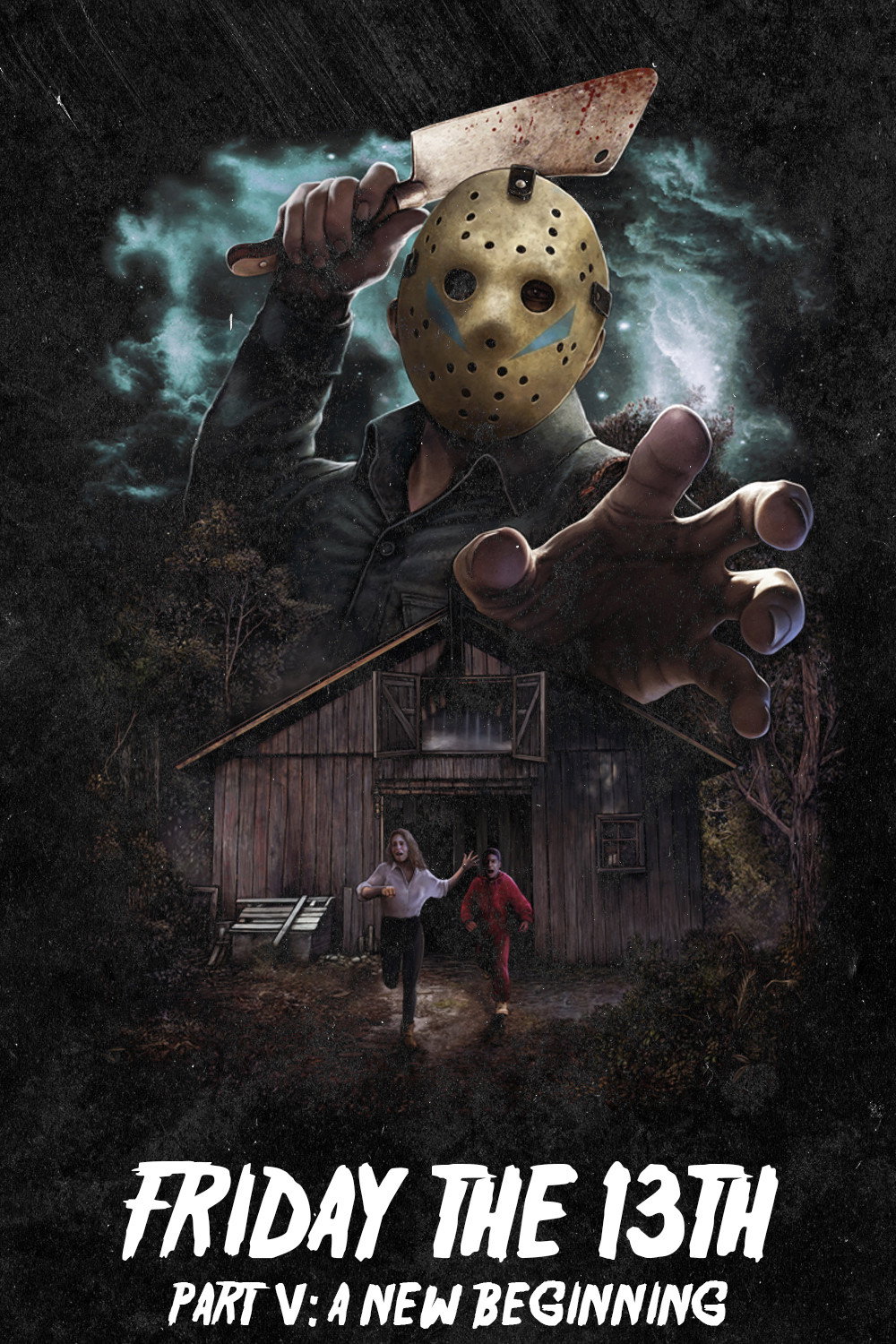
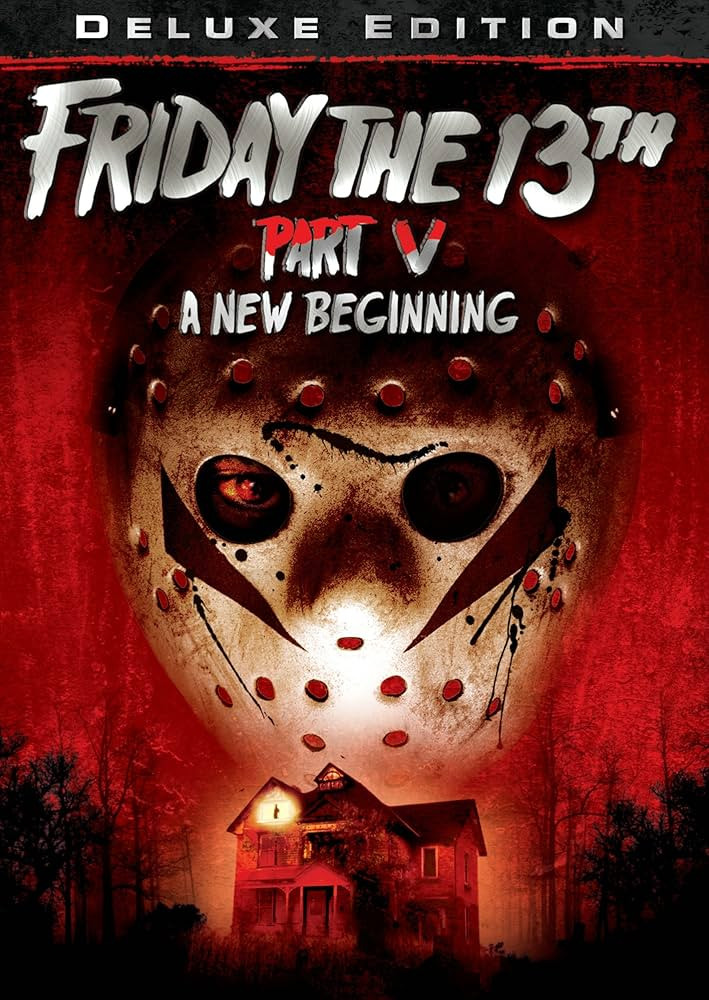
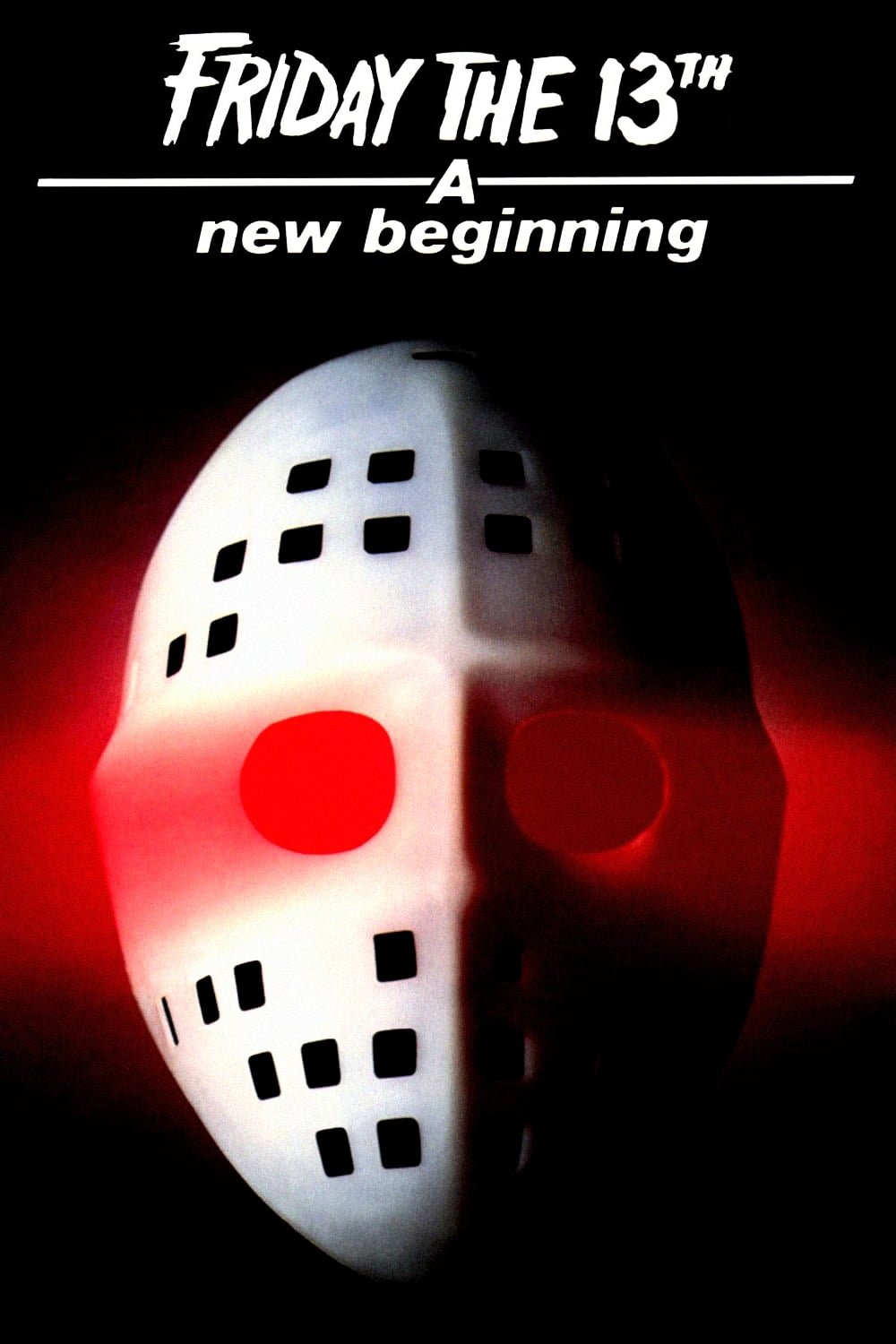
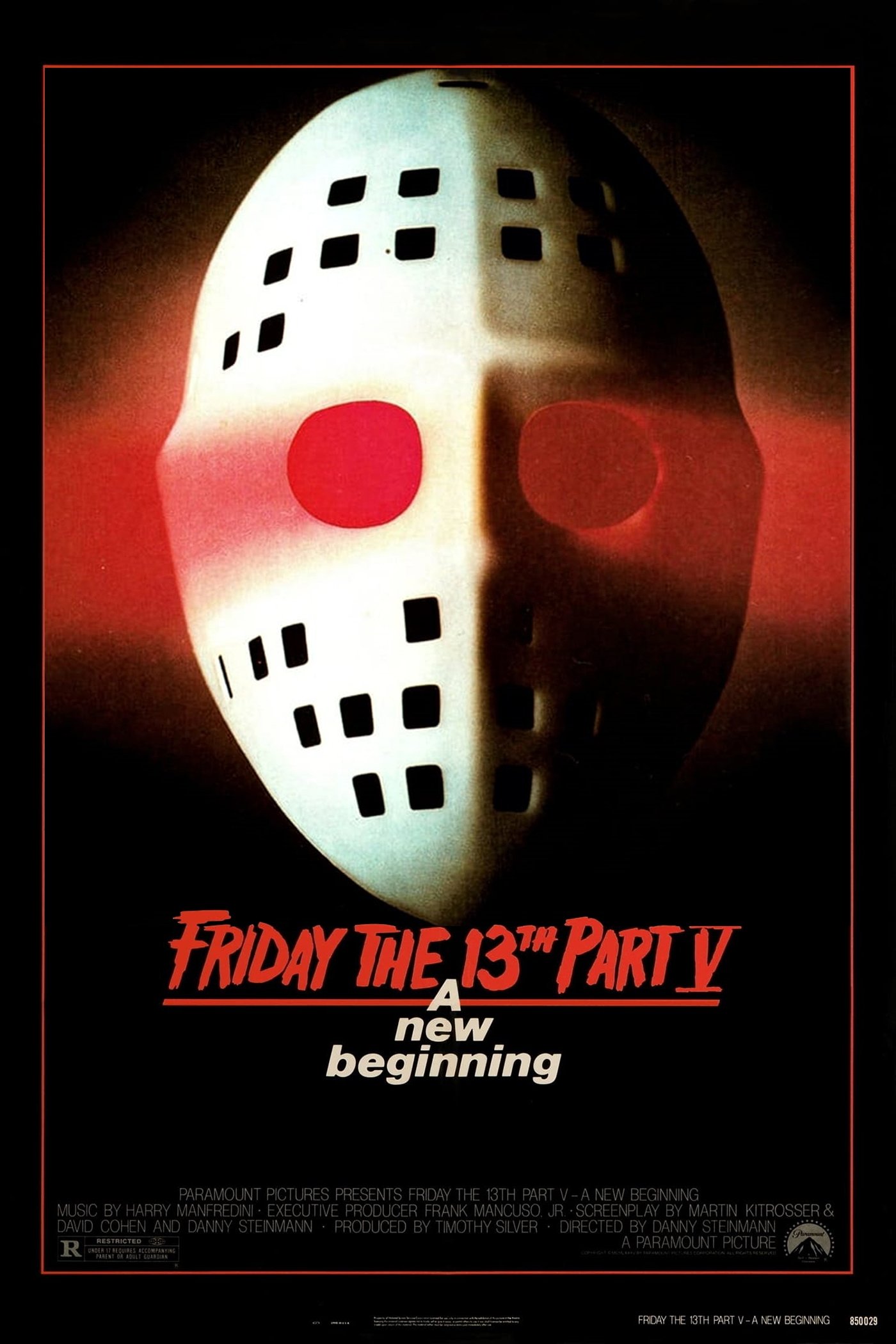
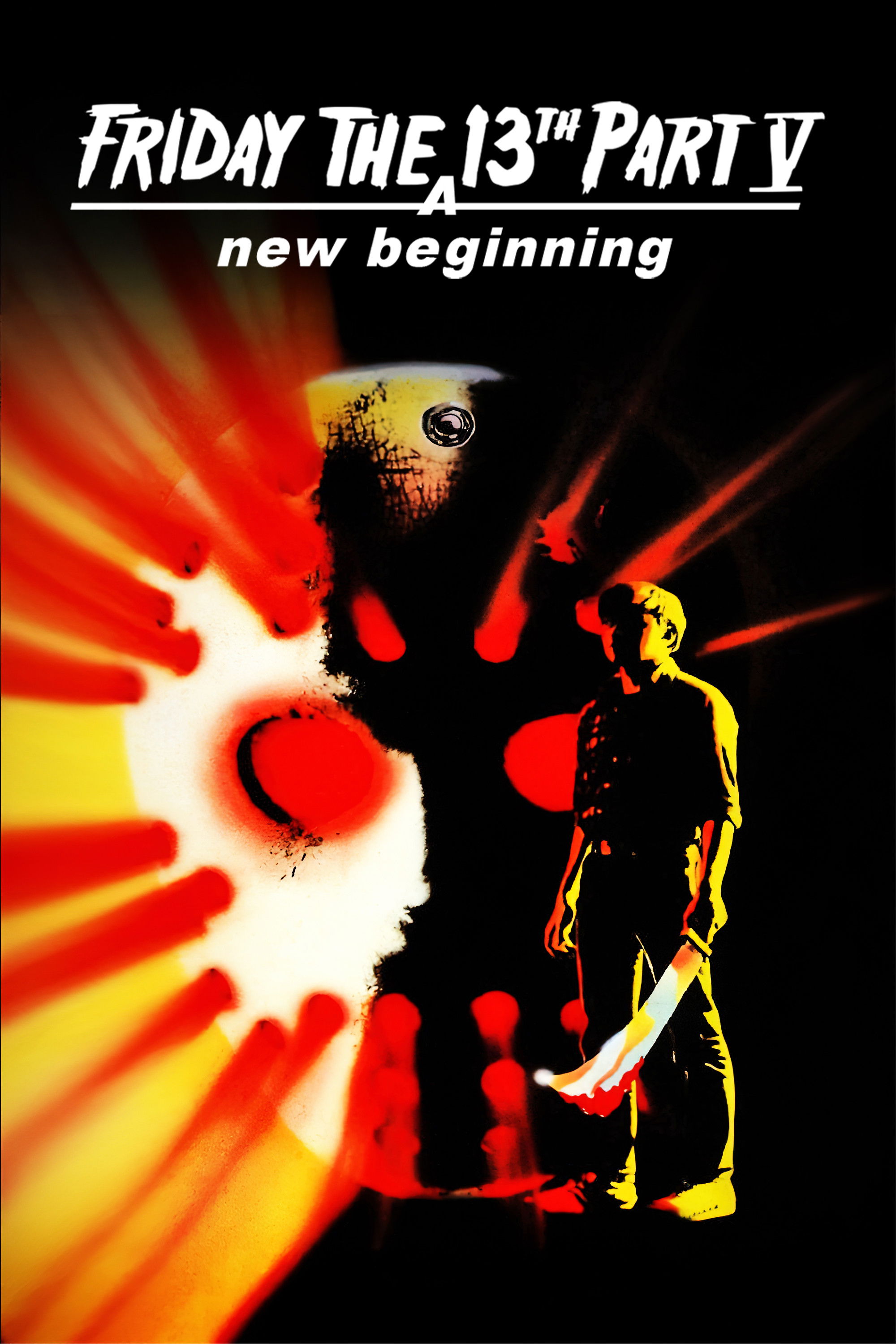
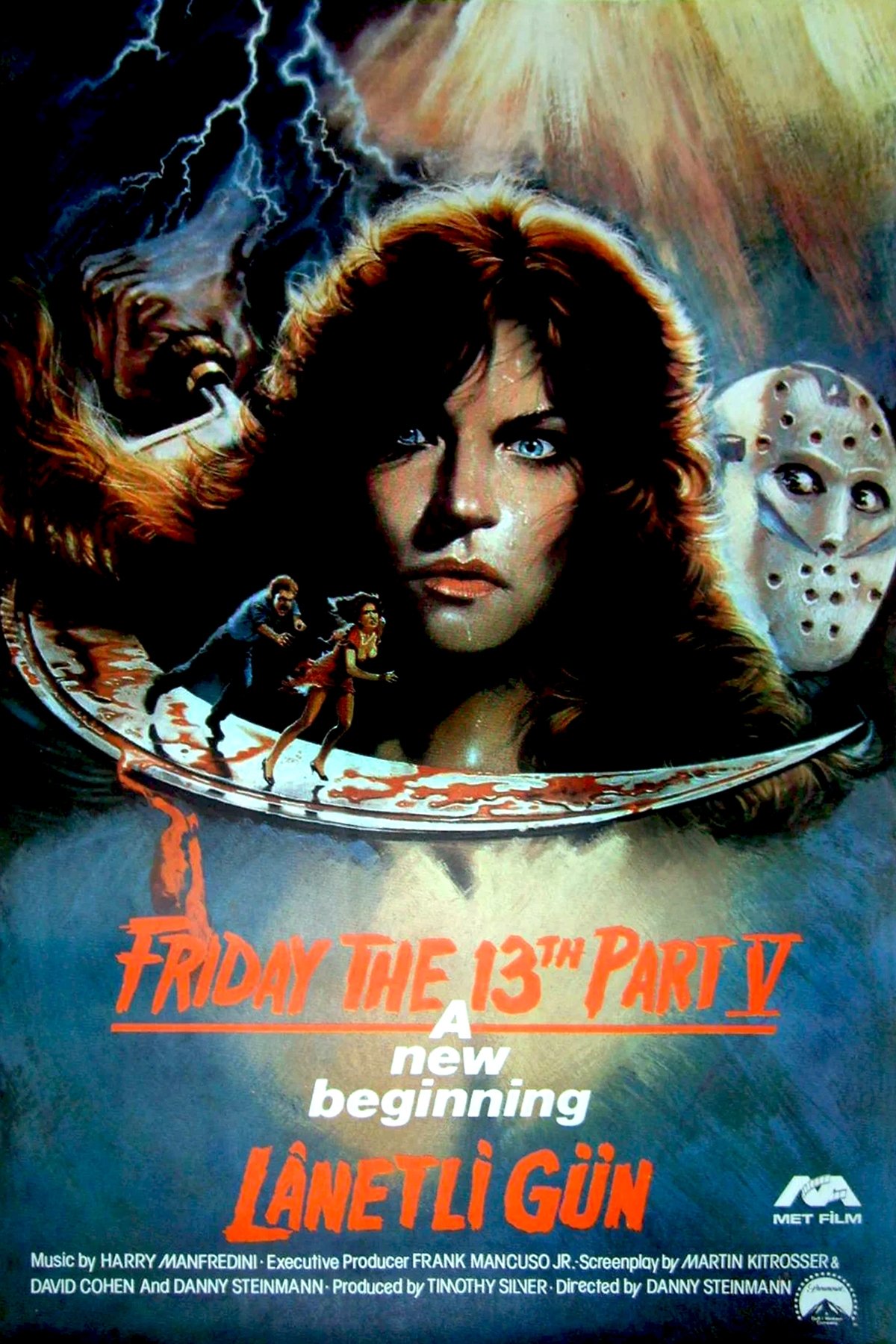
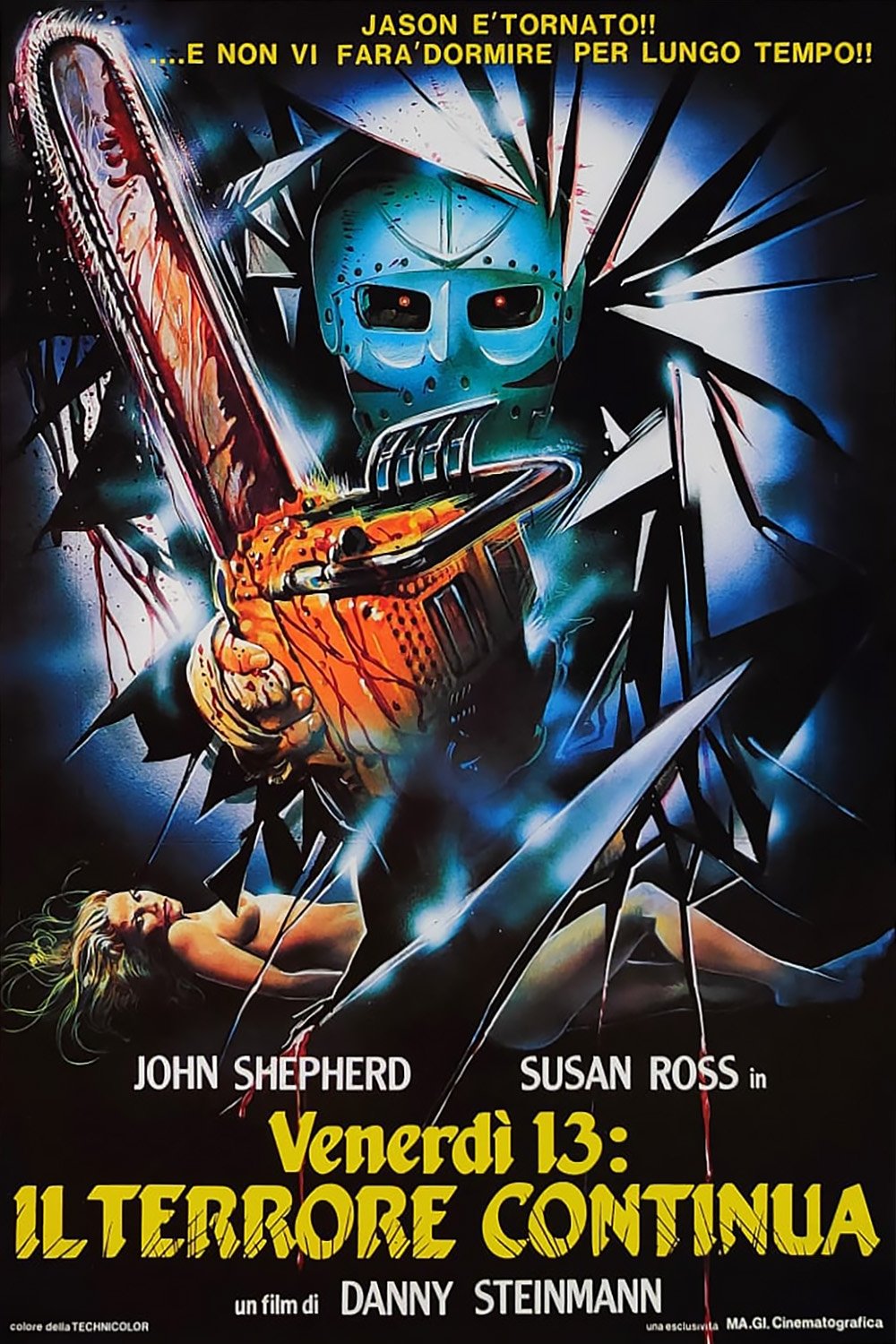
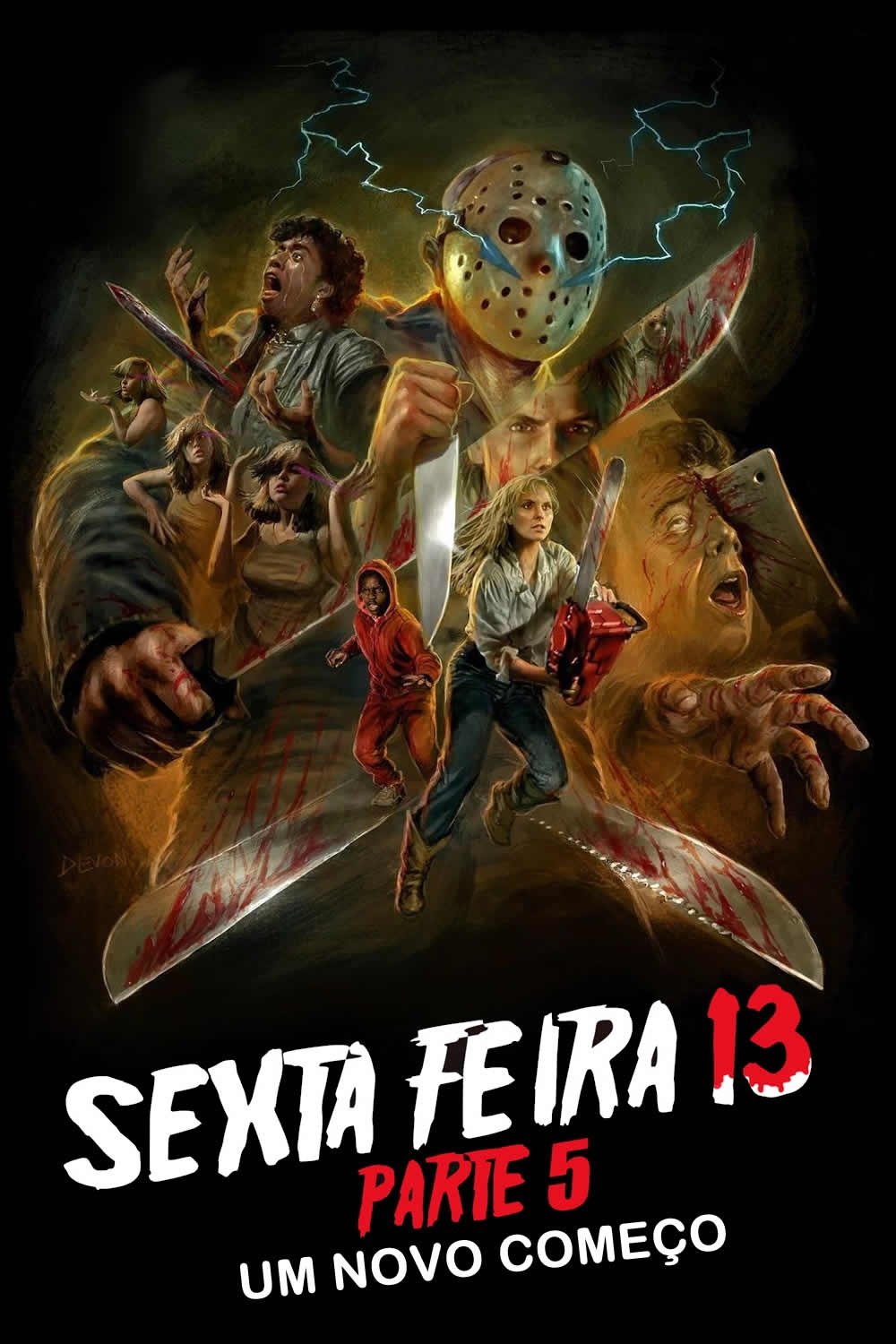
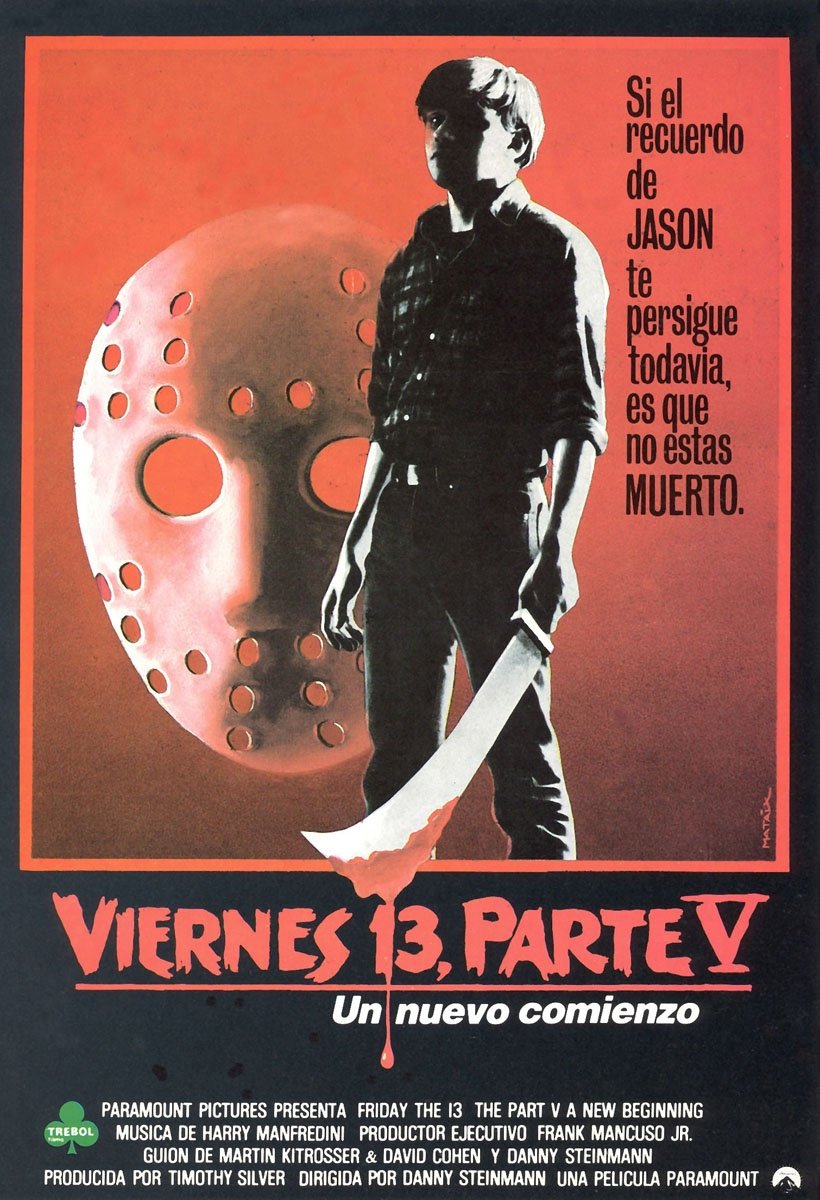
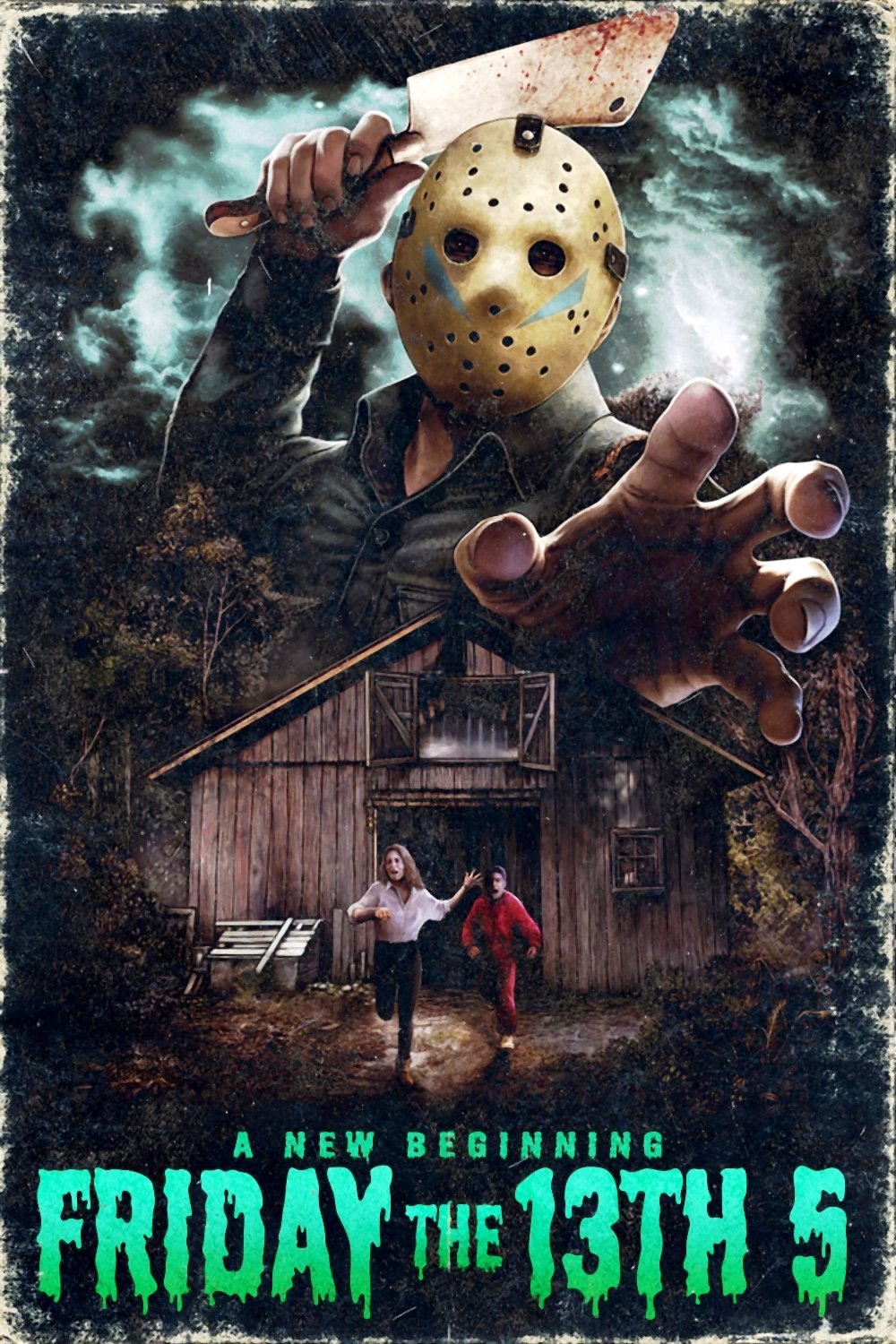
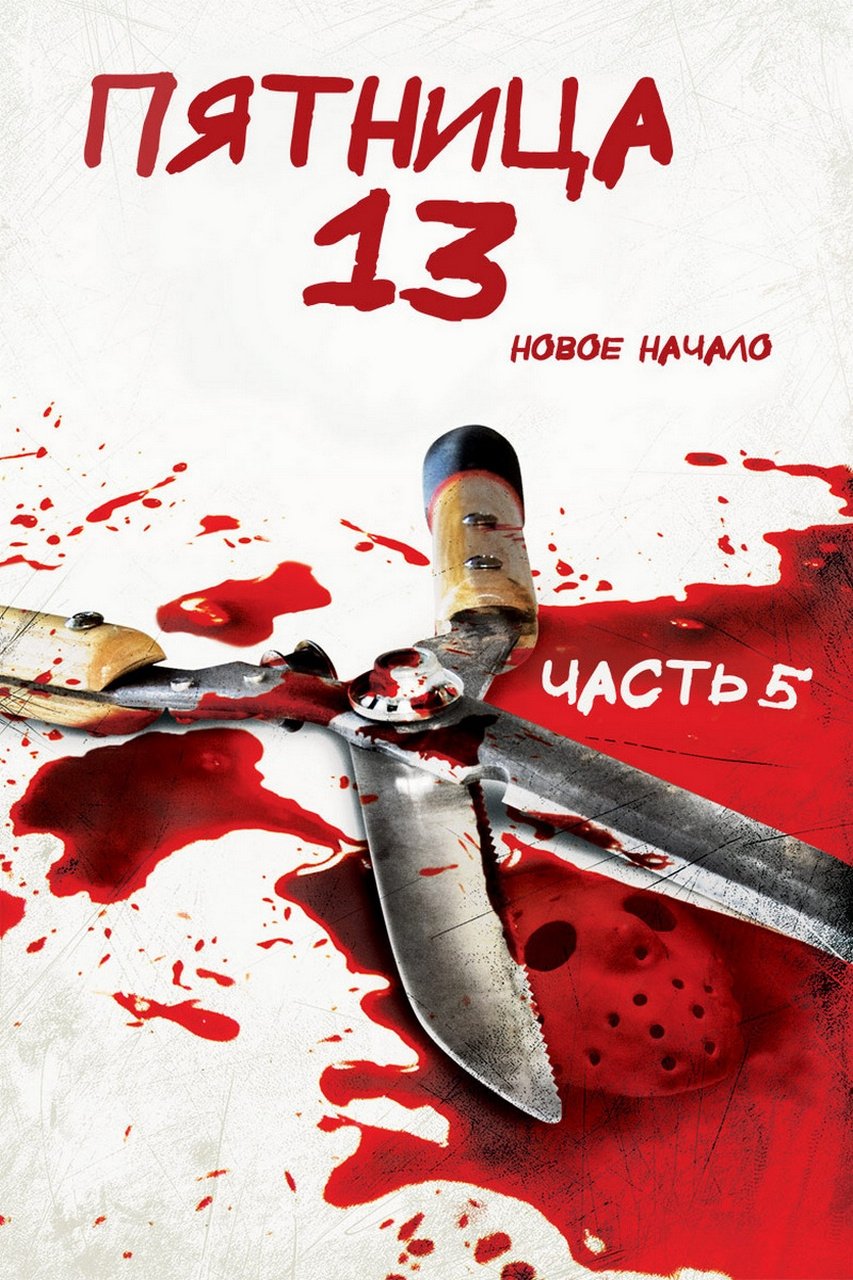
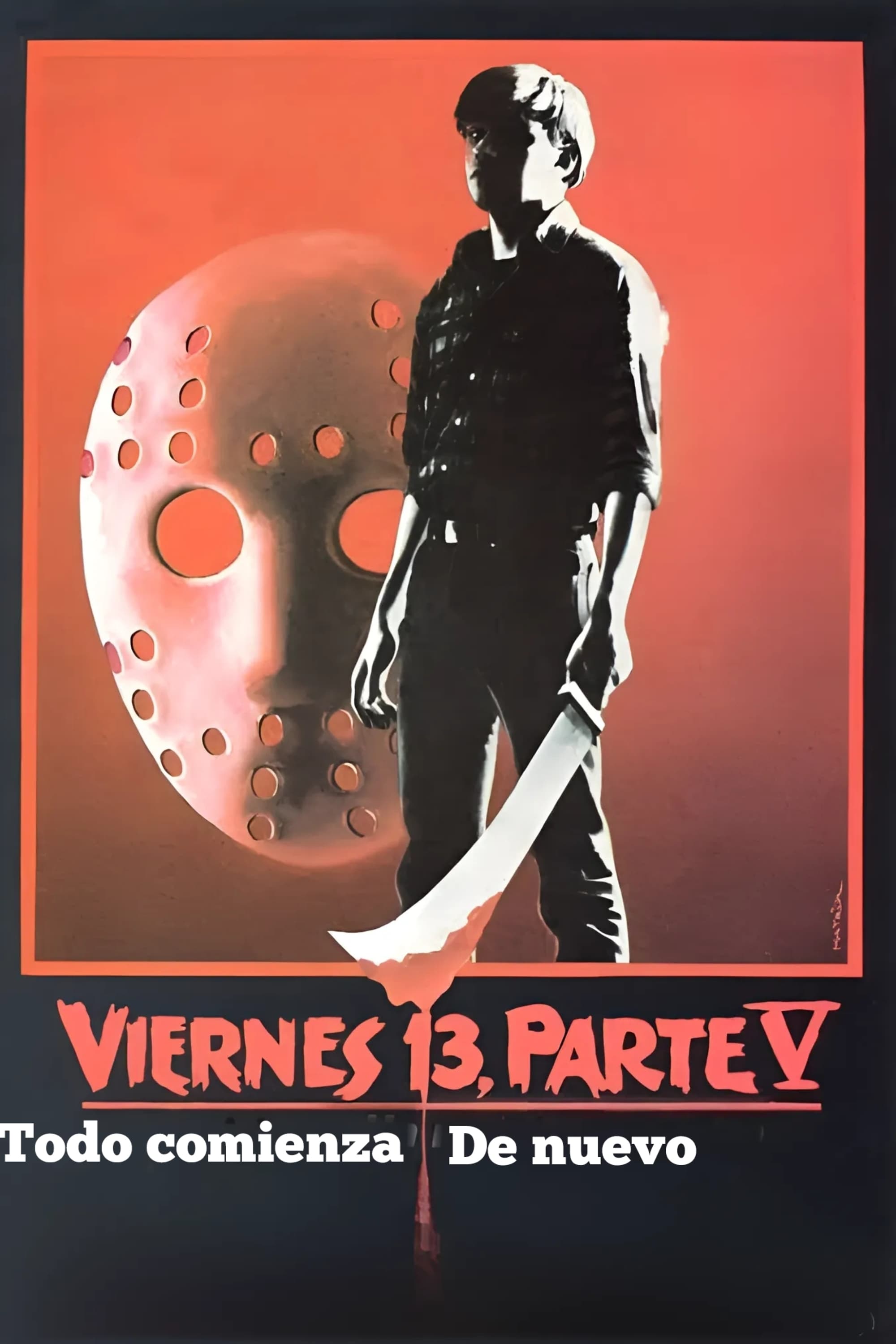
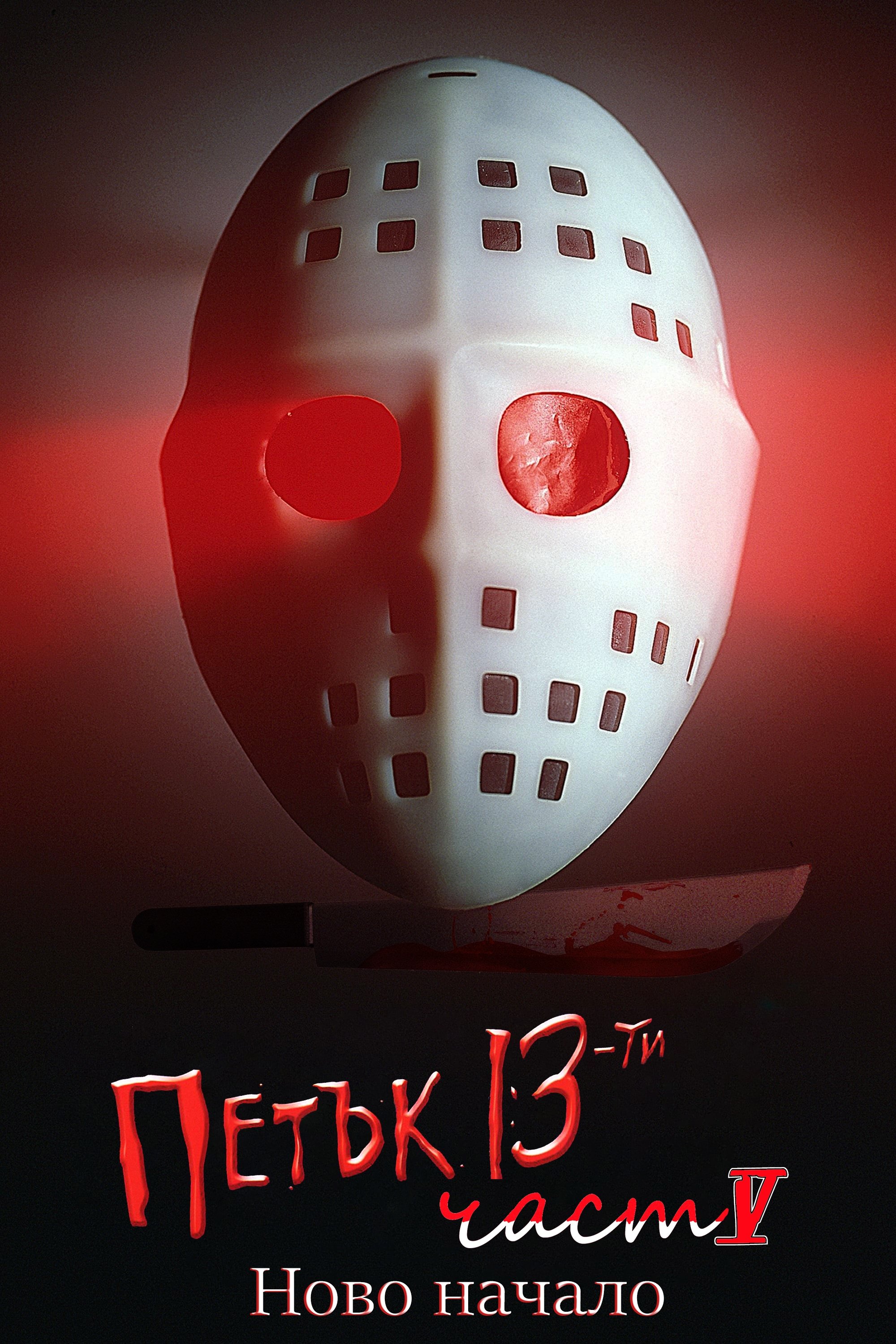
Friday the 13th: A New Beginning (1985) poster
Director
Production Companies
Georgetown Productions , Paramount Pictures , Sean S. Cunningham Films , Terror
Plot

Years after surviving an encounter with Jason Voorhees, Tommy Jarvis remains deeply troubled by his memories and is transferred to Pinehurst, a residential program for young people with emotional and behavioral difficulties. A violent death at the facility is followed by a series of murders in the surrounding community. The attacks suggest the return of a familiar masked killer, leaving Tommy, staff member Pam Roberts and the other residents increasingly fearful. As the violence spreads, the question of who is responsible becomes inseparable from Tommy's unresolved trauma.

Alternative Titles
Martes 13 Parte 5: Un nuevo comienzo (Argentina) Freitag der 13. Teil V Ein neuer Anfang (Austria) Cümə, ayın 13-ü: Yeni başlanğıc (Azerbaijan) — Azerbaijani Петък 13-и: Част 5 (Bulgaria) — Bulgarian Петък 13-и: Част V-Ново начало (Bulgaria) Sexta-Feira 13 - Parte 5: Um Novo Começo (Brazil) Friday the 13th Part 5: A New Beginning (Canada) — English title Vendredi 13 : Chapitre 5 - Une nouvelle terreur (Canada) — French
Show all 76 alternative titles Vendredi 13 : Chapitre V - Une nouvelle terreur (Canada) — French title 十三号星期五5:新的开始 (China) — Chinese 黑色星期五5 (China) Pátek trináctého 5 (Czechia) Pátek třináctého 5: Nový začátek (Czechia) — Czech Freitag der 13. - Ein neuer Anfang (Germany) — German Freitag der 13. Teil 5 - Ein neuer Anfang (Germany) Fredag den 13. del 5: Det begynder igen (Denmark) — Danish Fredag den 13. nr. 5 - Det begynder igen (Denmark) Viernes 13. Parte V: Un nuevo comienzo (Spain) Perjantai 13. päivä osa 5 - Uusi alku (Finland) Perjantai 13. päivä, osa 5 - uusi alku (Finland) — Finnish Vendredi 13 - Chapitre 5: Une nouvelle terreur (France) Vendredi 13, chapitre 5 : Une nouvelle terreur (France) — French Vendredi 13, chapitre 5: Une nouvelle terreur (France) — alternative title Friday the 13th Part V: A New Beginning (United Kingdom) Friday the 13th: A New Beginning - Part 5 (United Kingdom) — DVD box title Paraskevi kai 13 No 5: Loutro Aimatos (Greece) — transliteration Παρασκευή και 13 Νο 5: Λουτρό Αίματος (Greece) 十三號星期五 5:新開始 (Hong Kong SAR China) — Chinese Petak 13. - 5 dio : Novi početak (Croatia) — Croatian Petak 13.: Novi pocetak (Croatia) Péntek 13. - V. rész: Az újrakezdés (Hungary) — Hungarian Péntek 13. - V. rész: Vérfürdő az intézetben (Hungary) — alternative title יום שישי ה-13: חלק 5: התחלה חדשה (Israel) — Hebrew Jome Sizdahom: Shorooei Tazeh (Iran) Venerdì 13 - Il terrore continua (Italy) — Italian Venerdì 13: il terrore continua (Italy) Venerdì 13: parte 5 - Il terrore continua (Italy) Venerdì 13: parte V - Il terrore continua (Italy) — Home Video Title New Friday the 13th (Japan) — English title 新・13日の金曜日 (Japan) 13일의 금요일 5: 새로운 시작 (South Korea) — Korean Viernes 13 parte 5 (Mexico) Viernes 13, Parte V: Todo comienza de nuevo (Mexico) — Spanish Viernes 13: Todo comienza de nuevo (Mexico) — dubbed version Viernes 13. Parte V: Un nuevo comienzo (Mexico) — Home Video Title Vrijdag de 13e, deel V - Een nieuw begin (Netherlands) — informal literal title Fredag den 13ende - Del V (Norway) — Norwegian Piątek trzynastego 5: Nowy Początek (Poland) — Polish Piątek trzynastego V: Nowy początek (Poland) Sexta-Feira 13 - Parte 5: O Regresso (Portugal) Vineri 13 (V): Un nou început (Romania) Petak 13-ti, 5. Deo - Novi početak (Serbia) Петак 13-ти, 5. Део - Нови почетак (Serbia) — Serbian Пятница 13 - Часть 5: Новое начало (Russia) — Russian Пятница тринадцатое - Часть 5 (Russia) Пятница тринадцатое - Часть 5: Новое начало (Russia) Fredagen den 13:e del 5 (Sweden) Fredagen den 13:e del 5 - En ny början (Sweden) Petek 13.: Nov začetek (Slovenia) — Slovenian Piatok trinásteho 5 (Slovakia) Viernes 13 Parte 5 Un Nuevo Comienzo (El Salvador) ศุกร์ 13 ฝันหวาน ภาค 5 (Thailand) — Thai 13. Cuma 5: Yeni Başlangıç (Türkiye) 13. Cuma 5. Bölüm: Yeni Bir Başlangıç (Türkiye) — DVD 13. Gün 5 - Lanetli gün (Türkiye) Lanetli Gün (Türkiye) — Turkish 十三號星期五5:新開始 (Taiwan) — Chinese П’ятниця 13-те: Новий початок (Ukraine) — Ukrainian П’ятниця 13-те: Частина 5 (Ukraine) П’ятниця 13-те: Частина V (Ukraine) Friday the 13th Part 5: A New Beginning (United States) — Working Title Friday the 13th Part V: A New Beginning (United States) — Poster title Friday the Thirteen V: A New Beginning (United States) — Android TV Repetition (United States) — Working Title Martes 13. 5.ª parte: Un nuevo comienzo (Uruguay) Thứ 6 Ngày 13: Khởi Đầu Mới (Vietnam) — Vietnamese

Trailers & Videos

1 video

Film Guide & Analysis

The disputed legacy of Jason, a copycat killer, Danny Steinmann's production, practical effects and the shifting reception of the fifth Friday the 13th film.

Friday the 13th: A New Beginning (1985) occupies a singular place in the Paramount slasher series. The previous installment had ended with Tommy Jarvis apparently killing Jason Voorhees, yet another sequel arrived less than a year later. Instead of simply restoring Jason to the role of murderer, the fifth film builds its mystery around a young man damaged by that encounter and a new attacker who adopts the familiar hockey mask. Its central deception tests whether the franchise can function when the image of Jason survives but the person beneath it changes. This makes the picture especially revealing about the commercial and narrative demands of mid-1980s sequel production.

Danny Steinmann's film relocates the killings to Pinehurst, a rural residence for troubled young people, and mixes an aggressive succession of attacks with broad comedy, sexual material and the lingering effects of Tommy's childhood trauma. The production also has a substantial documentary trail: studio-era trade reports establish its release and returns, a contemporary interview records Steinmann's account of his creative control, and stunt performer Tom Morga has described how the identity of the killer was concealed during filming. Its changing reputation belongs to a wider discussion of the slasher's conventions, especially the limits of a series identified so closely with one masked figure.

Continuing After the Final Chapter

Friday the 13th: The Final Chapter had advertised an ending to the series in 1984. Its final confrontation left Jason mortally wounded at the hands of the young Tommy, yet the character's disquieting final look suggested that his experience might have consequences. The commercial performance of that film supplied a clear reason to reconsider the franchise's supposed conclusion. The American Film Institute records a trade announcement of the fifth screenplay in June 1984, with filming completed by January 1985. That tight timetable preserved the annual rhythm of Paramount's most dependable horror property while requiring a story capable of following an apparently definitive death.

The screenplay credits identify Martin Kitrosser, David Cohen and Steinmann, with Kitrosser and Cohen also associated with the story. Steinmann entered the series with an exploitation-film background, and the completed work bears the marks of his preference for exaggerated behavior and abrupt violent incidents. In an interview first published by Fangoria in 1985, he maintained that the producers had allowed him substantial freedom to discard scenes and insert material he considered more useful to the story. That statement is firsthand evidence of his own assessment, not proof that the production operated without studio constraints. The film's numerous tonal shifts are easier to understand in the context of this unusually rapid change of director, story and leading performer.

Tommy Jarvis, Pinehurst and the Trauma Premise

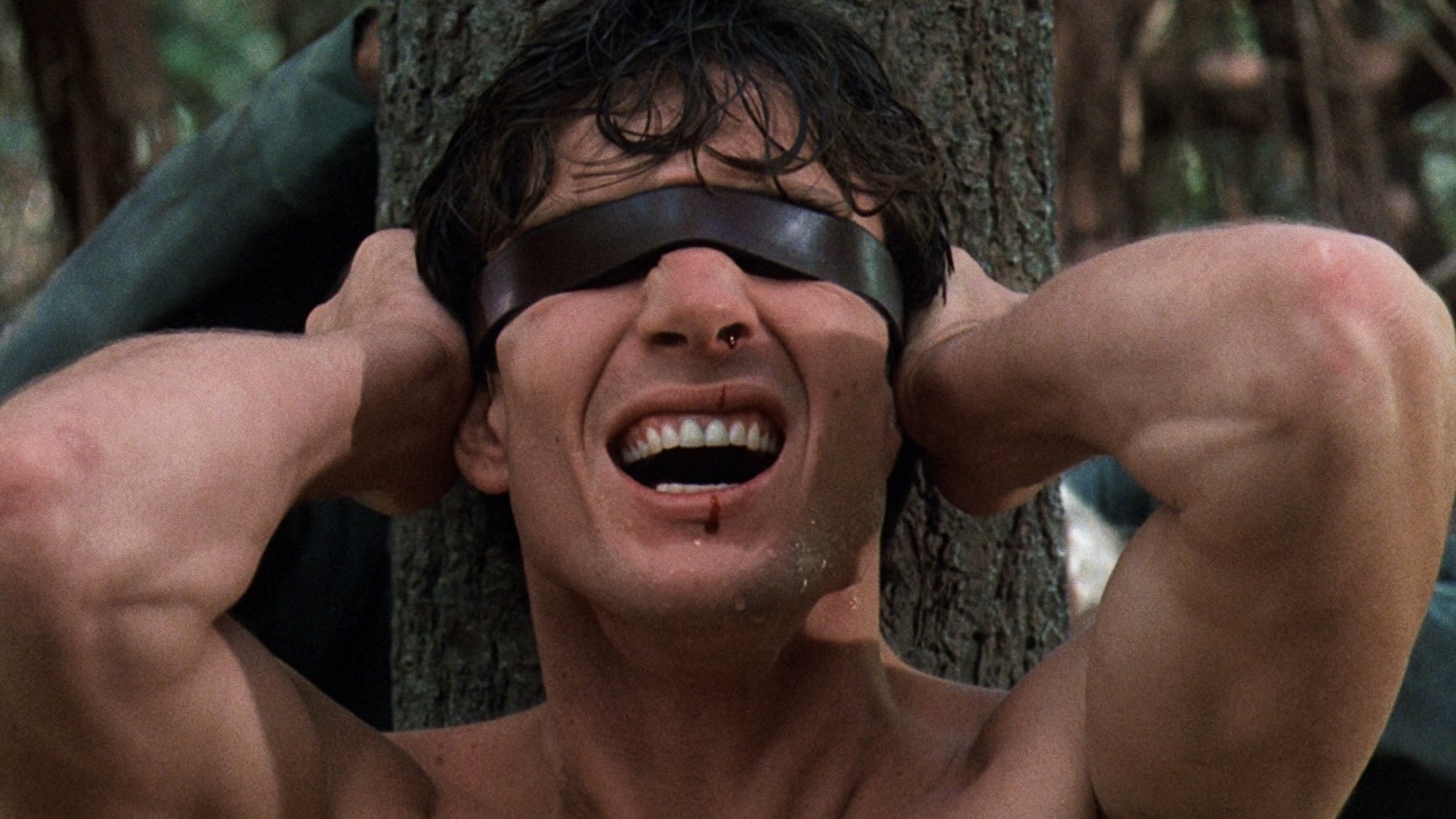
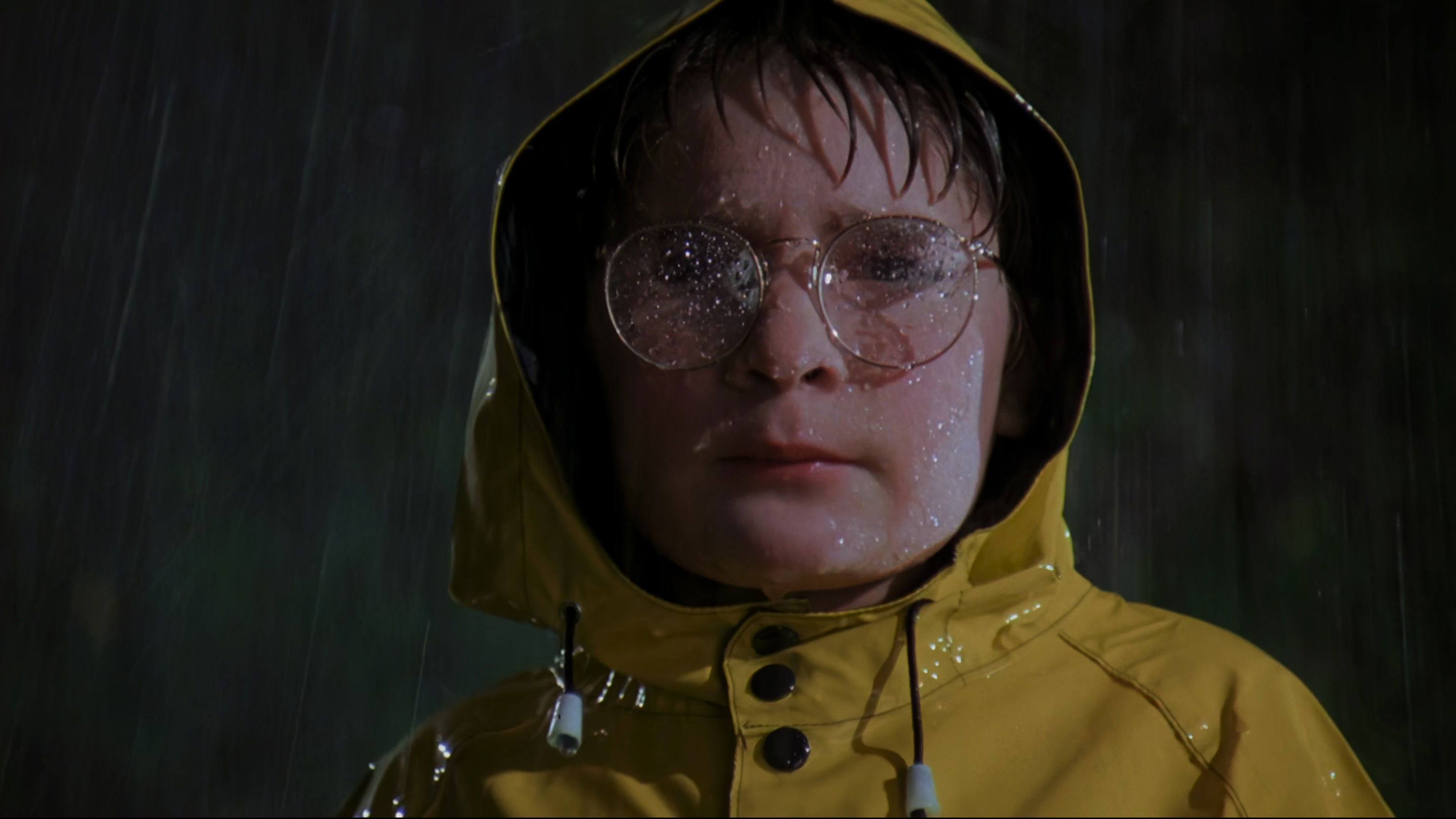
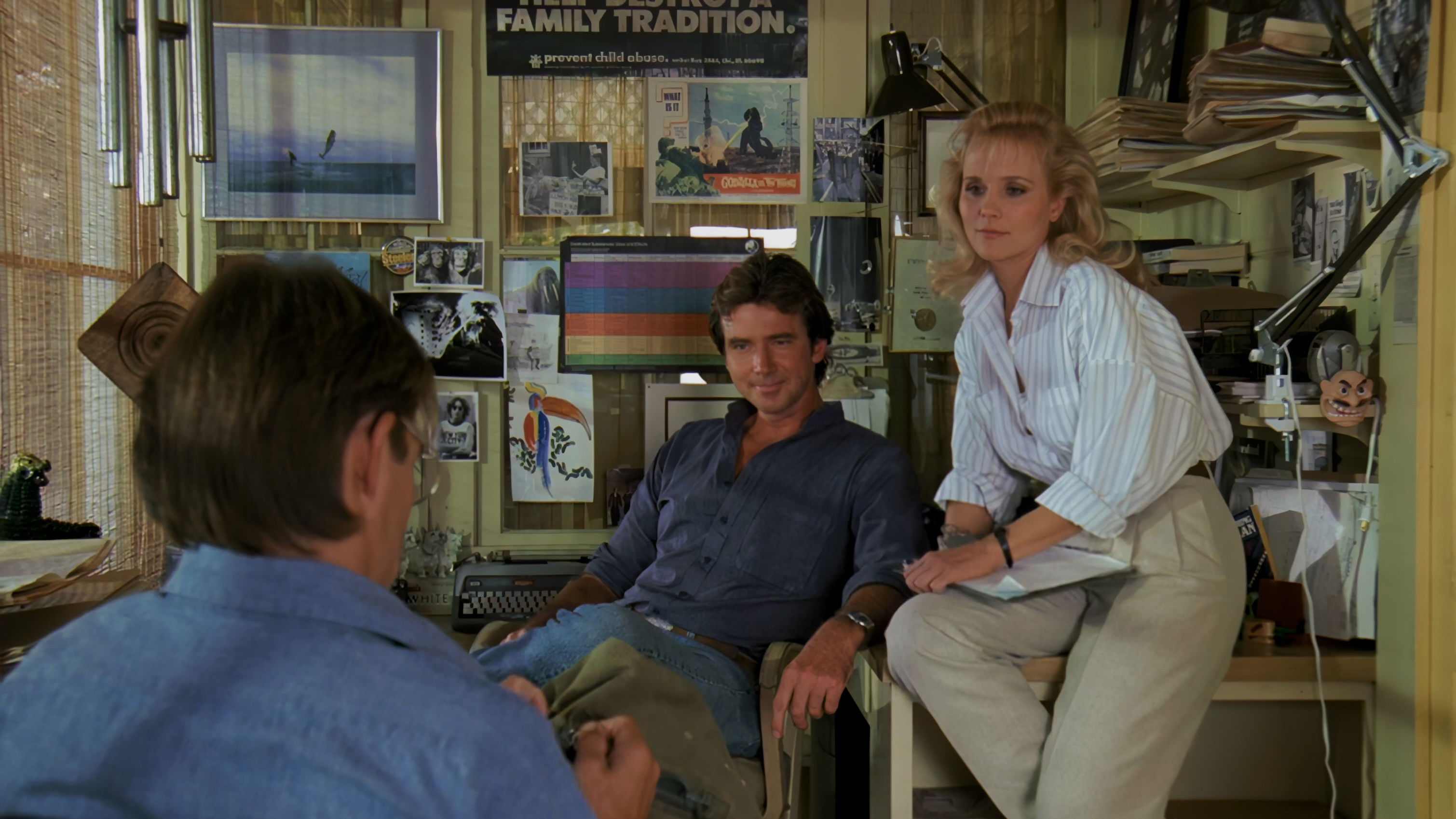
Tommy's placement in the Pinehurst Youth Development Center gives the sequel a setting organized around recovery and supervision. John Shepherd takes over the adult role from Corey Feldman, who returns as the younger Tommy in the opening nightmare. Shepherd rarely receives sustained dialogue; his silences, sudden violence and disturbing visions encourage the audience to consider him a potential danger. The script exploits knowledge of his confrontation with Jason by making ordinary gestures appear ominous. His presence also changes the expected position of a franchise survivor: a previous victim becomes an object of suspicion within the new narrative.
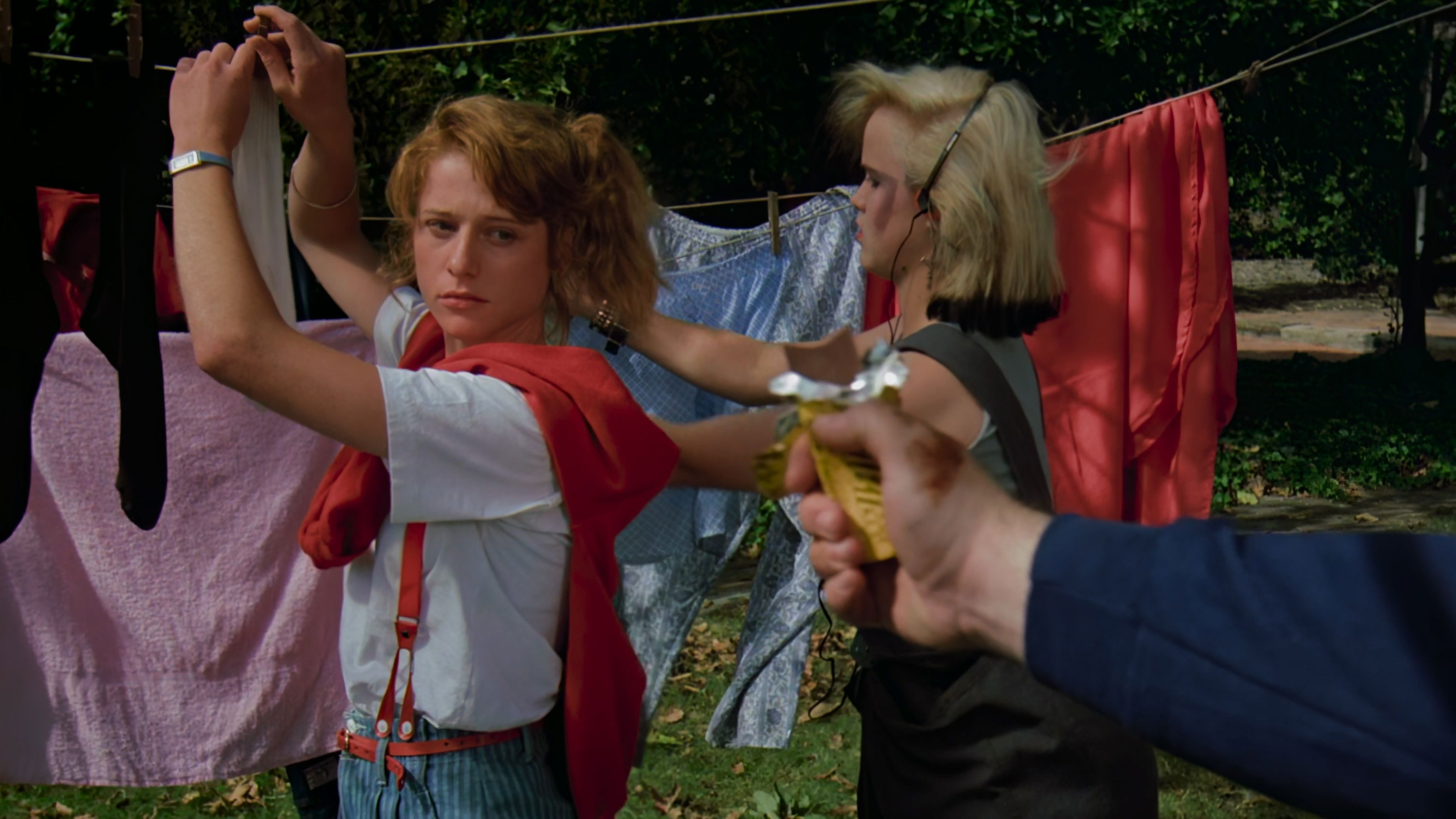
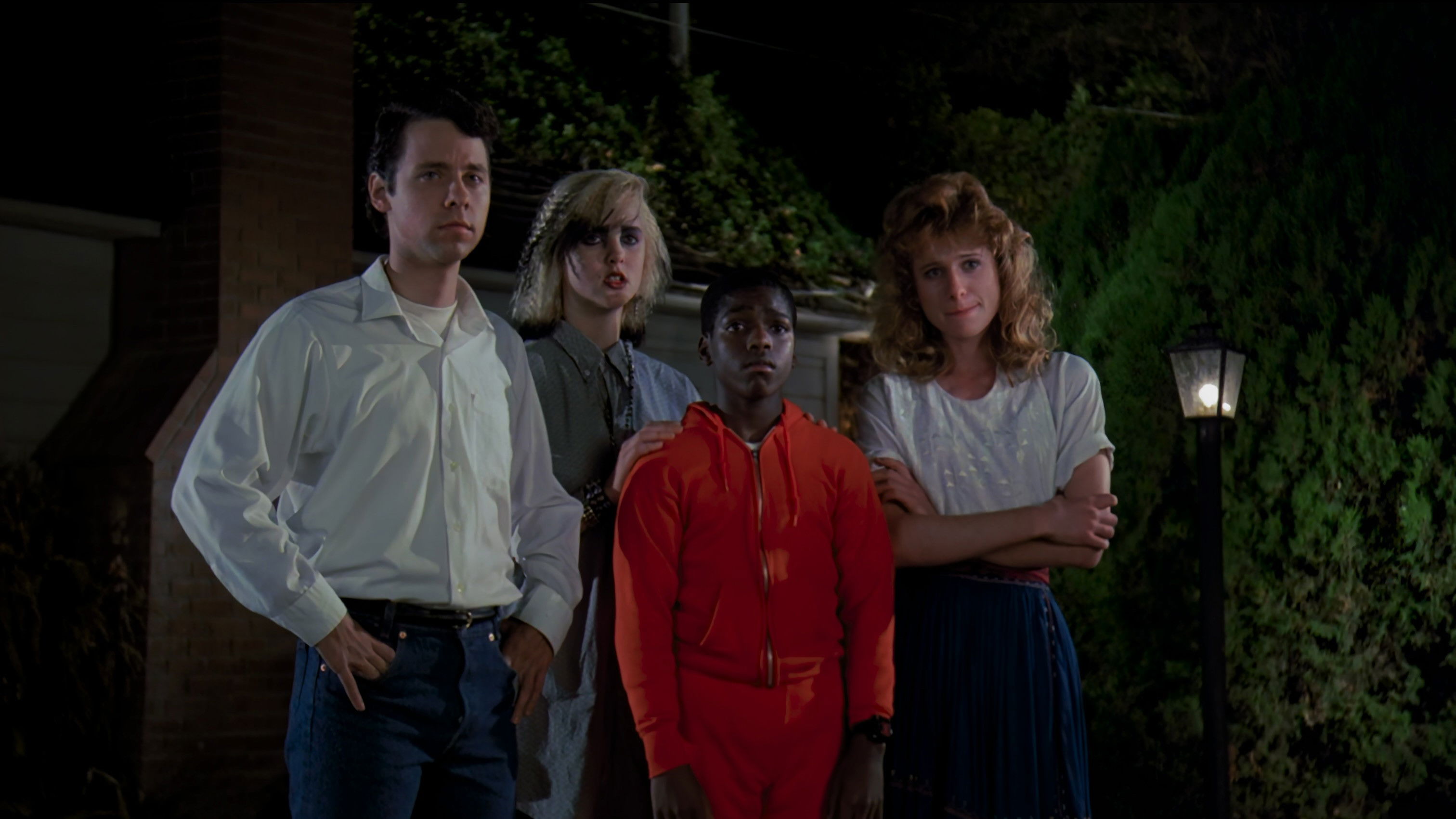
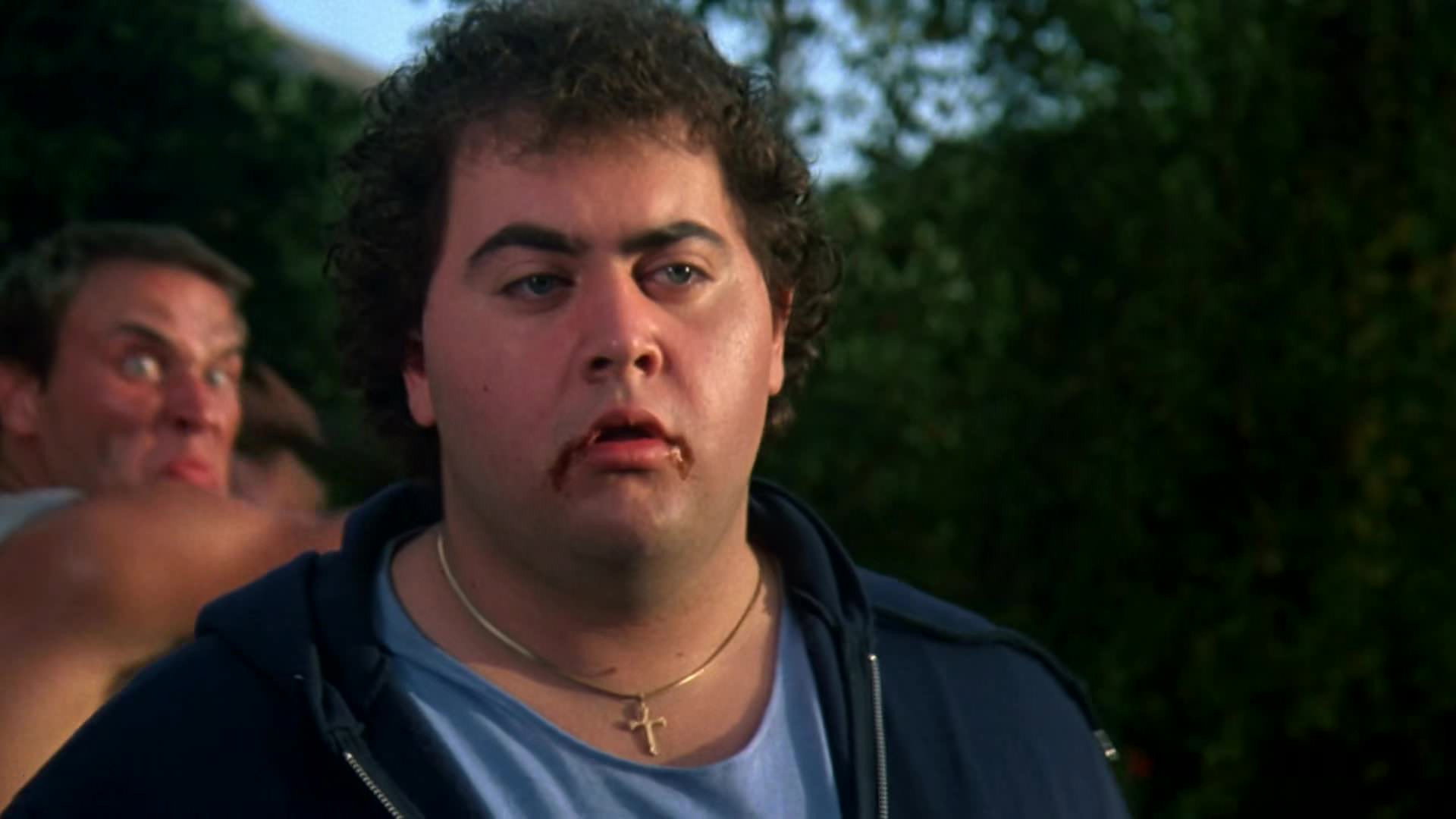
Pinehurst is presented as a loose community, with staff members attempting to supervise residents whose needs and personalities vary sharply. After Victor kills Joey during an argument, another series of deaths begins in and around the property. The characters' connection to institutional care gives the premise its atmosphere, but the depiction is sensational rather than a reliable account of psychiatric treatment. Conflict and volatility are often used as shortcuts for suggesting violence, and the screenplay provides little sustained exploration of the residents' individual circumstances. These choices should be understood as features of exploitation storytelling, even when the film invokes the more serious subject of trauma.

The expanded rural geography makes the cast unusually dispersed. Attacks take place along roads, near isolated houses and around a barn, with several victims only briefly connected to Pinehurst itself. This scattered arrangement accelerates the body count at the cost of some dramatic continuity. Pam Roberts, an adult employee, gradually becomes the principal survivor, while the younger Reggie occupies a vulnerable position within the final pursuit. Their pairing gives the closing confrontation an element of protection and responsibility that differs from the usual solitary teenage survivor. It also emphasizes the gap between the institution's promise of safety and its inability to control events.

The Hockey Mask as a Disguise

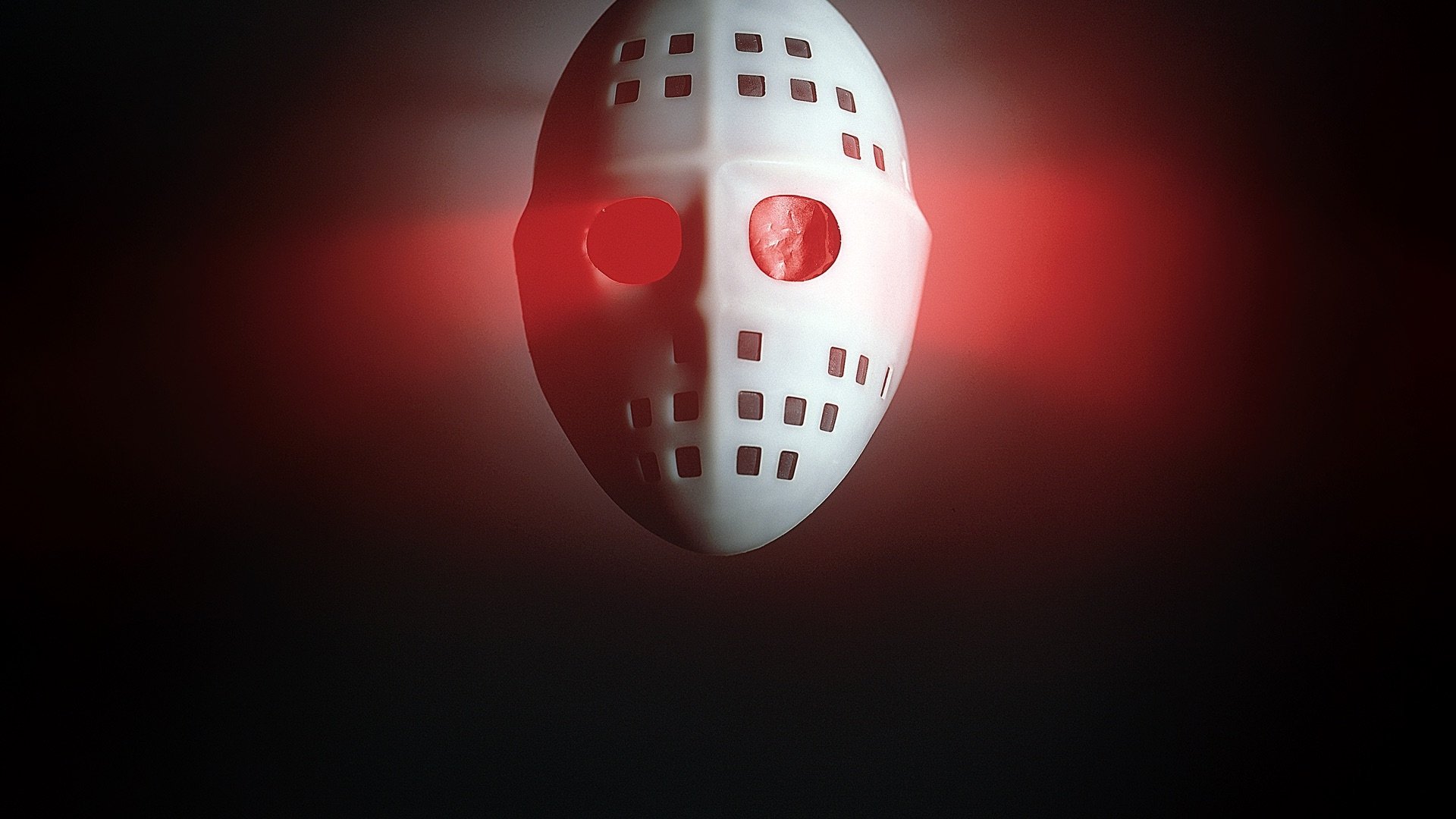
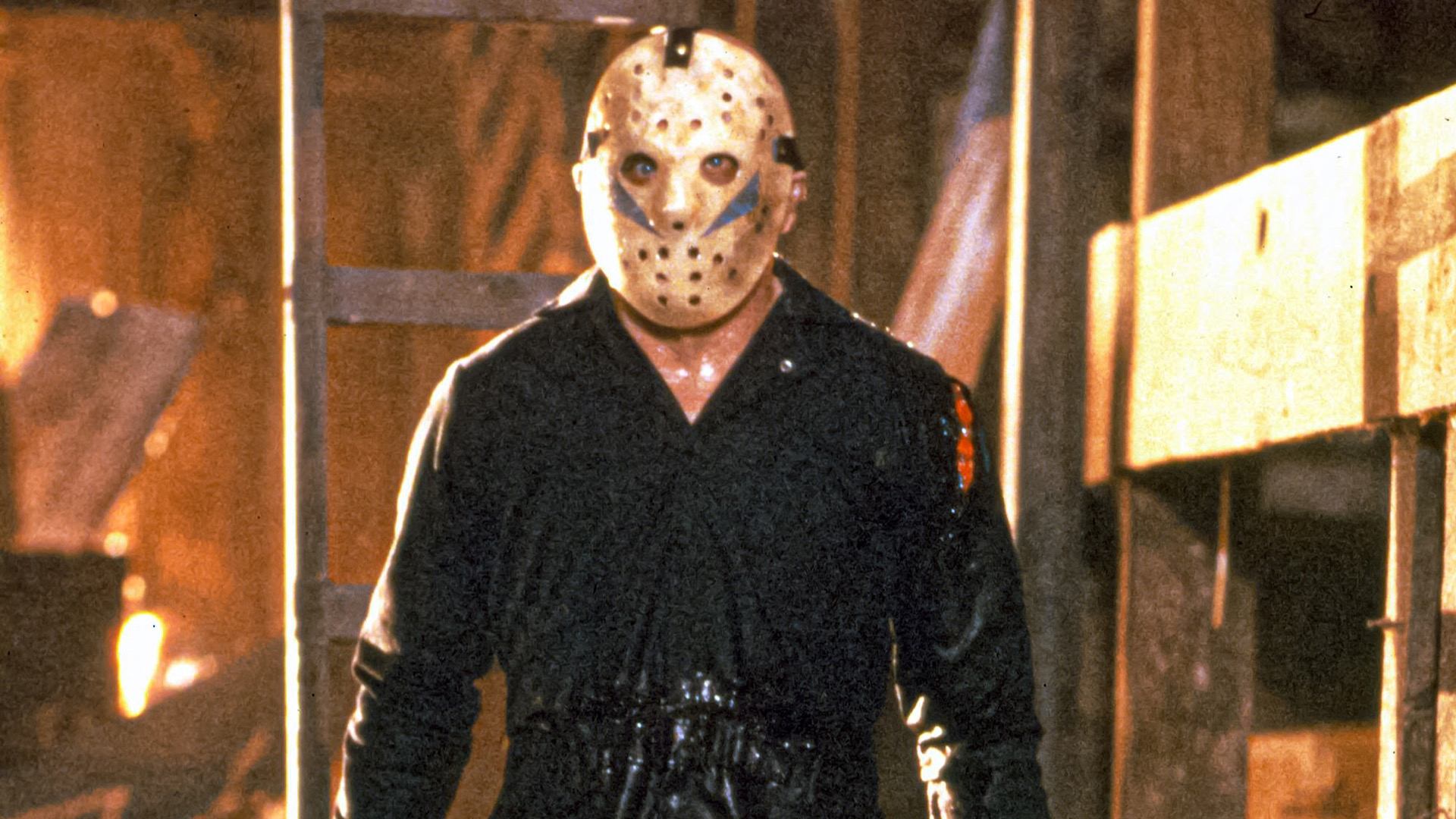
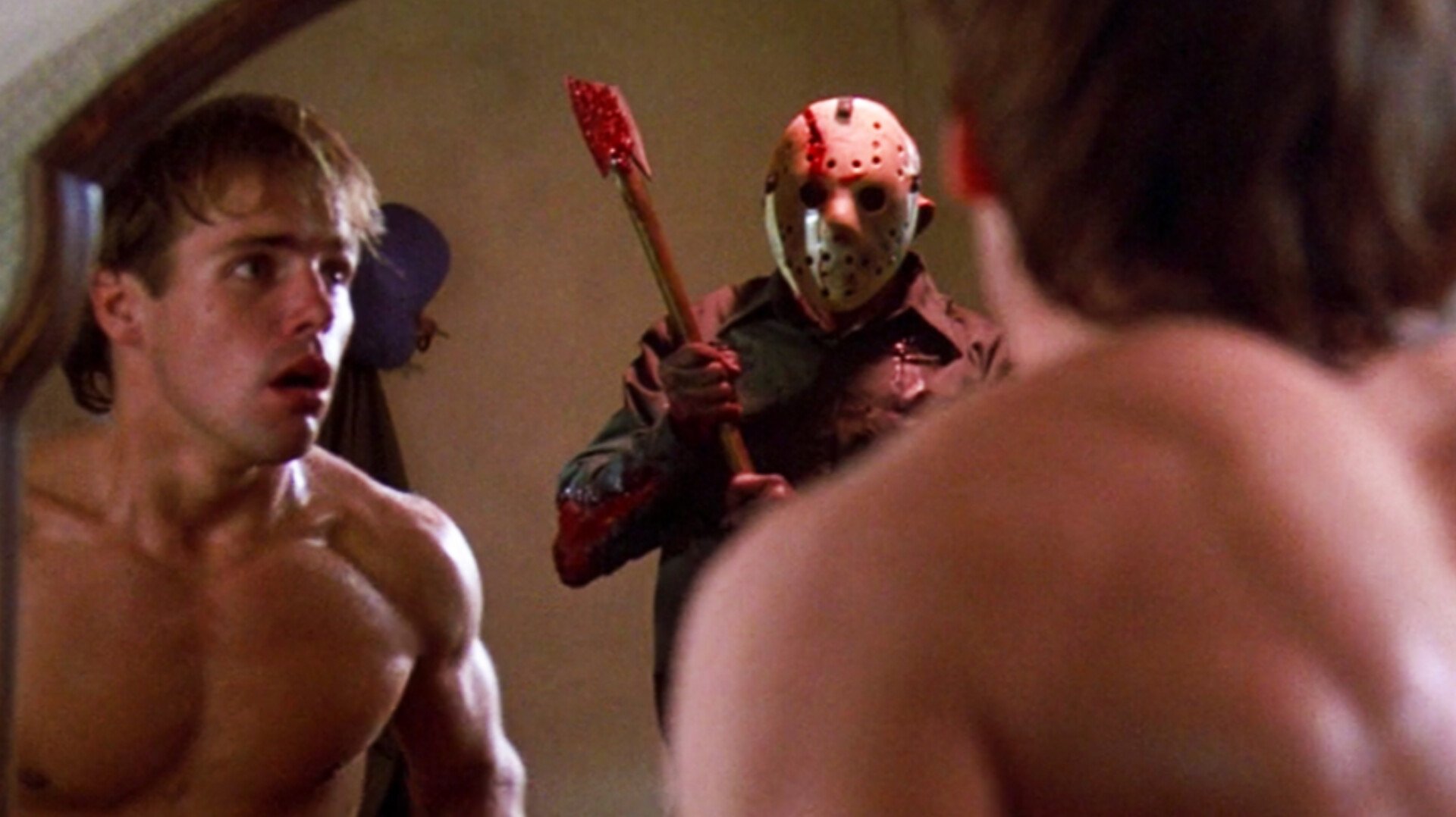
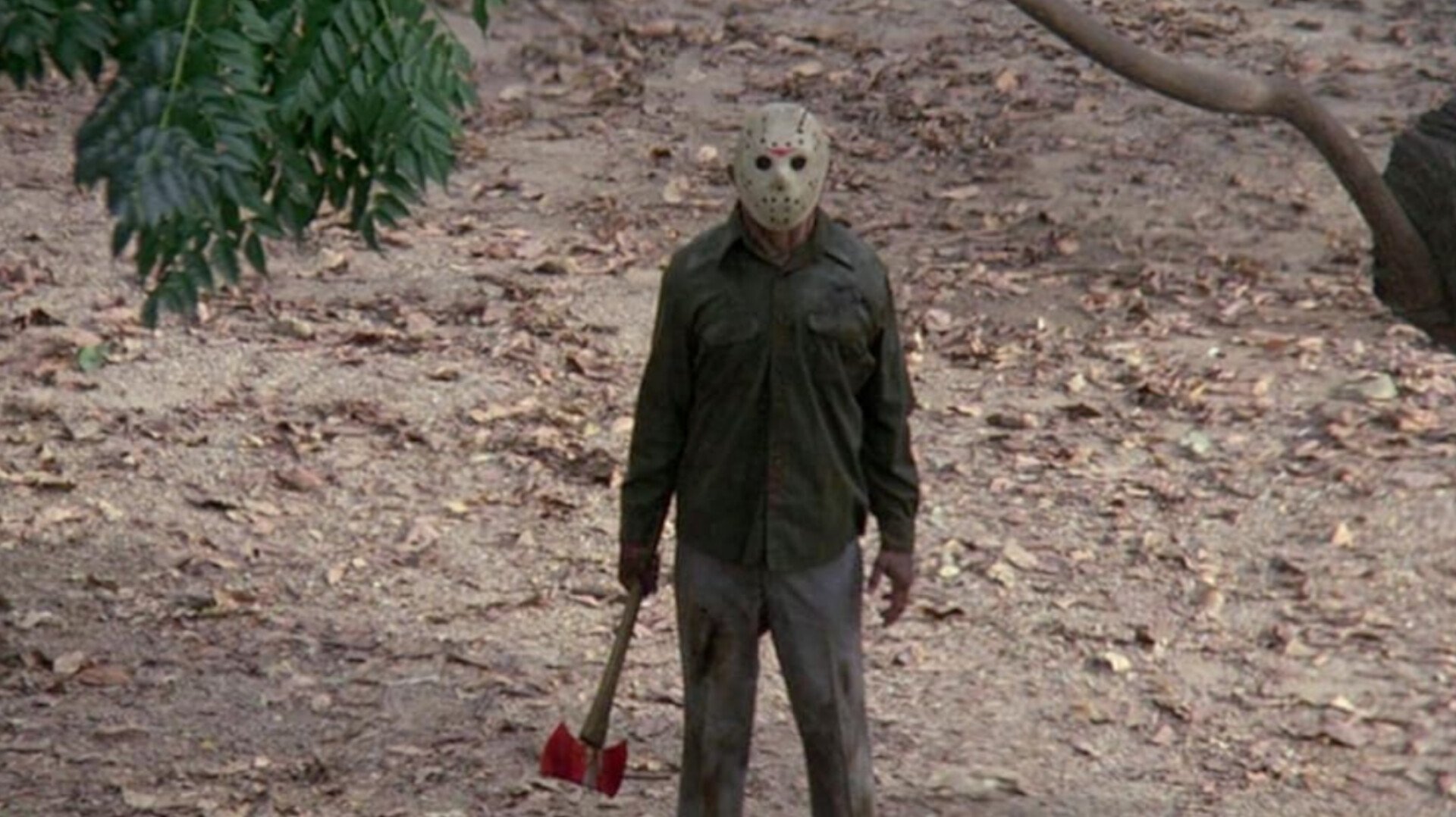
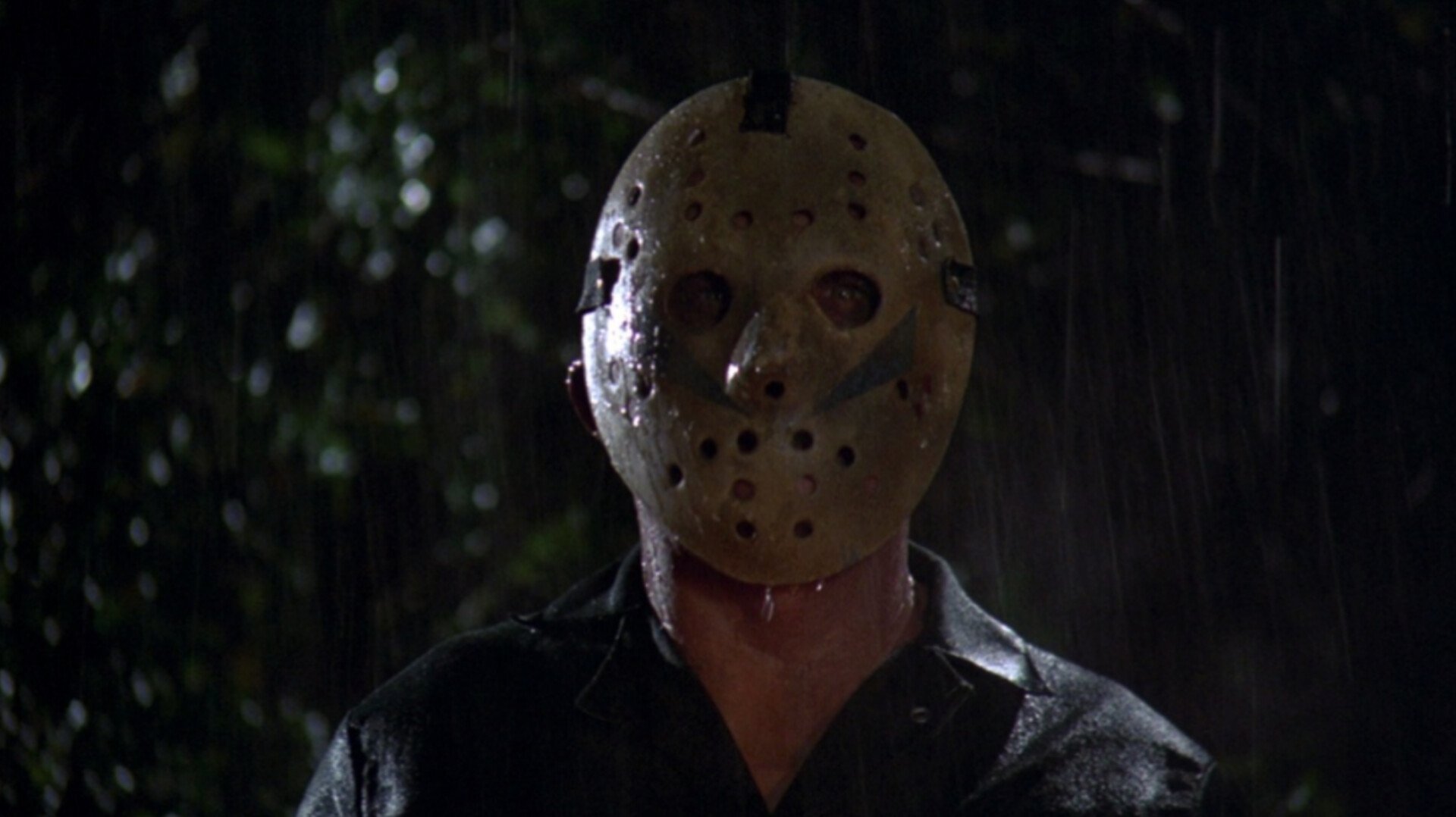
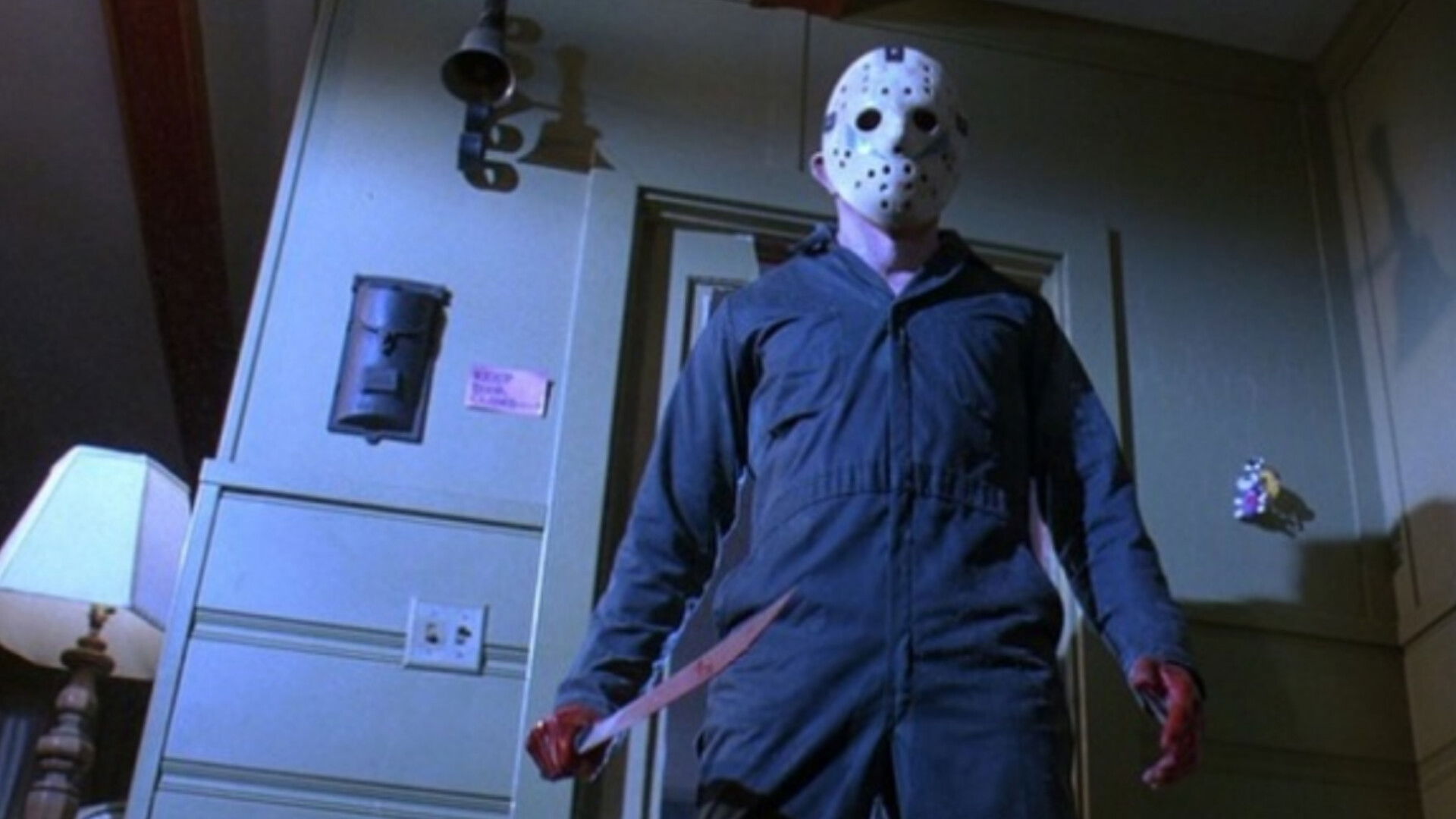
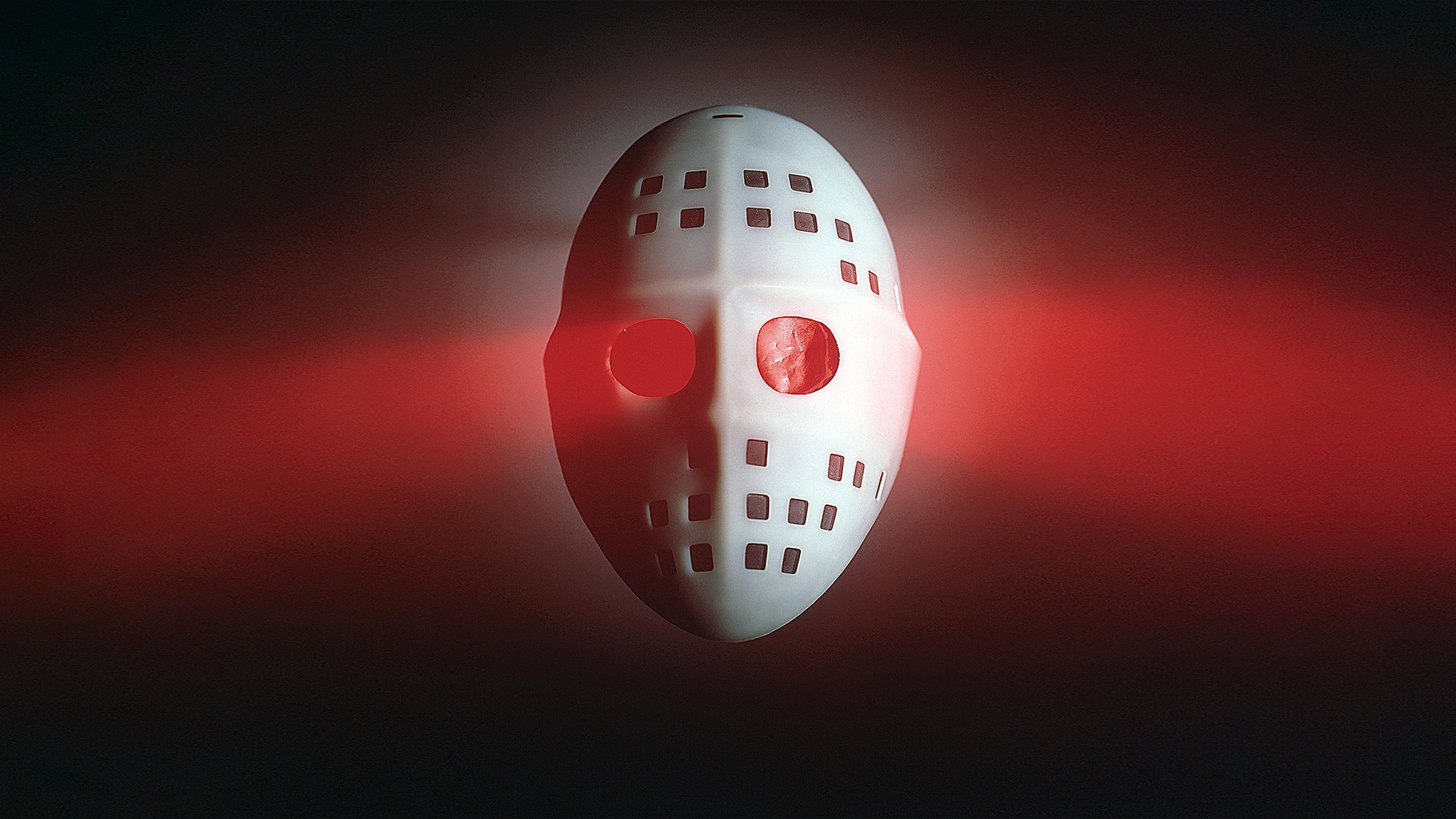
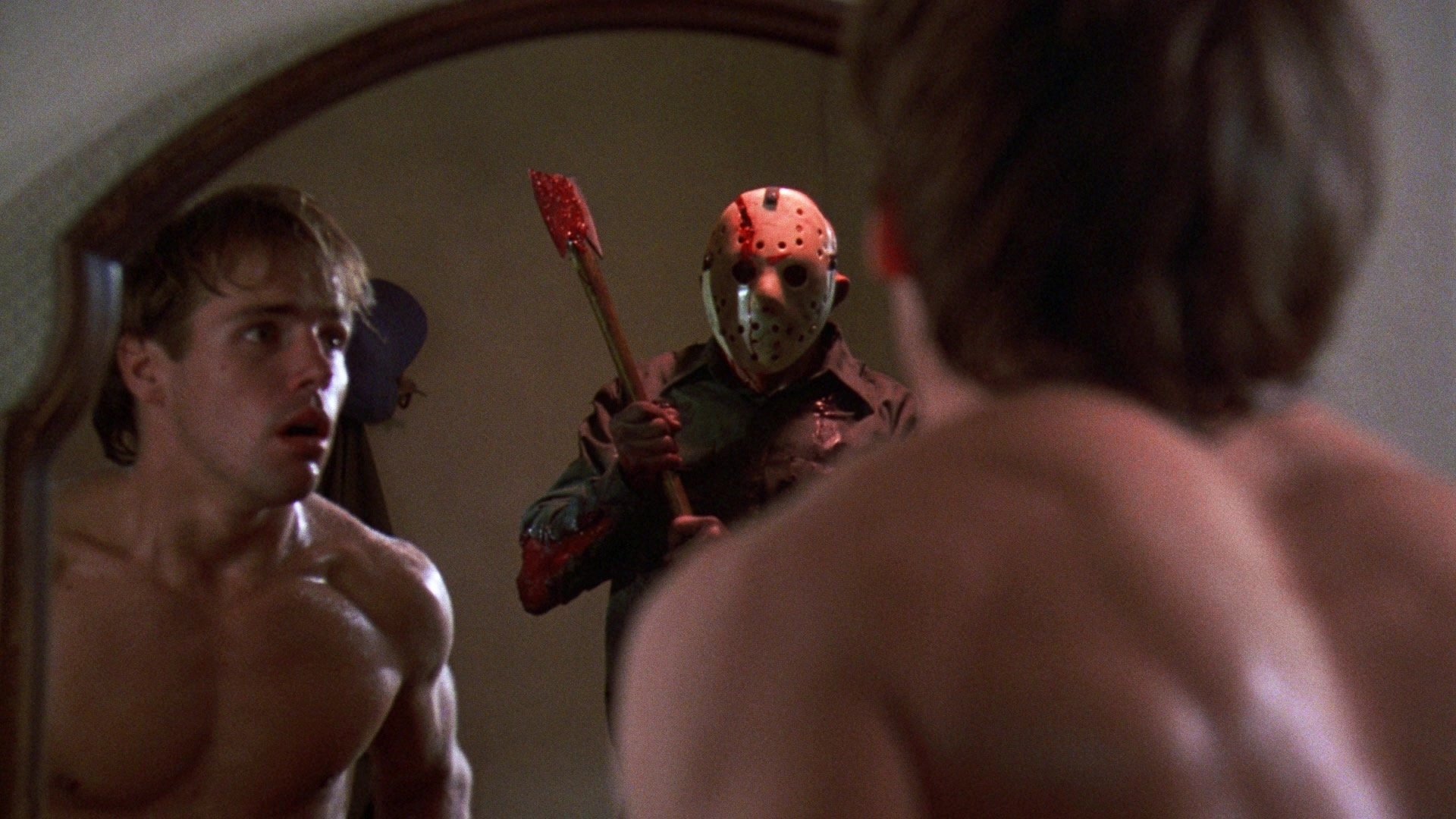
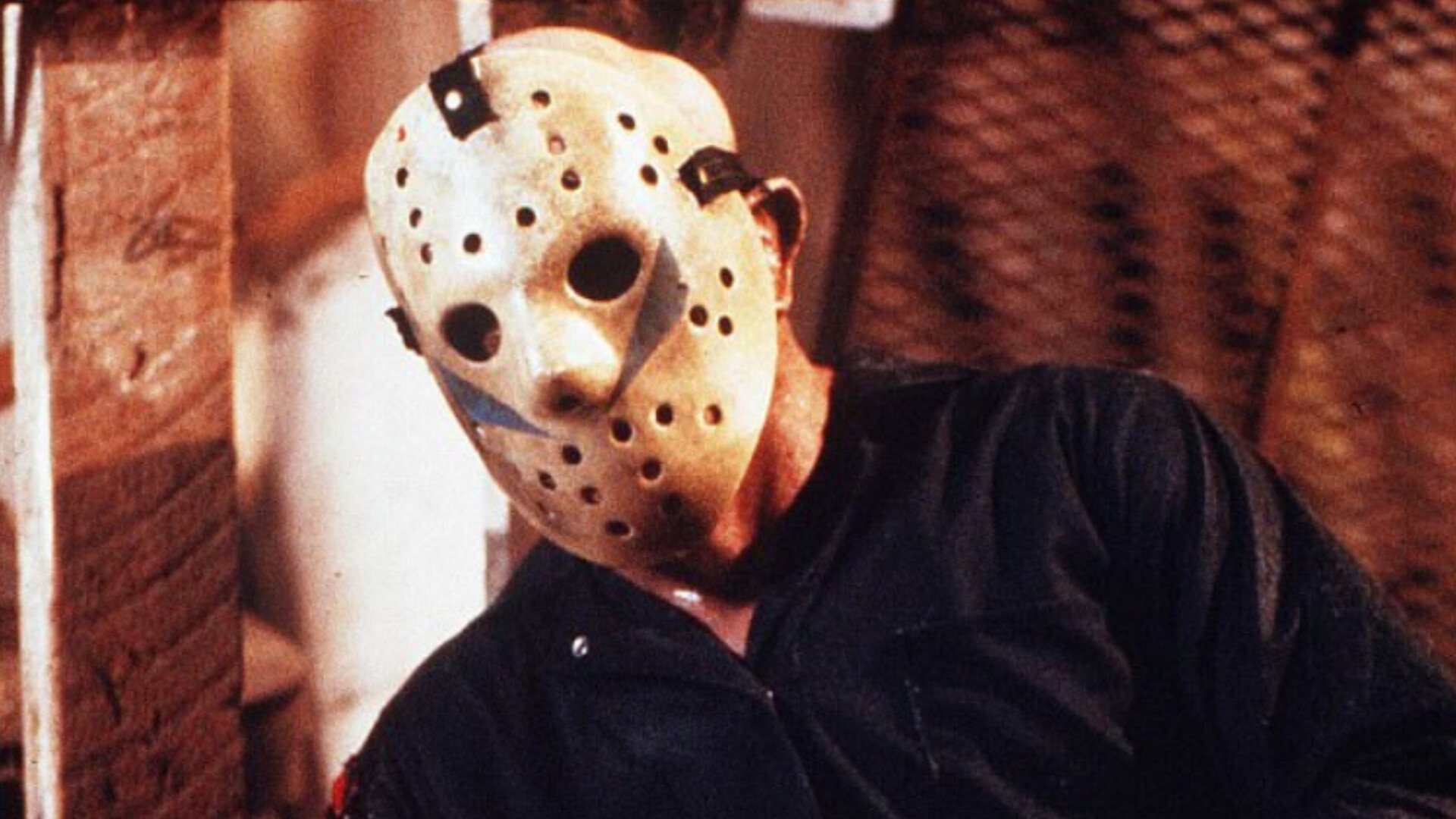
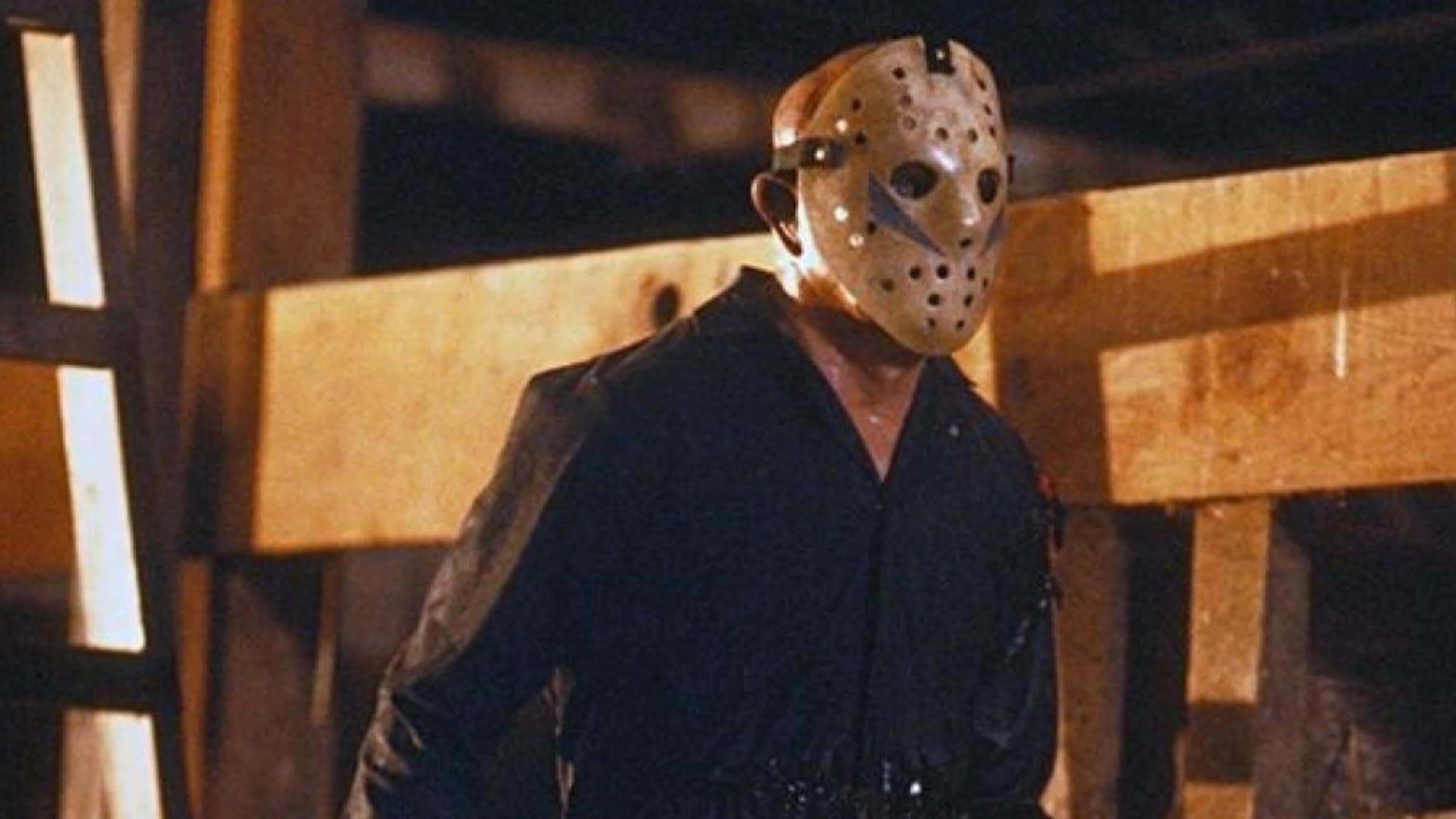
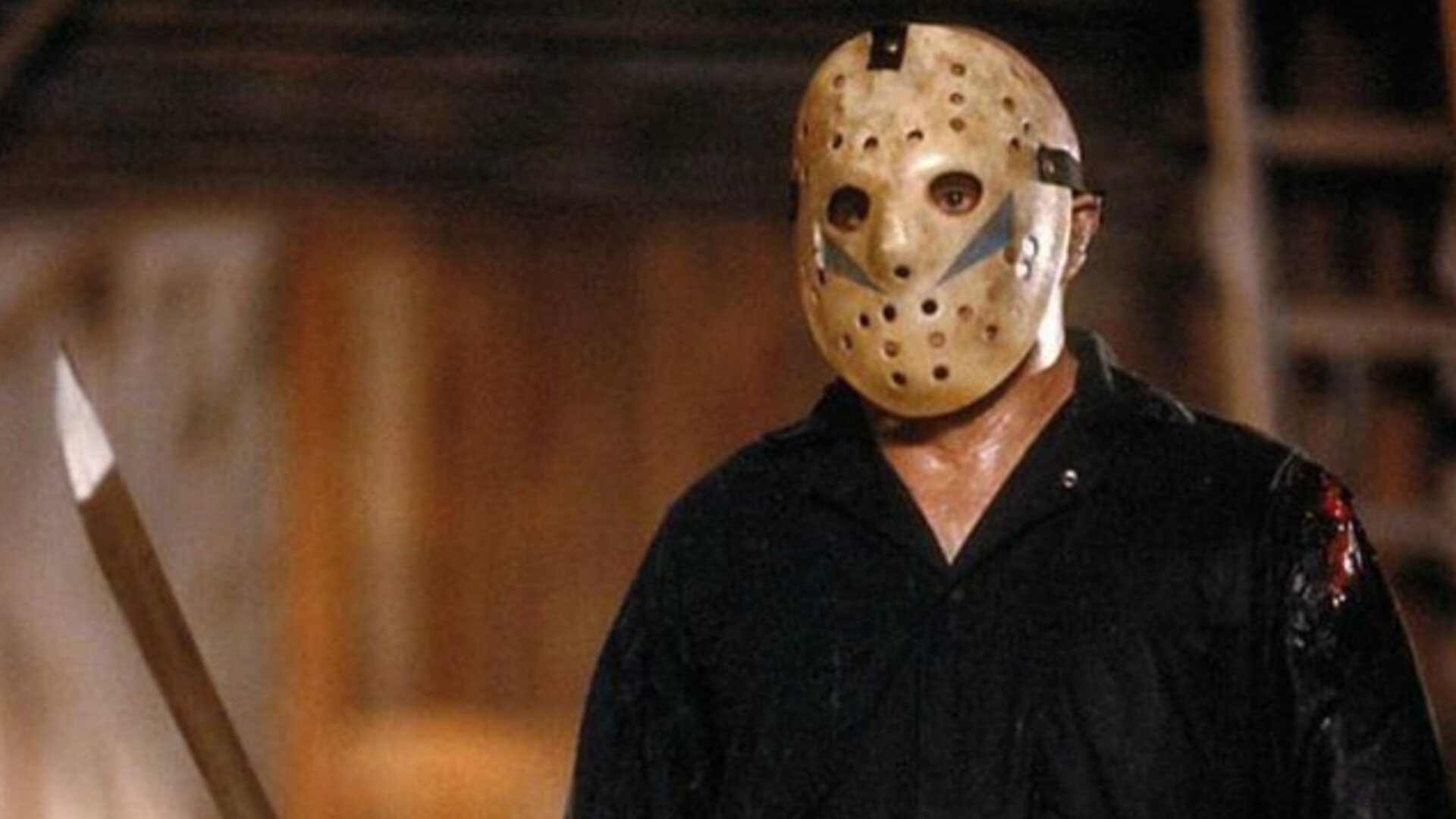
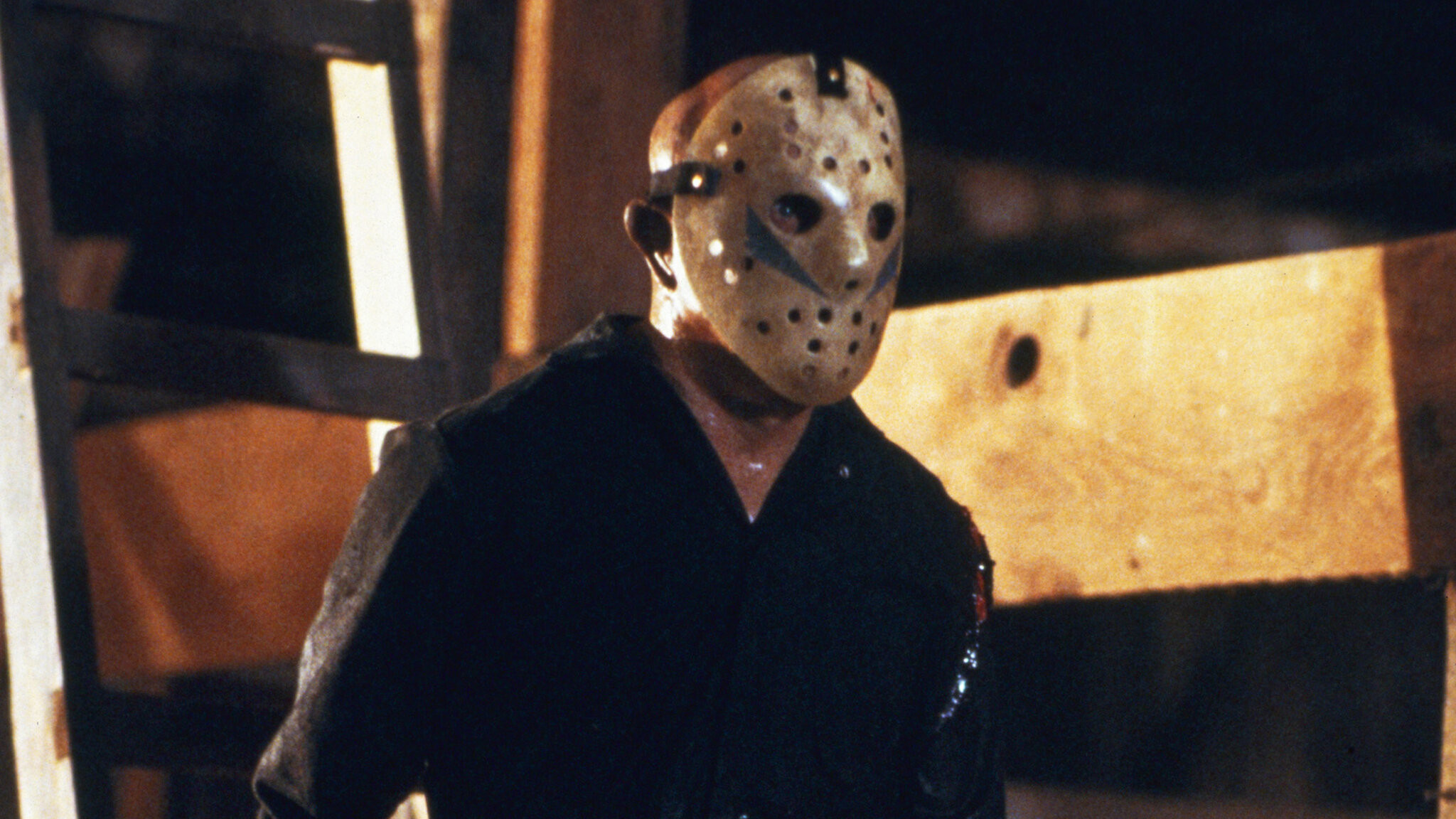
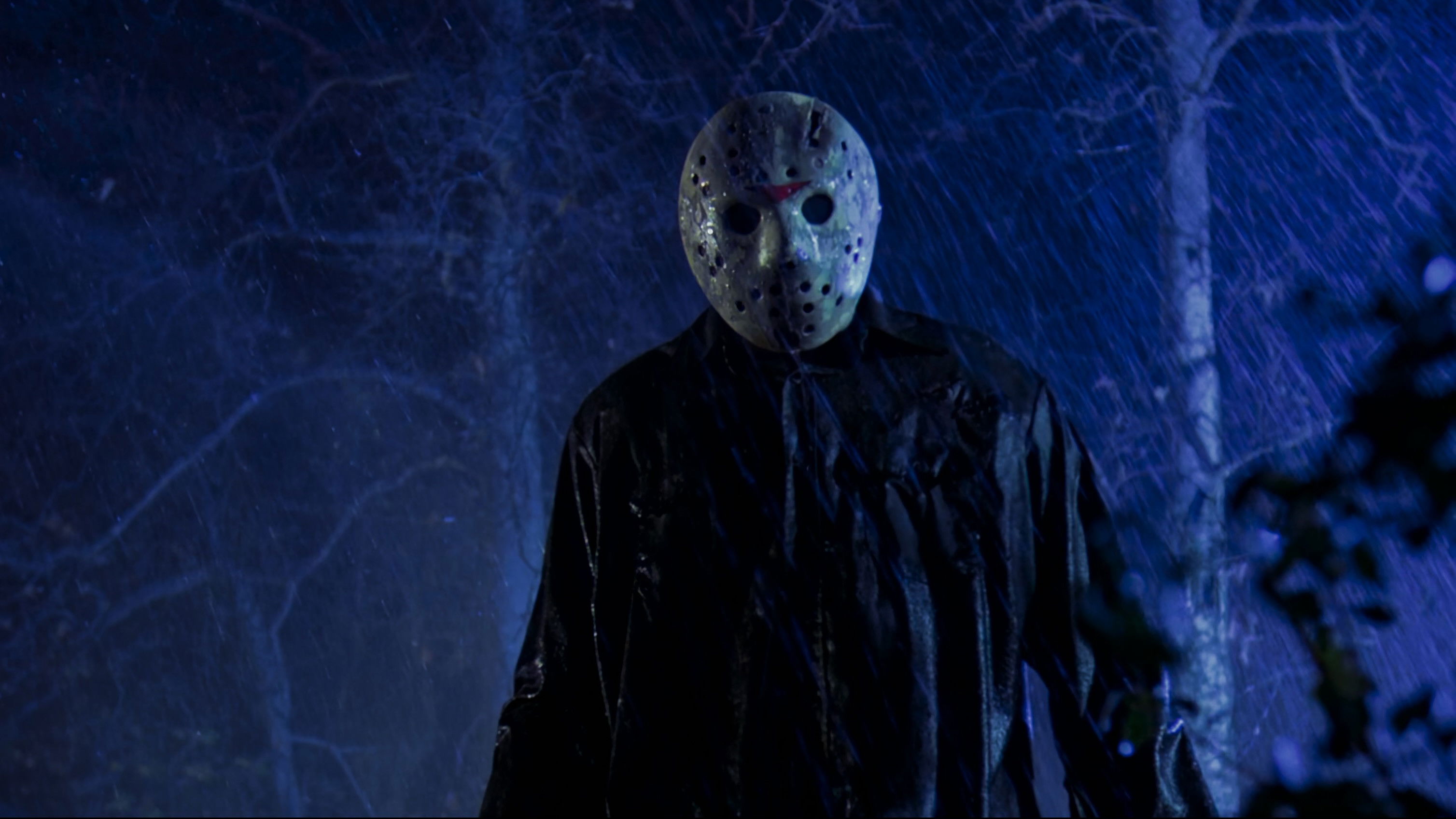
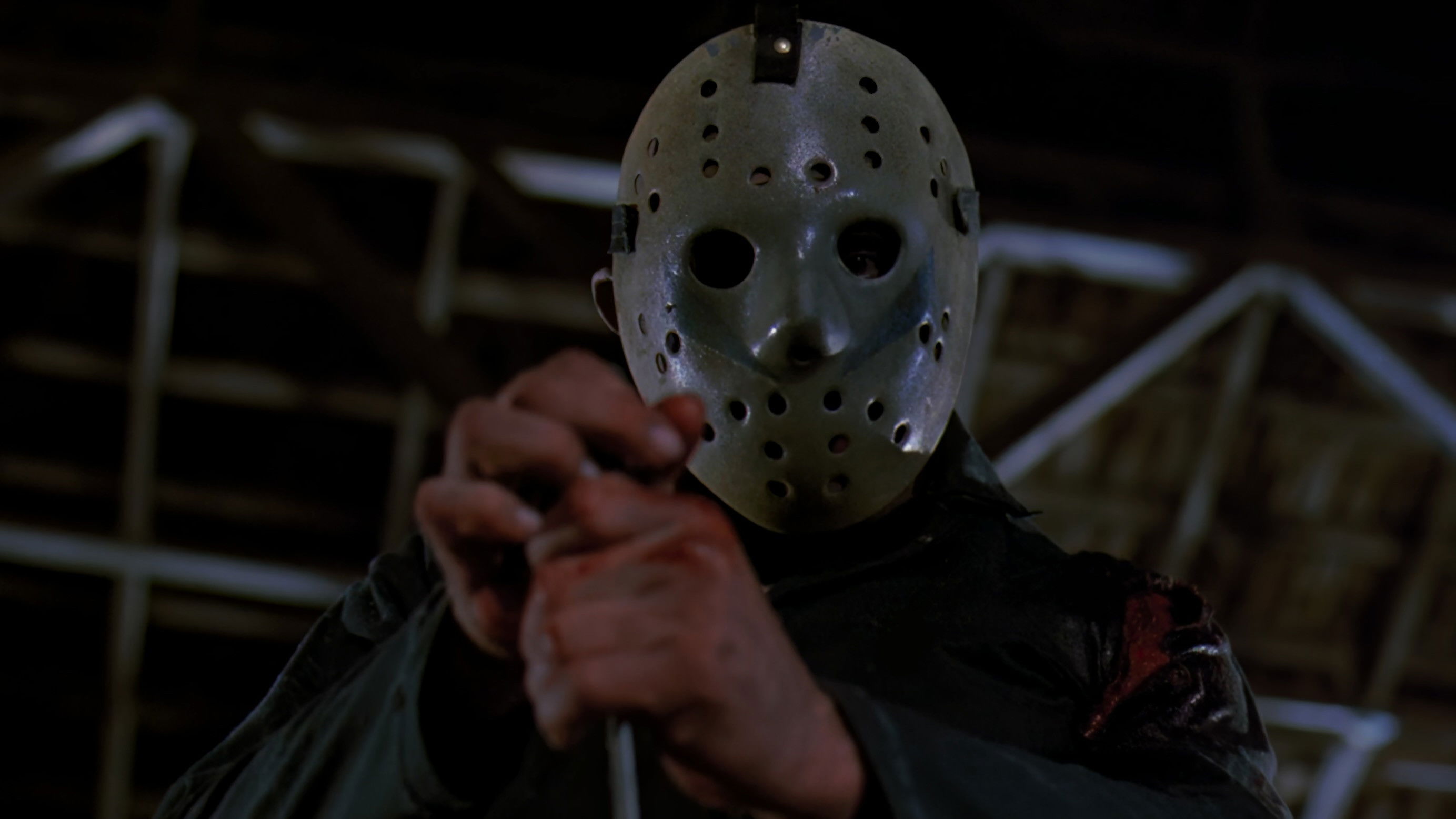
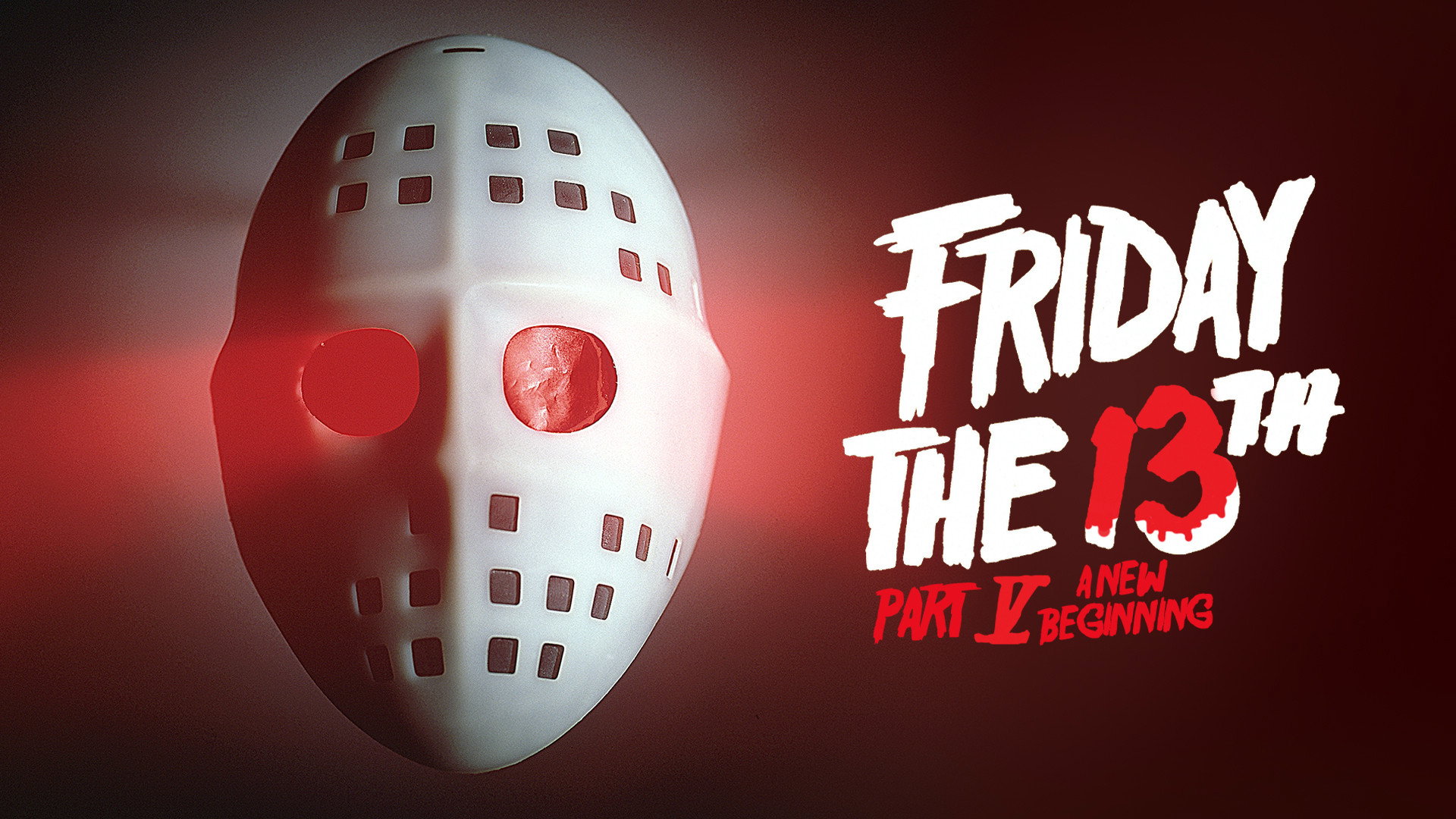
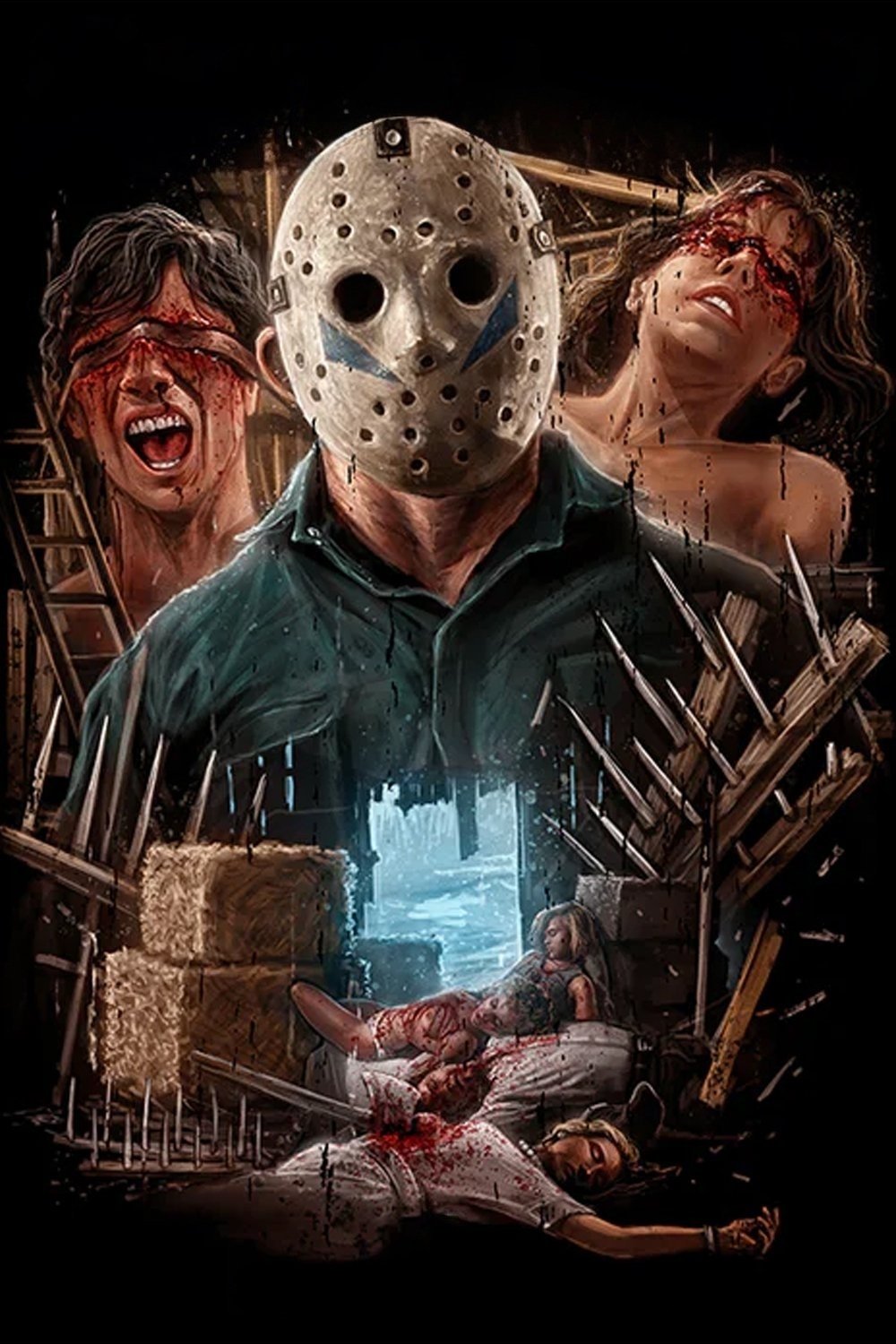
The central mystery is resolved by revealing that Roy Burns, a paramedic and Joey's father, has been committing the murders while dressed as Jason. A New Beginning therefore returns to the first film's device of concealing a killer whose identity is connected to a personal loss. Roy's grief is offered as the explanation for his attacks, though the narrative gives little time to its psychological development. The familiar costume does much of the work: viewers recognize the mask before they understand its new wearer, while Tommy's visions create another possible explanation for its appearances. The blue markings on Roy's hockey mask distinguish it visually from the version associated with Jason.

The disguise also required several performers to contribute to a character the audience was meant to read as one threatening presence. Dick Wieand appears as Roy, while stuntman Tom Morga performed masked action. In a substantial interview for The Ringer, Morga recalled being recruited through stunt coordinator Dick Warlock and performing the role without receiving a screenplay. He said he did not understand the story's copycat revelation until late in production. His account explains how the filmmakers could protect the surprise even within the working crew. It also illustrates a recurring feature of slasher production: the masked character's movement and bodily force can depend more heavily on experienced stunt performers than on the actor seen during the final unmasking.

Practical Effects and the Censorship Problem

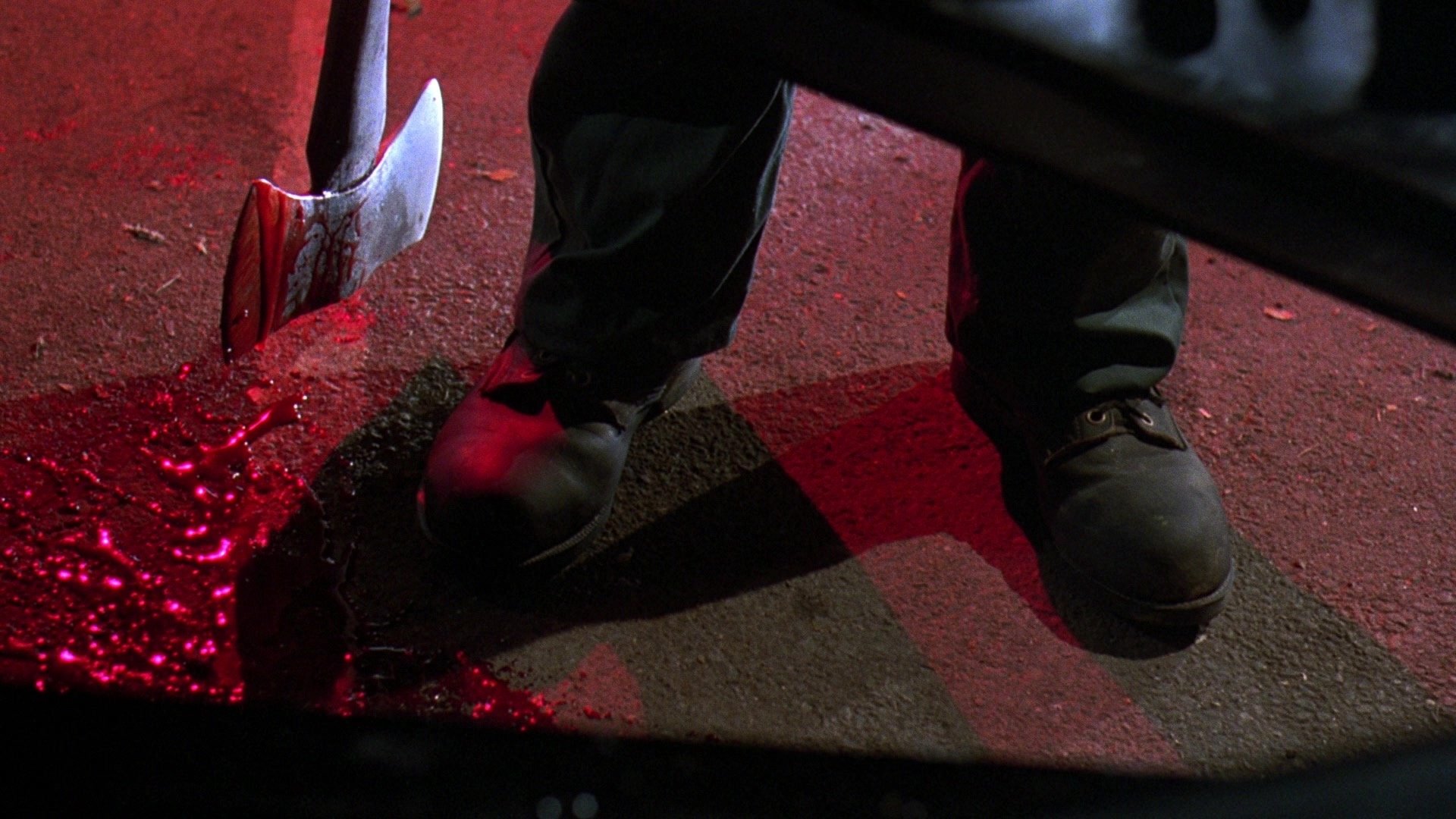
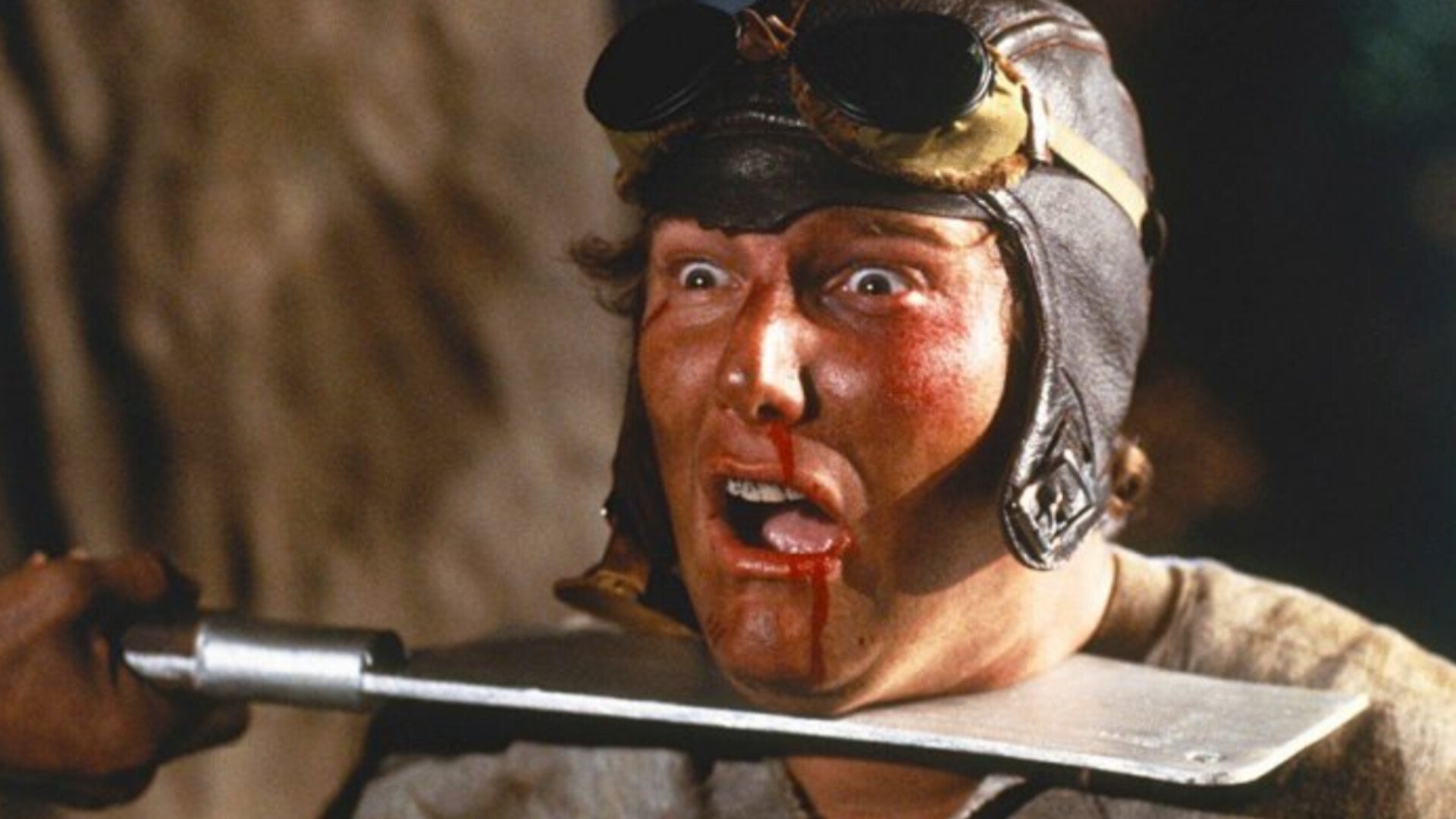
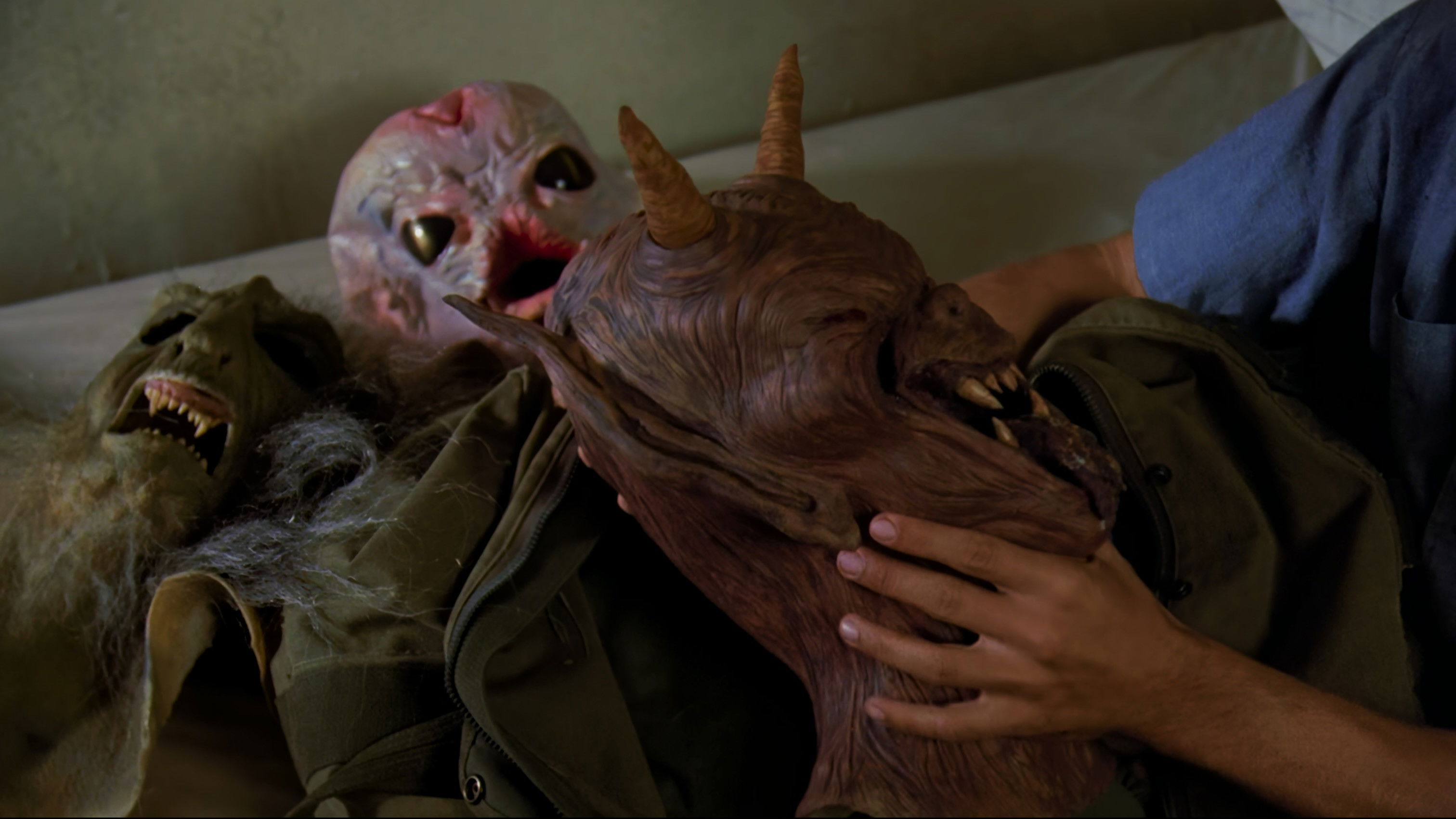
The murder scenes continue the series' reliance on practical makeup and staged bodily impacts. According to the AFI's detailed credit record, the makeup-effects personnel included Martin Becker and David B. Miller, together with several additional artists. The attacks use such everyday implements as garden tools and kitchen equipment, turning familiar spaces into opportunities for sudden damage. In the finished picture, numerous violent actions are shortened or completed through reaction shots, sound and the discovery of a body. Describing their construction requires distinguishing what can actually be seen from sequences discussed in later accounts of excised footage.

The American R-rated release followed negotiations over graphic violence and sexual material. Later production histories describe substantial reductions to individual killings, but the available evidence does not justify presenting every reported deleted shot as surviving material or as part of a complete alternate edit. References to an imagined uncensored version are especially misleading when they imply that all omitted footage can be reconstructed. British circulation created another layer of censorship: retrospective accounts report further cuts for cinema and subsequent videocassette editions. Changes required in Britain must be kept separate from the earlier alterations made for the American release. A later edition with British cuts waived would still not automatically restore everything removed before the US rating was obtained.

The picture's violent reputation has sometimes obscured its dependence on anticipation. Its abrupt edits deny viewers the sustained view promised by the escalating setup of an attack, while the following image often supplies the physical result. The compression can make a killing feel harsh without allowing a prolonged demonstration of the prosthetic effect. Scenes built around obvious instruments invite the spectator to imagine the missing impact. That tension between an aggressive conception of gore and the constrained theatrical version is central to understanding its place in a series whose installments repeatedly negotiated with classification authorities.

Visual Rhythm and Exploitation Tone

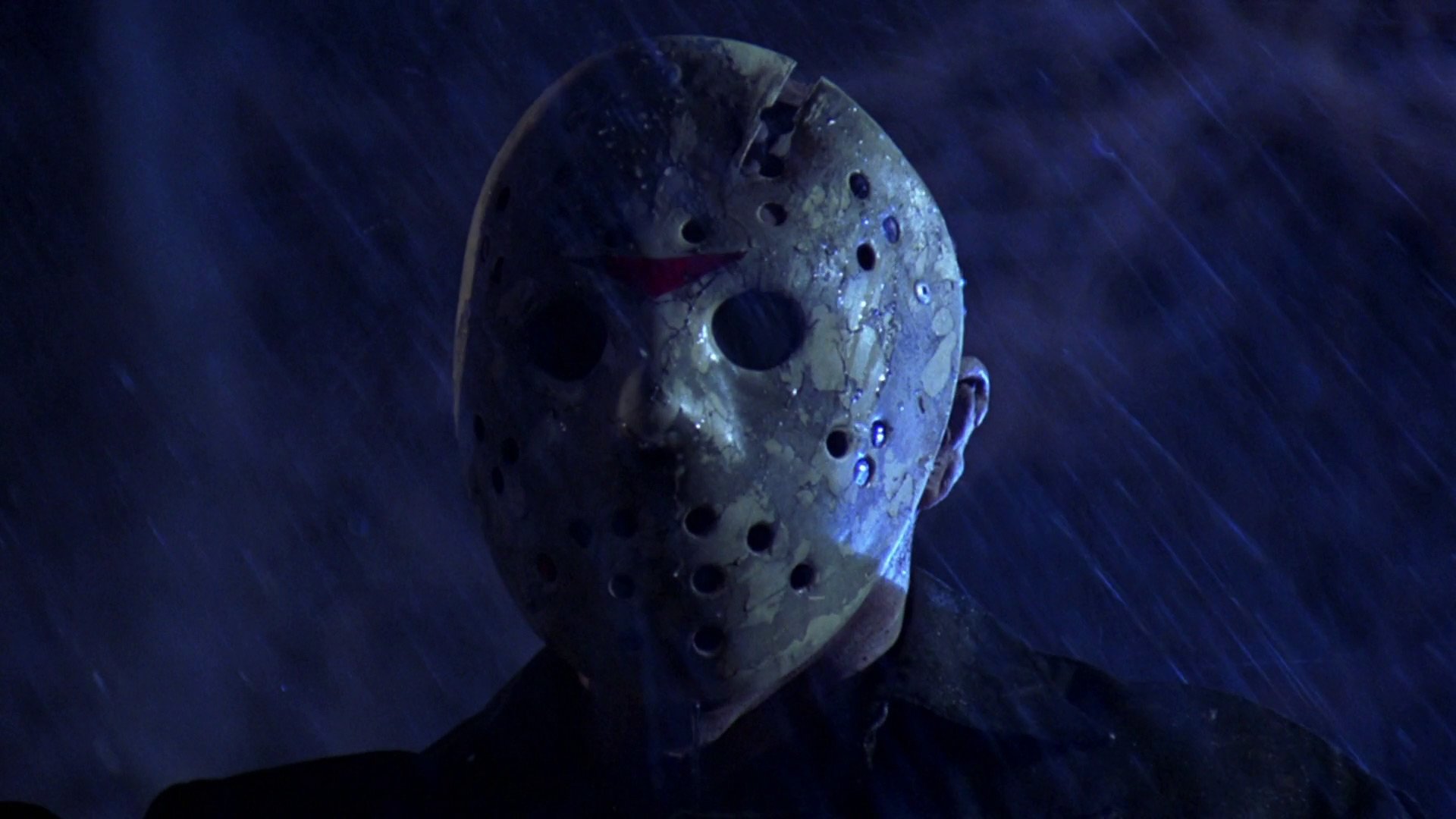
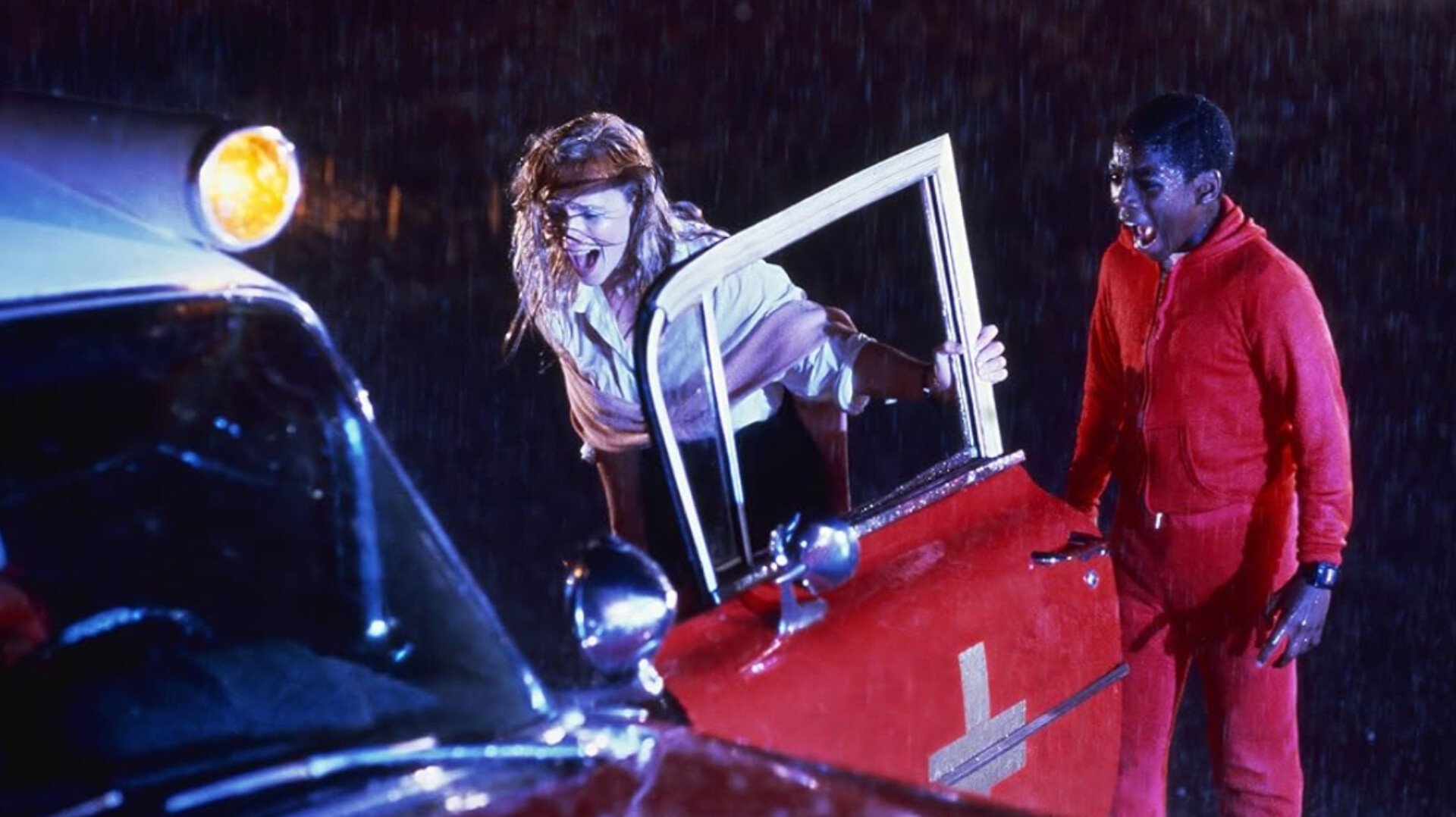
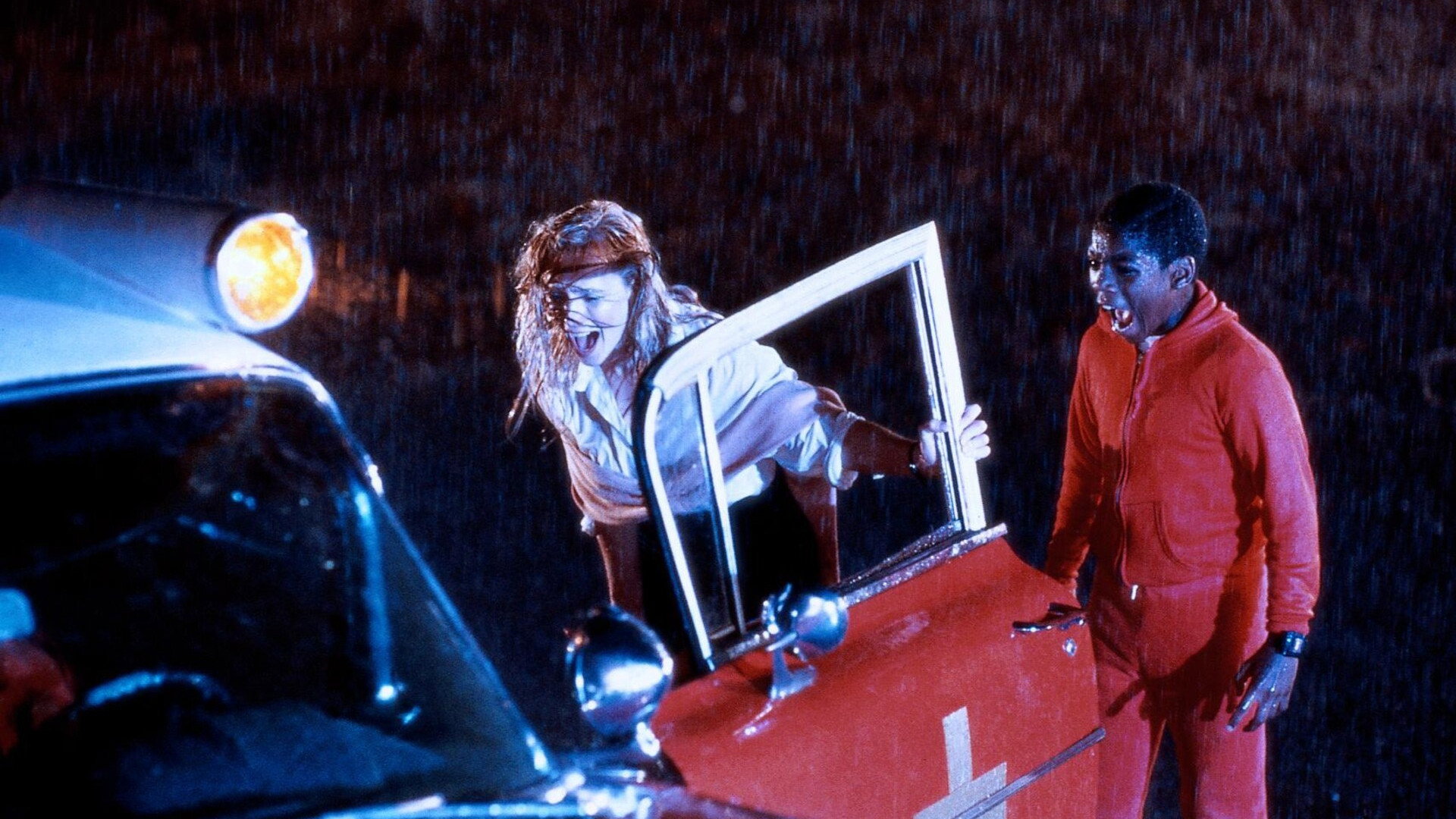
The photography by Stephen L. Posey uses the rural property as a collection of corridors, doorways and dark approaches. Characters often move through wide open ground before entering small interiors where escape becomes more difficult. Steinmann alternates the masked figure's deliberate approach with abrupt bursts of activity, giving the pursuit scenes a recognizable physical pattern. The final encounter around the barn concentrates this staging, with rain, height and unstable footing complicating the efforts of Pam and Reggie to survive. The terrain has become a series of obstacles rather than a peaceful landscape surrounding an isolated residence.

Humor continually interrupts the atmosphere of threat. Ethel and her son Junior are broad caricatures, and other encounters turn on exaggerated language or unexpected embarrassment. Musical choices reinforce the collision of registers: Harry Manfredini provides the score, while the film also uses Pseudo Echo's song His Eyes, a contemporary pop presence quite distinct from the franchise's suspense motifs. These elements give A New Beginning an uneven but recognizable identity. The jokes sometimes distance the viewer from the people at risk, while the extended chase asks for renewed investment in their survival. The tension between those approaches was evident in reviews published at the time.

Release, Reception and Reassessment

Paramount opened the film in Los Angeles and New York on March 22, 1985. AFI's record, drawing on contemporary trade reporting, gives approximately $8 million for its opening weekend across 1,759 theaters and a domestic theatrical total of $21.9 million. Those figures establish meaningful box-office returns but also a decline compared with the preceding installment. They should not be converted into a precise profit calculation without distribution expenses and other costs. The American theatrical version was classified R and runs approximately 92 minutes. Its promotional emphasis on Jason's apparent return withheld the nature of the substitution on which the mystery depends.

Contemporary criticism was frequently hostile, though the reasons were specific. Reviewing the film for the Los Angeles Times on March 25, 1985, Kevin Thomas recognized the director's energetic staging and the presence of self-mocking humor while condemning the cumulative violence. His response demonstrates that acknowledging an element of craft did not necessarily amount to endorsing the film. Other critics regarded the alternating jokes and killings as mechanical, and the reveal drew a particularly strong response from viewers who expected the original masked murderer. Such reactions are part of the film's documented reception, although no single review can establish how every audience member responded.
Later reassessments have treated the replacement killer as an experiment in franchise identity. They consider what happens when a recognizable costume can be separated from the figure who gave it meaning, and how the abandoned possibility of Tommy succeeding Jason might have altered subsequent films. These are critical interpretations of the completed work, not evidence that an entire replacement-villain series had received studio approval. The next sequel restored Jason as the central antagonist. A New Beginning remains a revealing interruption in that continuity, with its combination of masked impersonation, trauma imagery, aggressive practical violence and exploitation comedy providing a distinctive case within the 1980s slasher cycle.

References

  1. American Film Institute Friday the 13th: A New Beginning - AFI Catalog

    Archival documentation of the screenplay announcement, January 1985 completion, March theatrical opening, revenue reports and film credits including makeup and stunt personnel.

  2. Fangoria 40 Years Ago, Friday the 13th Was Given a New Beginning

    Substantial historical retrospective reproducing Danny Steinmann's original 1985 testimony about script revisions, creative freedom and the attempt to redirect the series.

  3. The Ringer The Men Behind the Hockey Mask

    Original interviews with stunt performers, including Tom Morga's detailed account of his casting, masked performance and ignorance of the copycat-killer reveal.

  4. Los Angeles Times Movie Review: Friday the 13th--Again

    Kevin Thomas's contemporary review from March 25, 1985, distinguishing the film's energy and deliberate humor from his criticism of its violence.

  5. Frame Rated Friday the 13th Part V: A New Beginning (1985)

    Extended critical examination of the sequel's tonal approach, altered villain, production context, reception and conflicting versions of its violent material.

Connections

Cast

View Full Cast & Crew →

Release & Distribution

Production Companies (4)

  • Georgetown Productions US
  • Paramount Pictures US
  • Sean S. Cunningham Films US
  • Terror US

Distributors (1)

  • Paramount Pictures US

Release History (31)

Release DateTerritoryRelease TypeFormatDistributorCertificationNotes
1985-03-22 United States Theatrical — — R
1985-07-11 France Theatrical — — 16
1985-07-25 Netherlands Theatrical — — 16
1985-07-31 France Theatrical — — 16
1985-08-02 Denmark Theatrical — — 15
1985-09-13 United Kingdom Theatrical — — 18 Cuts waived in 2002
1985-10-04 Ireland Theatrical — — 18
1985-10-10 Australia Theatrical — — R 18+
1985-10-31 Argentina Theatrical — — +18
1985-11-02 Uruguay Theatrical — — —
1985-11-16 Japan Theatrical — — R18+
1986-04-04 Germany Theatrical — — 18 video premiere
1986-04-17 Colombia Theatrical — — —
1986-06-05 Brazil Theatrical — — 14
1986-06-29 Spain Theatrical — — 18
1986-07-25 Italy Premiere — — 14+ Massenzio, Rome premiere
1986-08-14 Italy Theatrical — — 14+
1986-08-14 Mexico Theatrical — — C
1986-10-02 Spain Theatrical — — 18
1986-10-05 Portugal Theatrical — — M/18
1986-12-13 Austria Theatrical — — —
1987-01-02 Germany Theatrical — — 18
1987-01-02 Türkiye Theatrical — — 18+
1993-07-06 Sweden TV — — 15 TV4 Sverige
2001-09-25 Canada Physical DVD — 18A DVD premiere
2002-04-01 Greece Physical DVD — — DVD premiere
2002-04-12 Finland Physical DVD — K-18 DVD premiere
2002-04-17 Sweden Physical DVD — 15 DVD release
2009-10-19 Germany Physical — — 16 Neuprüfung
2016-10-23 Poland TV — — 18 TV release
2017-02-24 Germany Physical — — 16 Neuprüfung

User Reviews

1 public reviews
Member 7/10

Acknowledged it was Friday the 13th by viewing my favorite entry. Or, what I think still is. Continued to have fun and appreciated the differences, but maybe it works better viewing immediately after being mostly bored by the 4 previous entries. Or maybe I was just too tired. Nonetheless, of the few I have actually gone back to, the one I currently enjoyed more than before was Jason Takes Manhattan. Perhaps I need to revisit the chapters I took to, maybe. Regardless, I haven't decided to jump into the camp of hate its base continually gives it though. Not by a long shot.

If Jason still haunts you... You're not alone.