Fright Night (1985)

US
HORROR FILM Comedy
SUBGENRES VAMPIRE
8.0/10 3 votes
Runtime
107 min
Release
August 2, 1985
Budget
$9,000,000
Revenue
$24,922,237
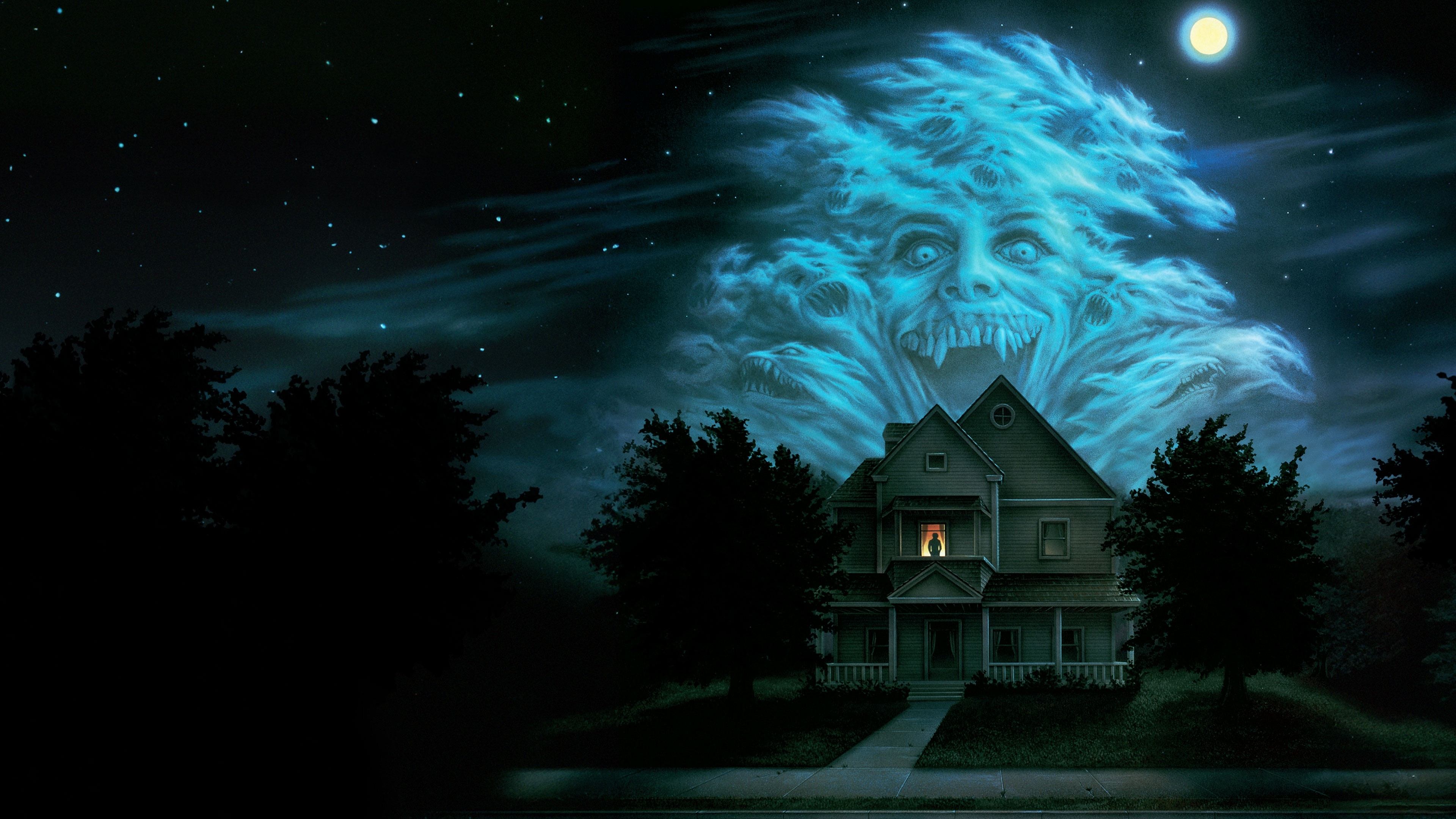
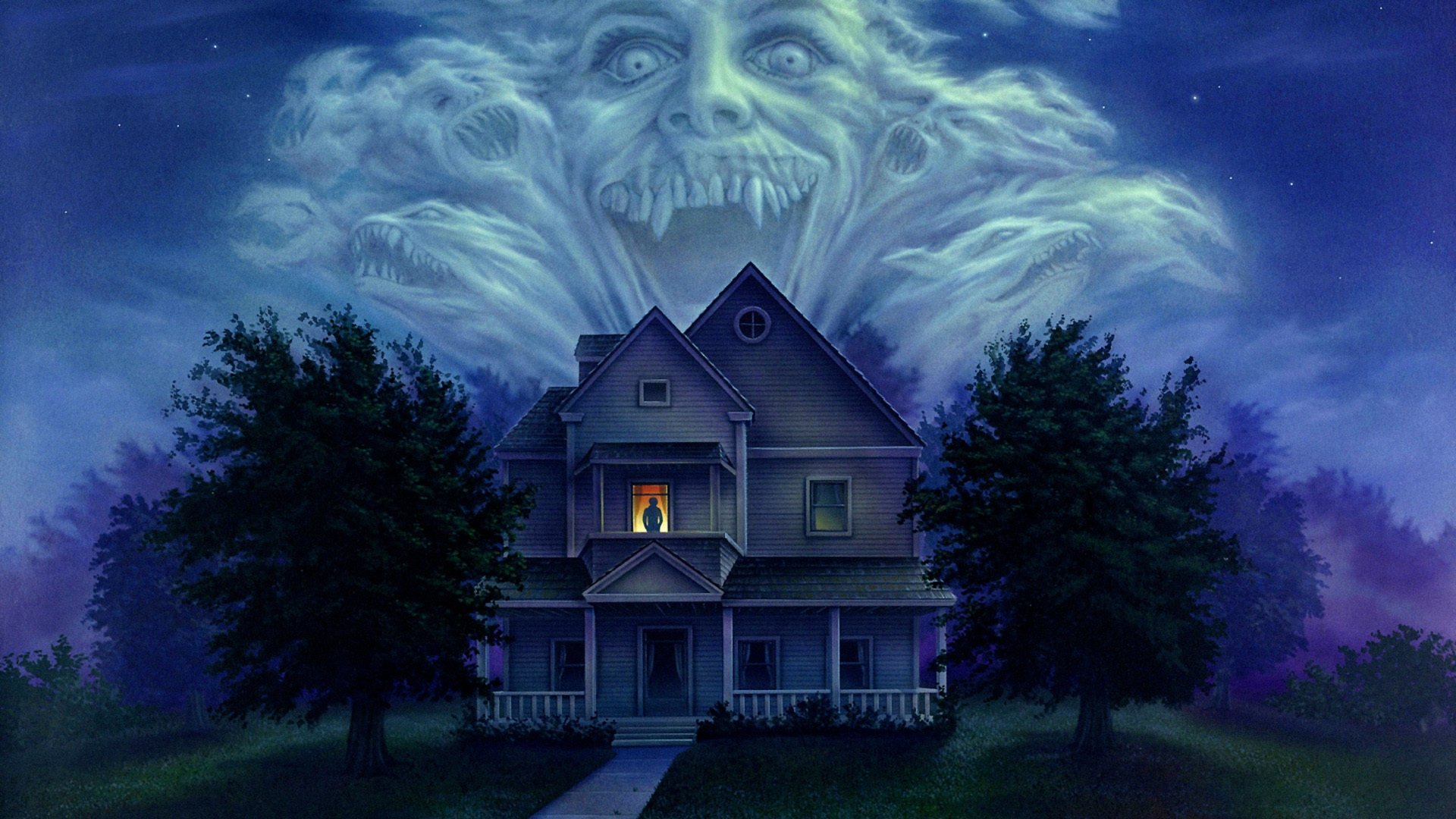
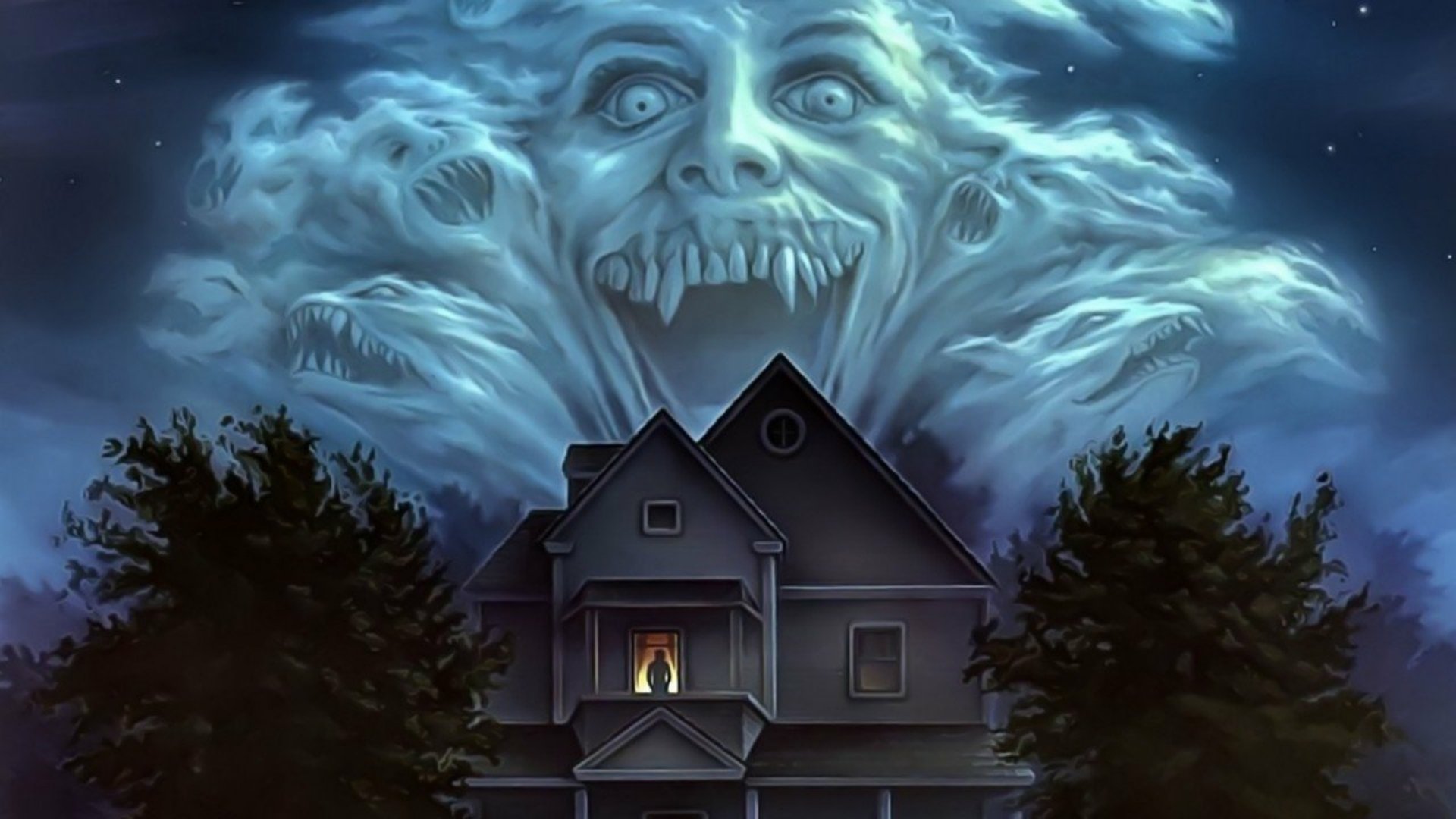
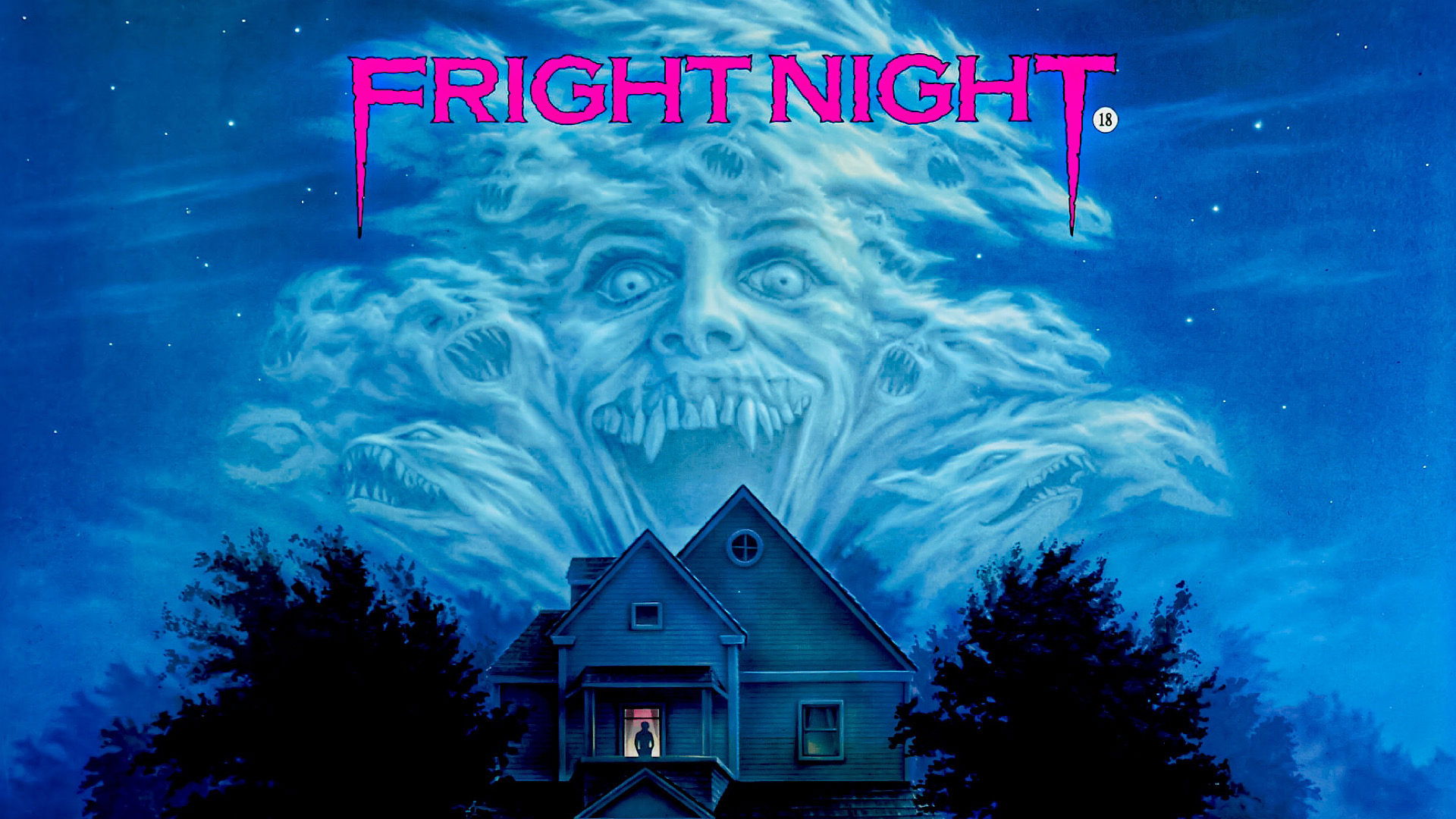
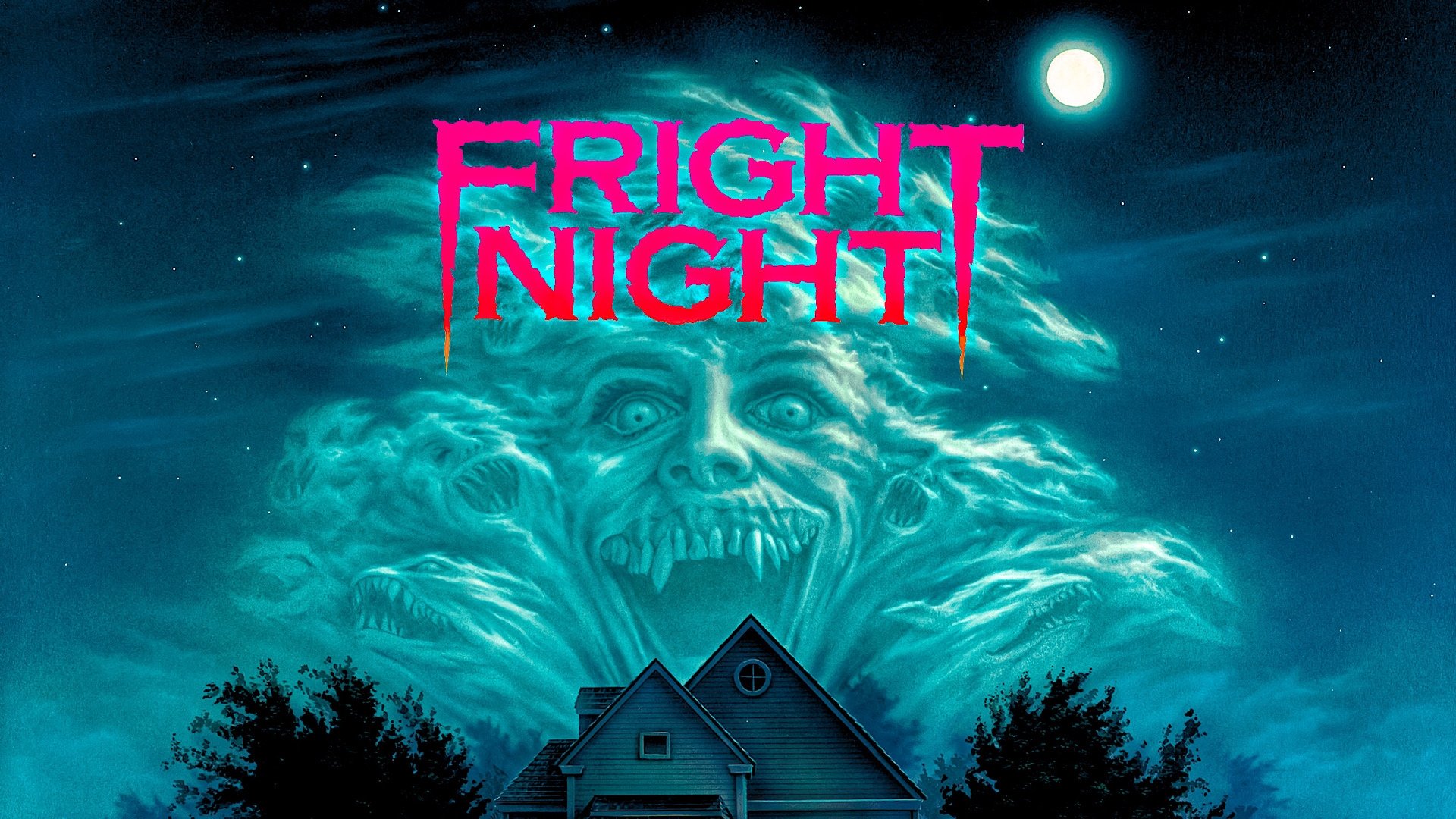
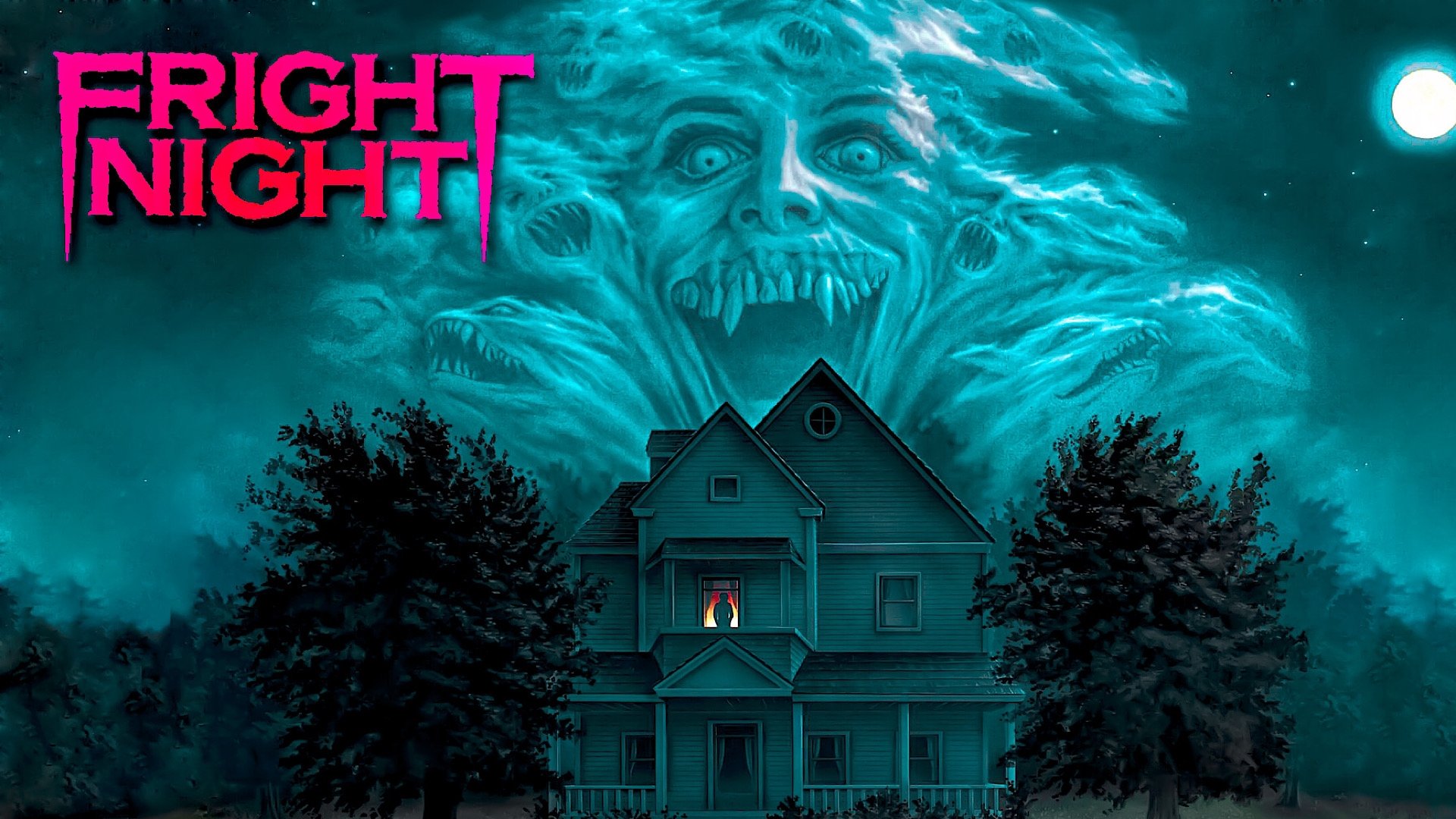
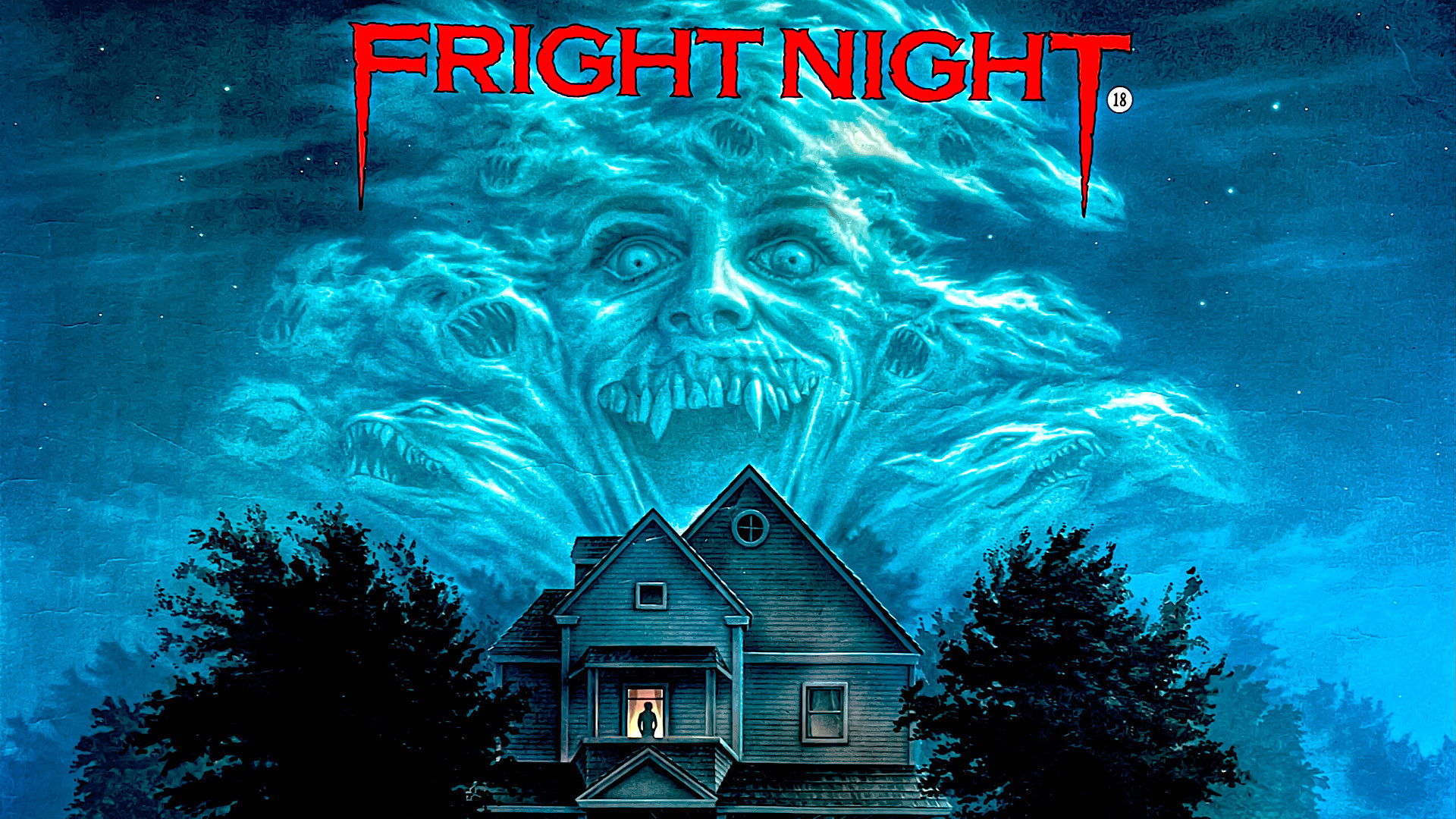
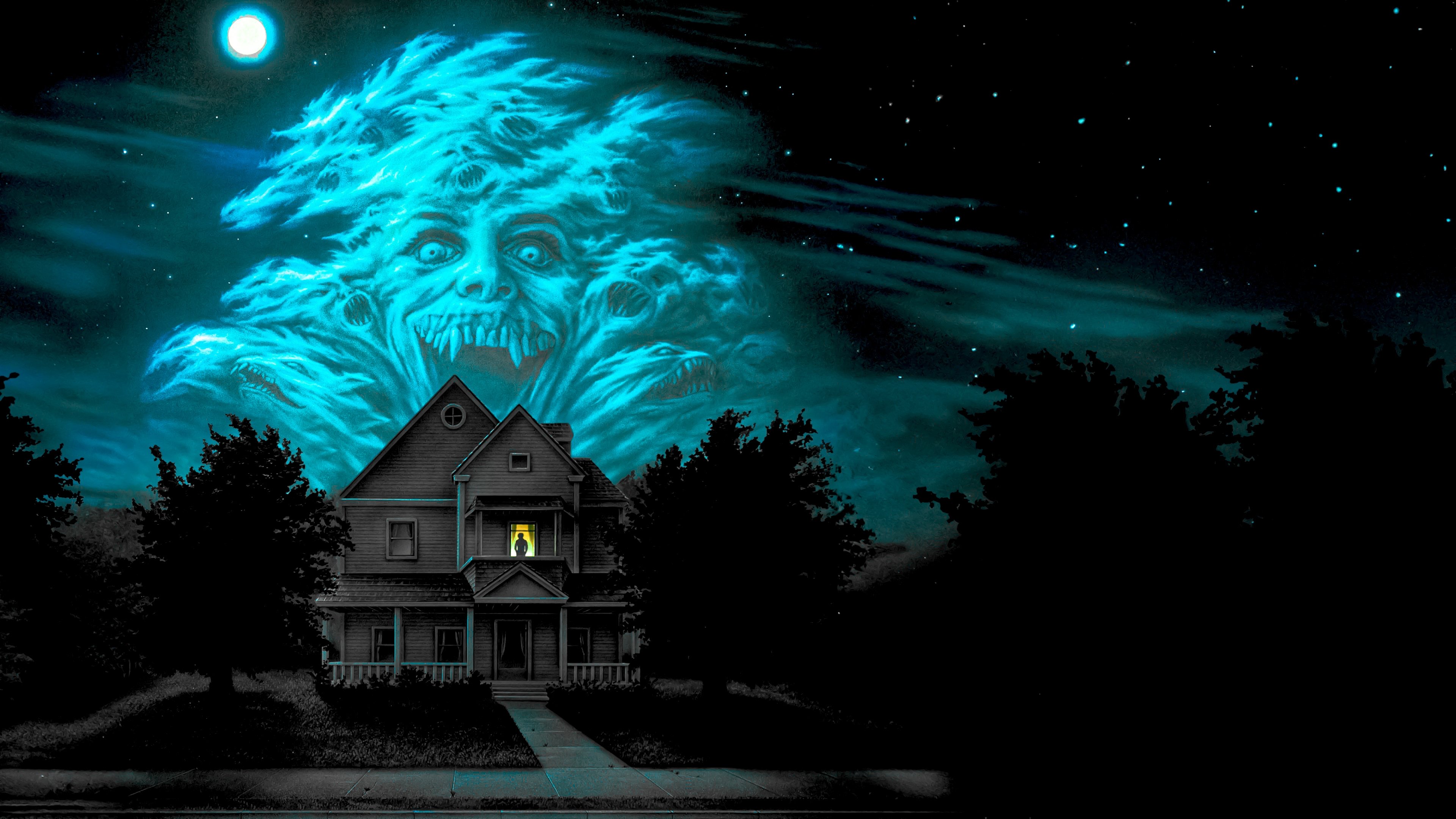
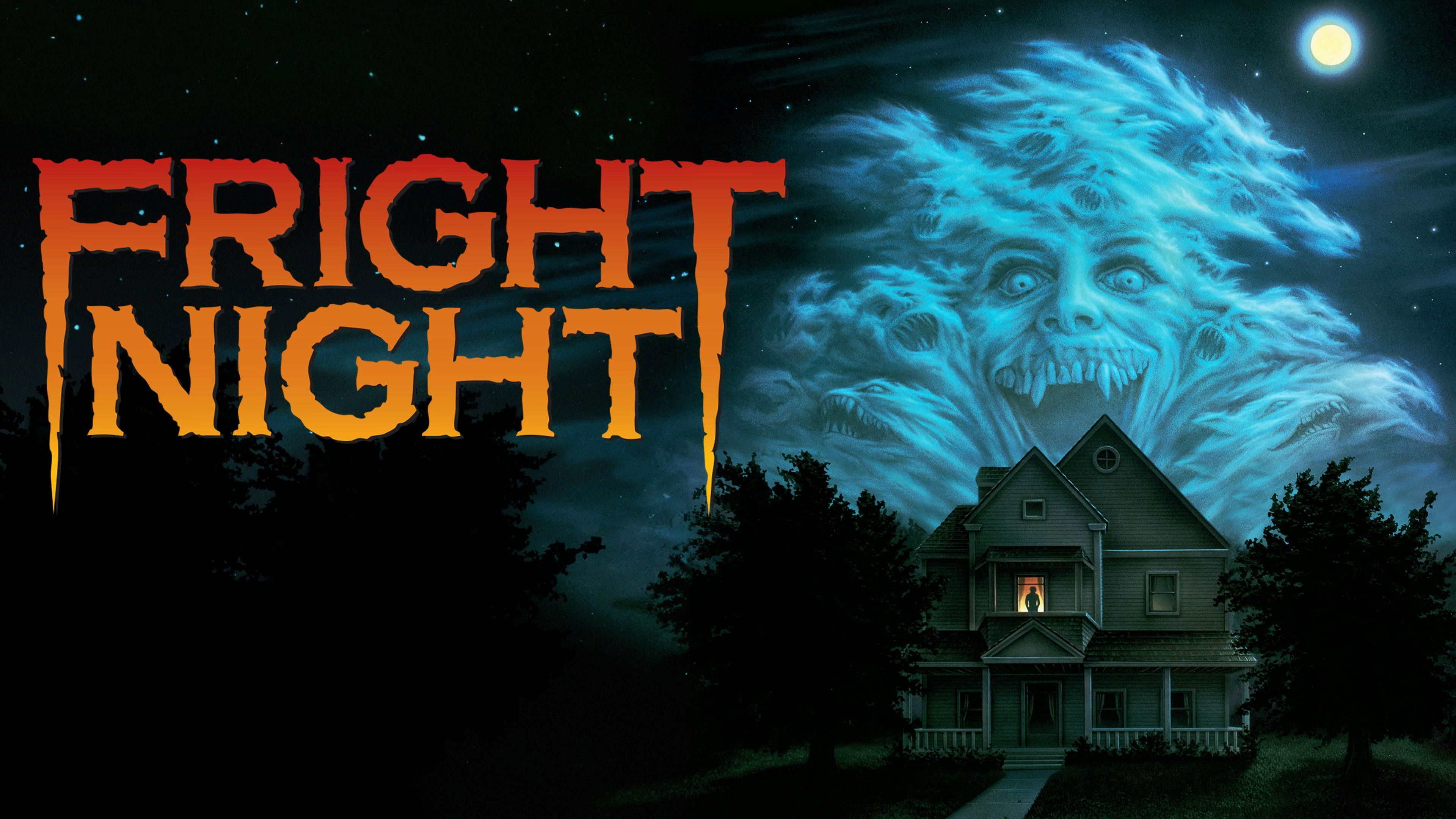
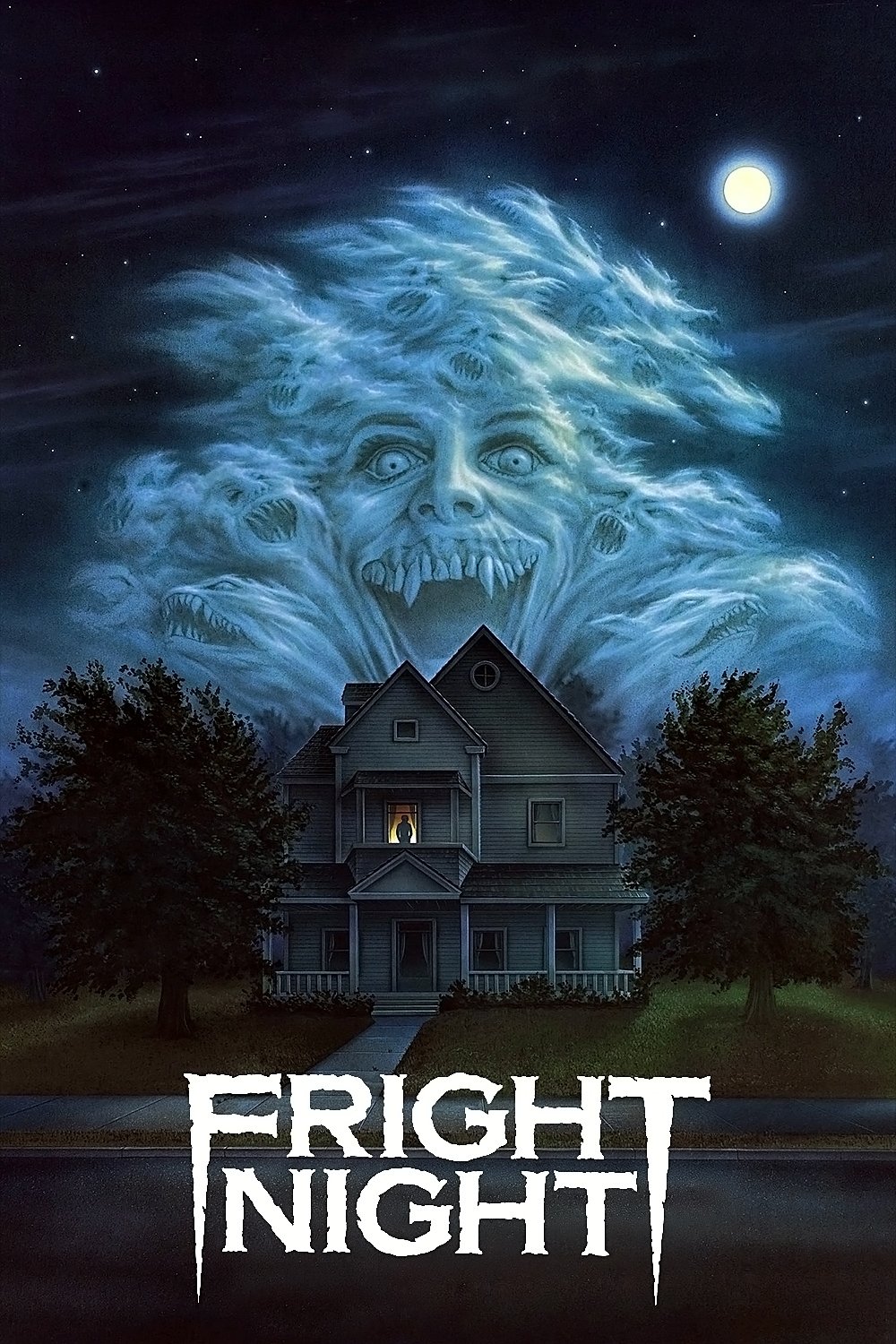
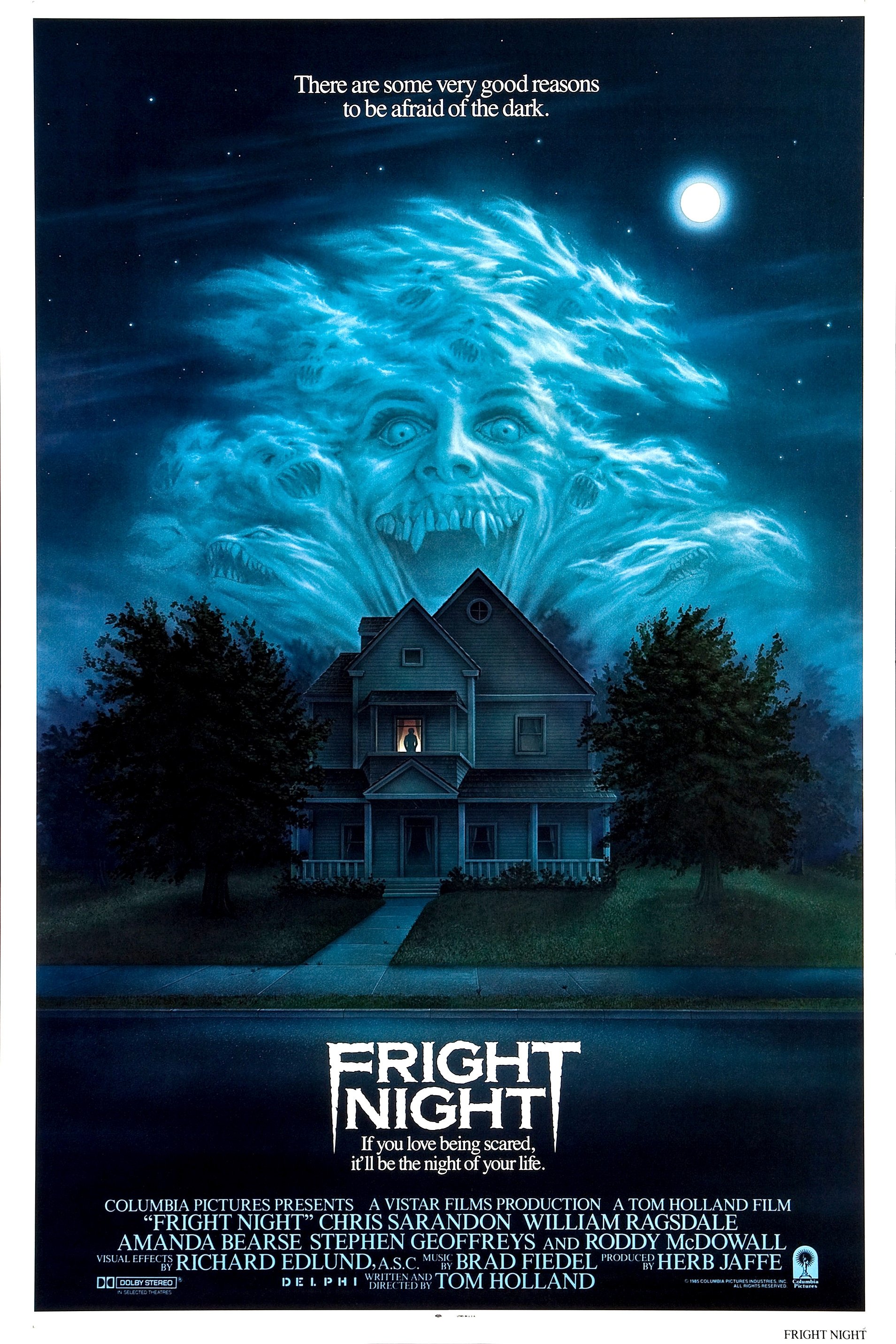
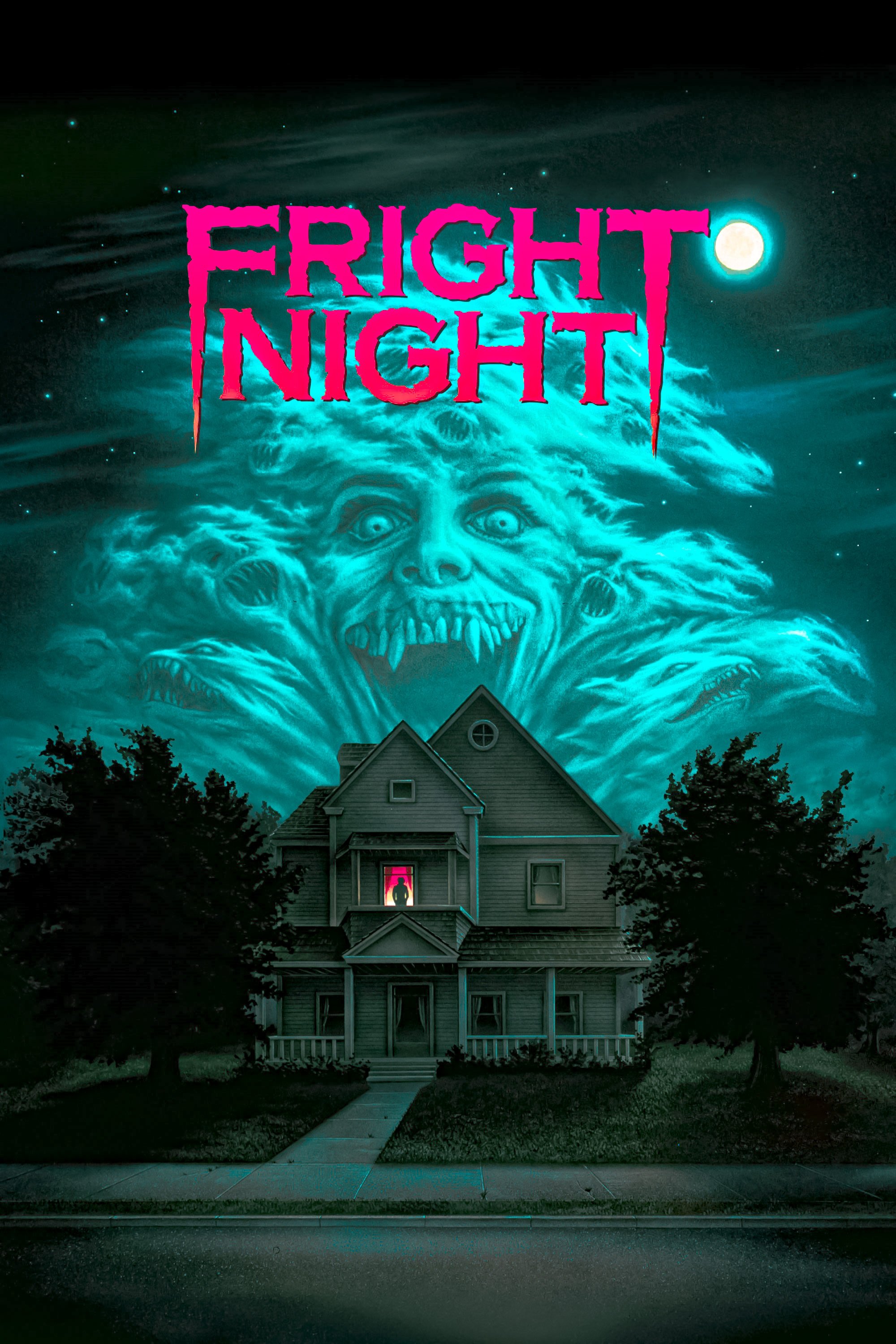
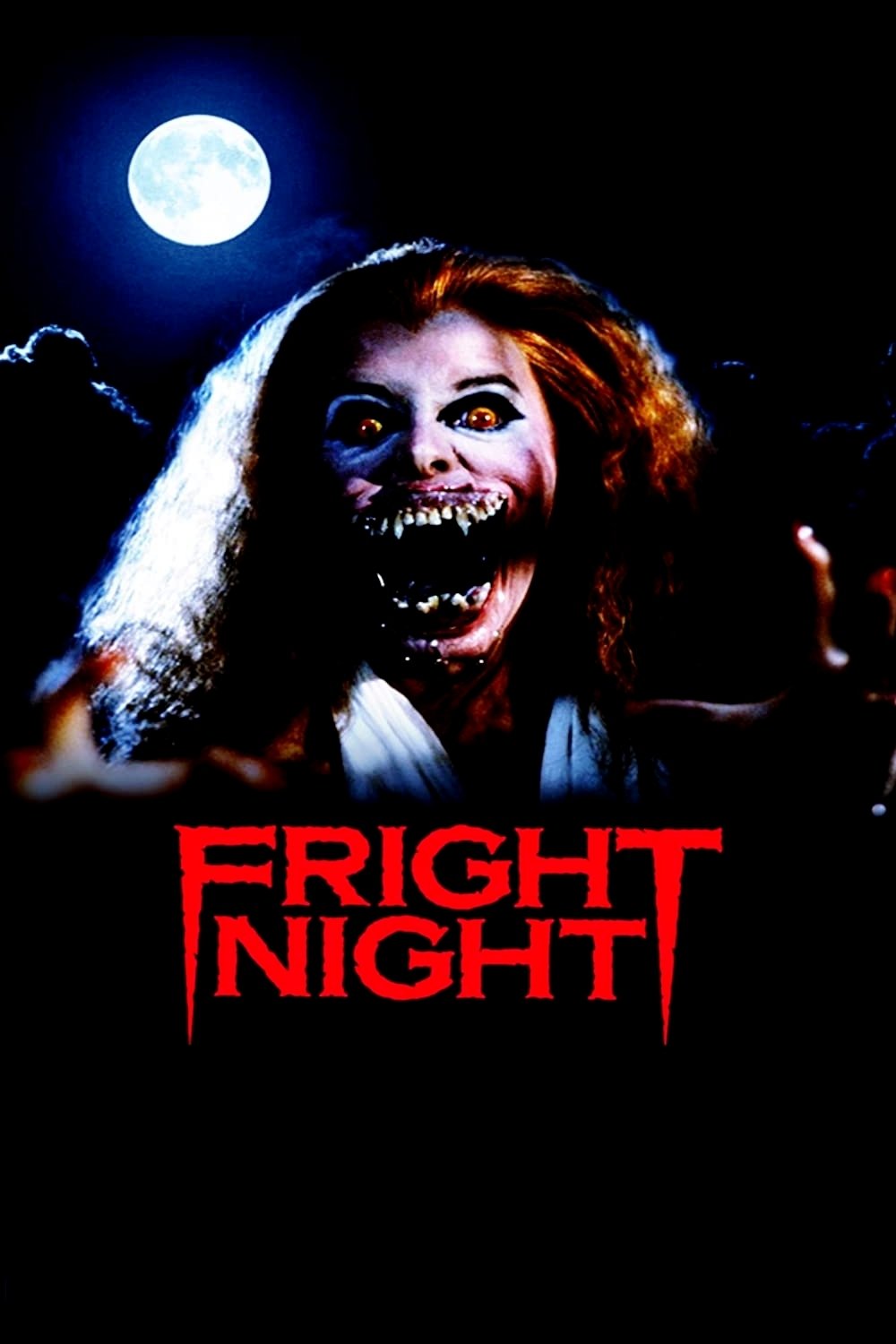
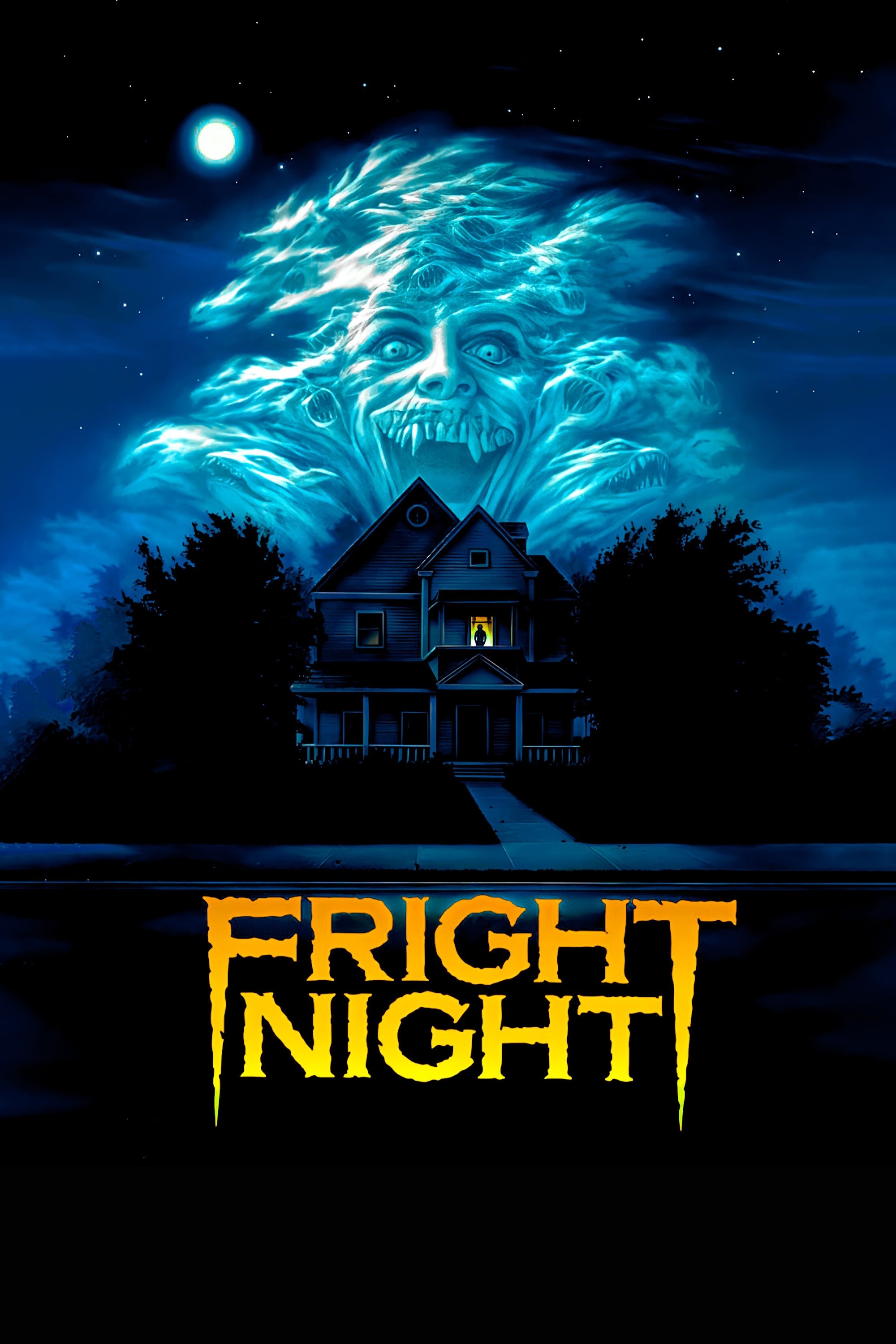
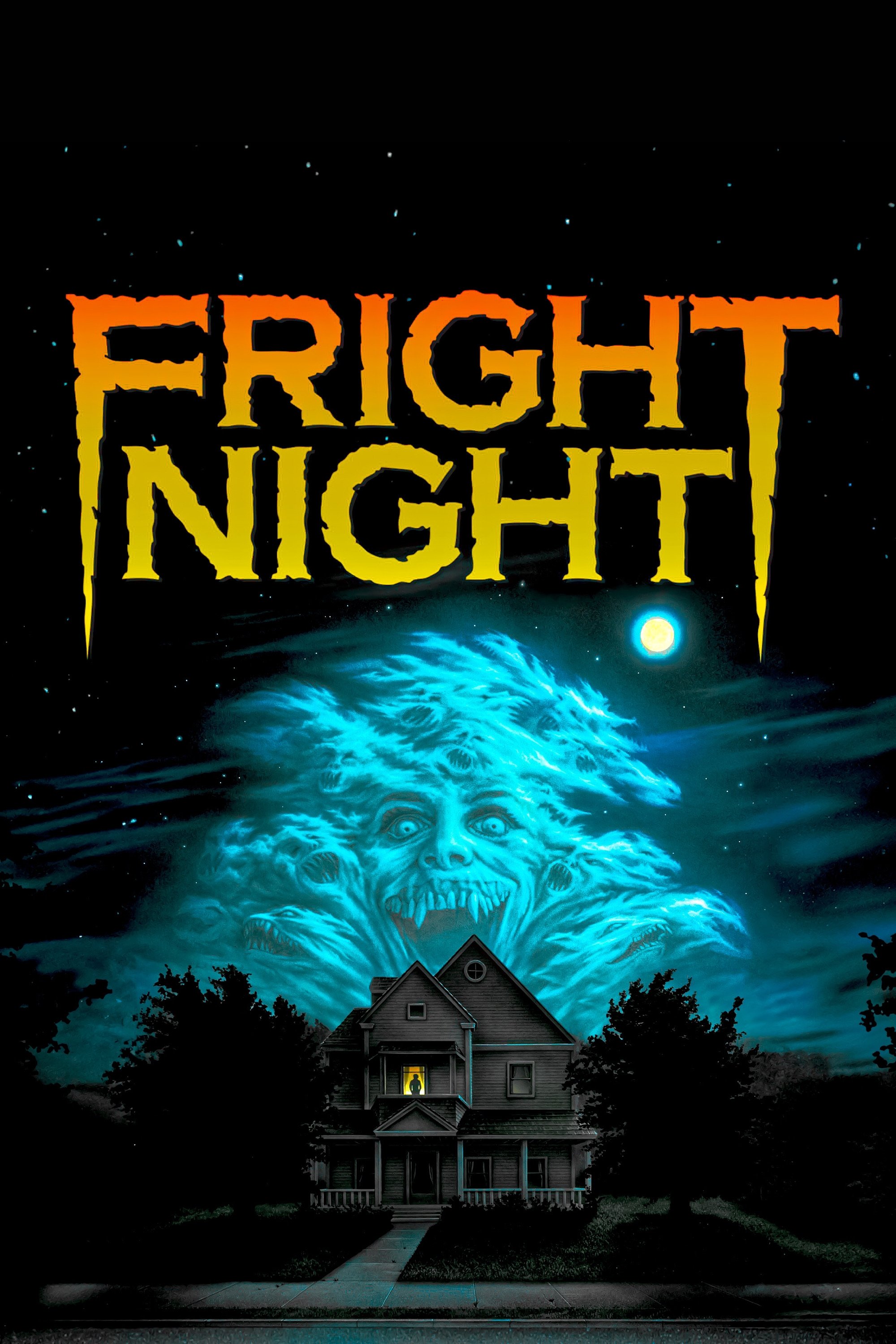
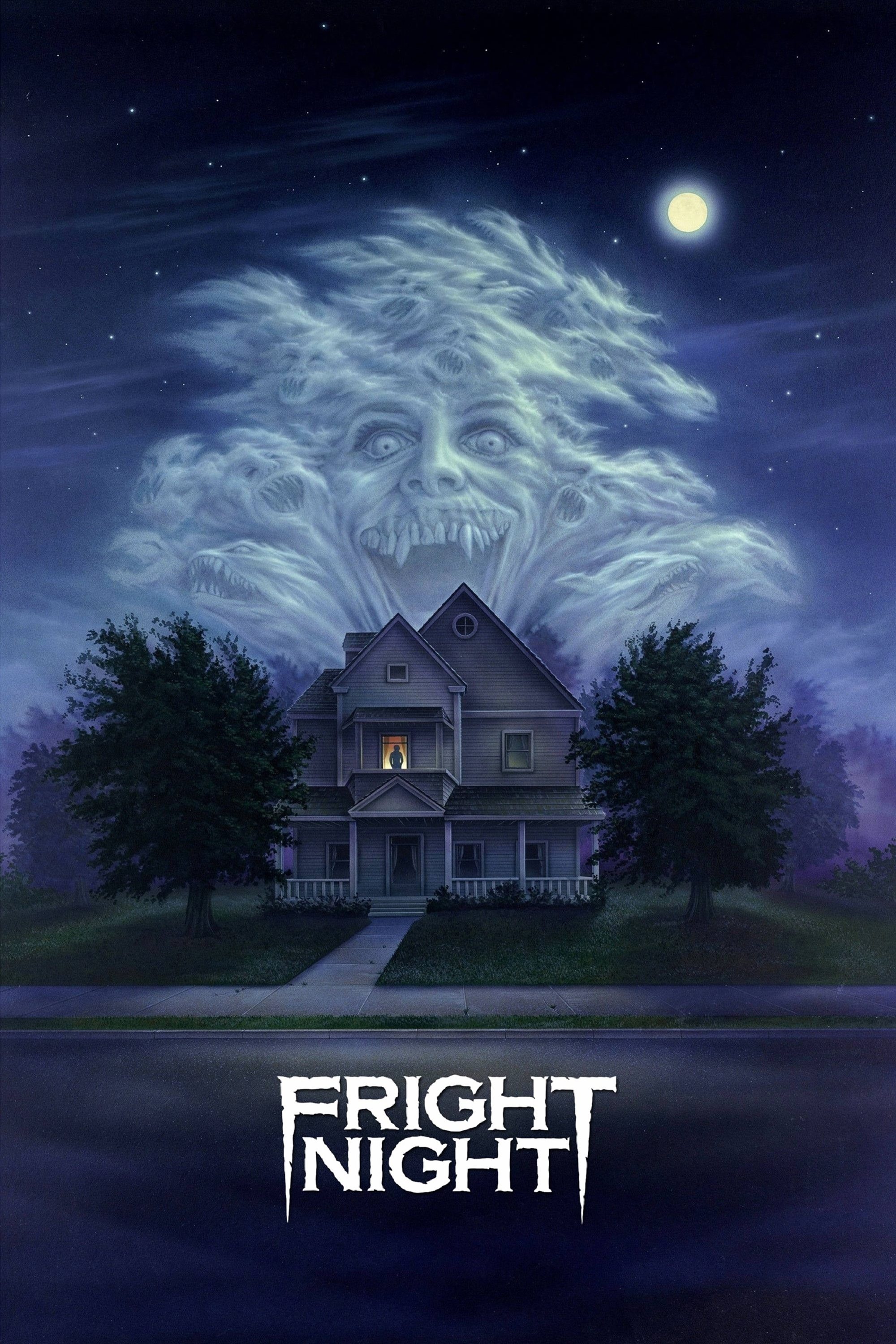
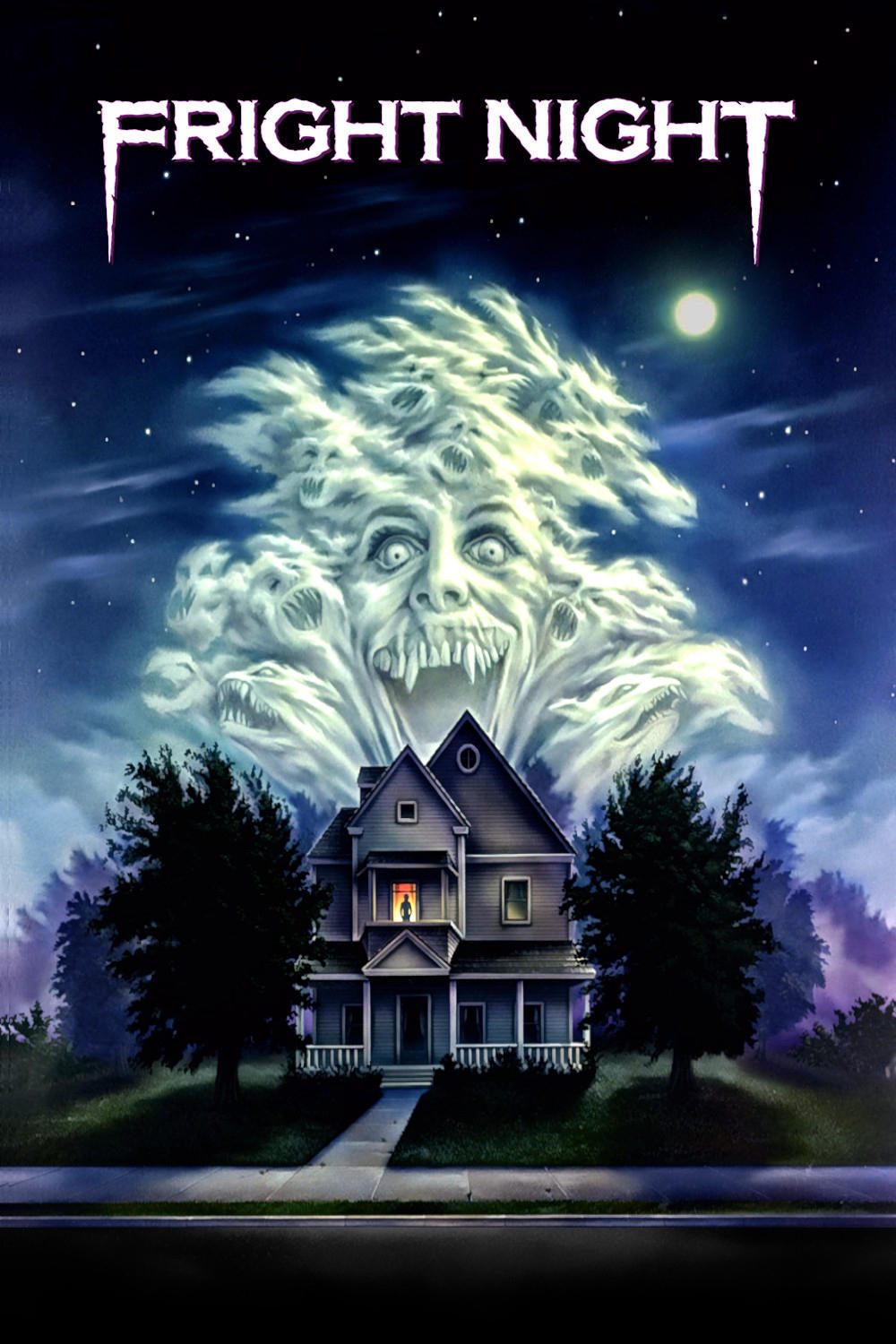
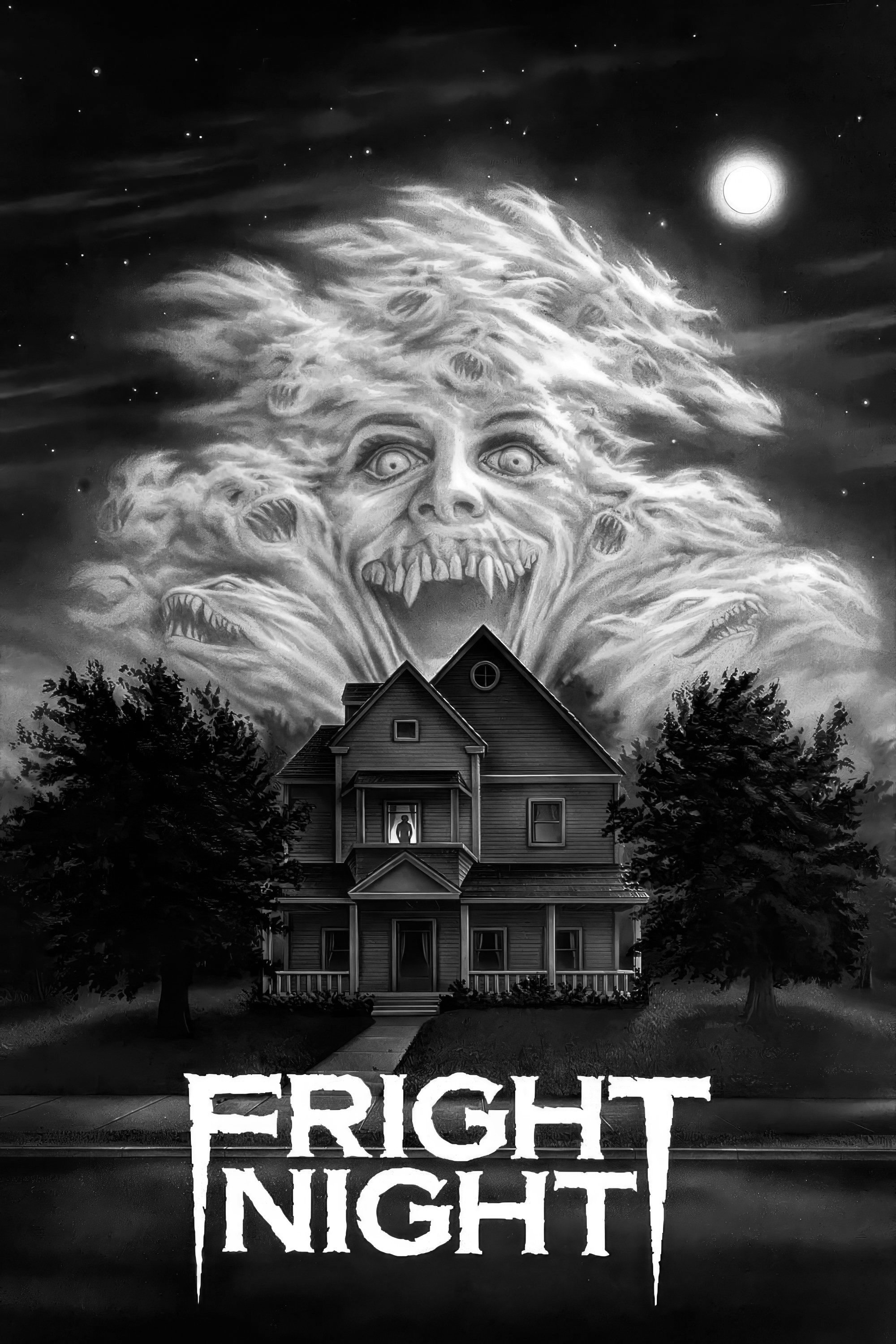
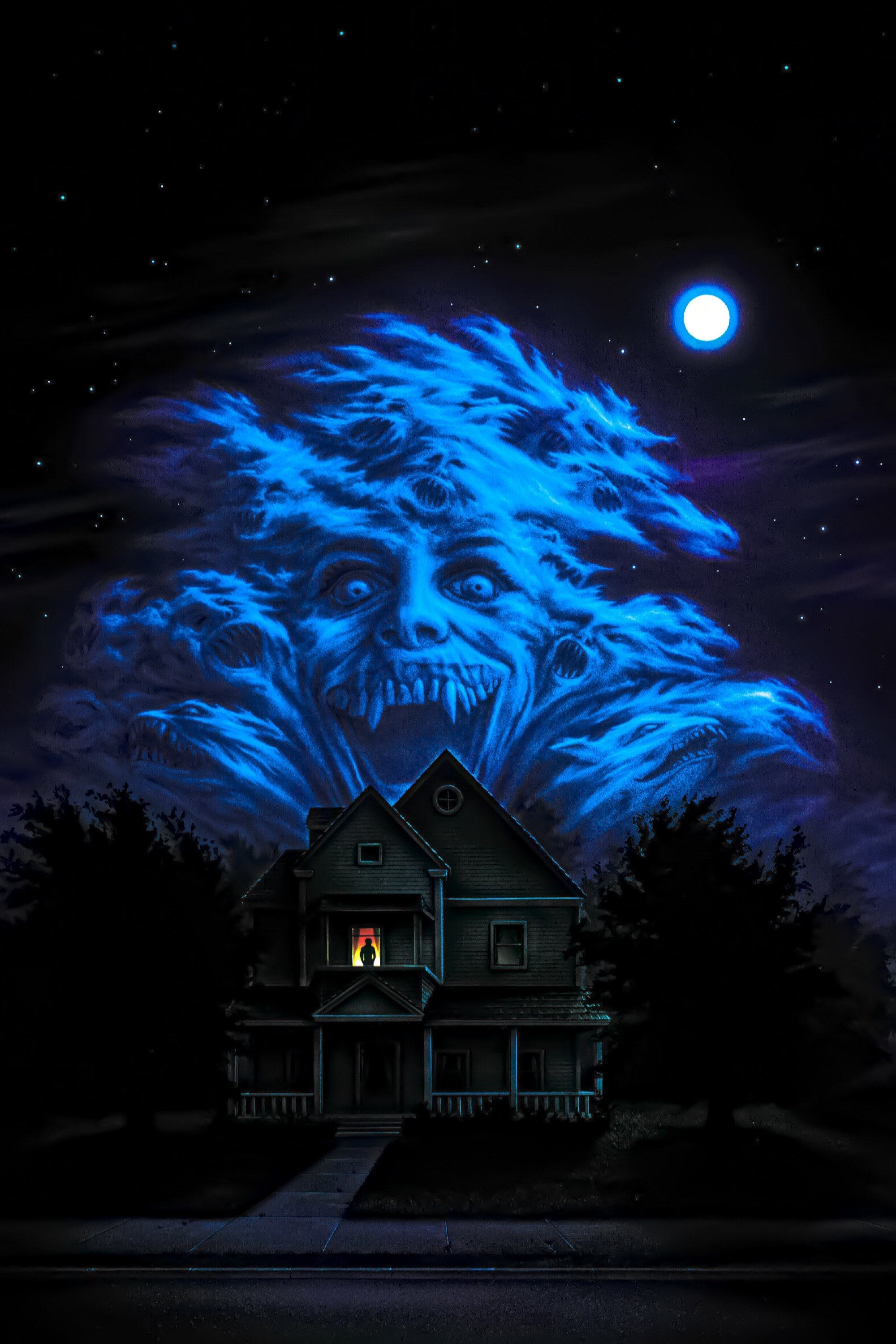
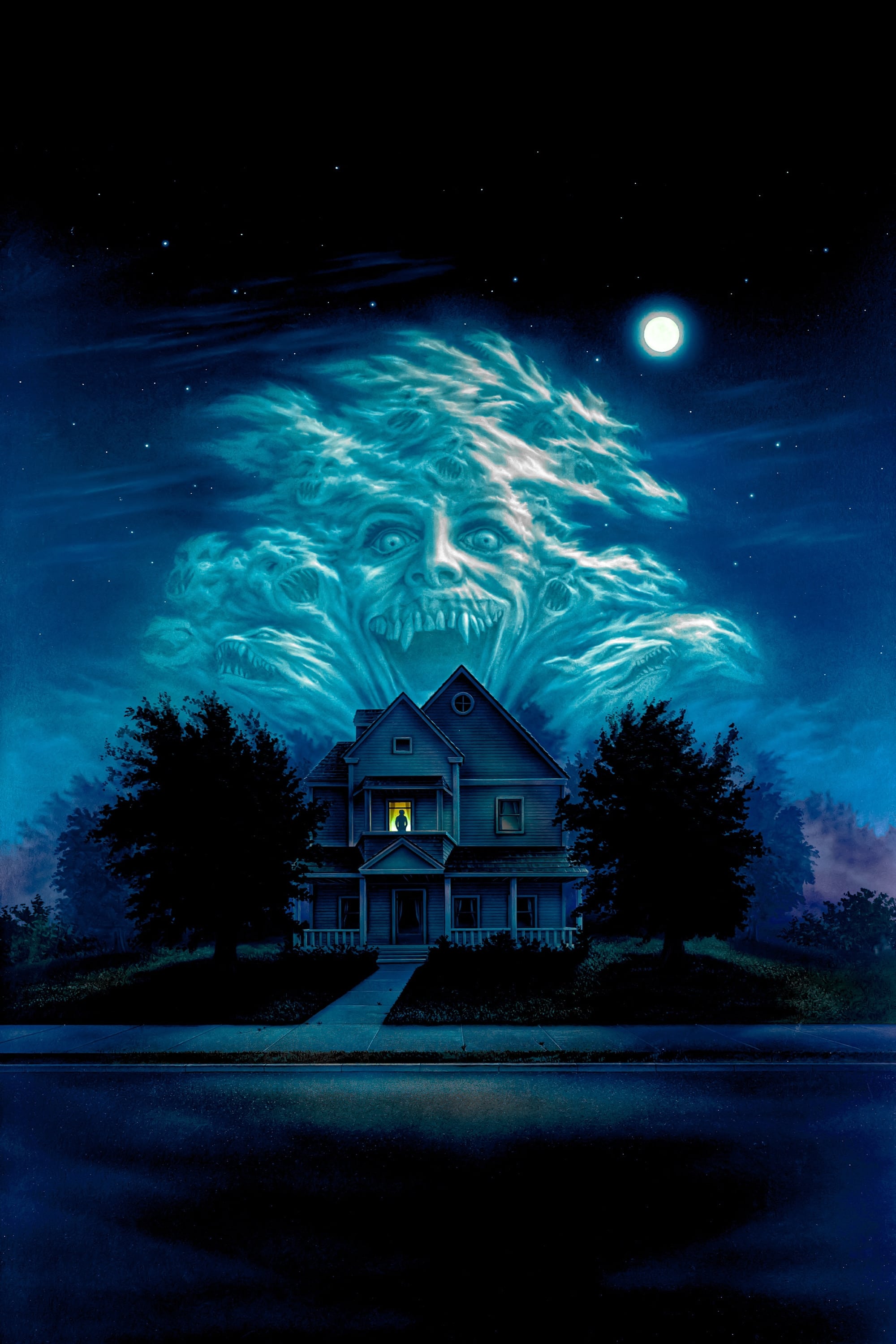
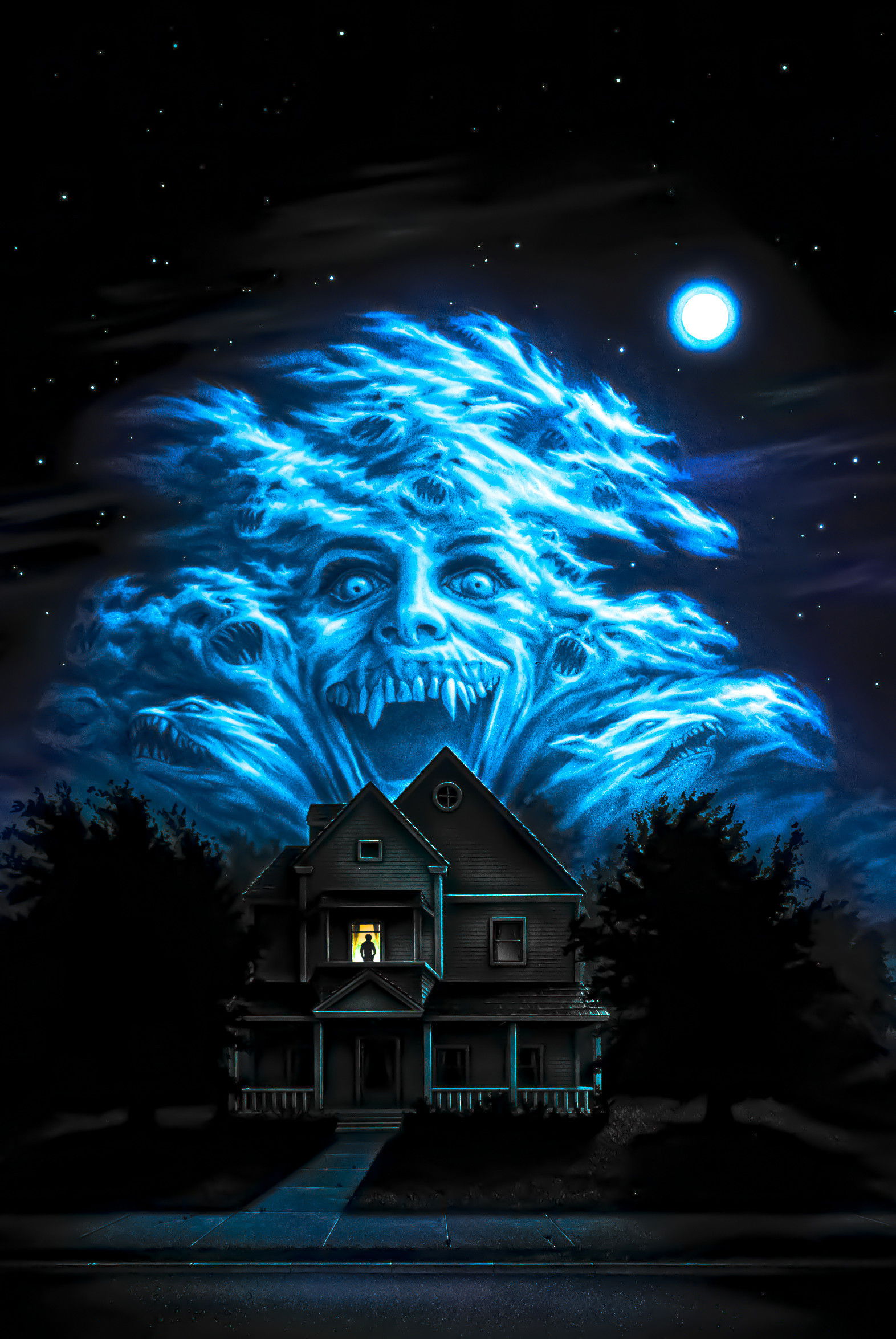
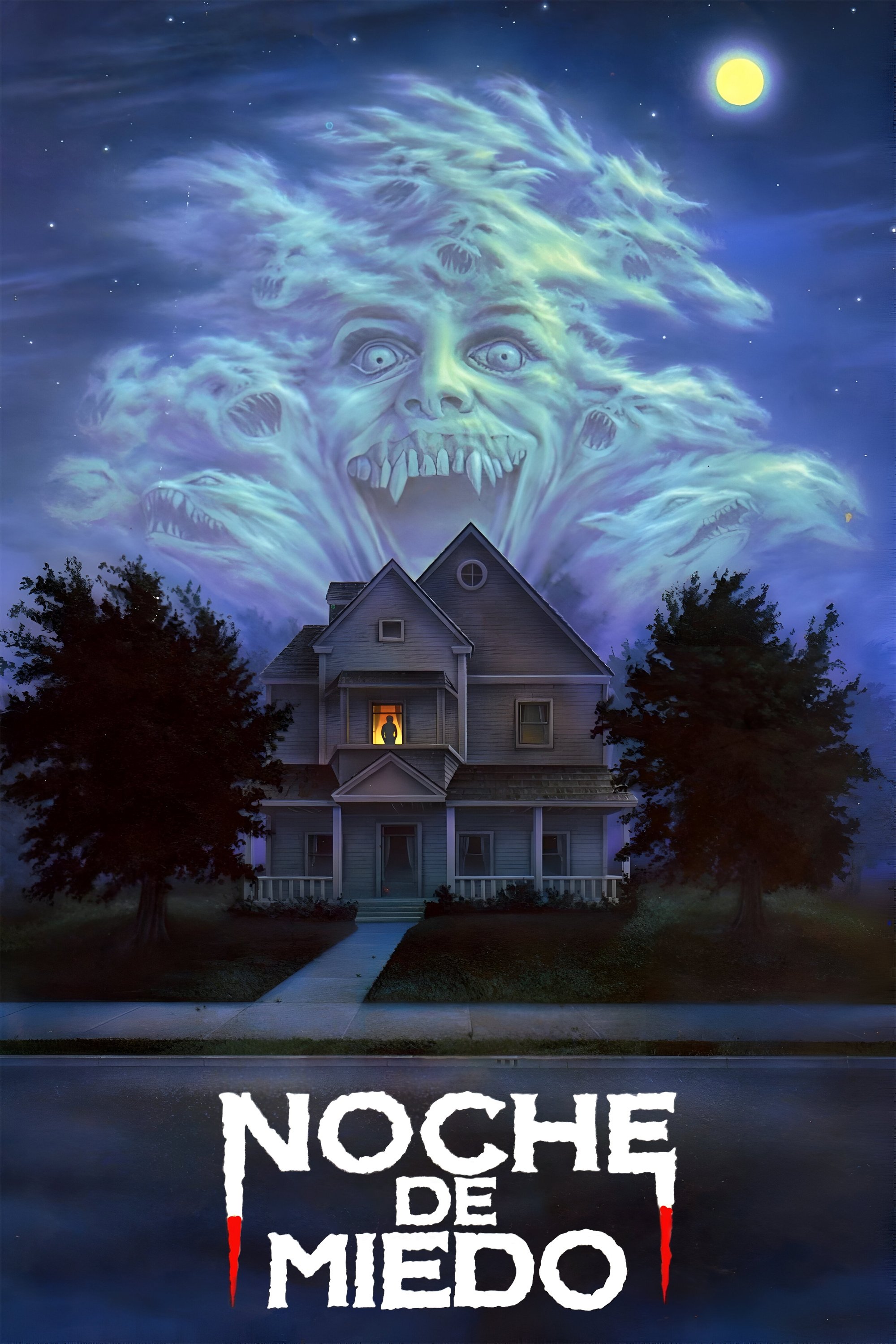
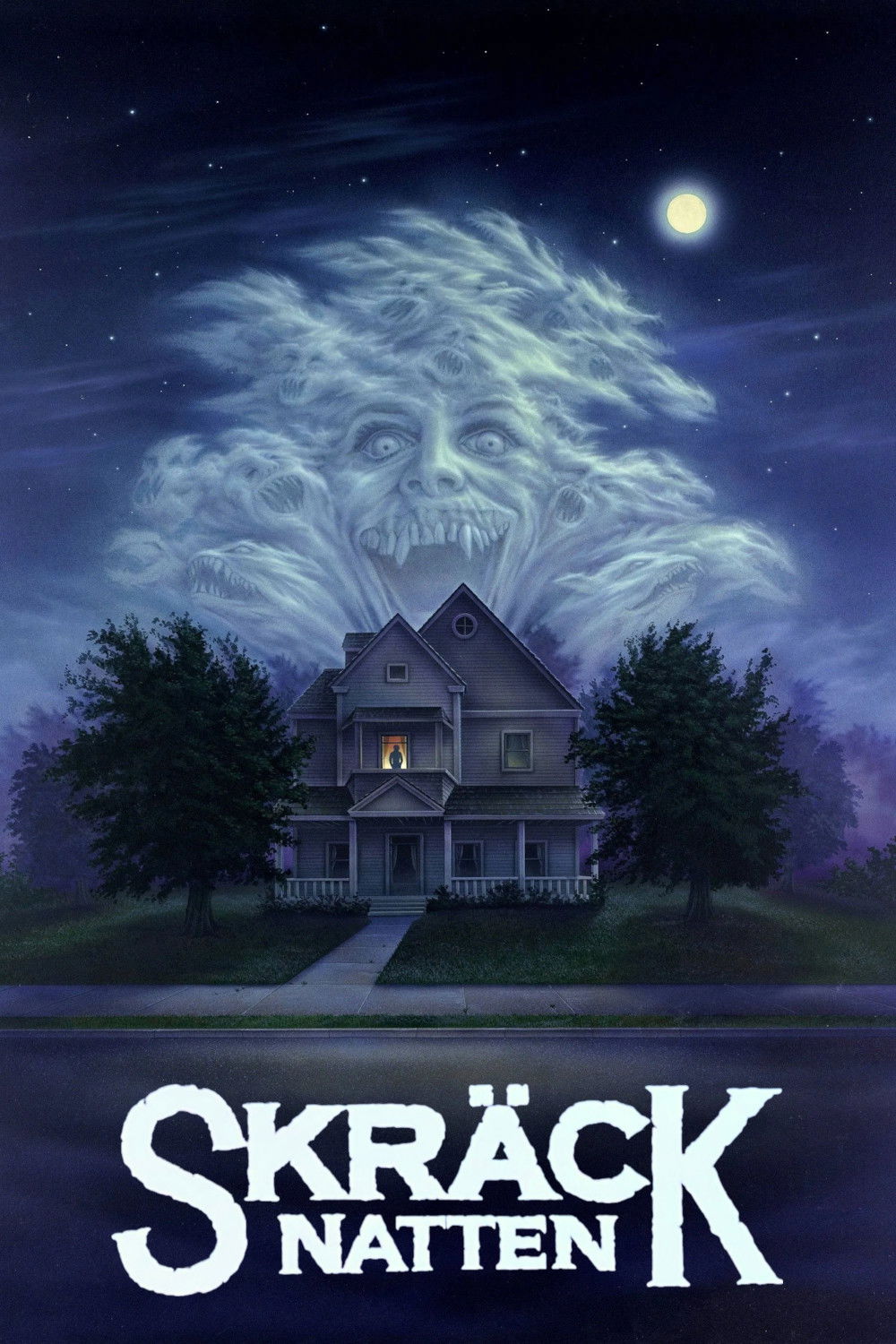
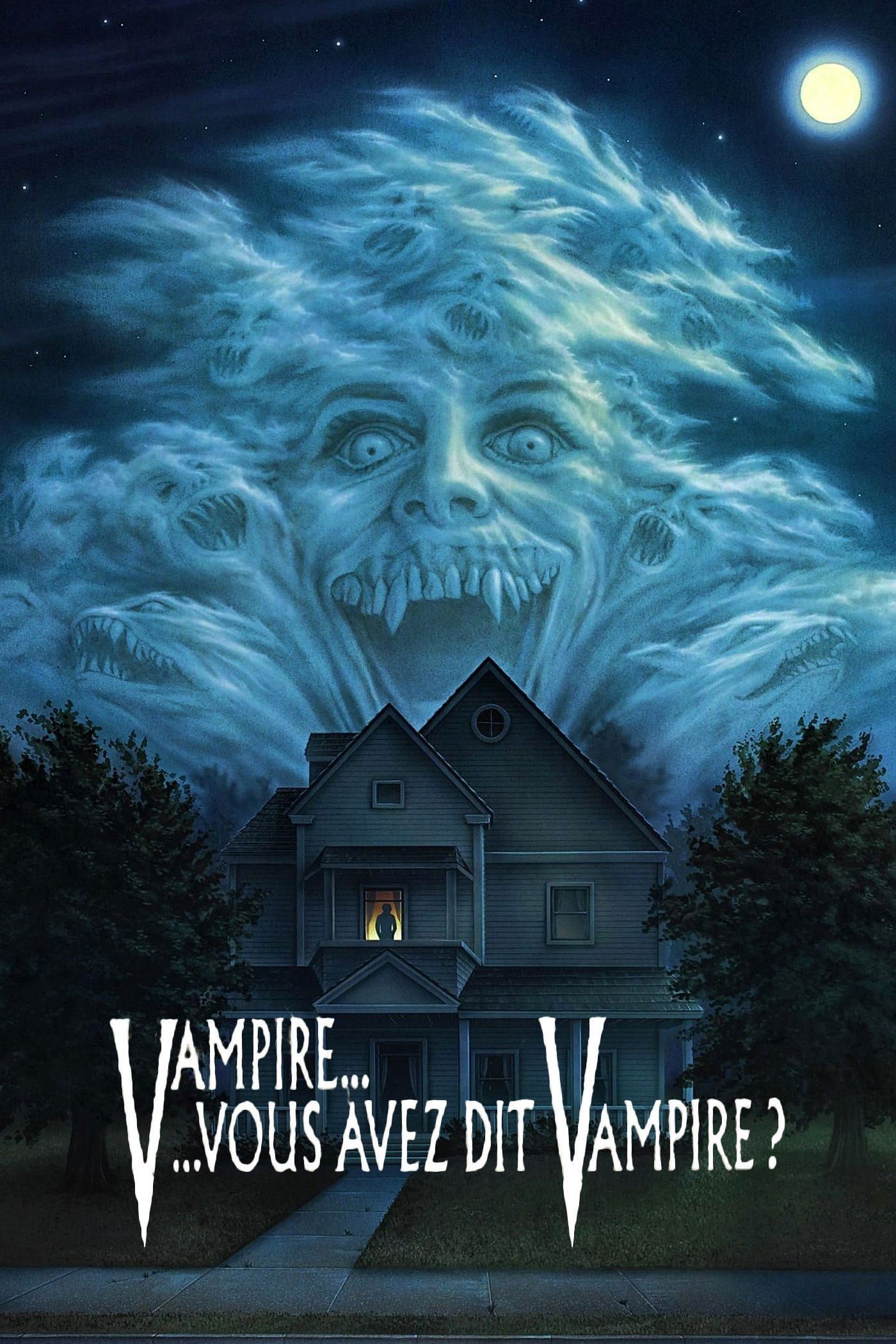
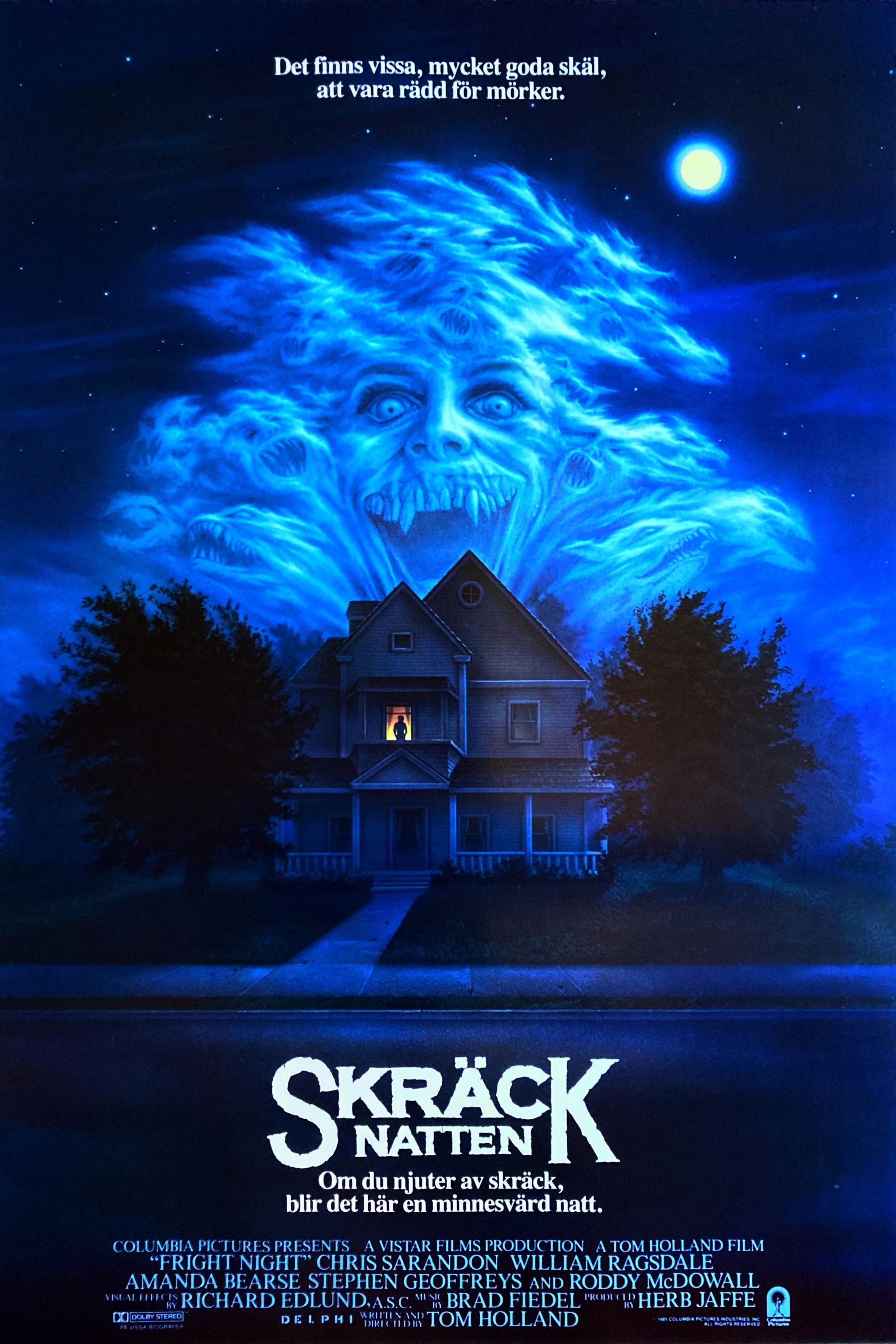
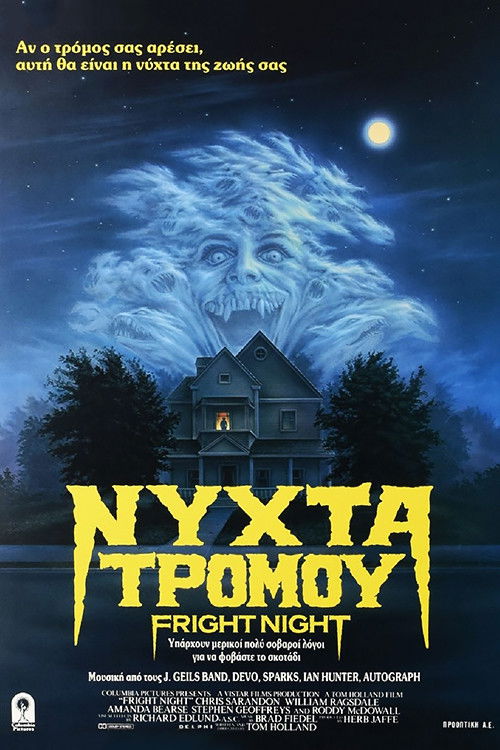
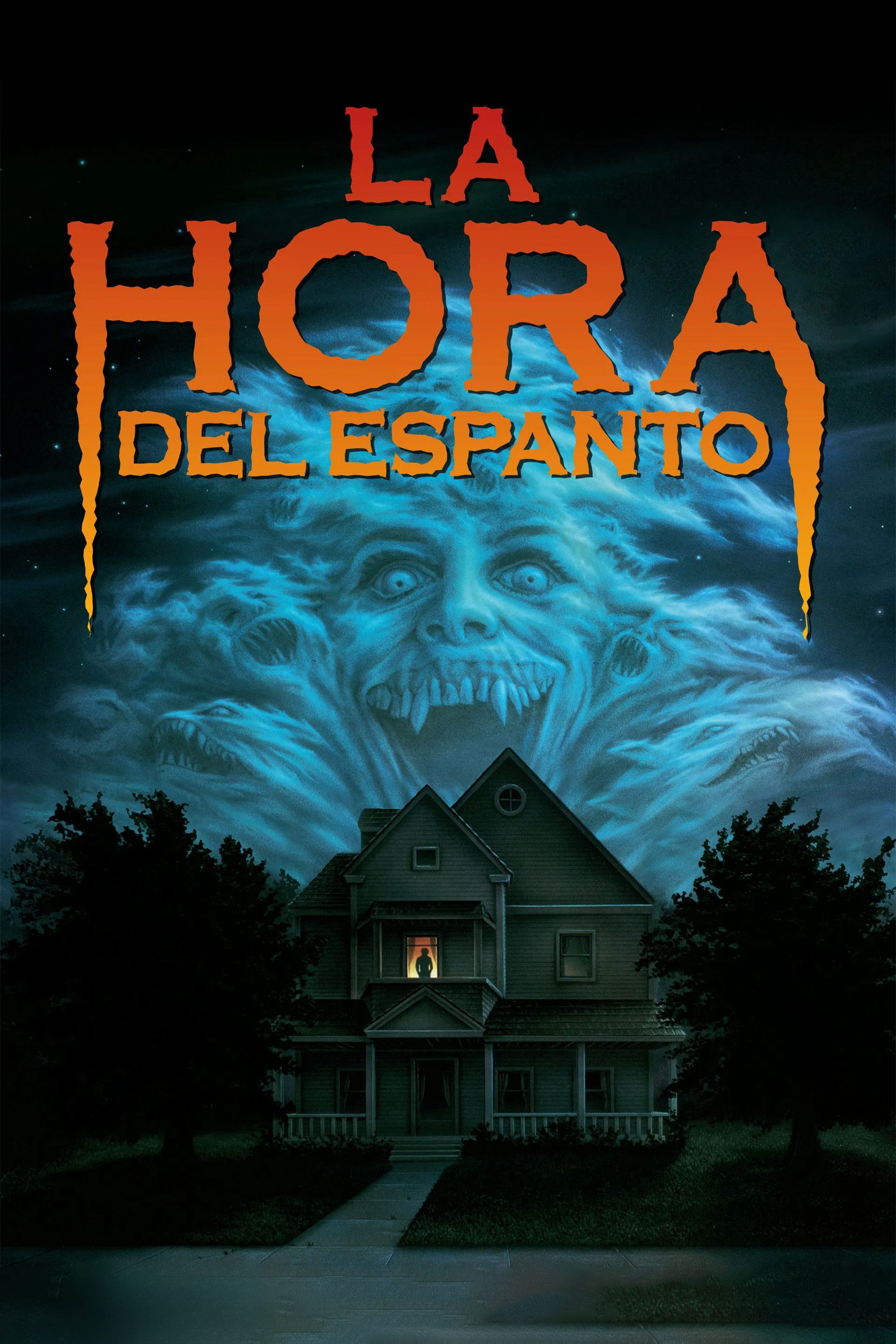
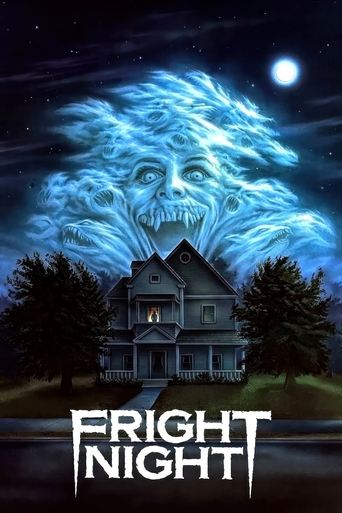
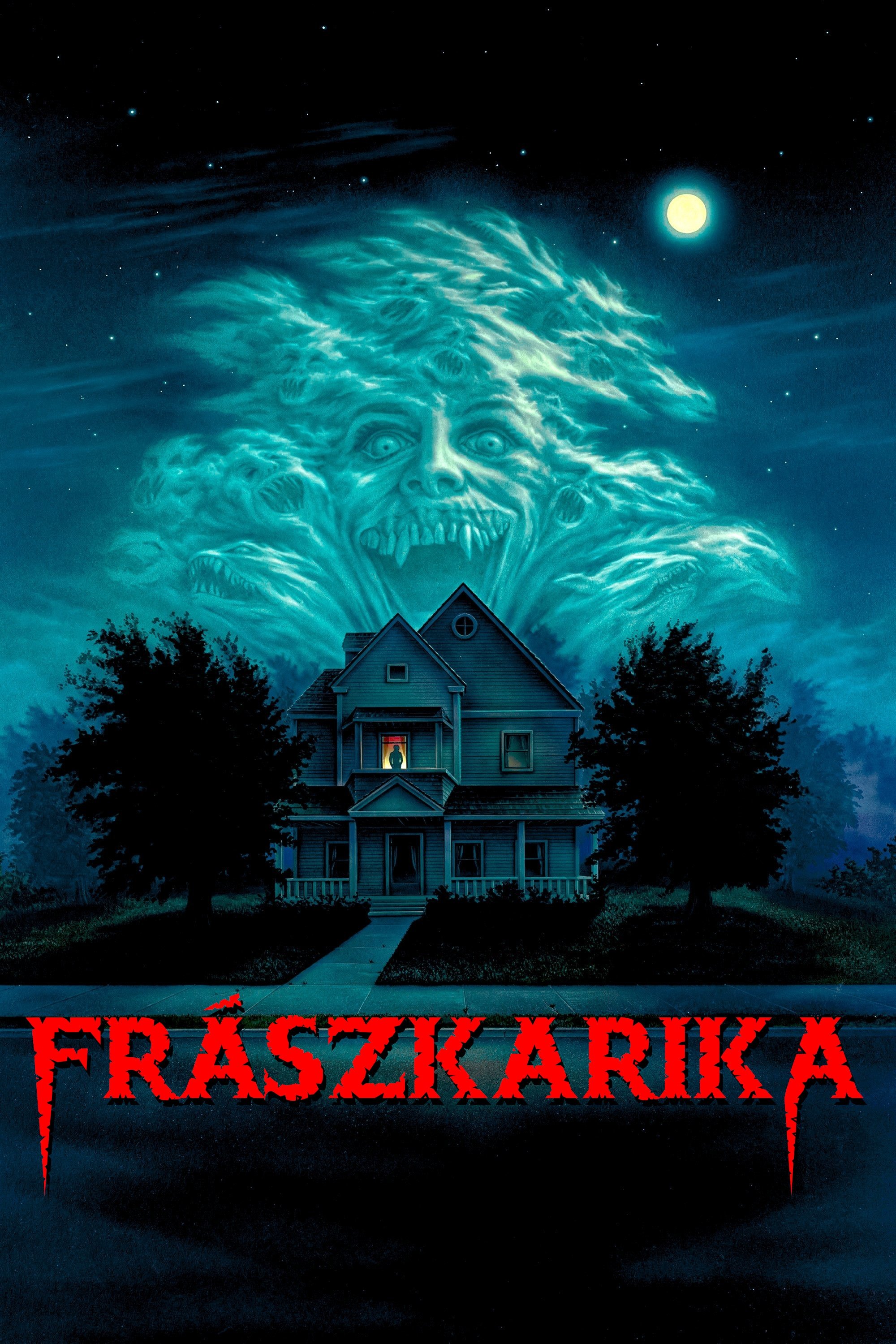
Fright Night (1985) poster
Director
Writer
Production Companies
Columbia Pictures , Delphi IV Productions , Vistar Films
Plot

Charley Brewster, a high school student, accidentally discovers the true and creepy nature of Jerry Dandrige, his dashing and enigmatic new neighbor; but no one seems willing to believe him.

Alternative Titles
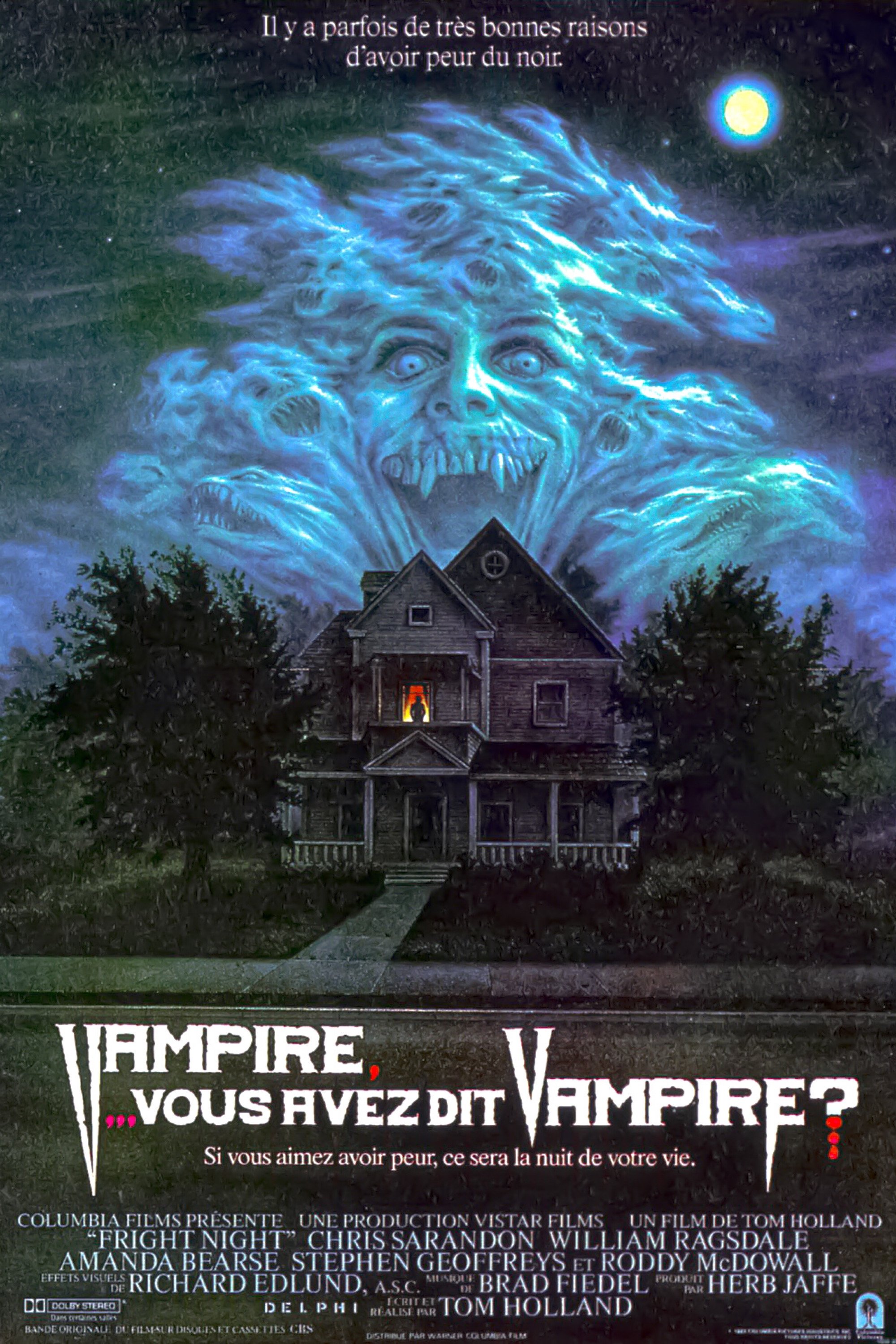
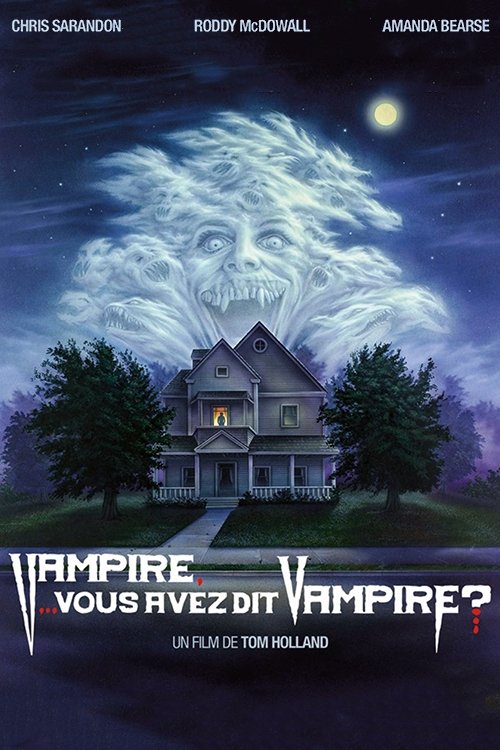
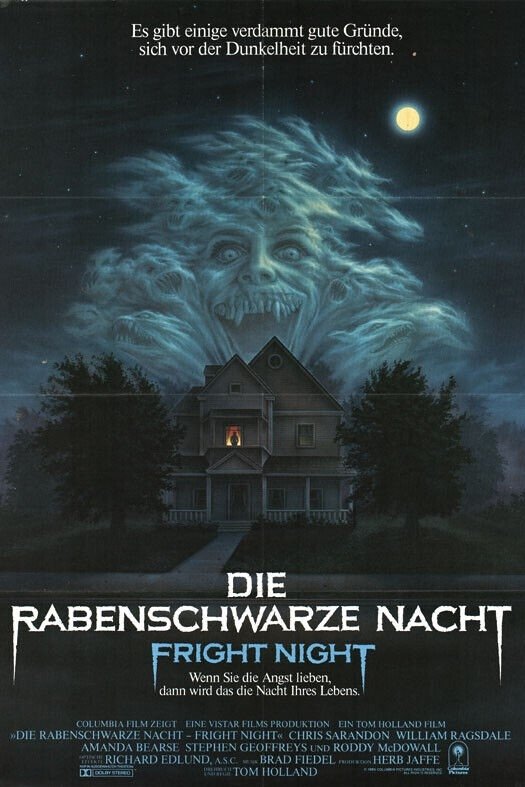
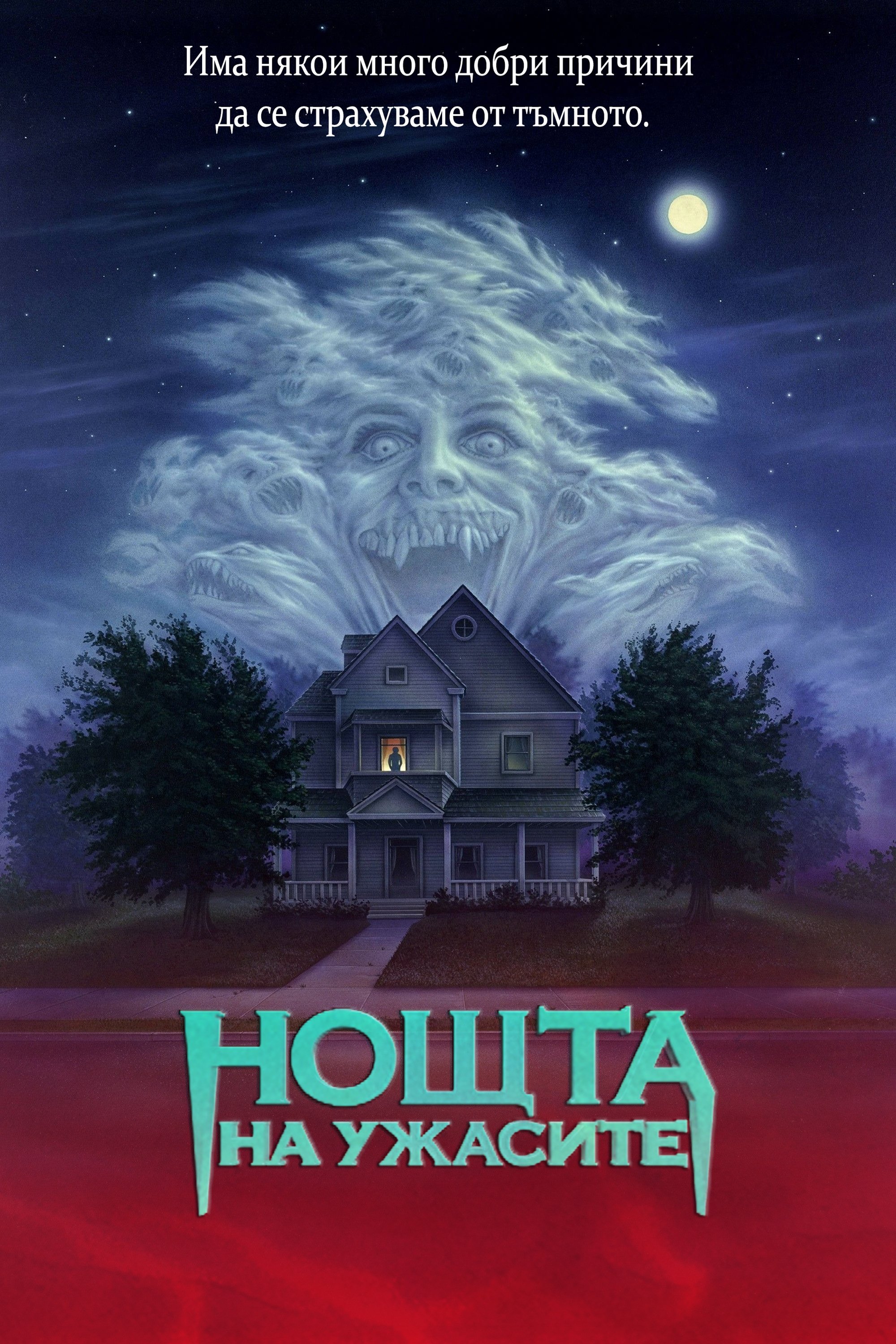
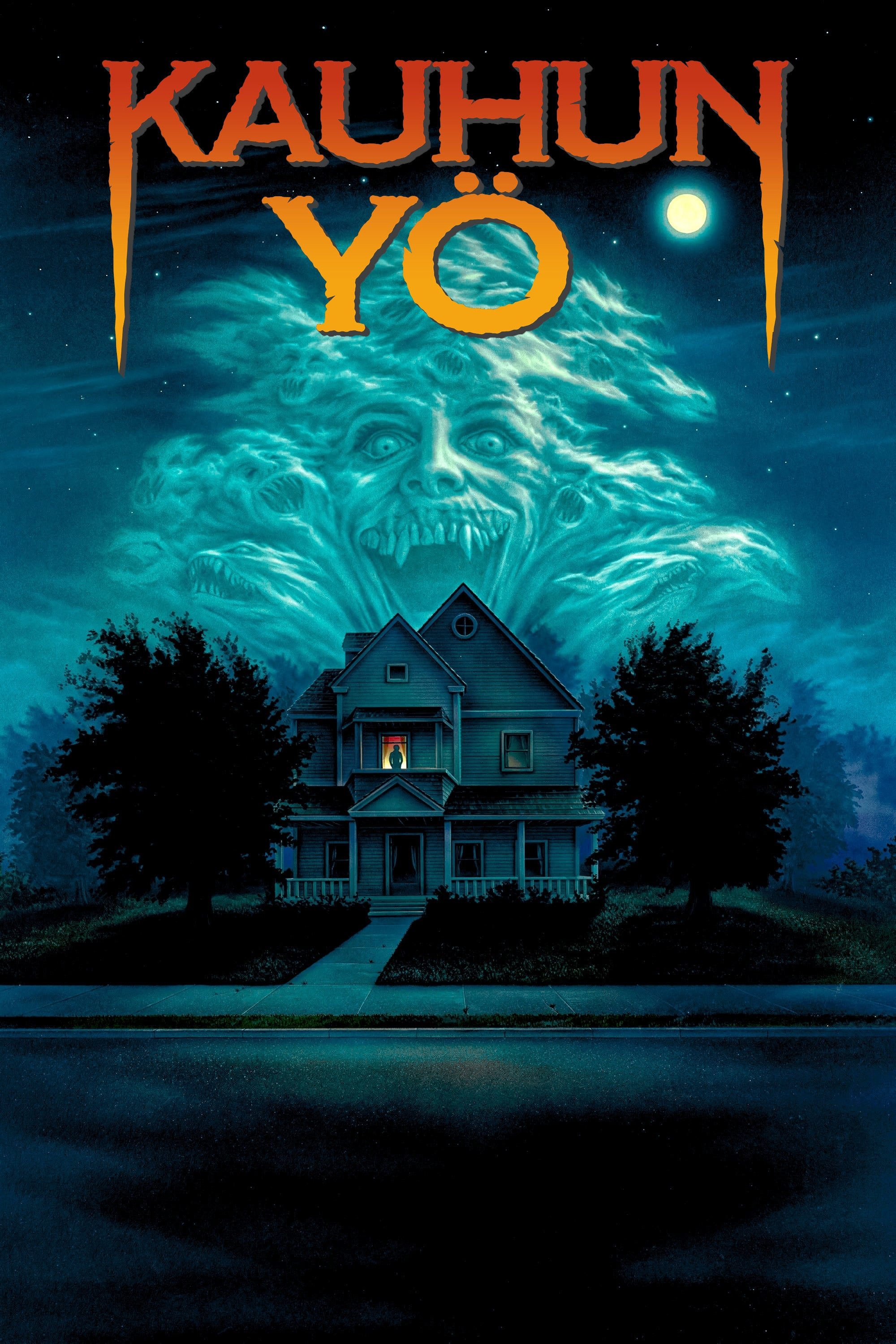
Qonşum Vampirdi (Azerbaijan) Qorxu Gecəsi (Azerbaijan) Нощта на ужасите (Bulgaria) — Bulgarian A Hora do Espanto (Brazil) Vampire… vous avez dit vampire ? (Canada) — French 天师斗僵尸 (China) — Chinese Noc hrůzy (Czechia) — Czech Die rabenschwarze Nacht (Germany) — German
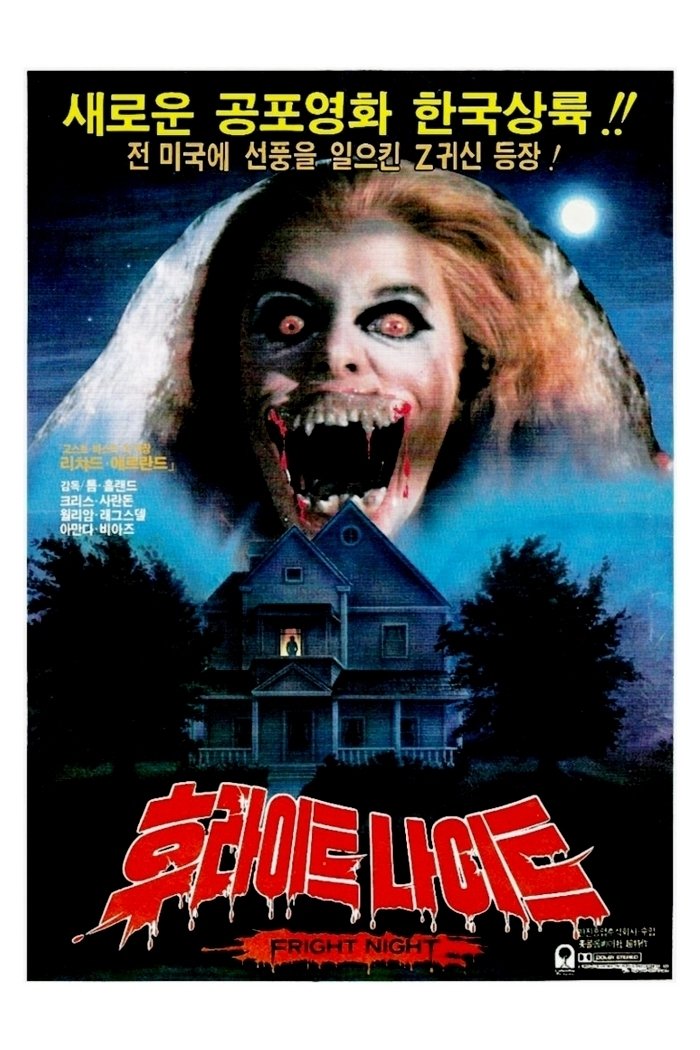
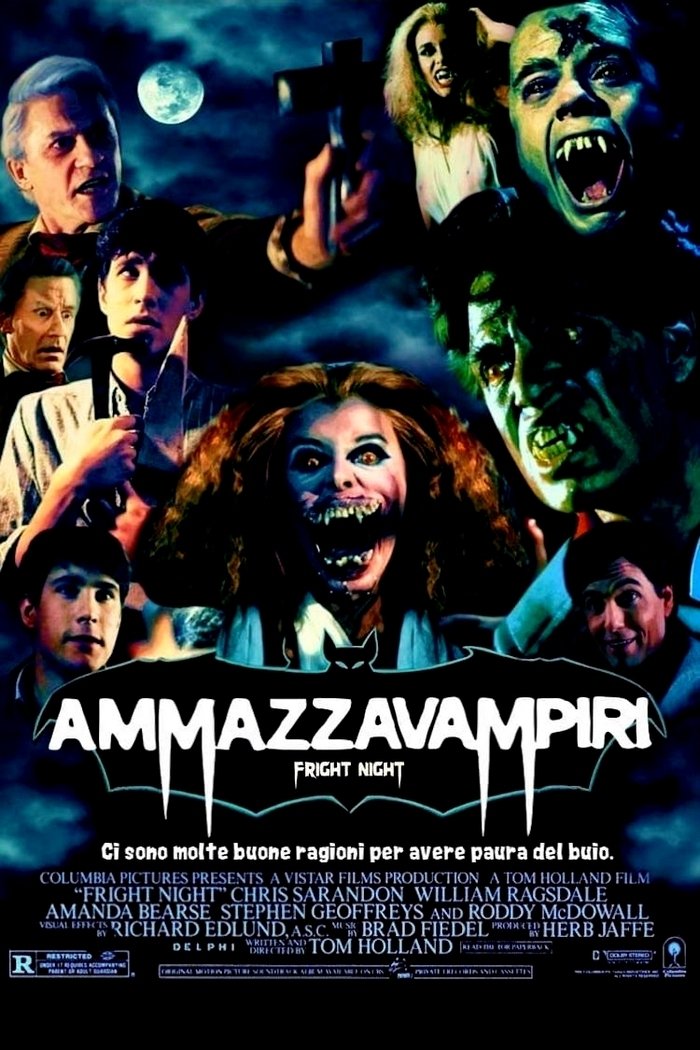
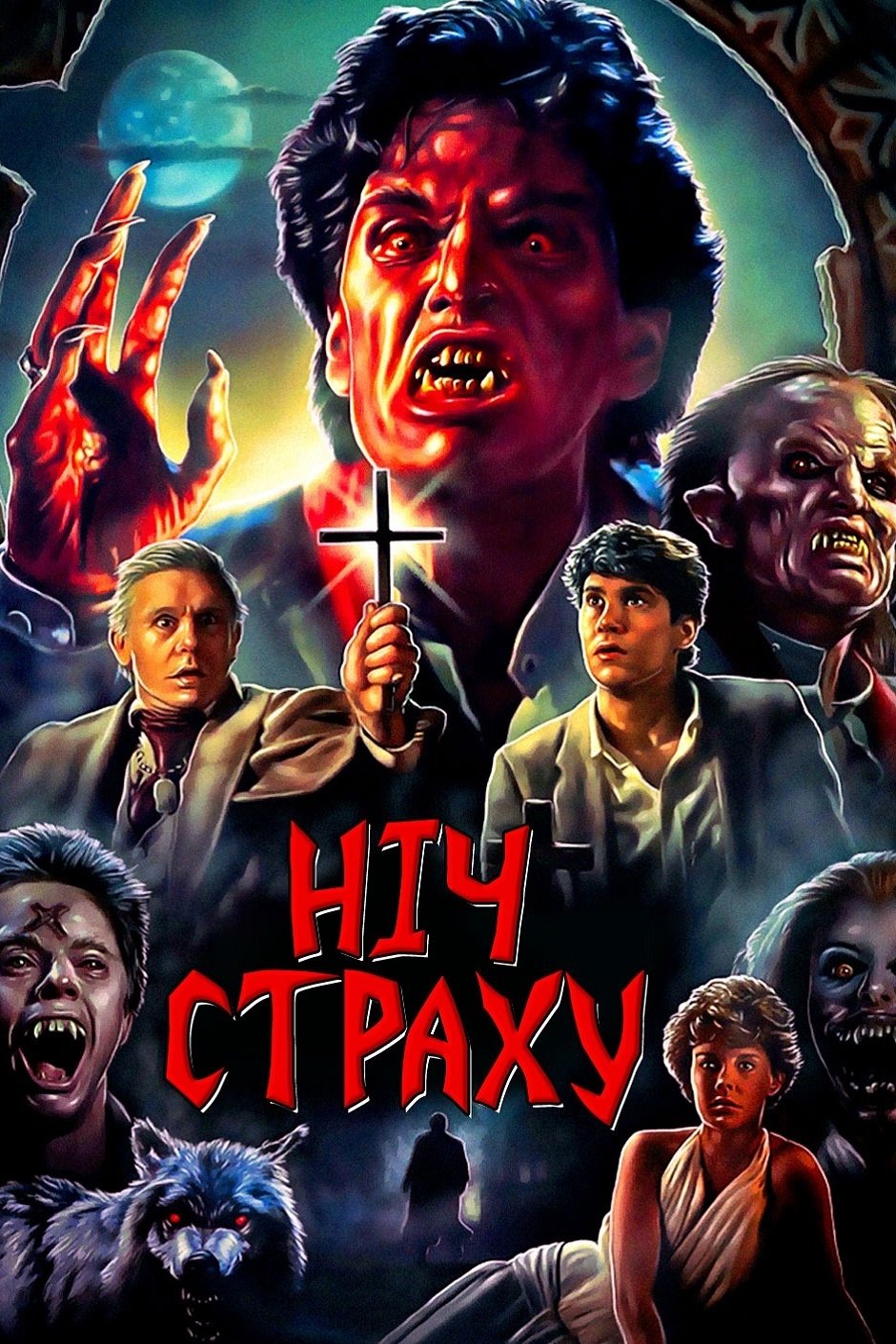
Show all 37 alternative titles Fright Night - Die rabenschwarze Nacht (Germany) Gysertimen (Denmark) — Danish Nit de por (Spain) — Catalan Noche de miedo (Spain) — Spanish Kauhun yö (Finland) — Finnish Vampire, …vous avez dit vampire ? (France) — Original title (used on 1987 Gaumont VHS) Vampire, vous avez dit vampire ? (France) — UHD title Vampire… vous avez dit vampire ? (France) — French Νύχτα τρόμου (Greece) 天師鬥殭屍 (Hong Kong SAR China) — Chinese Frászkarika — Veszélyes éj (Hungary) — Hungarian מי מפחד מהשכן ממול (Israel) — Hebrew Ammazzavampiri (Italy) — Italian フライトナイト (Japan) — Japanese 후라이트 나이트 (South Korea) — Korean La hora del espanto (Mexico) — Spanish Fryktens natt (Norway) — Norwegian Postrach nocy (Poland) — Polish A Noite do Espanto (Portugal) — Portuguese Noaptea groazei (Romania) Ночь страха (Russia) — Russian Skräcknatten (Sweden) — Swedish Moj sosed je vampir (Slovenia) — Slovenian Hrôzostrašná noc (Slovakia) — Slovak คืนนี้ผีมาตามนัด (Thailand) Komşum Bir Vampir (Türkiye) — Turkish 吸血鬼住在隔壁 (Taiwan) — Chinese Ніч страху (Ukraine) — Ukrainian Đêm Kinh Hoàng (Vietnam) — Vietnamese

Trailers & Videos

4 videos

Film Guide & Analysis

Tom Holland brought the classical vampire into 1980s suburbia, combining Hammer and AIP nostalgia, teenage horror fandom and elaborate practical effects in one of the decade's defining vampire cult films.

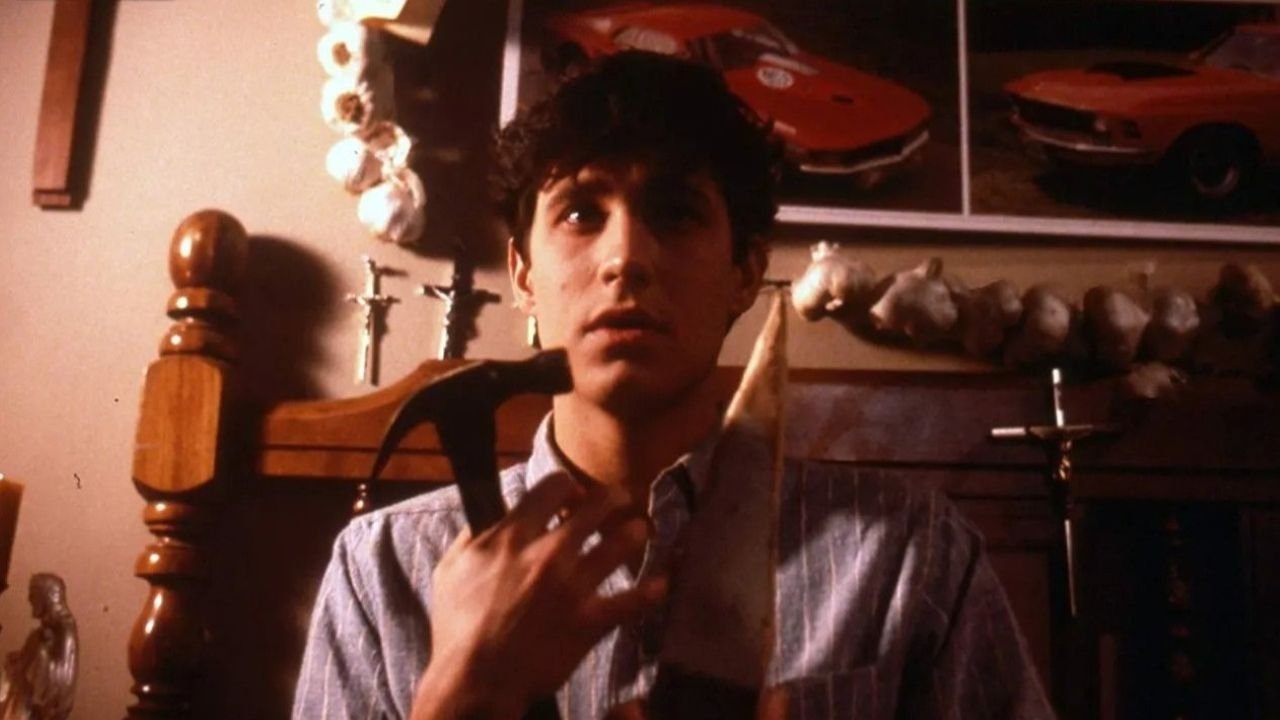
Fright Night builds its horror around a fan who recognizes the monster before anyone else. Charley Brewster spends his evenings watching old vampire movies hosted on television by Peter Vincent, so when the elegant Jerry Dandridge moves into the house next door and begins behaving exactly like the creatures in those films, Charley immediately understands what he believes he is seeing. The problem is that knowledge of horror cinema makes him appear less credible rather than more. Police, friends and family see an excitable teenager projecting his favorite movies onto an ordinary neighbor. Tom Holland turns that contradiction into both comedy and suspense, allowing traditional vampire mythology to enter a recognizably contemporary suburban world without treating either side ironically.

Released in 1985, Fright Night arrived after years in which American theatrical horror had been dominated heavily by slashers. Holland deliberately returned to the vampires, Gothic monsters and horror personalities he had loved through Hammer, American International Pictures and late-night television, but he did not attempt to reproduce an older film literally. Jerry Dandridge is seductive, cultured and modern enough to live unnoticed in suburbia, while Peter Vincent is a faded screen vampire killer forced to discover whether the rules he performed in cheap movies actually work. The combination of affectionate genre memory, elaborate creature effects and genuinely threatening supernatural horror gave the film an identity strong enough to outlive its original release and become one of the central vampire cult films of the 1980s.

Development and the Boy Who Cried Vampire

Tom Holland developed Fright Night after an established career as a screenwriter that included The Beast Within, Class of 1984, Psycho II and Cloak & Dagger. The film became his feature directing debut. Holland later described the starting point as a variation on the Boy Who Cried Wolf: what would happen if a teenage horror fan became convinced that the man next door was genuinely a vampire? The premise amused him because the character most capable of identifying the supernatural threat would also be the person adults were least likely to believe. His knowledge of vampire movies could provide the correct explanation while simultaneously destroying his credibility.

The concept did not become a complete story until Holland created Peter Vincent. Growing up, he had watched horror films on independent television stations, where inexpensive local hosts introduced old movies late at night. His memories included Hammer productions, AIP films and performers such as Christopher Lee, Peter Cushing and Vincent Price. Peter Vincent's name combines Cushing and Price, while the character represents the fading world of theatrical Gothic horror itself: an actor once associated with fictional vampire killing who now survives by presenting old movies to an audience that is gradually disappearing.

This gave the screenplay two complementary protagonists. Charley believes in vampire rules because he has consumed them as entertainment, while Peter has spent his career pretending to believe in exactly the same rules without expecting to encounter them in reality. Charley begins with conviction but lacks authority; Peter possesses the image of authority but initially lacks conviction. The film becomes a story about bringing those two halves together. What begins as a comic situation gradually forces both characters to discover that old horror mythology can become materially dangerous when the monster next door really does obey it.
Peter Vincent and Horror Fandom

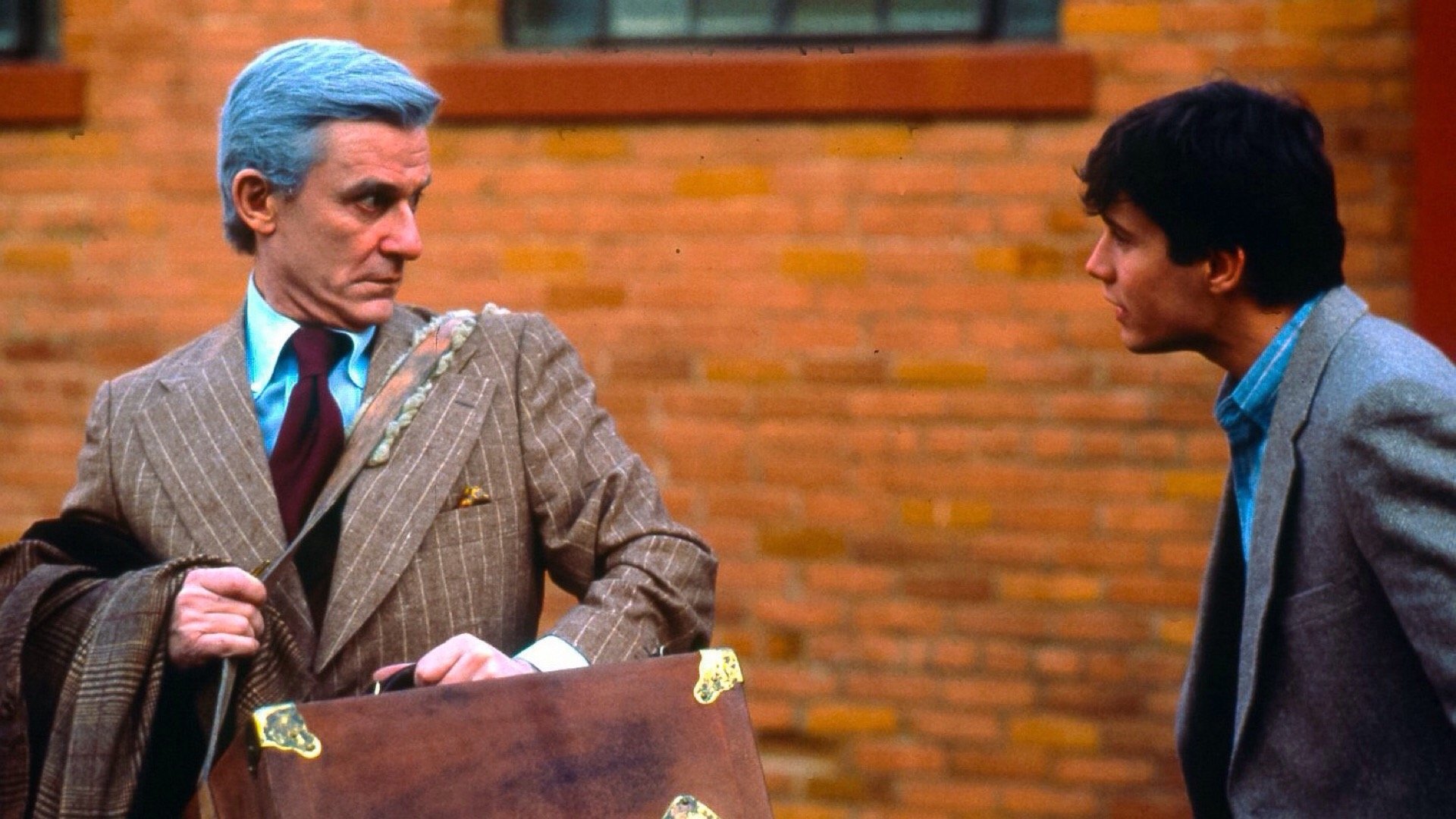
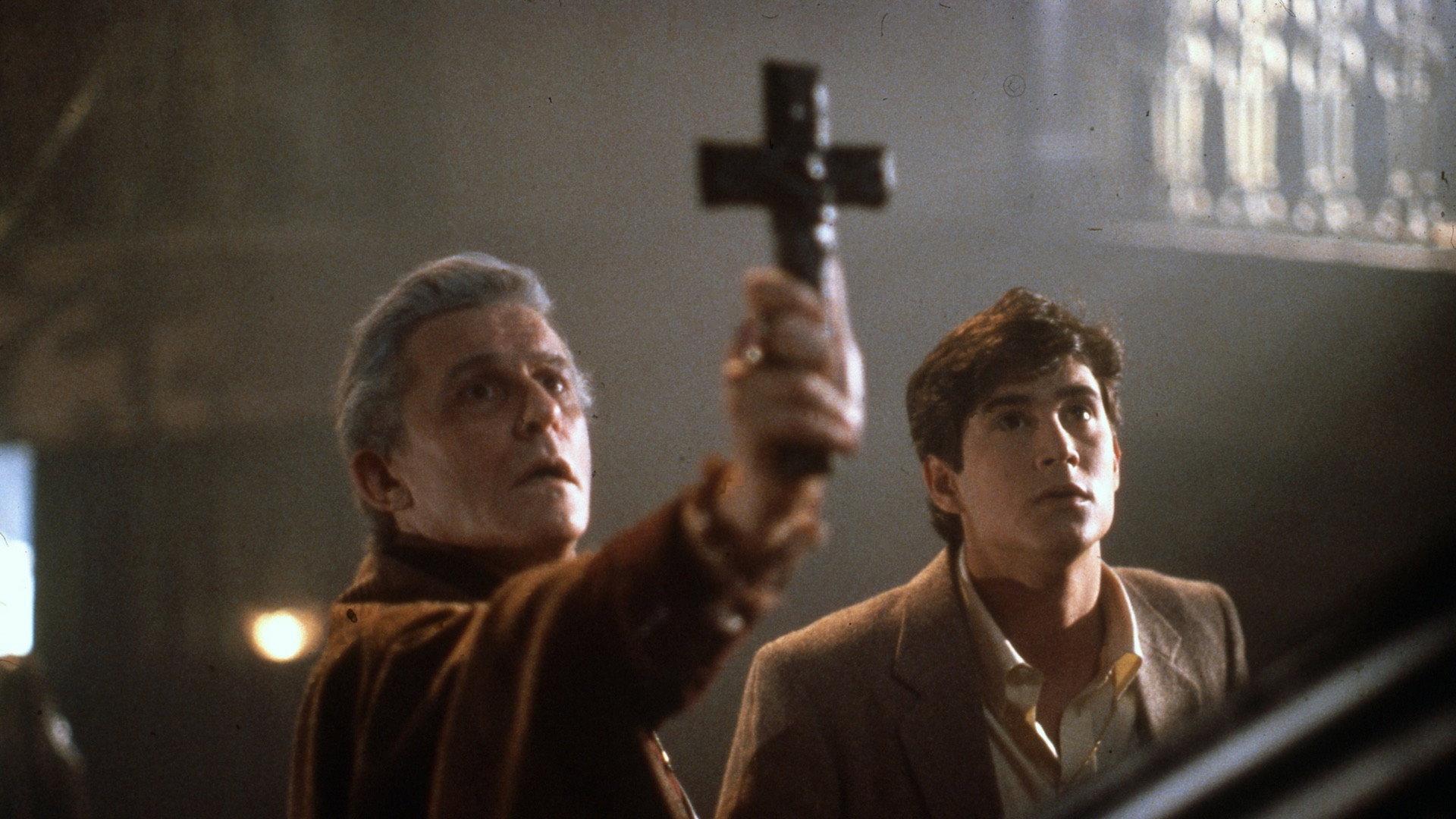
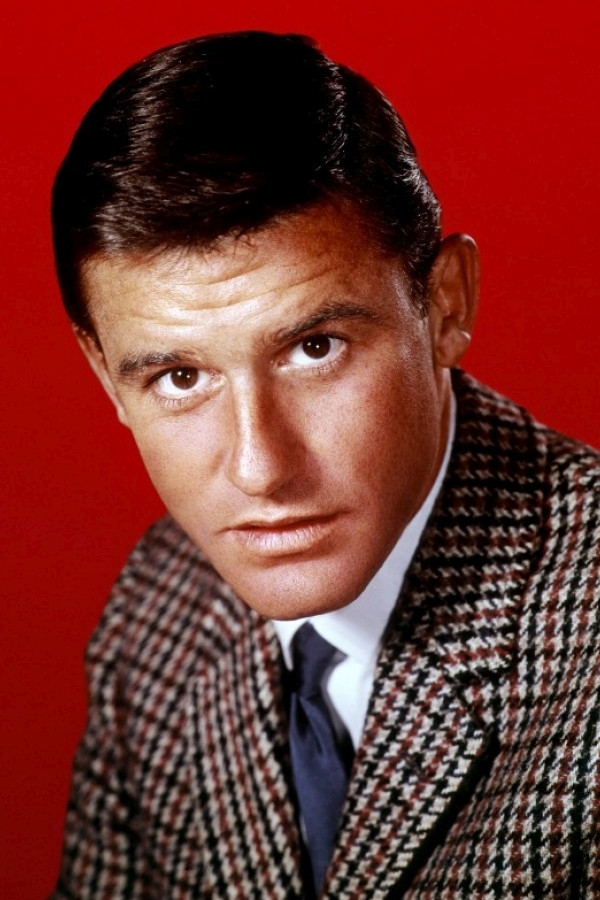
Roddy McDowall approached Peter Vincent not as a heroic version of Vincent Price or Peter Cushing but as a considerably less distinguished performer. McDowall described him as an old actor whose career consisted largely of playing the same role in poor films and whose confidence exceeds his actual courage. He compared the character emotionally to the Cowardly Lion: frightened when confronted with real danger but capable of finding courage when another person genuinely needs him. That distinction prevents Peter from functioning only as a parody of old horror stars.

The Fright Night television program also allows the film to comment on a changing horror culture without stopping to explain the commentary. Peter represents an older cycle of Gothic monsters, theatrical capes and supernatural rules at the same moment that Charley belongs to a generation raised on those images as television reruns. The vampire movie has become cheap late-night entertainment inside the world of the film. Jerry's arrival forces supposedly obsolete folklore back into reality and makes Peter's professional knowledge unexpectedly useful.

That structure gives Fright Night a self-awareness unusual for a mainstream horror release of its period without turning the movie into a spoof. Crosses, invitations, mirrors, stakes and sunlight are discussed because the characters already know them from movies. The comedy comes from trying to determine whether familiar cinematic rules actually apply, while the horror comes from discovering that many of them do. Peter's transformation from television fraud to genuine vampire opponent therefore becomes more than a character arc. The film restores power to the very traditions that his declining career appears to represent.

Jerry Dandridge and the Modern Vampire

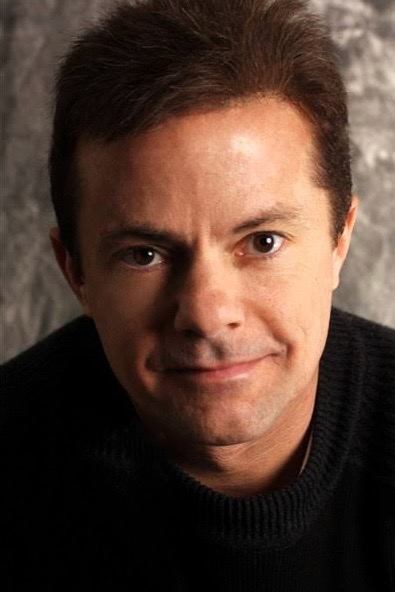
Jerry Dandridge allows Fright Night to preserve the seductive qualities of the classical vampire while placing them inside a contemporary American neighborhood. He does not initially look like an outsider who belongs in a ruined castle. Chris Sarandon plays him as composed, intelligent and socially confident, capable of speaking to Charley's mother with enough charm to make the teenager appear irrational. The ordinary proximity is crucial. Jerry does not live in another country or another century. His bedroom can be seen directly from Charley's window.

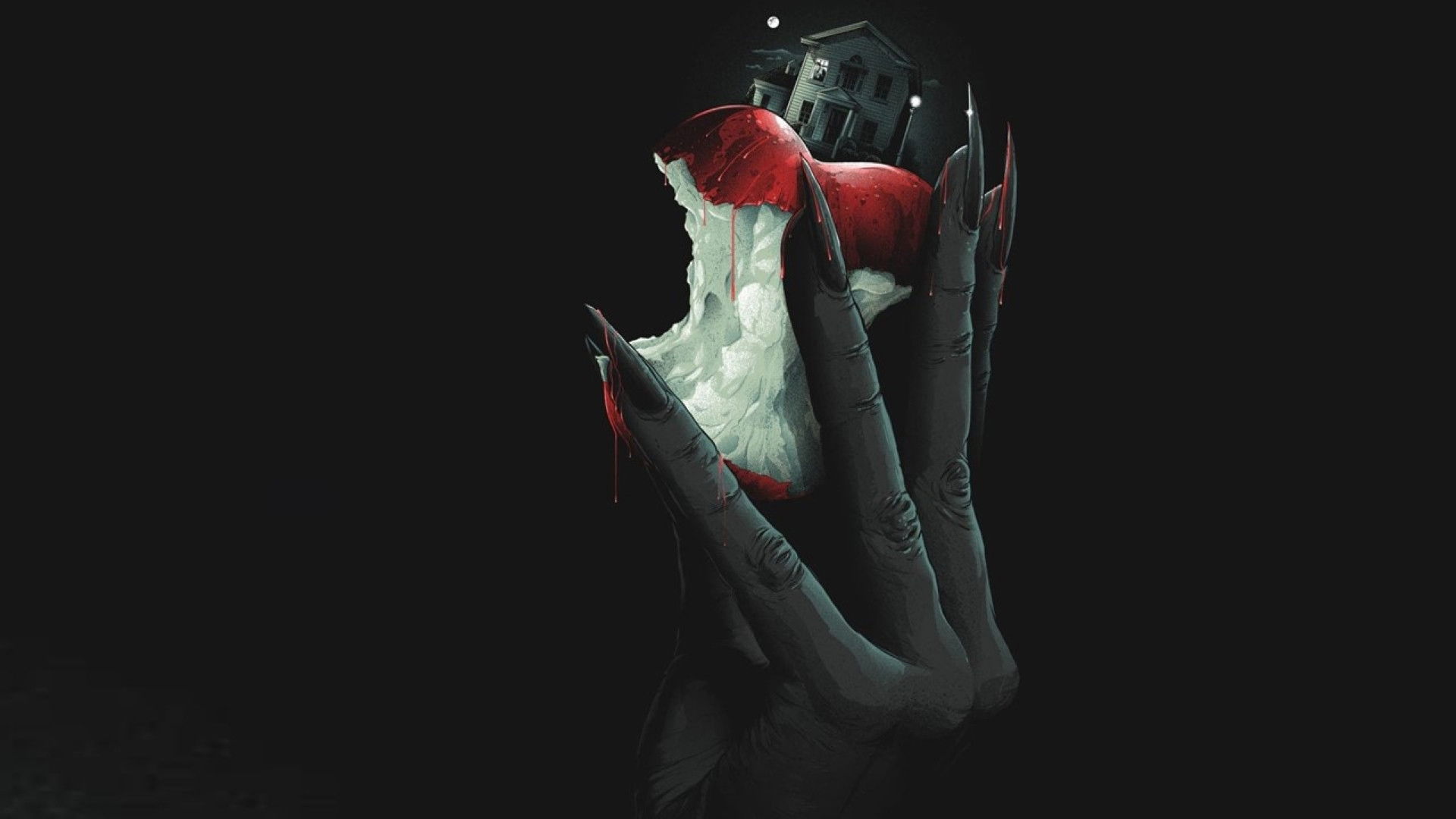
Sarandon contributed small physical details that helped distinguish Jerry from a generic villain. The repeated eating of fruit was his own idea, giving the character an animal association while also providing behavior that could appear casual during dialogue. The performance changes significantly once Jerry realizes that Charley knows what he is. Politeness becomes intimidation, and the apparent sophistication of the neighbor gradually gives way to a creature capable of radical physical transformation.

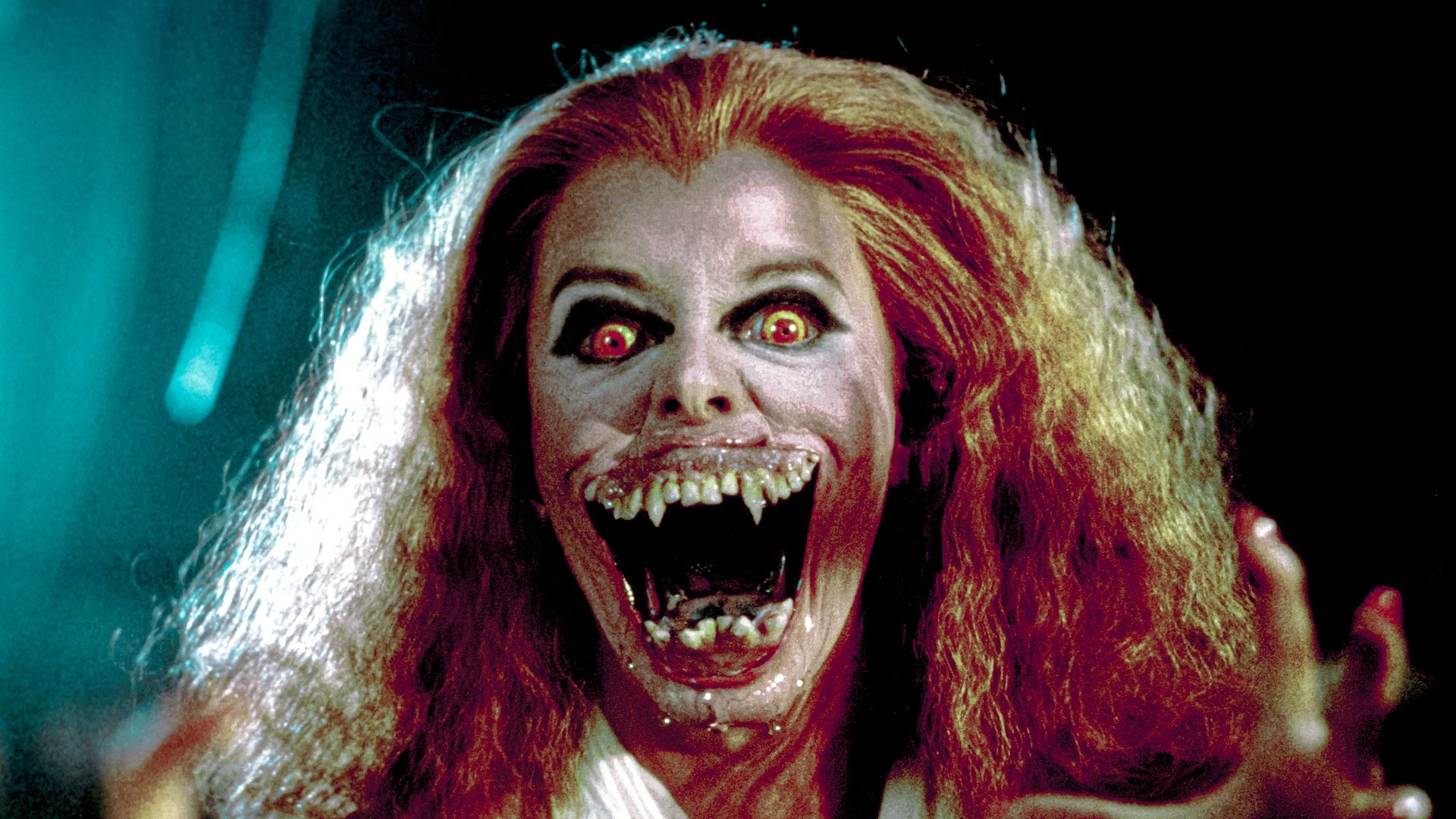
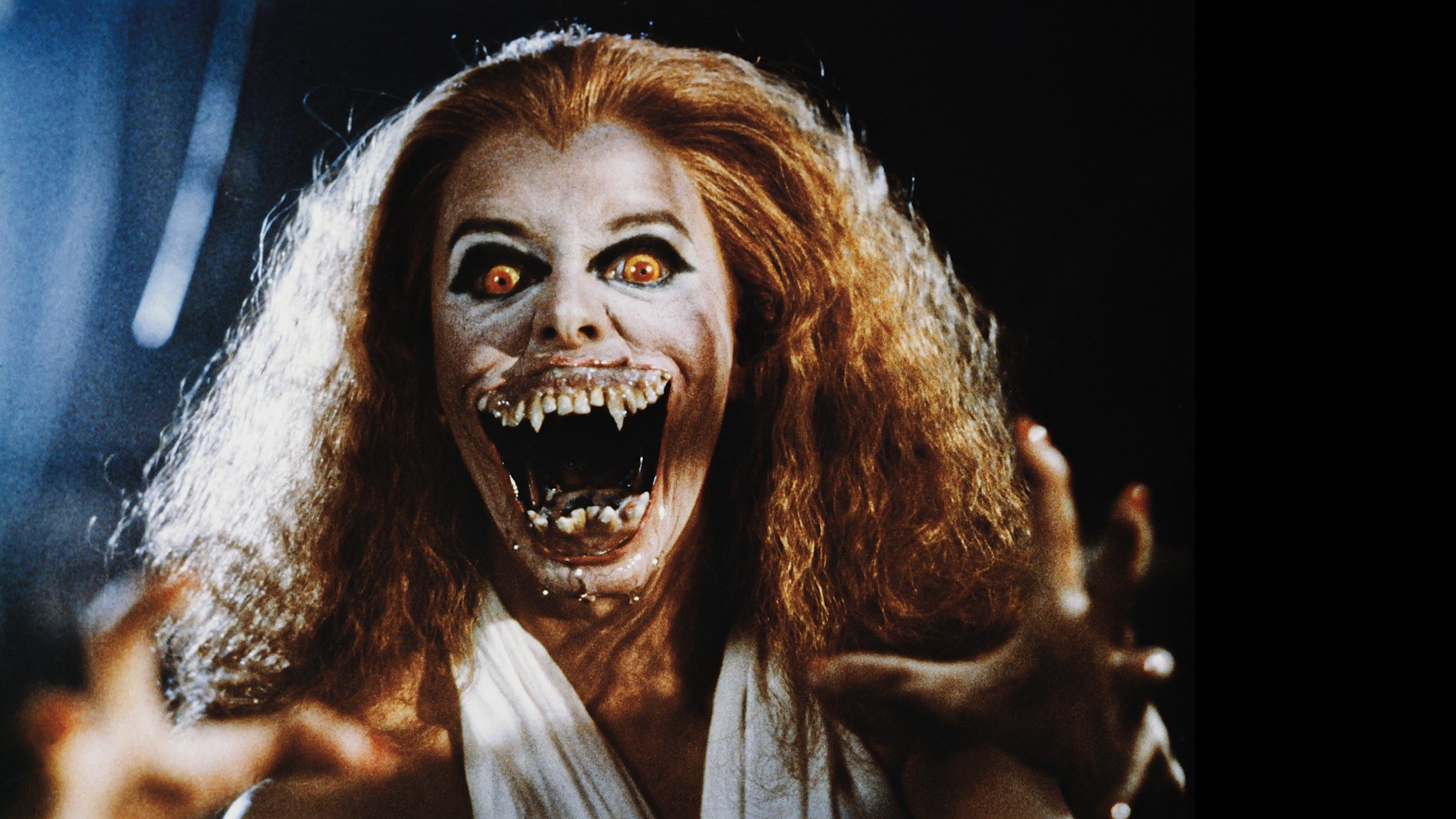
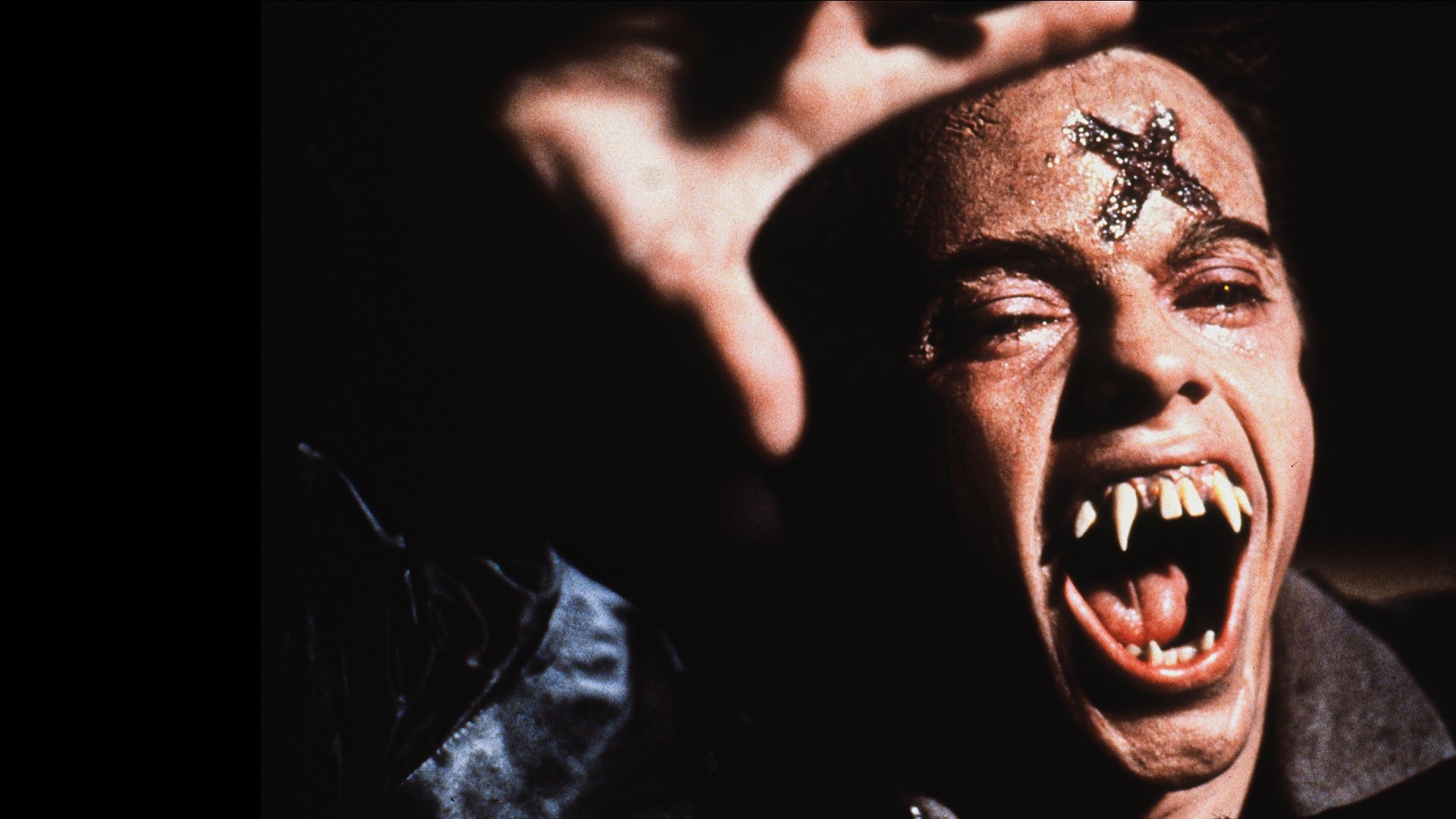
The film preserves an important separation between the attractive human surface and the monster beneath it. Jerry can seduce Amy partly because he resembles an adult fantasy rather than a corpse, yet his final forms exaggerate the predatory qualities hidden by that surface. His face distorts, teeth extend and his body can ultimately become a huge bat. Fright Night therefore participates in the long vampire tradition of erotic attraction while refusing to leave the vampire safely beautiful. Desire and monstrosity are allowed to occupy the same character, with the effects work progressively destroying the social disguise that permits Jerry to live beside ordinary people.
Suburbia and Visual Design

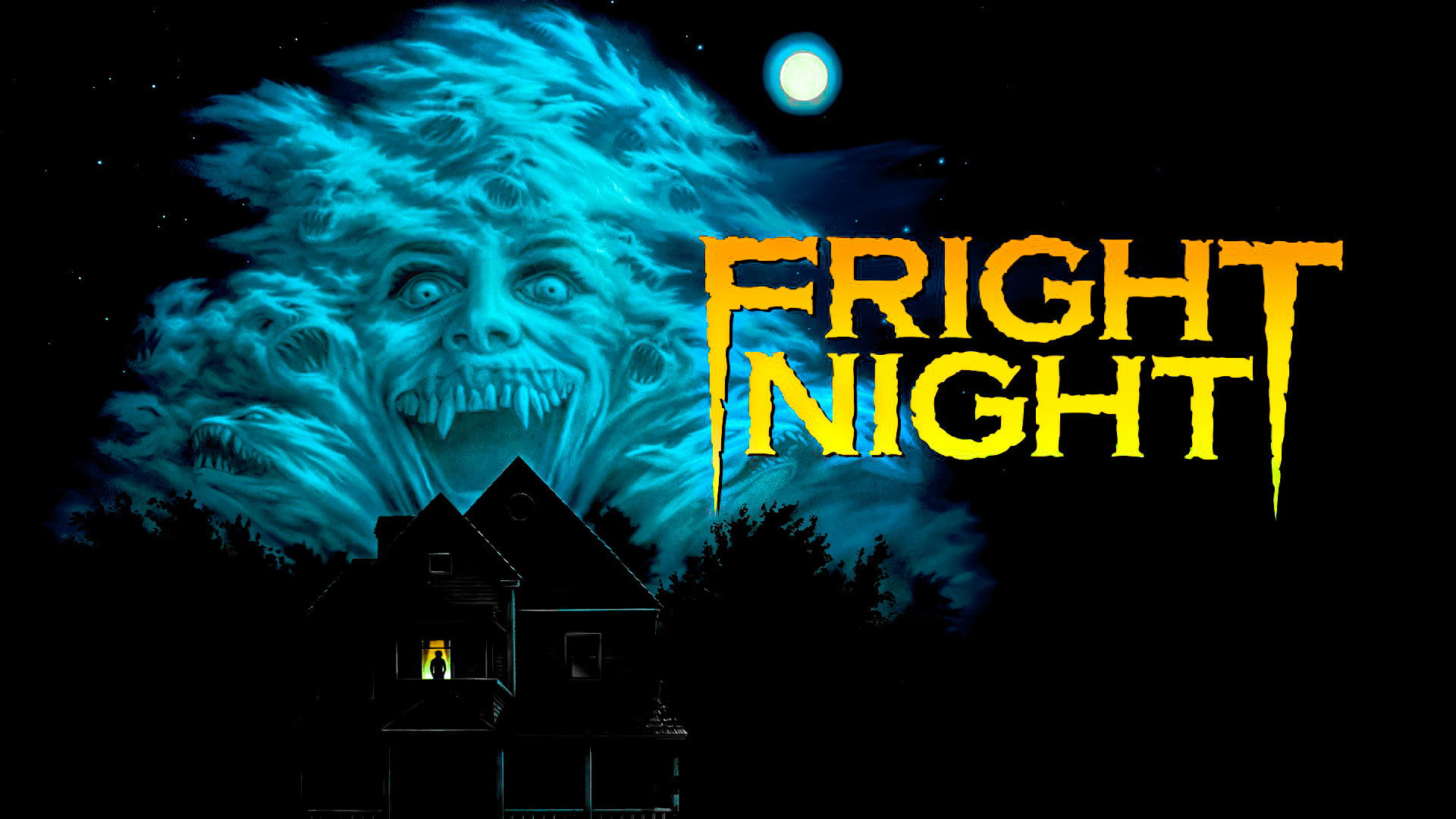
Holland wanted the setting to feel deliberately generalized, describing it in production material as an Anywhere USA environment. Production designer John De Cuir Jr. created the Brewster and Dandridge houses at Laird International Studios in Los Angeles, while additional exterior house material was constructed on the Disney lot in Burbank to permit large crane movements. Los Angeles locations supplied street and nightclub material. Principal photography began on December 3, 1984 and was completed in fifty-three days, a relatively efficient schedule aided by the concentration of work on controlled studio sets.
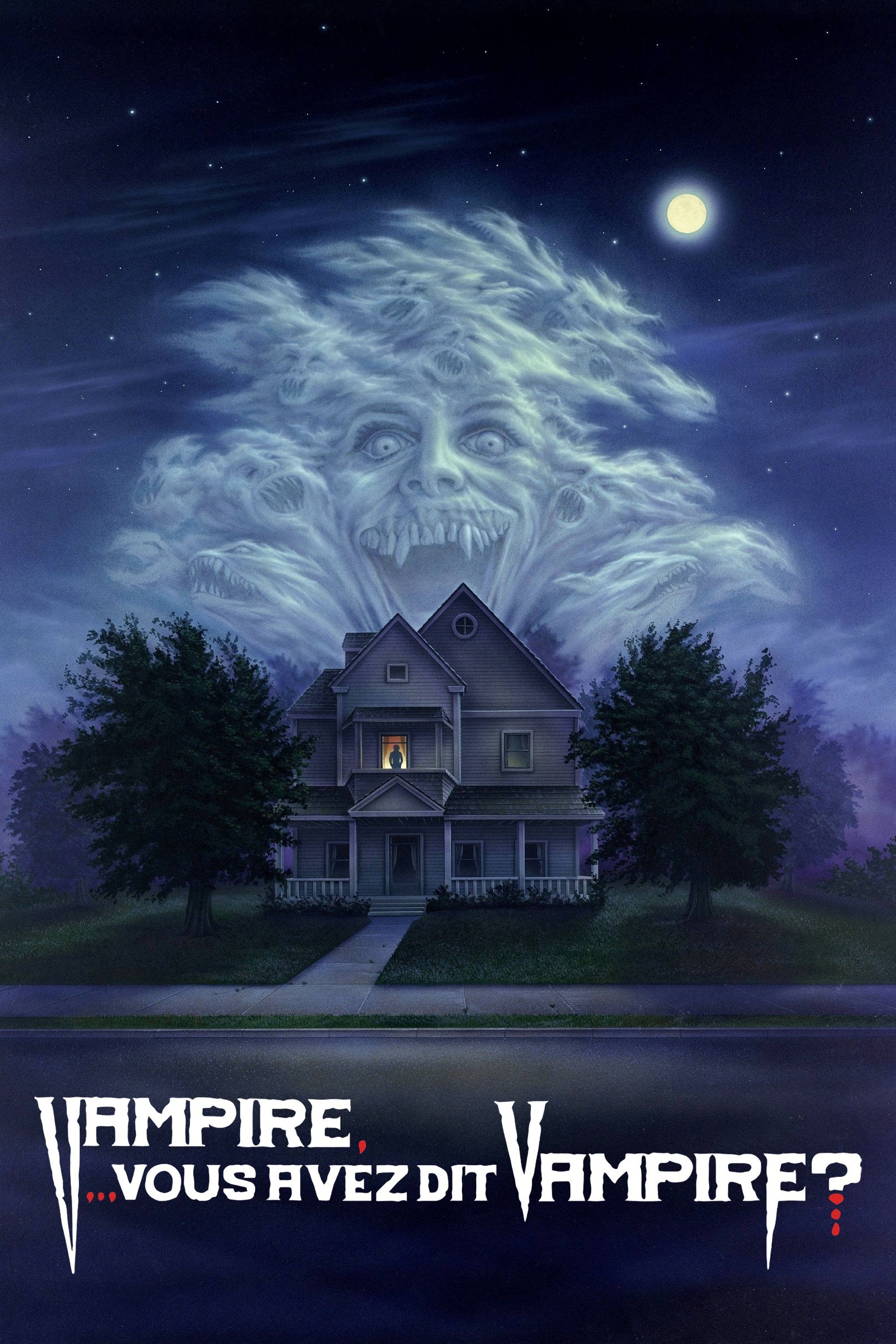
Jan Kiesser's cinematography helps separate the two houses without making Jerry's residence appear to belong to an entirely different universe. Charley's home represents recognizable teenage domestic space, filled with television, bedroom objects and ordinary family life. The neighboring house is darker, more spacious and more theatrical, but it remains close enough that both worlds can occupy the same camera movement. The opening shot makes this relationship explicit by descending from the night sky, traveling across the neighborhood and ultimately reaching Charley's bedroom television.

That movement summarizes the film's central visual idea. Classical horror imagery exists on the television screen inside Charley's room while another vampire story is beginning physically next door. Fright Night repeatedly collapses those levels. A creature associated with old cinema enters modern suburbia, and the artificial Gothic spaces celebrated by Peter Vincent become increasingly indistinguishable from the real danger confronting him. The neighborhood remains outwardly ordinary even after the rules governing it have become supernatural.

Boss Film and Creature Effects

Fright Night gained an unusually sophisticated effects department for a film of its scale. Richard Edlund and Boss Film Corporation had recently completed major effects work on Ghostbusters and 2010, and Edlund saw Holland's movie as an opportunity to demonstrate that the same organization could handle a substantially smaller production. American Cinematographer documented approximately fifty effects shots, compared with 193 on Ghostbusters, combining matte work, optical compositing, animation, puppetry and elaborate creature effects. The monster shop was led principally by Steve Johnson and Randall William Cook.

Evil Ed's death became one of the production's most ambitious pieces of practical transformation work. The sequence reverses the process after Peter Vincent stakes the creature in wolf form. Johnson proposed an asymmetrical transformation in which different parts of the body return to human shape at different speeds. Foam rubber appliances, mechanical puppets, gelatin, reverse photography and changes in lighting produced a body that appears painfully caught between animal and human forms. The filmmakers deliberately wanted the moment to retain sympathy for Ed rather than reduce him to a disposable monster.

Billy Cole's destruction required another combination of practical and optical techniques. Hands peel apart to expose skeletal structures, gelatin sections of a head melt under heat and multiple bluescreen elements were composited into photographed backgrounds. Jerry's bat transformation used animation, bluescreen photography and an approximately eight-foot-wide foam-latex creature. Cook designed the bat before Sarandon had been cast, then worked backward when creating Jerry's vampire makeup so that human and animal forms would appear visually related. The effects consequently serve character continuity instead of functioning only as isolated demonstrations of technique.

Music and the Old Meets the New

Brad Fiedel composed an electronic score that places the film firmly inside the sound of the 1980s even while its narrative celebrates older horror traditions. Music supervisor David Chackler later recalled that Holland specifically wanted an electronic approach, partly from his interest in Tangerine Dream and partly because the production did not have the resources for a full orchestral score. Fiedel handled the score largely himself, while Chackler worked with him on spotting and helped shape the broader musical environment of the film.

The soundtrack also contains contemporary songs designed to connect Fright Night with a younger audience. That mixture reflects the larger structure of the movie. Peter Vincent, crosses and Gothic vampire mythology belong to an older horror tradition, while Charley, Amy, the nightclub and synthesized music belong unmistakably to the mid-1980s. Neither side is treated as more authentic than the other. The film continually allows the old vampire to exist inside the new cultural environment rather than choosing between nostalgia and contemporary style.

Fiedel himself later emphasized the innocence of the central characters and the presence of humor when discussing his response to the film. That balance is important because Fright Night does not maintain a single threatening musical temperature. Seduction, comedy and supernatural violence coexist. The score can make Jerry attractive in one scene and dangerous in another, just as Peter Vincent can be comic without ceasing to matter dramatically. Music helps sustain the tonal flexibility that allows the film to remain affectionate toward vampire cinema while still functioning as genuine horror.

Release, Reception and Legacy

Columbia Pictures released Fright Night in the United States on August 2, 1985. AFI records a contemporary production-budget figure of approximately $8.25 million and notes that Columbia regarded it as the studio's least expensive summer release. Positive test screenings led the distributor to move the opening forward and expand its ambitions for the film. Fright Night debuted in third place with $6,118,543 from 1,542 screens and eventually reached $24,922,237 at the domestic box office.

Its genre reception was particularly strong. The Academy of Science Fiction, Fantasy and Horror Films awarded Fright Night the Saturn Awards for Best Horror Film and Best Writing, while Roddy McDowall won Best Supporting Actor. Chris Sarandon, Holland and effects producer Richard Edlund also received nominations in their respective categories. A theatrical sequel, Fright Night Part 2, followed in 1988, and the property was later remade in 2011, evidence that its basic premise remained commercially and culturally recognizable long after the original release.

The film's lasting importance lies in the way it joins two periods of horror without treating either as obsolete. Holland was consciously paying tribute to Hammer, AIP, horror hosts and the vampire films of his youth, yet Fright Night does not merely imitate them. Teen sexuality, suburban life, electronic music and elaborate mid-1980s creature effects rebuild those traditions for another generation. Peter Vincent begins as evidence that old horror has become television nostalgia, then discovers that the knowledge contained in those movies still has practical value. That affectionate but serious relationship with genre conventions is one reason Fright Night has retained its cult status: it understands vampire movies well enough to joke about their rules while still believing that a vampire can be frightening.

Connections

Cast

View Full Cast & Crew →

Release & Distribution

Production Companies (3)

  • Columbia Pictures US
  • Delphi IV Productions US
  • Vistar Films US

Distributors (1)

  • Columbia Pictures US

Release History (29)

Release DateTerritoryRelease TypeFormatDistributorCertificationNotes
1985-08-02 United States Theatrical — — R
1985-10-31 Australia Theatrical — — M
1985-11-14 Spain Theatrical — — 12
1985-11-16 Japan Theatrical — — —
1986-01-10 Finland Theatrical — — K-18
1986-01-29 France Theatrical — — 12
1986-02-06 Germany Theatrical — — 16
1986-02-06 Italy Theatrical — — VM14
1986-02-07 Sweden Theatrical — — 15
1986-02-14 Portugal Theatrical — — —
1986-02-20 Netherlands Theatrical — — 16
1986-02-28 Denmark Theatrical — — —
1986-04-05 South Korea Theatrical — — —
1986-04-11 United Kingdom Premiere — — 18 London
1986-05-22 Brazil Theatrical — — 16
1986-05-30 Ireland Theatrical — — 18
1986-10-15 United States Physical VHS — R RCA/Columbia Pictures Home Video #60562 [VHS] 105 minutes
1986-10-24 Mexico Theatrical — — C
1987-01-23 Sweden Physical VHS — 15 VHS
2000-09-07 Netherlands Physical DVD — 16 DVD
2000-09-16 France Physical DVD — — DVD
2000-11-22 Sweden Physical DVD — 15 DVD
2002-08-14 Netherlands Theatrical — — 16 V8
2014-10-15 Sweden Physical Blu-ray — 15 Blu-ray
2016-12-10 France Digital — — — VOD
2019-10-30 France Physical Blu-ray — — Blu-Ray
2020-10-01 Hungary Digital — — 16
2021-05-01 France Digital — — — Netflix
2022-10-04 United States Physical 4K UHD — R 4K Ultra HD
There are some very good reasons to be afraid of the dark.