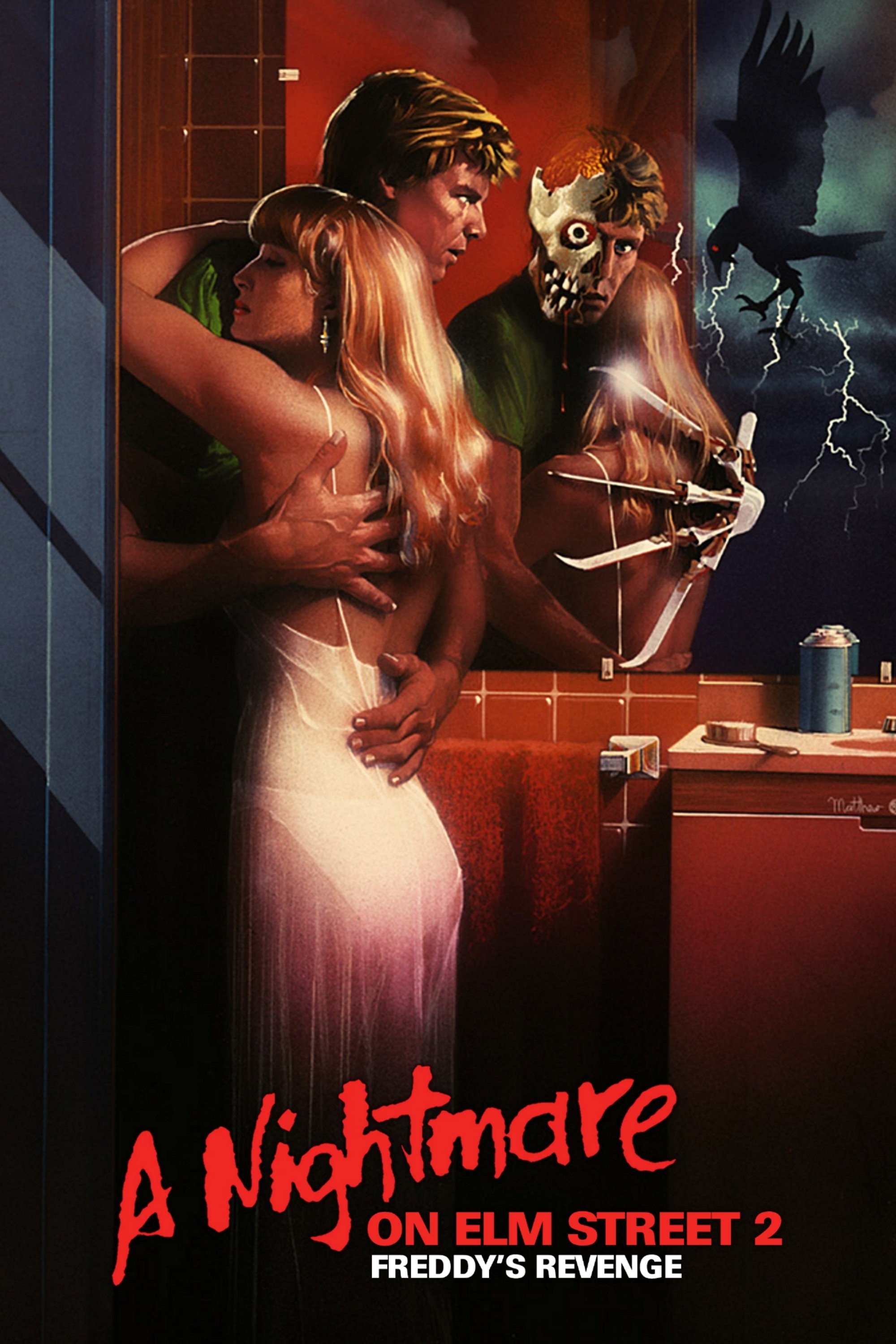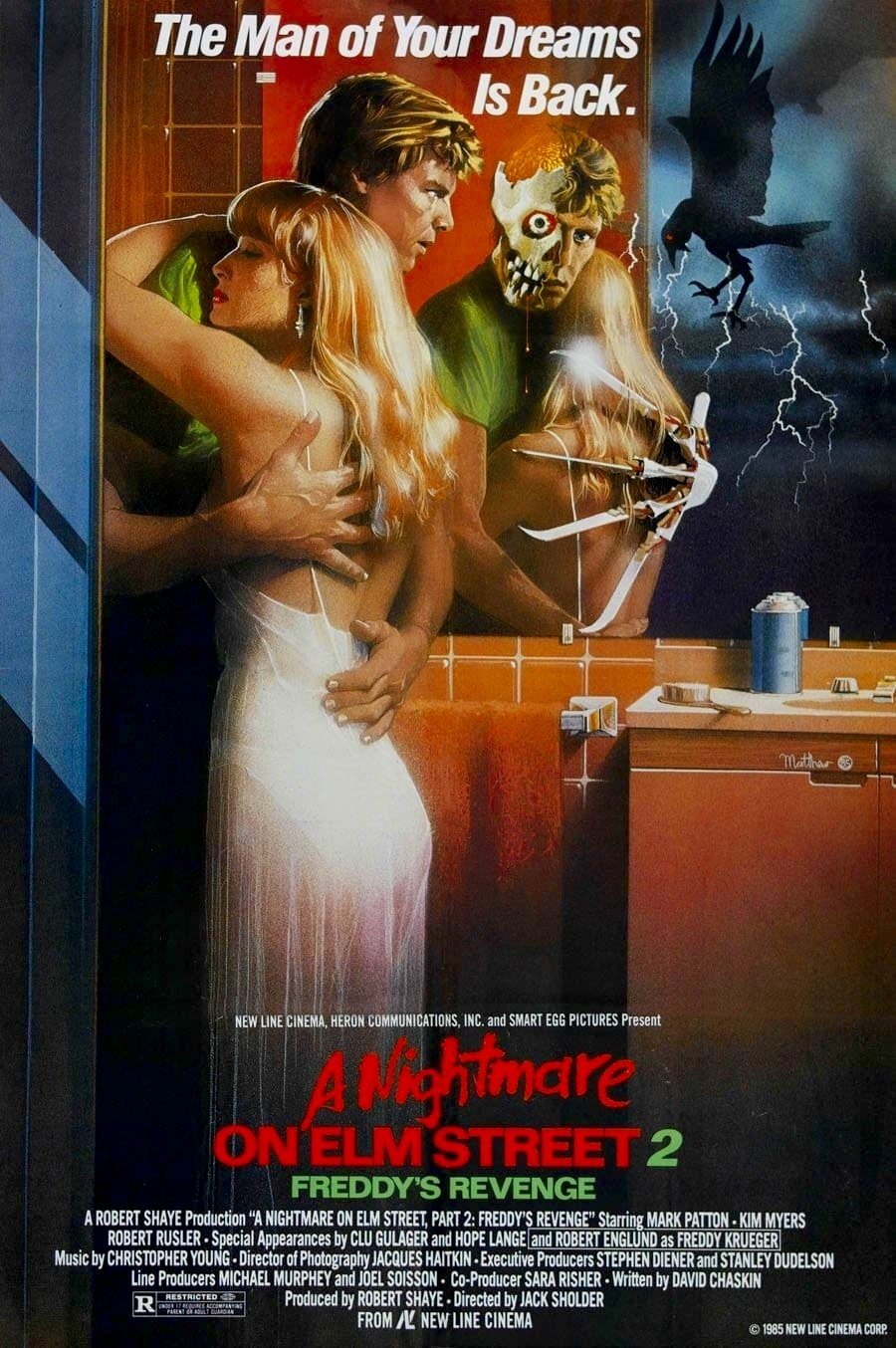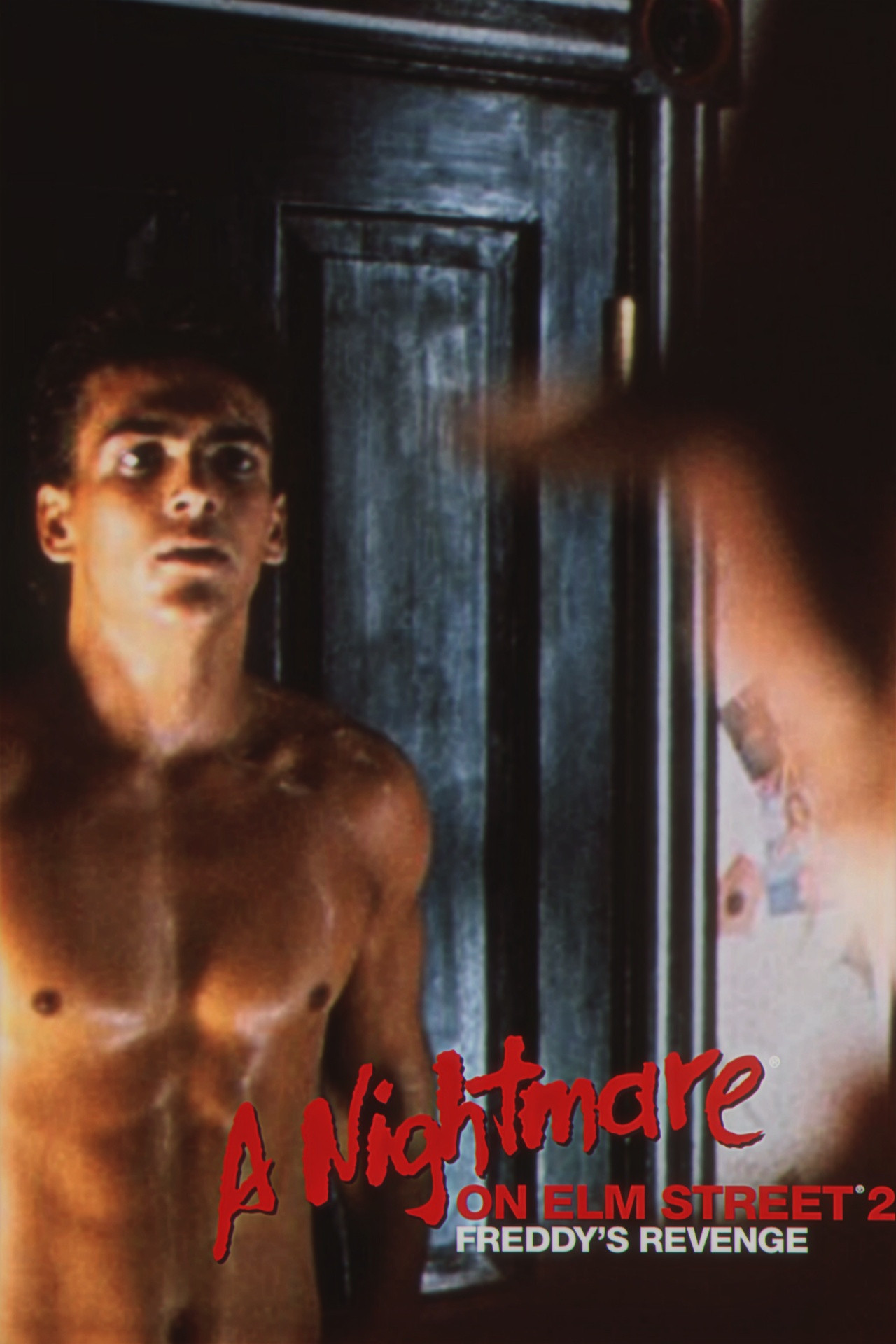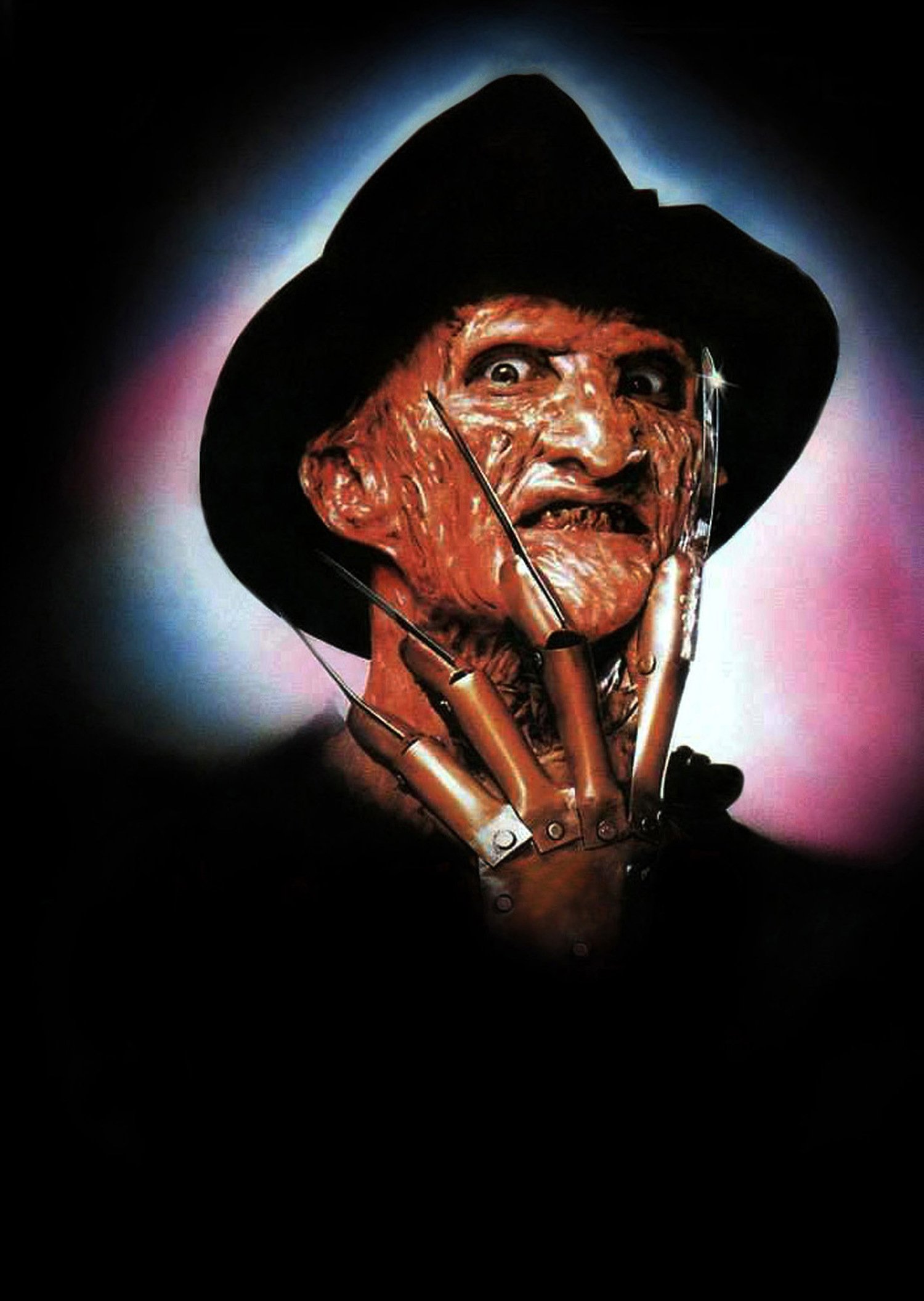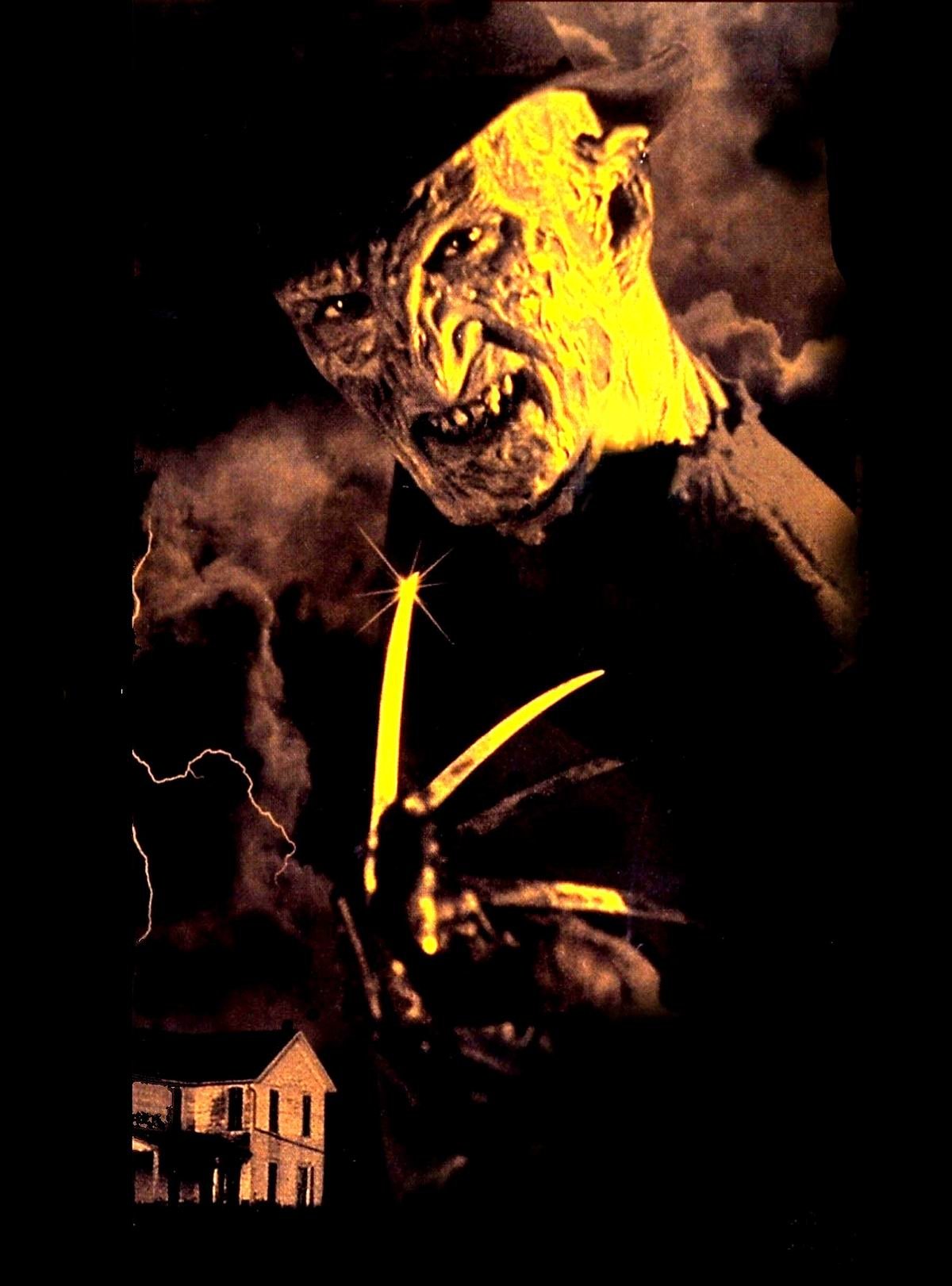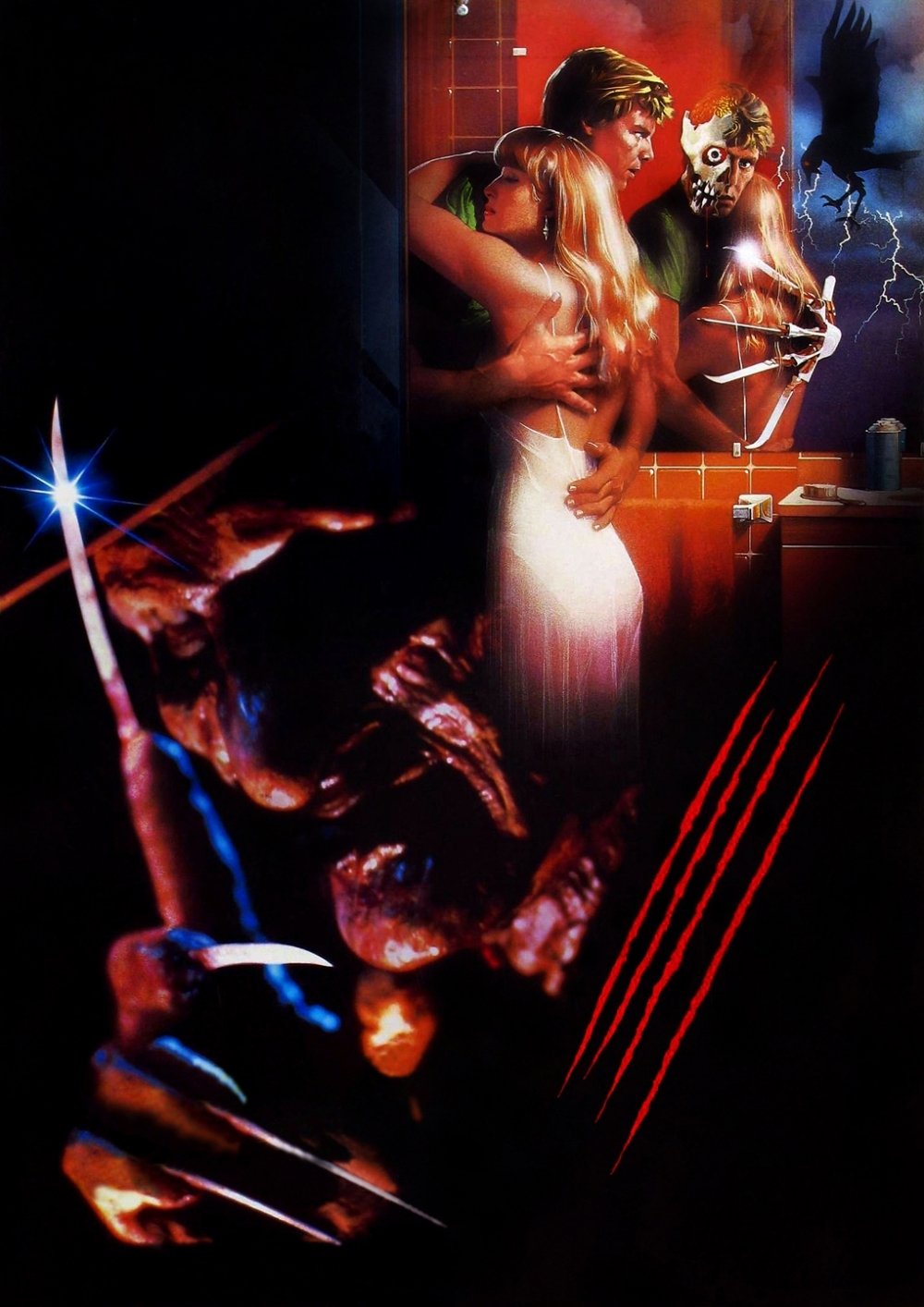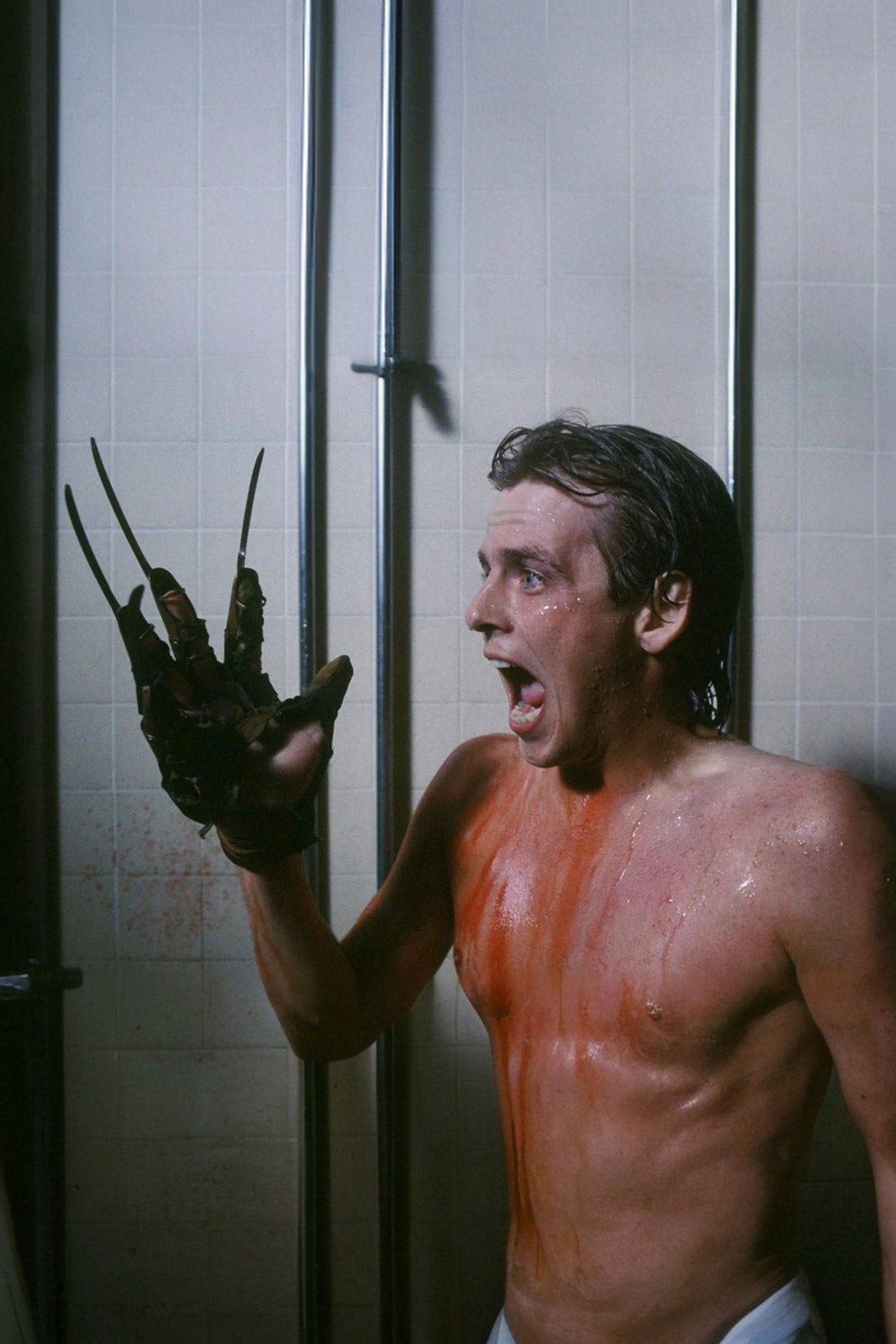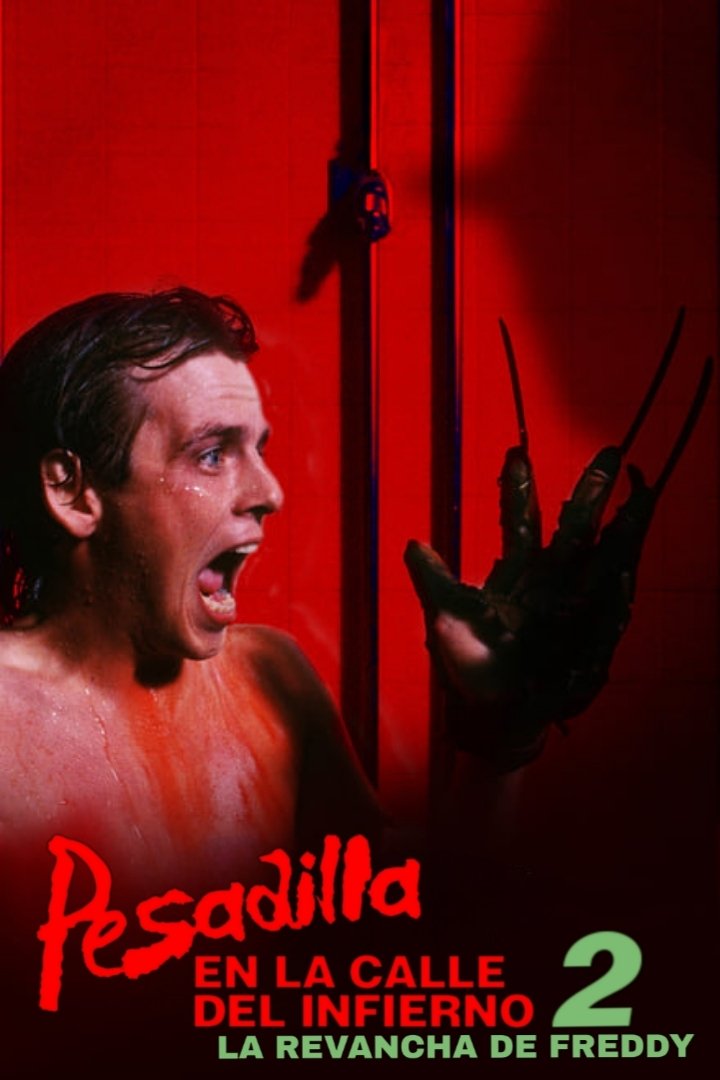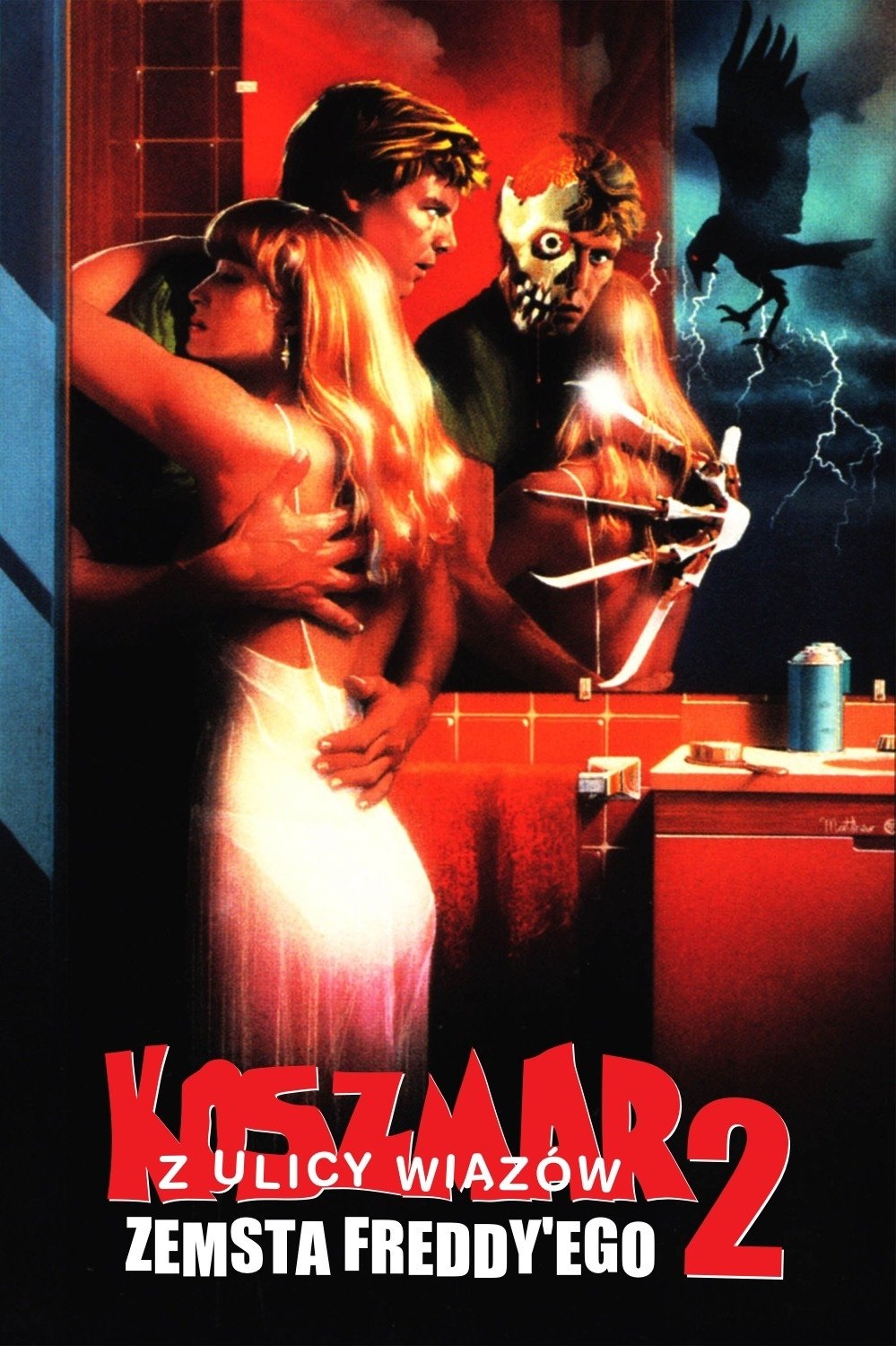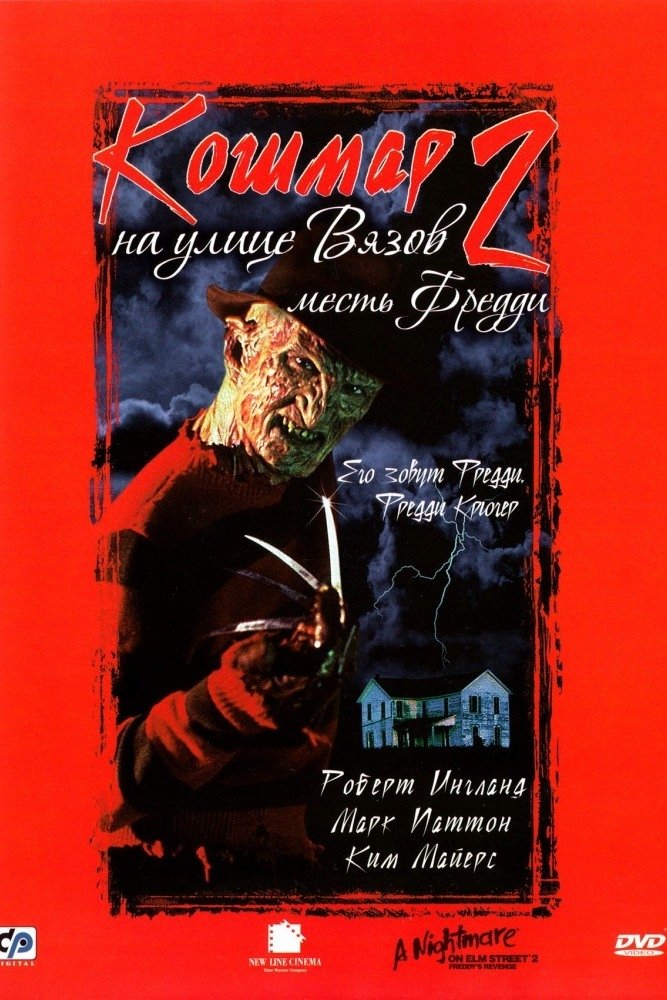
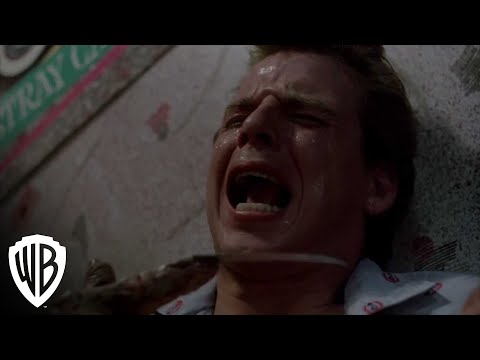
A Nightmare on Elm Street Part 2: Freddy's Revenge (1985)

US
HORROR FILM
SUBGENRES SLASHER
6.6/10 5 votes
Runtime
87 min
Release
November 1, 1985
Budget
$3,000,000
Revenue
$30,000,121
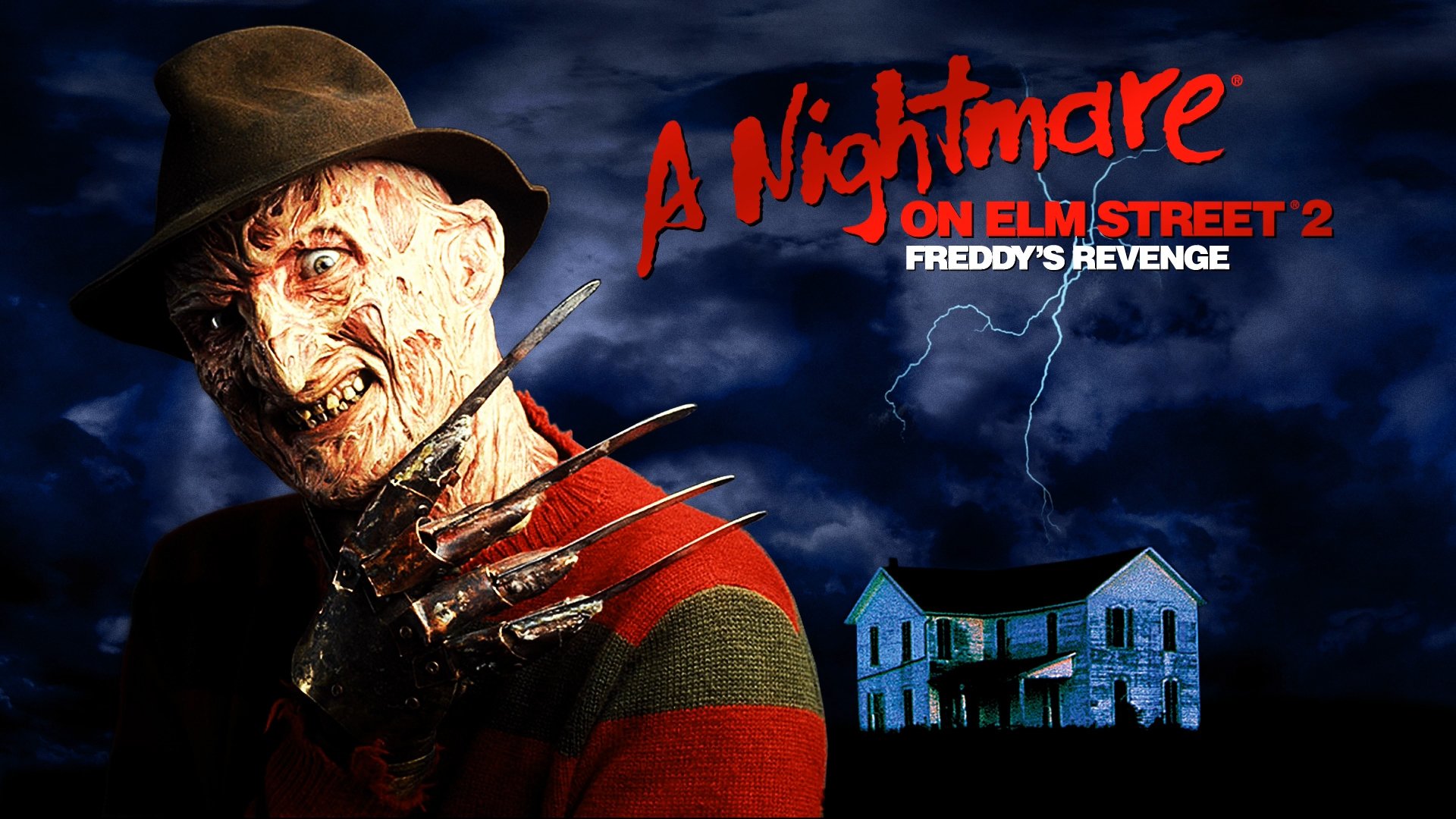
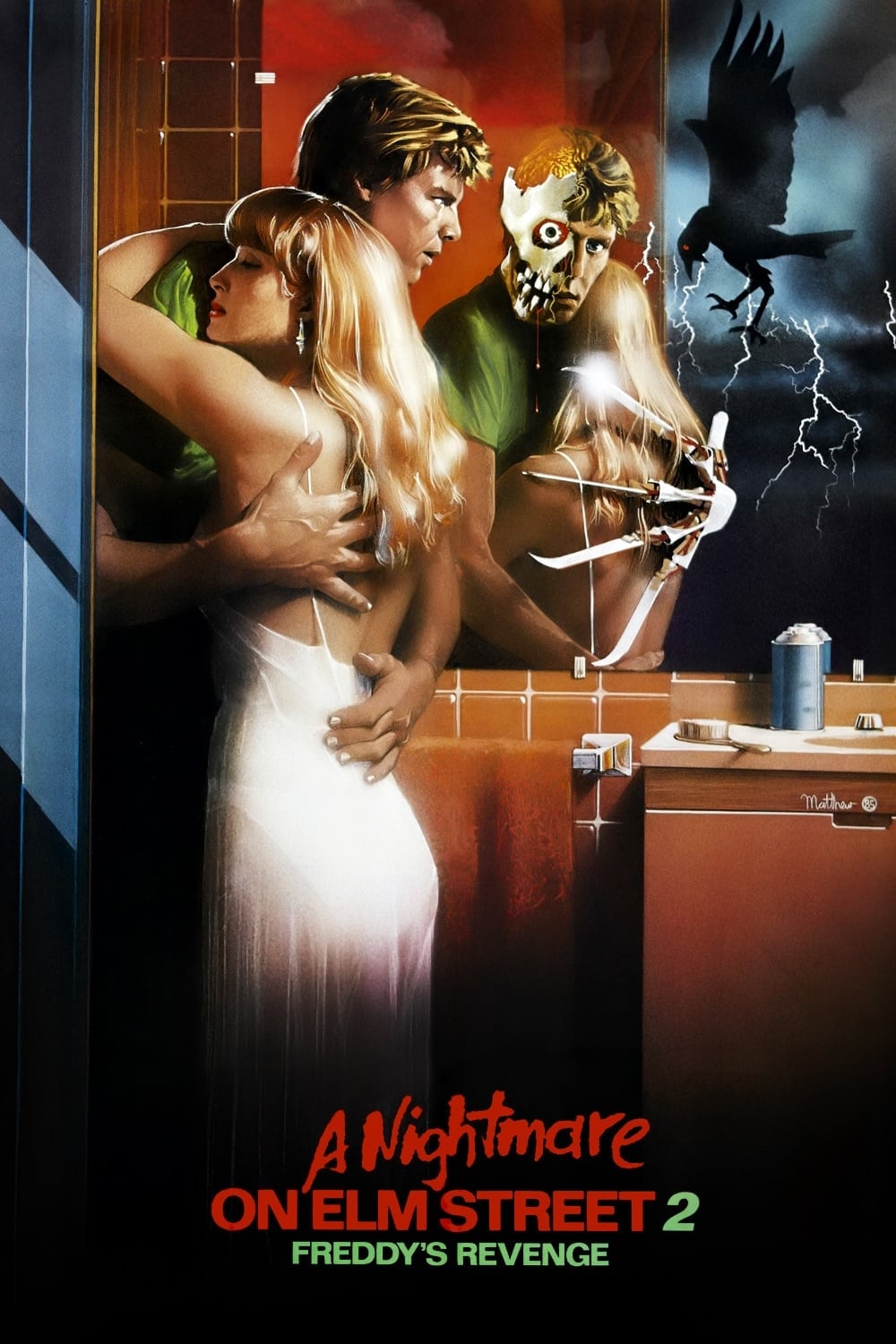
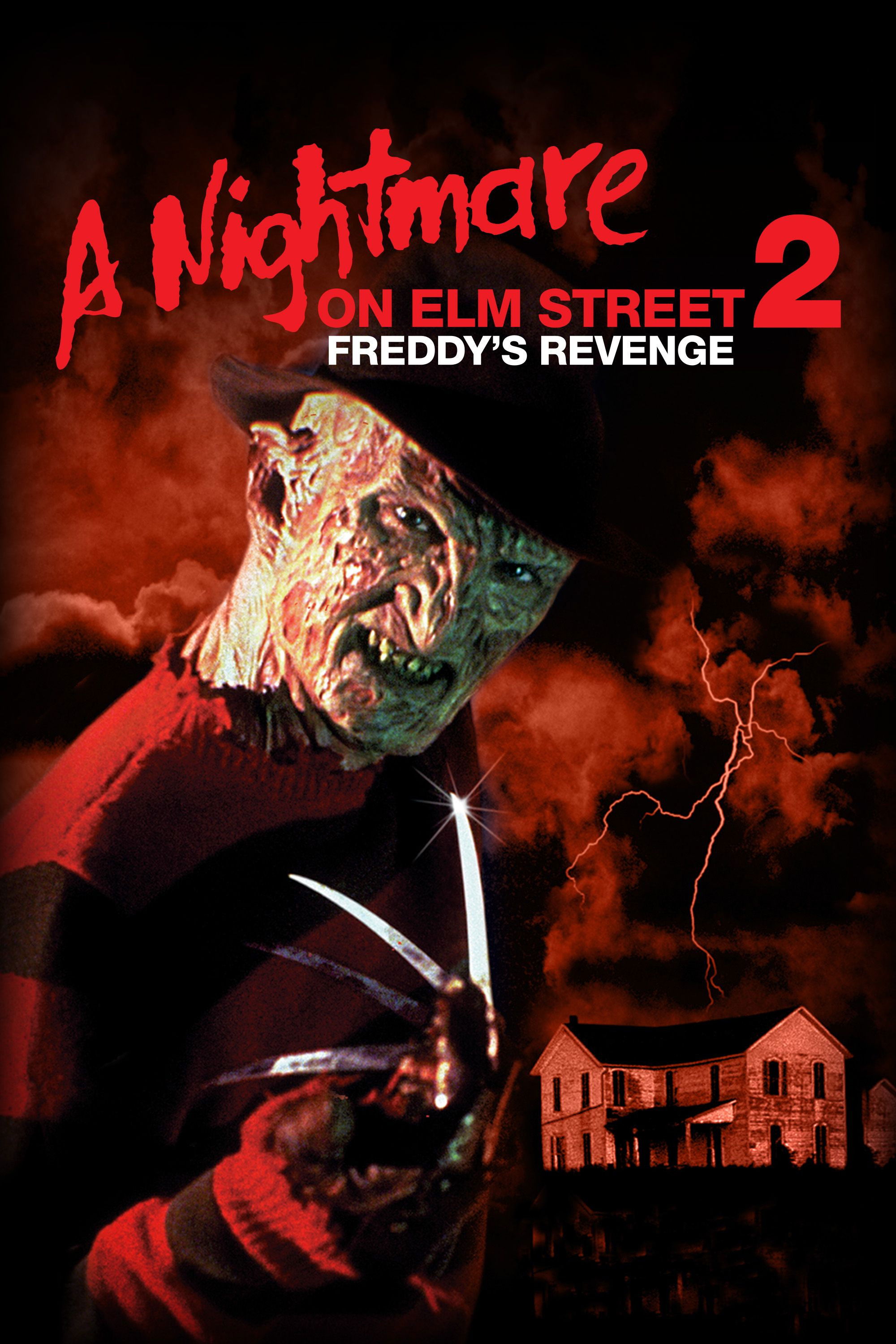
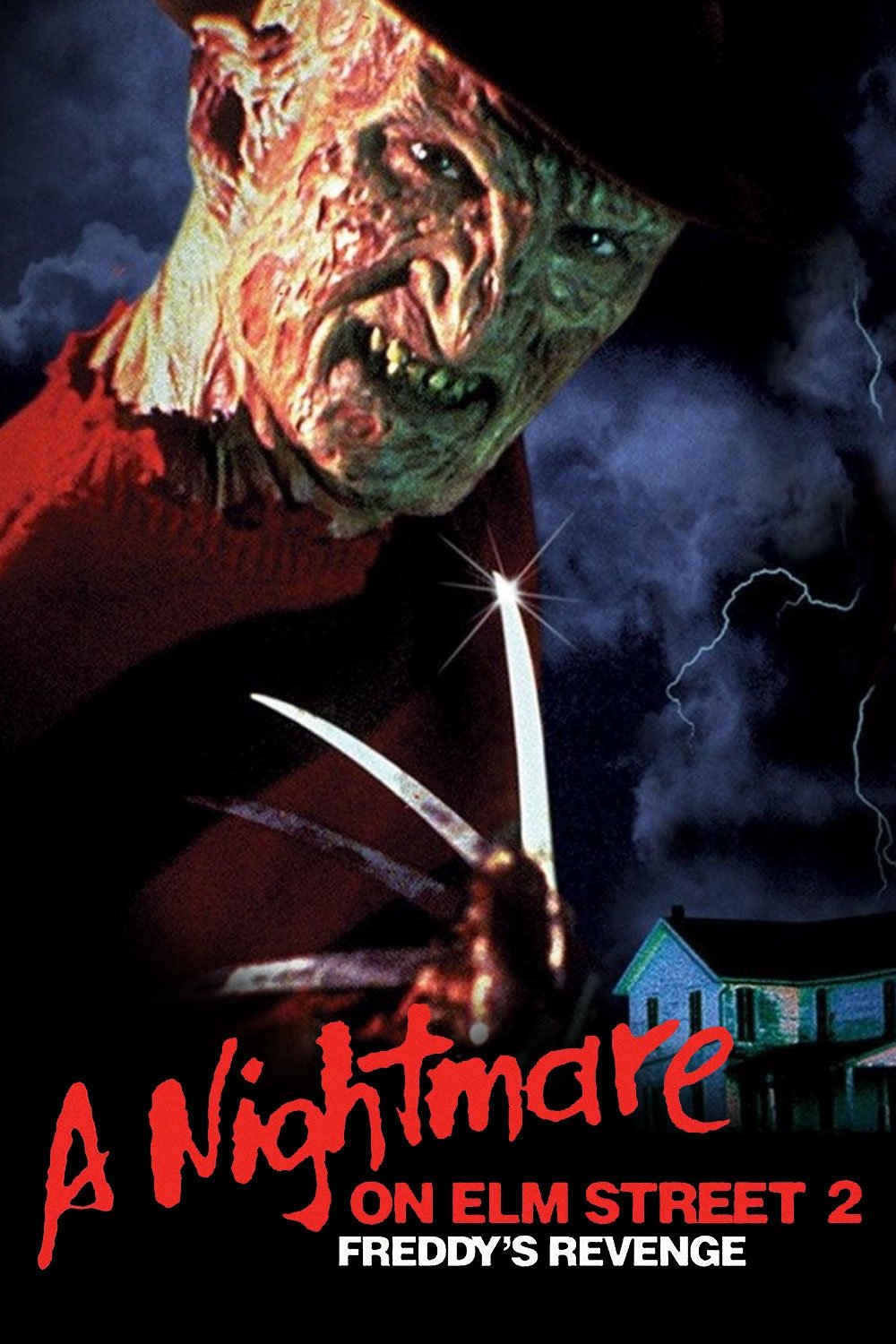
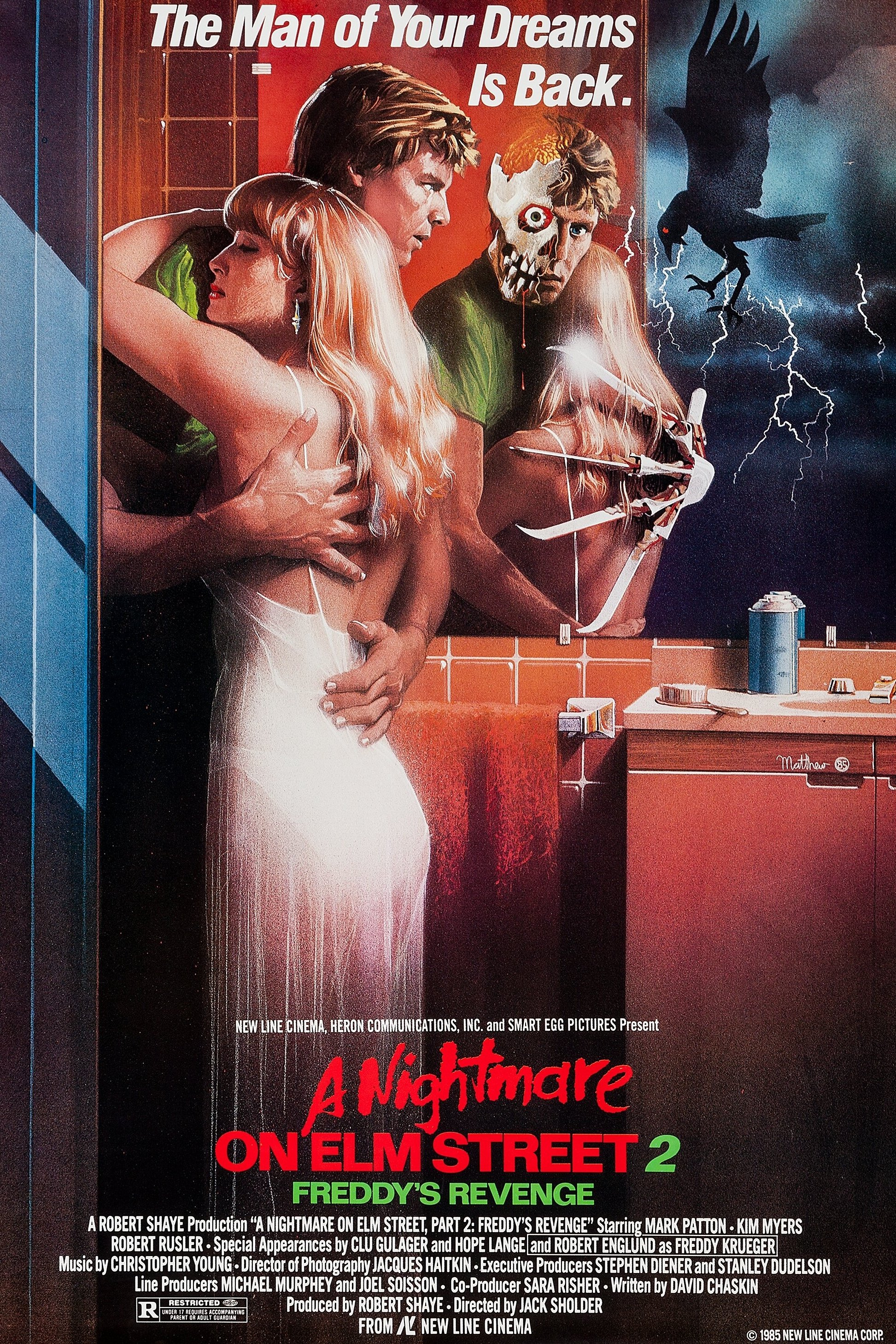
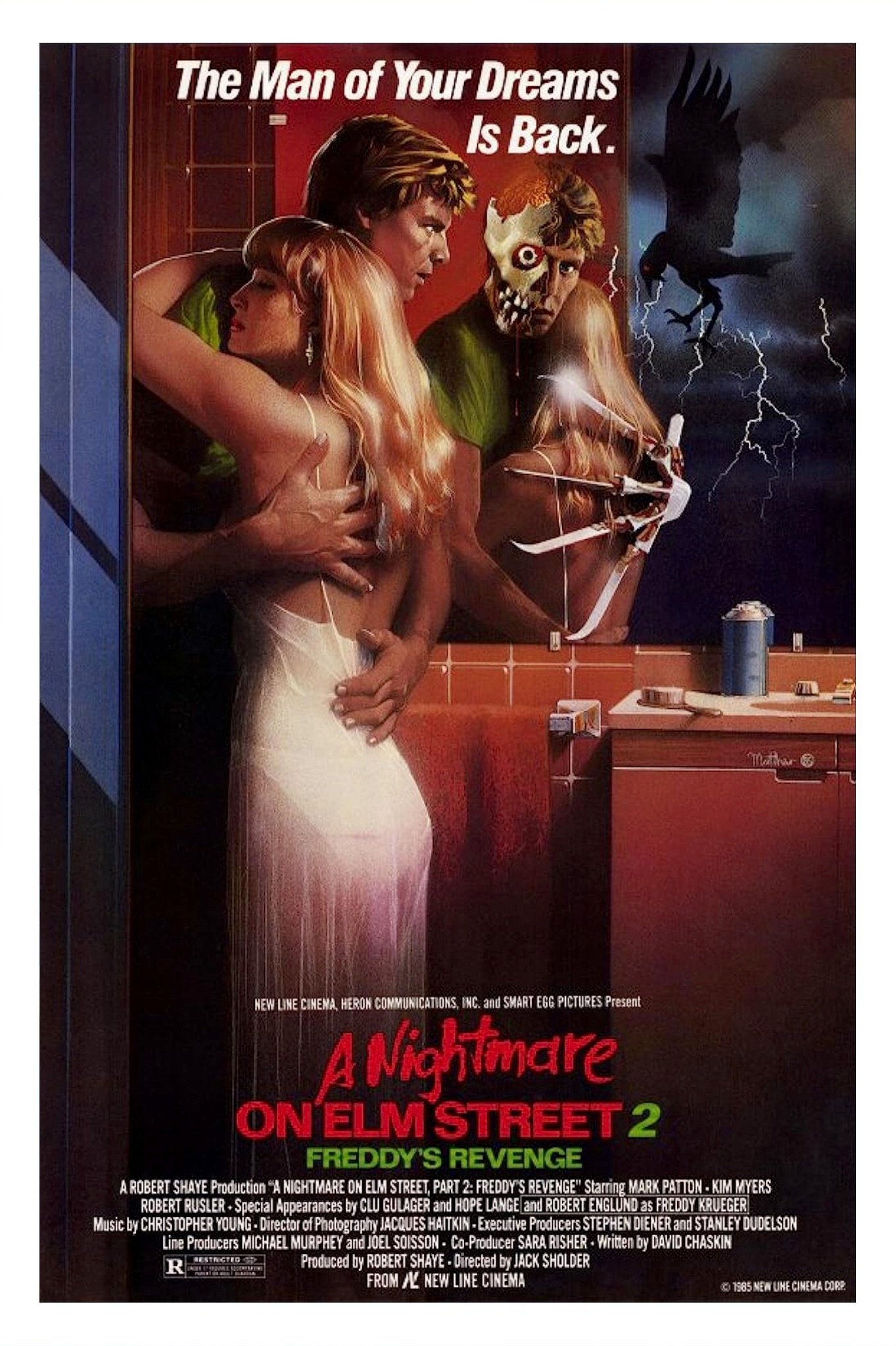
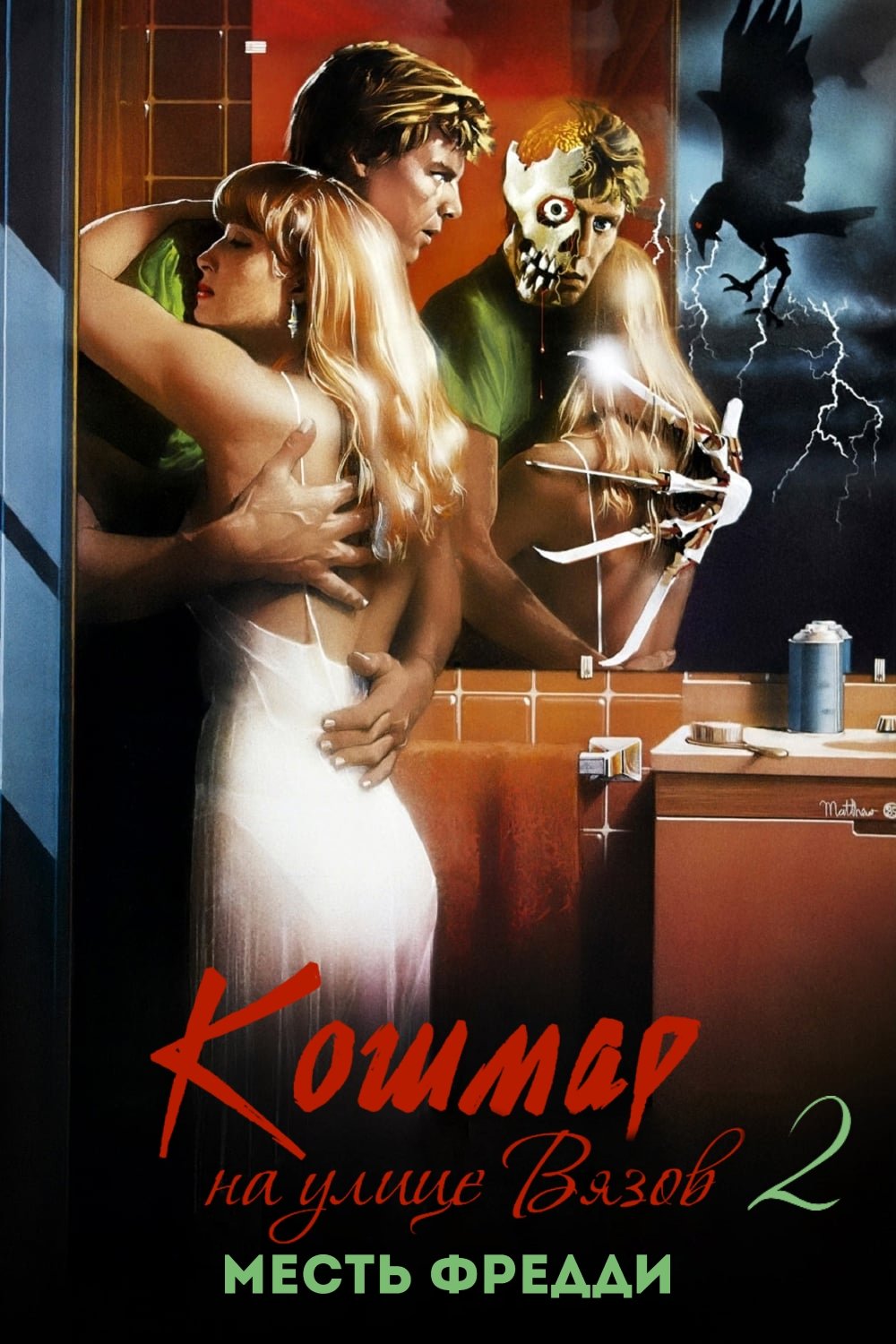
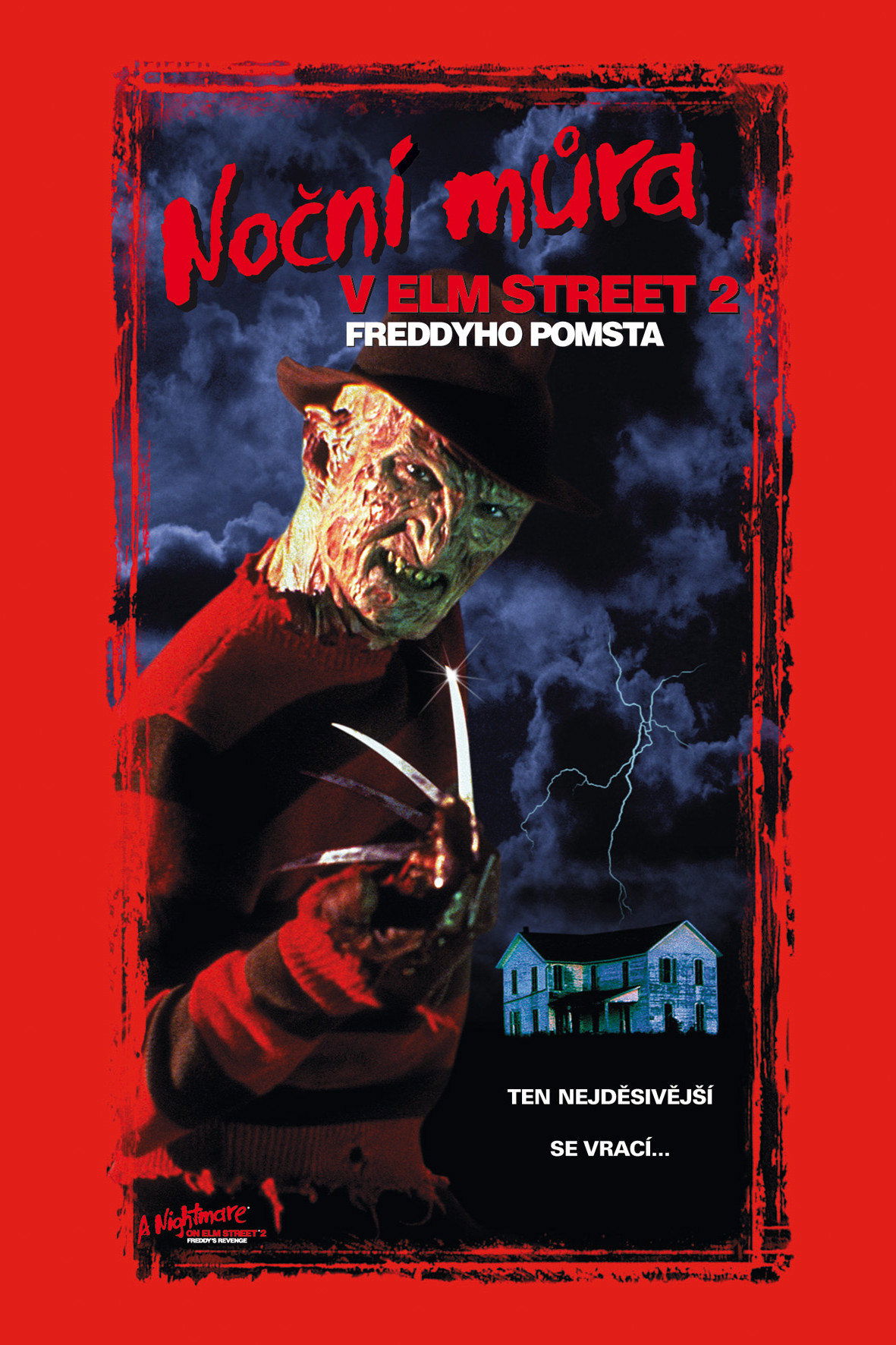
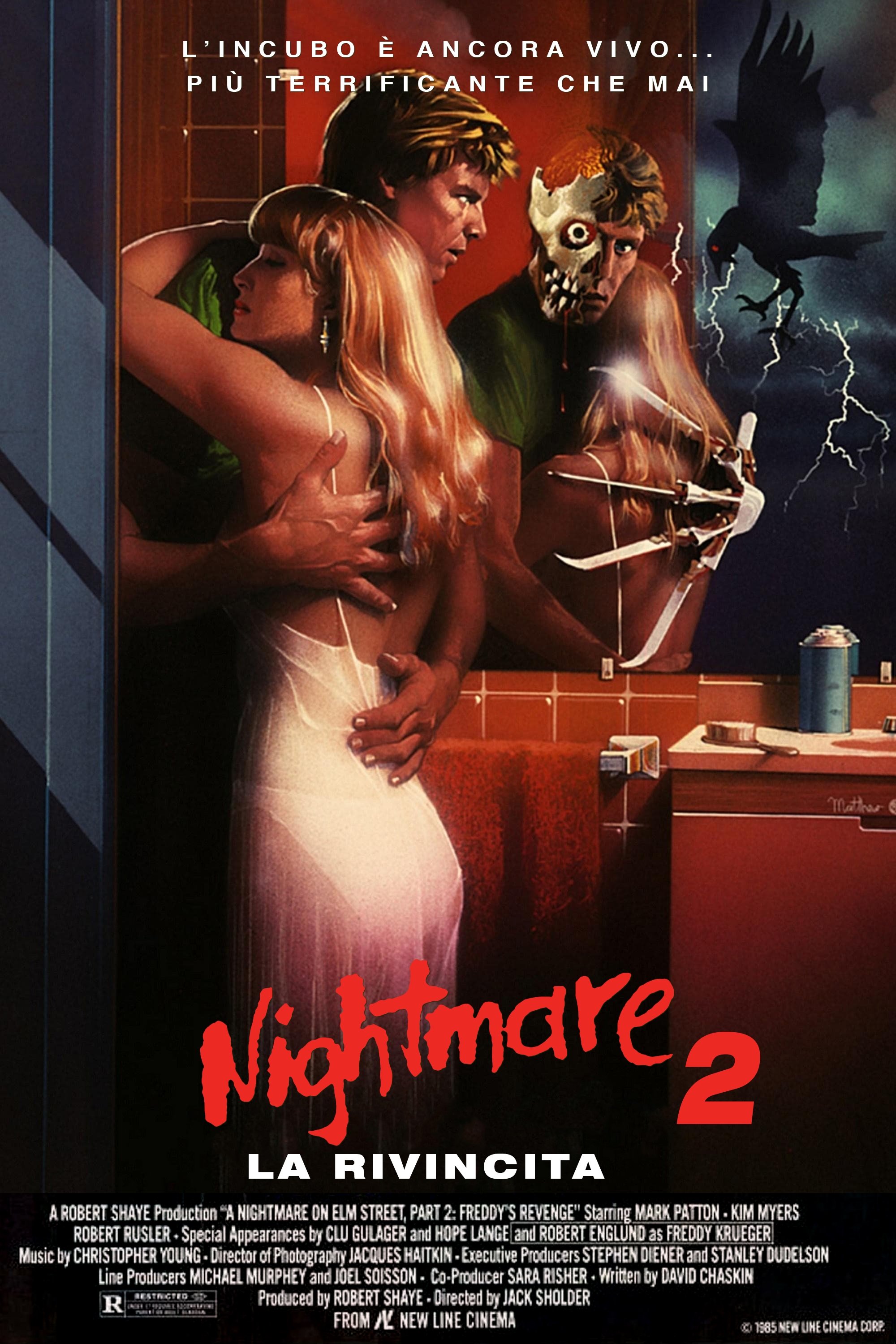
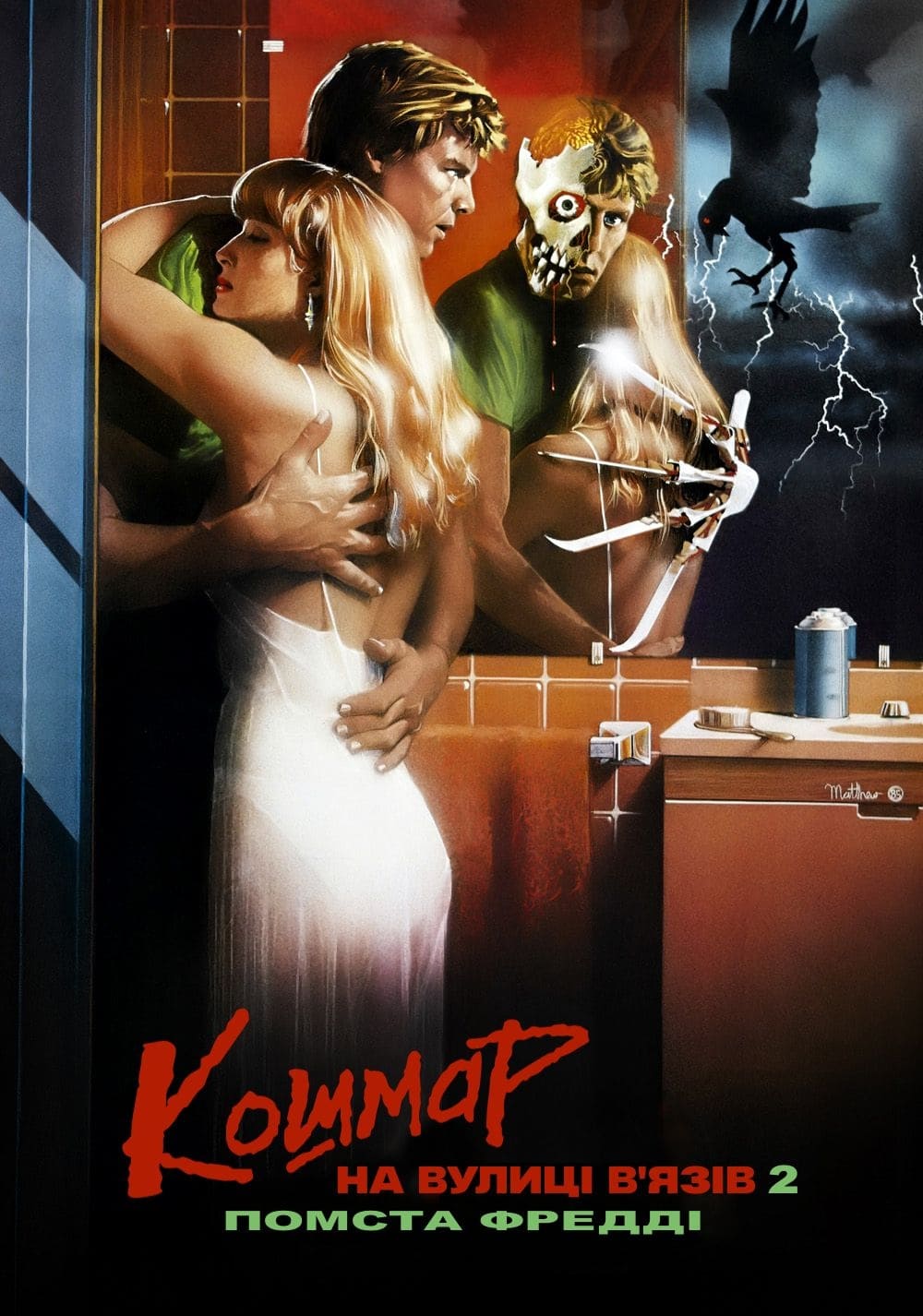
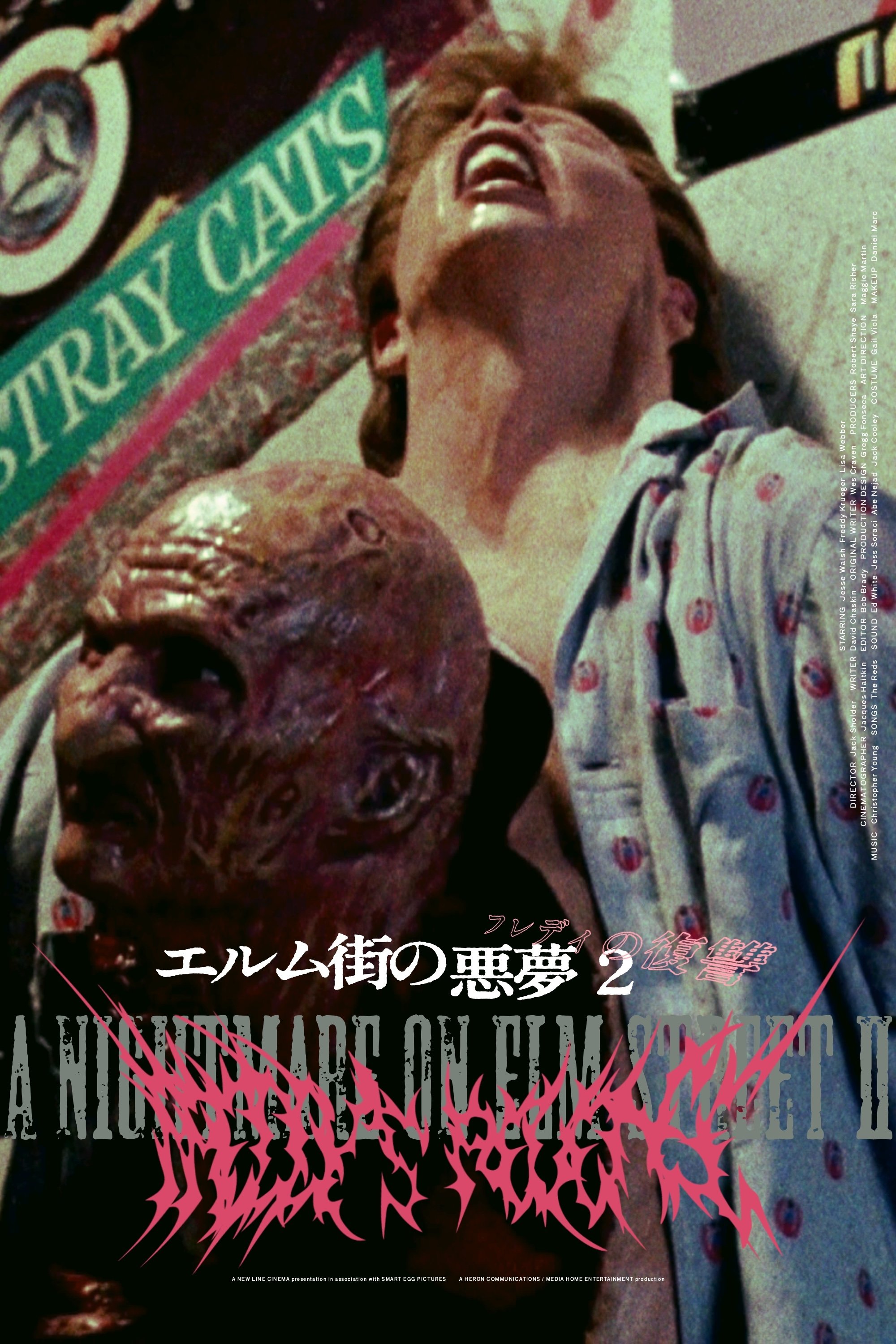
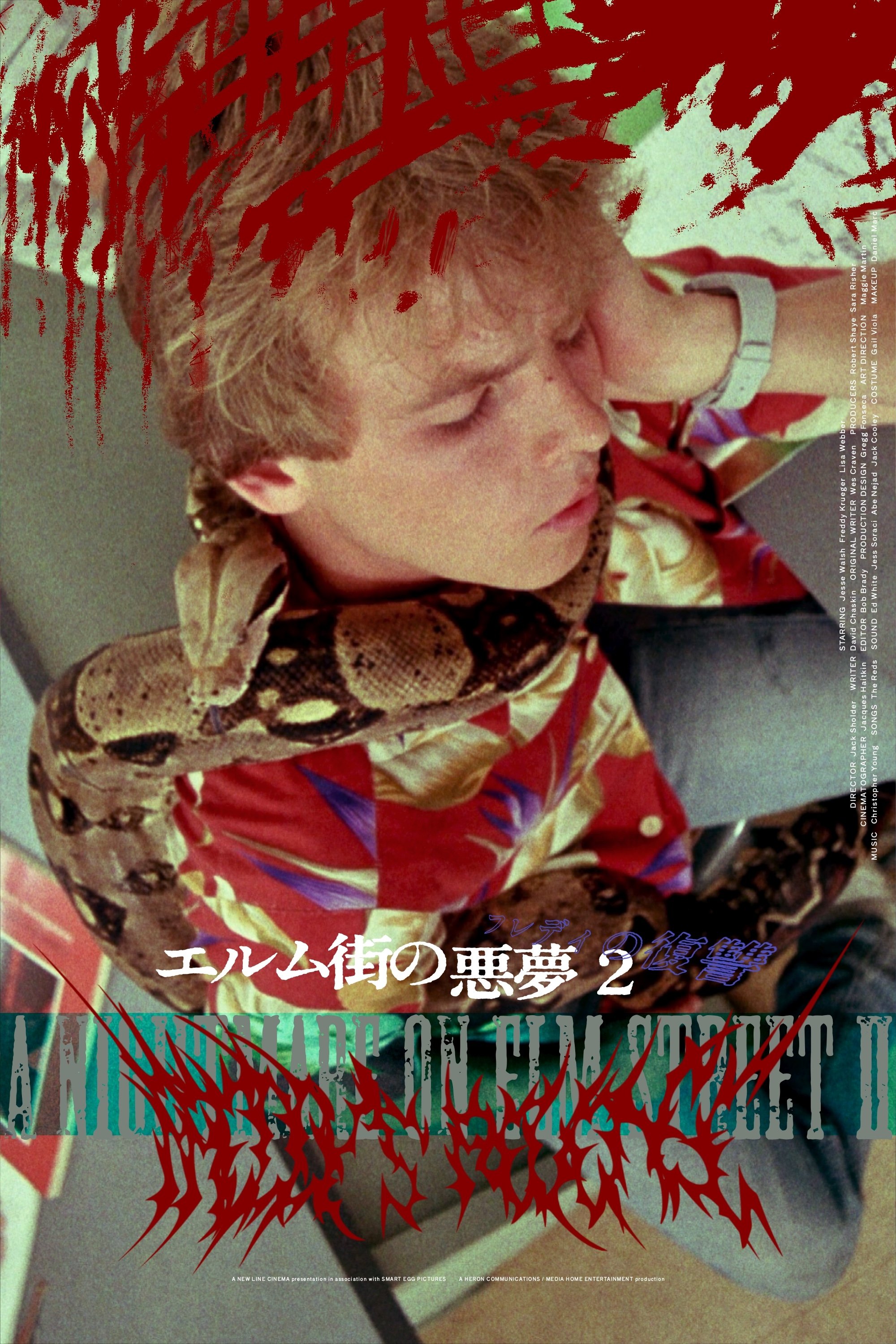
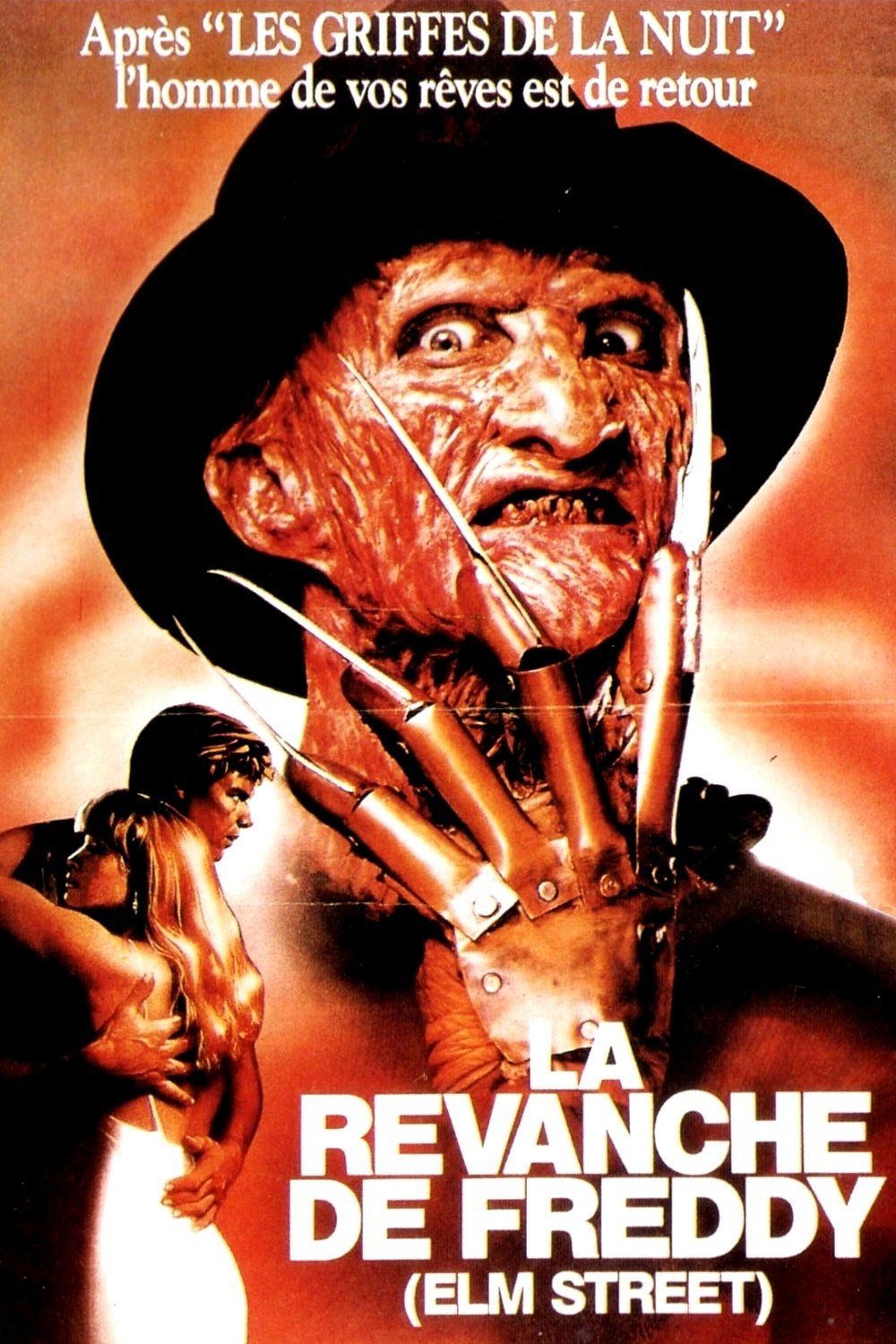
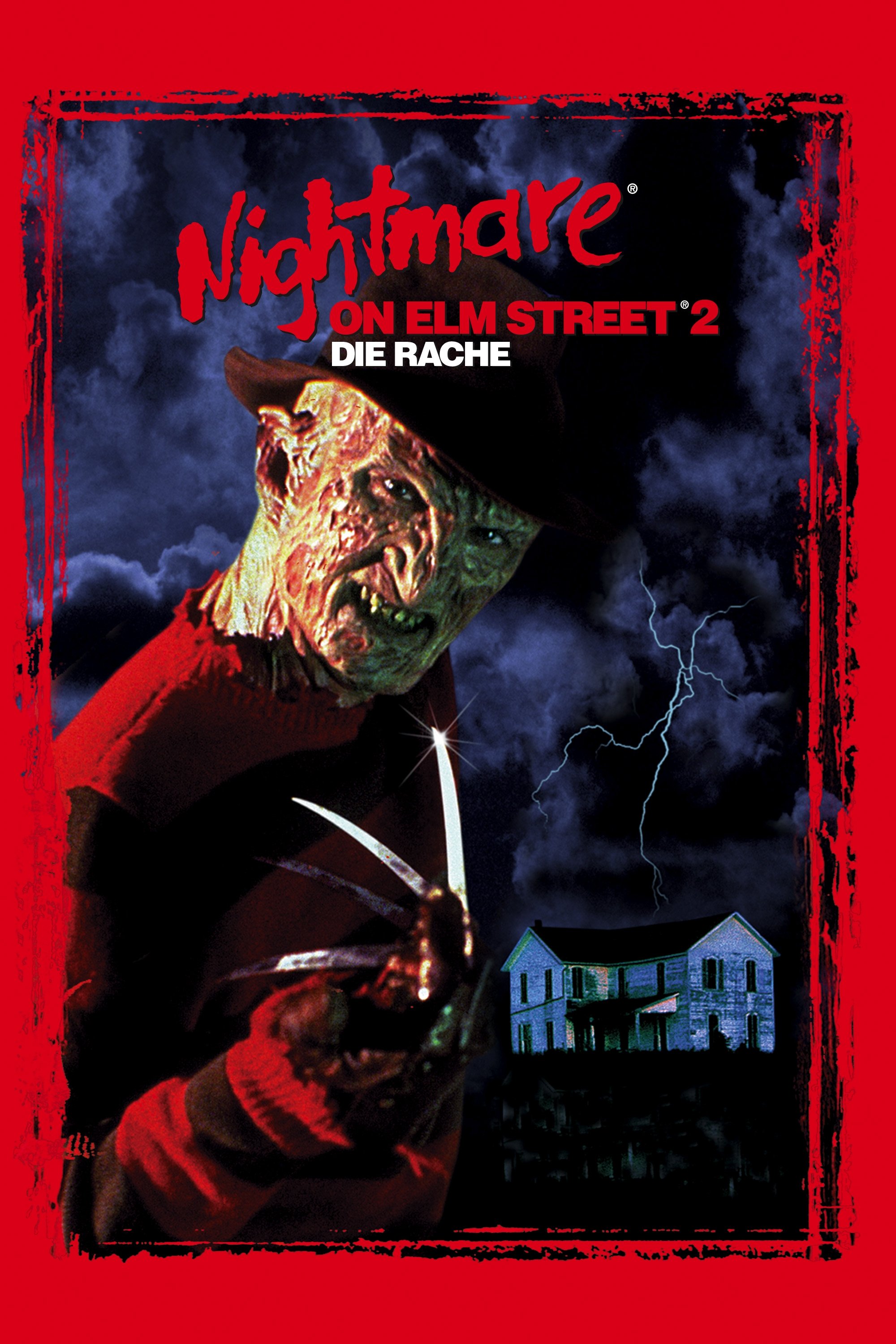
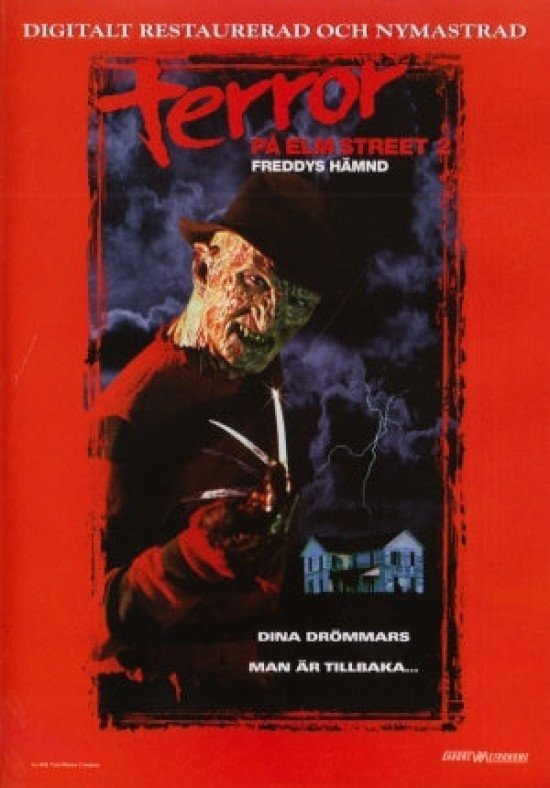
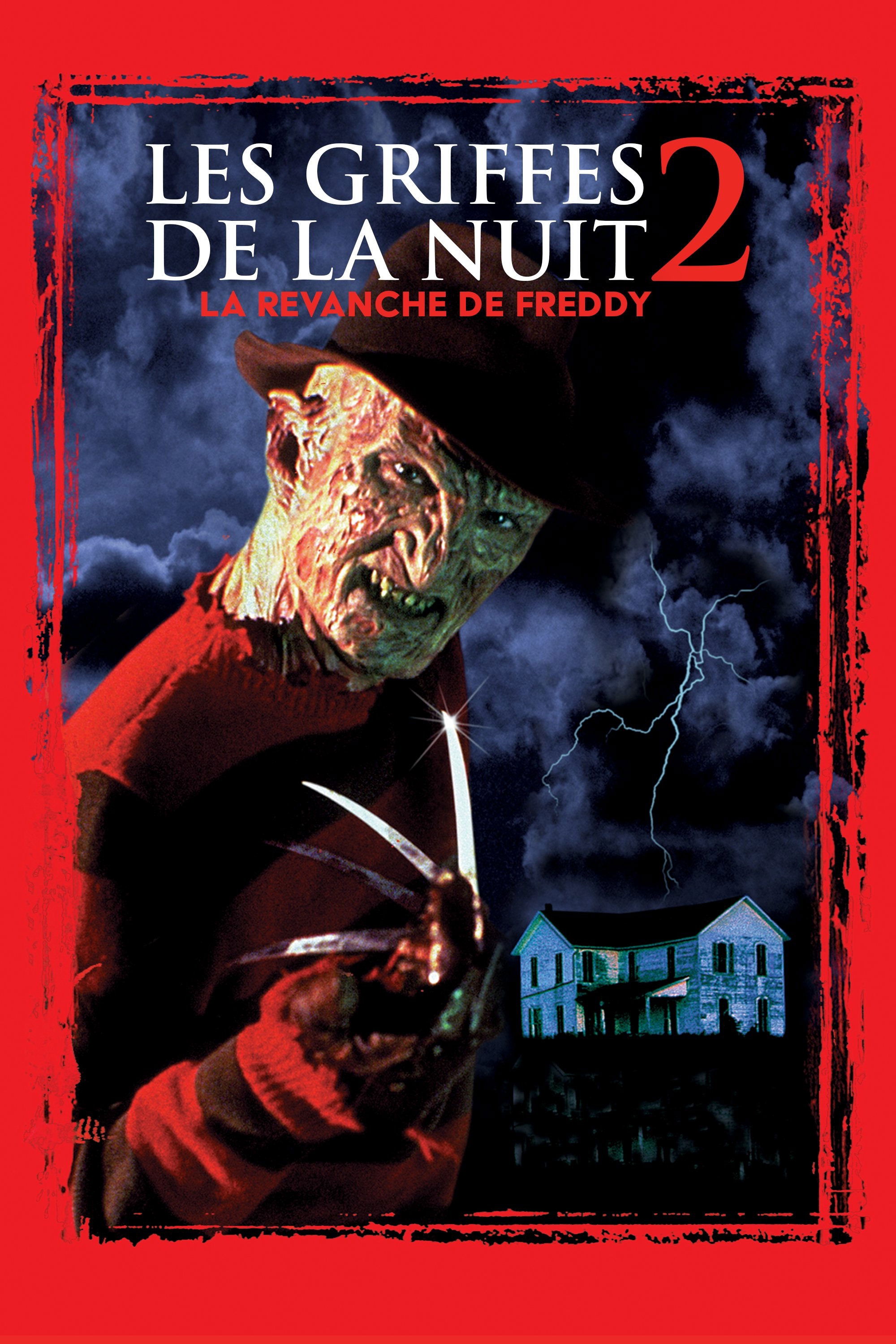
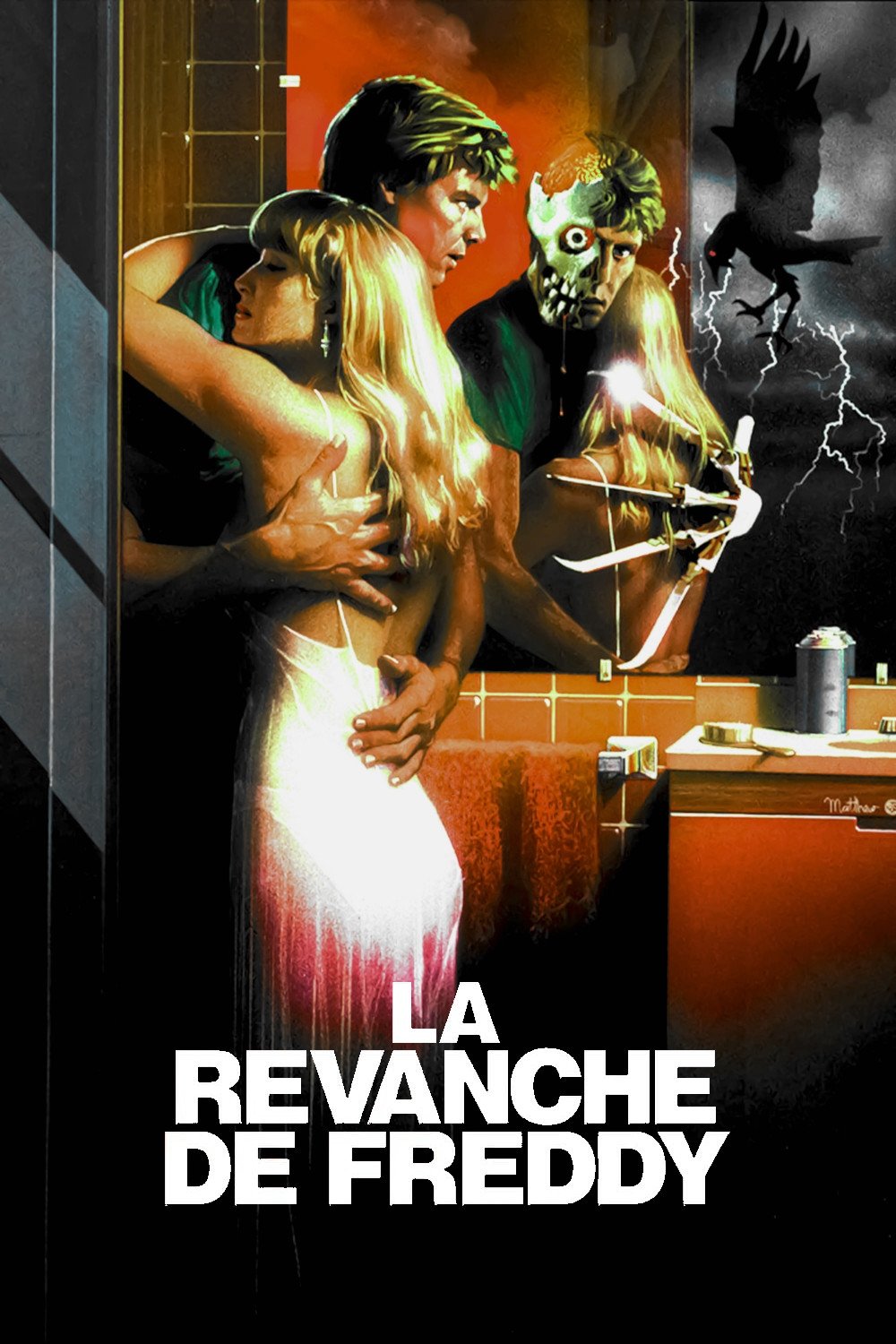
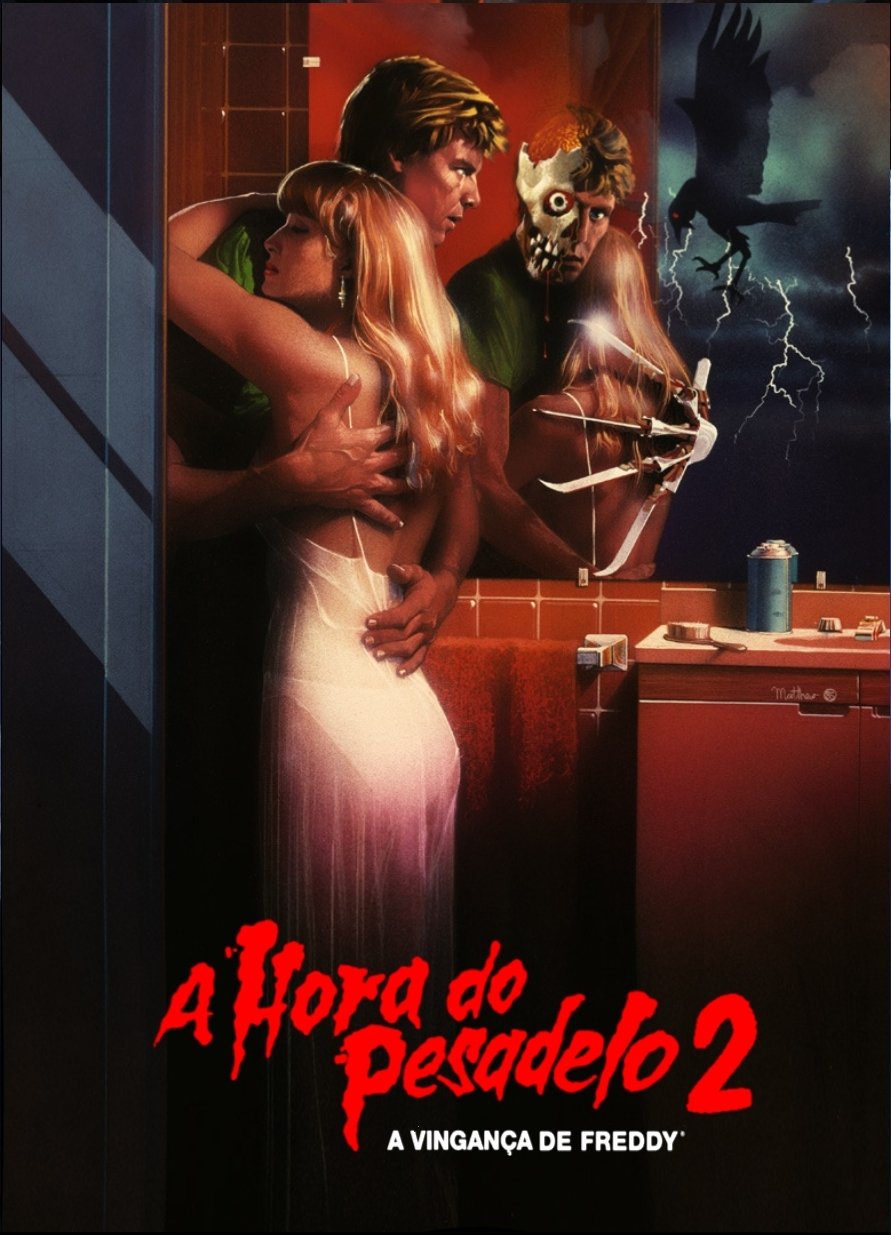
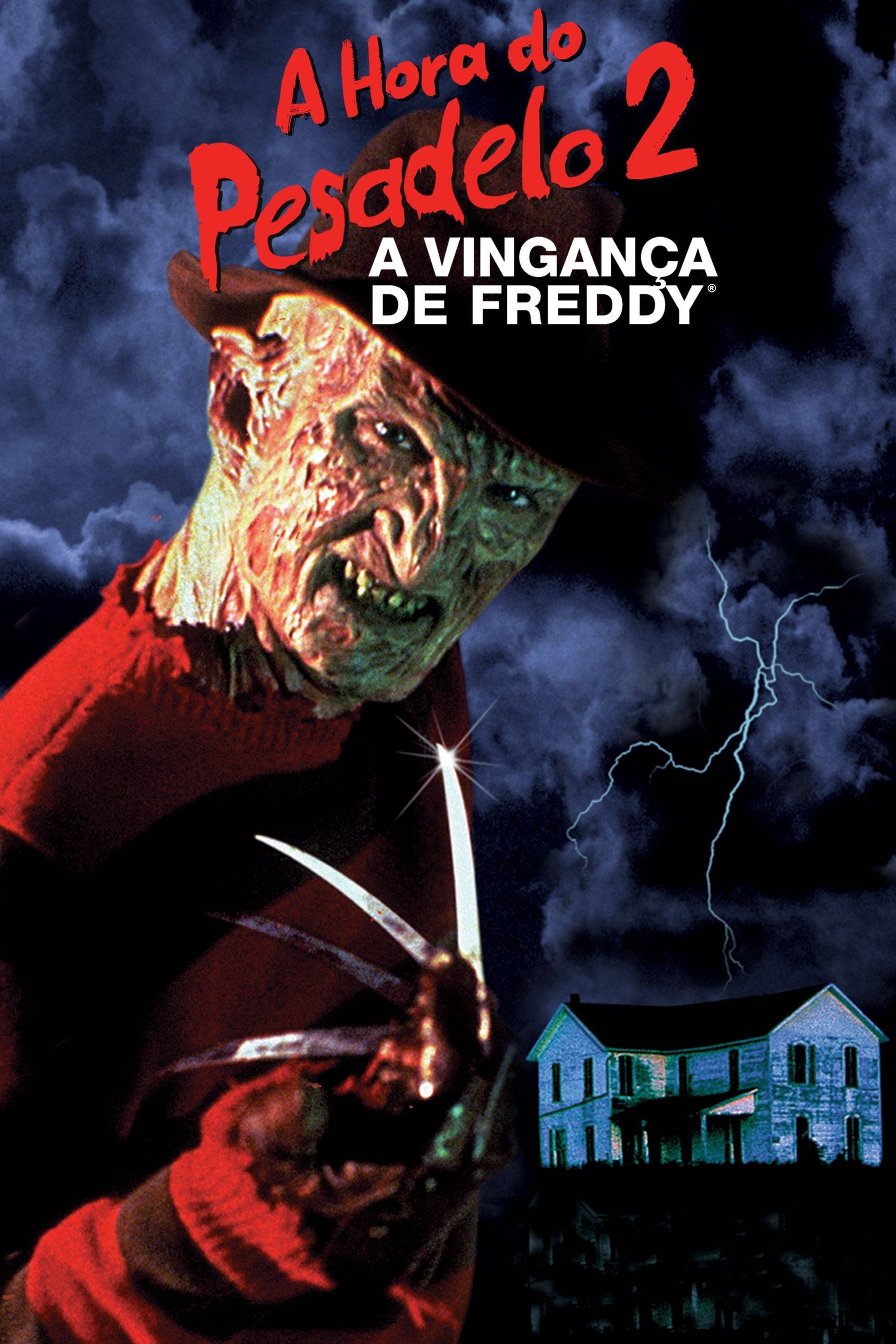
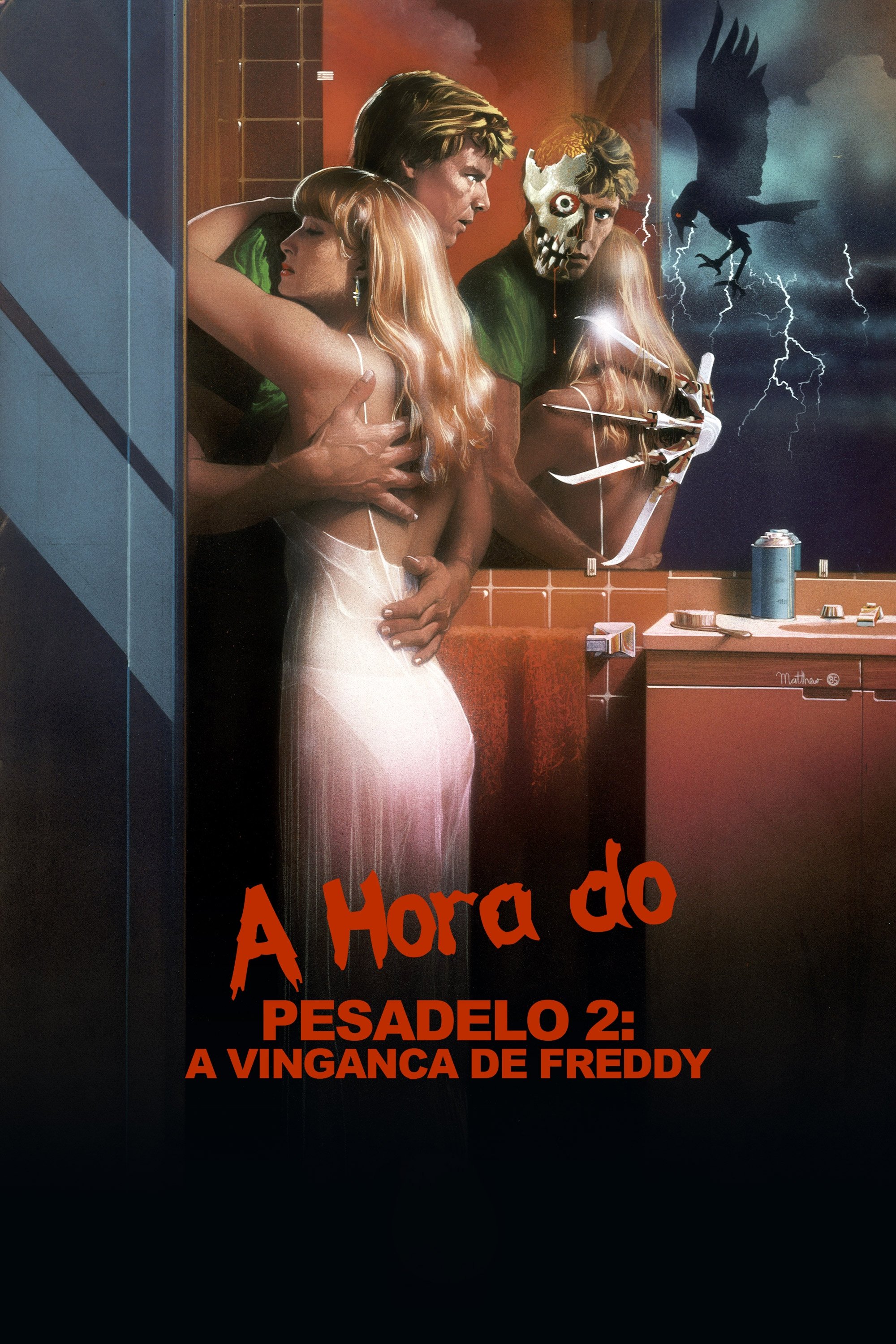
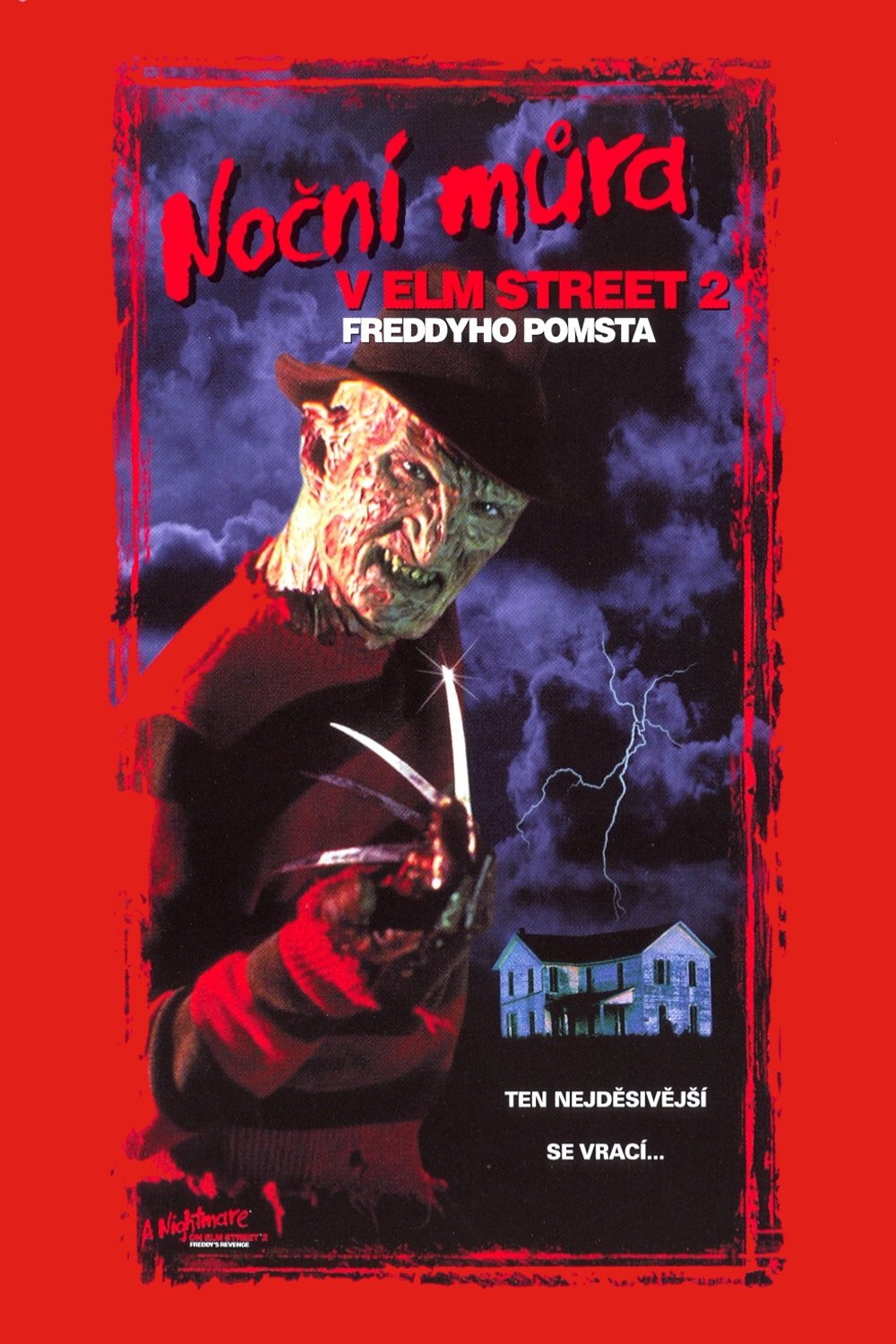
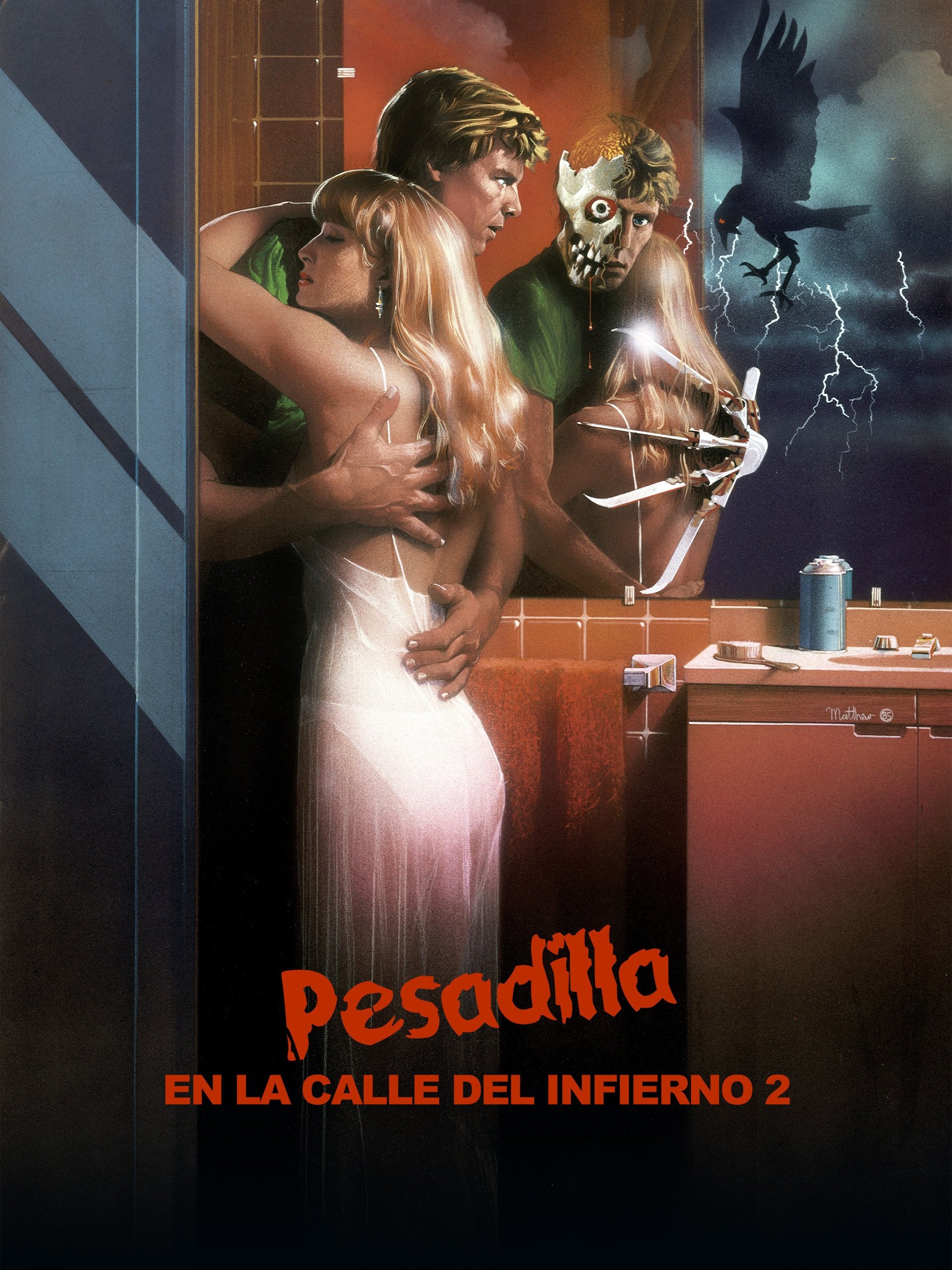
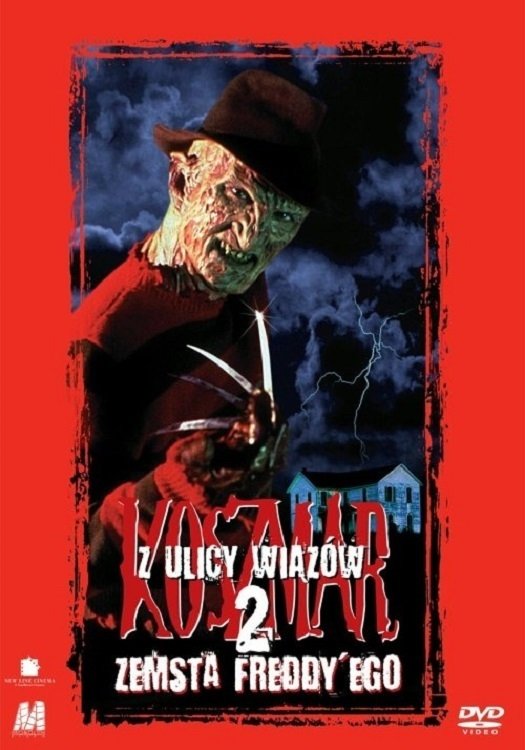
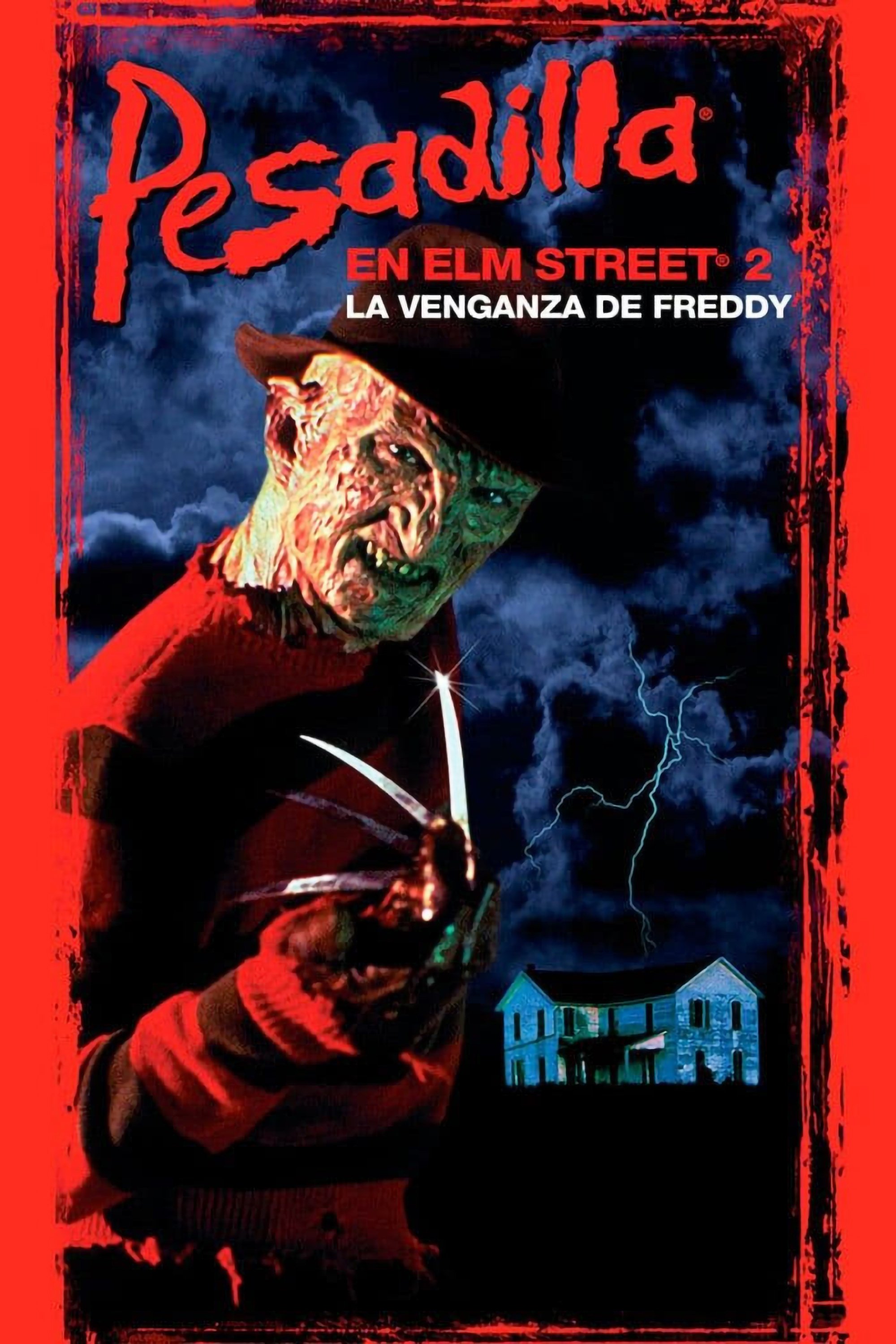
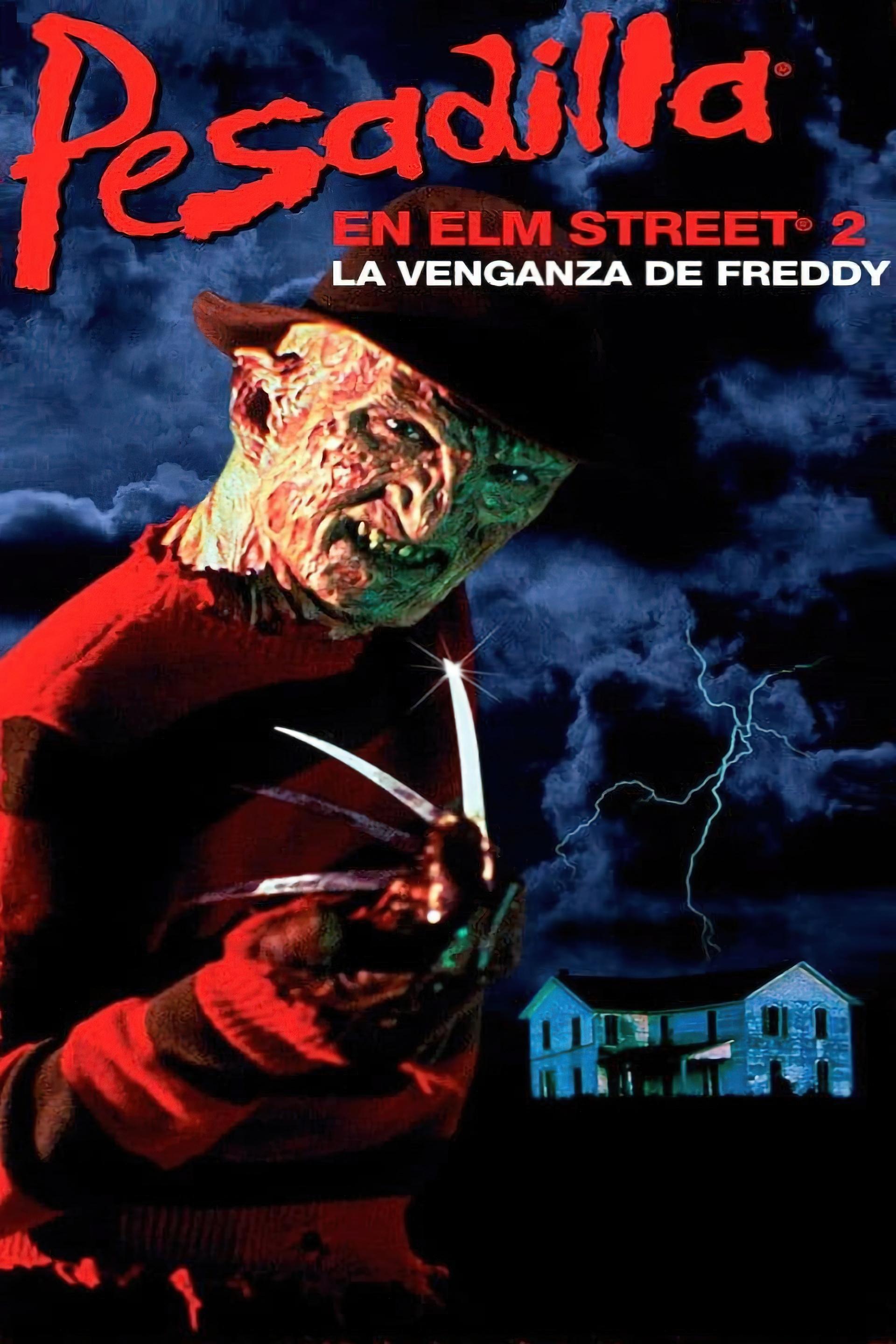
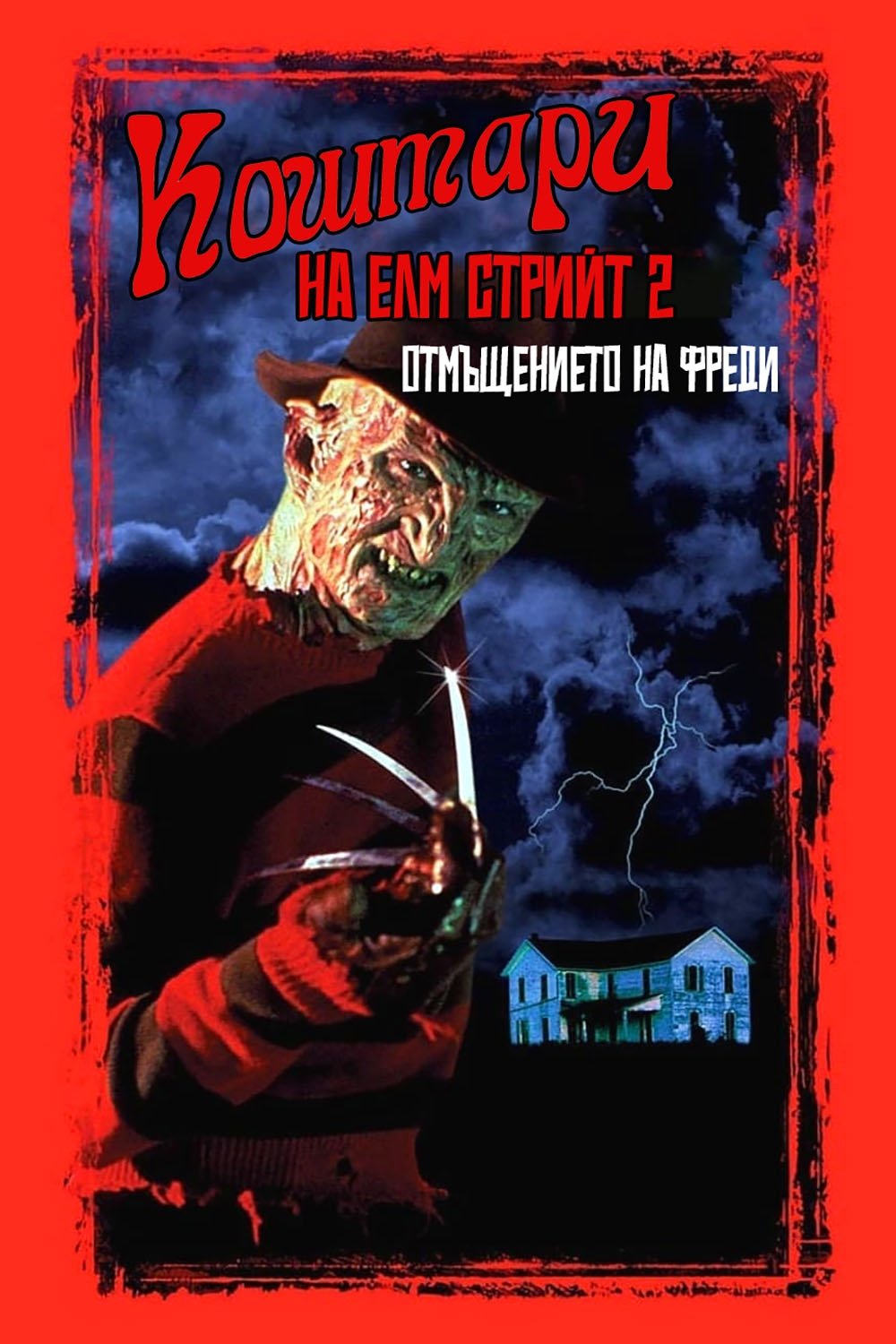
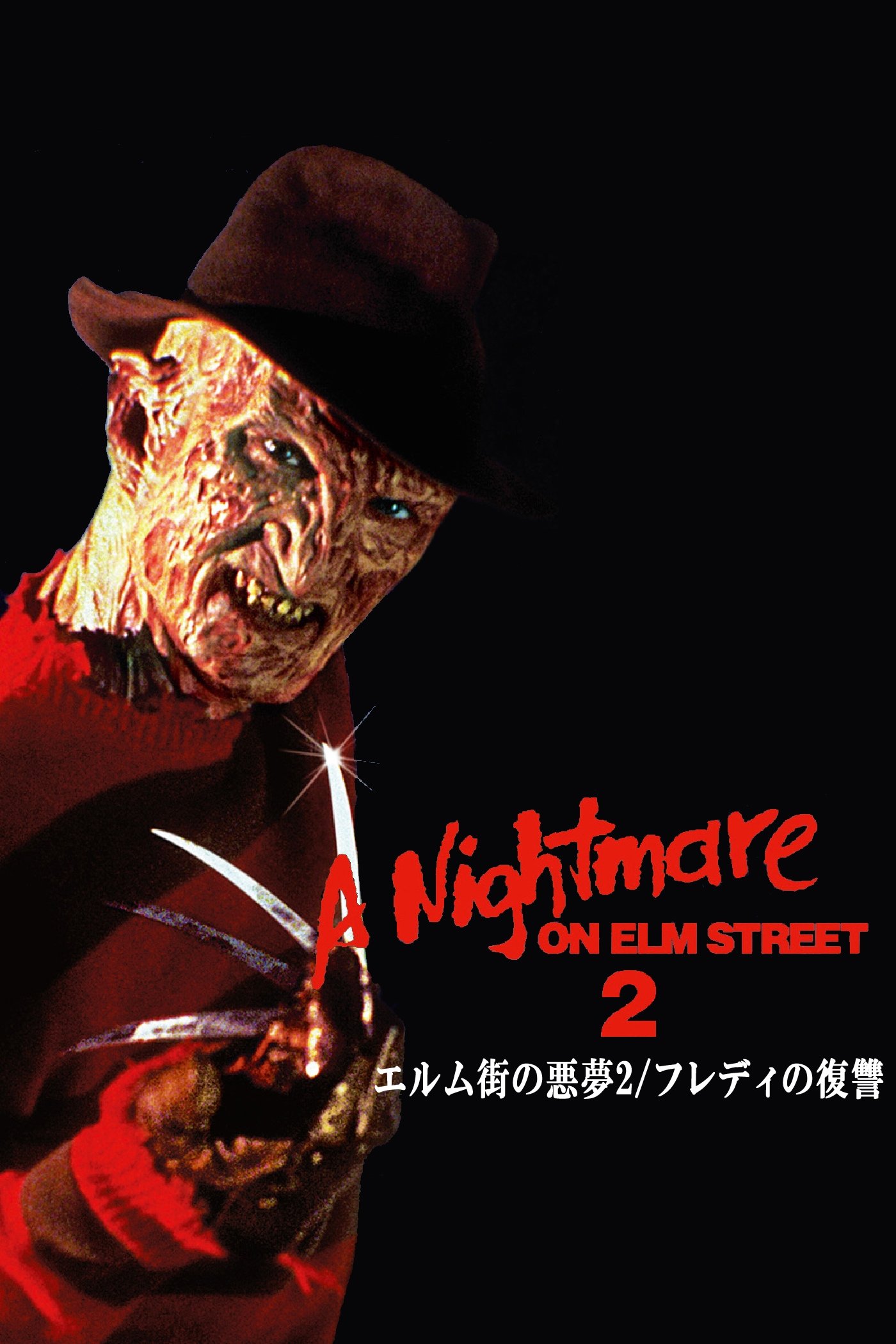
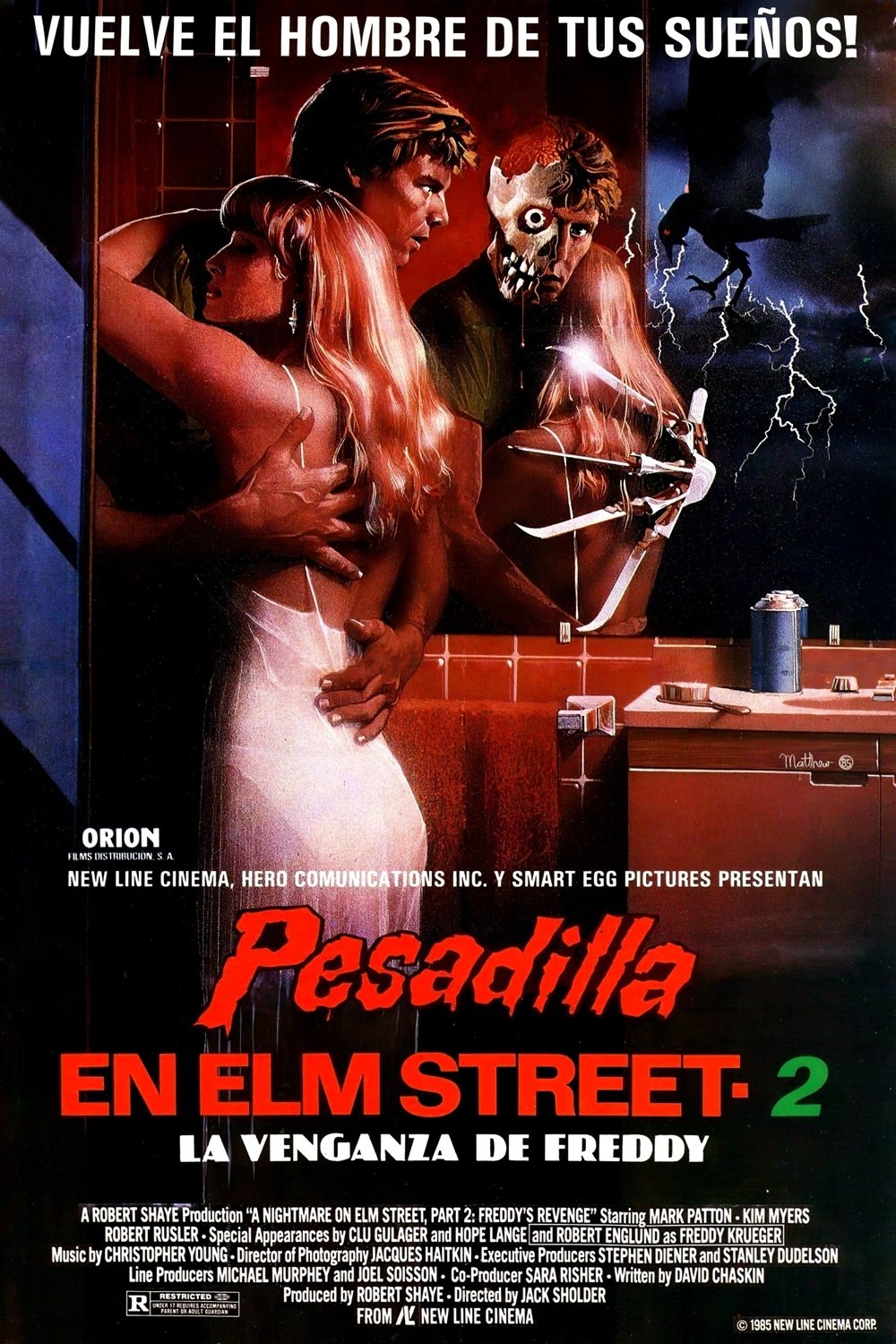
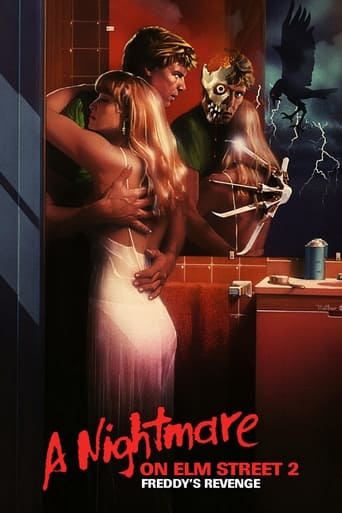
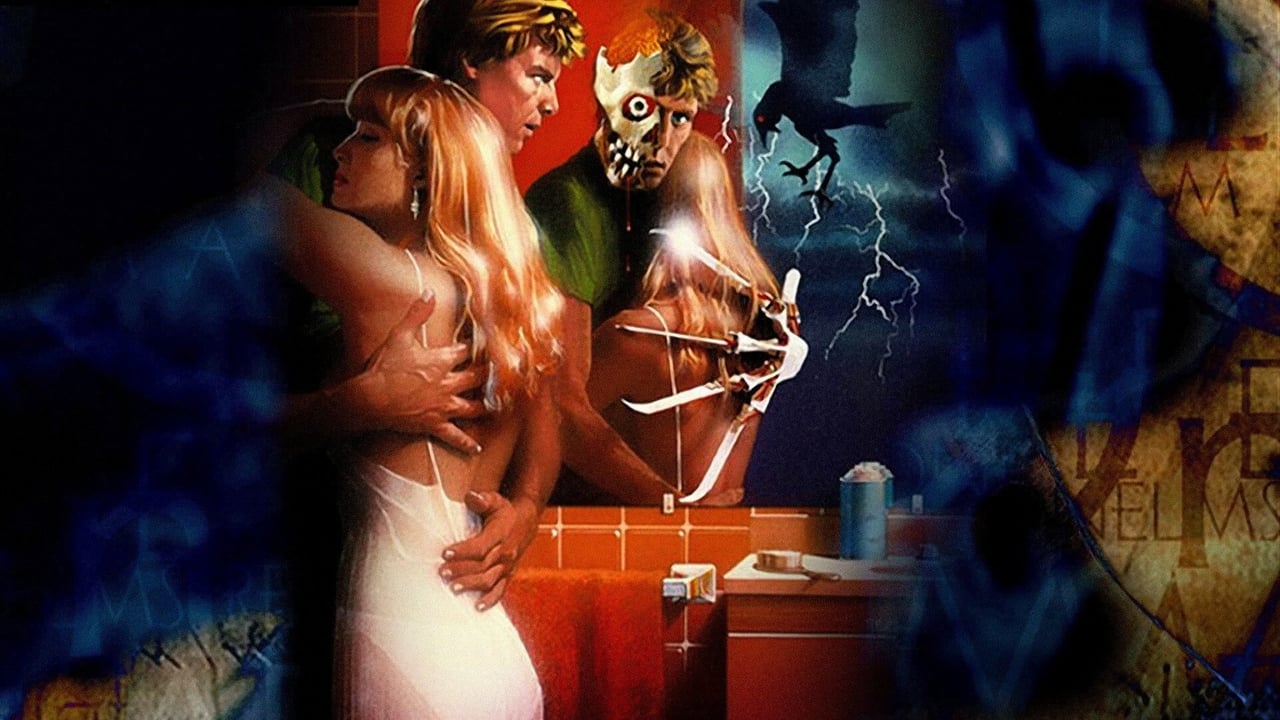
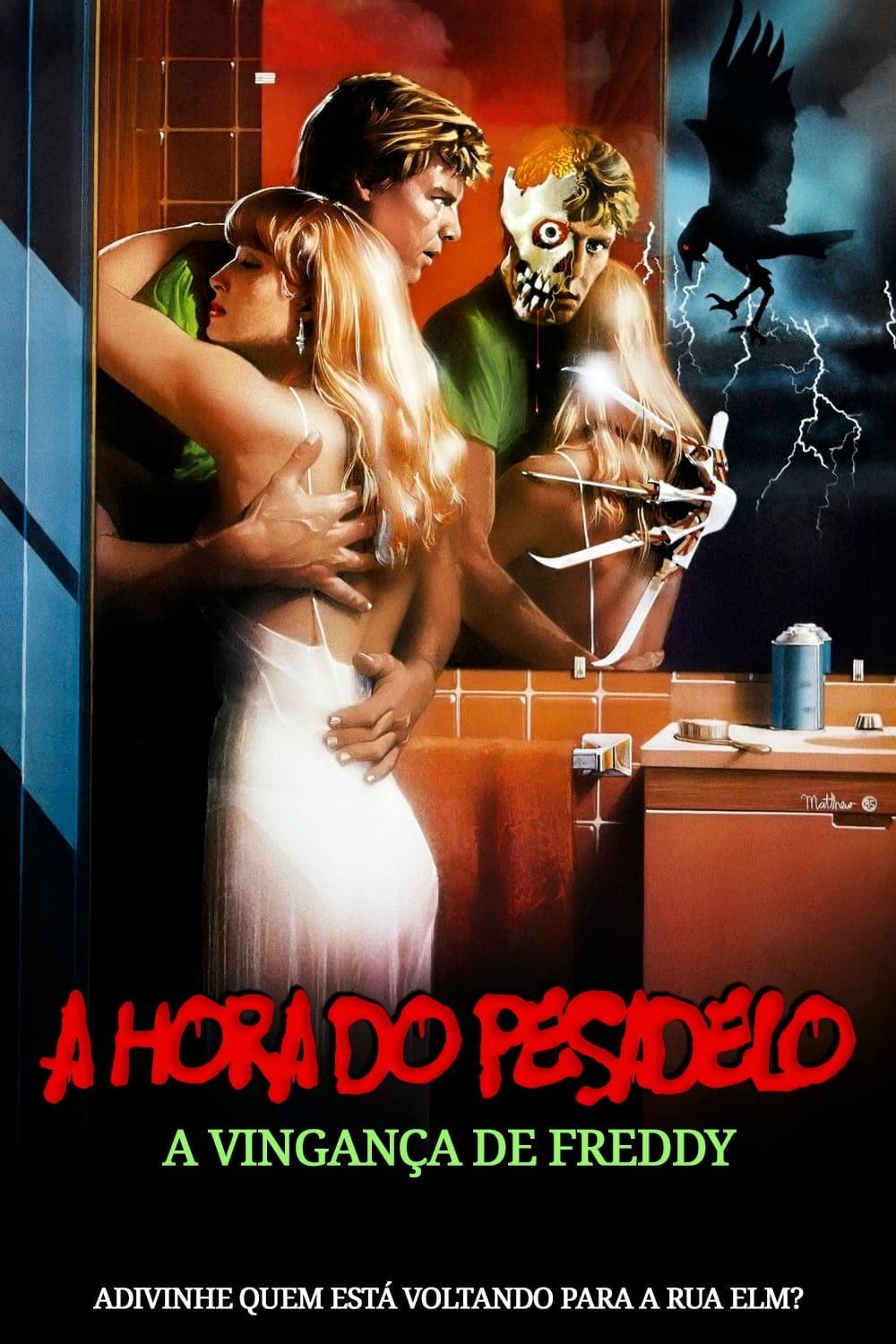
A Nightmare on Elm Street Part 2: Freddy's Revenge (1985) poster
Director
Production Companies
New Line Cinema , Smart Egg Pictures , Heron Communications , Media Home Entertainment
Plot

Jesse Walsh moves with his family into a house on Elm Street, where disturbing dreams about Freddy Krueger soon begin to disrupt his life. As Jesse experiences blackouts, frightening changes in his behavior and increasingly violent visions, he fears that the killer is trying to use his body to enter the waking world. His friend Lisa attempts to understand what is happening, but the boundary between possession and nightmare grows harder to distinguish. The danger threatens Jesse's classmates as well as his family.

Alternative Titles
La revancha de Freddy (Argentina) — (название с кабельного телевидения) Pesadilla 2: La venganza de Freddy (Argentina) Pesadilla en lo profundo de la noche 2: La revancha de Freddy (Argentina) Qarağac küçəsində qarabasma 2: Freddinin qisası (Azerbaijan) — Azerbaijani Nightmare on Elm Street Part 2 Freddy's Wraak (Belgium) — festival title (English title) Кошмари на Елм Стрийт 2 (Bulgaria) — Bulgarian Кошмари на Елм стрийт, Част 2: Отмъщението на Фреди (Bulgaria) — (болгарское название) A Hora do Pesadelo 2: A Vingança de Freddy (Brazil)
Show all 85 alternative titles Les Griffes de la nuit 2 : La Revanche de Freddy (Canada) — (французское название) A Nightmare On Elm Street 2 (China) 半夜鬼上床2 (China) — (название на мандаринском языке) 弗莱迪的复仇 (China) — (название на мандаринском языке) 猛鬼街2 (China) — (название на мандаринском языке) 猛鬼街2:猛鬼缠身 (China) — Chinese 猛鬼街续集 (China) — (название на мандаринском языке) Pesadilla sin fin 2 (Colombia) Nocní mura v Elm Street 2: Freddyho pomsta (Czechia) — Czech Nightmare 2 - Die Rache (Germany) Nightmare II - Die Rache (Germany) — German Nightmare on Elm Street 2 - Die Rache (Germany) — alternative title Morderisk mareridt 2 (Denmark) Malson a Elm Street 2: La venjança de Freddy (Spain) — Catalan Pesadilla en Elm Street 2: La venganza de Freddy (Spain) — Castilian Spanish Pesadilla en Elm Street 2: La venganza de Freddy : 1985 (Spain) Mardrömmen på Elm Street 2 - Freddys hämnd (Finland) — (шведское название) Painajainen Elm Streetillä 2 - Freddyn kosto (Finland) Painajainen Elm Streetillä 2 – Freddyn kosto (Finland) — (название с физических носителей) Freddy - Chapitre 2 - La Revanche de Freddy (France) Freddy 2 (France) Freddy 2 - La Revanche de Freddy (France) La Revanche de Freddy (France) Efialtis sto dromo me tis lefkes No 2 (Greece) — transliterated ISO-LATIN-1 title Εφιάλτης στο δρόμο με τις λεύκες 2 (Greece) Εφιάλτης στο Δρόμο με τις Λεύκες 2: Η Εκδίκηση του Φρέντυ (Greece) — Greek Ο εφιάλτης στο δρόμο με τις λεύκες, μέρος 2ο: Η εκδίκηση του Φρέντυ (Greece) 猛鬼街第二集:猛鬼纏身 (Hong Kong SAR China) — Chinese Strava u Ulici brijestova 2: Freddyjeva osveta (Croatia) Rémálom 2: Freddy visszavág (Hungary) — (название с физических носителей) Rémálom 2.: Freddy visszavág (Hungary) — video box title Rémálom az Elm utcában 2. (Hungary) — alternative title Rémálom az Elm utcában 2. - Freddy bosszúja (Hungary) — Hungarian Rémálom az Elm utcában II. - Freddy bosszúja (Hungary) — alternative title Rémálom az Elm utcában: Freddy visszavág (Hungary) — (альтернативное название) סיוט ברחוב אלם 2: נקמתו של פרדי (Israel) — Hebrew एल्म सड़क पर बुरा सपना २: फ़्रेडी का बदला (India) — (название на хинди) Nightmare 2 - La rivincita (Italy) Erumu gai no akumu 2 - Furedi no fukushû (Japan) エルム街の悪夢2 フレディの復讐 (Japan) — Japanese 나이트메어 2: 프레디의 복수 (South Korea) — Korean Košmaras Guobų gatvėje 2: Fredžio kerštas (Lithuania) Šausmas Gobu ielā 2: Fredija atriebība (Latvia) — Latvian Maščevanje v ulici brestov (Montenegro) — (словенское название) Osveta u ulici brestova (Montenegro) — (сербское название) Osveta u ulici brijestova (Montenegro) — (хорватское название) Pesadilla en la calle del infierno 2 (Mexico) Pesadilla en la calle del infierno II: la venganza de Freddy (Mexico) — (название видео) A Nightmare on Elm Street 2: Freddy's Revenge (Netherlands) Terror på Elm Street 2 - Freddys hevn (Norway) Koszmar z Ulicy Wiązów 2: Zemsta Freddiego (Poland) Koszmar z Ulicy Wiązów 2: Zemsta Freddy'ego (Poland) Pesadelo em Elm Street 2 (Portugal) — Portuguese Pesadelo em Elm Street II (Portugal) Cosmar pe strada Ulmilor: Razbunarea lui Freddy (Romania) Un coșmar pe strada Elm, partea 2: Răzbunarea lui Freddy (Romania) — Romanian Strava u Ulici brestova 2: Fredijeva osveta (Serbia) Страва у улици Брестова 2: Фредијева освета (Serbia) — Serbian Кошмар на улице Вязов 2: Месть Фредди (Russia) كابوس في شارع إلم الجزء الثاني: انتقام فريدي (Saudi Arabia) — Arabic Terror på Elm Street 2 (Sweden) — (альтернативное название) Terror på Elm Street 2 - Freddys hämnd (Sweden) Maščevanje v ulici brestov (Slovenia) Mora v Ulici brestov 2 (Slovenia) — Slovenian Nočná mora v Elm Street 2: Freddyho pomsta (Slovakia) Pesadilla en la Calle Elm 2 La Venganza de Freddy (El Salvador) นิ้วเขมือบ 2 (Thailand) — Thai Elm Sokağı Kabusu 2: Freddy'nin İntikamı (Türkiye) — (турецкое название) Elm Sokağında Kabus 2: Freddy'nin İntikamı (Türkiye) — Turkish 半夜鬼上床2:猛鬼纏身 (Taiwan) Жах на вулиці В'язів 2: Помста Фредді (Ukraine) A Nightmare on Elm Street - Freddy's Revenge (United States) A Nightmare on Elm Street 2: Freddy's Revenge (United States) — Working Title A Nightmare on Elm Street 2: Freddy’s Revenge (United States) — Alternative Title Pesadilla en Elm Street 2: La venganza de Freddy (United States) — (испанское название) Pesadilla 2: La revancha de Freddy (Uruguay) — (оригинальная версия с субтитрами) Ác Mộng Phố Elm 2: Freddy Báo Thù (Vietnam)

Trailers & Videos

10 videos

Film Guide & Analysis

The making and reinterpretation of the 1985 sequel, from possession horror and practical effects to Christopher Young's music and Mark Patton's queer legacy.

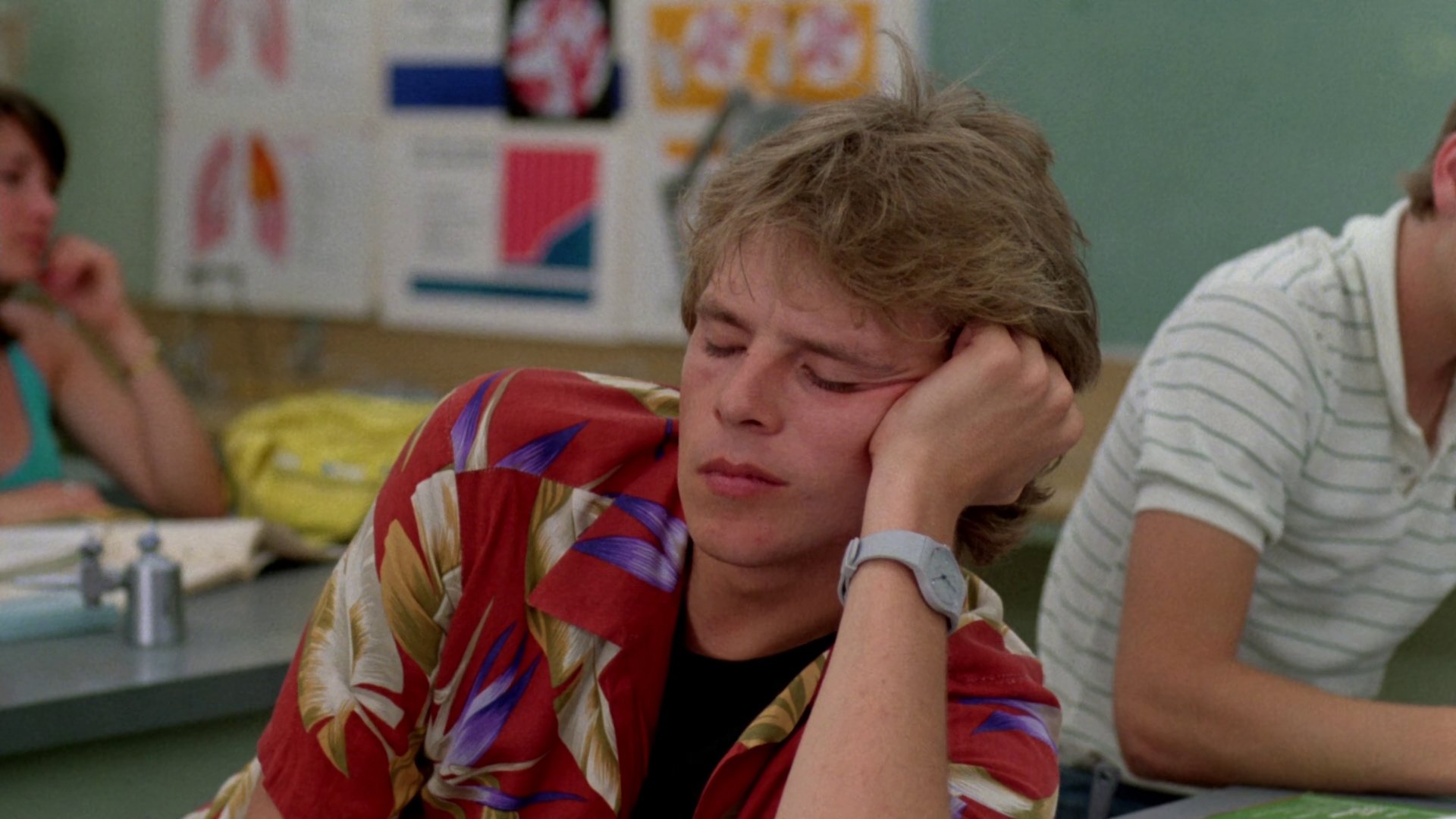
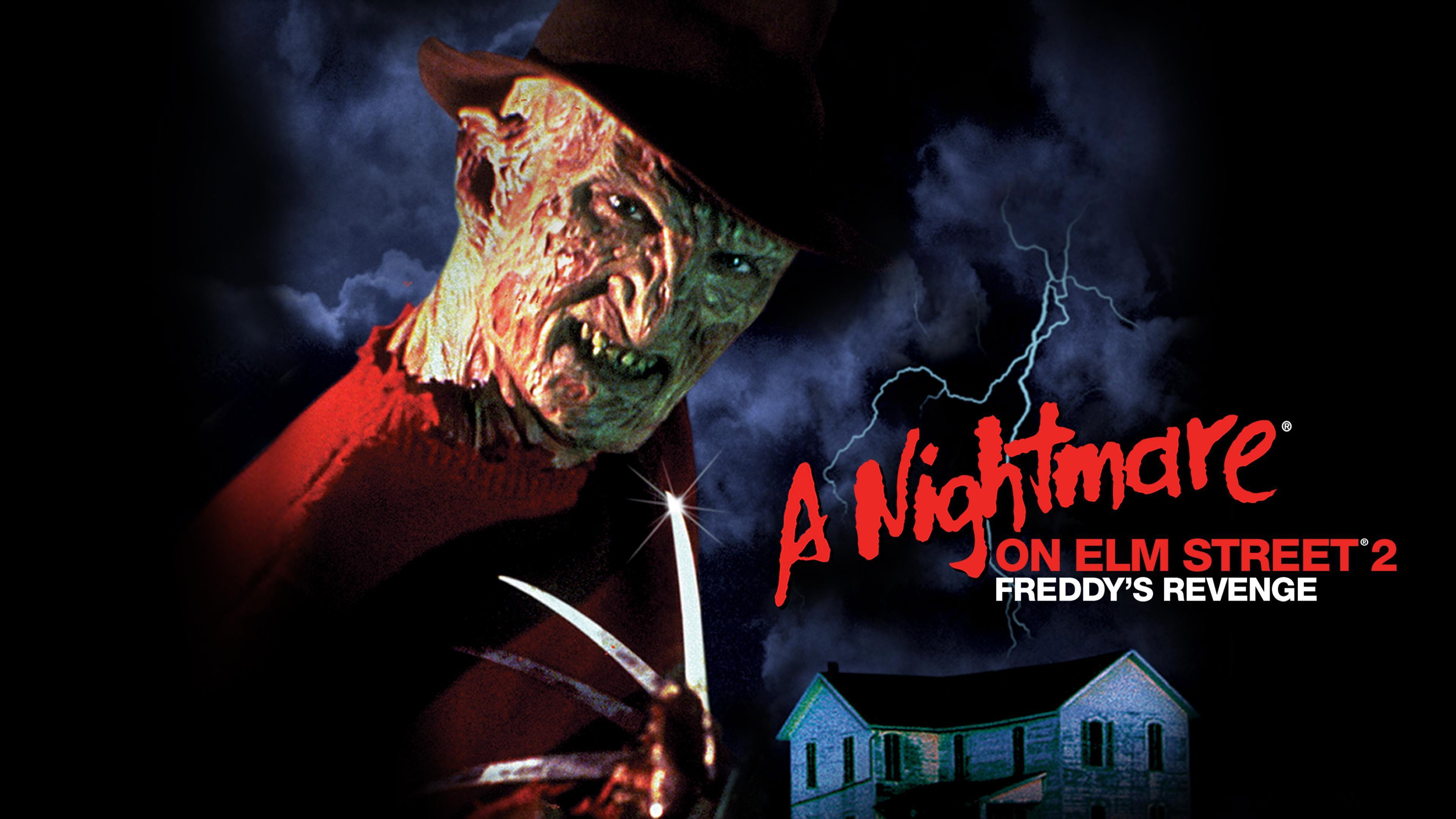
A Nightmare on Elm Street Part 2: Freddy's Revenge (1985) reshaped the premise of Wes Craven's first film around a different kind of threat: Freddy Krueger wants to occupy a teenager's body and act in the waking world. Jesse Walsh moves into the former Thompson house, becomes frightened by dreams he cannot control, and discovers that violence is occurring through him. The change displaces the original film's struggle to distinguish sleeping from waking with a fear of losing control over one's own body. Within the slasher cycle, a male adolescent also assumes a position usually assigned to a threatened young woman.

Released barely a year after its predecessor, Jack Sholder's sequel was an early commercial success for New Line Cinema and a difficult case for the developing franchise mythology. Its transformations required elaborate mechanical makeup, while its images of adolescent sexual anxiety invited interpretations that became important in its later critical reputation. Interviews with the director, performer Mark Patton and members of the effects teams reveal competing understandings of those elements. This history gives Freddy's Revenge particular significance as an example of how production intentions, screen imagery and the reception of an American horror film can change meaning over decades.

A Rapid Sequel for New Line

New Line sought another Freddy Krueger picture after the unexpected commercial success of Craven's 1984 original. Trade reporting preserved in the American Film Institute catalog shows that president Robert Shaye hoped Wes Craven might return; Craven ultimately took no part in directing or writing the sequel. David Chaskin supplied the screenplay, which moved the supernatural conflict into the life of a new family occupying the same house. The company was preparing the project for the American Film Market by February 1985, and principal photography began in June. The development schedule left little room to establish a second film's independent identity before cameras rolled.

Sholder, whose earlier feature Alone in the Dark had been released by New Line, recalled initially resisting the assignment because he feared being confined to horror sequels. In a 2025 interview with TheWrap, he described receiving the project only about six weeks before shooting, including several pages devoted to effects he had never attempted. Shaye's principal directions, as remembered by Sholder, concerned keeping Freddy frightening and photographing him in darkness. The filmmaker therefore had to arrange casting, locations and the technical planning on a compressed schedule. His later account emphasizes uncertainty during preparation followed by greater confidence once photography began.

Contemporary accounts differ on the production's precise cost. AFI cites Sholder's statement in an October 1985 trade interview of approximately three million dollars, alongside later industry figures of about $2.5 million. These sources describe different figures and do not establish an exact audited budget. The sequel reunited cinematographer Jacques Haitkin with material he had photographed for Craven, but the director and screenwriter were new. That mixture of continuity and replacement became important: recognizable Elm Street iconography made the premise legible to audiences, while the altered story rules allowed the creative team to take a conspicuously different route.
Jesse Walsh and the Possession Premise

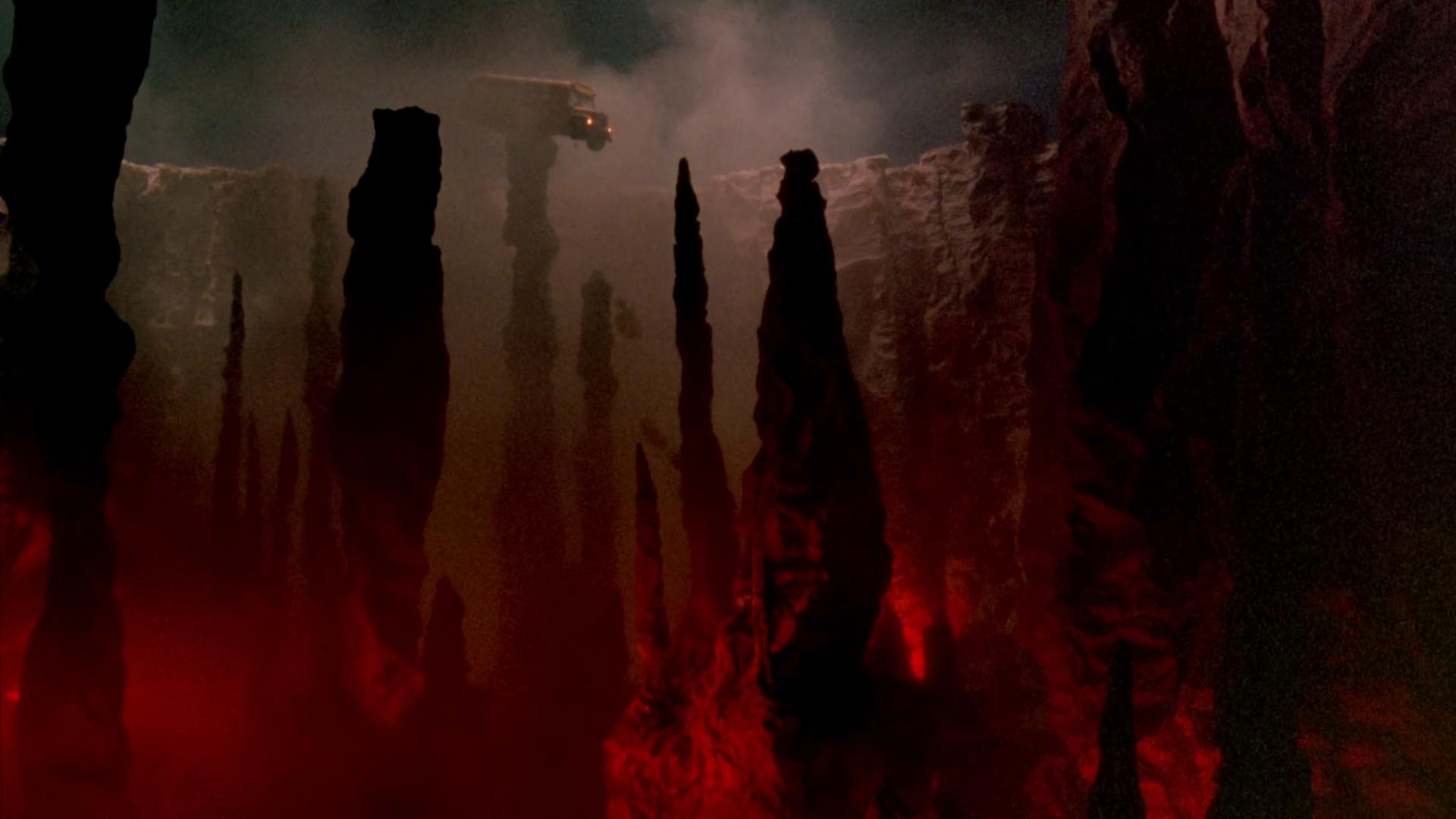
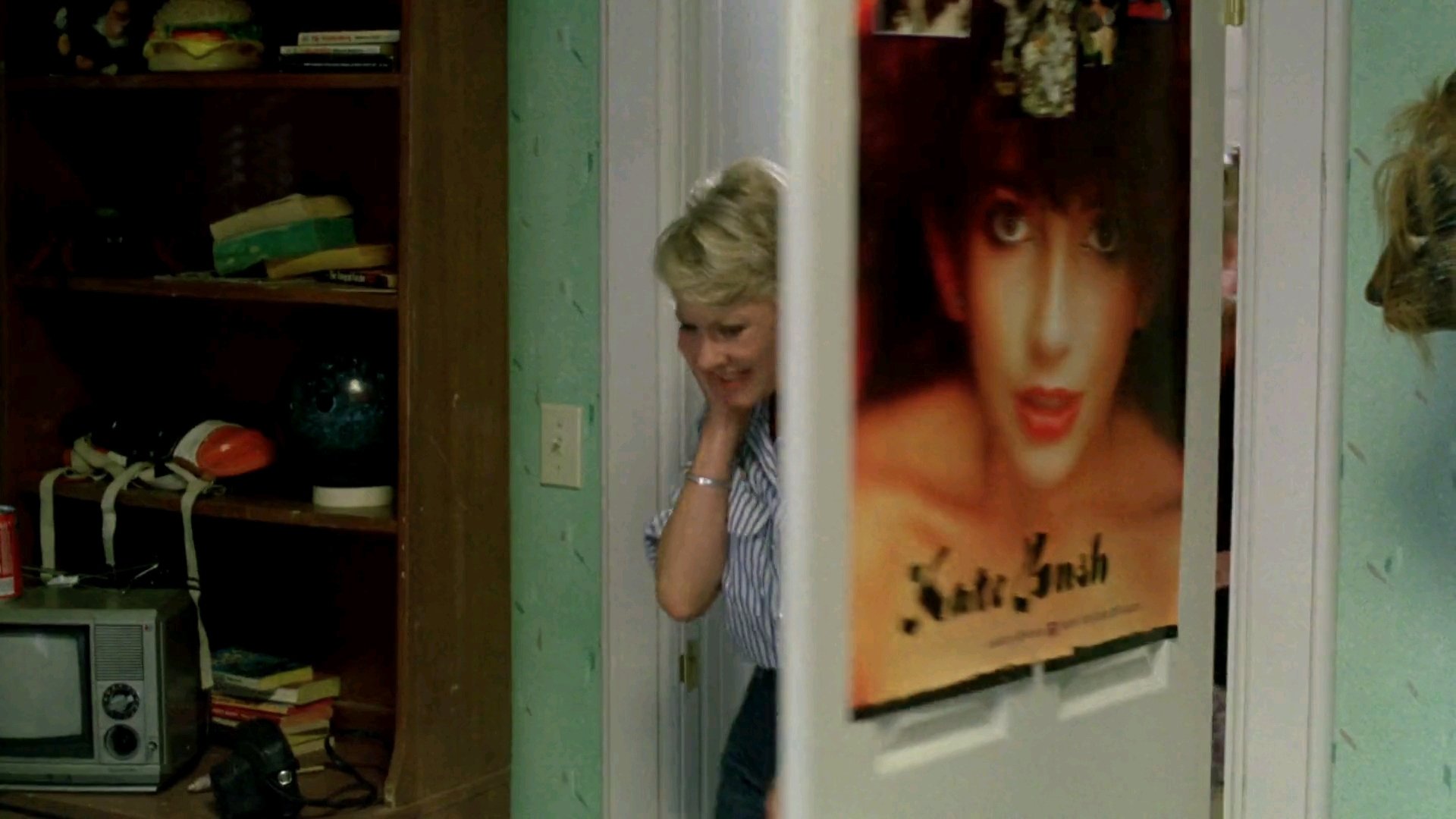
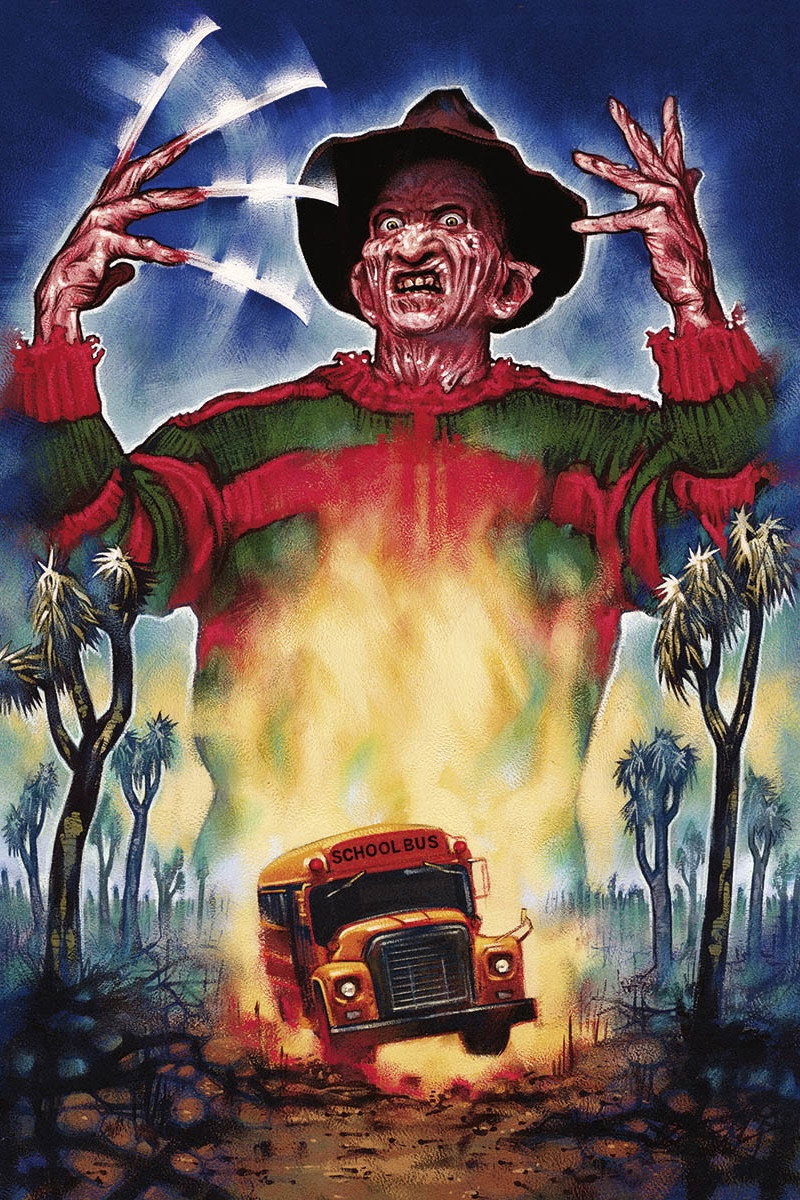
The screenplay makes Jesse's physical vulnerability the means through which the antagonist gains freedom. In the opening nightmare, a school bus leaves its ordinary route and is stranded above a vast drop, introducing a world whose geography can be changed by an unseen force. Back at home, inexplicable heat and disturbances undermine Jesse's efforts to establish a normal family routine. His parents interpret distress through everyday explanations, while his friendship with Ron Grady and growing intimacy with Lisa Webber leave him uncertain about whom to trust. The fear of falling asleep is gradually joined by the possibility that being awake offers no safety.

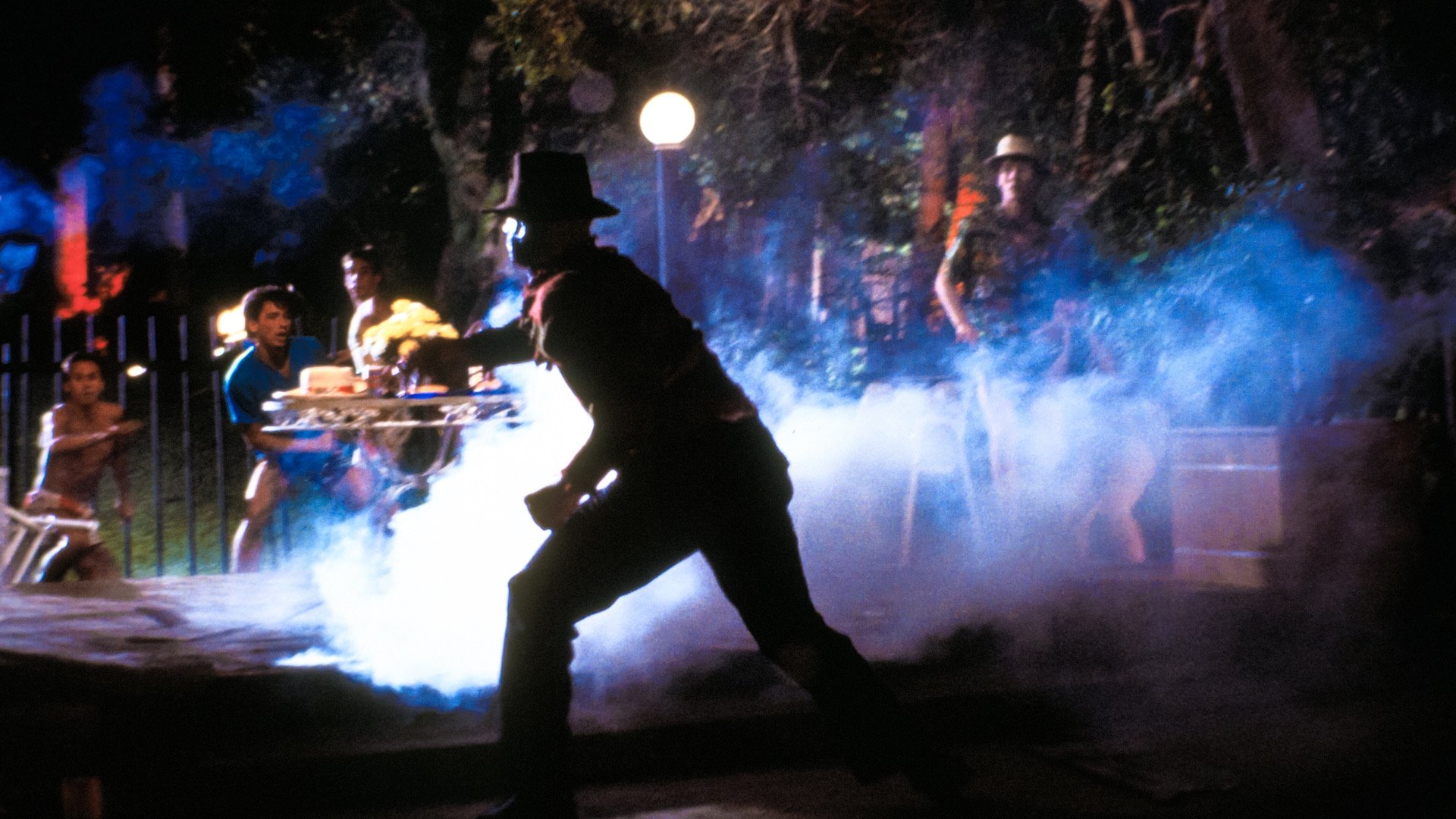
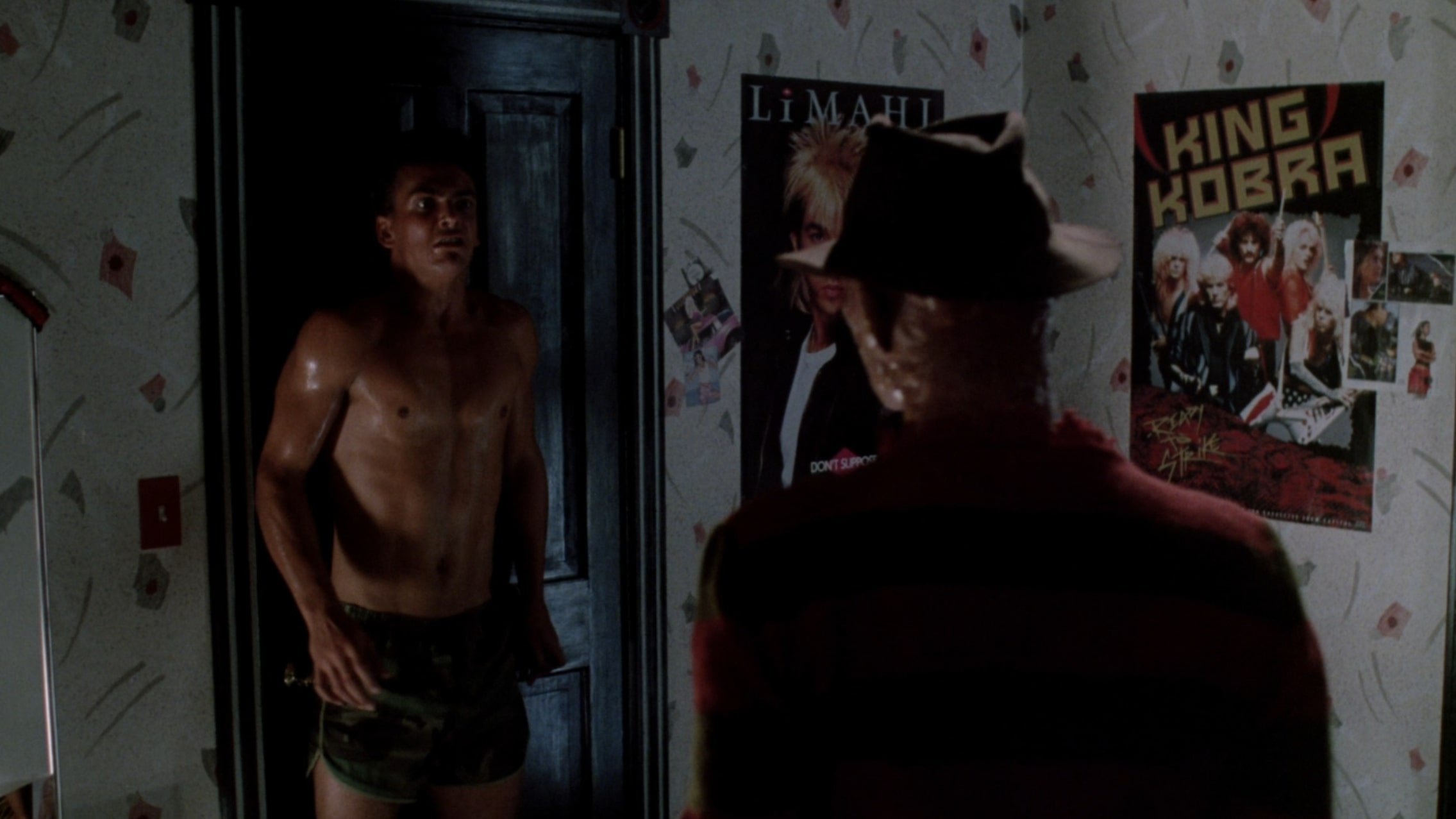
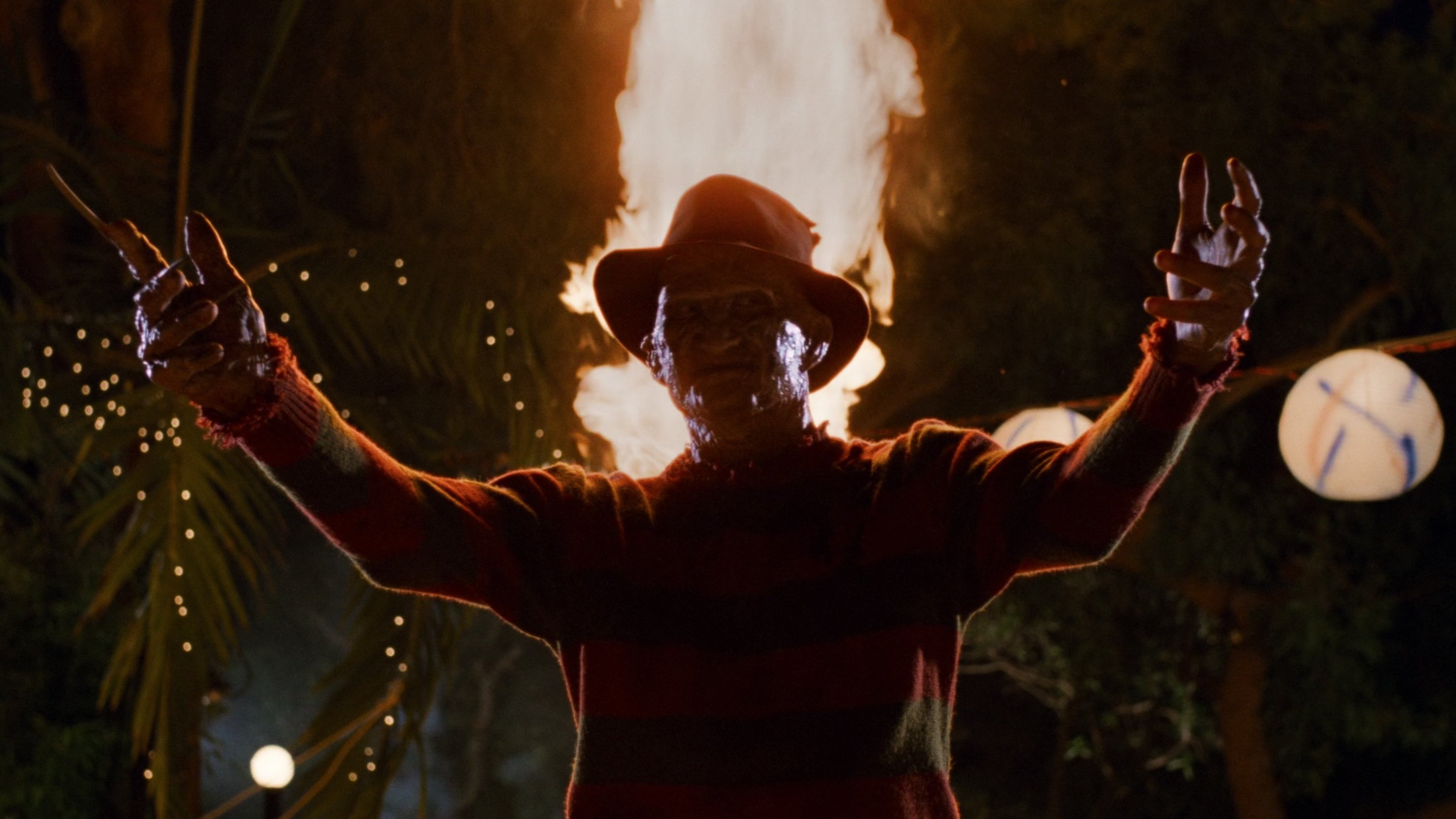
Freddy's stated desire to enter Jesse's body changes the antagonist's relation to the victims. Grady's bedroom becomes the site of a horrifying transformation, while the swimming-pool party allows Freddy to threaten a group in open physical space. Those events push the figure beyond the dream-bound attacks of the first film. The device gave the sequel memorable physical confrontations, but it also complicated the series' defining idea: a killer whose victims could never be sure they were dreaming. Robert Shaye later identified this move into waking reality as a mistake that the third installment would seek to correct, according to AFI's account of subsequent trade coverage.

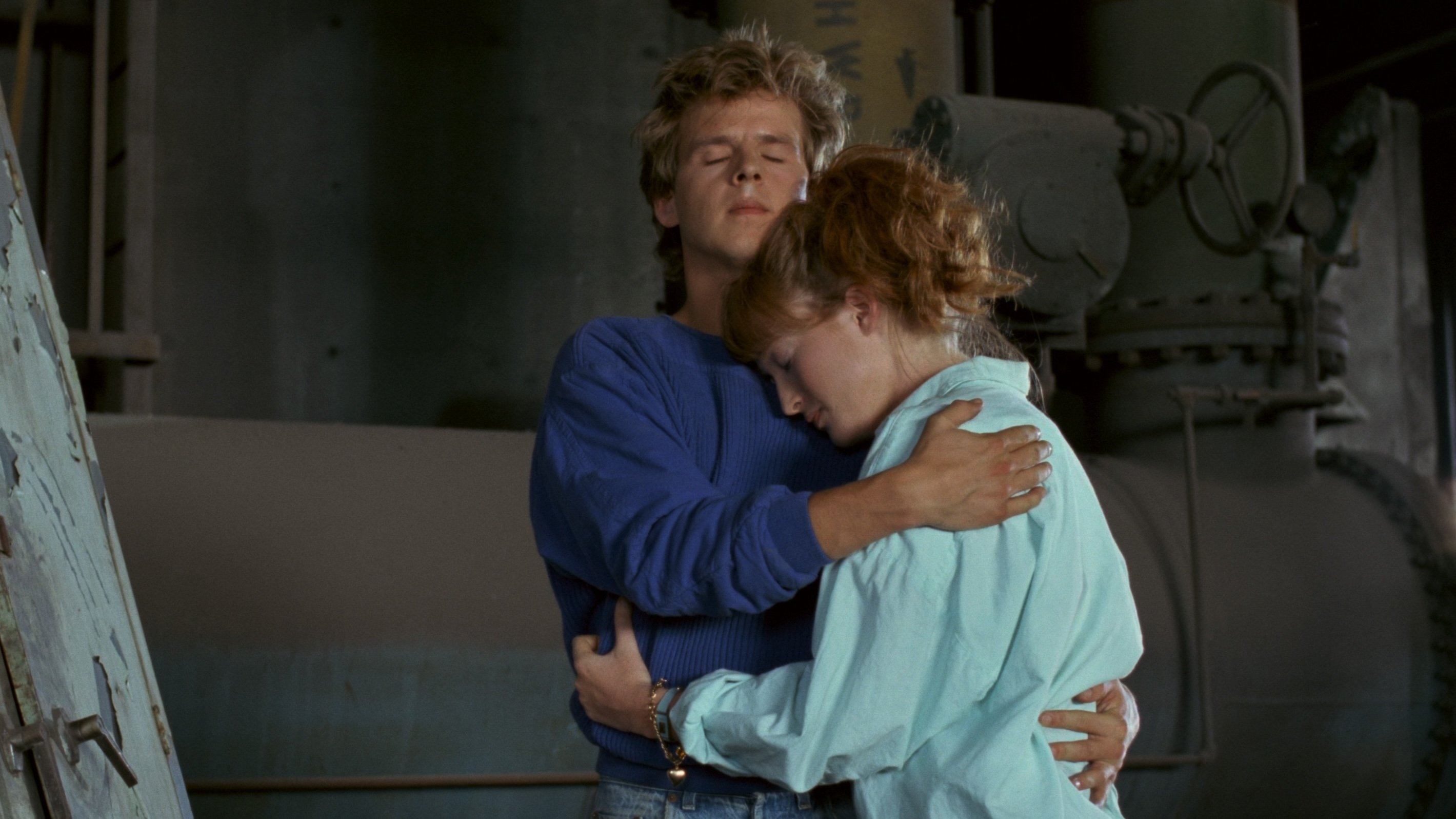
The role of the survivor changes accordingly. Jesse's pleas are met with skepticism, and his terror is frequently displayed through movement, breath and screaming, with little of the investigative confidence associated with conventional slasher protagonists. Lisa tries to recover the young man she knows from a body associated with the murderer. The romantic climax remains unsettling because rescue depends on recognizing Jesse beneath a threatening outward appearance. This use of possession belongs to a wider horror tradition, but in the Elm Street context it gives the killer control over the most personal boundary in the story: the distinction between the protagonist's actions and another being's will.

Sexual Anxiety and Queer Readings

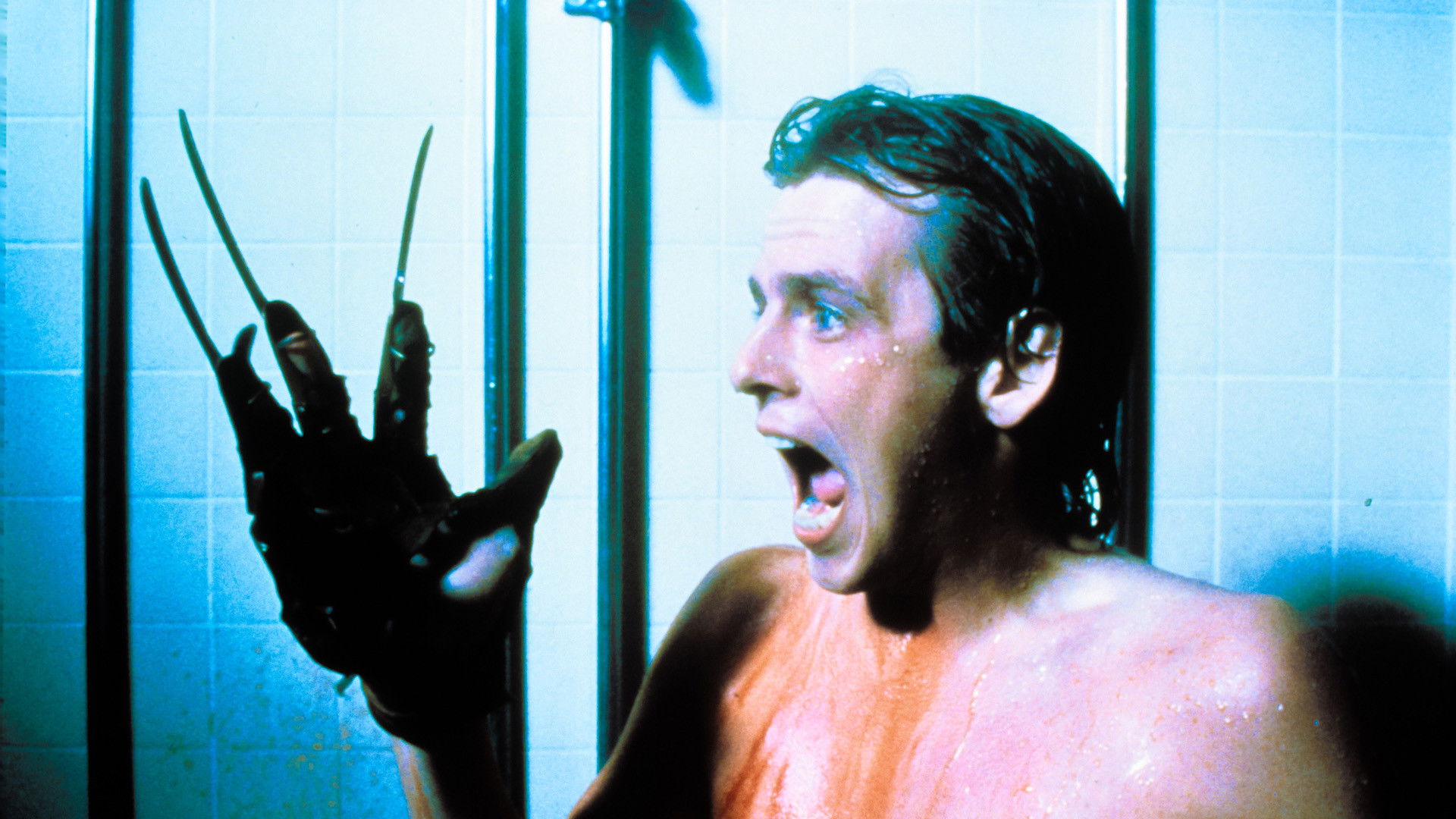
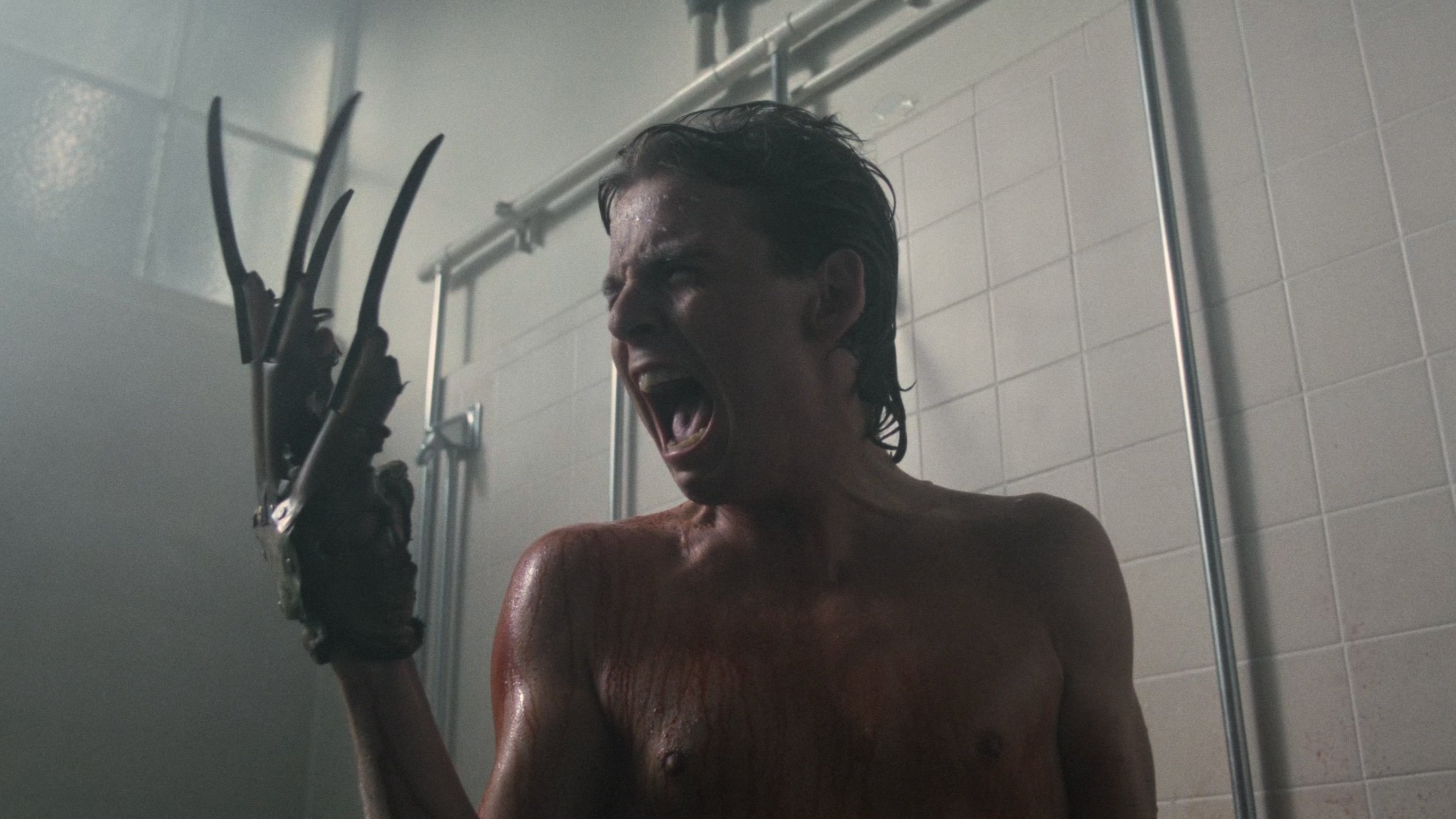
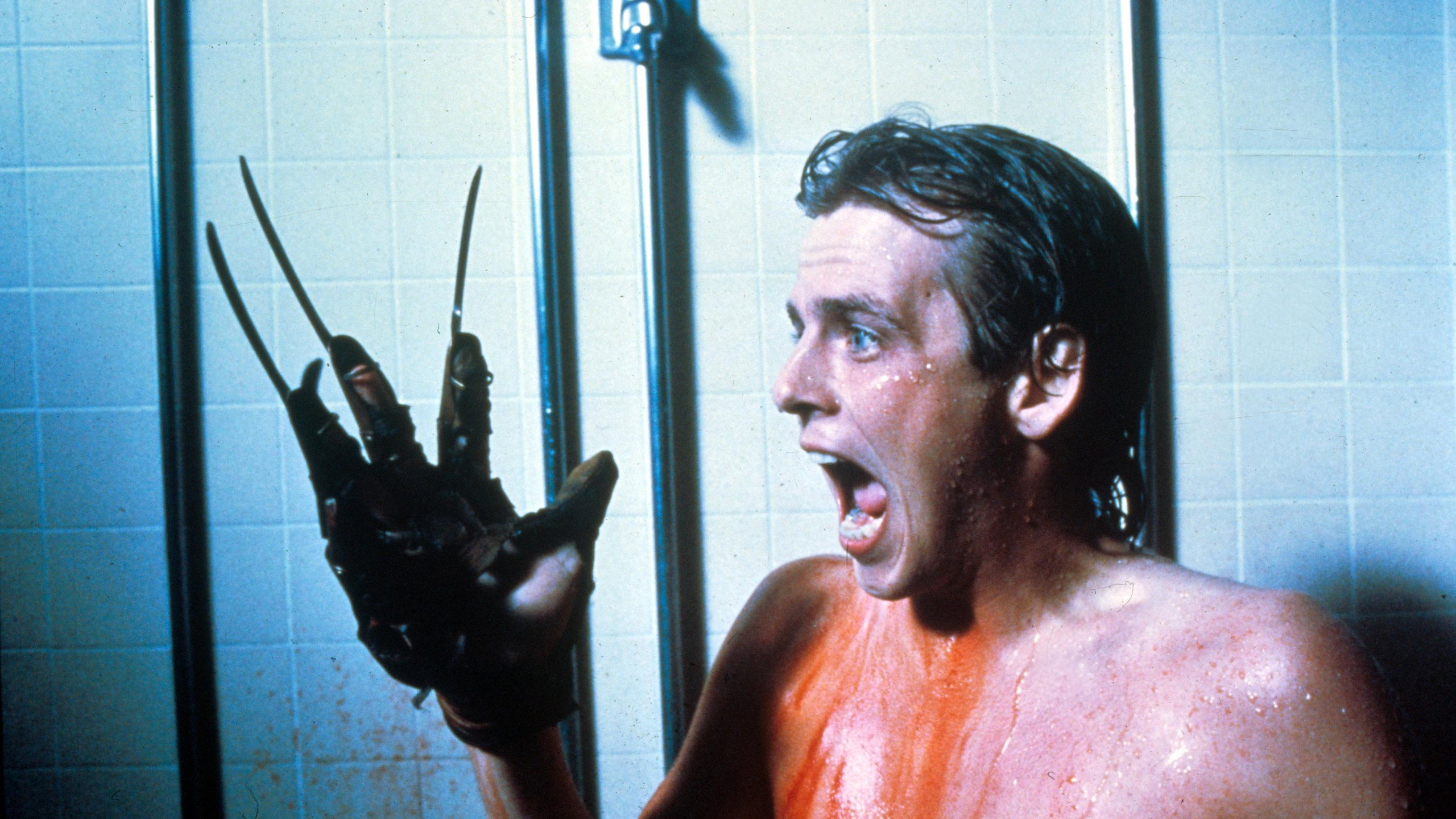
The film repeatedly brings desire into contact with humiliation and fear. Jesse's awkward relationship with Lisa sits beside his physical closeness to Grady, a confrontation with a gym teacher, and a journey into a leather bar. The coach's subsequent death in the showers makes sexuality and punishment occupy the same scene. Freddy's invasion is also expressed through bodily openings, penetrating wounds and Jesse's terrified awareness of something growing inside him. Taken together, these images support a queer reading with unusual specificity. Their meaning, however, cannot be reduced to a single claim about the private intentions of everyone who worked on the film.

In his later interviews, Sholder said that he approached the screenplay as a story about adolescent sexual anxiety. He acknowledged seeing gay elements within the material while recalling that he had not framed the whole production as a consciously gay allegory. His interpretation of what the director understood in 1985 has evolved in the telling, and it differs from the film's later reception. Patton, conversely, has argued in direct interviews that Jesse's difference was central to the character he played. His recollections include efforts to give the protagonist an expressive, vulnerable form of masculinity, even while working within a script whose treatment of desire he regarded as troubling.

Patton's career was also shaped by the wider conditions surrounding homosexuality in mid-1980s Hollywood and the AIDS crisis. Speaking to Little White Lies in 2019, he described harassment, professional pressure to hide his sexuality and the personal reasons he withdrew from acting. Those experiences cannot be explained solely by a movie's release or by a single collaborator's choices. His subsequent involvement with the 2019 documentary Scream, Queen! brought the experiences of the lead performer into the public account of the sequel. The film's queer status thus rests on visible screen material and on a documented process of retrospective interpretation and reclamation.

Light, Space and the Visible Monster

The cinematography continually turns ordinary interiors into spaces of confrontation. The Walsh home is familiar from the previous film, yet its hallways and basement acquire a new character through heat, darkness and the placement of Jesse within narrow rooms. The basement furnace offers an image of combustion associated with Freddy, while the empty school and gym let apparently secure institutions become places of exposure. Haitkin's return connects these spaces to the visual identity established in 1984. Their function changes as the story increasingly brings the killer into view during waking encounters, weakening the boundary that previously separated nocturnal hallucination from daily life.

Sholder later explained that the studio wanted Freddy photographed as a frightening presence, frequently allowing the figure to disappear into shadow. Close images of Robert Englund's face compete with silhouettes and concealed movement, while the abrupt public attack by the pool deliberately breaks the intimacy of the house. Darkness also imposed limits on the elaborate effects designs. In an interview published by Fangoria during the film's original release period, the technicians expressed frustration that several labor-intensive mechanisms were barely visible or shortened in the final cut. The film's visual approach is therefore best understood as a tension between the desire to reveal spectacular transformations and the director's effort to manage suspense.

Makeup, Transformations and Practical Effects

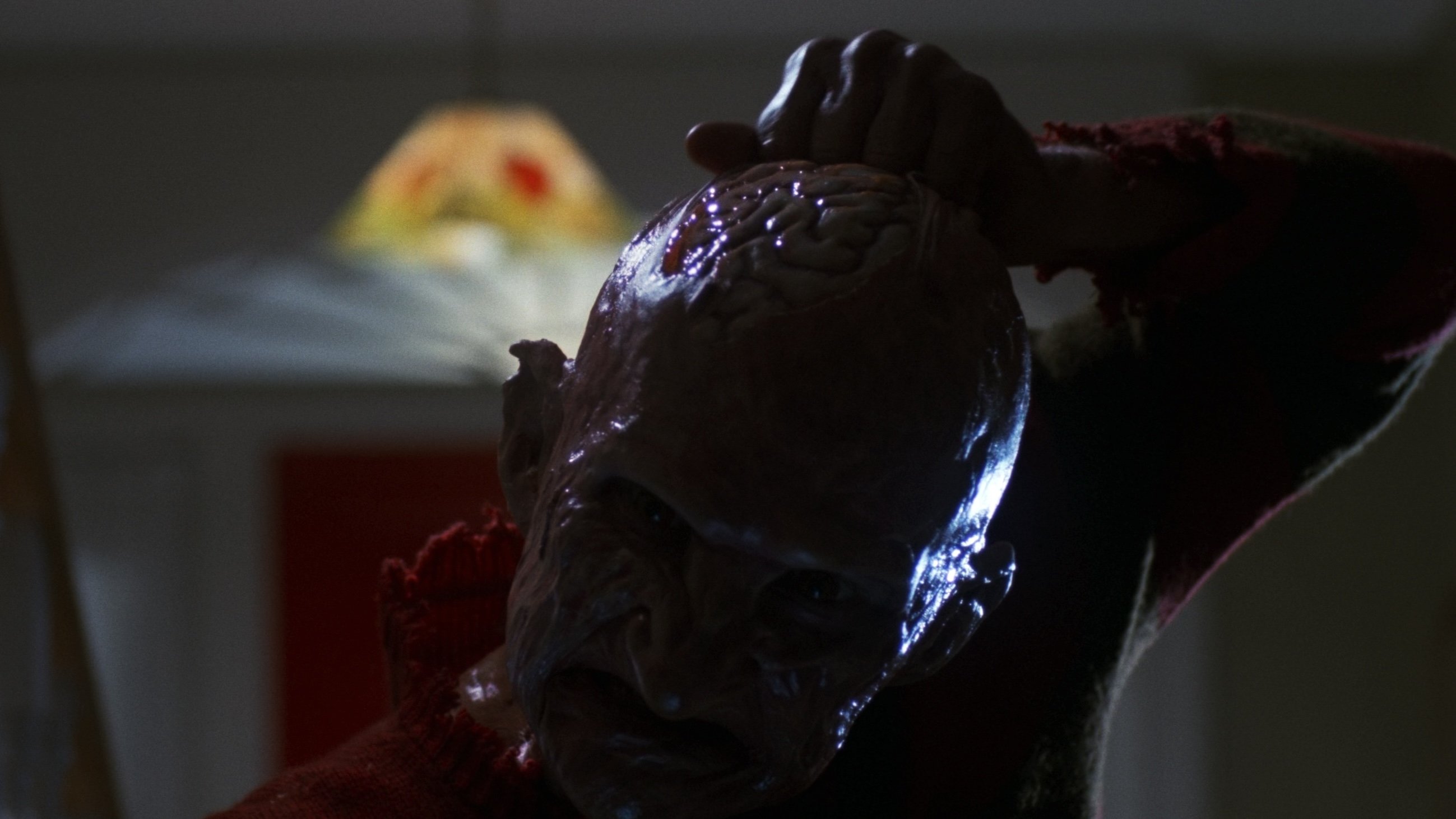
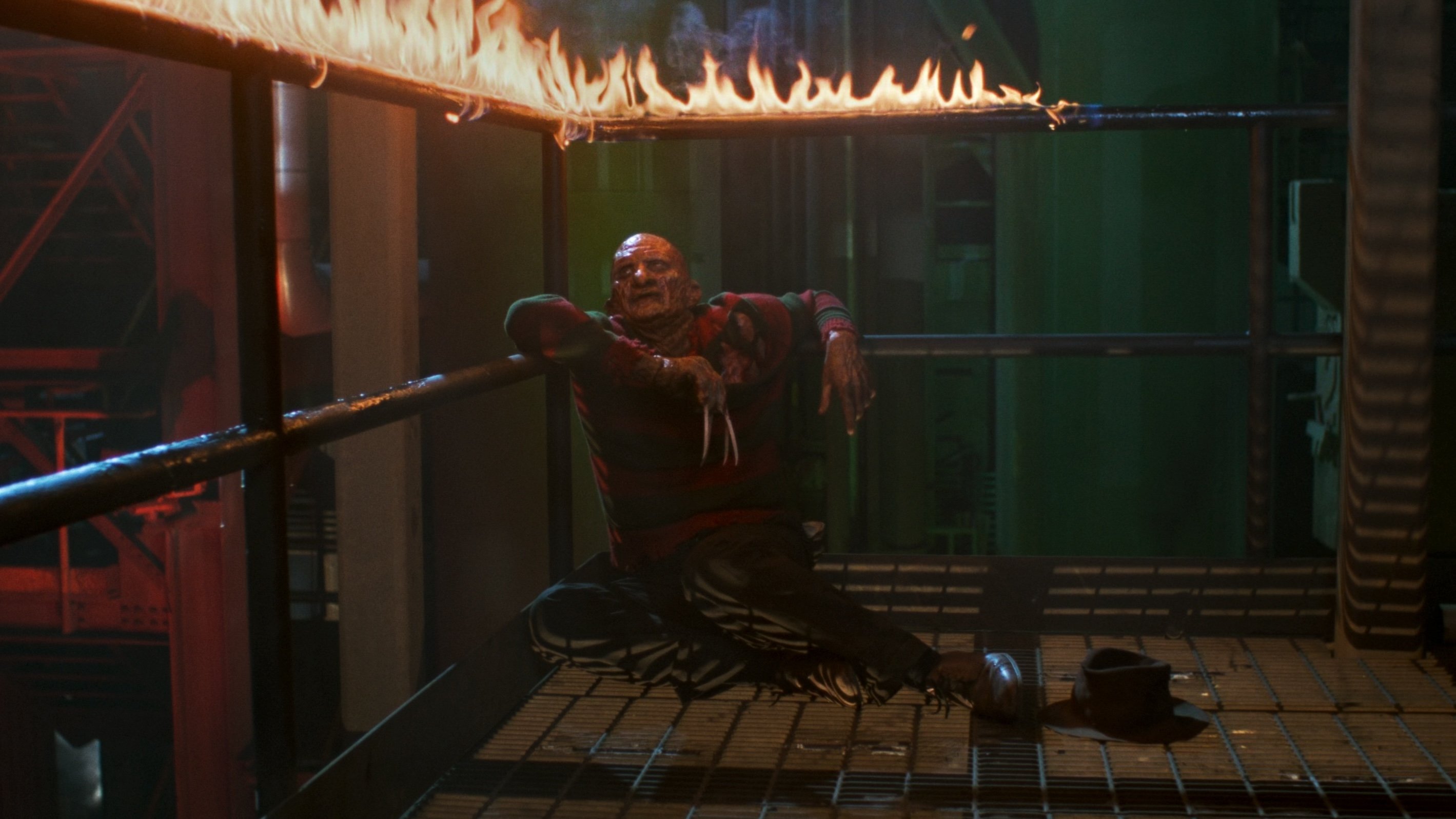
Kevin Yagher was responsible for the renewed Freddy makeup, a demanding assignment because Englund's face had already become a recognizable part of the property's identity. In a contemporary Fangoria feature by William Rabkin, Yagher explained that the climactic disintegration of the character used an elaborate mechanical head. Several people operated separate movements, including the jaw, eyes and sections of the face, while additional crew members controlled cables and fluids. The original staging would have allowed the figure's gradual destruction to remain visible for longer. Yagher's disappointment was specifically directed at how much of the mechanism disappeared in editing, not at an absence of technical work on the set.

Mark Shostrom devised the transformation effects in which Jesse's body begins to give way to Freddy. He described constructing a stretchable artificial abdomen through which a cast of Freddy's face was pushed, connecting the sequence visually with the first film's image of a face emerging from a bedroom wall. A separate dummy of Jesse allowed Englund's character to emerge and discard the body that had contained him. Shostrom recalled that another proposed camera angle involving a false chest and a hole in a wall was never filmed after the time allotted to the sequence was reduced. The distinction between a completed effect and an unshot plan is important when reconstructing the production.

The artist also created a segmented, mechanically operated tongue for a bedroom scene, but complained that the finished film showed little of its movement. Rick Lazzarini contributed puppet work, while mechanical and optical effects required additional specialists. These accounts demonstrate why judging the craftsmanship exclusively from the release print can be misleading: discarded footage and restricted visibility affected what viewers could evaluate. The surviving shots are integral to the film's body horror because Jesse does not merely acquire a disguise. His skin, mouth and torso become unstable surfaces through which another body attempts to materialize, making the spectacle inseparable from the possession story.
Christopher Young and the Sound of Threat

Christopher Young replaced Charles Bernstein as the main composer for the second film. In a detailed retrospective score analysis, Jonathan Broxton identifies a darker orchestral approach based on uneasy textures, low brass, dissonant strings and percussion, with comparatively limited use of a conventional recurring melody. The contrast matters within the series. Bernstein's earlier score had attached an immediately identifiable musical atmosphere to the nightmares, whereas Young's music often intensifies the sense that the surrounding world is slipping out of order. His cues move from sparse unease into sudden, agitated gestures as Jesse becomes less able to separate himself from Freddy's demands.

Broxton singles out the flute writing and its recurrence in several cues, including sequences linked to Freddy's efforts to persuade Jesse to kill. Such observations describe the music as heard; they do not establish which associations were deliberately specified in the recording process. The soundtrack also draws on popular dance tracks, whose familiar rhythm sits uneasily beside the escalating bodily threat. Jesse's bedroom dance to Touch Me (All Night Long) has a playful surface that later viewers have connected to his attempts at self-expression. Together, the composed score and licensed songs create a shifting register between teenage ordinary life, embarrassment, intimacy and violence without needing a separate musical theme for each incident.

Release, Contemporary Responses and Afterlife

AFI records New Line's initial theatrical opening over Halloween weekend in 1985, with New York screenings dated November 1 and a later Los Angeles opening on January 17, 1986. Trade reports list approximately 530 opening screens across several American markets. The same historical account warns that an early announcement confused a projected weekly revenue figure with the actual weekend performance; the corrected three-day result was $3,220,348 from 522 screens. By February 1986 an industry report cited a gross slightly above $23 million, while later trade charts placed the eventual total near $30 million. Those are reports from different dates, not figures to add together.

The financial success was clearer than the film's critical standing. In a review dated November 1, 1985, Janet Maslin of The New York Times singled out the effects and the leading performance as strengths while treating Freddy's increased verbal presence with amused interest. Other contemporary responses questioned the story's coherence or its departure from the original dream premise. The technical material printed by Fangoria also preserves disagreement within the production: effects artists admired their constructions but challenged the way some sequences were reduced in the finished film. Such evidence describes a mixed reception more accurately than a retrospective aggregate rating or an assertion of universal disapproval.
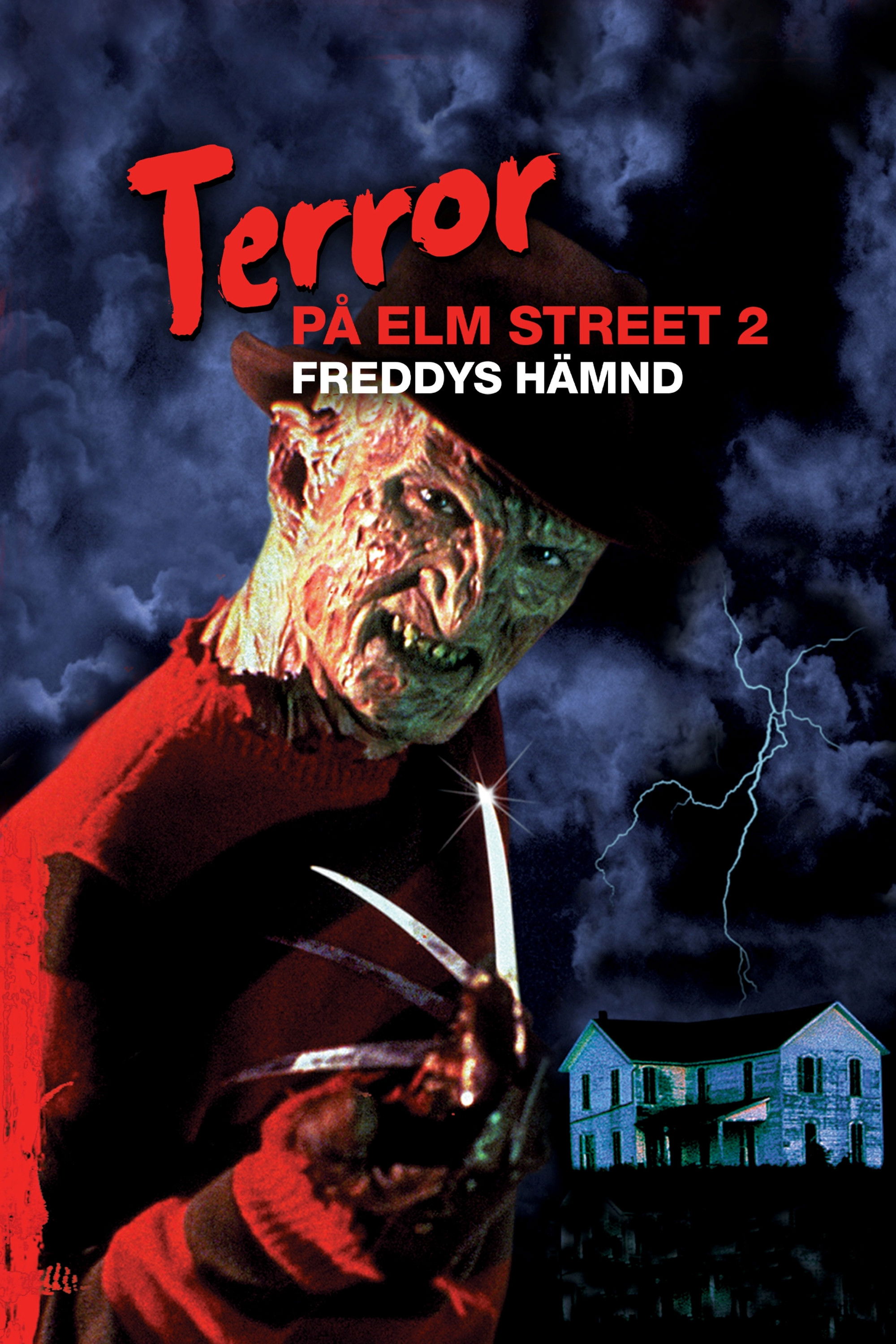
In later decades, the sequel acquired an additional cultural history through queer festivals, critical essays and Patton's documentary. Viewers who recognized coded sexuality in Jesse's isolation found a different source of identification from the conventional franchise mythology. Sholder has publicly welcomed that renewed interest while continuing to distinguish his own remembered intentions from subsequent readings. The film remains an unusual junction of profitable franchise filmmaking, prosthetic horror and contested cultural meaning. Its importance rests in those documented changes of reception as well as in the formal decision to let Freddy take possession of a living adolescent instead of pursuing victims only in sleep.

References

  1. AFI Catalog A Nightmare on Elm Street, Part 2: Freddy's Revenge (1985)

    Archival chronology based on contemporary trade publications covering the rapid sequel, production budget estimates, regional openings, early box-office corrections and evolving franchise plans.

  2. TheWrap Nightmare on Elm Street 2 Director on Its Second Life

    Drew Taylor's extensive 2025 interview with Jack Sholder about preparation, visual instructions from New Line, the possession premise and the later queer interpretation.

  3. Fangoria via Nightmare on Elm Street Companion The Monstrous Makeup FX of A Nightmare on Elm Street 2: Freddy's Revenge

    William Rabkin interviews Kevin Yagher and Mark Shostrom about the mechanical Freddy head, Jesse transformation, articulated tongue and effects altered during editing.

  4. Little White Lies The Star of A Nightmare on Elm Street 2 Is Reclaiming the Film's Queerness

    Thomas Hobbs's original 2019 interview with Mark Patton on Jesse's characterization, homophobia in the film industry and the eventual reclamation of the sequel.

  5. Movie Music UK A Nightmare on Elm Street 2: Freddy's Revenge - Christopher Young

    Jonathan Broxton examines the orchestration, recurring figures, dissonant textures and dramatic character of Young's score in a detailed cue-by-cue analysis.

Connections

Cast

View Full Cast & Crew →

Release & Distribution

Production Companies (4)

  • Heron Communications
  • Media Home Entertainment US
  • New Line Cinema US
  • Smart Egg Pictures GB

Distributors (1)

  • New Line Cinema US

Release History (12)

Release DateTerritoryRelease TypeFormatDistributorCertificationNotes
1985-11-01 United States Theatrical — — R
1986-02-26 France Theatrical — — 12
1986-04-10 Australia Theatrical — — M Modified version
1986-08-15 Spain Theatrical — — —
1986-10-17 United Kingdom Theatrical — — 18
1987-01-09 Ireland Theatrical — — 18
1987-01-24 Japan Theatrical — — PG12
1987-01-30 Finland Theatrical — — K-18
1987-03-19 Germany Theatrical — — 16
1987-06-04 Portugal Theatrical — — M/18
1987-07-23 Brazil Theatrical — — 18
1990-03-08 Hungary Theatrical — — 18
The man of your dreams is back.