Maljack Productions
, Greycat Films/Neo Modern Entertainment
Plot
Arriving in Chicago, Henry moves in with ex-con acquaintance Otis and starts schooling him in the ways of the serial killer.
Alternative Titles
Хенри: Портретът на един сериен убиец (Bulgaria) — BulgarianХенри: Профил на сериен убиец (Bulgaria) Retrato de um Assassino (Brazil) — PortugueseHenry - Portrait d'un tueur (Canada) — french titleHenry - Portrait d'un tueur en série (Canada) — French杀手的肖像 (China) — ChineseHenry: Portrét masového vraha (Czechia) — CzechHenry - Portrait of a Serial Killer (Denmark) Show all 34 alternative titlesHenry, retrat d'un assassí (Spain) — catalan titleHenry: Retrat d’un assassí en sèrie (Spain) — CatalanHenry: Retrato de un asesino (Spain) Henry Lee Lucas - sarjamurhaaja (Finland) — FinnishHenry Lee Lucas – sarjamurhaaja (Finland) Henry, portrait d'un serial killer (France) — FrenchHenry, to portraito enos dolofonou (Greece) 殺手的肖像 (Hong Kong SAR China) — ChineseHenry - egy sorozatgyilkos portréja (Hungary) — HungarianHenry: Egy sorozatgyilkos portréja (Hungary) הנרי - פורטרט של רוצח (Israel) — HebrewHenry - Pioggia di sangue (Italy) — Italianヘンリー ある連続殺人鬼の記録 (Japan) — Japanese헨리 : 연쇄살인범의 초상 (South Korea) 헨리: 연쇄 살인자의 초상 (South Korea) — KoreanHenris: Serijinio žudiko portretas (Lithuania) — LithuanianHenry: Retrato de un asesino (Mexico) — SpanishHenry - Portret seryjnego mordercy (Poland) — PolishHenry: portret seryjnego zabójcy (Poland) Henry: A Sombra de Um Assassino (Portugal) — PortugueseHenri, portret serijskog ubice (Serbia) Генри: Портрет серийного убийцы (Russia) — RussianHenry - en massmördare (Sweden) ฆาตกรสุดโหดโคตรอำมหิตจิตเย็นชา (Thailand) — ThaiHenry: Bir Seri Katilin Portresi (Türkiye) — TurkishГенрі: Портрет серійного вбивці (Ukraine) — Ukrainian
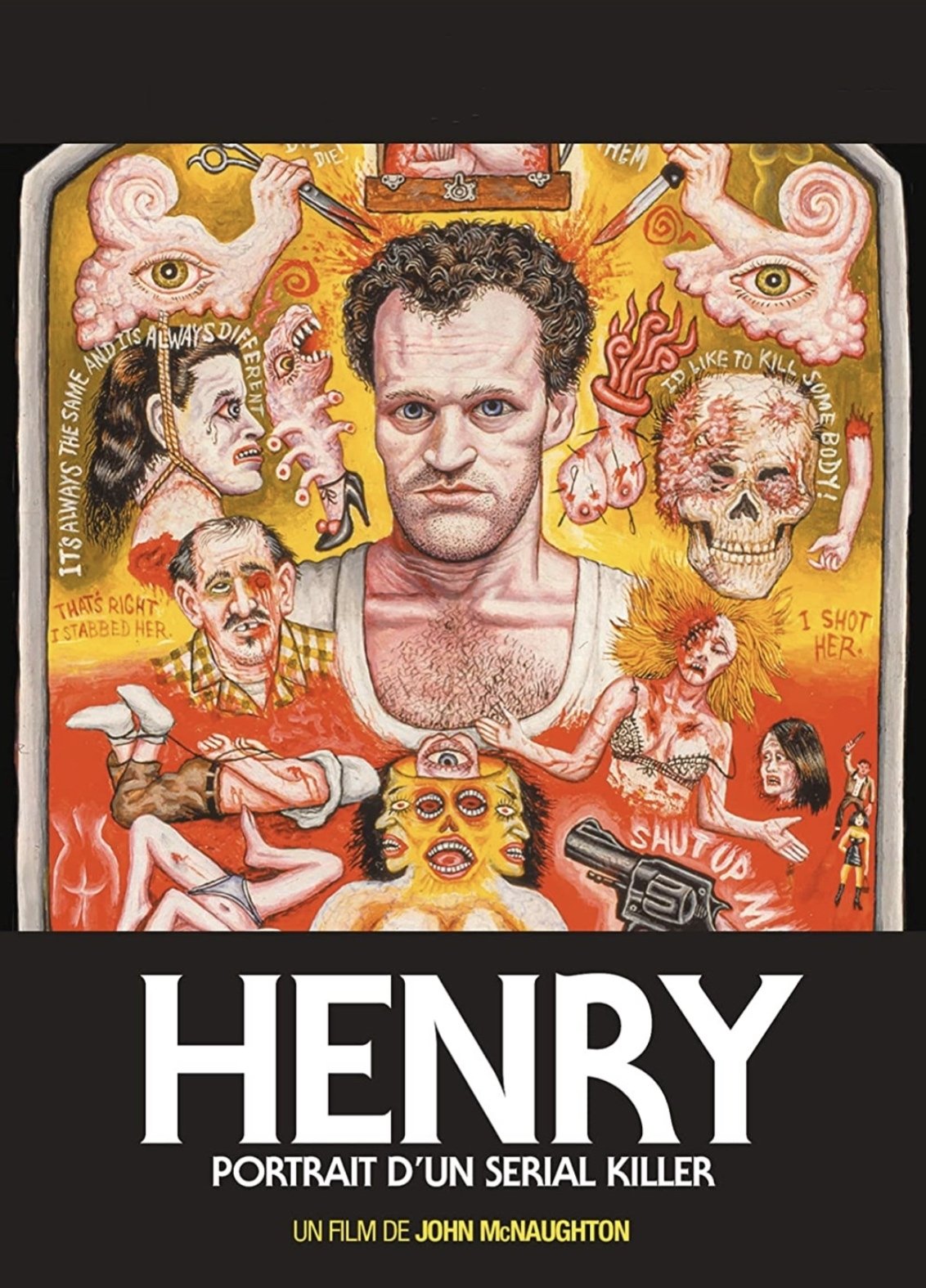
Made in Chicago for roughly $100,000, John McNaughton's first feature dismantled the reassuring conventions of the slasher film by observing murder with the same cold matter-of-factness as everyday life.
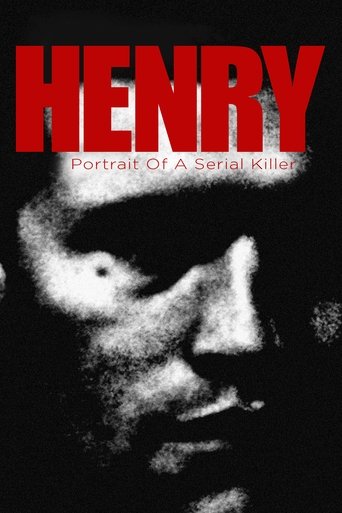
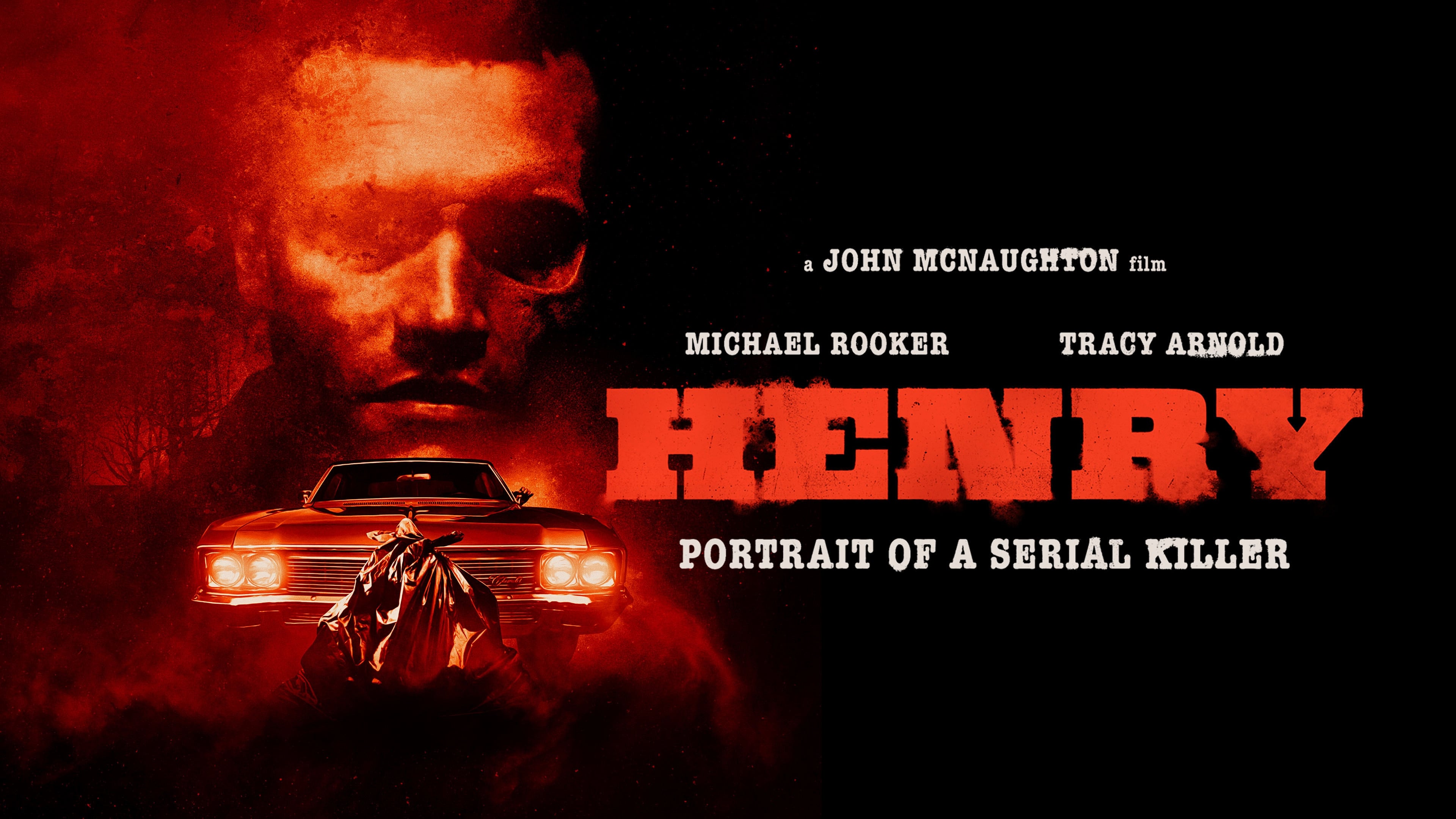
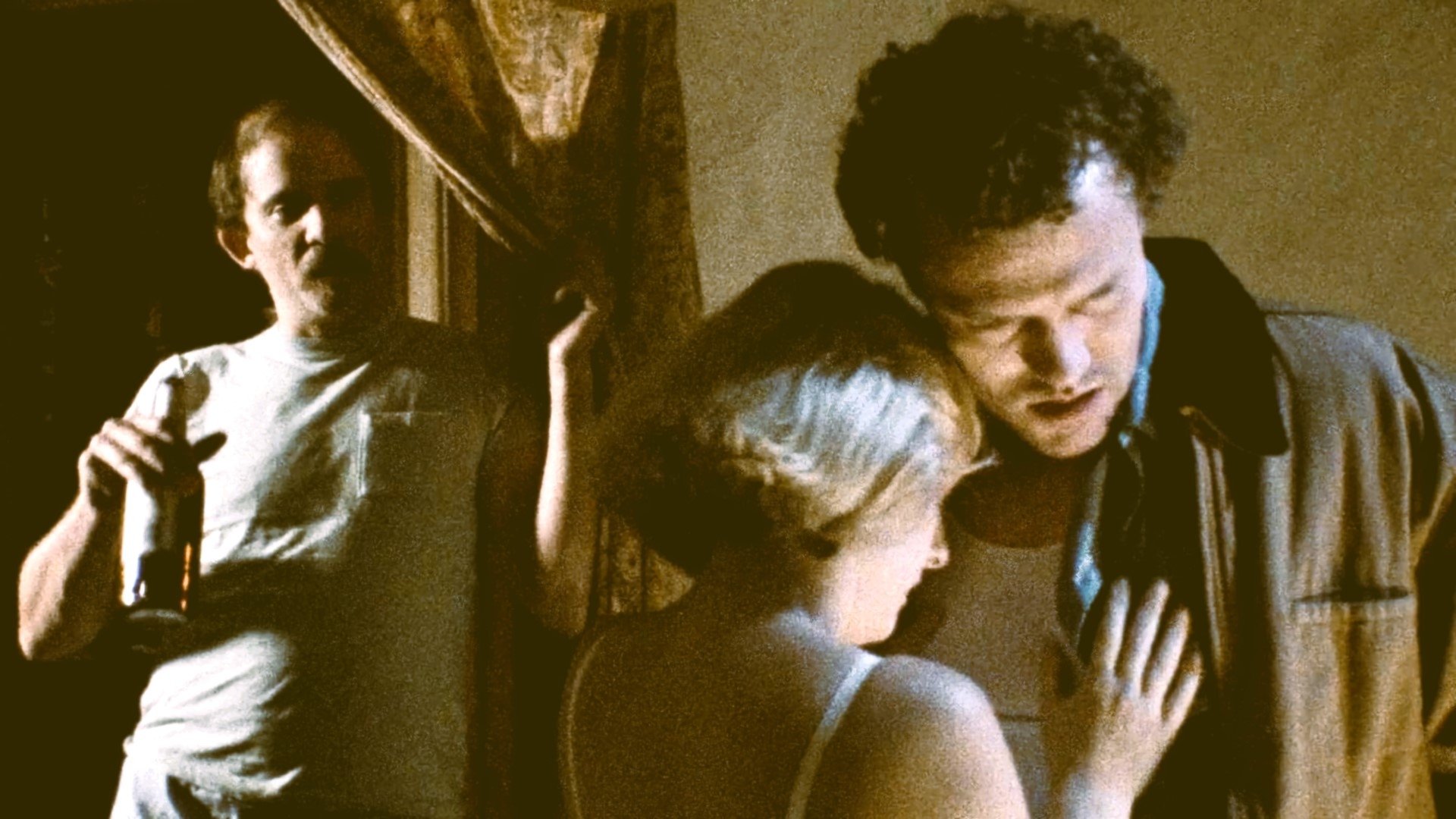
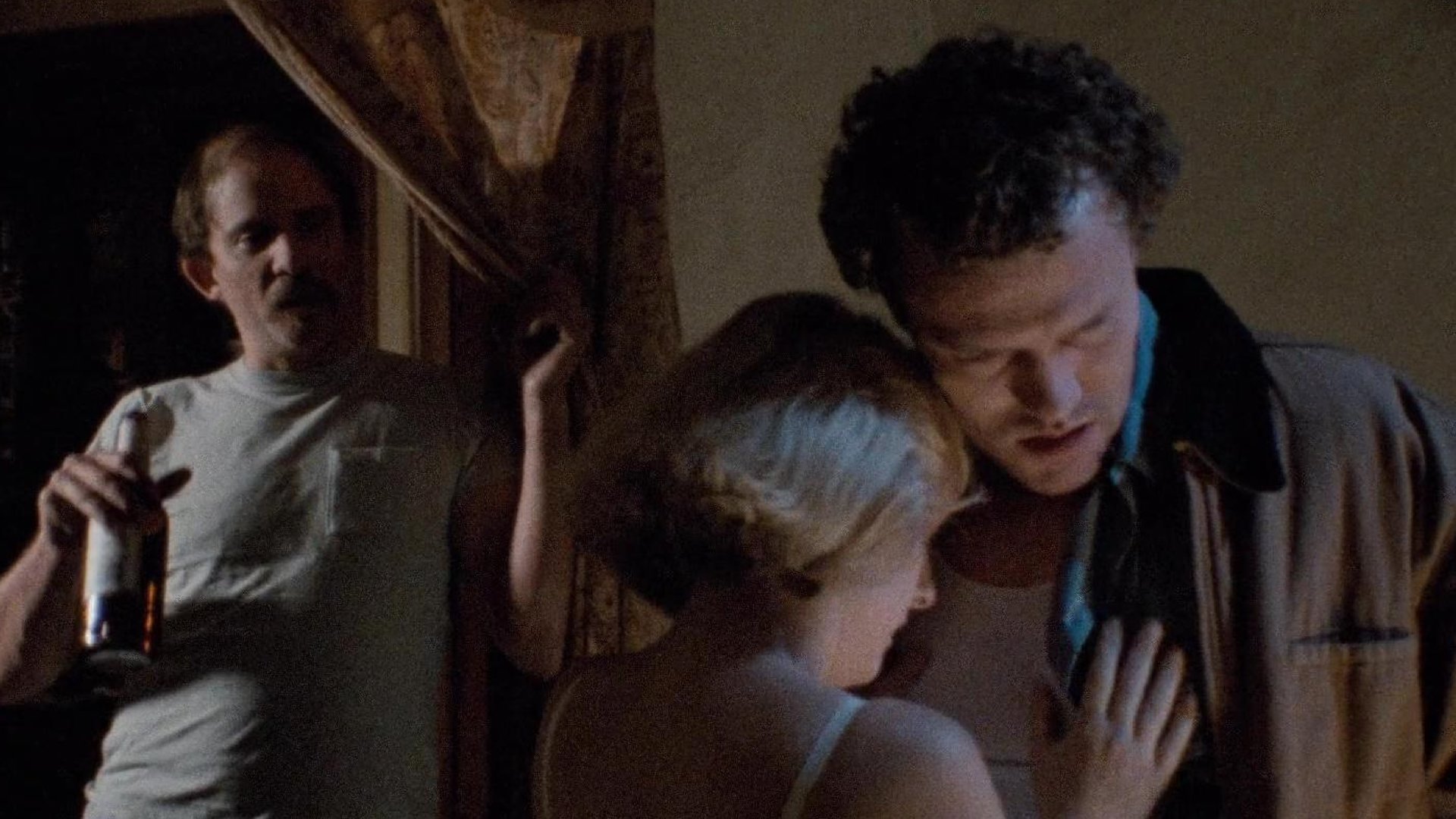
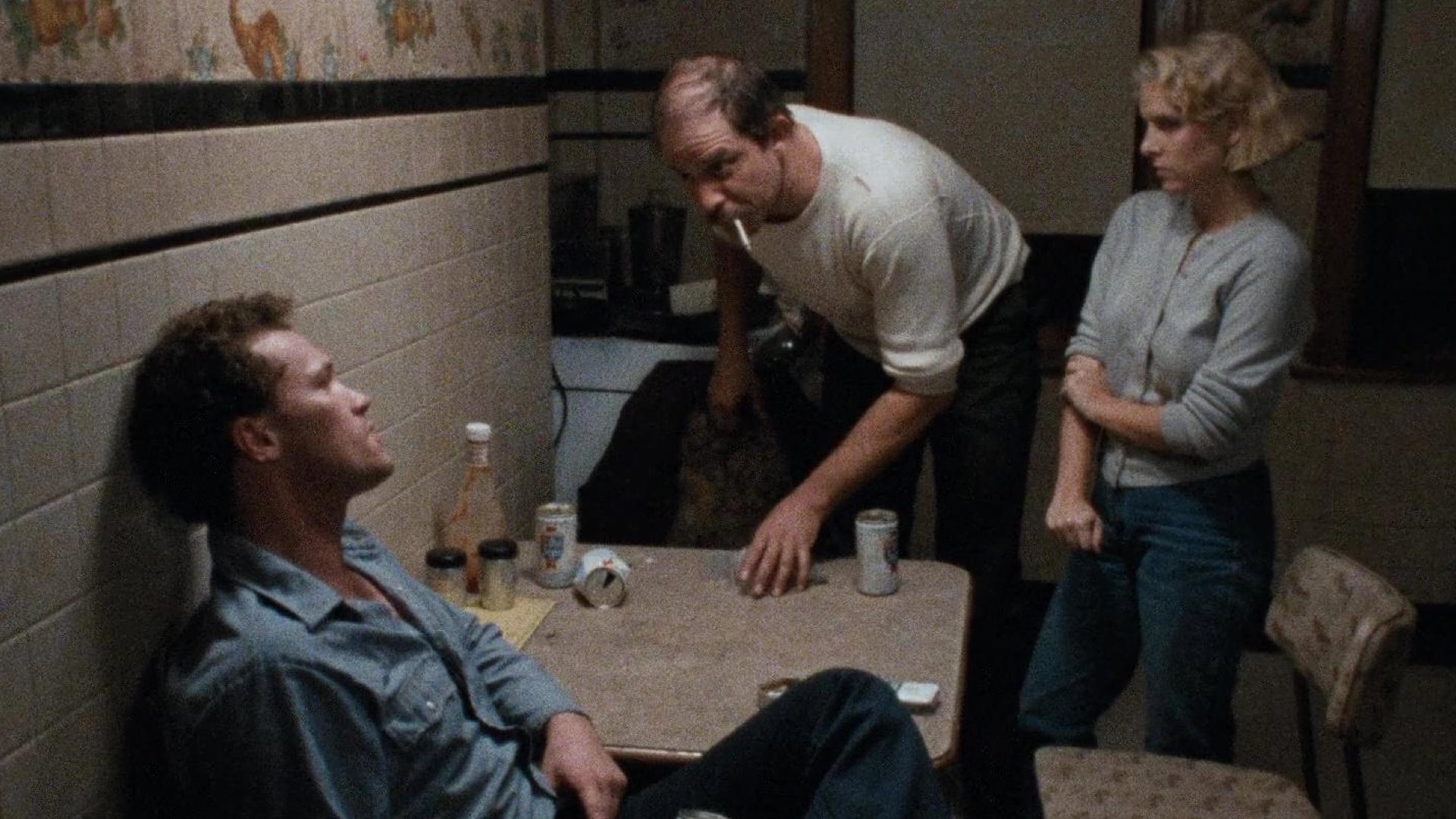
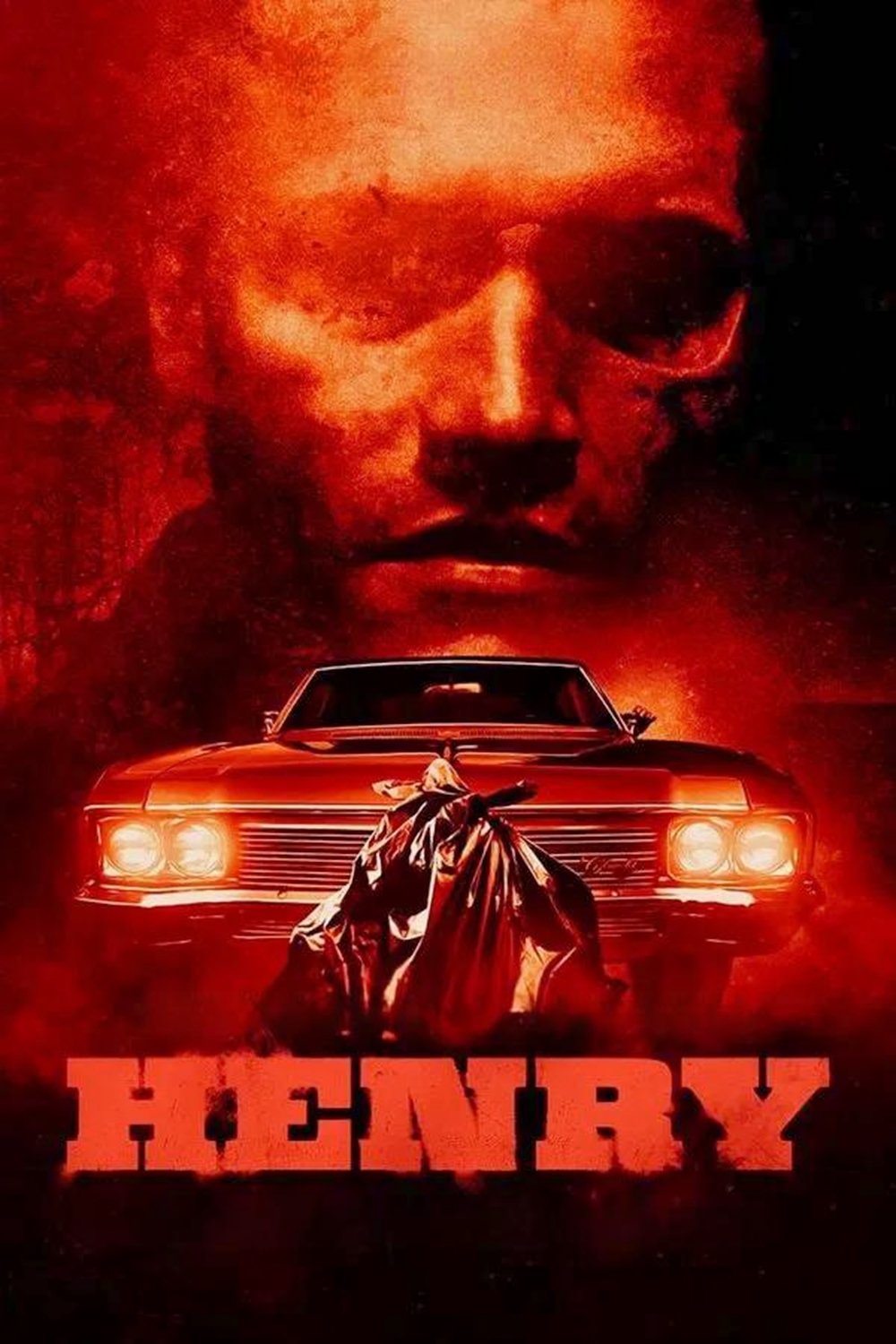
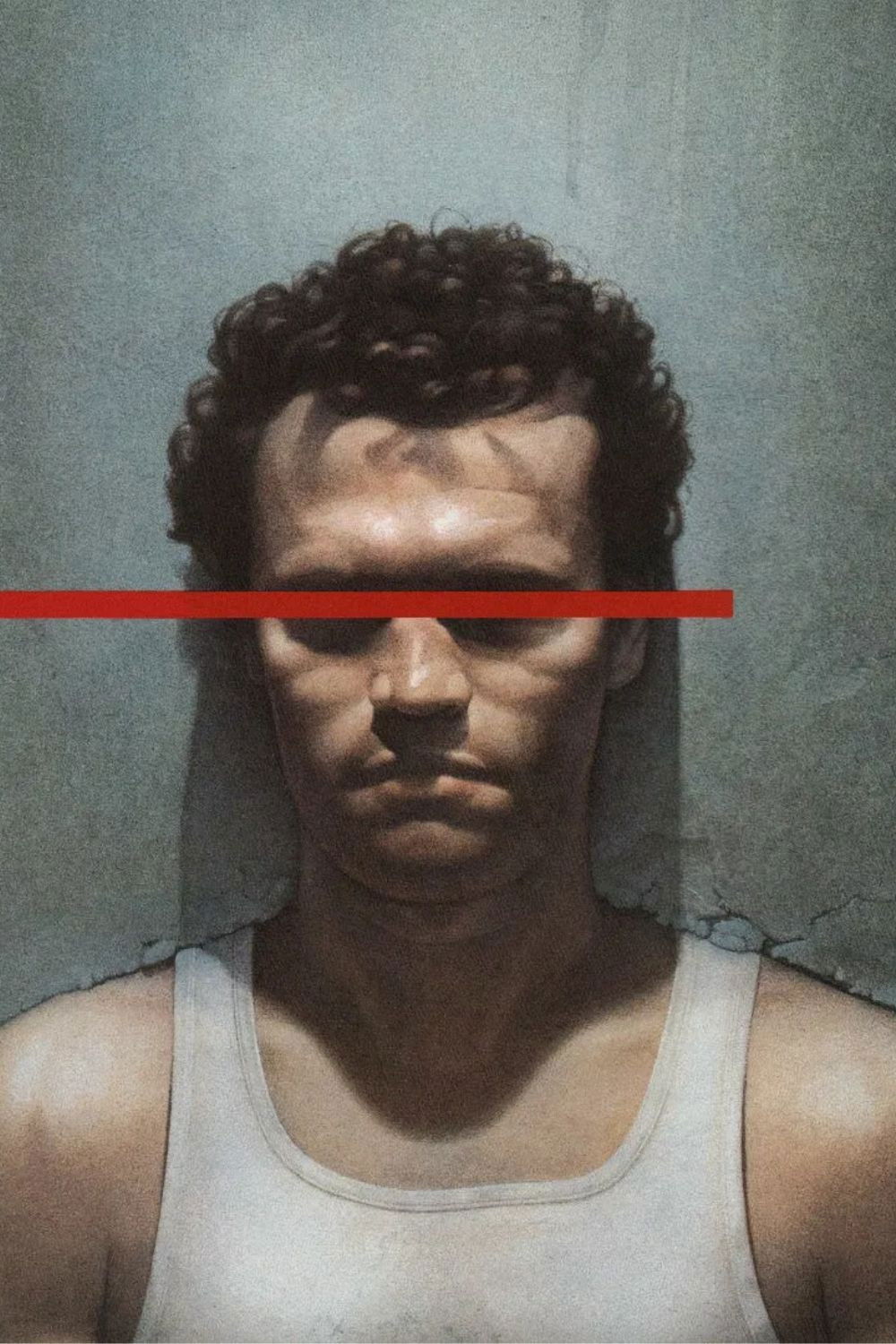
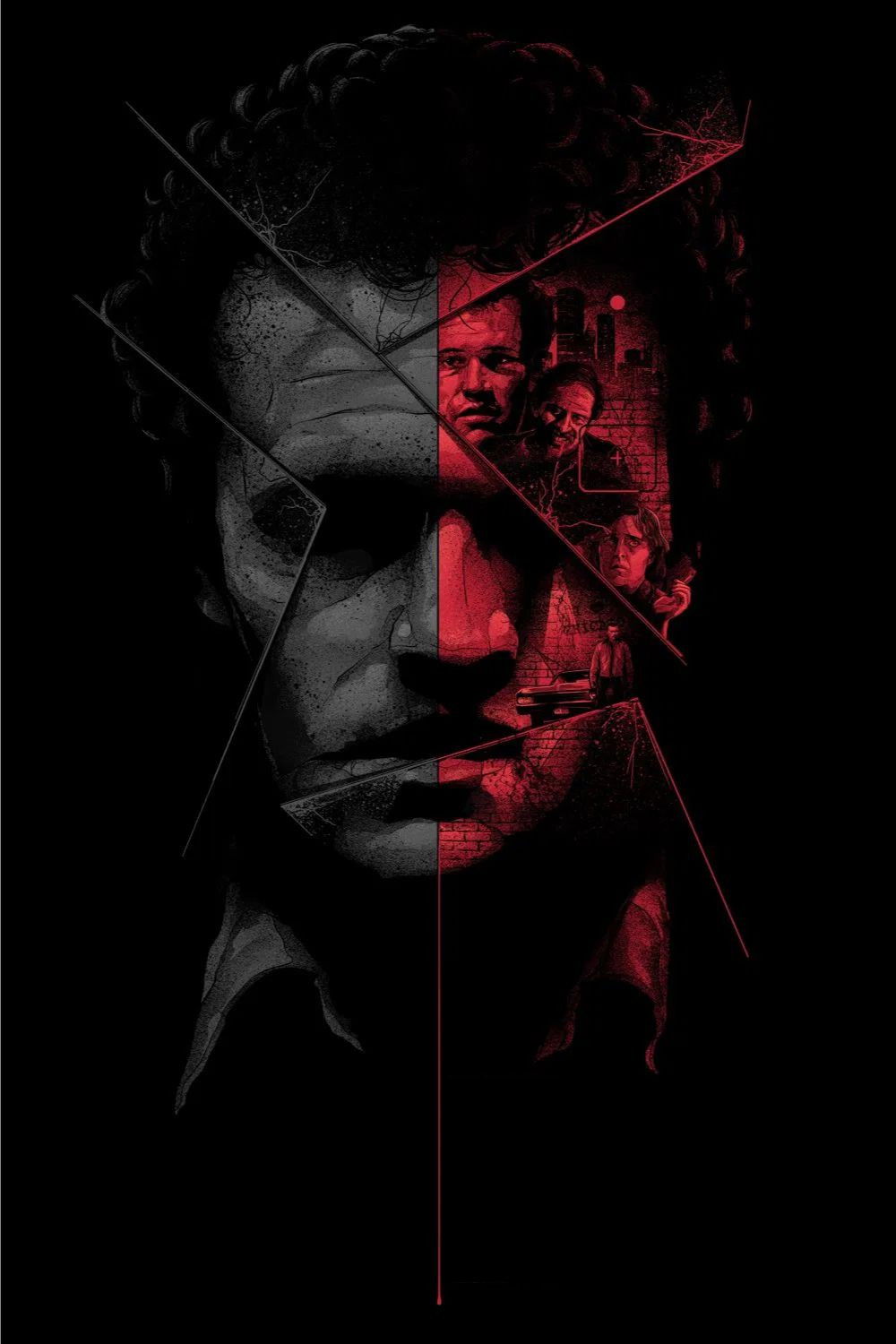
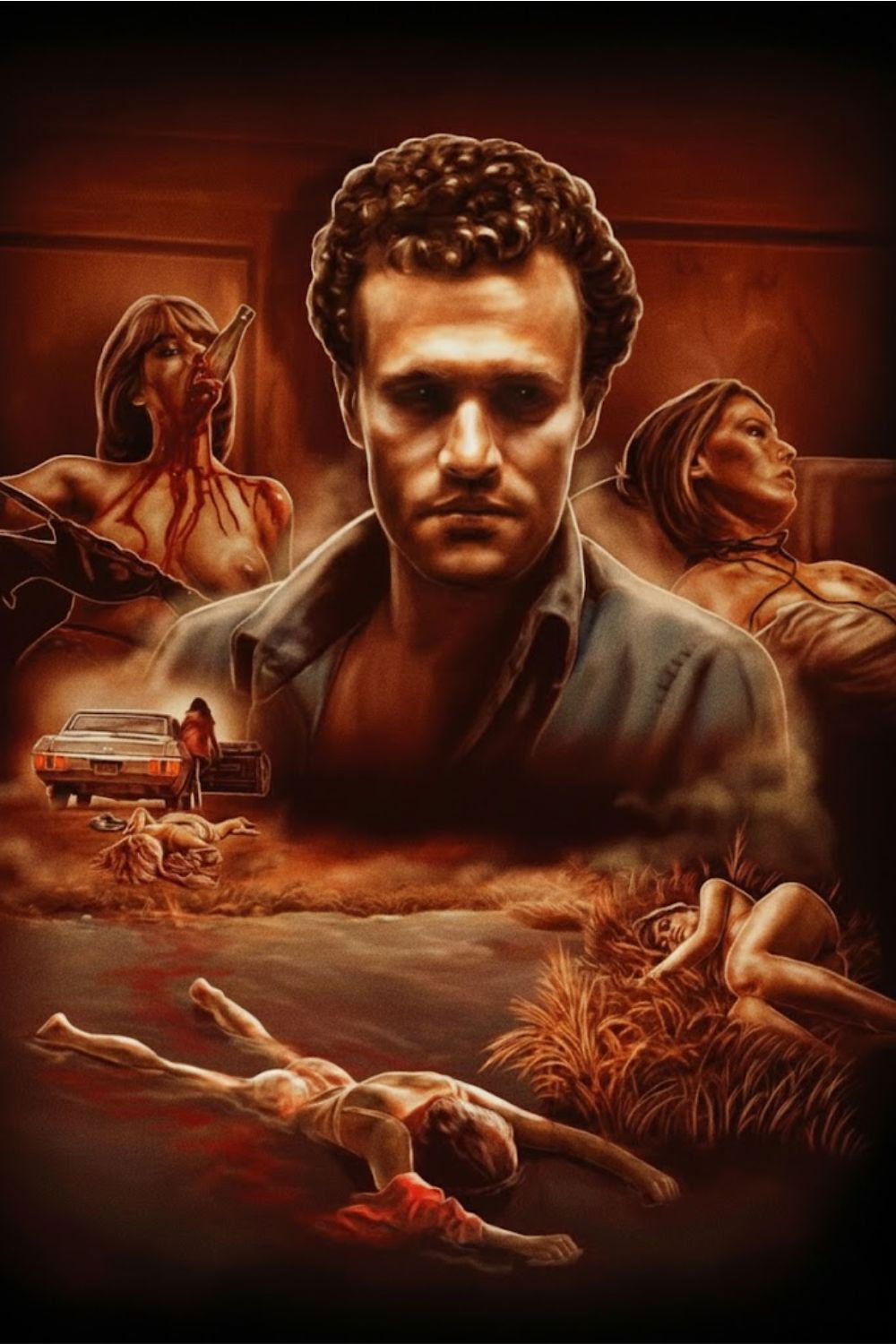
Henry: Portrait of a Serial Killer is a 1986 American horror film directed by John McNaughton and written by McNaughton with Richard Fire. Shot in Chicago in 1985 with Michael Rooker, Tom Towles and Tracy Arnold, it follows Henry, an itinerant murderer whose apparently ordinary existence conceals a pattern of random killing. After moving into the apartment of former prison acquaintance Otis, Henry gradually introduces him to murder. Otis's sister Becky then arrives, bringing into the apartment the possibility of affection and escape that the film methodically places against Henry's complete inability to form an ordinary moral relationship with another person.
Loosely inspired by the heavily disputed confessions of Henry Lee Lucas and his association with Ottis Toole, the film was never conceived as a literal true-crime reconstruction. Its subject is instead the terrifying ordinariness with which violence can coexist beside work, meals, conversation and domestic routine. McNaughton removes the mask, mythology and supernatural resilience associated with many 1980s horror killers and replaces them with a man who can disappear into an American city without attracting attention. That refusal to provide either sensational mythology or reassuring punishment became central to the film's power, but it also contributed to an extraordinary distribution struggle that delayed its normal theatrical release for several years.
From Documentary Money to a $100,000 Horror Film
Henry originated from an unusually pragmatic production opportunity. McNaughton had been working with Malik and Waleed Ali, whose Chicago company operated in video production and distribution, and had already directed documentary material for them. When another proposed documentary project collapsed, Waleed Ali offered McNaughton approximately $100,000 to make a horror feature instead. McNaughton has recalled leaving the meeting without a story and encountering an acquaintance who showed him a television newsmagazine segment about Henry Lee Lucas. The combination of a restricted budget and the contemporary fascination surrounding Lucas supplied the direction of the project.
A human killer also solved a practical problem. The available money could not support elaborate creatures, extensive effects work or the scale of a conventional studio horror production. McNaughton and playwright Richard Fire therefore wrote around people and locations they could realistically film. Production took place in Chicago on 16mm, with McNaughton later recalling a 28-day schedule without days off and at least one shooting period extending through an entire day. The severe economy of the production eventually became inseparable from the finished aesthetic. Apartments, streets, shops and cars do not look impoverished because a horror film has dressed them that way; they look like the inexpensive spaces the production was actually able to use.
Henry Lee Lucas and the Limits of True Crime
The names Henry and Otis point unmistakably toward Henry Lee Lucas and Ottis Toole, but the screenplay should not be treated as a record of their crimes. McNaughton has explained that he and Fire worked from the 20/20 television segment and magazine coverage available at the time, without conducting exhaustive documentary research. Events, relationships and murders were reshaped for dramatic purposes, and the film's Henry became an autonomous fictional character whose behavior served the structure McNaughton and Fire were building.
That distinction became even more important as Lucas's supposed criminal history collapsed under scrutiny. In April 1986 the Texas Attorney General's office published an investigation identifying numerous discrepancies between Lucas's confessions and evidence concerning his actual whereabouts. The report challenged the idea that the hundreds of killings associated with him could be accepted at face value. Henry therefore captures a particular cultural moment when the image of the seemingly limitless serial murderer was entering public consciousness, but its value is cinematic; it cannot serve as evidence of Lucas's crimes. It uses the Lucas story as a starting point for imagining the routines and psychology of an anonymous killer, not as proof of what the real man did.
Rooker, Towles and Arnold
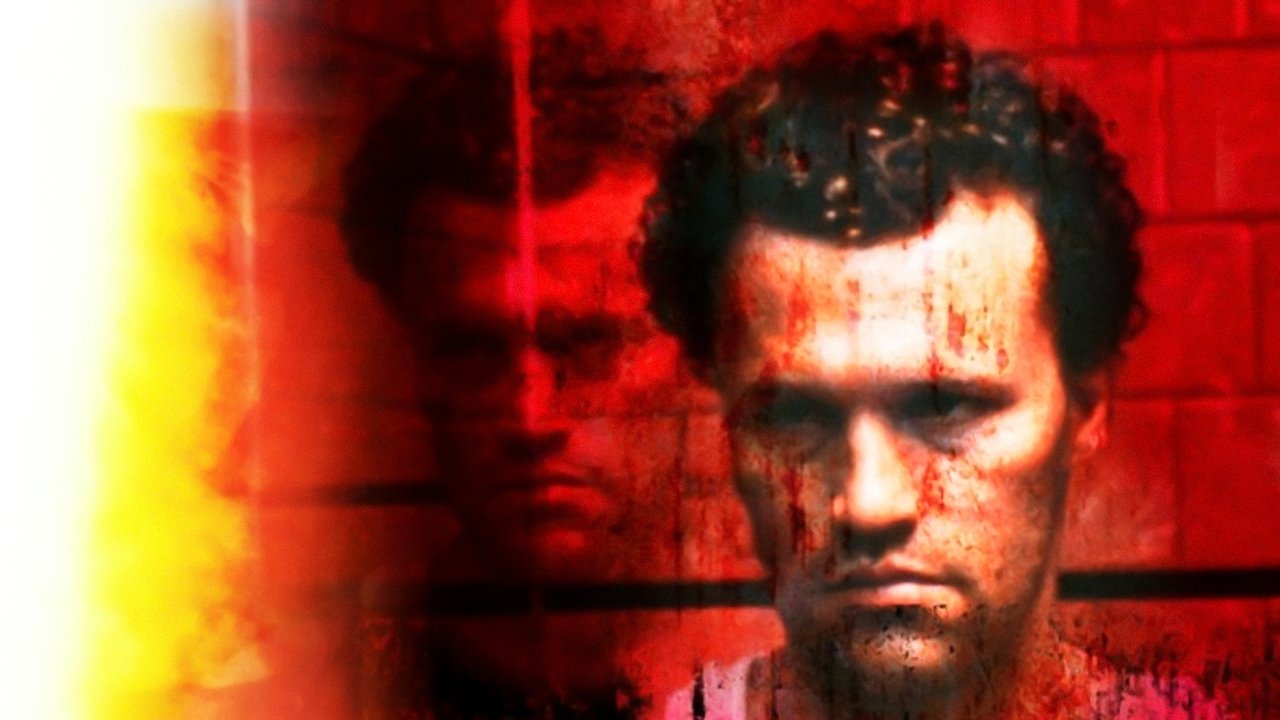
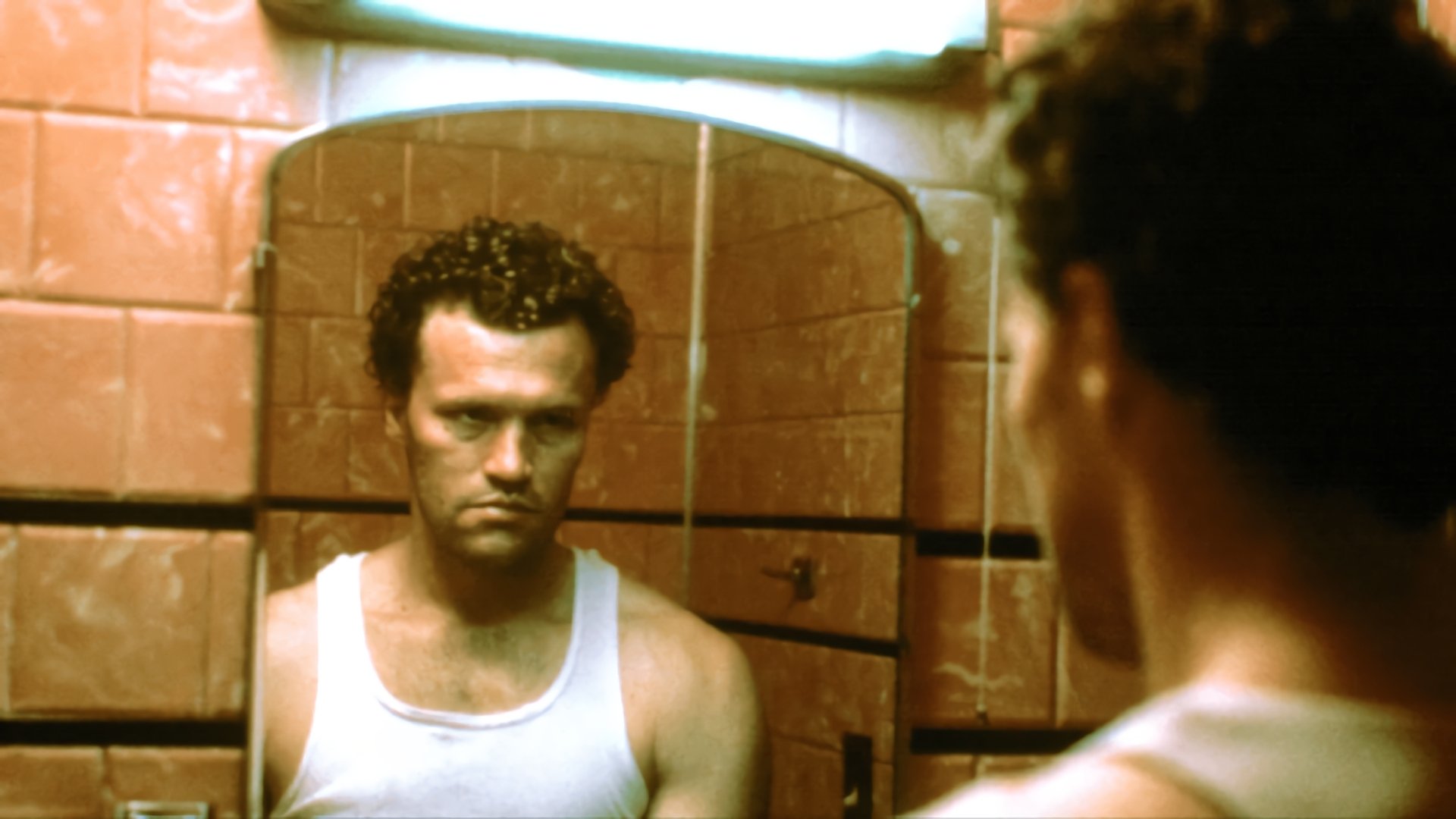
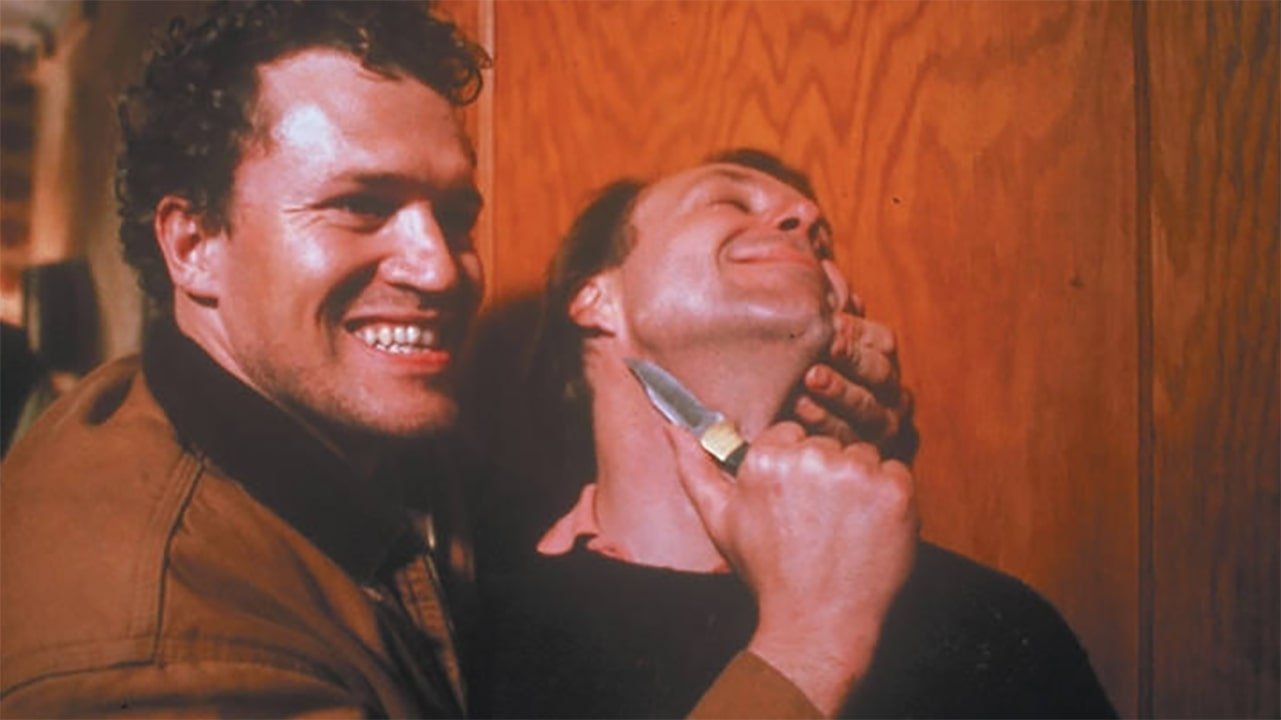
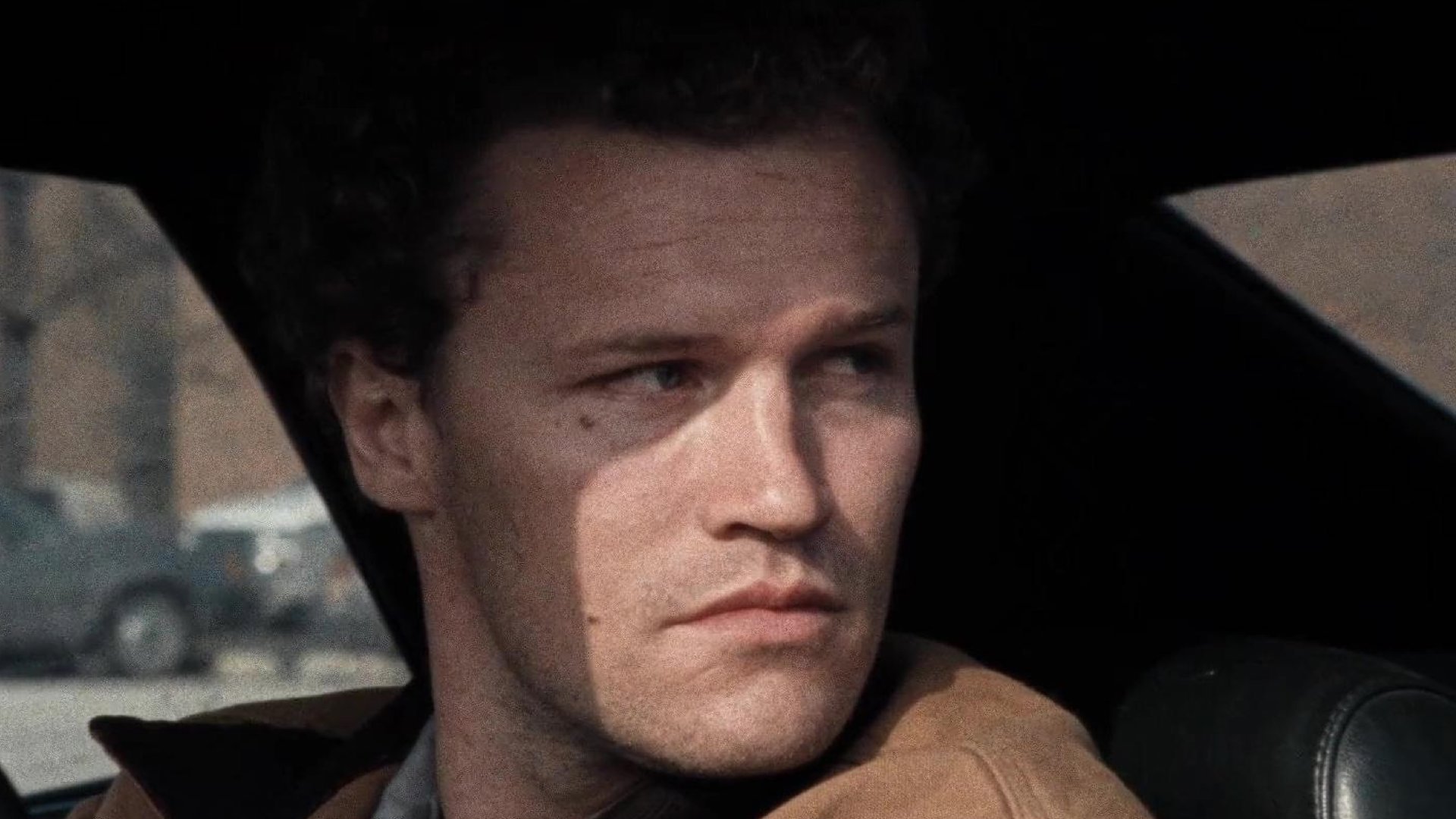
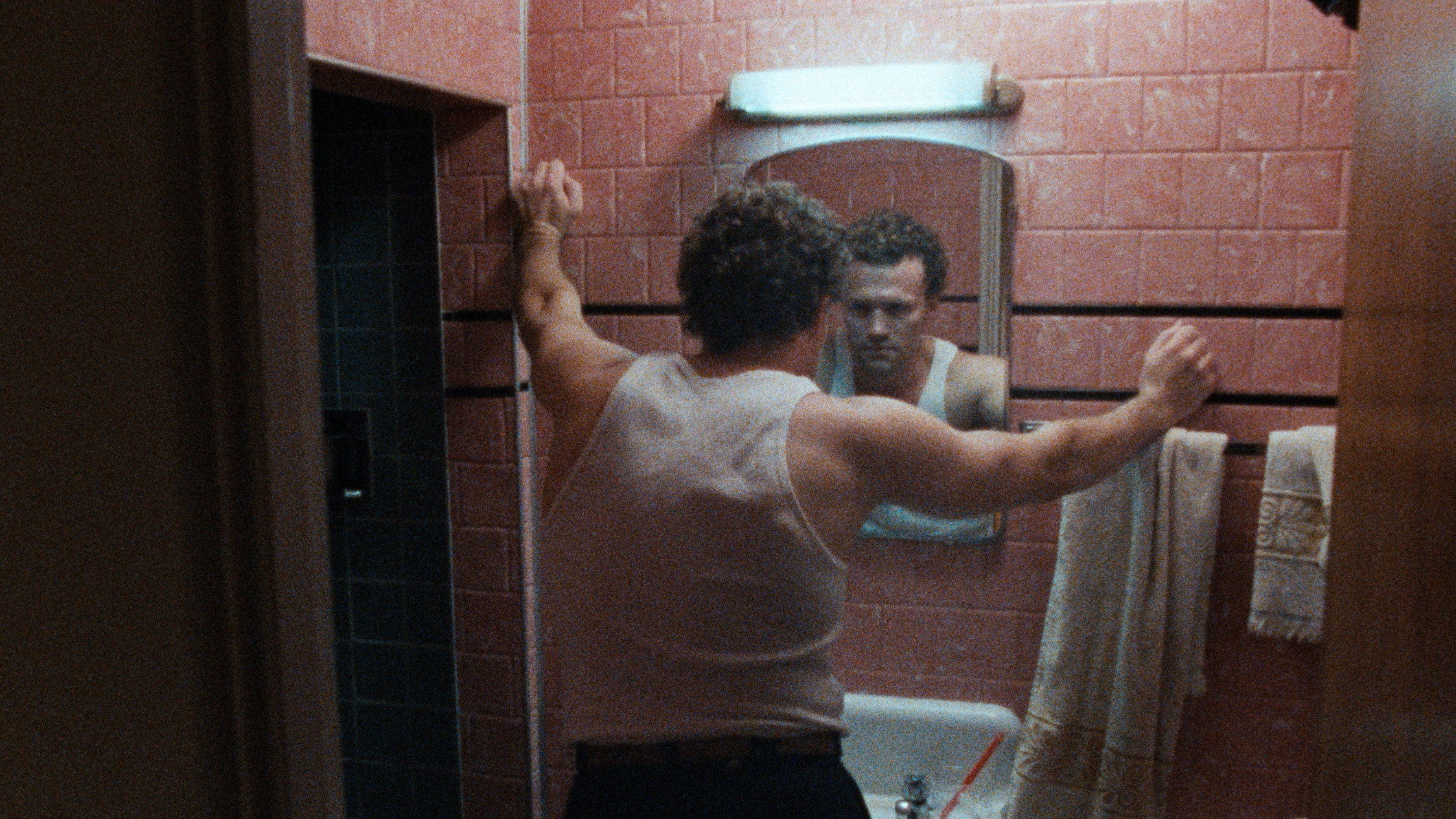
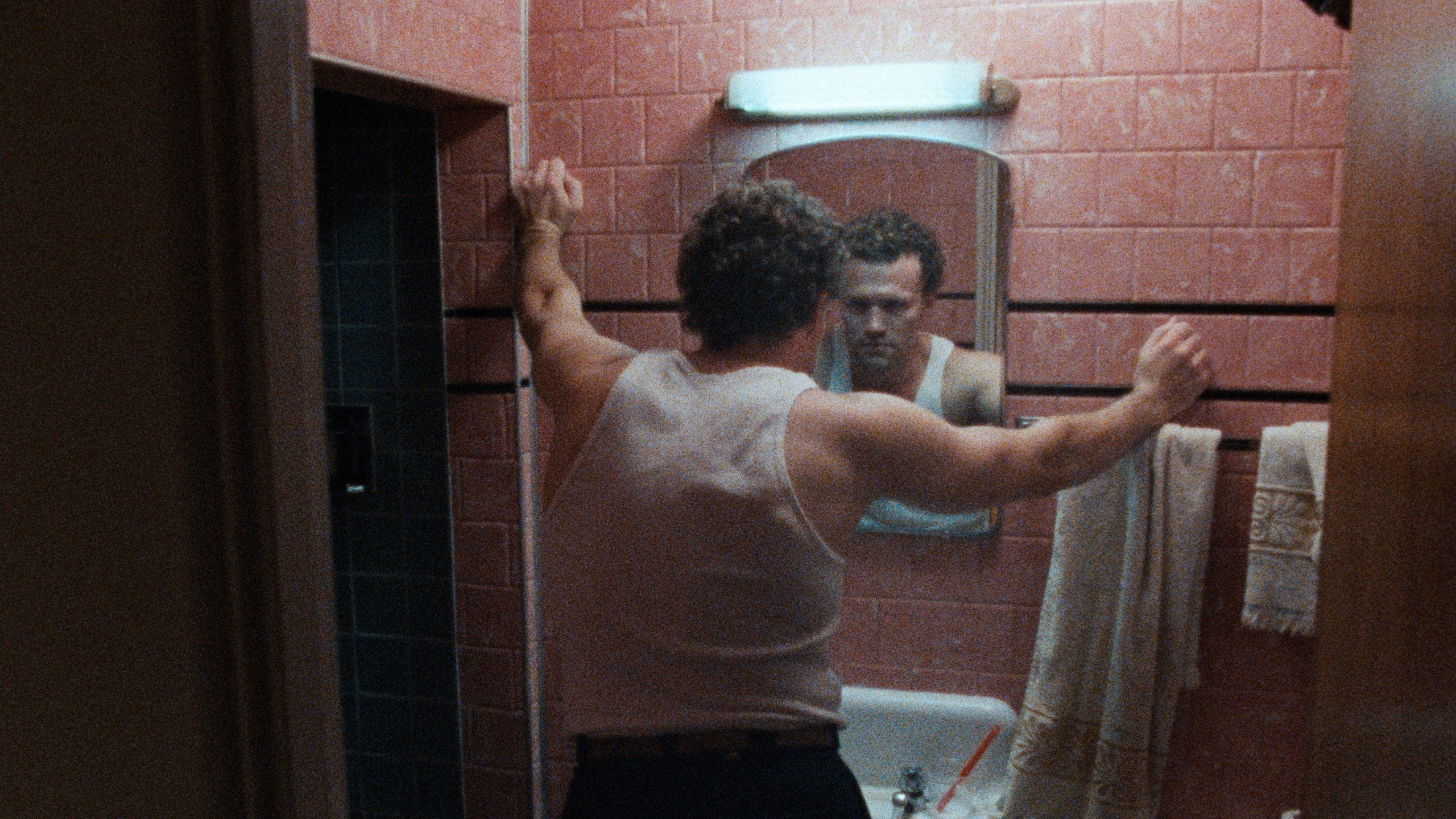
Michael Rooker arrived at his audition already resembling McNaughton's conception of Henry. The director later recalled opening the door, seeing Rooker dressed in character and immediately recognizing the figure he wanted. Henry became Rooker's first theatrical feature role. His performance rejects the theatrical flourishes usually associated with screen murderers: sentences arrive slowly, emotion remains tightly restricted and acts of violence frequently produce no visible excitement. The effect is crucial because the character does not appear to transform when he kills. Murder is simply another activity performed by the same quiet man seen eating dinner or talking in the apartment.
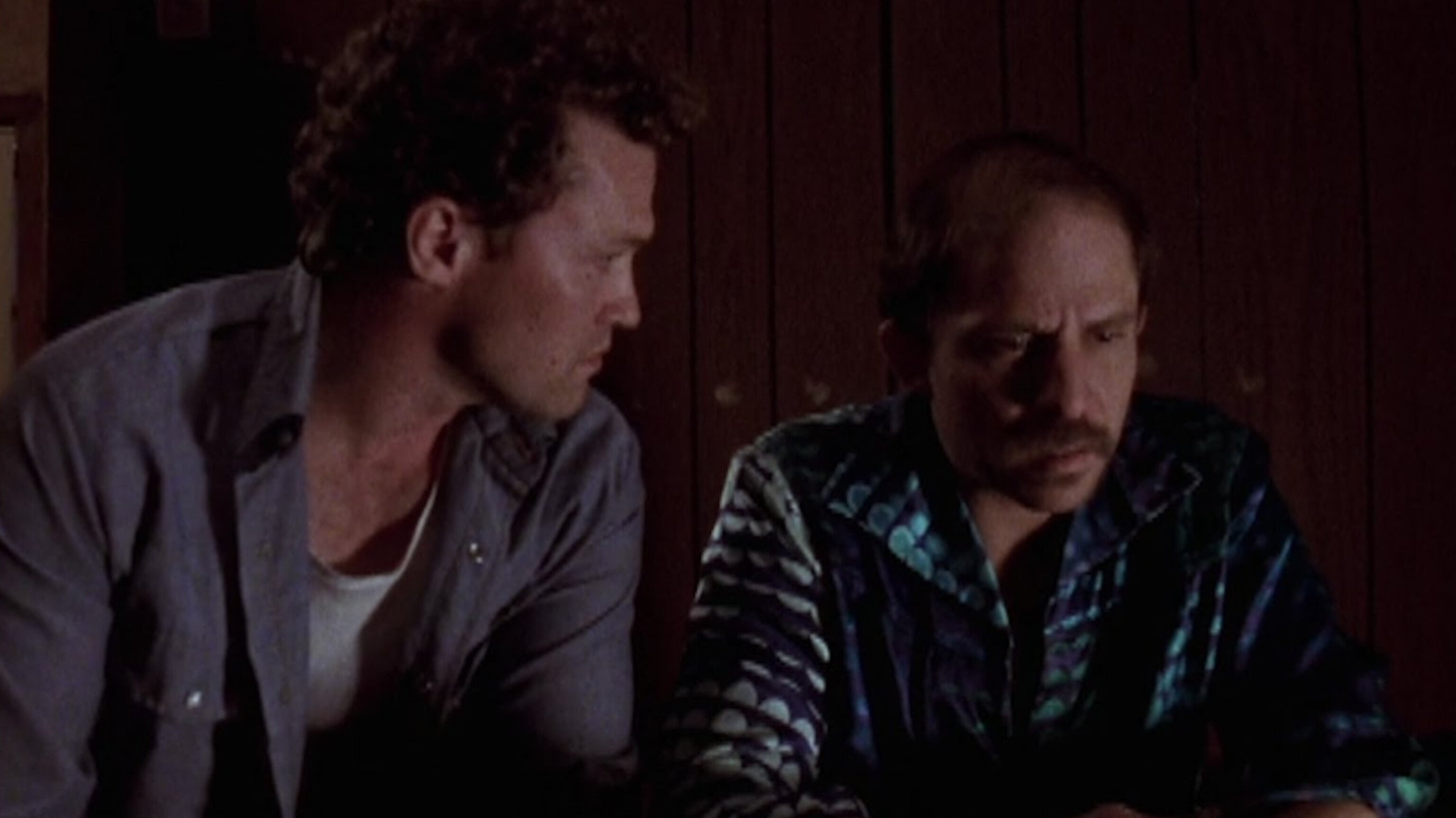
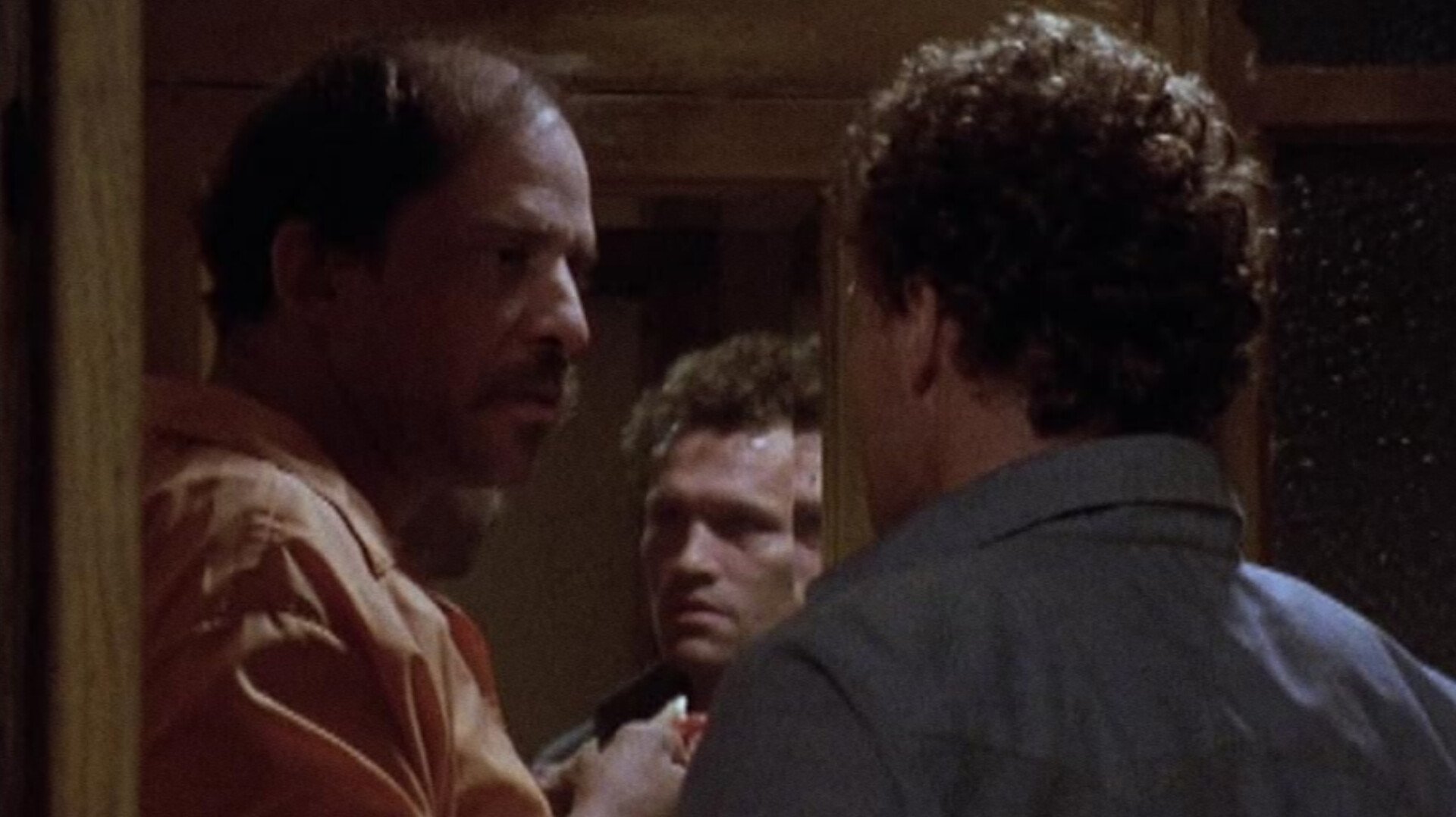
Tom Towles, who initially came in while the filmmakers were considering actors for Henry, instead became Otis. Towles had extensive theatre experience, including work connected with Chicago's Organic Theater, and McNaughton recognized that his more expansive energy could provide a disturbing contrast with Rooker's control. Tracy Arnold, recommended through the same theatre network, plays Becky with a vulnerability that prevents the apartment scenes from becoming merely a contest between two killers. The three performers rehearsed before shooting, and their contrasting styles give the film much of its structure: Henry suppresses, Otis escalates and Becky continues to search for an emotional explanation that the film ultimately refuses to provide.
Chicago, 16mm and the Refusal of Spectacle
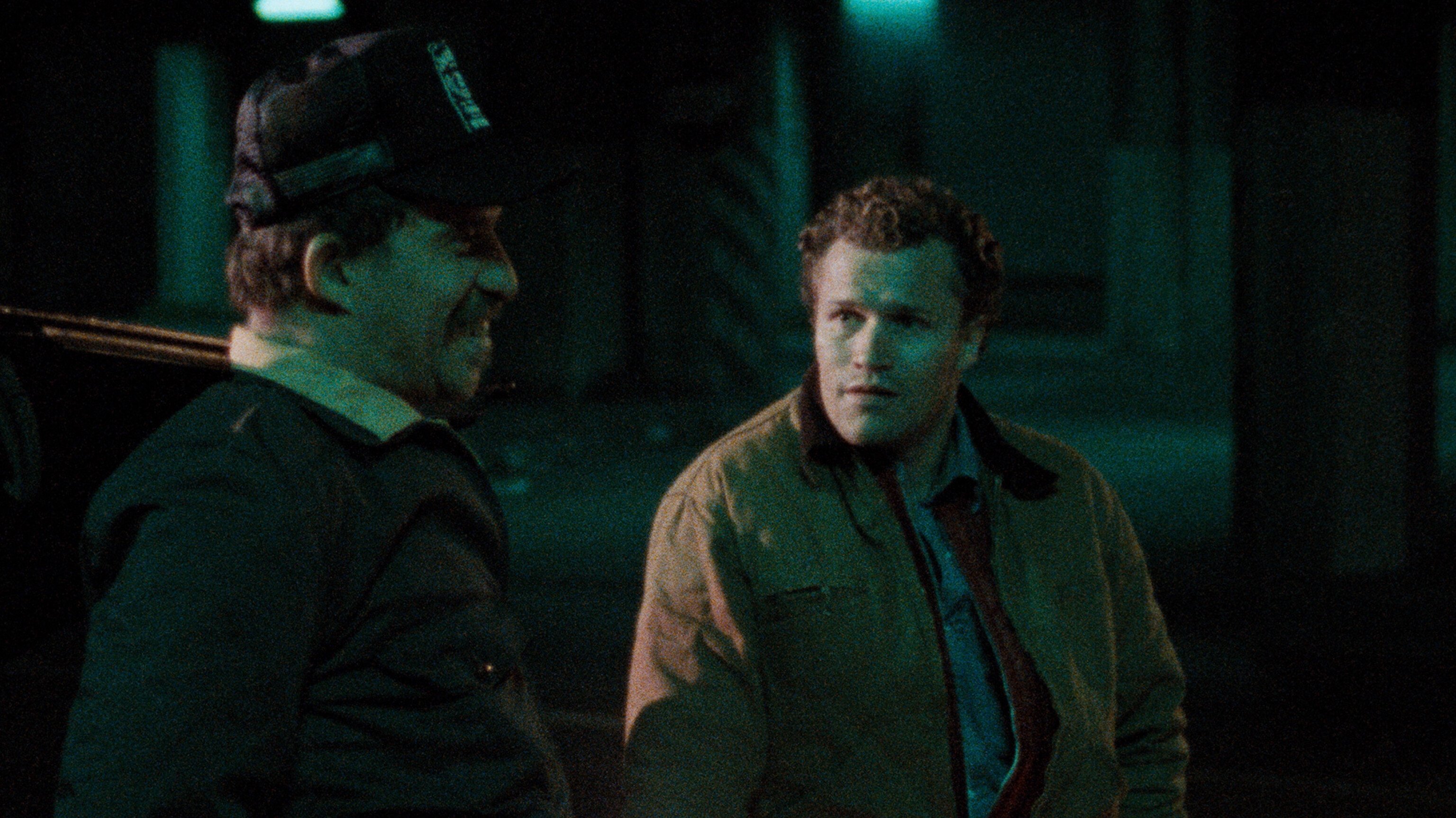
Cinematographer Charlie Lieberman and McNaughton construct the film around an observational style that rarely announces violence in advance. Chicago appears through modest apartments, roadside spaces, shops, industrial streets and winter exteriors, giving the setting an everyday quality. The environment is functional and impersonal, allowing Henry to move through it without becoming visually exceptional. Static framing is especially important. McNaughton has described his preference for observing action with a relatively stationary camera, and that quality becomes particularly effective in a story about a killer whose danger lies in his ability to remain unremarkable.
The opening establishes this method immediately. The film presents bodies in composed, largely static images while sounds associated with their deaths play over the pictures. McNaughton has described the victims as a series of tableaux, almost as though they were examples of Henry's work. The separation between image and sound avoids turning every death into a conventional action sequence while forcing the spectator to reconstruct violence mentally. Combined with the grain and restricted tonal range of 16mm photography, the technique gives the film a texture closer to damaged observation than polished genre spectacle.
The Home Invasion and the Camera Inside the Film
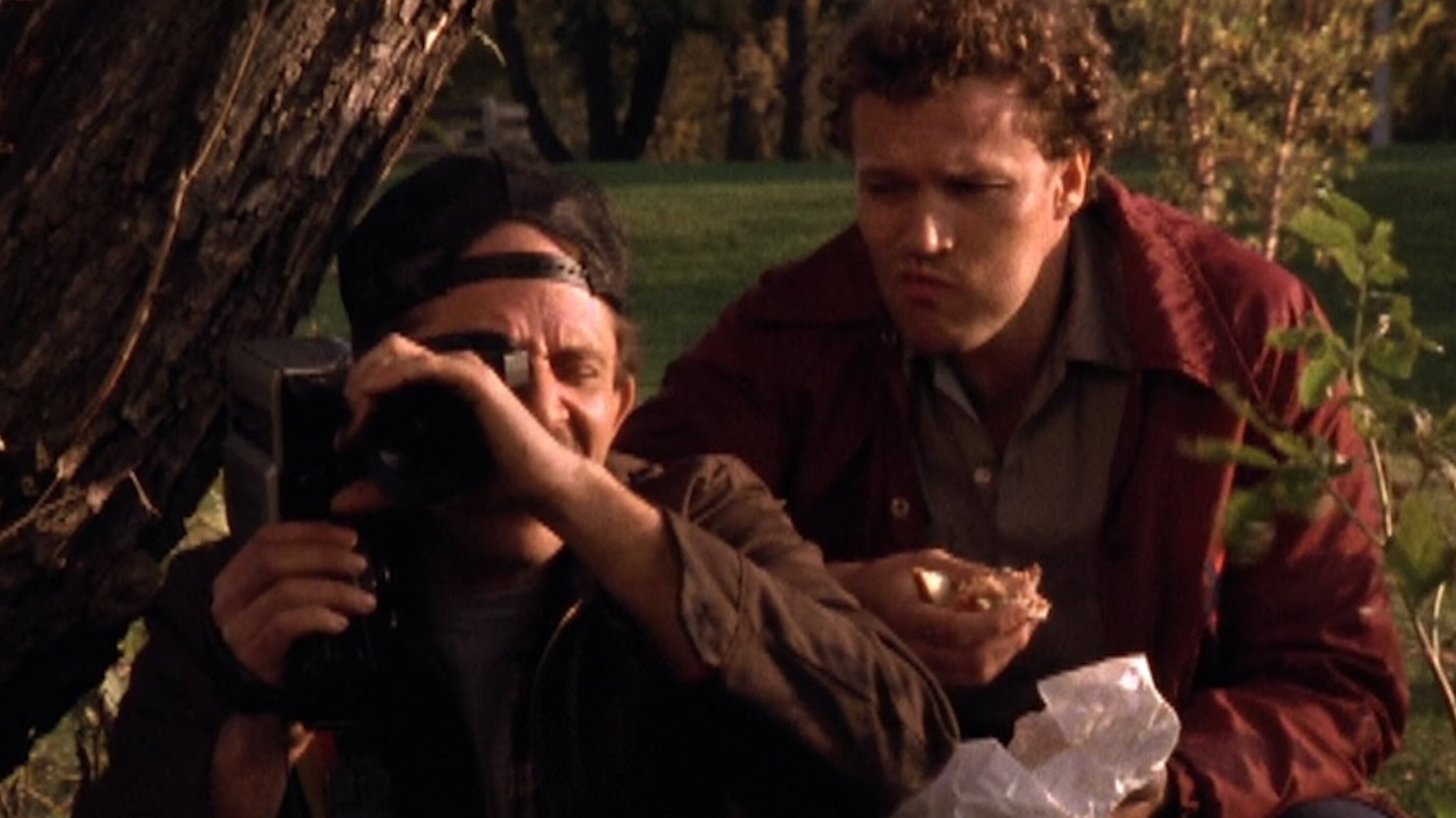
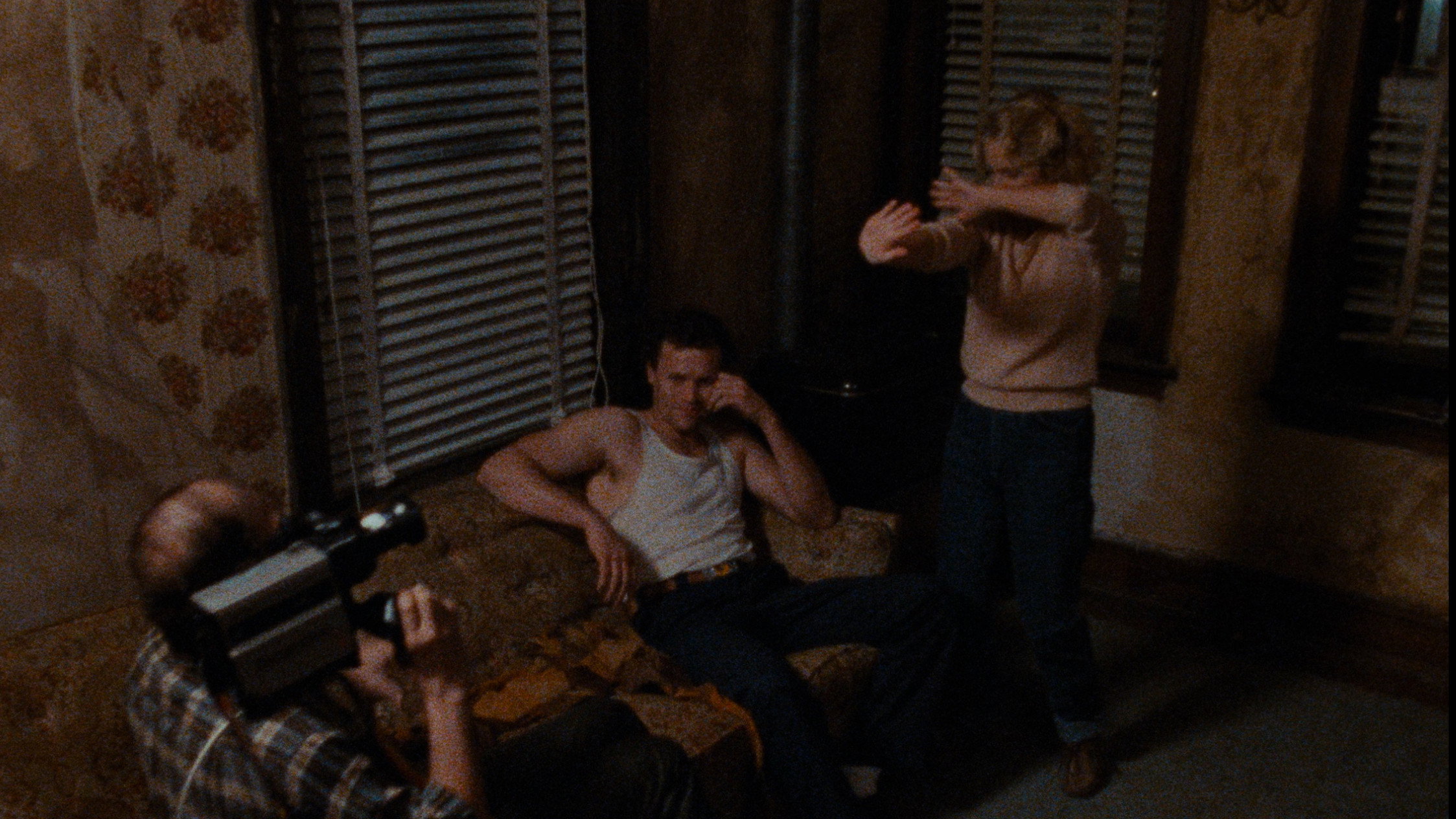
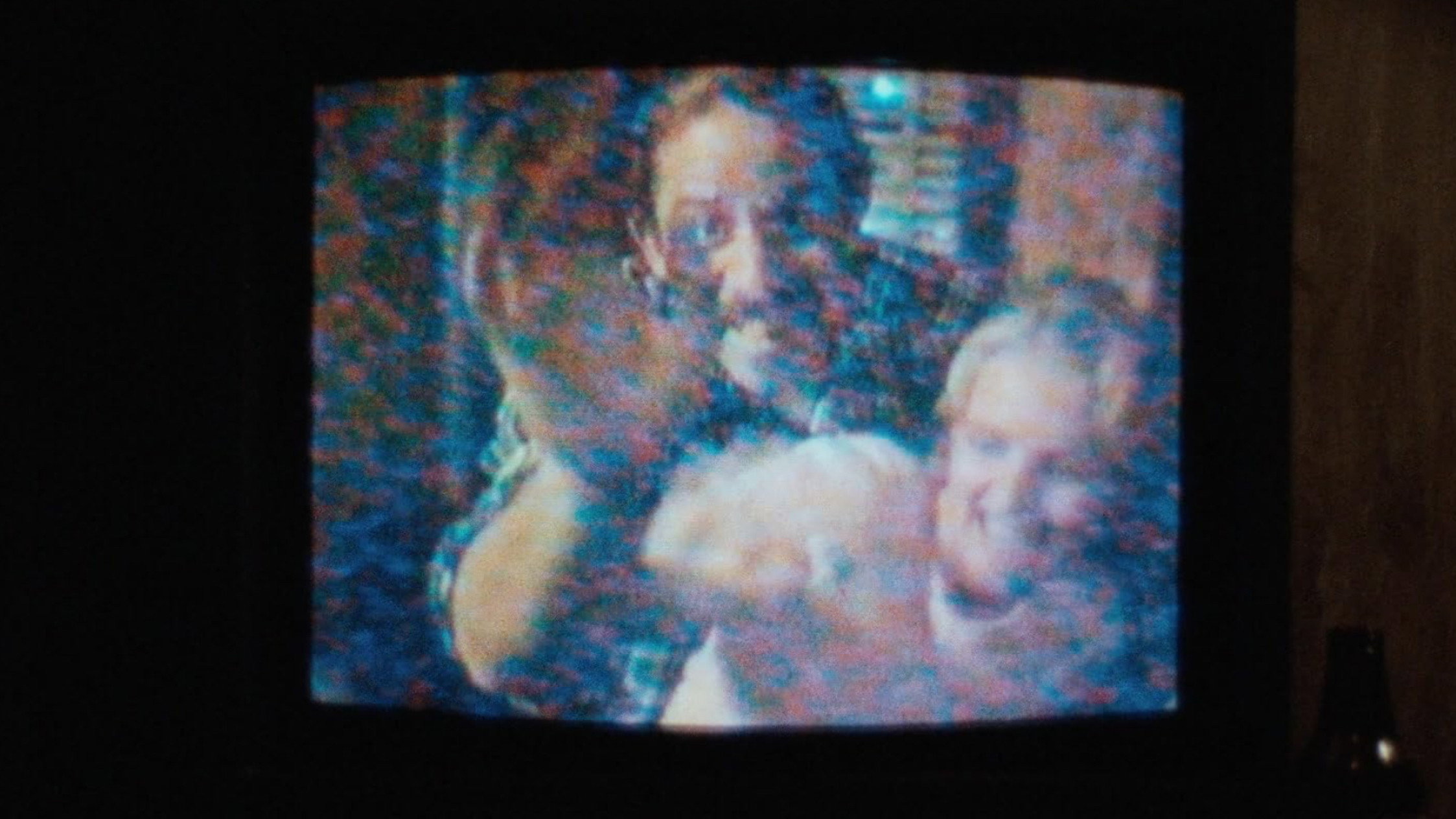
The most discussed sequence begins when Henry and Otis enter a family home carrying a video camera. The murders are initially presented through the camera operated by the characters within the scene. A husband, wife and child are attacked while the image retains the unstable immediacy of amateur recording. Only afterward does McNaughton reveal another level: Henry and Otis are watching the tape of their own crime on television. The audience has therefore been looking at an image that the killers themselves created for later entertainment, and the film places the spectator beside them only after the sequence has already been consumed.
McNaughton has repeatedly explained that the scene was designed around this uncomfortable relationship between cinematic violence and spectatorship. He wanted to confront an audience accustomed to being entertained by killing with an image stripped of heroic framing and conventional release. The scene was produced with remarkable simplicity. McNaughton later recalled that only the performers, Lieberman, himself and an assistant were present and that two takes were filmed. Its effectiveness comes less from the quantity of effects than from duration, framing and the delayed revelation of who is watching. The recording becomes evidence, trophy and entertainment simultaneously, making the camera itself part of the killers' behavior.
Four Years of Distribution and Censorship Problems
A video copy premiered at the Chicago International Film Festival on 24 September 1986, but conventional distribution proved difficult. Potential distributors faced questions involving video rights and the film's use of names derived from real people, while its violence and tone created an even larger commercial obstacle. Screenings continued intermittently, including festival and midnight engagements, and critical support gradually increased. A major turning point came when the film screened at Telluride in 1989, where its divisive audience response was accompanied by strong critical attention, including support from Roger Ebert.
The Motion Picture Association of America assigned the film an X rating when distributors sought the commercially necessary R. Contemporary reports stated that the problem could not be solved through a simple list of cuts; the overall tone, casual murders and absence of conventional punishment were central objections. The film was eventually released unrated, beginning commercially in 1990. Britain produced an equally complicated censorship history. Early theatrical and home-video submissions were cut, with the home-invasion material proving especially contentious. When Optimum Releasing resubmitted the complete film in 2003, the British Board of Film Classification recorded that all previous cuts were waived, finally allowing the original version to circulate officially in the UK.
Reception, Reputation and Restoration
Contemporary critical reaction reflected the same division that had complicated distribution. Roger Ebert gave the film strong support while emphasizing that many viewers would find it intolerable, describing its purpose as an attempt to illuminate a disturbing subject. Other critics similarly focused on the disturbing effect of presenting Henry without the distancing mechanisms of fantasy or slasher mythology. The debate also concerned the way the violence was framed. The more fundamental problem was that McNaughton denied audiences the comforting structure in which violence produces a heroic response, a supernatural explanation or a final restoration of moral order.
Its reputation grew as the film became more widely available and as Rooker developed a major acting career. The production also became a durable example of how extremely limited resources could be converted into an expressive aesthetic. For the thirtieth anniversary, Dark Sky Films and MPI returned to the original 16mm camera negative for a new 4K scan and restoration approved by McNaughton and producer Steven A. Jones, with audio work derived from surviving 35mm magnetic elements. The restoration and renewed theatrical screenings confirmed that Henry had moved far beyond the distribution limbo of the late 1980s. Its importance rests not on creating a franchise killer, but on demonstrating how frightening the genre could become when the recognizable machinery of the movie monster was removed.