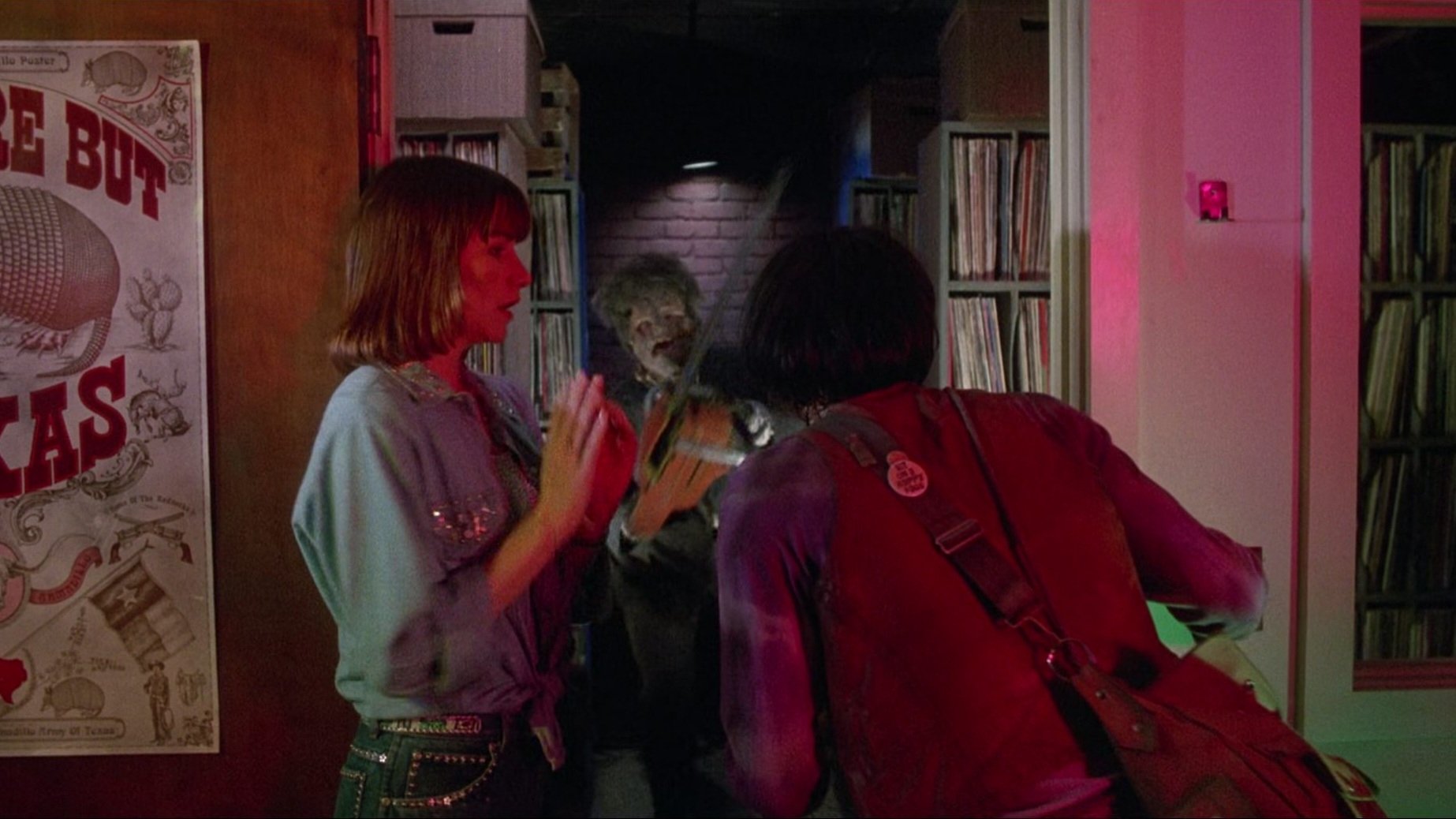
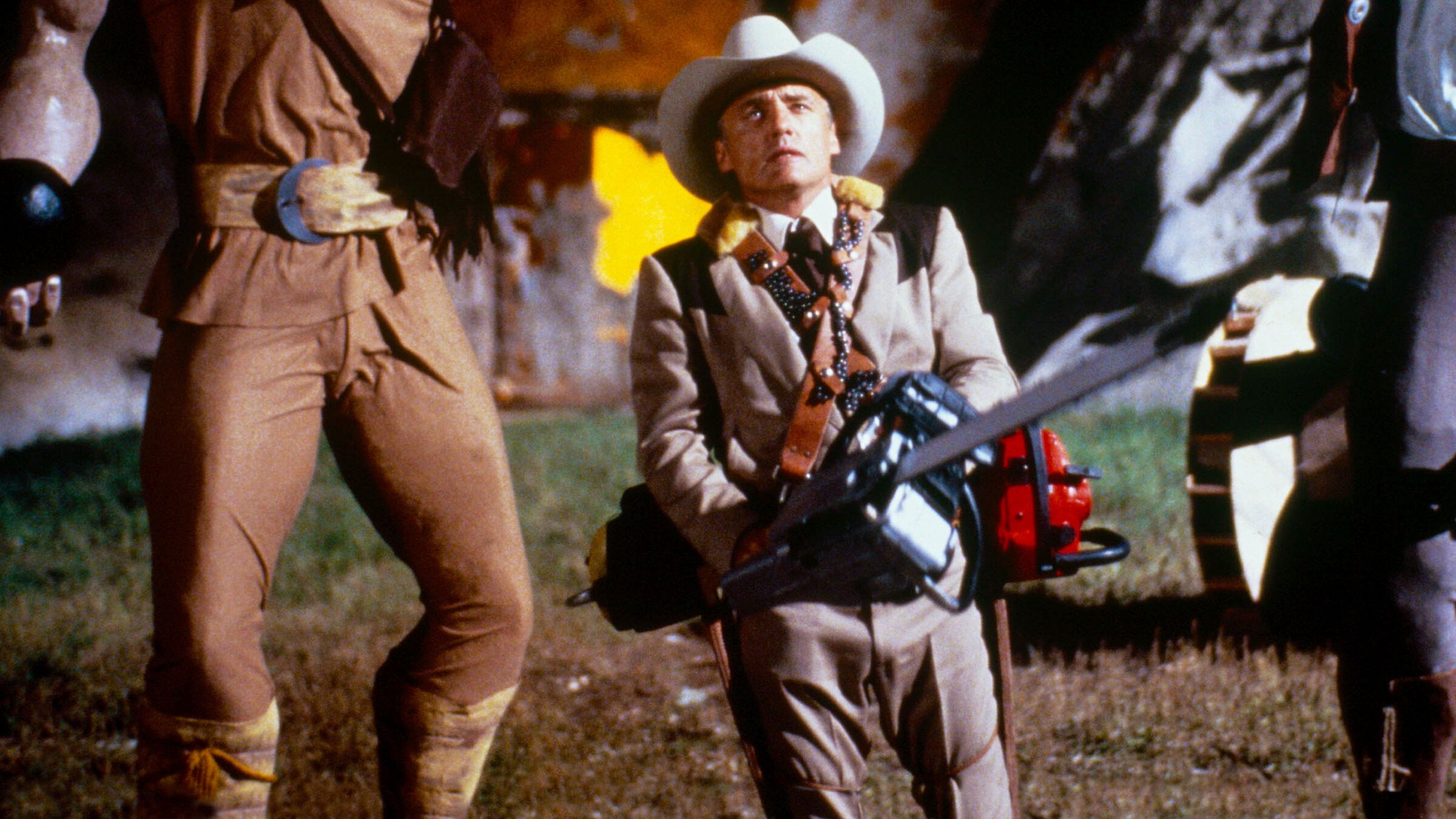
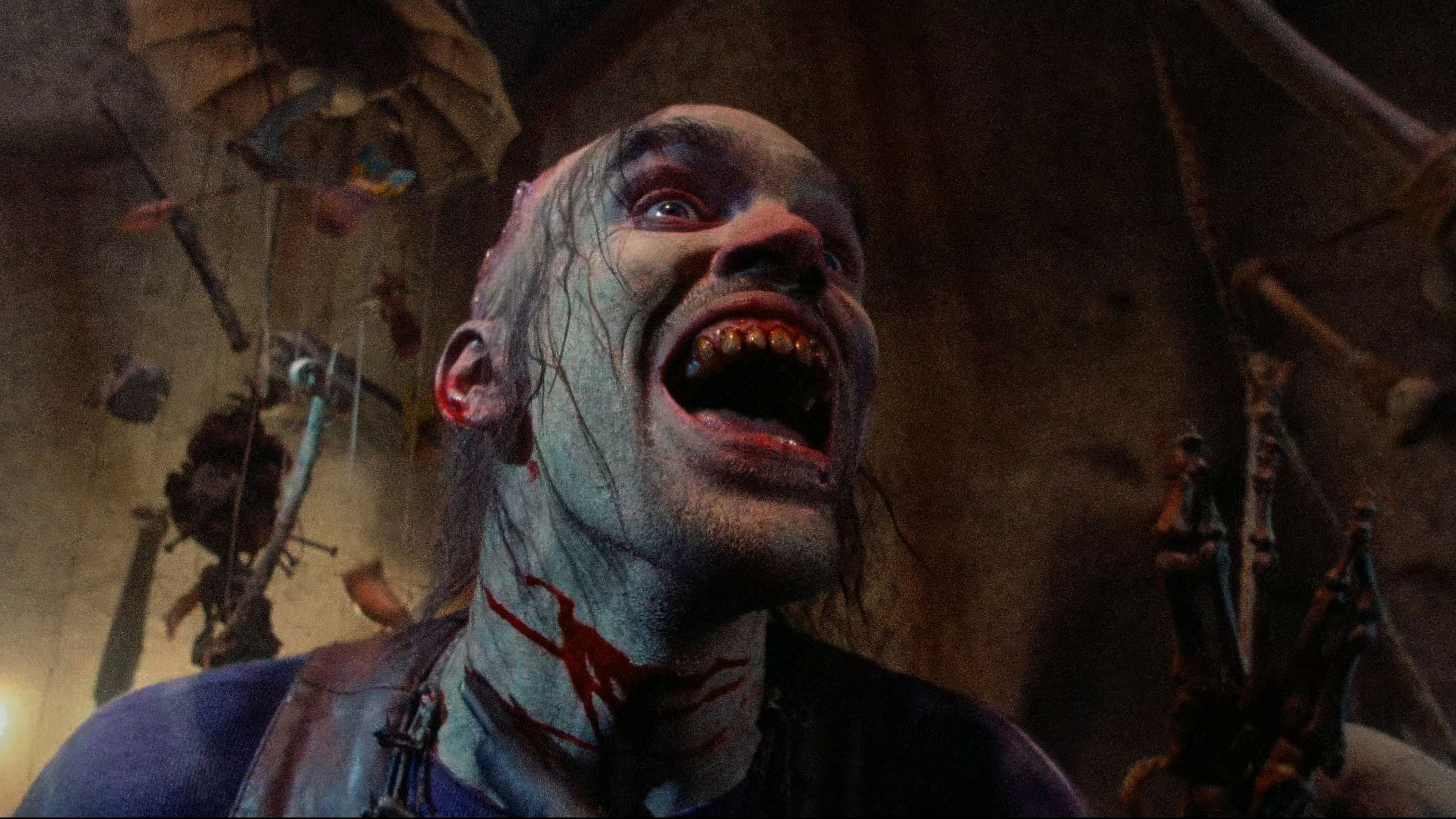
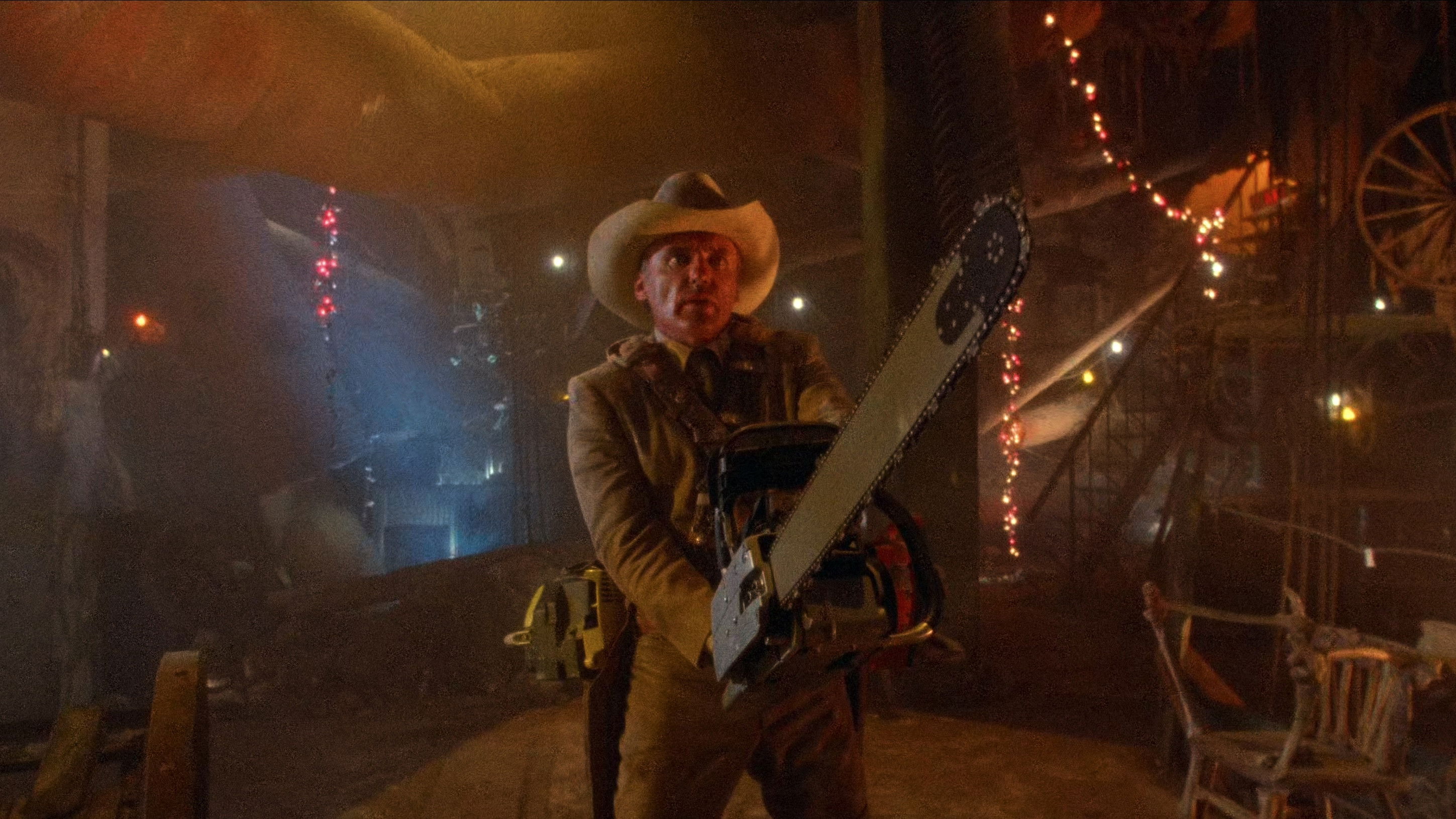
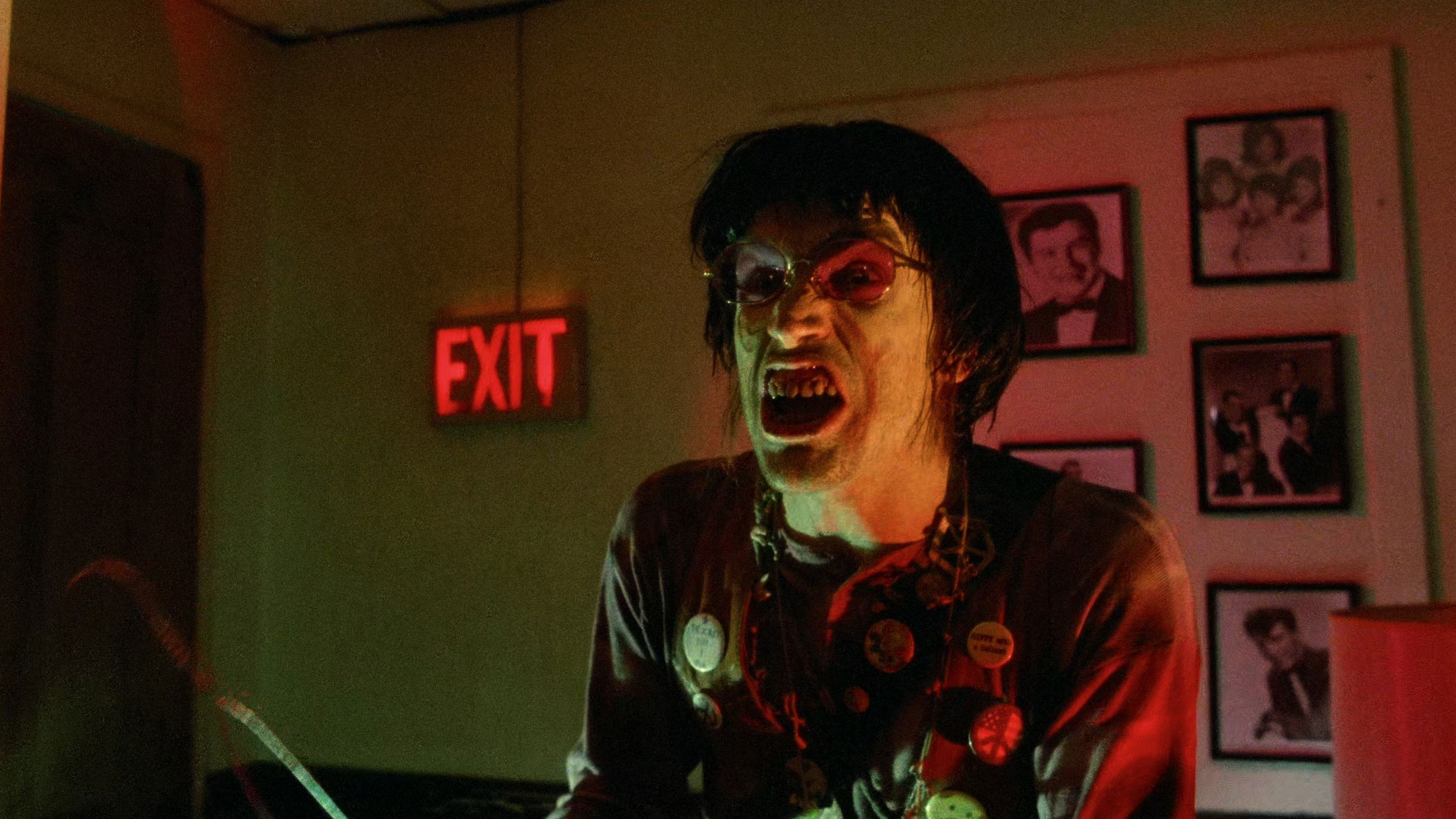
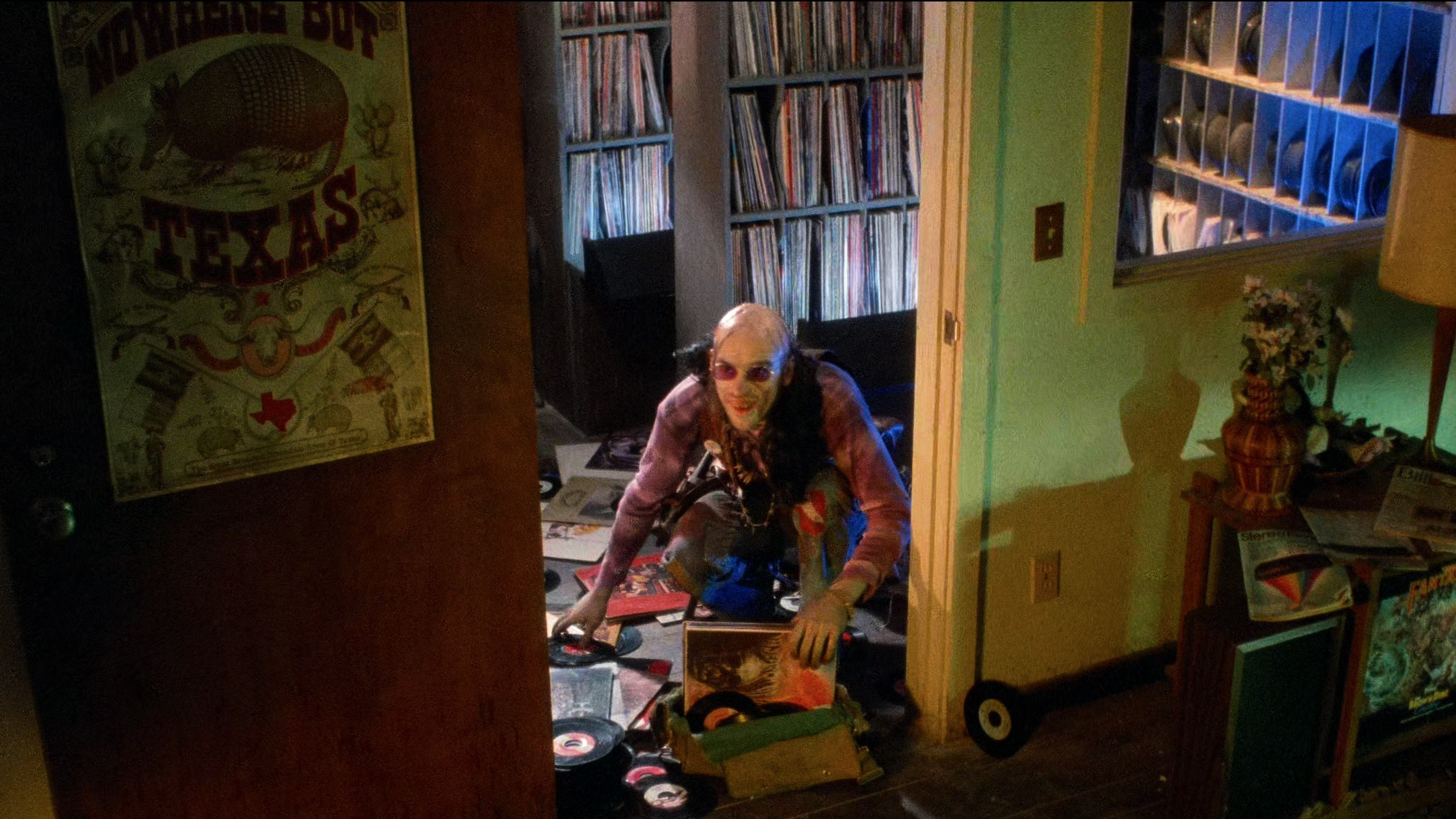
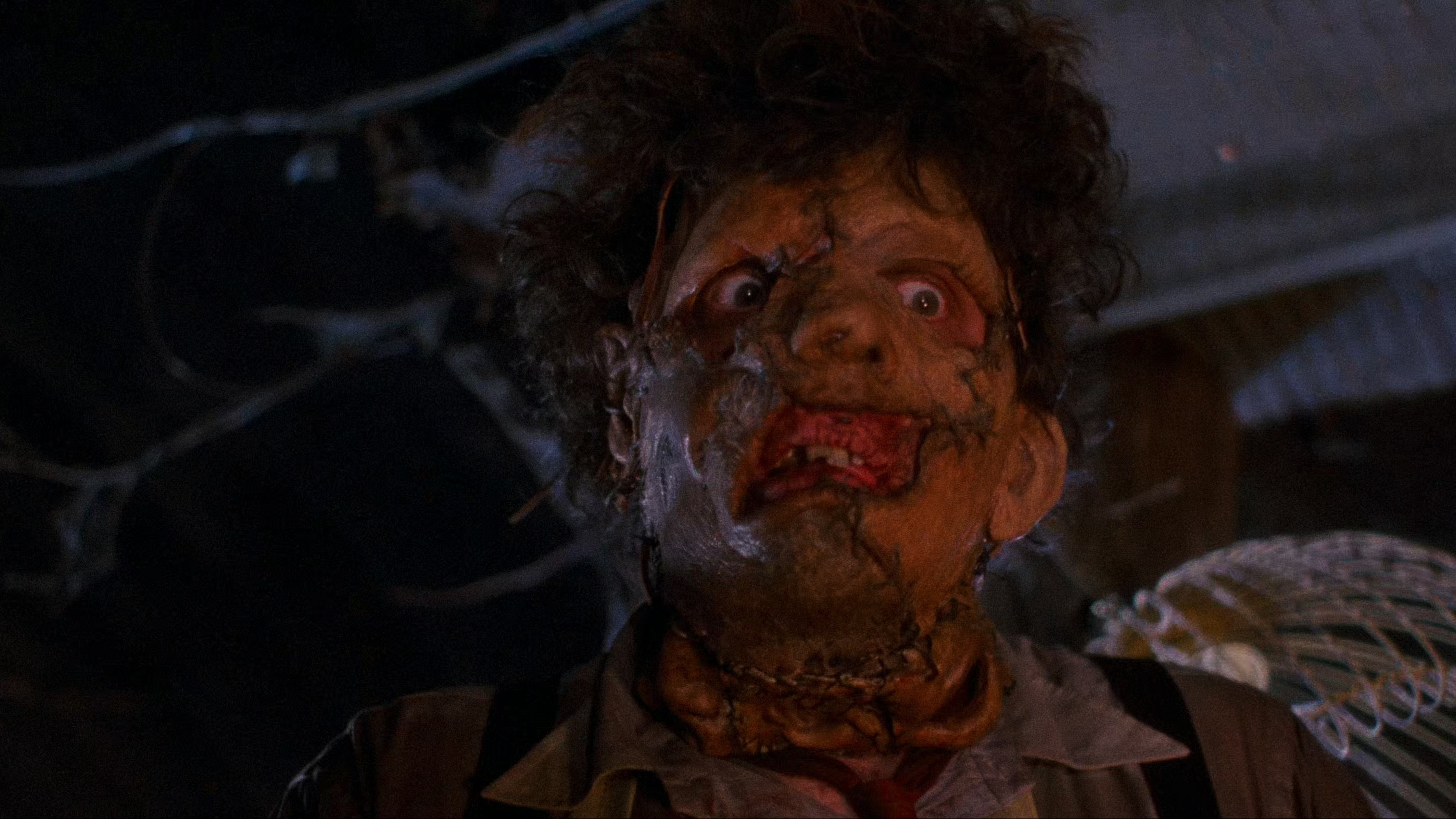
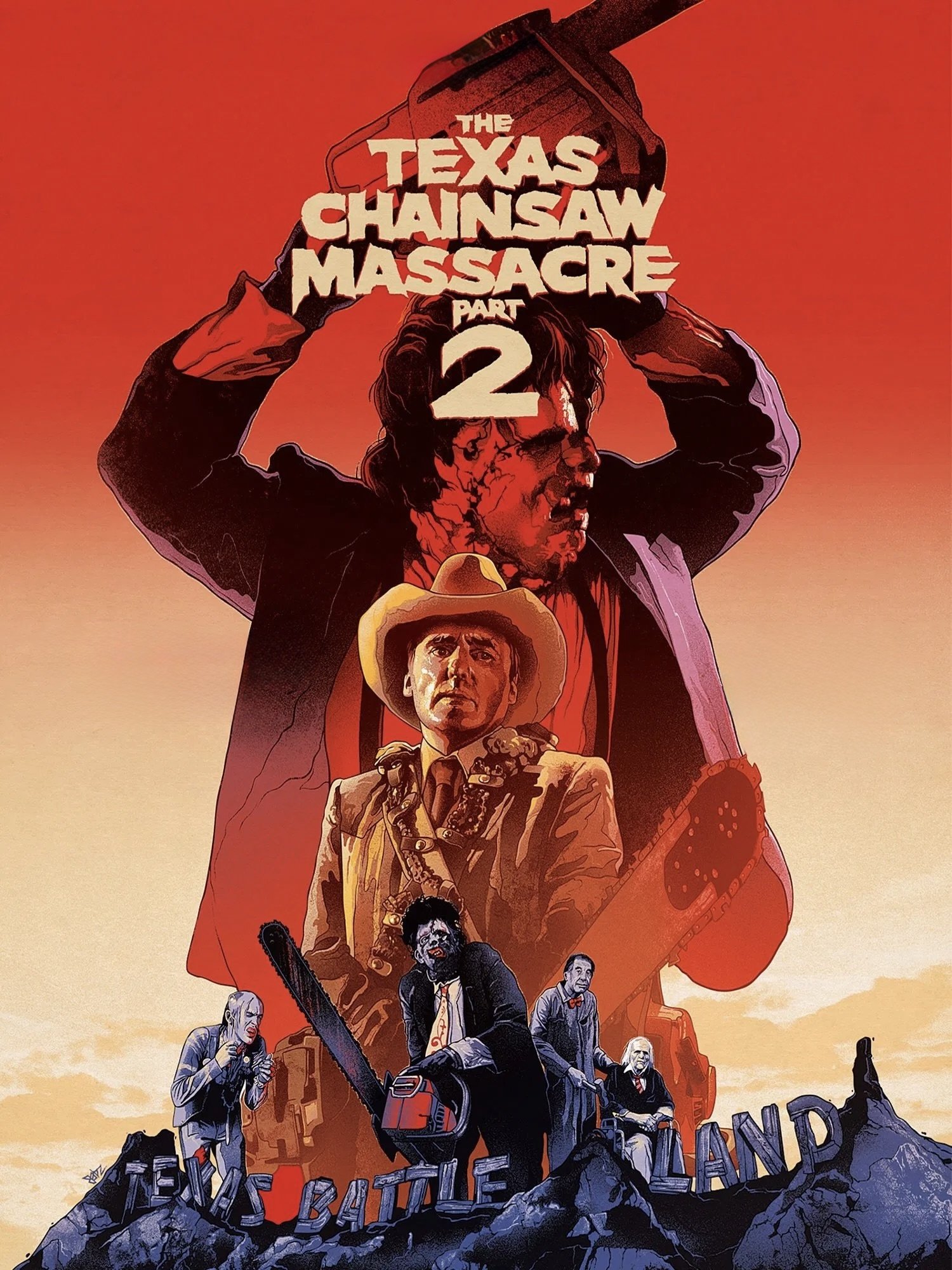
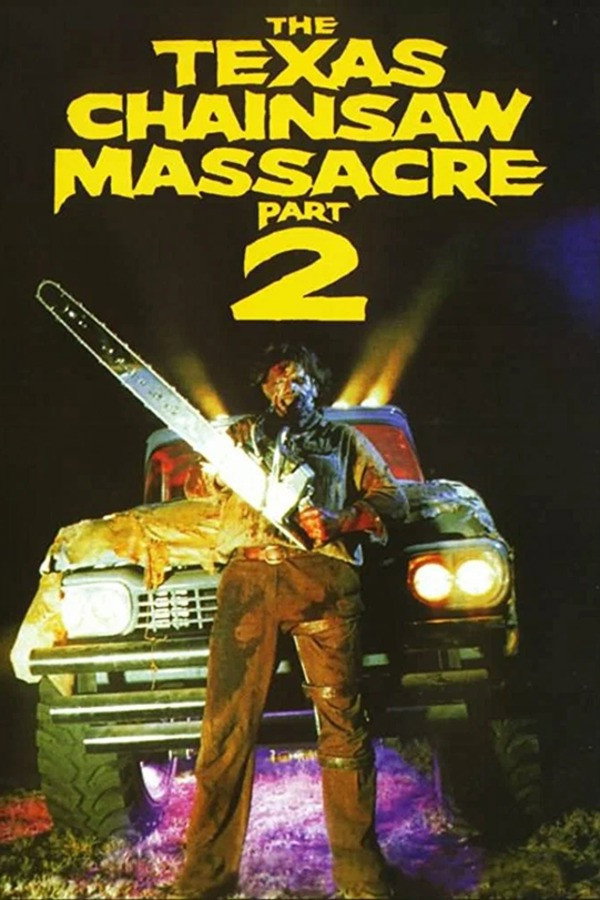
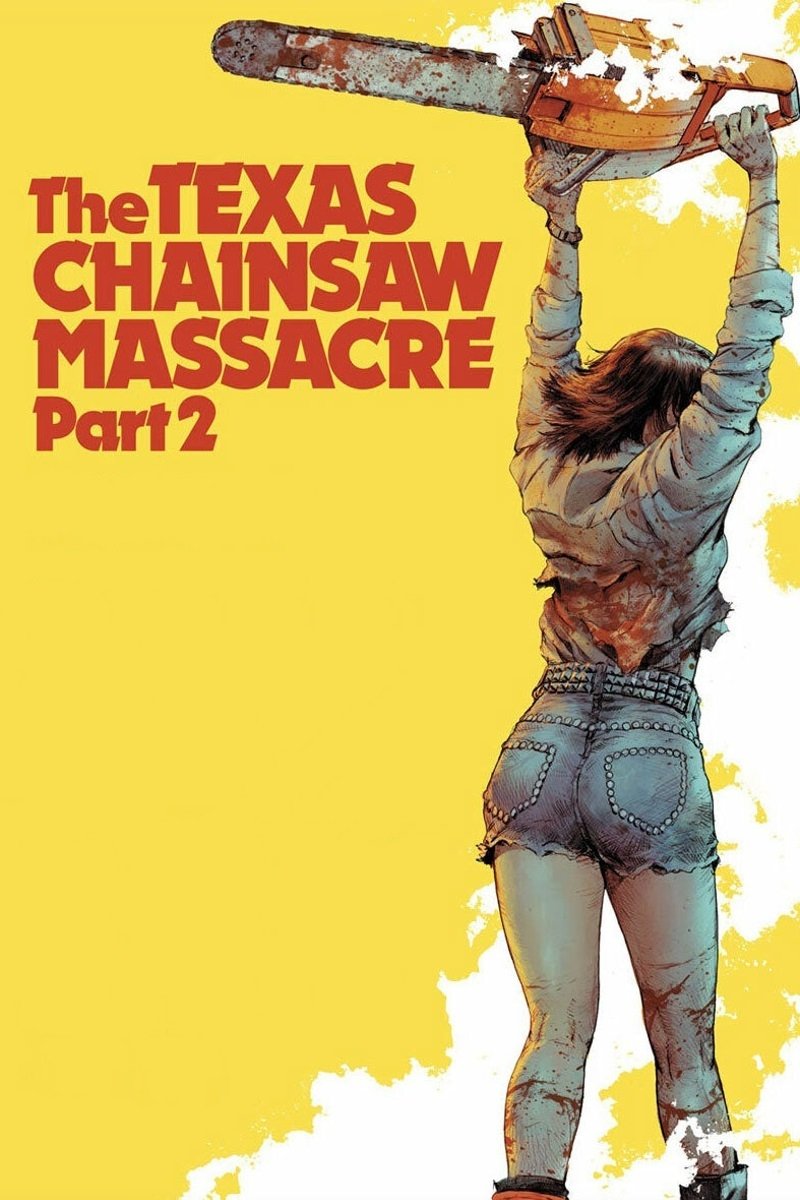
Development, Cannon Films & a Deliberately Different Sequel
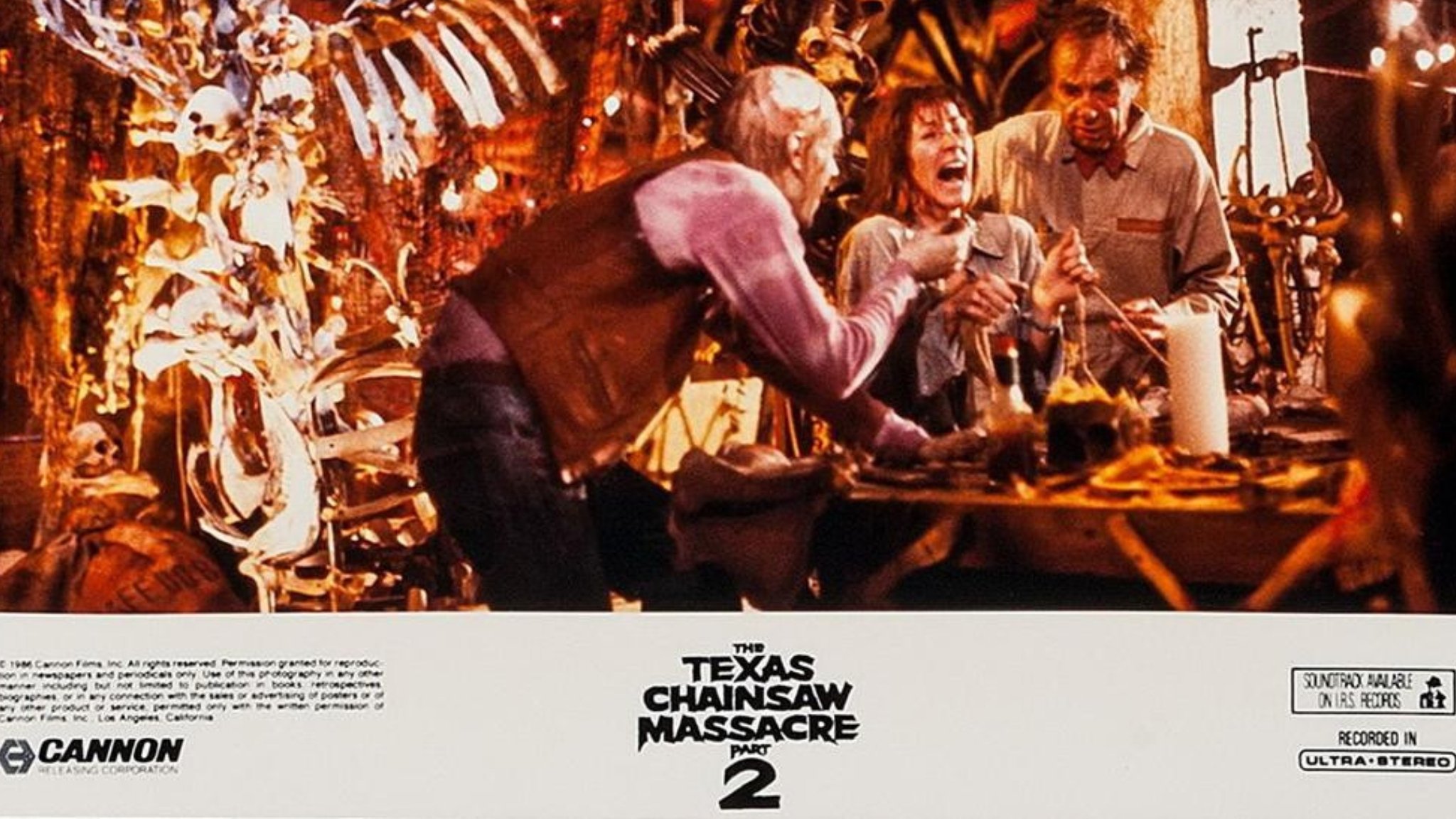
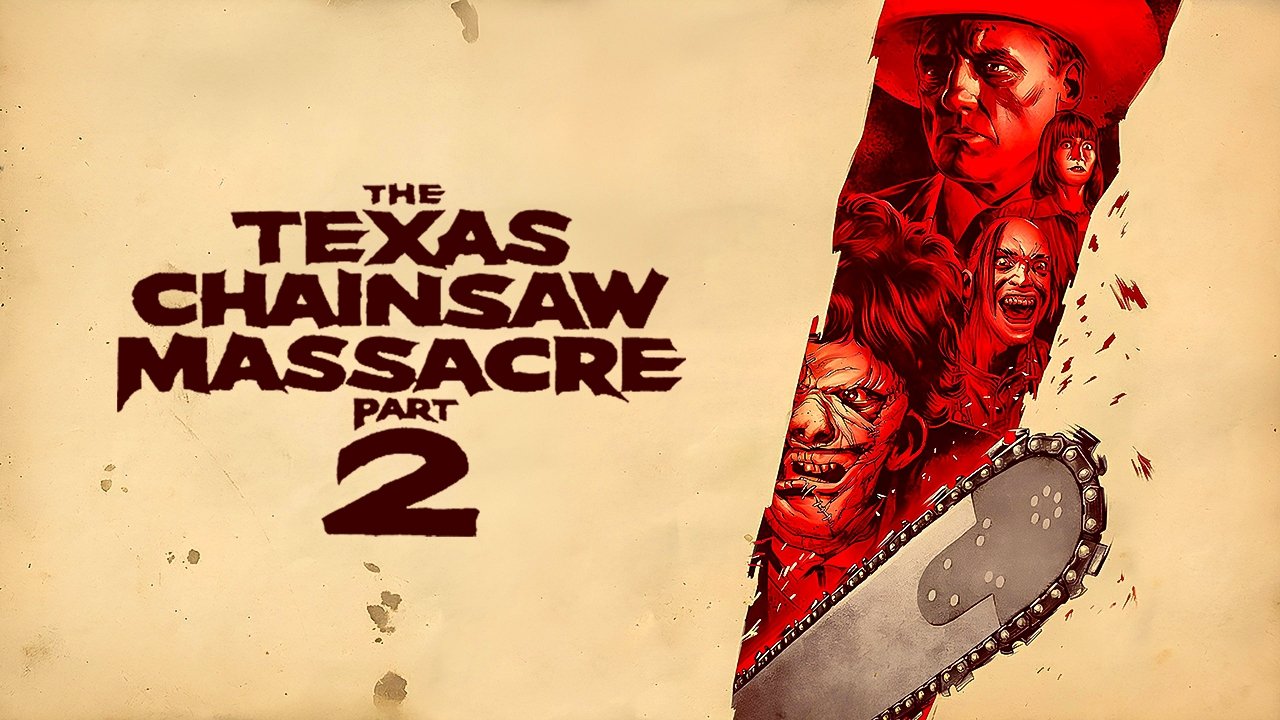
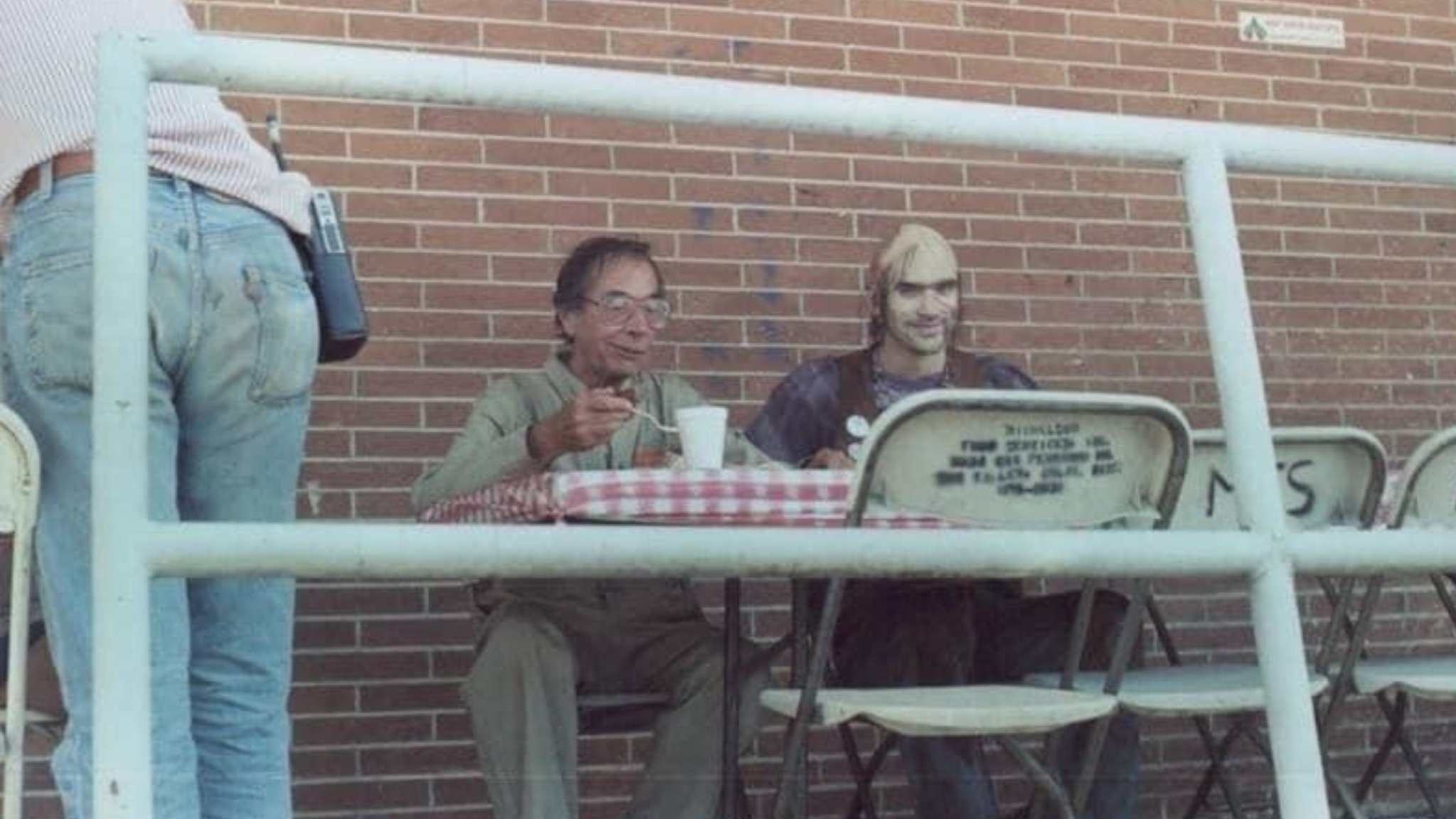
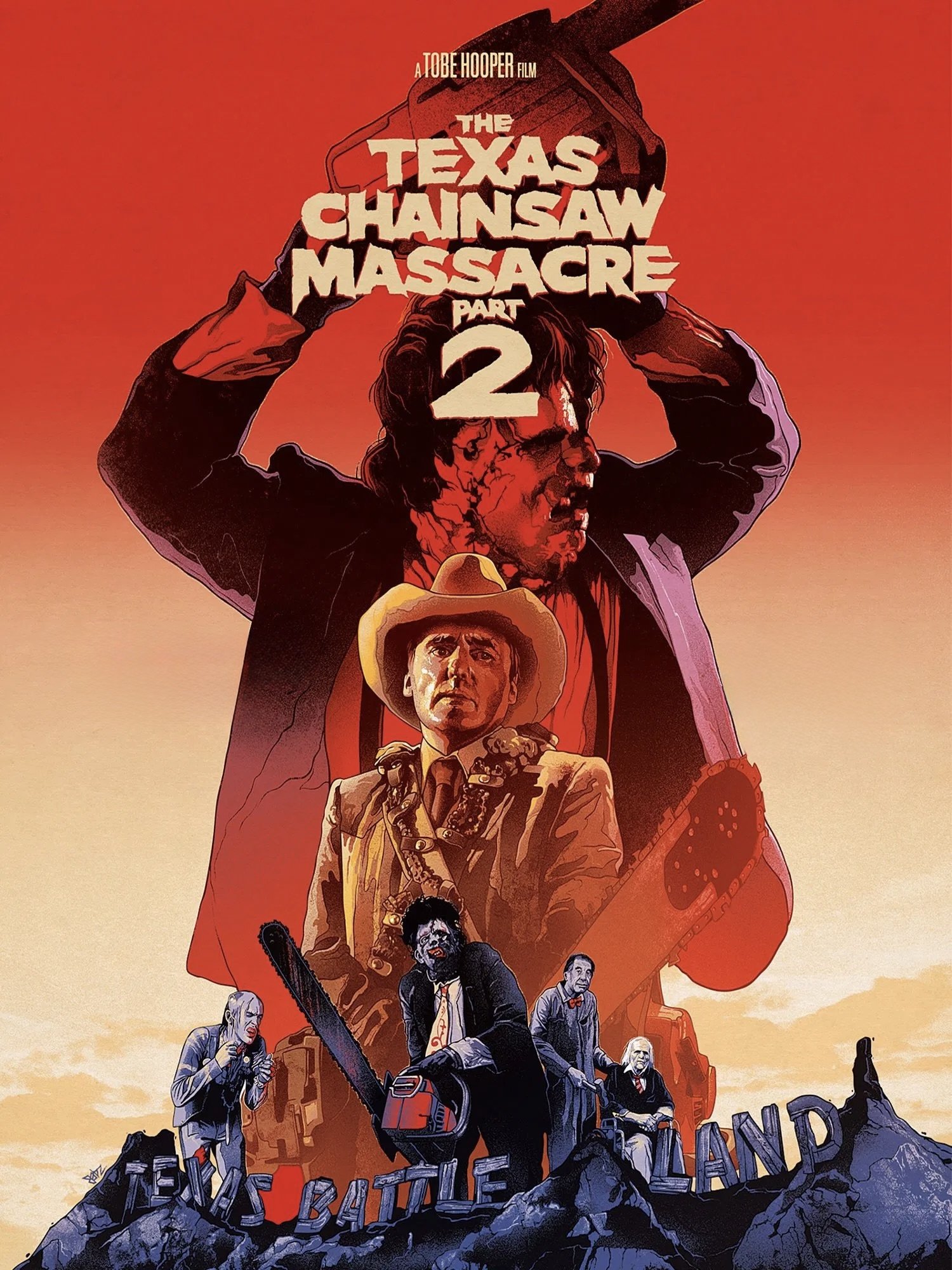
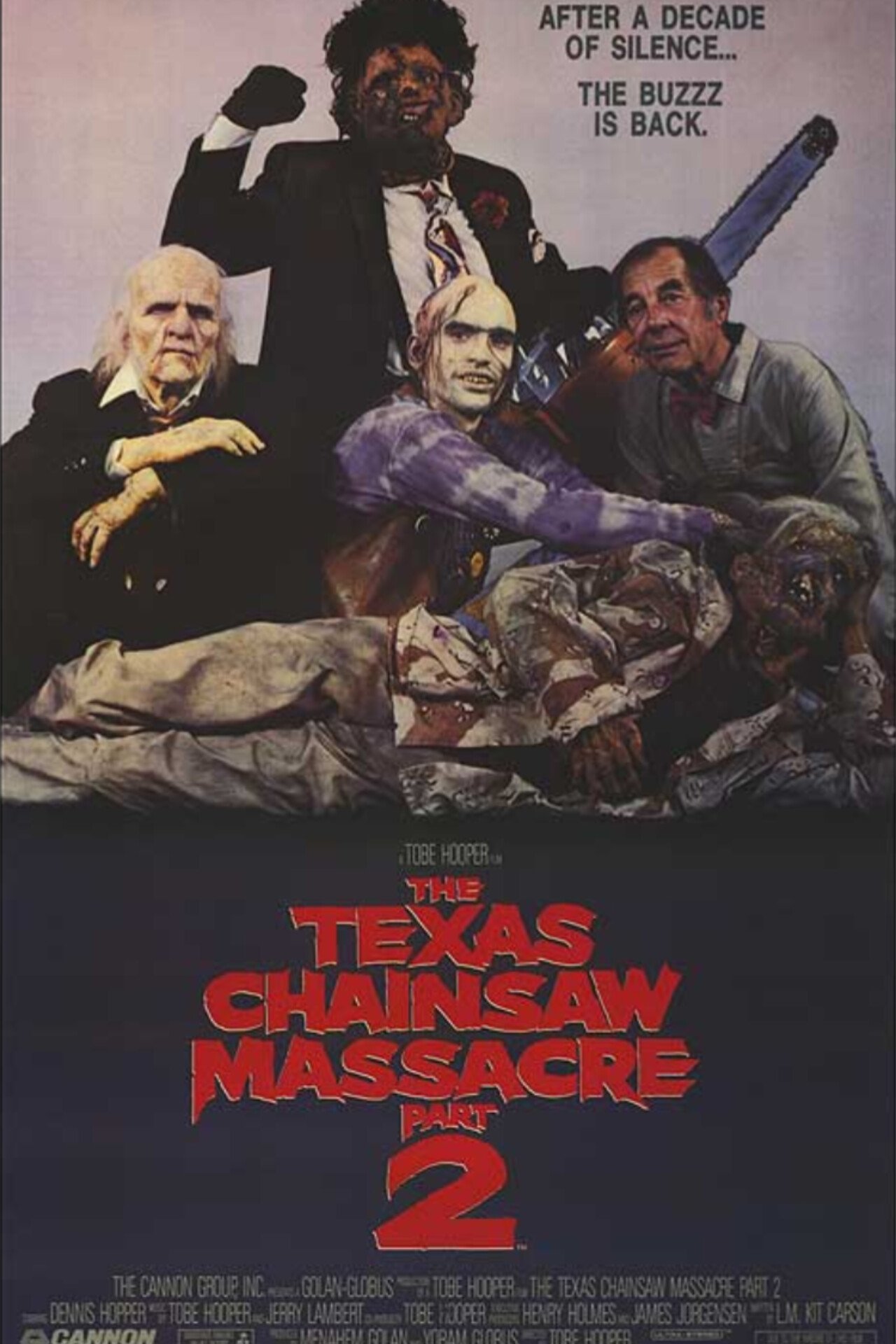
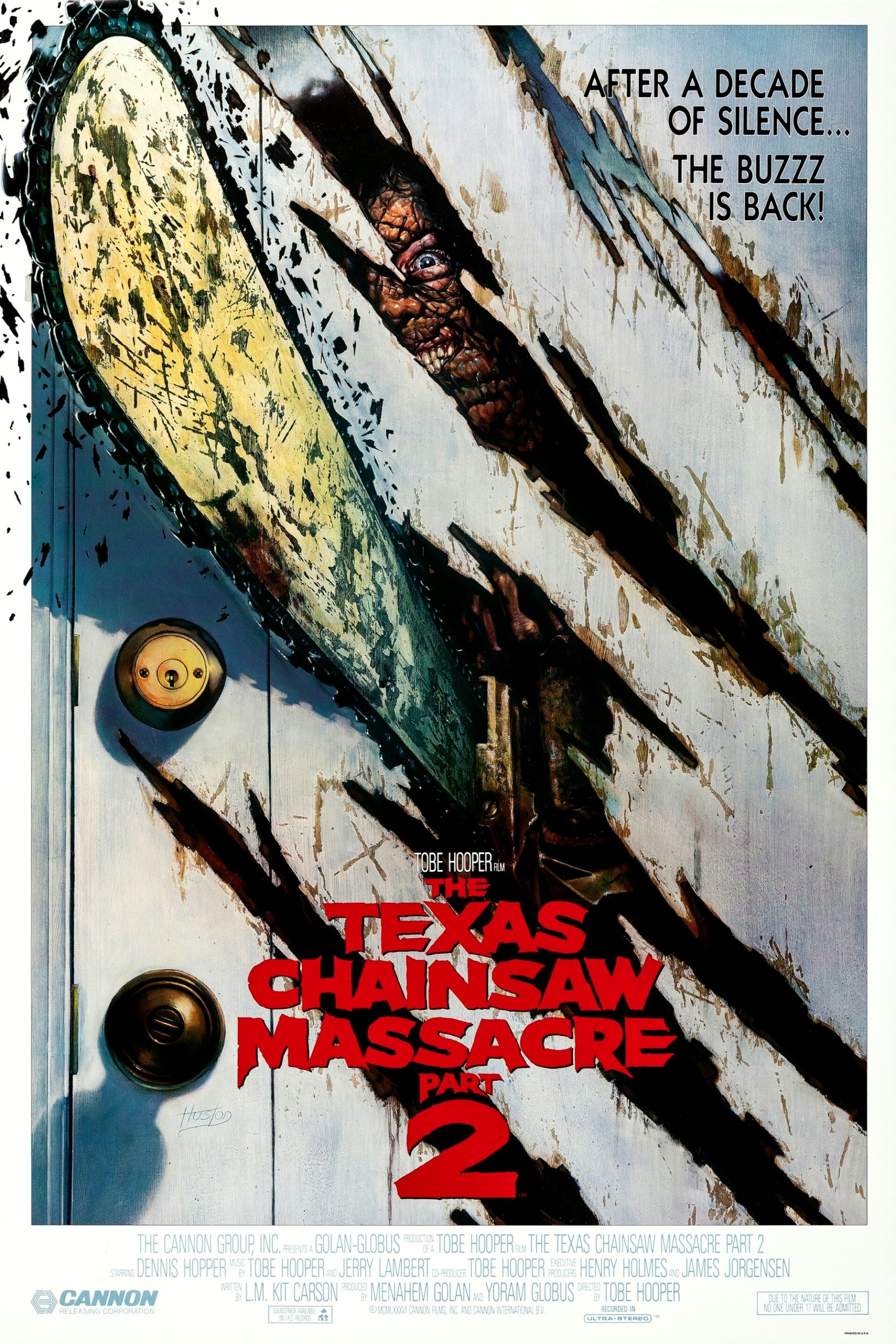
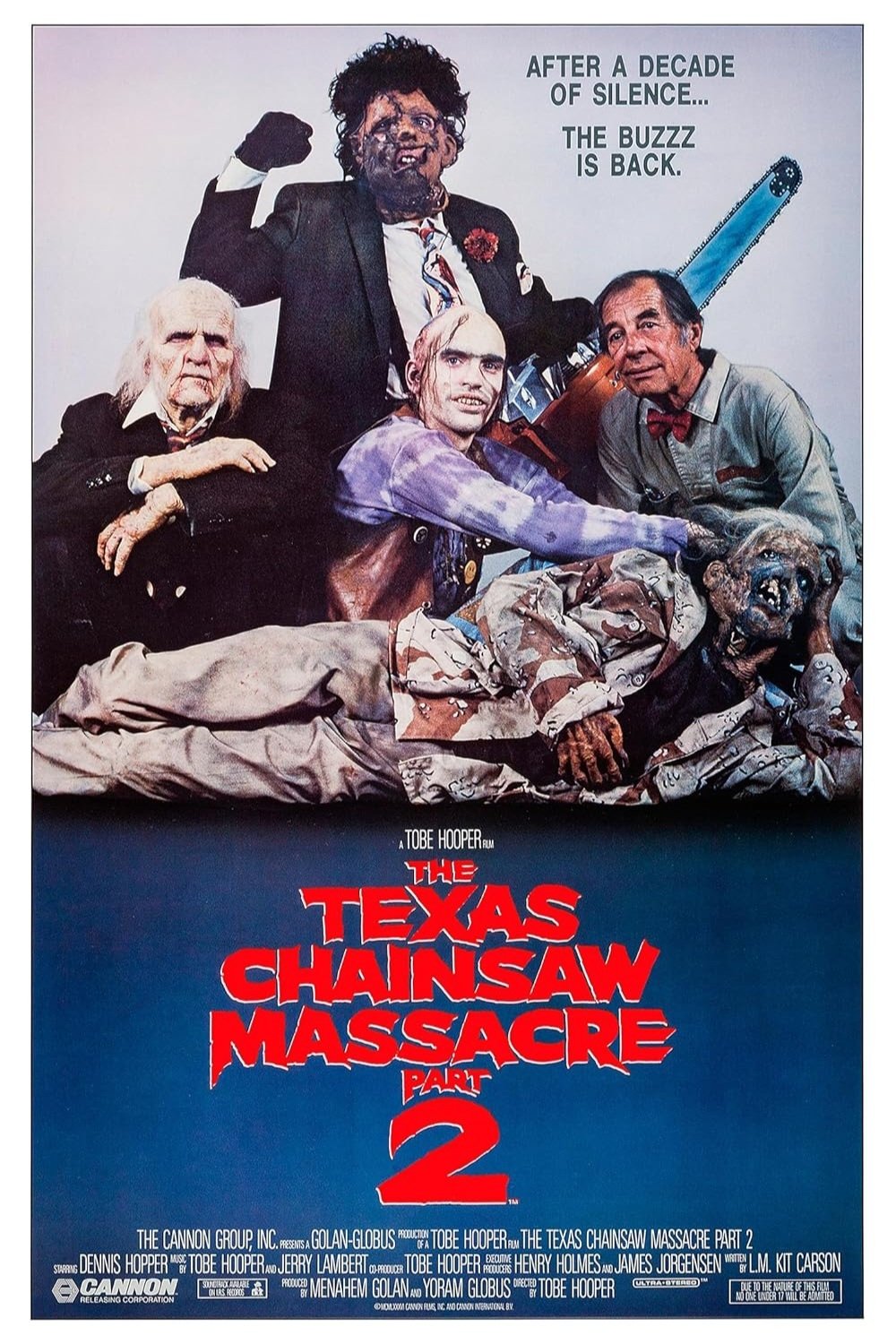
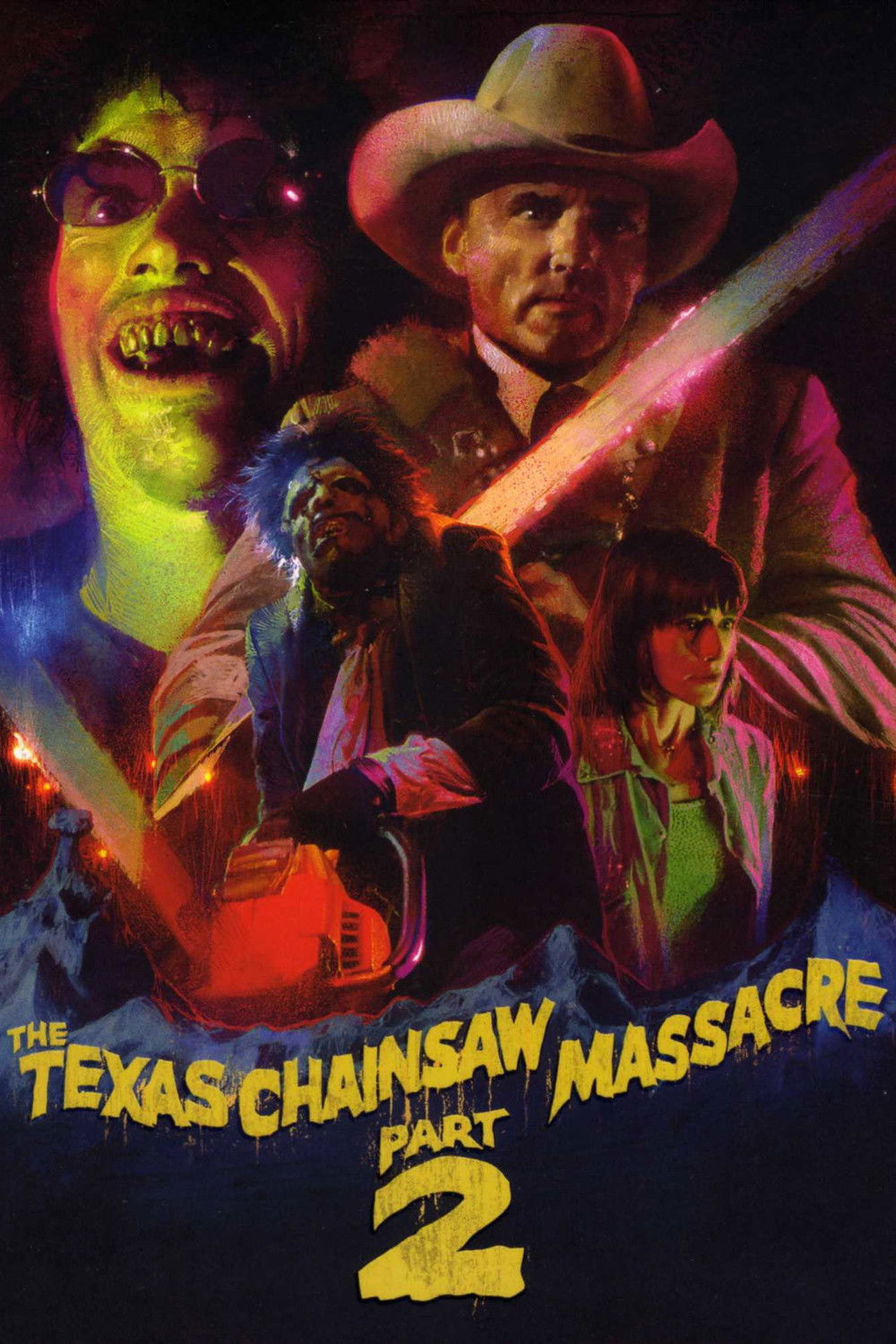
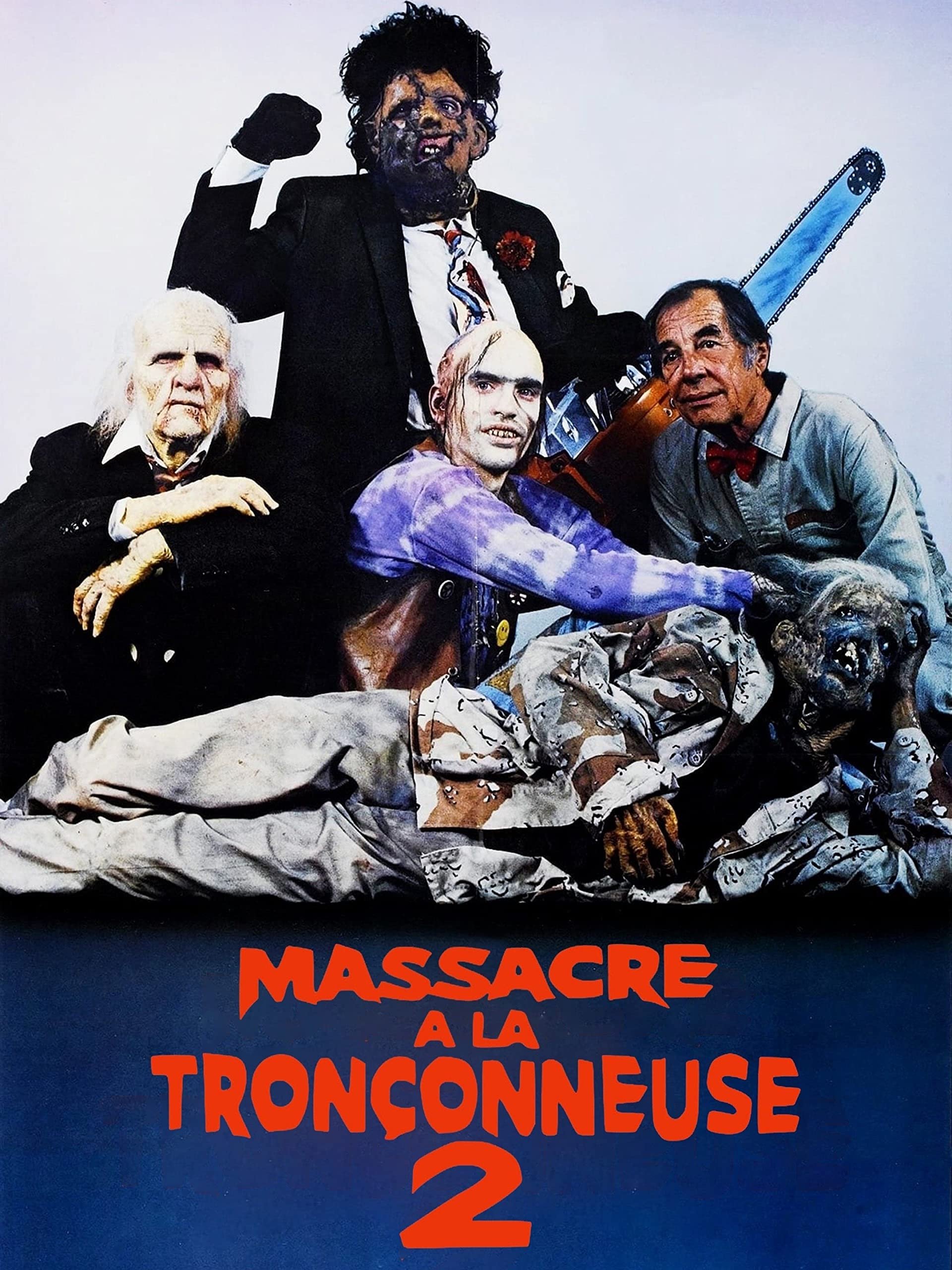
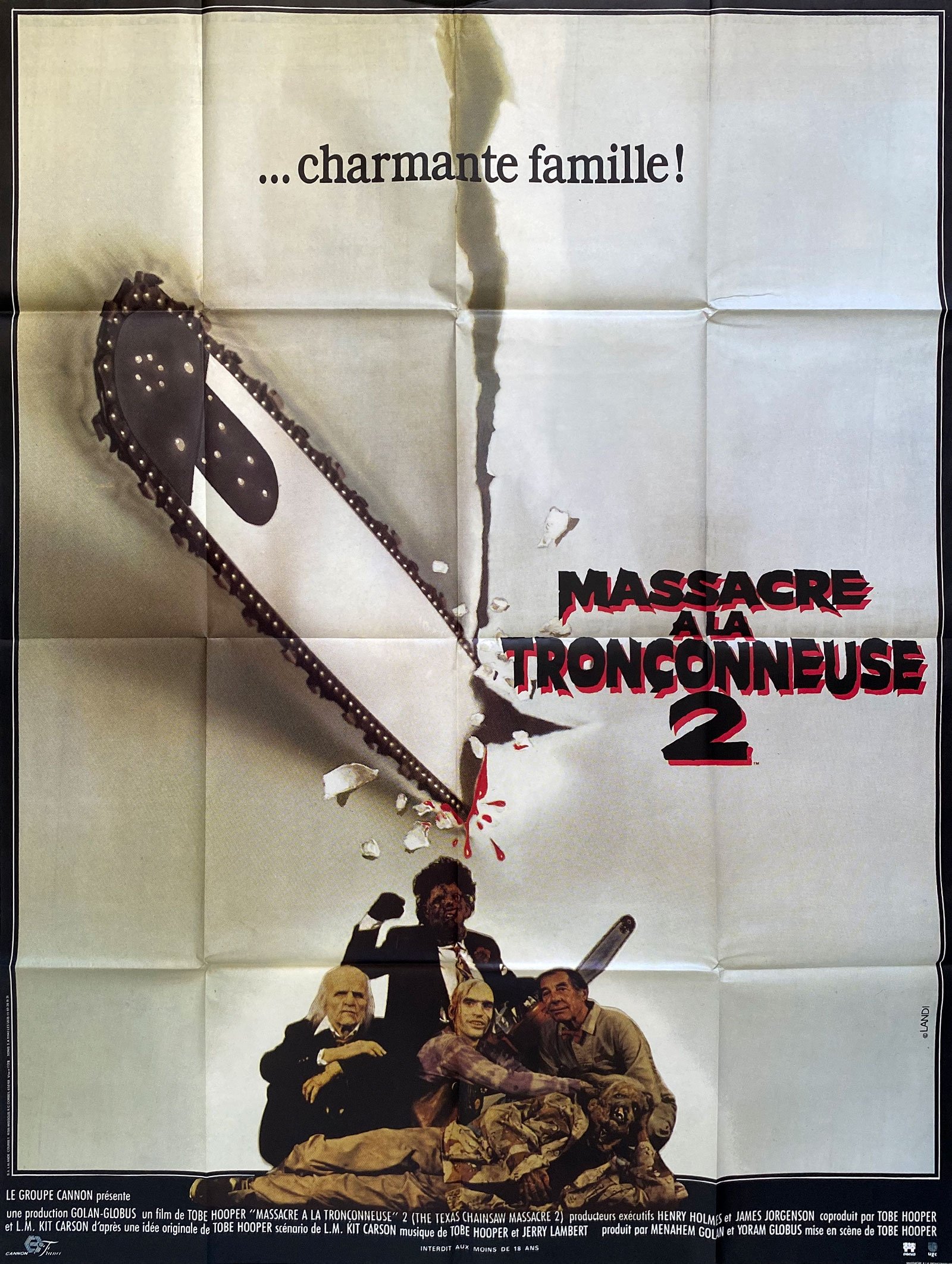
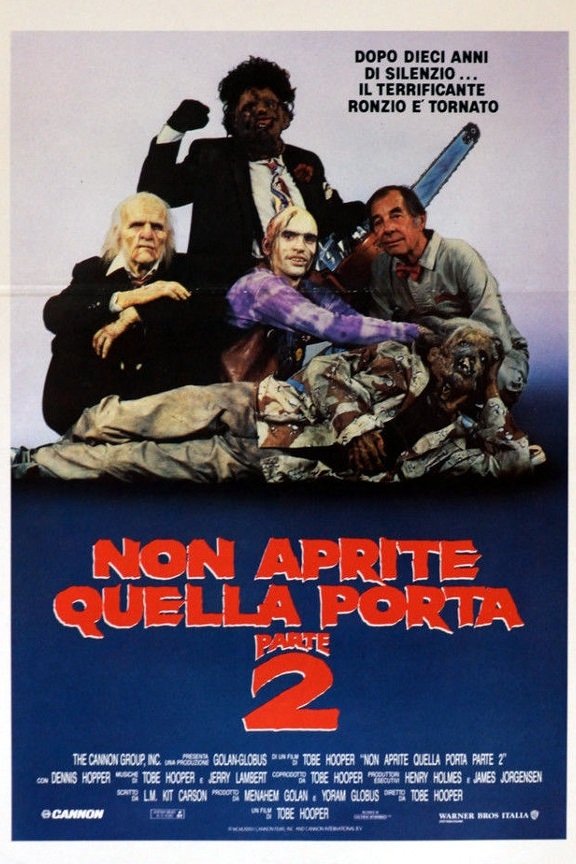
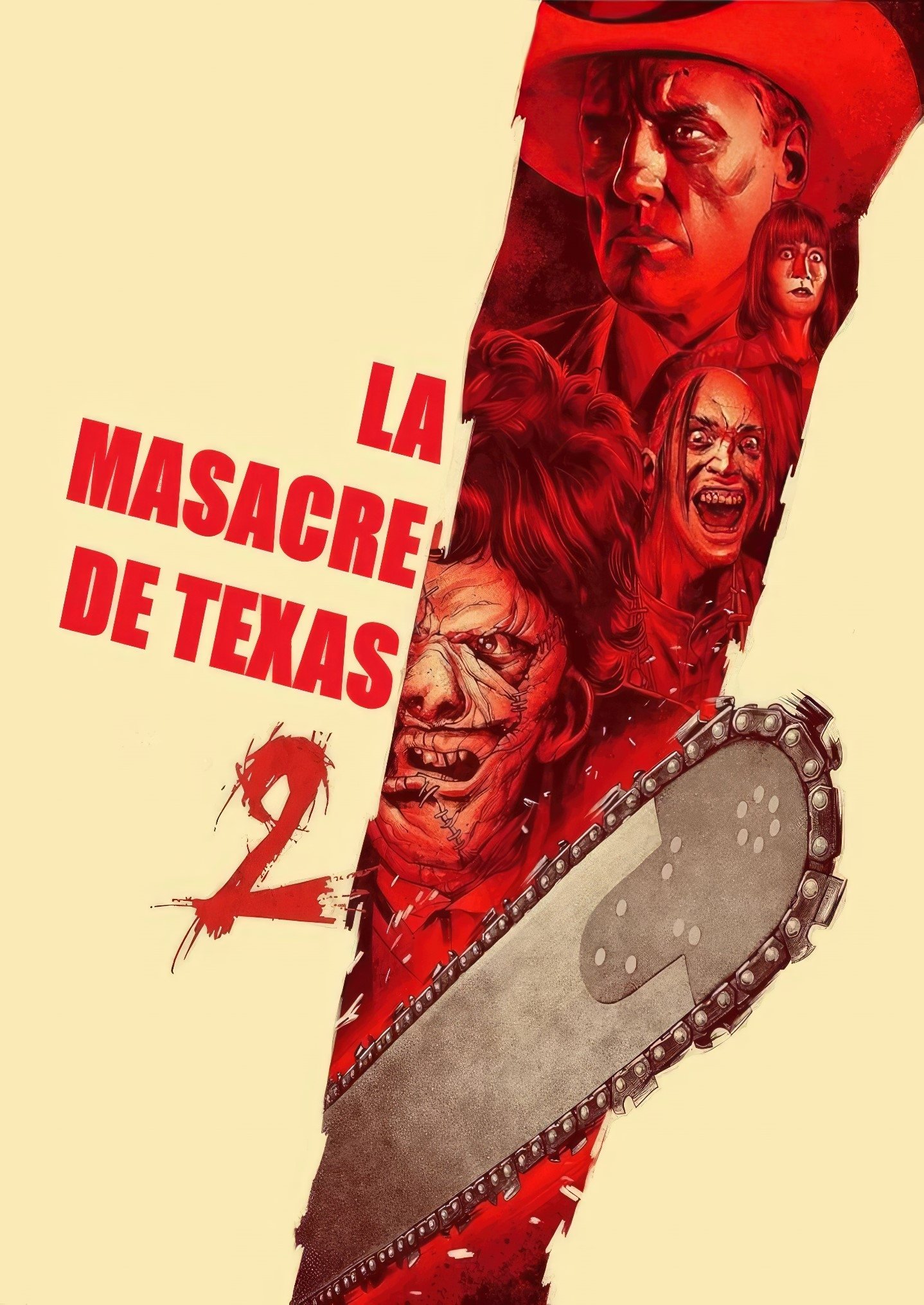
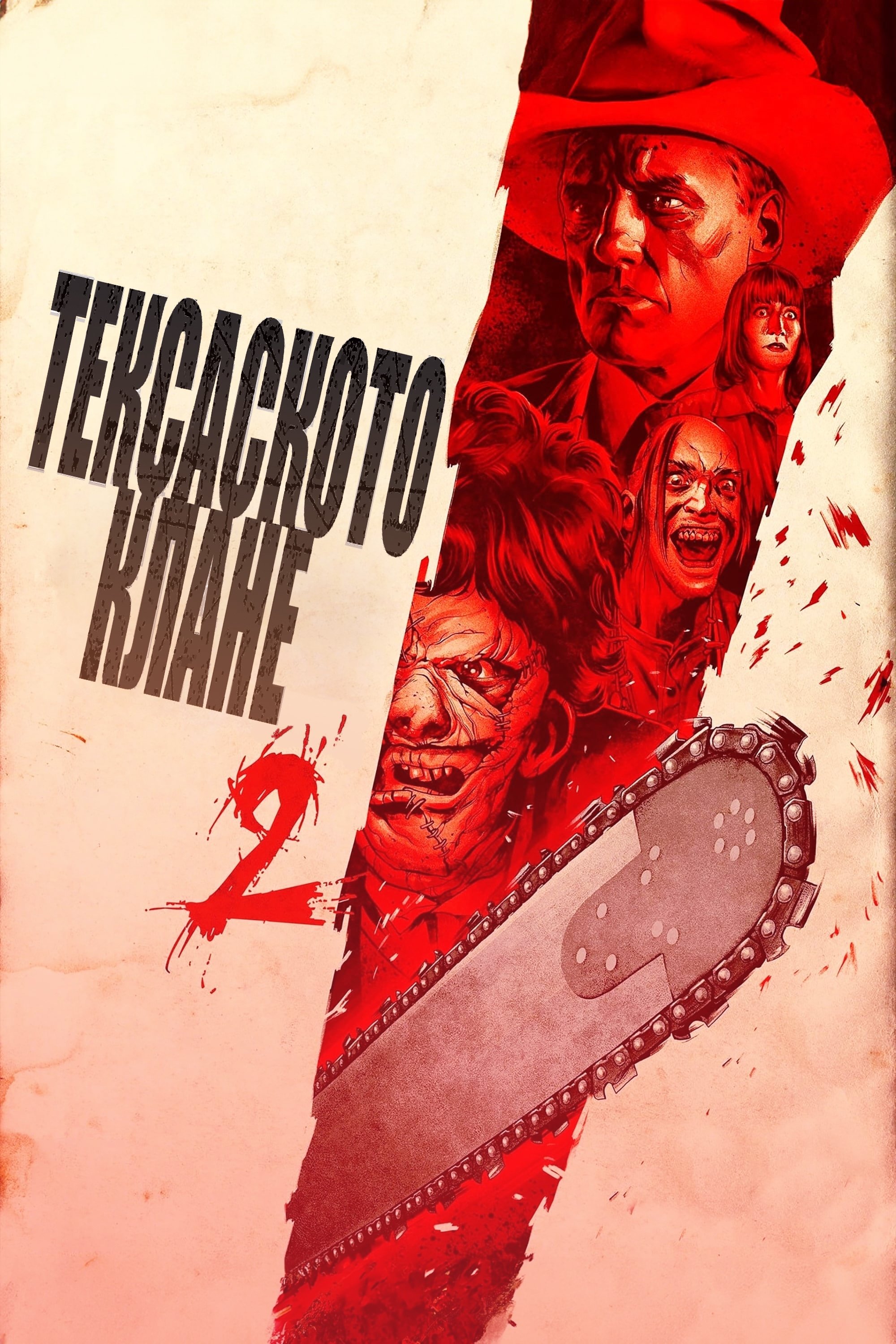
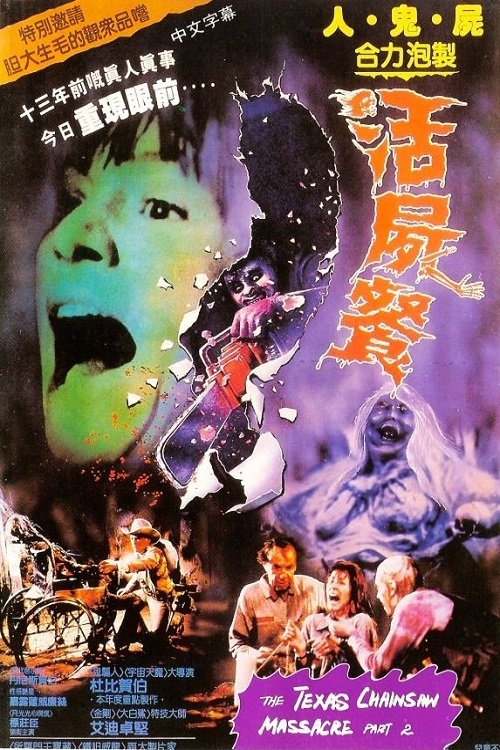
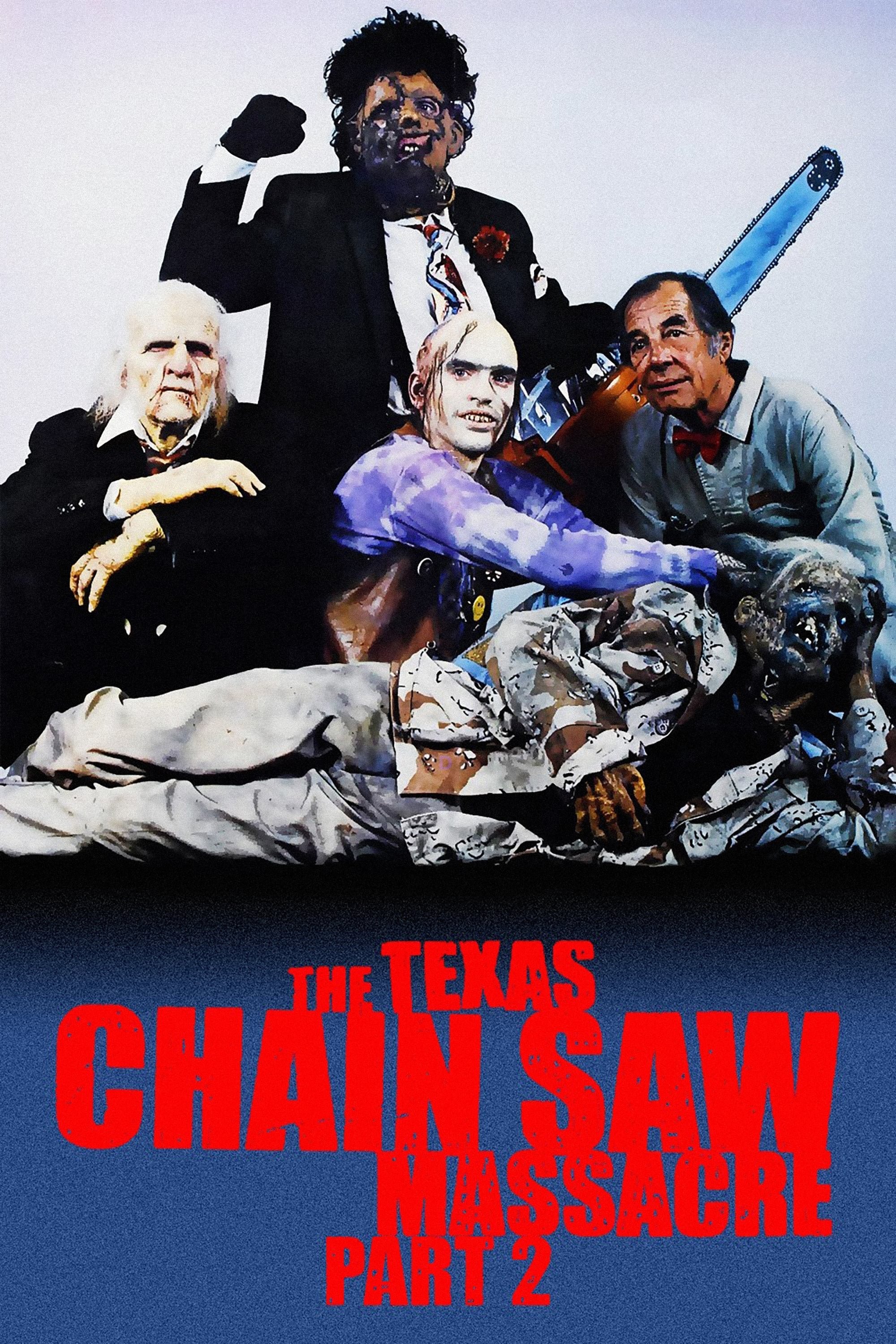
Hooper had considered returning to The Texas Chain Saw Massacre before the eventual sequel reached production, but the project finally became practical through Cannon Films. By the mid-1980s Hooper was working under a three-picture arrangement with Menahem Golan and Yoram Globus that also produced Lifeforce and Invaders from Mars. The Texas Chainsaw Massacre 2 became the final film associated with that deal. Hooper initially intended to produce rather than direct. He later explained that he could not find a director whose work he respected and whose fee the production could afford, so as time disappeared he took over the film himself.
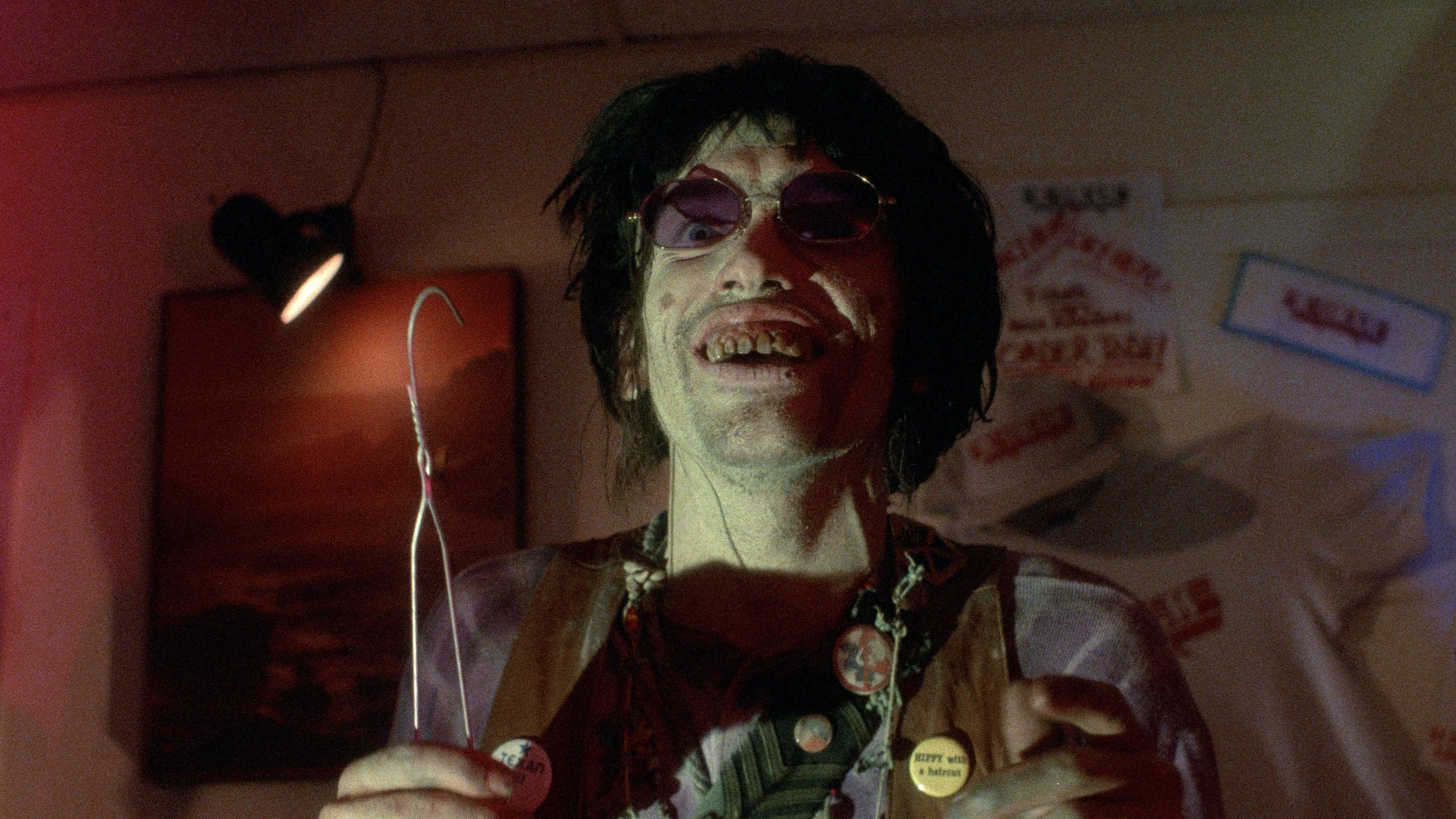
That decision became crucial because Hooper did not want to repeat the tone of the original. He believed many viewers had missed the dark humour already present in the 1974 film. For the sequel he decided to make that humour impossible to overlook. Years later he described Chainsaw 2 as a “very grim comedy” and connected its heightened tone to contemporary America: Reagan-era affluence, consumerism and the glossy youth culture surrounding popular 1980s entertainment. Screenwriter L. M. Kit Carson developed the story with Hooper.
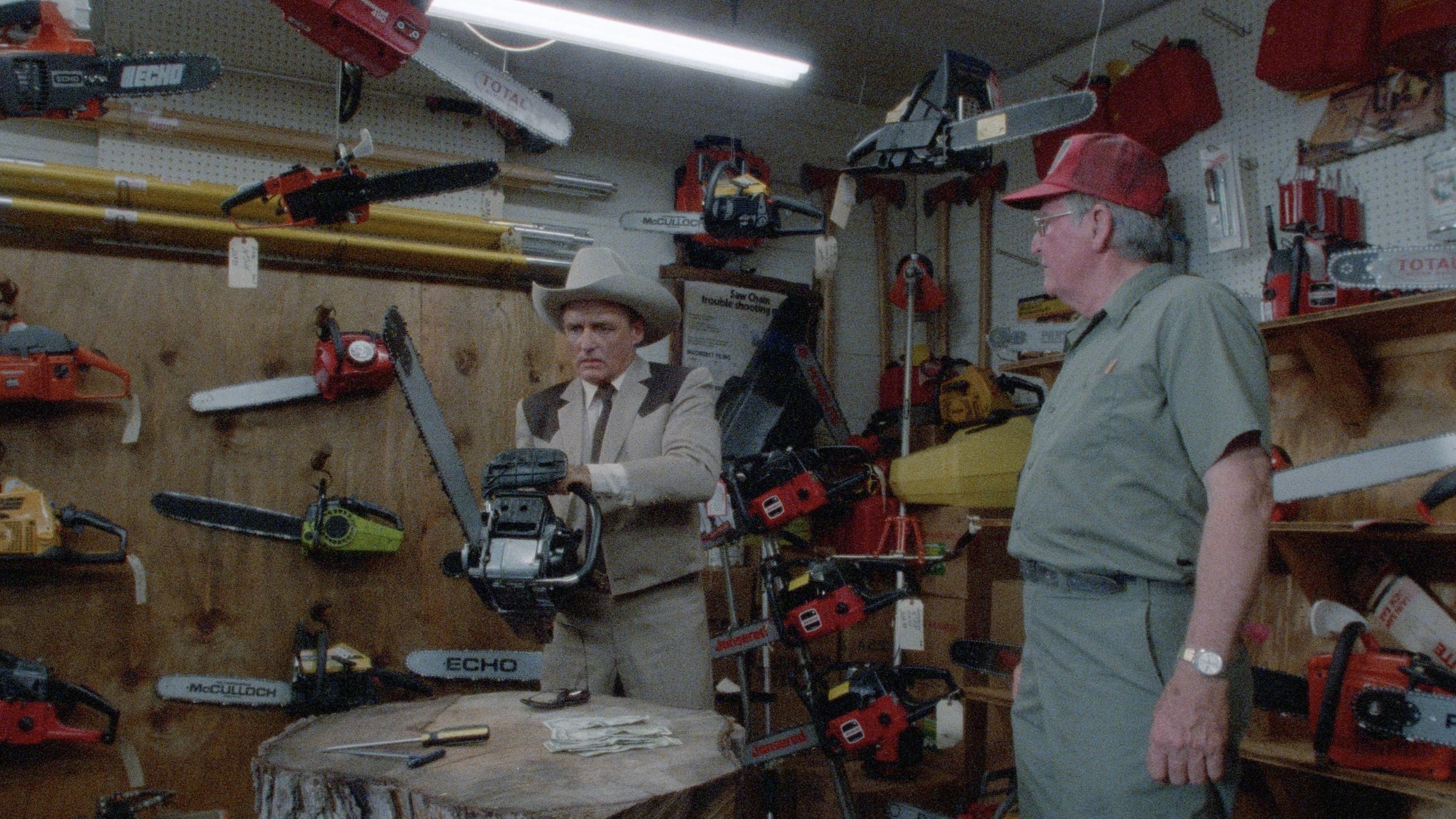
AFI records Carson's observation of shopping malls in Dallas filled with the emerging culture of “yuppies” as one influence on the screenplay. The cannibal family would no longer exist only outside mainstream society. They would participate in its entrepreneurial logic, turning their meat into a commercially successful product. Cannon moved extraordinarily quickly. Carson began writing in January 1986, principal photography began in Austin on May 5 and the company already wanted the film in theatres on August 22.
Contemporary reports also show the budget moving during development: an early figure of approximately $2.5 million was reported before production, while later contemporary coverage placed it around $4.5 million. Modern box-office records commonly use approximately $4.7 million. That combination of a larger budget and an inflexible release date defines much of the finished film. Hooper had considerably more resources than in 1974, but he was also making a large practical-effects production under severe time pressure.