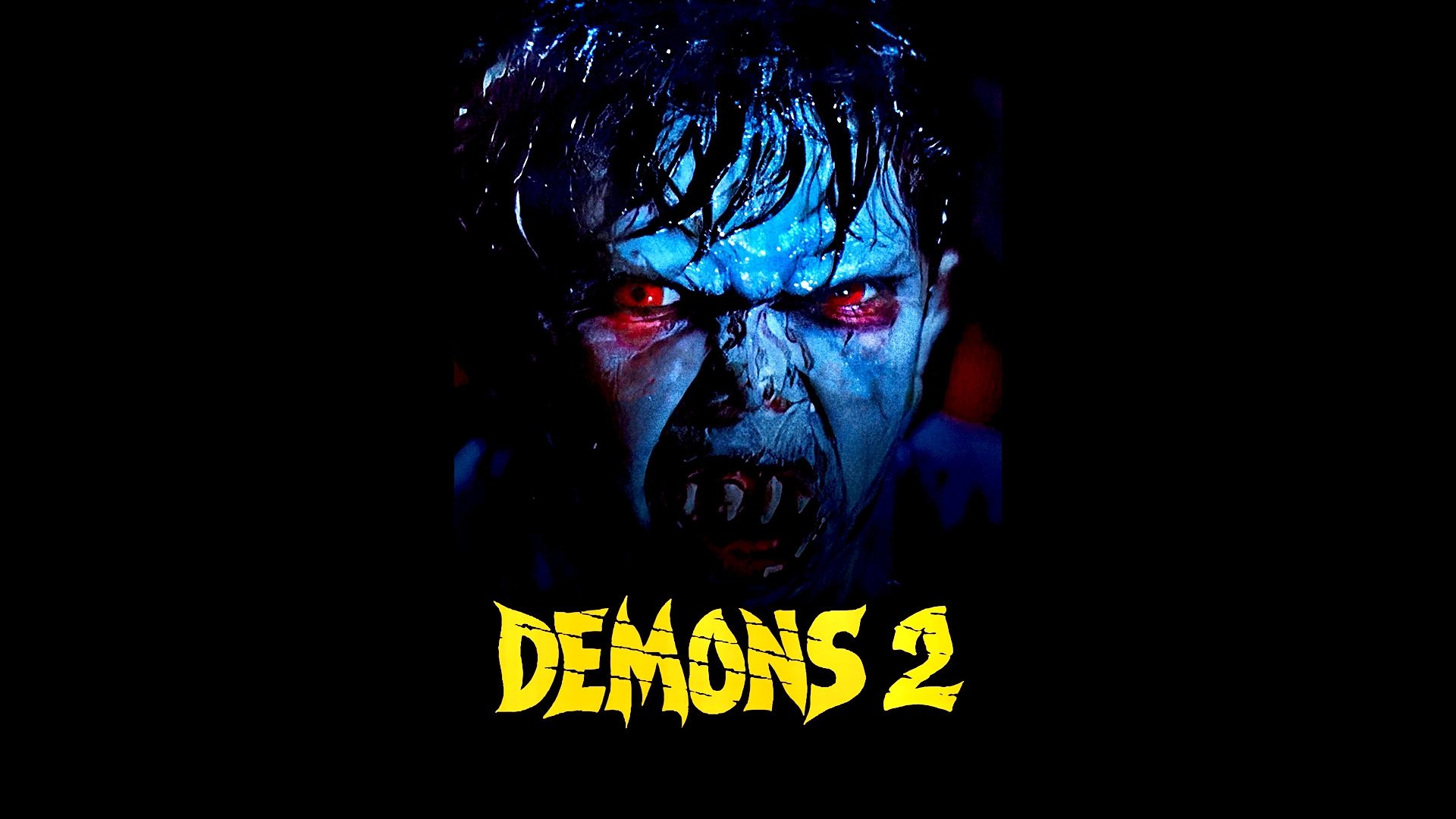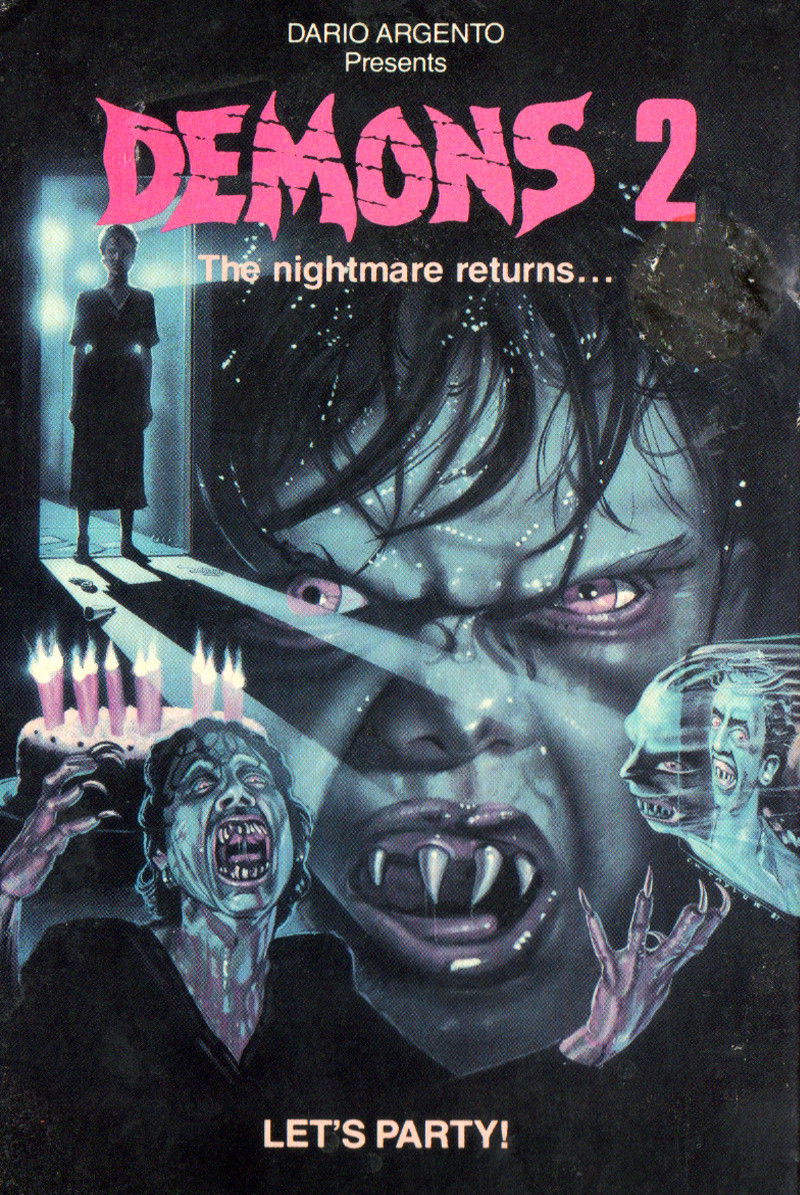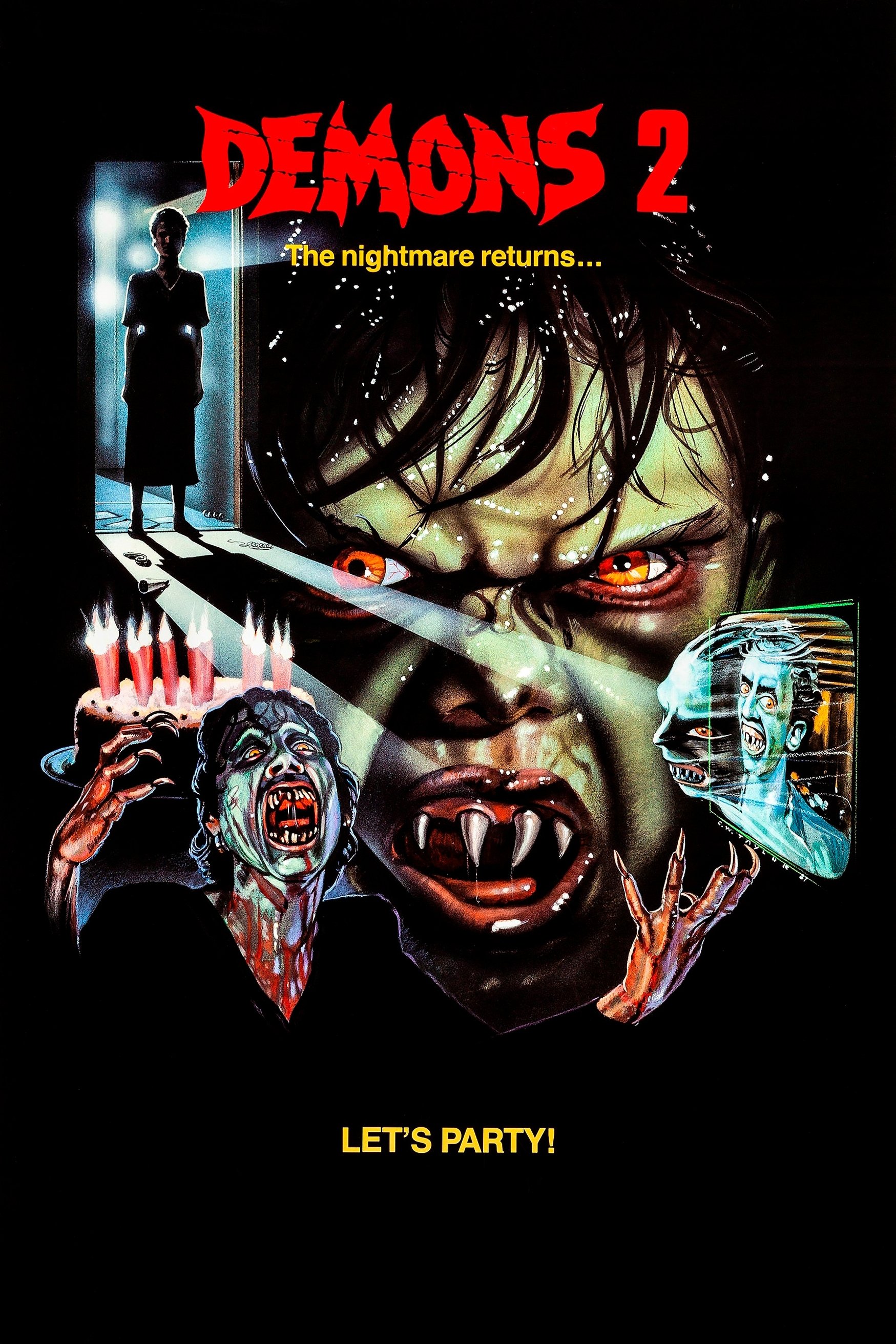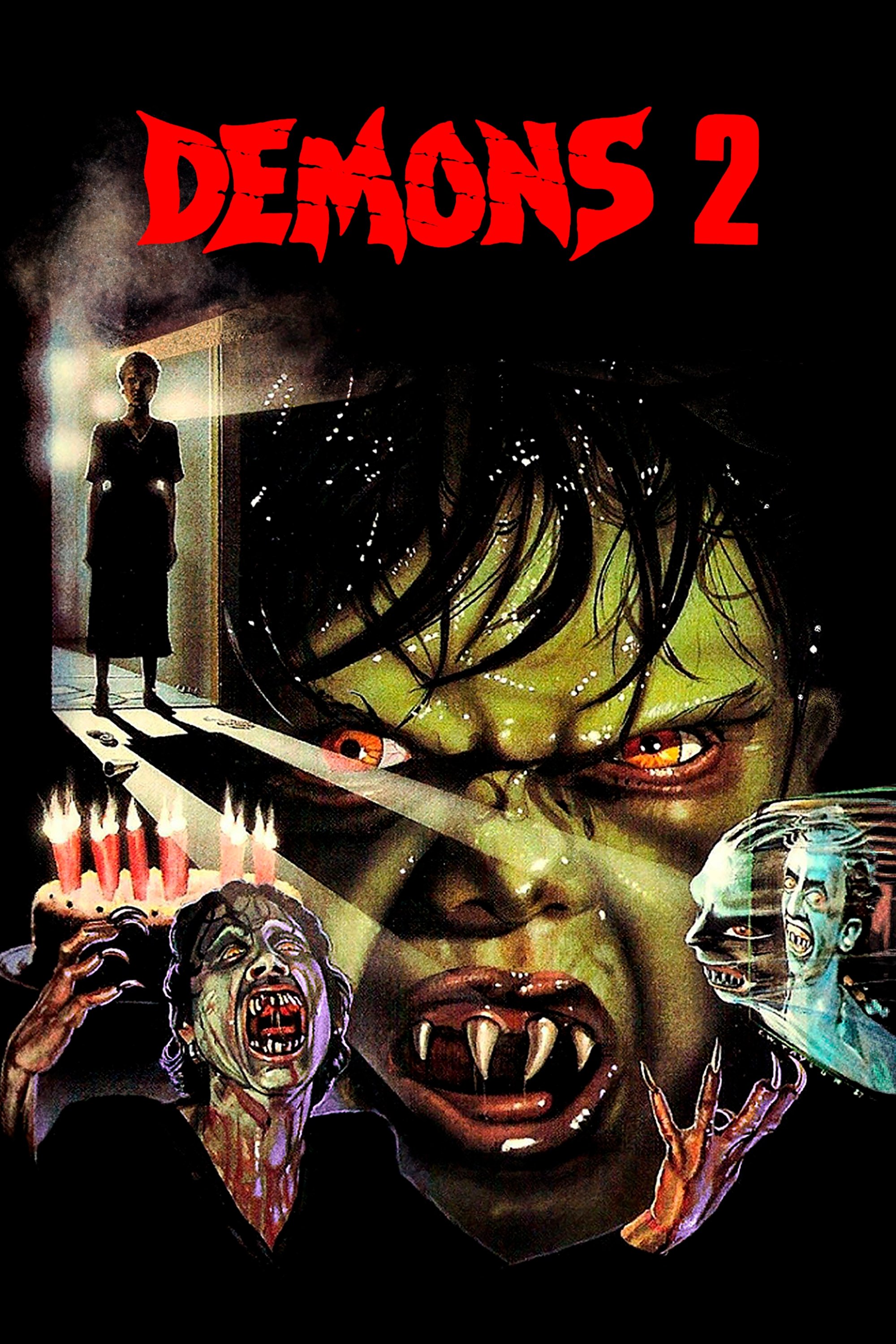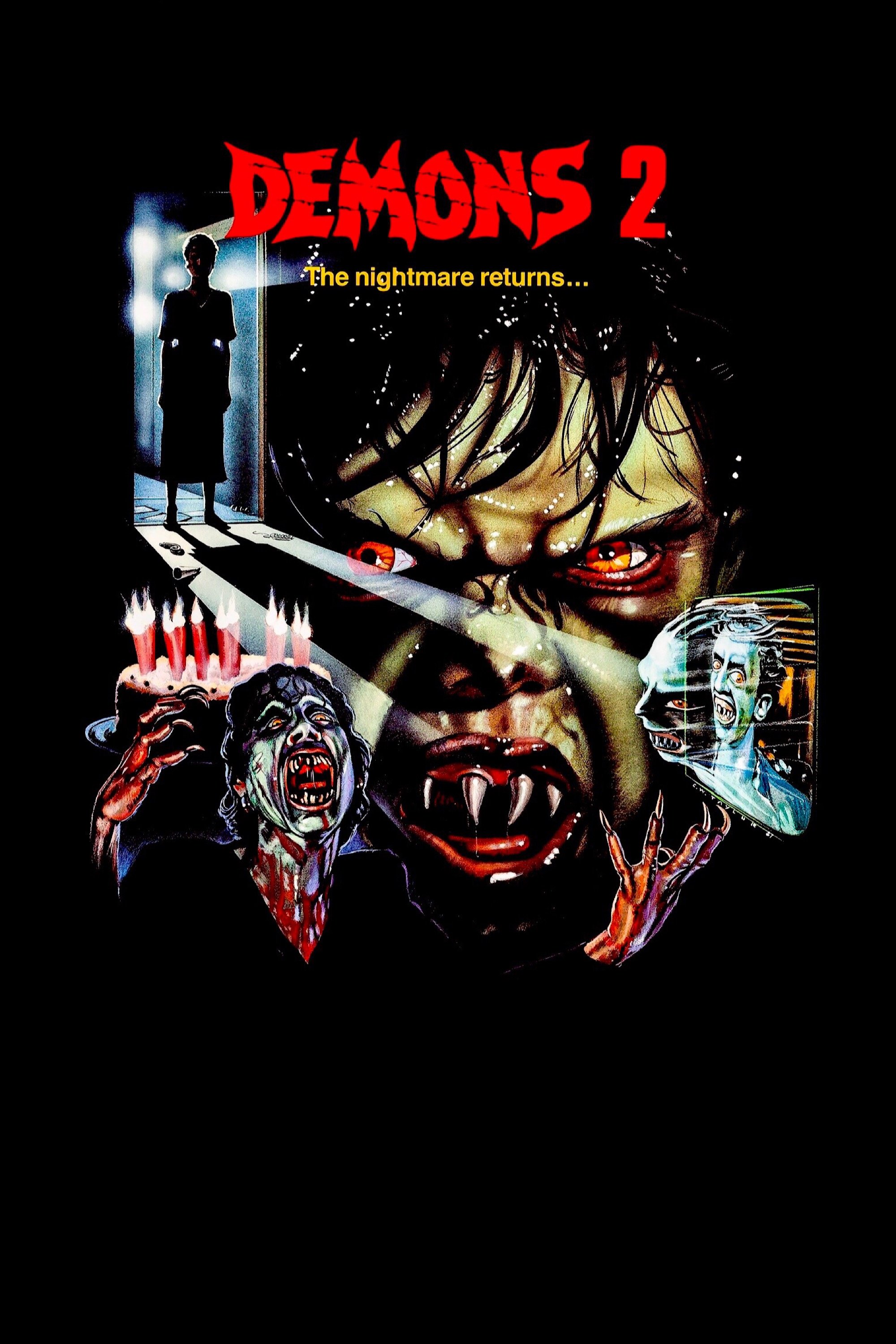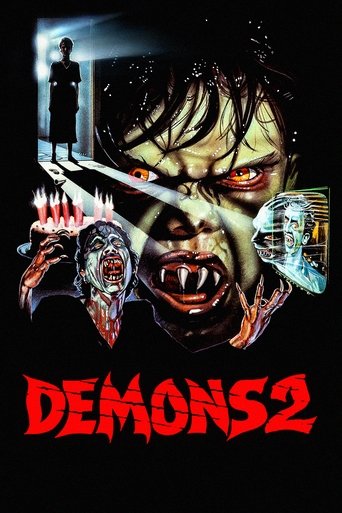
Demons 2 (1986)

IT
HORROR FILM Fantasy
SUBGENRES POSSESSION SPLATTER
6.0/10 4 votes
Runtime
91 min
Release
October 9, 1986
Budget
$1,500,000
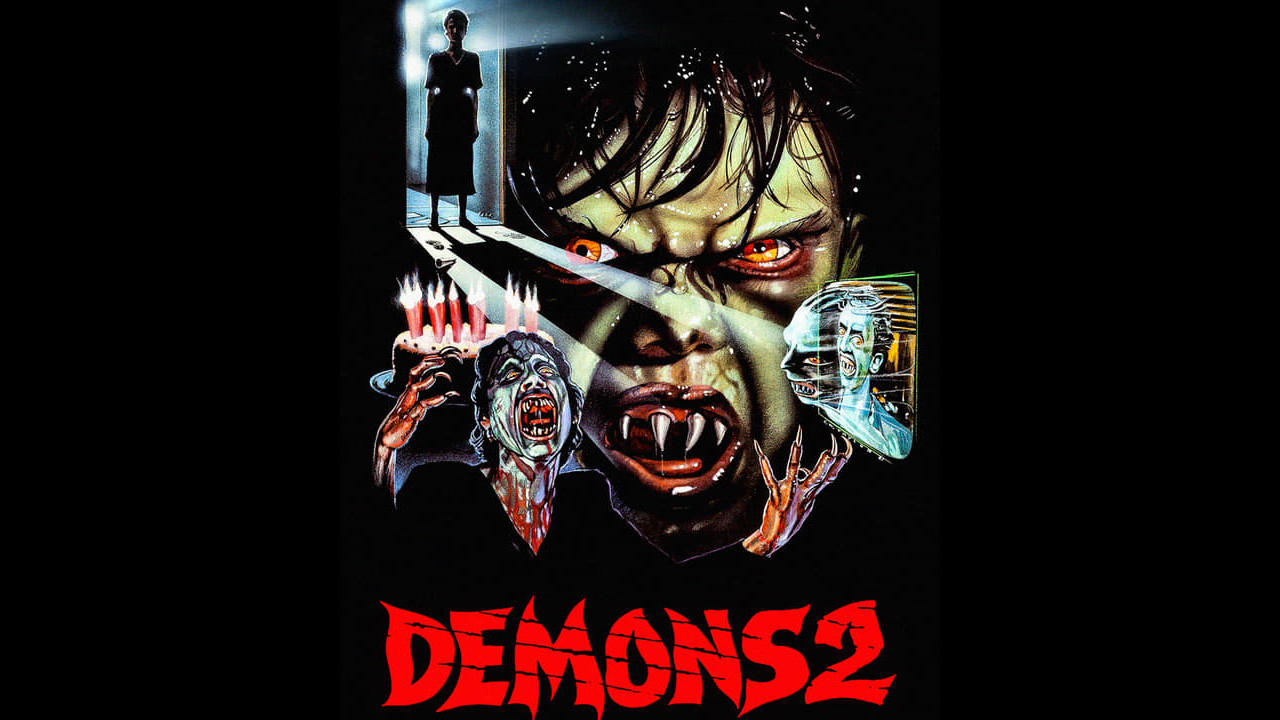
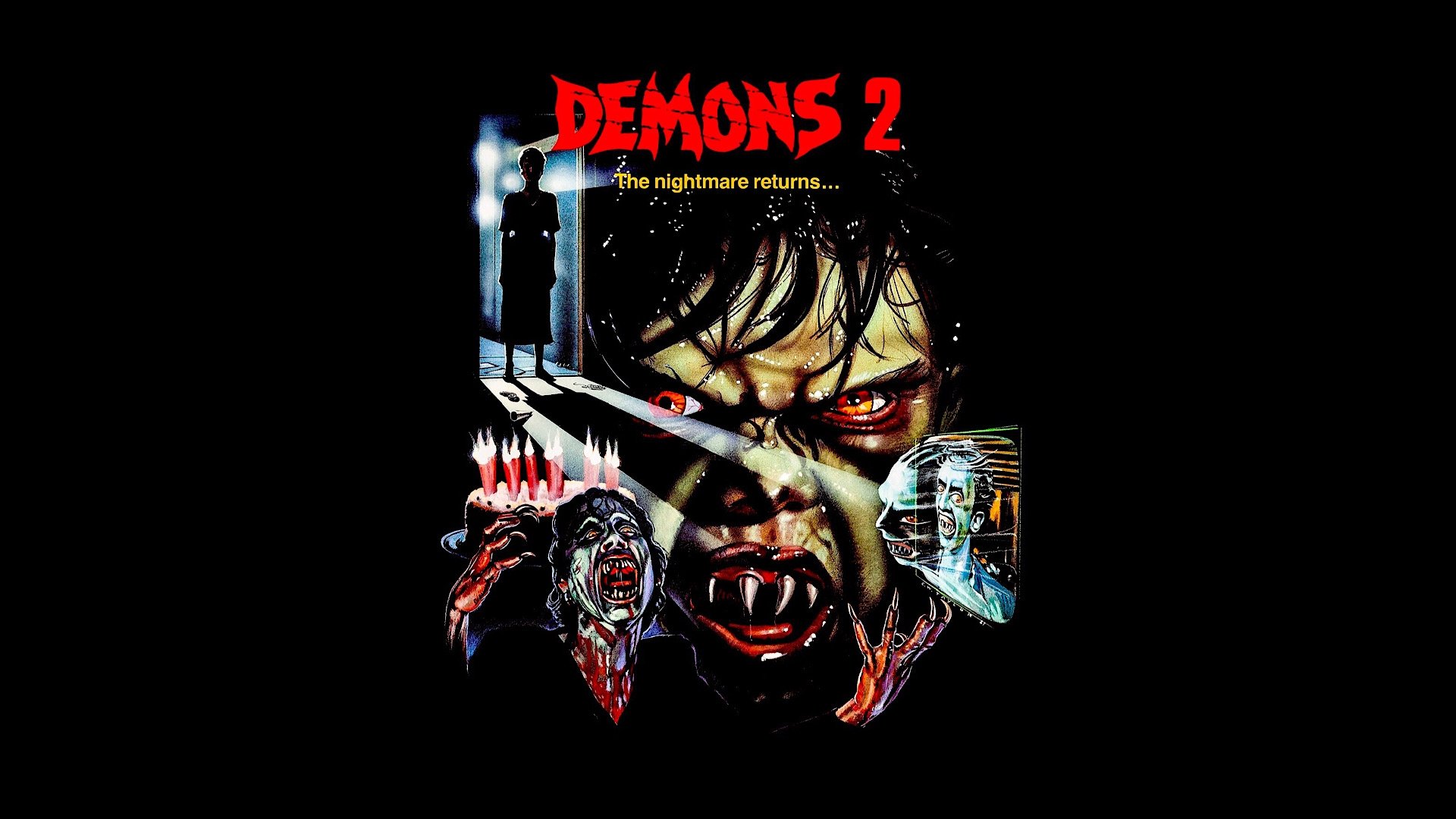
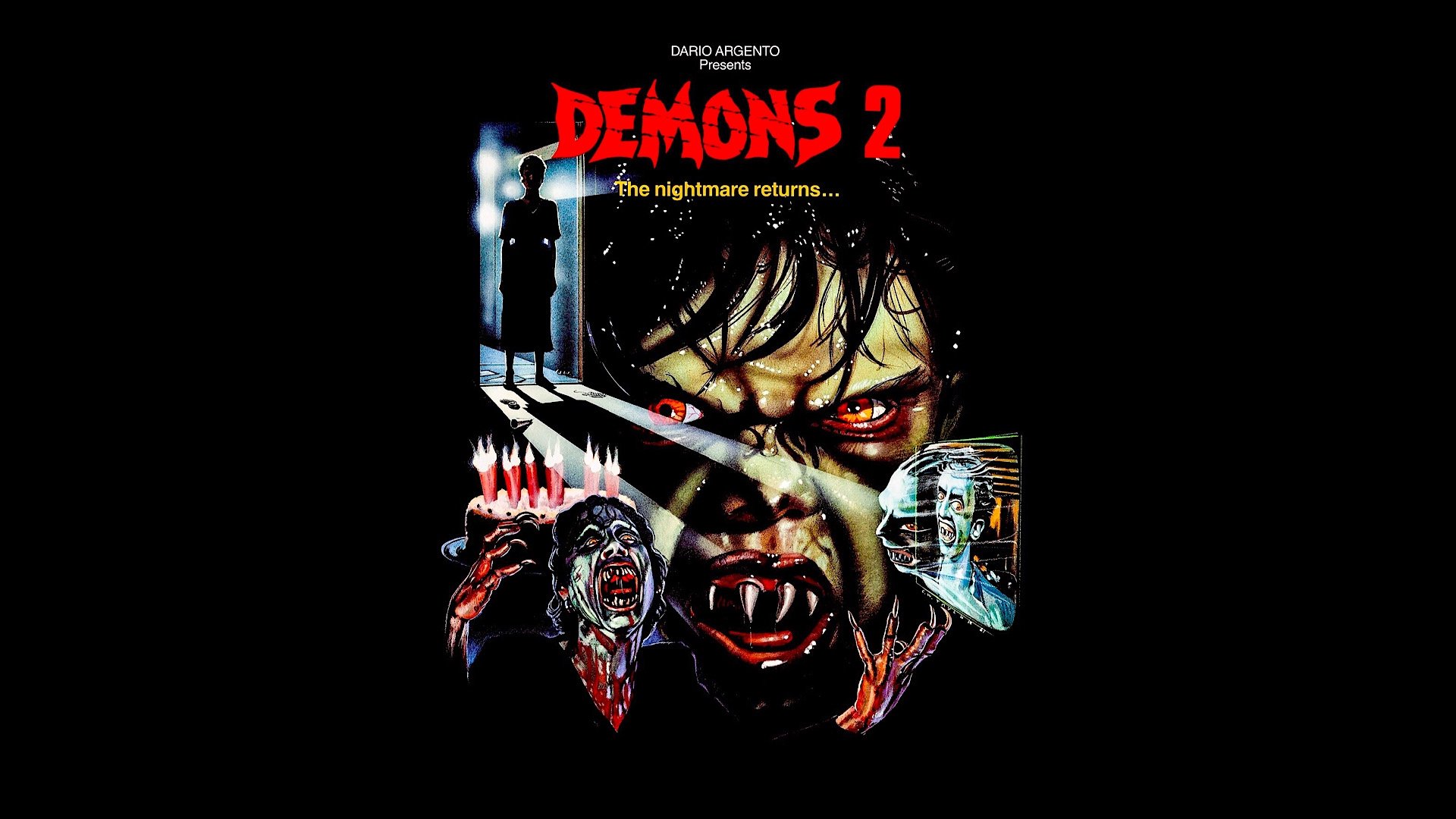
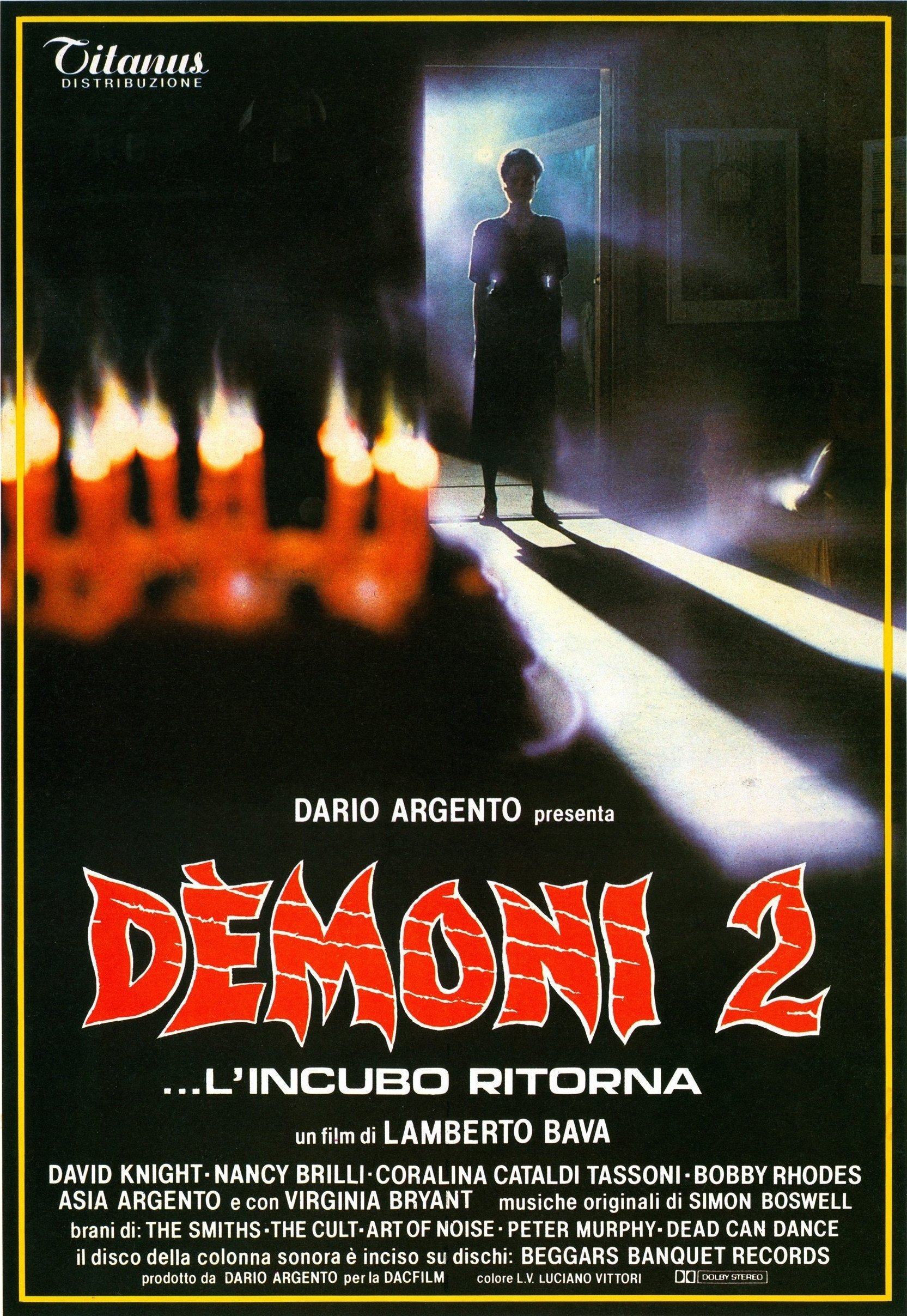
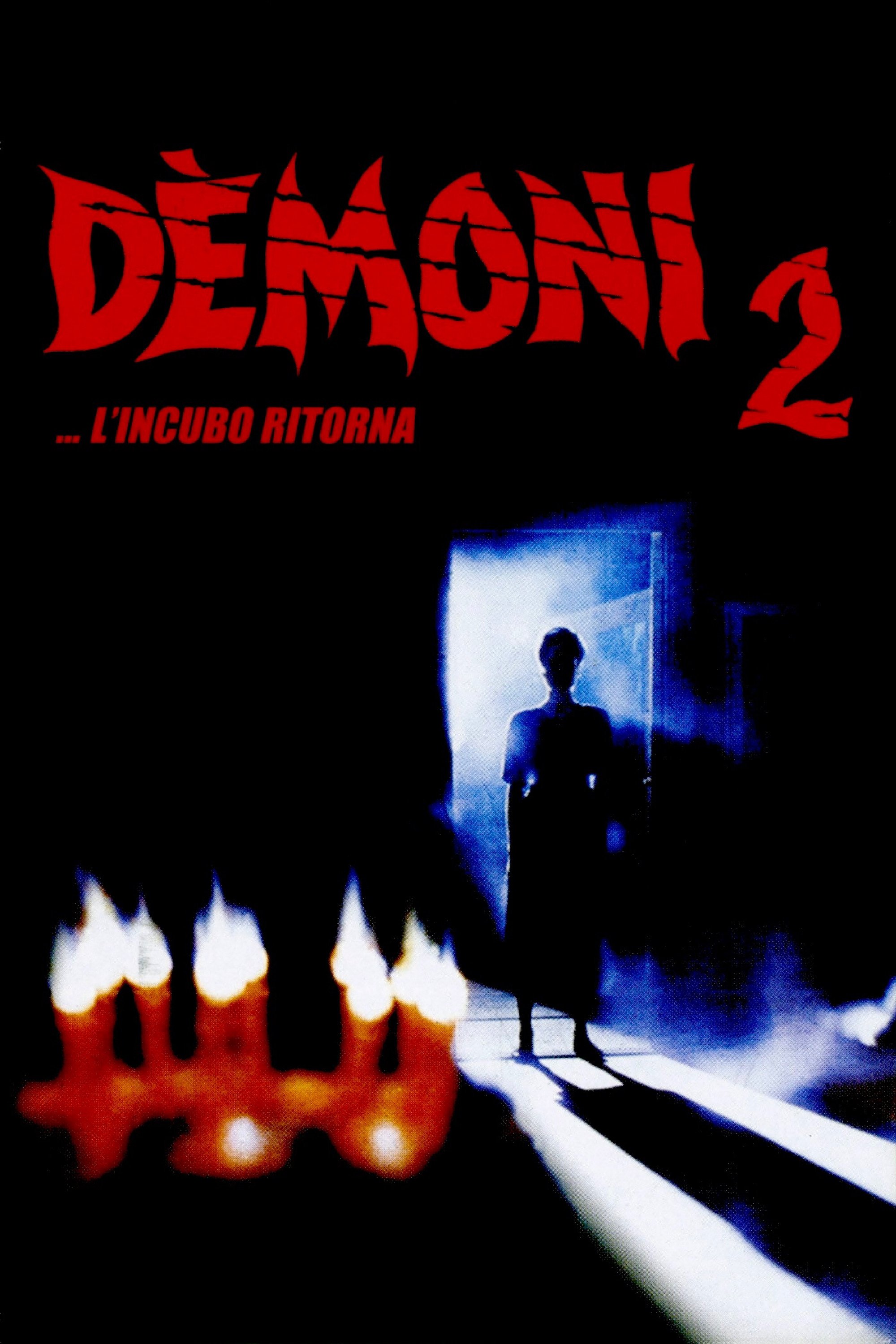
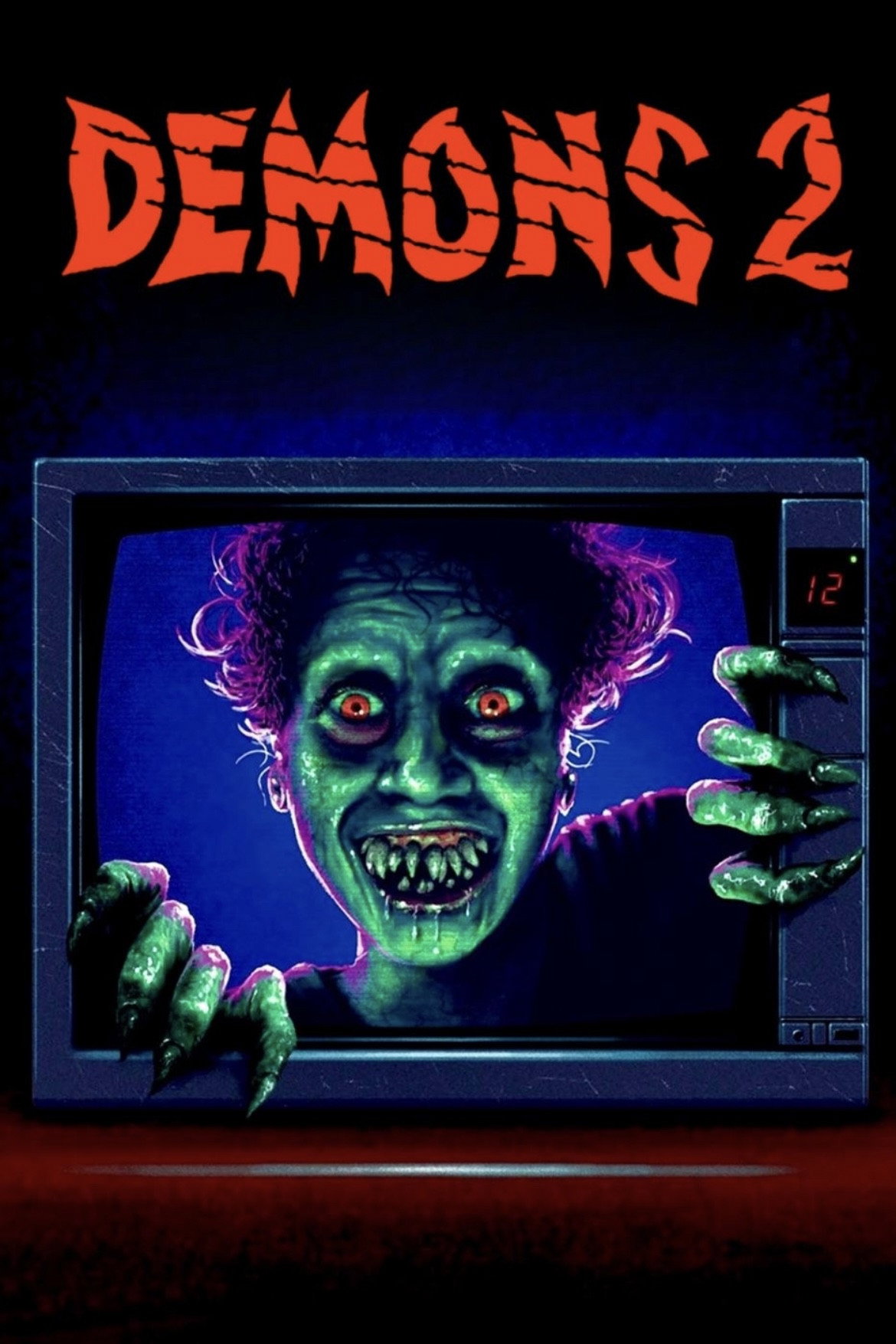
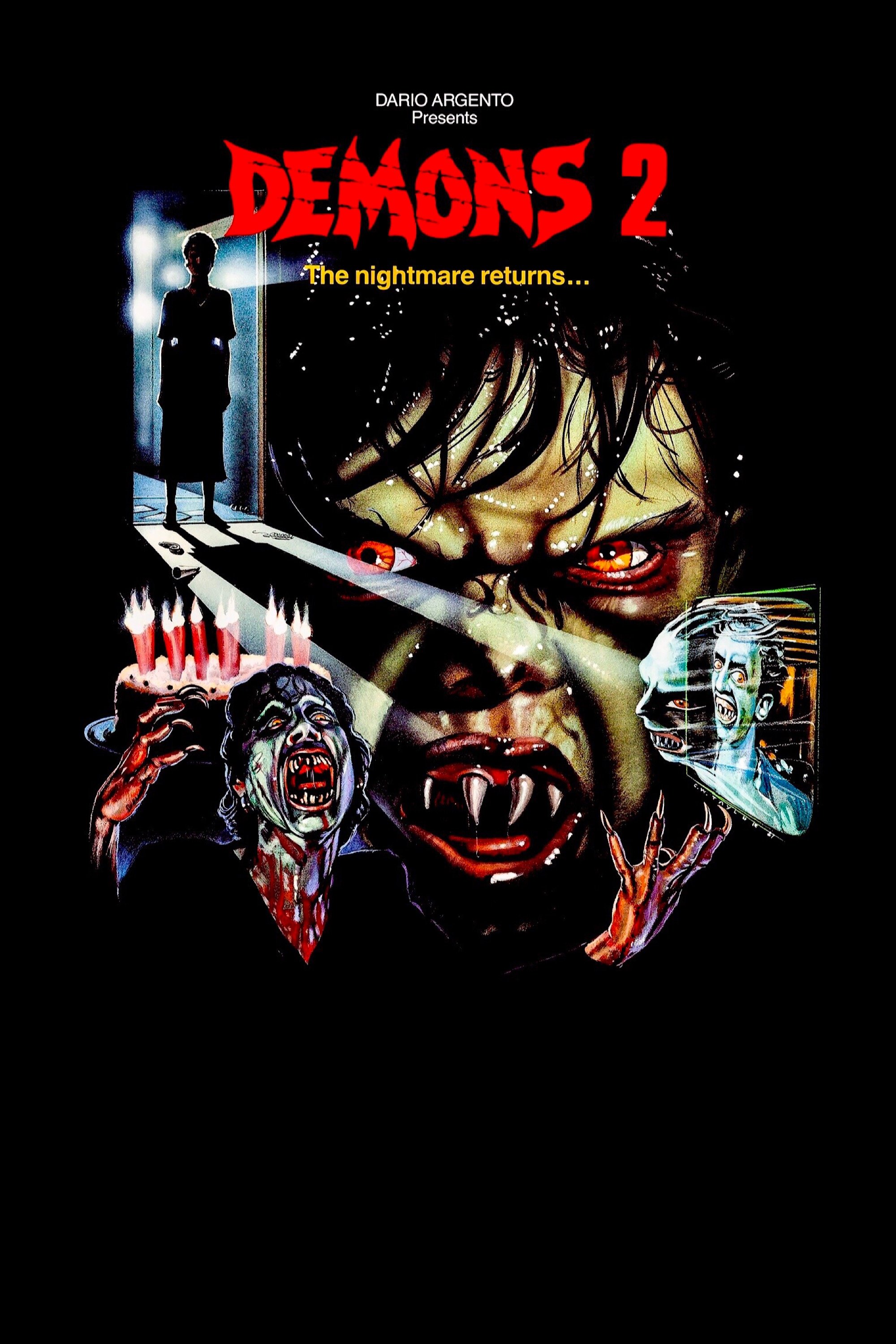
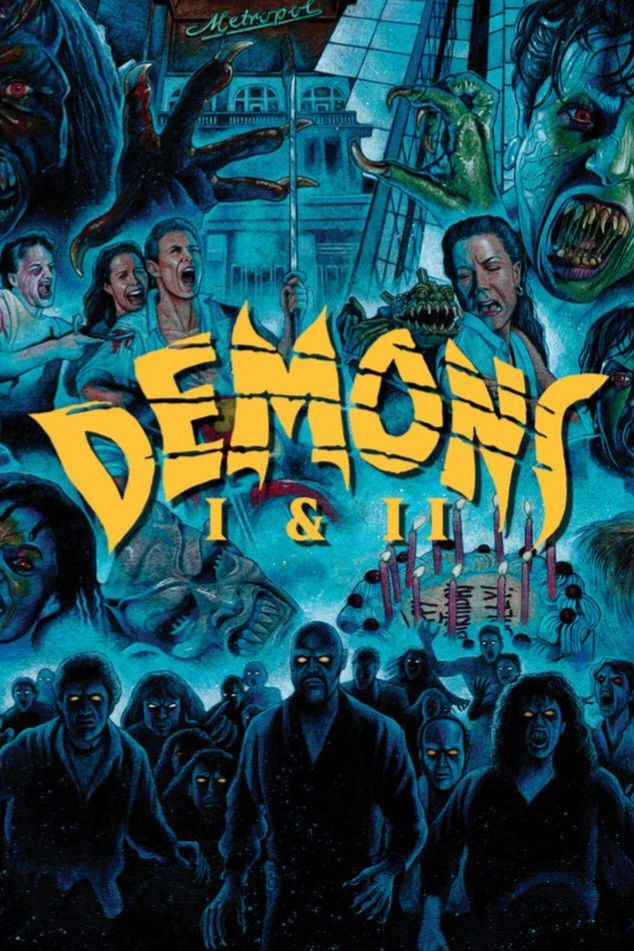
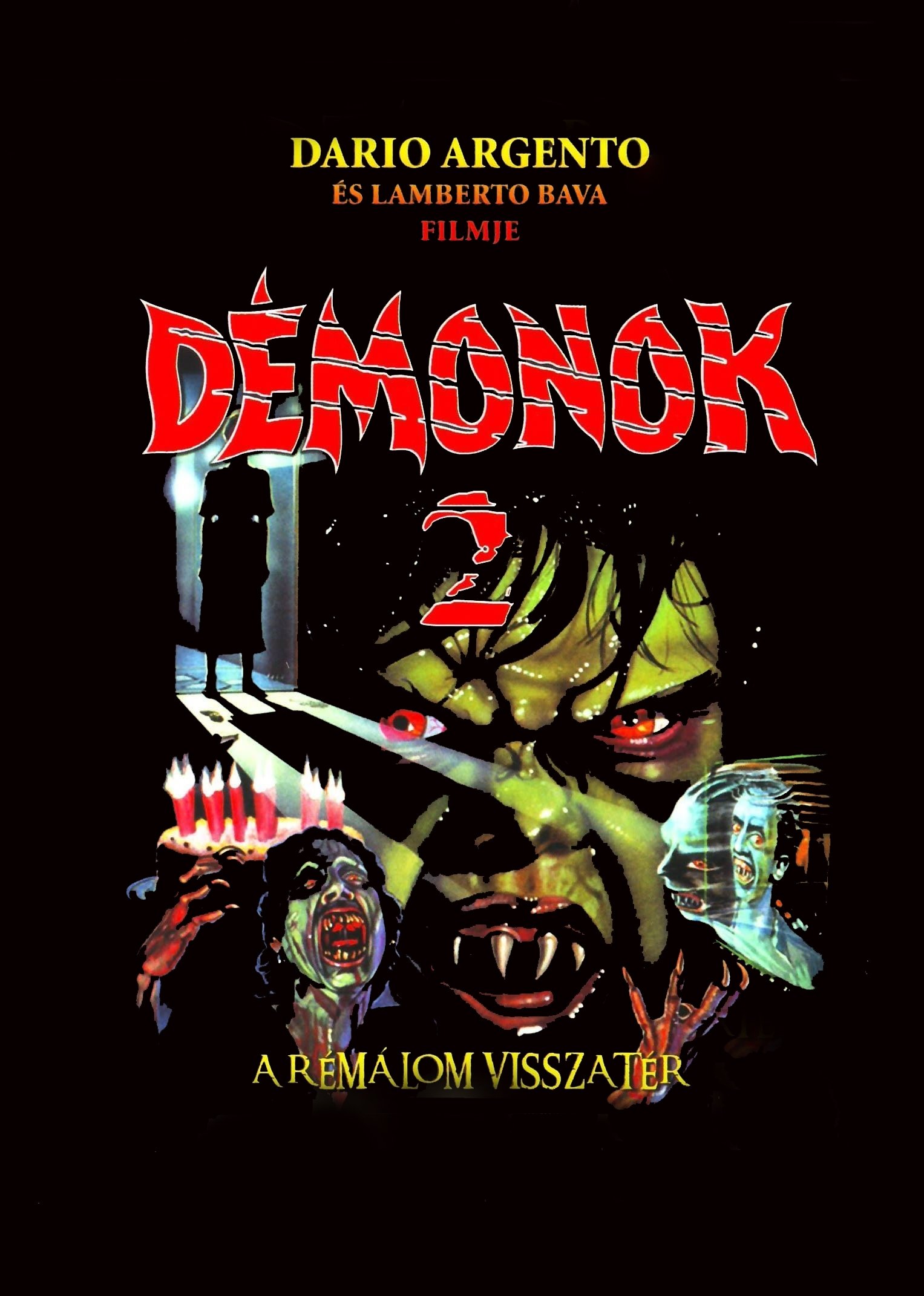
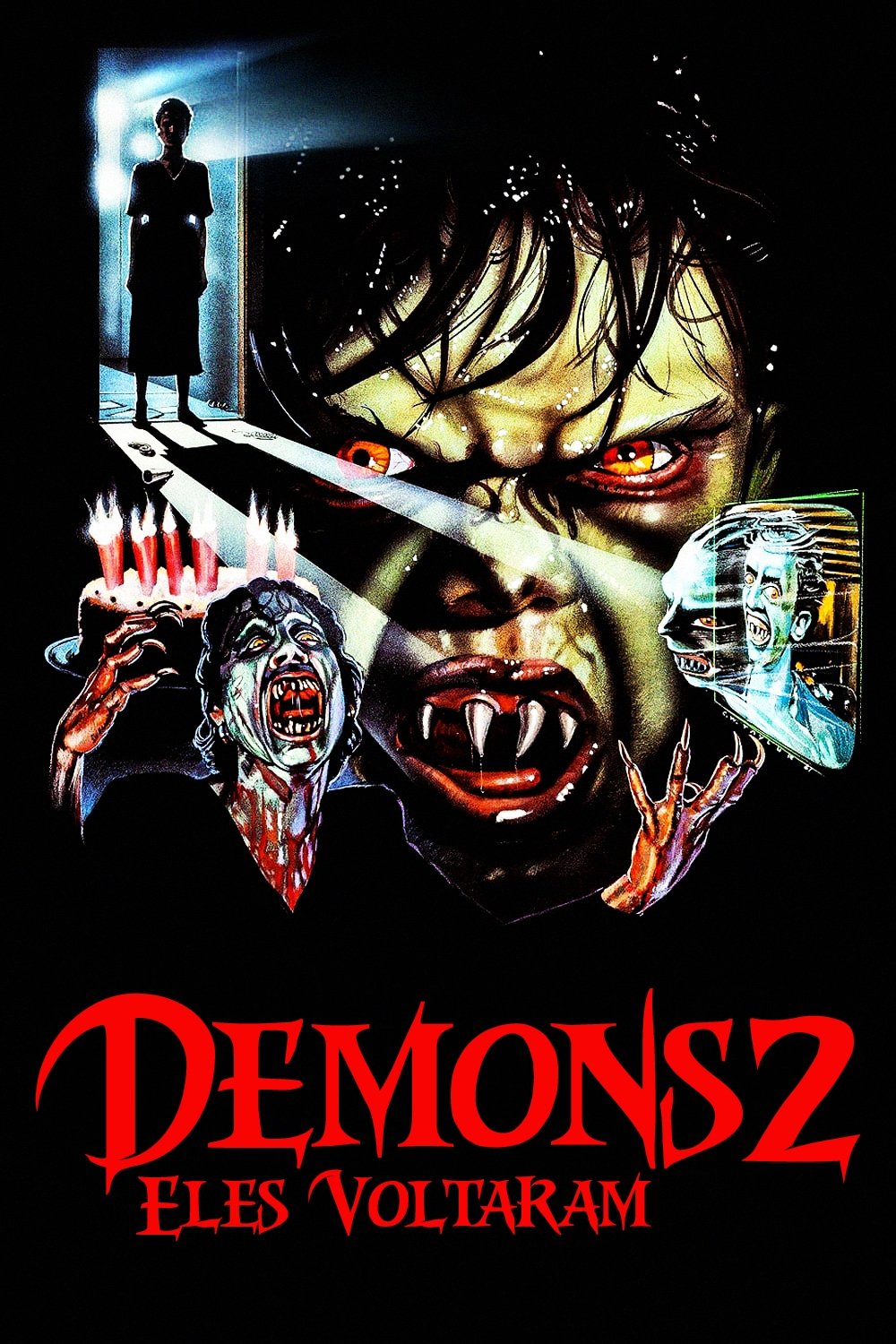
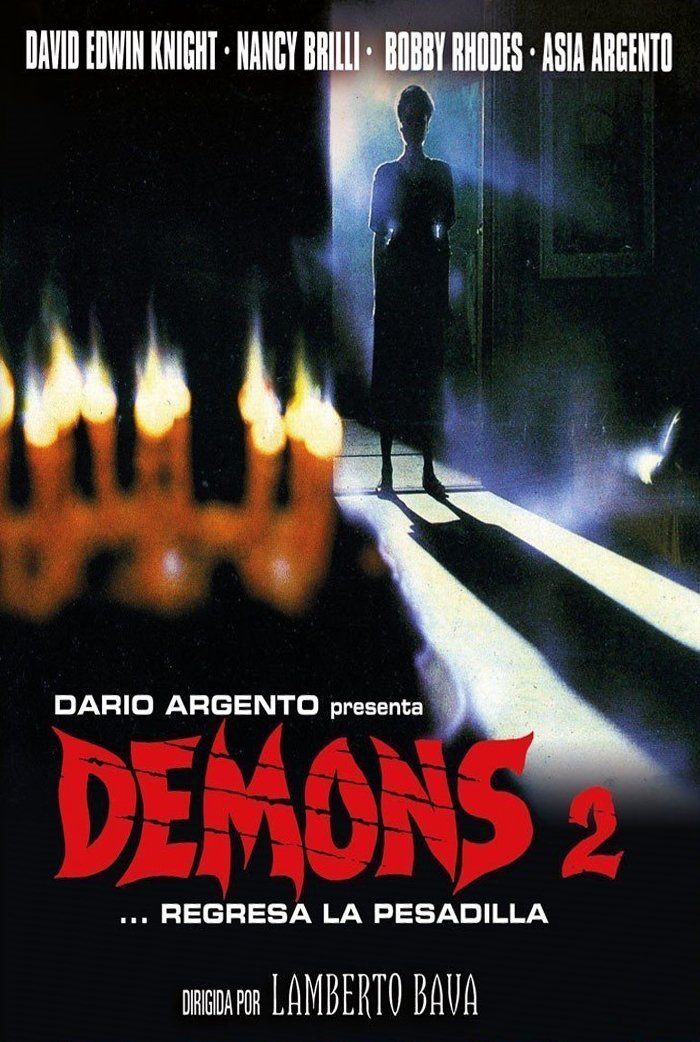
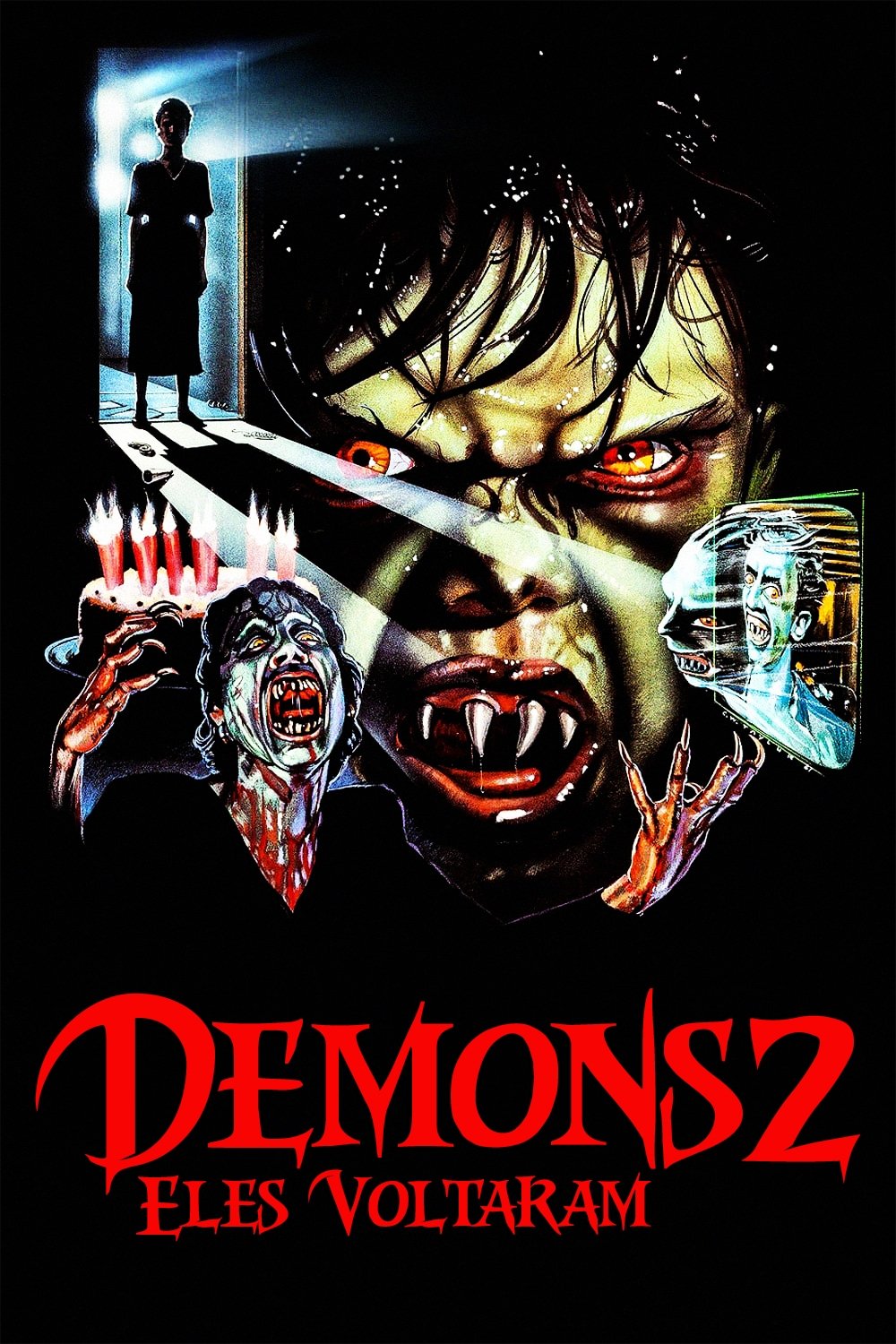
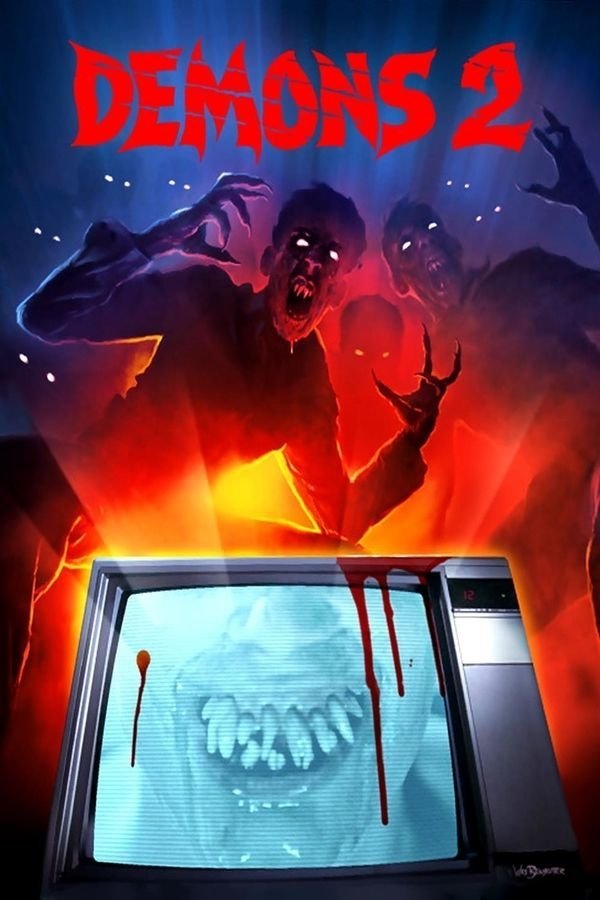
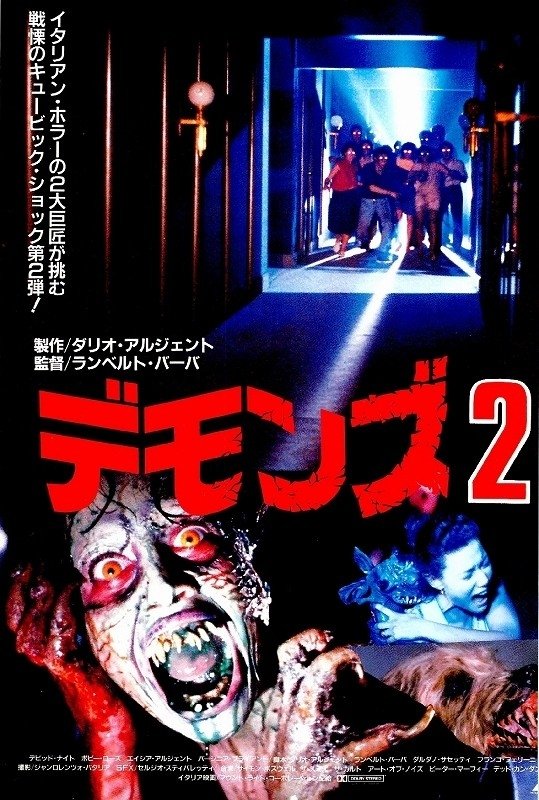
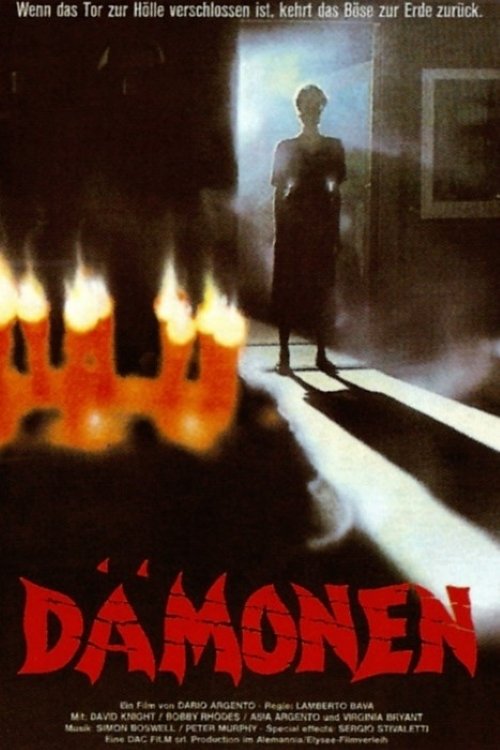
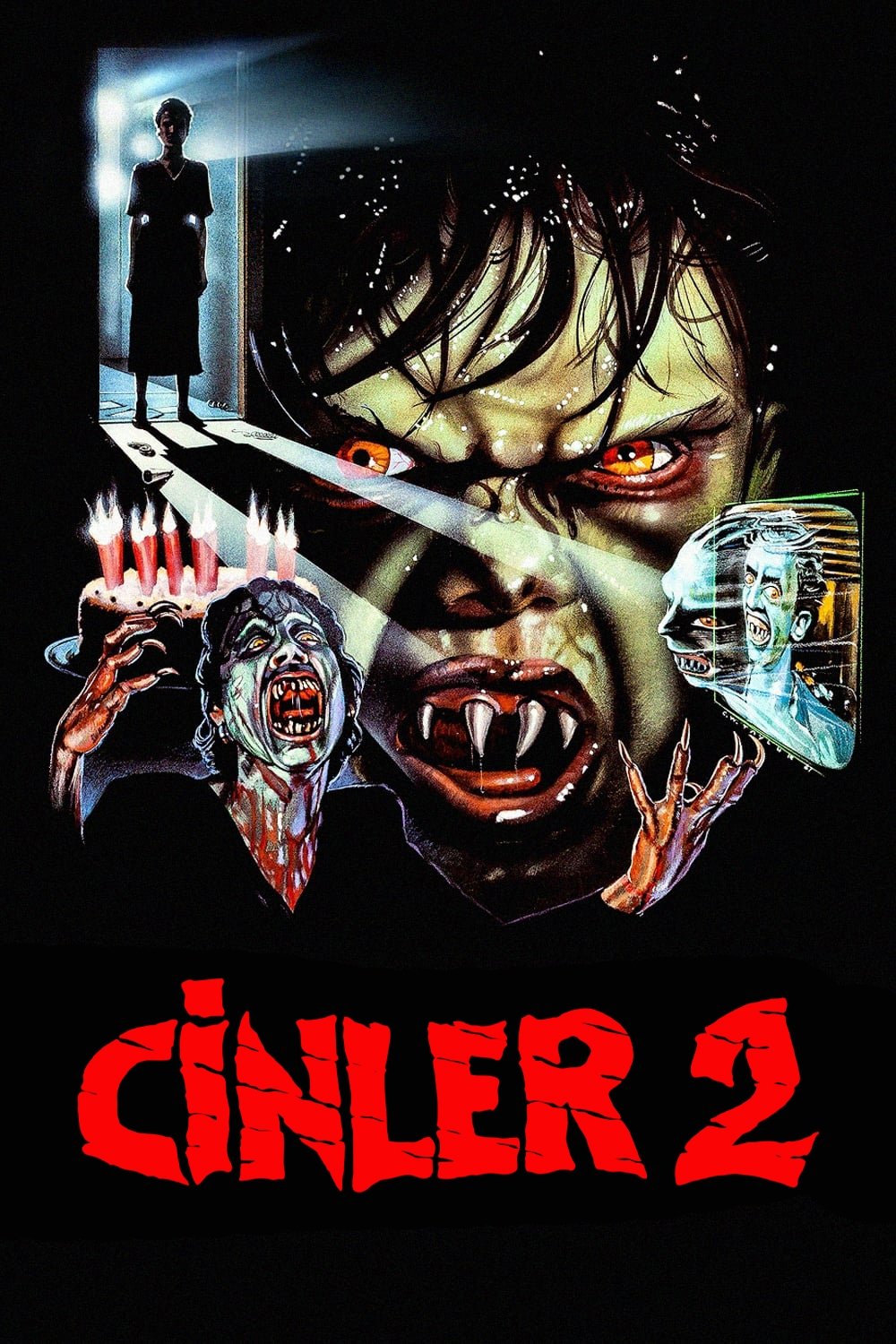
Demons 2 (1986) poster
Director
Production Company
DACFILM Rome
Plot

A group of tenants and visitors are trapped in a 10-story high-rise apartment building infested with demons who proceed to hunt the dwindling humans down.

Alternative Titles
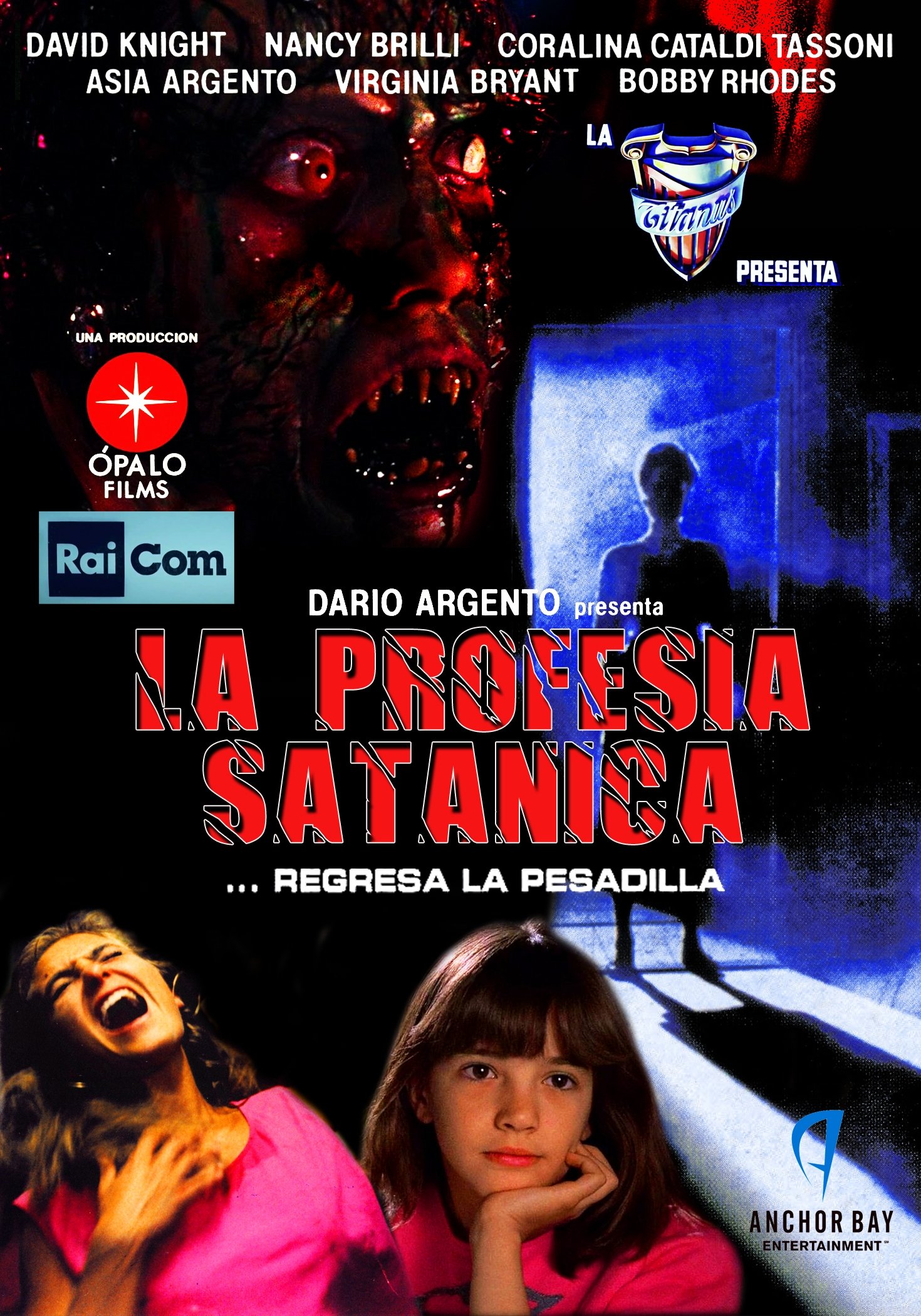
Demons 2: Eles Voltaram (Brazil) Démons 2 (Canada) — French Demons 2: The Nightmare Is Back (Canada) 群尸屠城2 (China) — Chinese Démoni 2 (Czechia) — Czech Dämonen 2 (Germany) — German Dance of the Demons 2 (Germany) Demons 2... Regresa la pesadilla (Spain) — DVD title
Show all 27 alternative titles Démons 2 (France) Demons 2: The Nightmare Continues (United Kingdom) Demons 2: The Nightmare Returns (United Kingdom) Demons II (United Kingdom) 猛鬼翻生 (Hong Kong SAR China) Démonok 2. (Hungary) — Hungarian Demoni 2 (Italy) Demoni due (Italy) デモンズ 2 (Japan) — Japanese デモンズ2 (Japan) 데몬스 2 (South Korea) Demonios 2 (Mexico) Demony 2 (Poland) — Polish Demons 2: Eles Voltaram (Portugal) — Portuguese Demoni 2: Coșmarul revine (Romania) — Romanian Демоны 2 (Russia) — Russian Démoni 2 (Slovakia) — Slovak Cinler 2 (Türkiye) — Turkish Демони 2 (Ukraine) — Ukrainian

Trailers & Videos

4 videos

Film Guide & Analysis

Lamberto Bava’s supernatural splatter sequel, from its television-borne infection and practical creature effects to Simon Boswell’s gothic-rock soundtrack.

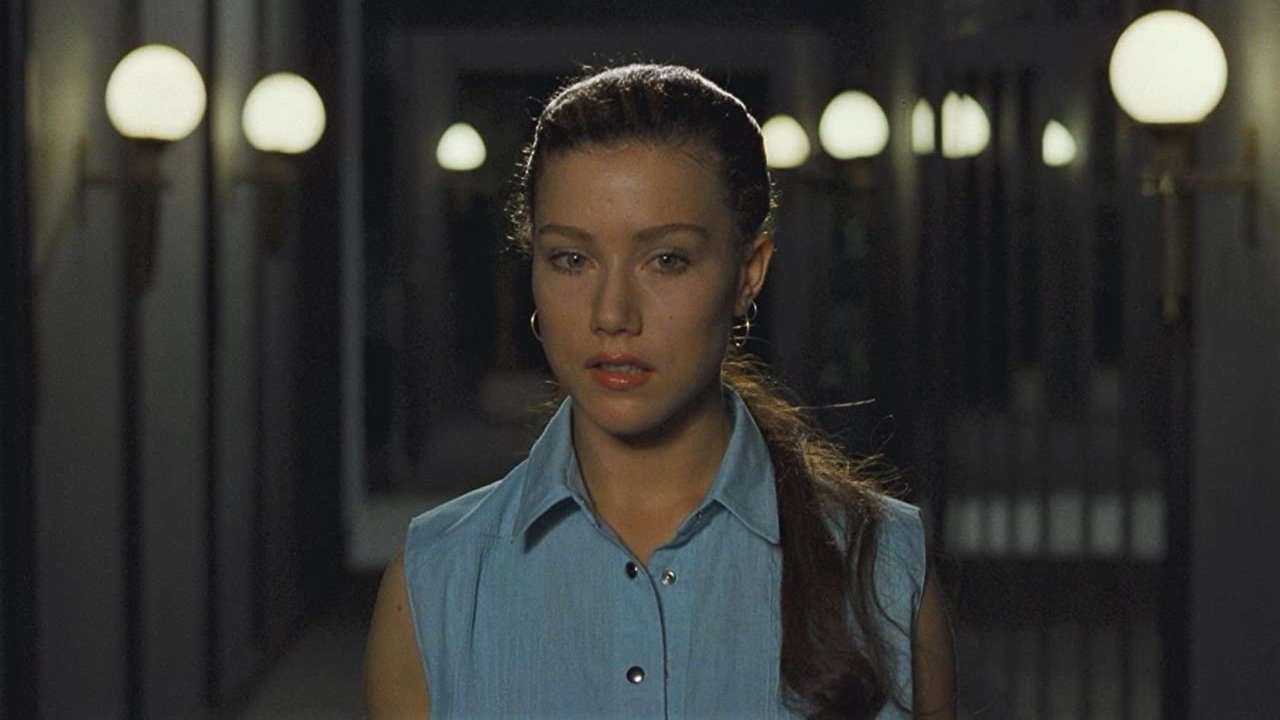
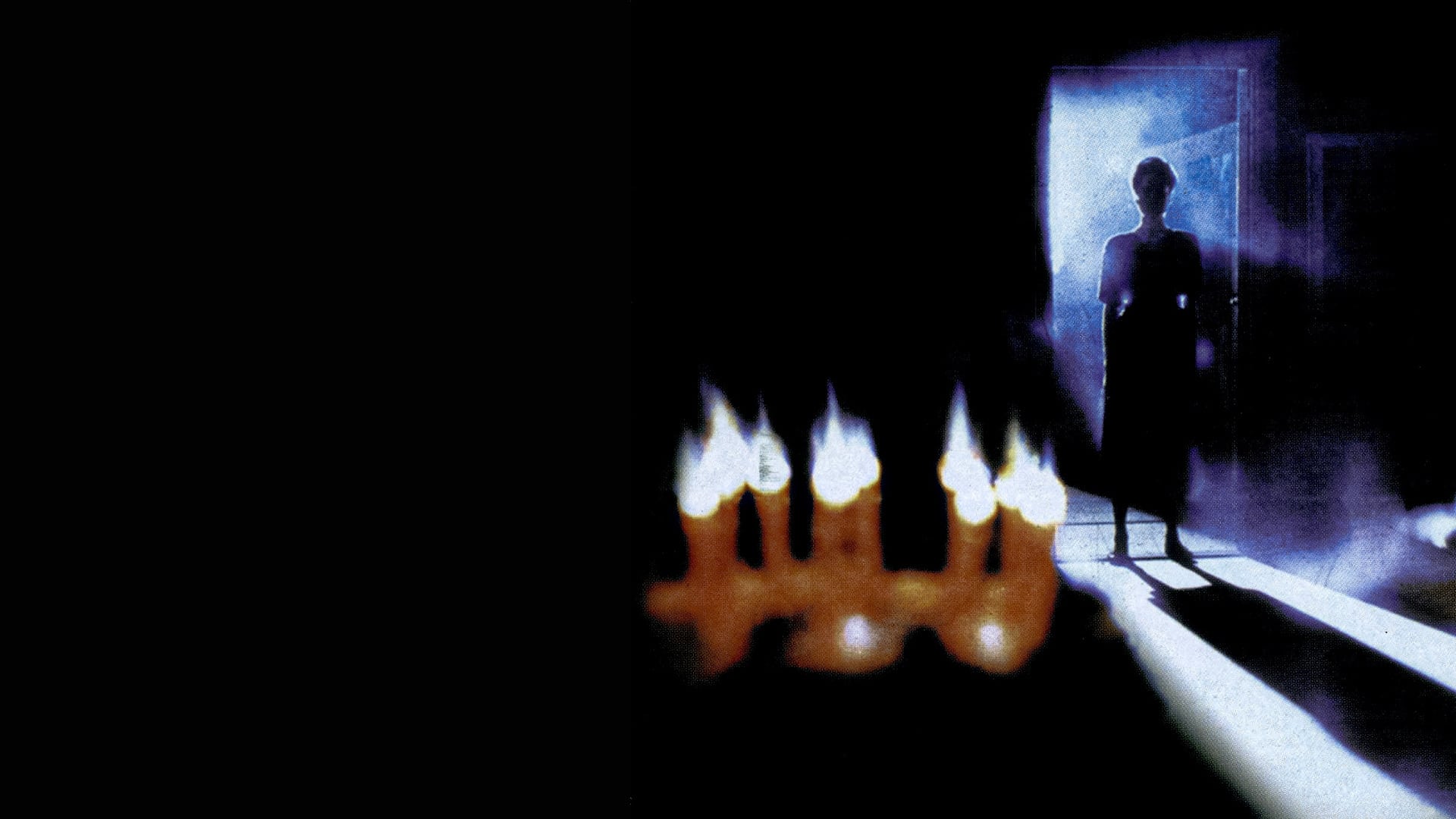
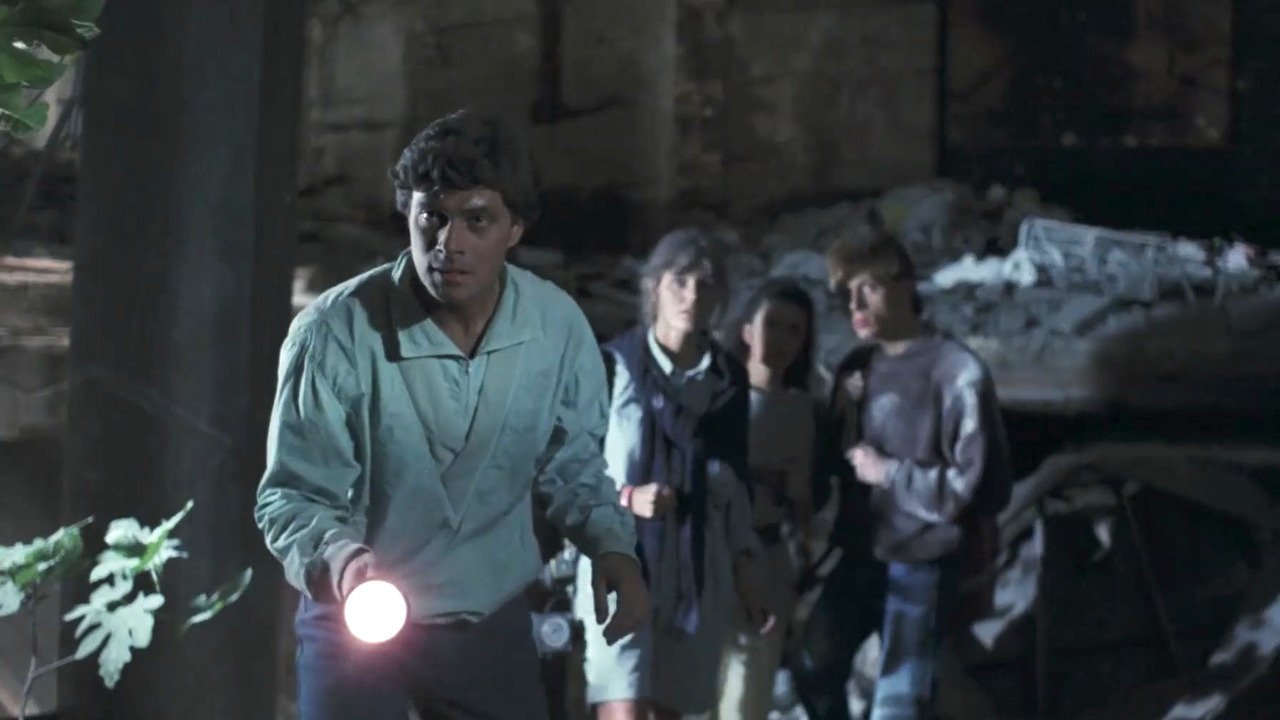
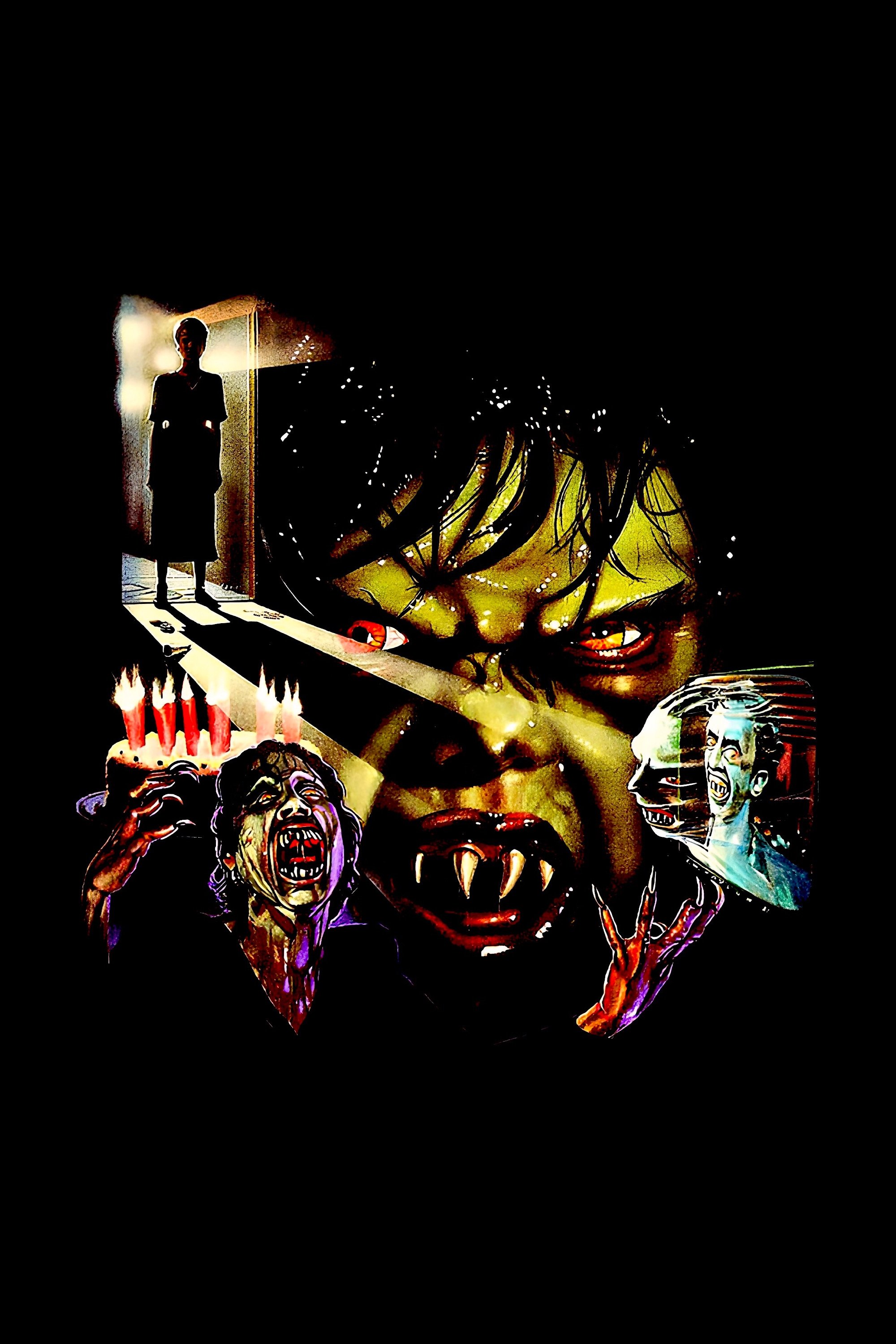
Demons 2 (1986), originally released in Italy as Dèmoni 2... l’incubo ritorna, is a supernatural splatter film directed by Lamberto Bava and produced by Dario Argento. Following the success of Demons (1985), the sequel transfers the outbreak from a movie theatre to a modern apartment complex, where a demonic creature crosses from a television programme into the physical world. The infection begins during a birthday party and spreads through the building, trapping residents whose separate lives are suddenly connected by a common threat. The film retains the rapid transformations and violent confrontations of its predecessor while replacing the collective experience of cinema with the domestic presence of television.

Written by Bava, Argento, Franco Ferrini and Dardano Sacchetti, the sequel develops the original film’s interest in the relationship between horror images and their spectators. Its production brought back special-effects artist Sergio Stivaletti, whose practical creatures and transformations became increasingly elaborate, while Simon Boswell replaced Claudio Simonetti as principal composer and helped assemble a soundtrack dominated by British post-punk and gothic rock. The resulting combination of media horror, bodily mutation and architectural confinement places Demons 2 within the distinctive final flourishing of commercially distributed Italian horror during the 1980s. Its relationship with the first film is primarily structural and thematic, rather than a conventional continuation involving the same surviving characters.

Development and the Sequel Concept

The commercial performance of Demons encouraged Dario Argento and Lamberto Bava to develop a follow-up for release the following year. The original film had established a simple but effective premise: spectators attending a horror screening become infected by the supernatural violence represented on the screen. The sequel preserves that relationship between fictional images and physical transformation while relocating the outbreak to an apartment building. The screenplay again involved Argento, Bava, Franco Ferrini and Dardano Sacchetti, maintaining the principal creative partnership responsible for the preceding production. The change of setting created opportunities to organize the narrative around several households rather than an audience gathered for a single event.

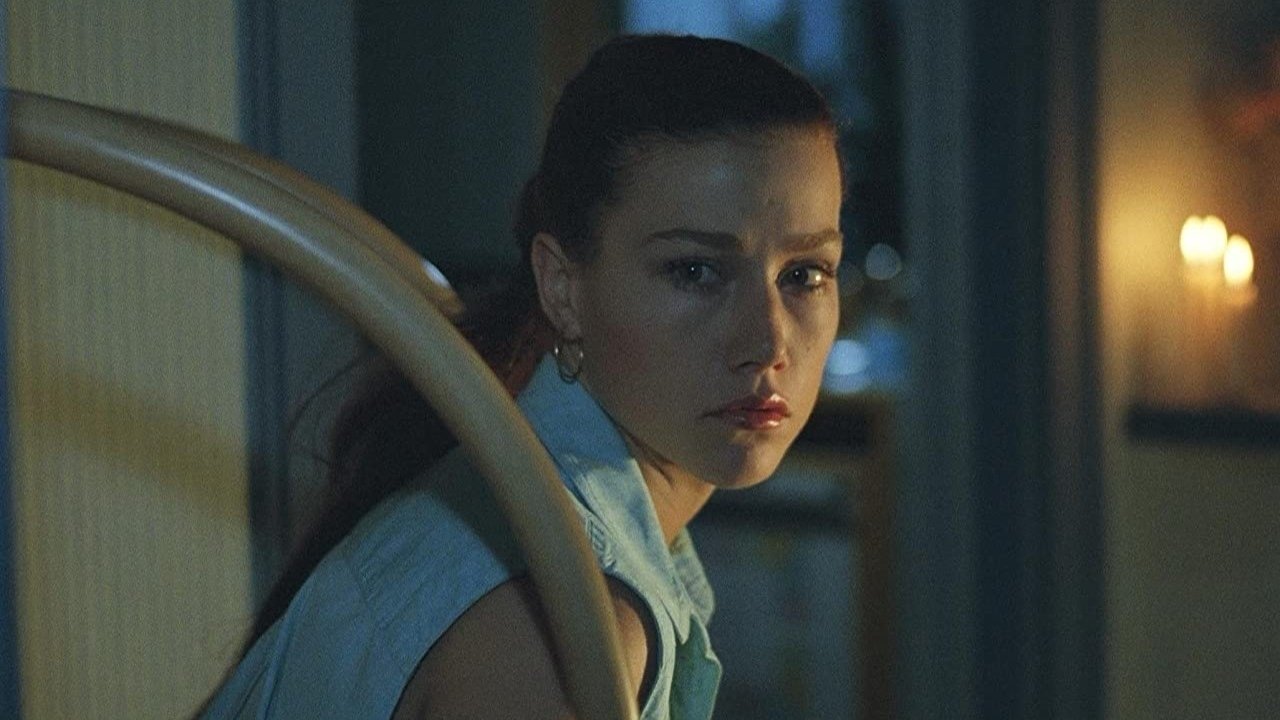
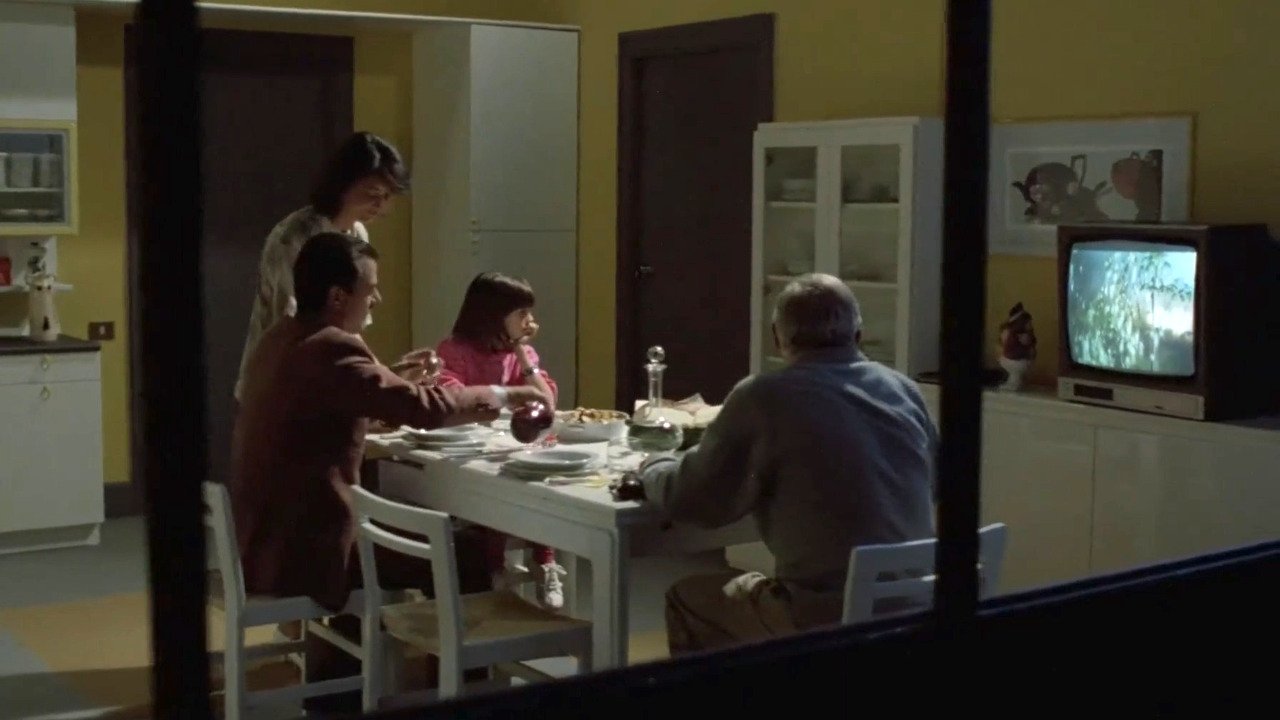
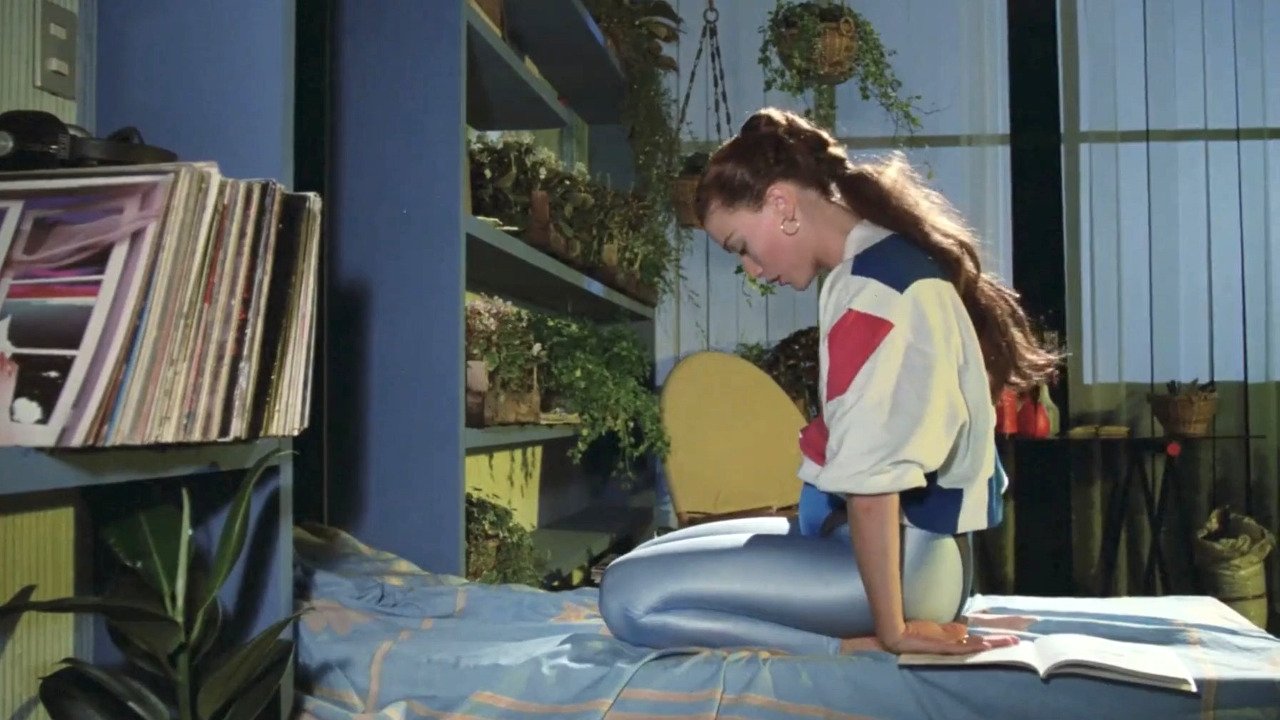
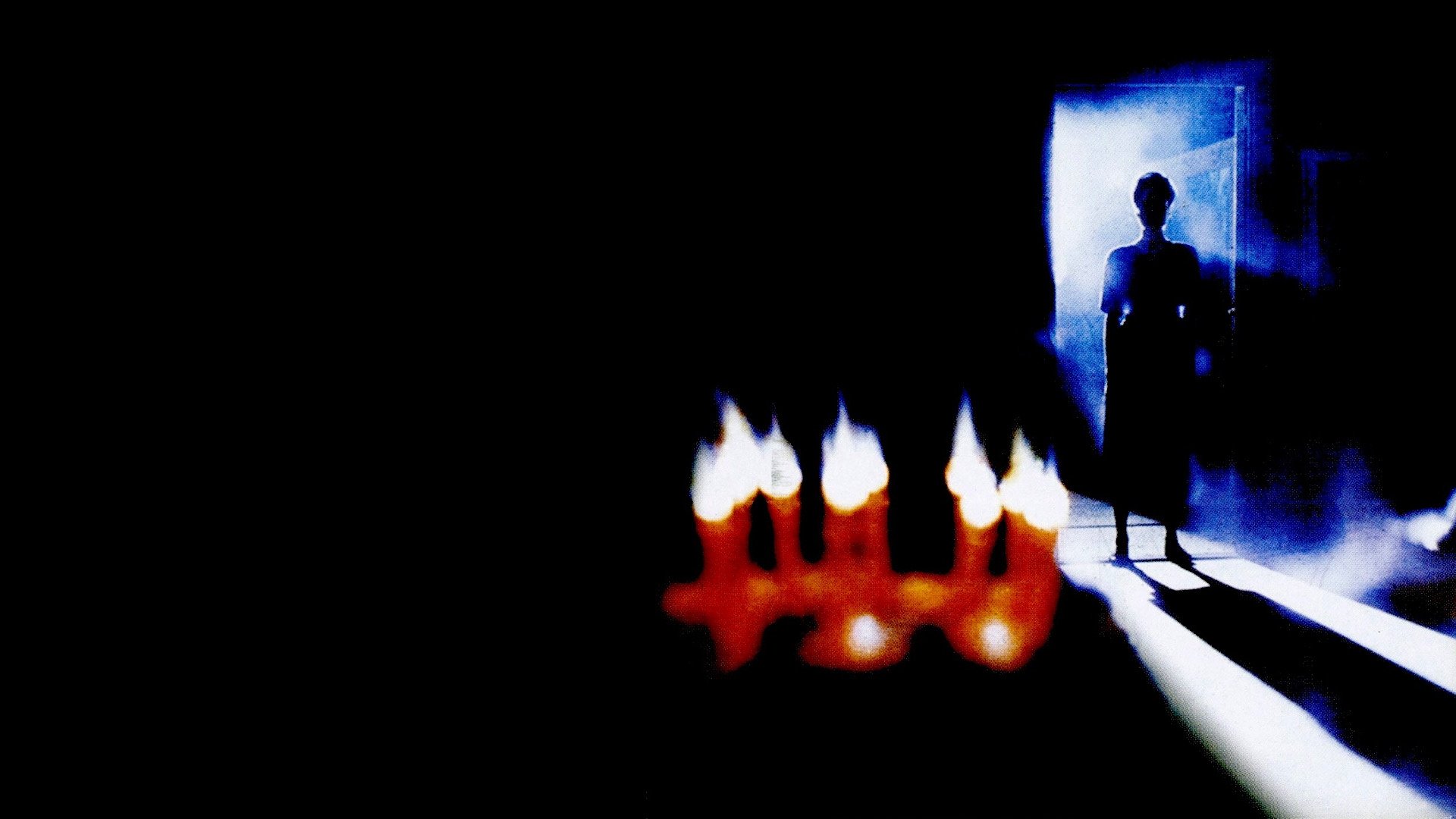
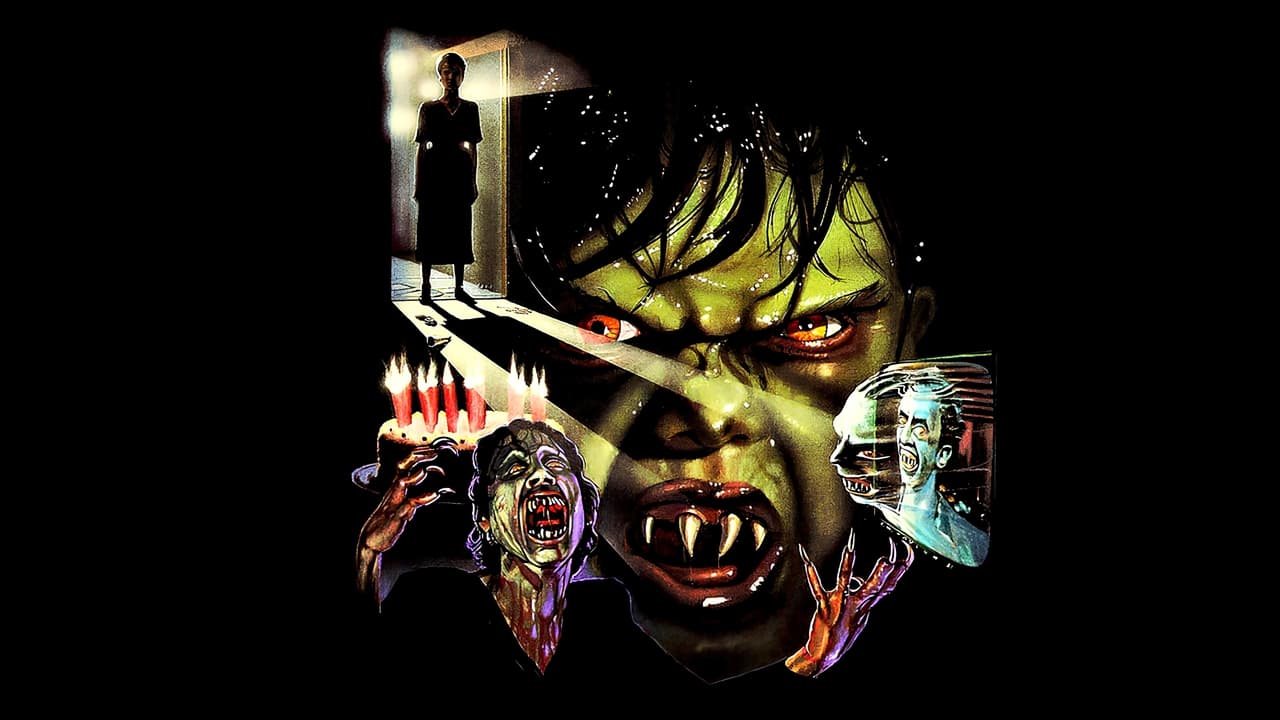
Bava subsequently recalled that the screenplay required months of preparation. The central challenge was to reproduce the intensity of the original without simply repeating its cinema setting. A television broadcast offered an alternative mechanism: residents could encounter the same threatening images while remaining physically separated in different apartments. The fictional programme concerns young people exploring a deserted area associated with the earlier demonic outbreak. One of them accidentally revives a creature, and its image eventually crosses the television screen watched by Sally, whose birthday celebration becomes the starting point of the new infection.

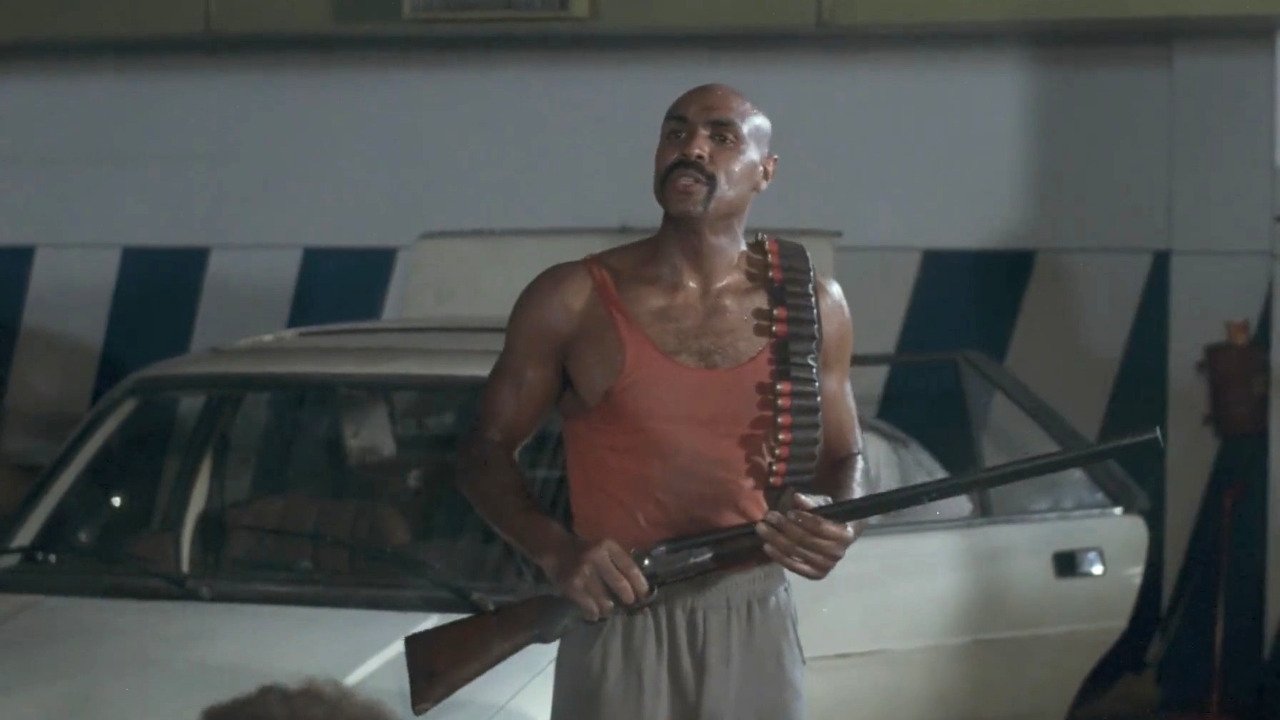
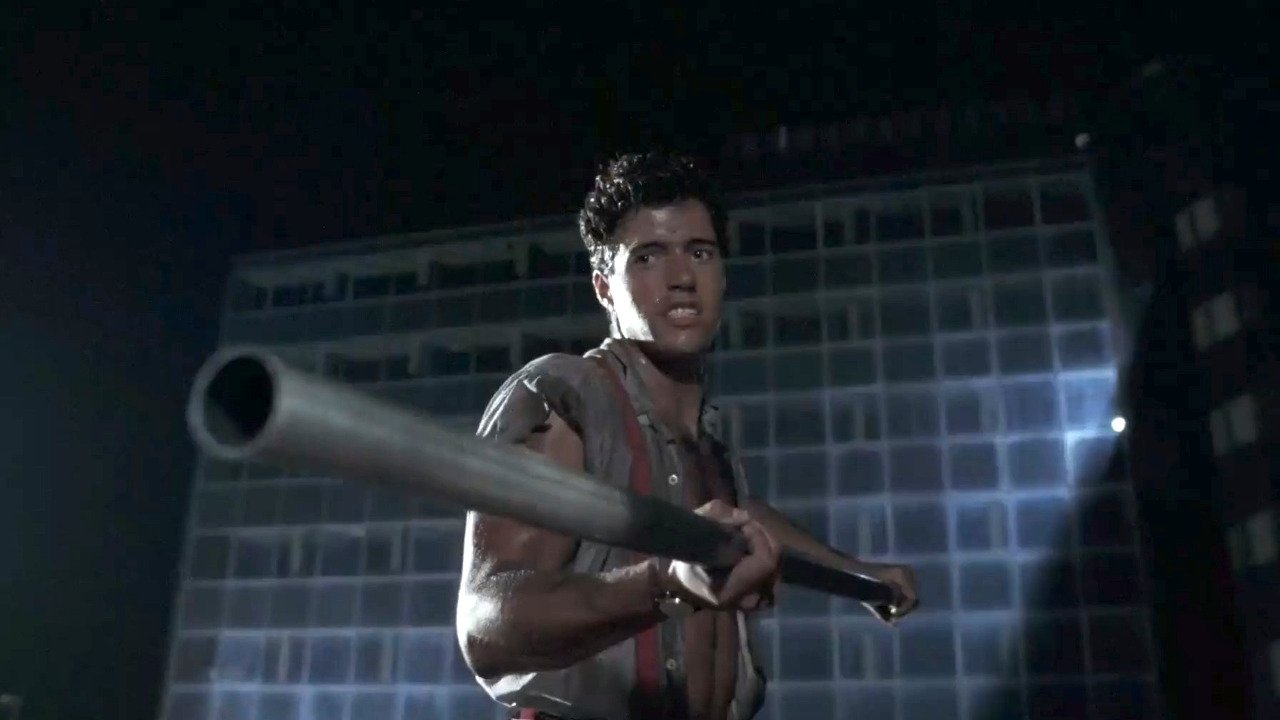
The production reunited Bava with Argento as producer and employed several performers associated with the first film in new roles. Bobby Rhodes, previously seen as Tony, returns as Hank, a gym instructor who organizes resistance among the survivors. The film also features Asia Argento as Ingrid, following the appearance of her sister Fiore in the preceding production. These casting connections establish continuity between the two films as productions while their fictional characters remain distinct. The sequel develops a recognizable formula through a different environment and a broader network of simultaneous encounters.
Television and the Apartment Building

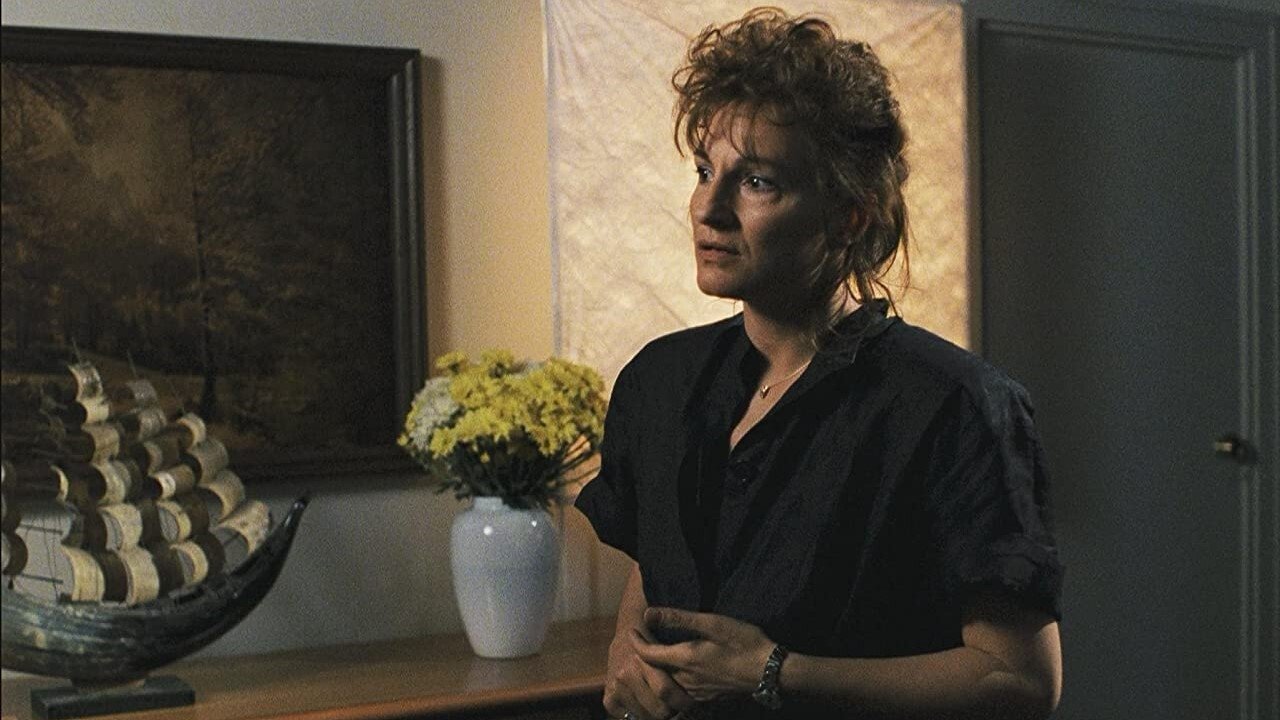
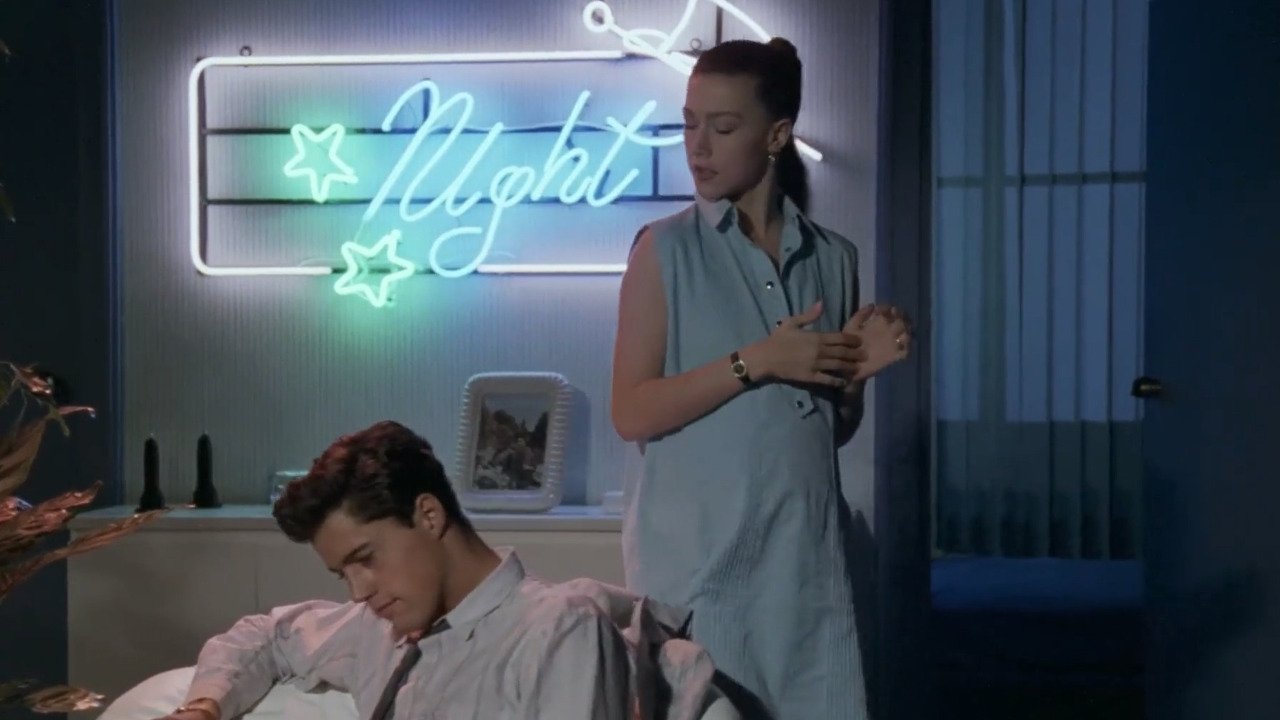
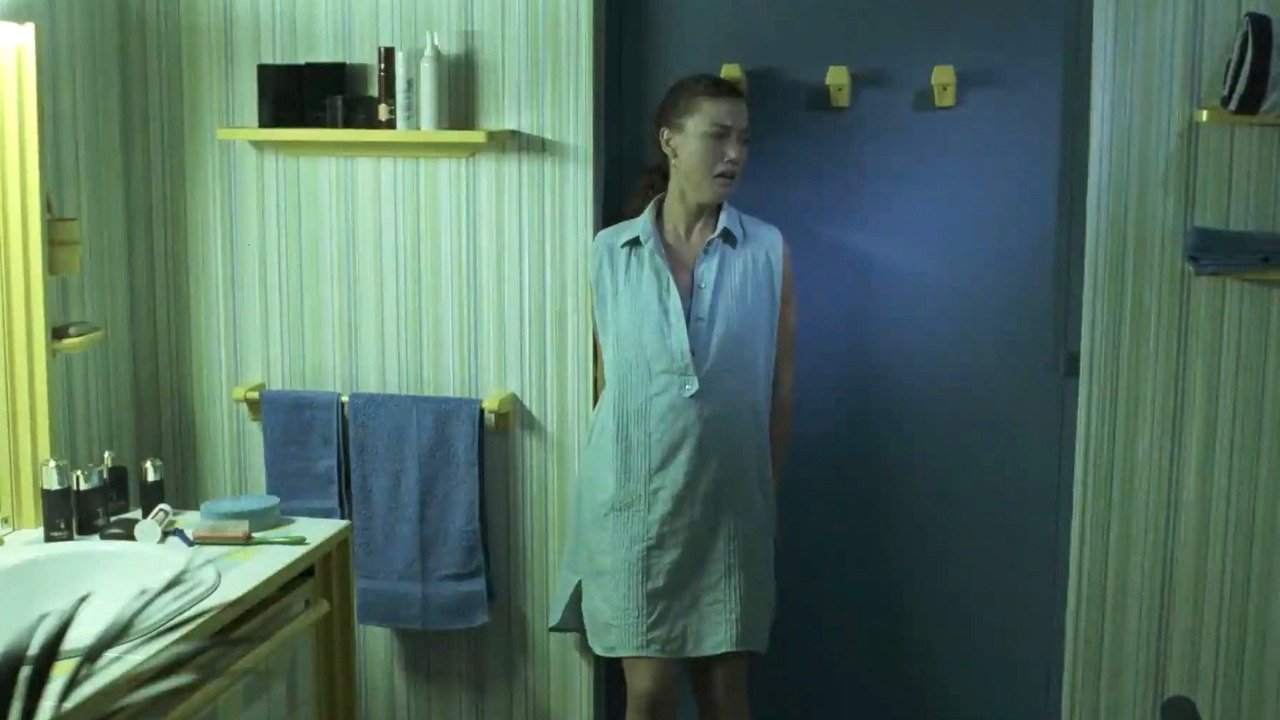
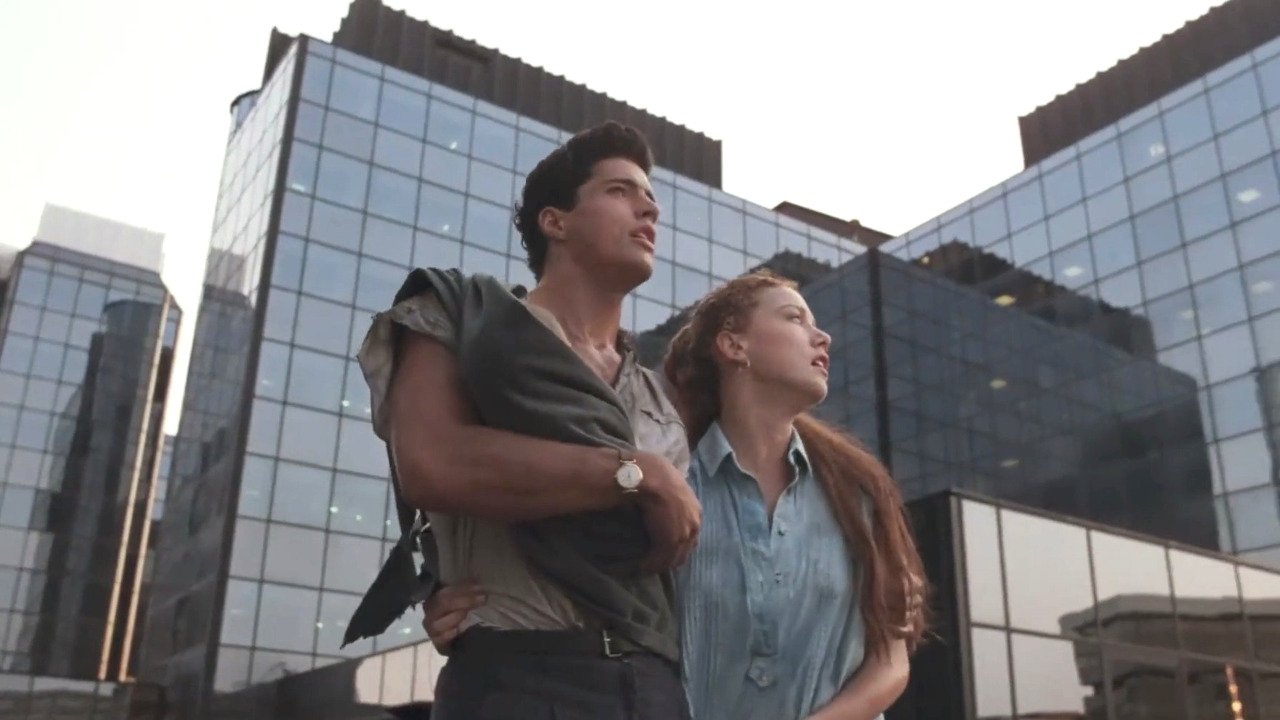
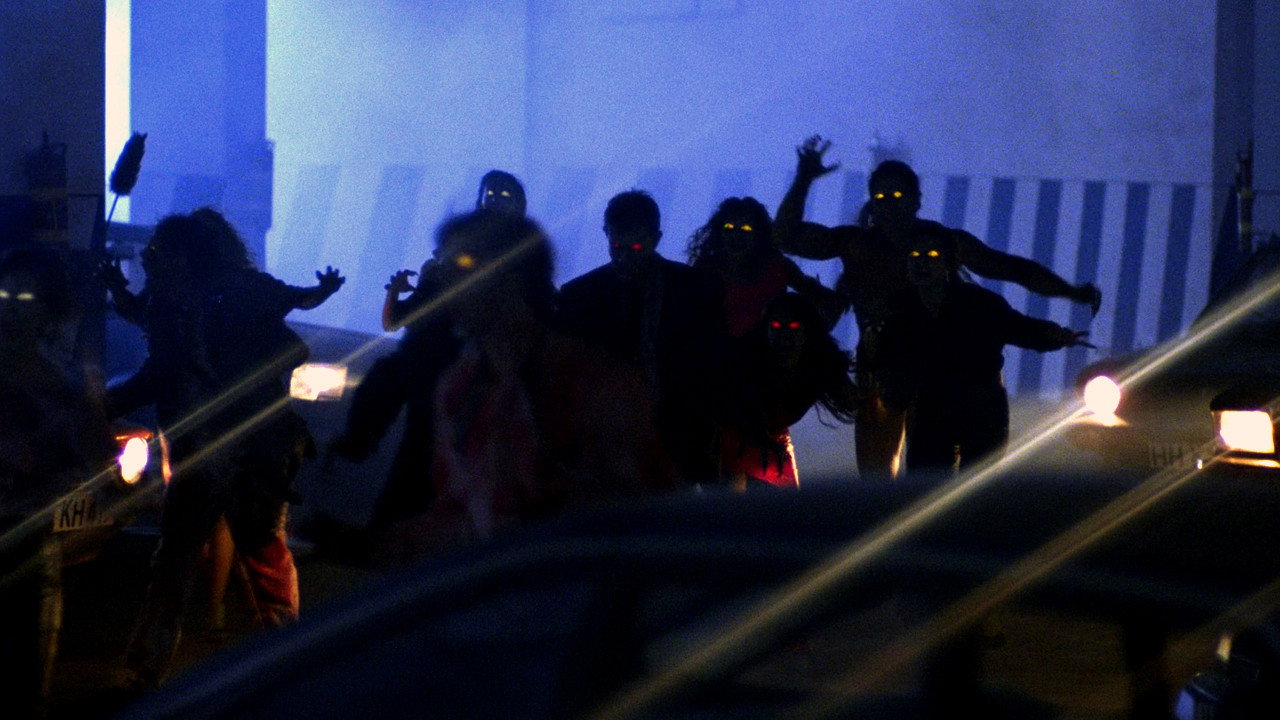
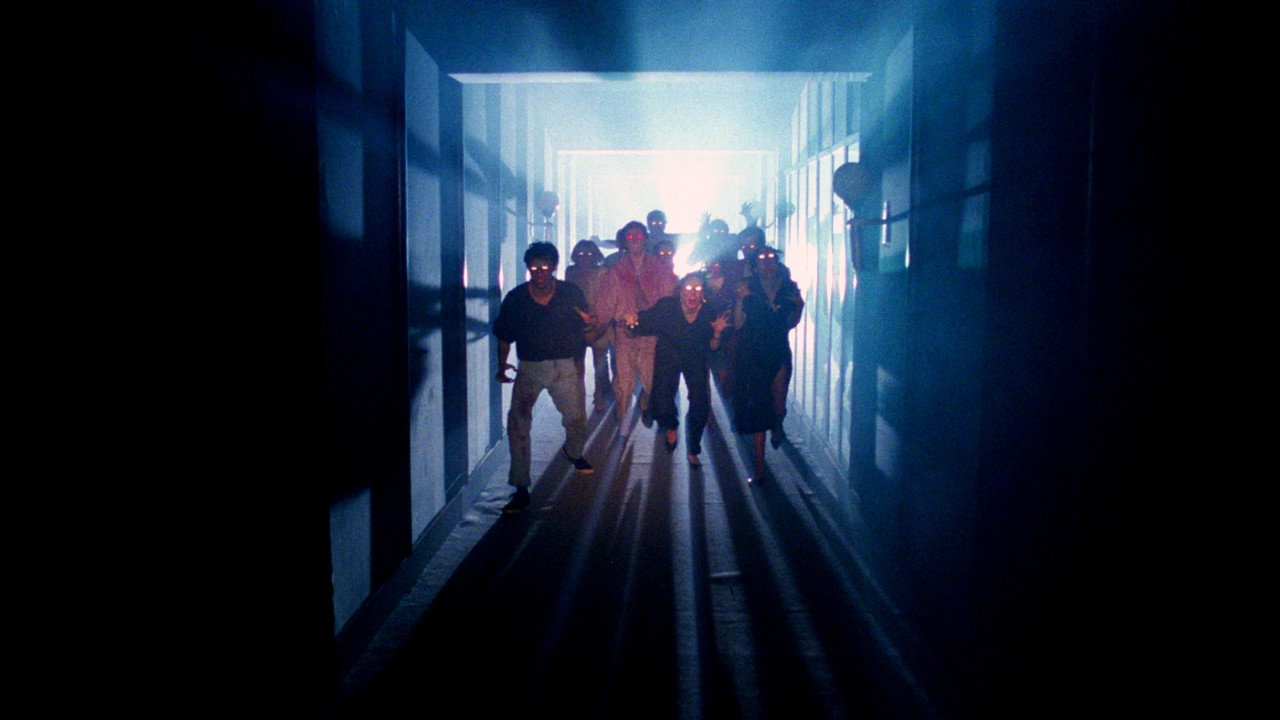
The apartment complex is fundamental to the structure of Demons 2. Its numerous floors contain residents with different occupations, ages and domestic circumstances, including young partygoers, a pregnant couple, families and people exercising in a gym. Bava introduces these groups through separate routines before the demonic infection begins to connect their experiences. Elevators, staircases, corridors and security systems become increasingly important as the outbreak spreads. The building’s modern conveniences offer little protection once access to the exterior is interrupted. Its architectural design allows the narrative to alternate between simultaneous confrontations while preserving the sense that every character remains confined within the same threatened structure.

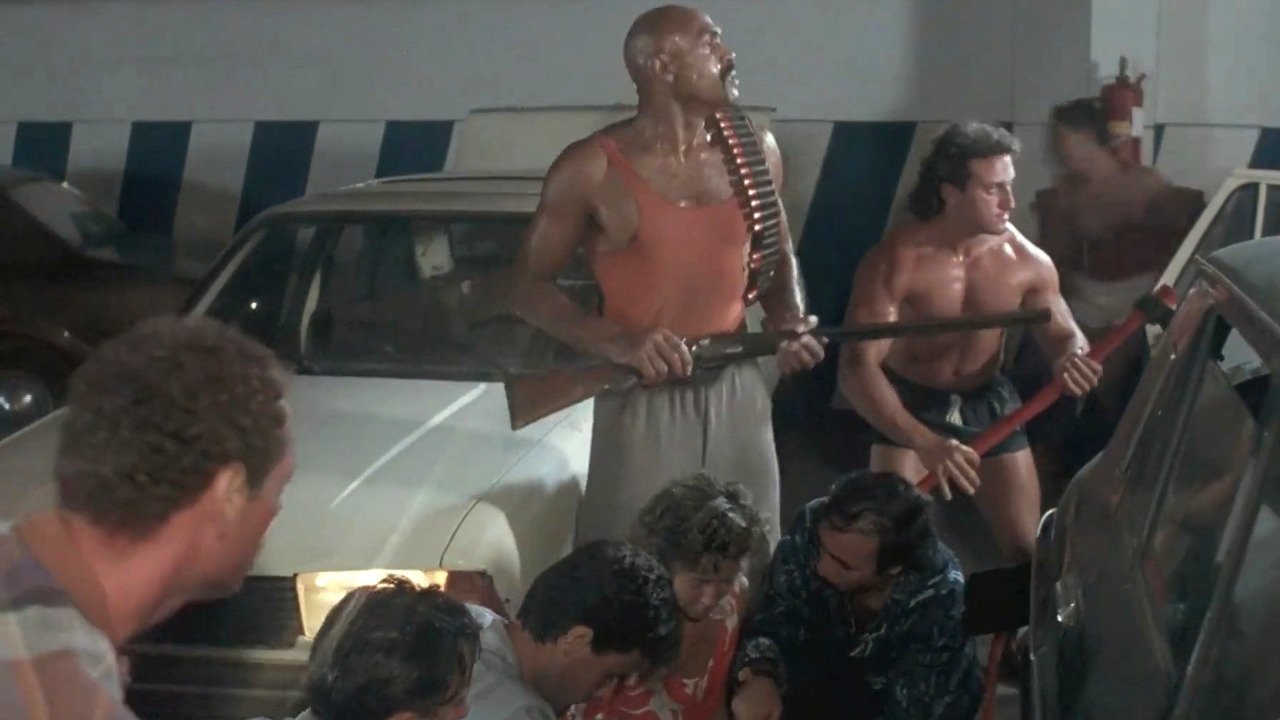
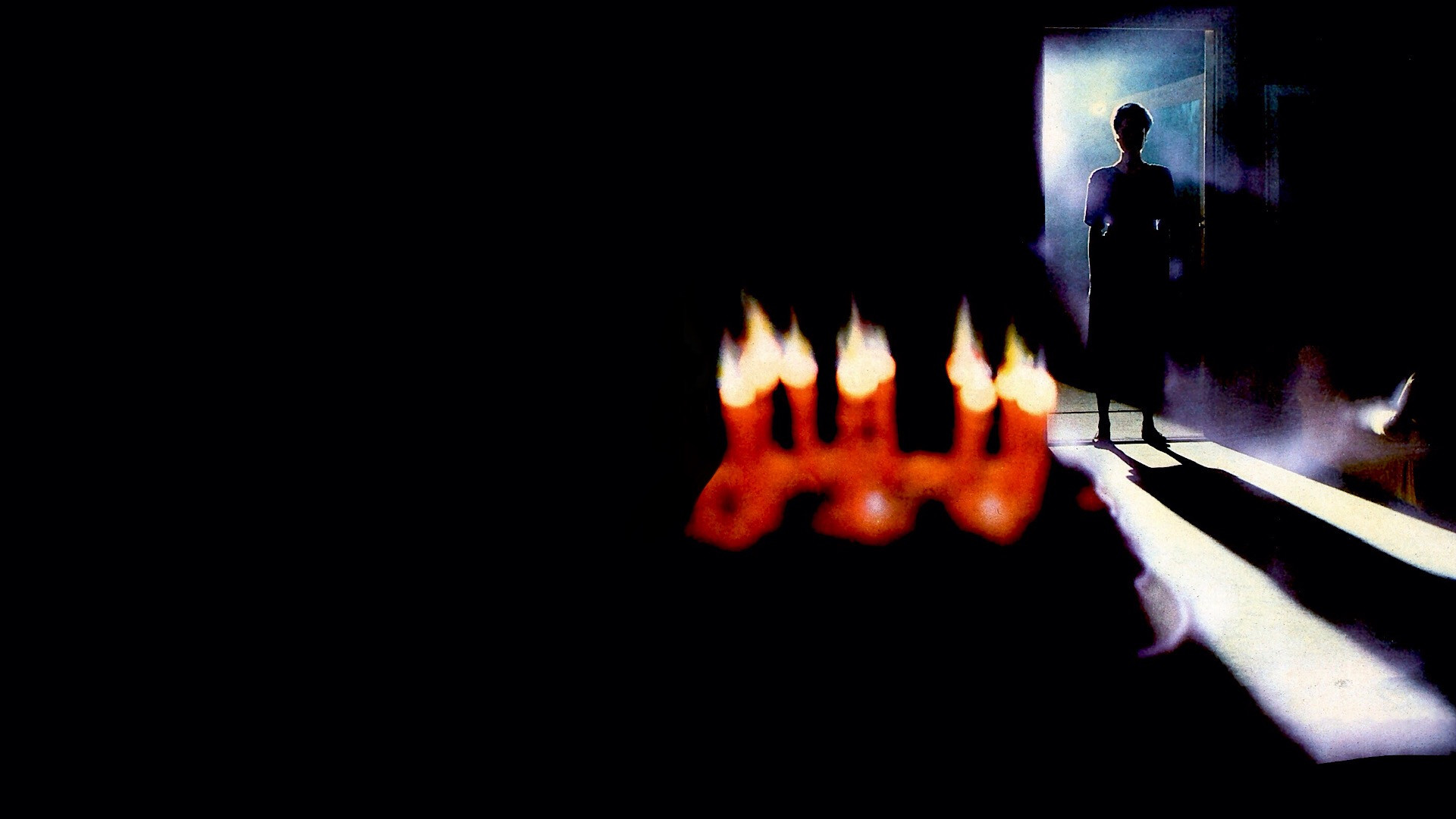
Cinematographer Gianlorenzo Battaglia and production designer Davide Bassan helped establish the contrast between domestic interiors and the building’s larger communal spaces. Television screens, artificial lighting and reflective surfaces are recurring features of the environment. The birthday party provides one of the most visually distinctive sequences, transforming a brightly illuminated social gathering into a violent encounter. As the infection develops, areas initially associated with ordinary activities become locations of confinement and pursuit. The gym is particularly significant because its occupants attempt to organize collective resistance, creating a temporary alternative to the isolation experienced by residents elsewhere.

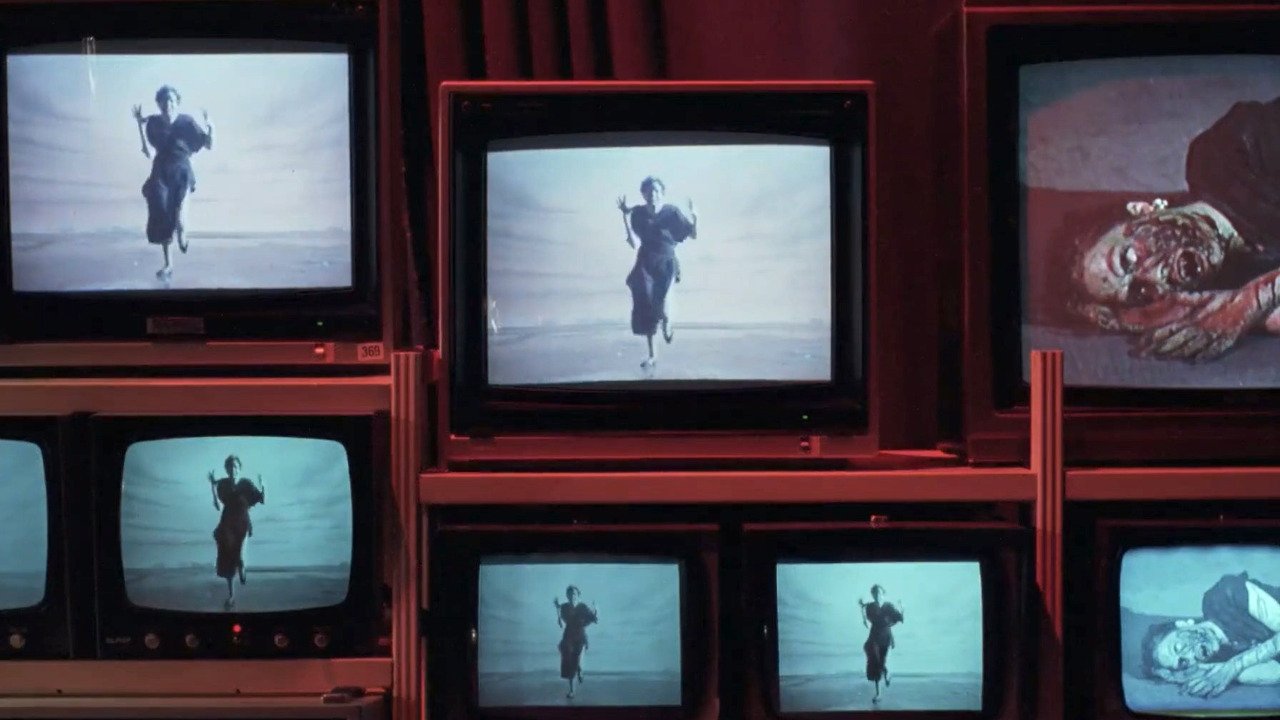
The relationship between television and contagion has received sustained critical attention. Writing for the Cinémathèque française, Jean-François Rauger interpreted the two Demons films as an ironic commentary on changes in Italian cinema, with the destruction of a movie theatre in the first installment followed by the invasion of domestic television in the second. This is a critical interpretation rather than an established statement of the filmmakers’ intentions. The film nevertheless makes the movement from recorded representation to physical horror explicit. Its most important supernatural event occurs when an image apparently confined to a television screen becomes a living creature capable of infecting the surrounding world.

Practical Effects and Demonic Creatures

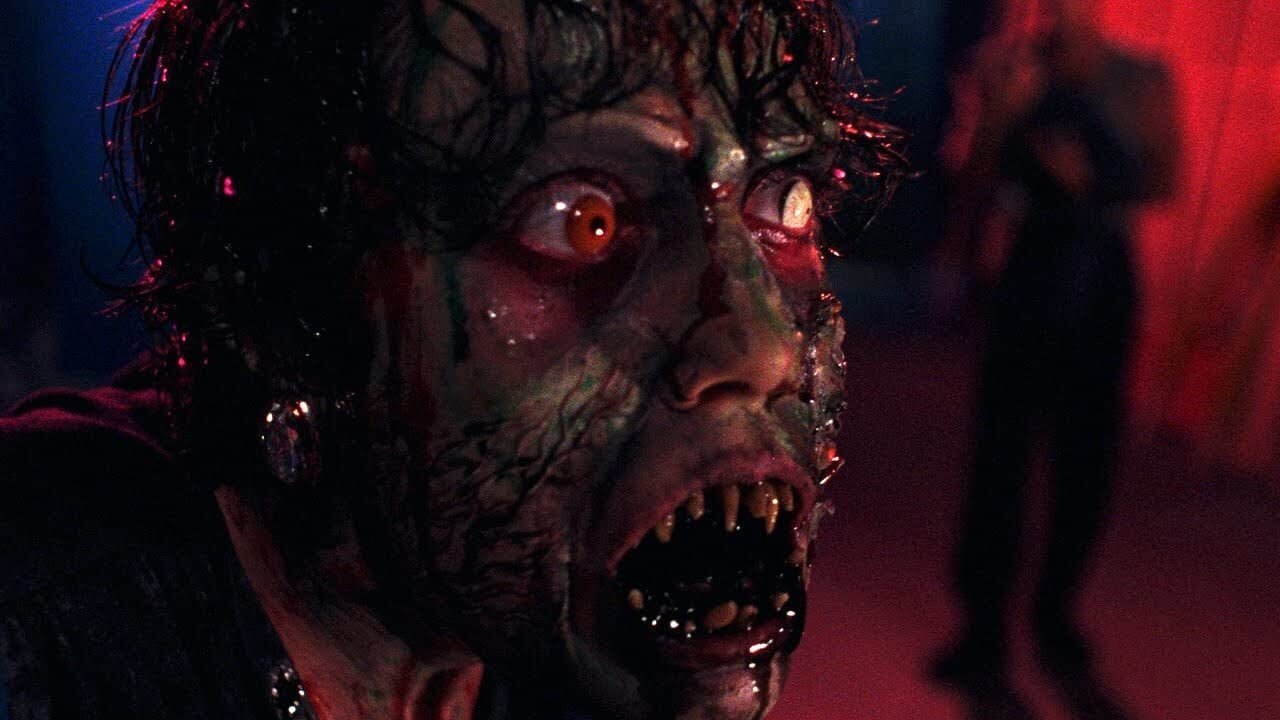
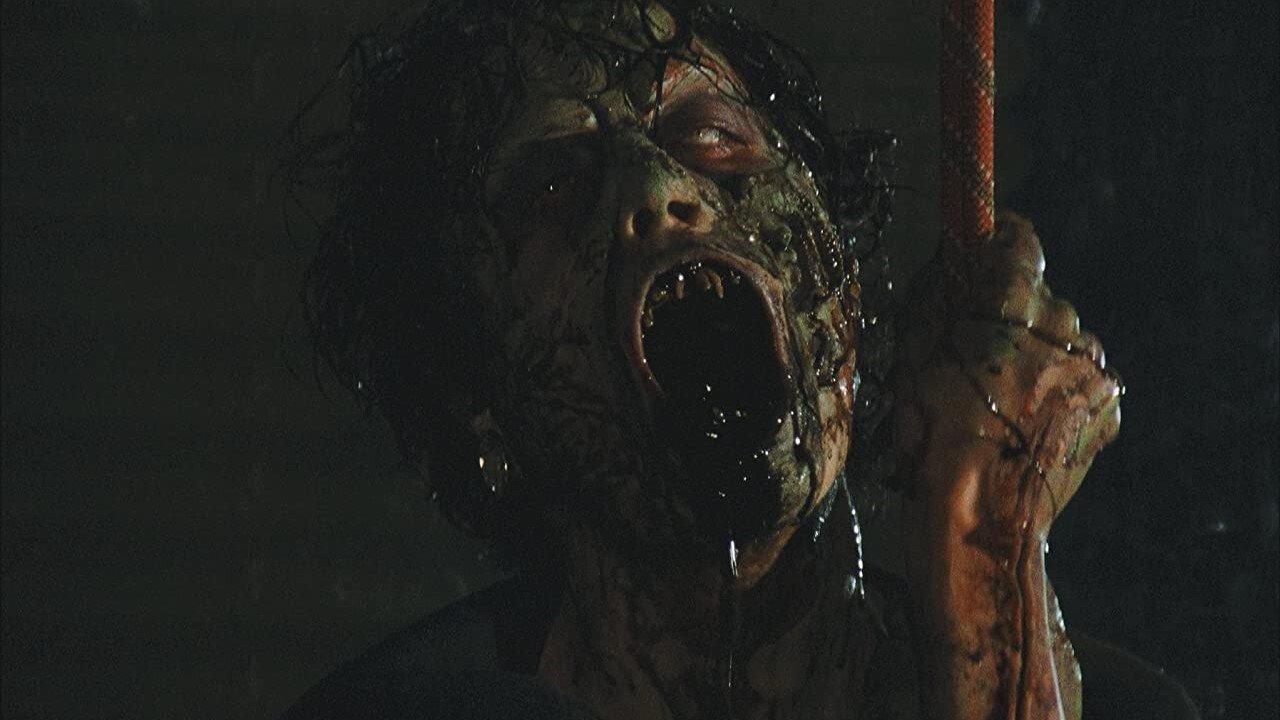
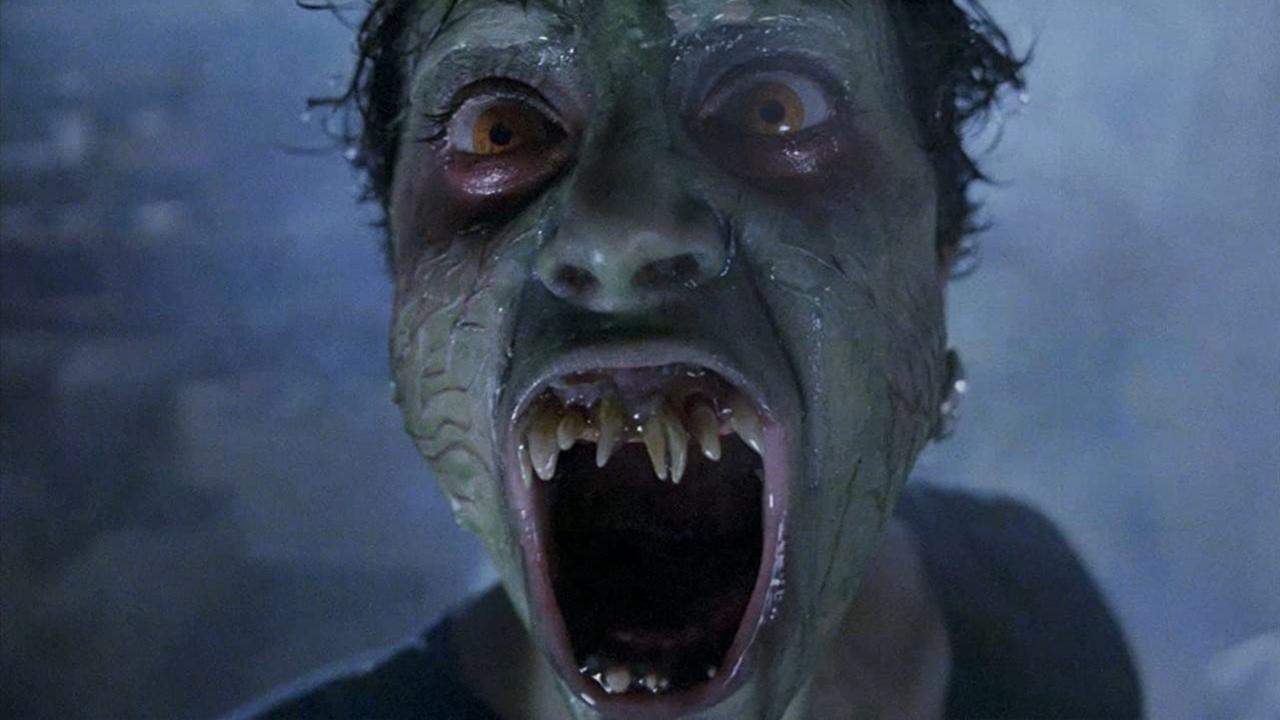
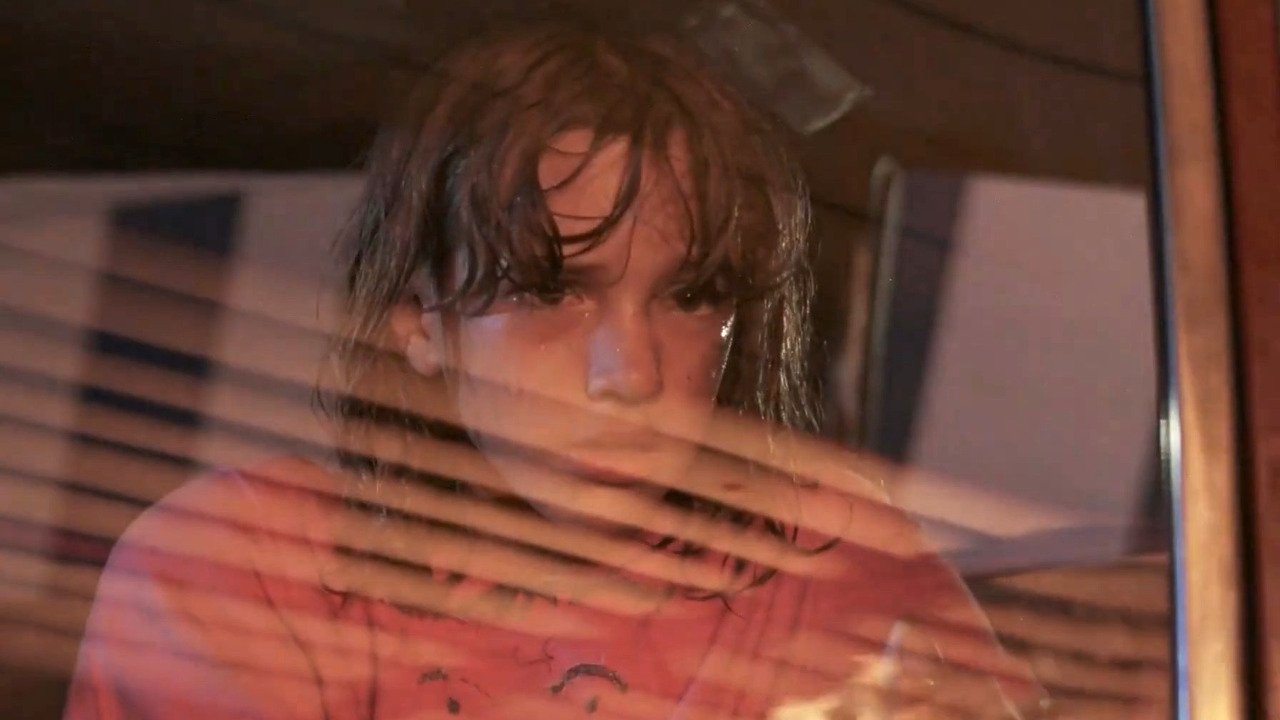
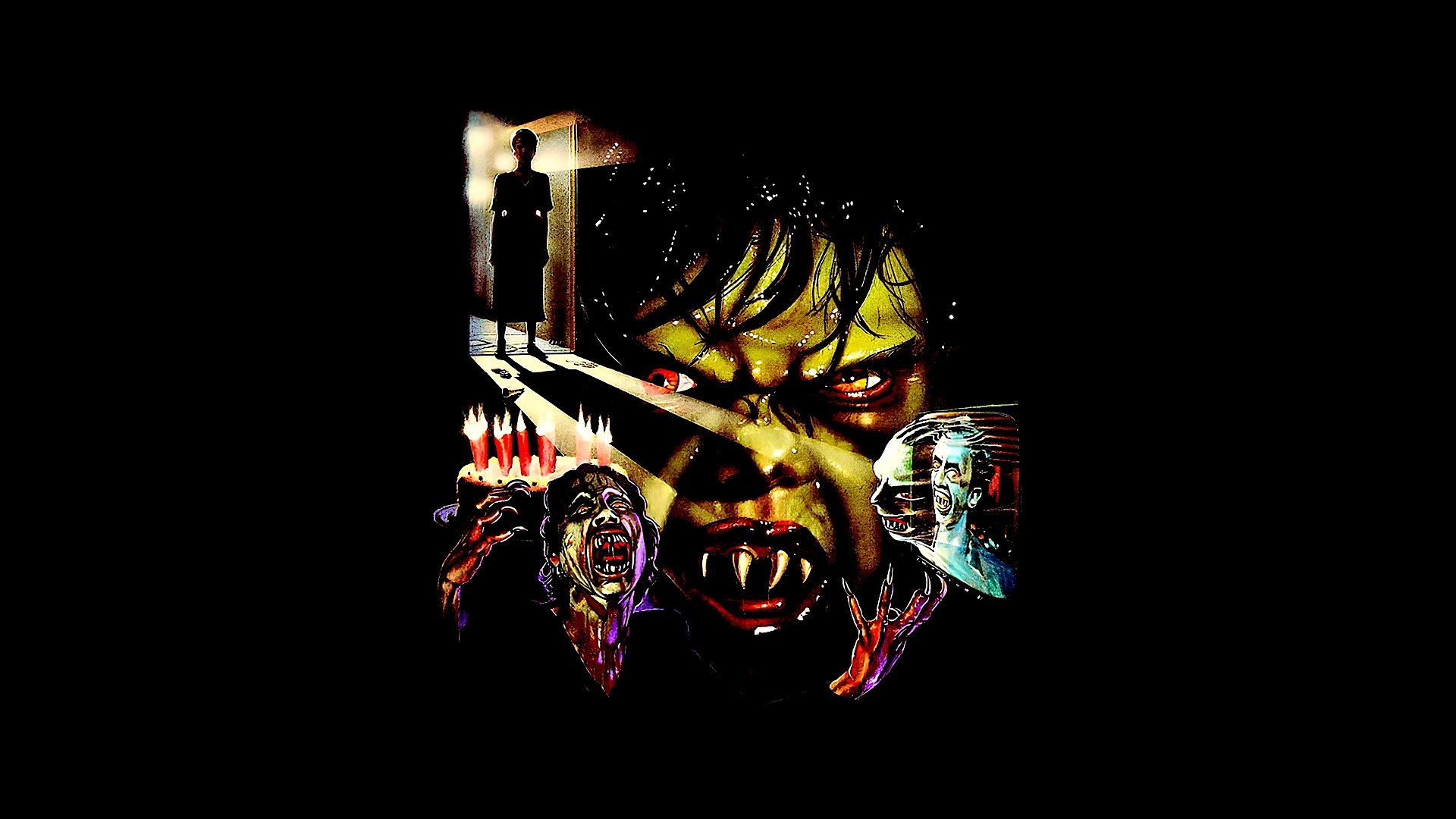
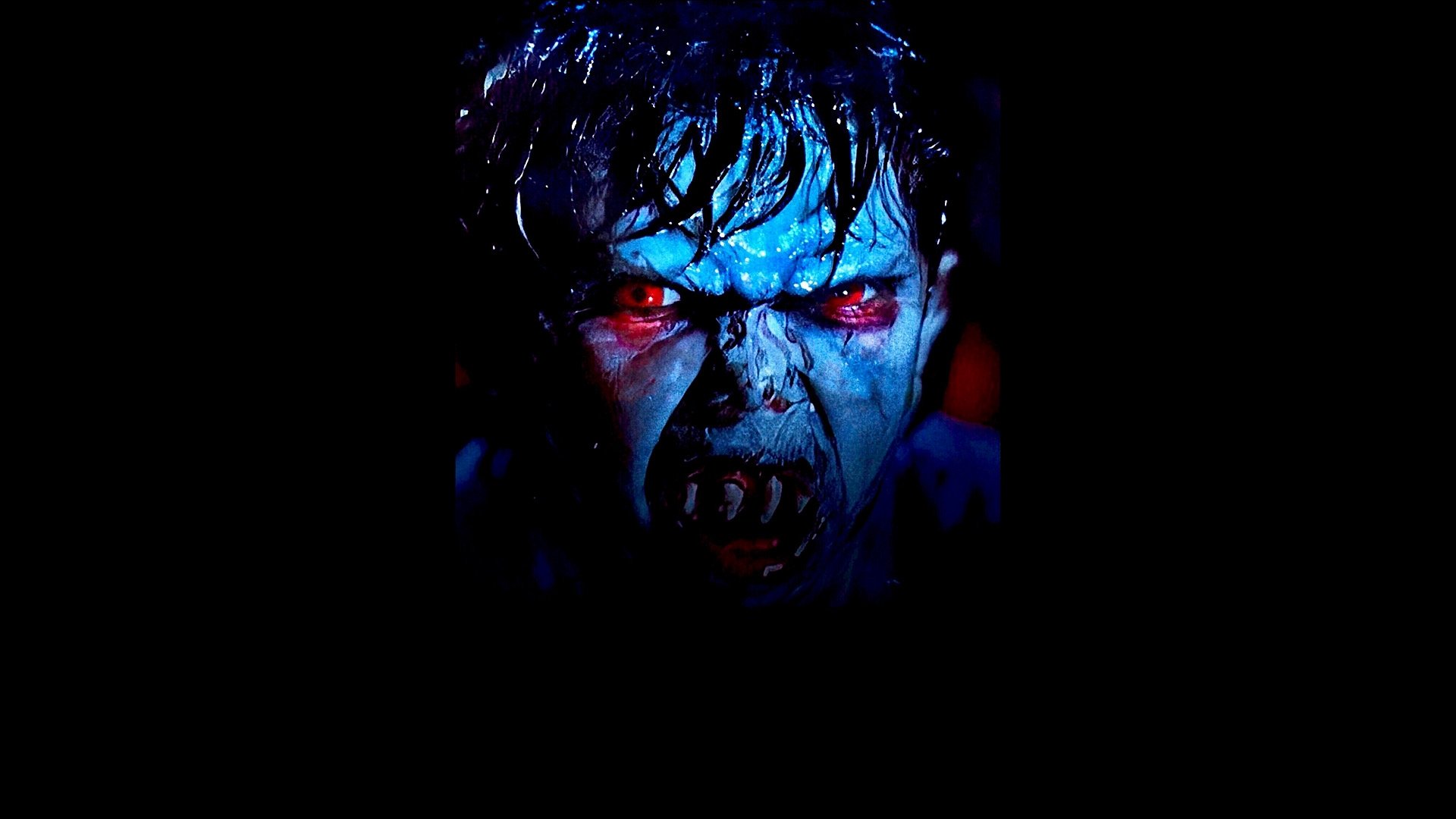
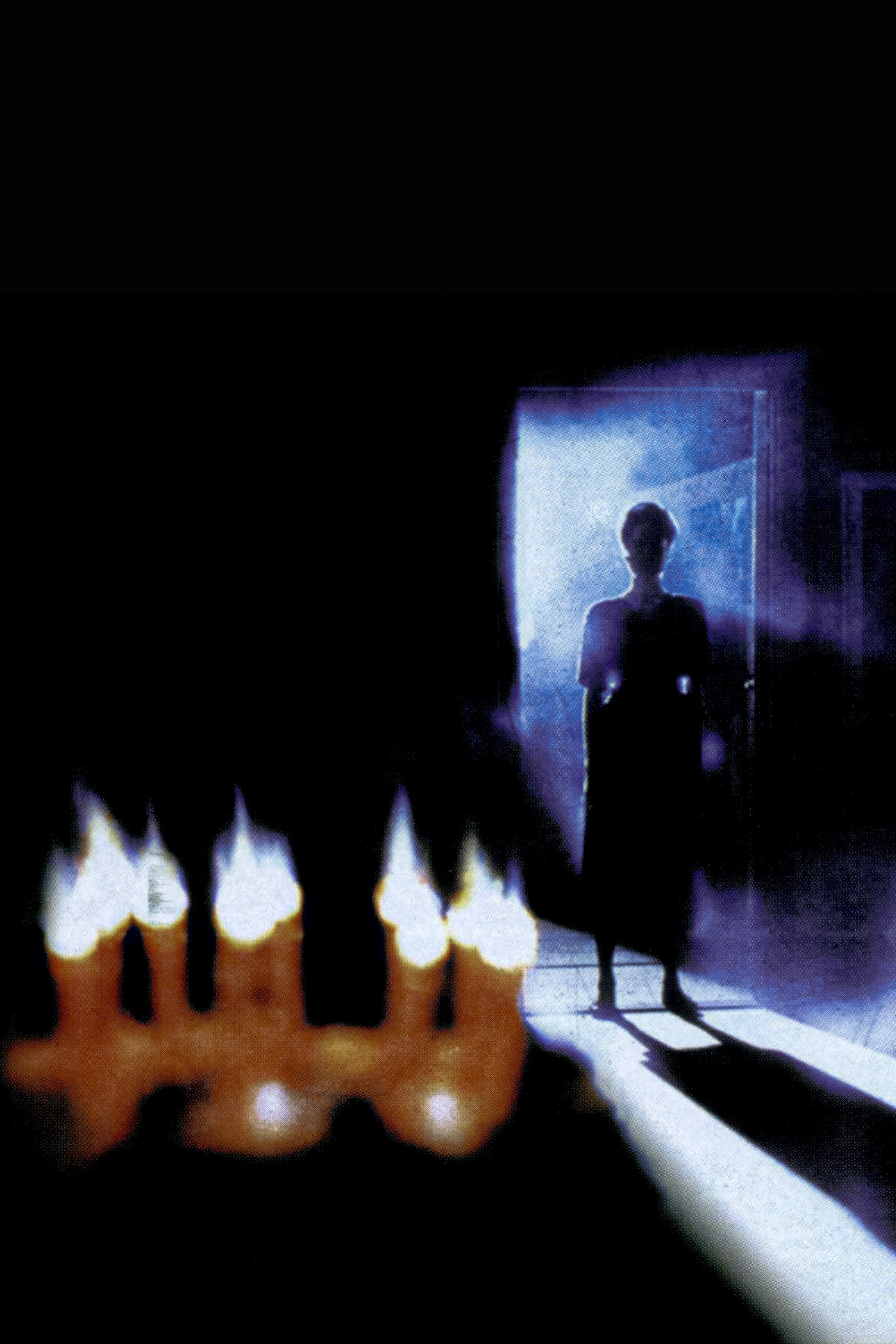
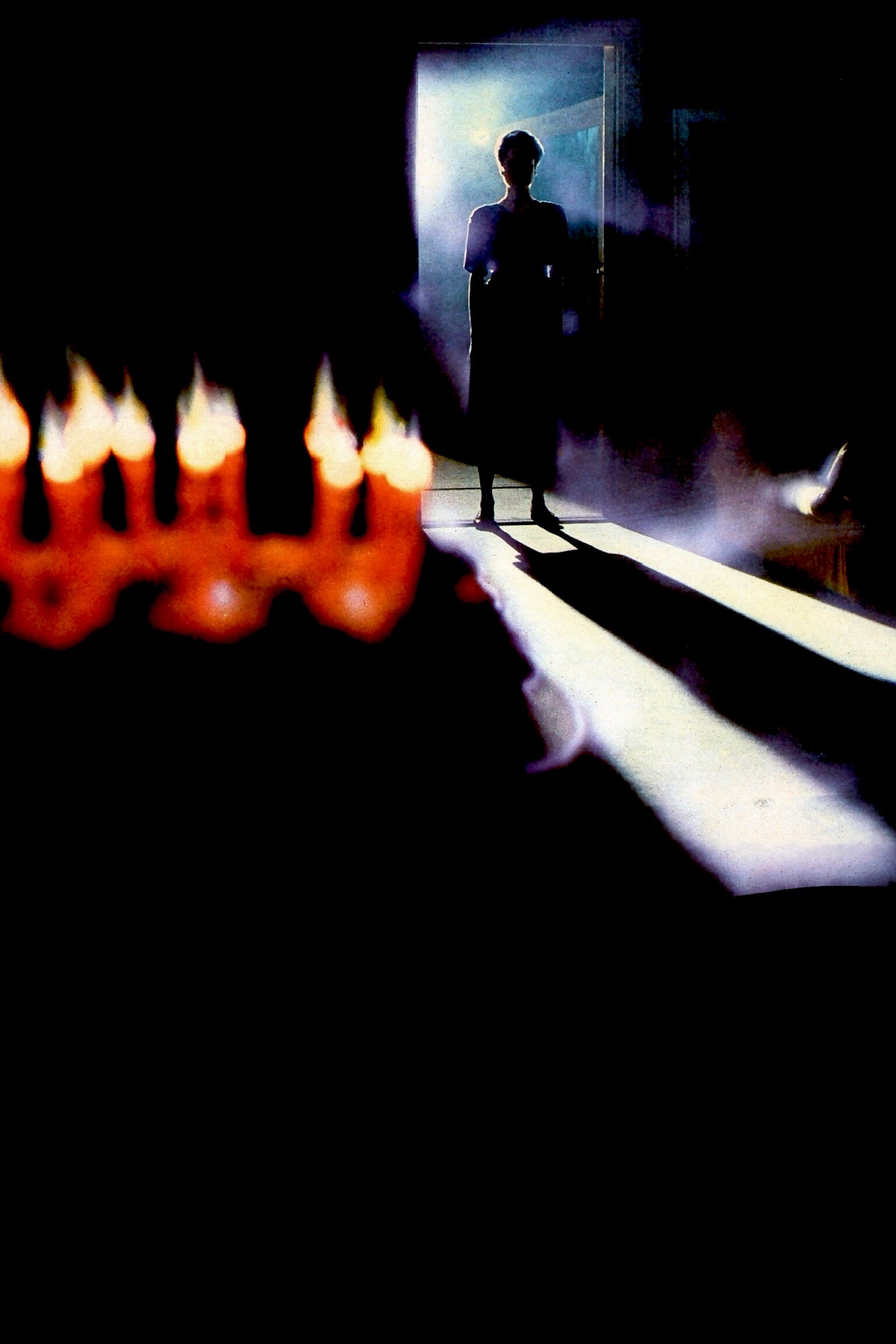
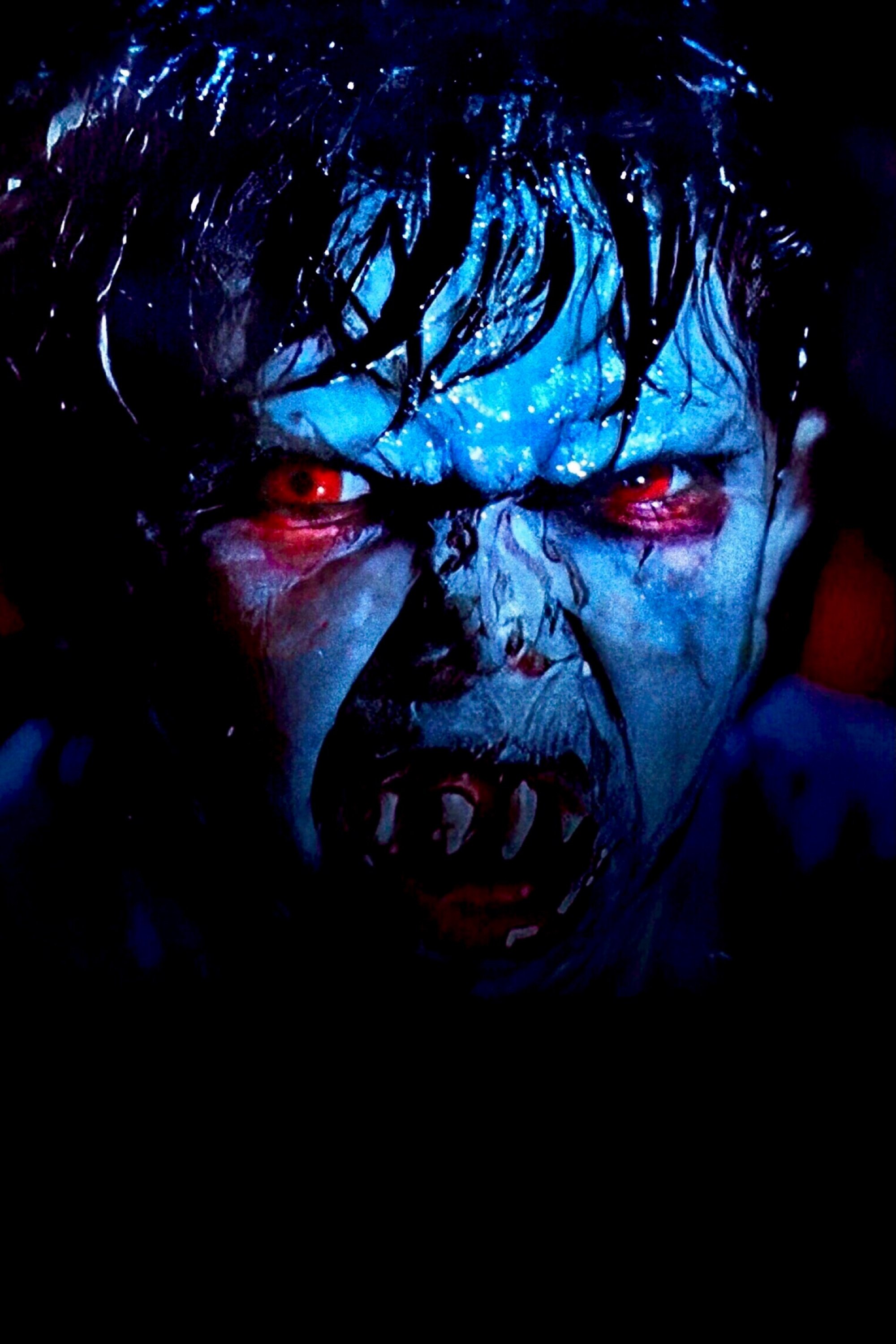
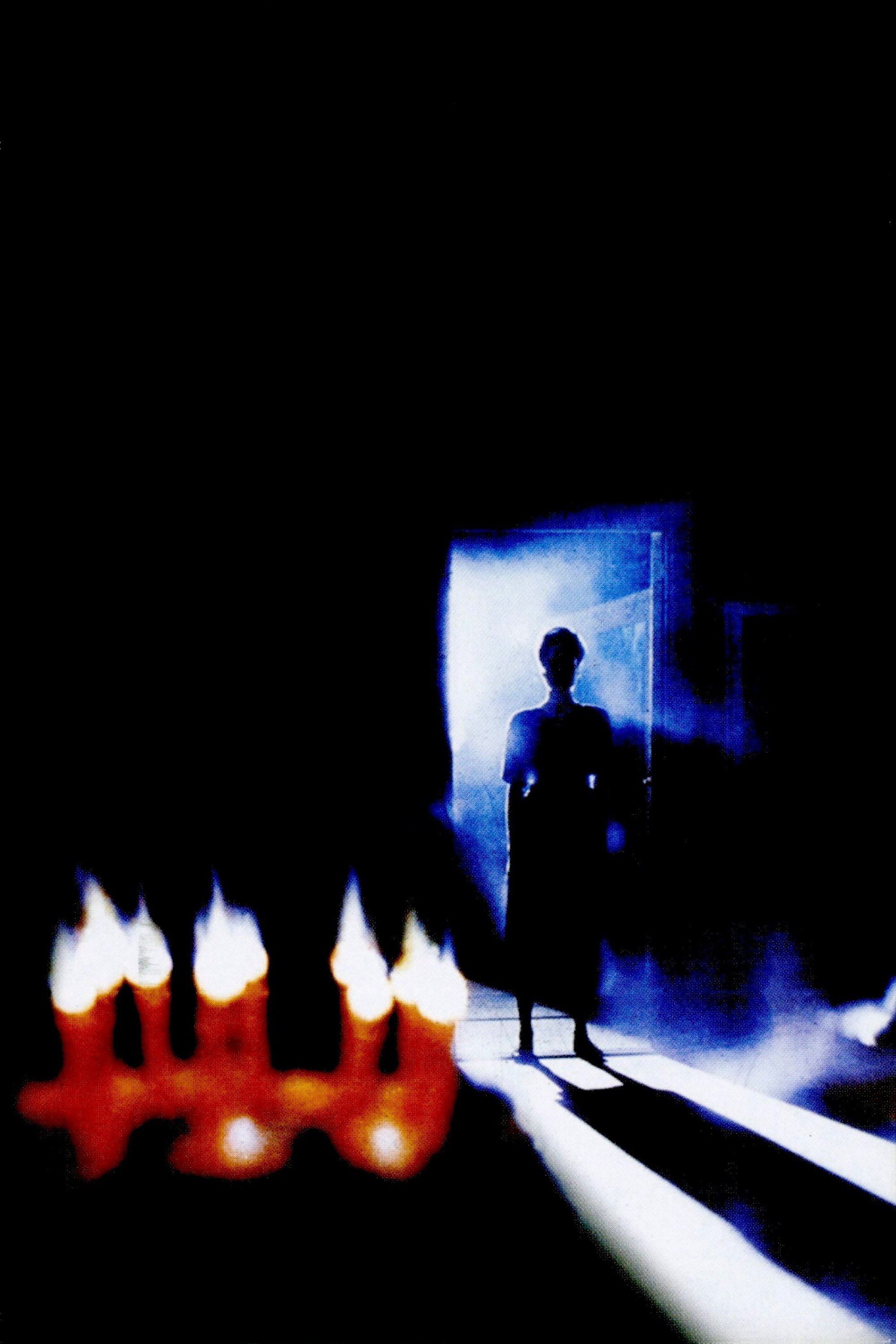
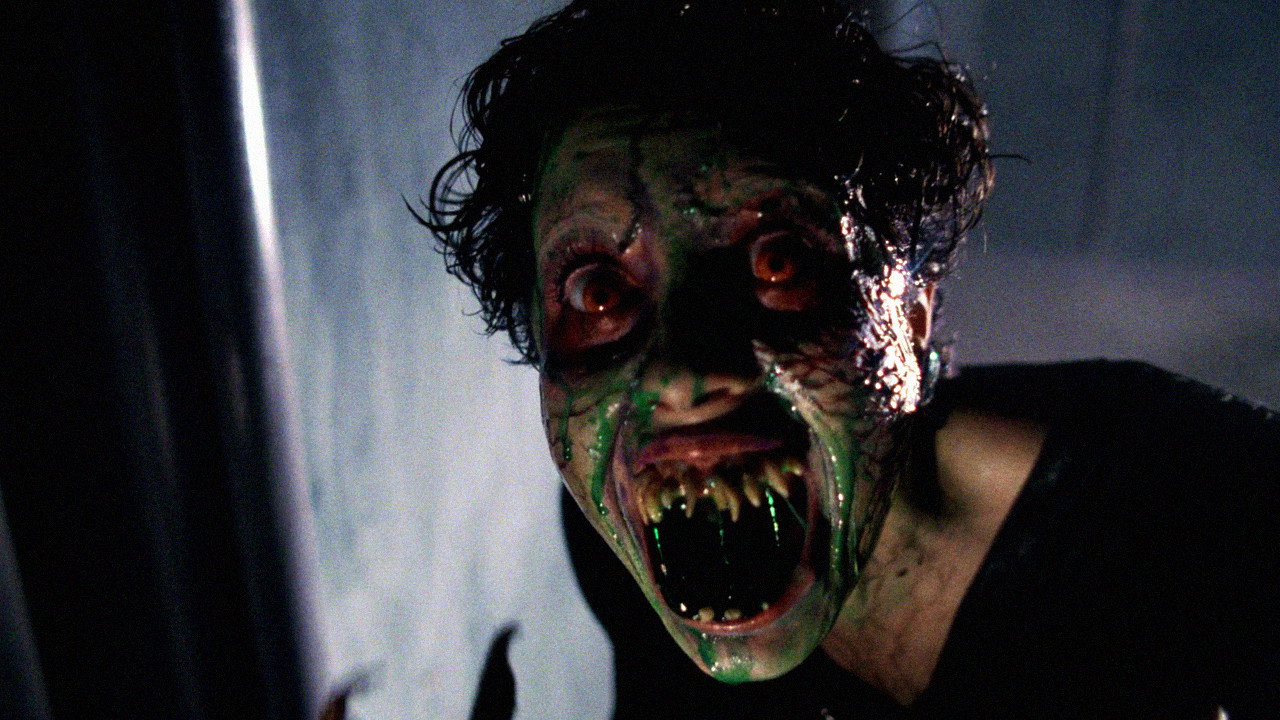
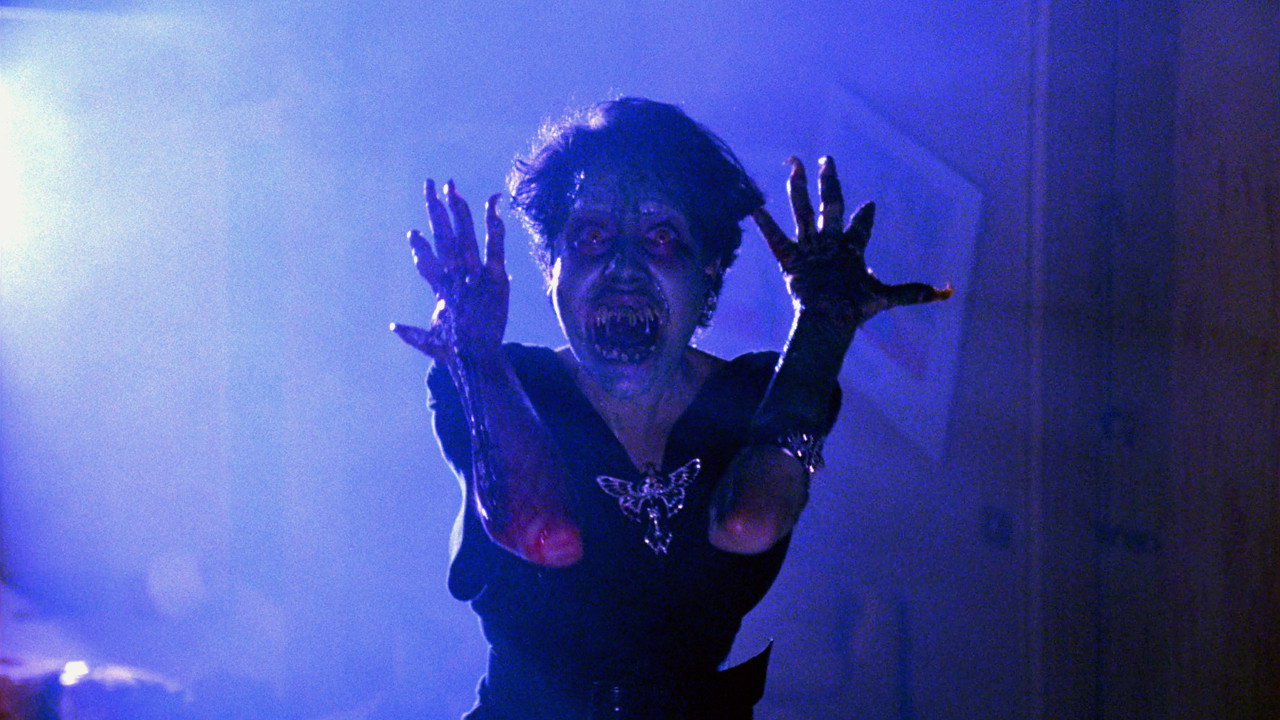
Sergio Stivaletti returned to create special makeup and mechanical effects, working alongside other specialists including Rosario Prestopino. The sequel required numerous transformations involving enlarged teeth, distorted faces, claws and bodily deterioration. These effects continue the physical approach of Demons, in which infection rapidly changes human anatomy into a recognizably monstrous form. The transformation of Sally is especially important because it introduces the outbreak into the apartment building and provides a visual demonstration of the infection’s consequences. Once transformed, she attacks the guests who have gathered to celebrate her birthday, turning an ordinary social occasion into a scene of supernatural violence.

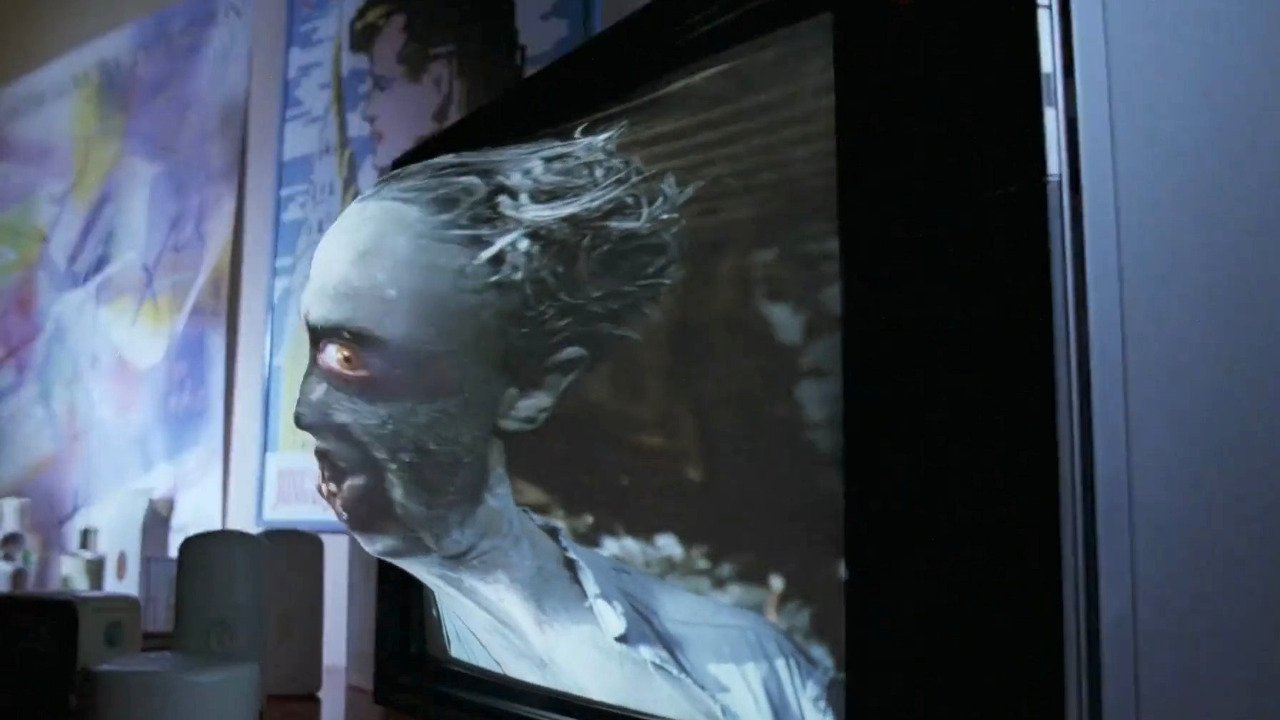
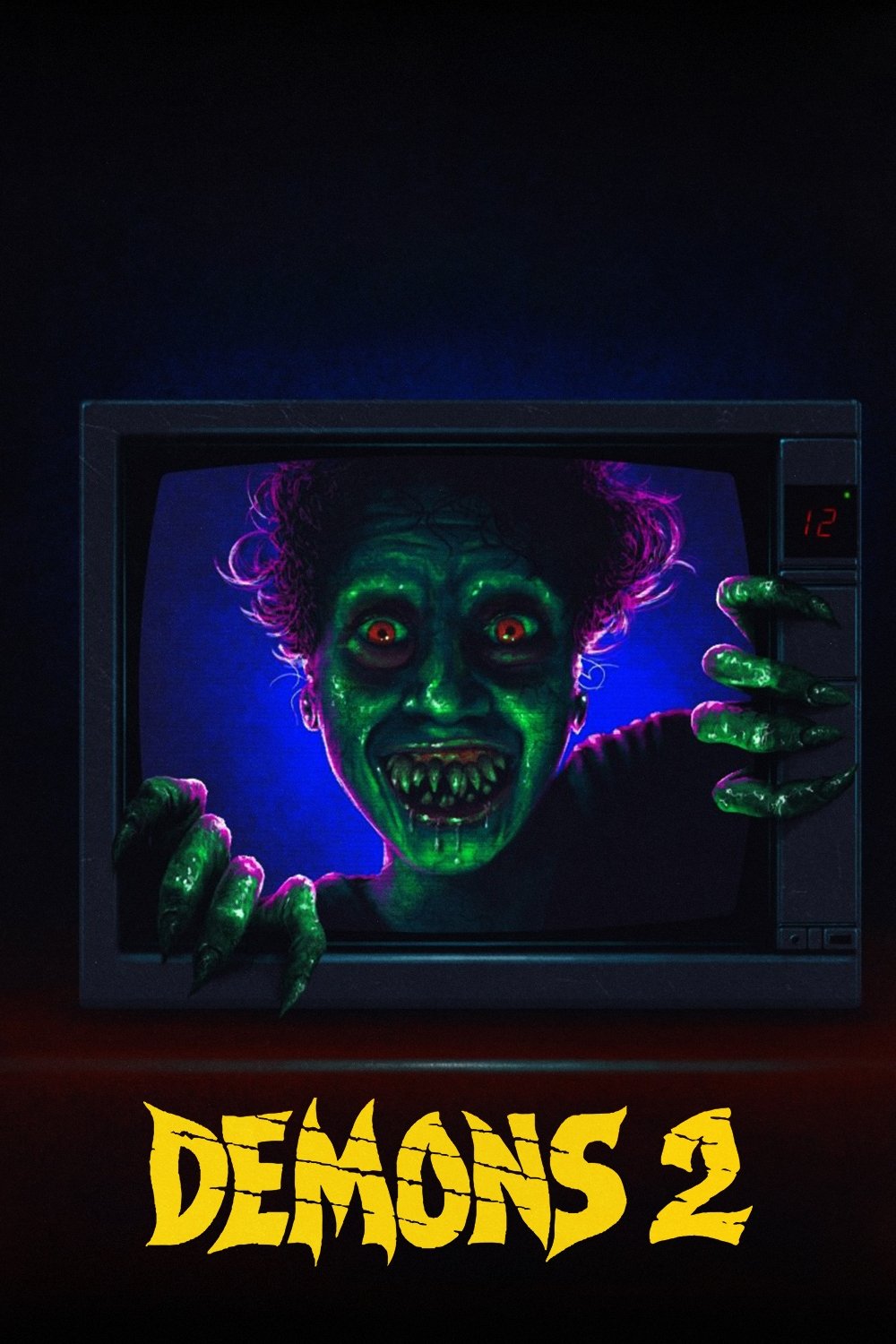
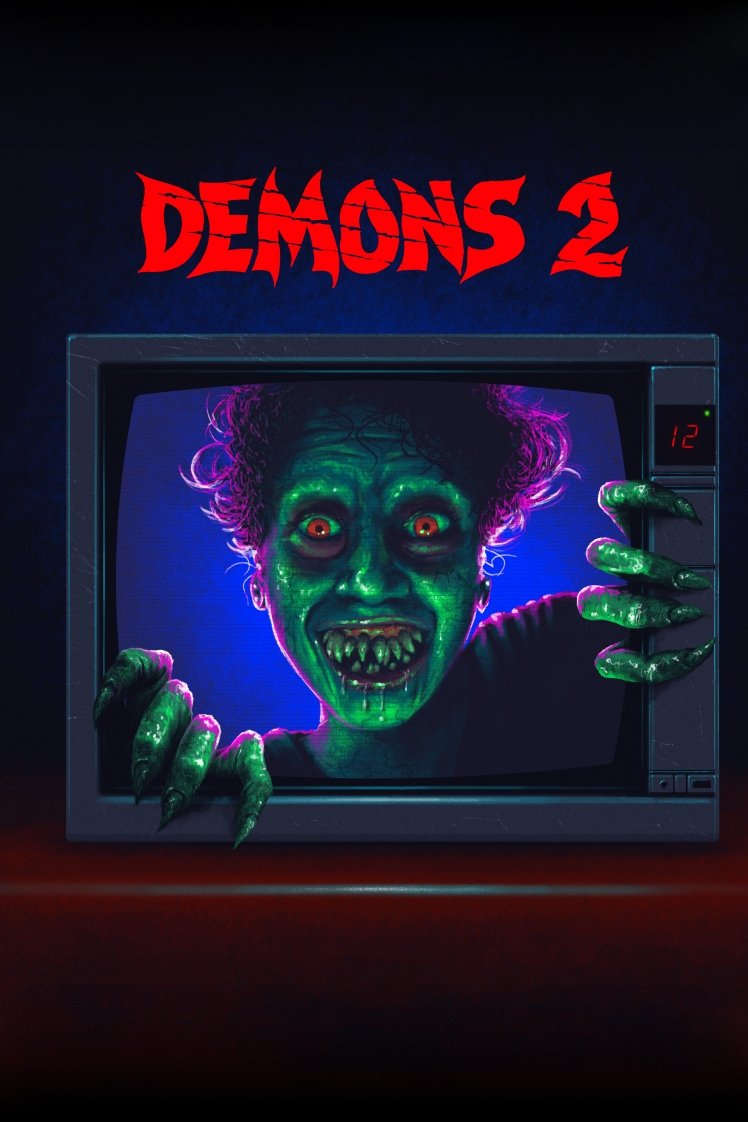
The most technically revealing sequence involves a demon emerging from a television. During an interview conducted at the Lucca Film Festival in 2025, Bava explained that the effect originated in an unusually simple practical solution. A television was modified by removing its original screen and replacing it with a flexible latex surface. The images that the characters were supposed to be watching were projected onto this material while an actor, dressed to match the creature, pushed against it from behind. Bava recalled that the original test was more effective than a later attempt to repeat the effect, and the test footage was ultimately used in the finished film. The method allowed the image to deform physically before the creature entered the room.

Bava connected this technique with the influence of his father Mario Bava, who had encouraged economical solutions and careful attention to the illumination of artificial effects. The scene is particularly effective because the movement takes place within the photographed environment rather than depending on an elaborate optical transition. The flexible television surface becomes the boundary between fictional representation and physical reality, and its deformation makes the supernatural event visible through a direct interaction between performer and prop.

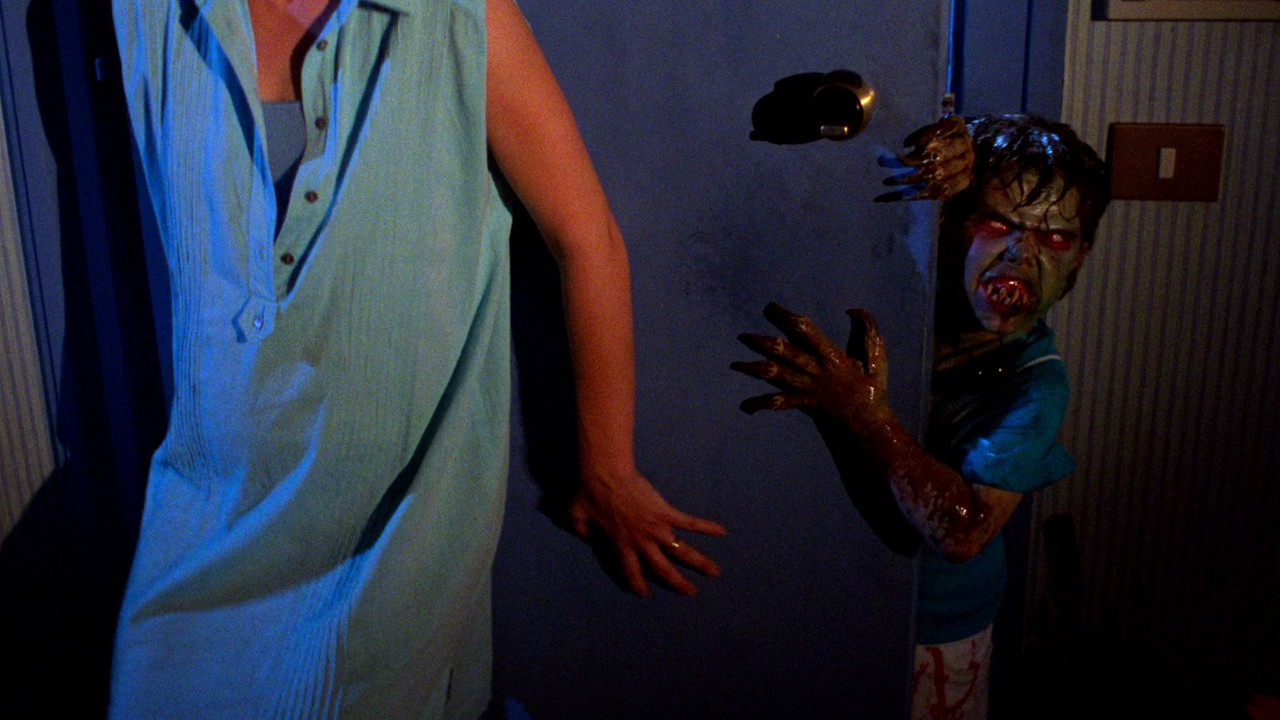
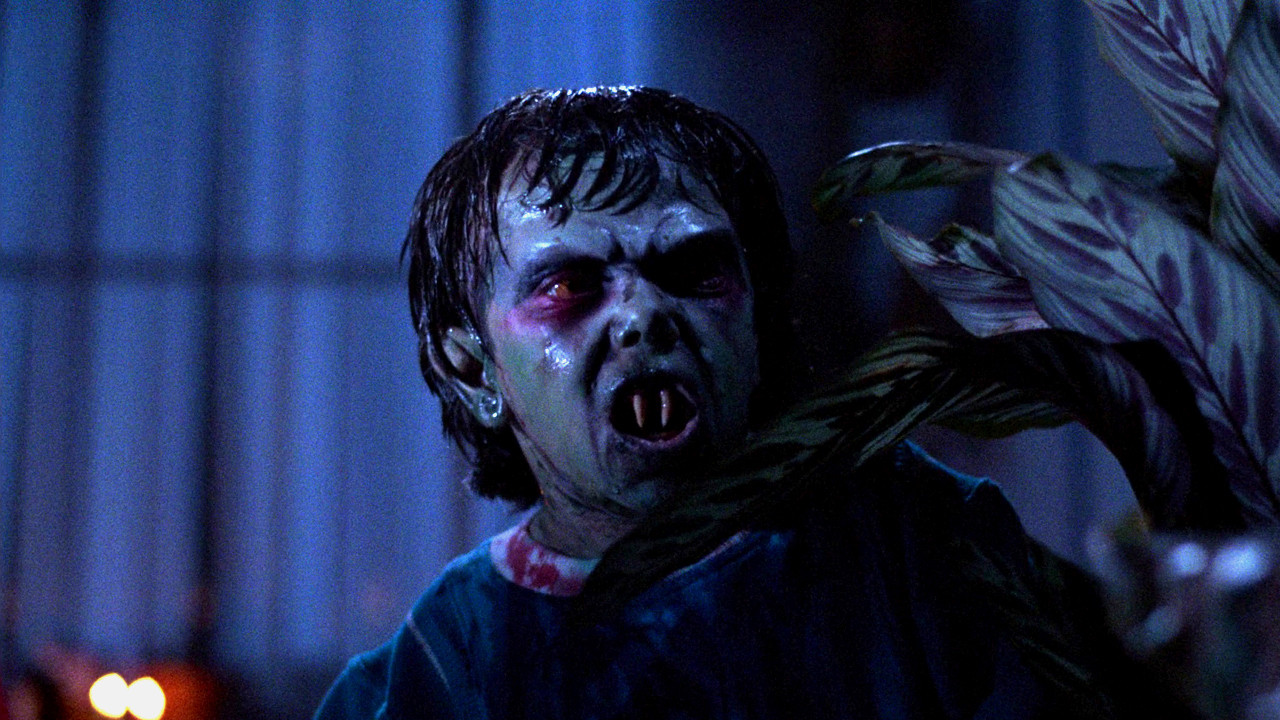
Another important creation is the miniature demon nicknamed Menelik by Stivaletti. The creature emerges during the sequence involving the young boy Tommy and subsequently becomes an independent threat. In an interview originally conducted by Federico Caddeo for HorrorCult, Stivaletti described Menelik as especially important to him because it allowed him to develop a creature with its own personality and screen presence, rather than producing an isolated prosthetic body part. The miniature character was realized through animatronic techniques. Its exaggerated proportions and independent movement introduce a different type of monster into a film otherwise dominated by transformed human bodies.

Music and the Gothic Rock Soundtrack

The musical identity of Demons 2 differs significantly from the first installment. Claudio Simonetti had provided the principal score for Demons, whose soundtrack incorporated hard rock and heavy-metal recordings. Simon Boswell assumed responsibility for the sequel’s original music and became directly involved in selecting licensed songs. In a 2008 interview with Gavin Schmitt, Boswell explained that he wanted to move away from the heavy-metal emphasis associated with Argento’s previous production. His own background in British popular music encouraged him to develop a soundtrack drawing more heavily on independent rock, post-punk and gothic rock.

Boswell worked with the British record company Beggars Banquet to obtain recordings by performers including Dead Can Dance, Peter Murphy, Fields of the Nephilim, Gene Loves Jezebel and The Cult. The soundtrack also features music by The Smiths and Art of Noise. Boswell recalled contacting Morrissey to secure permission for The Smiths’ song Panic, presenting the film to him through an argument about consumer culture and the role of television. He later described the explanation with considerable humor, making clear that it had been devised to encourage the musician to approve the use of the recording. The anecdote documents the practical process of music licensing rather than proving that the film was conceived as a deliberate political allegory.

The selection gives the sequel a different musical texture from its predecessor. Gothic rock and post-punk accompany scenes of urban nightlife, private gatherings and supernatural violence, connecting the film to contemporary British alternative music culture. Boswell also contributed material under his own name and other musical identities. His participation extended beyond composing dramatic cues, making him an important influence on the overall soundtrack. The contrast between the music and the physical effects helps establish the film’s distinctive relationship with the commercial horror and alternative music scenes of the mid-1980s.

Release, Classification and Versions

Demons 2 was released theatrically in Italy on 9 October 1986 through Titanus. It received a VM14 classification, allowing admission to a younger audience than the original Demons, which had been restricted to viewers aged eighteen and over. The sequel reached additional international markets during 1987, including Britain, where the British Board of Film Classification examined a theatrical submission of 91 minutes and 7 seconds on 27 May. The Italian and British release histories establish the film’s original theatrical circulation without requiring the different reported running times to be treated as evidence of separate narrative versions.

The BBFC also records British home-video submissions, including an edition running 87 minutes and 27 seconds in April 1987 and another running 87 minutes and 16 seconds in September 2010. These differences are consistent with the distinction between cinema and television-standard video playback, although the records alone cannot establish the precise technical history of every edition. Importantly, the BBFC entries that explicitly identify classification cuts in September and June 1987 concern theatrical and home-video trailers, respectively. Those alterations should not be incorrectly attributed to the feature itself. A further British cinema submission in January 2021 runs 91 minutes, demonstrating the continued theatrical circulation of the film in its original approximate length.

Later physical-media editions made the film available with alternative audio tracks and supplementary interviews. These releases helped document the work of Bava, Stivaletti and other members of the production. The survival of original-language materials and the continued presentation of the film in restored formats have made its visual effects and soundtrack more accessible to contemporary audiences. Claims about extended or censored editions nevertheless require examination of the individual source masters and distribution records, rather than relying exclusively on running-time differences.

Critical Reception and Place in Italian Horror

Demons 2 attracted a more divided response than its predecessor. The shift from a movie theatre to an apartment complex retained the basic structure of the original, leading some critics to regard the sequel as repetitive. The established formula of rapid infection, grotesque transformation and collective confinement was nevertheless adapted to new environments and situations. A retrospective review published by Time Out identified the gym sequences as among the film’s more effective passages while criticizing the familiarity of the narrative and the reduced emphasis on spectacular gore. Such assessments reflect the tension between the sequel’s recognizable identity and the expectations established by the first production.

The Cinémathèque française subsequently presented both films as part of a distinctive period in Italian fantastic cinema. Jean-François Rauger emphasized their use of confined environments, rapidly multiplying monsters and exaggerated physical violence, placing them in a tradition connected to George A. Romero’s Night of the Living Dead. His comparison also highlights the changing technological environment represented by the two settings. The cinema audience of Demons becomes the television audience of Demons 2, while the underlying mechanism of infection remains recognizable. The sequel can consequently be examined as part of a paired experiment in placing spectators inside the horror images they consume.

The film also illustrates the importance of practical-effects specialists within Italian horror production during the decade. Stivaletti’s transformations and independently animated creature contributed to a tradition of increasingly elaborate prosthetic spectacle, while Boswell’s soundtrack expanded the musical identity established by the preceding film. The continuing circulation of Demons 2 through theatrical retrospectives and physical-media editions has preserved its relationship with this period of Italian genre filmmaking. Its historical importance is most clearly established through that production context and its development of the original film’s media-horror premise, rather than through unsupported claims of direct influence on later individual filmmakers.
References

  1. Cineclandestino Intervista a Lamberto Bava

    Direct 2025 interview in which Bava explains the practical television-screen effect, the use of a latex membrane and the influence of Mario Bava on his special-effects approach.

  2. Gente di Rispetto / HorrorCult Intervista a Sergio Stivaletti

    Original interview conducted by Federico Caddeo and republished by the interviewer, documenting the development of the miniature demon Menelik and Stivaletti’s practical-effects methods.
  3. Gavin Schmitt Simon Boswell Interview, Soundtrack Composer
    Original 2008 interview with Boswell covering the gothic-rock soundtrack, collaboration with Beggars Banquet, music licensing and negotiations for The Smiths’ Panic.

  4. La Cinémathèque française Démons 2 (Lamberto Bava, 1986)

    Historical and critical analysis by Jean-François Rauger examining the relationship between the two films, the transfer from cinema to television and the industrial context of Italian horror.

  5. British Board of Film Classification Demons 2 — Classification and Release Records

    Official British records documenting theatrical and home-video running times, the 1987 submissions, trailer alterations and the 2021 cinema classification.

Cast

View Full Cast & Crew →

Release & Distribution

Production Companies (1)

  • DACFILM Rome IT

Distributors (1)

  • Titanus IT

Release History (11)

Release DateTerritoryRelease TypeFormatDistributorCertificationNotes
1986-10-09 Italy Theatrical — — VM14
1986-10-09 Romania Theatrical — — 18
1987-01-01 Hong Kong SAR China Theatrical — — —
1987-02-13 United States Theatrical — — R
1987-02-14 Germany Theatrical — — 18
1987-02-28 France Theatrical — — 12
1987-09-18 United Kingdom Theatrical — — —
1988-11-21 Spain Theatrical — — 18
2008-03-06 France Physical DVD — — DVD
2022-07-28 France Digital — — 12 VOD
2025-04-05 Finland Premiere — — — Night Visions Film Festival
Let's Party!