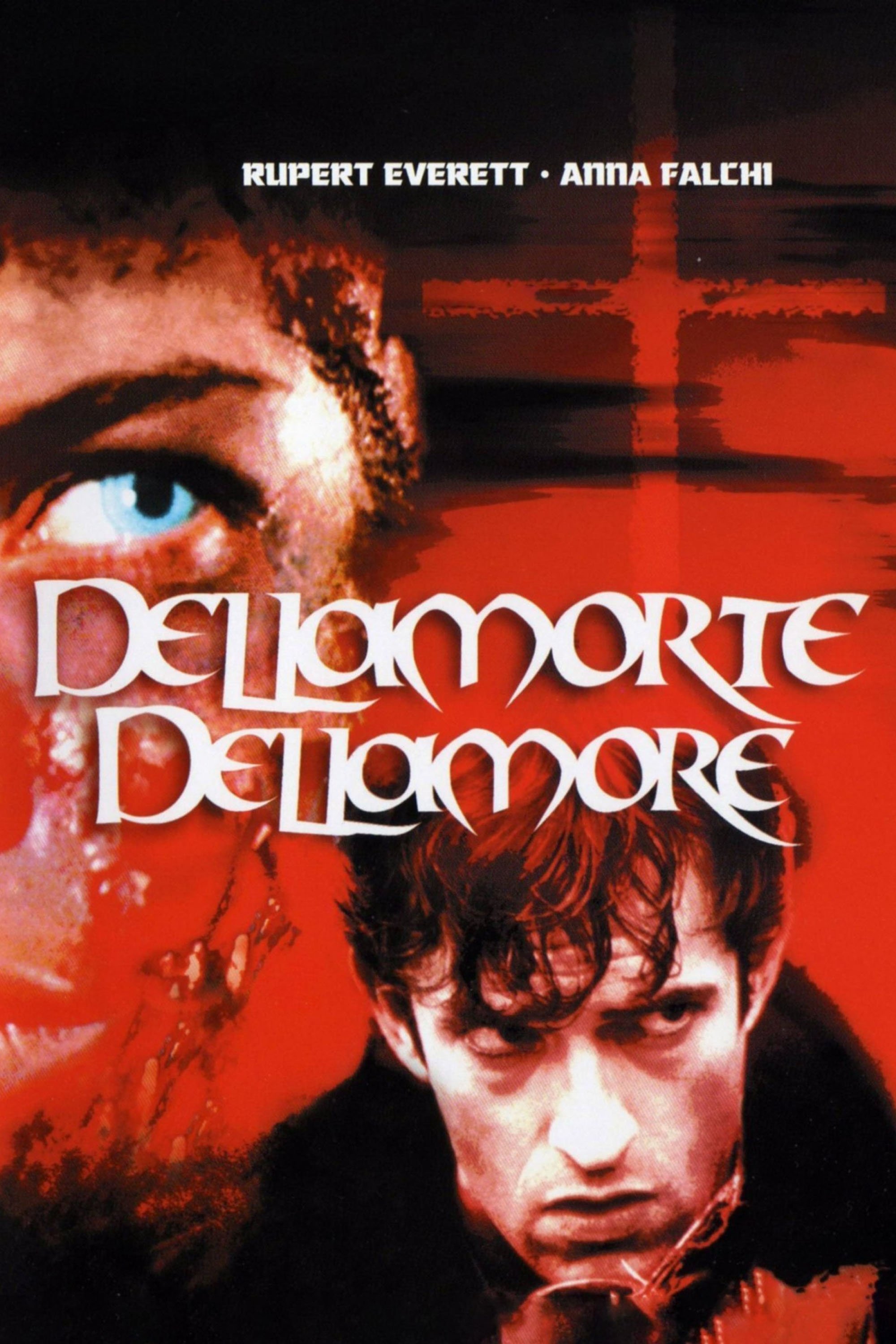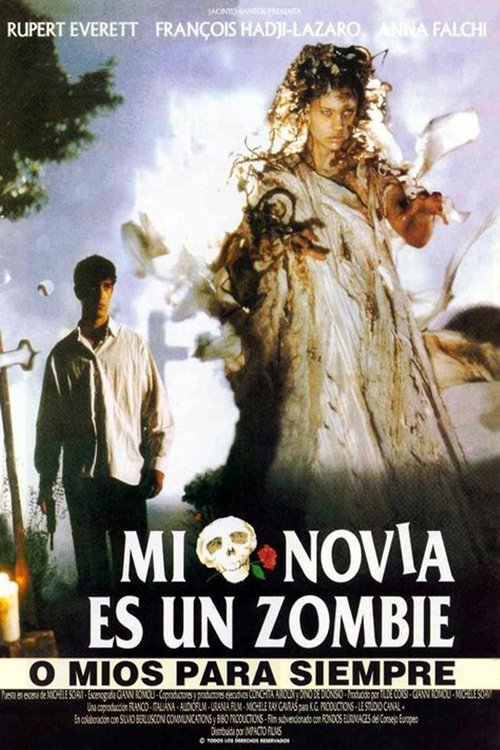
Cemetery Man (1994)

IT
5.0/10 3 votes
Runtime
105 min
Release
March 25, 1994
Budget
$4,000,000
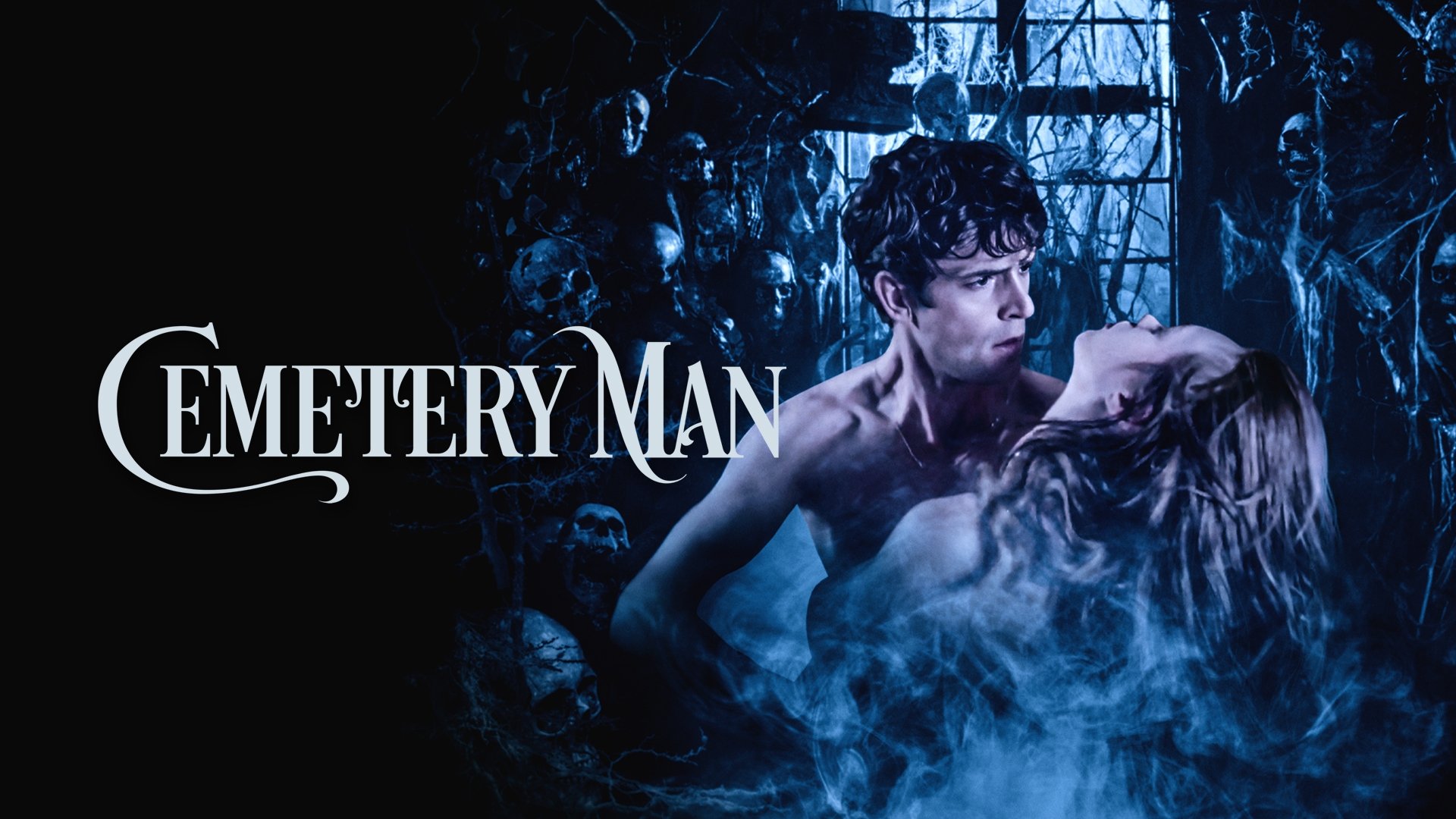
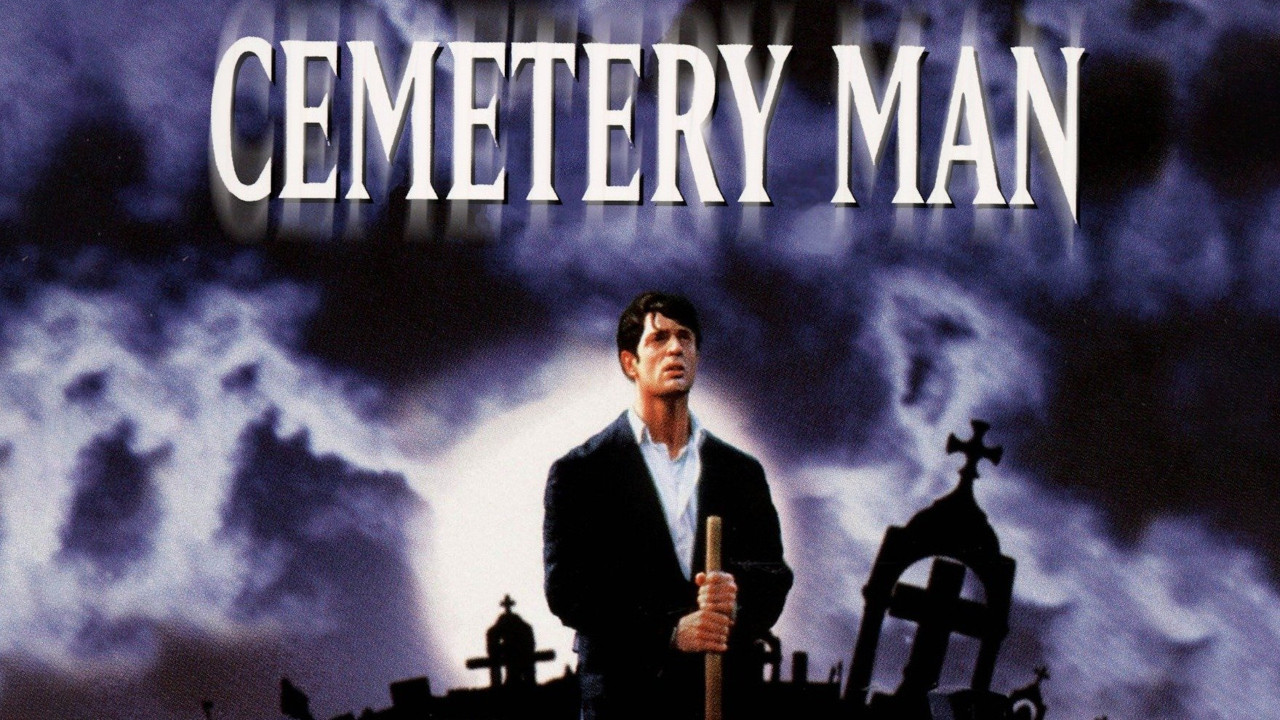
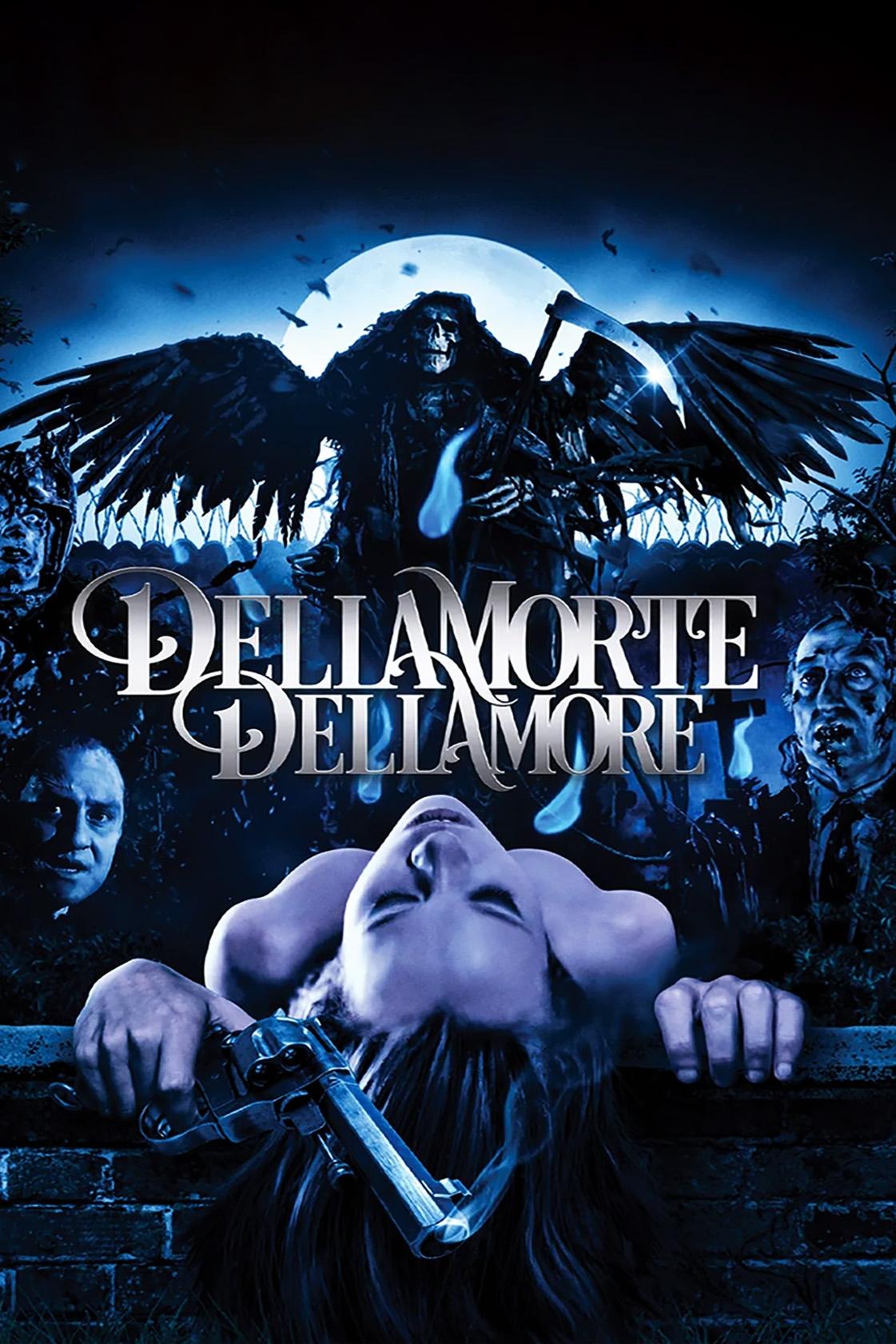
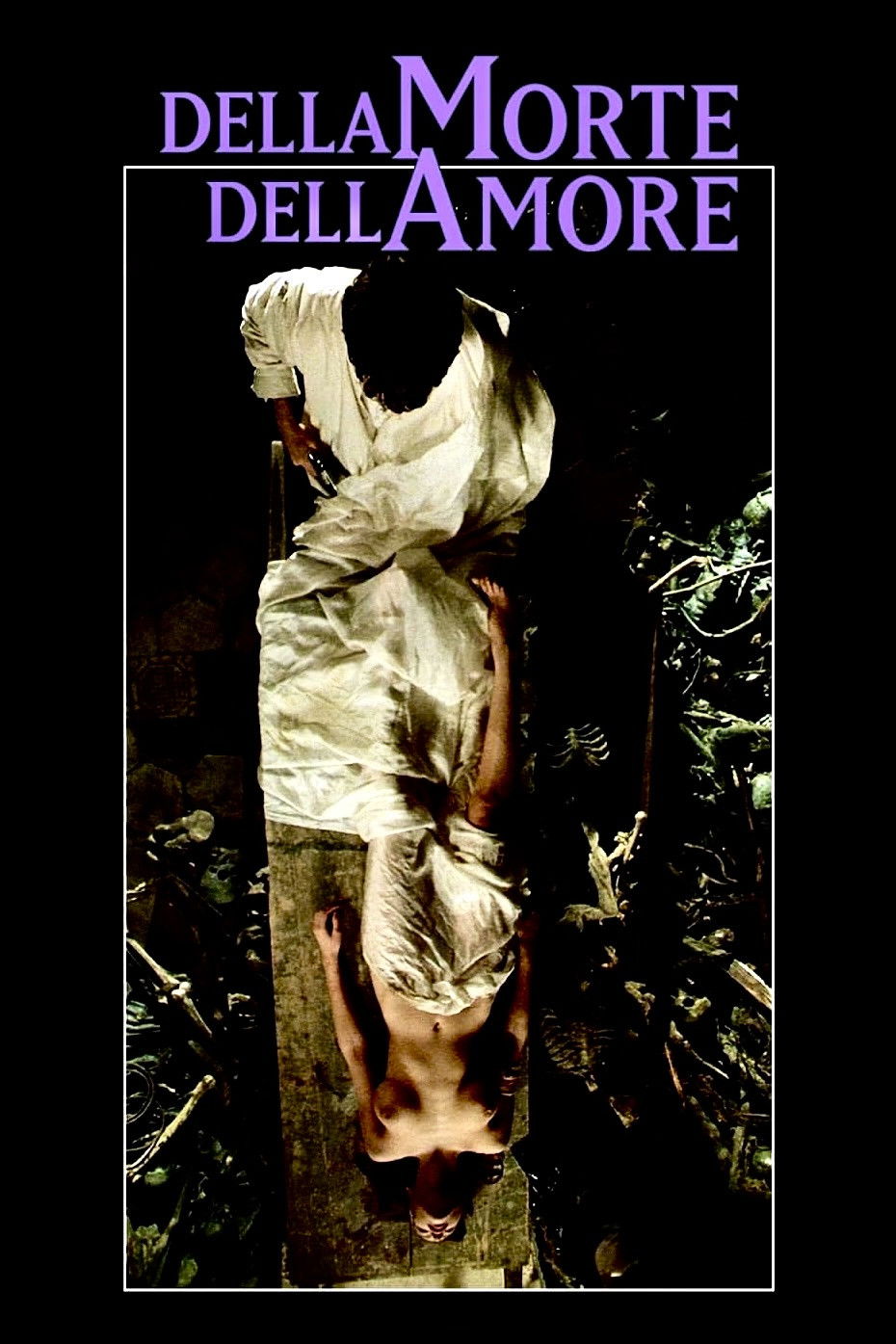
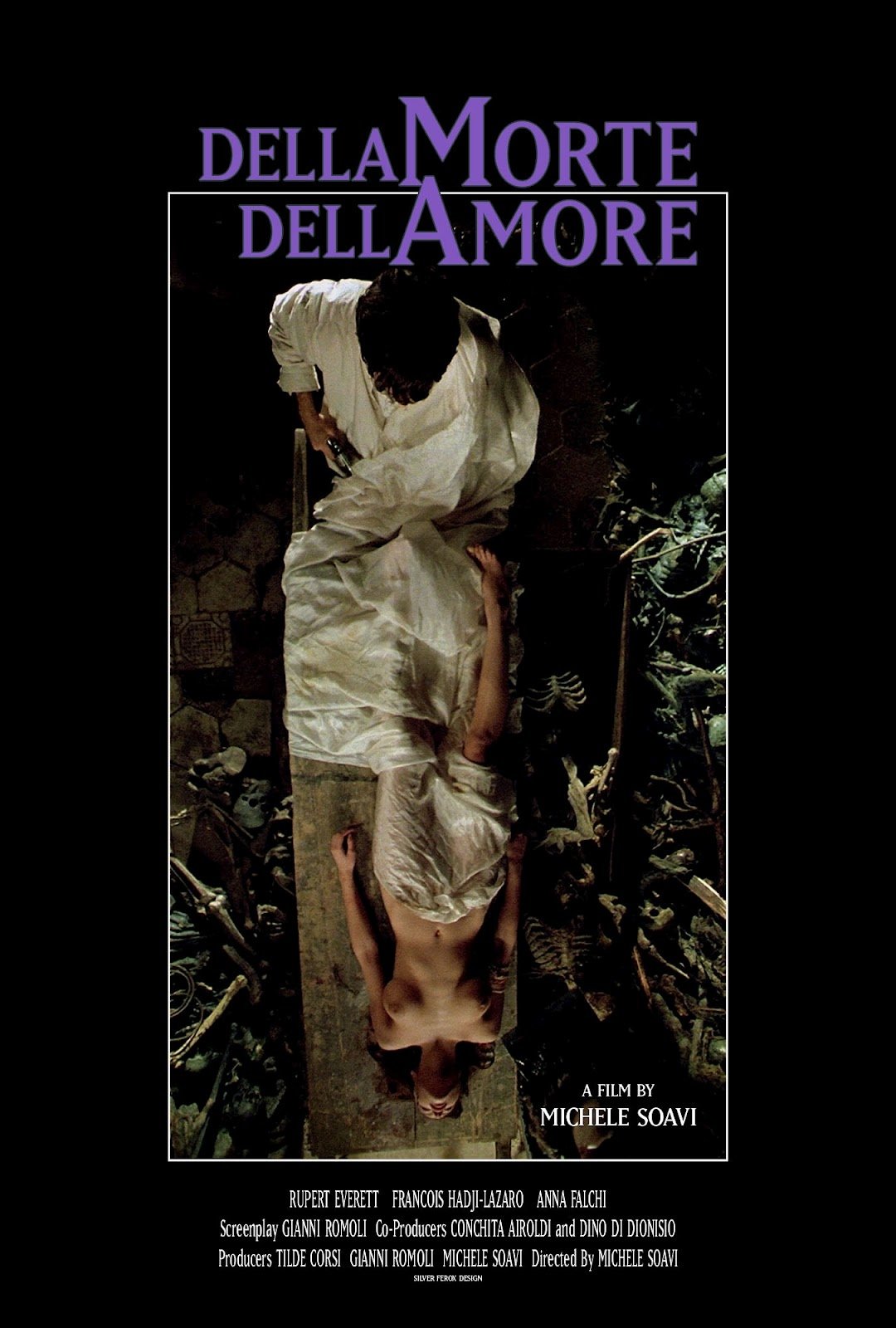
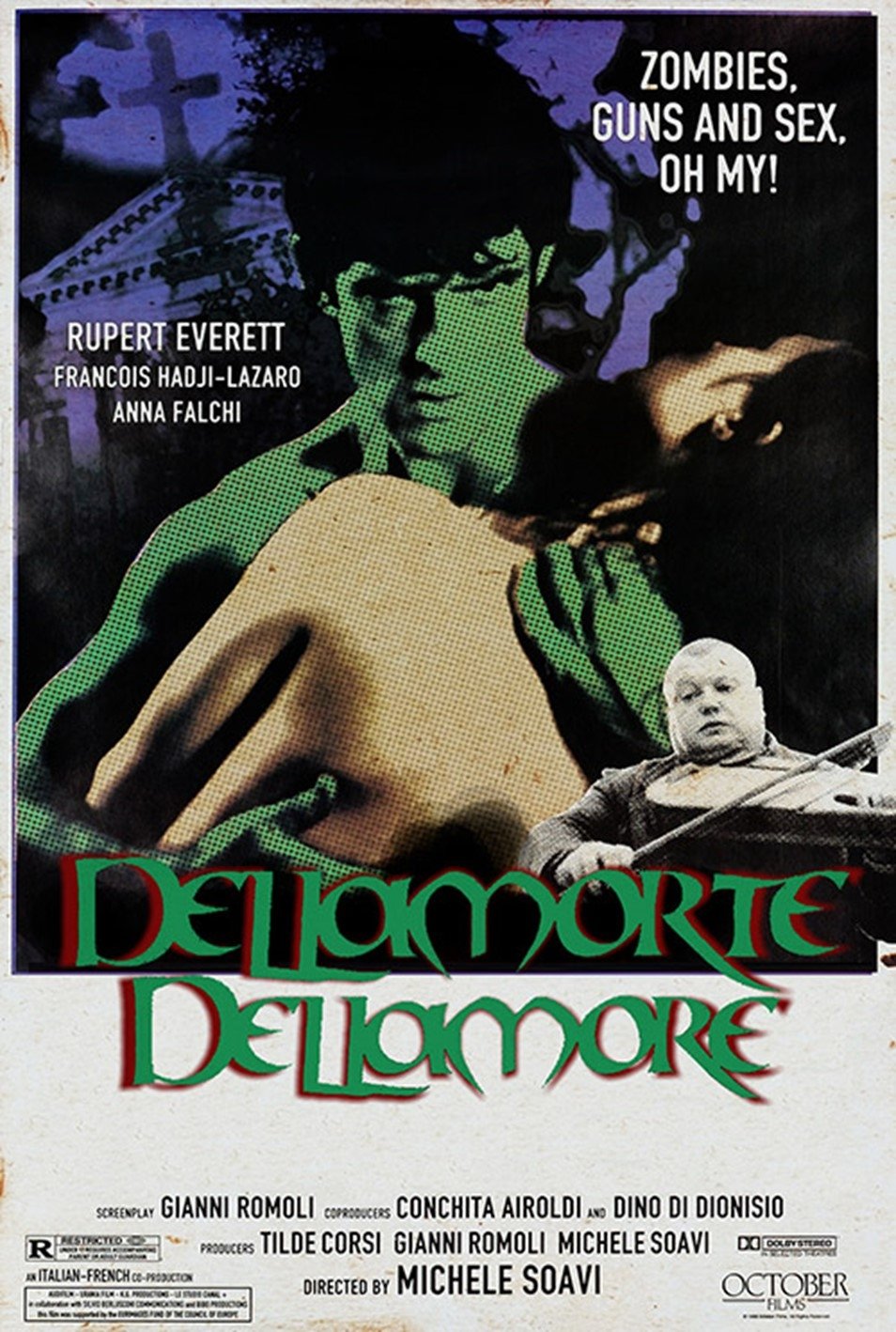
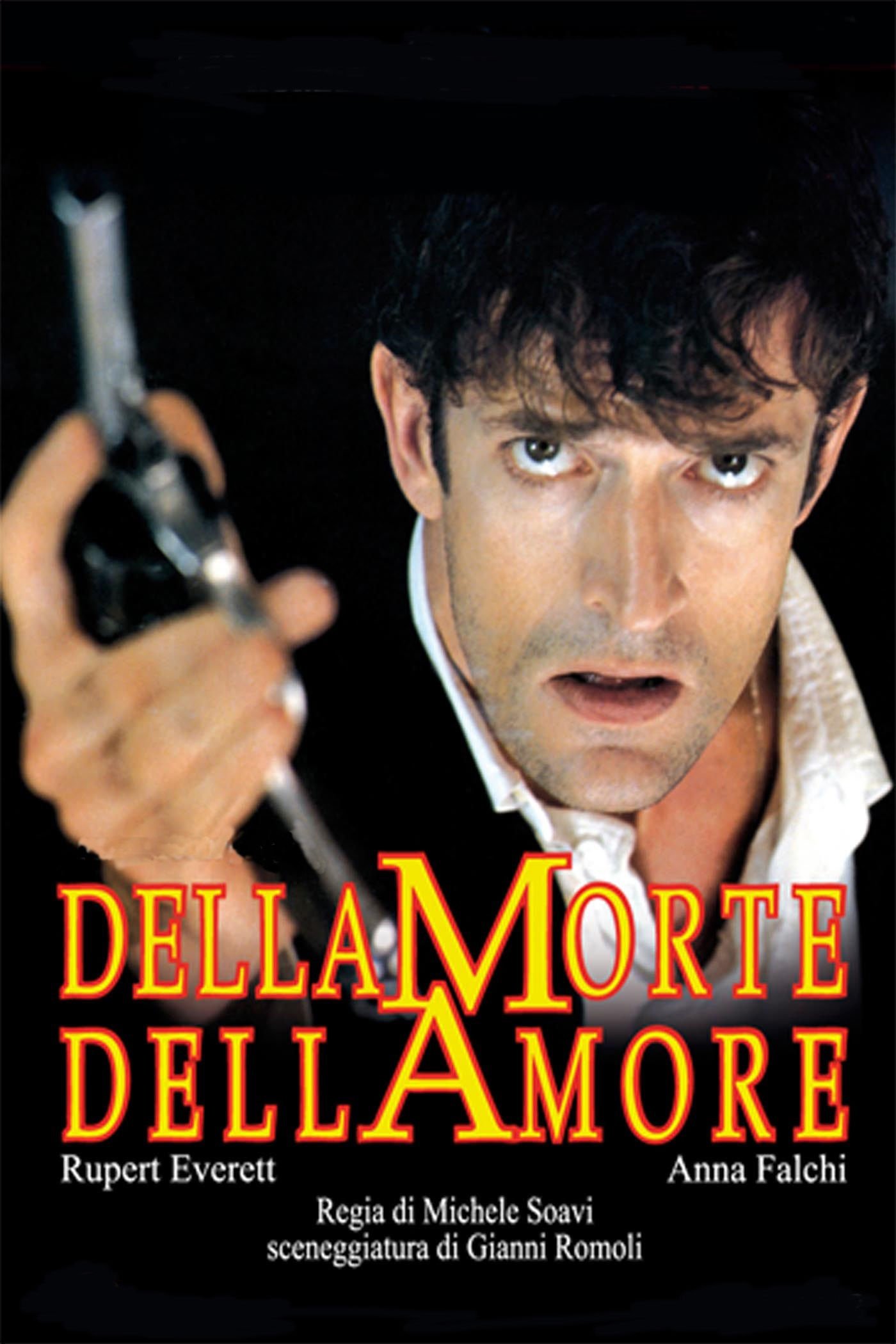
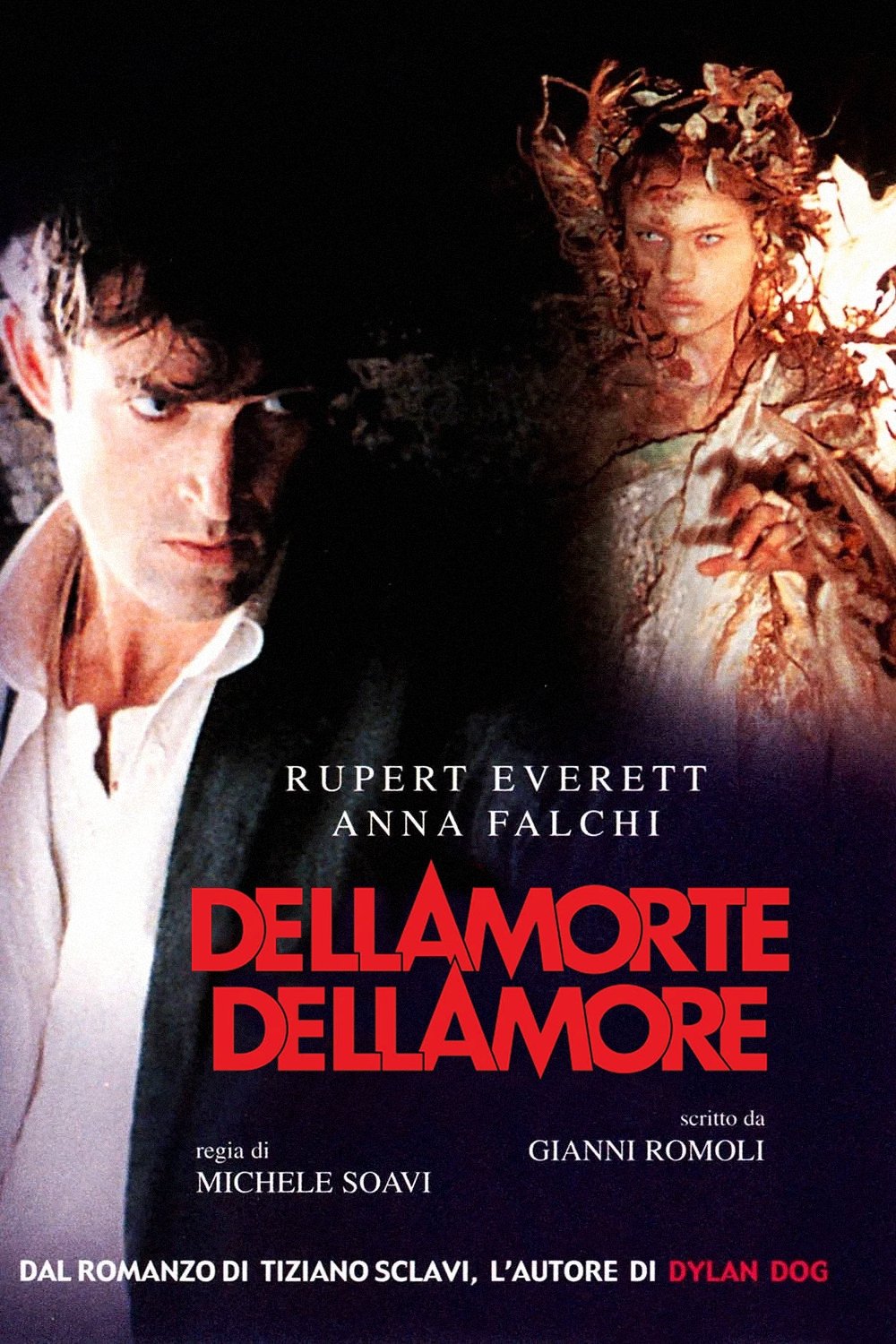
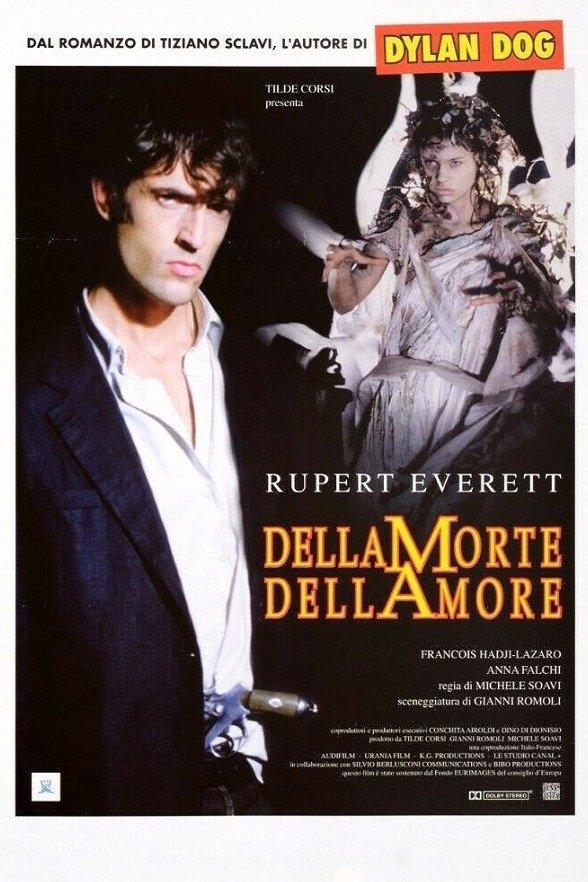
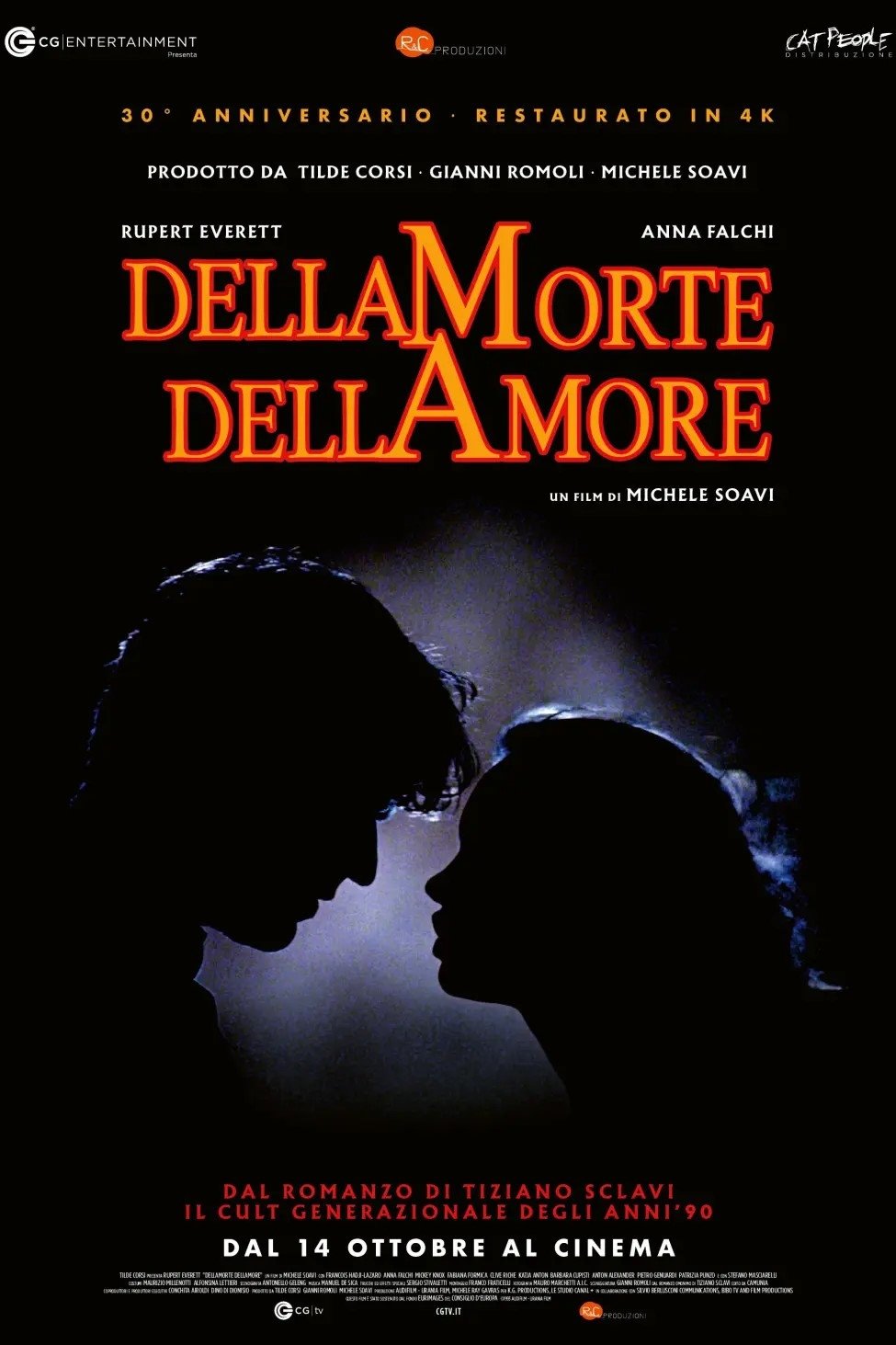
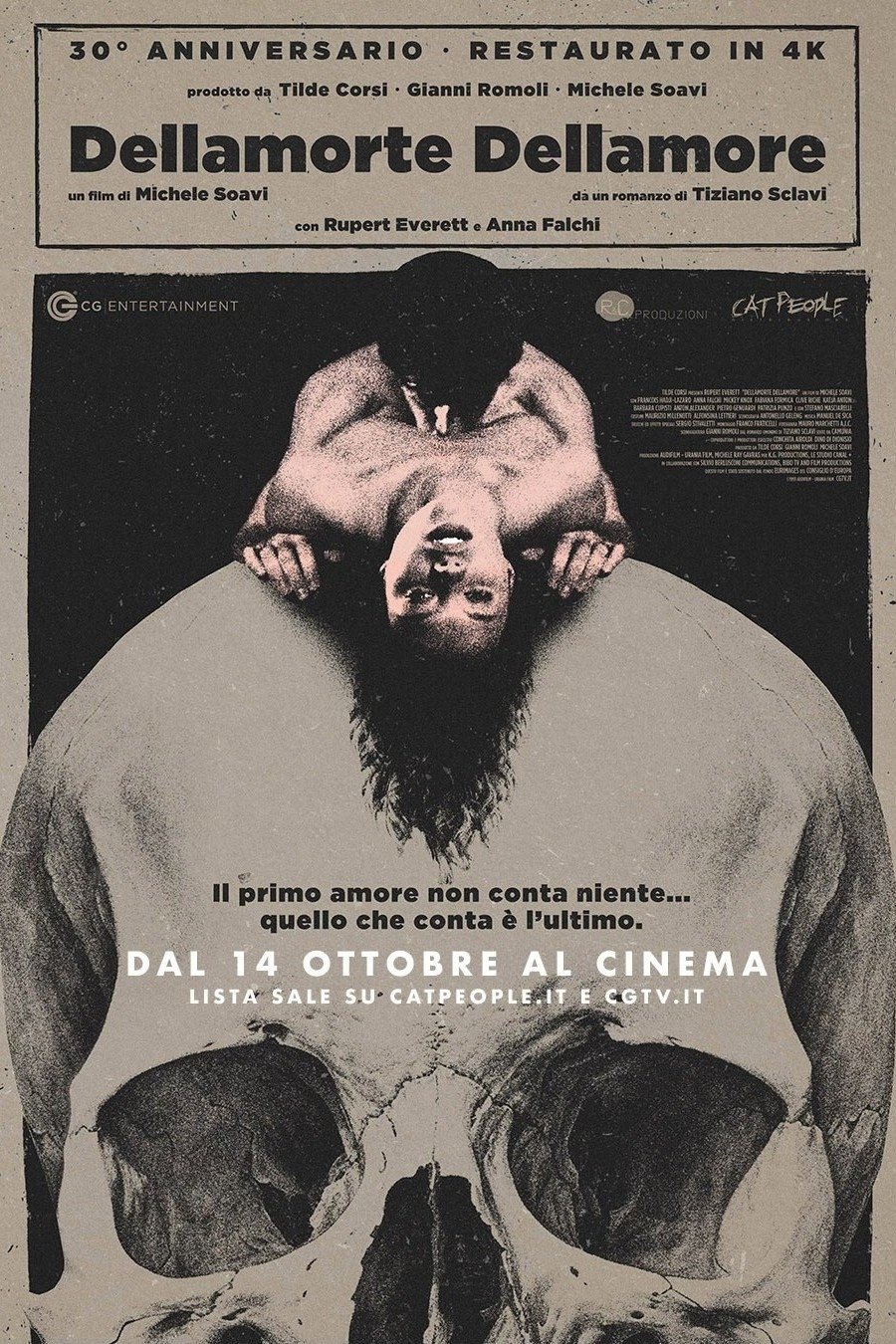
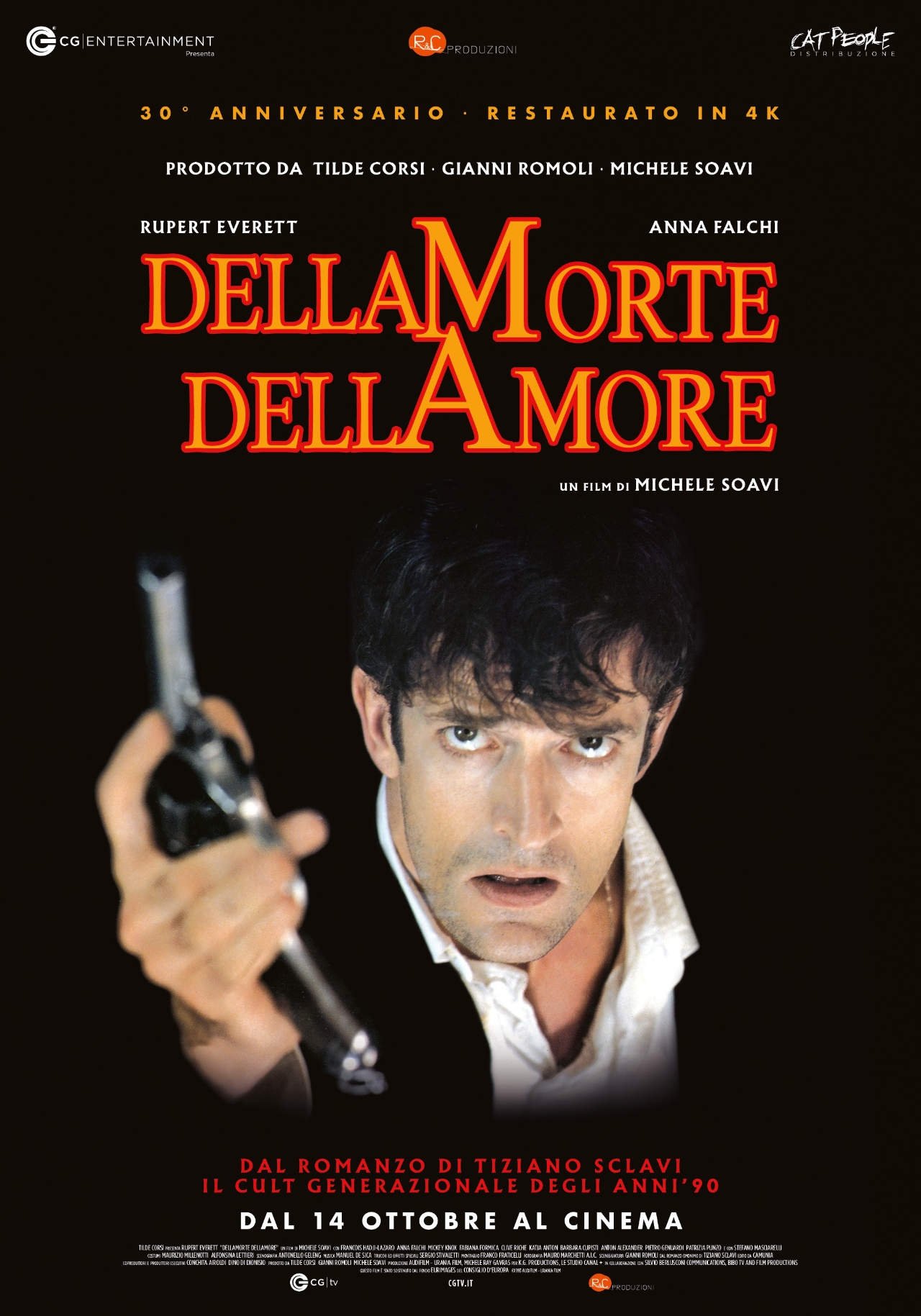
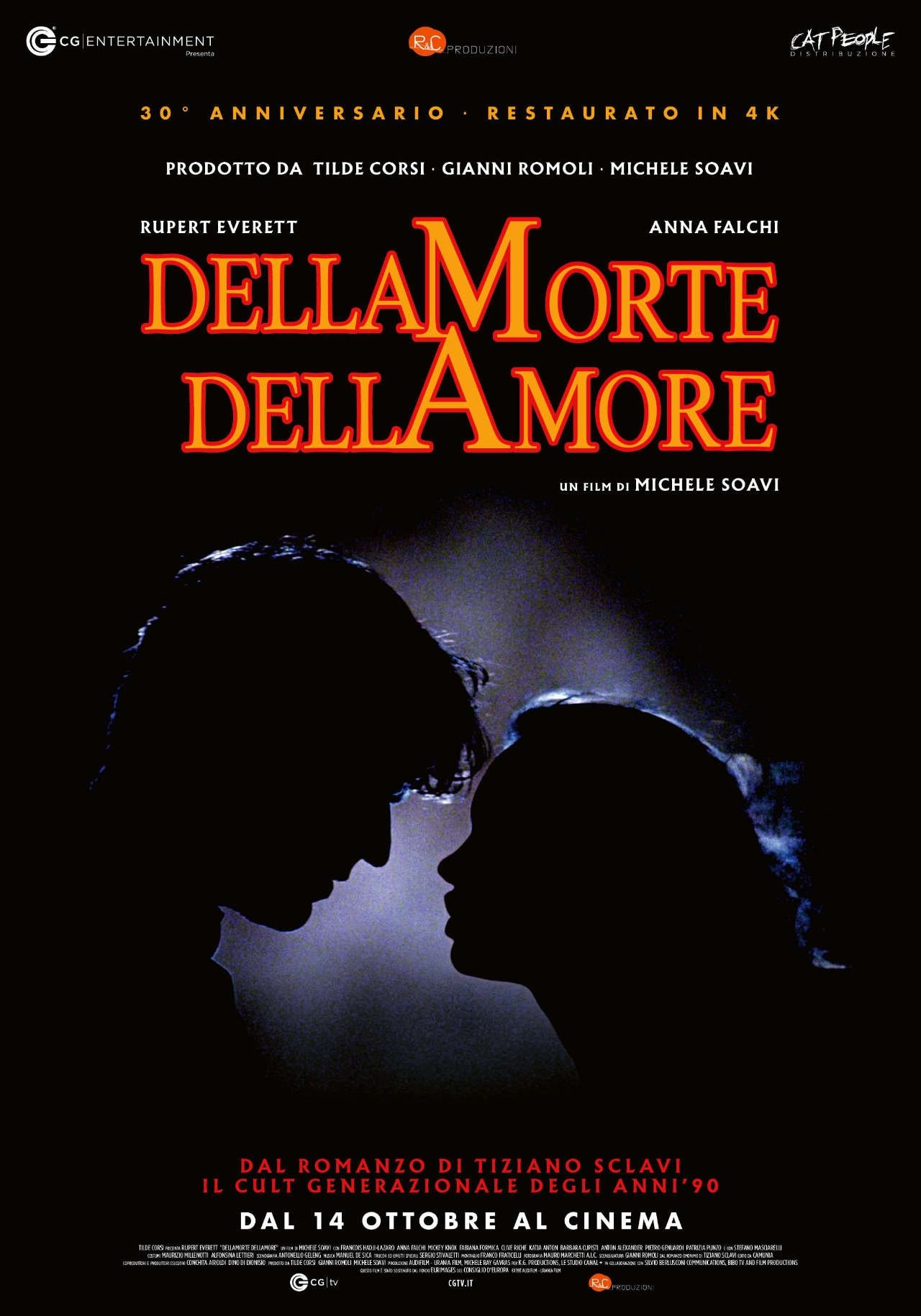
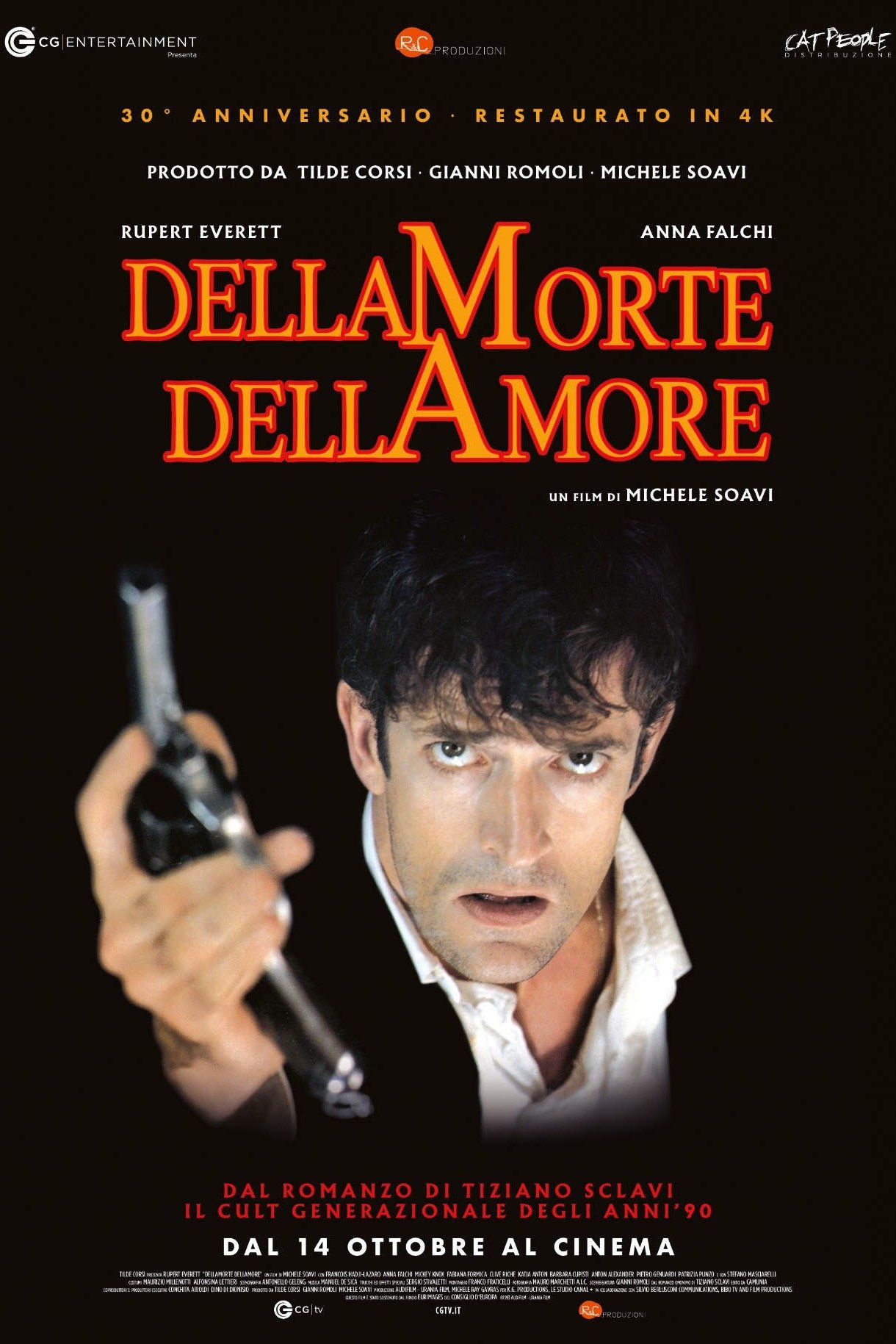
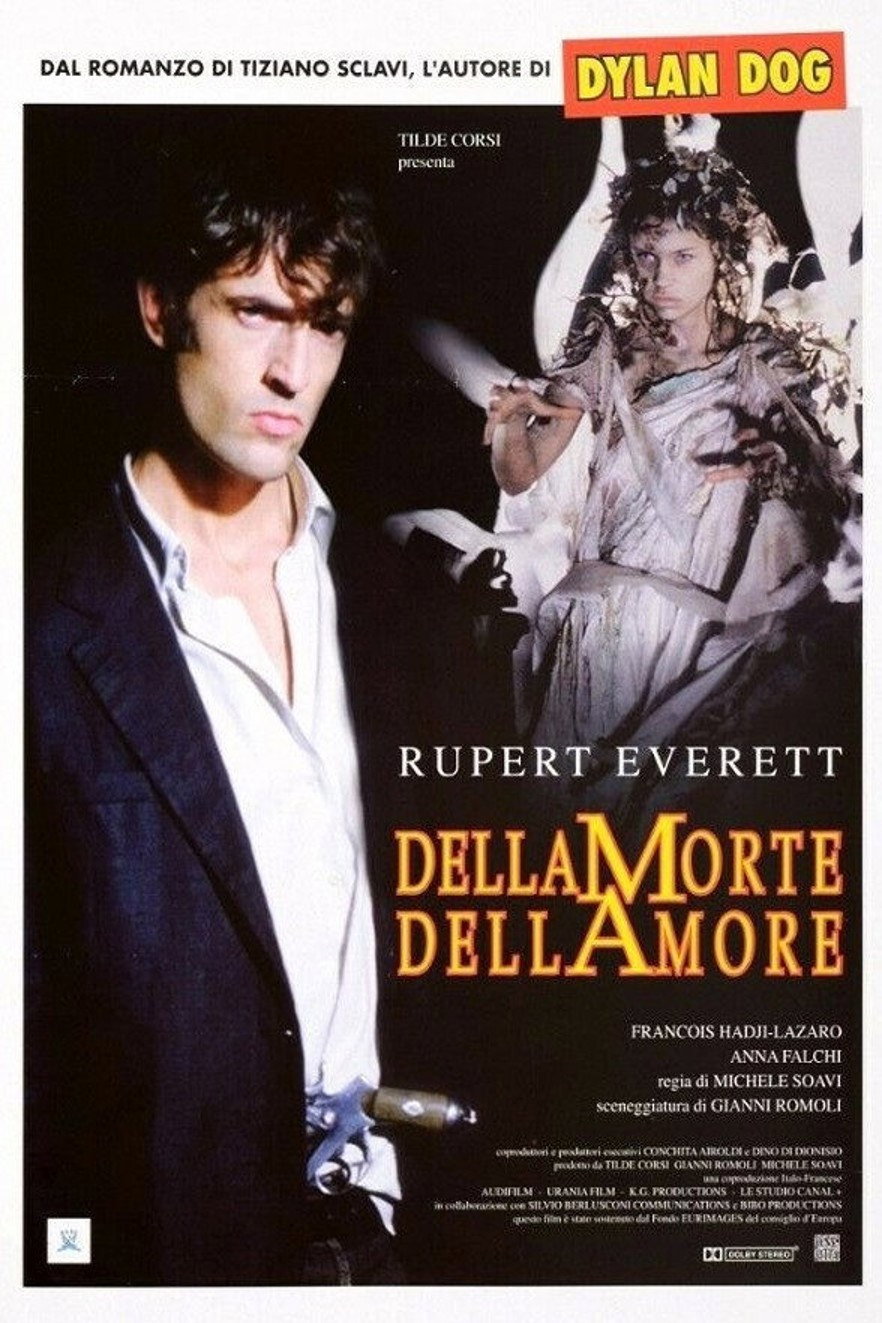
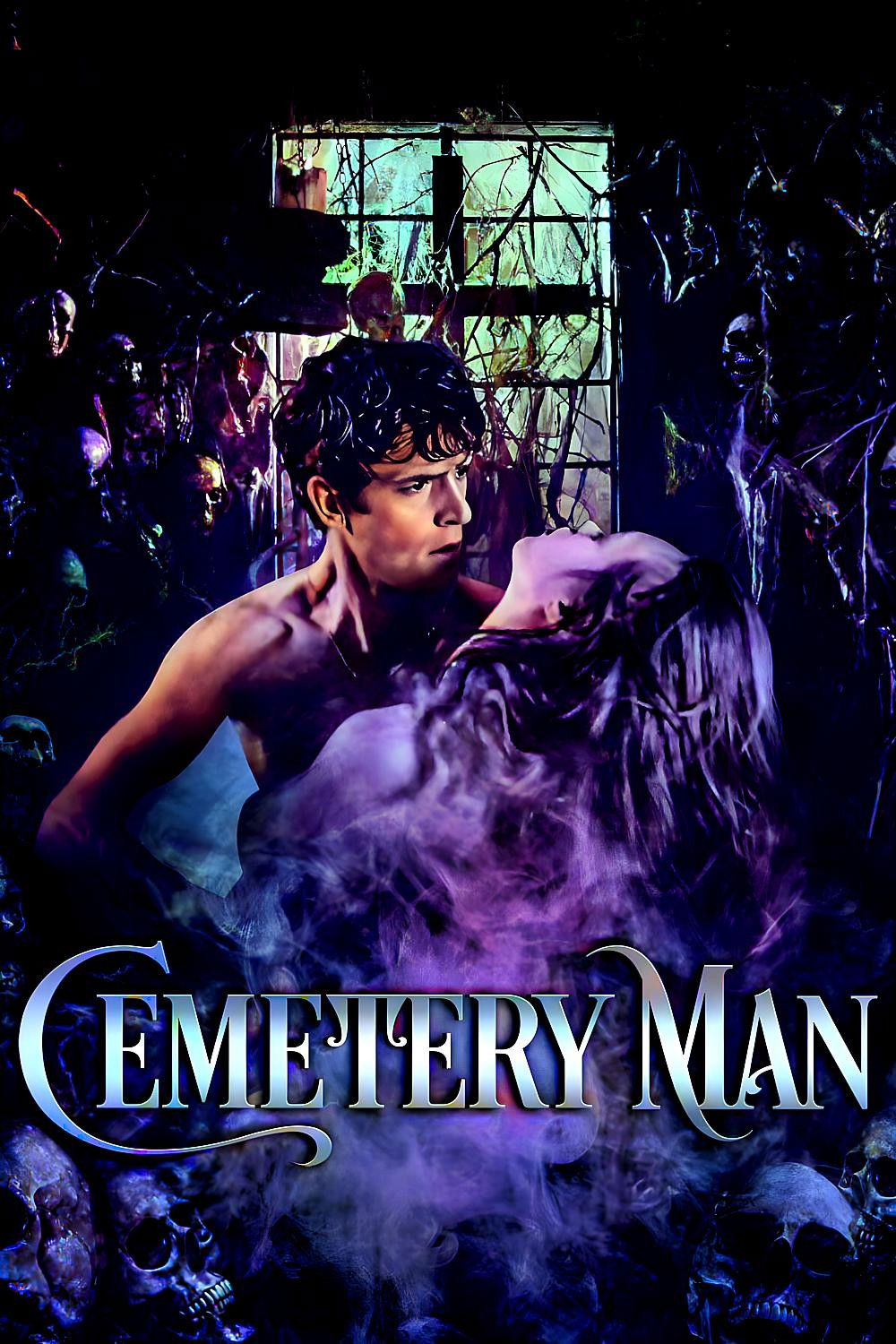
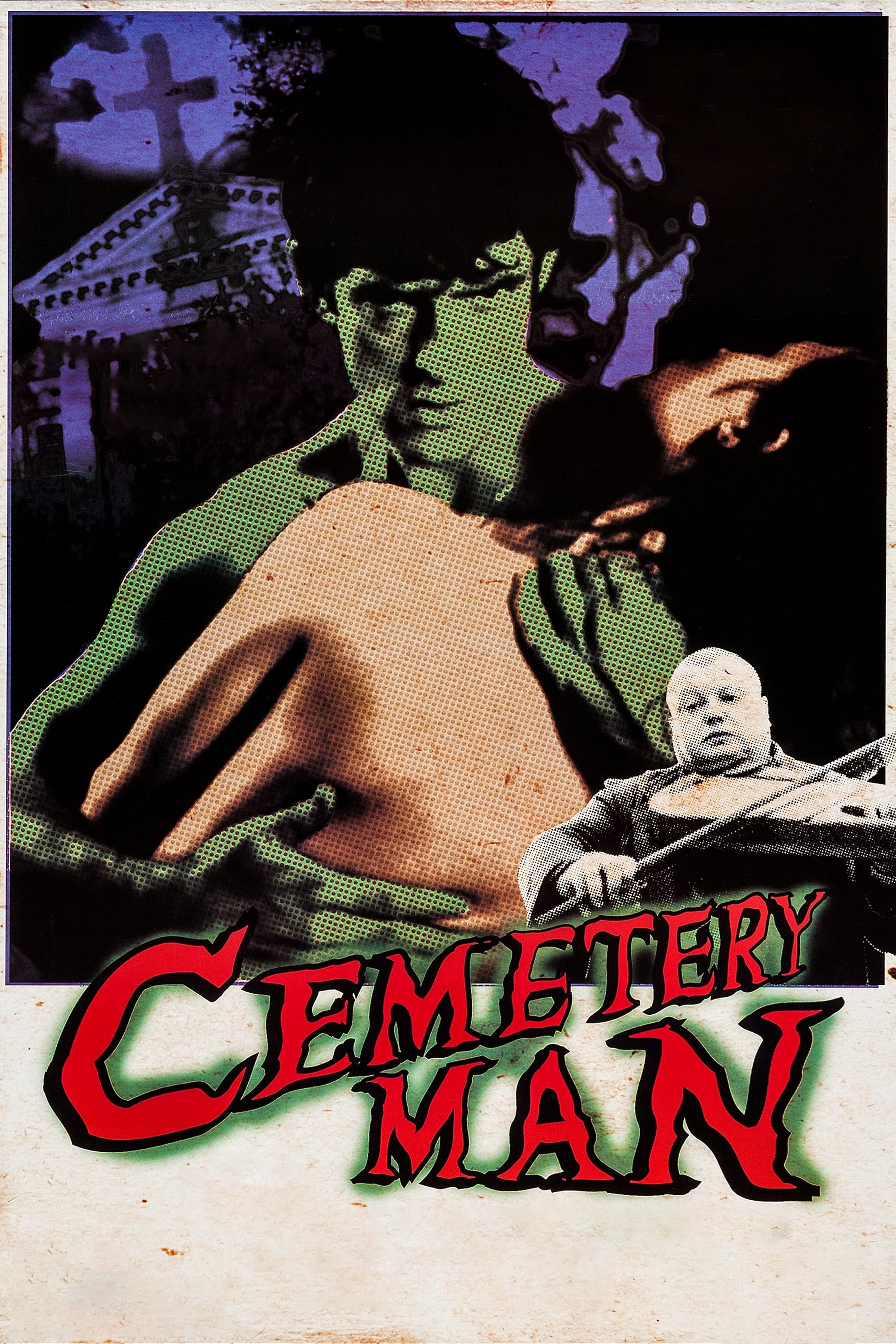
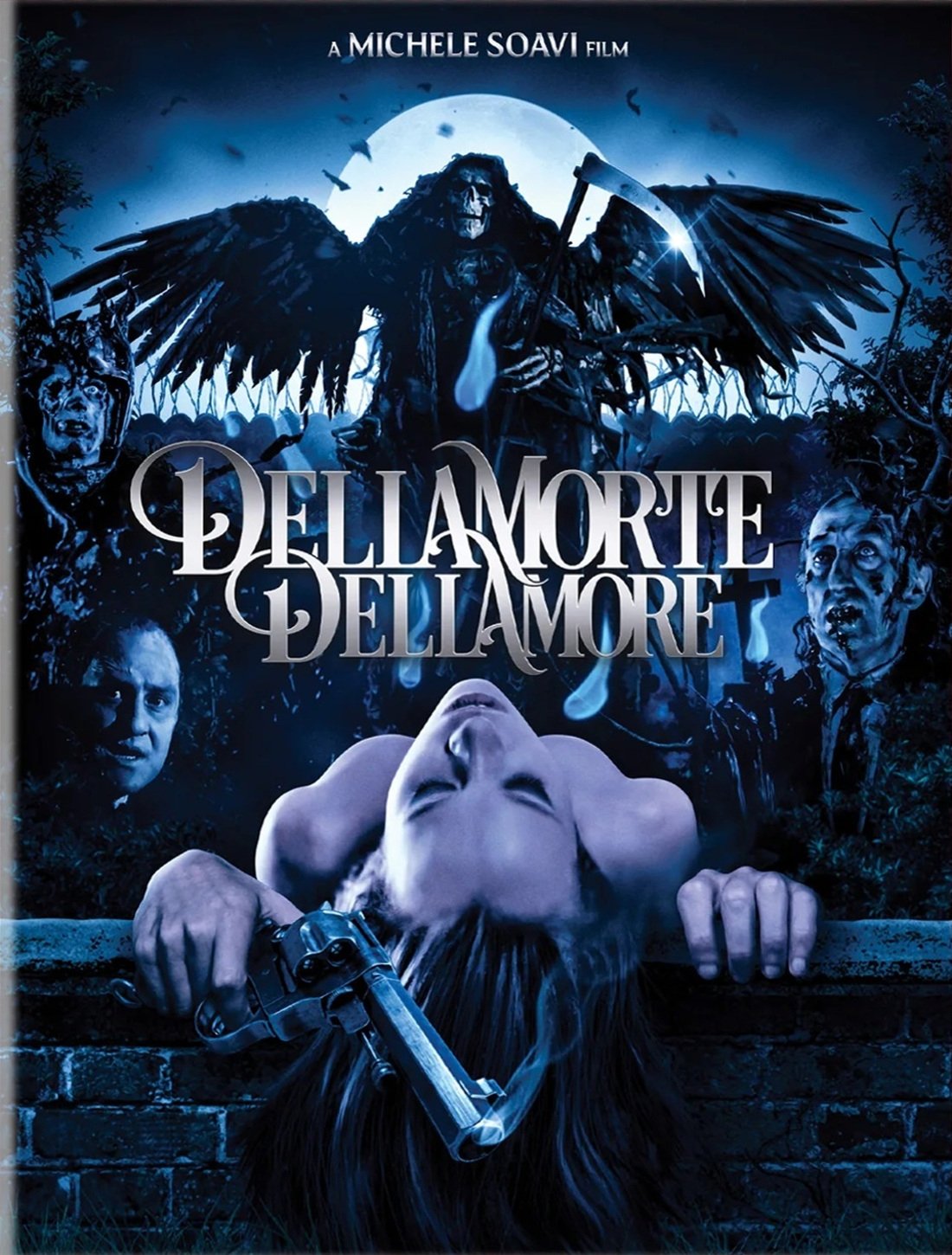
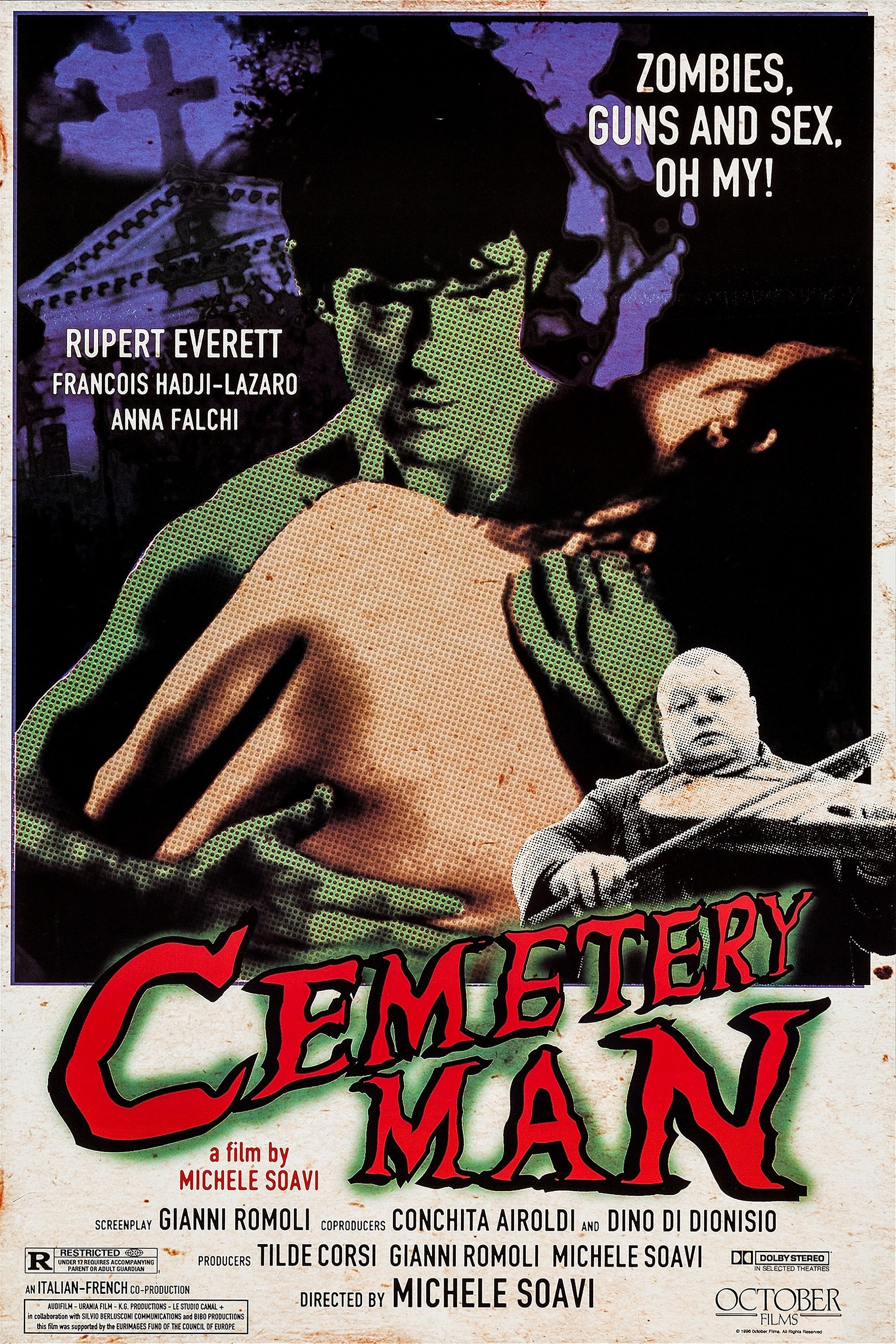
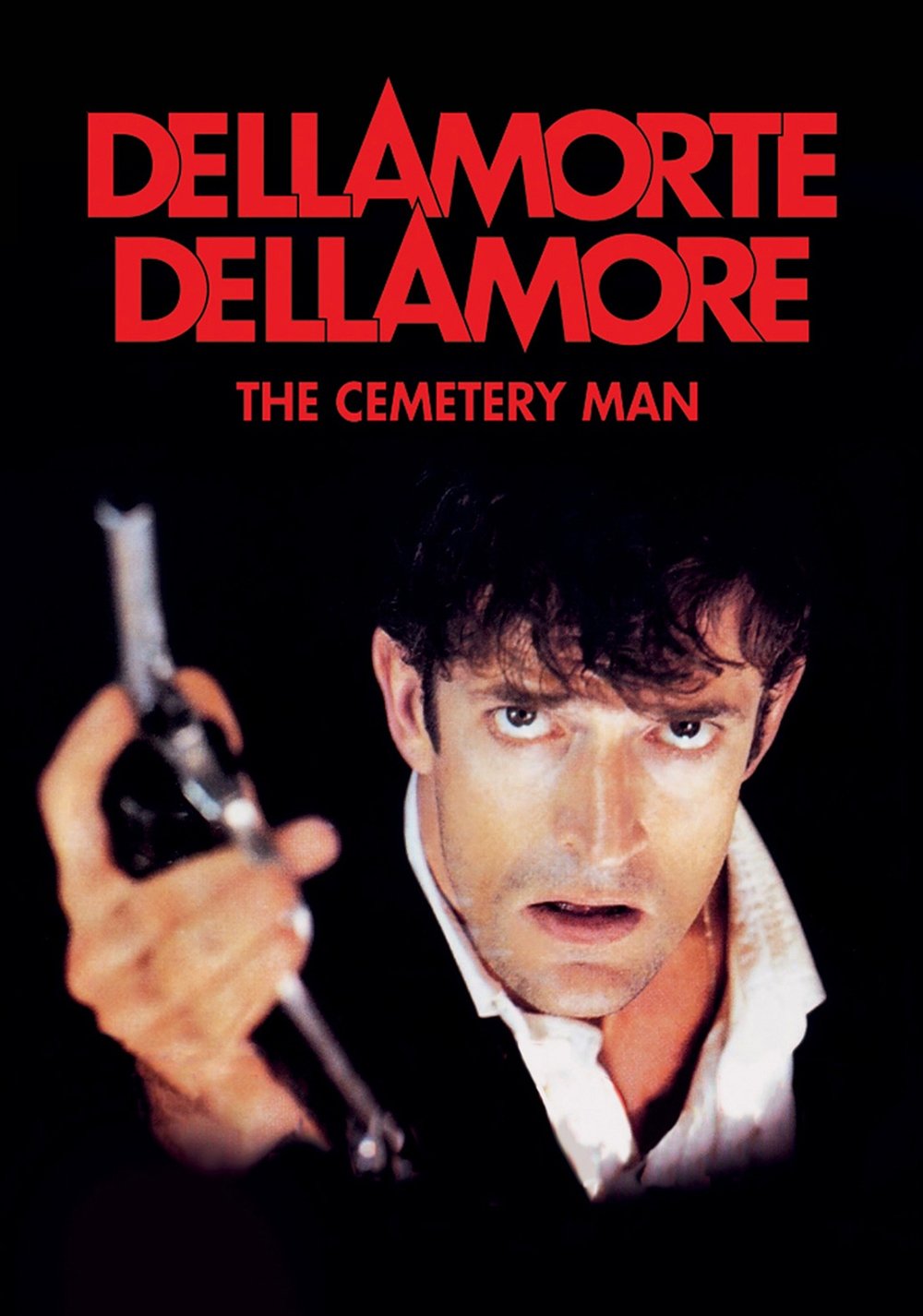
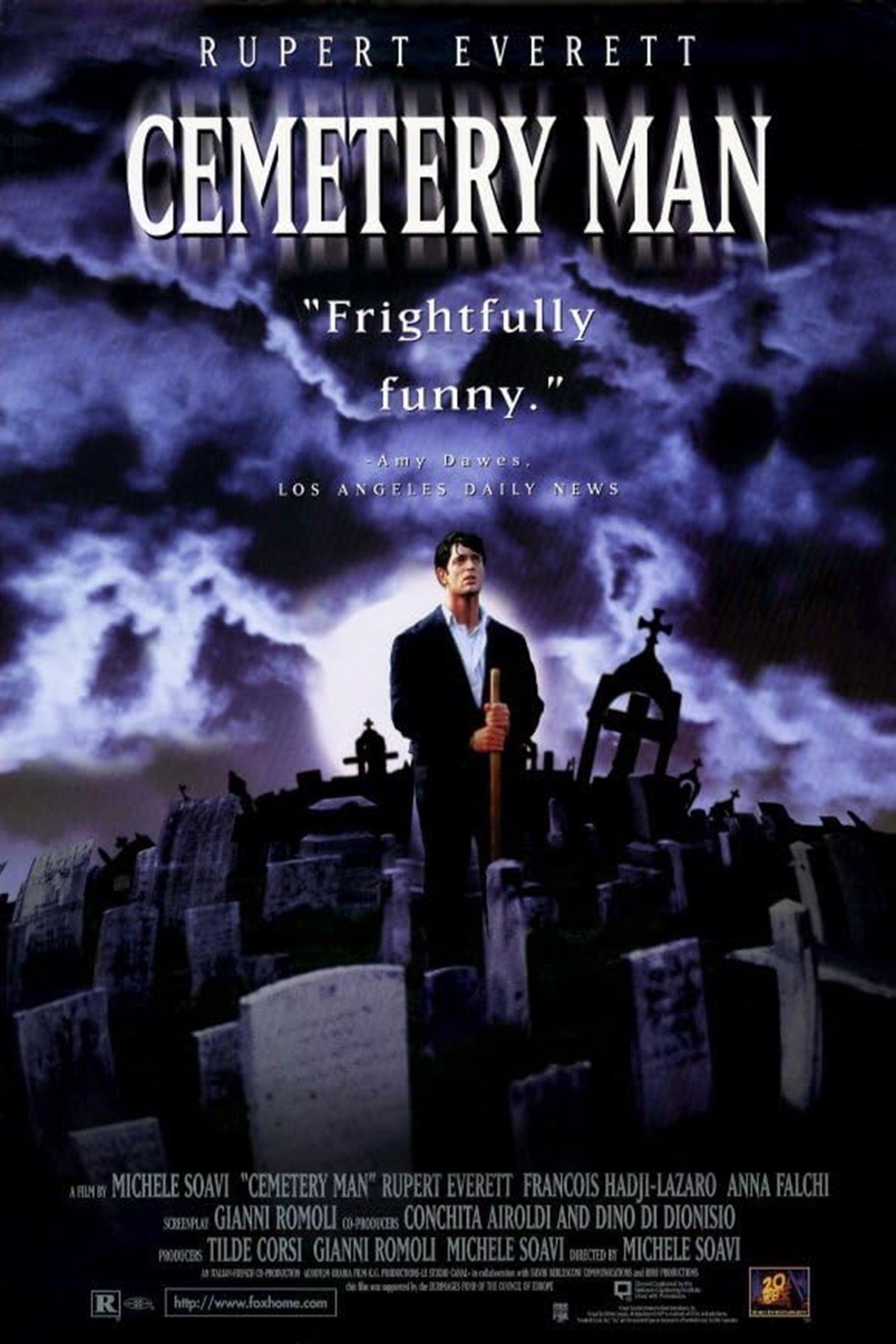
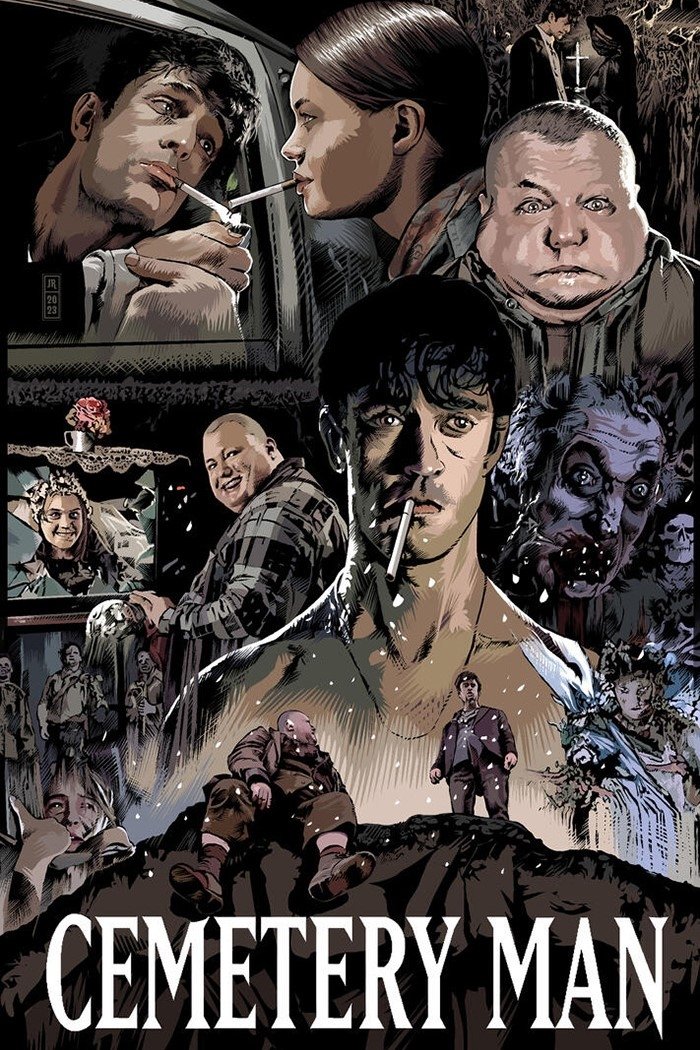
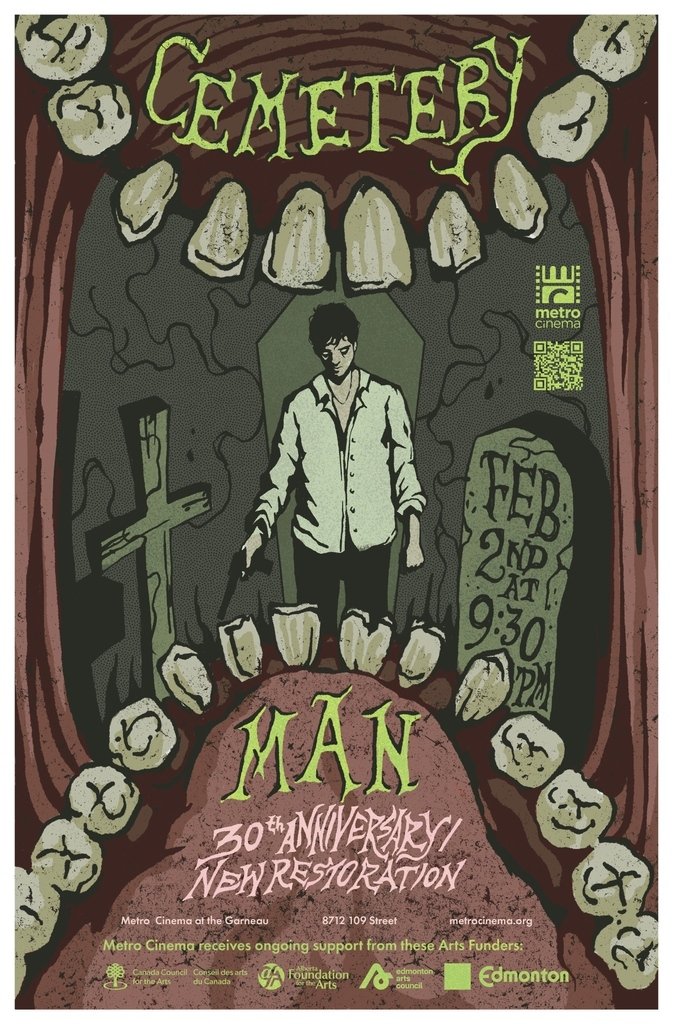
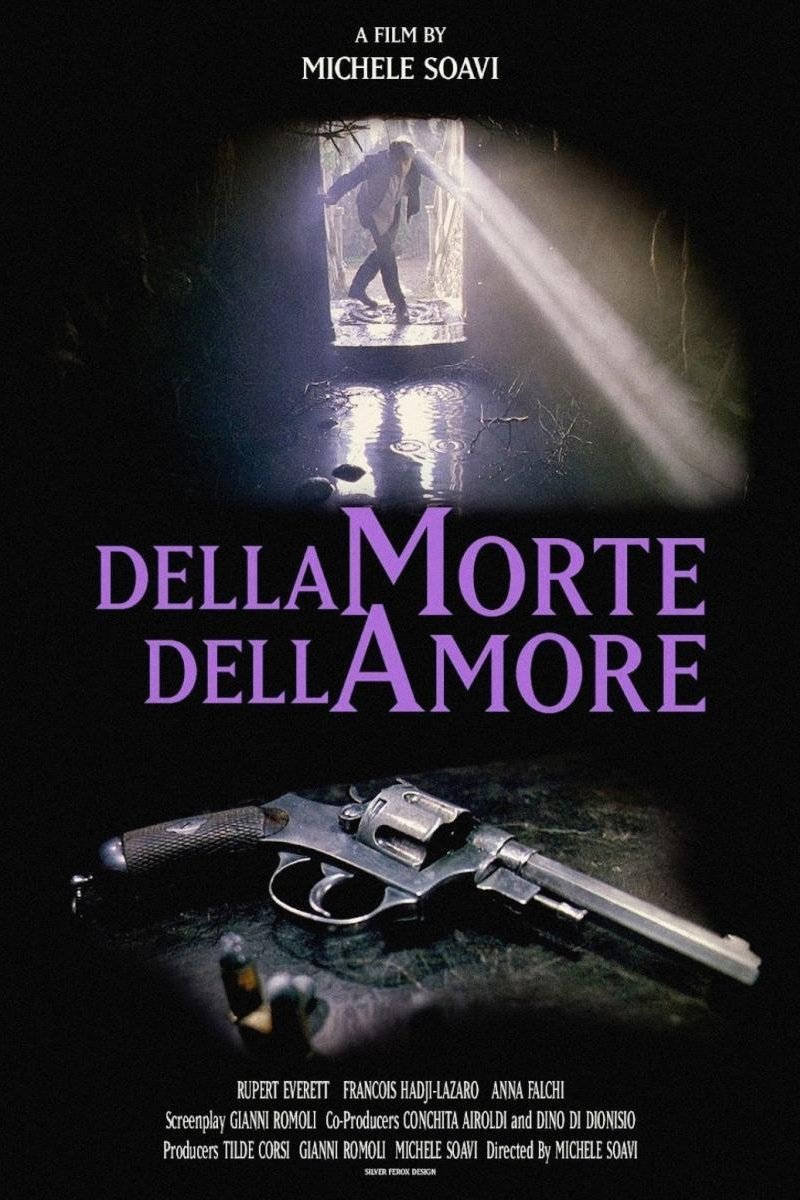
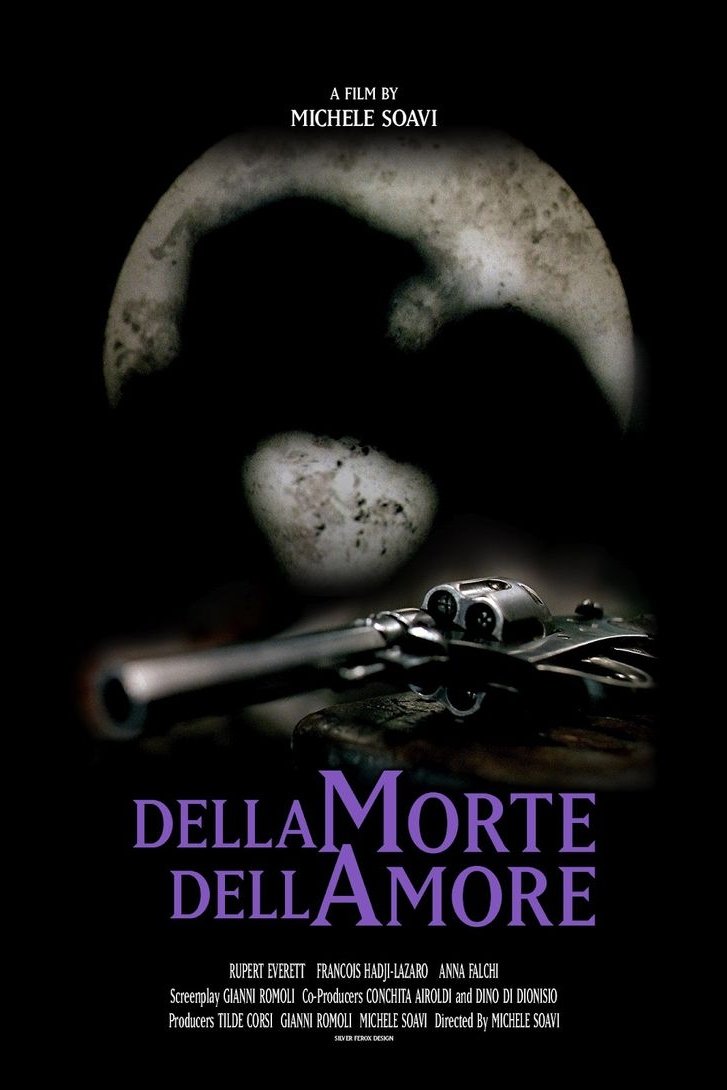
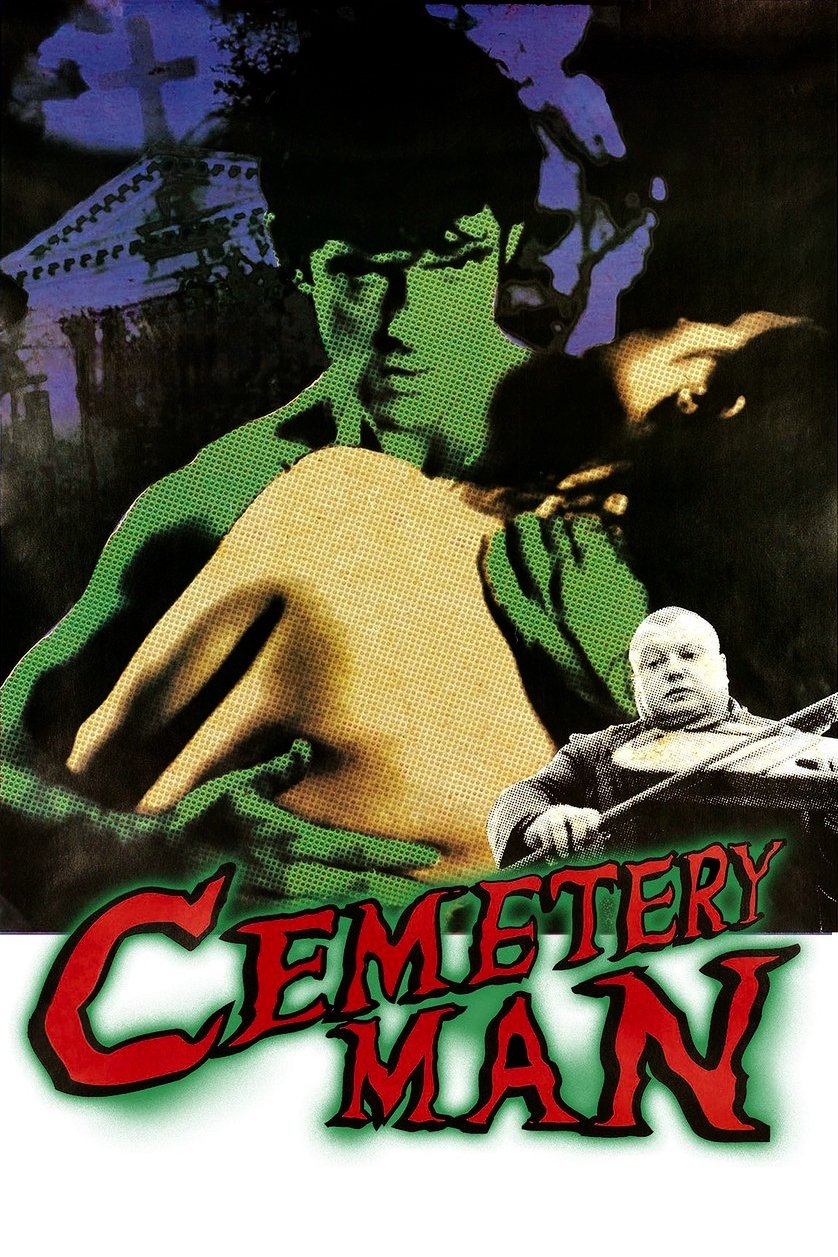
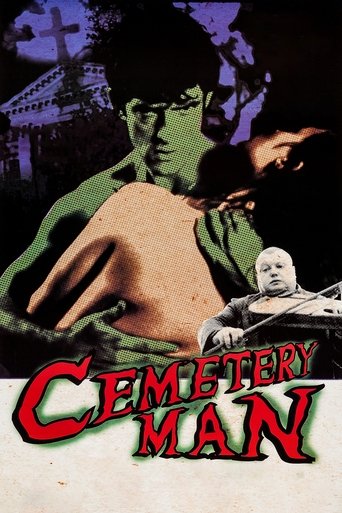
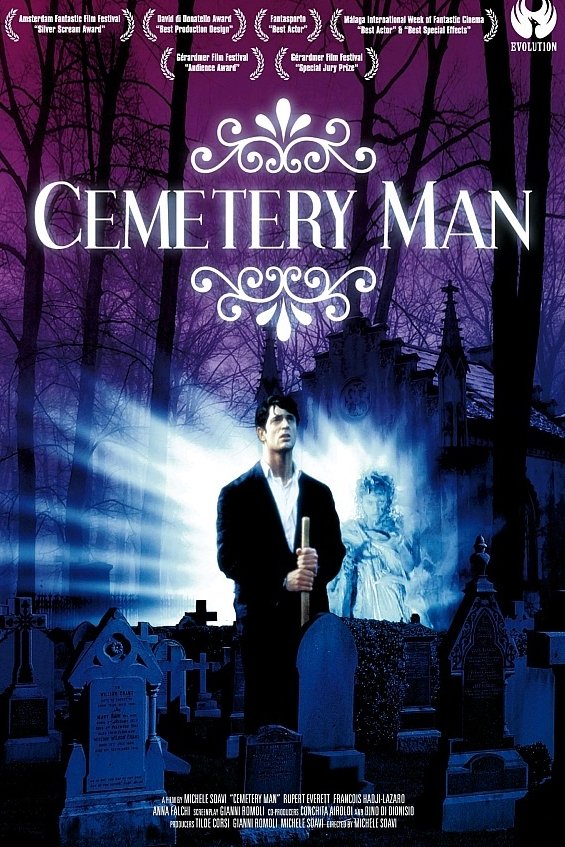
Cemetery Man (1994) poster
Director
Production Companies
Audifilm , Urania Film , KG Productions , Le Studio Canal+
Plot

A cemetery man has the unusual problem of the dead rising from the grave. Himself and his assistant must end these creatures' lives again after they are reborn. Everything is going well until "She" comes along and stirs things up a bit.

Alternative Titles
Of Death And Love (Australia) The Gravedigger (Bulgaria) — English translation Гробарят (Bulgaria) Любов, смърт (Bulgaria) Pelo Amor e pela Morte (Brazil) 魔诫坟场 (China) Cemetery Man - DellaMorte DellAmore (Germany) Zombie Graveyard (Germany)
Show all 29 alternative titles Mi novia es un zombie (Spain) Mi novia es un zombie o míos para siempre (Spain) My Fiancée is a Zombie (Spain) — English translation My Girlfriend is a Zombie (Spain) — English translation Dellamorte Dellamore - The Cemetery Man (United Kingdom) A temetőőr (Hungary) — Hungarian Della Morte Dell'Amore (Italy) Of Death, of Love (Italy) — English translation Demons '95 (Japan) — English translation デモンズ '95 (Japan) — Japanese デモンズ'95 (Japan) 델라모테 델라모레 (South Korea) — Korean Kapinių Žmogus (Lithuania) — Lithuanian O miłości i śmierci (Poland) O Homem do Cemitério (Portugal) O smrti ljubavi (Serbia) О смрти, о љубави (Serbia) — Serbian О смерти, о любви (Russia) Человек с кладбища (Russia) 魔誡墳場 (Taiwan) Người Gác Nghĩa Trang (Vietnam) — Vietnamese

Trailers & Videos

7 videos

Film Guide

Michele Soavi and Tiziano Sclavi: the literary origins, Rupert Everett, the Guardea cemetery, practical zombie effects, black comedy and the snow-globe finale.

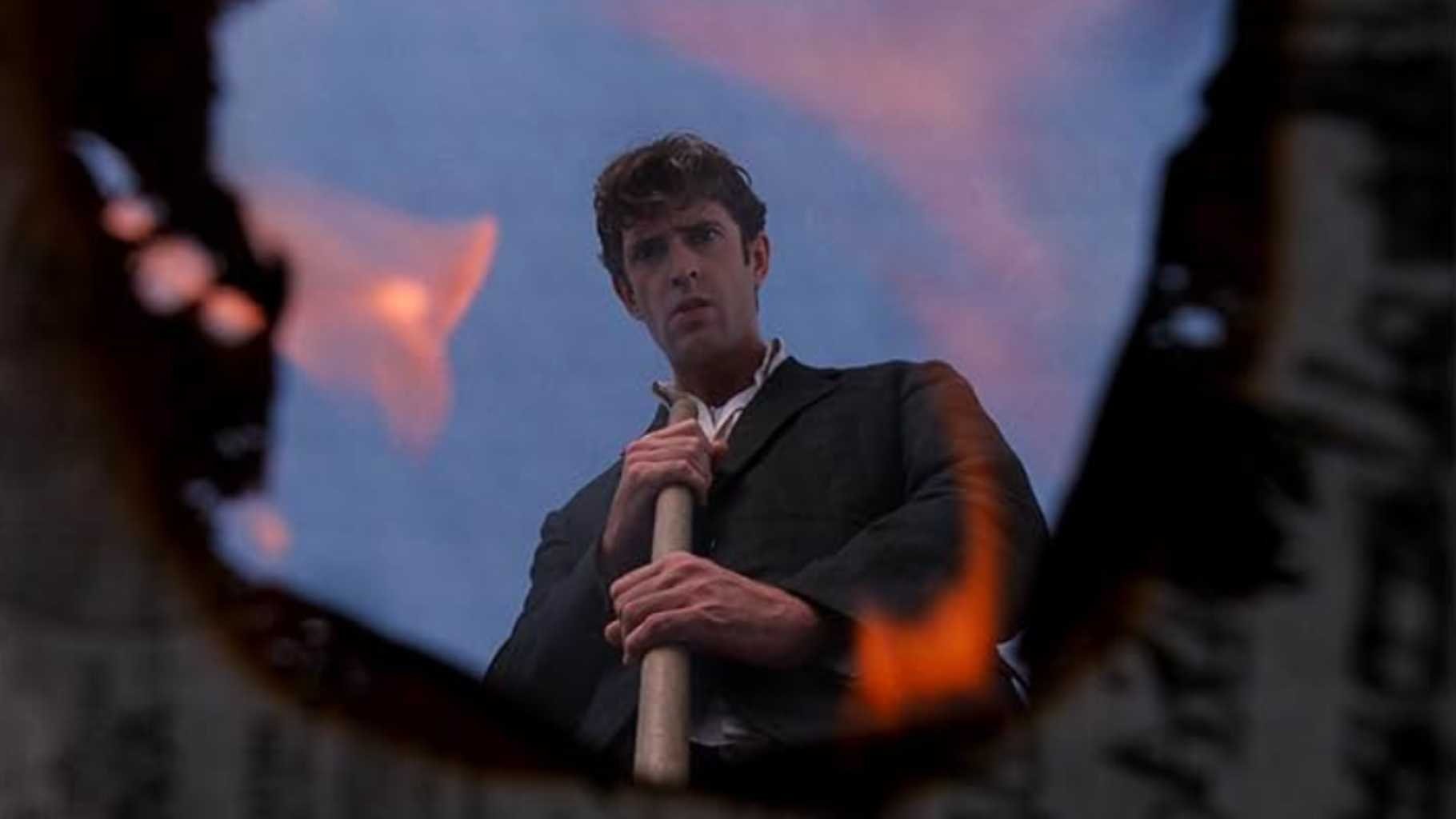
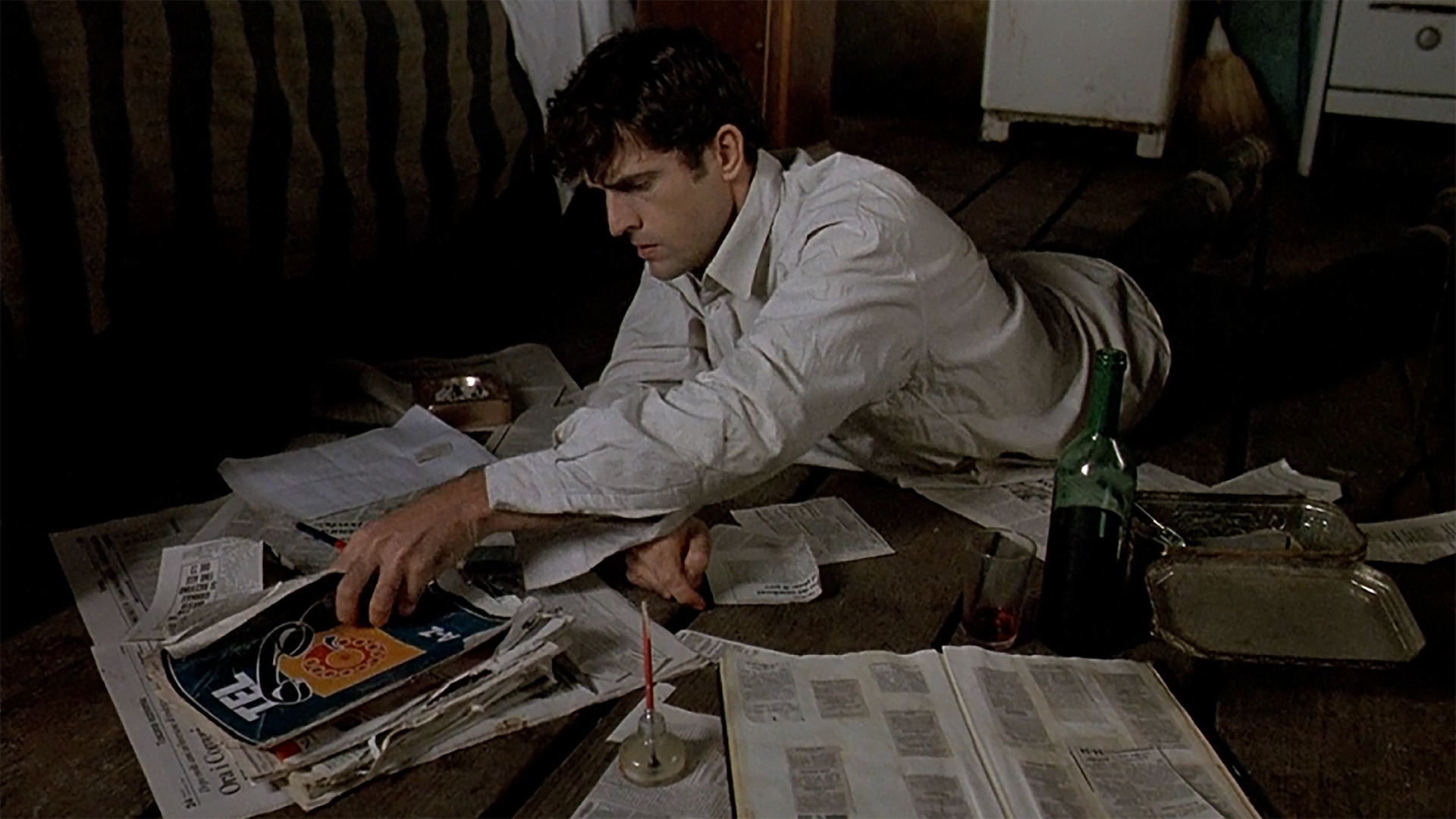
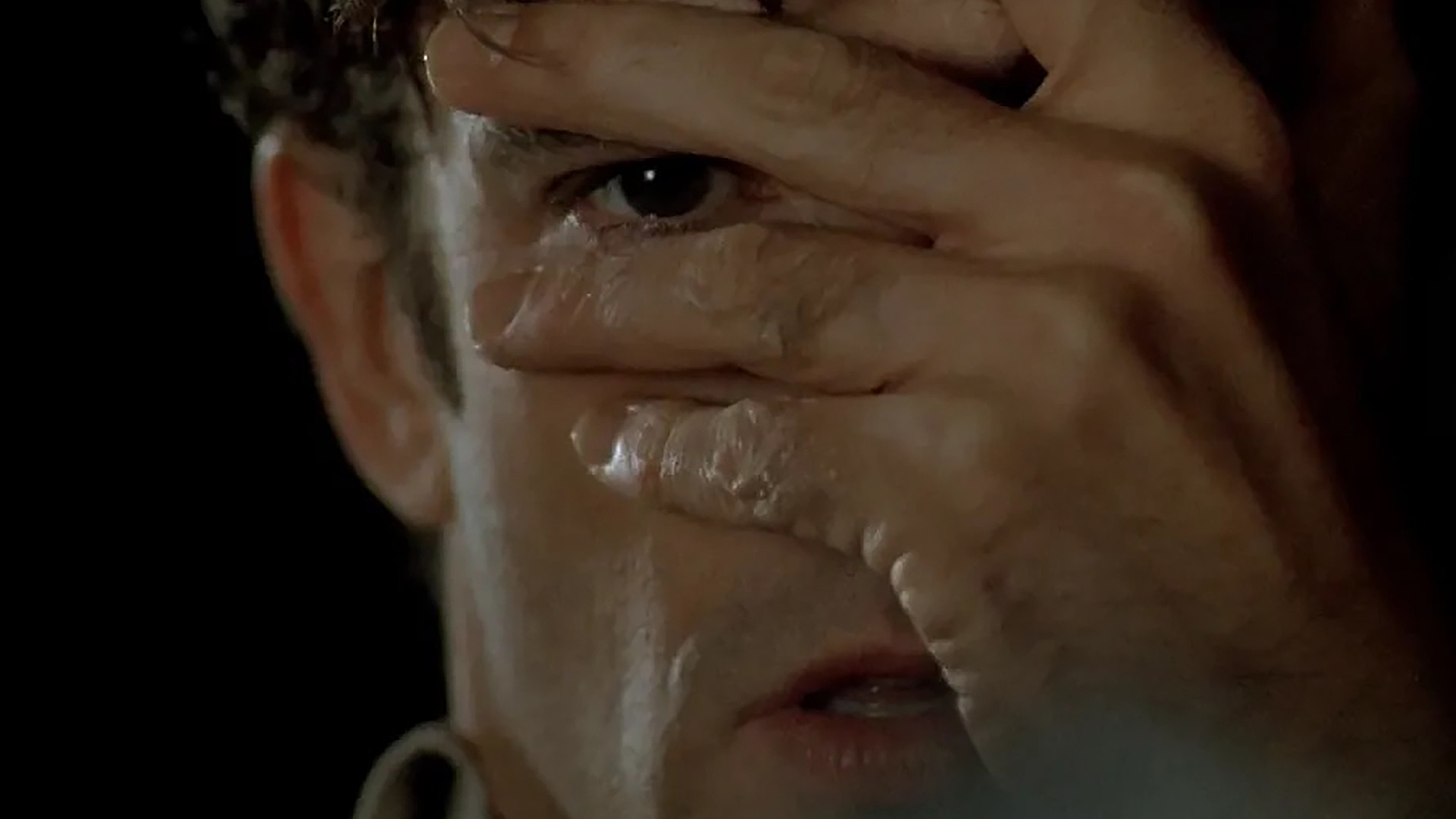
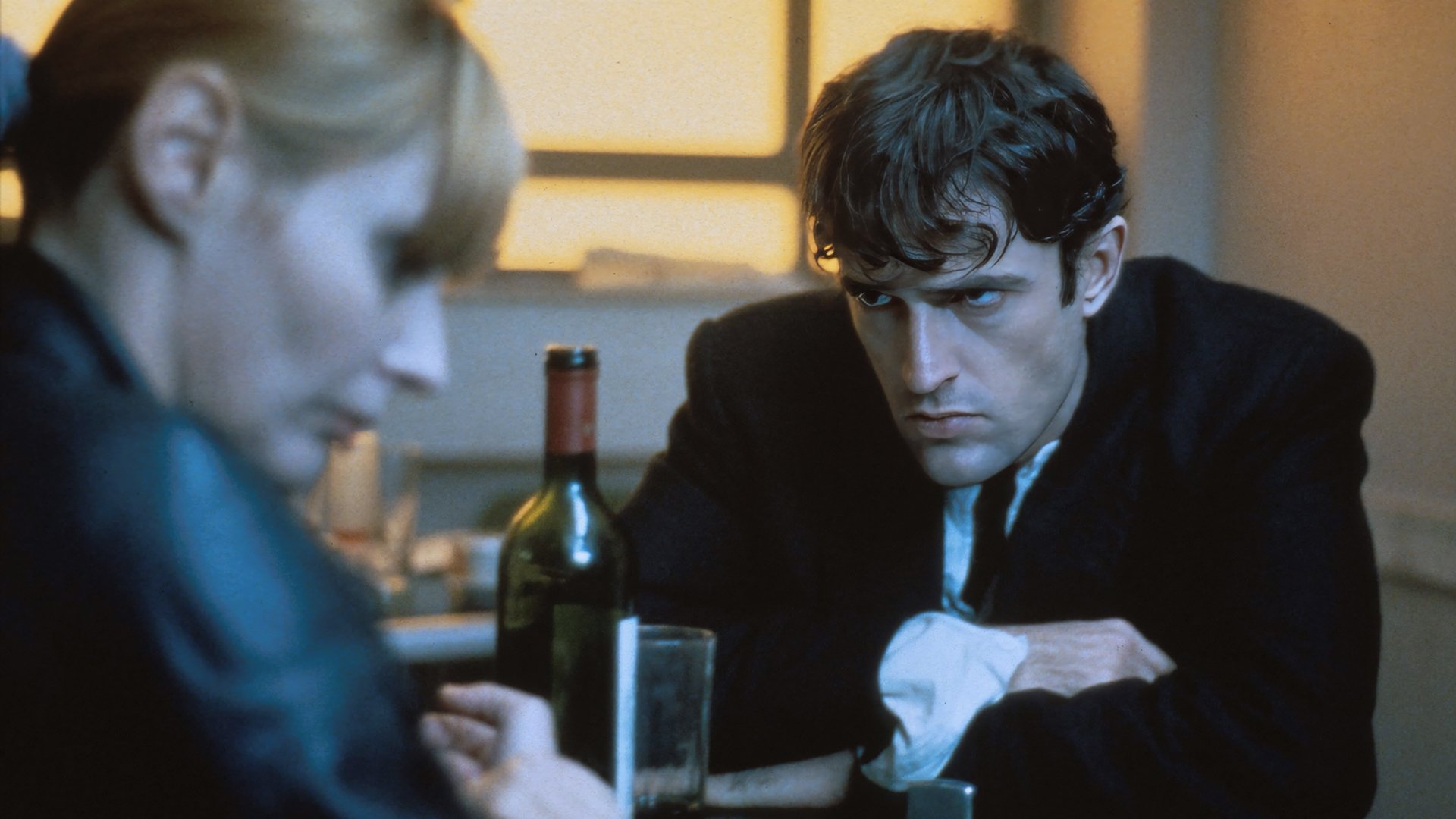
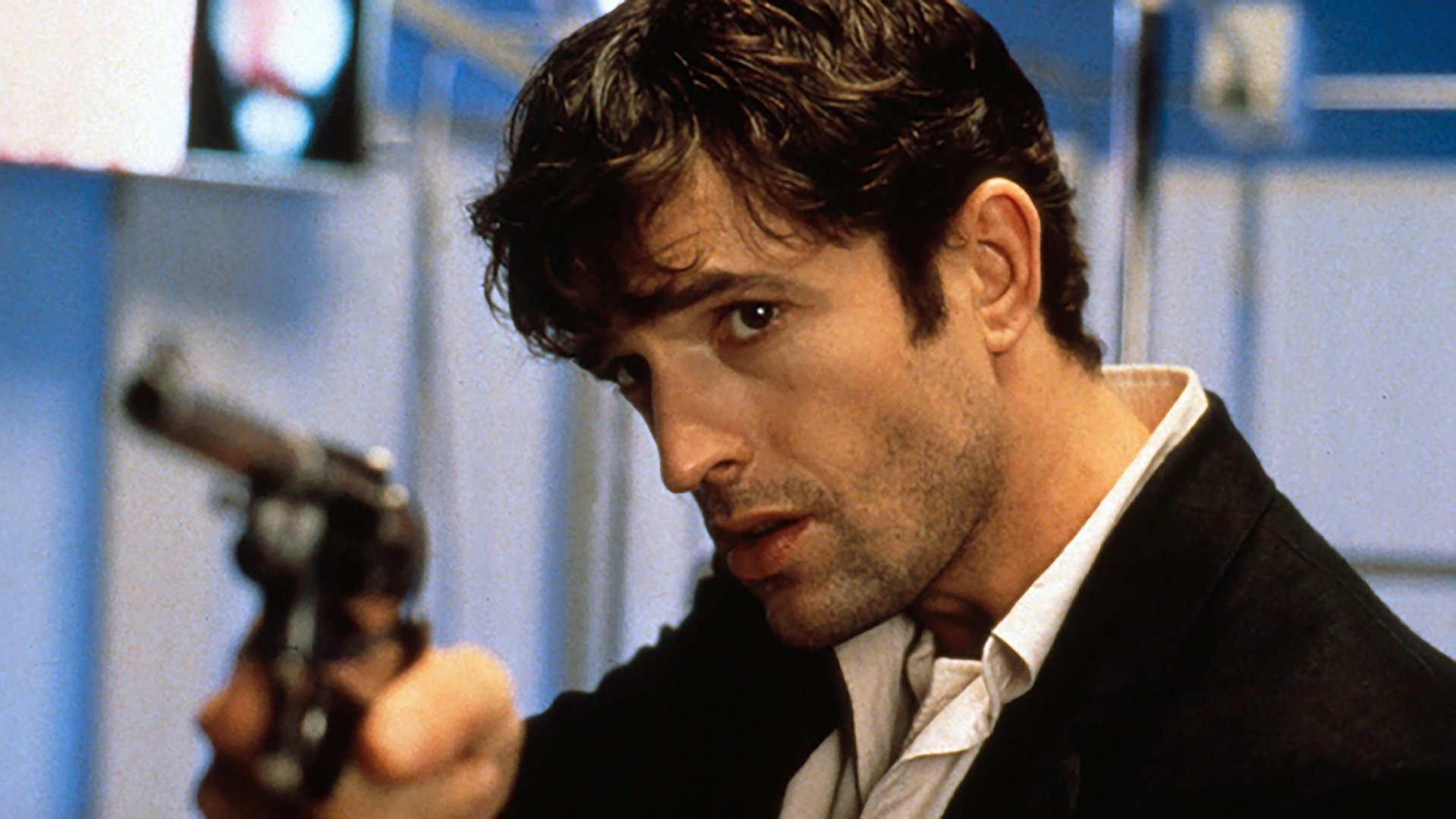
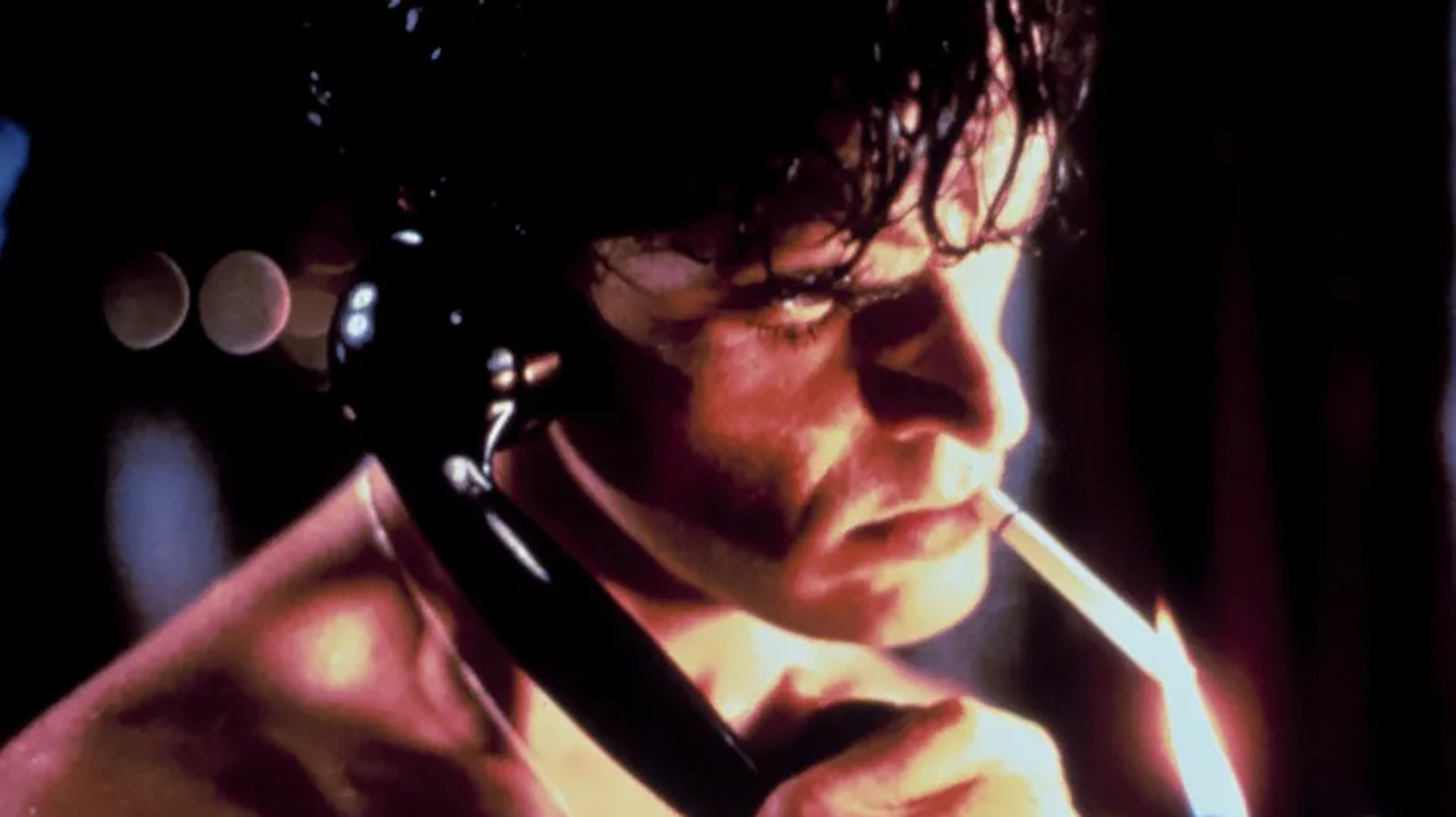
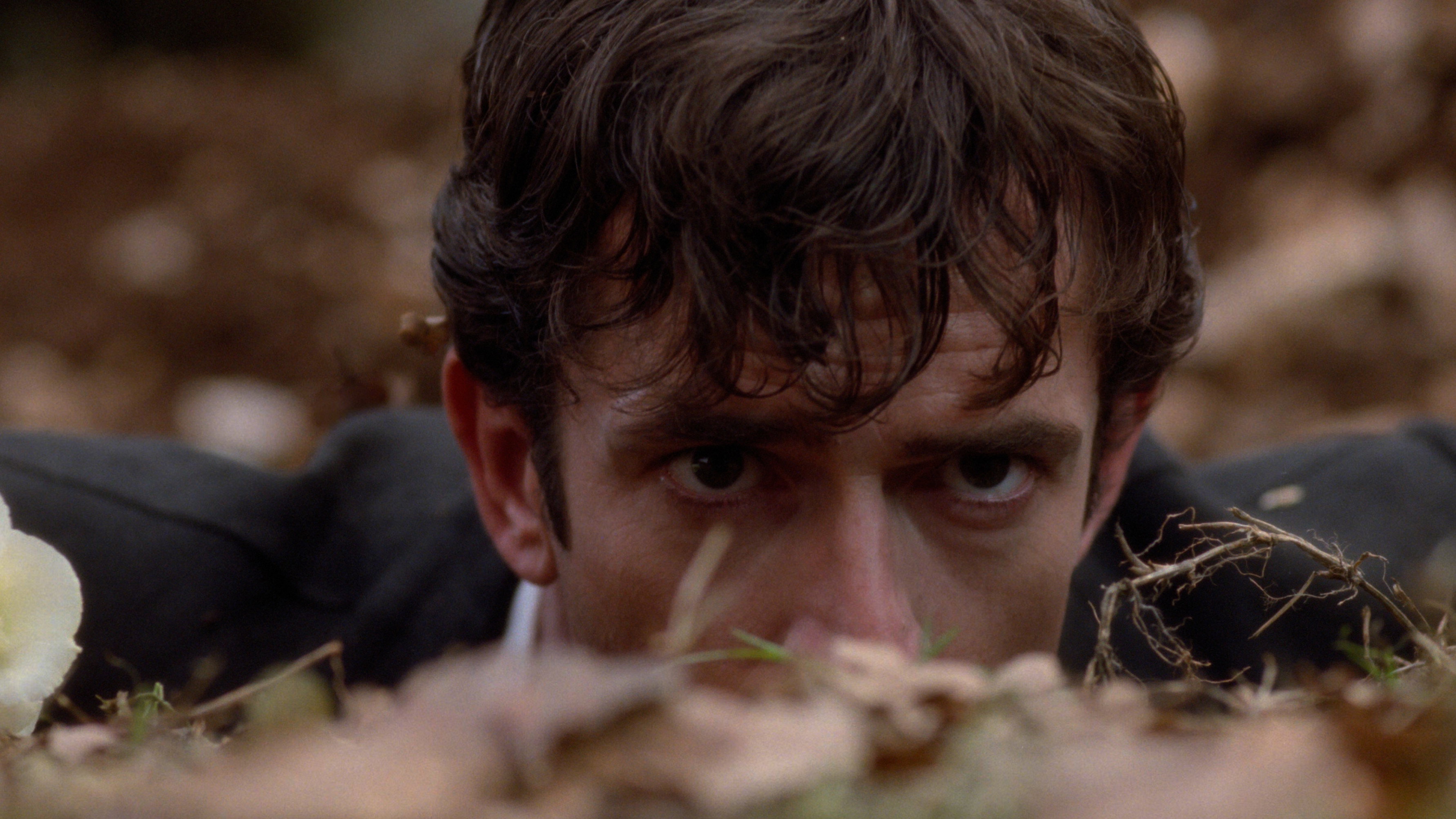
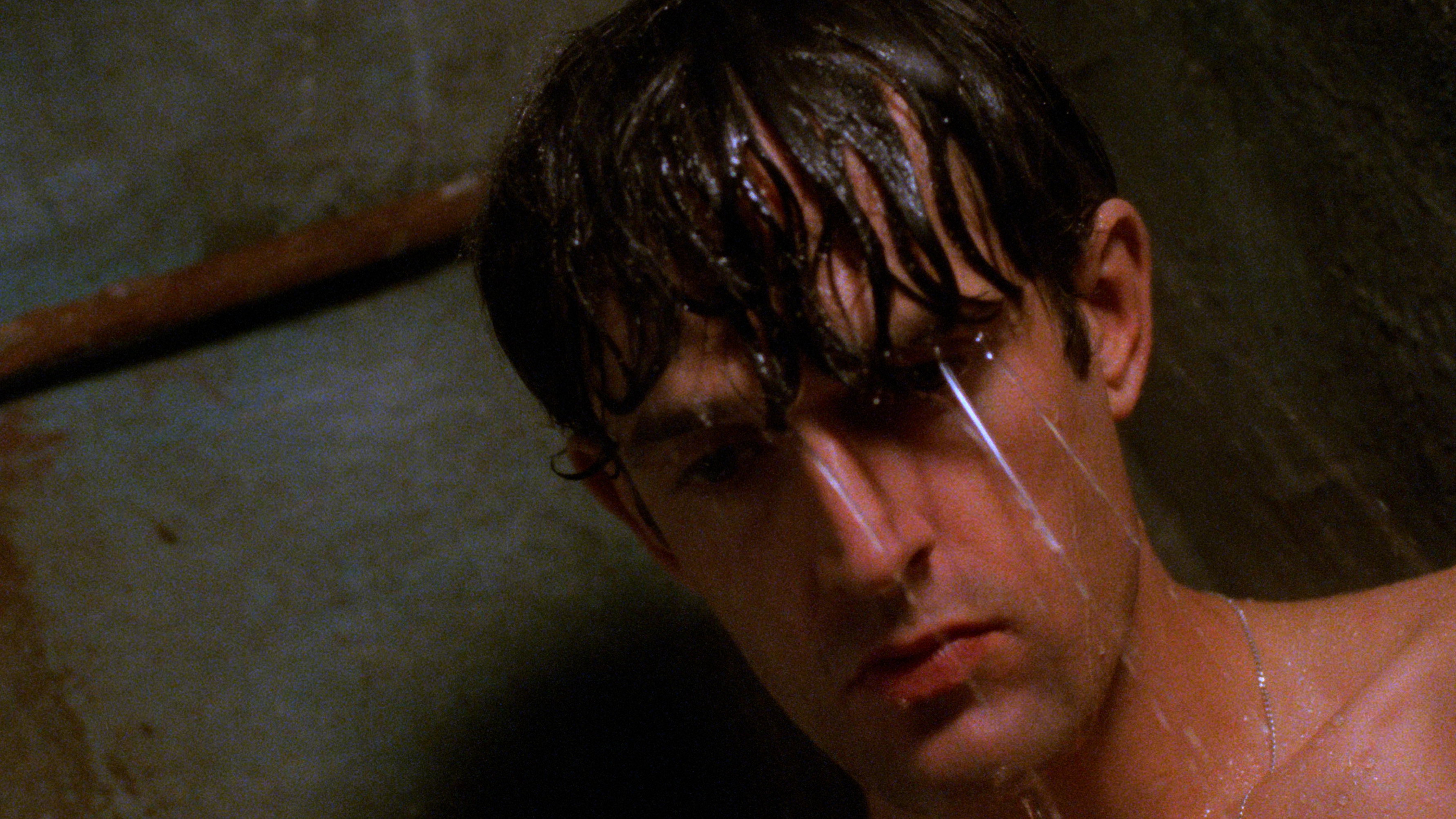
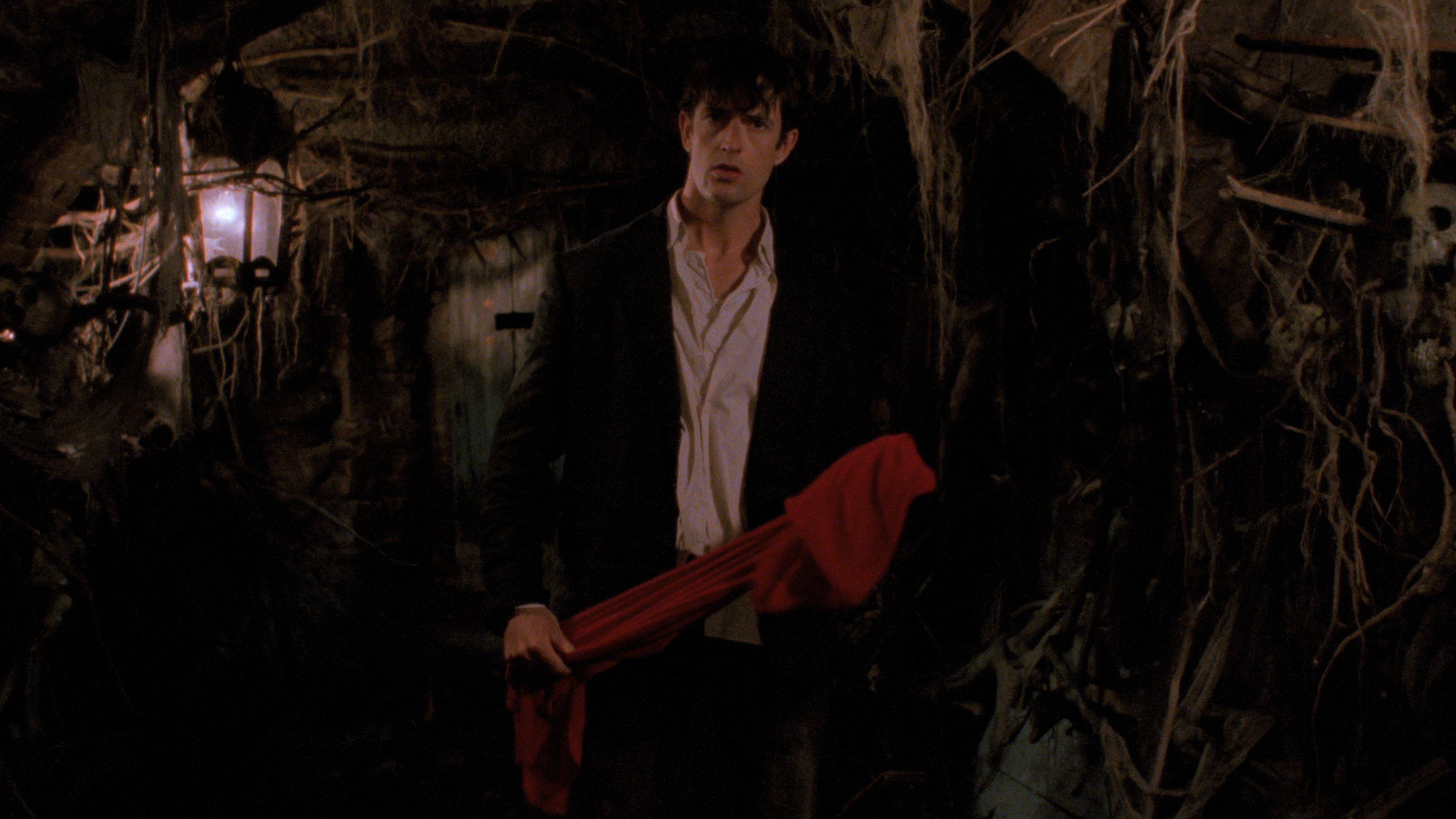
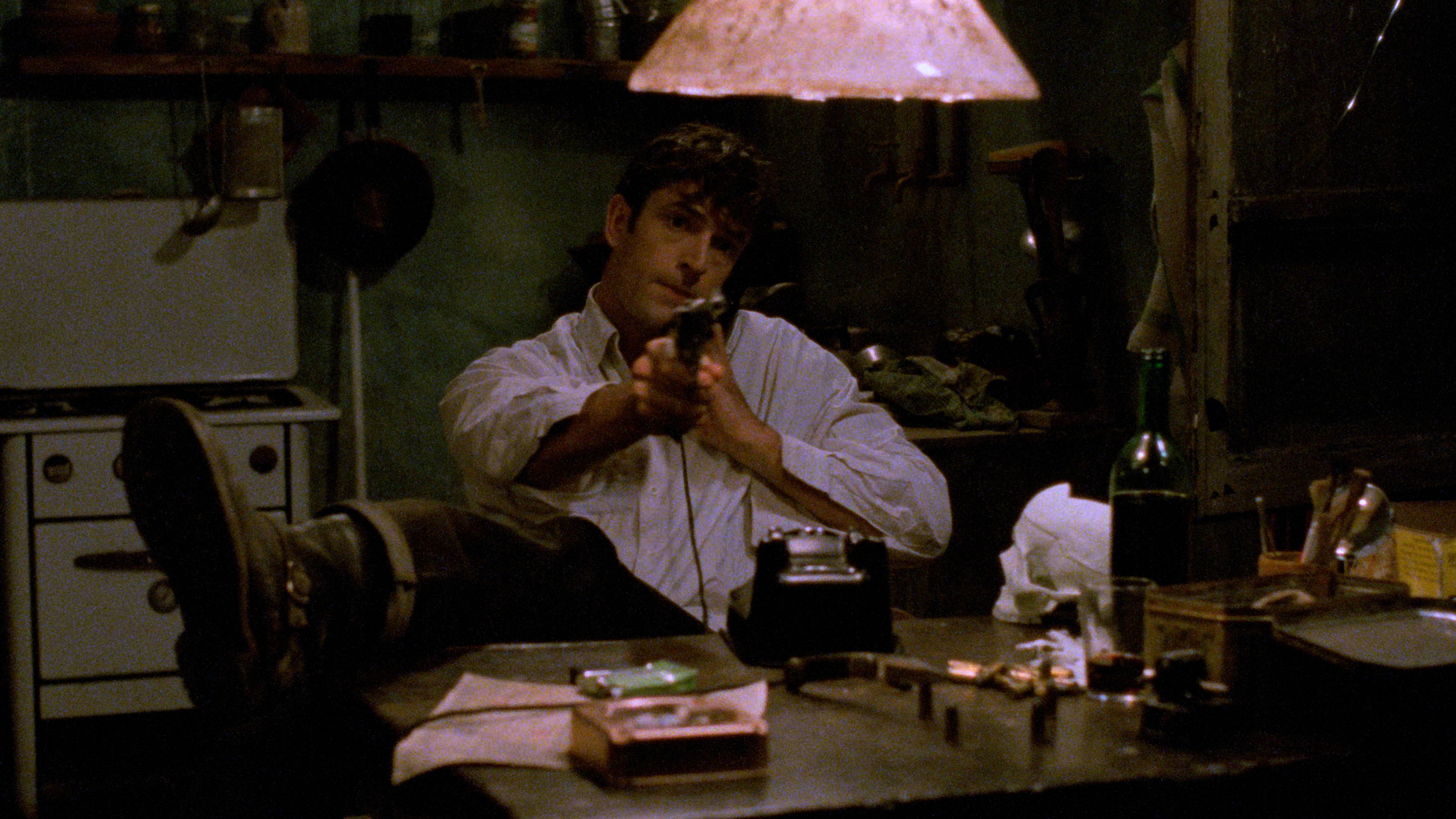
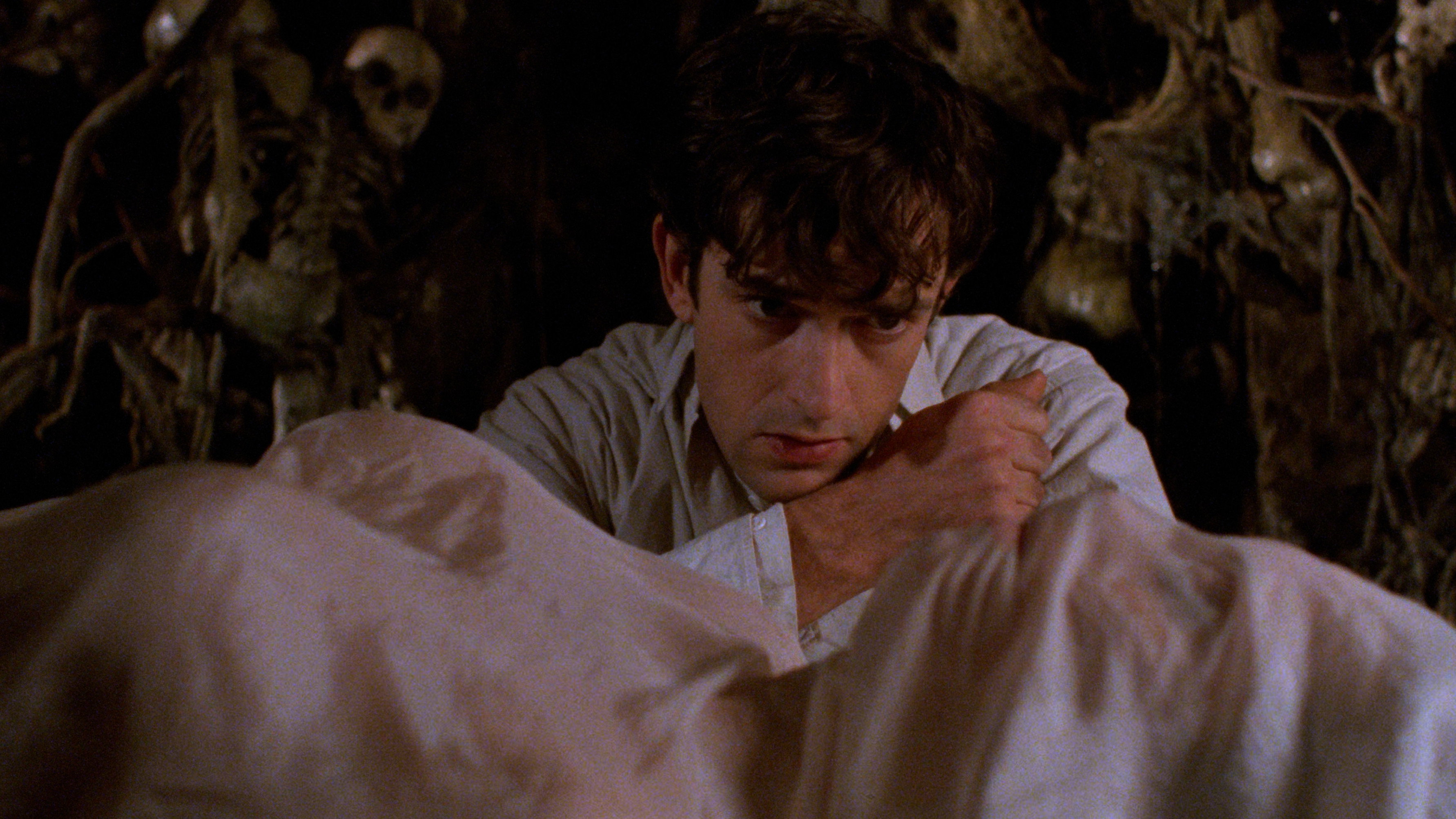
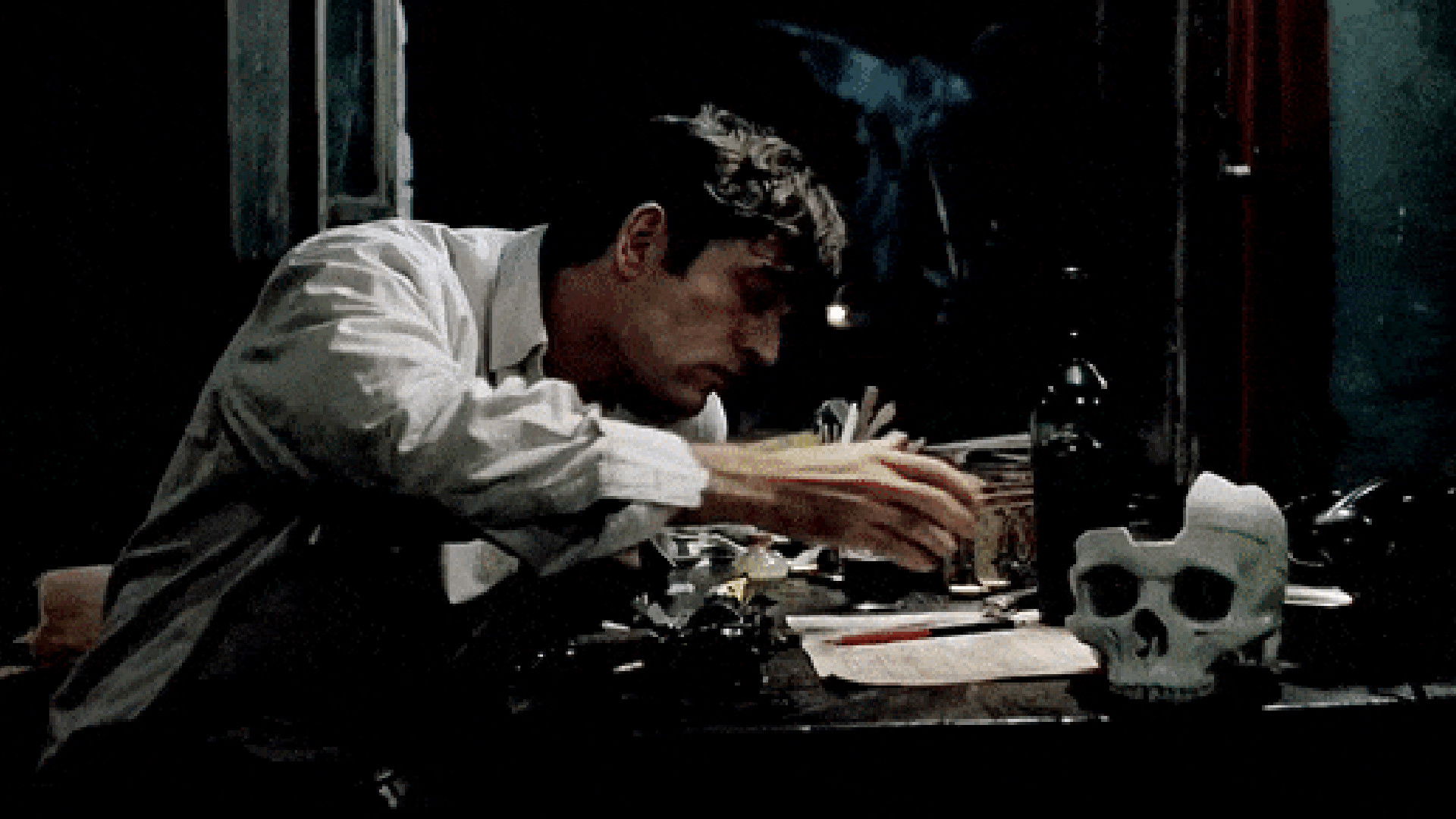
Cemetery Man (Dellamorte Dellamore, 1994), directed by Michele Soavi, turns the work of a cemetery caretaker into a grotesque meditation on desire, mortality and the limits of ordinary reality. Francesco Dellamorte, played by Rupert Everett, lives at the cemetery of the fictional Italian town of Buffalora with his assistant Gnaghi. The dead buried there sometimes return roughly a week after burial, requiring Francesco to destroy their heads before they can leave. He treats this impossible task as a monotonous occupation rather than a mystery worth solving. His detachment begins to collapse when he falls in love with a recently bereaved woman, played by Anna Falchi, and discovers that affection cannot be kept separate from the place where he works.

Adapted by Gianni Romoli from Tiziano Sclavi's novel, the film combines elaborate practical monsters with black comedy, Gothic romance and an increasingly uncertain account of the protagonist's own actions. Its relationship to the Dylan Dog comics is significant but indirect: Francesco existed in Sclavi's writing before the comic debuted. The ending refuses to clarify whether Francesco has discovered the boundaries of an invented world, lost his grasp on reality or encountered a more disturbing truth.

Tiziano Sclavi, Dylan Dog and the Adaptation

Sclavi wrote Dellamorte Dellamore in 1983, although the novel was not published until 1991, five years after Dylan Dog first appeared in print. The chronology matters: the caretaker Francesco Dellamorte is a precursor and literary relative of the comic-book investigator, not a character devised as a spin-off of the successful series. Both worlds share black humor, the return of the dead and an interest in people excluded from conventional society. Yet Francesco's weary indifference and isolation are unlike Dylan's more active curiosity. Andrea Scarabelli's historical study for Bietti documents the links between the texts and their later exchanges in Dylan Dog stories, while keeping their differences visible.

The project began when producer Tilde Corsi encountered the recently published novel and brought it to Romoli and Soavi. In a lengthy interview later reproduced by Giorgio Caddeo, Romoli recalled finding the book particularly difficult to adapt because its episodes lacked an ordinary chronological plot. He spent weeks reading it closely and studying Dylan Dog before drafting a screenplay that tried to preserve the author's distinctive voice. Soavi, who had previously worked with Romoli on The Sect, helped revise the adaptation. According to Romoli, Sclavi did not participate directly in writing the shooting script, although the completed screenplay was shown to him.

The producers briefly considered an alternative draft structured around a more familiar murder investigation, with a different culprit responsible for killings in Buffalora. Romoli said Everett refused that version and insisted on the stranger original screenplay that had attracted him. His account is an important participant recollection rather than independent documentation of every draft, but it explains why the finished film retains abrupt changes of direction and a protagonist whose moral judgments grow less trustworthy. The screenplay brings together selected events from the novel without pretending that every loose end can be resolved through detective logic.

Production, the Cemetery and the Black Nights

The film was an Italian-led international coproduction, with Tilde Corsi, Romoli and Soavi among its producers. The 1994 Toronto International Film Festival program identified partner companies in Italy, France and elsewhere in Europe and credited Mauro Marchetti with photography, Franco Fraticelli with editing and Antonello Geleng with the production design. These contemporary credits are especially useful because some later descriptions confuse the picture's production year, Italian theatrical release and subsequent American distribution. Shooting took place during autumn before the 1994 release, in conditions Romoli remembered as muddy, rainy and difficult to control.

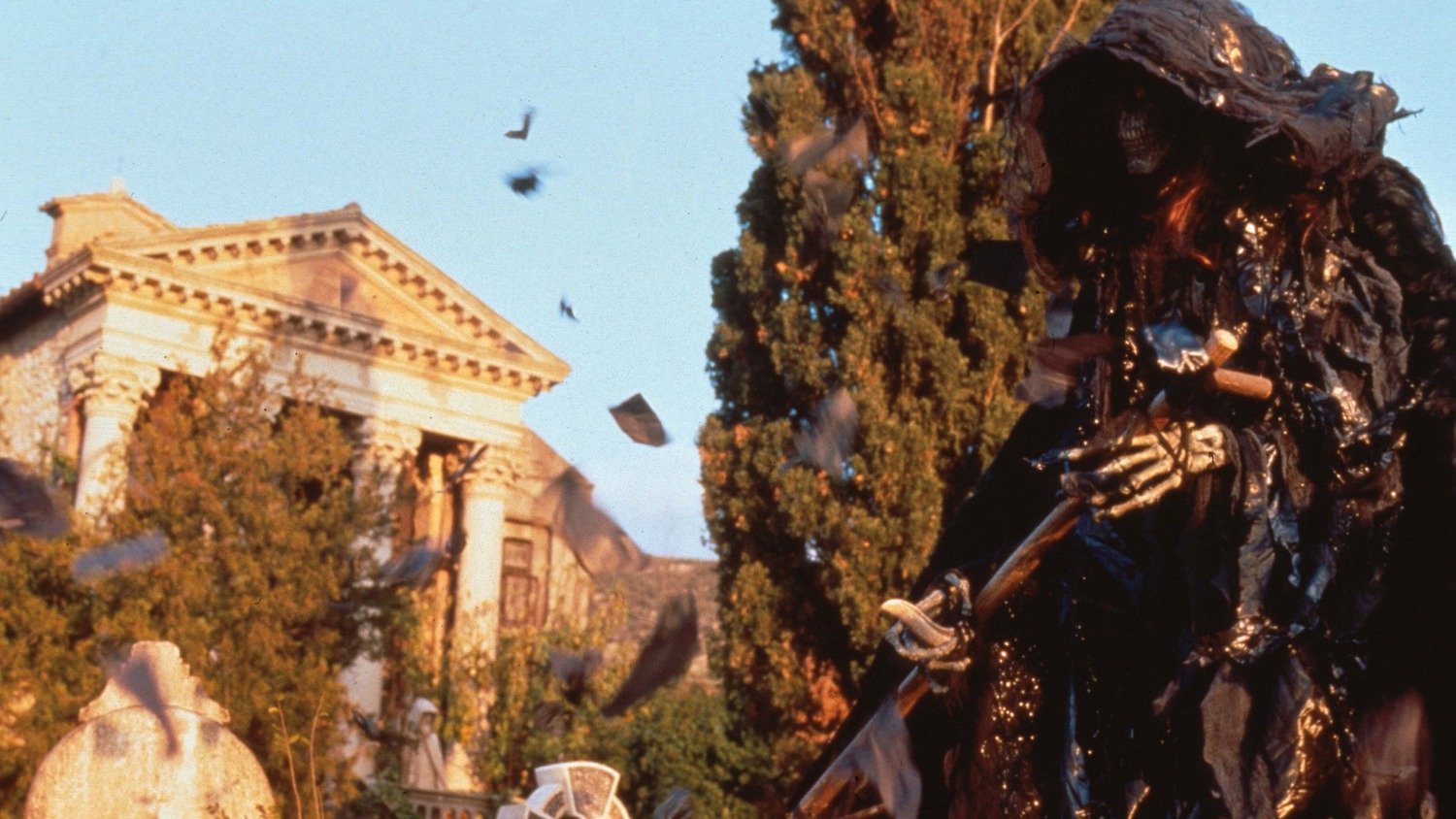
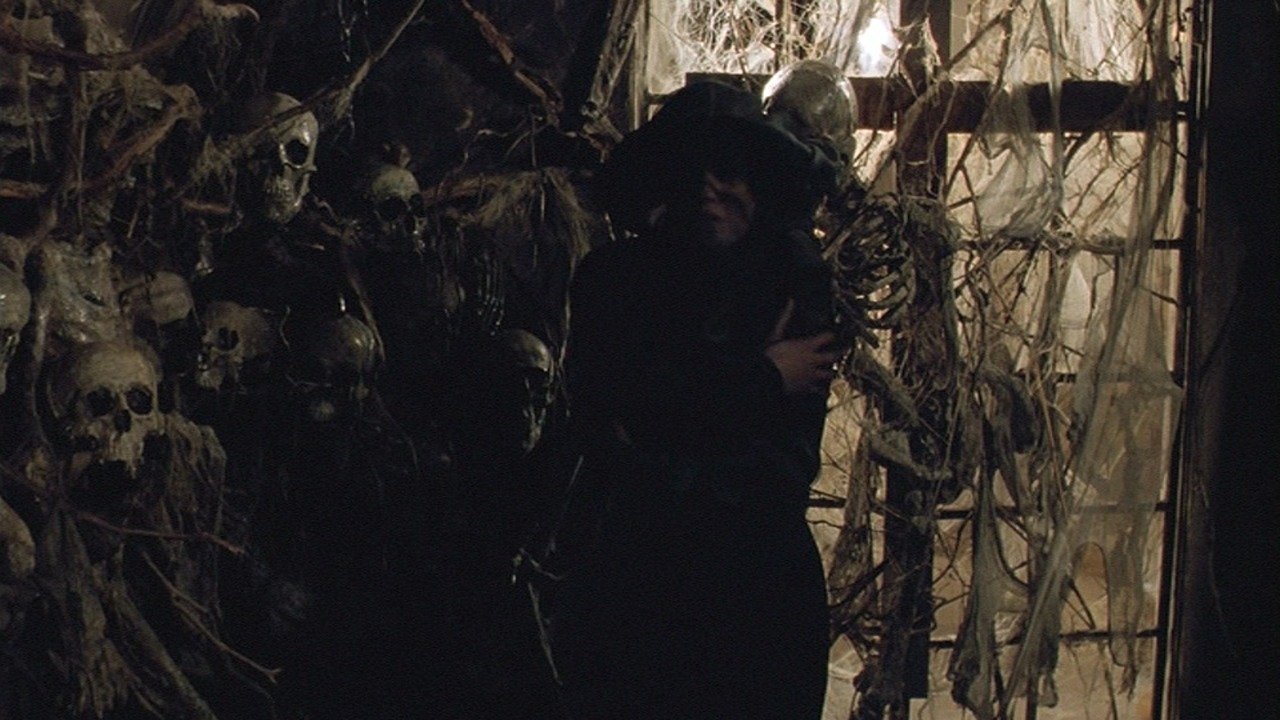
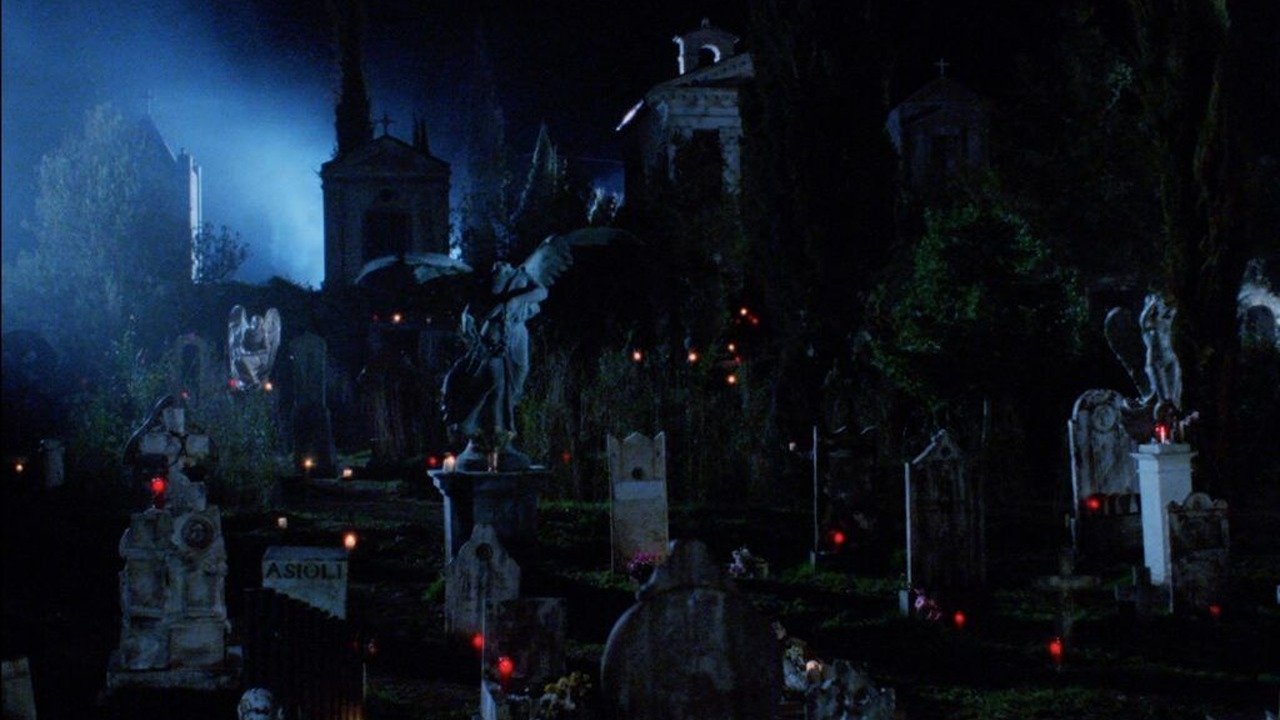
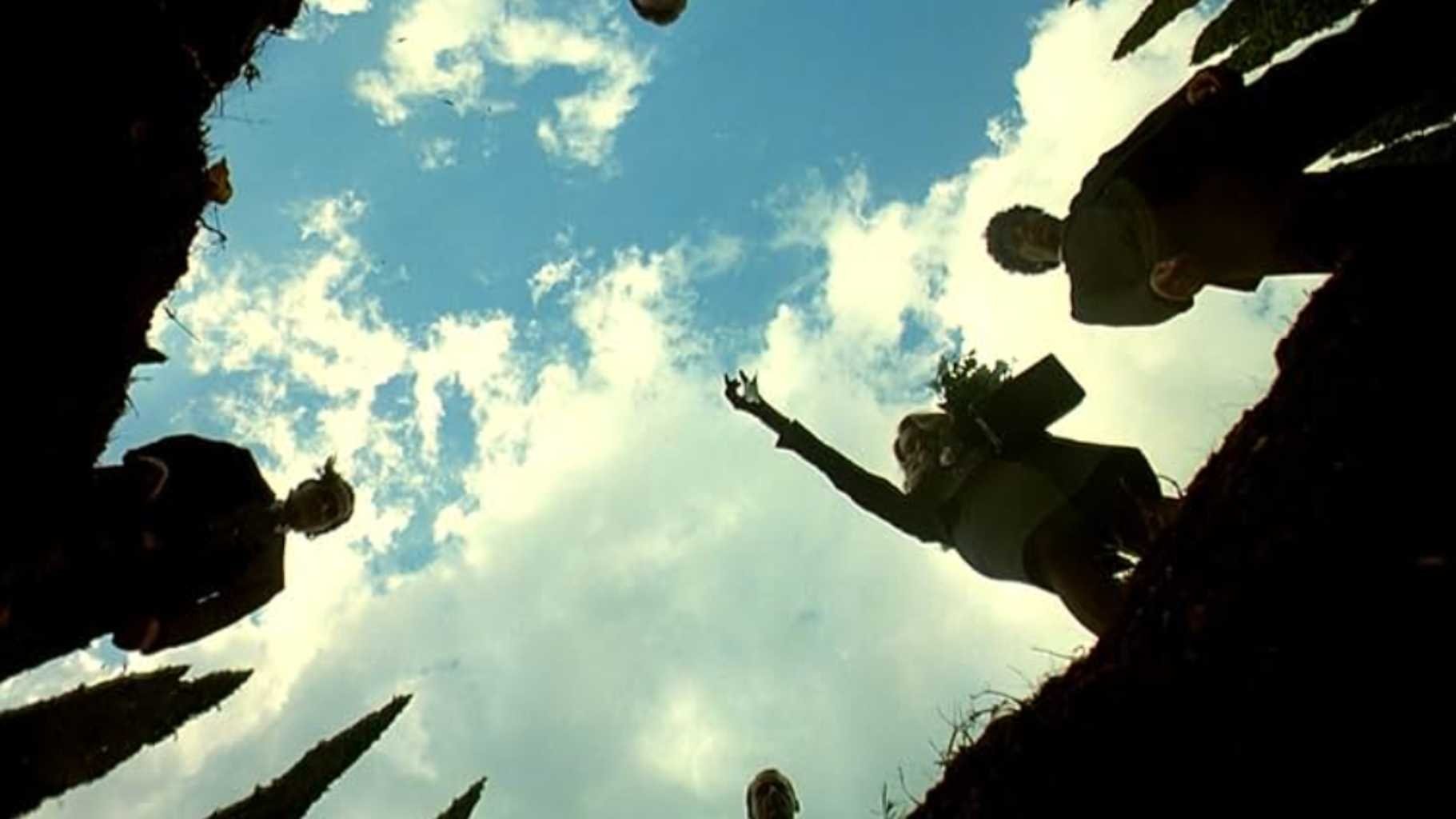
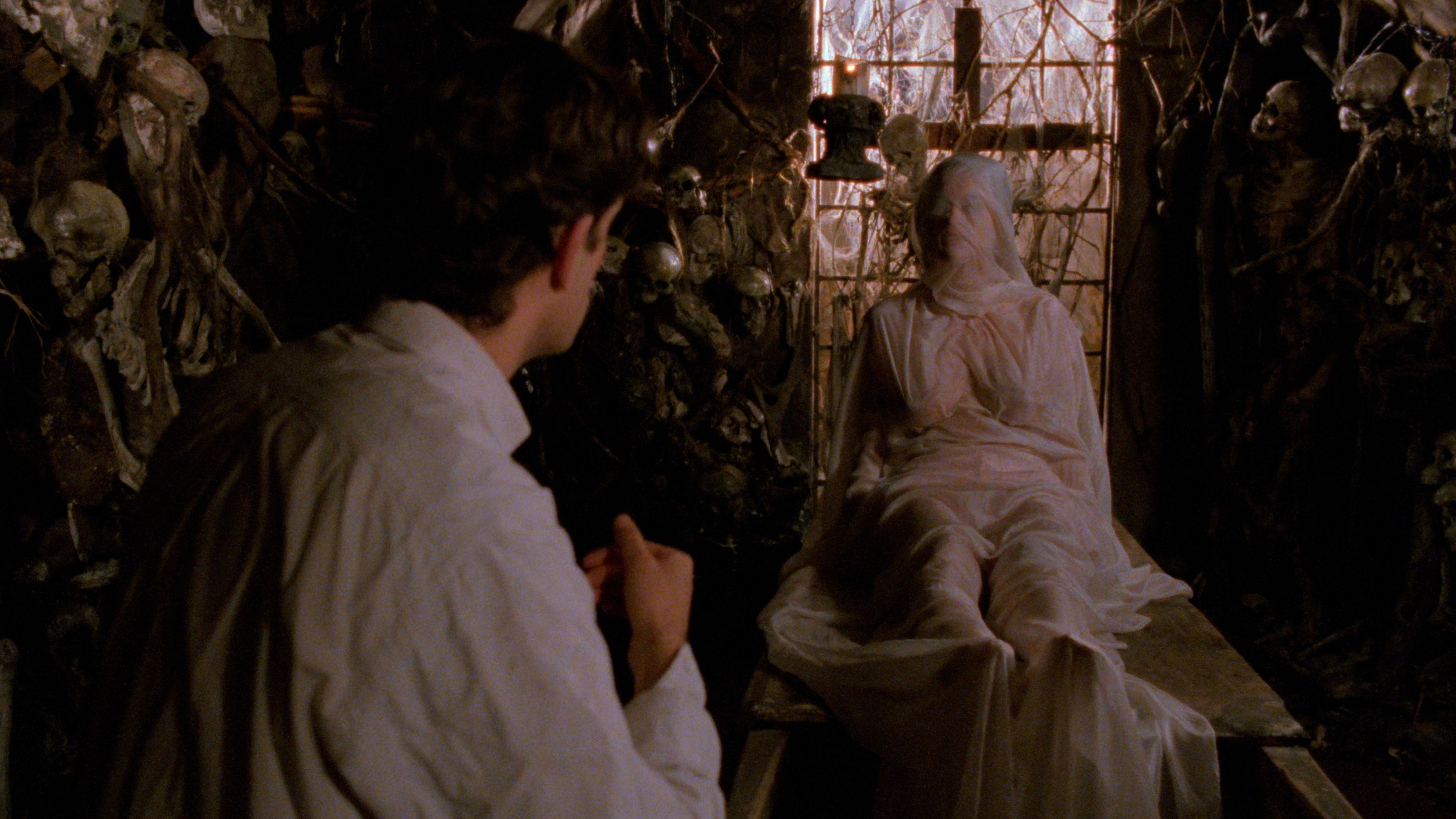
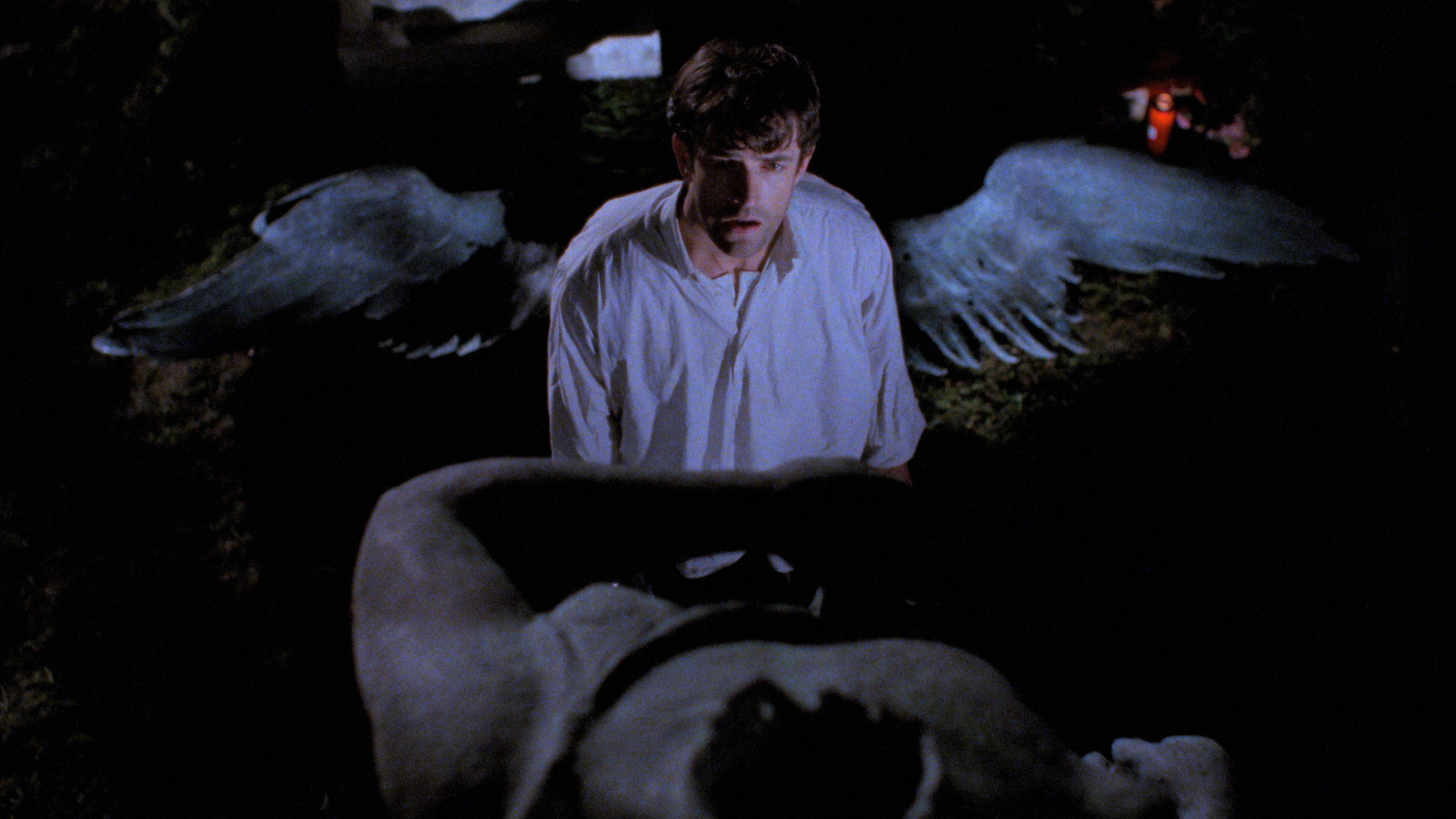
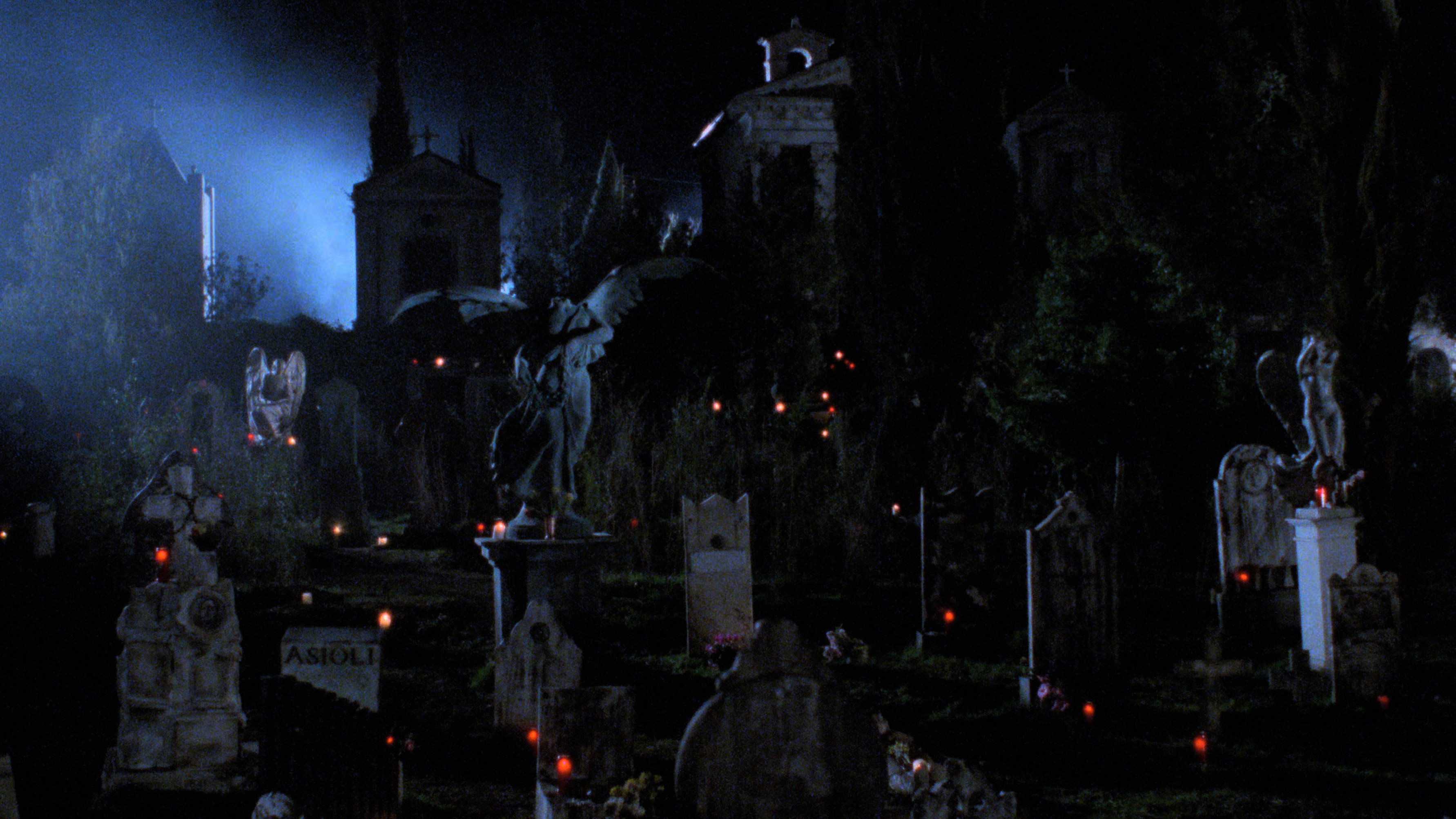
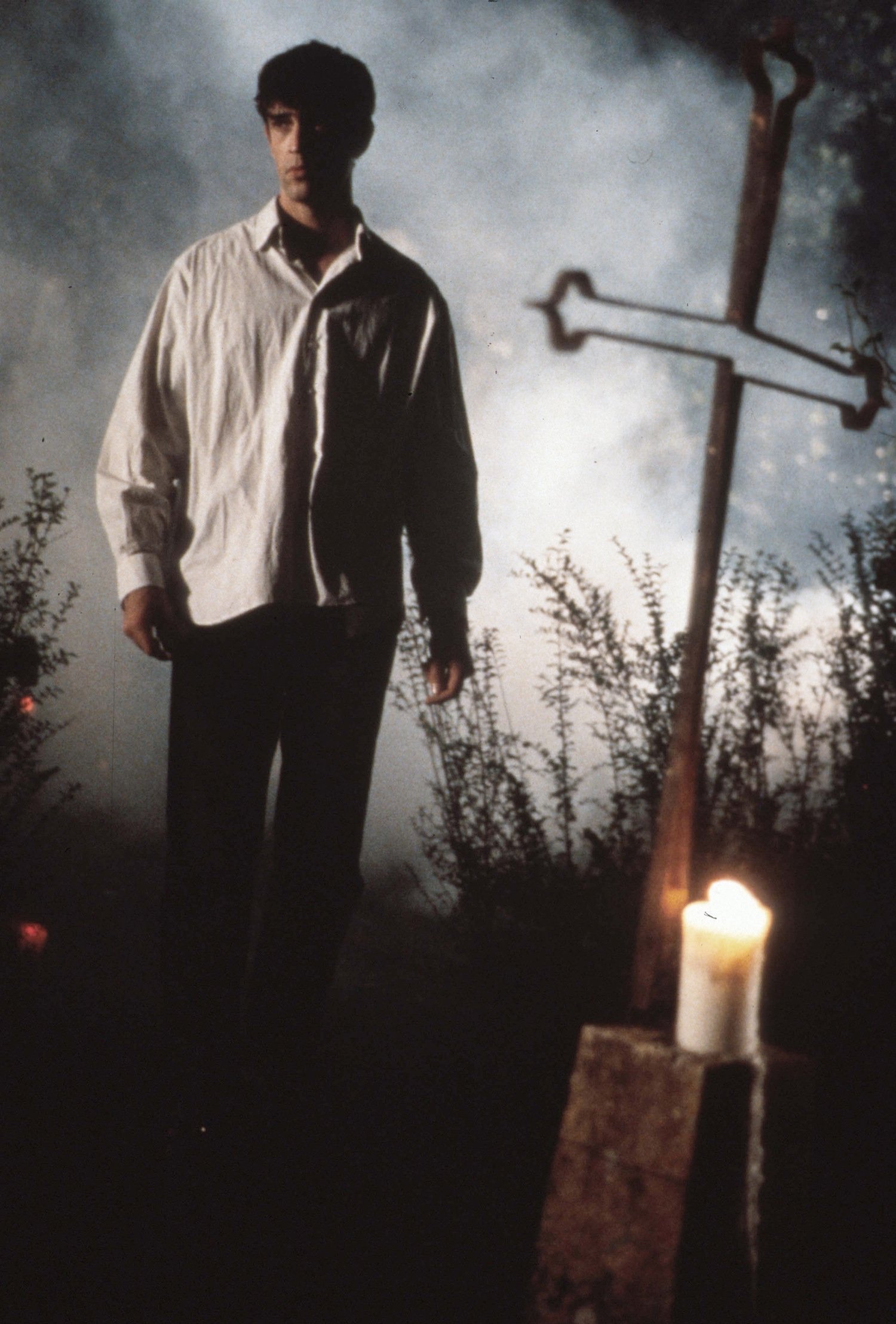
Romoli identified a former cemetery at Guardea as a major location, adapted for the production rather than constructed wholly as a studio set. Geleng's work gives the graves, sculptural monuments, gates and ossuary a coherent visual personality. The cemetery is both Francesco's workplace and the environment through which the film presents his emotional life. A gate inscription promises resurrection, while bodies repeatedly refuse the supposed finality of burial. The setting is substantial enough to support action involving many returning corpses, yet its enclosed paths and tombs also make private encounters feel strangely intimate.

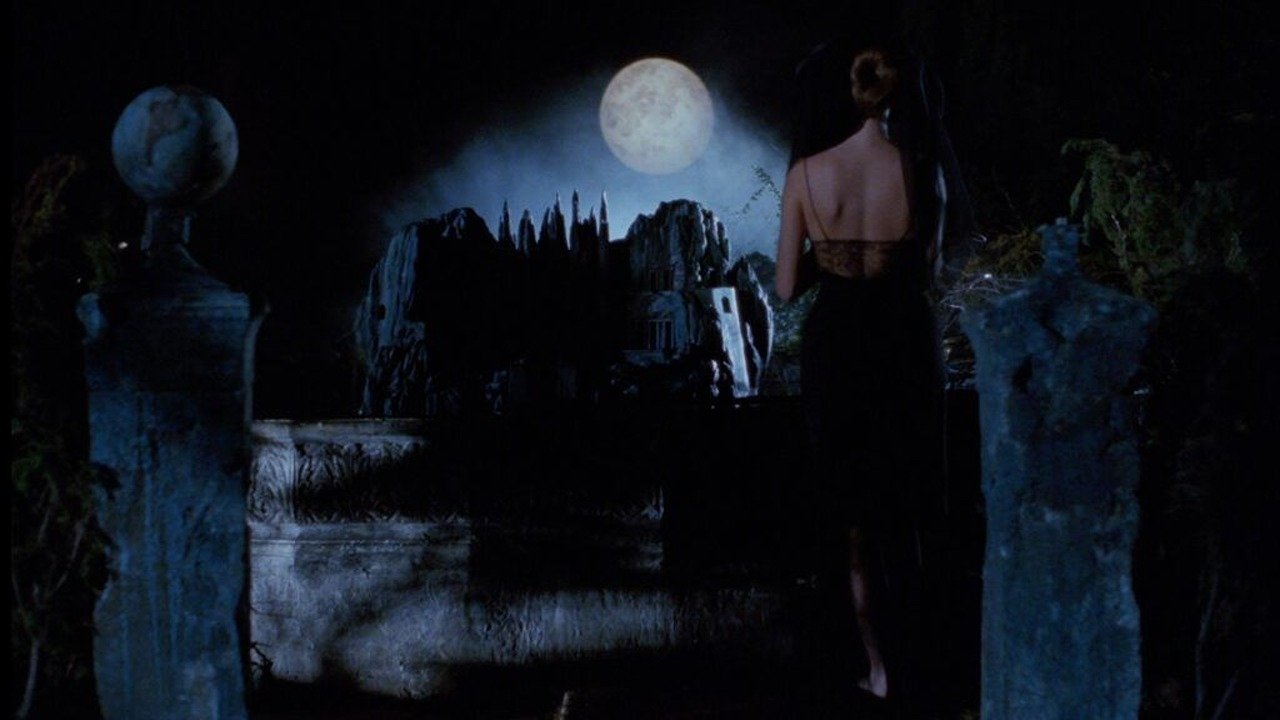
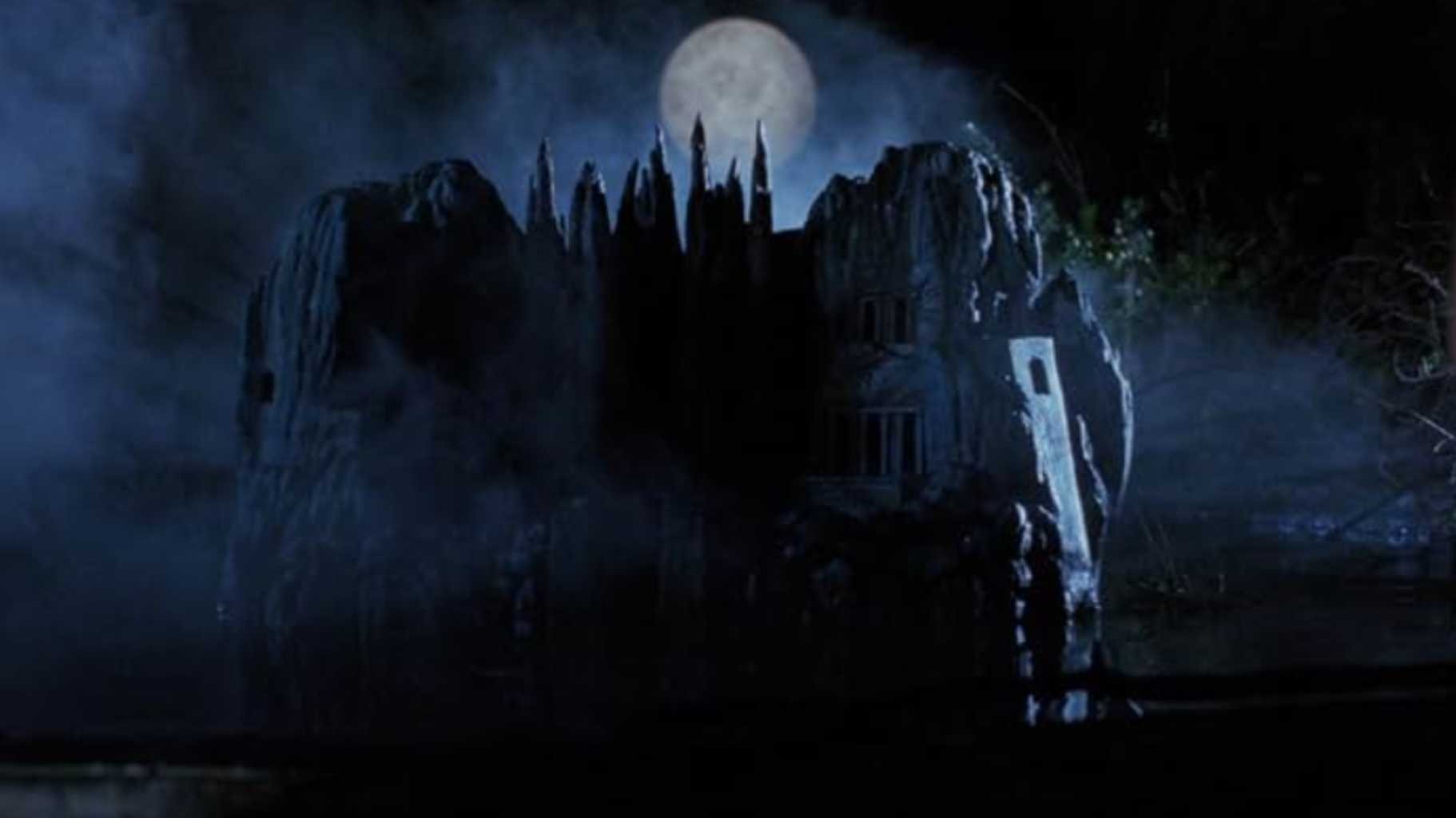
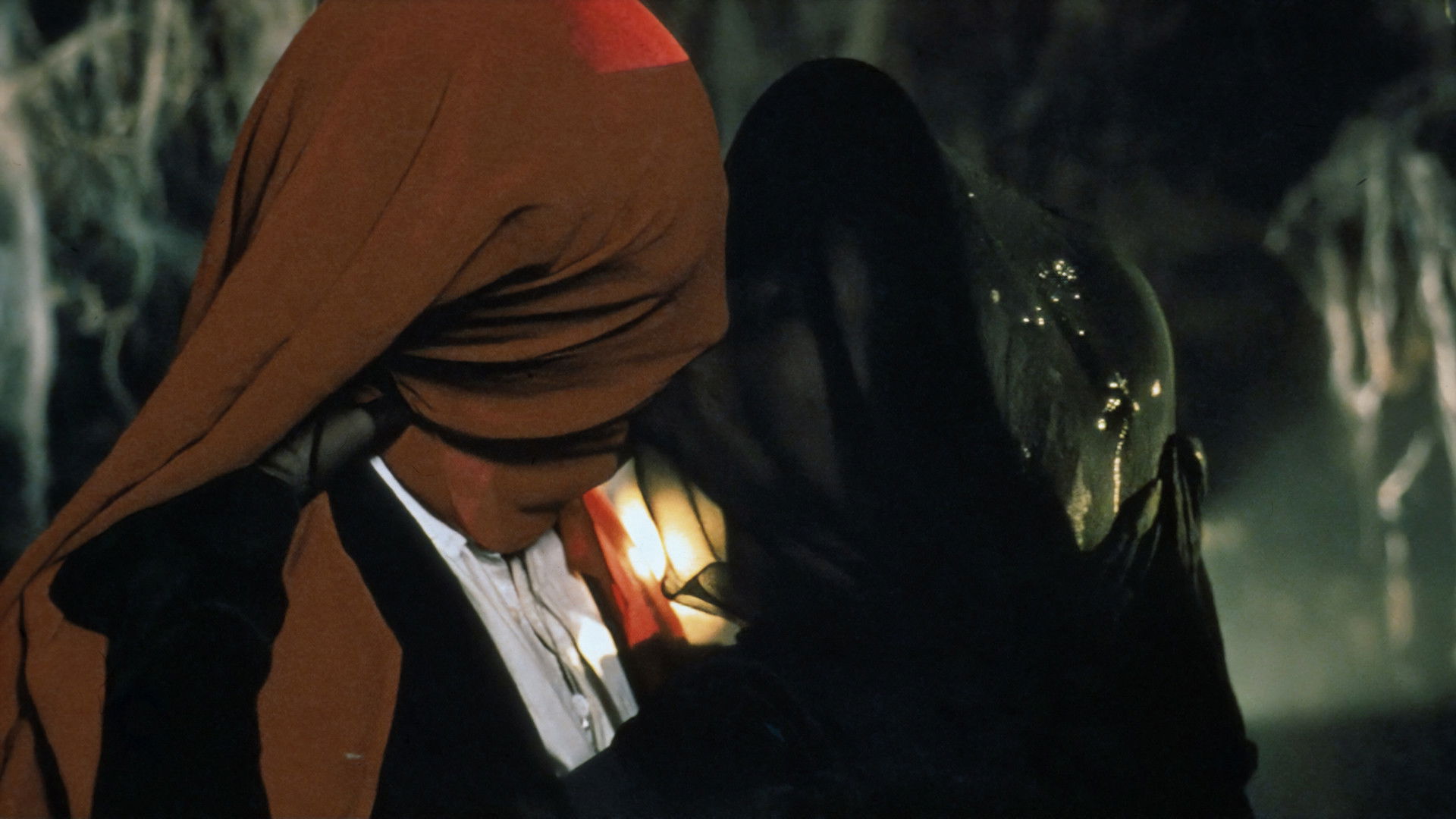
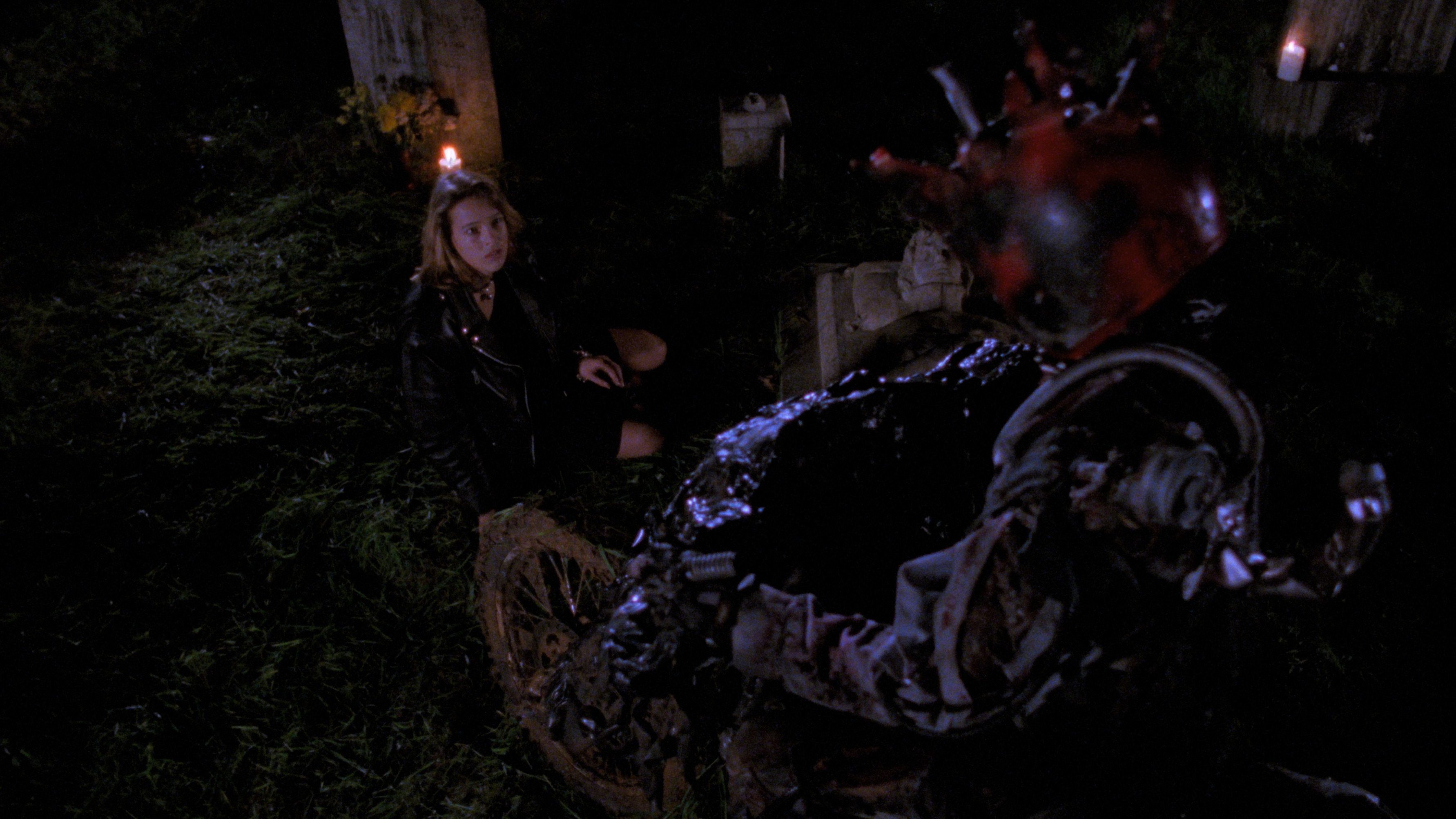
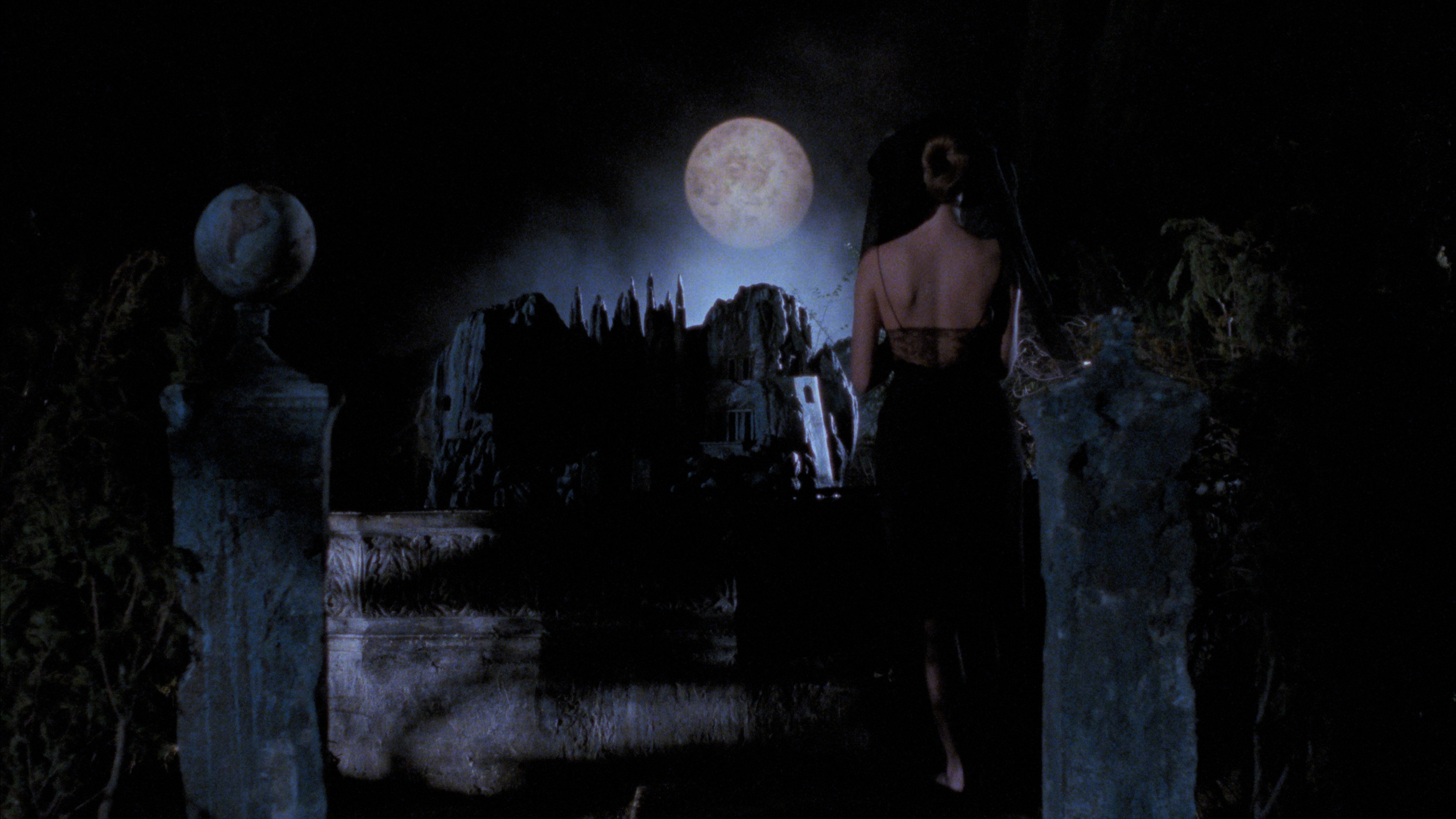
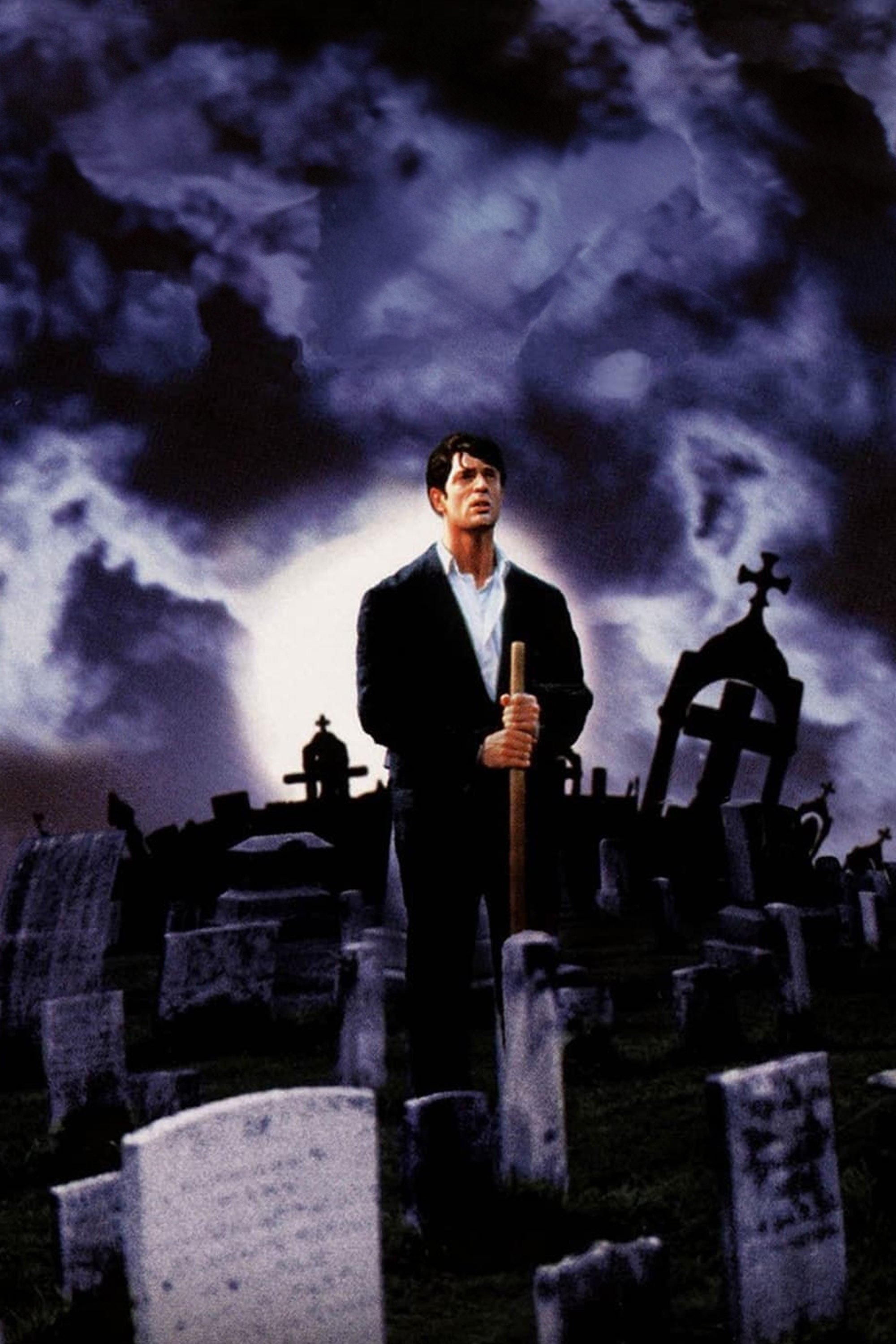
A particularly deliberate decision concerned the darkness of the night scenes. Romoli recalled that he and Soavi wanted genuinely black skies rather than the blue-toned nights common in contemporary international horror, a preference that made Marchetti's job more demanding and slowed the shoot. The effect can be seen in the way figures and illuminated gravestones emerge from deep areas of darkness. The colors of flesh, stone and flowers remain visible without turning every nocturnal scene into a bright fantasy landscape.

Rupert Everett, Gnaghi and the Living Town

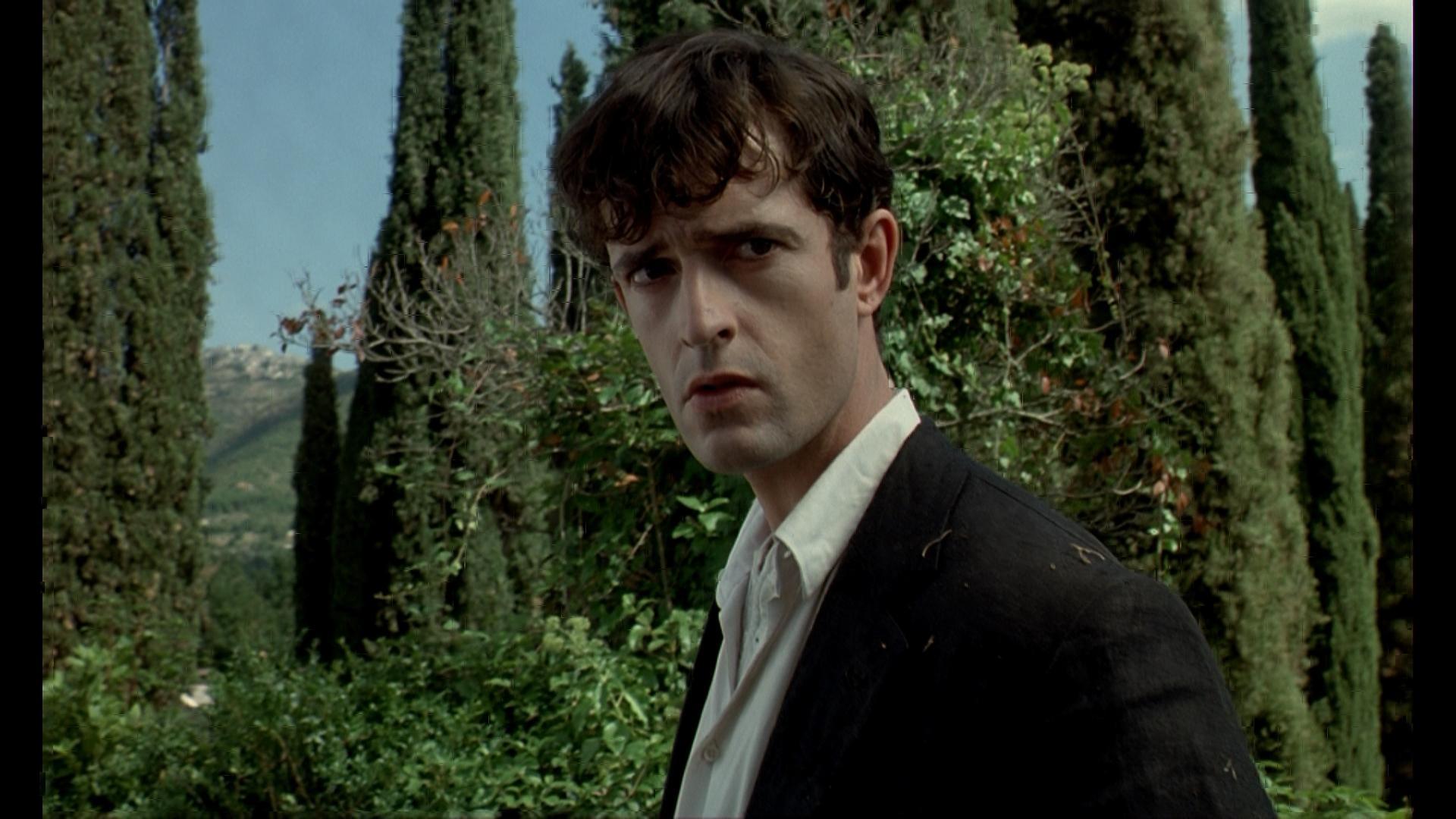
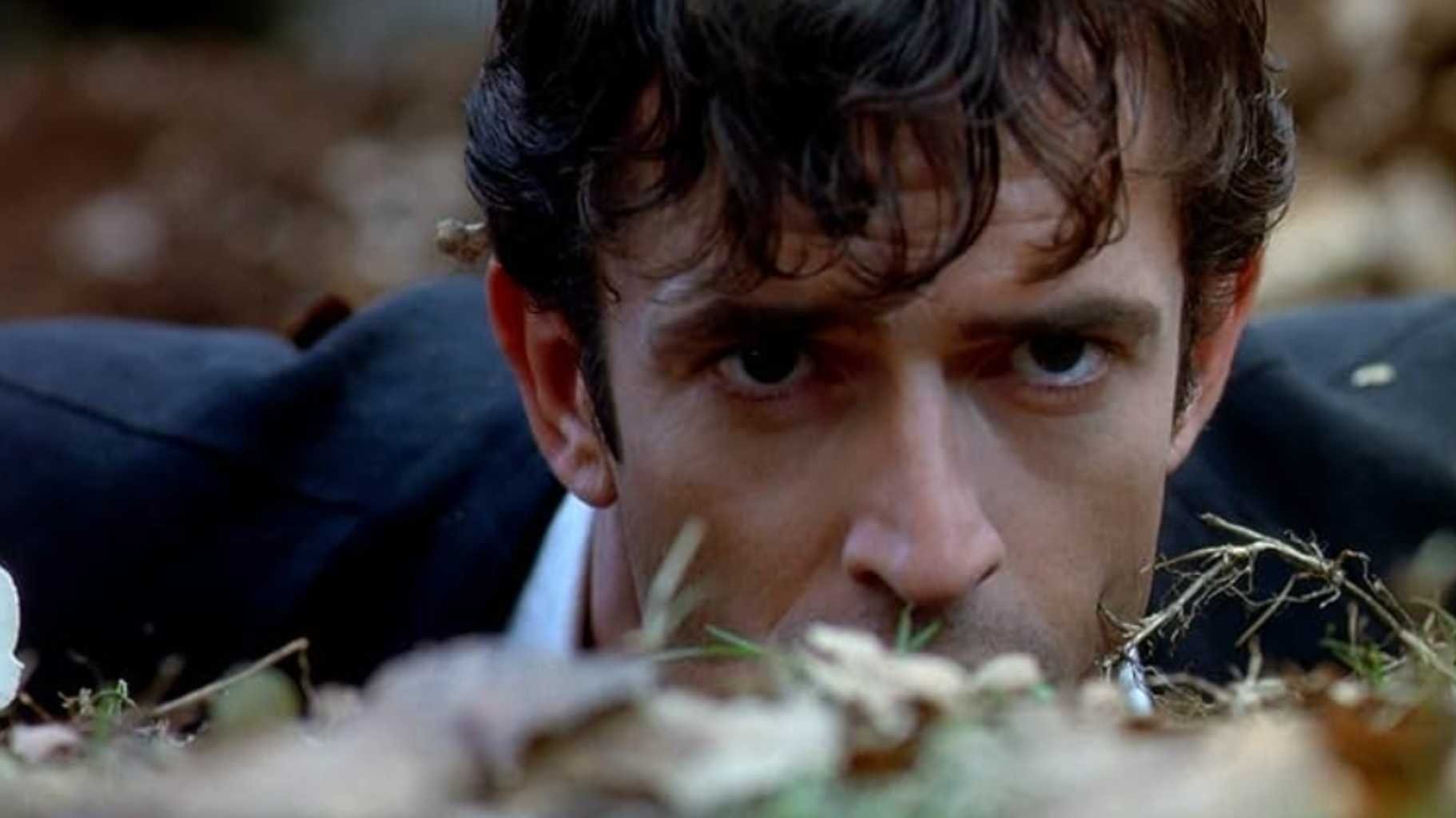
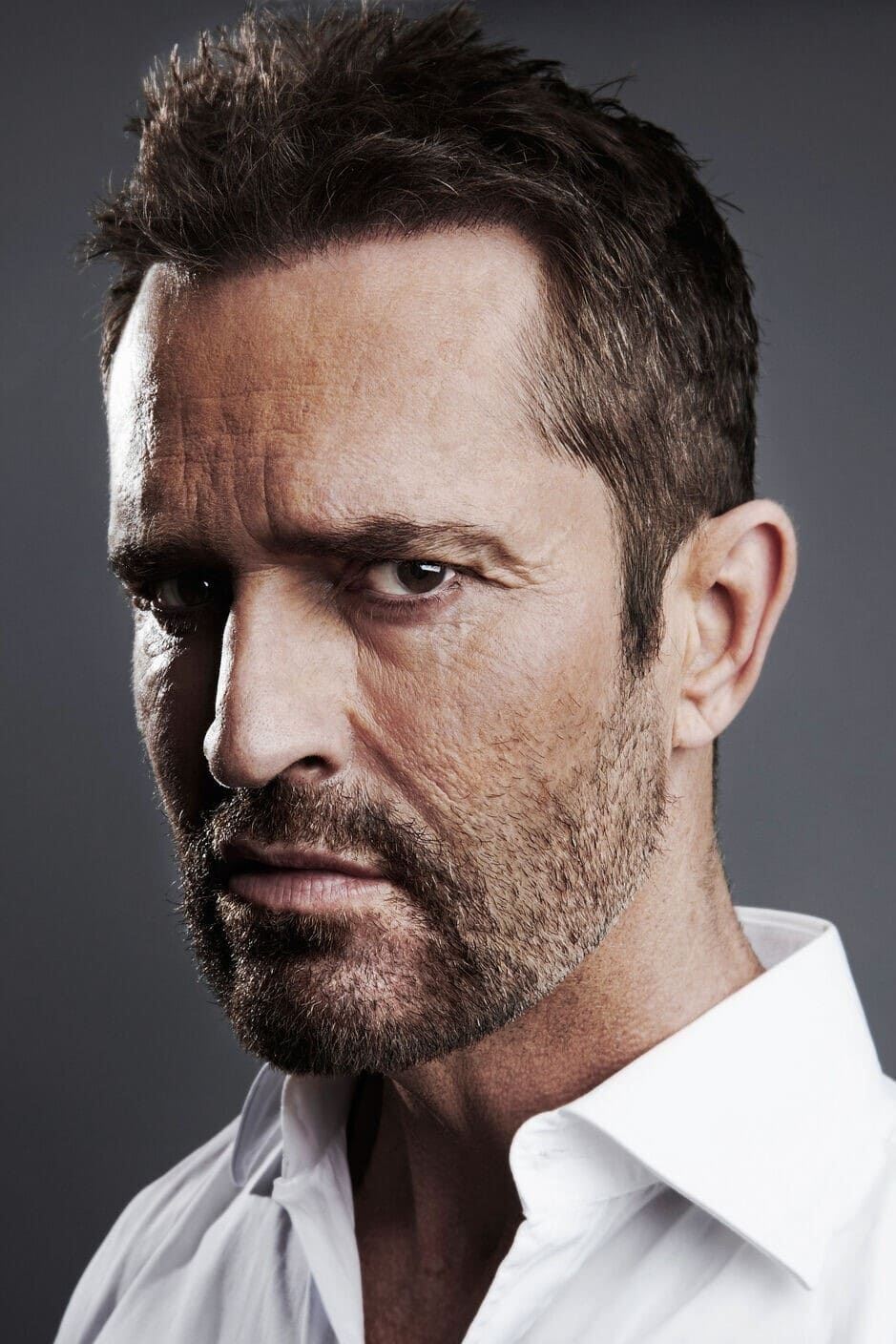
Everett plays Francesco as a man who has become capable of dealing calmly with the impossible while remaining unequipped for ordinary intimacy. Shooting a returning corpse is a routine response, and his conversations often proceed as though the bodies surrounding him were minor workplace inconveniences. The actor's understated delivery makes this attitude funny before it becomes disturbing. The casting also produces a historical coincidence: Dylan Dog's appearance had been modeled on Everett, and the actor eventually became the screen incarnation of the literary figure who preceded the comic. Romoli recalled that Everett was initially unaware of the Italian character's visual connection to him.
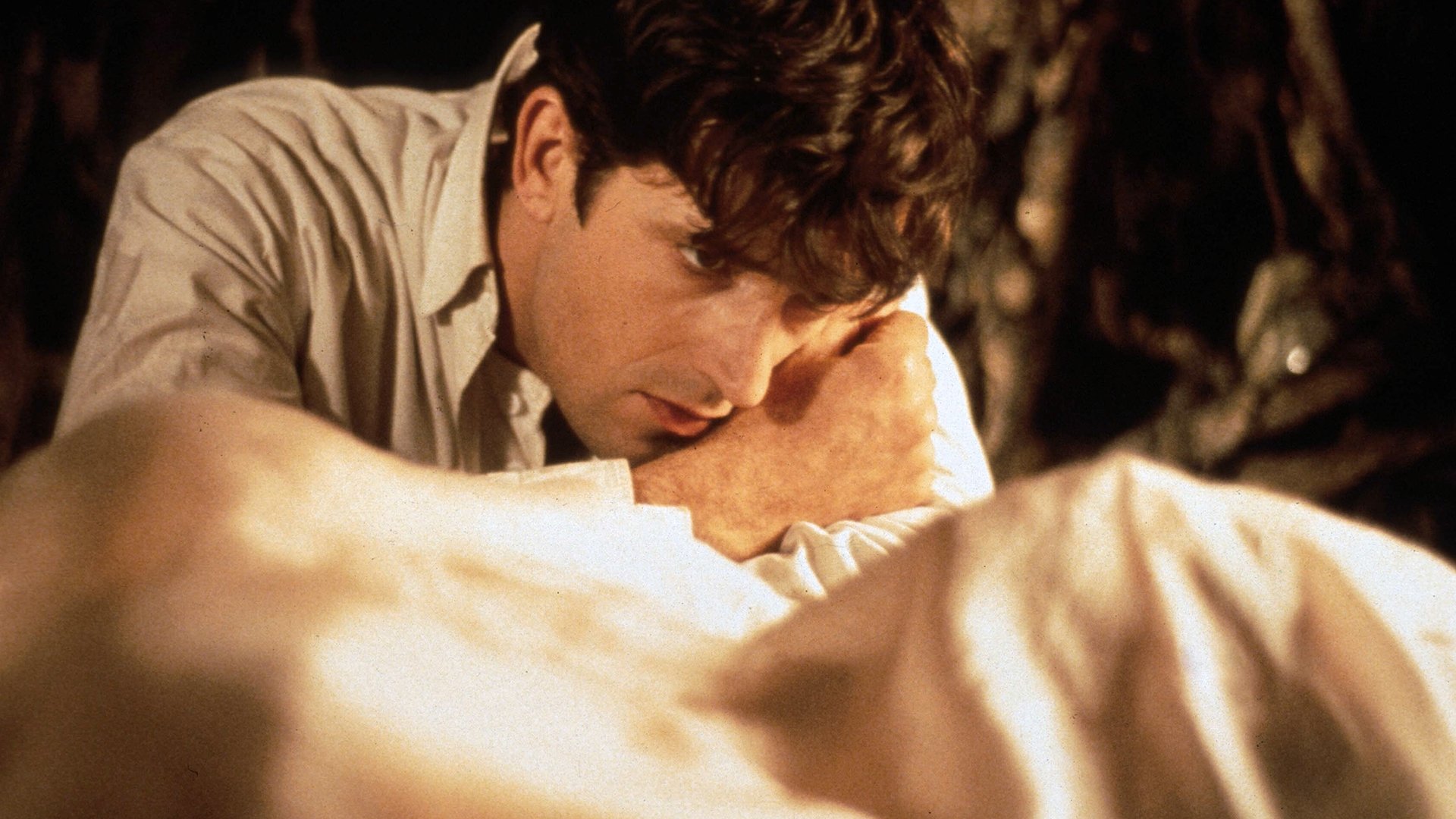
François Hadji-Lazaro's Gnaghi communicates mainly through a repeated syllable and facial expressions, but his relationship with Francesco is more than a comic pairing. He attends to the cemetery's daily work and responds to the living and dead with emotions that Francesco often suppresses. His affection for Valentina, the mayor's daughter, takes an extraordinarily literal form when her severed head returns to life. The grotesque image becomes unexpectedly tender through Gnaghi's care and the contrast between his apparent simplicity and the social cruelty of the people around him. It also gives the film a second romance that develops beside Francesco's increasingly desperate search for love.
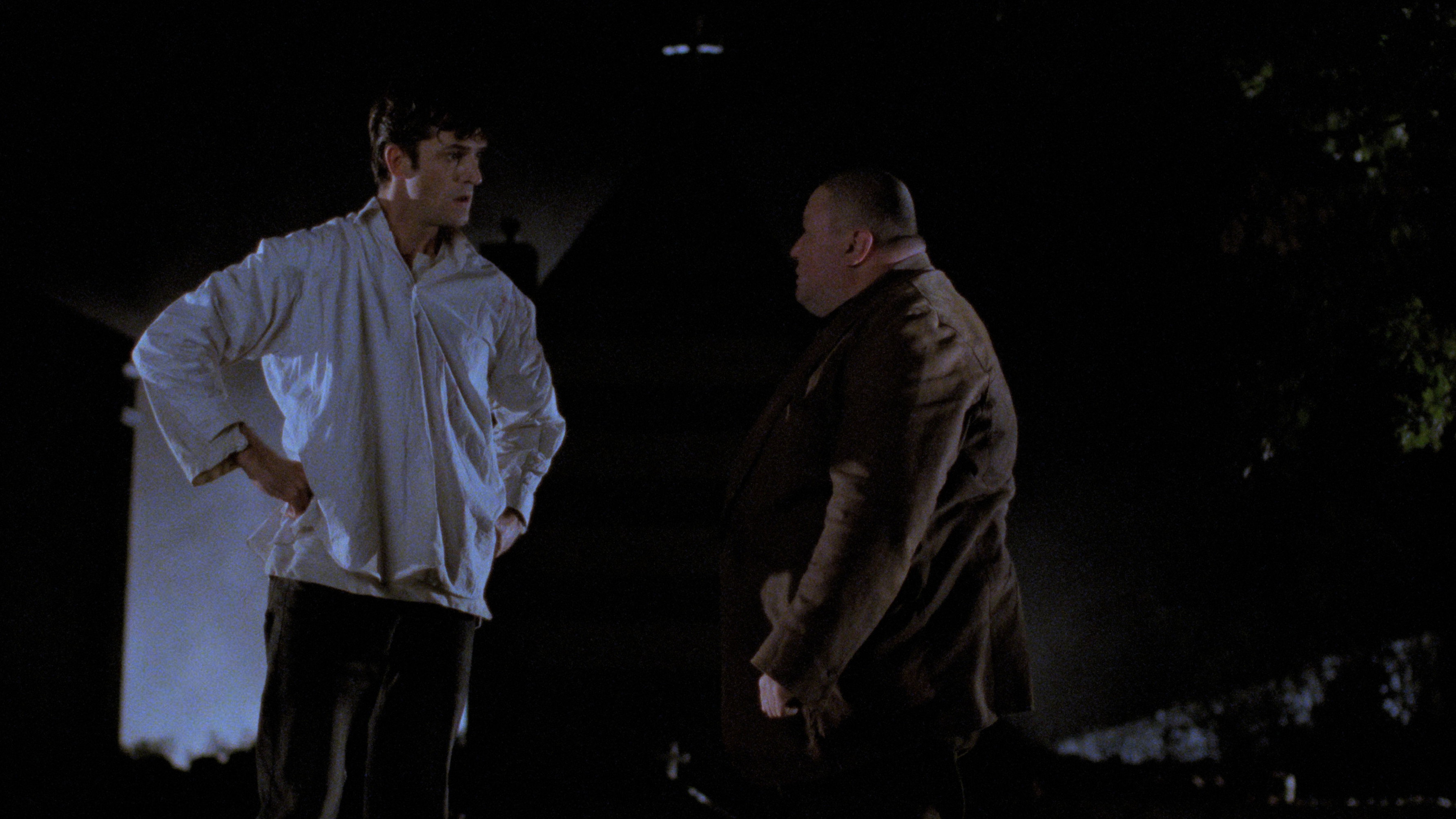
Buffalora's living residents are frequently less sympathetic than its undead. The mayor, played by Stefano Masciarelli, puts public reputation and electoral concerns beside family loss; local officials seem more practiced at bureaucratic reassurance than investigating the dead. Mickey Knox plays the police marshal Straniero, whose understanding of crime becomes increasingly detached from Francesco's actions. These characters do not provide a realistic explanation for the resurrections. Instead they create a social world in which administrative routines survive even when the basic distinction between life and death has ceased to function.

Returning Corpses, Practical Effects and Music

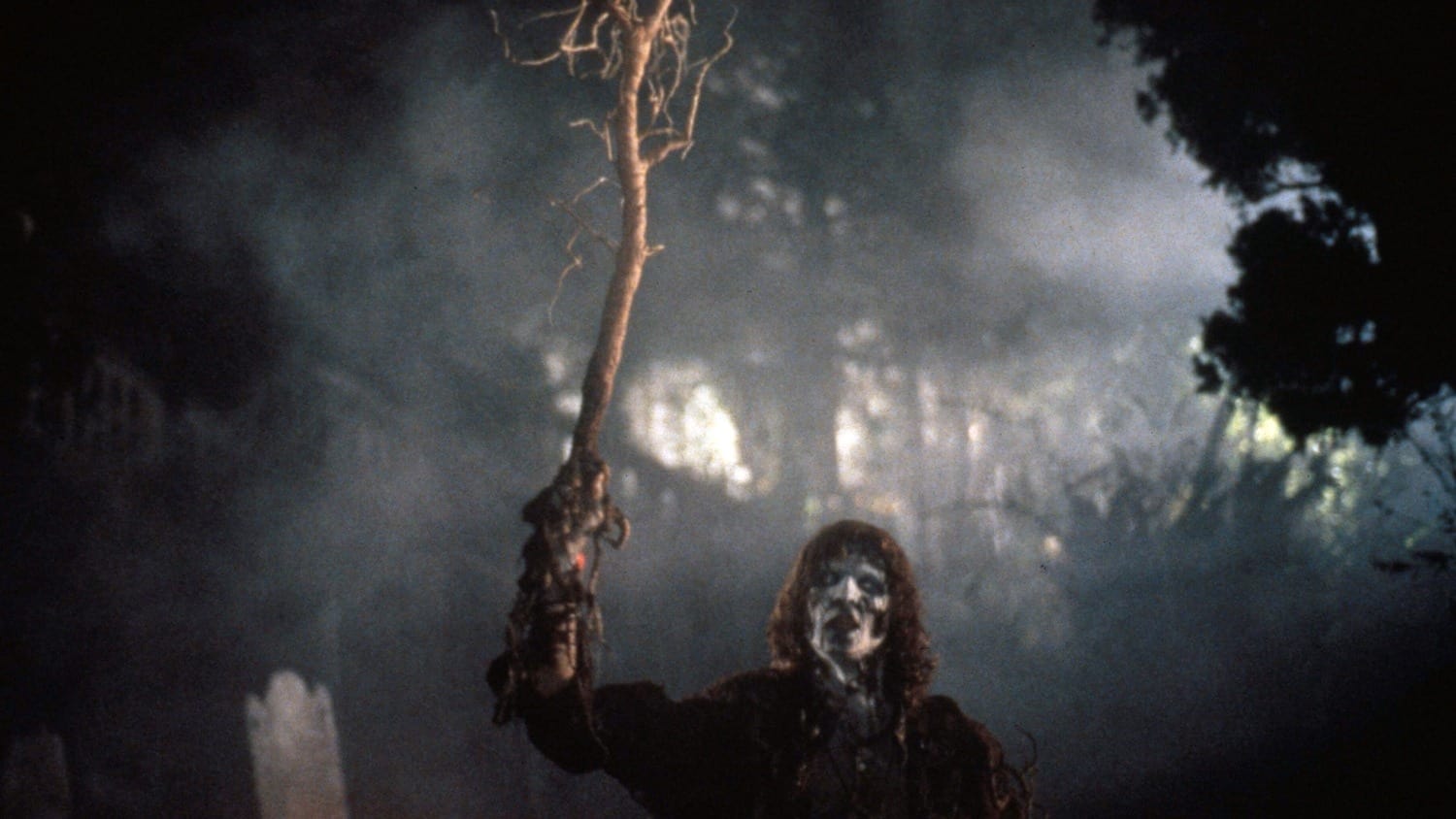
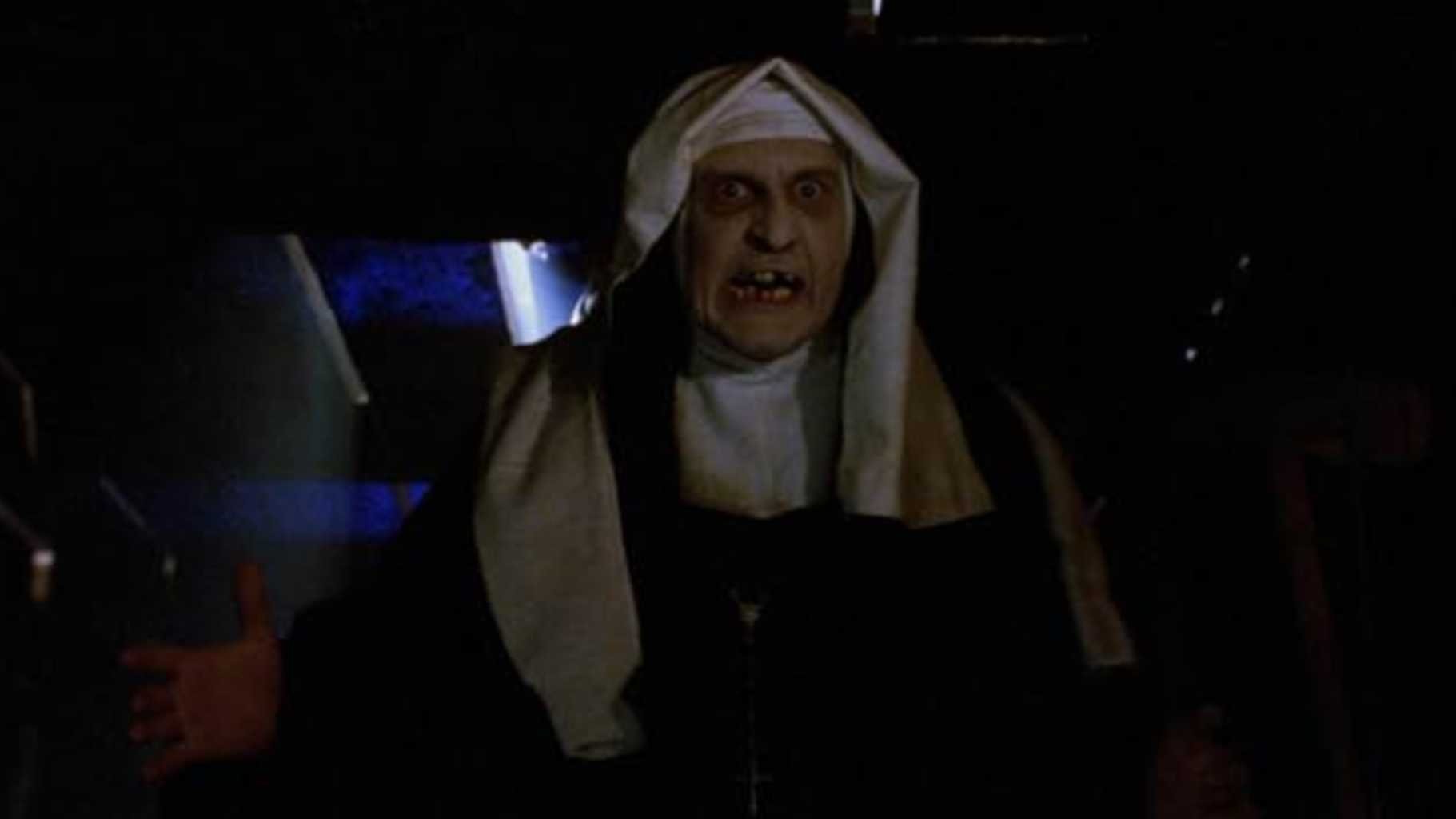
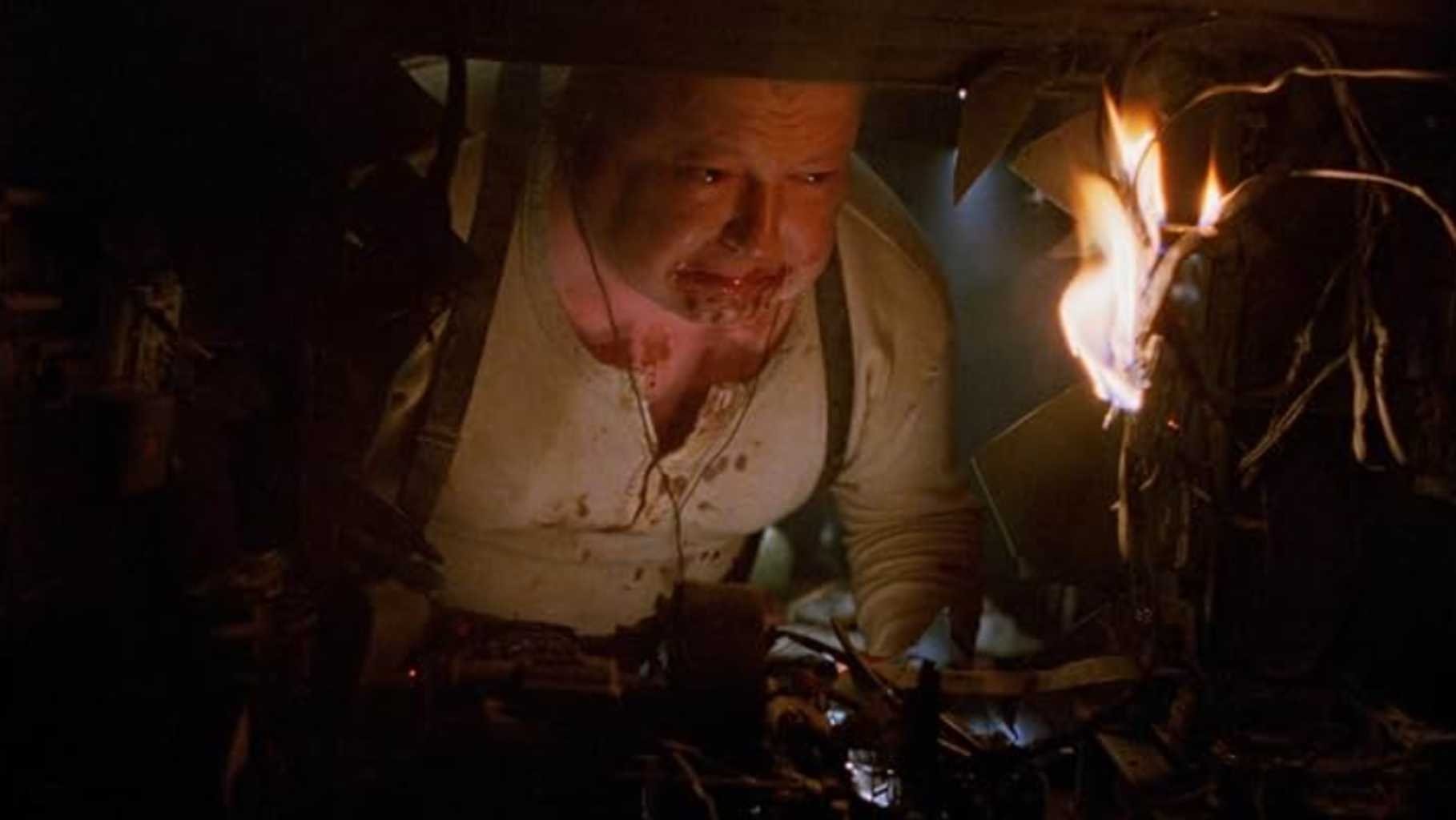
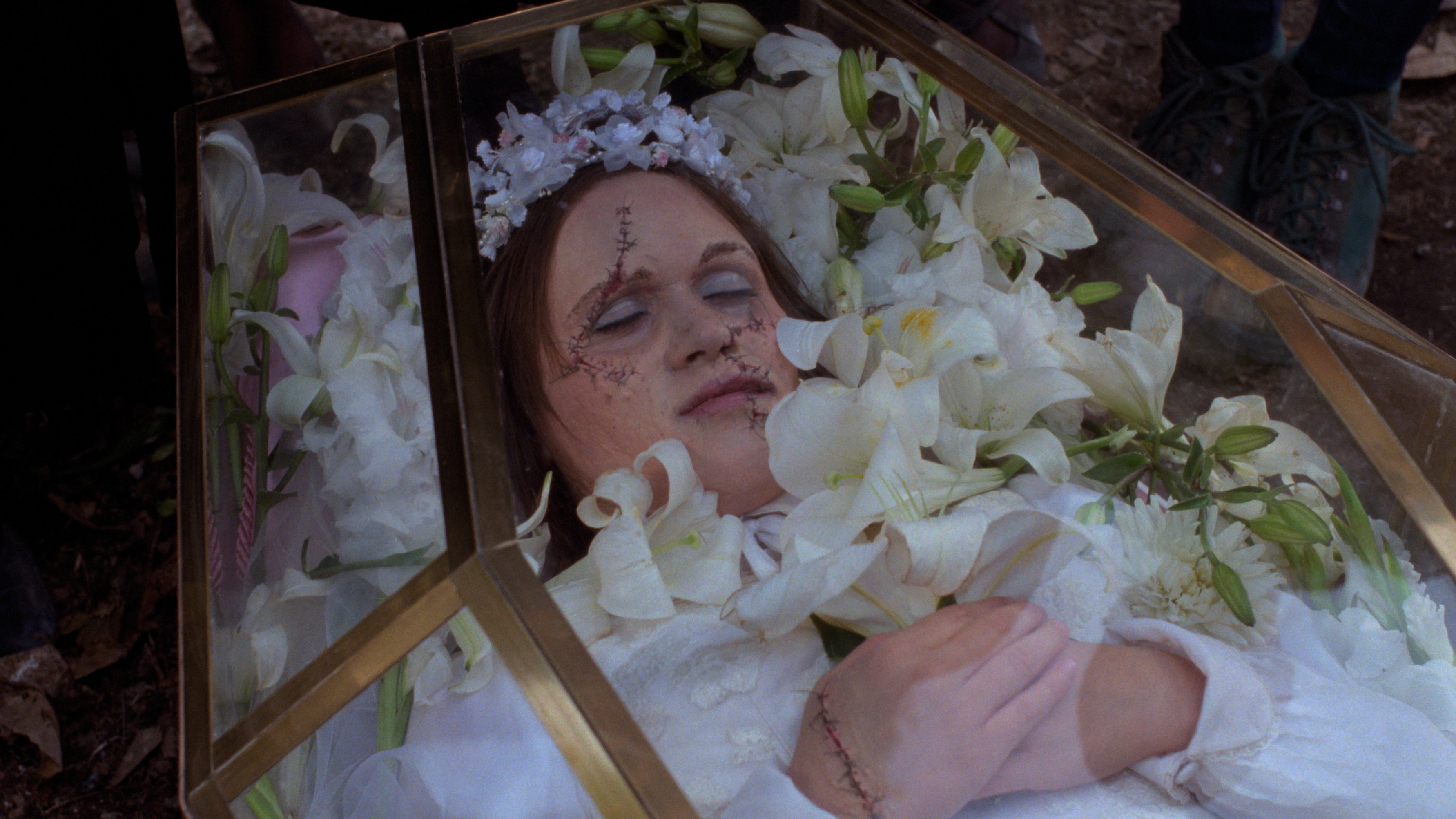
The returning dead are not presented as an escalating worldwide epidemic with a stable scientific origin. Francesco calls them returners and knows the practical response: destroy the head. Soavi stages the attacks with decaying faces, damaged bodies, sudden movements and graphic wounds, allowing the physical consequences of resurrection to intrude upon otherwise lyrical compositions. The effects work associated with Sergio Stivaletti, credited in contemporary reviews for mechanical special effects, includes the film's characteristic mixture of prosthetic horror and macabre visual invention. The moving severed head belonging to Valentina is especially important because it must appear dangerous while supporting an emotionally vulnerable relationship.

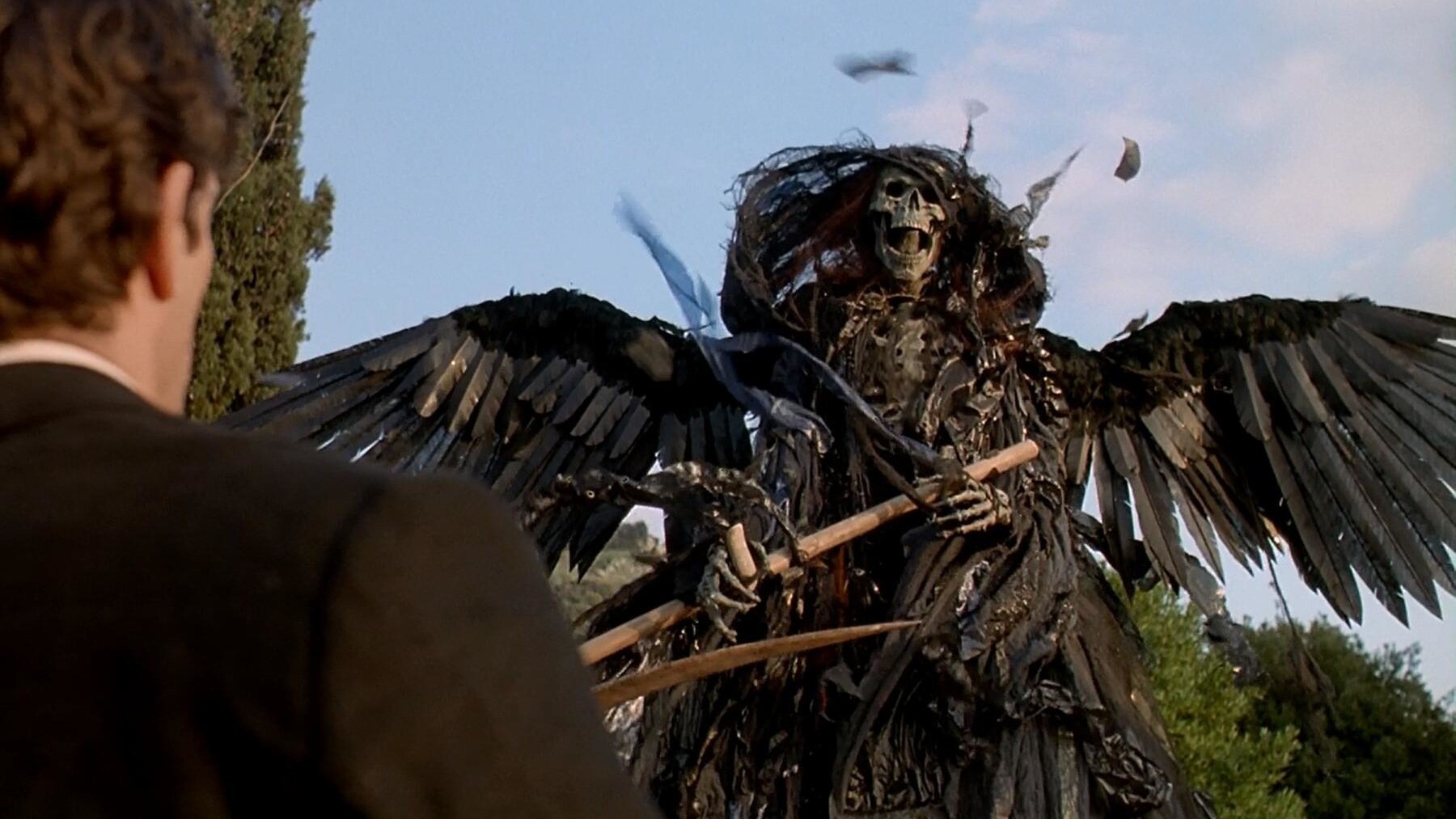
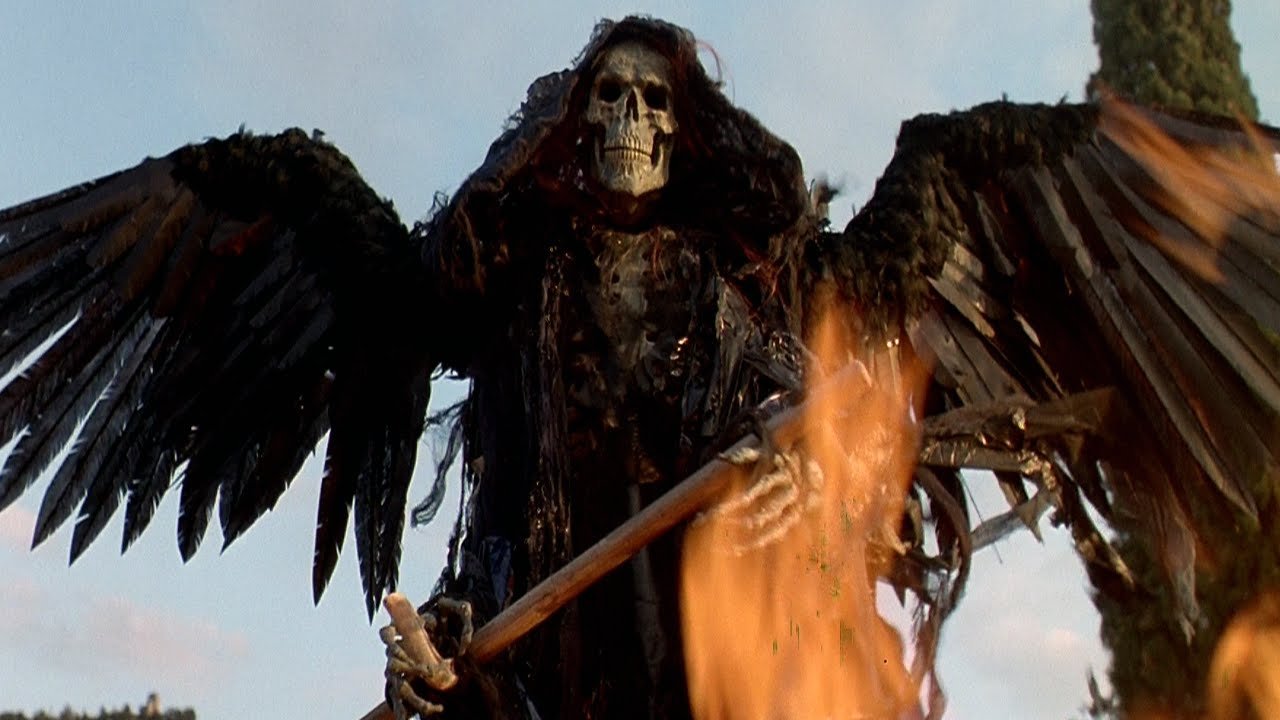
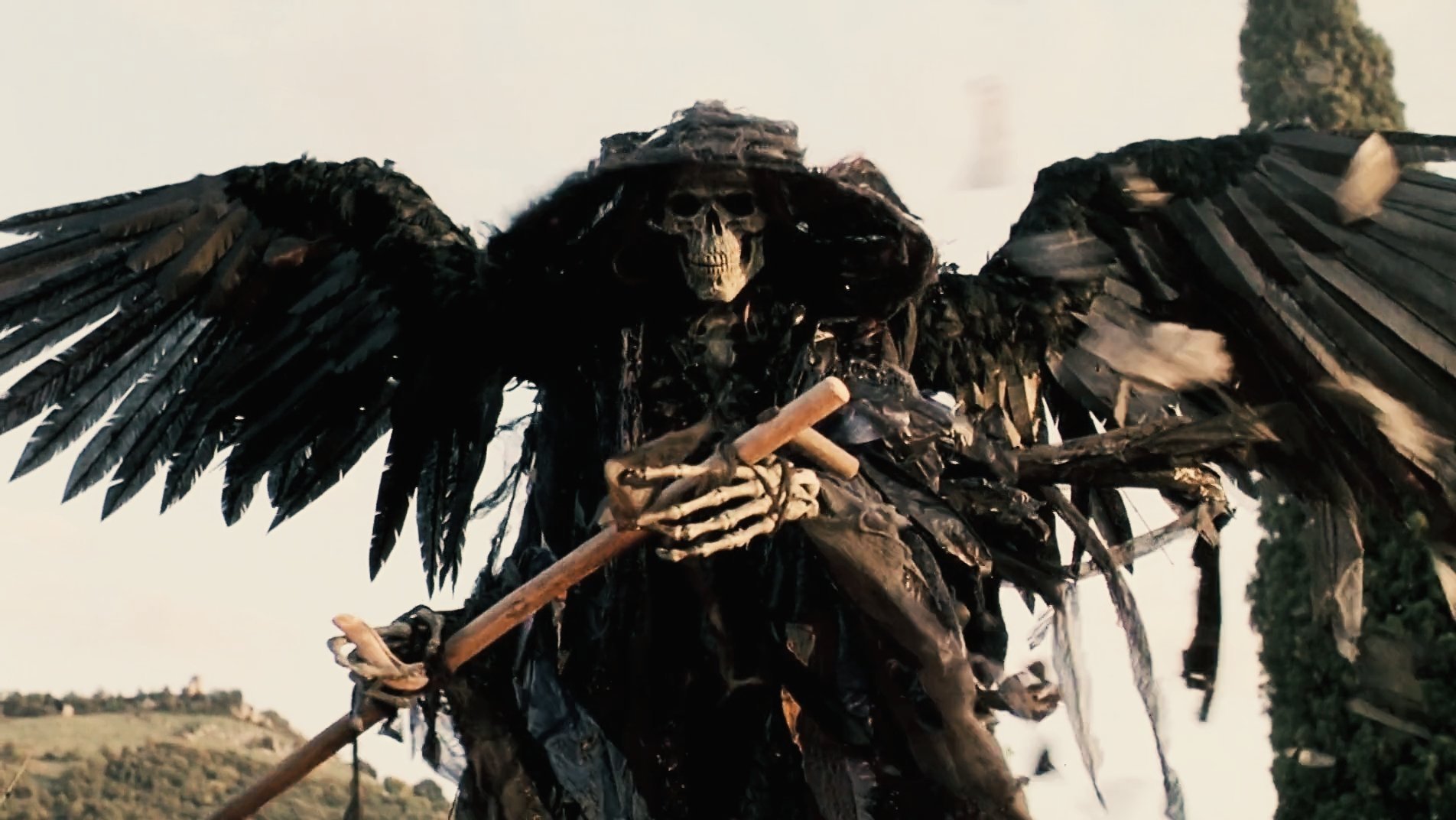
The film's effects scenes do not all serve the same purpose. Some returners interrupt work or conversation and are eliminated with disturbing casualness; others create moments of outright danger. The creature imagery becomes more playful and dreamlike as Francesco's emotional life deteriorates, and an encounter with an embodiment of Death pushes the story toward the possibility of violence against the living. This mixture of theatrical gore and fantasy helps explain why the film could be marketed as horror comedy while functioning on screen as a much bleaker story.

Manuel De Sica's music supports the shifts between romance, absurd humor and mounting unease. The score is credited in the contemporary Toronto festival guide and was singled out by Kevin Thomas in his 1996 Los Angeles Times review for its unsettling persistence. Music and sound often make a cemetery passage feel melancholy just before it becomes violent. Fraticelli's editing lets a quiet exchange give way abruptly to a mutilated body or an impossible revelation. The result is a film whose horror is not confined to the attacks: it persists through the spaces between them, when Francesco seems almost comfortable with the prospect of another corpse rising.

The Three Women and the Failure of Romantic Escape

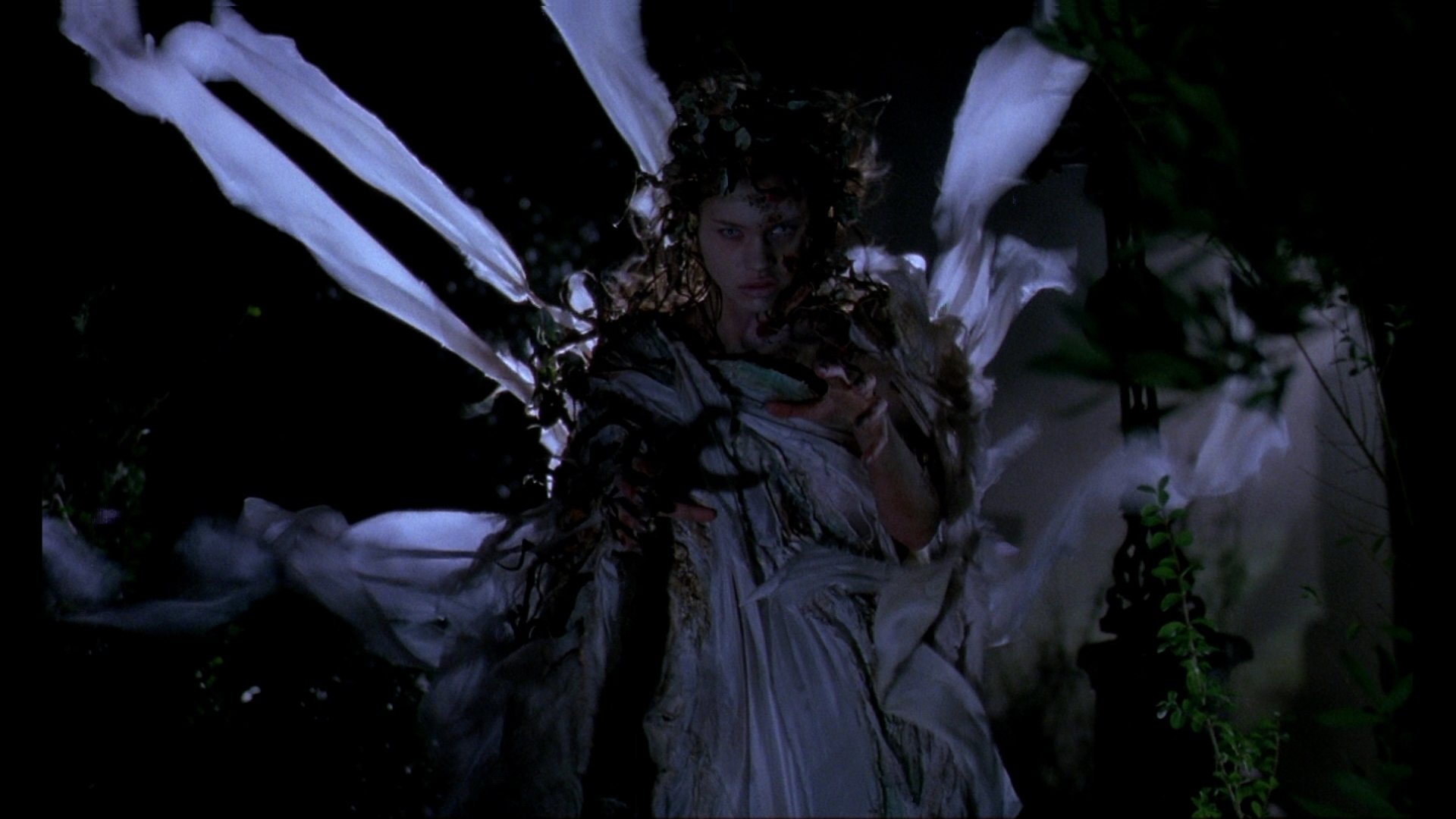
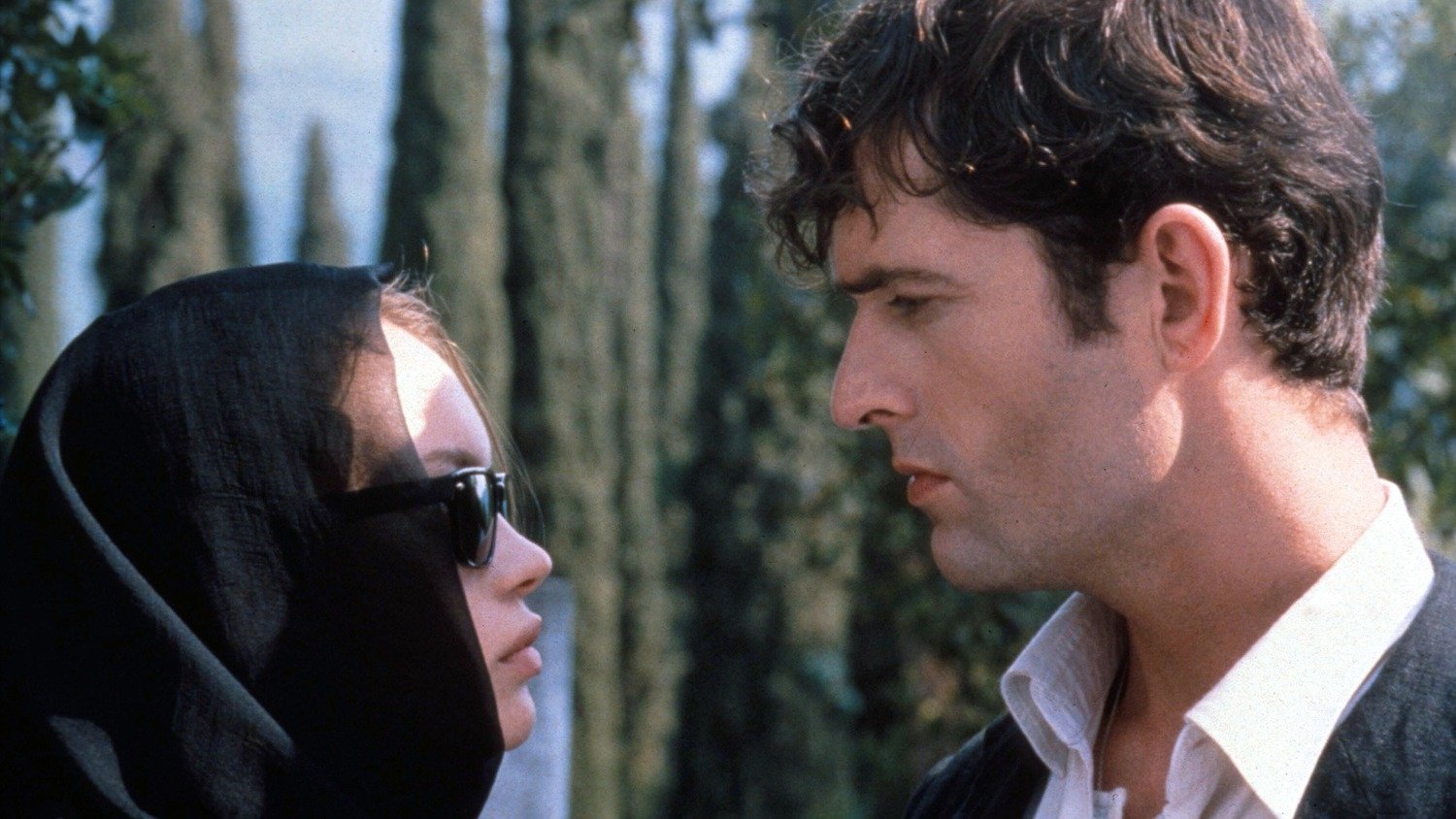
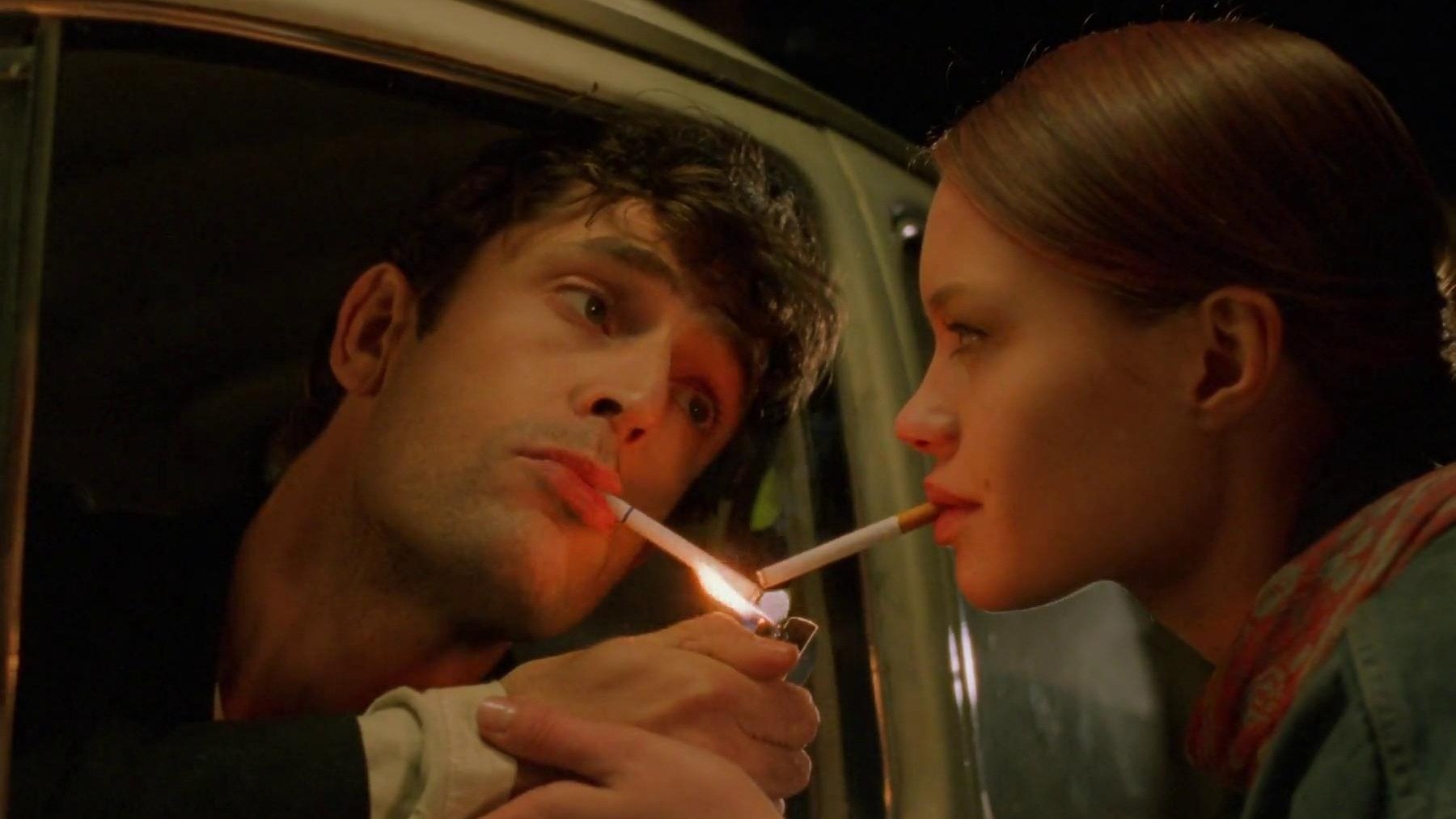
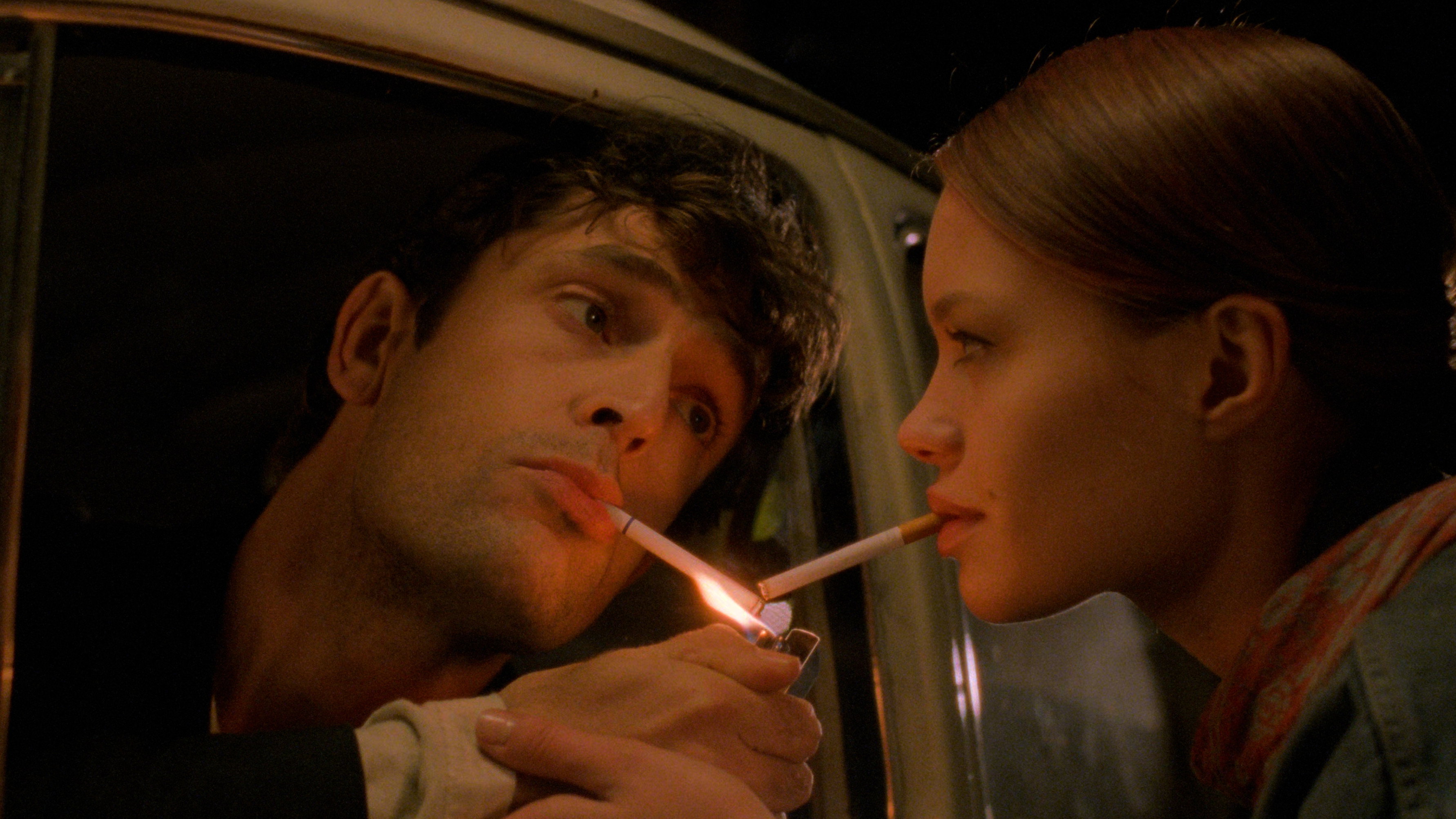
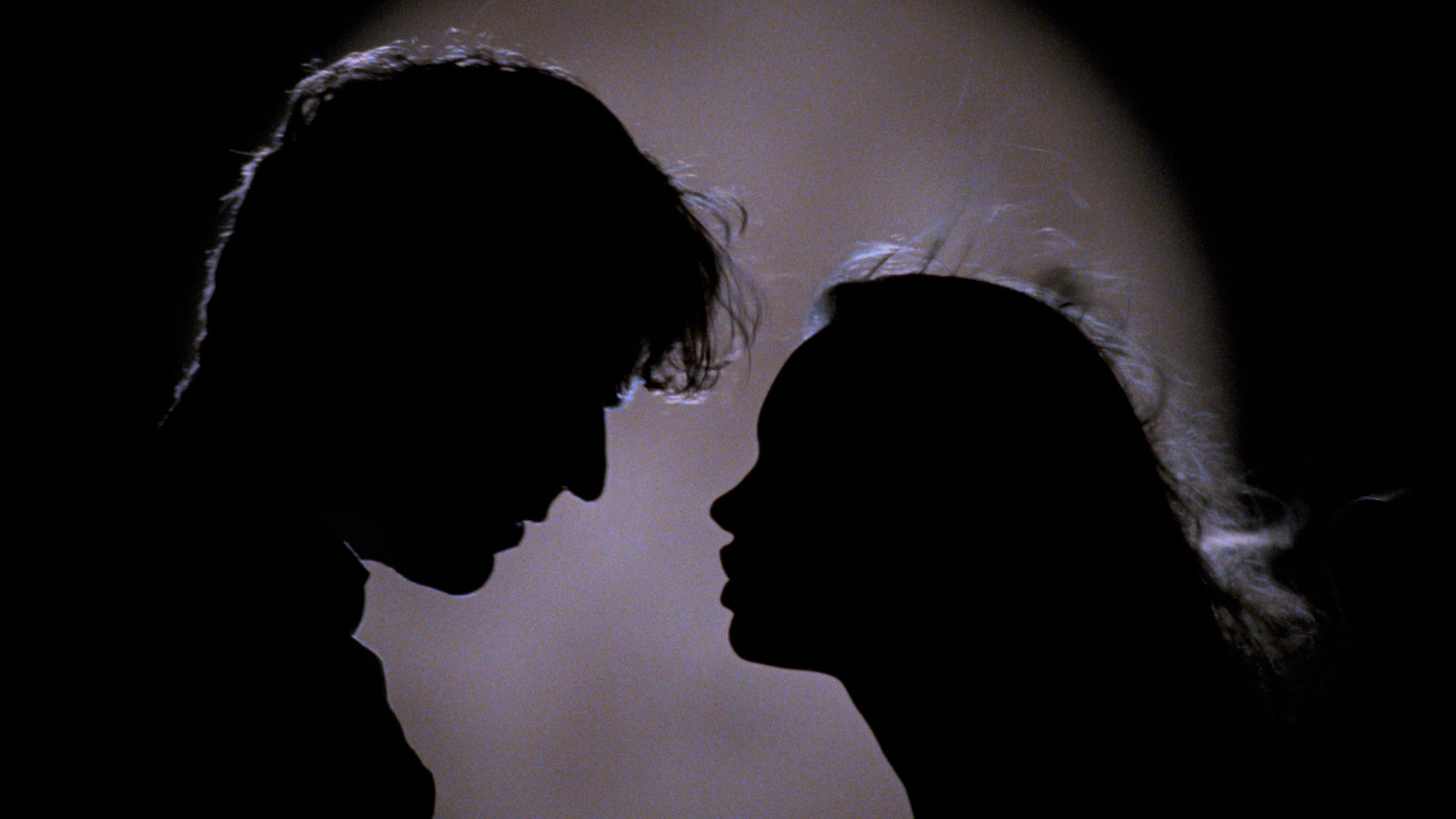
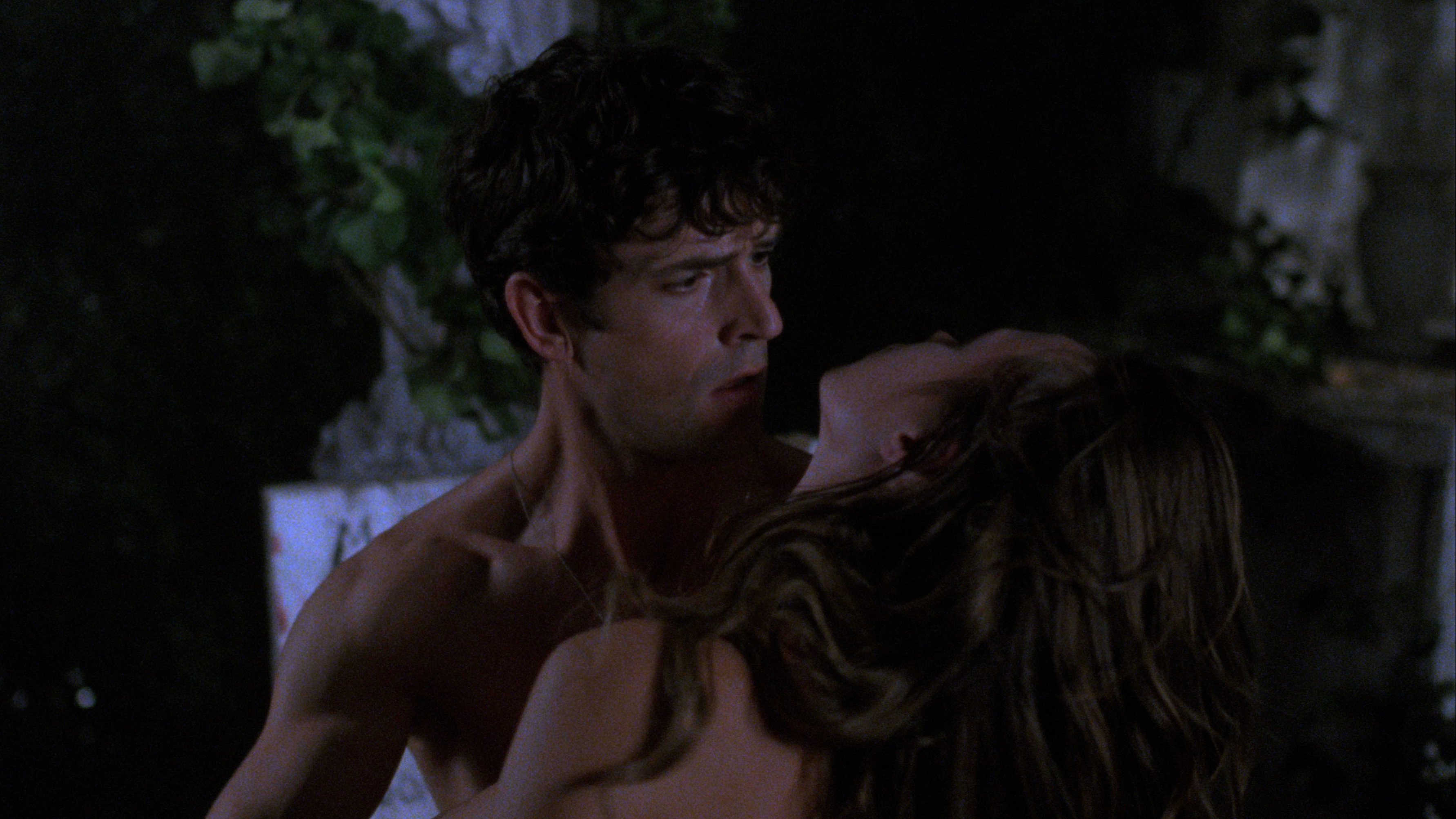
Anna Falchi appears in three principal incarnations of the woman Francesco desires. The first is a widow visiting the cemetery, whose attachment to her dead husband is expressed in a series of scenes that turn mourning into erotic attraction. Her relationship with Francesco begins amid the graves and is almost immediately disrupted by the husband's return. Love seems to offer the caretaker a reason to feel alive, but that experience is inseparable from the risk of losing the beloved again. The graveyard becomes the scene of both their intimacy and its destruction, establishing the pattern that governs the later appearances.

The subsequent women, including a secretary in local government and a young woman Francesco encounters later, share the same face but do not necessarily share a single established identity. Francesco behaves as though the resemblance offers another chance to recover the first relationship. That assumption makes the later scenes increasingly cruel. One woman's fear of sex leads him into a grotesque attempt to alter his own body; another encounter ends in the destruction of people who have no responsibility for his earlier losses. The film's changes of tone are particularly sharp here, because situations initially played with absurd humor produce injuries and deaths that cannot be dismissed as jokes.

Romantic repetition does not provide a dependable supernatural explanation. The film never establishes a clear mechanism by which one soul moves between the women, and it does not require viewers to regard Francesco's perceptions as objective evidence. The repeated face may reflect the structure of a fairy tale, the protagonist's fixation or a world whose rules have become unstable. MoMA's retrospective discussion emphasizes how the women and the figure of Death destabilize the film's apparent romantic narrative. The consequences are nevertheless concrete within the story: Francesco's need to possess an image of love makes him progressively less concerned with the autonomy and safety of others.

From Destroying the Dead to Murdering the Living

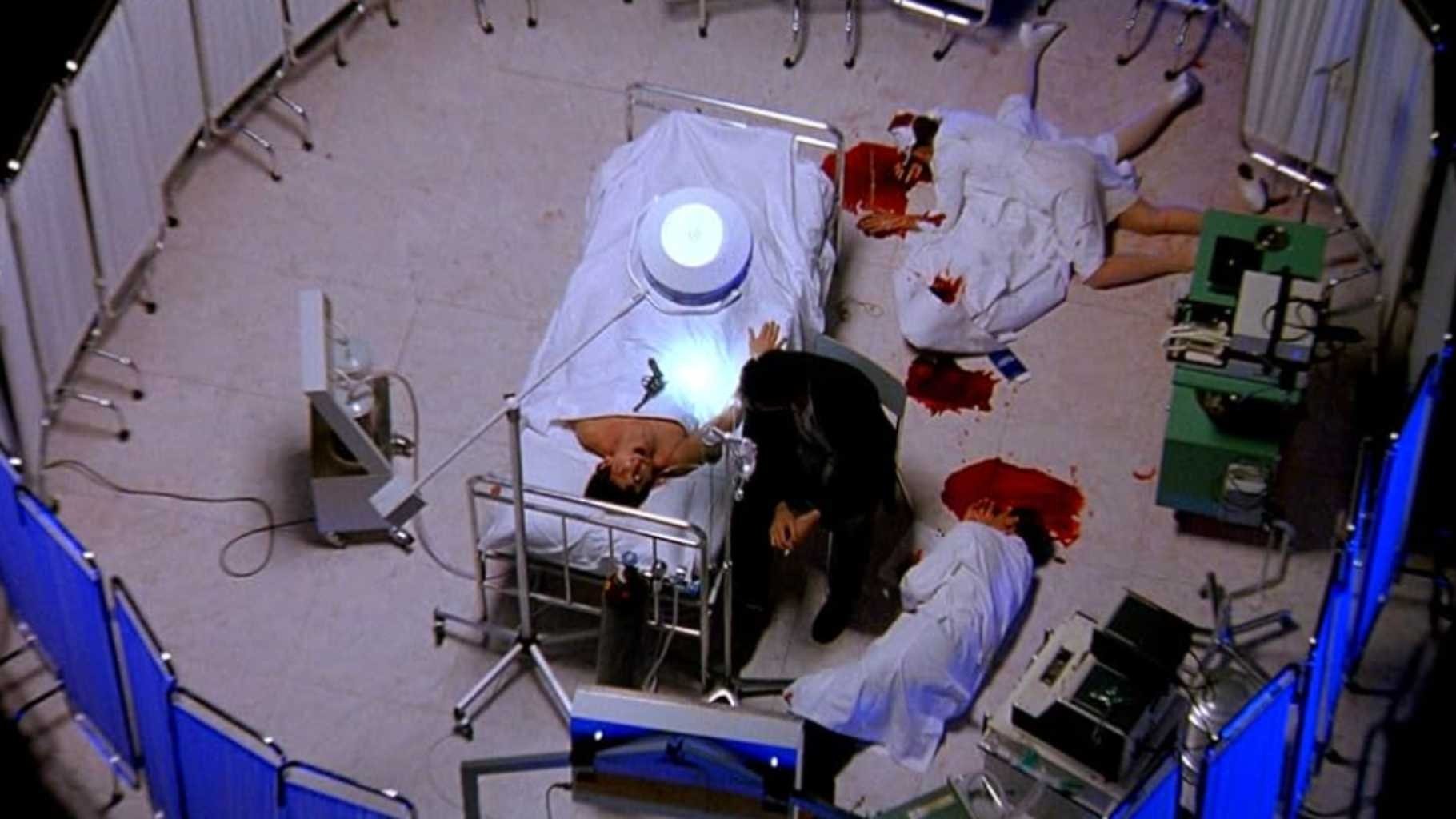
The film's moral direction changes after Death appears to suggest that Francesco could simplify his work by killing people before they die. The caretaker's established habit of shooting returners has already made lethal violence almost effortless. When he begins directing that behavior toward the living, the boundary that had made his work socially tolerable collapses. The town's indifference deepens the nightmare: violent events are repeatedly interpreted through other explanations, and the police marshal fails to recognize the full meaning of Francesco's admissions. A protagonist who once kept the cemetery's danger contained has become one of Buffalora's most serious threats.

Franco, an acquaintance implicated in the town's worsening violence, becomes important because the public attribution of guilt separates responsibility from what the spectator has seen. Francesco attempts to confess but cannot secure recognition as the perpetrator. The scenes are disturbing not because the film has proved that all life is illusory, but because confession no longer seems capable of restoring a reliable moral or factual order. Ordinary institutions continue to exist while failing to interpret actions accurately. The logic of the zombie routine has overtaken the town: bodies can be disposed of, paperwork continues and the meaning of a death becomes strangely negotiable.

The Road, the Snow Globe and the Limits of Reality

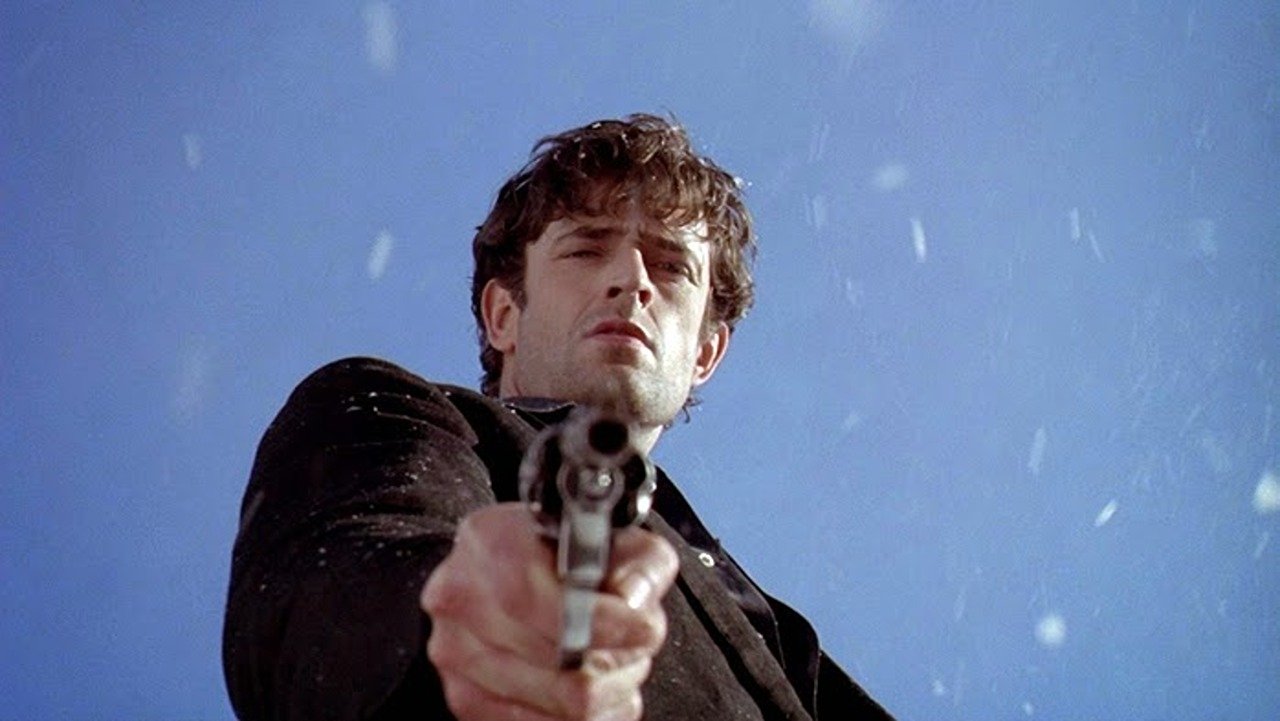
Francesco eventually tries to leave Buffalora with Gnaghi. Their journey leads to a road that ends at a precipice, apparently denying the existence of a world beyond the town. The impossibility makes physical an idea Francesco has repeatedly expressed: the space outside his familiar cemetery scarcely exists for him. Gnaghi is injured, and Francesco considers using a gun to end both their lives rather than remain trapped in the apparent void. He cannot bring himself to kill his companion. Instead, Gnaghi speaks with unexpected clarity, asking to go home, while Francesco can answer only with the syllable that had previously defined his assistant.

The final image places the two figures within a snow globe, a miniature landscape that resembles an object visible earlier in the film. The visual device reverses ordinary scale and invites the suspicion that their entire experience has occurred inside a constructed world. Yet the film supplies no authoritative explanation of who controls that world, whether the ending is literal or whether it represents Francesco's exhausted perception. Scarabelli's study of Sclavi and Soavi traces the importance of miniature objects and uncompleted models in their related fictional universes. The snow globe can be interpreted through those motifs without reducing the previous events to a single definitive dream or hallucination.

The exchange of speech between Francesco and Gnaghi is just as consequential as the model landscape. The caretaker's companion is now able to articulate a wish, while the apparently capable narrator loses the words with which he once explained the world. Their relationship persists when the larger environment becomes impossible to understand. The conclusion offers no repair for the murders or the failed romances. It leaves an image of two people bound together at the edge of what they can know, turning the film's movement between love and death into a question about the limits of individual experience.

Release, Festival Reception and Cult Afterlife

Dellamorte Dellamore opened in Italy in March 1994 and appeared at the Toronto International Film Festival later that year. Noah Cowan's original 1994 program note presented it as a distinctive combination of macabre fantasy, Gothic imagery and British black humor, praising Everett's controlled performance. The film's international production credits appeared in that contemporary guide, which listed a running time of 105 minutes. A 2022 MoMA screening of a 35mm print listed 100 minutes, illustrating why running times associated with individual presentations should be reported with their sources rather than assumed to identify fully documented alternative cuts.

Romoli remembered that the film cost roughly five billion lire against an earlier financing target of about three and a half billion. He also estimated its Italian box-office receipts at around four billion lire and recalled a warm domestic response, alongside subsequent disappointment in several foreign territories. Those figures are a producer's retrospective estimates, not audited accounts, and cannot be converted into a verified dollar budget or worldwide gross. Romoli also recalled jury and audience recognition at the Gérardmer festival.

Cemetery Man reached American theaters through October Films in April 1996. Reviewing it for the Los Angeles Times on April 26, Kevin Thomas welcomed its movement from grotesque comedy into a more serious reflection on mortality and desire. His response provides useful contemporary evidence that the film was not uniformly dismissed outside Italy. MoMA's 2022 retrospective subsequently situated it within a history of Italian horror, noting both the difficulty of marketing its hybrid tone and the importance of its relationships, visual style and ambiguous sexuality. Its continuing significance is tied to the distinct combination of practical undead imagery, literary adaptation and a protagonist whose inability to live among others becomes more frightening than the returning corpses.

References

  1. Gente di Rispetto / Giorgio Caddeo Interview with Gianni Romoli on Dellamorte Dellamore

    Extended firsthand interview with screenwriter and producer Gianni Romoli on Tilde Corsi, the alternate script, Everett, filming at Guardea, night photography, financing and release.

  2. Bietti / INLAND Dellamorte, dellamore e di altre facezie. Da Dylan Dog a Francesco Dellamorte, da Sclavi a Soavi

    Andrea Scarabelli scholarly essay tracing the 1983 novel, Dylan Dog relationship, development of the adaptation, three incarnations of the woman and the snow-globe finale.

  3. Toronto International Film Festival / Noah Cowan Dellamorte Dellamore - 1994 Program Guide

    Original Toronto festival program by Noah Cowan supplying contemporary international production credits, photography, score, runtime and initial critical reception.

  4. The Museum of Modern Art Dellamorte Dellamore (Cemetery Man). 1994. Directed by Michele Soavi

    Museum retrospective on the film literary origins, Dylan Dog and Rupert Everett, performance, reception and the 35mm presentation screened in 2022.

  5. Los Angeles Times Tantalizing Man Is Full of Surprises

    Kevin Thomas contemporary April 26, 1996 review examining Everett, the three women, the narrative changes of tone, music, practical effects and American release.

Cast

View Full Cast & Crew →

Release & Distribution

Production Companies (4)

  • Audifilm IT
  • KG Productions FR
  • Le Studio Canal+ FR
  • Urania Film DE

Distributors (1)

  • October Films US

Release History (26)

Release DateTerritoryRelease TypeFormatDistributorCertificationNotes
1994-03-25 Italy Theatrical — — T
1994-09-09 Canada Premiere — — R Toronto International Film Festival
1994-11-01 Sweden Premiere — — — Stockholm International Film Festival
1994-11-26 Japan Theatrical — — —
1995-05-10 France Theatrical — — —
1995-06-03 Netherlands Premiere — — — International Film Festival Rotterdam
1995-07-18 United Kingdom Theatrical — — 18
1995-09-01 Belgium Premiere — — — Brussels International Festival of Fantasy, Thriller & Science Fiction Films
1996-02-01 Portugal Premiere — — — Fantasporto Film Festival
1996-04-26 United States Theatrical — — R
1997-02-27 Spain Theatrical — — —
1998-01-01 Germany Physical VHS — — Astro Distribution VHS
1999-09-10 Germany Physical DVD — — VCL Communications DVD
2001-04-28 Sweden Premiere — — — Uppsala Horror Film Festival
2001-11-23 Italy Physical DVD — — DVD
2004-08-03 France Physical DVD — — DVD
2008-11-14 Germany Physical DVD — — Alive AG DVD
2010-07-22 United States Limited Theatrical — — — New York Museum of Arts and Design
2012-05-18 Germany Physical DVD, Blu-ray — — Intergroove DVD & Blu-ray
2012-10-19 Germany Physical Blu-ray — — da music Blu-ray
2013-12-13 Germany Physical DVD, Blu-ray — — Intergroove DVD & Blu-ray
2014-10-02 Germany Physical DVD — — da music DVD
2014-10-31 Germany Physical DVD, Blu-ray — 18 Edel Germany DVD & Blu-ray
2022-04-27 France Physical Blu-ray — — Blu-Ray
2023-10-06 United States Premiere — — — Beyond Fest
2025-04-23 Germany Physical — — 16
Zombies, guns and sex, OH MY!!!