A Long-Developing Ghost Story
Garland told the British Film Institute in May 2022 that he had first explored the subject roughly fifteen years earlier, between his scripts for Sunshine and Never Let Me Go. The earliest attraction was the Green Man, a leafy face he had noticed on old buildings and in English public culture. Several revisions preceded the finished film. In a separate interview with Rue Morgue, he said the iconography appeared in multiple unrealized scripts before this version reached production. Consequently the story's origins predate the public debate surrounding the MeToo movement, even though that debate shaped how viewers subsequently discussed the picture.
The director described Men as a possible ghost story about a woman unable to escape the anger and demands of a dead husband. He also accepted folk horror as a useful description, referring to The Wicker Man and to the unsettling possibilities of the British countryside. Both explanations are relevant to the screenplay's structure. Events can be followed as an escalating attack by an otherworldly presence, while the recurrence of familiar forms suggests that Harper's recent experience shapes her perception. Garland explicitly resisted assigning a final answer to every image. That position allows the supernatural spectacle to remain frightening even when its symbolic connections are recognizable.
Marriage, Memory and the Threat of Blame
Harper's memories reveal that she intended to end her marriage. James threatened to kill himself if she left, then struck her during an argument. After she shut him out of their flat, he fell past a window and was fatally injured. The film leaves the precise circumstances of that fall unresolved. In an interview with the Los Angeles Times, Garland said he deliberately avoided deciding whether the death was accidental or suicidal because Harper could never establish the answer. The distinction matters to the horror: her uncertainty is exploited by characters who confidently assign her responsibility for another person's actions.
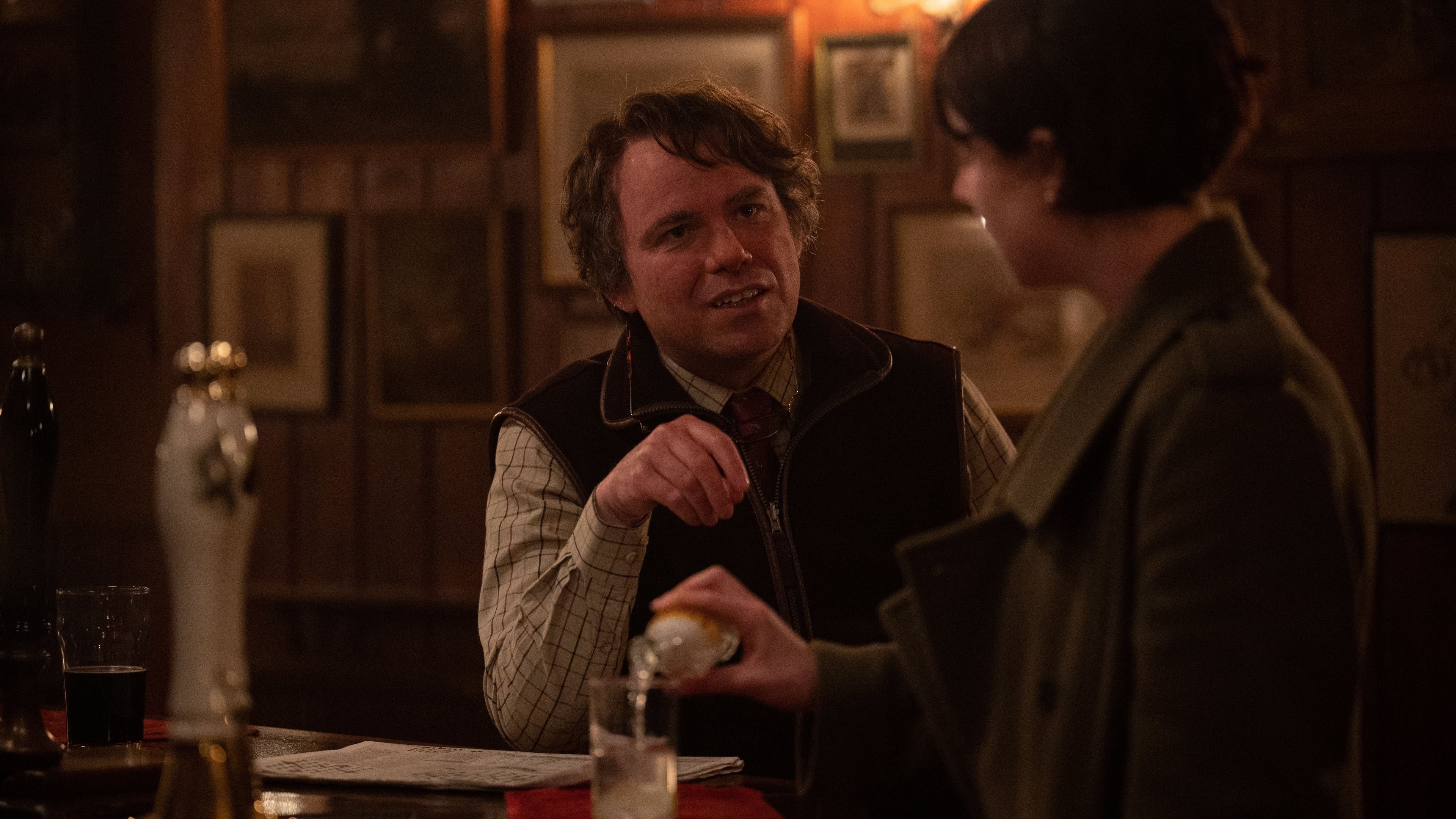
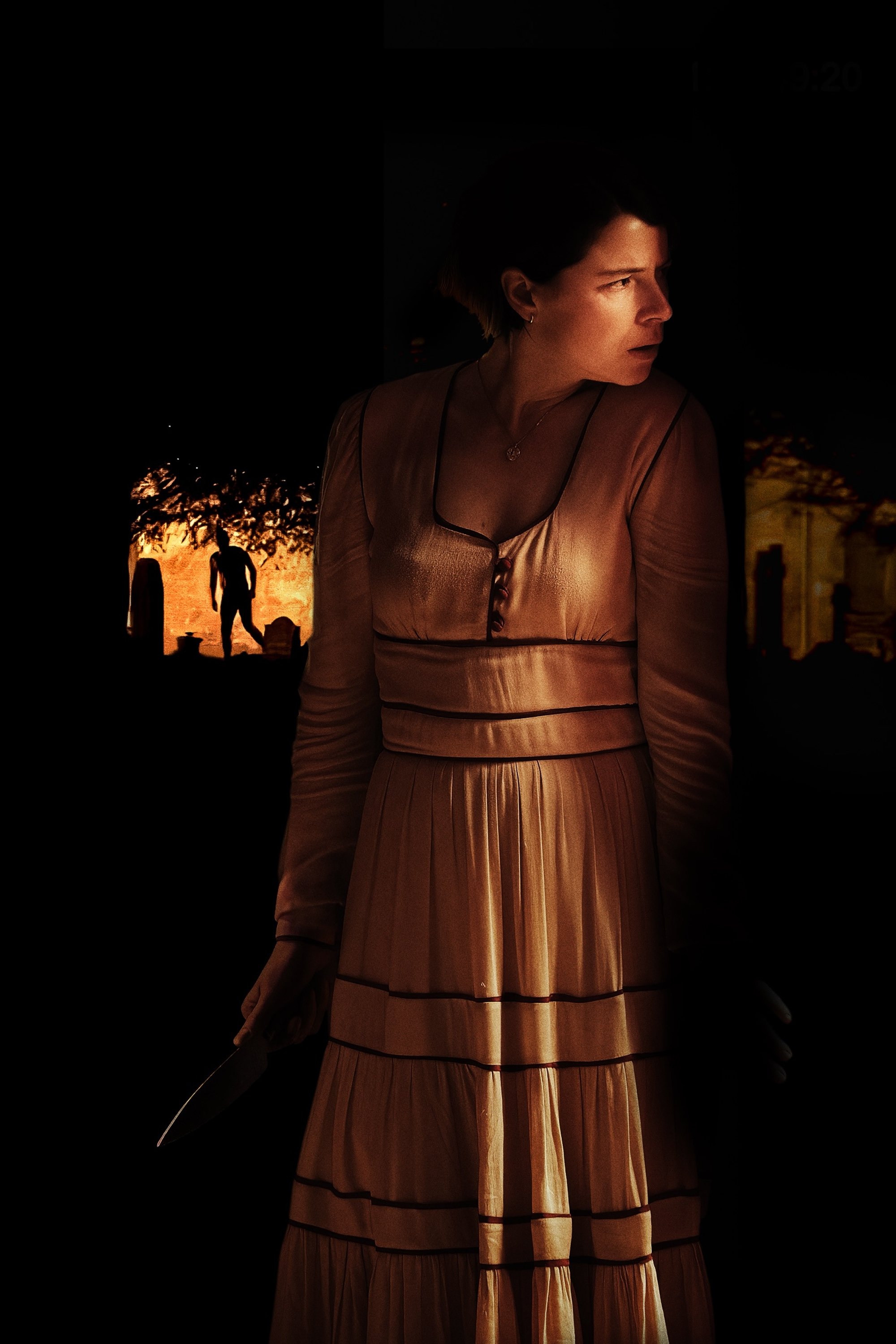
At the country house, the proprietor Geoffrey initially seems courteous, although his jokes and assumptions repeatedly cross Harper's boundaries. A vicar later treats her grief as evidence that she failed her husband. Their conduct reproduces the form of the earlier manipulation, in which a woman's refusal is recast as cruelty. The screenplay makes these encounters unpleasant before revealing any unmistakable supernatural power. As a result, the initial menace has a recognizable social mechanism: apparently ordinary men dispute the meaning of Harper's experiences and expect her to accommodate their judgments. The night of violence intensifies a threat already established through conversation.
Rory Kinnear and the Village of Familiar Faces
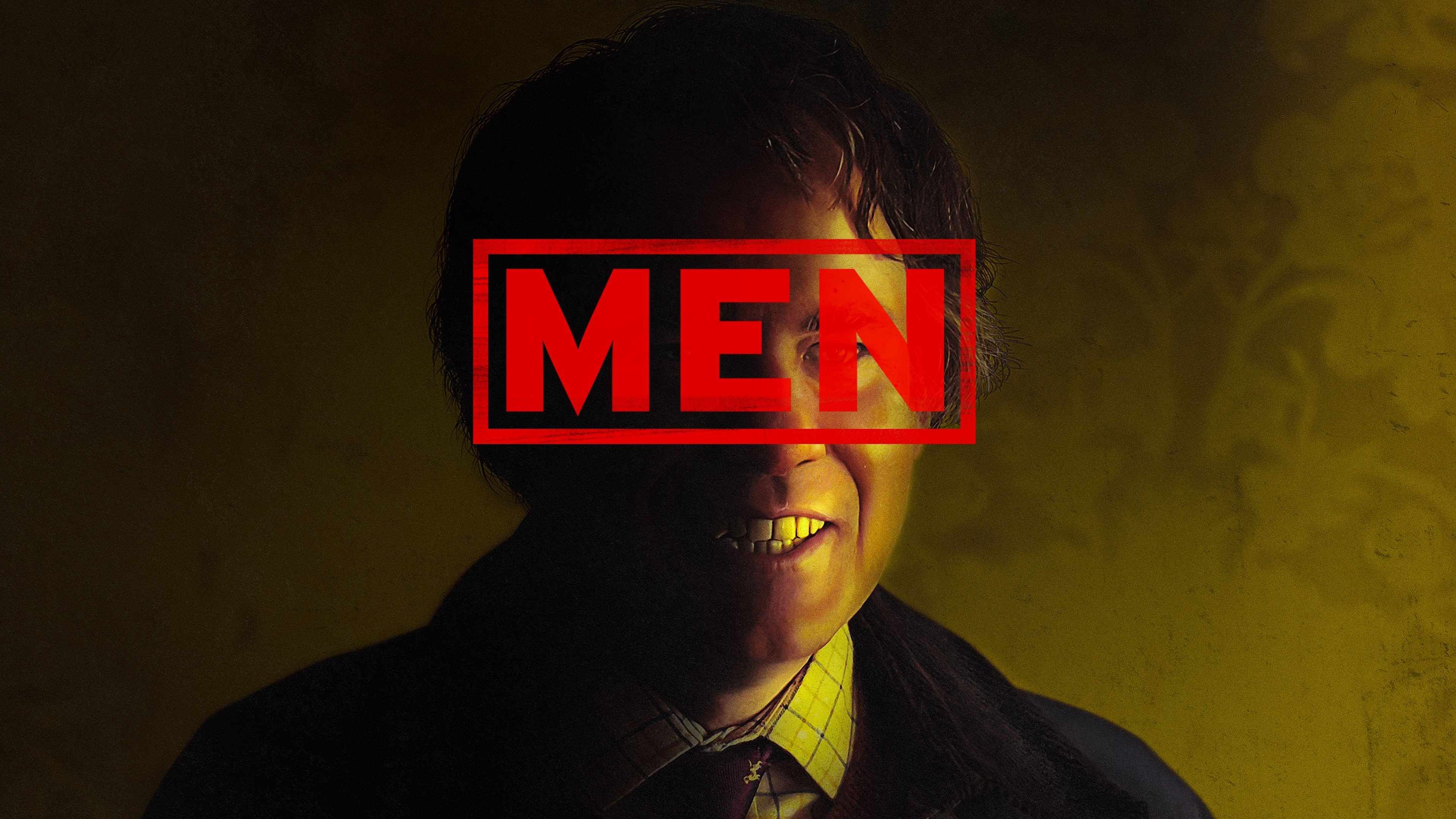
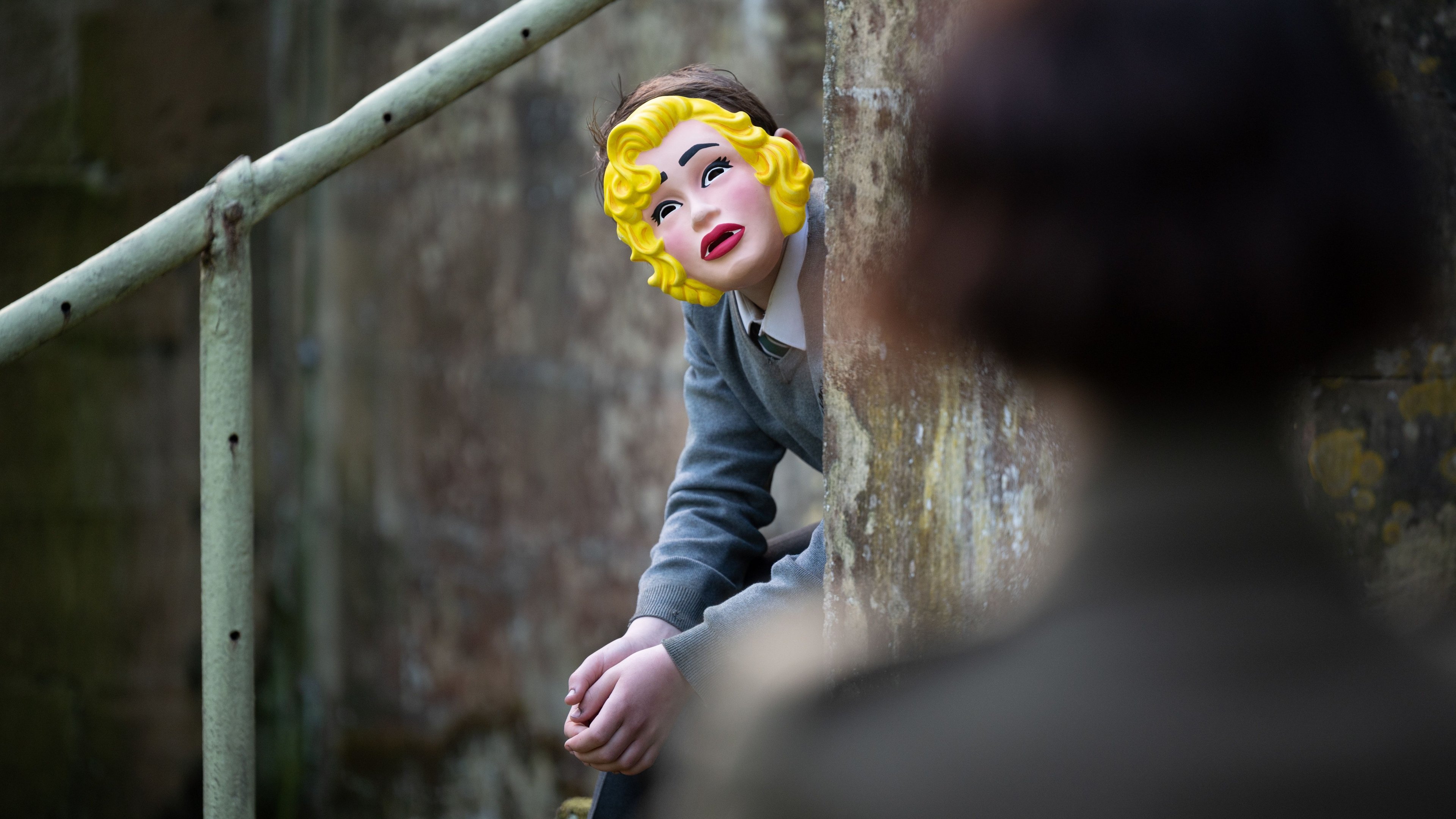
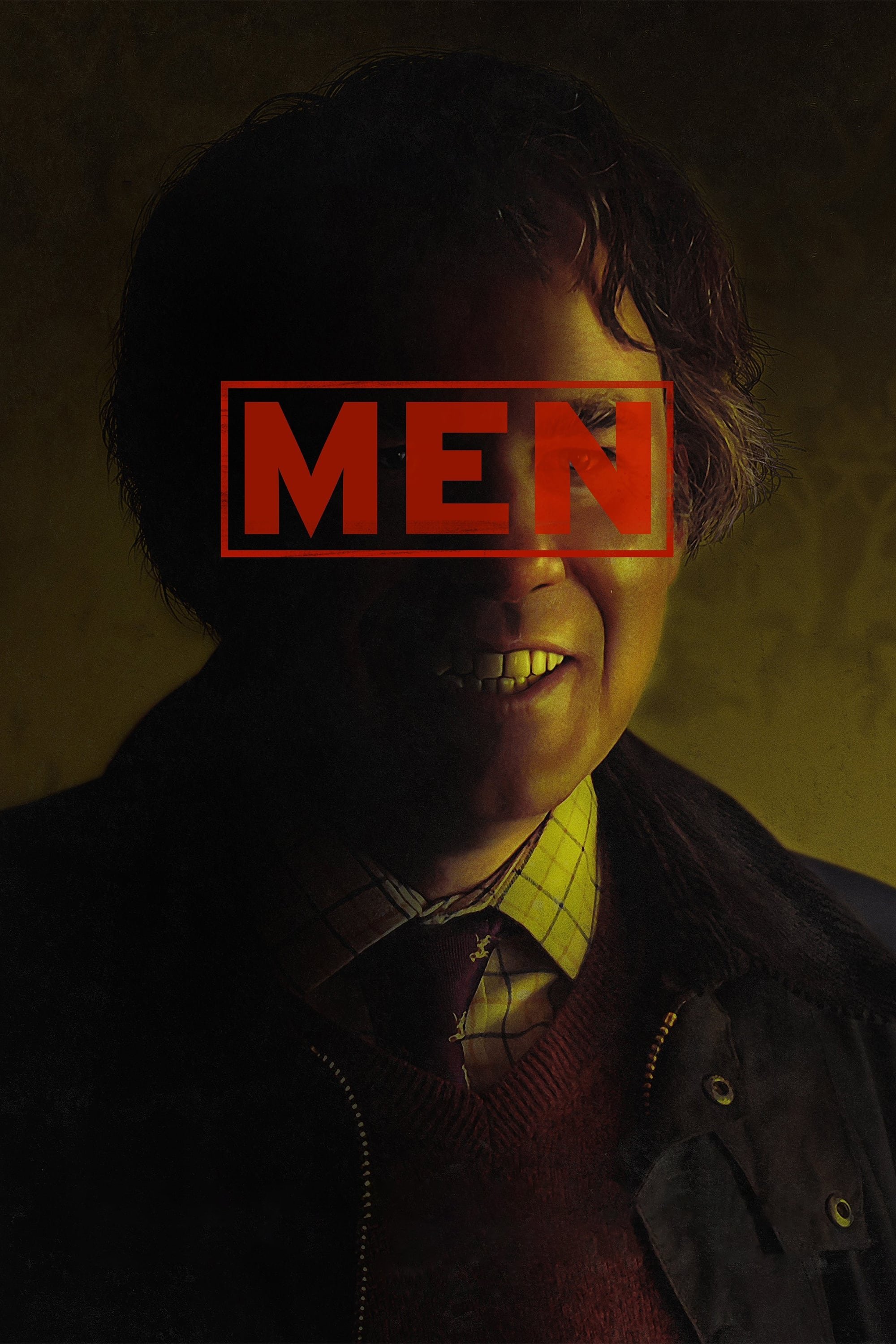
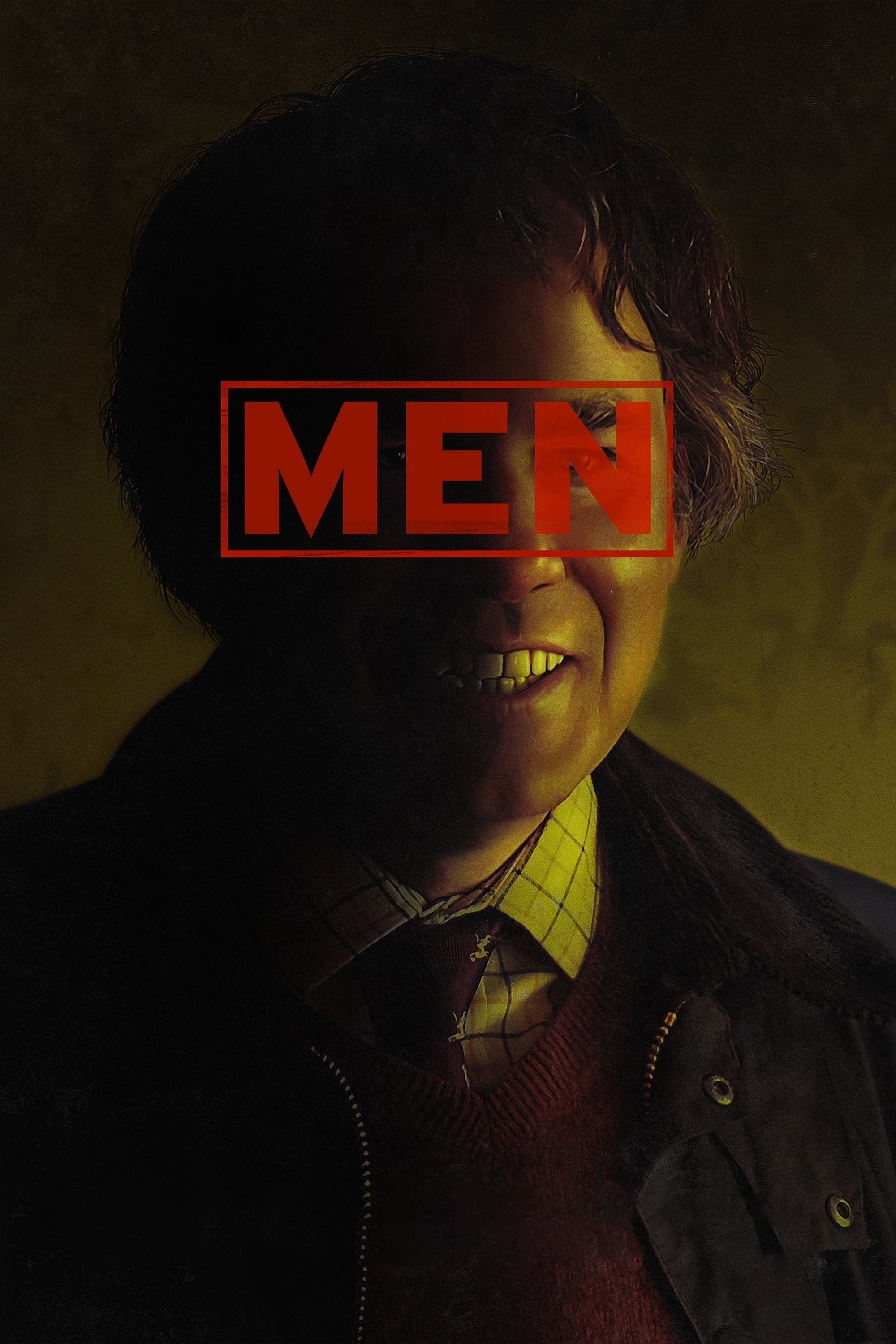
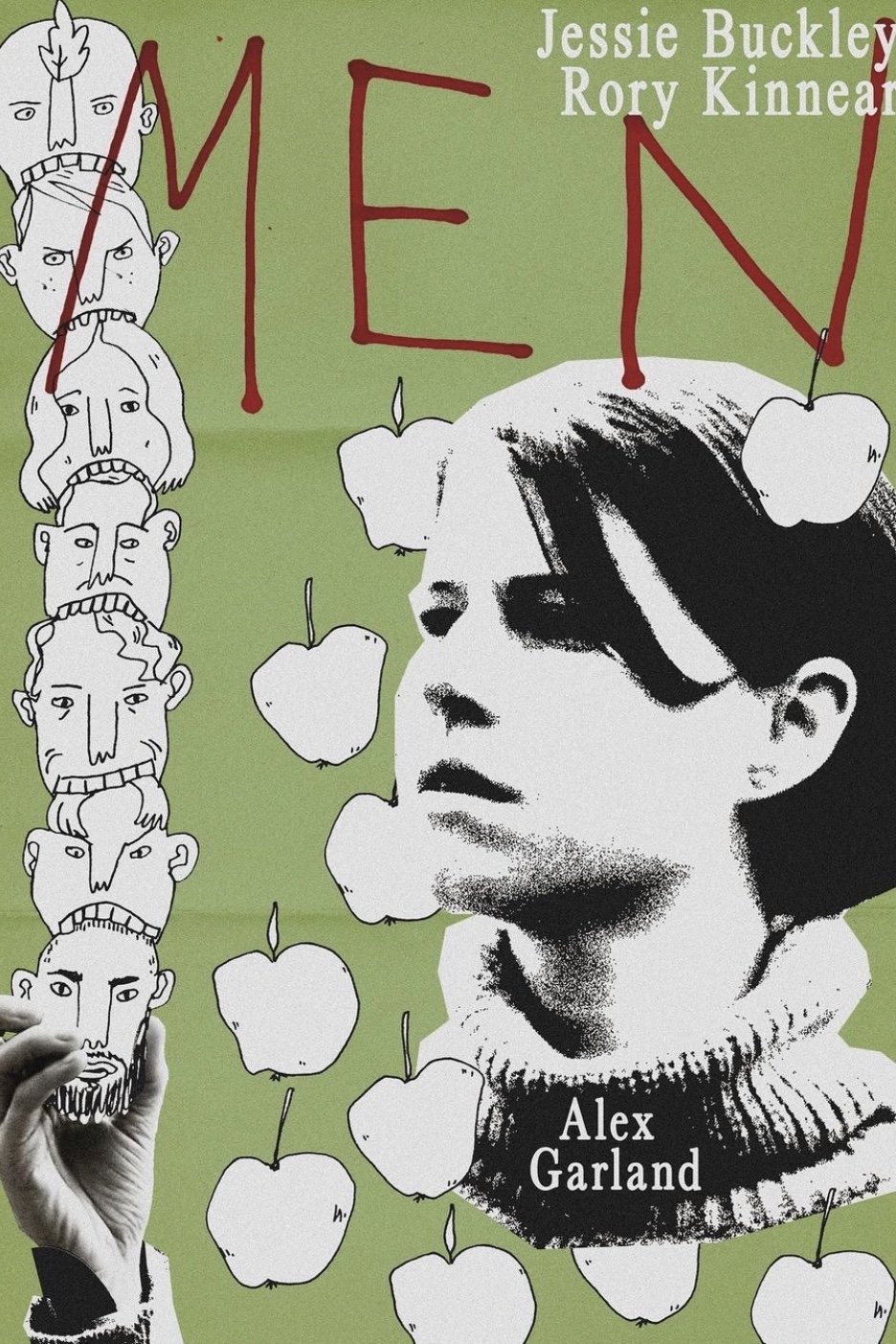
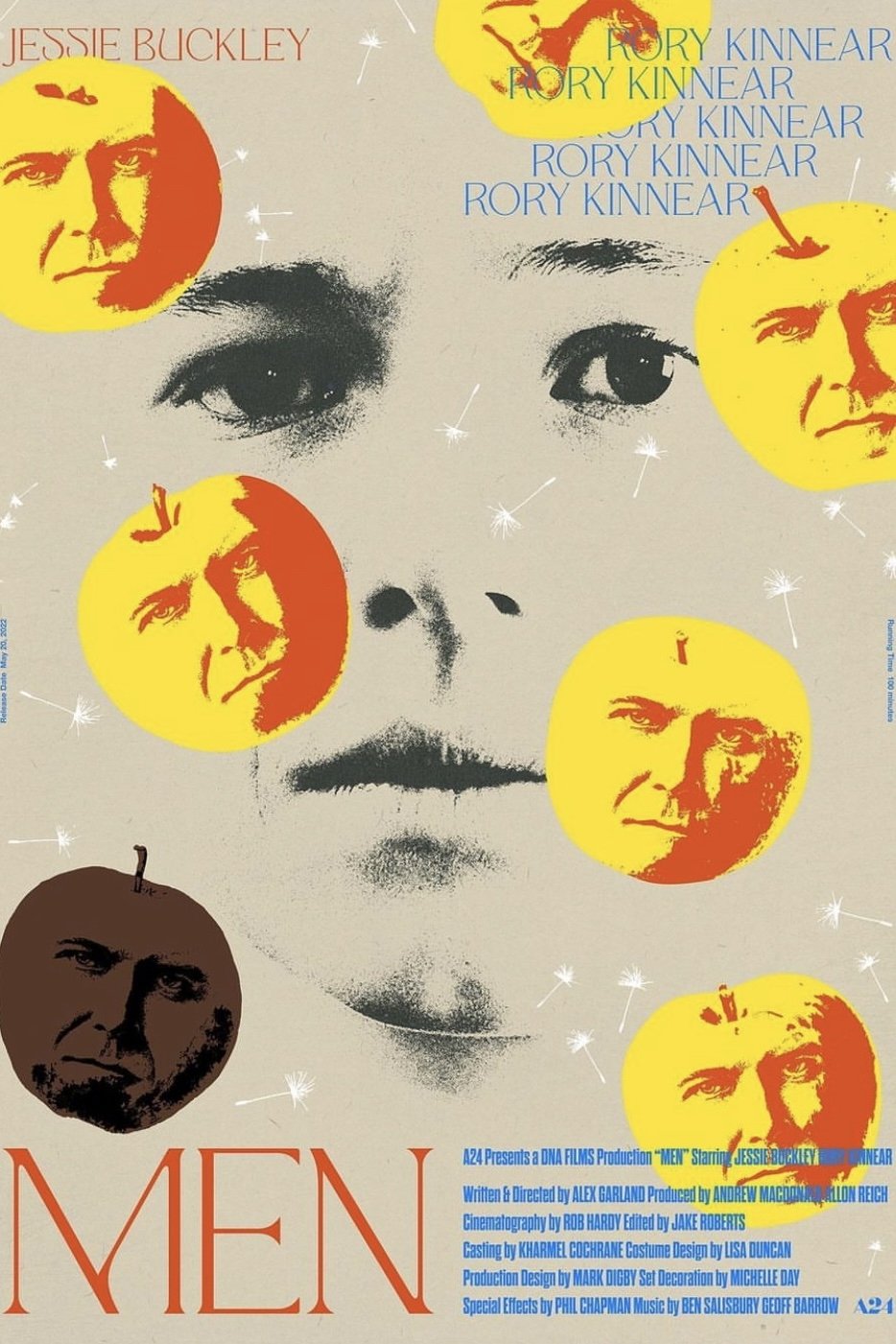
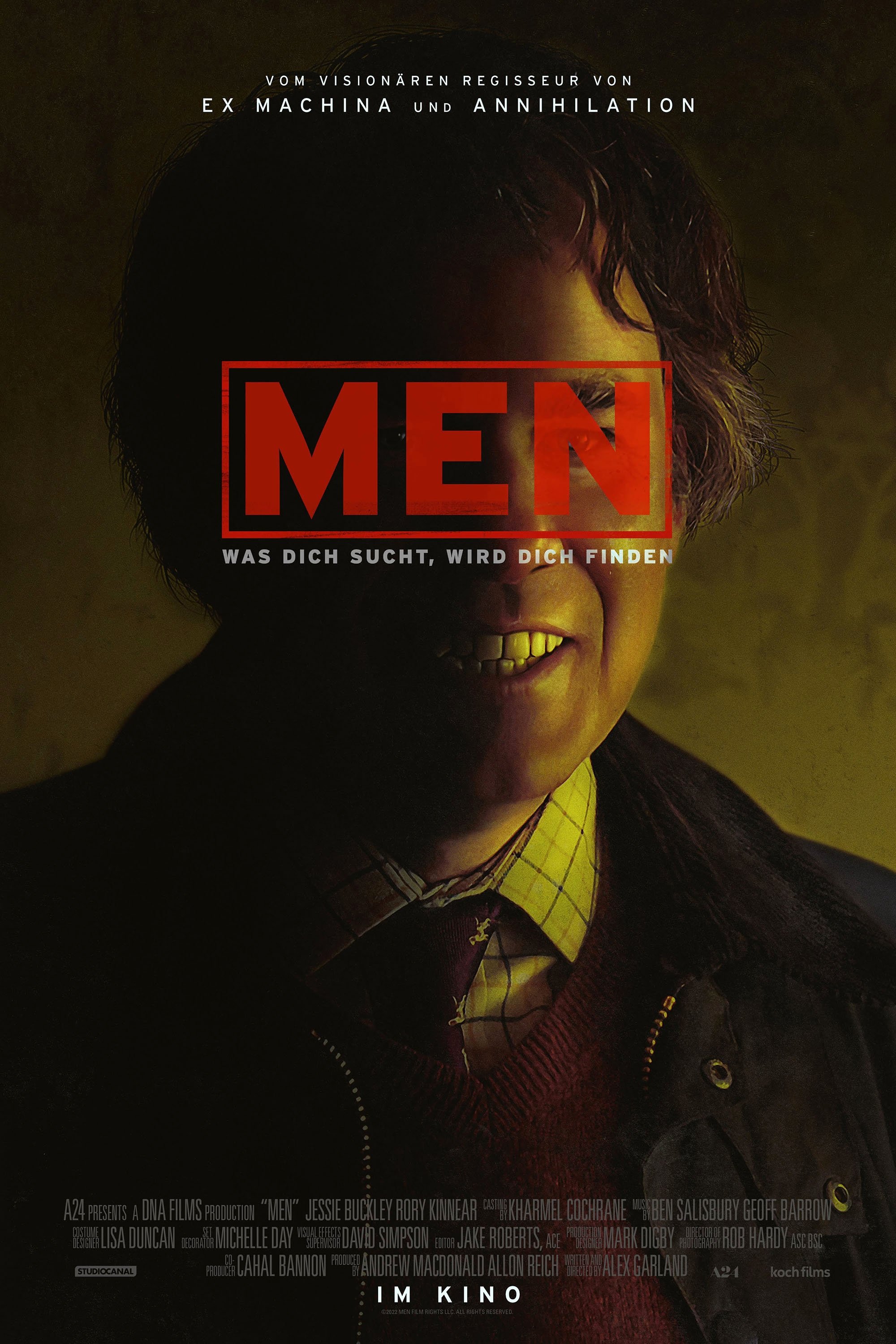
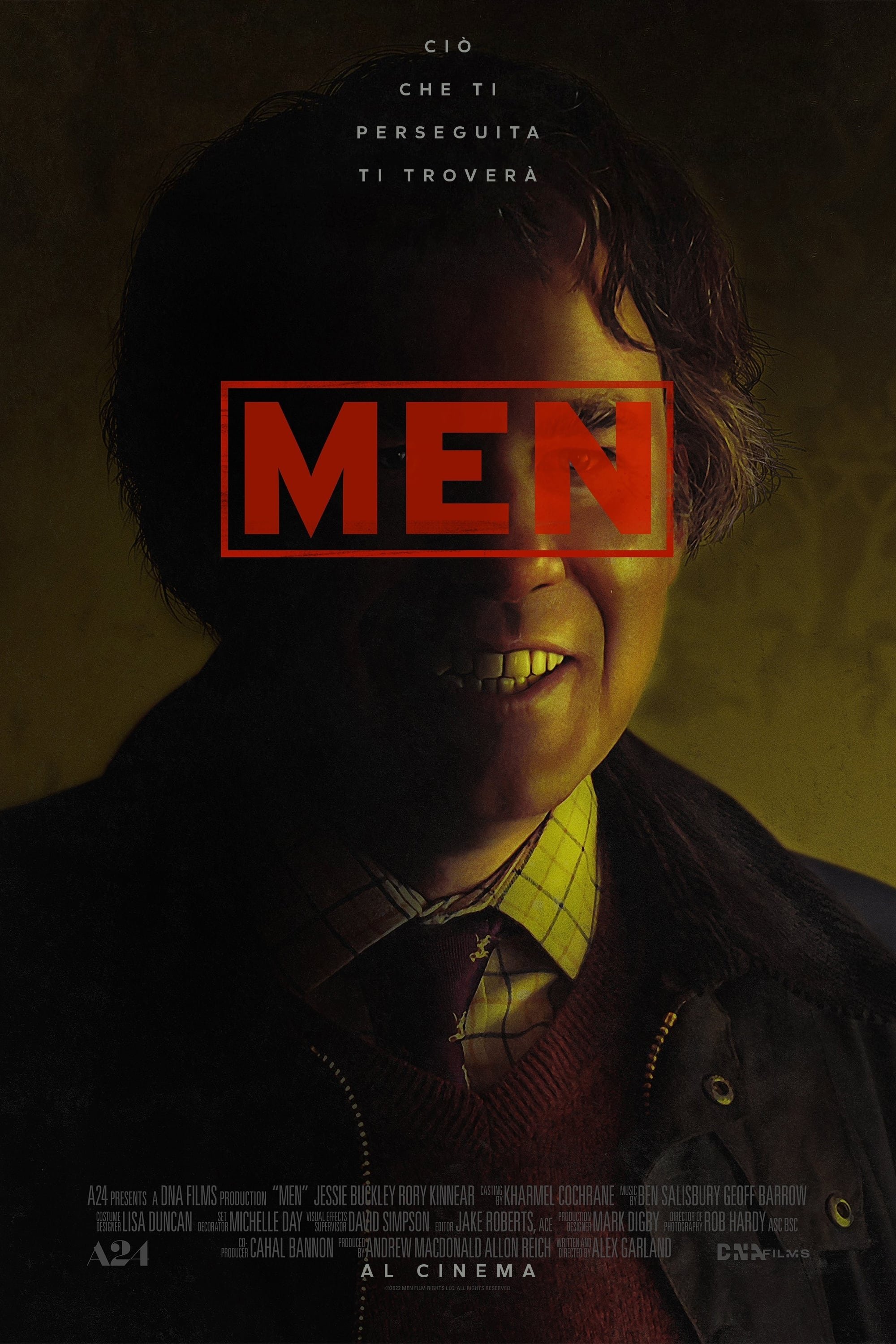
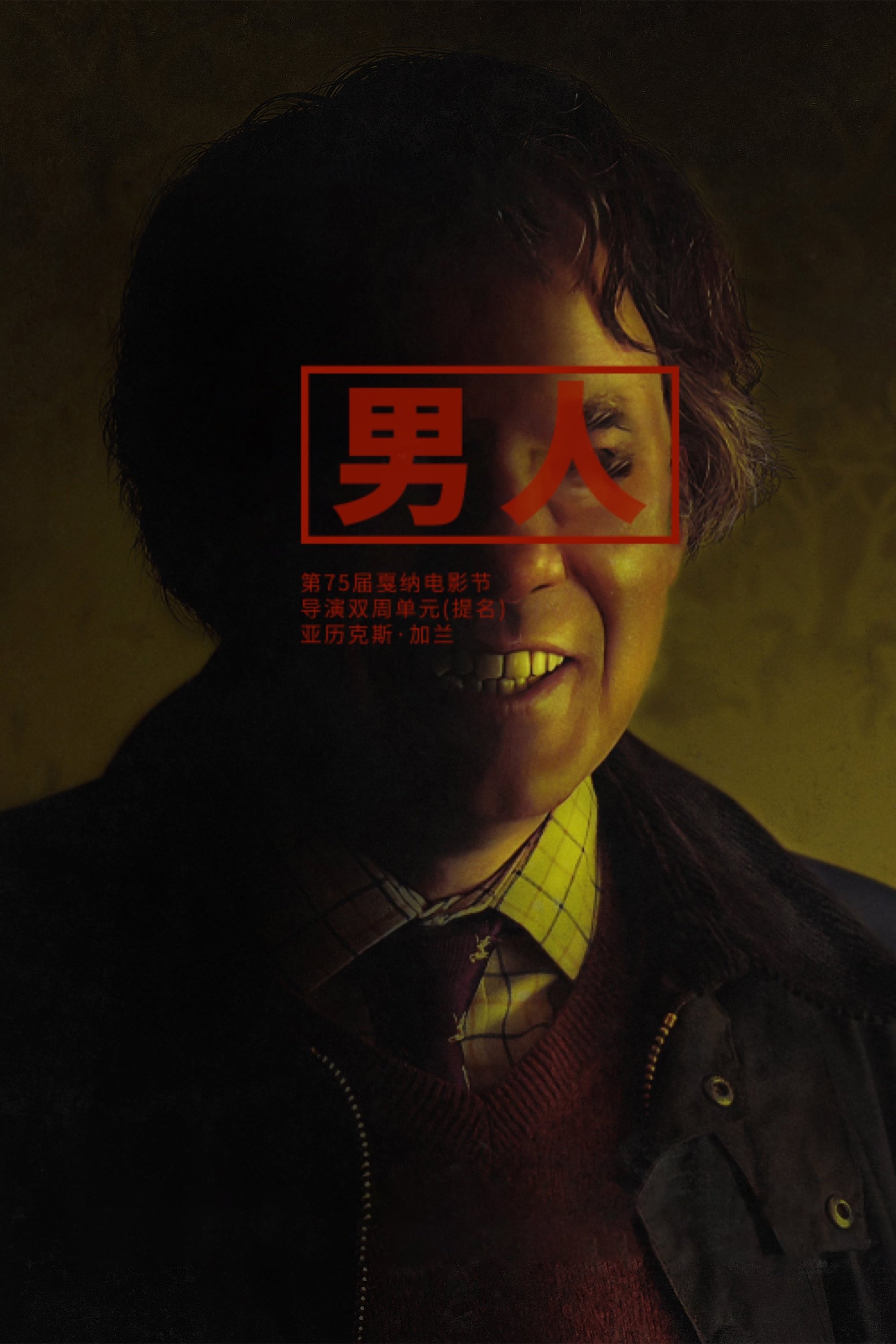
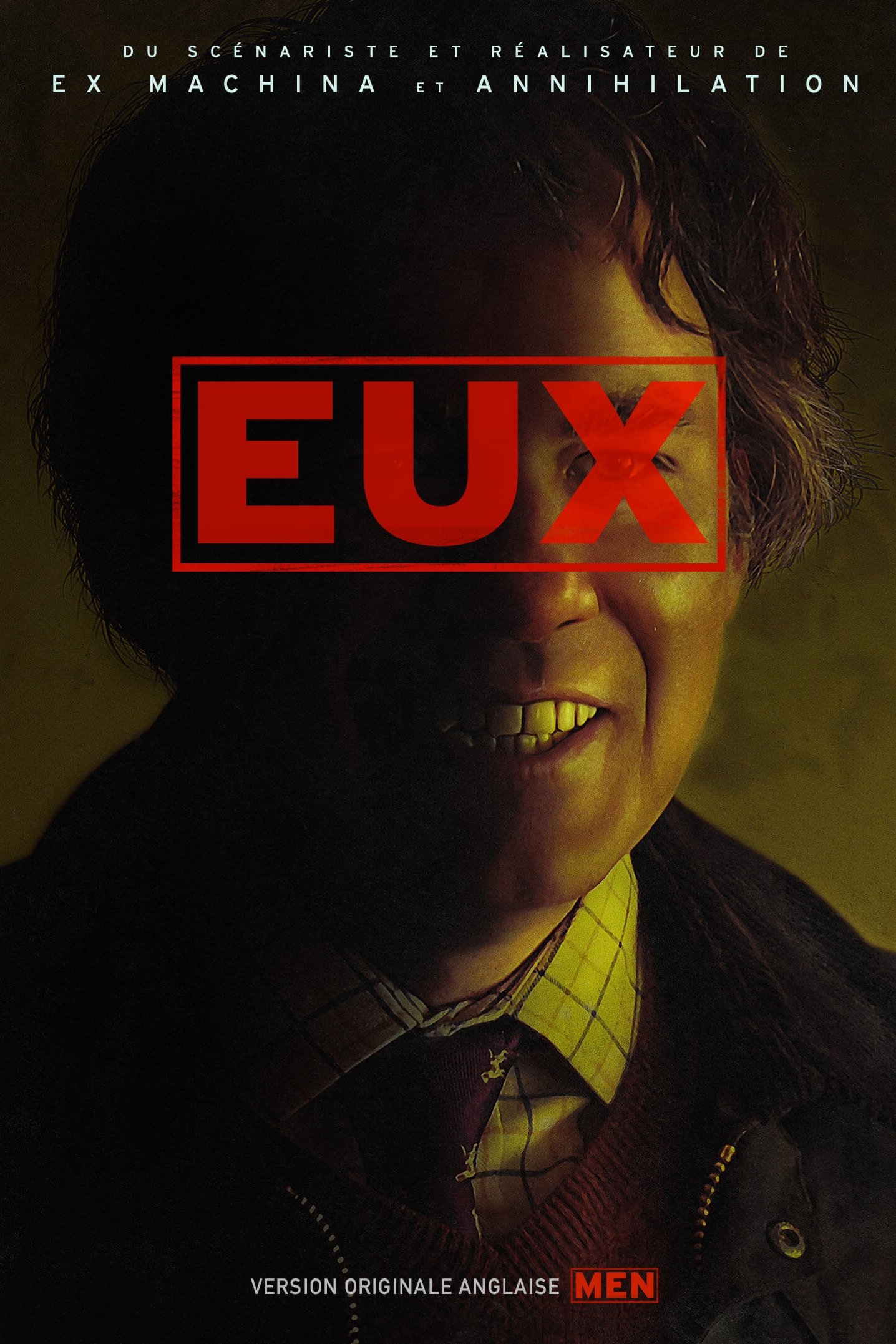
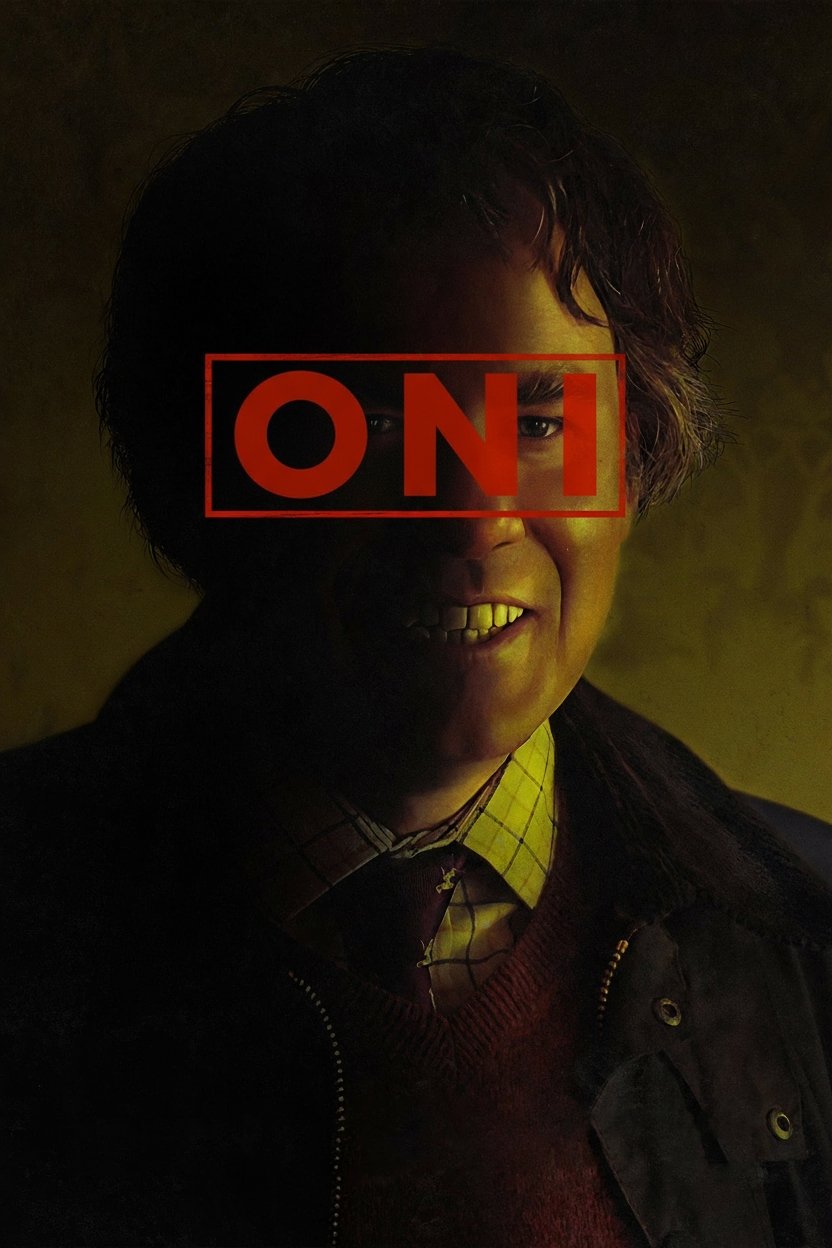
Kinnear portrays Geoffrey, a policeman, a clergyman, a pub landlord, customers and the naked figure encountered outdoors. A boy is performed physically by a child actor, with Kinnear's face composited onto his head. Garland has said the original script assumed different performers for these parts; he later decided that a single actor could make the title itself a question. The visual resemblance could suggest that the strangers share a common disposition, or that Harper experiences them through the same fear. Those readings differ, and the director declined to declare one correct. The repeated face nonetheless gives each encounter a disturbing element of recognition.
The men display different styles of intrusion. The boy ridicules Harper when she refuses to play, the vicar uses pastoral authority to blame her, and the police fail to provide continuing protection after arresting the naked stalker. At the pub, apparent normality becomes threatening because the customers' faces and attitudes echo previous encounters. Kinnear differentiates the characters through posture, speech and physical mannerisms, keeping their shared appearance from functioning as a simple disguise. The attack on the house eventually collapses these social roles into the same pursuing force. What seemed a sequence of unrelated local incidents becomes a coordinated nightmare.
The Green Man, the Sheela na Gig and Rural Space
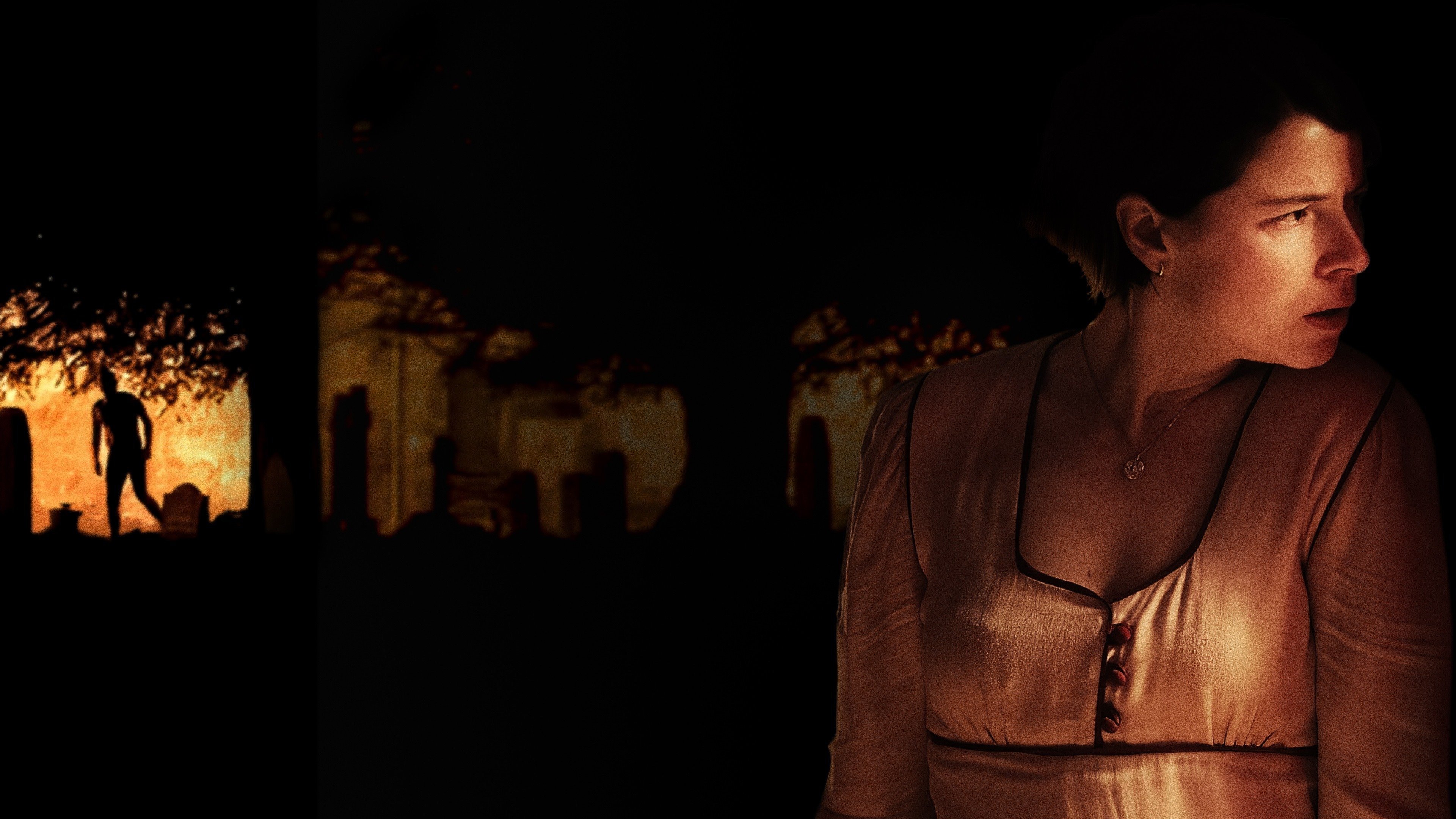
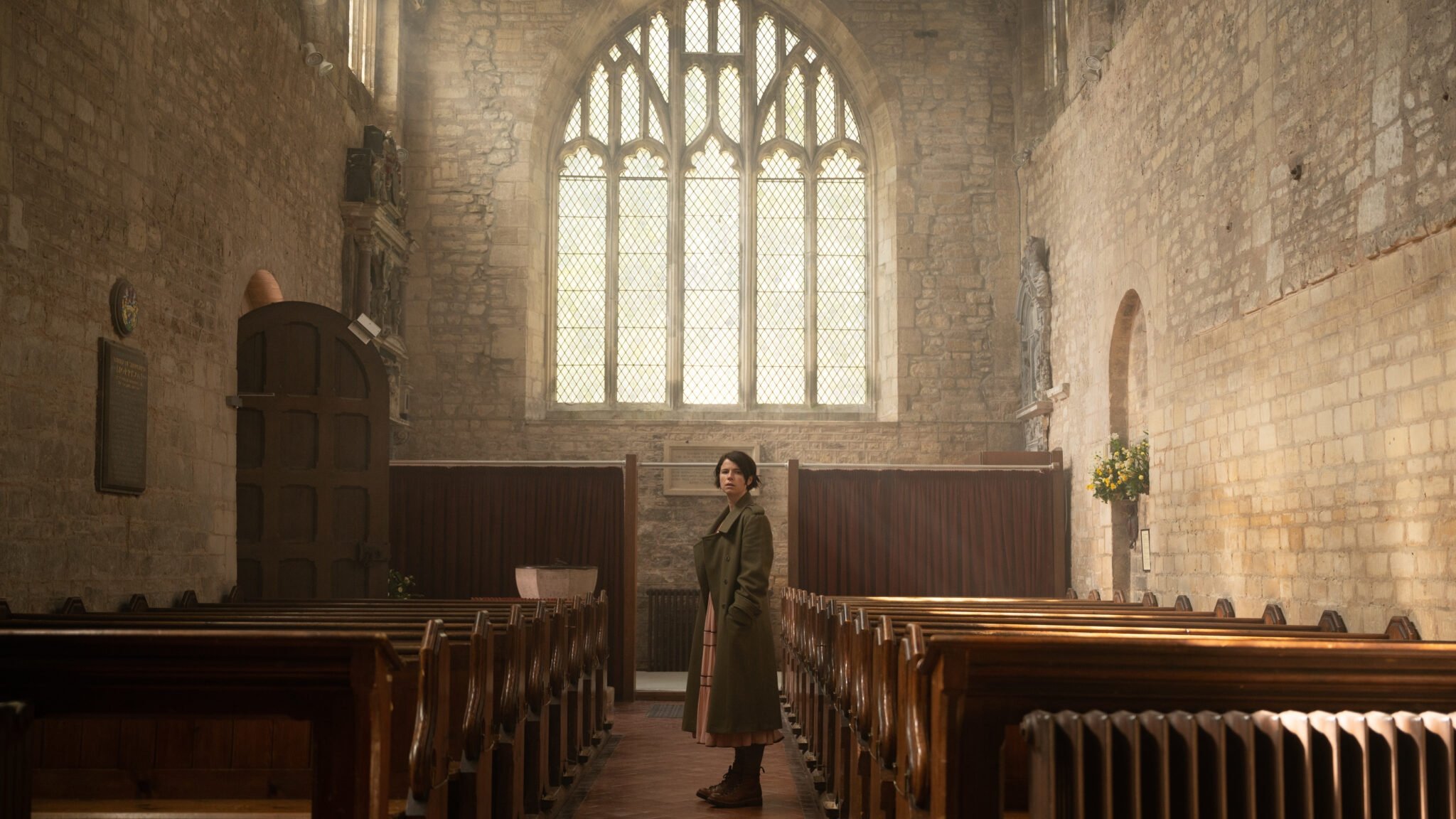
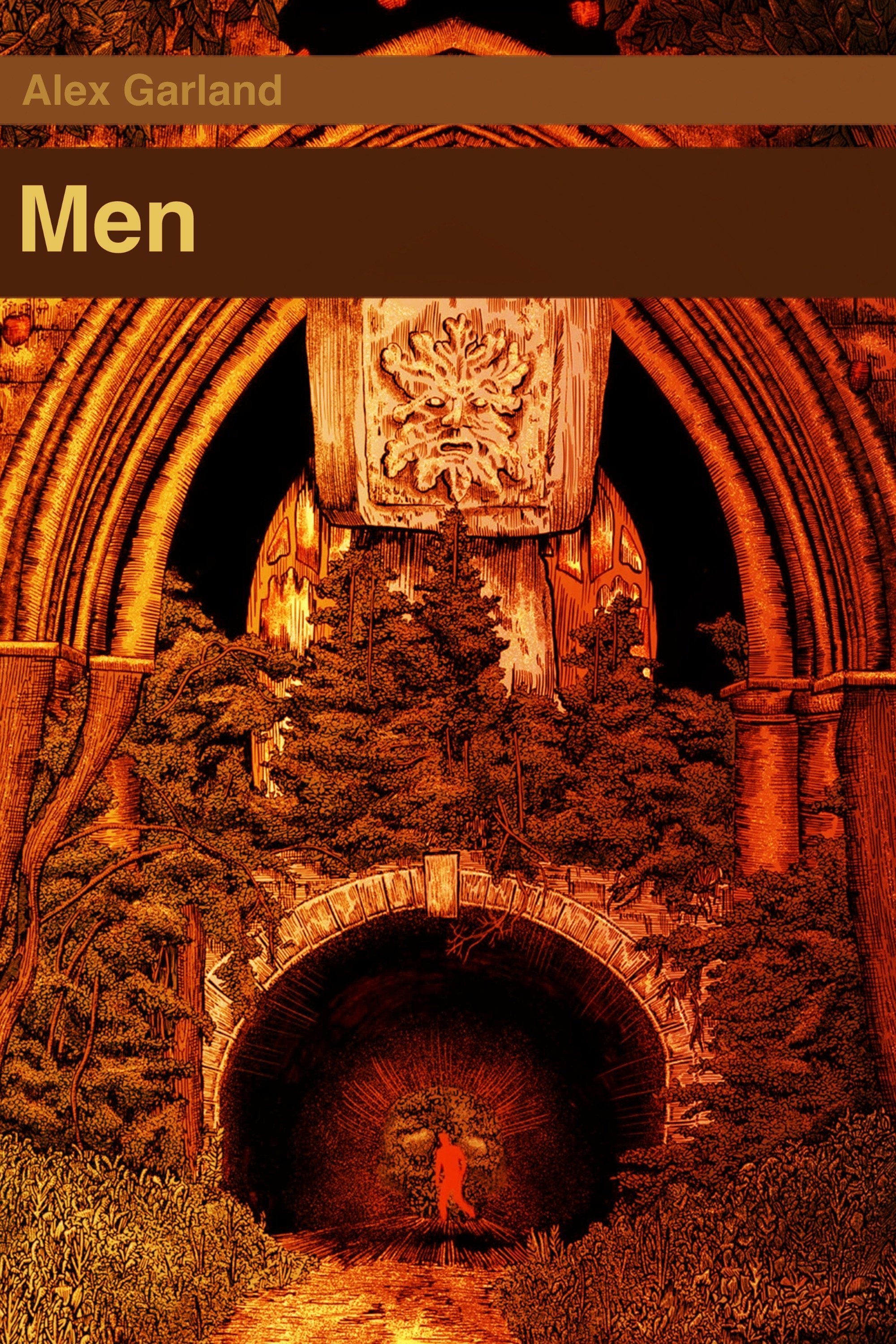
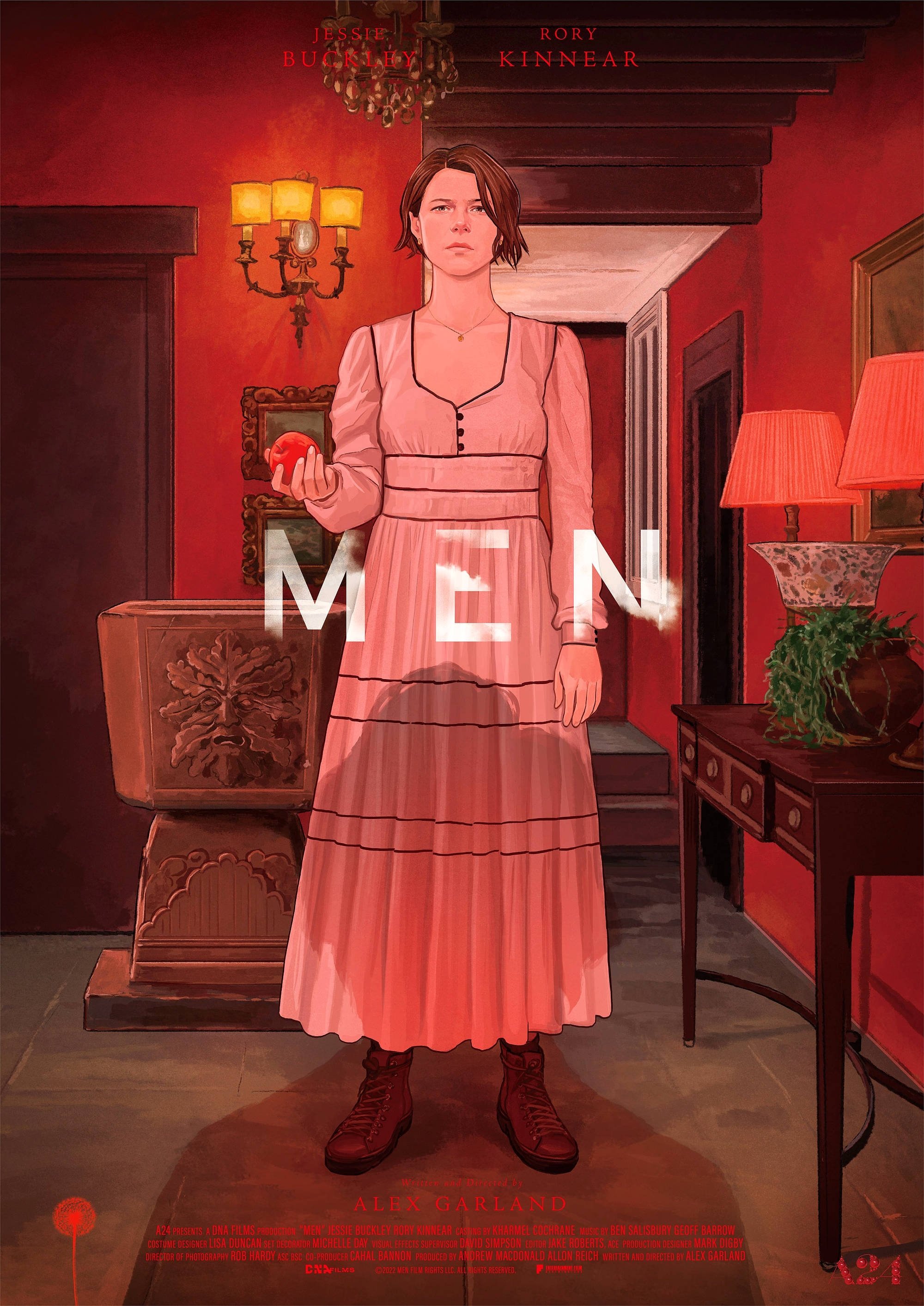
A carved Green Man and sheela na gig appear in the village church, placing two striking images of bodies and reproduction inside an institution associated with Christianity. The leafy male face recurs when the naked pursuer acquires an increasingly vegetal appearance. The exposed female figure anticipates the climactic births, but neither carving provides a complete key to the plot. Their historical meanings are contested, and Garland treated that uncertainty as artistically useful. His interview with the BFI identifies countryside, woodland and a psychedelic atmosphere as reasons for describing the picture as folk horror. The film borrows the forms of old iconography without pretending that a single ancient myth explains its events.
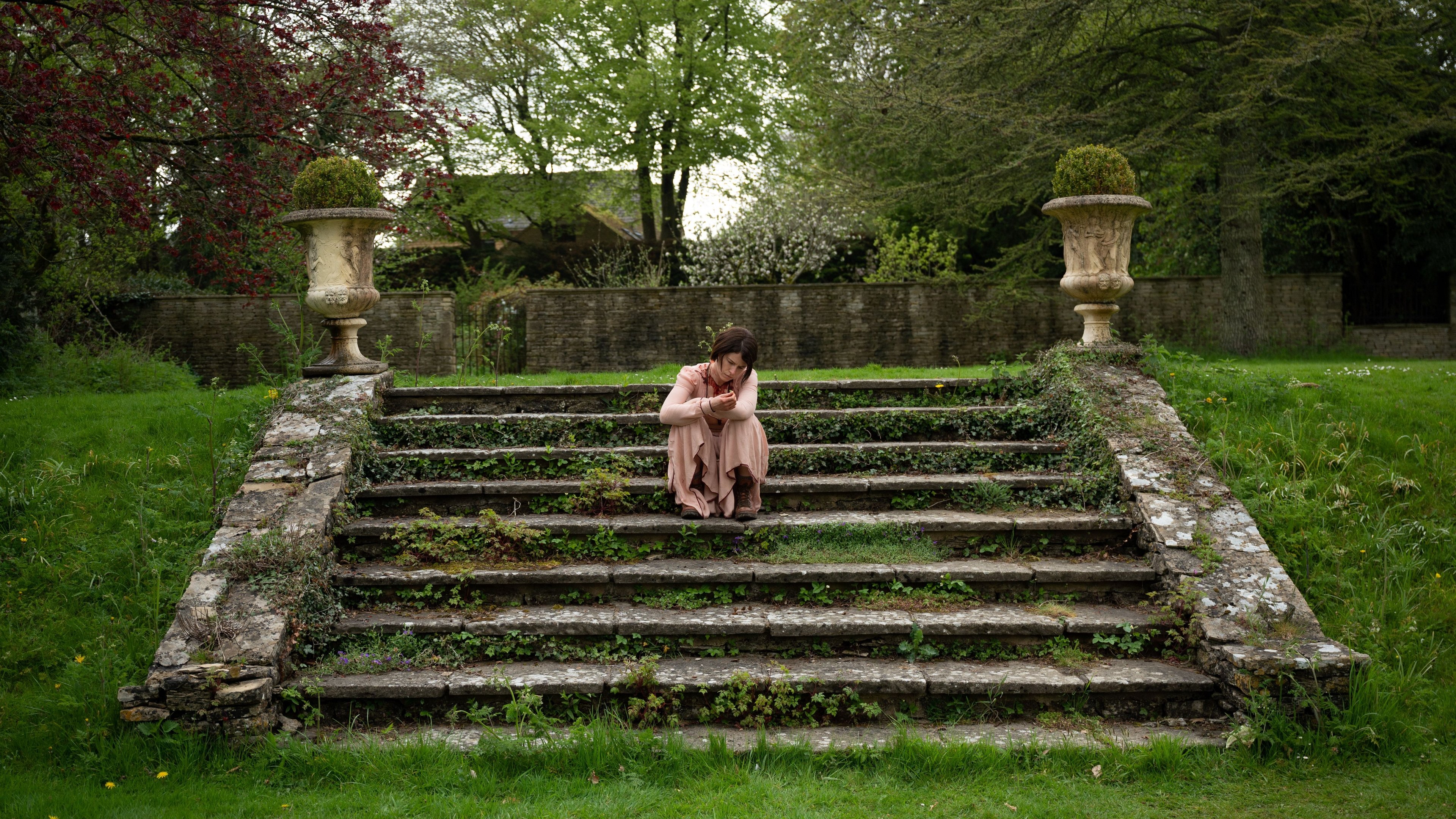
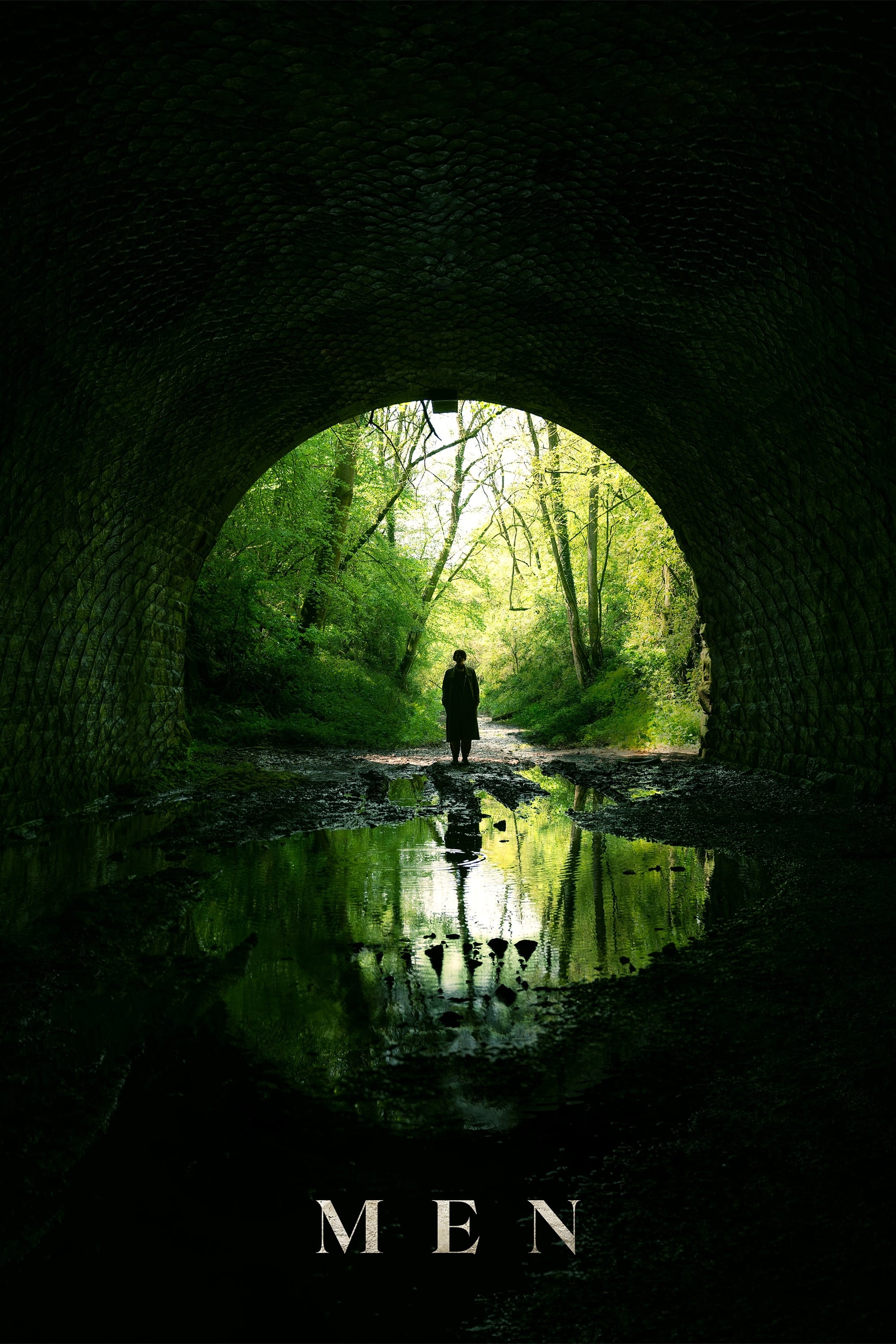
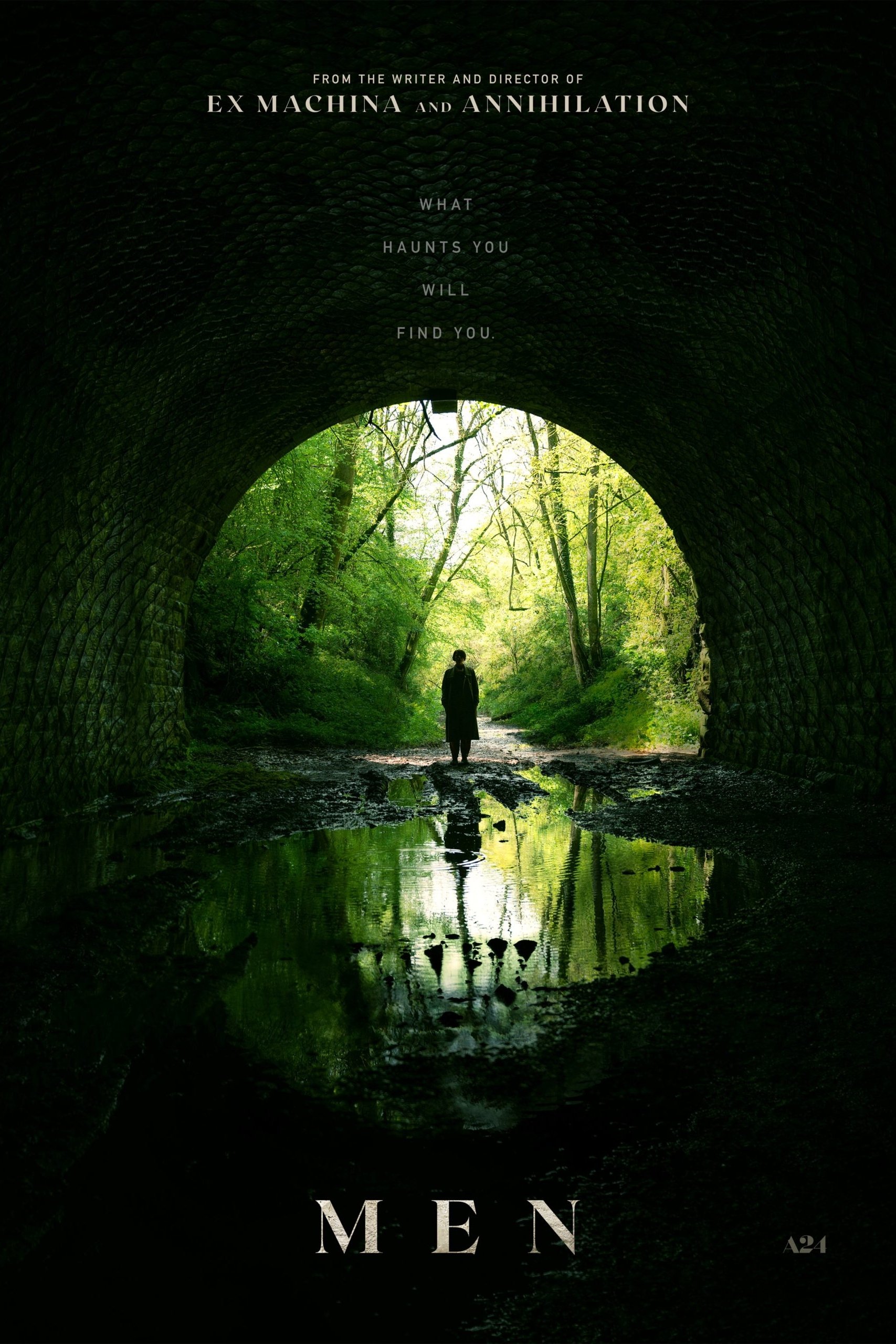
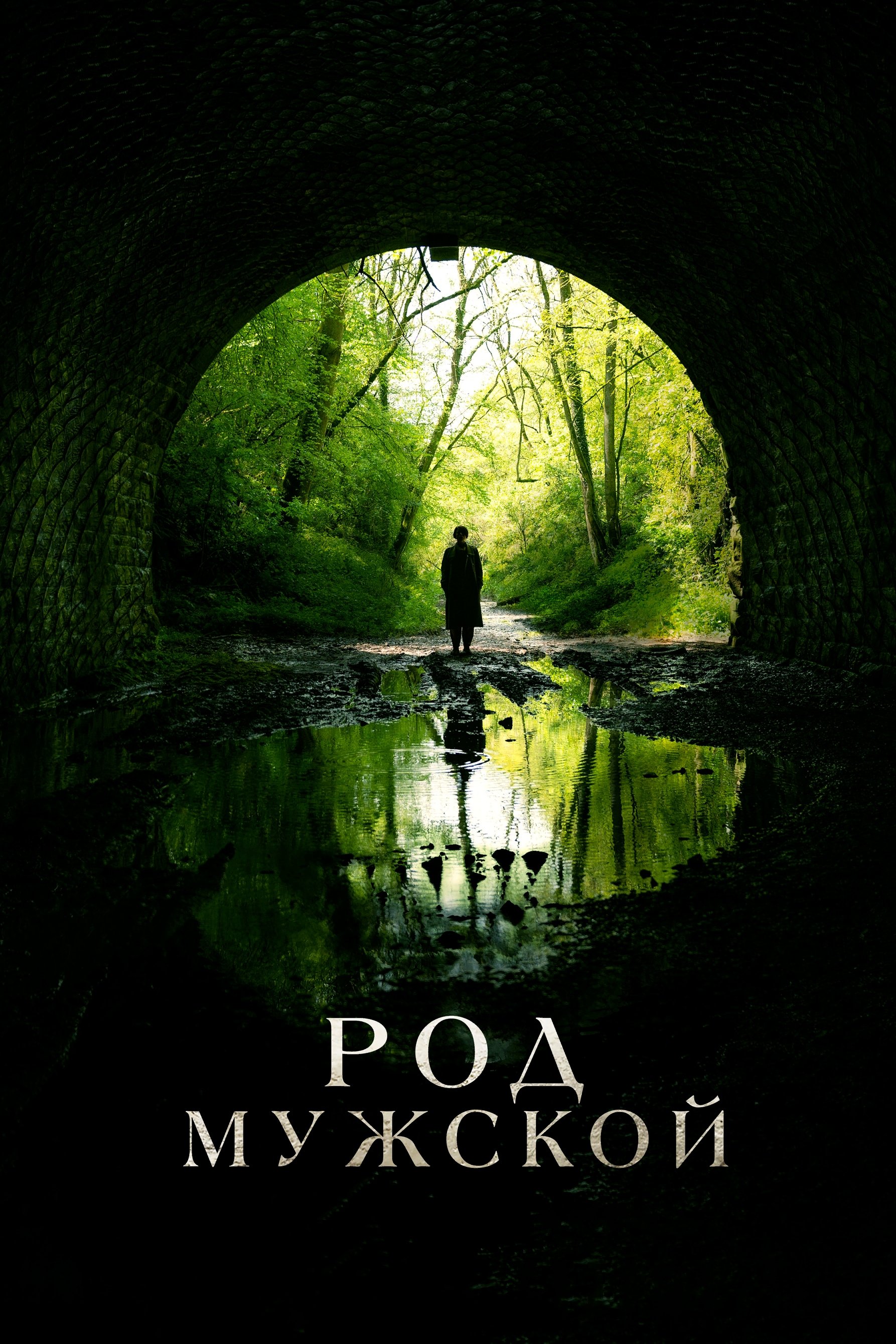
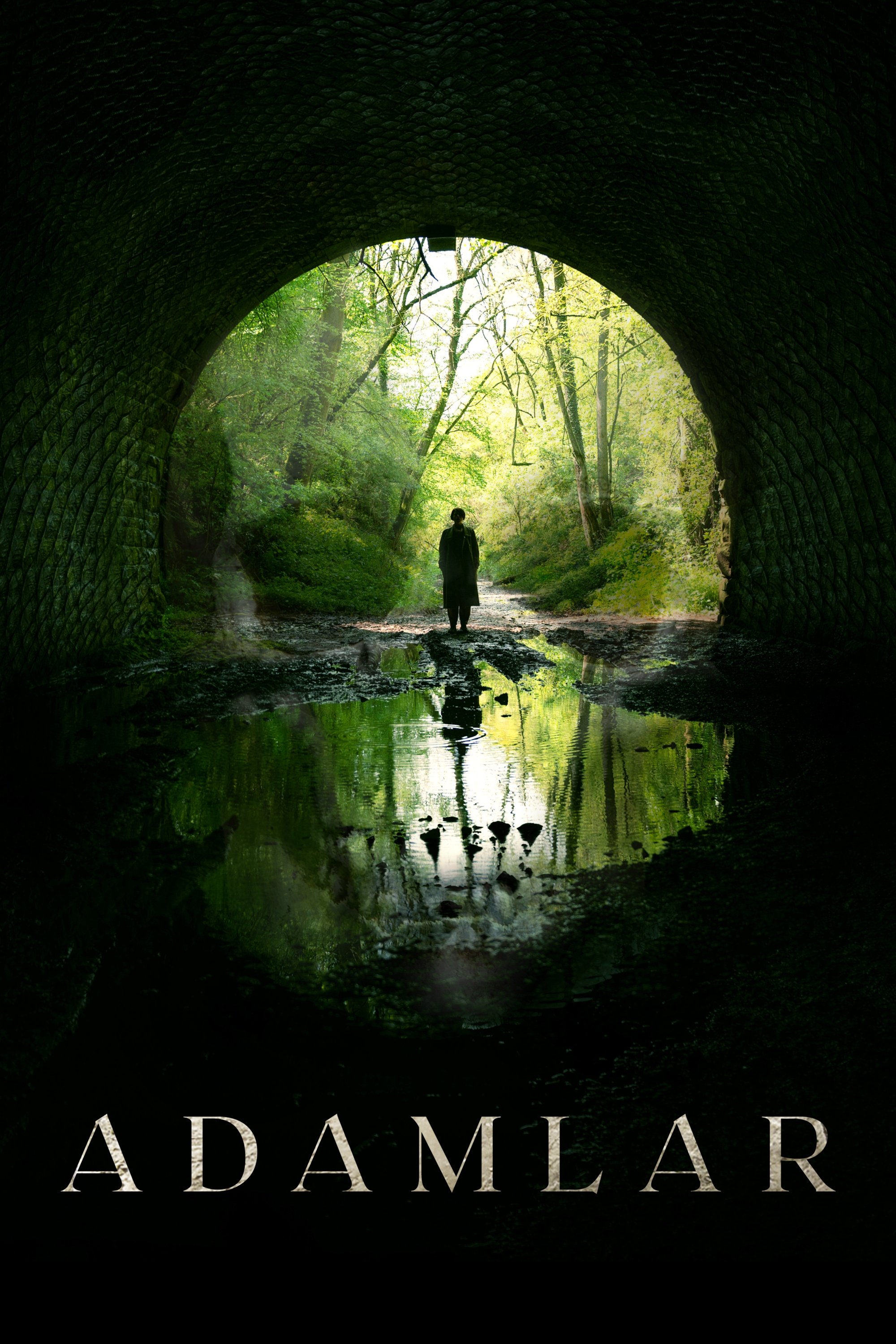
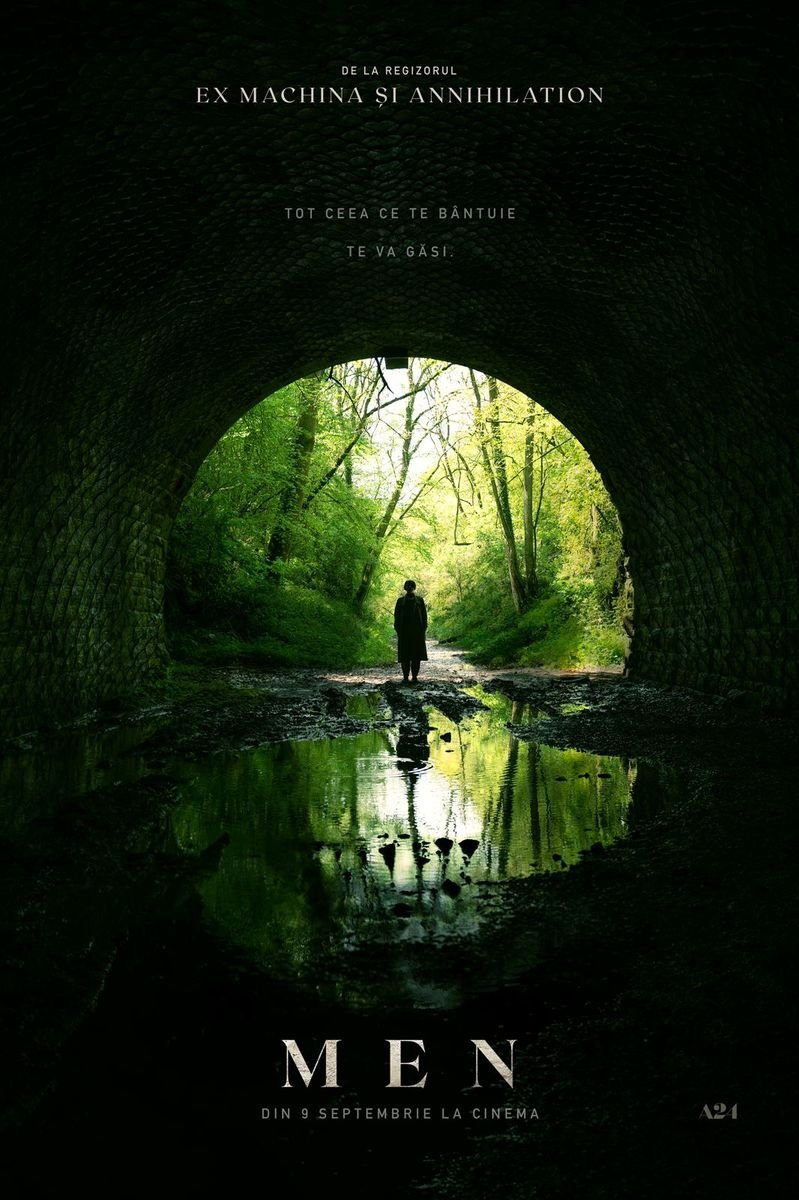
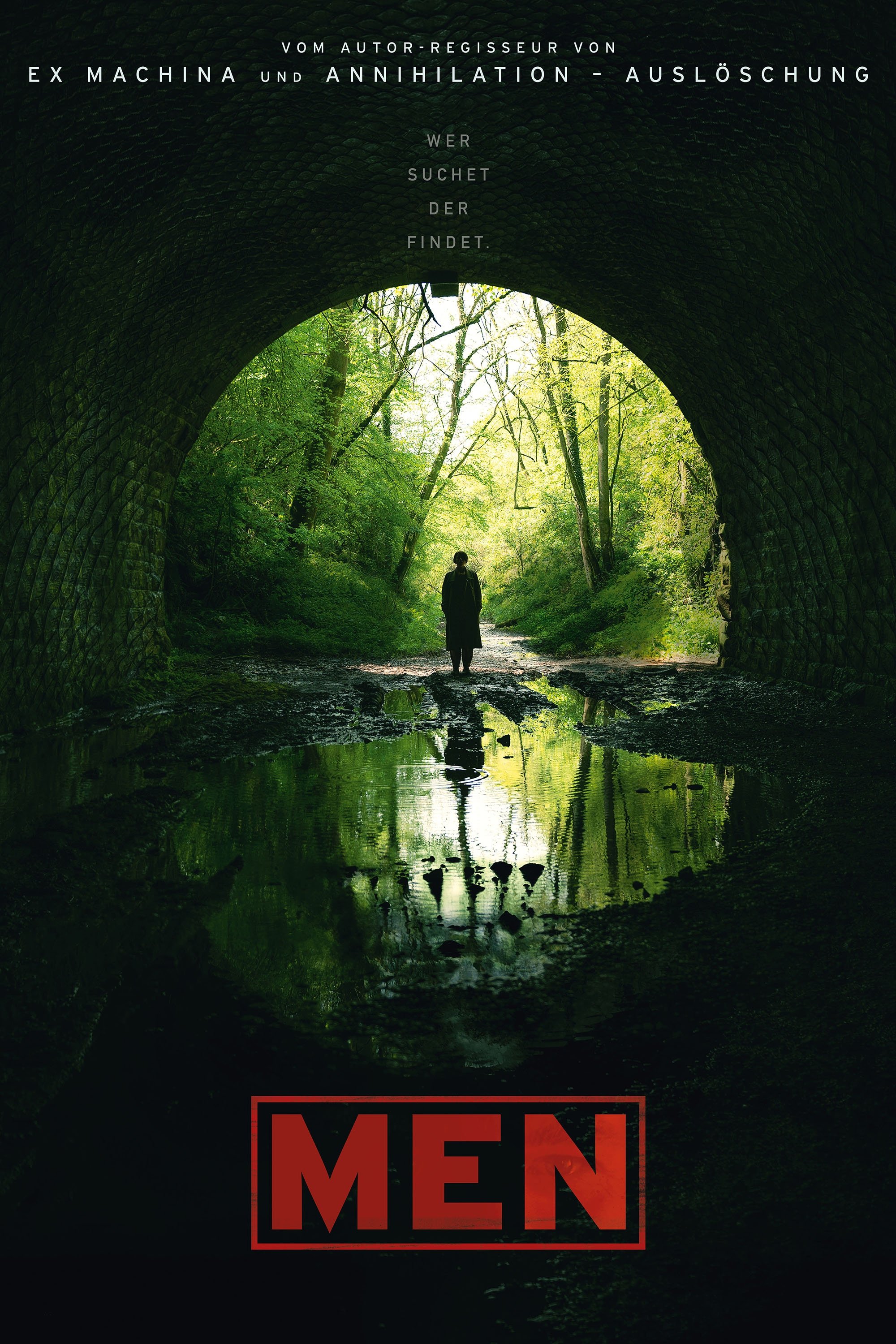
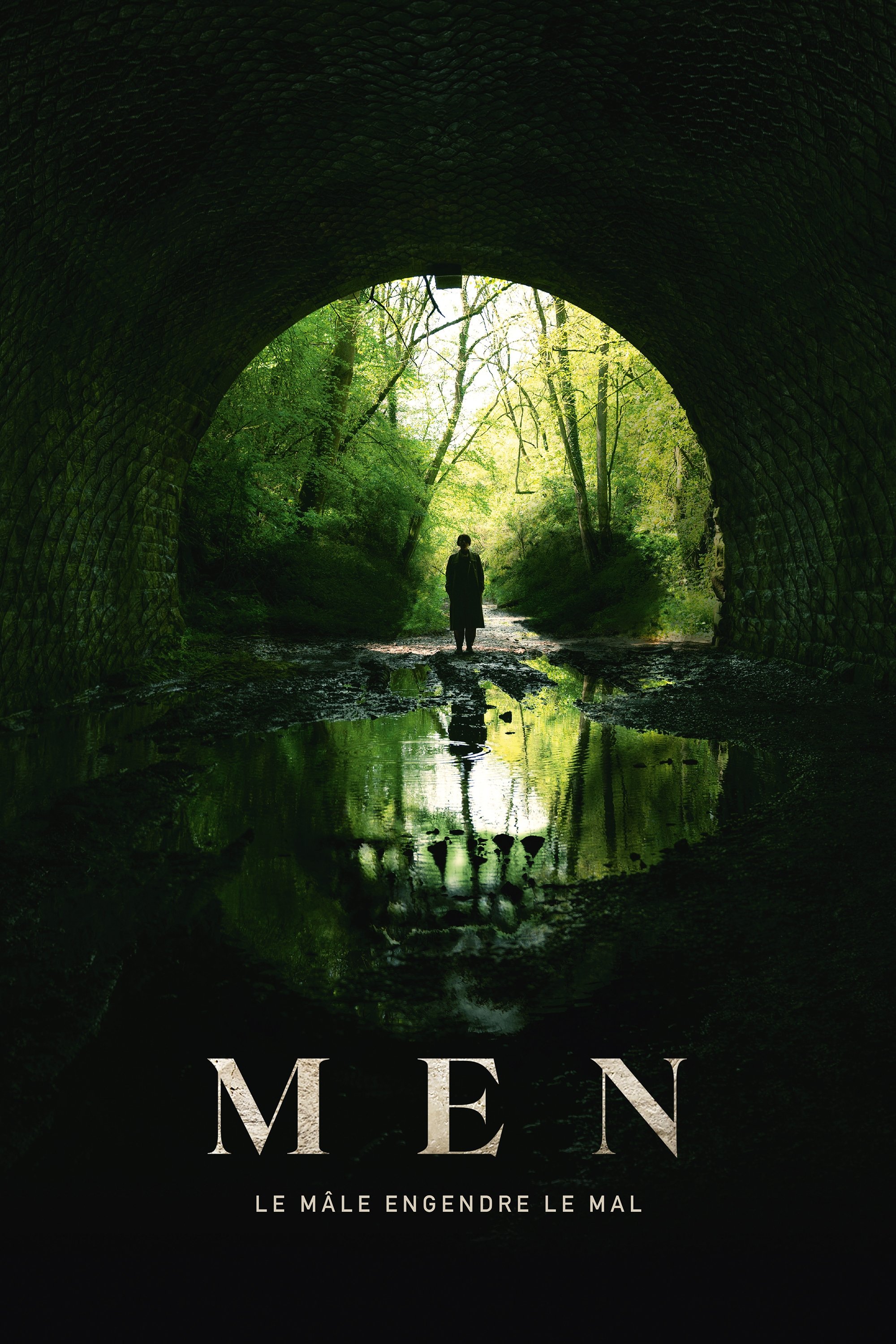
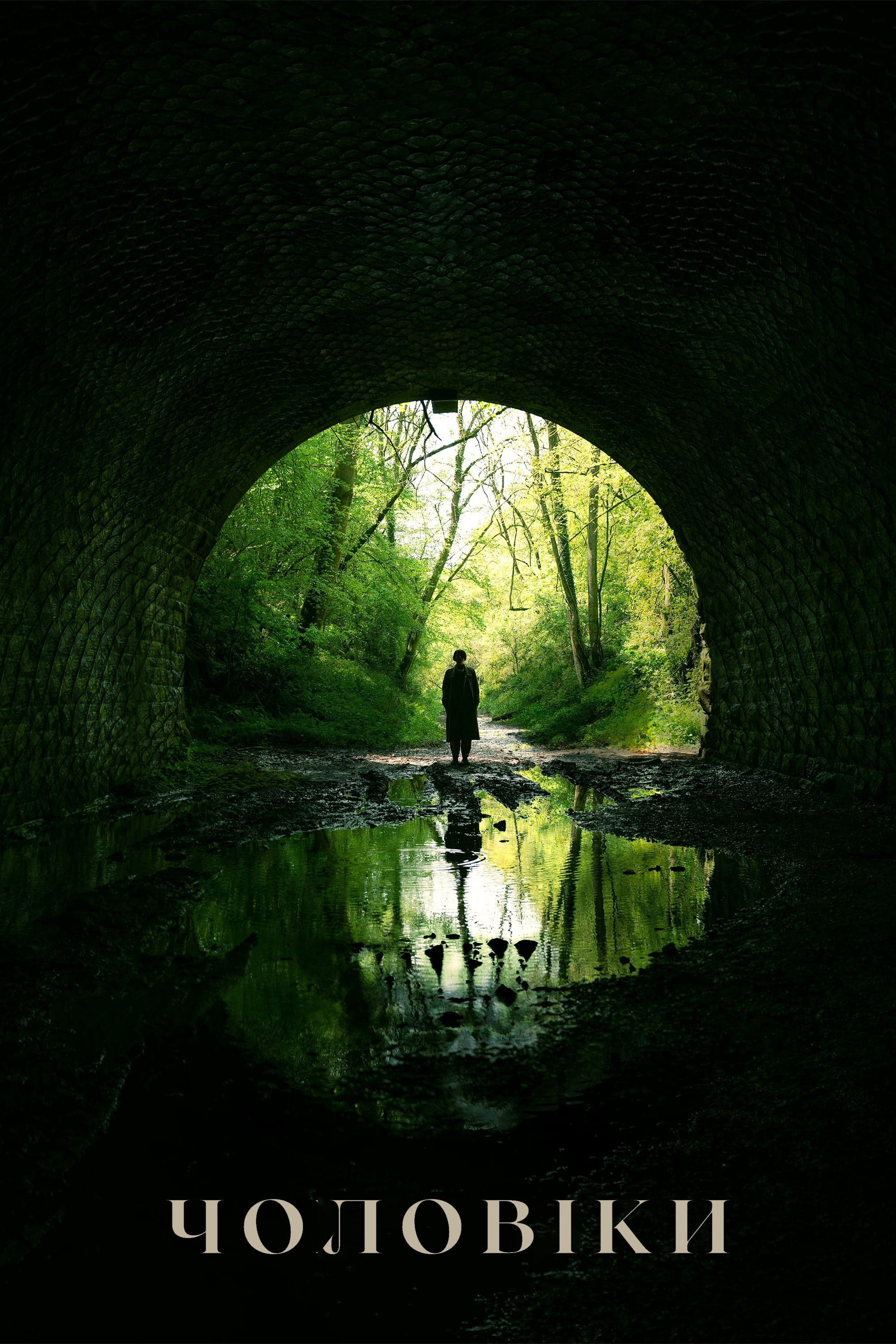
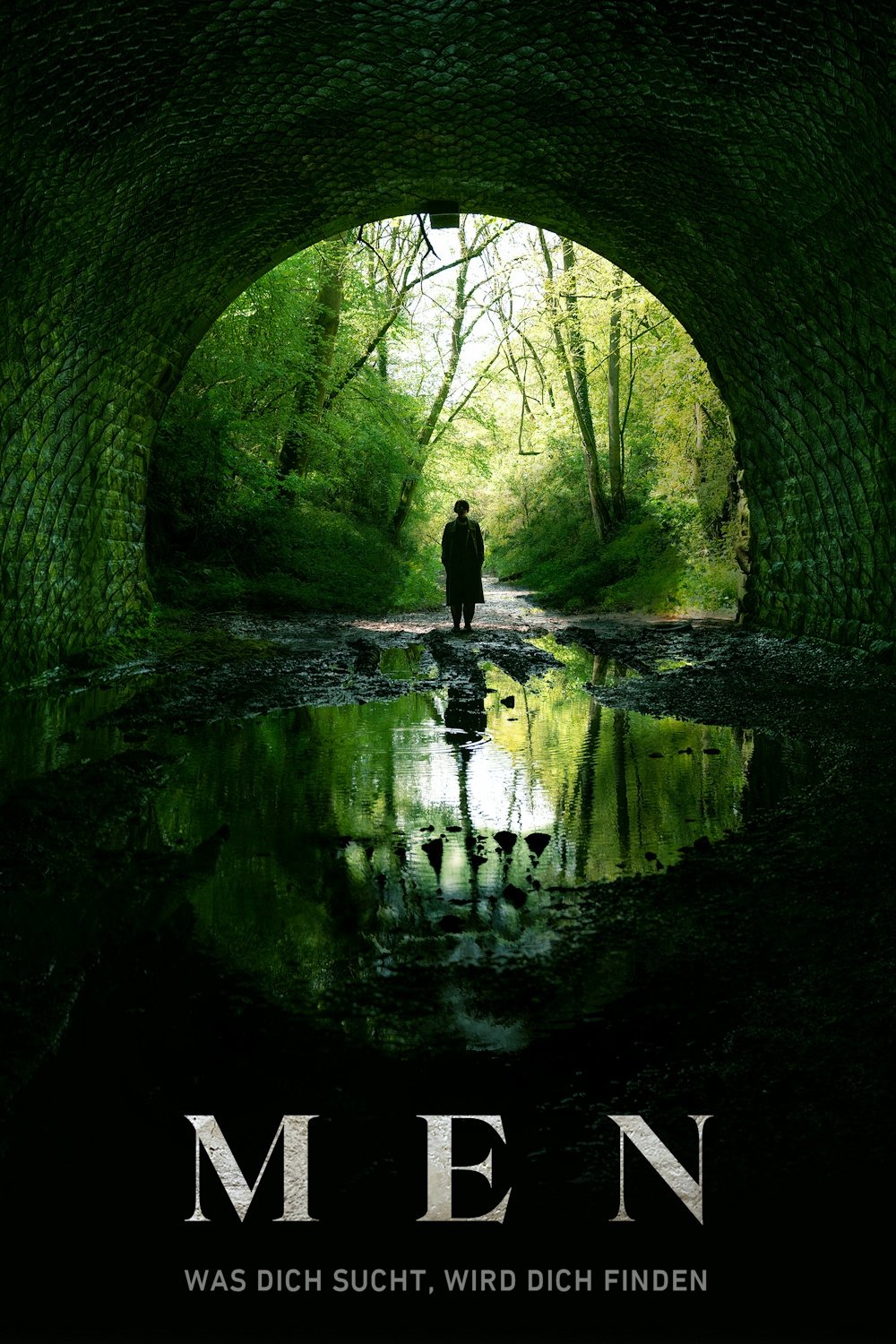
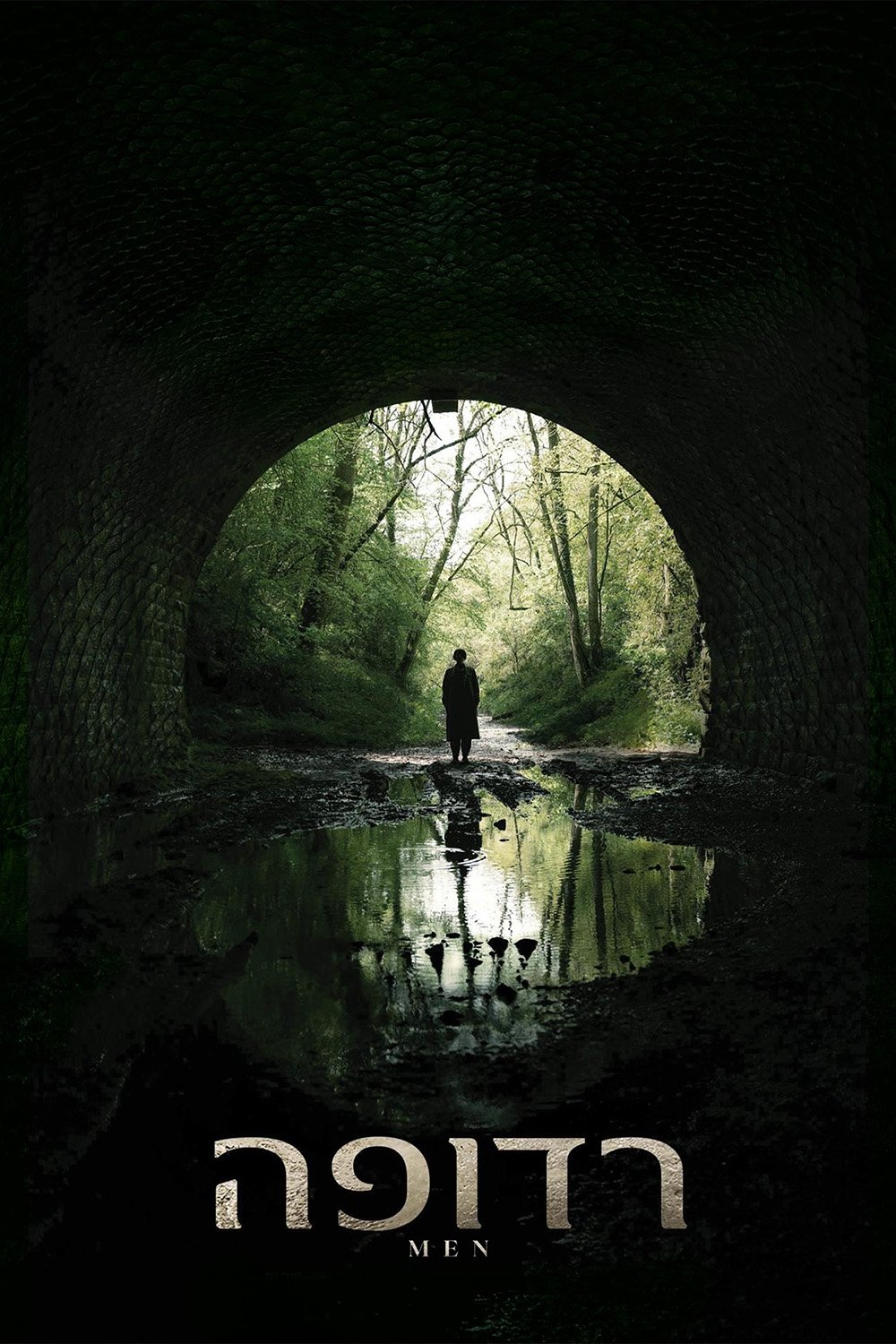
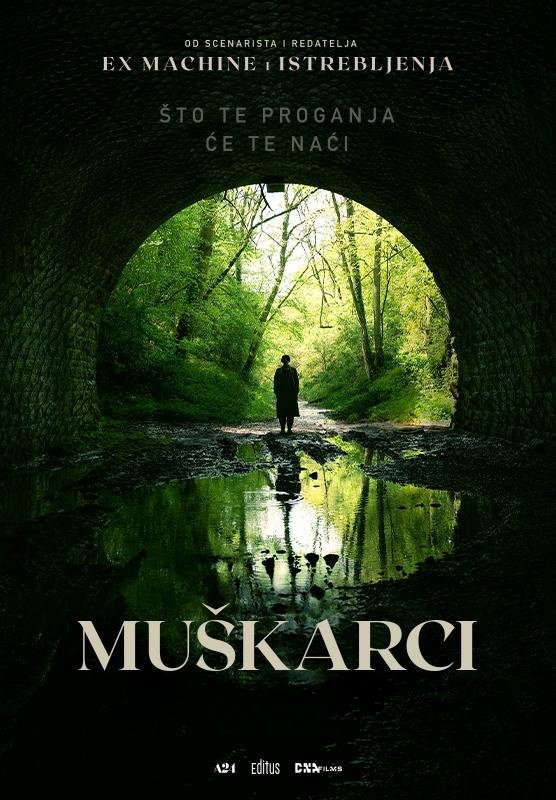
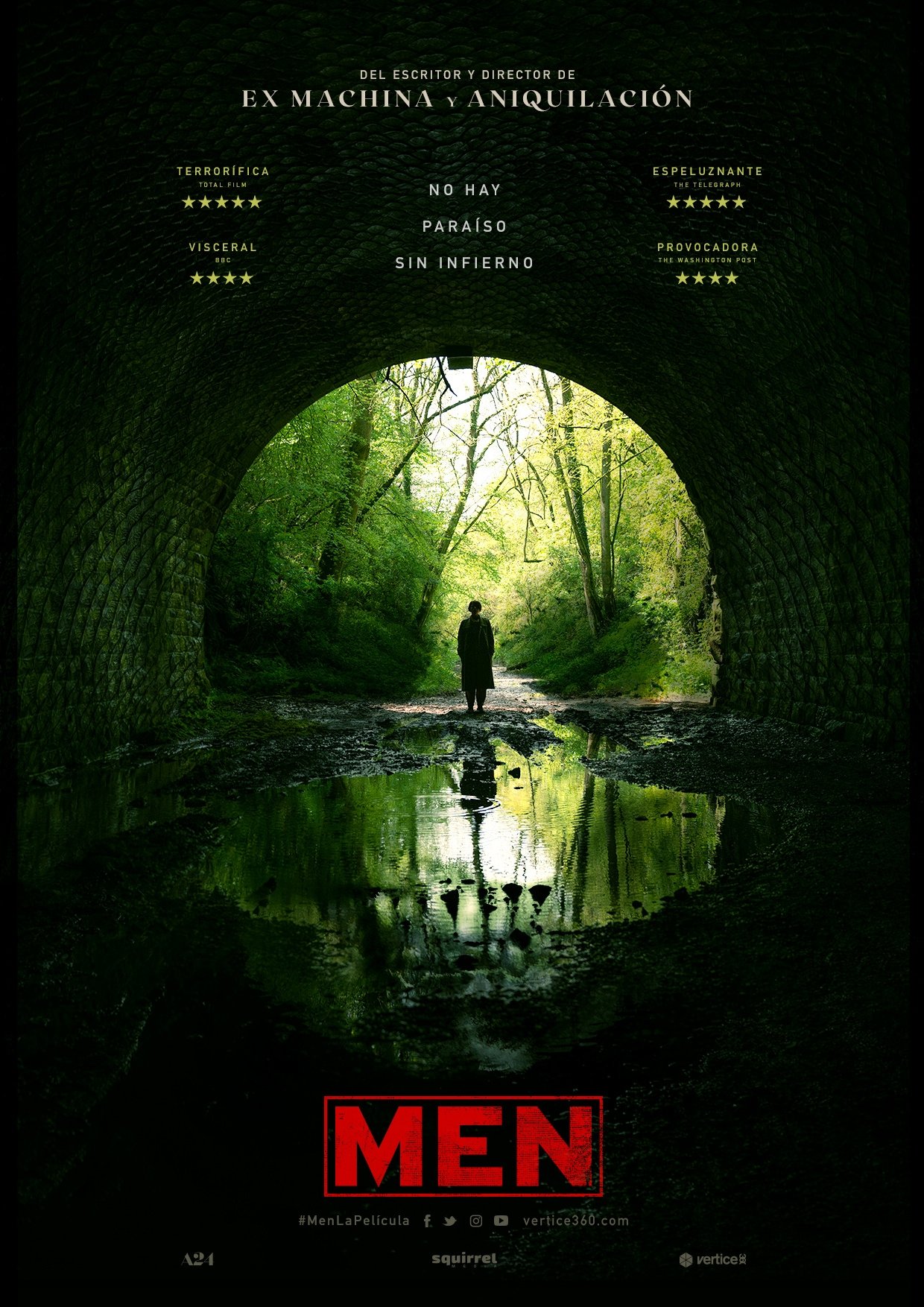
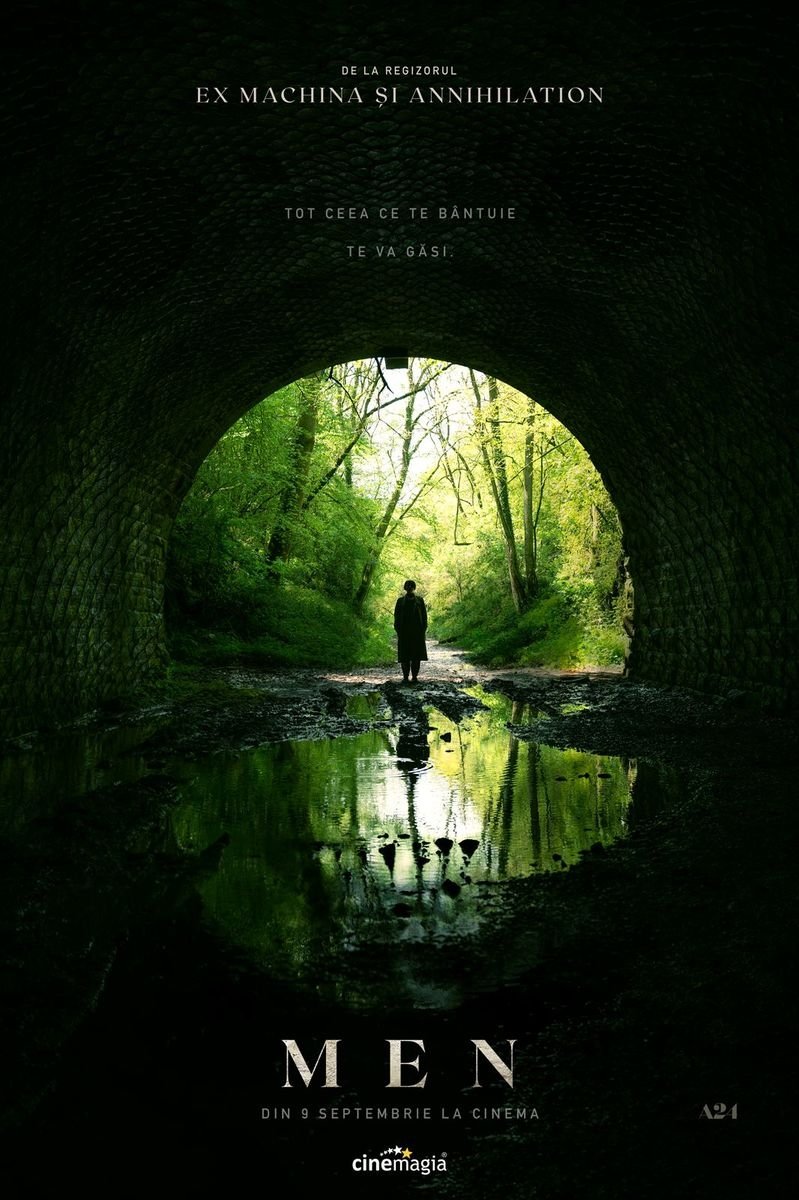
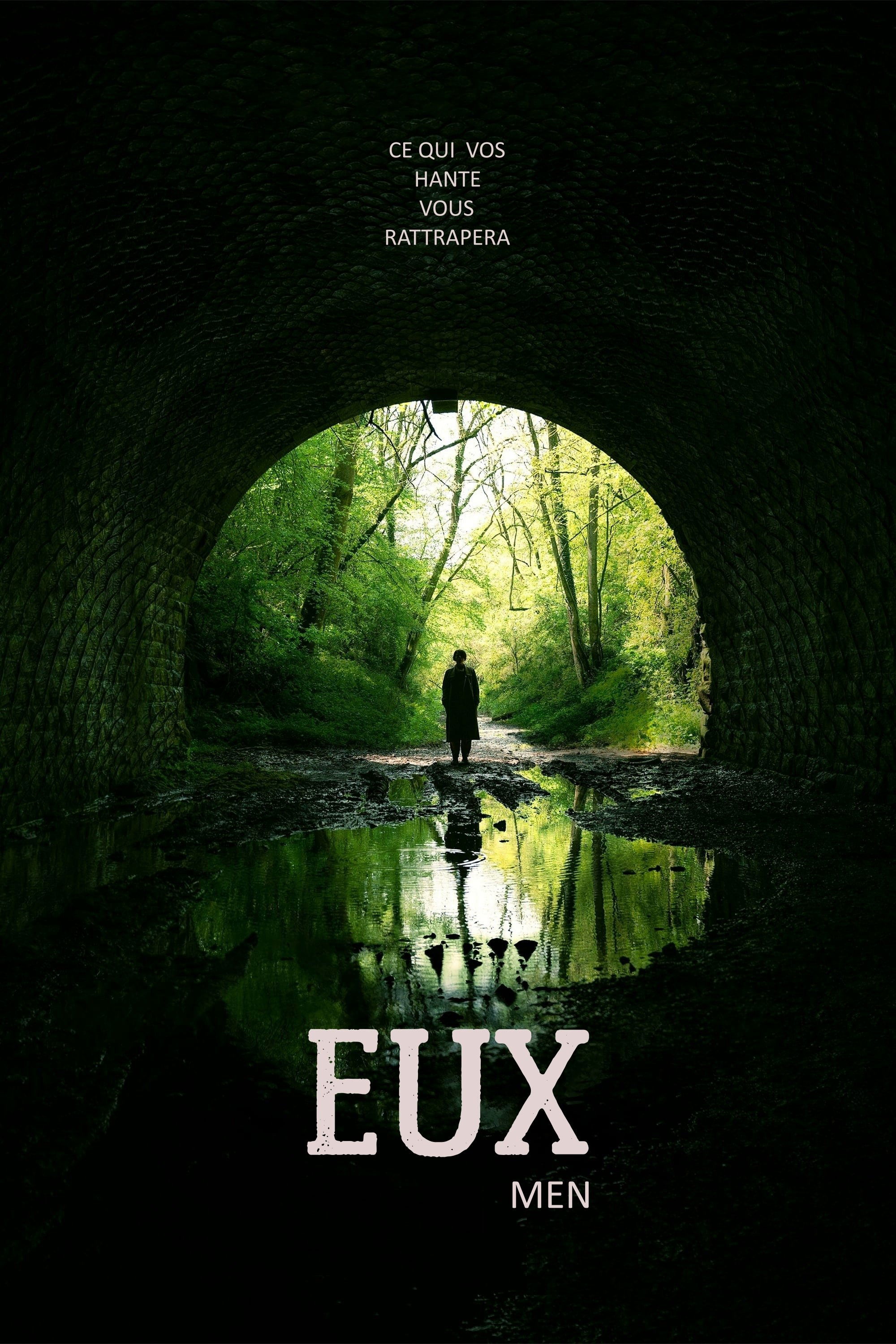
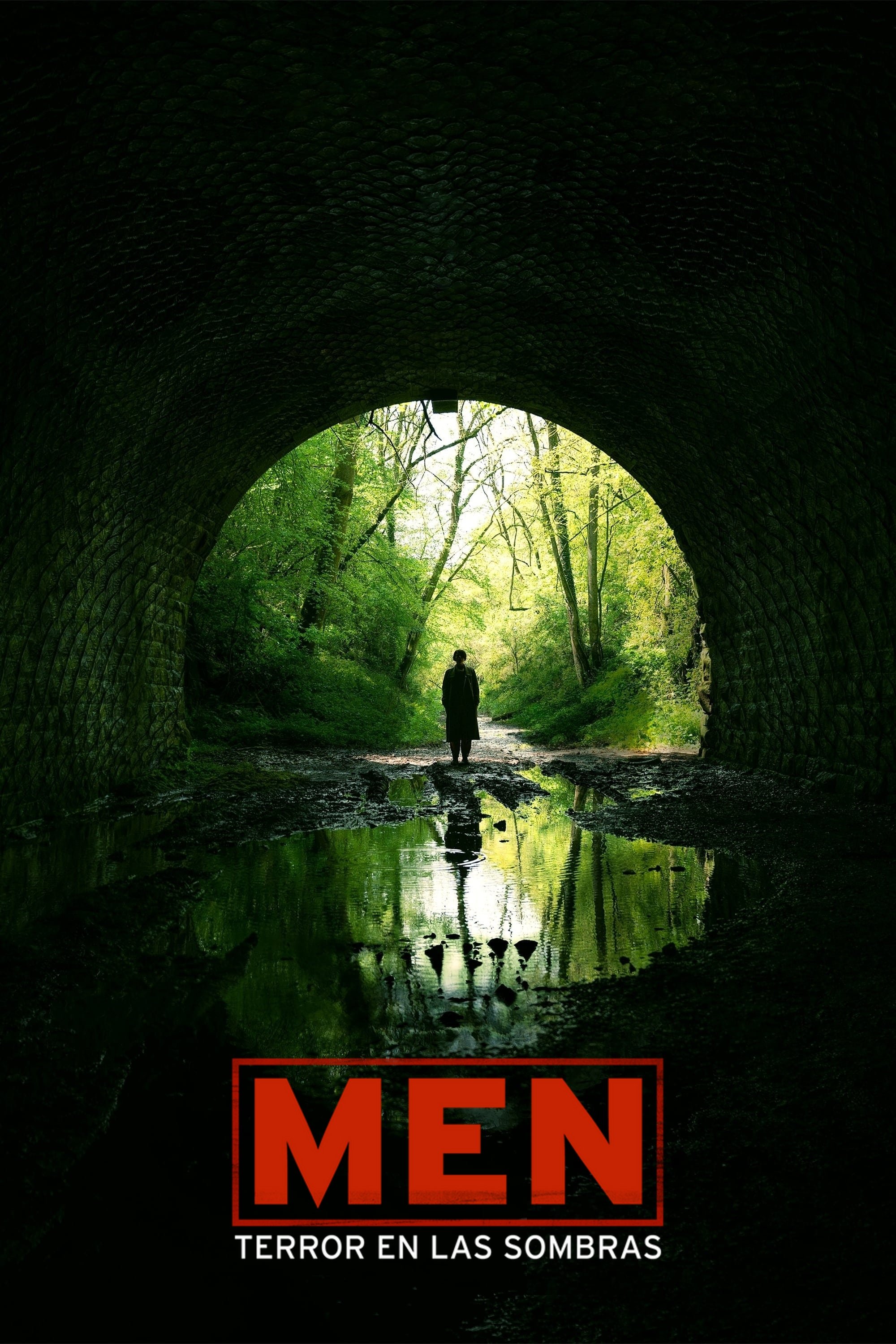
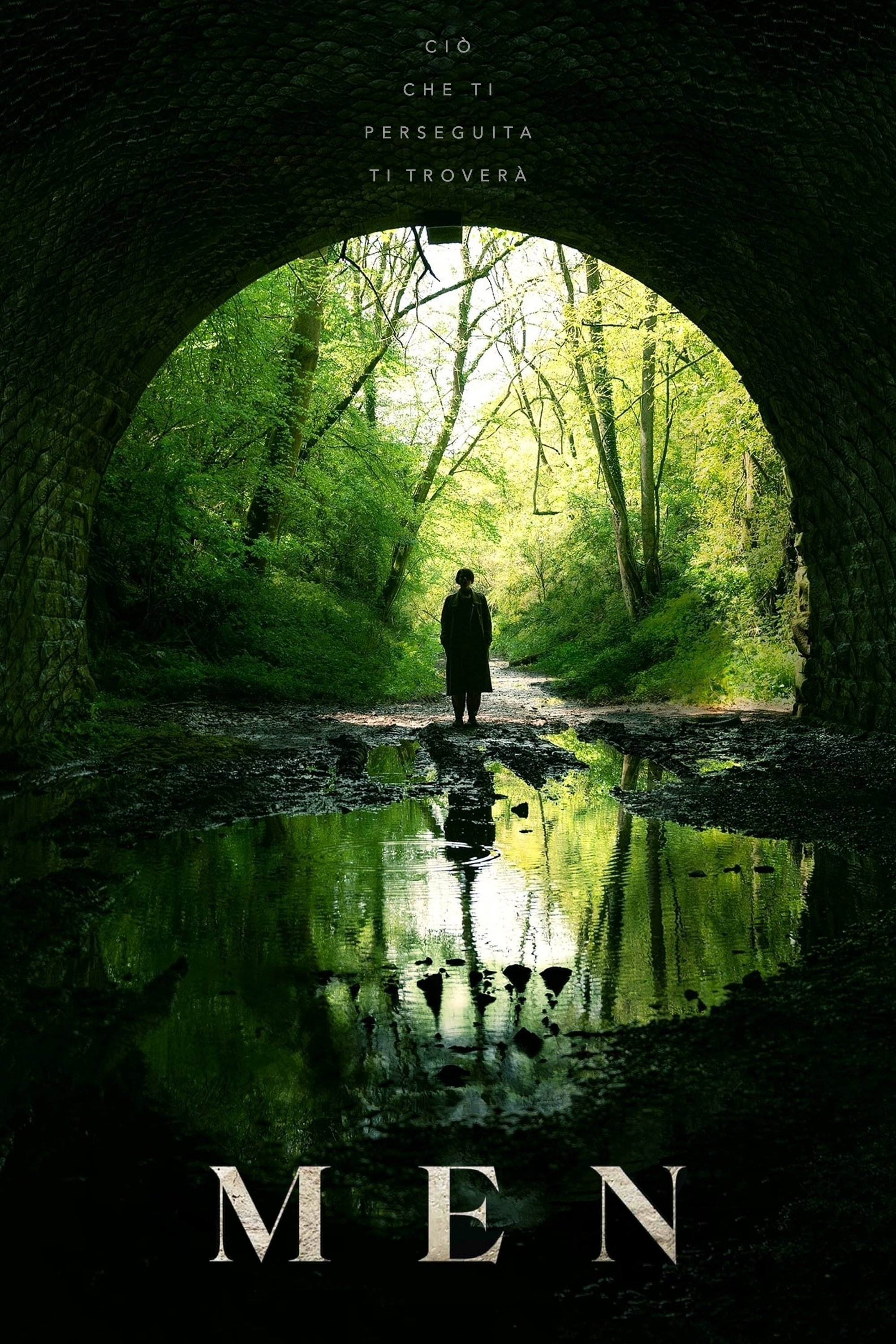
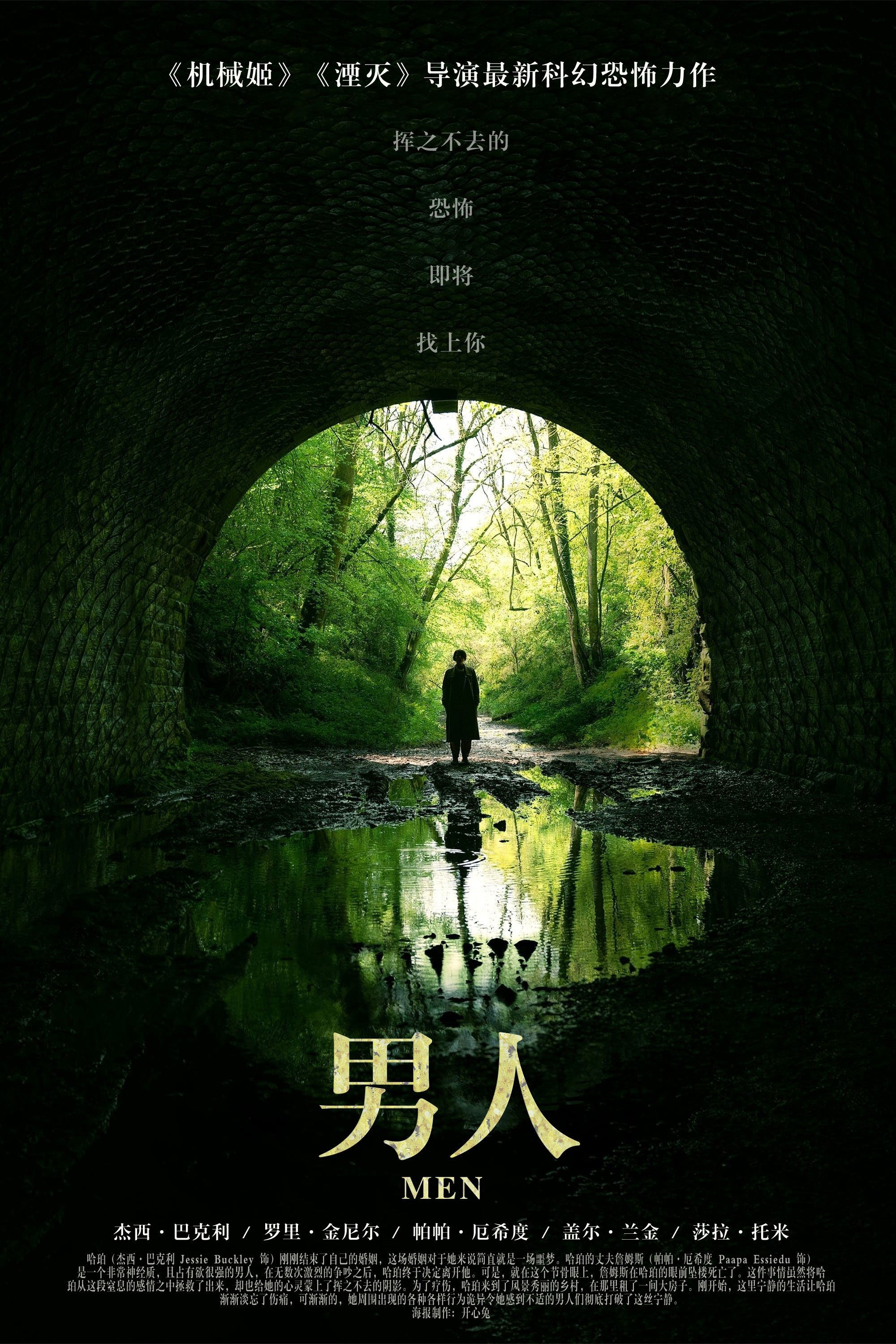
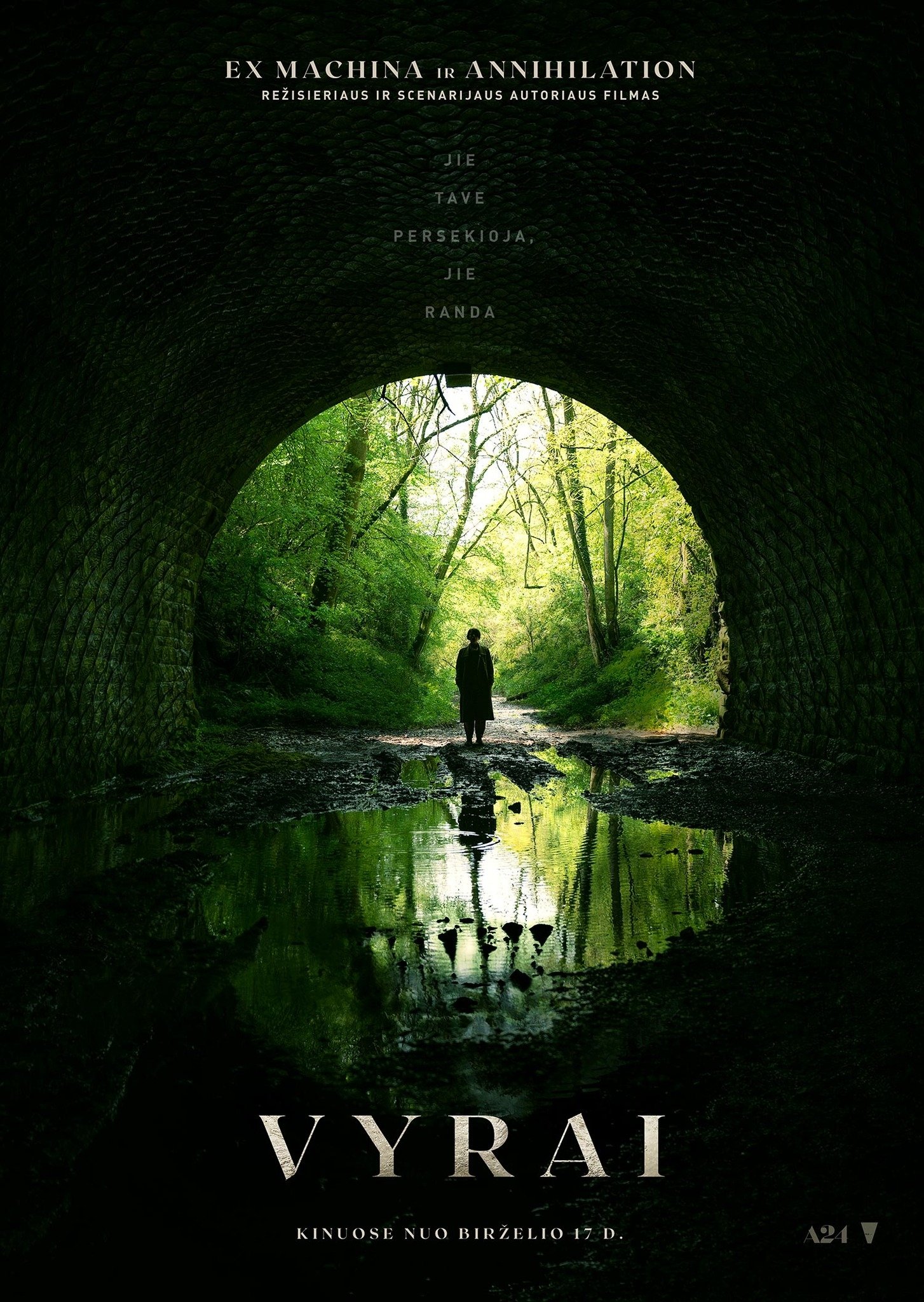
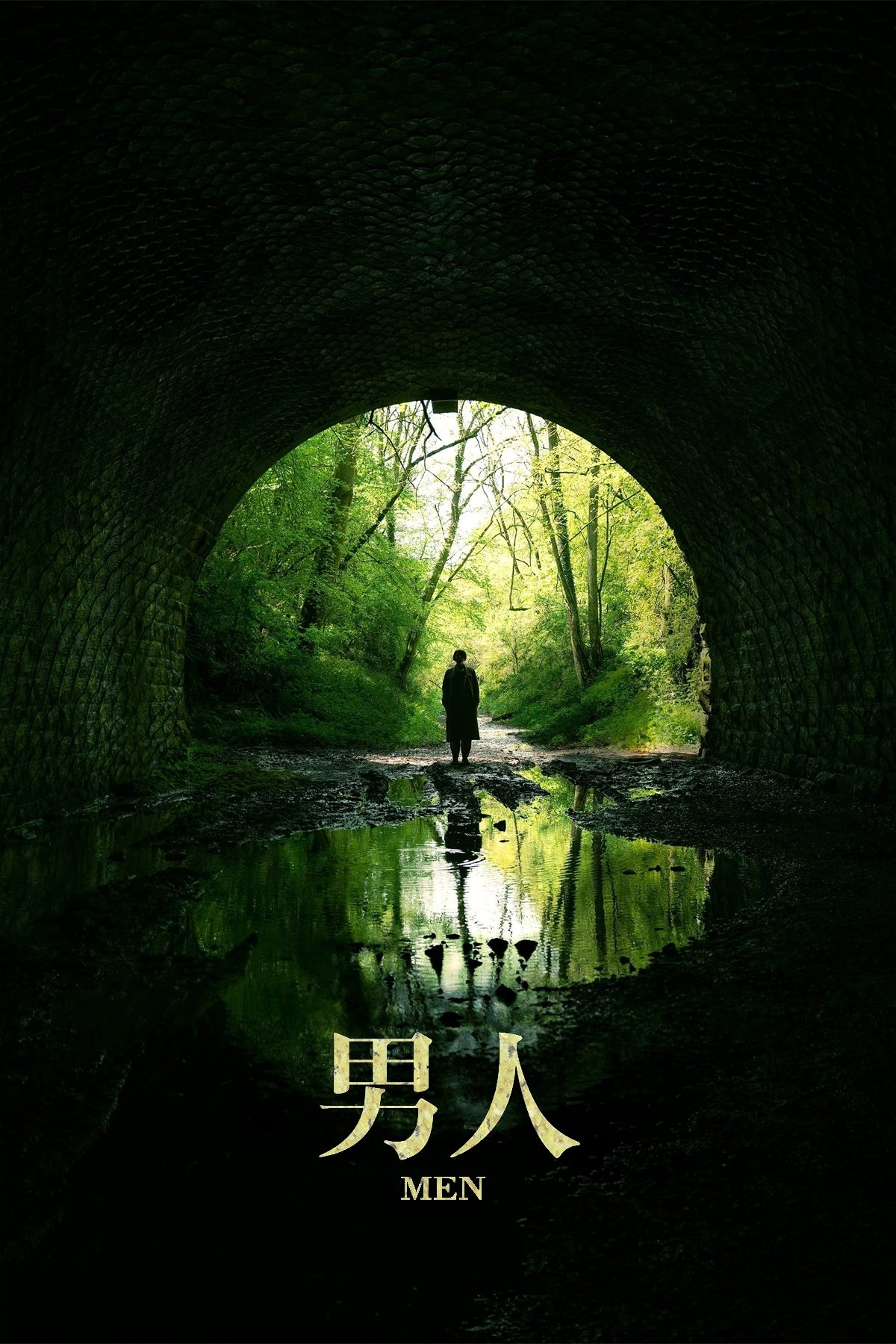
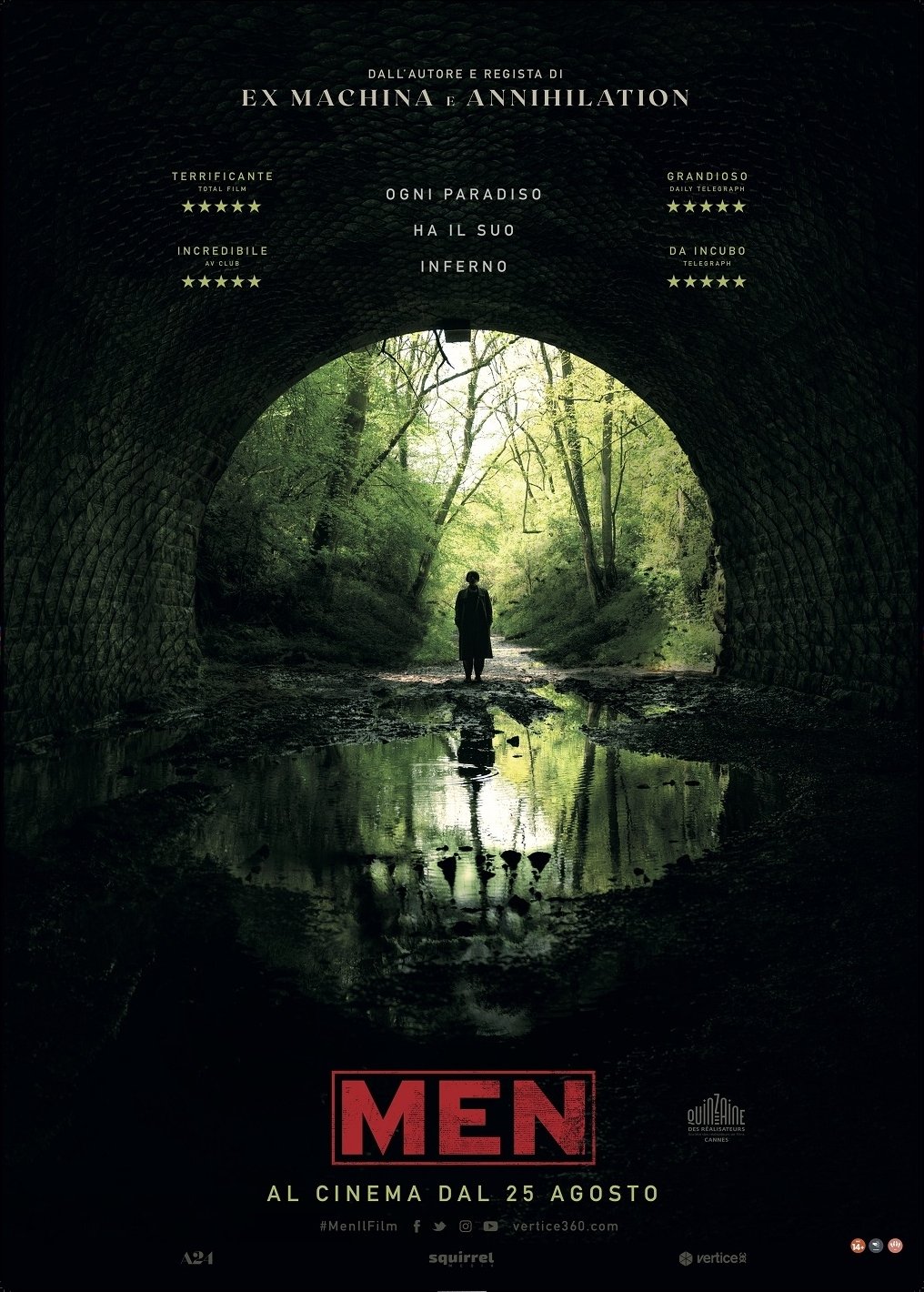
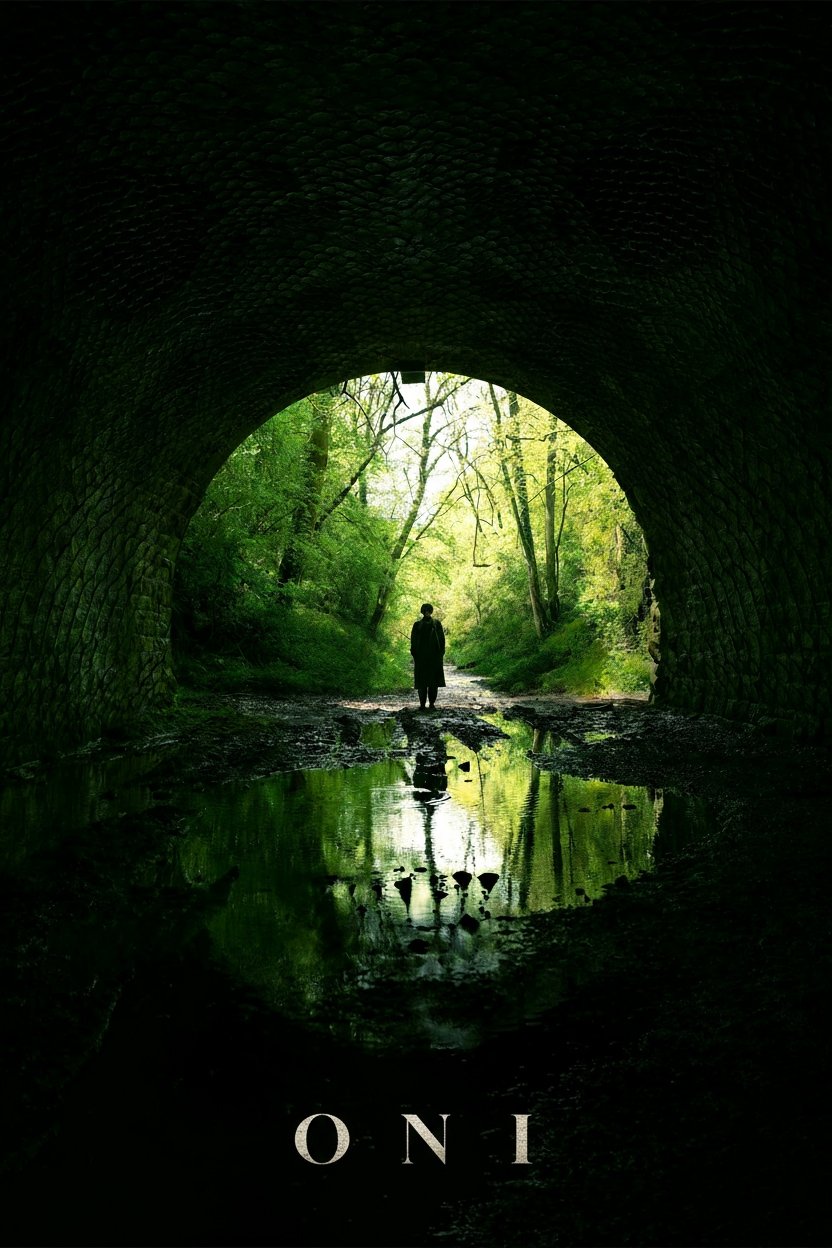
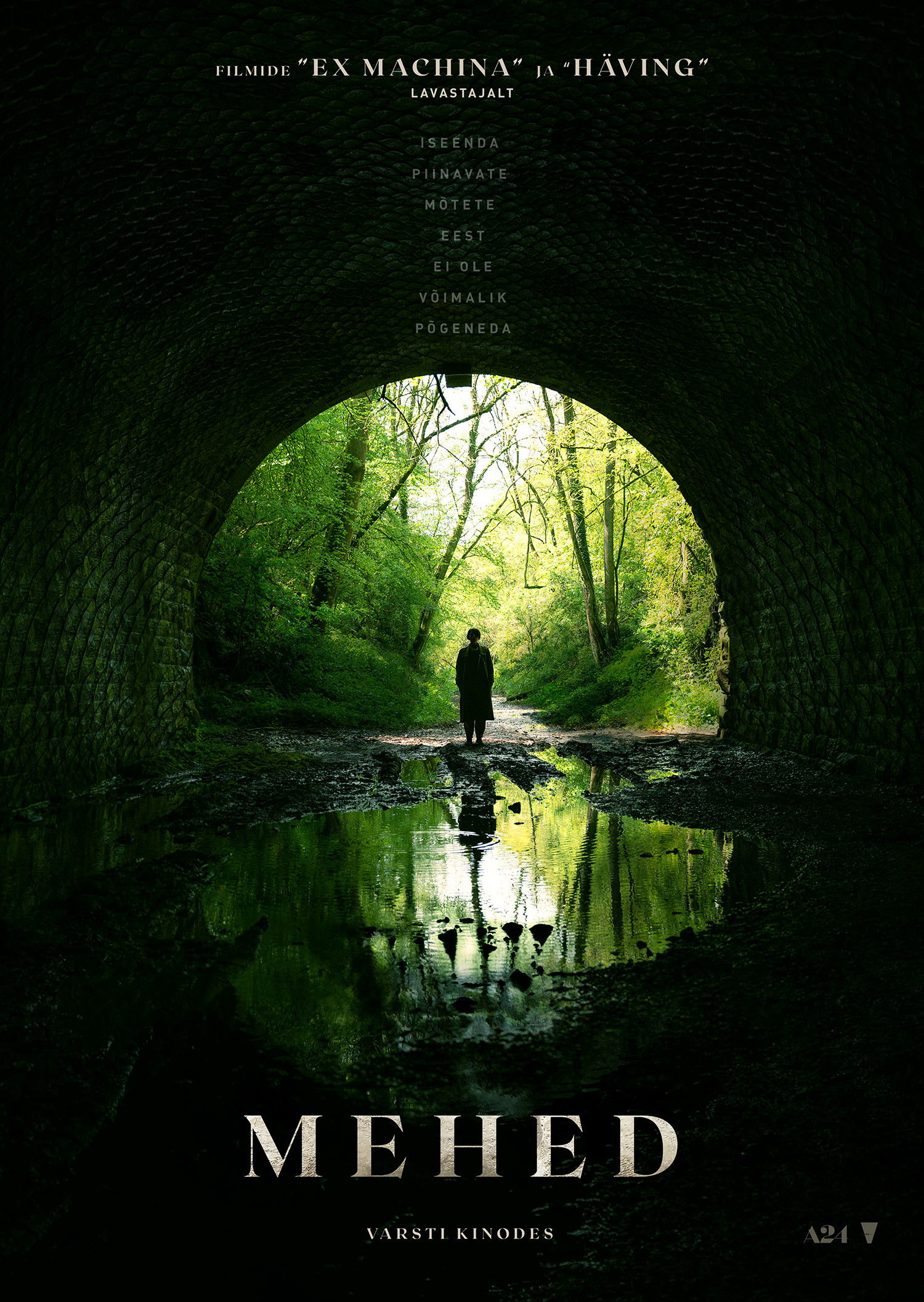
The landscape first offers an escape from the city. A sunlit lane, open fields and a disused railway tunnel encourage Harper to explore alone, with Rob Hardy's photography allowing the natural surroundings to feel expansive. Threat enters through changes in distance and sound: a figure appears at the far end of the tunnel, then runs toward her as she retreats into the woods. The house later reverses the apparent safety of enclosure, with an arm thrust through a letter box and movement outside its windows. Garland told Rue Morgue that he wanted the opening countryside to possess the reassuring polish of a Richard Curtis romantic film. The horror gradually contaminates that visual promise.
The Wound and the Repeated Births
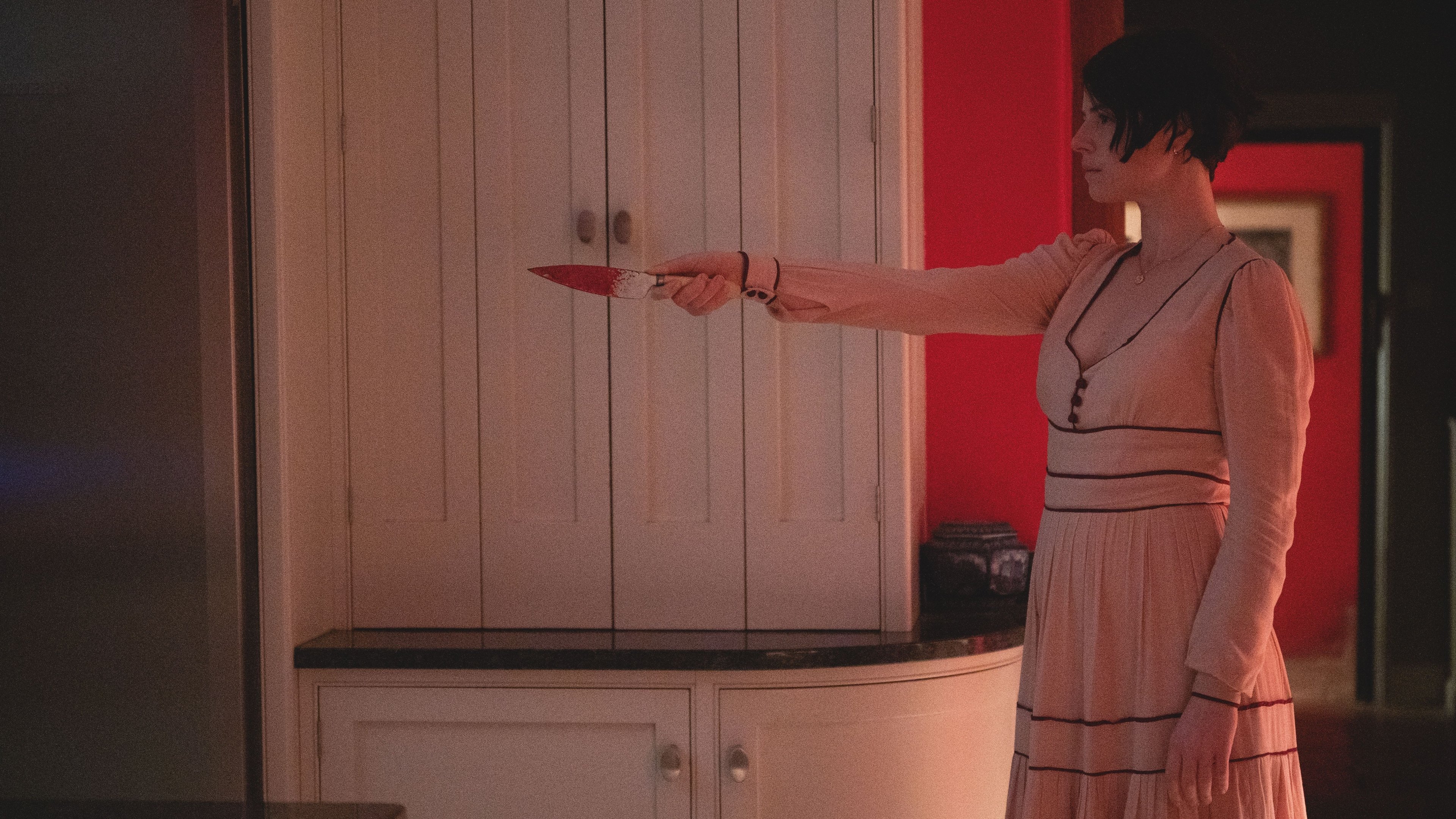
The film's physical horror concentrates around a grotesque injury. Harper drives a knife into the intruder's arm when he reaches through the front door, but his withdrawal splits the limb along the blade. Similar wounds subsequently mark other figures and recall the injuries visible on James after his fall. The repeated damage makes the husband's physical presence difficult to separate from the creatures pursuing his widow. It also turns the arm into an instrument of further assault, linking an earlier domestic catastrophe to a new threat. The effects confront the audience with anatomical detail after a long period in which dread has depended primarily on pursuit and insinuation.
During the final confrontation the Green Man gives birth to another male figure, who produces a further incarnation; the succession eventually ends with James. Bodies stretch, tear and emerge through openings that violate normal anatomy. Garland cited David Cronenberg's cinema, The Thing and An American Werewolf in London as reference points for taking physical transformation seriously. He also mentioned the animated series Attack on Titan as an influence on his thinking about human form. These statements identify artistic interests without proving that a particular shot copies an earlier image. The sequence uses elaborate visual effects to replace a familiar final battle with an ordeal of apparently endless reproduction.
Kinnear described the extended night photography as physically uncomfortable, involving cold conditions and substantial amounts of stage material. He wanted each emerging character to express a distinct demand upon Harper. Her response is unusually quiet for a horror climax: she watches the transformations and finally asks James what he wants. His answer returns the scene to the emotional coercion disclosed in the flashbacks. Garland told the interviewer that the significance of the ending lay especially in Buckley's performance and Harper's changing response, beyond the shock of the births themselves.
Release, Classification and Critical Response
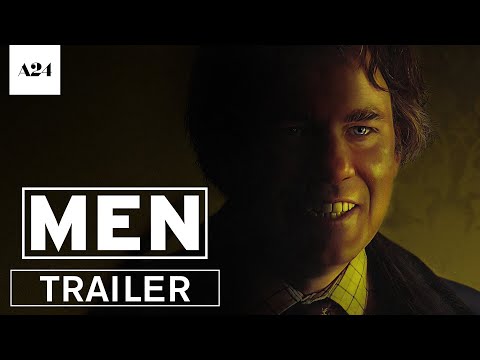
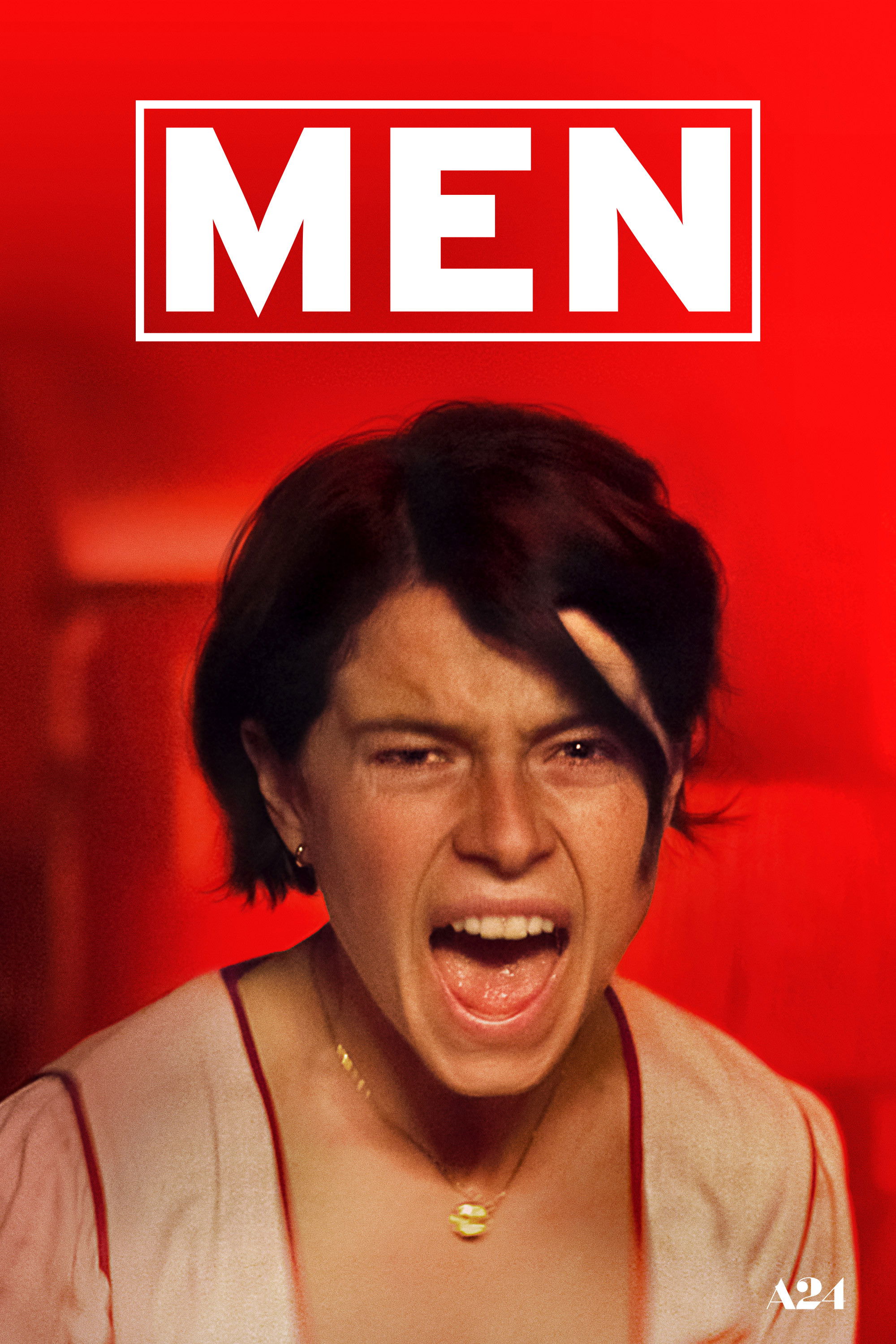
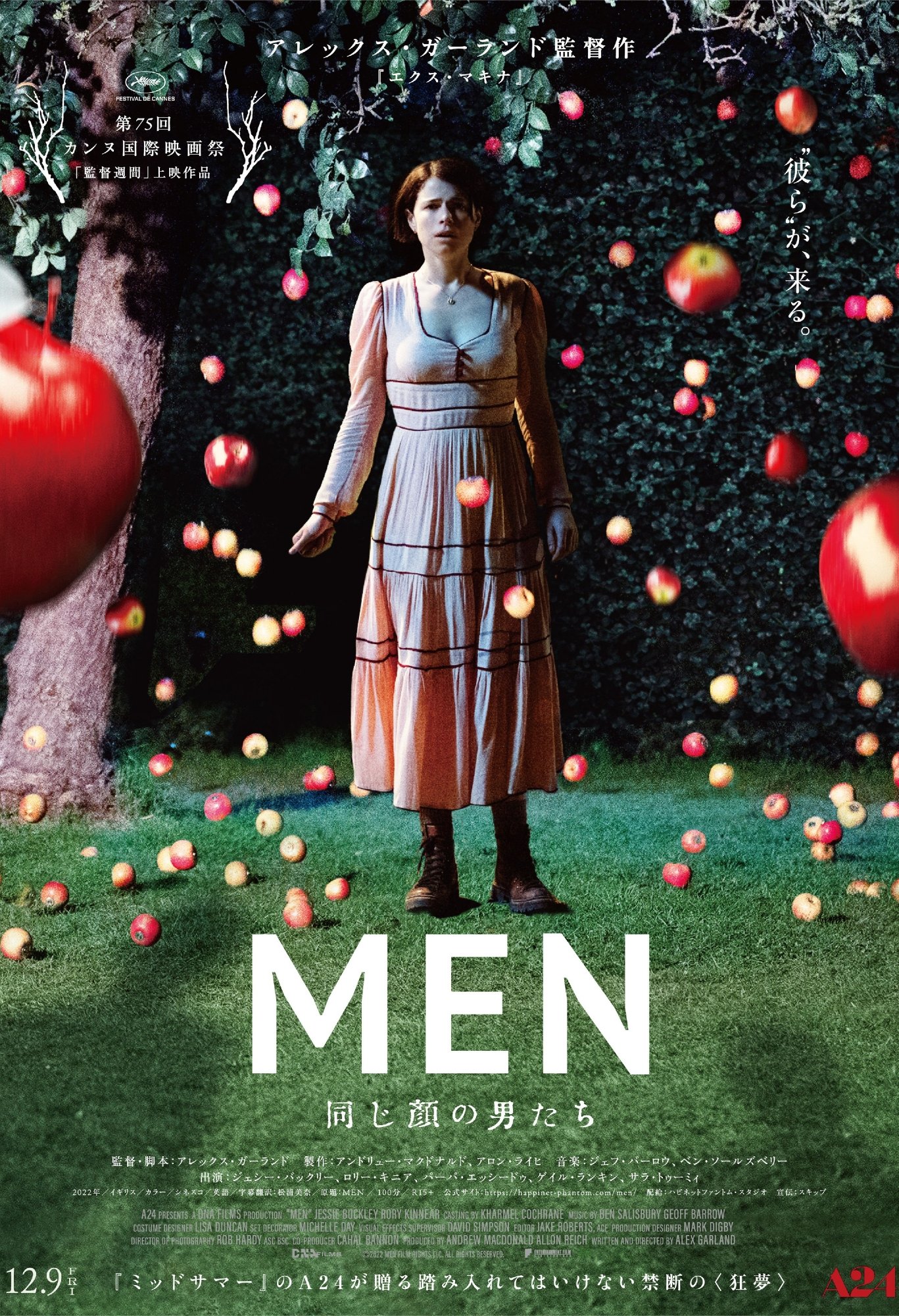
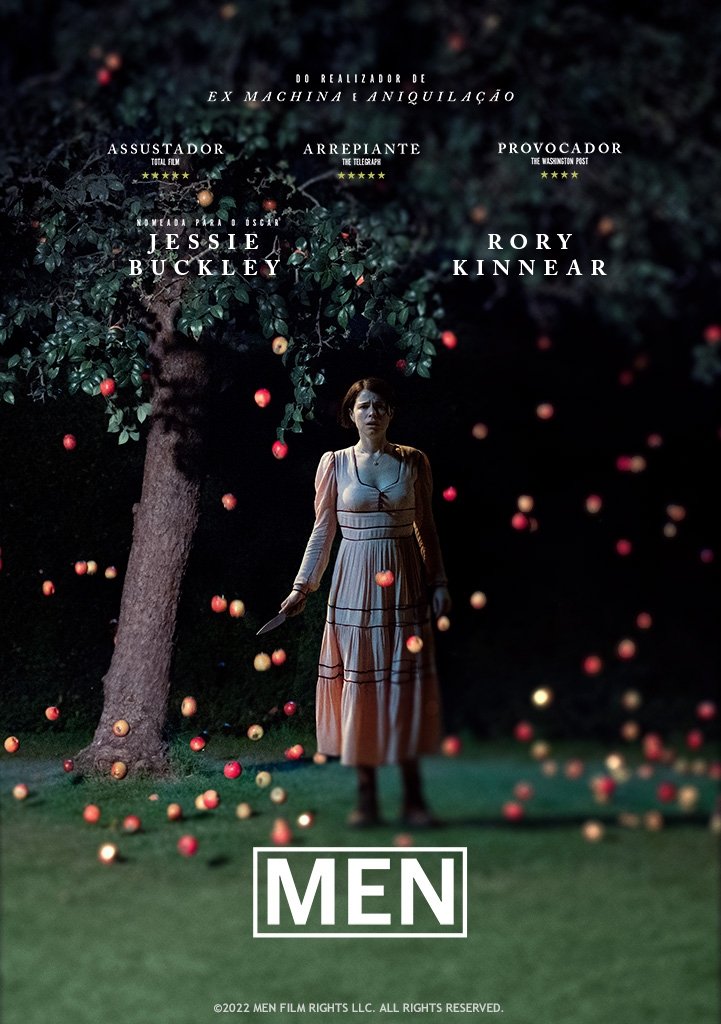
Produced through DNA Films and released in the United States by A24 on 20 May 2022, Men screened in the Directors' Fortnight program at Cannes two days later. Its British theatrical release followed in early June. The British Board of Film Classification passed the cinema version on 22 May 2022 at age fifteen, identifying strong supernatural gore, sexual threat, suicide-related distress and domestic abuse; the later physical-media classification records the same type of material. The BBFC specifically describes the split-arm effect and the prolonged births. These are classifications of submitted versions, not evidence of cuts or a censorship dispute. The distinction is important for a recent film whose notoriety centers on disturbing imagery.
Critical responses differed over the mixture of allegory and genre spectacle. Writing in Sight and Sound, Kim Newman described a folk-horror home invasion whose repeated male faces and bodily mutations make the heroine's ordeal exceptionally strange. Other reviewers questioned whether the symbolism allowed sufficient complexity to its subject. Garland encouraged disagreement, noting that viewers arrived at opposing interpretations of the same material. The film's place in modern horror derives partly from that collision of methods: the conventions of a stalking thriller give way to an intentionally unresolved story of haunting, masculine authority and monstrous reproduction.