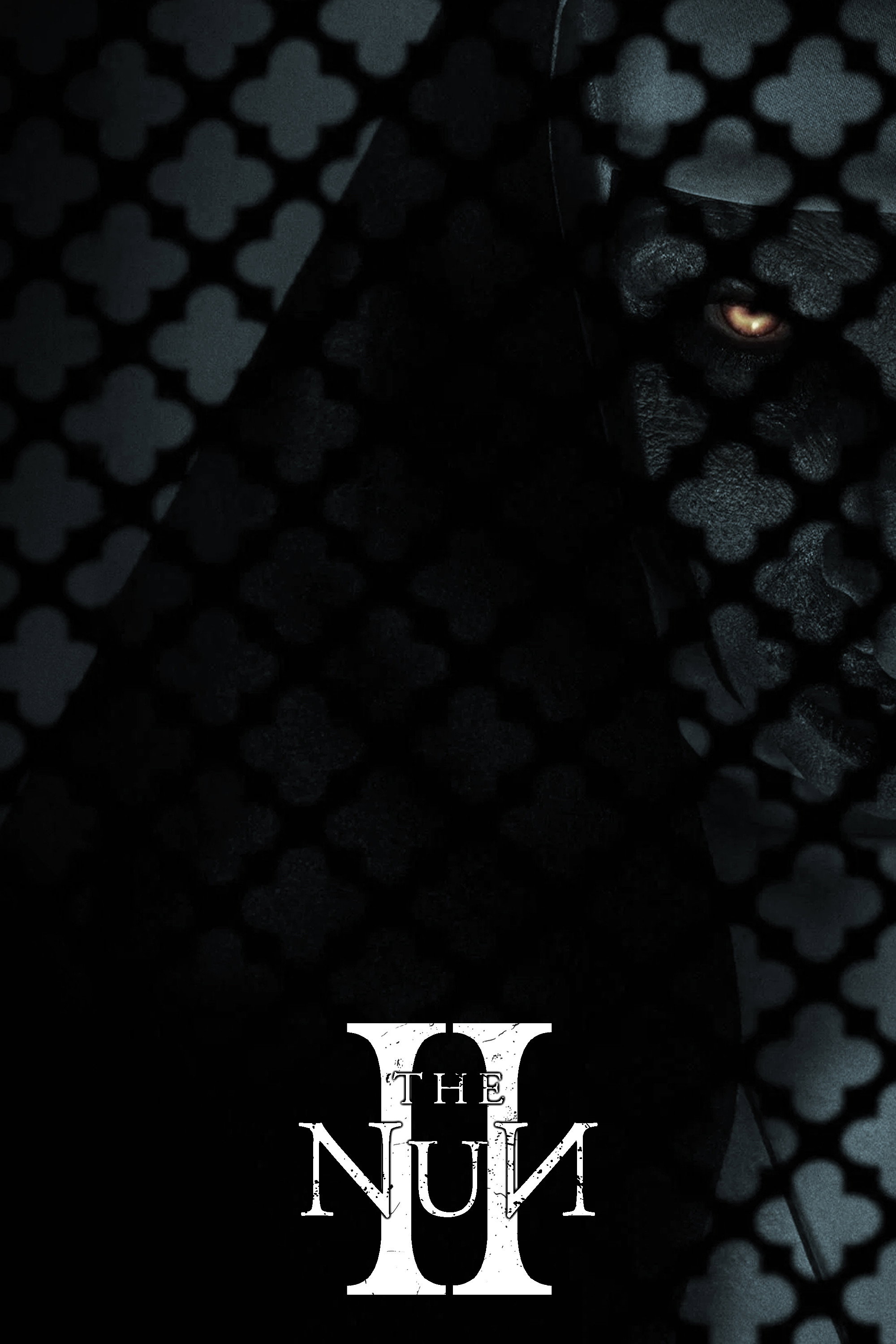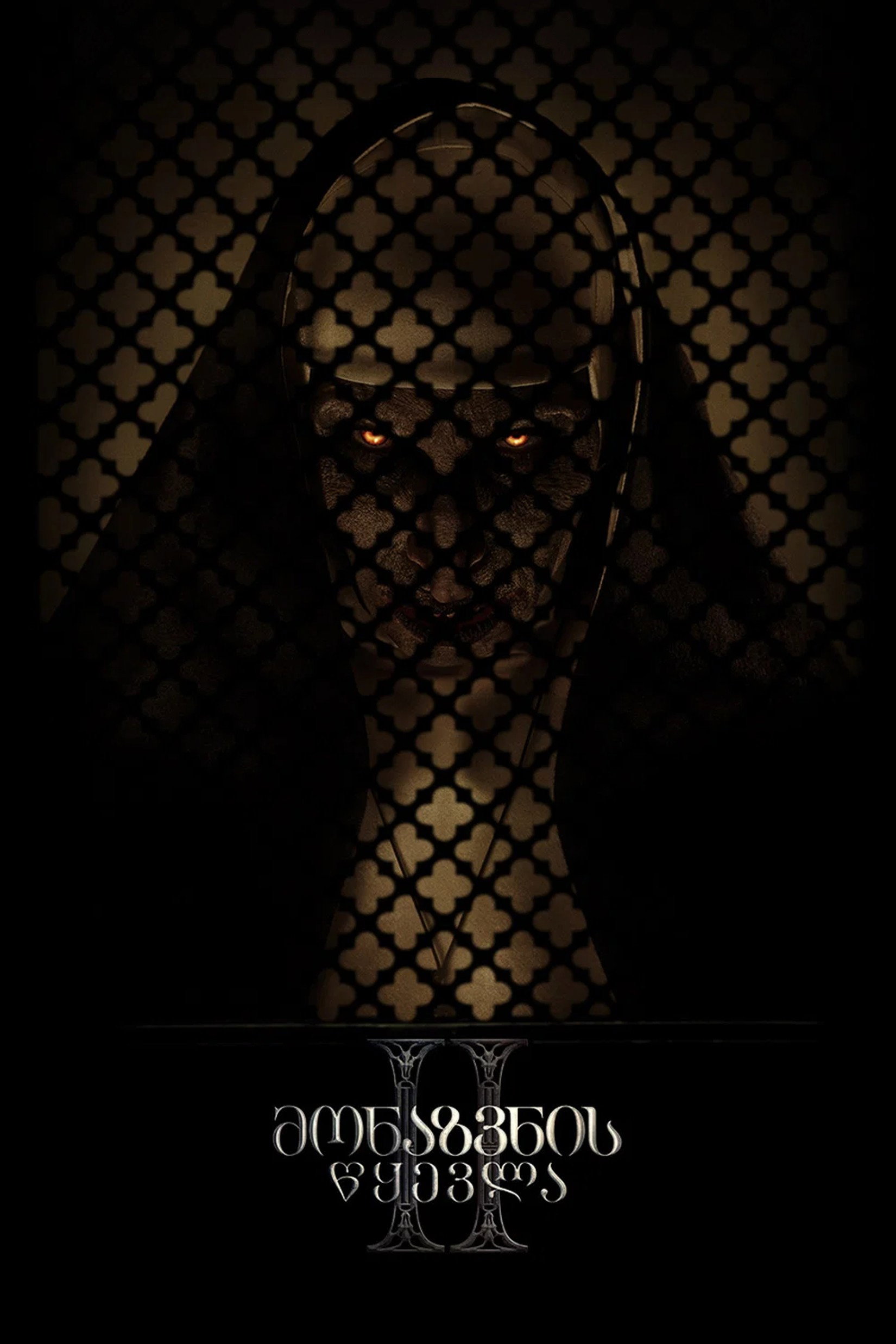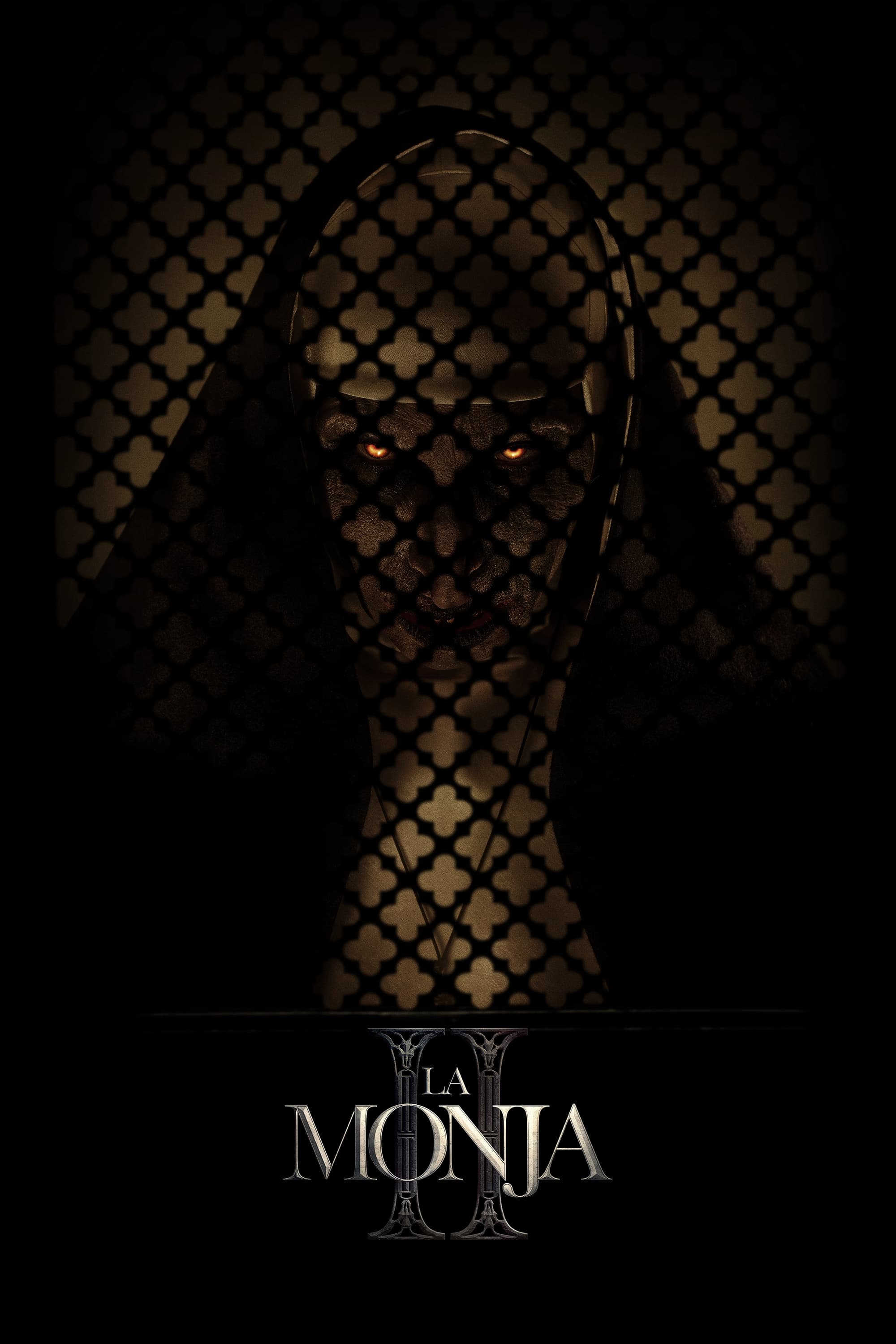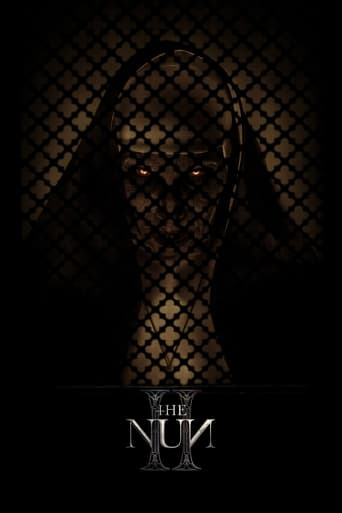
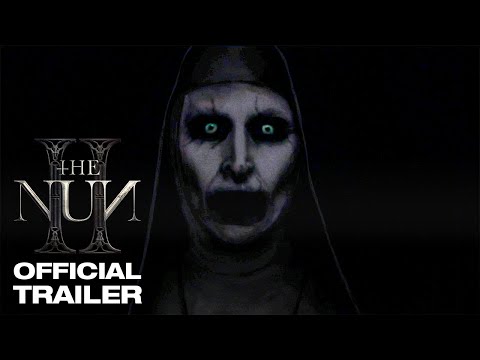
The Nun 2 (2023)

US
Runtime
110 min
Release
September 6, 2023
Budget
$38,500,000
Revenue
$269,670,590
The Nun 2 (2023) poster
Director
Production Companies
New Line Cinema , Atomic Monster , The Safran Company
Plot

In 1956, a priest is killed under mysterious circumstances in France, one of several violent incidents linked to religious communities. Sister Irene, who previously encountered the demon Valak at a Romanian abbey, is asked to investigate and travels with Sister Debra. Their search leads toward a boarding school where Maurice, known as Frenchie, now works and has befriended teacher Kate and her daughter Sophie. As frightening events spread through the school, Irene discovers signs that the demonic nun is seeking something hidden in the building's past. She must confront the returning evil while trying to protect those caught in its path.

Alternative Titles
Rahibənin Lənəti 2 (Azerbaijan) — Azerbaijani Монахинята 2 (Bulgaria) — Bulgarian A Freira 2 (Brazil) — Portuguese La Religieuse 2 (Canada) The Nun 2 (Canada) 修女2 (China) — Chinese Sestra II (Czechia) — Czech Nunn II (Estonia) — Estonian
Show all 44 alternative titles La monja II (Spain) Nunna II (Finland) — Finnish La Nonne - La Malédiction de Sainte-Lucie (France) La Nonne : La Malédiction de Sainte-Lucie (France) La Nonne 2 (France) — alternative title La nonne II (France) — alternative title La Nonne La Malédiction de Sainte-Lucie (France) მონაზვნის წყევლა II (Georgia) — Georgian მონაზონი II (Georgia) — ქართული Η Καλόγρια 2 (Greece) Η Καλόγρια II (Greece) — Greek 詭修女 II (Hong Kong SAR China) Časna II (Croatia) — Croatian Az apáca II. (Hungary) — Hungarian הנזירה 2 (Israel) — Hebrew द नन 2 (India) — Hindi راهبه ۲ (Iran) 死霊館のシスター 呪いの秘密 (Japan) — Japanese 더 넌 2 (South Korea) — Korean Vienuolė II (Lithuania) — Lithuanian La monja II (Mexico) — Spanish Zakonnica 2 (Poland) — Polish The Nun: A Freira Maldita II (Portugal) Călugărița II (Romania) — Romanian Опатица из пакла 2 (Serbia) — Serbian Проклятие монахини 2 (Russia) — Russian الراهبة ۲ (Saudi Arabia) — Arabic Nuna II (Slovenia) — Slovenian Mníška 2 (Slovakia) — Slovak เดอะ นัน 2 (Thailand) เดอะ นัน II (Thailand) Dehşetin Yüzü 2 (Türkiye) — Turkish 鬼修女II (Taiwan) — Chinese Монахиня 2 (Ukraine) — Ukrainian Ác Quỷ Ma Sơ 2 (Vietnam) Ác Quỷ Ma Sơ II (Vietnam) — Vietnamese

Trailers & Videos

11 videos

Film Guide

Michael Chaves brings Valak to a French boarding school, combining location-based Gothic suspense, practical creature work and elaborate digital transformations.

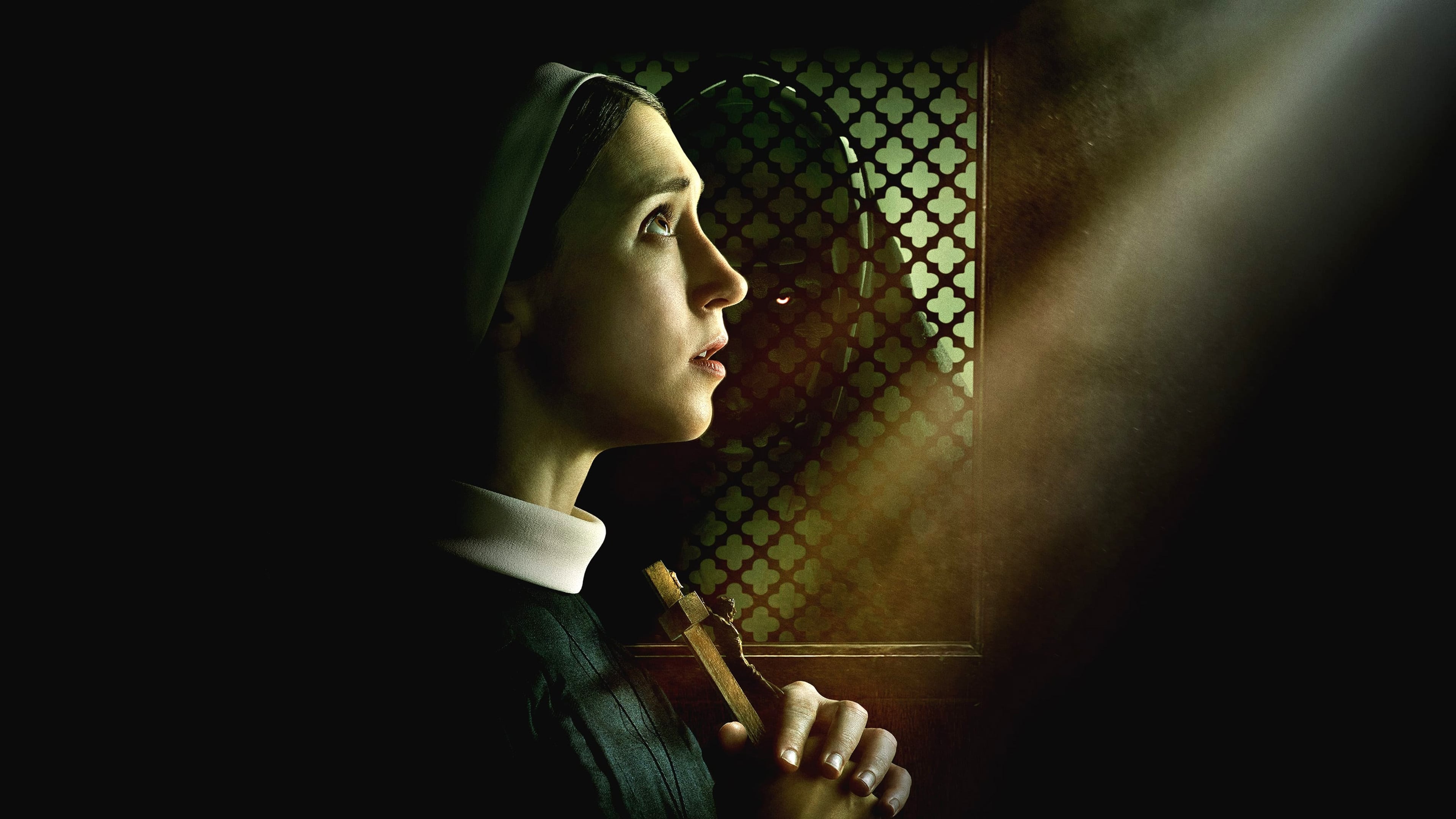
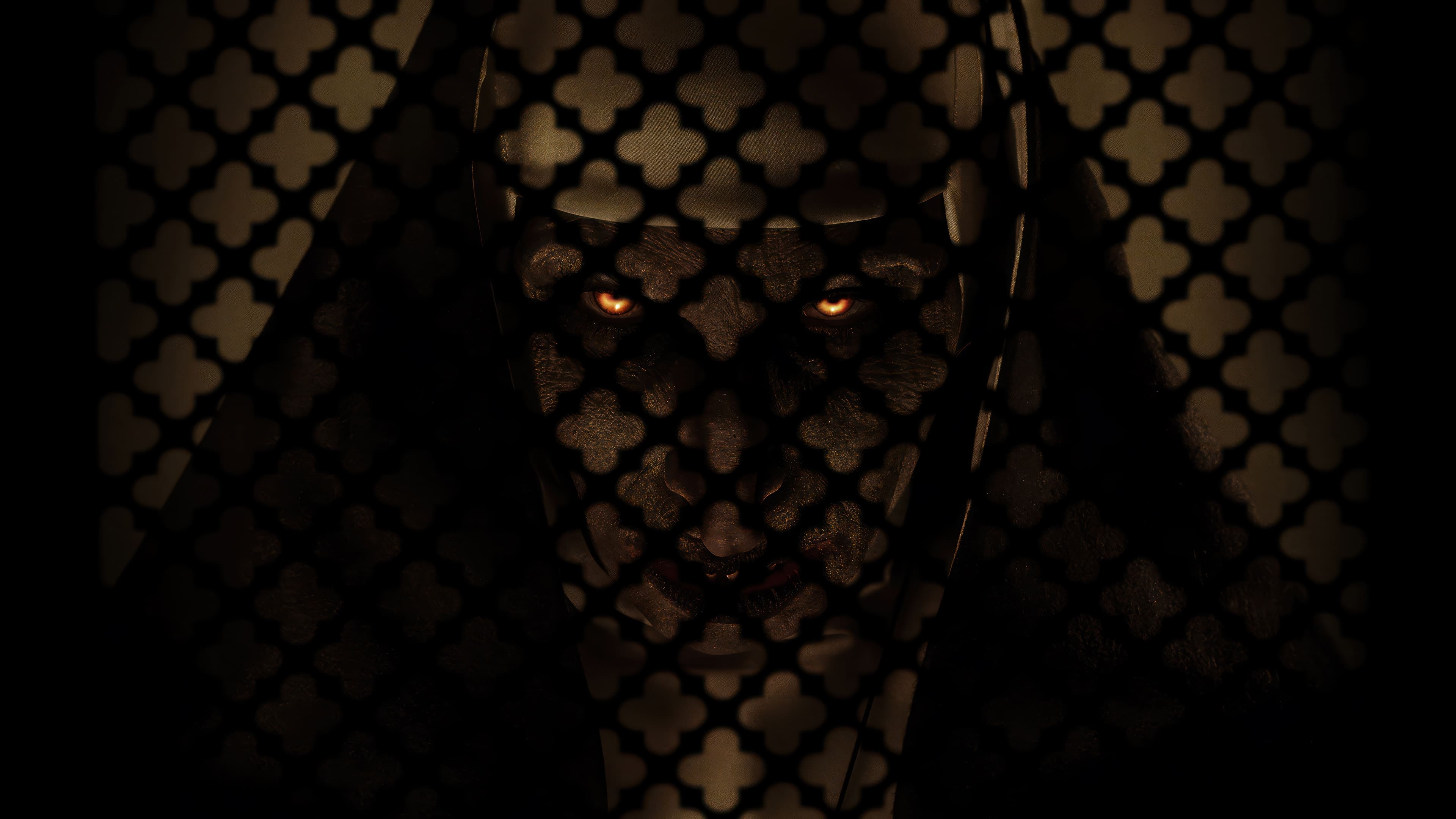
The Nun II (2023) returns the demon Valak to the French religious institutions of the 1950s, four years after Sister Irene confronted the entity in a Romanian abbey. Michael Chaves directs a sequel in which reports of violent deaths lead Irene across France while Maurice, the survivor known as Frenchie, works at a boarding school unaware that his apparent escape did not end the danger. The film extends the Conjuring cycle through an established monster whose corruption of sacred imagery makes Catholic architecture and ritual central to the horror. It also relocates the conflict from an isolated monastery to inhabited streets, classrooms and a school community whose residents lack Irene's knowledge of Valak.

Production interviews provide unusually detailed evidence of how this material was constructed. Producer Peter Safran explained the decision to continue Maurice's story and introduce the questioning Sister Debra, while cinematographer Tristan Nyby documented location lighting and the complex cellar finale. Chaves discussed the combination of a physical creature and digital correction, and French effects artists described the labor behind the magazine-stand apparition. Such testimony allows the sequel to be examined through its particular methods rather than through claims of innovation unsupported by its reception. The film was commercially substantial, although contemporary critics disagreed sharply with its reliance on familiar supernatural devices.

Development: Returning to France and the Conjuring Cycle

The Nun (2018) established an earlier encounter between Irene and Valak, extending a figure introduced in The Conjuring 2 (2016). For the continuation, producers James Wan and Peter Safran brought in Chaves after his work on The Conjuring: The Devil Made Me Do It (2021). Safran said their choice was informed by his previous collaboration with the director and by Chaves's ability to devise individual scares. The screenplay credits belong to Ian Goldberg, Richard Naing and Akela Cooper, with the story credited to Cooper. The production should consequently be understood as a collaboration among returning producers, new writers and a director developing his own set pieces, rather than as another film directed by Wan.

Safran identified Maurice's unresolved condition as a reason to continue the story. The former guide had escaped Romania, but the previous installment left his apparent recovery uncertain. The sequel finds him working at a school in France, creating a second point of danger while Irene investigates the reported deaths. According to the producer, Cooper proposed Sister Debra as a companion whose doubts would contrast with Irene's convictions. His explanation is a contemporary promotional interview, useful for the stated creative intention but not proof of any supernatural history. Within the film, the three characters supply different responses to threats that they cannot all see or understand at the same time.
Irene, Maurice and the Threat Within

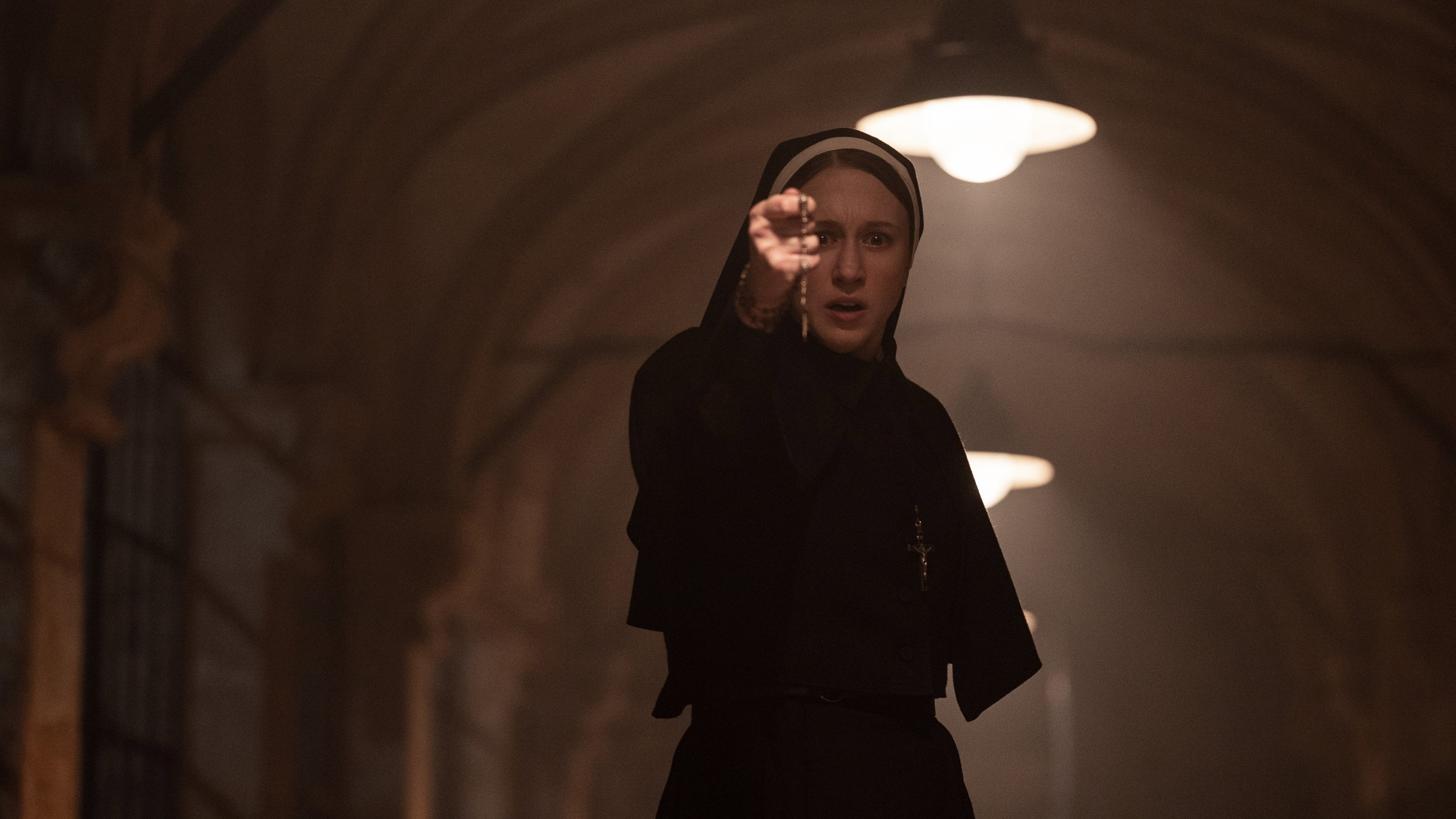
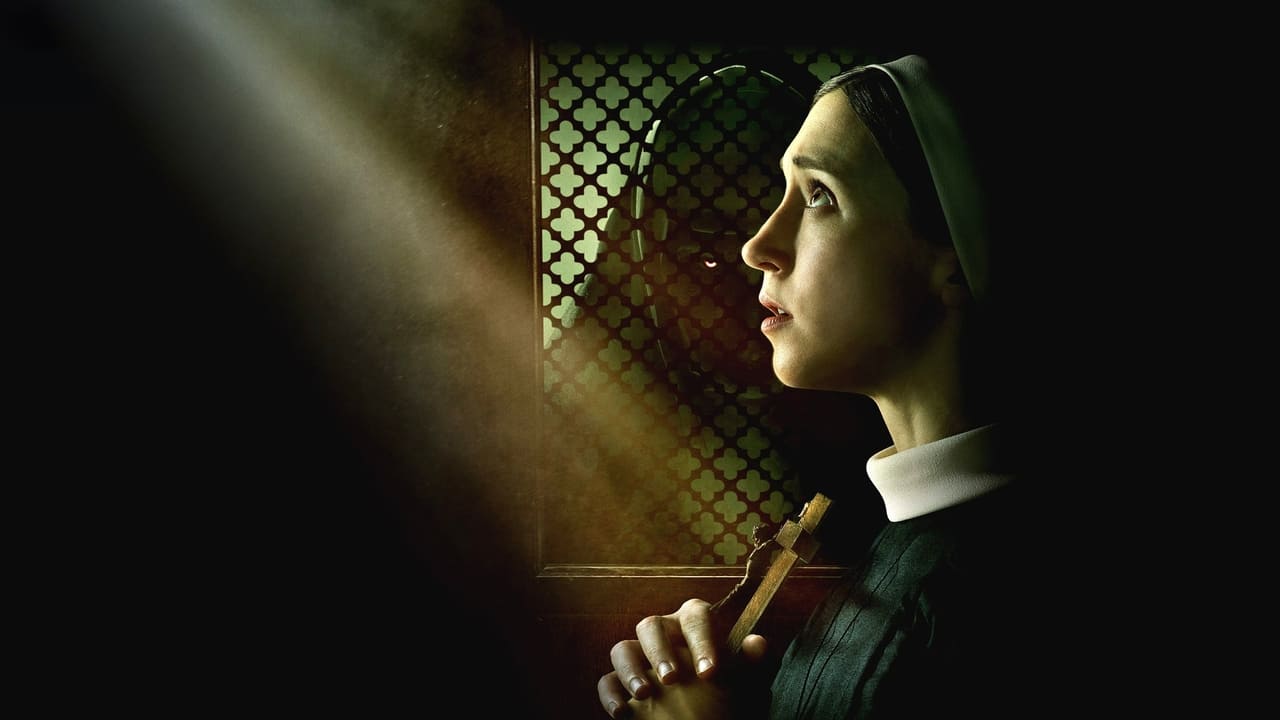
Taissa Farmiga returns as Irene, now an experienced nun reluctant to repeat an encounter that almost killed her. Debra, played by Storm Reid, is less certain that faith can supply the answer to every disturbing event. Their conversations bring doubt into a narrative otherwise filled with visibly supernatural attacks. Maurice, played again by Jonas Bloquet, has developed a bond with teacher Kate and her daughter Sophie. That relationship gives the school an everyday life before the danger becomes unmistakable. His apparent kindness and the violence committed through his body are placed in conflict, making possession a threat to people who have come to trust him.

The screenplay links the demon's pursuit to a relic associated within the story with Saint Lucy. This invented supernatural plot should not be confused with evidence concerning the historical saint or the religious provenance of any real artifact. Eyes, looking and the difficulty of recognizing a disguised presence become recurring ideas, especially when Irene must distinguish the person she remembers from an entity acting through him. Valak's familiar habit takes on an aggressive significance in settings associated with religious protection. The horror depends on the inversion of an expected symbol of care, but the victims' fear also arises from the possibility that a friend might suddenly become dangerous.

French Locations and the Midcentury Setting

Principal photography used locations around Aix-en-Provence and studio spaces in southern France. Nyby described working in a girls' school and abbey where large windows gave the lighting department plausible natural sources. The buildings offered worn stone, high ceilings and long passageways that could be made threatening without erasing their ordinary architectural purpose. In his discussion of the setting, Safran emphasized the contrast between religious grandeur and the signs of age visible in local structures. His comments explain what the producers wanted from the location; they should not be converted into claims about the actual condition of every building used for filming.

Setting the action in 1956 also allowed the production to organize suspense around paper, lamps and other physical objects rather than contemporary electronic communication. The small-town street sequence with printed magazines is especially dependent on this period environment. Its apparent simplicity is deceptive: recognizable photographs become potential carriers of an apparition when the pages turn. Elsewhere, the school provides enclosed communal space, with children and staff separated by corridors and doors. These design choices give the camera multiple routes toward a threat while requiring the viewer to remember where vulnerable people have been left. The film's production geography should remain distinct from the places its fictional religious investigation is said to visit.

Cinematography: Darkness, Windows and the Cellar

Cinematographer Tristan Nyby told American Cinematographer that his principal approach was to motivate illumination from believable sources. In daylight interiors he studied how sunlight entered through windows before adding equipment. At night, remote-controlled fixtures and smaller HMIs supplied faint exterior light across school corridors. One flashlight scene used an LED source warmed with color correction; a second flashlight operated outside the camera's view helped bounce light from the floor. The crew worked at low illumination levels with a Sony Venice 2, often recording at 3,200 ISO. These choices explain how details remain visible without making the dark rooms seem uniformly bright.

The film was photographed in a 2.39:1 frame using Panavision G, T and E series lenses, according to the ASC production account. Nyby described the abbey as an environment in which removing light could be as important as adding it, with negative fill limiting reflections that would otherwise soften the shadows. The final struggle in a wine cellar required a different strategy because performers, stunts and effects occupied a complex set. Lamps were positioned through small openings to establish selective visibility in a place with few obvious light sources. That shift toward heightened illumination was part of the supernatural climax, not evidence that the previous scenes lacked planned photographic control.

The Magazine Stand and Its Digital Apparition

One of the most distinctive attacks occurs at a streetside magazine display, where printed faces appear to assemble into the demonic nun. Chaves said the sequence began as an early idea and developed through repeated practical and digital experiments. Real wind and mechanically moved pages were used during photography, but the combination proved difficult to sustain reliably. The film's effects teams later completed intricate transformations so that the printed images could change in rhythm with the approaching figure. The scene turns ordinary commercial photographs into an unstable surface, allowing Valak to emerge from multiple fragments before the figure is fully recognized.

In an October 2023 production interview published by MPC, visual-effects supervisor Laurent Creusot and CG supervisor Bastien Brenot detailed a more extensive digital process than the finished sequence might suggest. Their team recreated 83 magazines in three dimensions, permitting individual pages to be animated and recombined. Motion-design work was followed by simulations, rendering and environmental integration. Part of the street material was filmed in Tarascon, with additional blue-screen photography and digital rebuilding of architectural details. The account establishes substantial post-production intervention without denying the practical components reported by Chaves. It is a rare, concrete record of a single scare developed across physical staging and computer imagery.

The Goat Creature and Physical Effects

The sequel gives Valak another form through a goat-like creature pursuing children at the school. Chaves described the monster in a September 2023 interview as predominantly photographed with a performer wearing practical effects. He identified a specific safety problem when the character needed to move rapidly on stairs: completing every movement with the full costume could endanger the actor. The production therefore used computer-generated feet for some action rather than requiring a dangerous physical stunt. That testimony supports a hybrid account of the creature's construction; it does not justify describing the entire monster as either a purely digital creation or wholly practical makeup.

The director also discussed the children's reactions to the costumed figure, recalling that its presence made the staged pursuit more immediate for the performers. This is his recollection of the set experience, not a measurement of how frightening the image was to all viewers. Compared with the spectral nun, the creature has weight and momentum that affect the actors' movement through the school. It can occupy hallways and descend toward its targets as a physical obstacle. The two threats allow the sequel to alternate between an apparition suggested by changing images and a creature whose body visibly advances through shared space.

Theatrical Release, Reception and Franchise Continuity

The Nun II began opening internationally on September 6, 2023, followed by a wide United States release on September 8 through Warner Bros. Its domestic opening exceeded $32 million, and the worldwide theatrical total ultimately approached $270 million. These reported grosses describe cinema ticket revenue rather than net earnings after distribution, exhibition and marketing expenses. The result showed that Valak remained a commercially valuable figure within the Conjuring franchise. The film also places Maurice's continuing ordeal within the series' chronology, although it does not establish every future event suggested by earlier installments or resolve every possible connection among the recurring characters.

Ryan Gilbey's September 2023 Guardian review was sharply critical of the repeated demonic appearances and of a mystery he found dependent on convenient explanations. By contrast, the technical testimony from Nyby and MPC identifies distinct solutions to lighting and visual-effects problems that the review does not attempt to assess in detail. These viewpoints answer different questions: one evaluates the released story and its scares, while the others document how specific images were made. The sequel is therefore best situated as a commercially prominent continuation with well-attested craft choices, not as evidence that it changed the direction of supernatural horror. Its most distinctive contribution within the series lies in the expansion of Valak's forms and the physical world used to stage them.

References

  1. SAMDB News Q&A: Peter Safran, Producer The Nun II

    Original producer interview describing Chaves's recruitment, Maurice's continuing storyline, Akela Cooper's introduction of Sister Debra and the choice of French religious settings.

  2. American Society of Cinematographers The Nun II: Unholy Occurrences

    Peter Tonguette's October 2023 technical interview with Tristan Nyby on French locations, Sony Venice 2 photography, practical illumination, low-light exposure and the cellar finale.

  3. The AU Review Interview: Director Michael Chaves on conjuring The Nun II

    Peter Gray's September 2023 firsthand interview describing physical and digital approaches to the magazine stand and the goat creature, including the safety reasons for digital feet.

  4. MPC Paris ART OF VFX | The Nun II: Interview with MPC and BUF teams

    October 2023 effects-team testimony documenting the 83 digitally constructed magazines, page simulations, Tarascon photography and extensive post-production work on the kiosk sequence.

  5. The Guardian The Nun II review - second dose of clerical horror is a demonic dead end

    Ryan Gilbey's September 7, 2023 contemporary review questioning the sequel's investigation, repeated appearances of Valak and use of established franchise conventions.

Connections

Cast

View Full Cast & Crew →

Release & Distribution

Production Companies (3)

  • Atomic Monster US
  • New Line Cinema US
  • The Safran Company US

Distributors (3)

  • InterCom HU
  • Warner Bros. France FR
  • Warner Bros. Pictures US

Release History (64)

Release DateTerritoryRelease TypeFormatDistributorCertificationNotes
2023-09-06 Indonesia Theatrical — — —
2023-09-06 Italy Theatrical — — 14+
2023-09-06 Mexico Theatrical — — B-15
2023-09-06 Philippines Theatrical — — —
2023-09-07 United Arab Emirates Theatrical — — —
2023-09-07 Argentina Theatrical — — —
2023-09-07 Australia Theatrical — — M
2023-09-07 Azerbaijan Theatrical — — —
2023-09-07 Brazil Theatrical — — 16
2023-09-07 Czechia Theatrical — — 15+
2023-09-07 Denmark Theatrical — — 15
2023-09-07 Ecuador Theatrical — — —
2023-09-07 Greece Theatrical — — K18
2023-09-07 Hong Kong SAR China Theatrical — — IIB
2023-09-07 Israel Theatrical — — 14
2023-09-07 Kazakhstan Theatrical — — —
2023-09-07 Macao SAR China Theatrical — — C
2023-09-07 Netherlands Theatrical — — 16
2023-09-07 Puerto Rico Theatrical — — R
2023-09-07 Portugal Theatrical — — M/16
2023-09-07 Singapore Theatrical — — NC16
2023-09-07 Slovenia Theatrical — — —
2023-09-07 Slovakia Theatrical — — 15
2023-09-07 Thailand Theatrical — — 15
2023-09-07 Taiwan Theatrical — — 12+
2023-09-07 Ukraine Theatrical — — —
2023-09-08 Canada Theatrical — — —
2023-09-08 Estonia Theatrical — — —
2023-09-08 Spain Theatrical — — 16
2023-09-08 Finland Theatrical — — K-16
2023-09-08 United Kingdom Theatrical — — 15
2023-09-08 Ireland Theatrical — — 16
2023-09-08 Iceland Theatrical — — —
2023-09-08 Norway Theatrical — — 15
2023-09-08 Panama Theatrical — — —
2023-09-08 Poland Theatrical — — 16
2023-09-08 Romania Theatrical — — 18
2023-09-08 Sweden Theatrical — — 15
2023-09-08 Türkiye Theatrical — — 16+
2023-09-08 United States Theatrical — — R
2023-09-08 Vietnam Theatrical — — —
2023-09-13 Belgium Theatrical — — 18
2023-09-13 France Theatrical — — 12
2023-09-21 Austria Theatrical — — —
2023-09-21 Germany Theatrical — — 16
2023-09-27 South Korea Theatrical — — 15
2023-10-03 Puerto Rico Digital — — R
2023-10-03 United States Digital — — R
2023-10-13 Japan Theatrical — — PG12
2023-10-22 Brazil Digital — — 16
2023-10-25 Hungary Digital — — 18 TVOD
2023-10-27 Mexico Digital — — B-15 HBO Max
2023-10-27 Puerto Rico Digital — — R Max
2023-10-27 Slovakia Digital — — 15 MAX
2023-10-27 United States Digital — — R Max
2023-10-28 Puerto Rico TV — — R HBO
2023-10-28 United States TV — — R HBO
2023-11-14 Puerto Rico Physical 4K UHD, DVD, Blu-ray — R 4K Ultra HD / Blu-ray / DVD
2023-11-14 United States Physical 4K UHD, DVD, Blu-ray — R 4K Ultra HD / Blu-ray / DVD
2023-11-20 United Kingdom Physical 4K UHD, DVD, Blu-ray — 15 4K Ultra HD, Blu-ray & DVD
2023-12-01 New Zealand Digital — — R16
2024-01-24 France Physical 4K UHD, DVD, Blu-ray — 12 DVD, Blu-Ray & 4K UHD
2024-07-12 United Kingdom Digital — — 15 Sky Cinema/Now TV
2026-01-13 Germany Digital — — 16 HBO Max
Confess your sins.