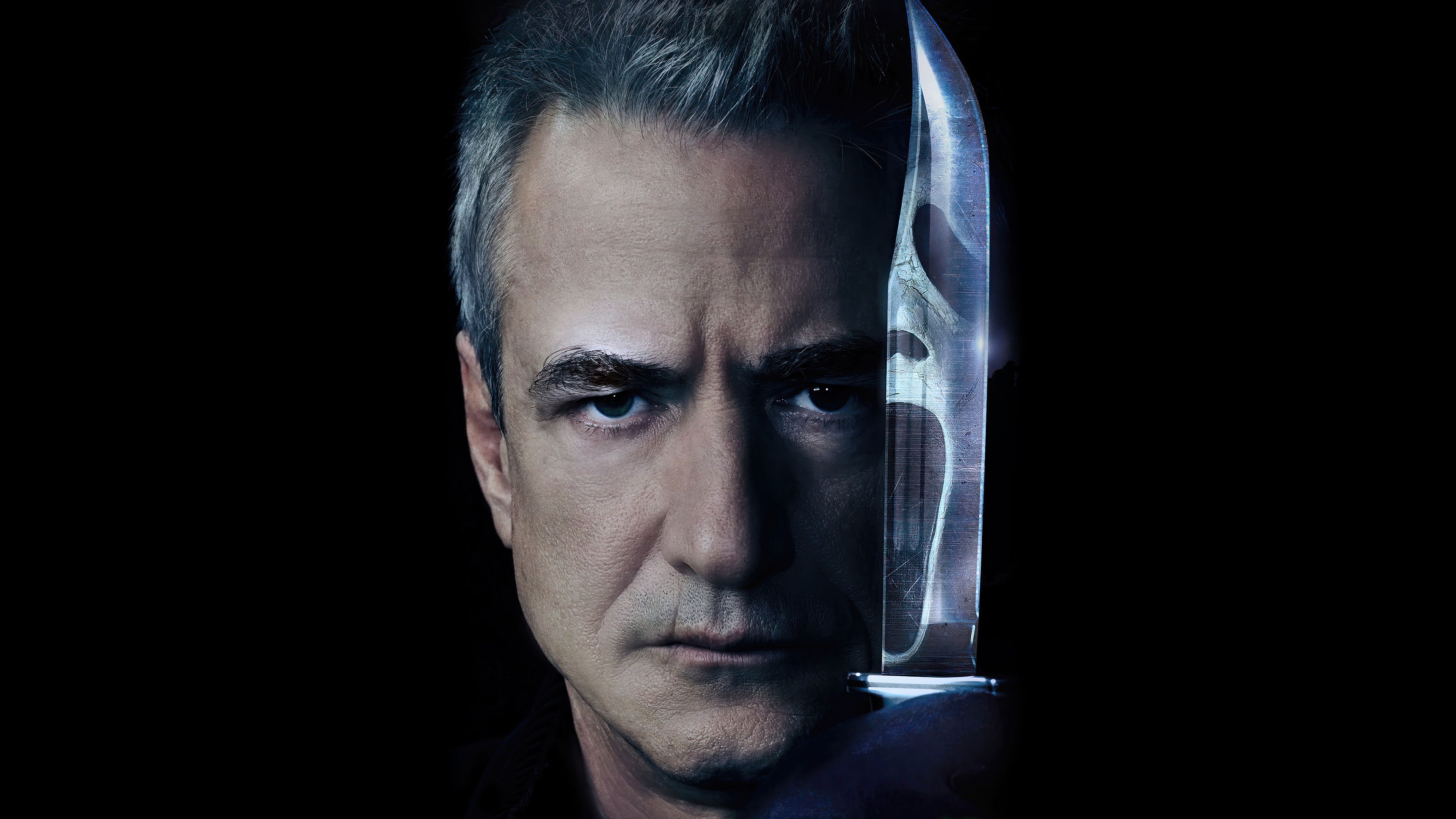
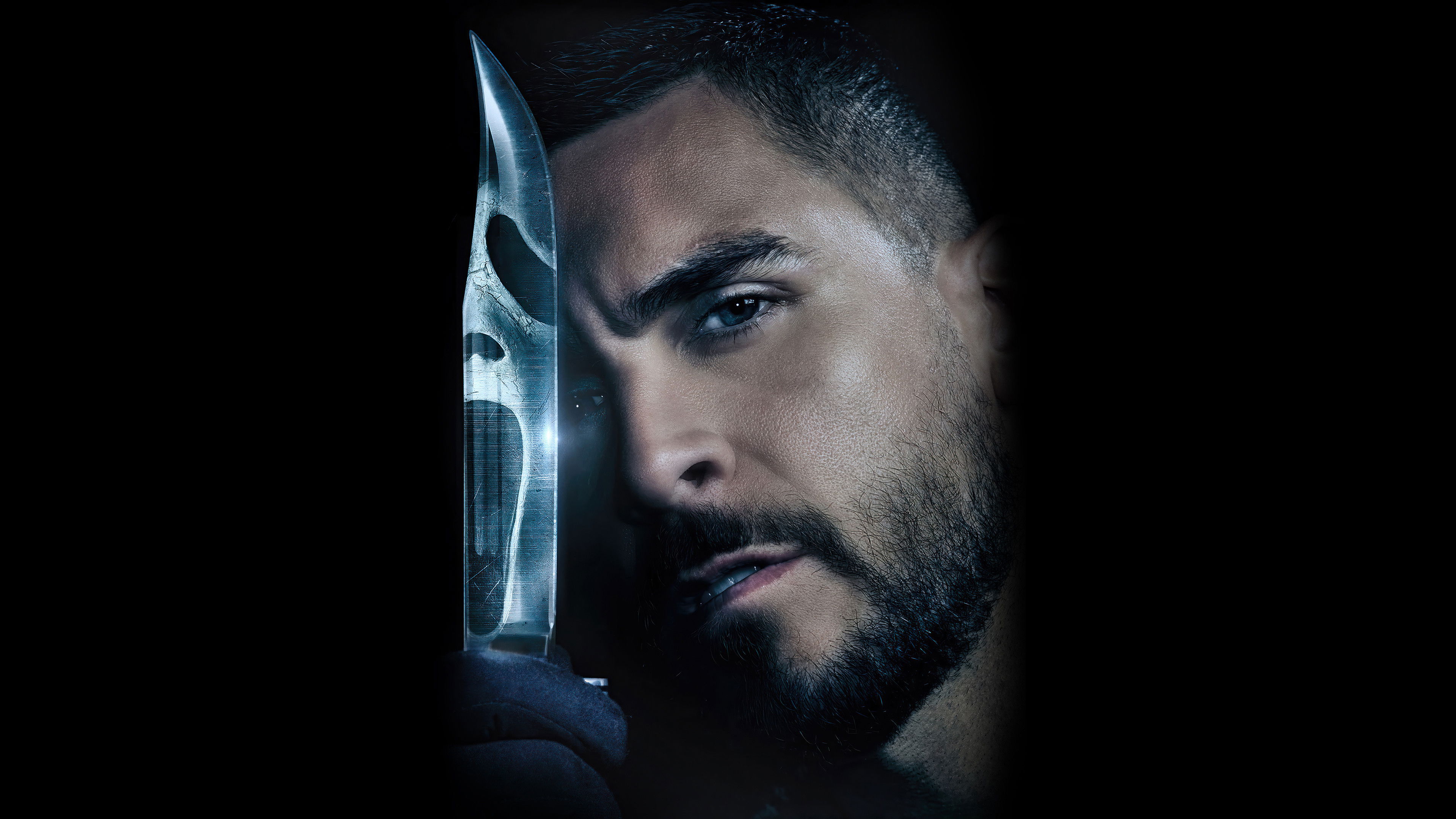
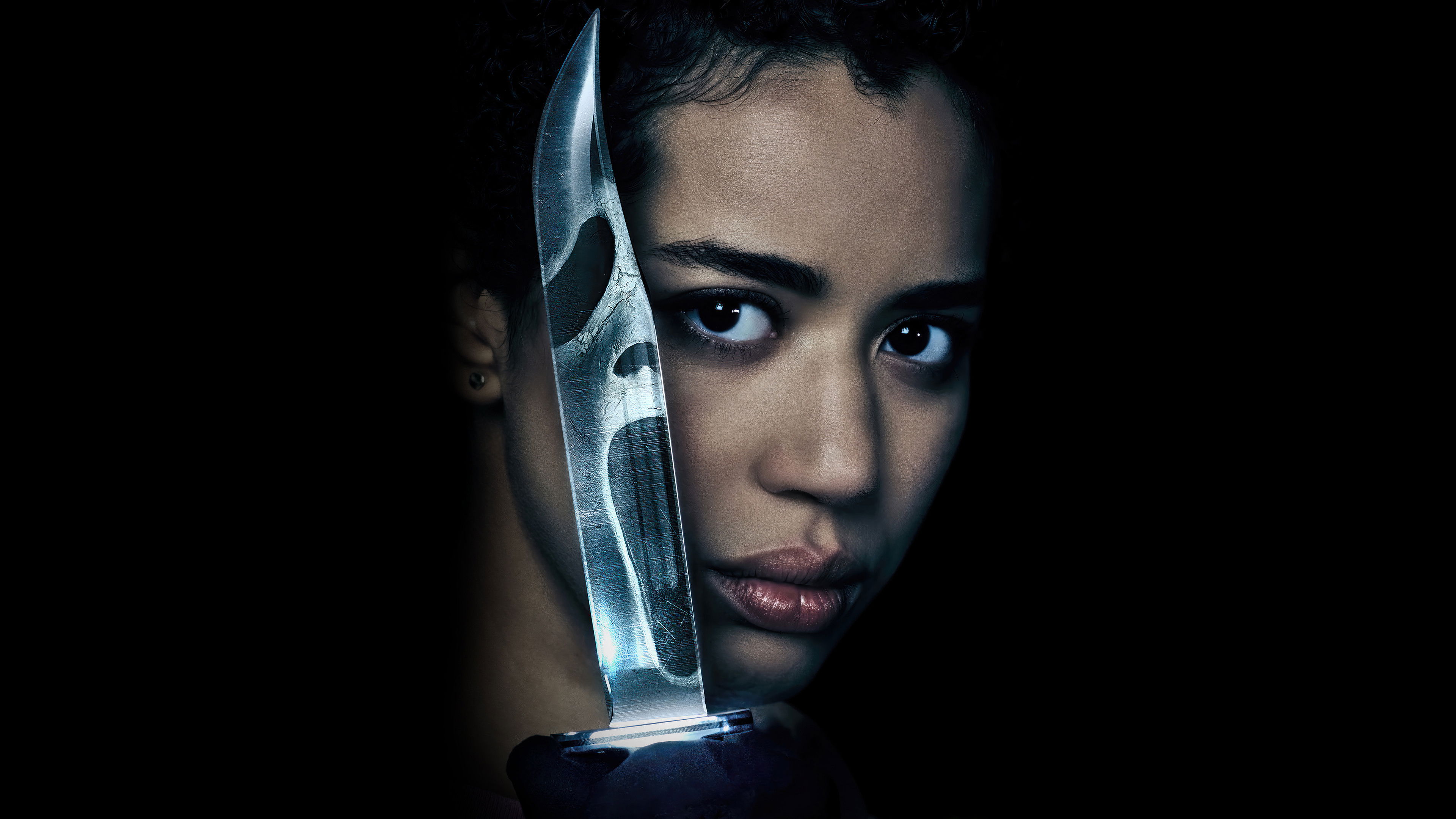
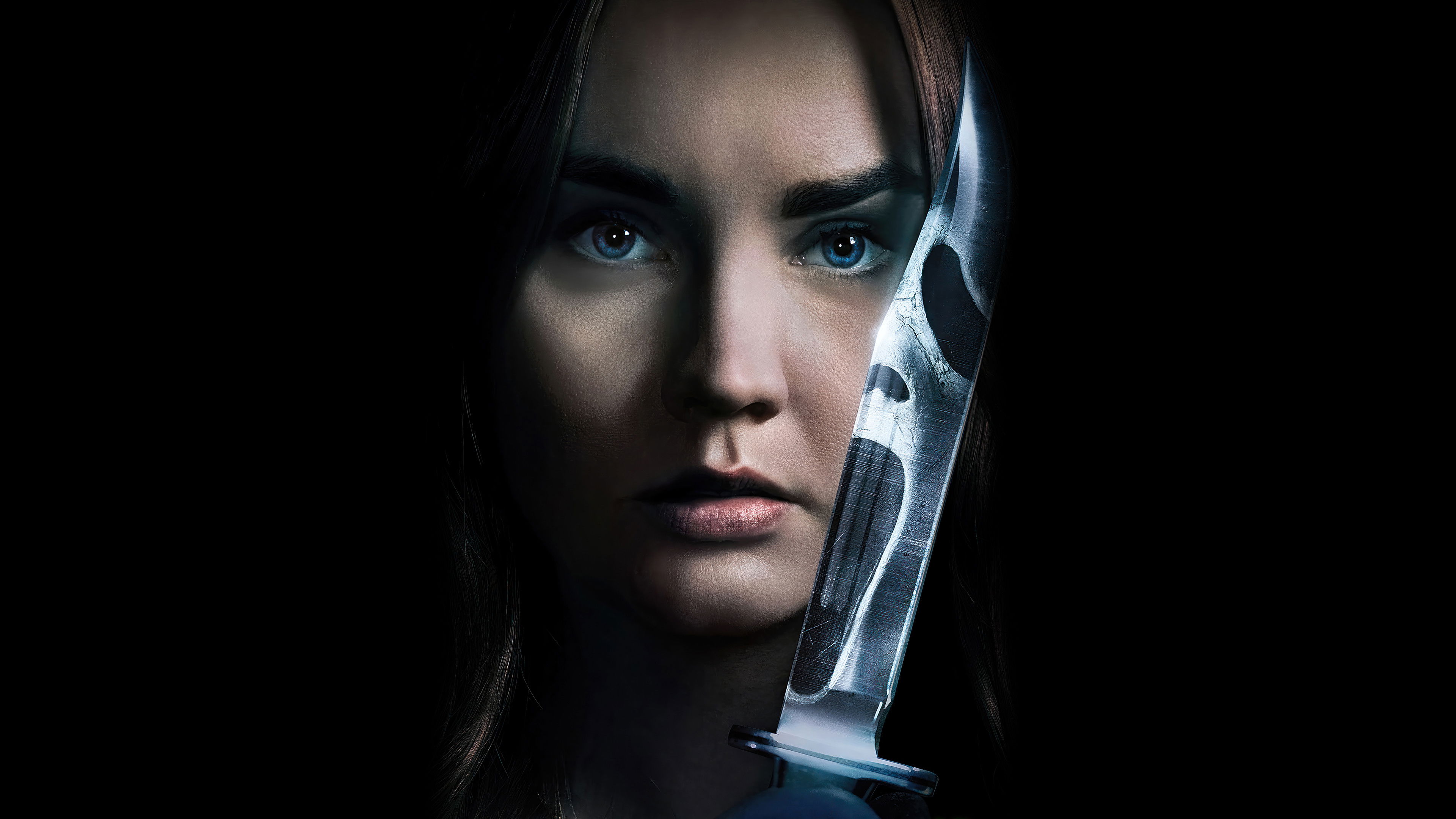
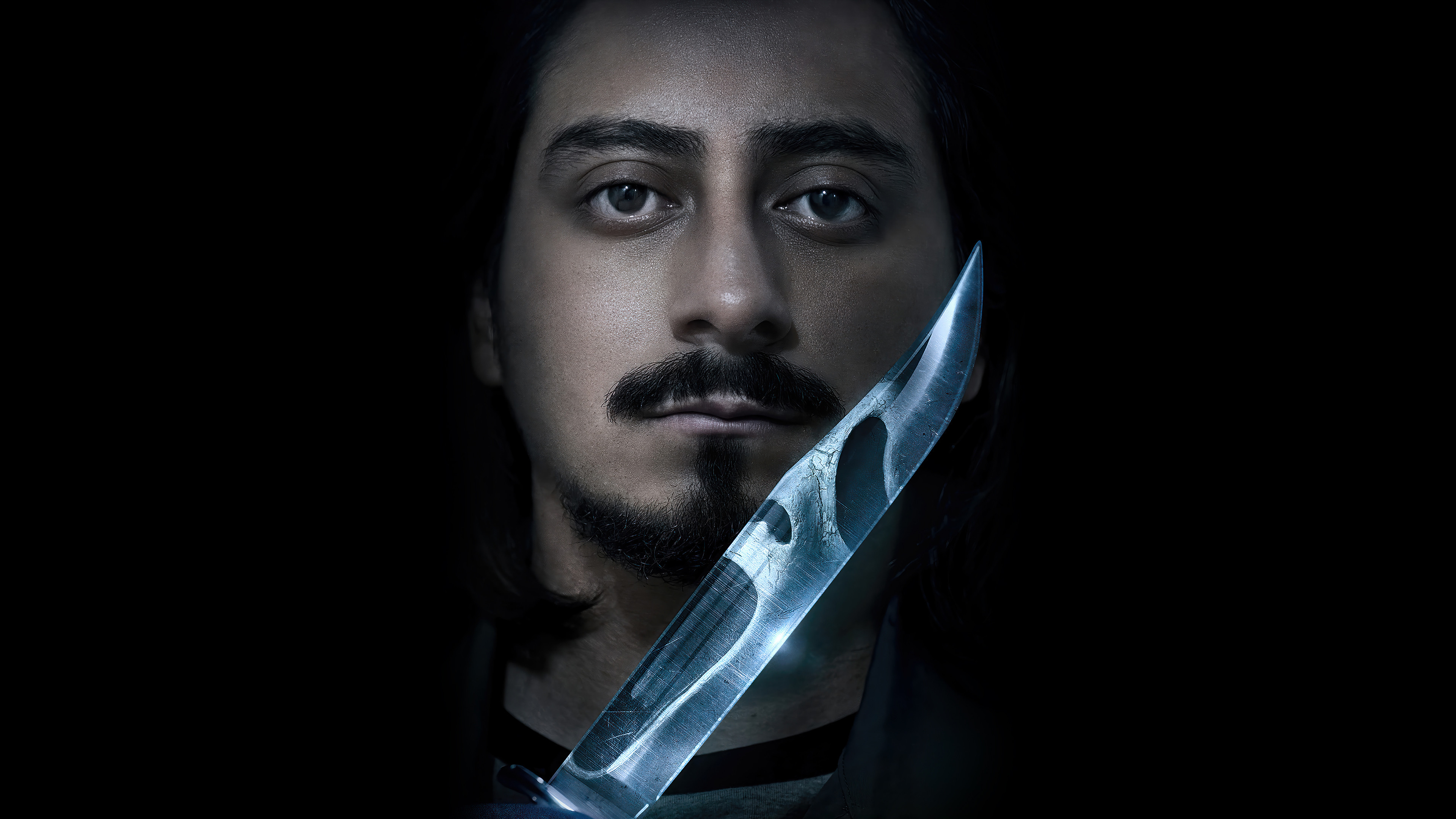
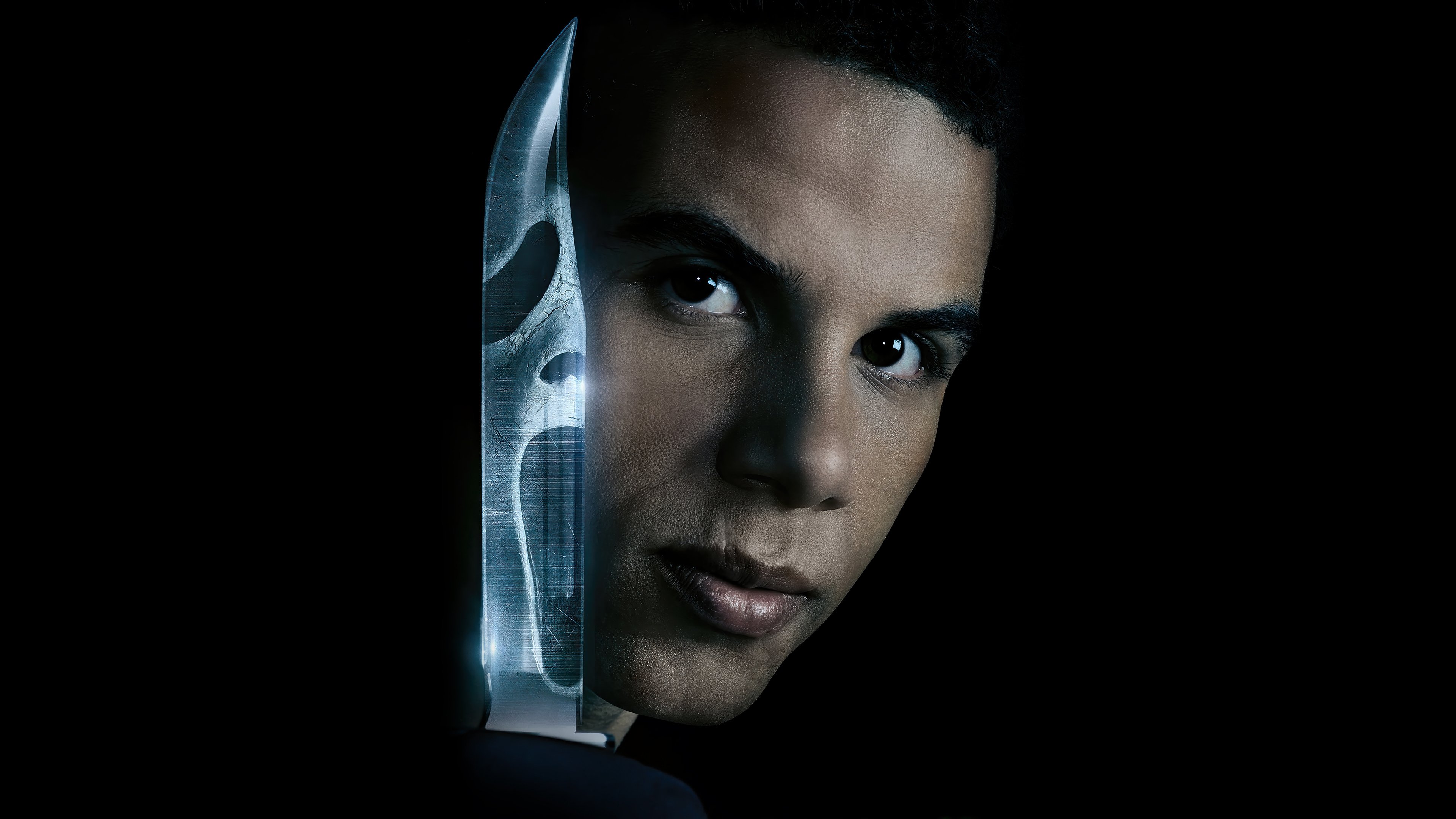
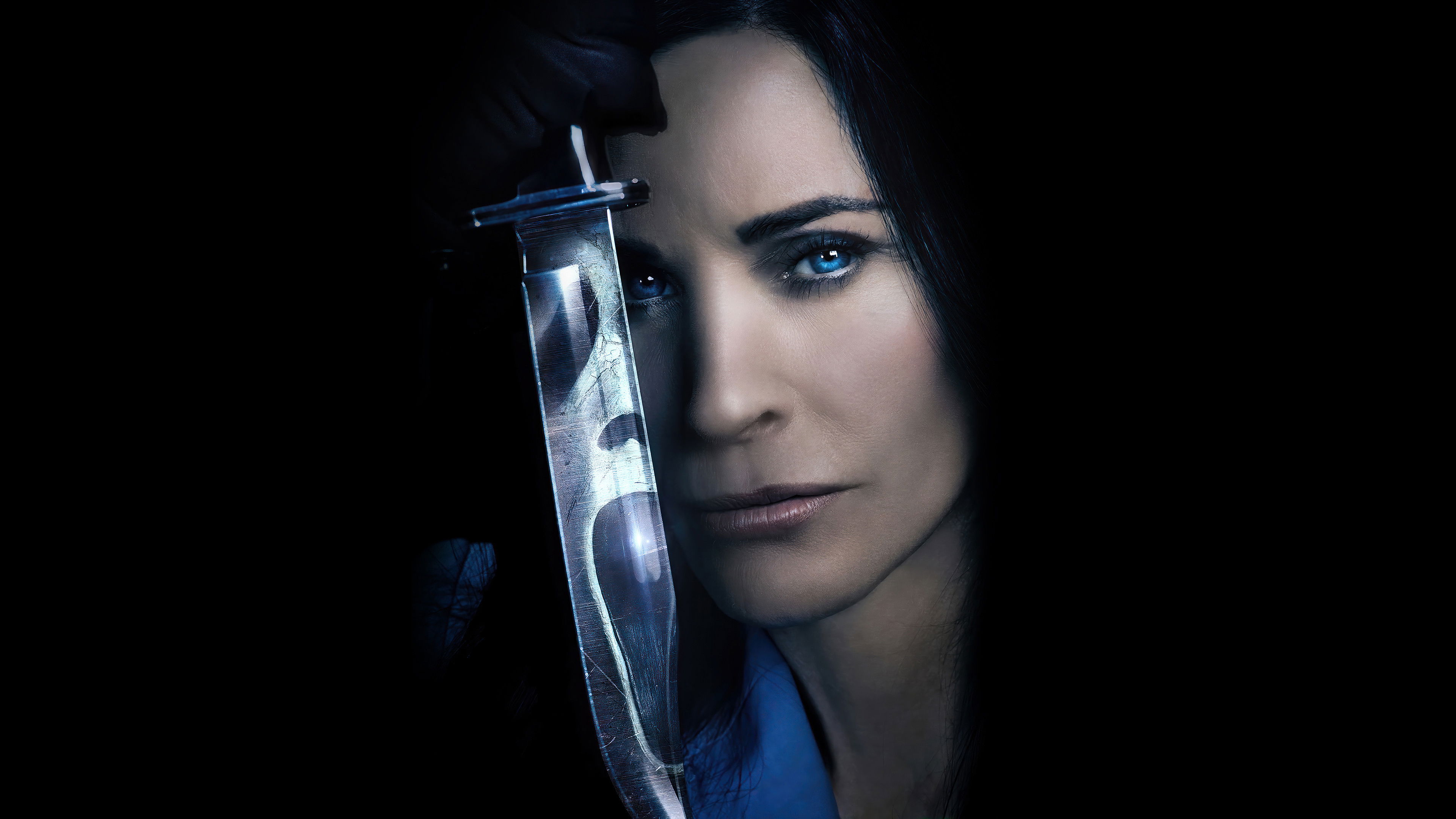
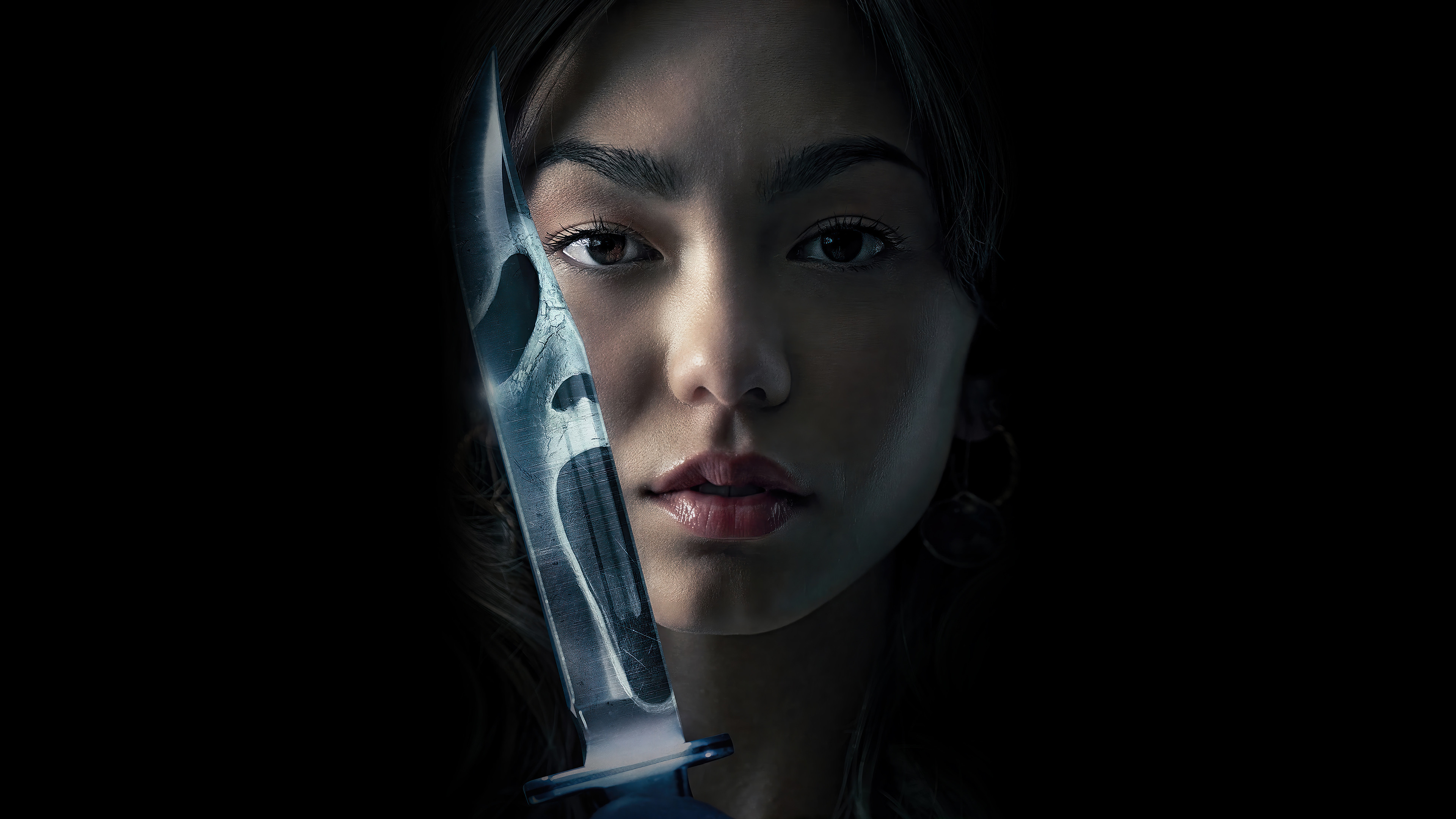
Radio Silence
, Project X Entertainment
, Spyglass Media Group
, Paramount Pictures
Plot
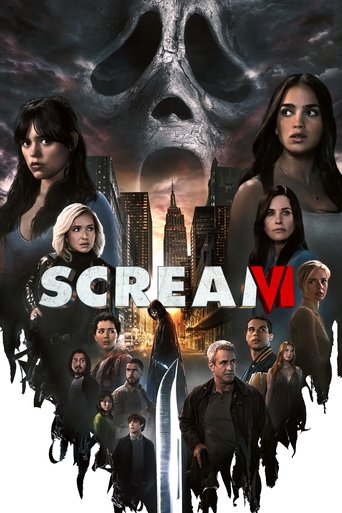
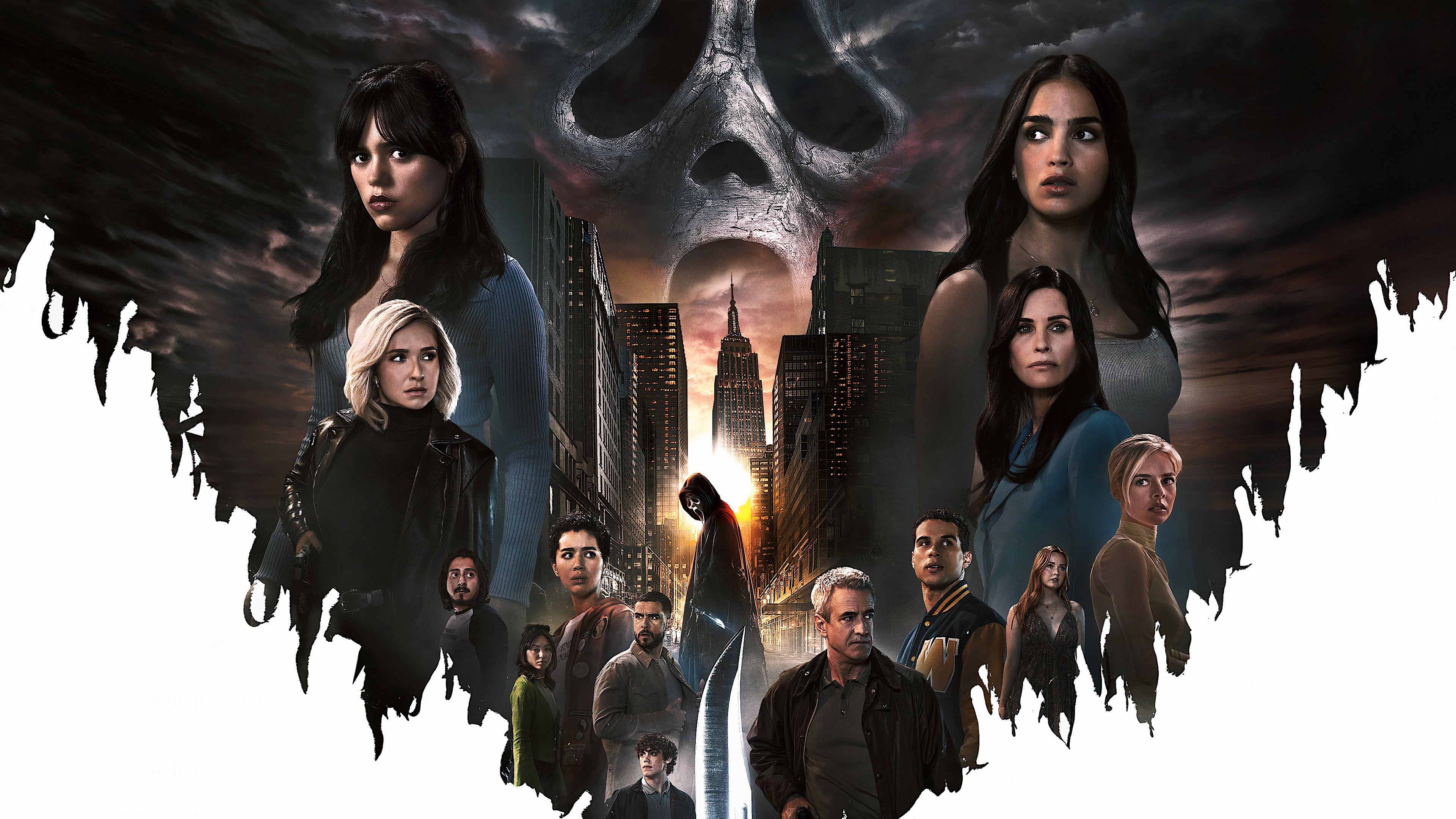
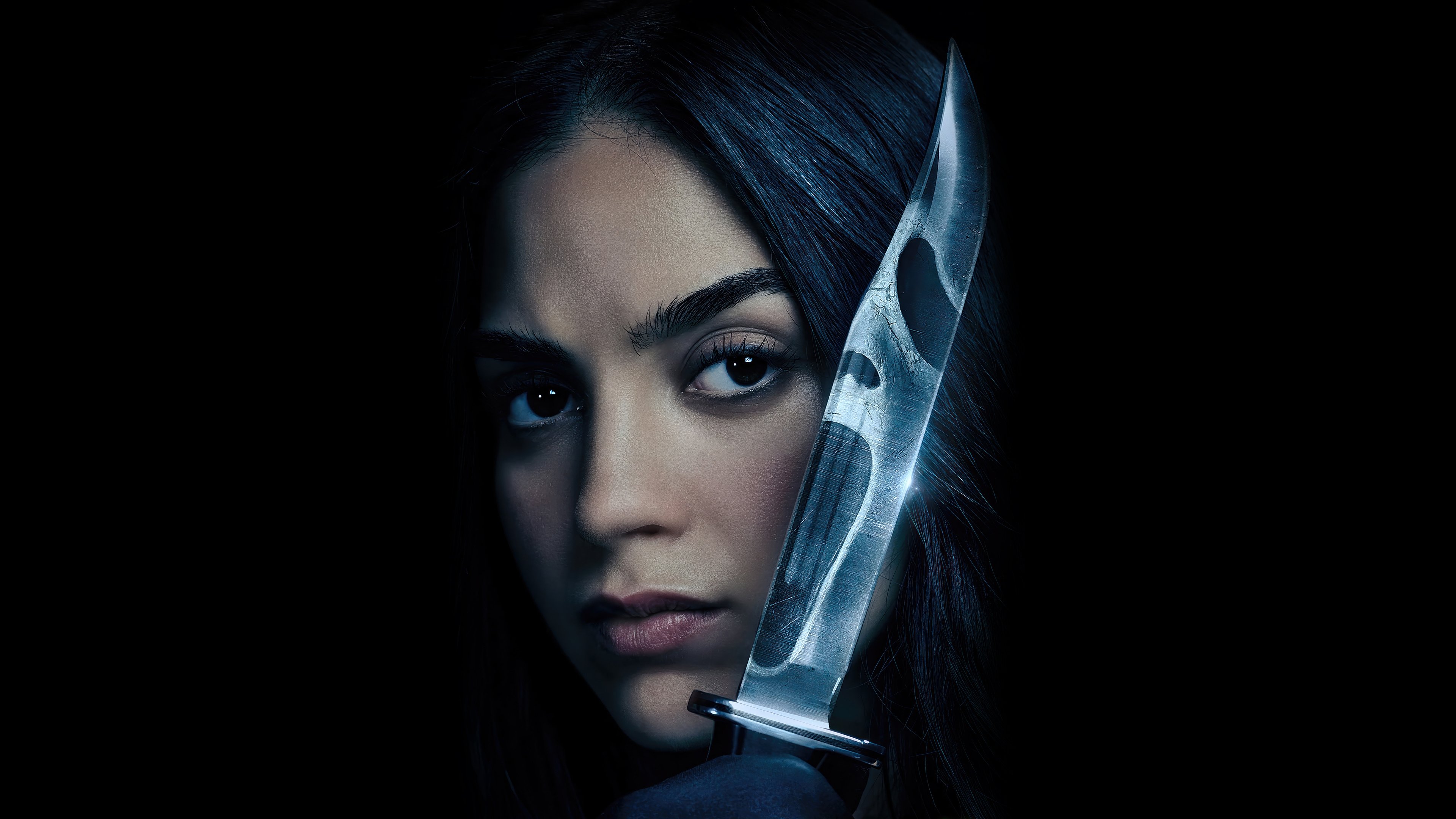
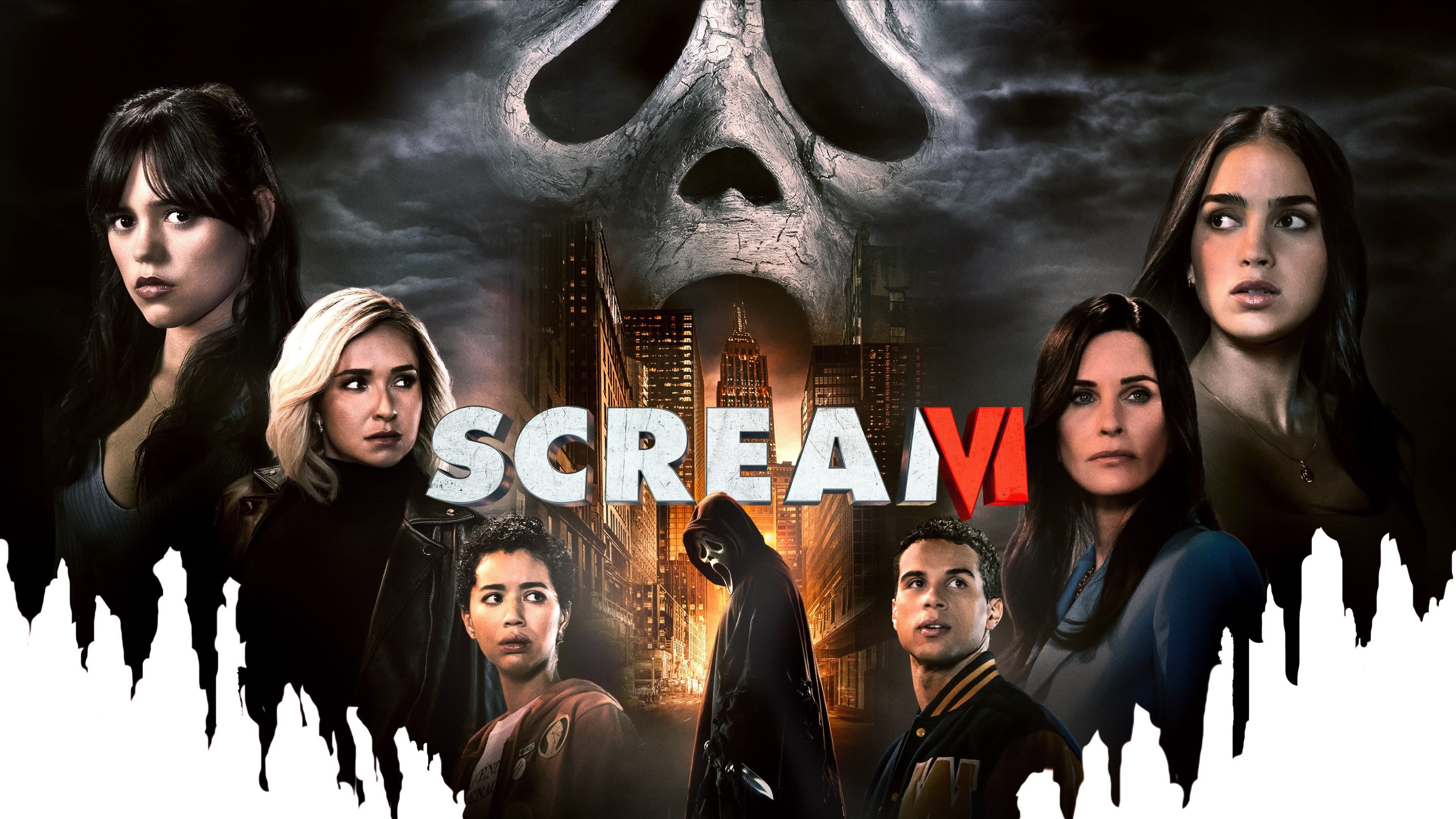
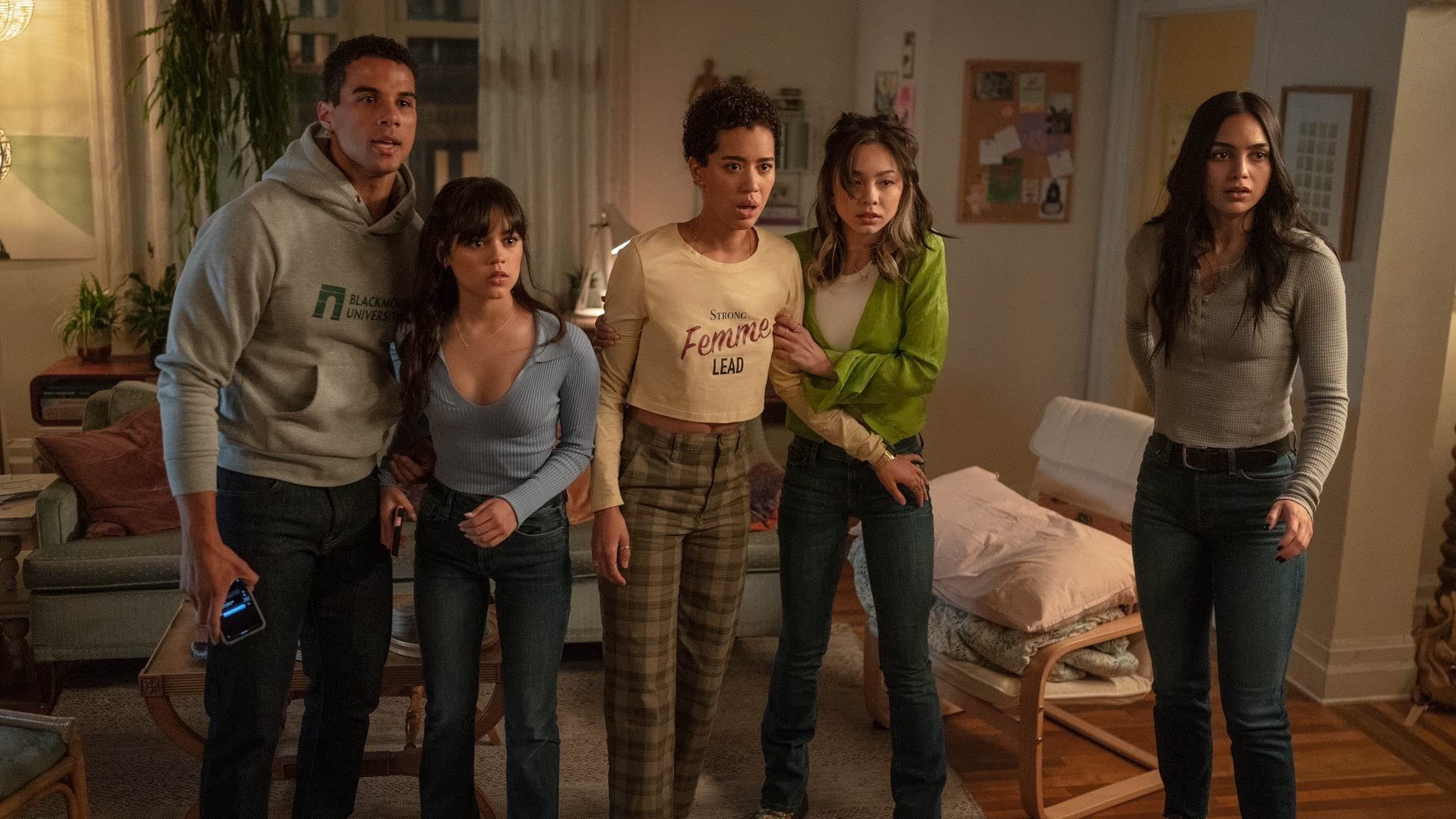
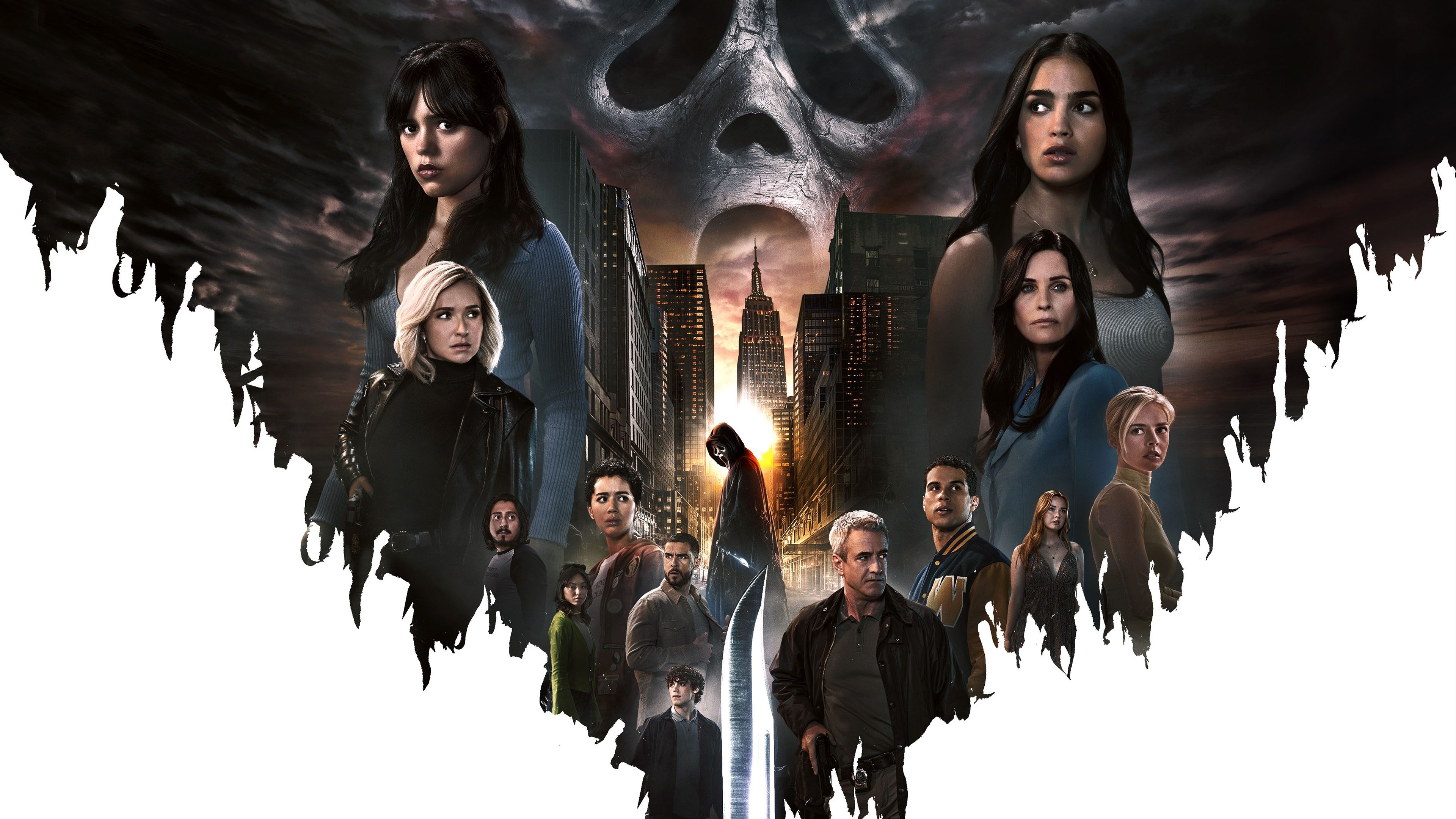
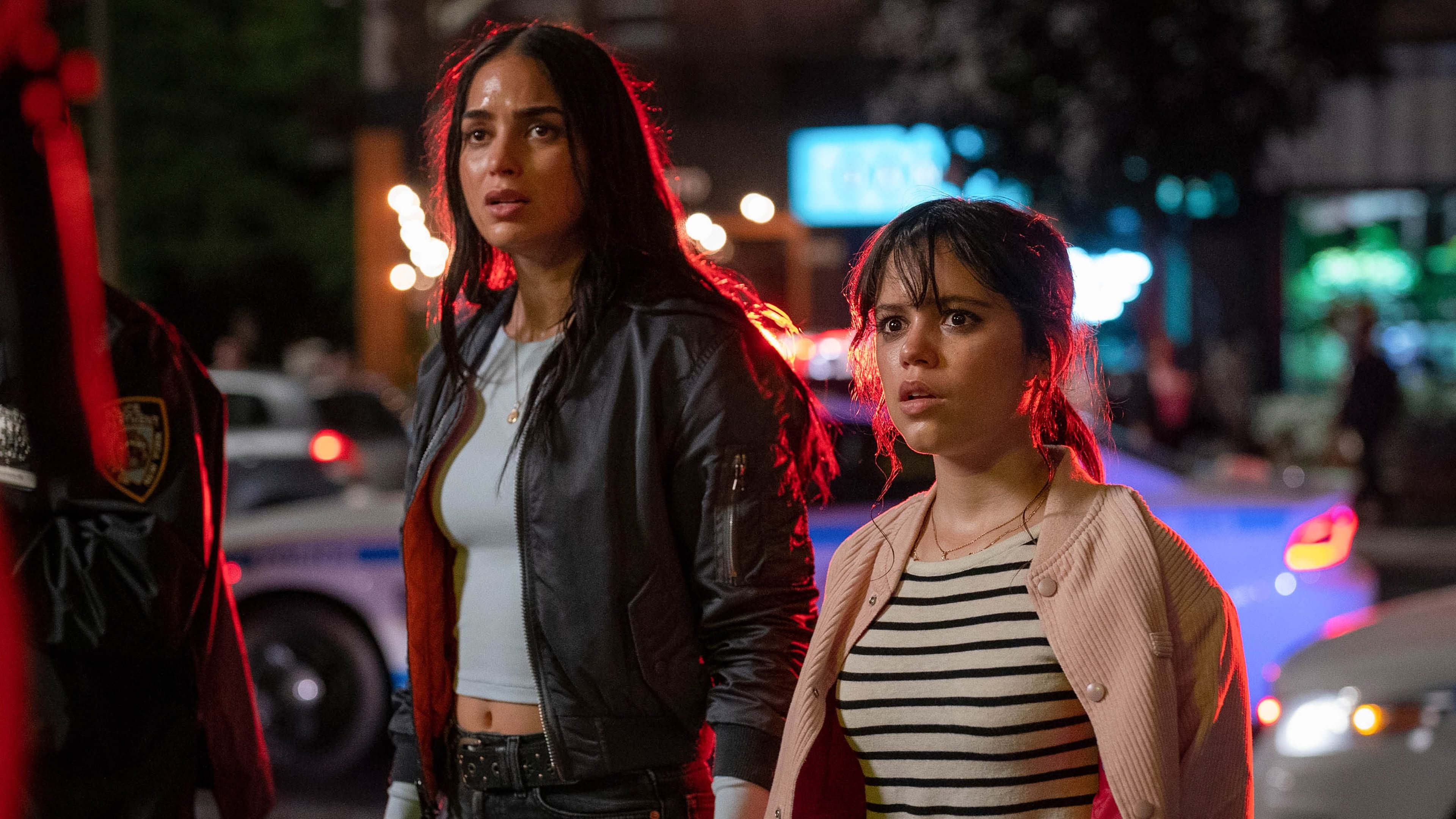
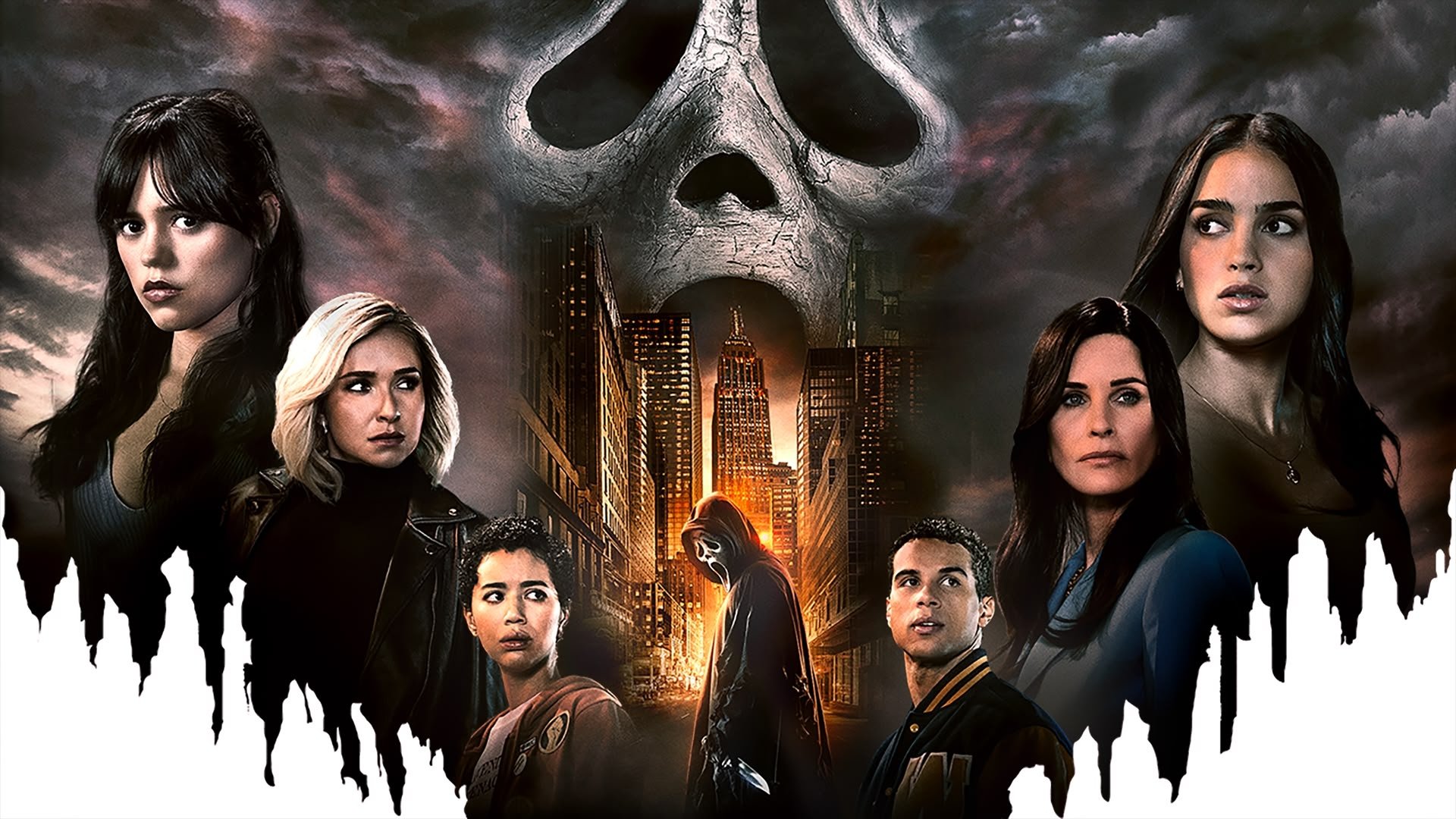
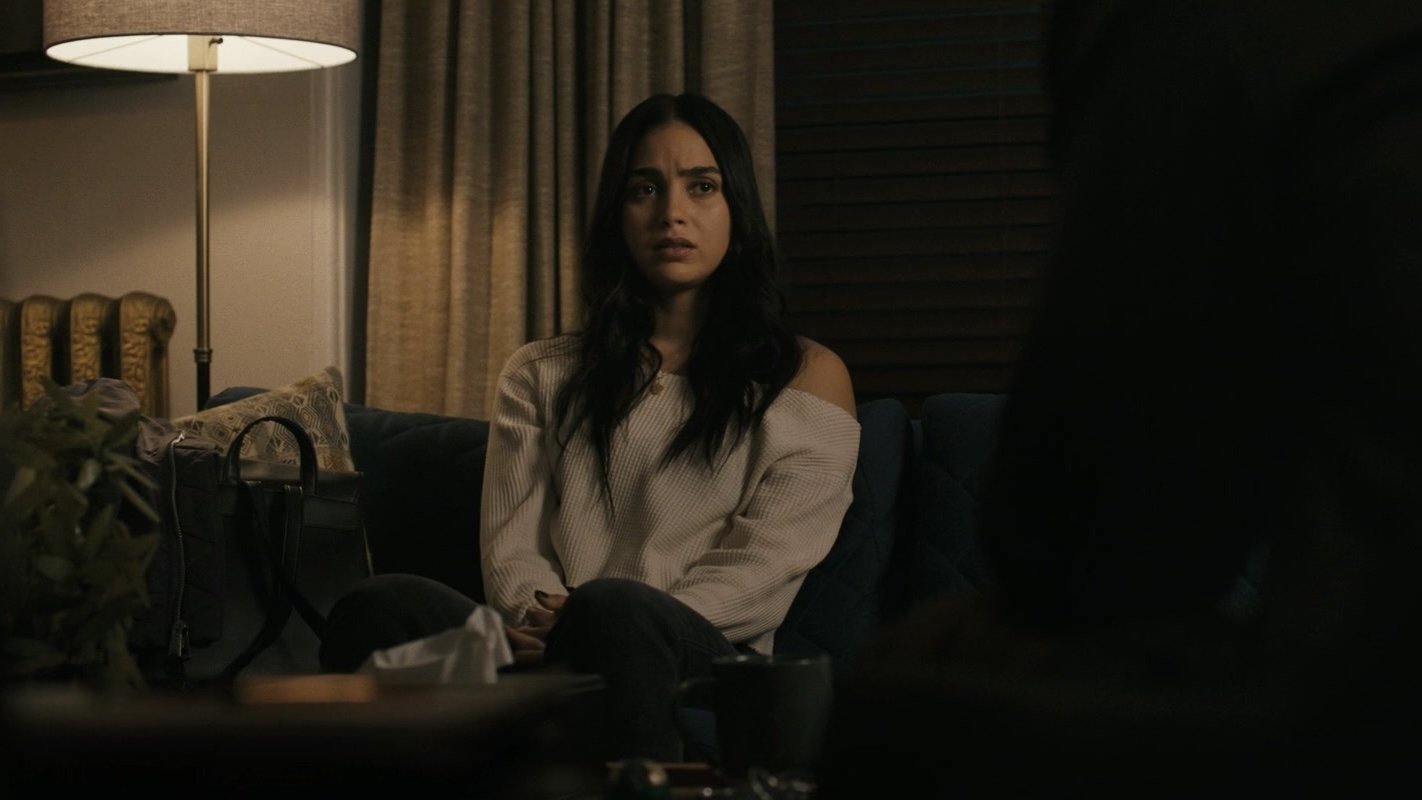
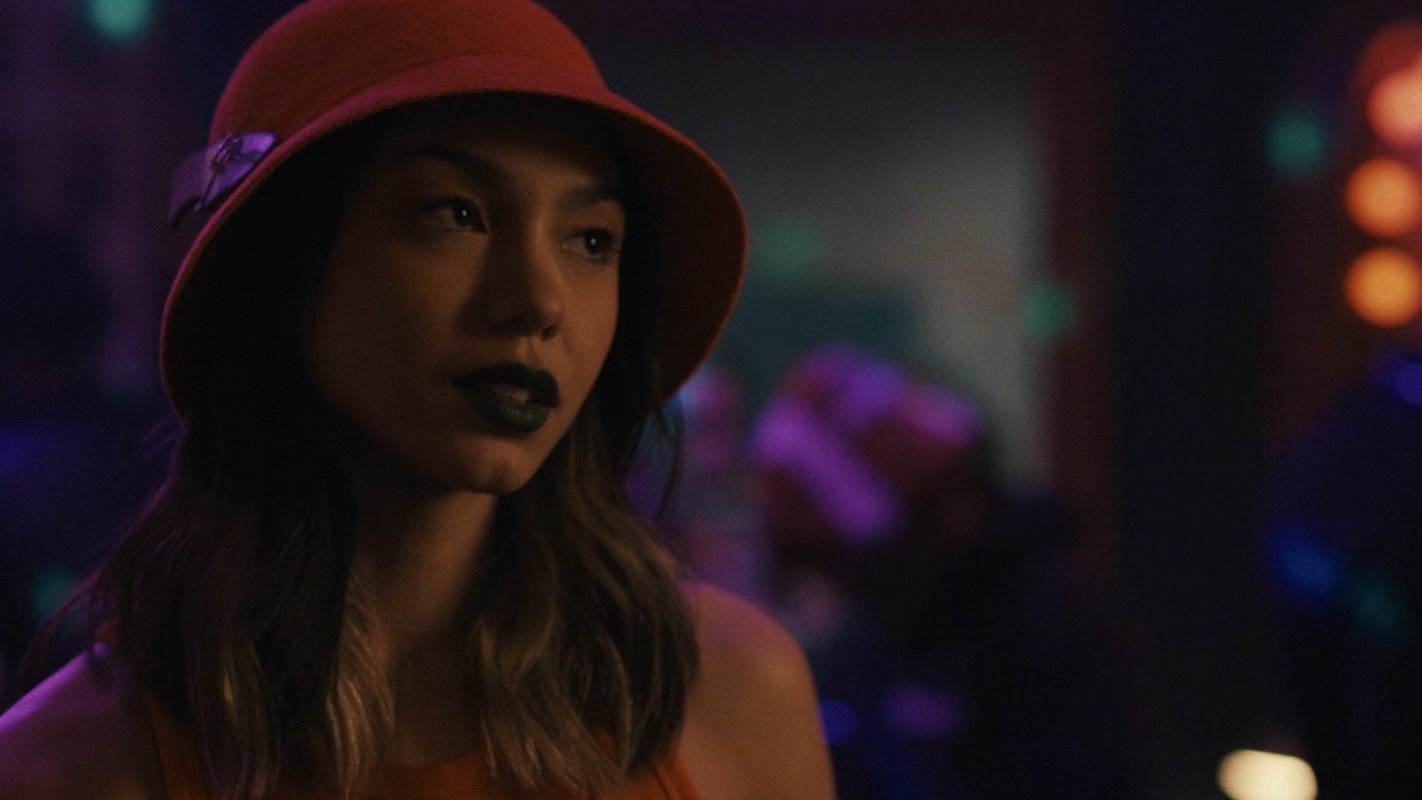
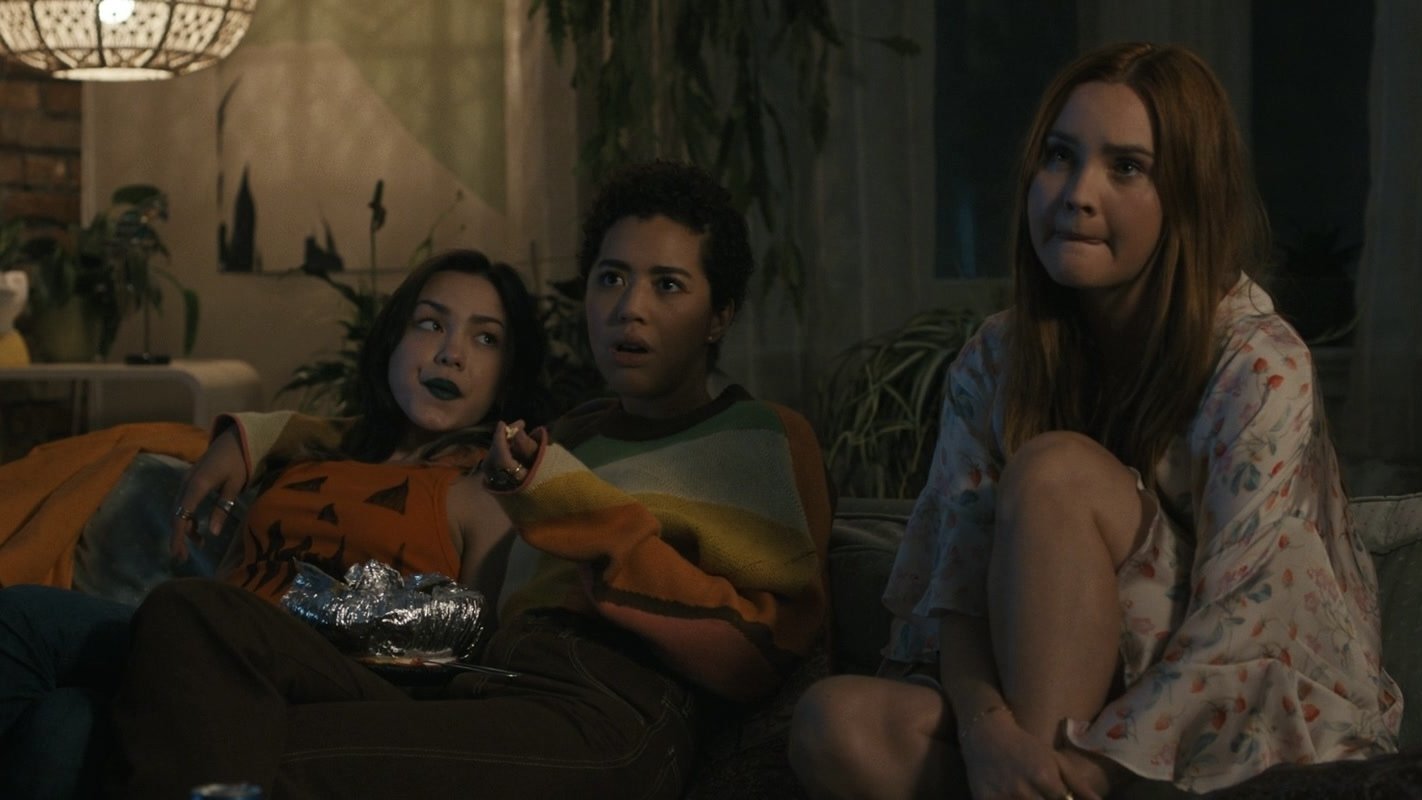
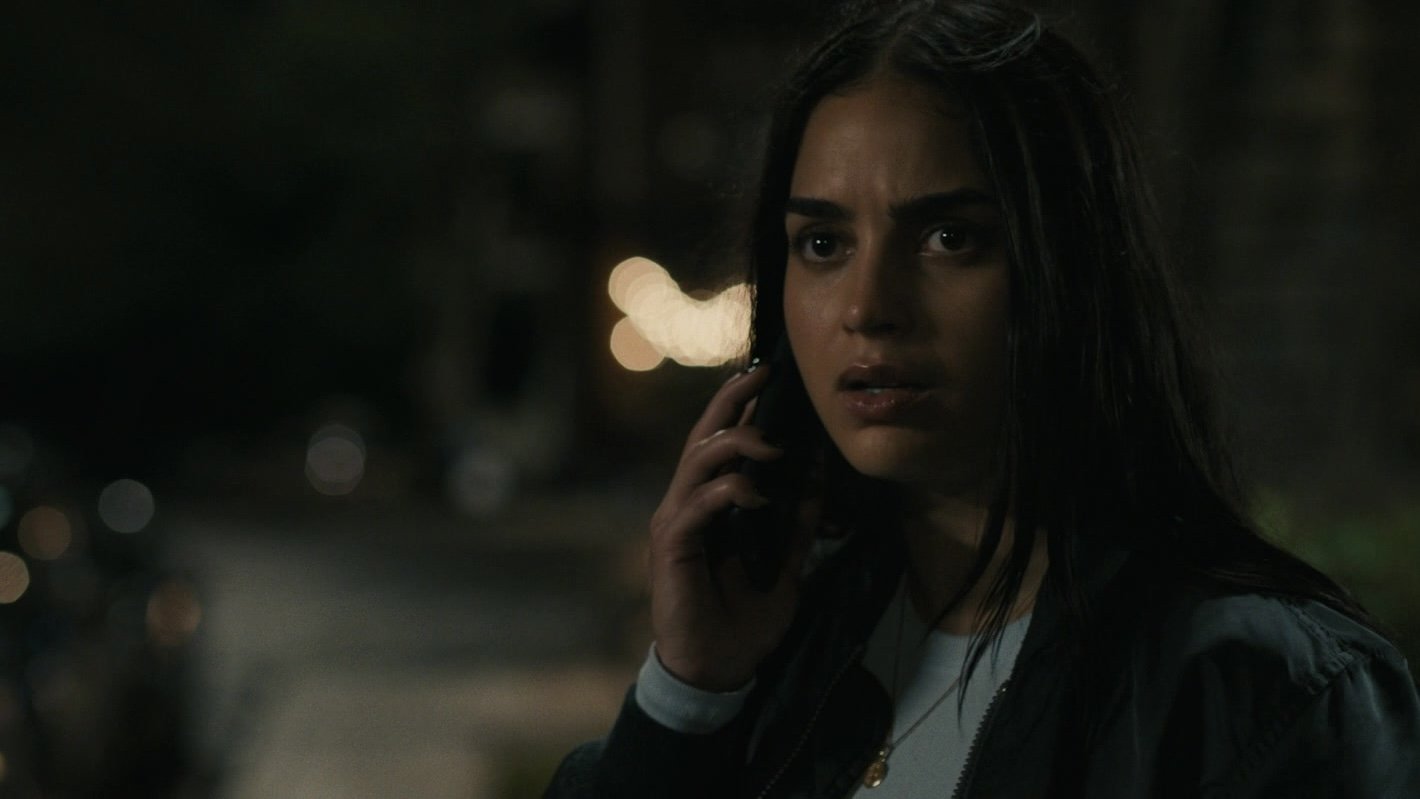
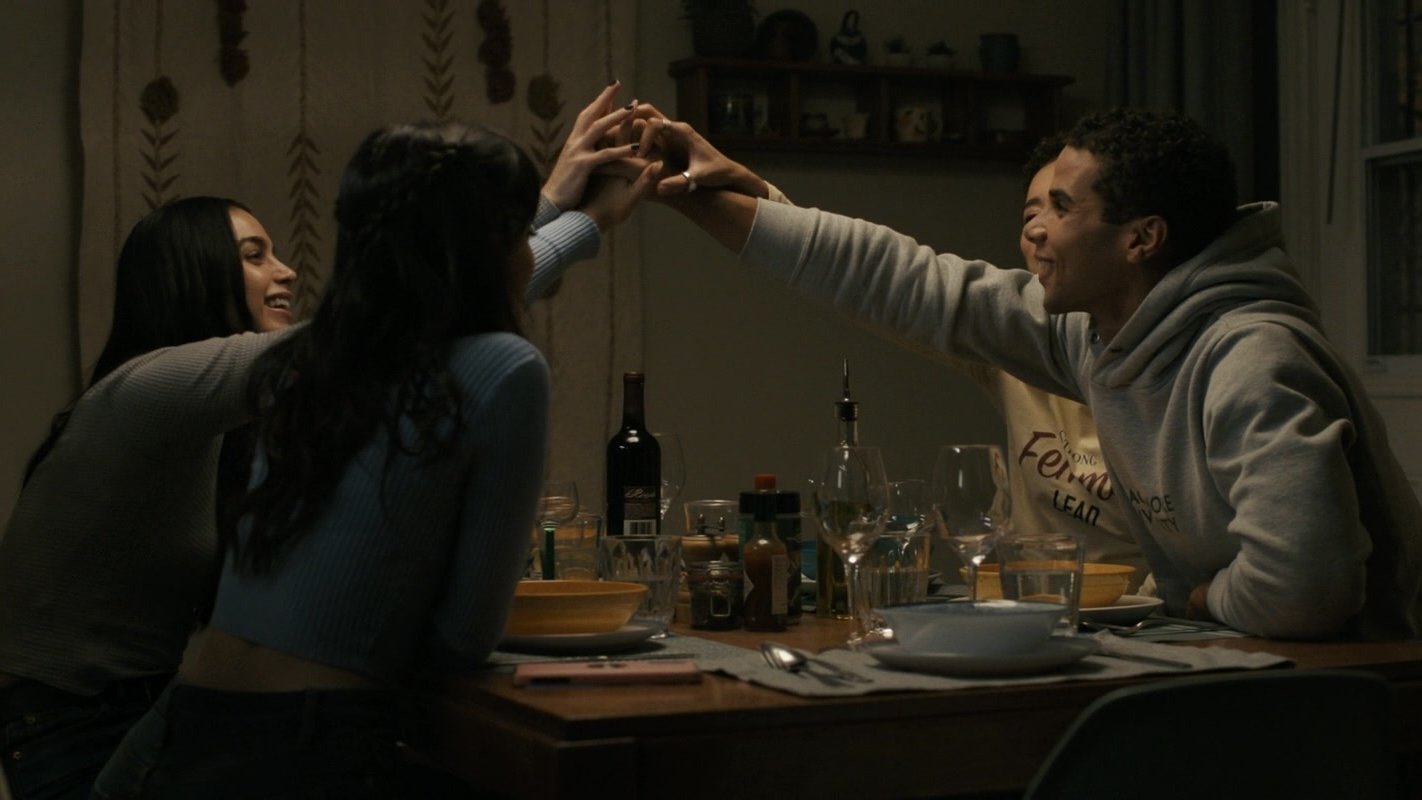
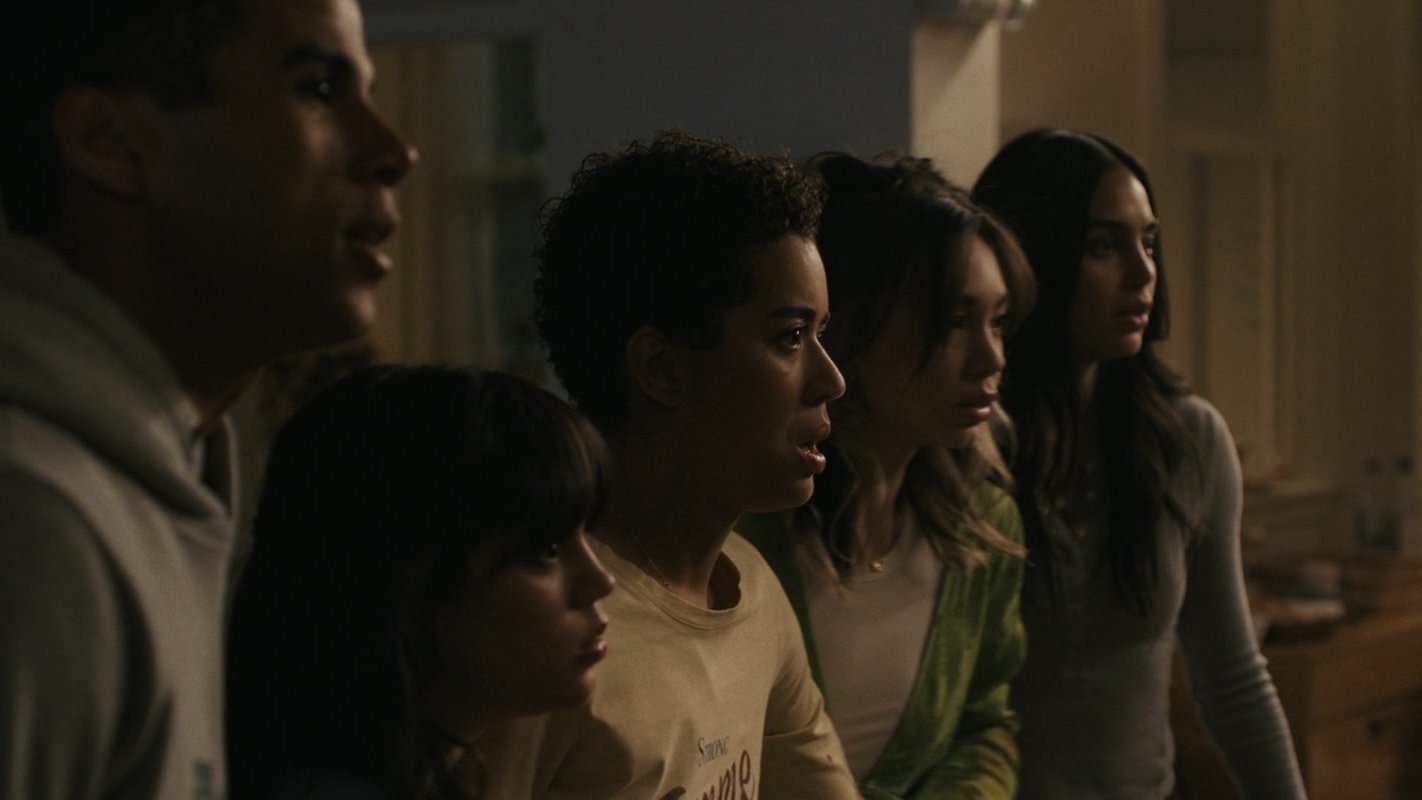
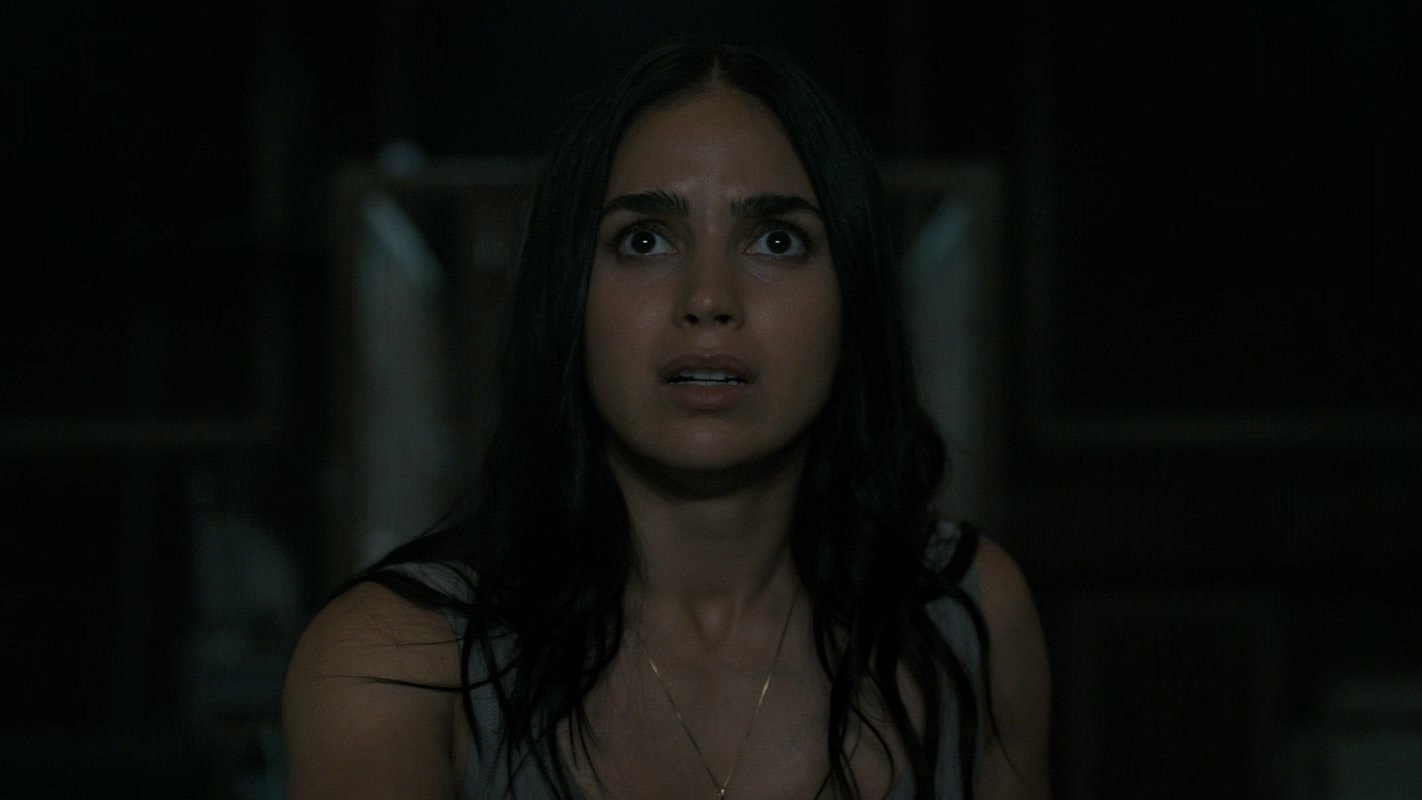
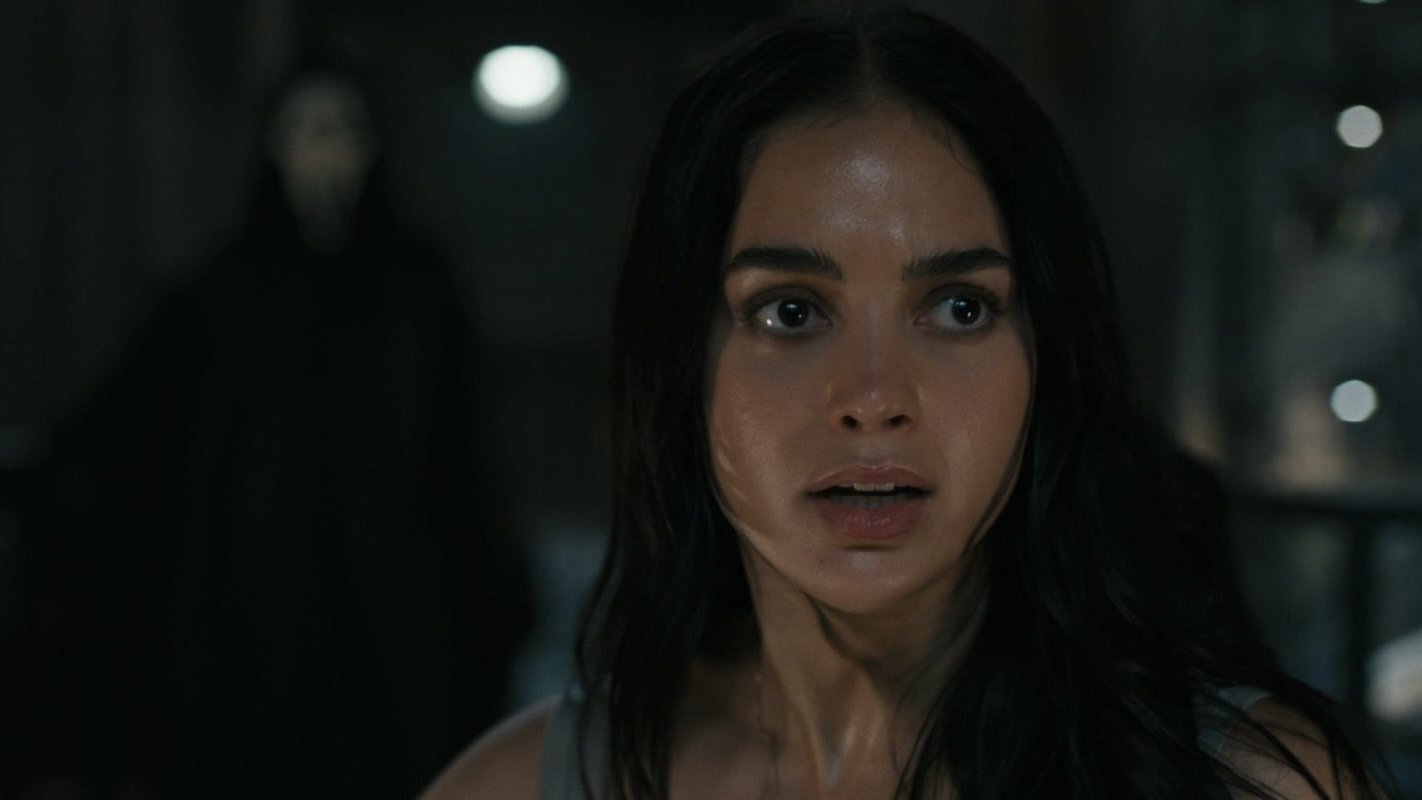
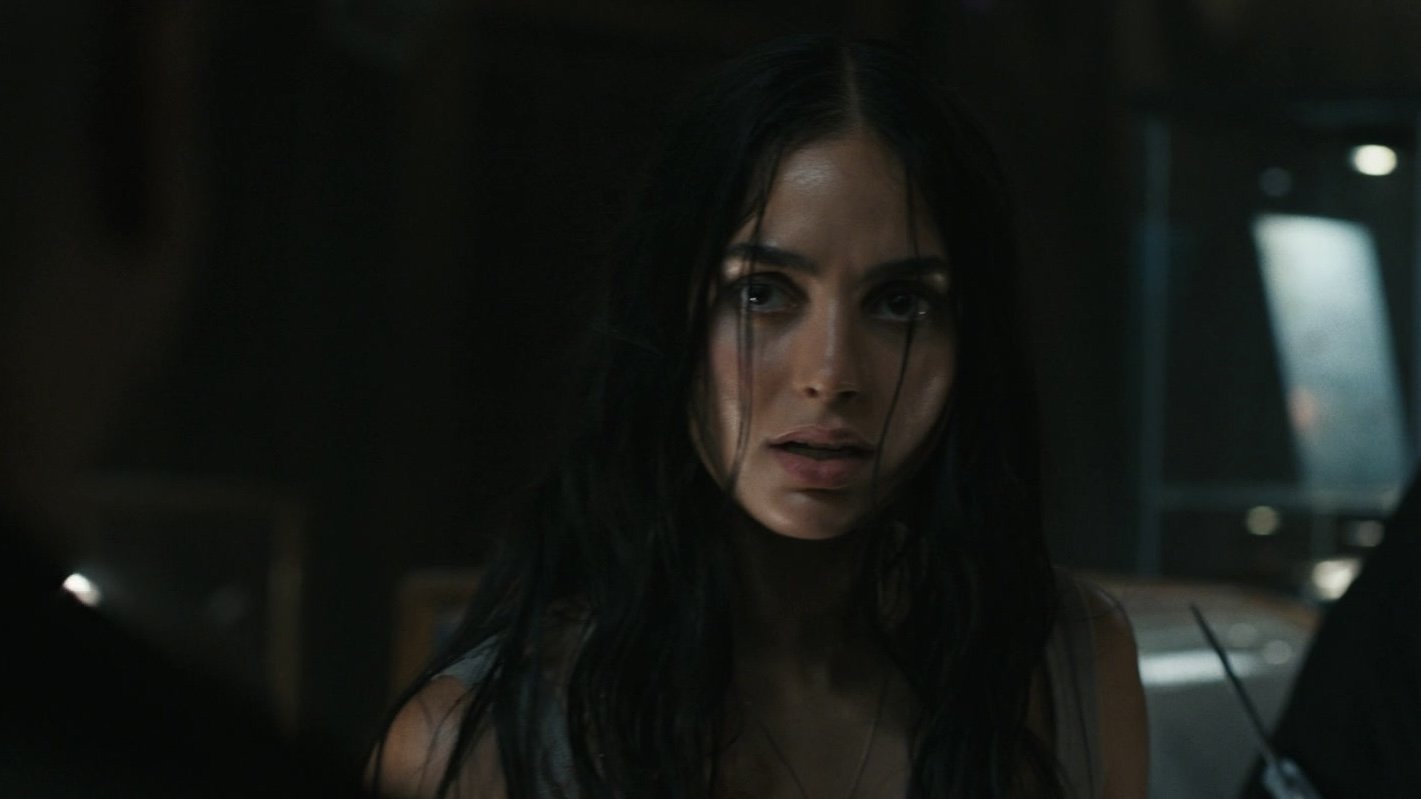
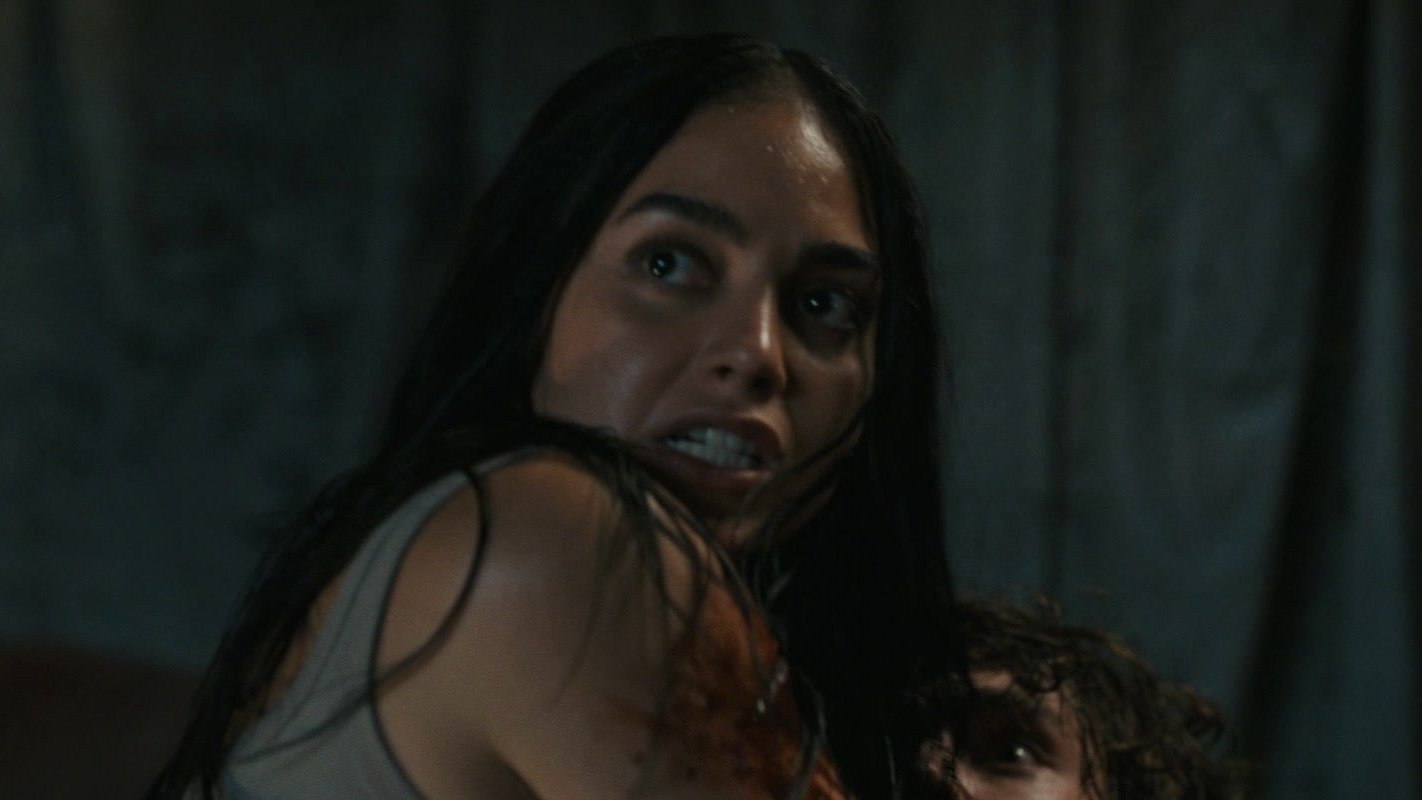
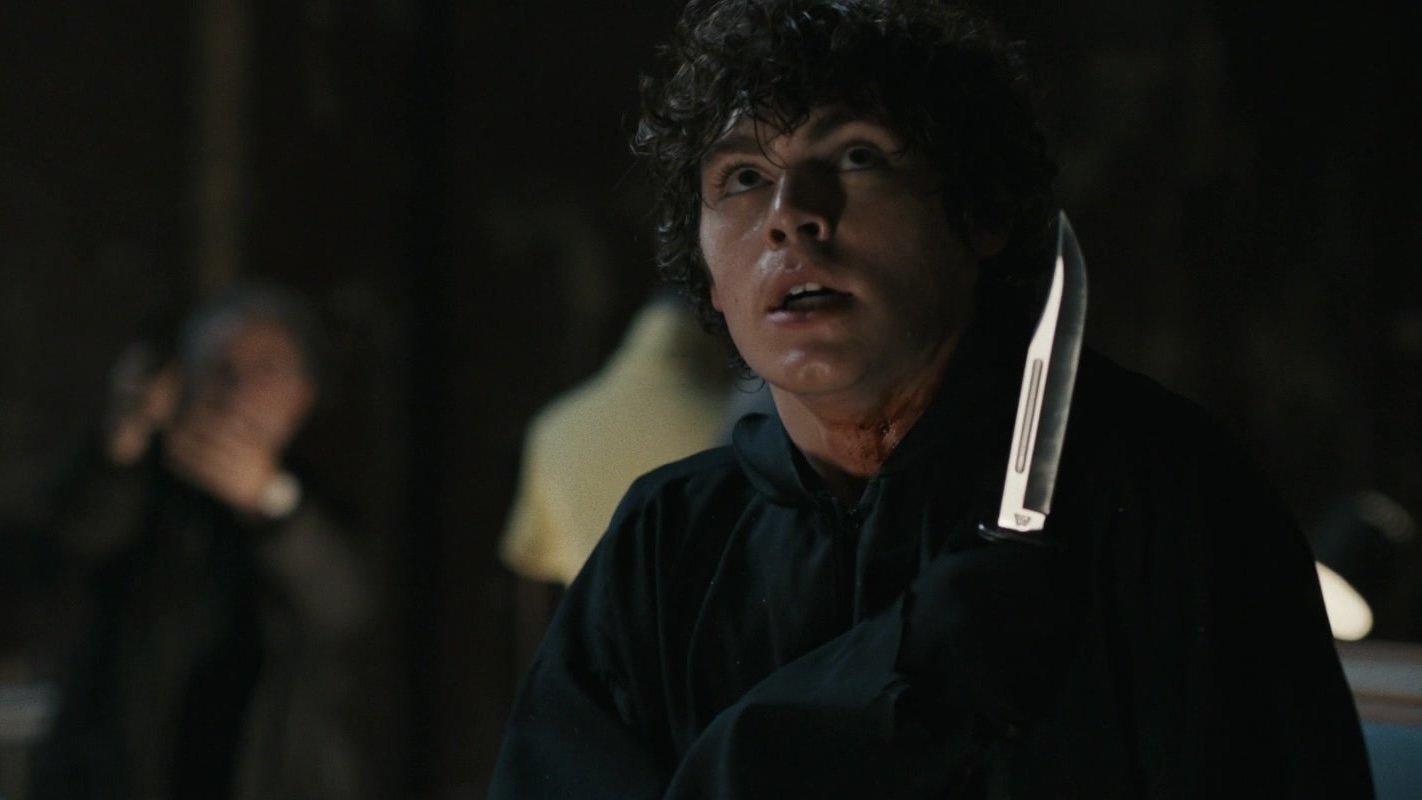
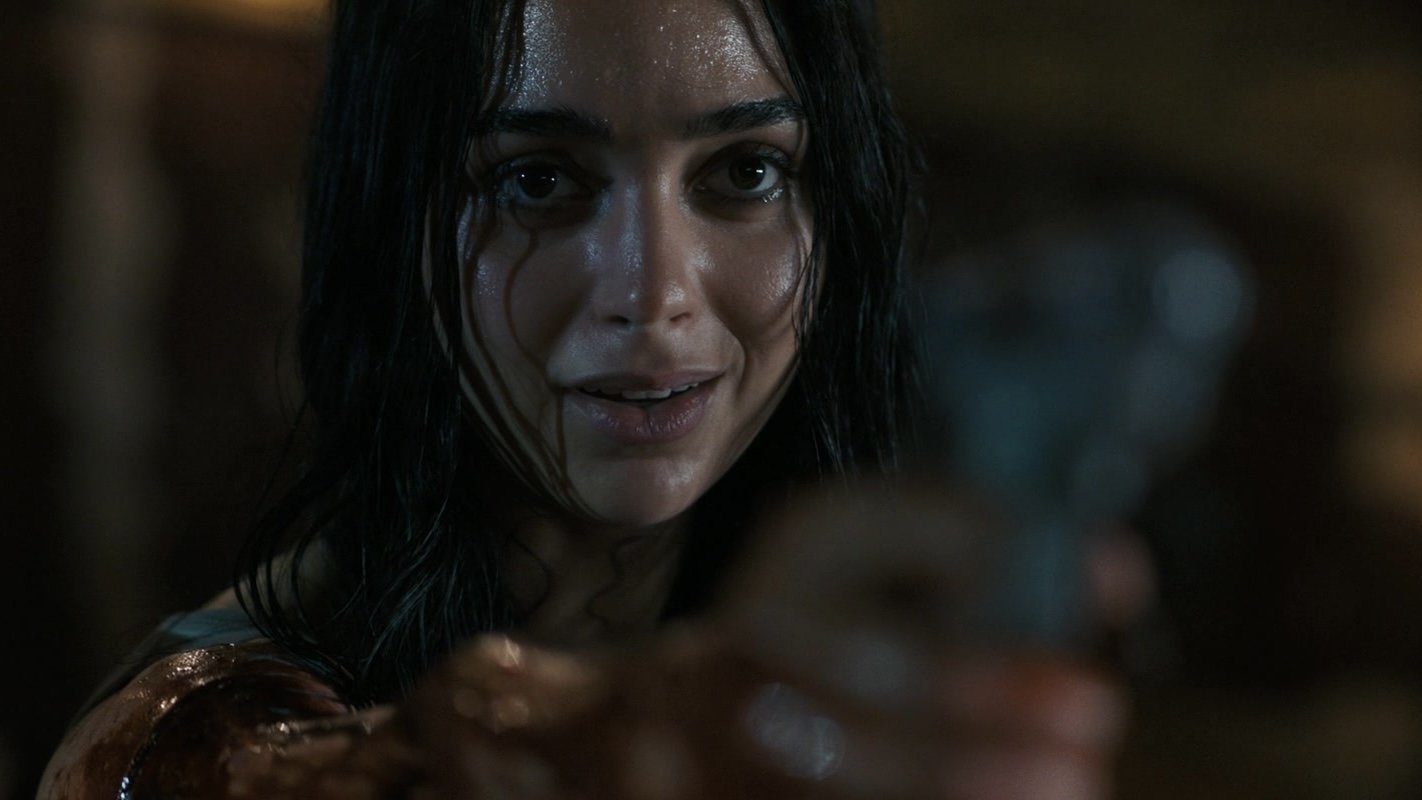
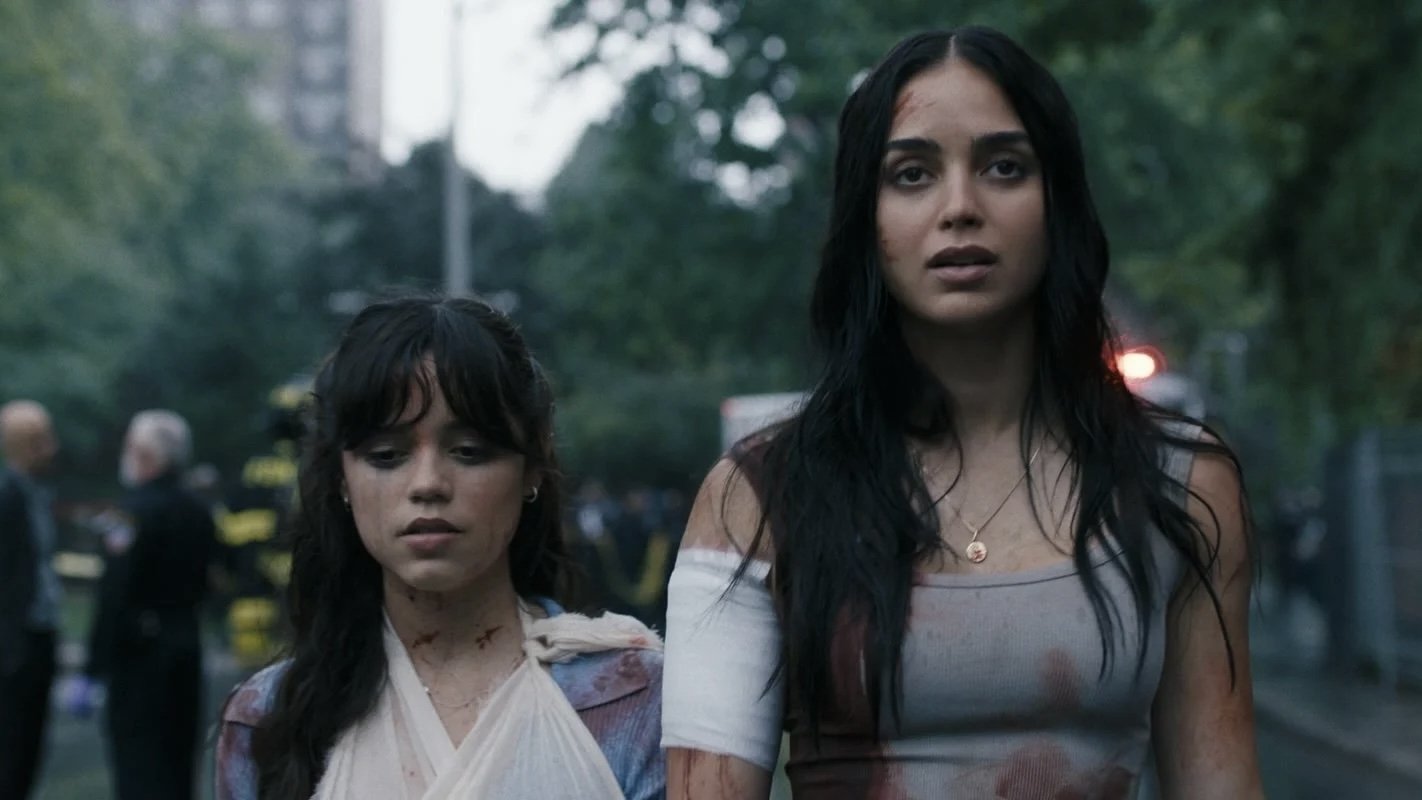
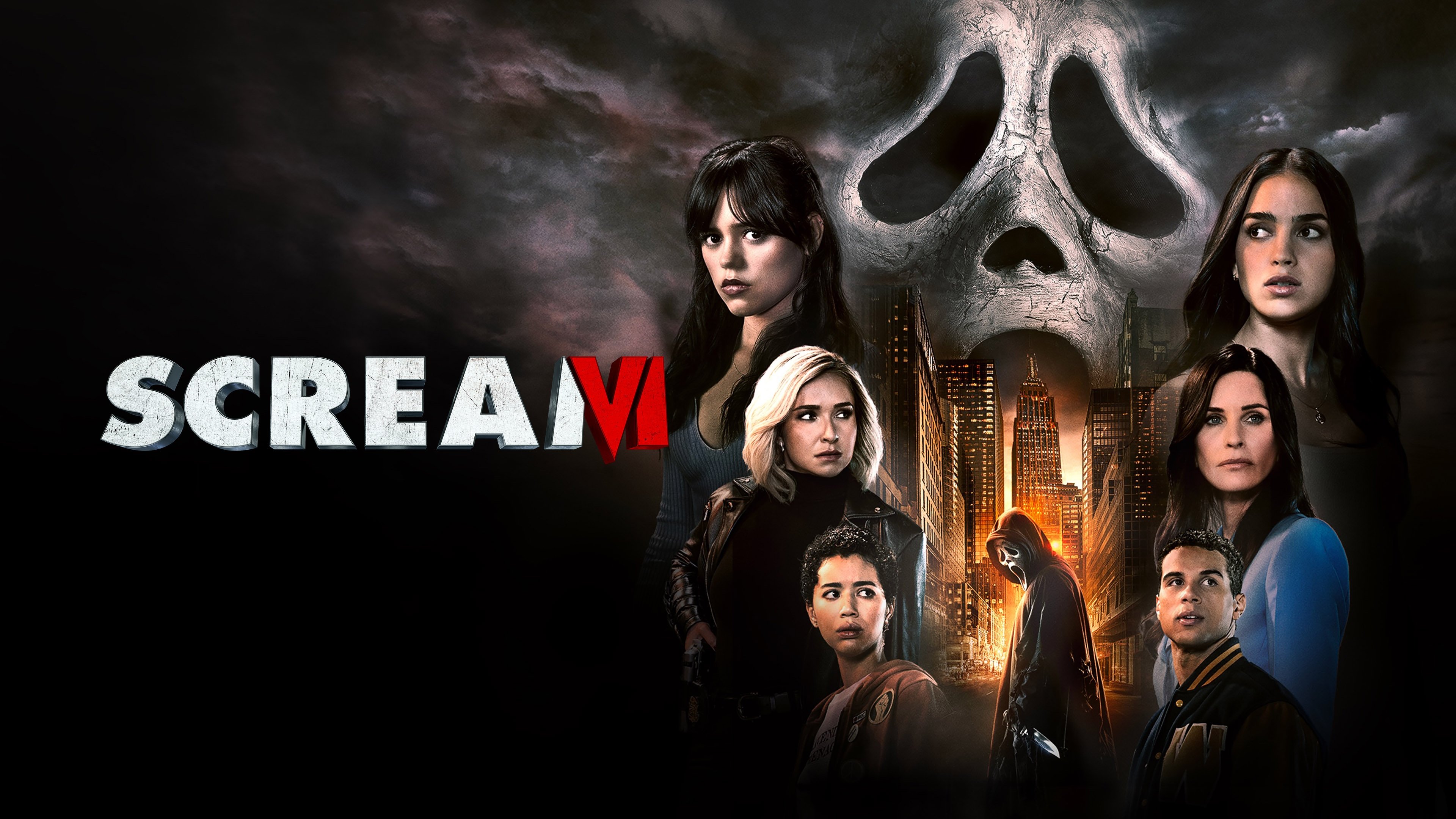
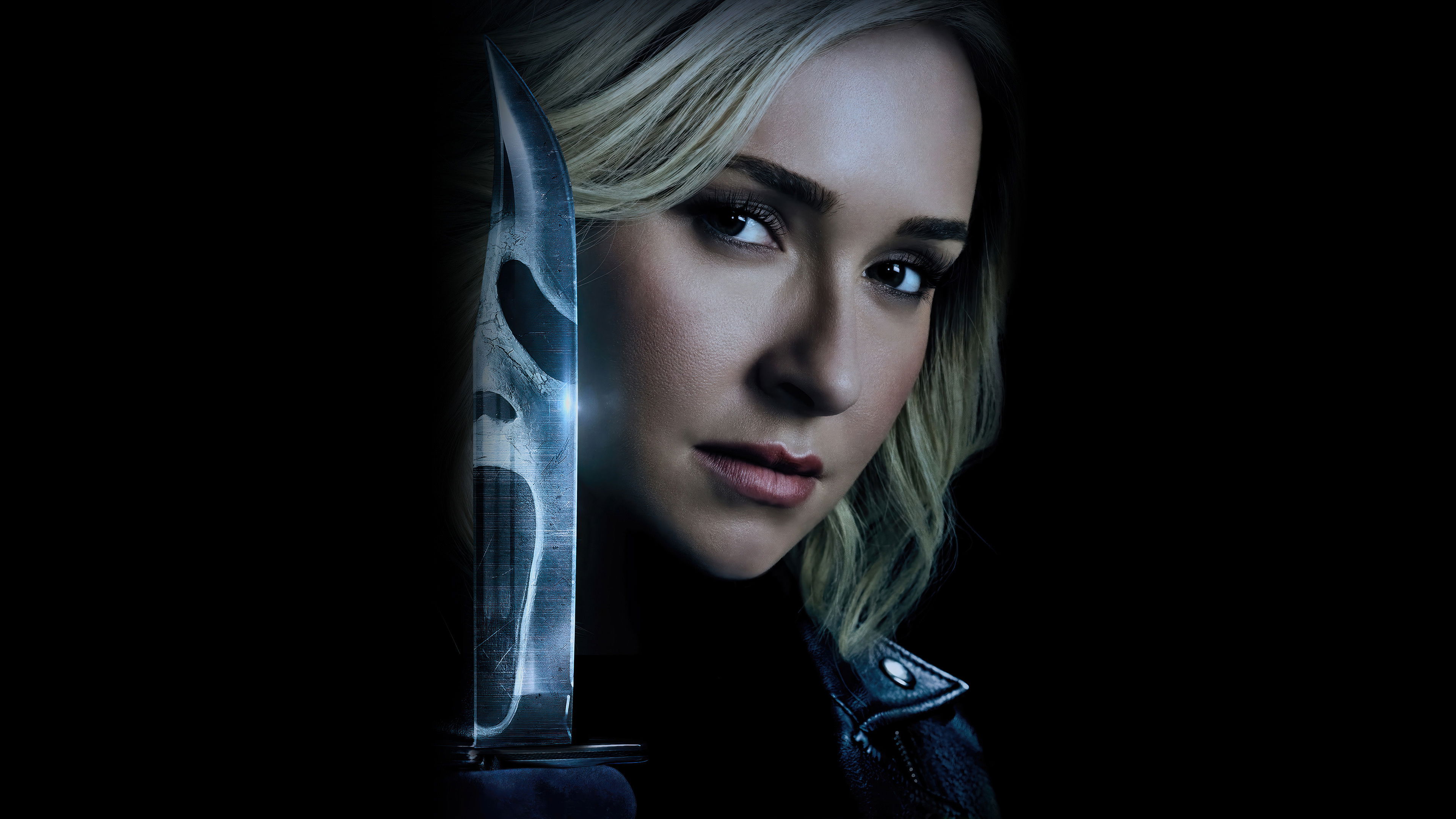
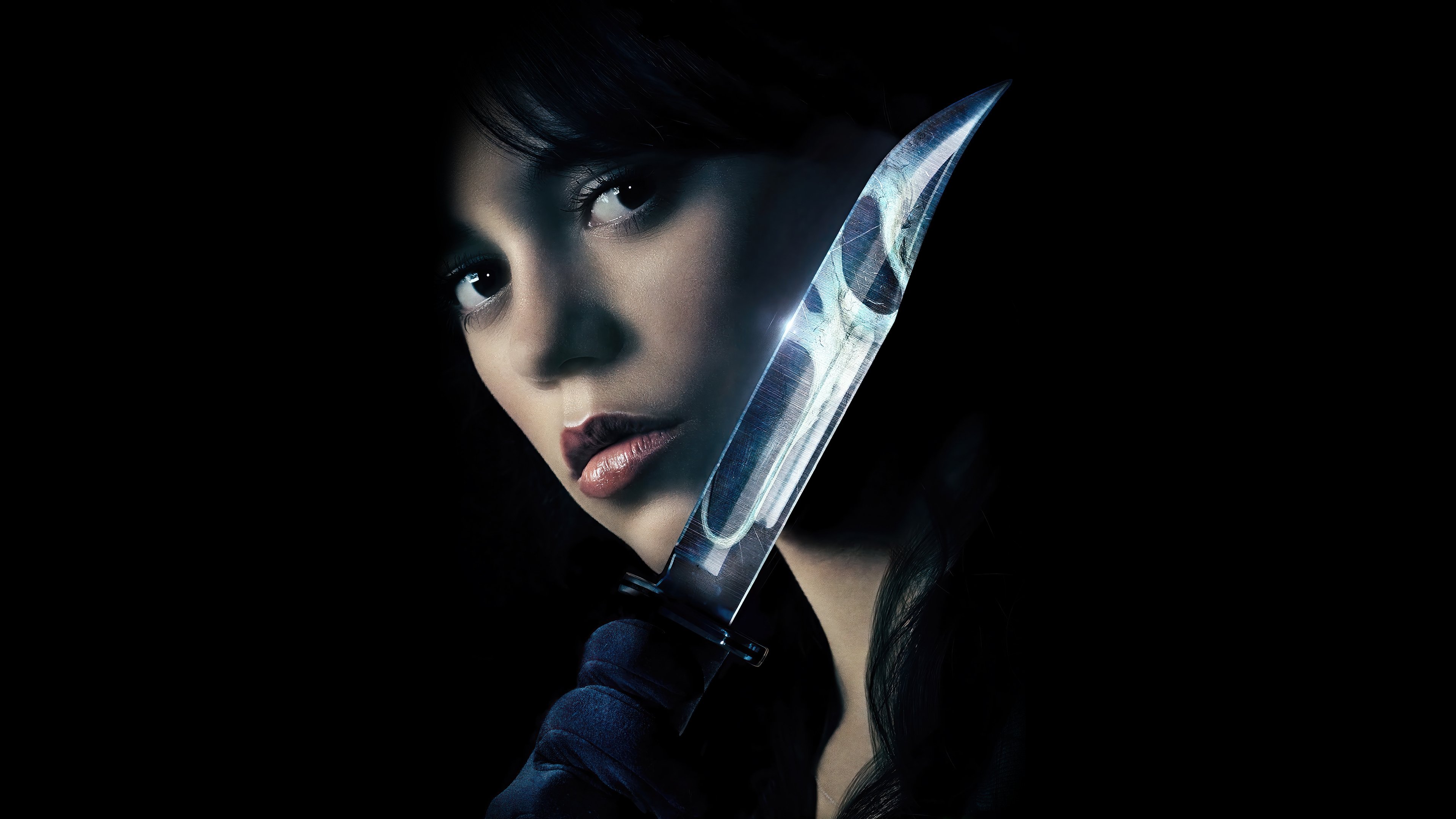
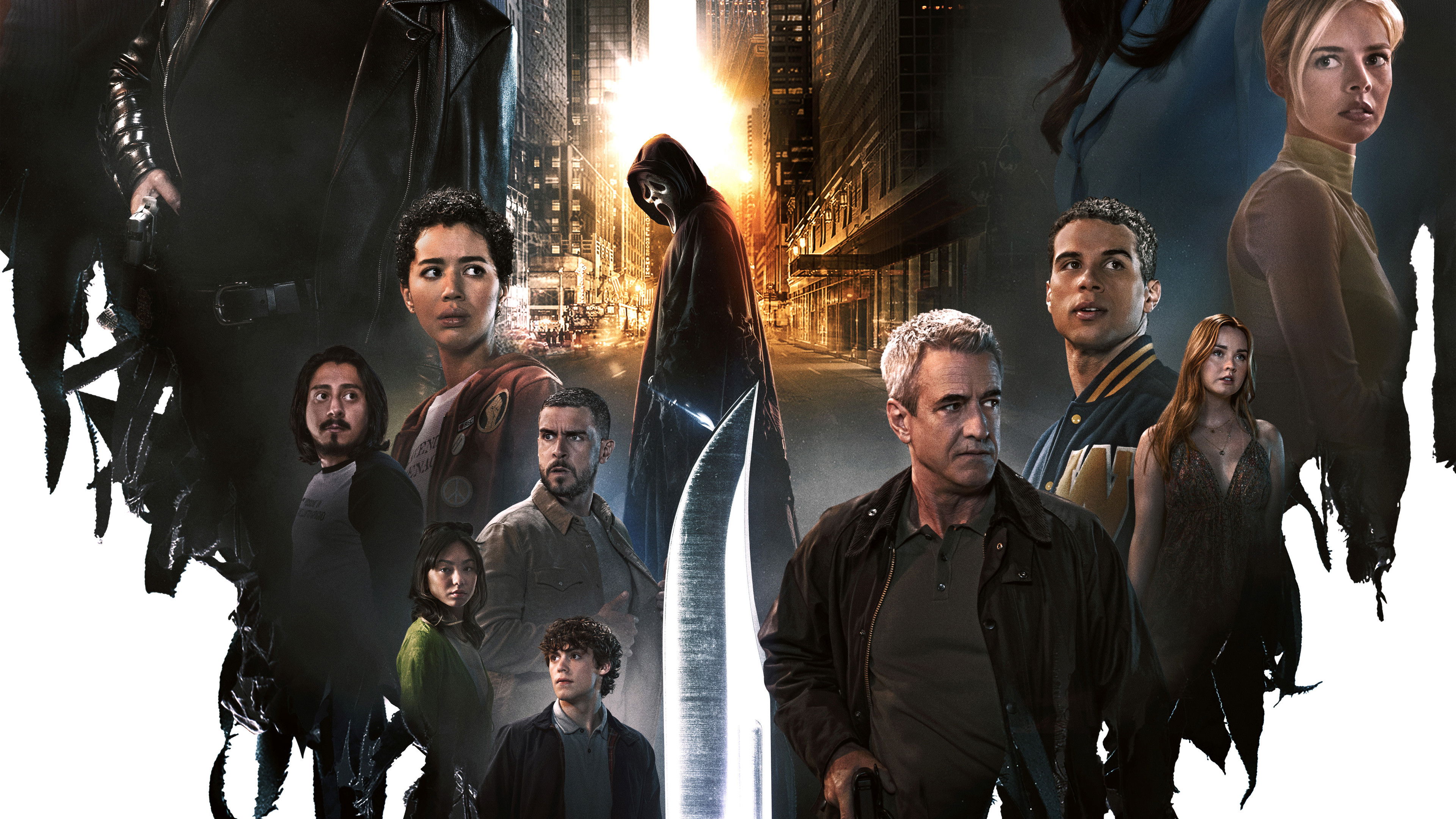
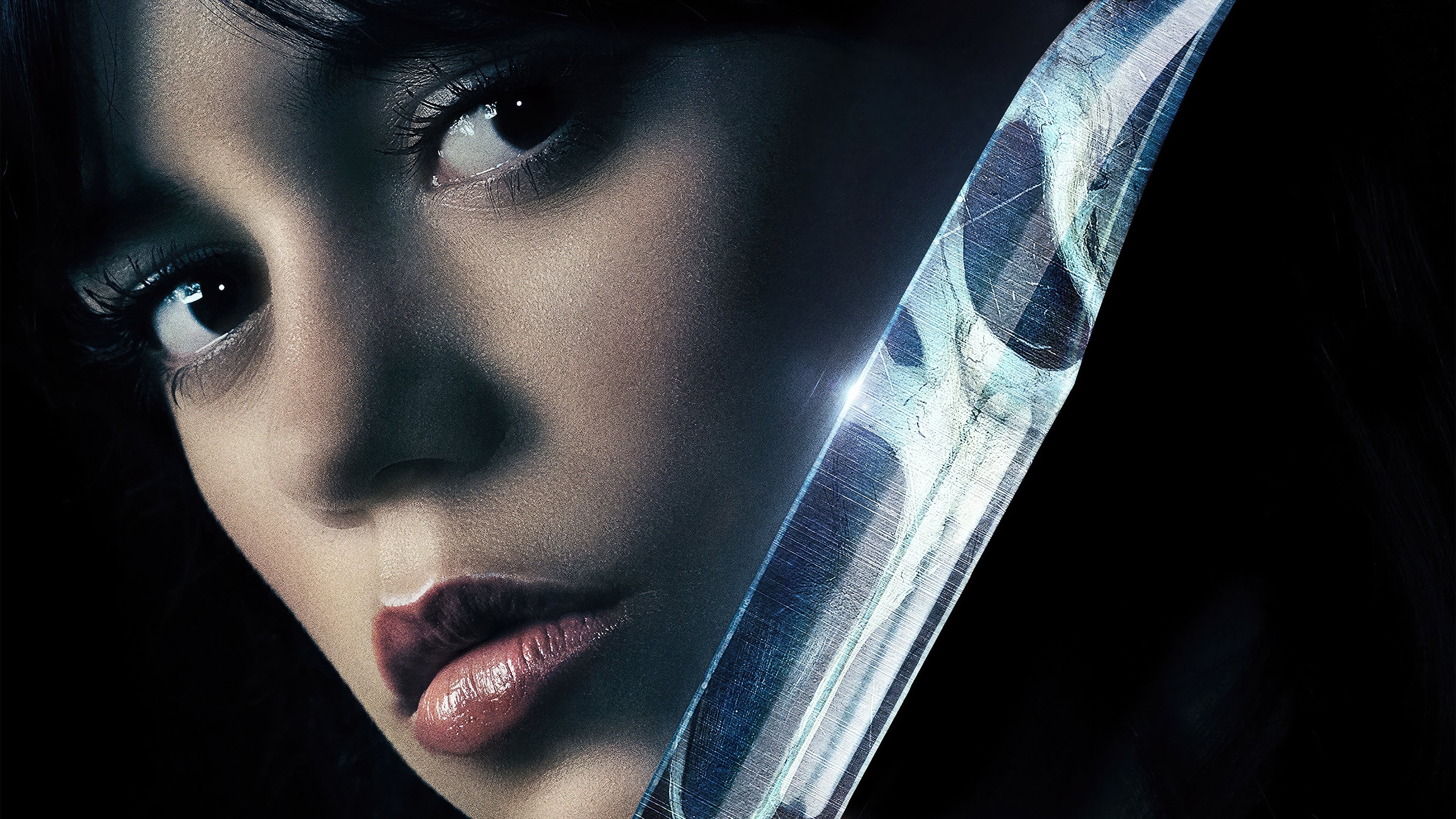
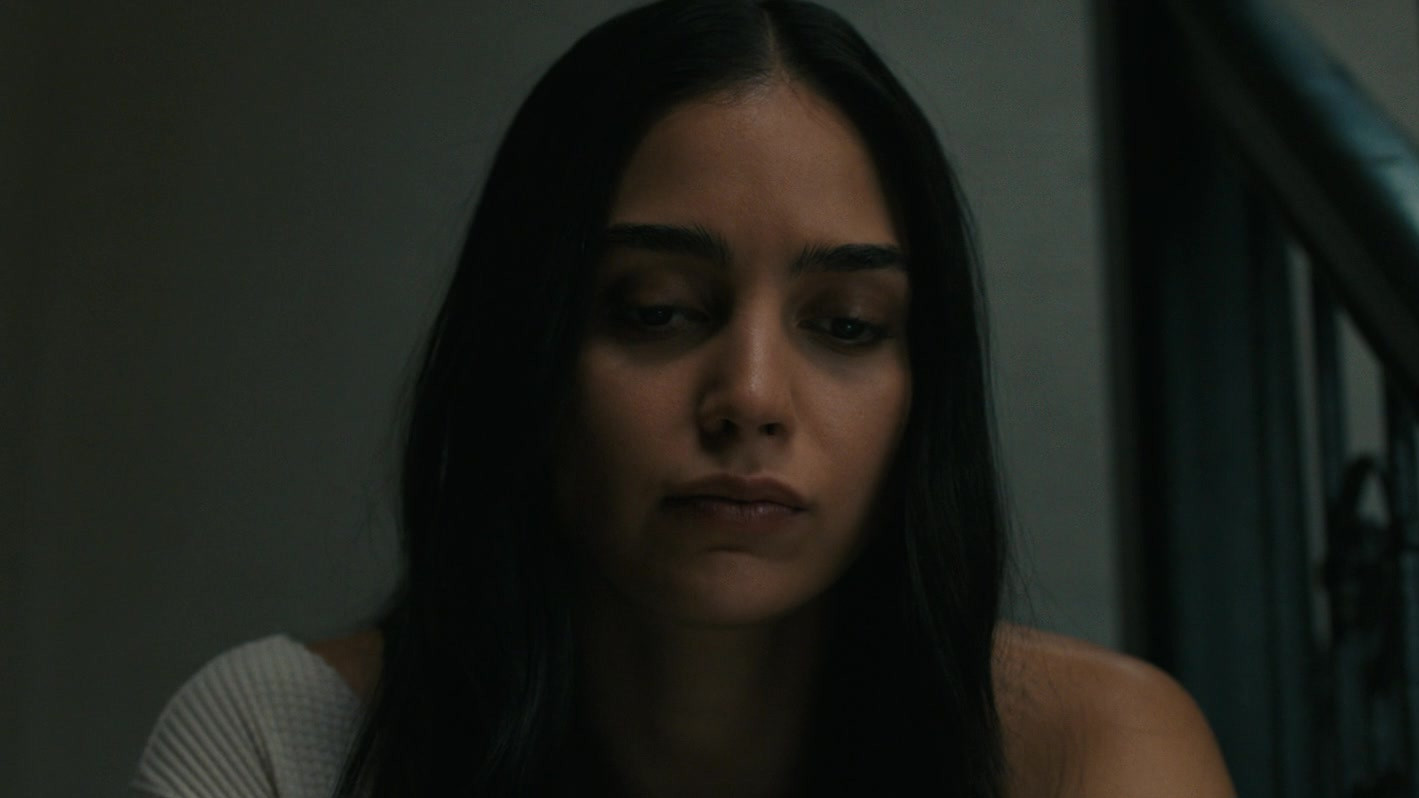
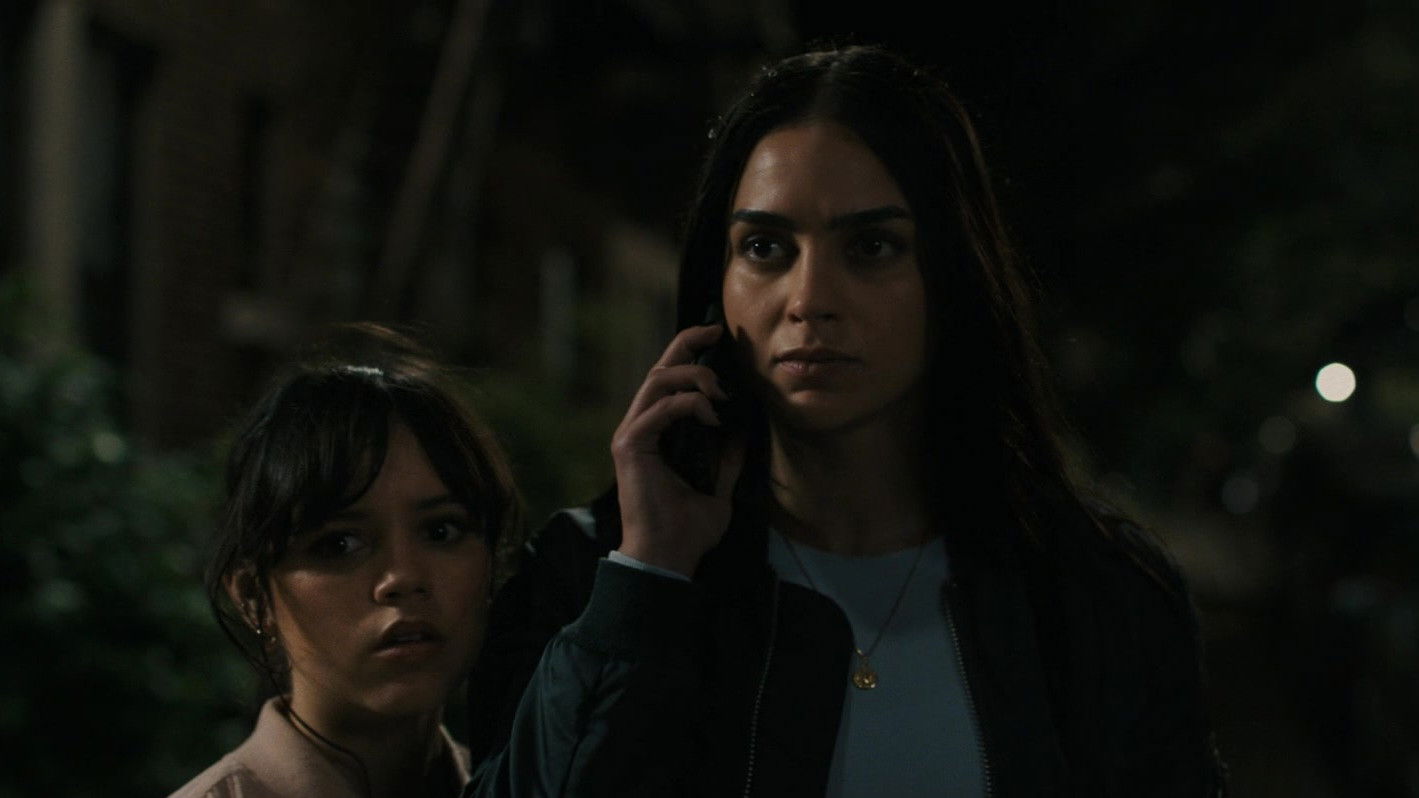
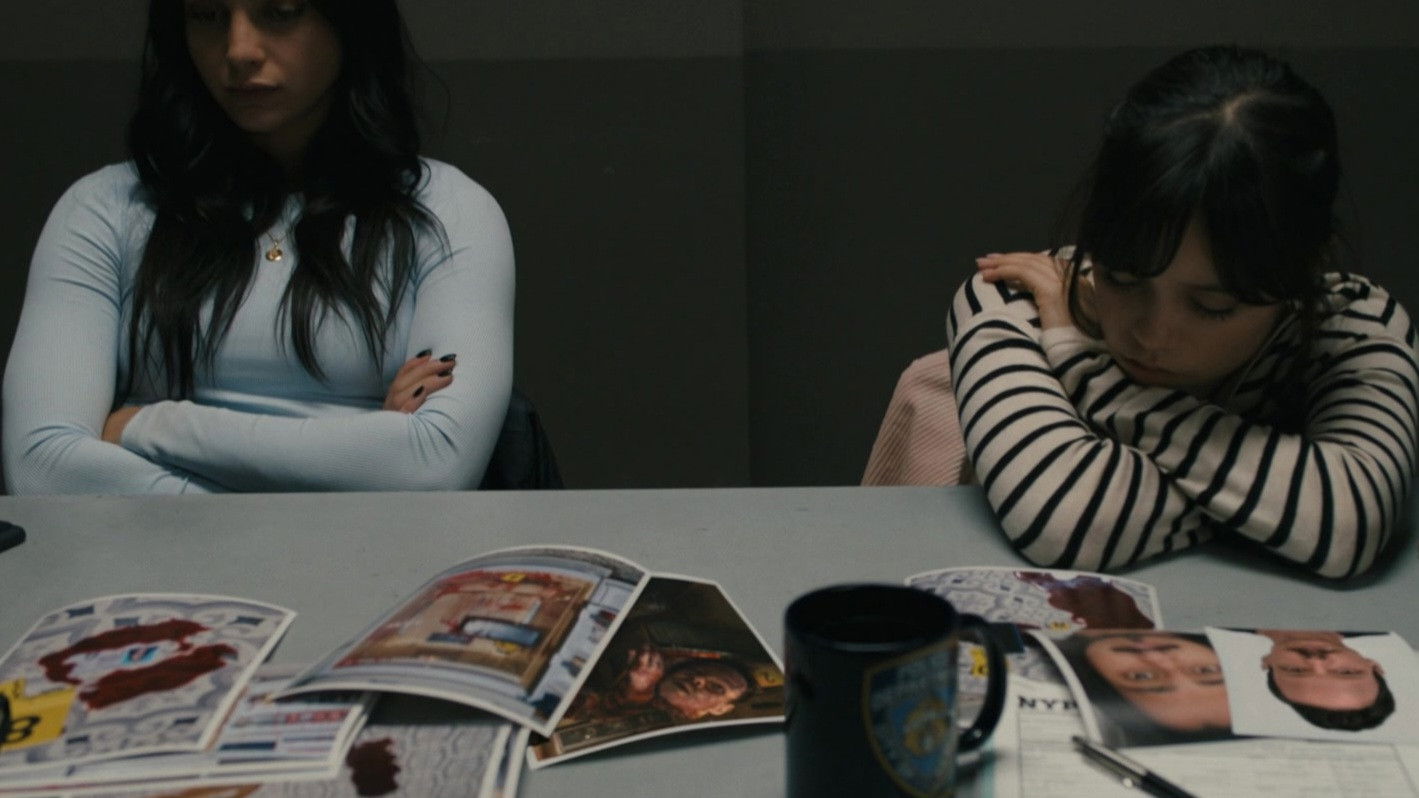
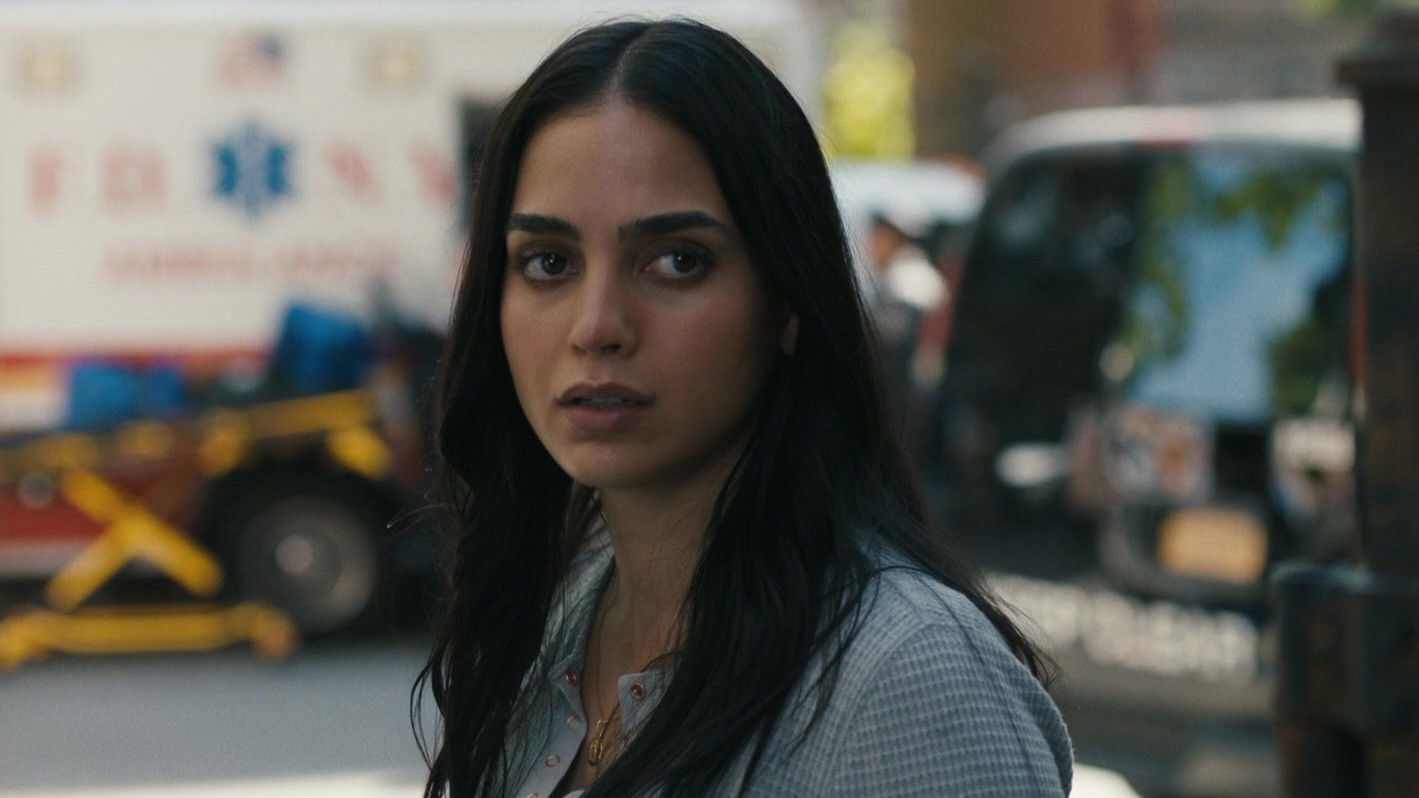
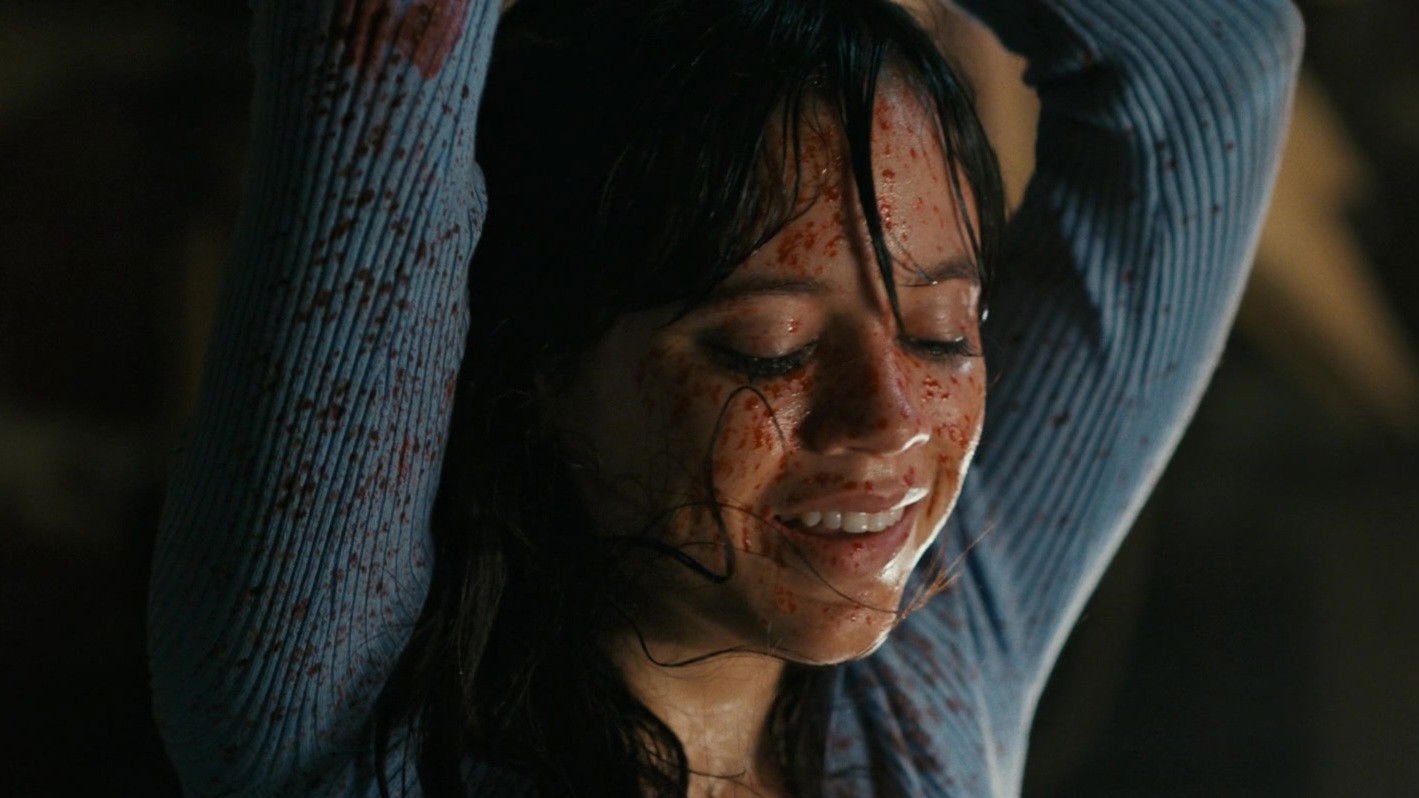
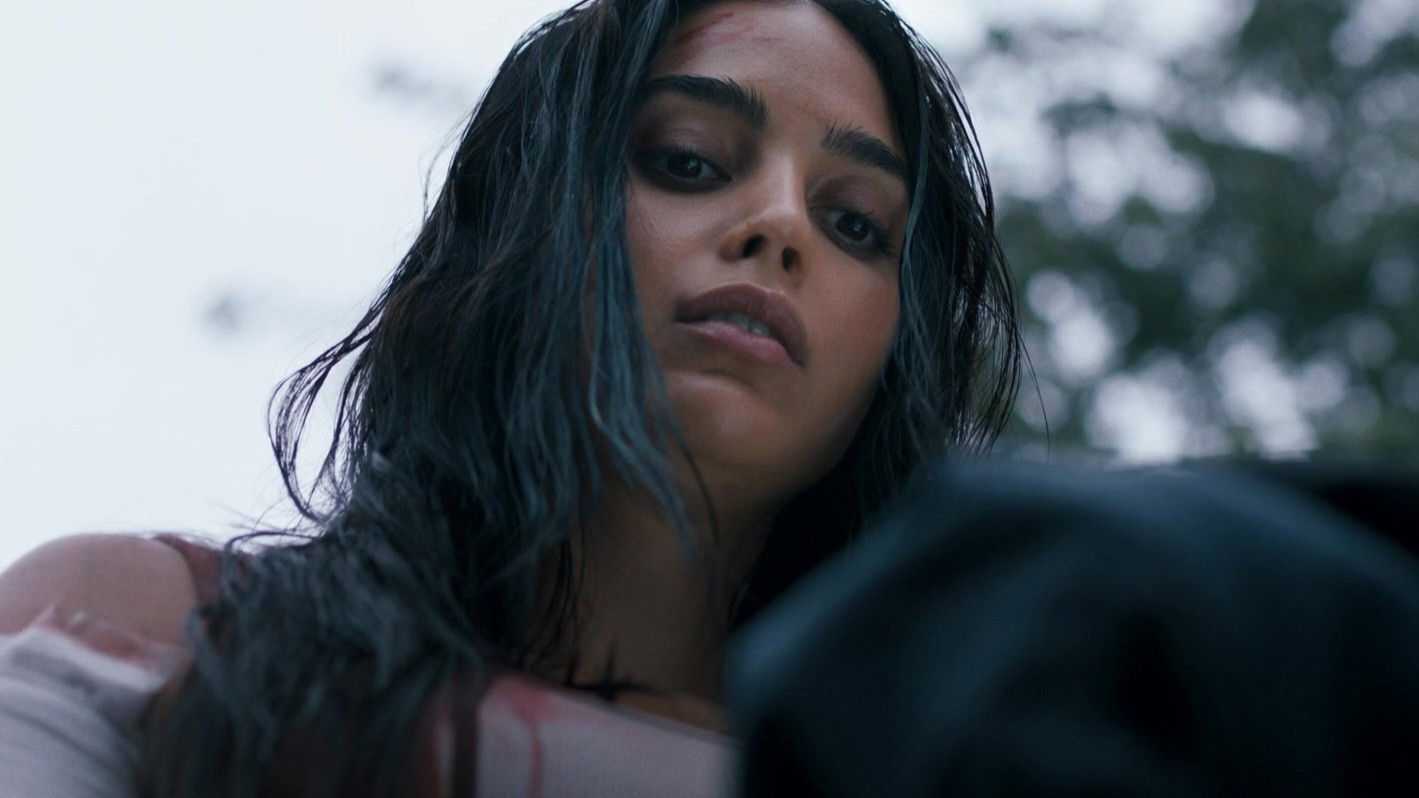
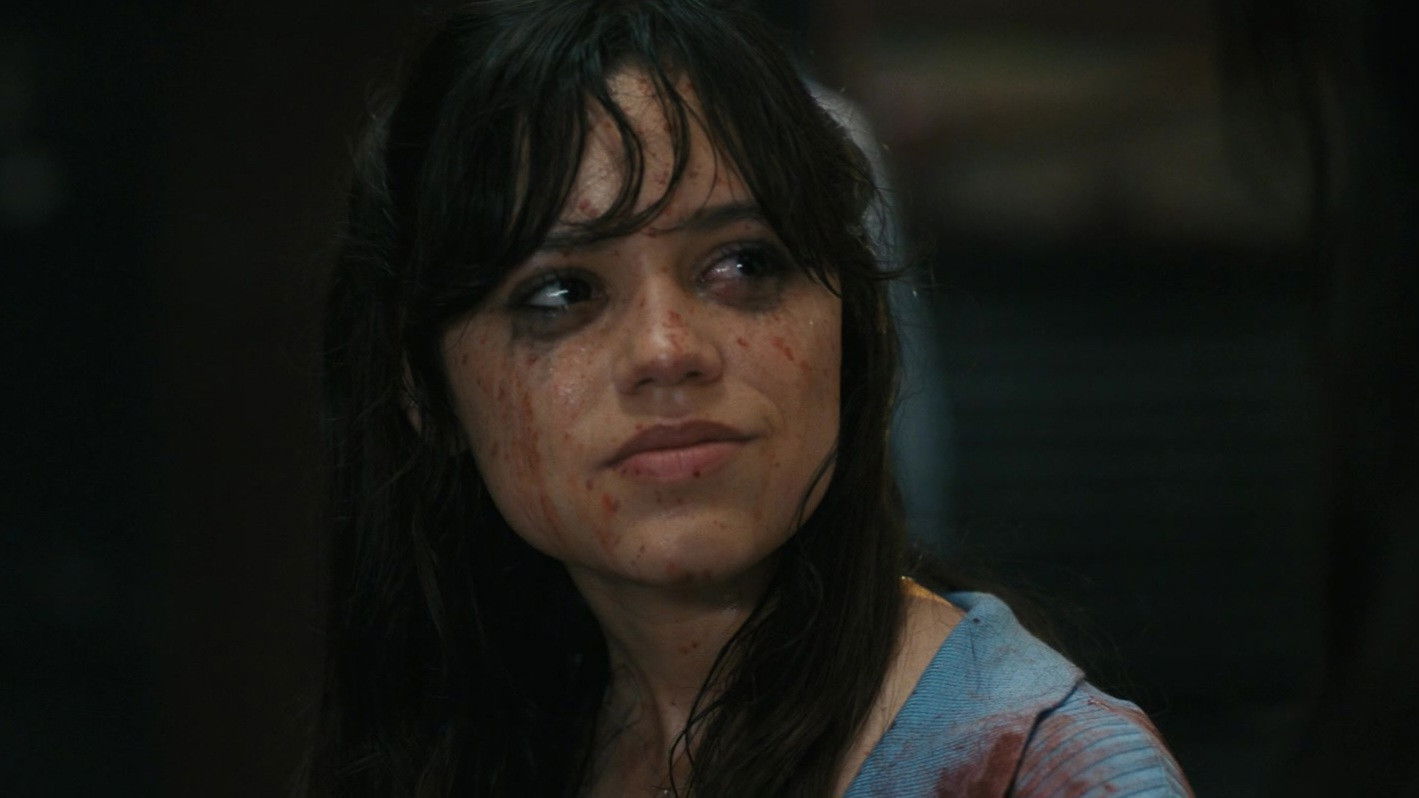
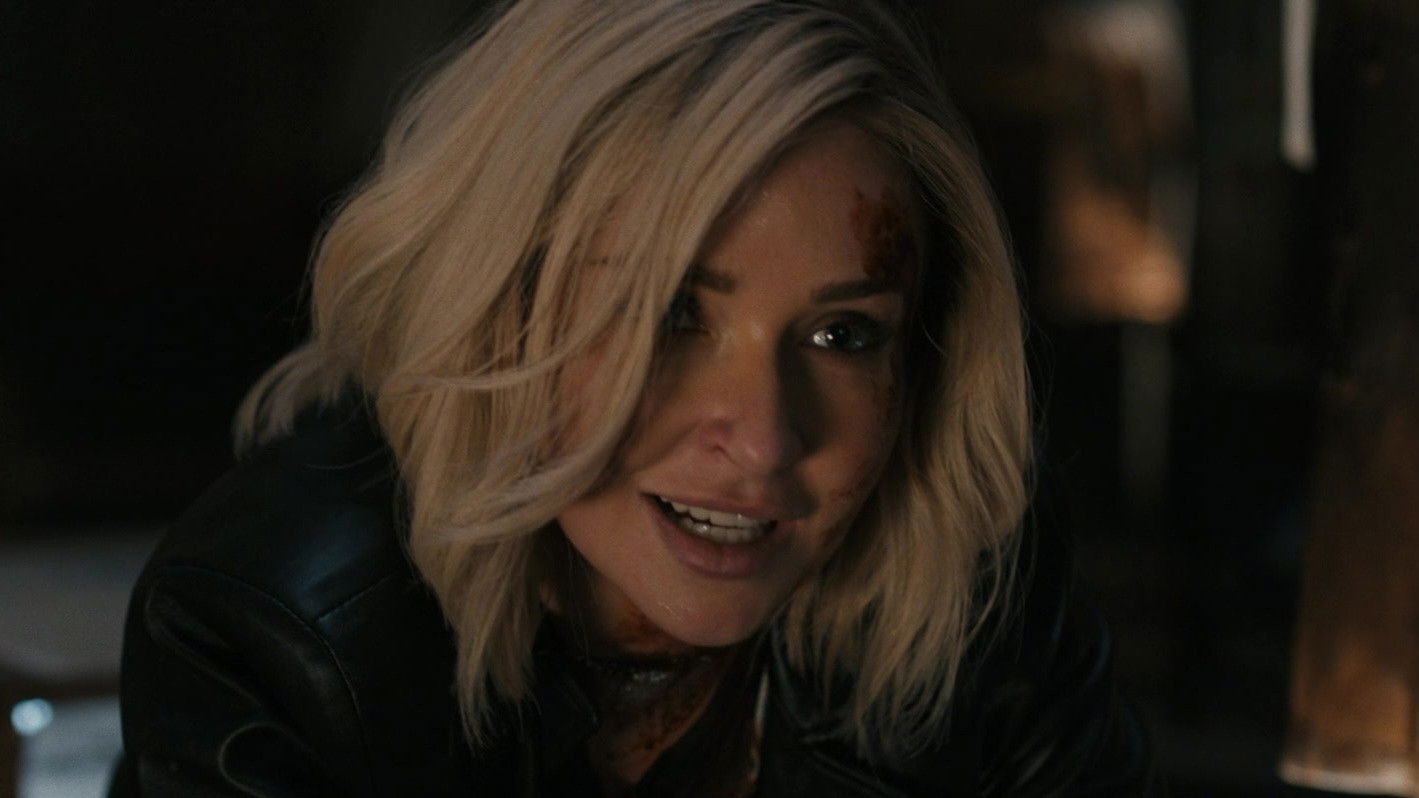
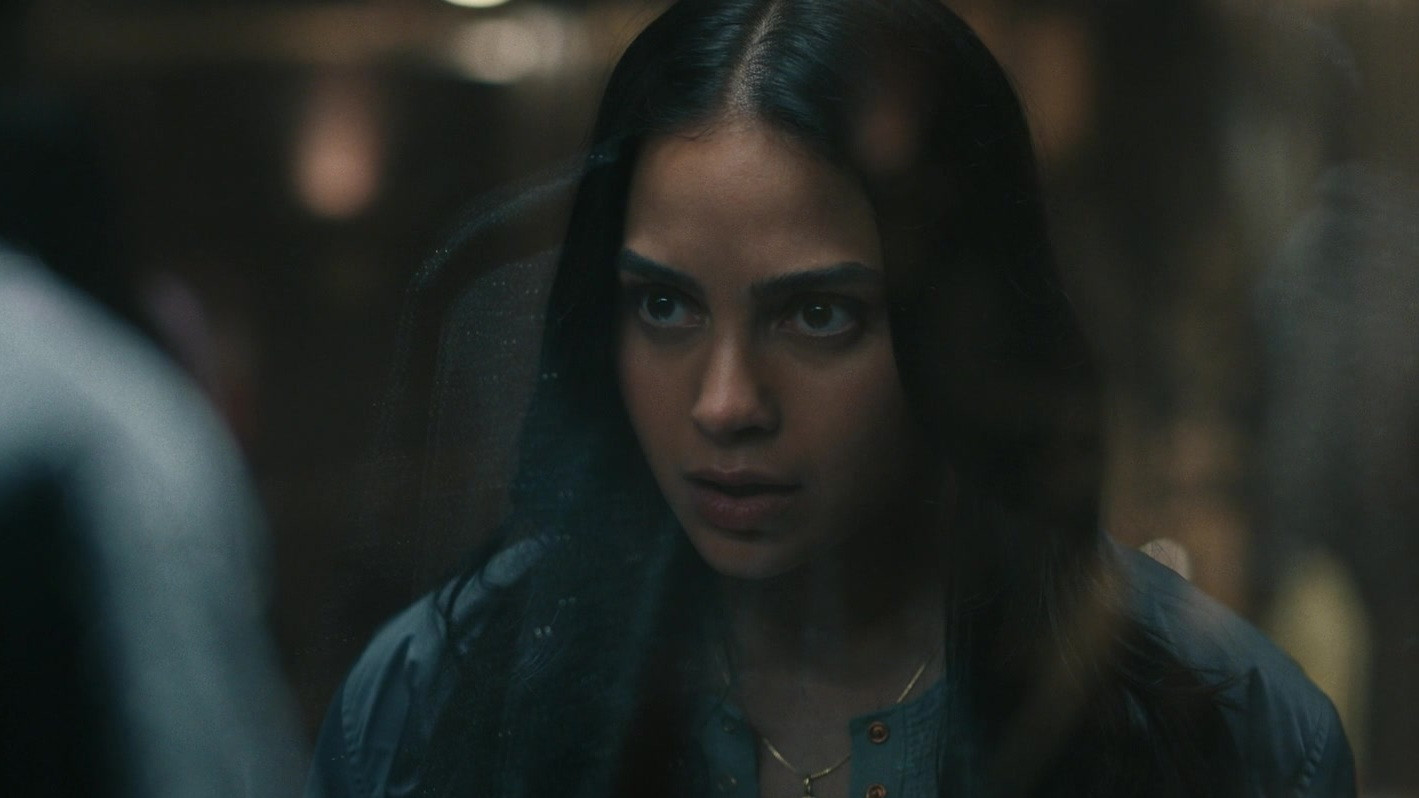
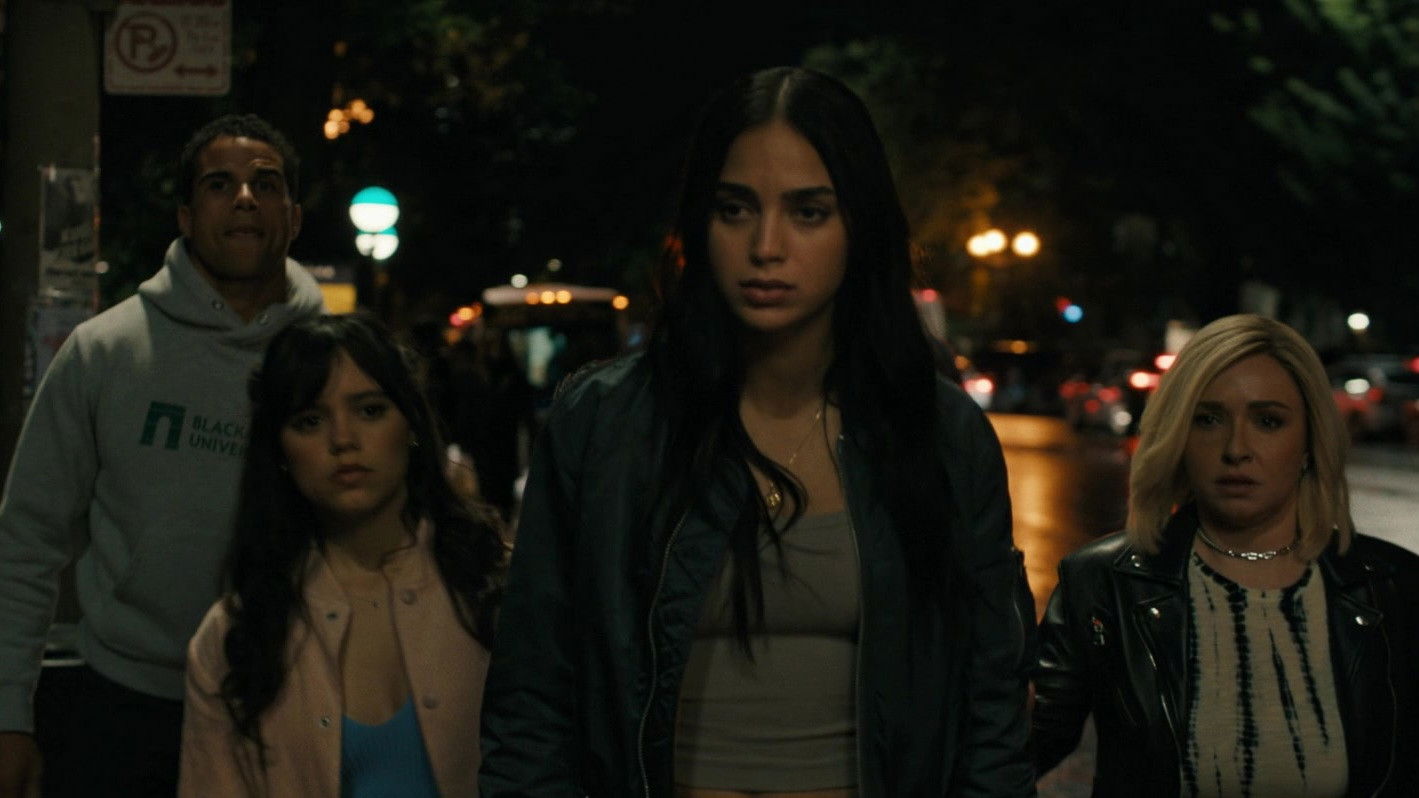
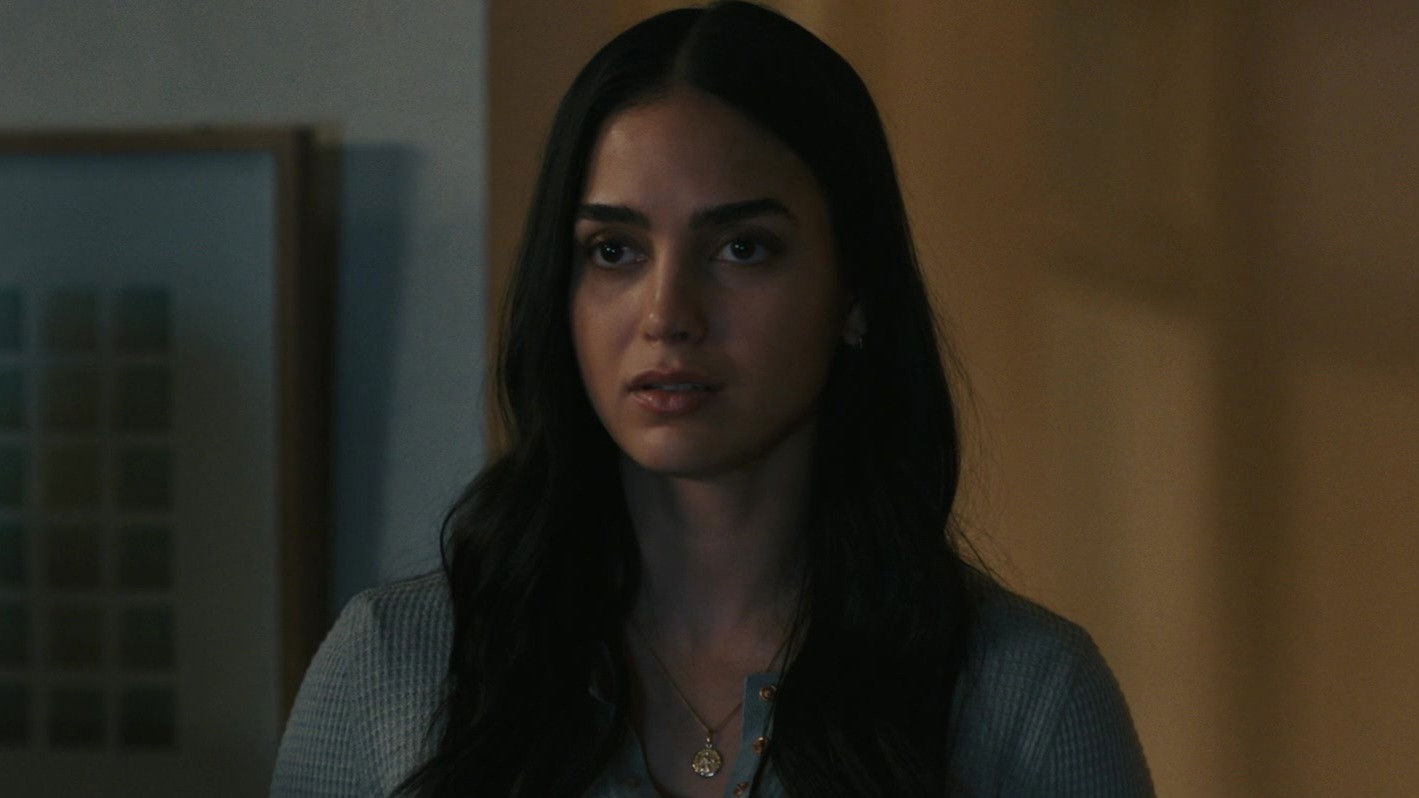
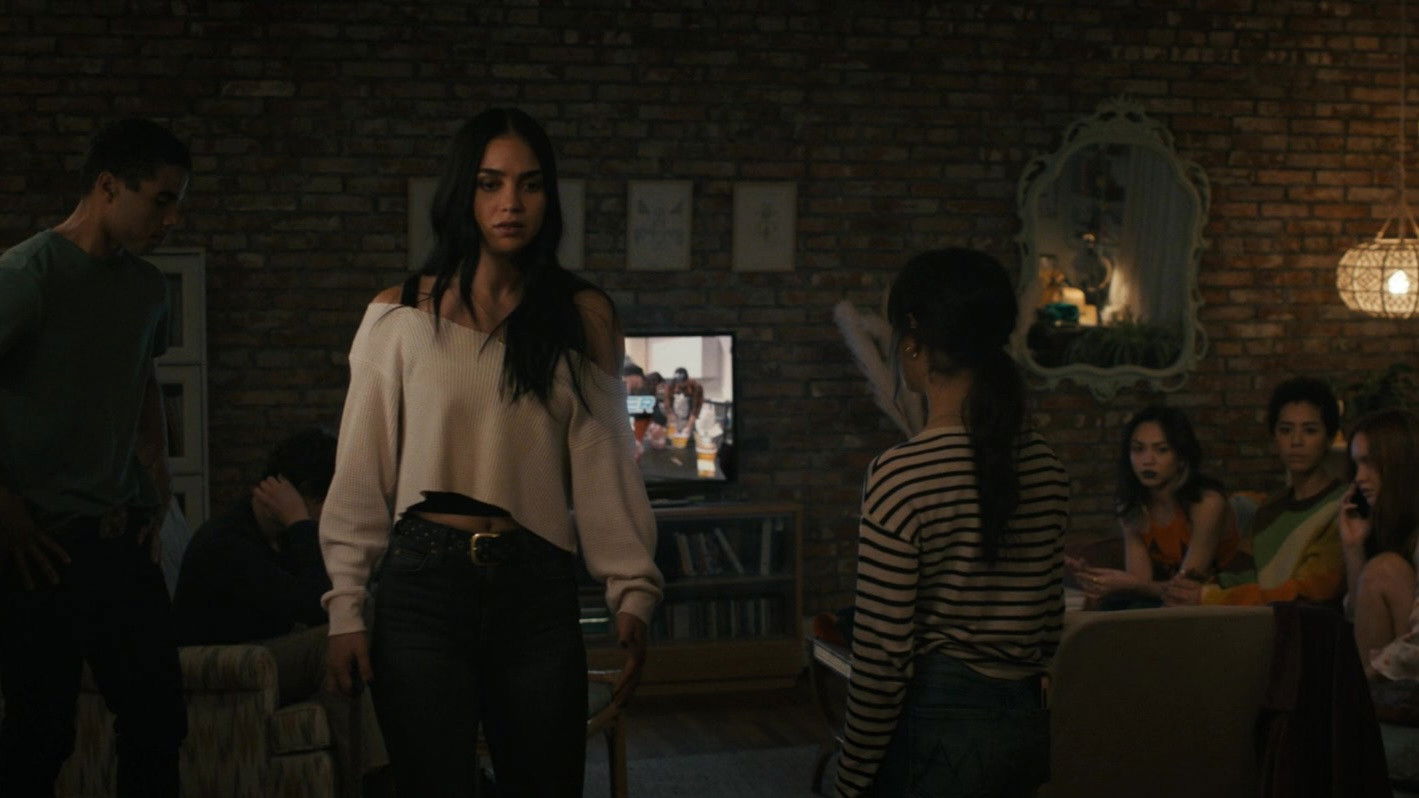
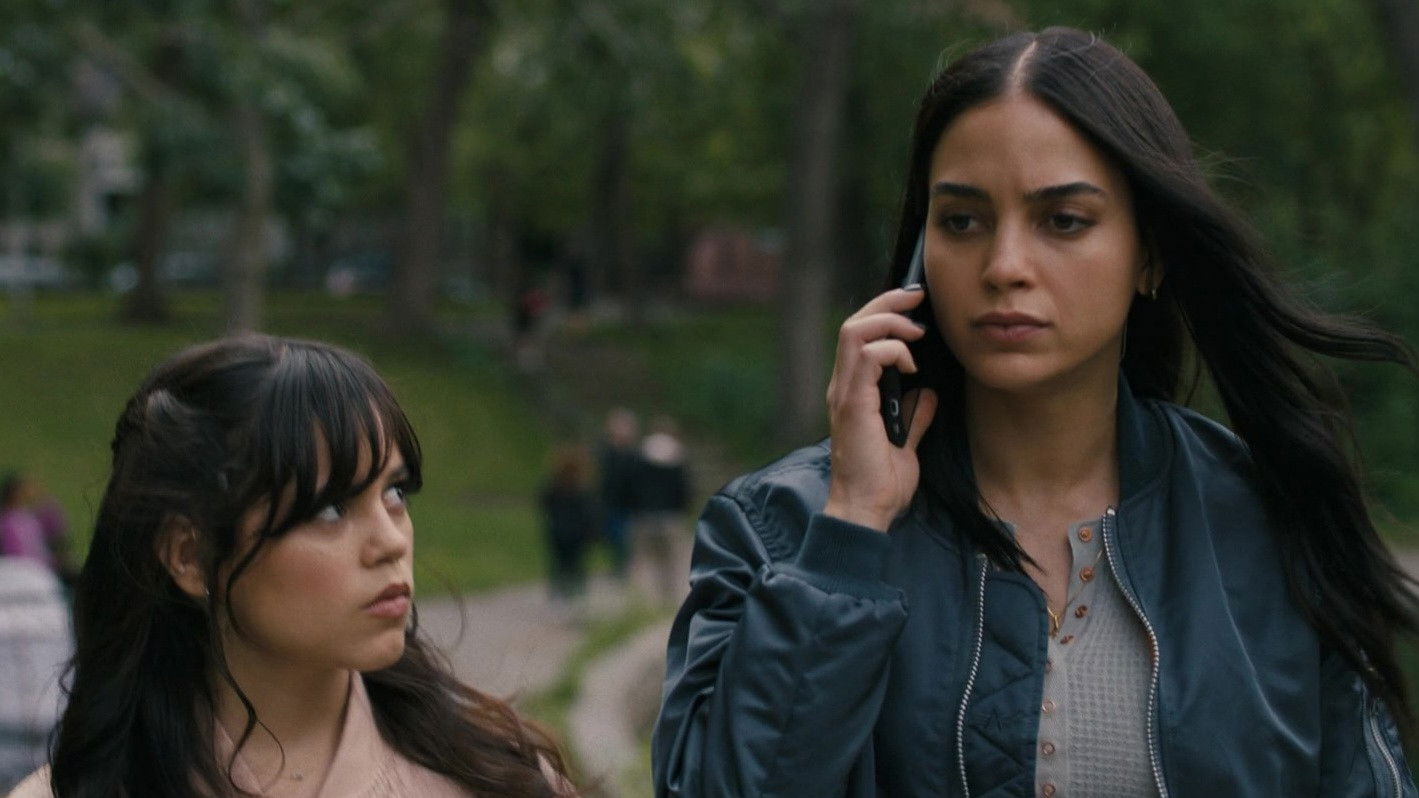
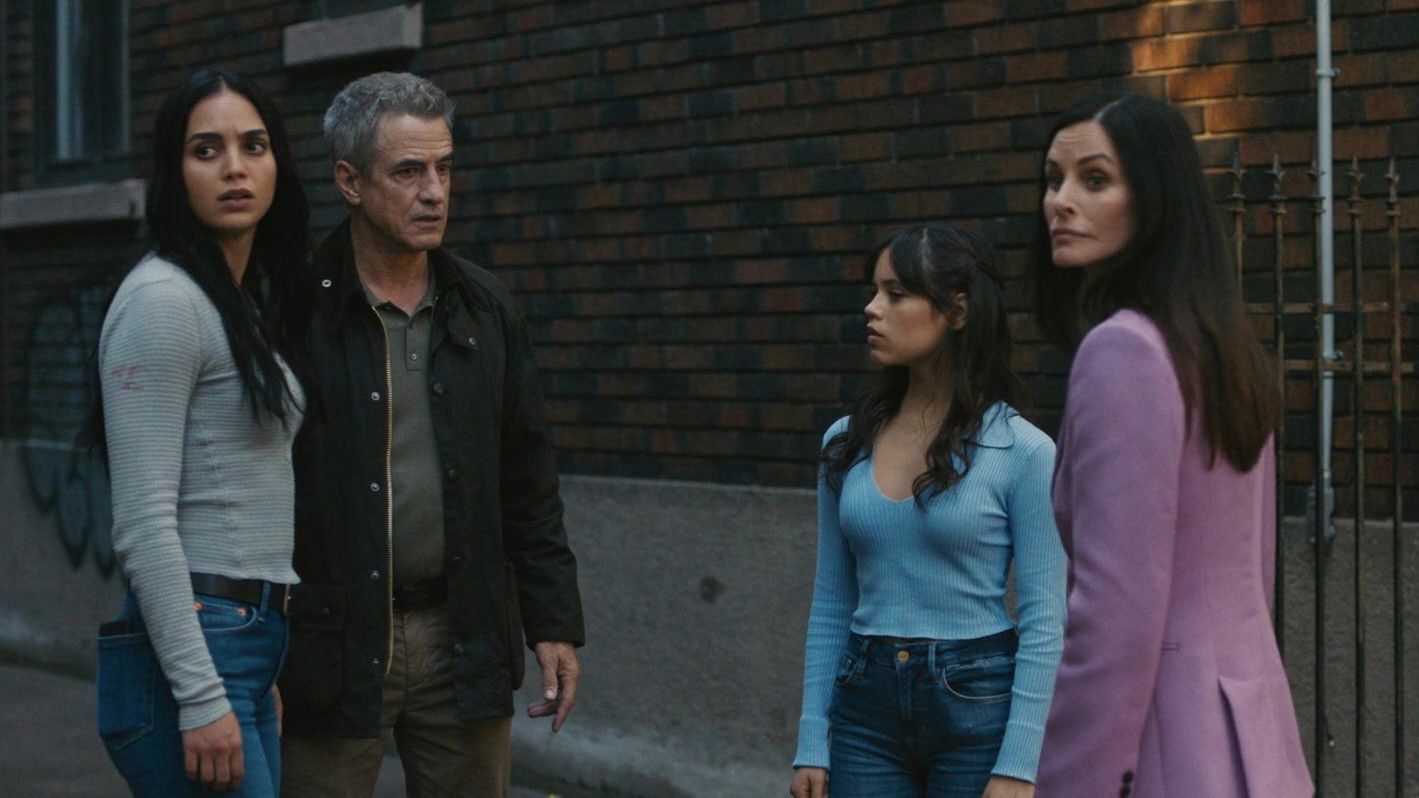
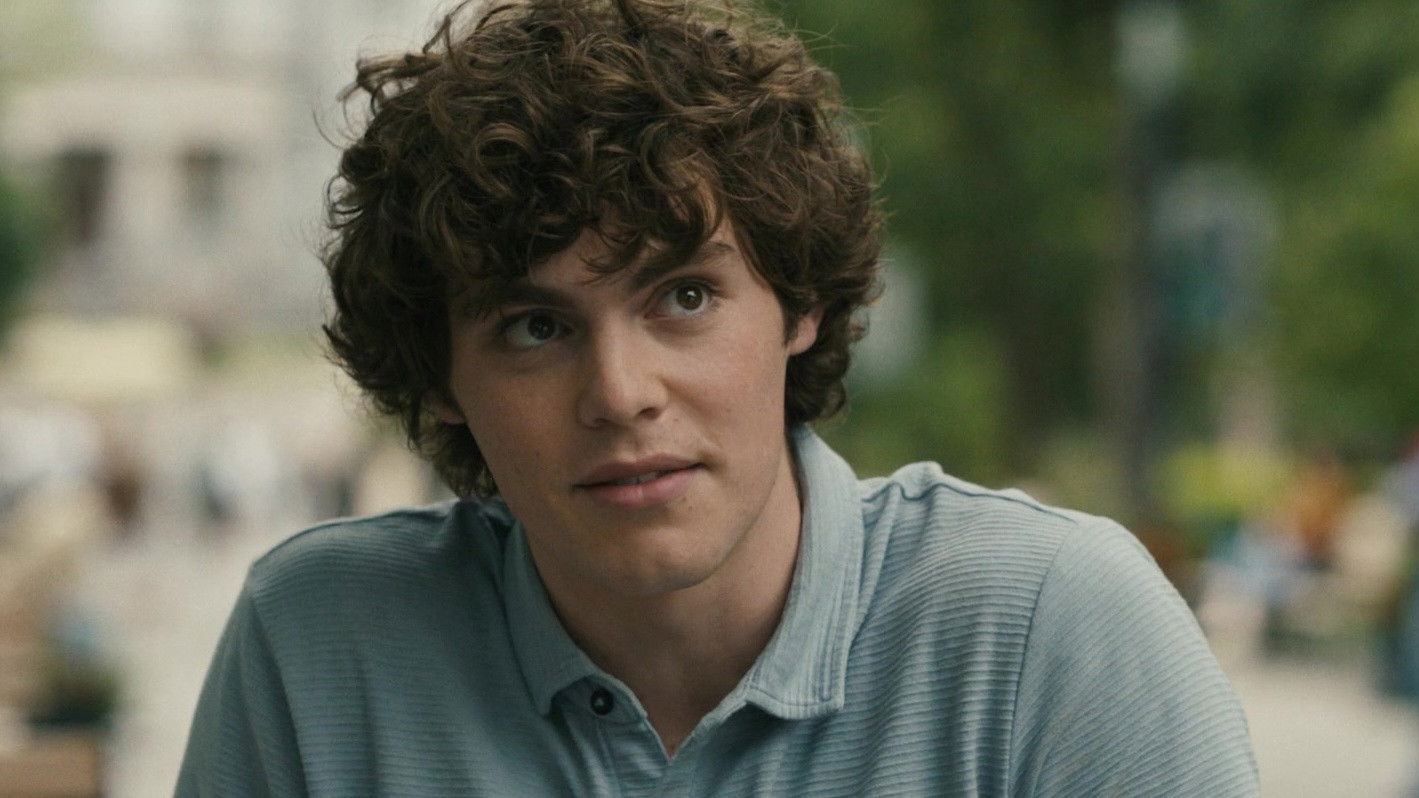
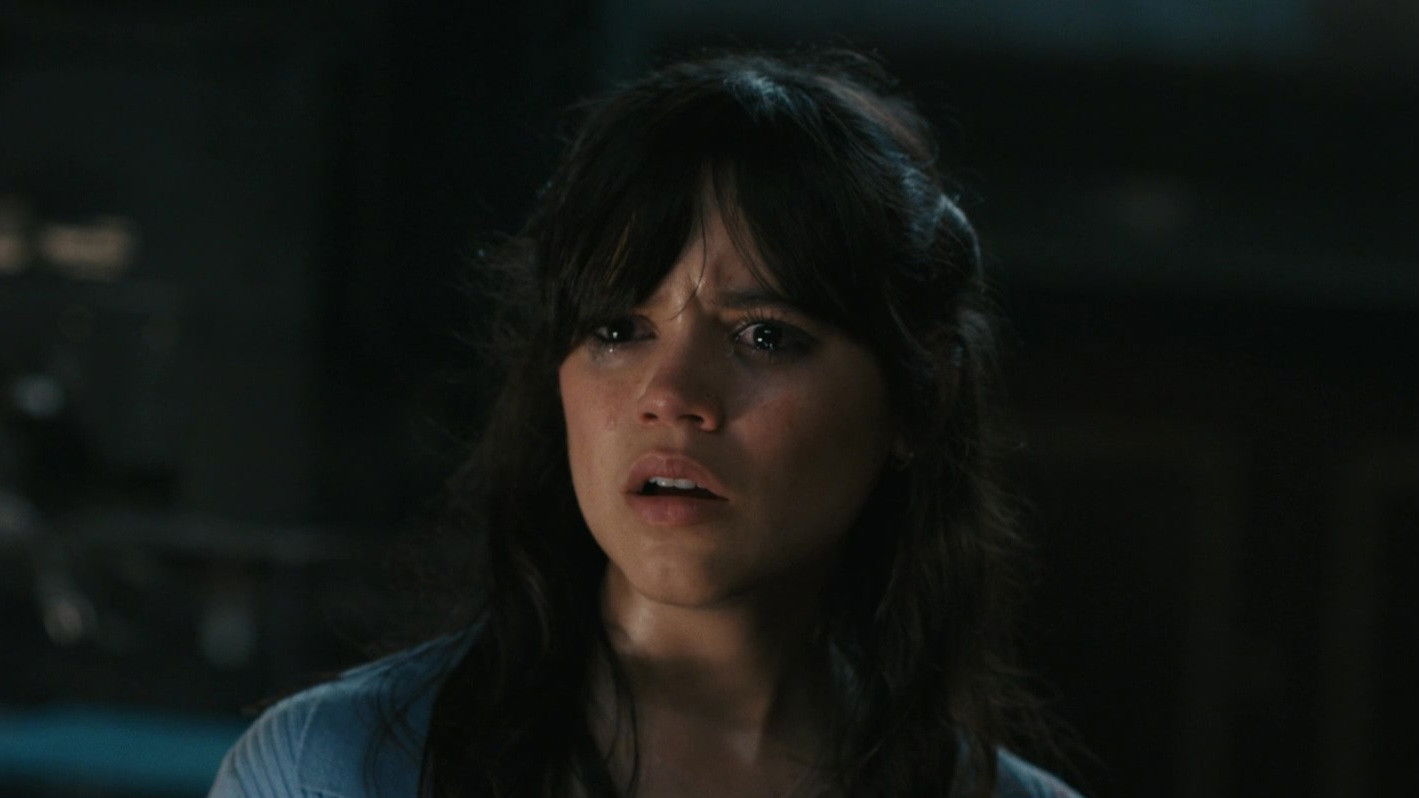
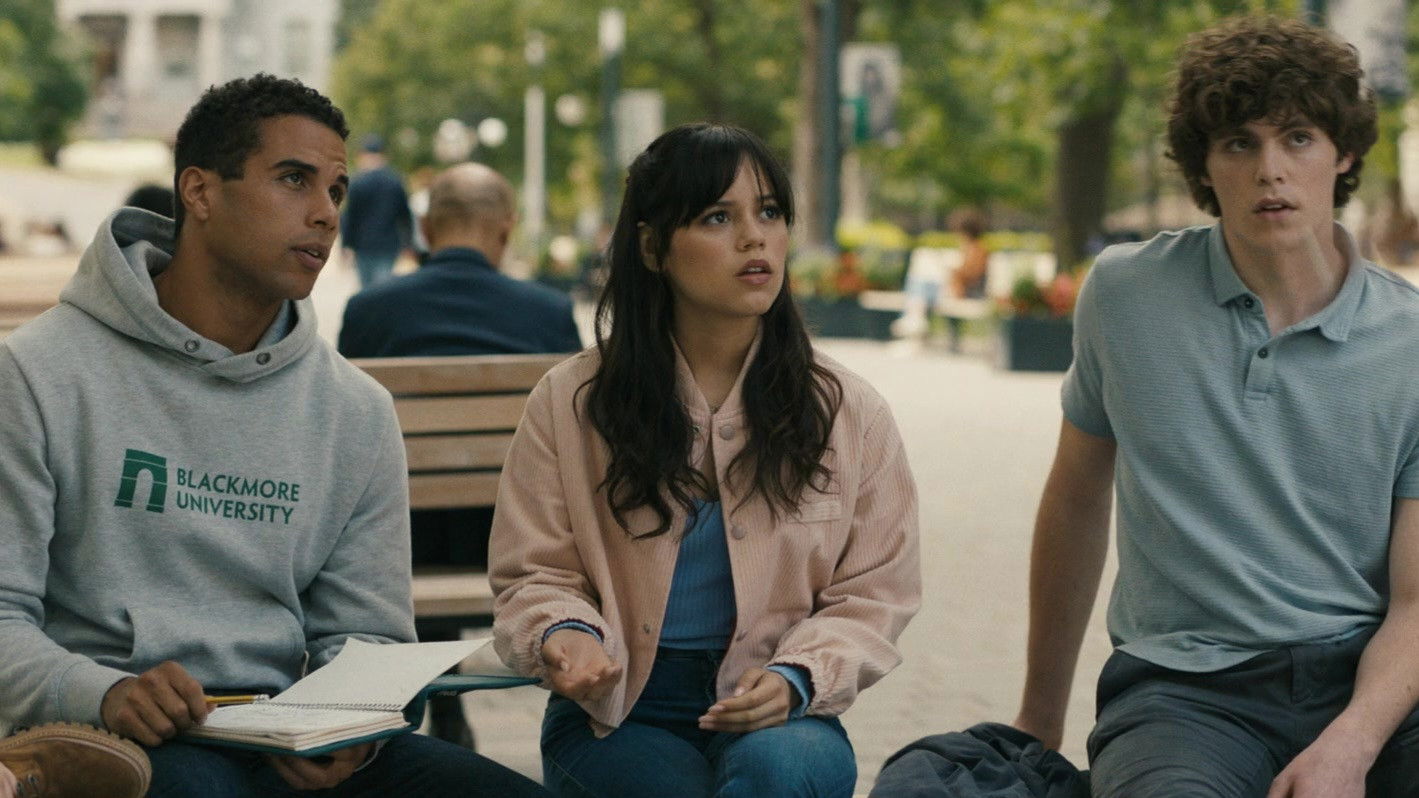
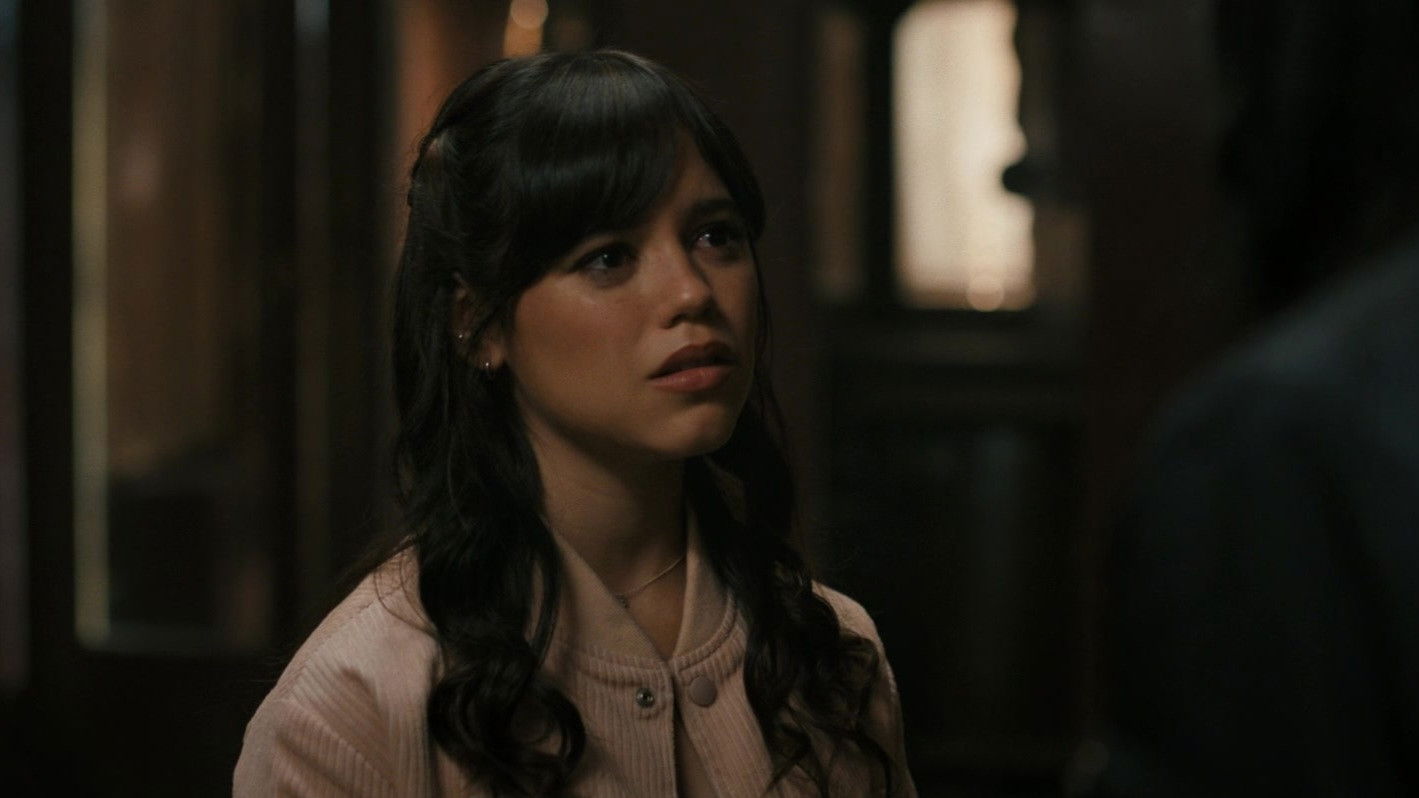
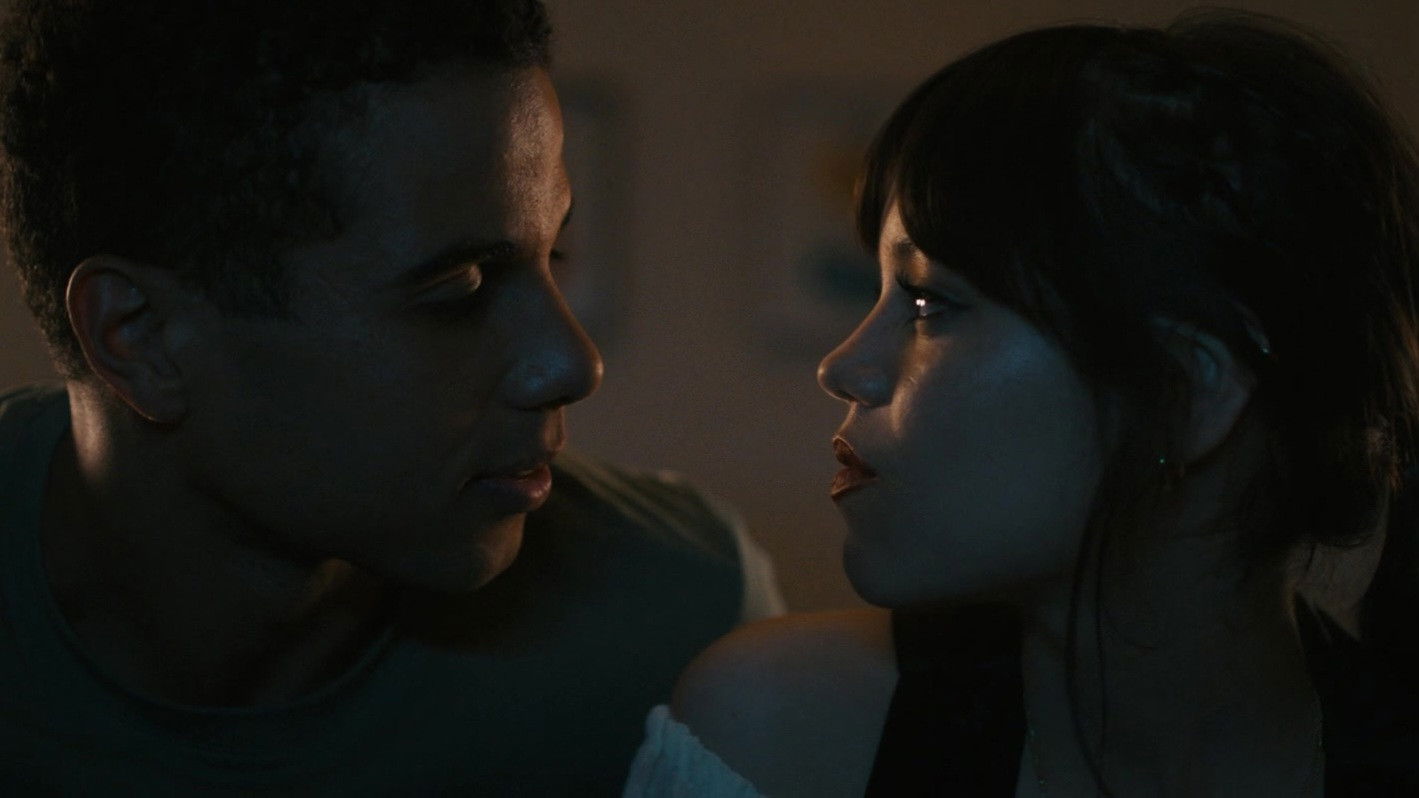
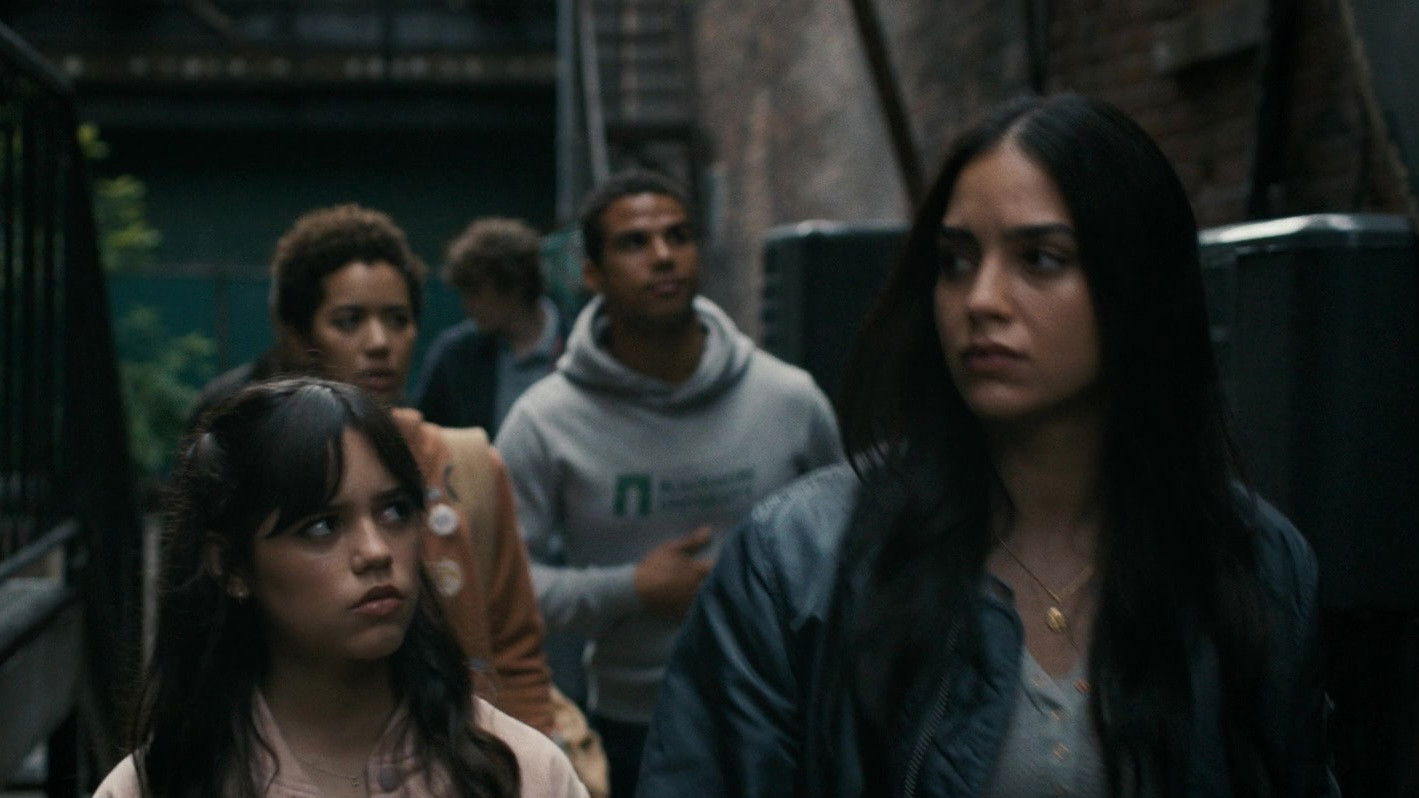
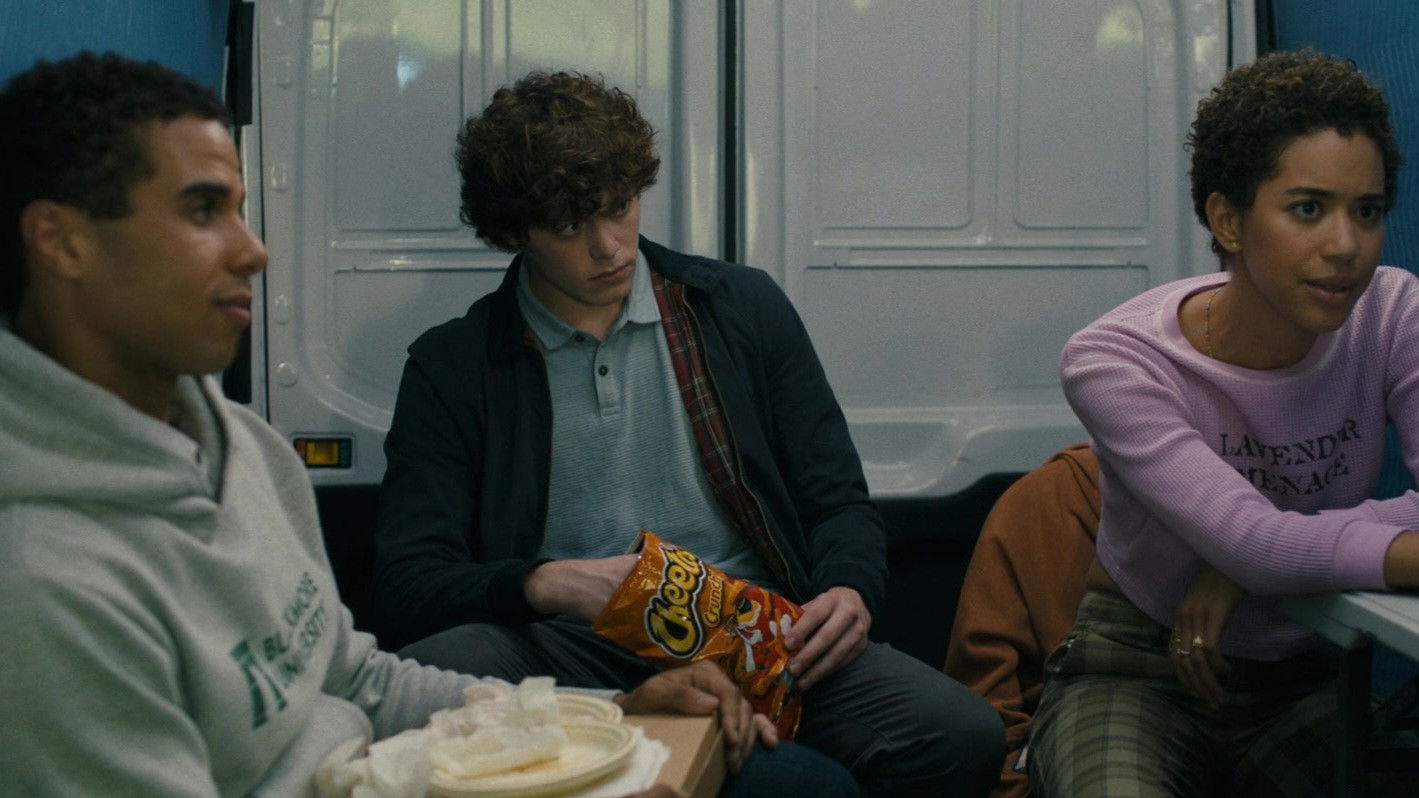
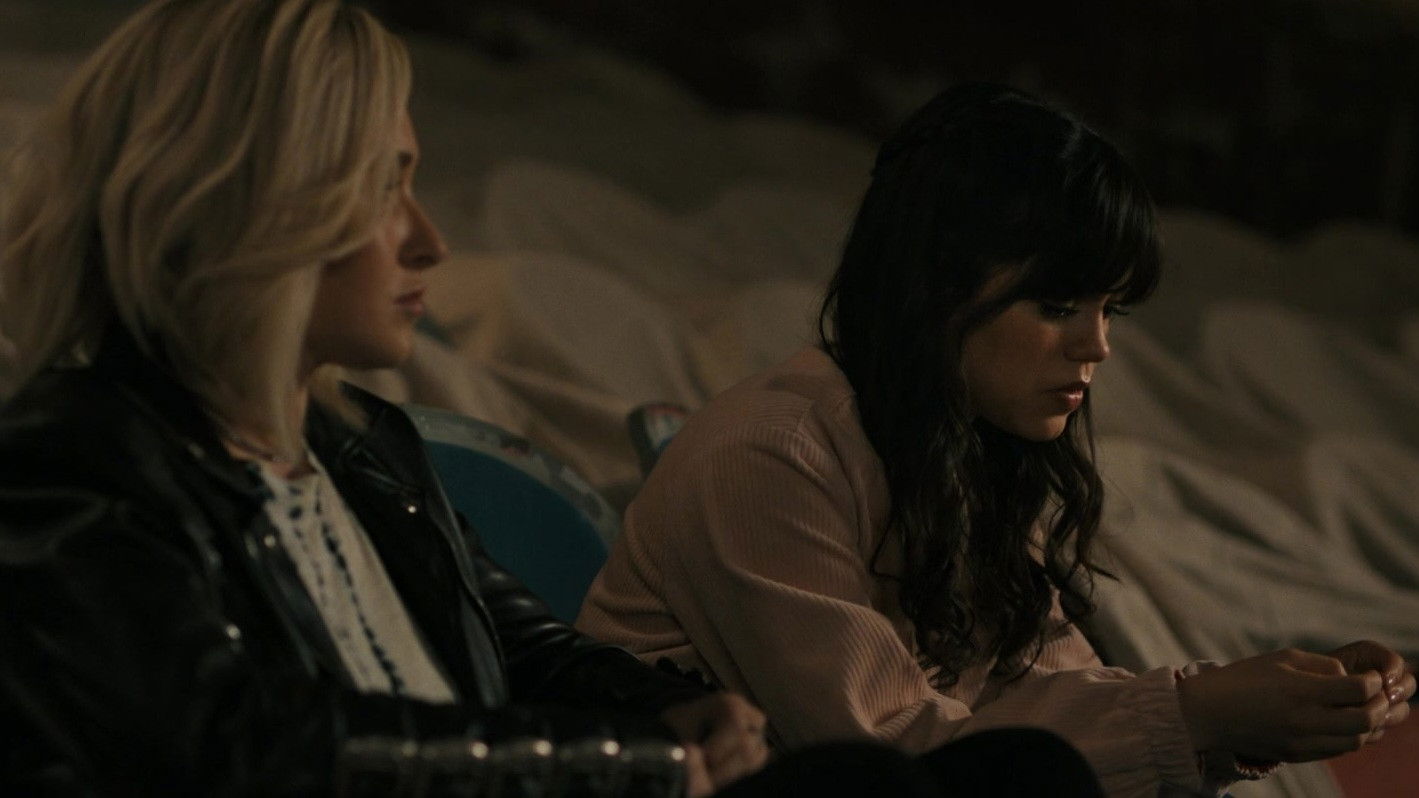
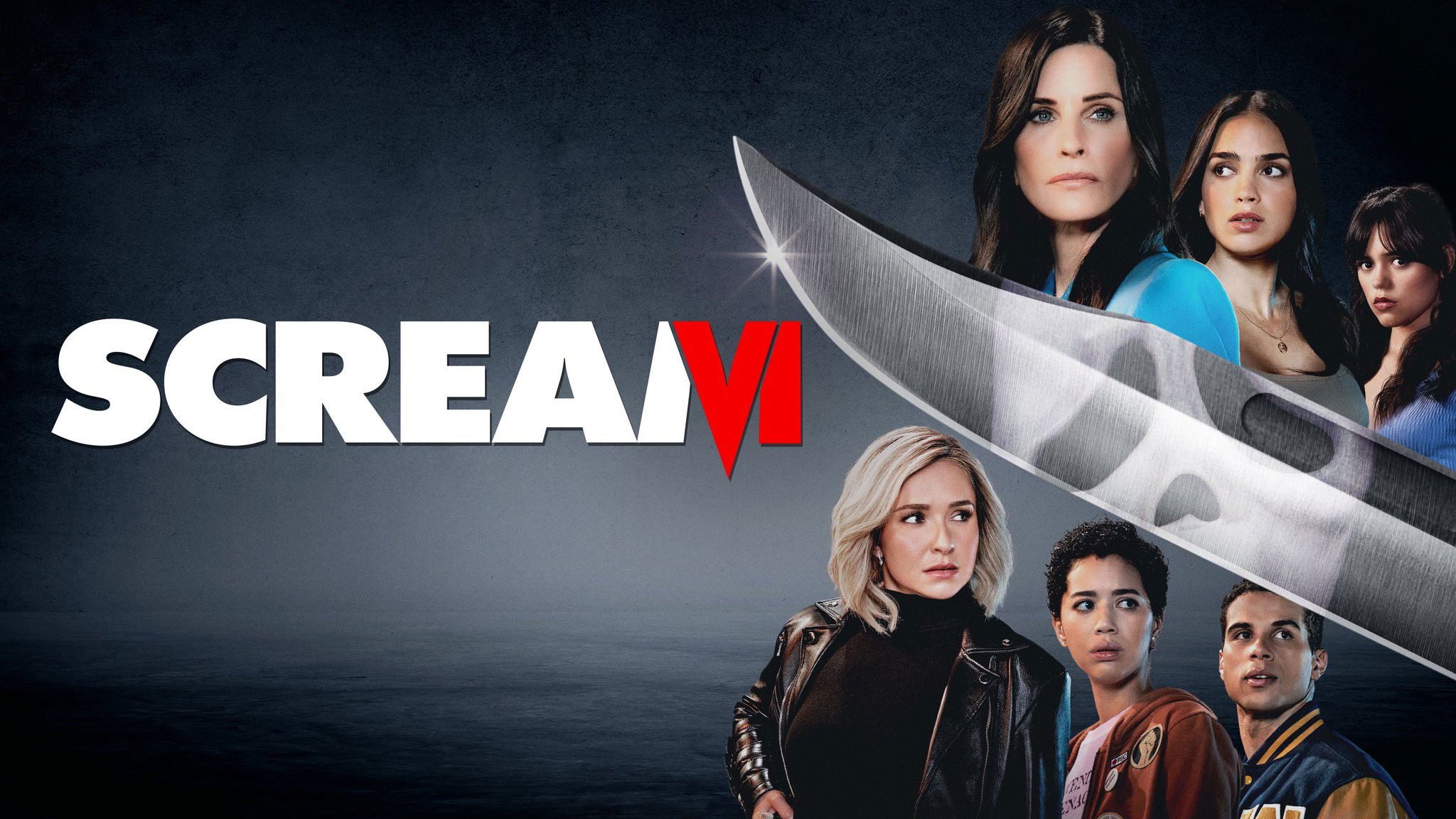
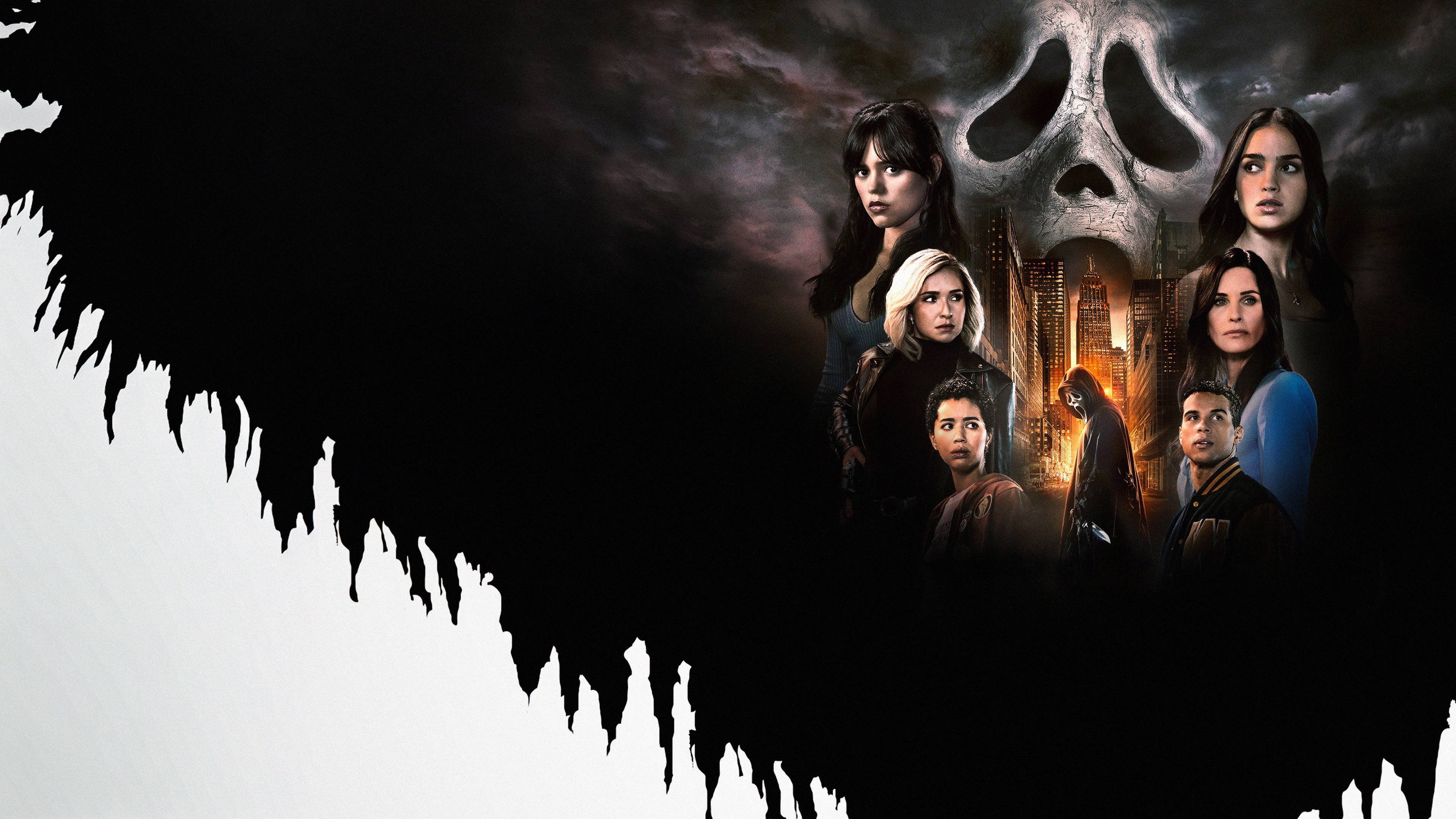
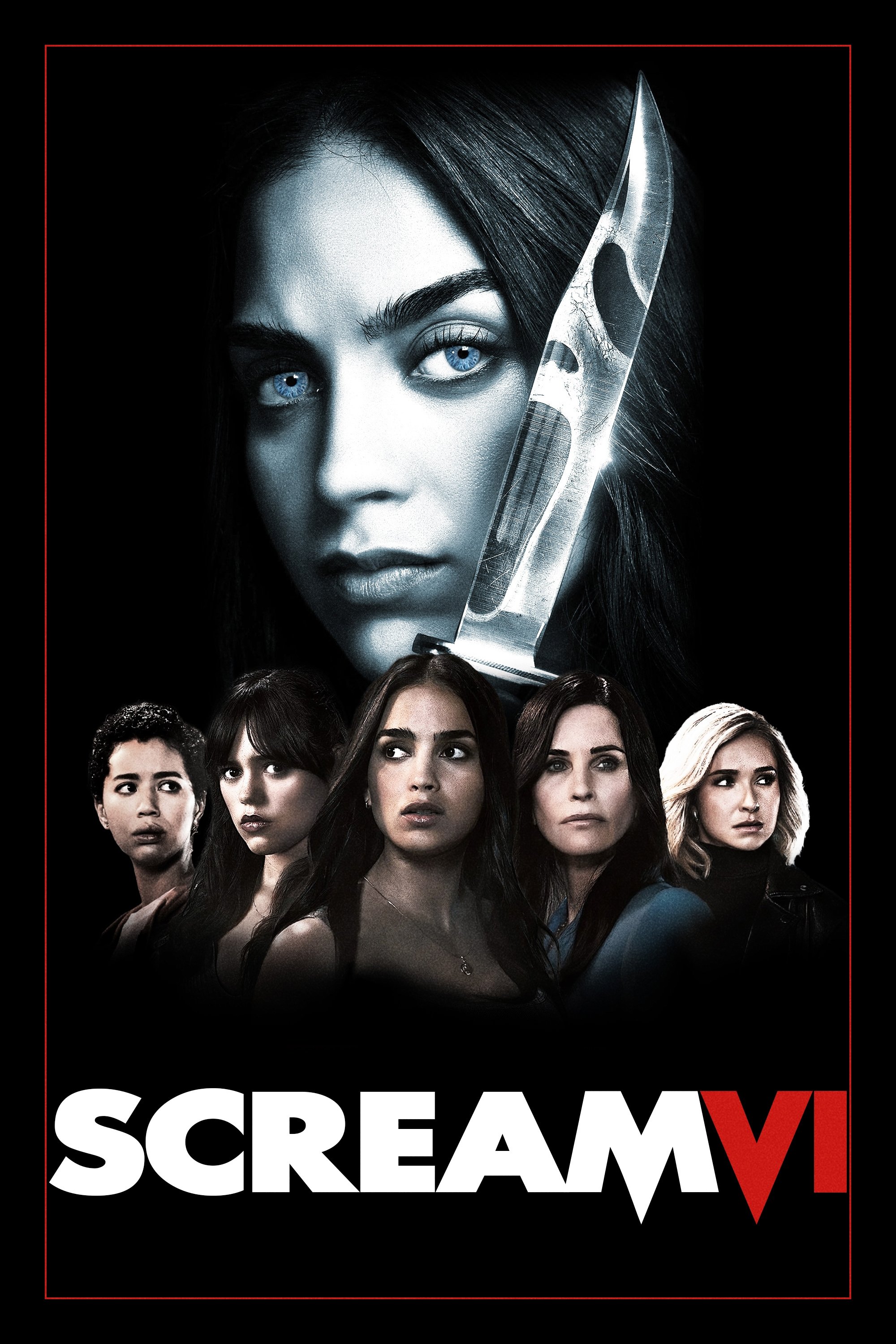
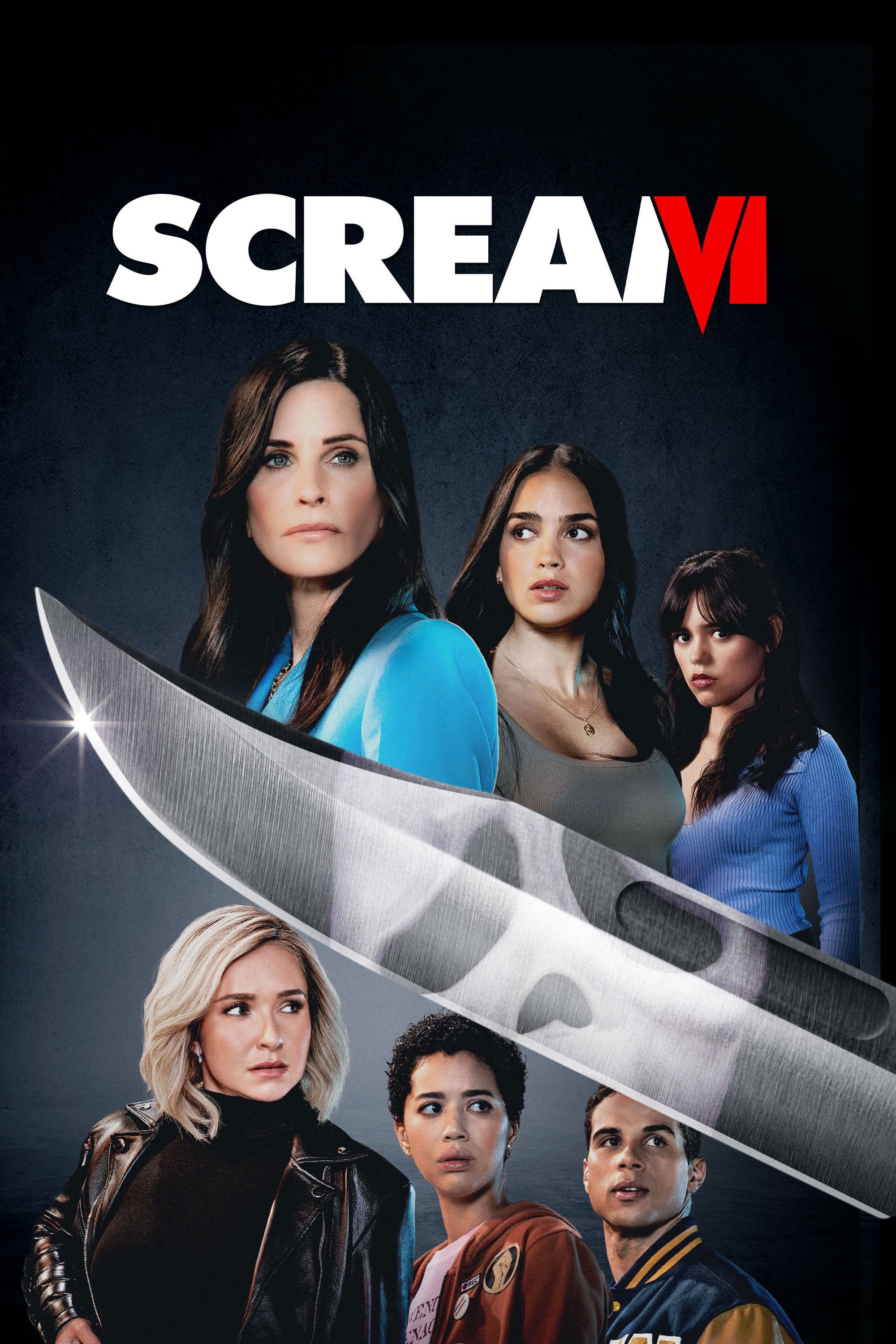
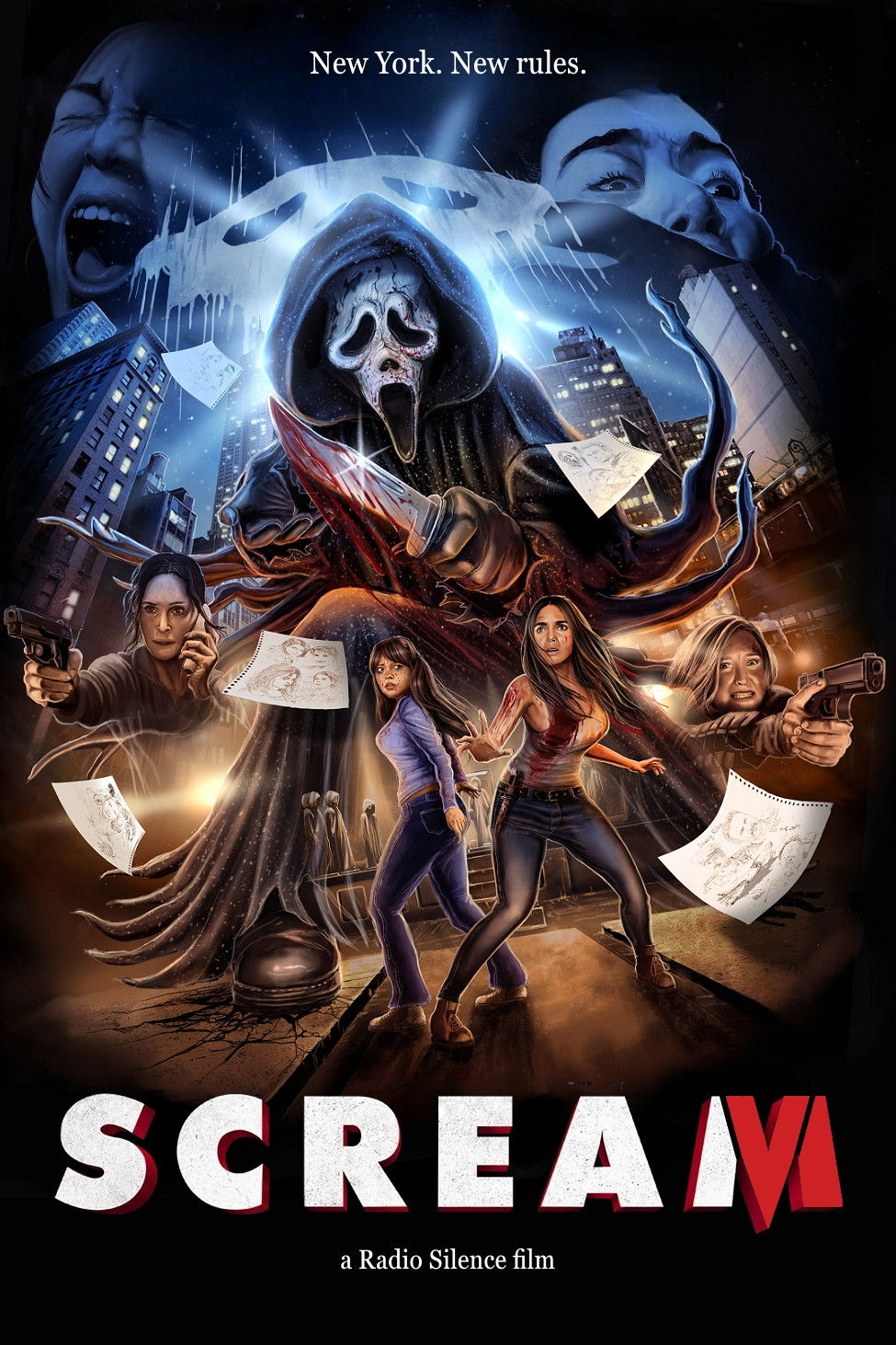
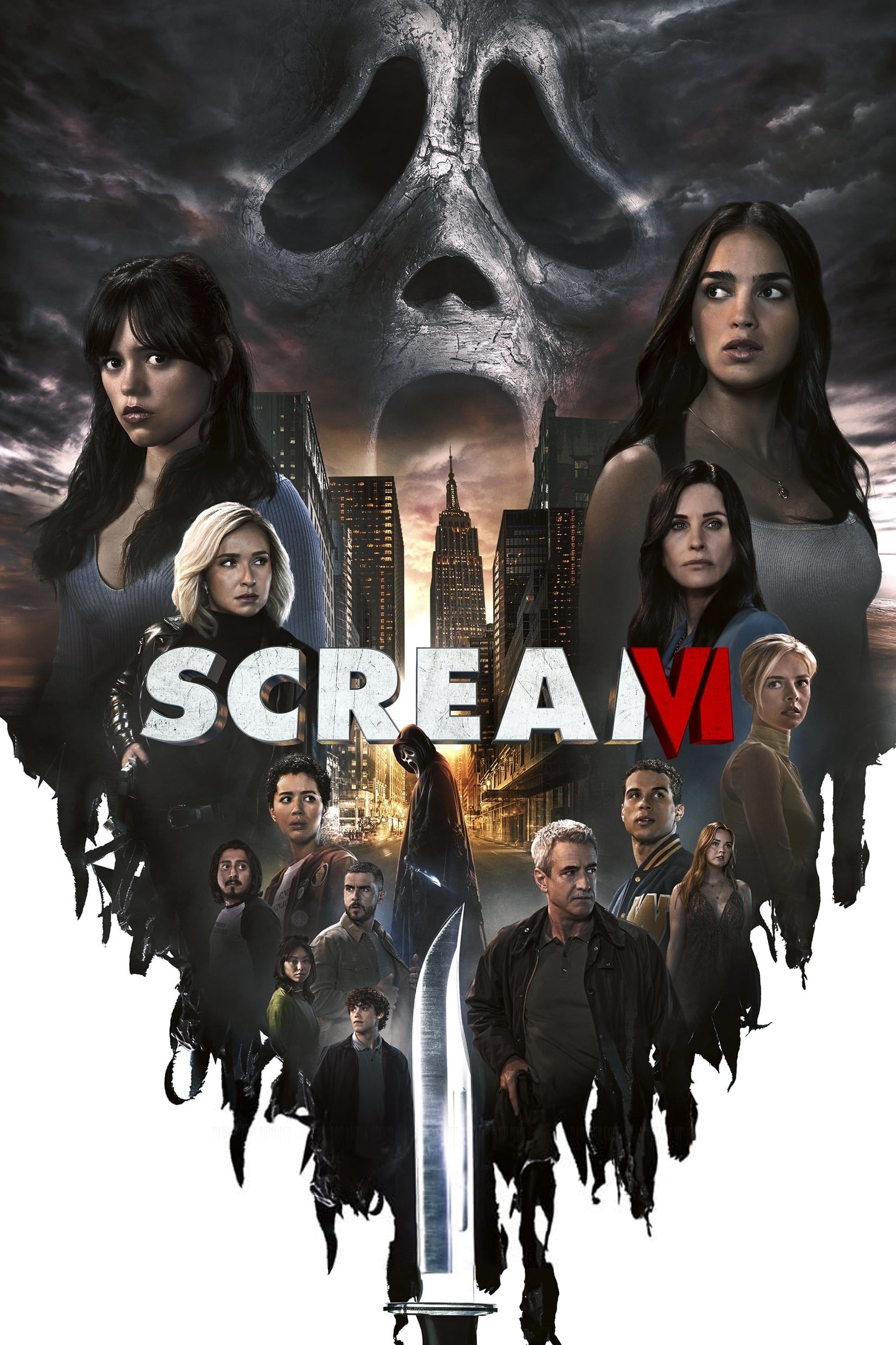
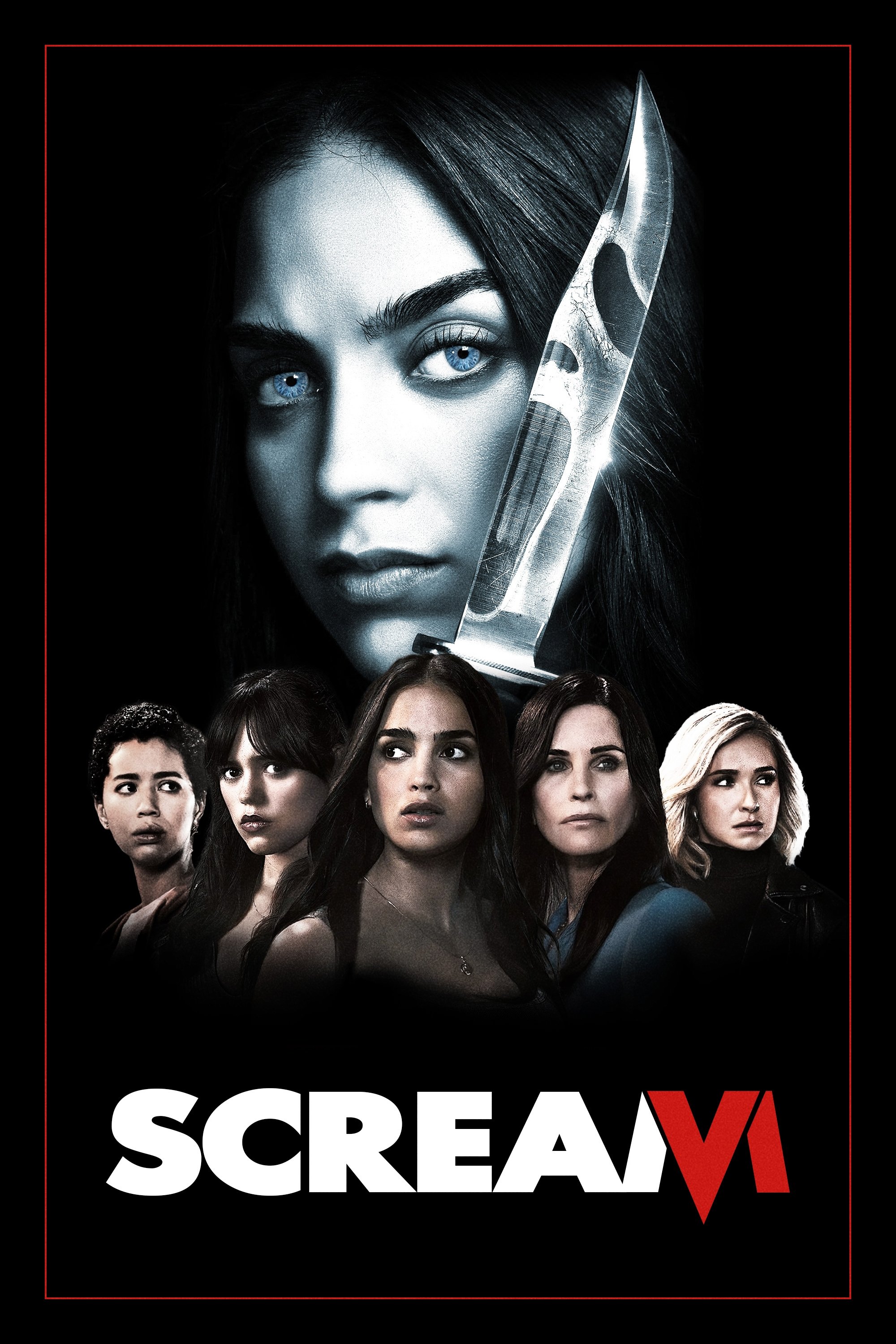
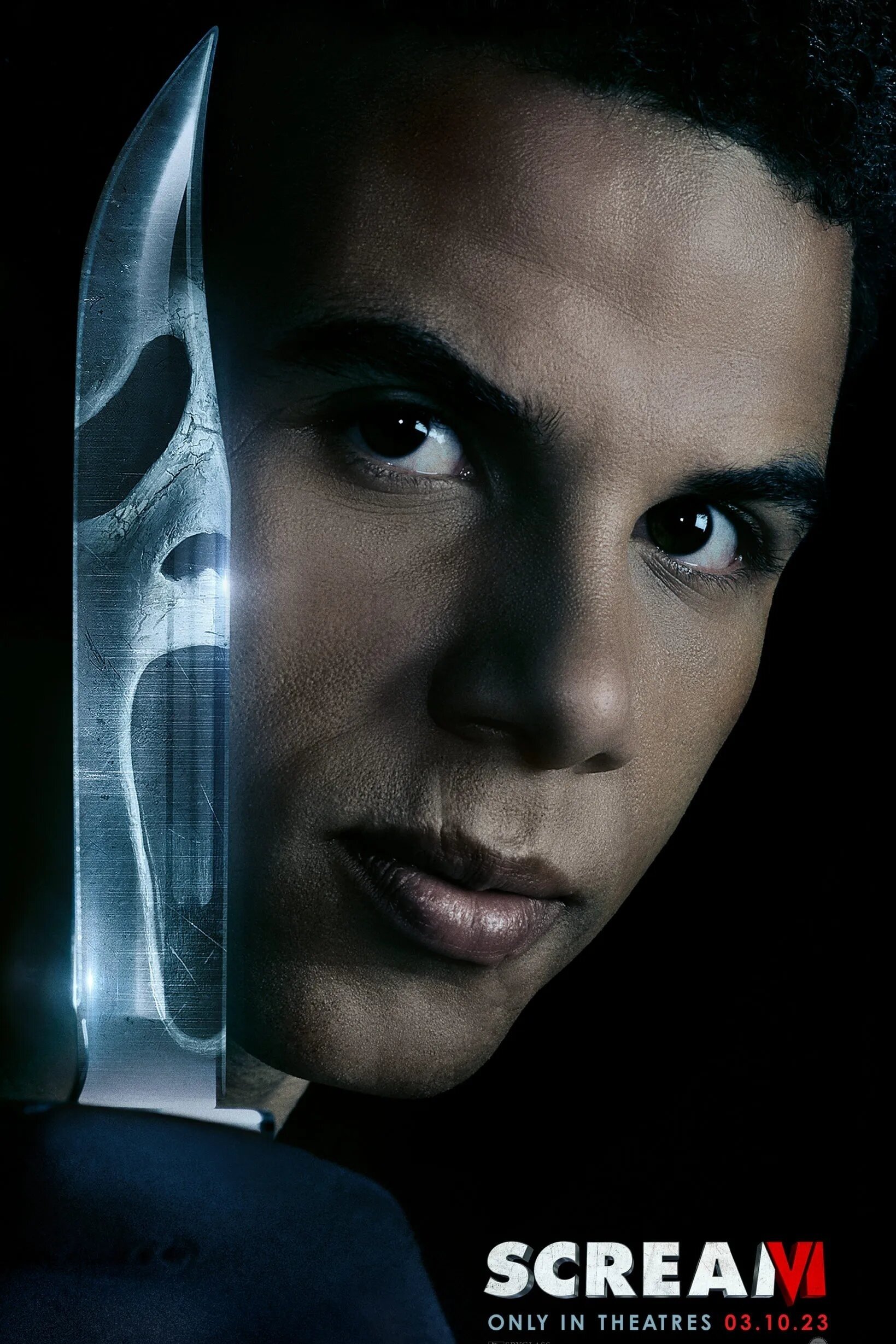
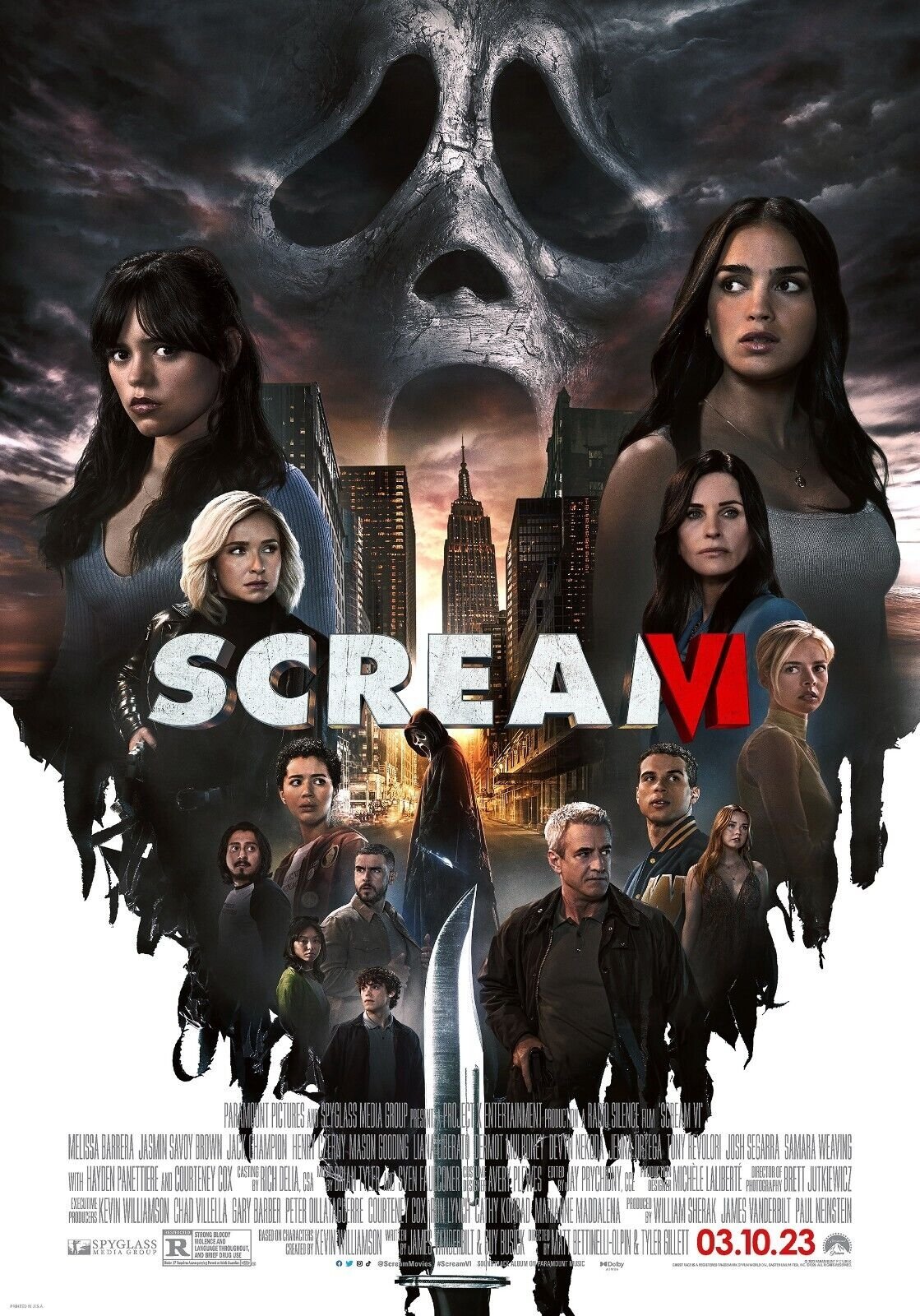
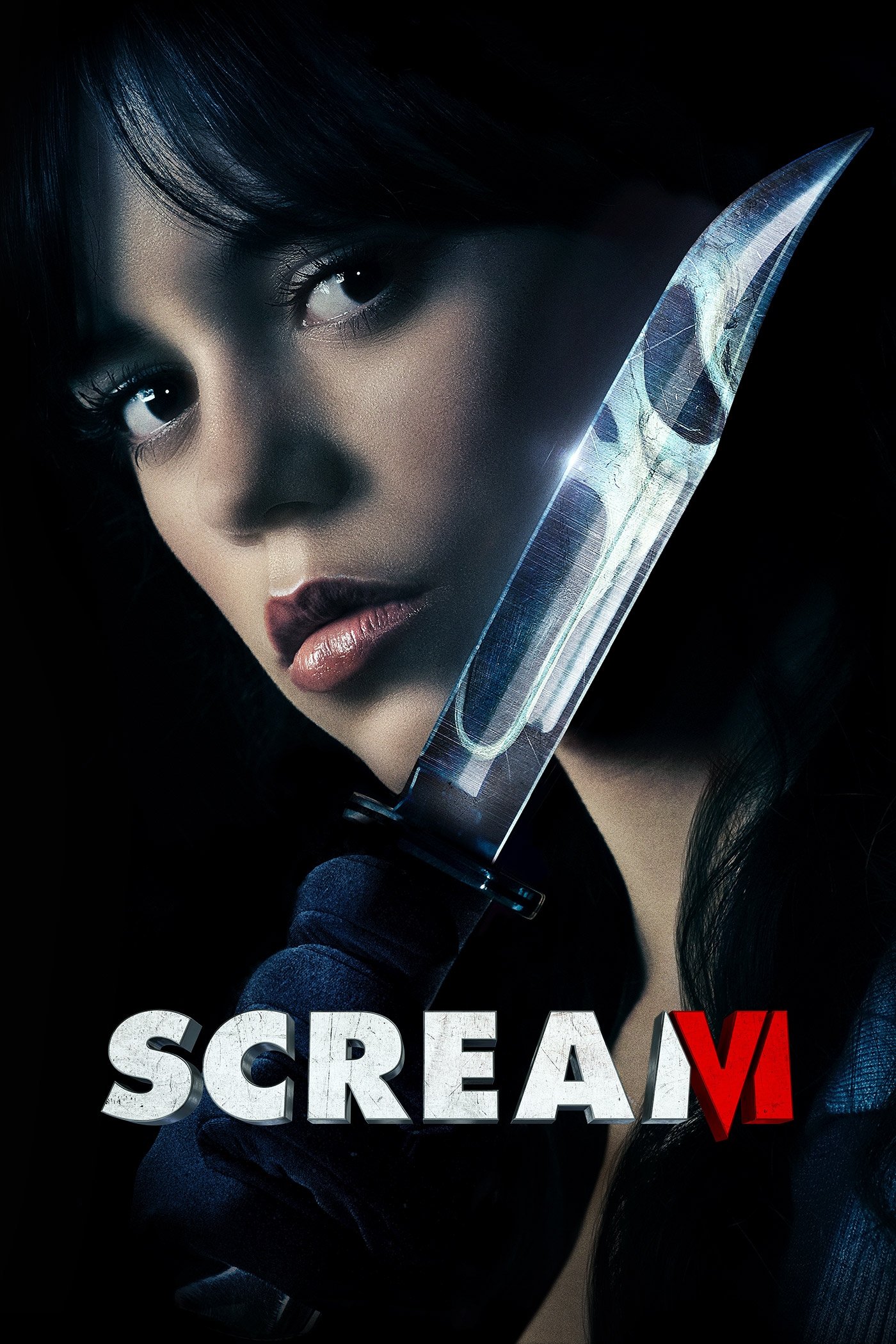
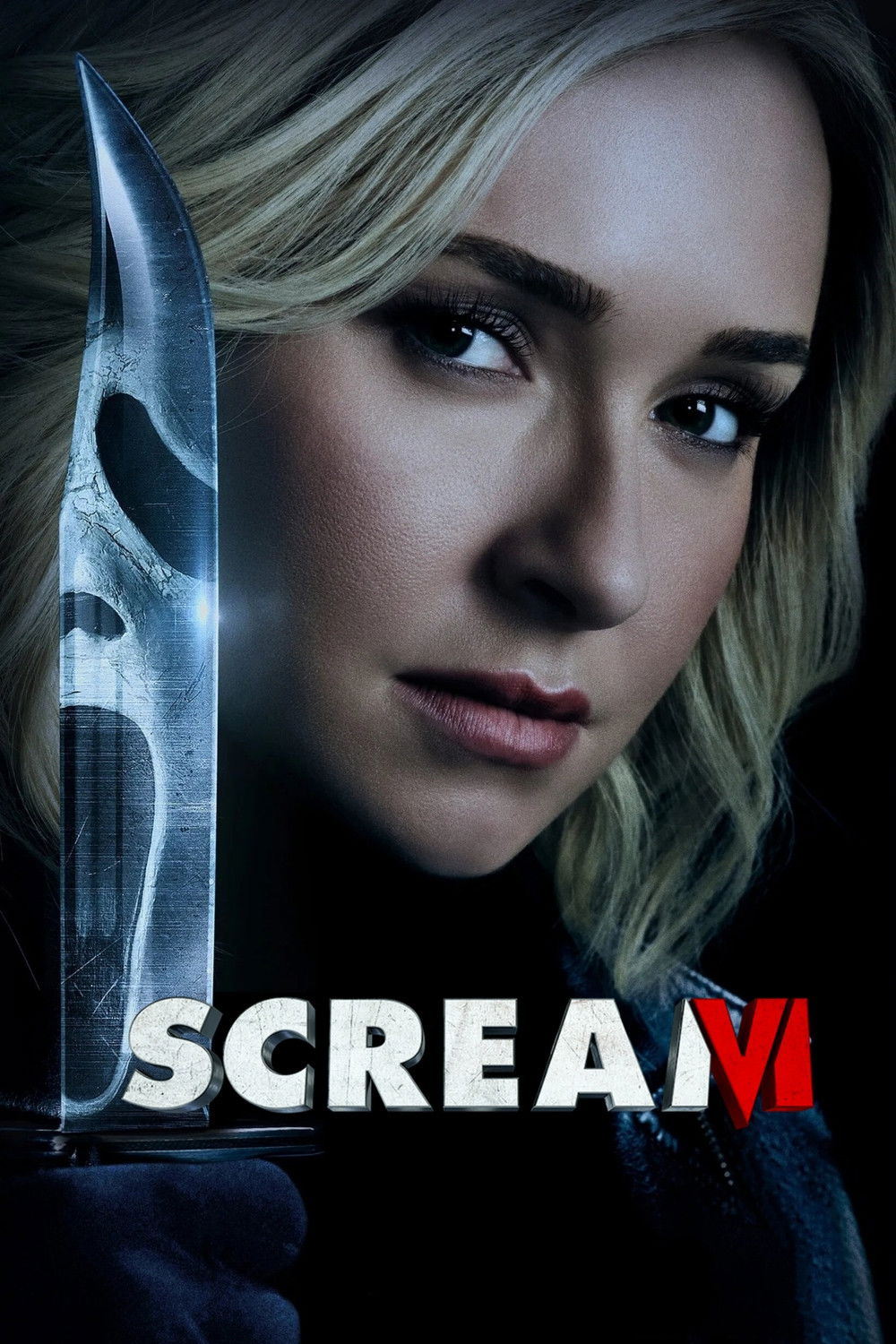
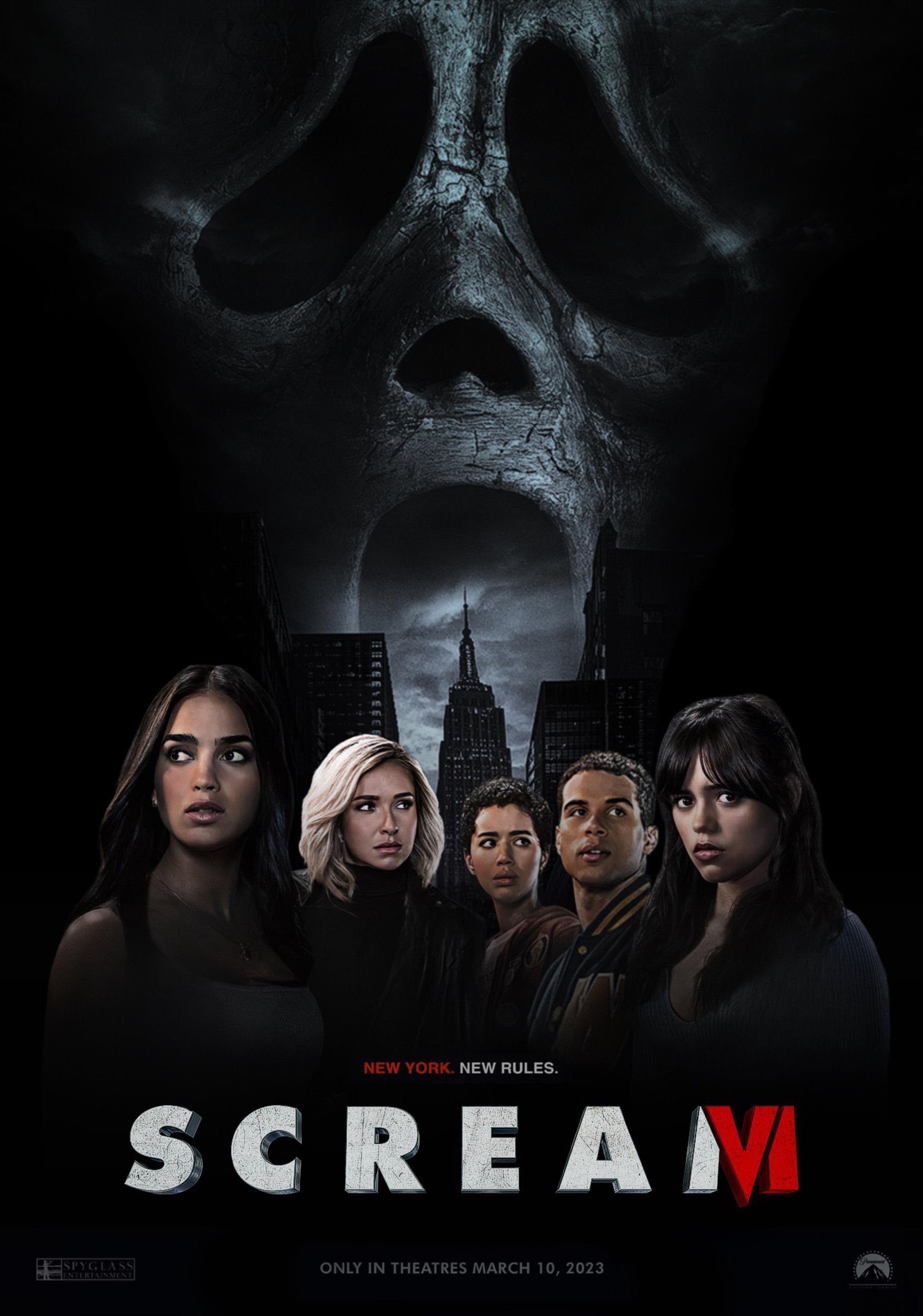
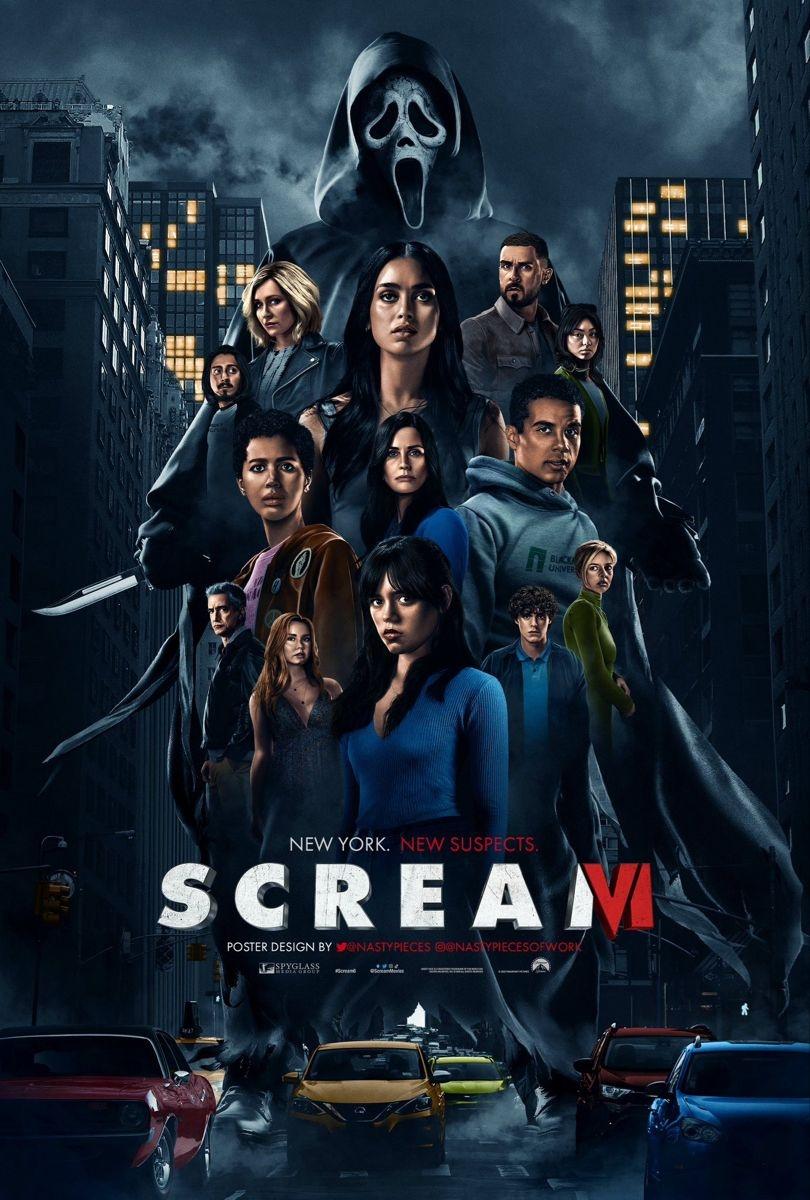
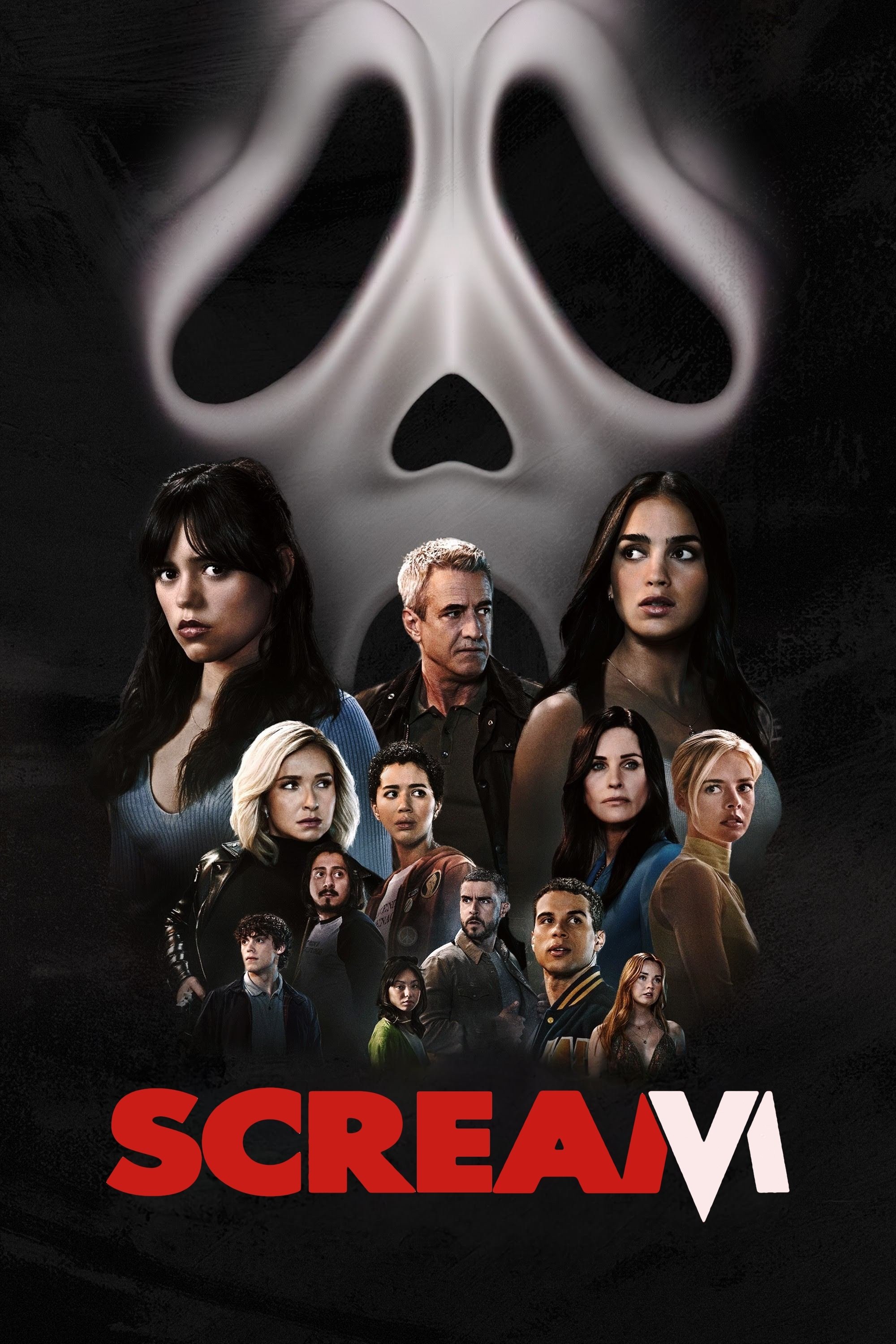
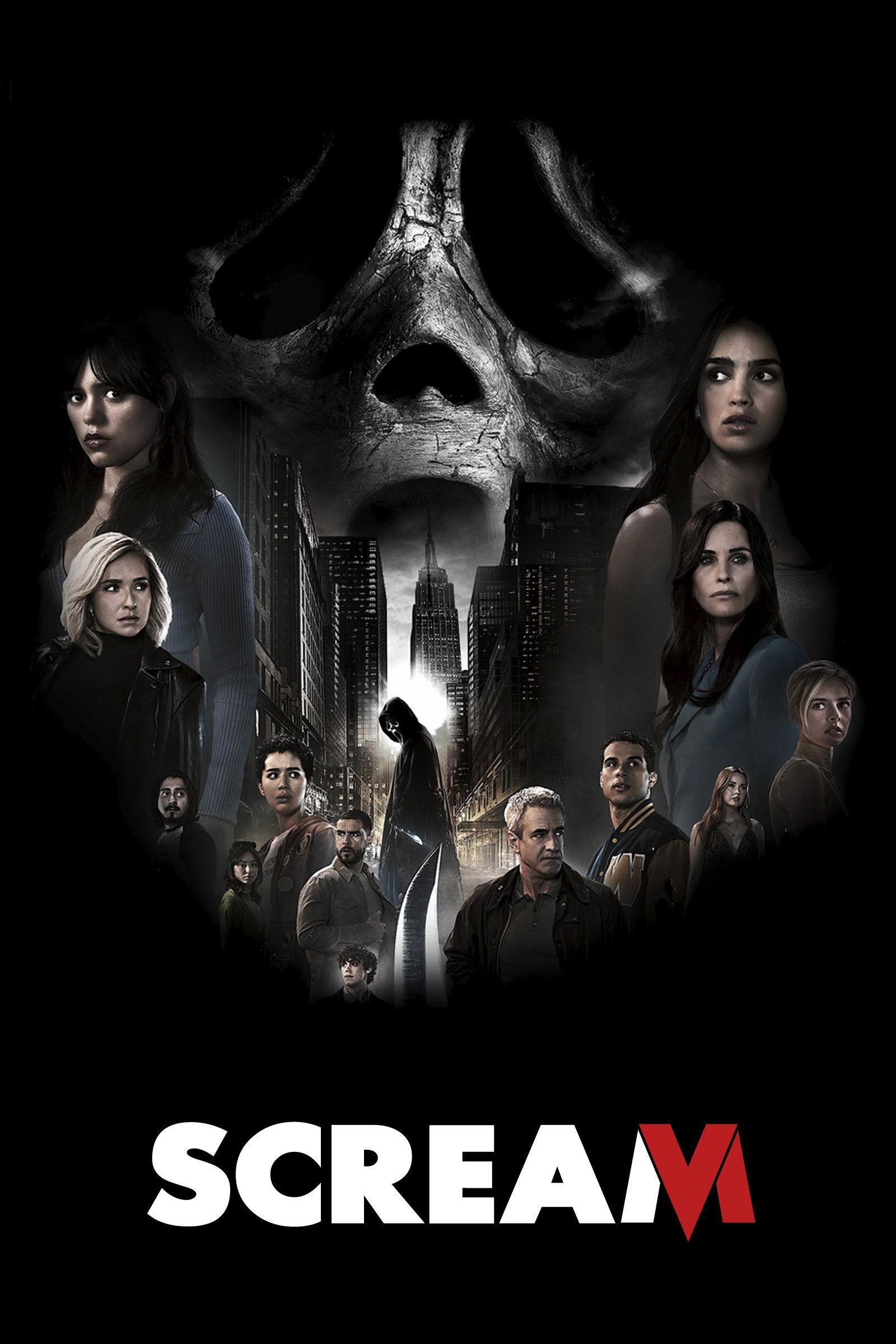
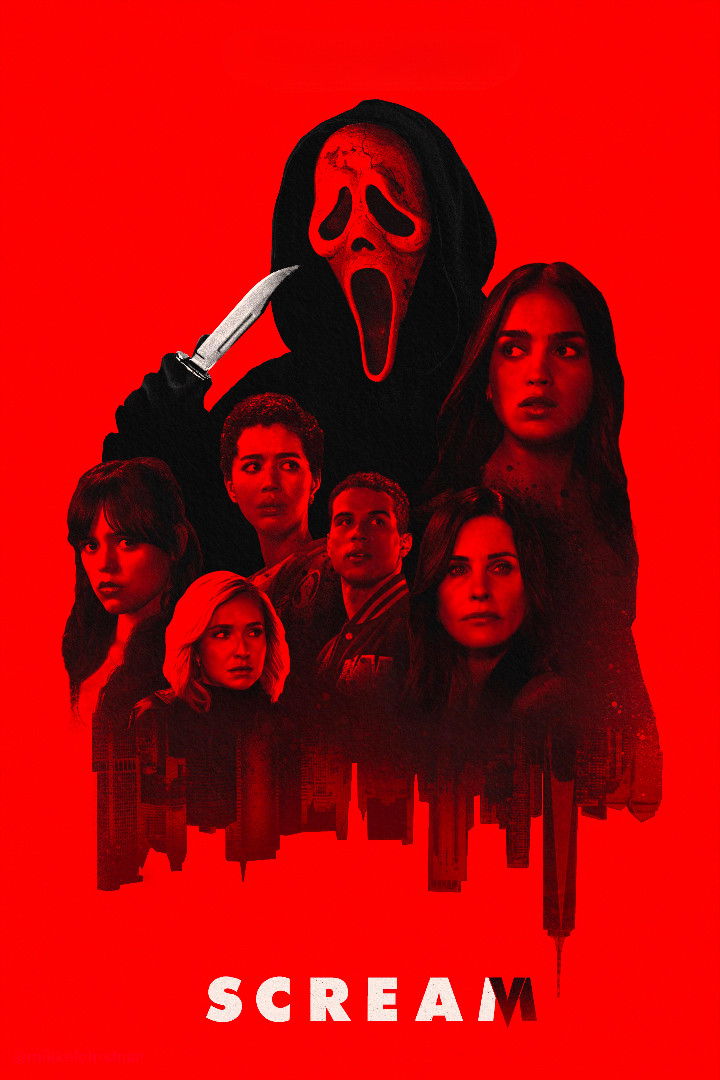
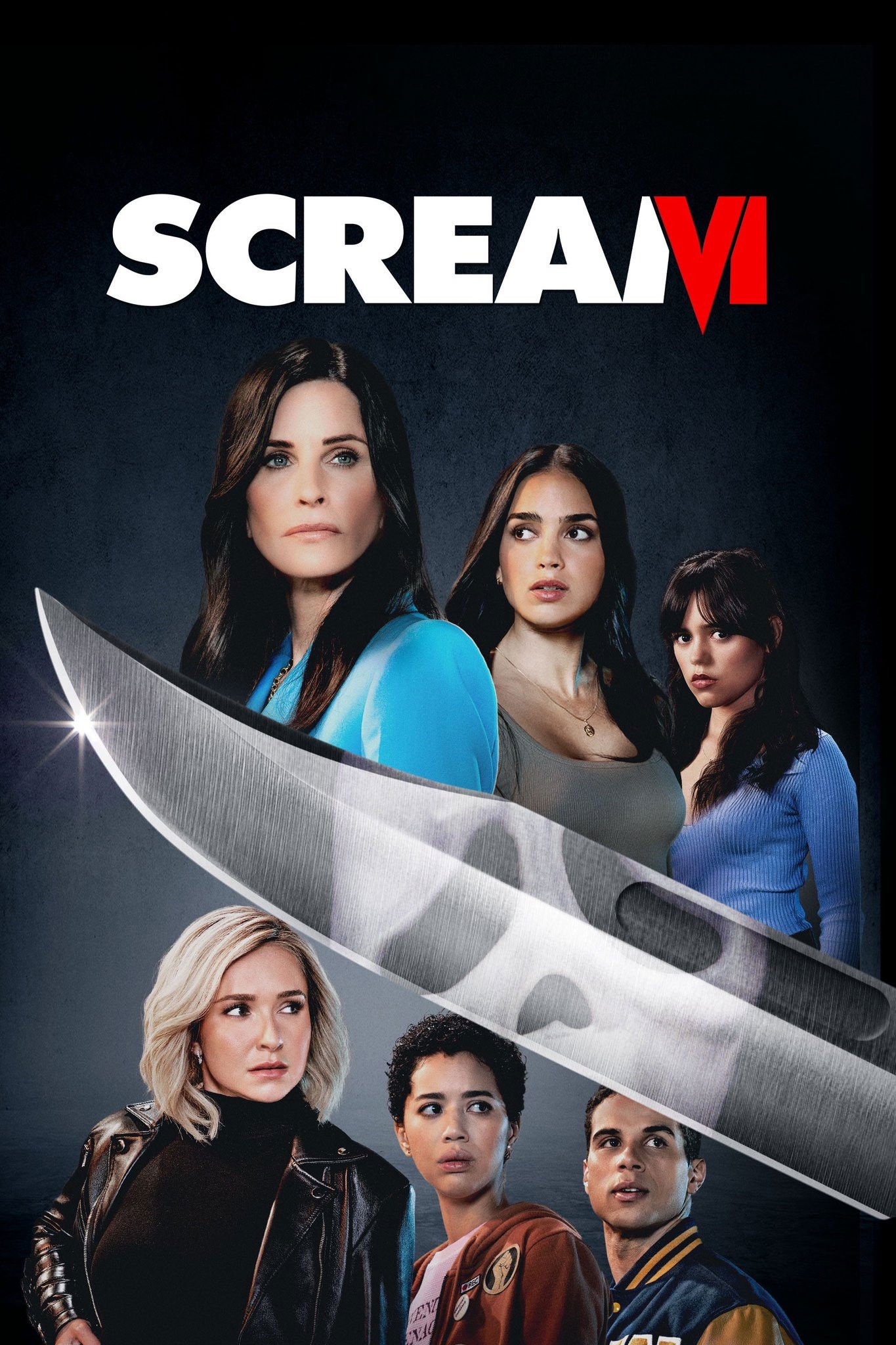
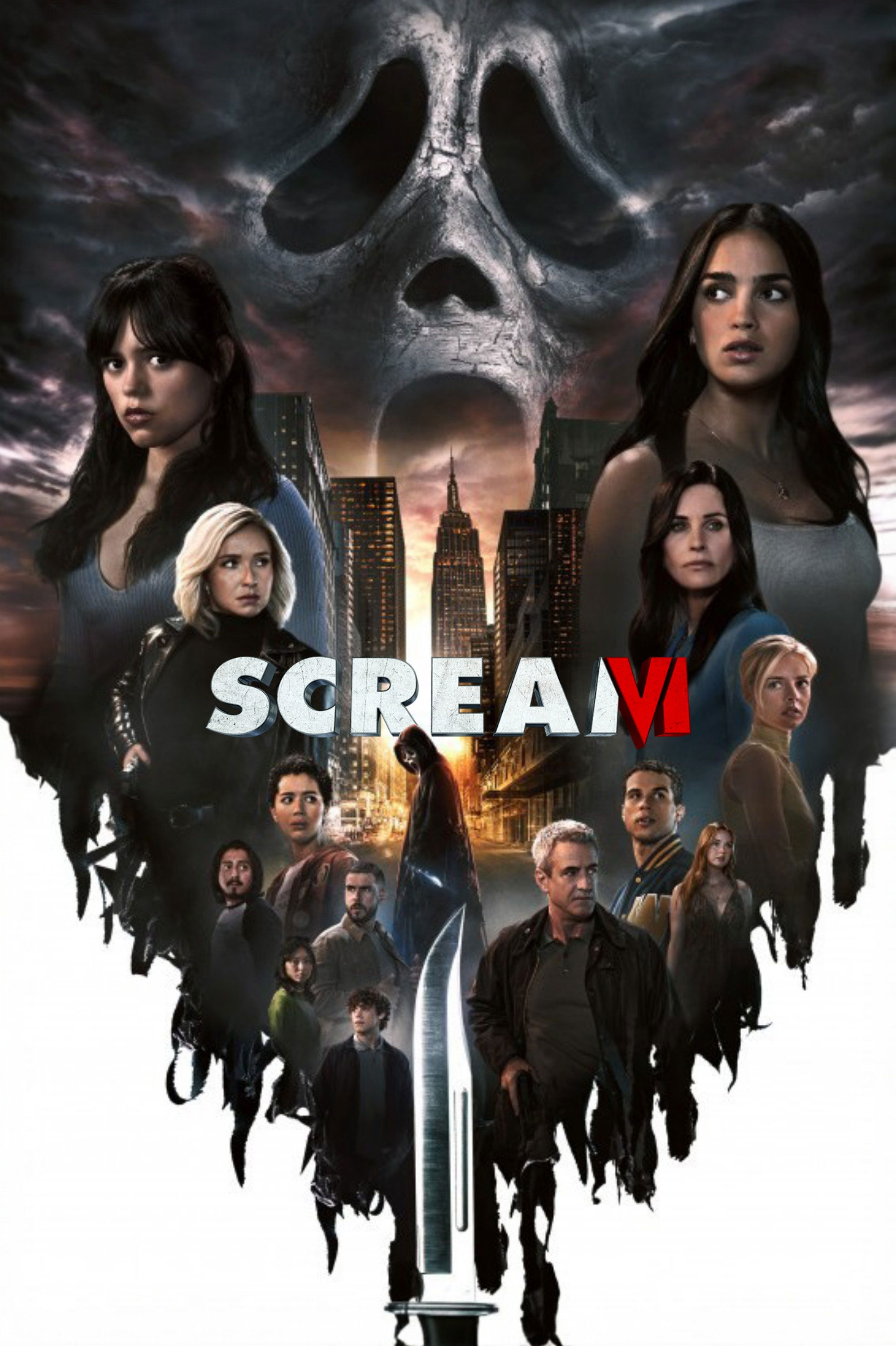
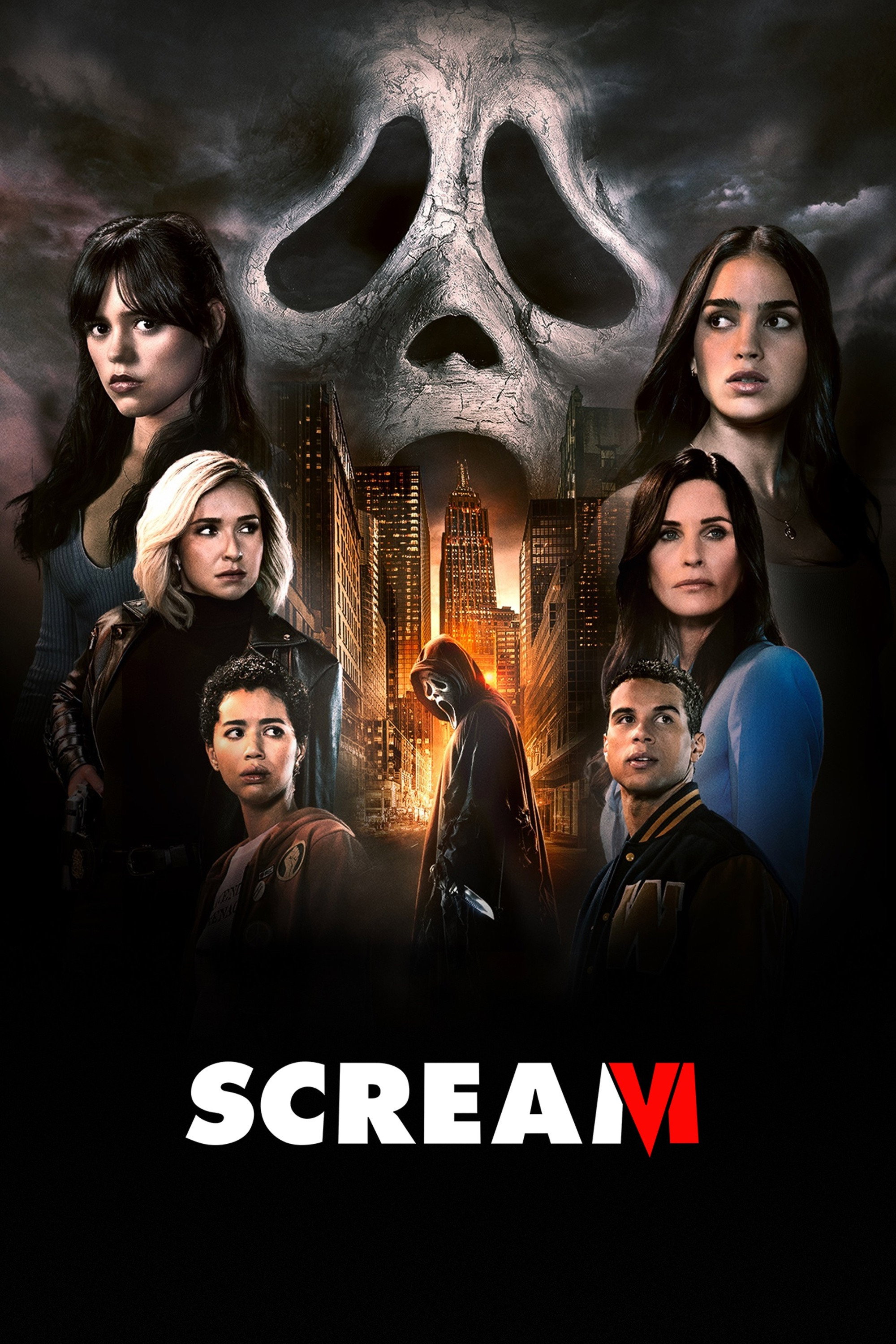
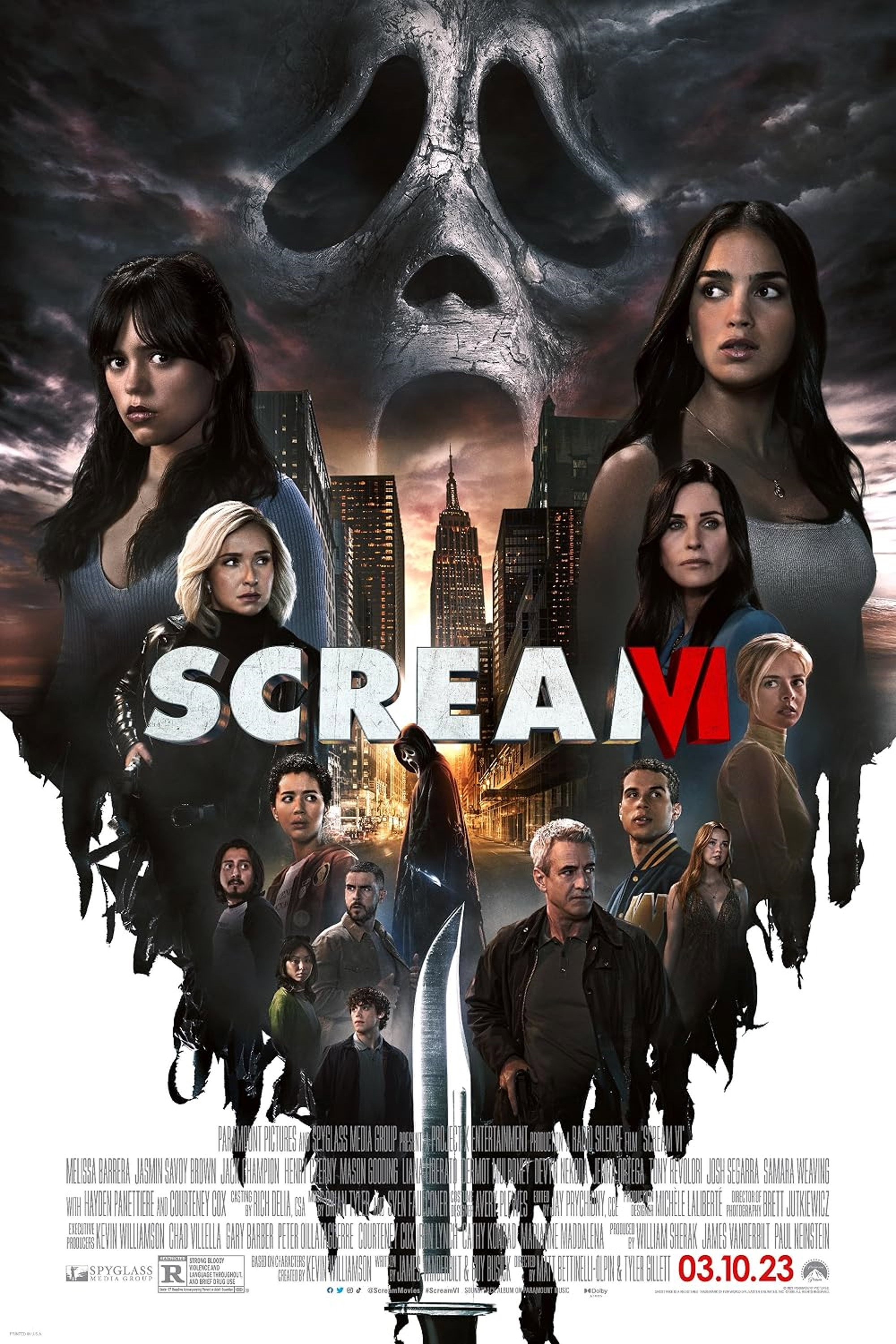
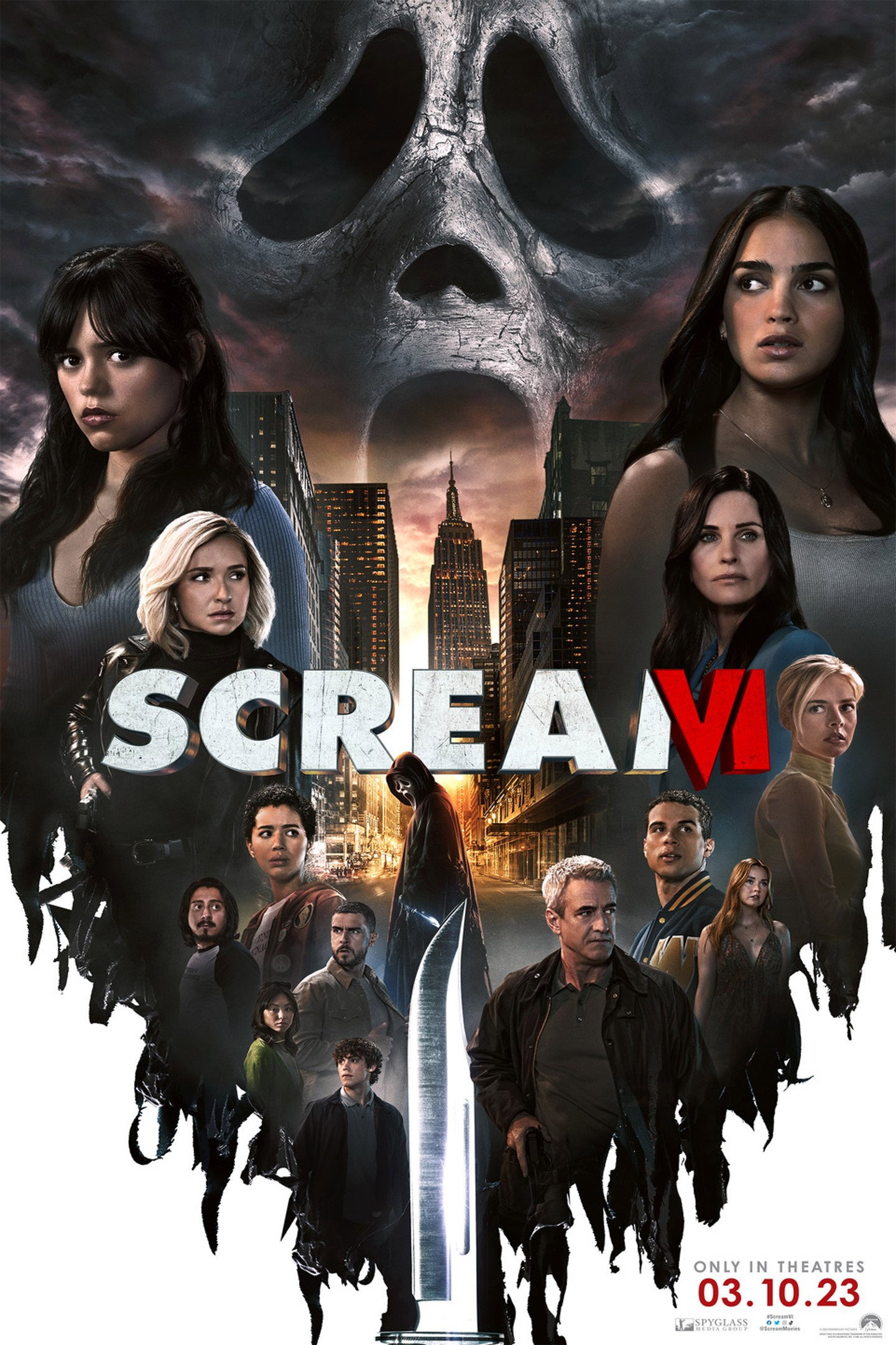
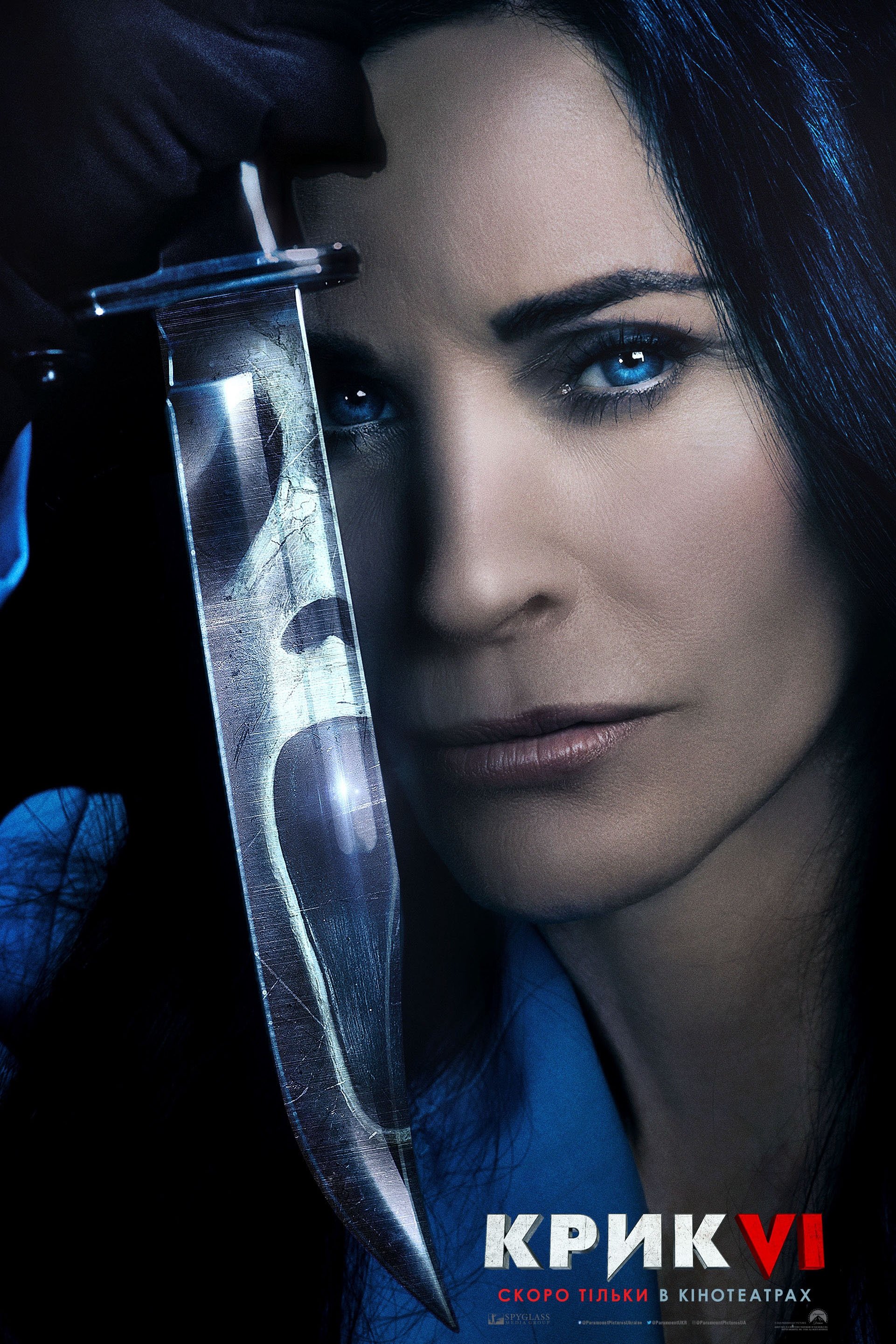
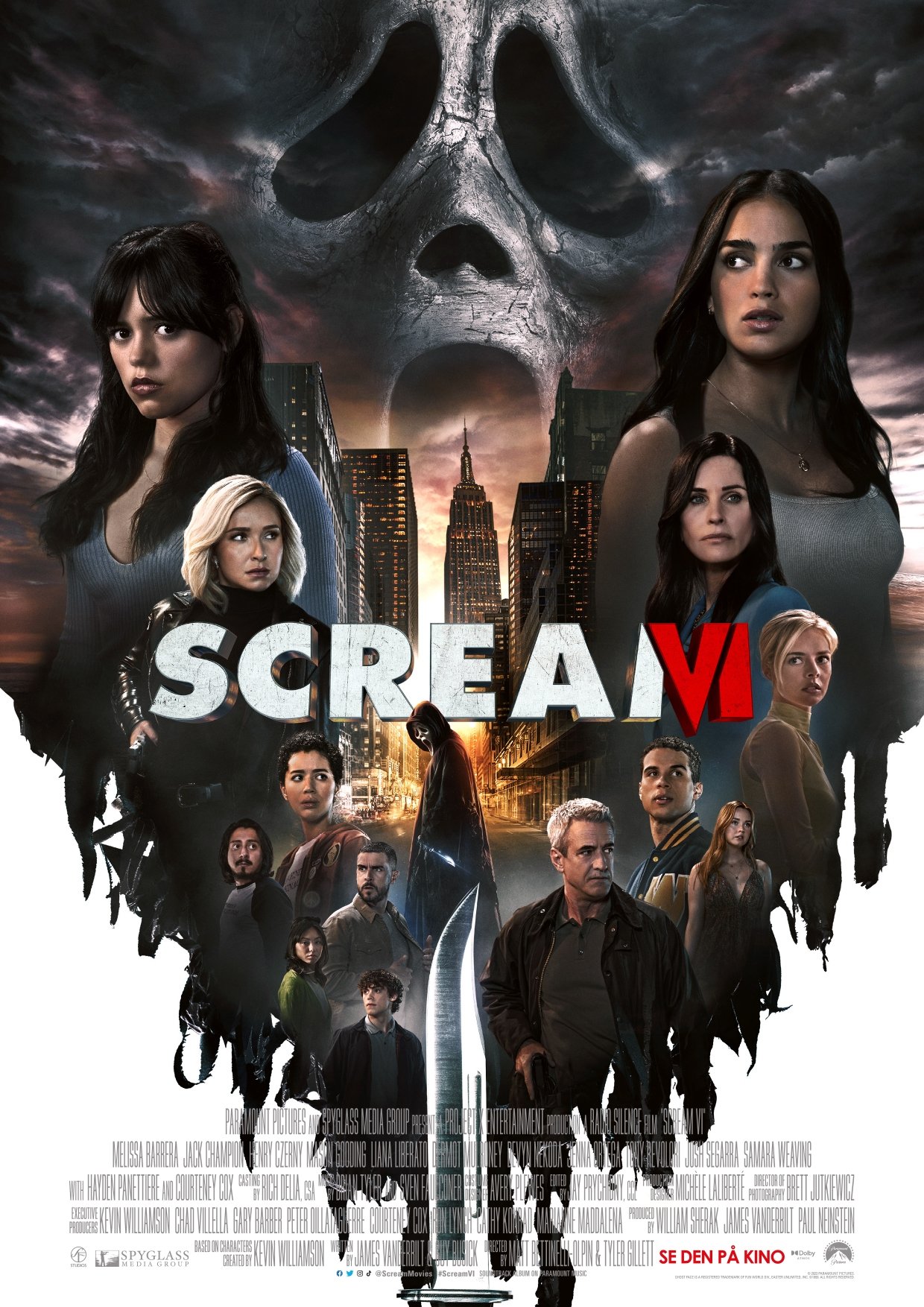
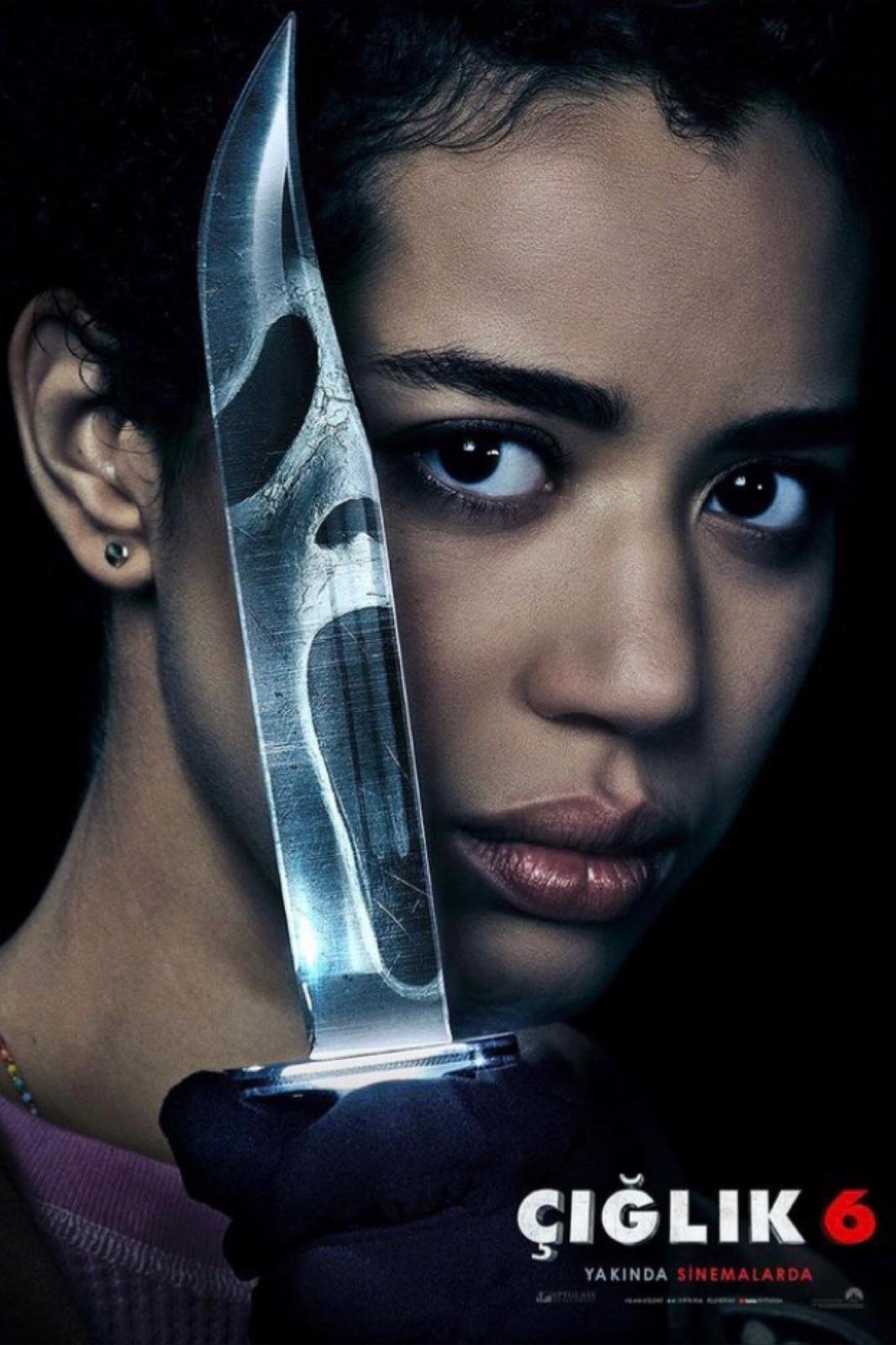
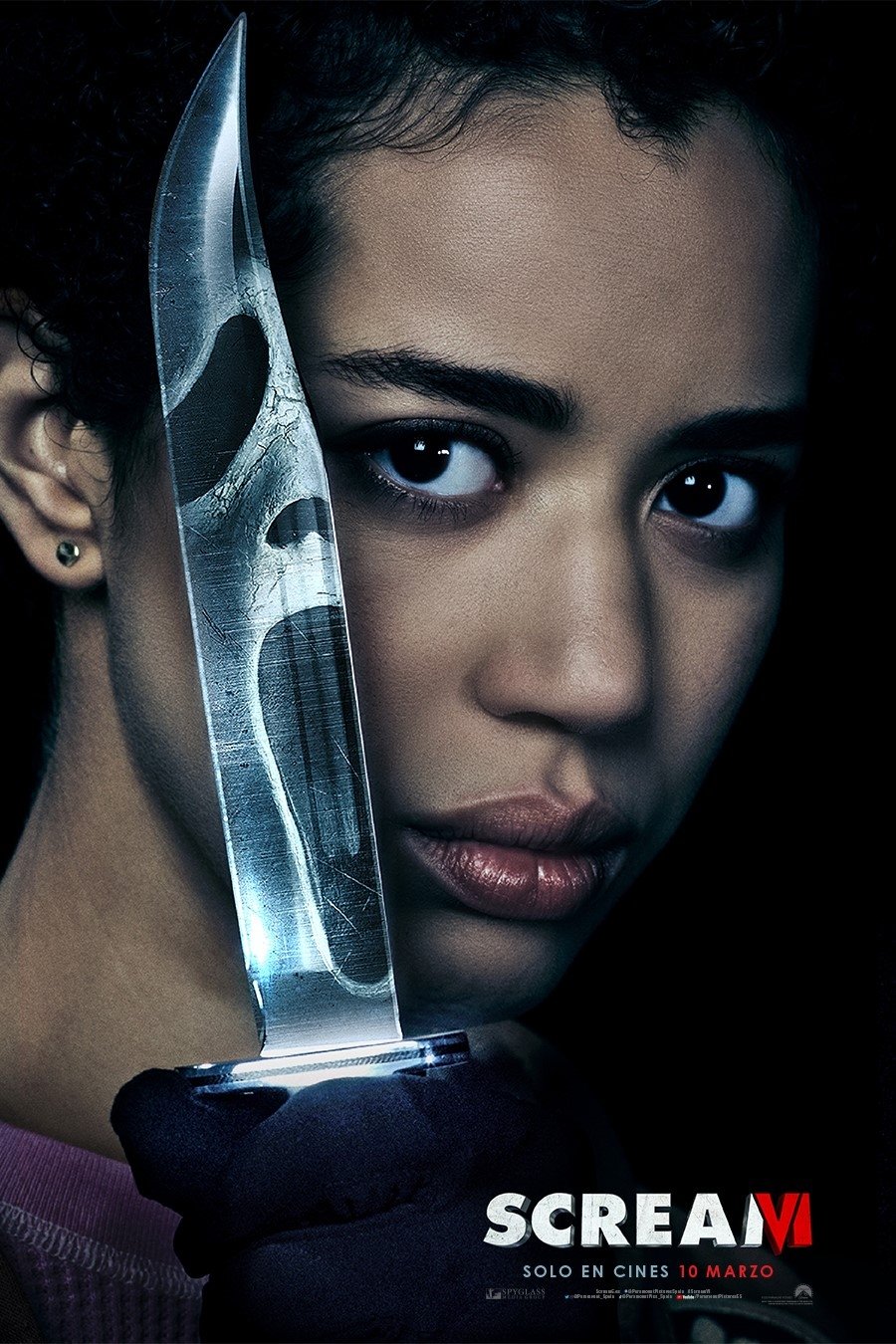
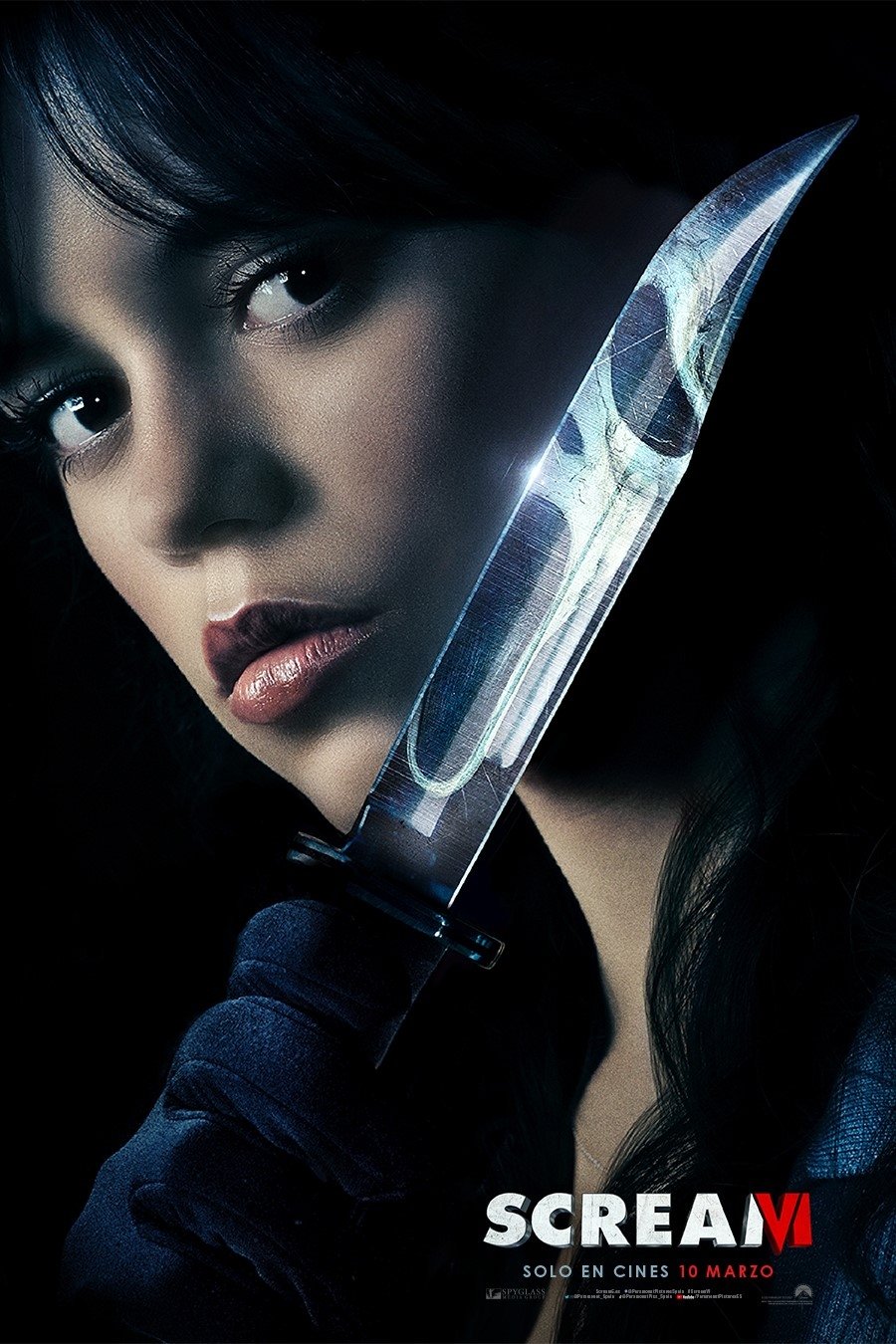
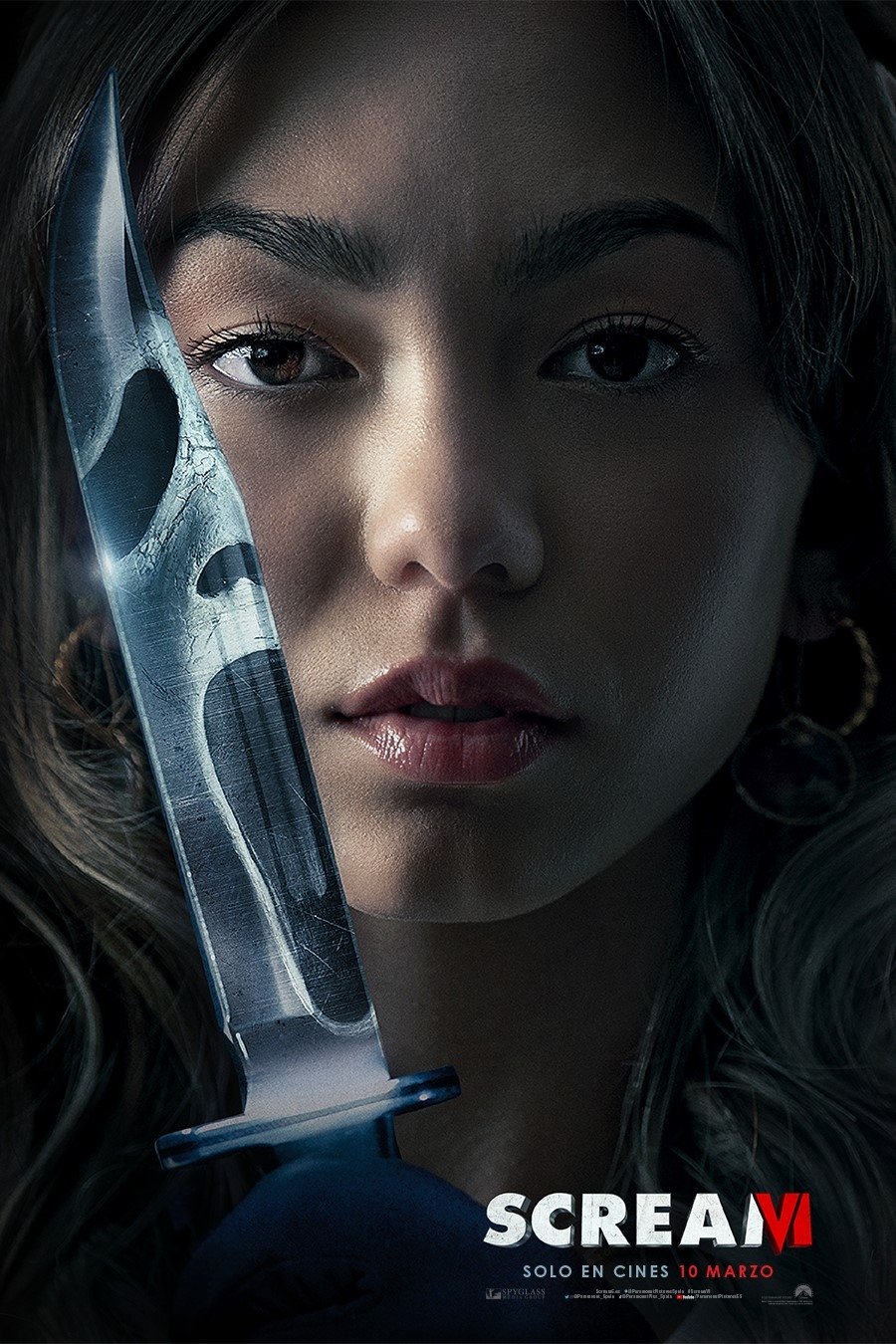
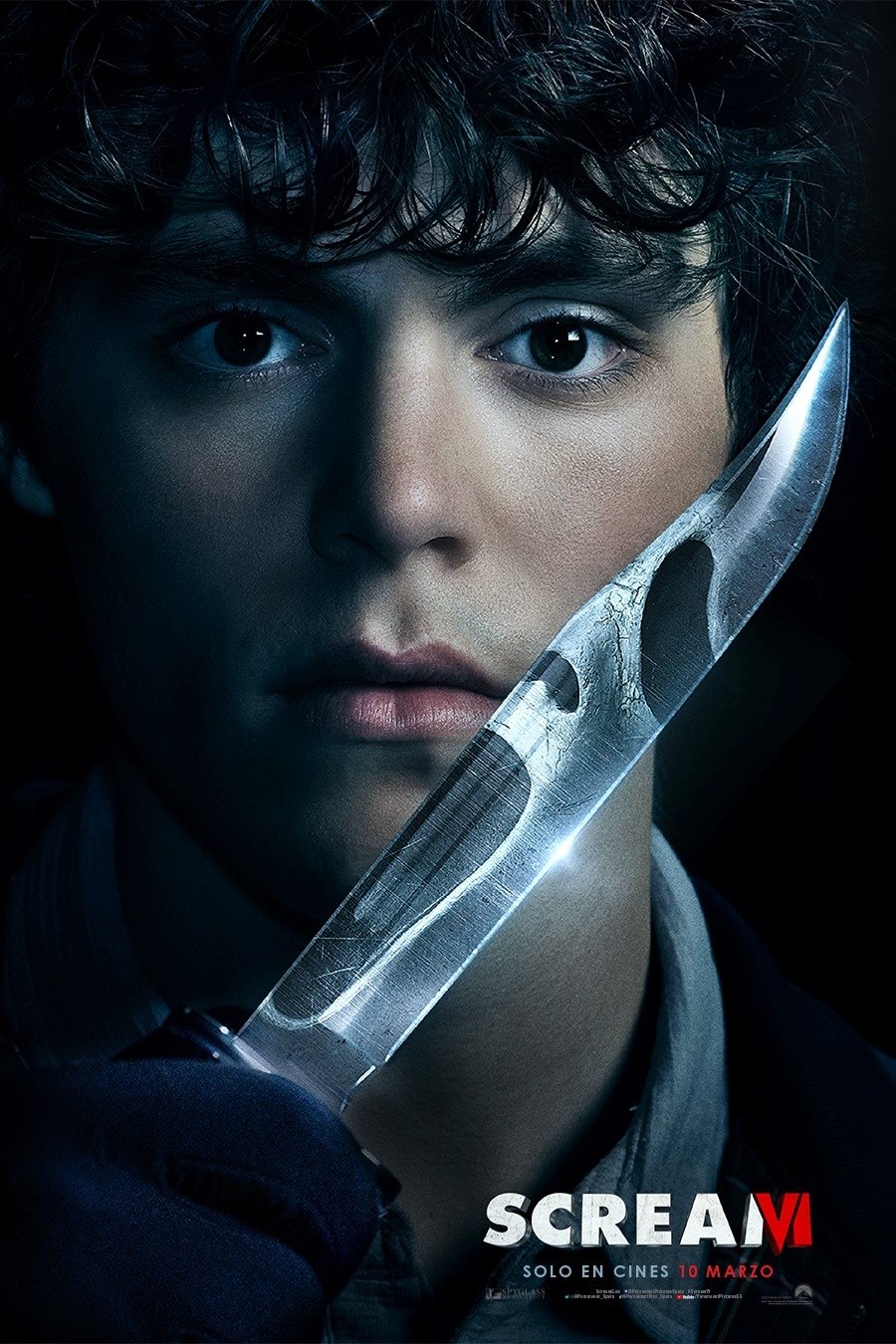
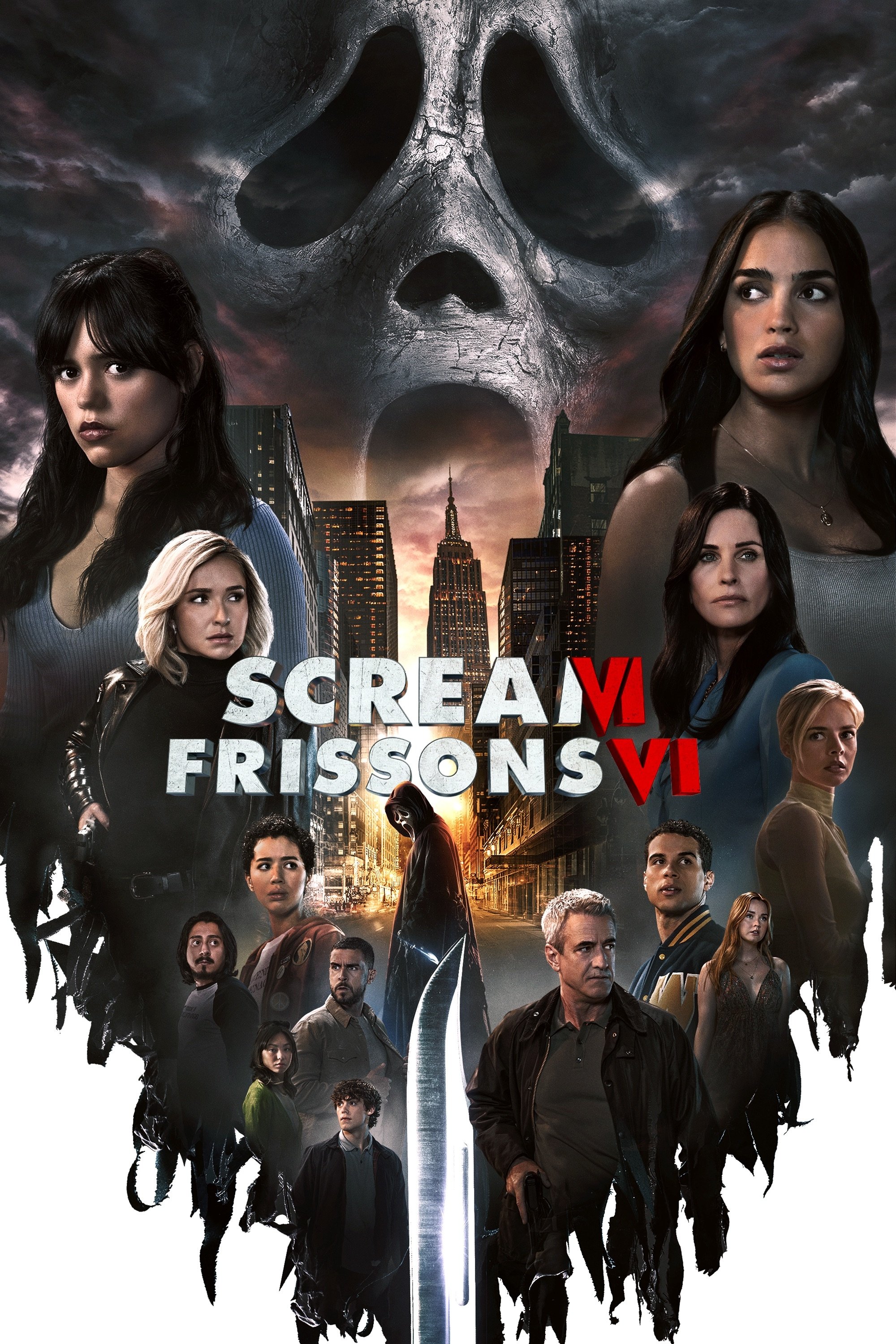
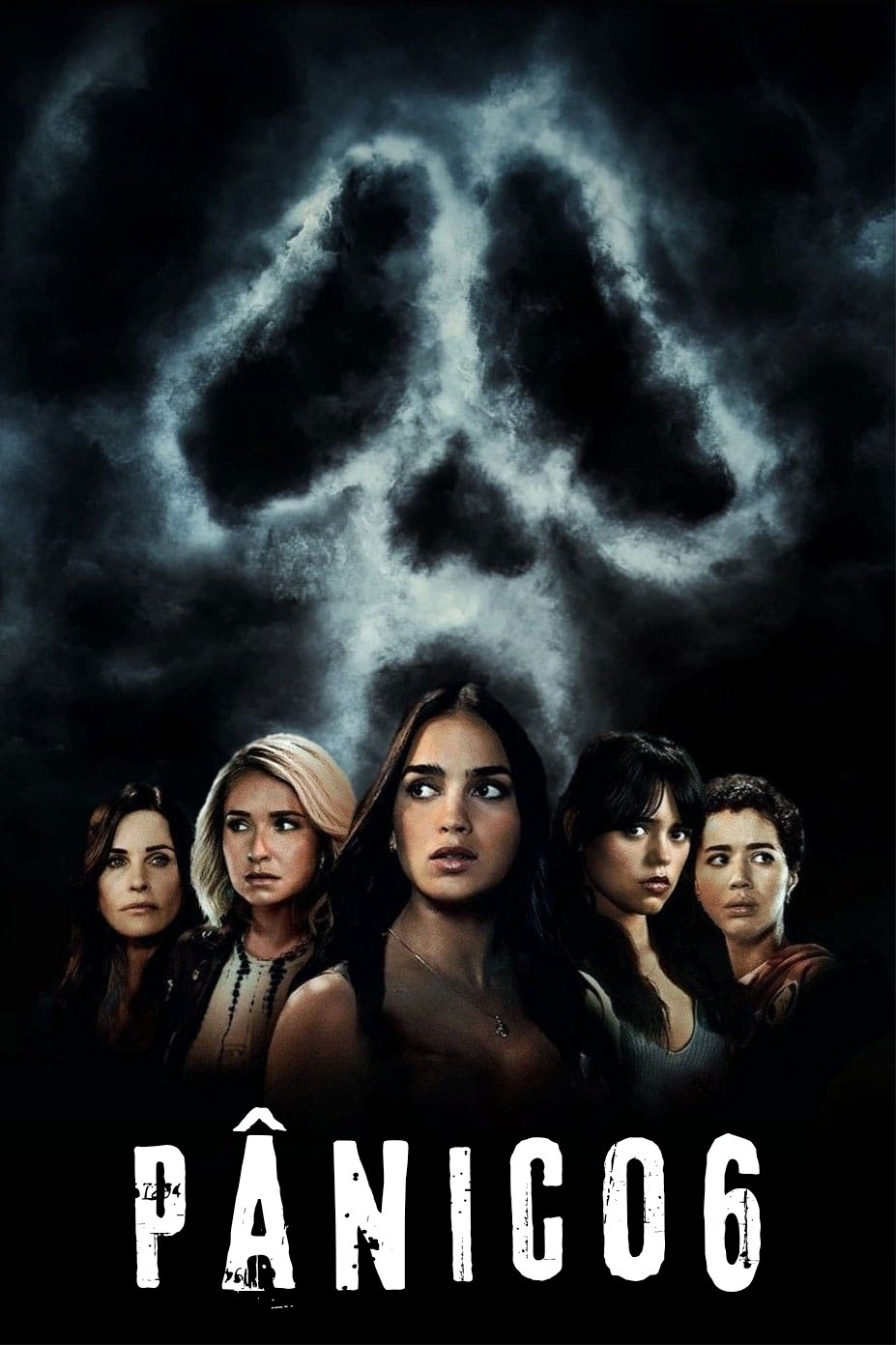
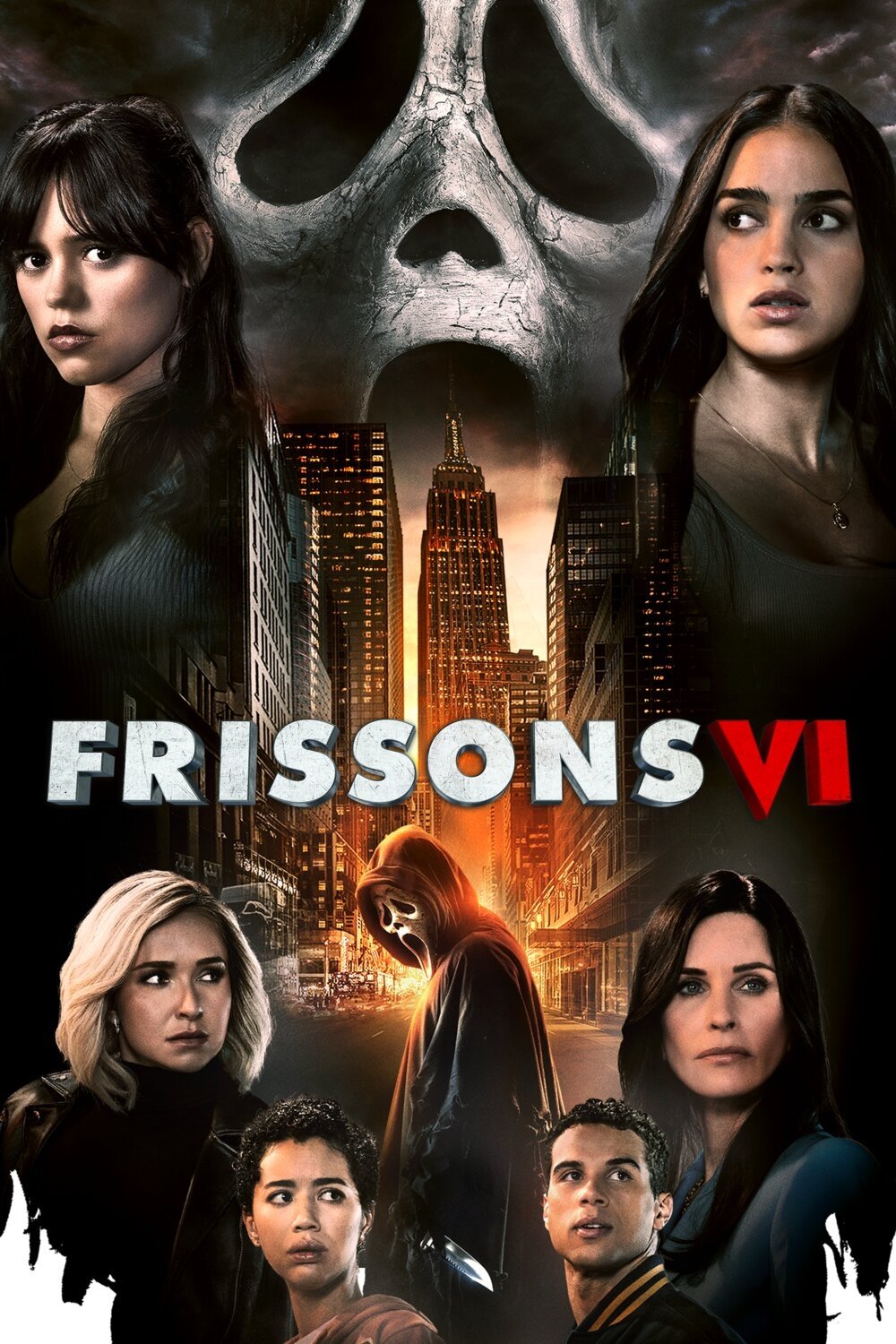
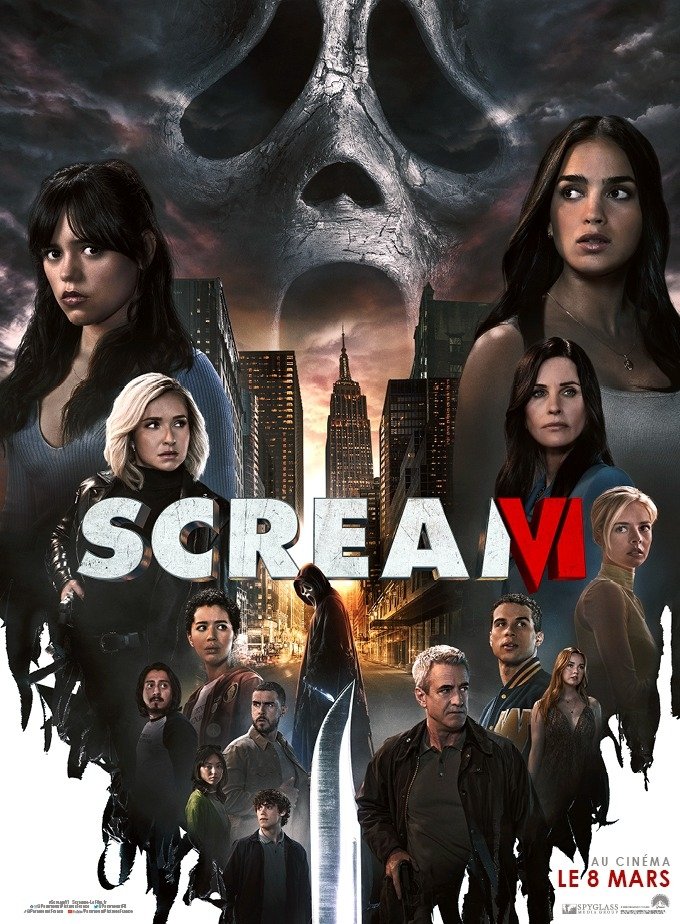
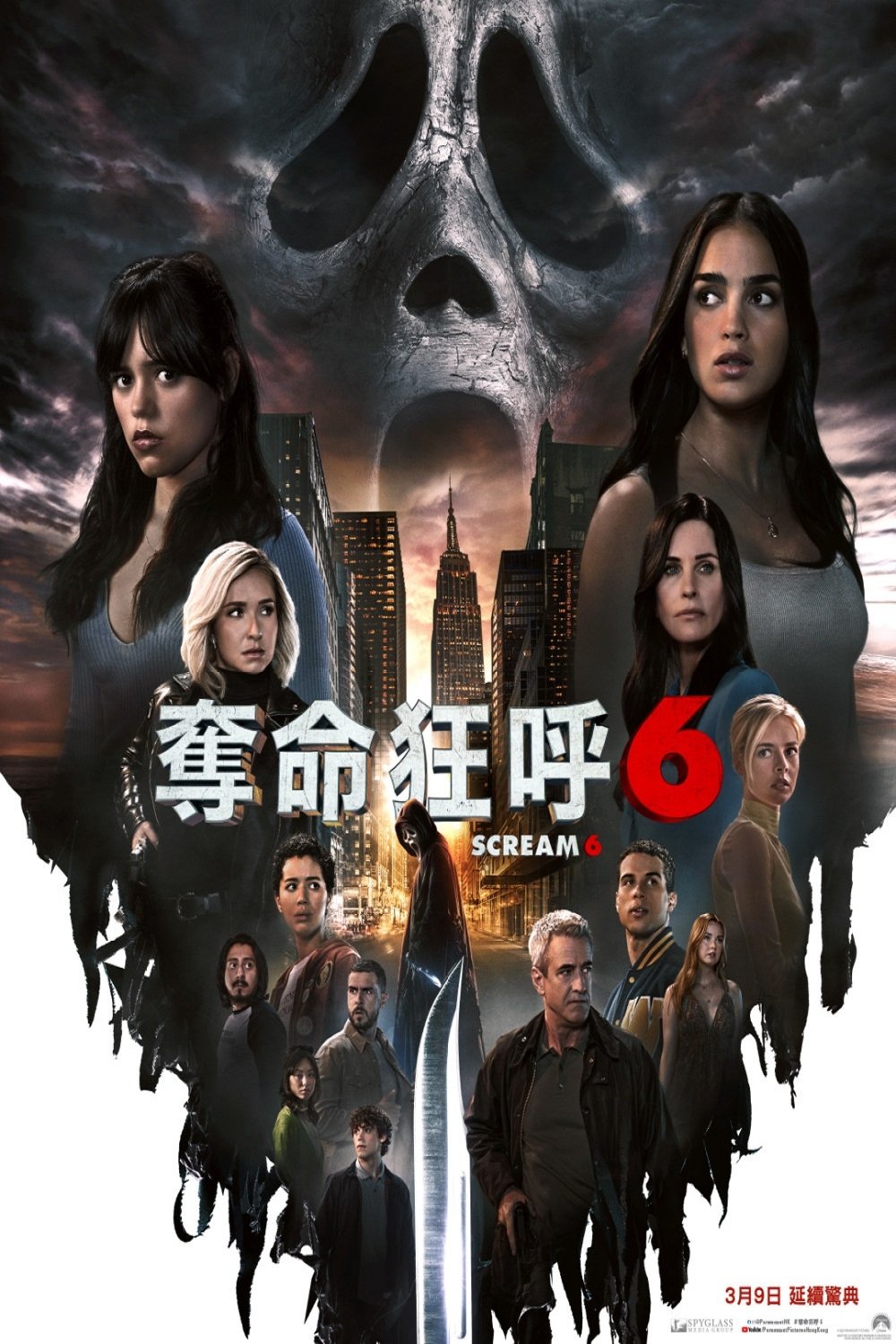
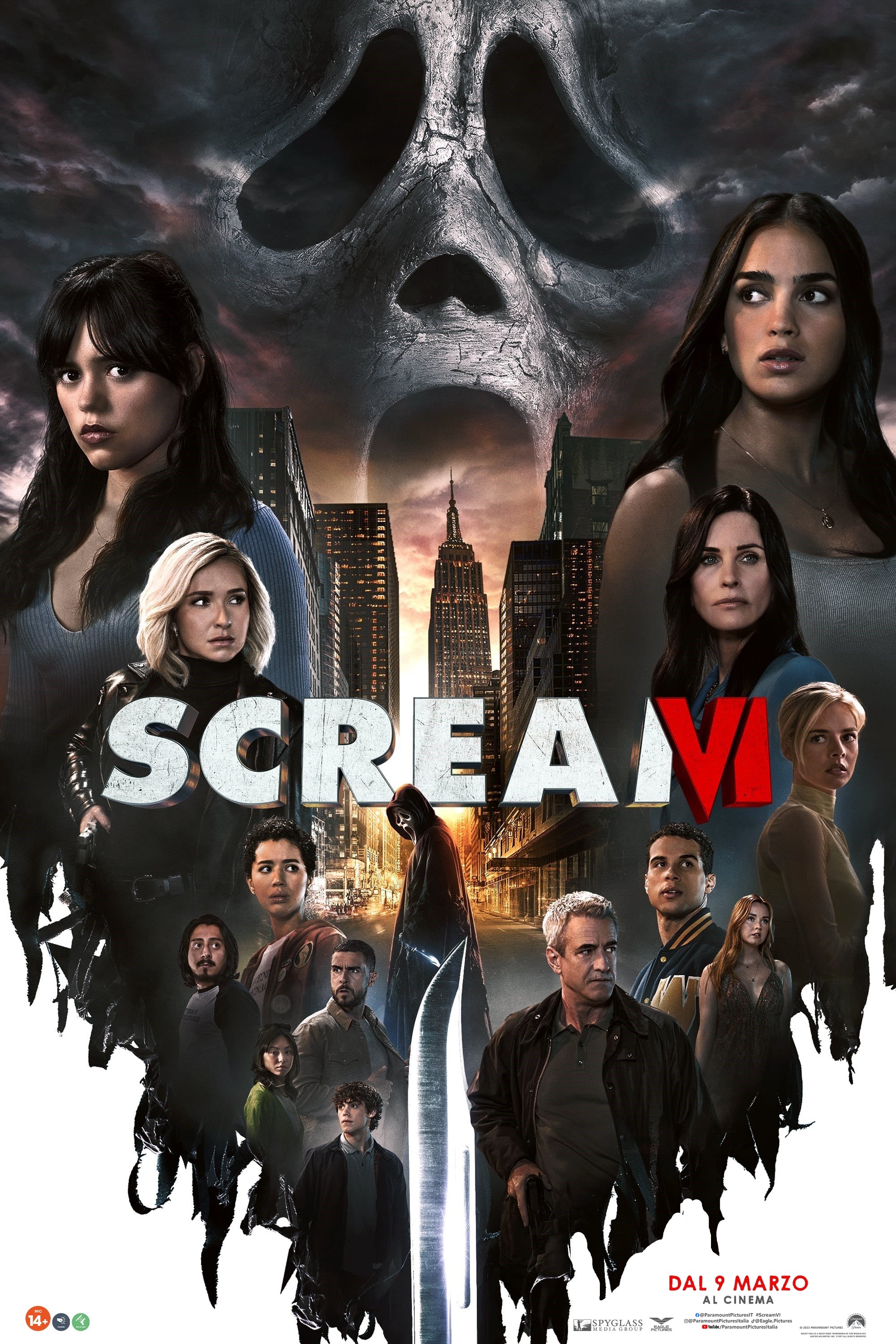
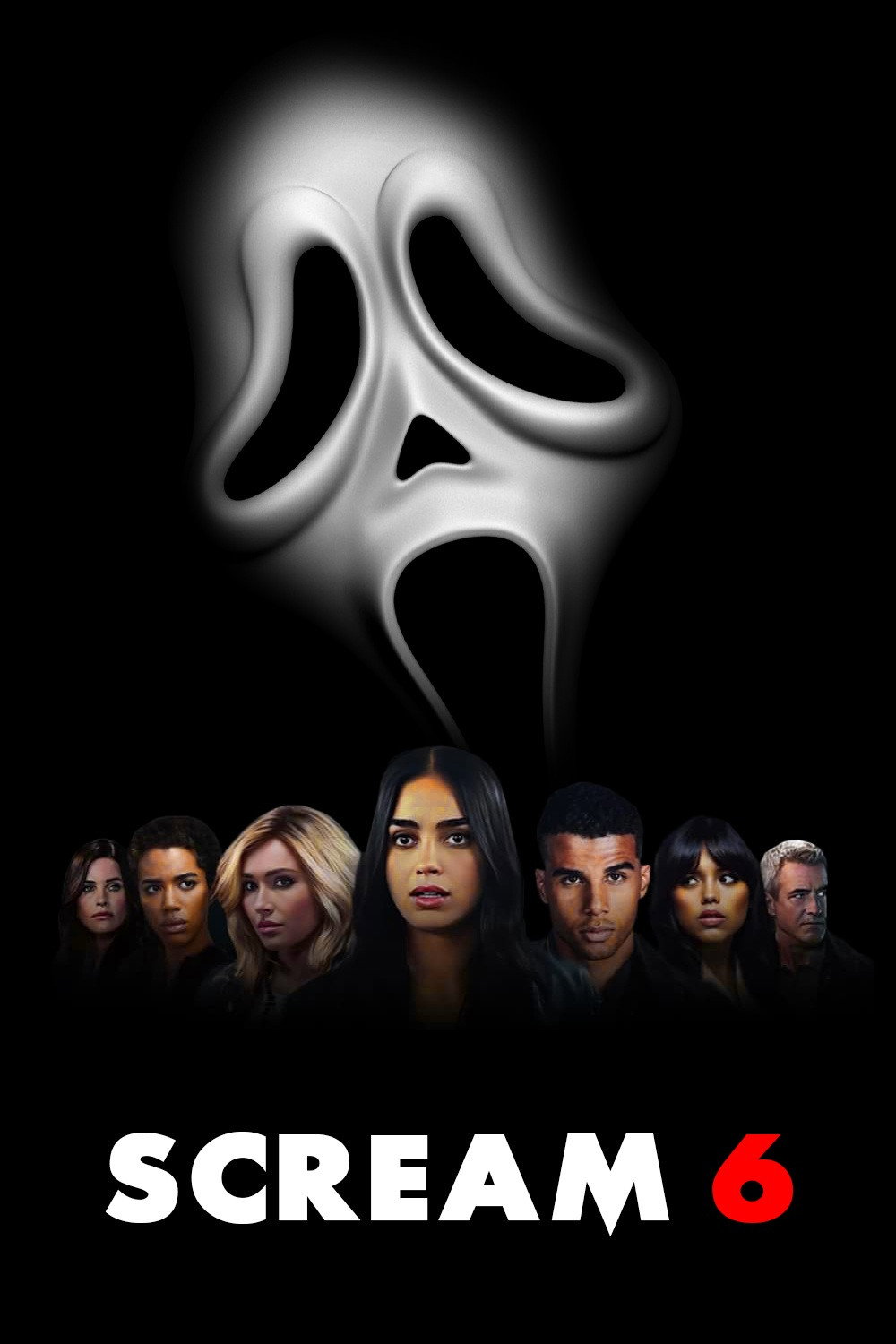
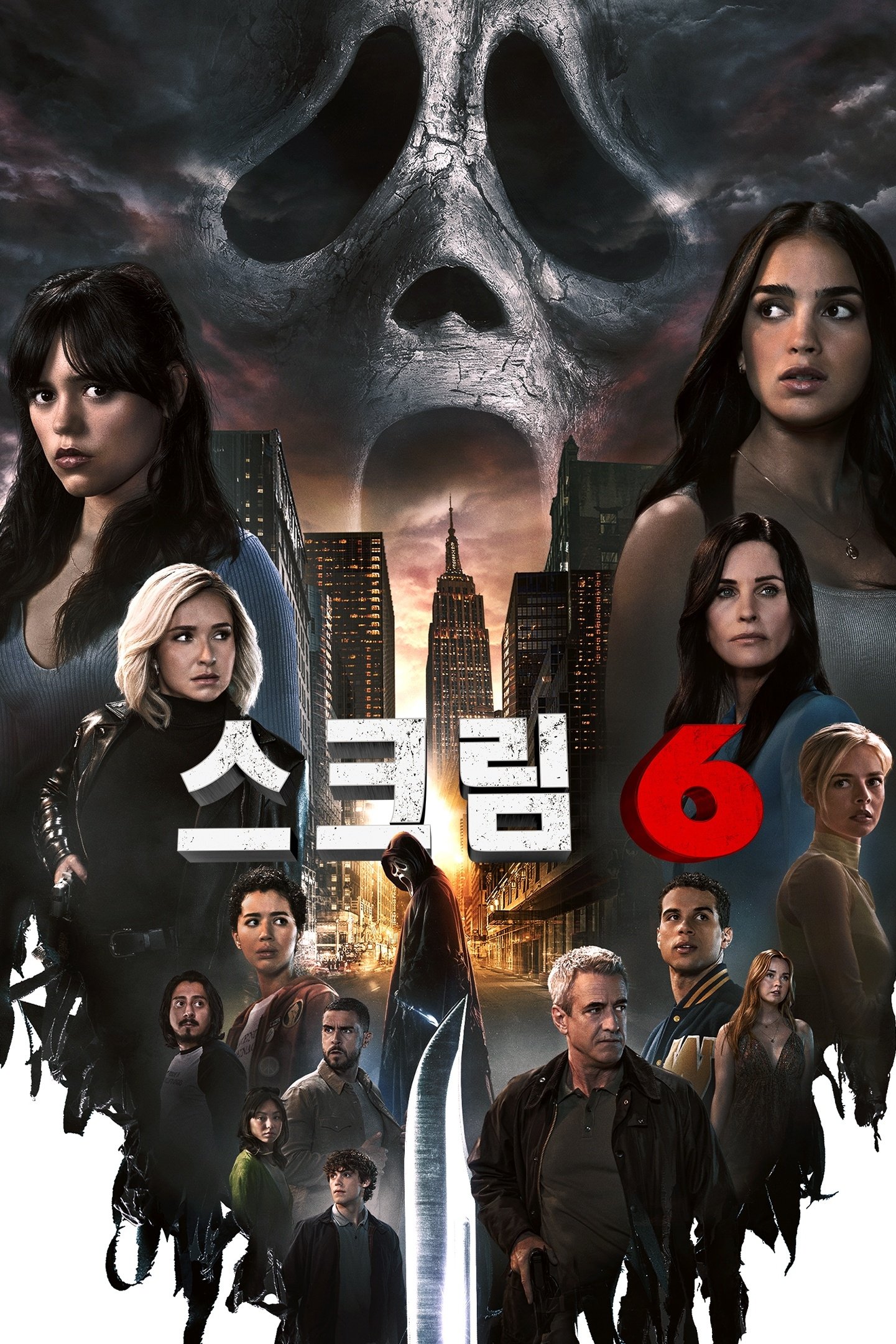
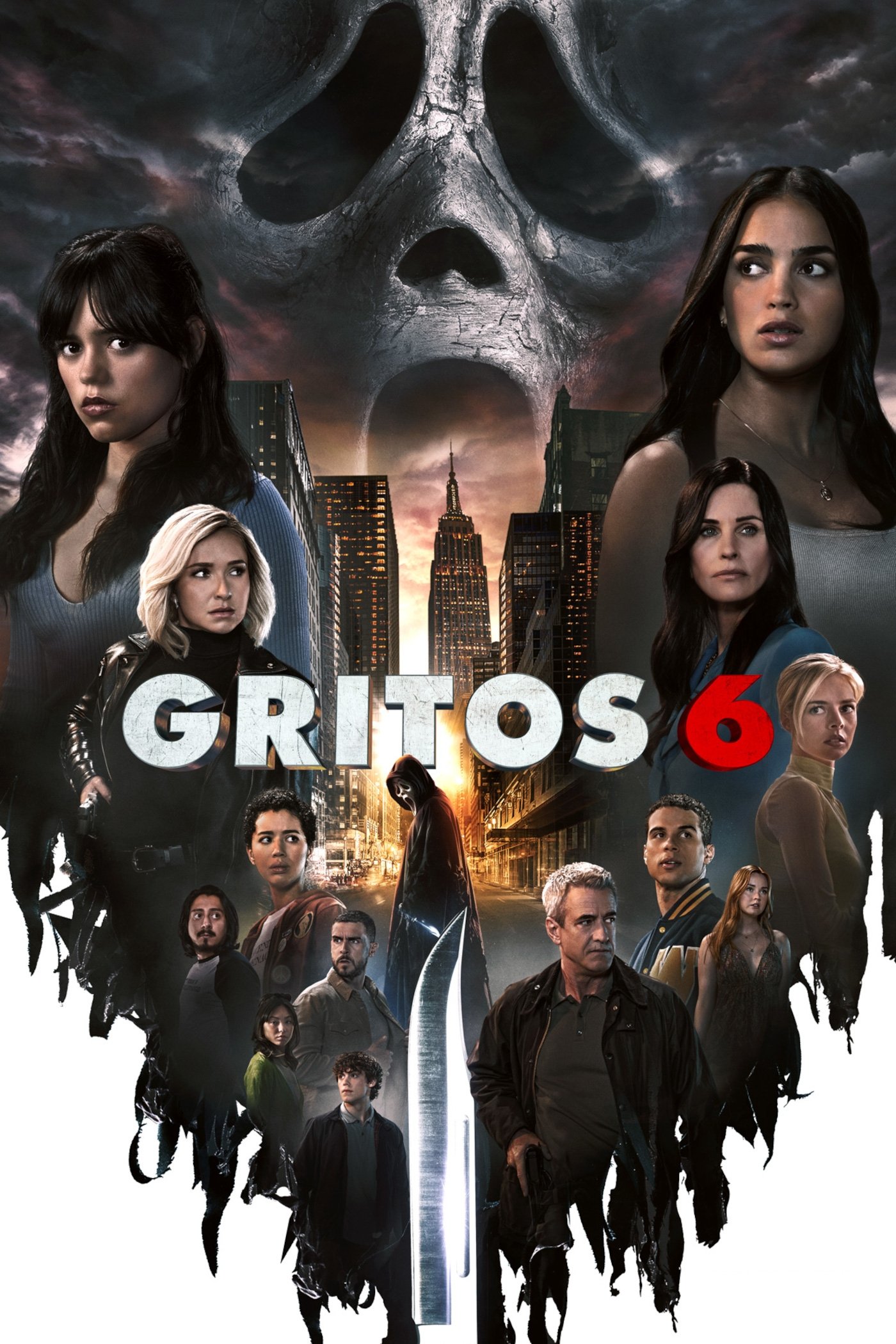
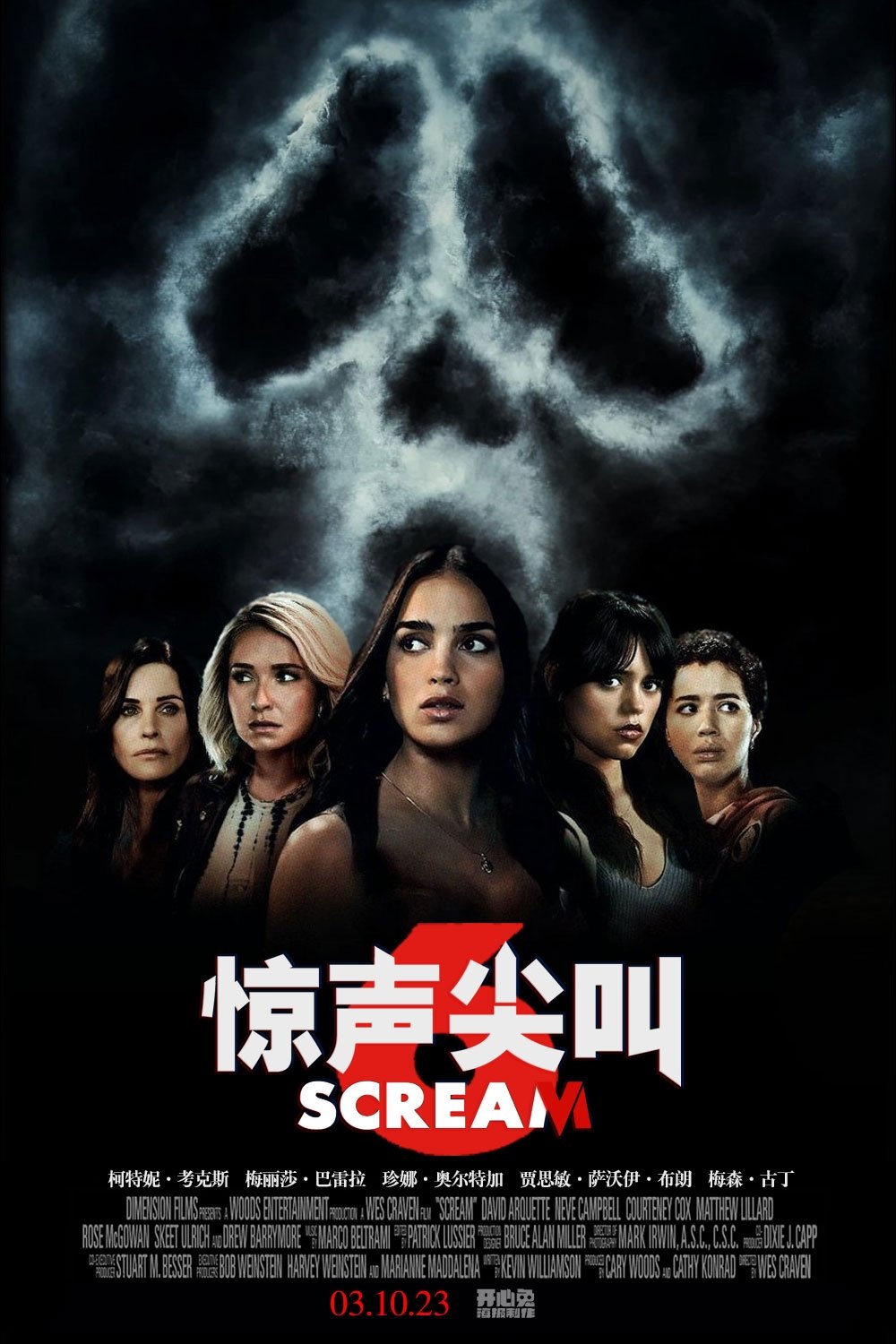
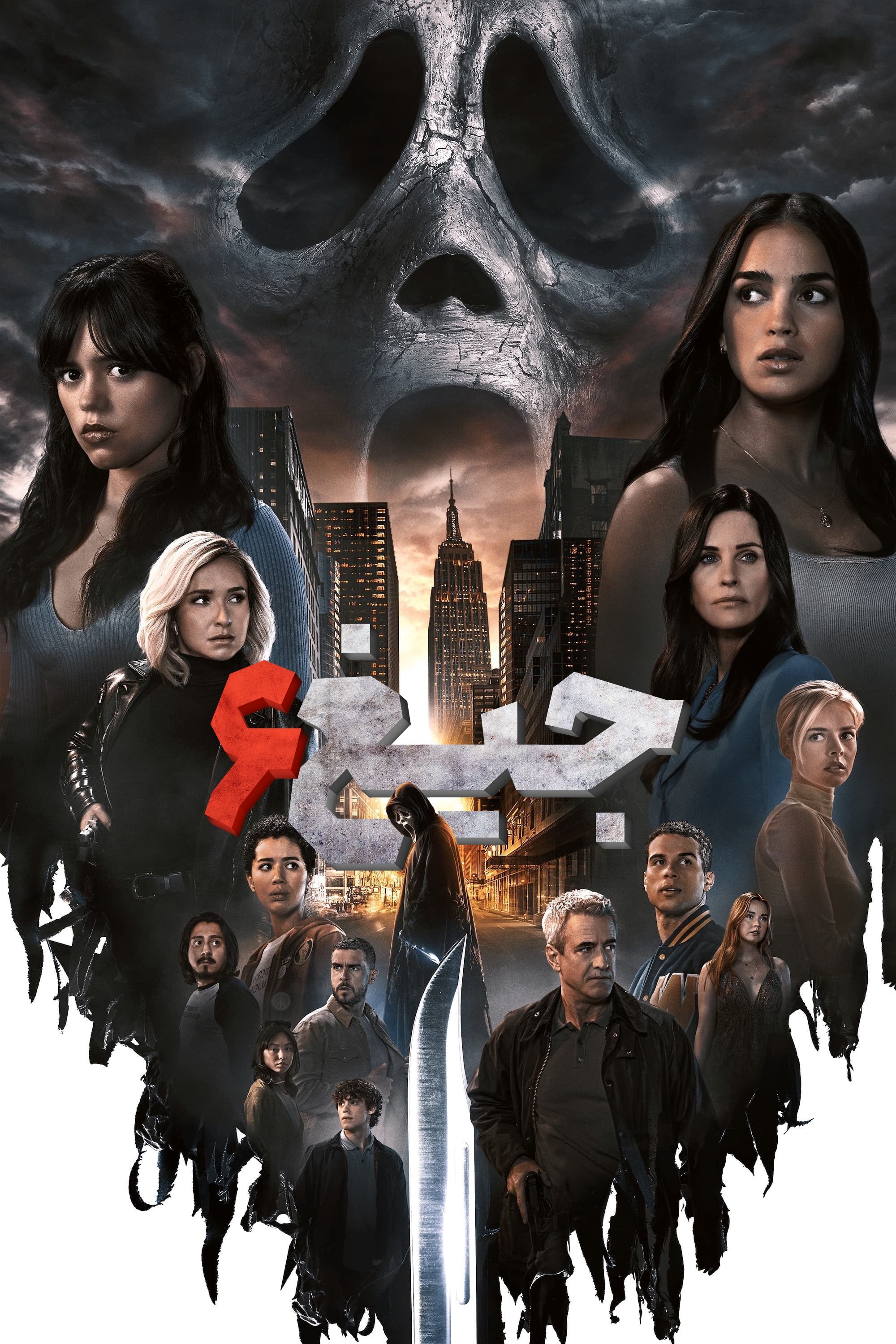
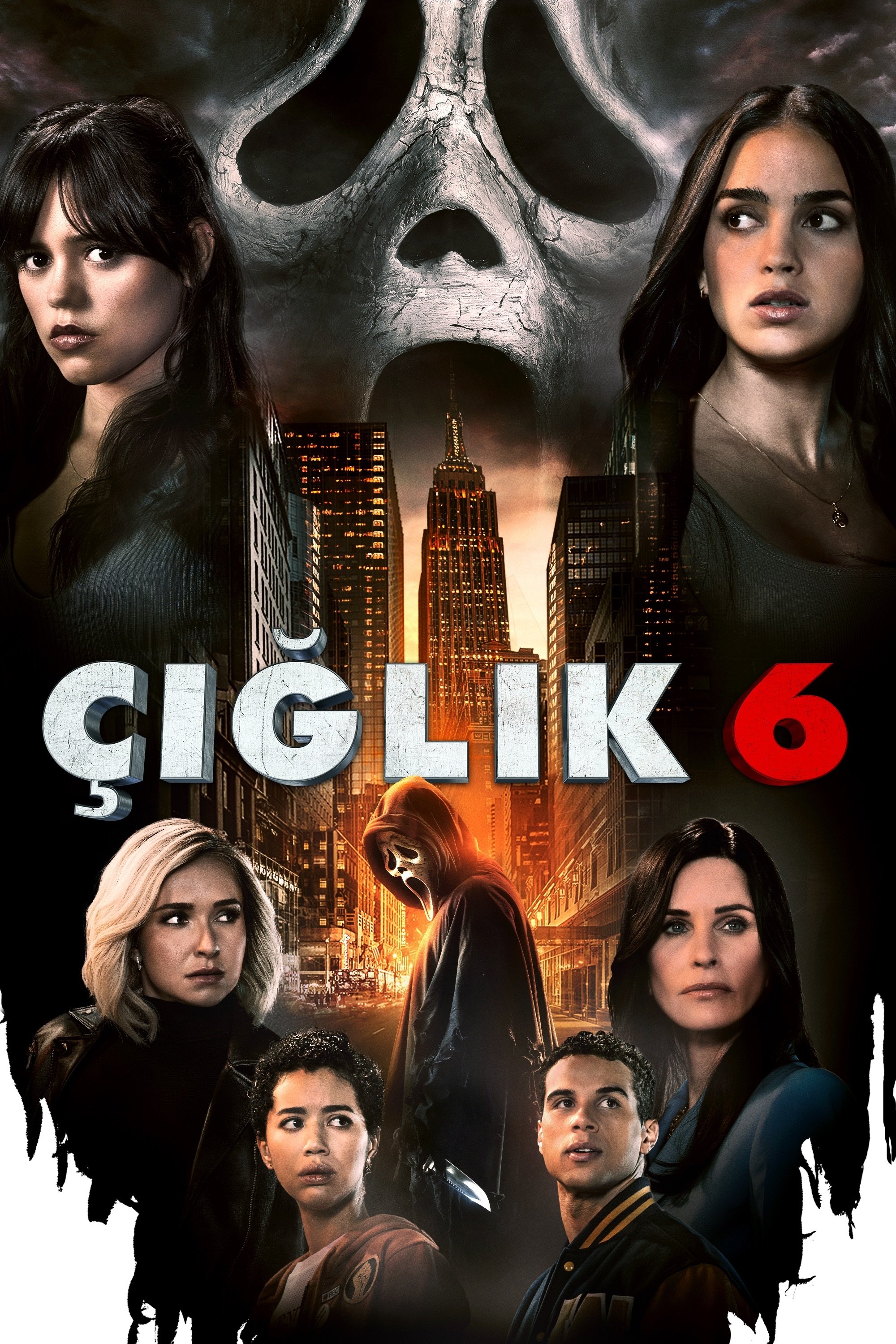
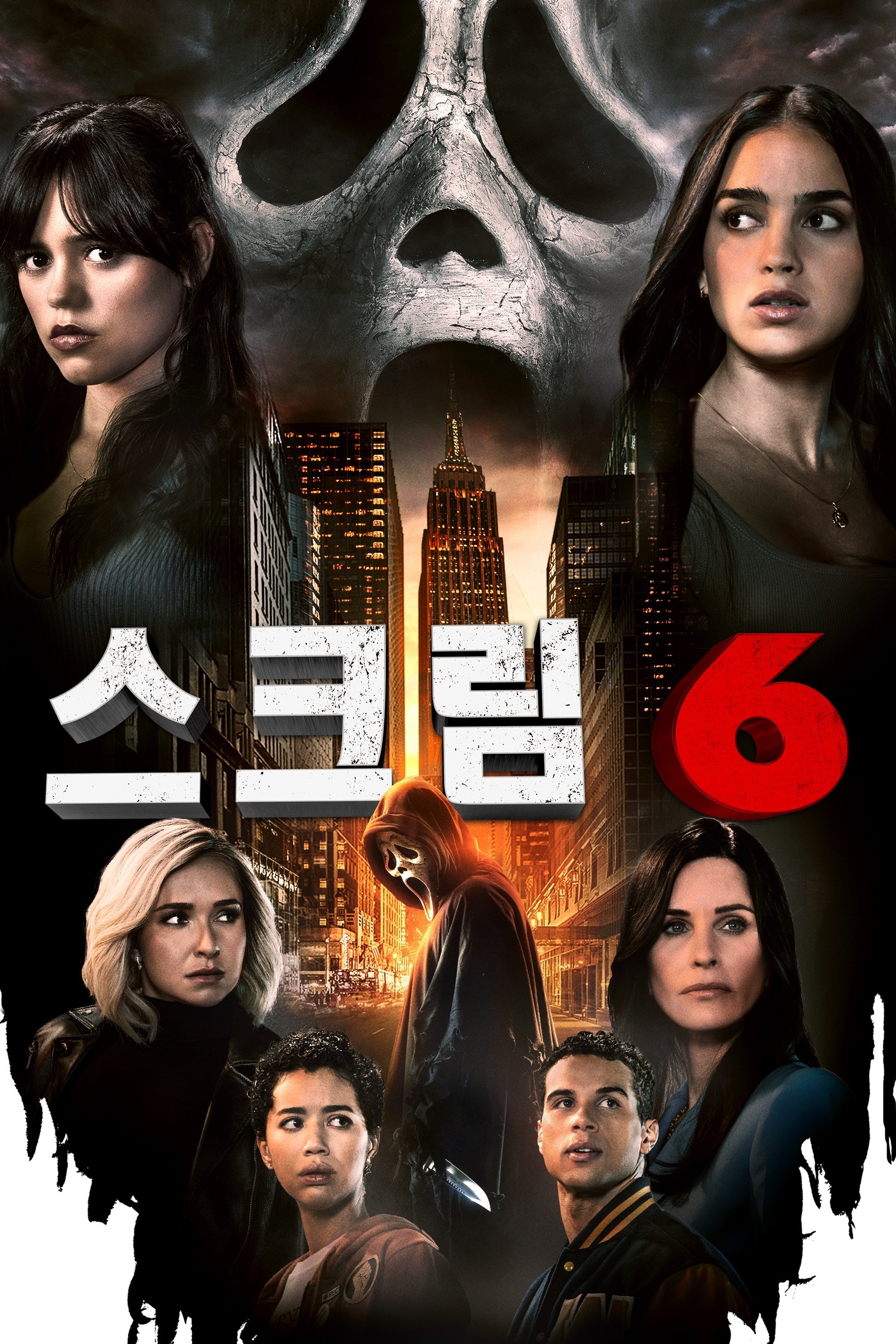
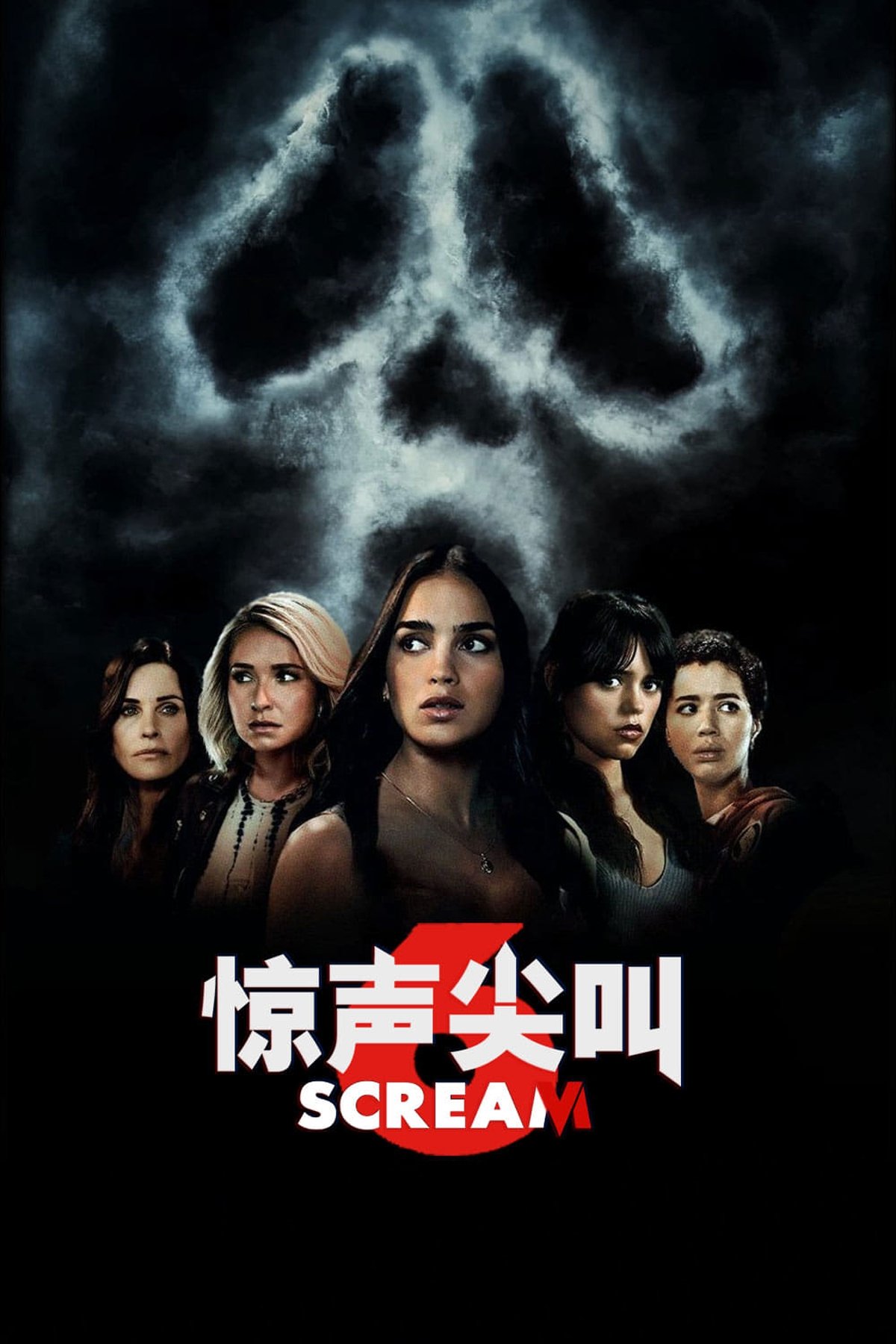
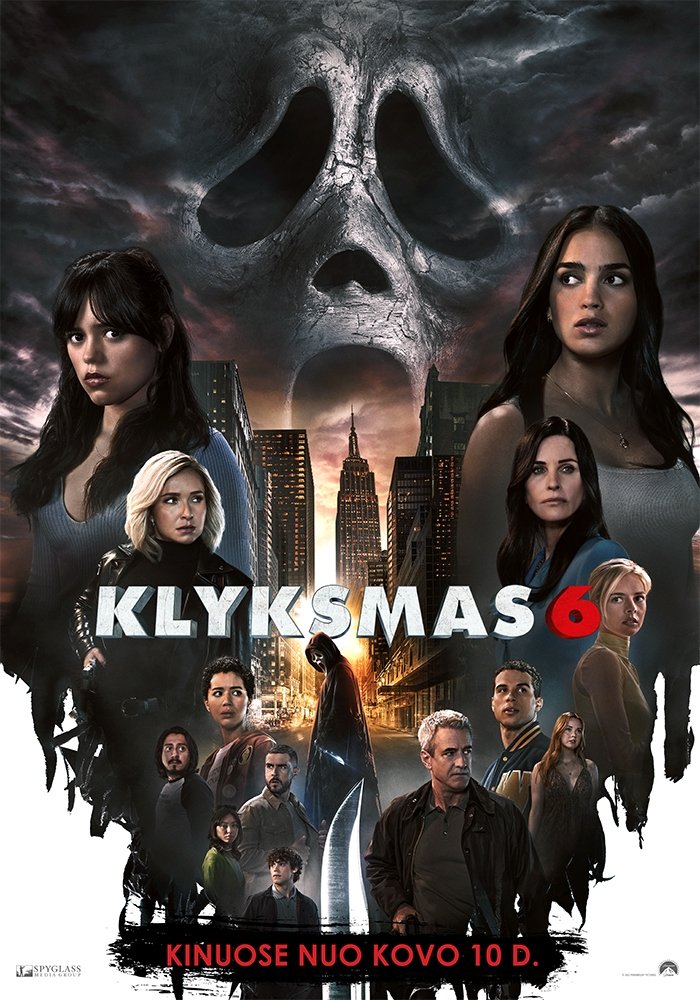
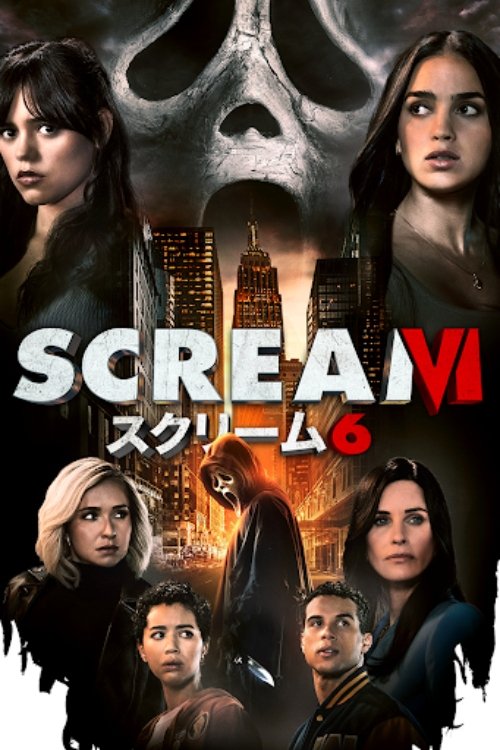
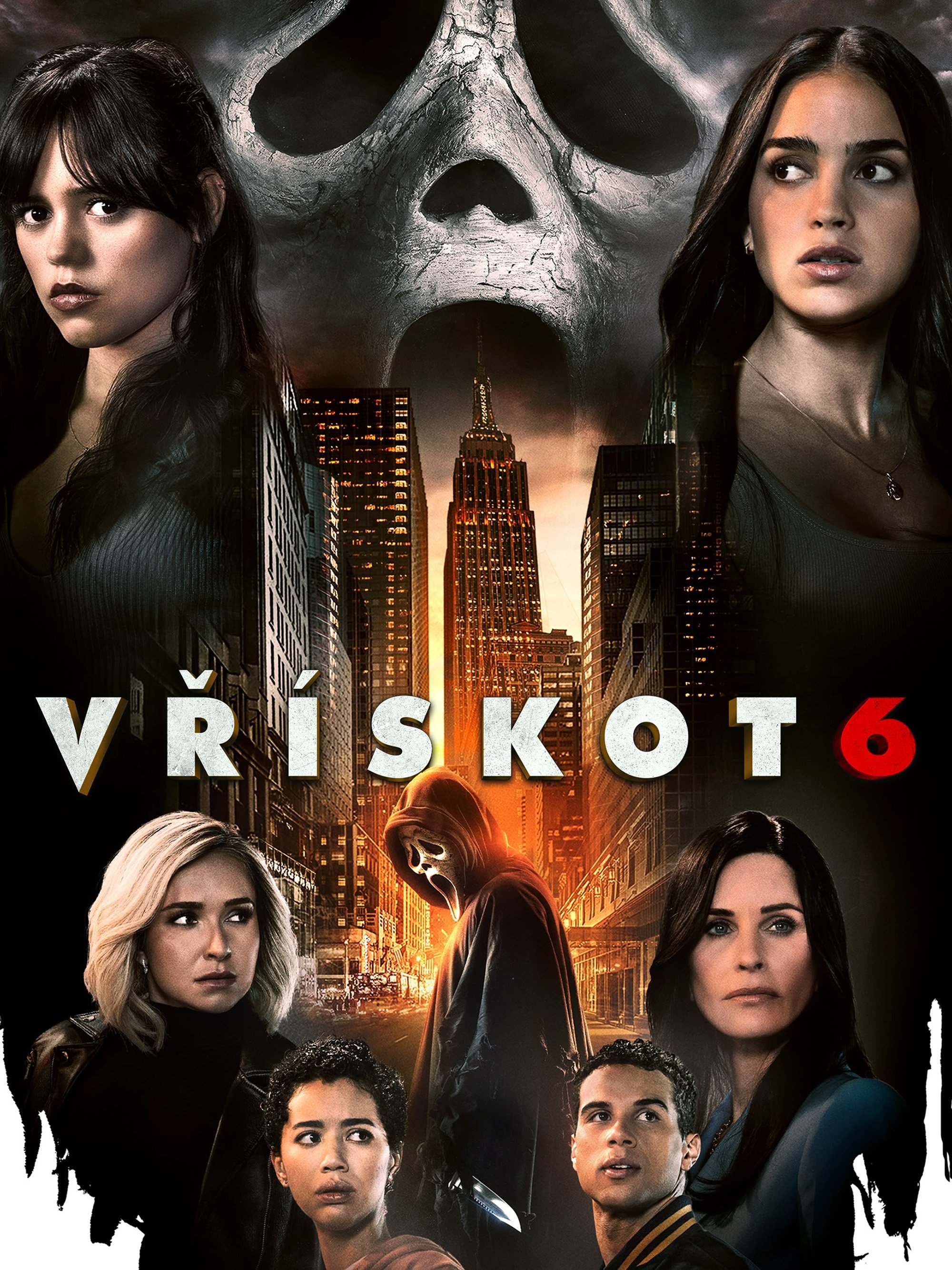
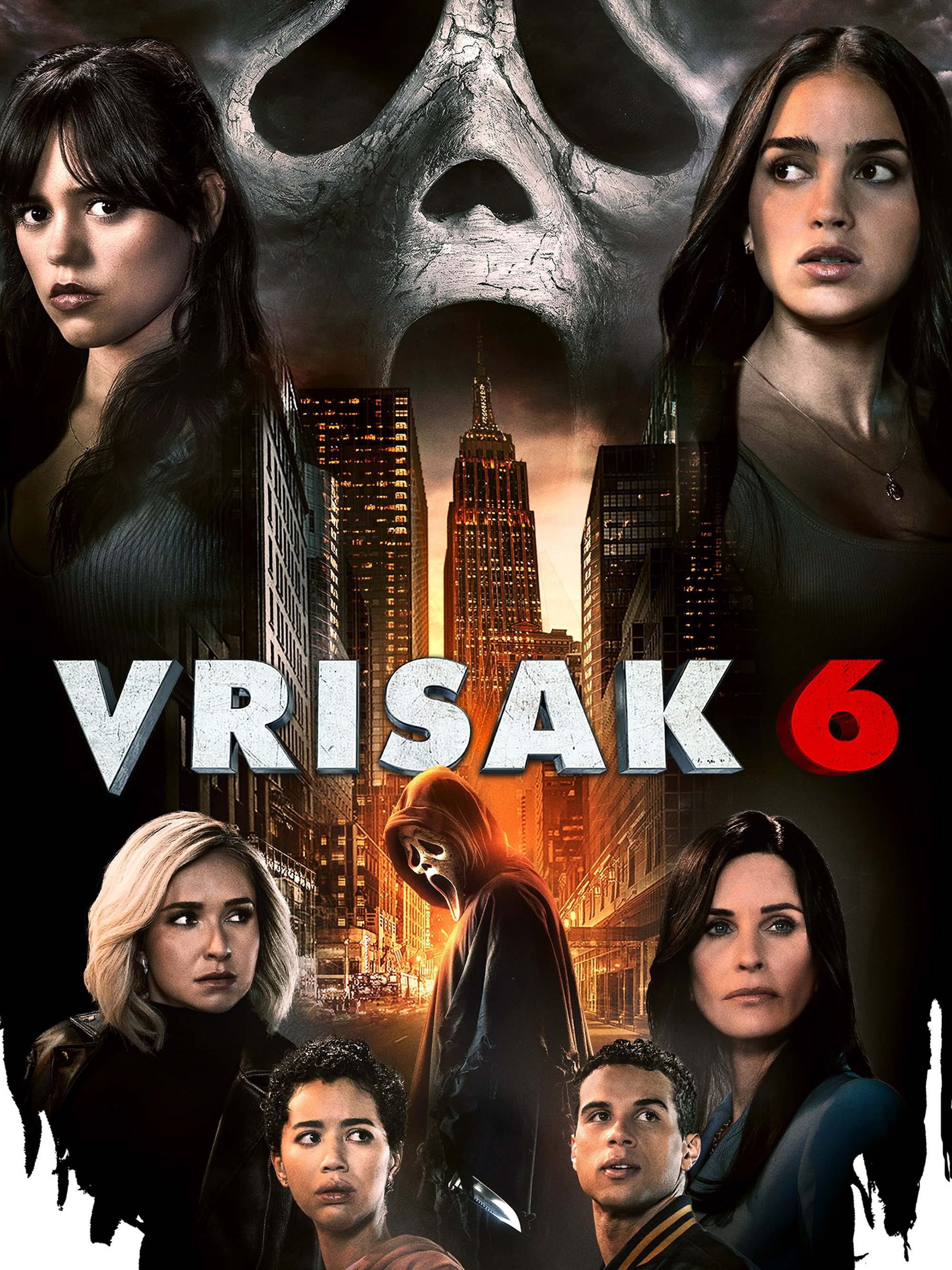
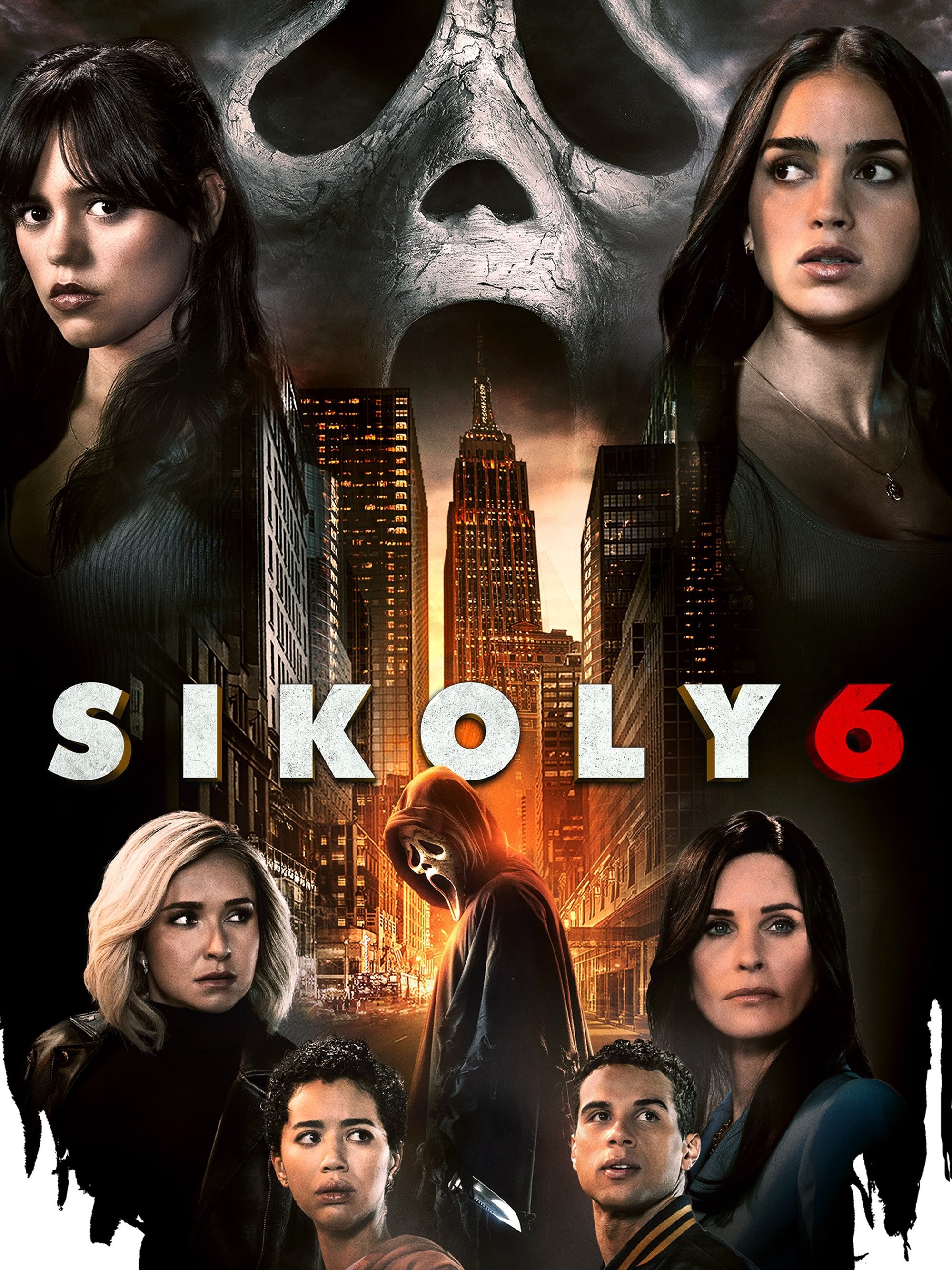
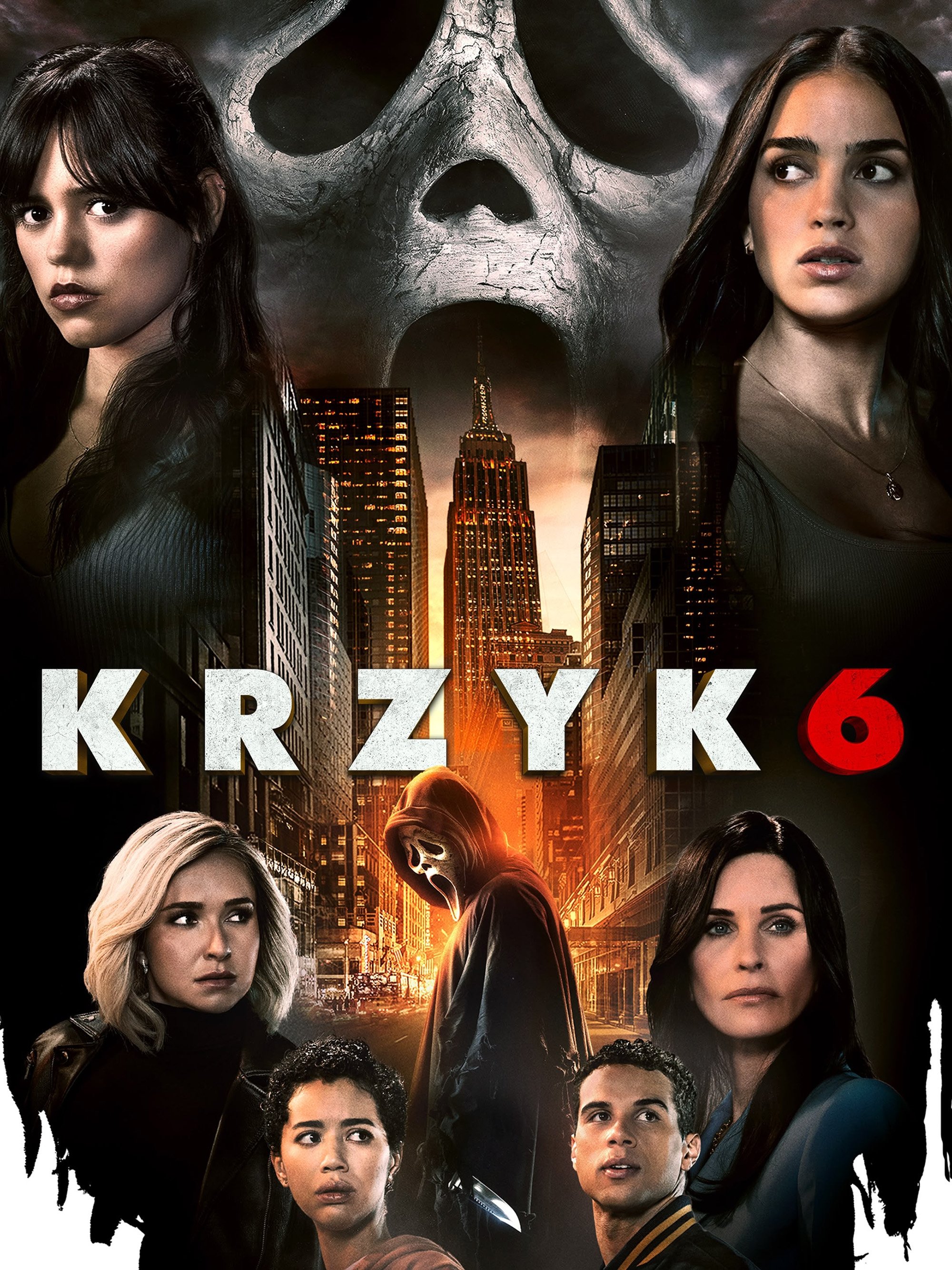
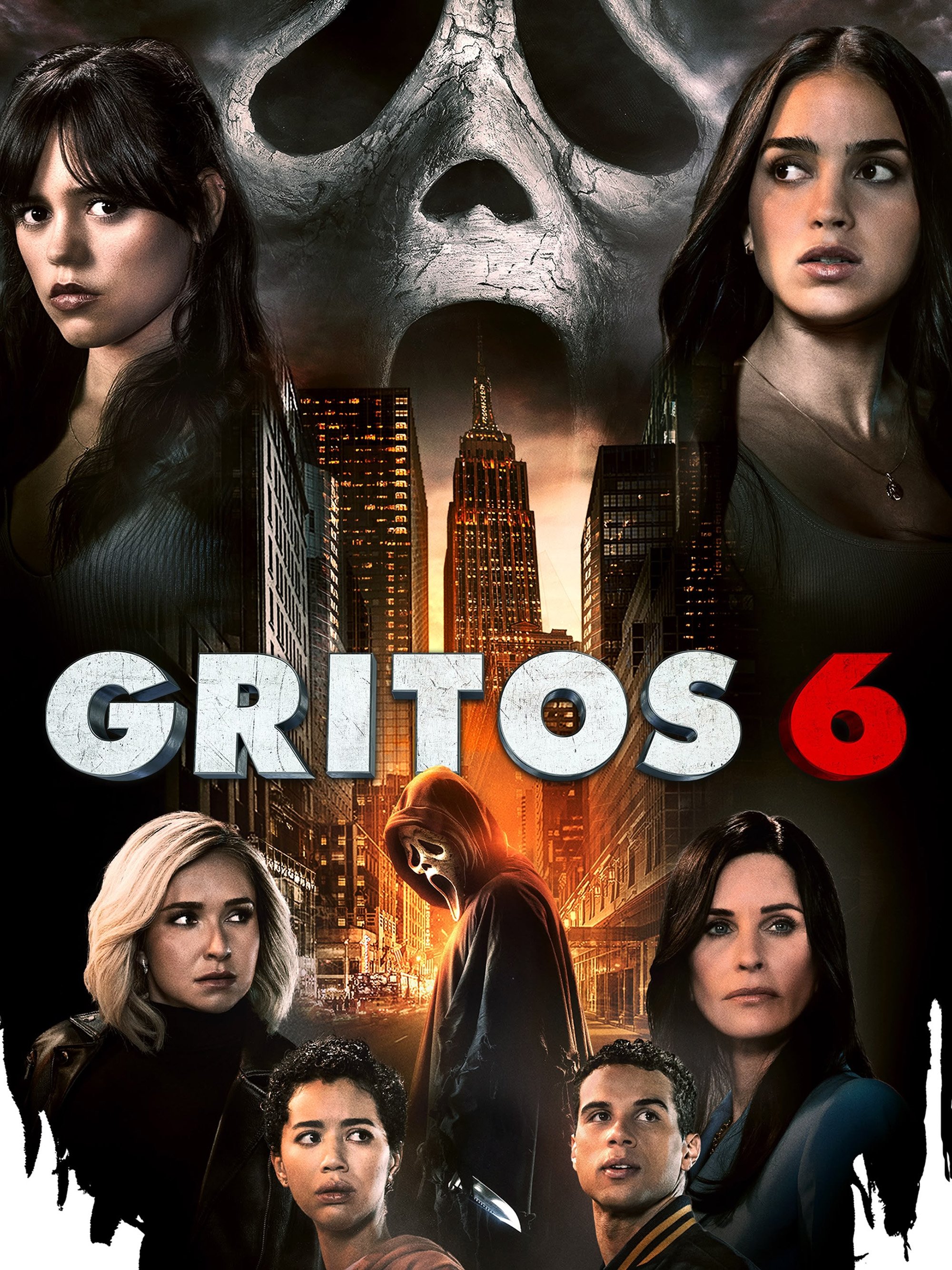
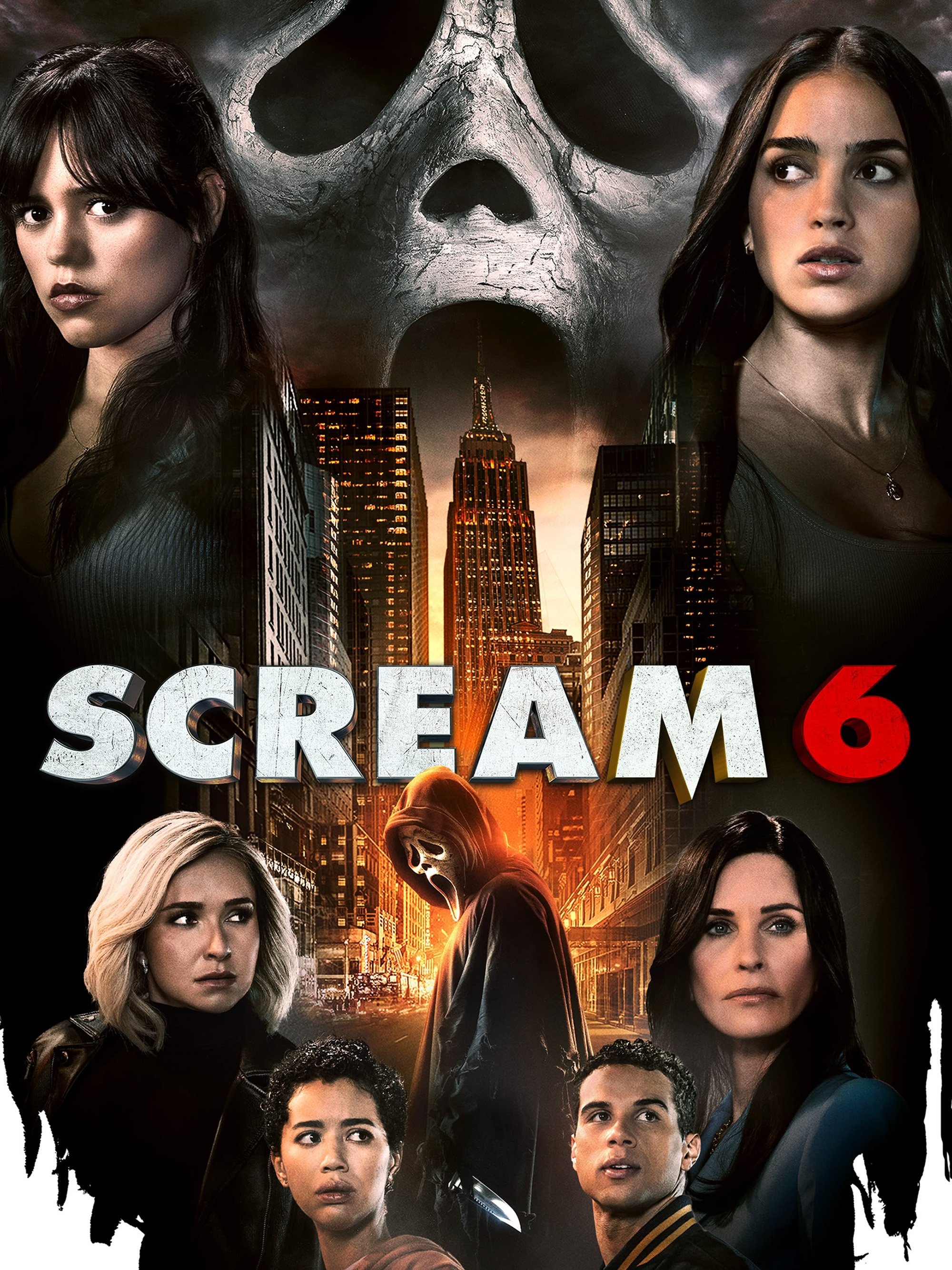
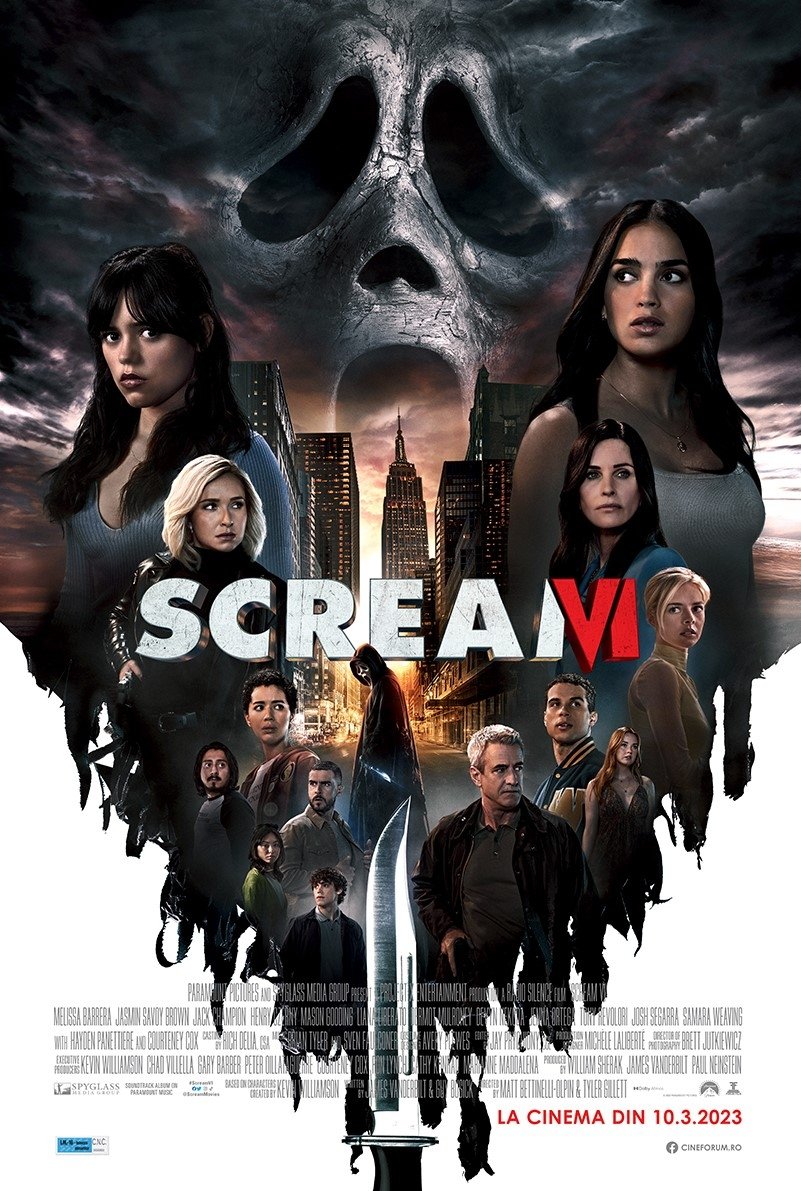
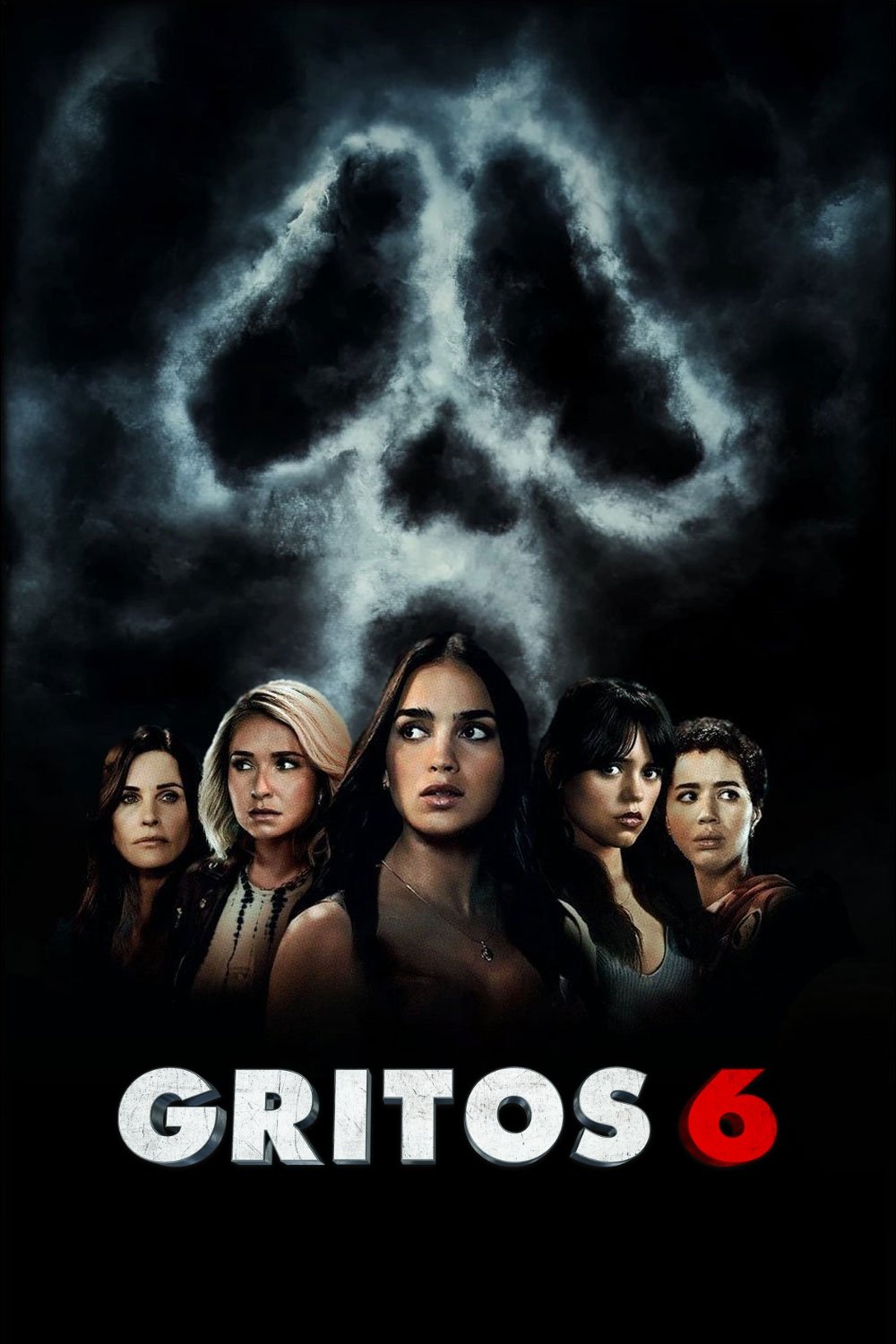
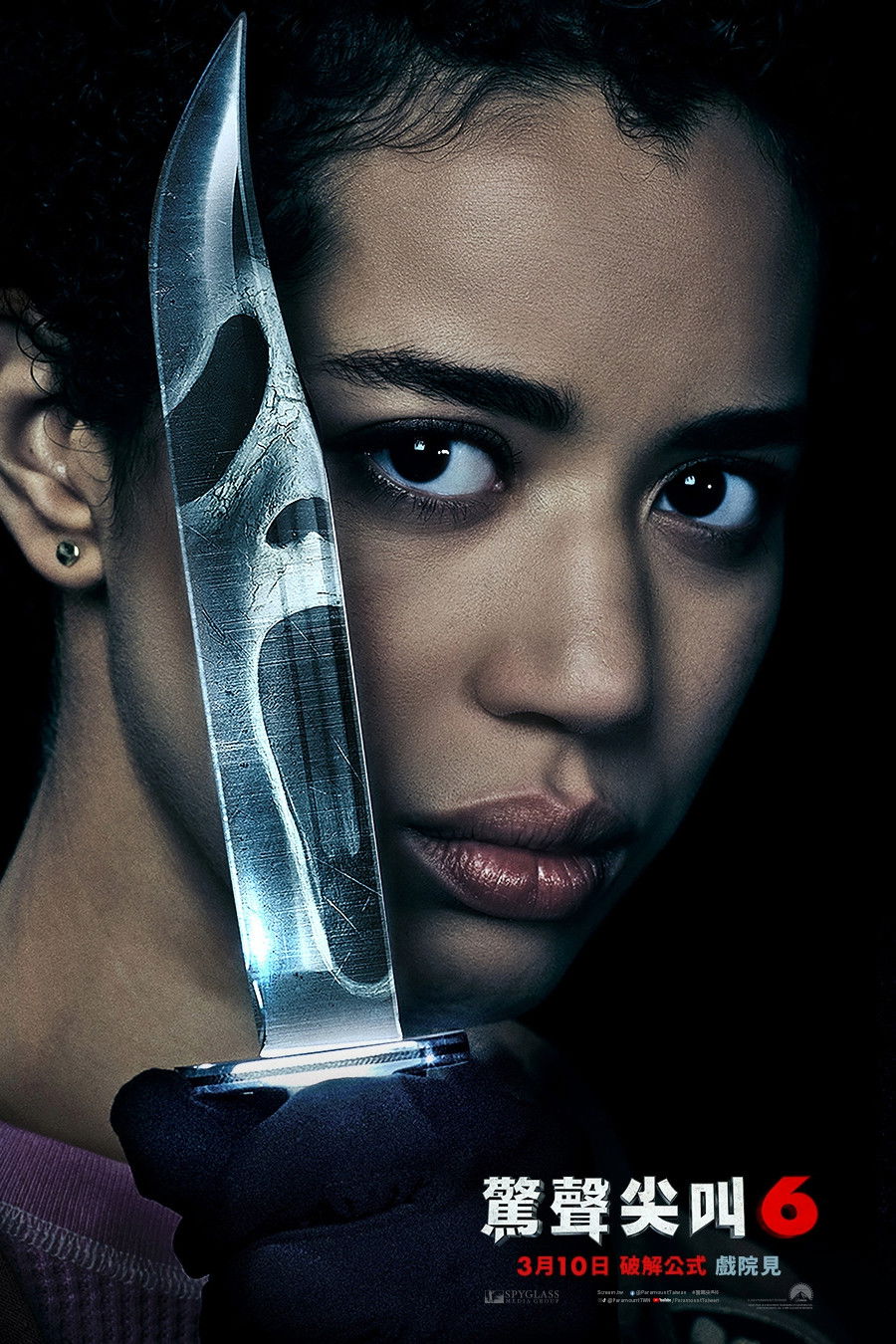
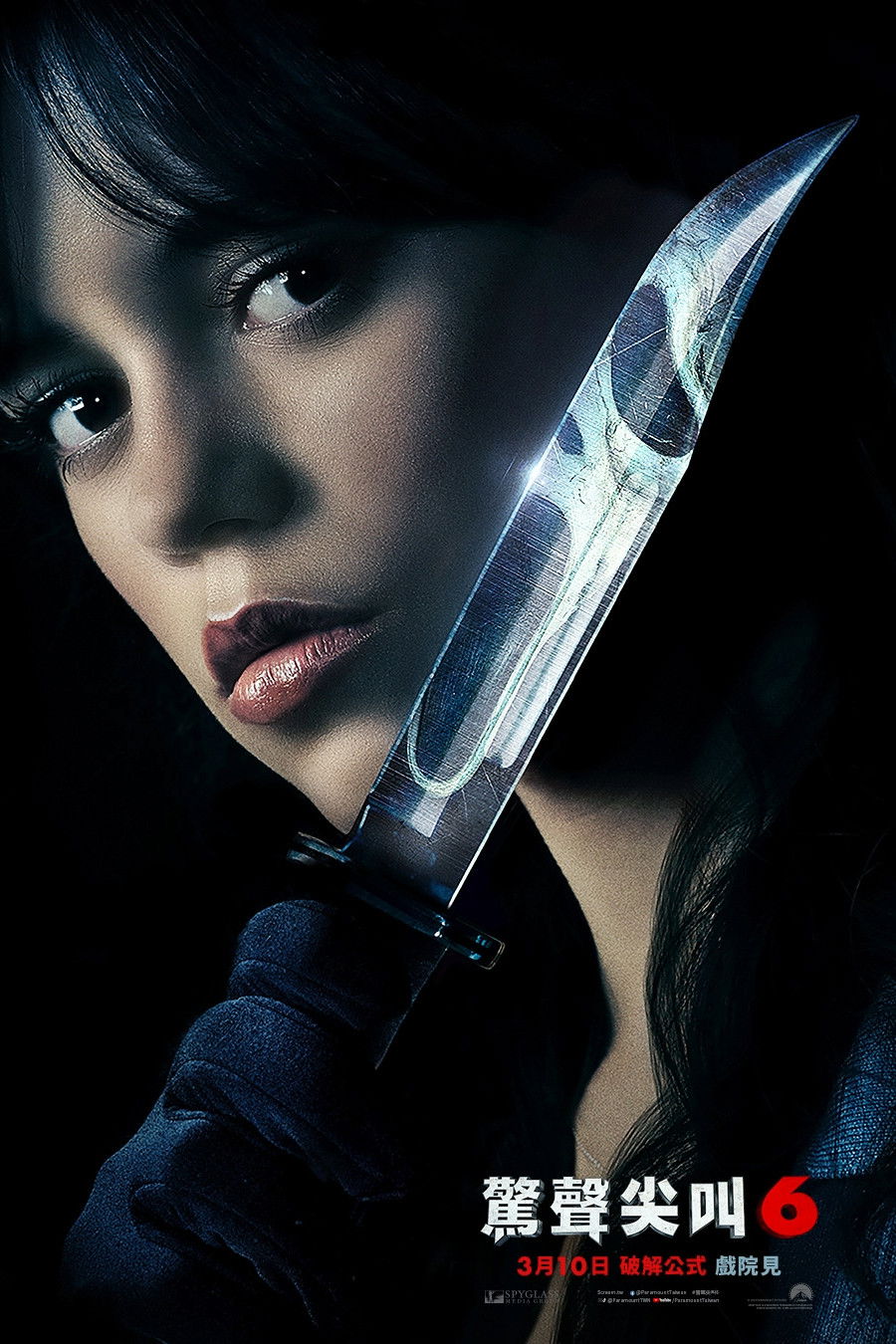
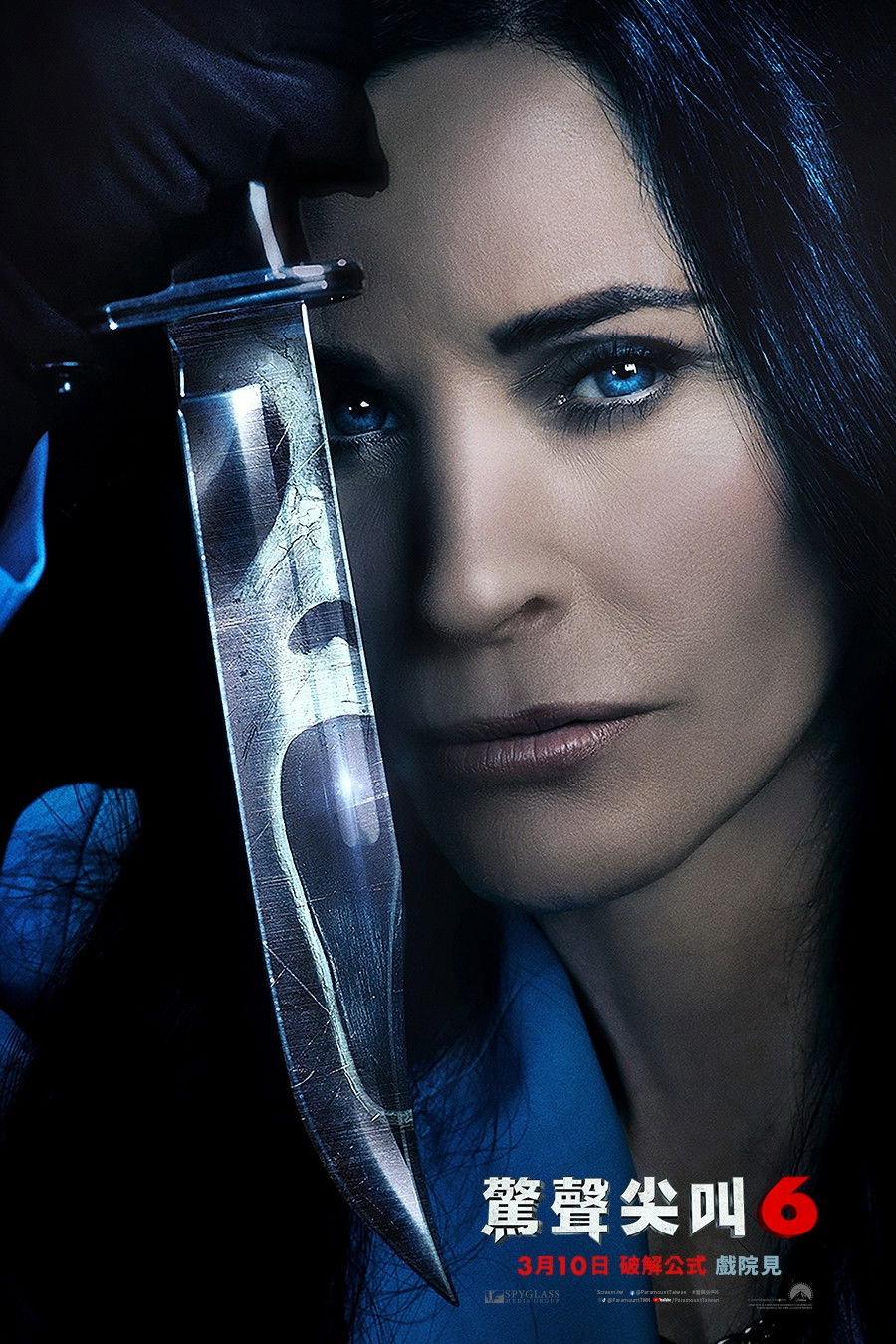
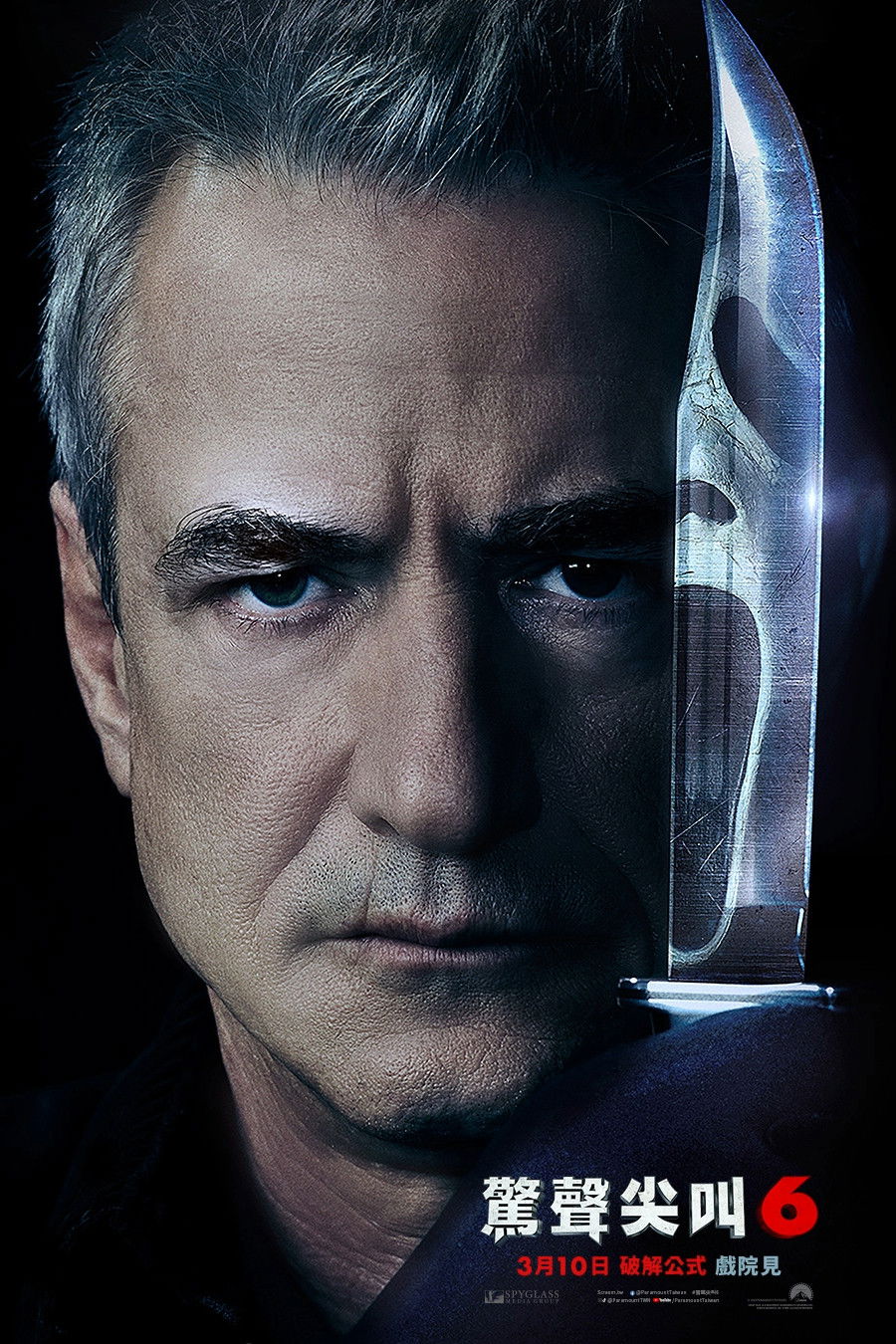
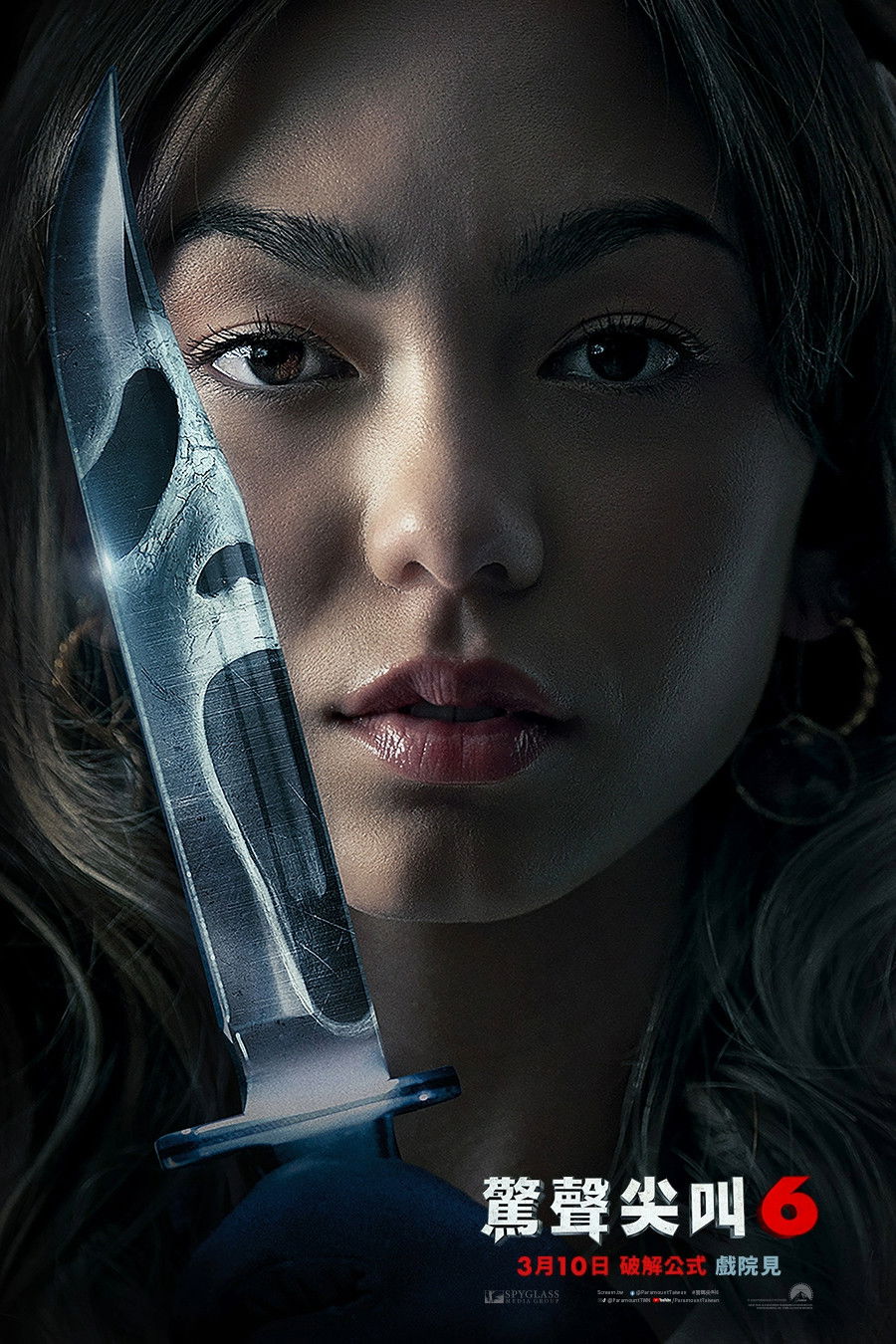
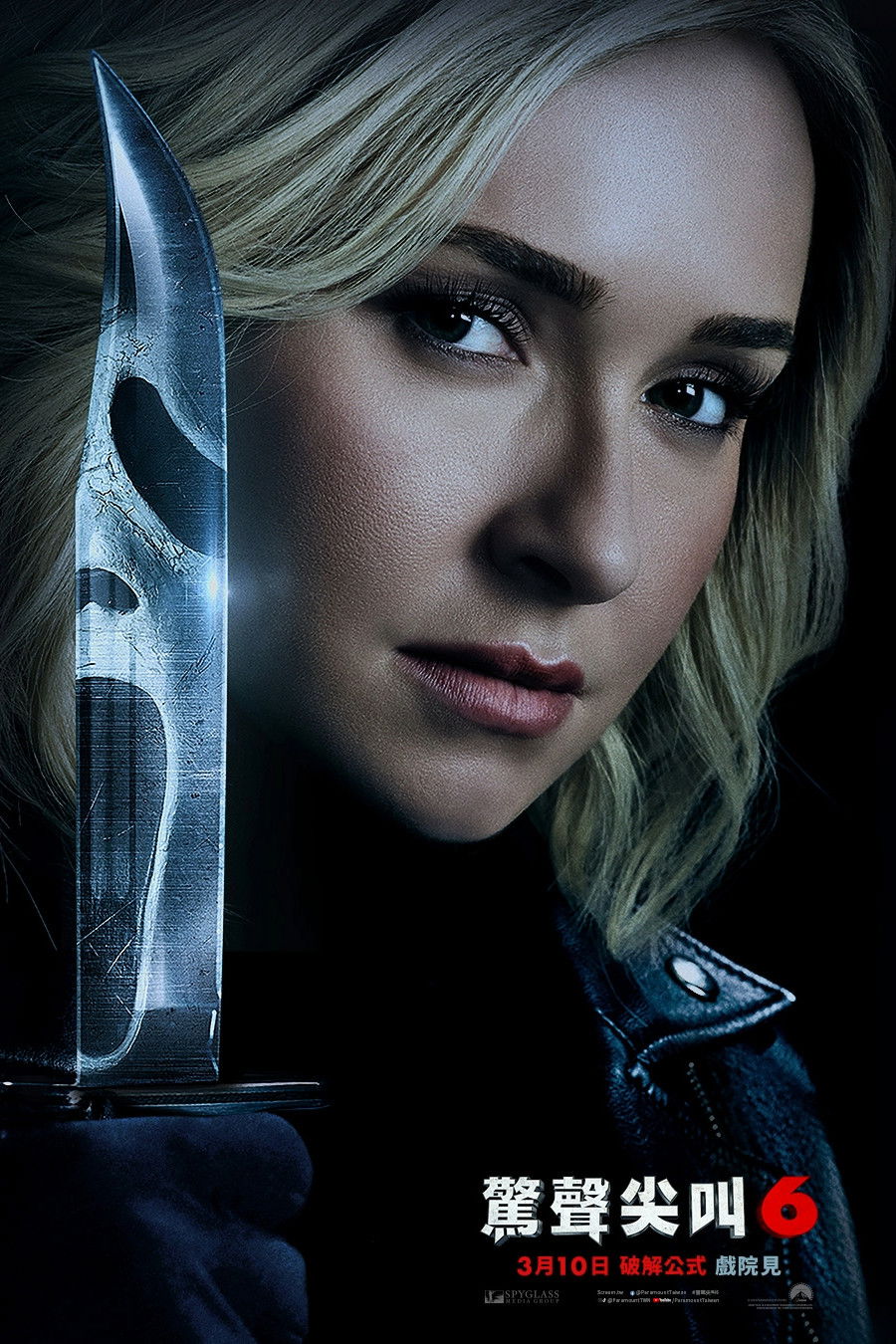
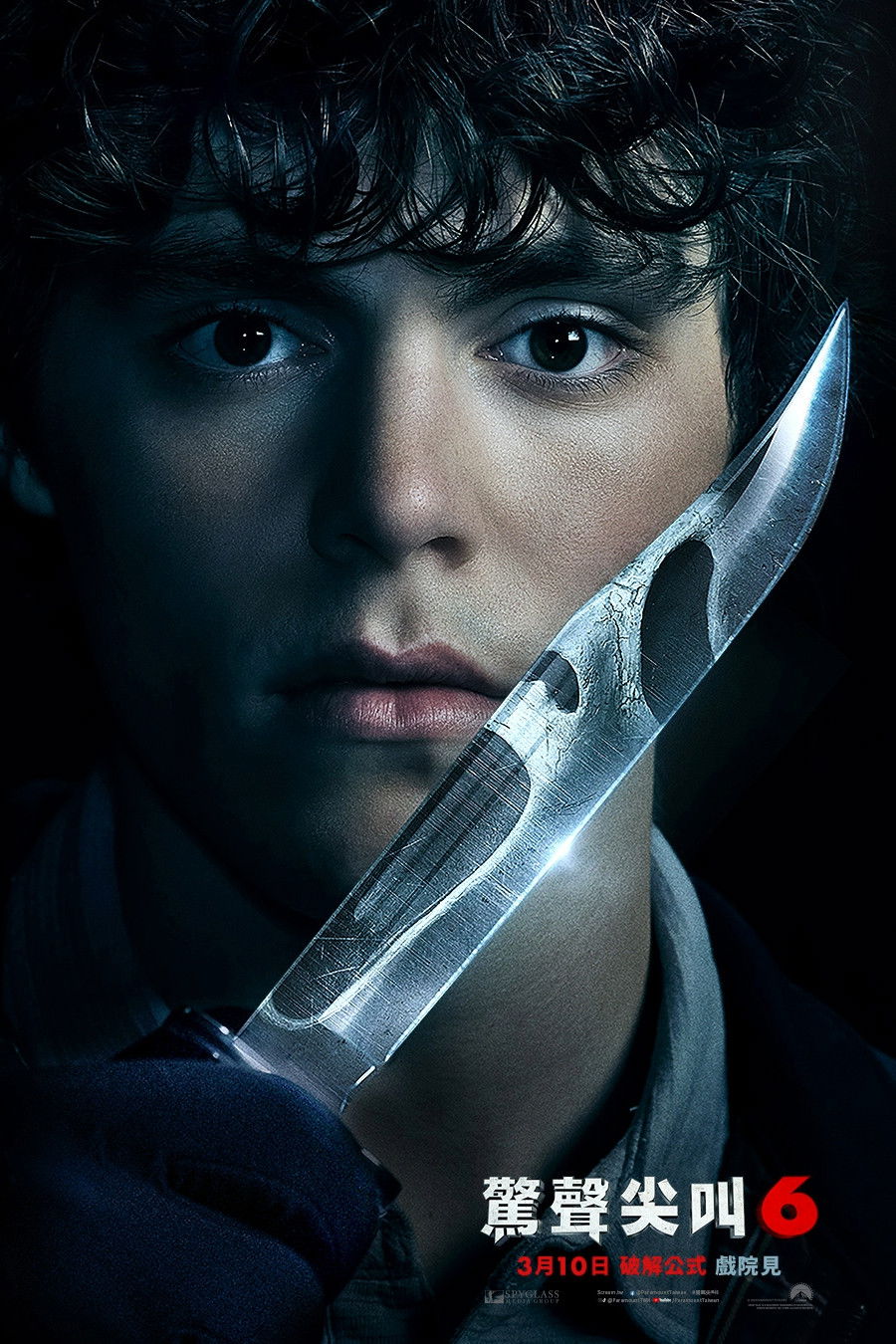
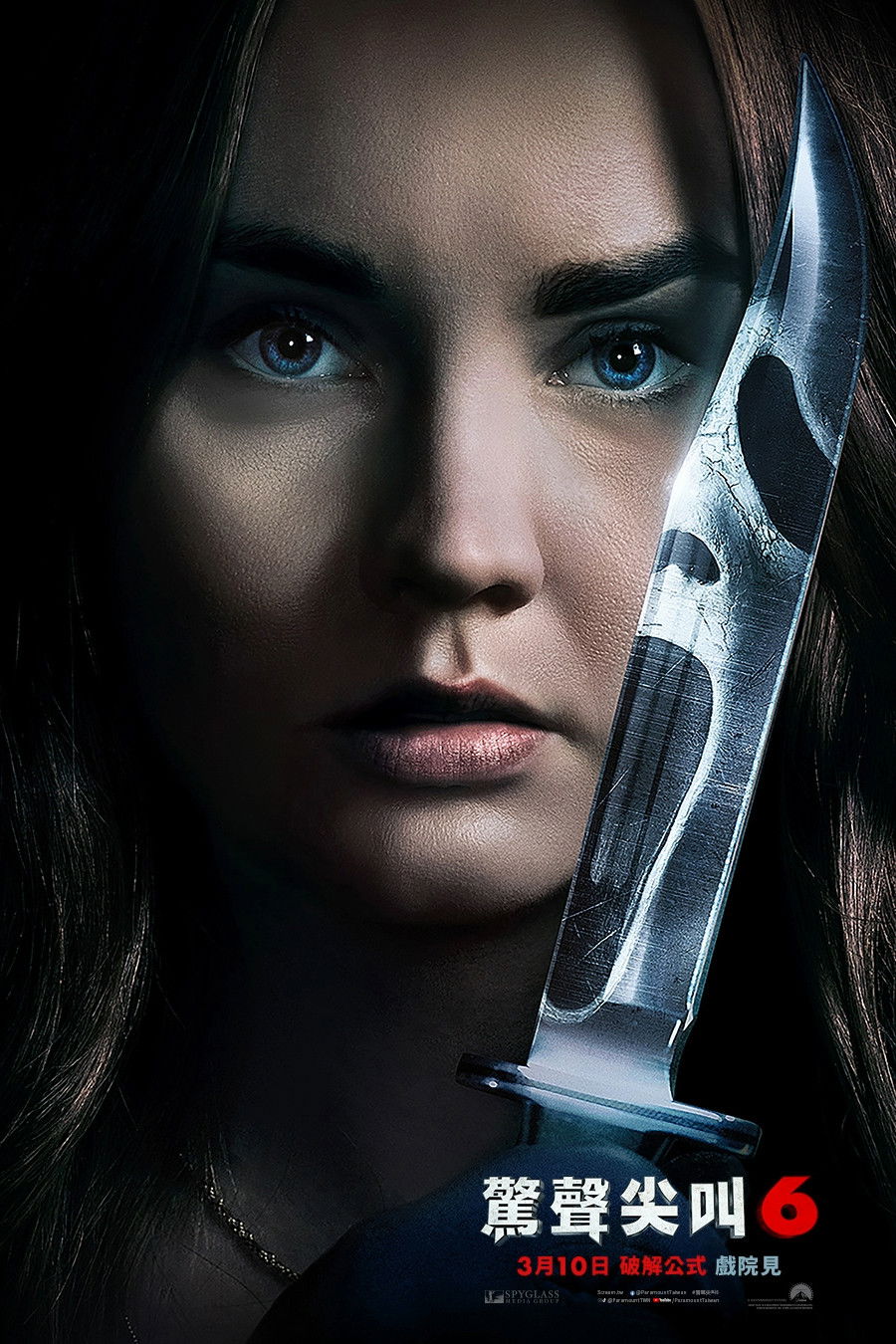
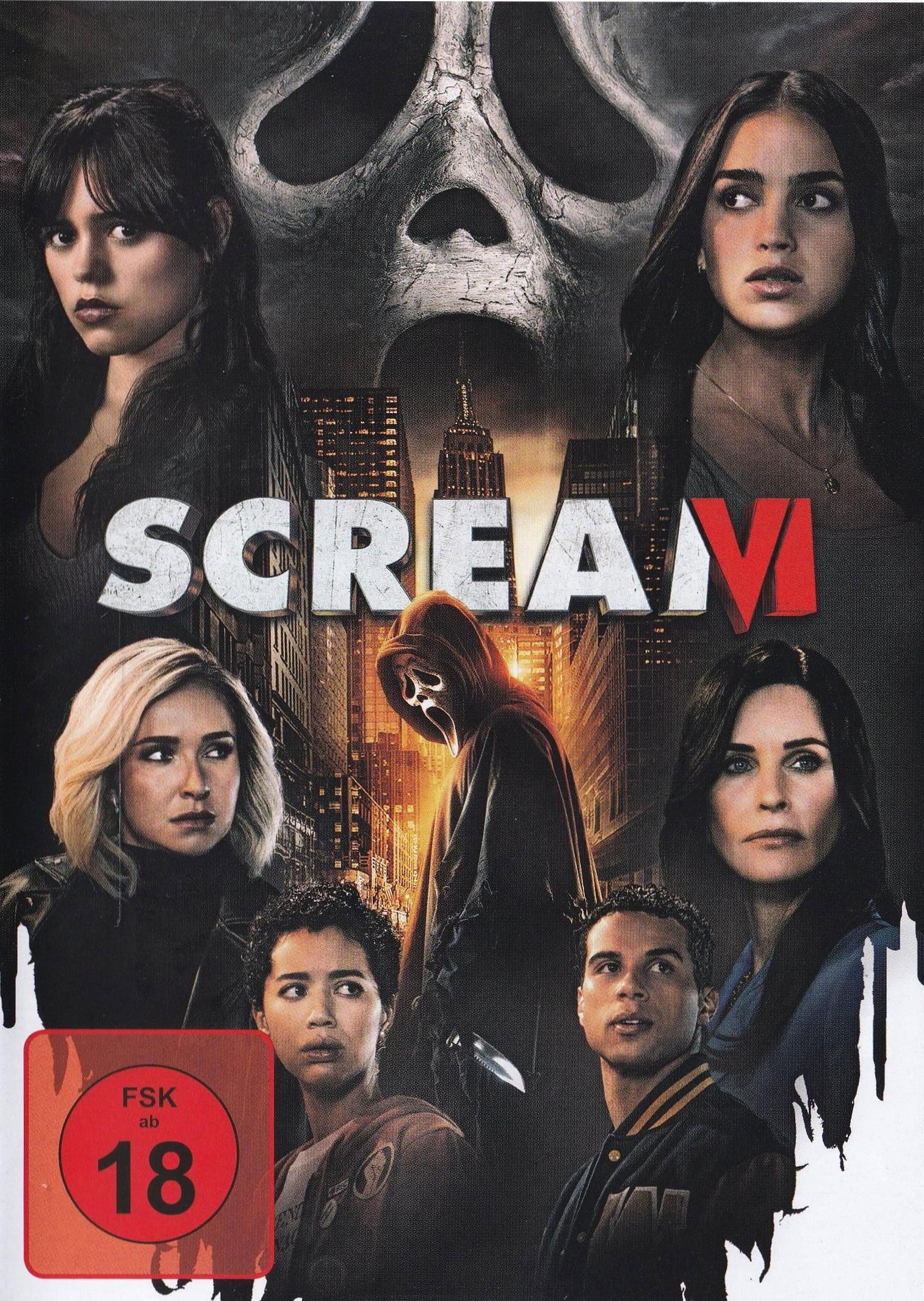
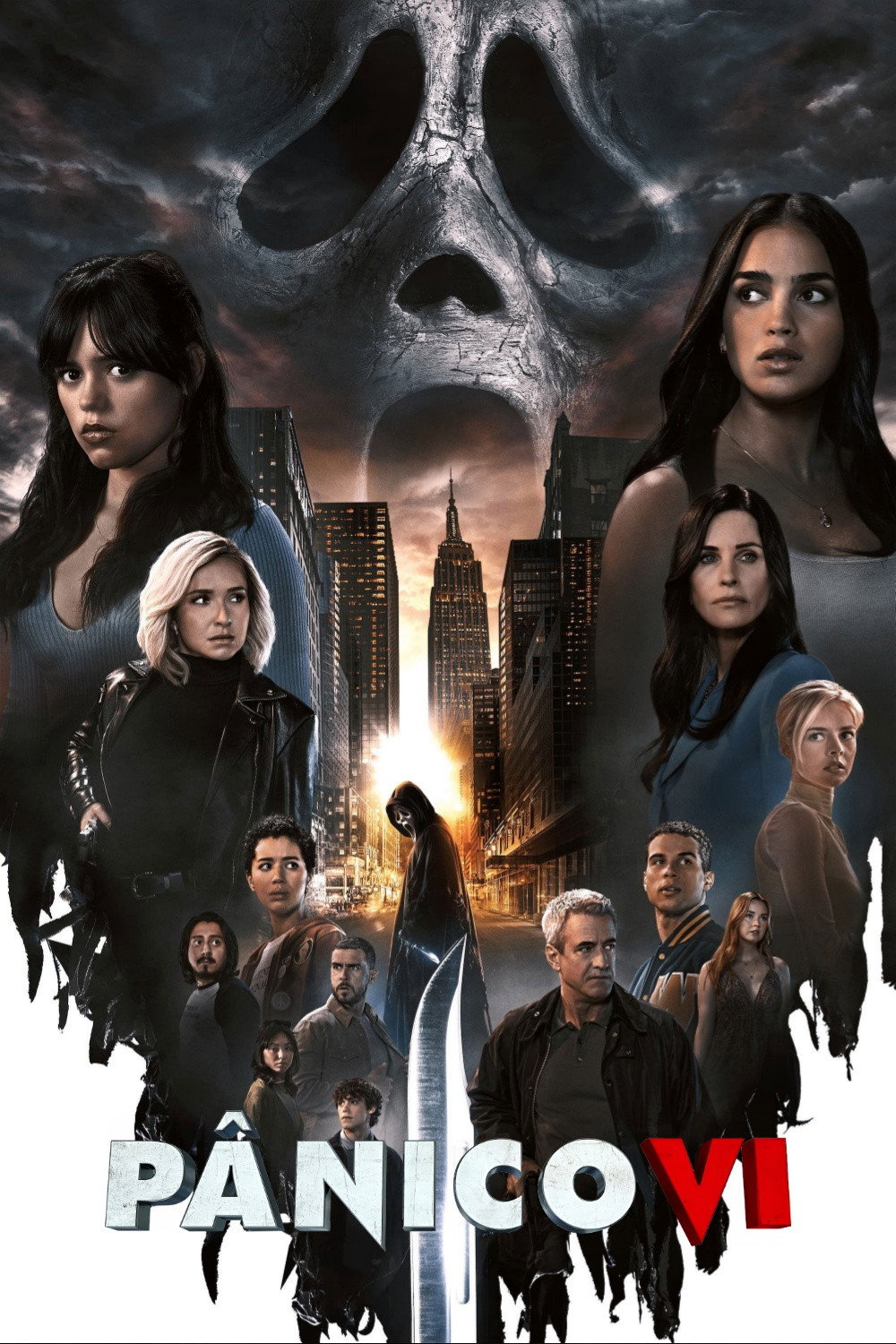
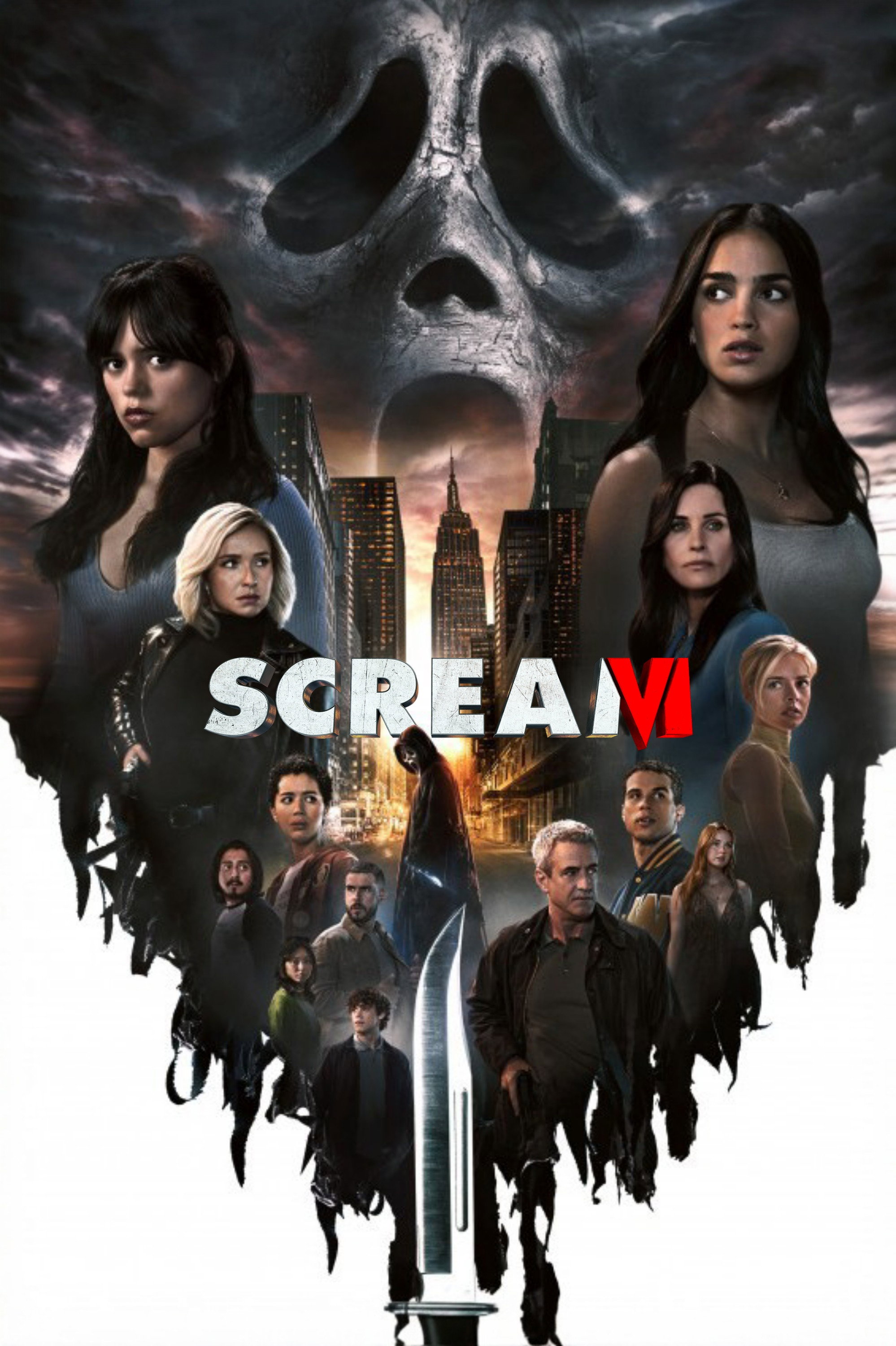
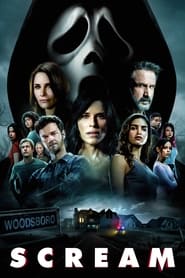
After surviving the latest killings in Woodsboro, sisters Sam and Tara Carpenter move to New York City with friends Chad and Mindy Meeks-Martin. Their attempt to build new lives is interrupted when another masked murderer begins attacking people connected to the group. Rumors about the earlier crimes place Sam under intense public scrutiny, while Gale Weathers and returning survivor Kirby Reed join the investigation. The crowded city offers new places for Ghostface to strike, leaving the friends unsure who can be trusted as the mystery unfolds.
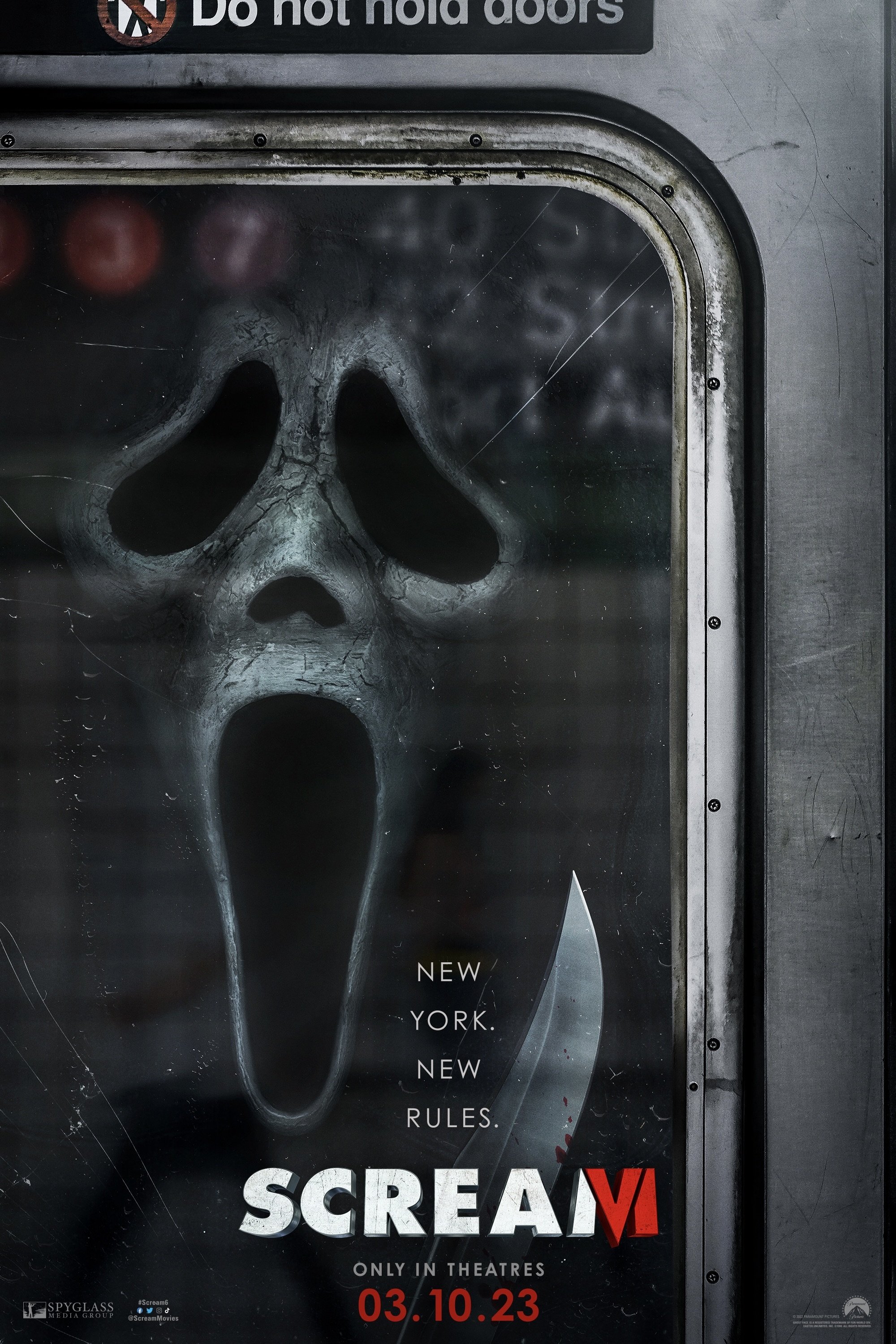
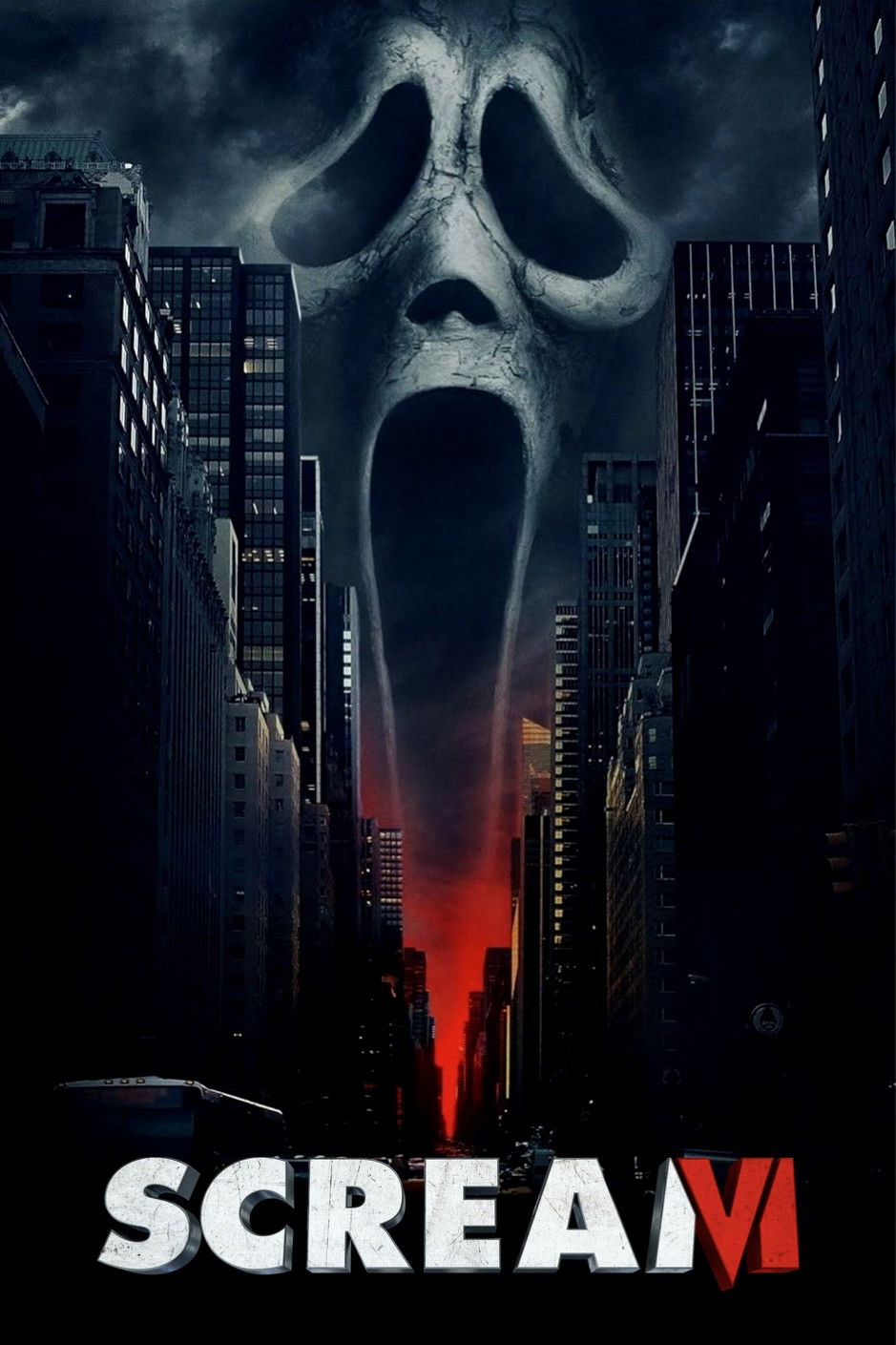
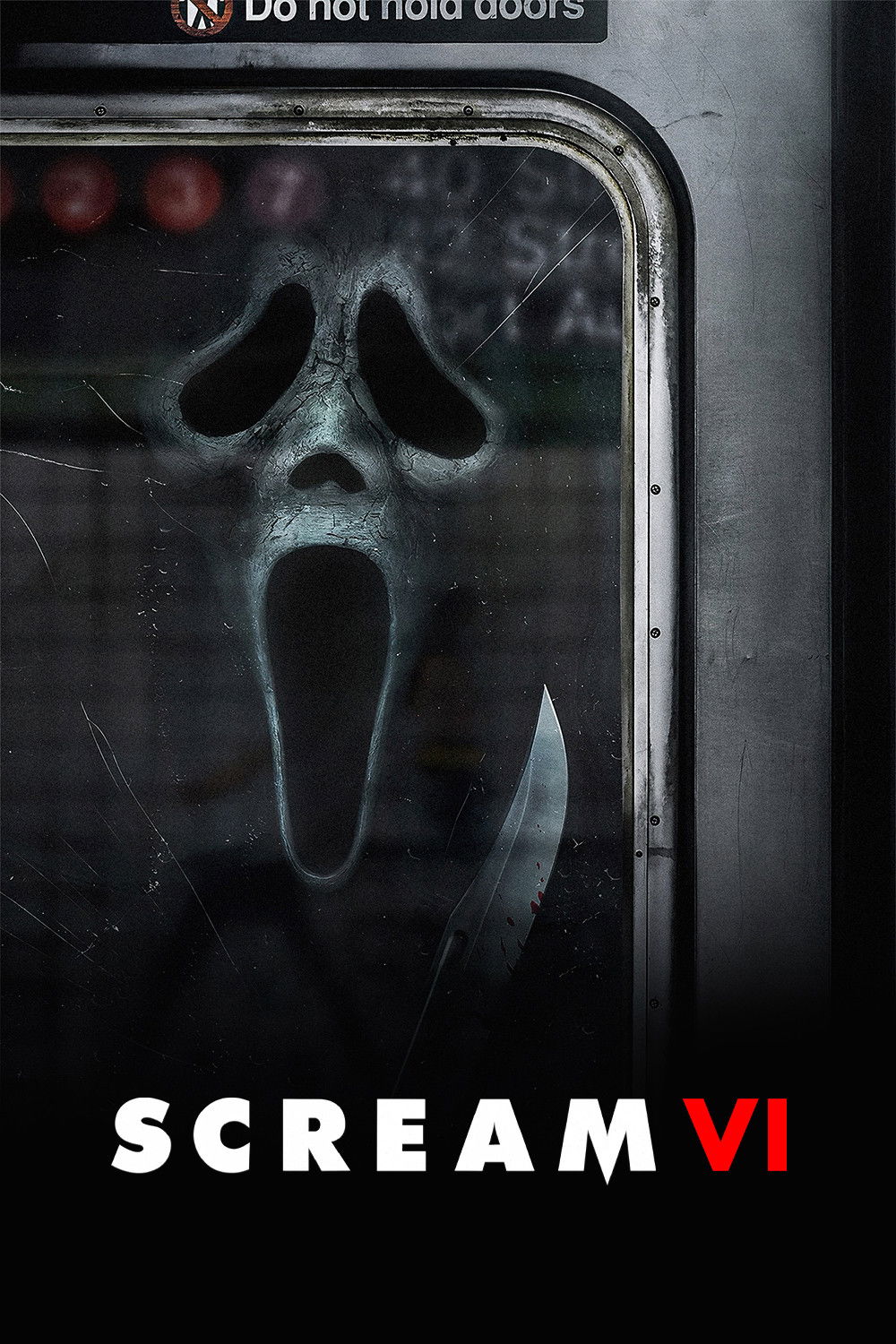
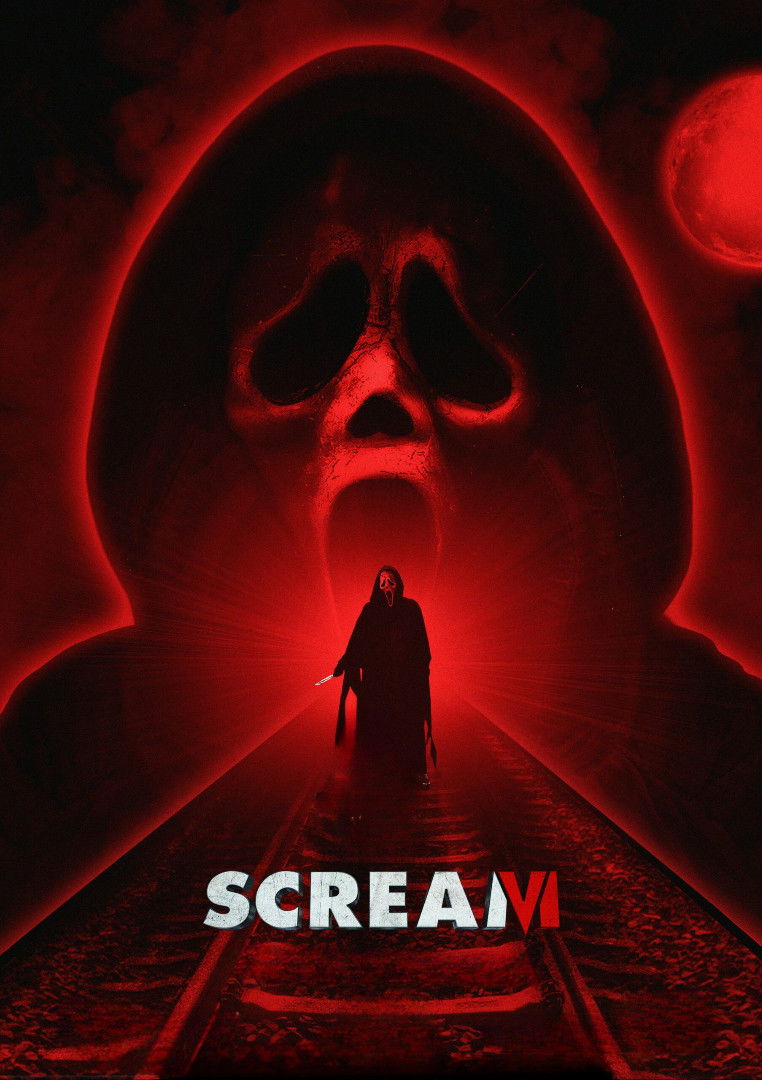
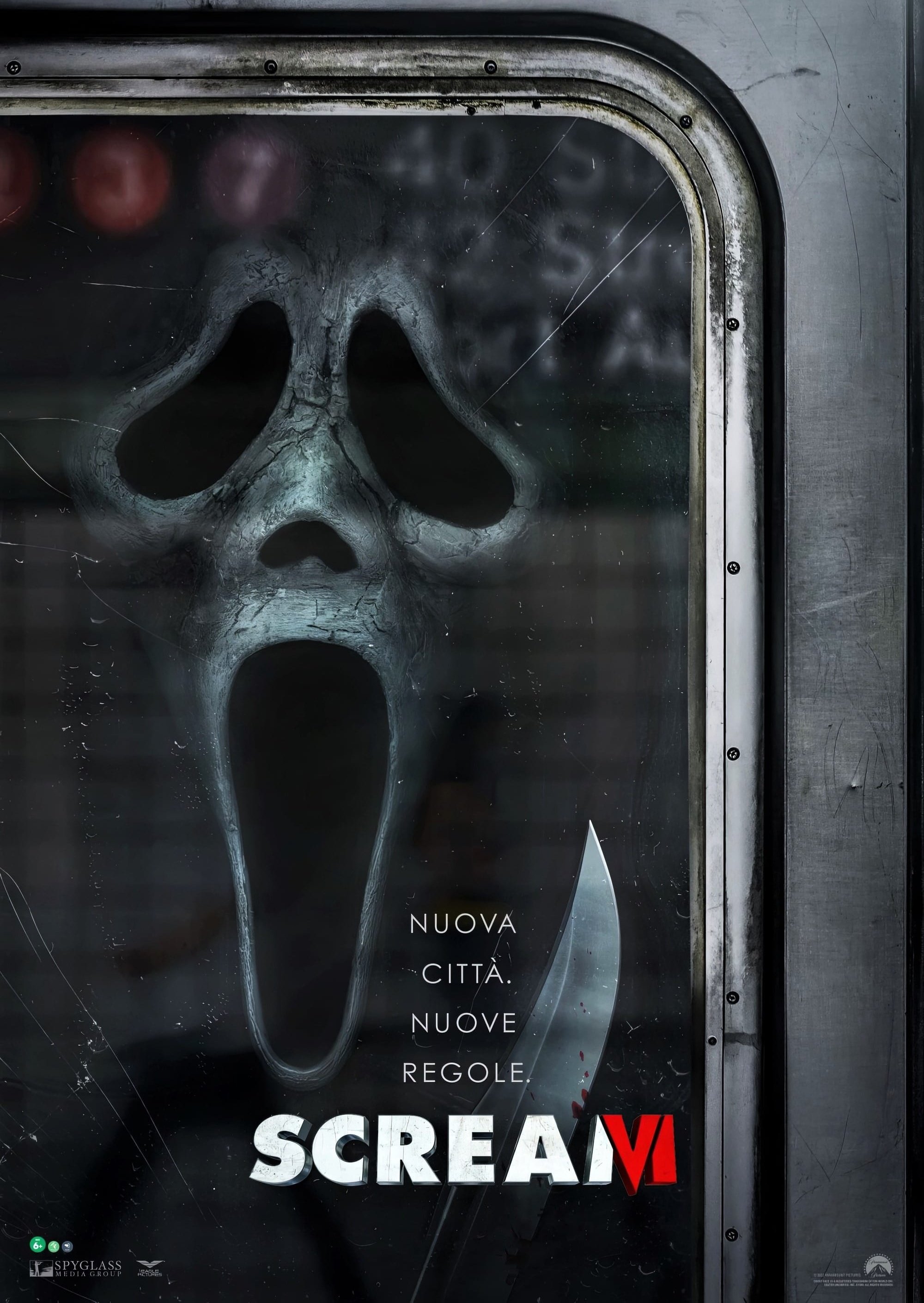
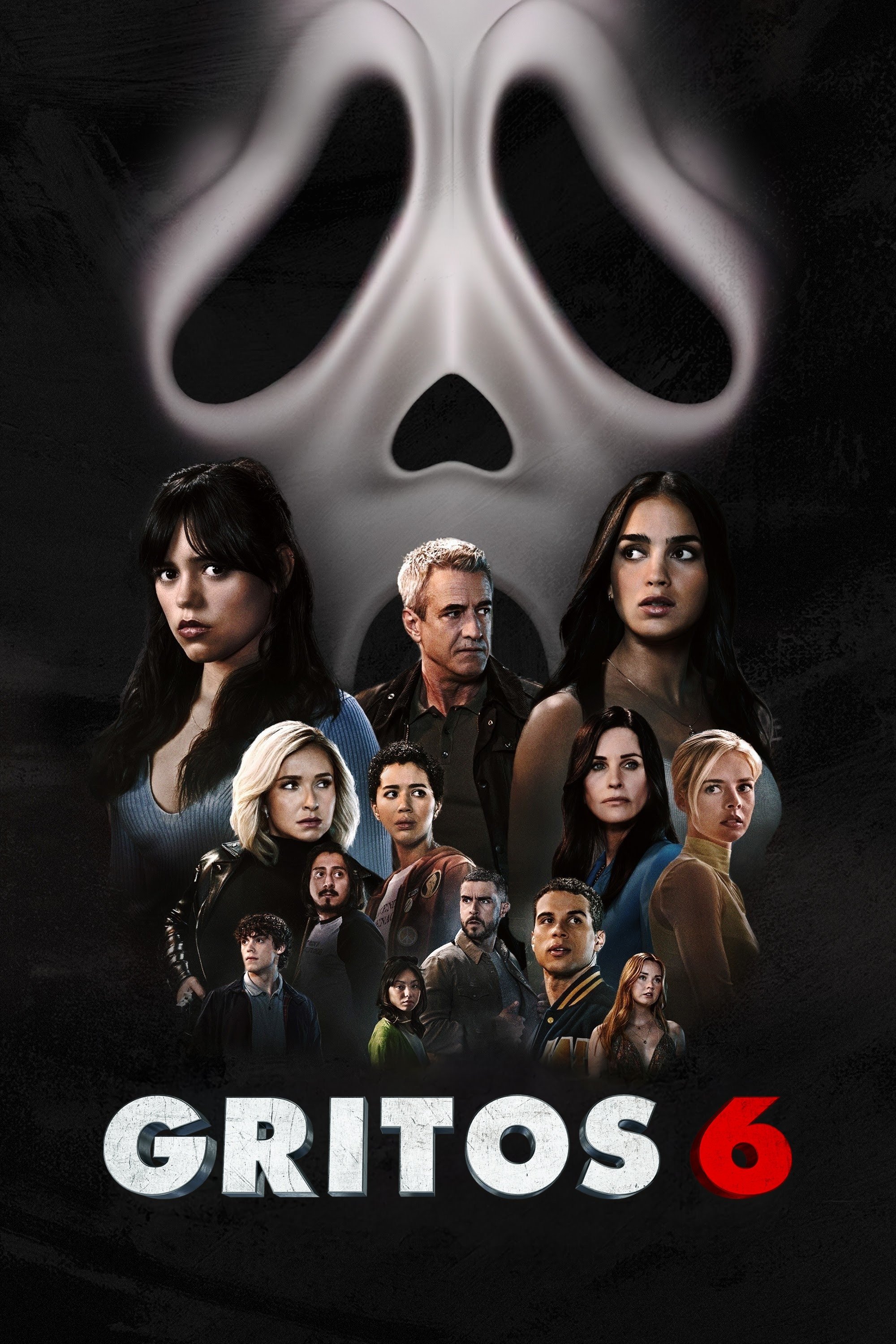
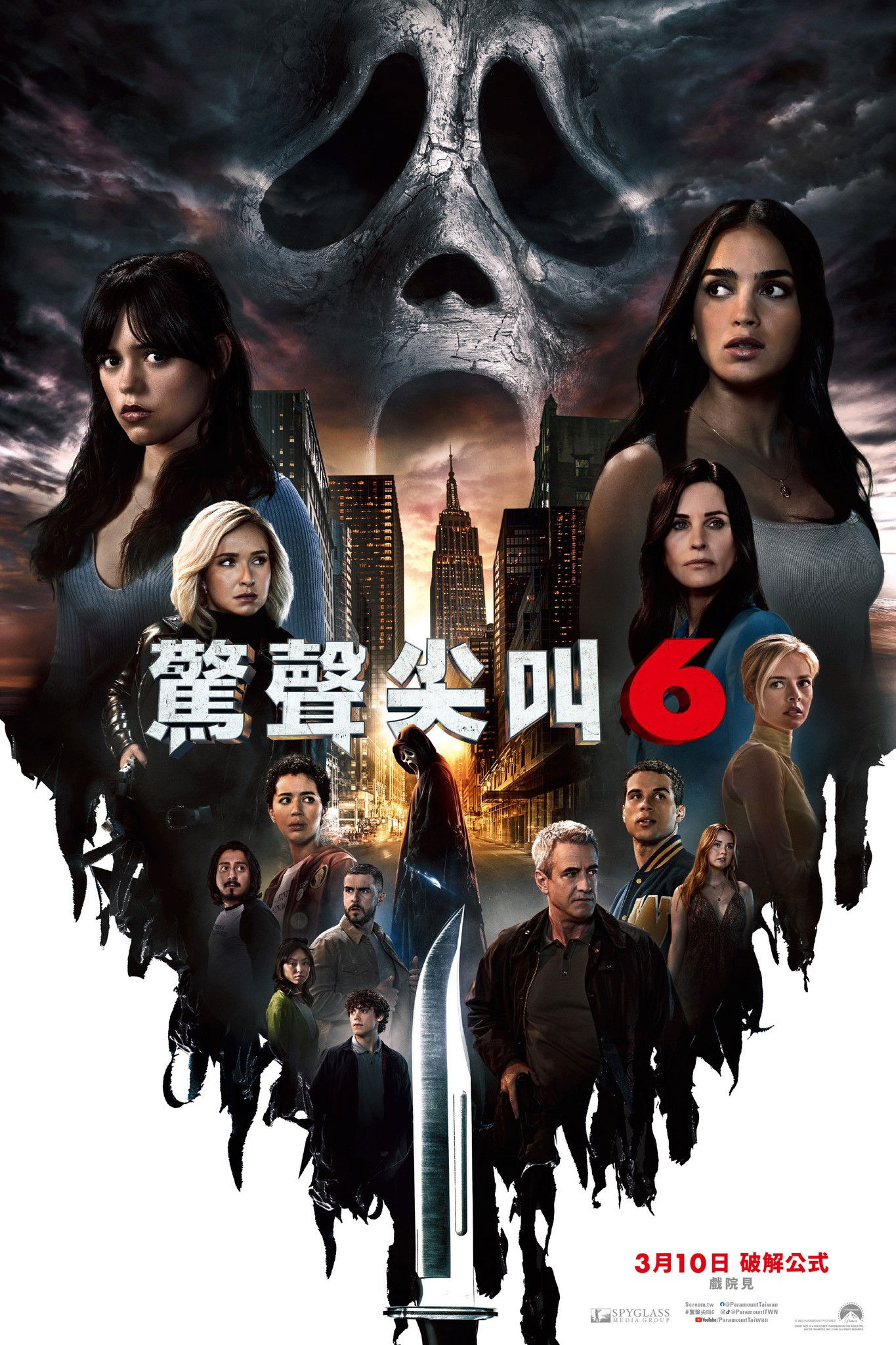
Ghostface stalks the surviving Carpenter circle across New York in a sequel shaped by urban suspense, a rebuilt subway set and more aggressive editing.
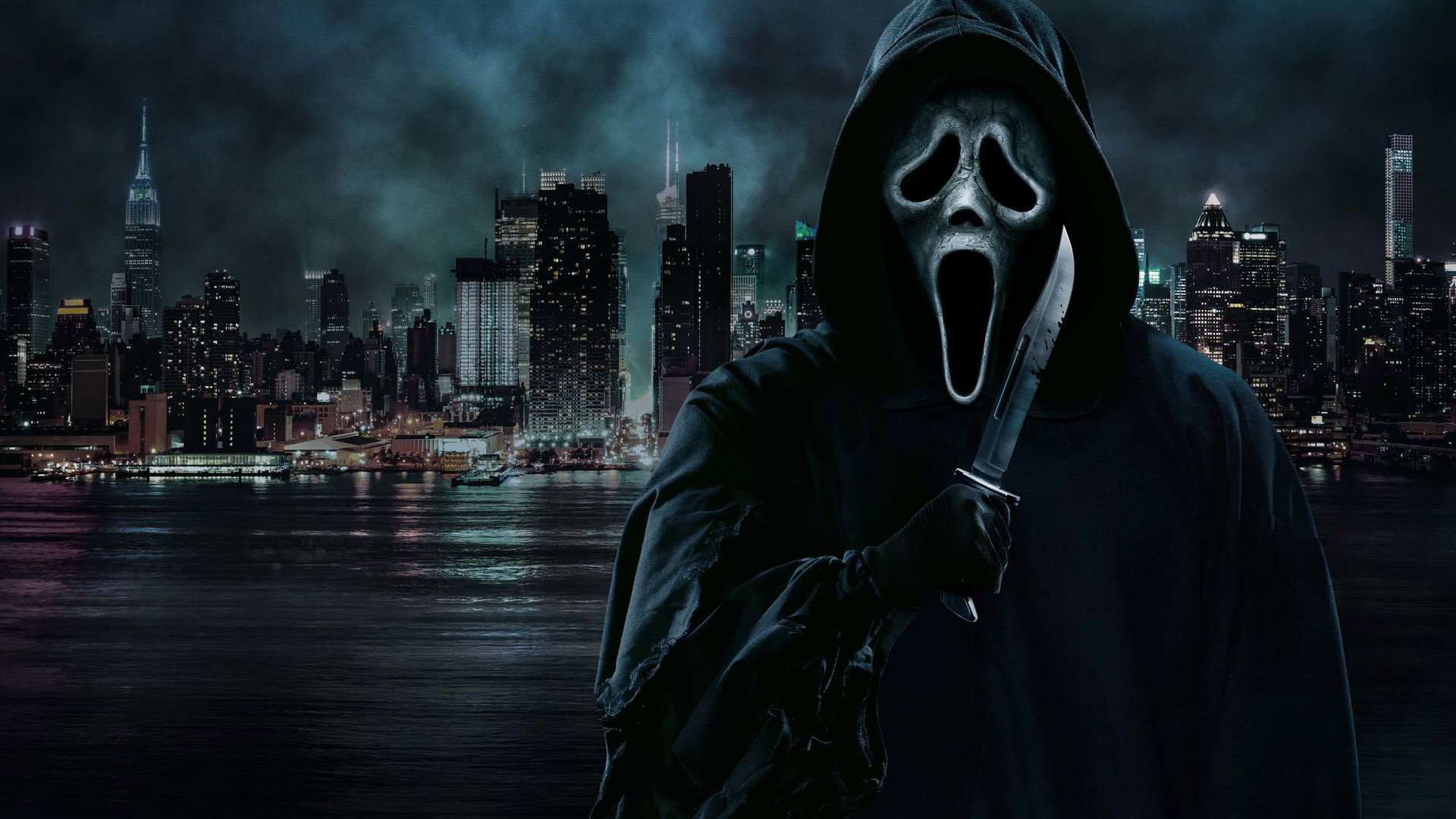
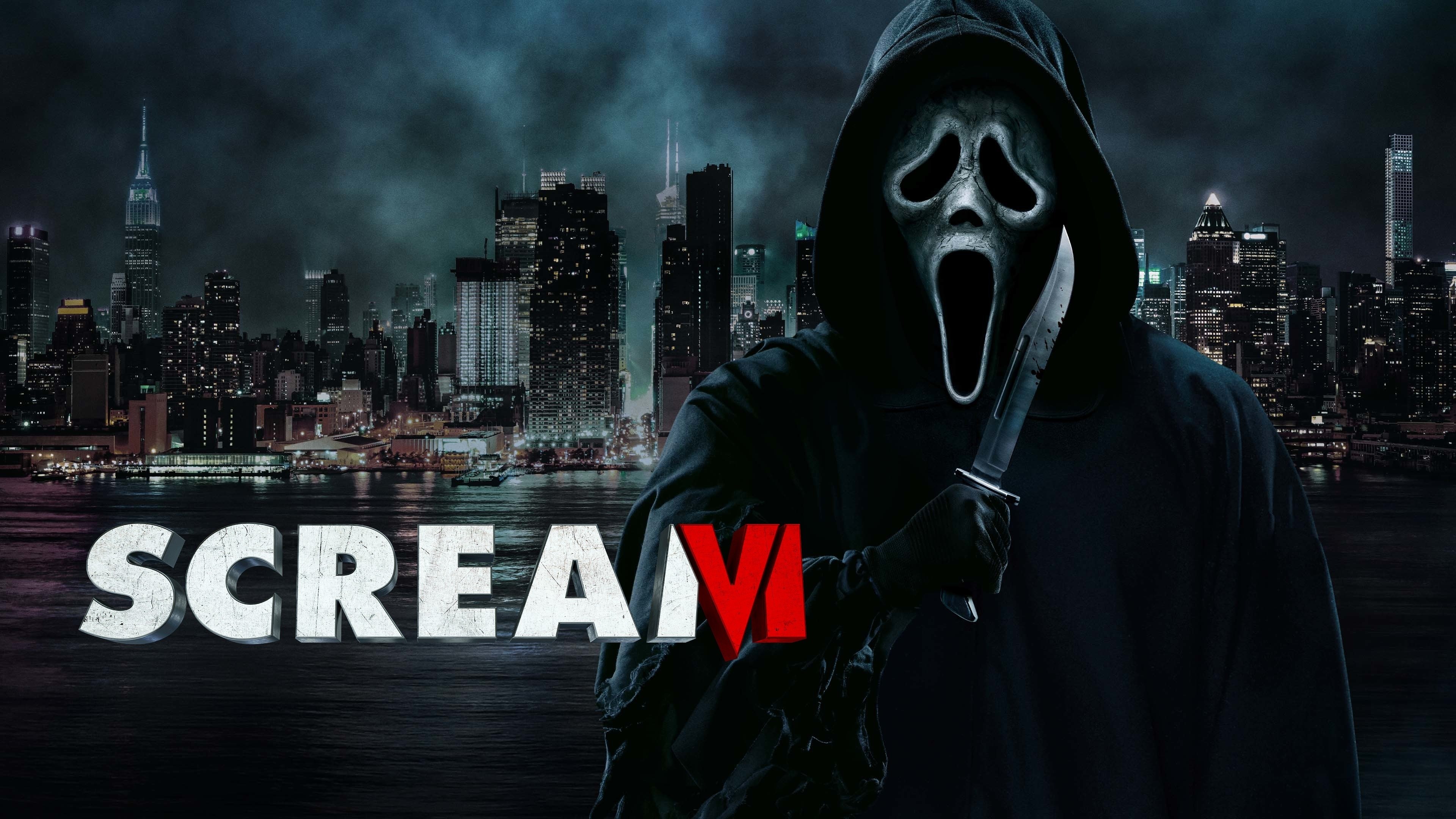
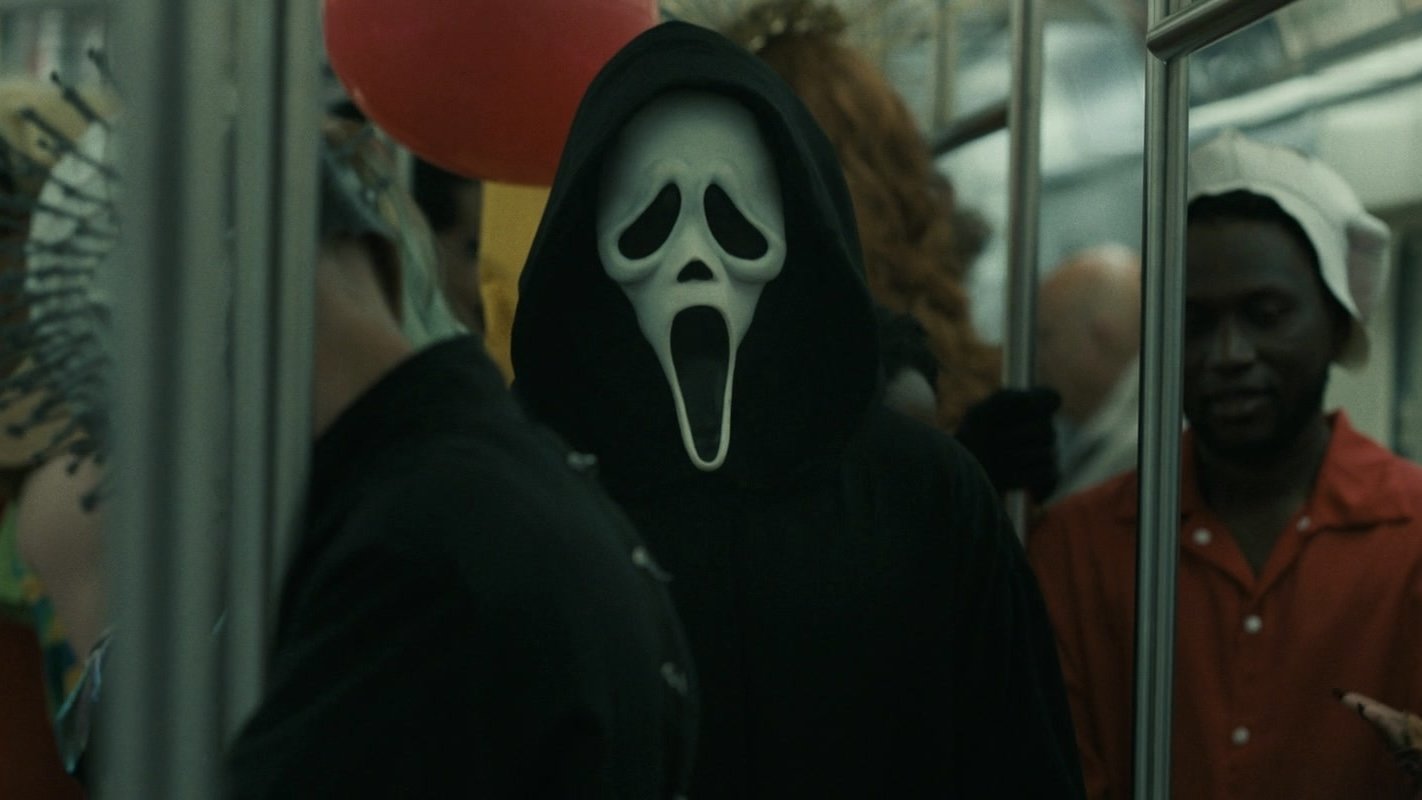
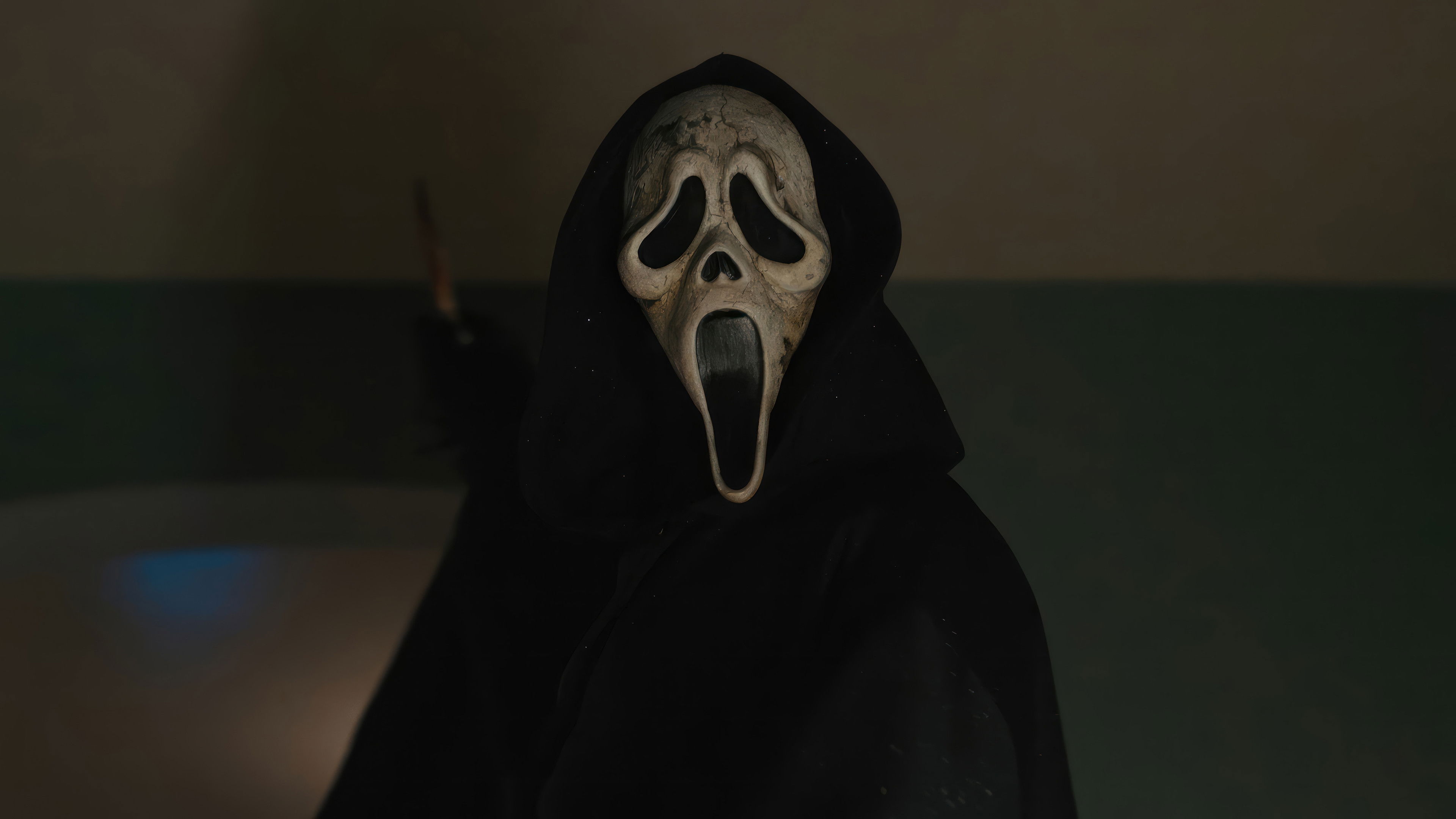
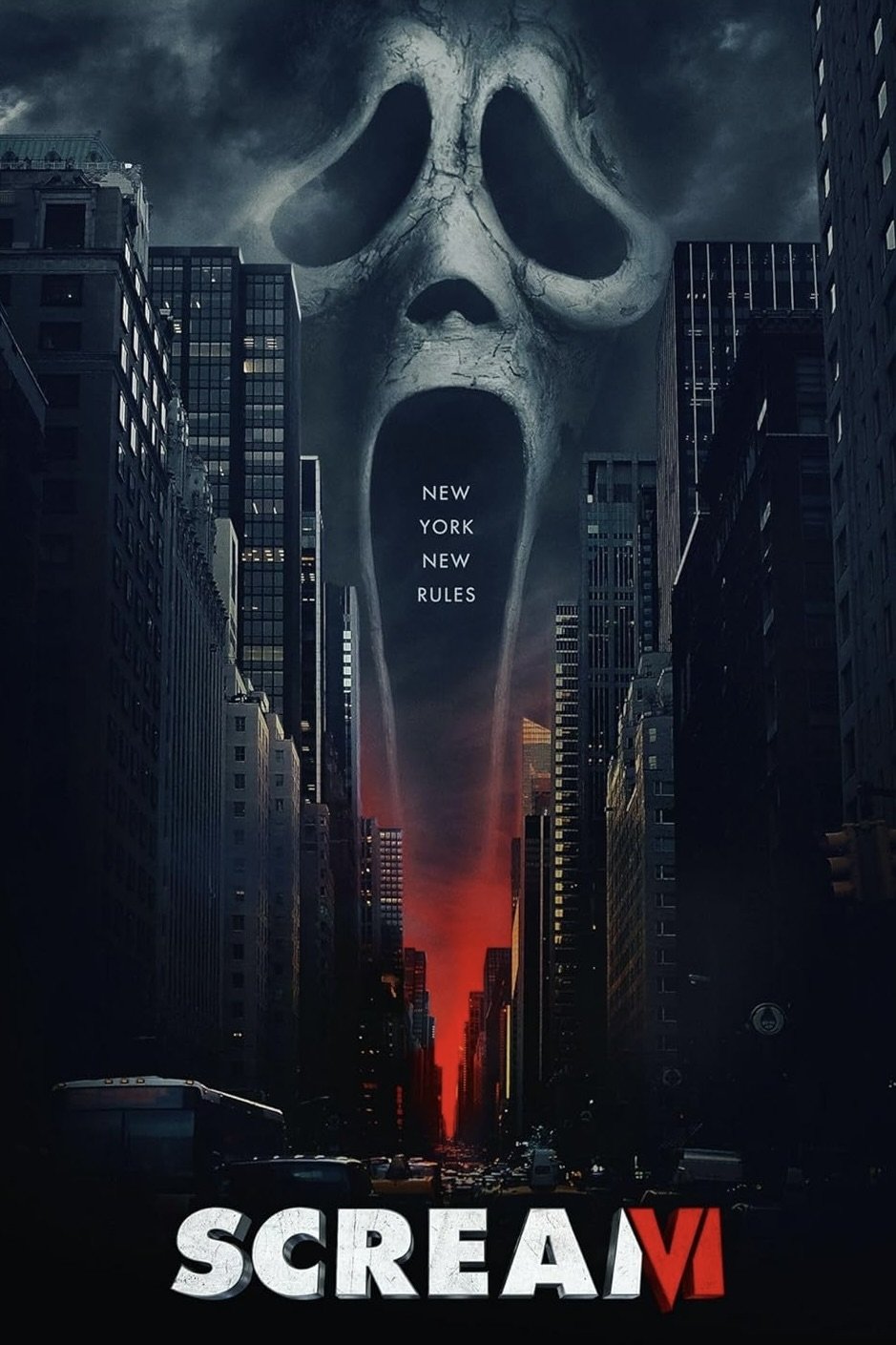
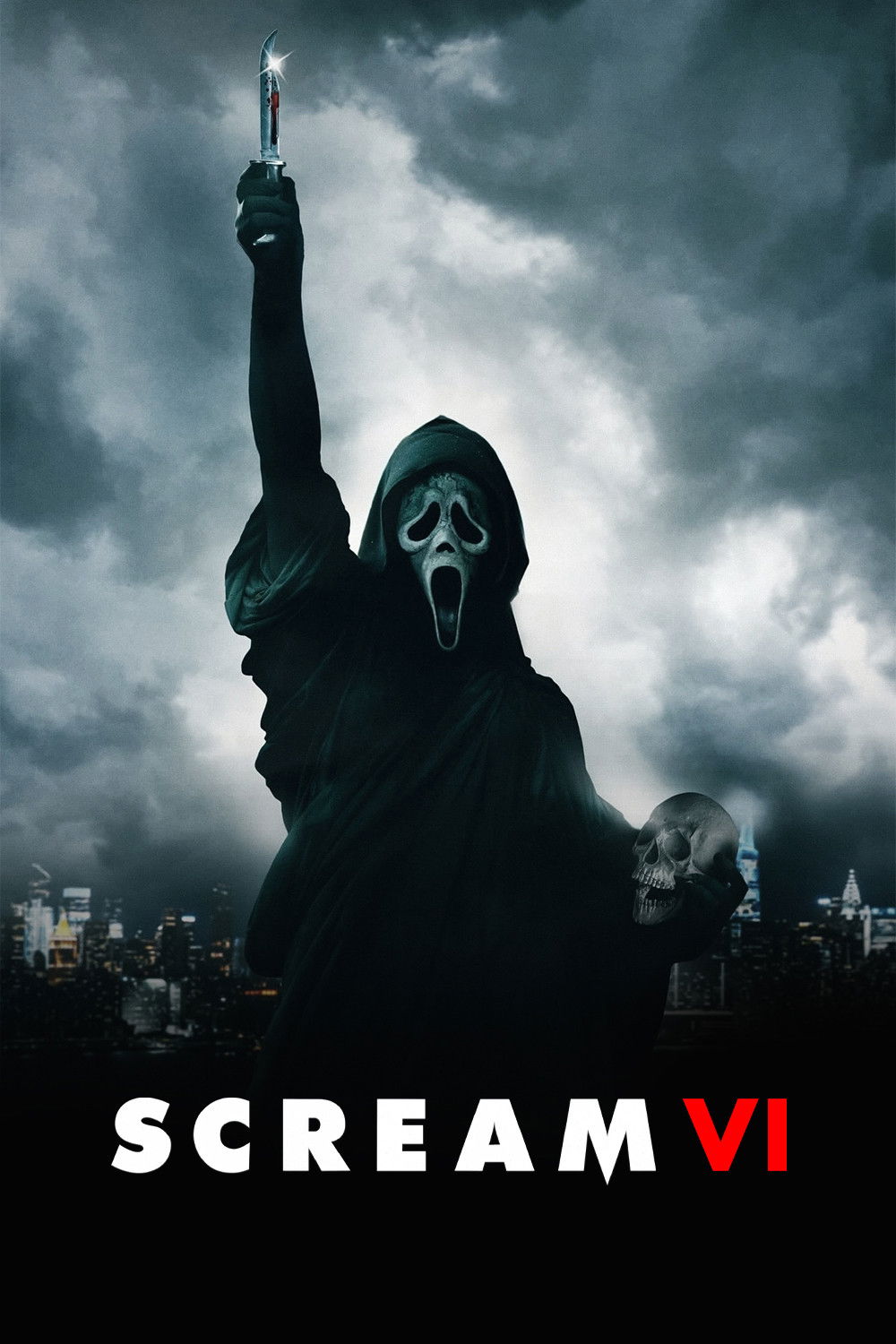
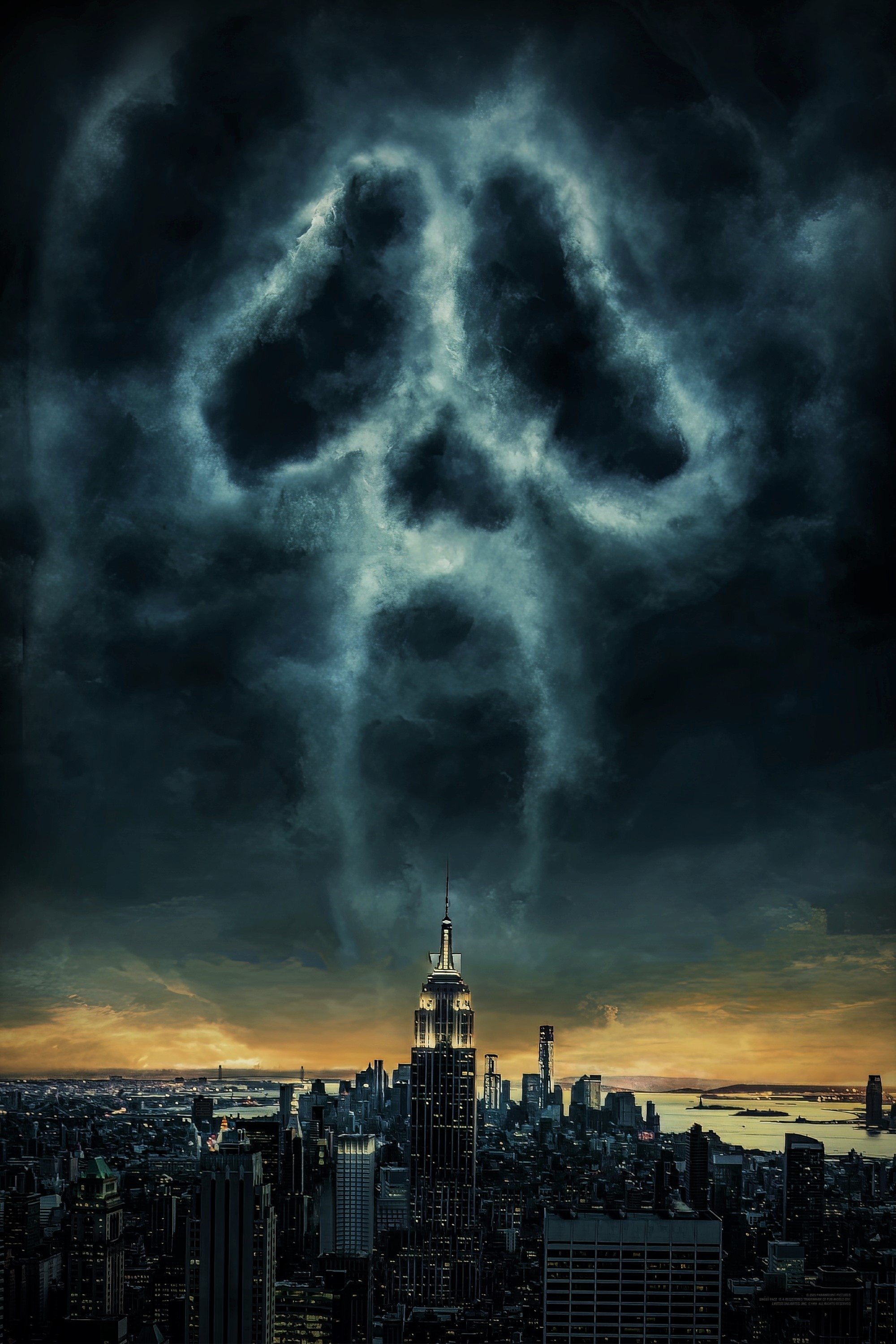
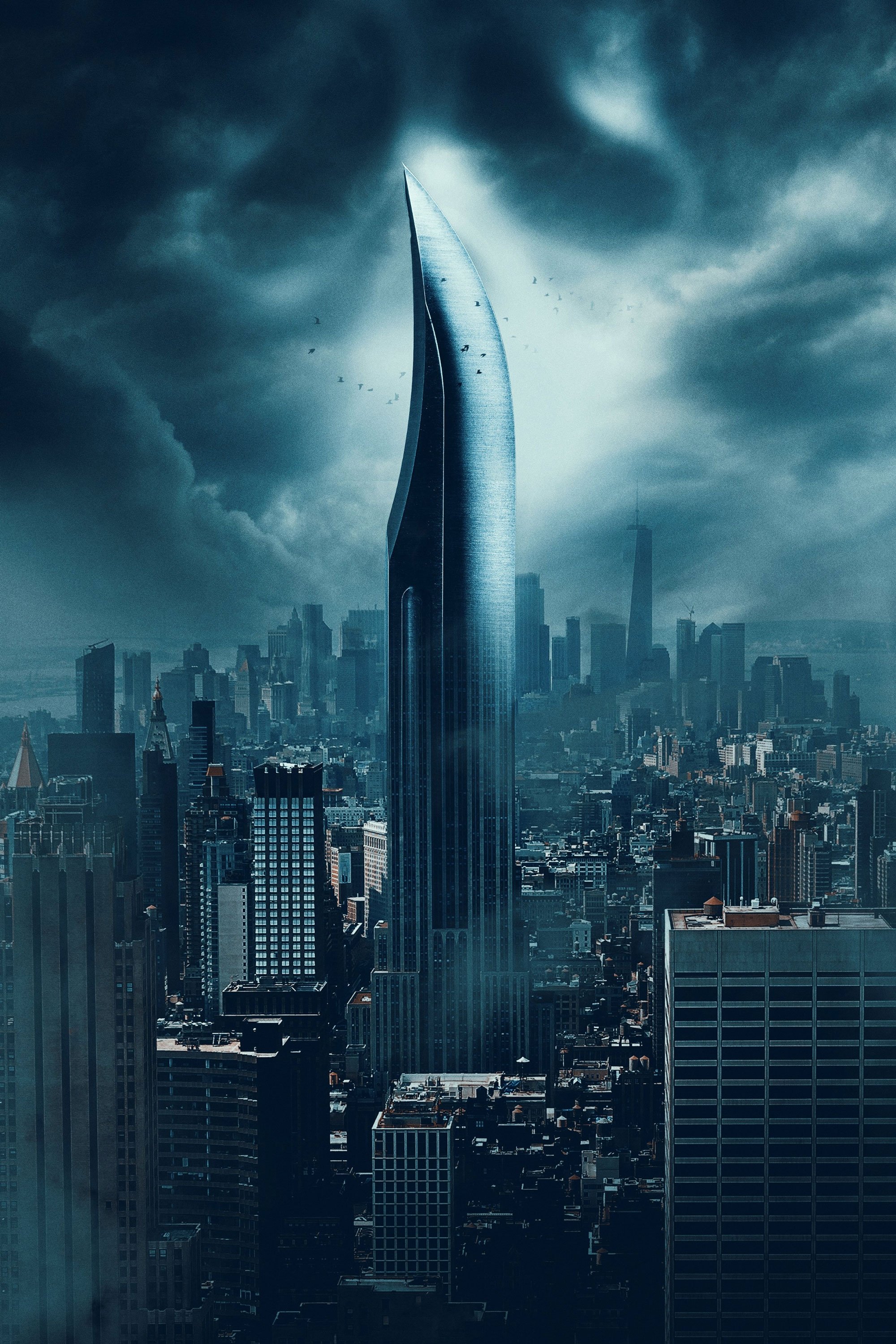
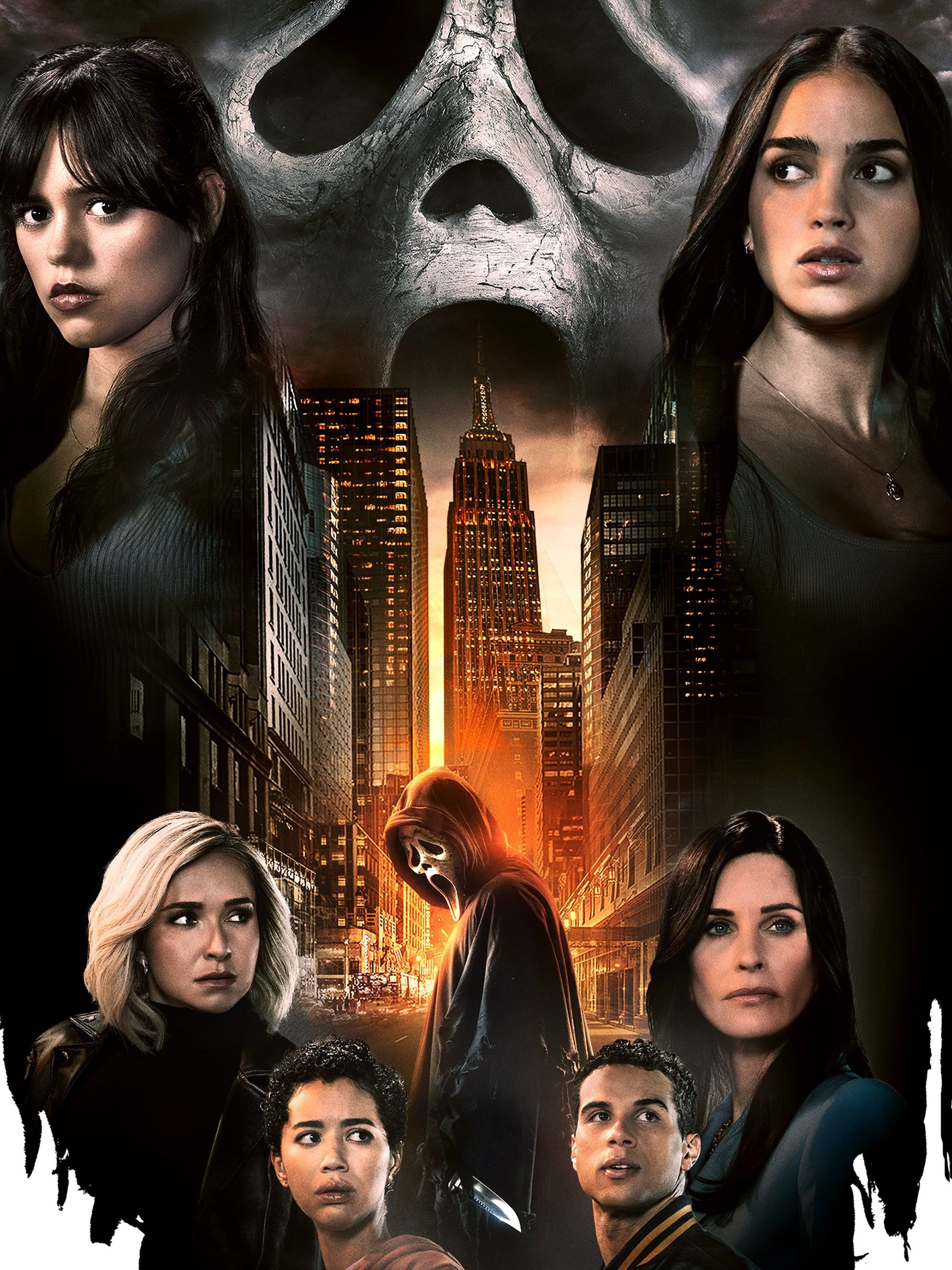
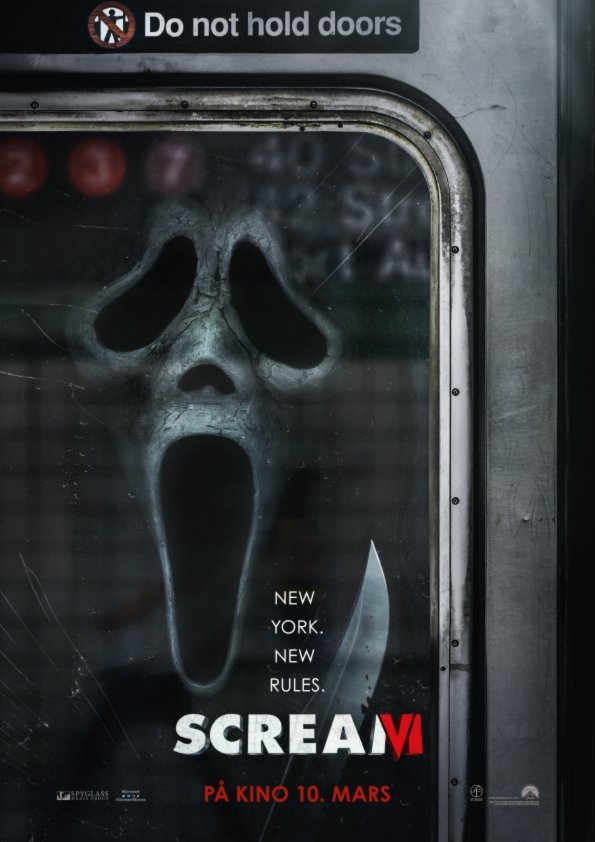
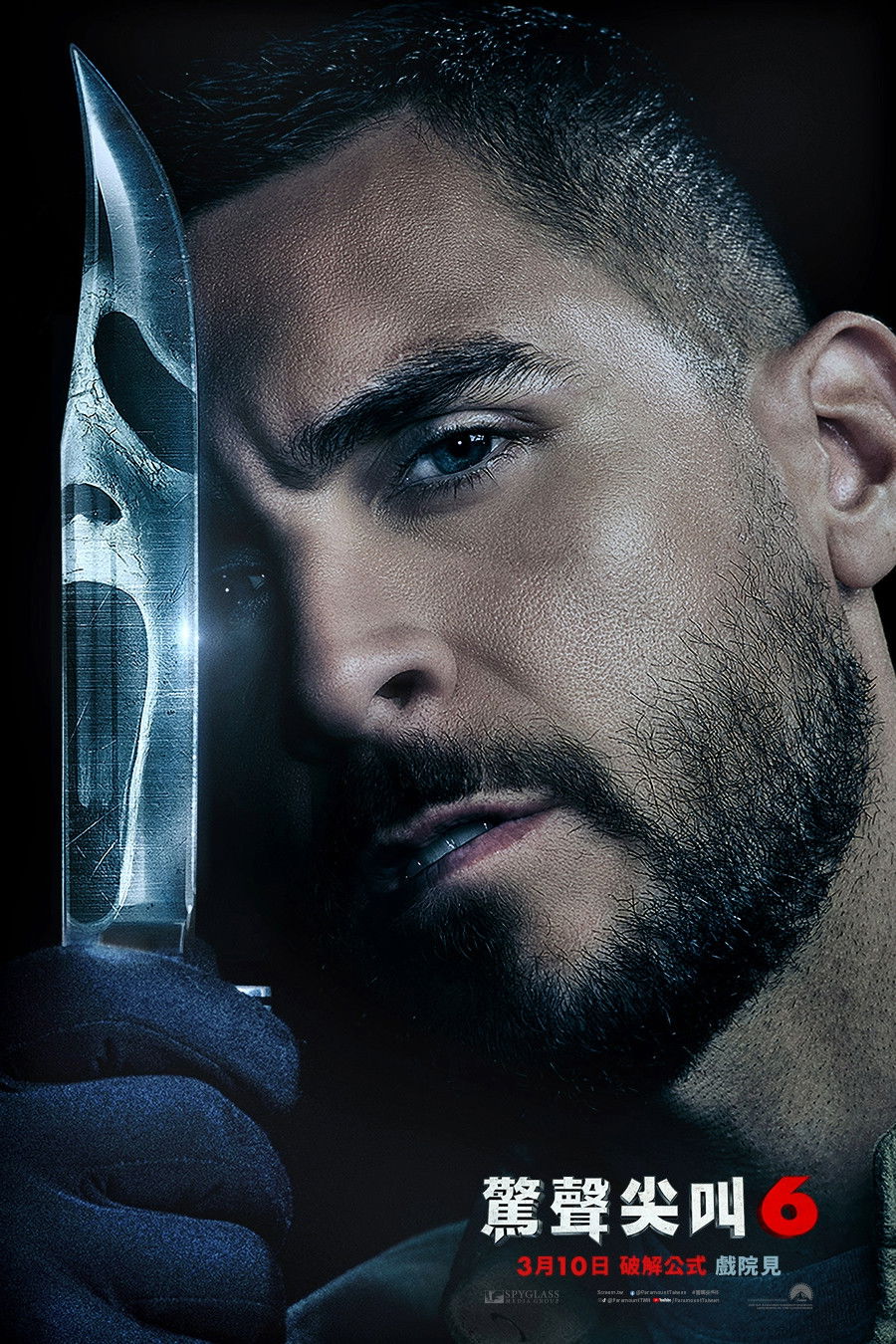
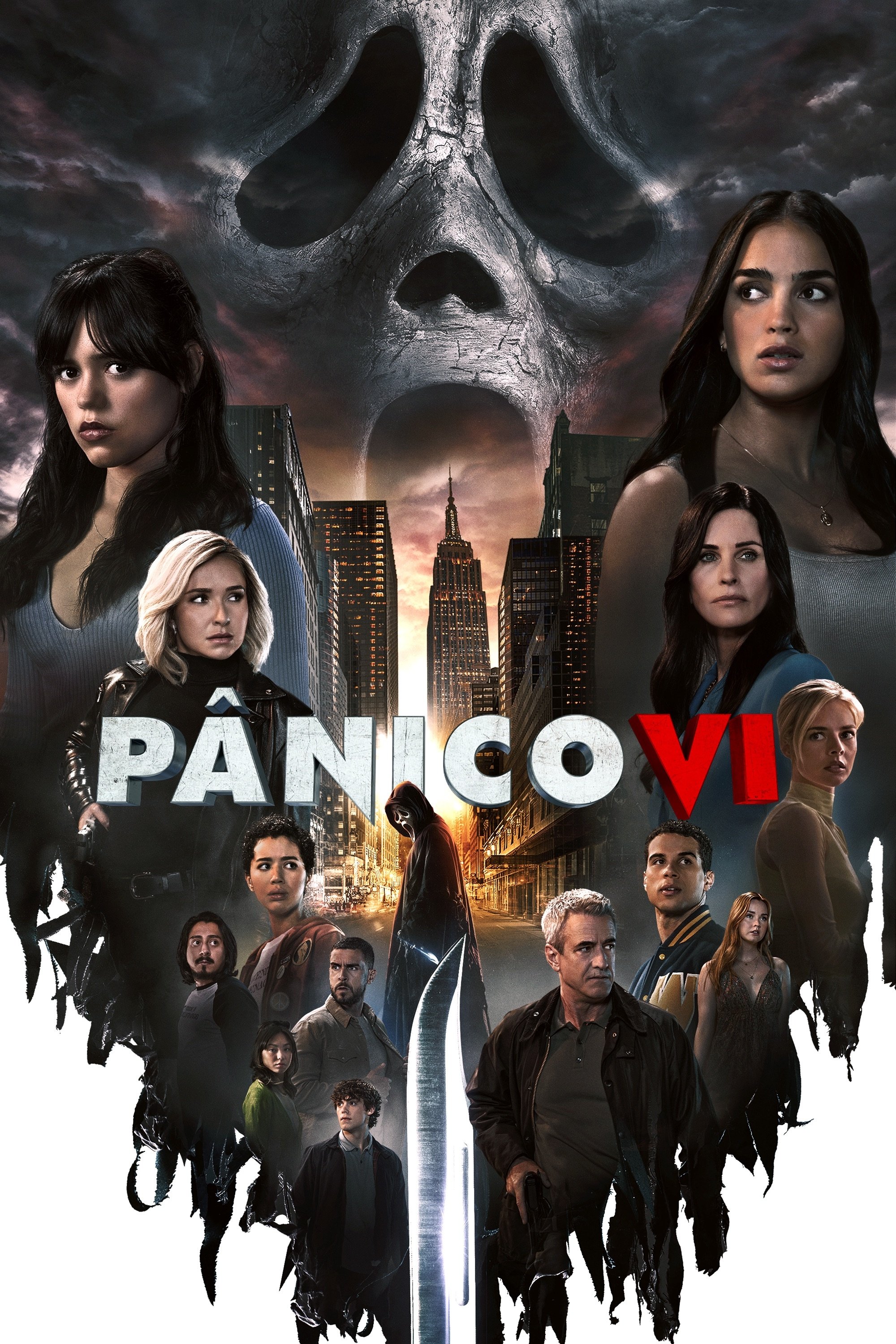
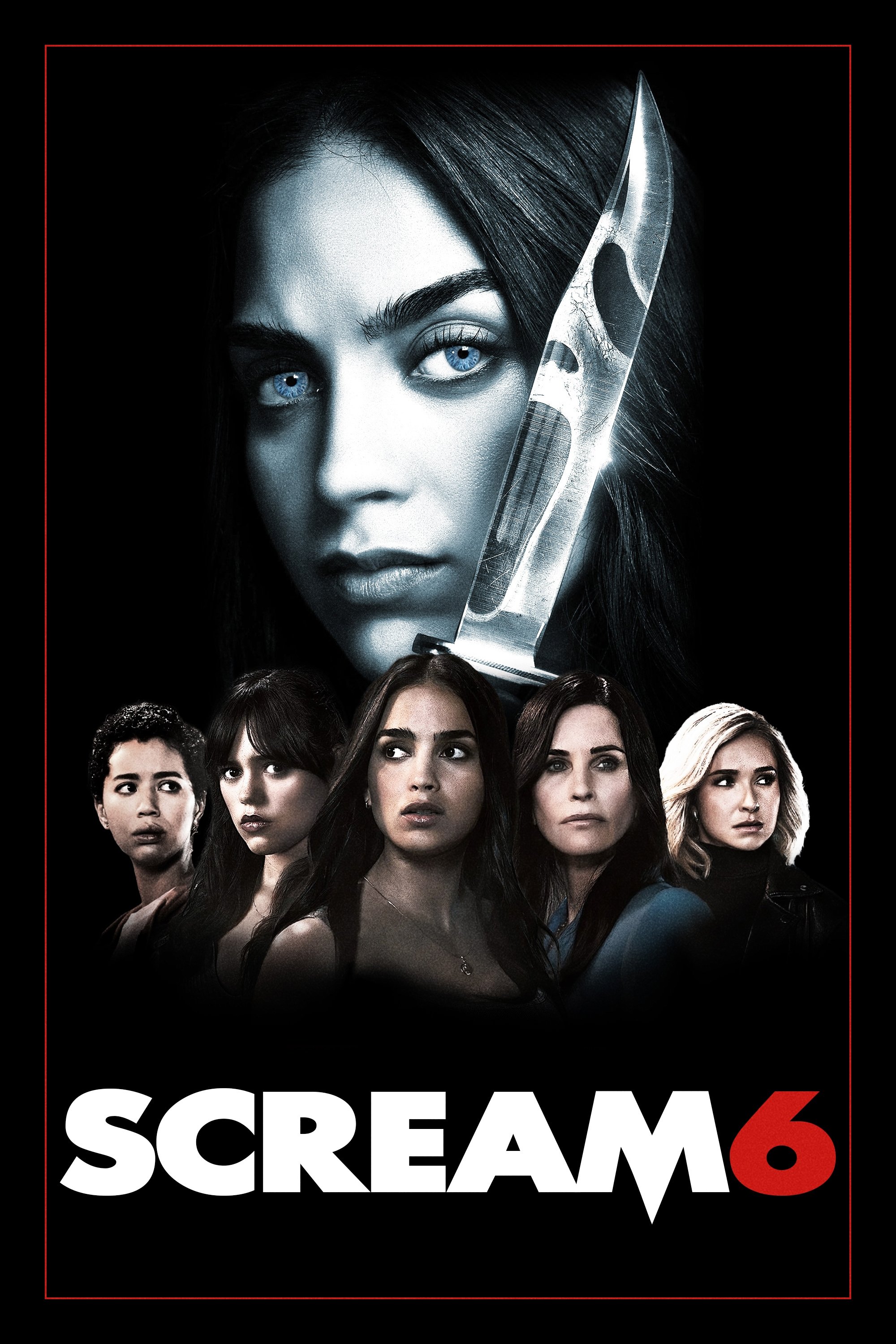
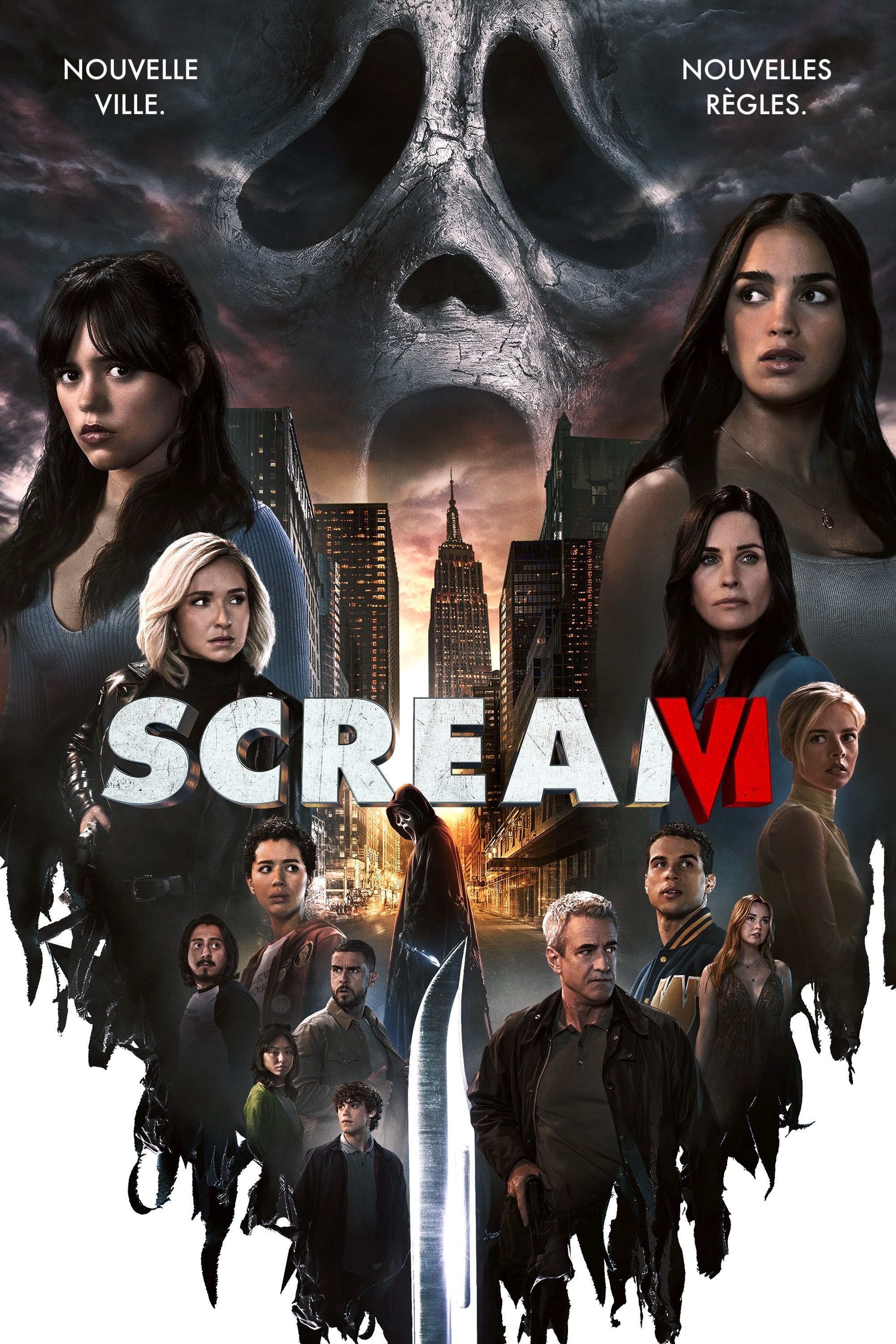
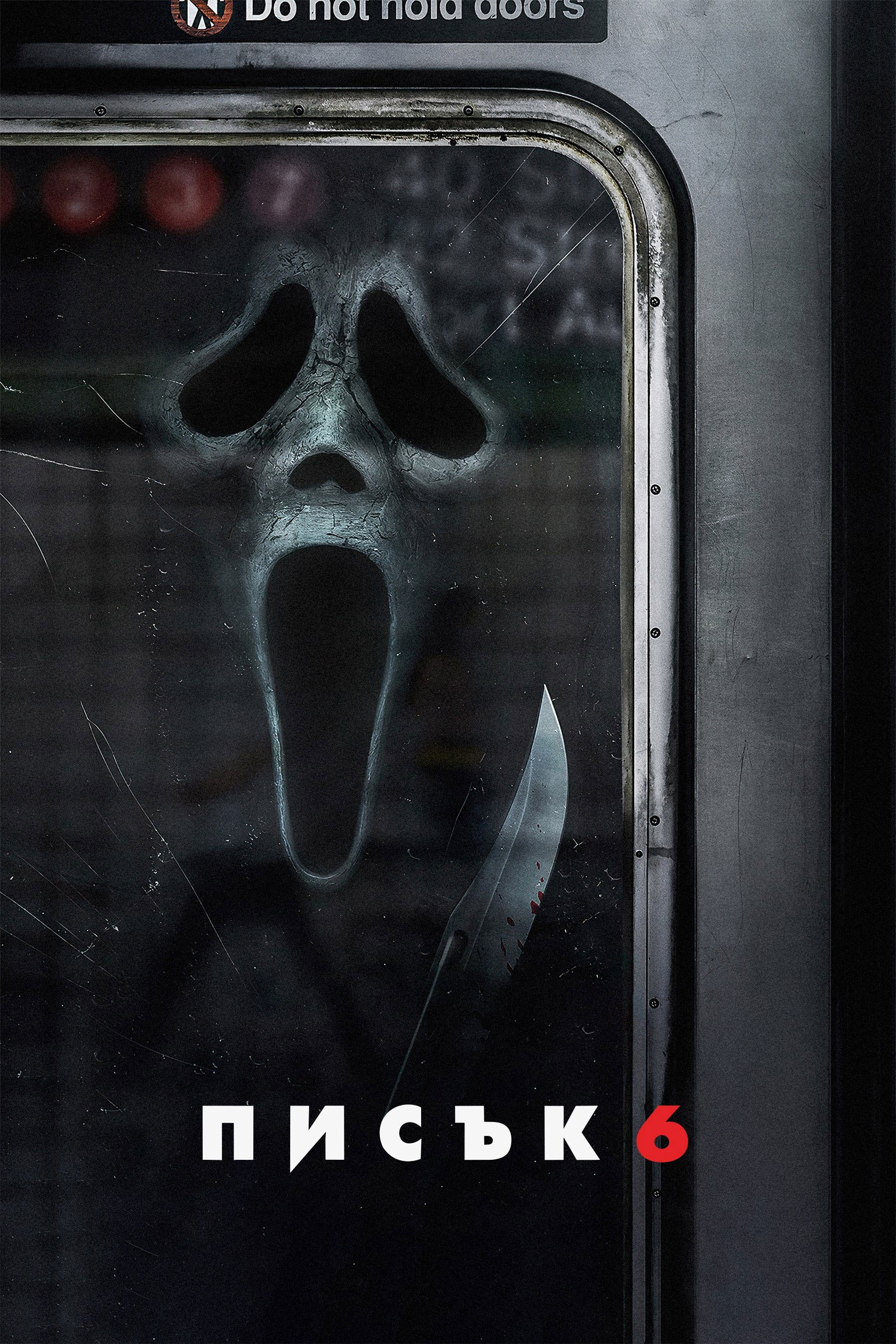
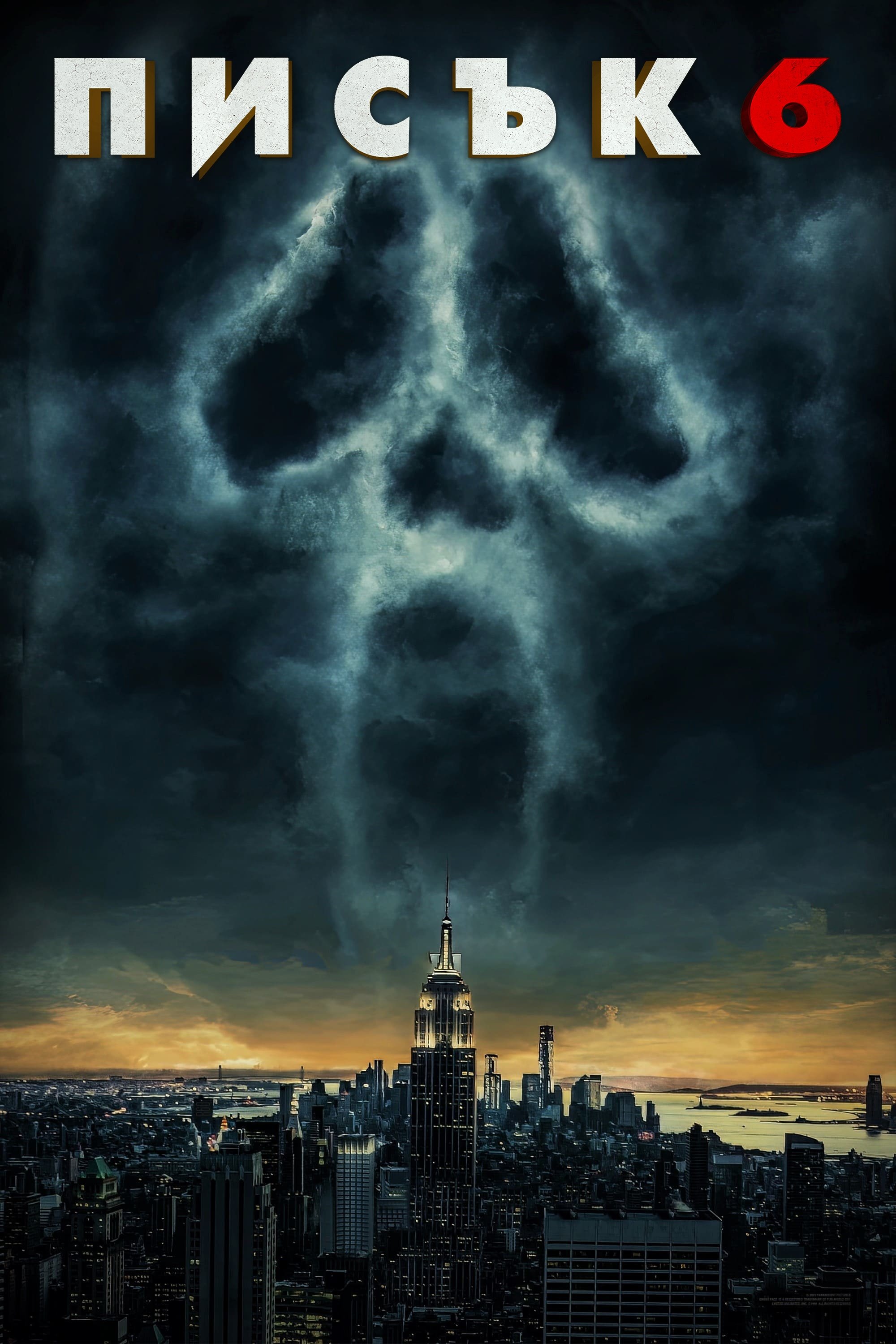
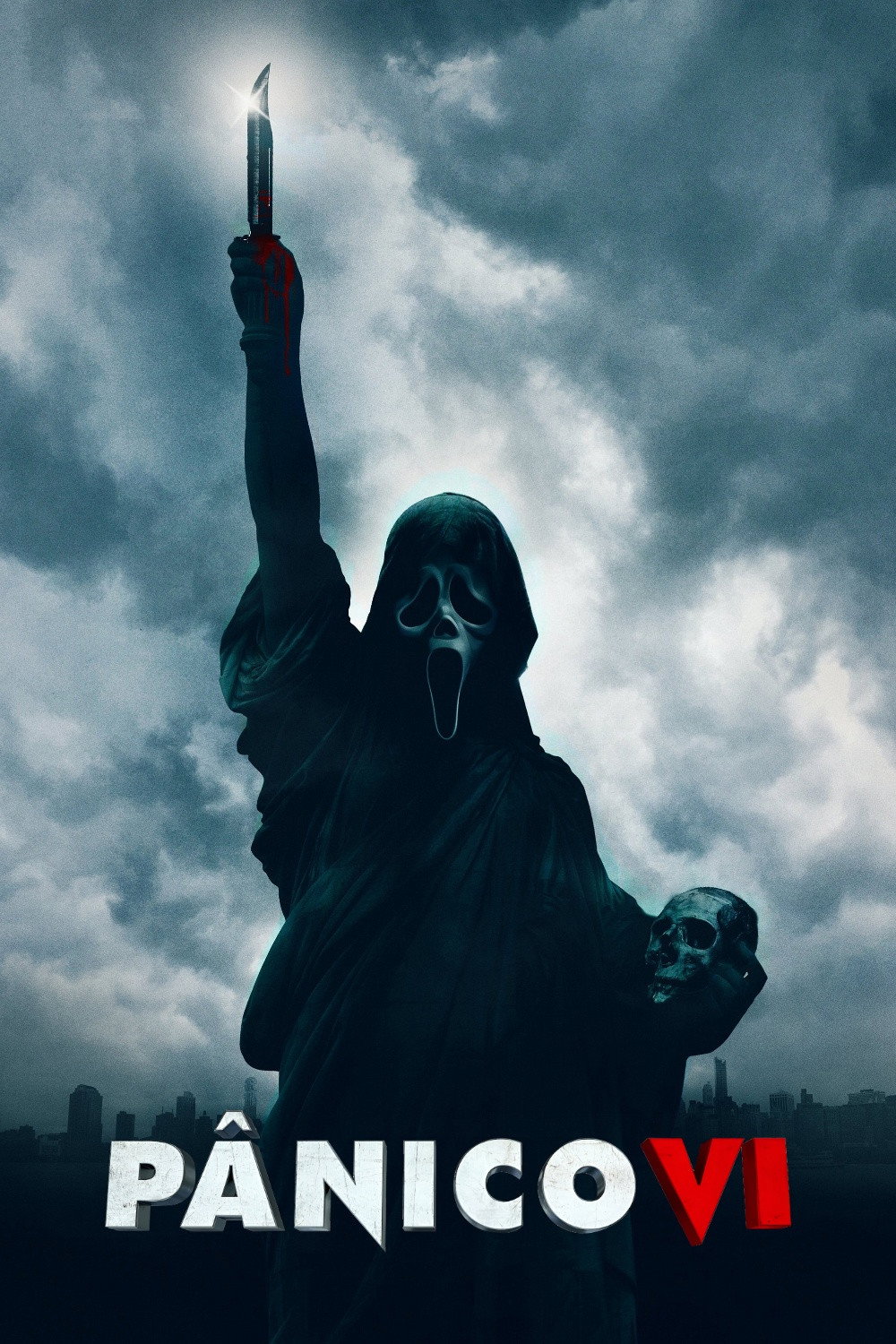
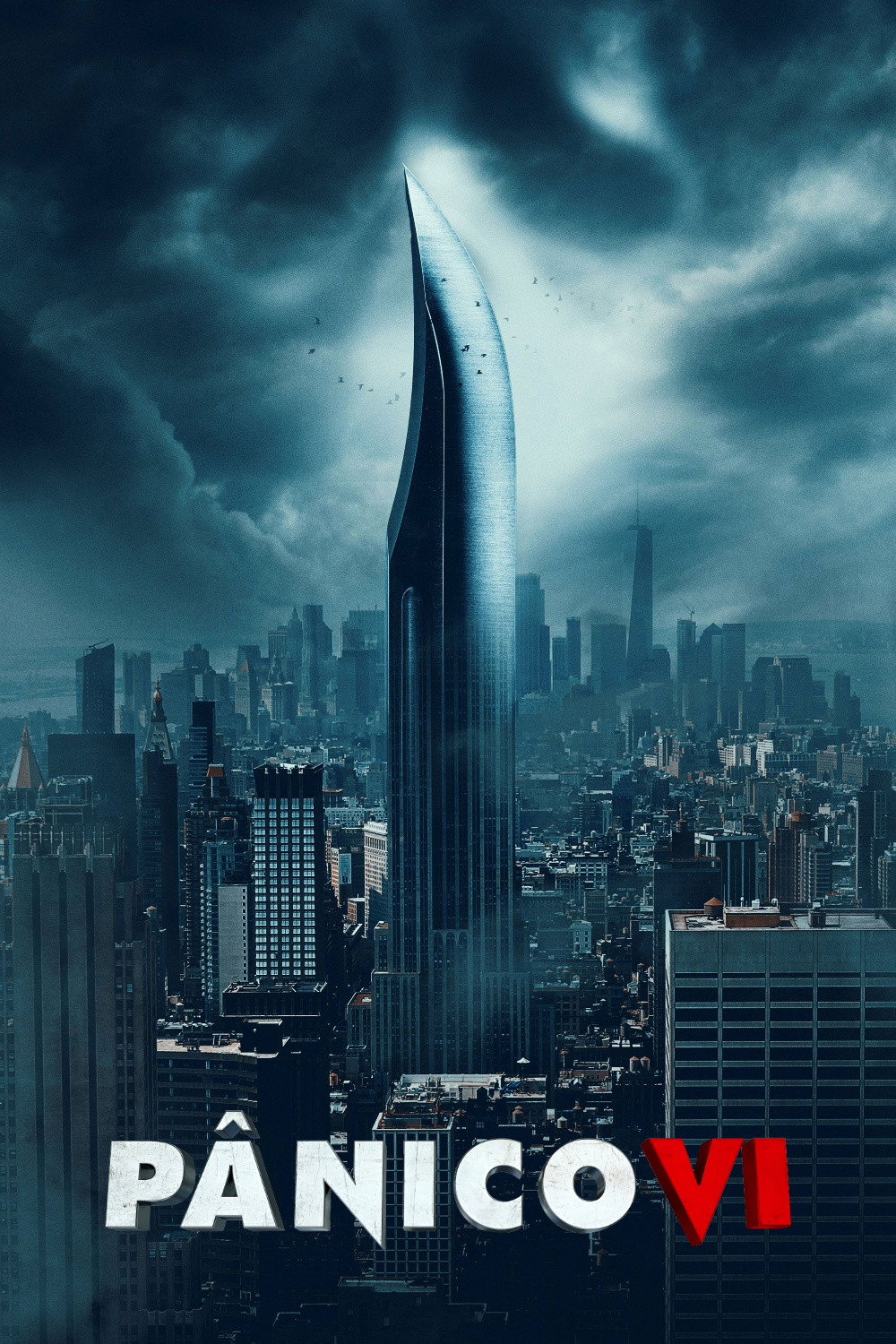
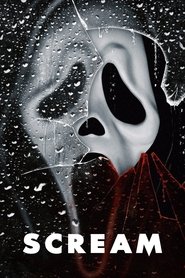
Scream VI (2023) moves the Ghostface murders from Woodsboro to New York City, testing whether a slasher built around small communities can remain frightening among crowded streets and public transport. Matt Bettinelli-Olpin and Tyler Gillett returned to direct after Scream (2022), following the four survivors introduced in that film. Their sequel preserves the series' concern with horror conventions while giving its threats a new geography: a neighborhood shop offers little protection, apartment windows expose neighboring residents, and a Halloween subway makes the killer's disguise indistinguishable from other costumes. The change of setting consequently affects how victims see, hear and attempt to escape danger.
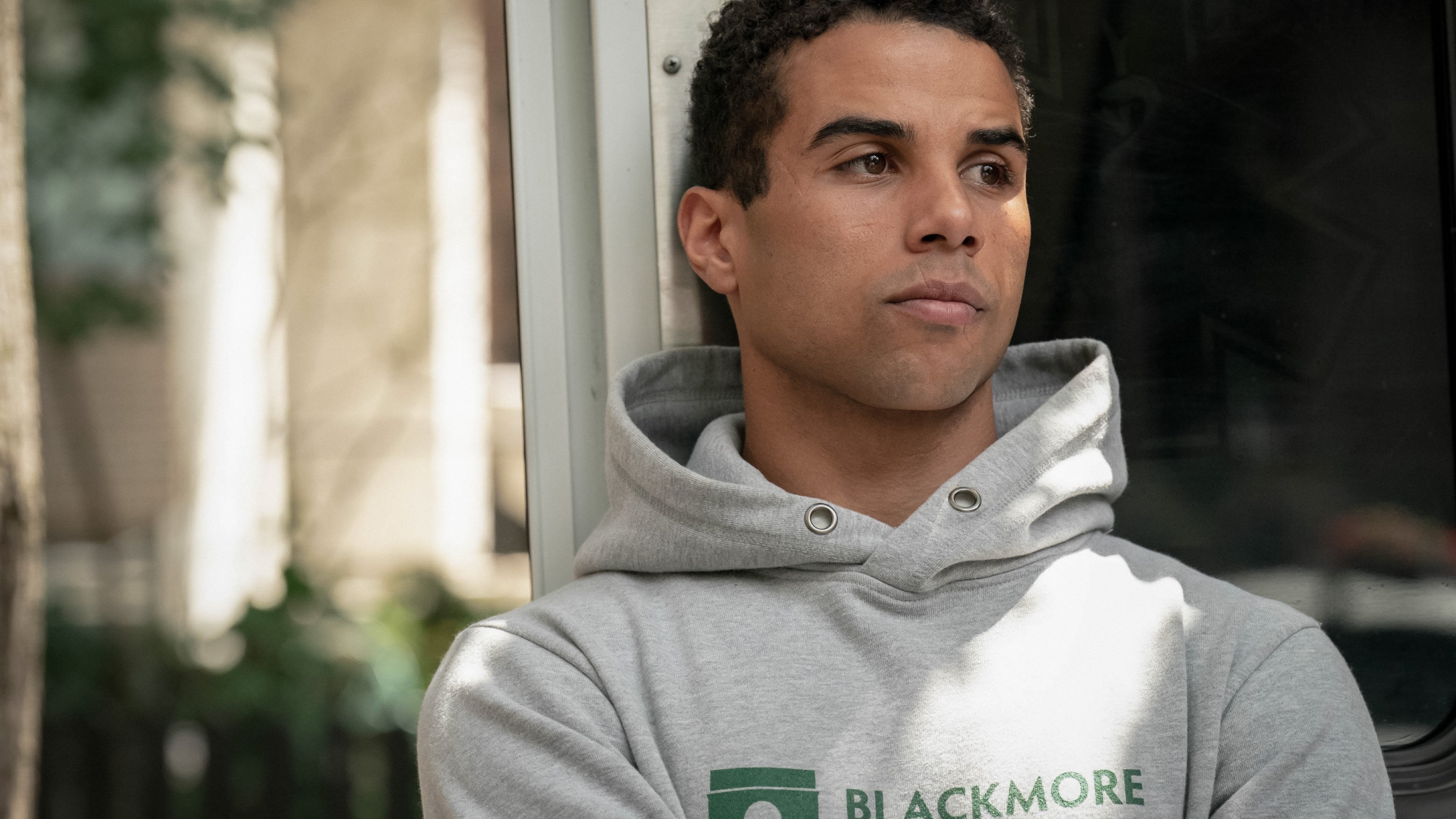
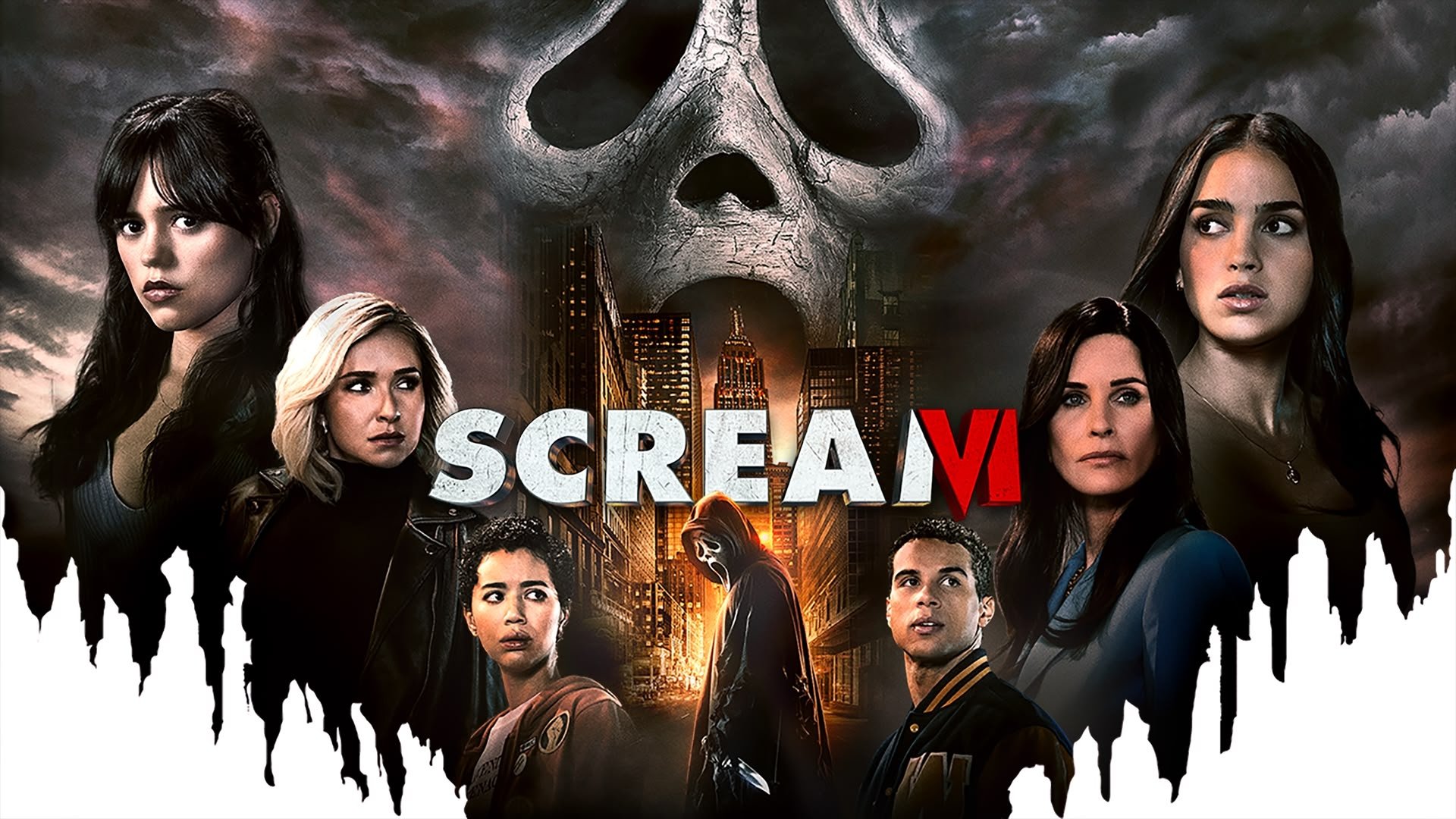
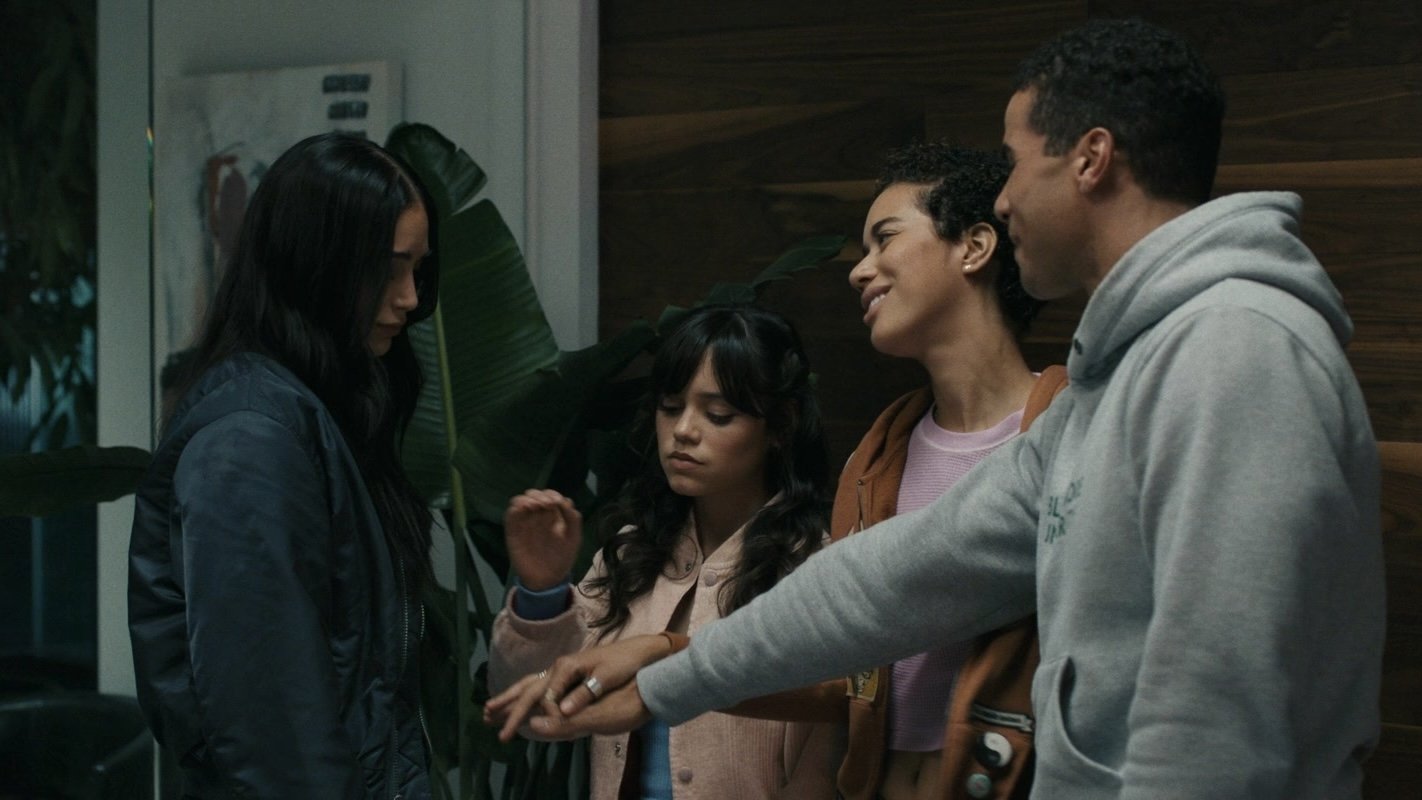
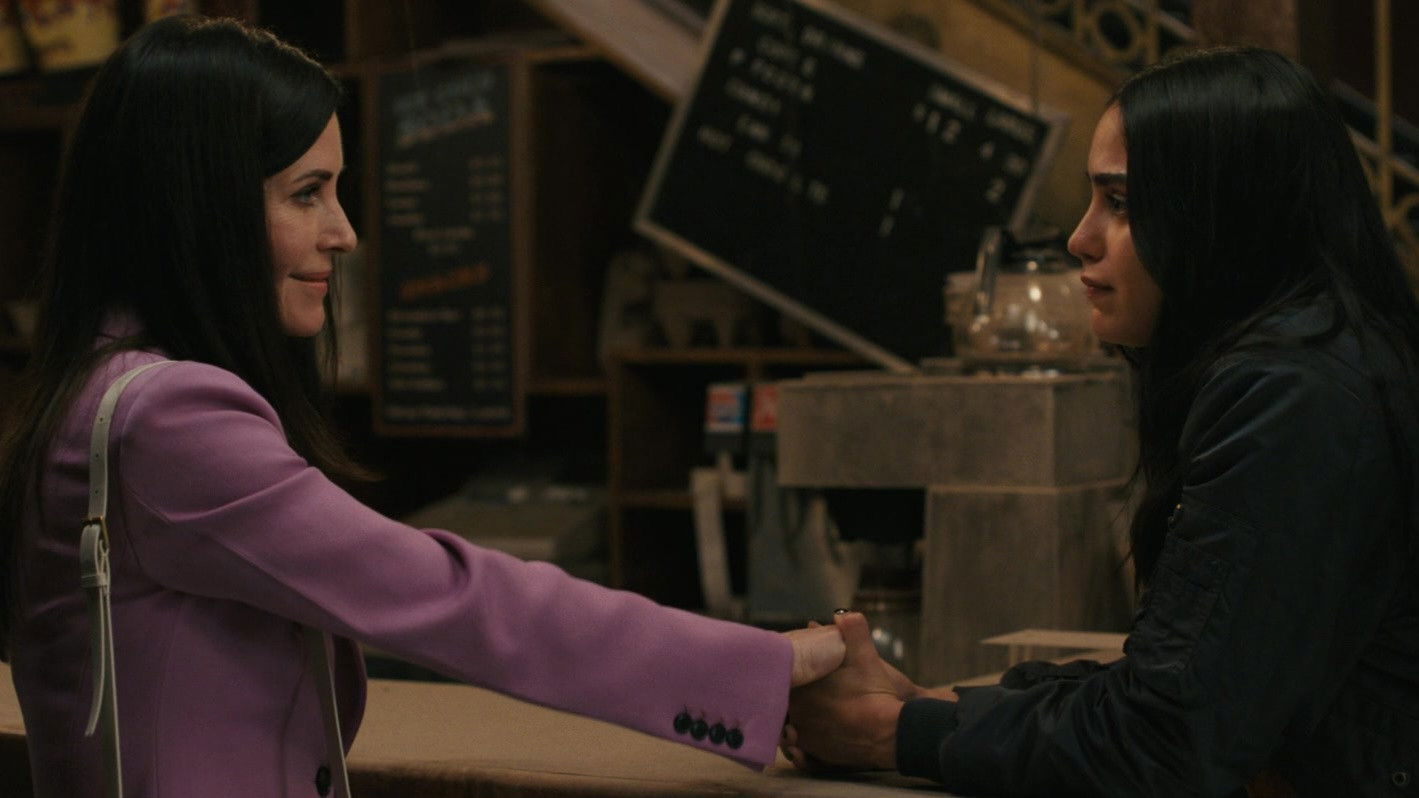
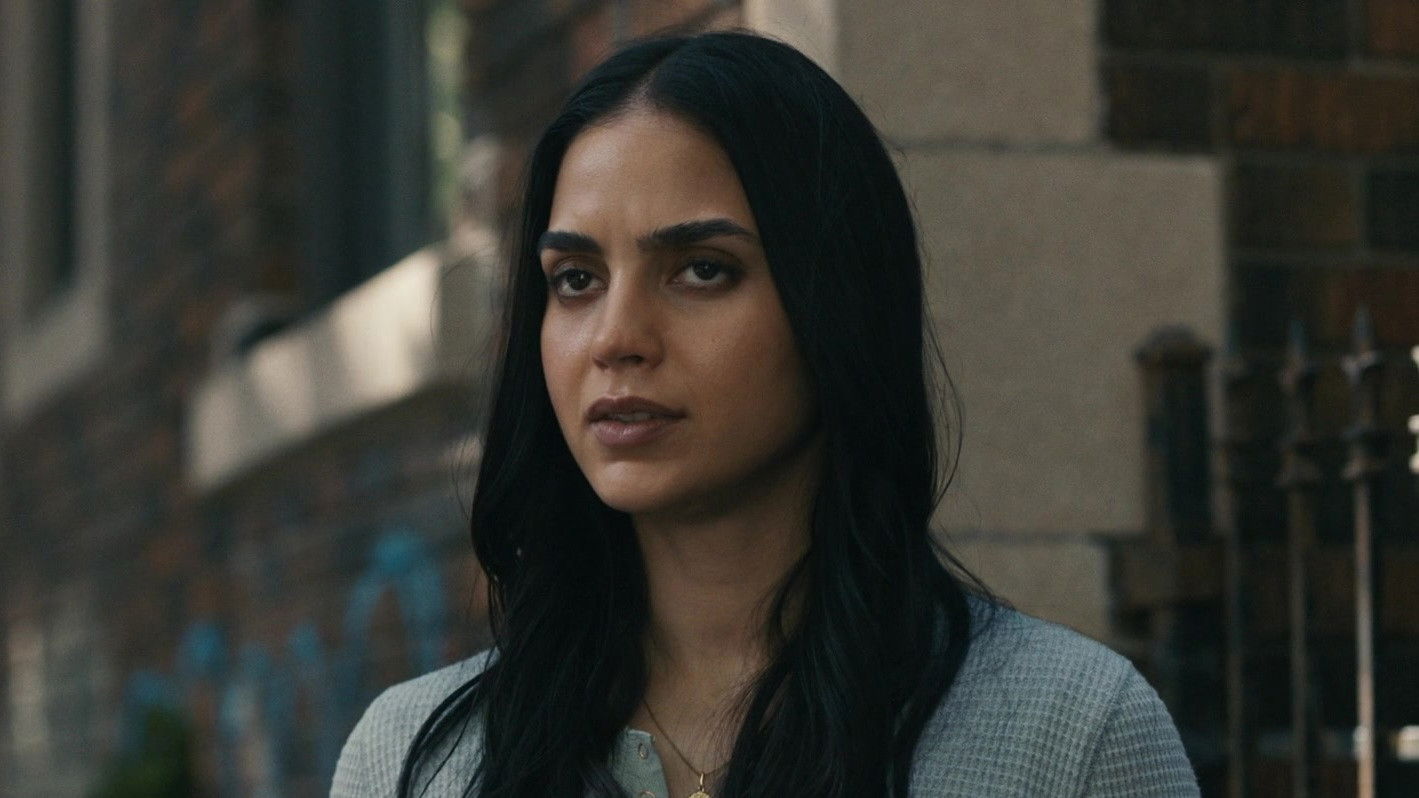
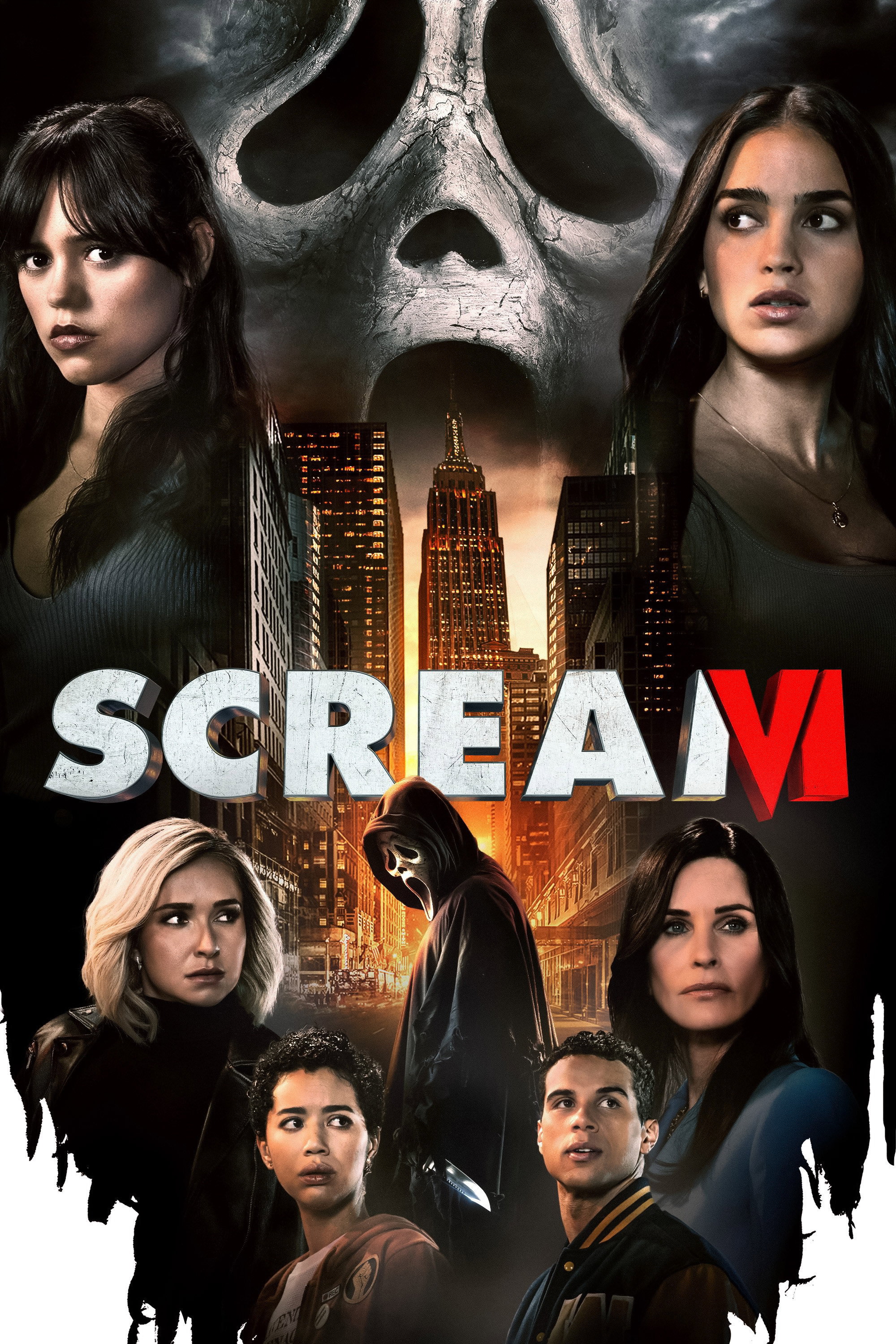
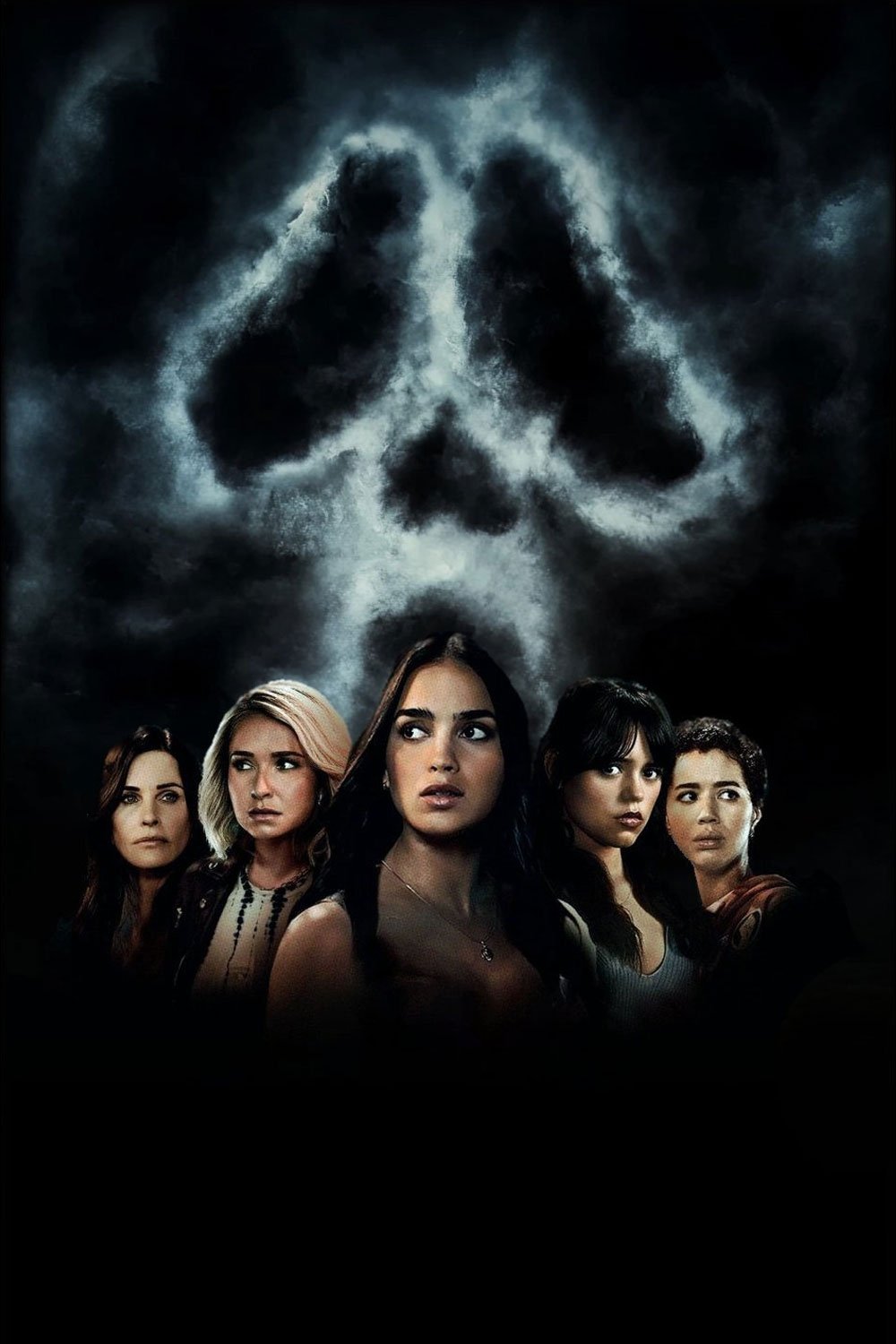
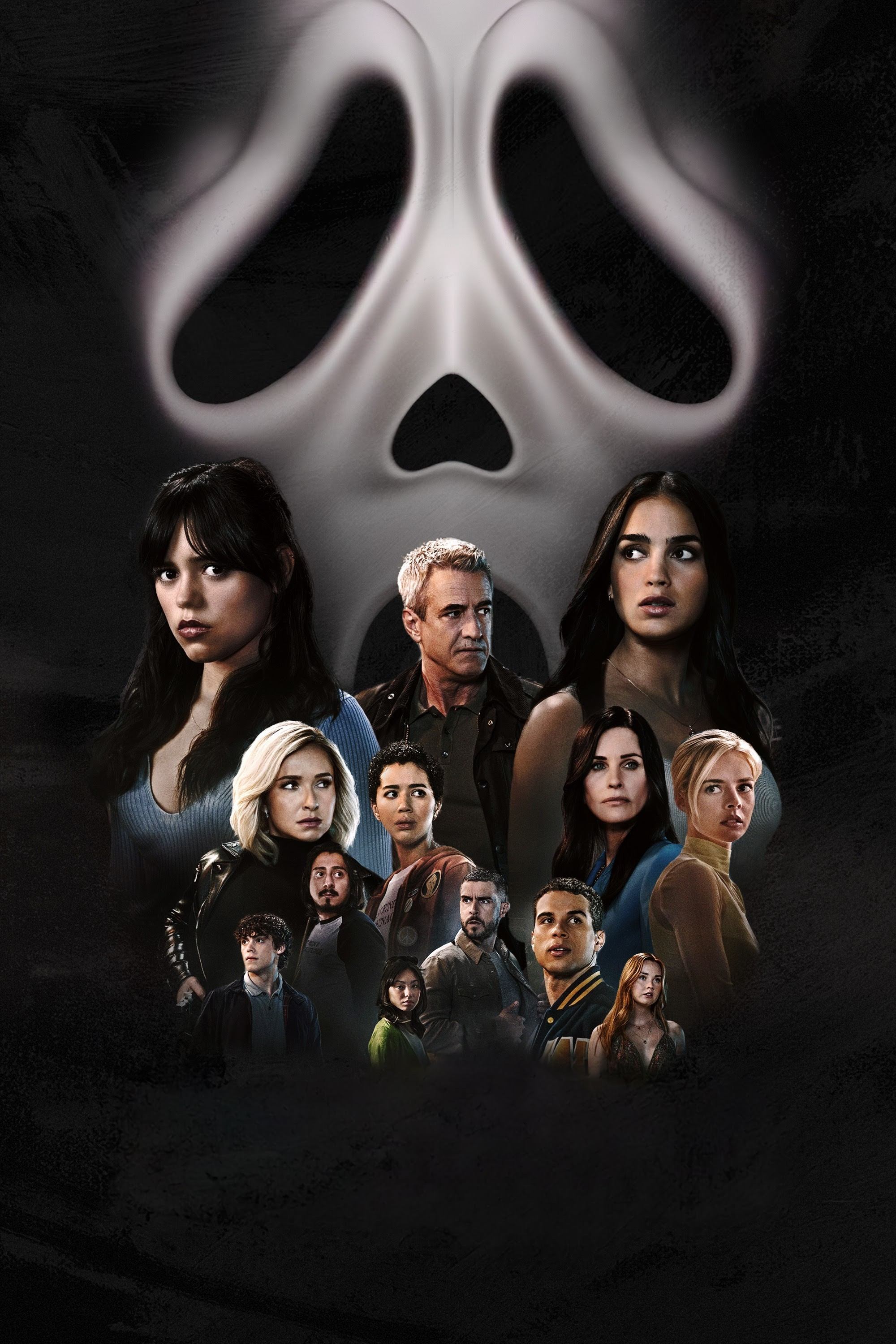
The film also marks a shift in the franchise's principal relationships. Samantha and Tara Carpenter remain central, supported by twins Mindy and Chad Meeks-Martin, while Gale Weathers and Kirby Reed reconnect the story to earlier attacks. Neve Campbell did not reprise Sidney Prescott after a disagreement over compensation, leaving the new ensemble to carry the narrative without the series' longstanding protagonist. Production interviews provide unusually precise accounts of the subway's constructed environment, the photography of Ghostface and the editing of suspense. These details place Scream VI within the history of commercially prominent contemporary slashers without assuming that its immediate success amounts to lasting influence.
Development and a Shift in Protagonists
The creative partnership behind Scream (2022) returned for the next installment, with James Vanderbilt and Guy Busick supplying the screenplay and Radio Silence's Bettinelli-Olpin and Gillett directing. In an interview with New York public radio station WNYC, the filmmakers credited the writers with the decision to relocate the action. Their stated challenge was to develop possibilities that suburban Woodsboro could not provide. Bettinelli-Olpin singled out public spaces and the vertical arrangement of neighboring apartments; Gillett emphasized how survivors might try to disappear into a crowd, only to find the same violence waiting for them. The bodega attack, subway pursuit and inter-apartment escape place that ambition within specific physical spaces.
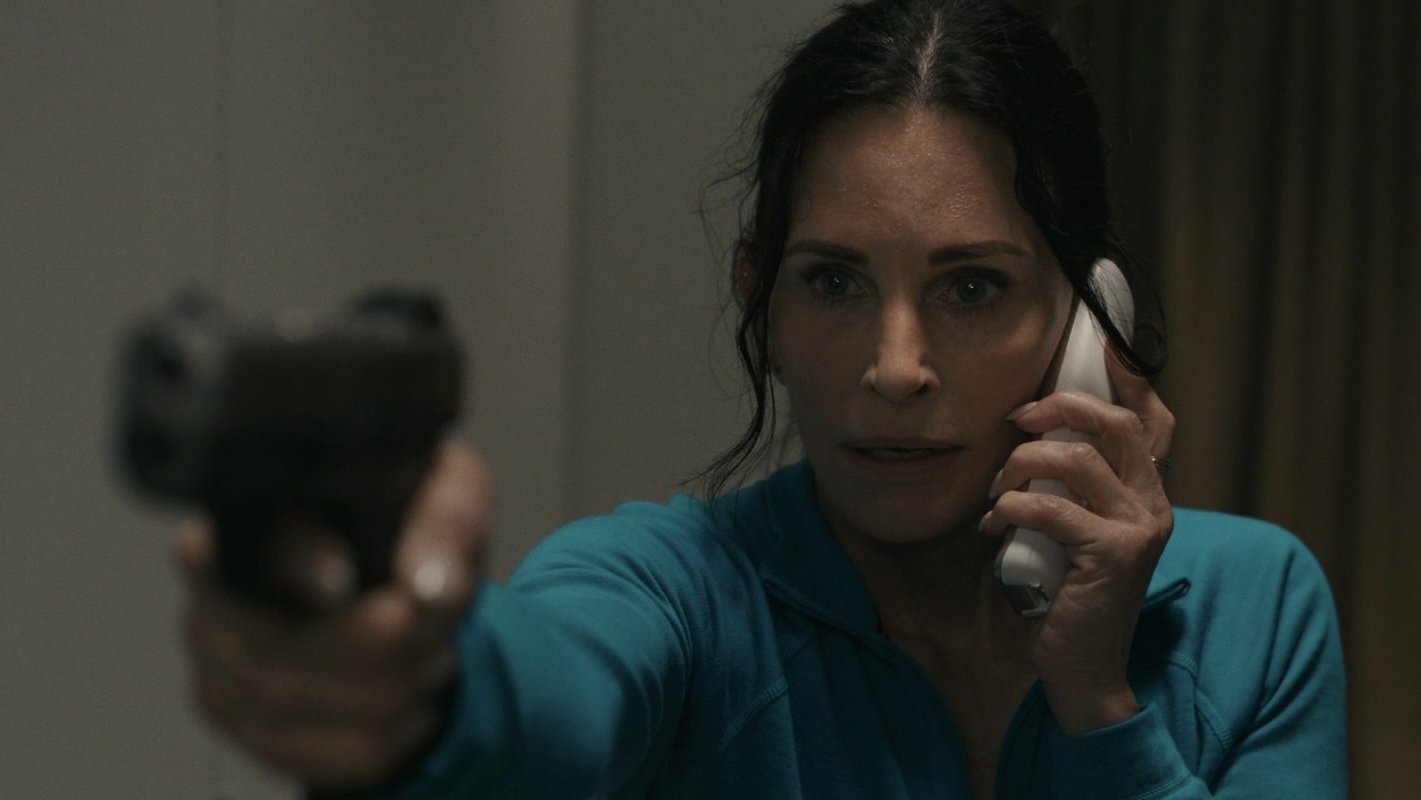
The decision to continue the younger characters coincided with a consequential absence. In June 2022, Neve Campbell announced that she would not appear, explaining that the compensation offered did not reflect the value she believed she had brought to the franchise. Campbell had appeared in every previous feature, making this the first theatrical installment to proceed without her presence as Sidney. The finished screenplay keeps Sidney alive outside the immediate action, while Courteney Cox returns as Gale and Hayden Panettiere reprises Kirby from Scream 4 (2011). This combination permits connections with the earlier murders without making a former lead responsible for resolving every new attack.
An Opening That Exposes the Killer
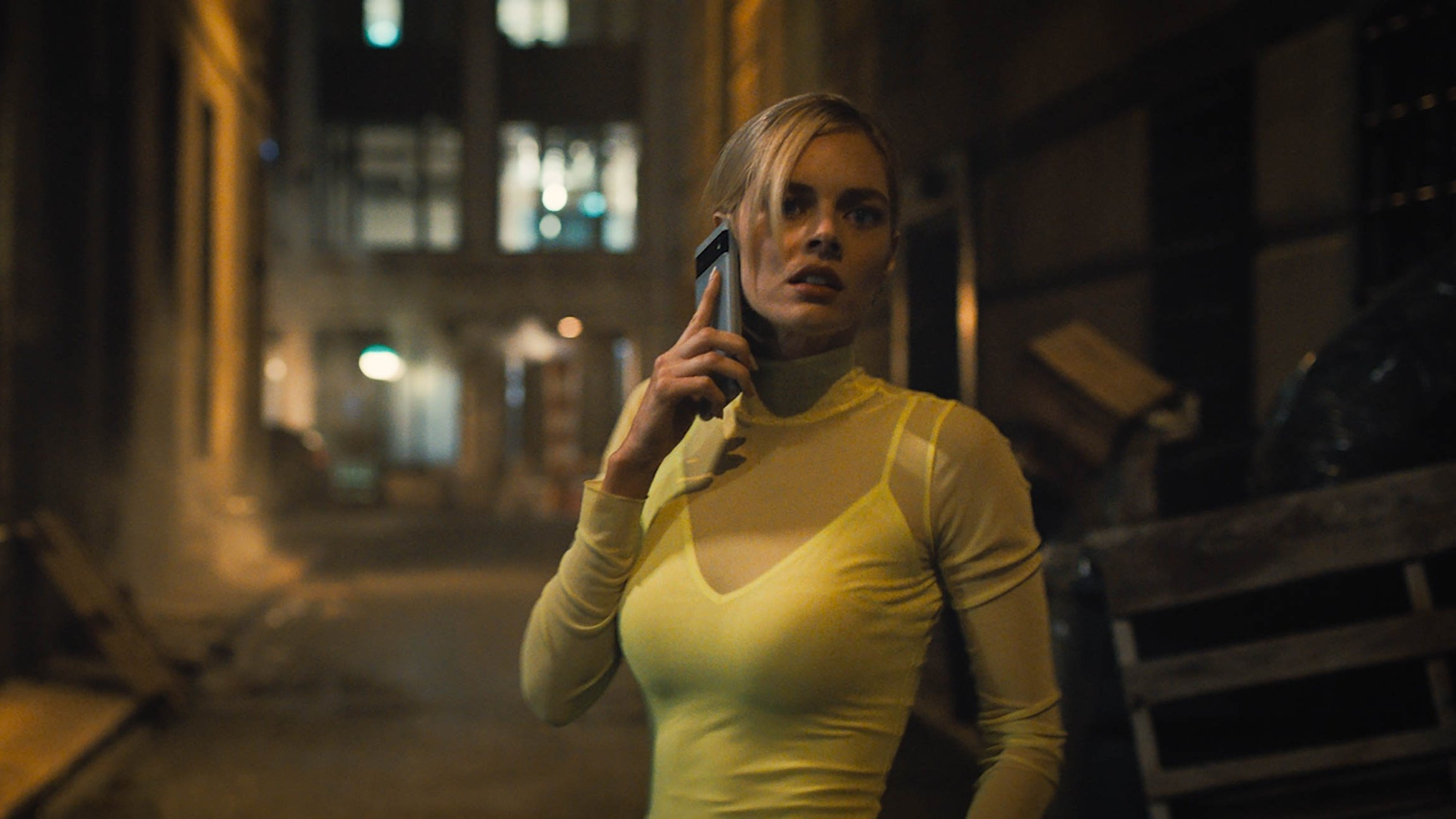
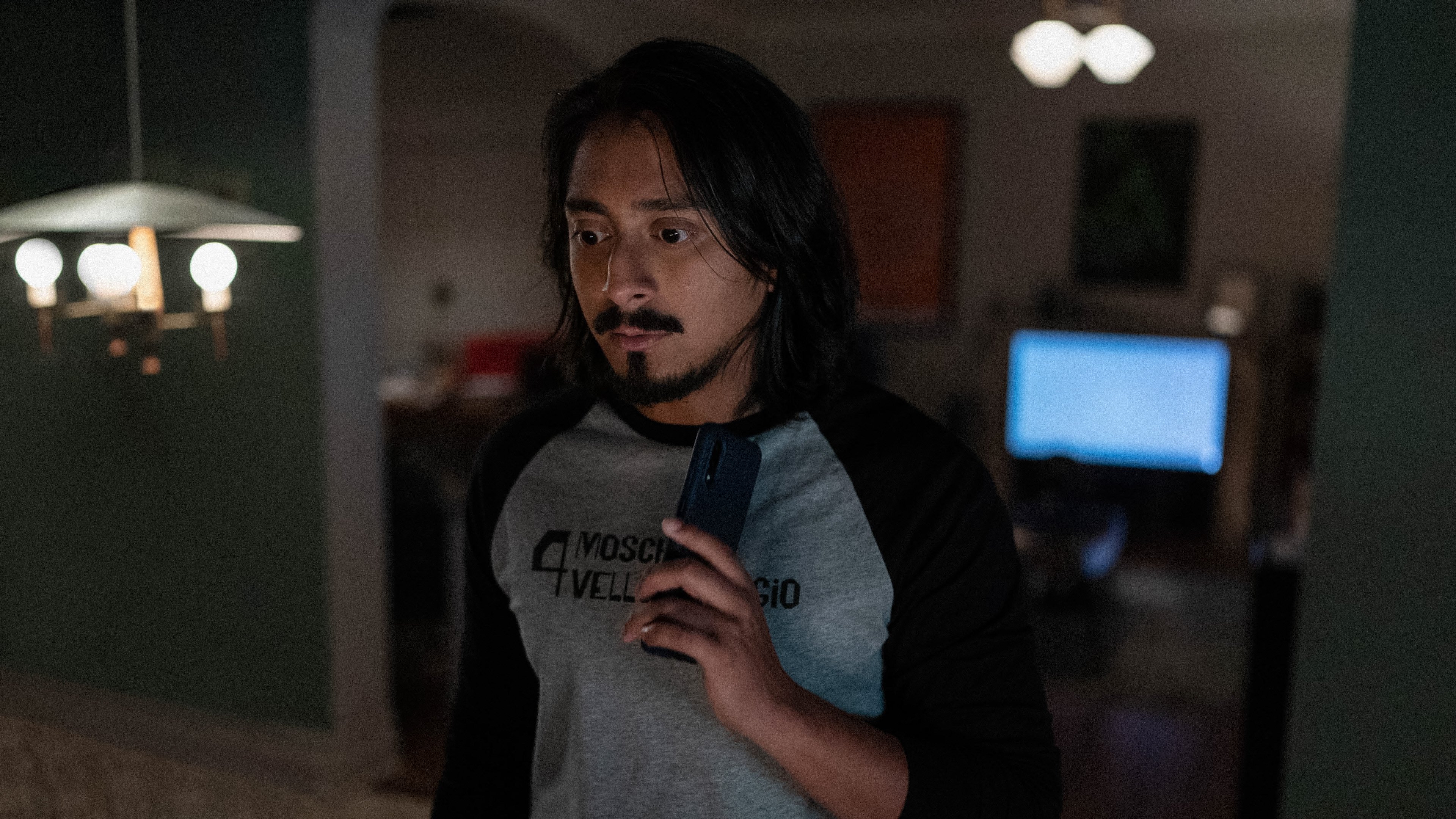
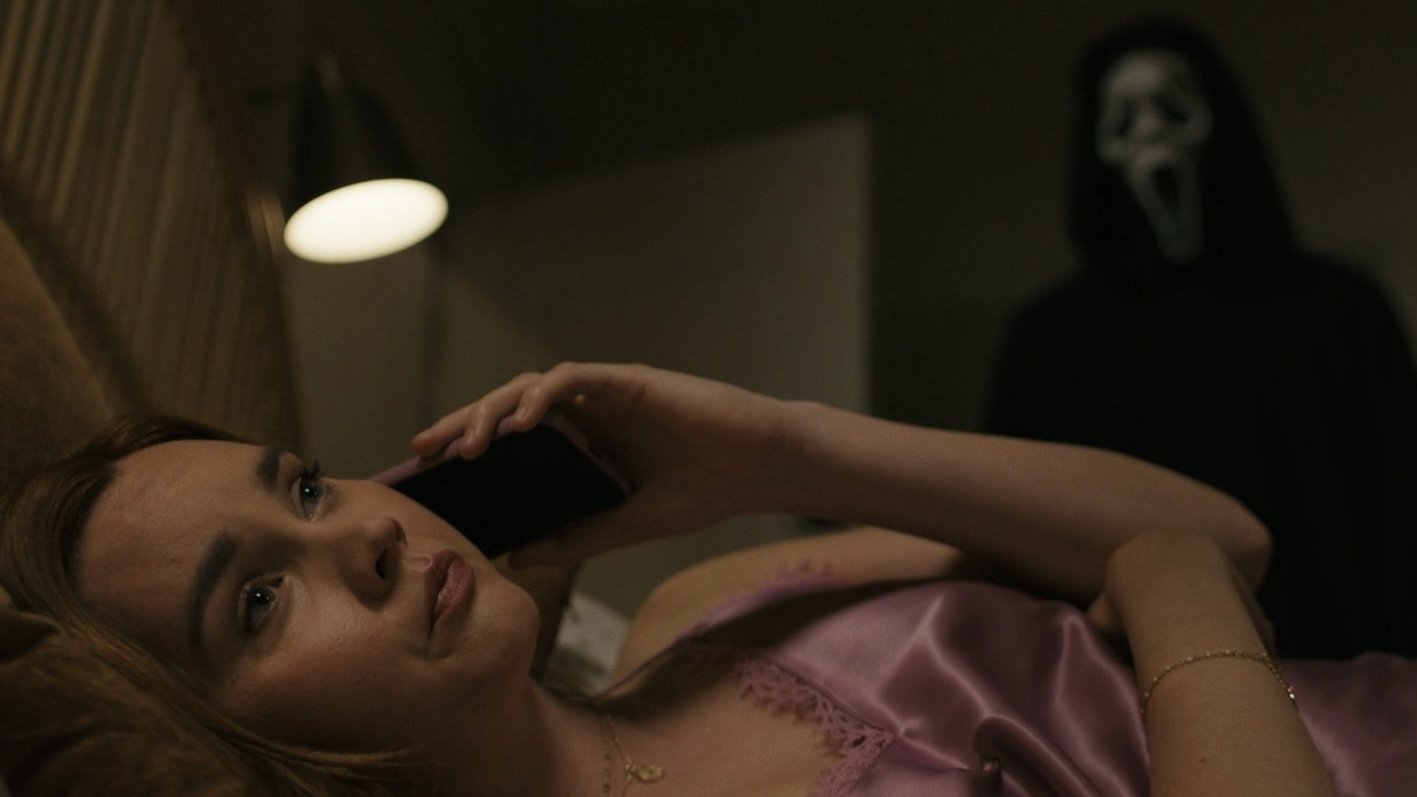
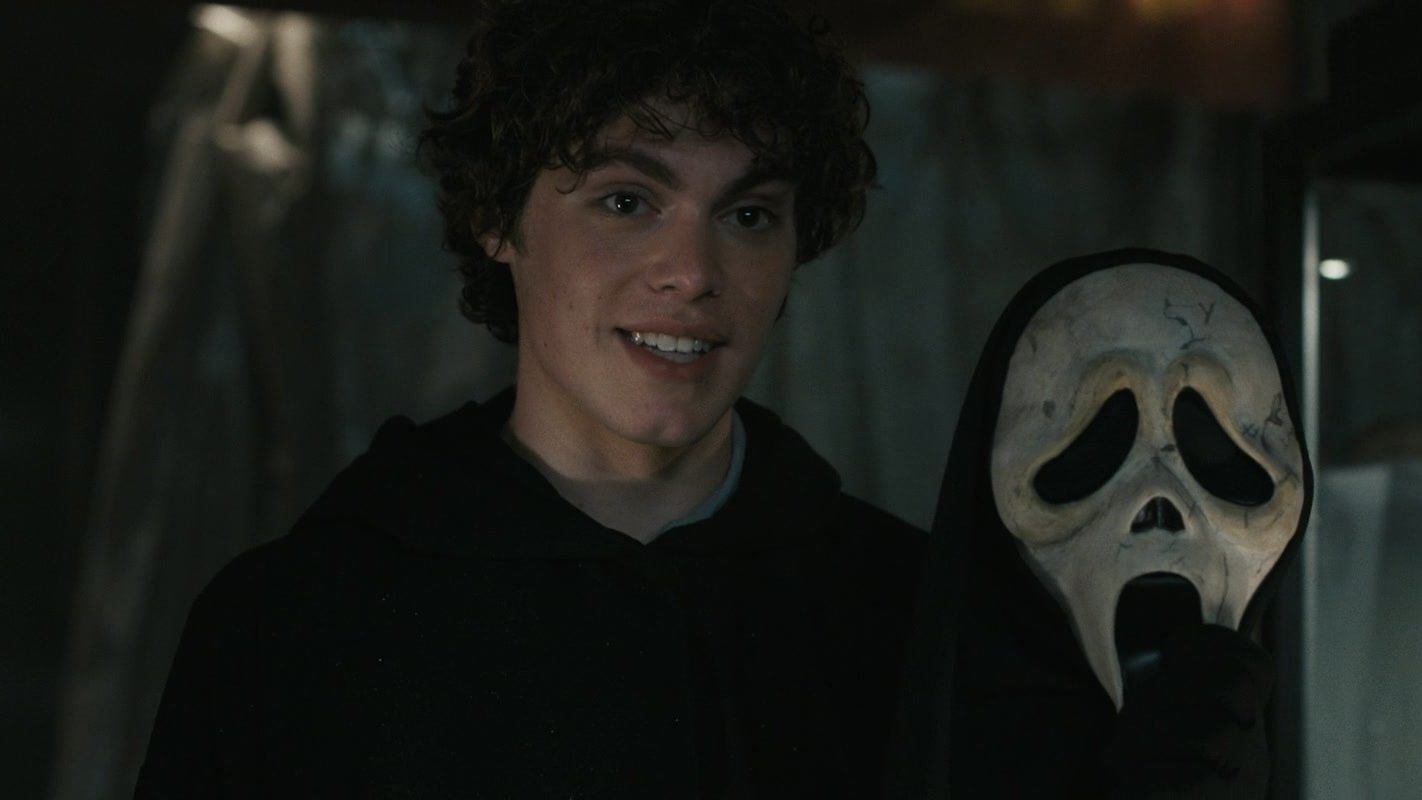
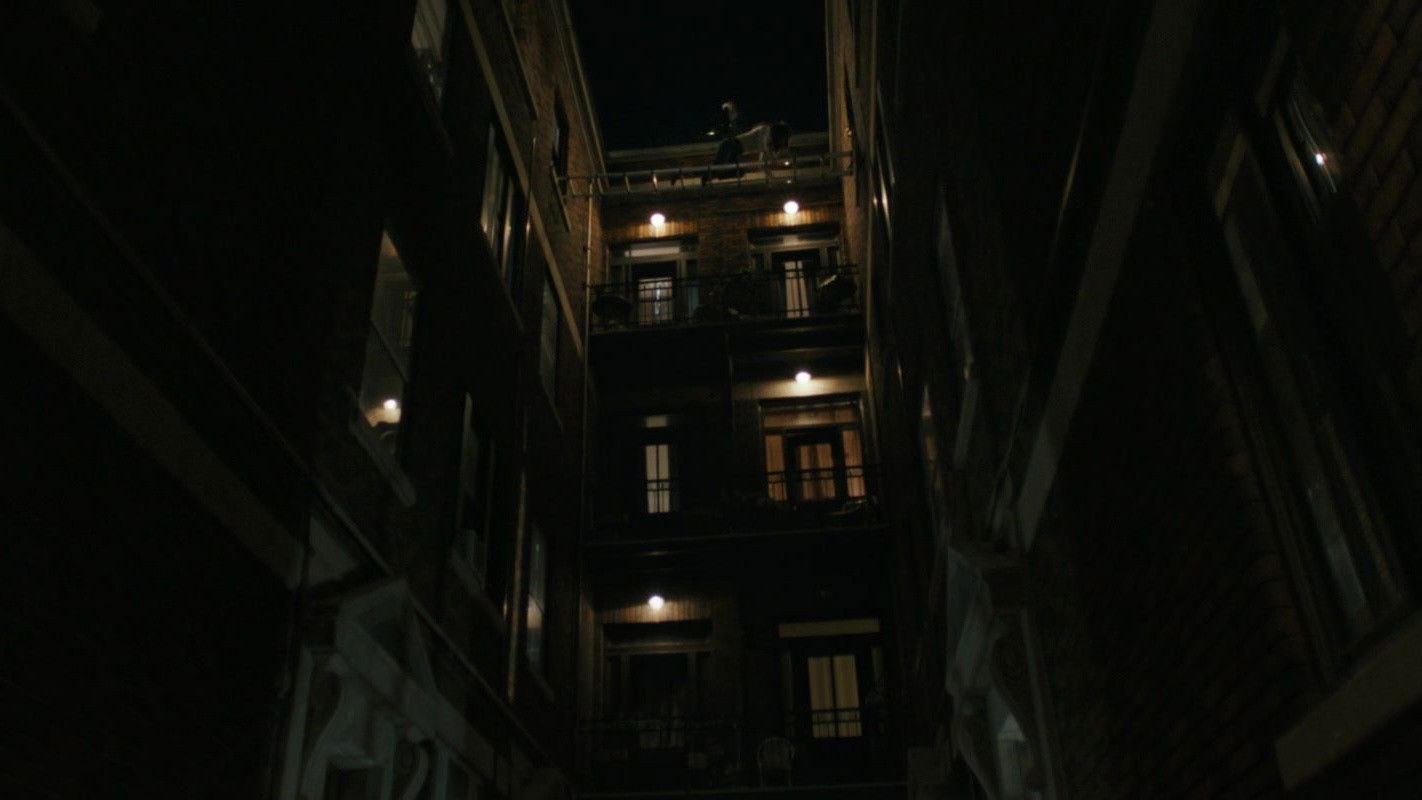
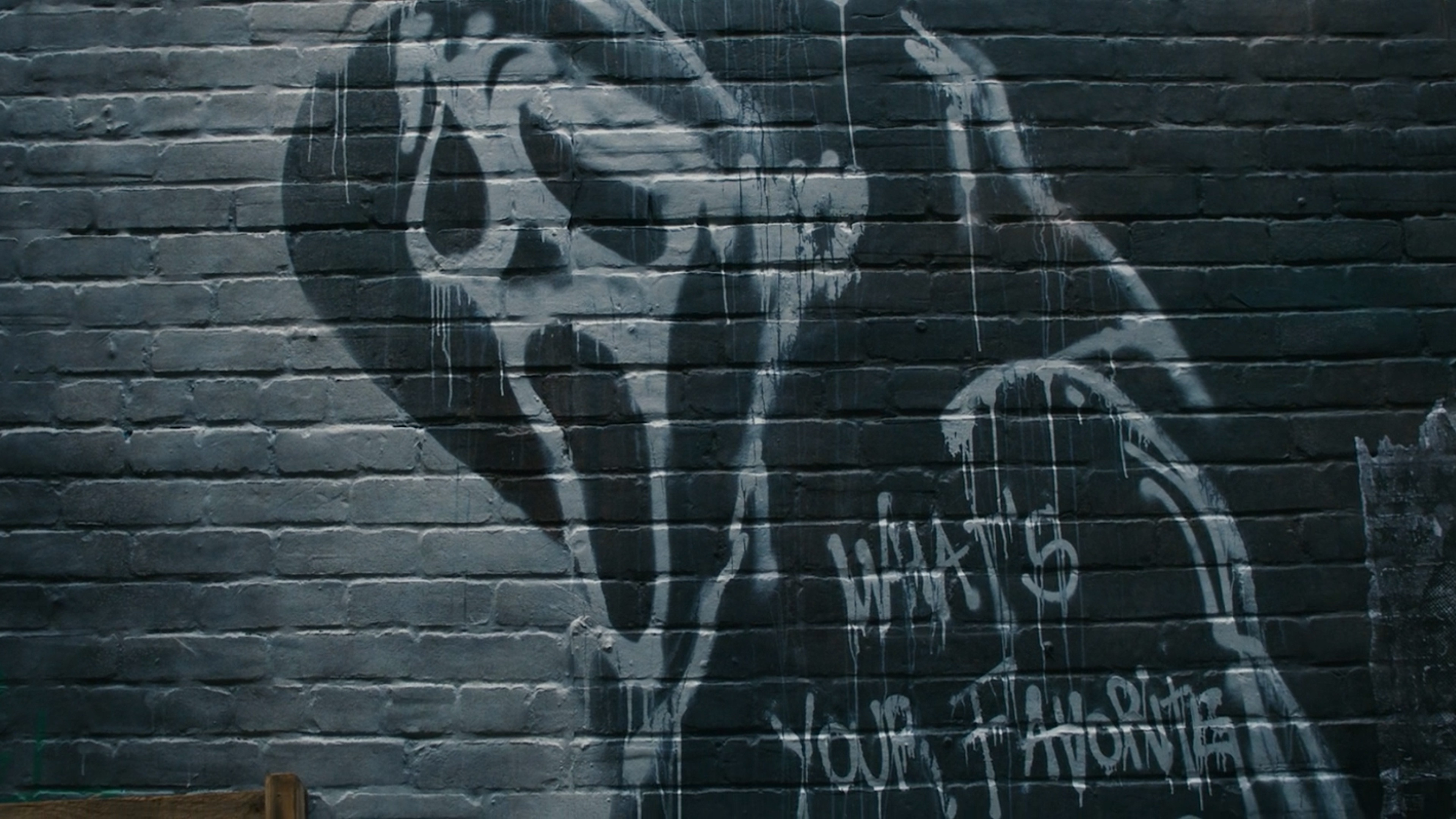
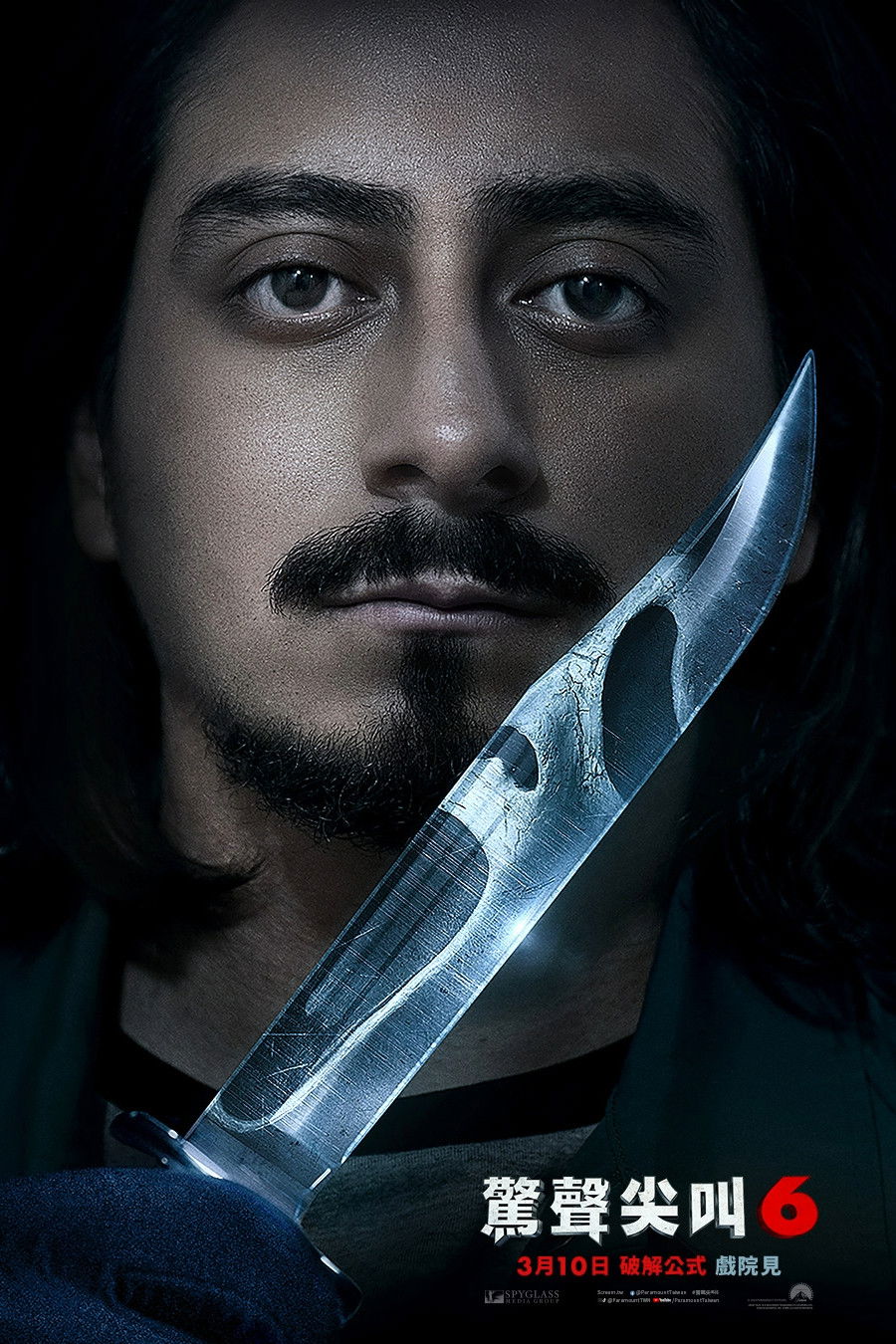
Scream traditionally begins by confronting an isolated person with a caller whose voice masks the attacker's identity. The sixth film interrupts that expectation by apparently identifying a Ghostface murderer during its opening sequence. A film-studies lecturer, Laura Crane, is lured into an alley and killed; the perpetrator soon becomes a target himself. The reversal briefly replaces the familiar question of who is under the mask with uncertainty over the relationship between separate attacks. Its effectiveness depends on viewers recognizing a convention that the screenplay can then violate. The situation also introduces a city where a murder can occur near other people without producing immediate rescue.
Editor Jay Prychidny described a specific change made during post-production. An earlier version used Roger L. Jackson's established Ghostface voice during Laura's conversation with her supposed date. At test screenings, the creative team found that familiar sound implausible for a film lecturer knowingly entering a dangerous situation, and replaced it with the voice of Tony Revolori's character. The alteration preserves her vulnerability while keeping the later masked confrontation distinct. Such a small revision illustrates the series' dependence on audience literacy: an identifiable sound cue can inadvertently reveal that a scene is following a known pattern. Here, the filmmakers adjusted the information available before the attack.
The Carpenter Sisters and Survival After Woodsboro
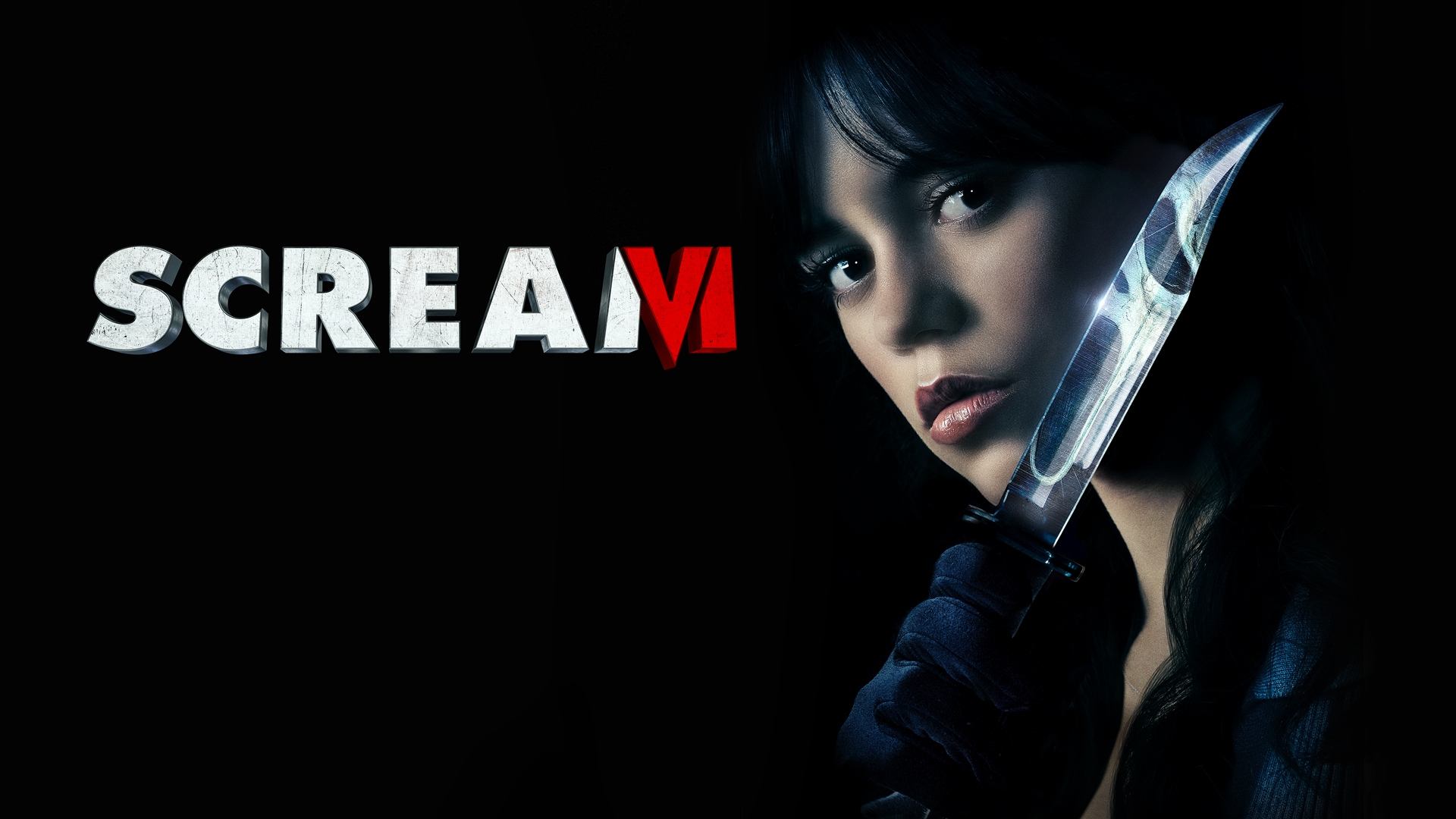
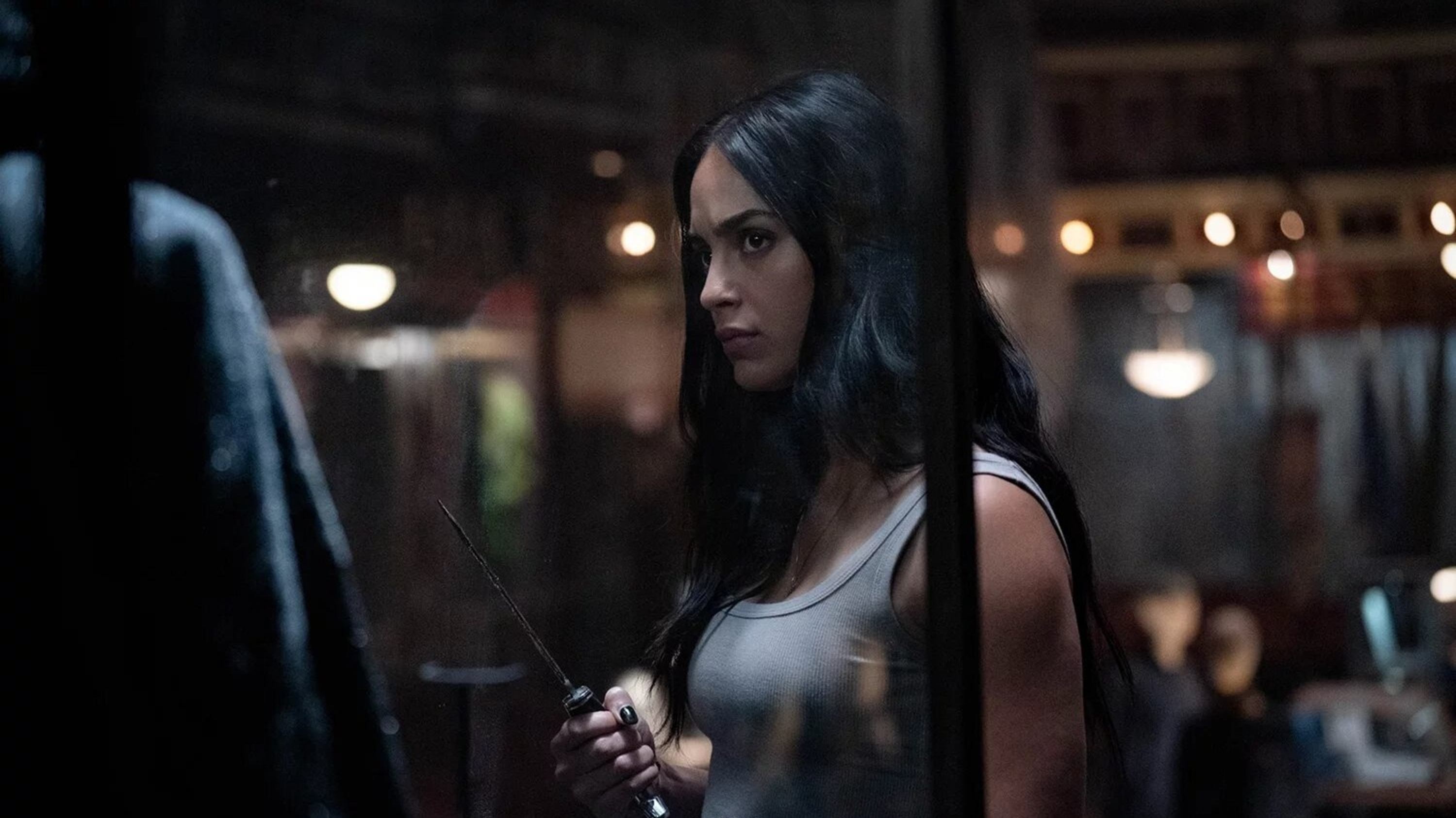
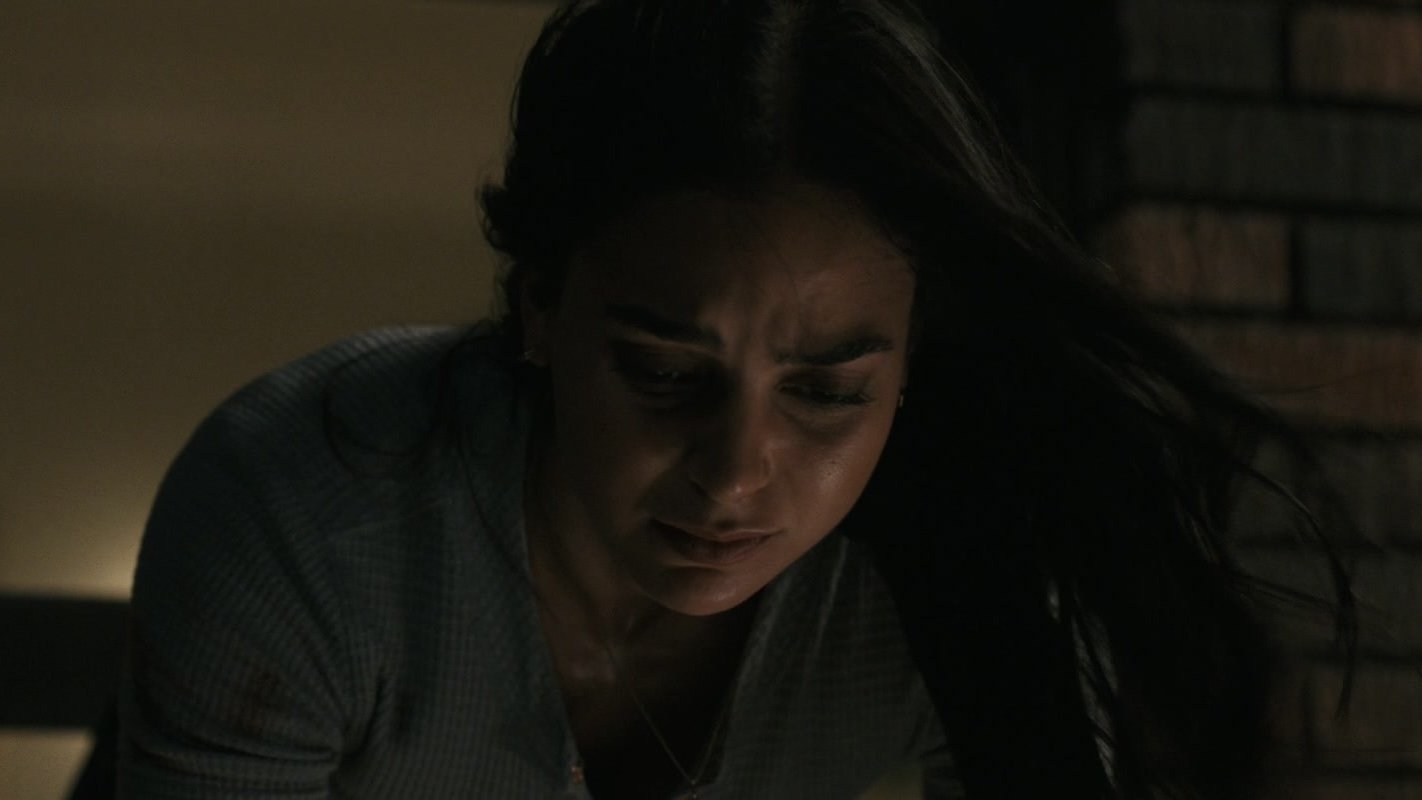
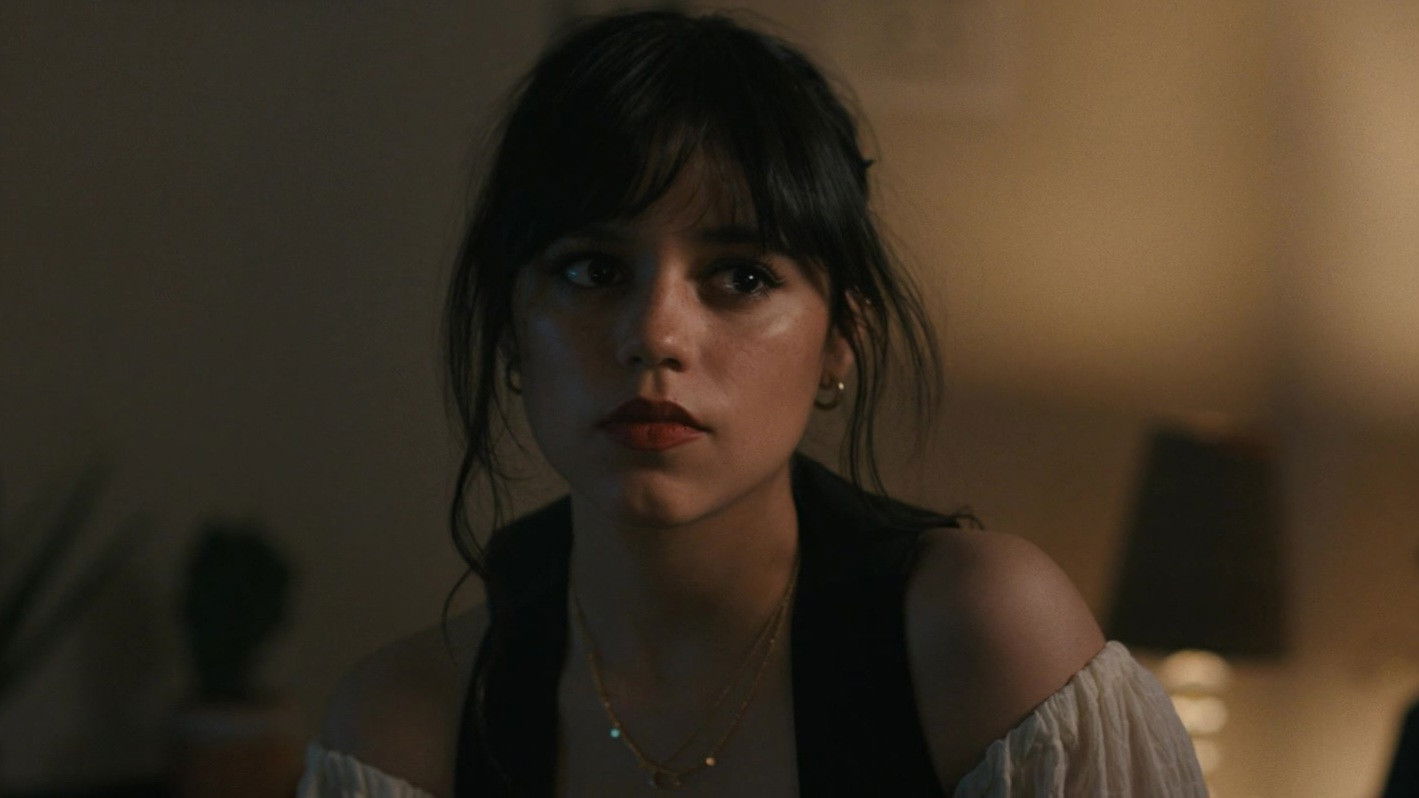
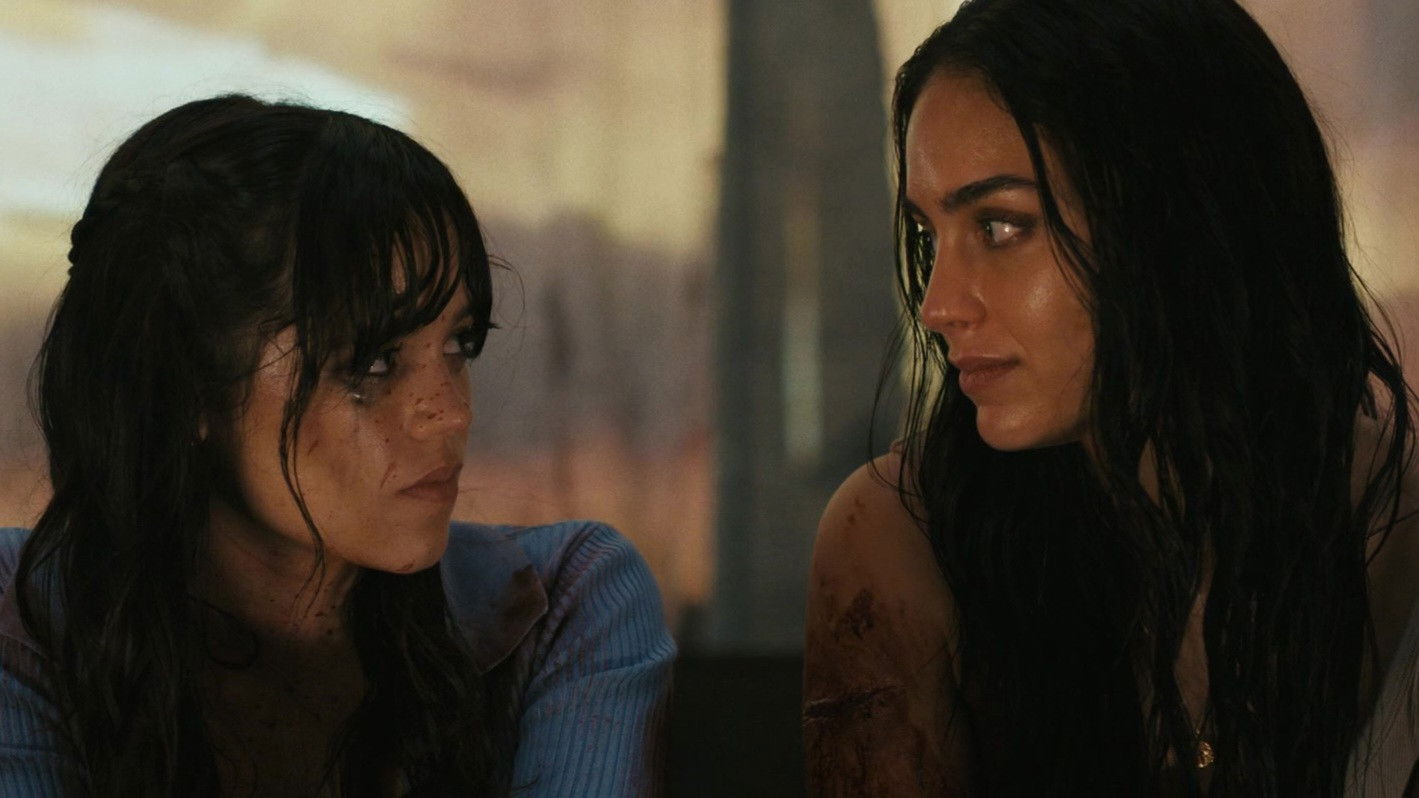
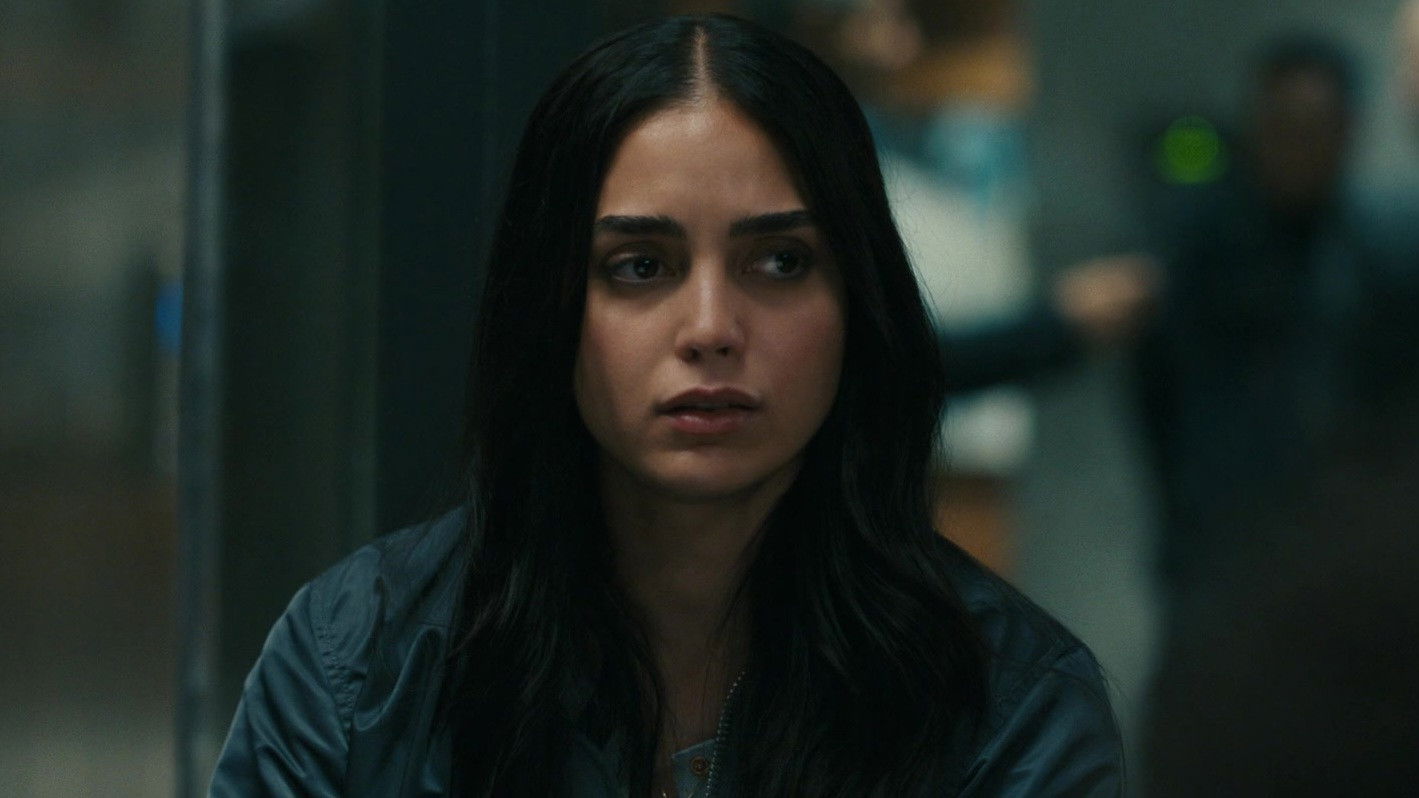
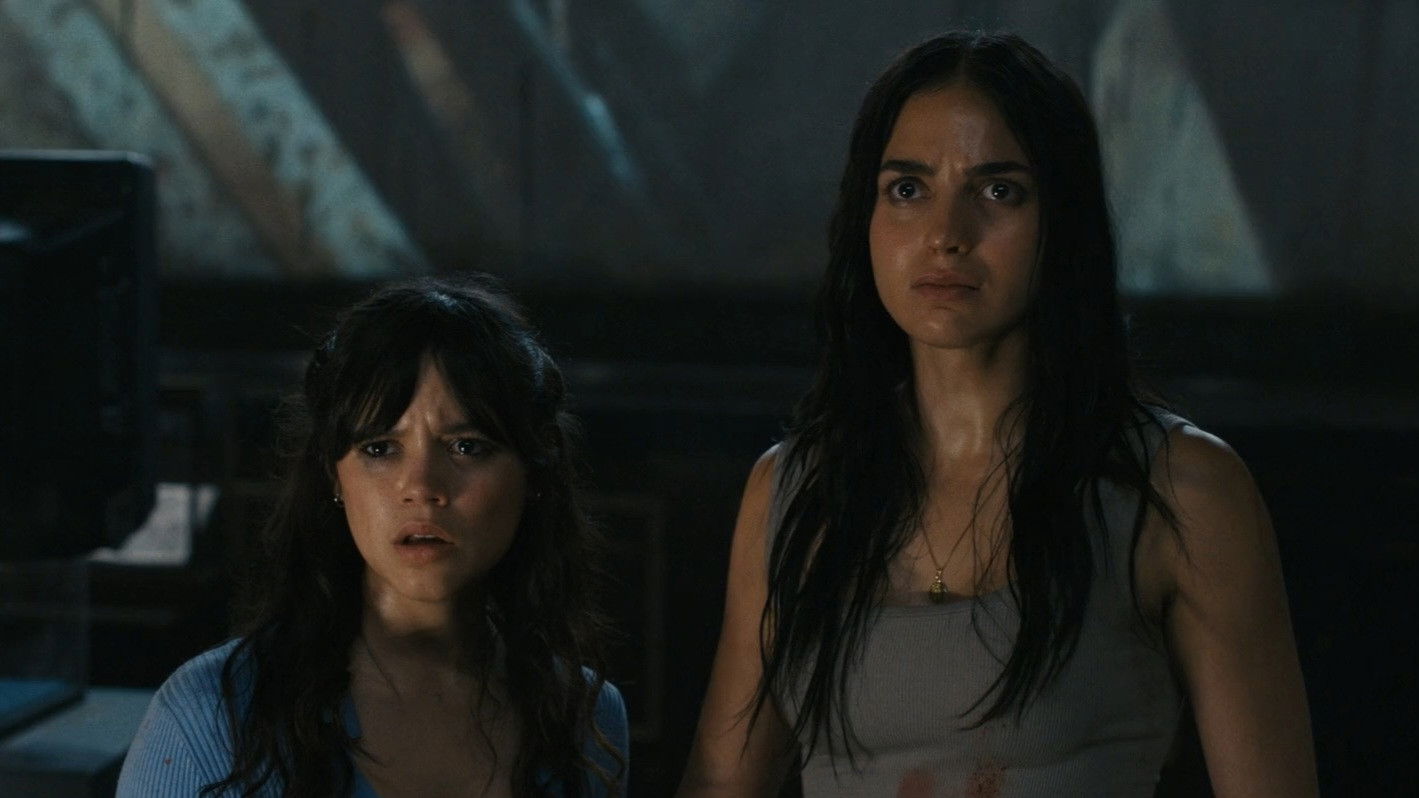
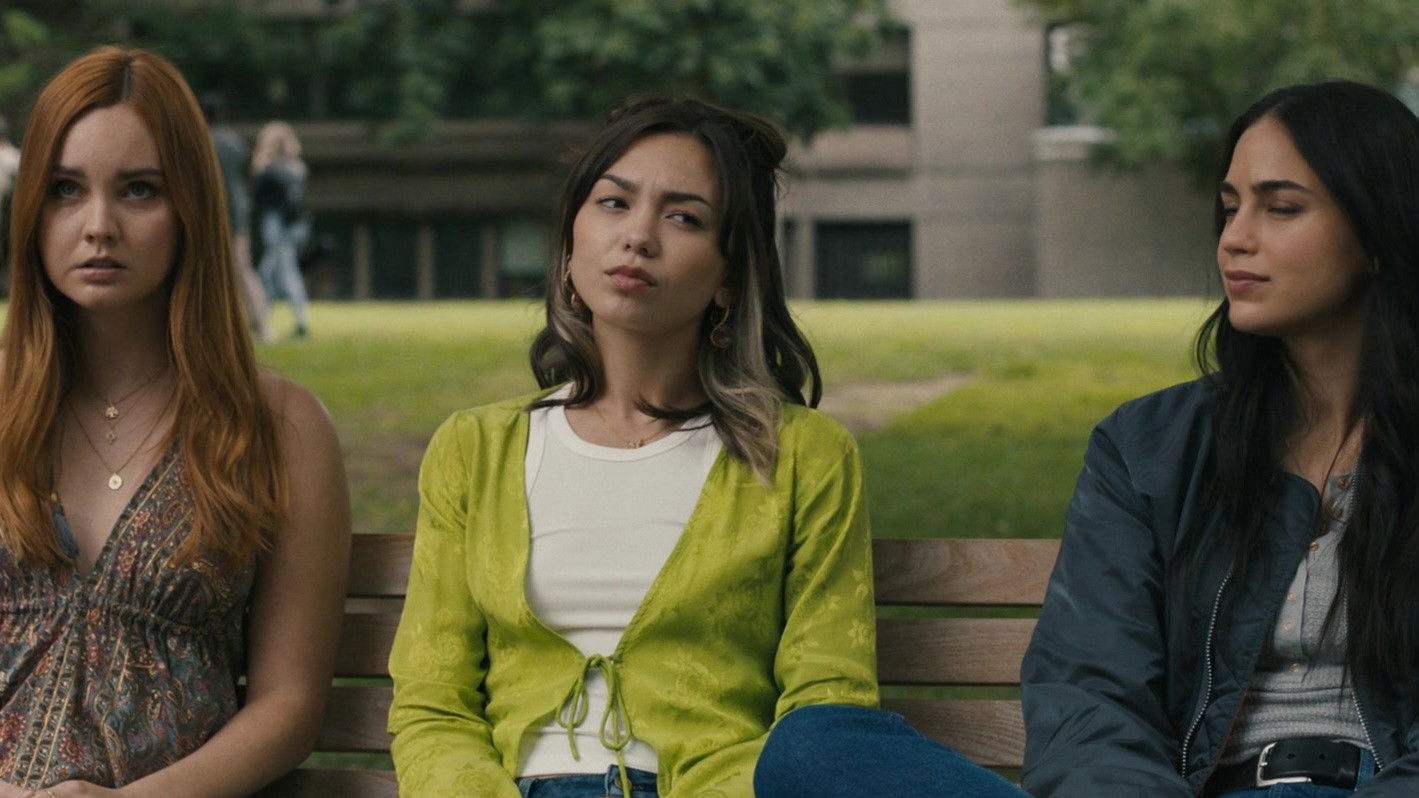
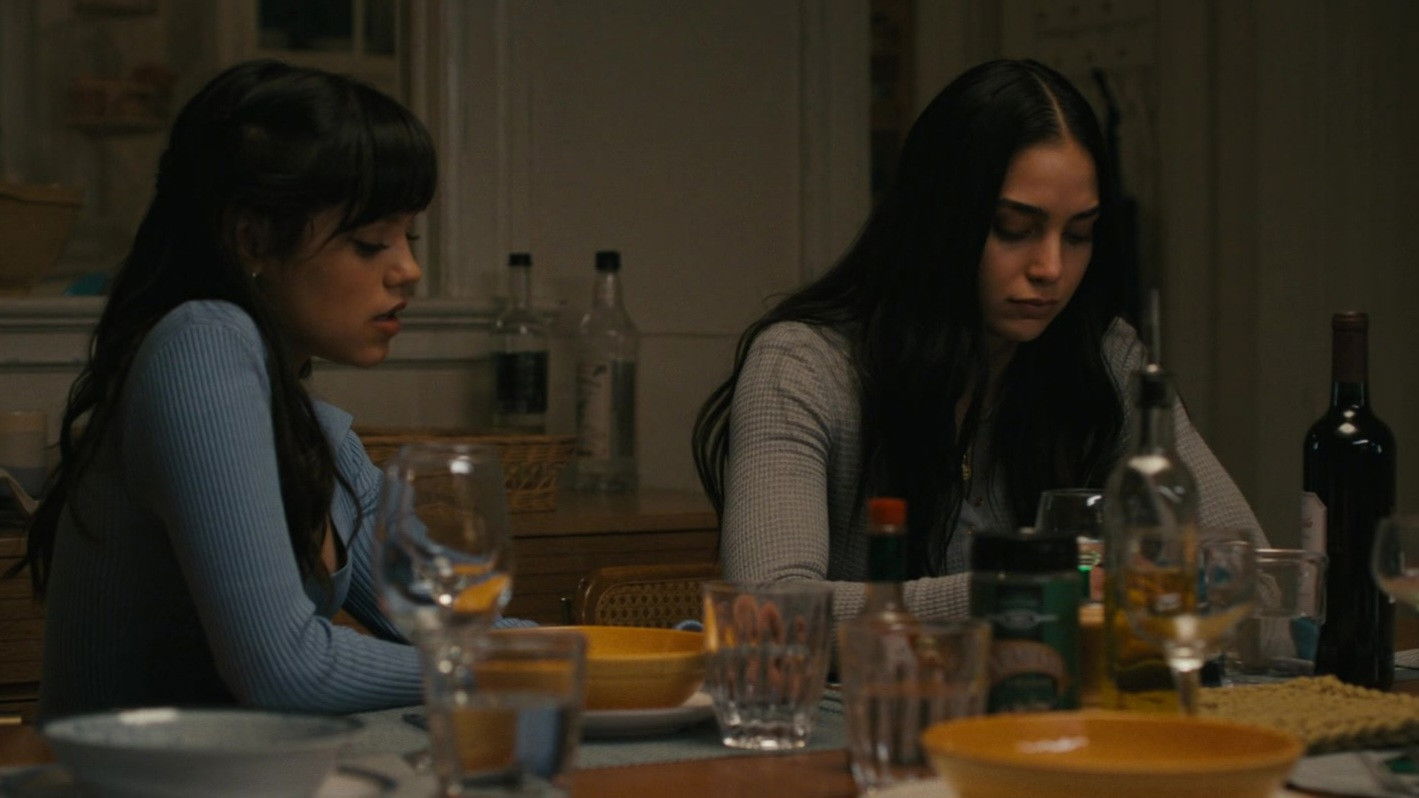
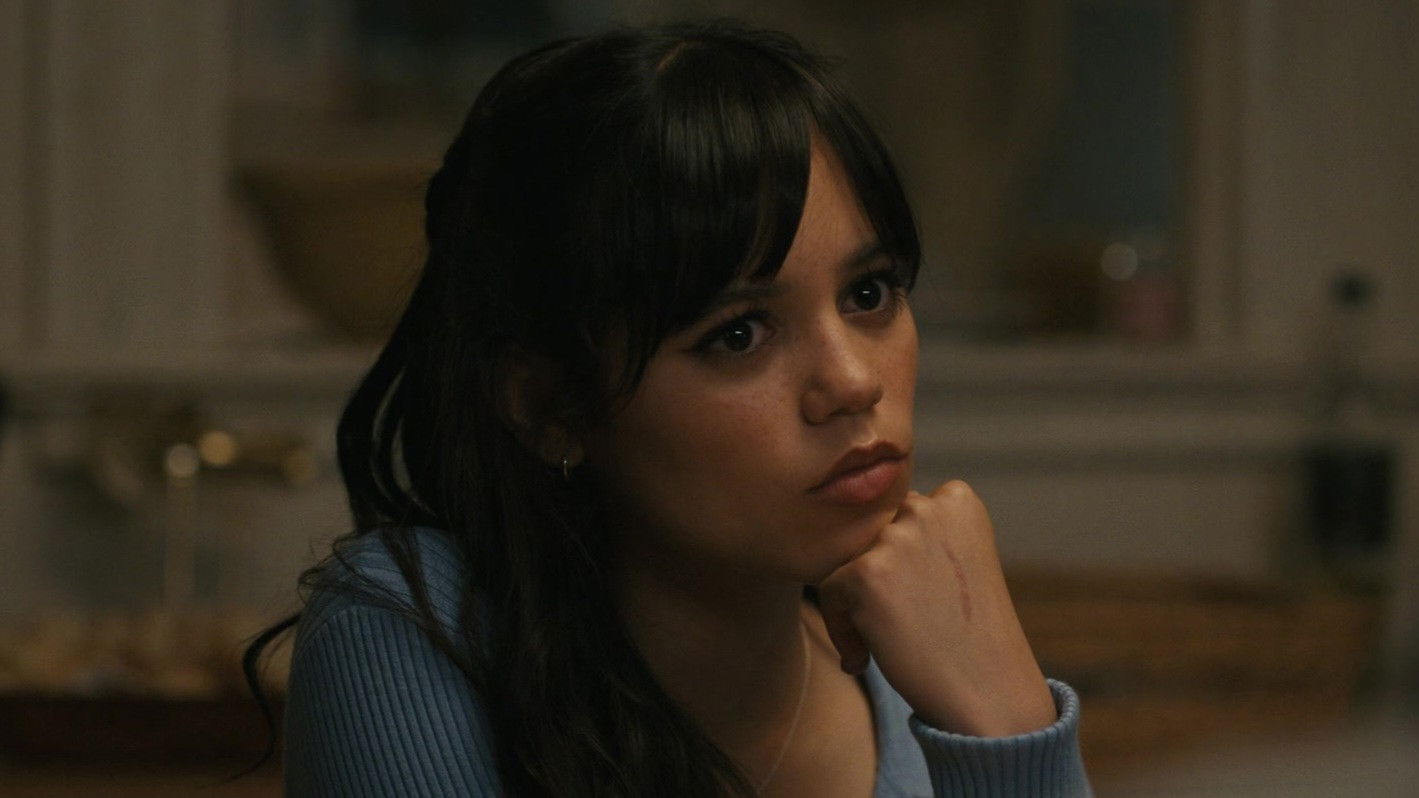
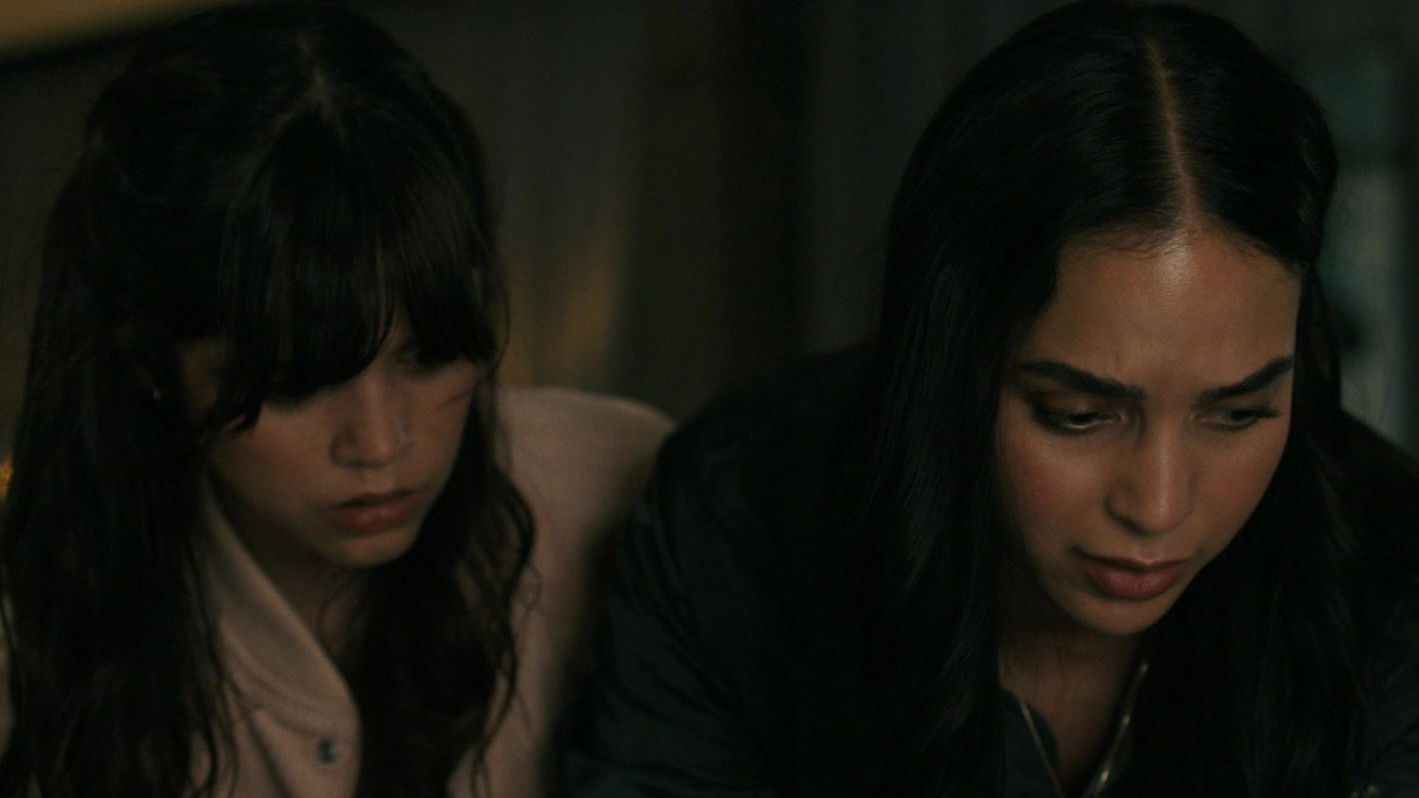
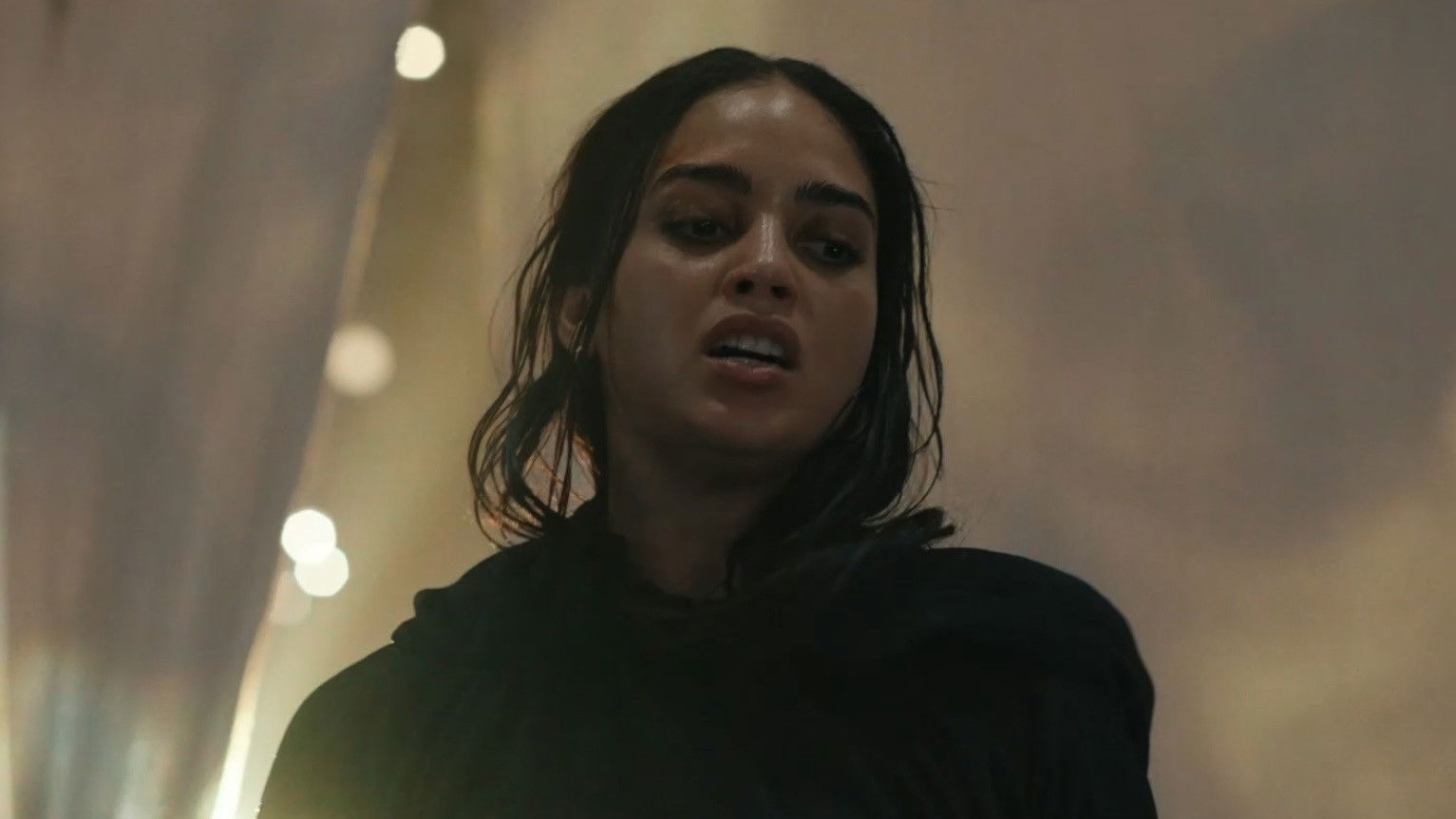
Sam's efforts to protect Tara provide the new story with an ongoing conflict beyond identifying its murderer. They survived the previous Woodsboro killings together, but their reactions have diverged: Sam remains watchful and troubled by her connection to Billy Loomis, while Tara seeks room to make decisions without constant supervision. False accusations circulated online also turn Sam into a public suspect. The threats therefore arrive amid relationships already strained by trauma and distrust. Mindy and Chad, fellow survivors from the preceding film, form a smaller circle of people who understand why ordinary social contact now carries the possibility of another attack.
Gillett told WNYC that he and Bettinelli-Olpin regarded the sisters as the story's emotional center. He described the difficulty of allowing survivors independence while preserving the bonds that helped them endure earlier events. That is a production account of the intended emphasis; the film expresses it through arguments and choices made under pressure. Mindy's discussion of franchise rules supplies the expected self-referential commentary, yet her expertise cannot guarantee anyone's safety. In this installment, knowledge of previous Ghostface cases coexists with errors in judgment, conflicting loyalties and incomplete information. The continuing characters give the sequel stakes that do not depend solely on recognition of older franchise figures.
Urban Space and the Halloween Subway
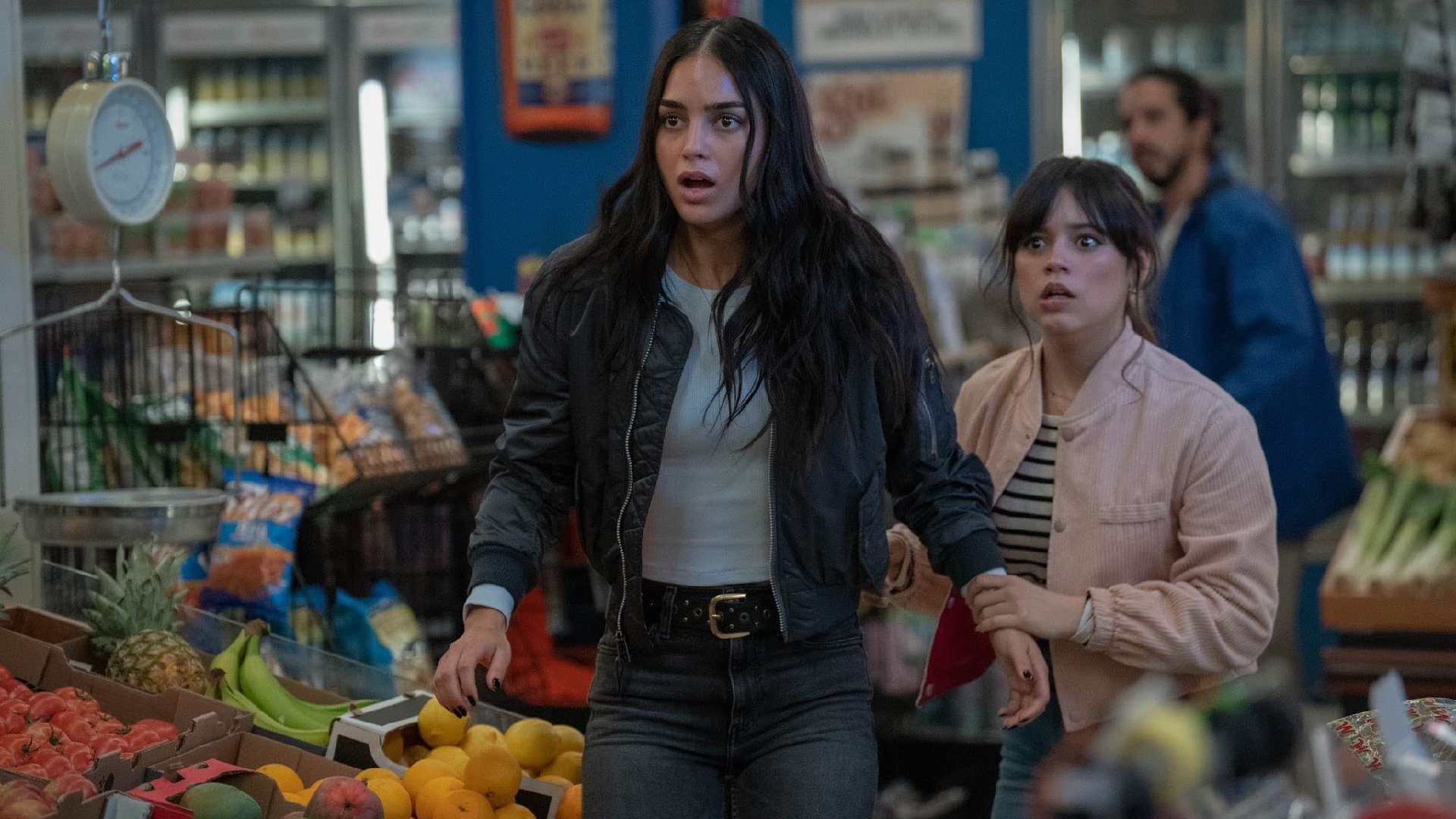
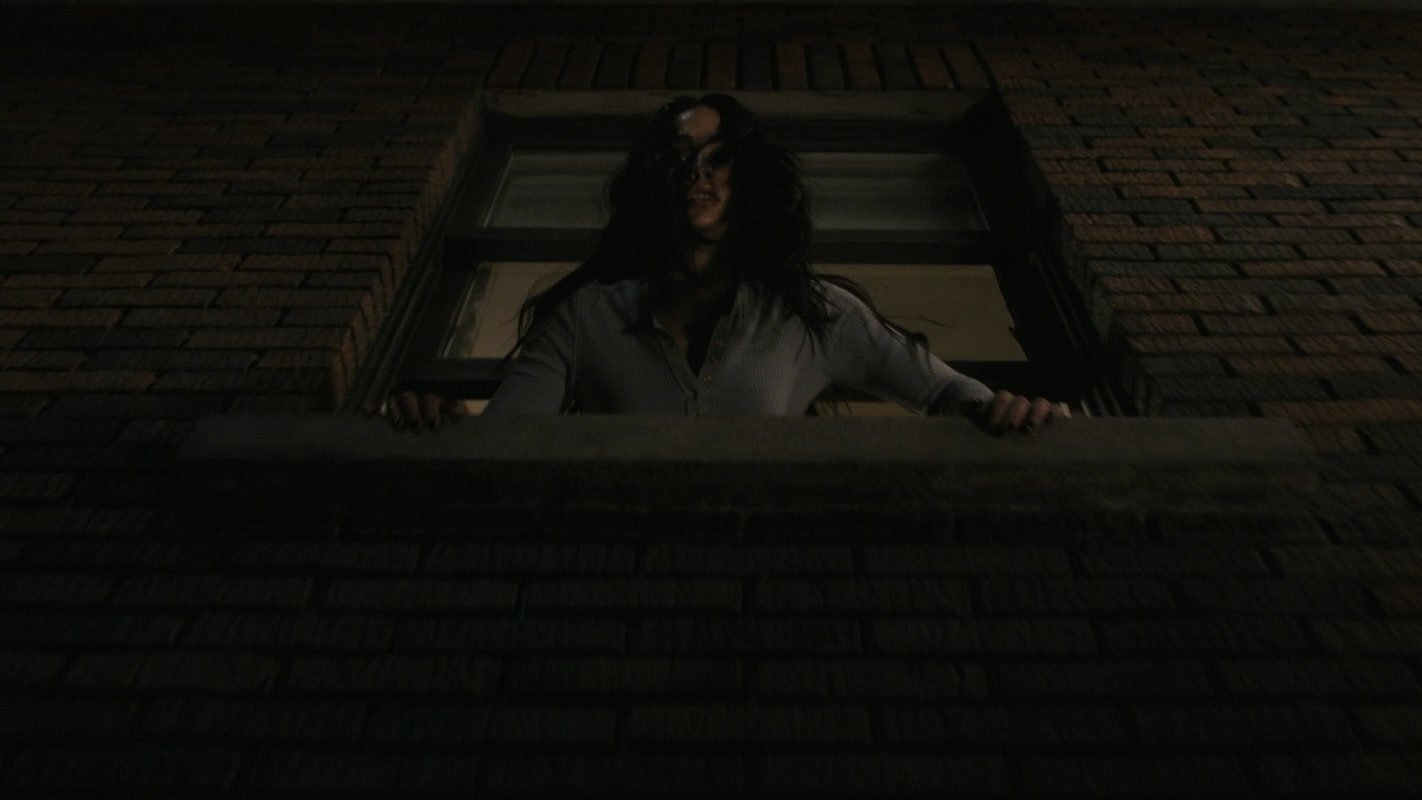
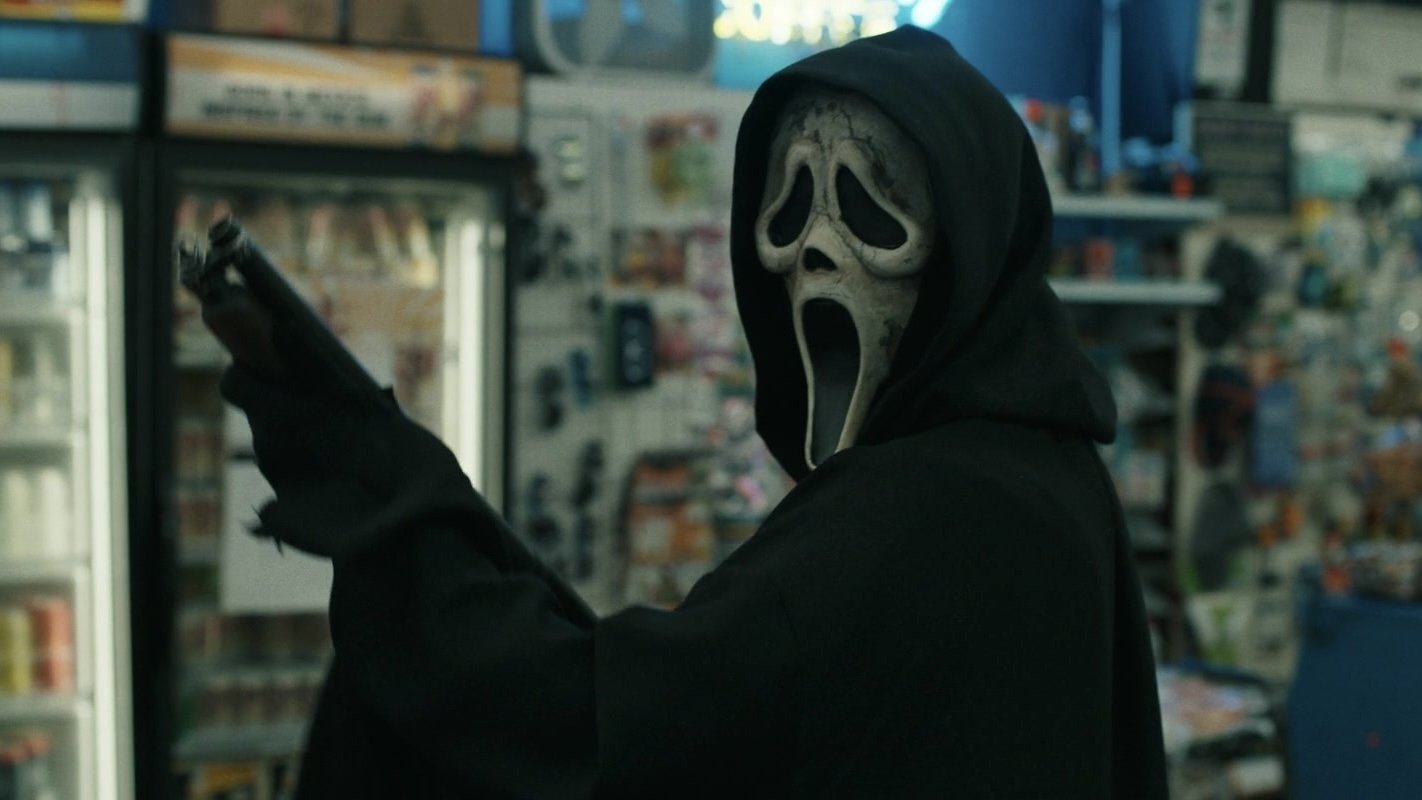
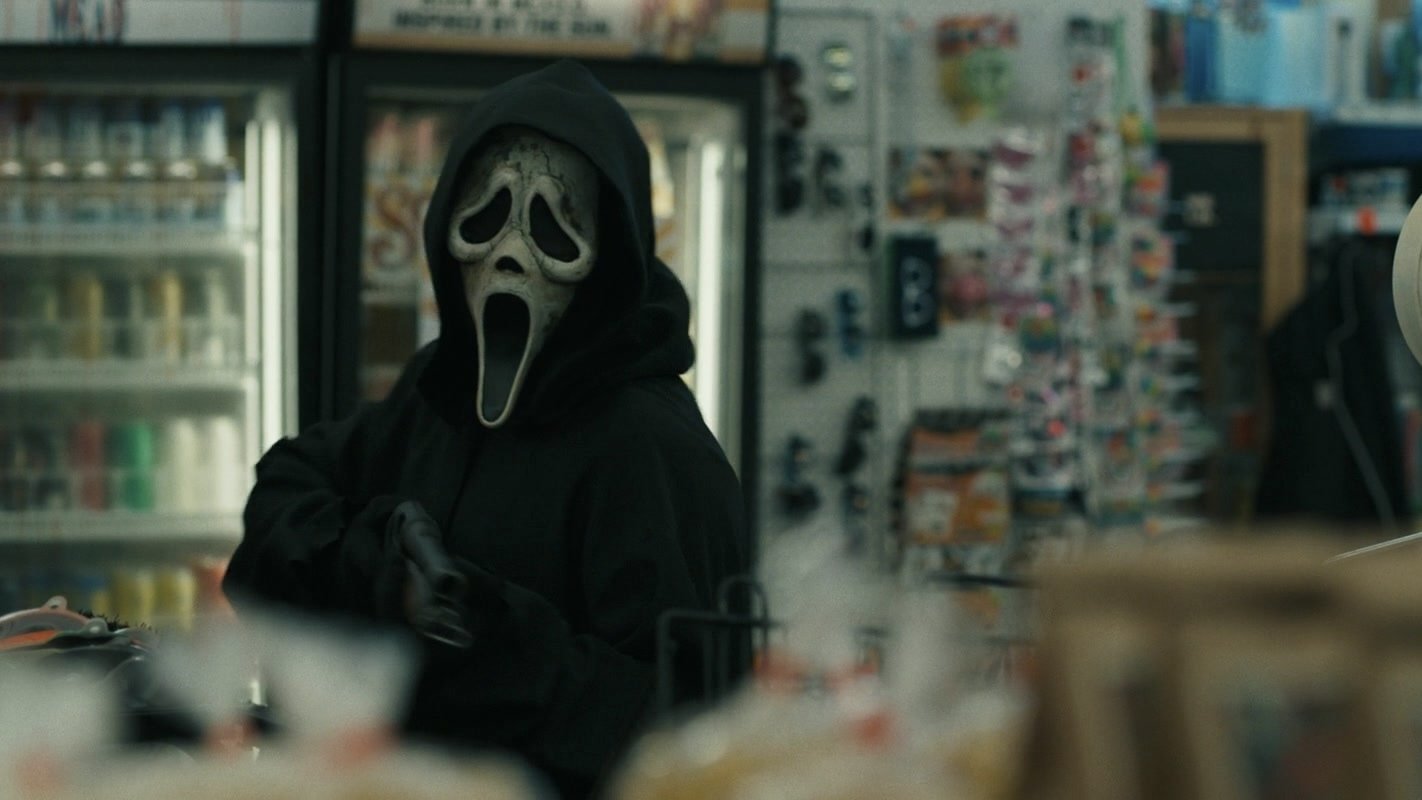
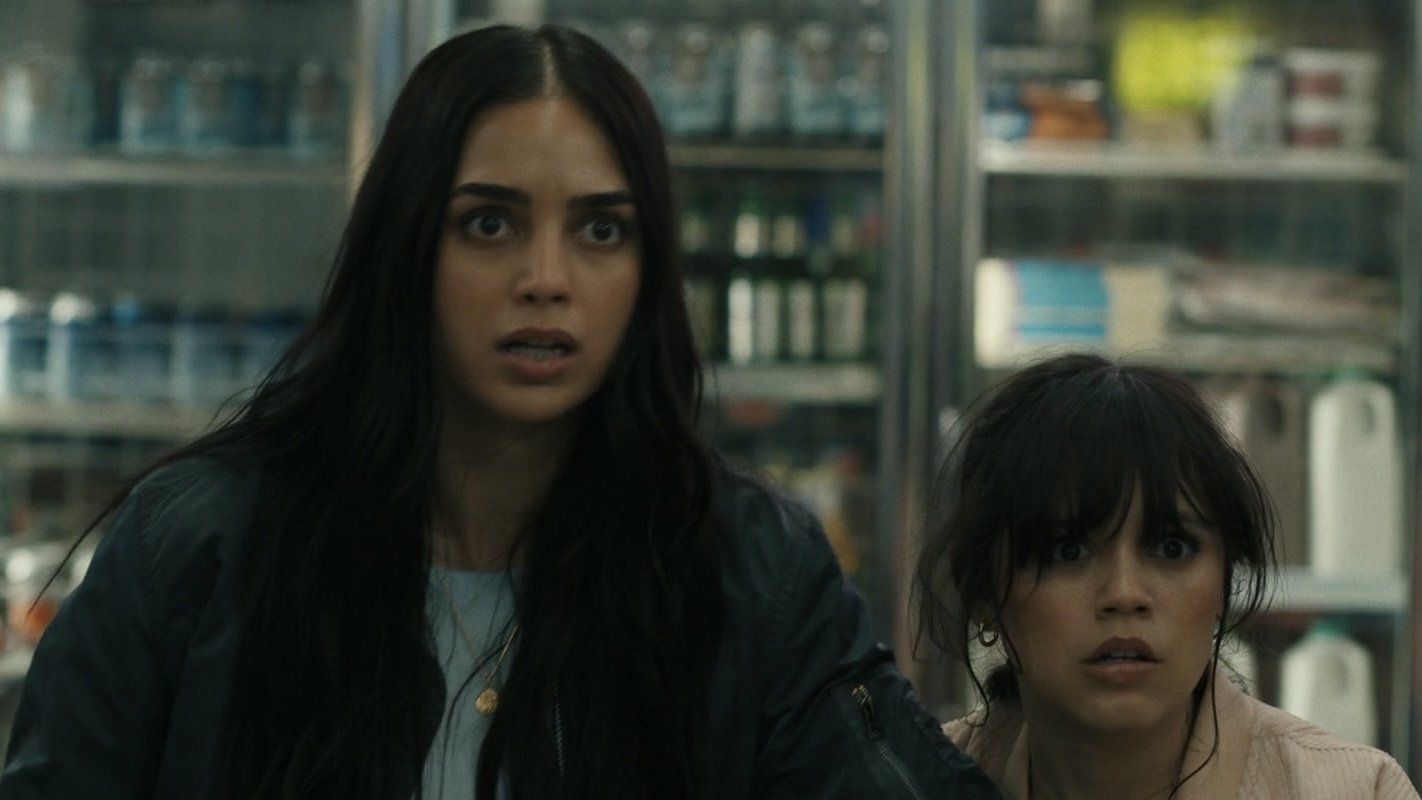
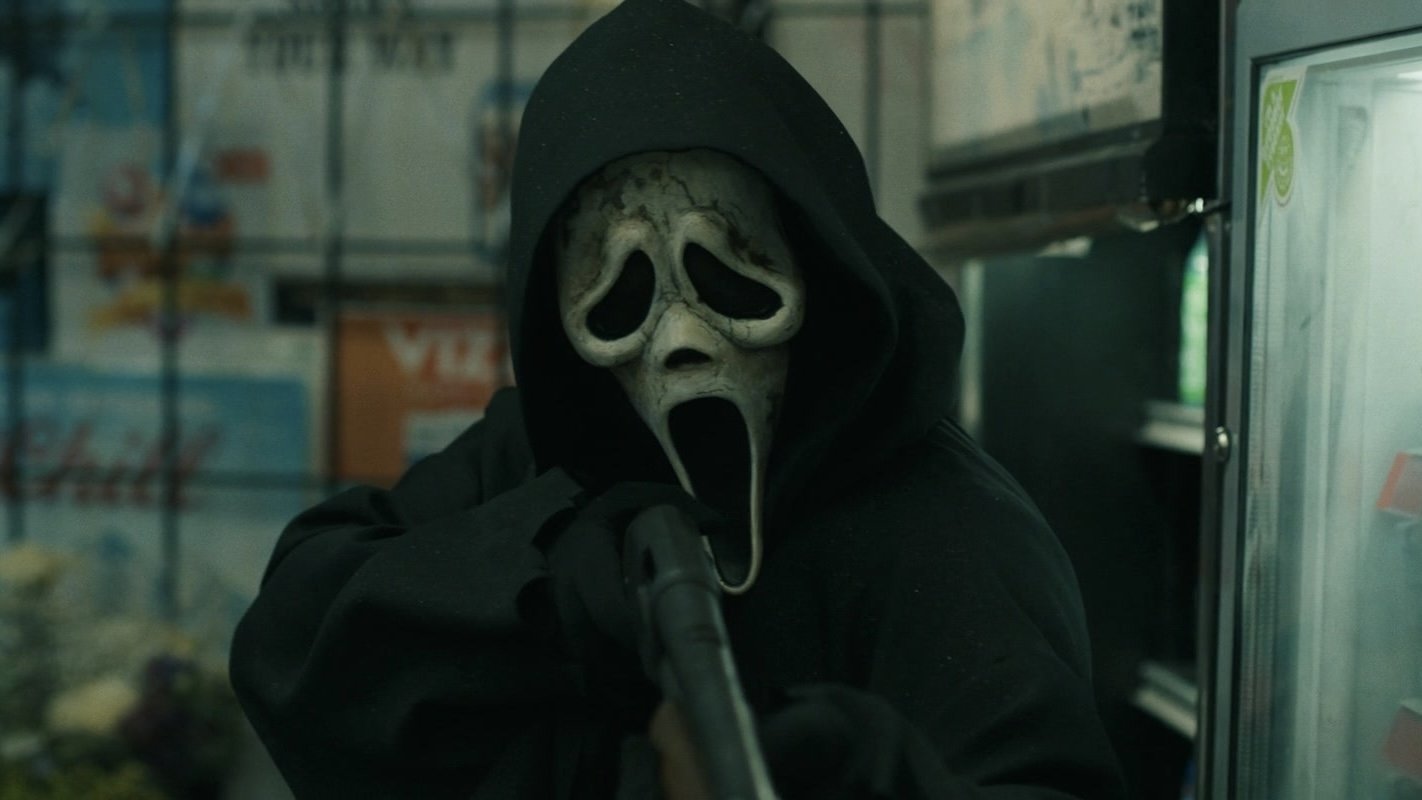
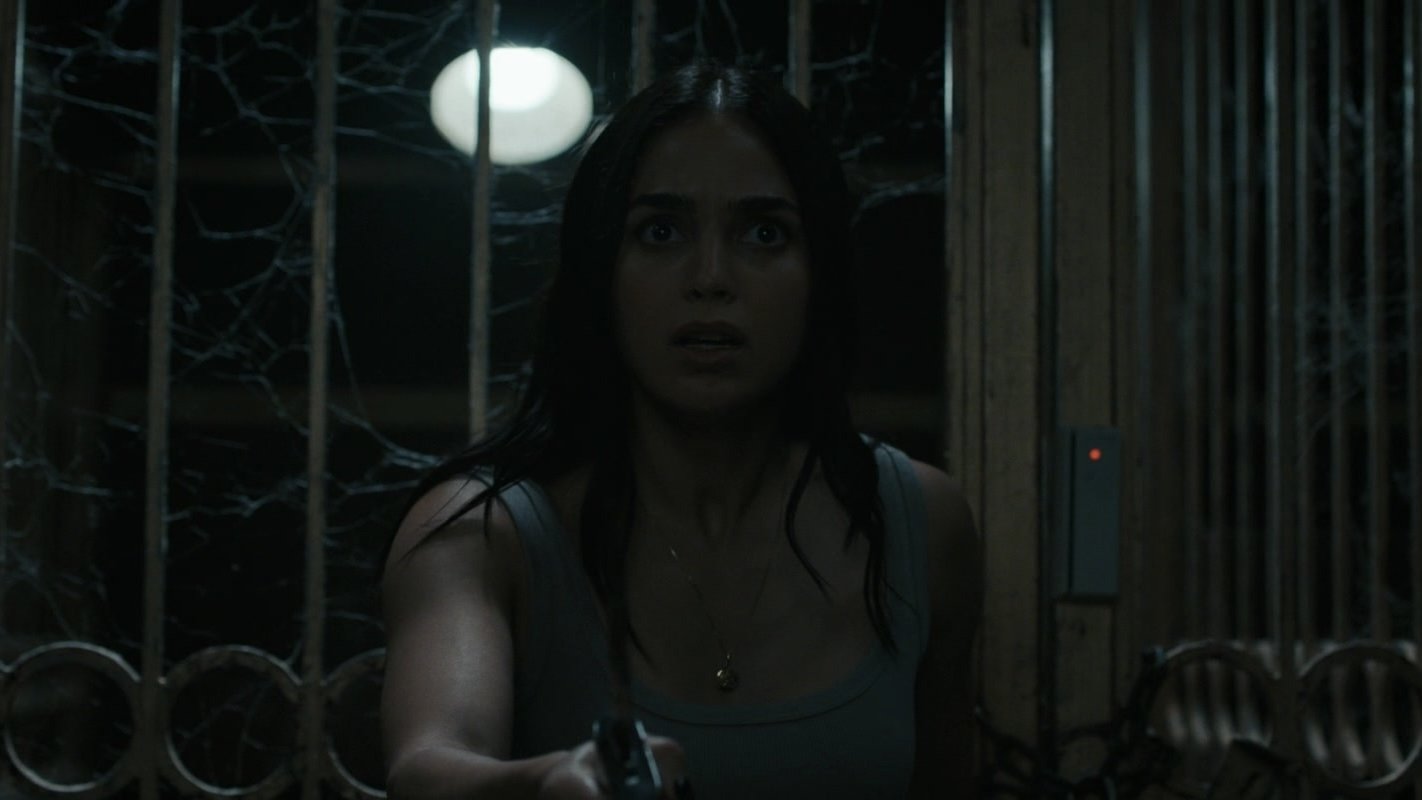
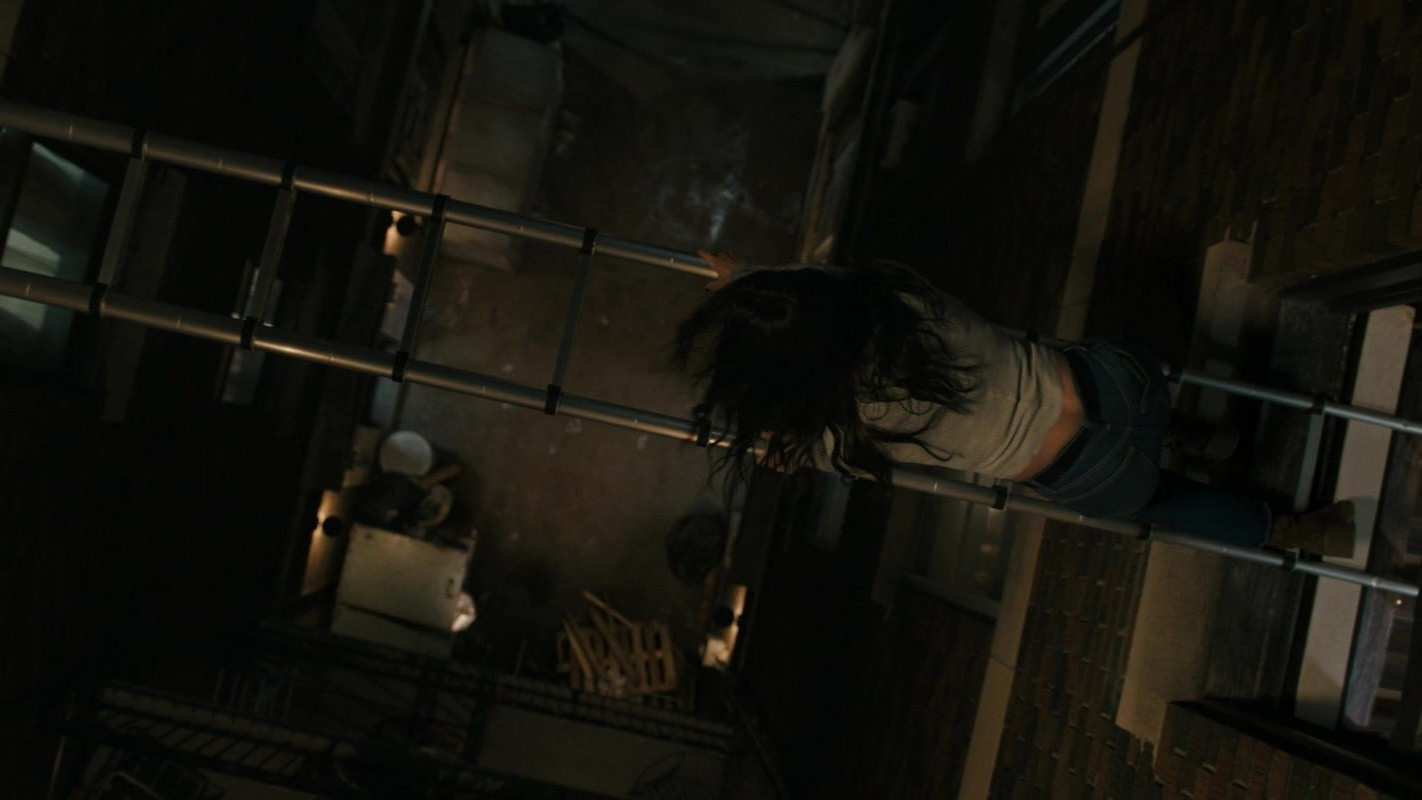
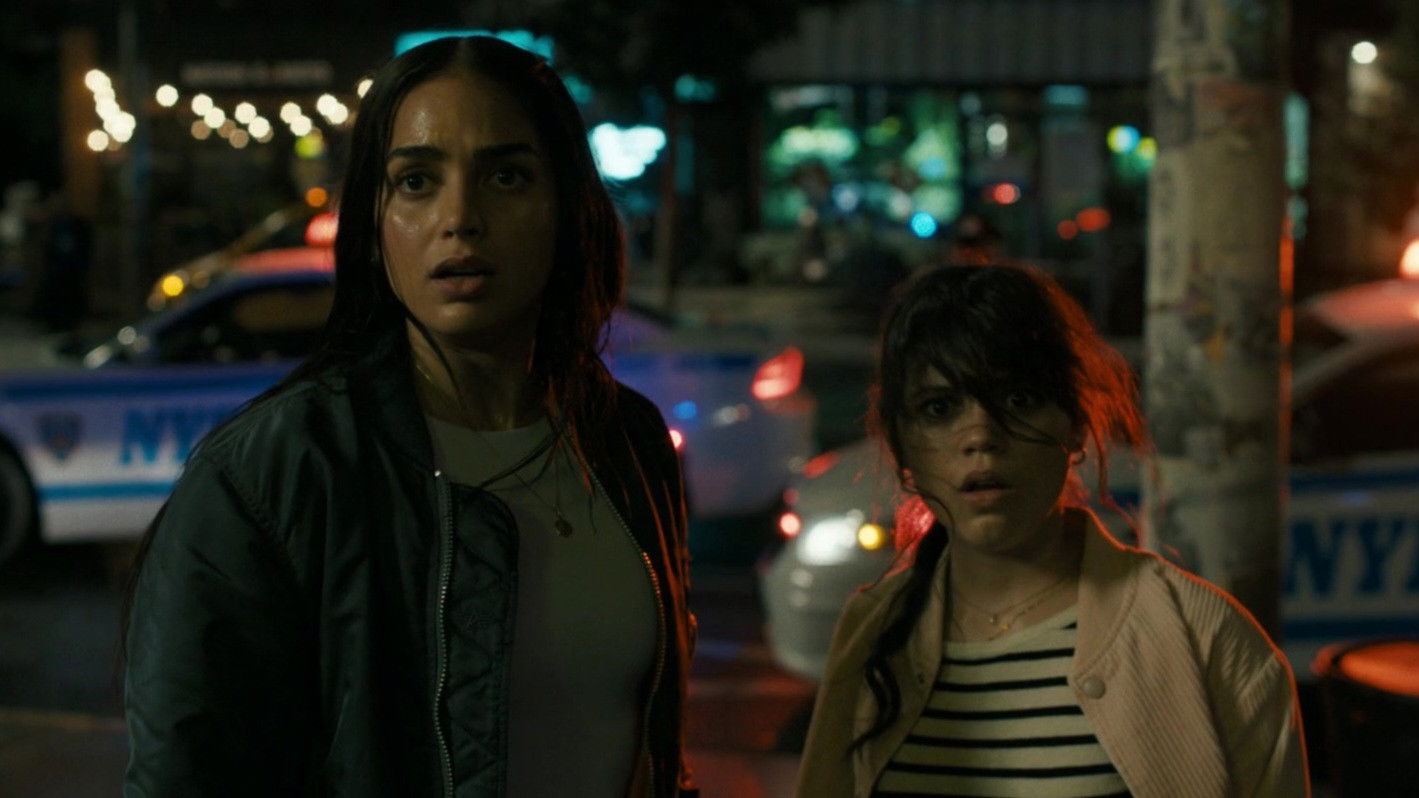
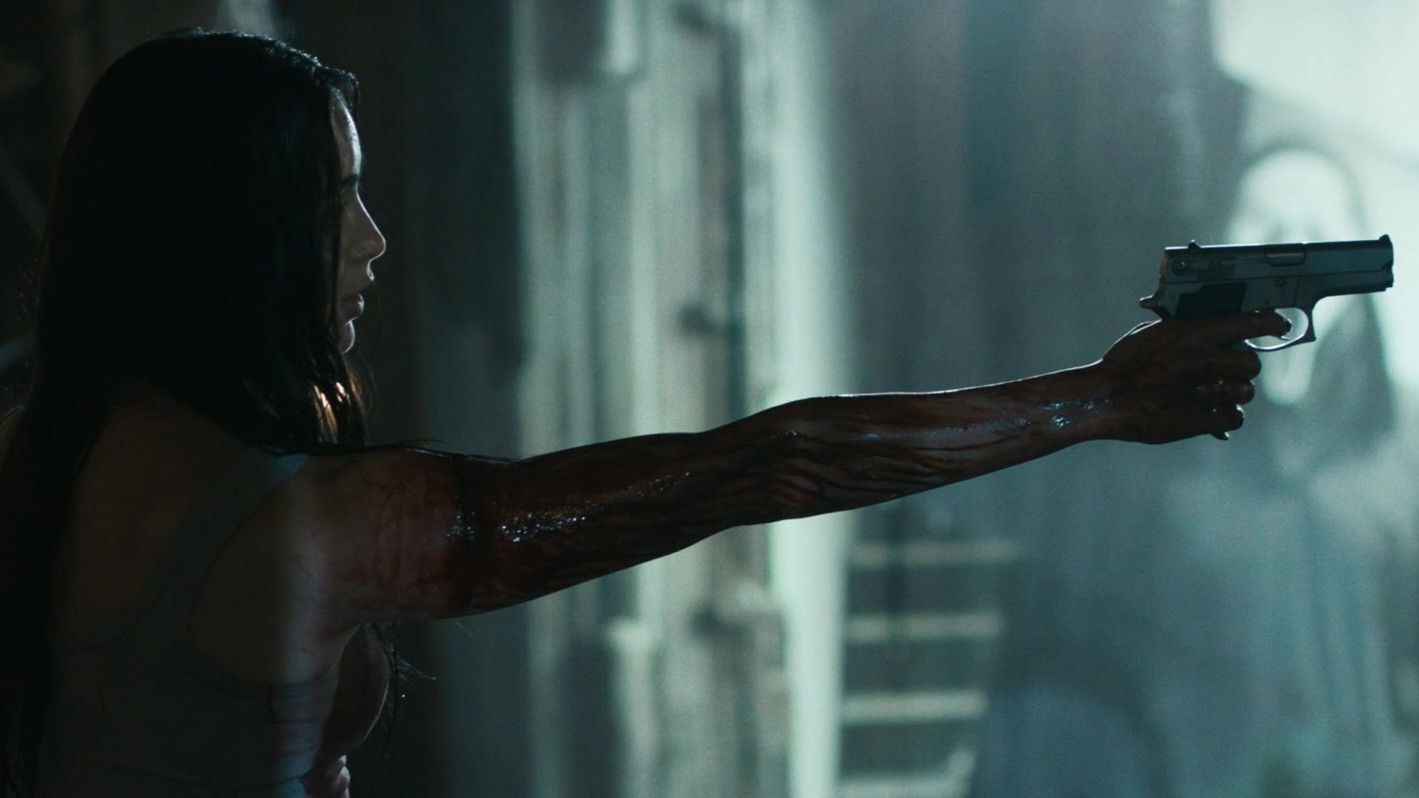
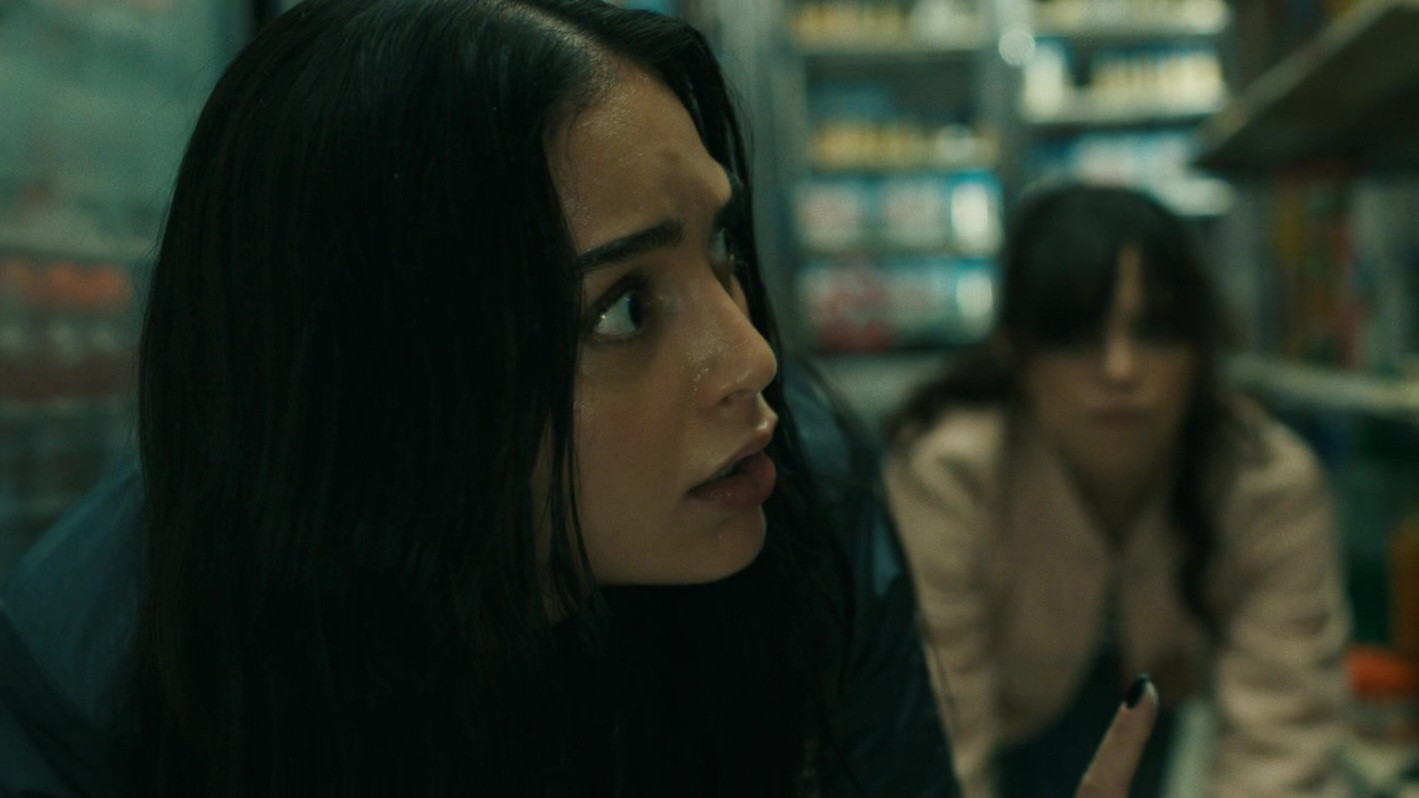
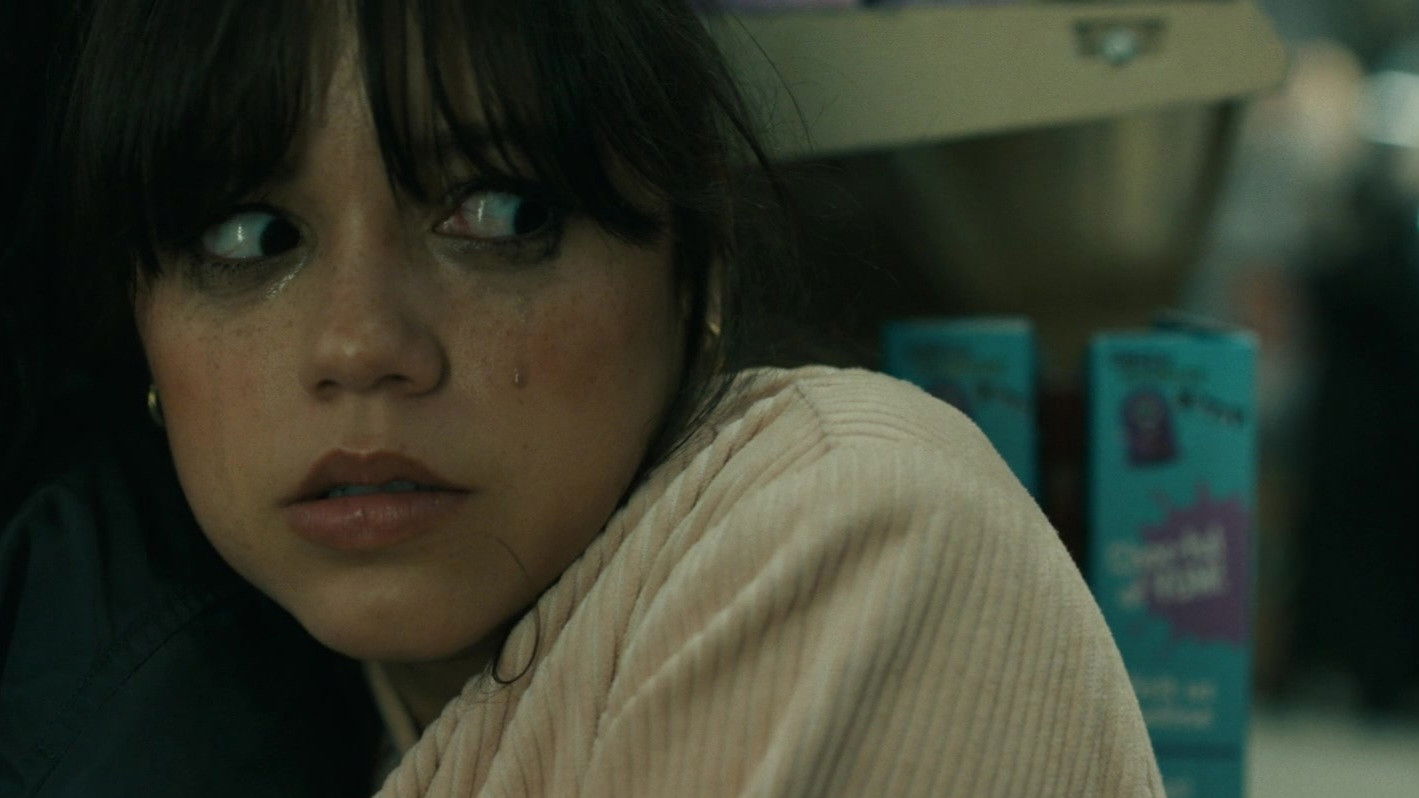
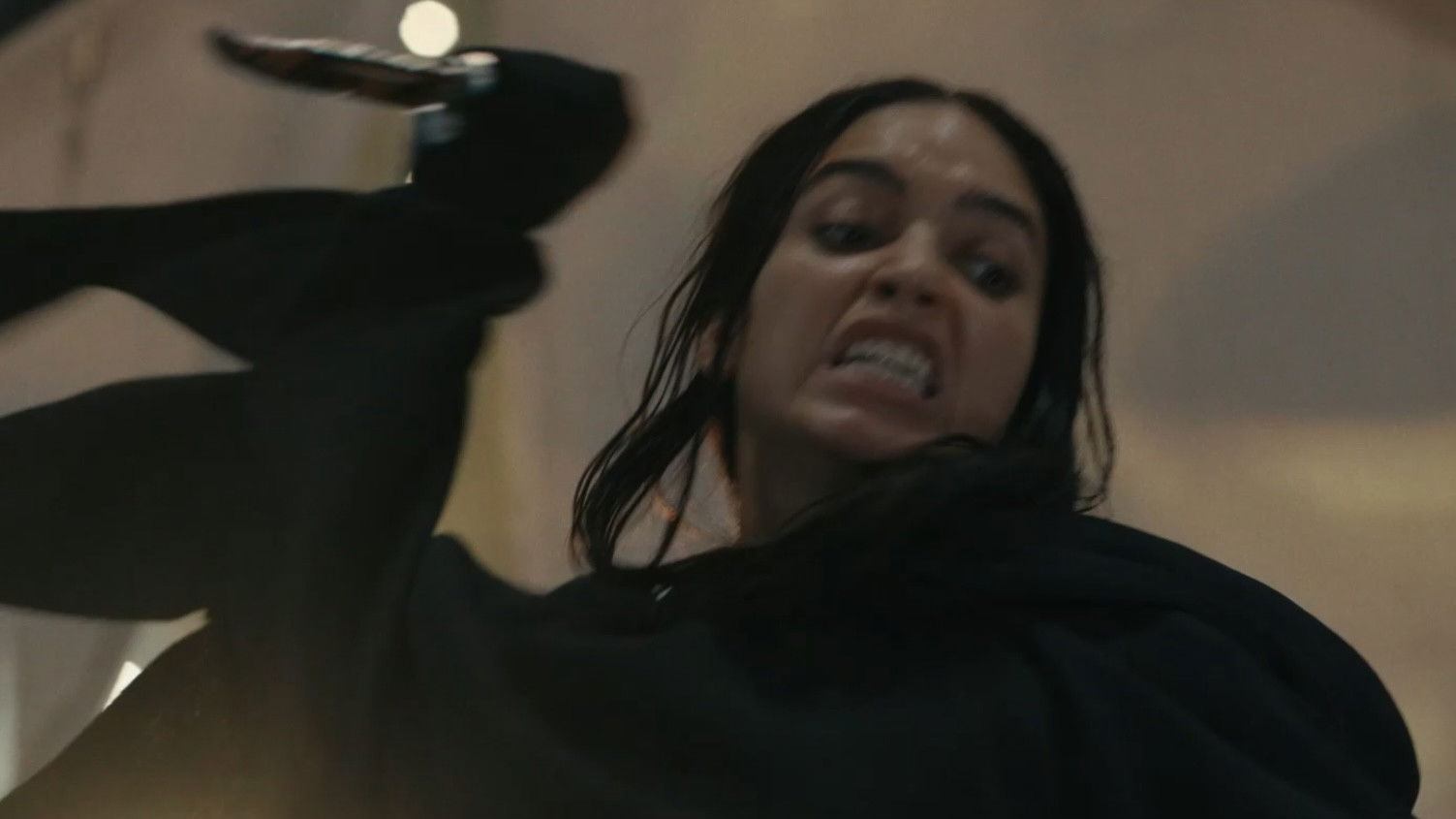
New York changes the usual slasher relationship between hiding and exposure. In the bodega attack, Ghostface pursues the sisters inside a small business where a shopkeeper's firearm fails to restore security. Elsewhere, apartment windows and a narrow passage between buildings make escape dependent on height and limited footholds. The directors told WNYC that they wanted such encounters to arise from urban conditions, including proximity to strangers and the possibility of being visible to others without receiving help. The city becomes a set of physical constraints, visible in the movement from open pavement to enclosed interiors and elevated routes between rooms.
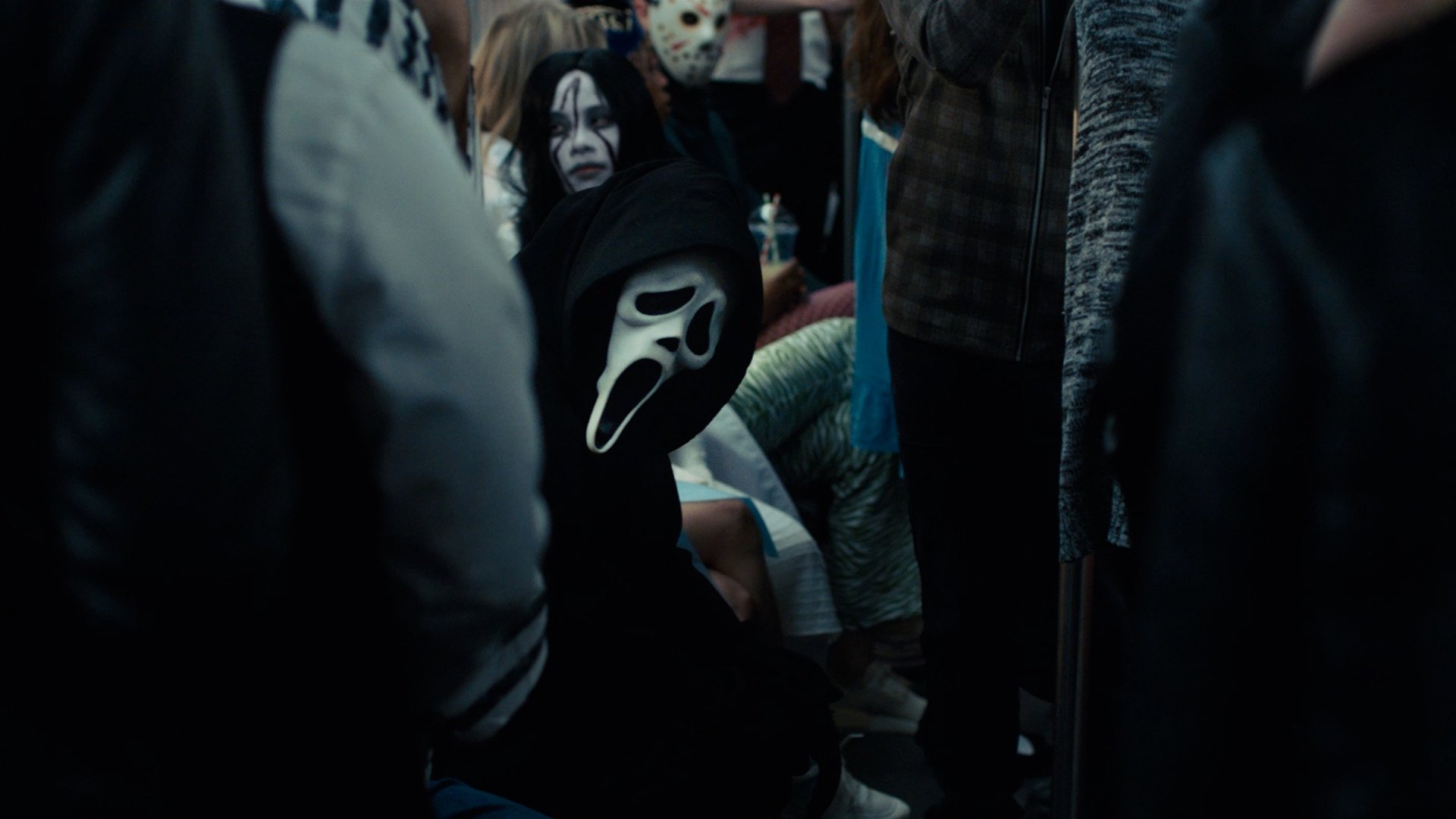
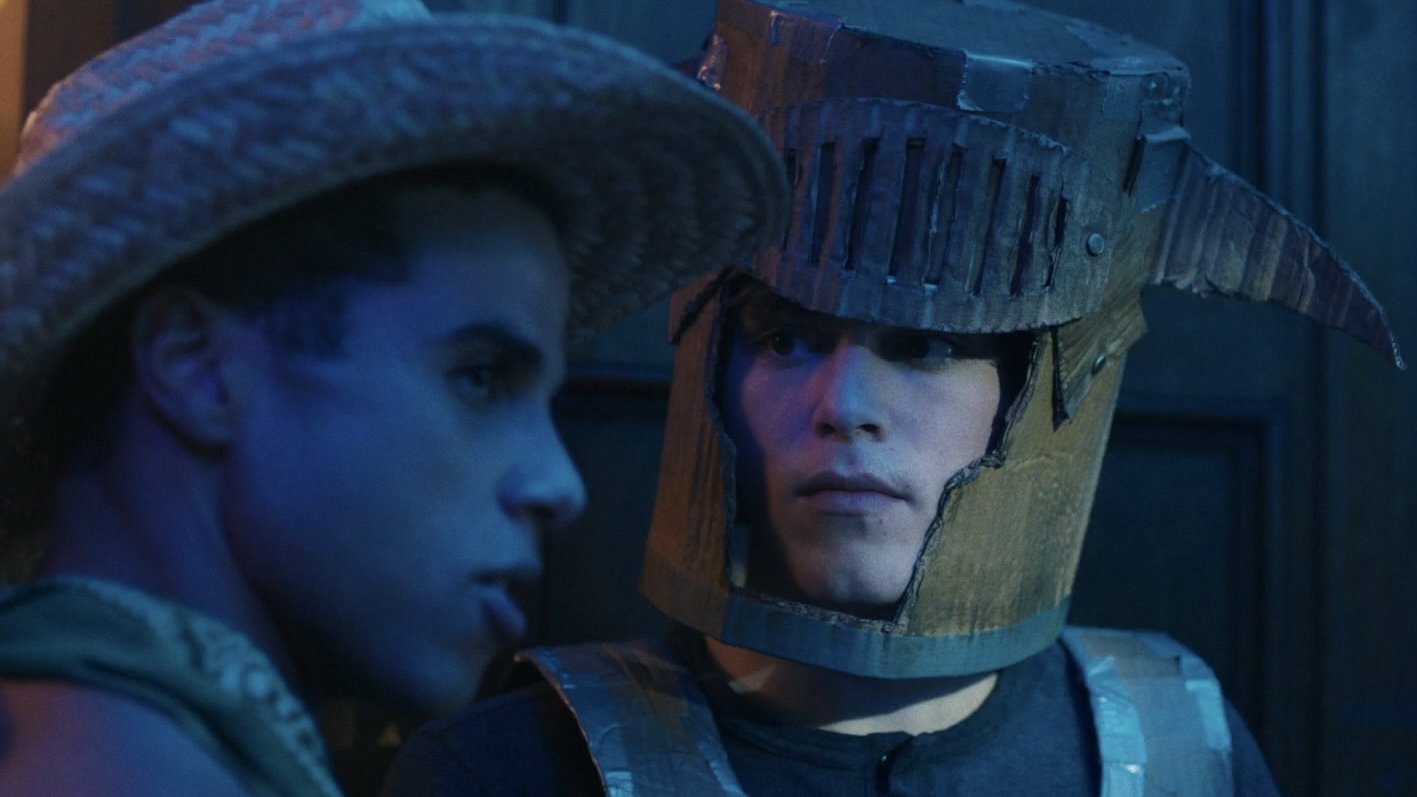
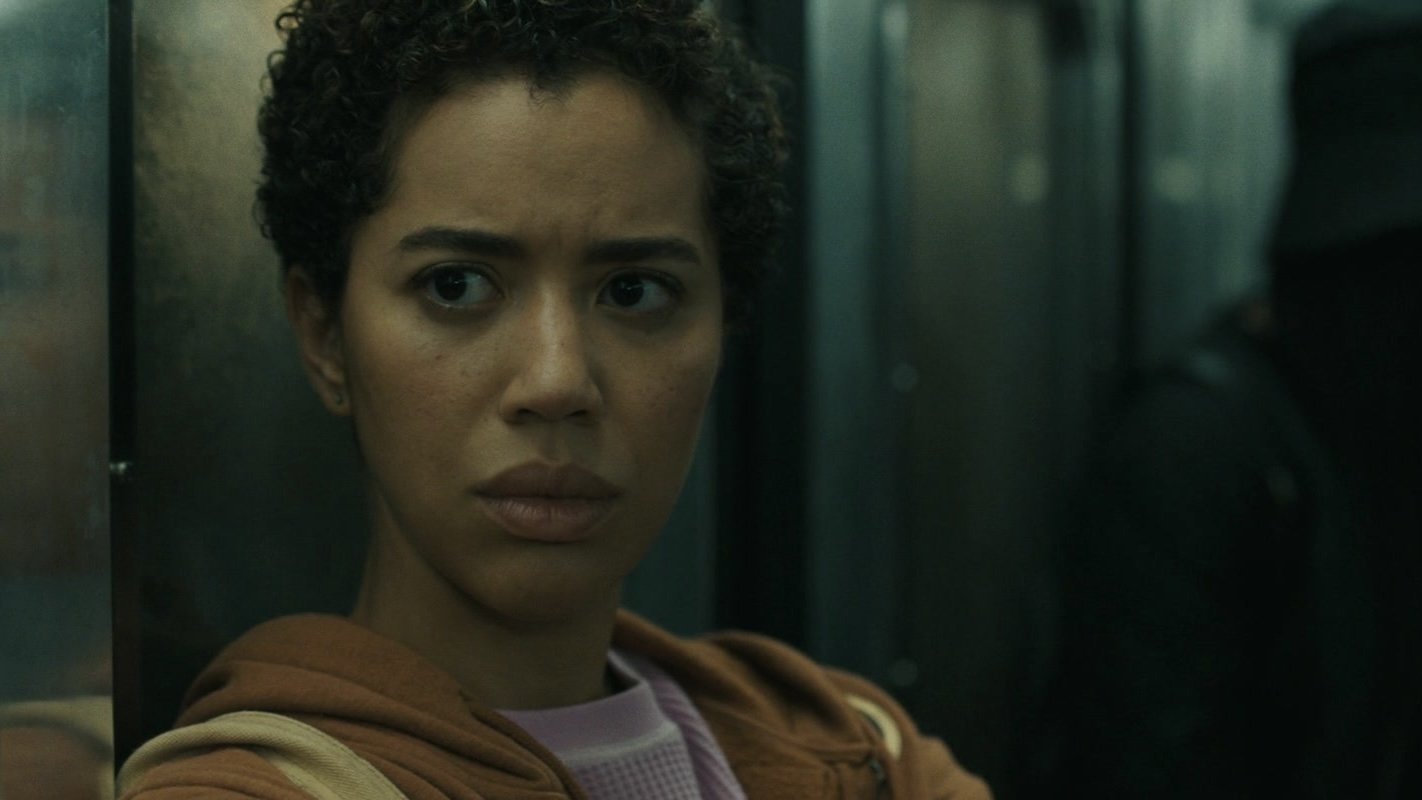
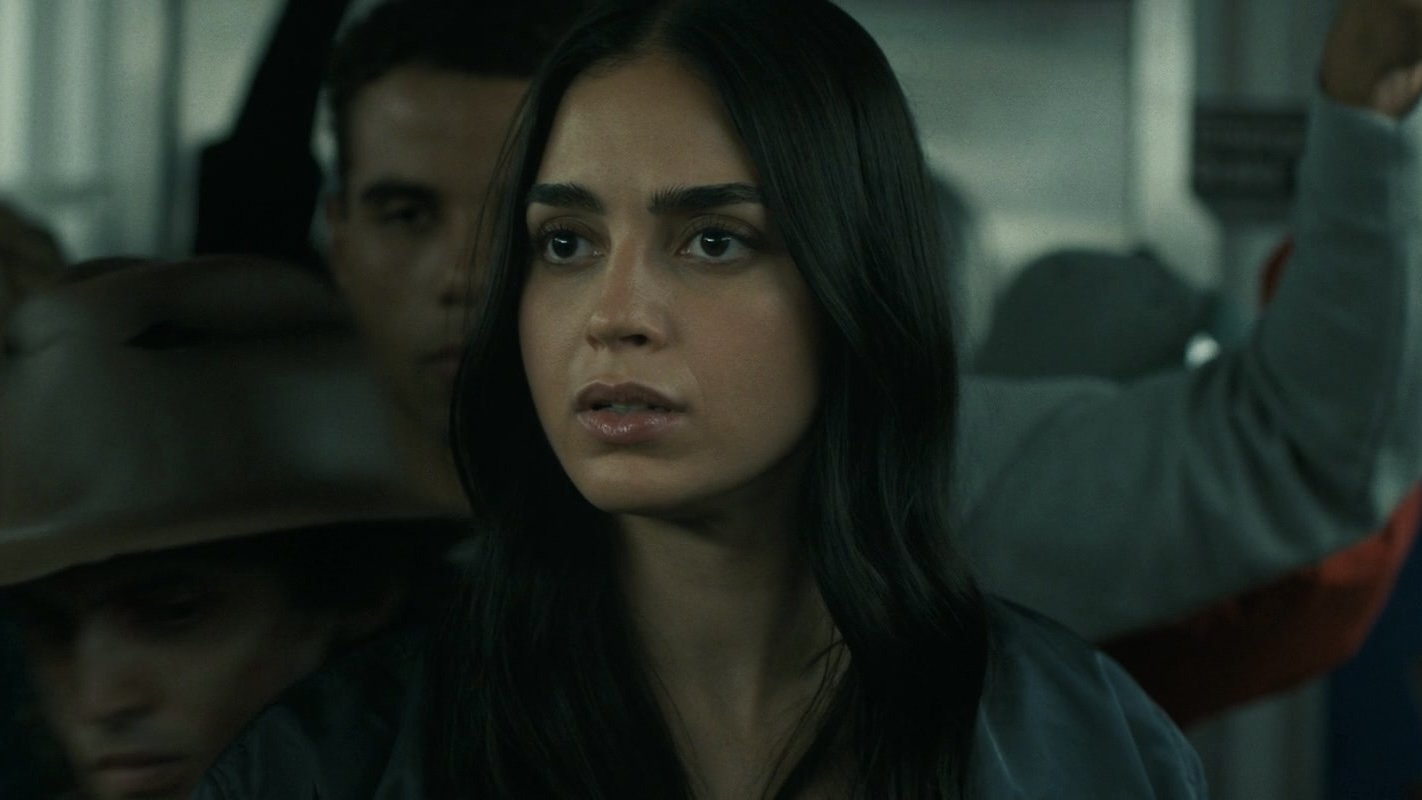
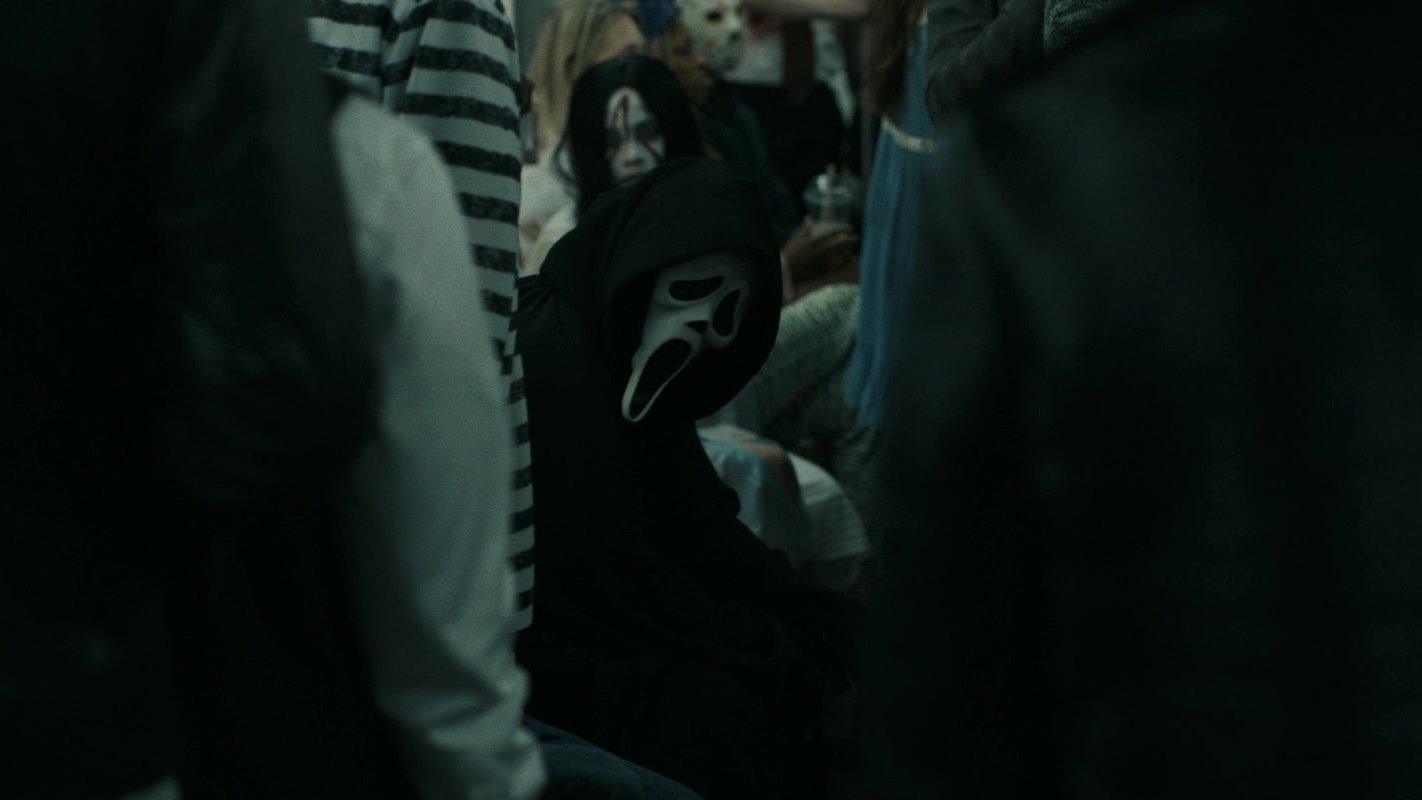
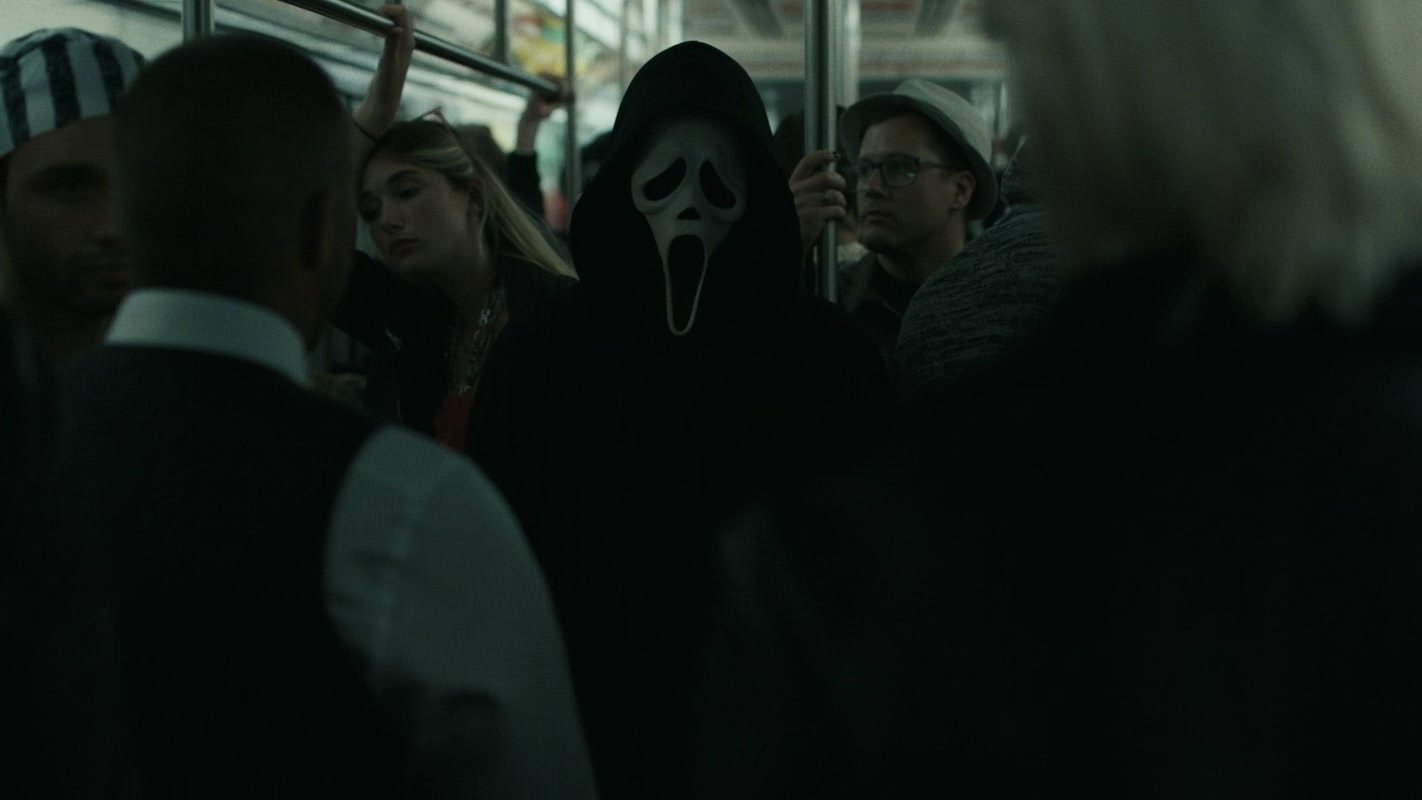
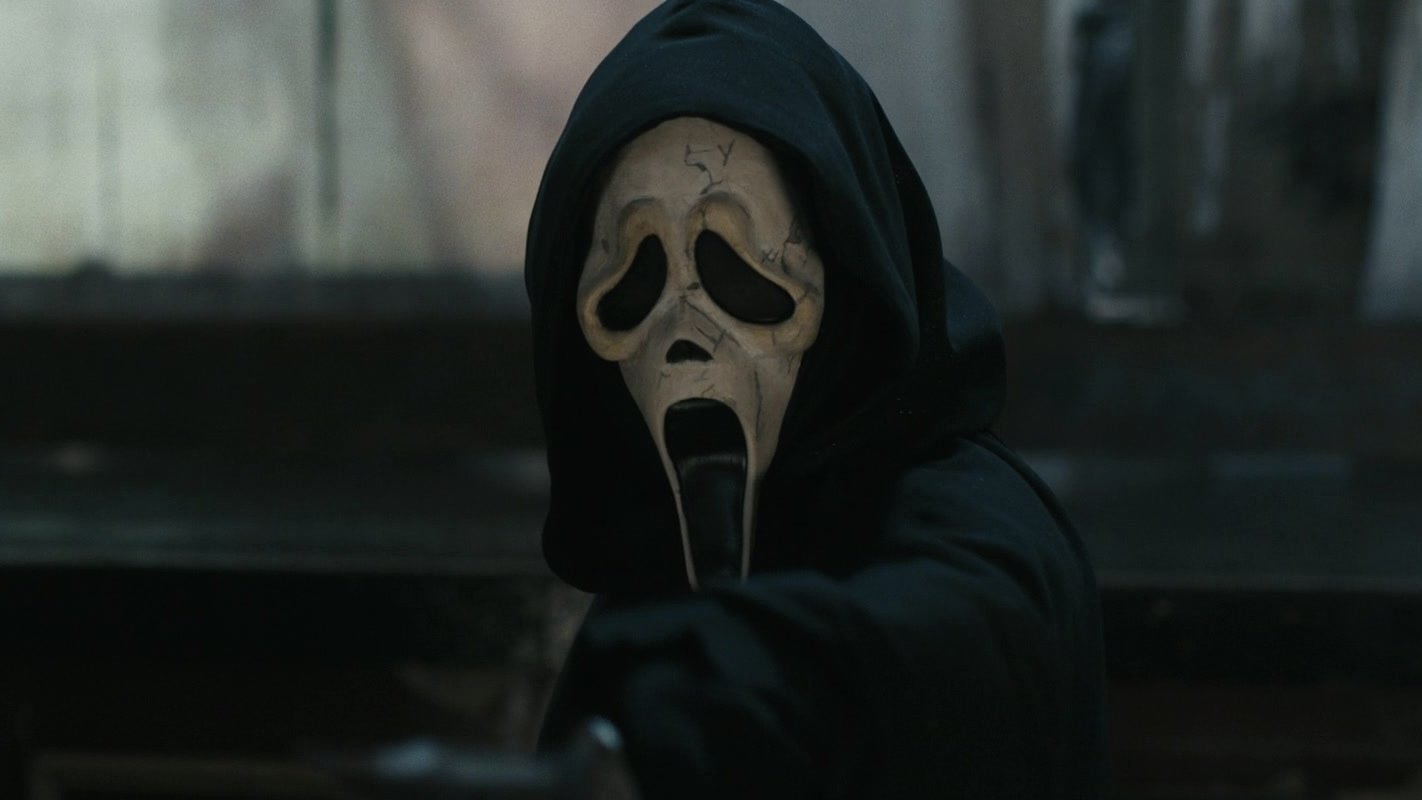
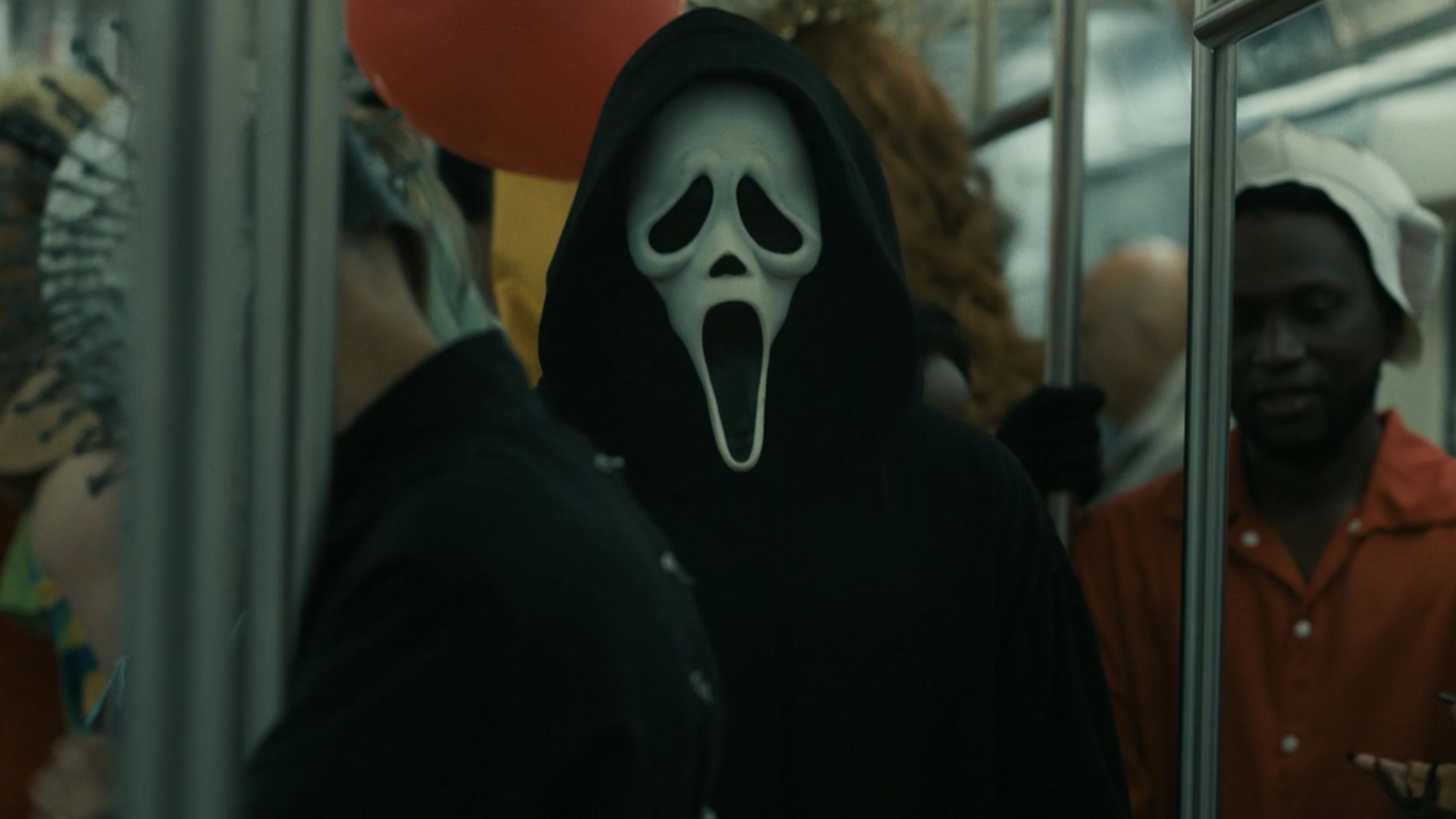
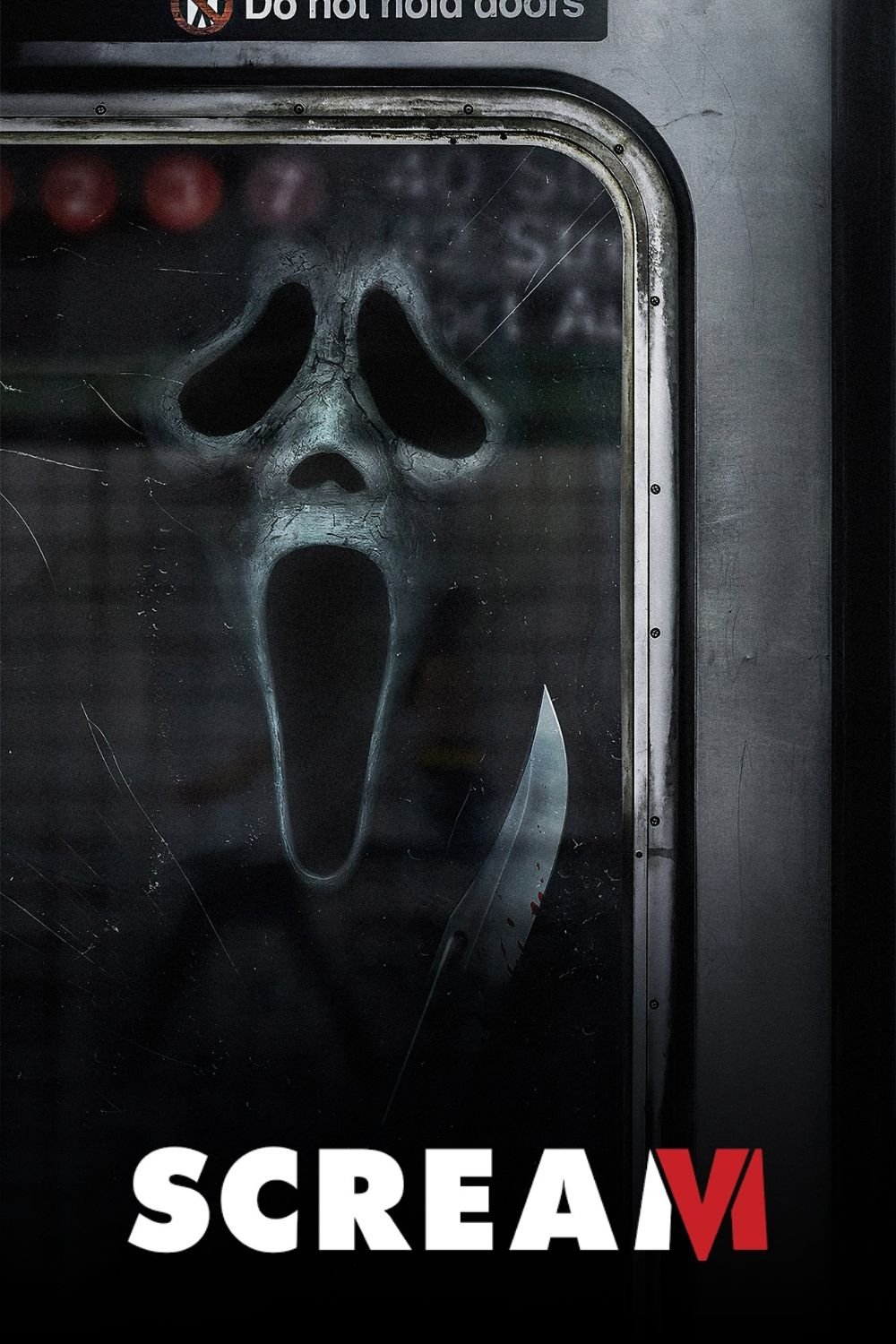
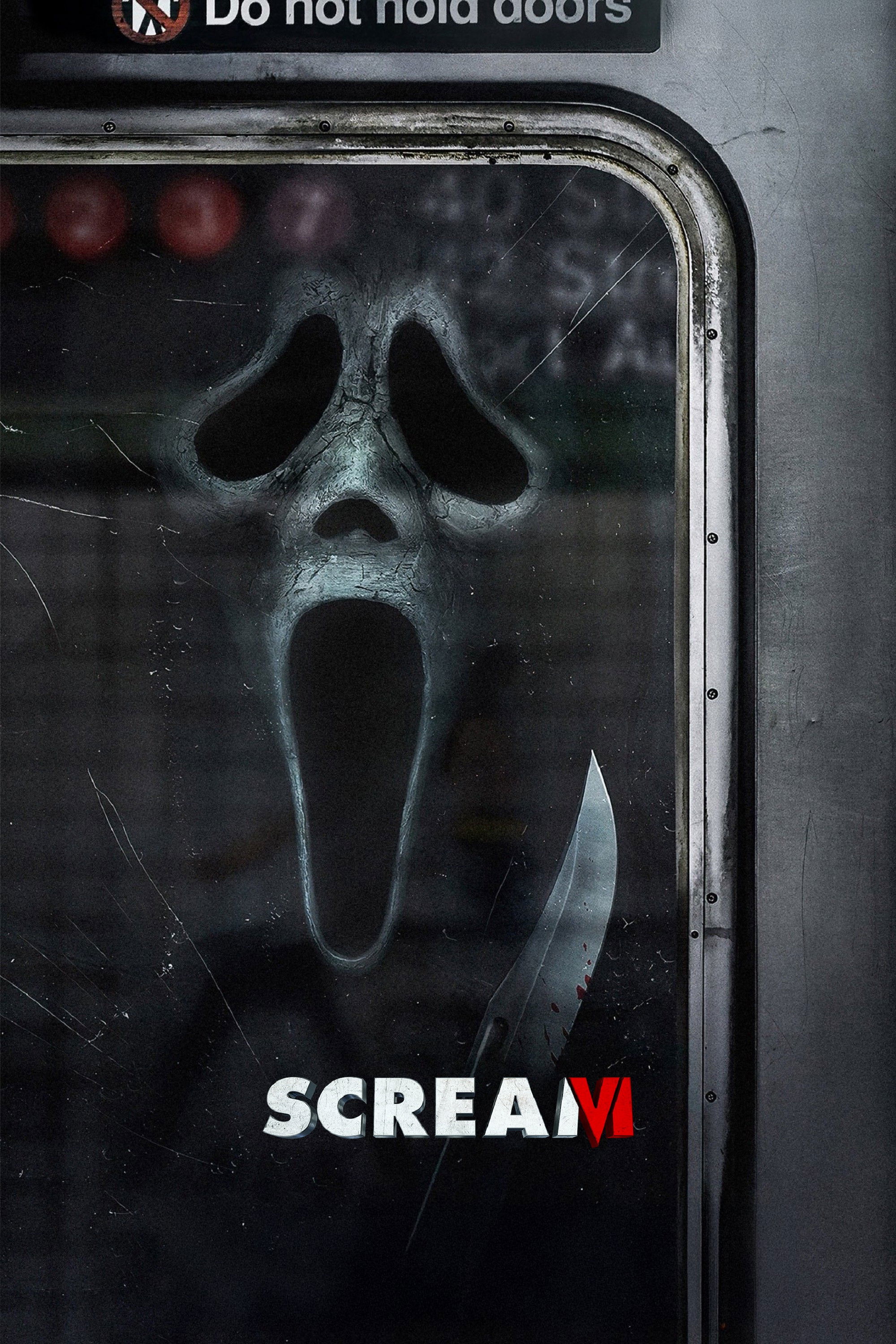
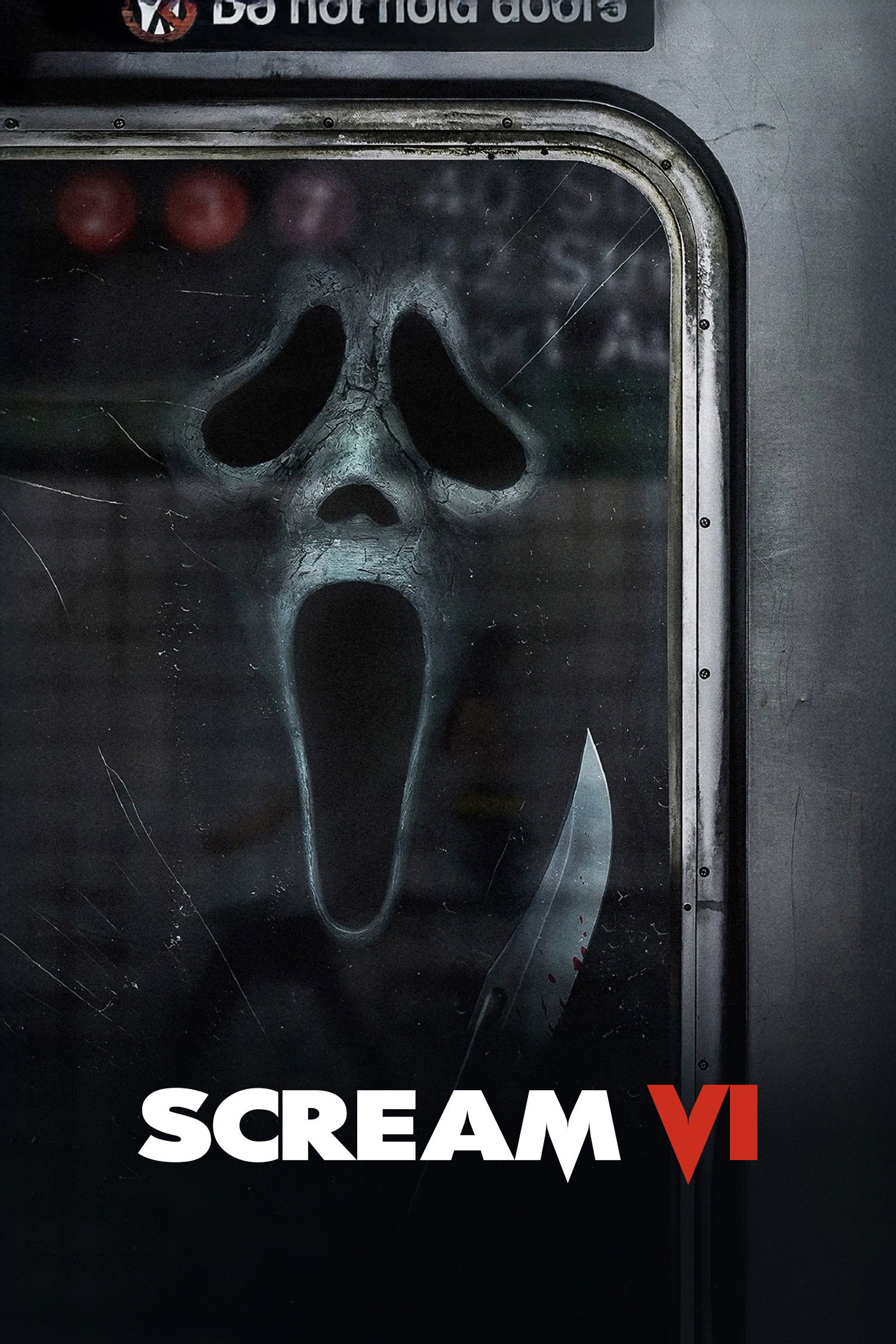
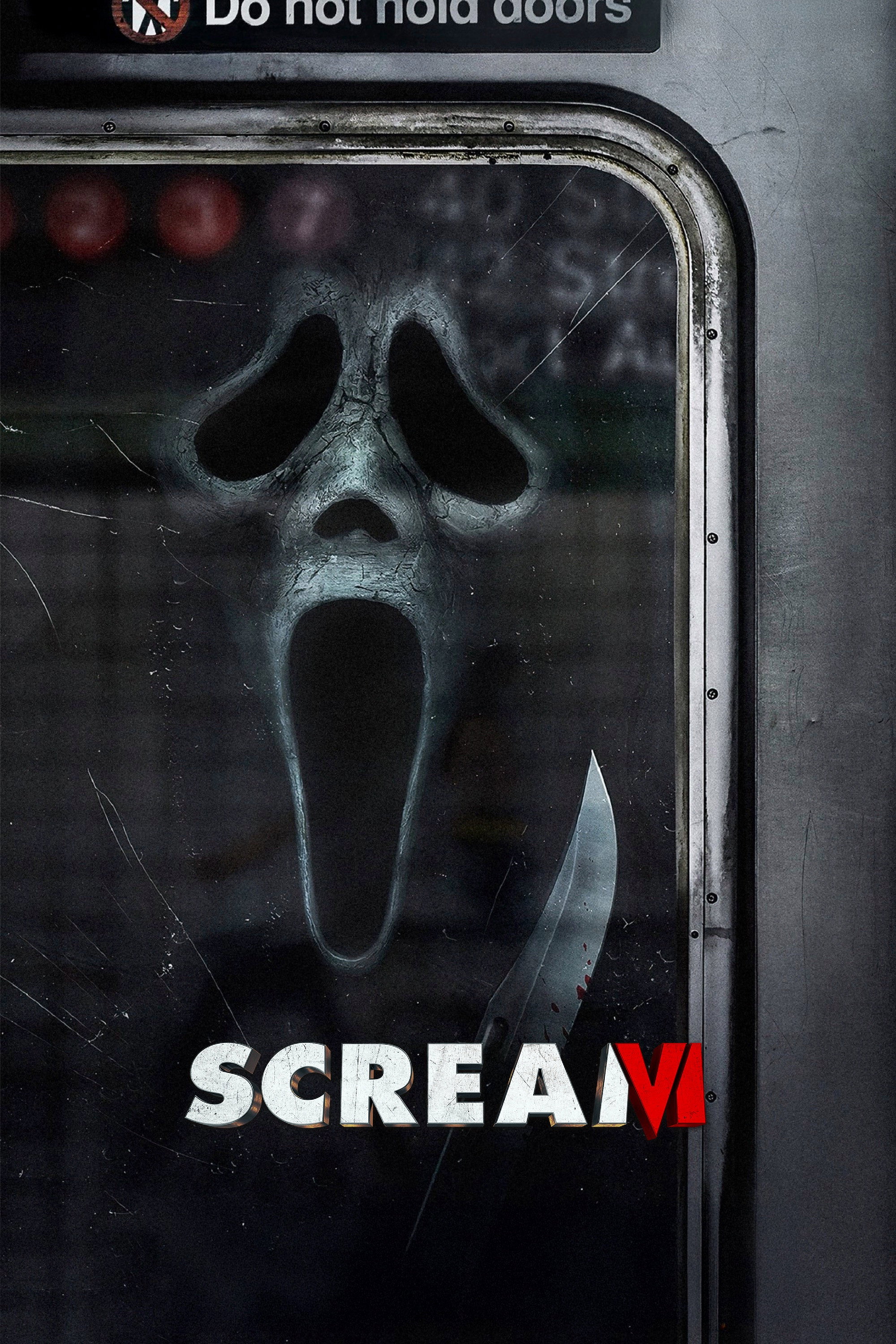
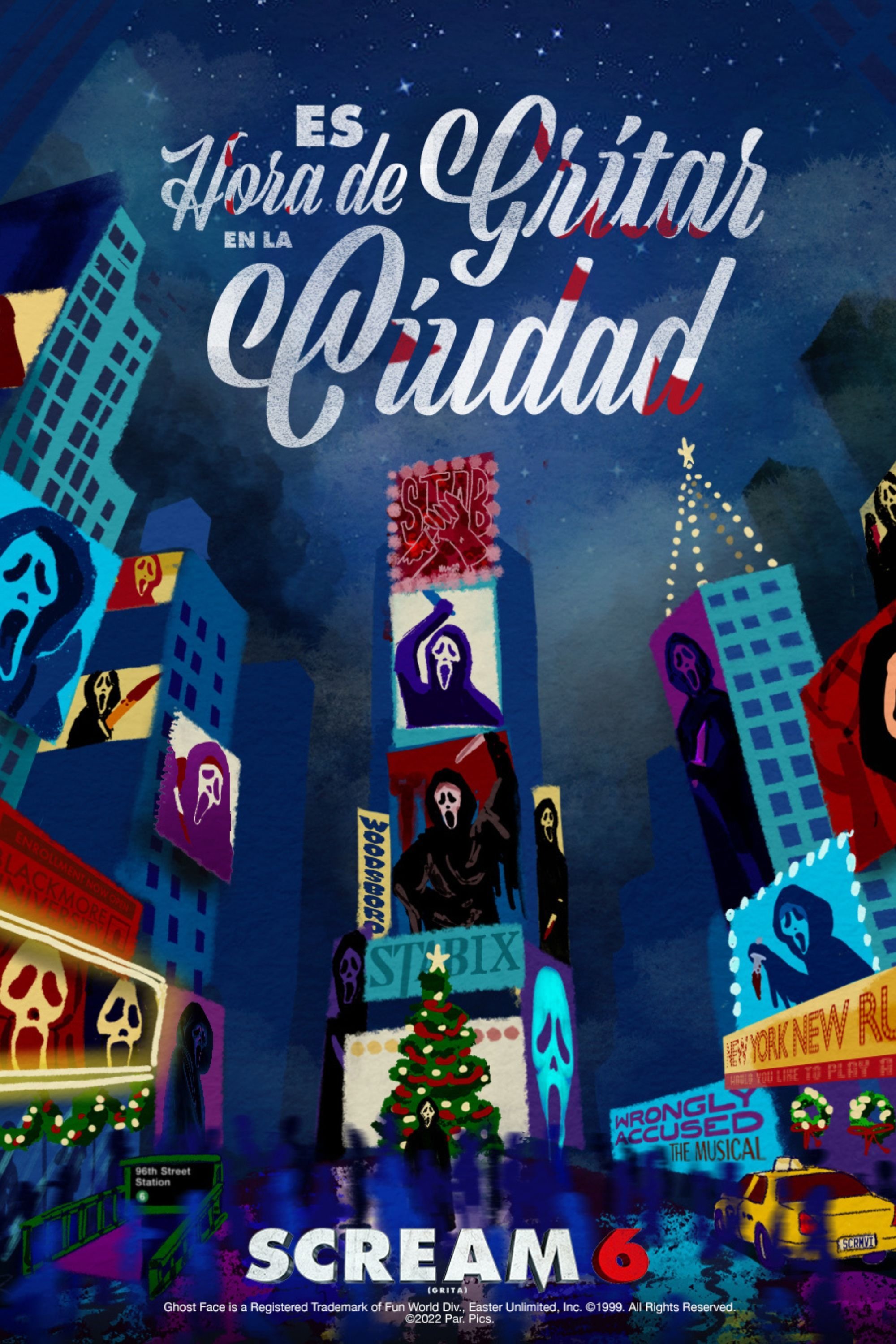
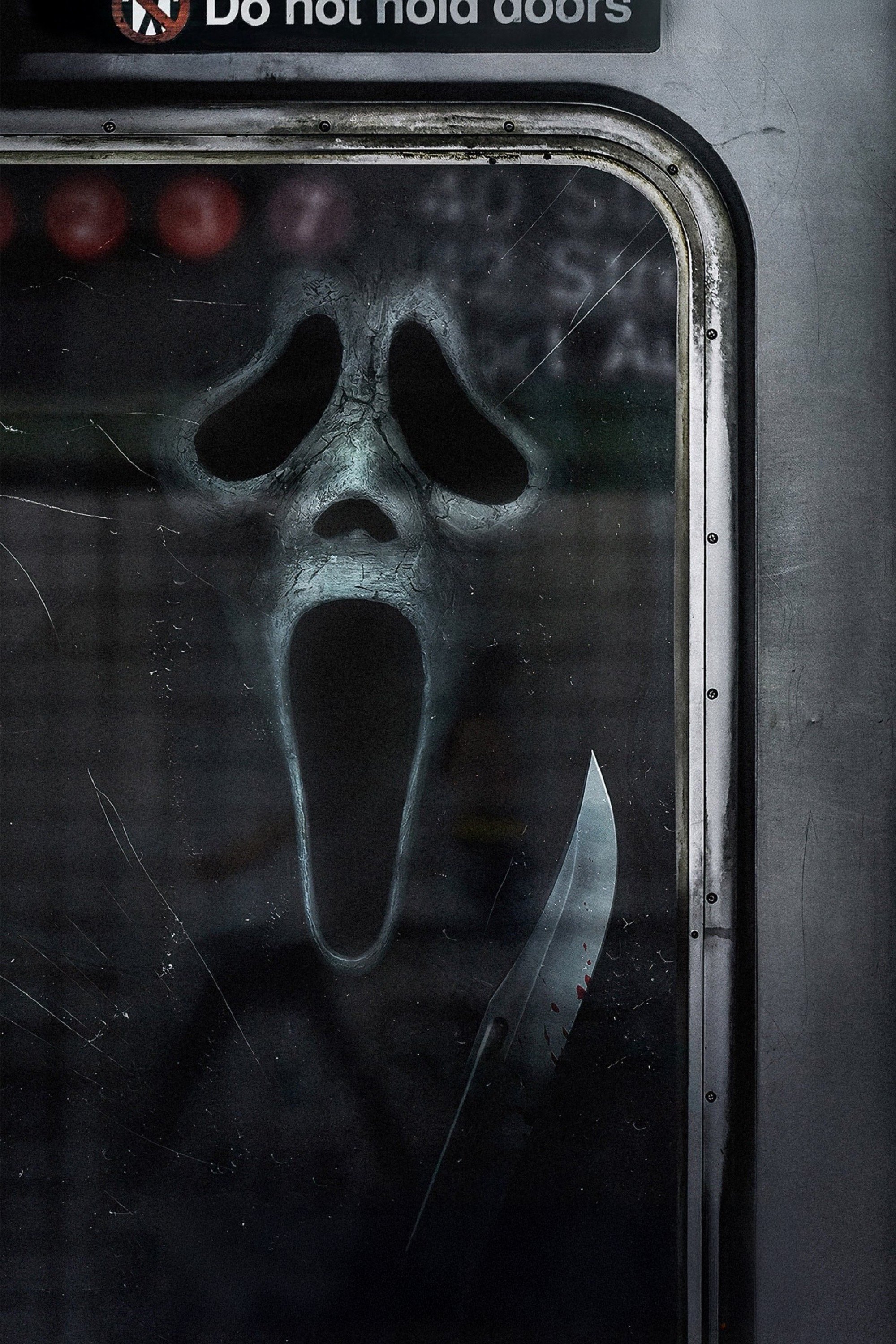
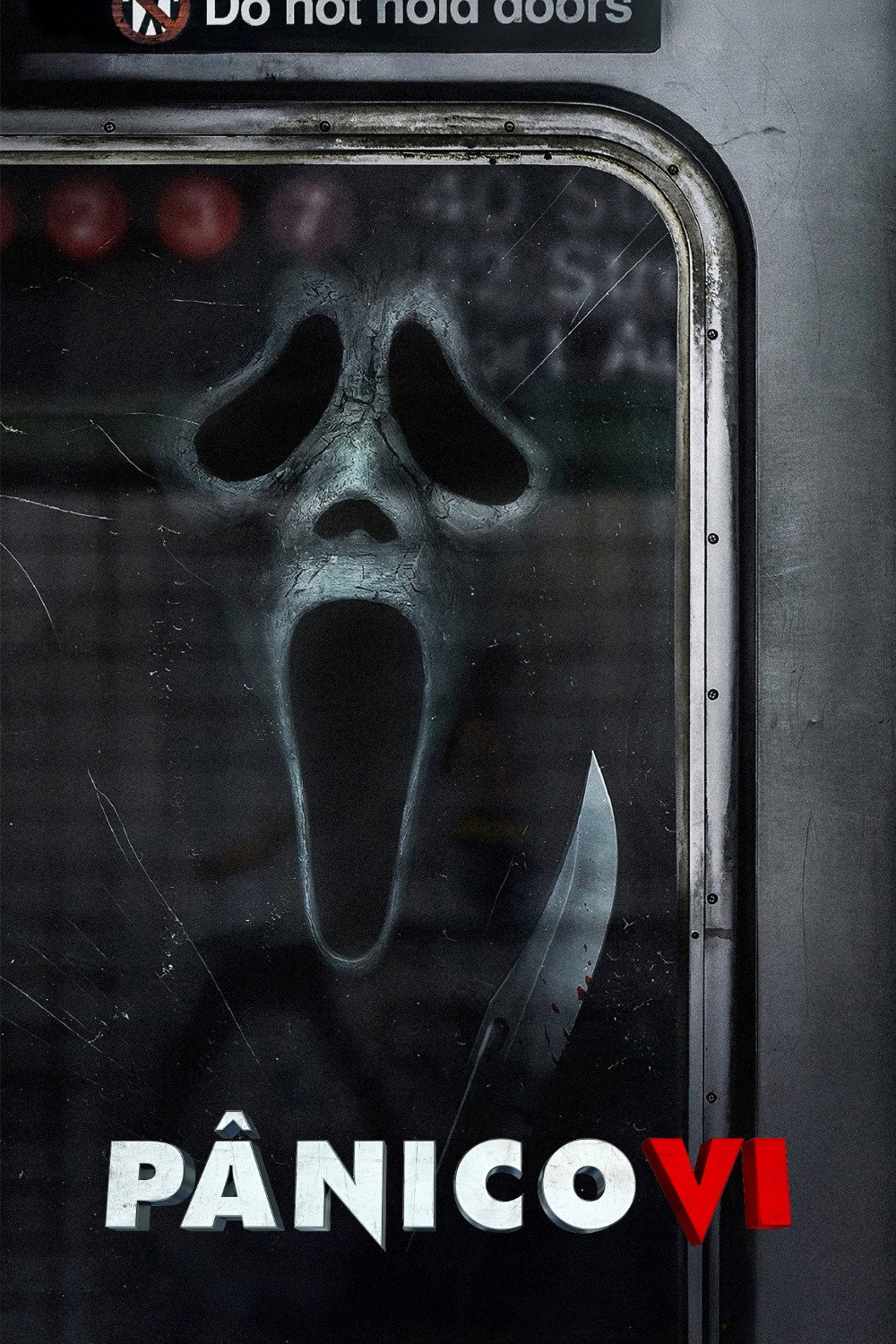
The subway sequence concentrates these pressures inside a Halloween crowd. Costumed passengers obscure the identity of anyone wearing a Ghostface mask, and interruptions of carriage lighting create brief gaps in what Mindy can see. Gillett related the idea to anonymity and to the masked audience at the cinema in Scream 2 (1997). Although the setting is New York, cinematographer Brett Jutkiewicz said the carriage was constructed on a Montreal soundstage. Hundreds of exterior lights simulated passage through tunnels, while programmable interior flickers helped control moments of uncertainty. The artificial construction enabled precise timing of a scene whose fear depends on restricted visibility.
Cinematography, Masks and Staged Movement
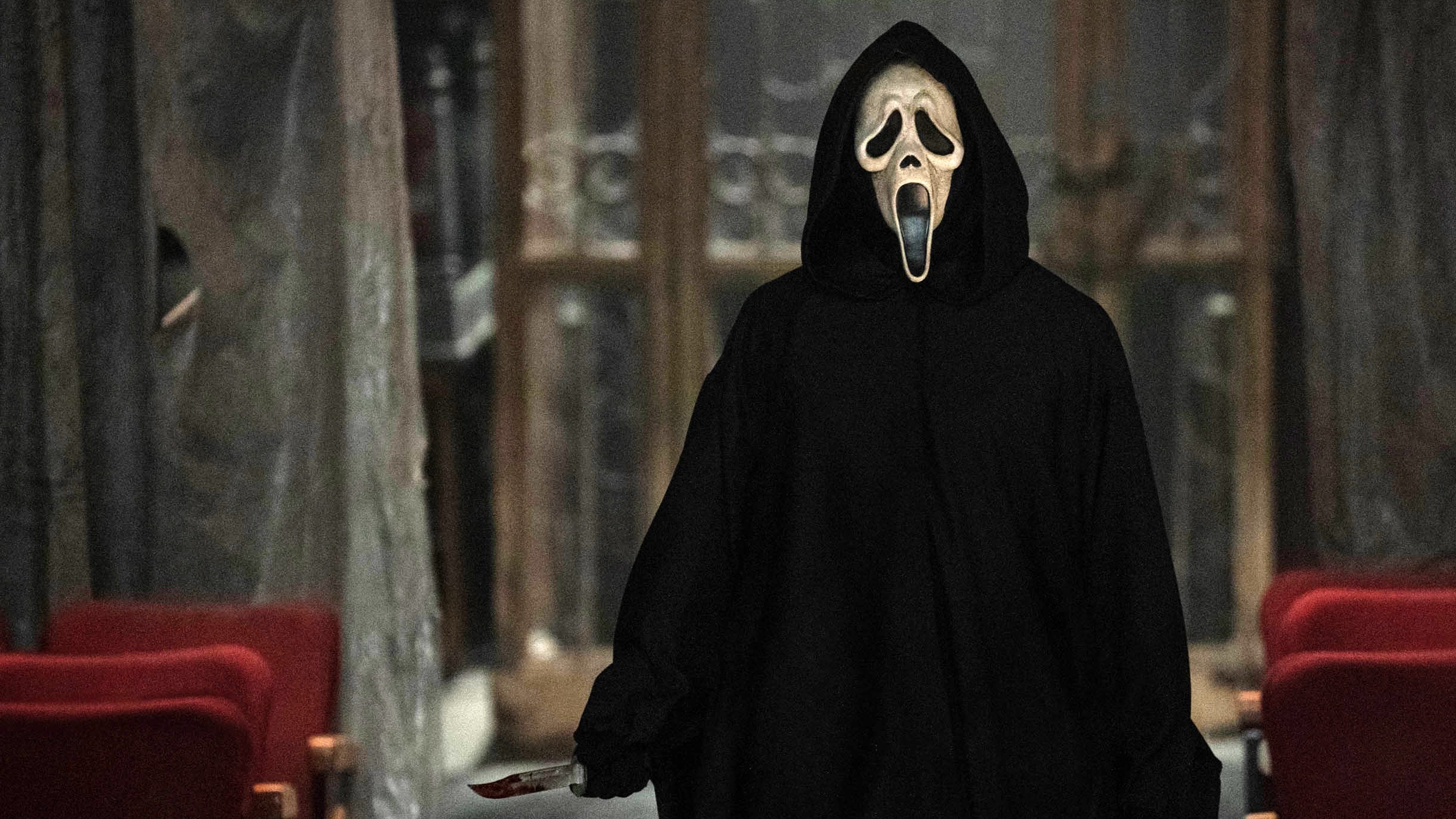
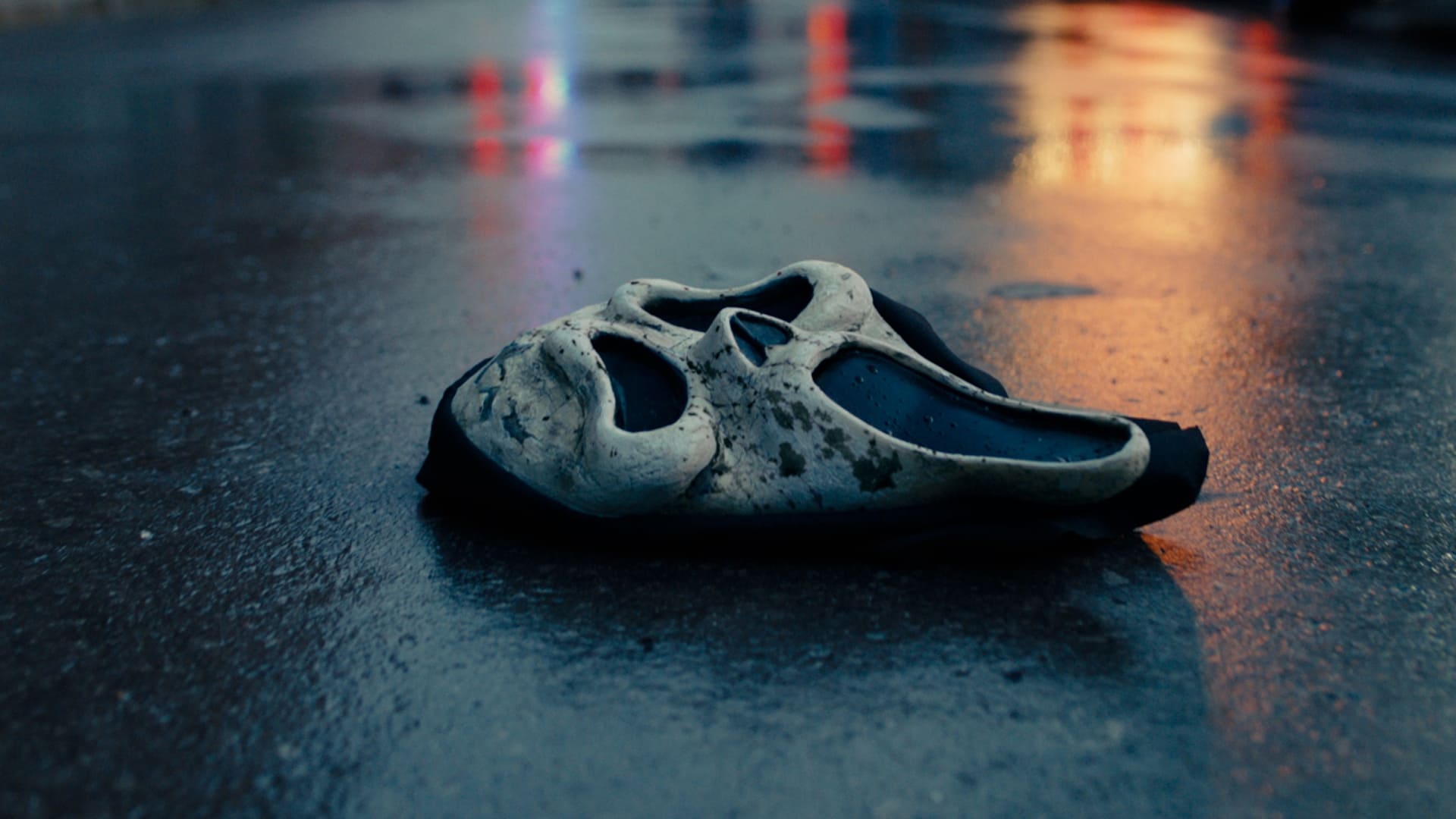
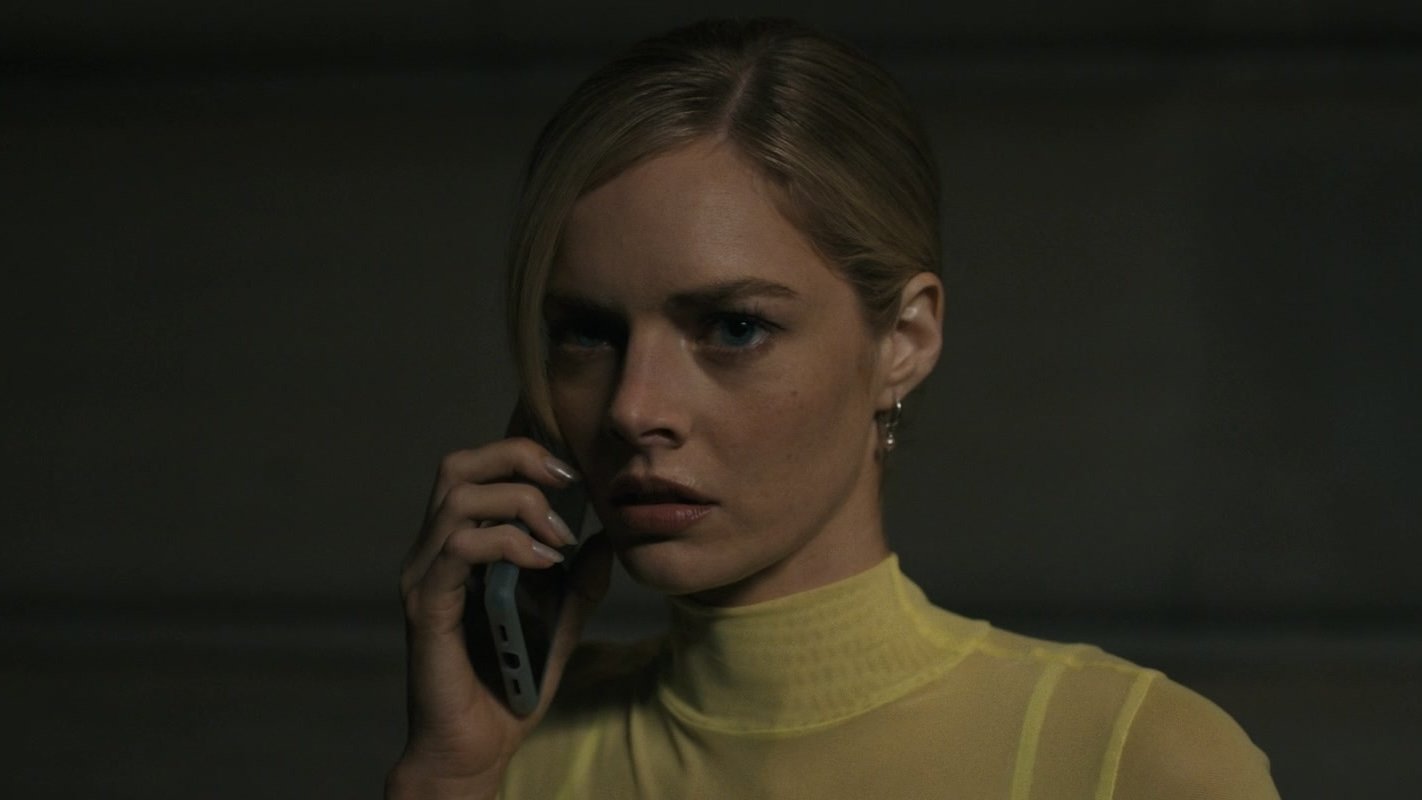
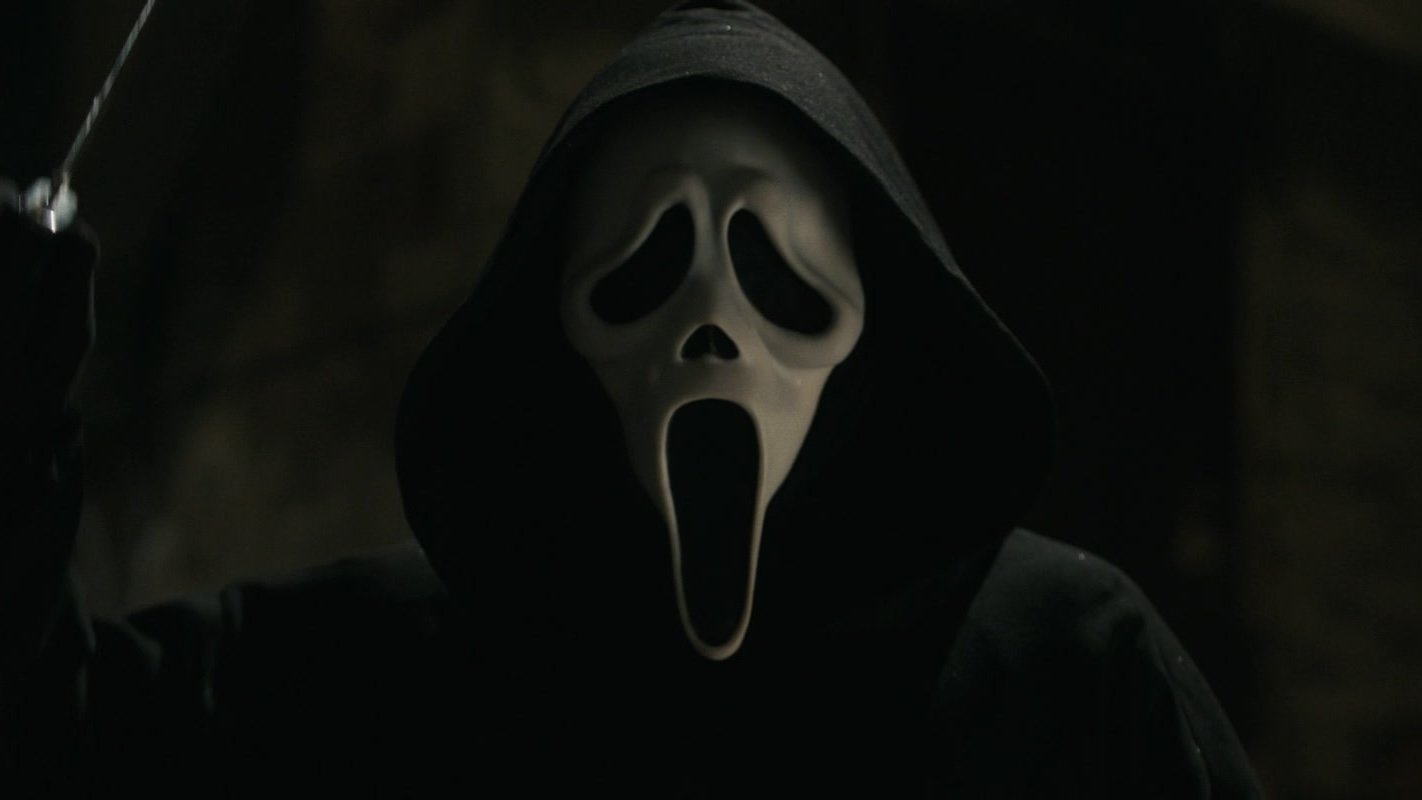
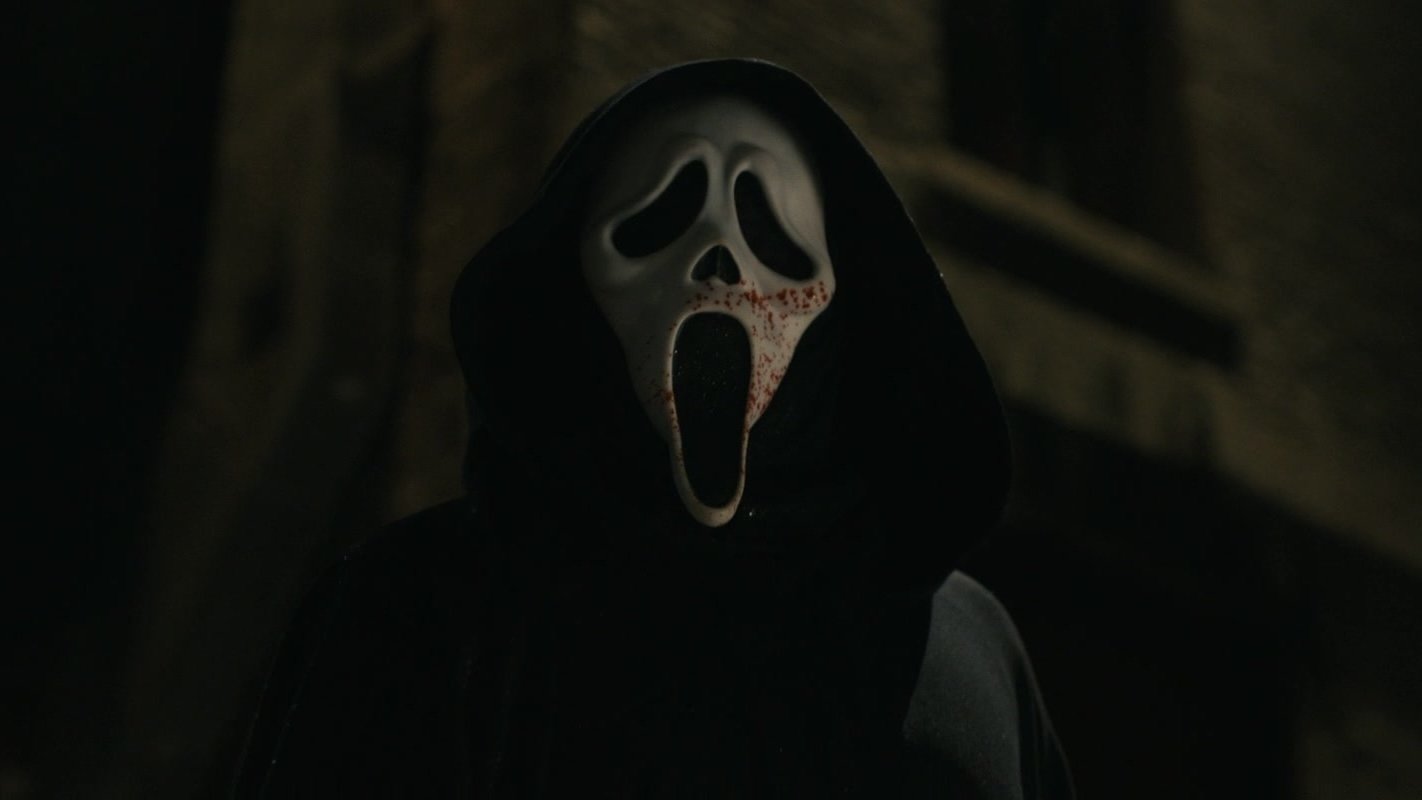
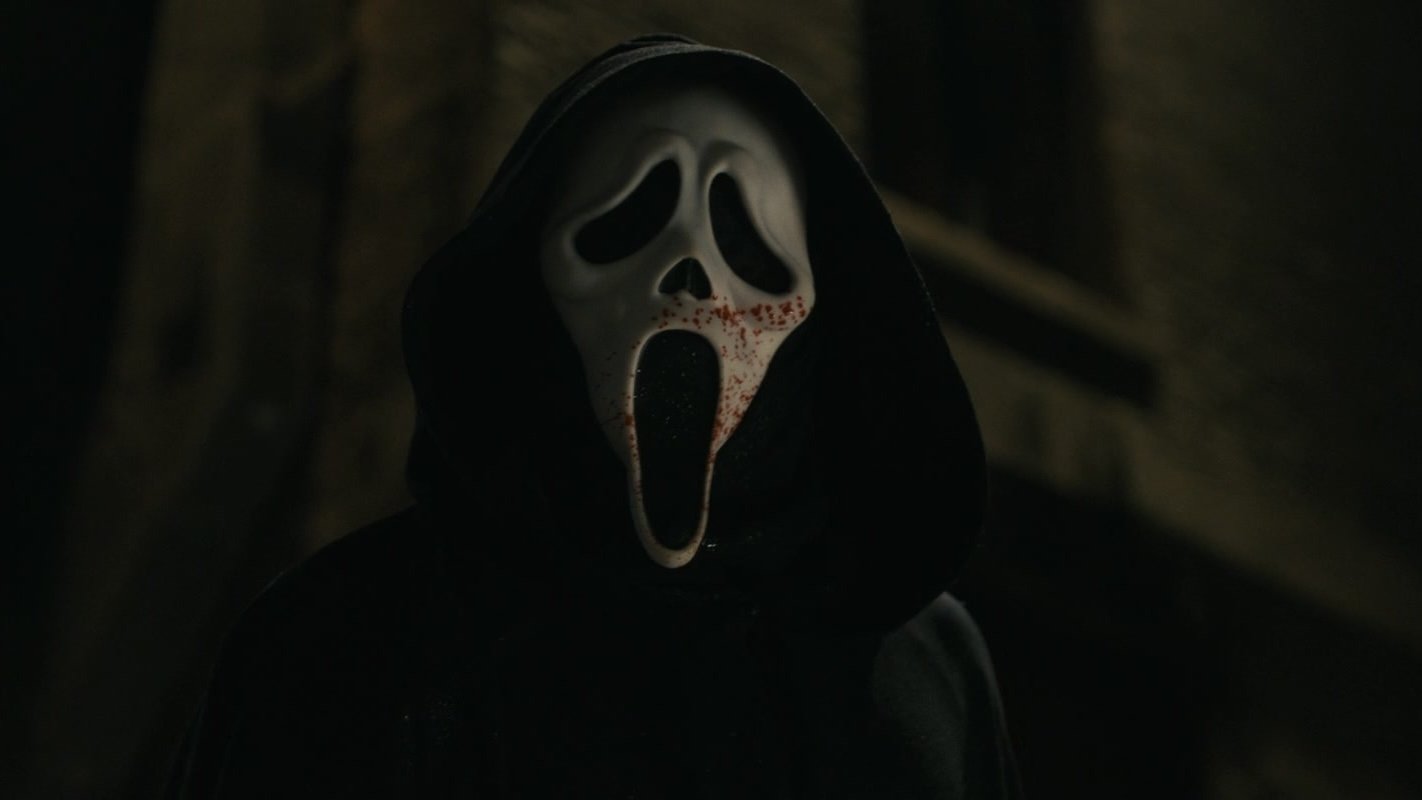
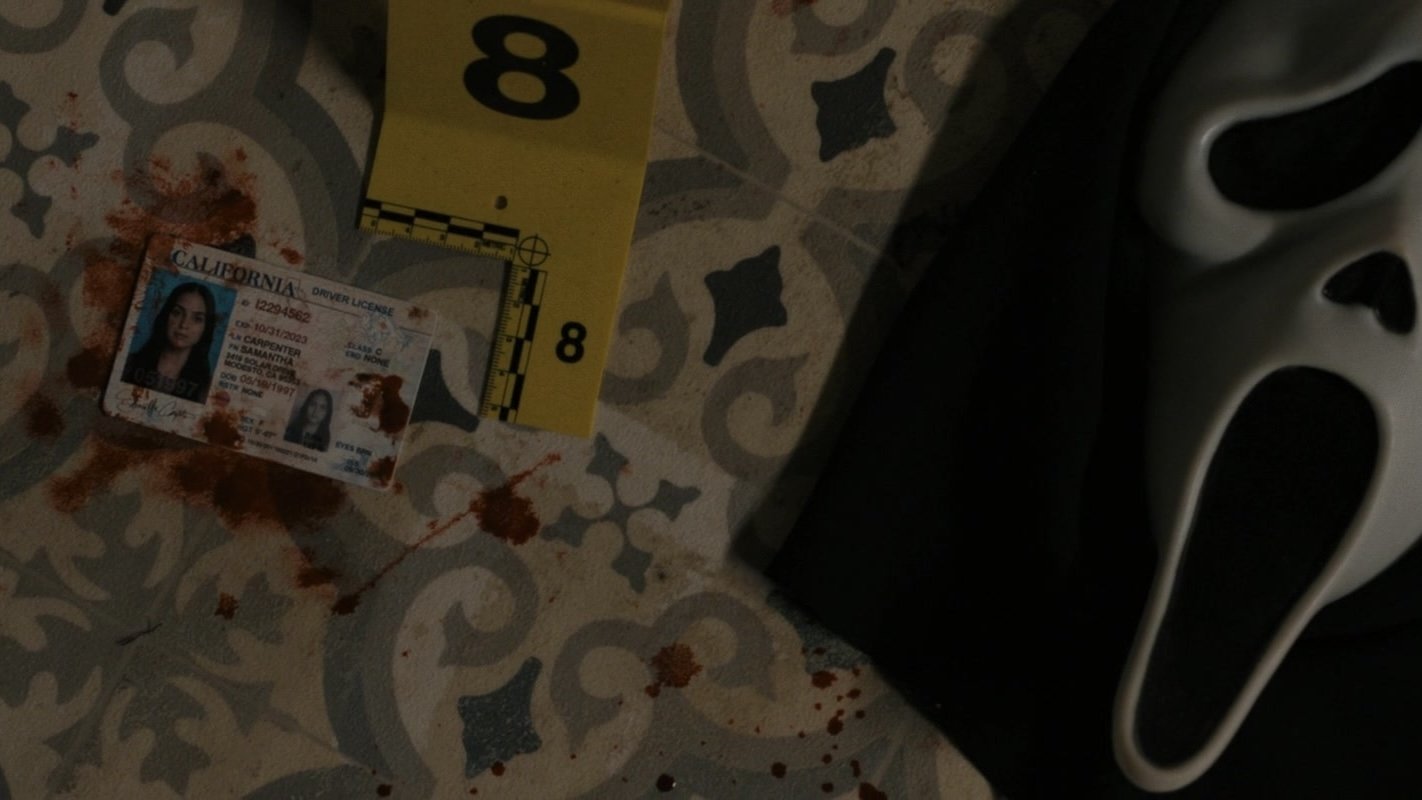
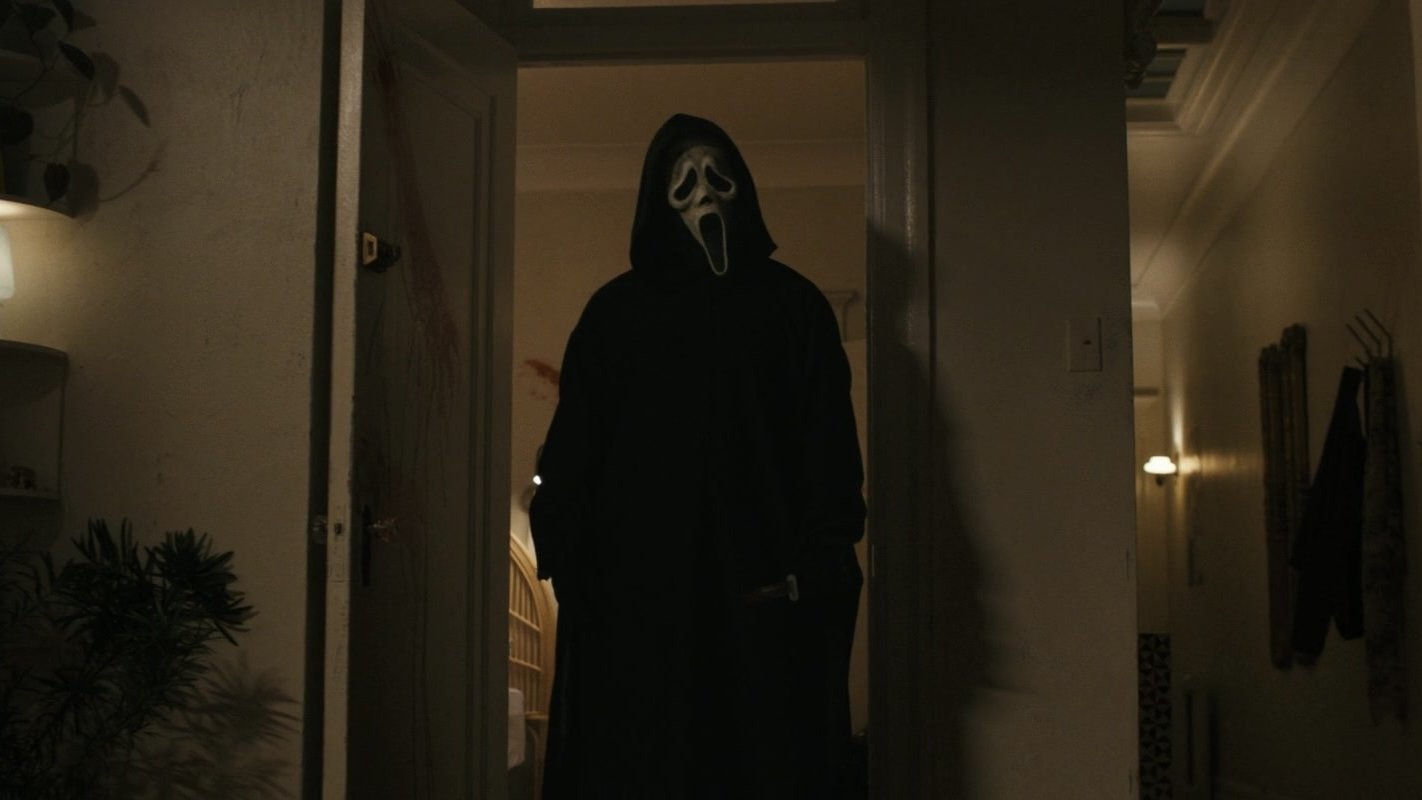
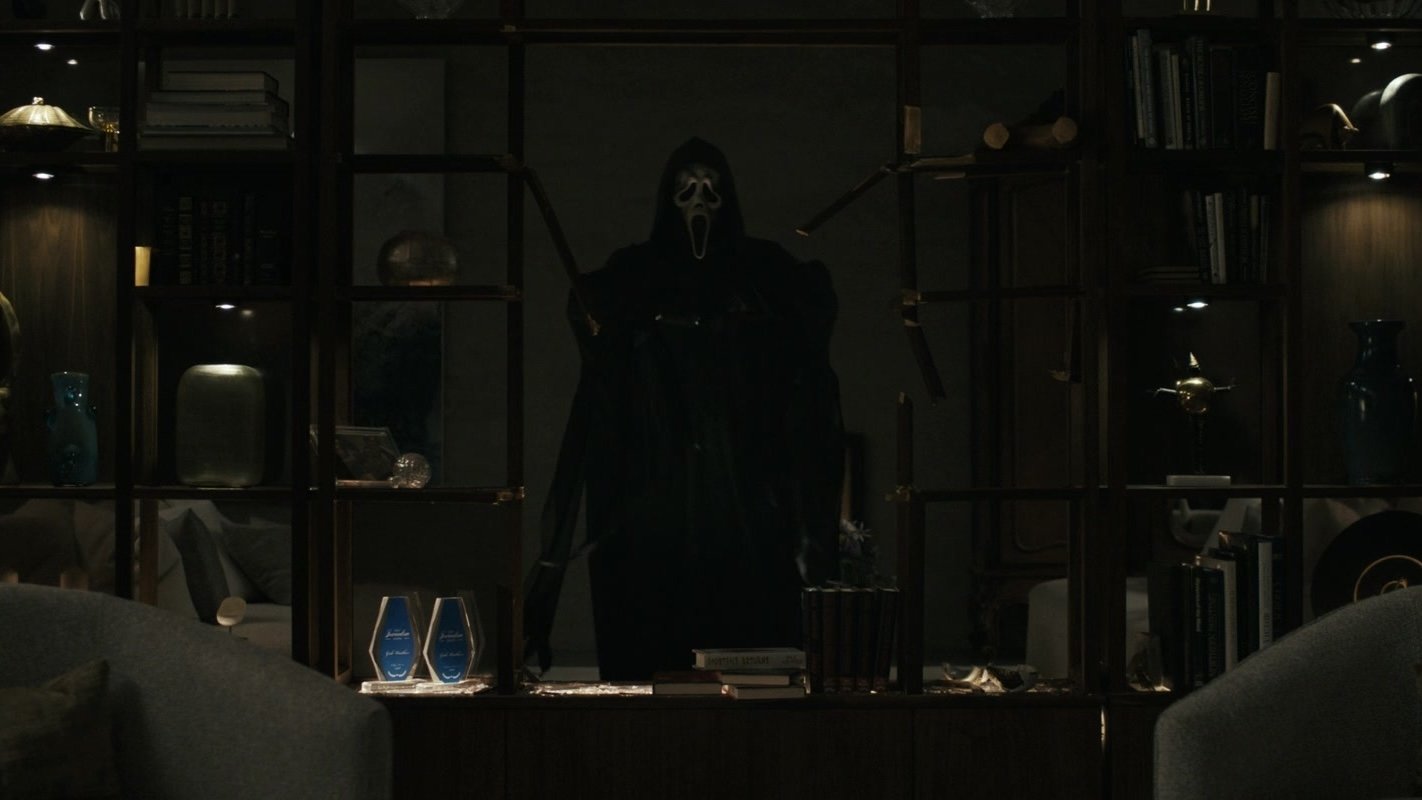
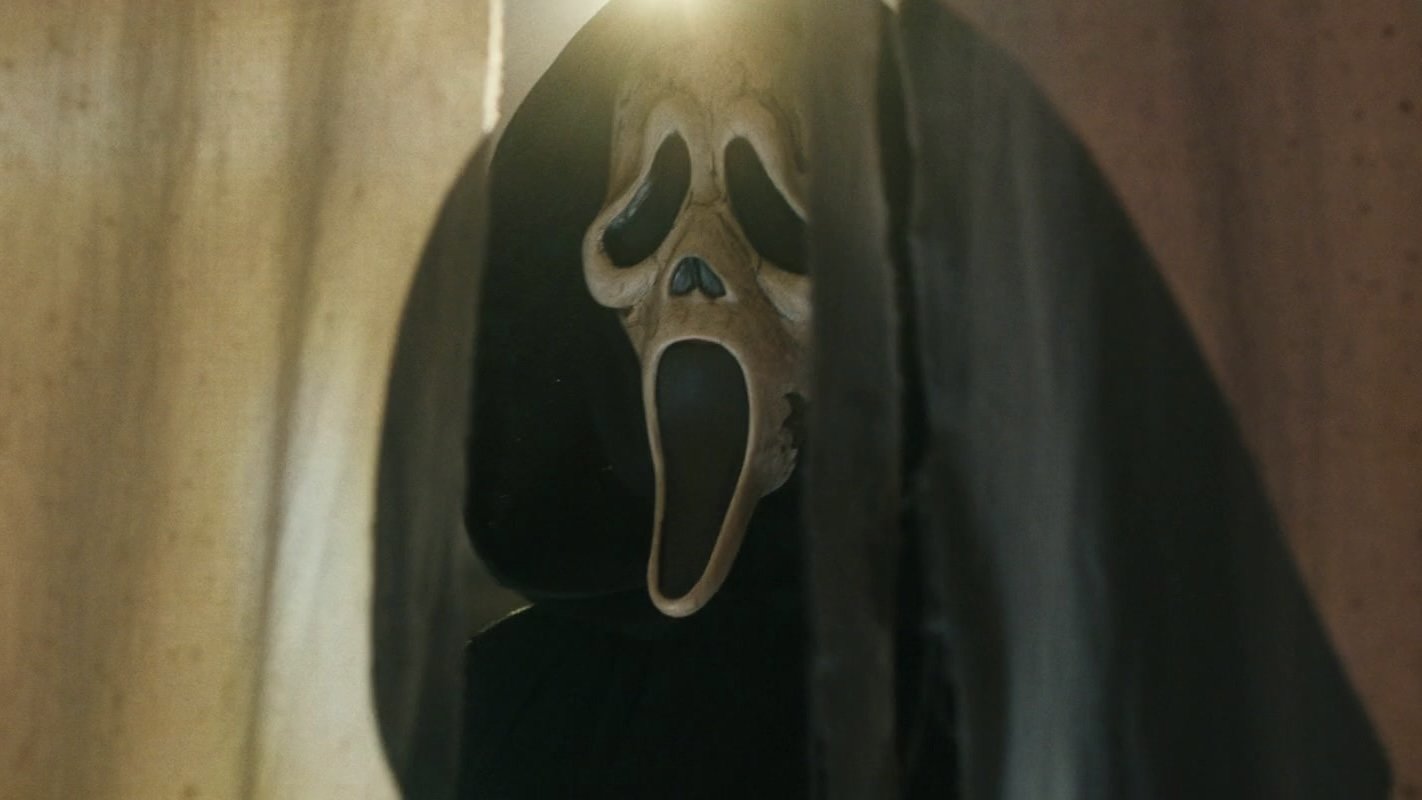
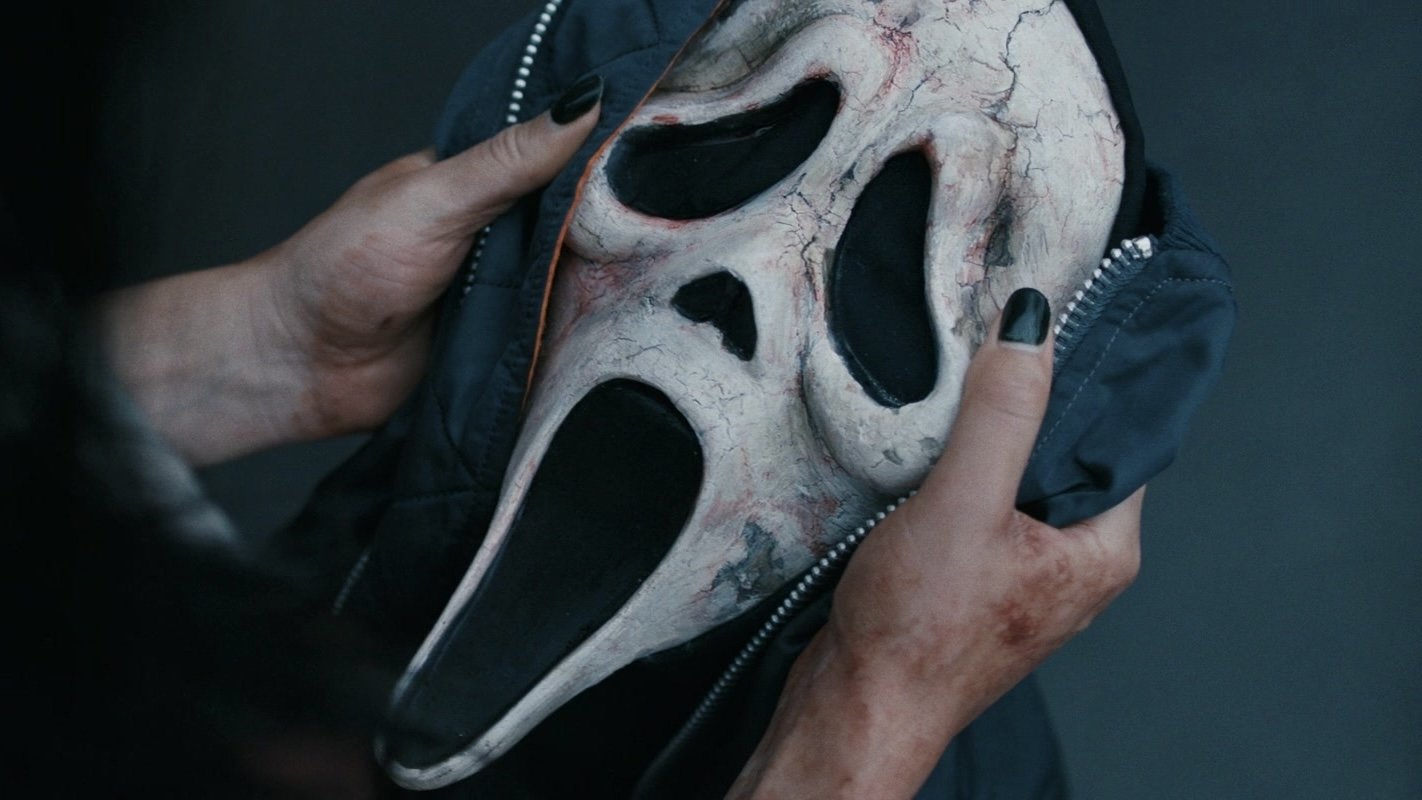
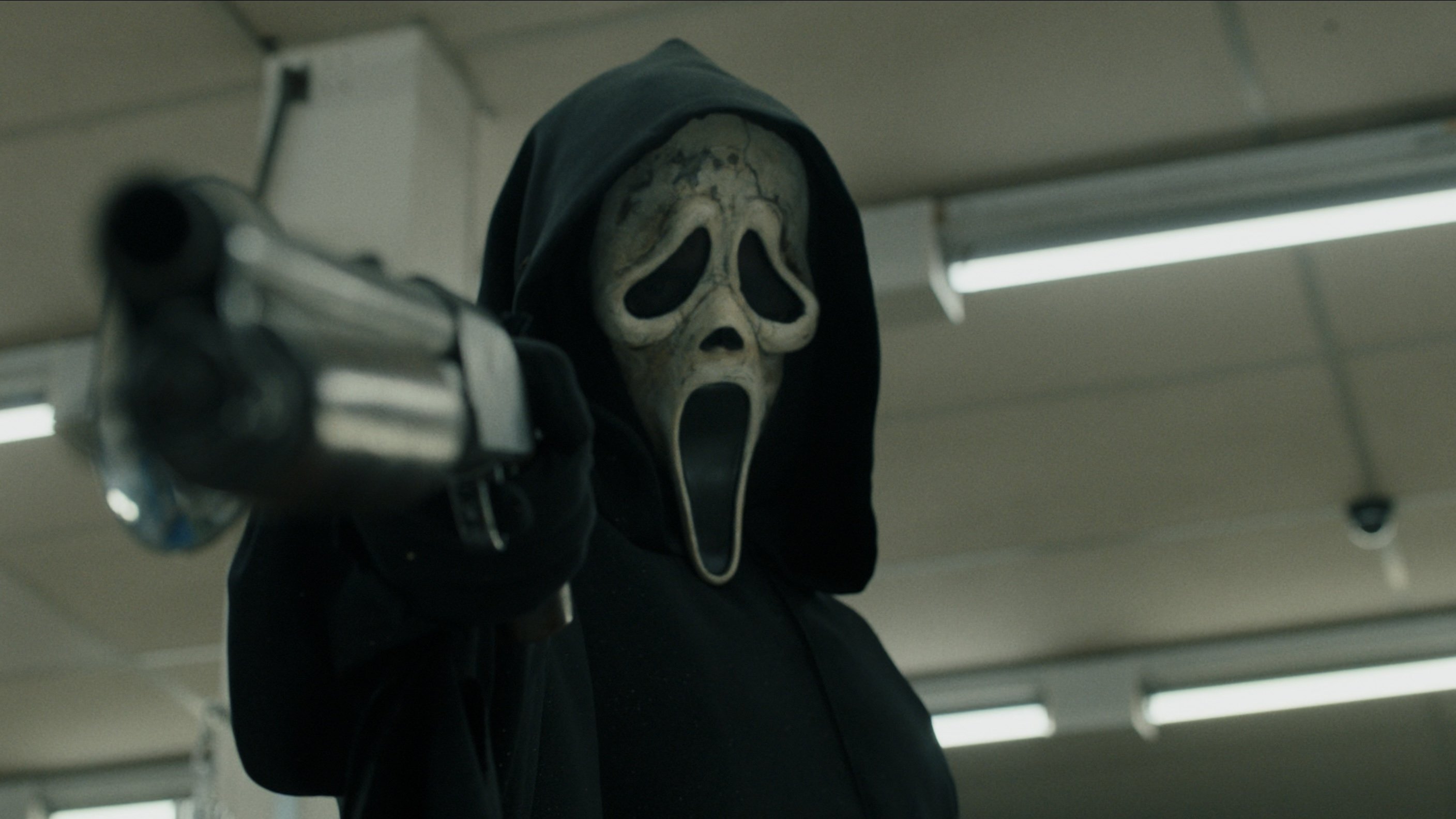
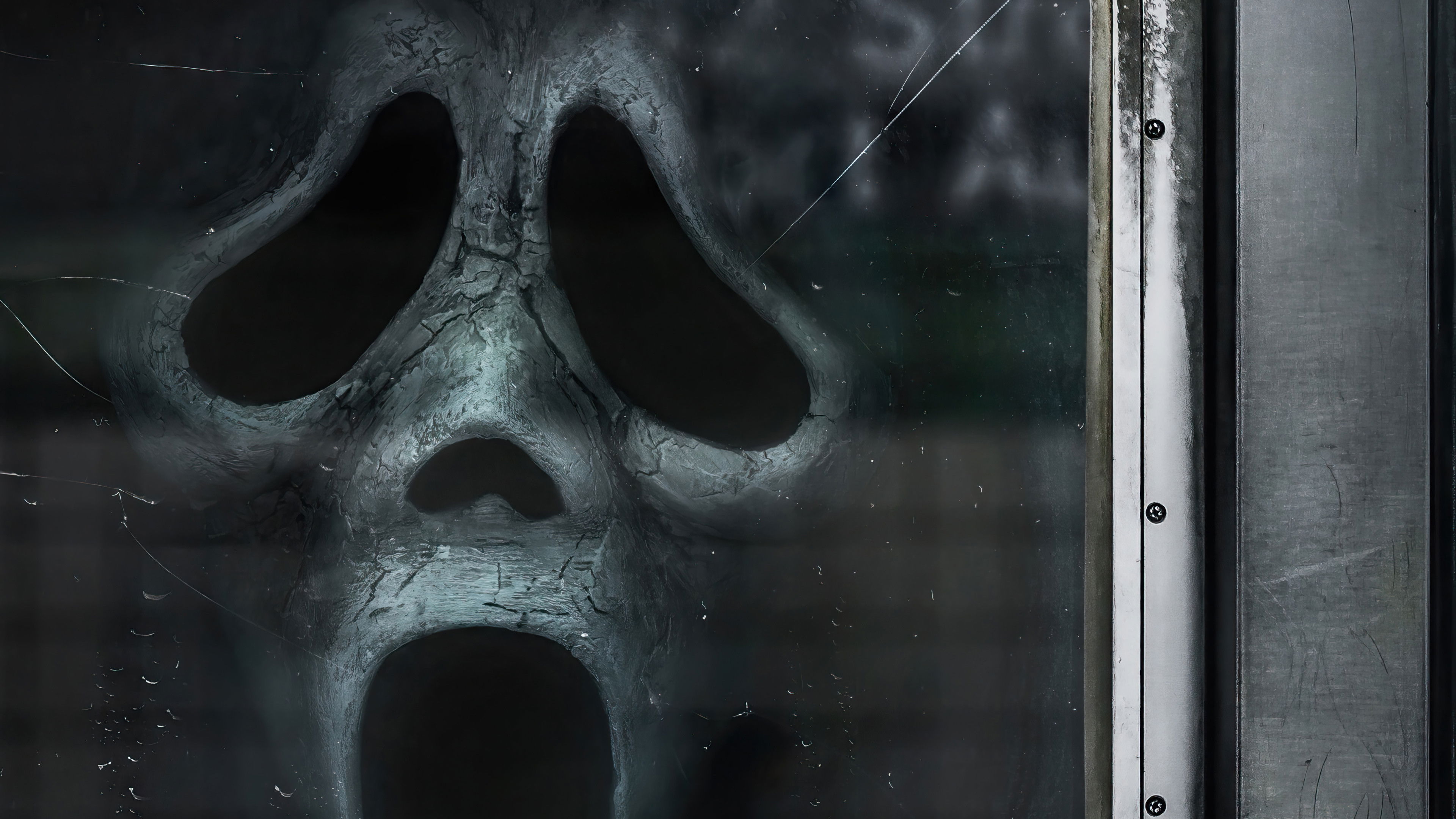
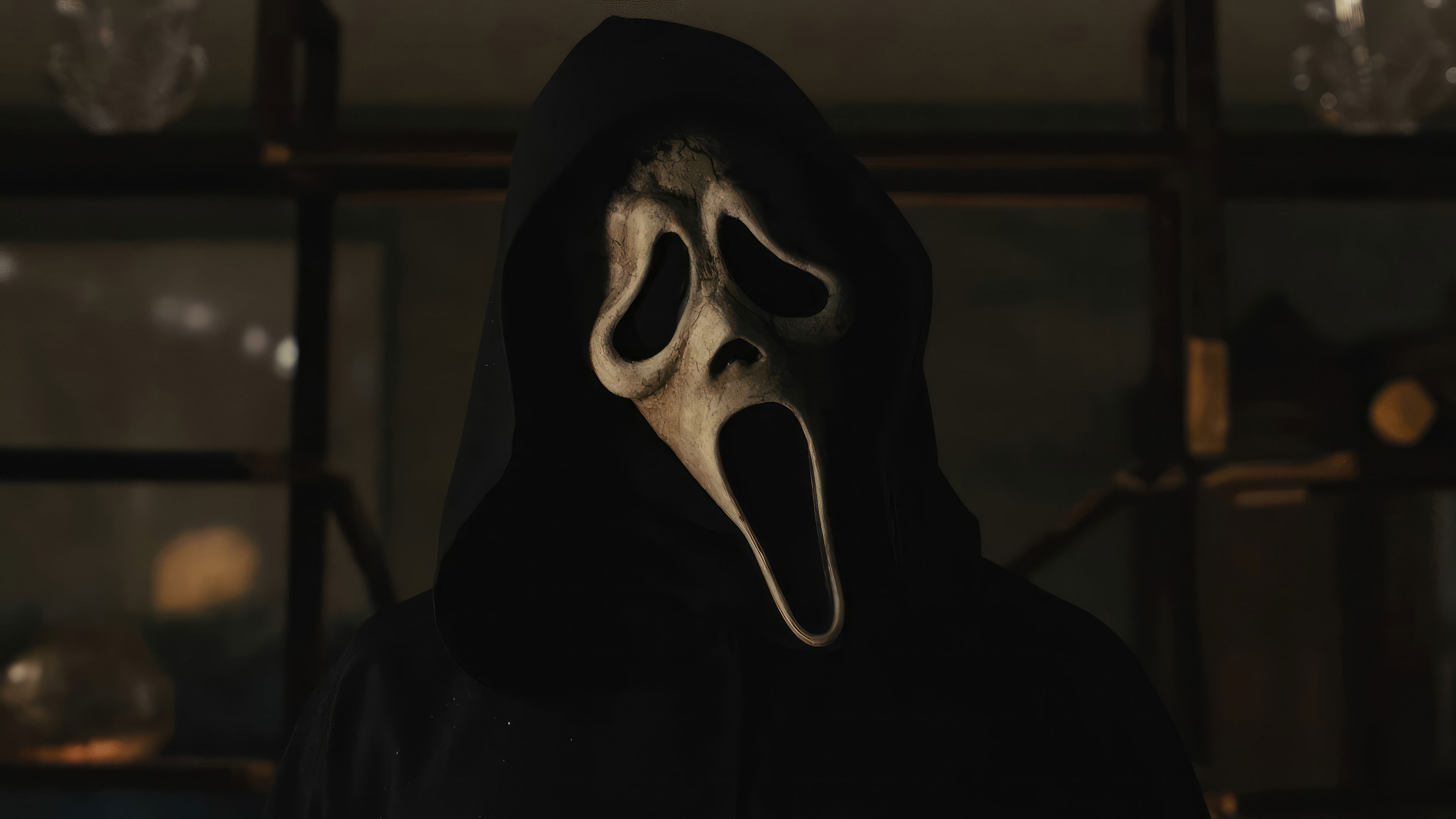
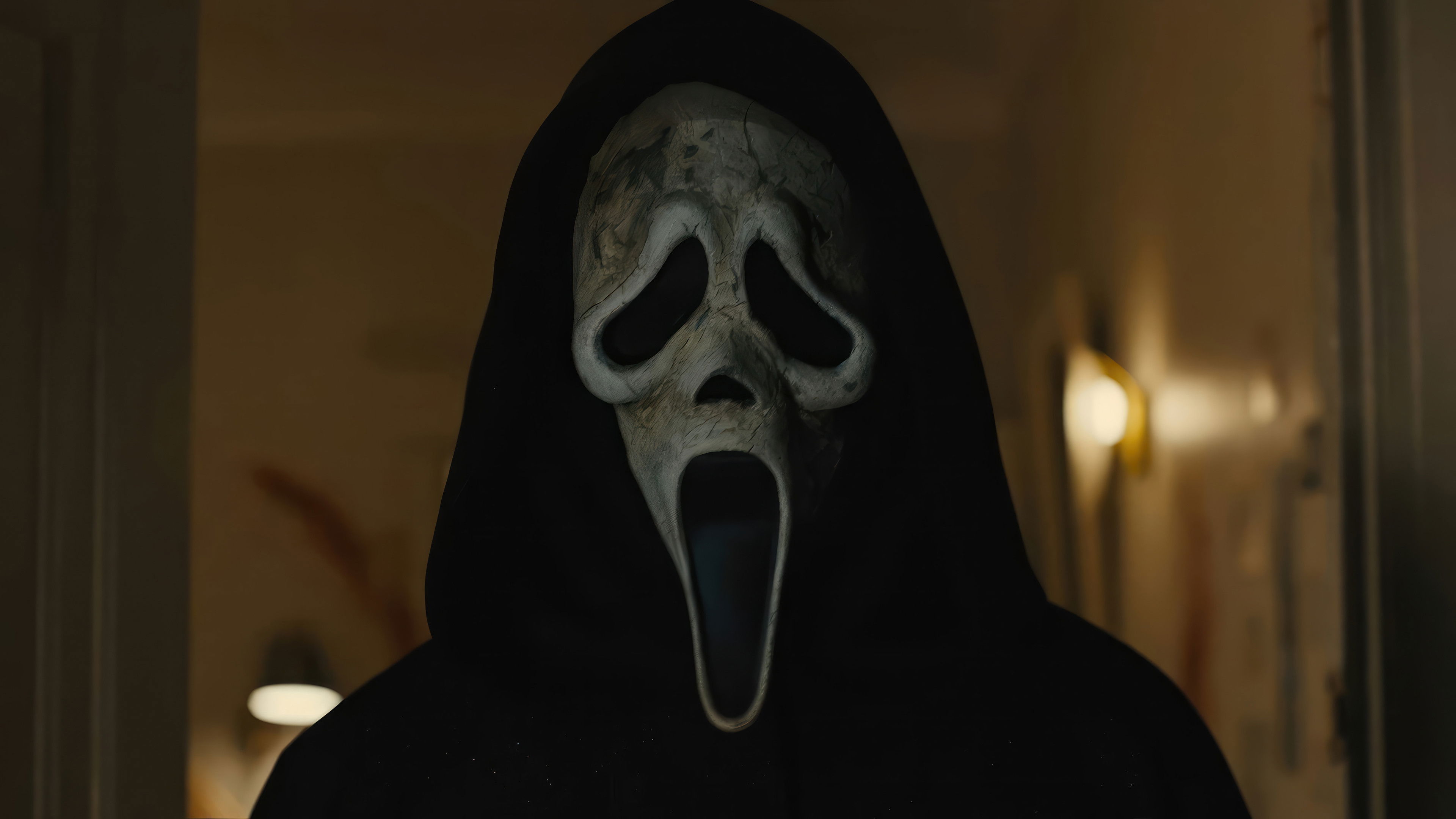
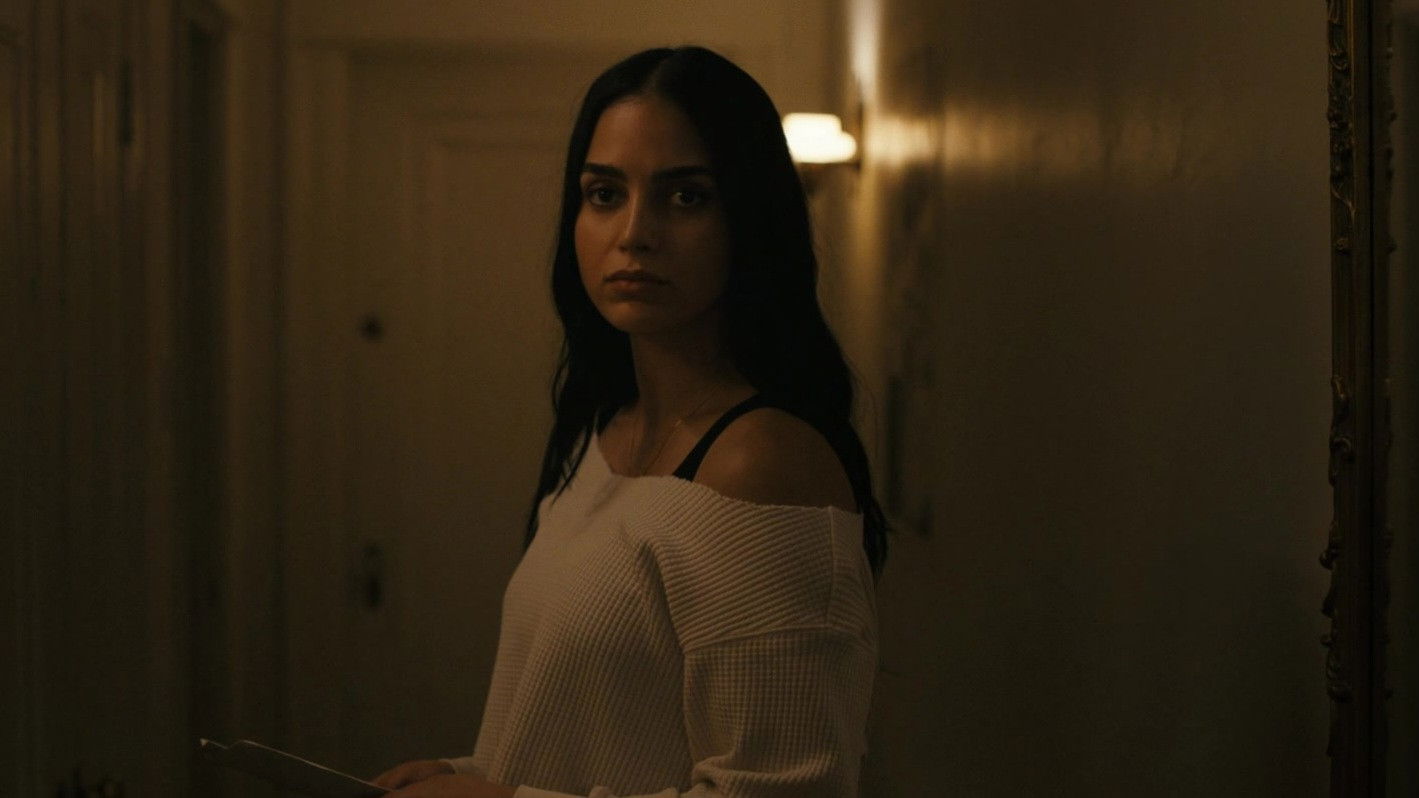
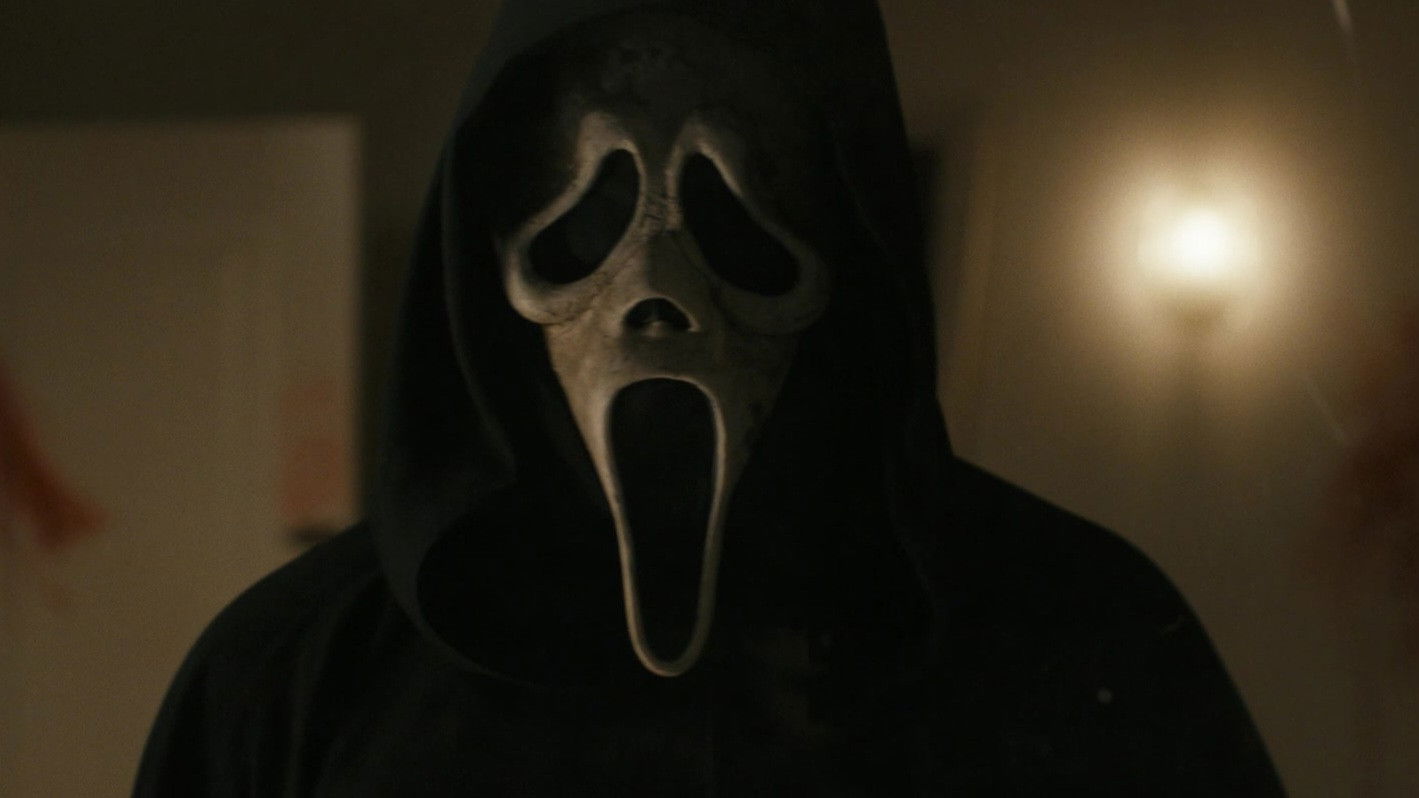
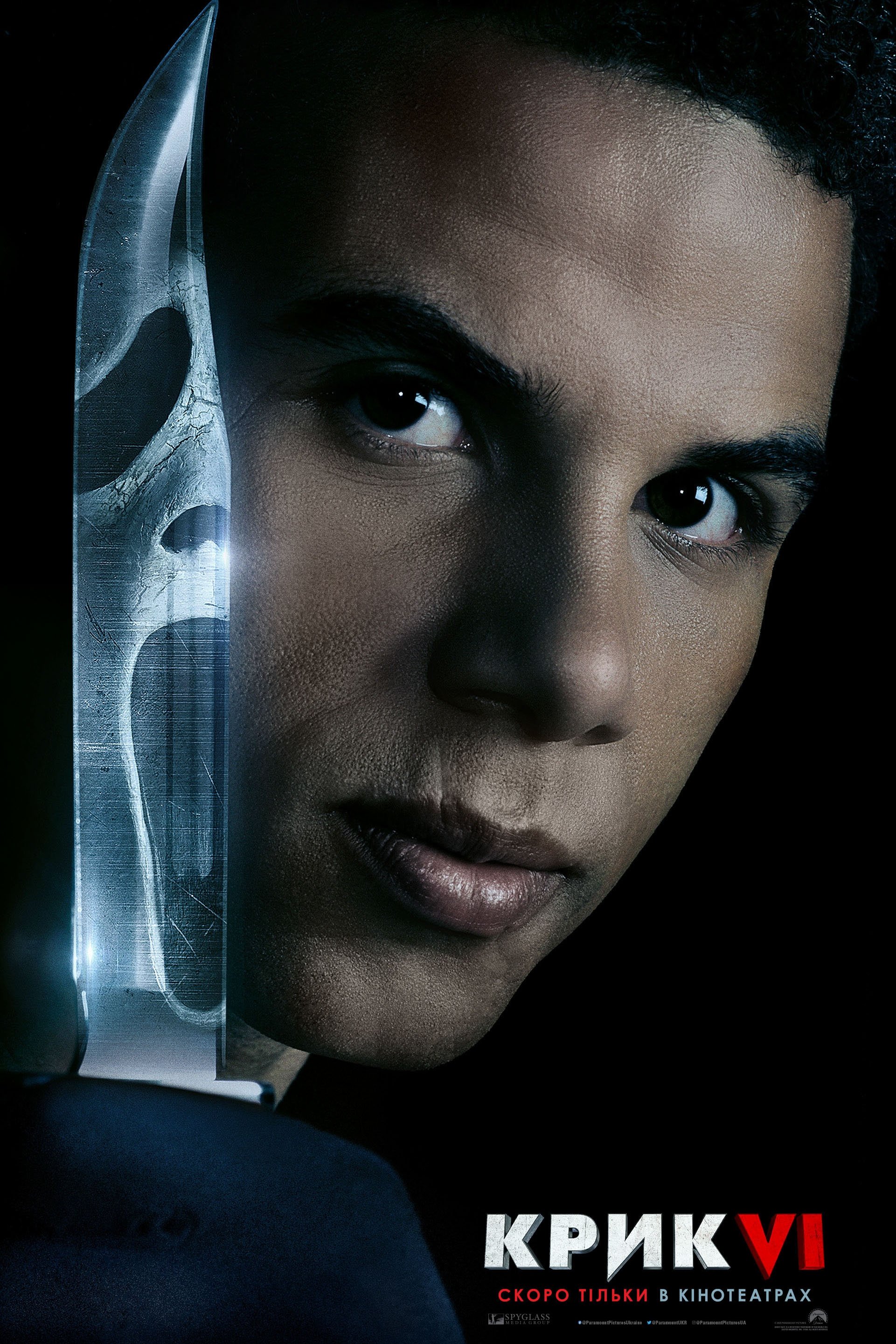
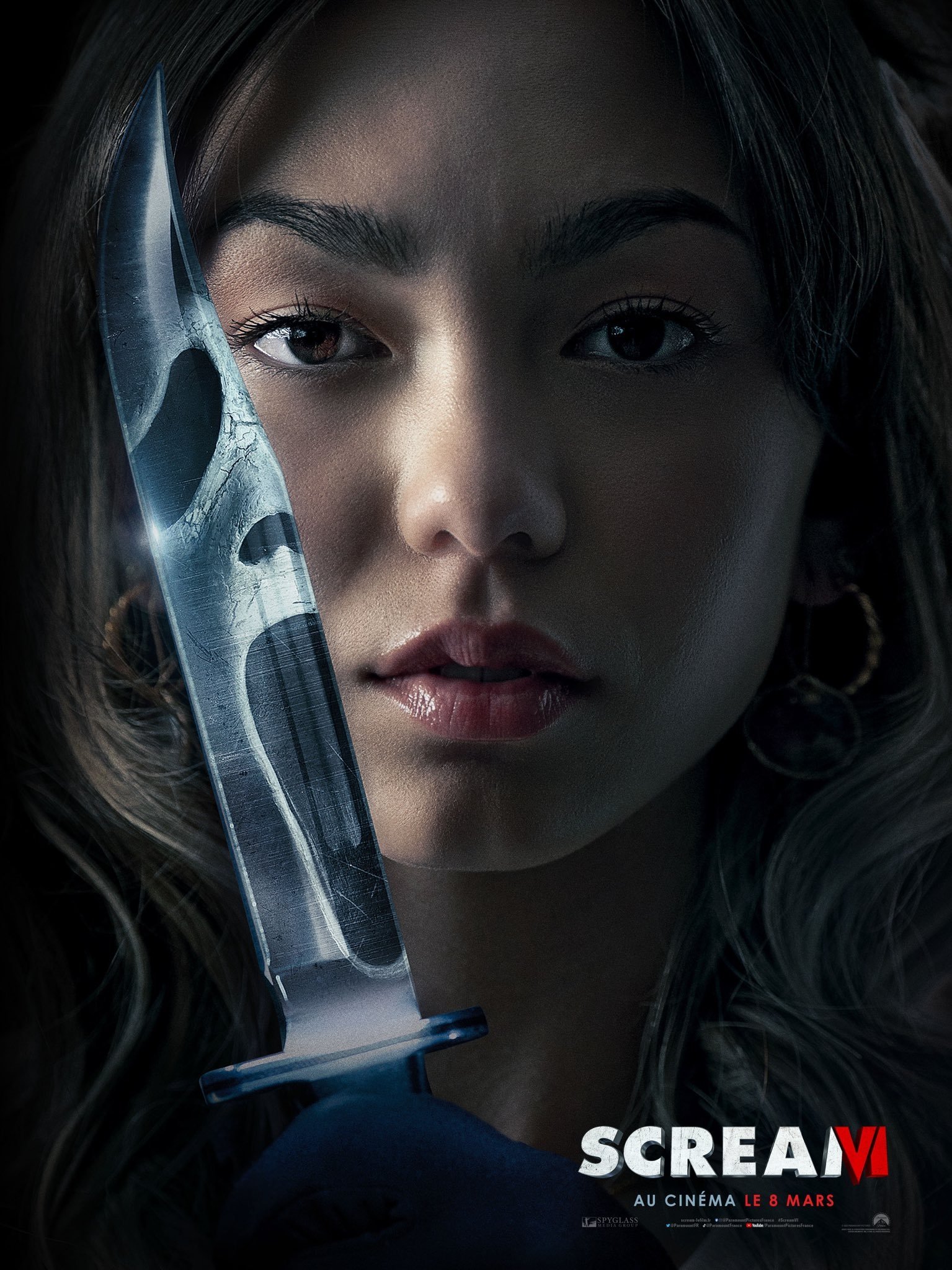
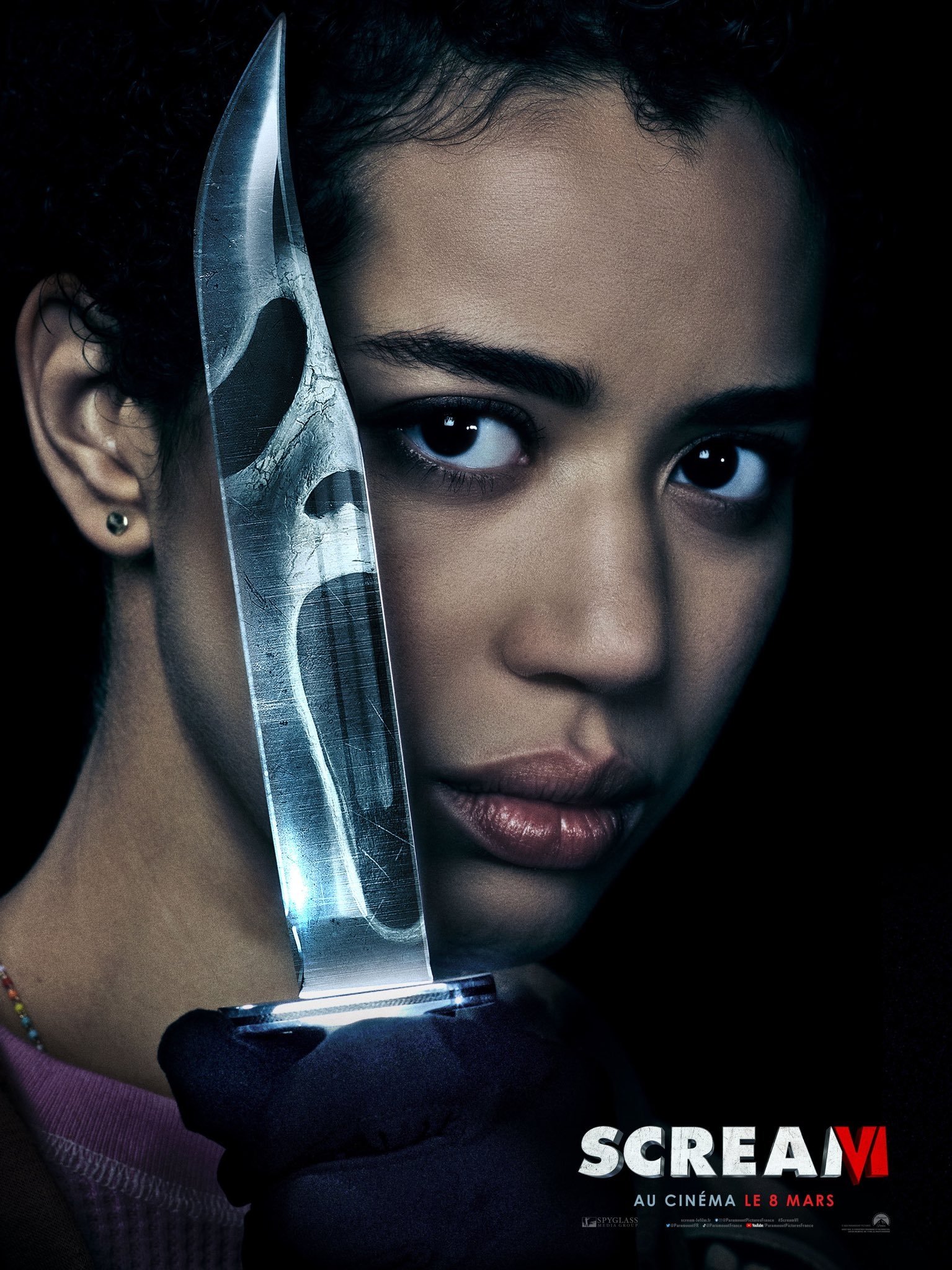
Jutkiewicz sought a rougher visual character than the preceding film, switching from anamorphic to spherical lenses. In his interview with The Credits, he explained that this choice produced a cleaner image suited to the intended urban atmosphere. The weathered Ghostface mask demanded particular care: light from beneath could reveal its surface texture, while the whiteness of the face remained visible against dark surroundings. For Gale's apartment encounter, a lit bookcase gave the crew a plausible source for low illumination. His account reveals a measured change in texture and illumination within the series' existing visual vocabulary.
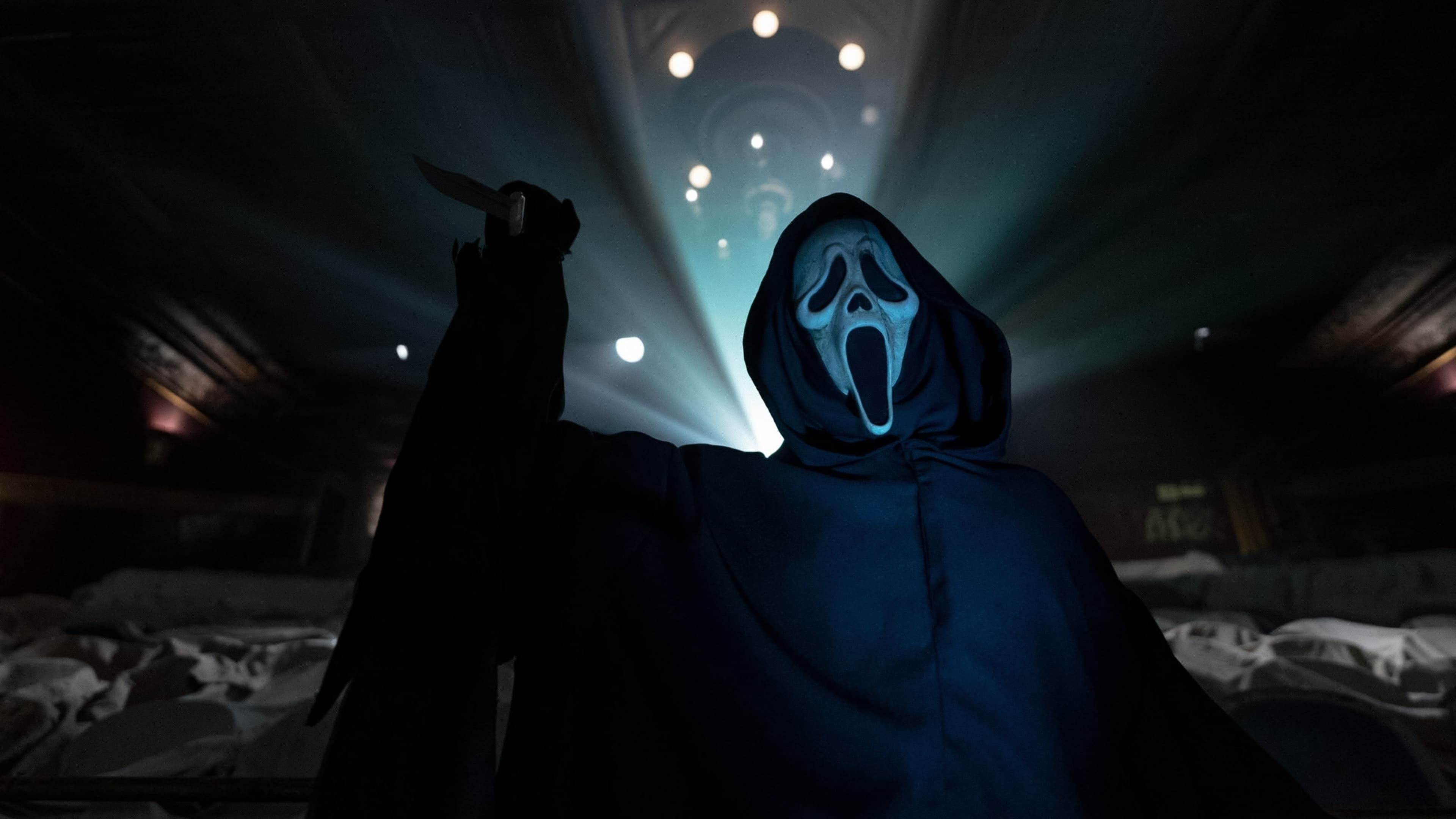
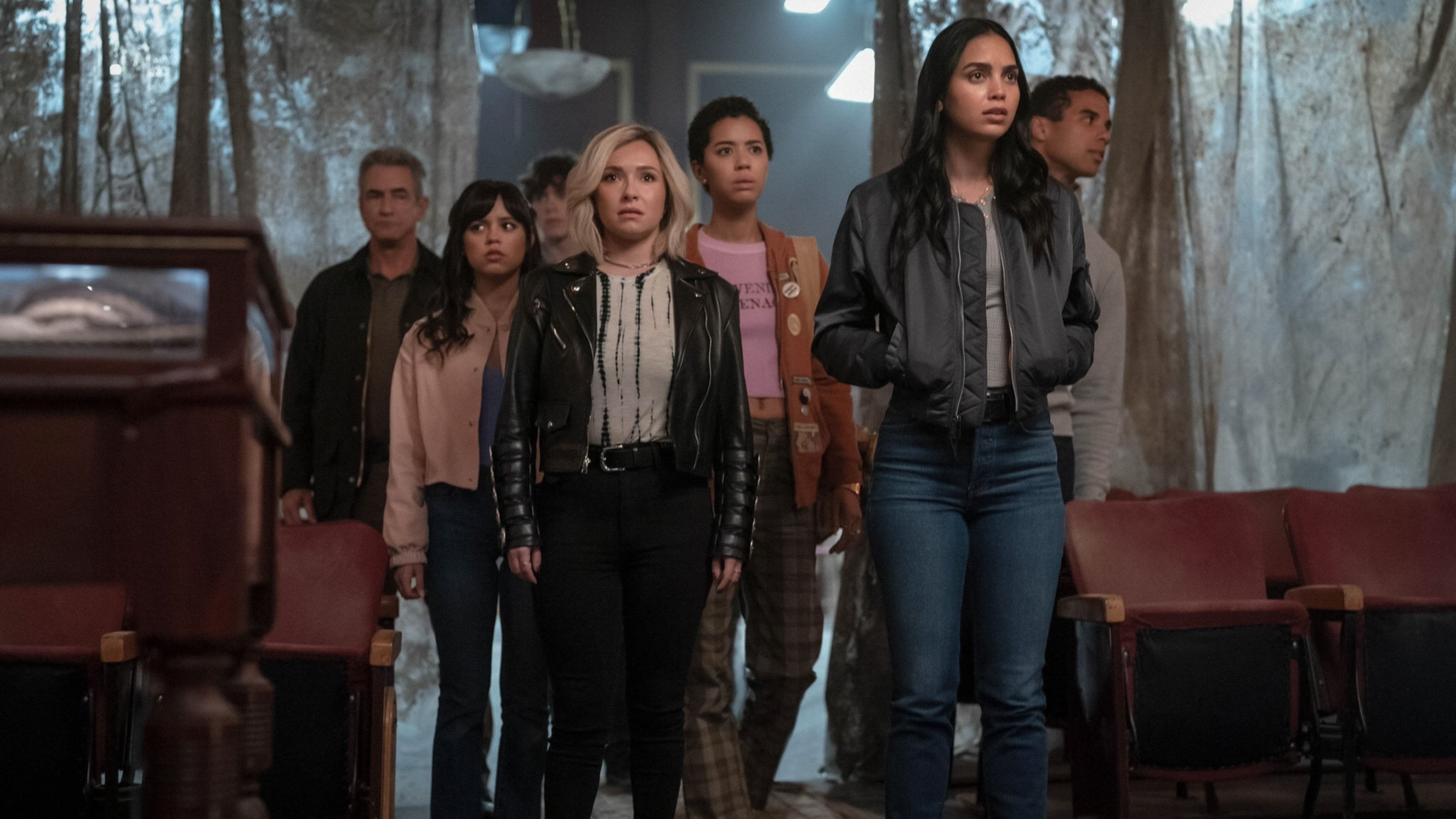
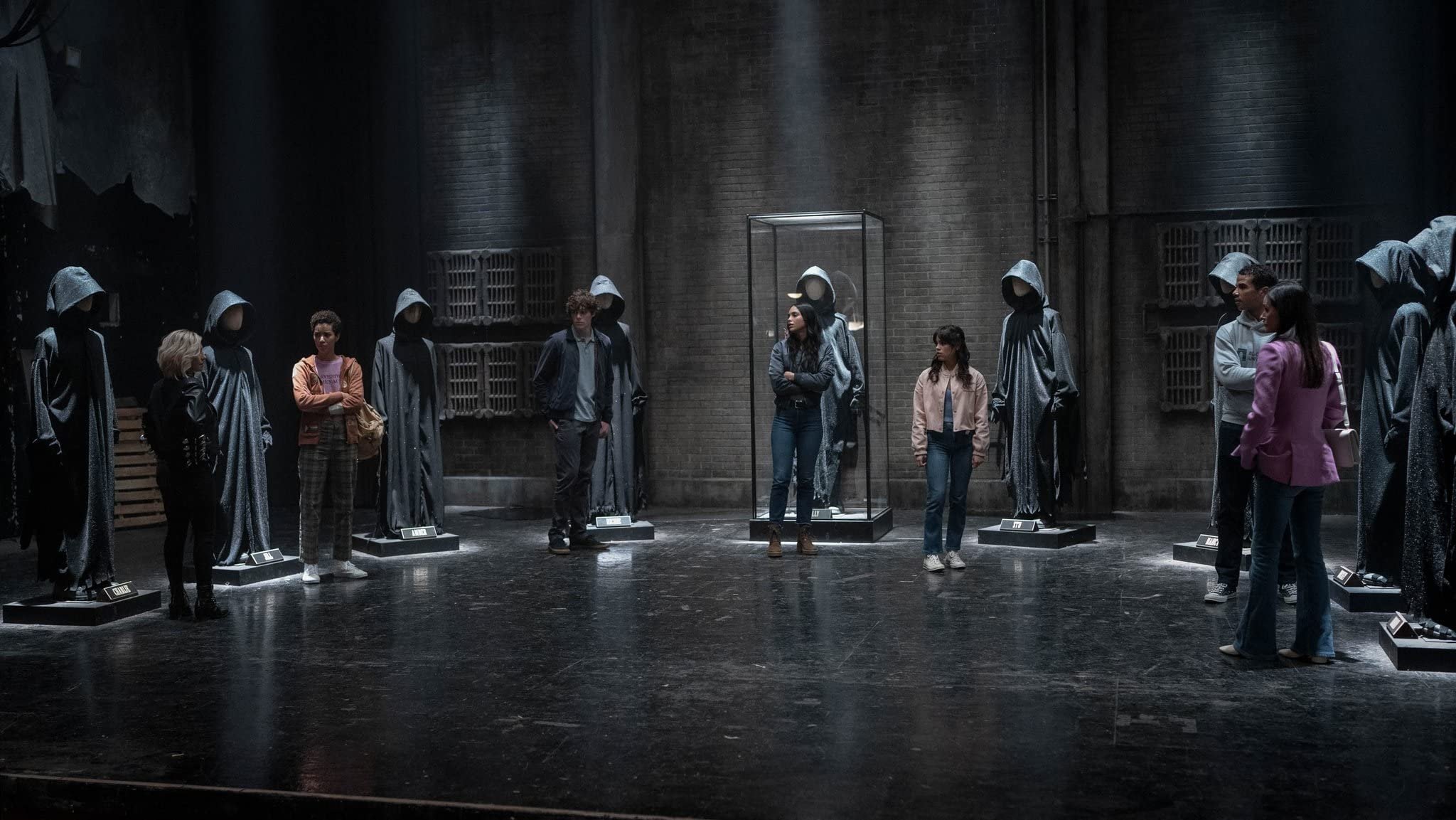
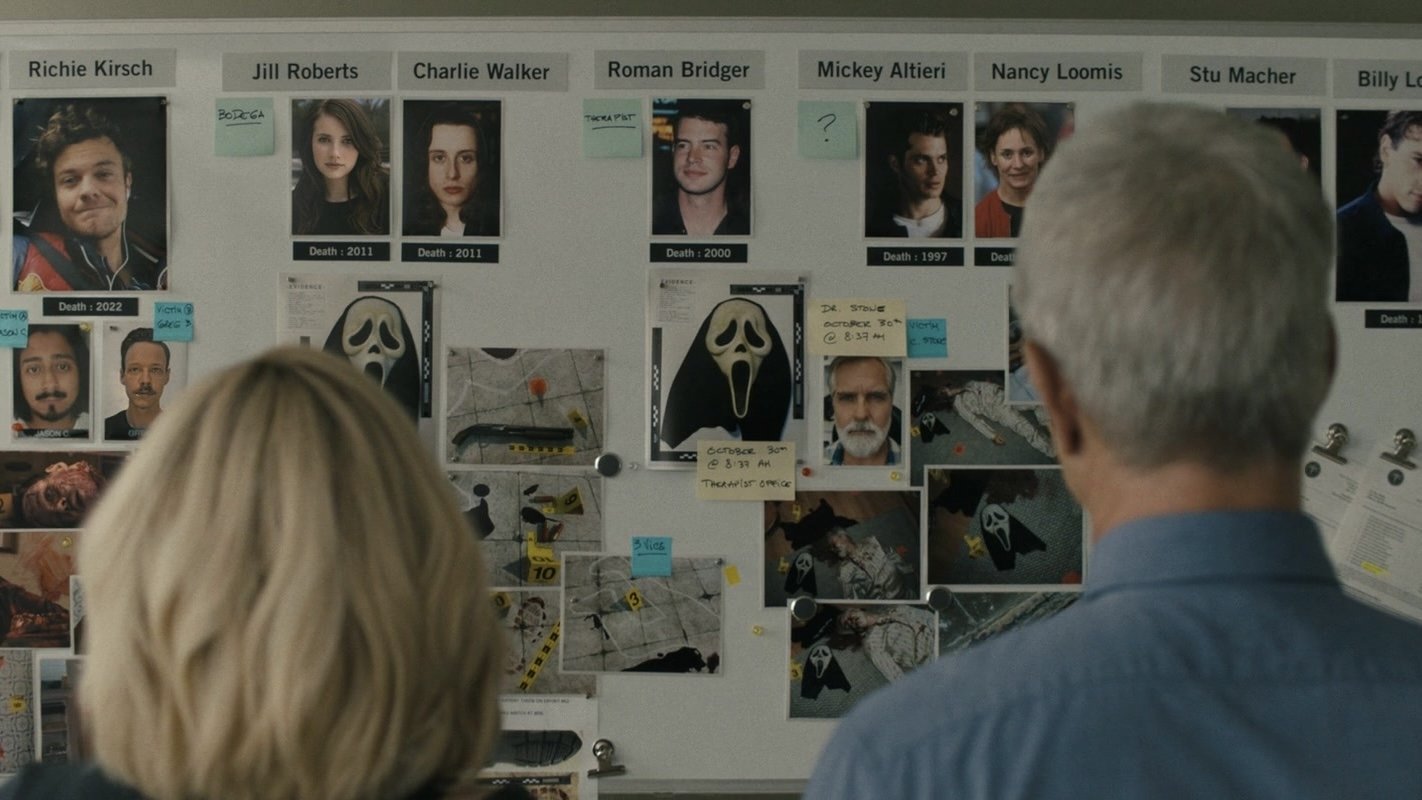
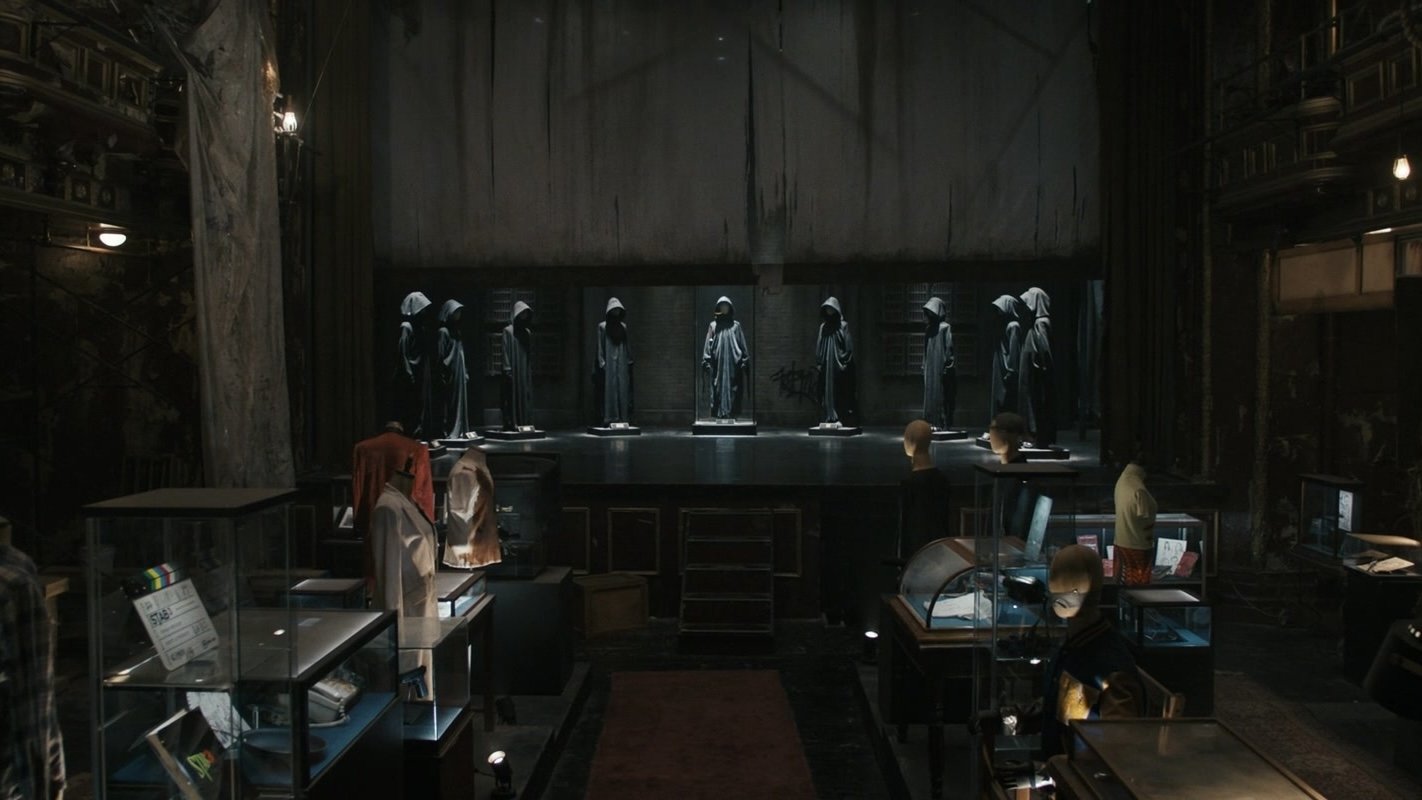
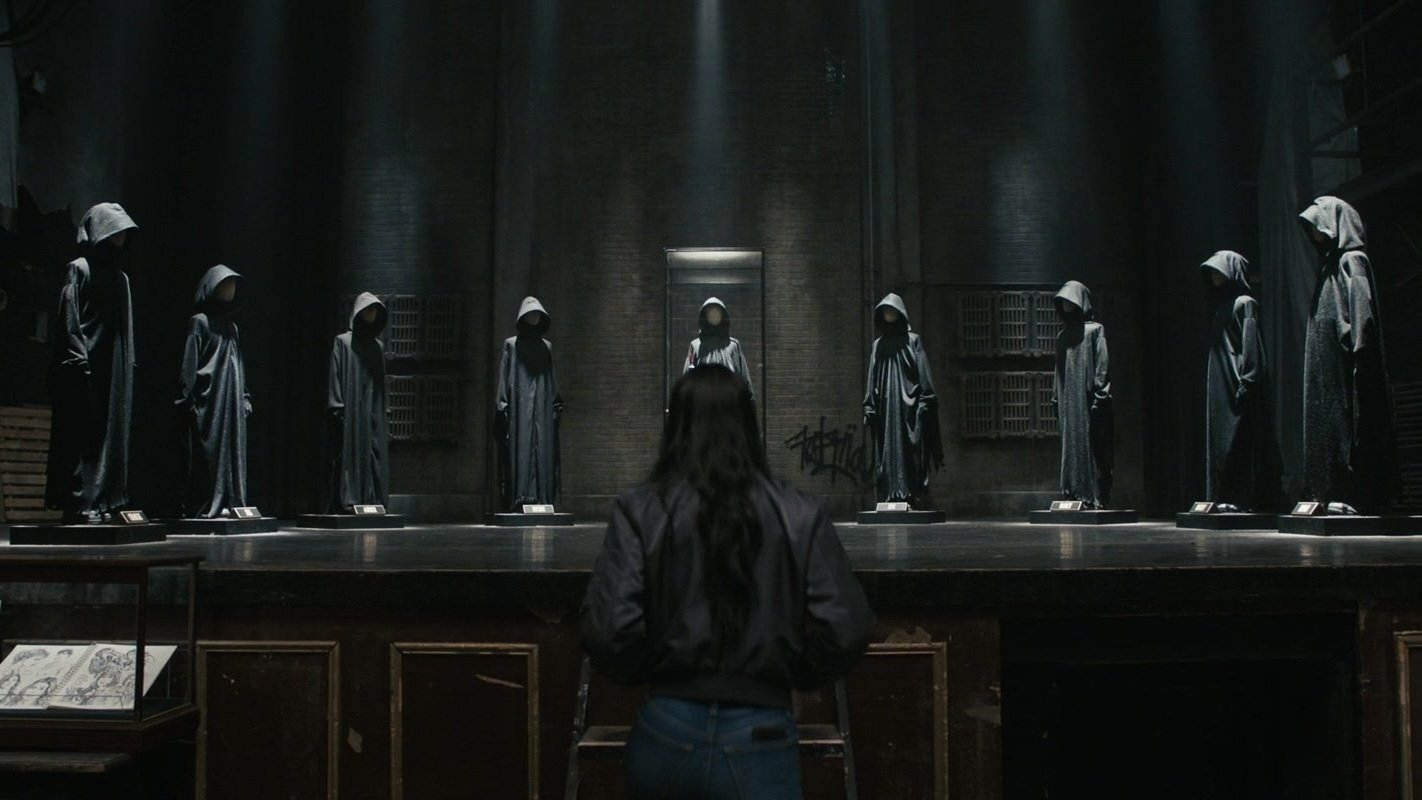
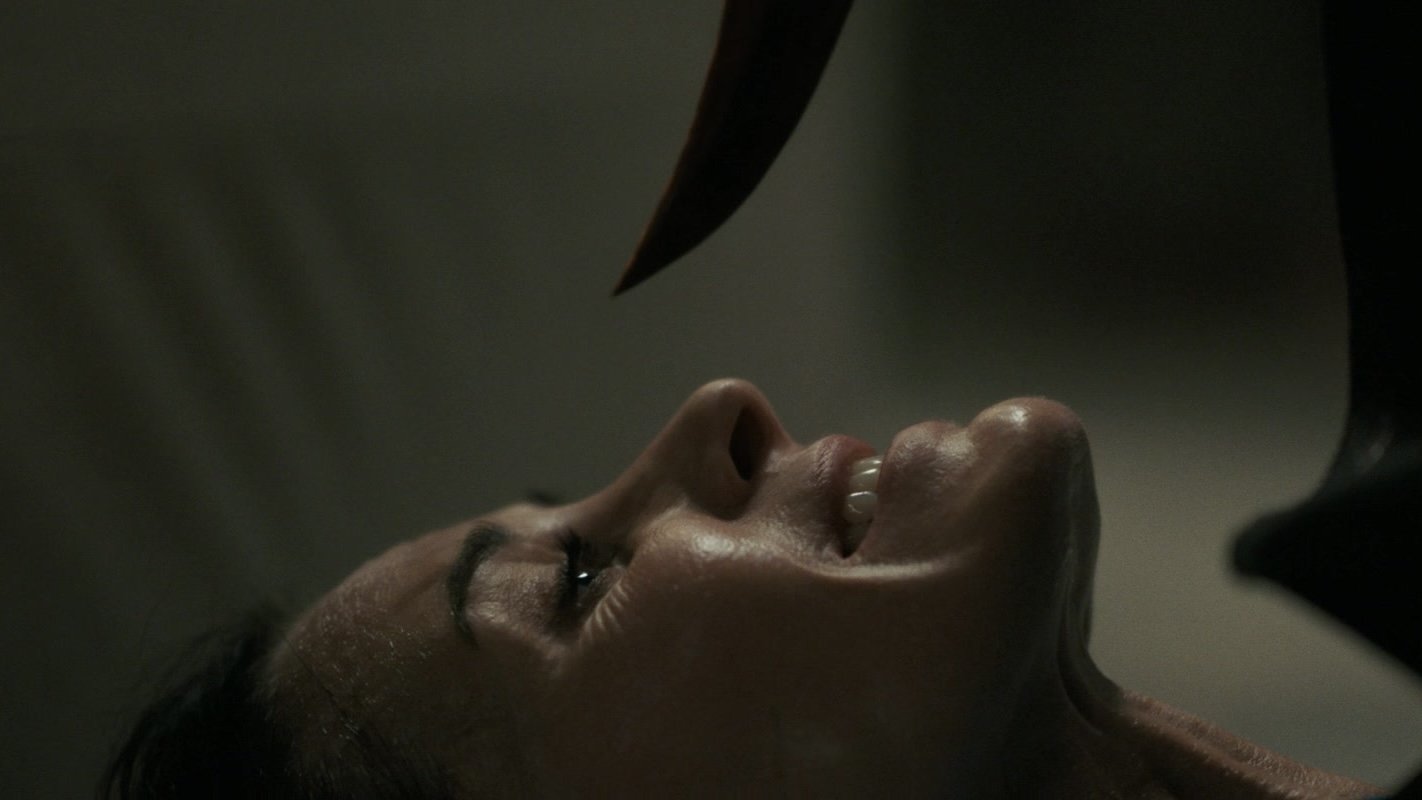
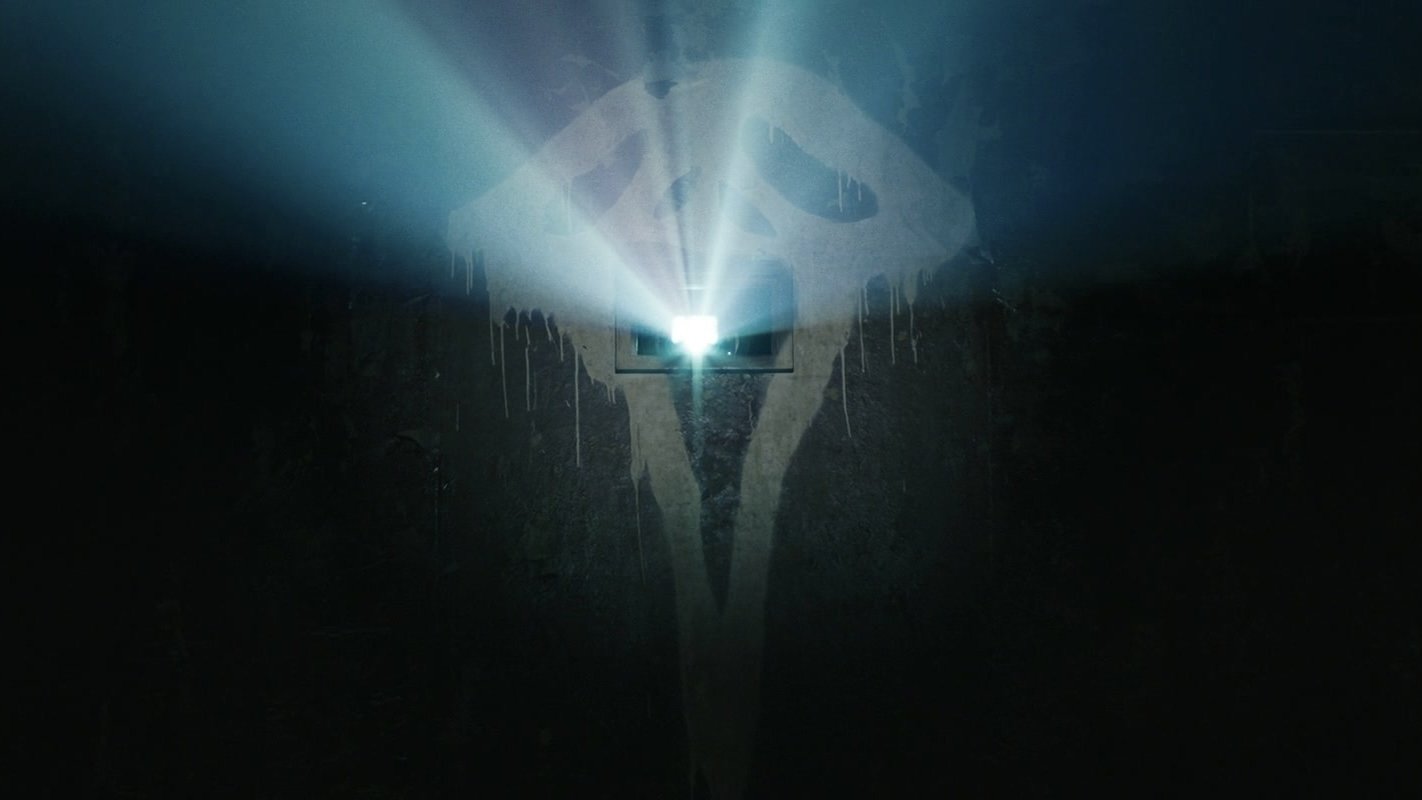
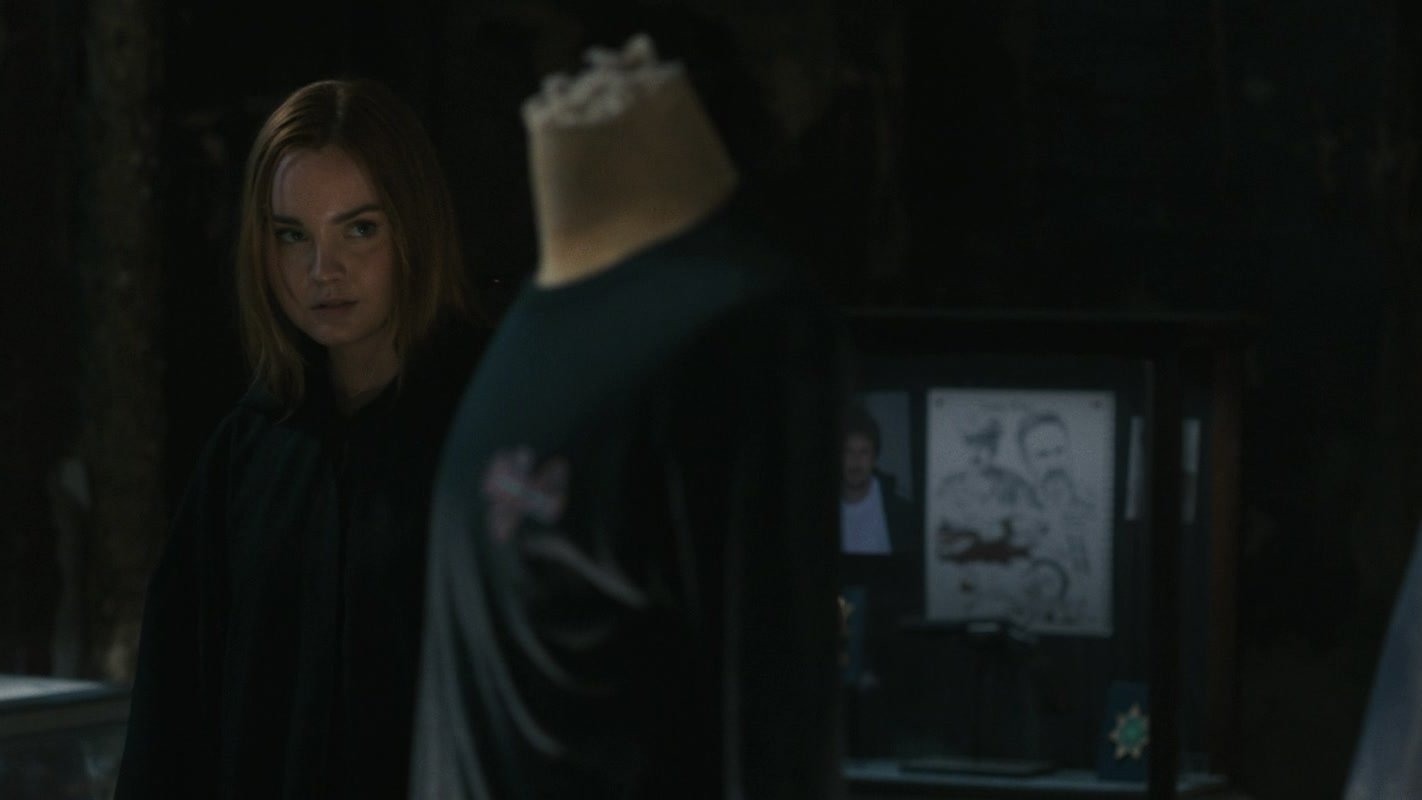
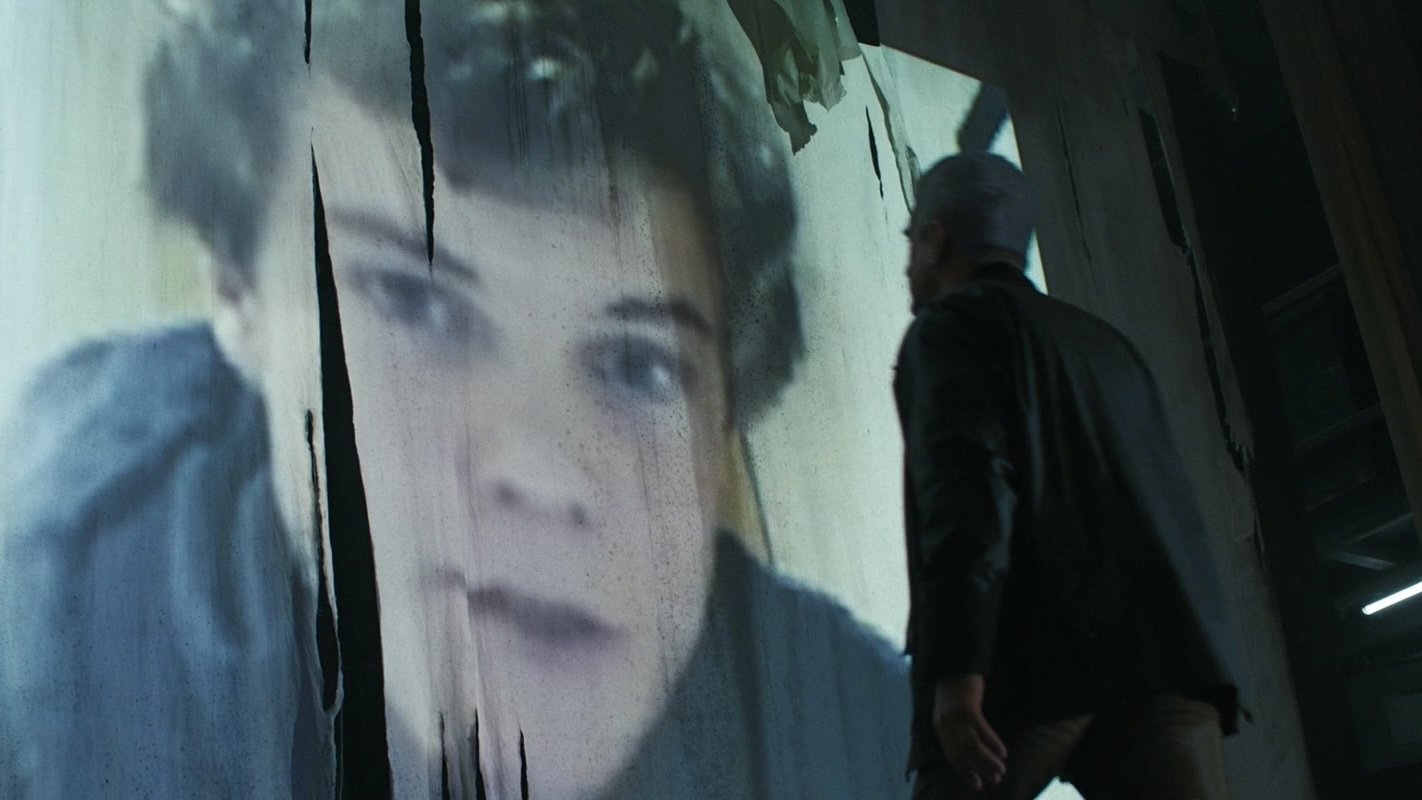
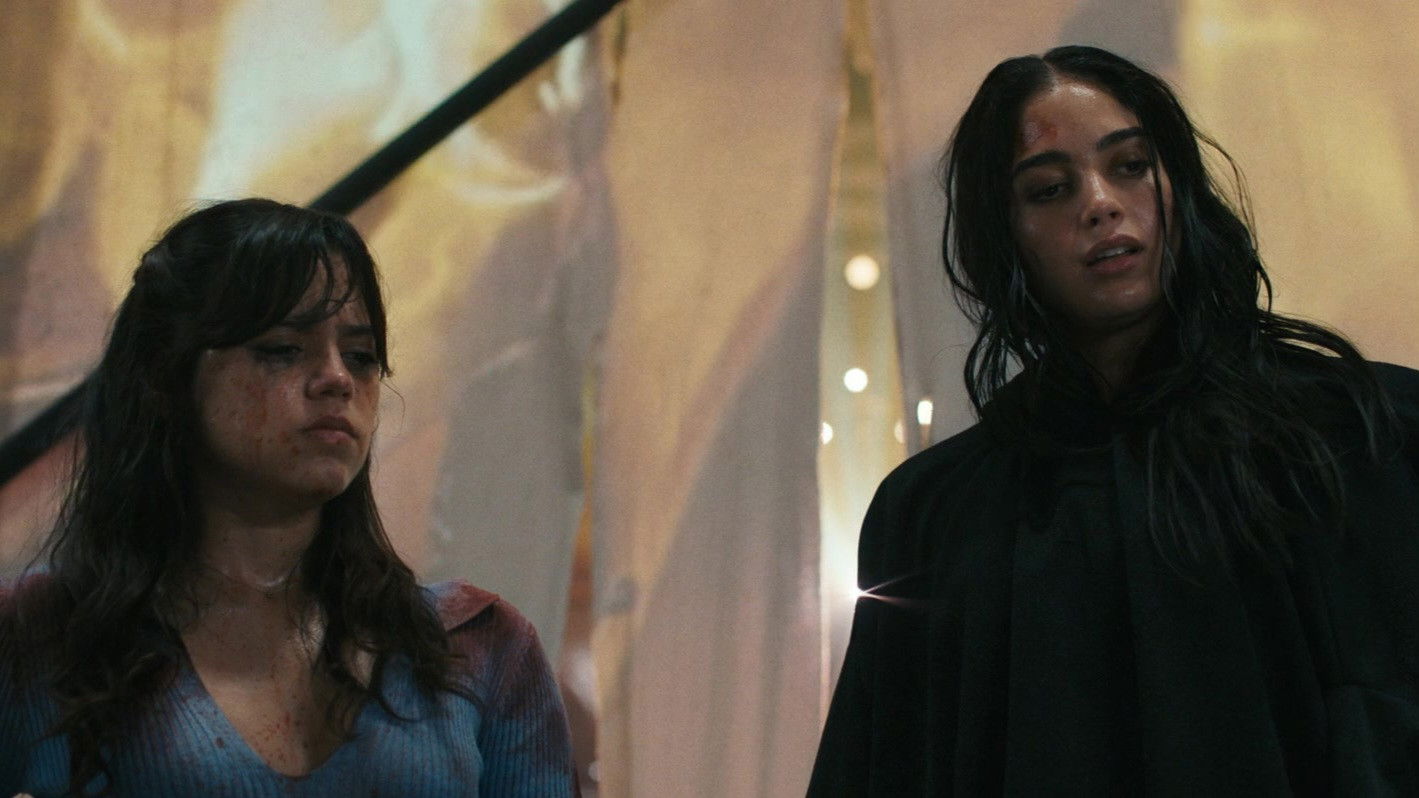
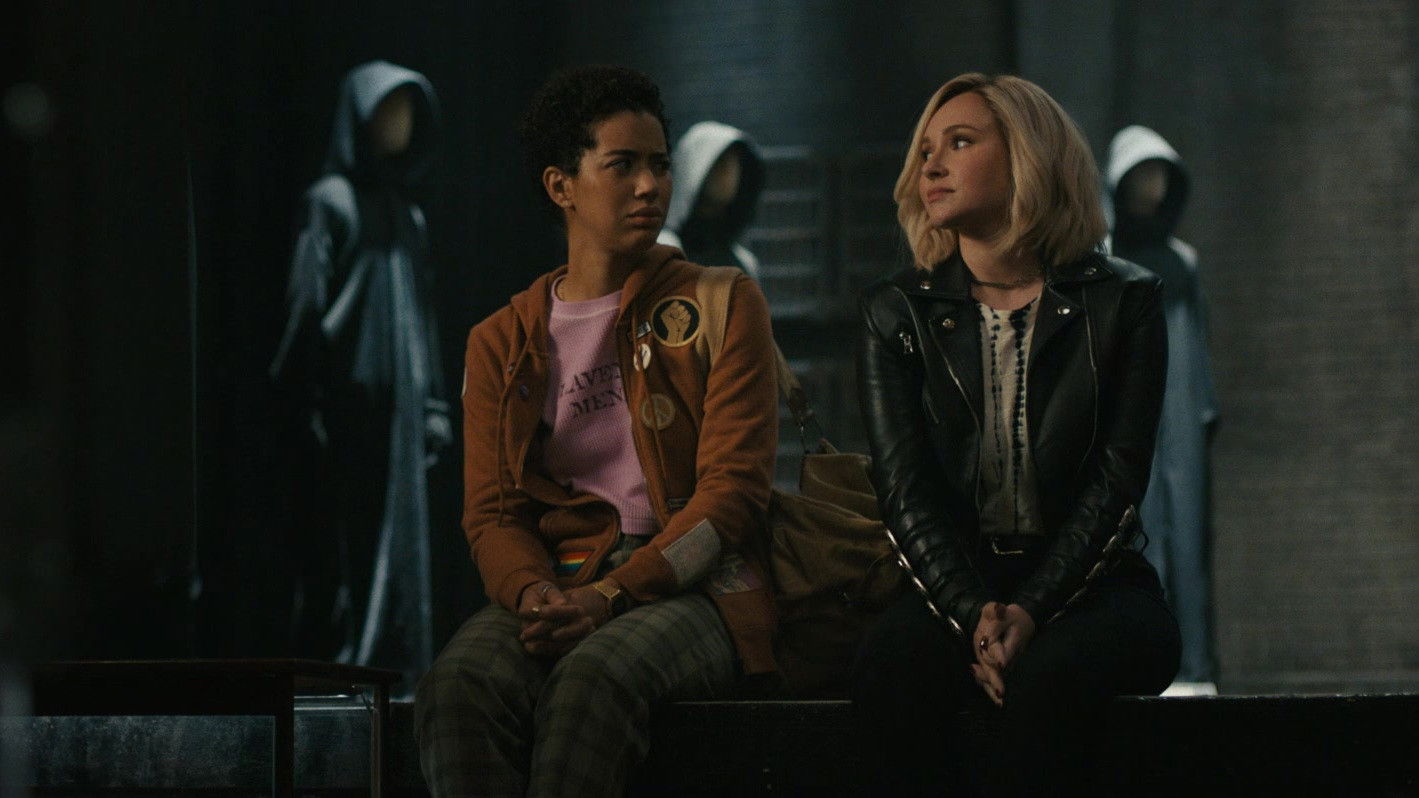
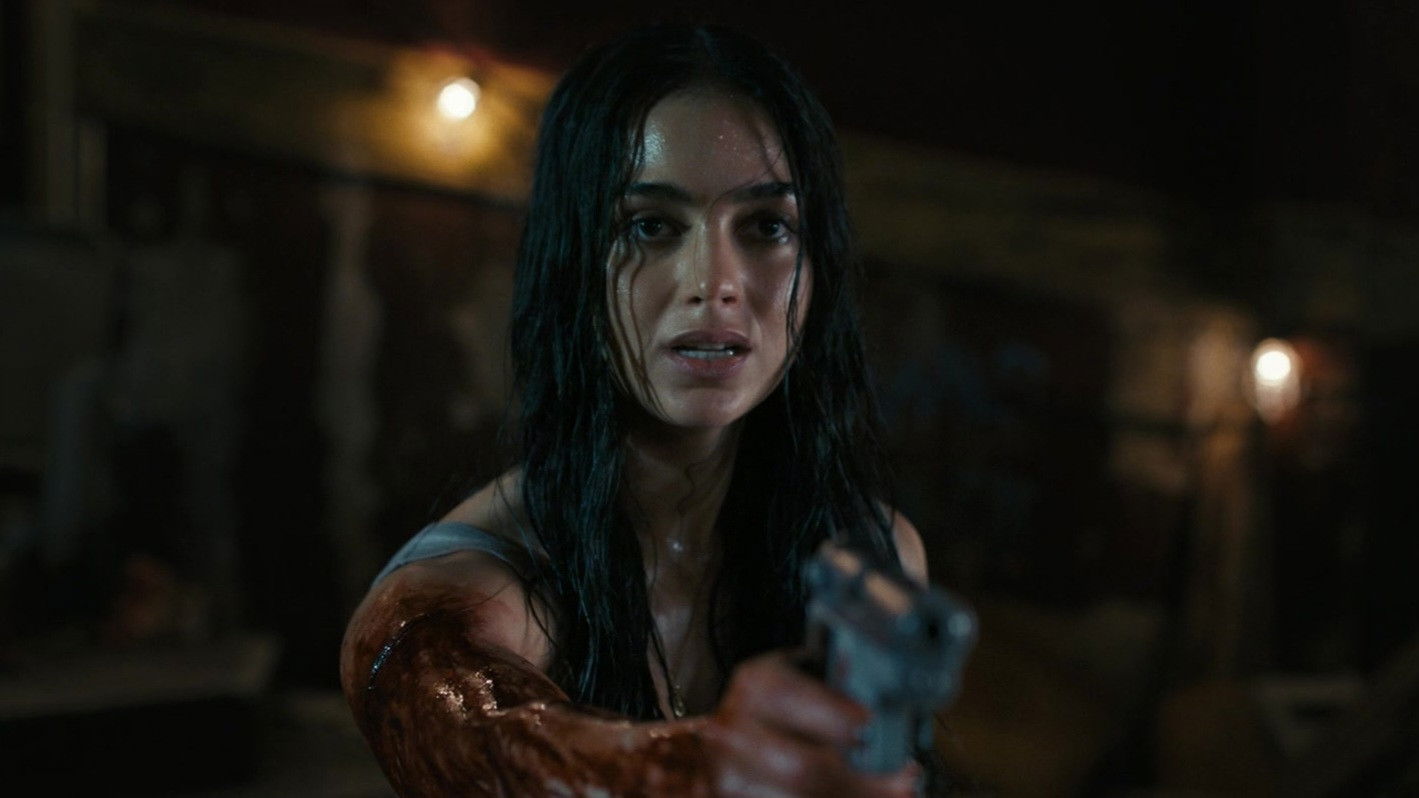
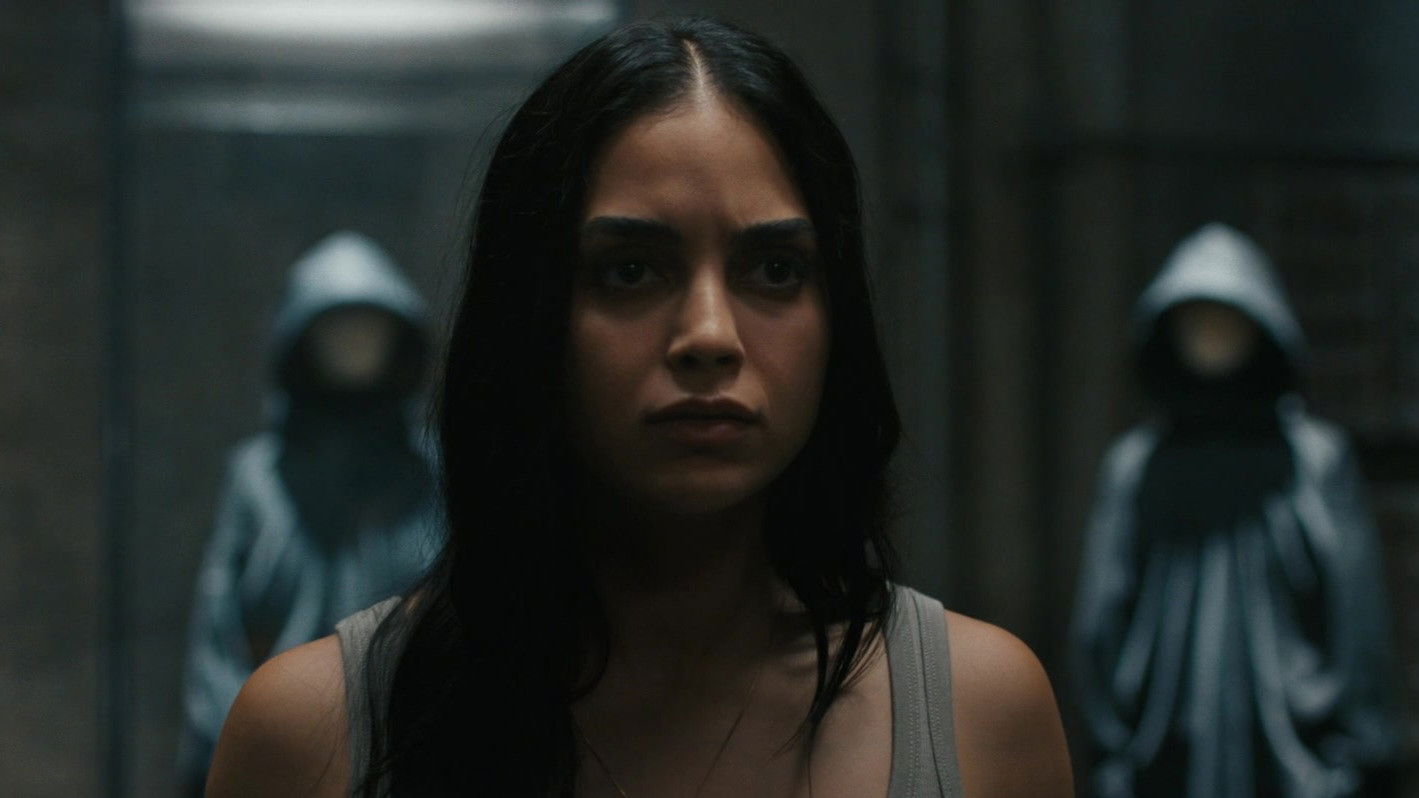
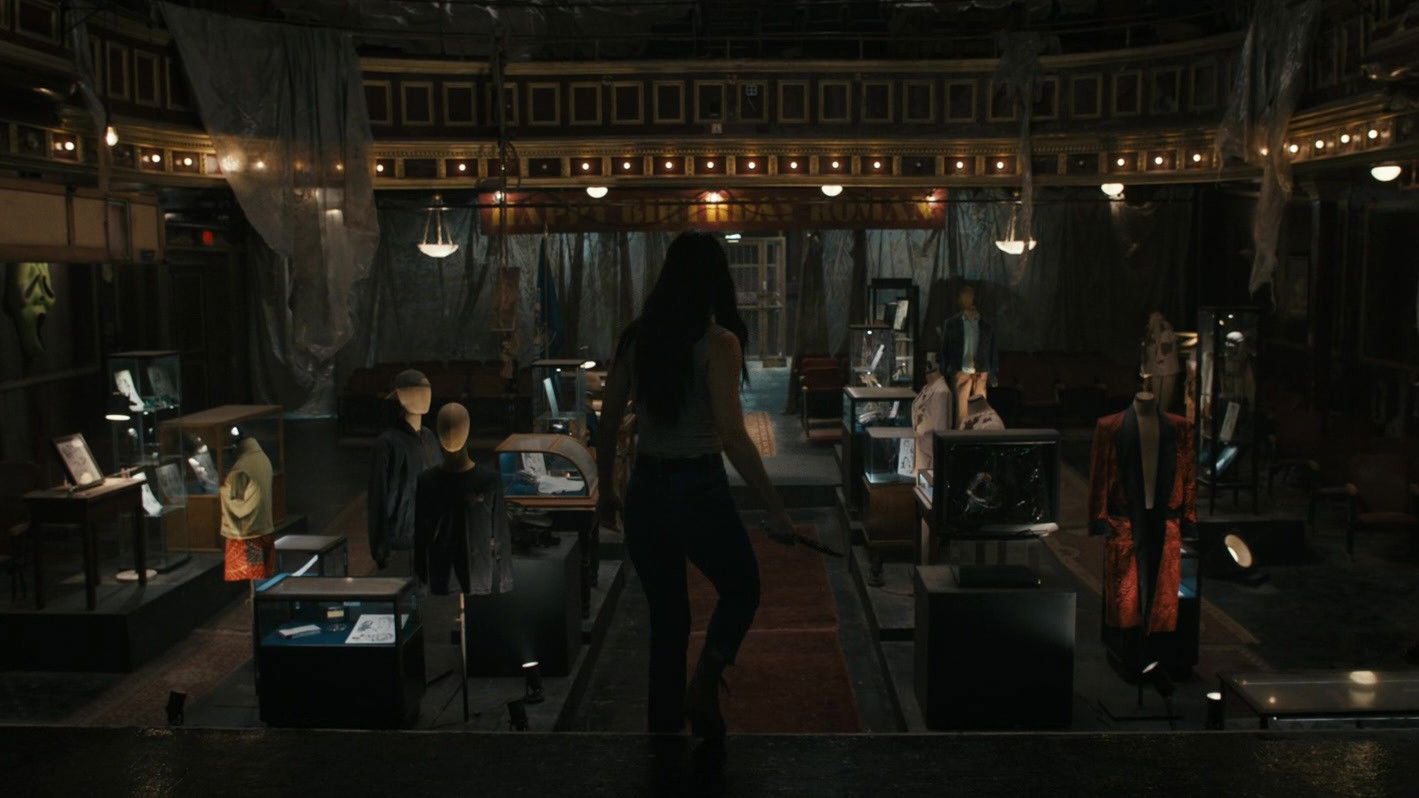
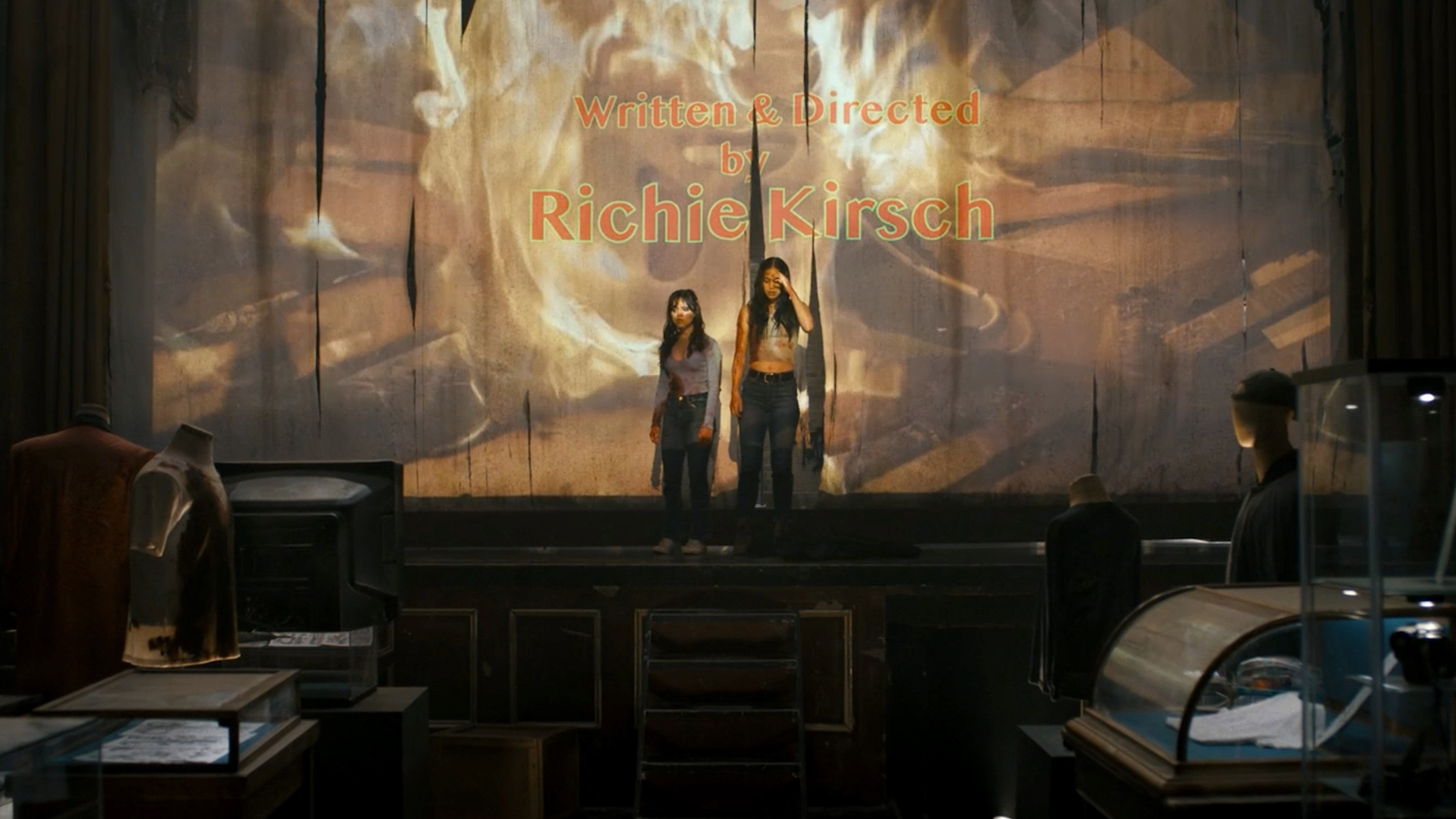
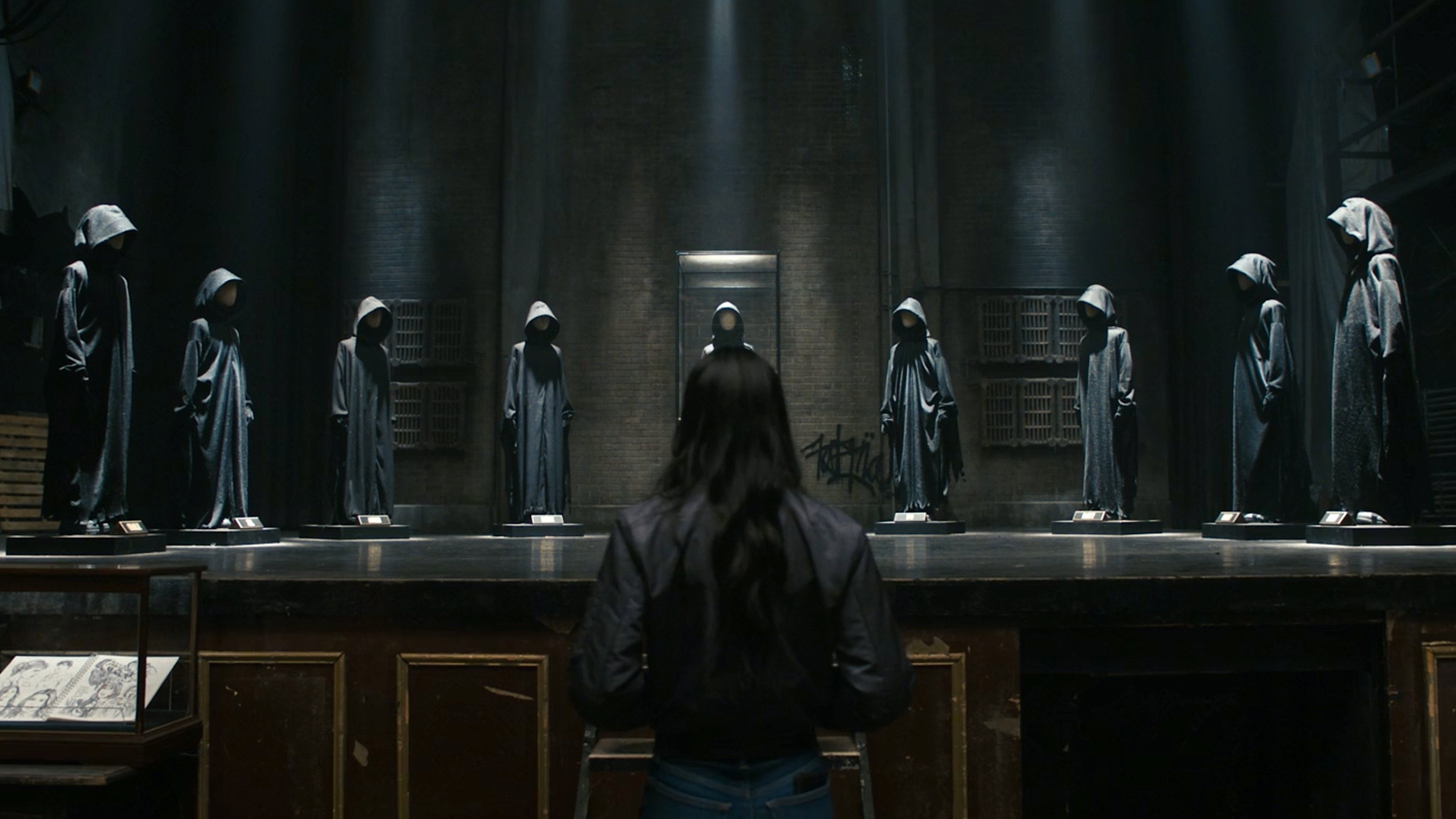
Montreal supplied much of the built environment. According to Jutkiewicz, the art department added signs, vehicles and portable subway entrances to streets selected for their resemblance to New York. The abandoned theater holding material from earlier Ghostface crimes was also found there and transformed by production designer Michèle Laliberté's team. Its carefully placed spotlights give the displayed robes and masks a theatrical presence that the cinematographer acknowledged exceeded strict realism. Elsewhere, practical blood mixtures were tested under the planned color treatment so injuries remained legible on camera. The resulting practical effects remain legible even in darker interiors, where red surfaces could otherwise disappear into shadow.
Editing Suspense and the Ghostface Shrine
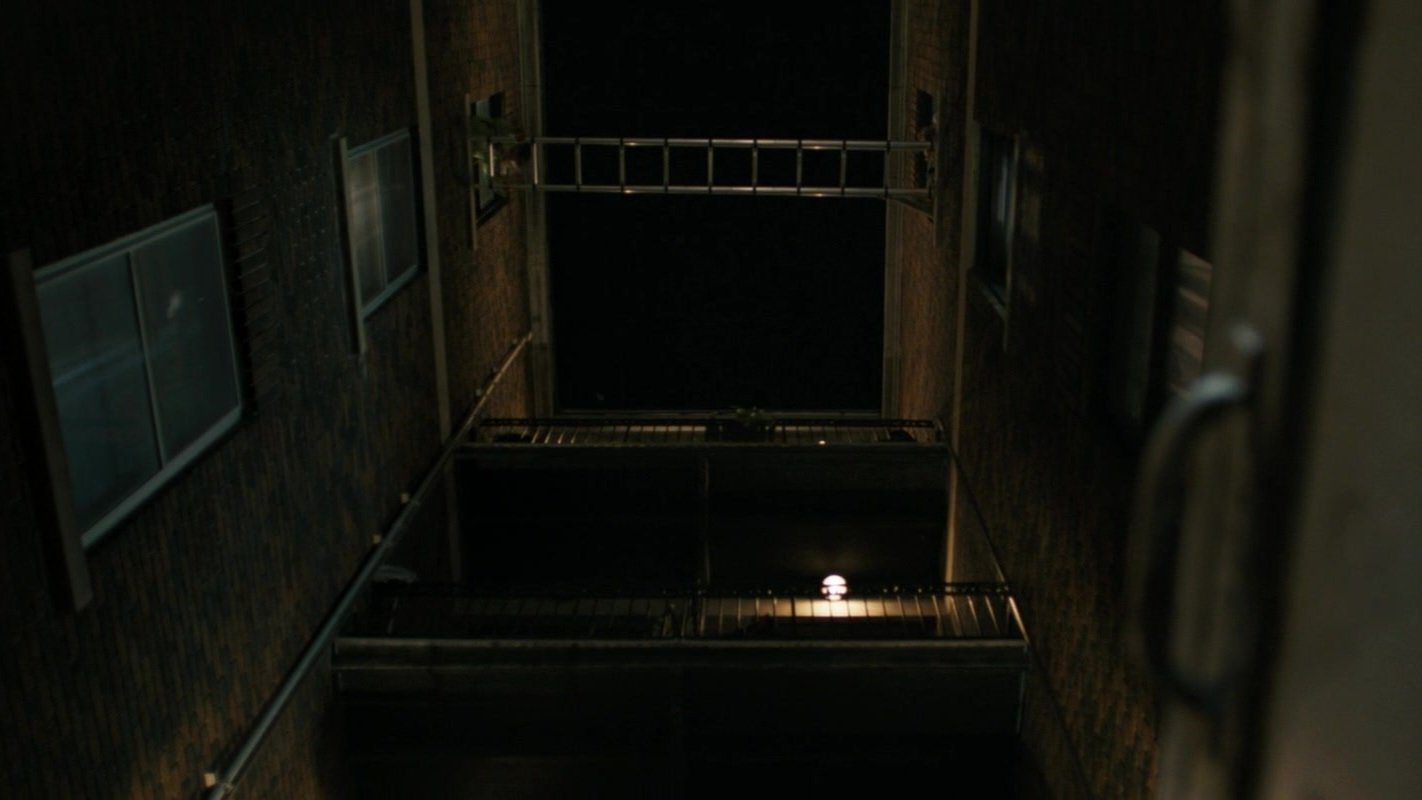
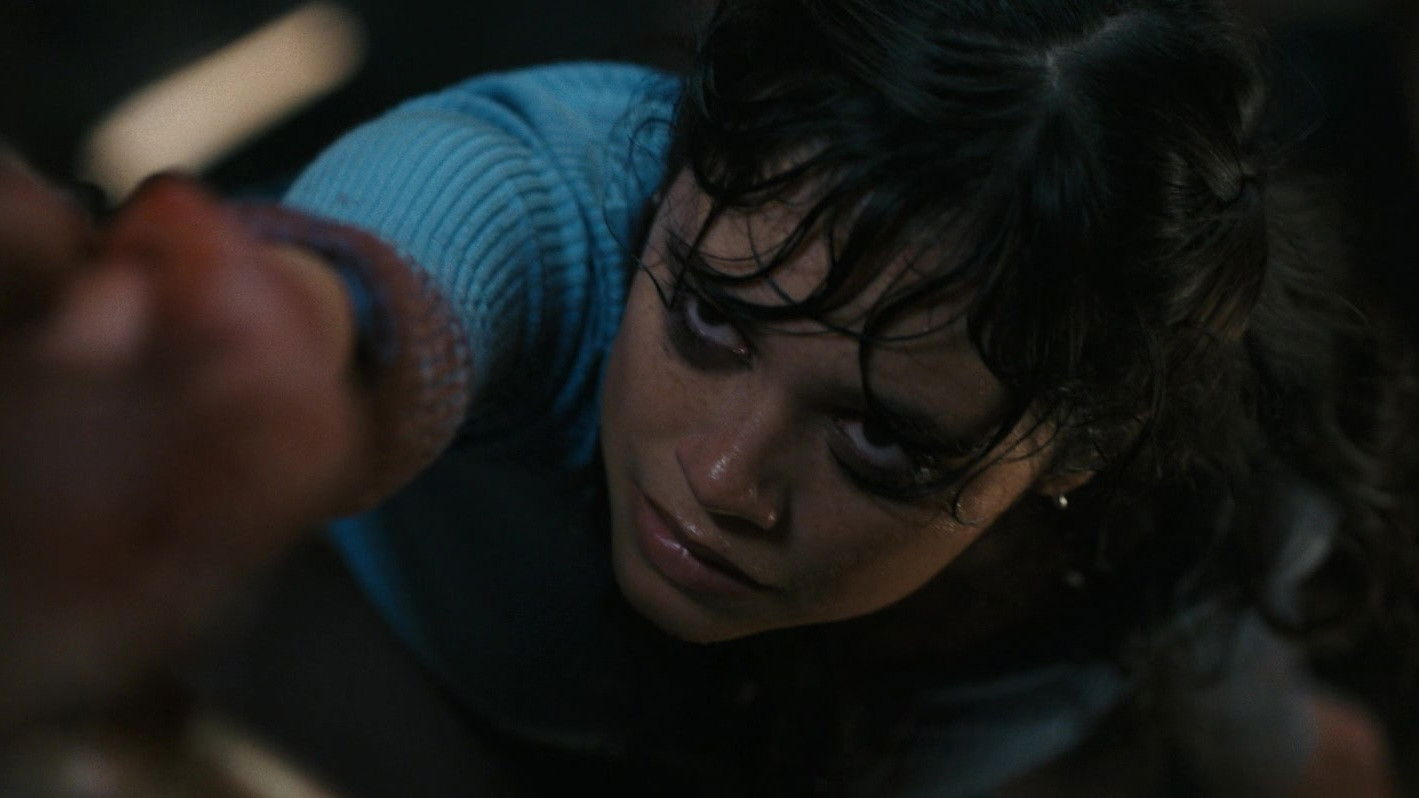
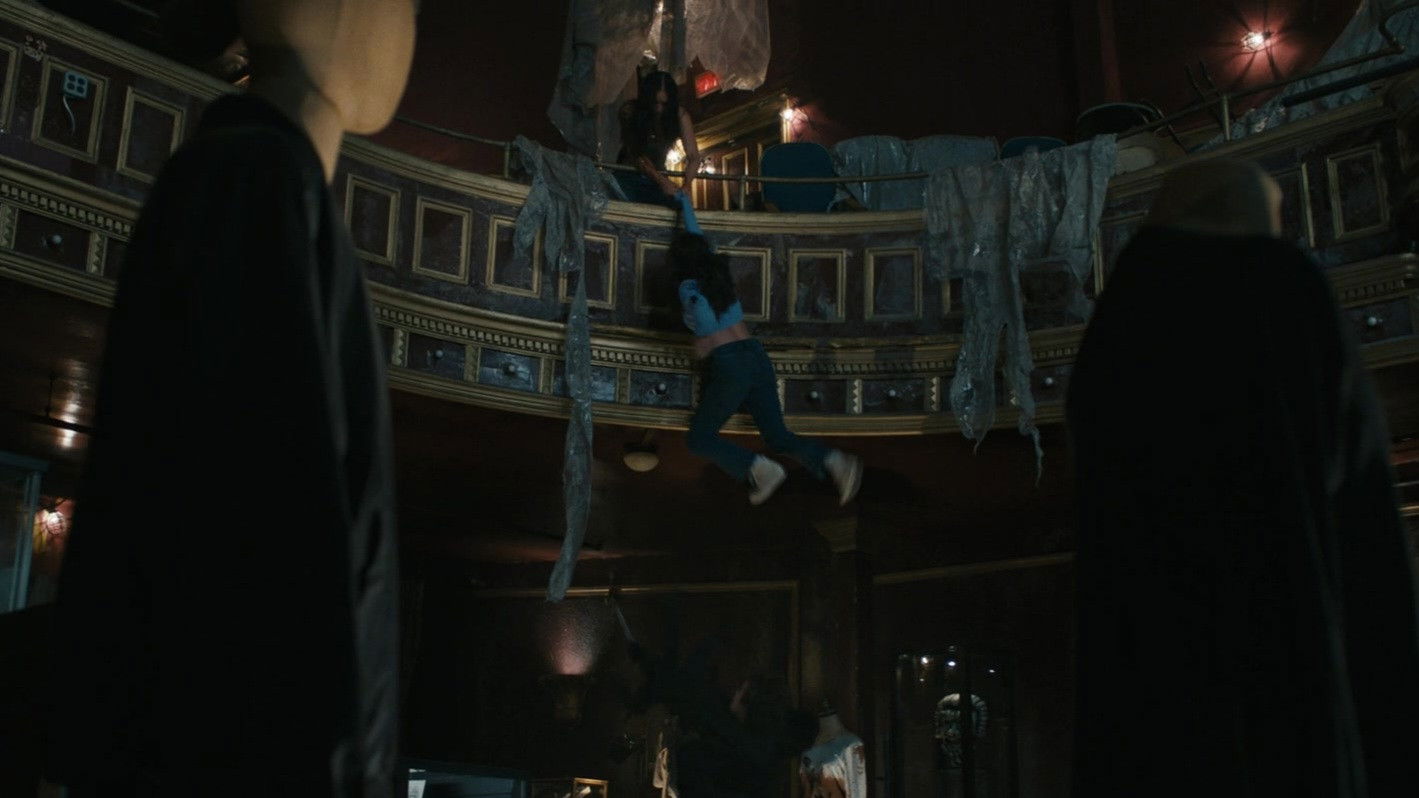
Editor Jay Prychidny distinguished the rhythm of this sequel from the smoother pace associated with earlier installments. His approach gave attacks harder cuts while preserving the information audiences need to understand where threatened people are standing. In the apartment assault, doors, sightlines and the sequence of exits establish the geometry before a ladder is extended across the gap to another building. Prychidny said this sequence underwent extensive revisions because repeated crossings initially reduced its impact. His solution included alternating between the people exposed on the ladder and the approaching killer, changing the rhythm without concealing the likelihood of a fatal fall.
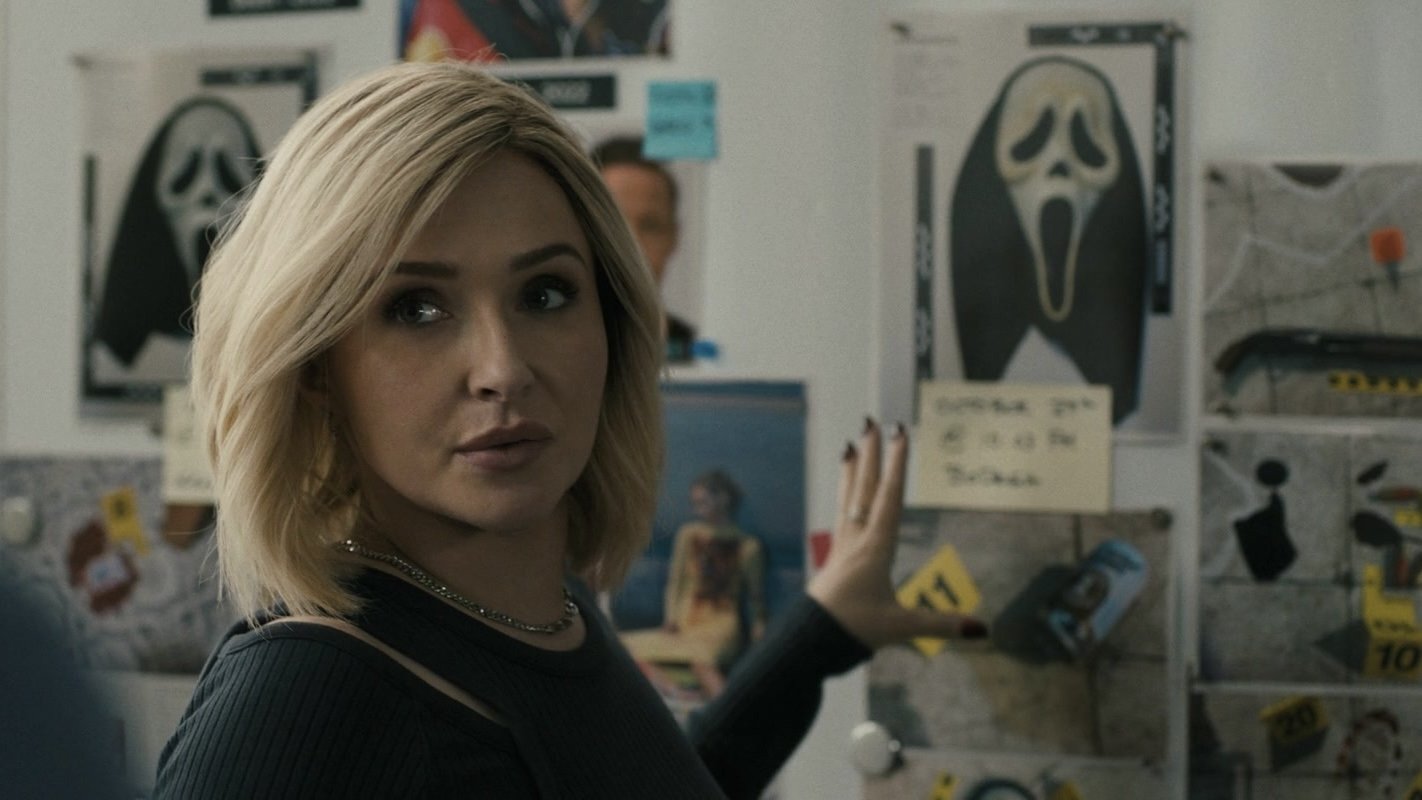
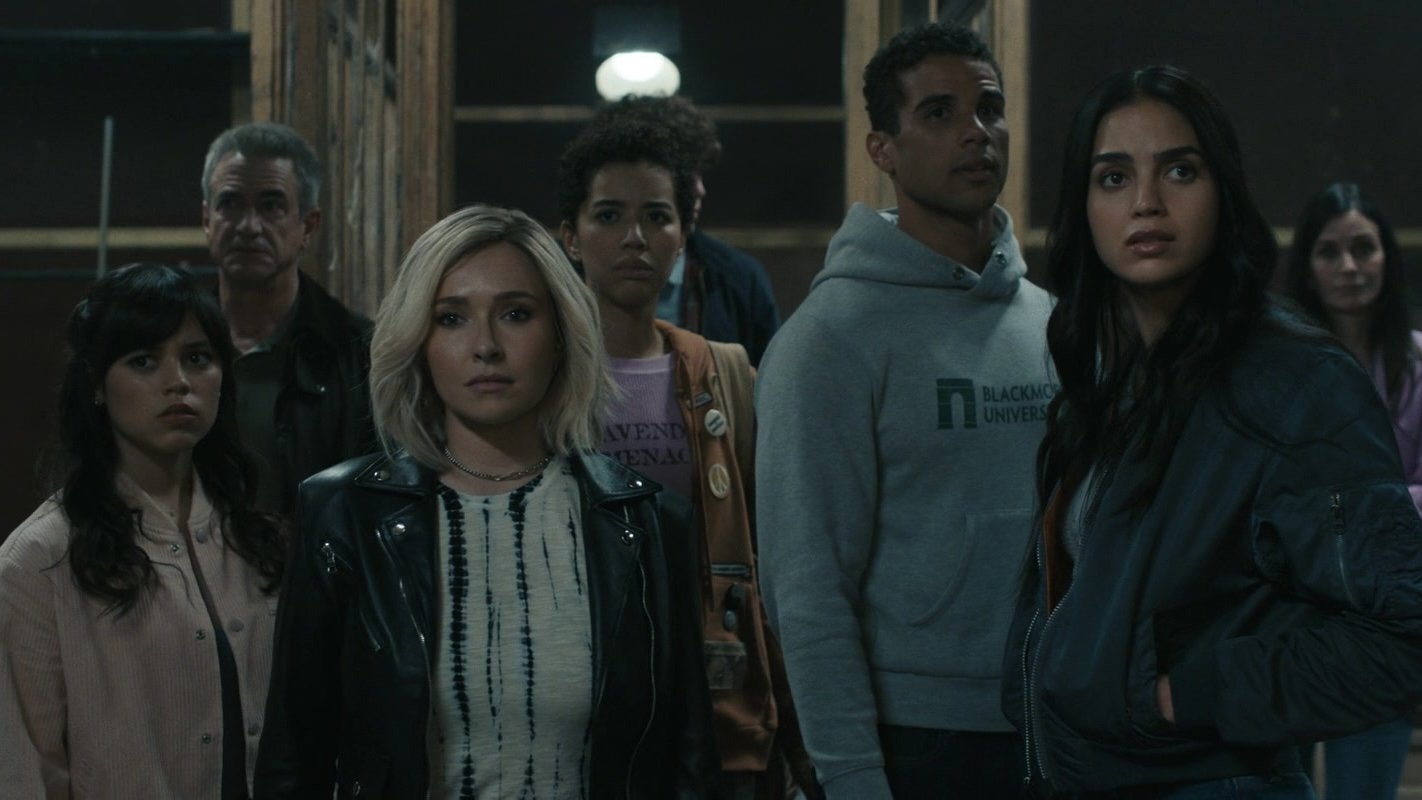
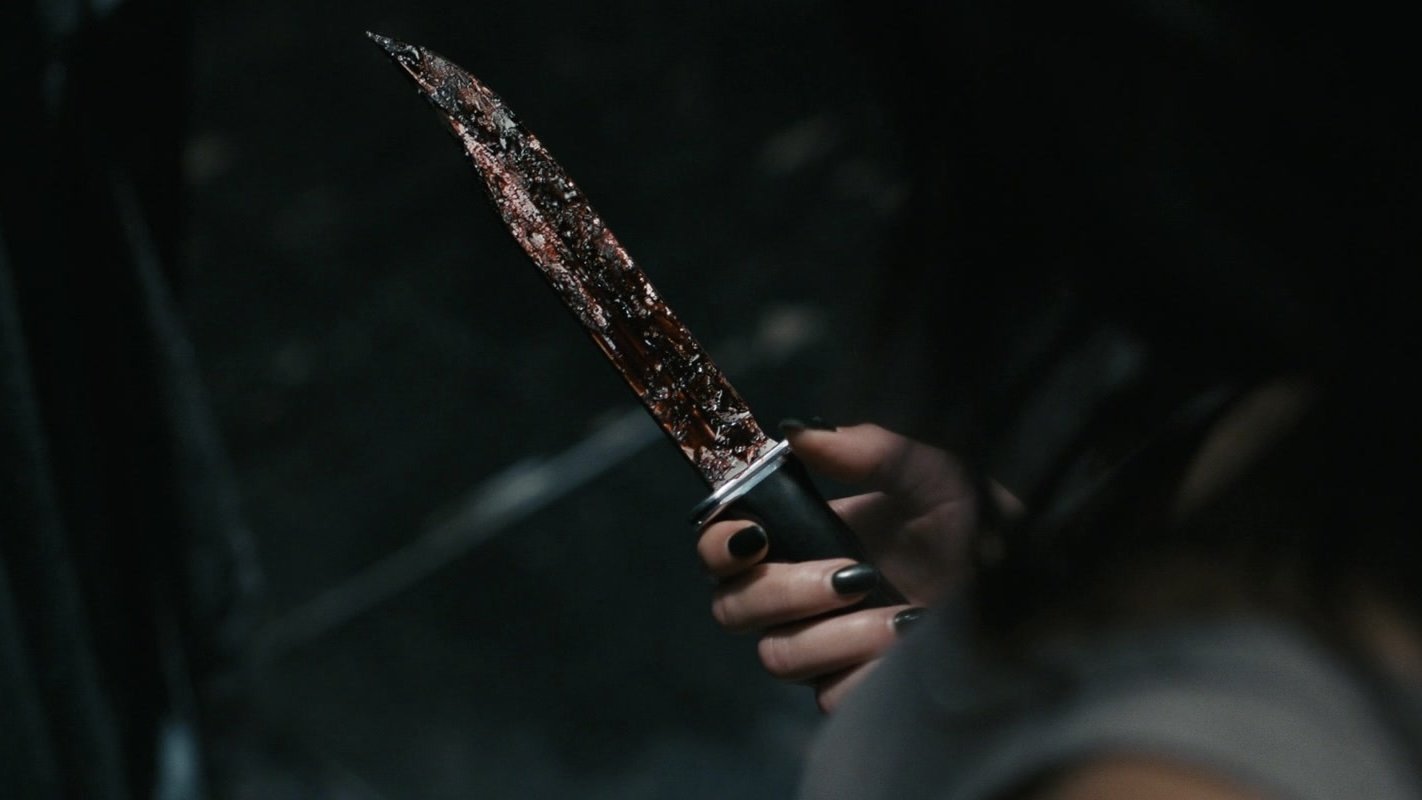
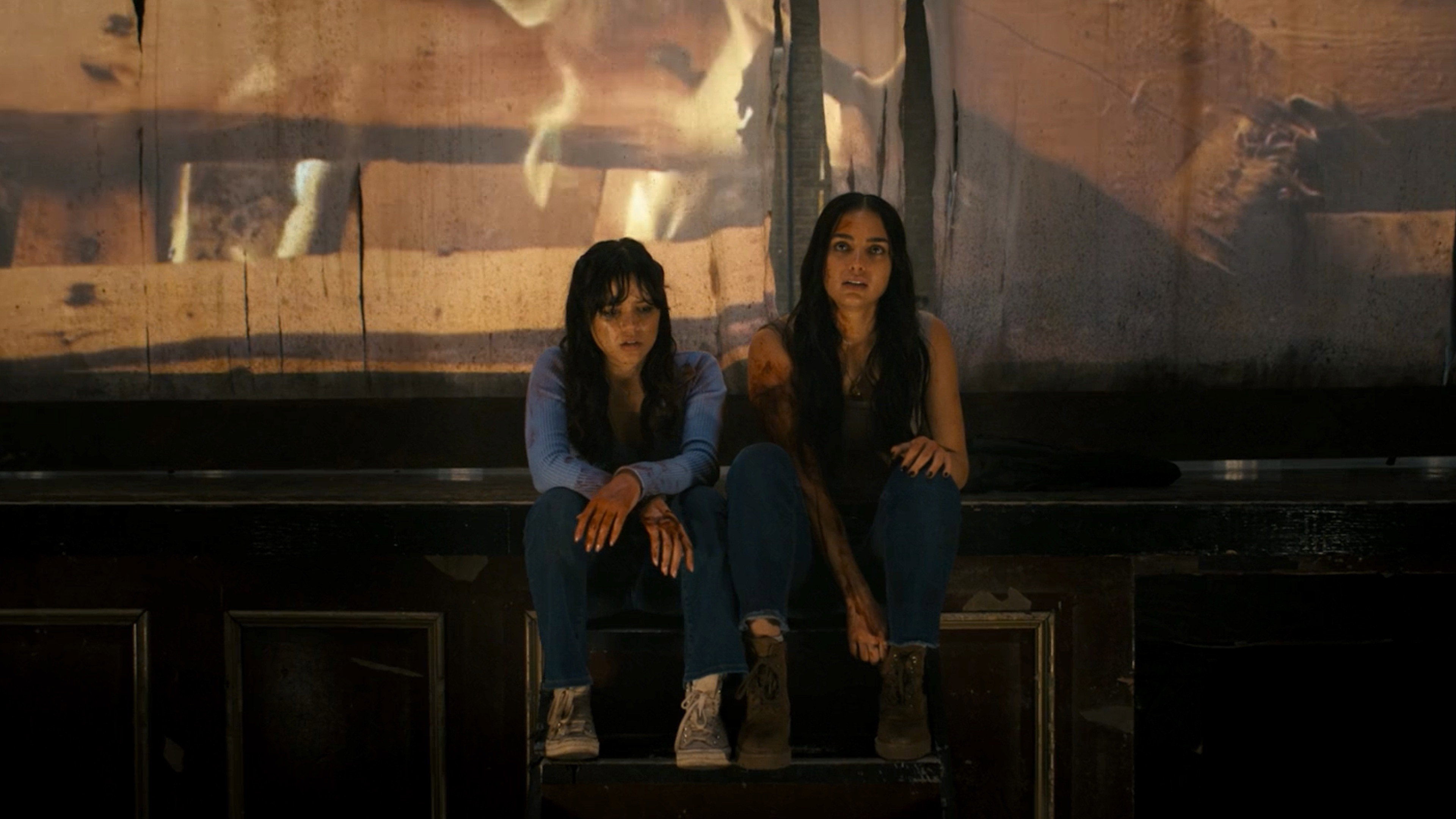
The subway required a different calculation. Prychidny reported that its first assembly remained largely intact because the suspense came from establishing what Mindy could observe among nearby passengers. He also described stopping preview screenings at several points to ask viewers who they suspected, using the answers to evaluate how openly the mystery planted clues. The final confrontation takes place amid relics of previous Ghostface crimes, making the killer's history part of the environment. The archive of costumes and weapons functions as evidence within the plot and as a physical record of the franchise for spectators. The collection asks spectators to recognize old killers and their crimes even as the new murderer's identity remains concealed.
Release, Contemporary Reception and Place in the Series
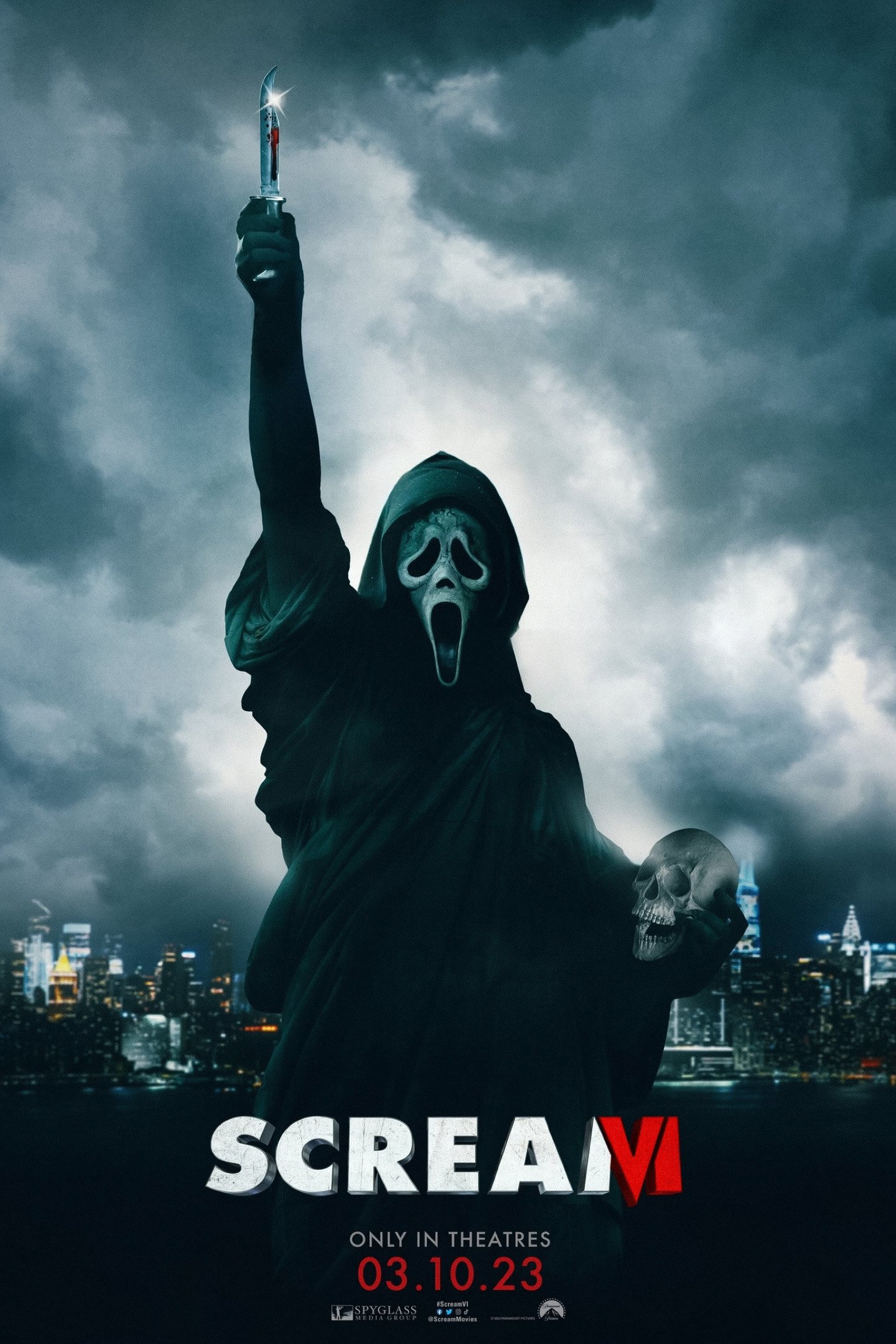
Paramount released Scream VI in United States theaters on March 10, 2023, after international openings earlier that week. Its domestic debut earned approximately $44.4 million, the franchise's strongest opening weekend at that point. The widely reported theatrical total was substantial for a slasher sequel, although box-office receipts should not be treated as net profit or direct evidence of artistic reputation. Commercial interest confirmed that the series could draw a theatrical audience even without Sidney Prescott appearing. Its success also followed the renewed visibility of the previous year's film, which had established the Carpenter sisters as continuing protagonists.
Critical response was not uniformly celebratory. In her March 2023 Guardian review, Wendy Ide argued that the move to New York did little to offset repeated jokes about genre conventions and familiar narrative arrangements. That objection directly addresses the sequel's principal creative claim: a new environment does not automatically make the underlying murder mystery new. The technical interviews, meanwhile, document specific choices in photography, spatial design and editing that distinguish its individual attacks. Scream VI is best situated as a commercially successful continuation testing how far the franchise could shift its location and surviving characters while keeping recognizable Ghostface mechanisms. These contrasts locate the installment within the franchise's transition from legacy leads toward the Carpenter generation.
References
WNYC Studios — Scream VI Directors Bring Ghostface to NYC
Alison Stewart interviews Bettinelli-Olpin and Gillett about relocation, anonymous crowds, urban set pieces and the Carpenter sisters; full original transcript.
Los Angeles Times — Neve Campbell Passes on Scream 6 After Pay Dispute
Christi Carras reports Campbell's original June 2022 statement explaining her decision not to return.