




Development and the Family Premise
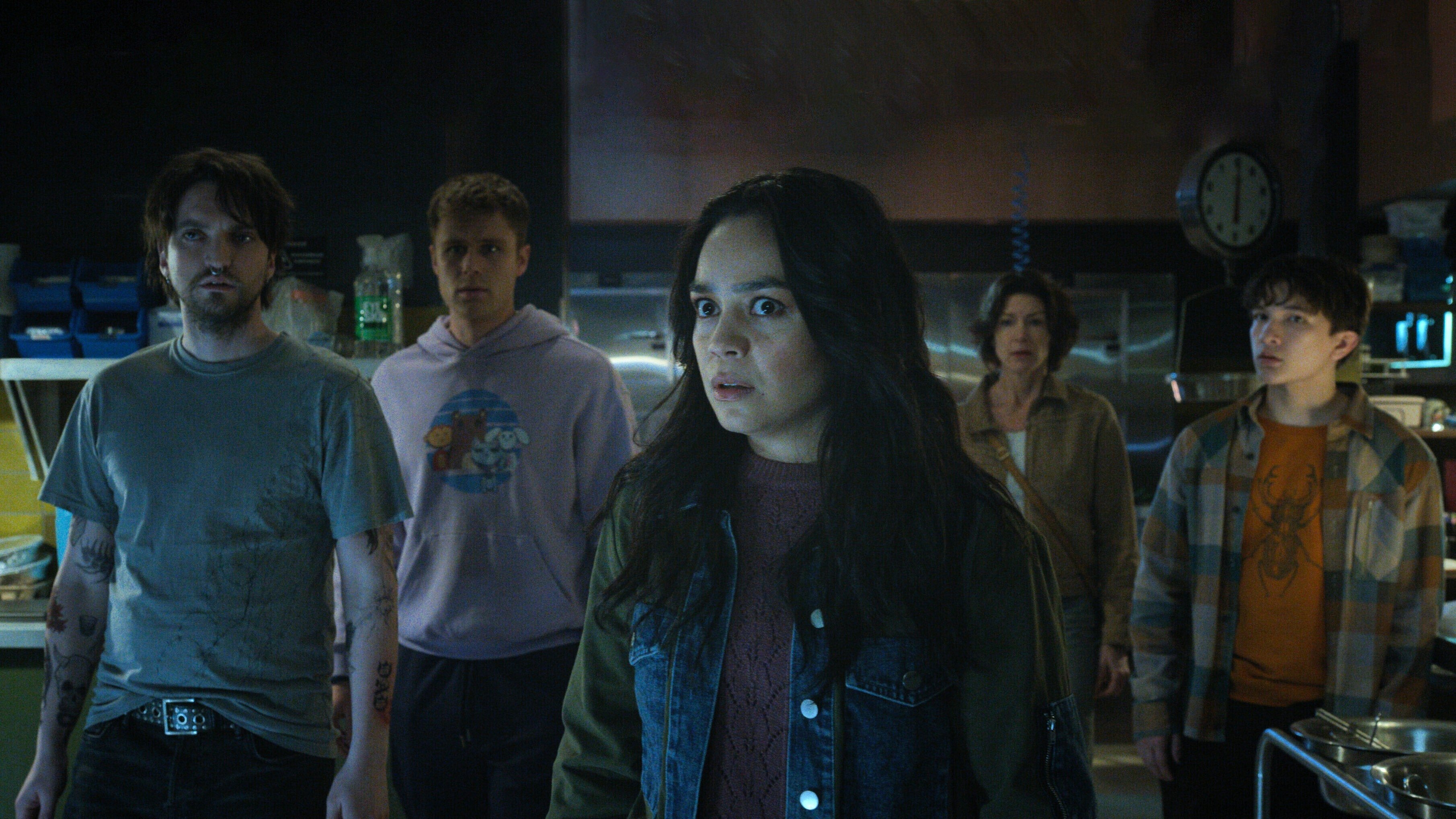
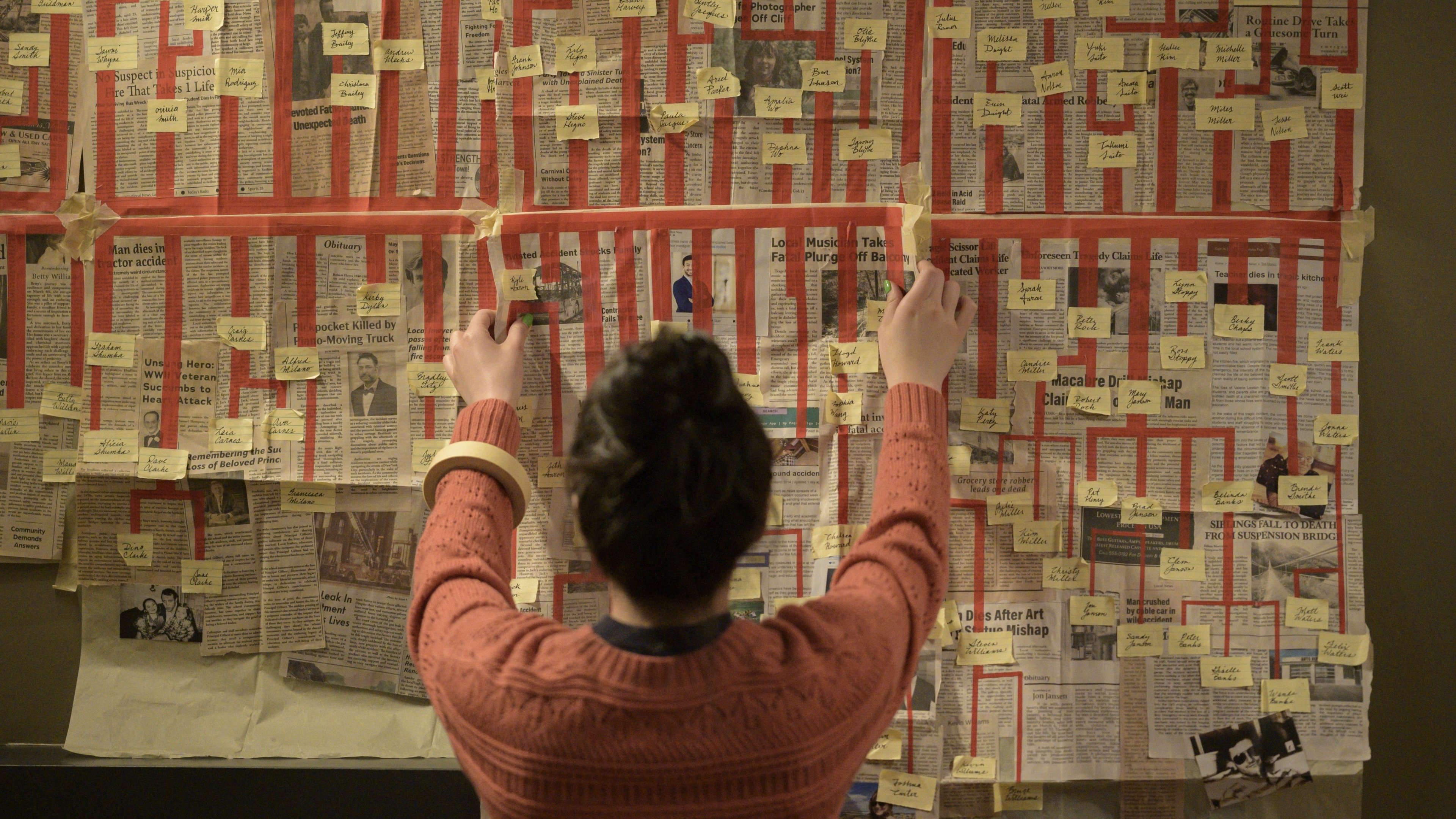
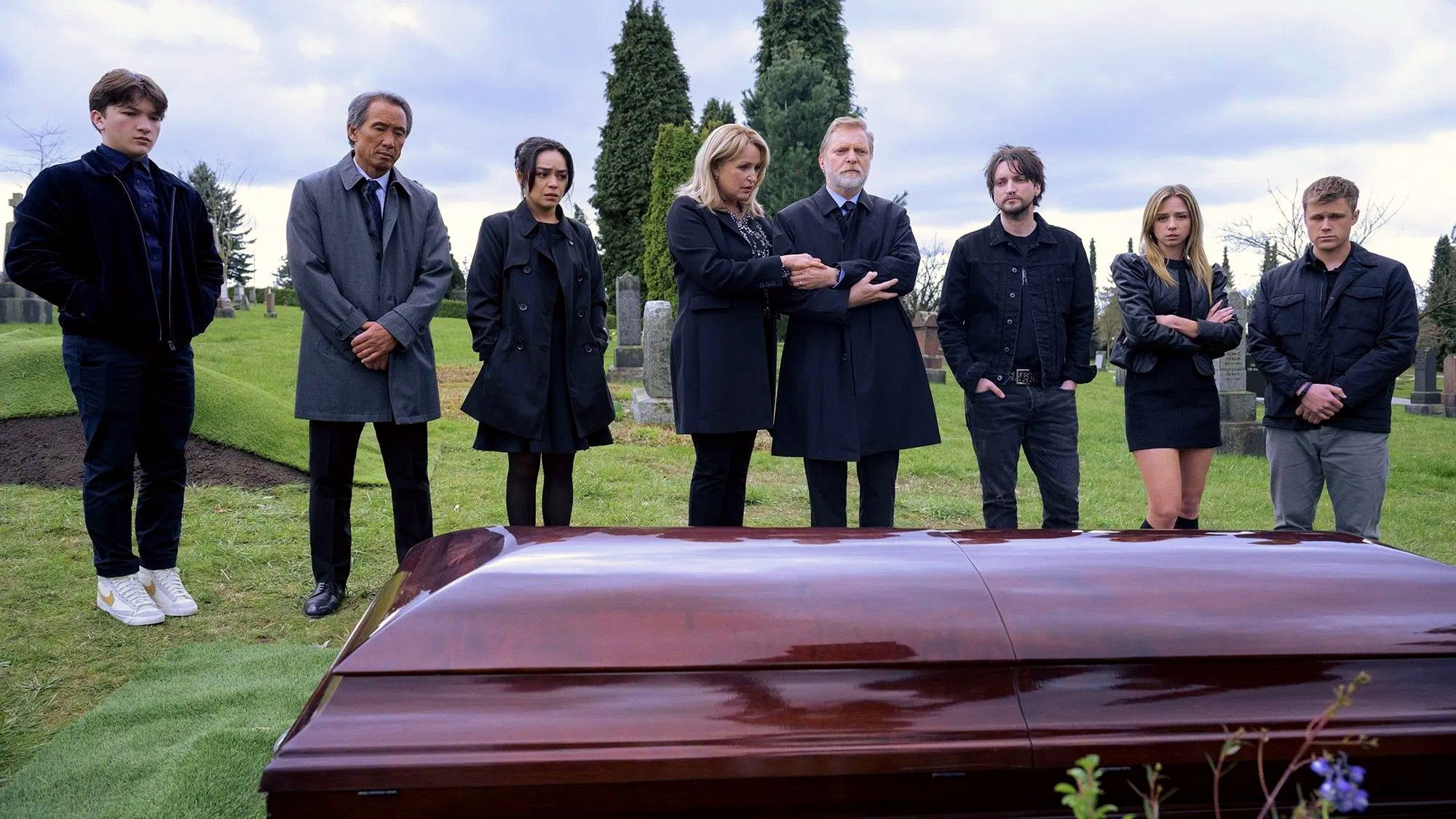
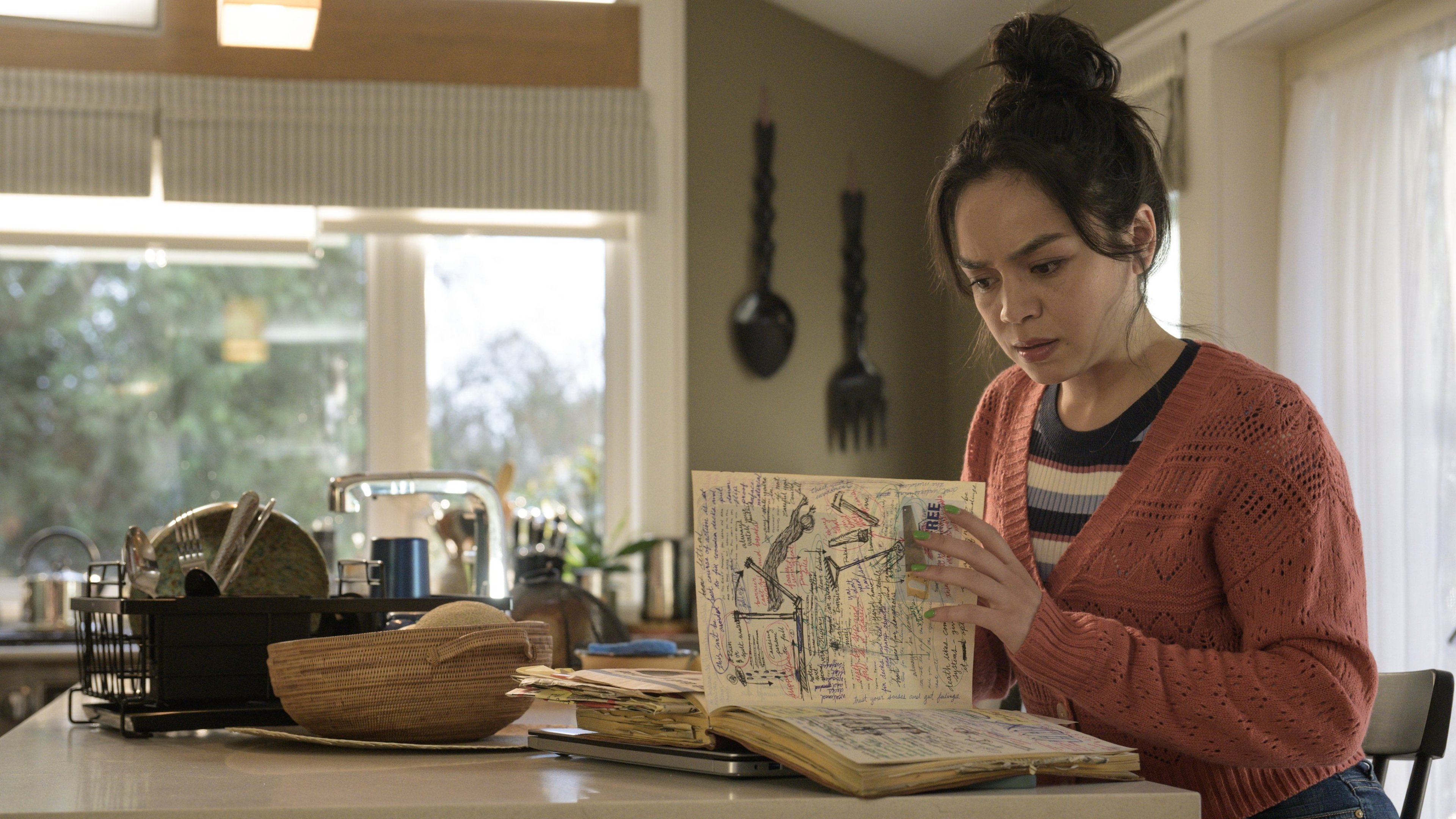
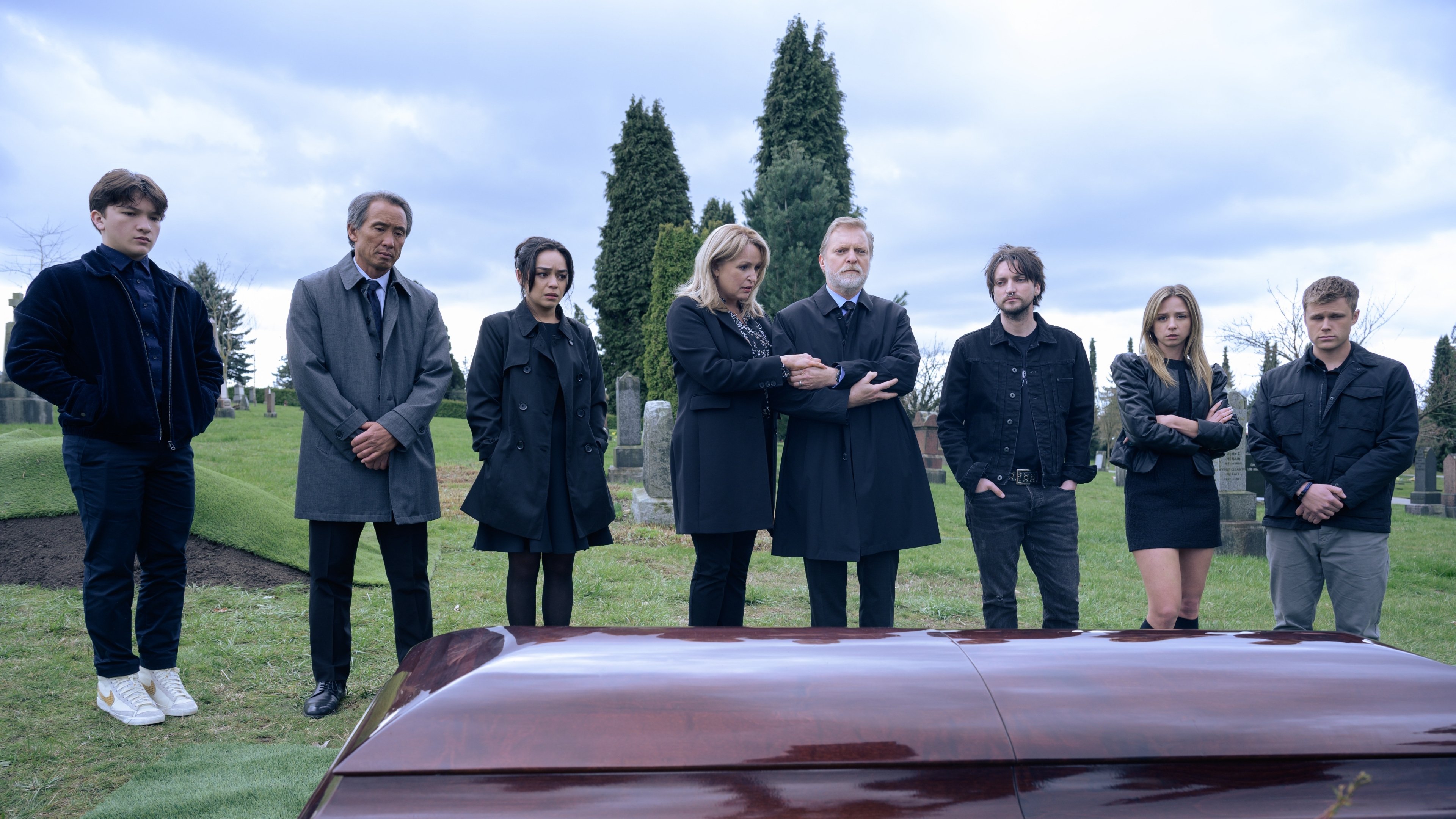
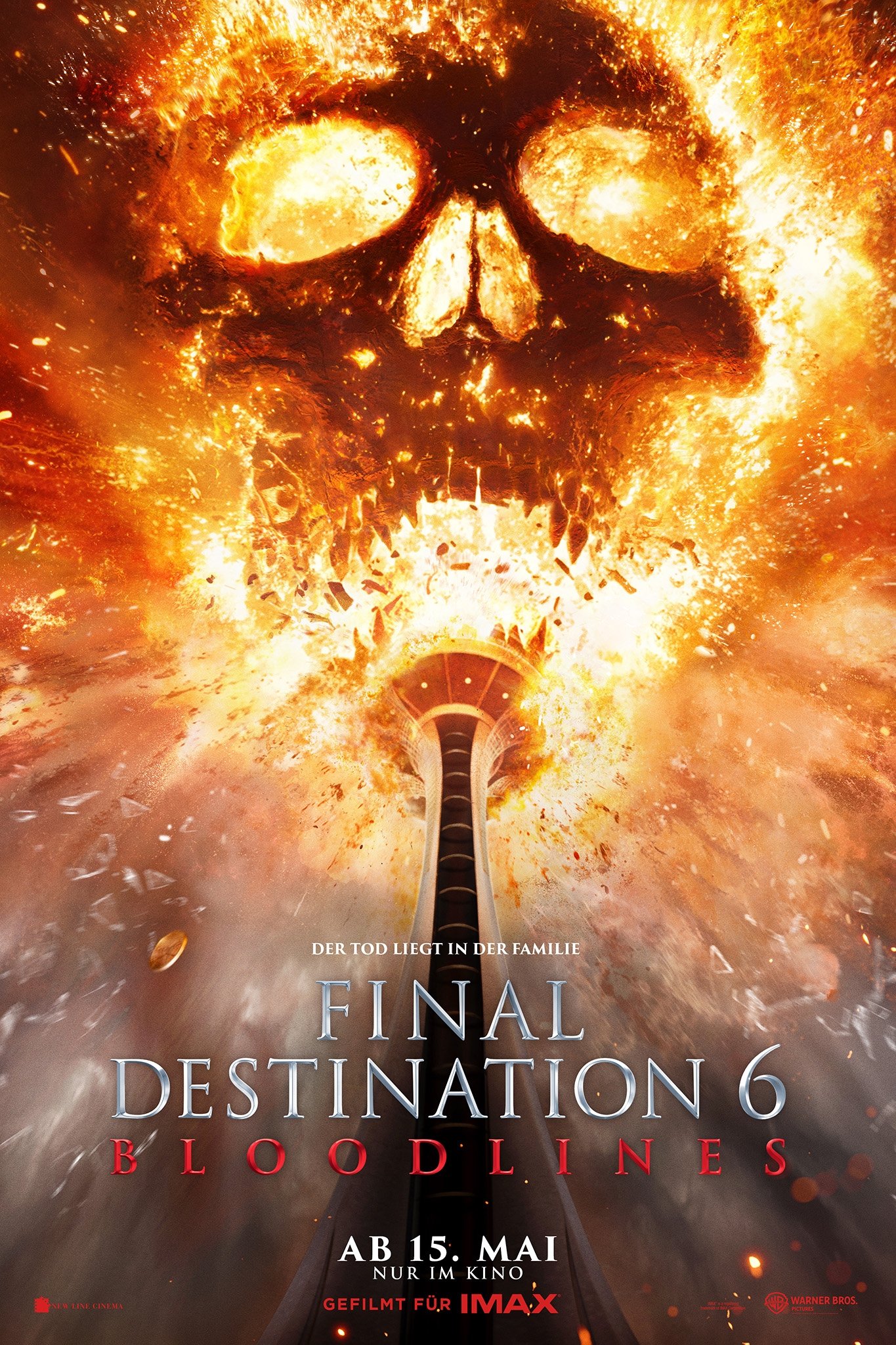
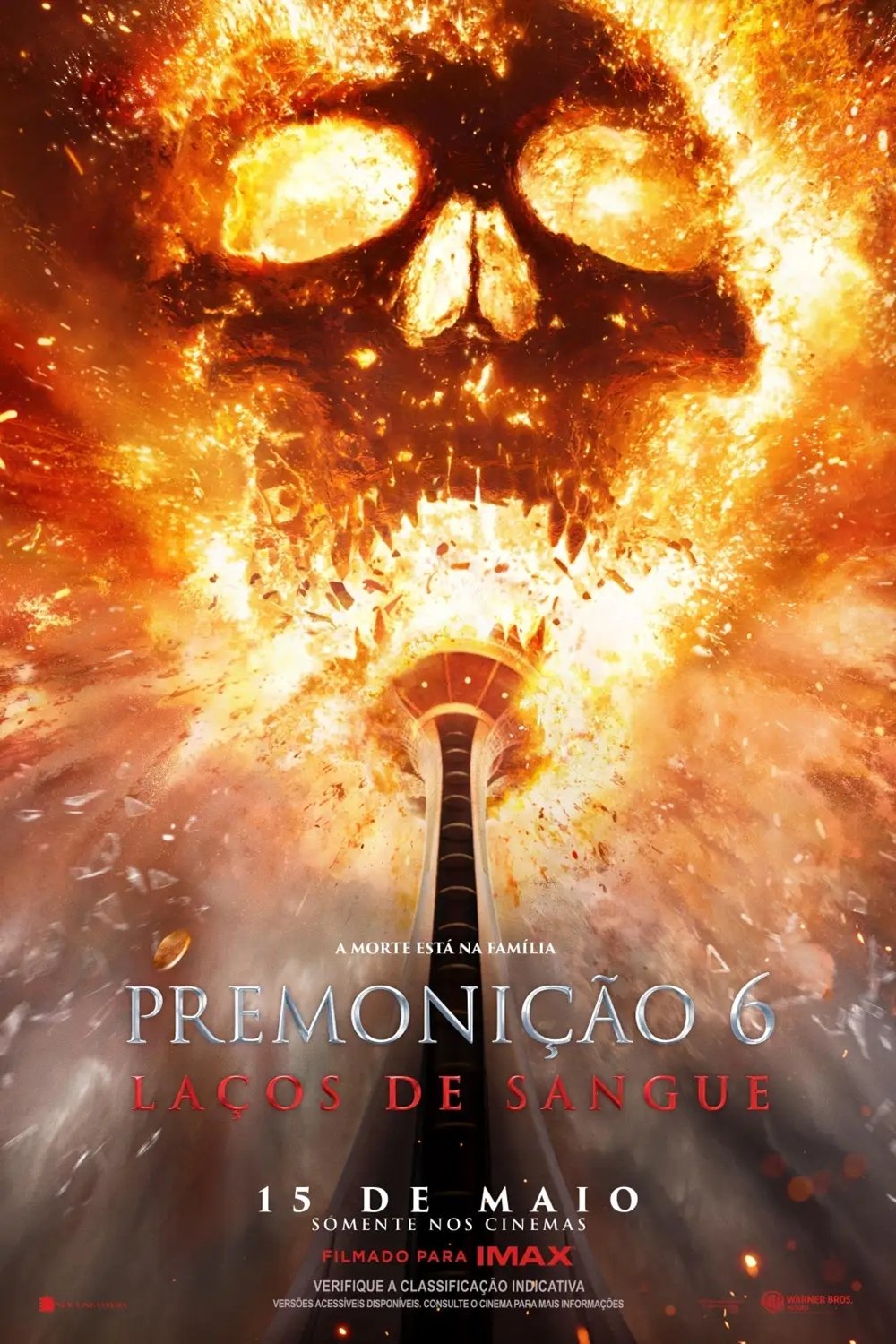
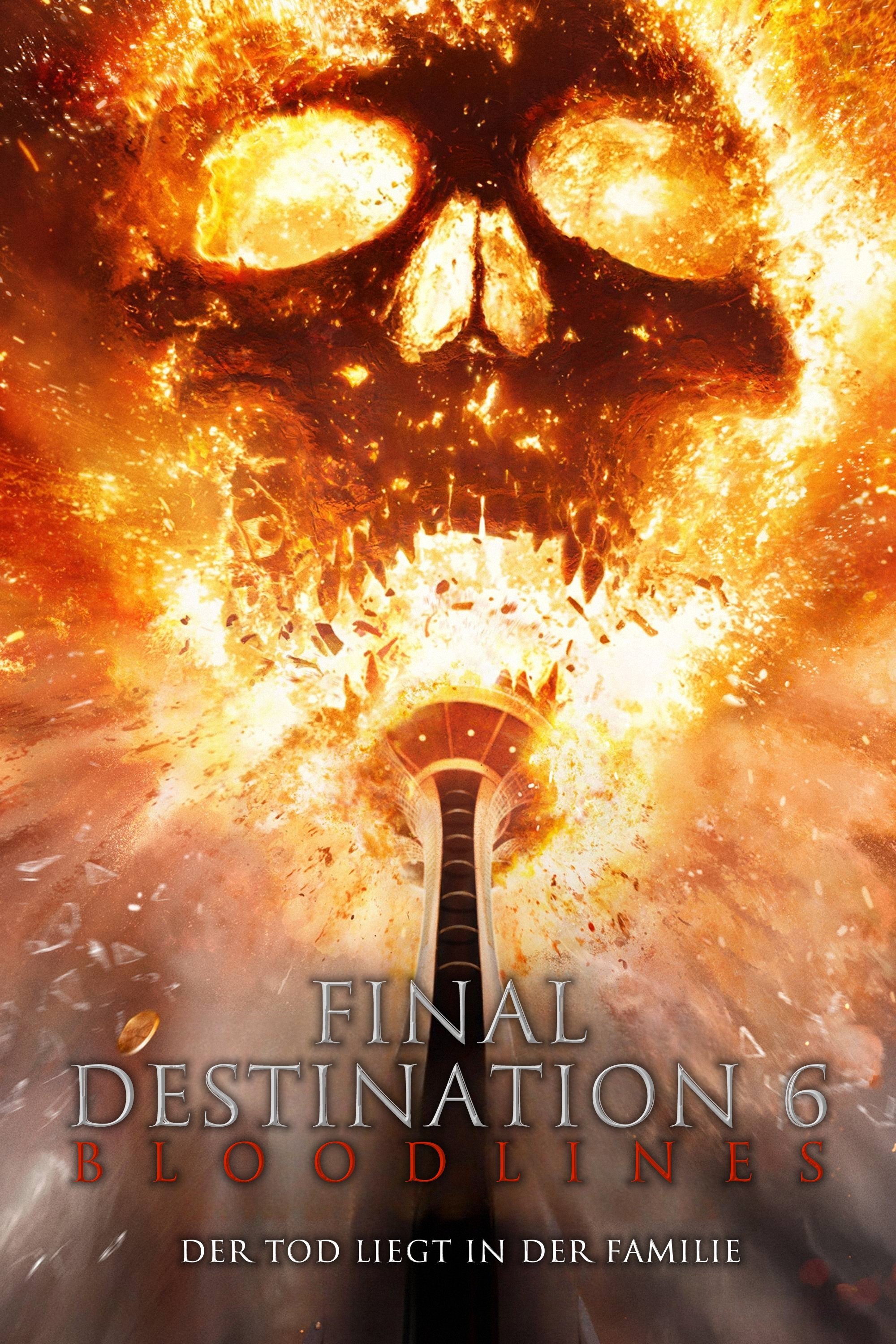
The project originated with an idea from Jon Watts, who proposed extending the consequences of a previous escape from death through subsequent generations. In a 2025 interview with TheWrap, Lipovsky and Stein described spending more than six months pitching their approach to the studio and its producers. The filmmakers emphasized family relationships because they wanted audience investment in the characters to intensify the later set pieces. Their previous feature, Freaks, had also centered on a family under extraordinary pressure. The resulting screenplay, credited to Guy Busick and Lori Evans Taylor from a story shared with Watts, uses an inherited predicament to reorganize the series' familiar rules.
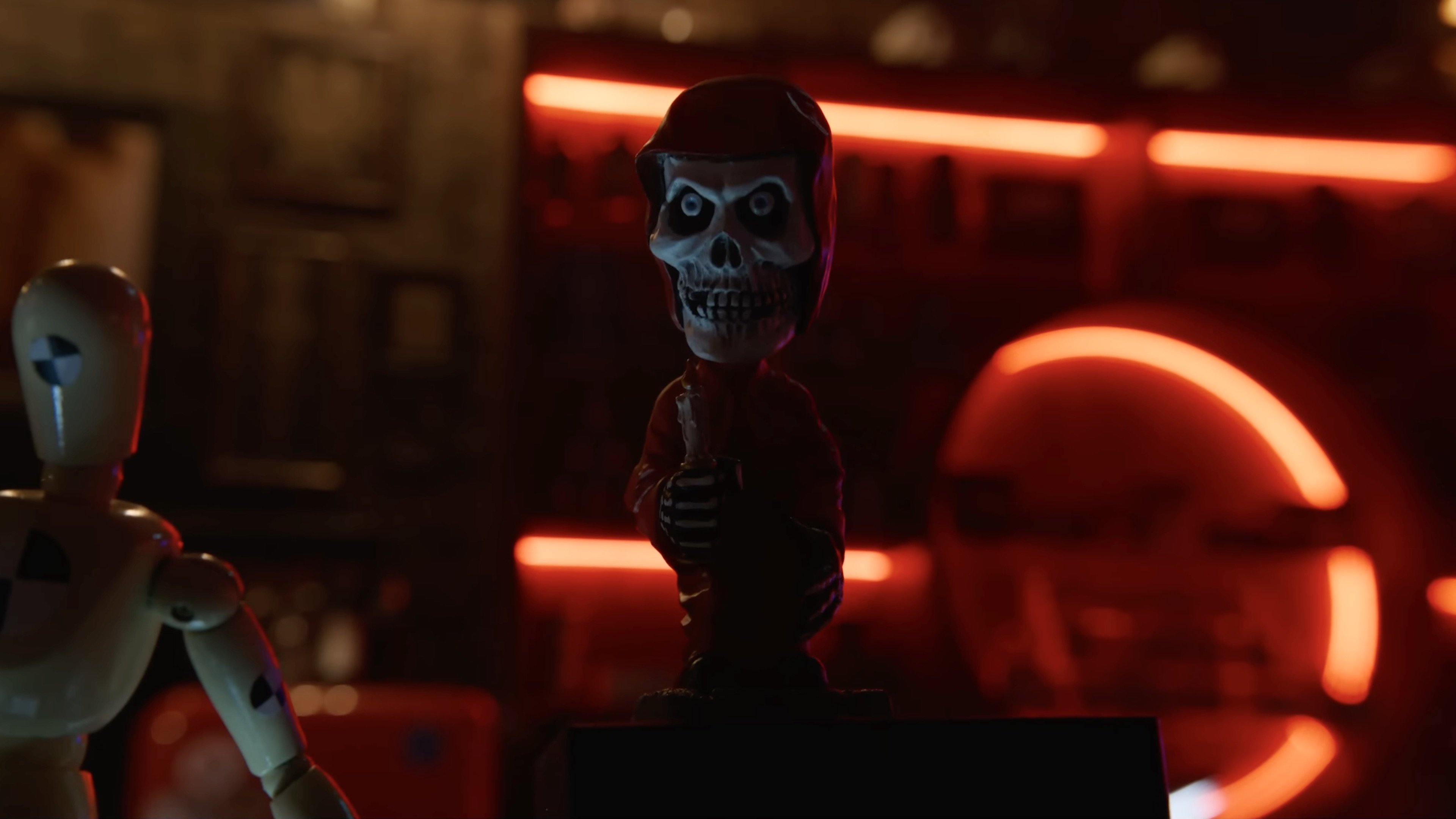
The directors made their understanding of the material part of the hiring process. During a remote presentation they staged a simulated fatal accident using prepared video backgrounds, a ceiling fan and carefully timed performances. Stein and Lipovsky subsequently described the demonstration as a way to communicate the film's combination of violence and comic surprise. Once hired, they examined earlier installments for recurring warning signs, setups and patterns of misdirection. Their planning included discussions of how much information a viewer should receive before any death. This attention to suspense distinguishes the preparation from merely compiling more elaborate accidents.
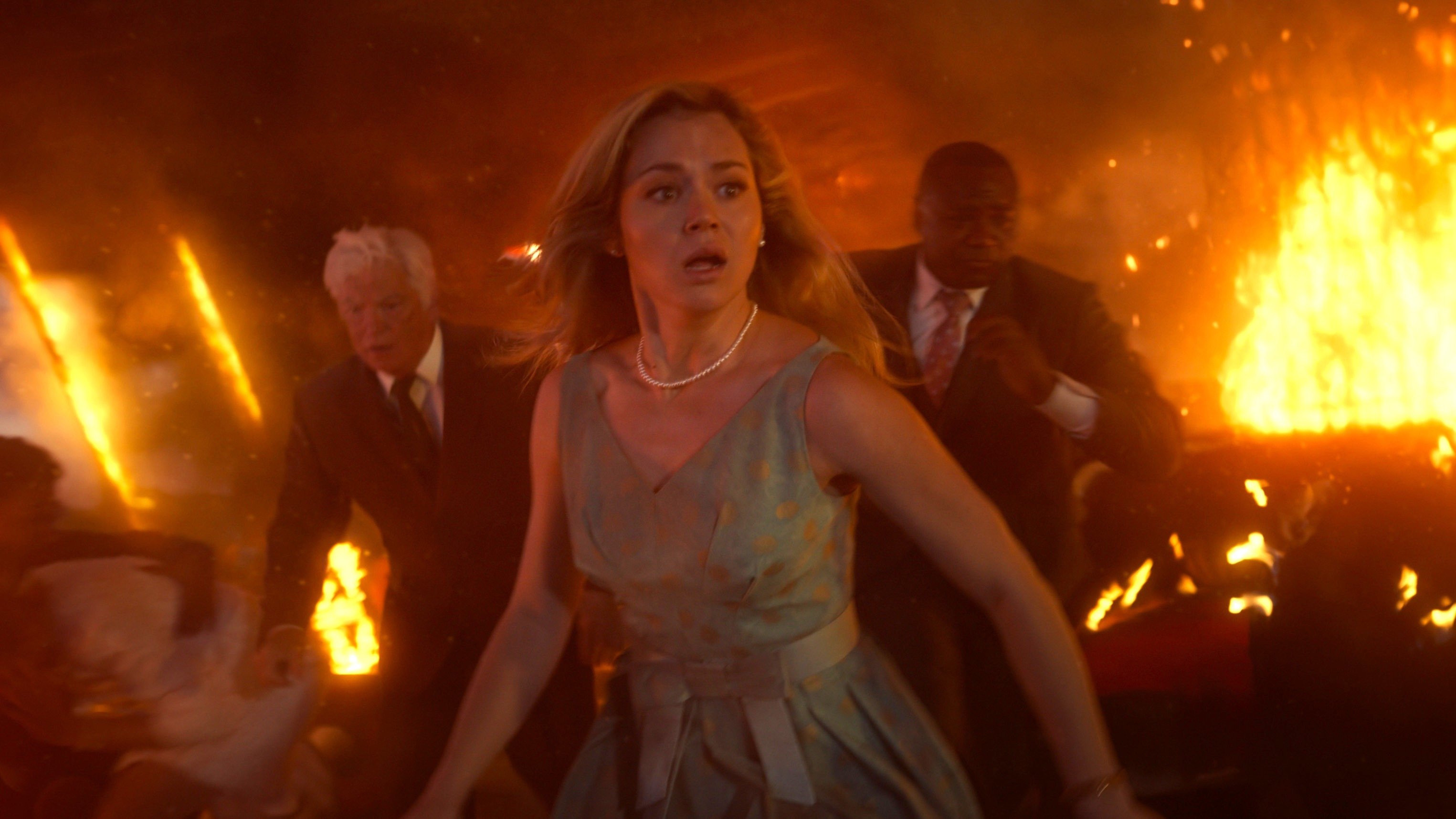
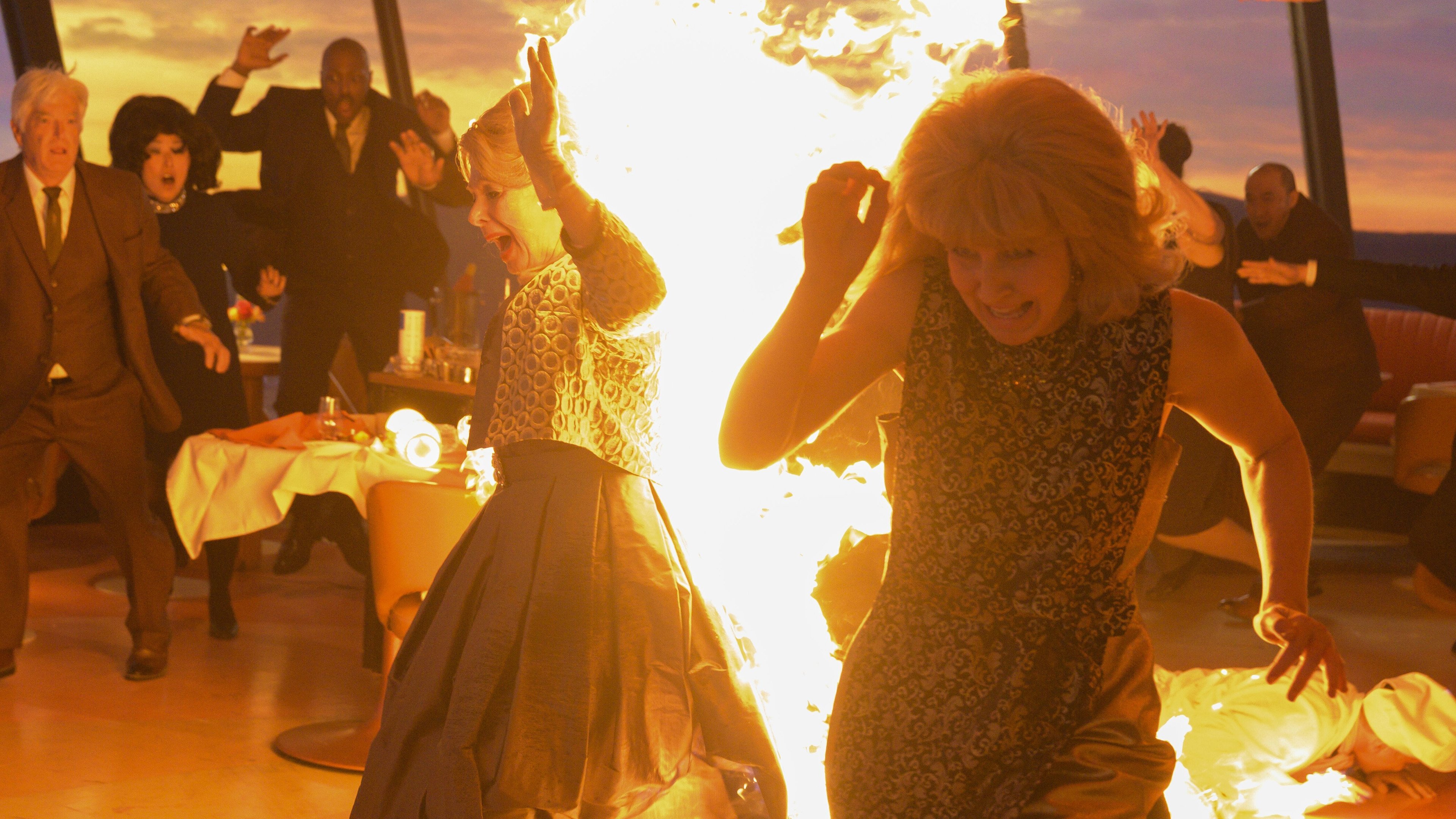
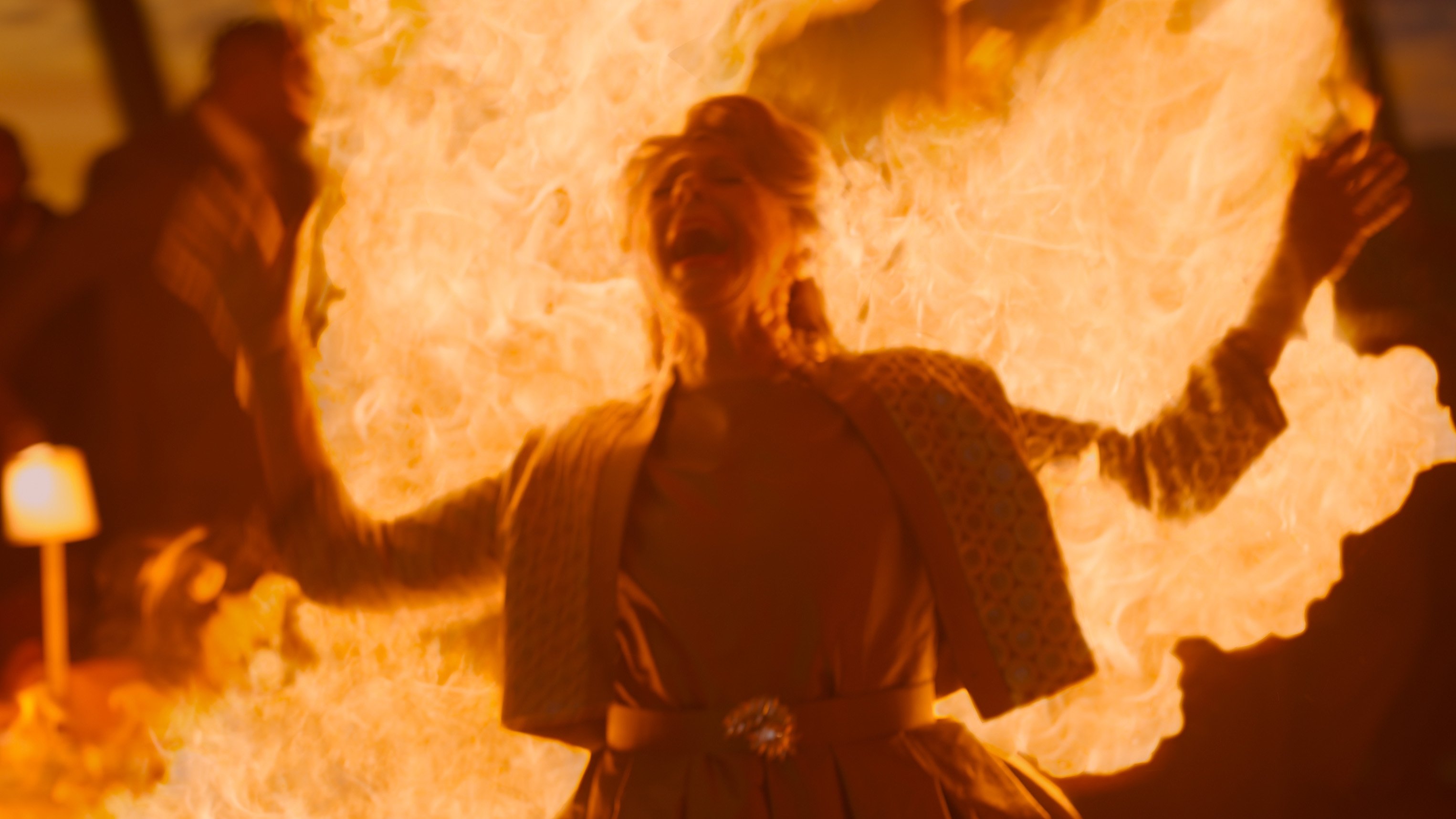
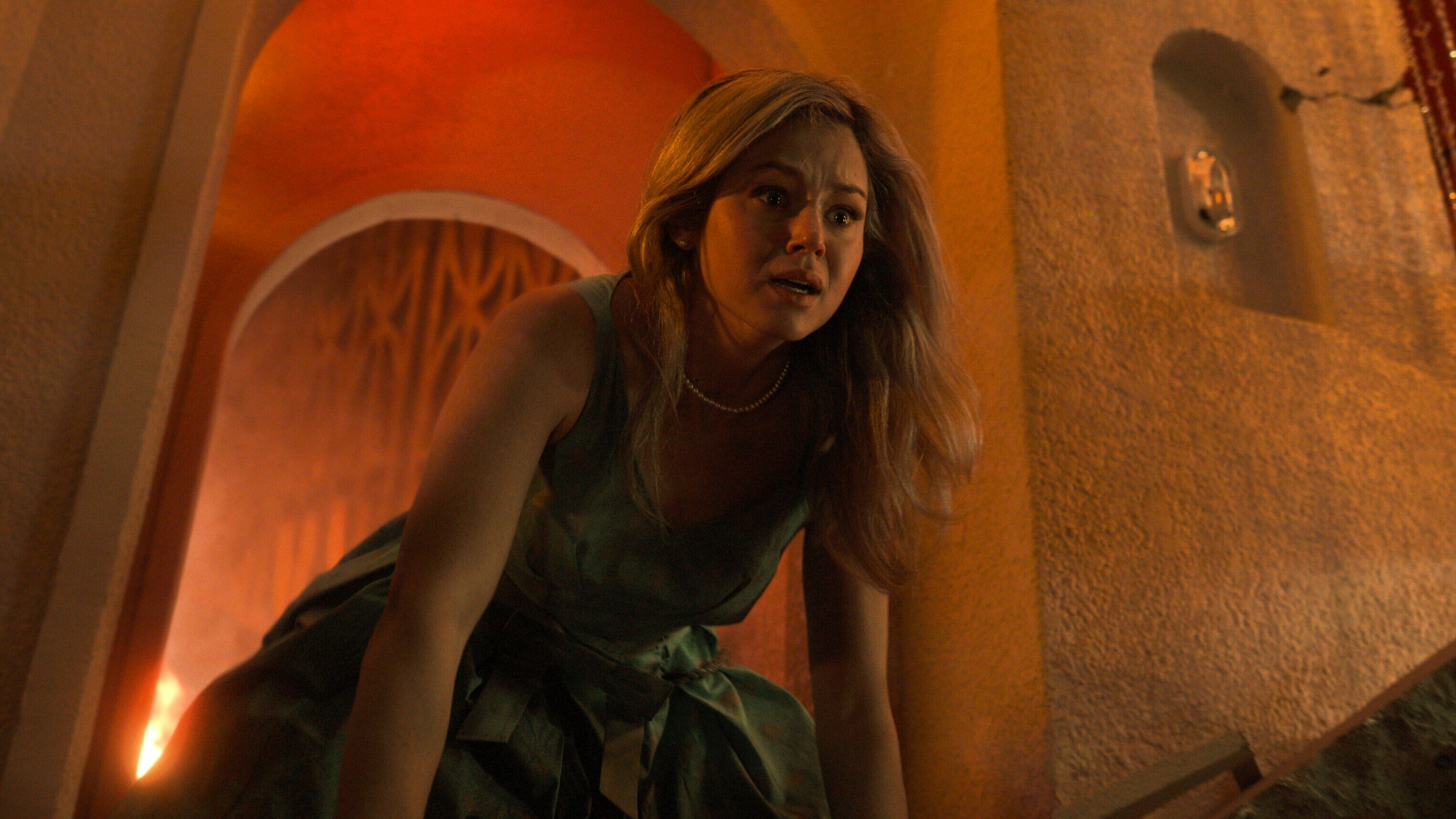
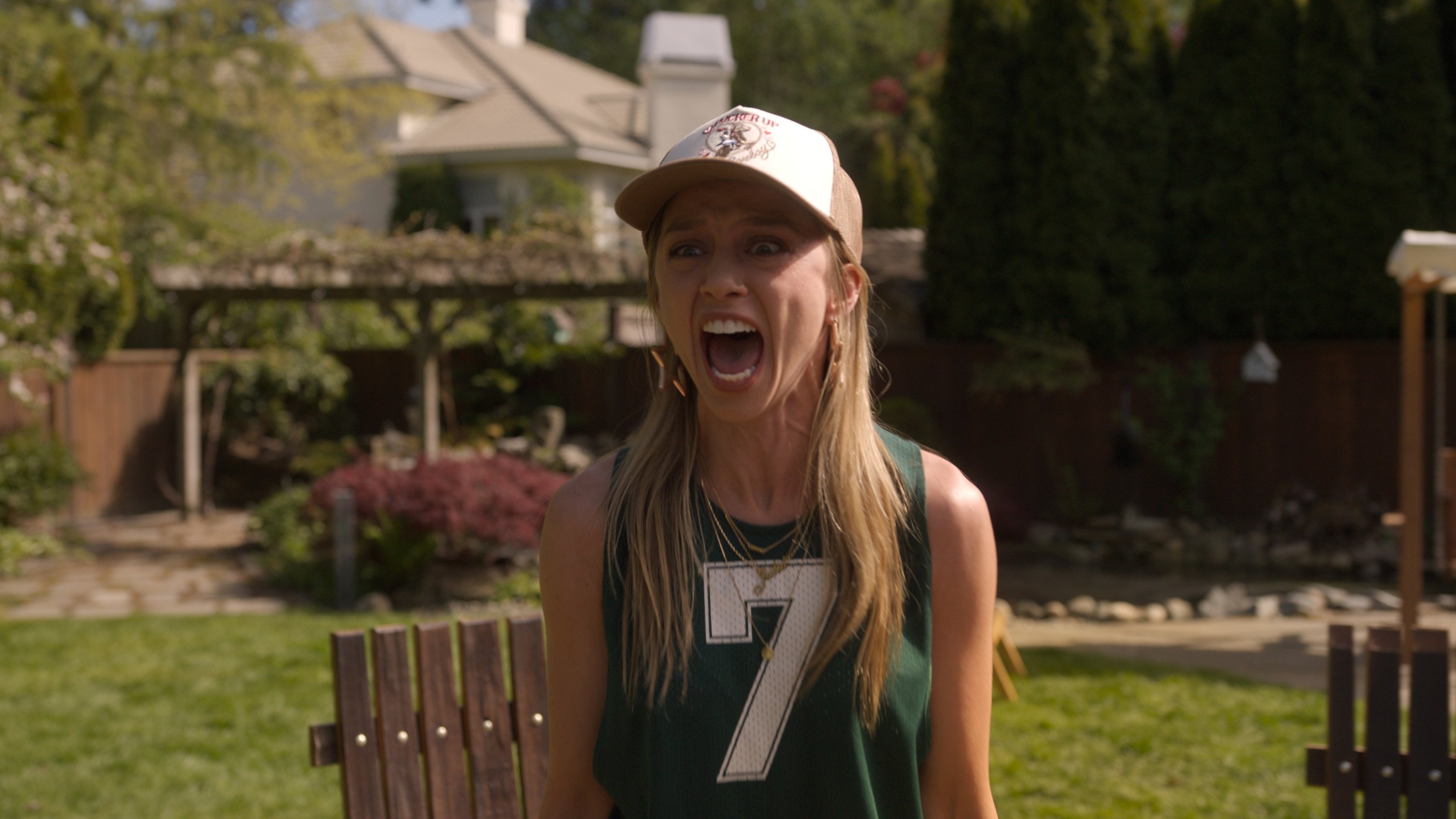
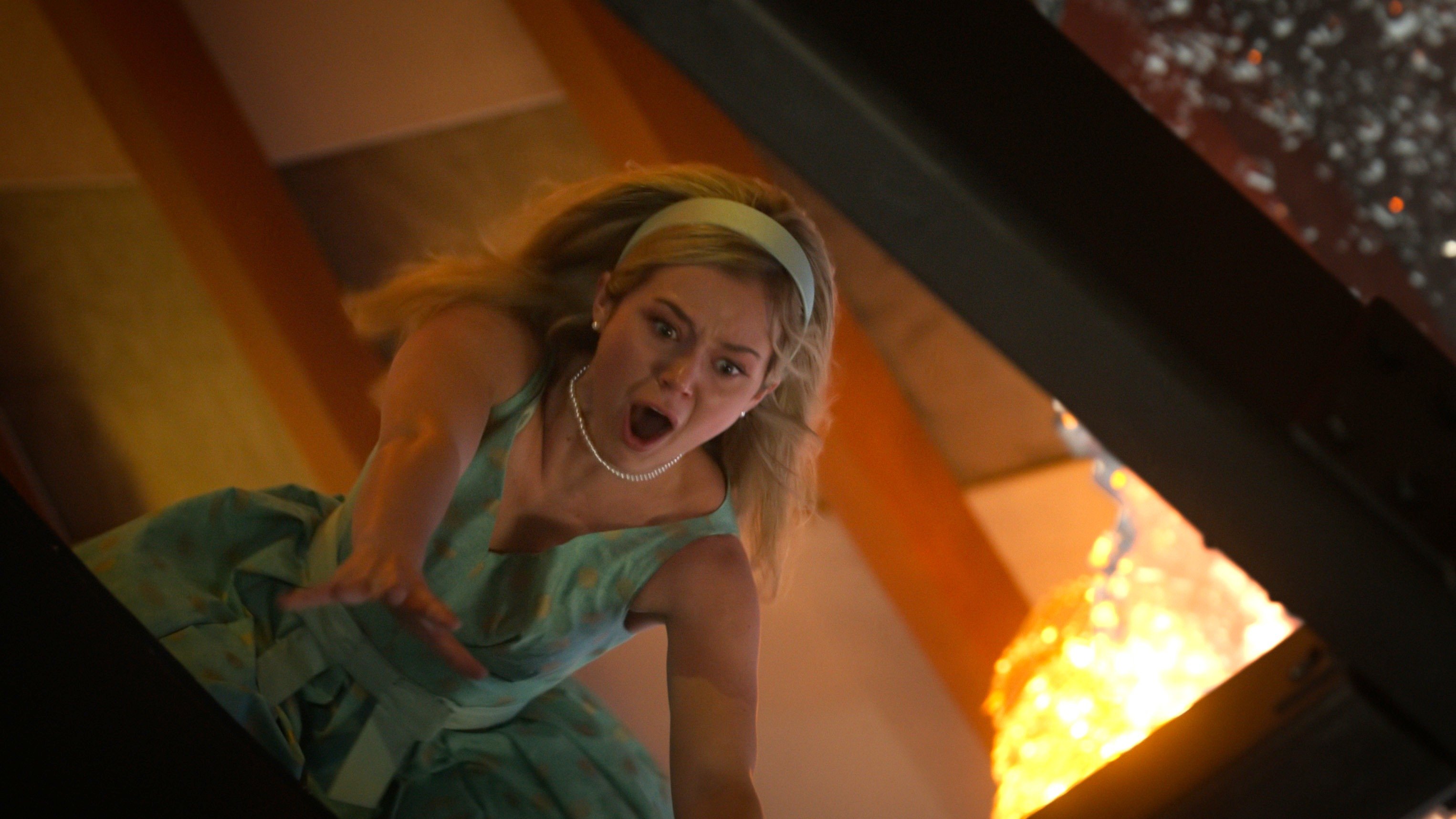
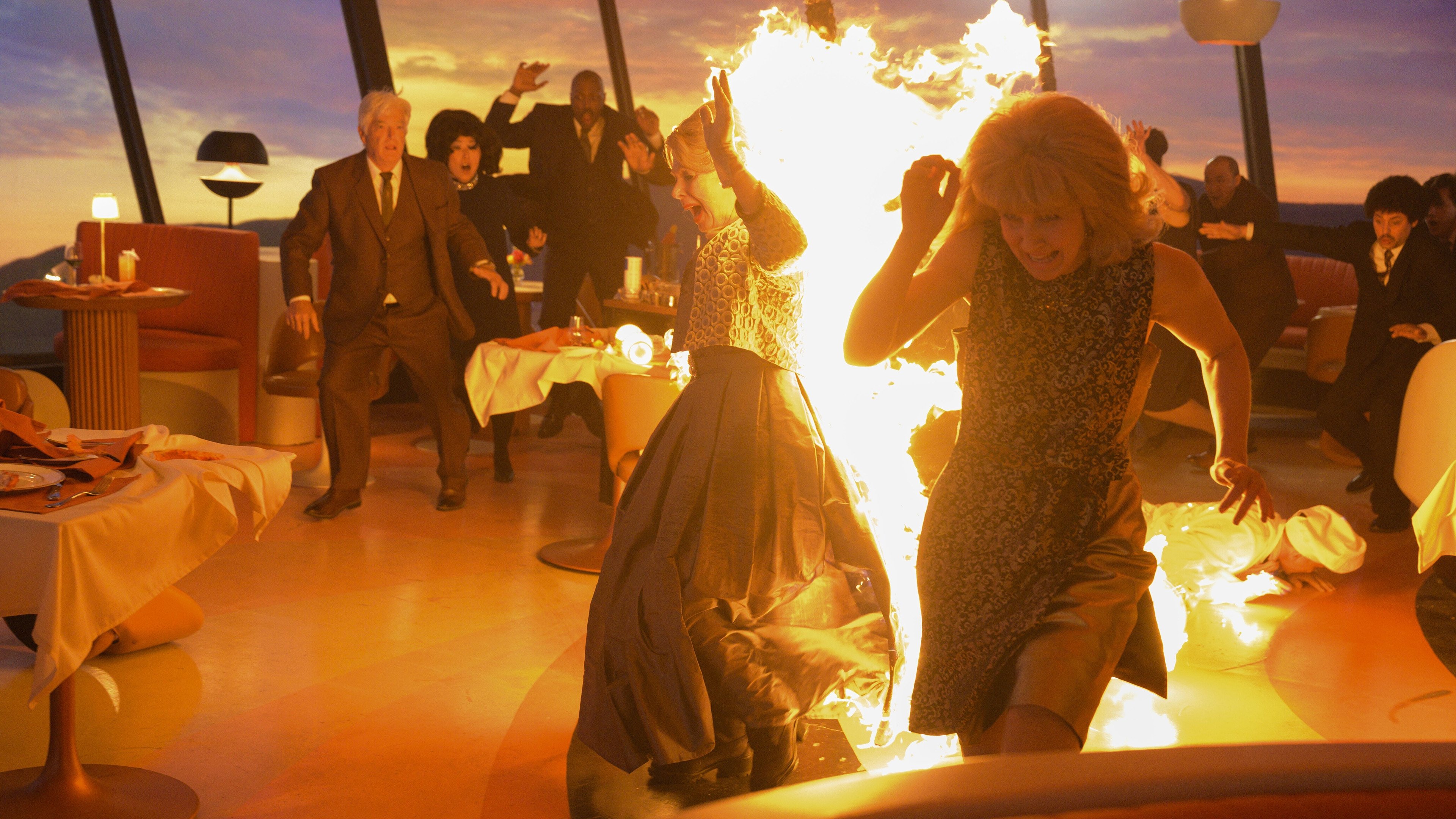
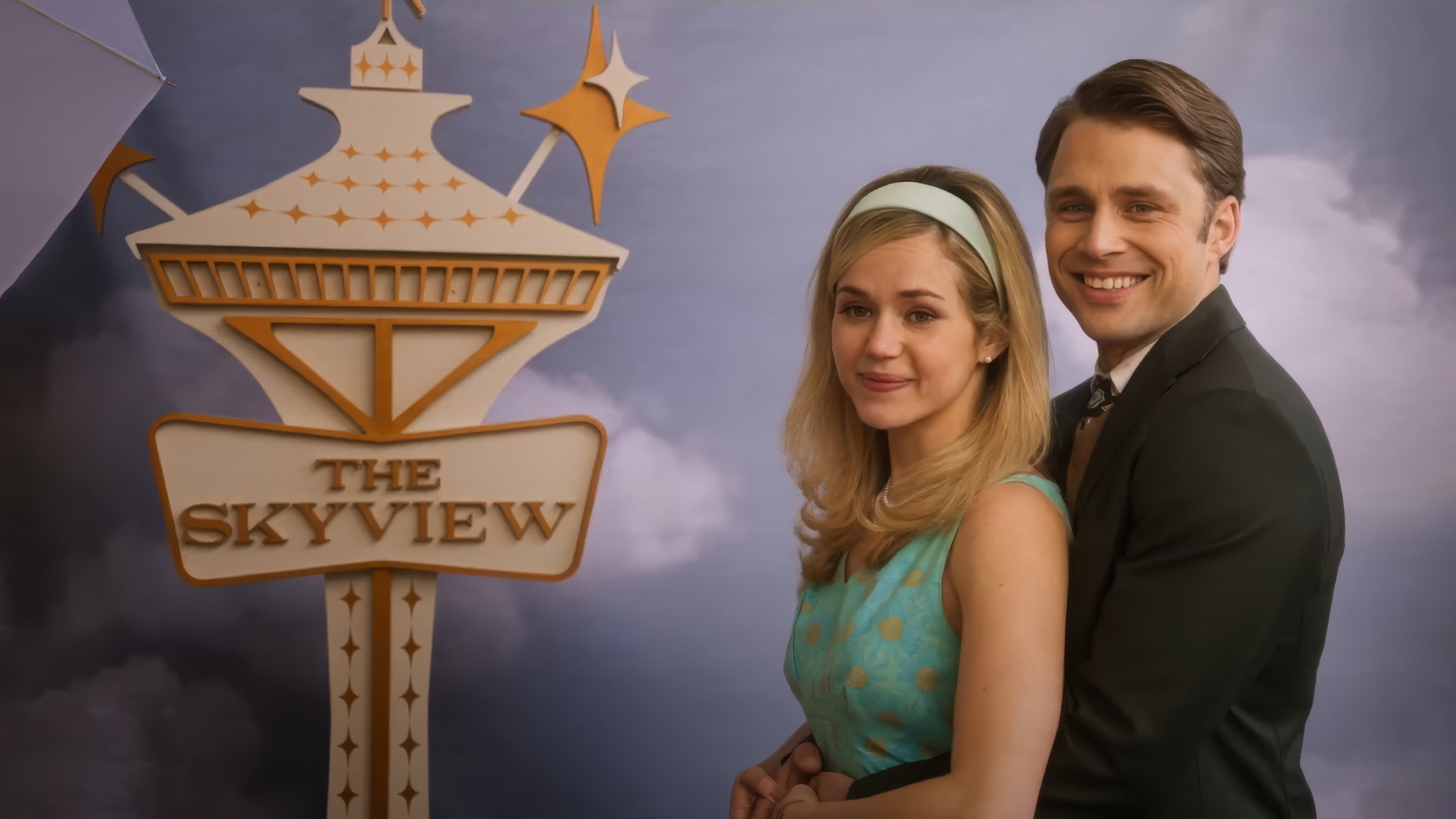
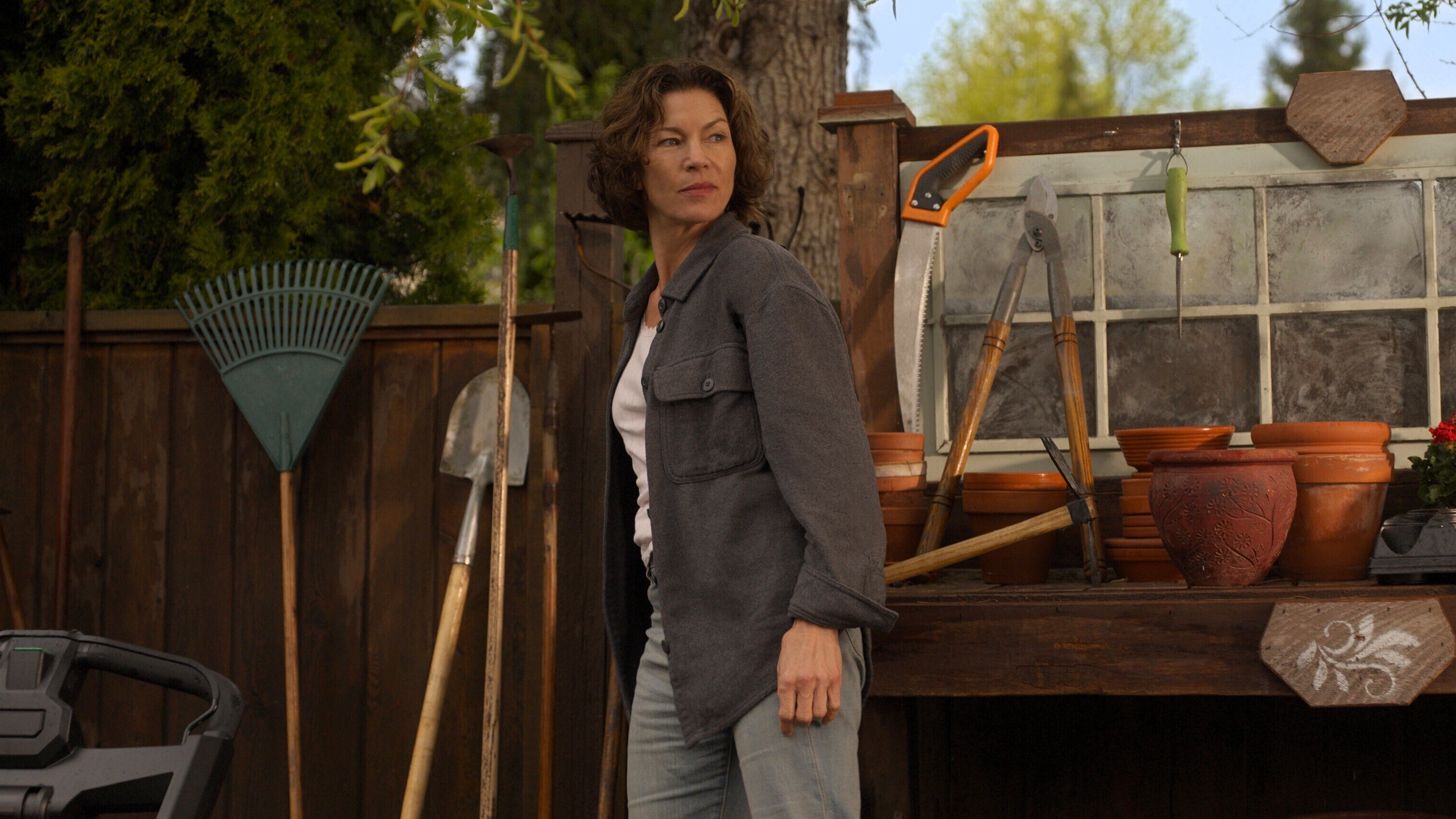
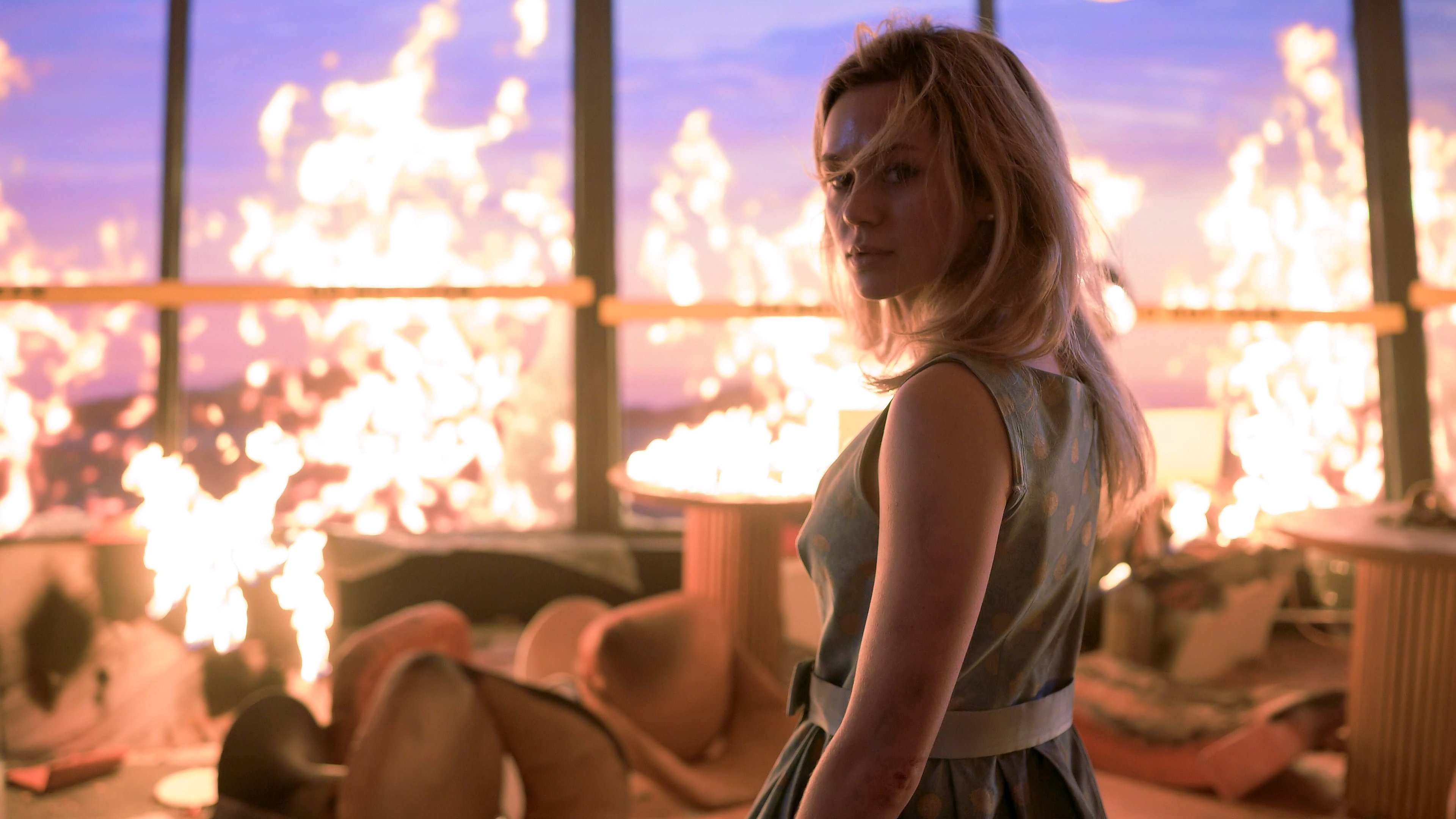
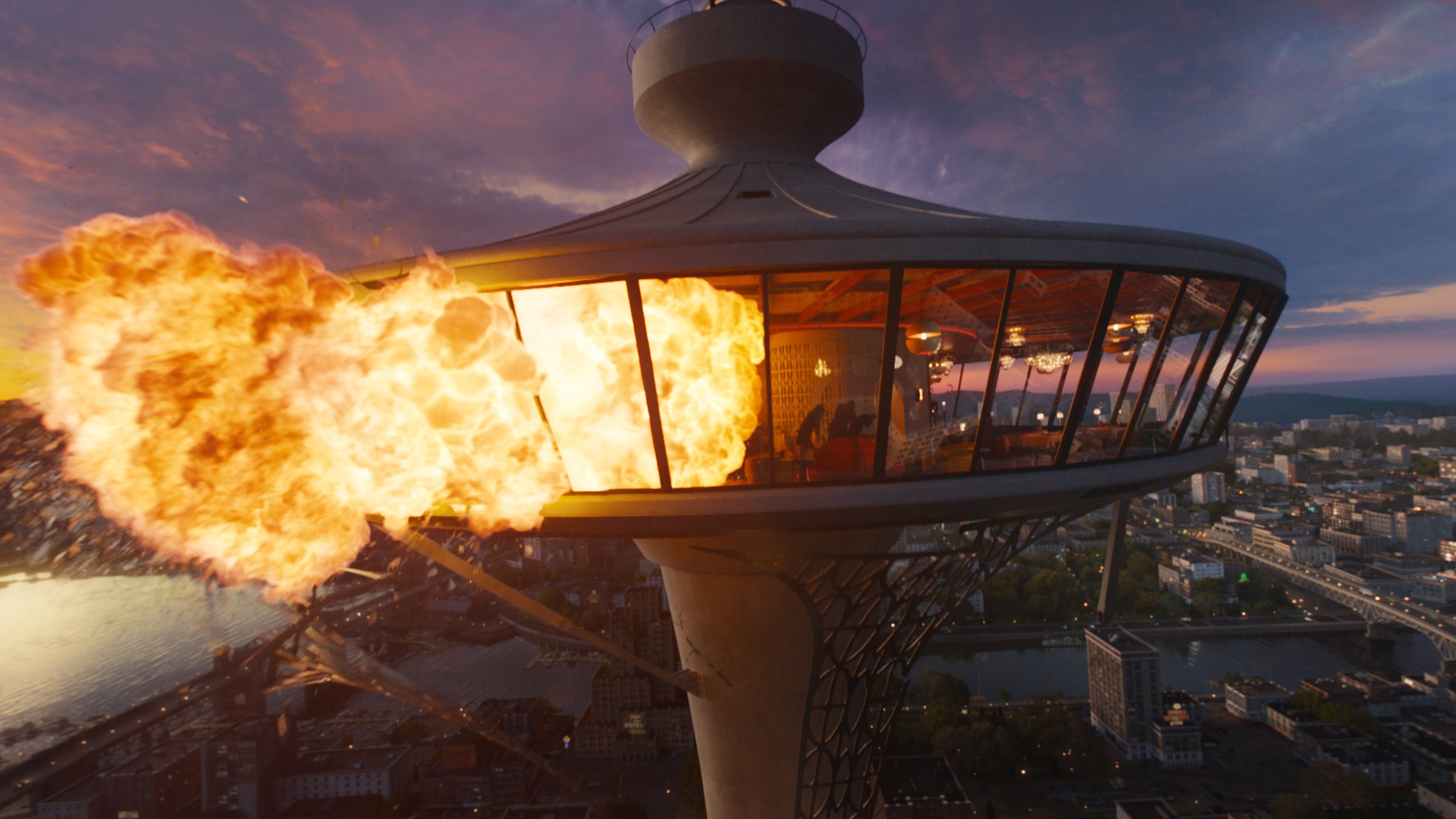
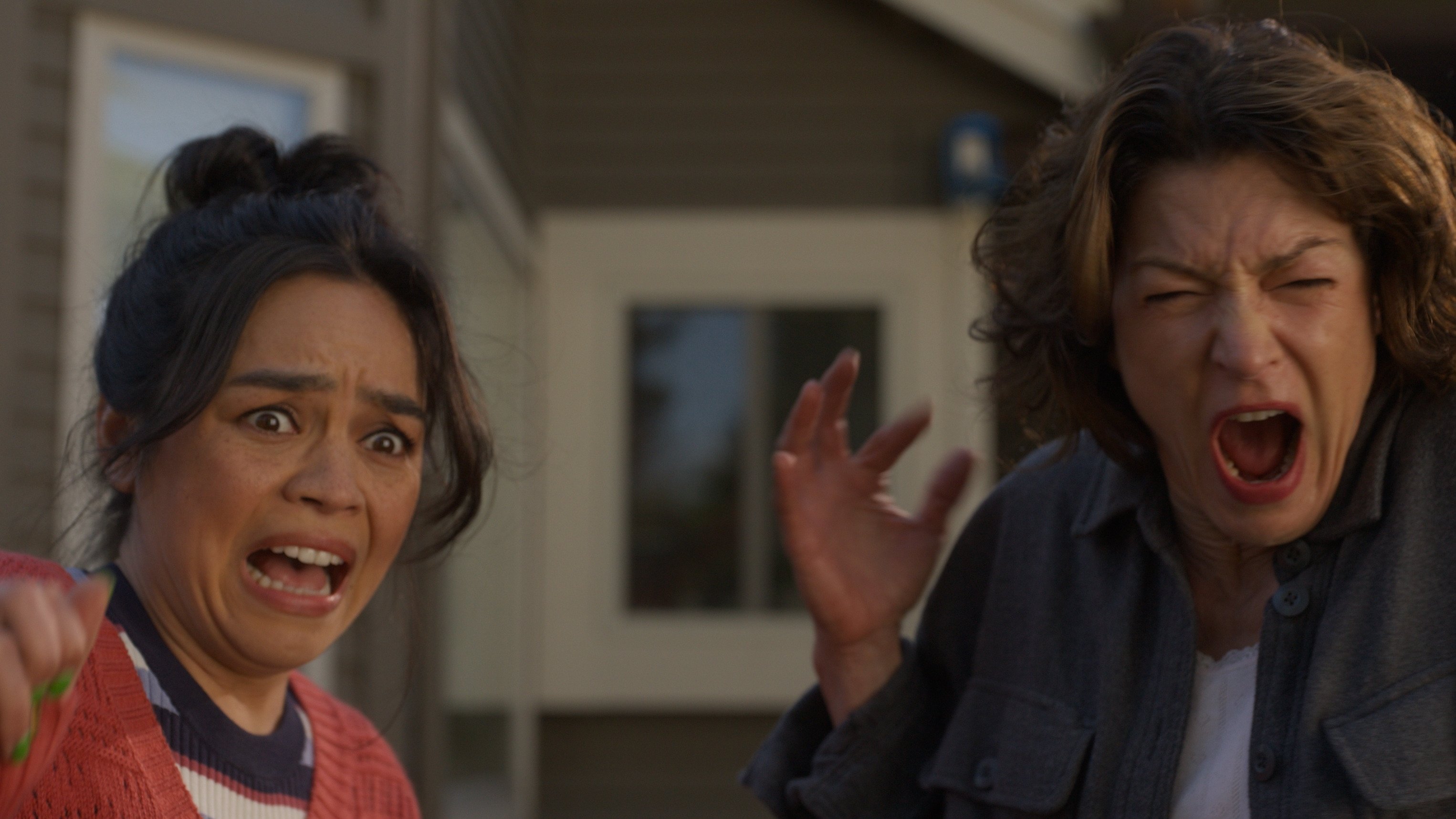
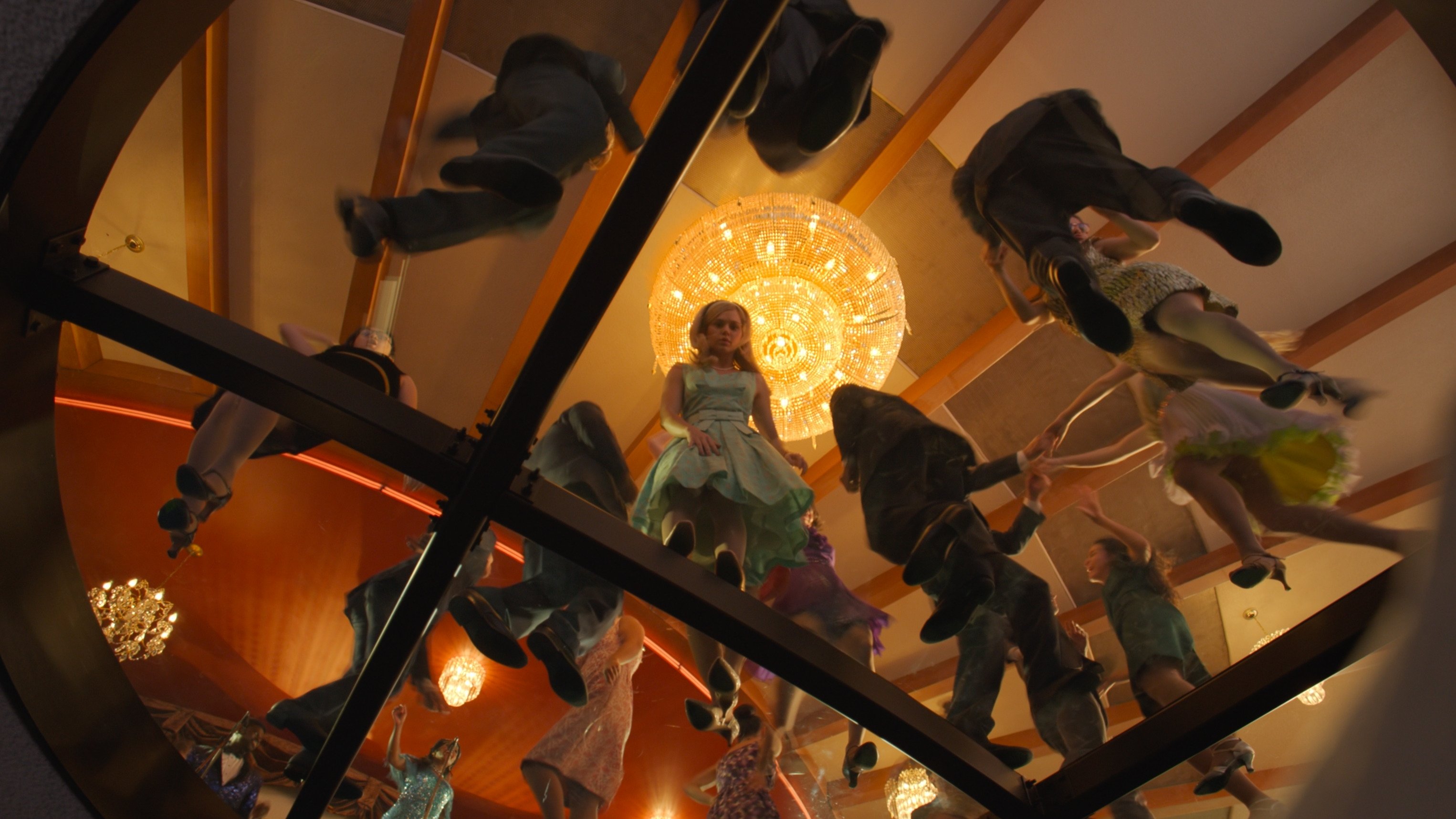
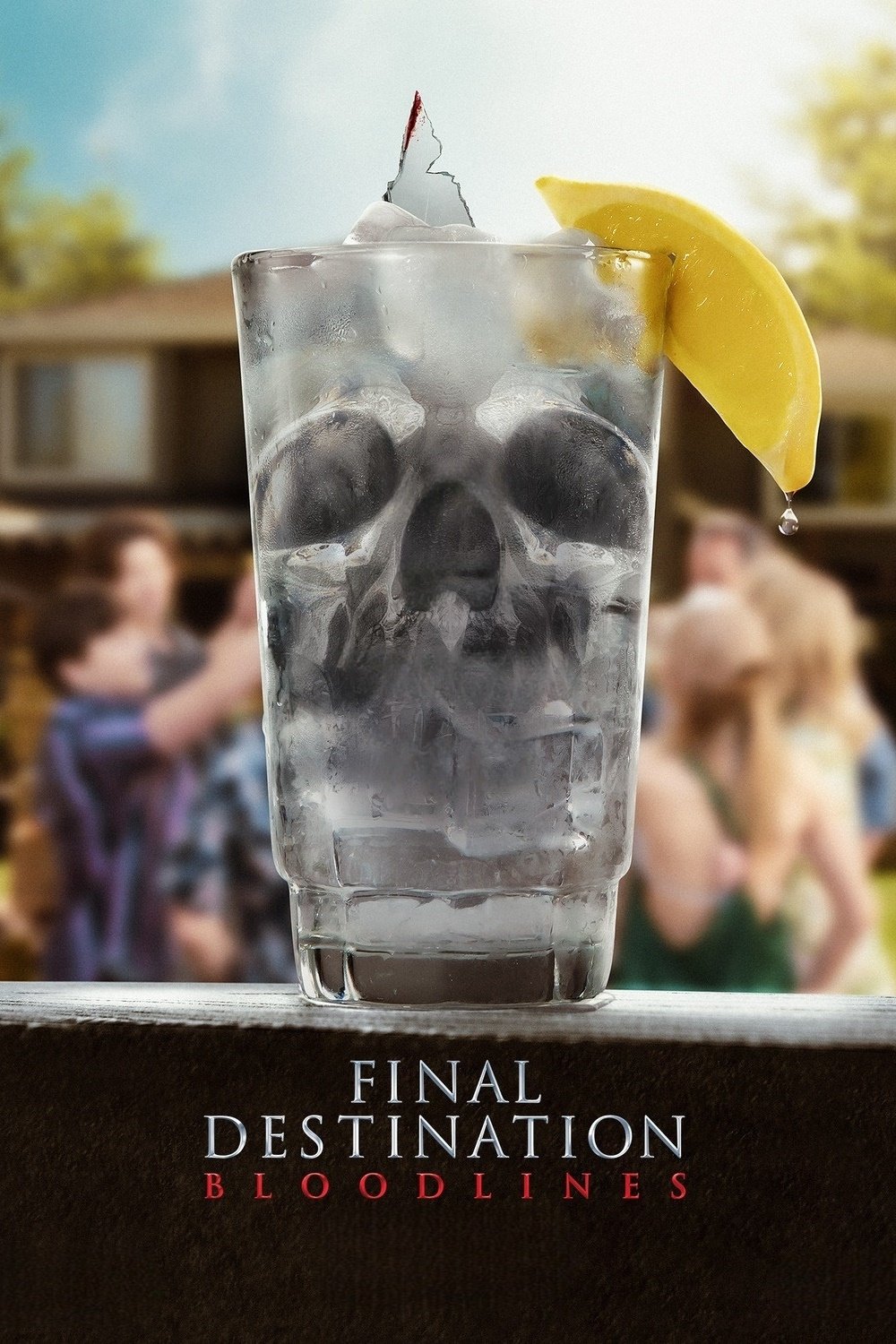
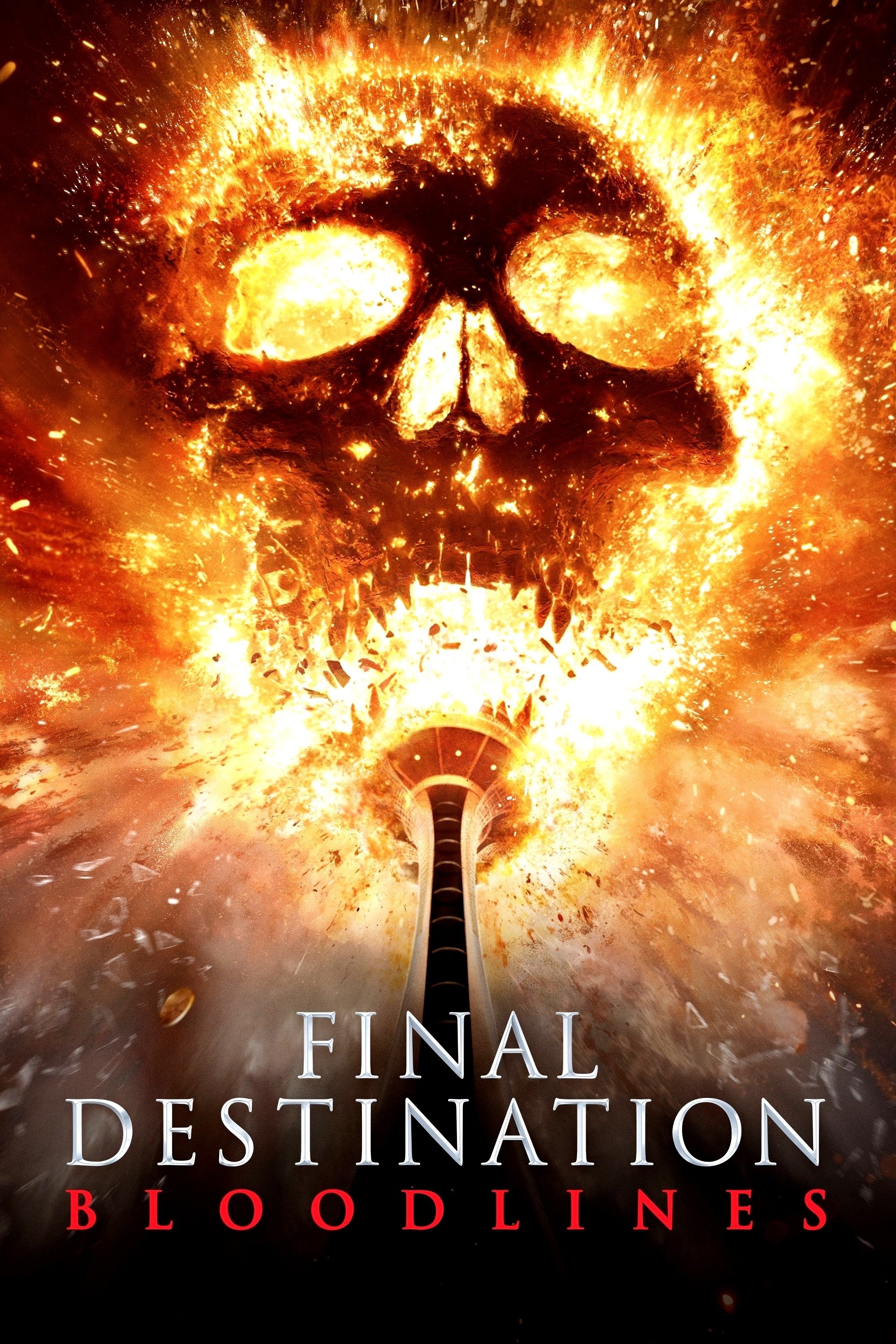
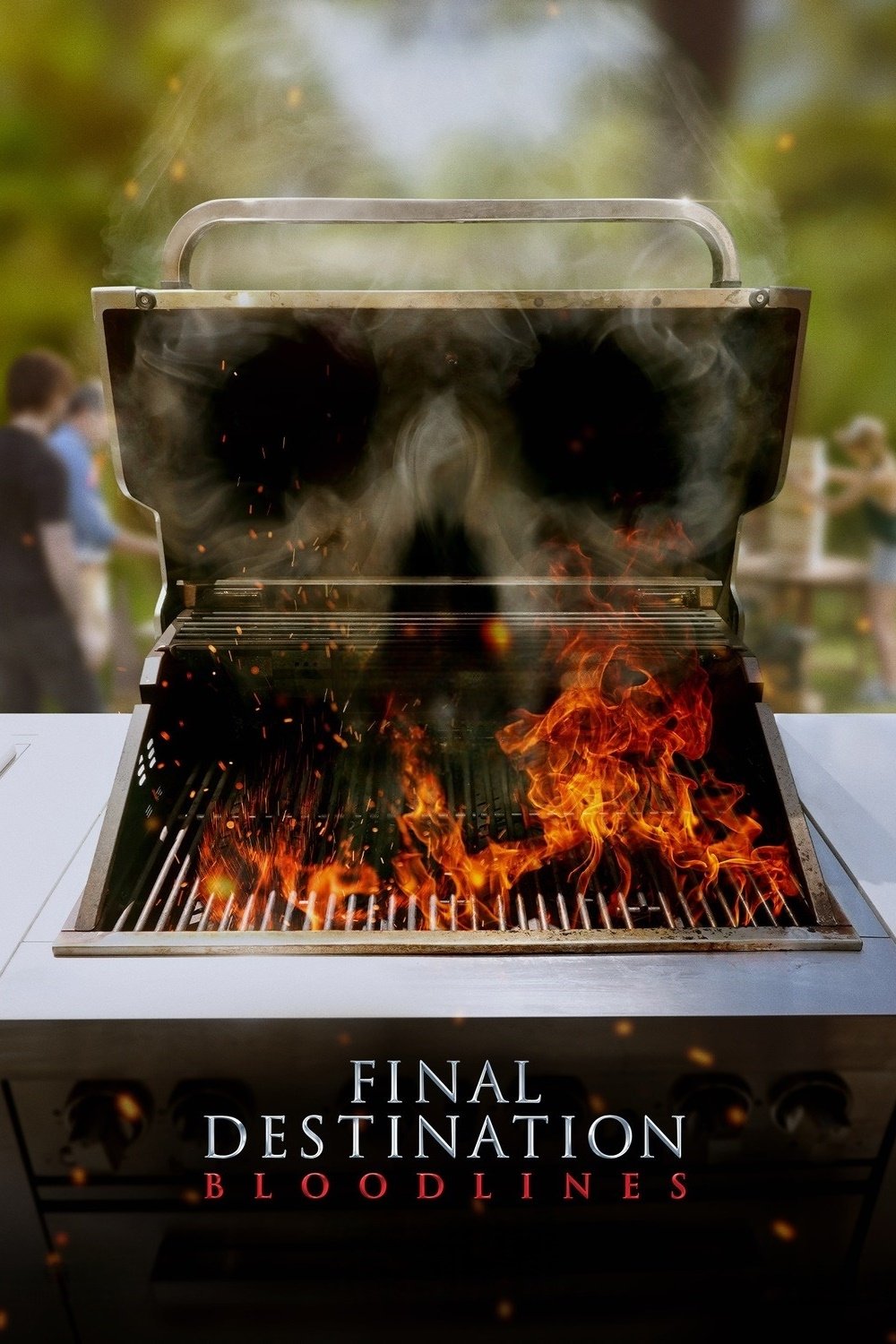
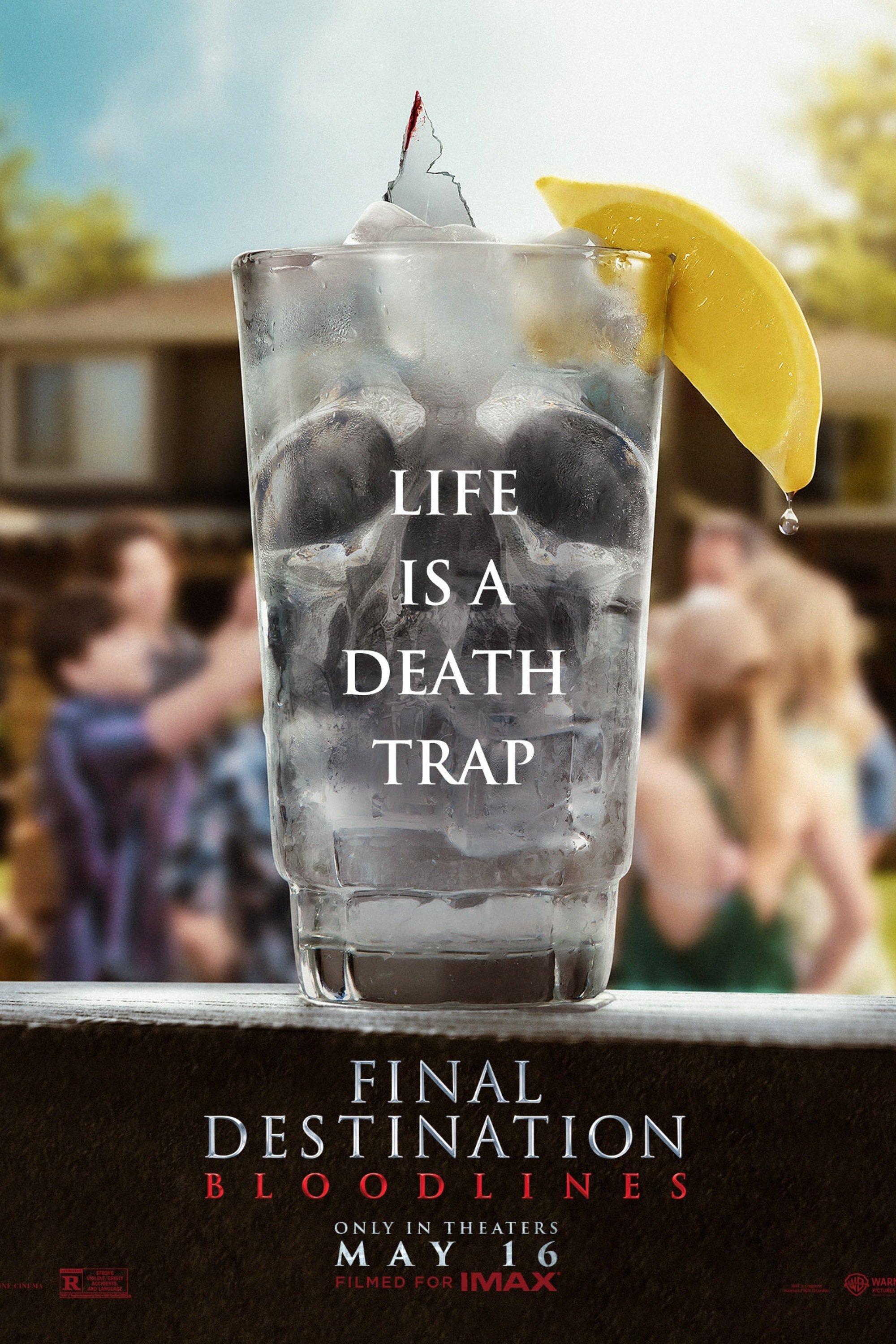
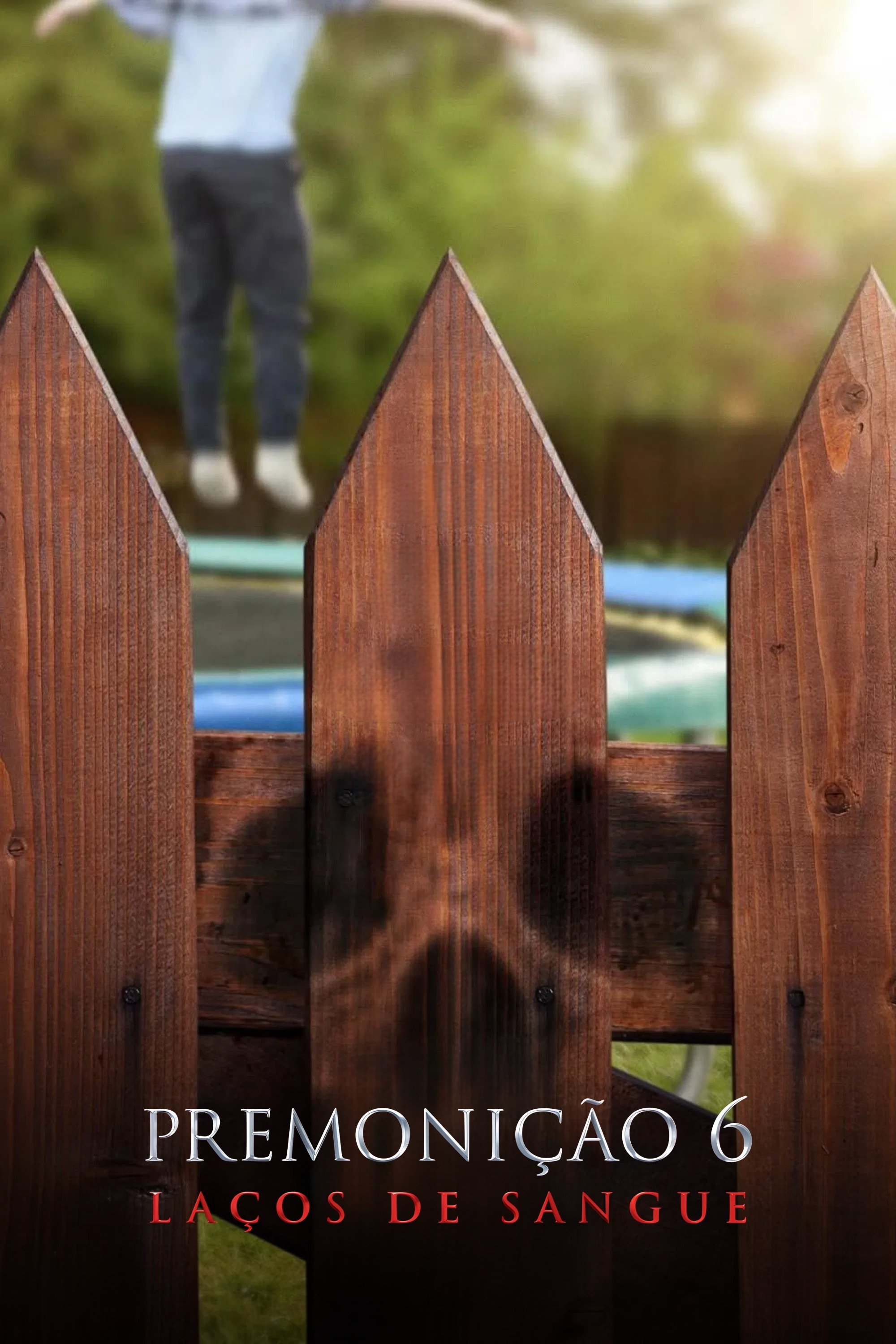
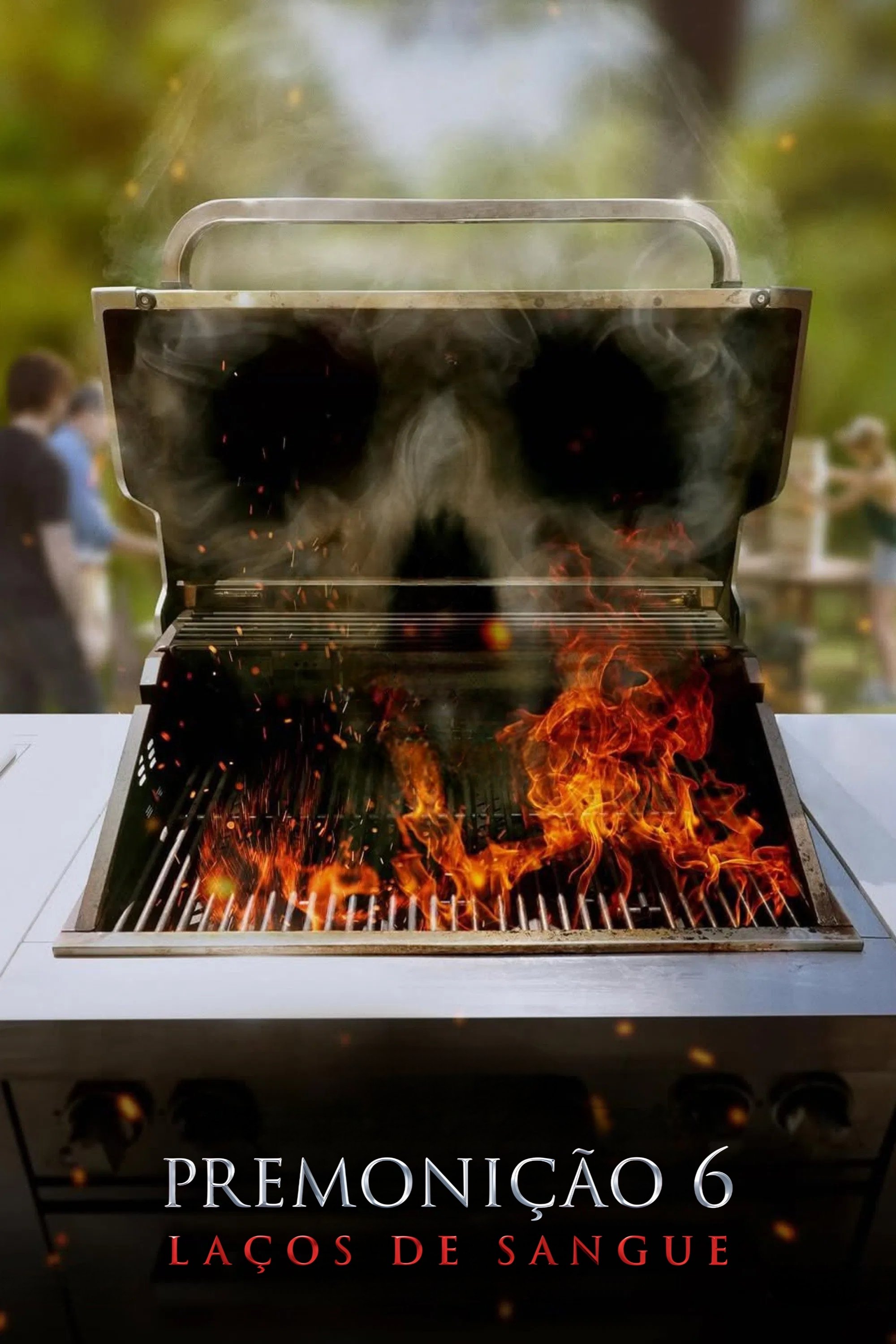
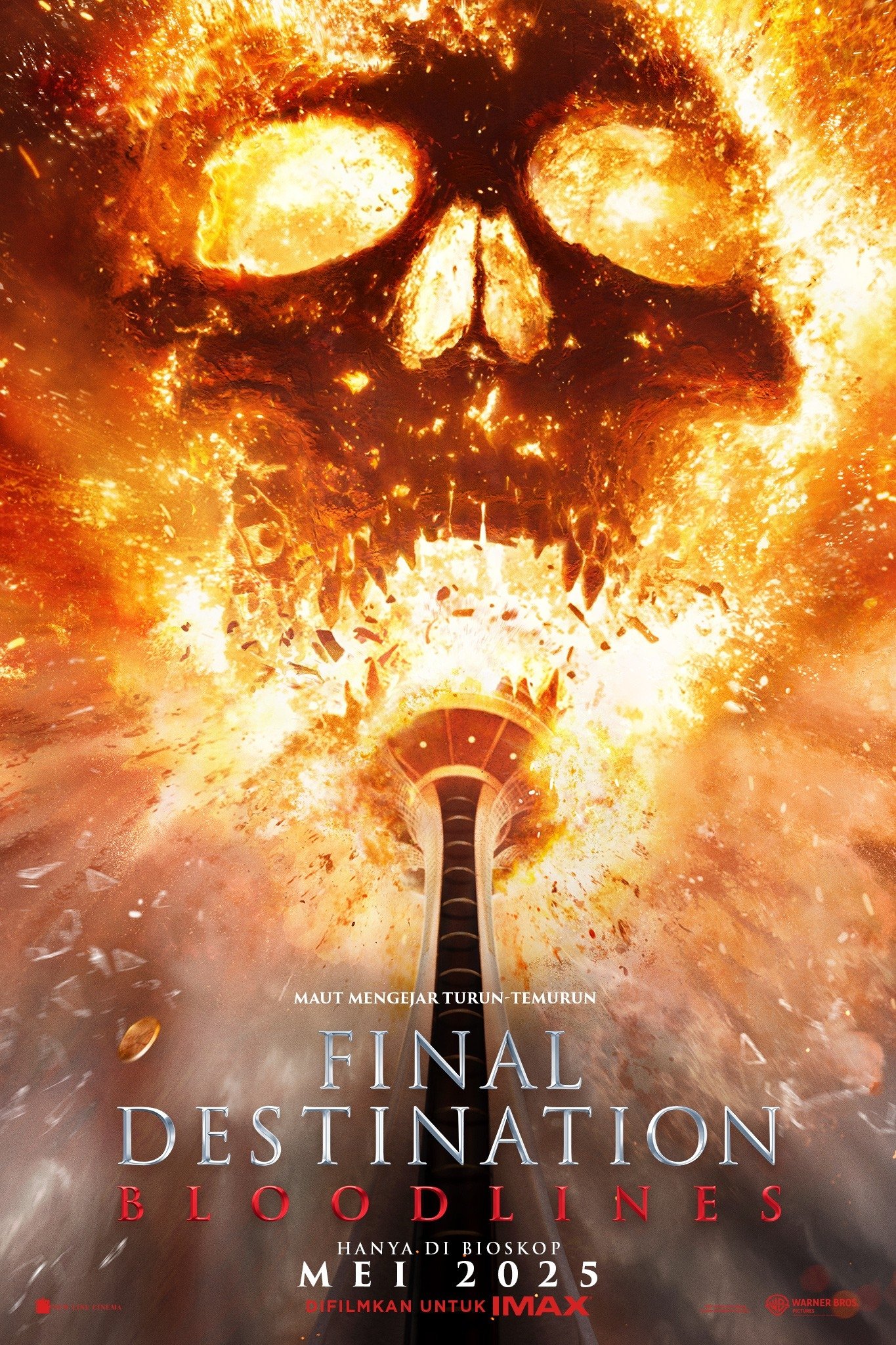
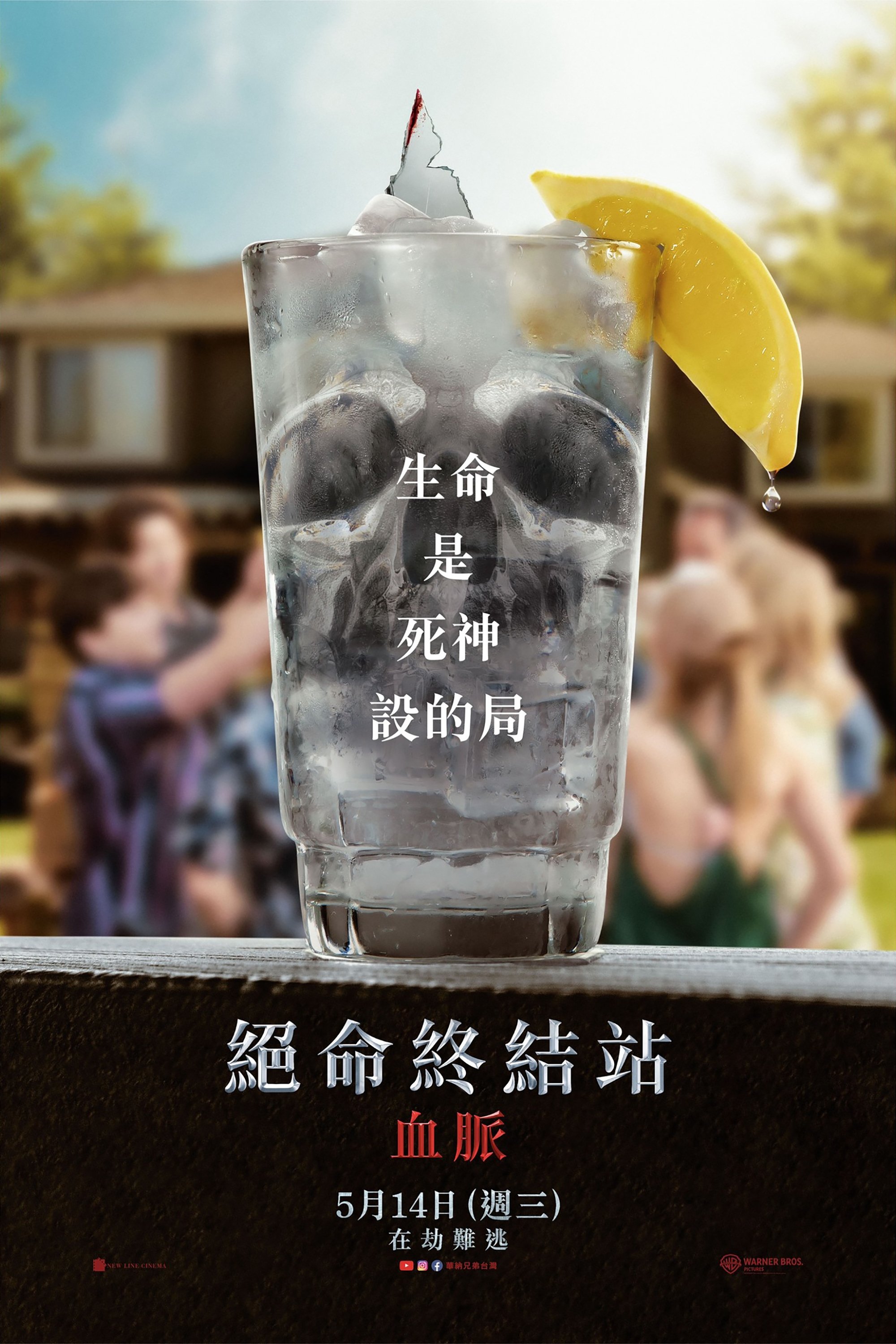
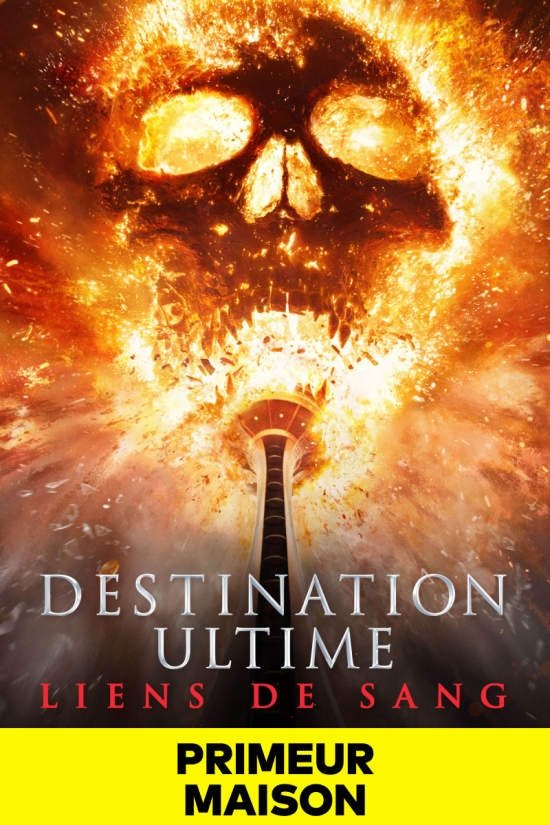
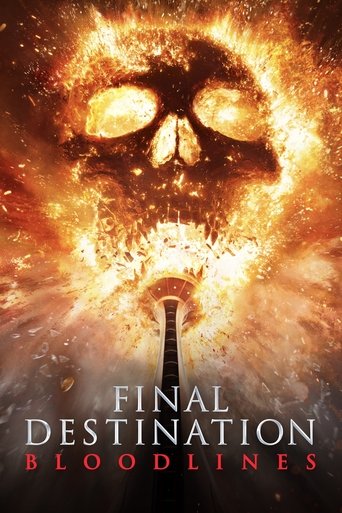
TheWrap also documented changes to an important family gathering. A planned sequence at a children's entertainment venue was replaced with a backyard encounter after the team reconsidered how the relatives would interact. The directors explained that they continued revising ideas throughout production, borrowing an iterative approach they associated with animated filmmaking. An early conception for the historical catastrophe had involved a paddle-wheel boat in the 1950s. They eventually selected an elevated restaurant, prompted in part by Stein's fear of heights. That shift gave the story a vertical setting whose apparent safety could be dismantled in successive stages.