Development, Murnau and Historical Vampirism
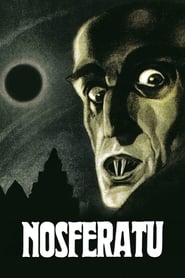
Eggers had been interested in Murnau's Nosferatu since childhood and had previously developed a stage version of the story while still a student. The possibility of directing a new film adaptation emerged after The Witch, but several attempts to mount the project were postponed as financing, scheduling and casting conditions changed. The eventual production followed The Lighthouse and The Northman, allowing Eggers to approach the material with a larger budget and a team of established collaborators familiar with his methods of historical reconstruction.
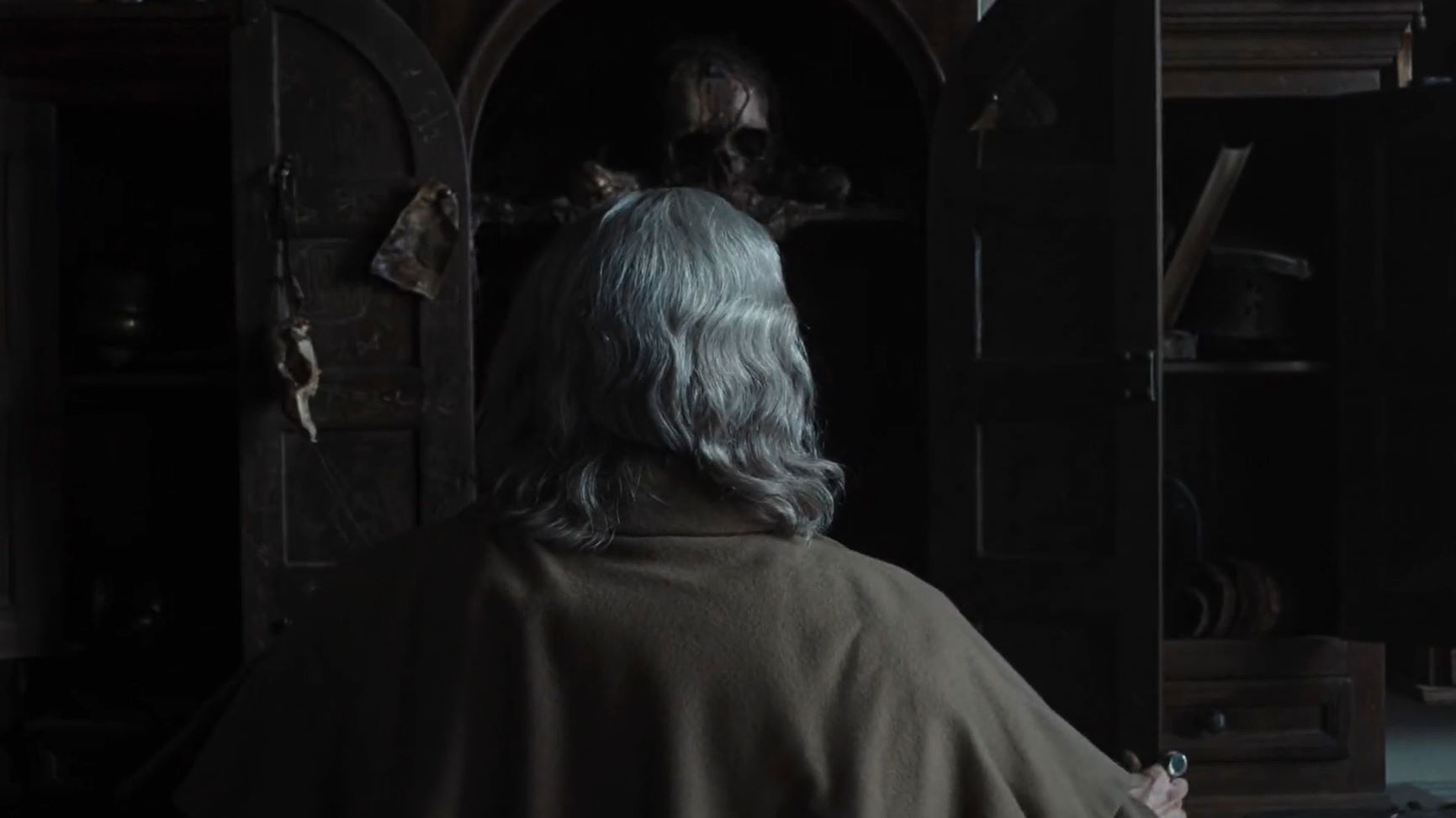
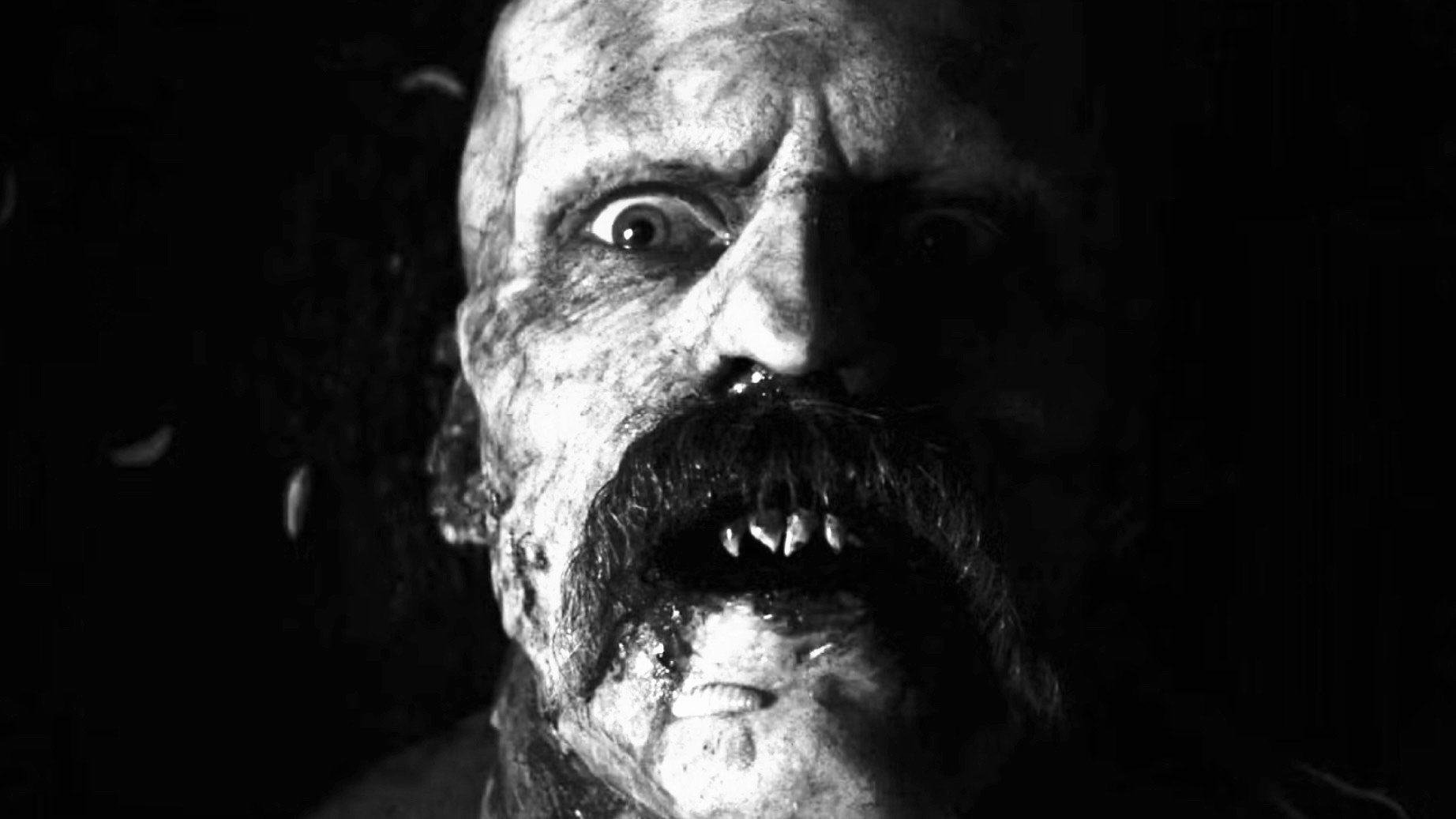
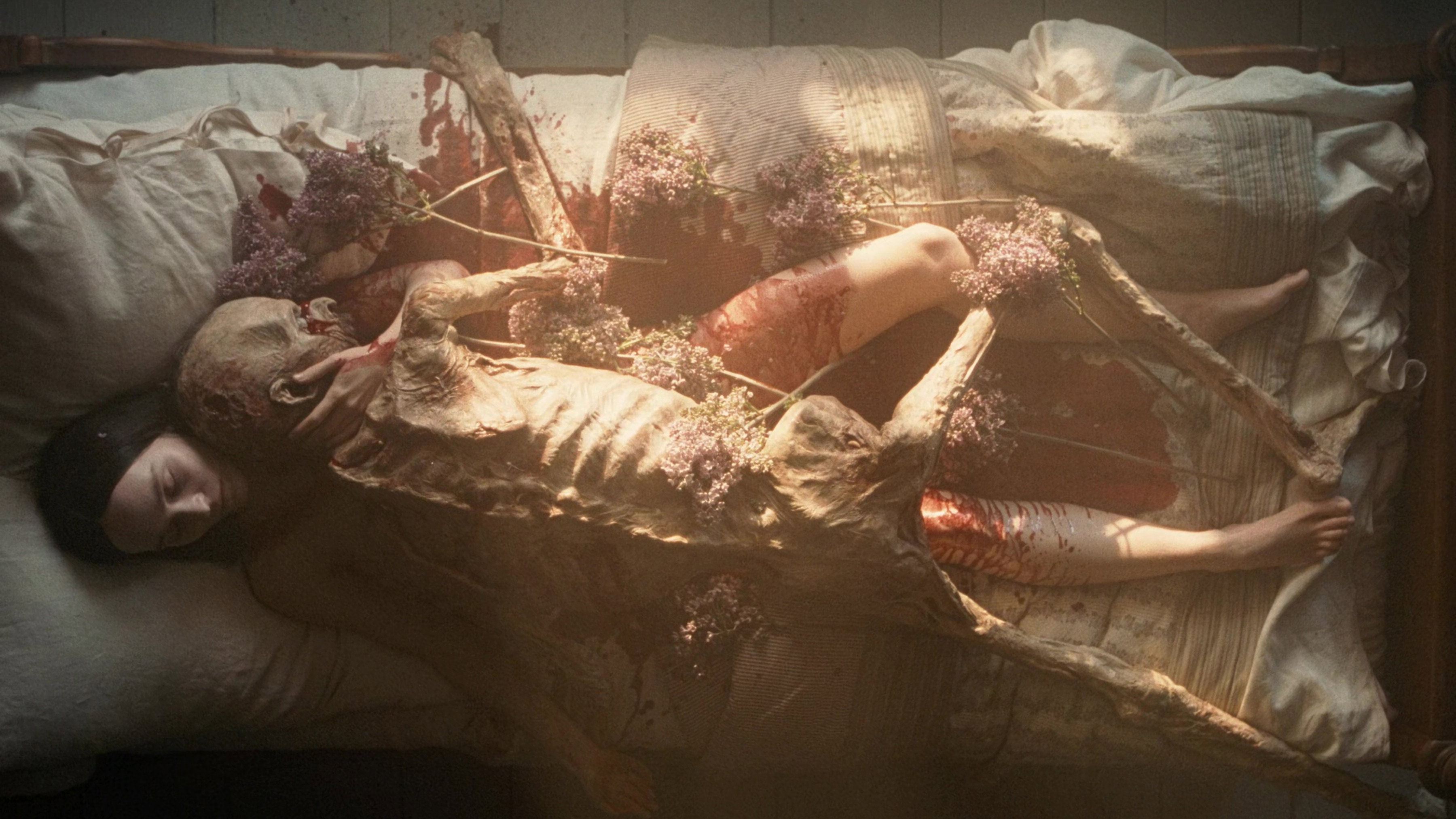
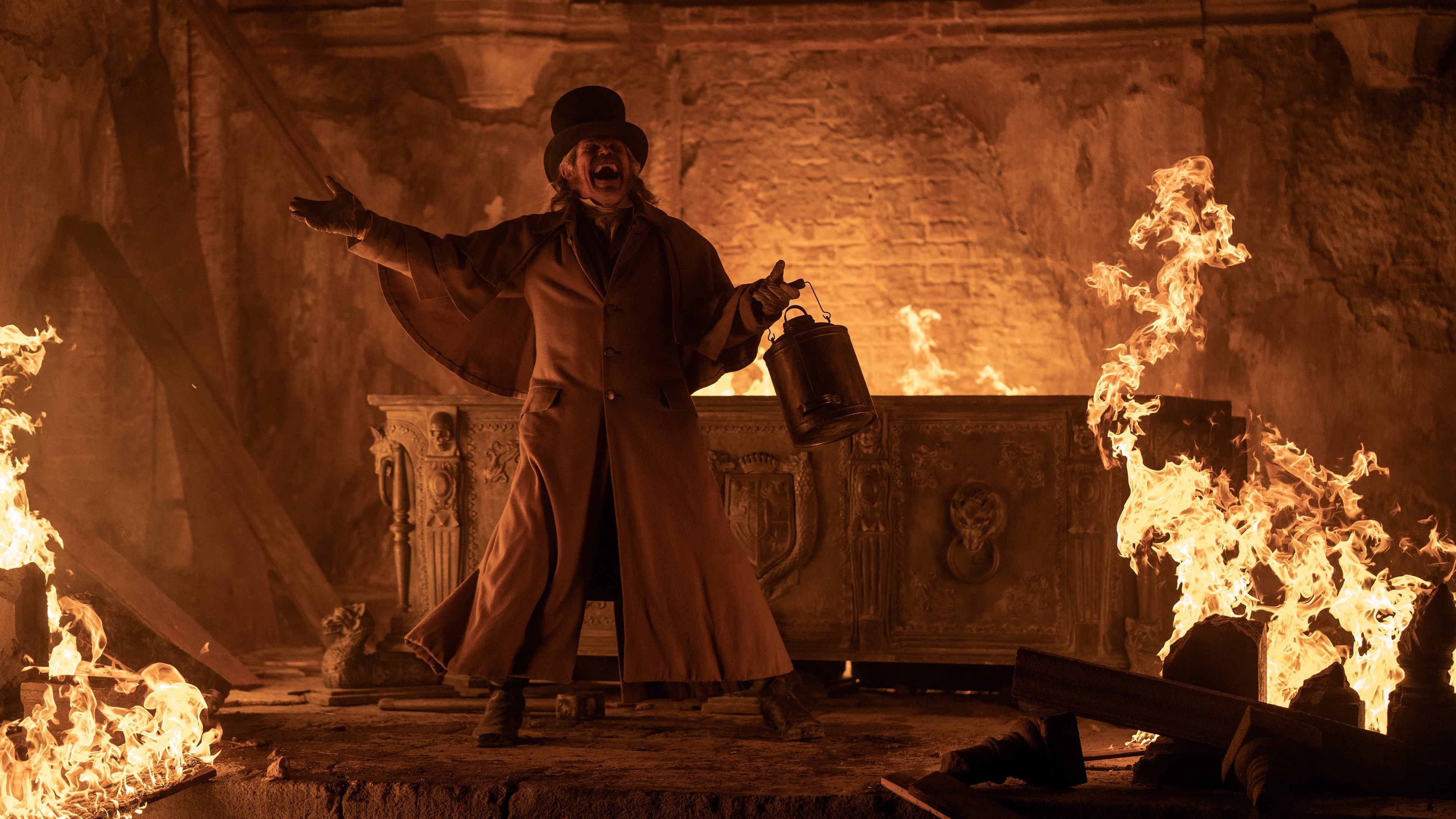
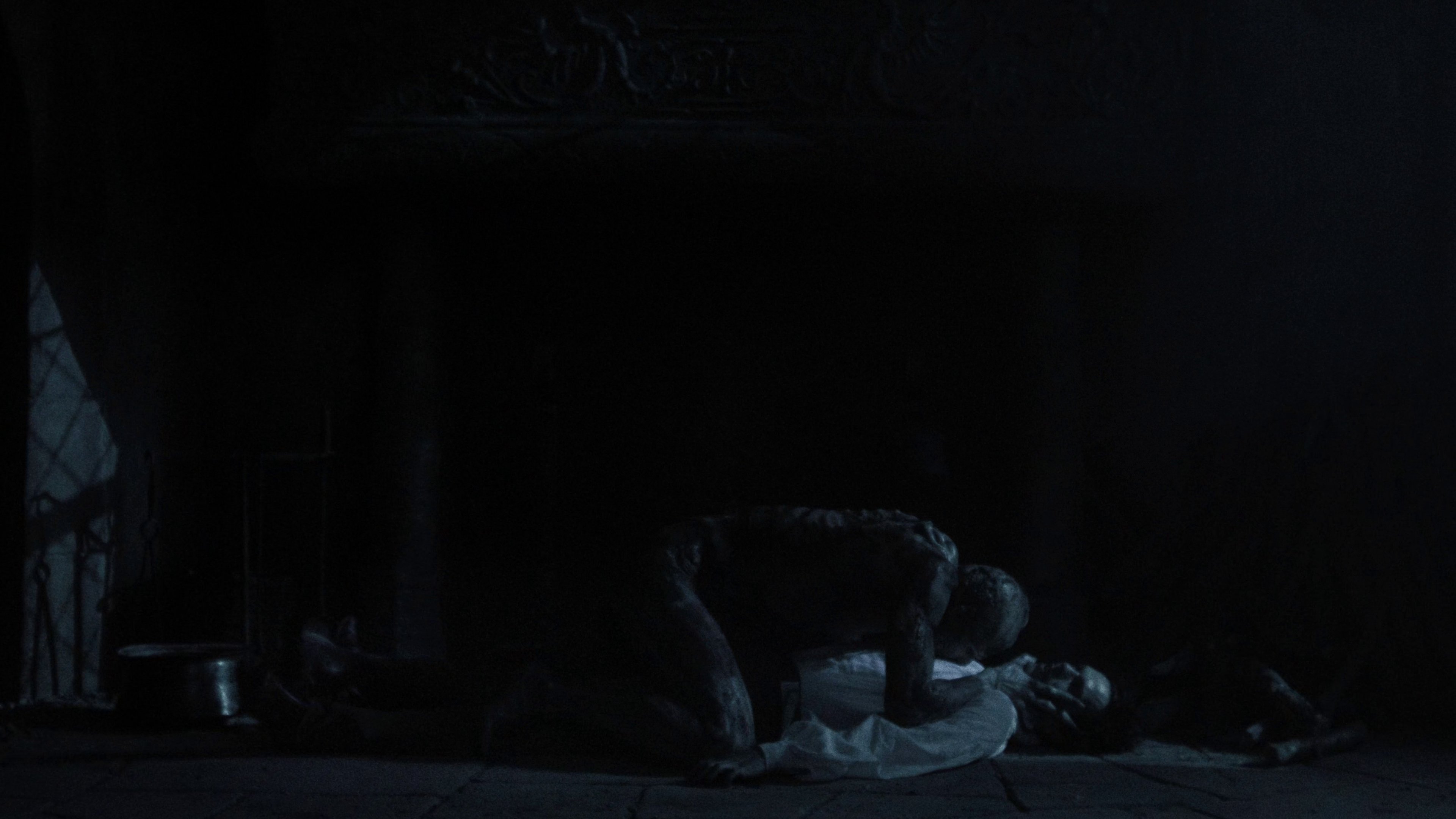
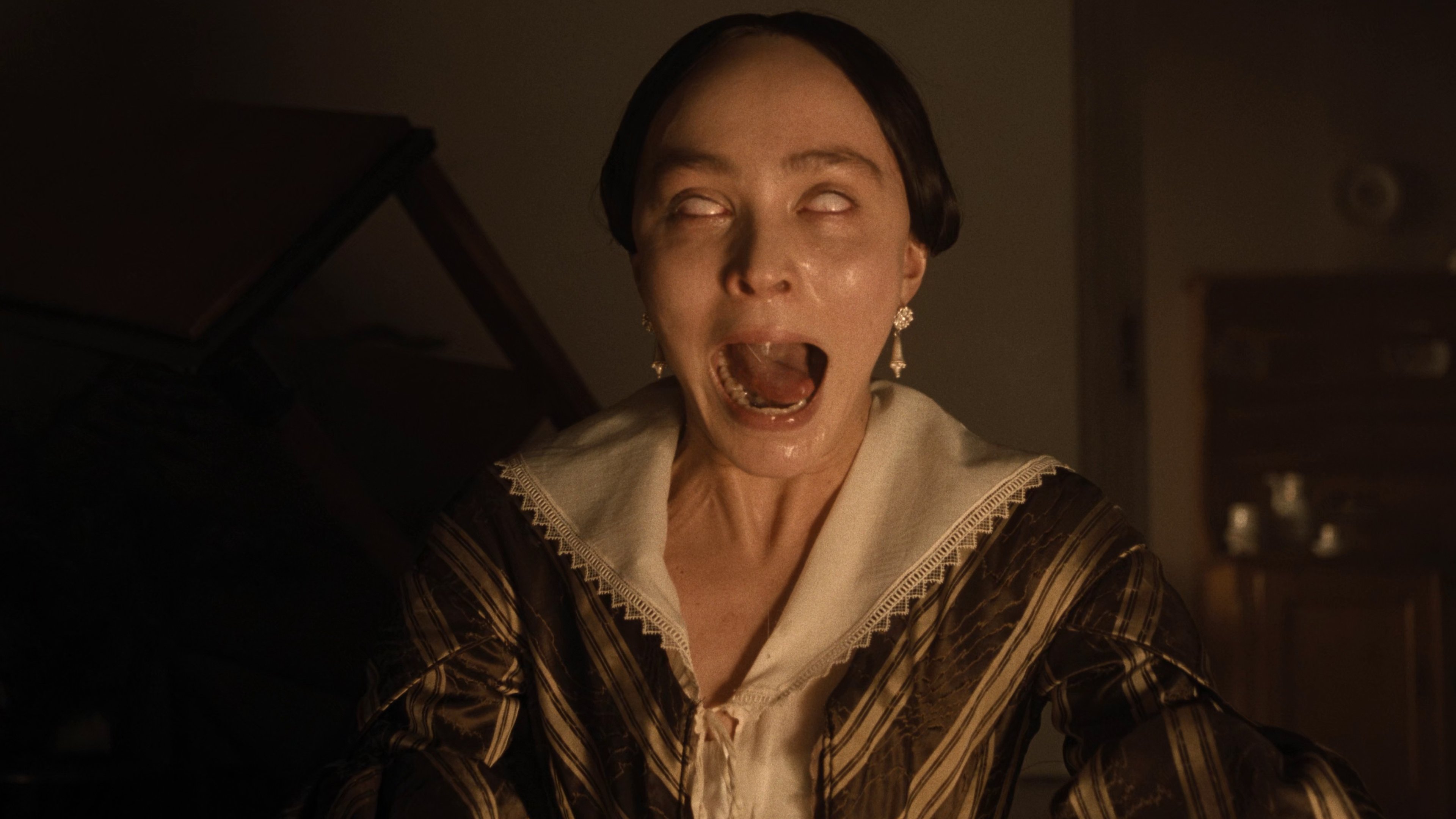
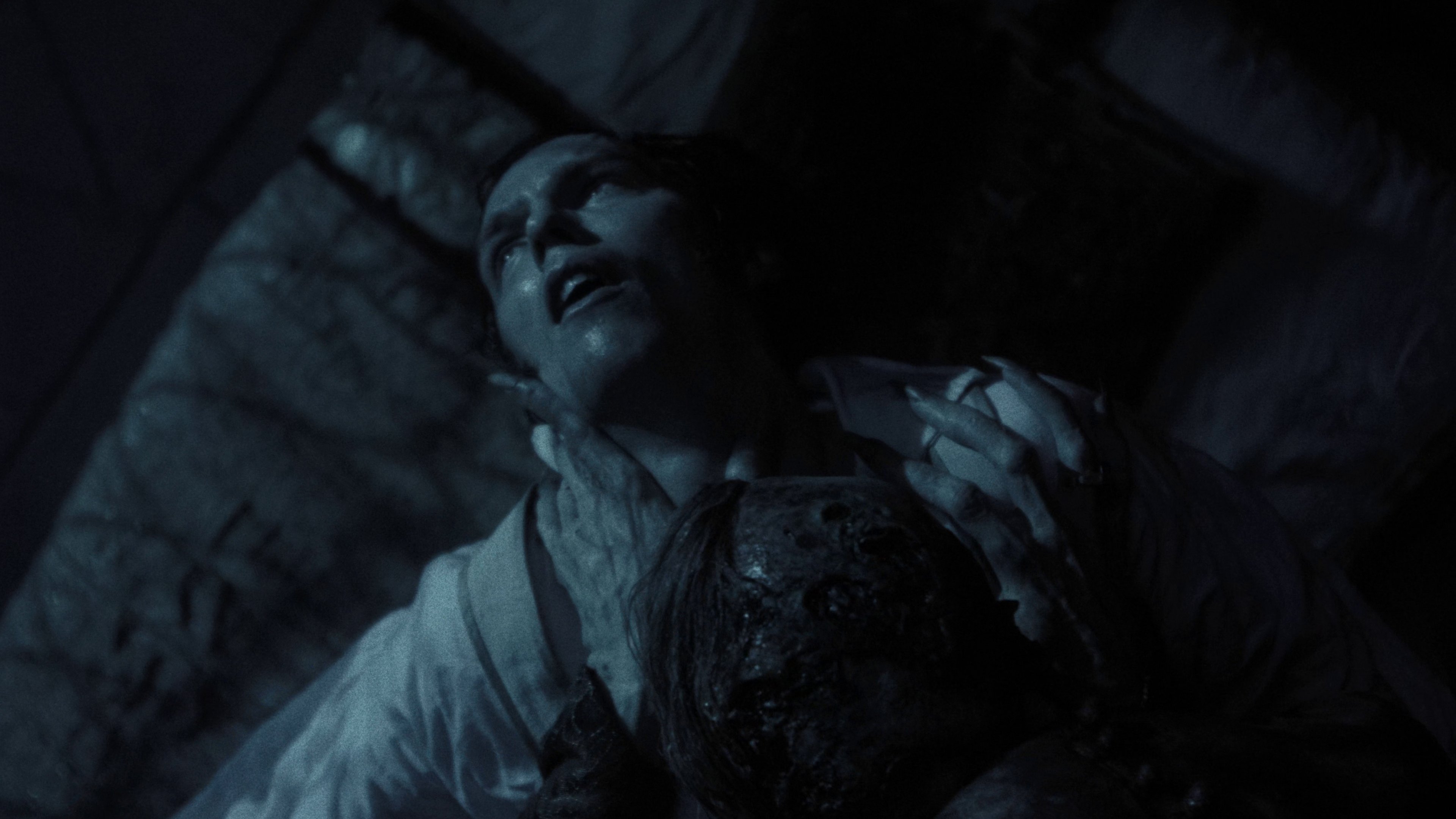
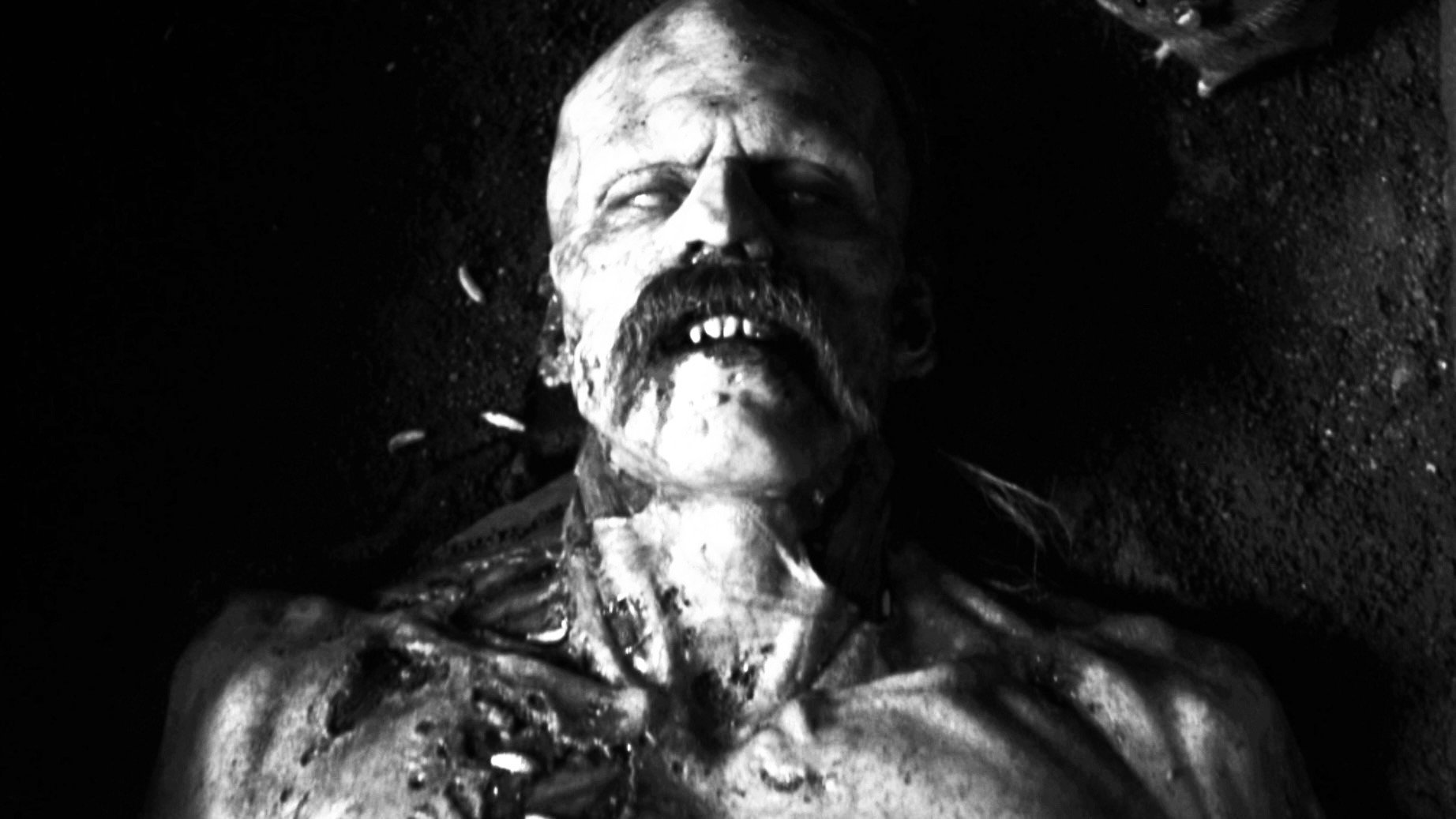
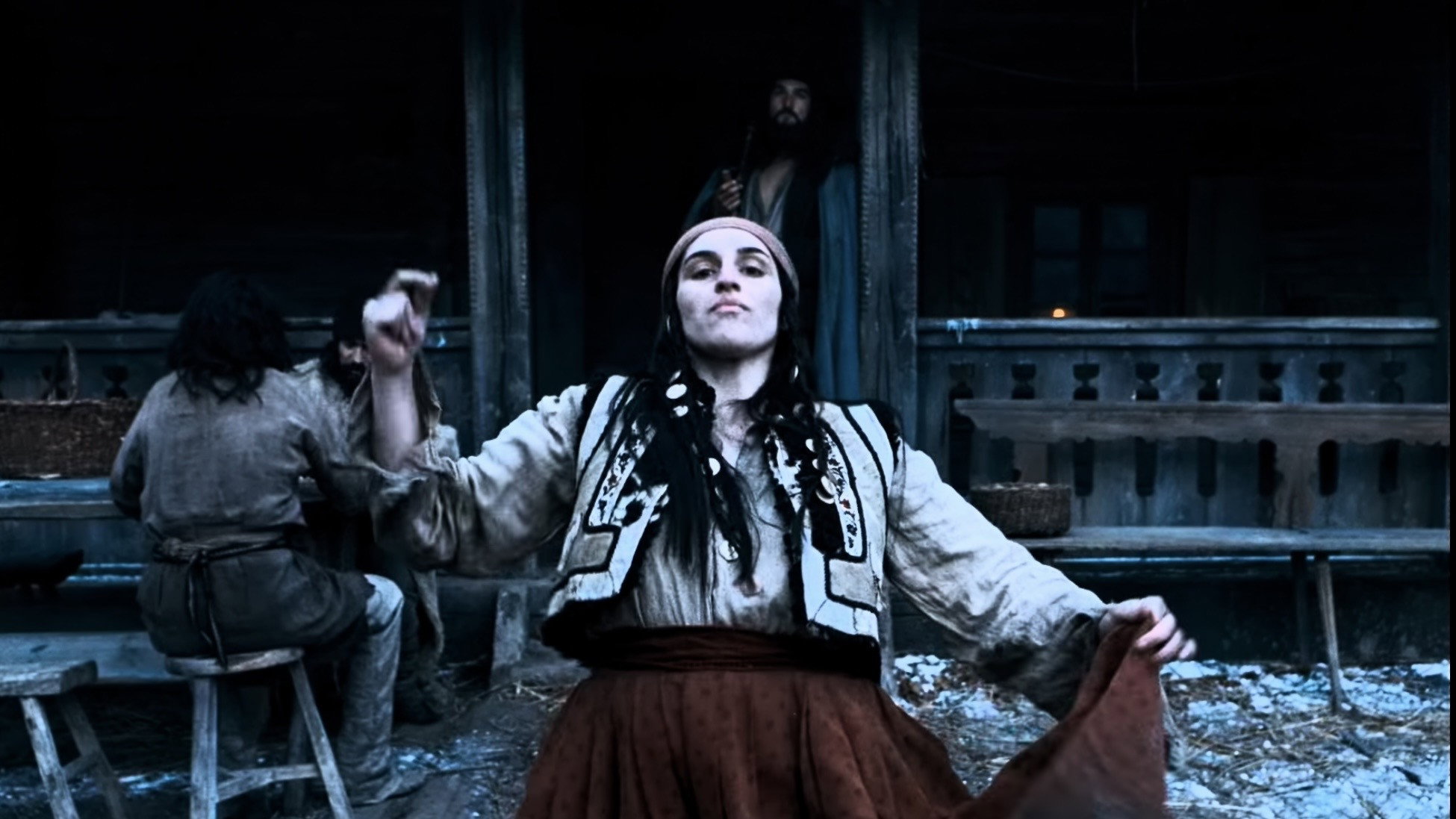
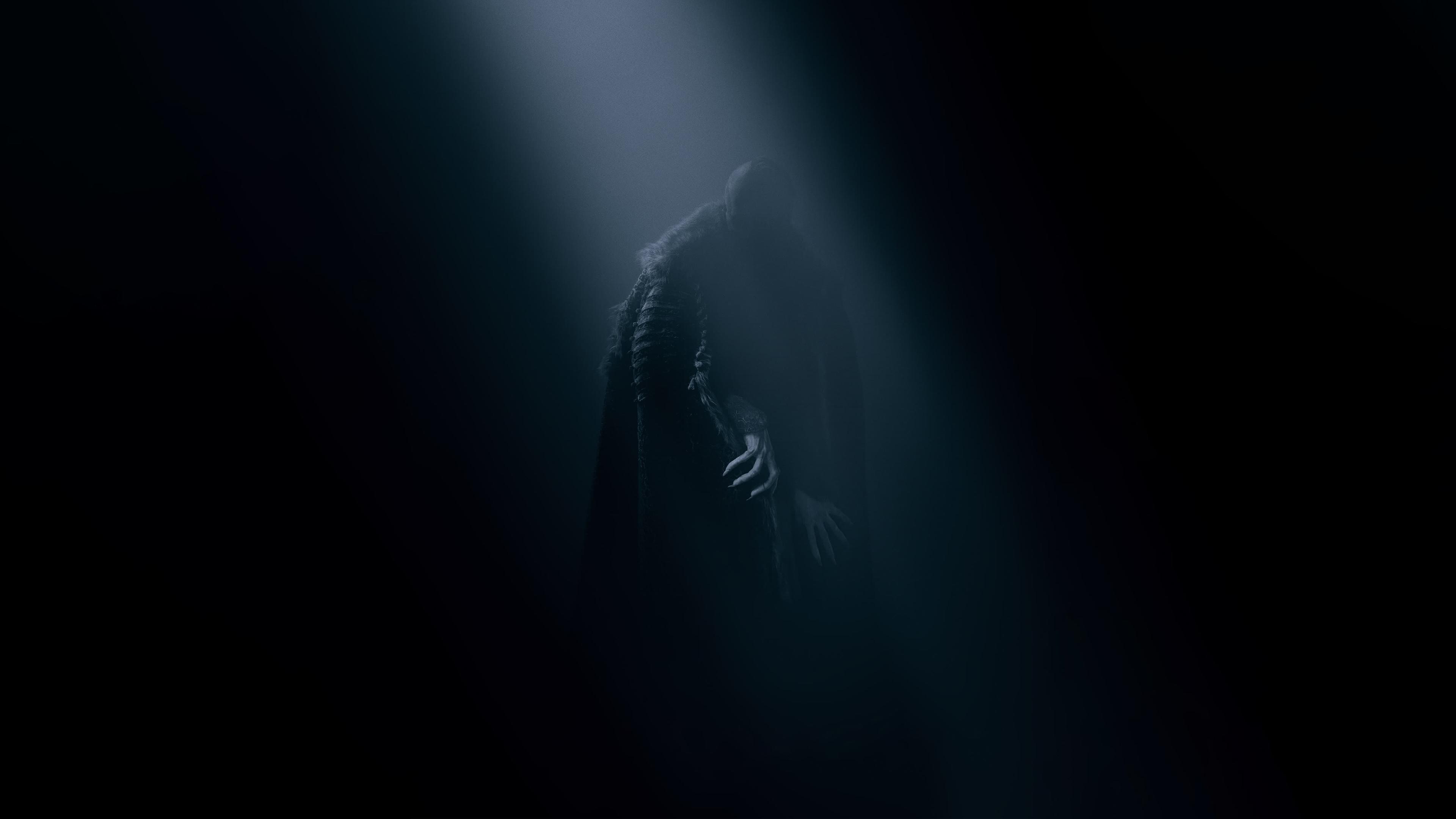
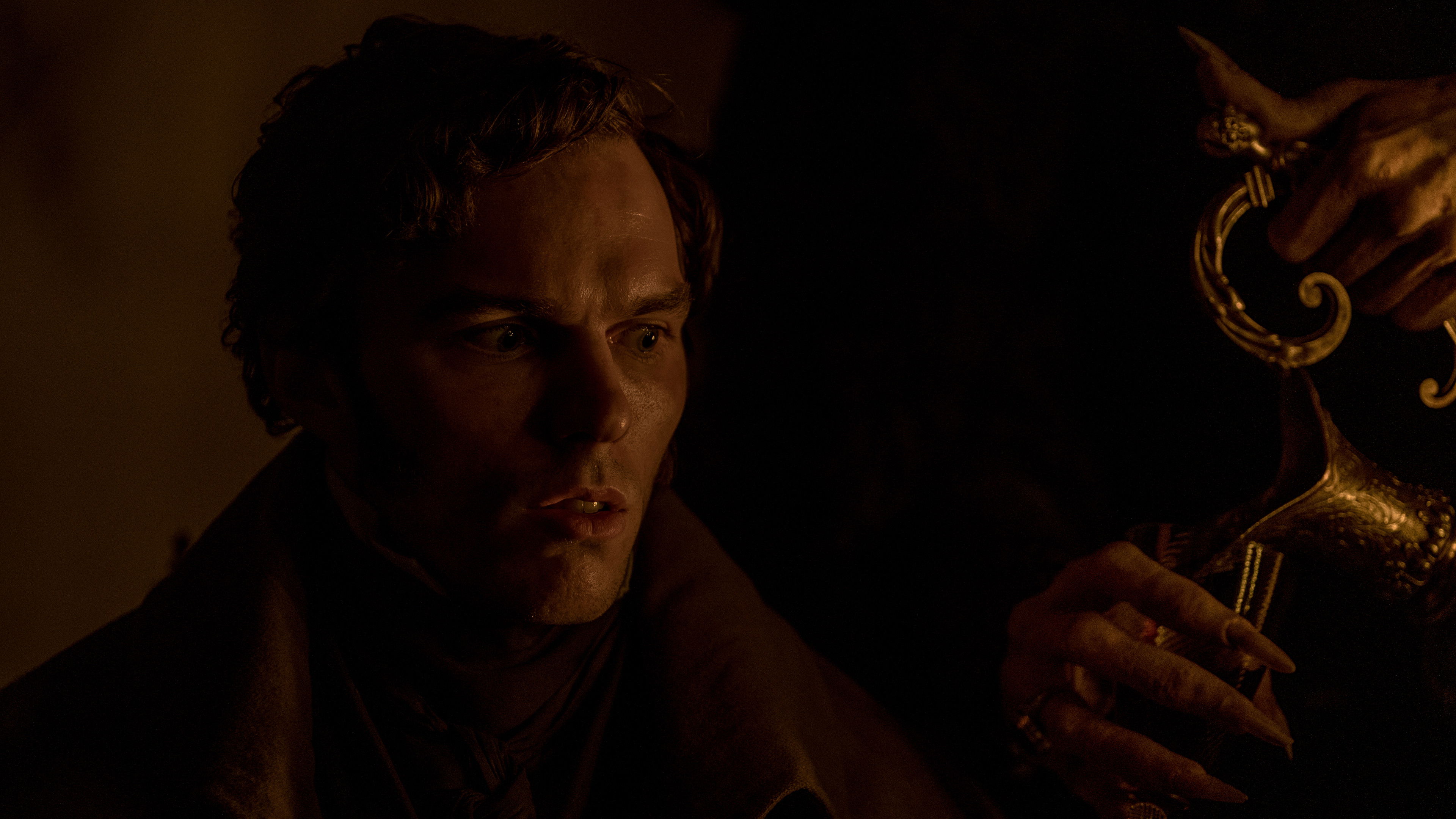
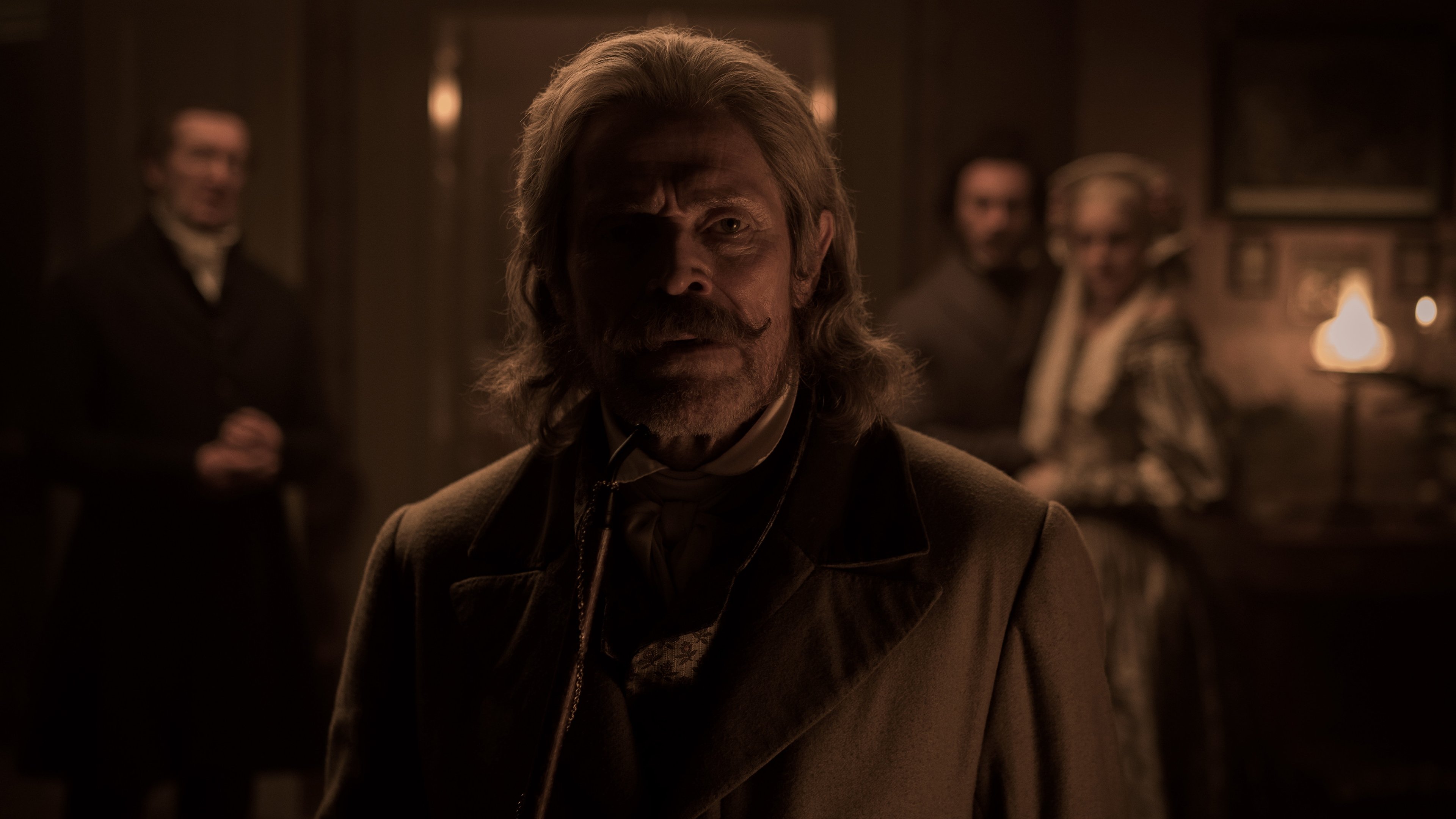
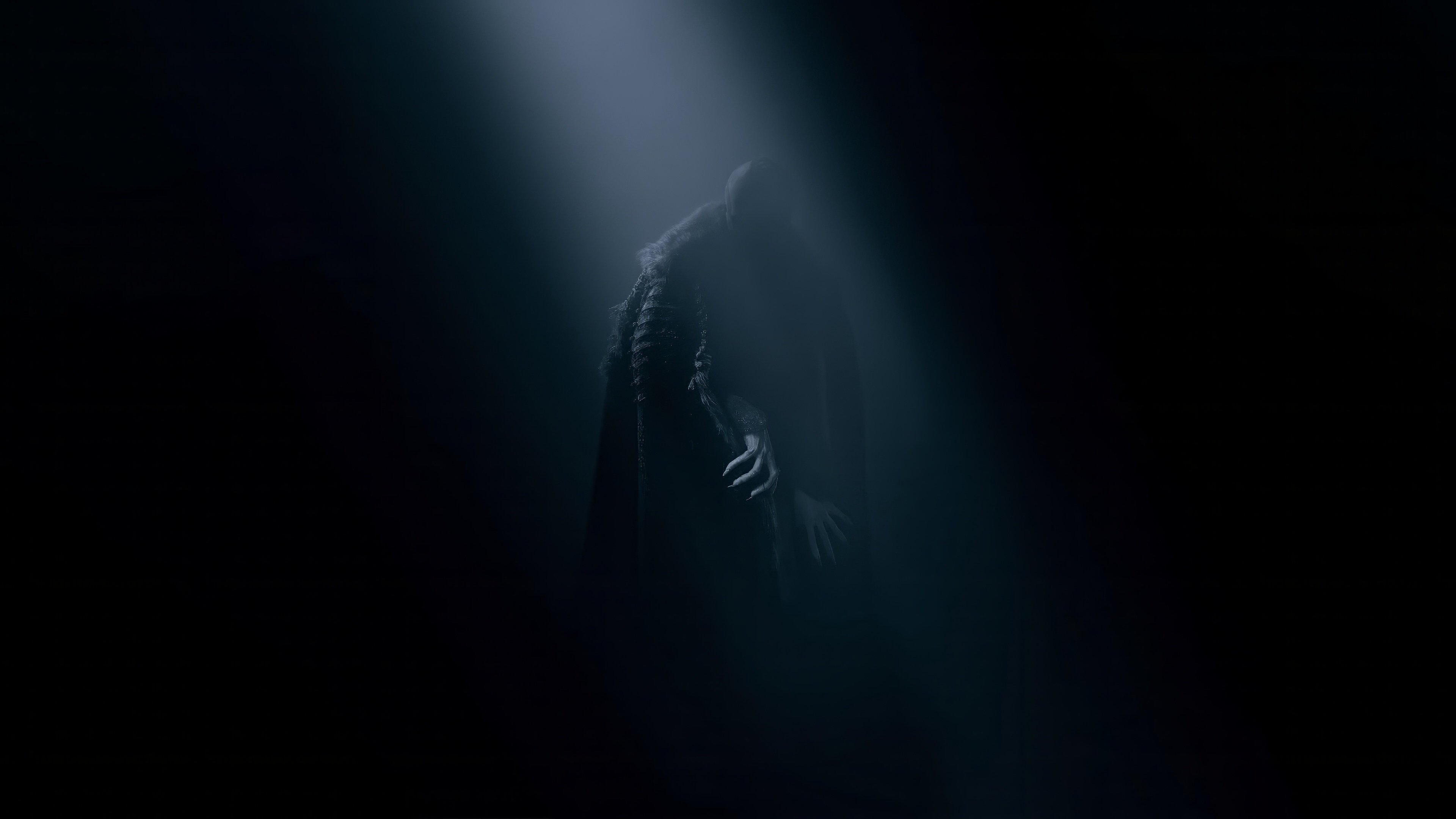
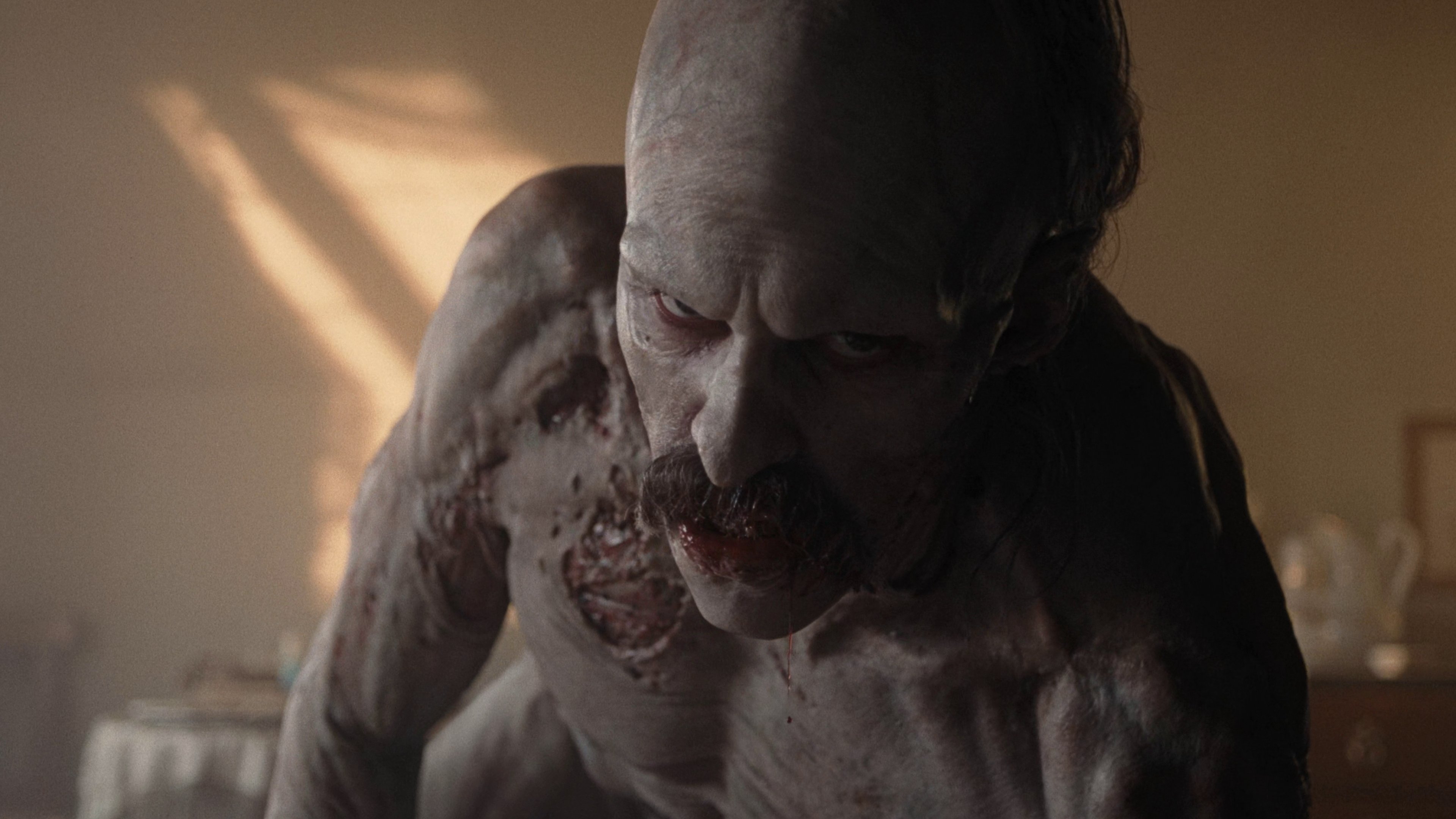
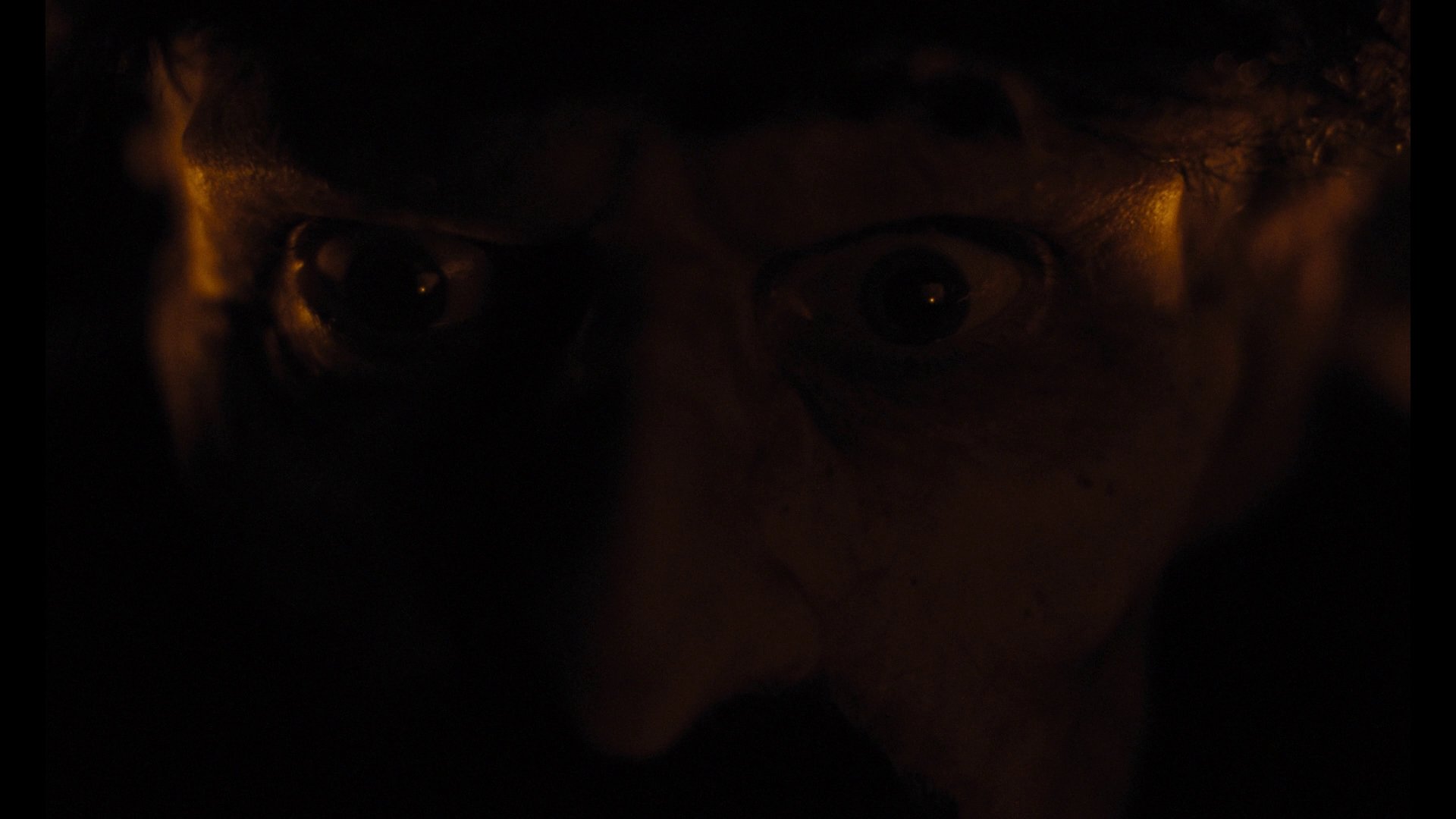
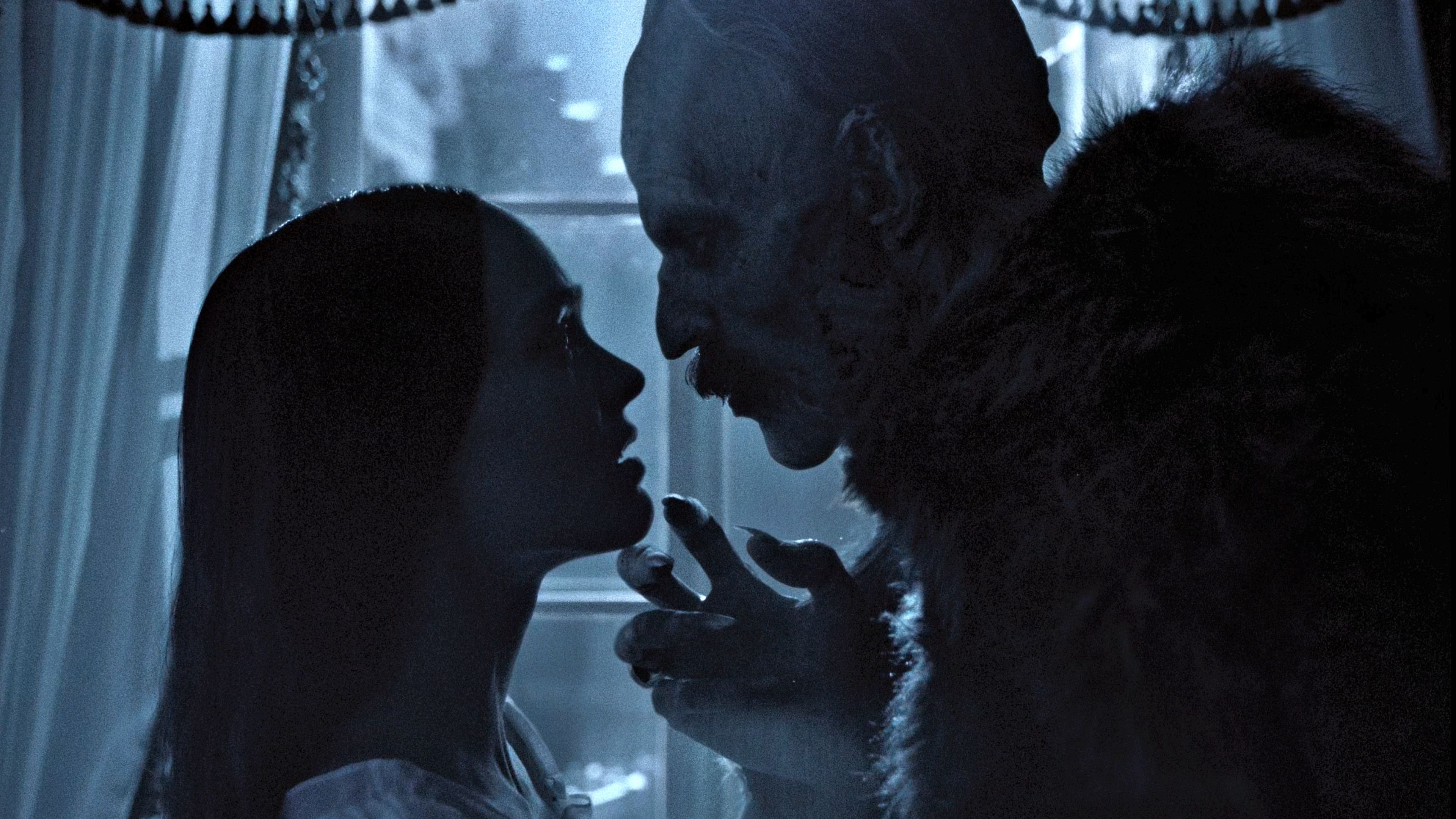
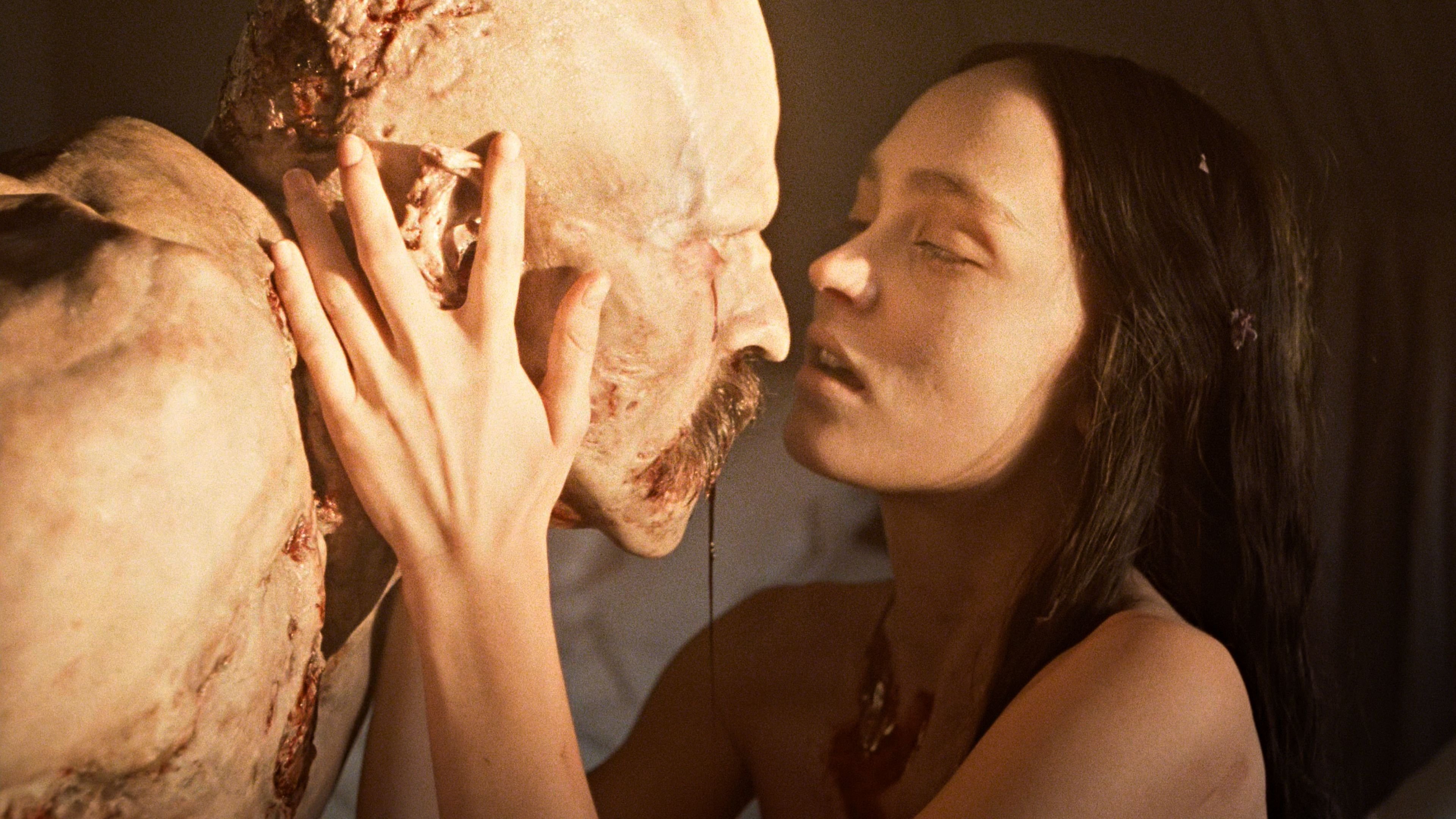
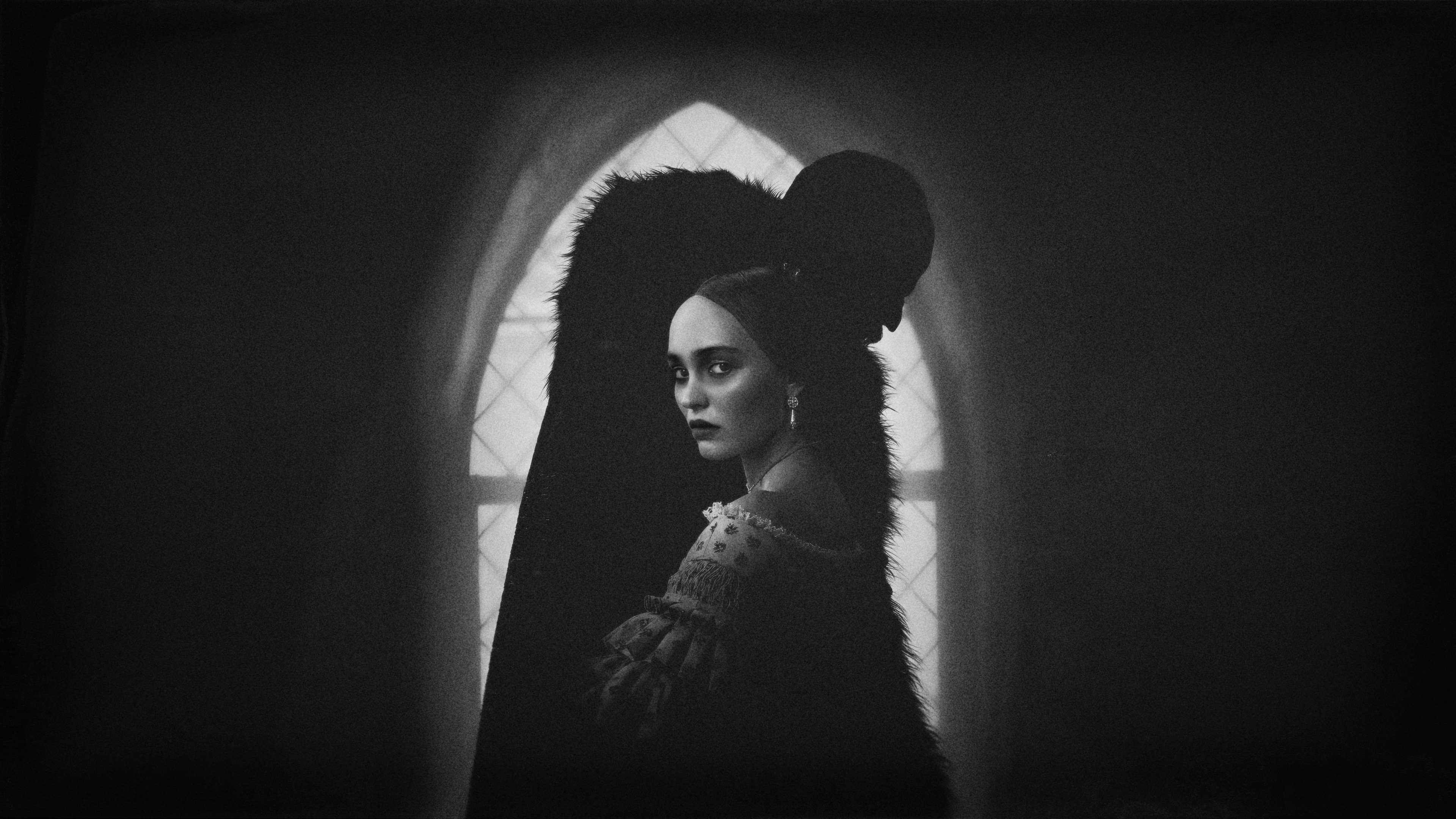
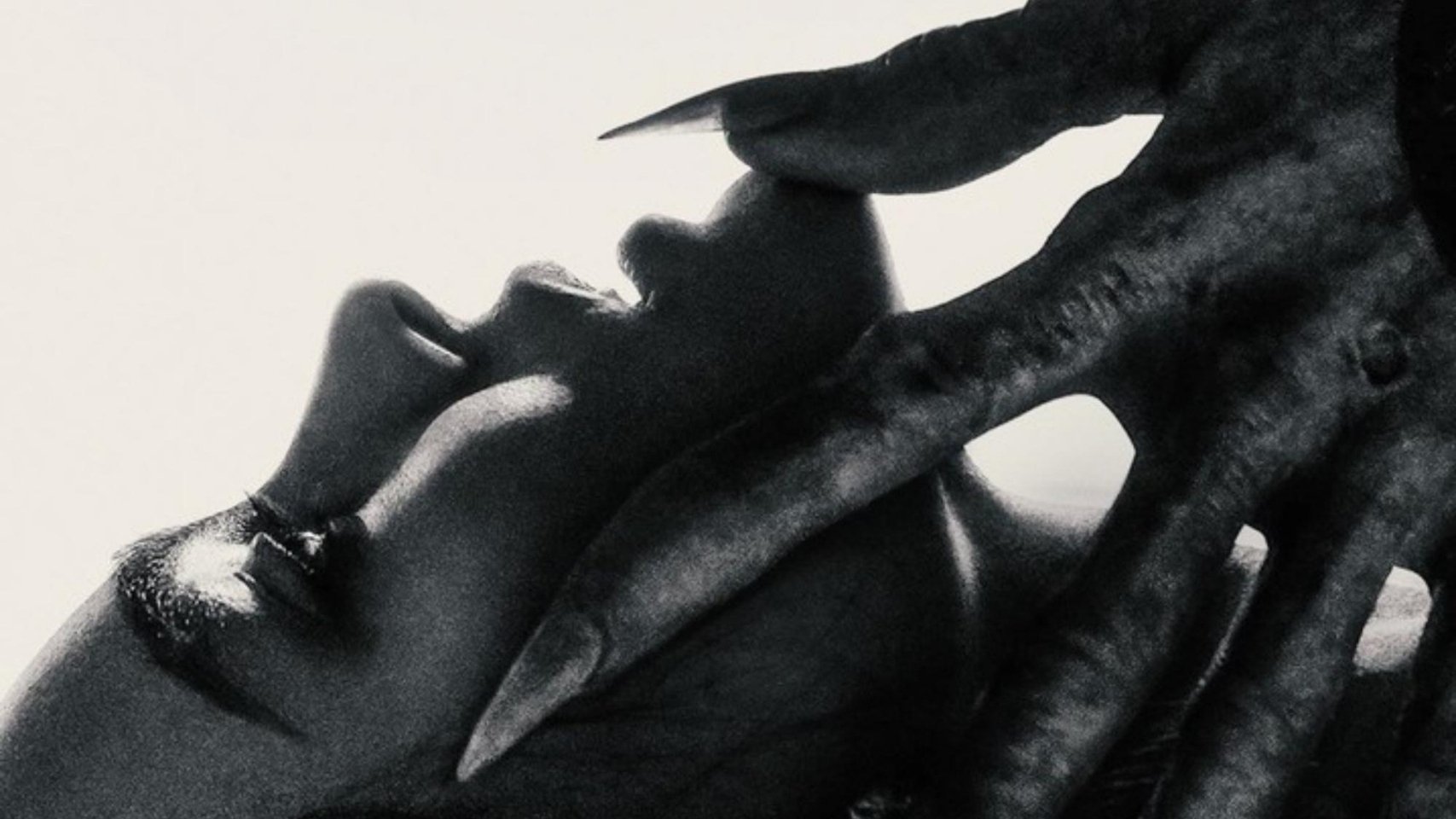
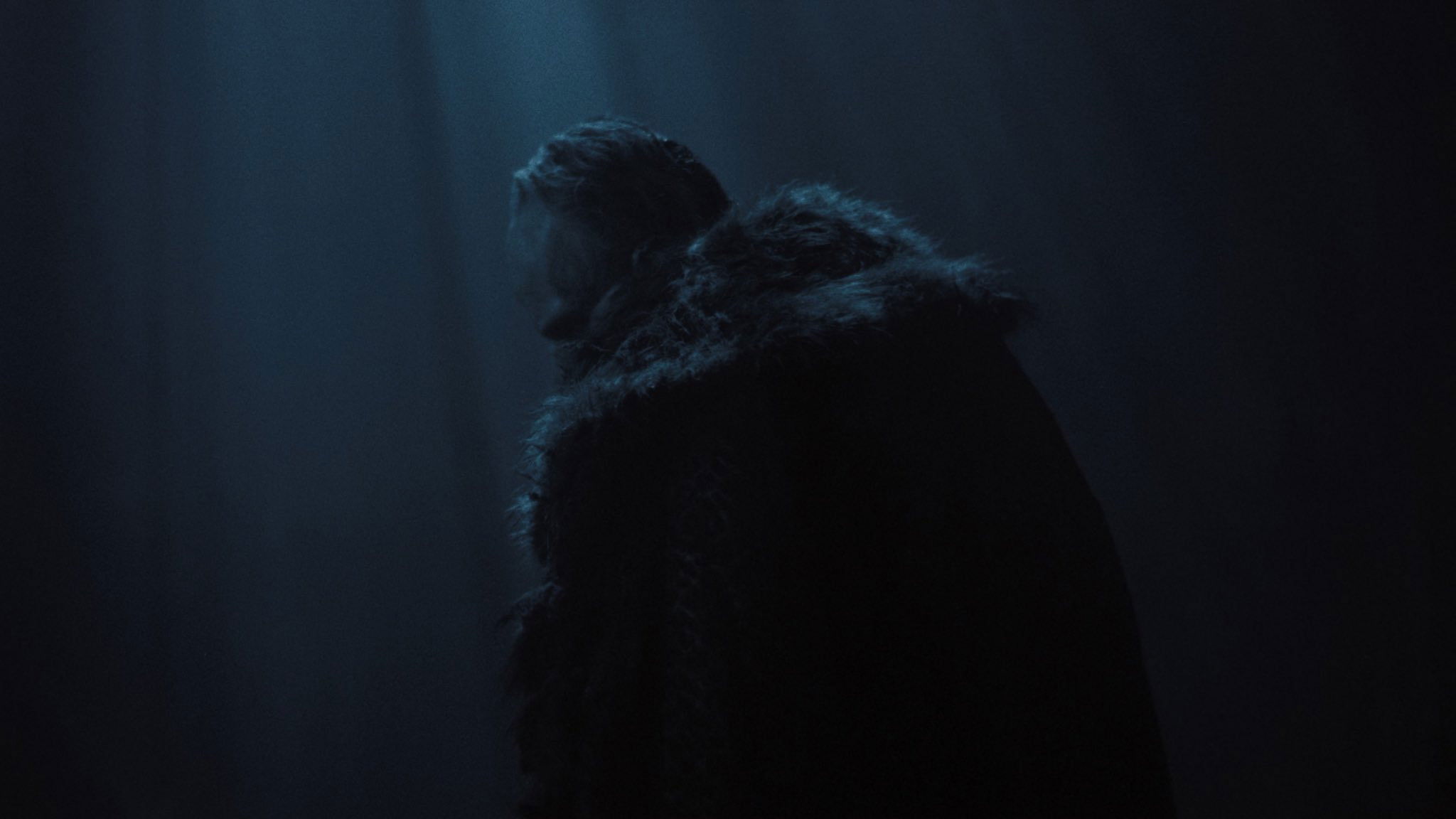
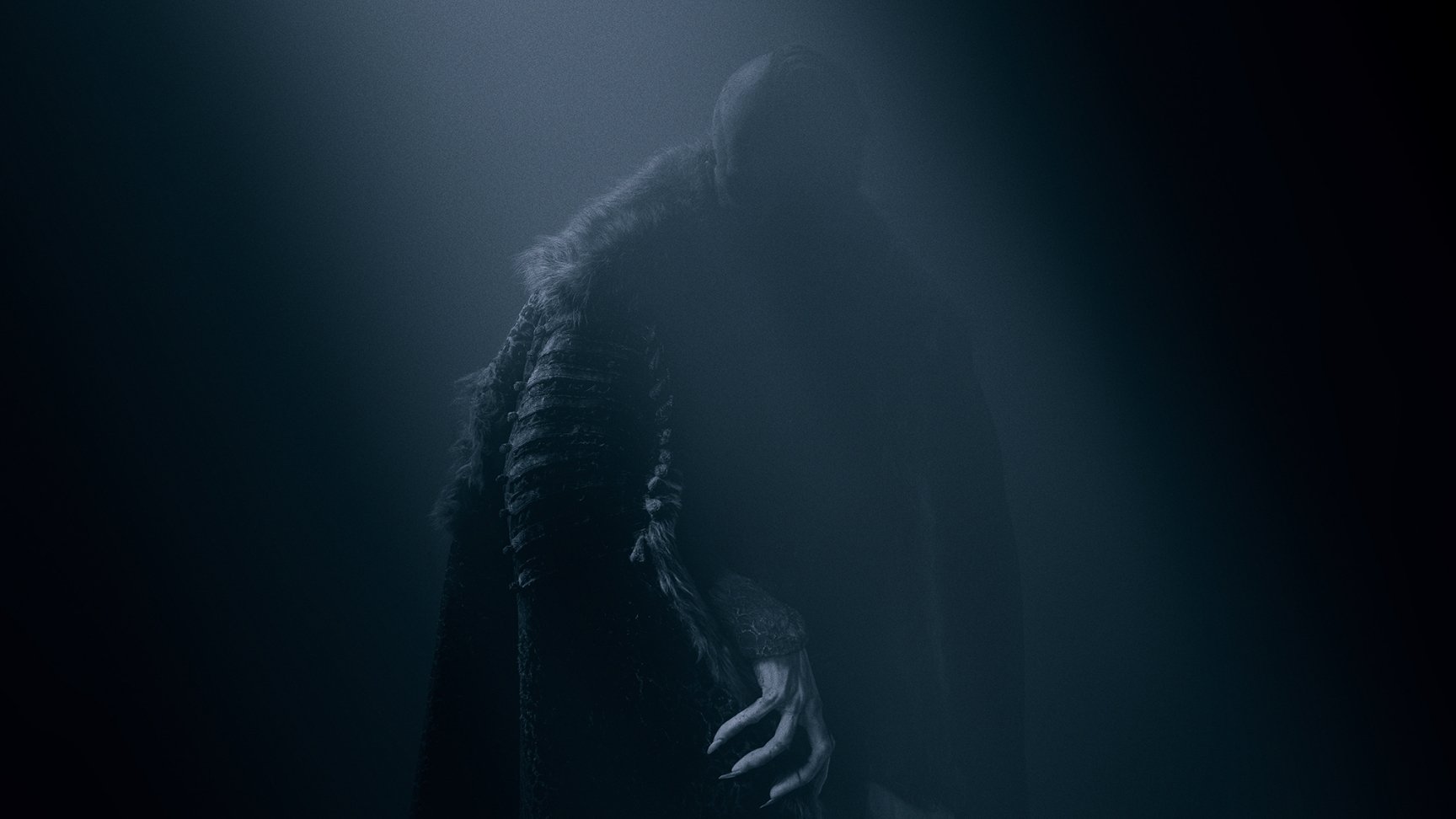
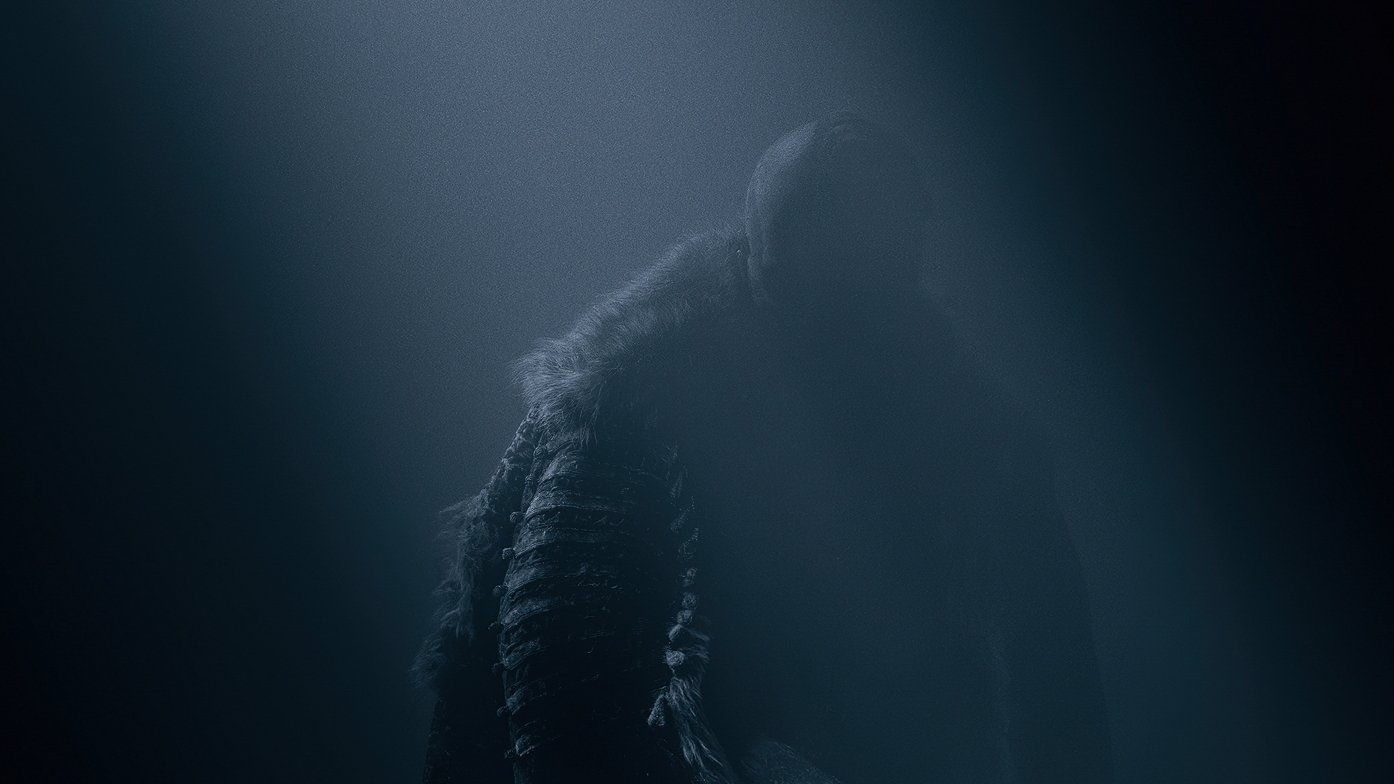
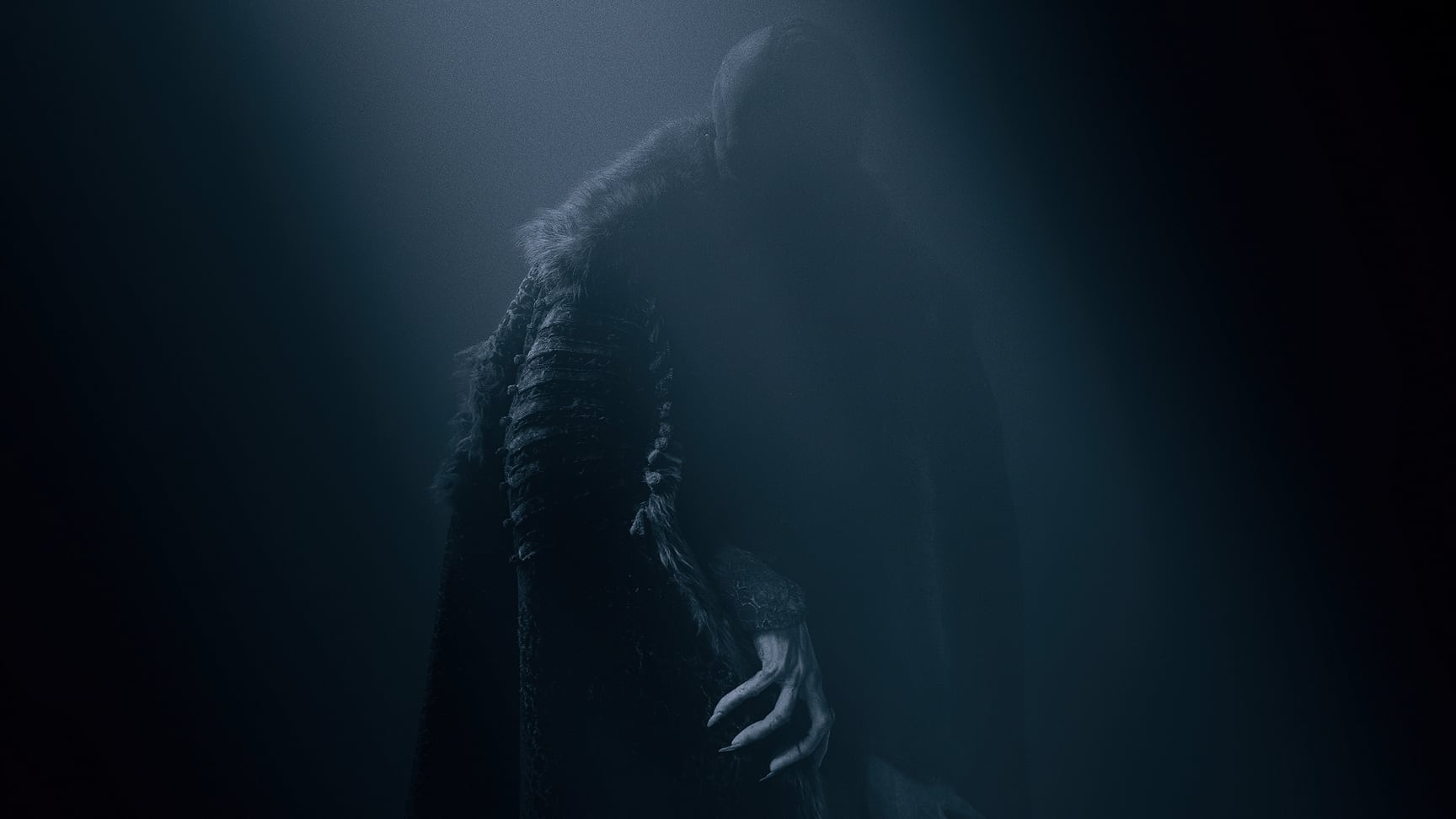
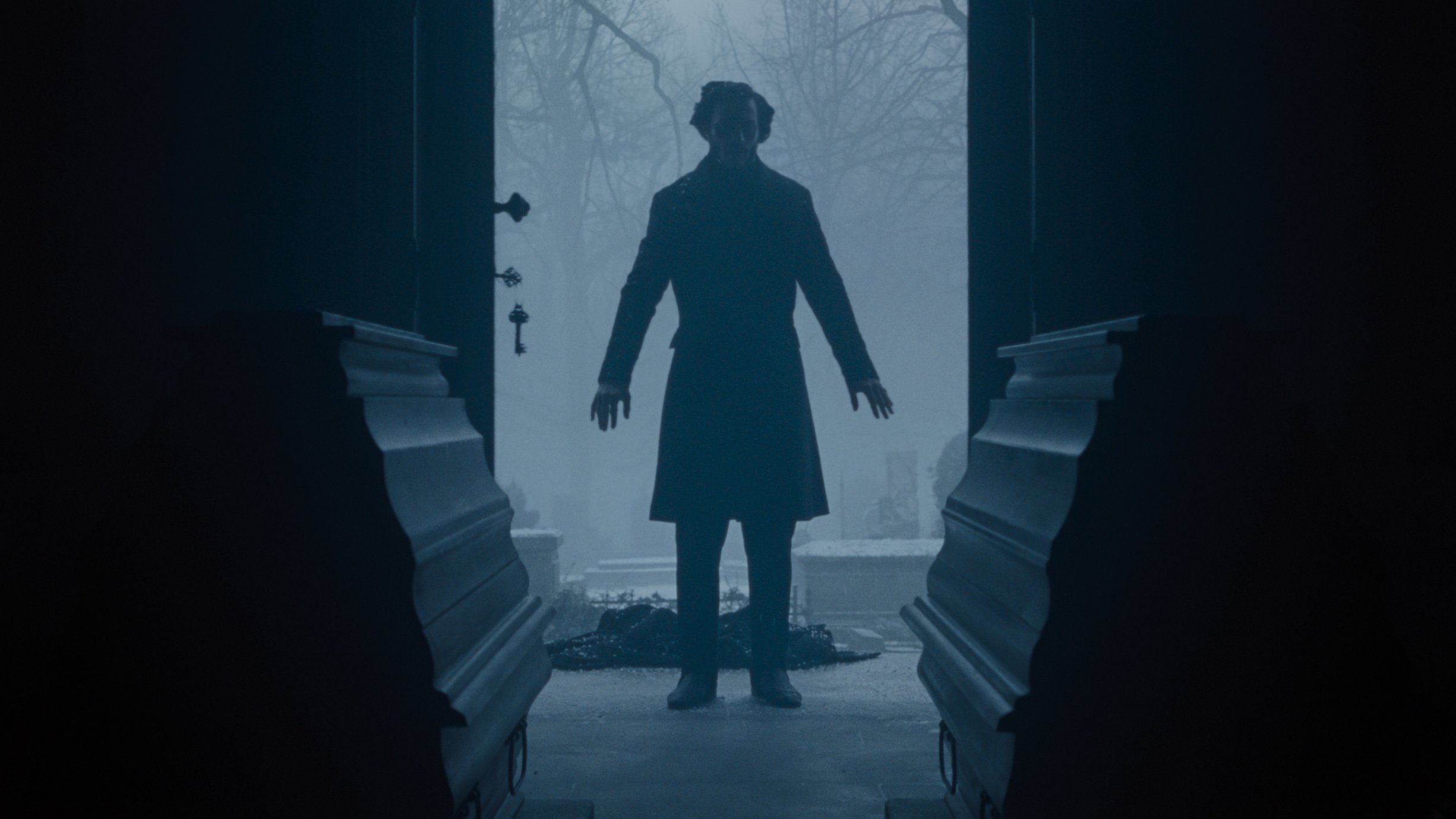
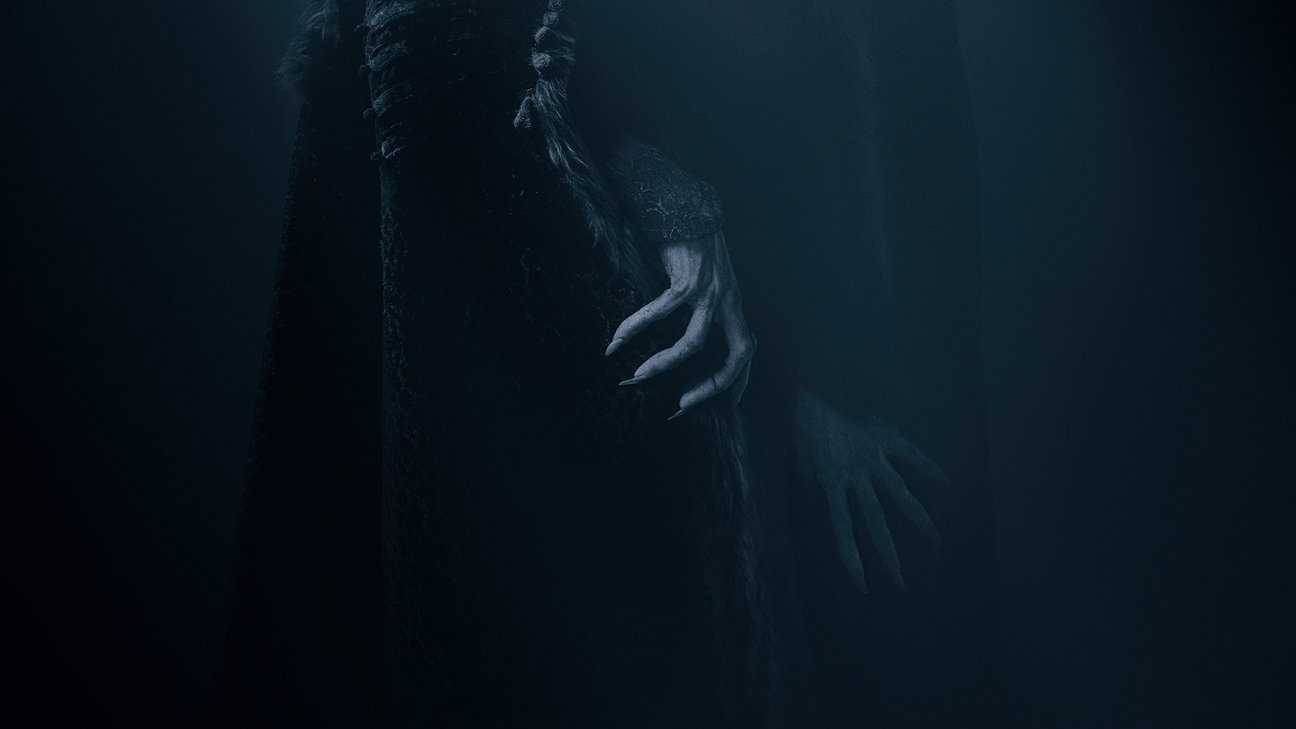
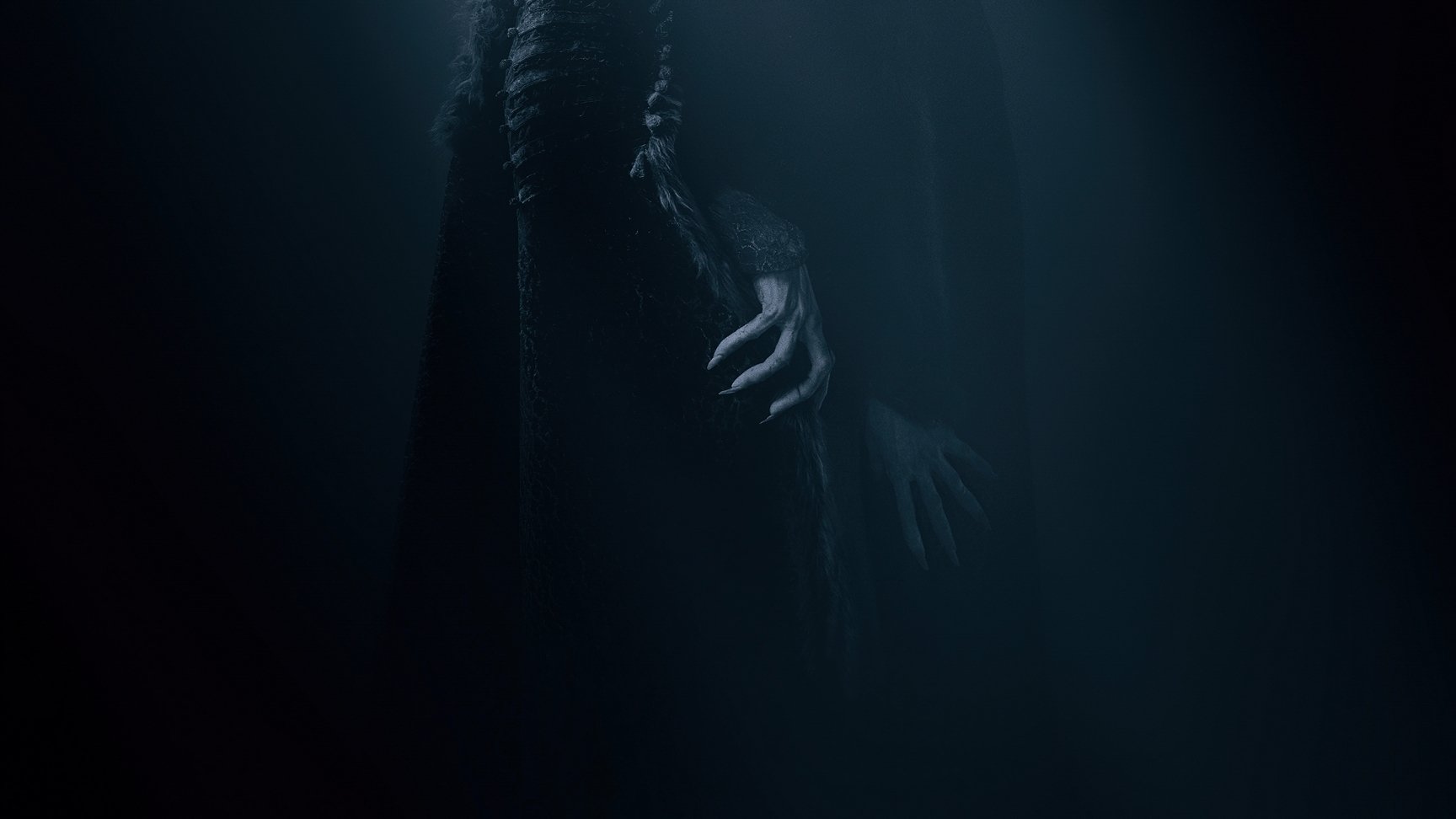
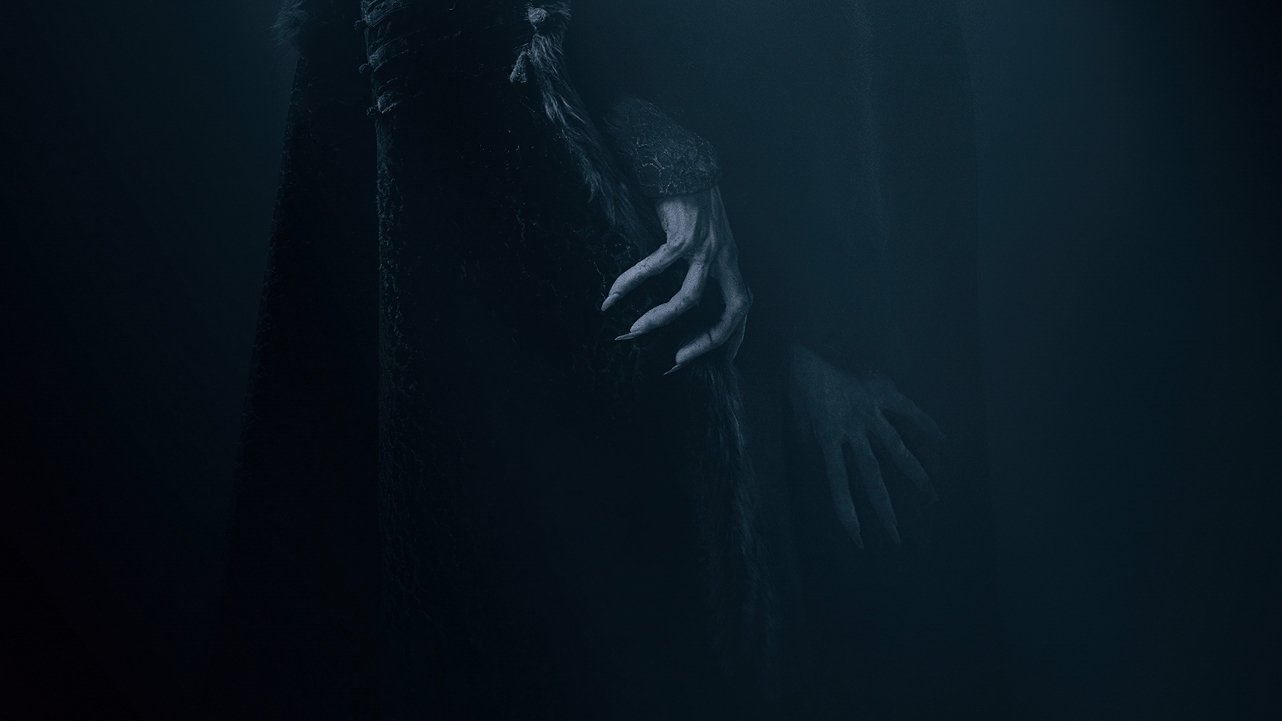
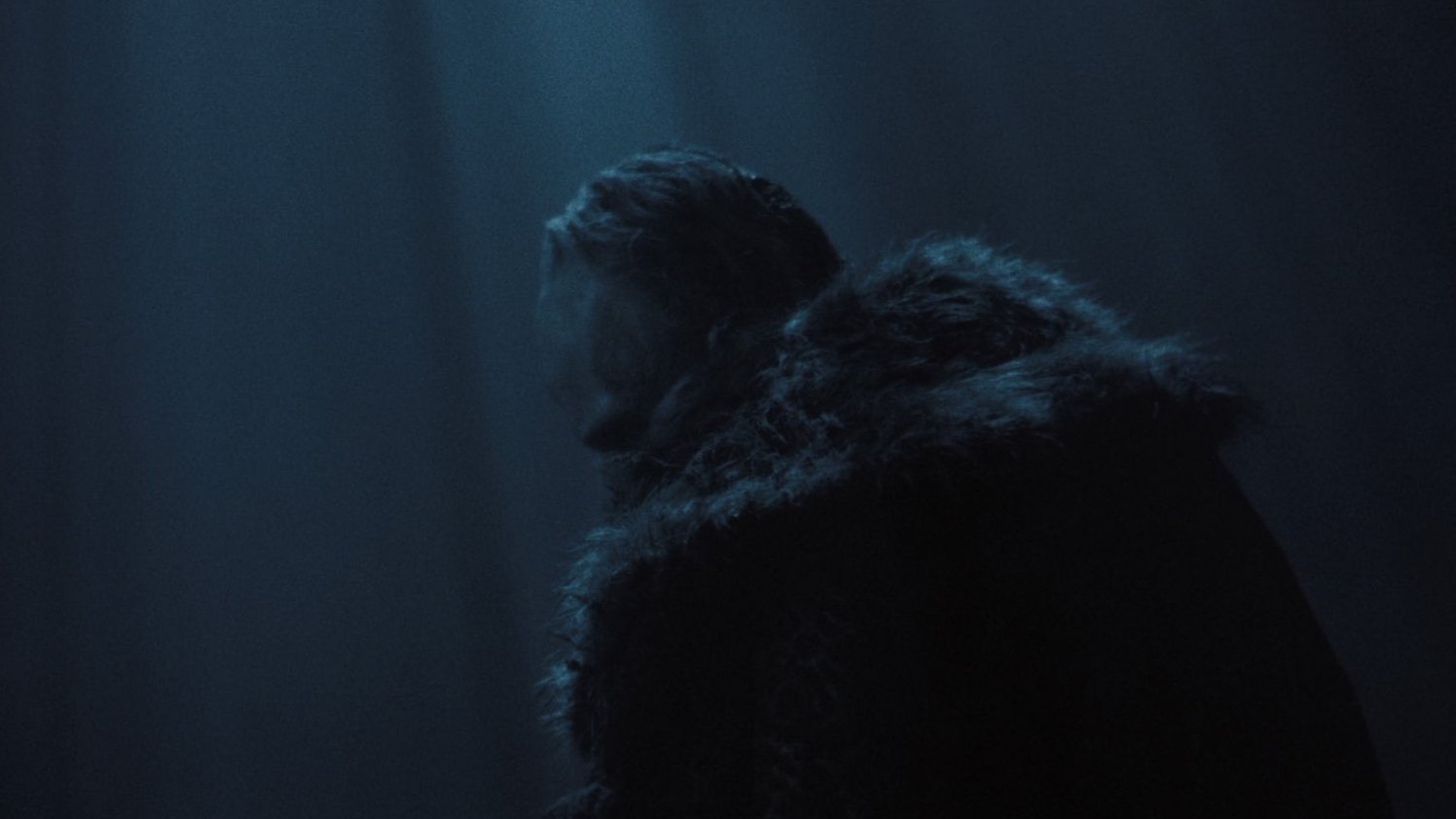
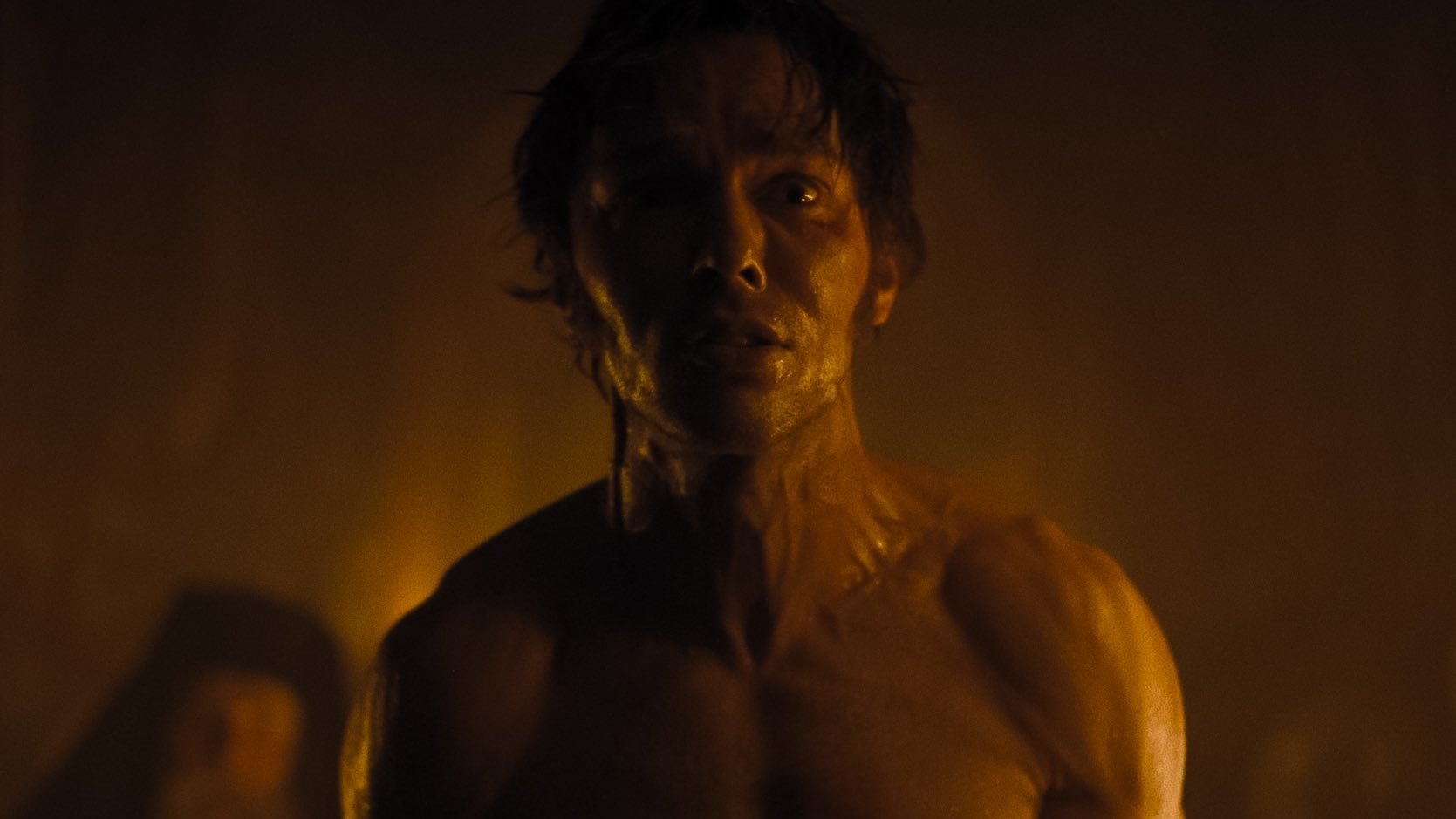
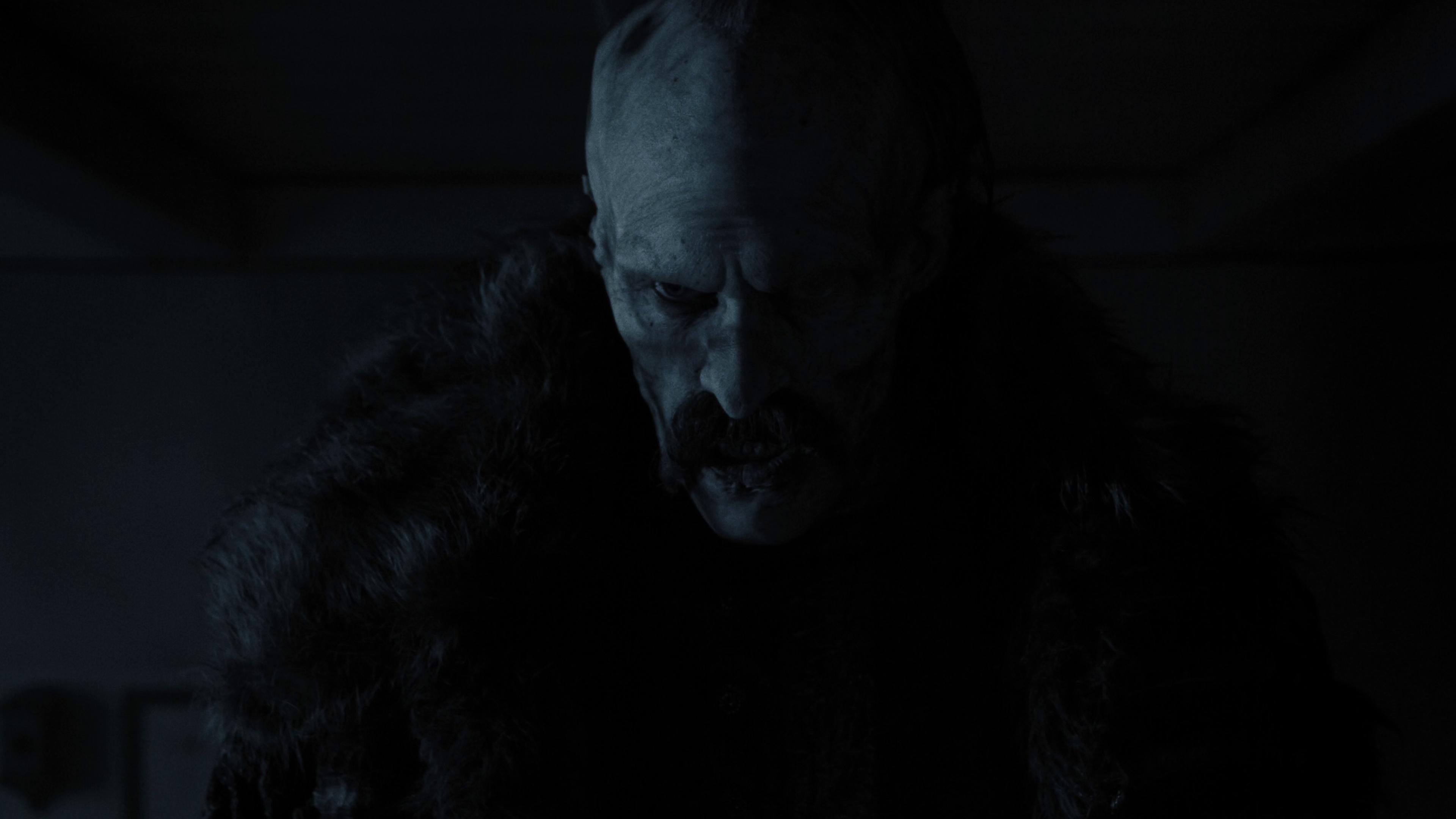
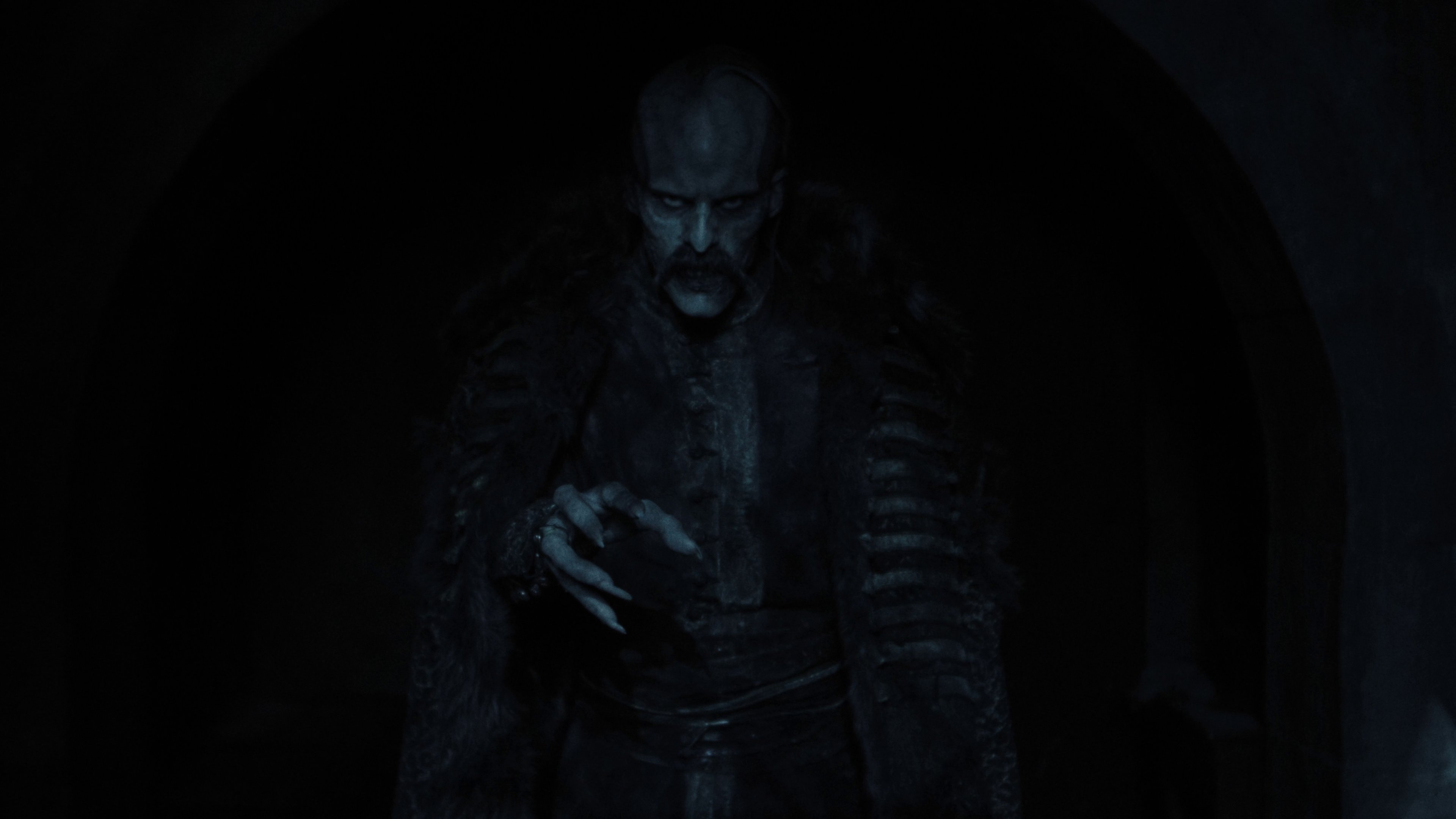
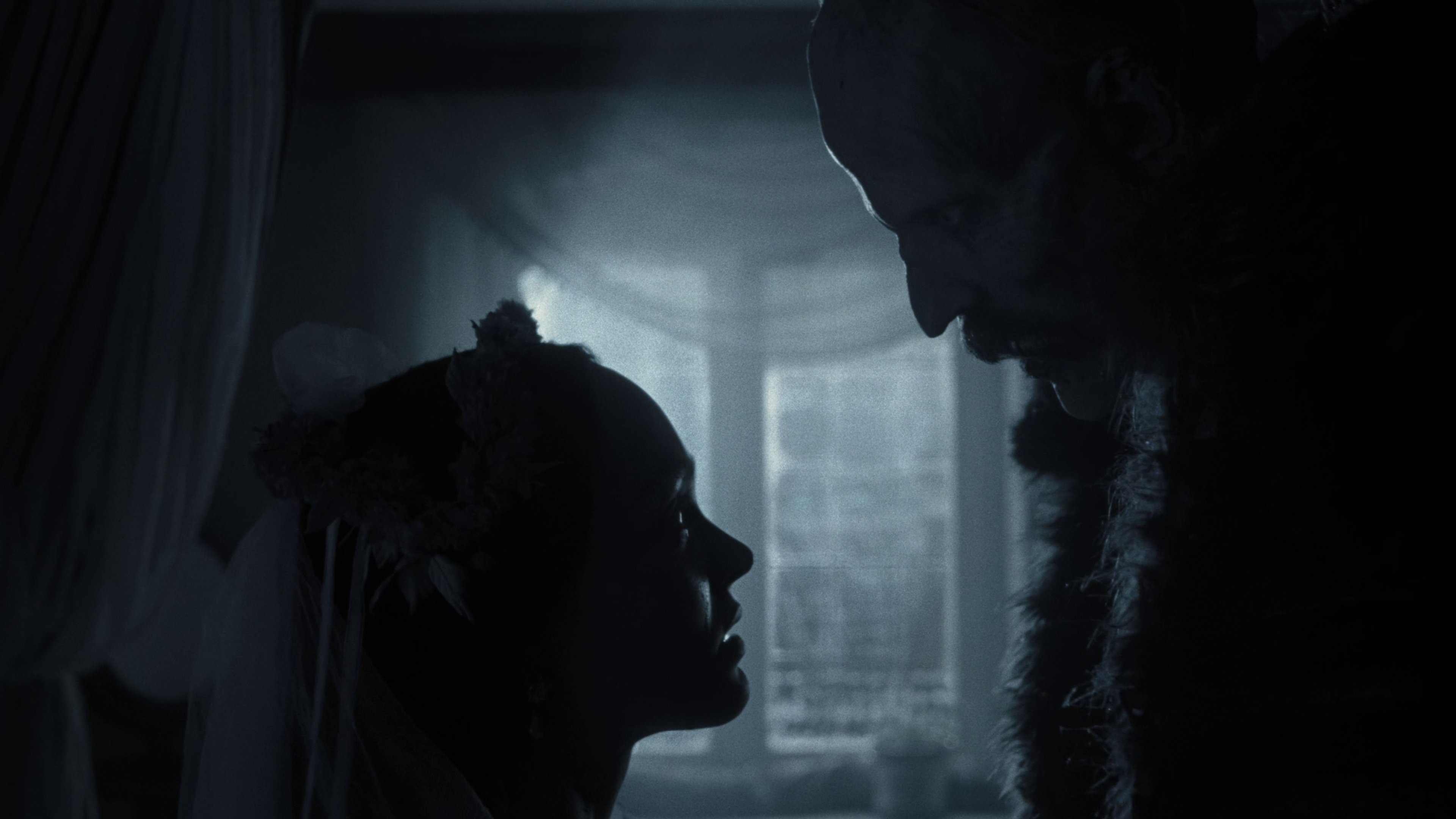
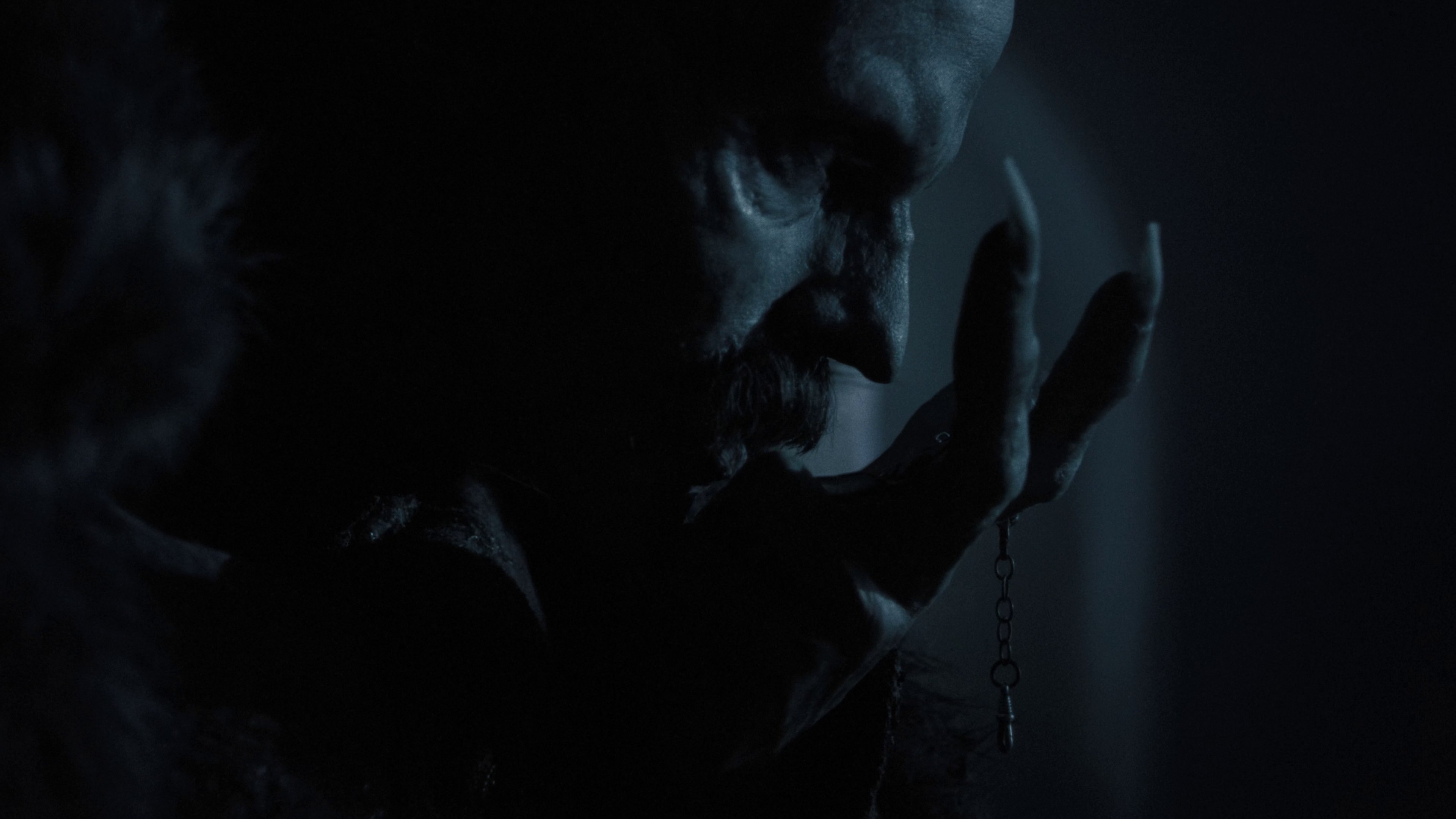
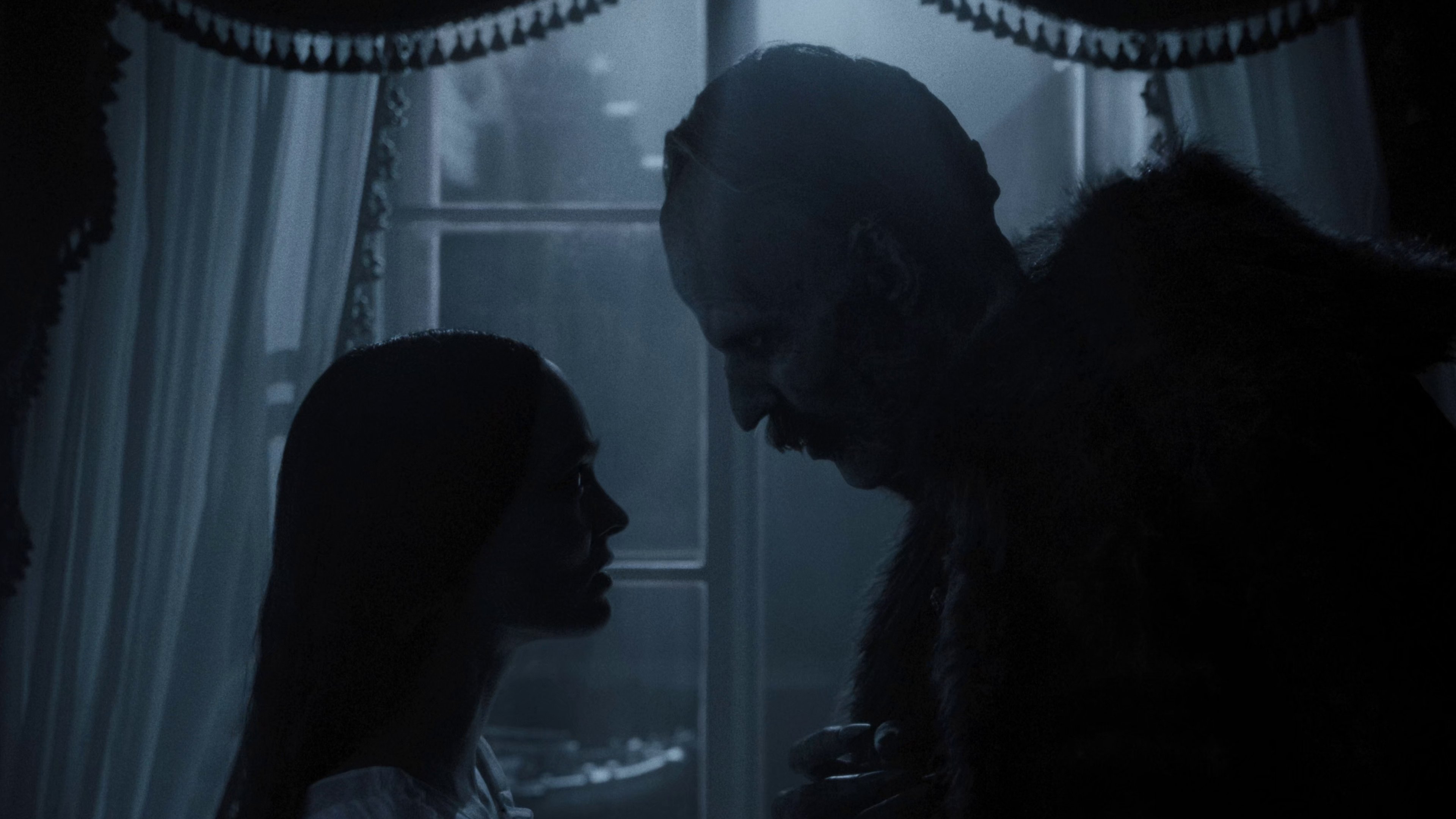
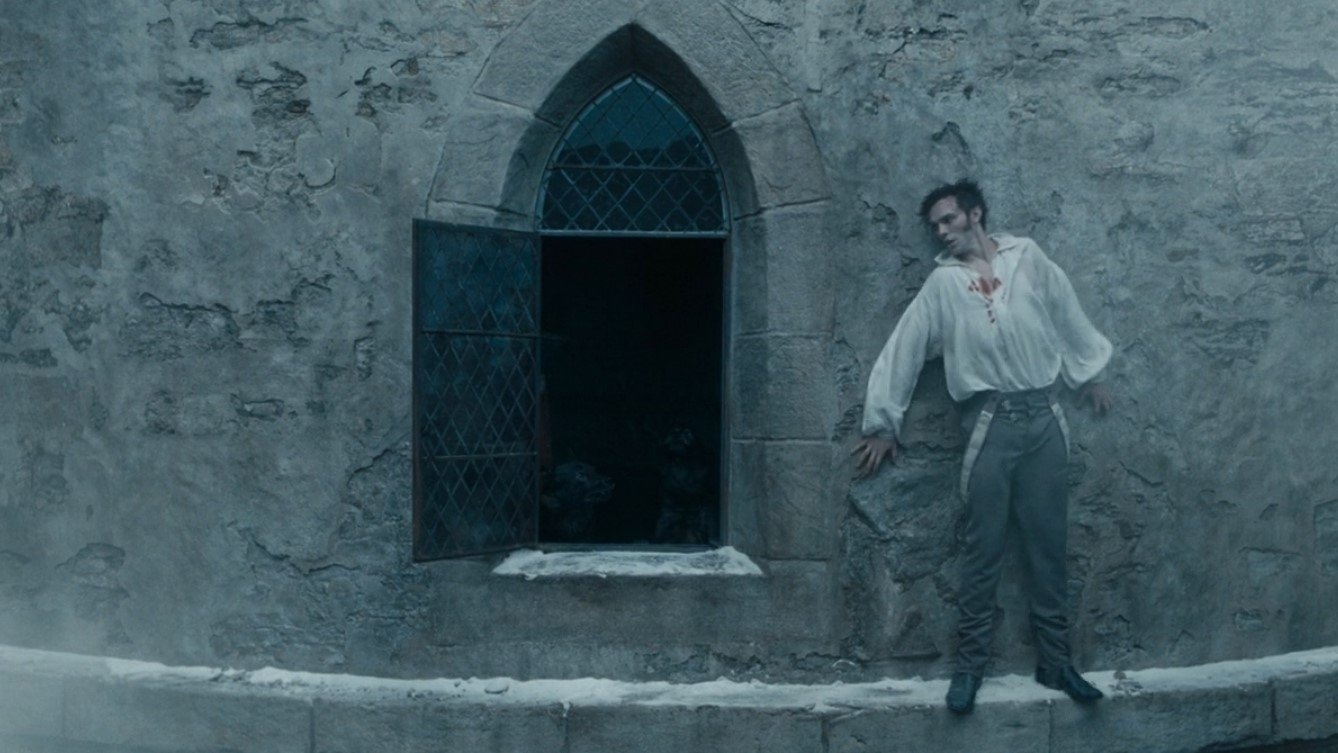
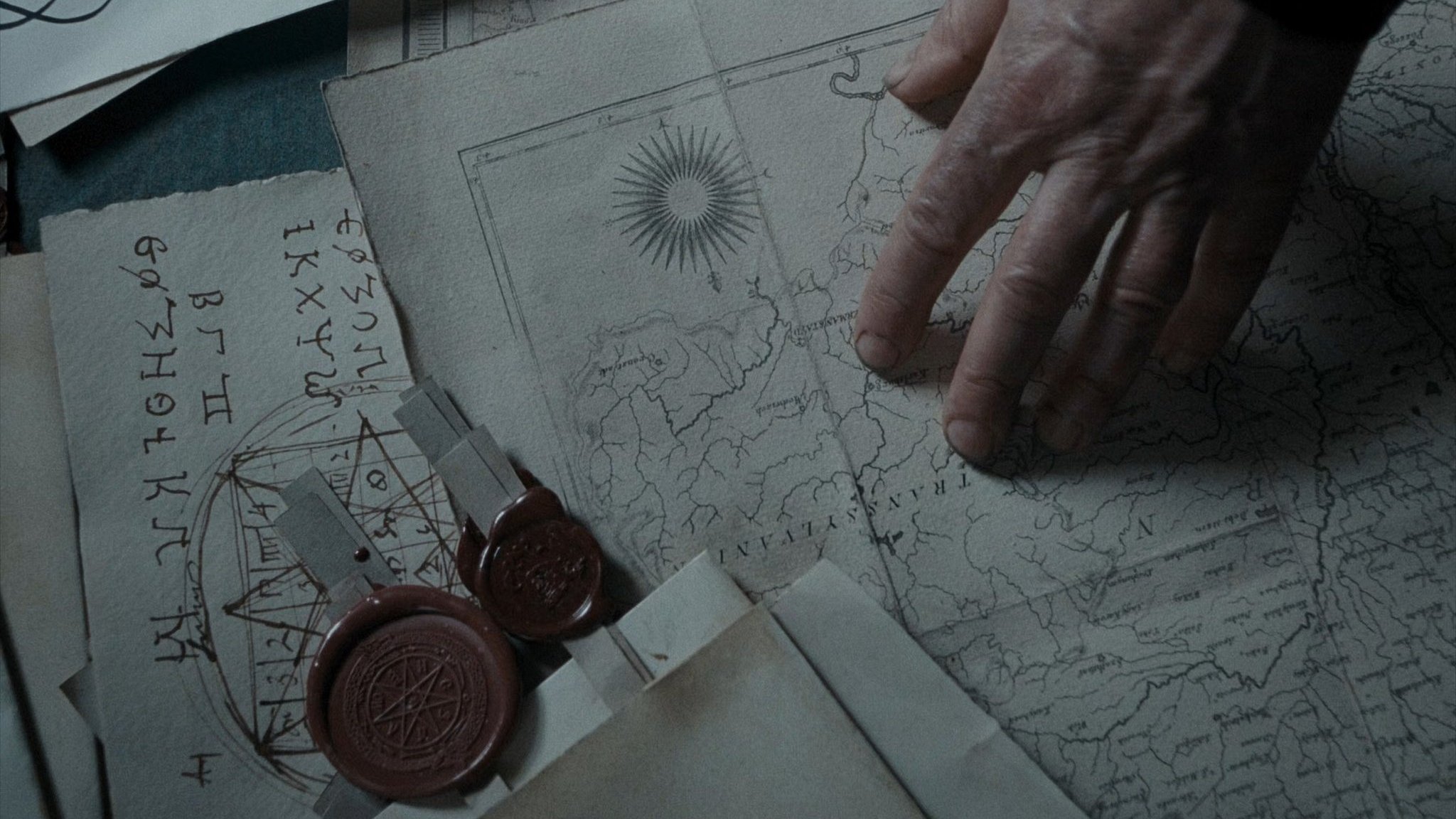
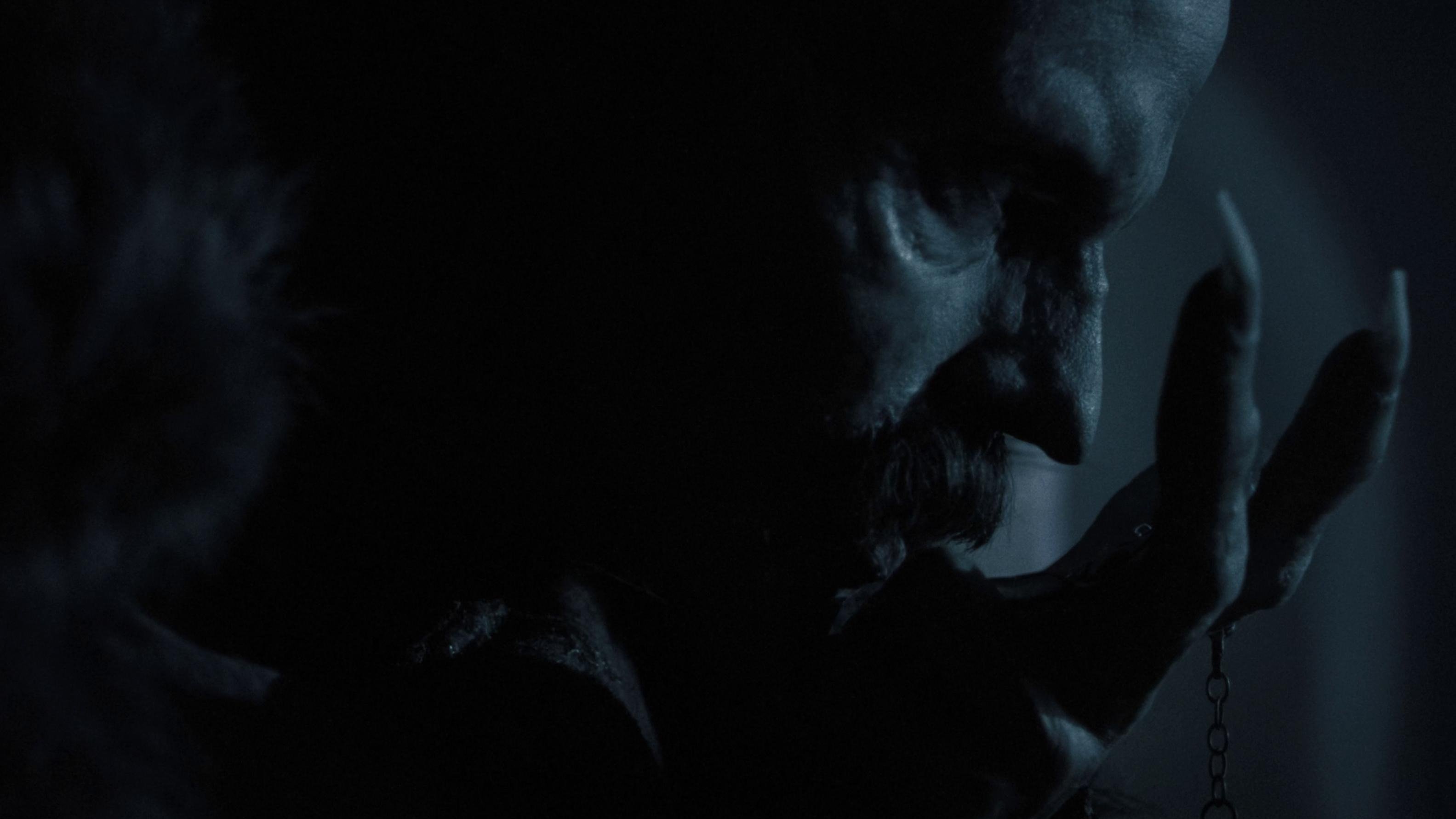
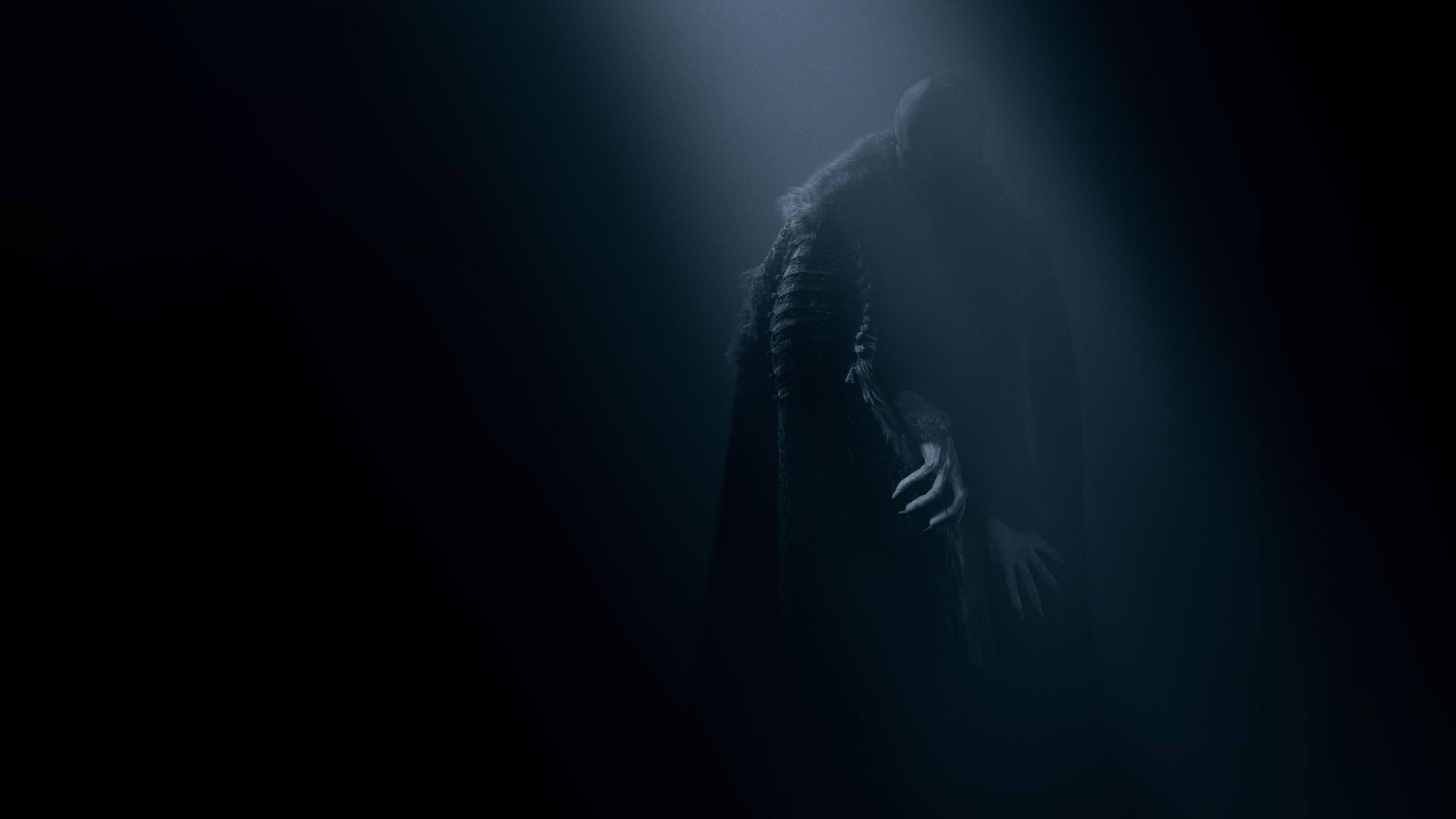
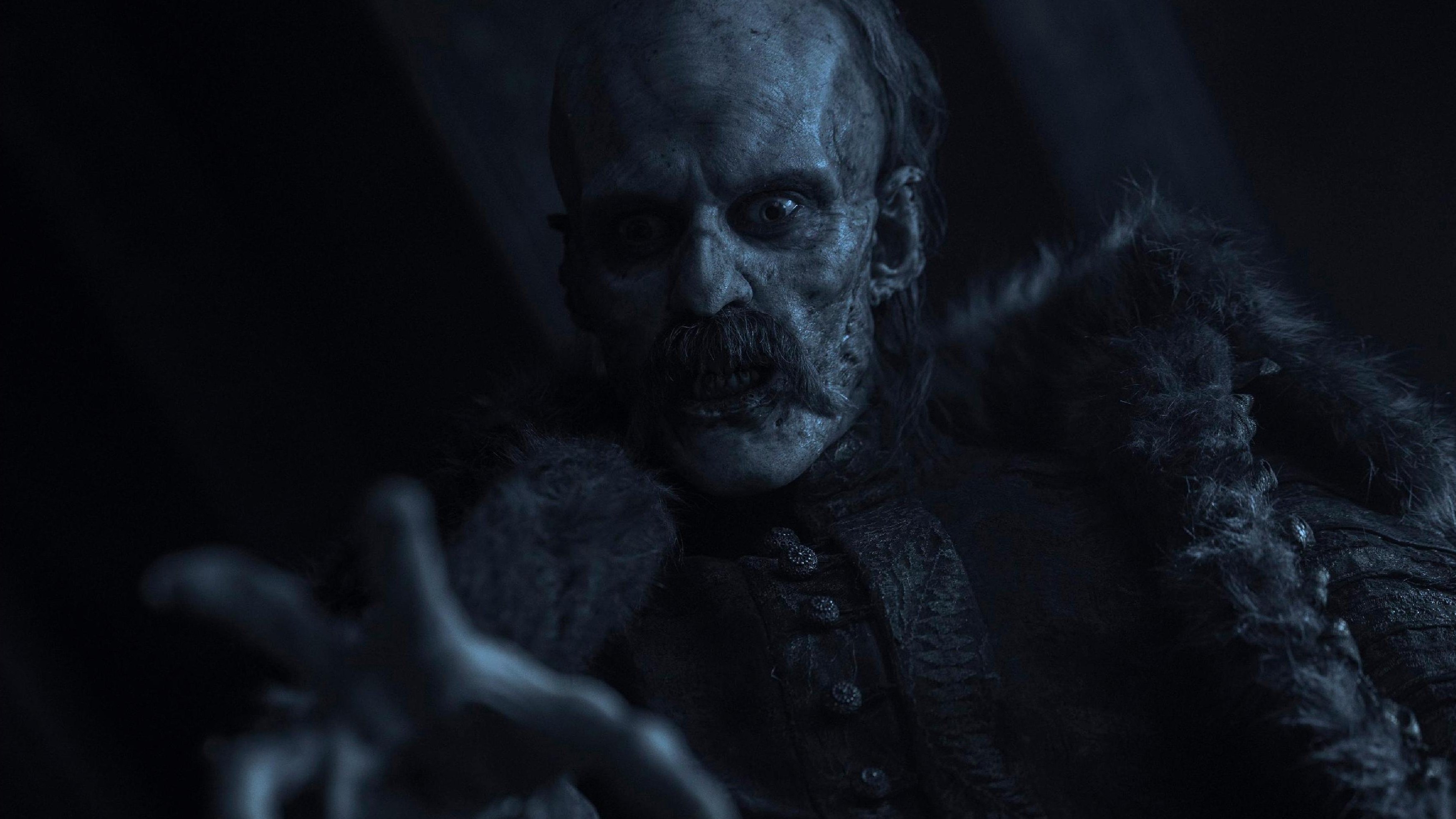
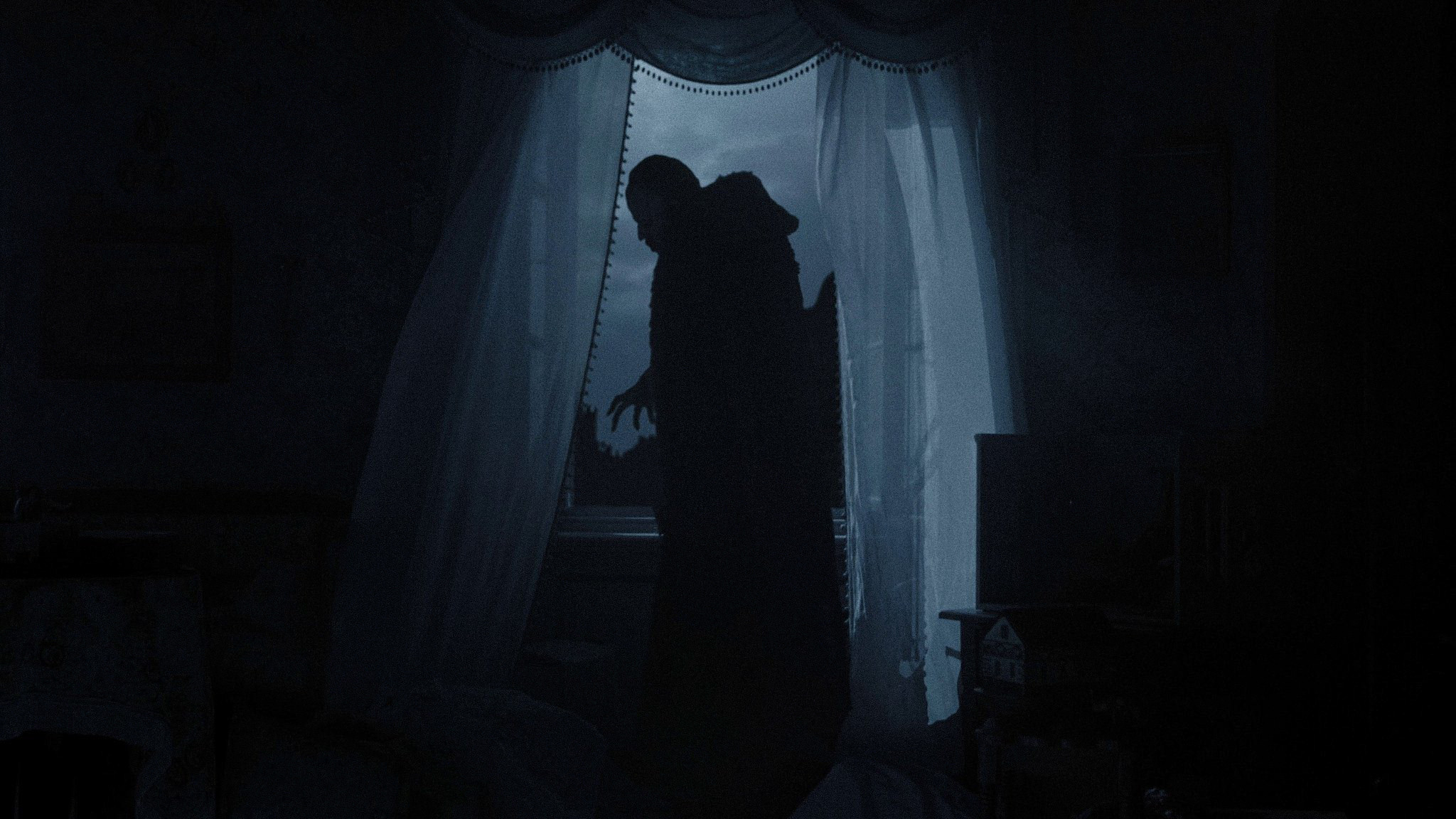
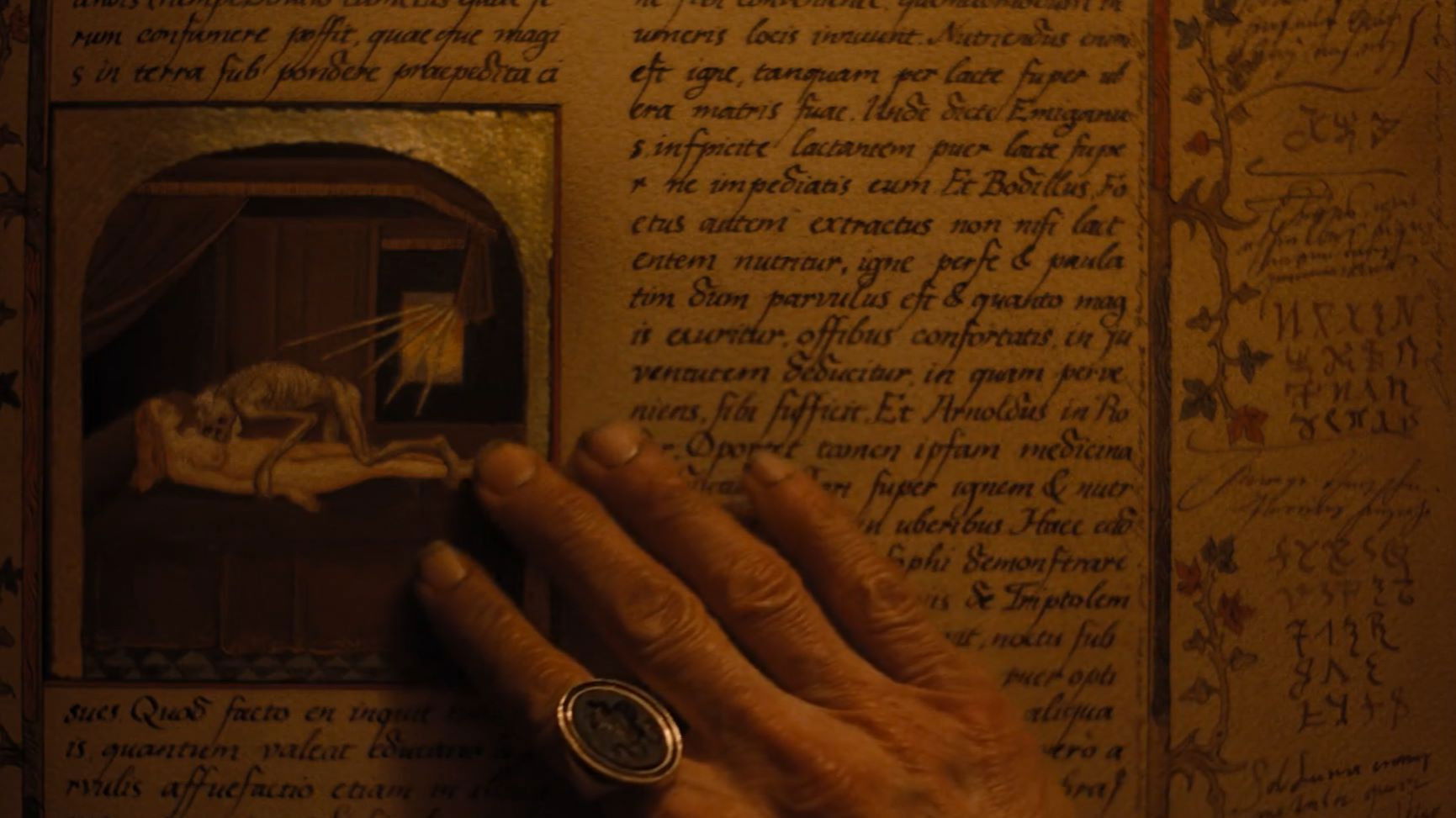
The screenplay draws on both Henrik Galeen's adaptation for Murnau and Stoker's Dracula, but Eggers also returned to historical vampire folklore to reconsider assumptions established by later cinema. His intention was to portray Orlok as a dead Transylvanian nobleman whose decayed appearance departed from the image of an attractive aristocratic vampire. This led to research into regional dress, early modern accounts of the undead, aristocratic portraiture and beliefs connecting vampires with disease and bodily decomposition.
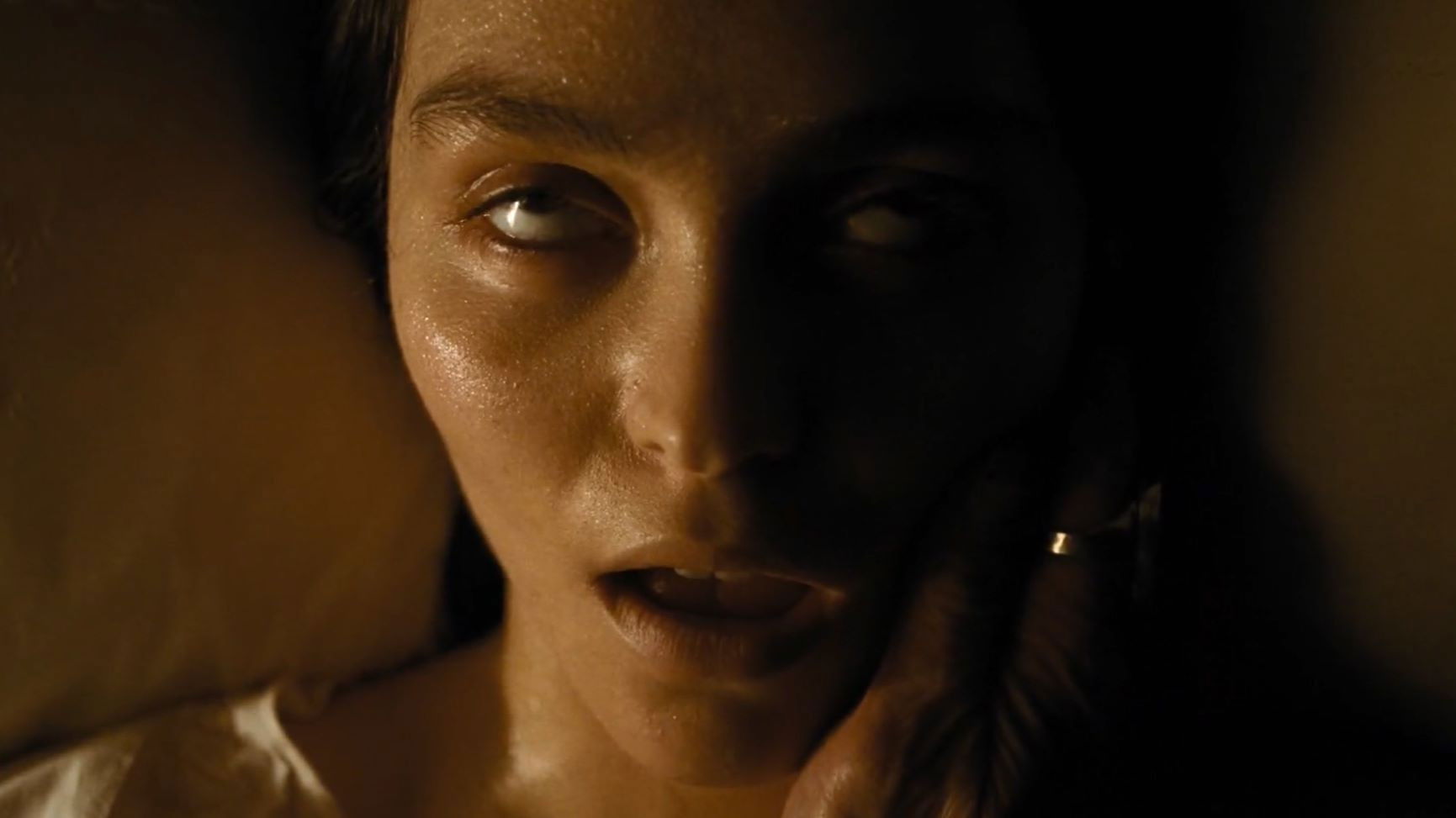
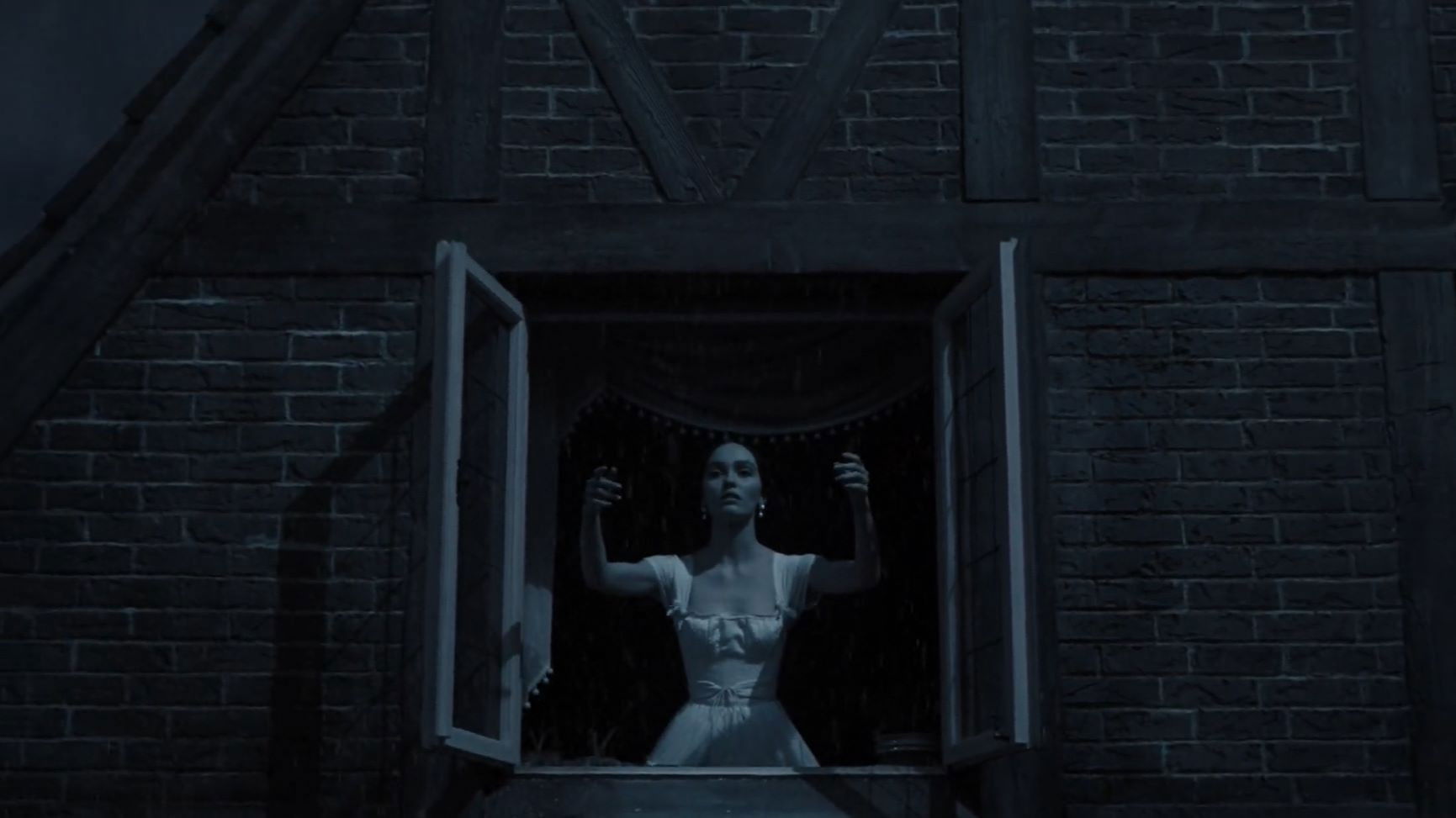
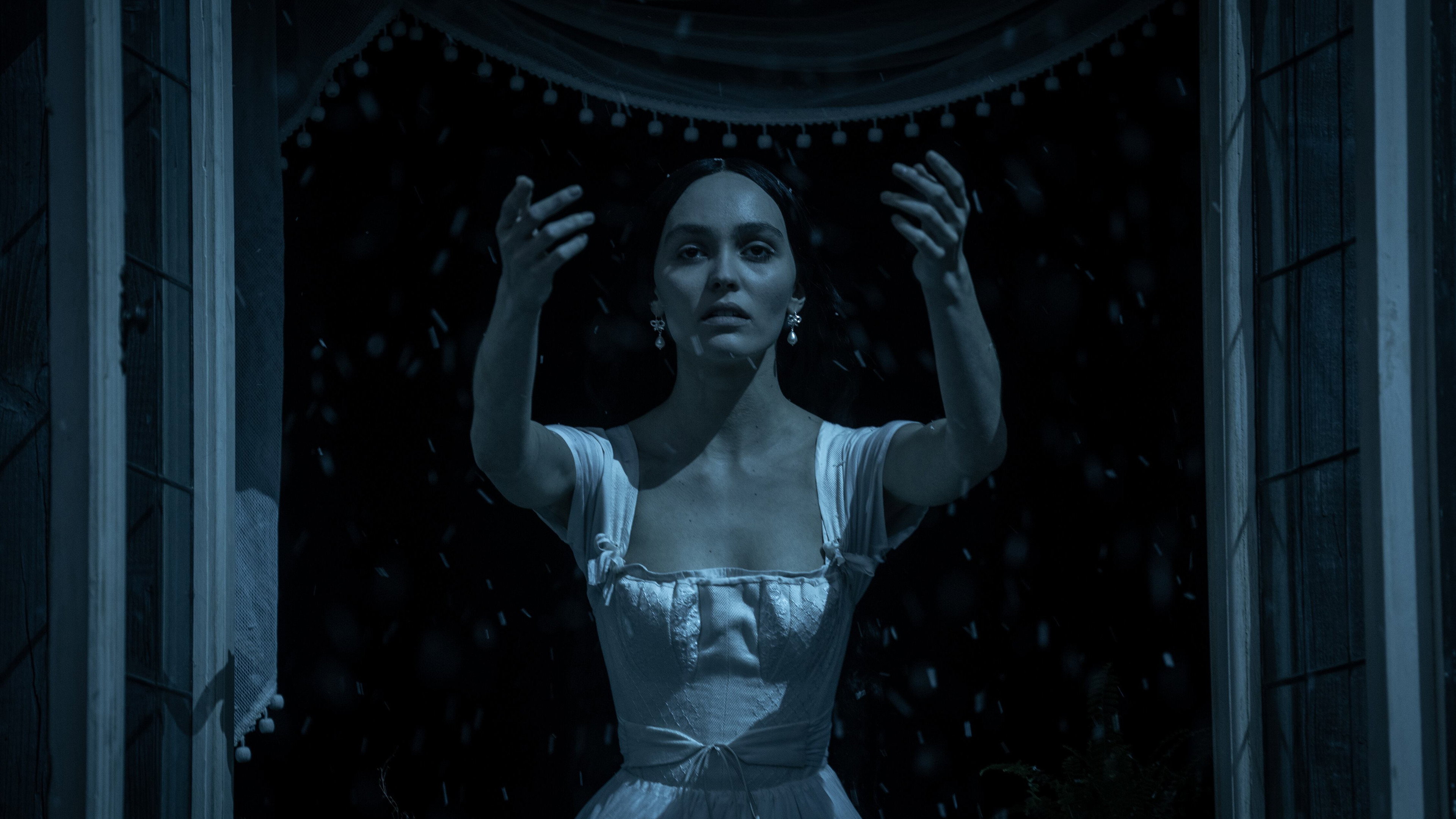
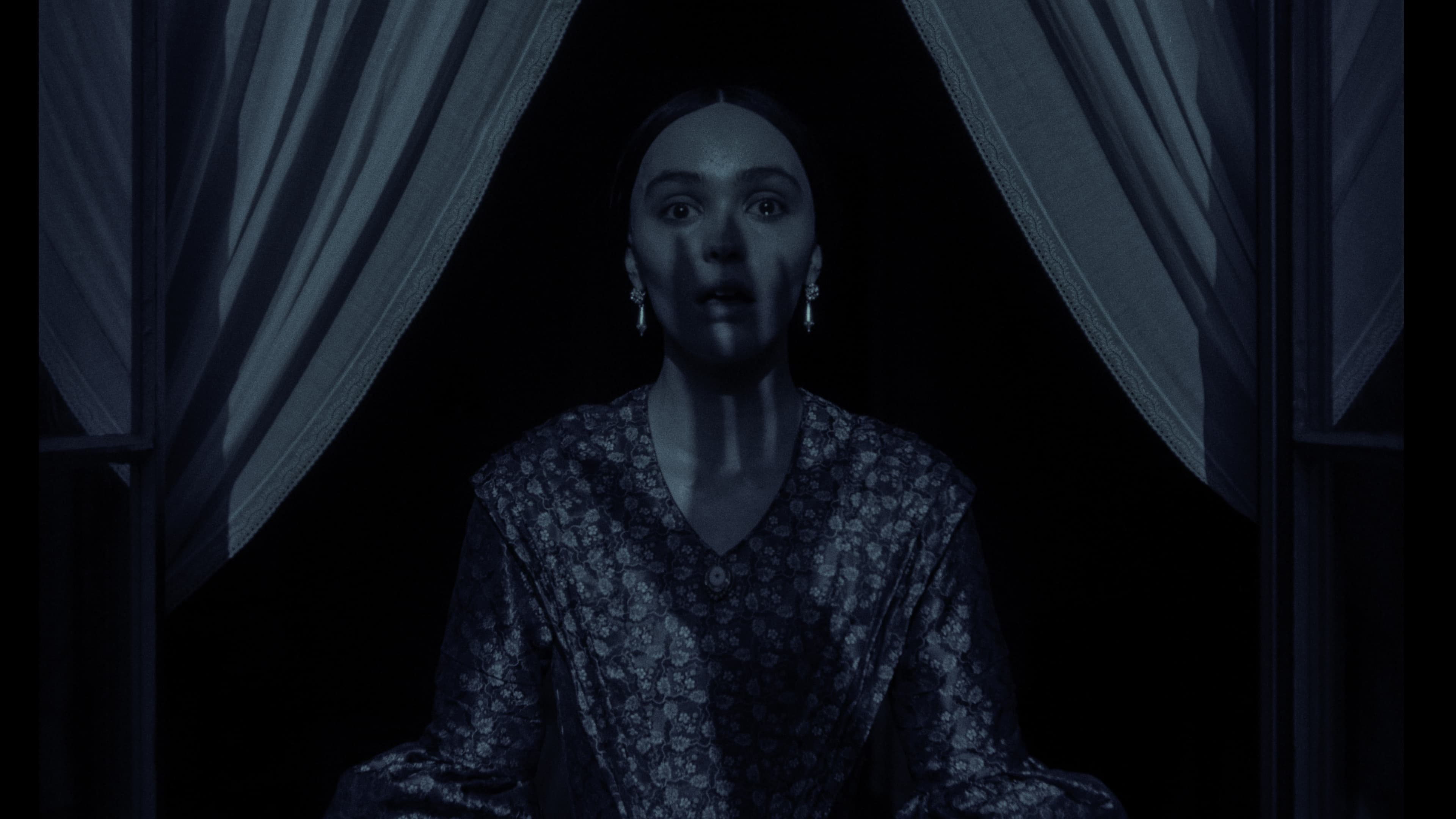
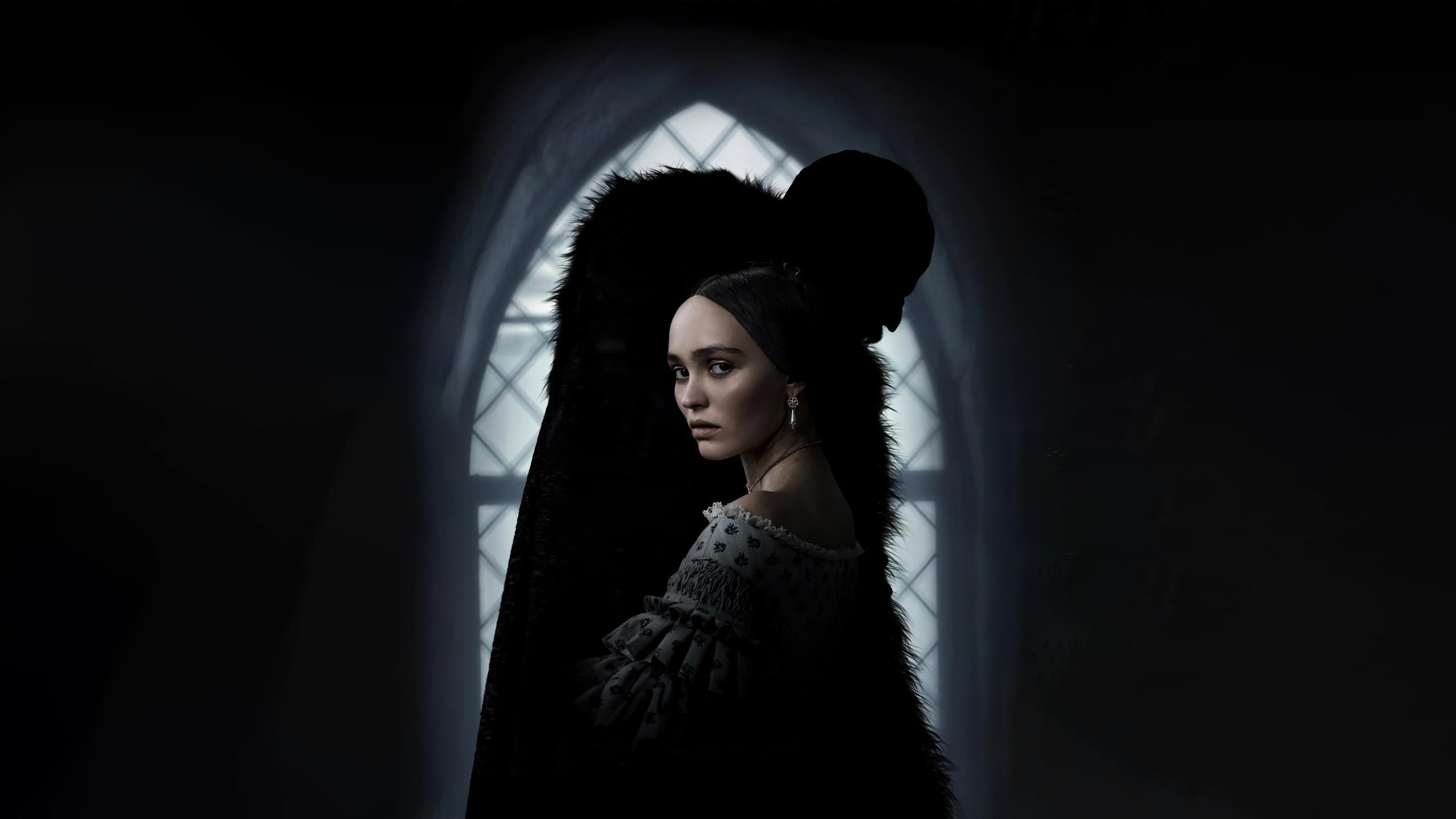
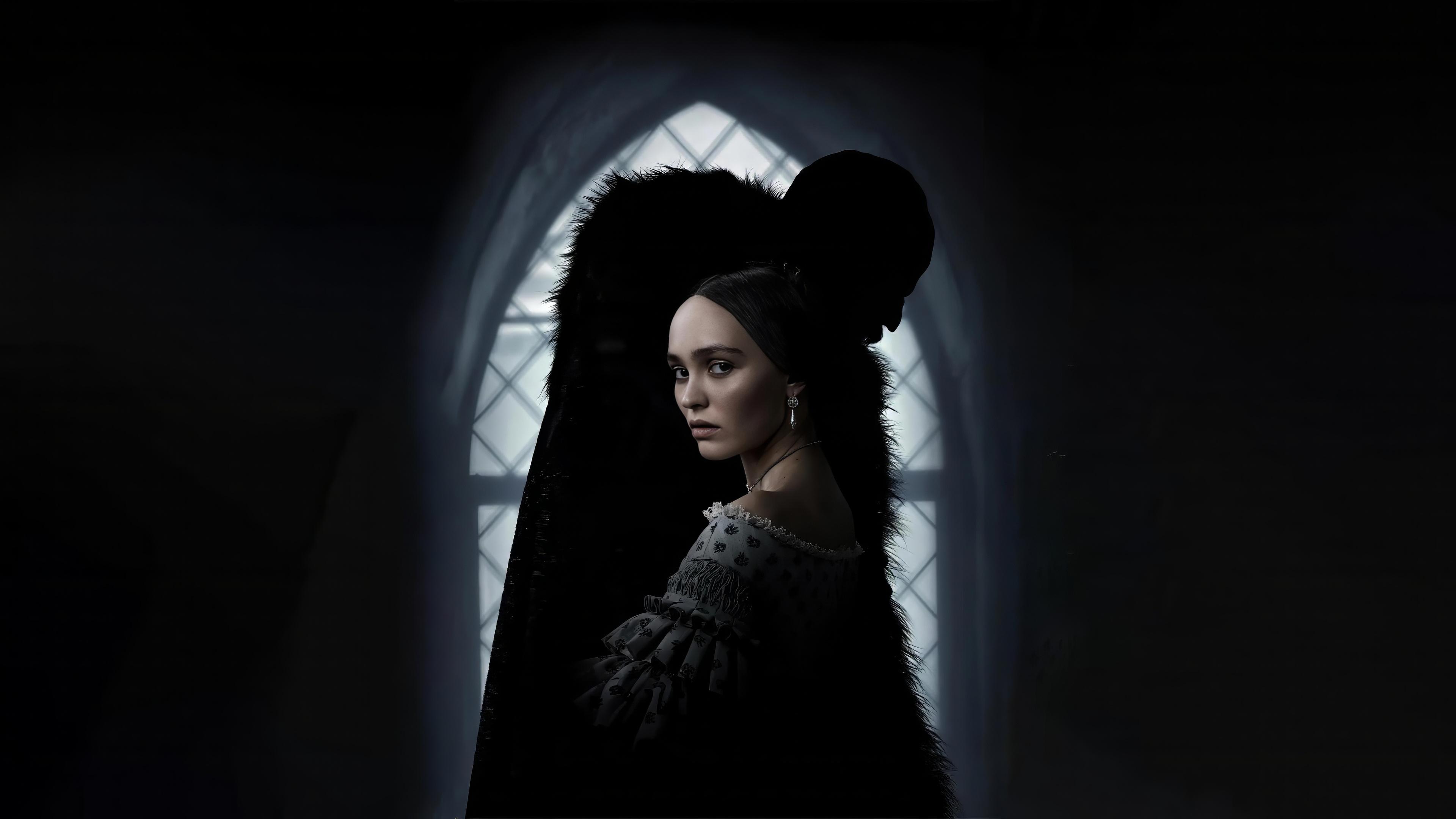
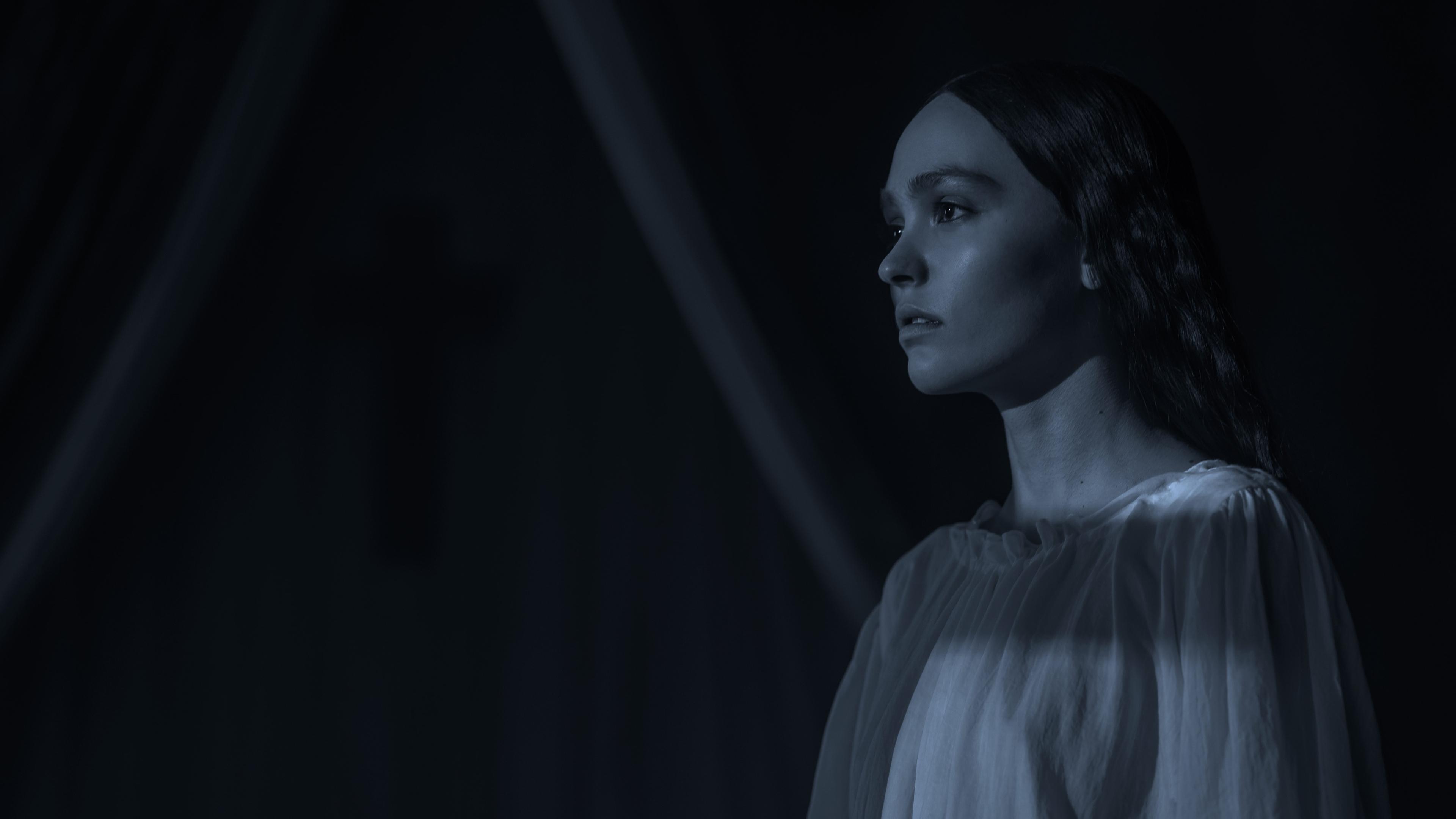
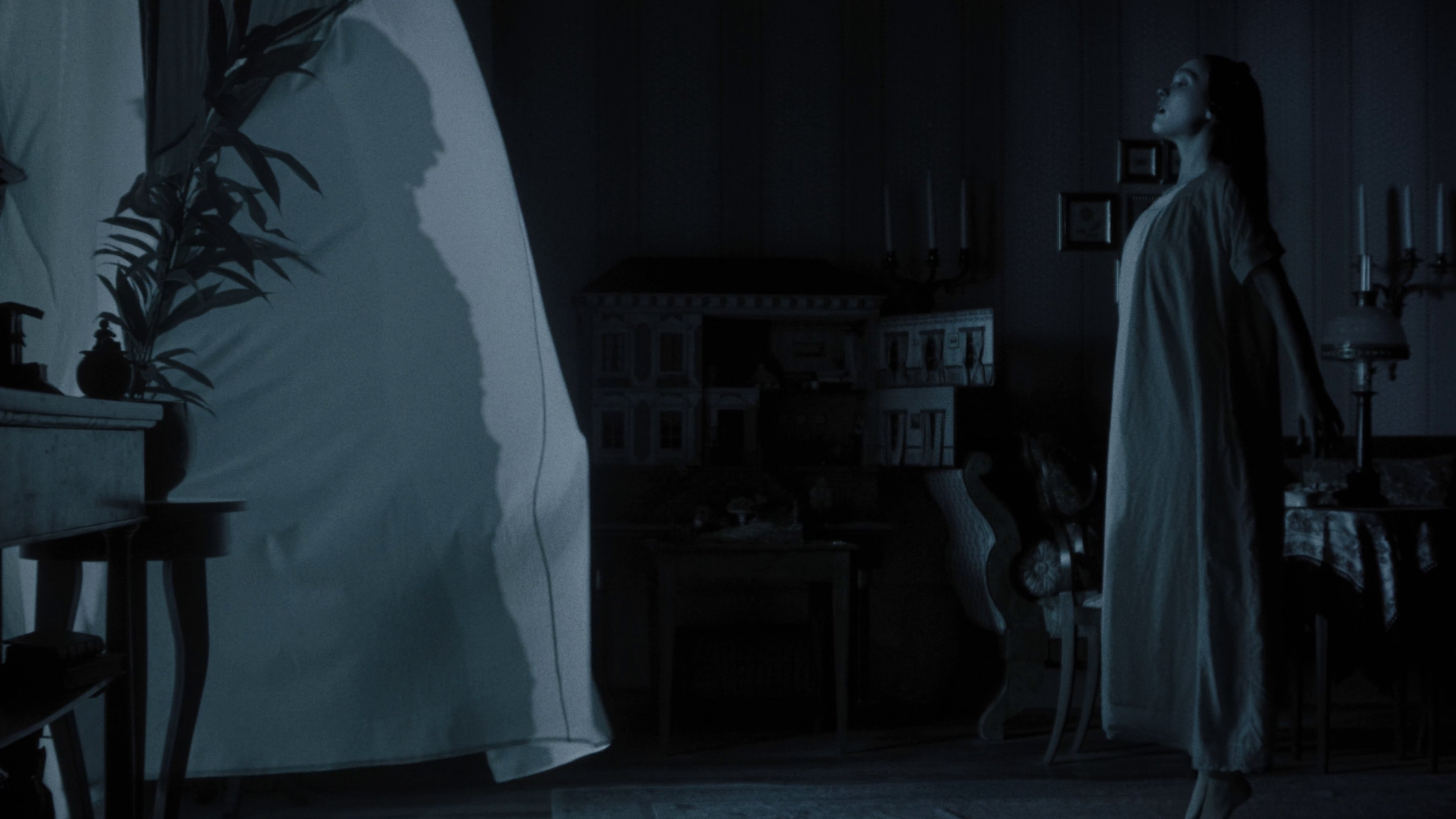
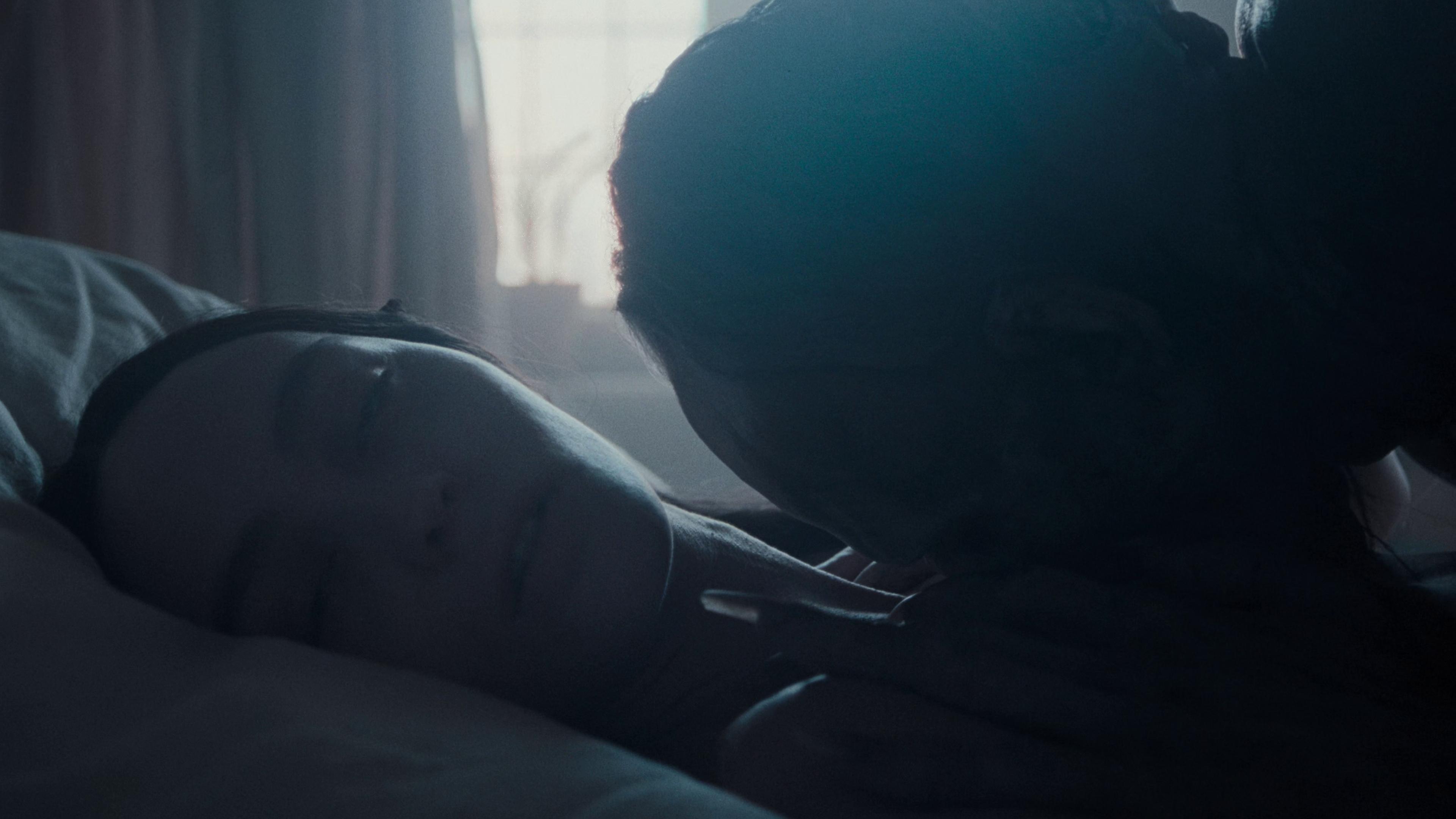
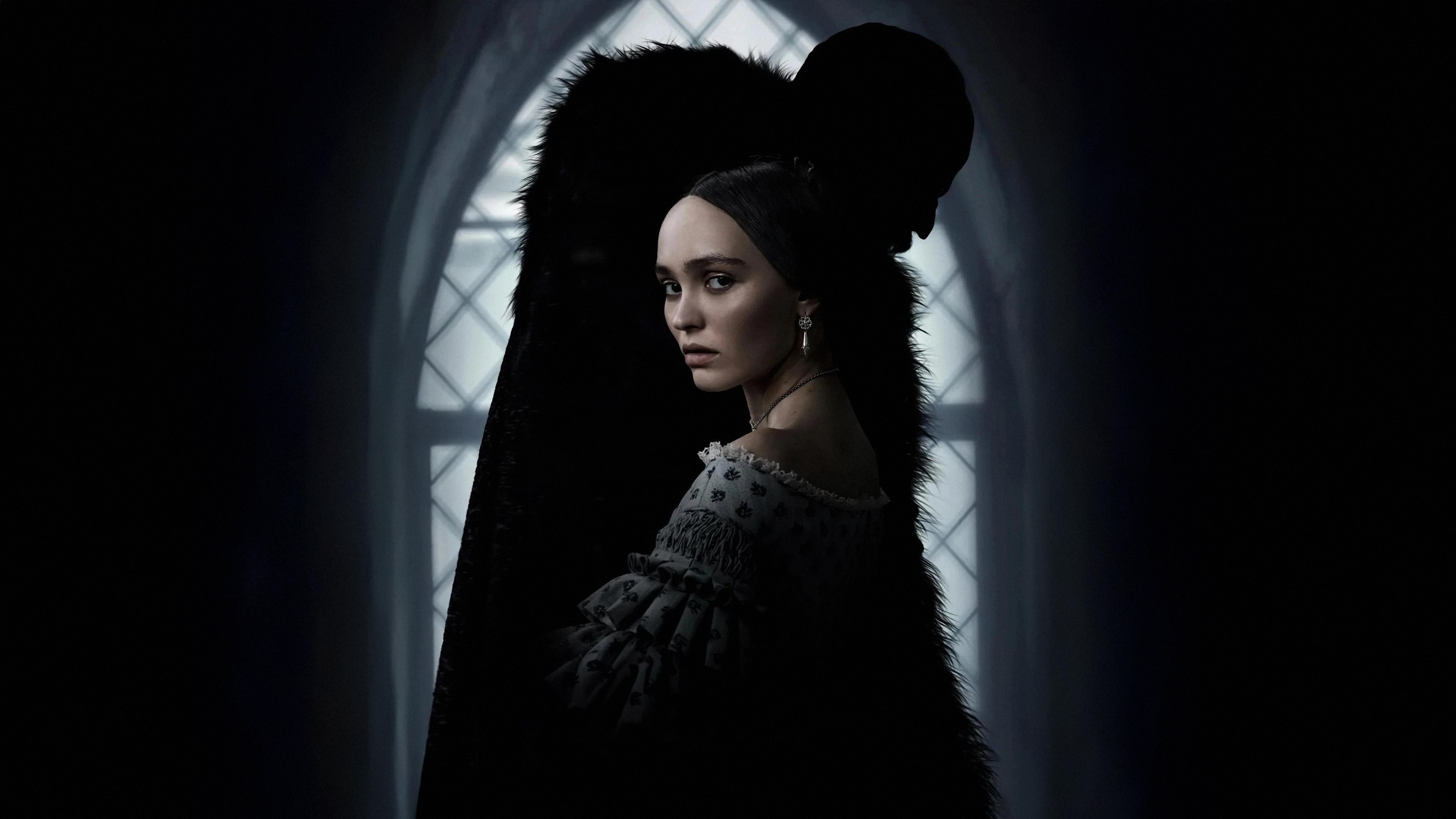
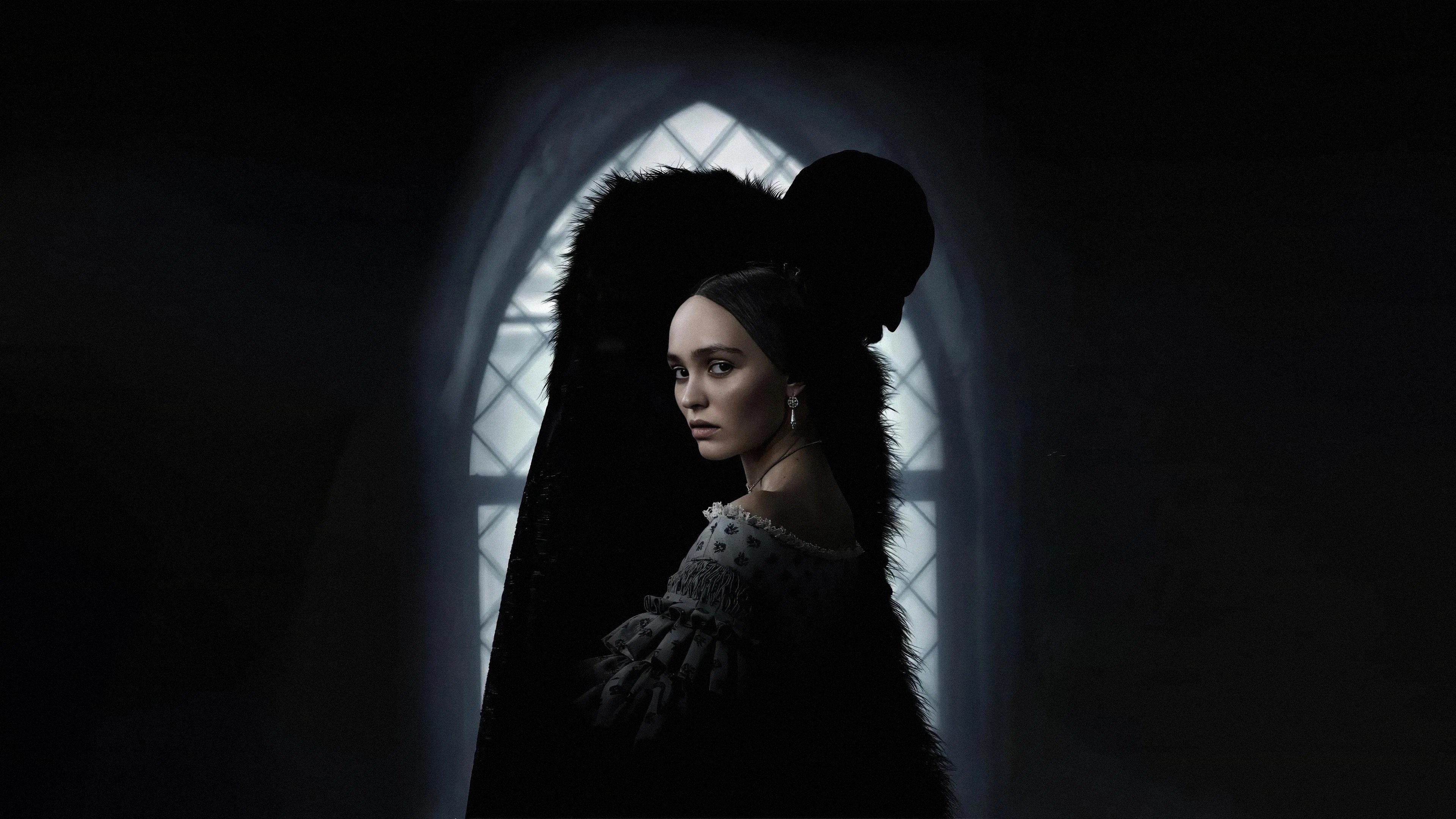
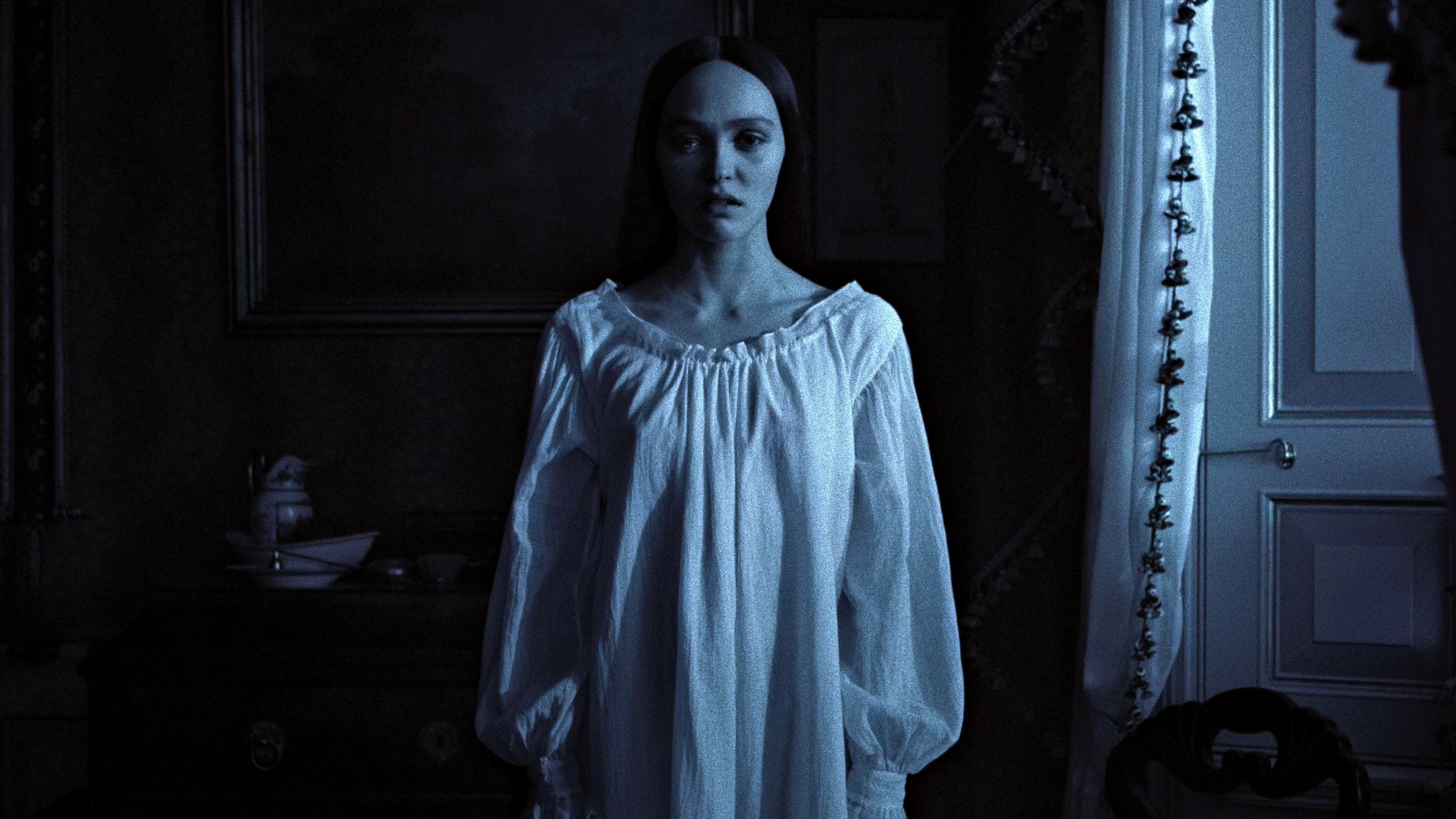
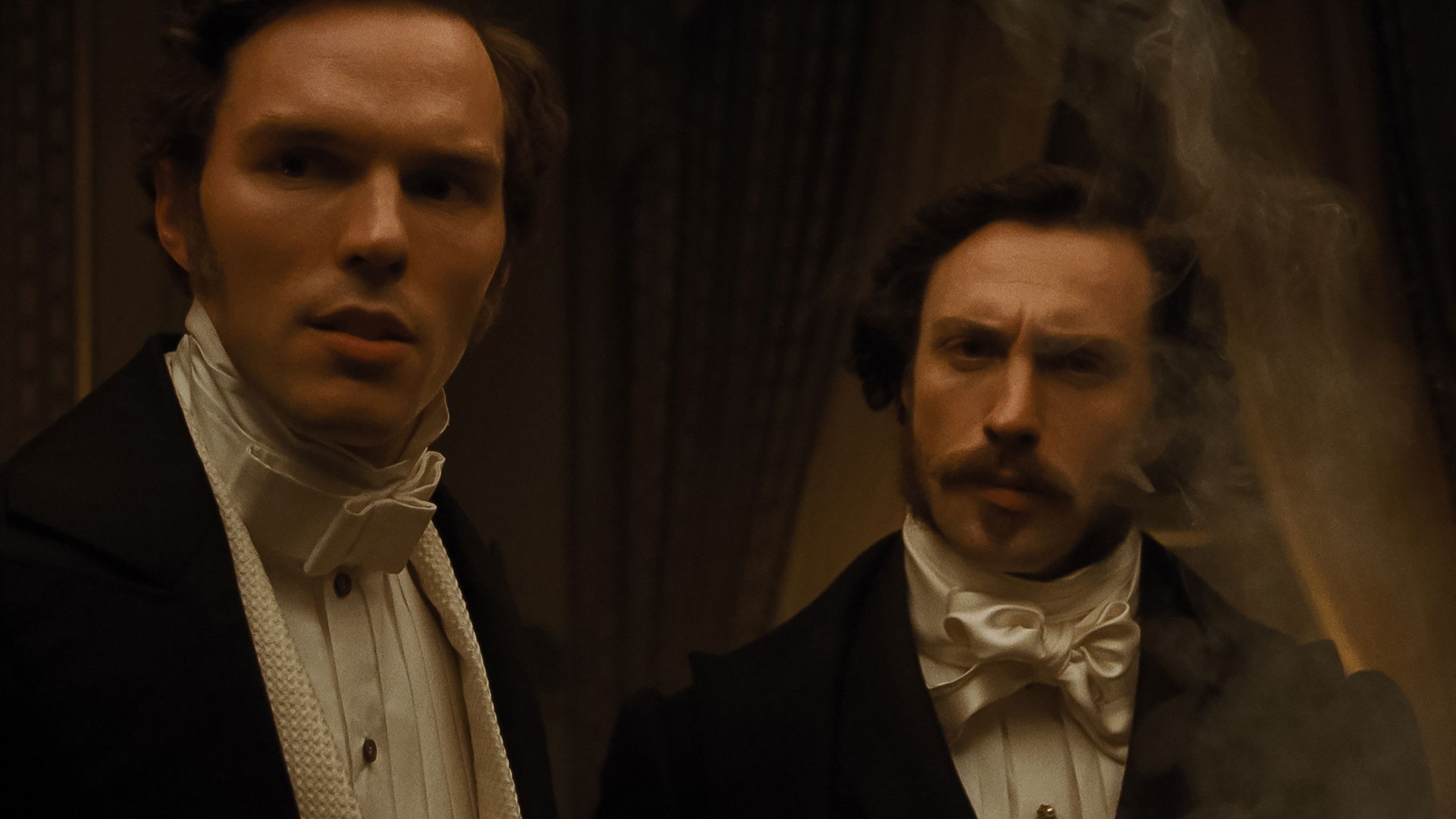
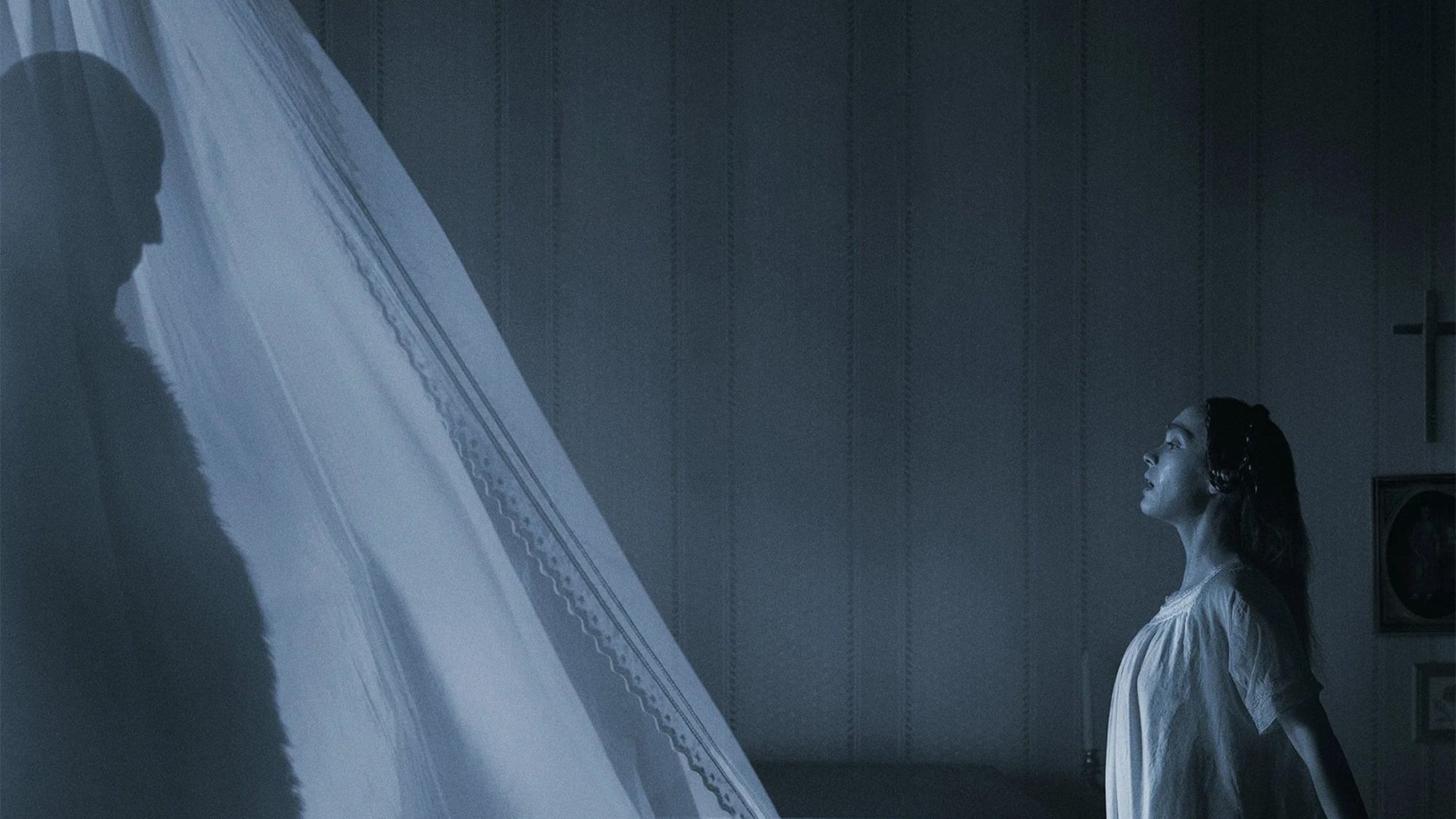
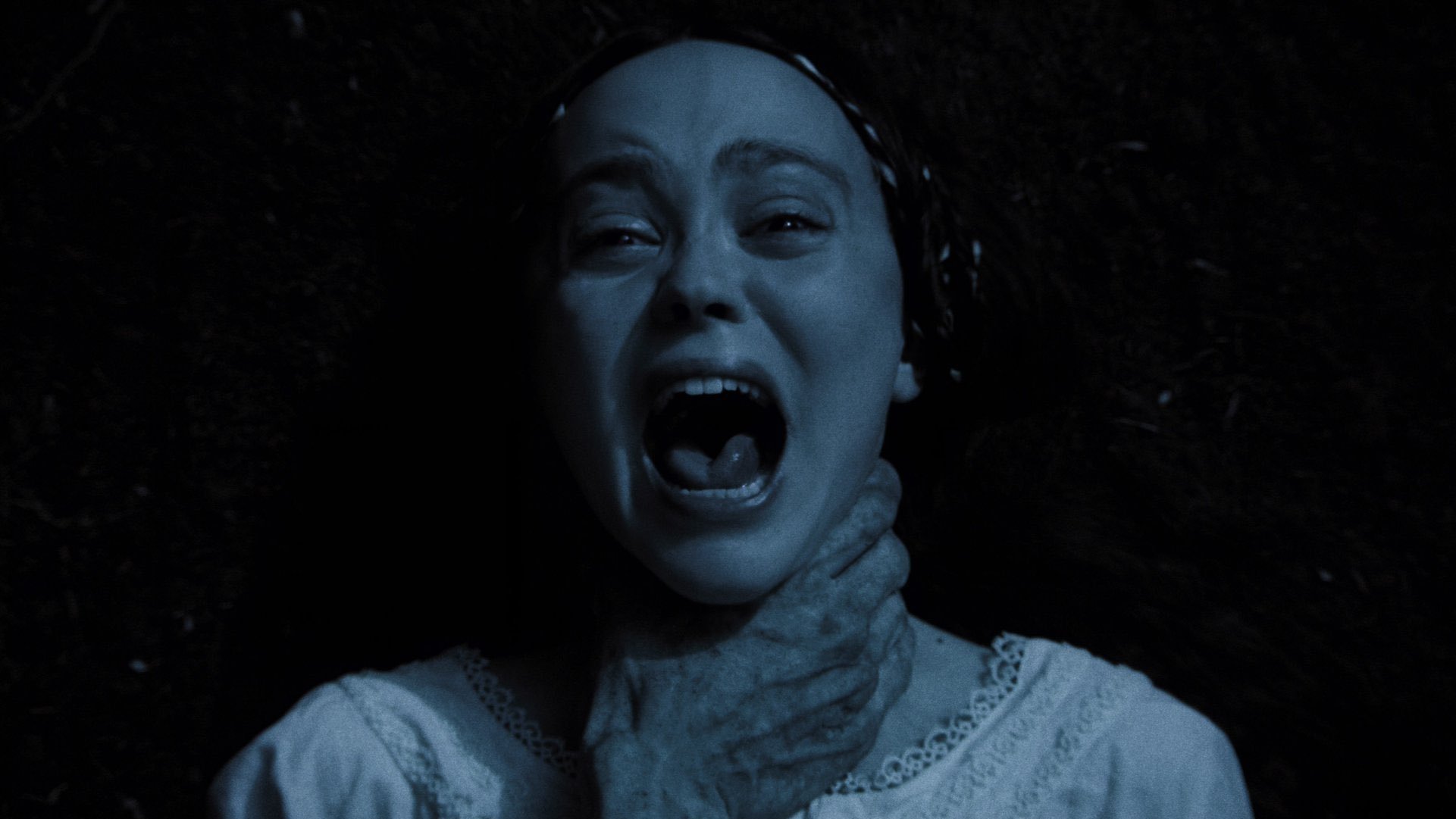
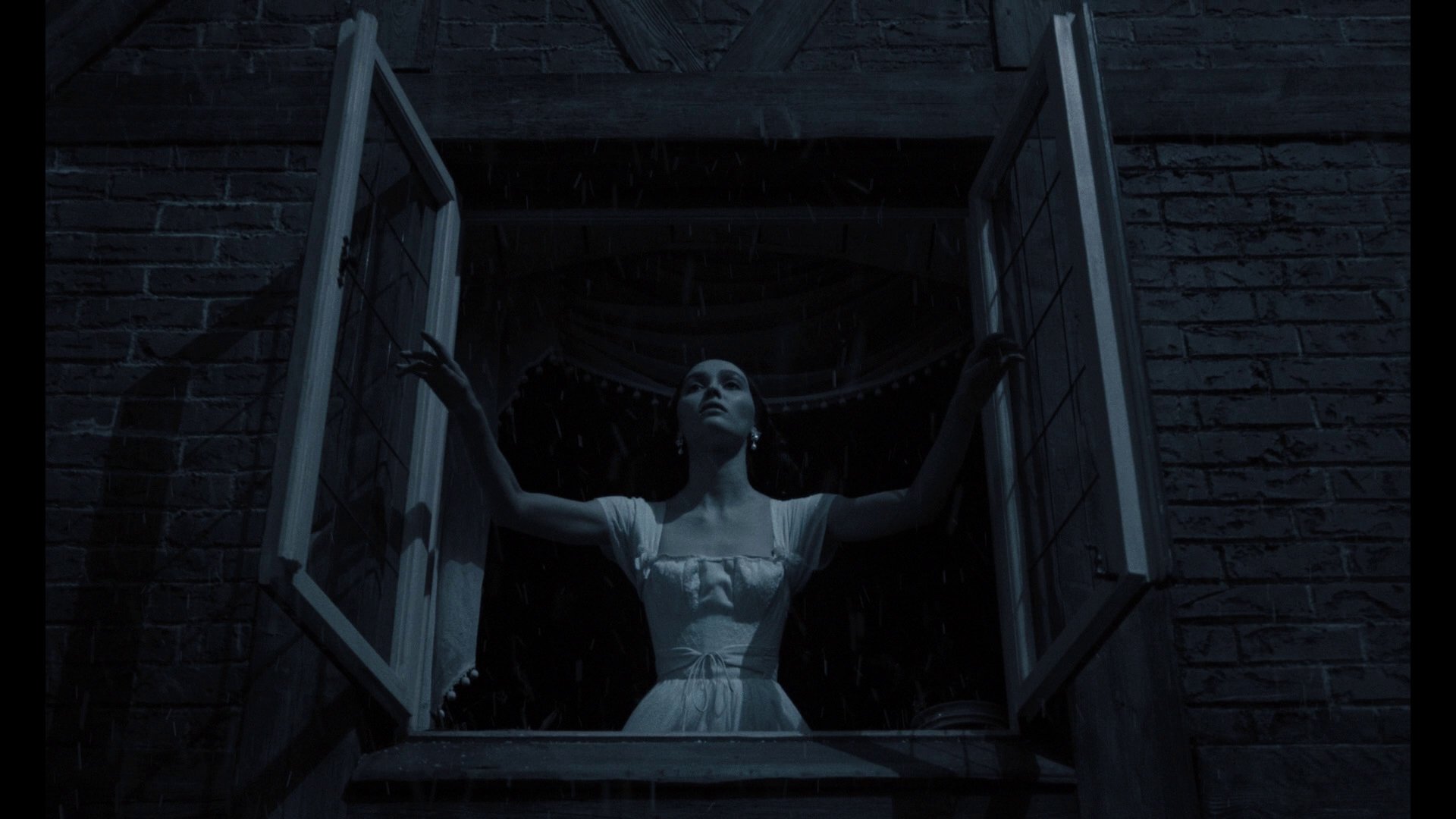
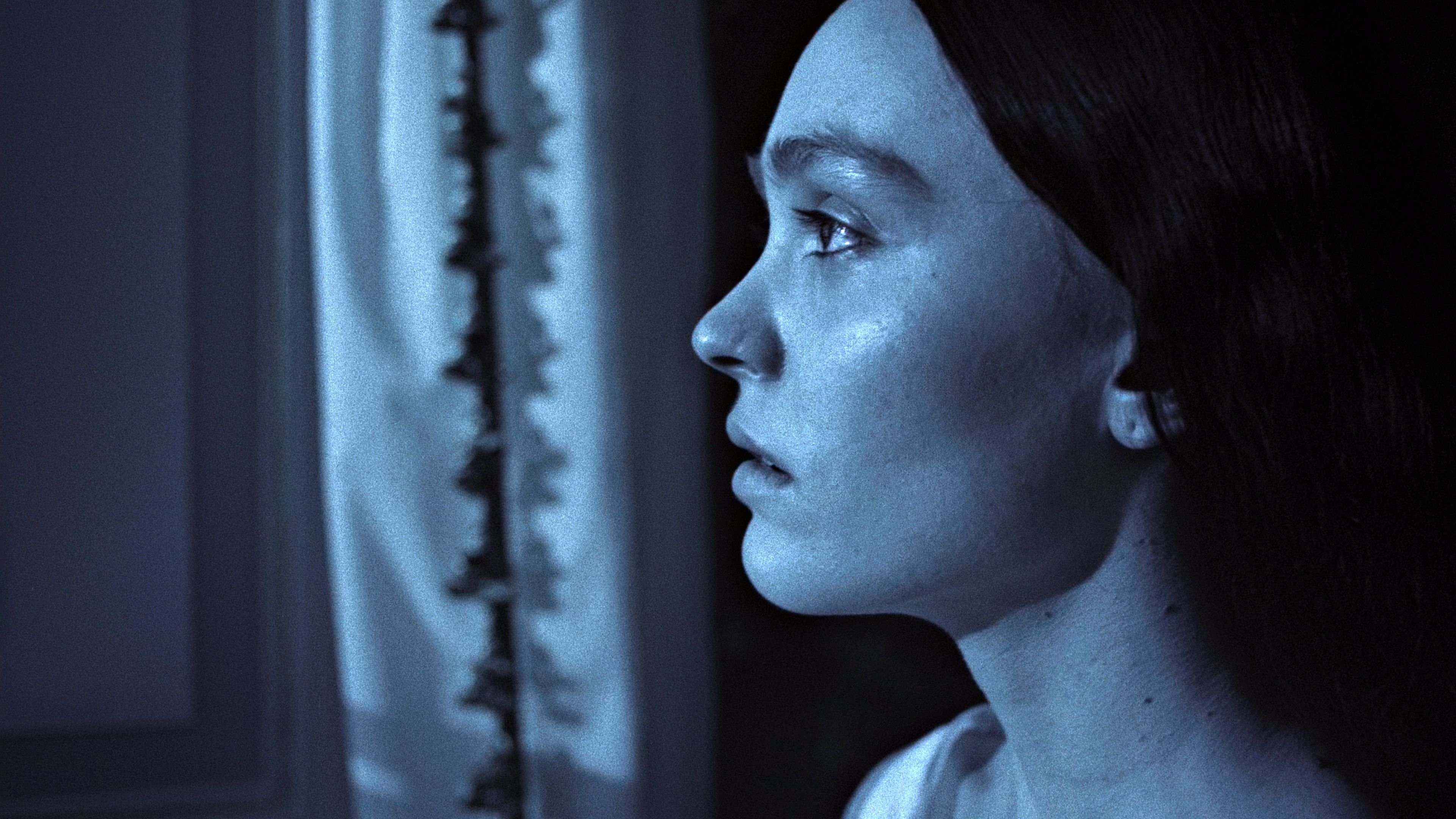
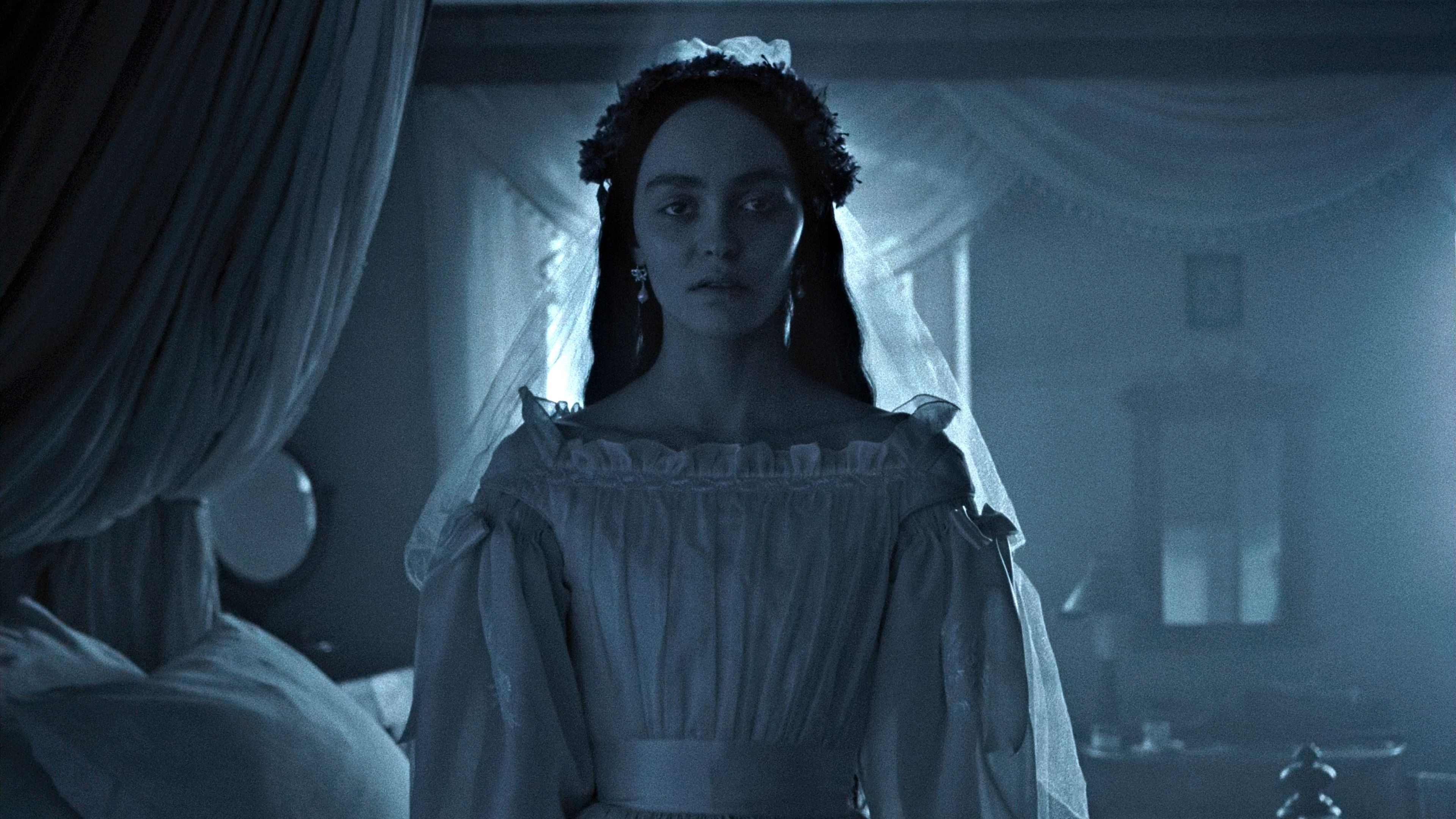
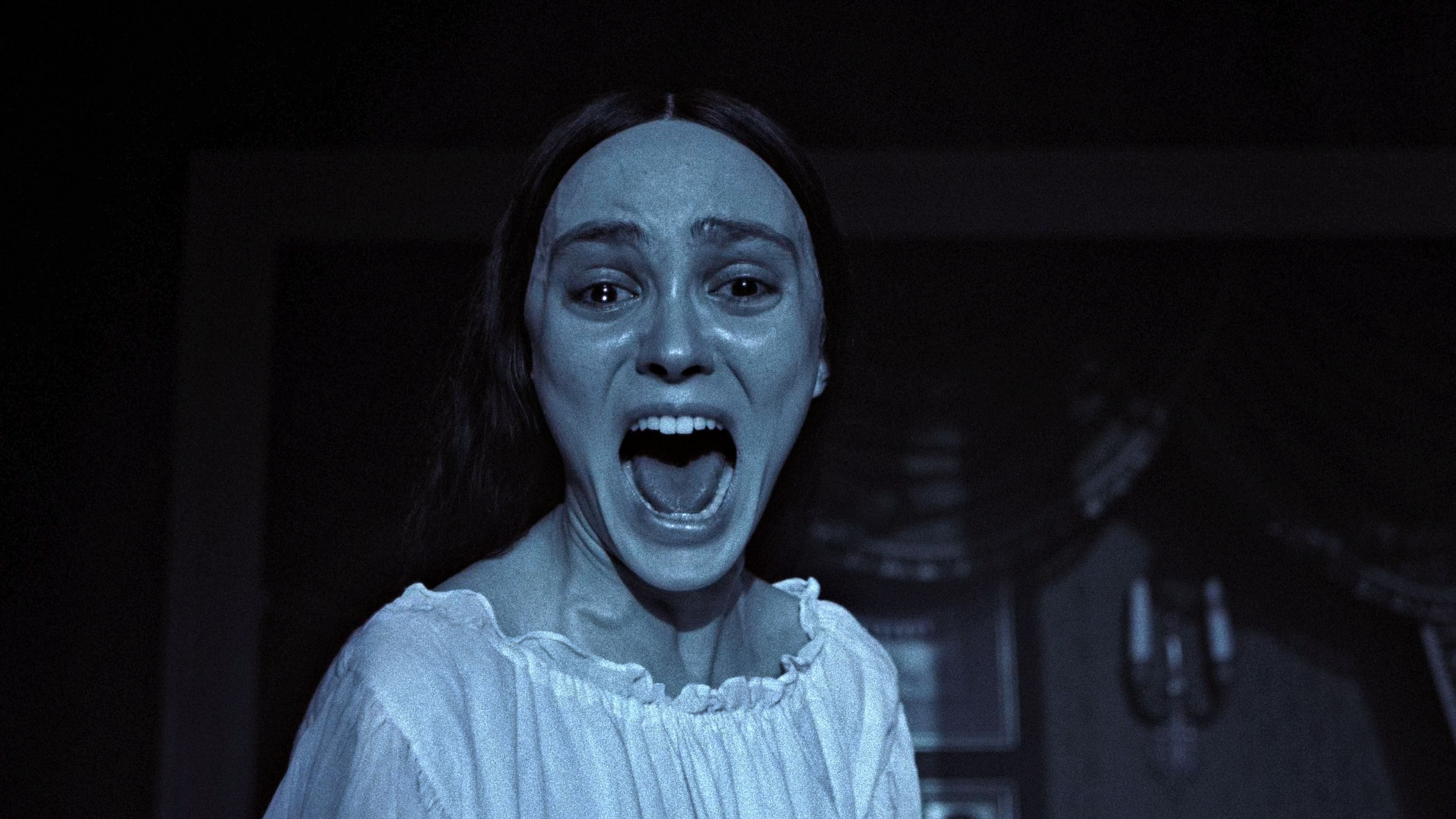
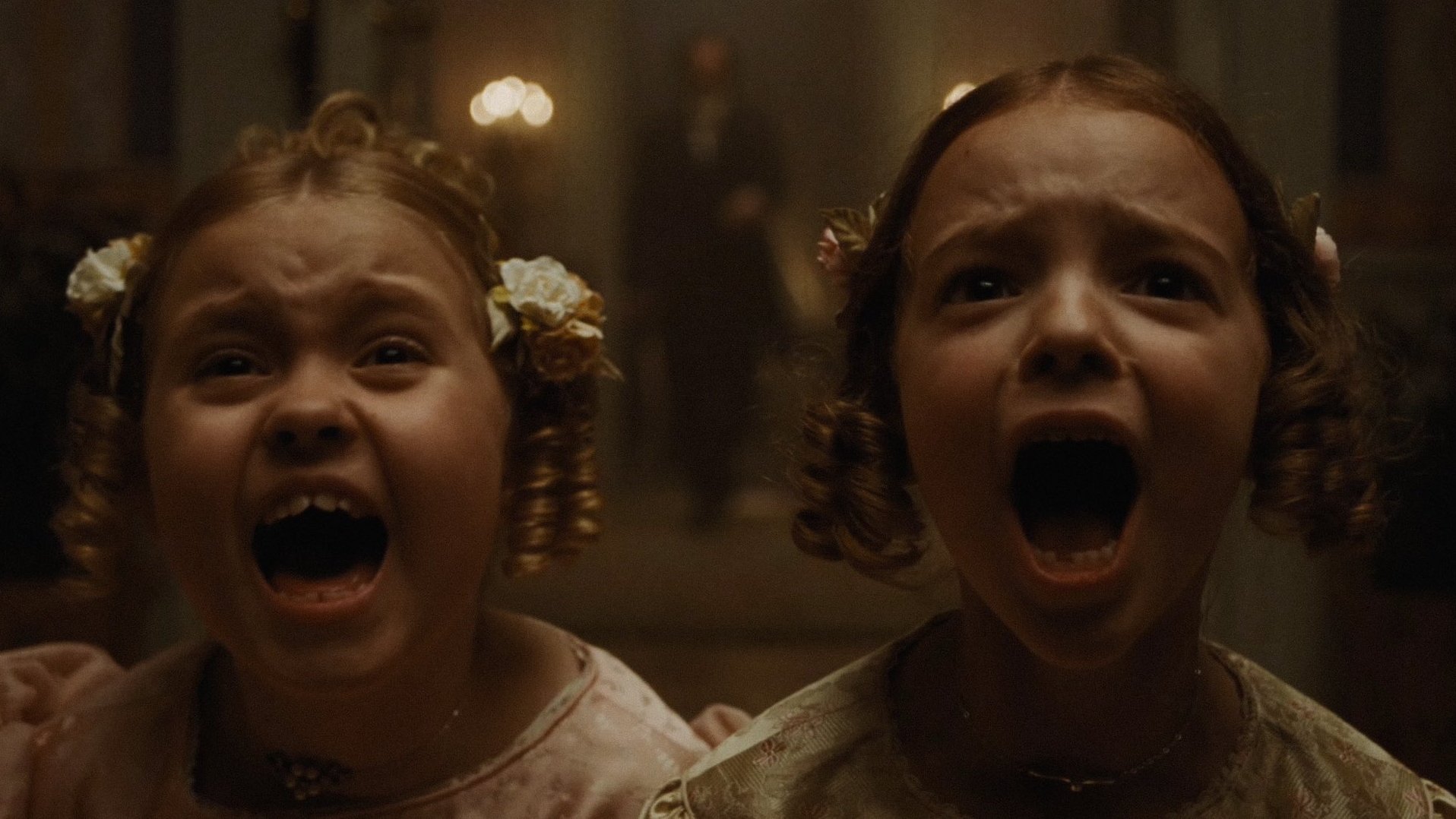
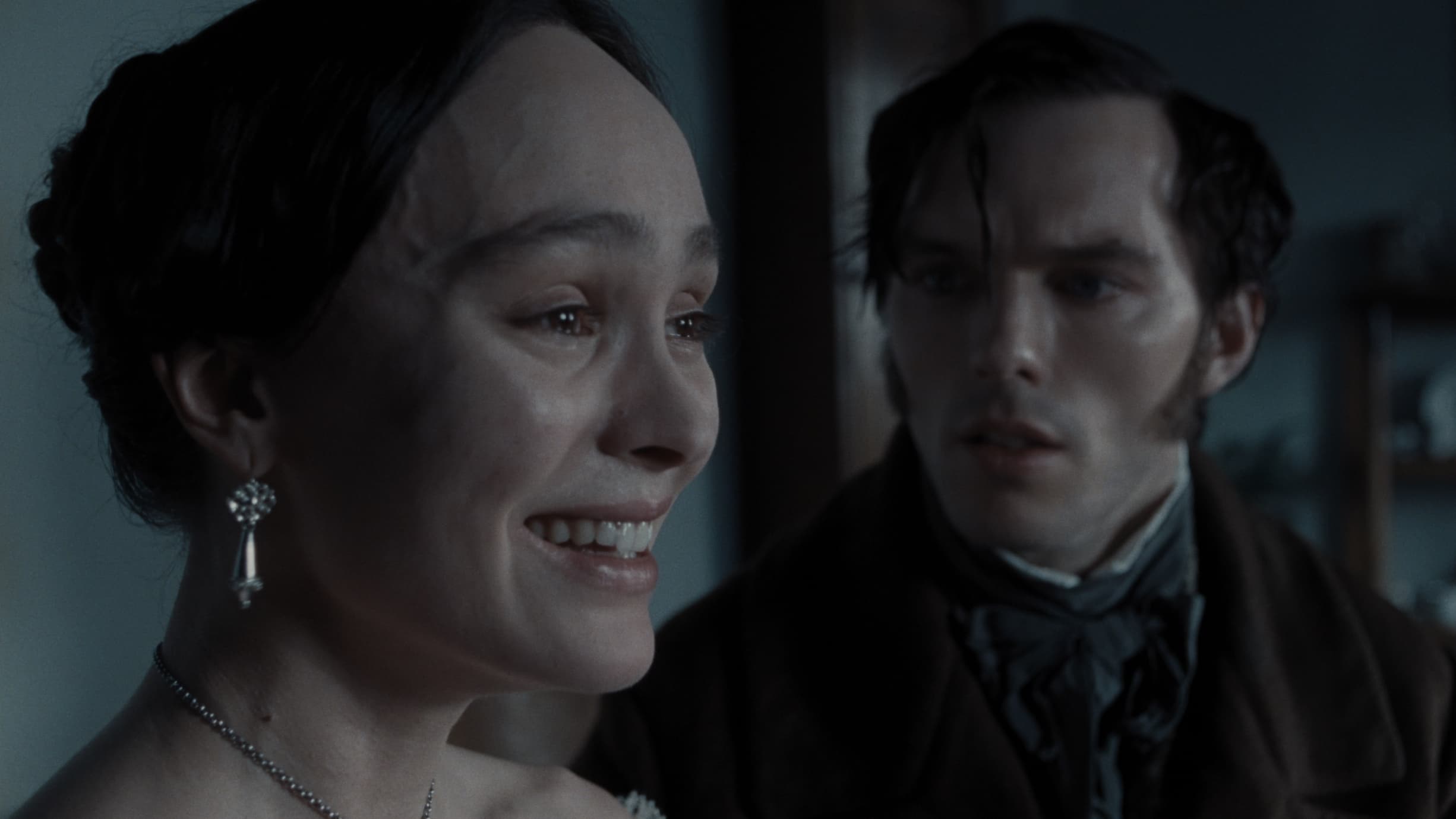
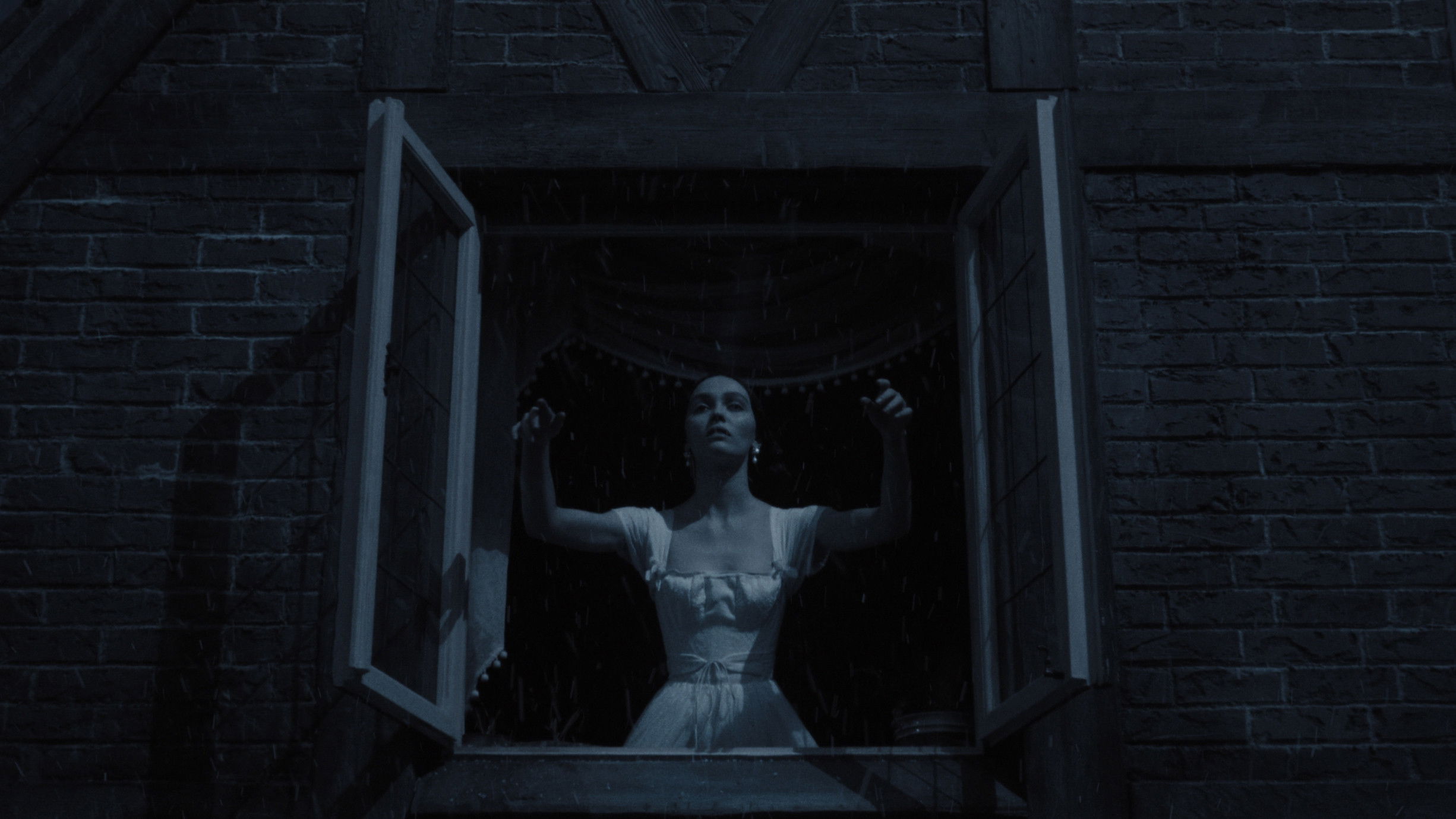
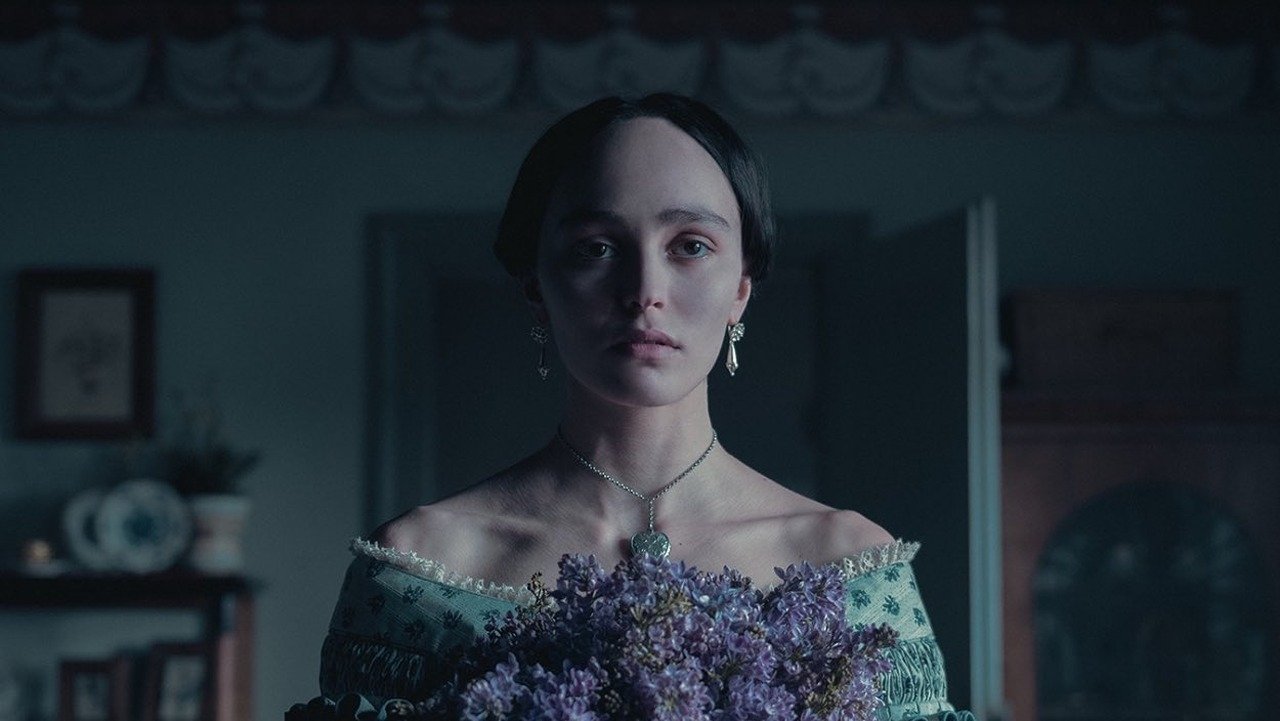
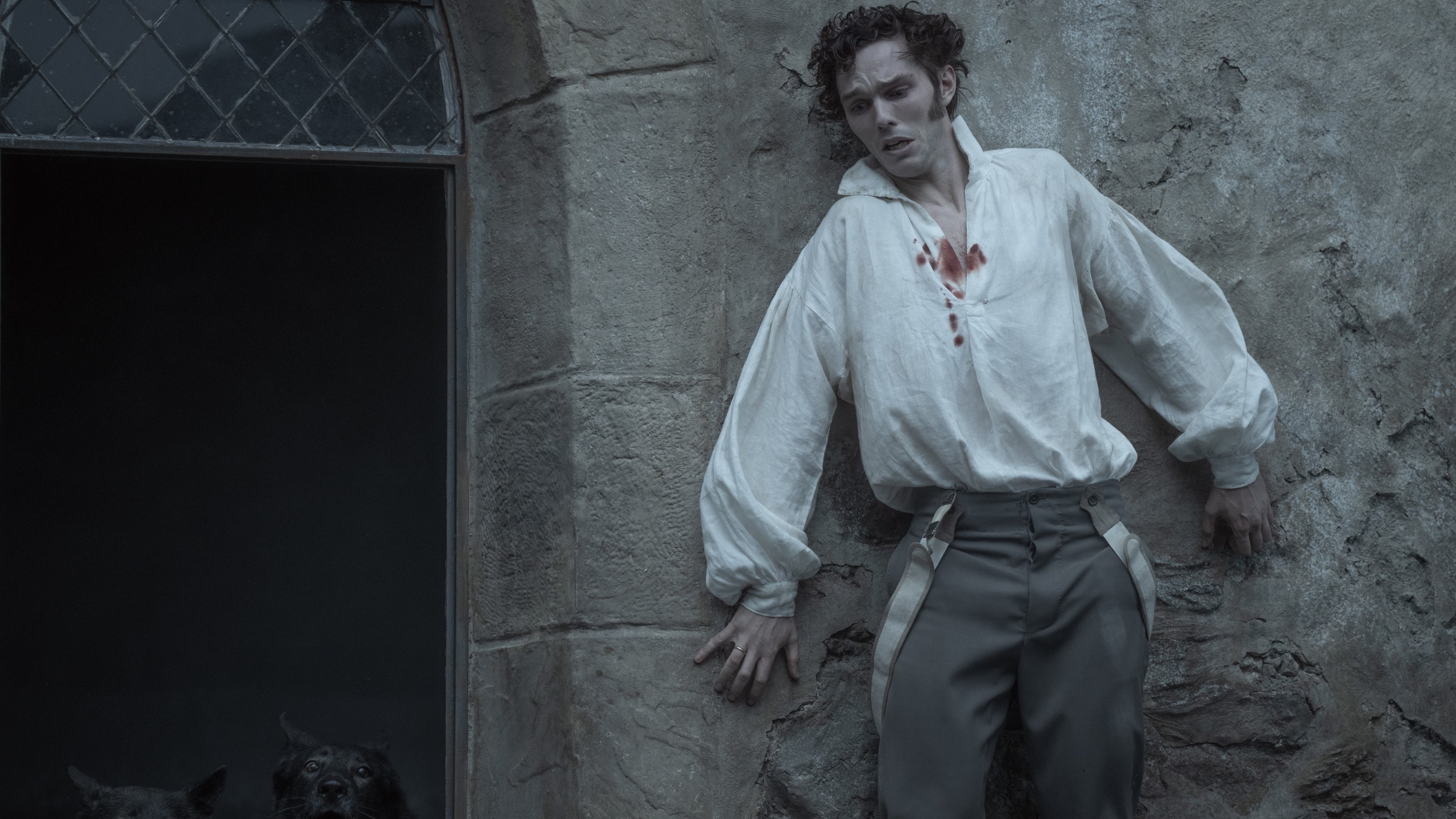
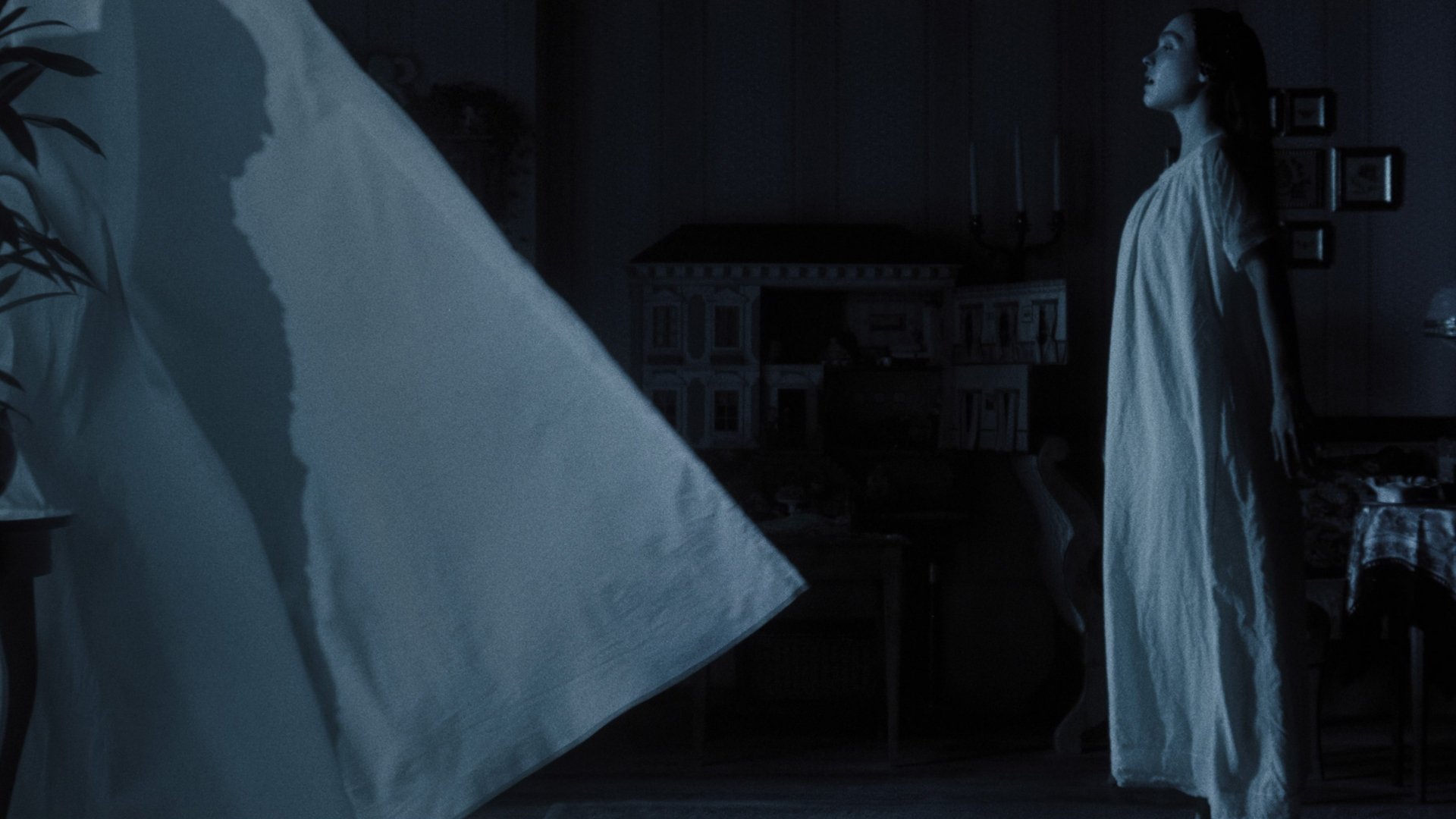
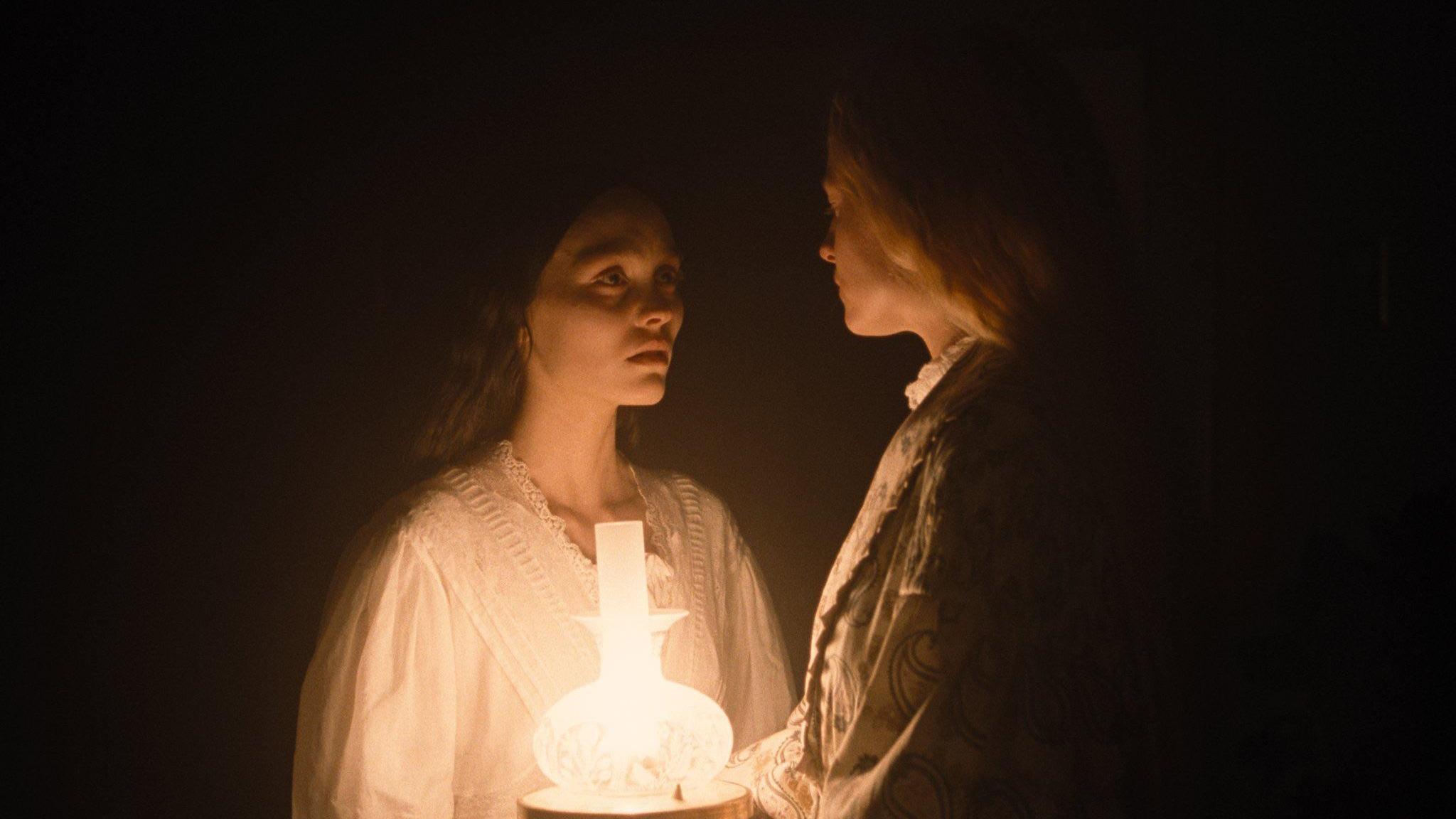
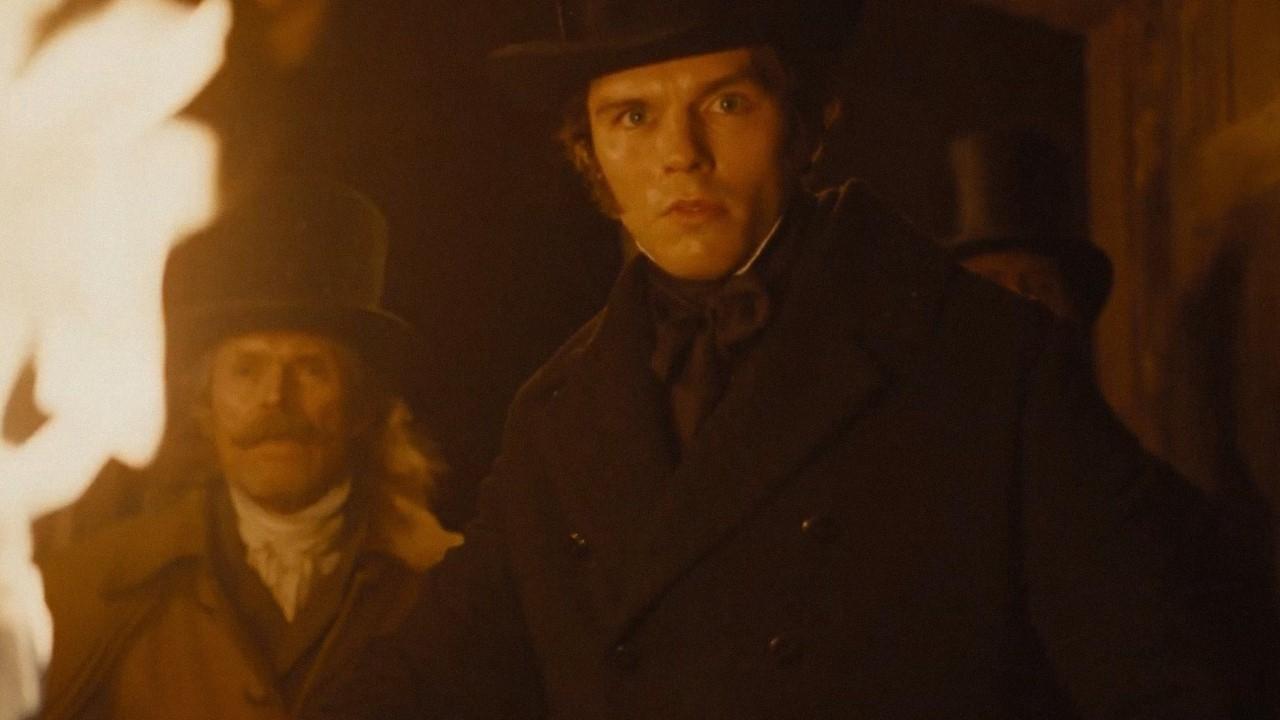
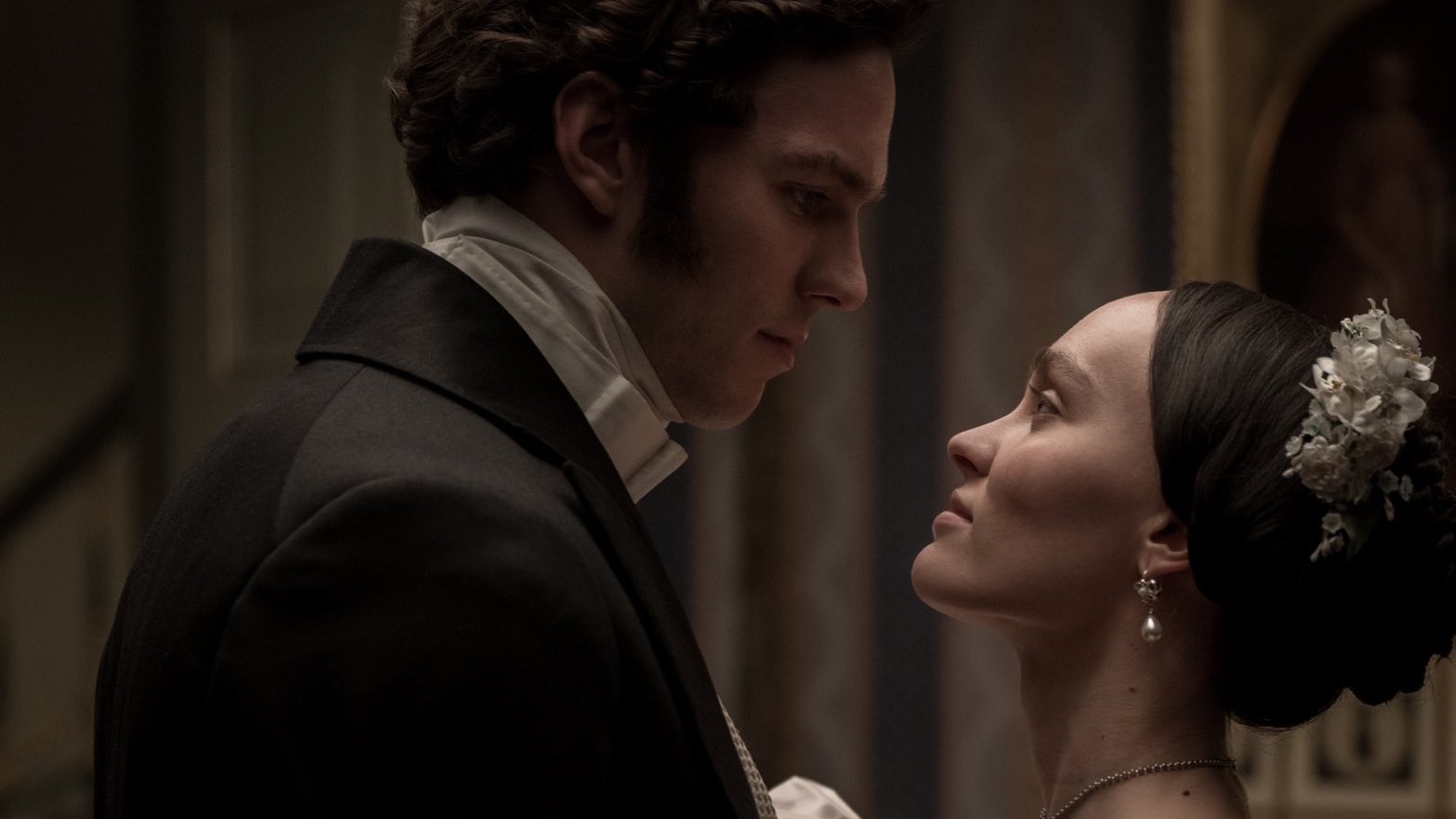
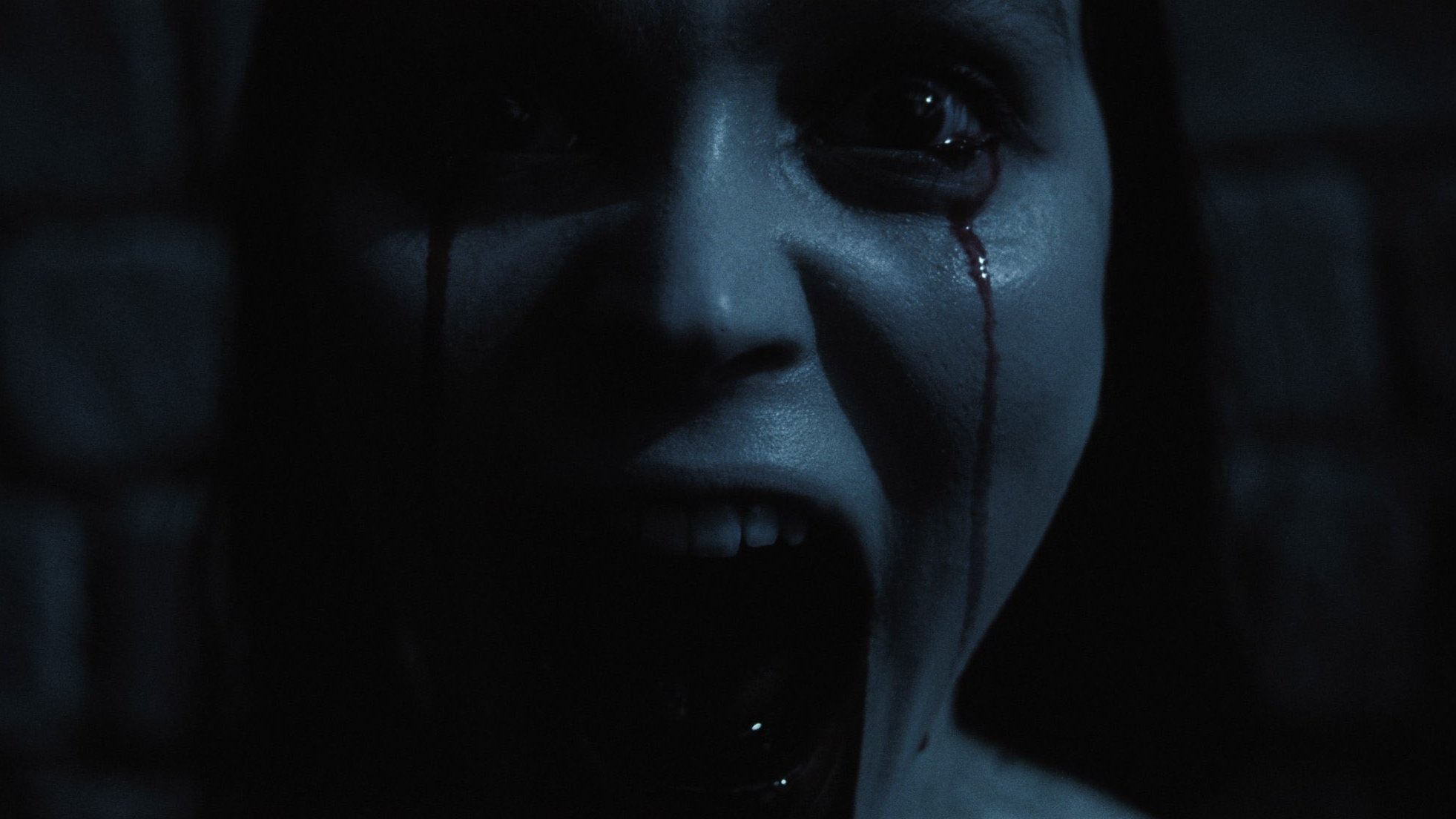
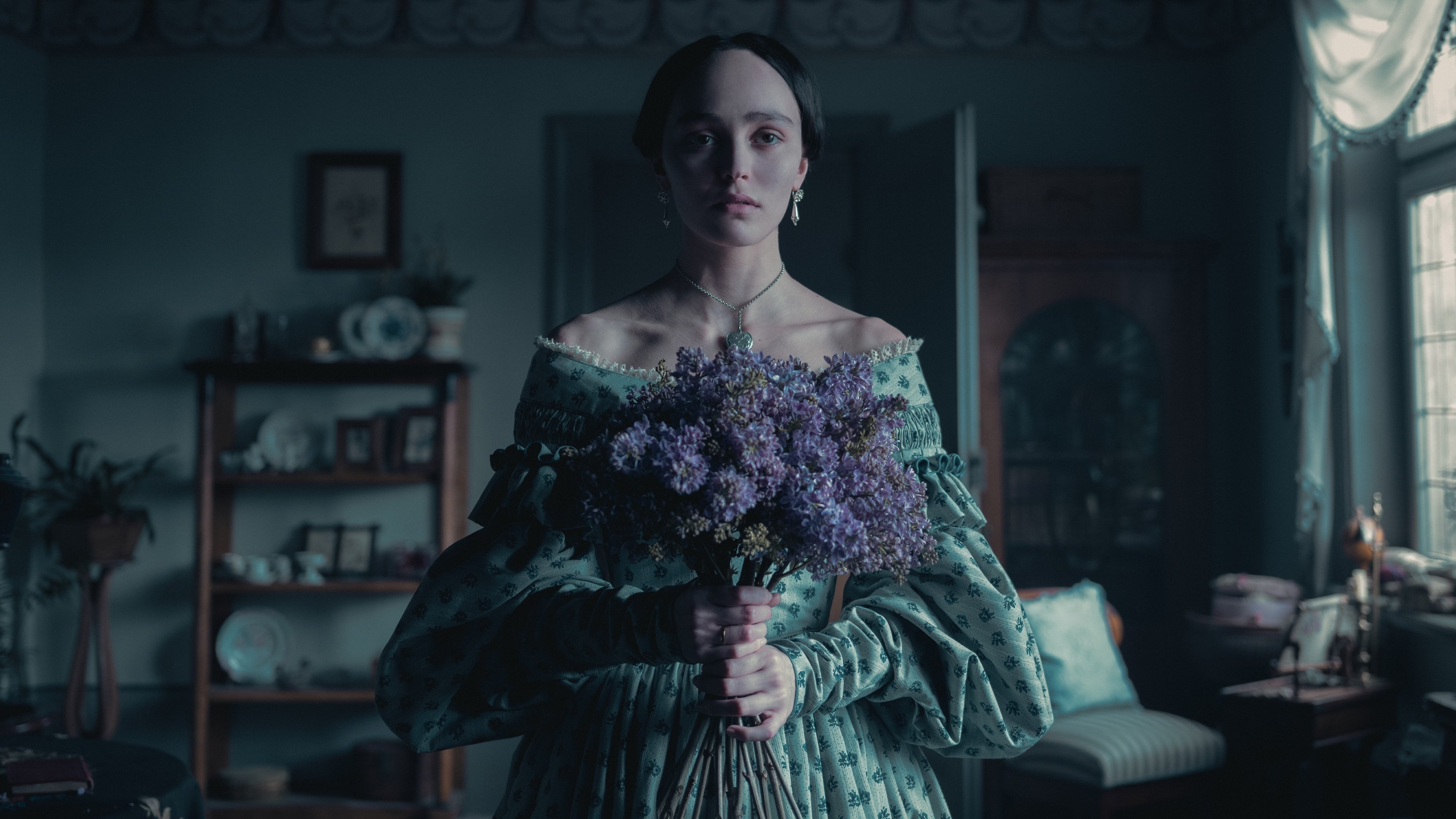
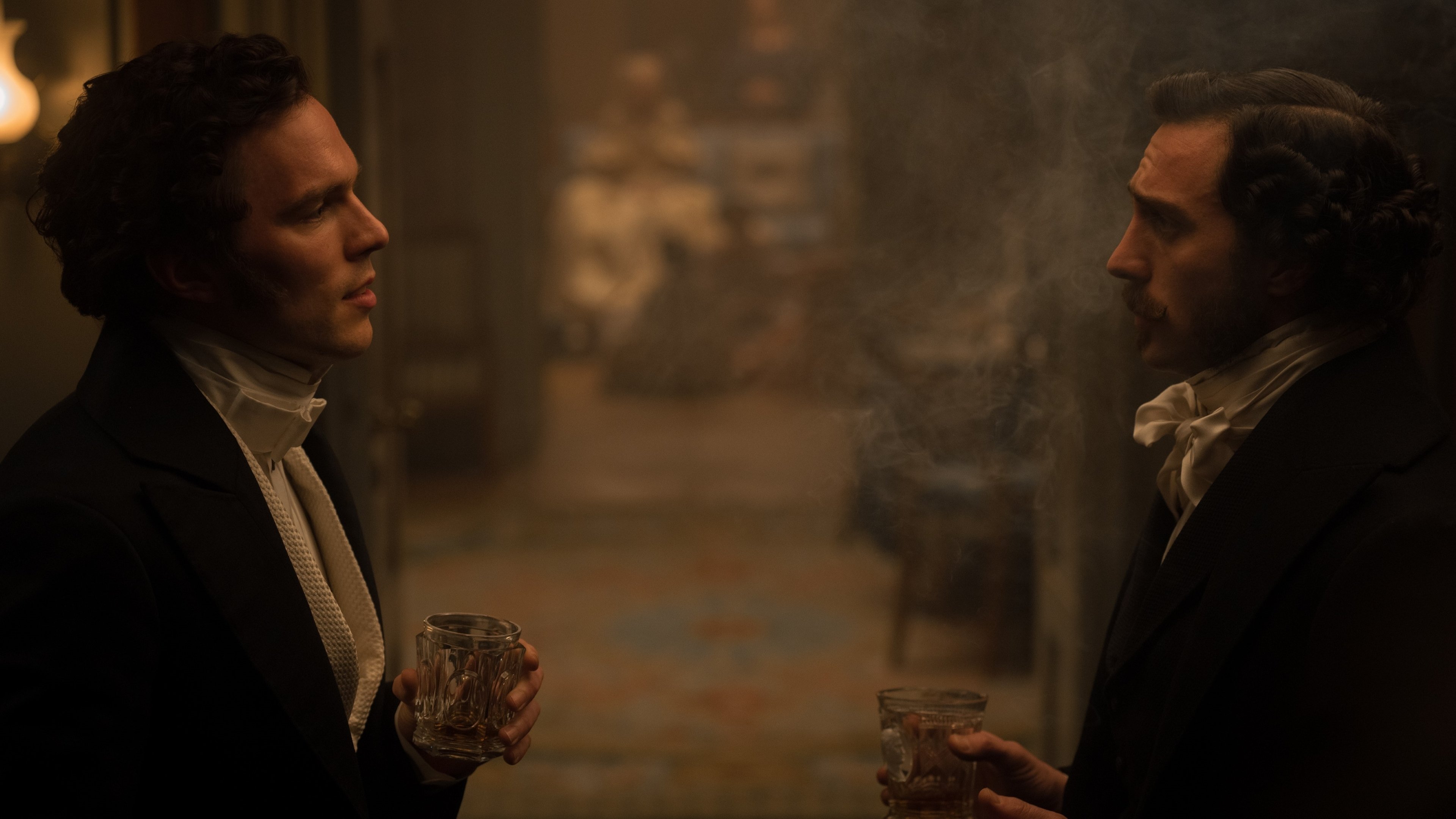
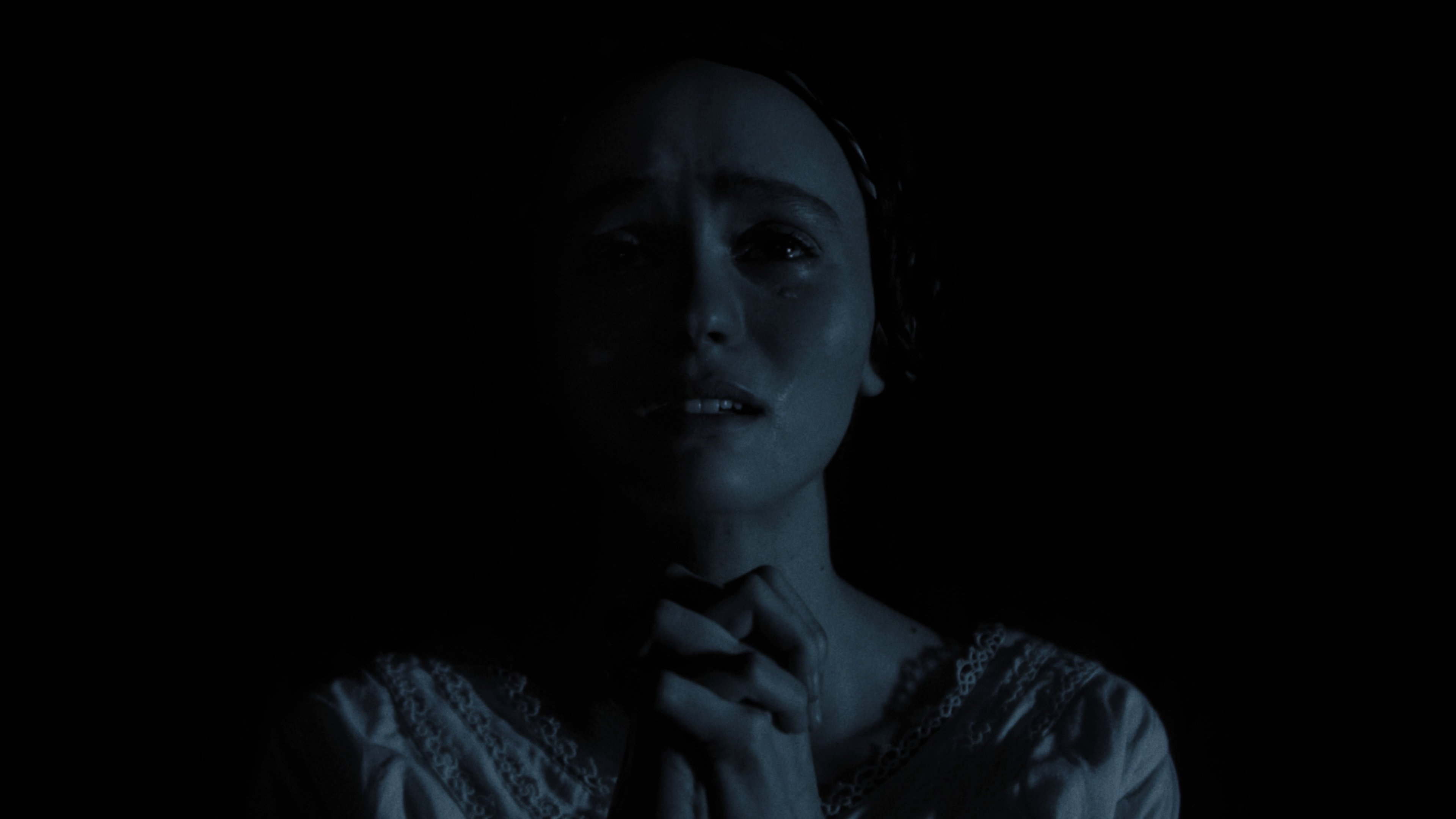
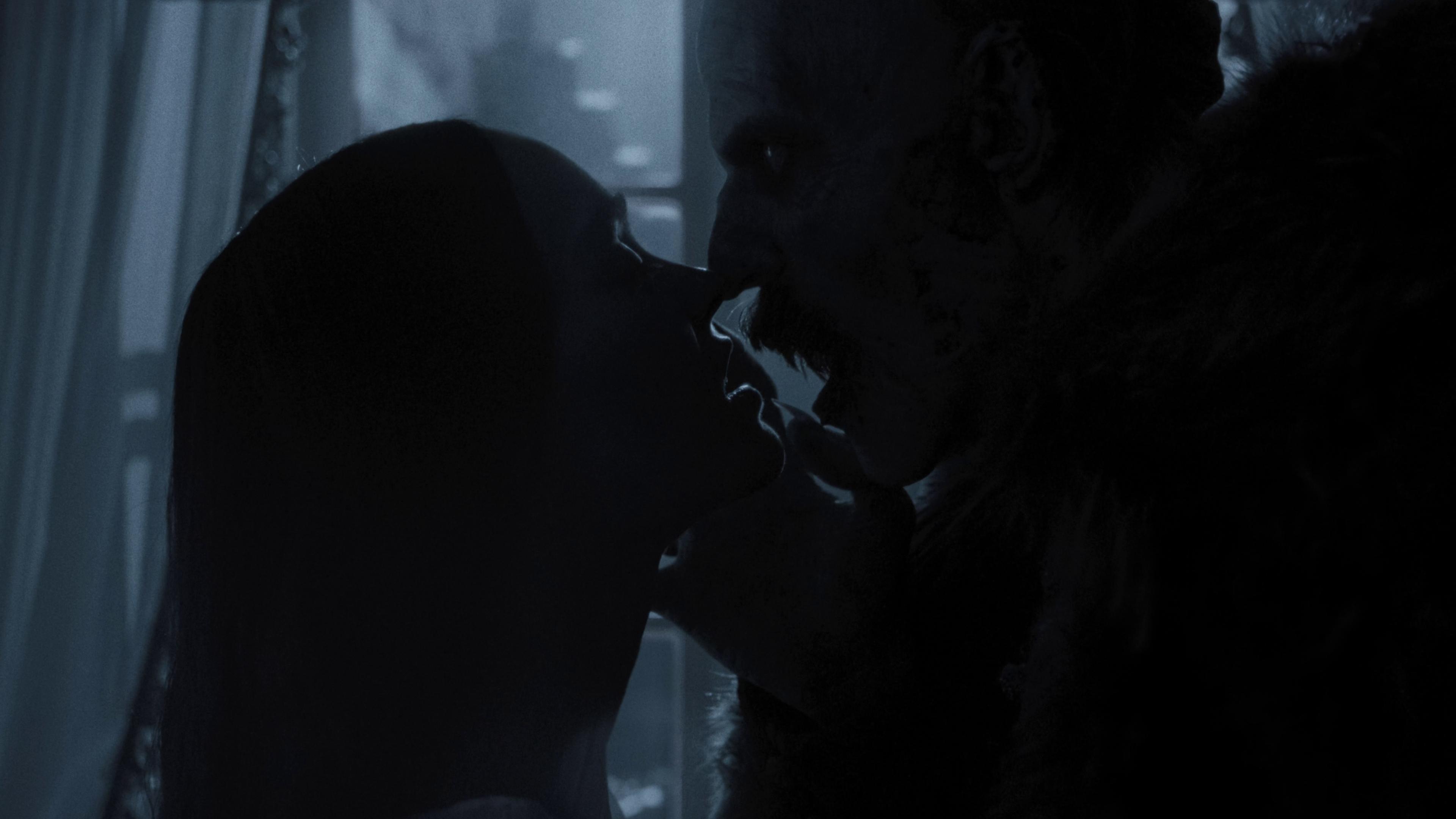
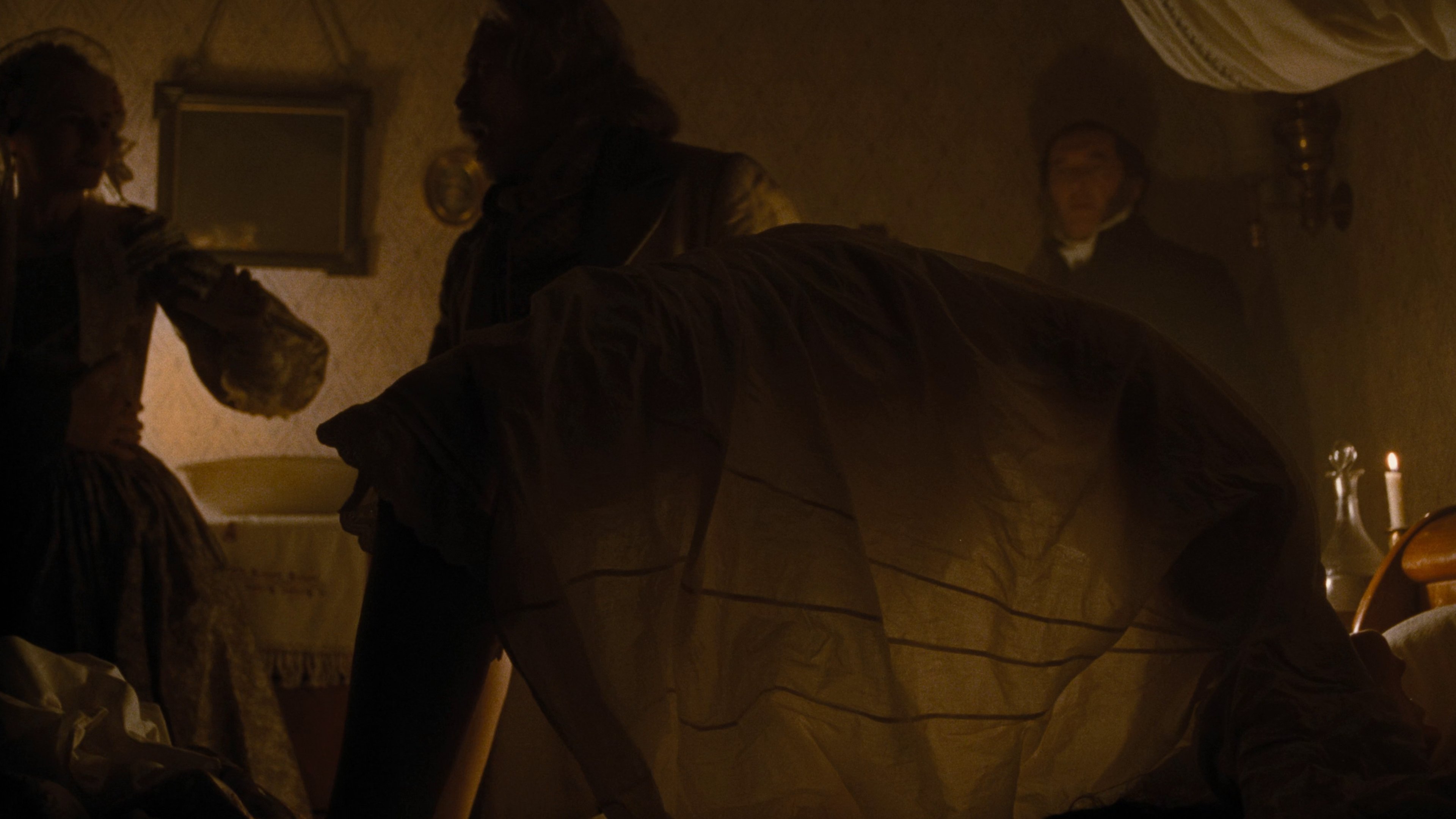
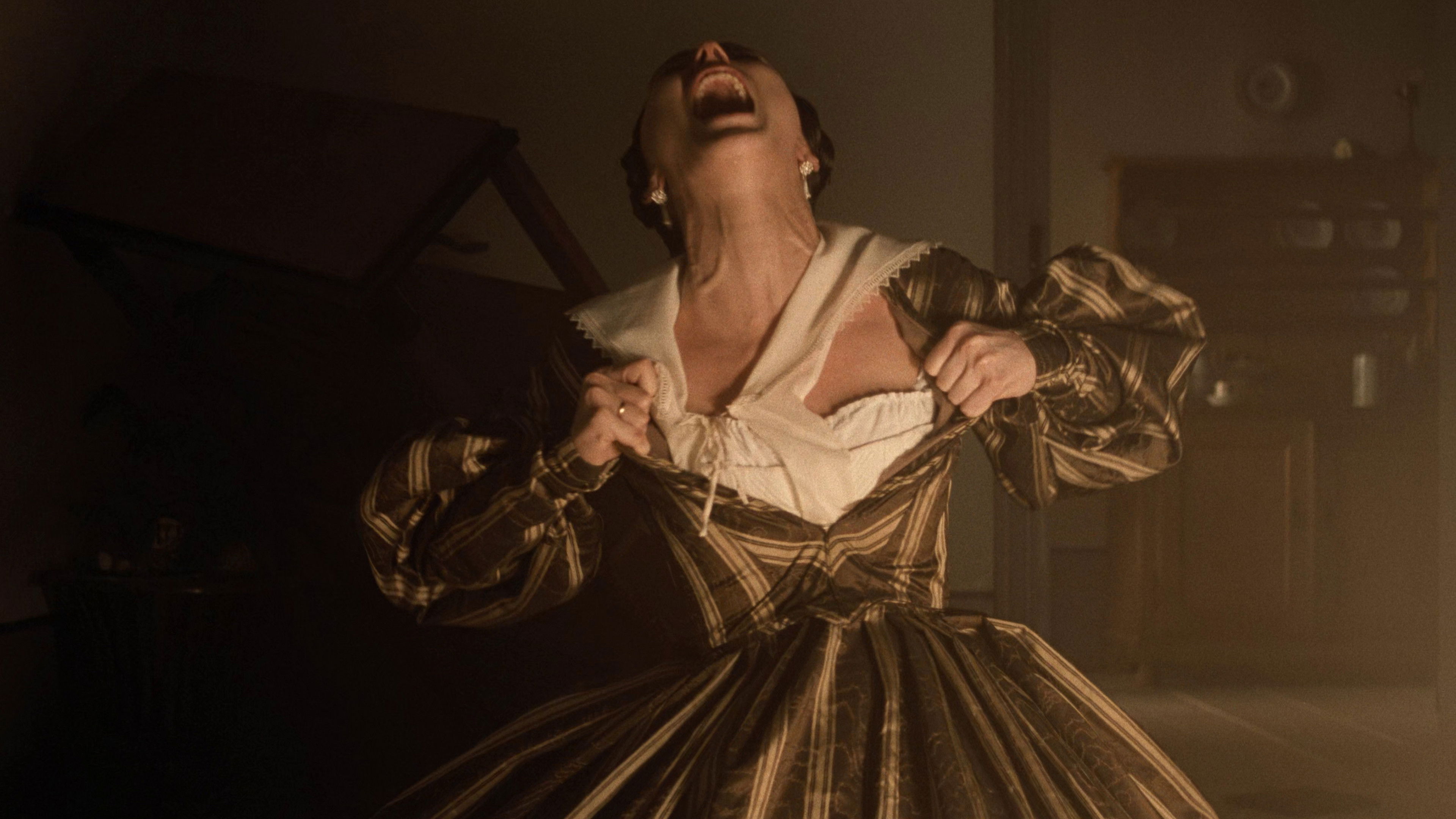
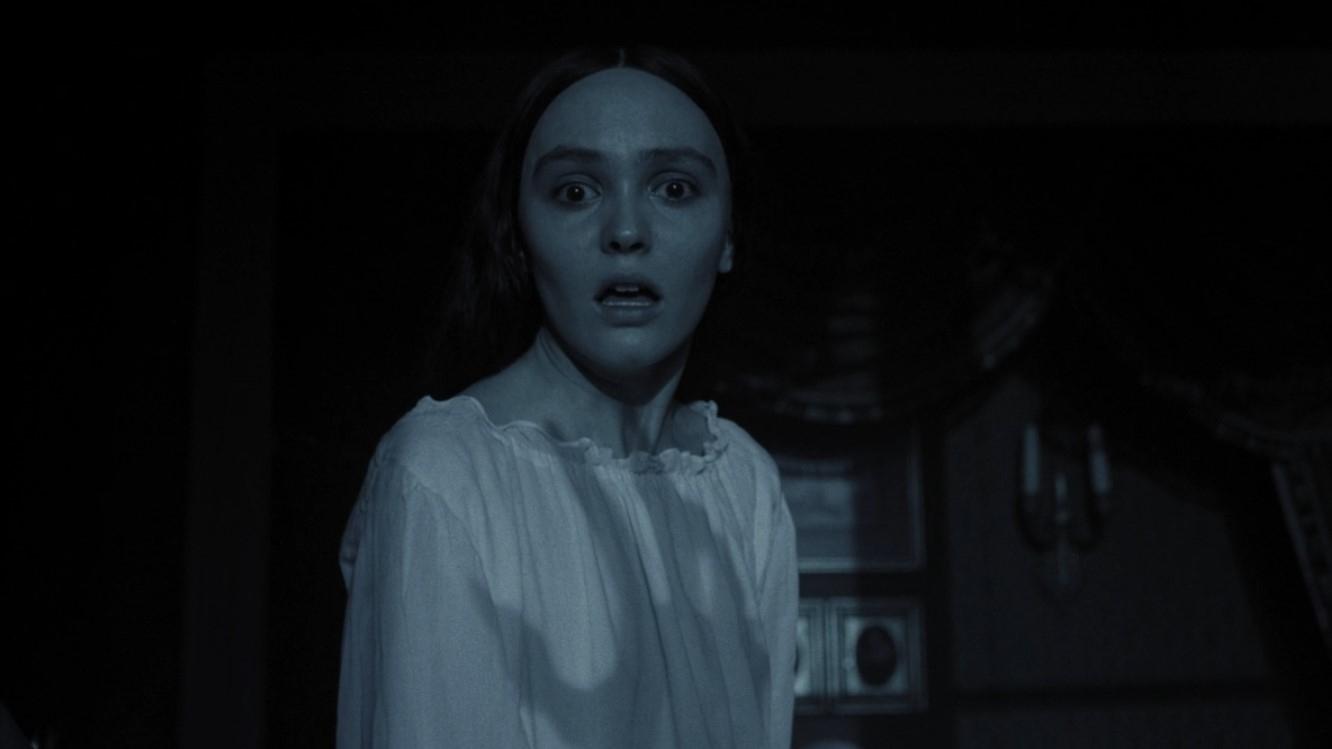
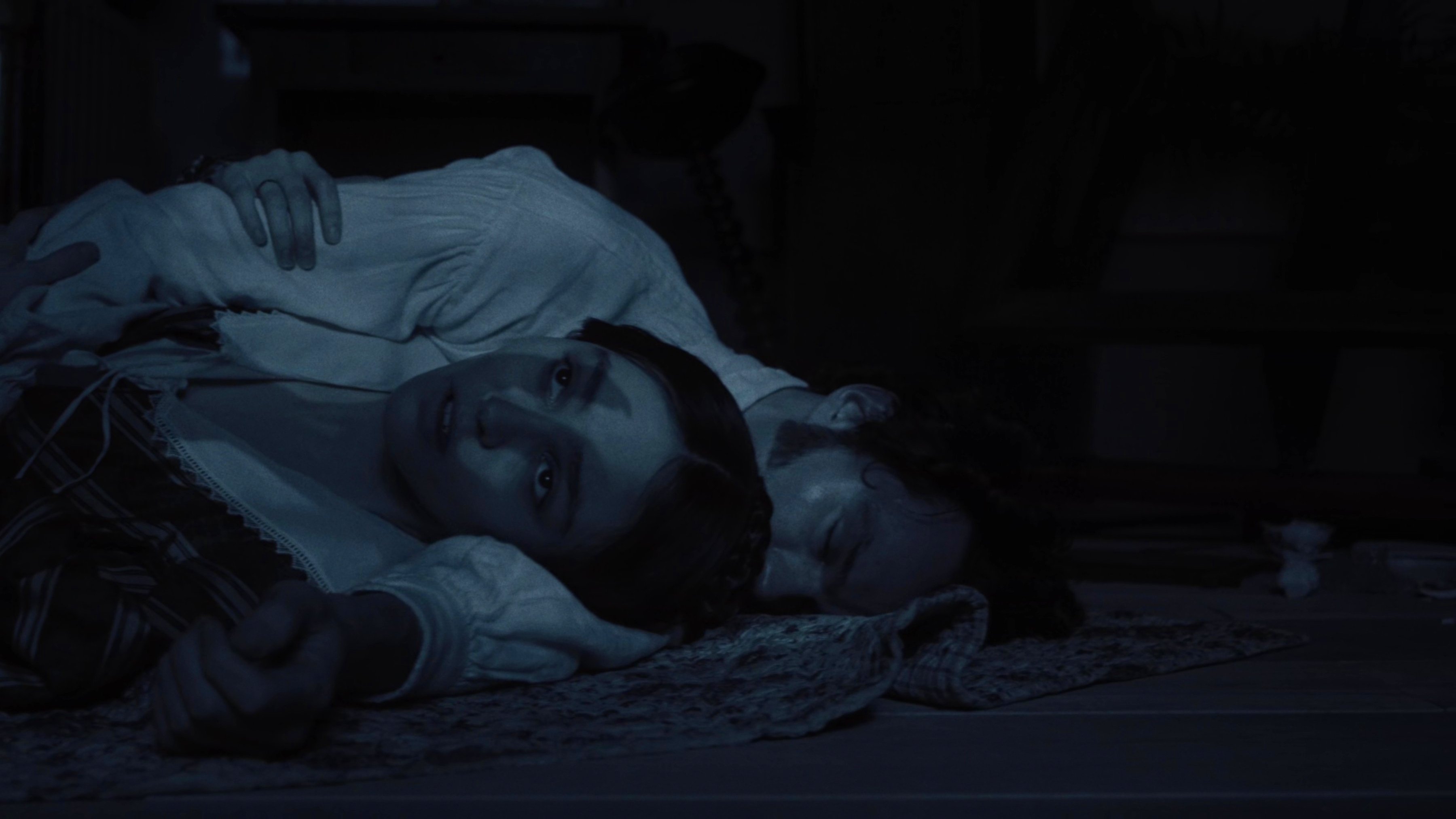
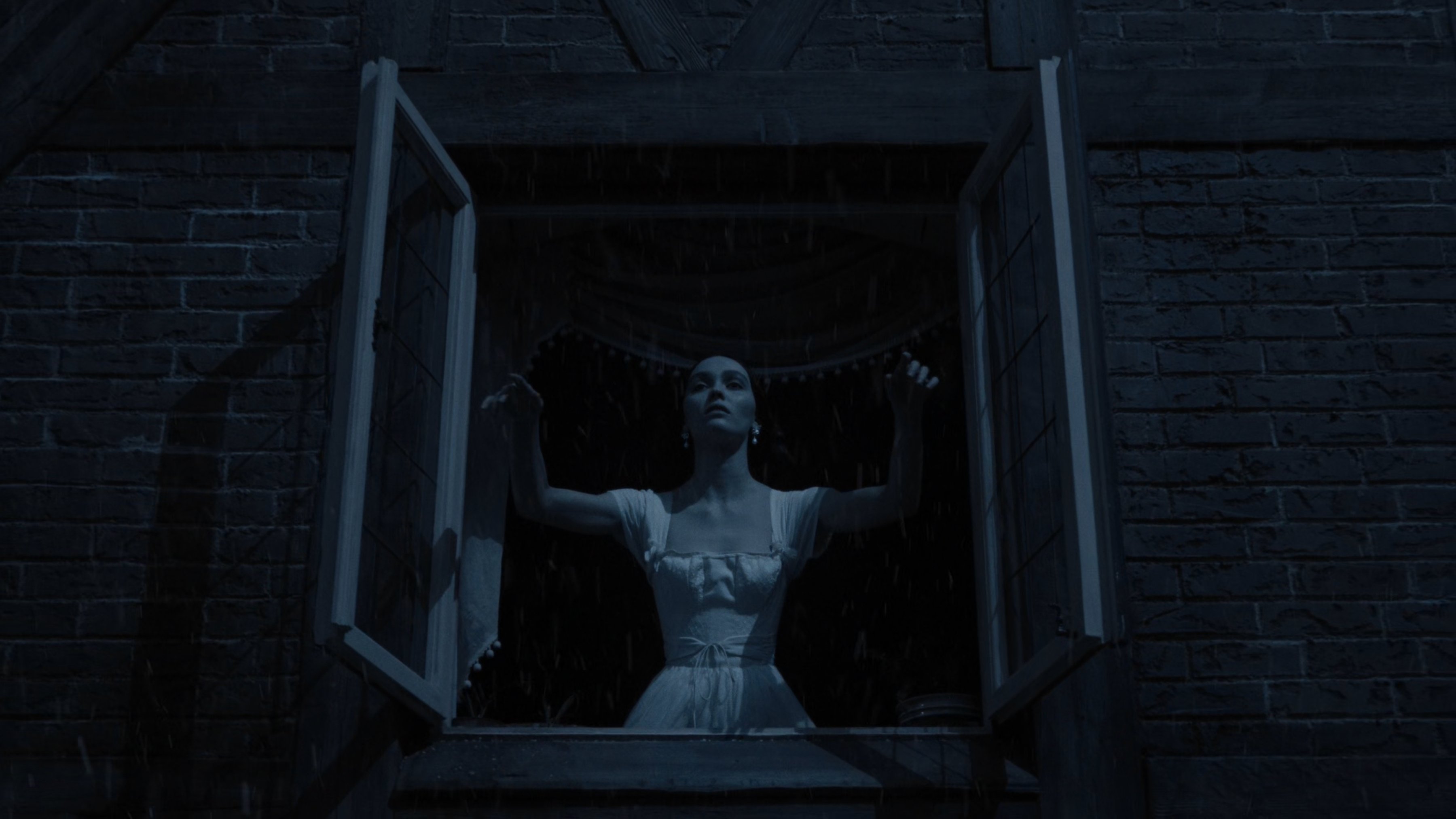
The decision to give Ellen greater narrative importance also altered the structure inherited from the silent film. Eggers developed her childhood experience of isolation and supernatural contact so that Orlok's obsession was already established before Thomas accepted the assignment that takes him to Transylvania. The story therefore develops along two connected lines: Thomas discovers the vampire through a transaction involving property, while Ellen experiences his influence through dreams, physical disturbances and psychological distress.
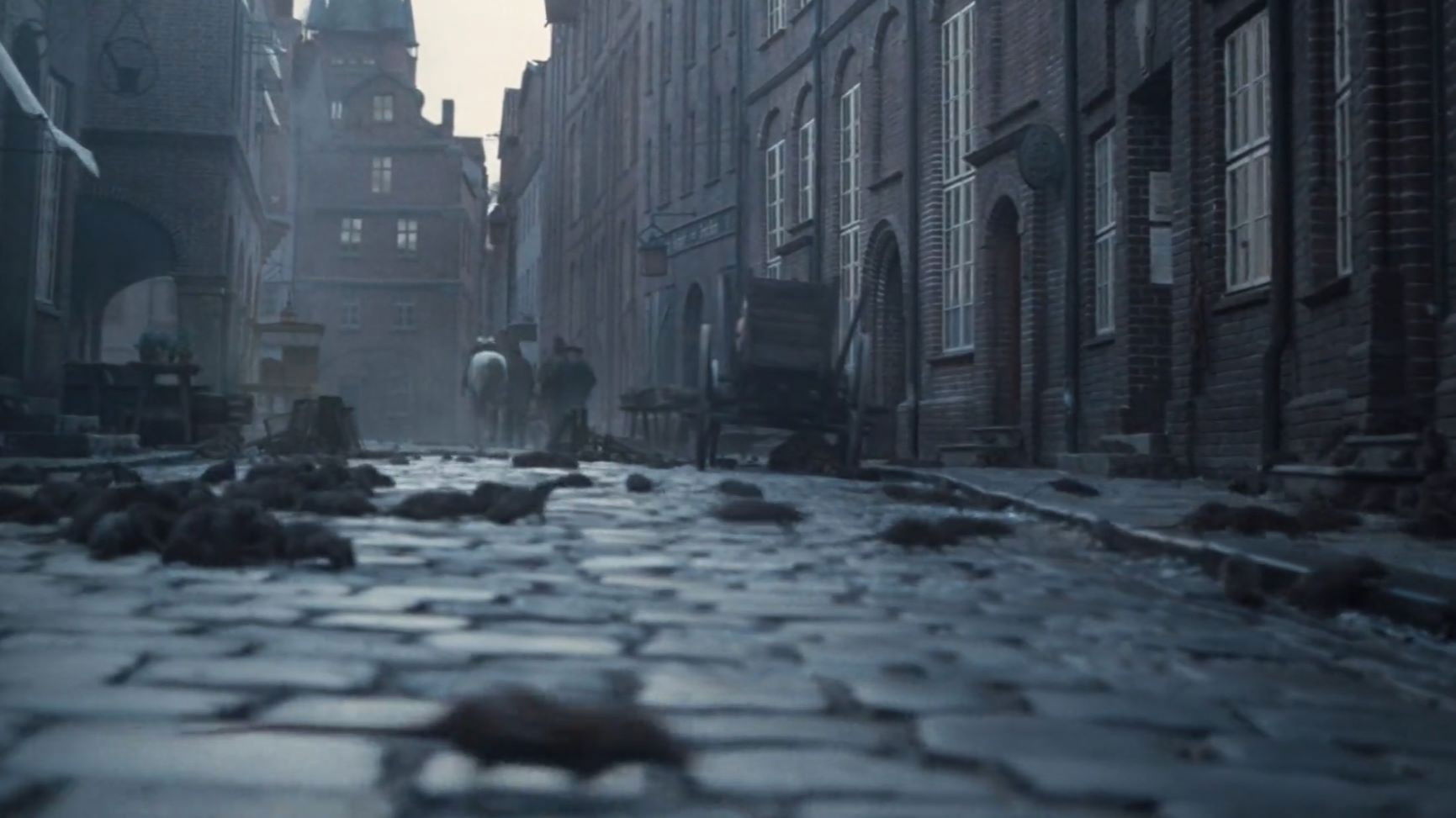
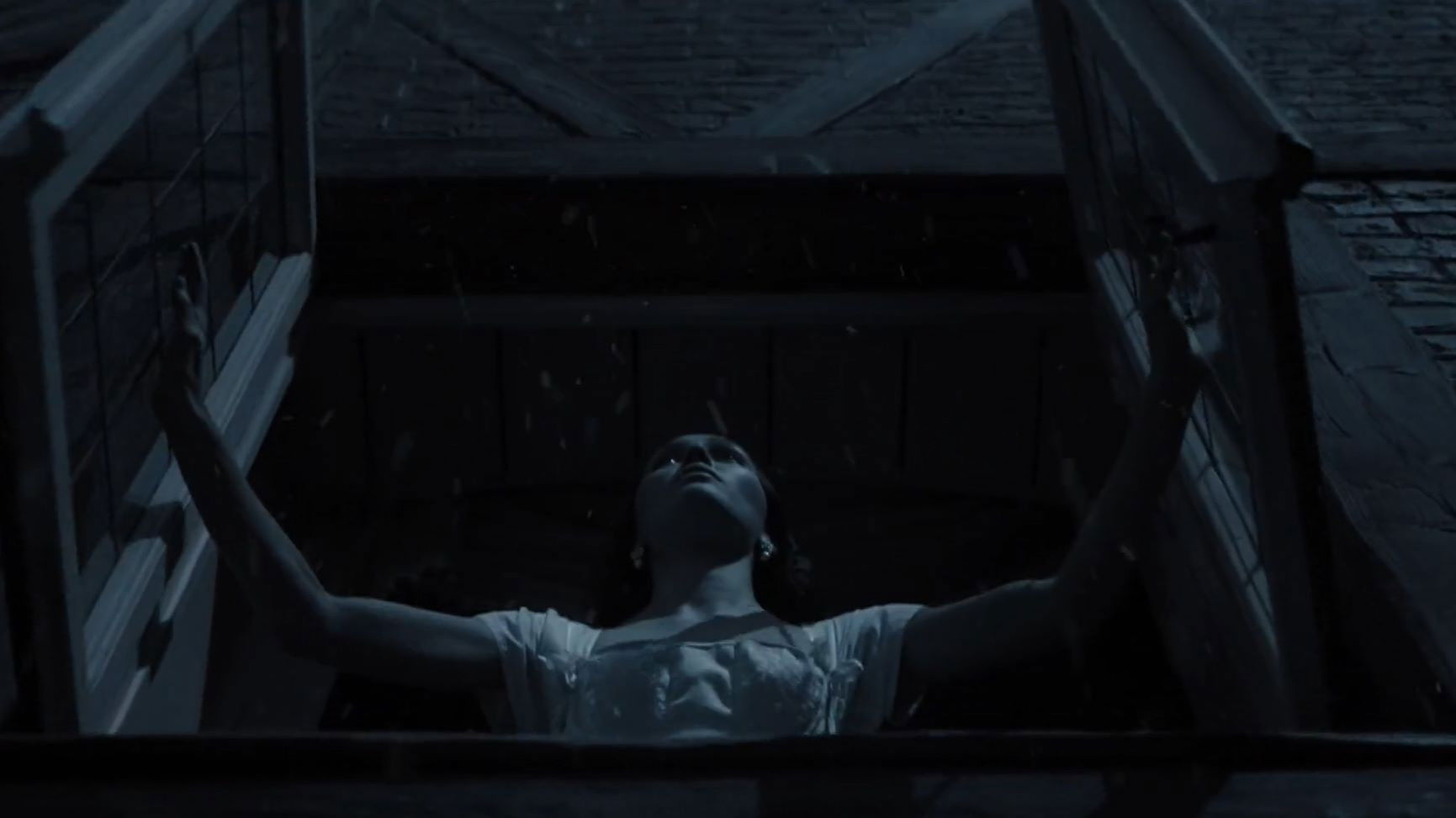
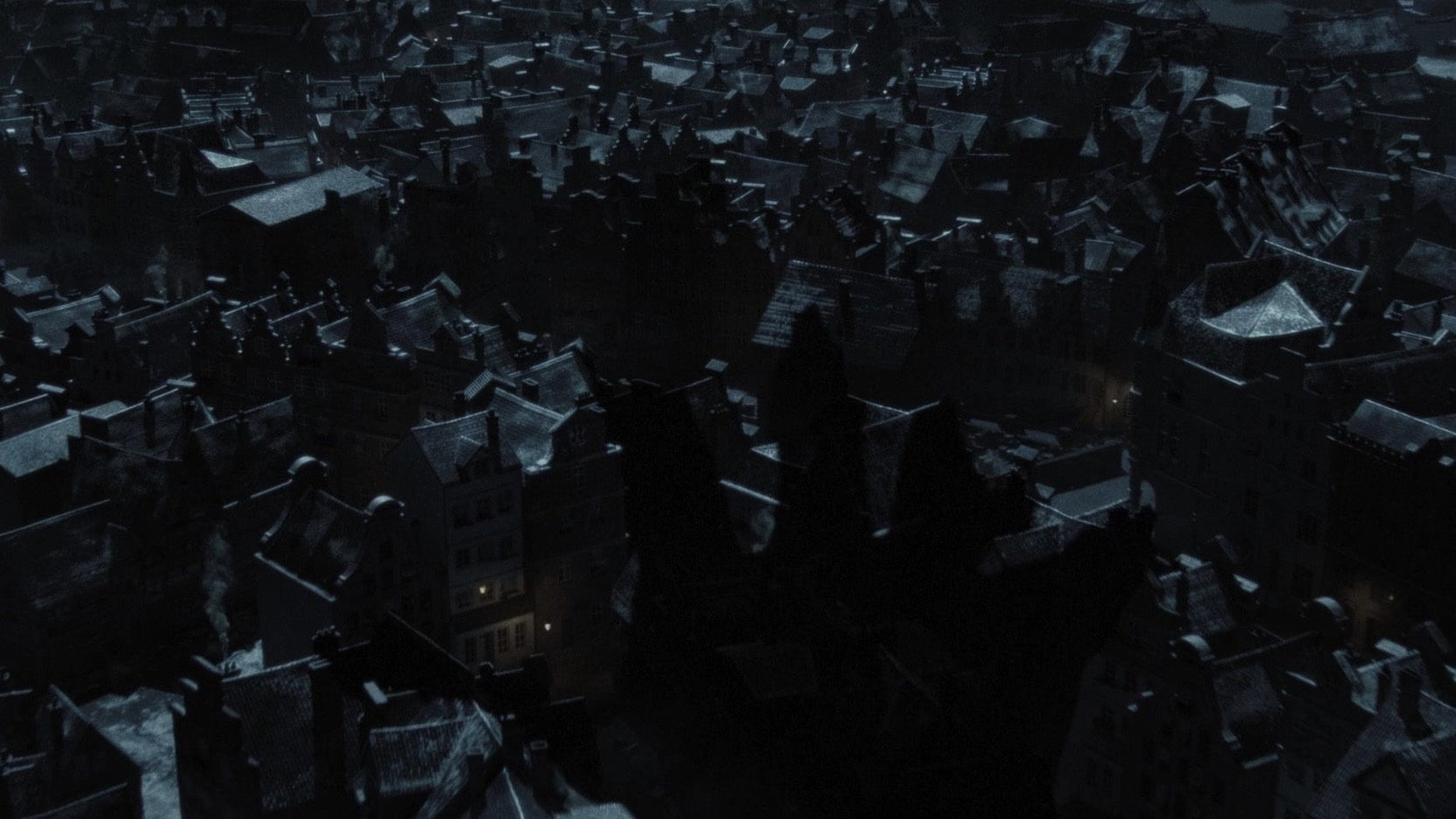
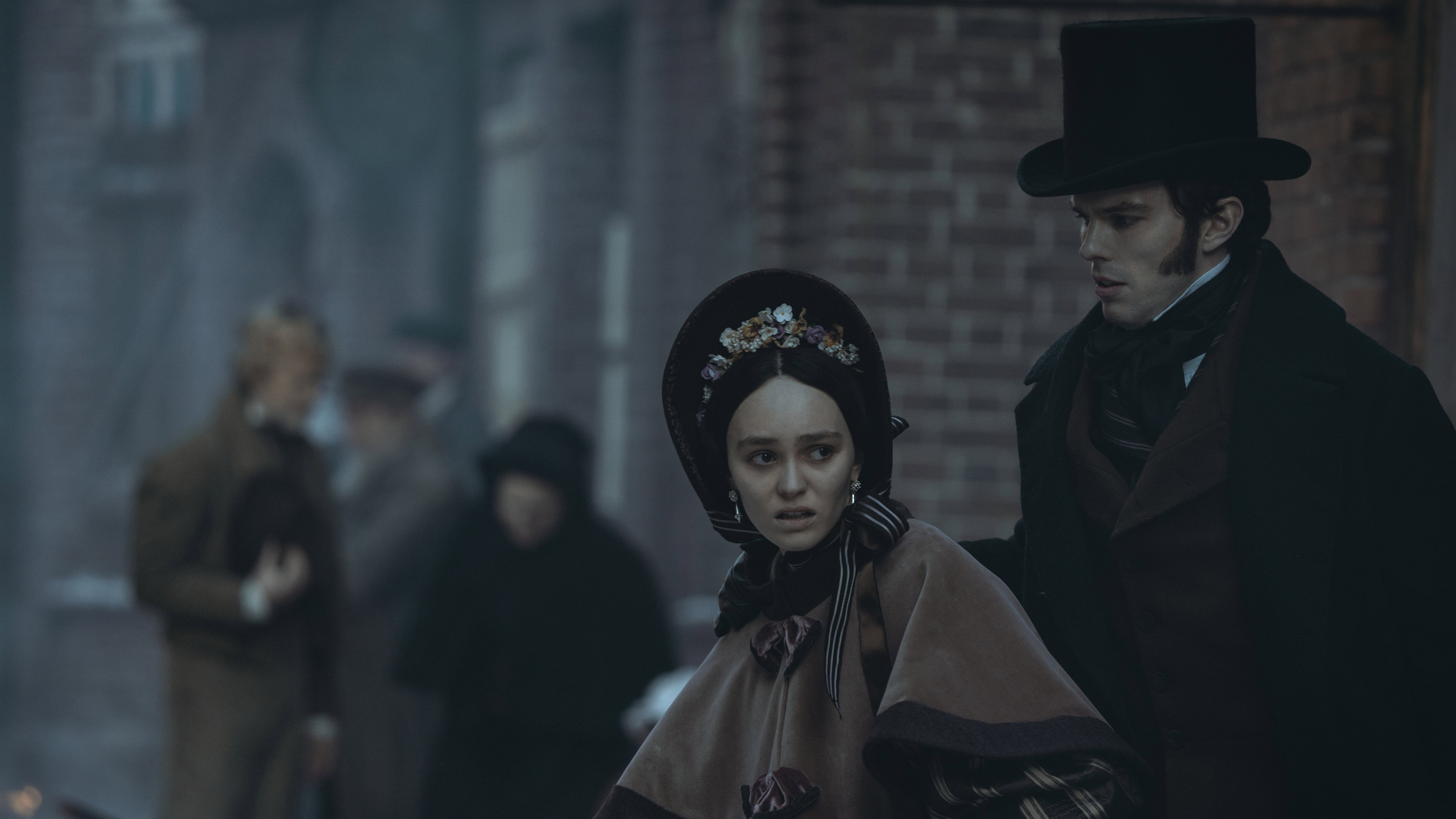
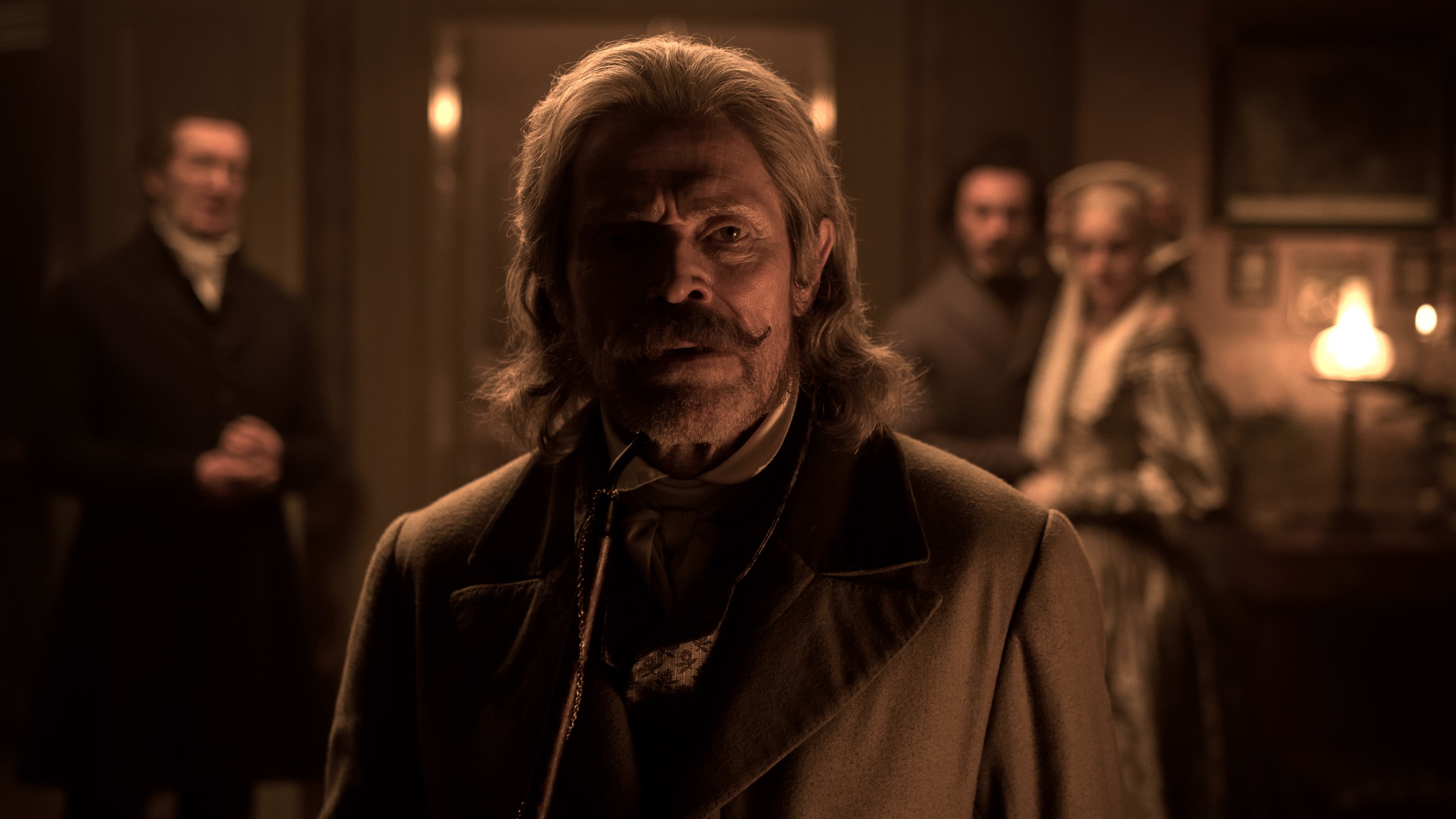
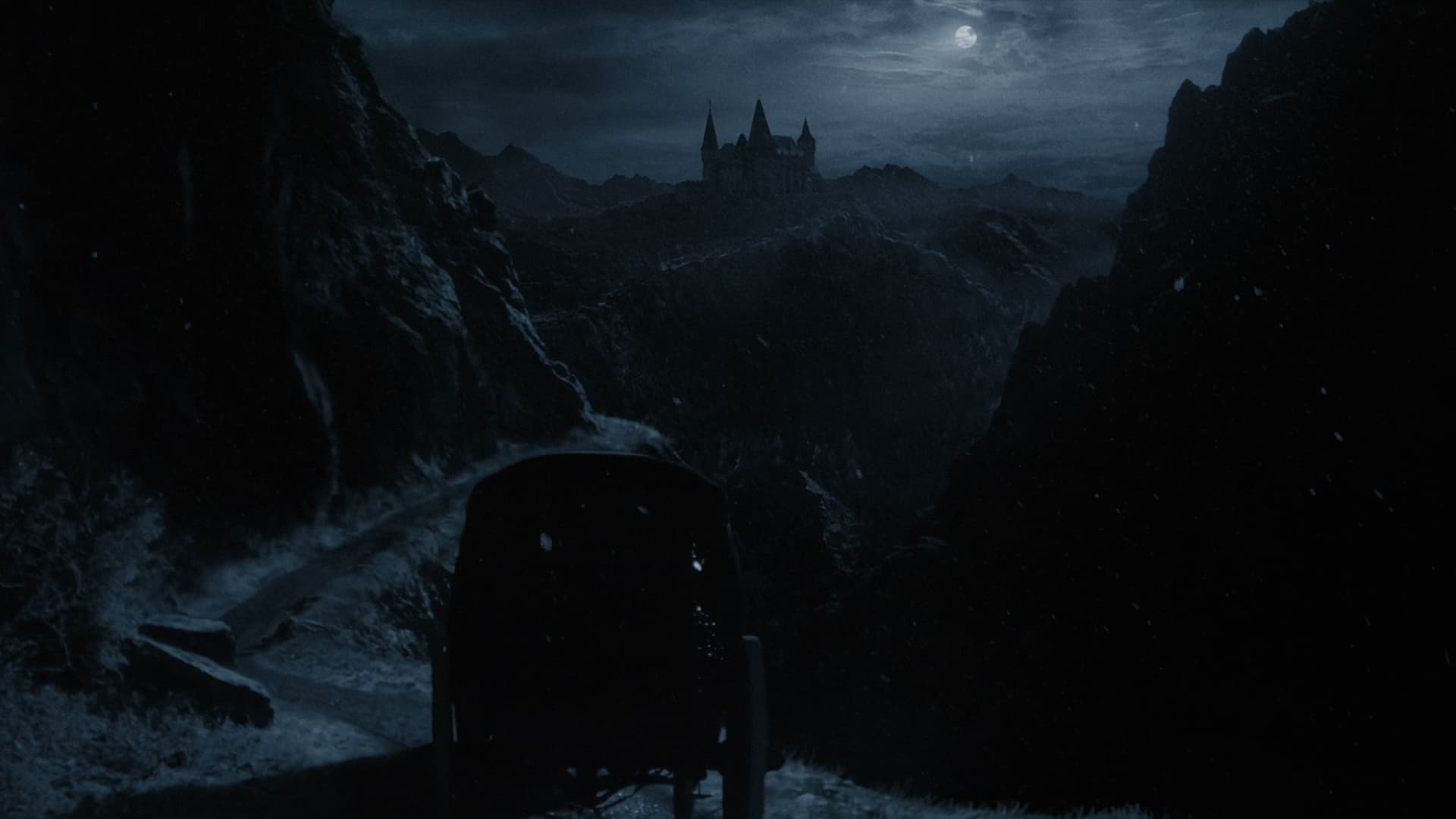
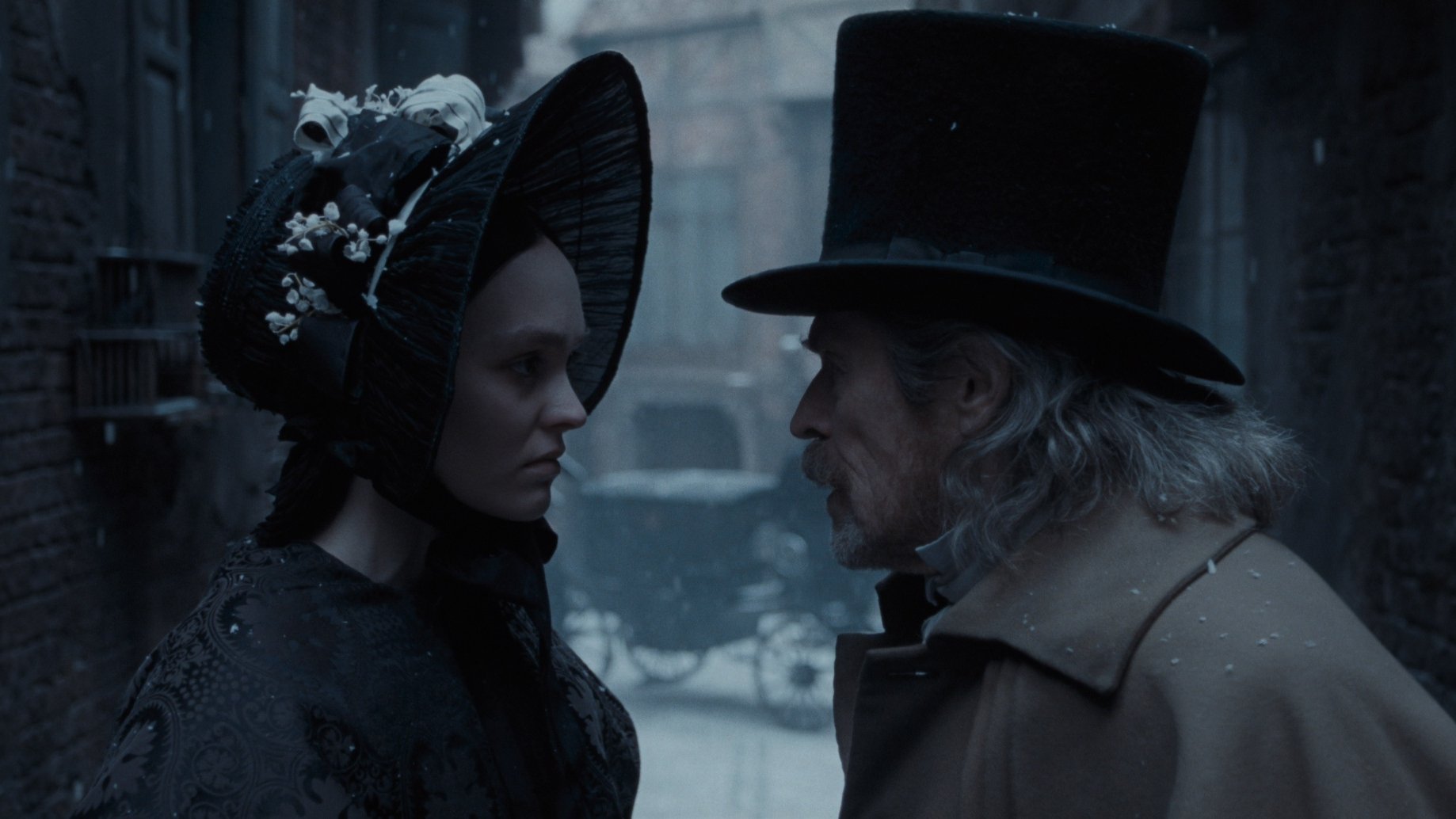
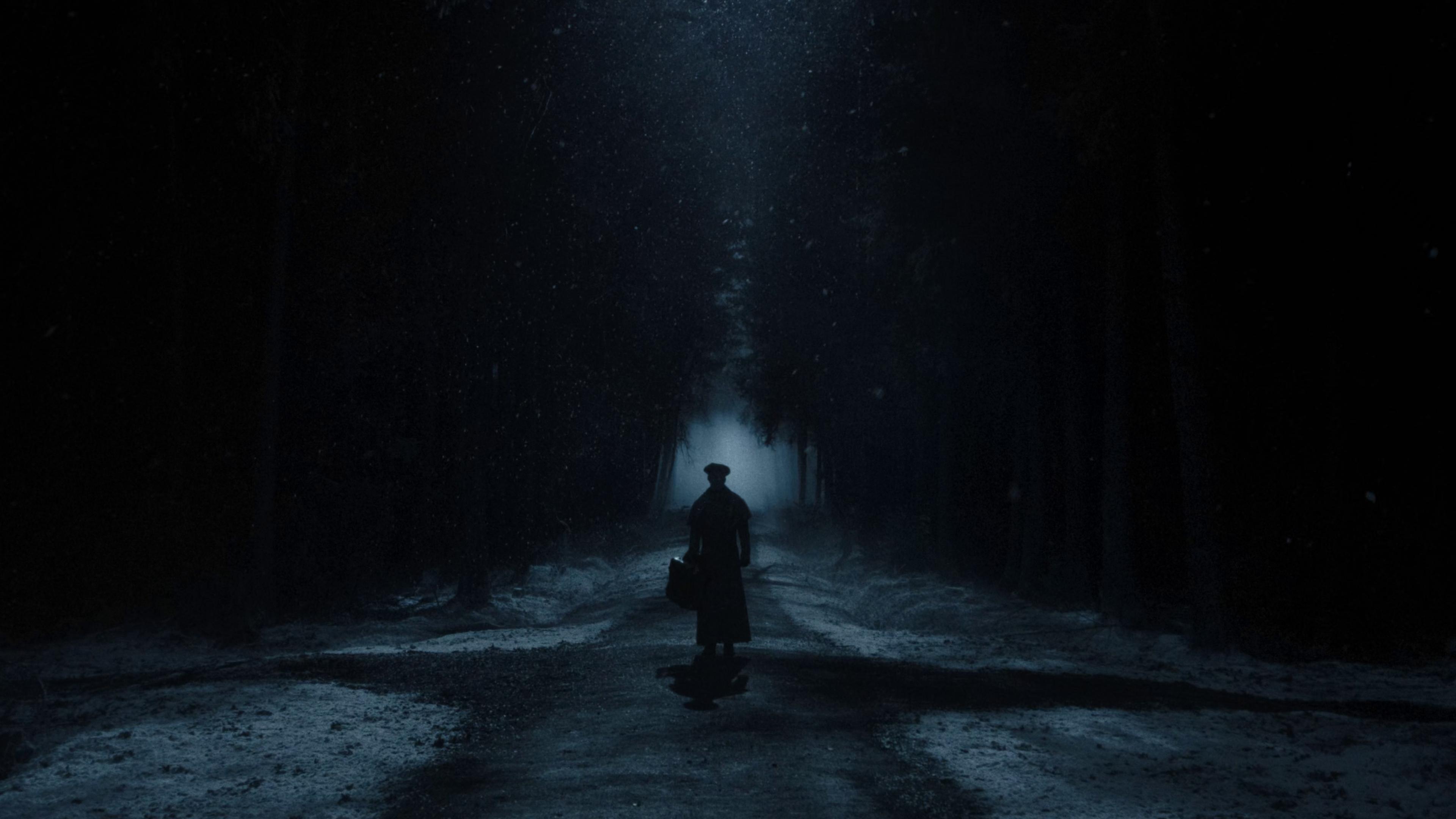
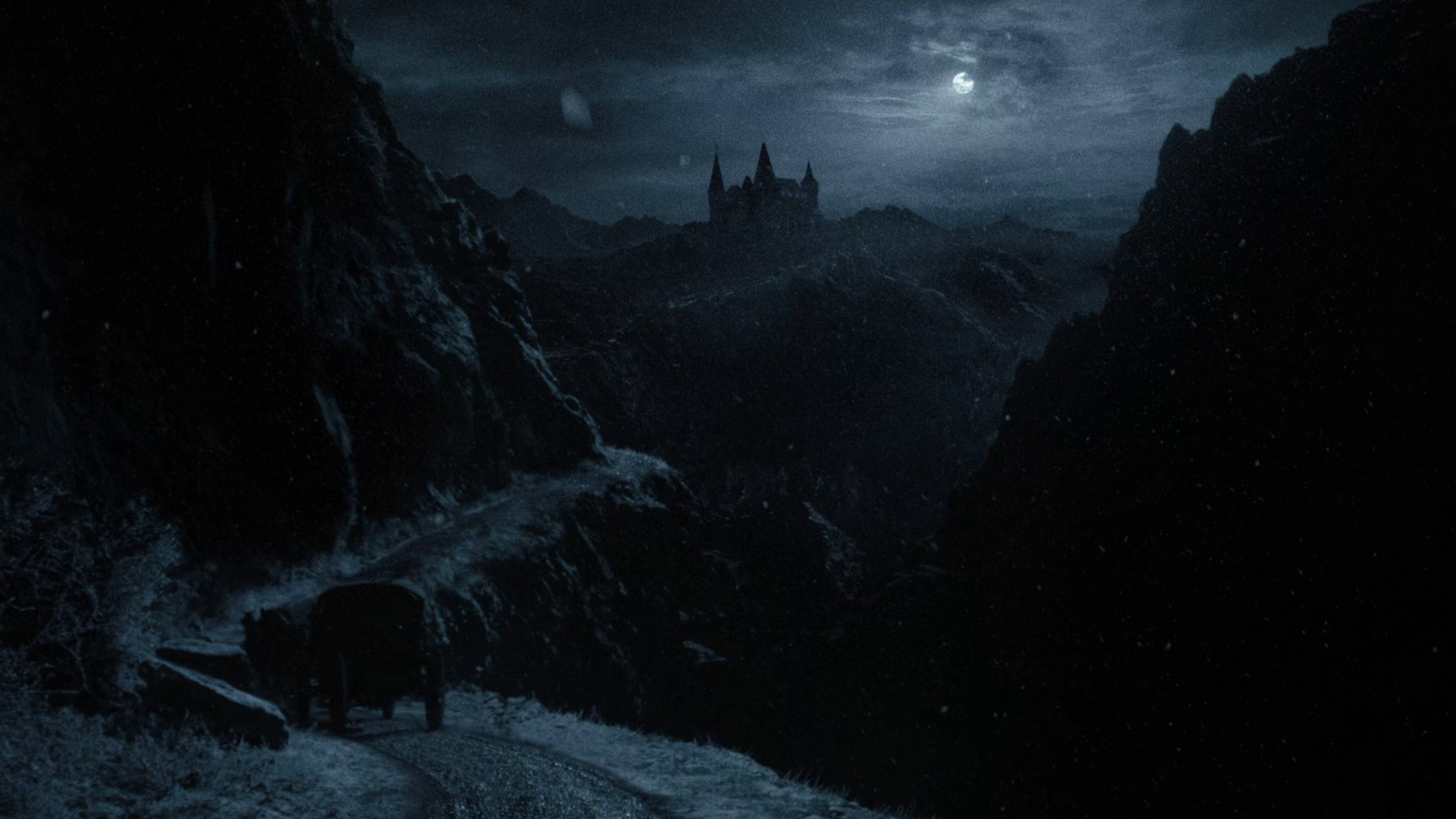
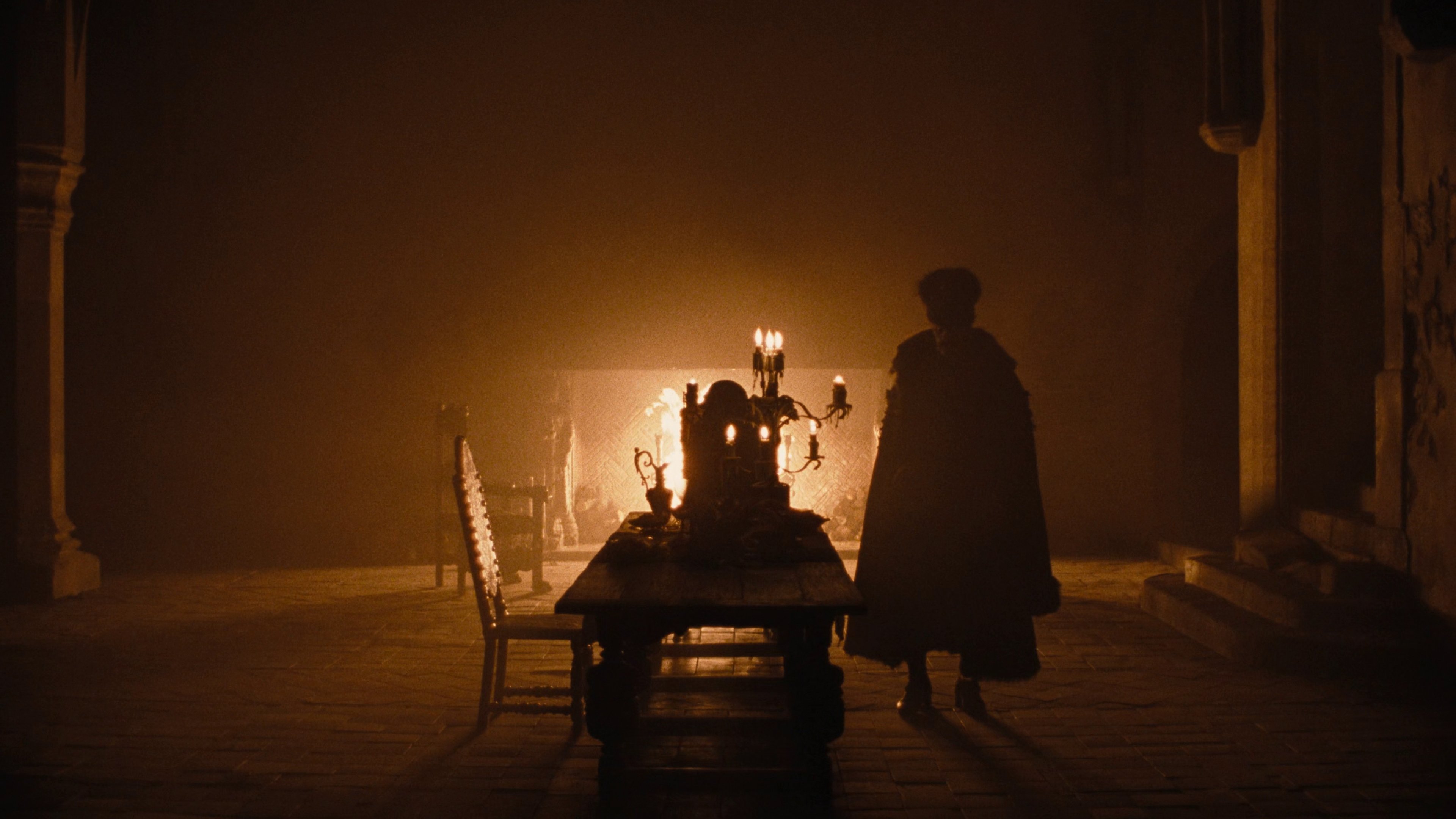
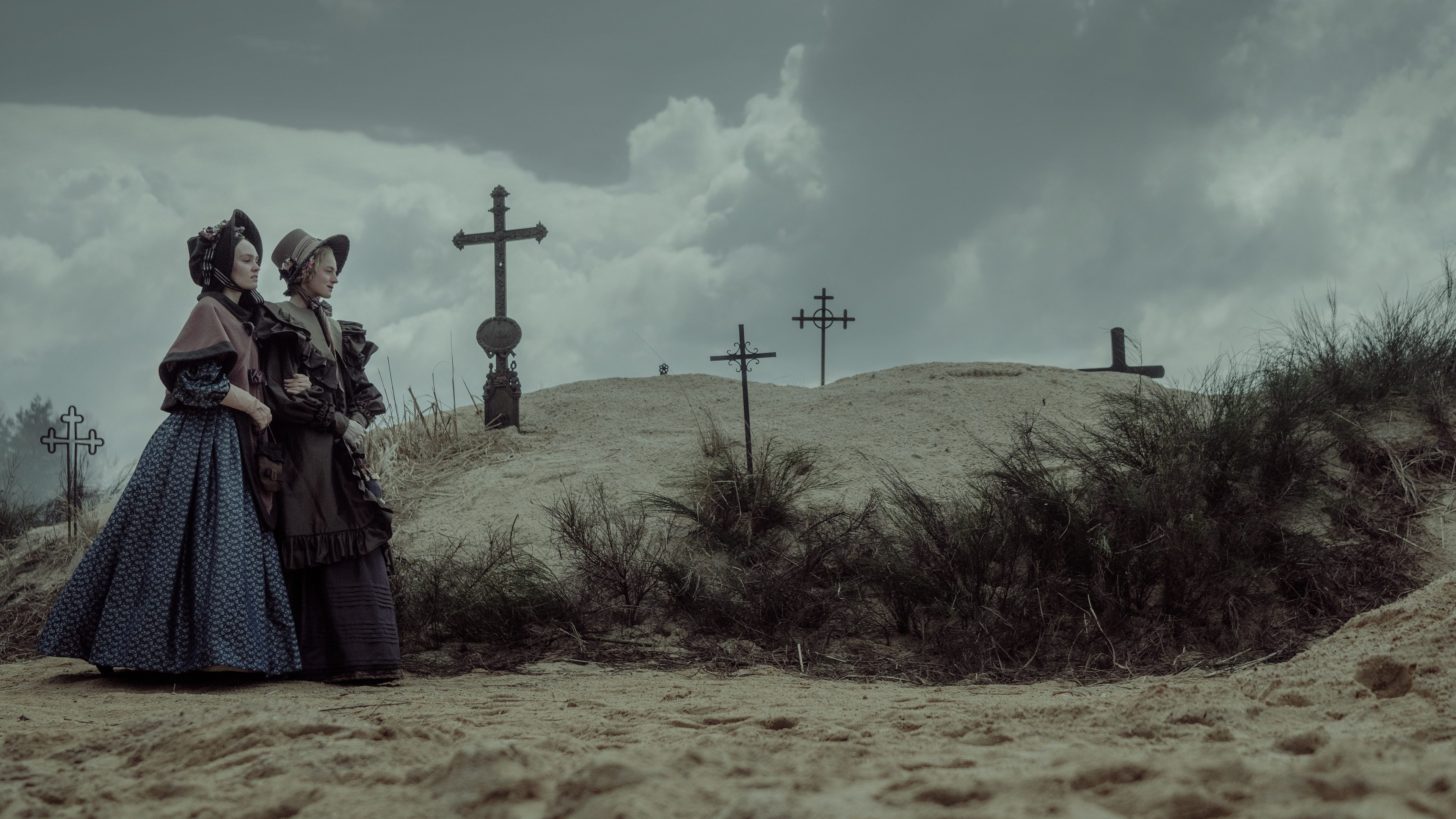
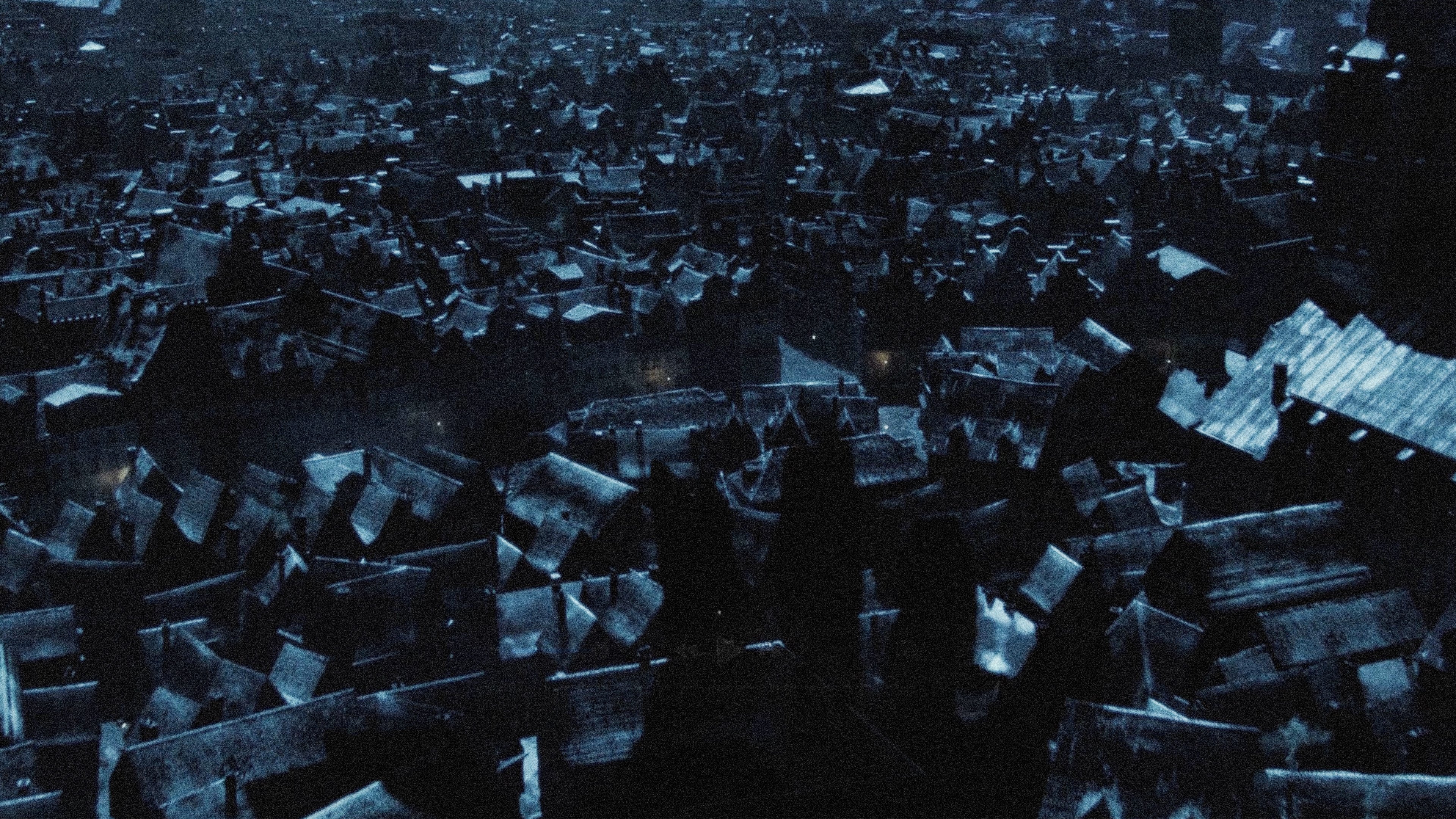
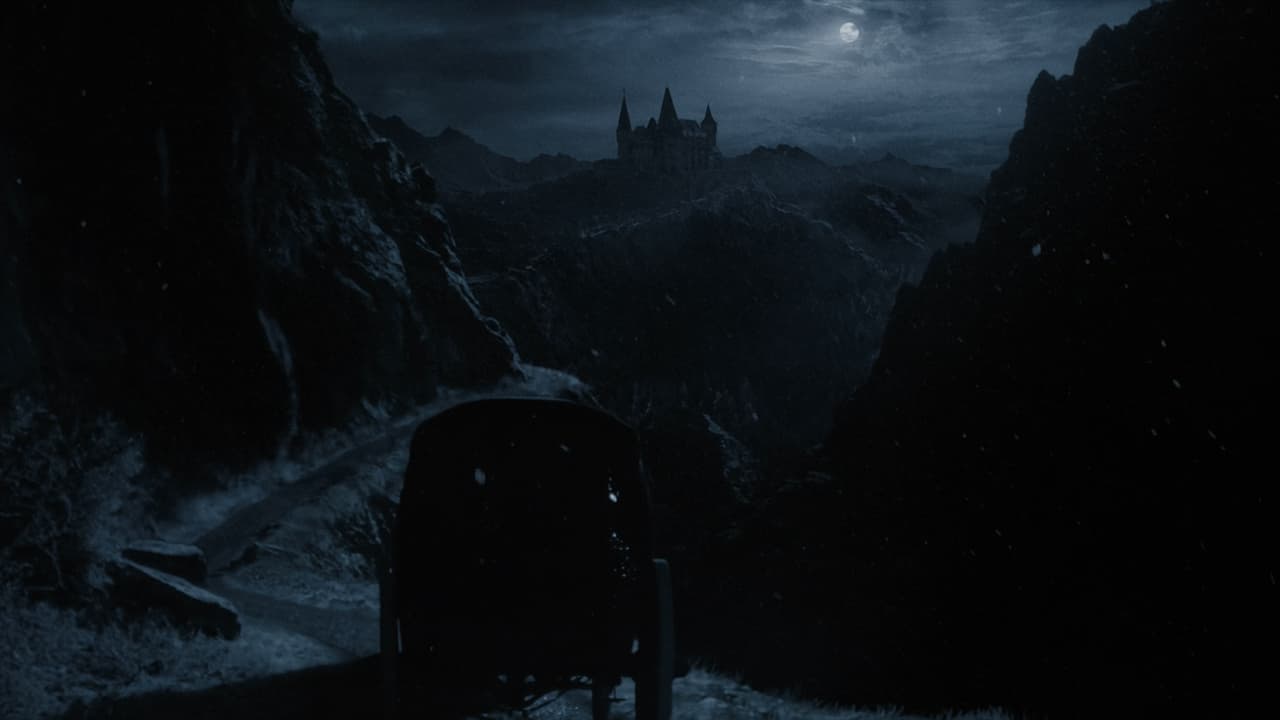
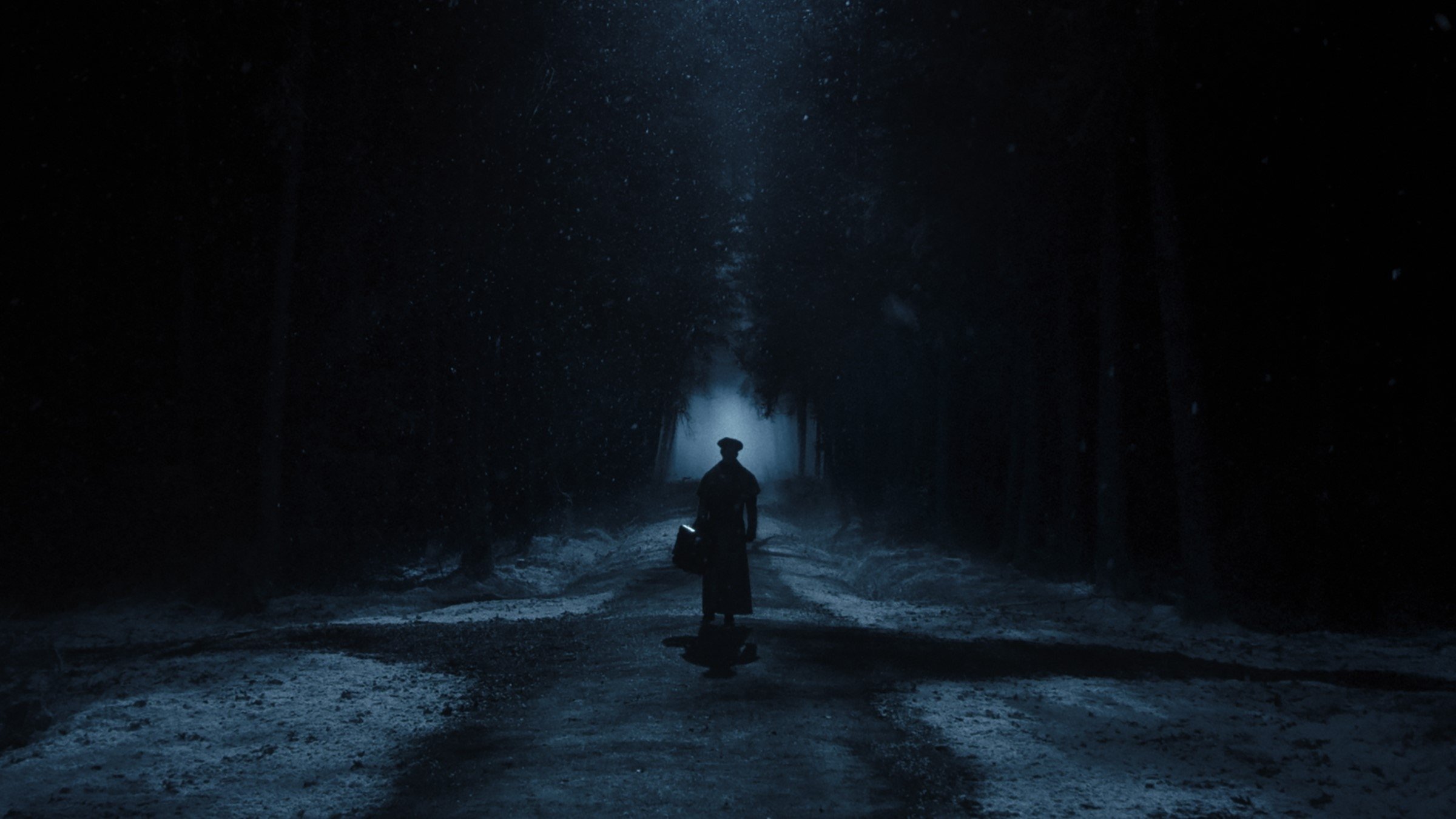
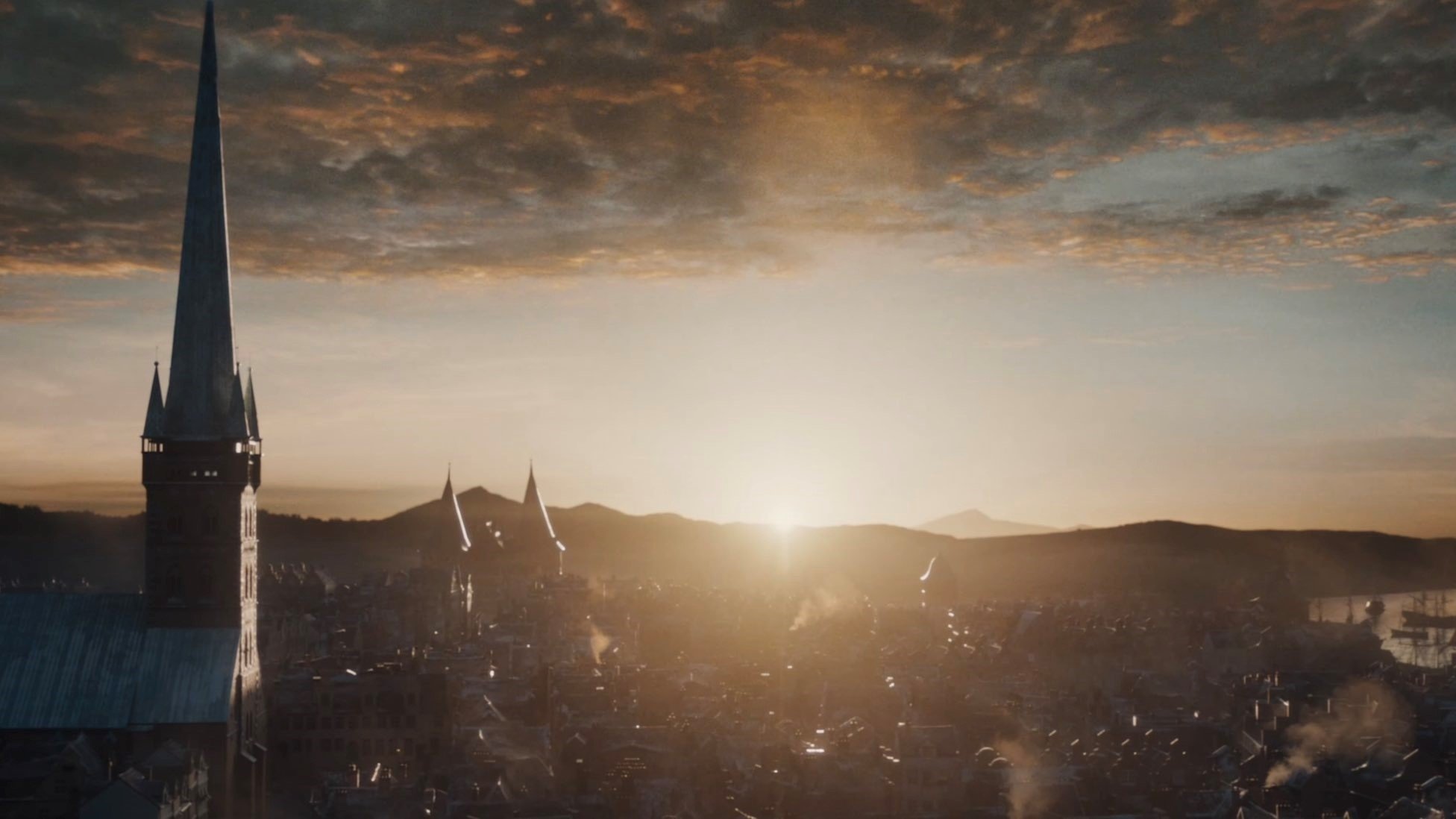
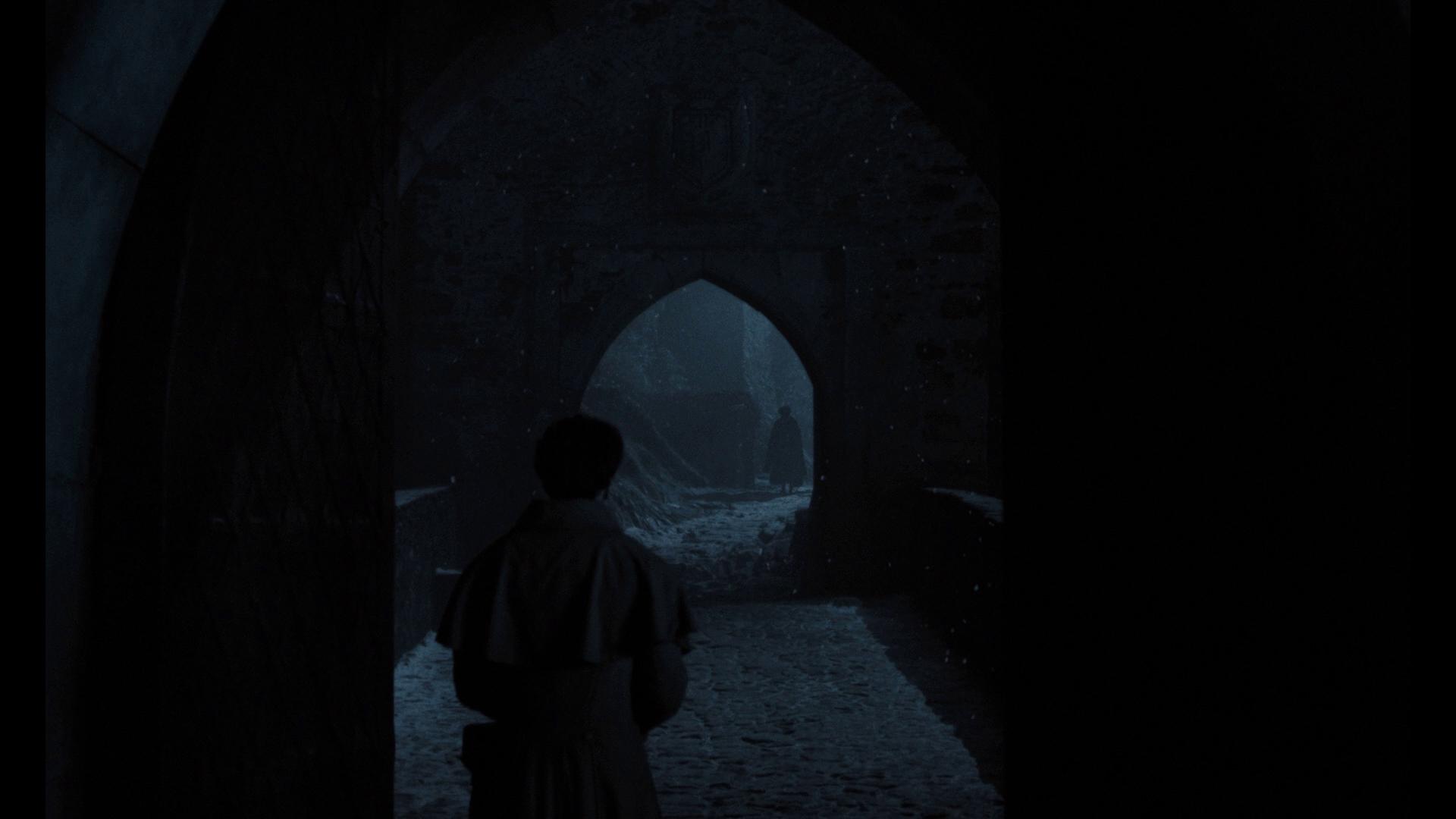
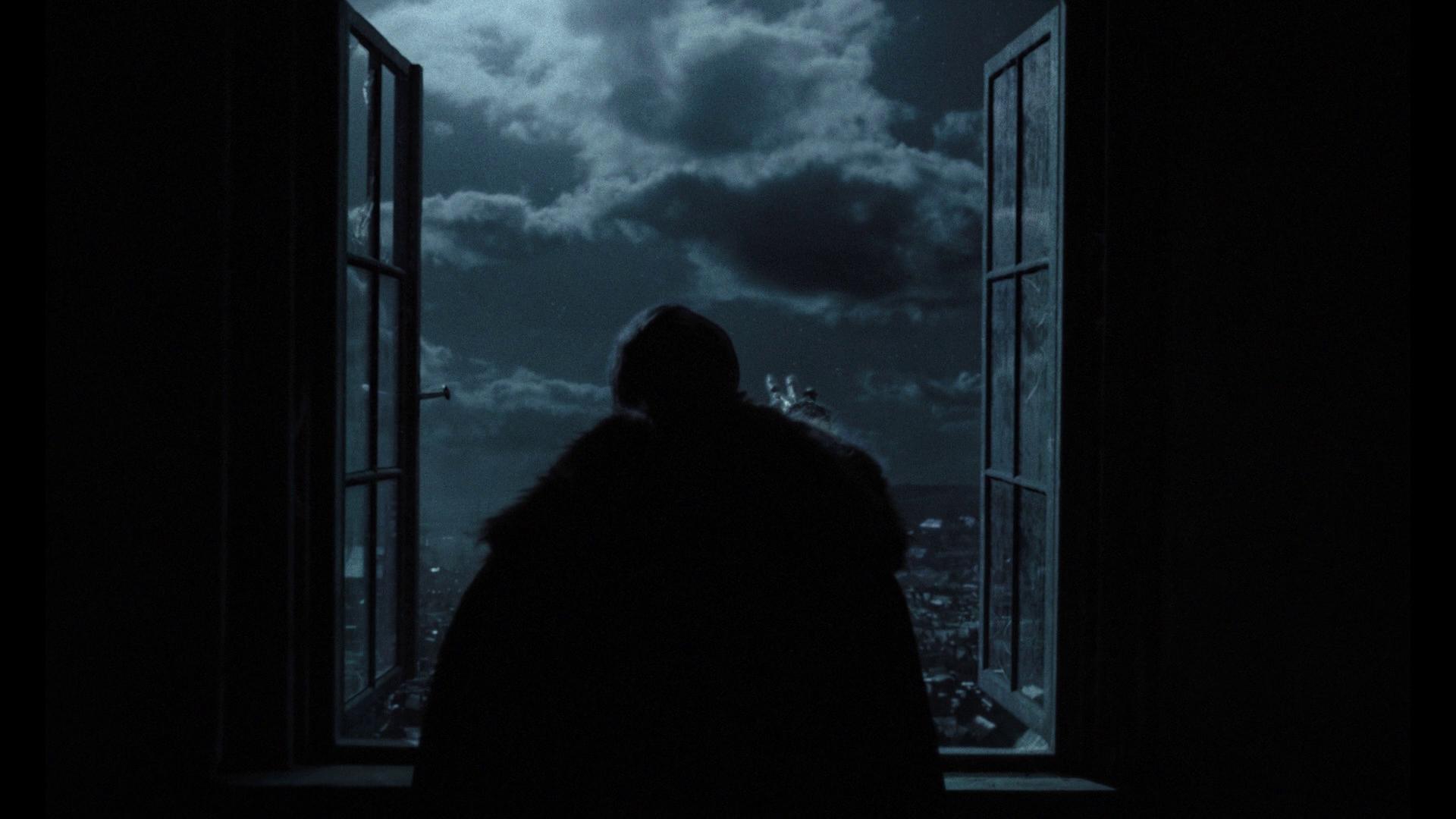
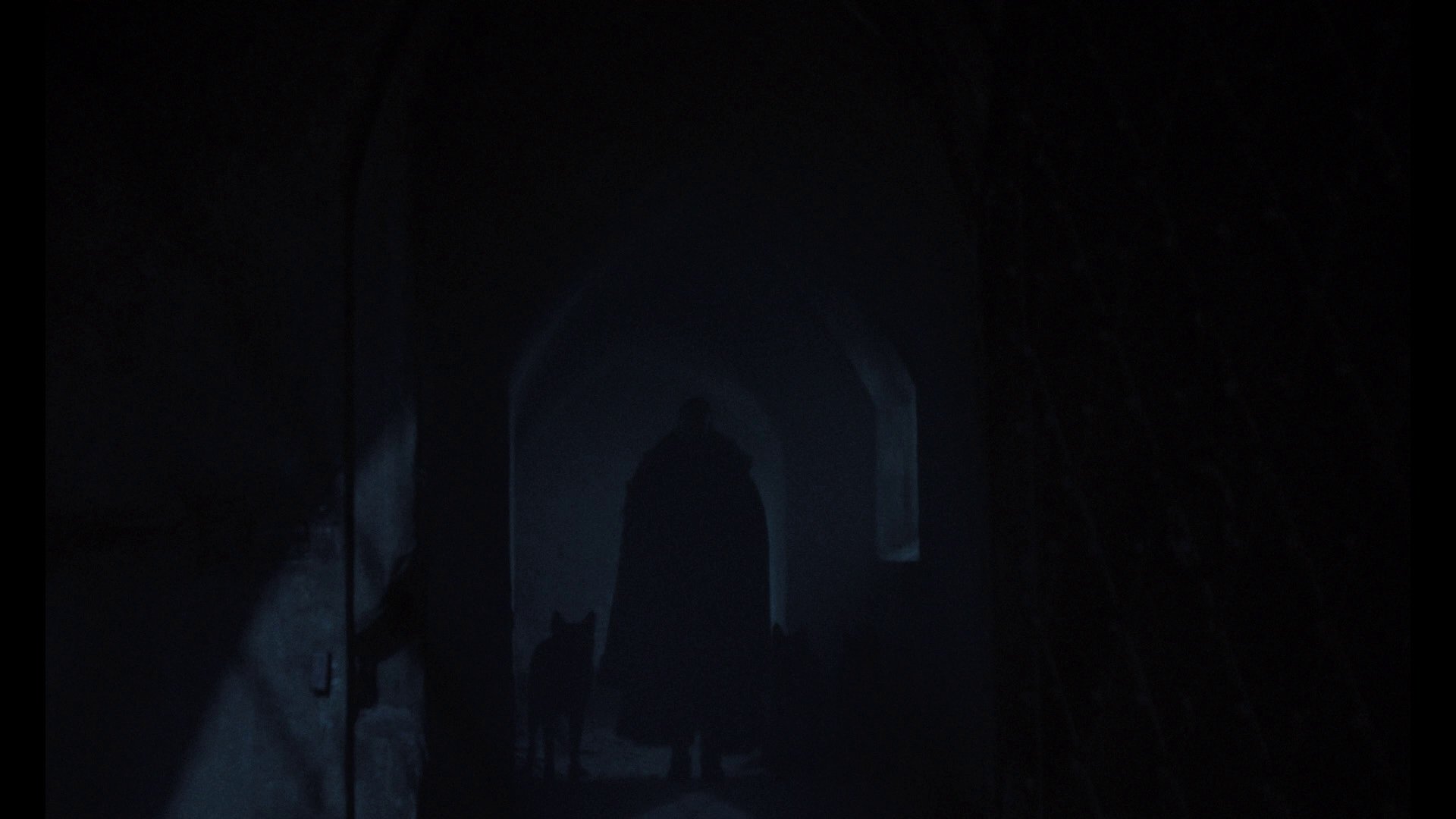
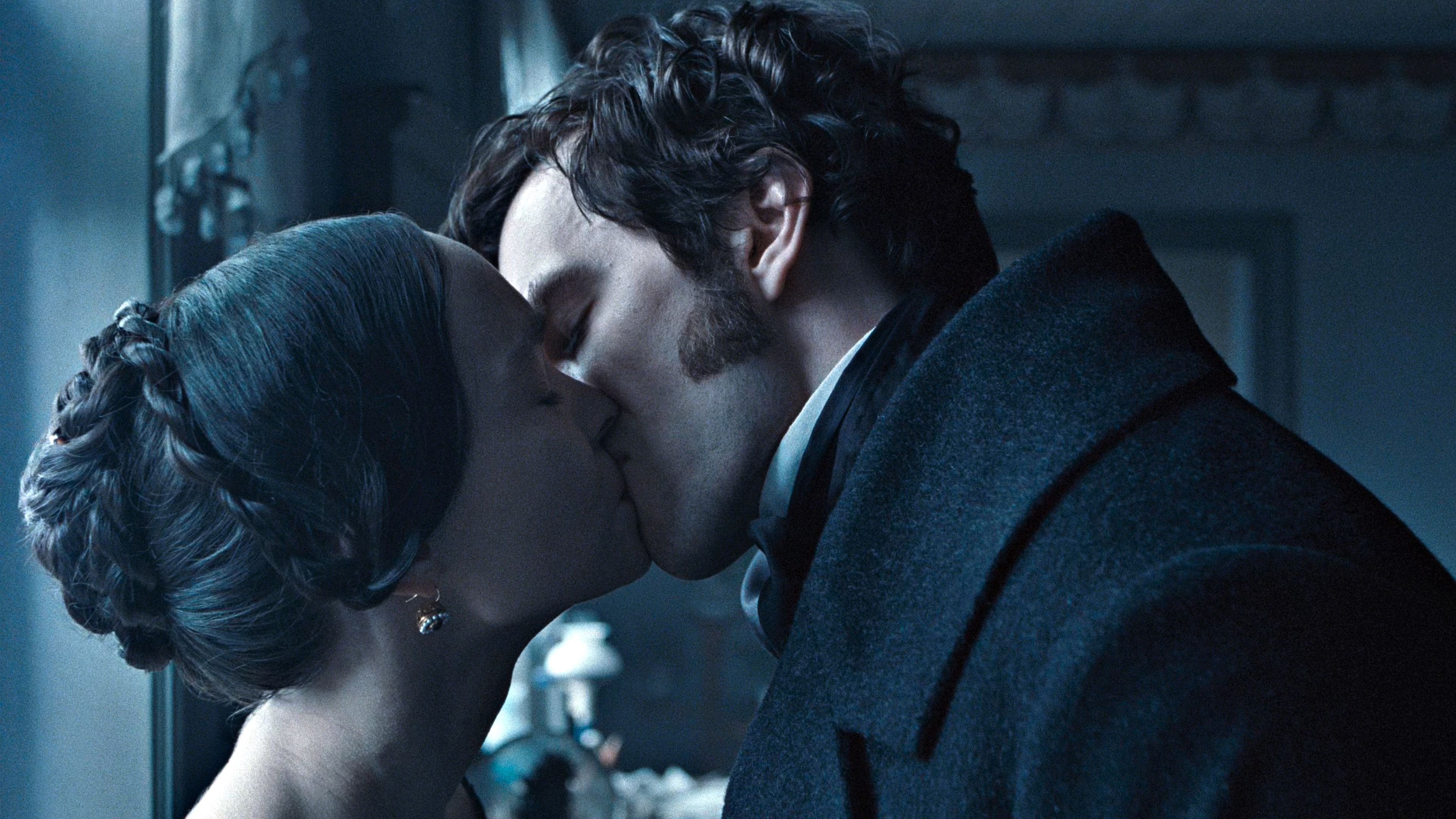
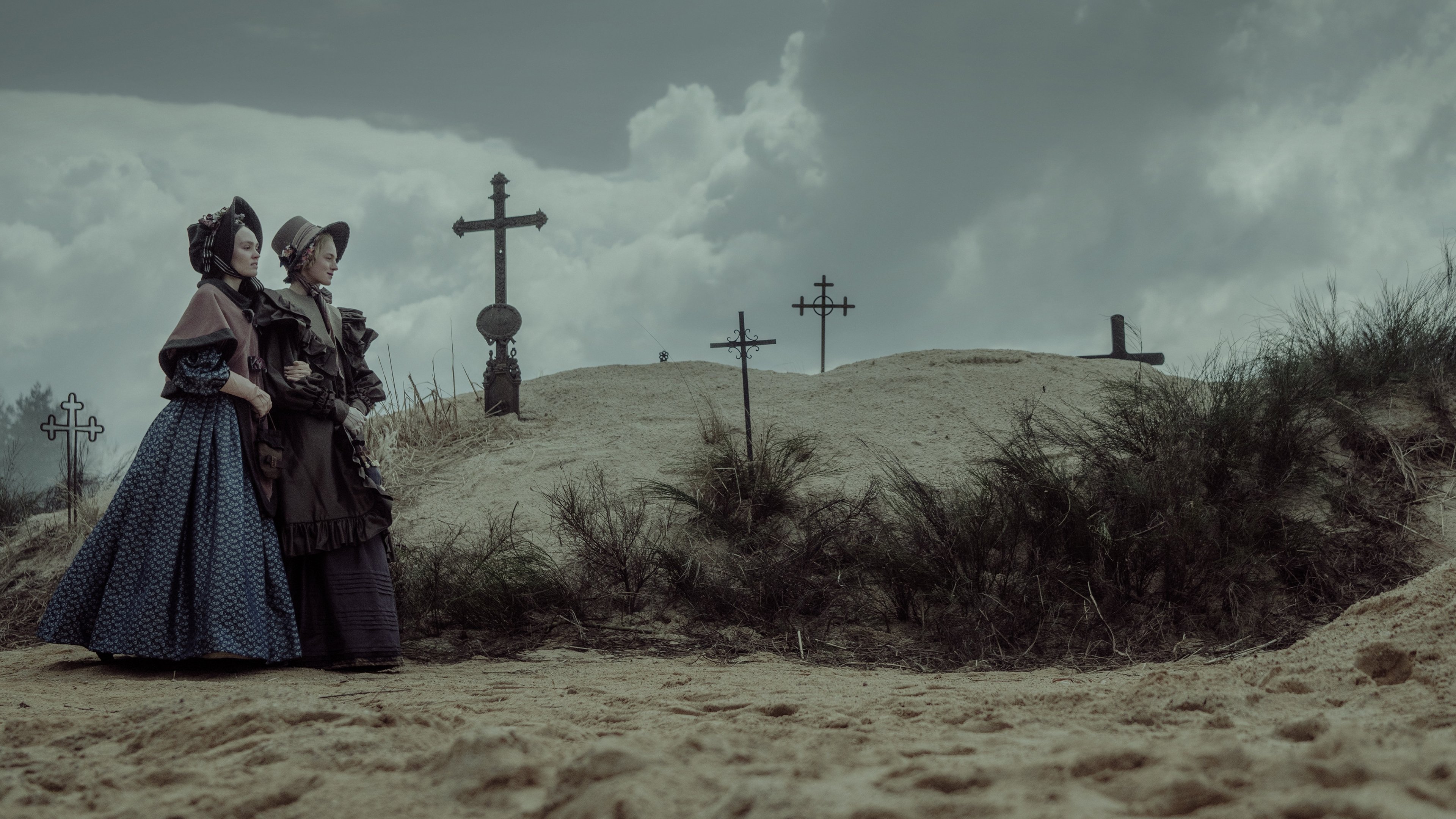
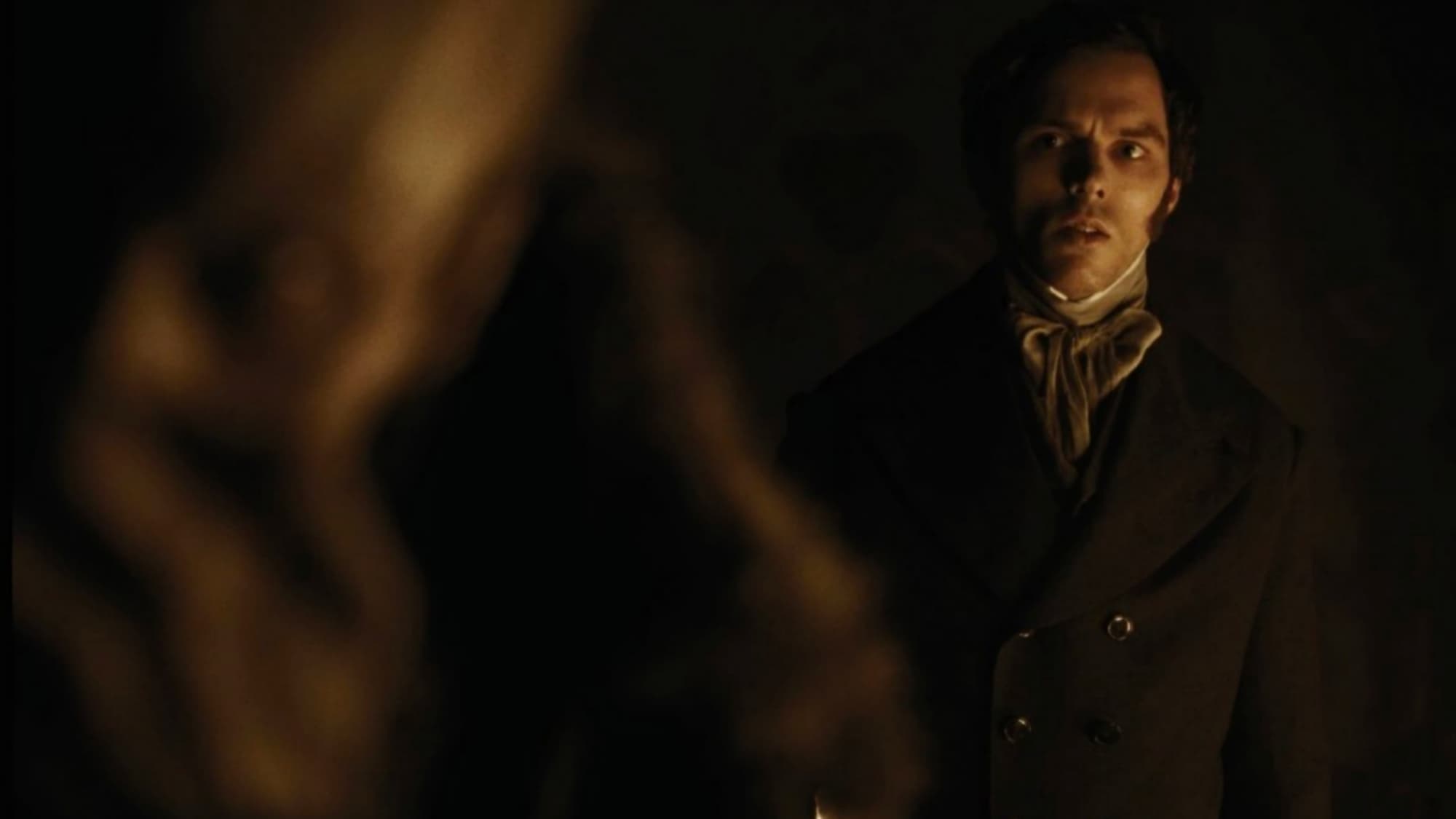
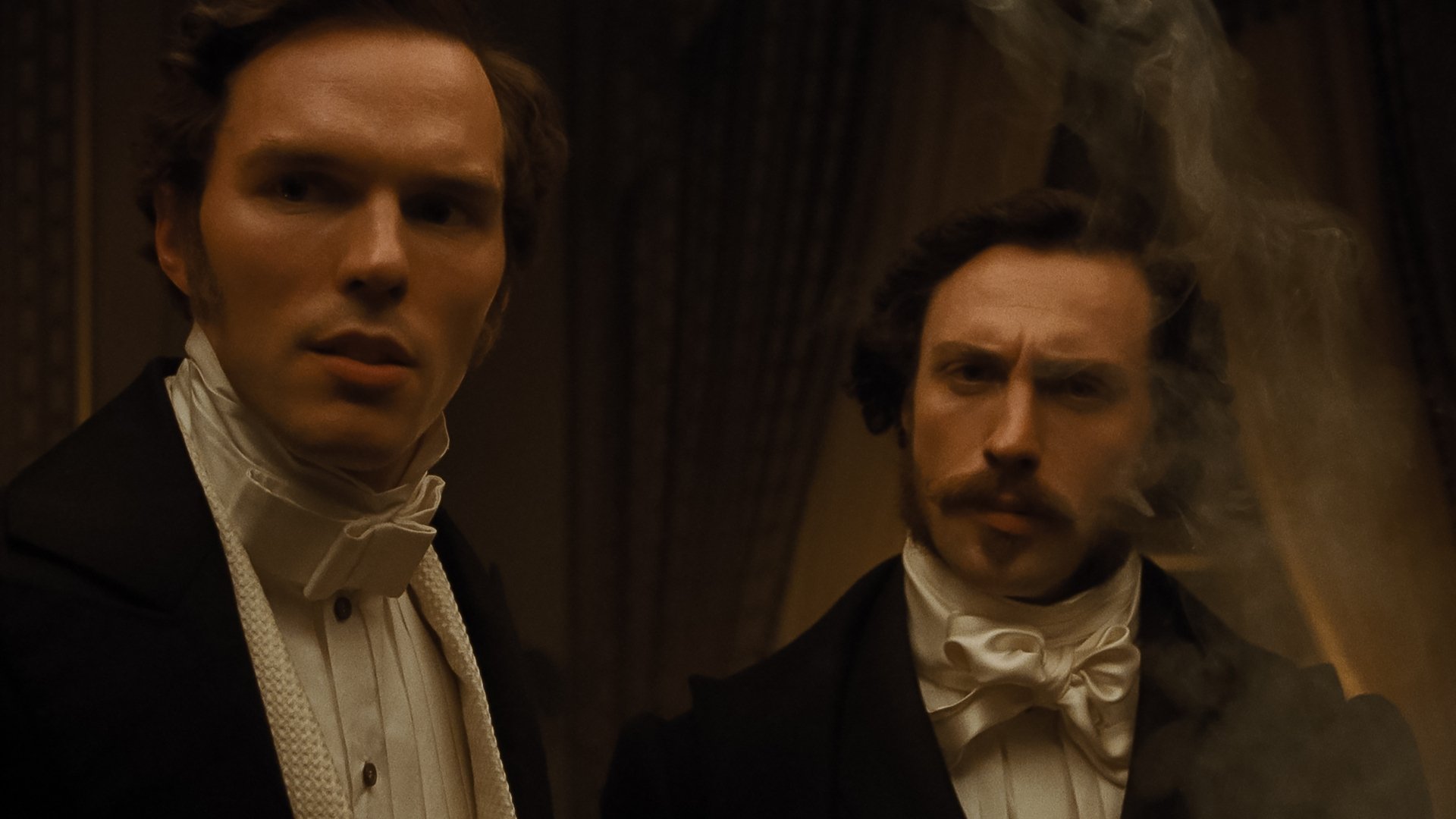
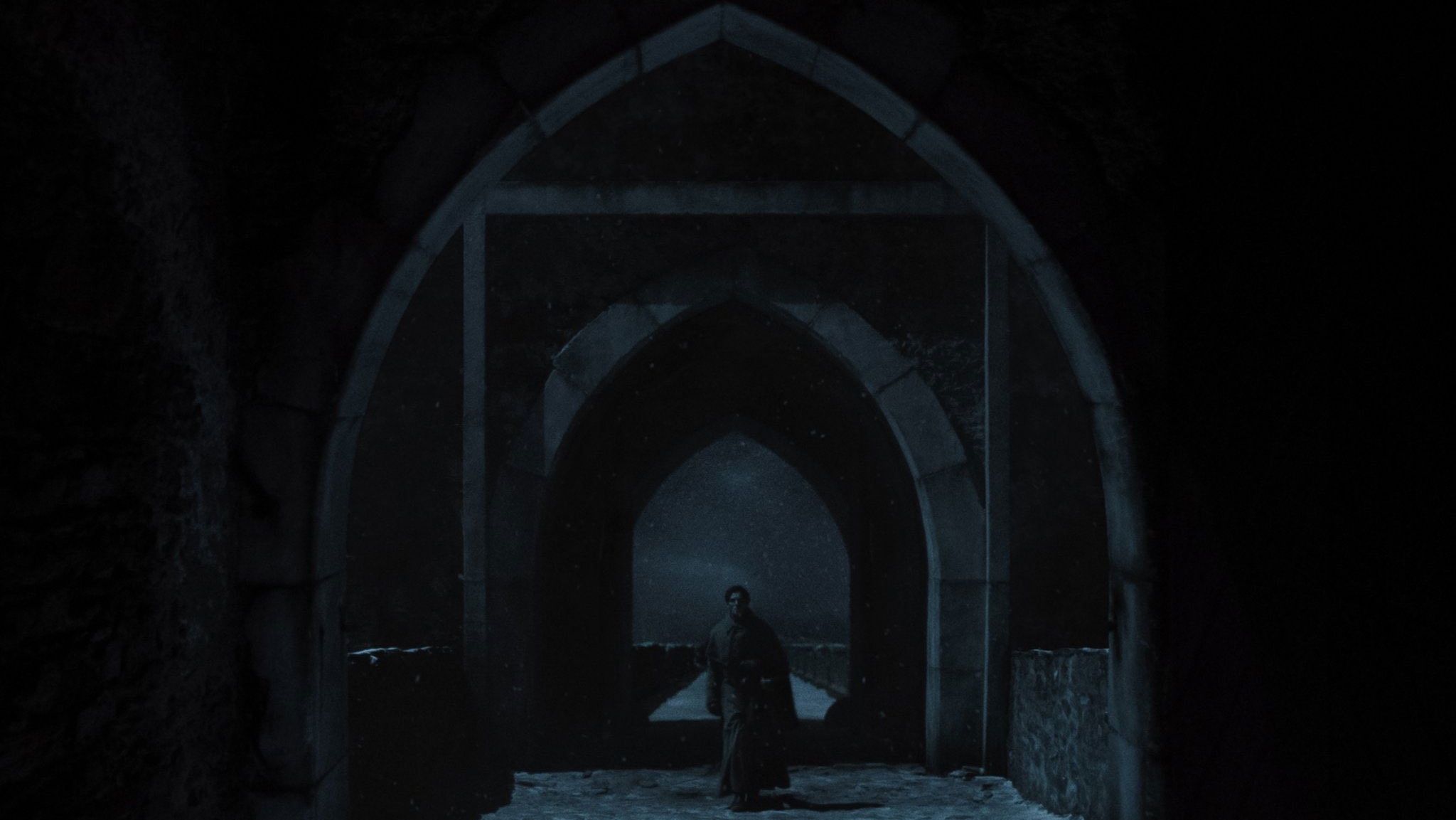
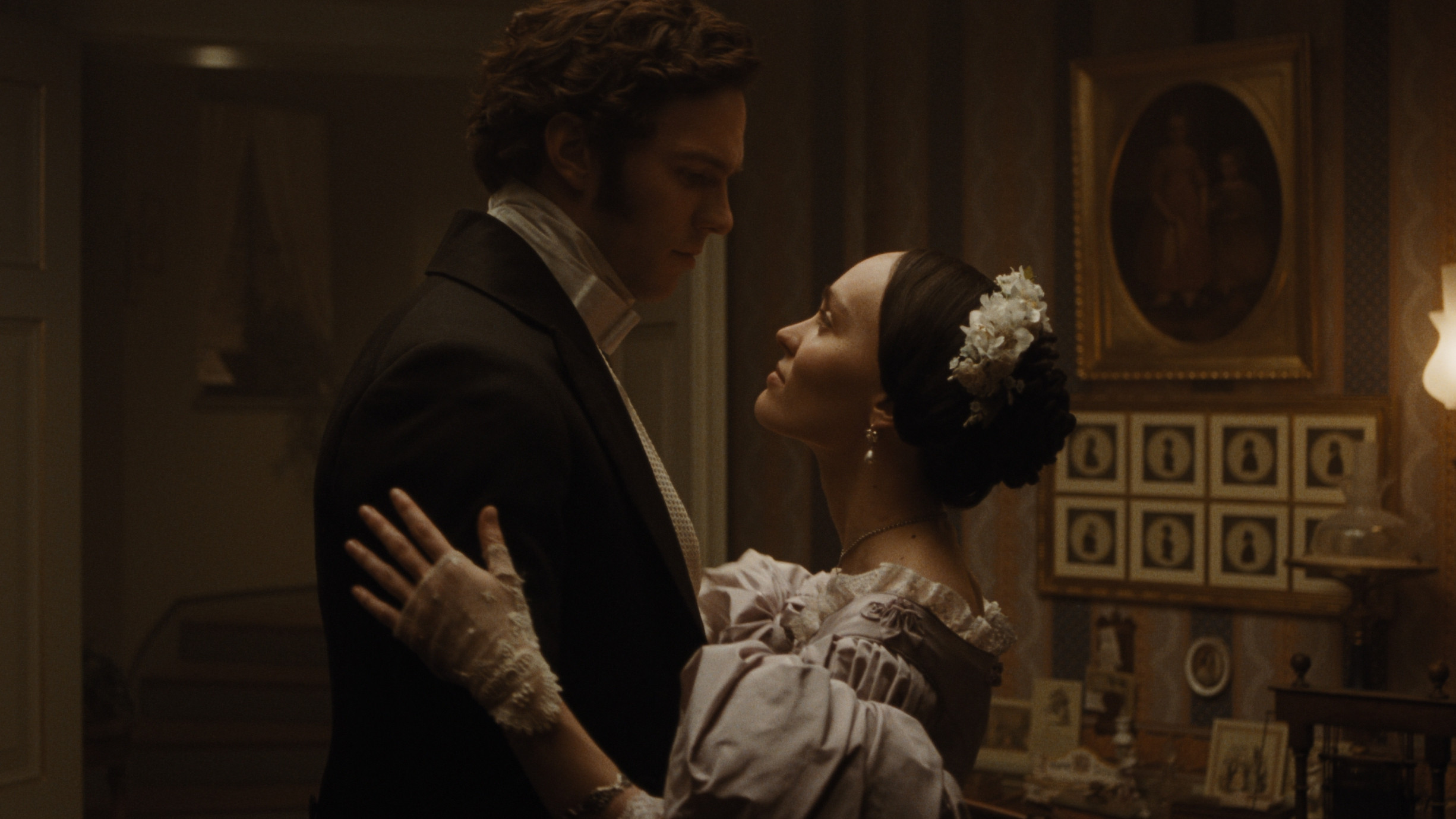
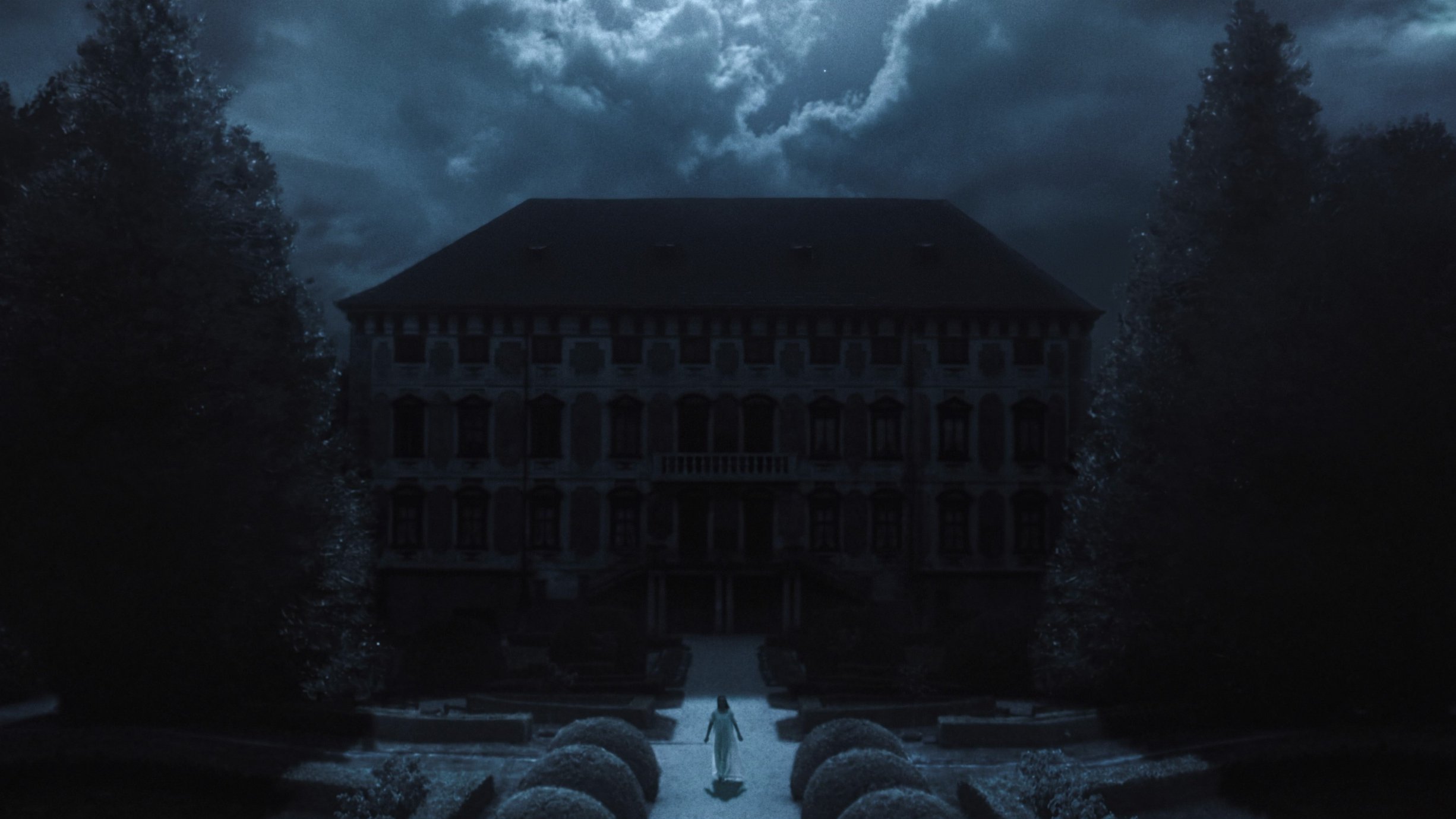
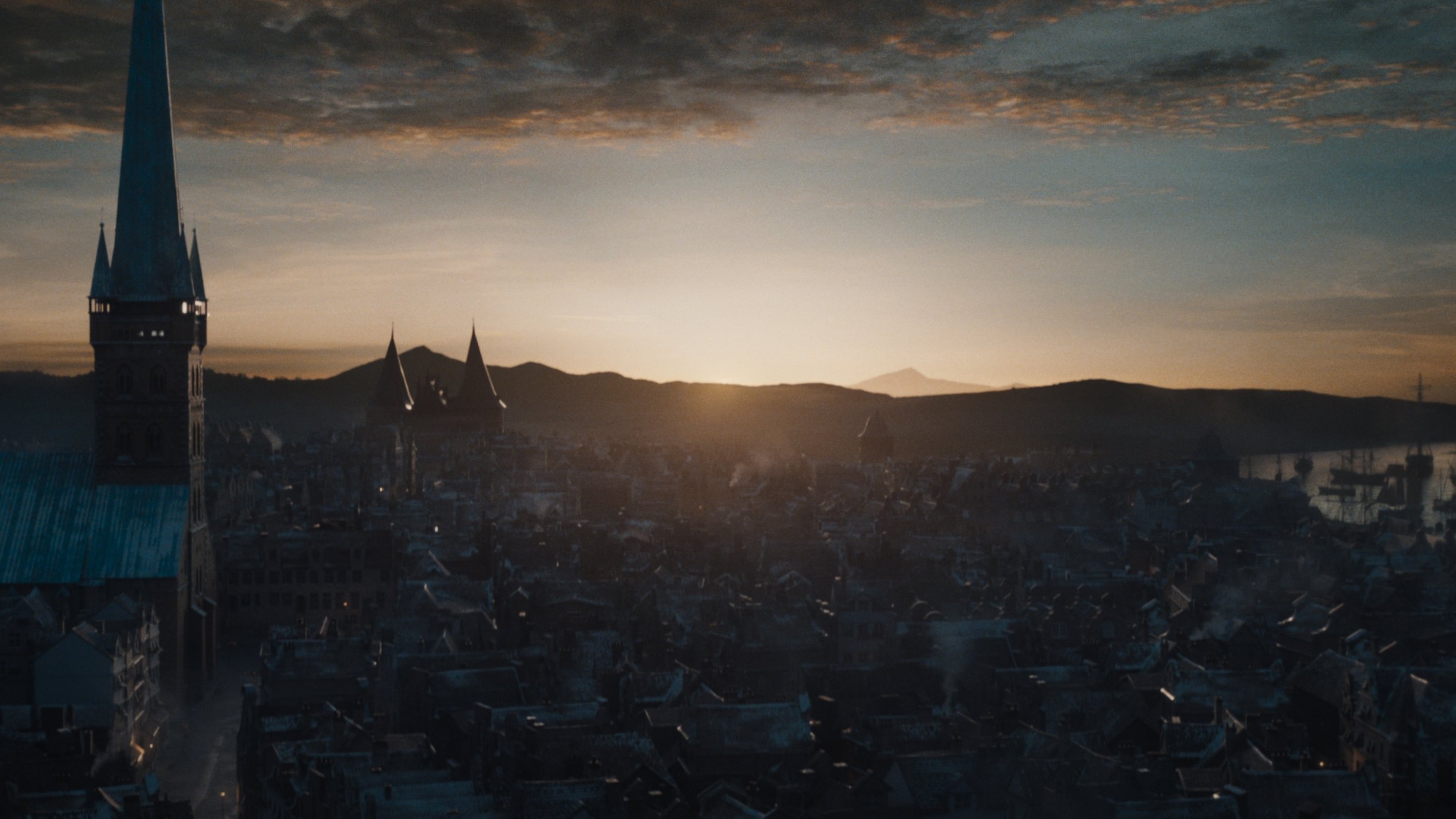
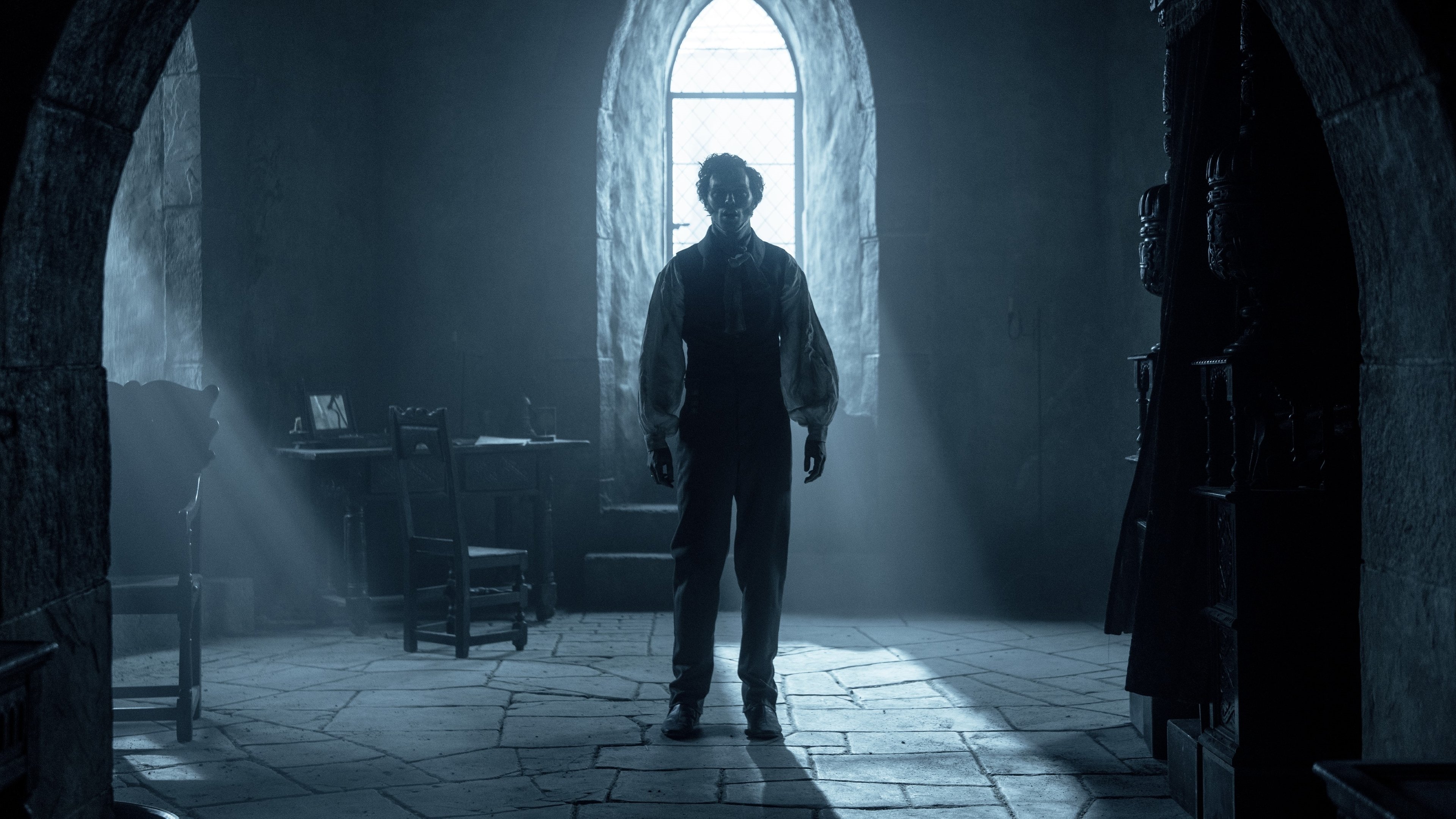
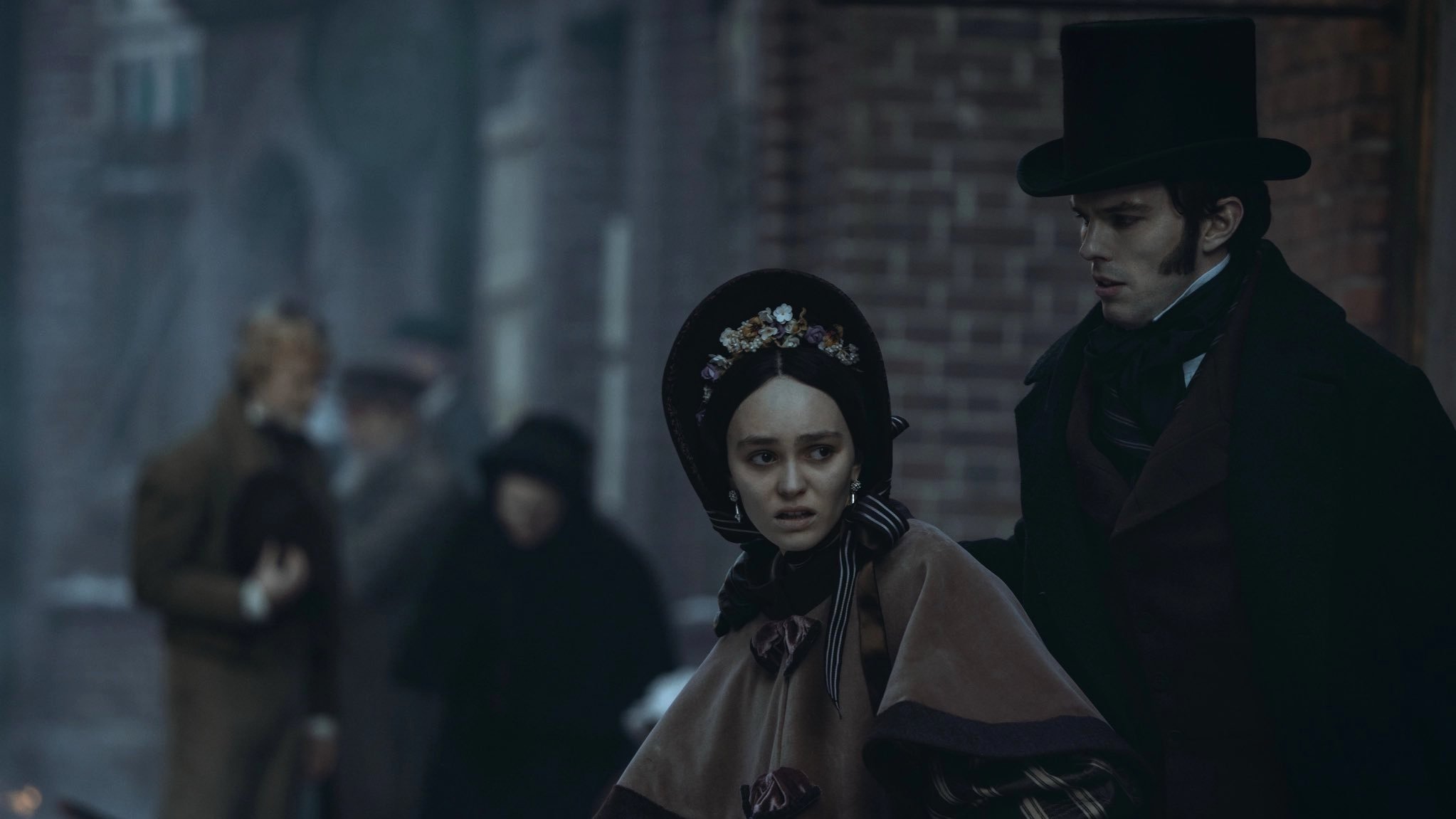
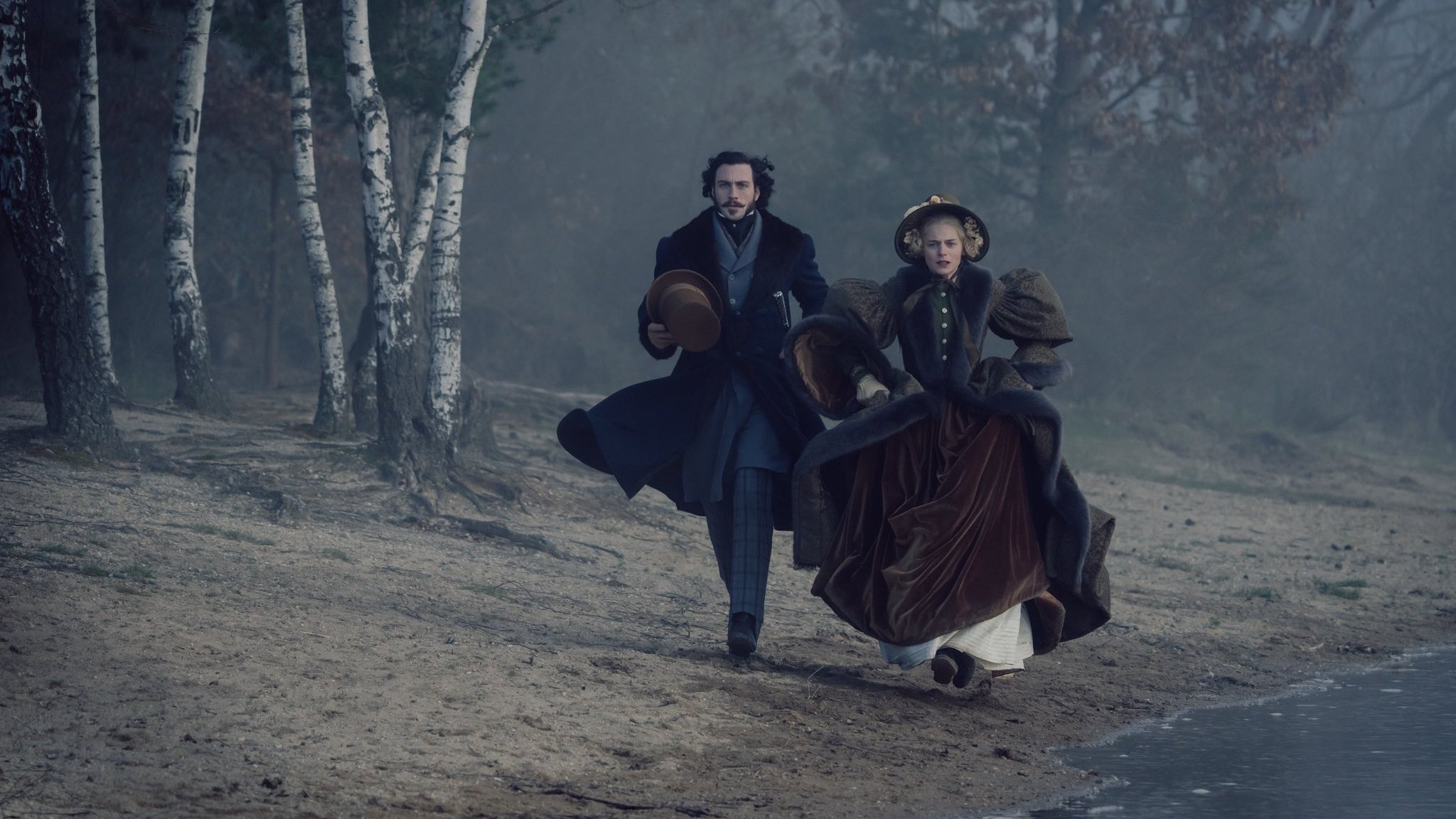
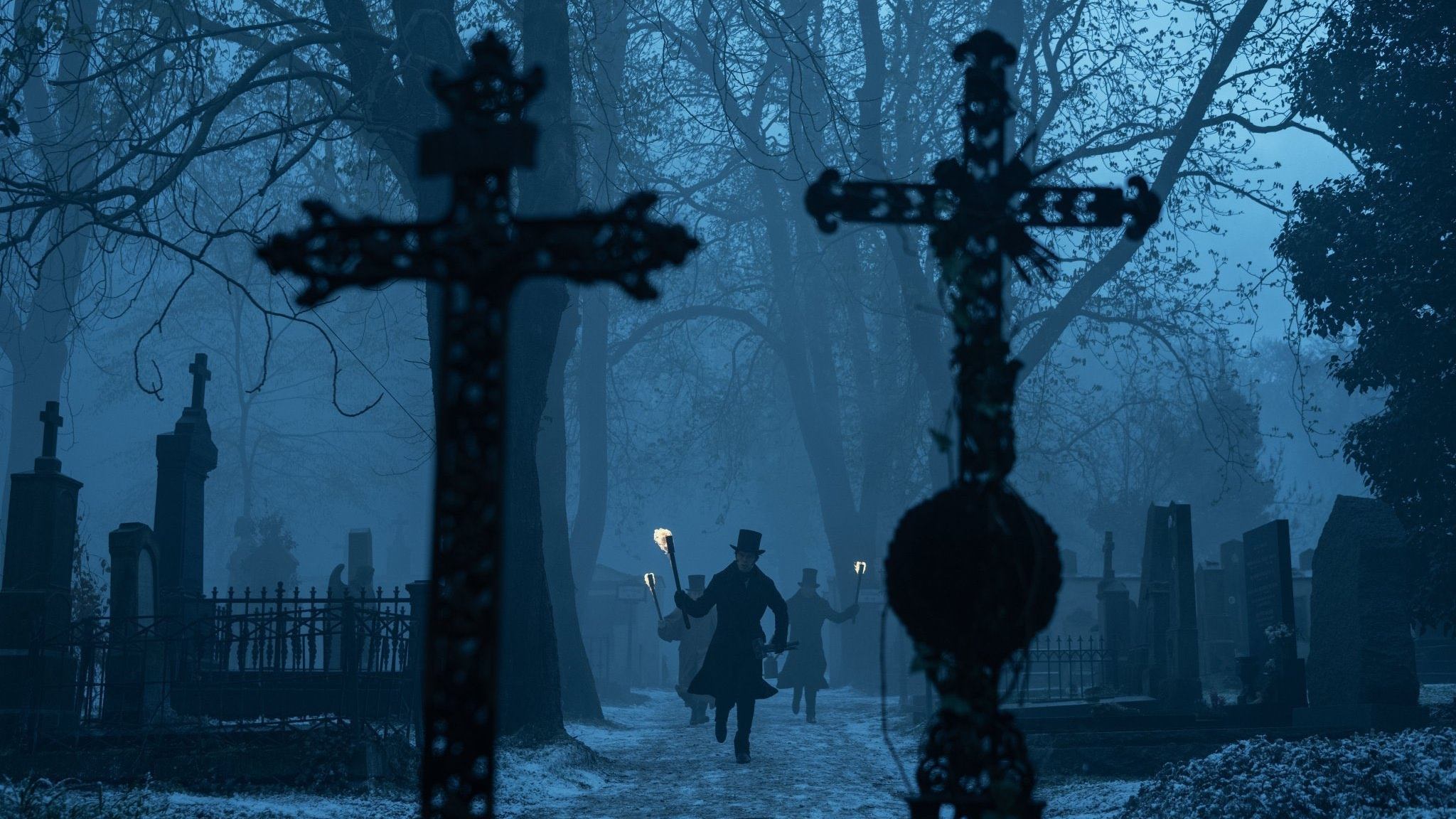
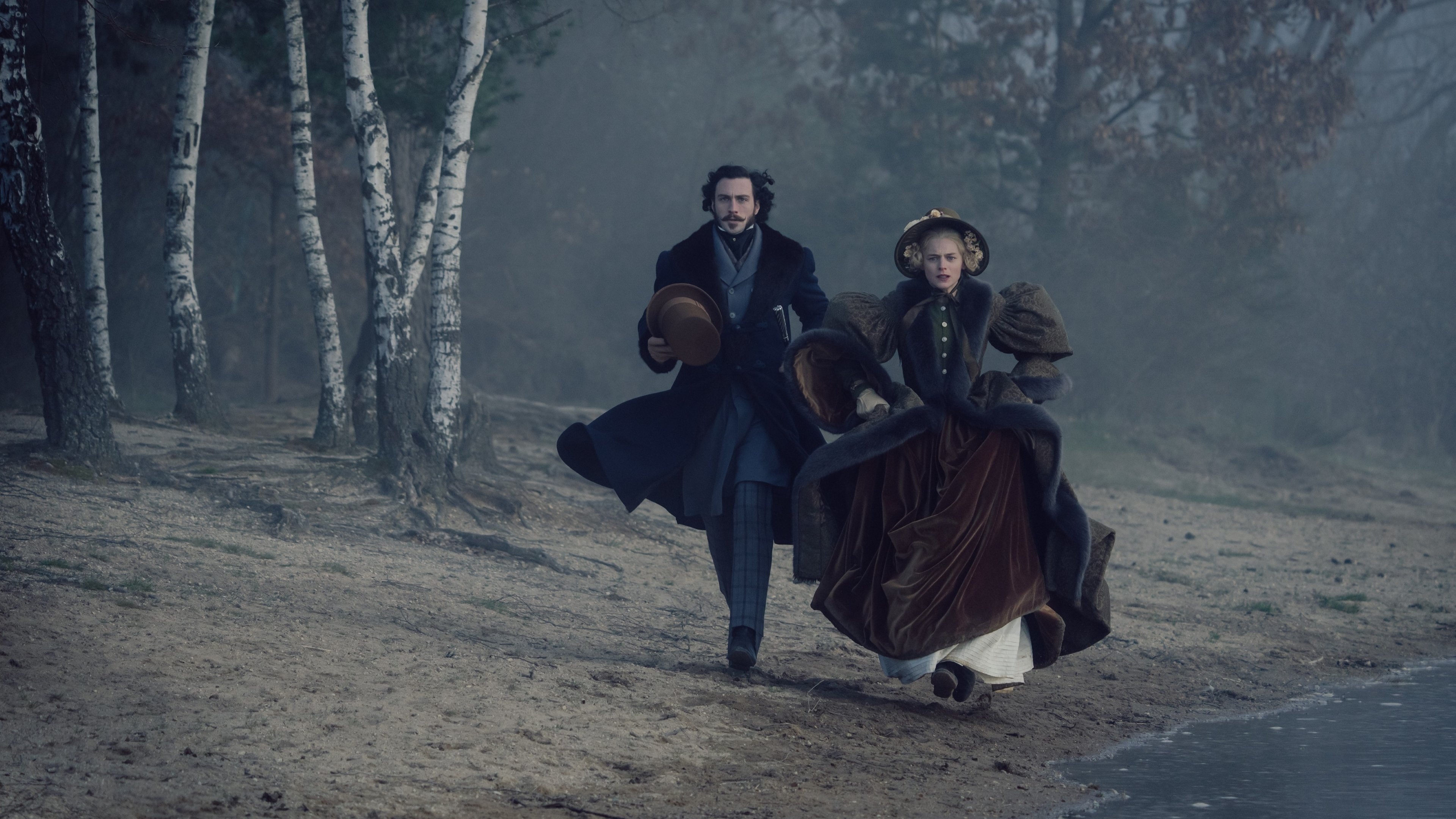
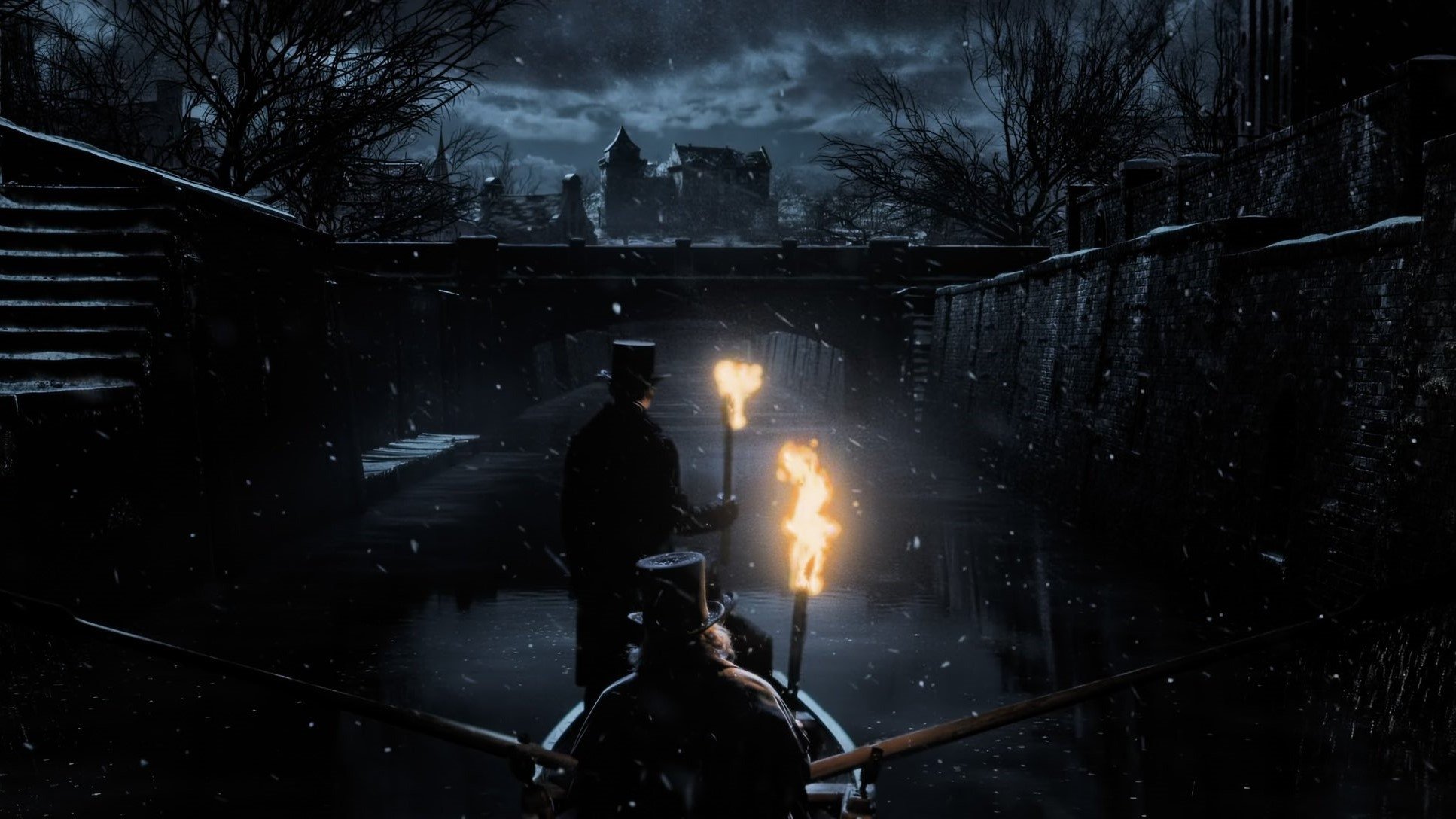
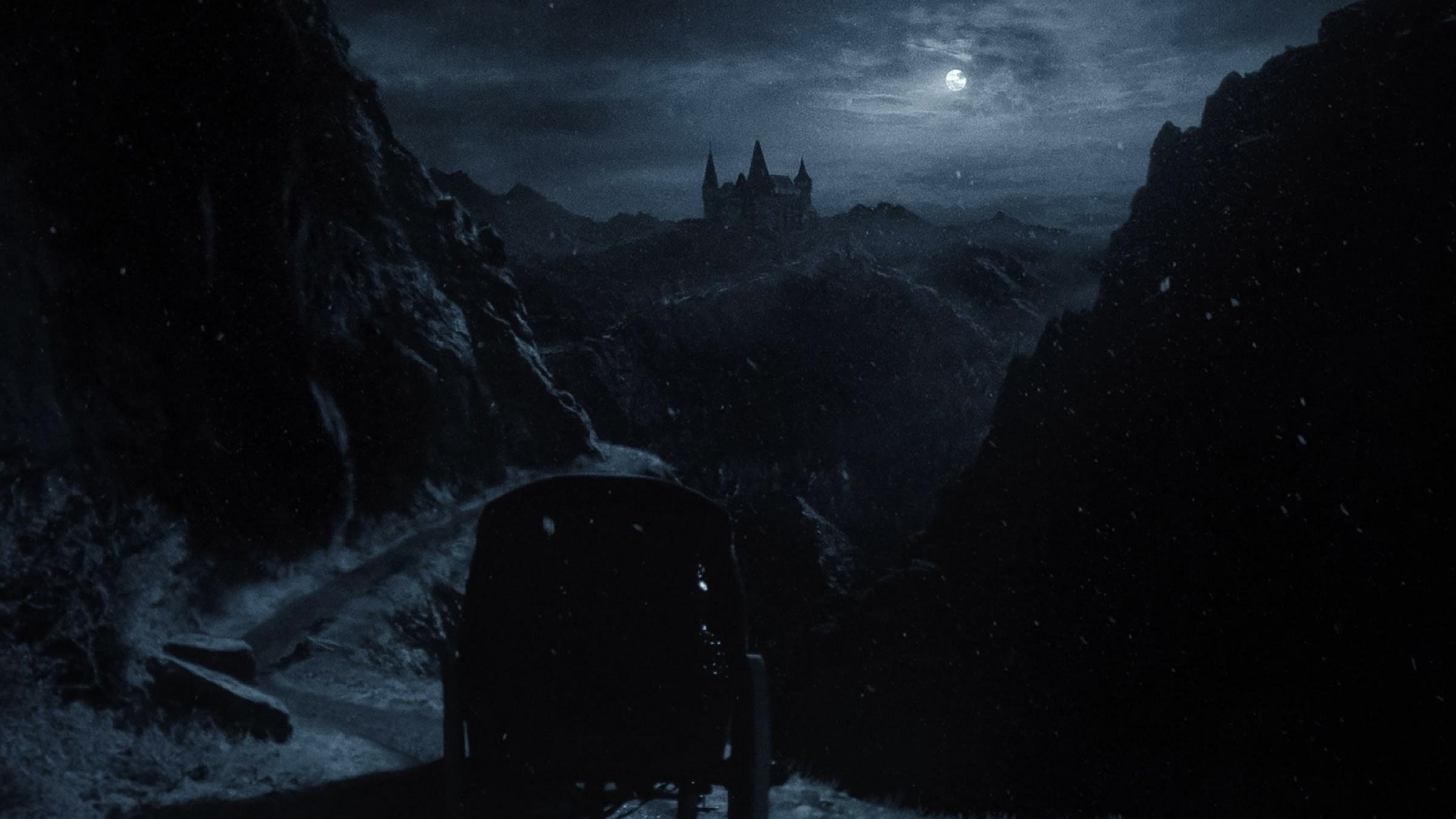
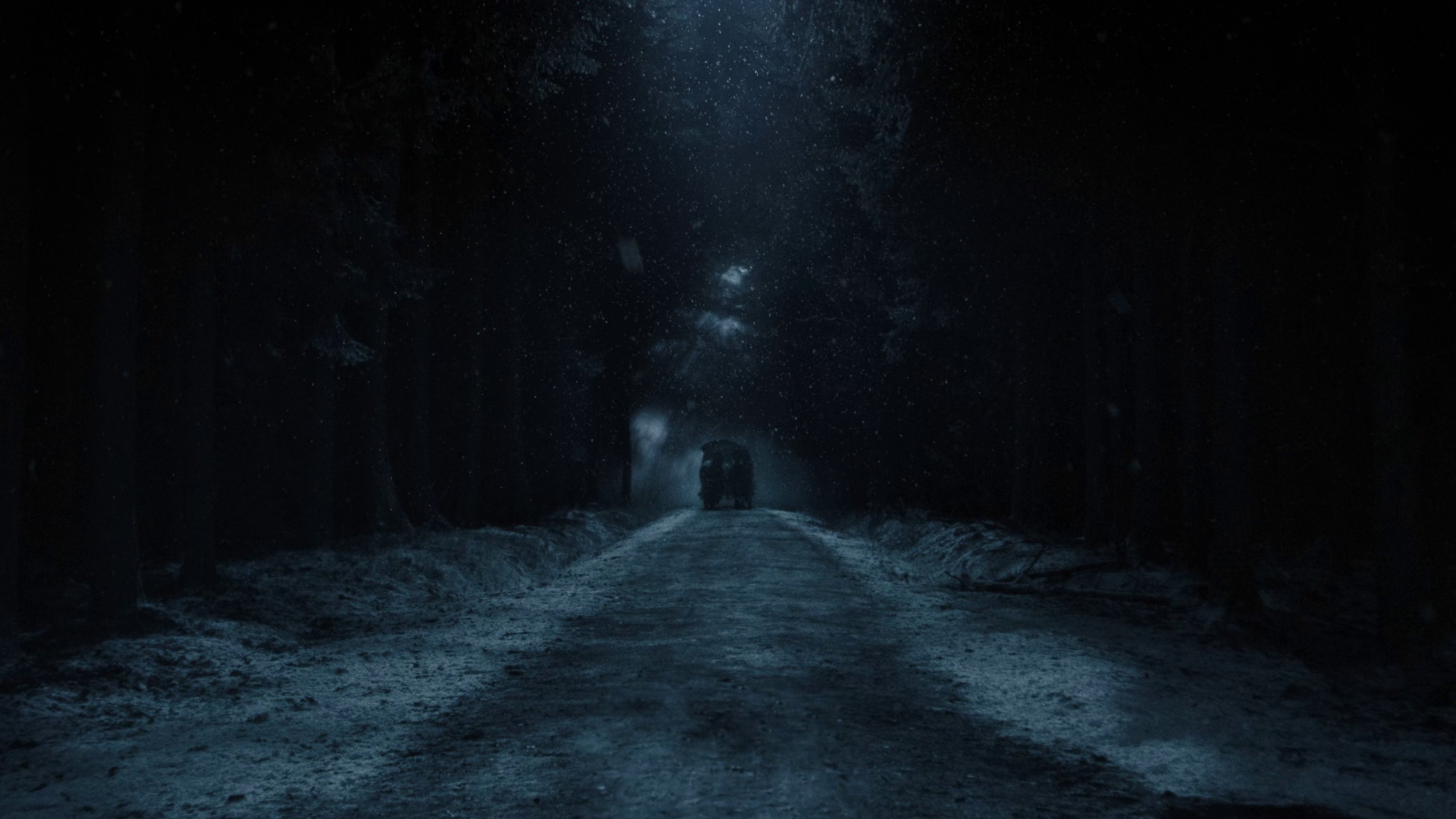
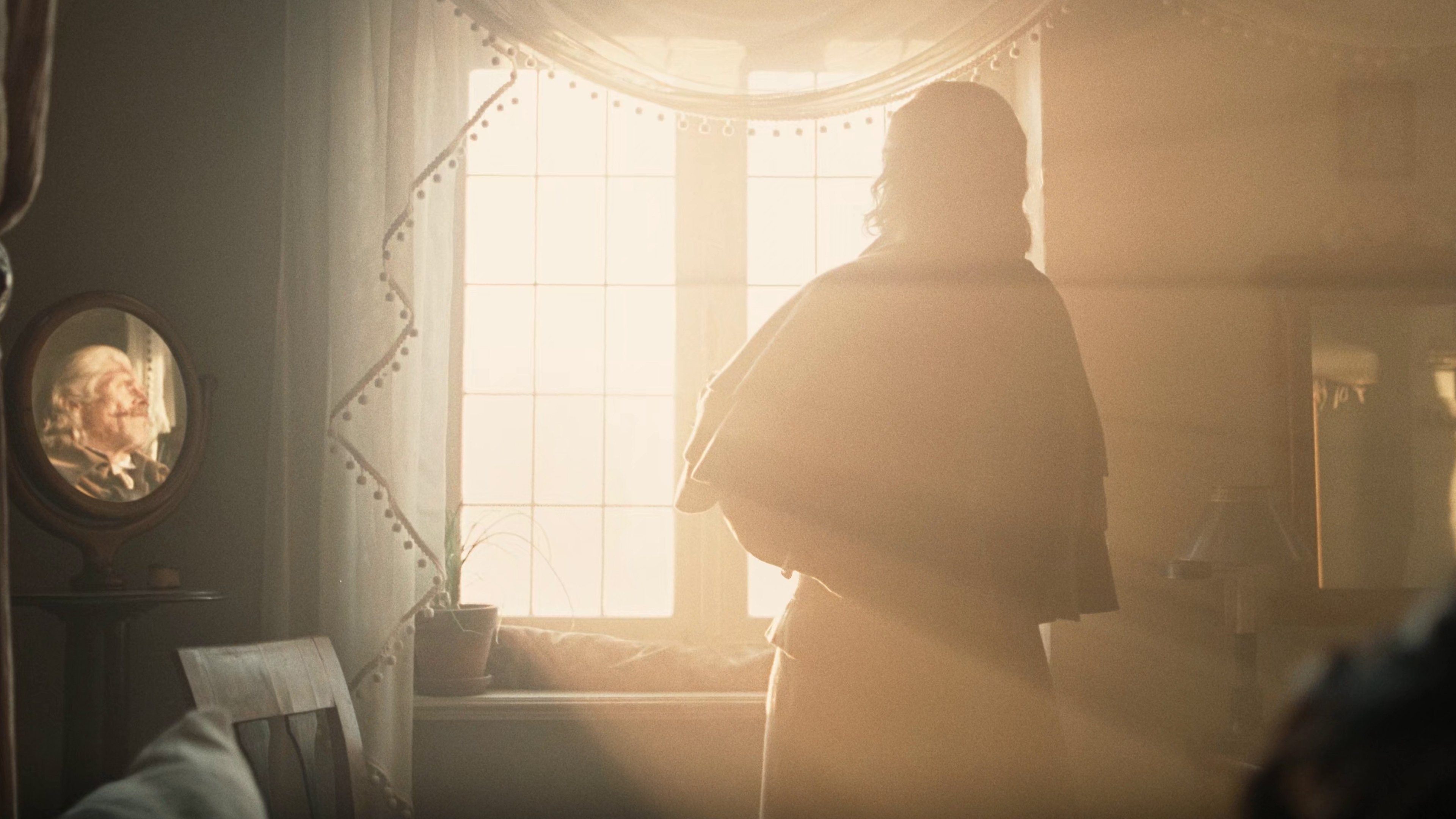
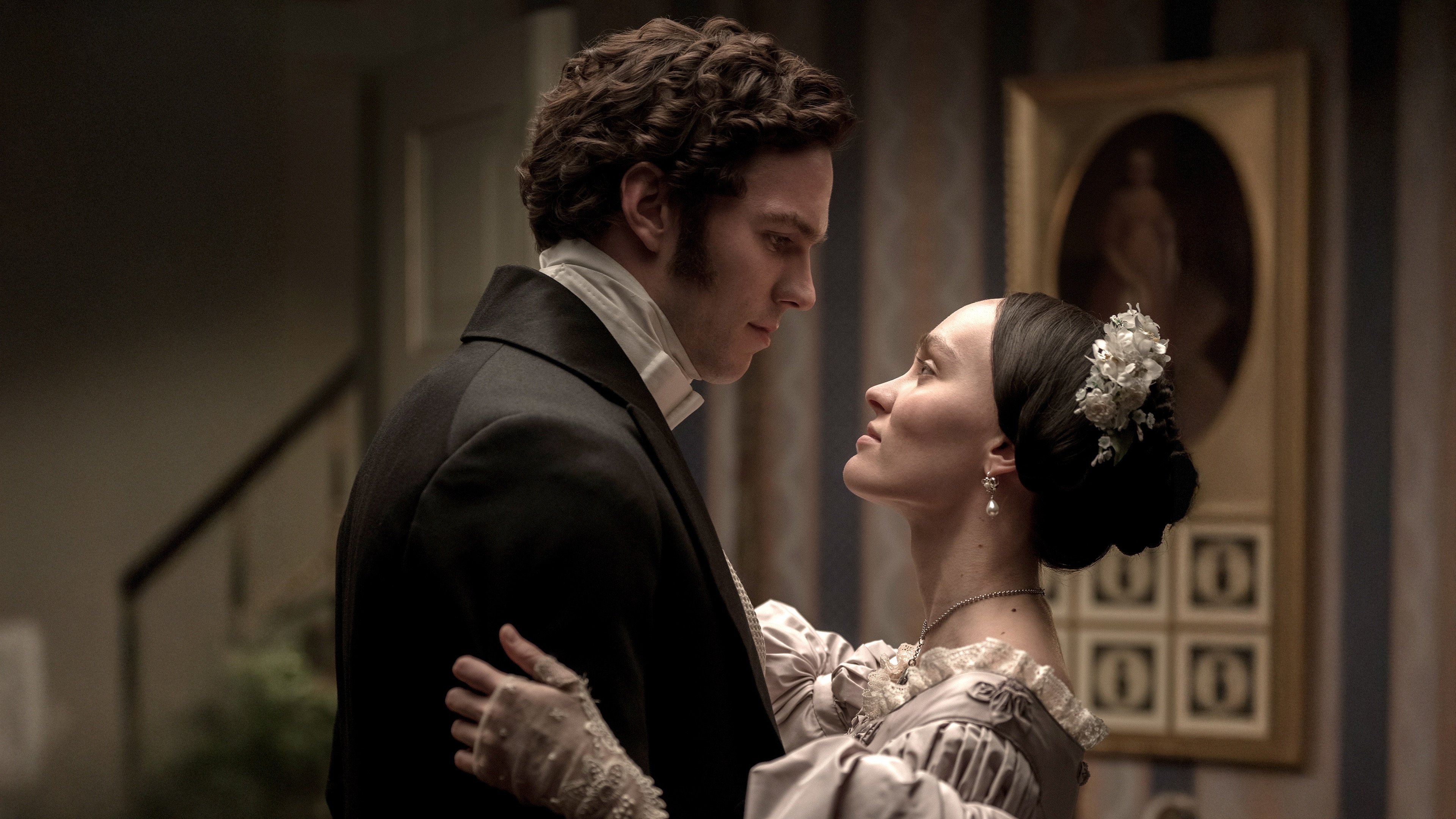
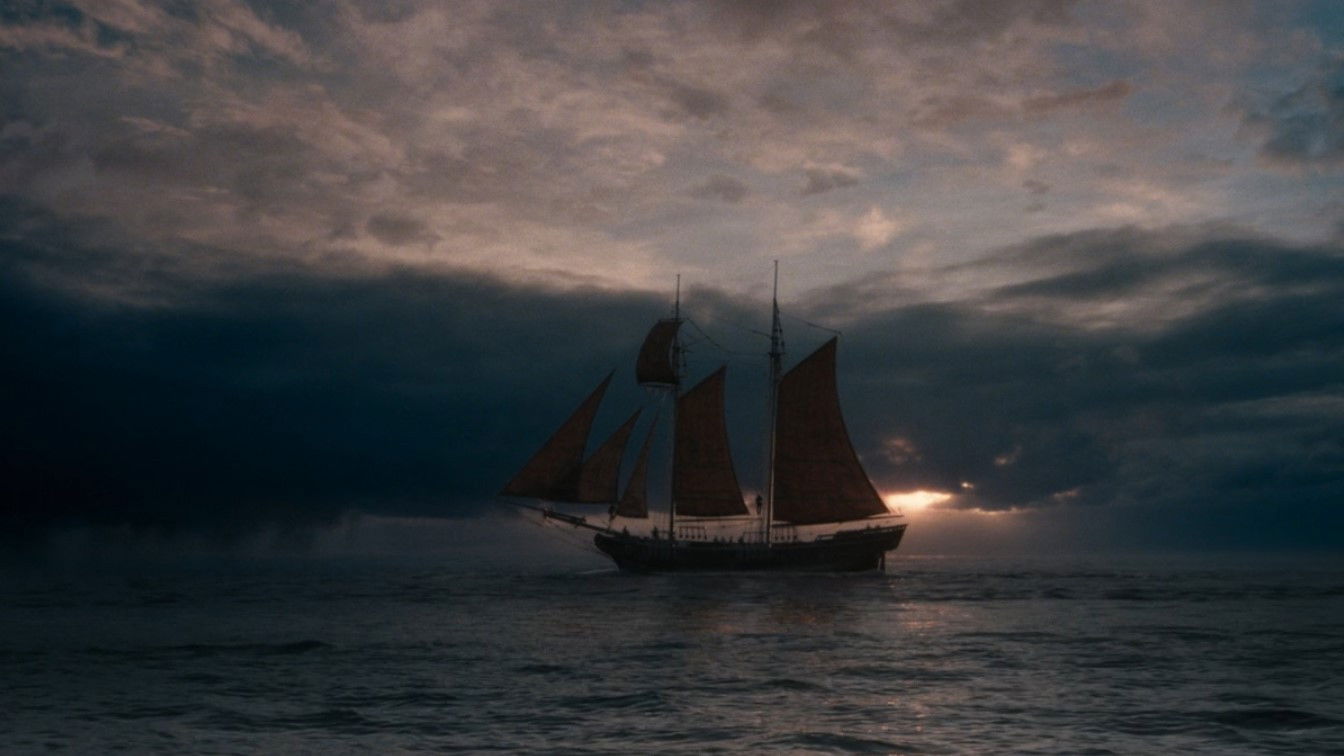
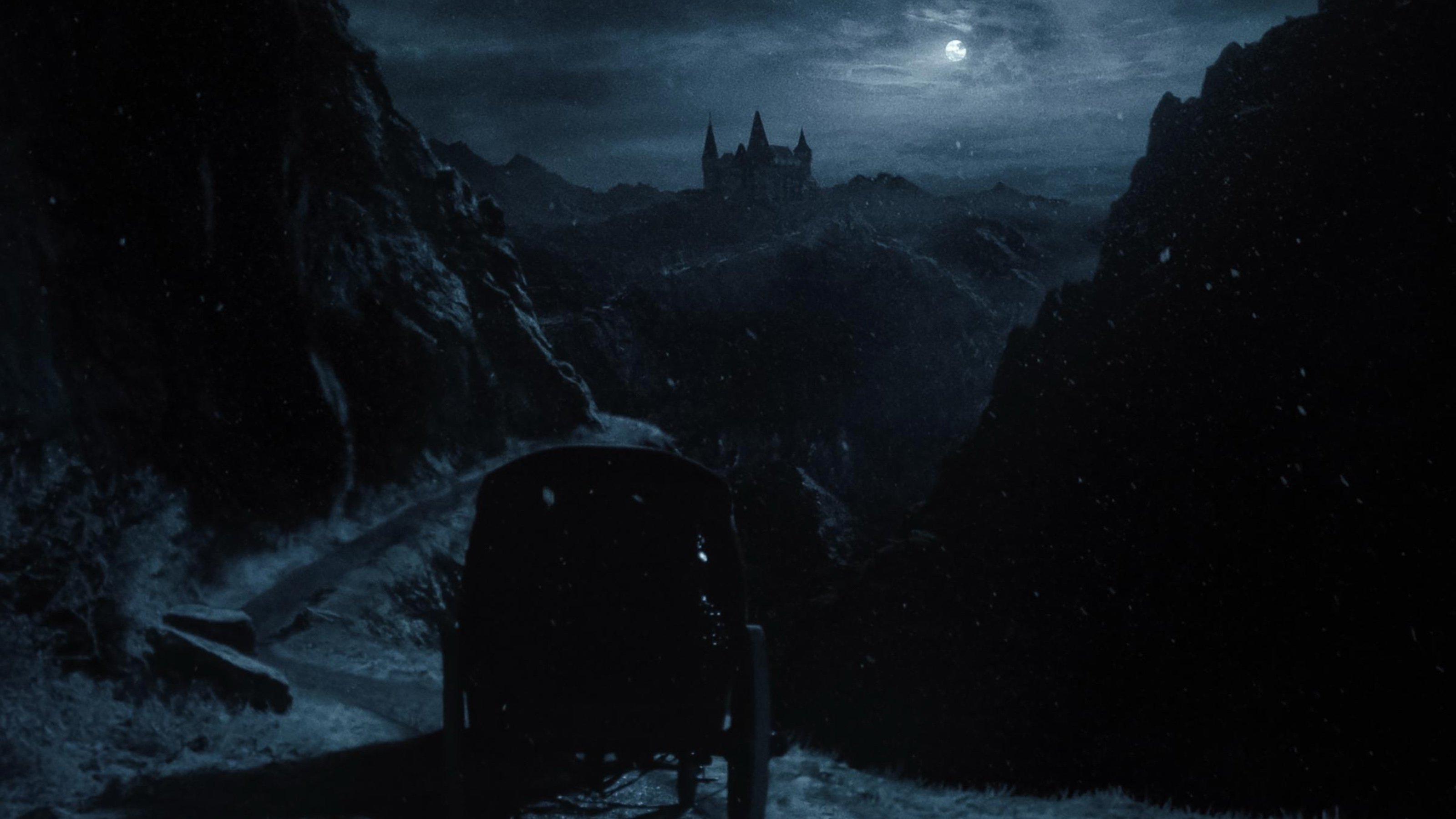
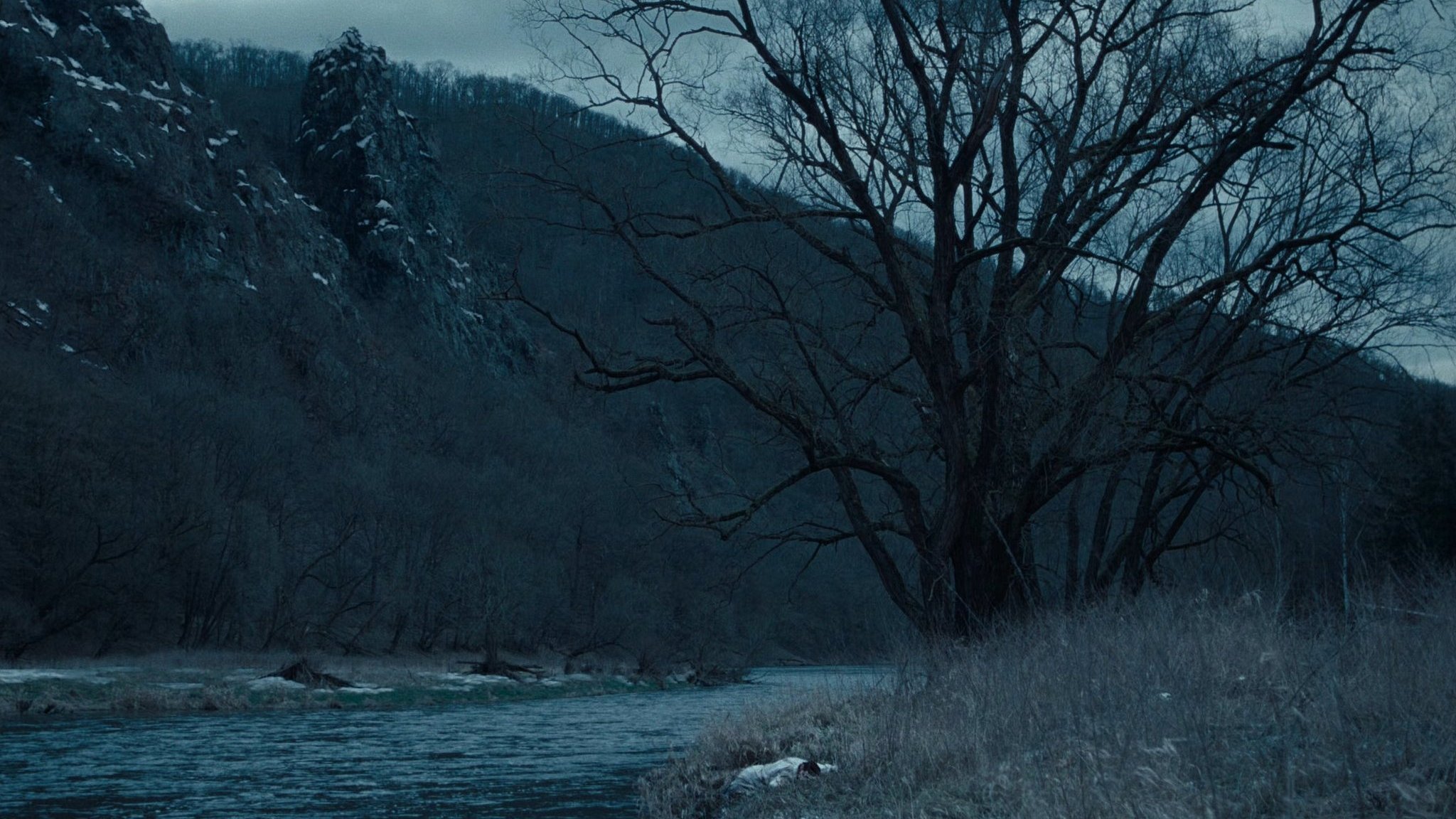
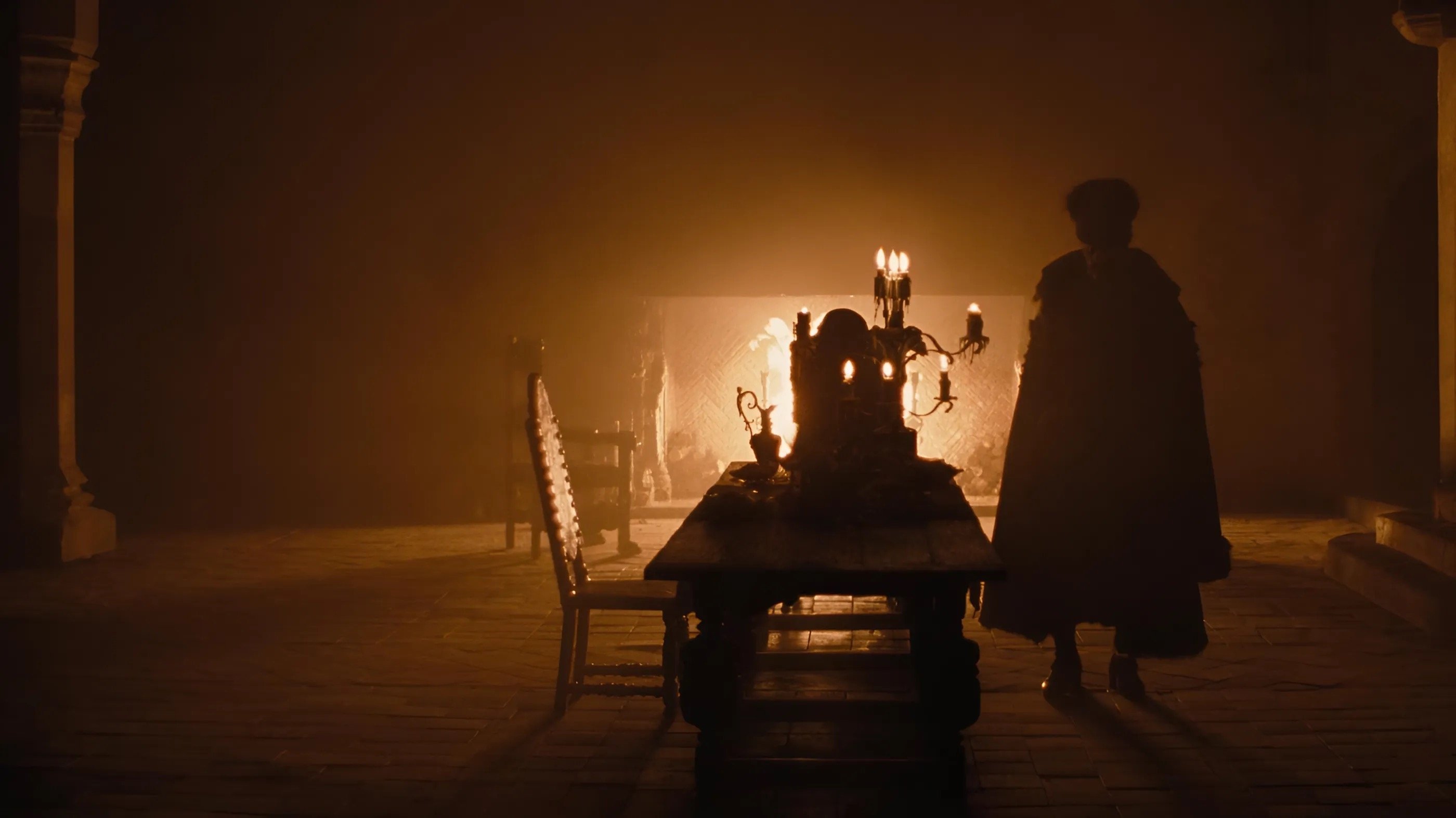
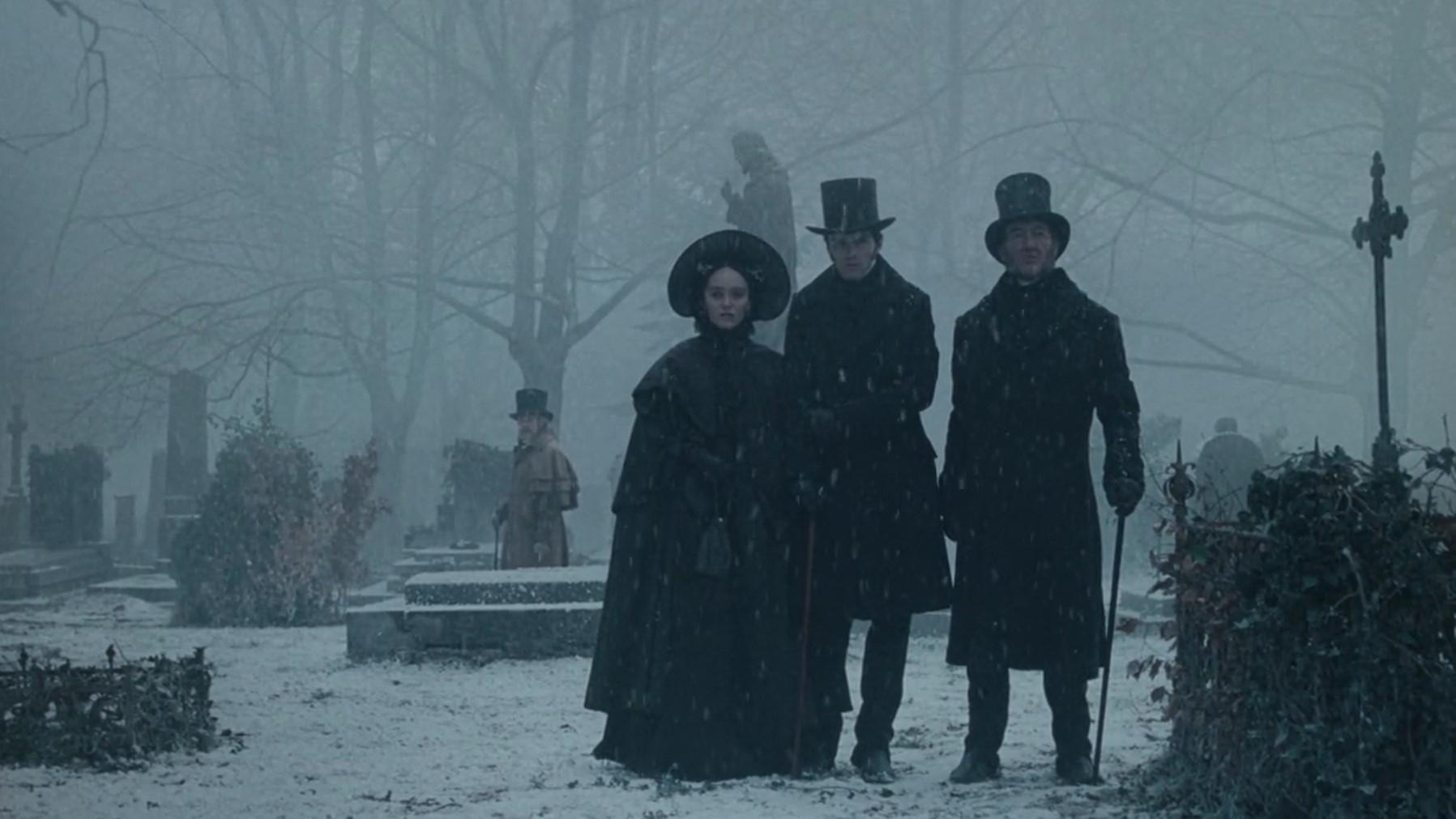
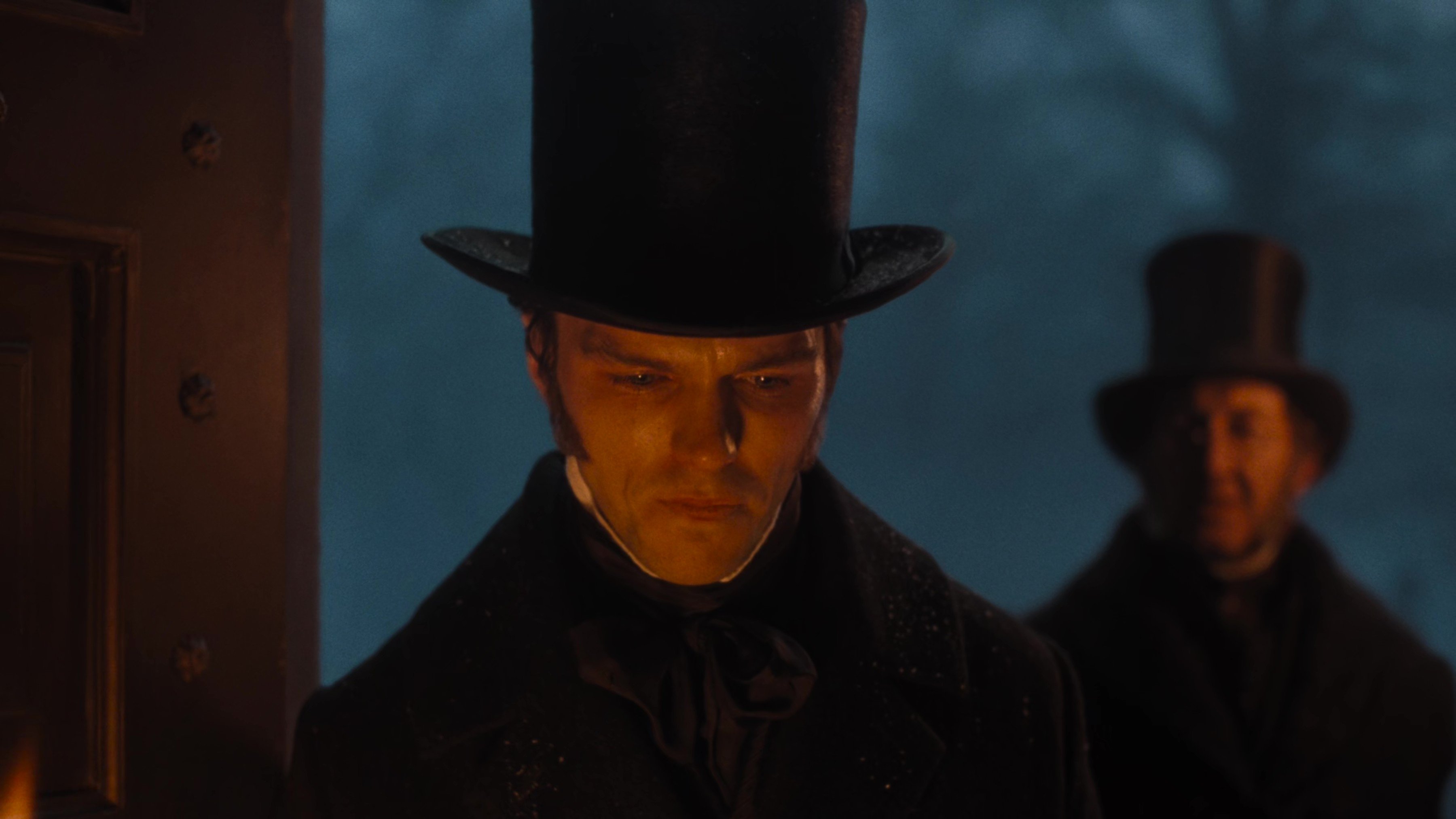
The fictional port of Wisborg was situated in 1838, giving the filmmakers a precise historical framework for architecture, costume, medicine and domestic life. Eggers consulted specialists in Transylvanian history and occult traditions while studying nineteenth-century German Romantic painting. Artists including Caspar David Friedrich and Johan Christian Dahl influenced the visual conception of landscapes and figures isolated within large environments. These references informed the film's compositions without requiring exact reproductions of Murnau's surviving images.