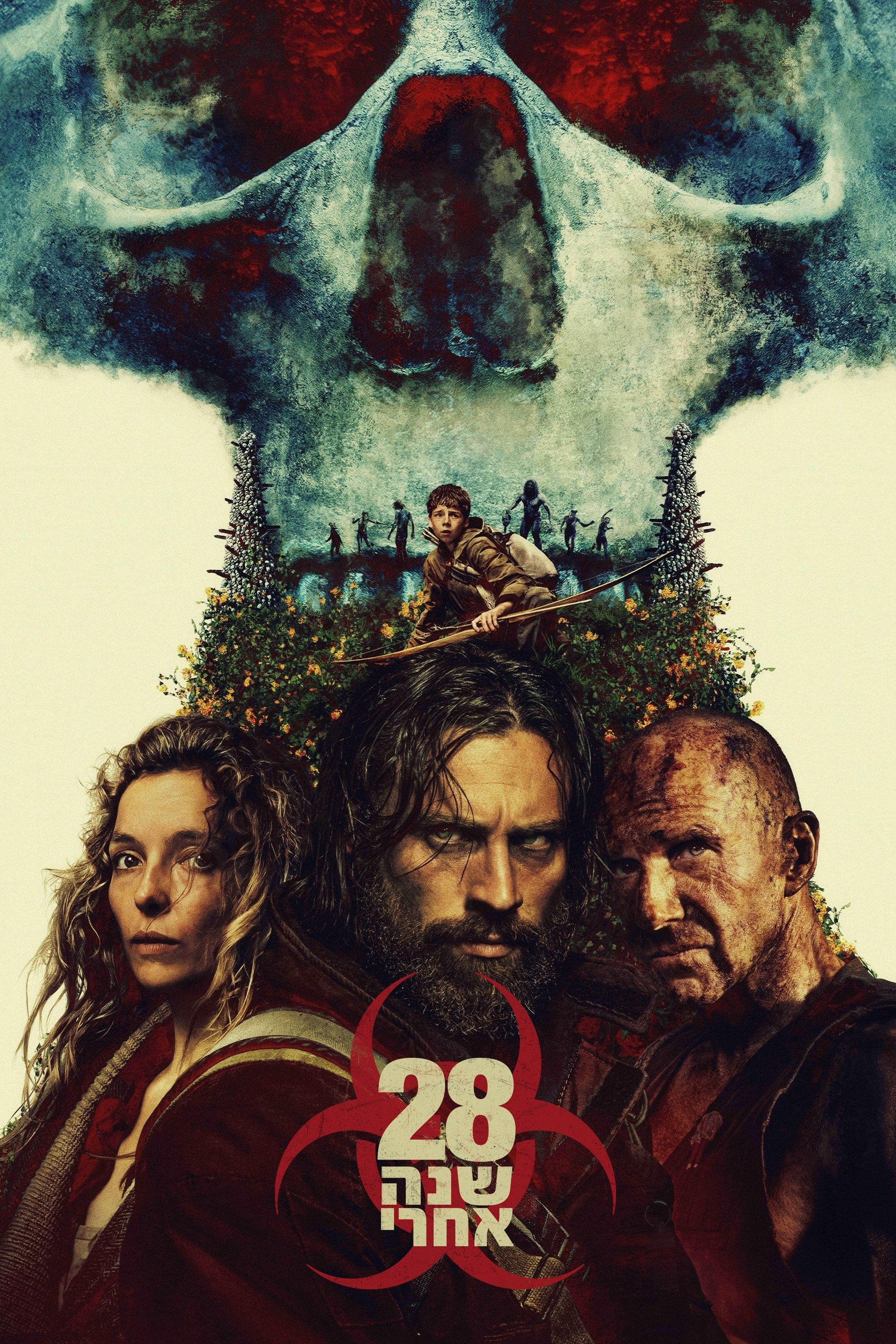
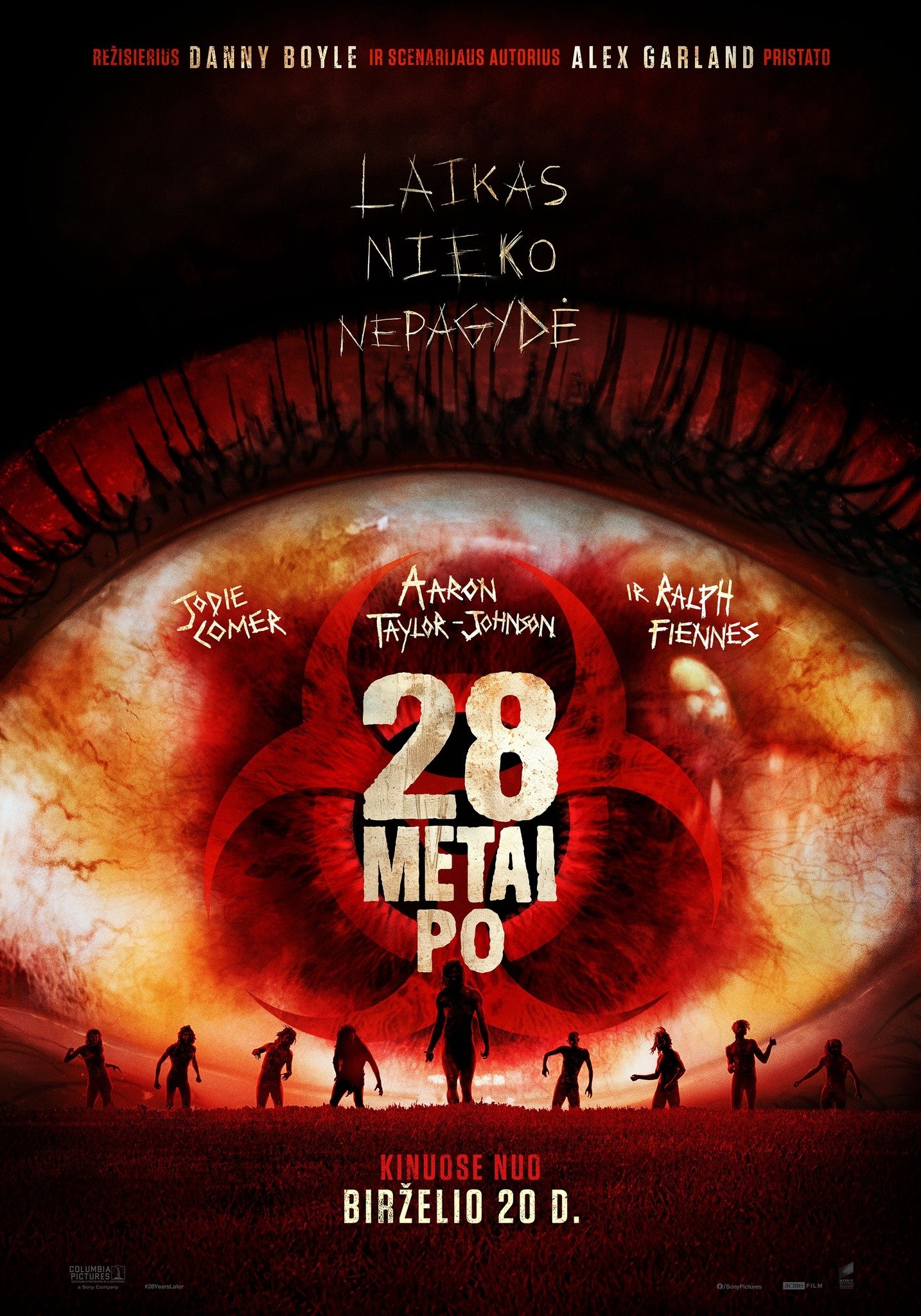
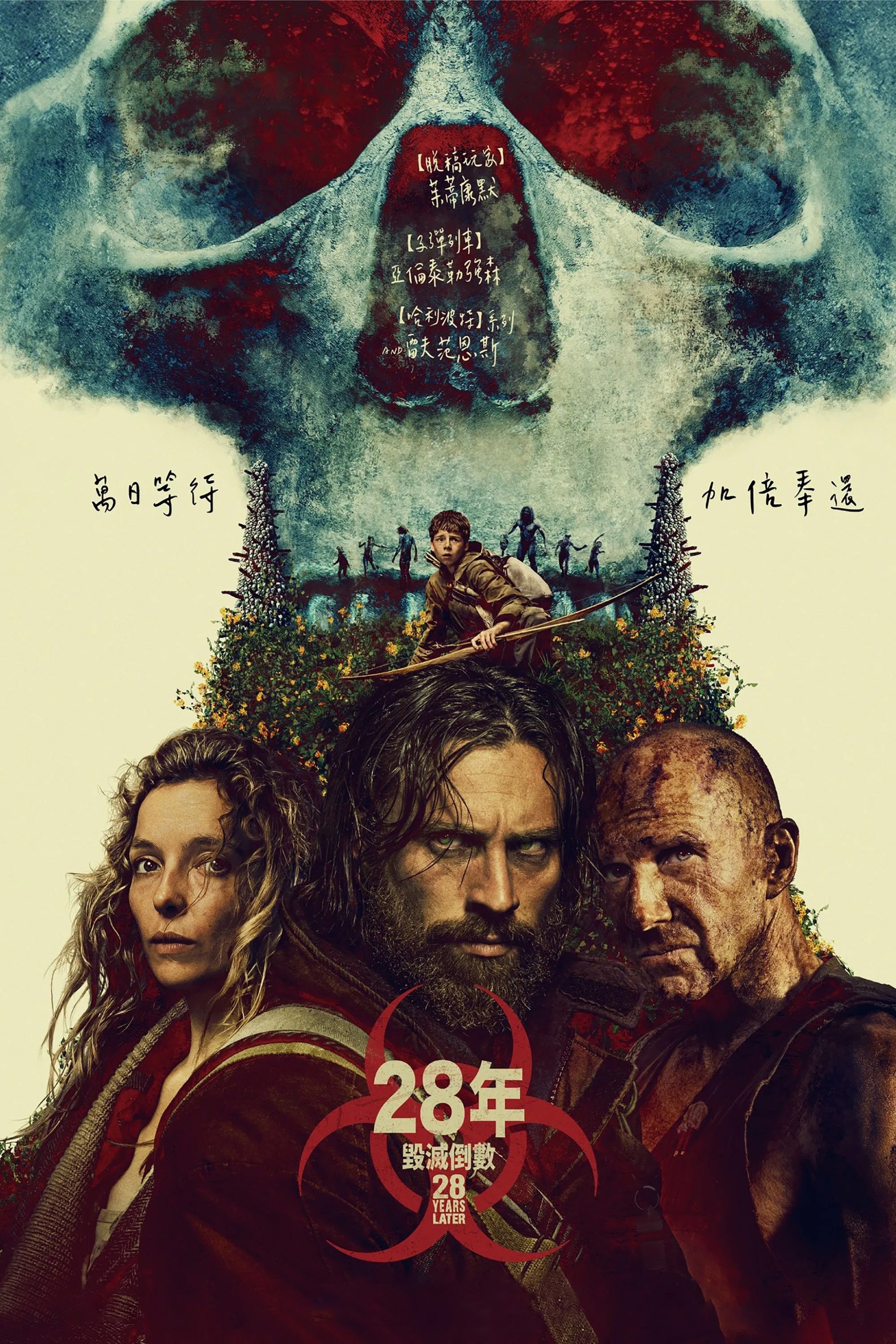
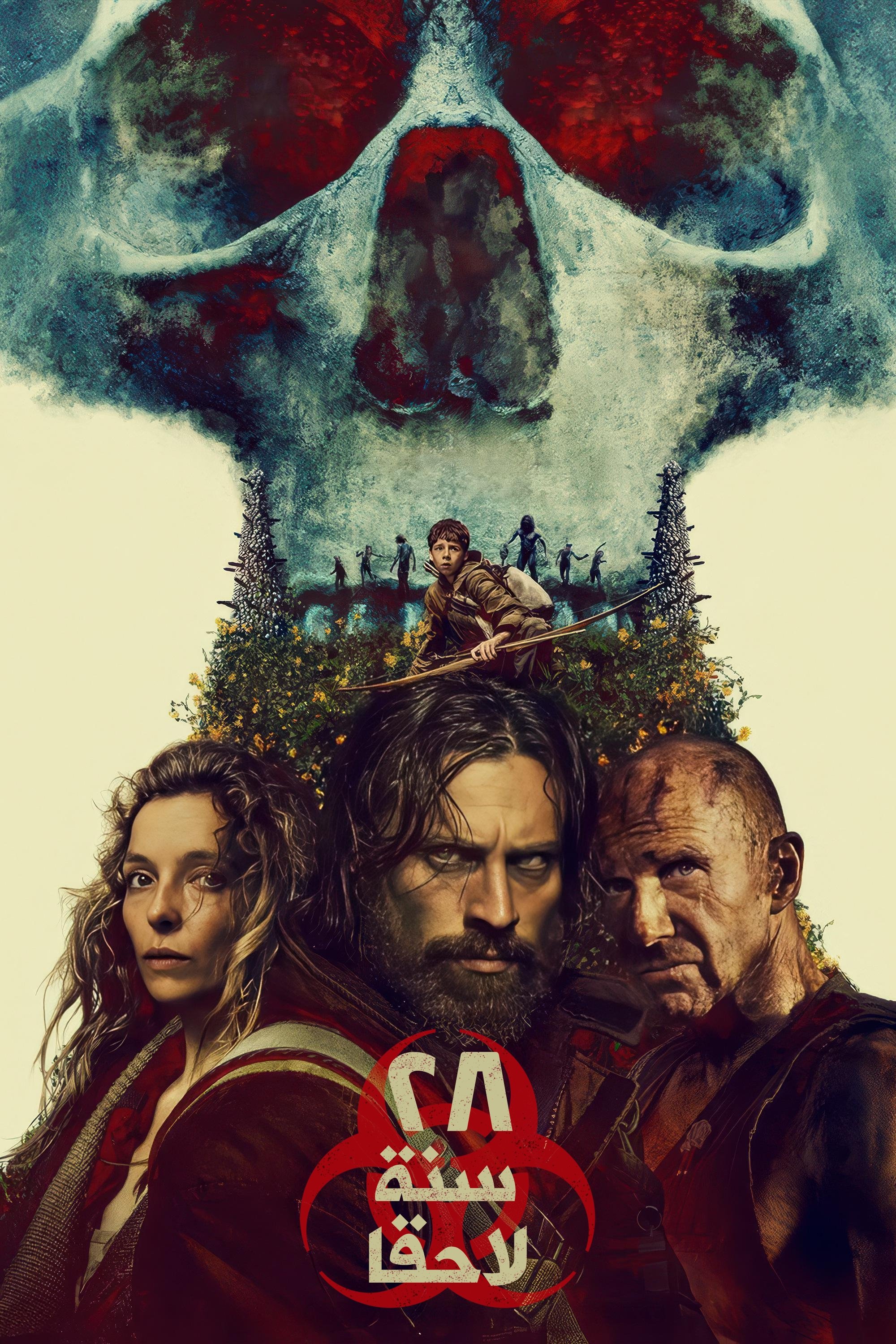
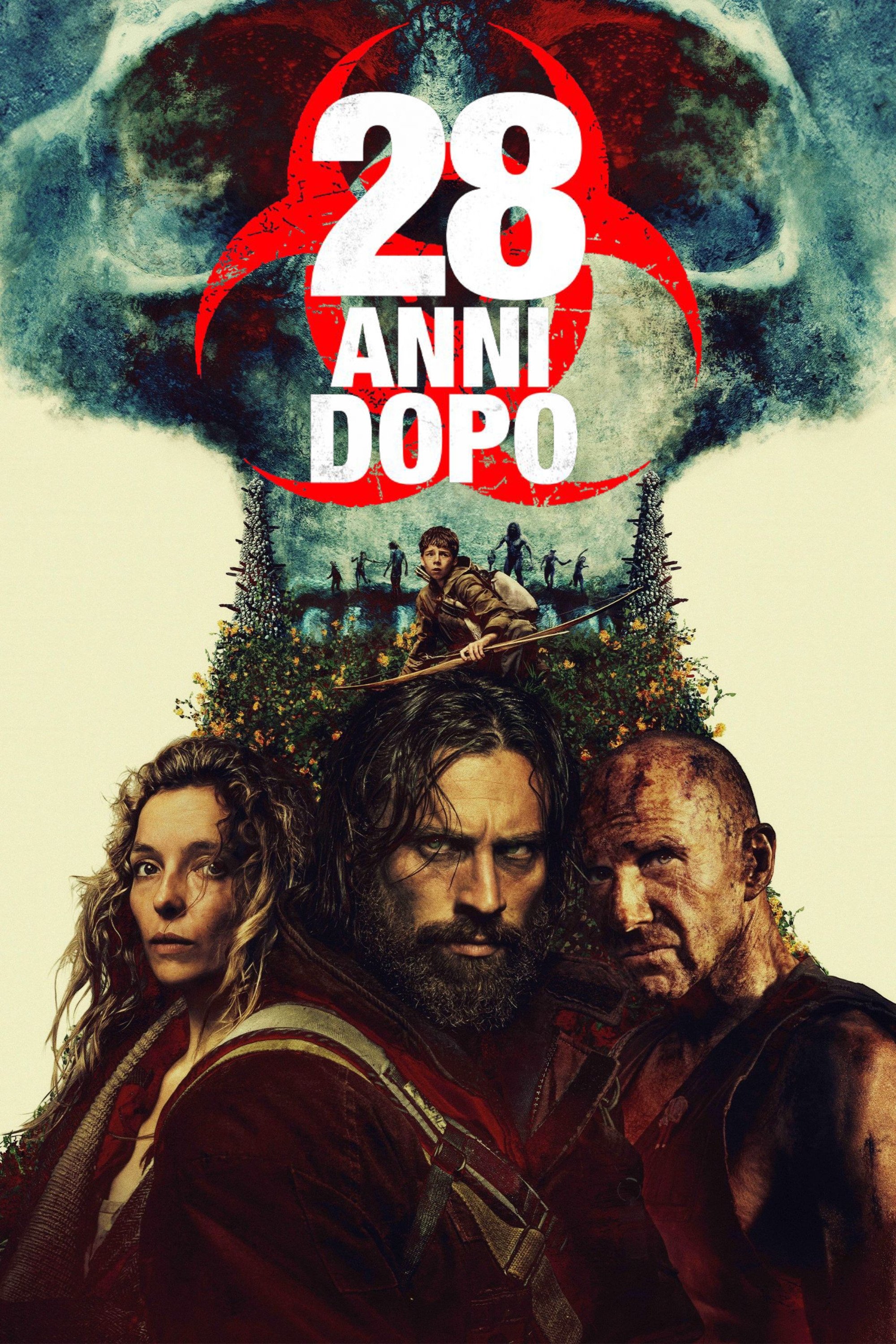
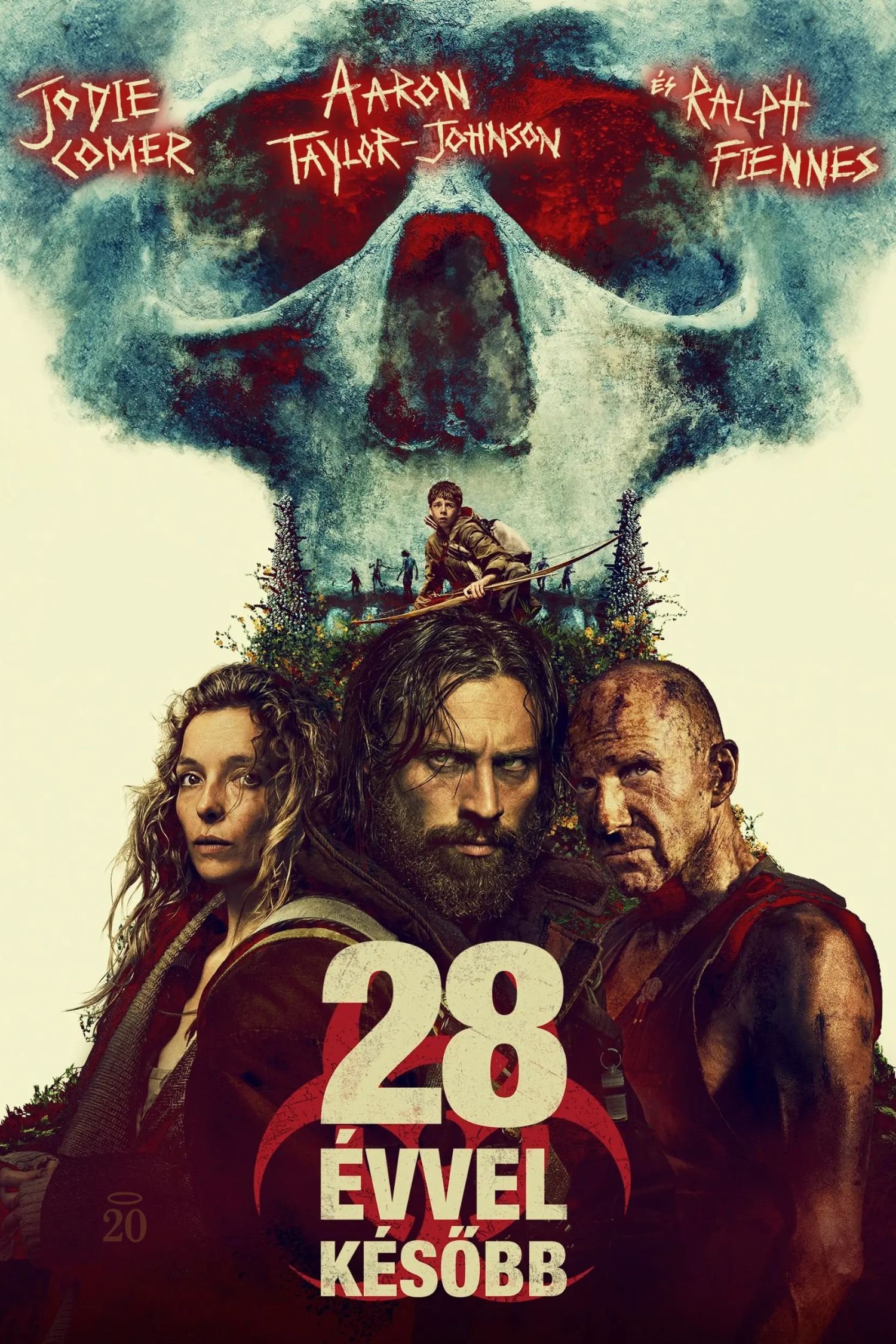
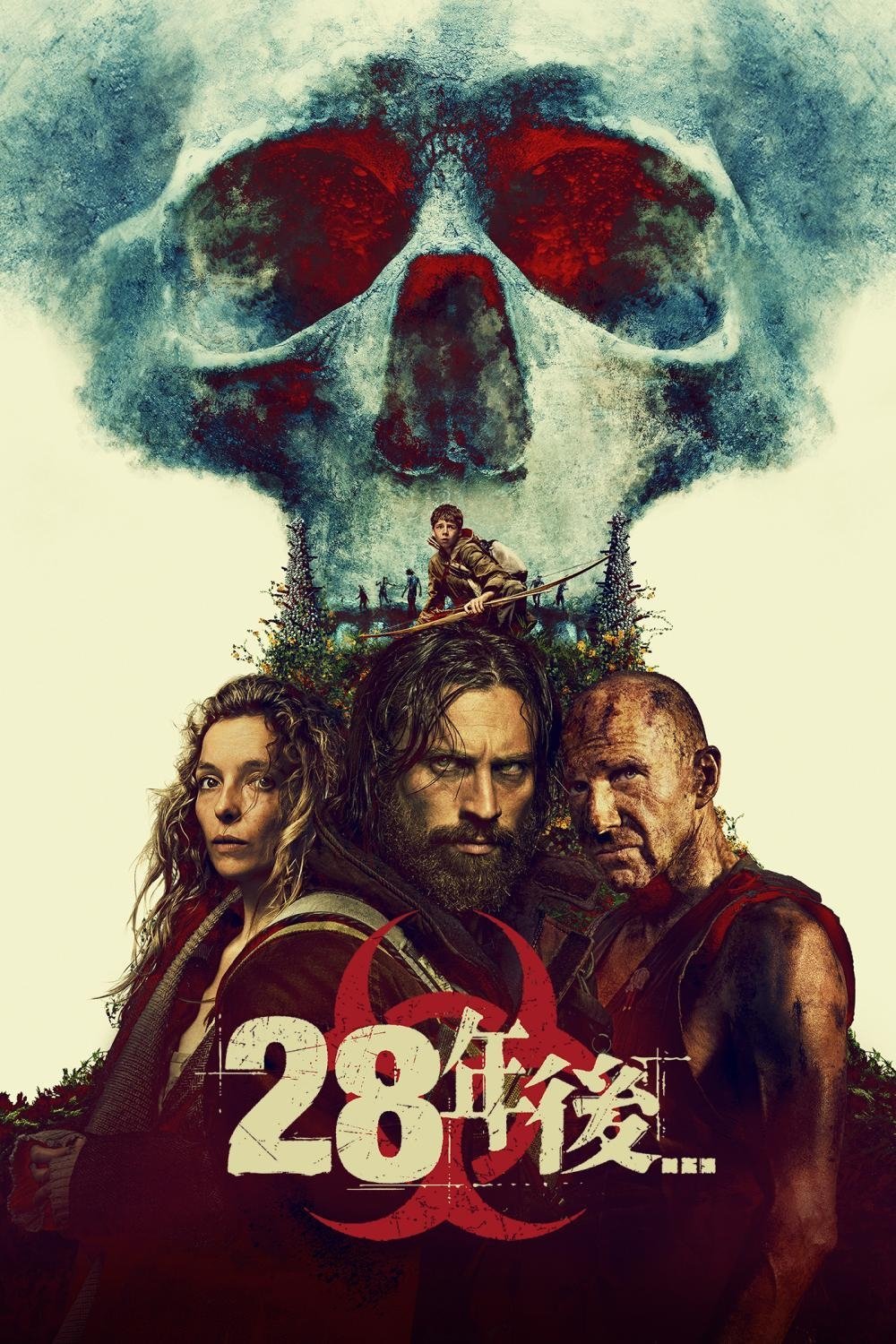
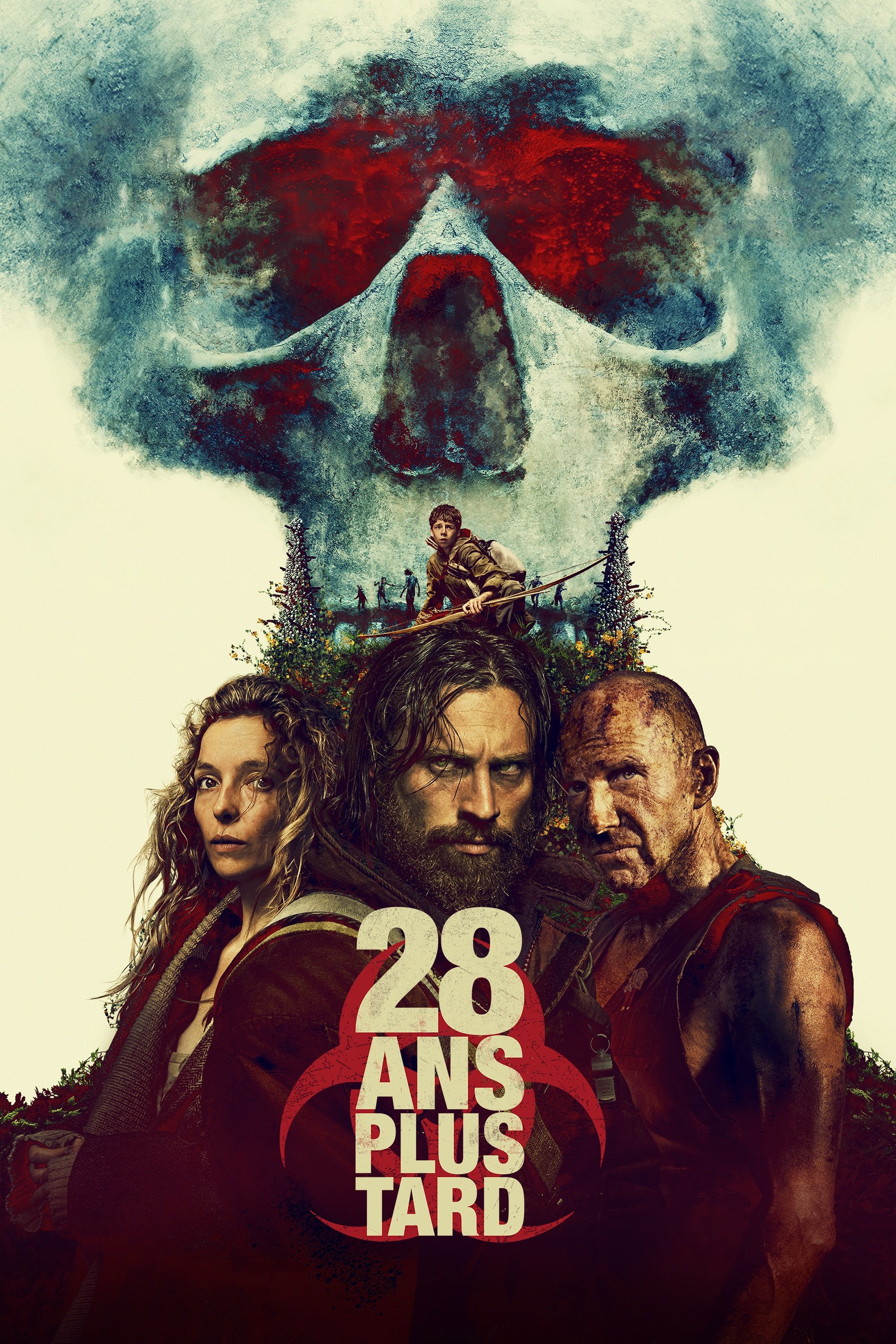
Development and the Return of Boyle and Garland
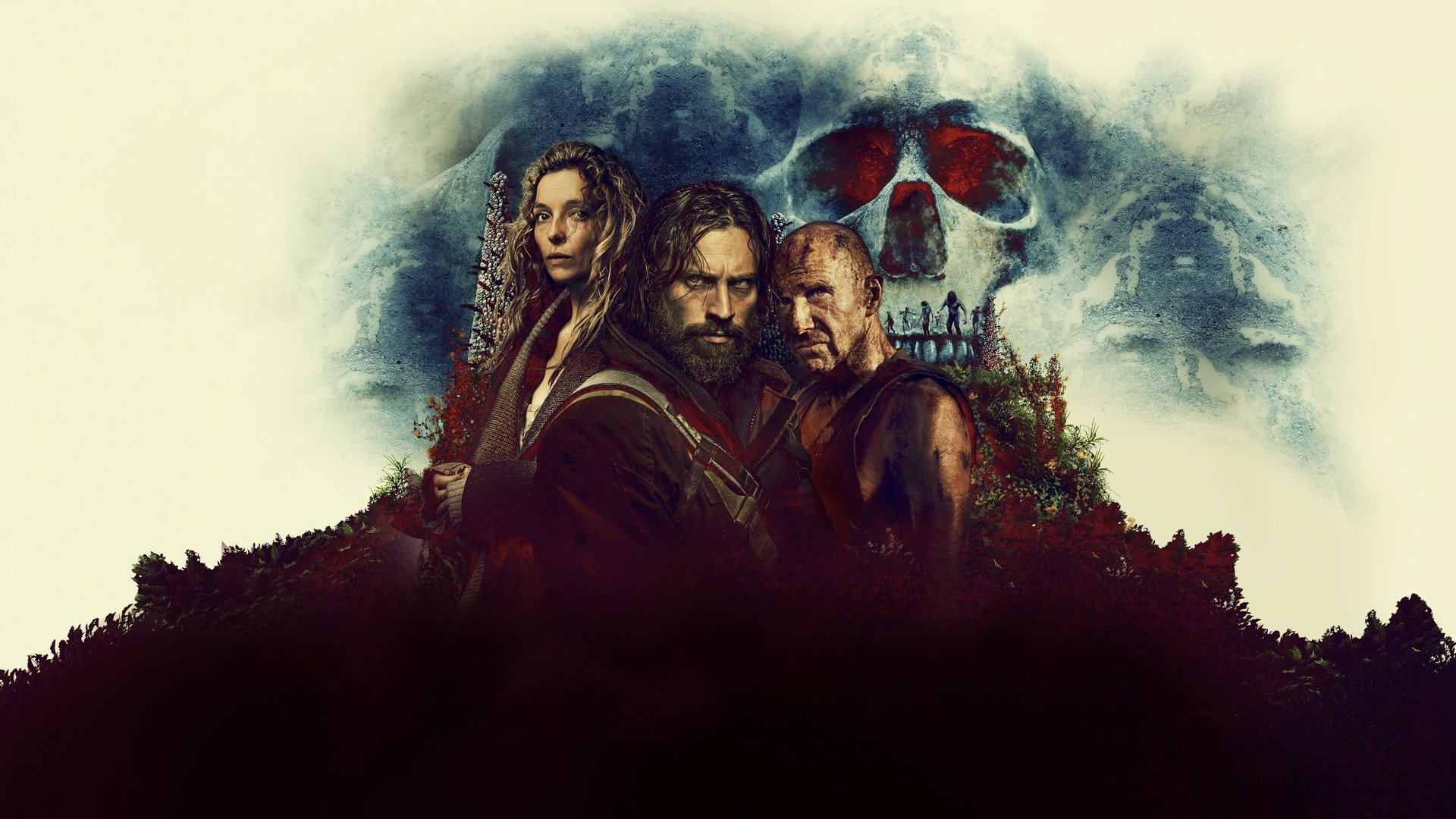
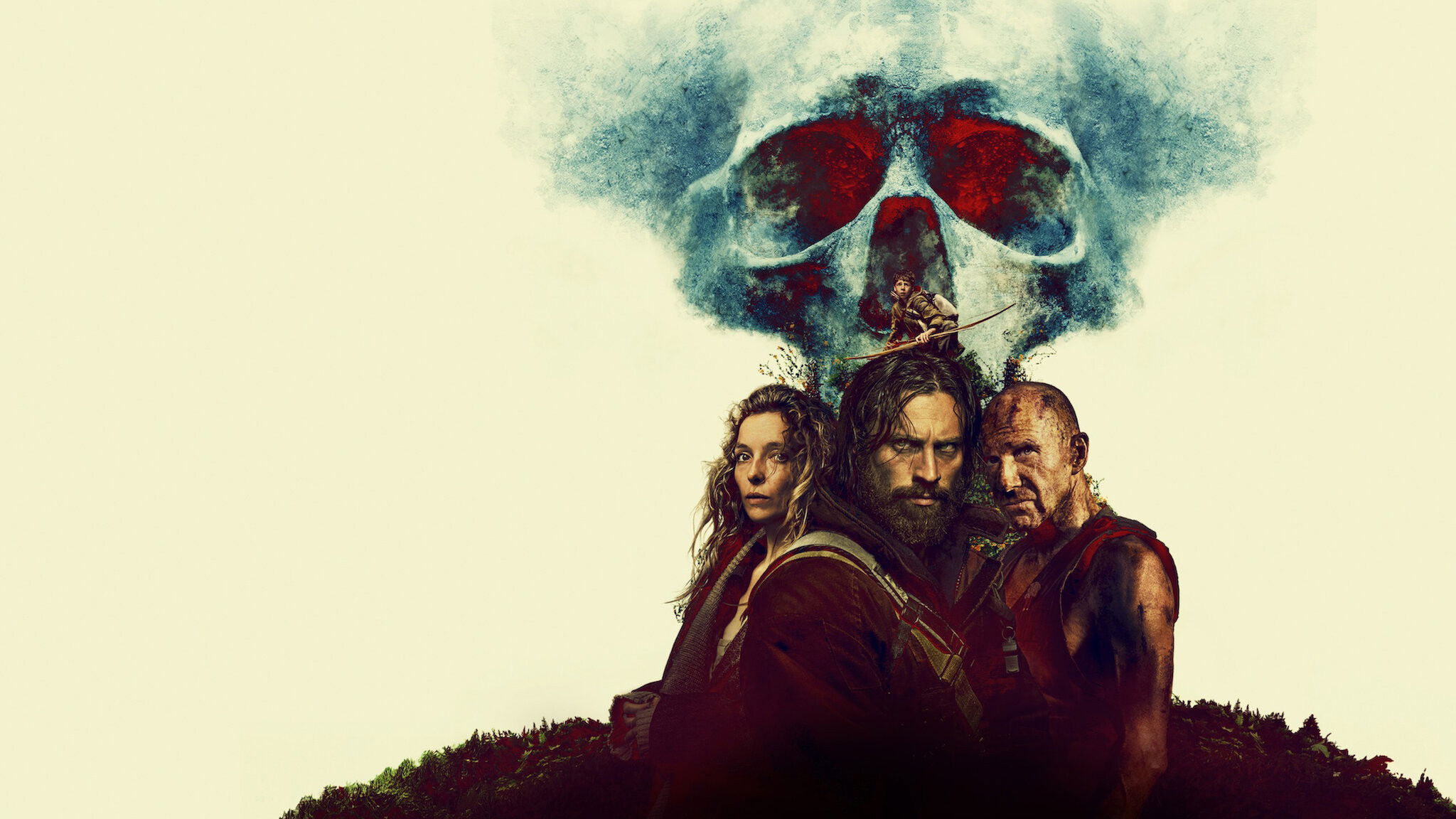
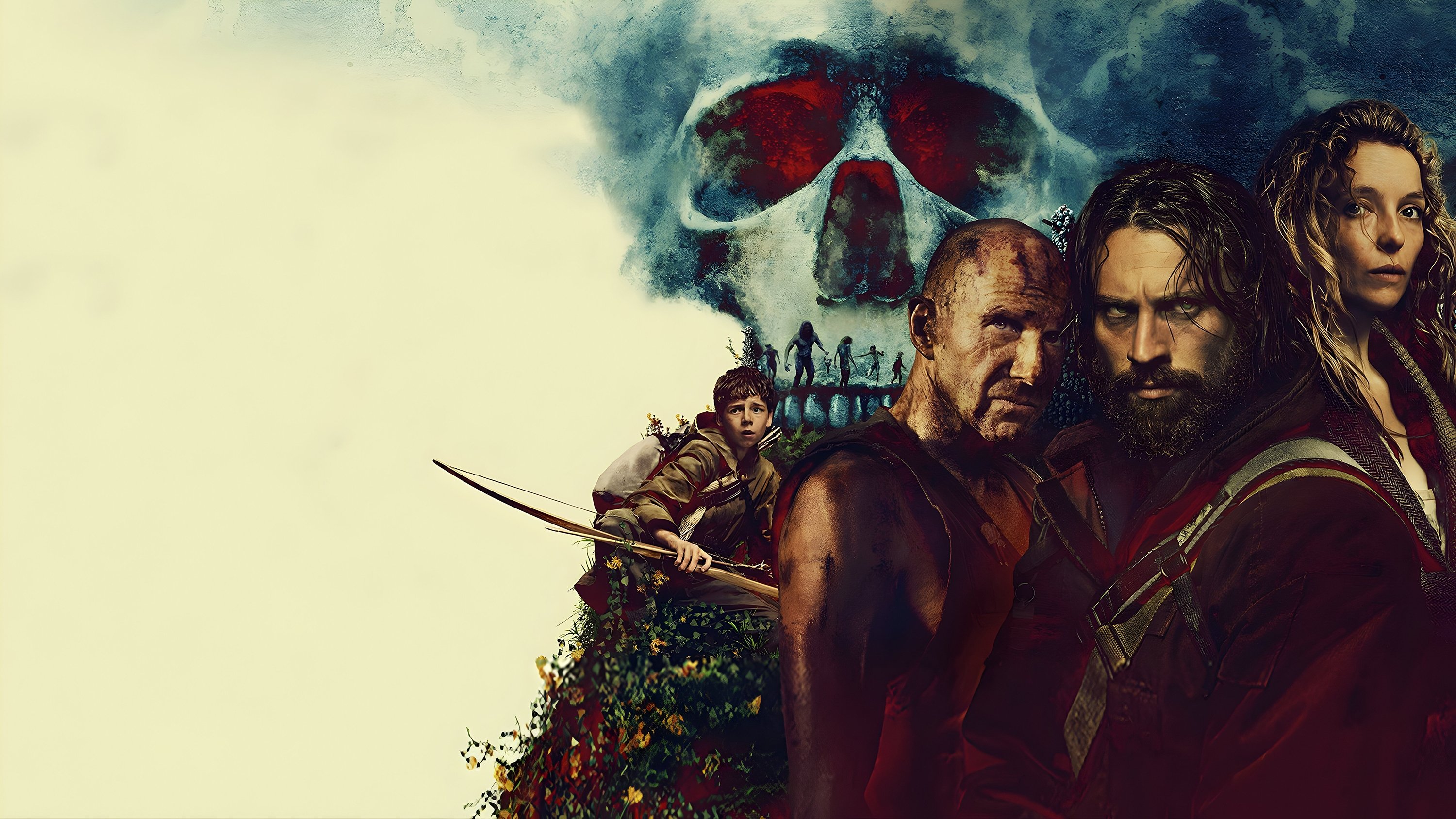
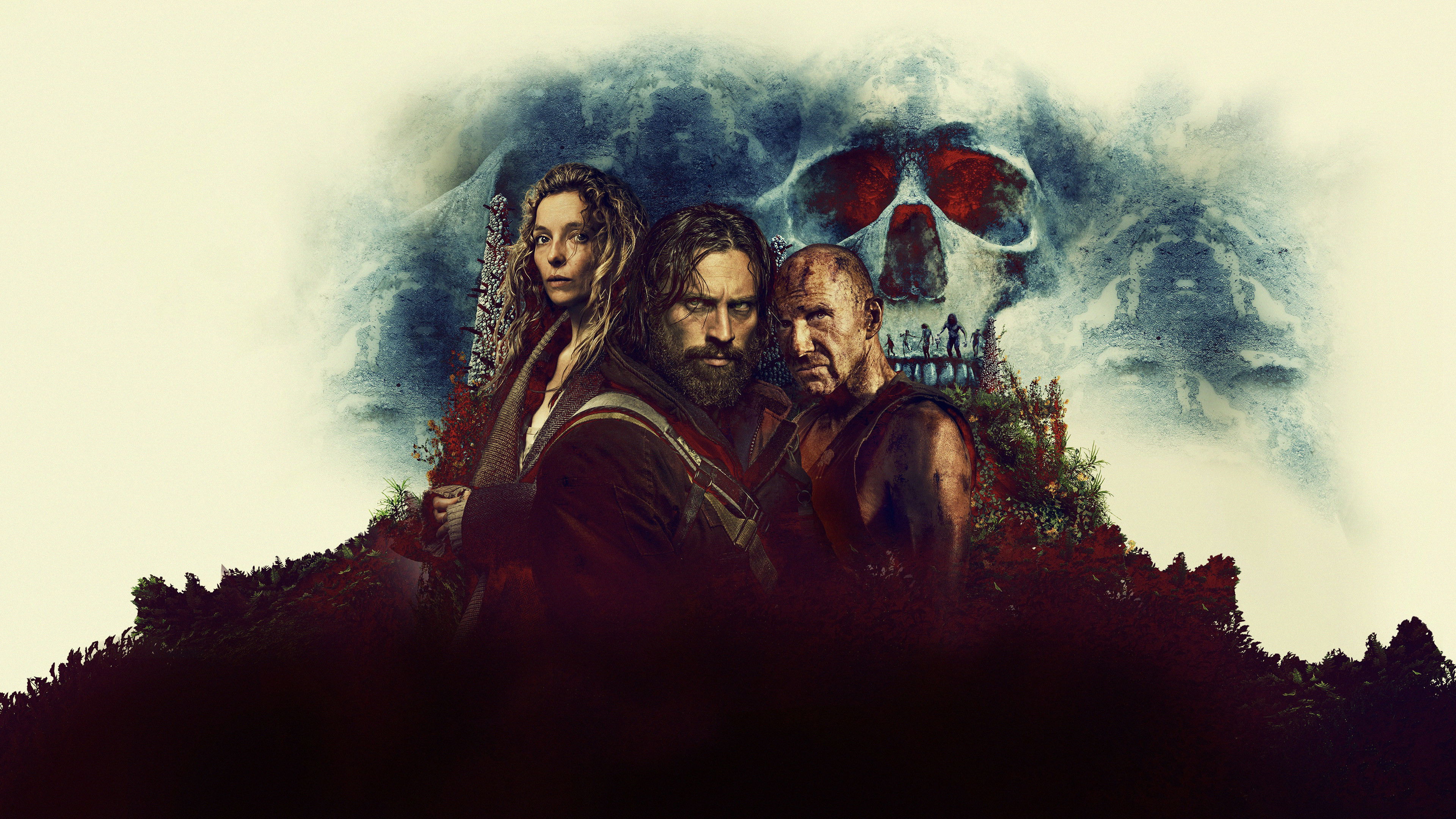
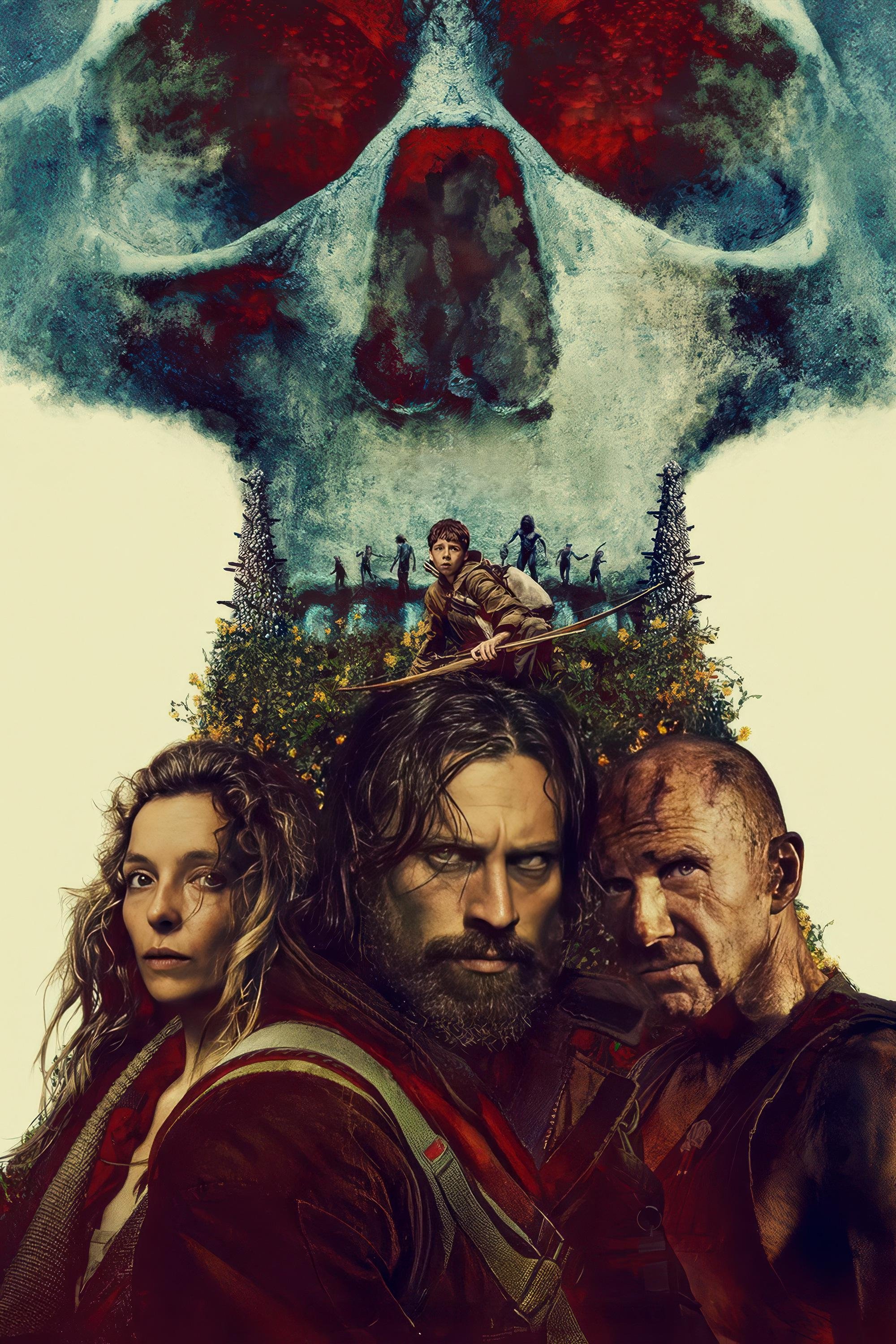
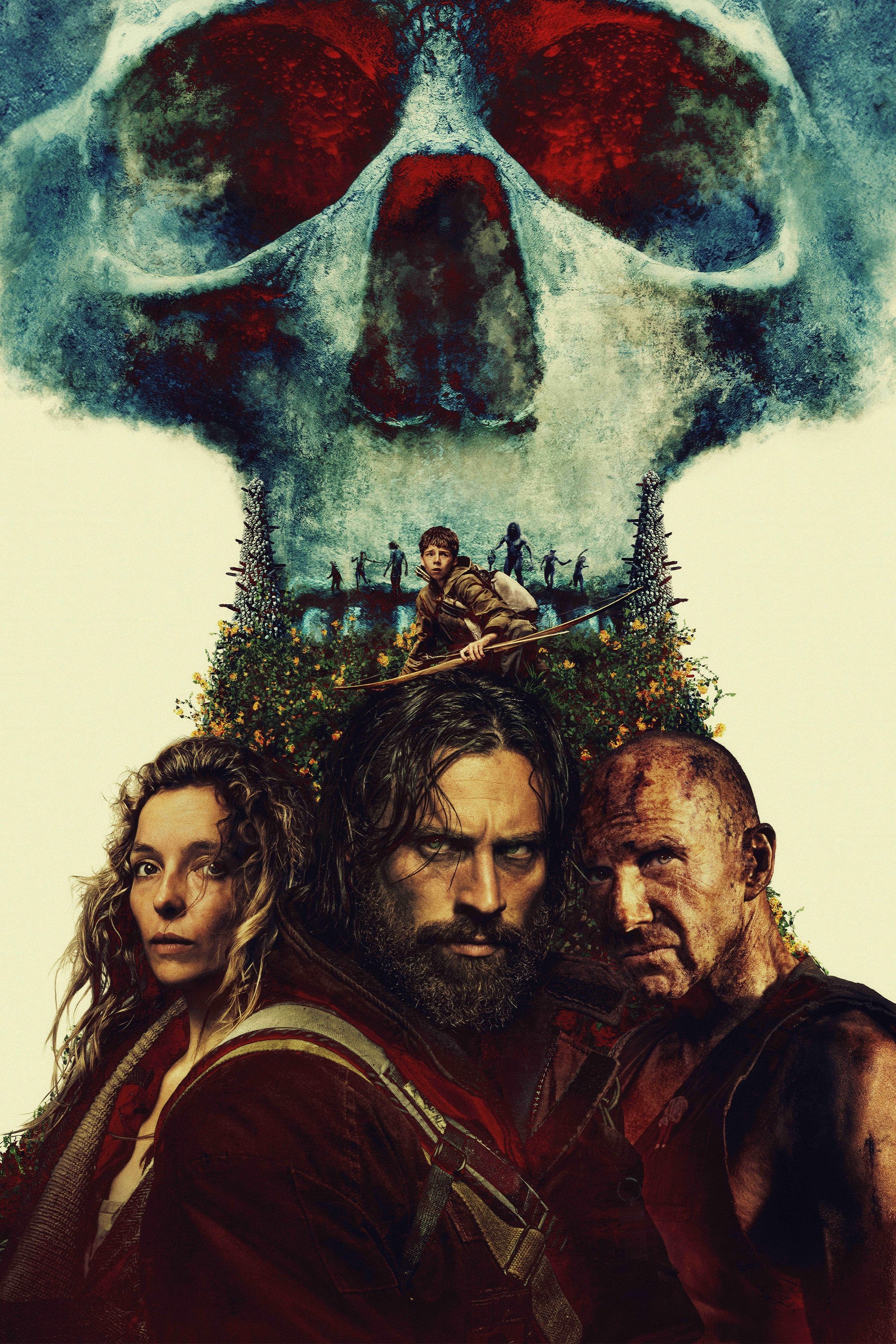
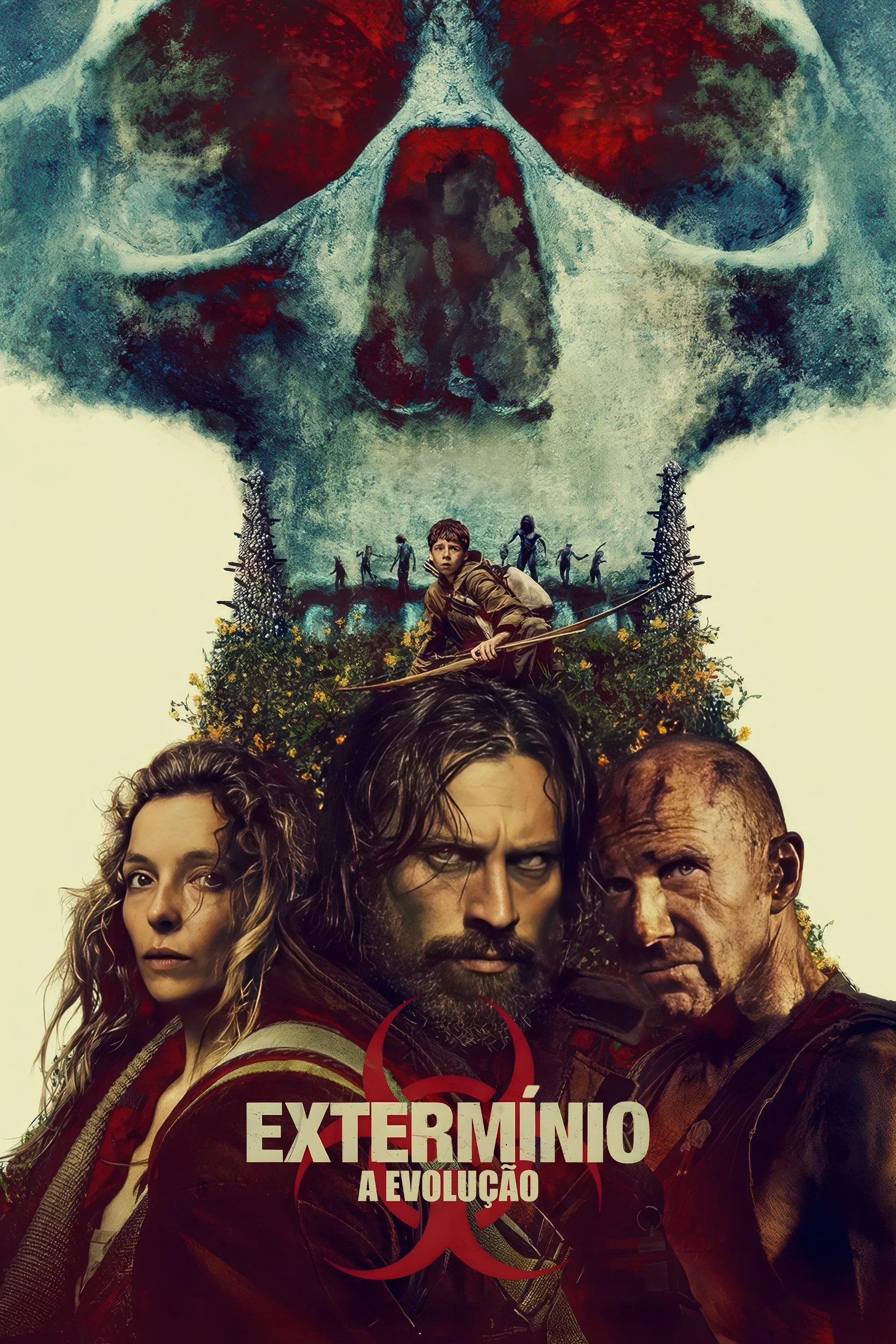
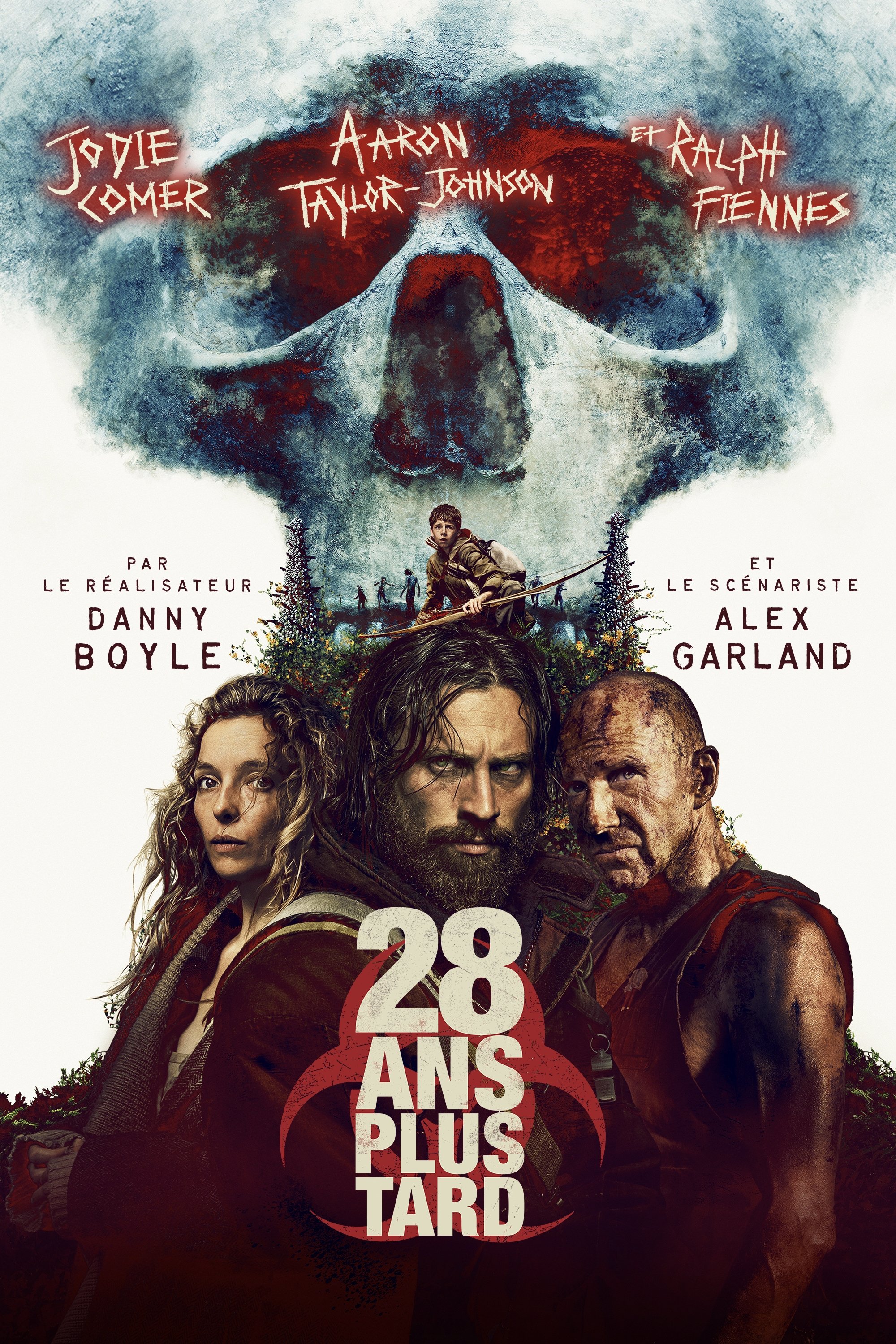
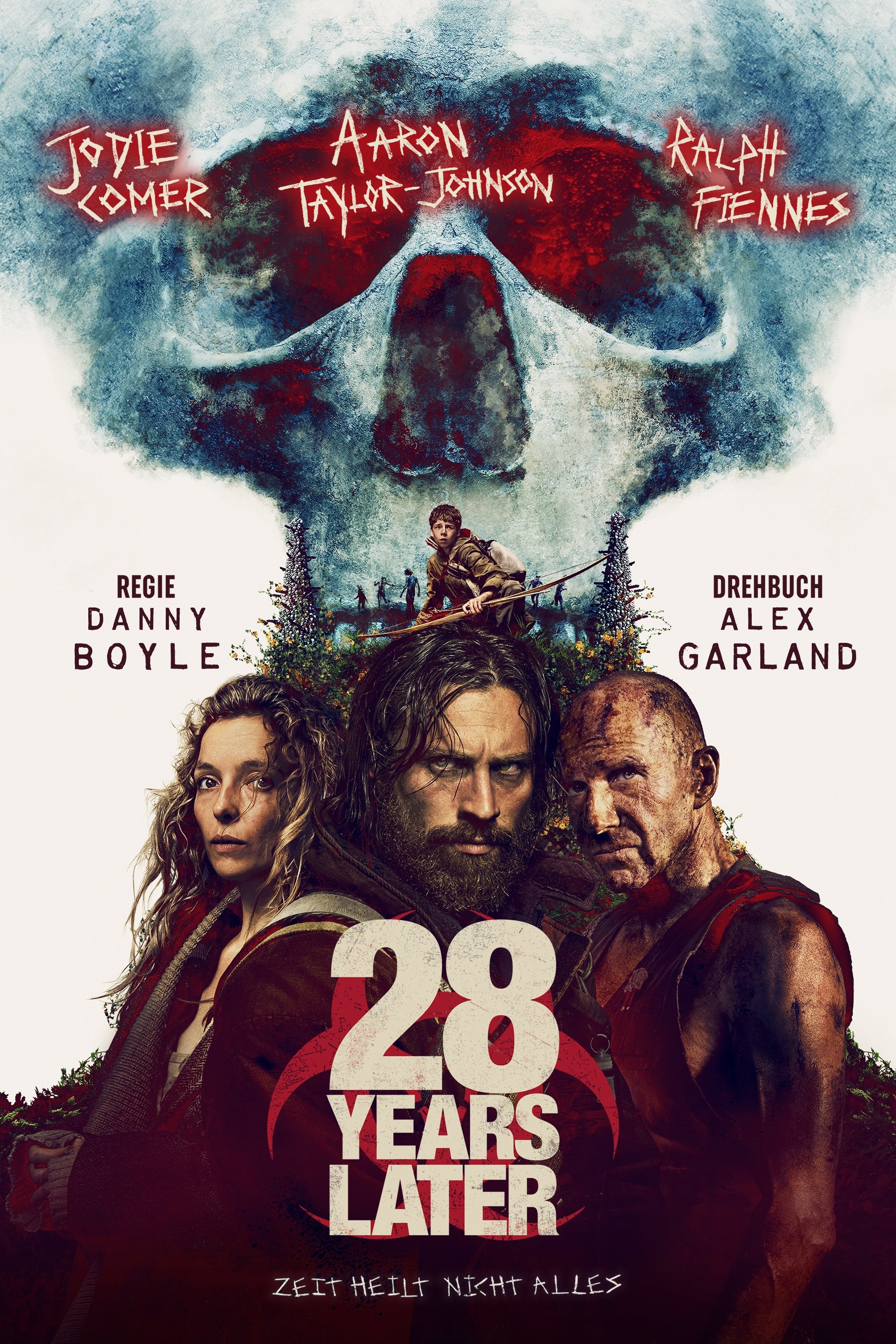
The creative reunion grew from an interest in what a long period of quarantine would do to a country's social structures. In interviews surrounding the release, Boyle and Garland described the need to find a new story after years in which an additional installment had been discussed. A concept Garland had earlier developed involved foreign military forces competing over the original outbreak and a possible cure. The eventual film instead concentrates on people raised after the disaster. This change gives the story a lived-in post-collapse society, with customs and fears inherited from an earlier generation, rather than another account of an outbreak unfolding in real time.
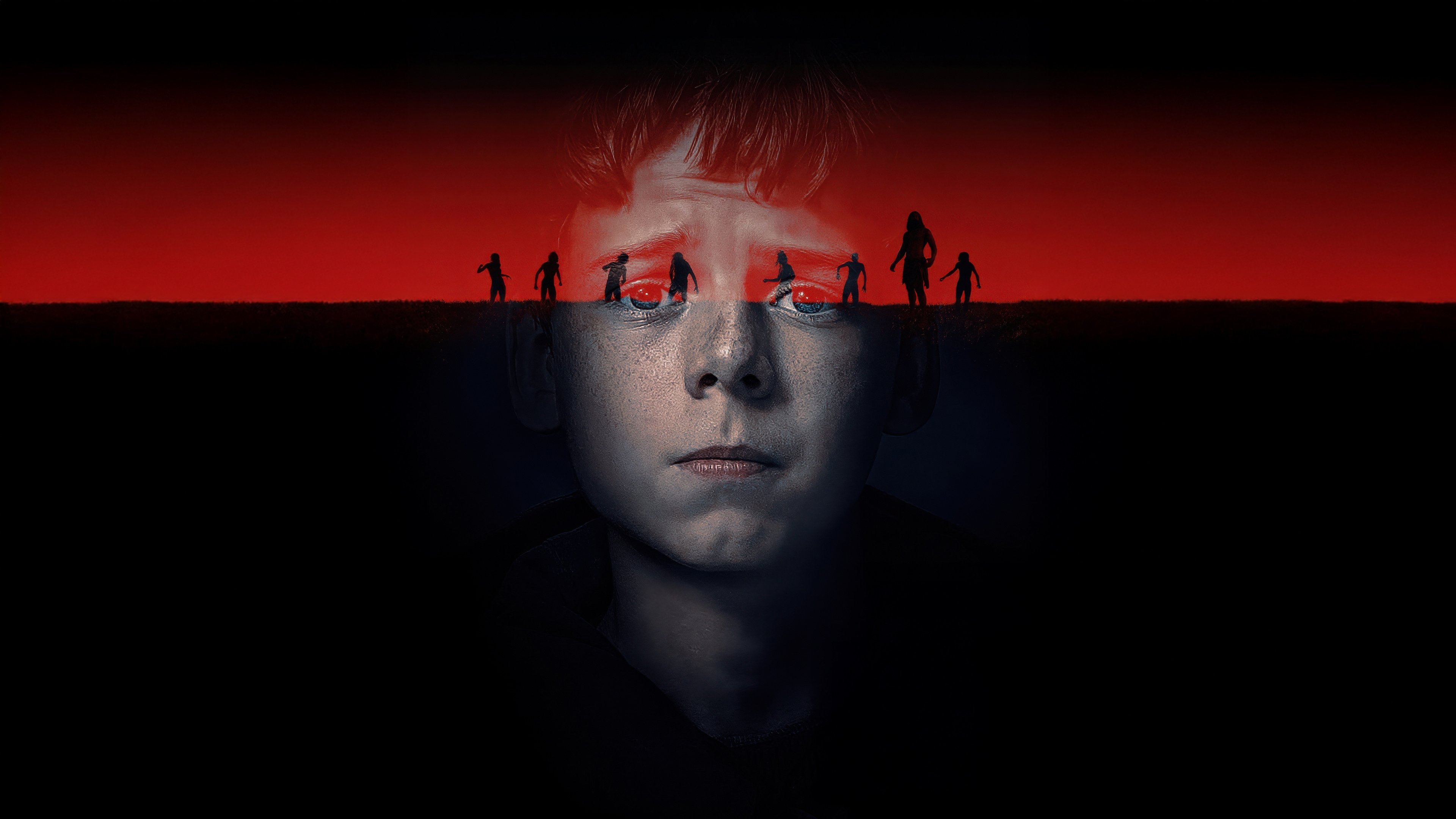
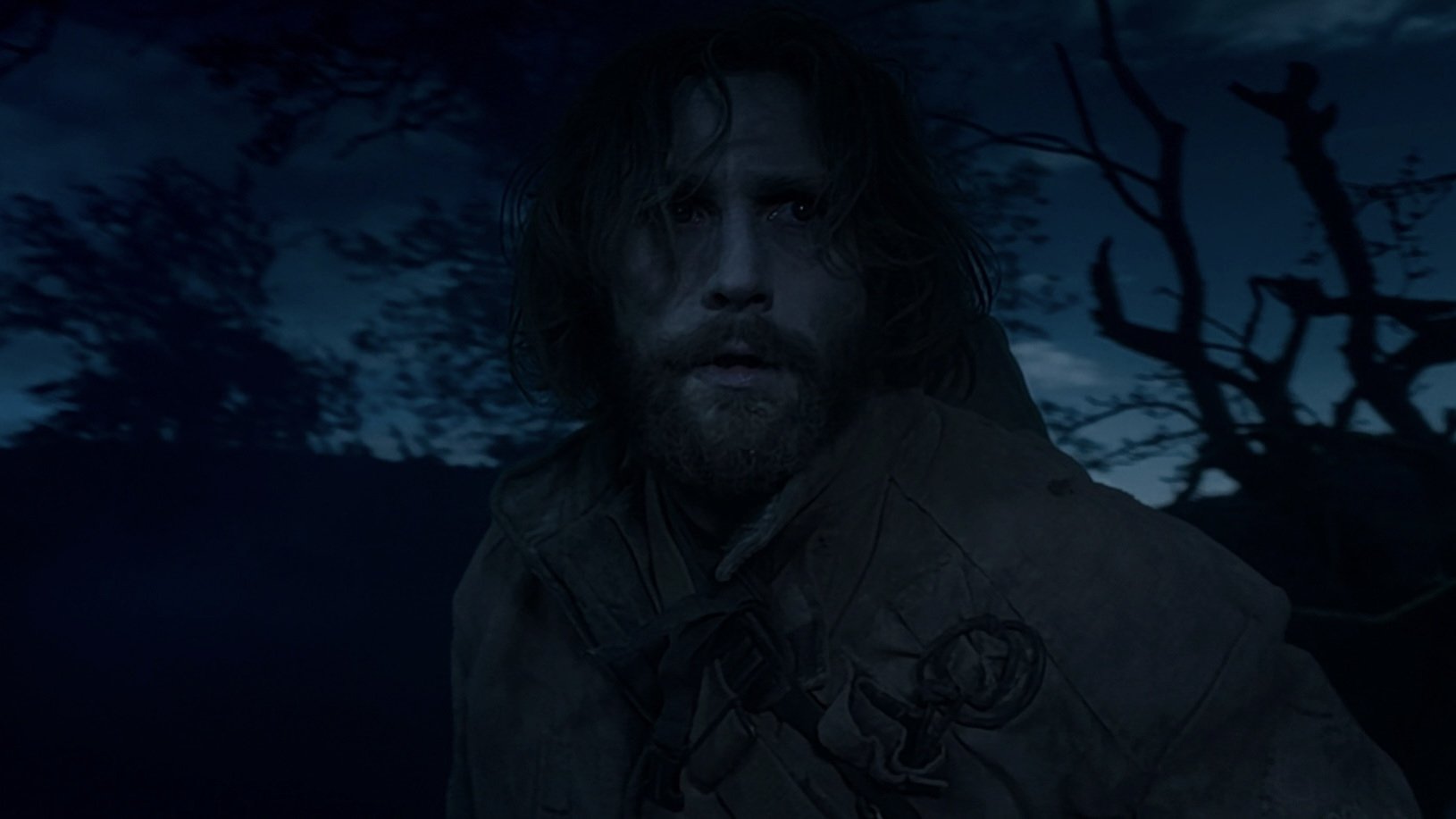
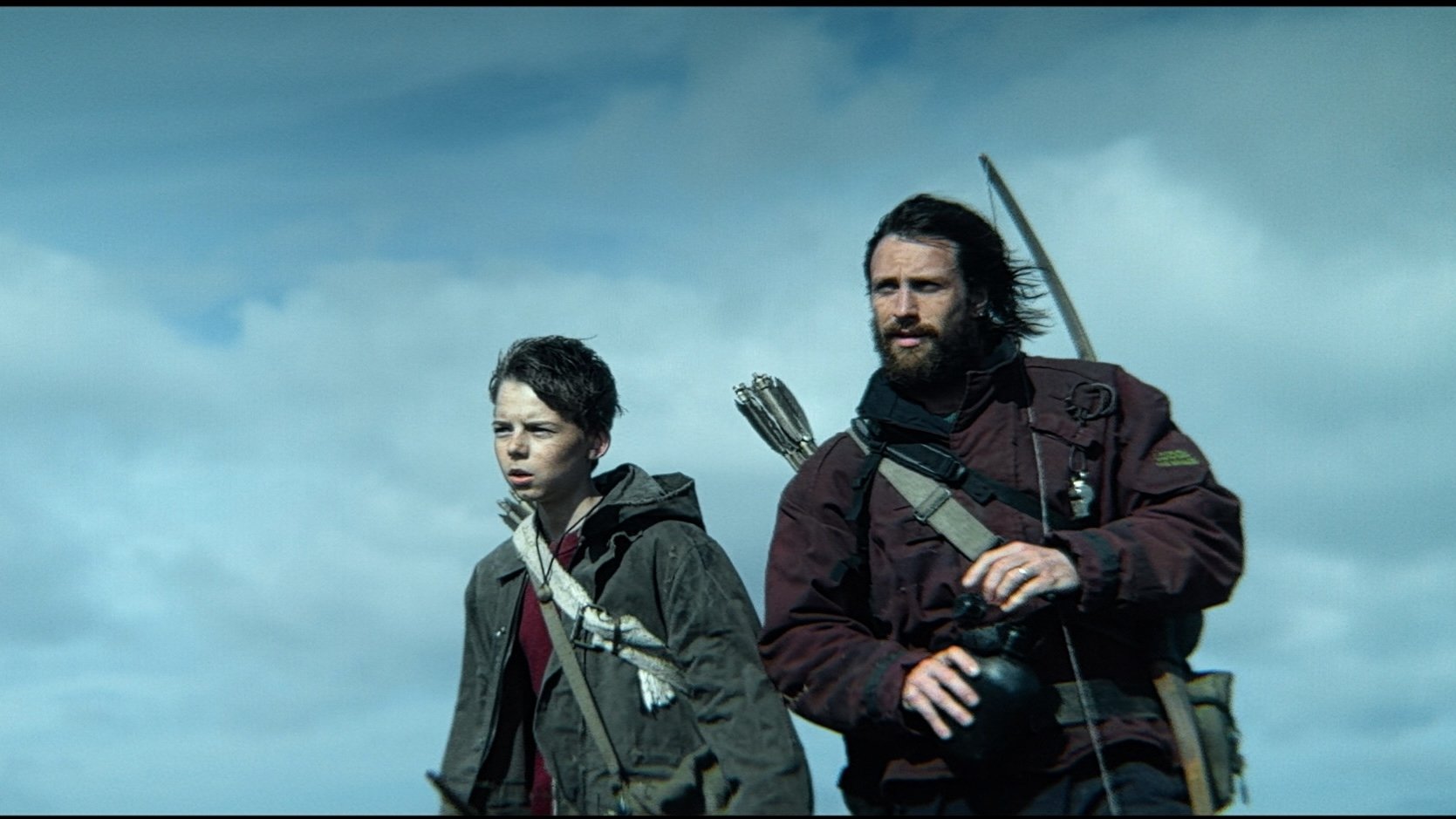
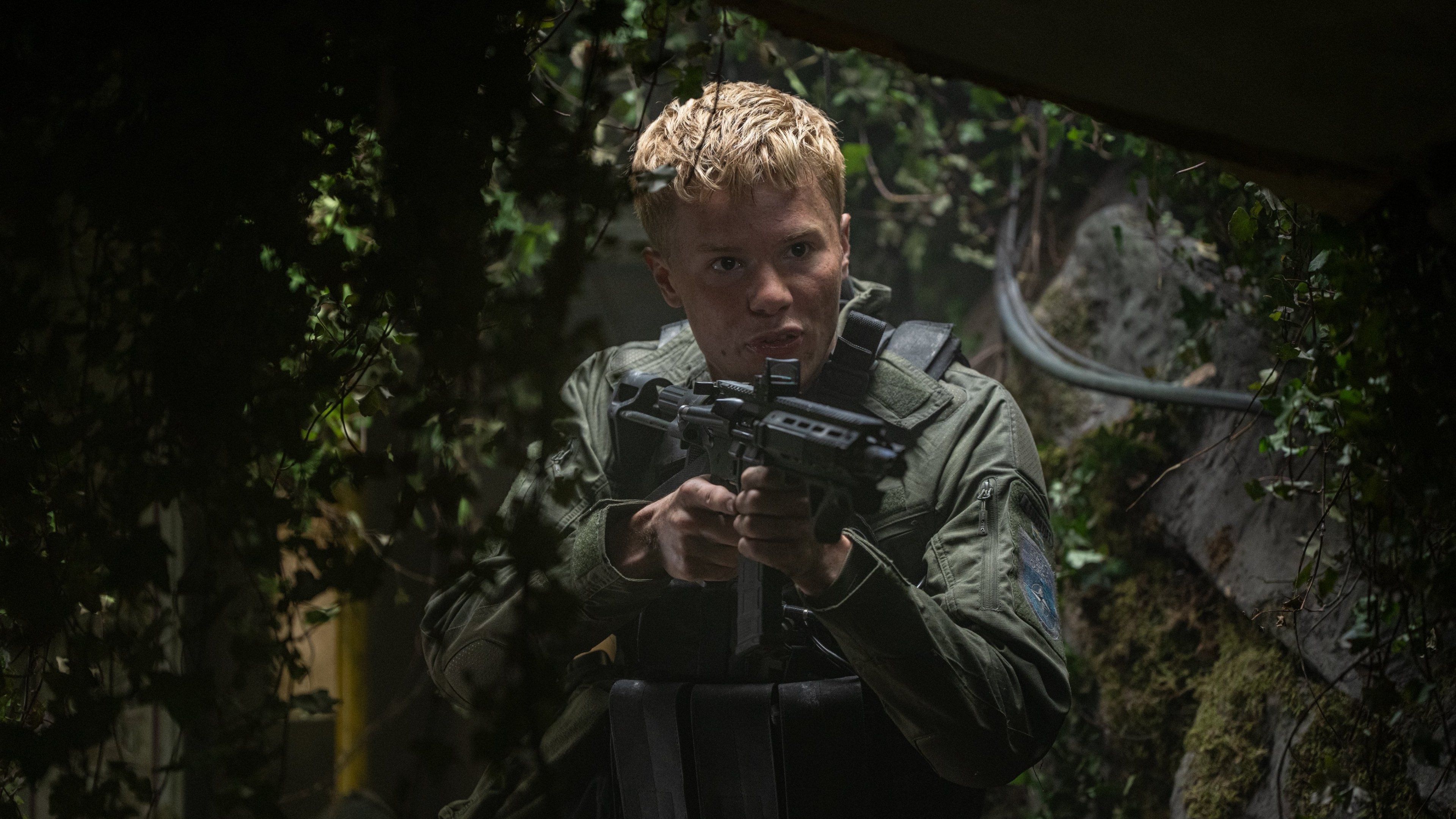
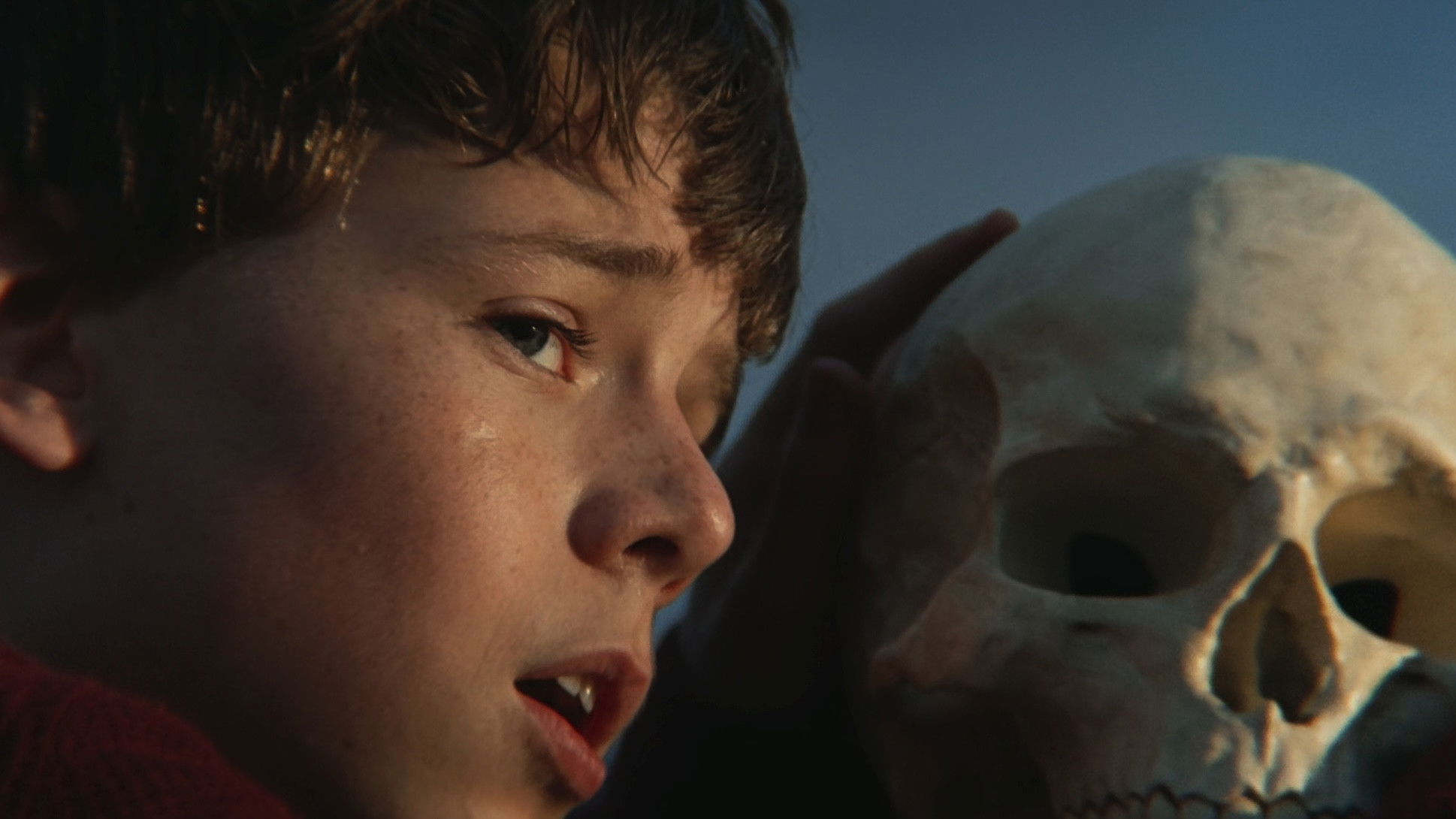
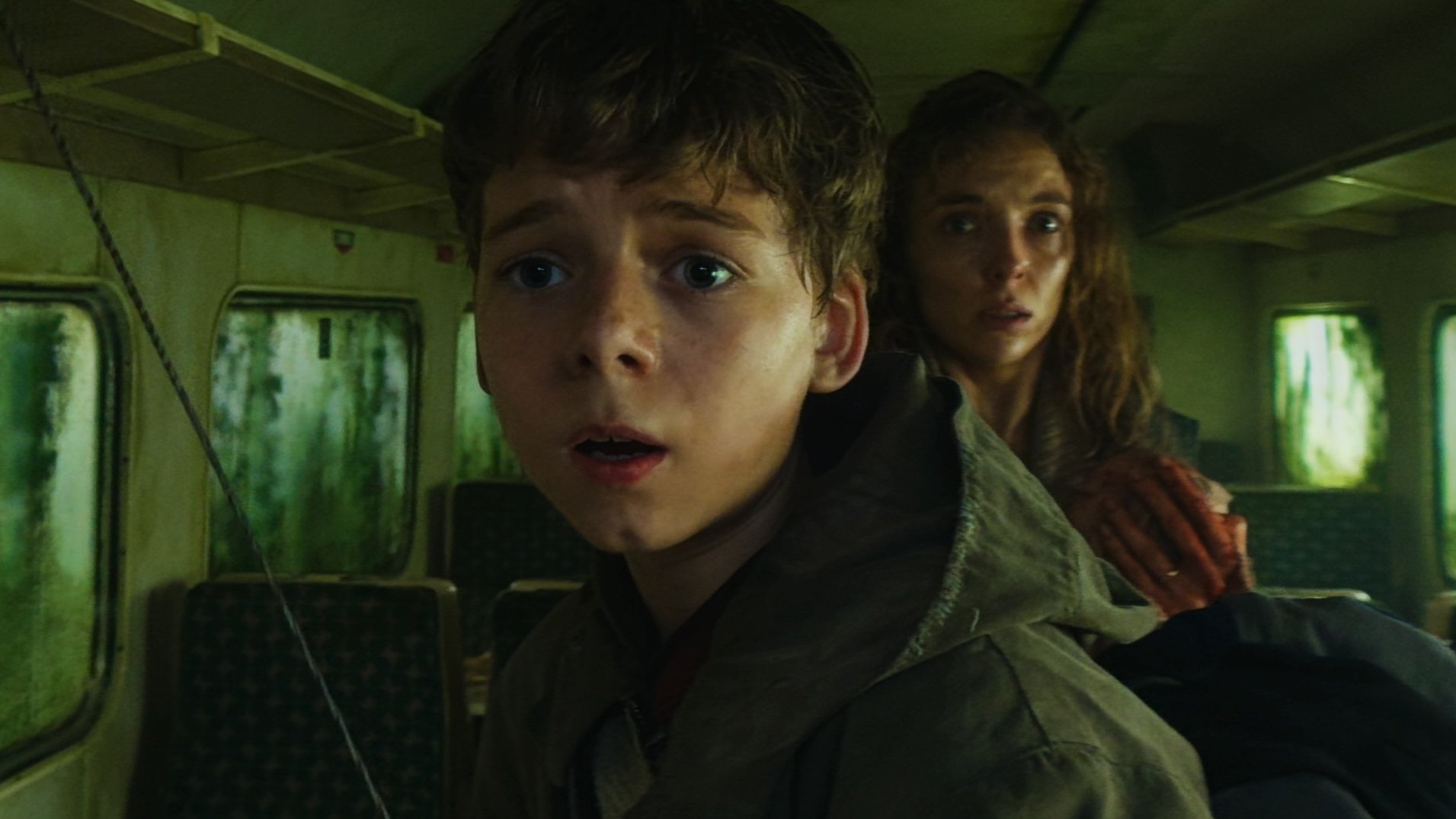
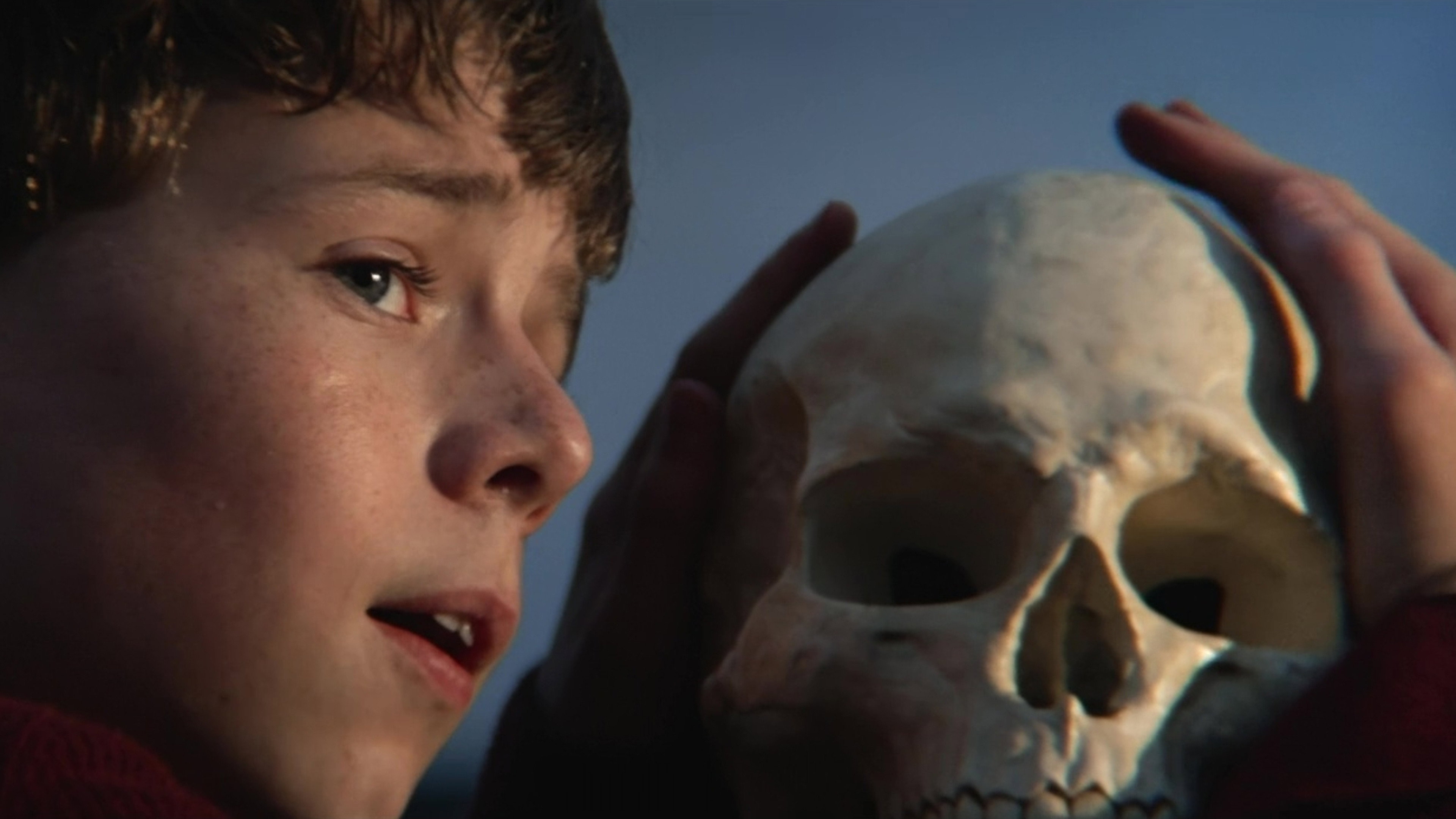
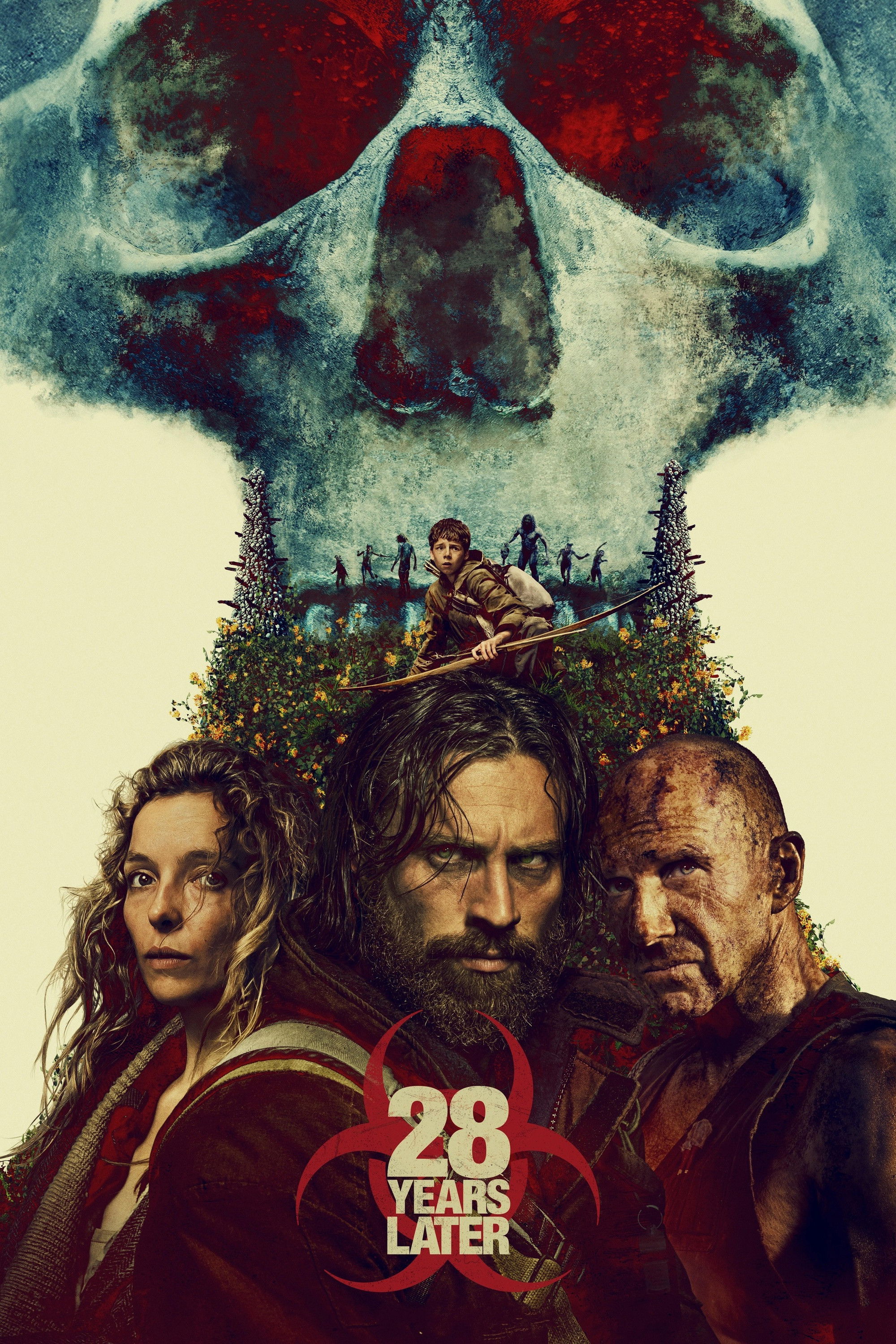
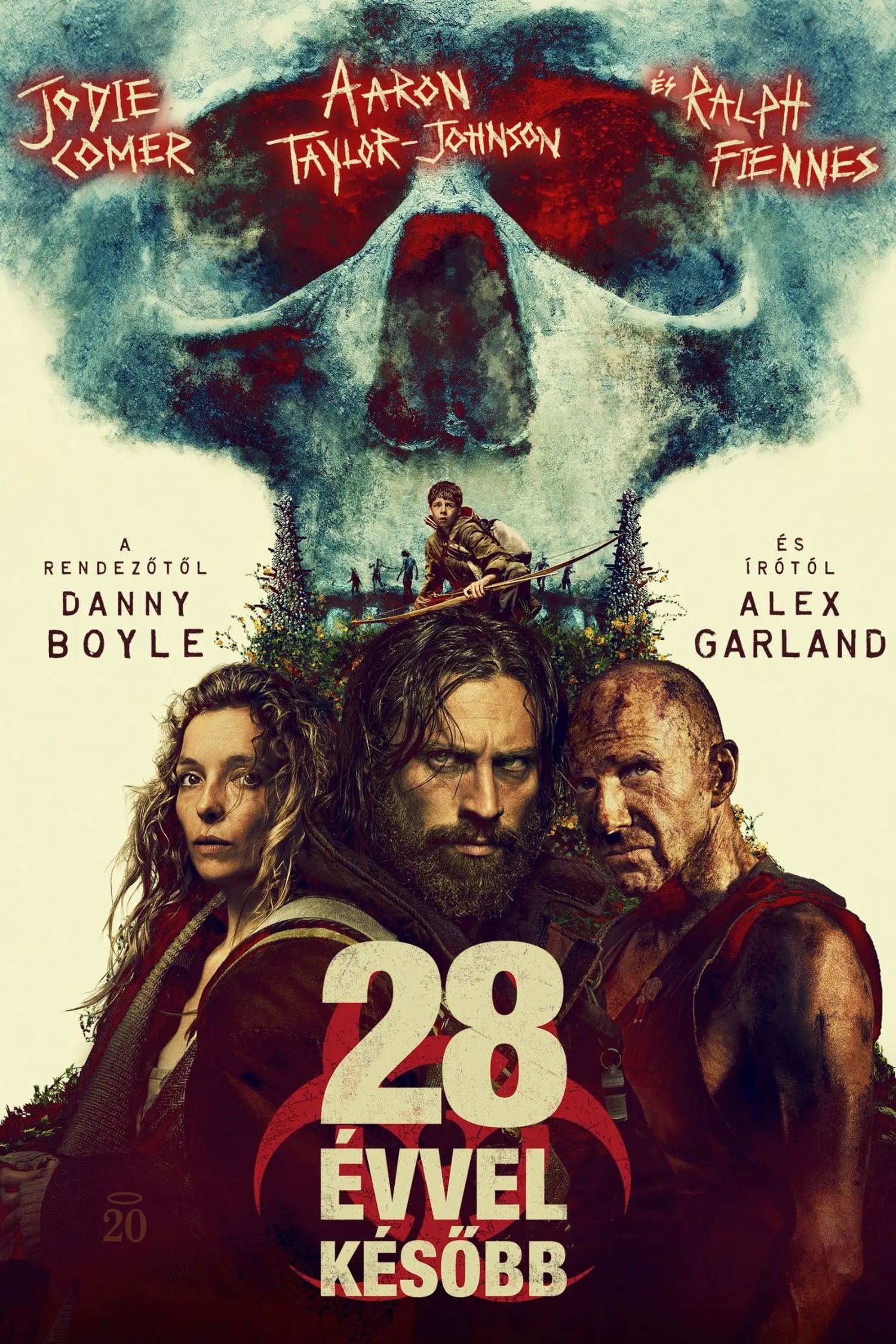
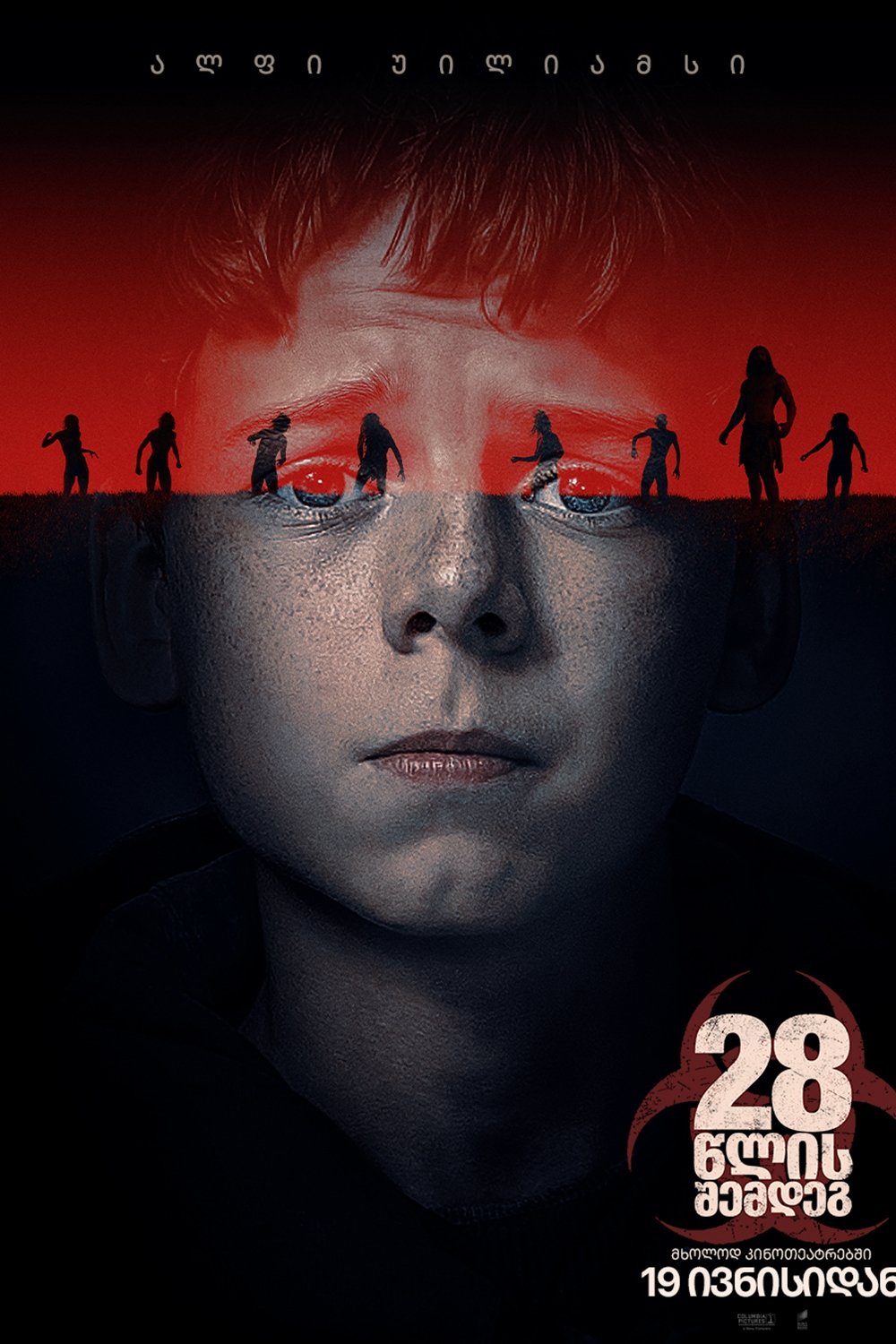
The COVID-19 pandemic also informed the renewed approach. Boyle described how behavior during the pandemic changed as people adjusted to restrictions and began accepting new risks. That observation becomes a principle of the island community, whose members have normalized conditions that would once have seemed intolerable. The screenplay gives Spike a perspective unlike that of Jim, the hospital patient who awakens into catastrophe in 28 Days Later. For Spike, the infected landscape is an established part of the world, and crossing into it carries the cultural significance of initiation. This makes generational experience a concrete element of the horror.
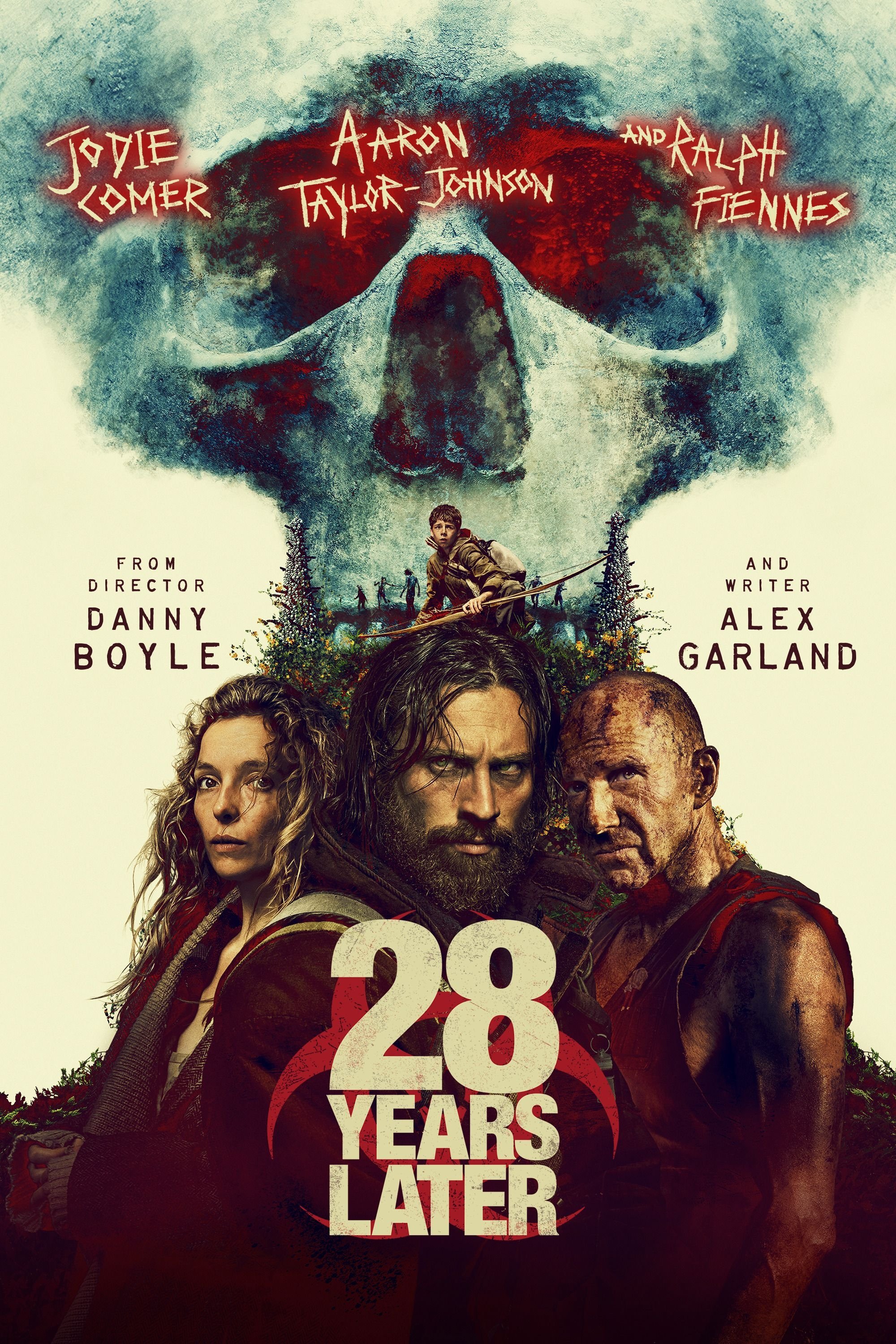
The production restored a key creative relationship from the first film while allowing the series to expand. Boyle directed, Garland wrote, and Dod Mantle returned to the cinematography. Contemporary interviews also described a plan for interconnected further films, with The Bone Temple directed by Nia DaCosta. The new narrative therefore had to establish characters and a social environment that could support continuation. Its island, survivors and altered infected are distinctive developments within the setting, not simply visual callbacks. The film's dramatic structure ultimately gives its youngest protagonist responsibility for decisions that adults around him cannot adequately resolve.
The Island, Isolation and Family
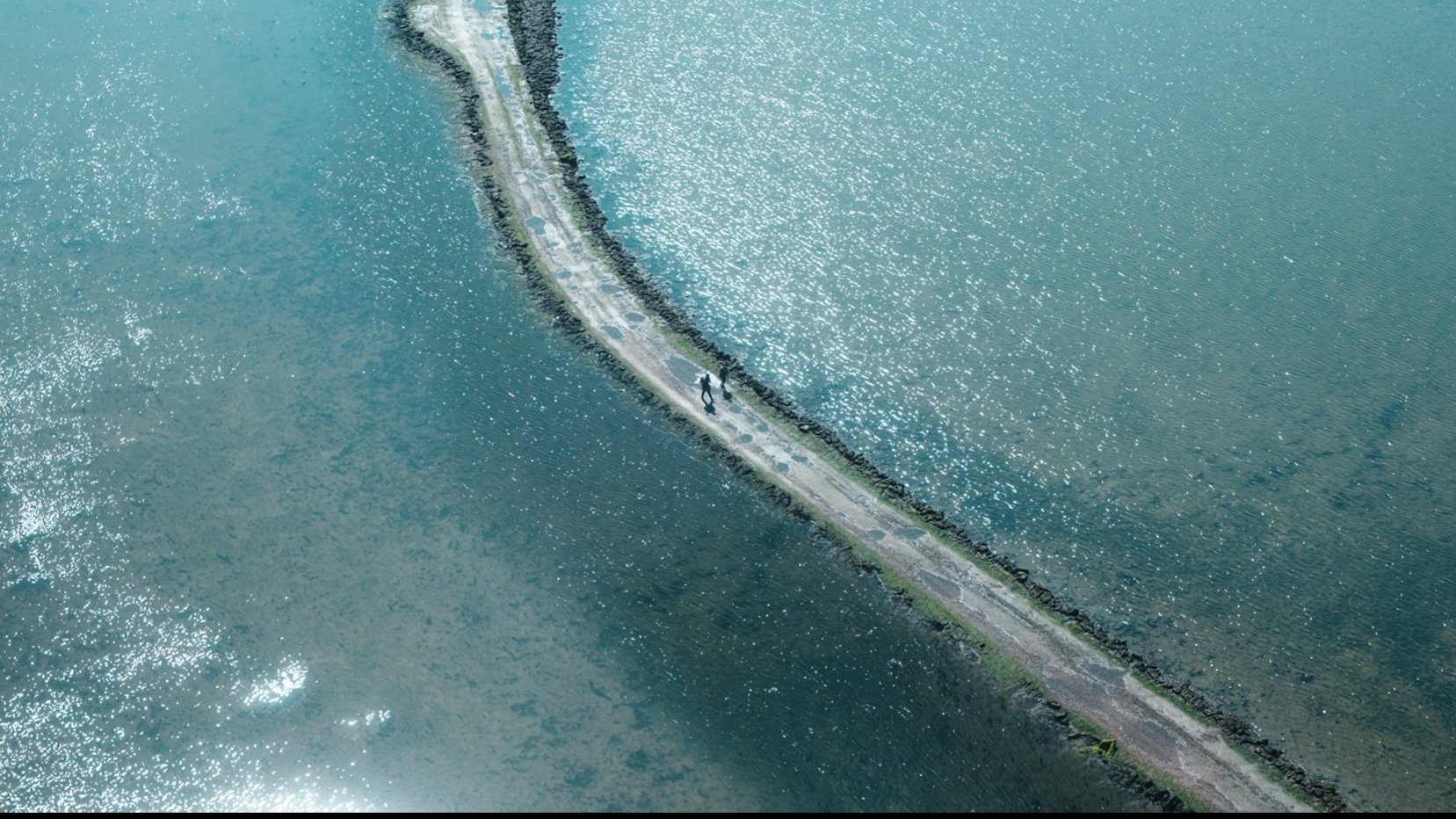
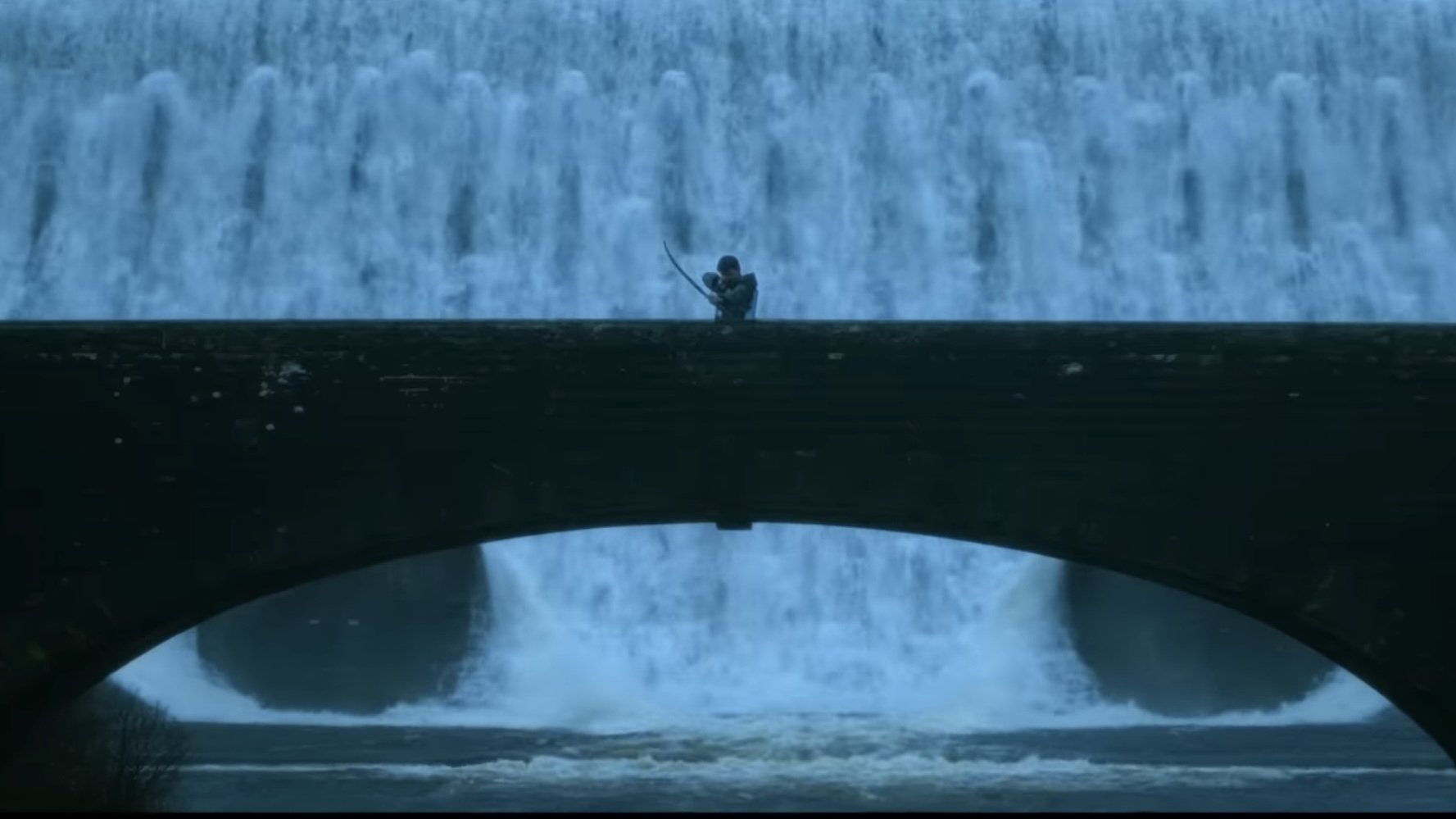
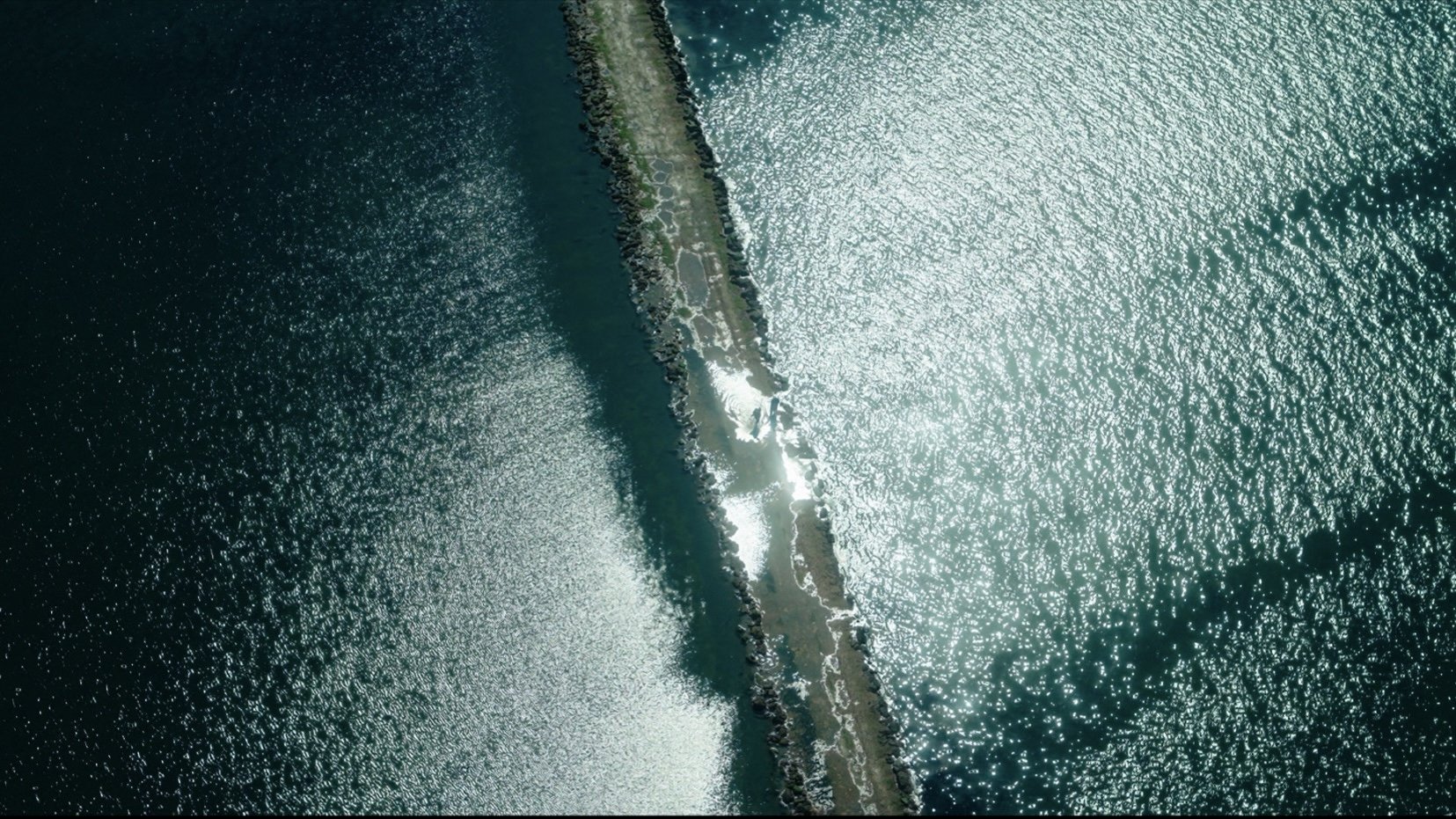
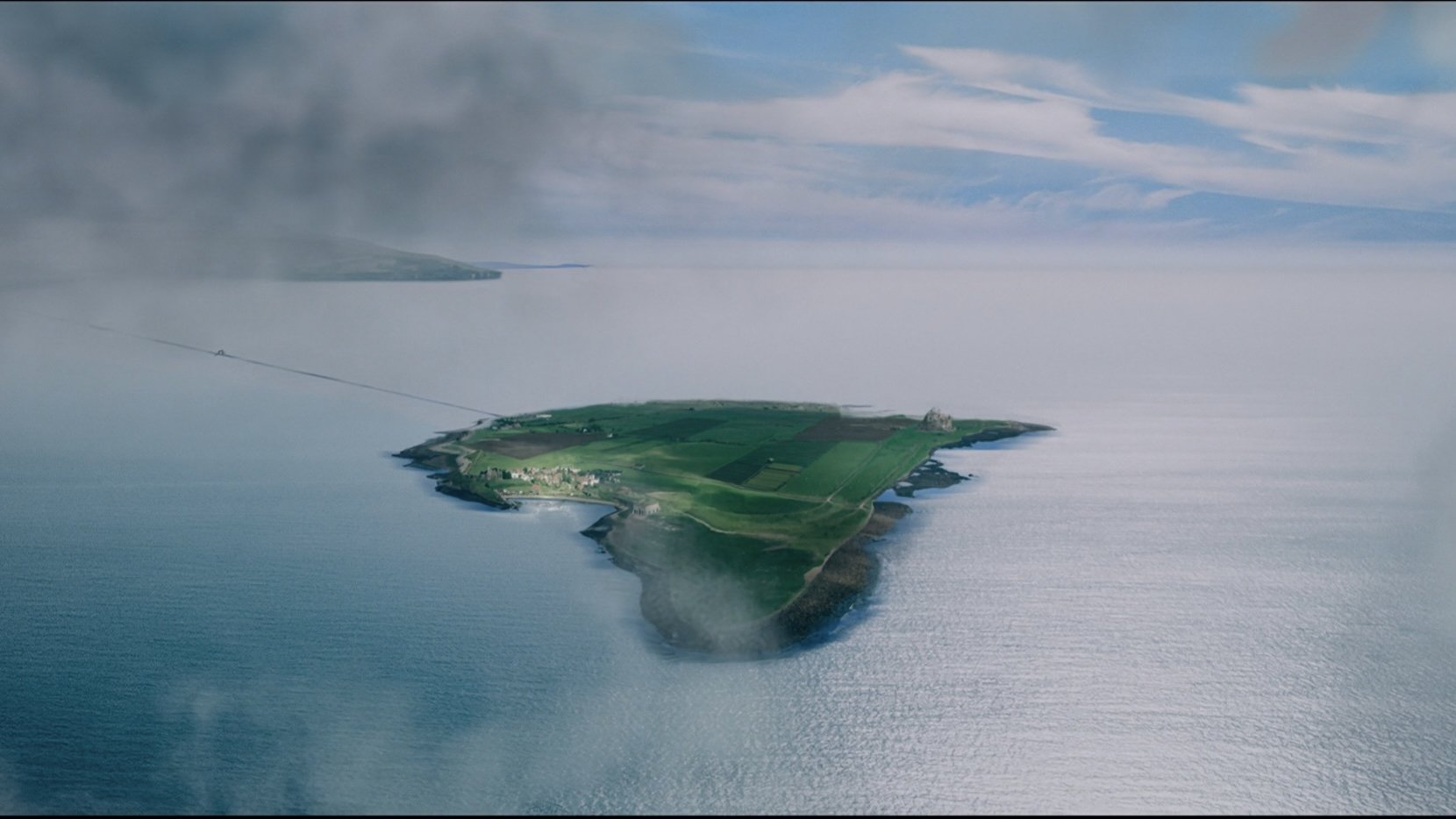
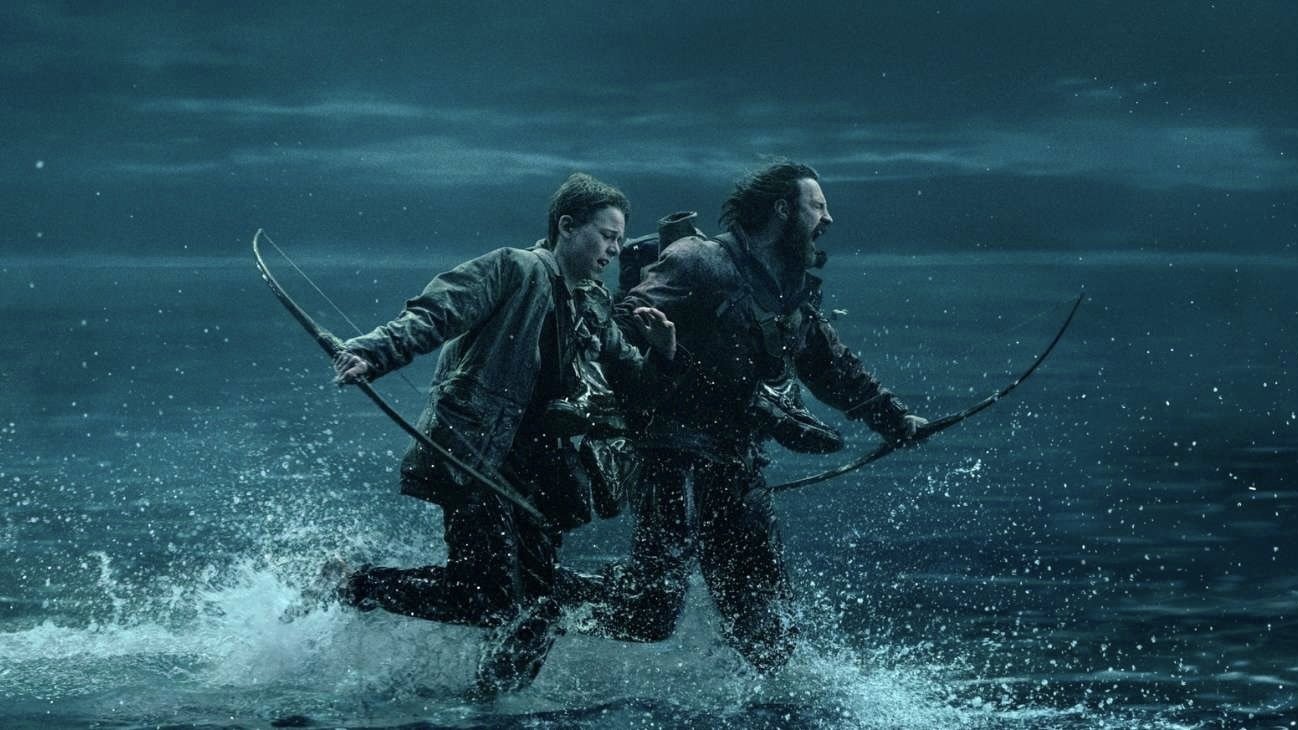
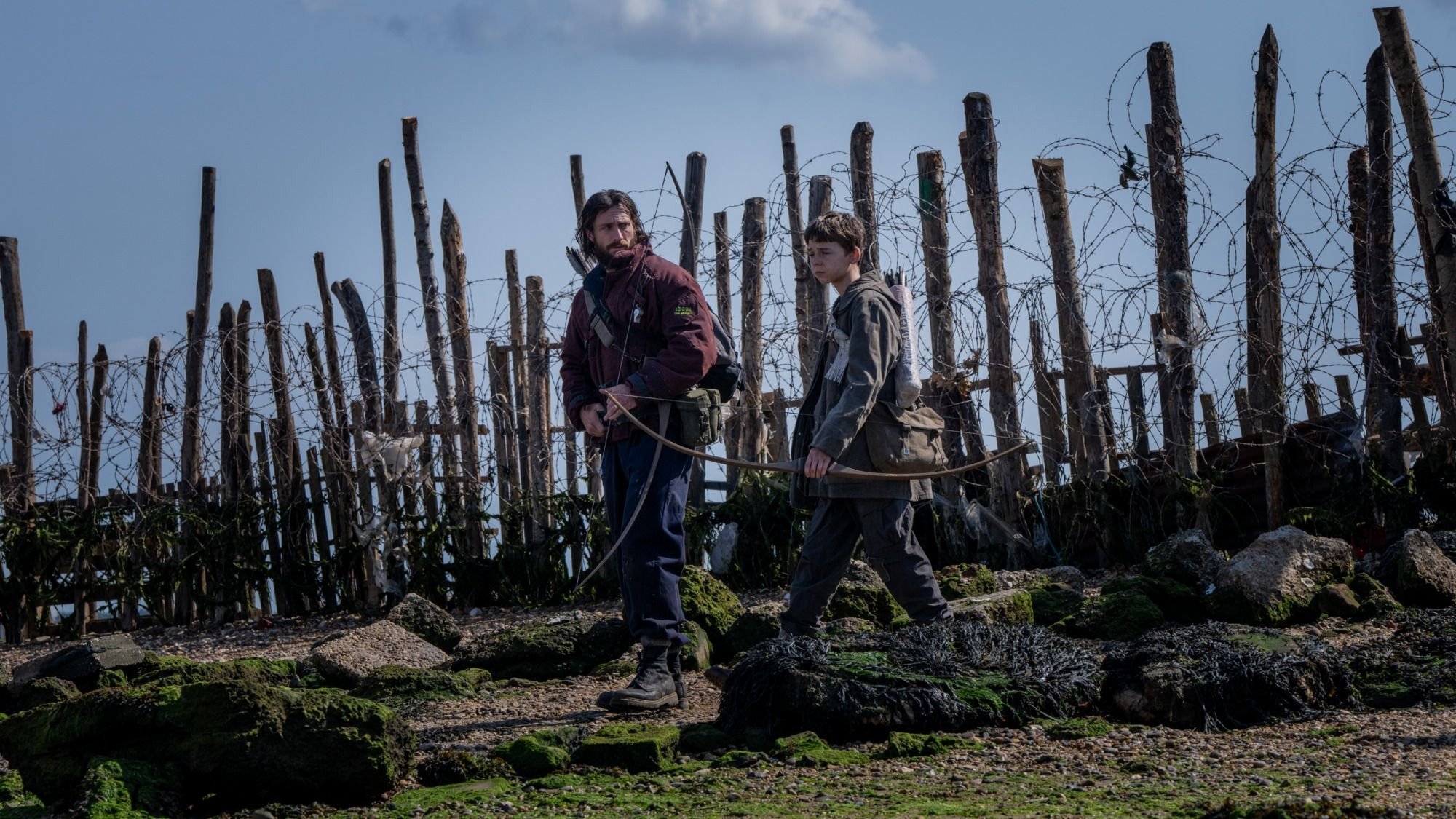
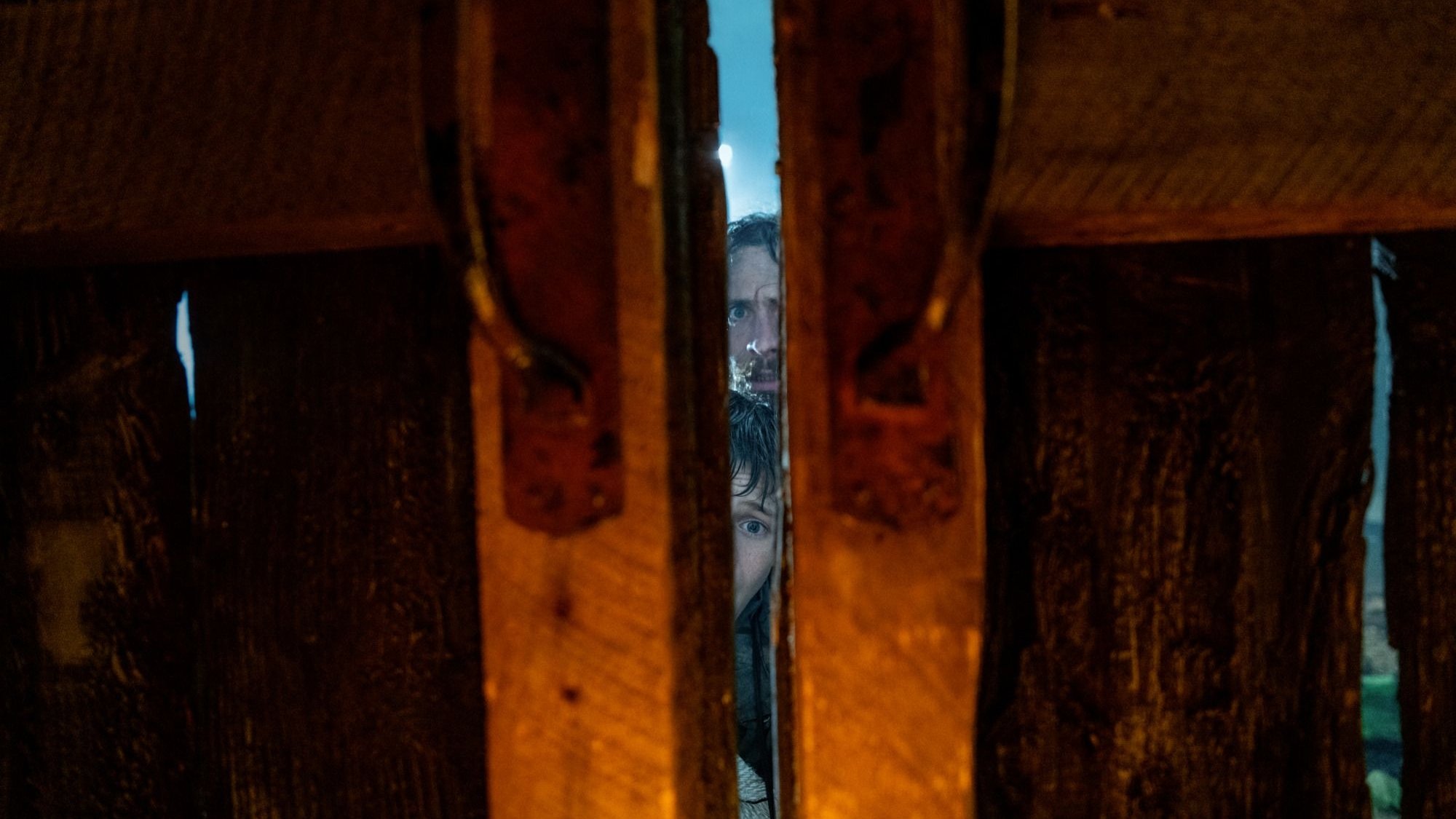
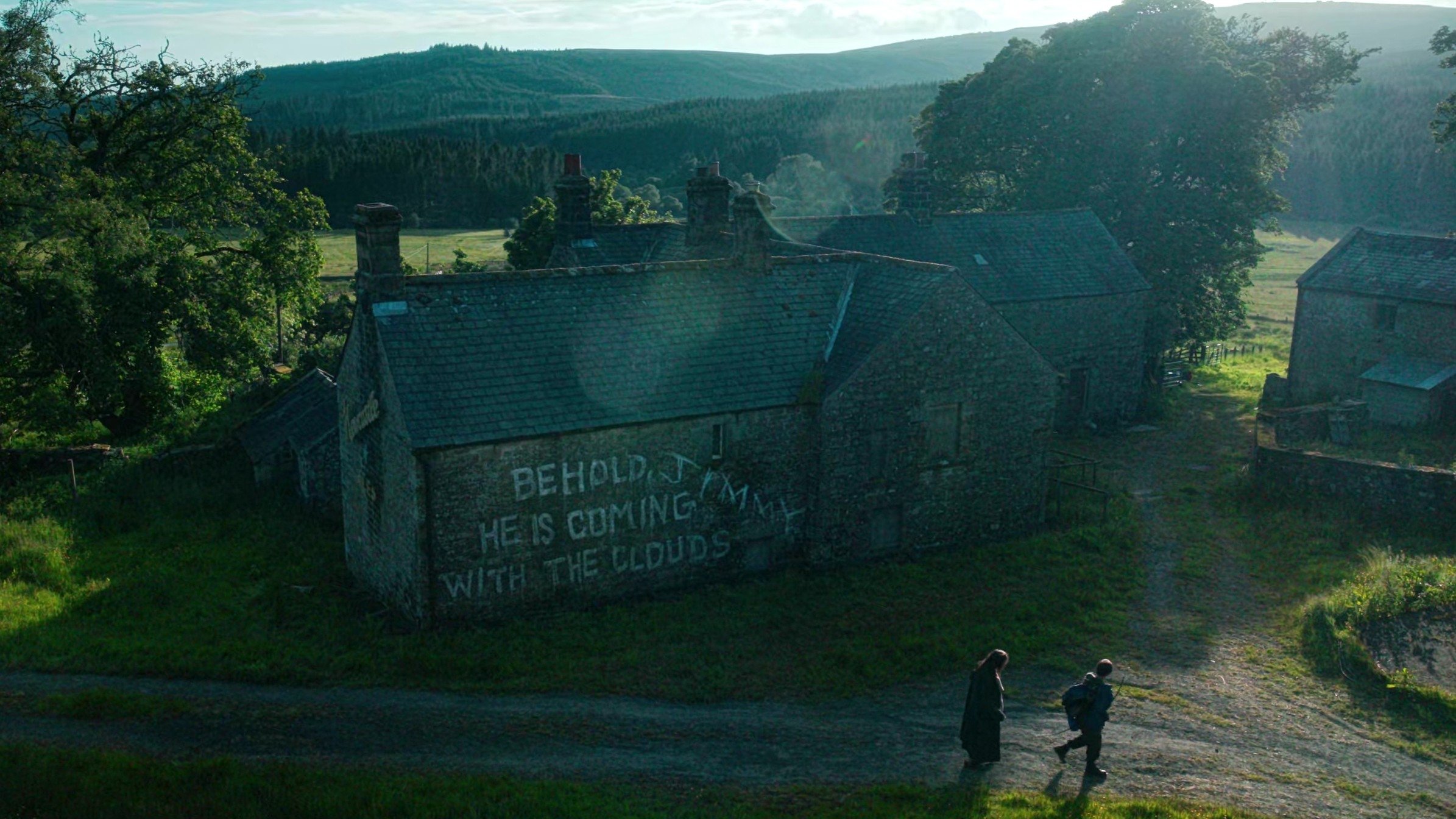
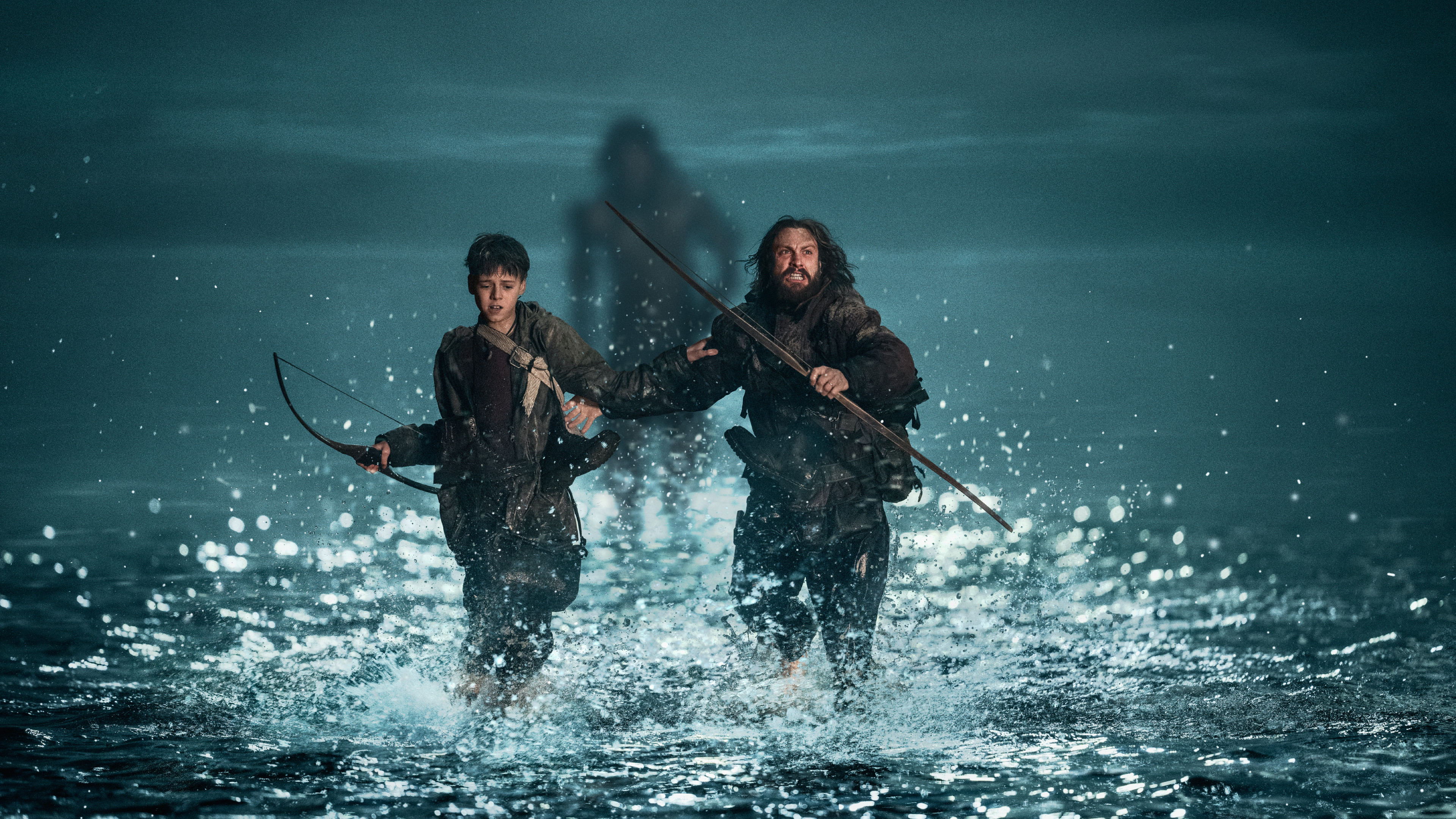
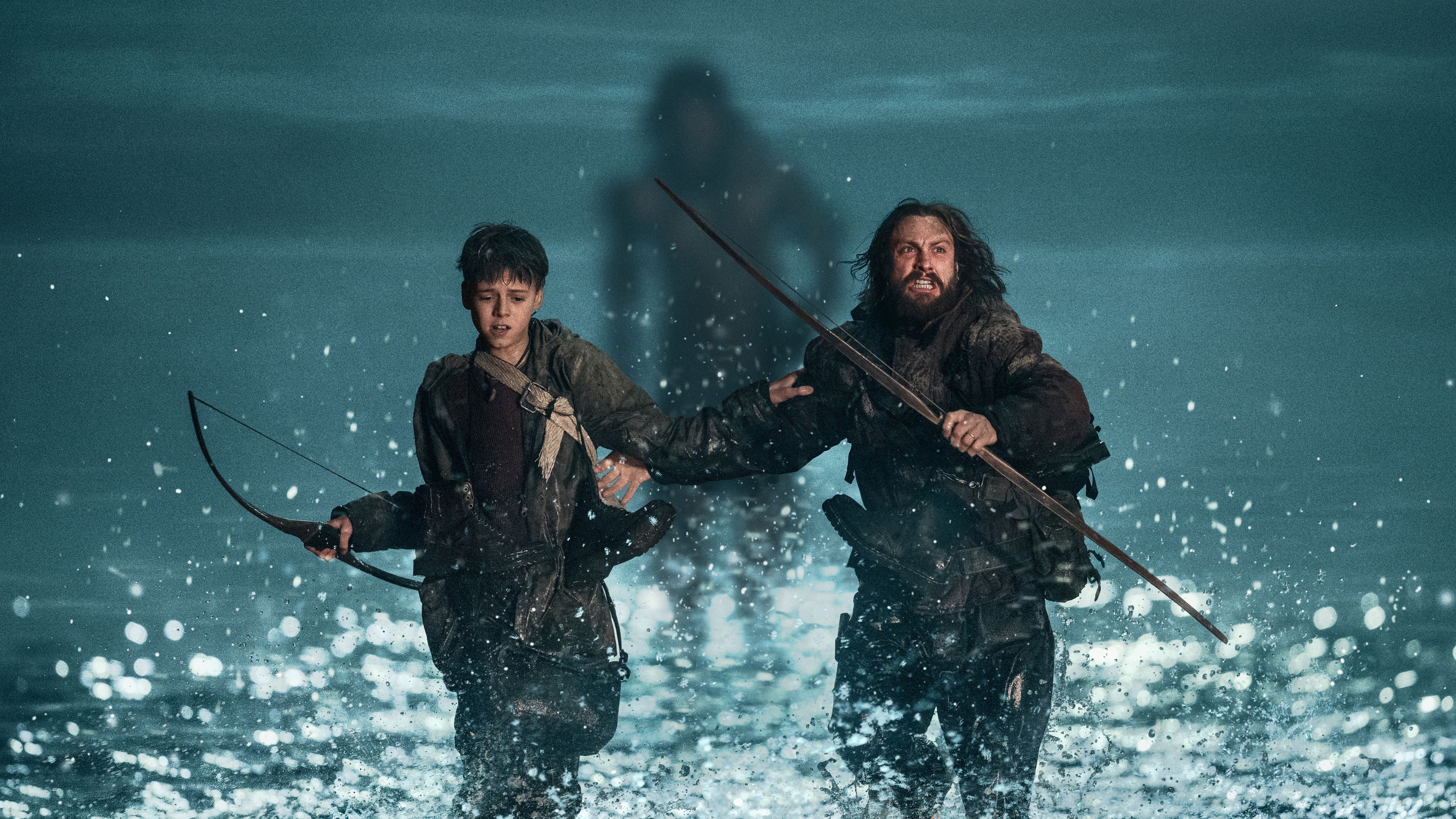
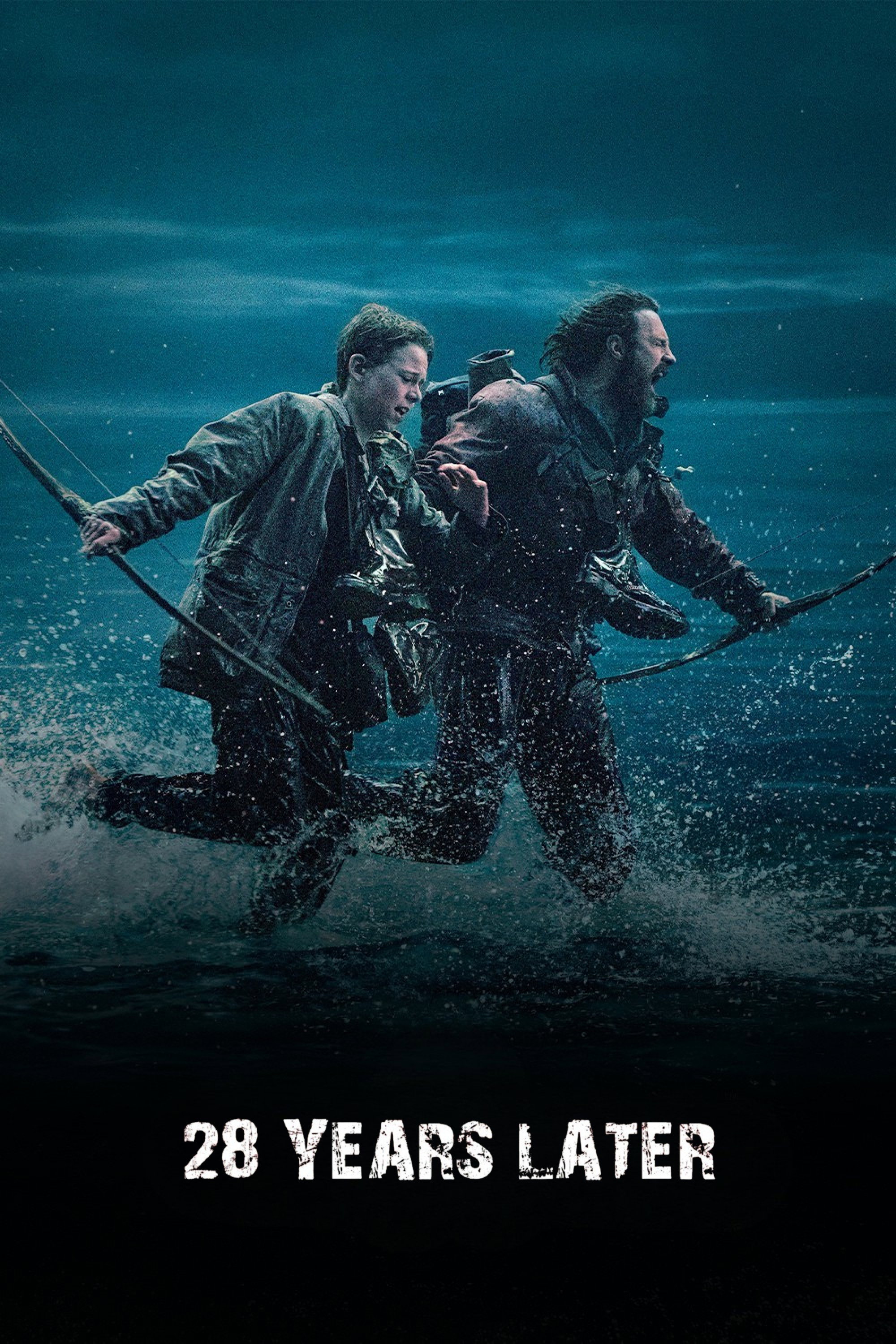
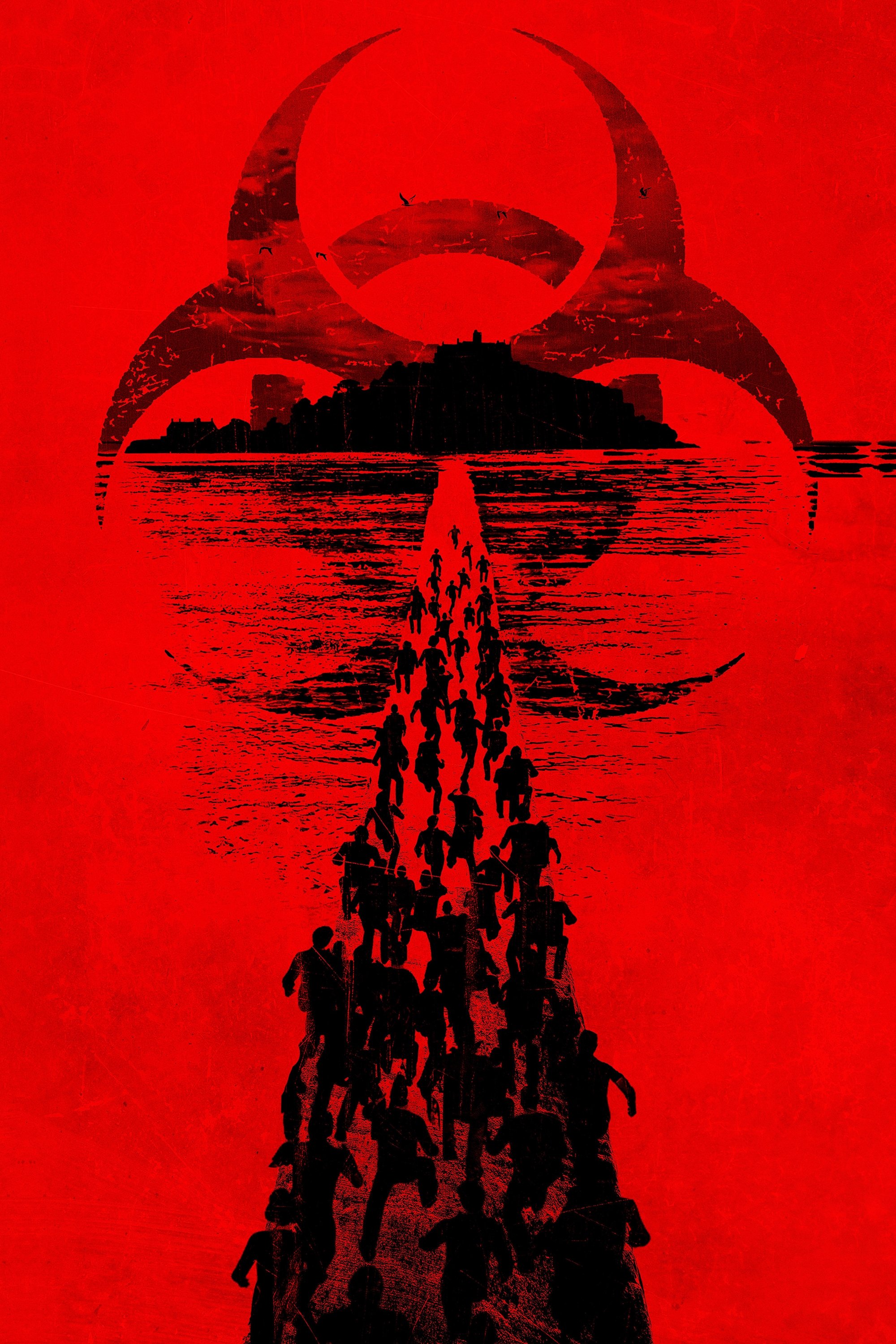
The settlement on Holy Island, connected to the mainland by a causeway accessible at low tide, provides a geographical rule that immediately shapes suspense. Distance is measured through tidal movement as much as through miles. For the inhabitants, maintaining separation from the infected is a routine component of community life. The boundary can be crossed, but the return journey depends on timing and vigilance. That situation creates an unusually tangible version of the quarantine motif established by the first film: survival has produced an organized community, though its safety depends upon accepting a narrow and precarious way of living.
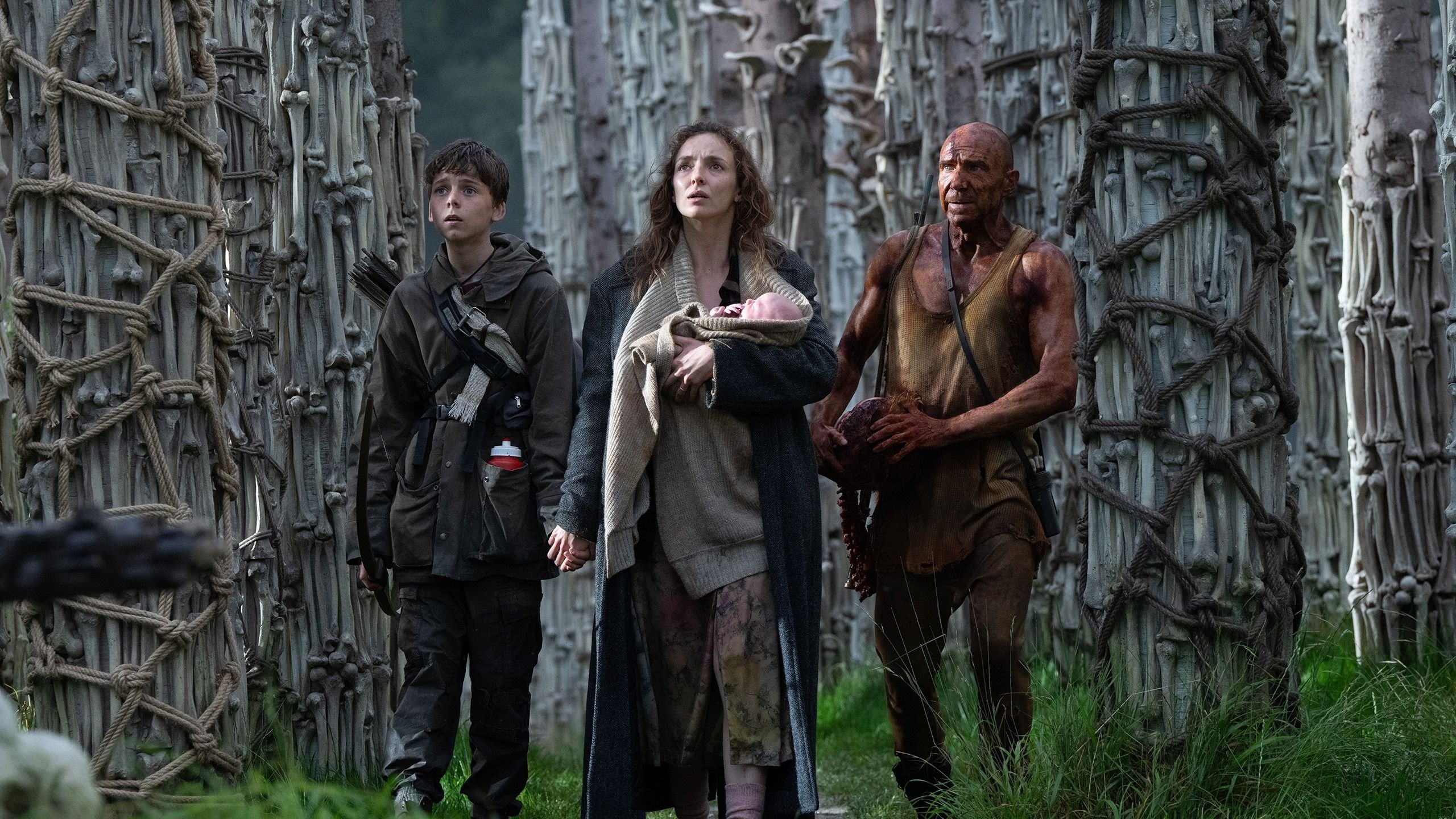
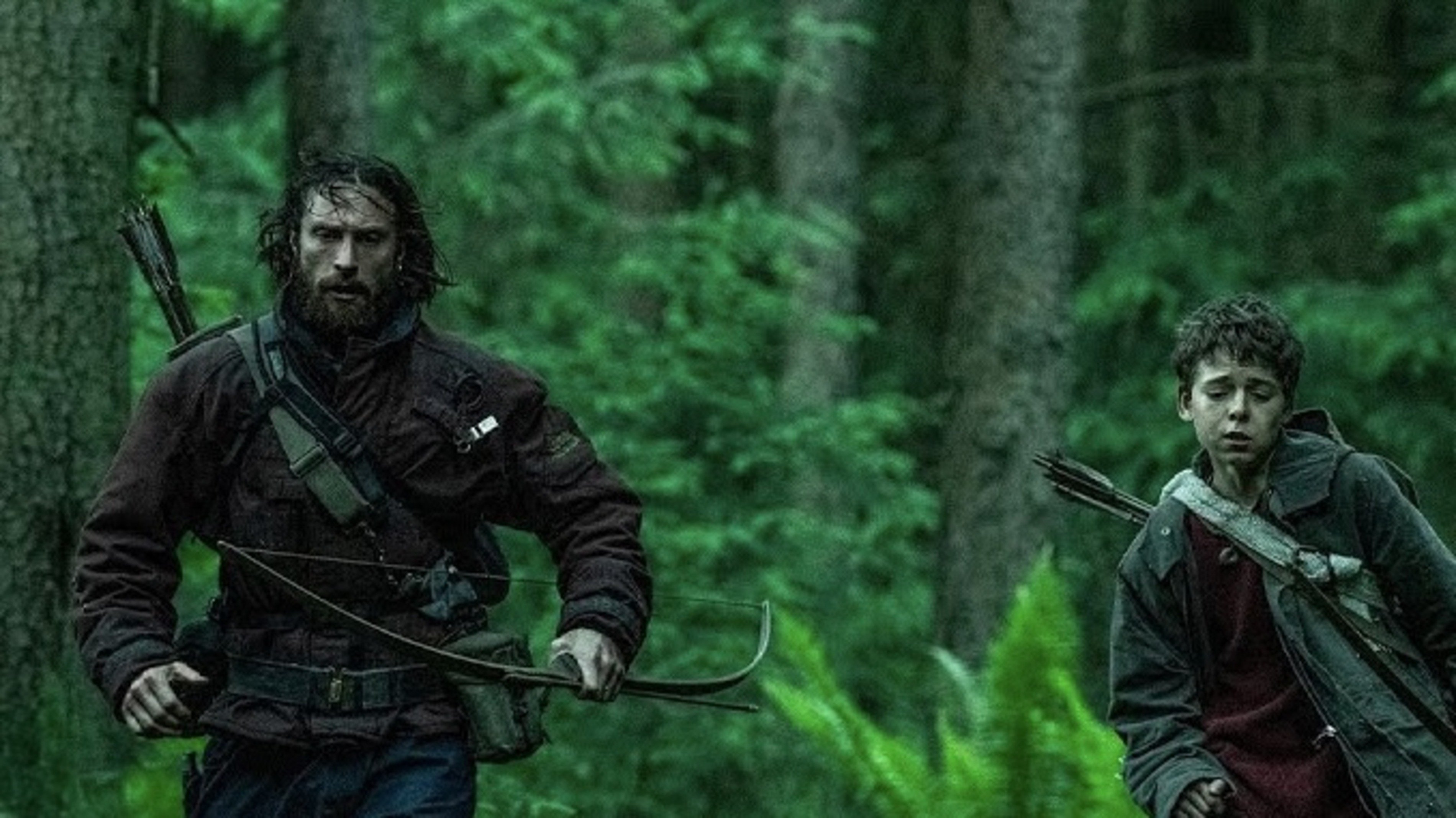
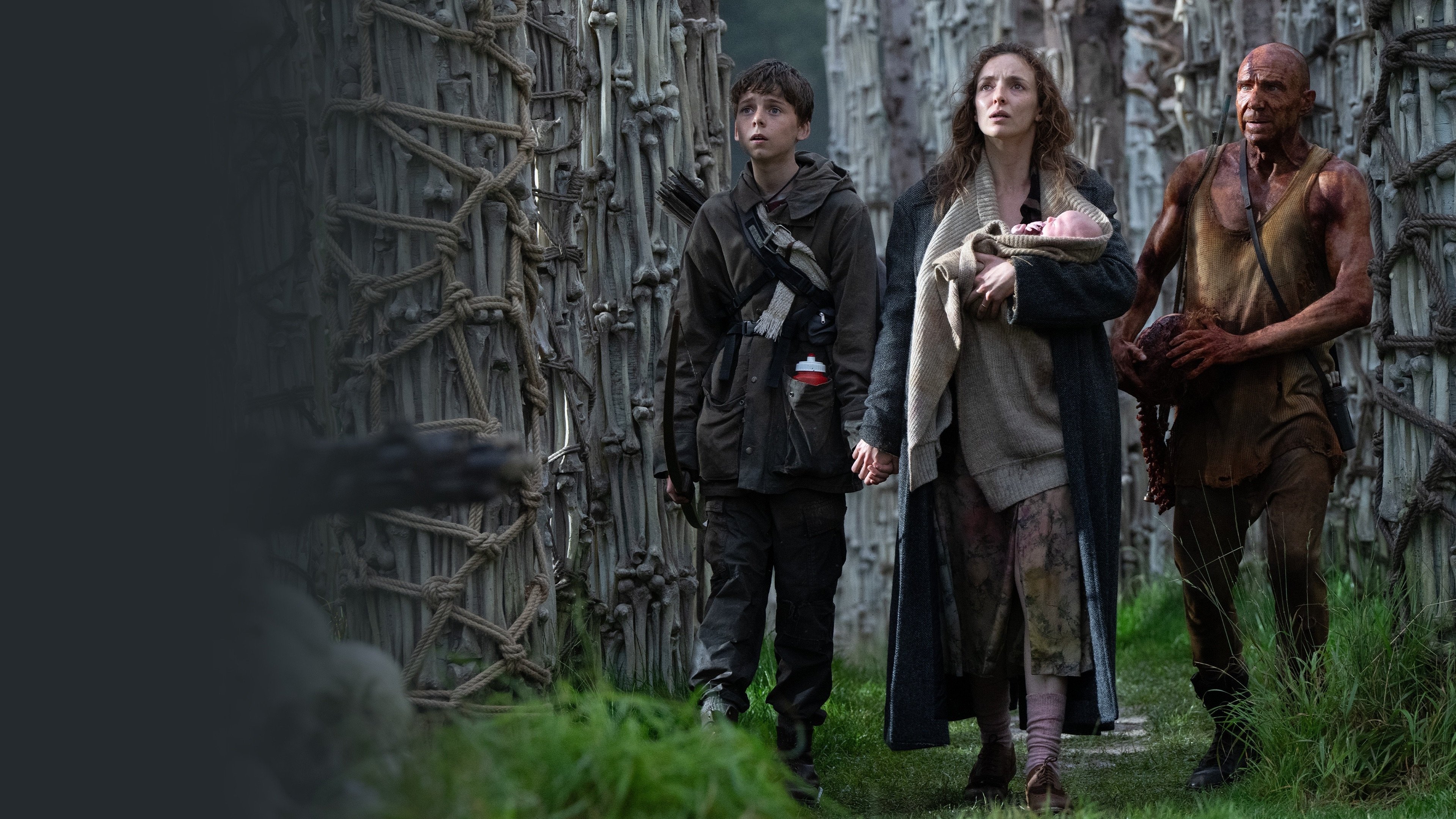
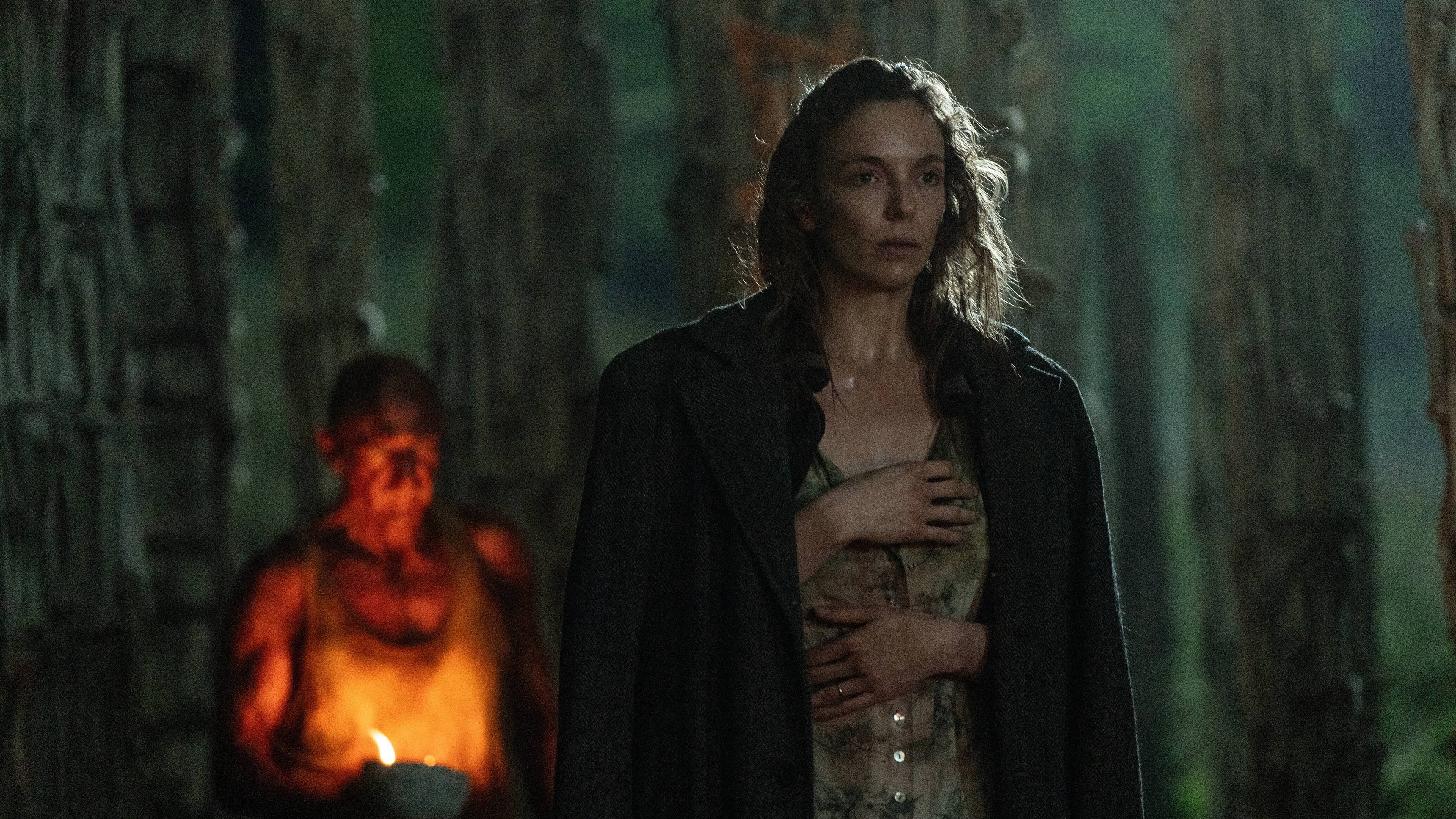
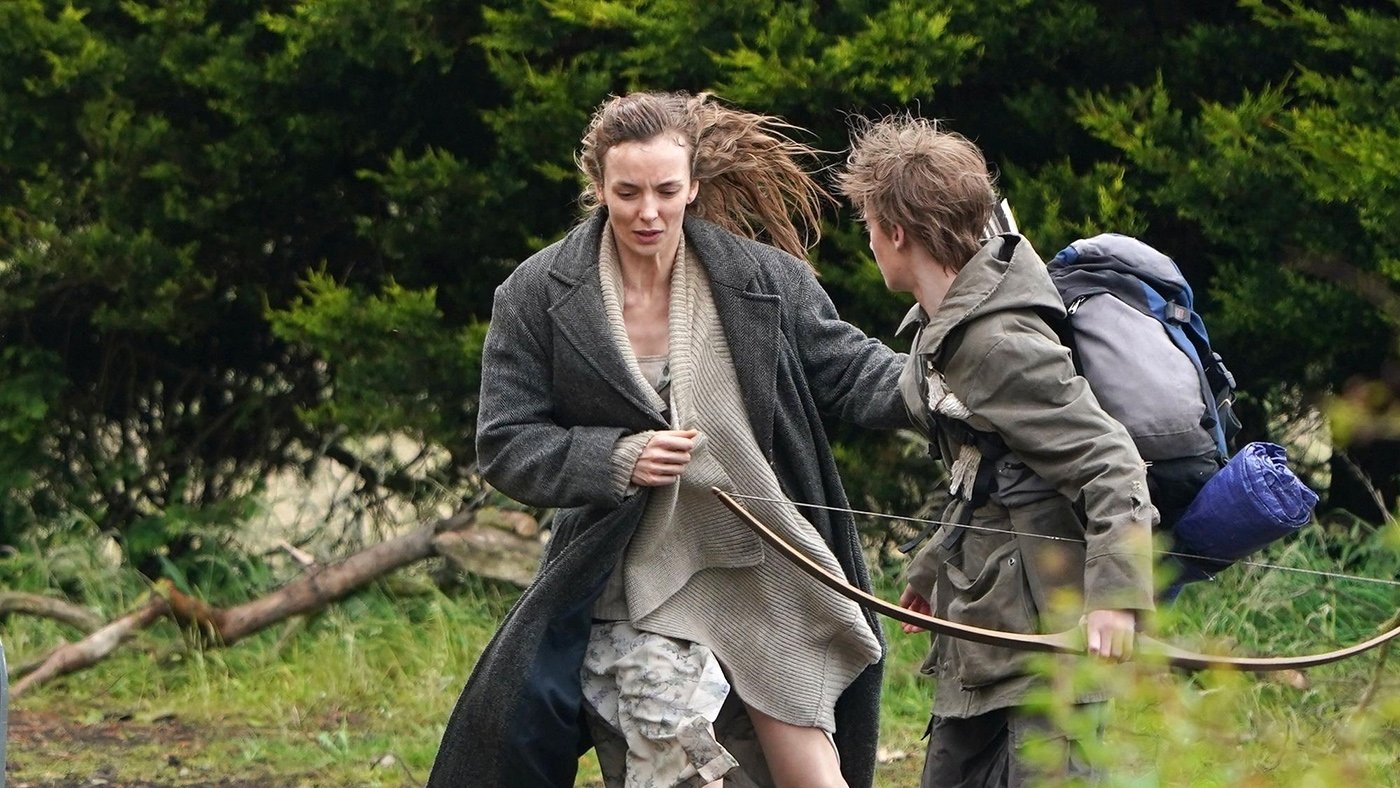
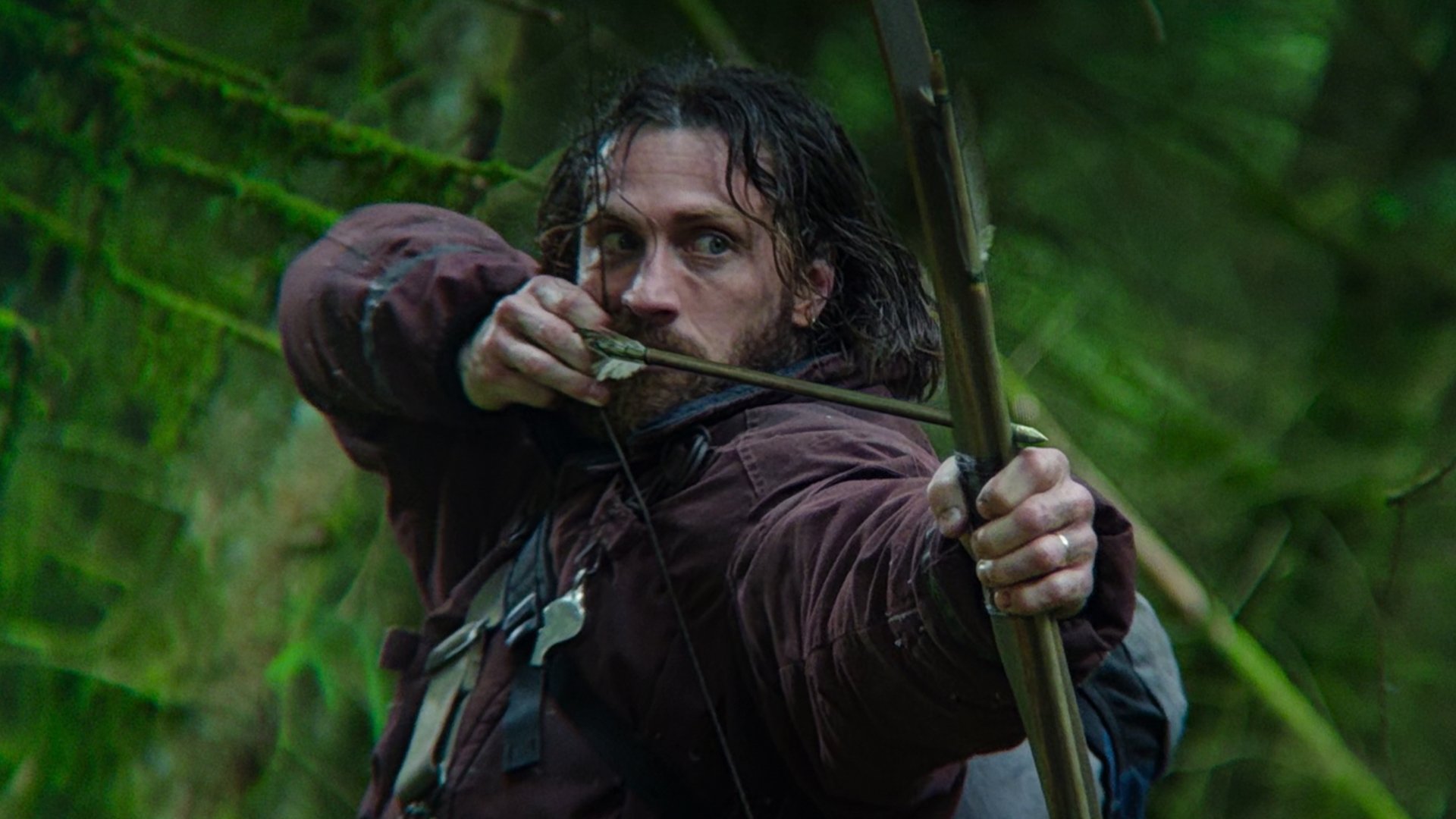
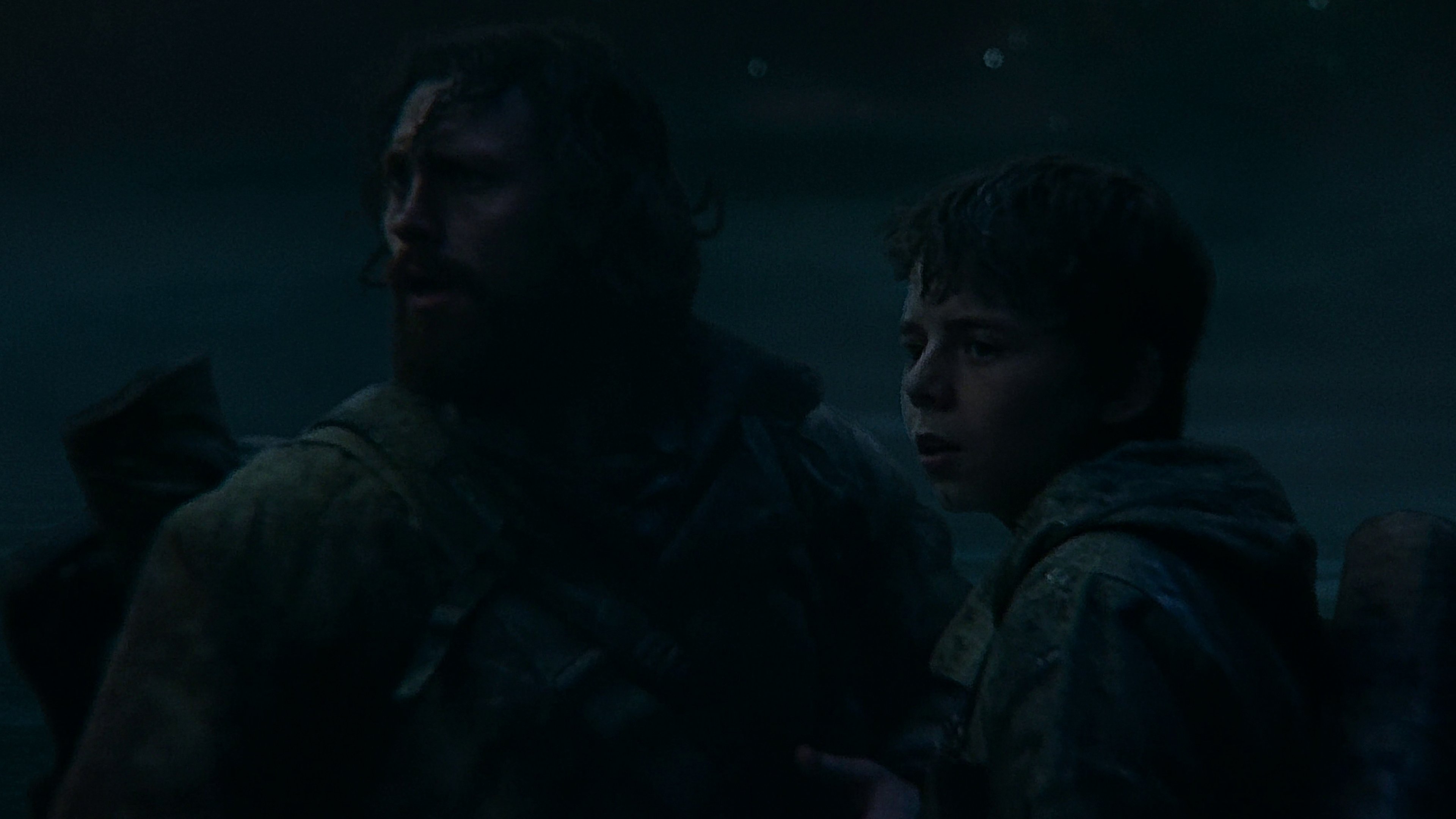
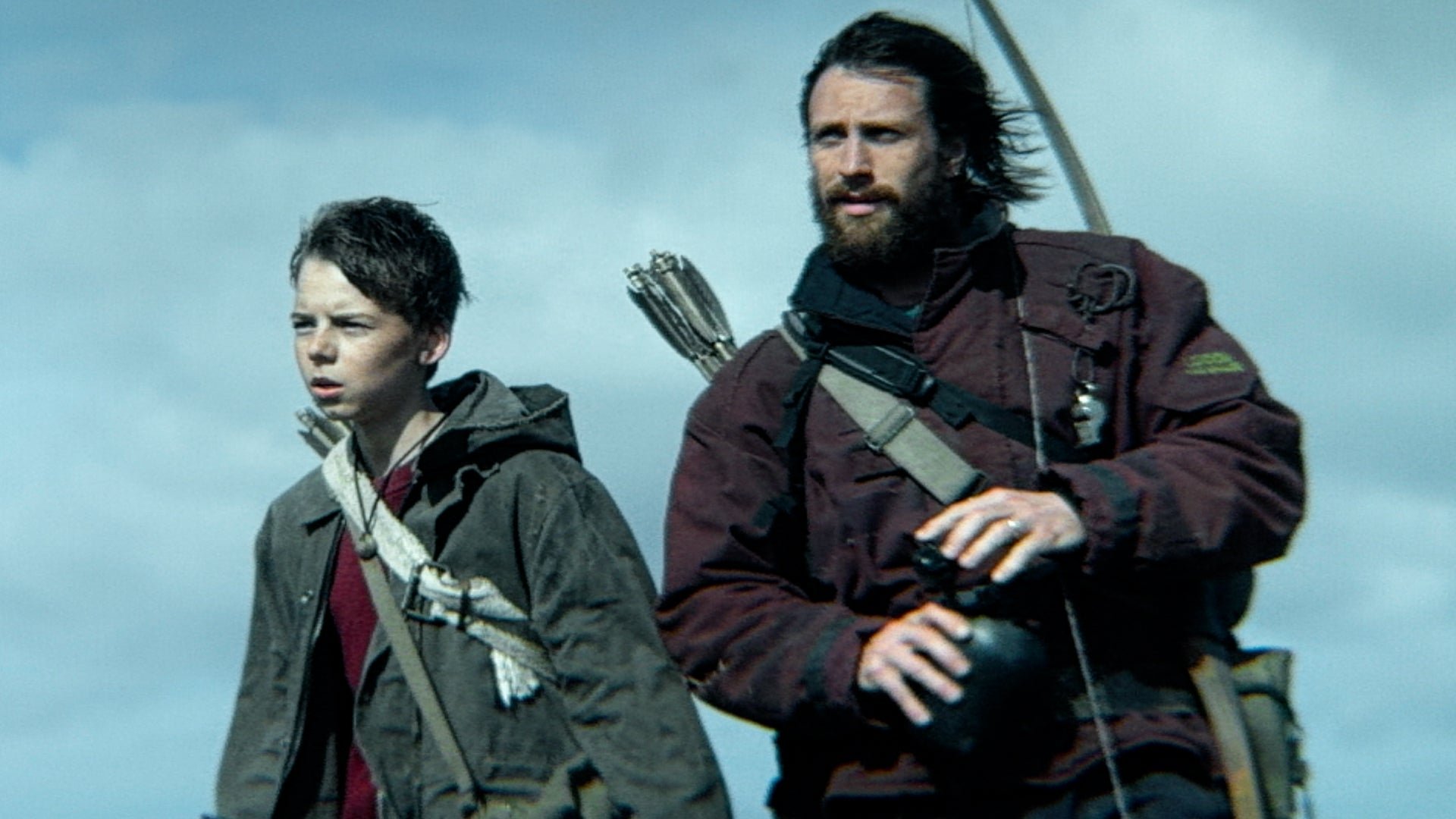
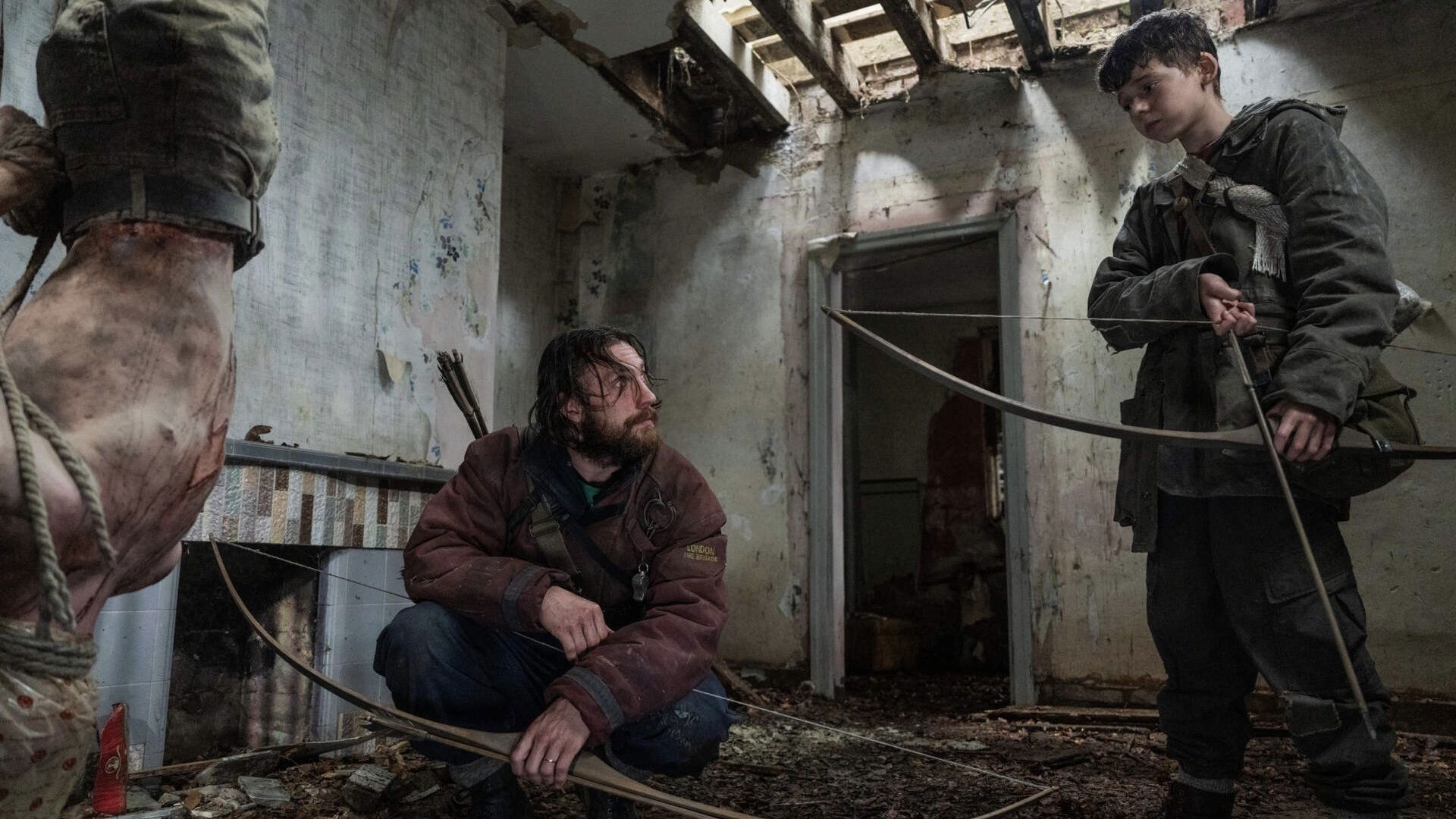
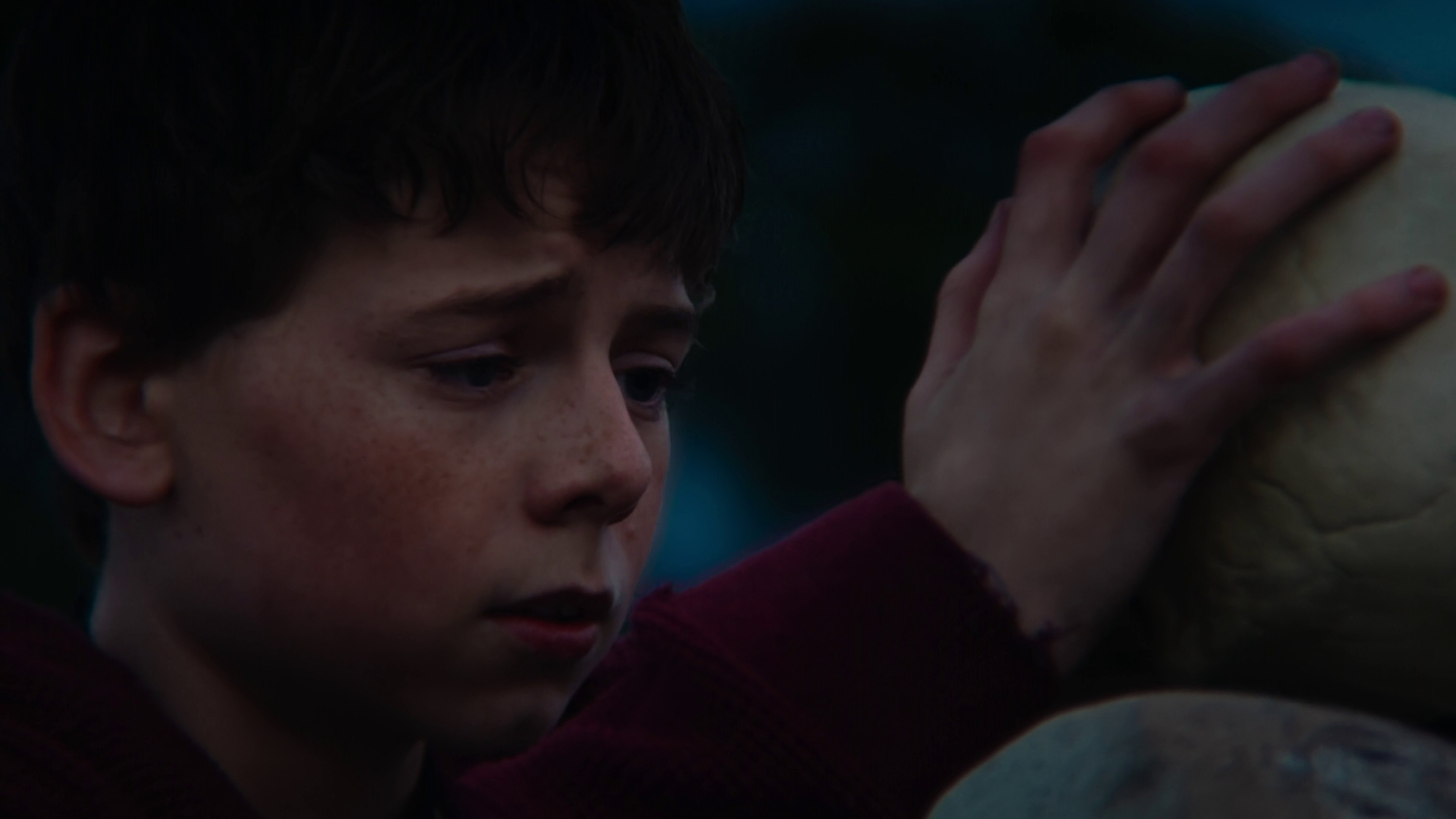
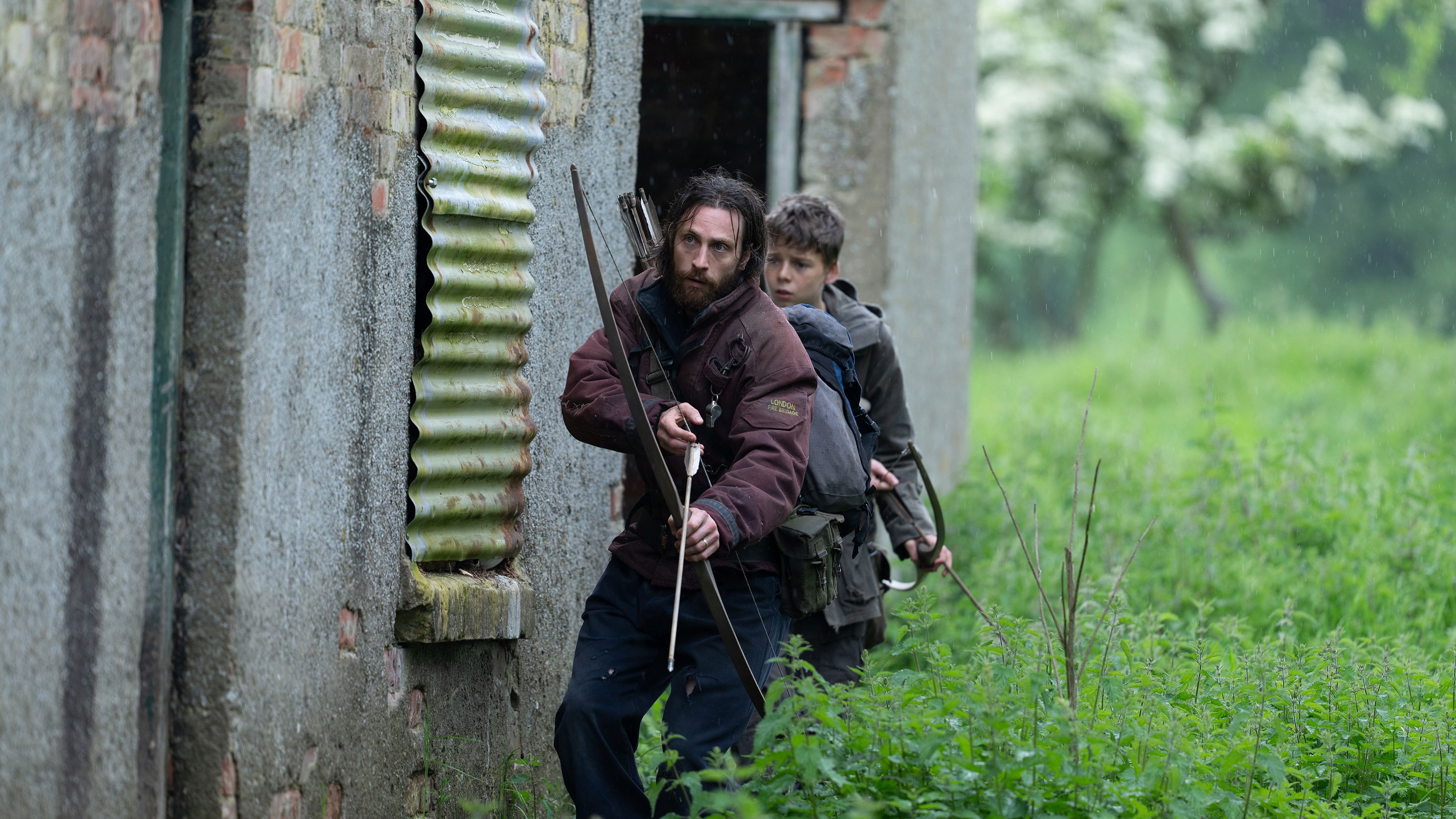
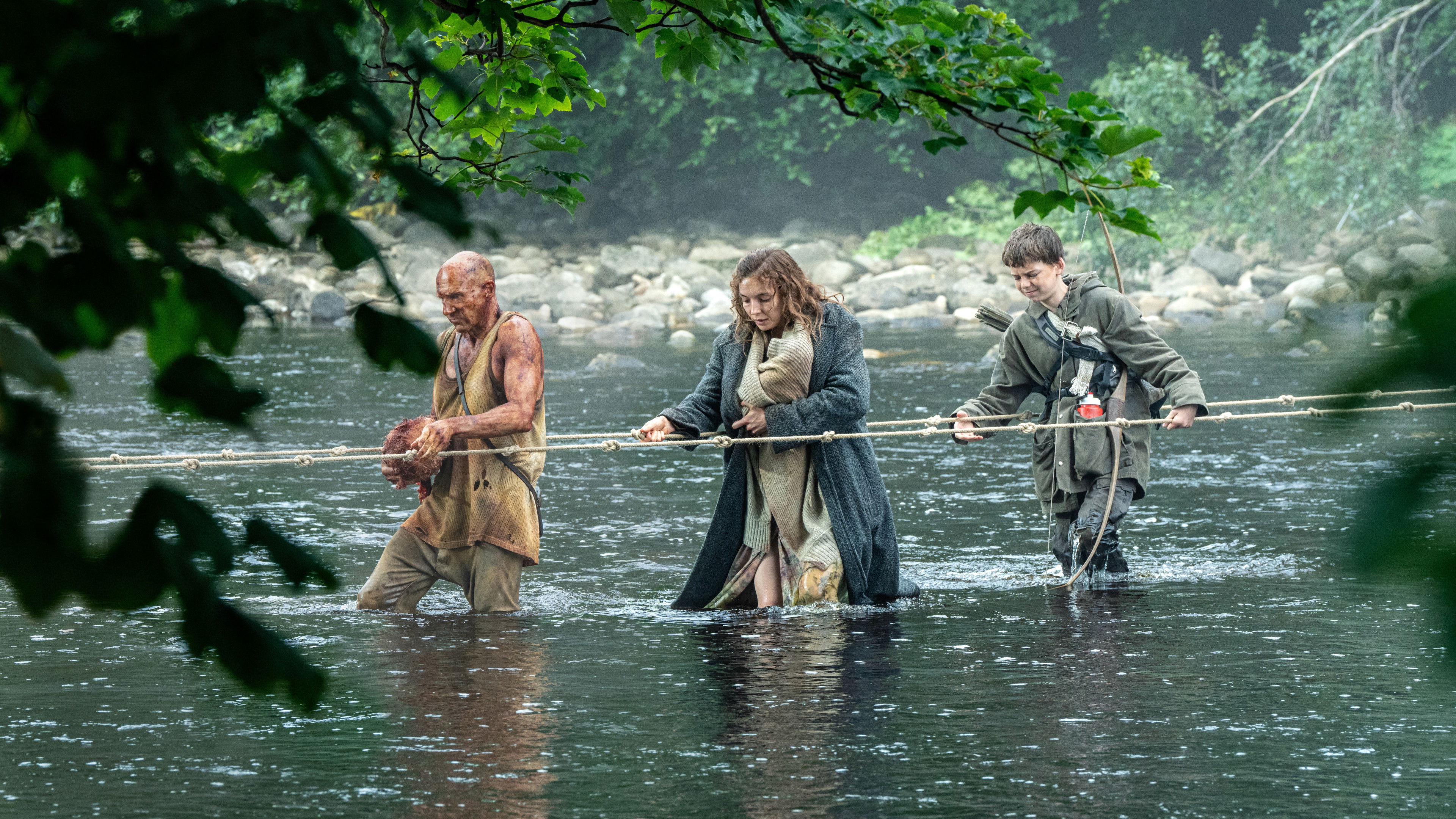
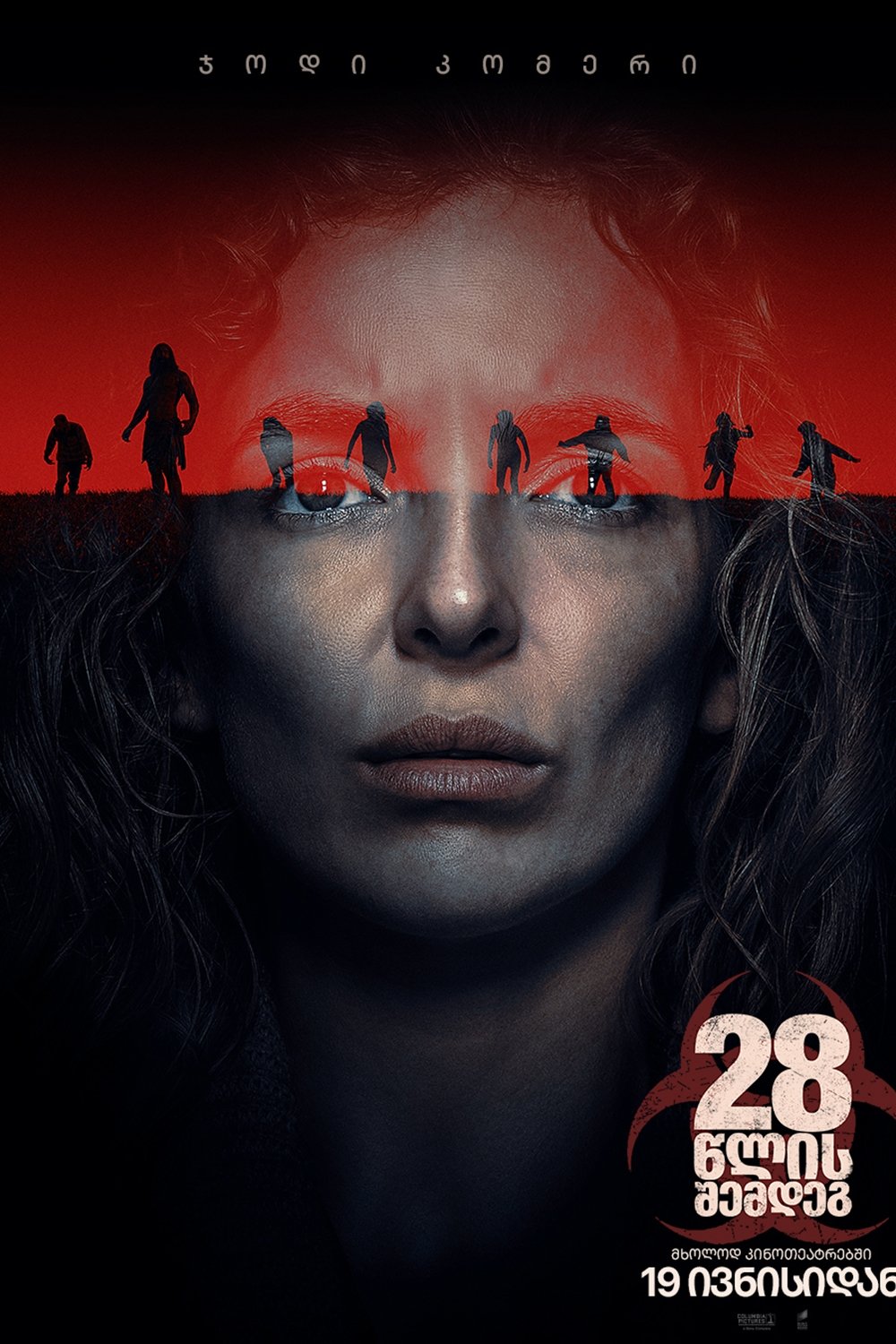
Spike's relationship with his father Jamie and his ill mother Isla gives the journey its emotional stakes. Jamie treats a trip to the mainland as part of the boy's growing up, while Isla's condition exposes what the settlement cannot provide. The distinction between killing an infected person and caring for a vulnerable family member becomes a central tension. In the absence of dependable treatment, rumor and half-remembered knowledge gain authority. Spike's search for a figure who might help his mother draws him into places where the group's inherited explanations are insufficient. The threat is therefore bound to the erosion of institutions as well as the infection itself.
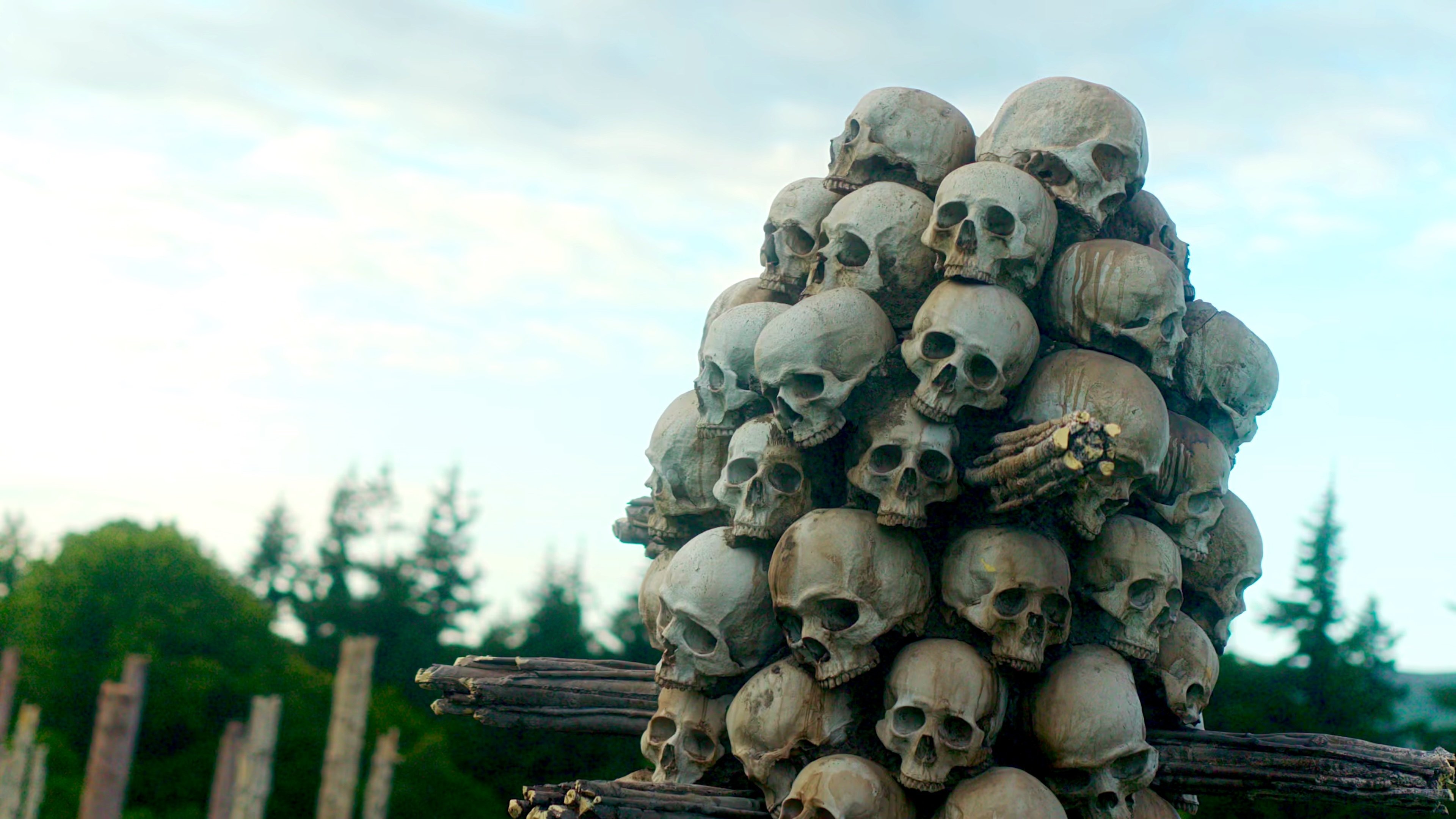
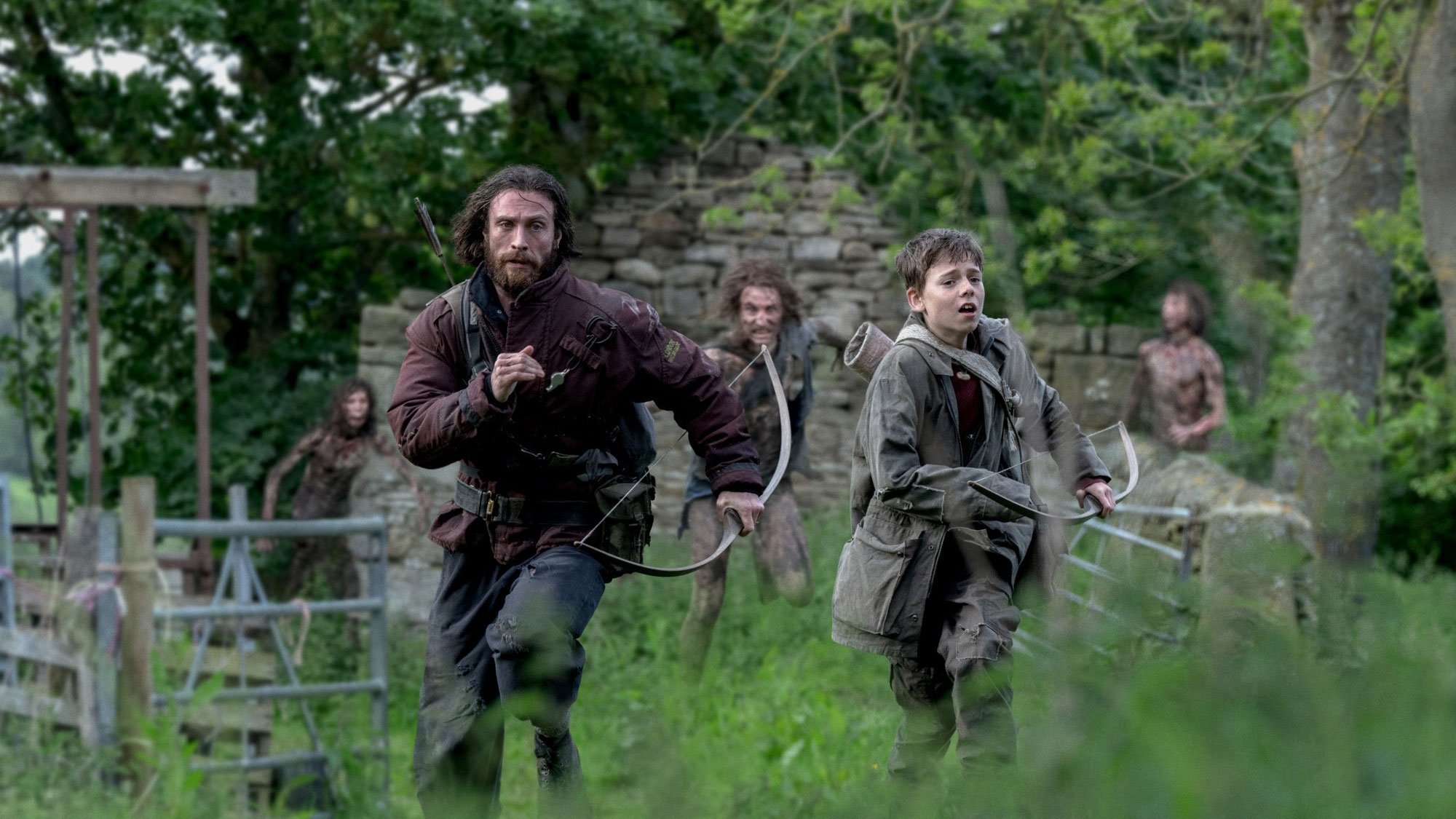
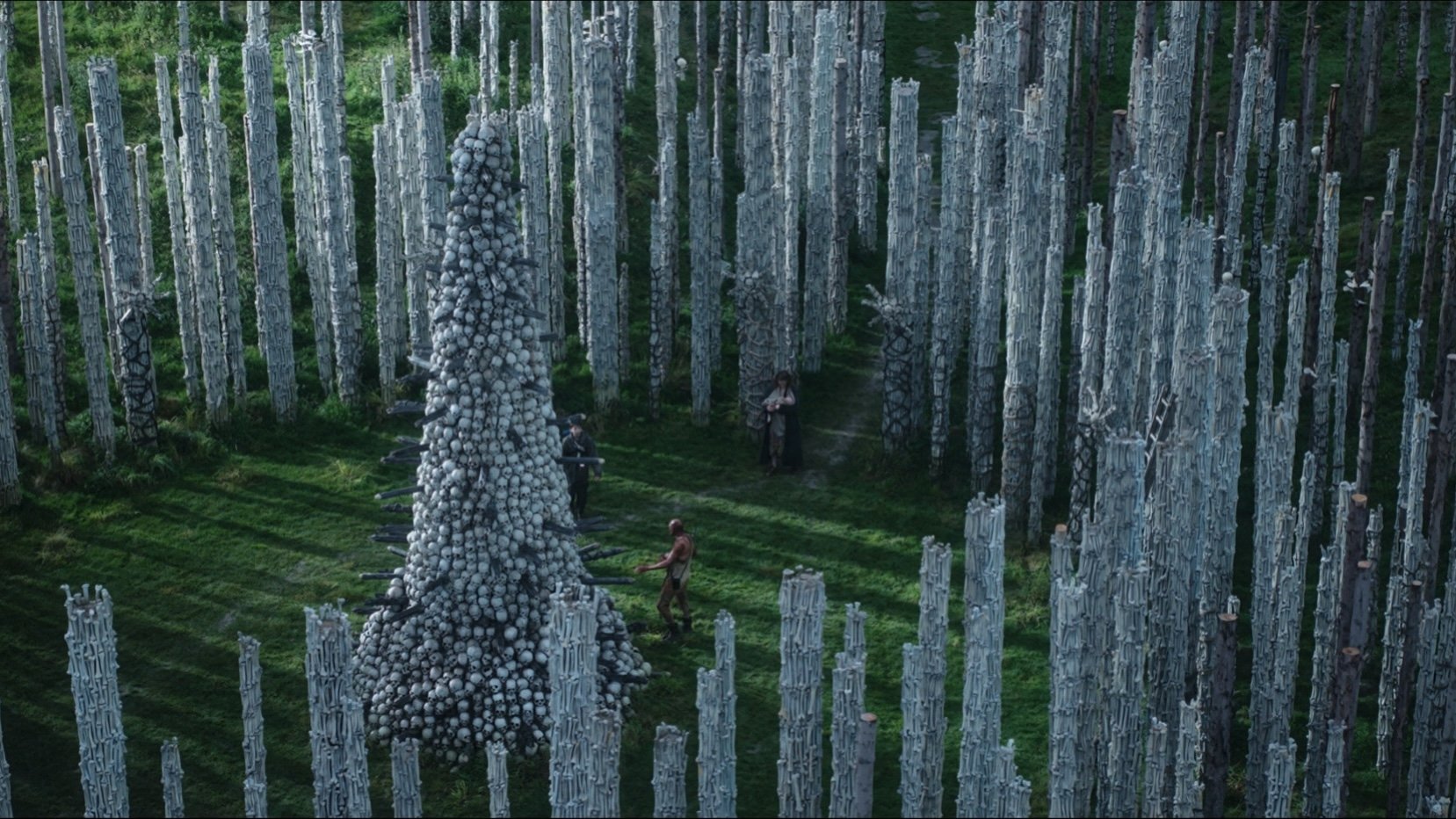
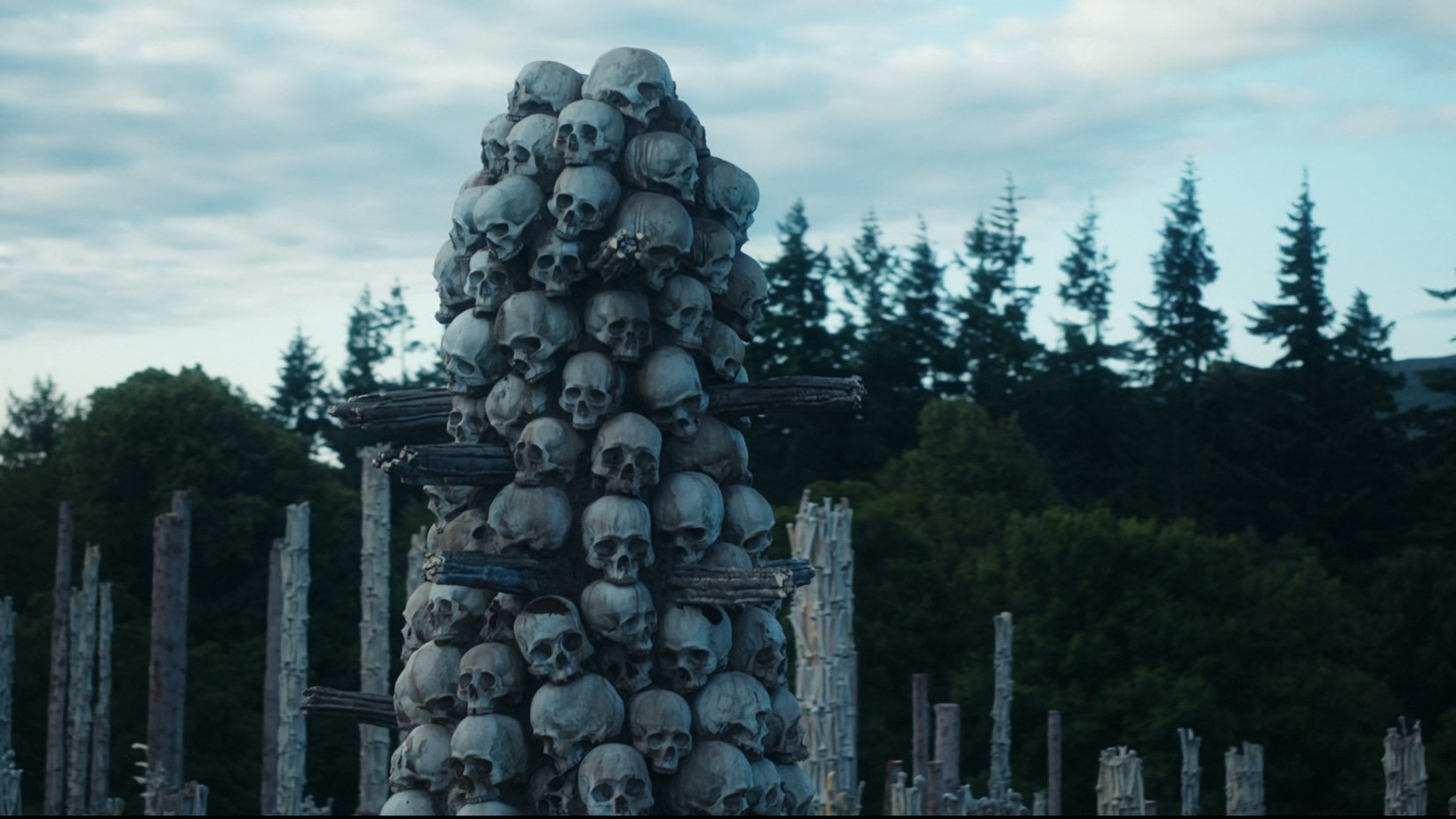
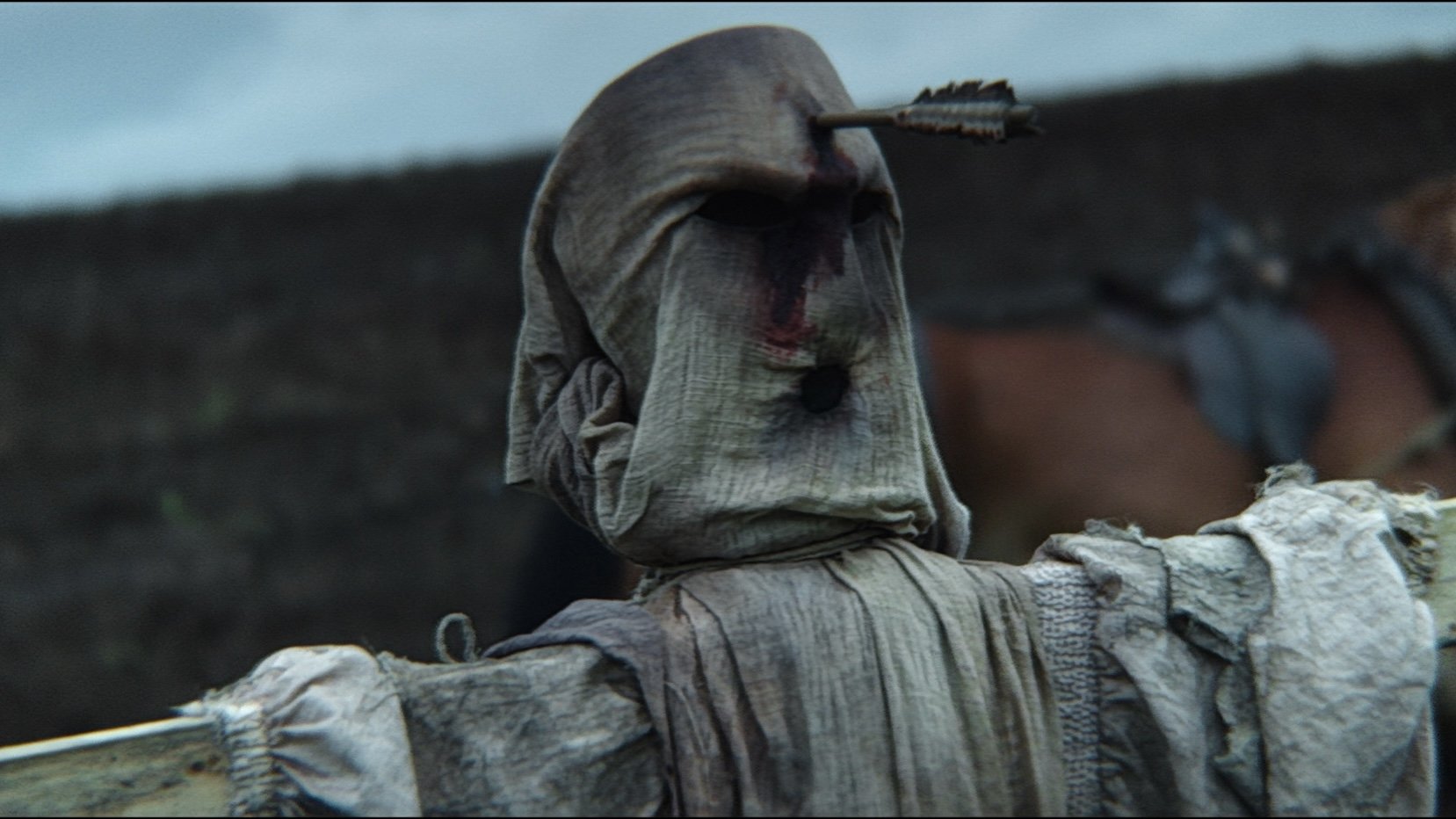
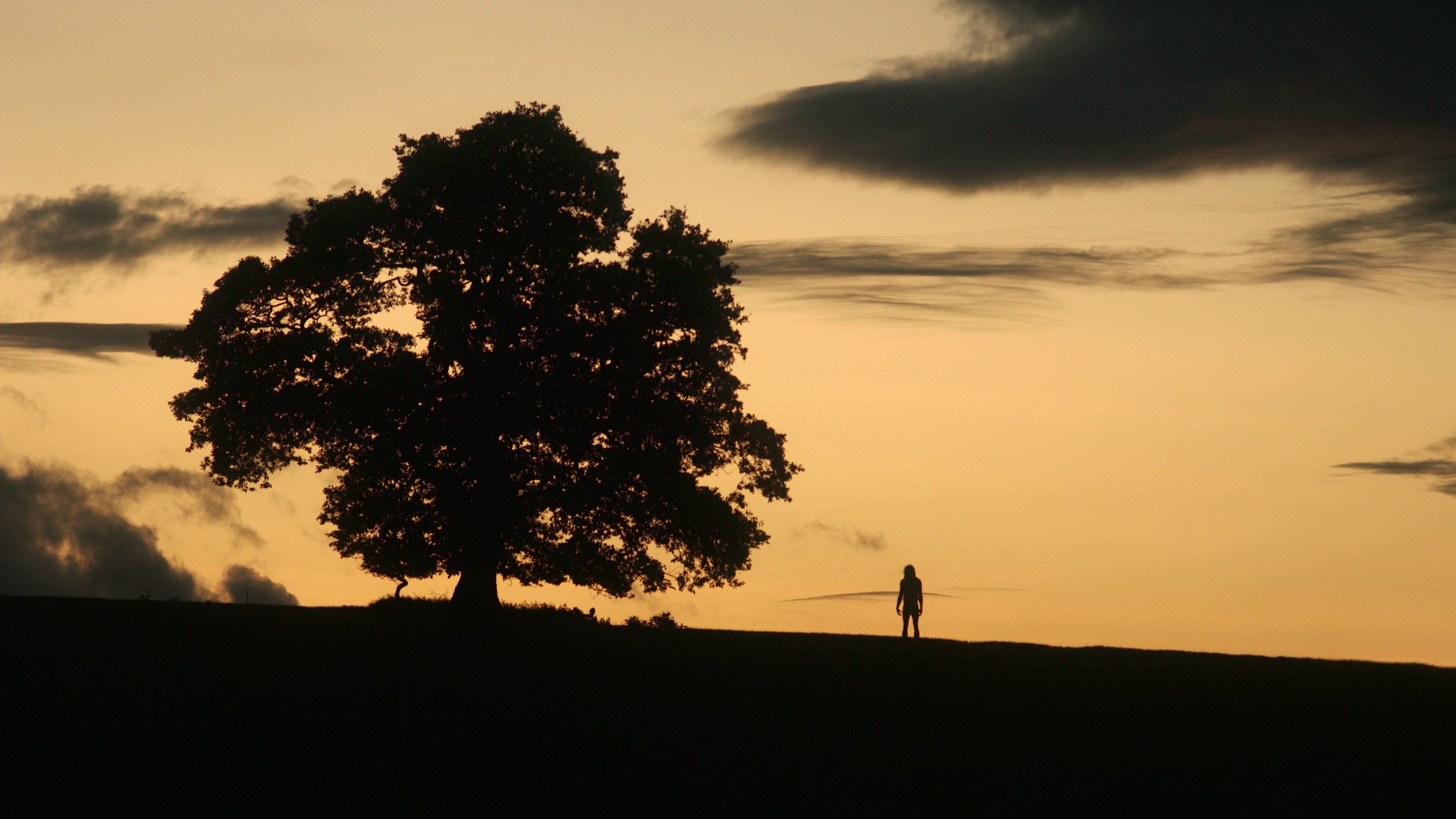
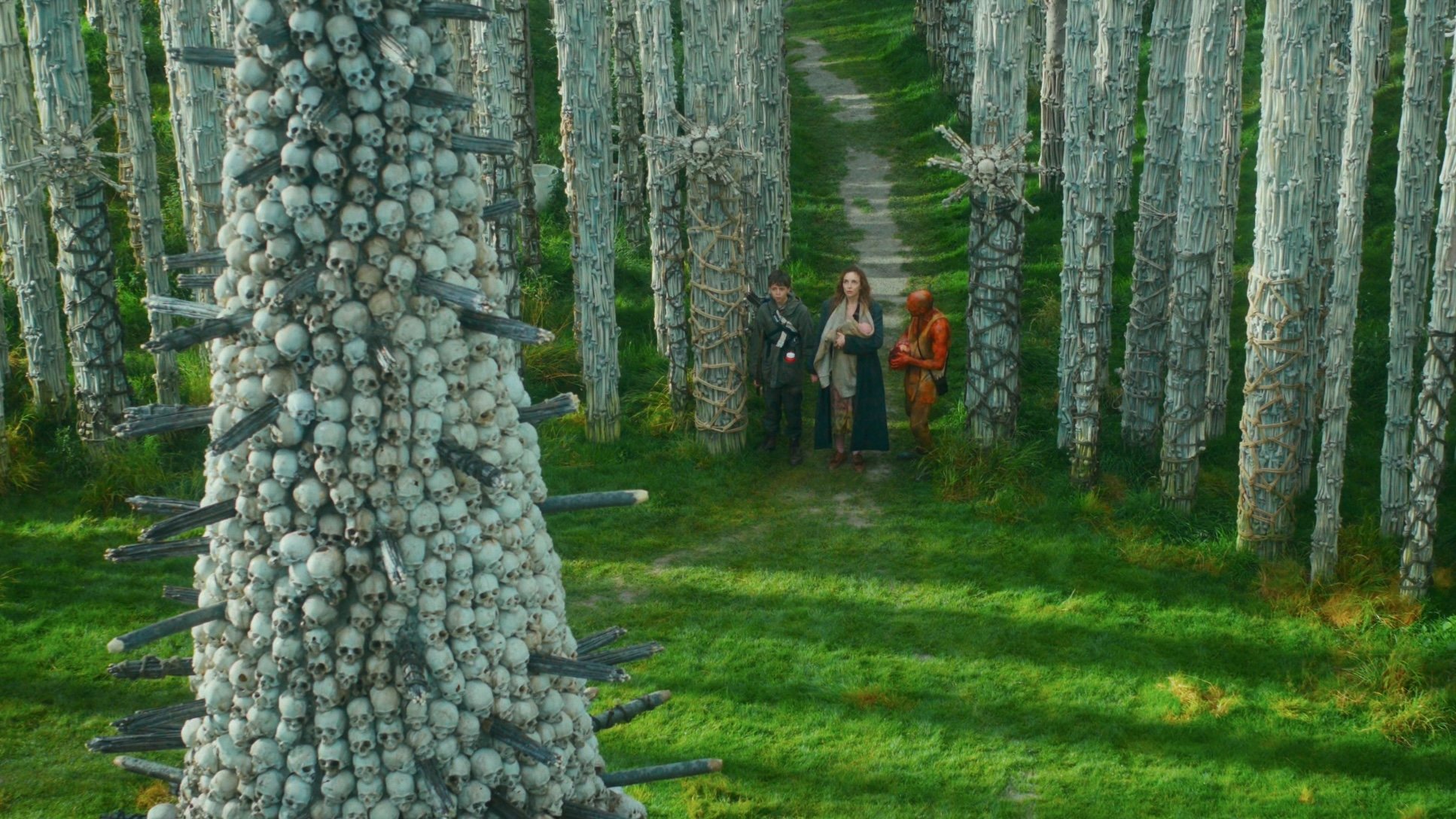
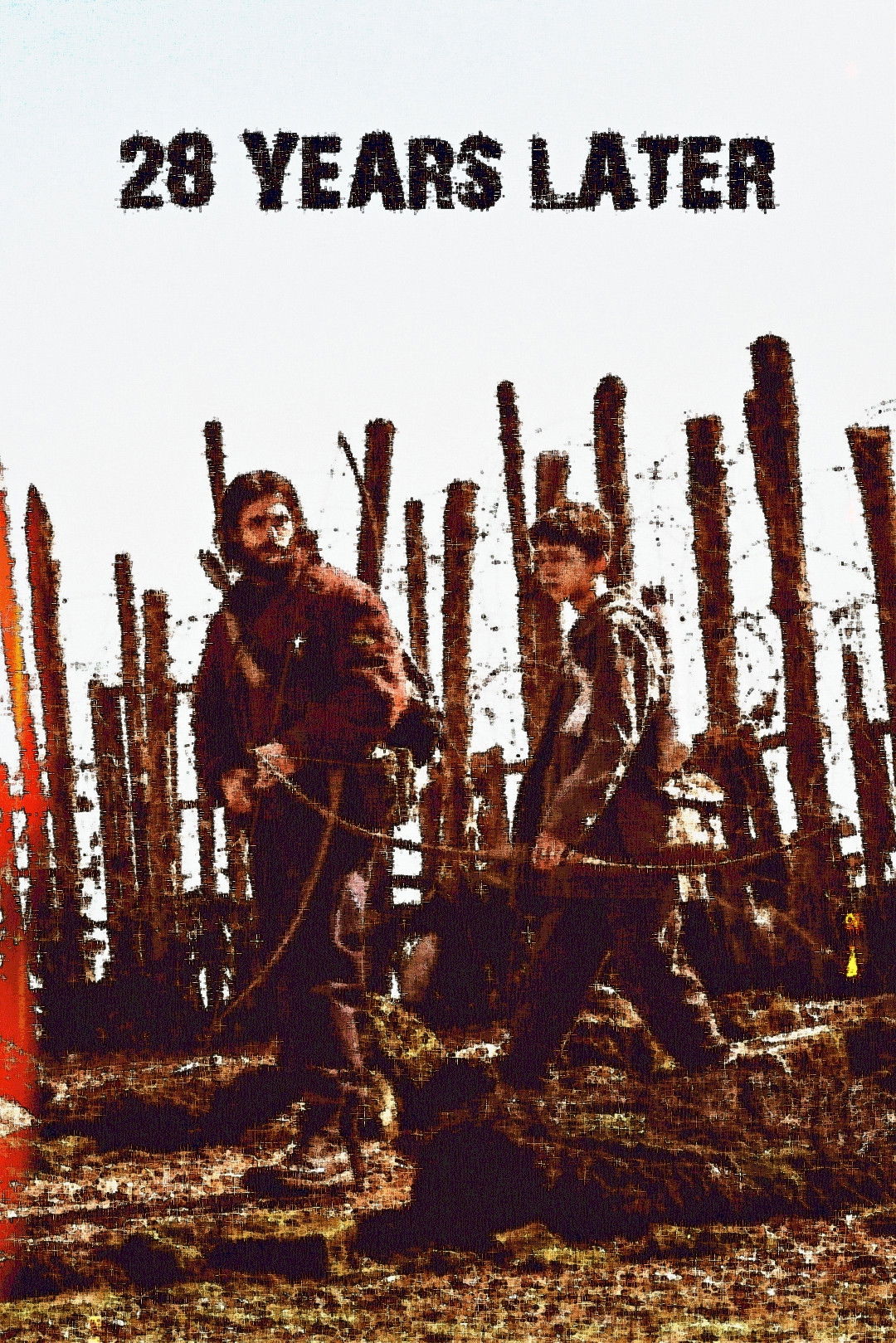
The landscape also carries a specific cultural history. Contemporary criticism in Sight and Sound connects the Holy Island setting with early English Christianity and medieval invasion, identifying the film's interest in a future that resembles a distant national past. The locations give the survivors' world a different visual vocabulary from the abandoned metropolitan spaces of the first feature. Ruined buildings, open fields and coastal approaches remain charged with danger even when no infected bodies are visible. The film uses that openness to complicate the expectation that horror requires dark interiors or confined corridors. An apparently empty horizon can conceal a threat that advances faster than a person can escape.
Digital Cinematography and Multi-Camera Violence
The return of cinematographer Anthony Dod Mantle brings an explicit dialogue with the technology of 28 Days Later. Boyle's earlier production relied on small digital-video cameras, which helped crews work quickly in urban locations and gave its images a distinctive texture. For 28 Years Later, the filmmakers used iPhone 15 Pro Max devices as a principal photographic tool, supported by specialist lenses and mounting systems. Boyle explained in interviews that the small units let the production move across remote terrain with less equipment and reduced disturbance to places meant to seem untouched by modern human activity. These were deliberate production and aesthetic decisions, rather than a suggestion that the finished film was made with unmodified consumer phones.
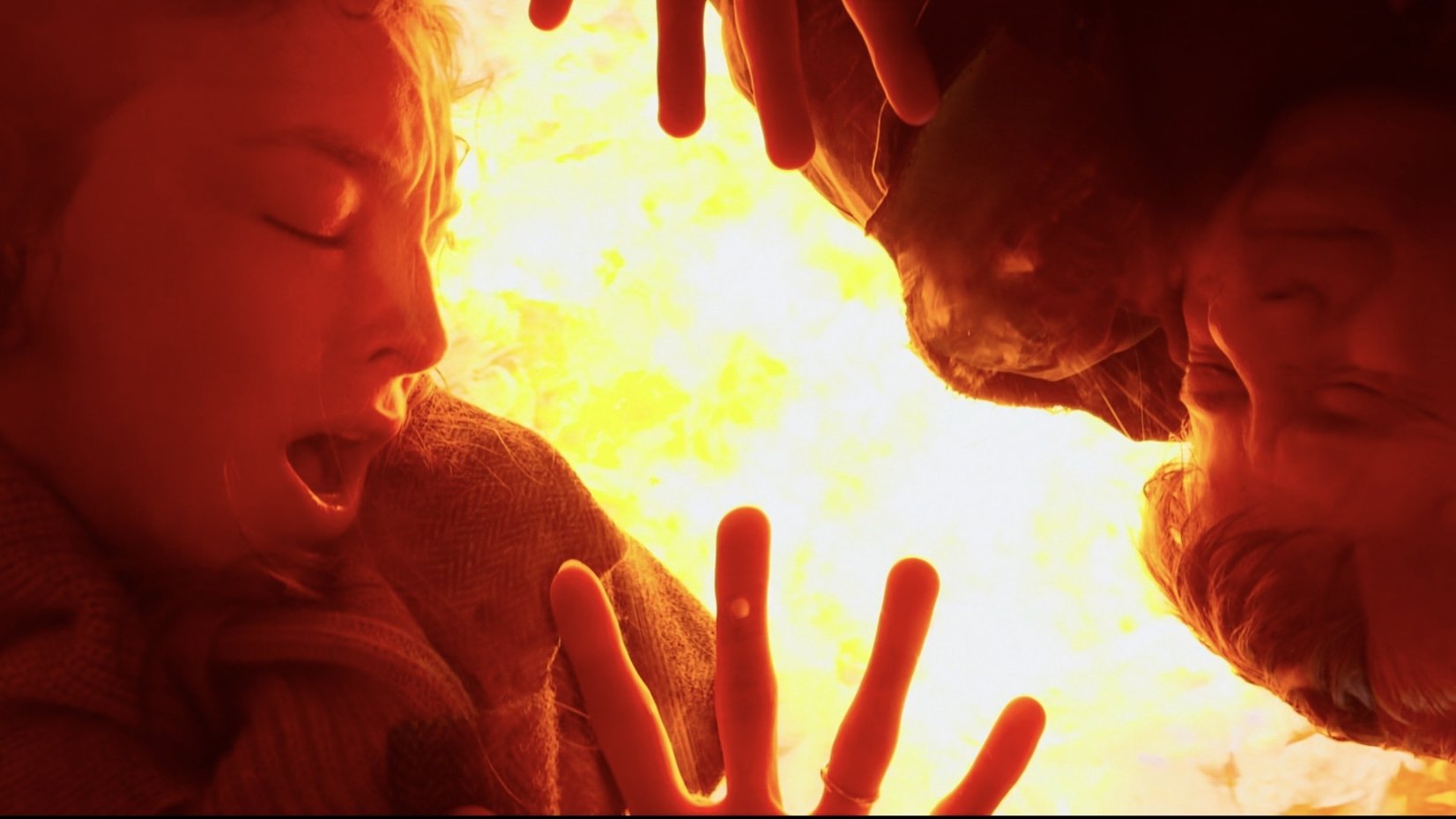
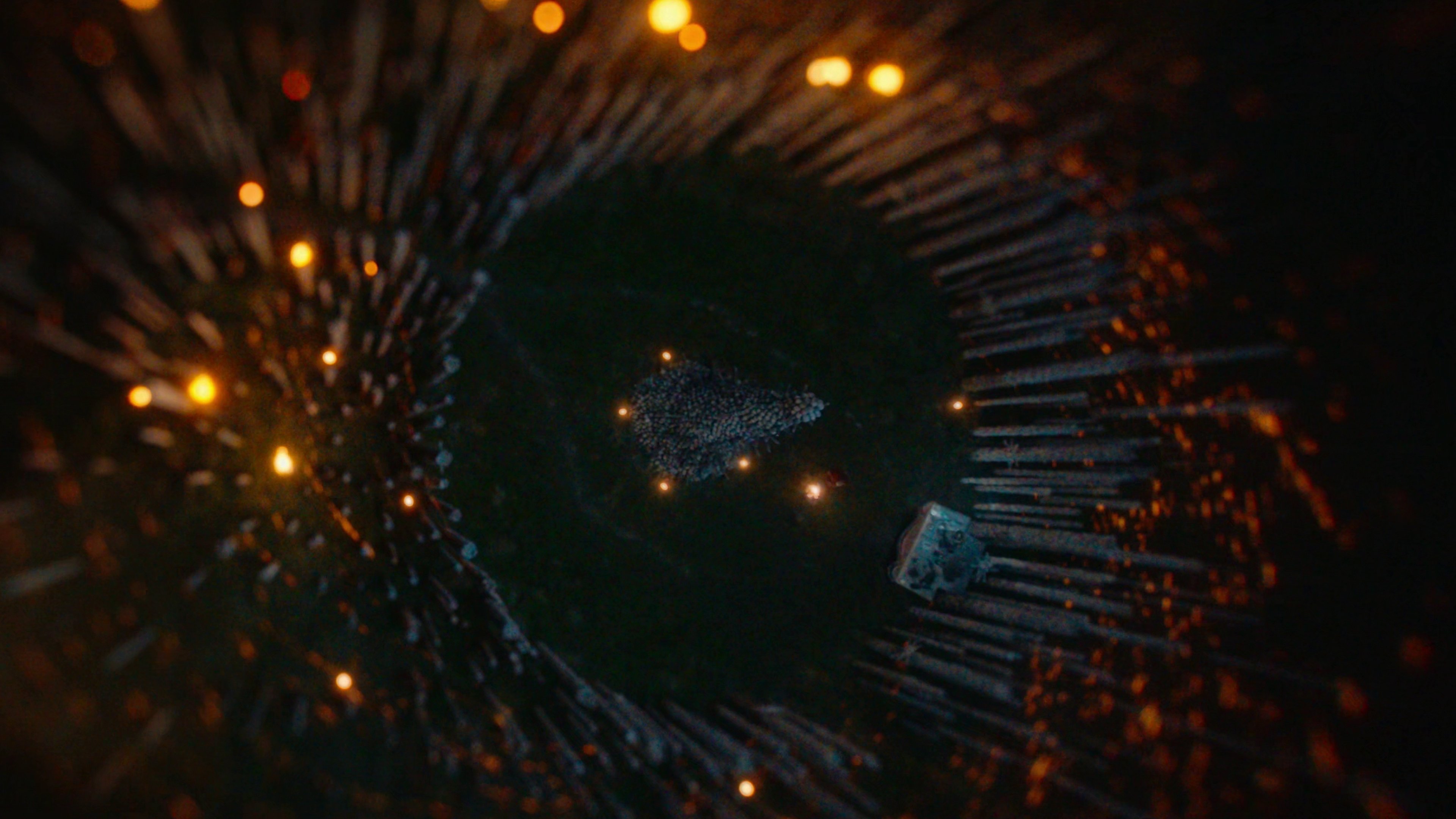
The filmmakers also devised multi-phone arrays, including a rig holding as many as twenty cameras. The cameras could record action across a wide arc at once, allowing the edit to change viewpoint abruptly or create an effect related to time-slicing. Boyle called the result a low-cost alternative to the familiar bullet-time technique. The multi-angle coverage is especially relevant to the attack scenes, where sudden shifts in viewpoint interrupt stable spatial orientation. The violence is both closely observed and made difficult to contain within a single conventional shot. This marks an important stylistic difference from the original film, whose digital texture often suggested footage captured urgently under emergency conditions.
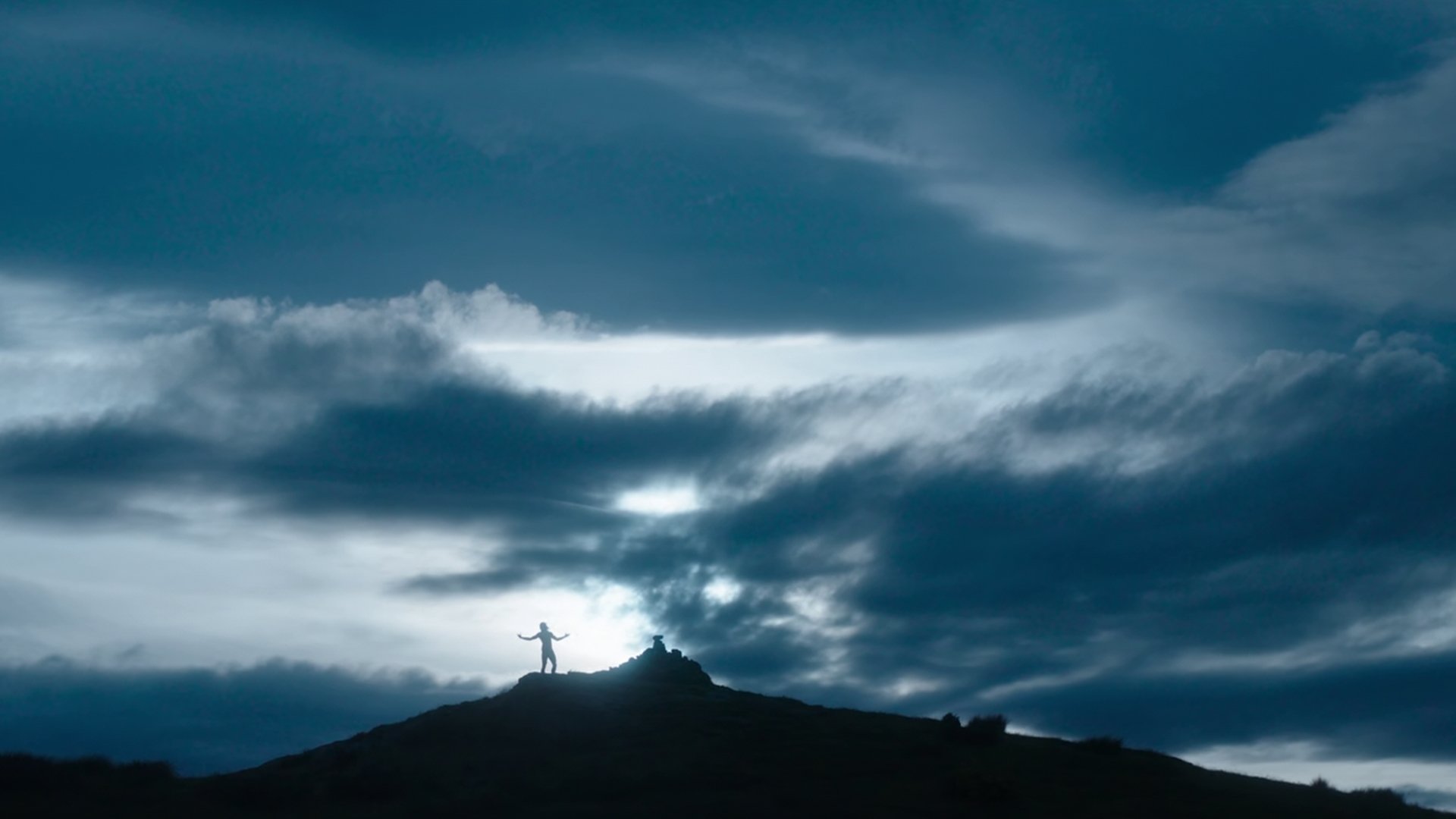
The film's exceptionally broad widescreen framing, reported by the director as 2.76:1, is another part of that contrast. The screen can hold large expanses of landscape while leaving a human figure exposed at one edge, or compress a struggle into rapidly changing fragments. Mobile digital acquisition and a panoramic composition might seem to pull in opposite directions, yet they support the same dramatic concern: the human body is small within an environment where danger can move unpredictably. The imagery is frequently restless, but its moments of patient observation allow the history of the landscape and the community's fragile order to register.
Infected Bodies and the Evolution of the Threat
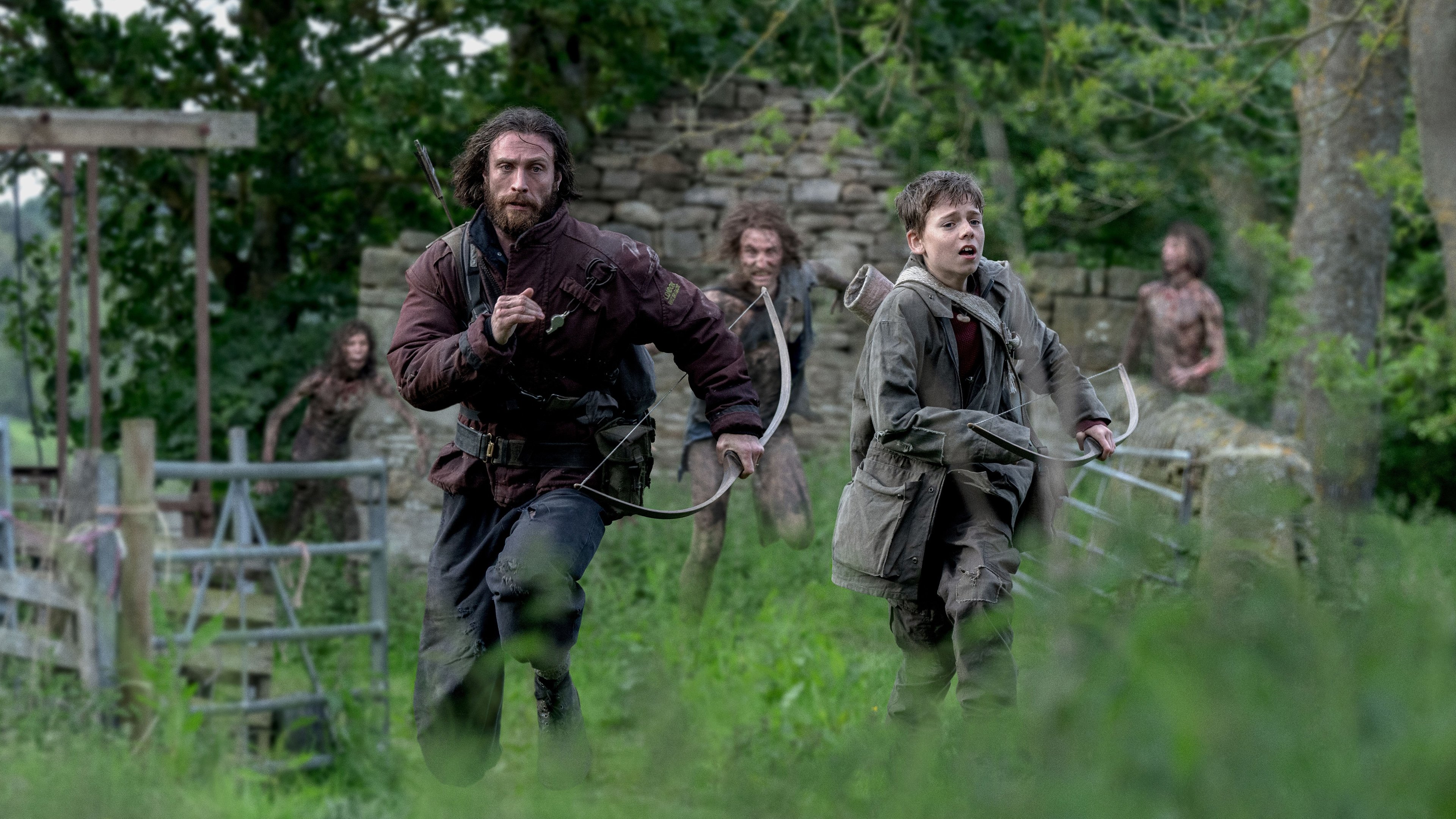
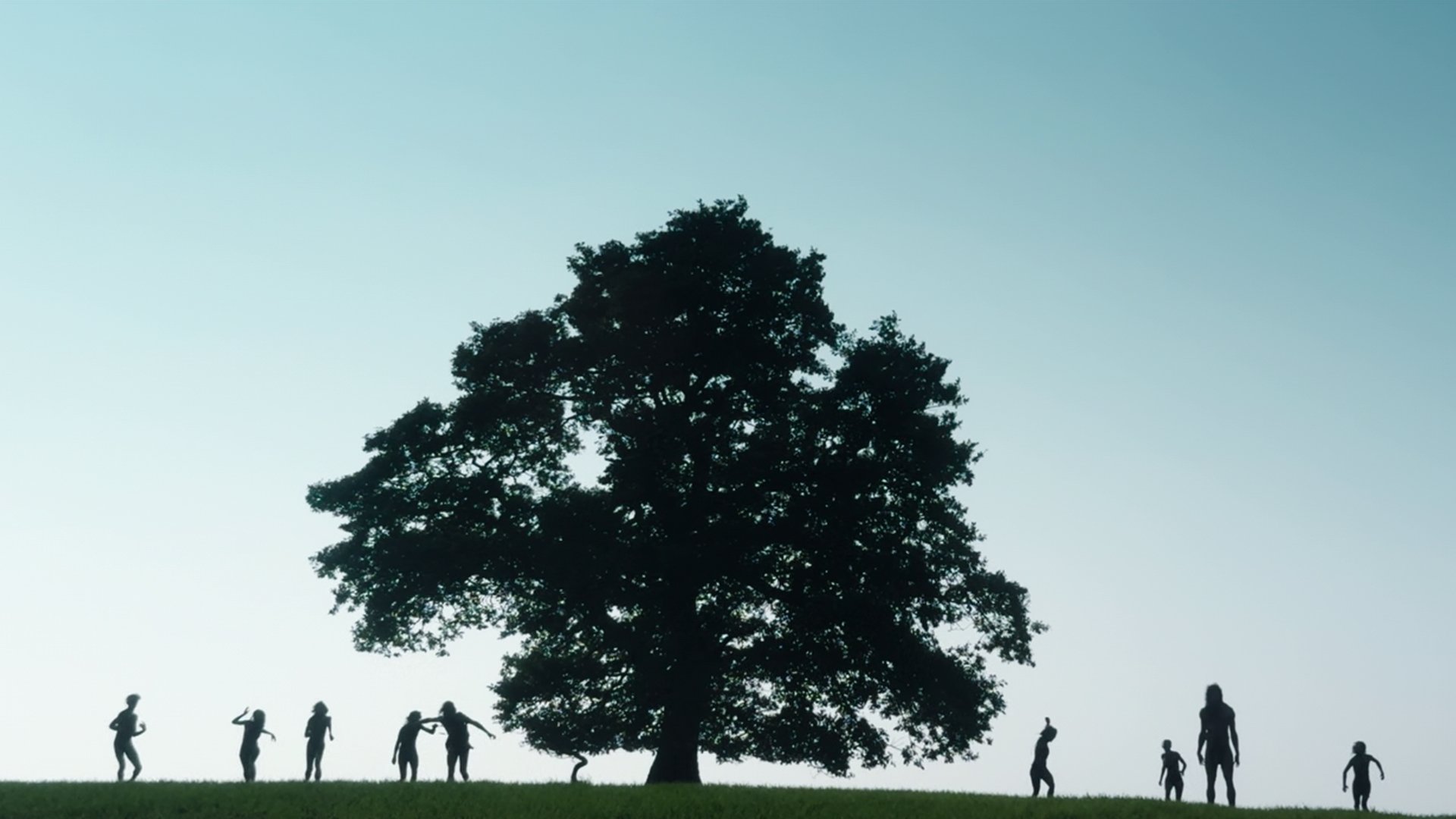
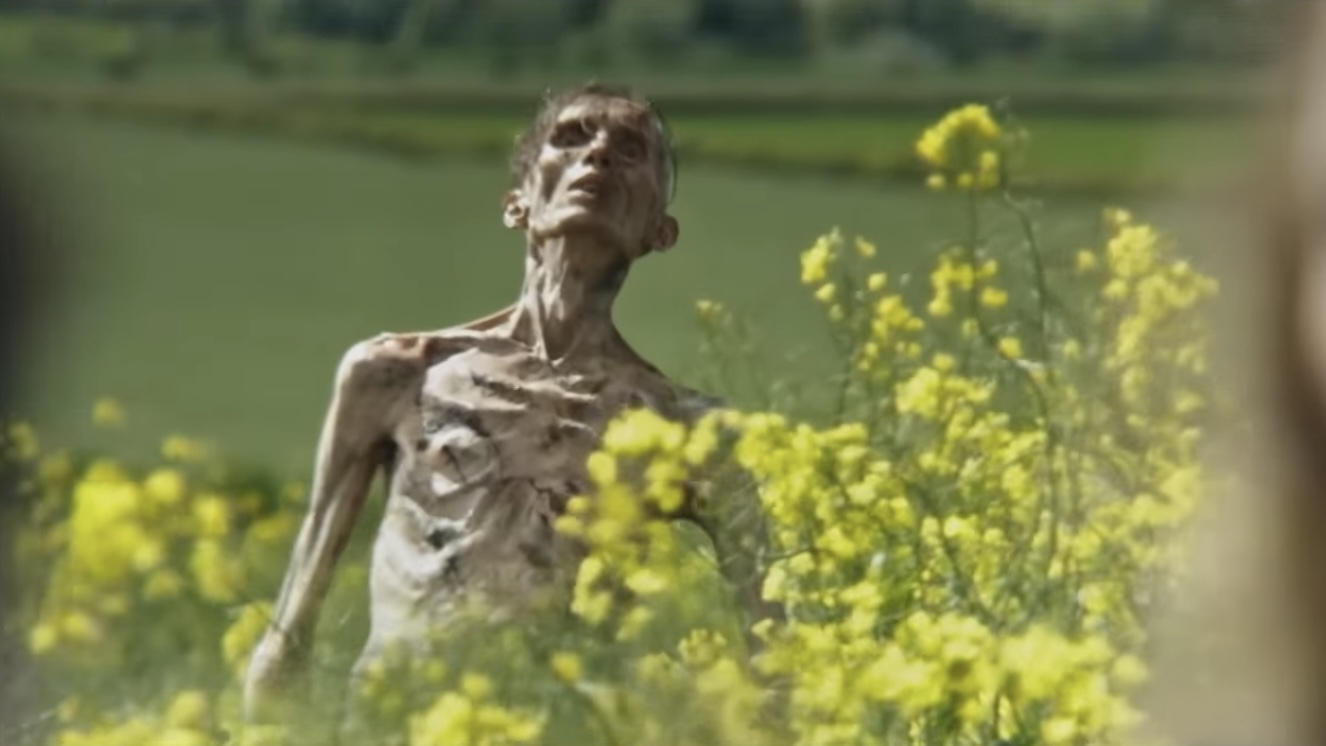
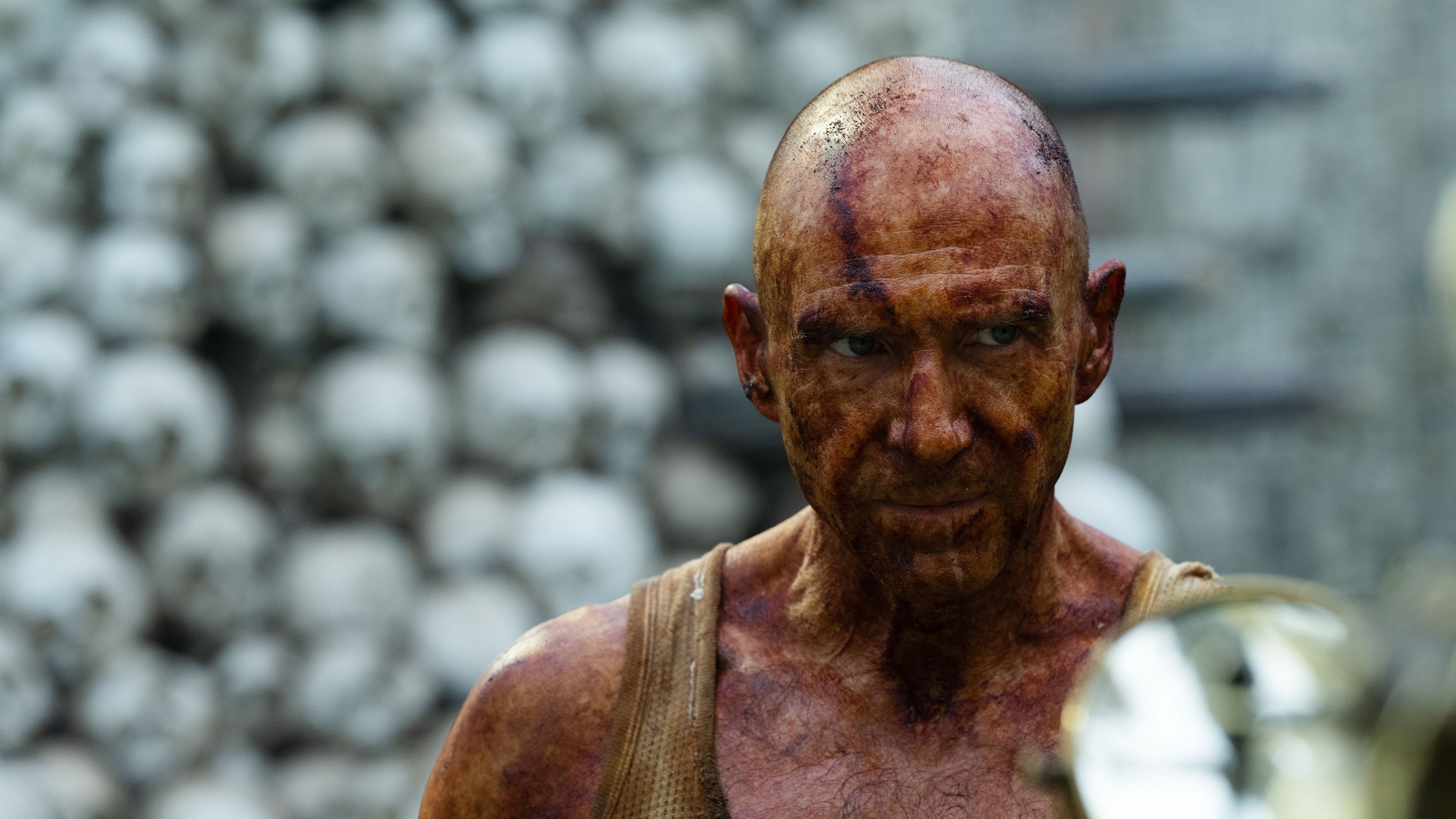
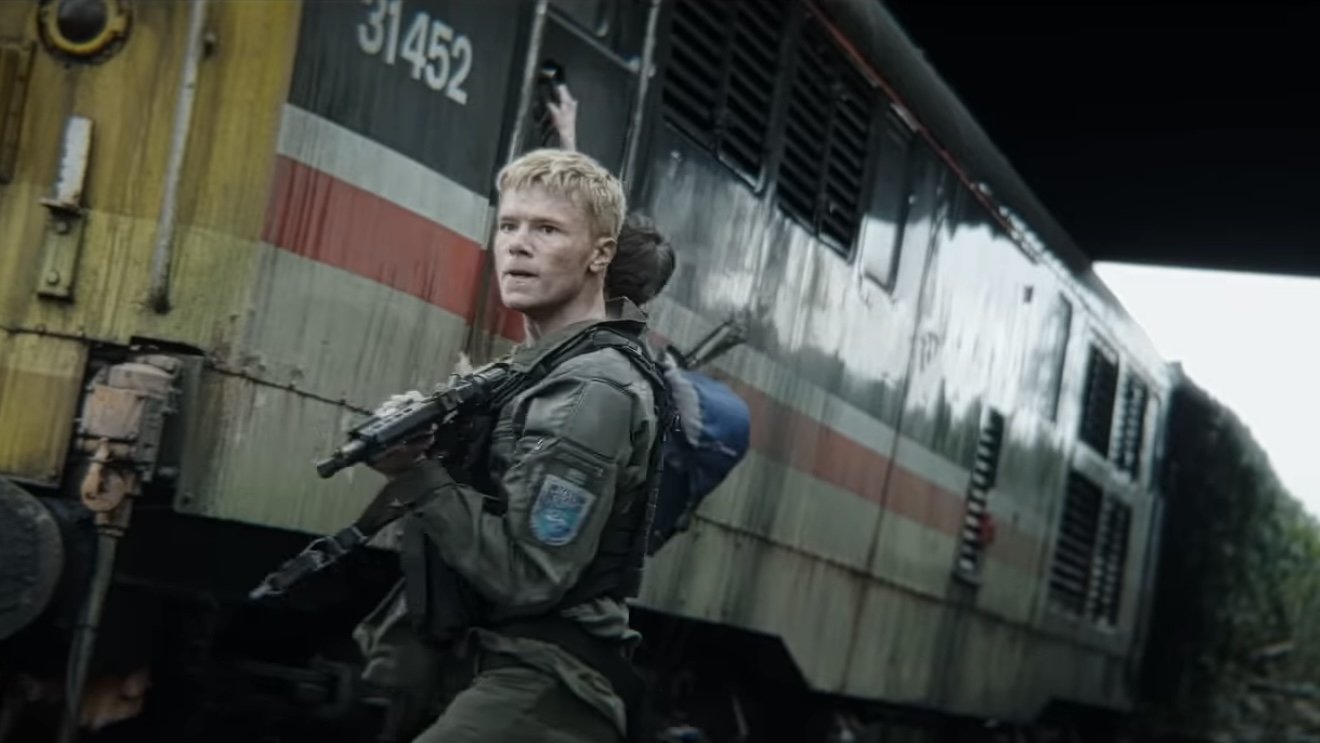
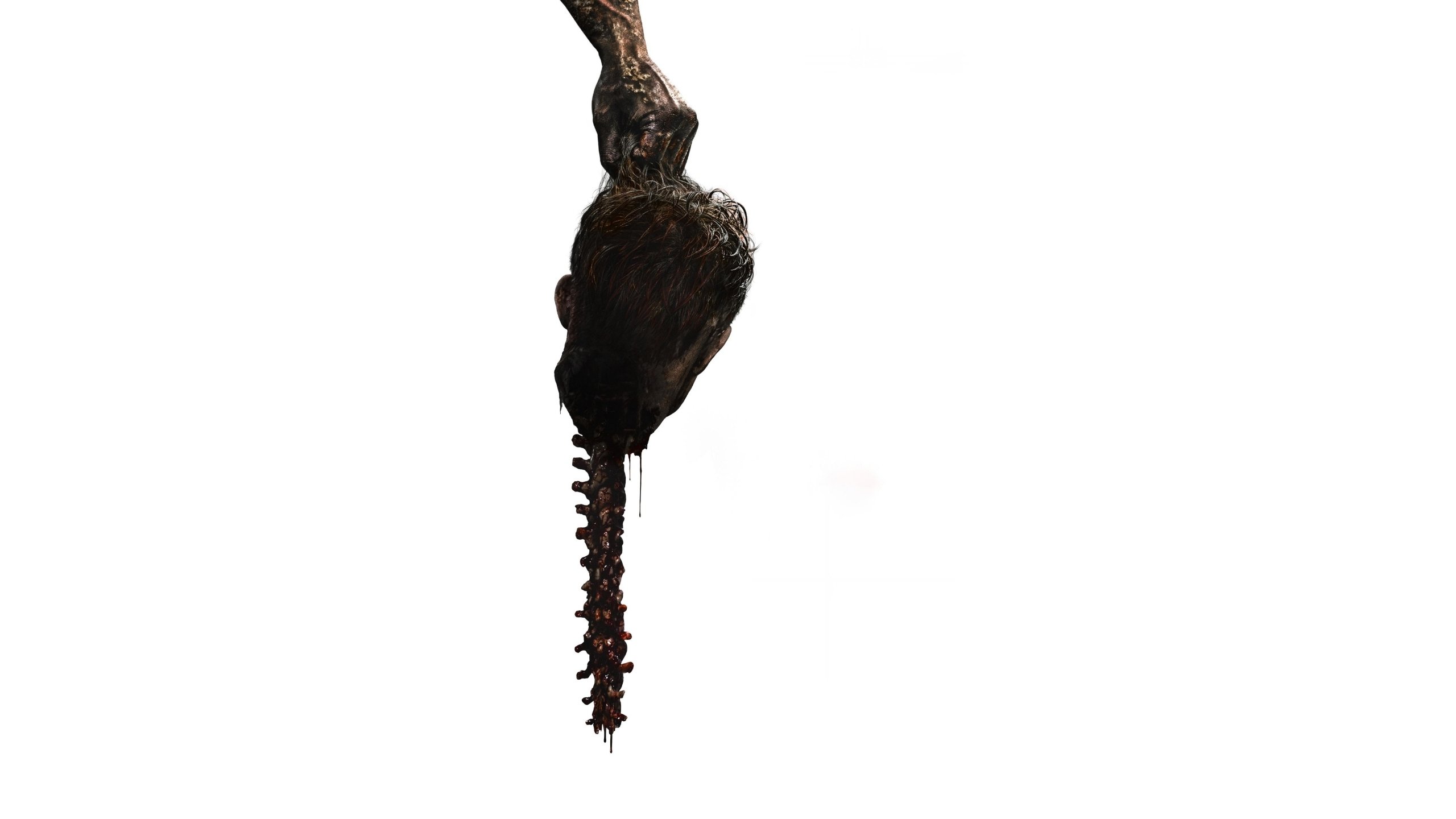
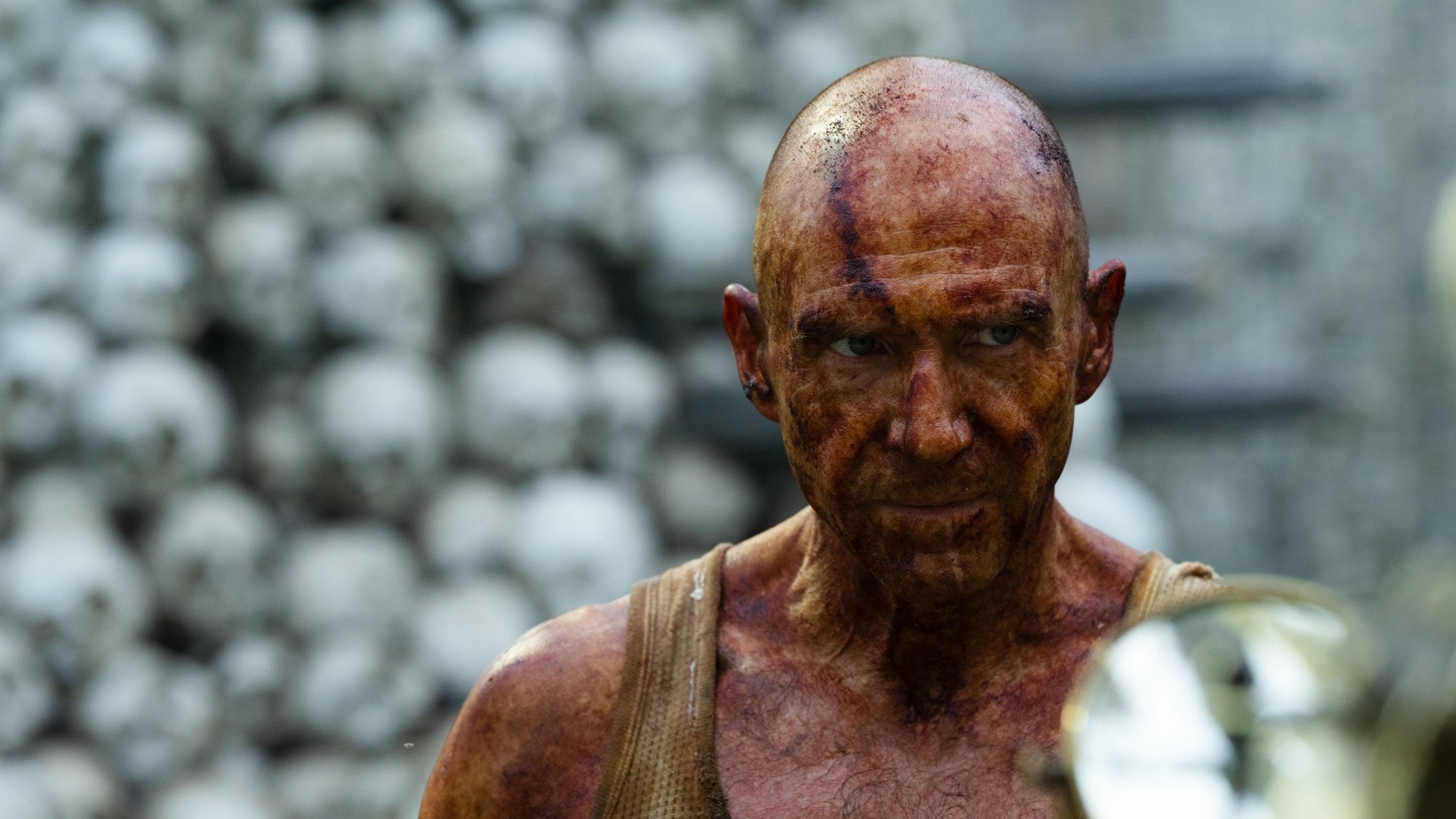
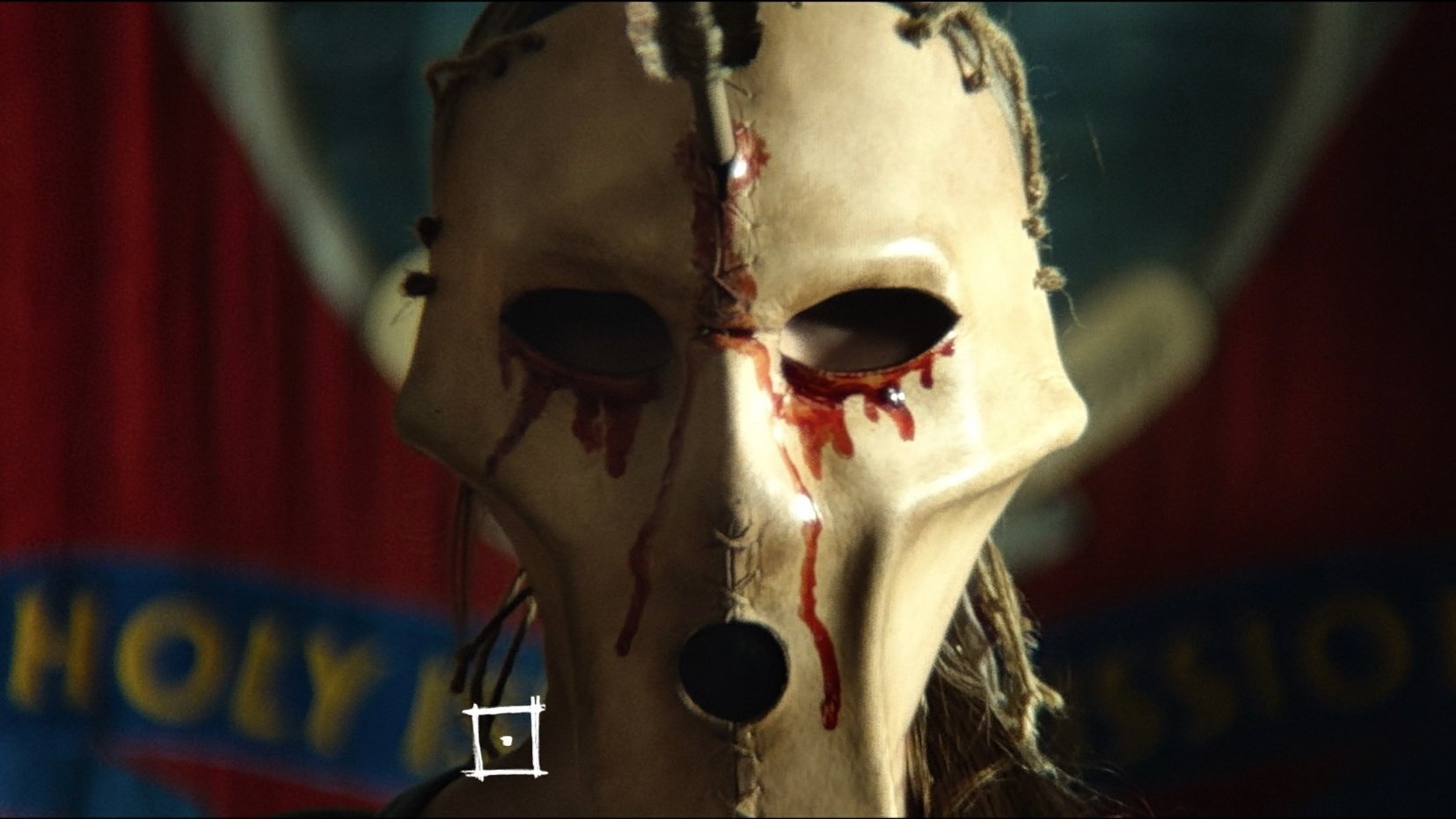
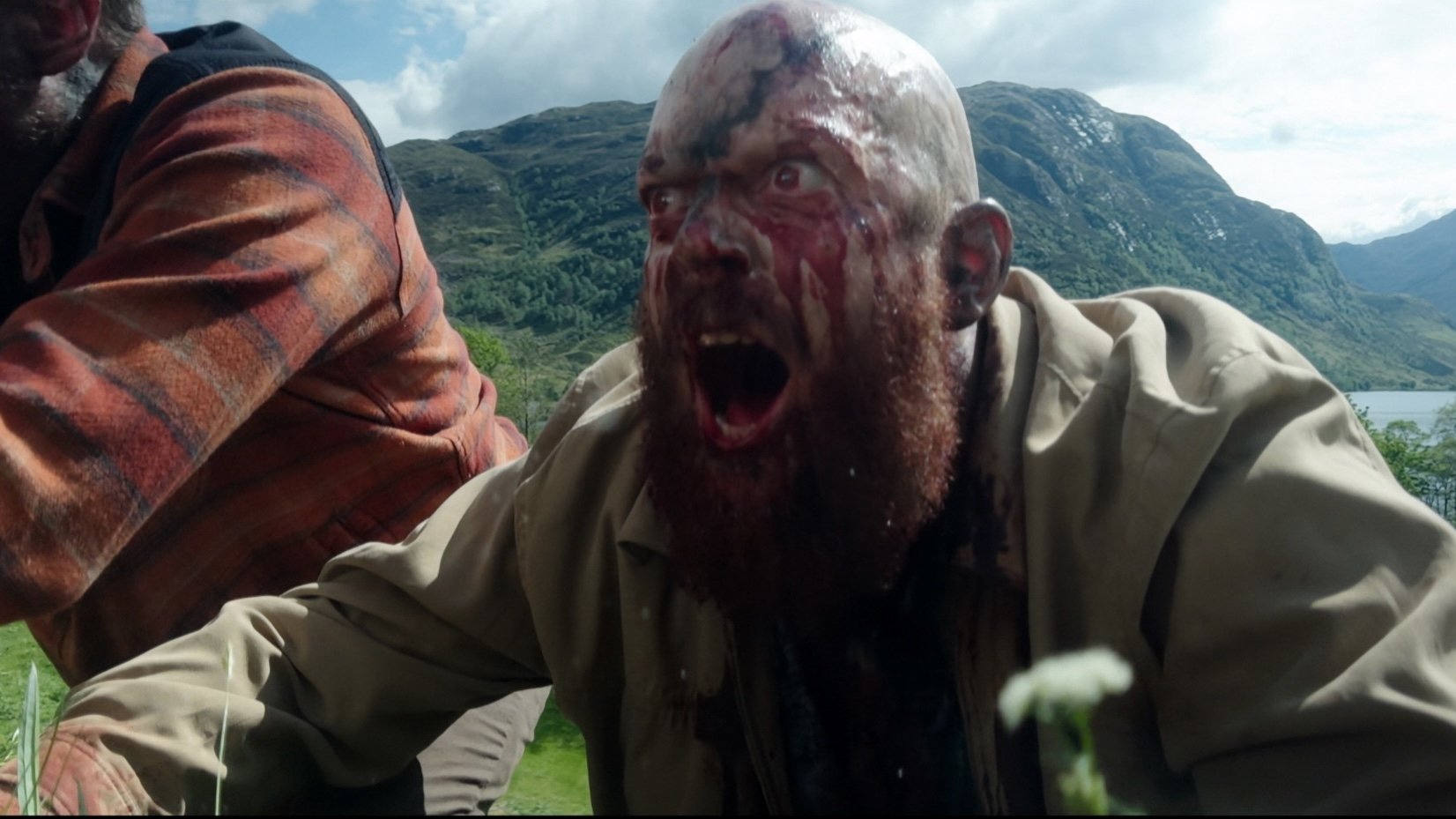
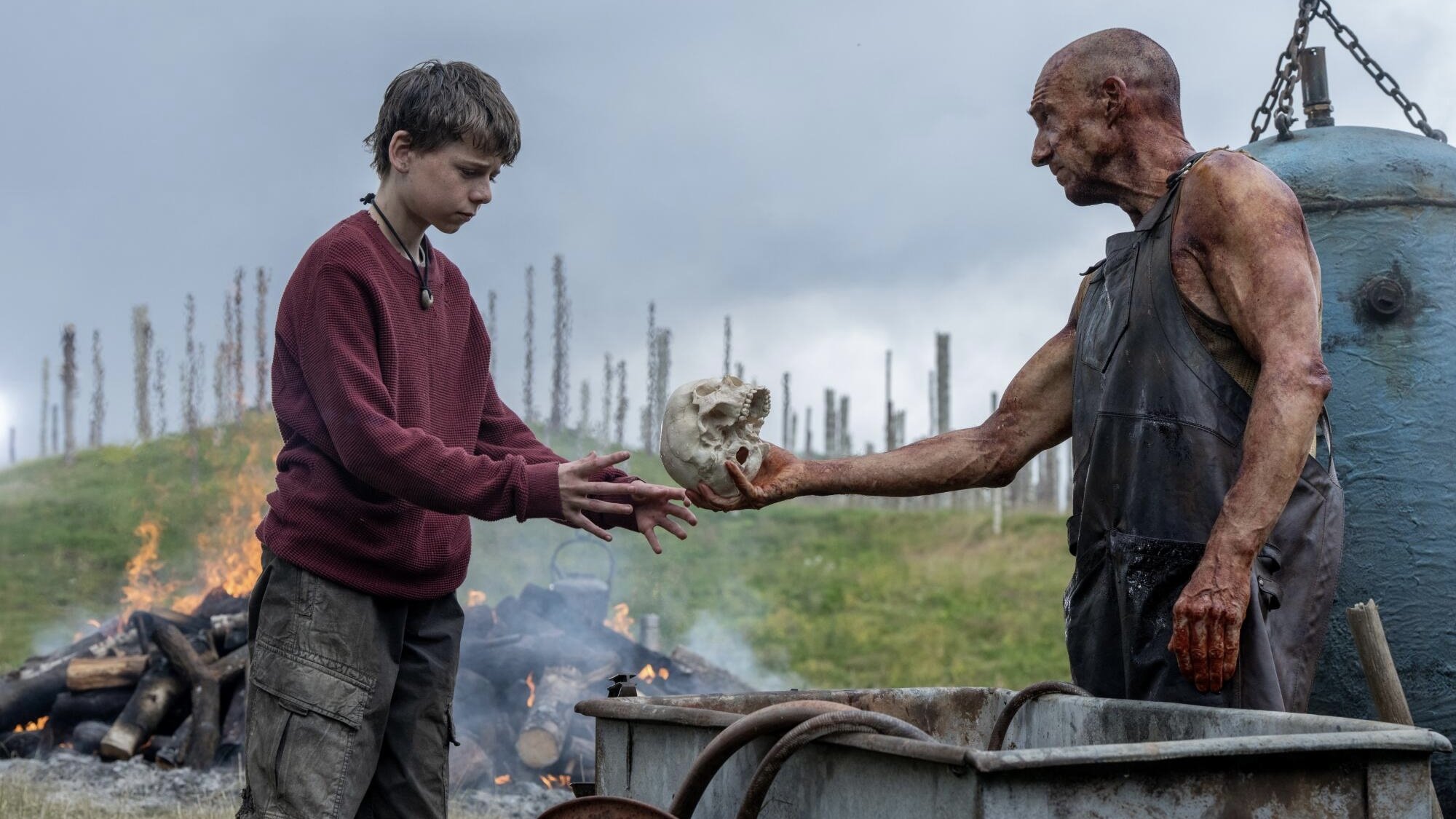
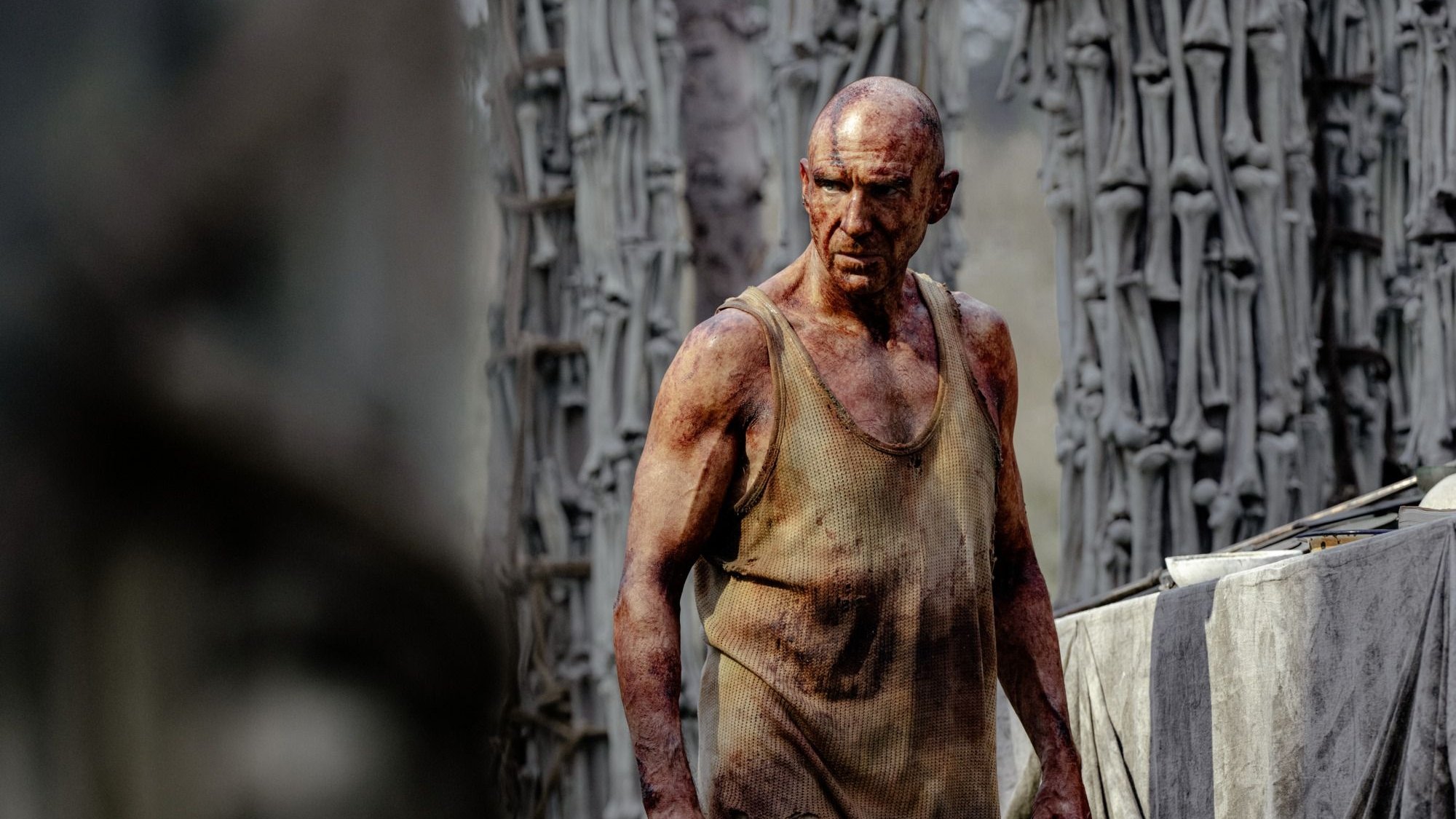
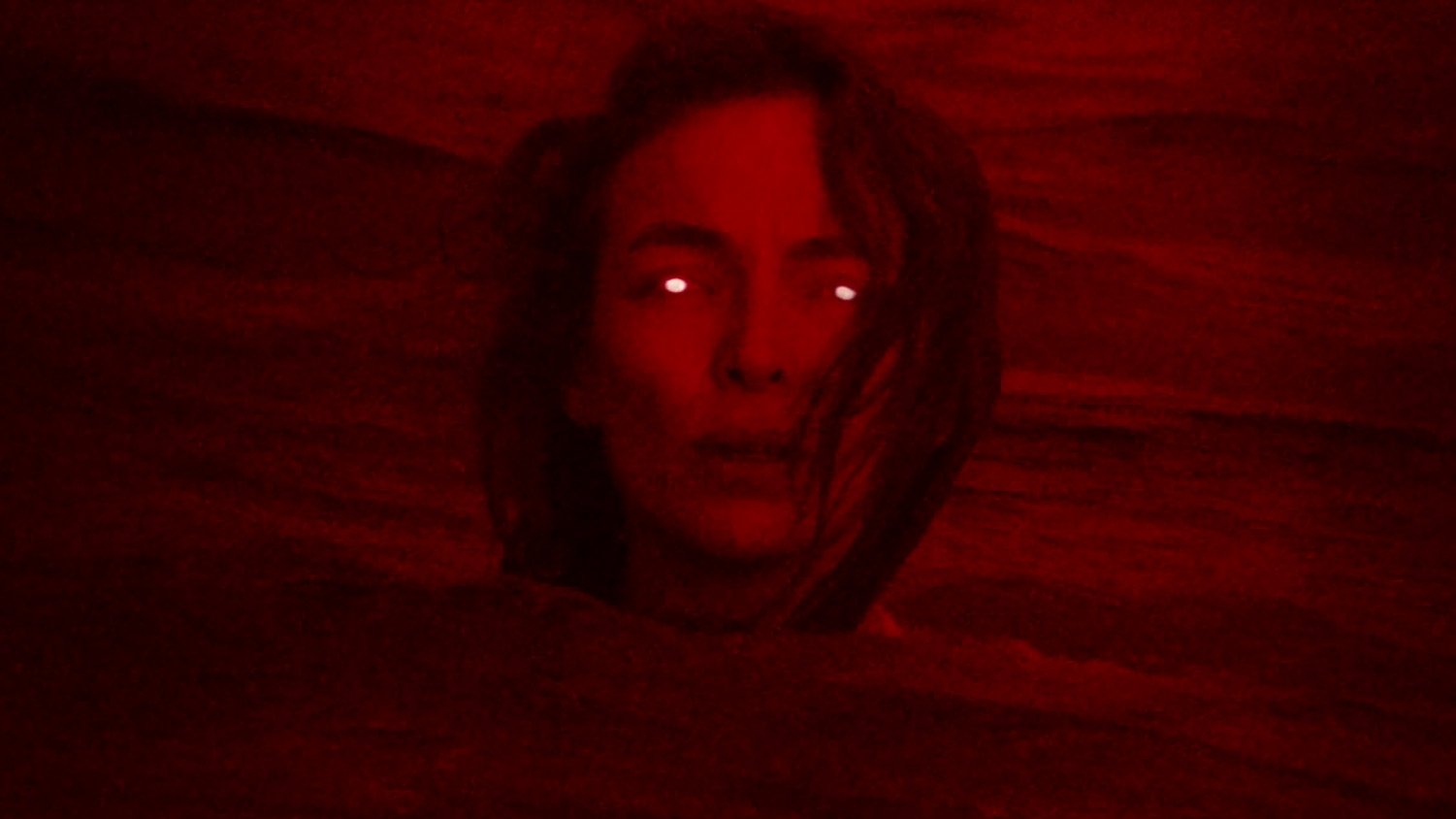
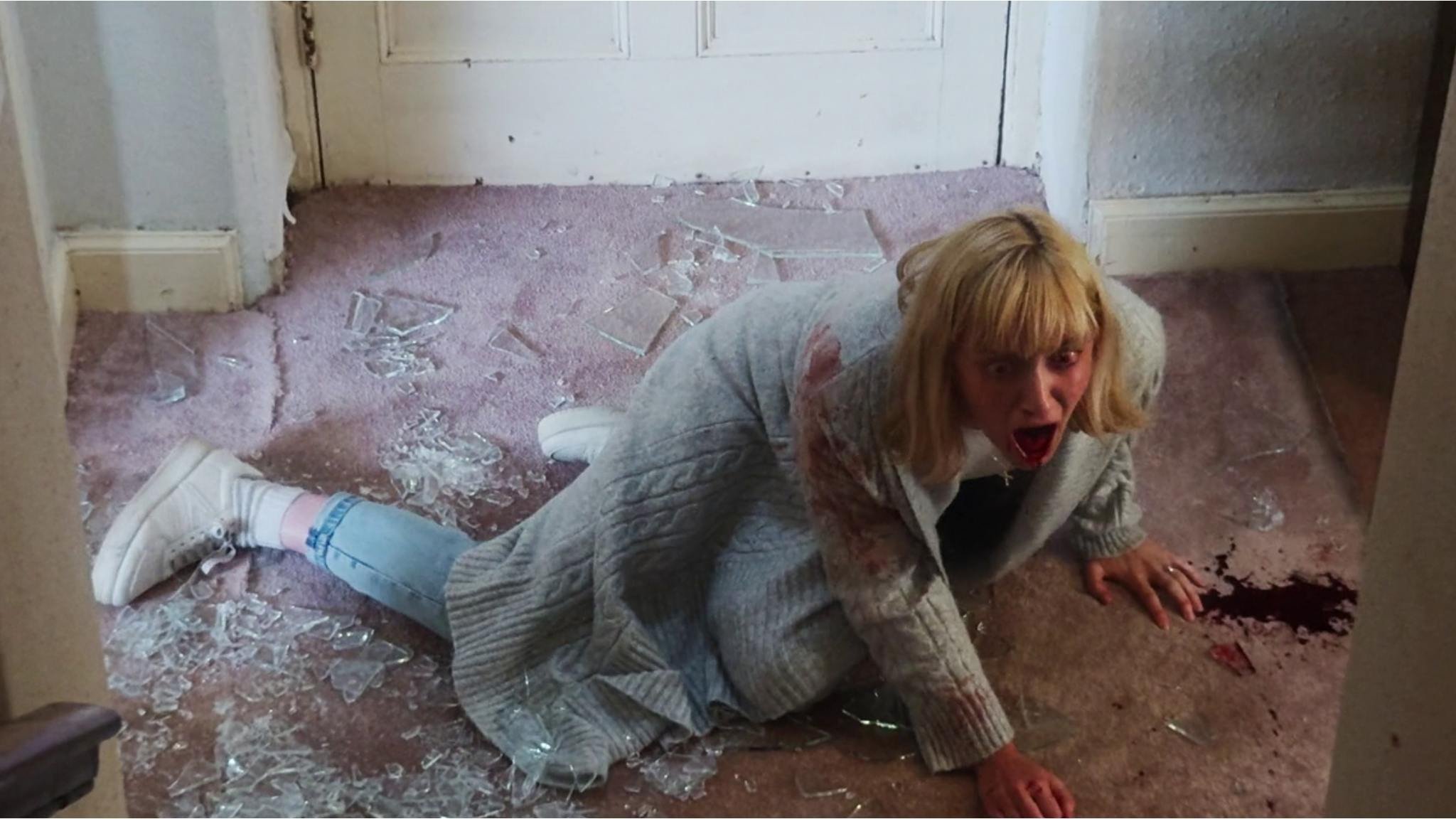
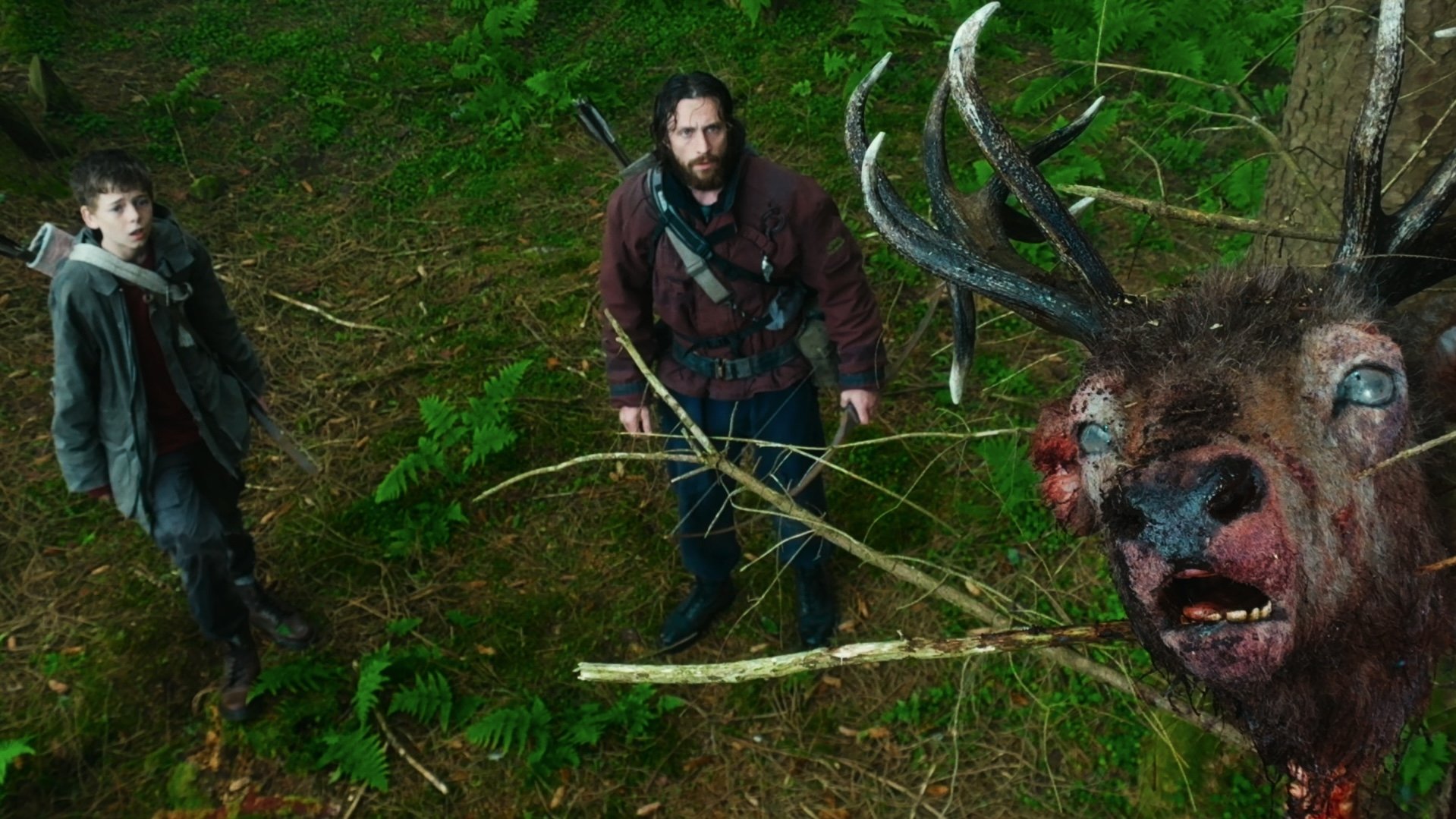
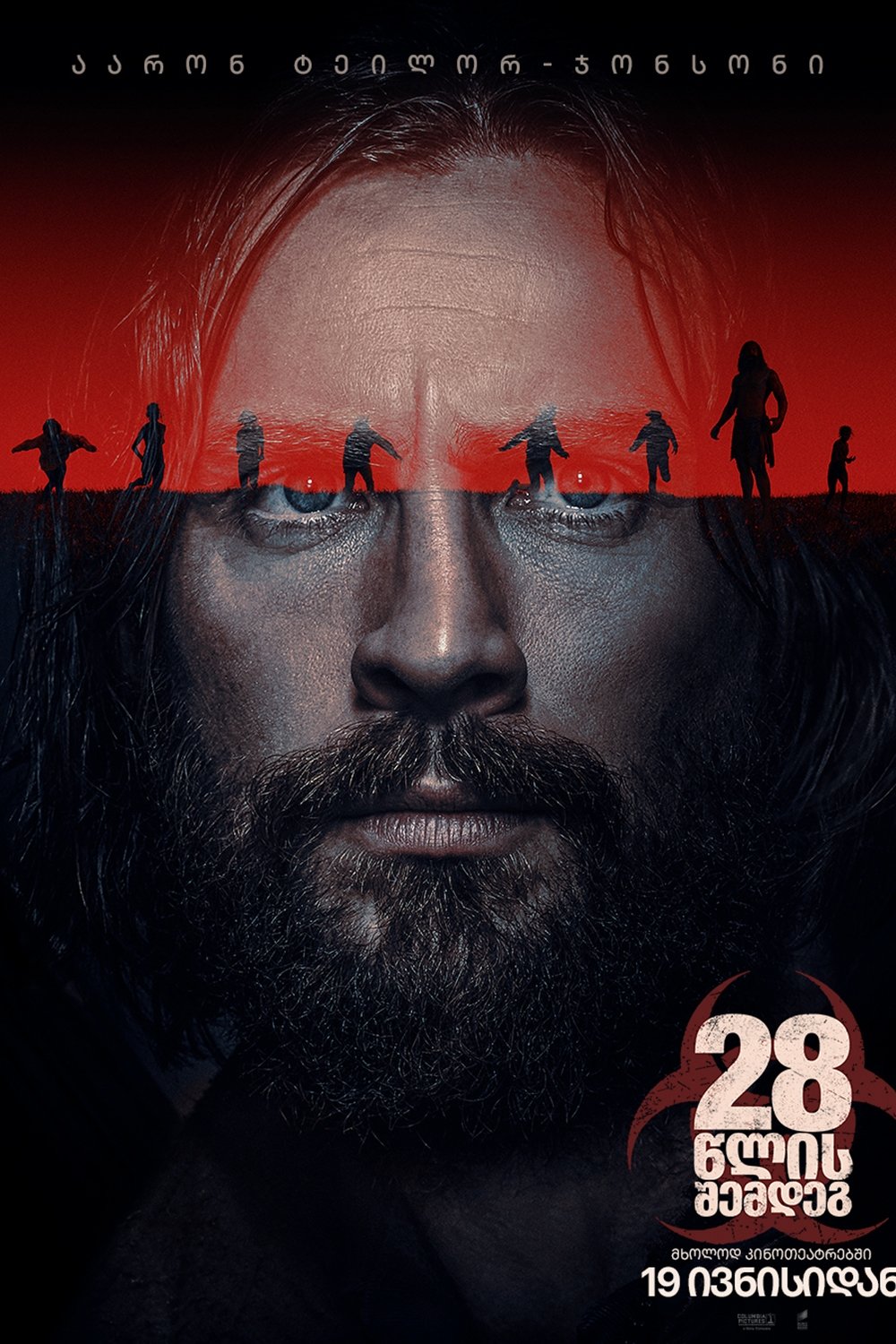
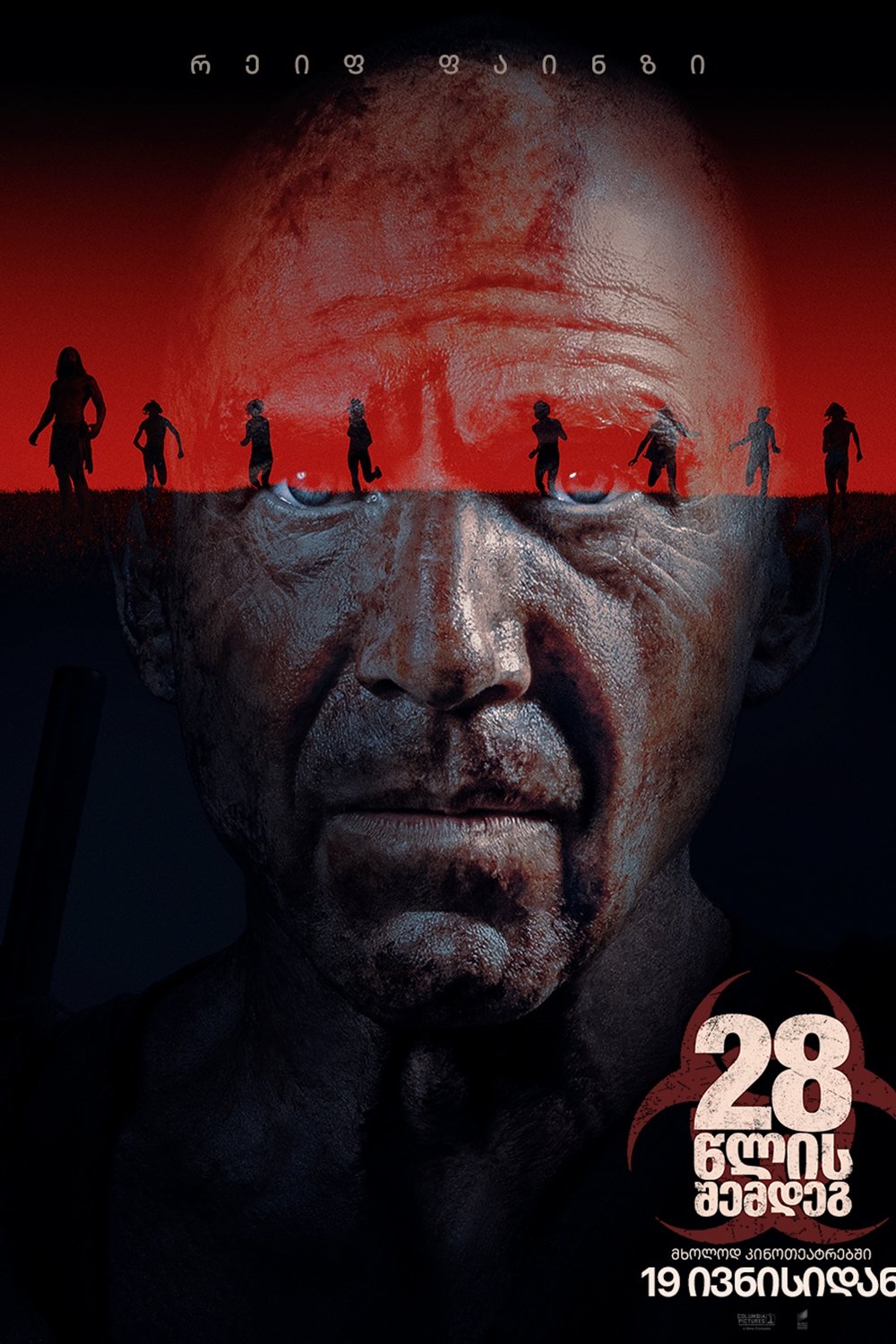
The Rage-infected remain physically aggressive humans whose actions are defined by speed and violent compulsion. Their presence links the new film to the distinctive epidemic horror of 28 Days Later, while the decades-long interval creates room for new variations in their depiction. The mainland is inhabited by different forms of infected threat, including imposing figures whose size and force challenge the assumptions passed down by the islanders. The production uses these bodies to renew the shock of human movement, a defining source of fear in the original series. The infected appear as creatures of a long-standing ecological and social catastrophe, with behavior that the isolated survivors understand only incompletely.
Garland's screenplay places the spectacle of bodily damage alongside questions of mortality, illness and care. Spike initially enters the mainland under his father's guidance, in a context that treats danger as a test of courage. His later journey with his mother exposes the inadequacy of that masculine initiation as an answer to the family's real crisis. The bodily horror becomes more complicated when threats of infection, injury and irreversible disease are placed within the same landscape. In these scenes, the premise supports an inquiry into the difference between protecting a society and preserving compassion for individuals whom that society can no longer help.
The film also maintains a deliberate instability of tone. Some encounters are arranged as furious attacks, others as moments of grief or bewilderment amid the remains of ordinary life. The change is not arbitrary: decades after the original outbreak, the mechanisms of the virus have become part of a larger world that human beings have learned to inhabit. The audience, however, still encounters these bodies through an unpredictable mixture of observation and sudden assault. This uncertainty prevents the passage of time from turning the infected into a wholly familiar danger.
Sound, Memory and the Historical Imagination
Sound contributes to the film's movement between immediate physical peril and an imagined national past. Its soundscape gives the open countryside an active presence, allowing wind, distant movement and stretches of relative quiet to sustain suspense before an attack. The contrast with sharp violence is important because the terrain initially appears expansive and exposed. An infected body entering the space can therefore be felt as a rupture in an environment that has offered few reliable cues about safety. The film's auditory shifts work with Dod Mantle's photography to unsettle the viewer's sense of distance and anticipation.
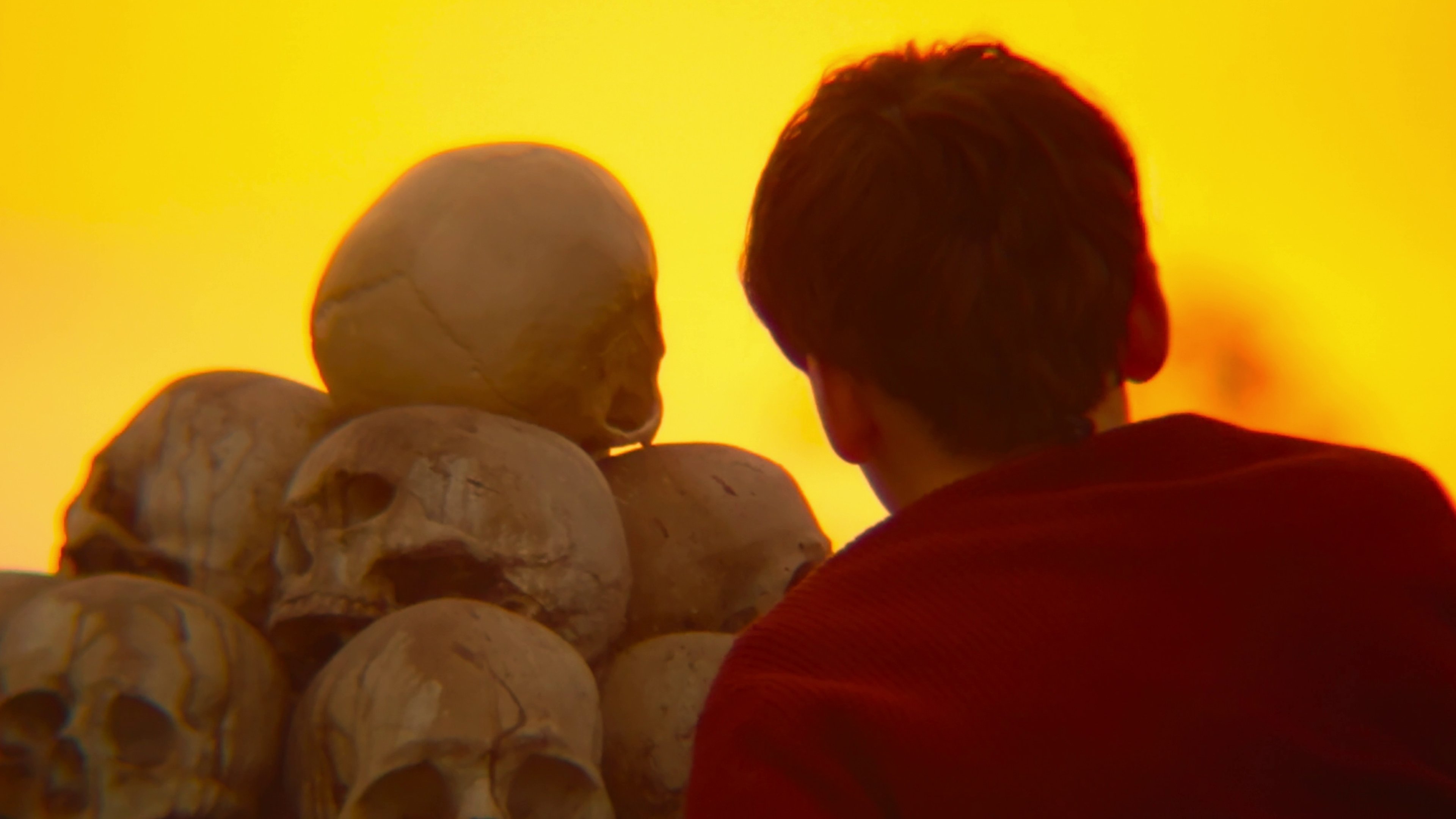
The story draws on collective memory as well as individual recollection. Spike belongs to a generation for whom the old world is primarily a set of stories transmitted by adults; the older characters remember institutions and practices that have largely disappeared. The return to a landscape loaded with British history intensifies that gap. The audience recognizes contemporary place names and cultural reference points, while the characters inhabit a much reduced social order. Henry K. Miller's review in Sight and Sound reads this imagined future through the imagery of a new Dark Age. That interpretation is useful because it identifies a source of unease beyond the immediate infected threat: the fear that an advanced society can lose the means to sustain itself.
By refusing to confine the drama to frantic pursuit, the film can examine different temporal scales. A fight may last seconds, a tide controls a day's journey, and the infection has reshaped national life across nearly three decades. The pacing continually moves between these scales. At its best, the contrast helps the sequel find a purpose distinct from reproducing the first film's most famous scenes. Its horror is still rooted in rapid bodily attack, but much of its atmosphere comes from imagining what prolonged abandonment would do to the ways people understand their country and their own families.
Release and Contemporary Reception
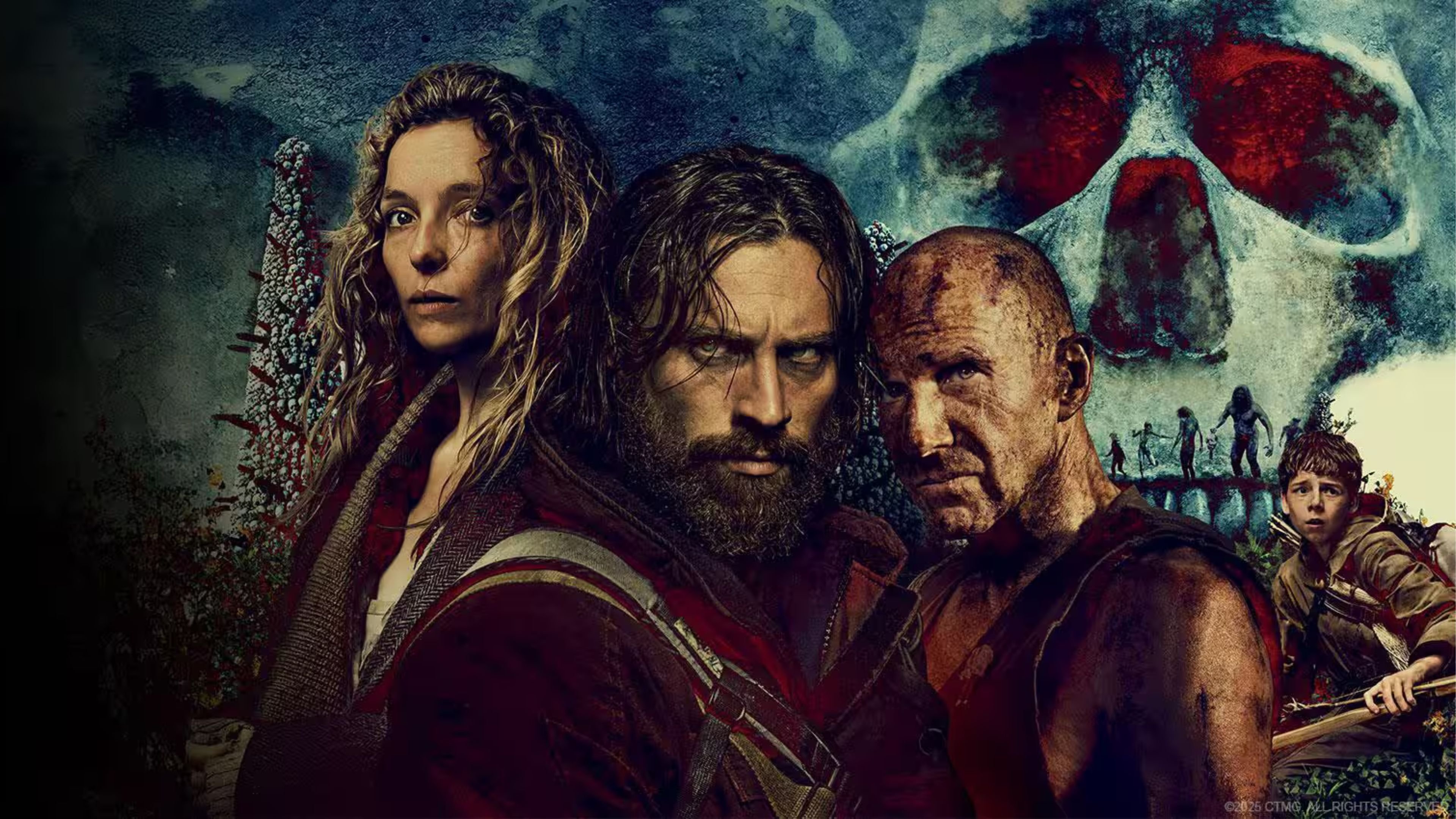
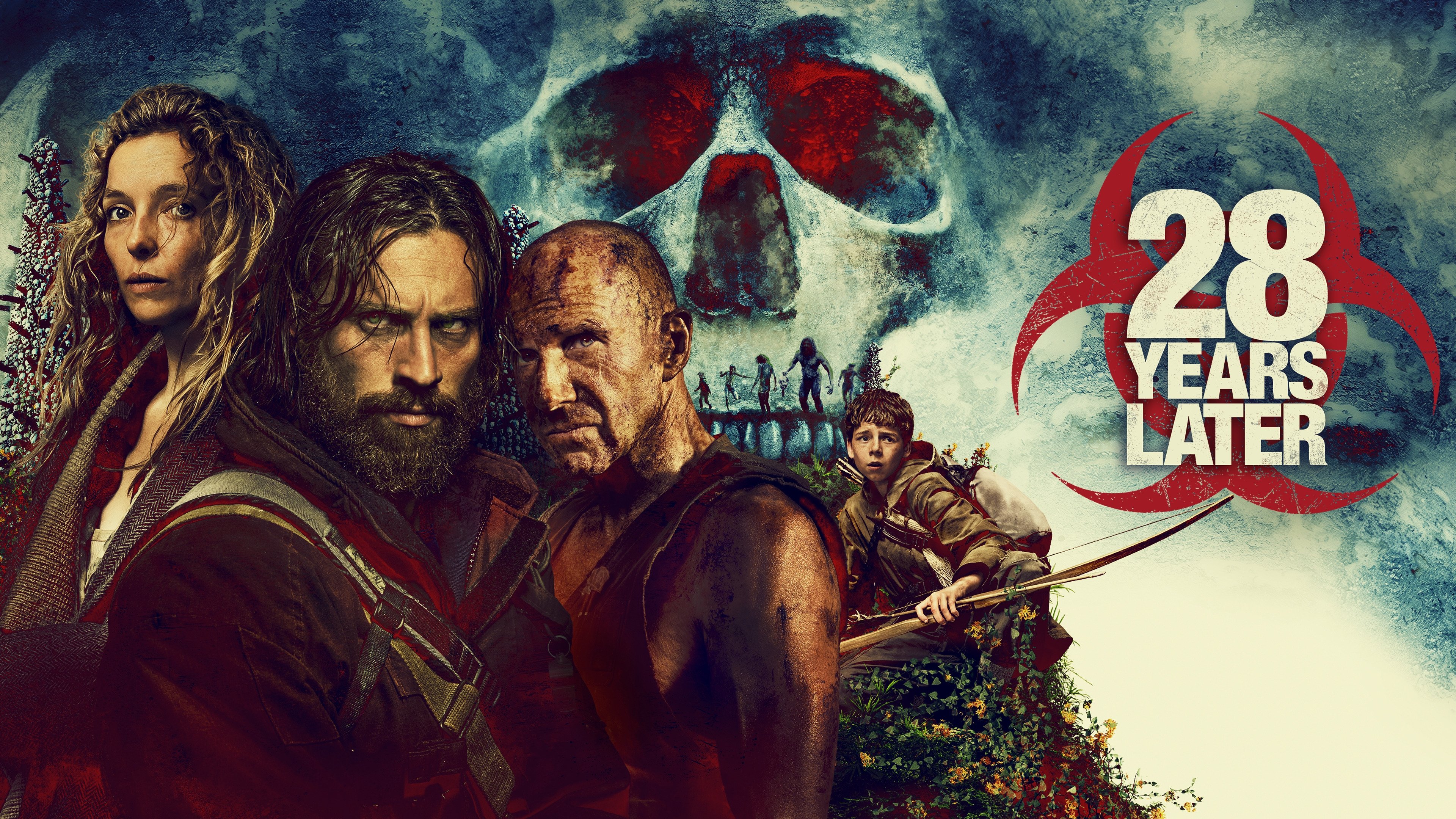
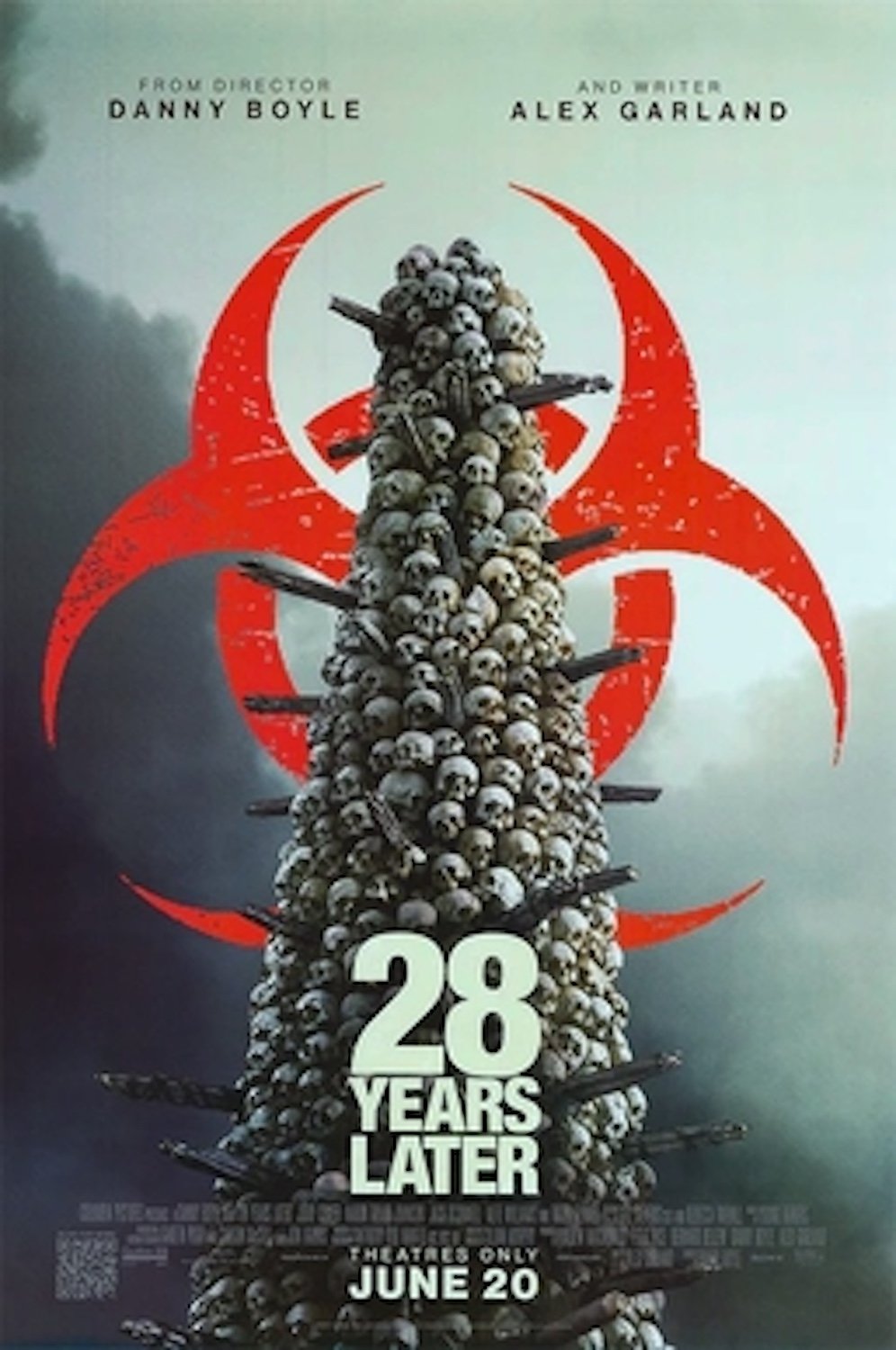
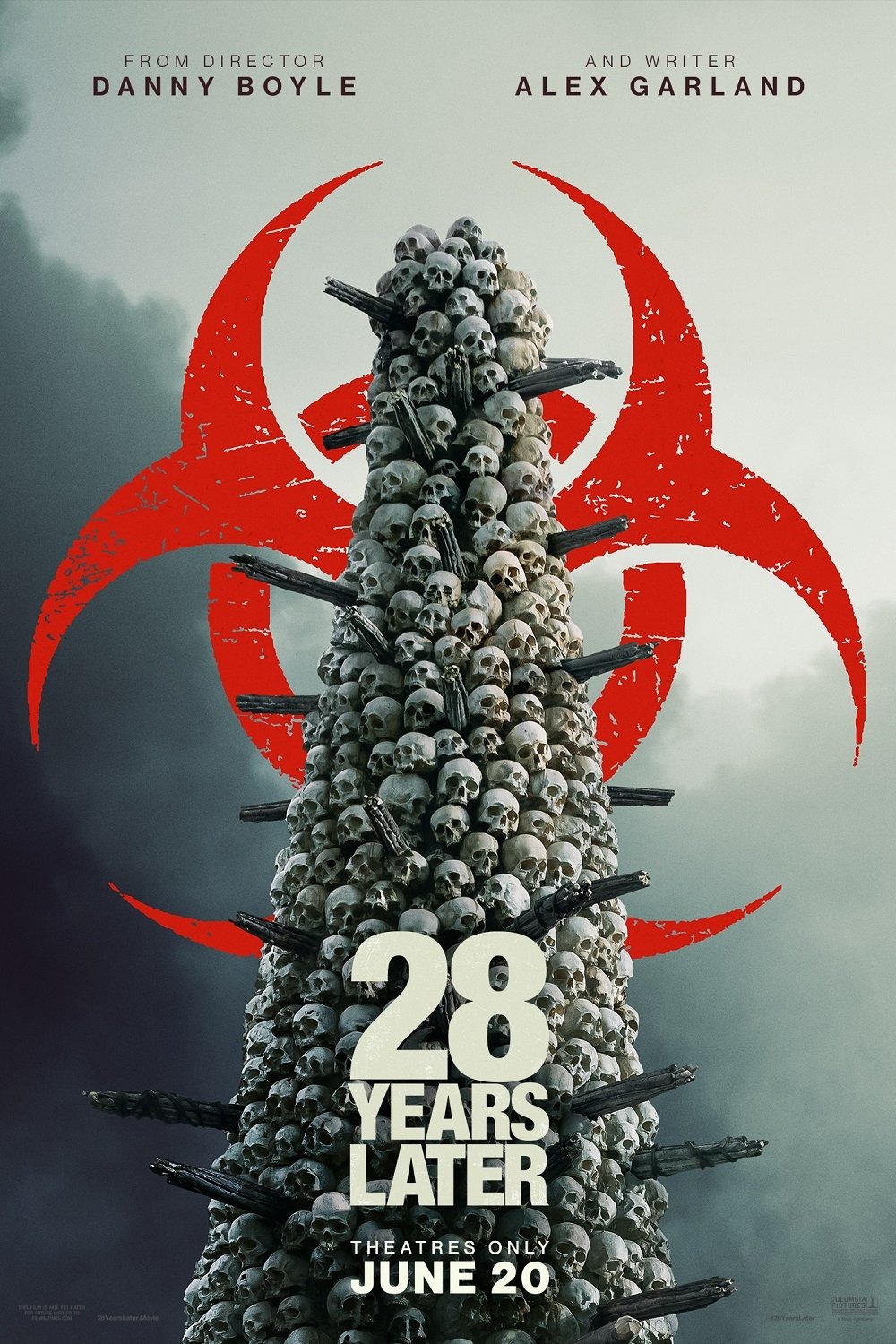
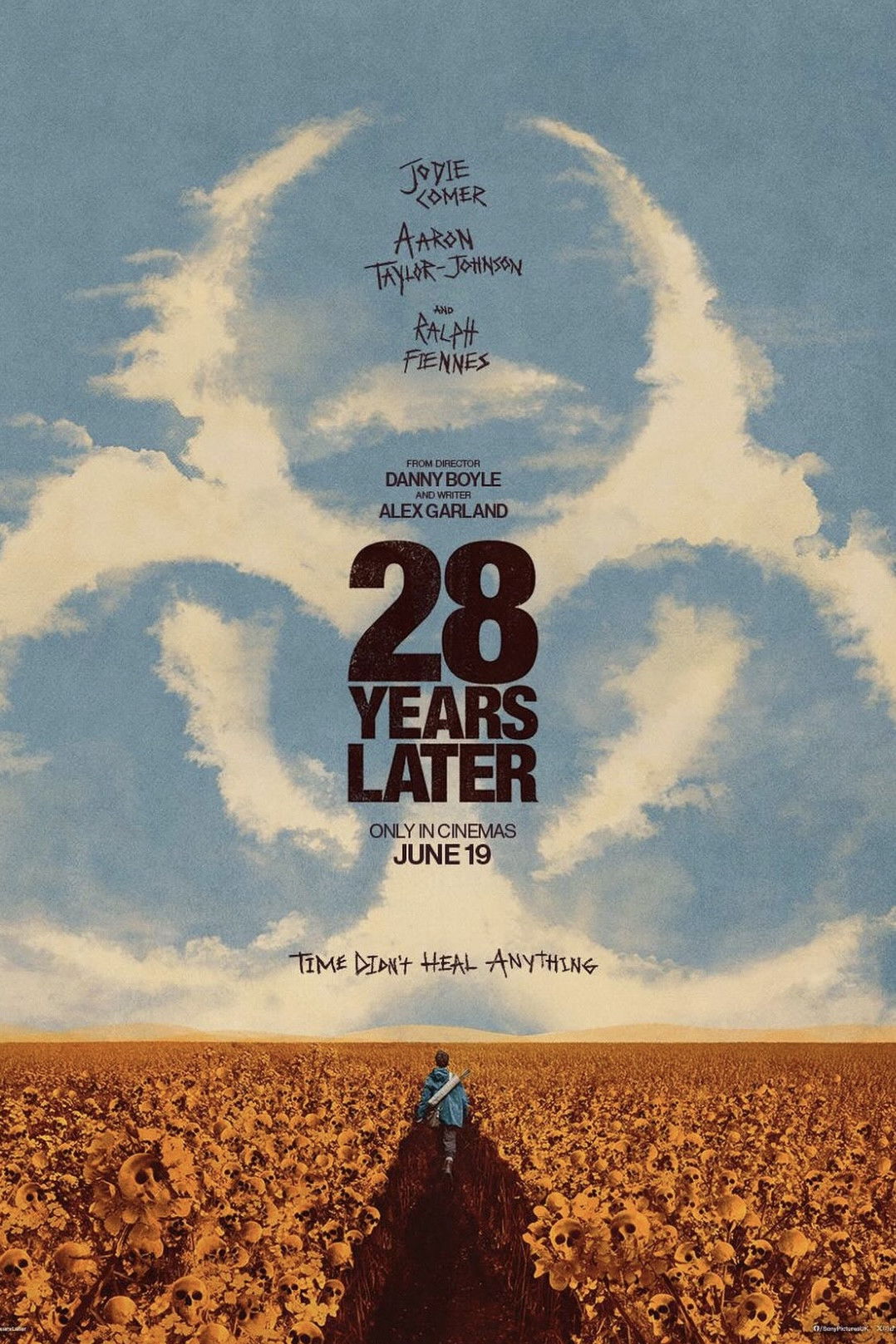
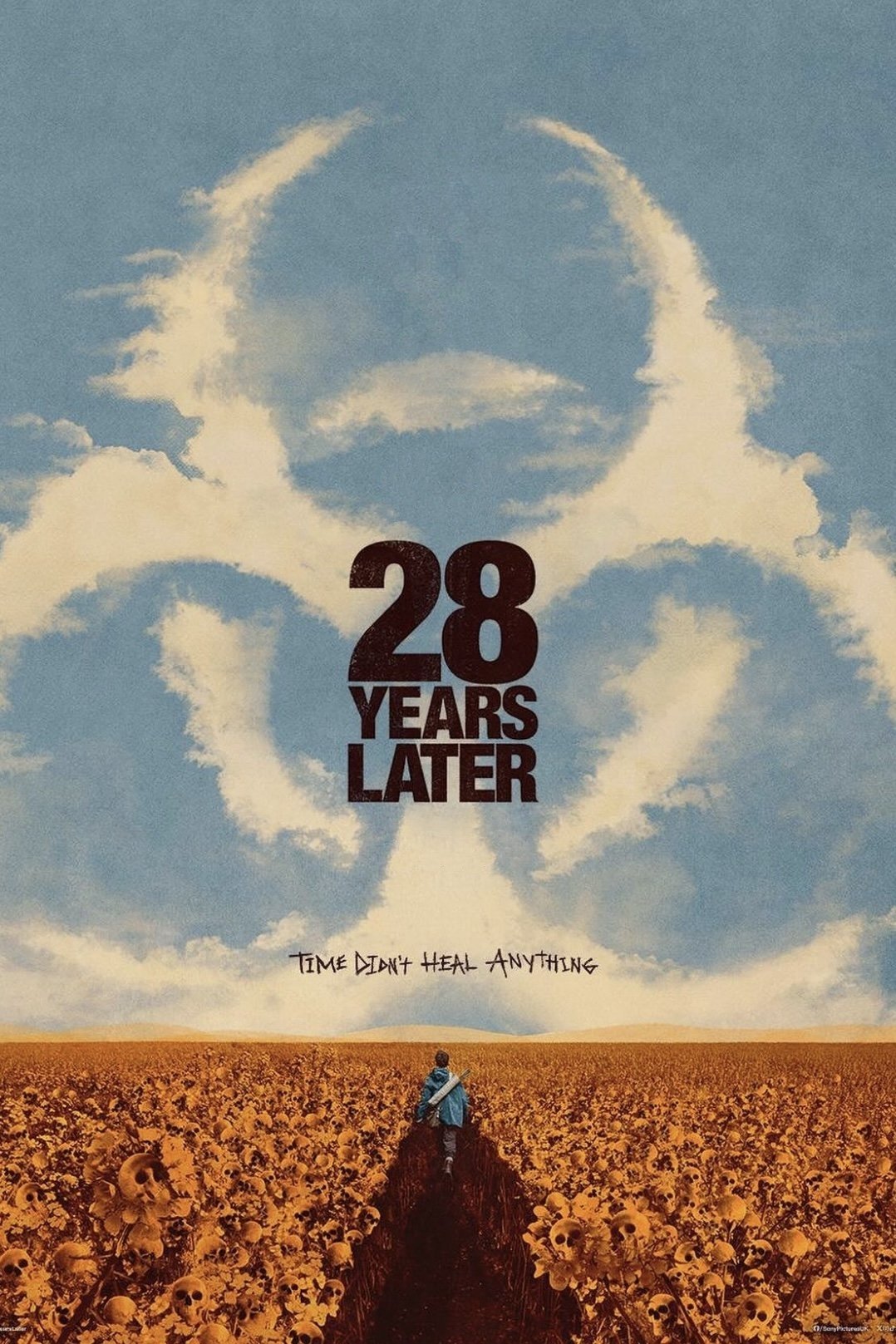
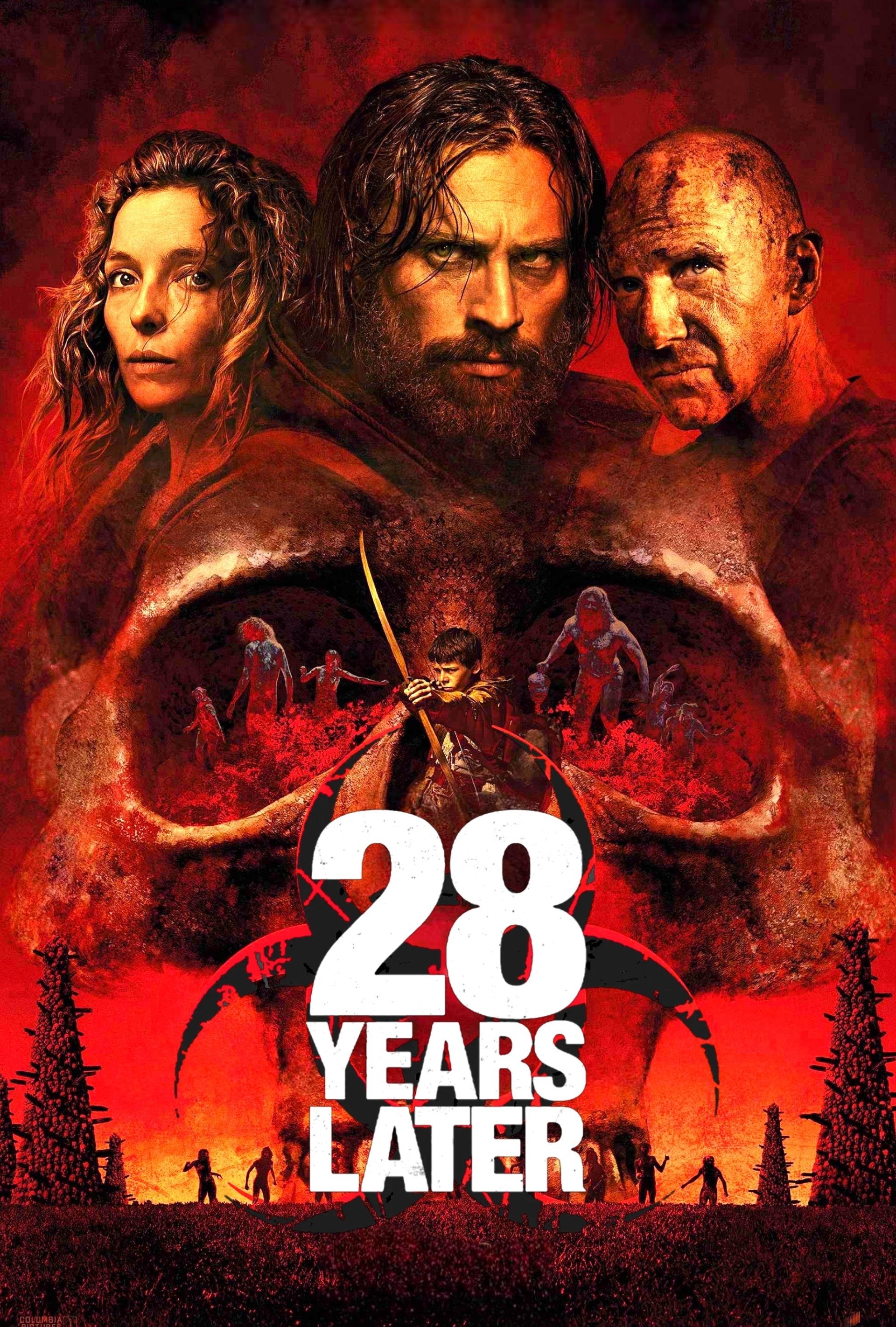
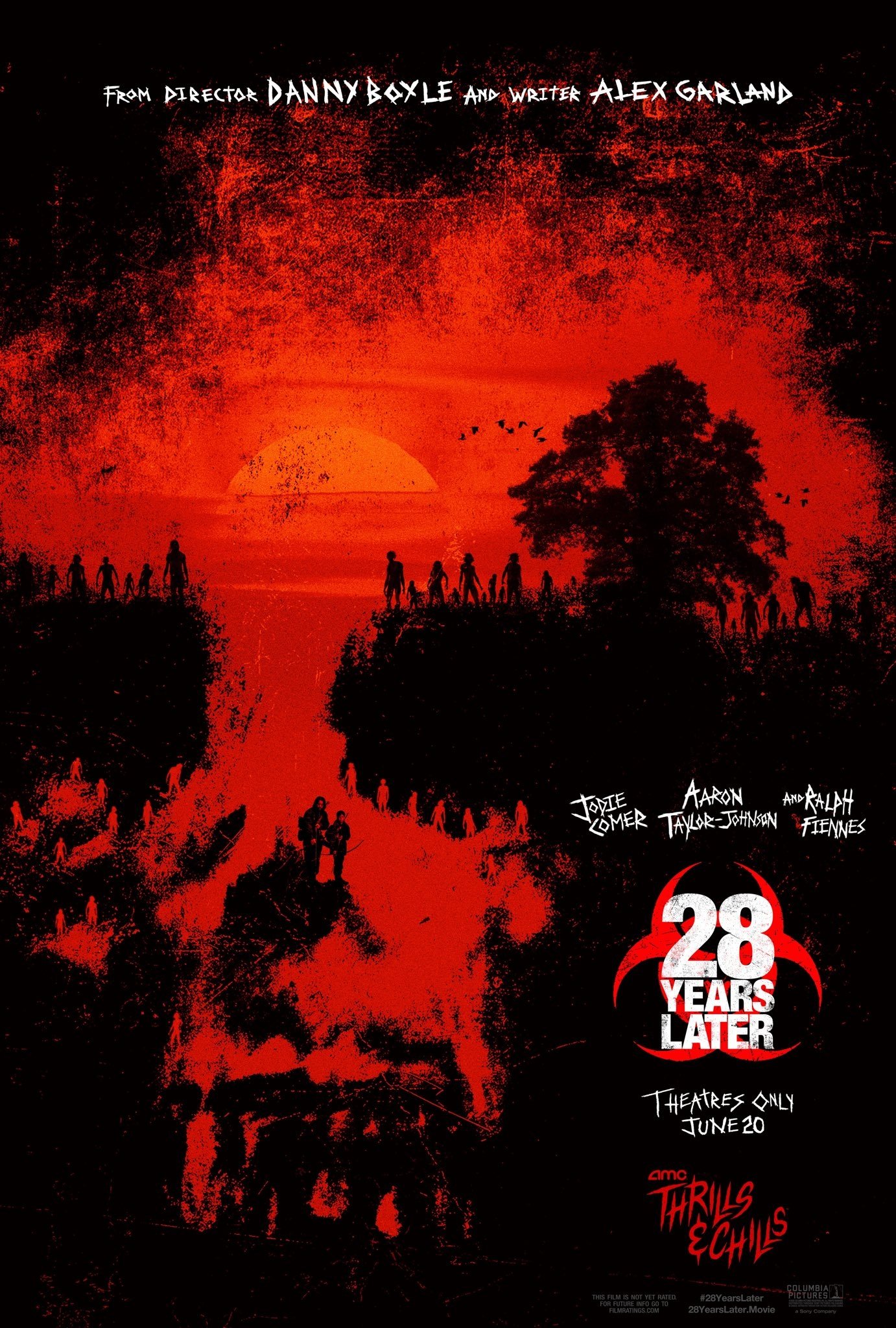
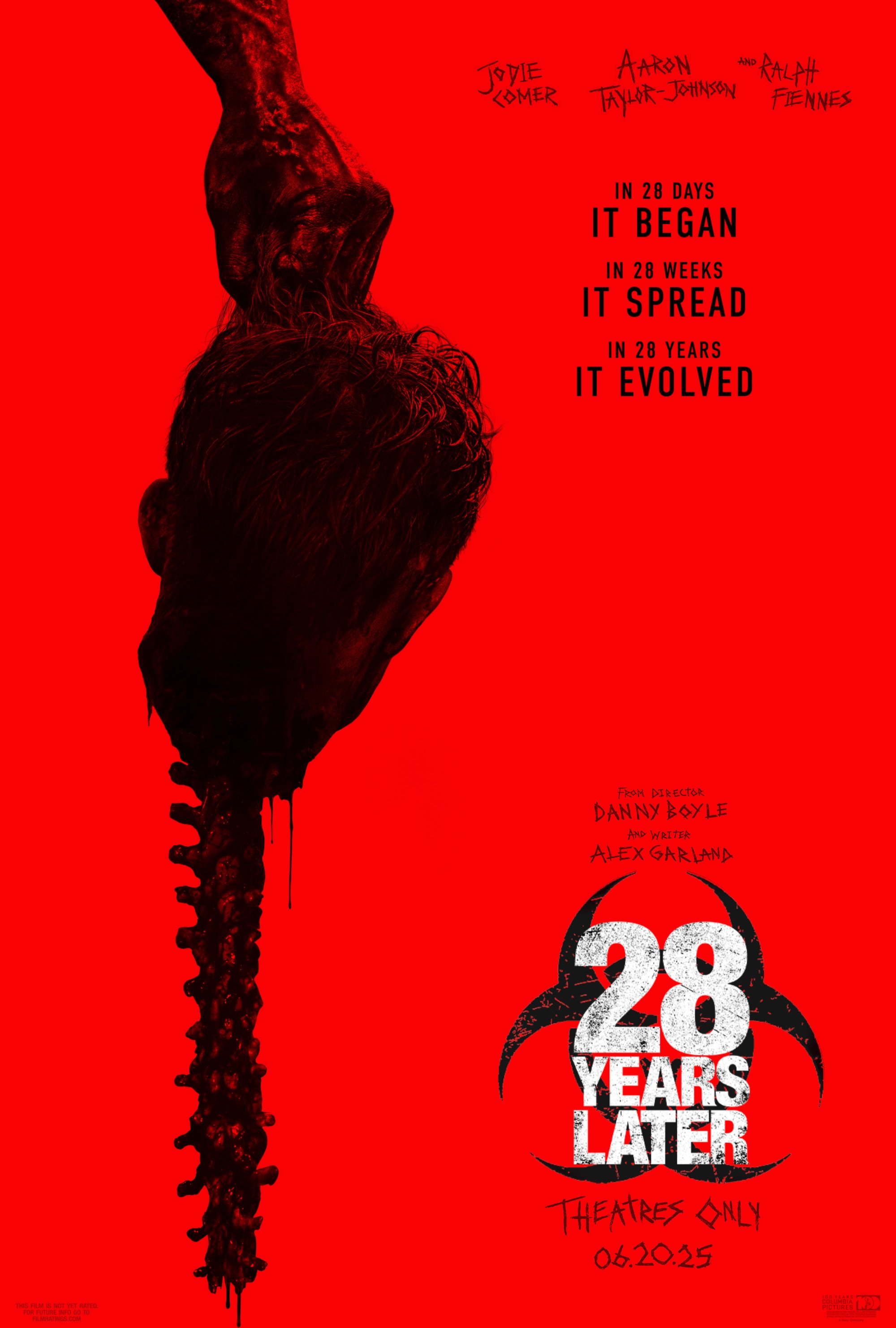
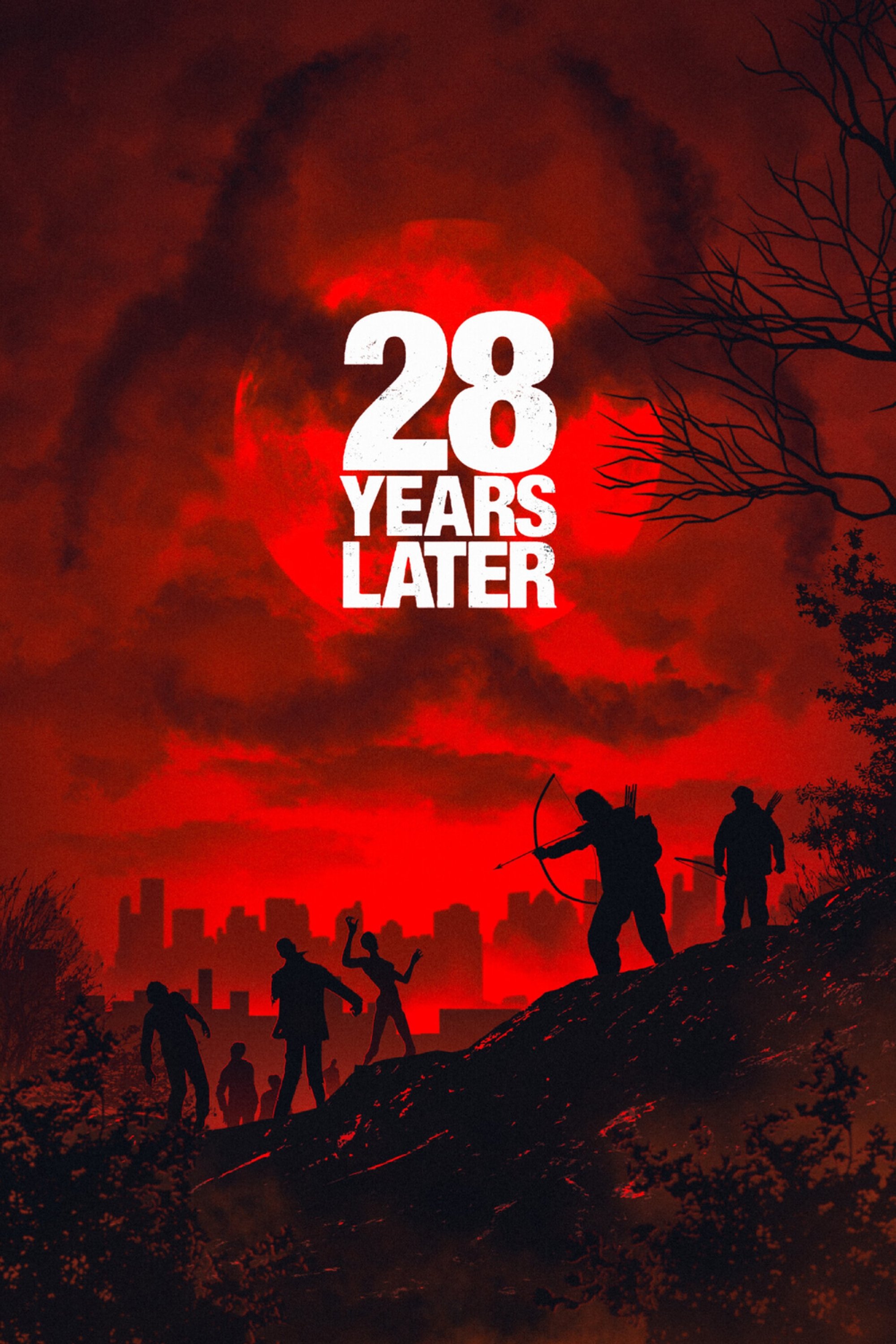
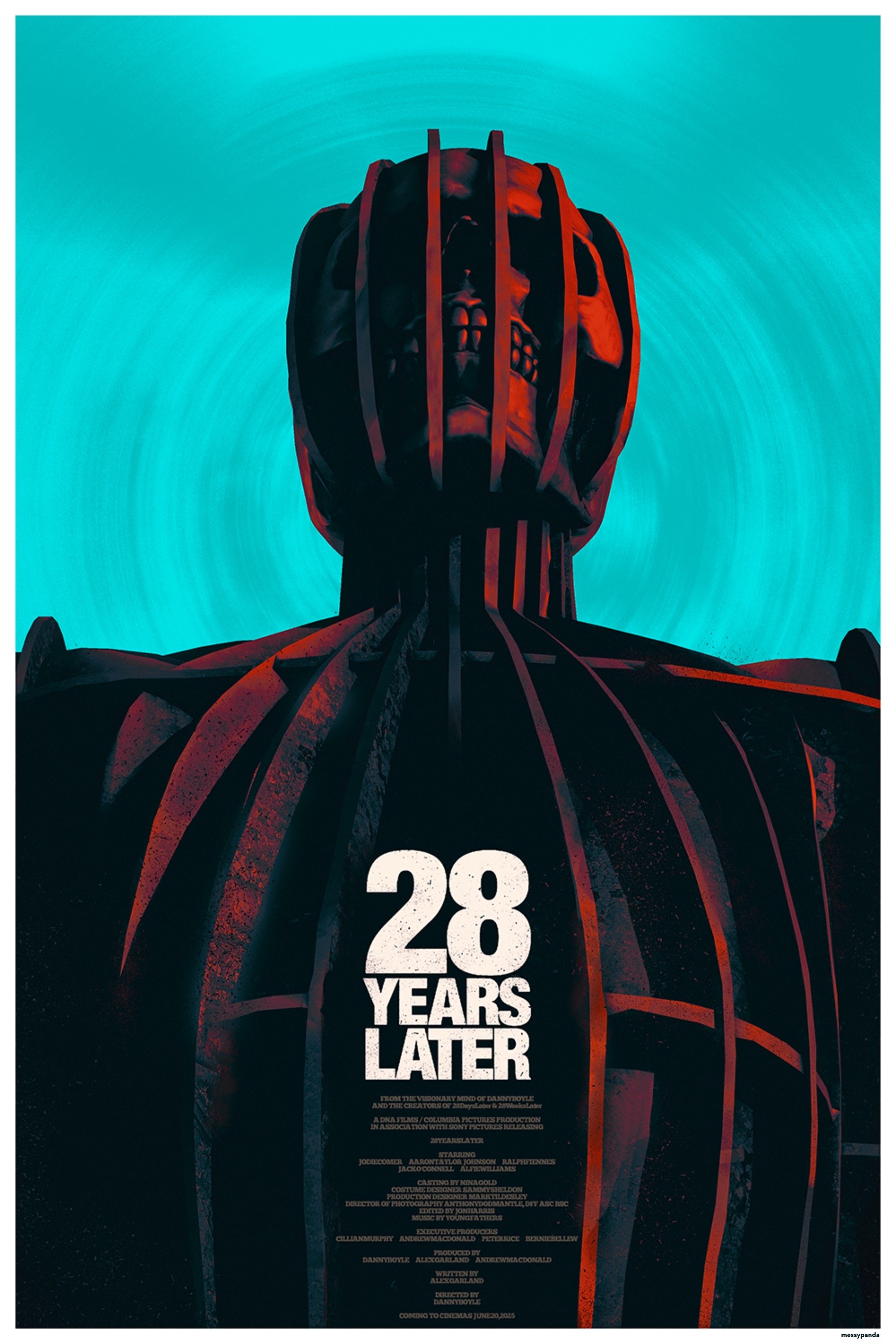
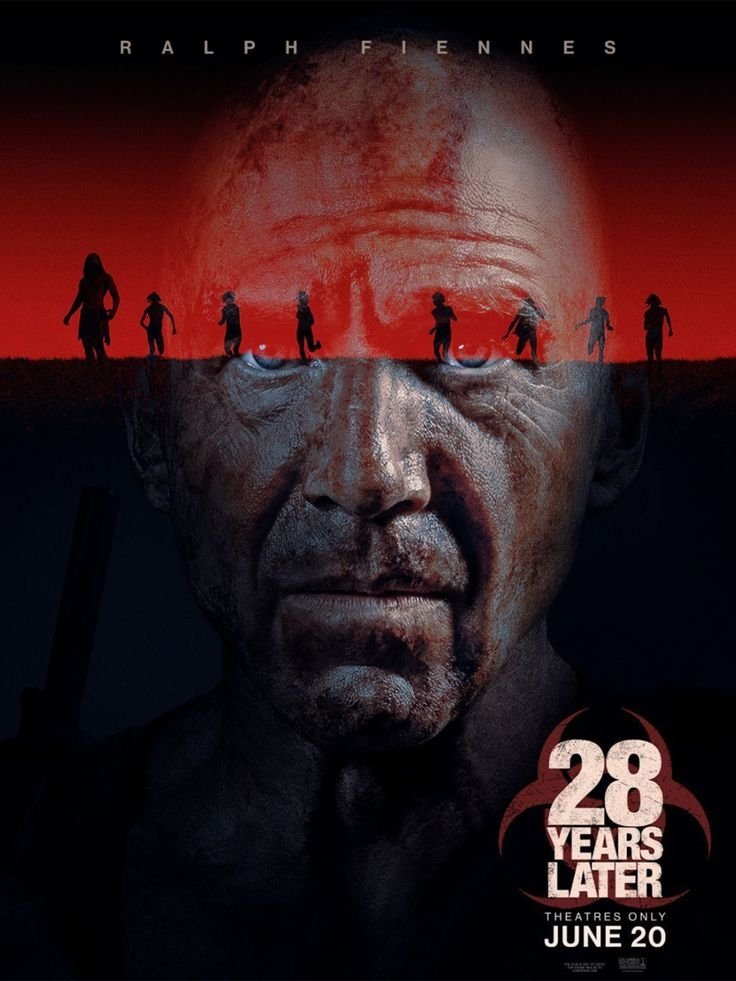
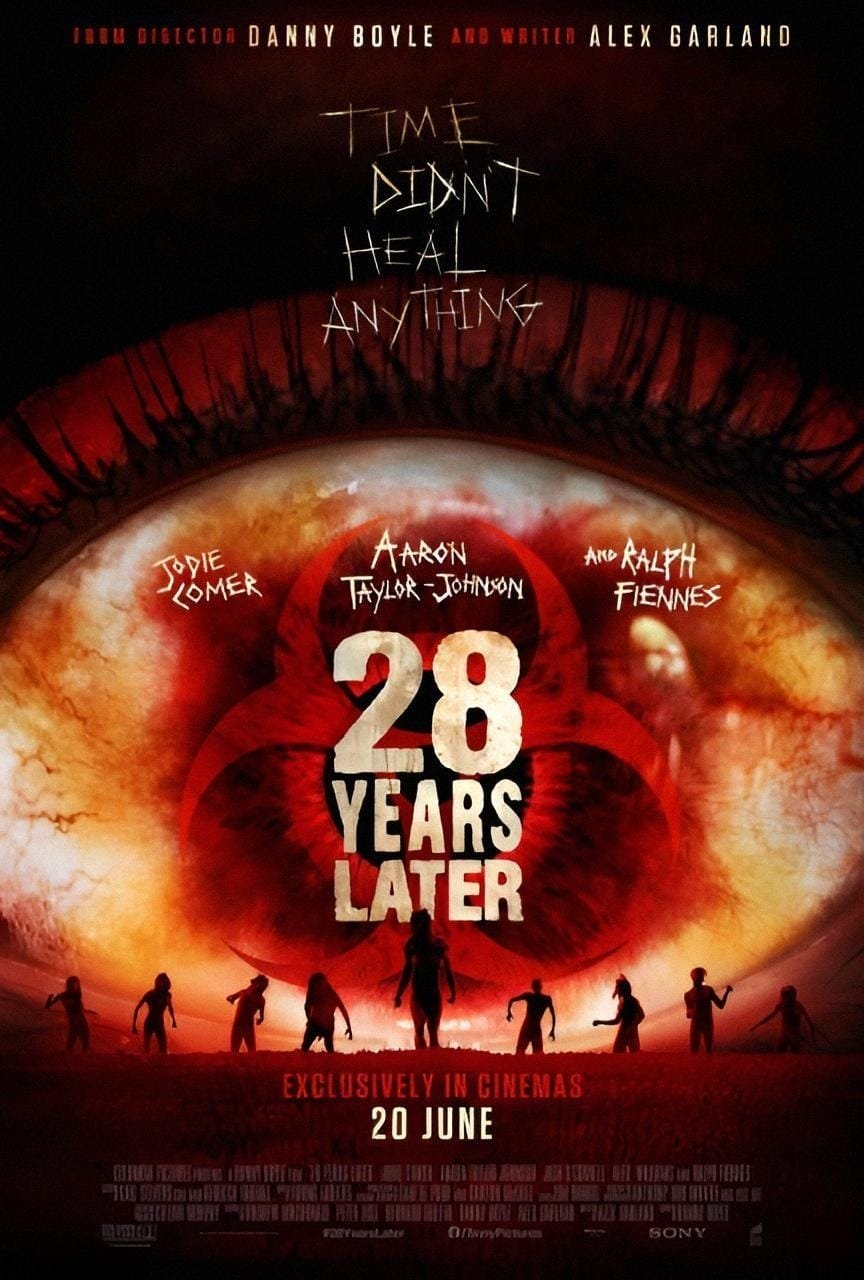
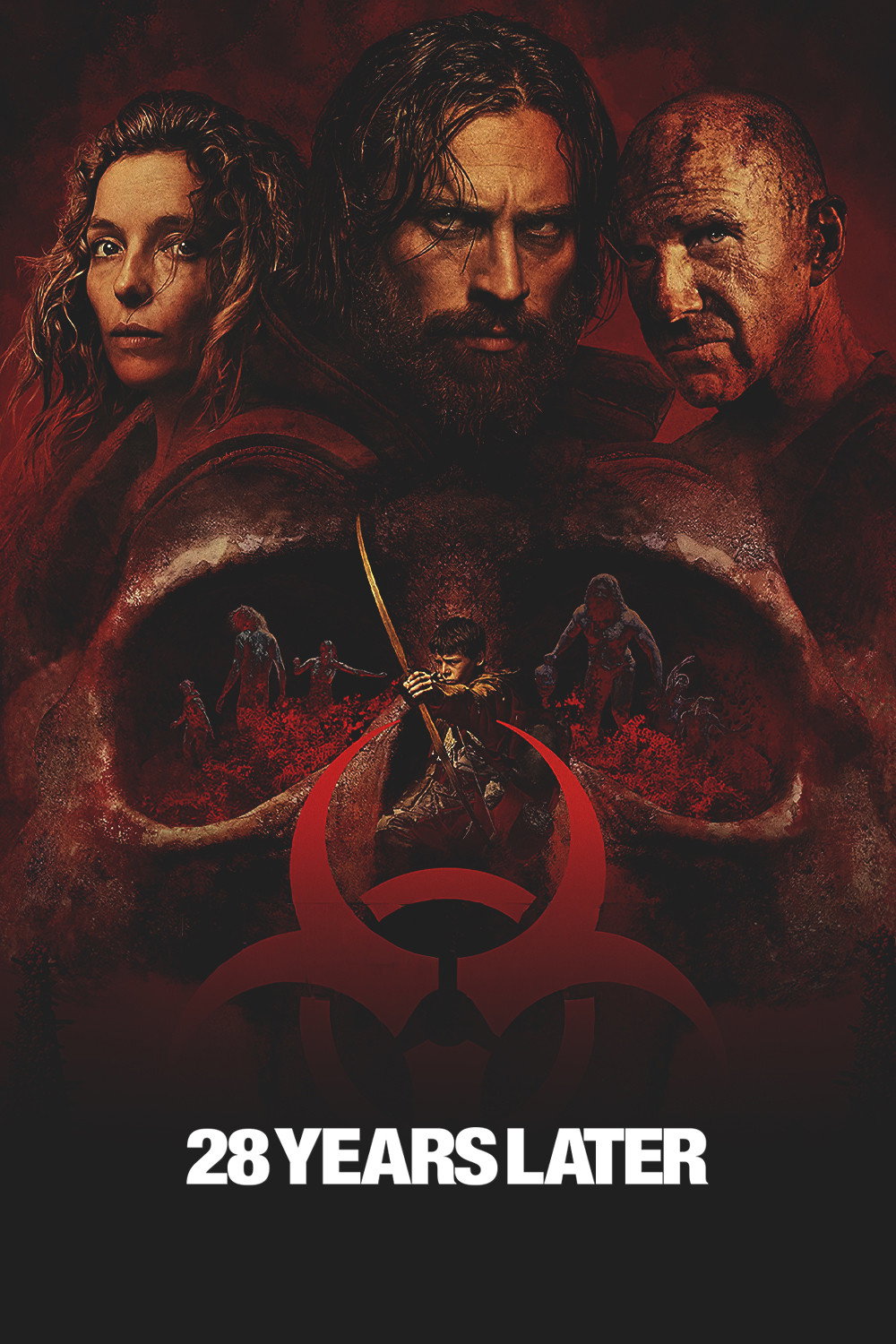
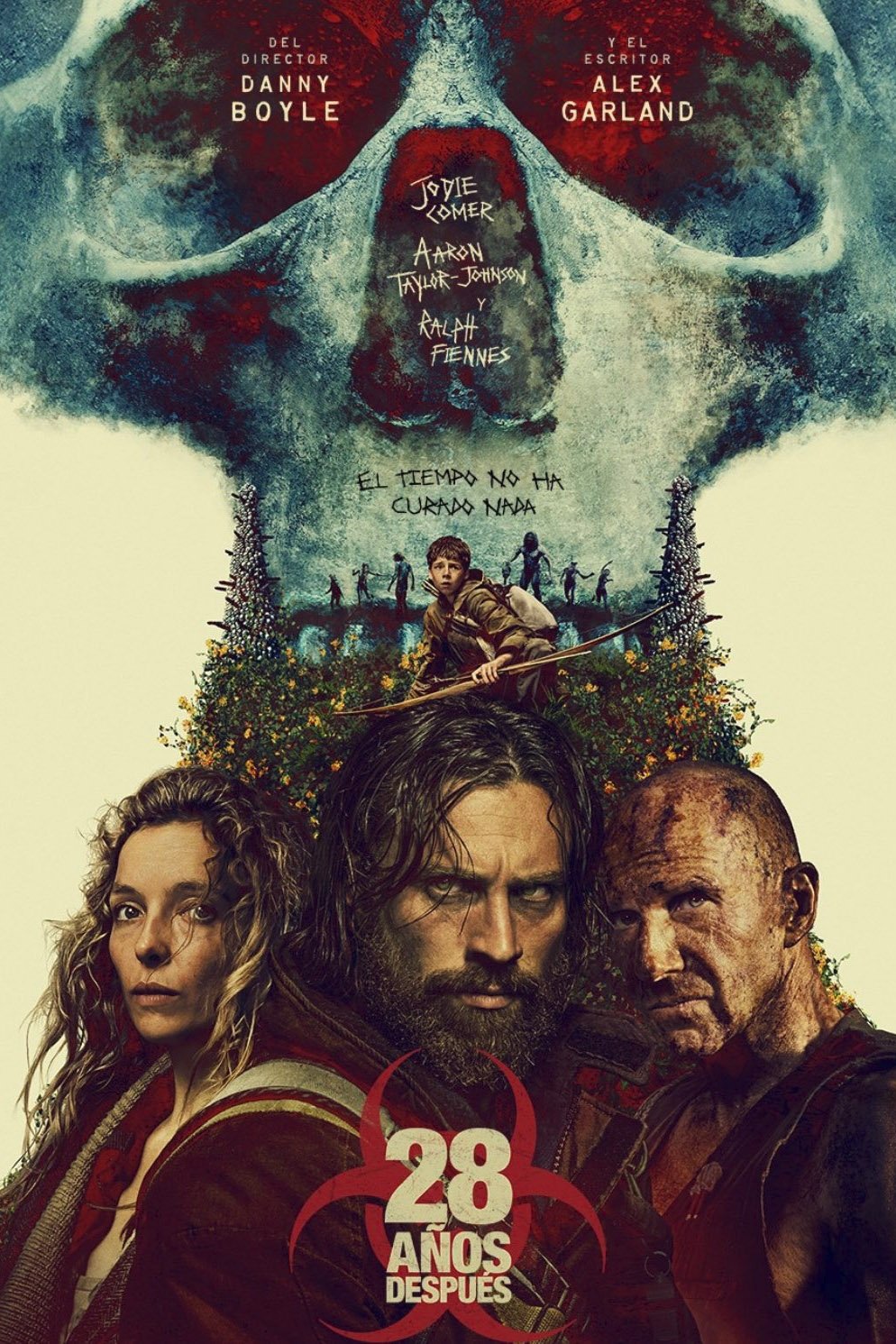
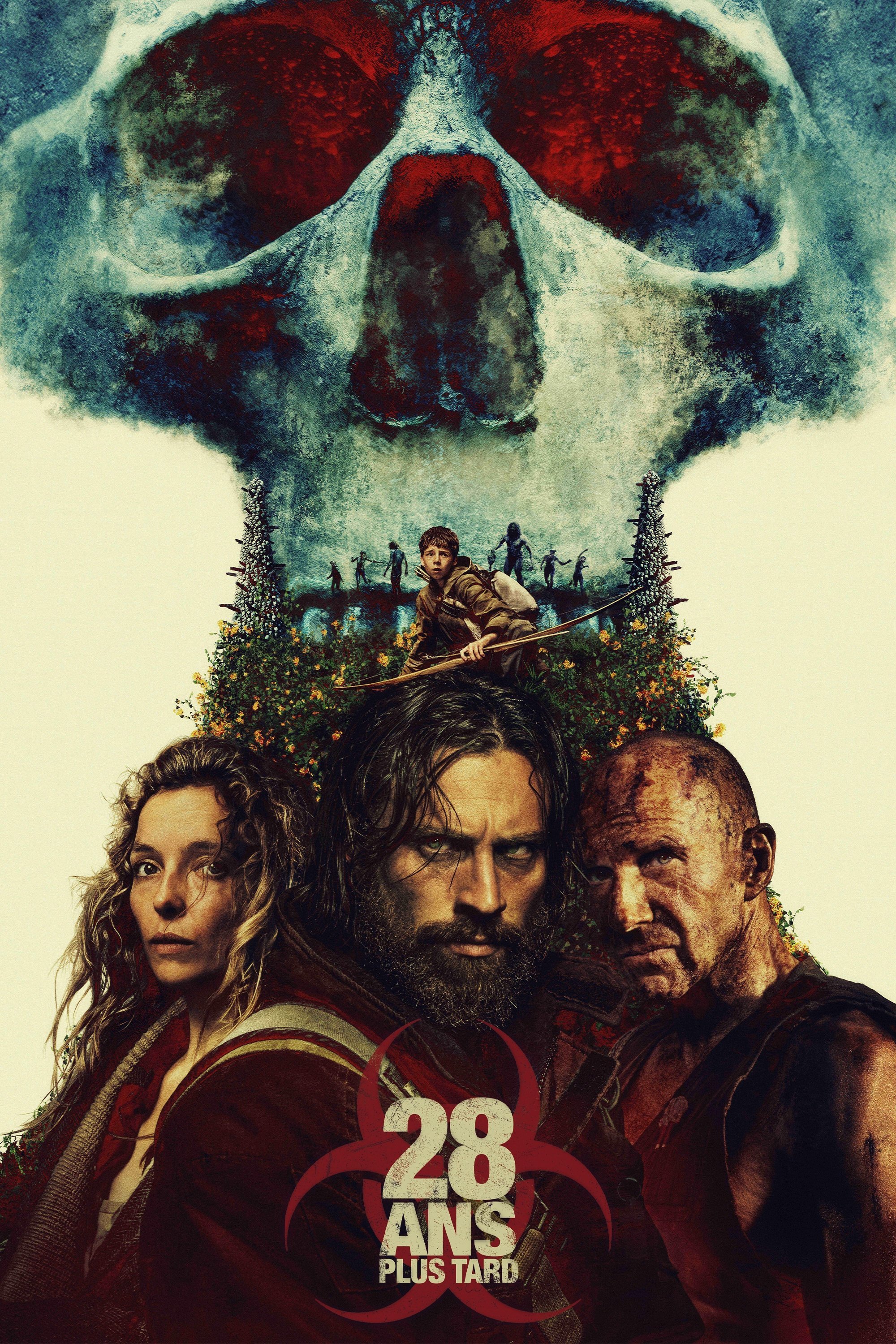
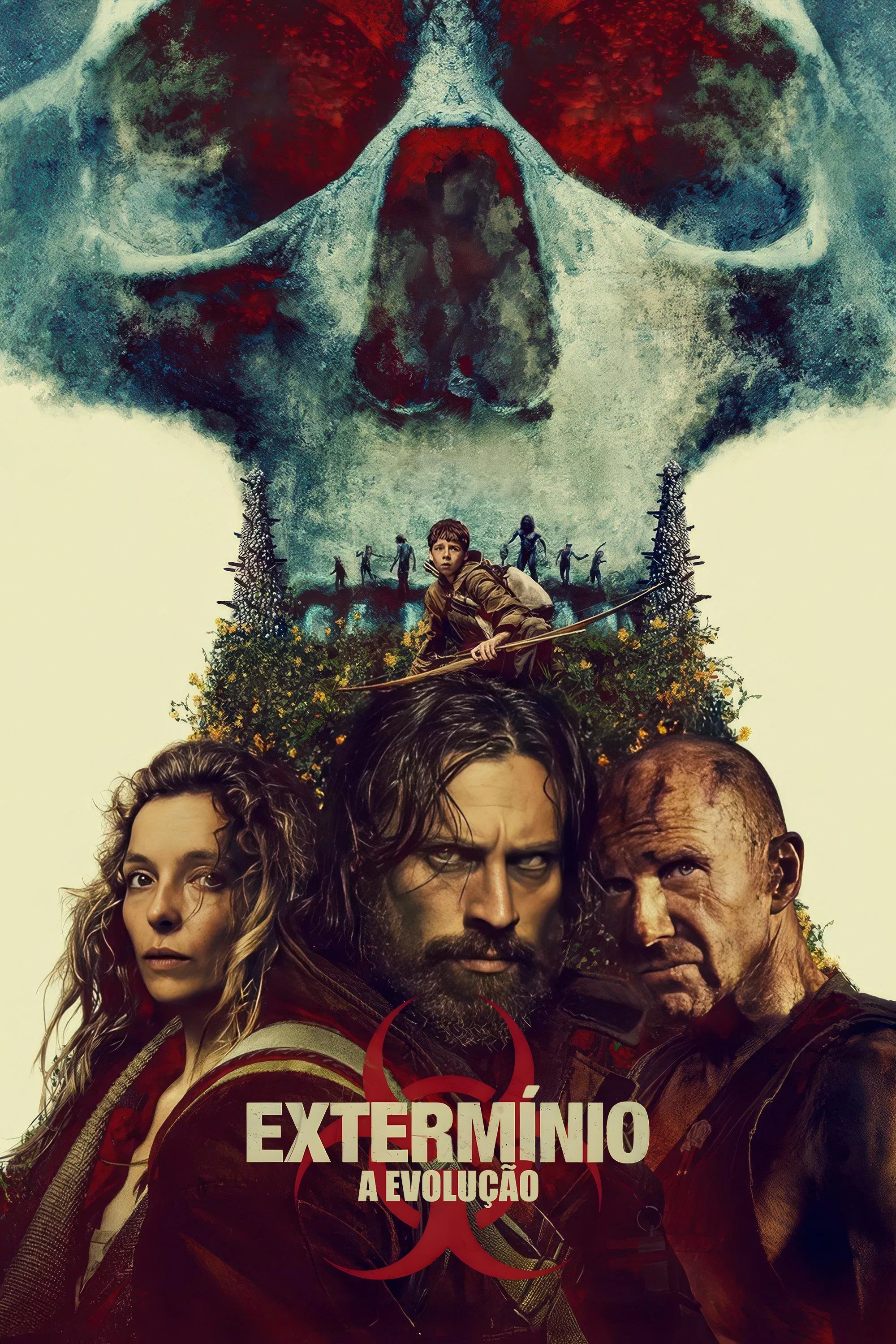
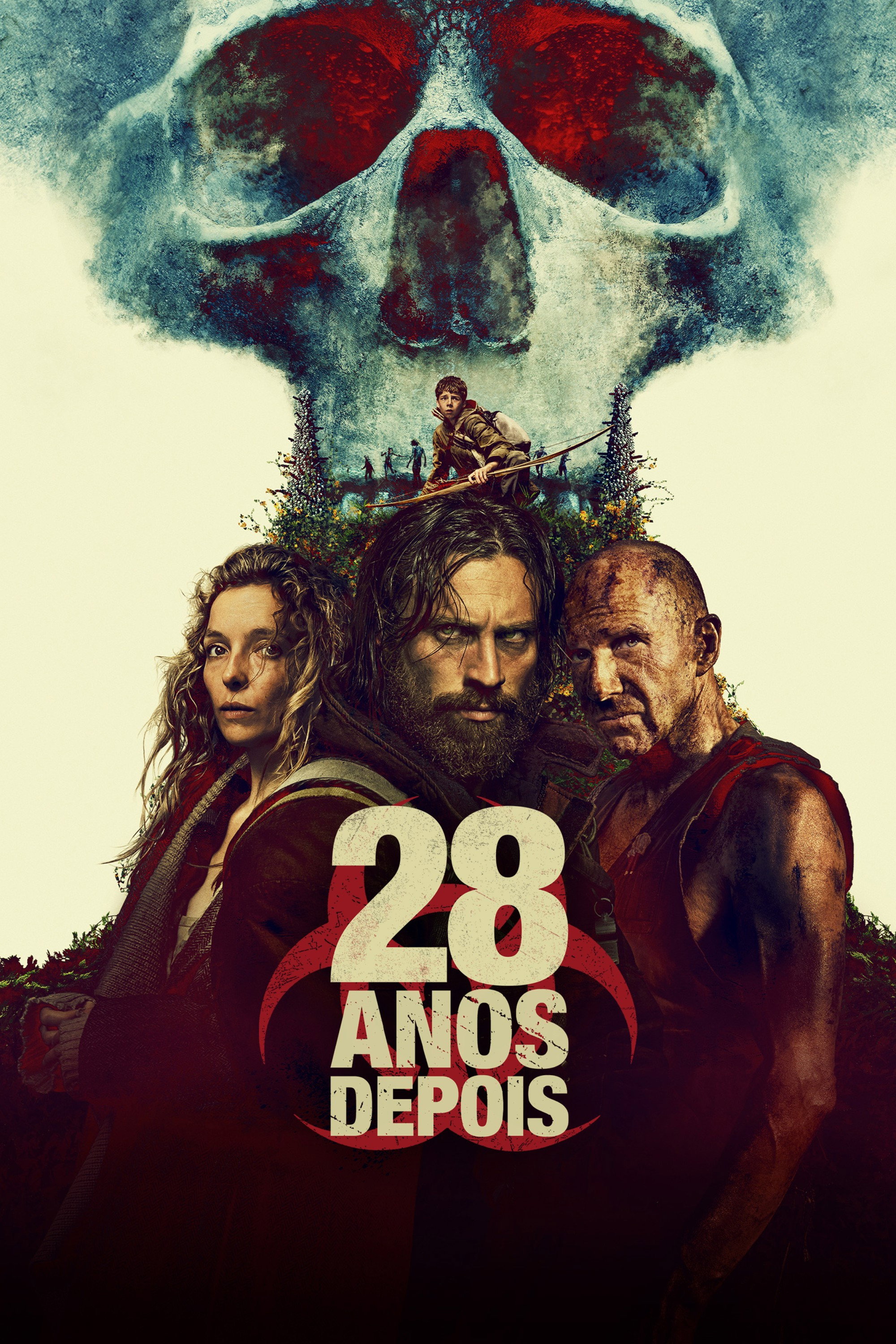
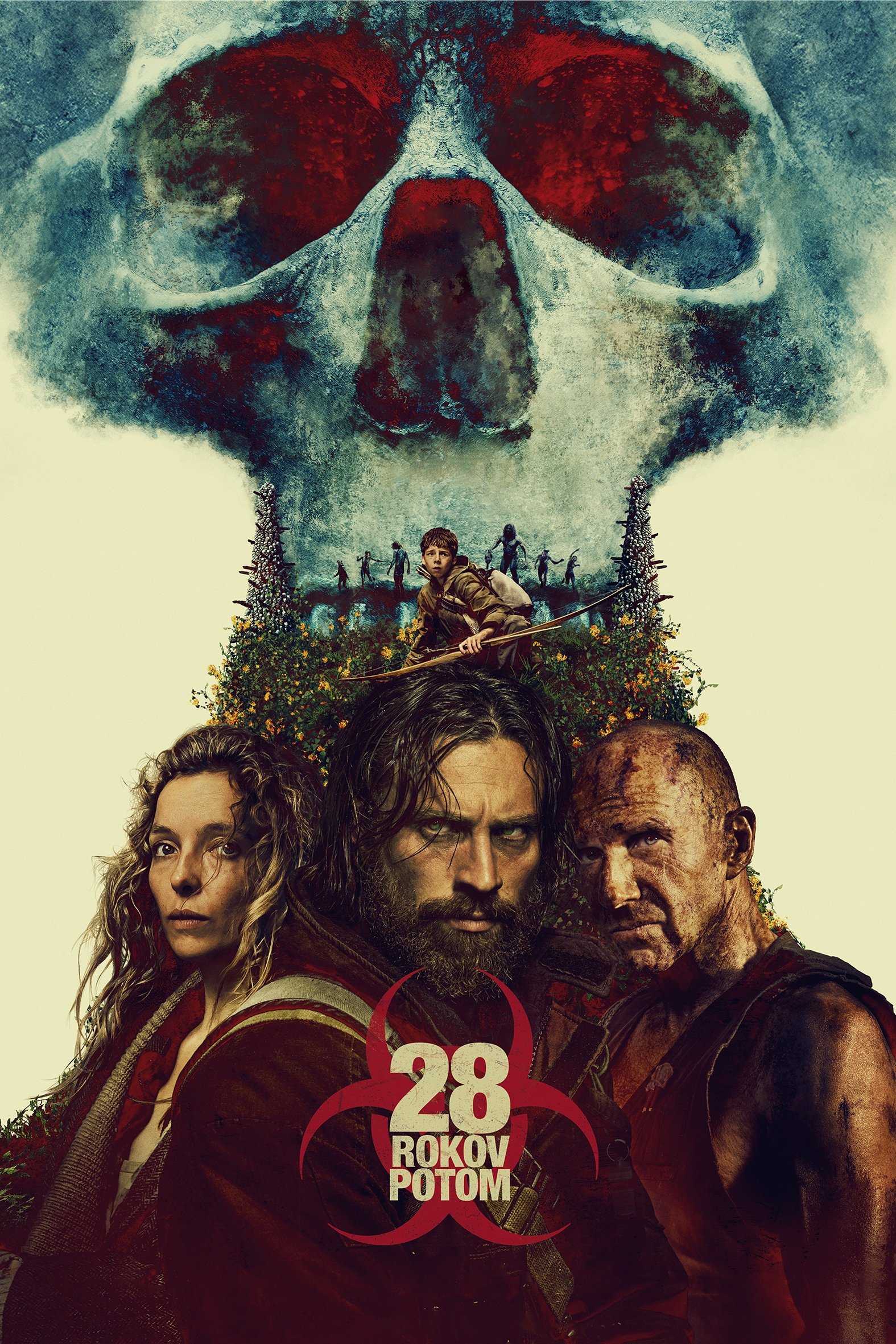
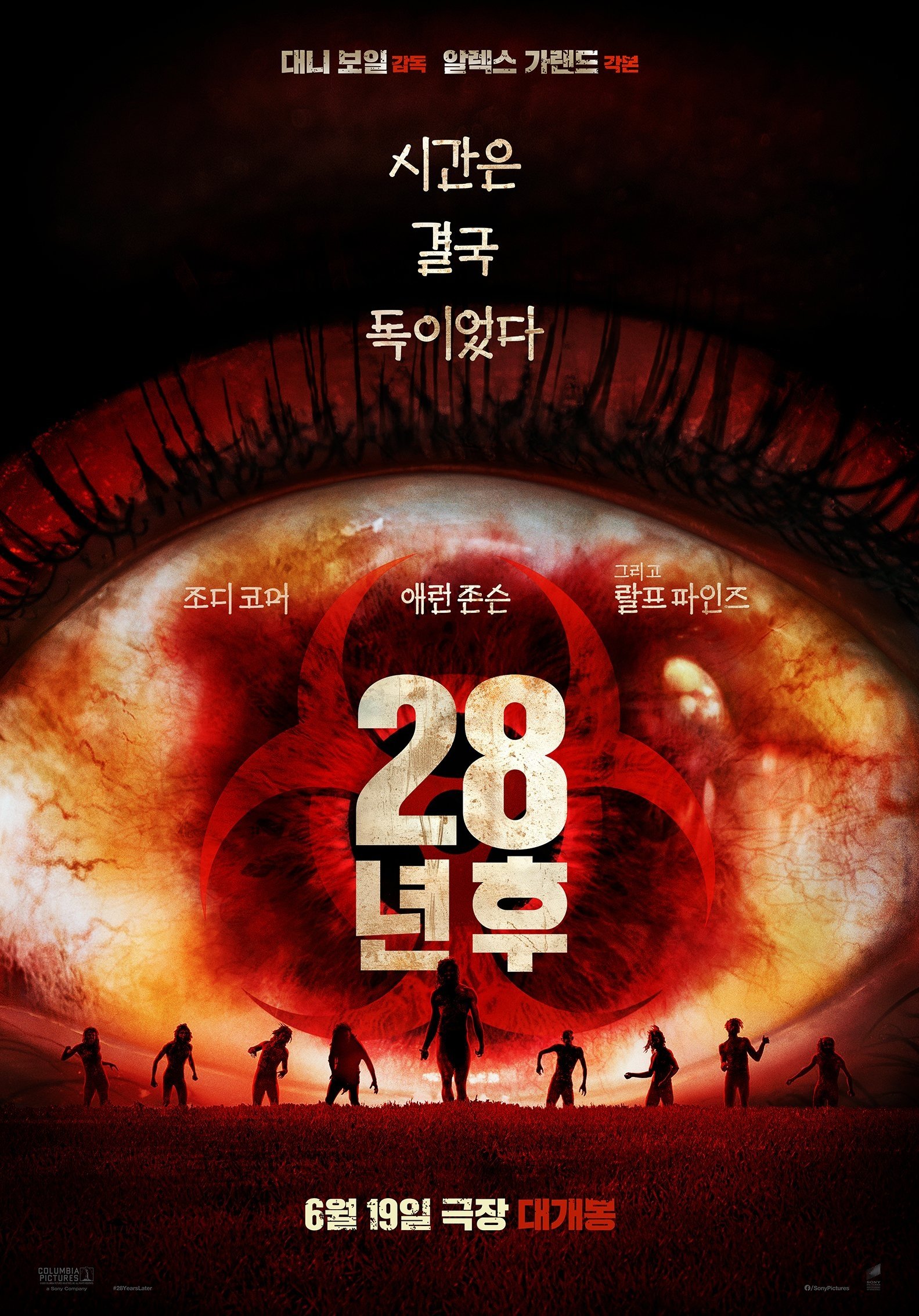
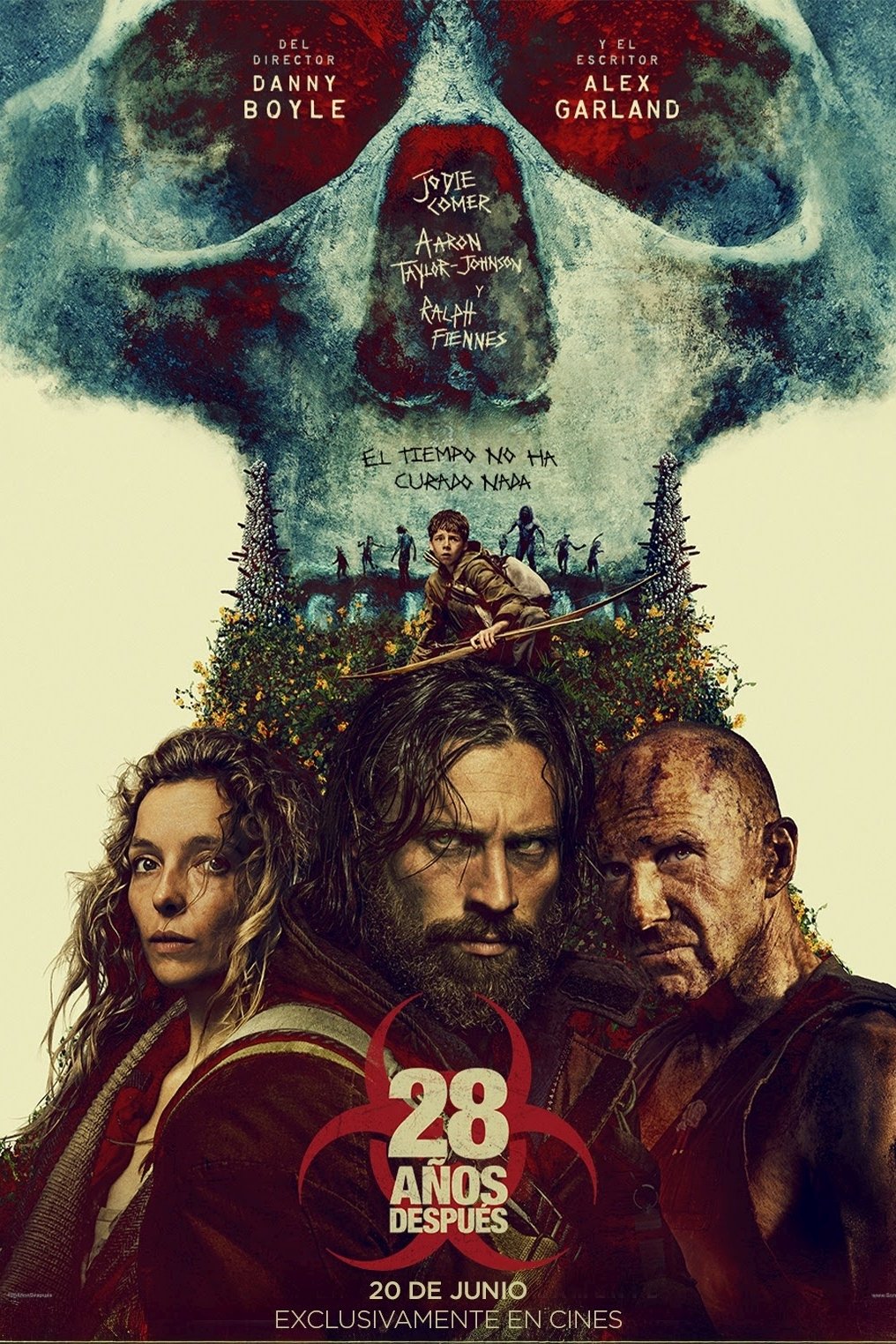
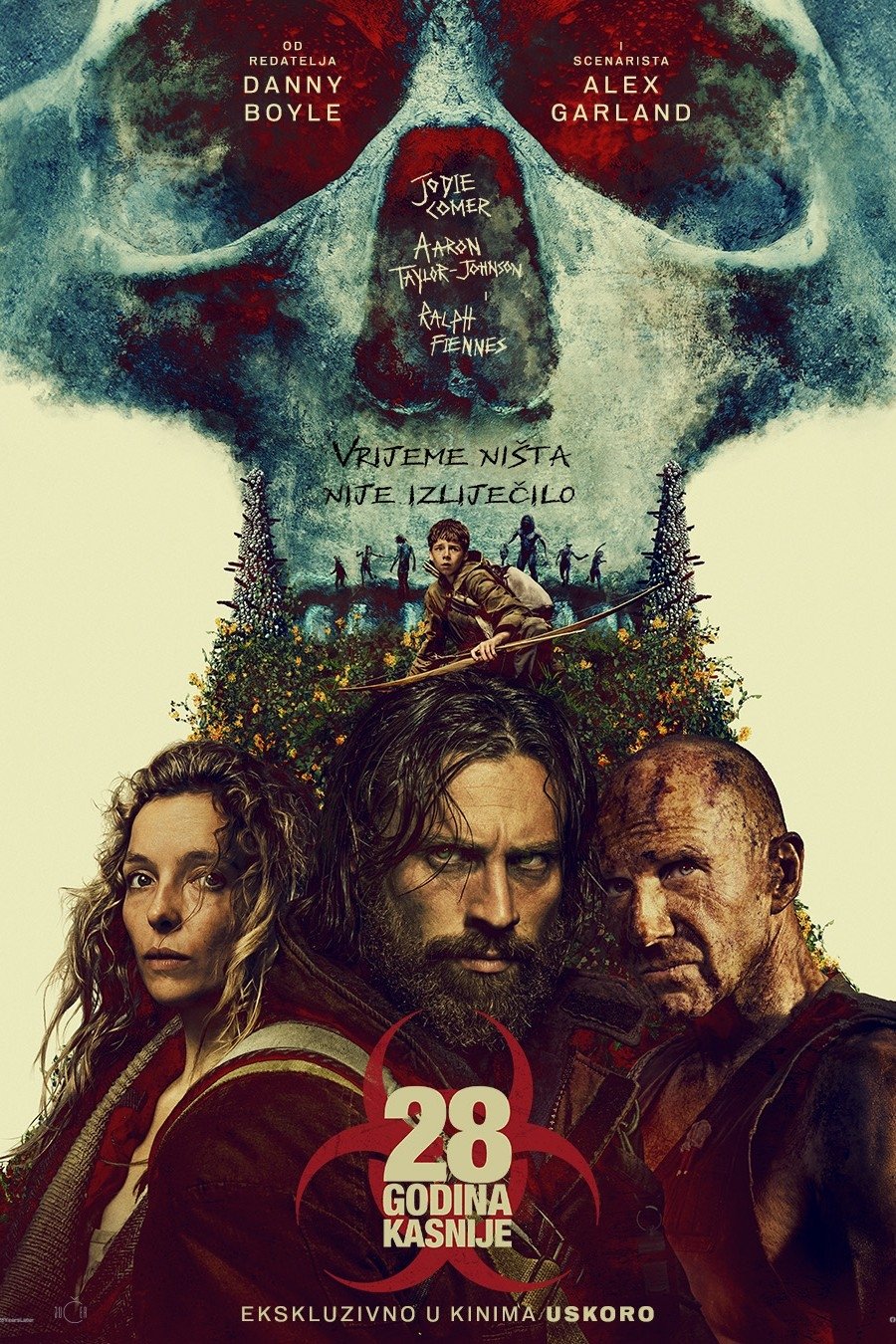
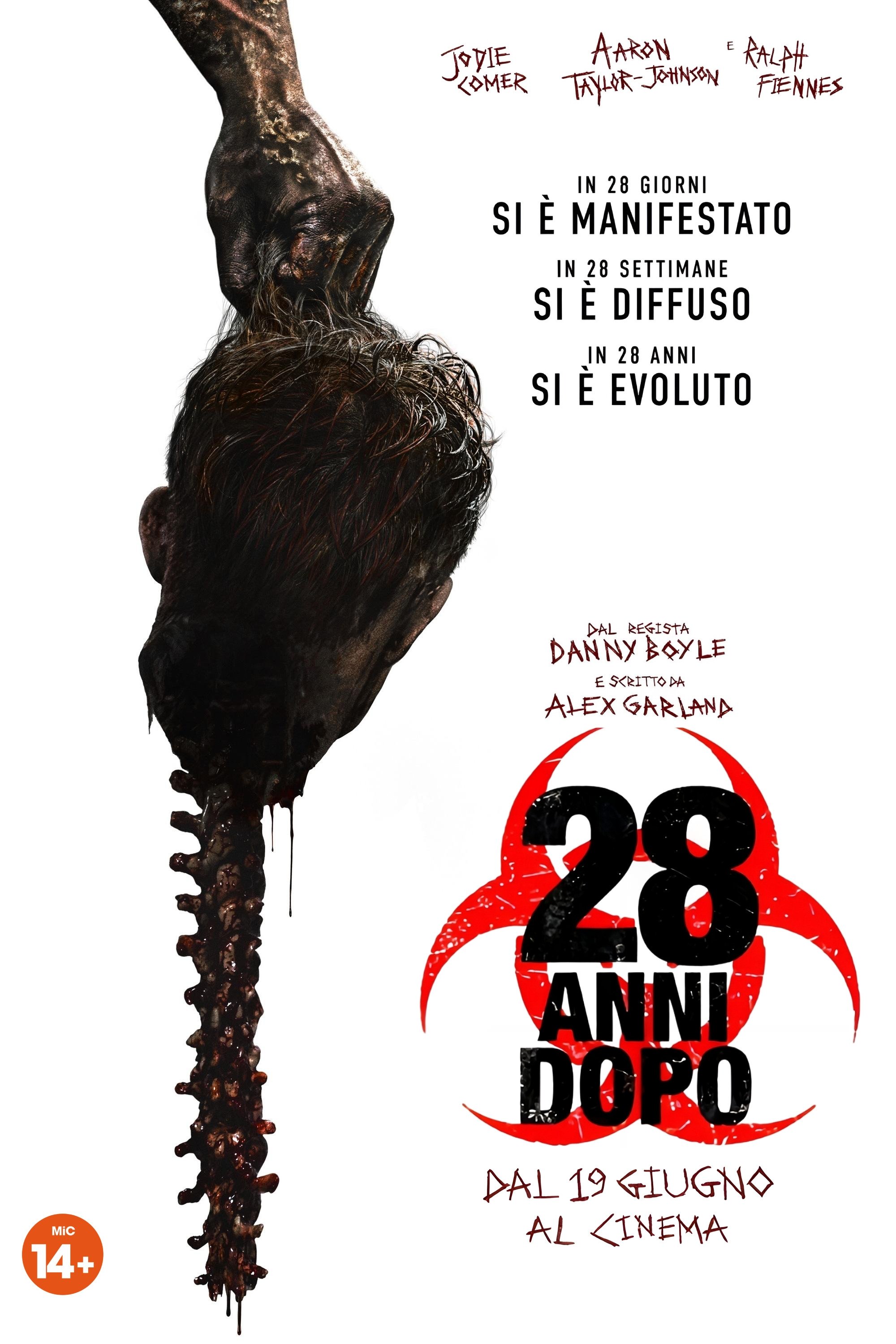
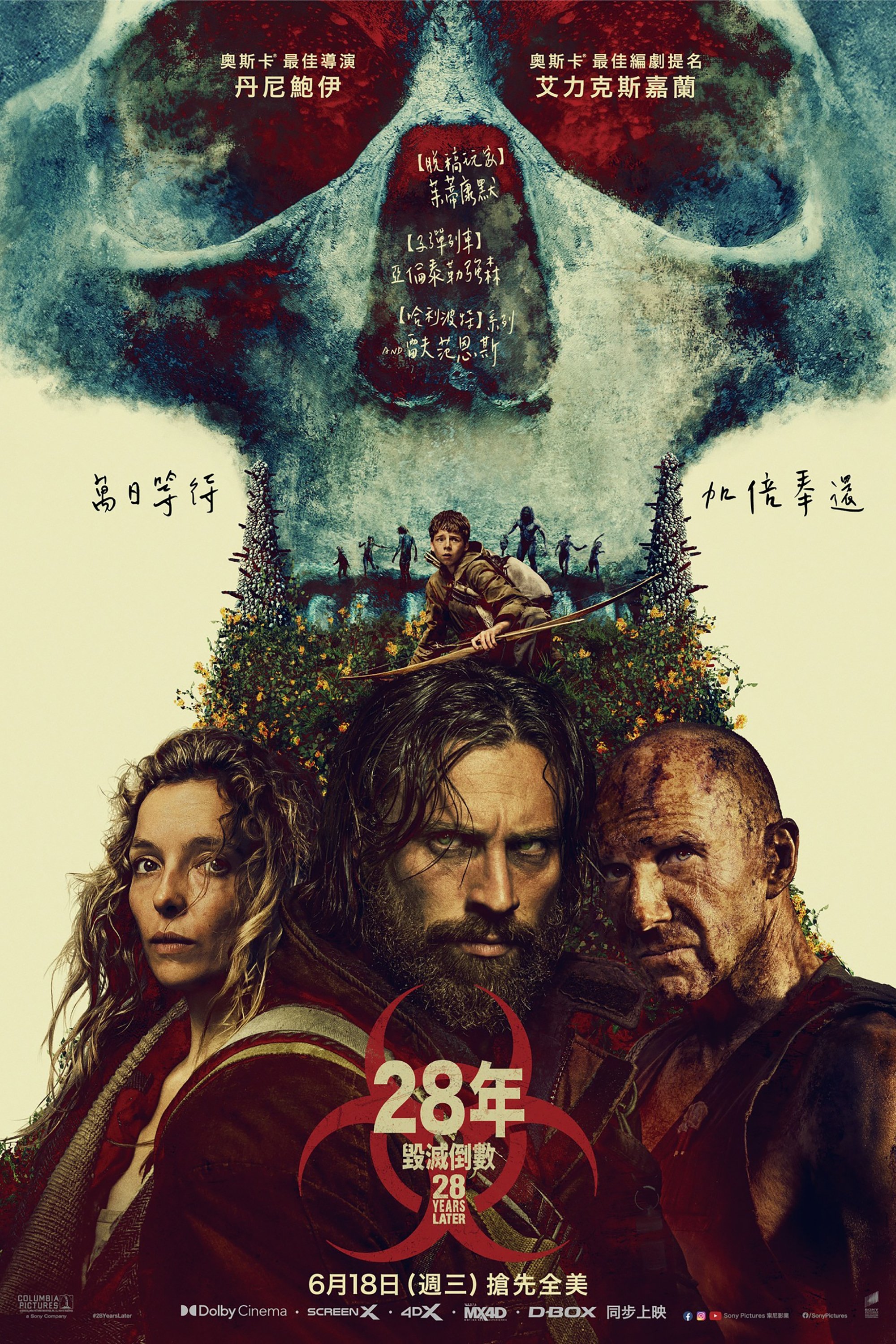
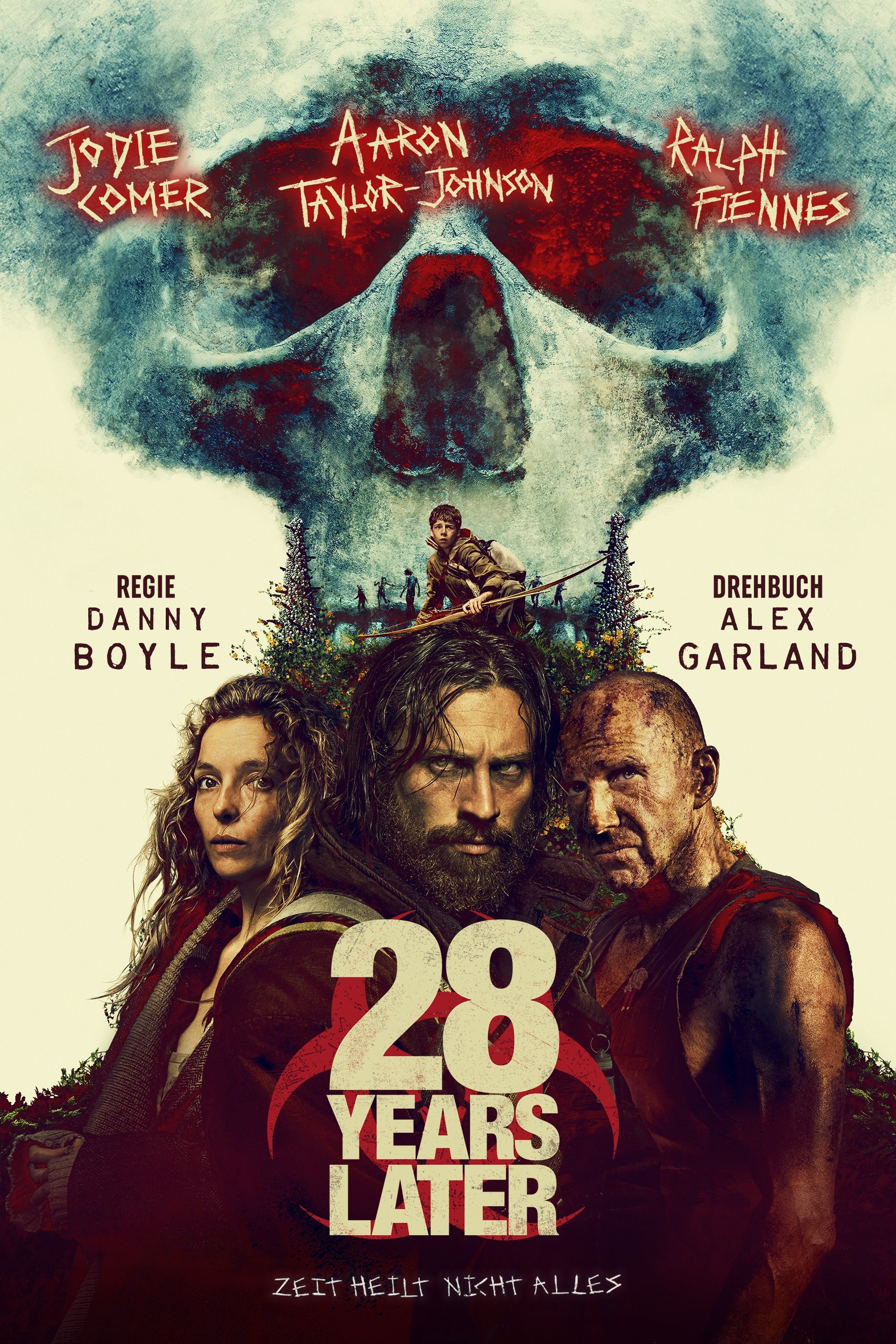
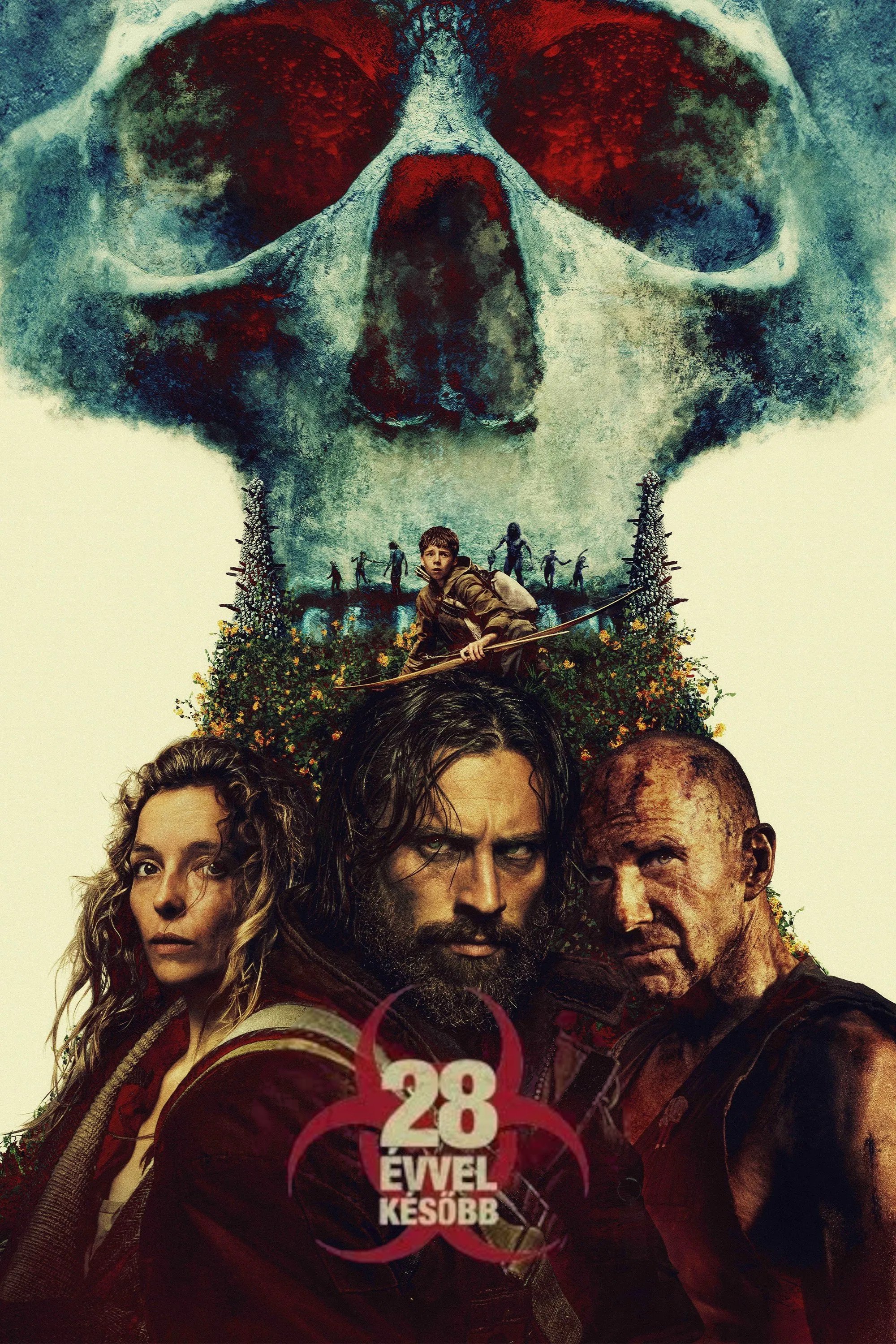
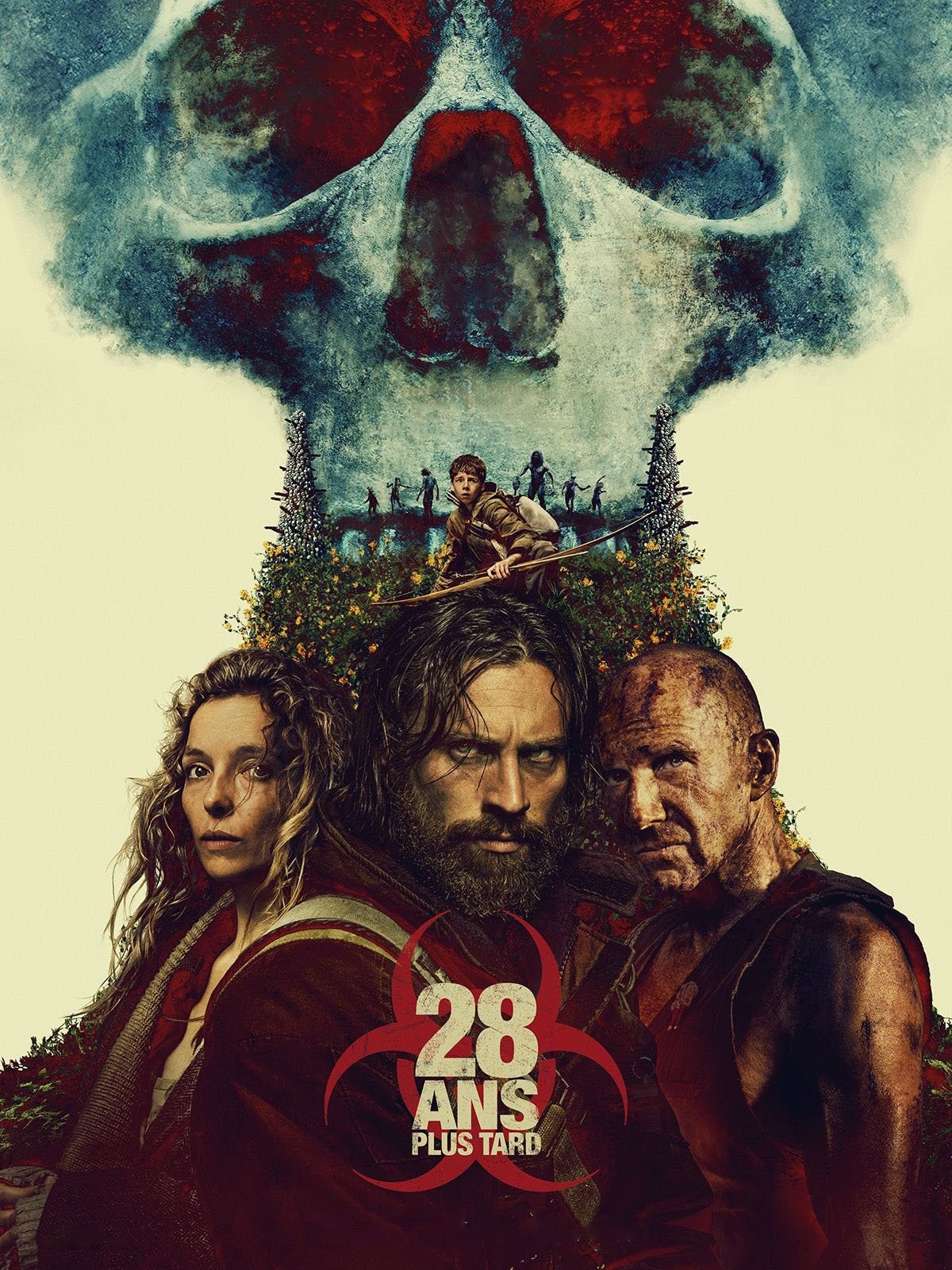
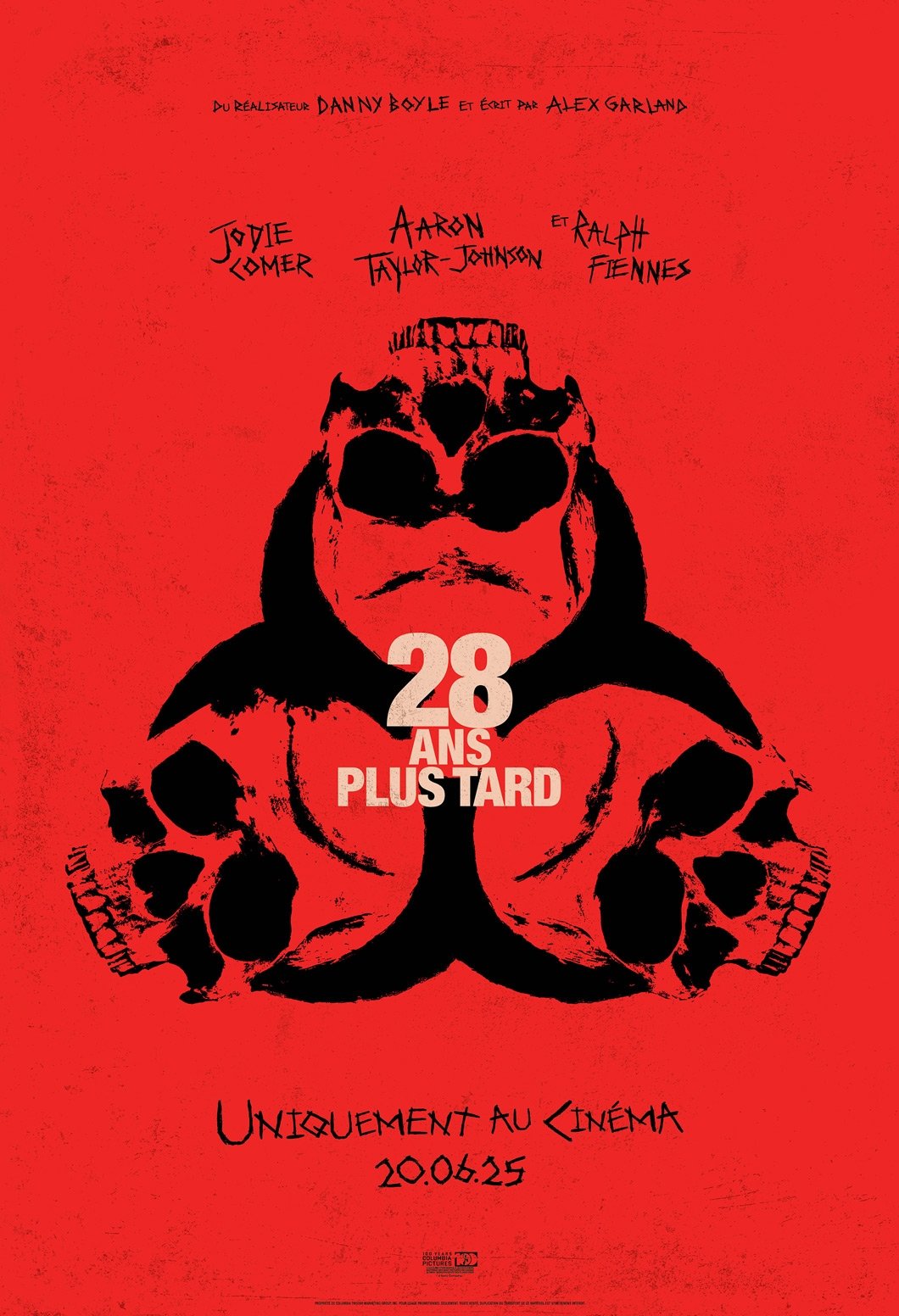
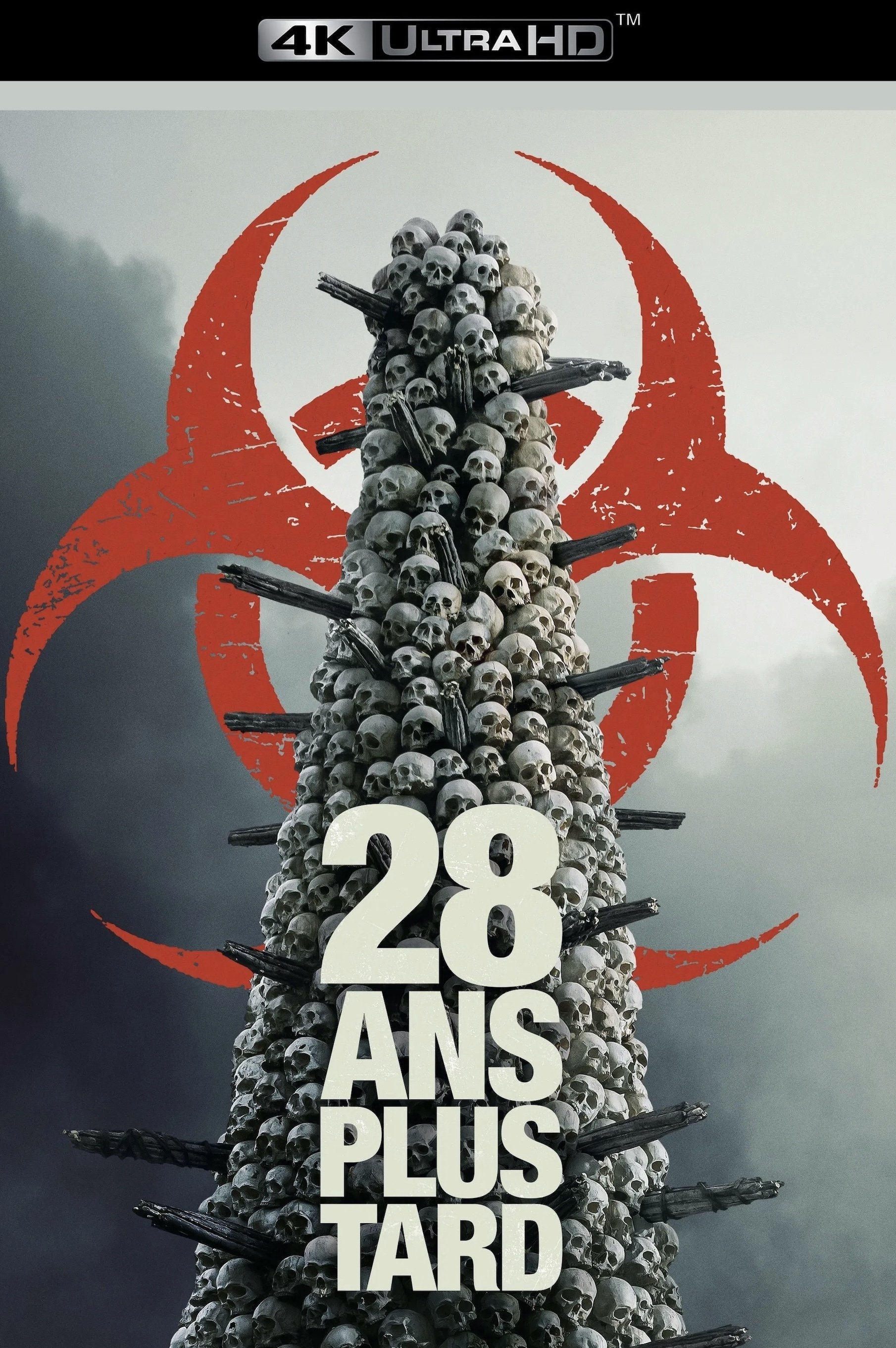
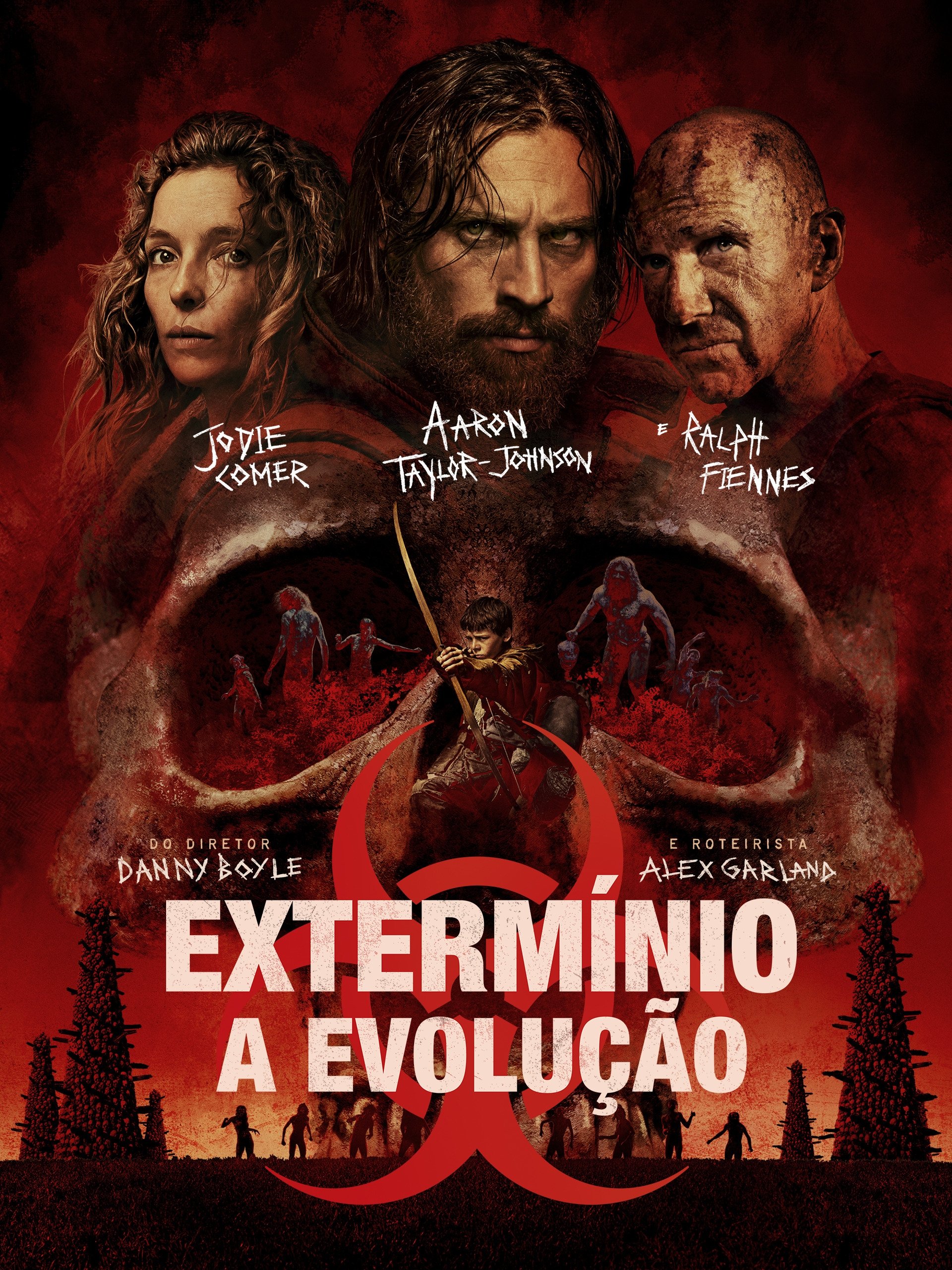
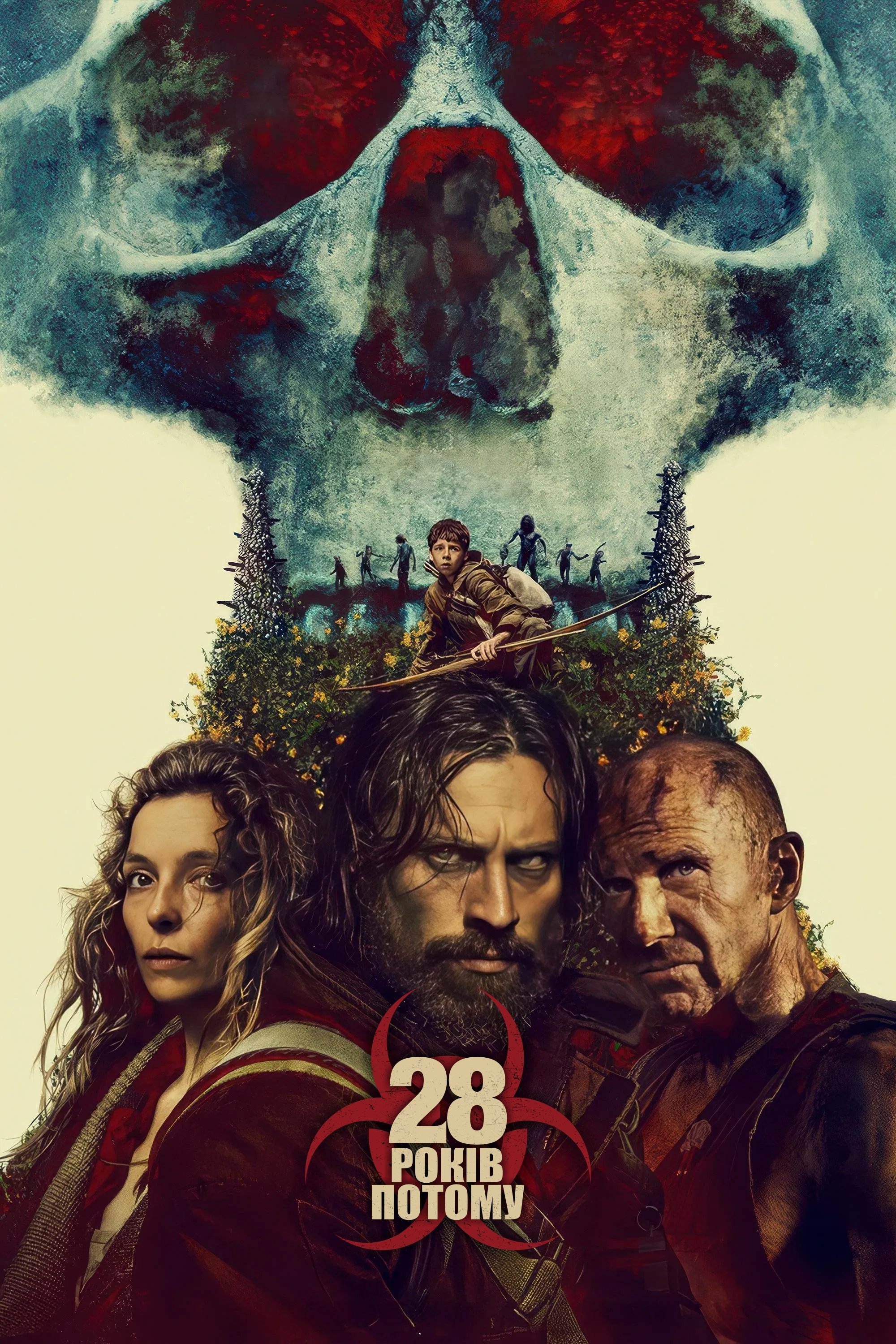
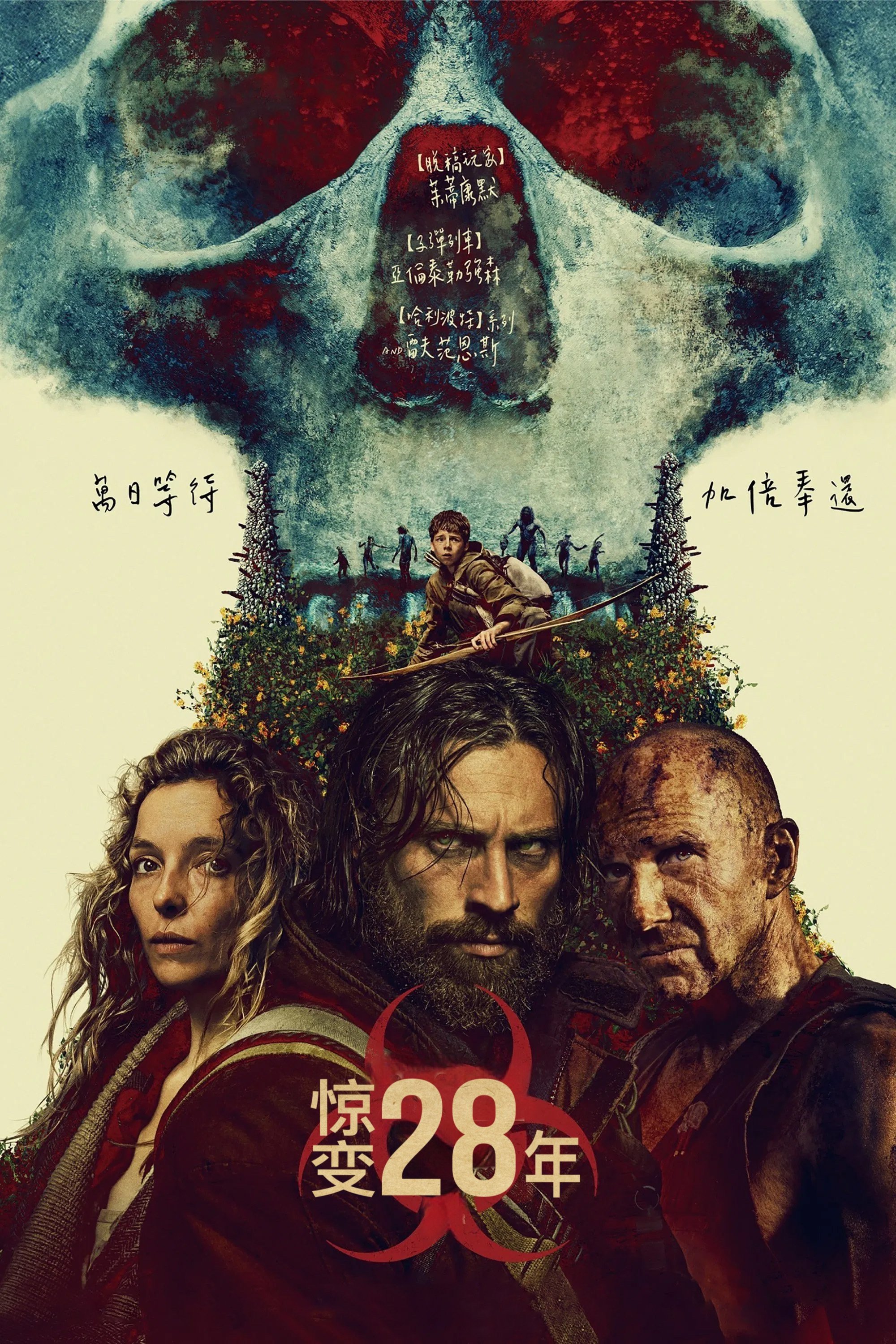
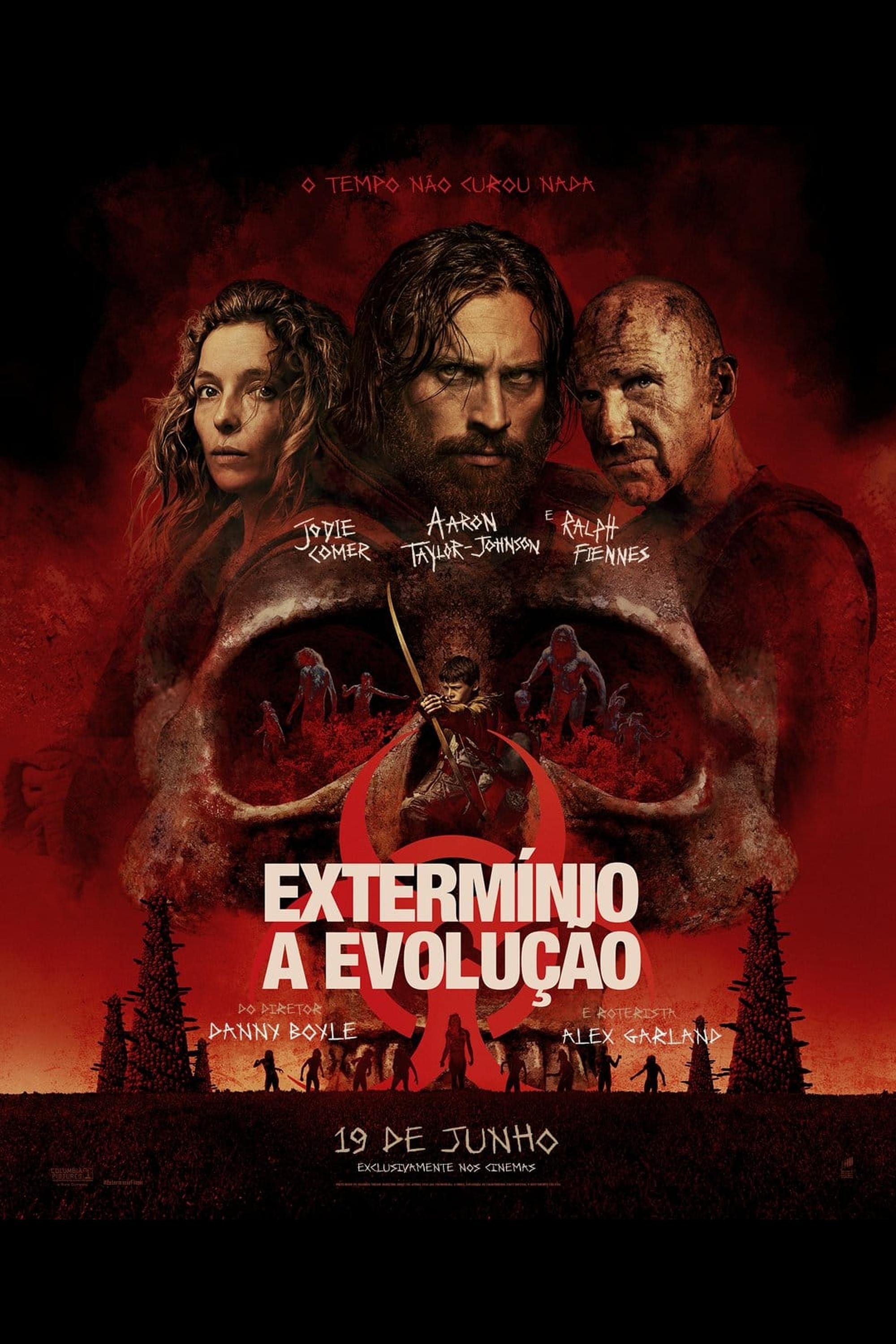
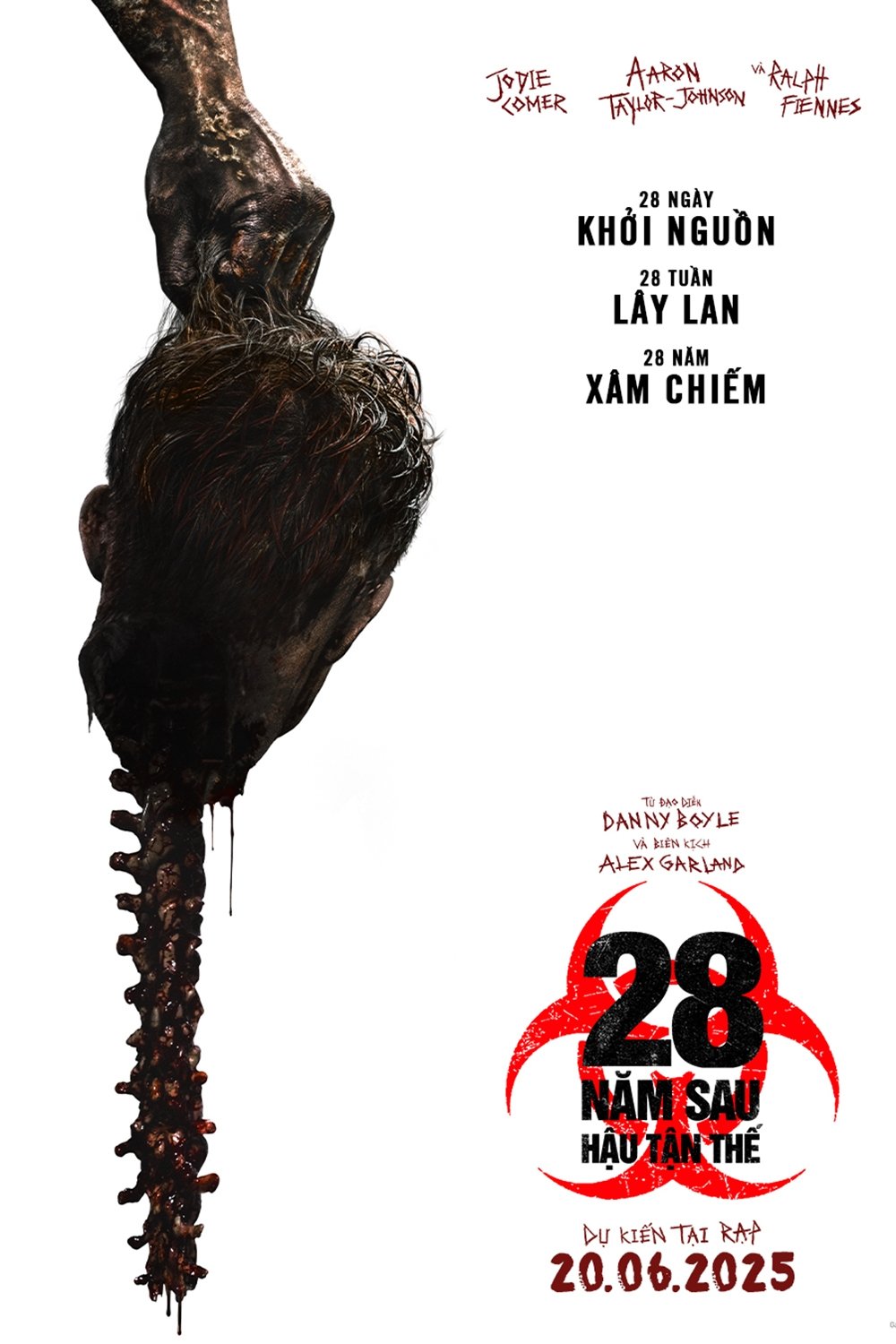
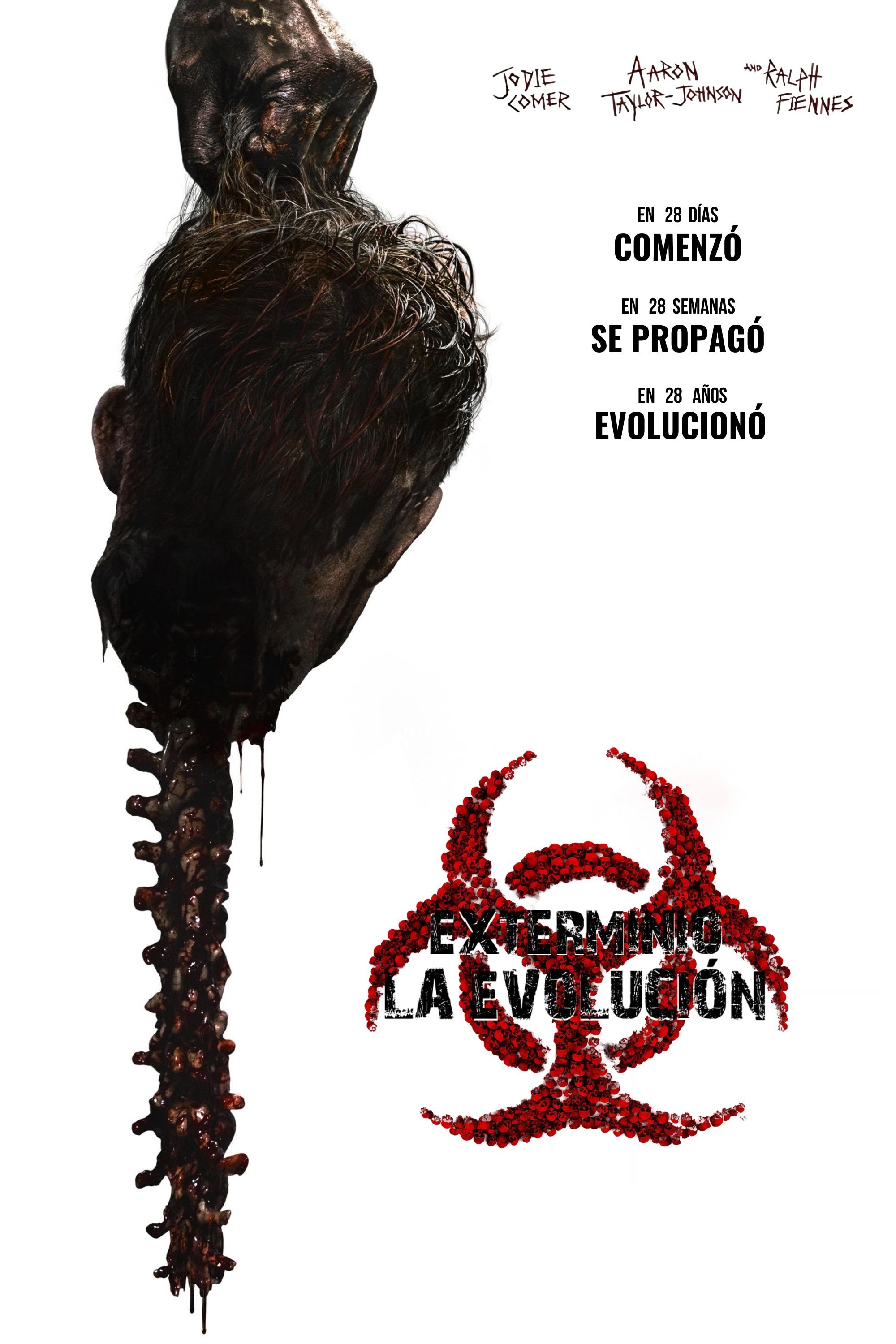
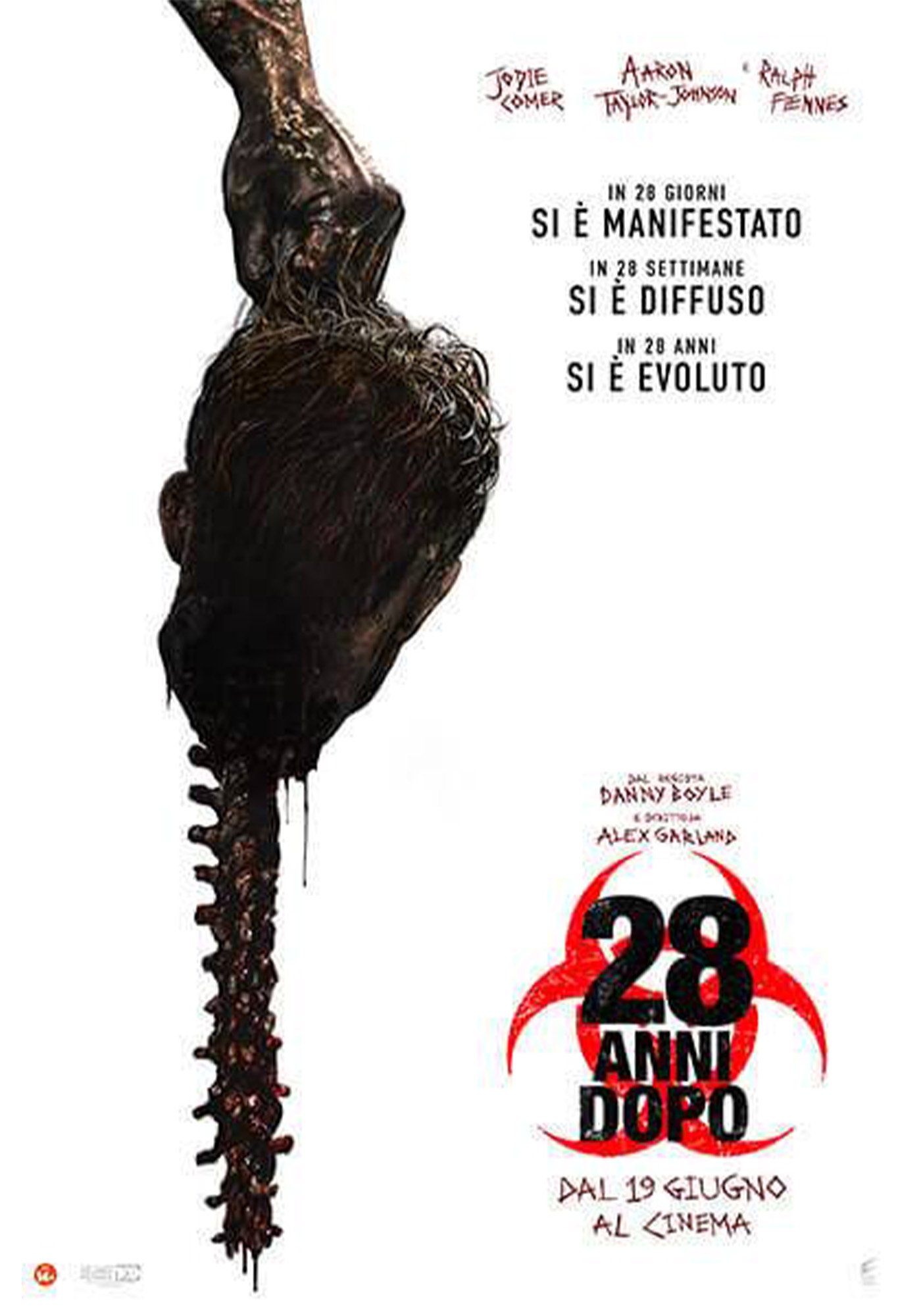
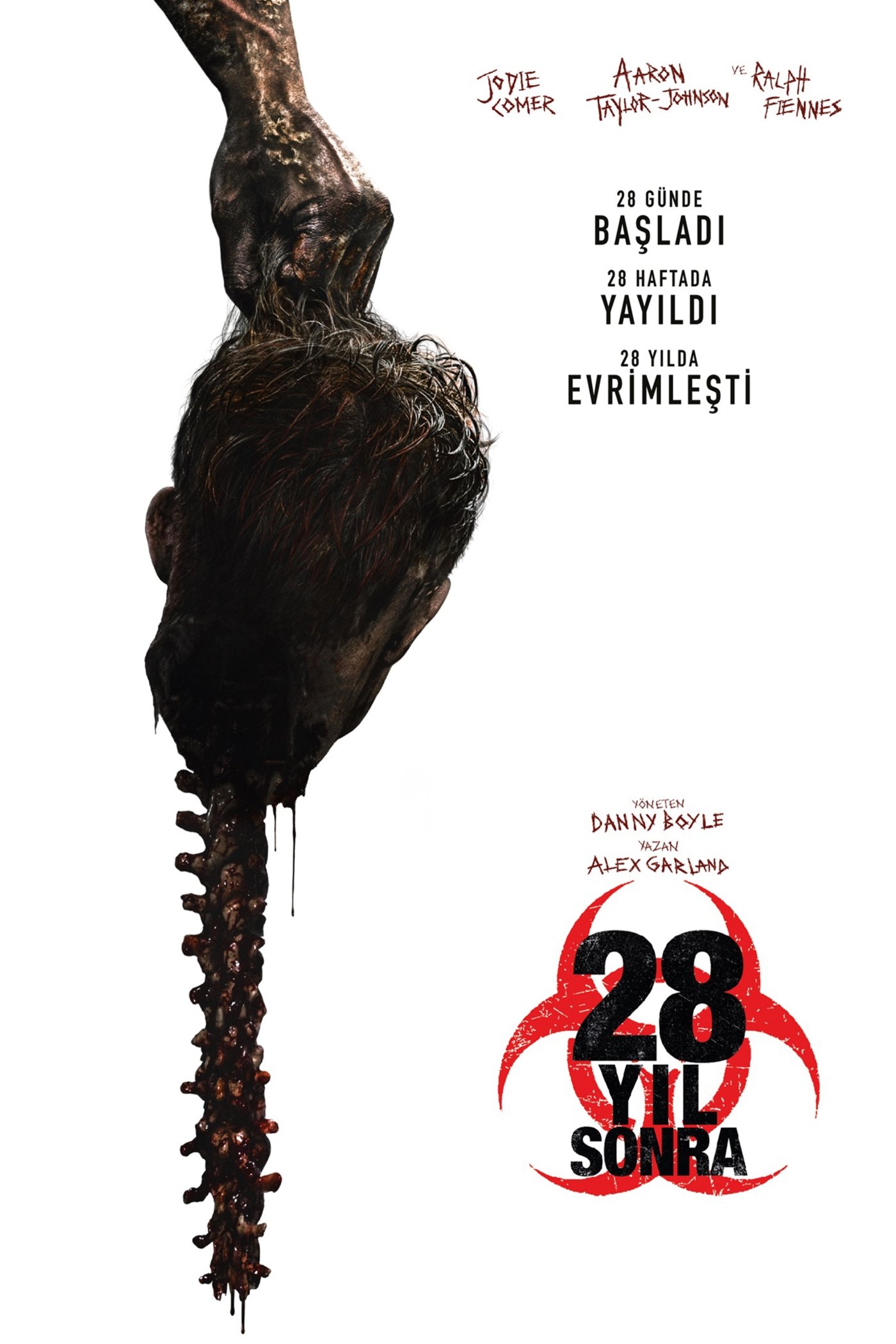
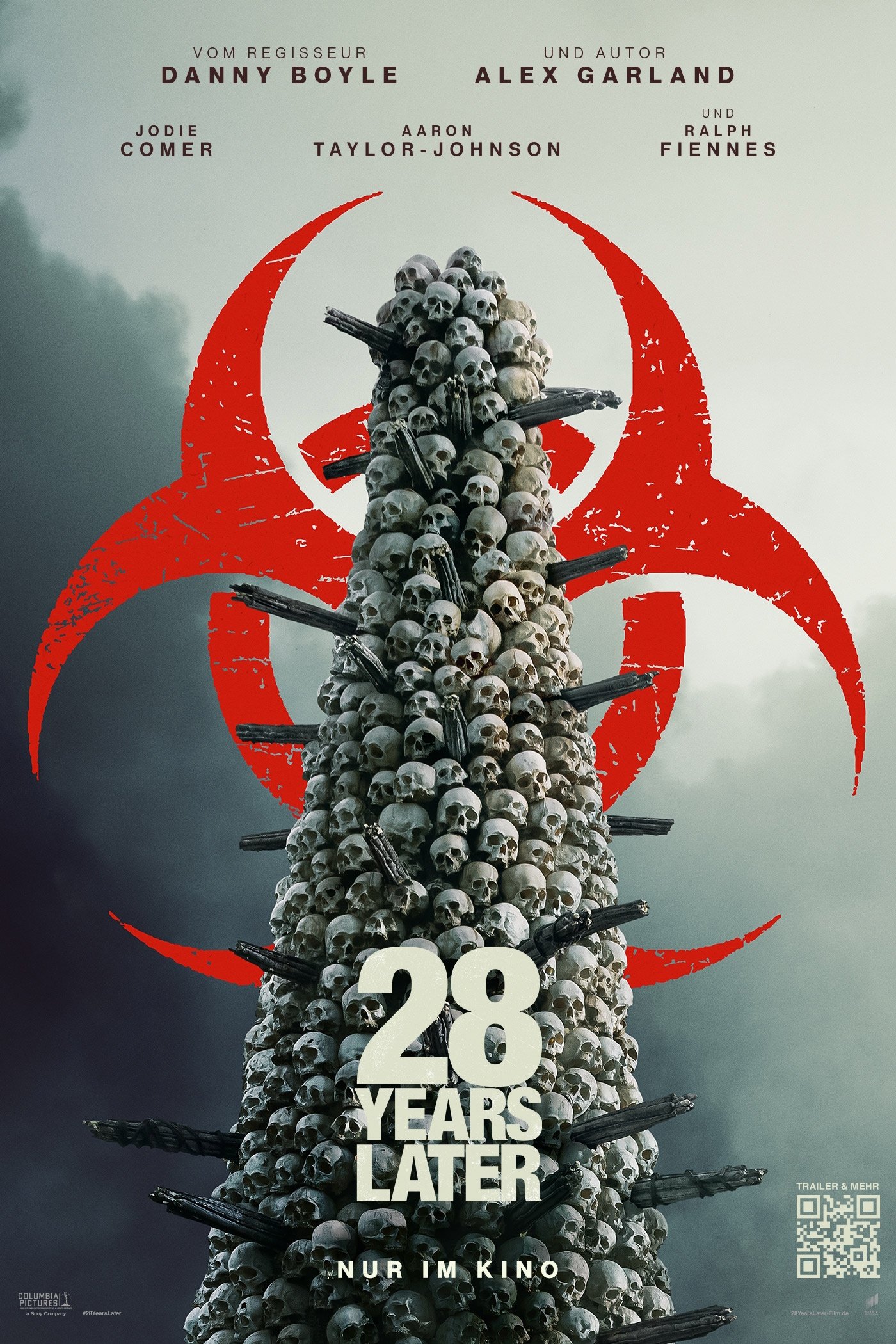
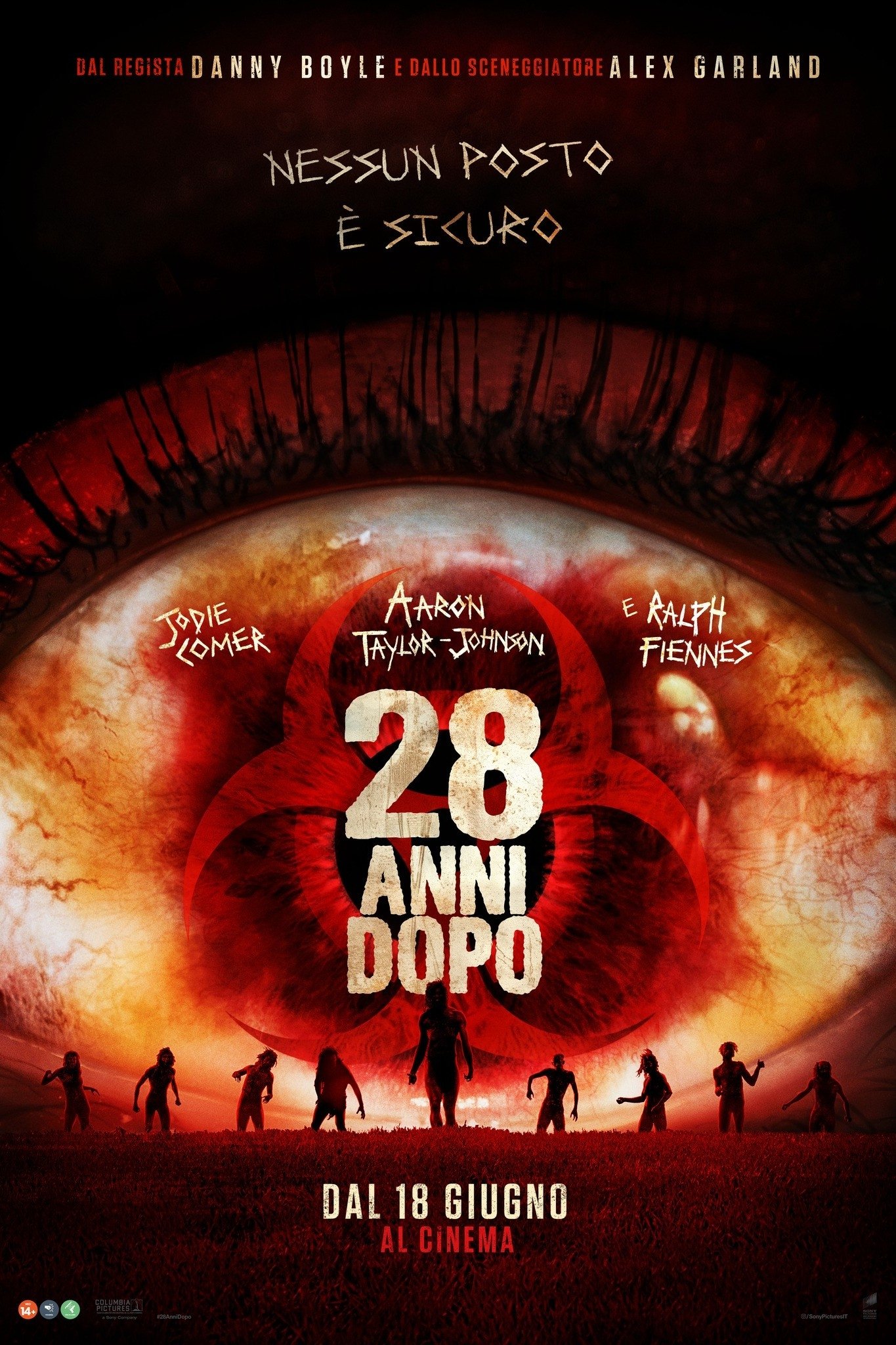
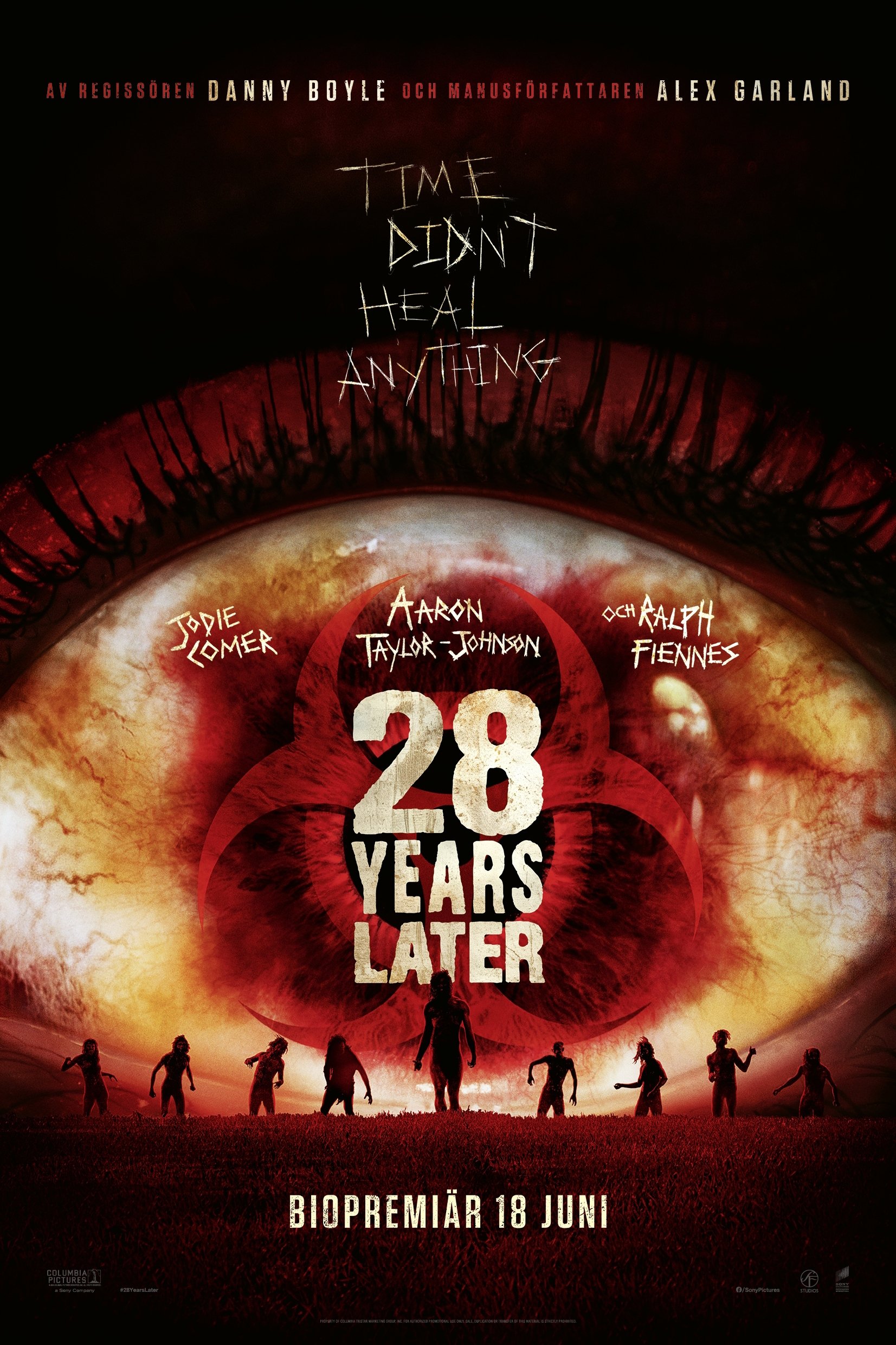
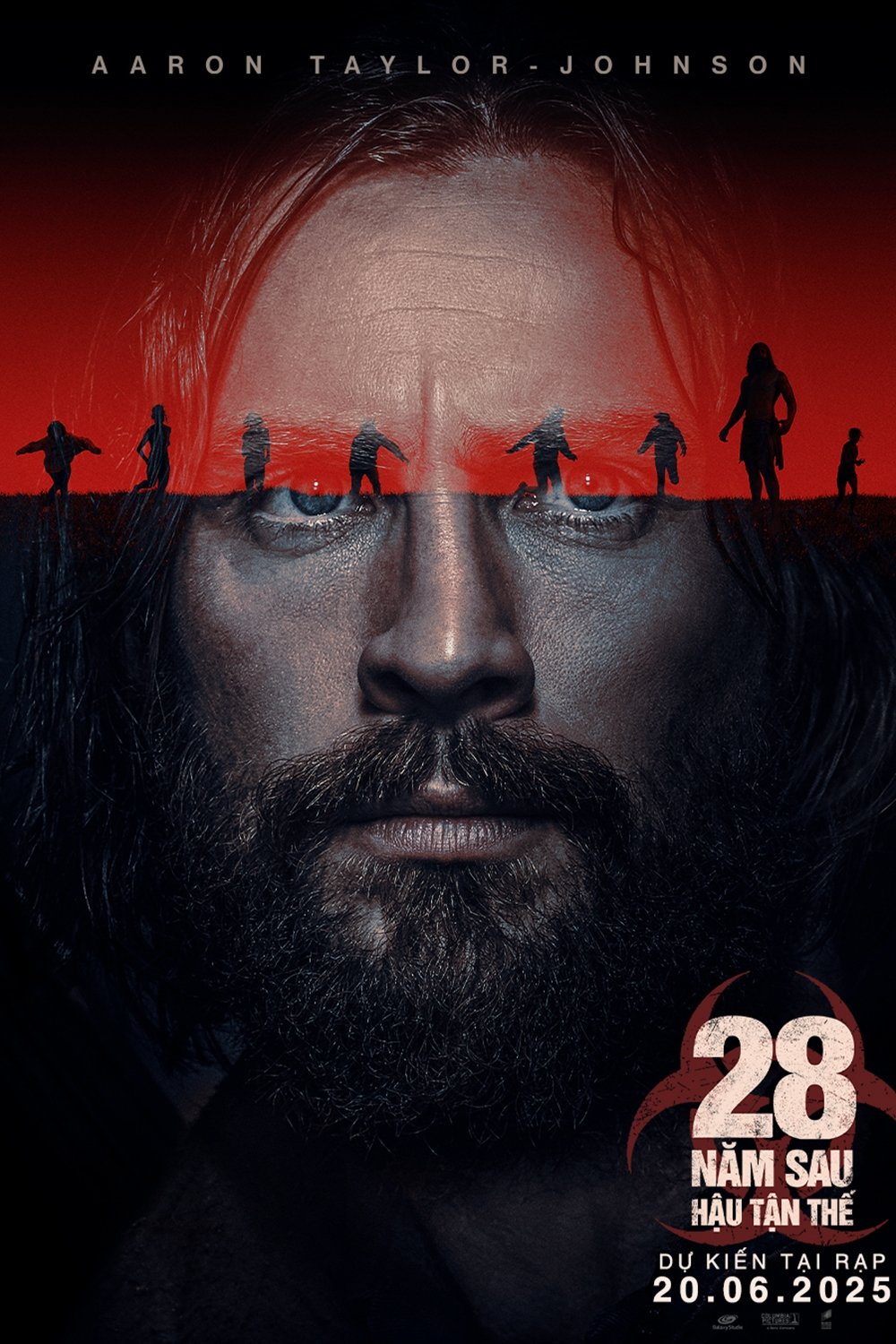
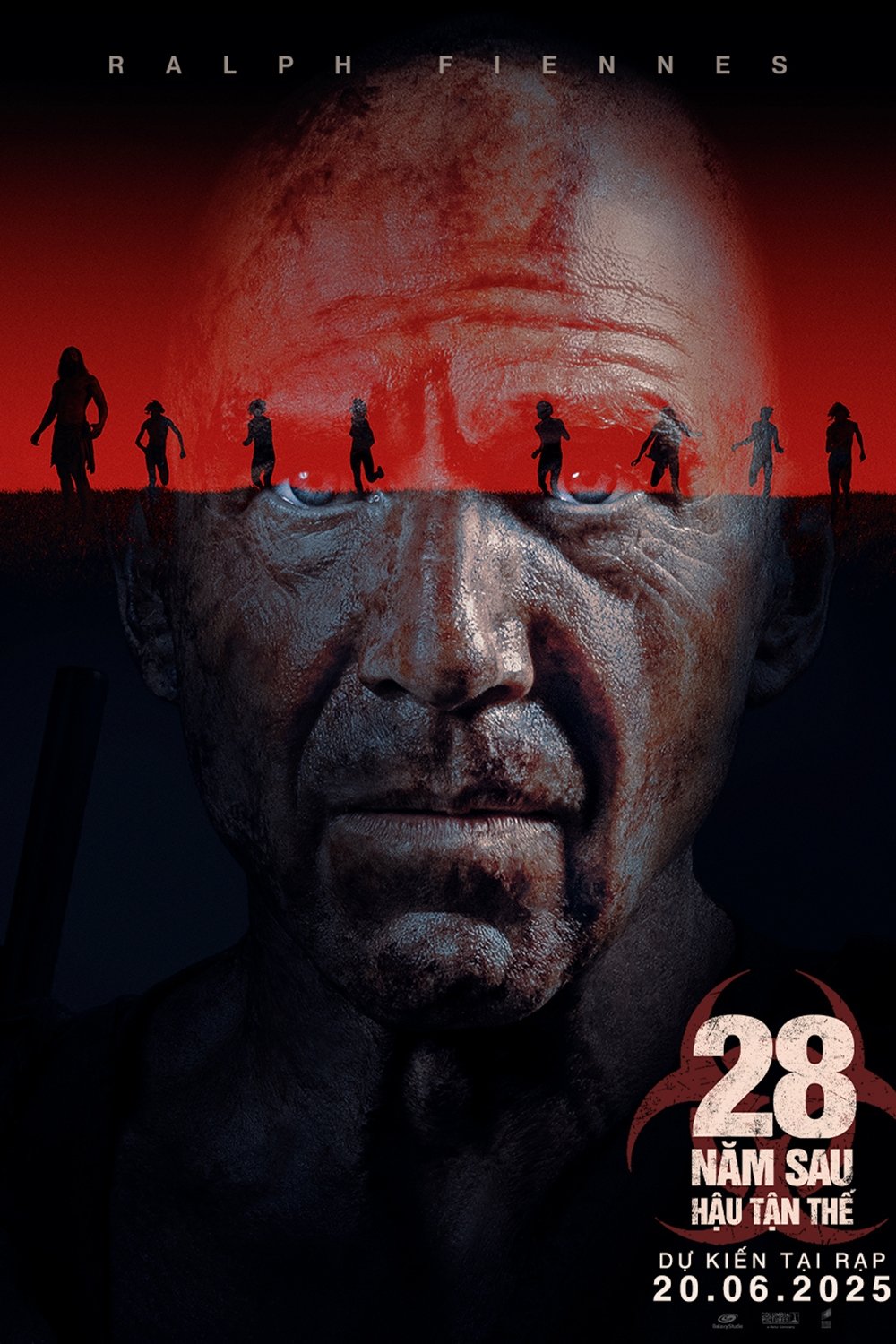
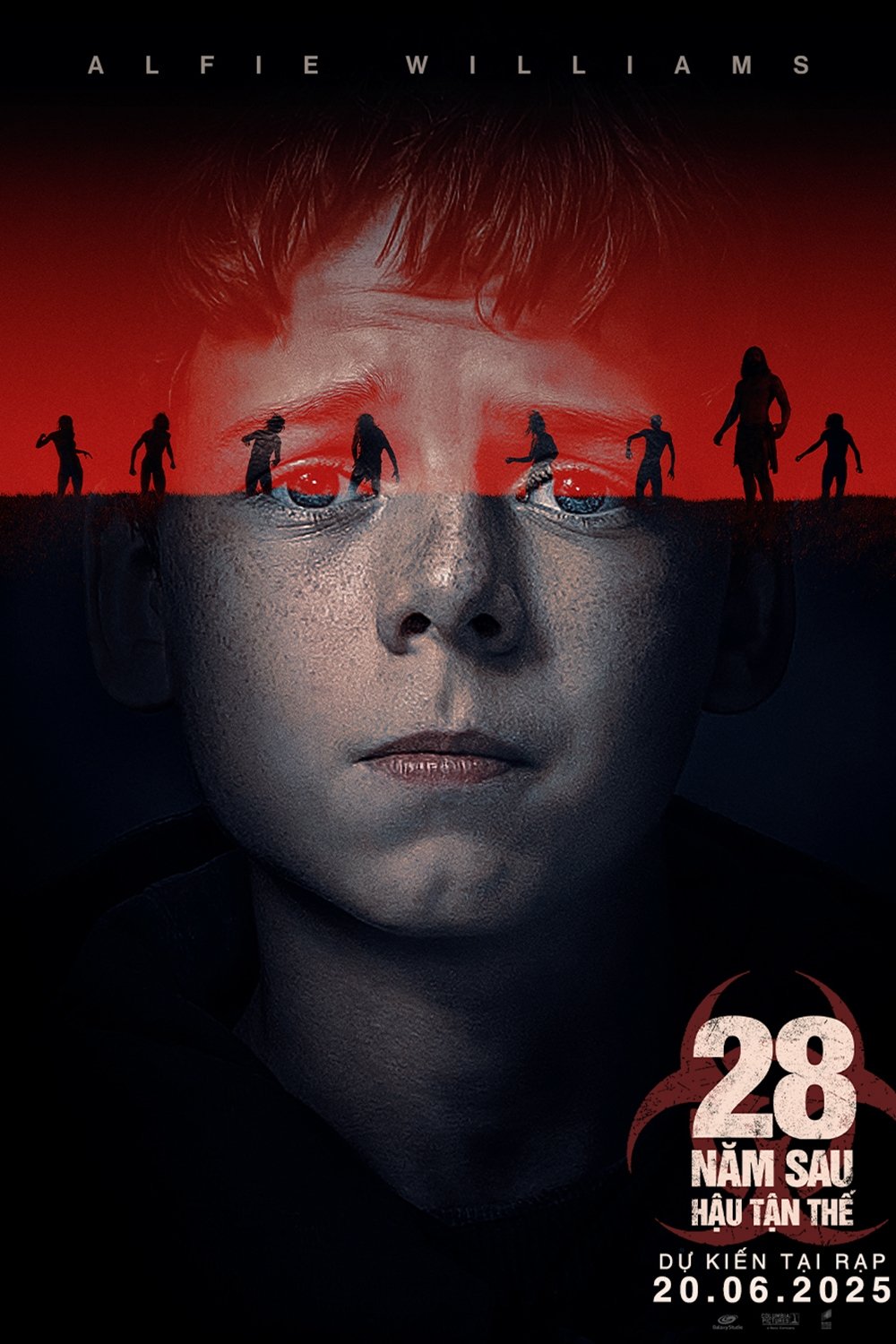
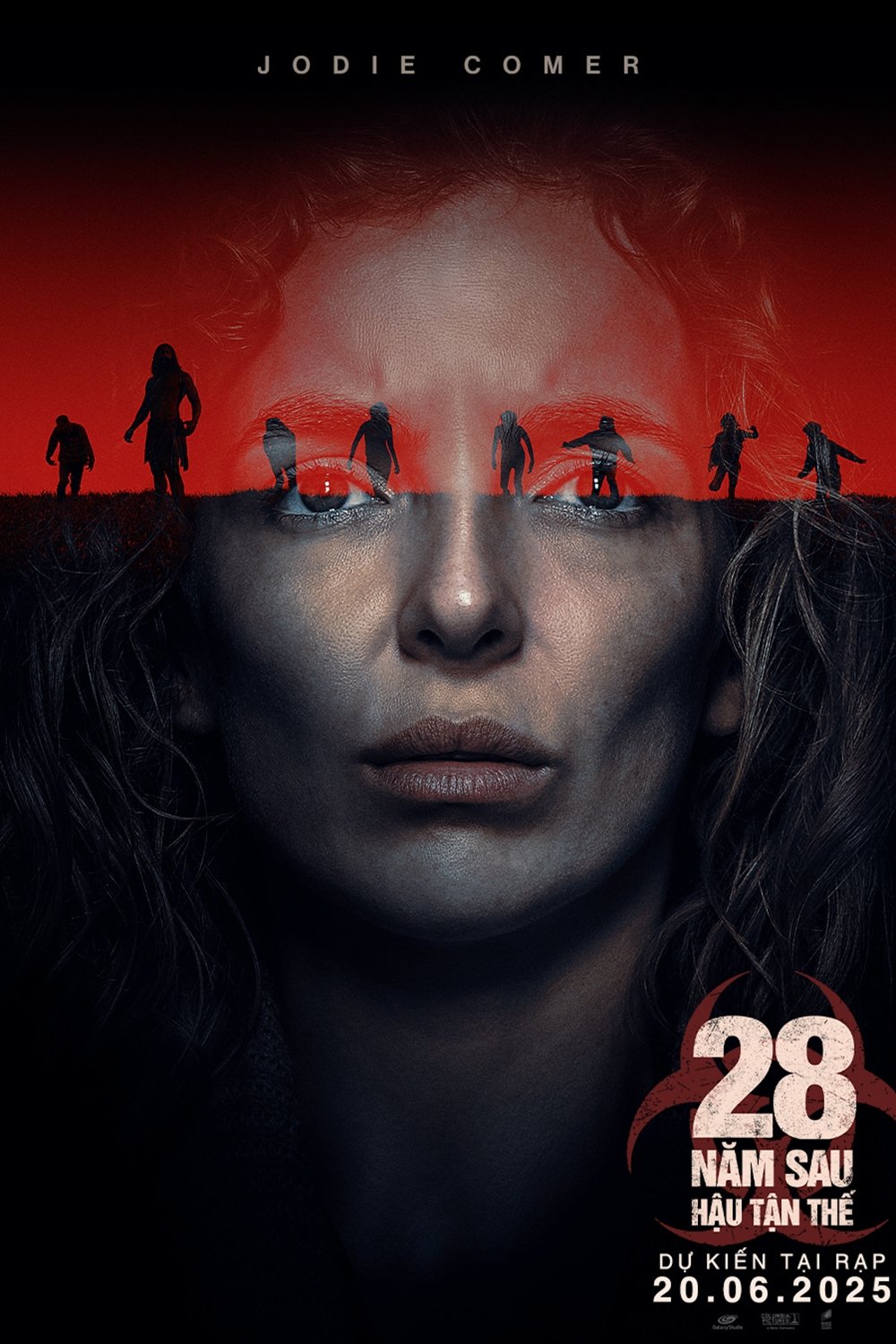
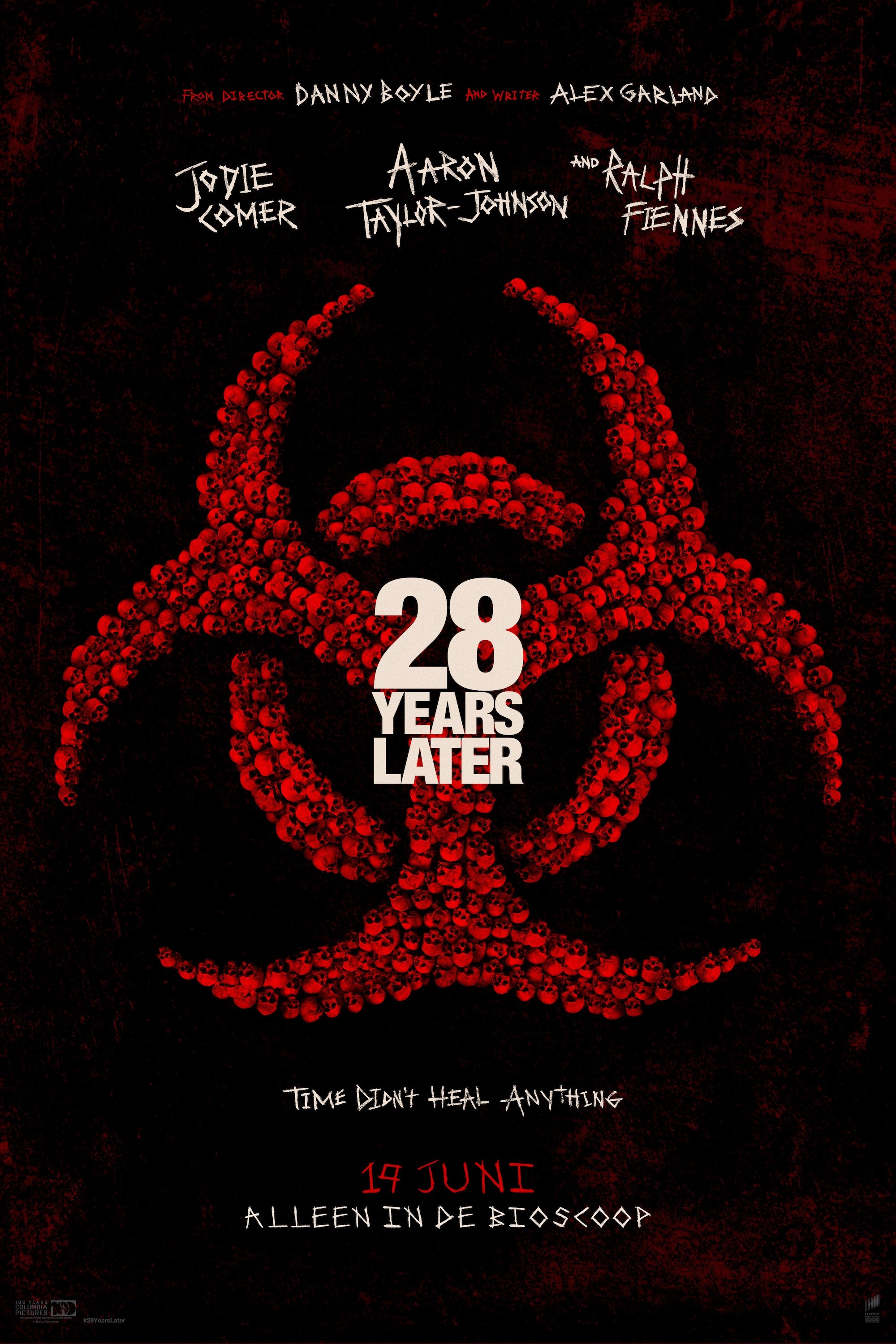
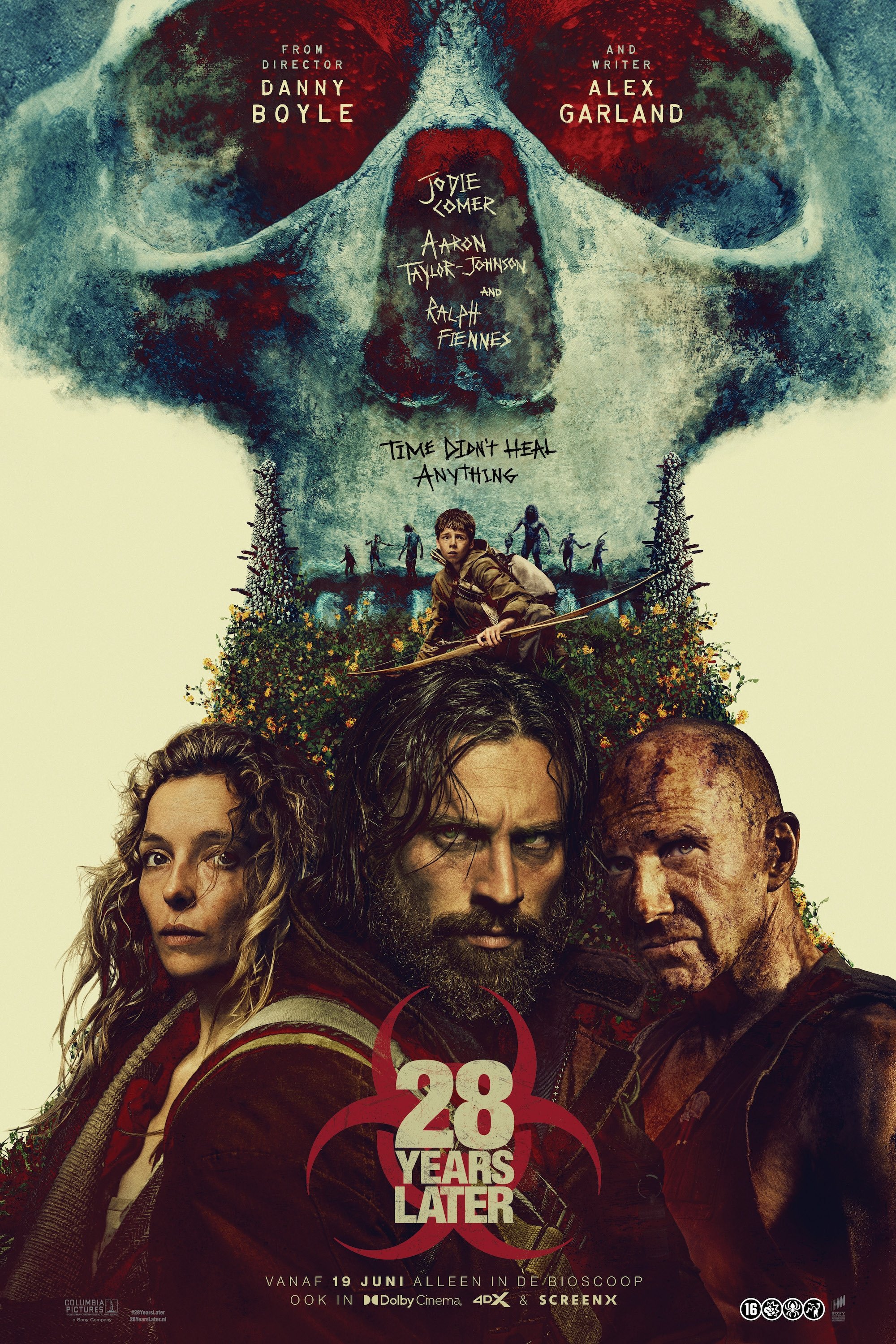
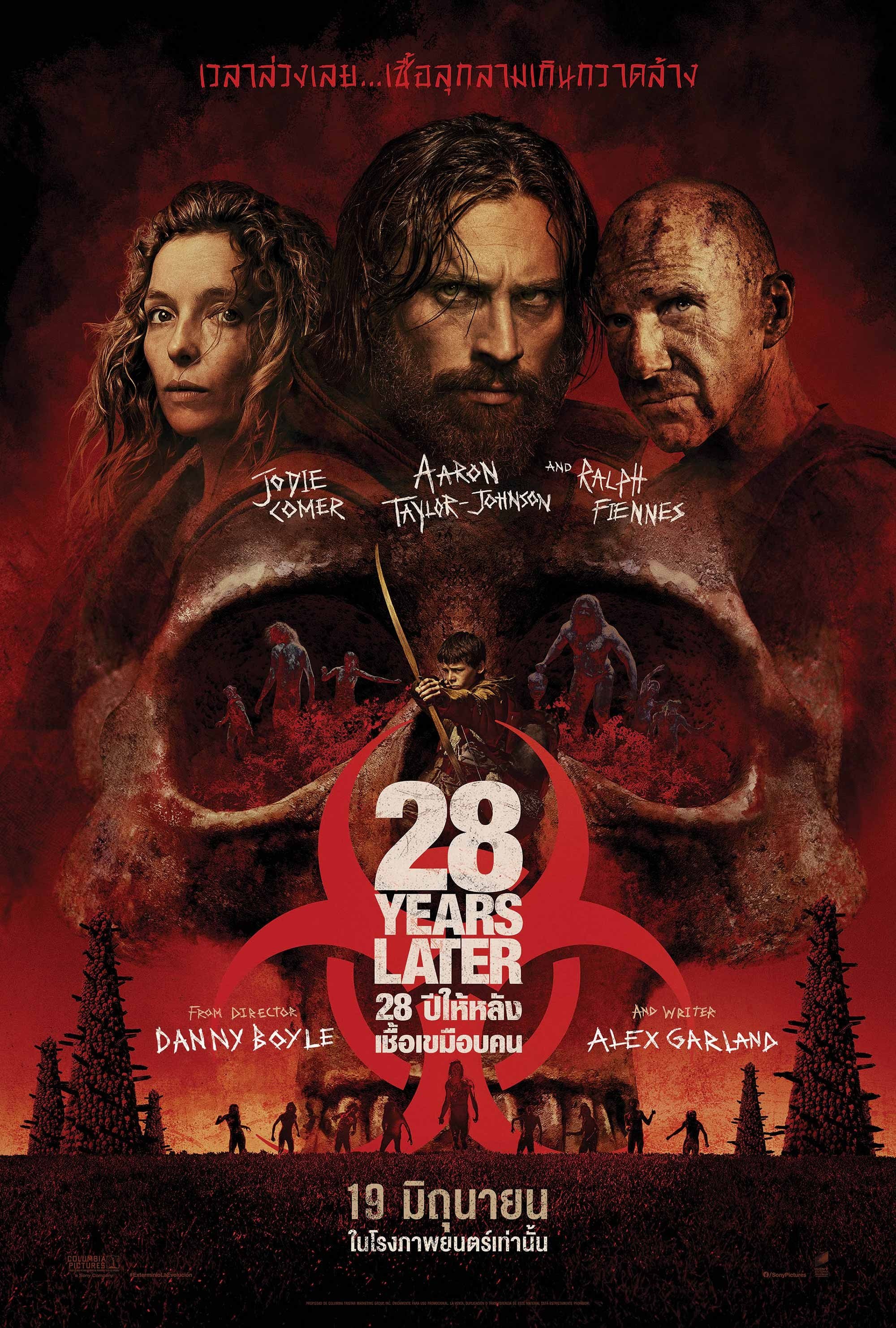
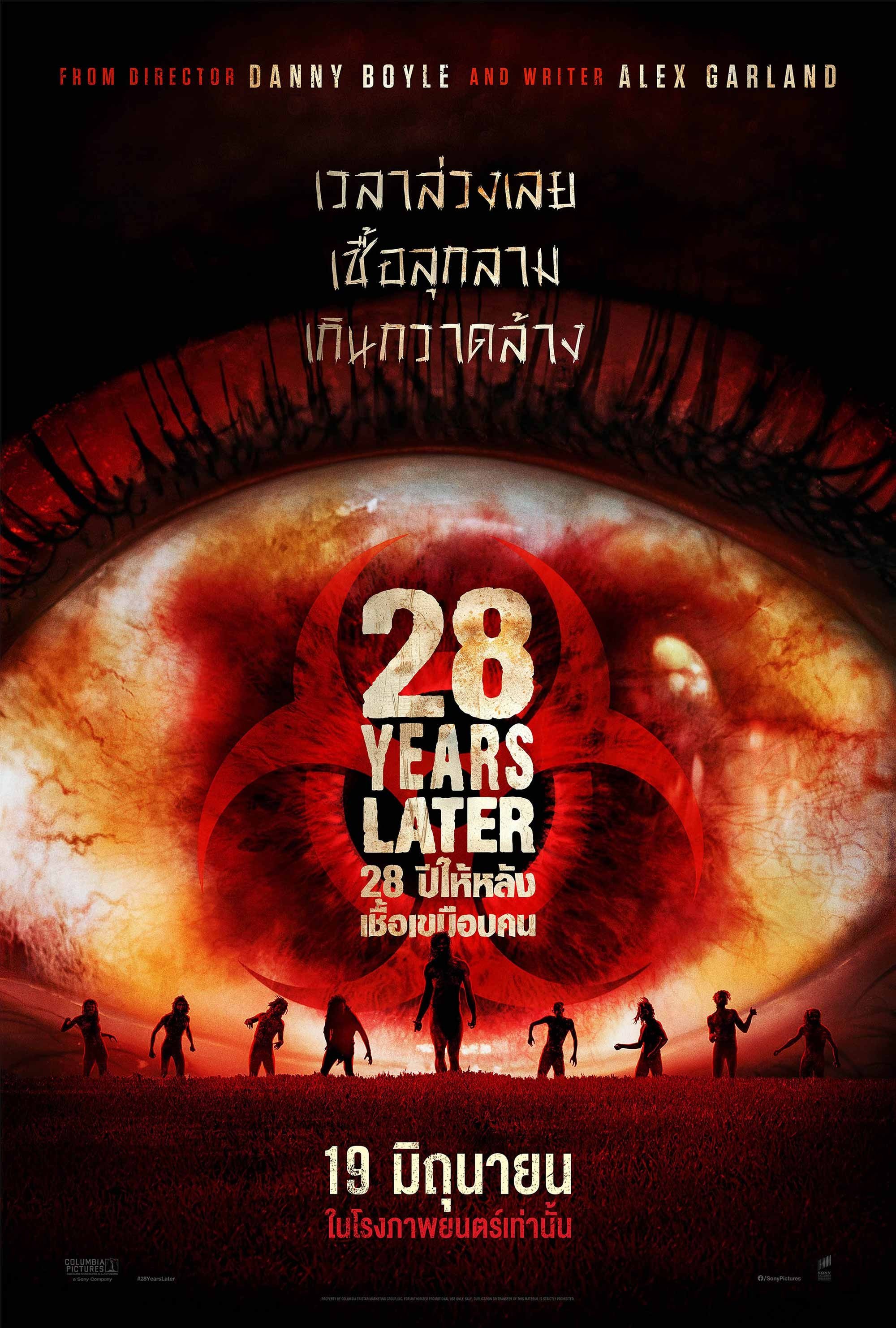
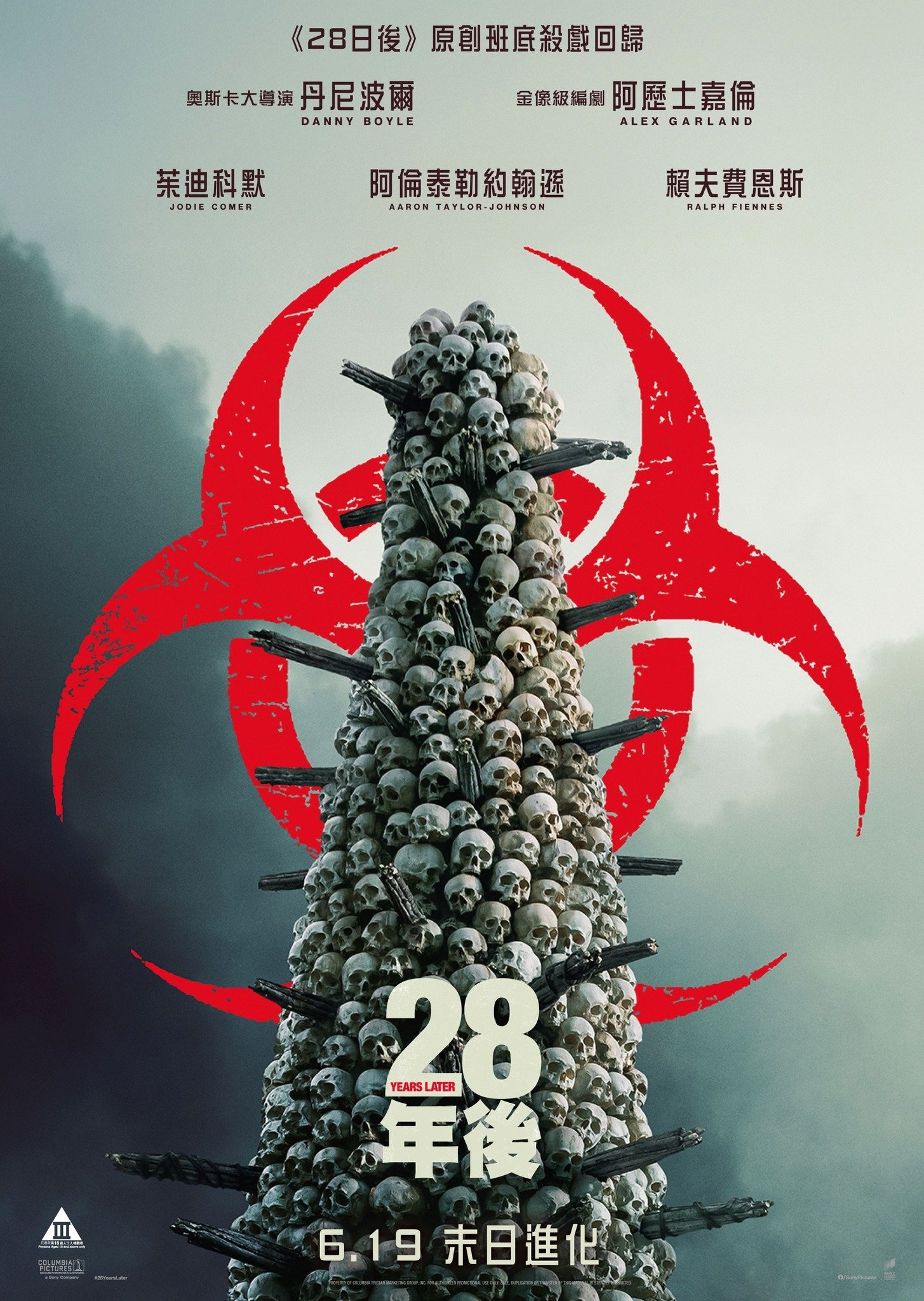
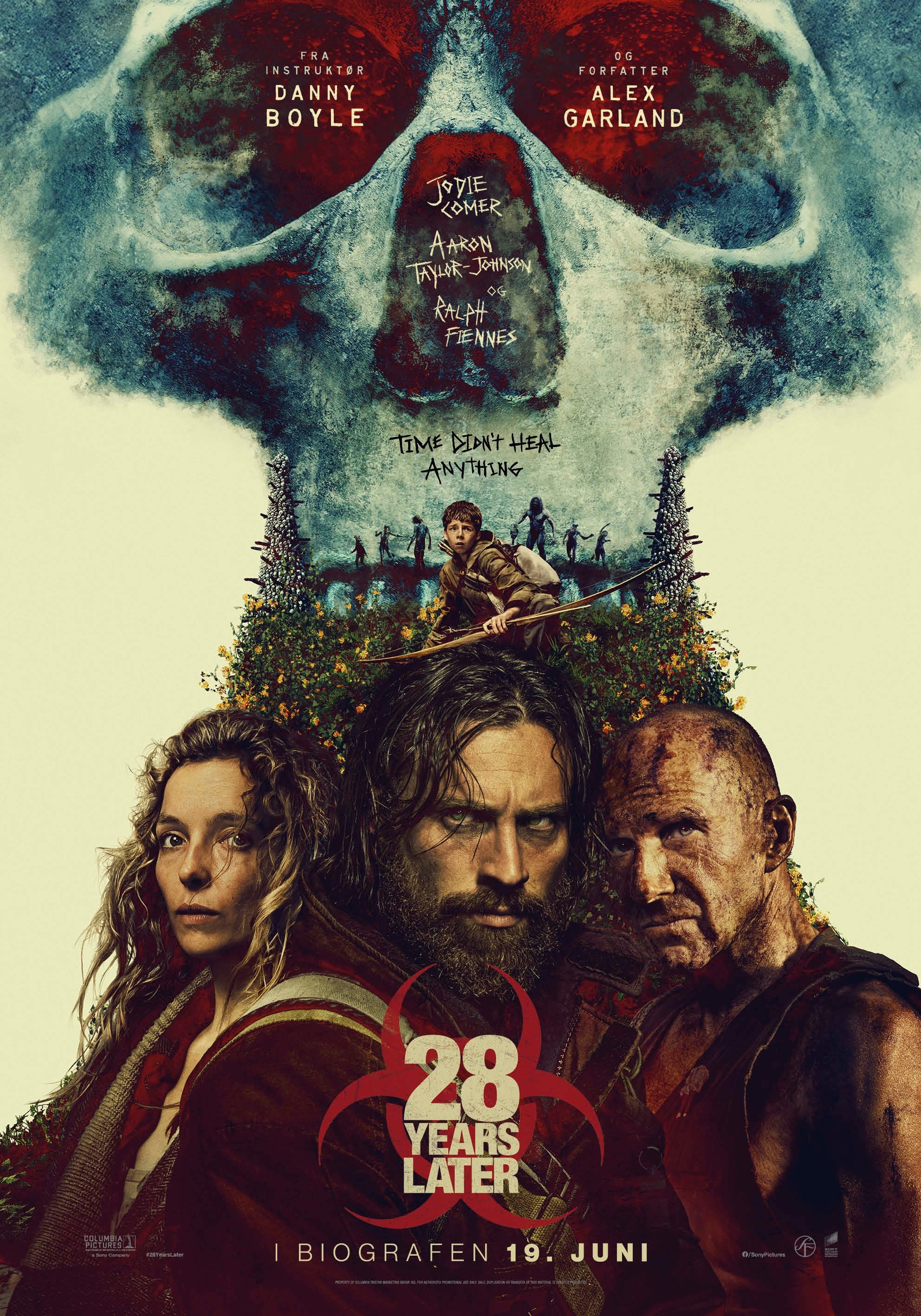
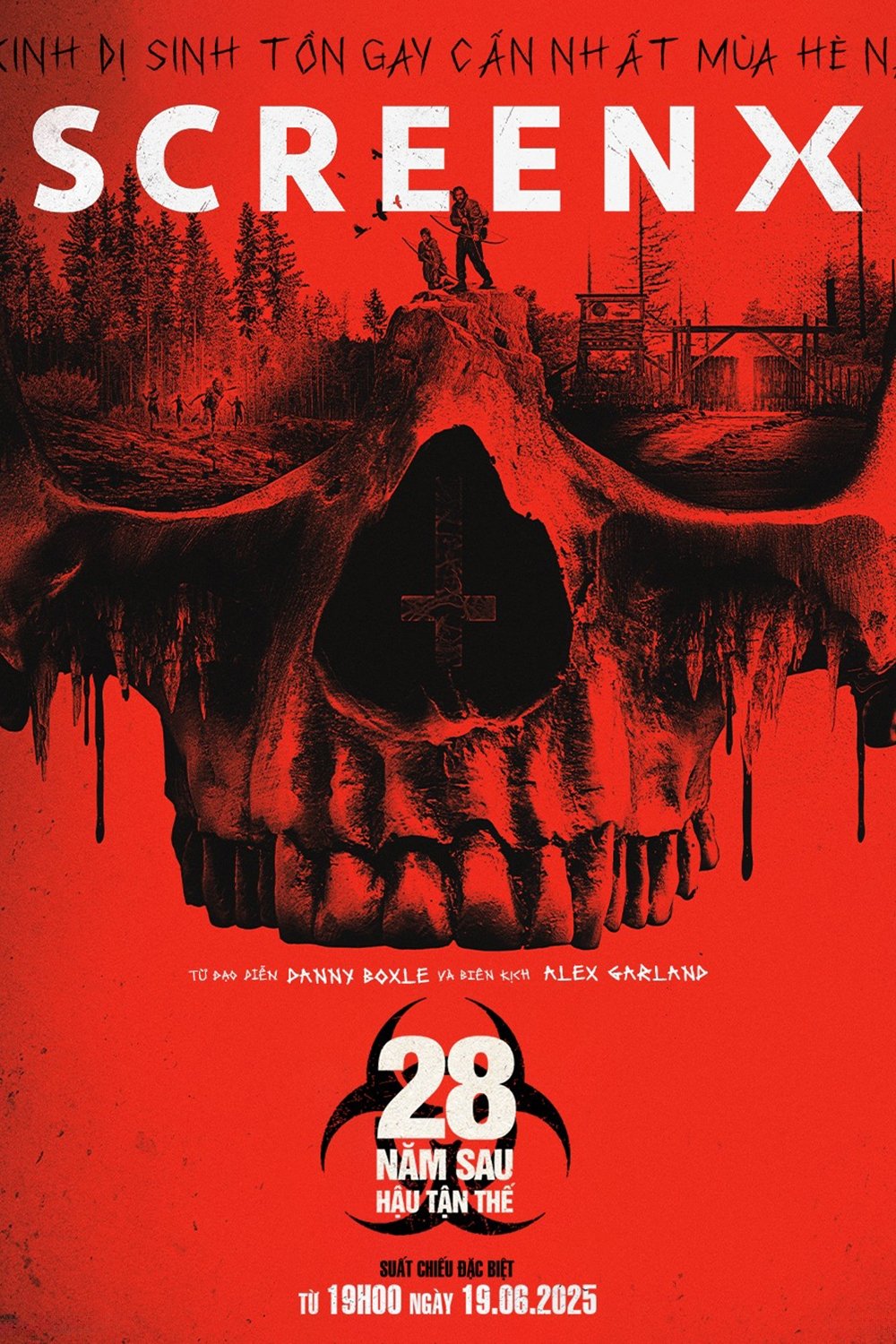
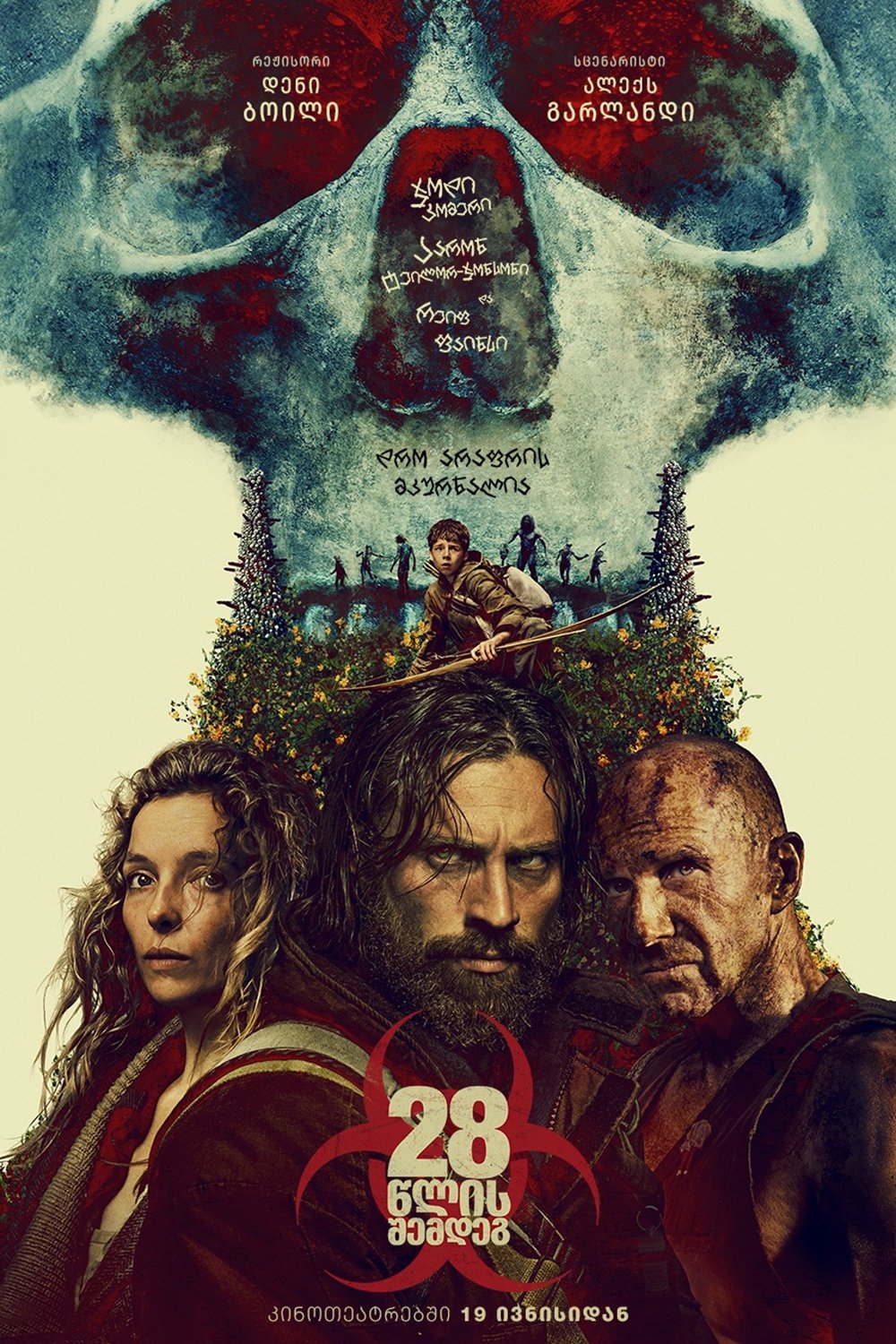
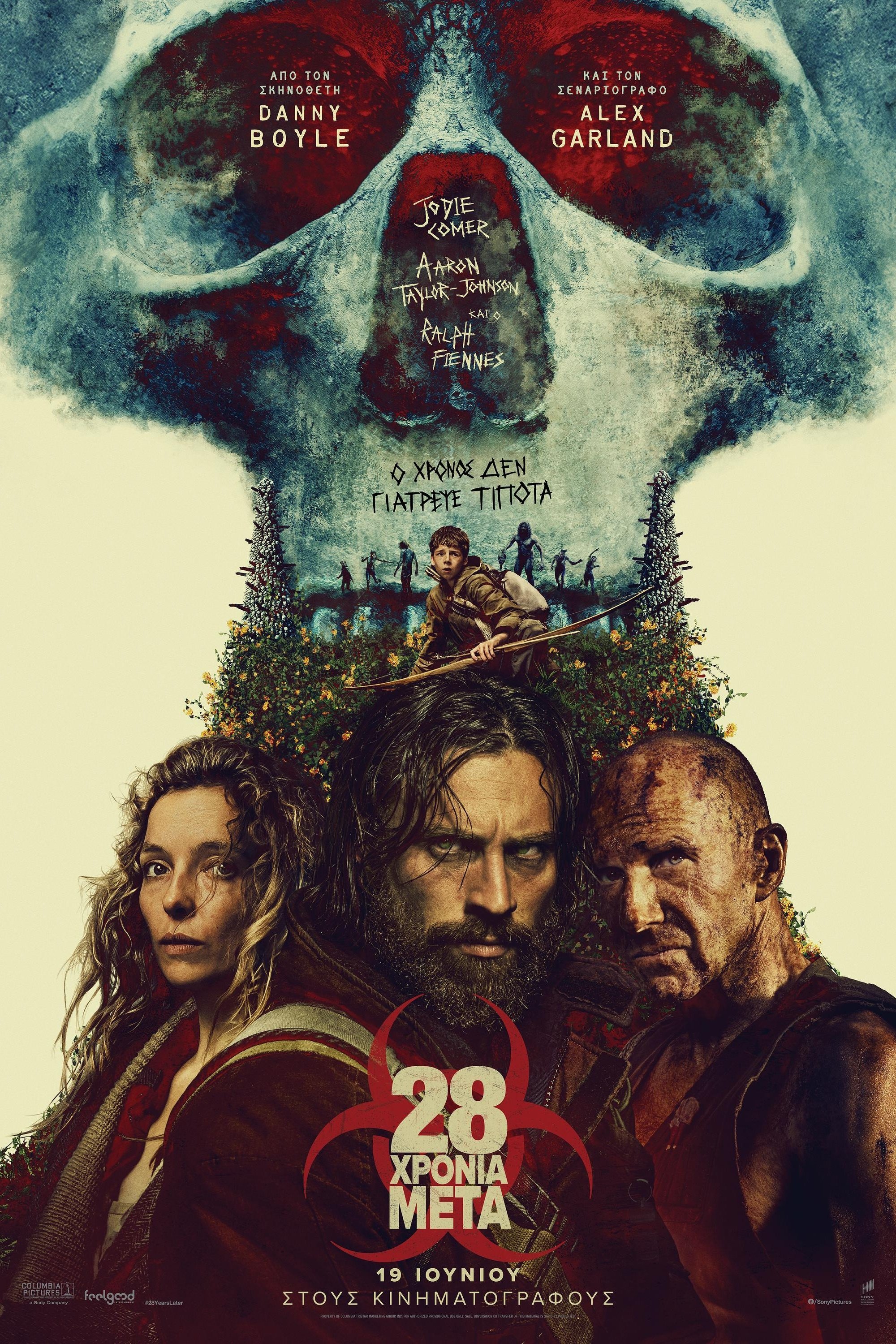
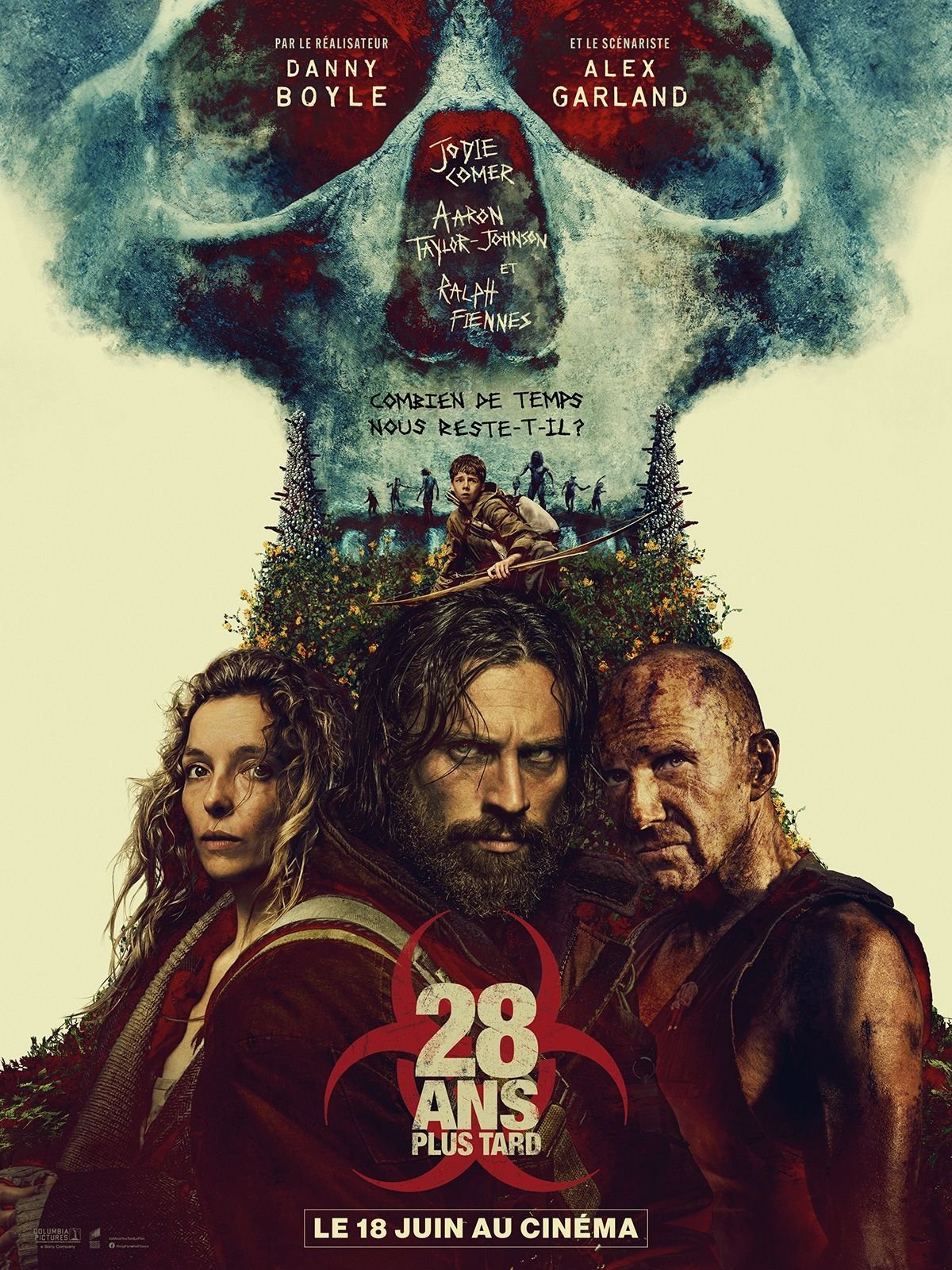
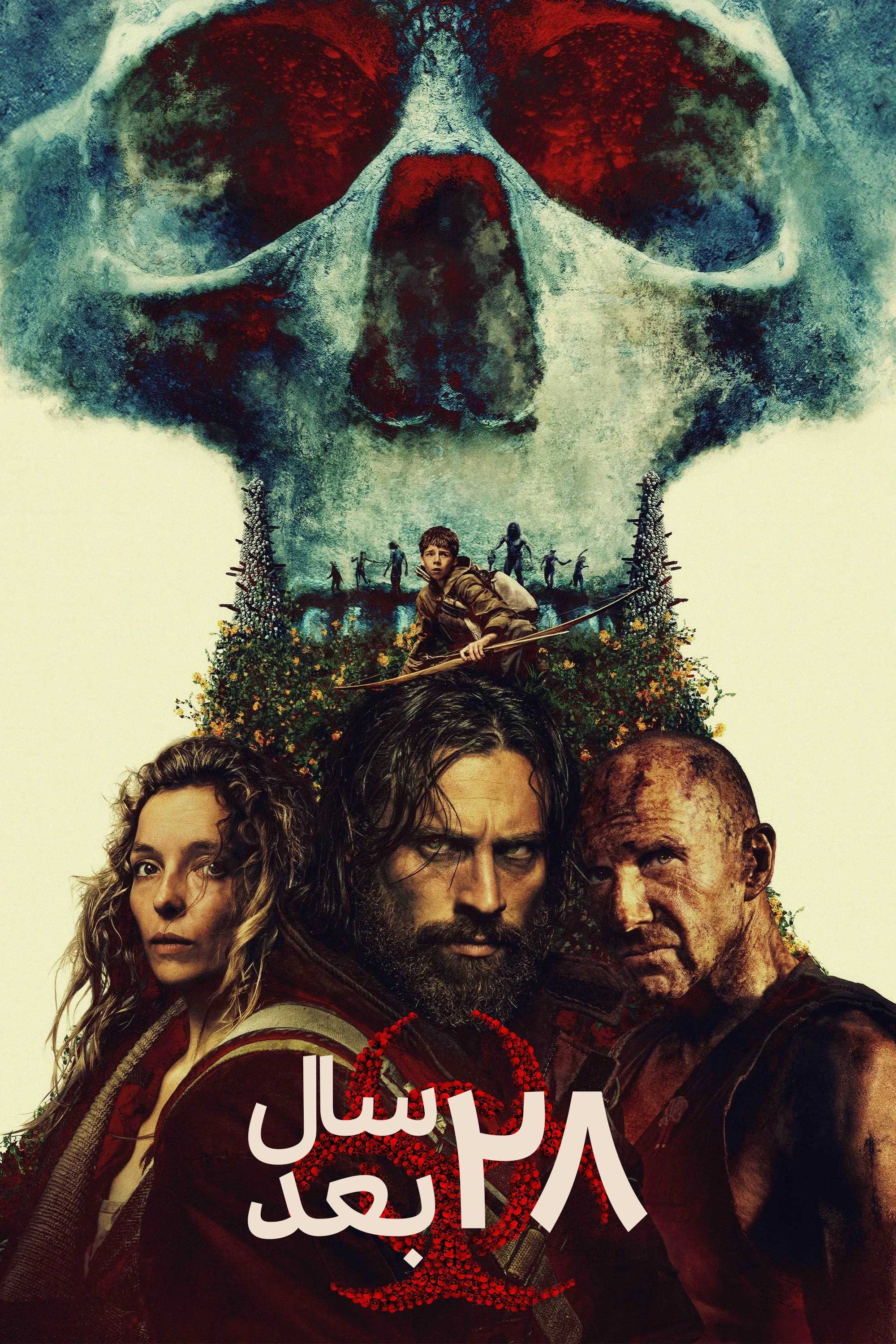
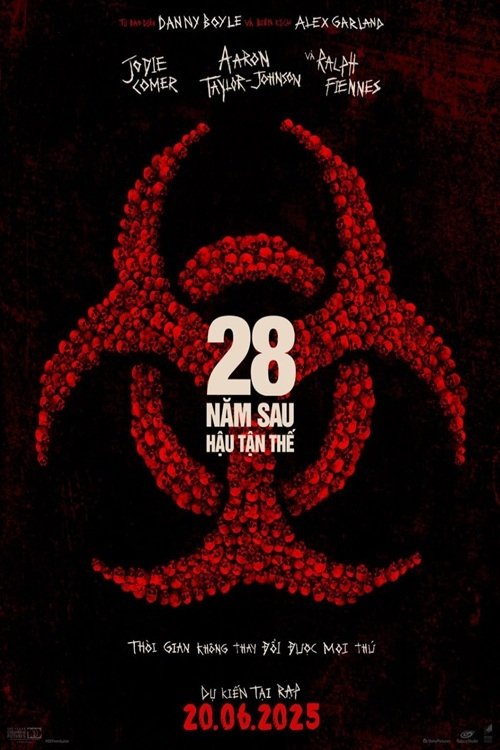
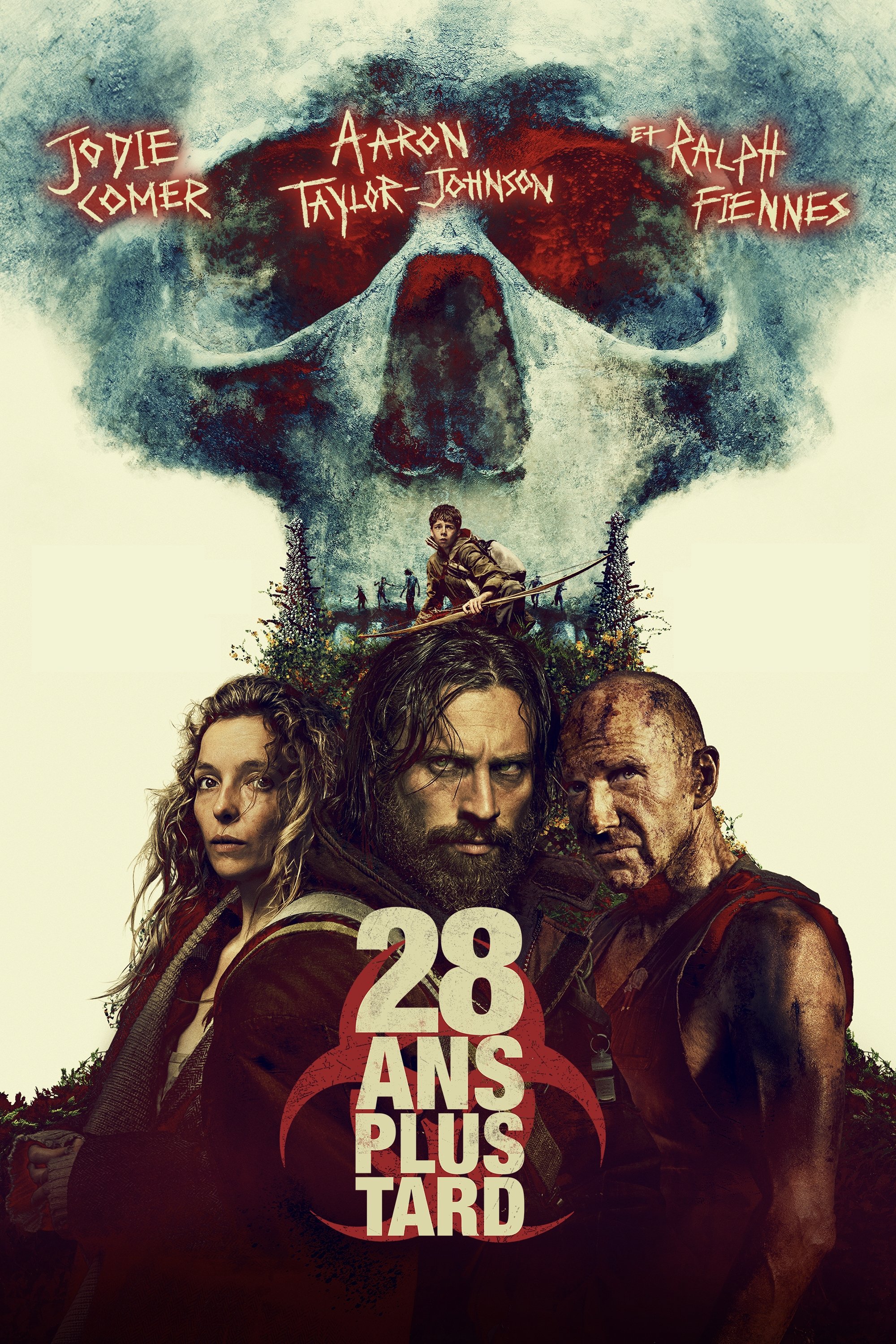
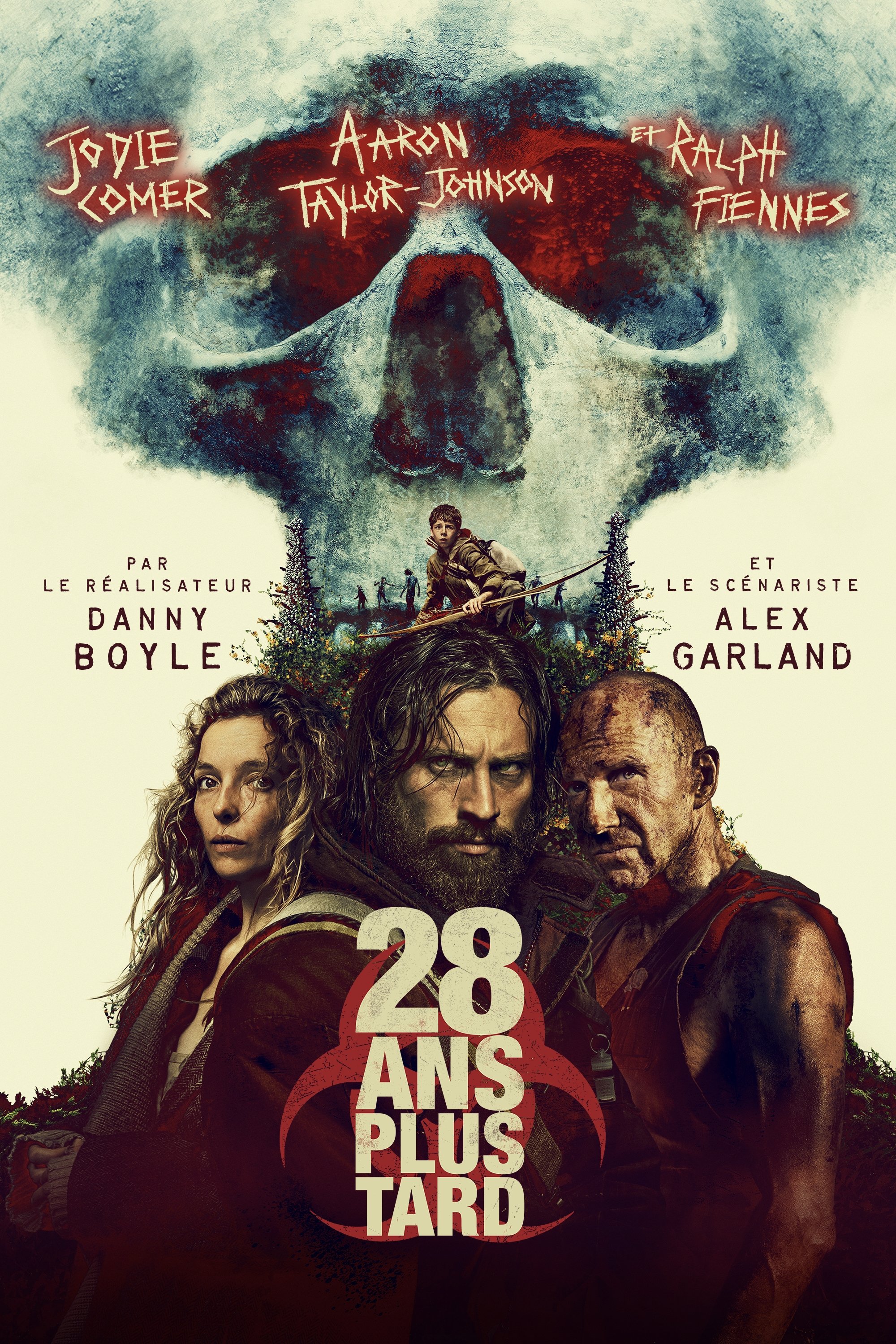
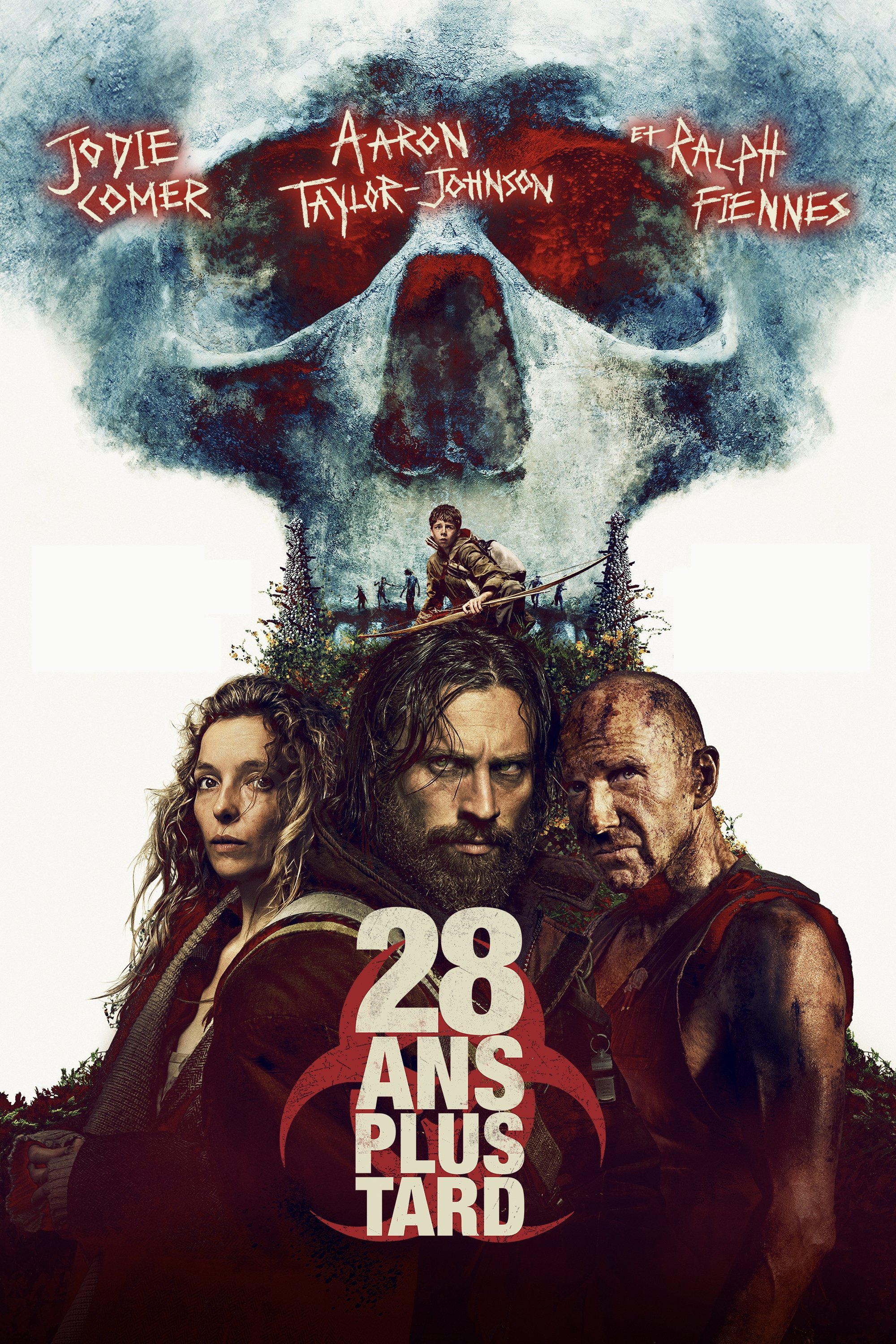
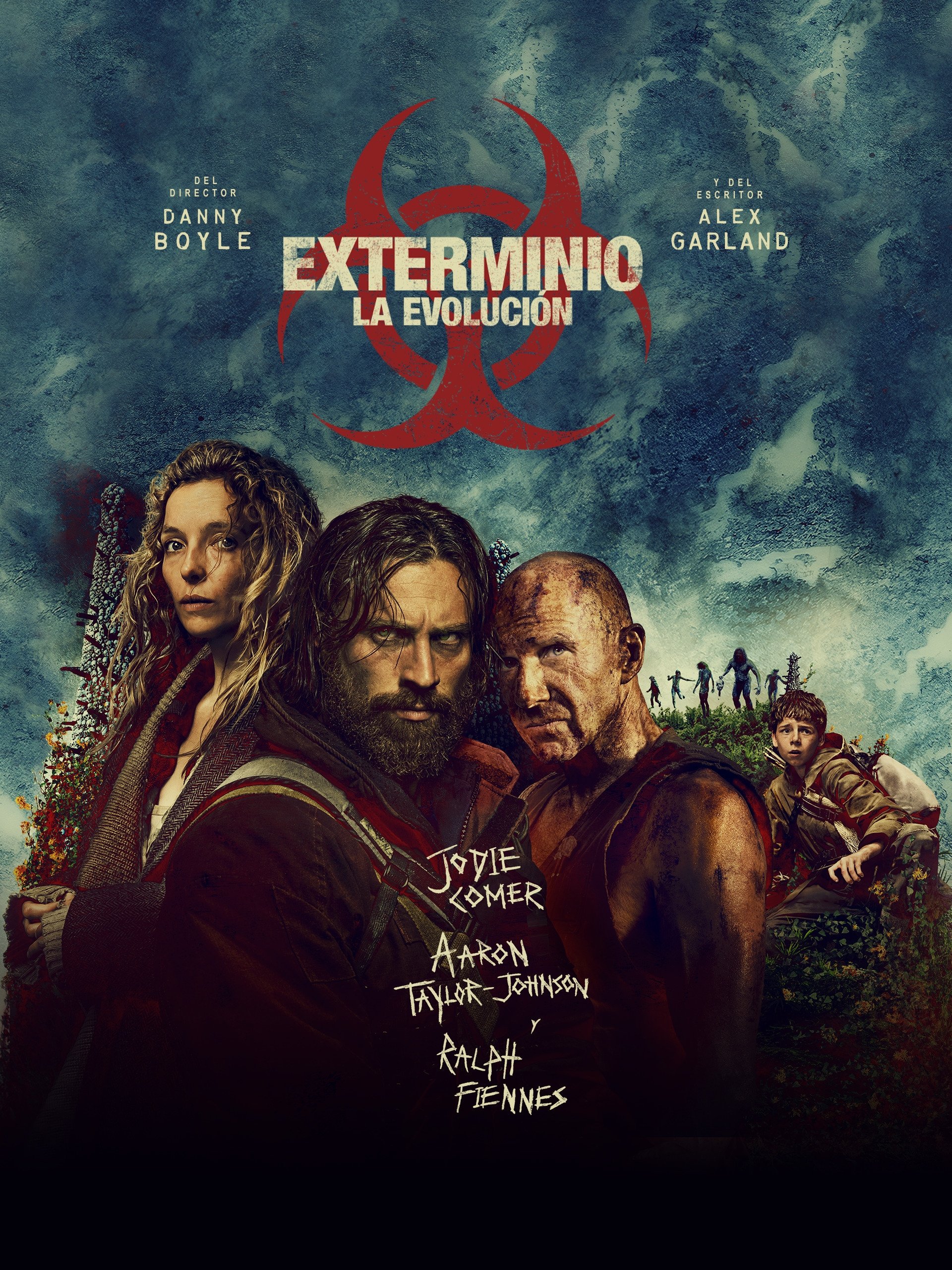
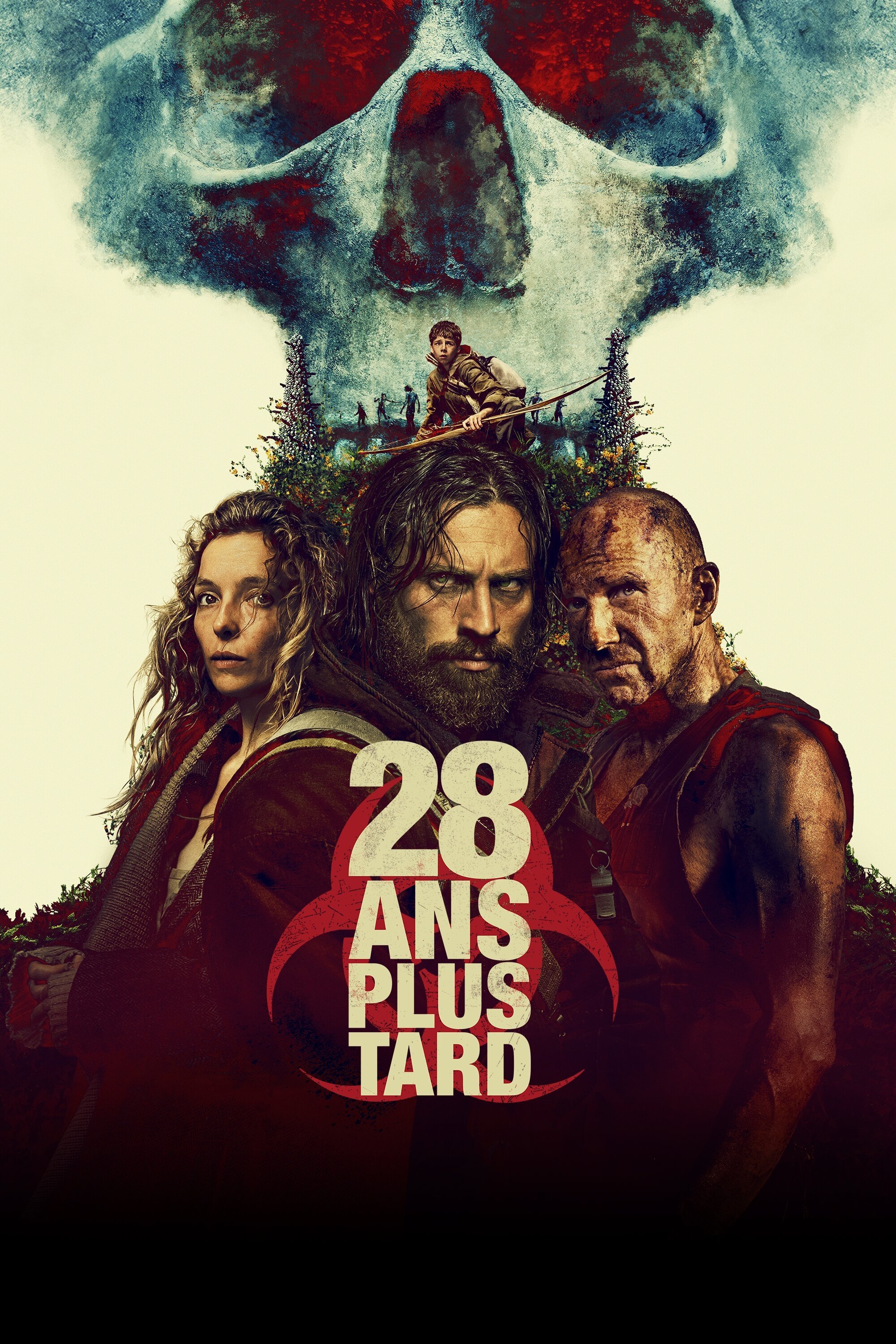
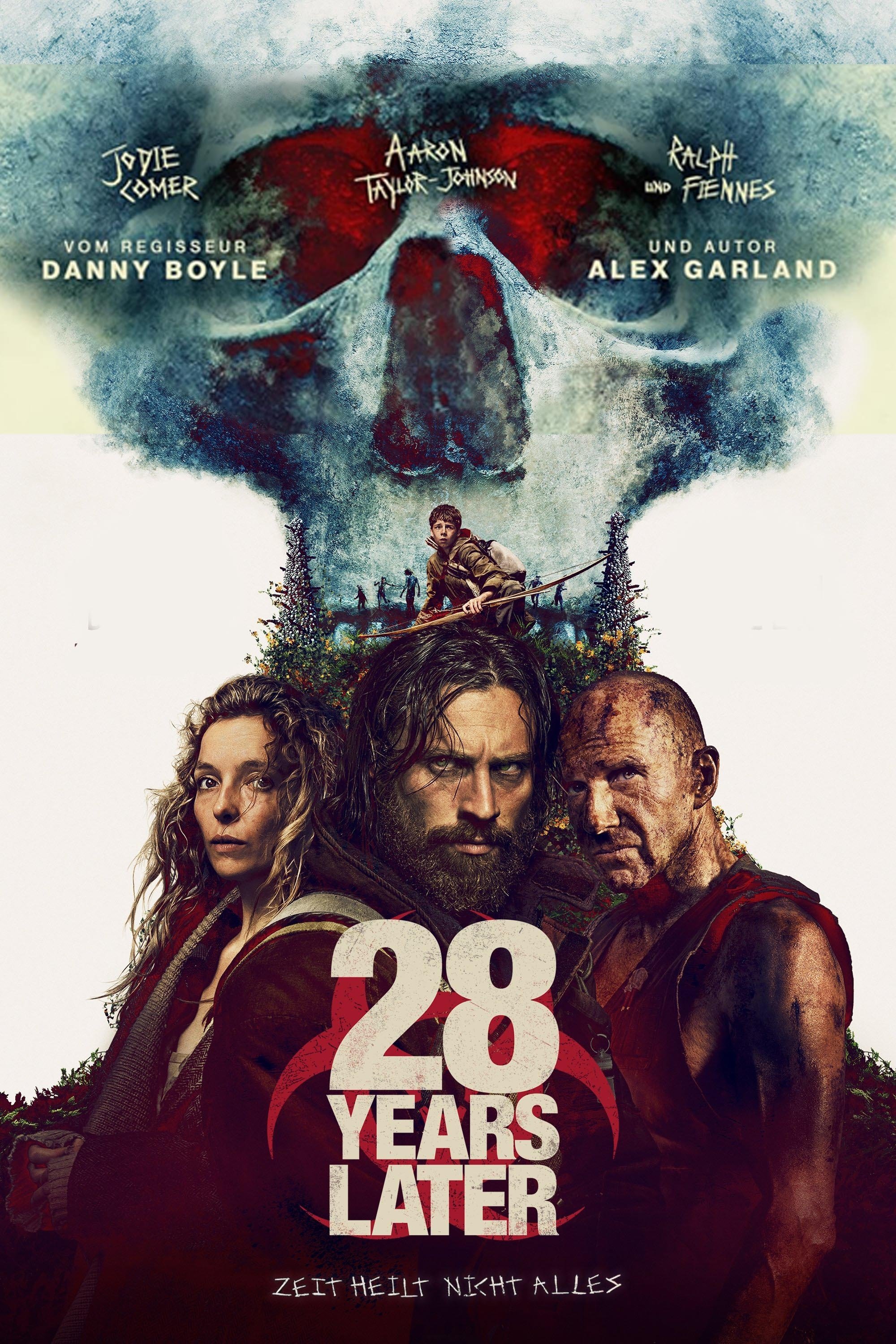
Sony released 28 Years Later theatrically in June 2025, with a United States opening on June 20. This was the first new feature in the series since 28 Weeks Later (2007) and the first directed by Boyle since the original. The release benefited from an unusually clear production story: the original filmmaker and writer had reunited, while the cinematography used widely recognizable contemporary devices in technically elaborate configurations. Interviews in the weeks before opening repeatedly returned to the iPhone rigs, which became one of the film's principal points of public discussion. These promotional claims should be distinguished from the actual visual organization of the finished film, where equipment is only one element of the creative result.
Contemporary critics engaged with the sequel's shift away from simple survival horror. In Sight and Sound, Henry K. Miller emphasized its vision of a Britain that had reverted to a quasi-medieval order, reading the island and its cultural associations as central to the film's design. Other interviews with the filmmakers stressed their intention to respond to changing attitudes toward pandemic restrictions and risk. These perspectives indicate why the film was received as a larger reimagining of the setting, rather than a direct reprise of the London outbreak. Assessments of the final tonal changes and the shape of the new series varied, particularly where the narrative announces a future continuation.
The film's commercial release also occurred in a different market from that of its microbudget predecessor. The initial feature became known through the unexpected power of its low-cost digital production and the later circulation of its imagery. By 2025, the franchise was an established property with major studio distribution, extensive publicity and an audience familiar with decades of screen epidemics. This changed context is essential when assessing the film's place in contemporary horror. Its commercial identity was built on the return of specific creative figures and the question of whether the Rage-virus premise still had new political and emotional possibilities.
Place Within the Series
28 Years Later expands the fictional world in ways that reflect the passage of real time since the original film. Its protagonists have inherited the effects of the epidemic without sharing their parents' direct experience of the first crisis. The narrative therefore approaches the series through transmission: of fear, stories, survival practices and obligations between generations. A film set a few weeks after the outbreak could scarcely have explored those subjects in the same way. The title's long interval carries more than a chronological function, creating space for a new relationship between everyday life and the infected.
The continuation also makes the series' visual identity less dependent on imitating the original's low-resolution digital texture. Boyle and Dod Mantle update the means of capture while retaining an interest in speed, proximity and disruption. Their decision to build multi-iPhone rigs for selected sequences combines experimental camera placement with the demands of large-scale commercial production. Alongside the remote coastal setting, it creates an aesthetic with its own shape. This is a specific formal development, not evidence that smartphone cinematography in itself determines a film's artistic importance.
The immediate significance of 28 Years Later lies in its deliberate enlargement of the Rage-virus setting and in the reunion of Boyle, Garland and Dod Mantle. The film was conceived as the opening movement of a connected new cycle, with subsequent storytelling already in production during its initial publicity. That framework helps explain why the narrative combines an intimate family journey with the establishment of a broader world and characters who may continue beyond the ending. Any claims about its ultimate influence on horror filmmaking require a longer historical perspective, but its production provides a well-documented example of how digital techniques can be rethought for a mature franchise.