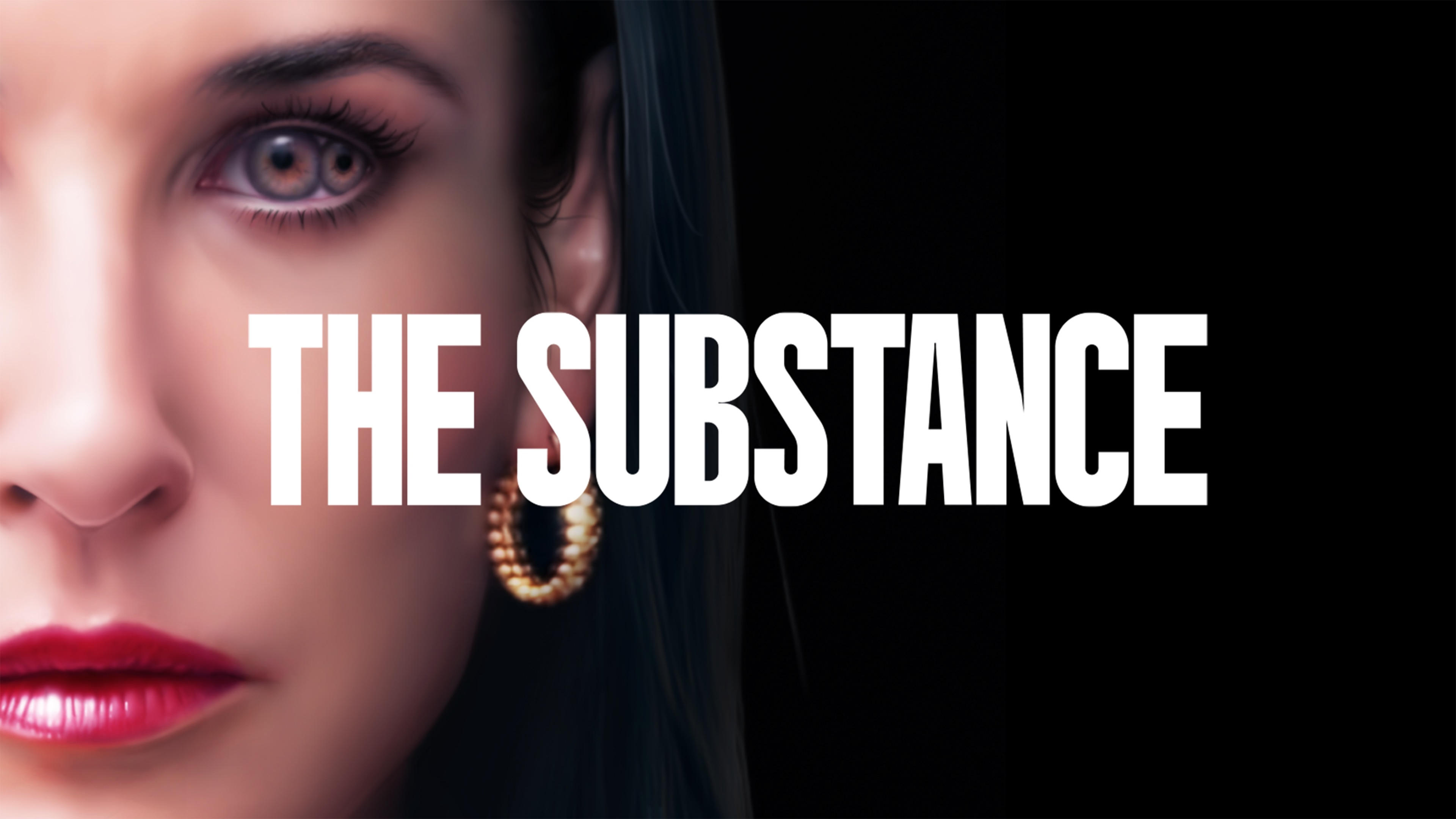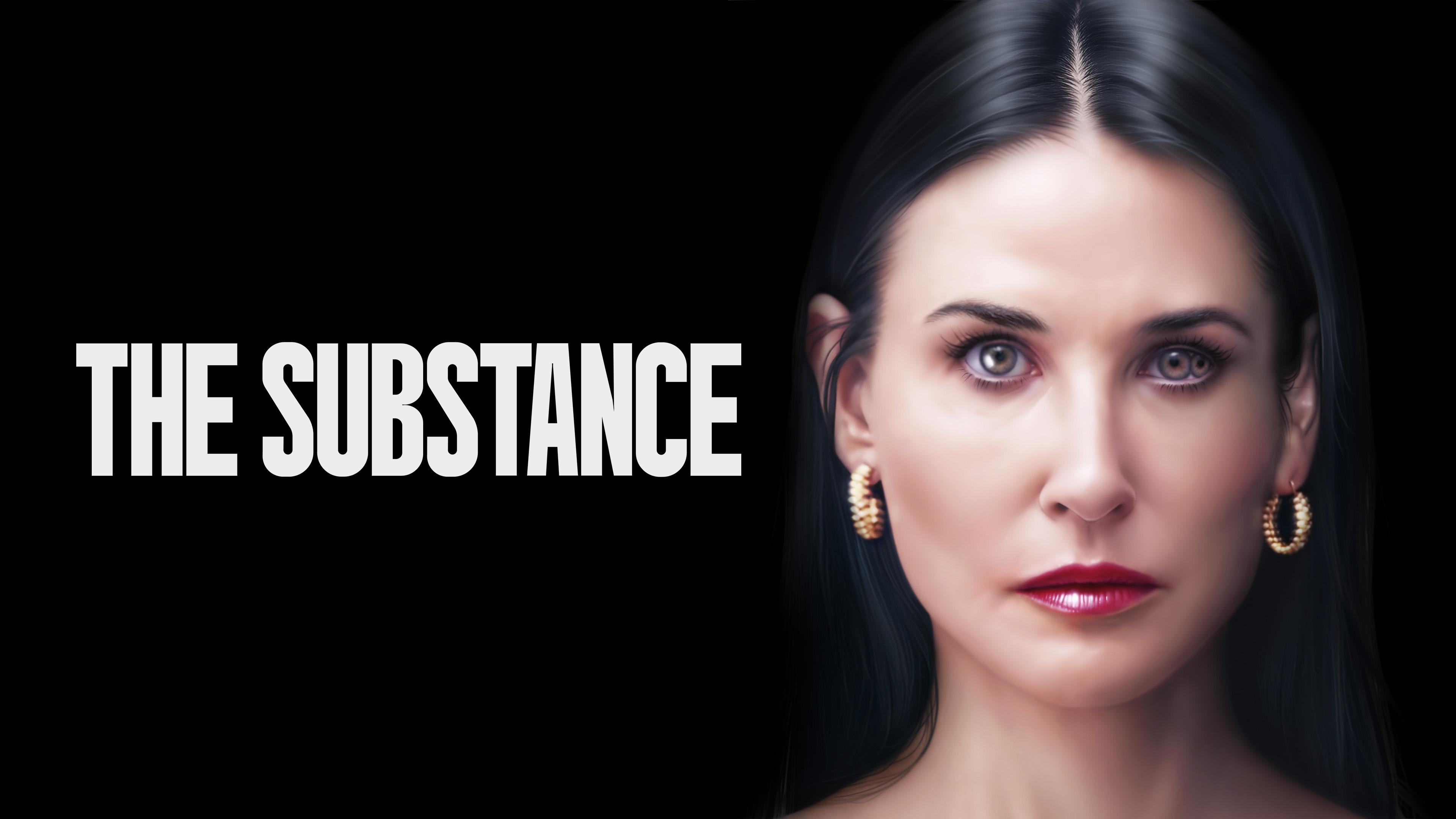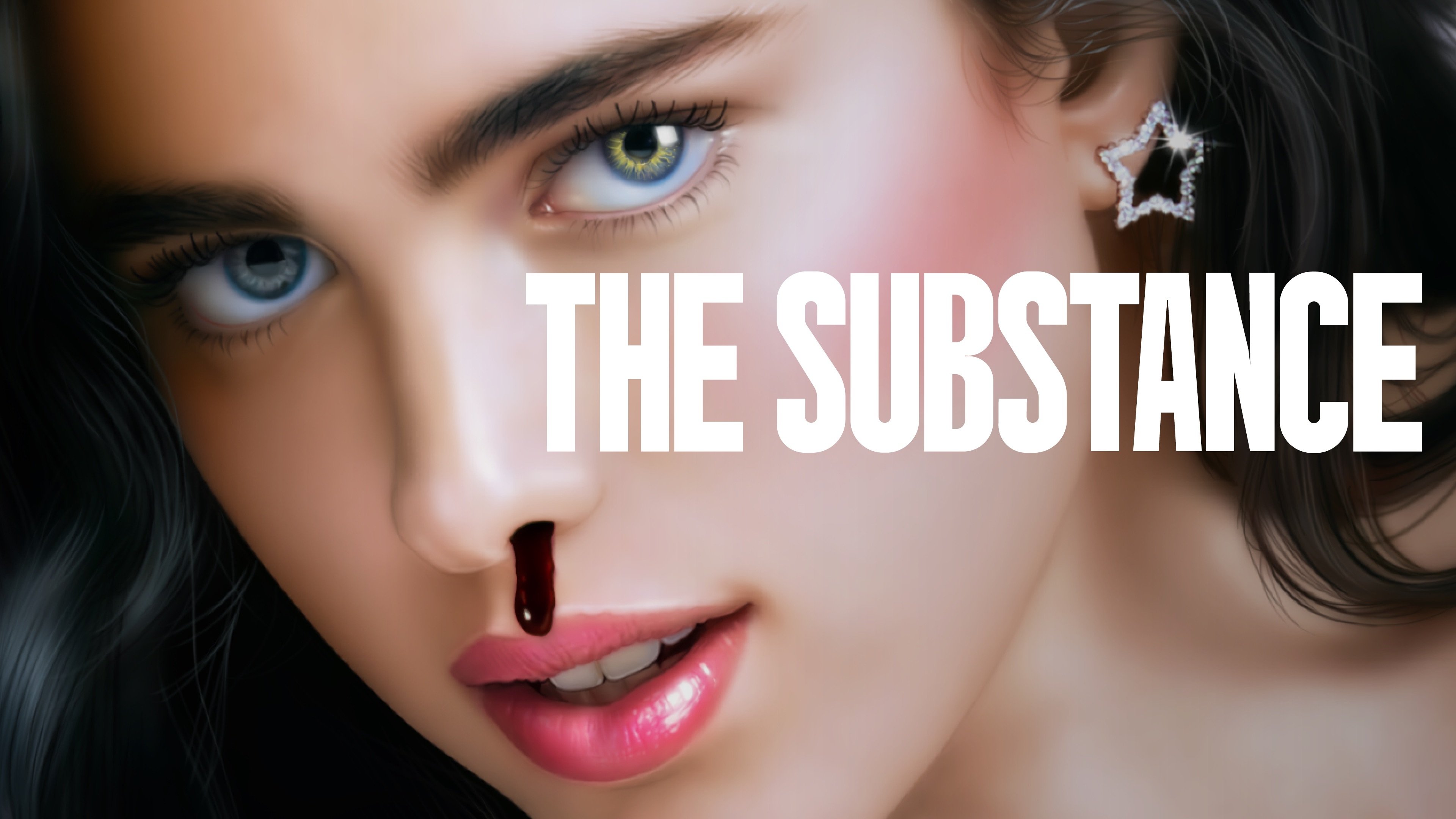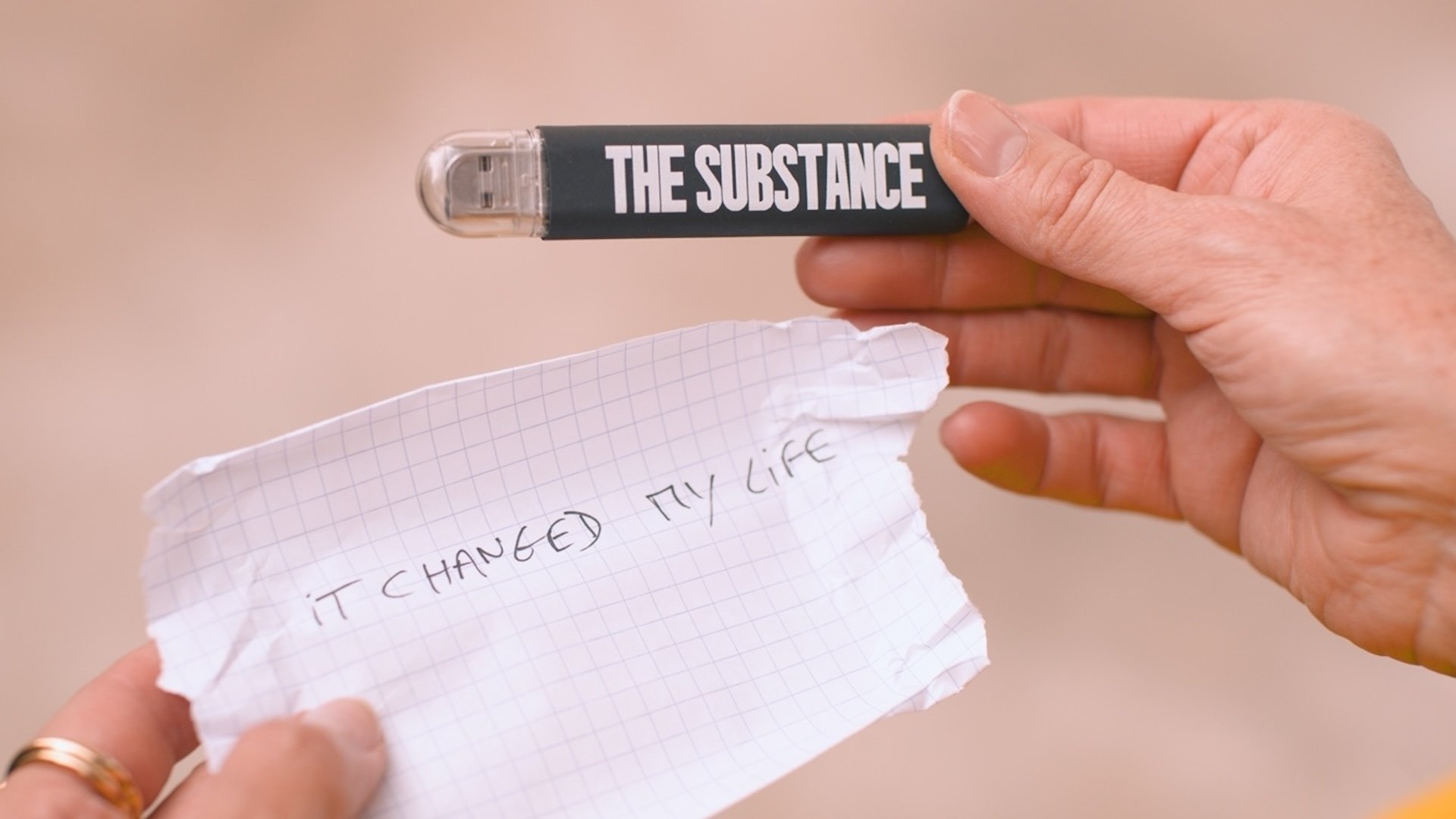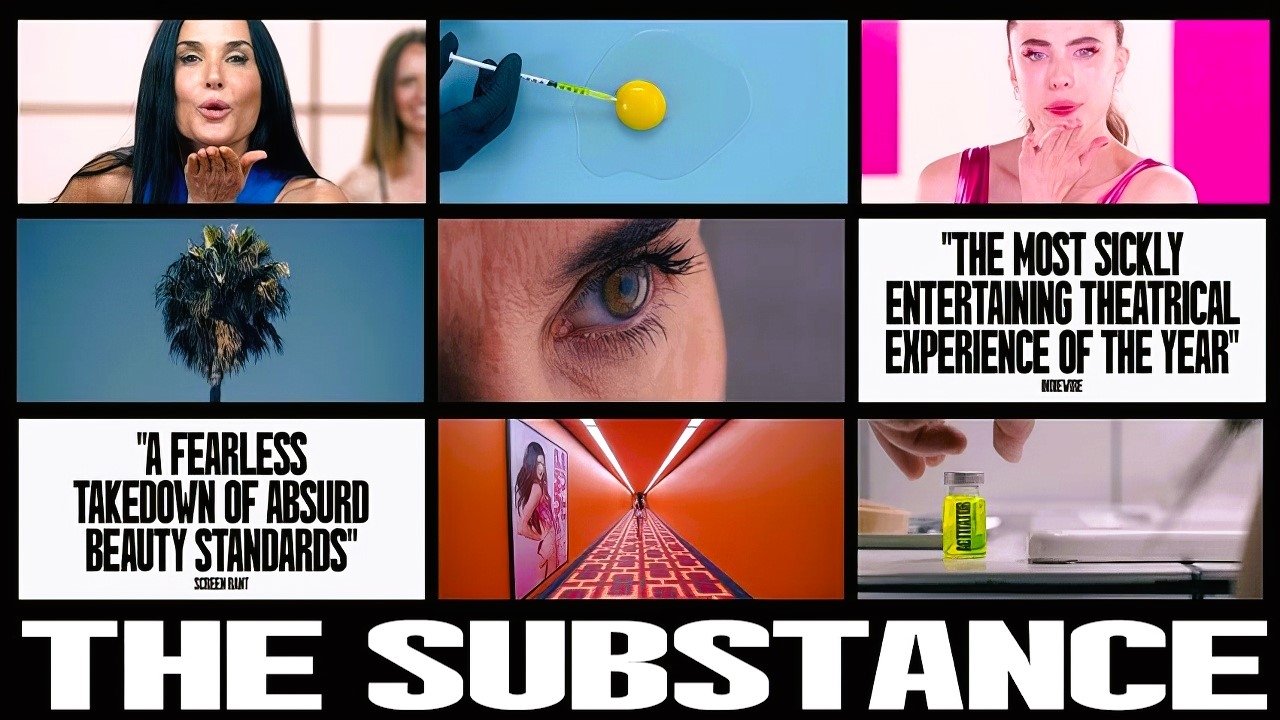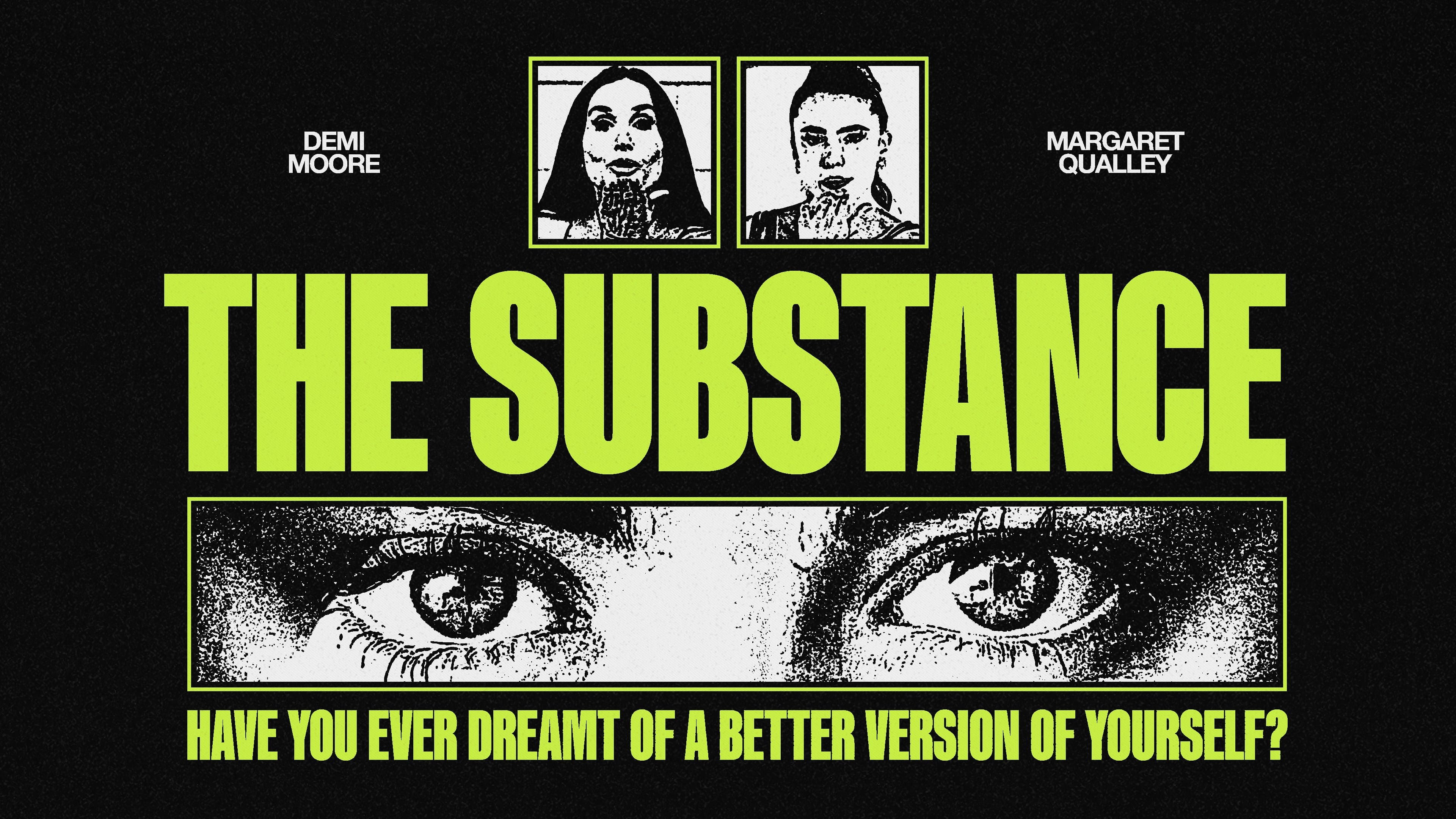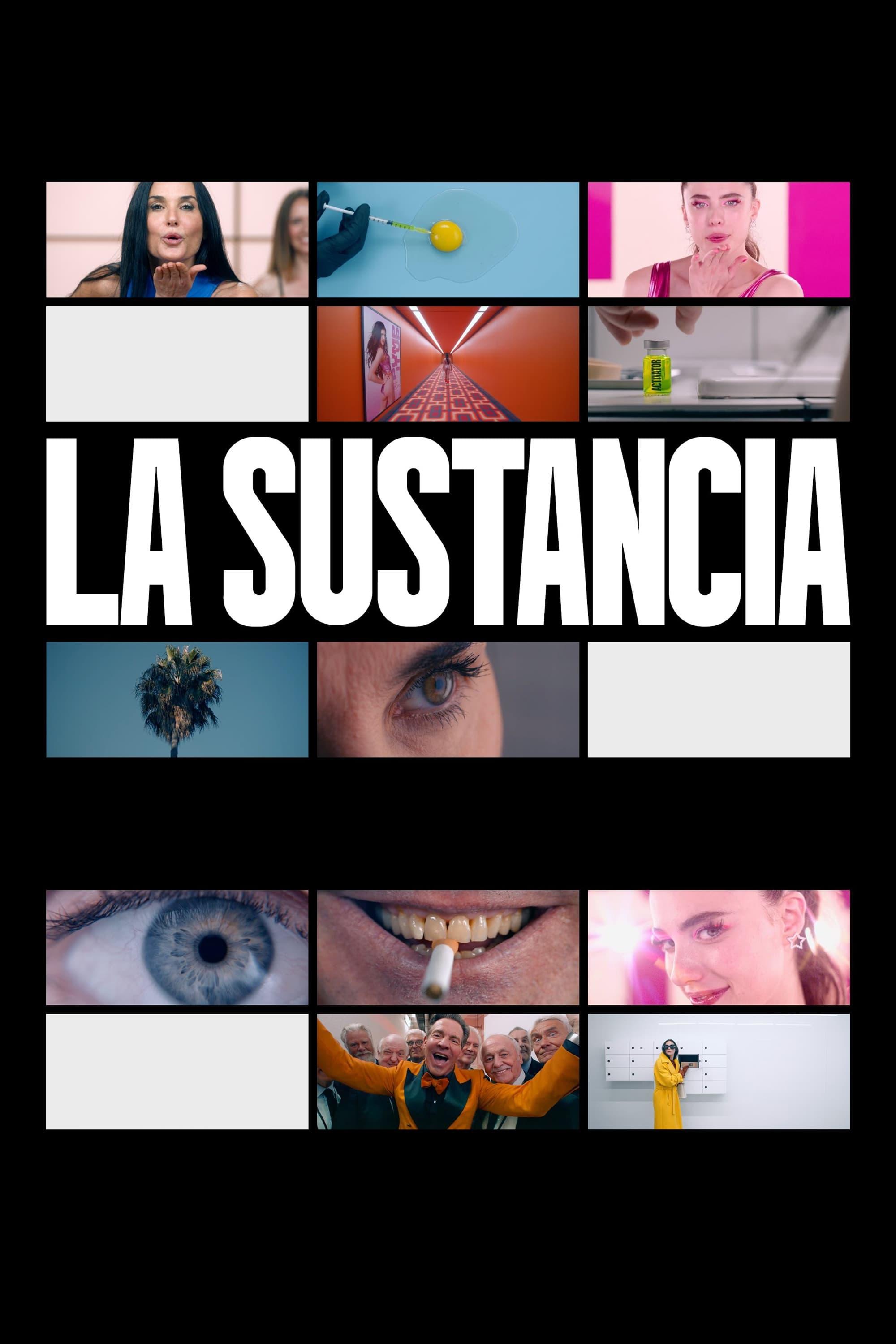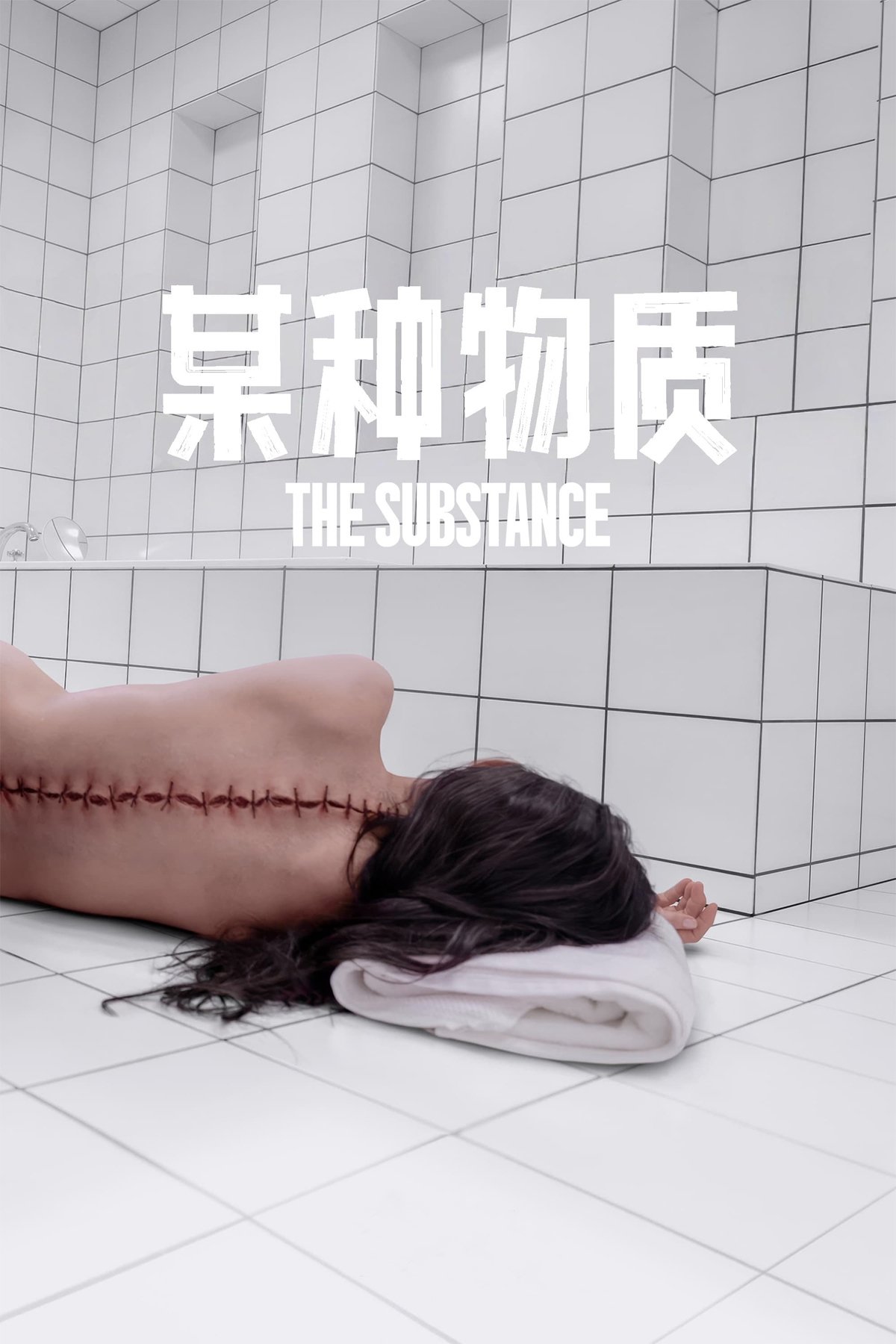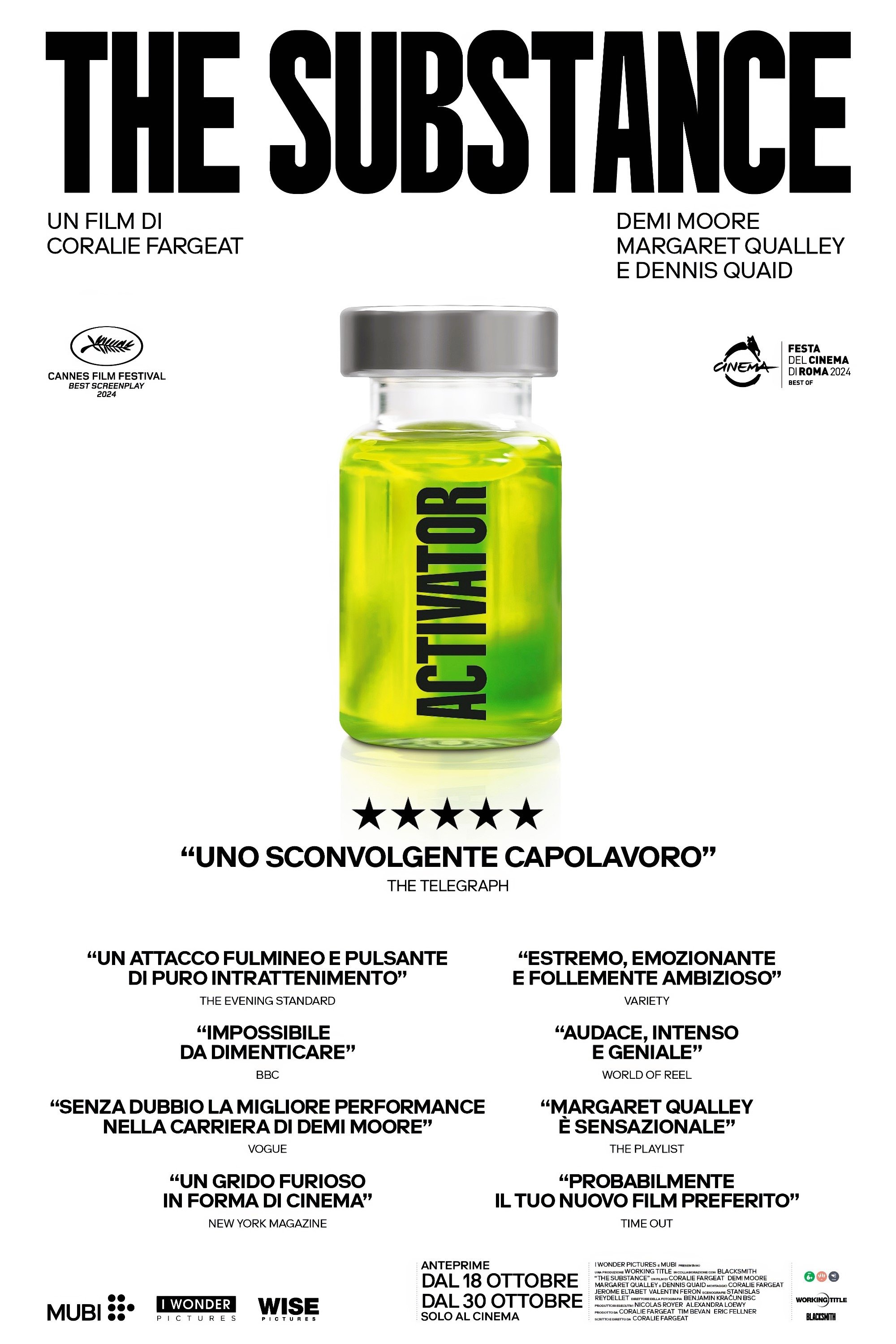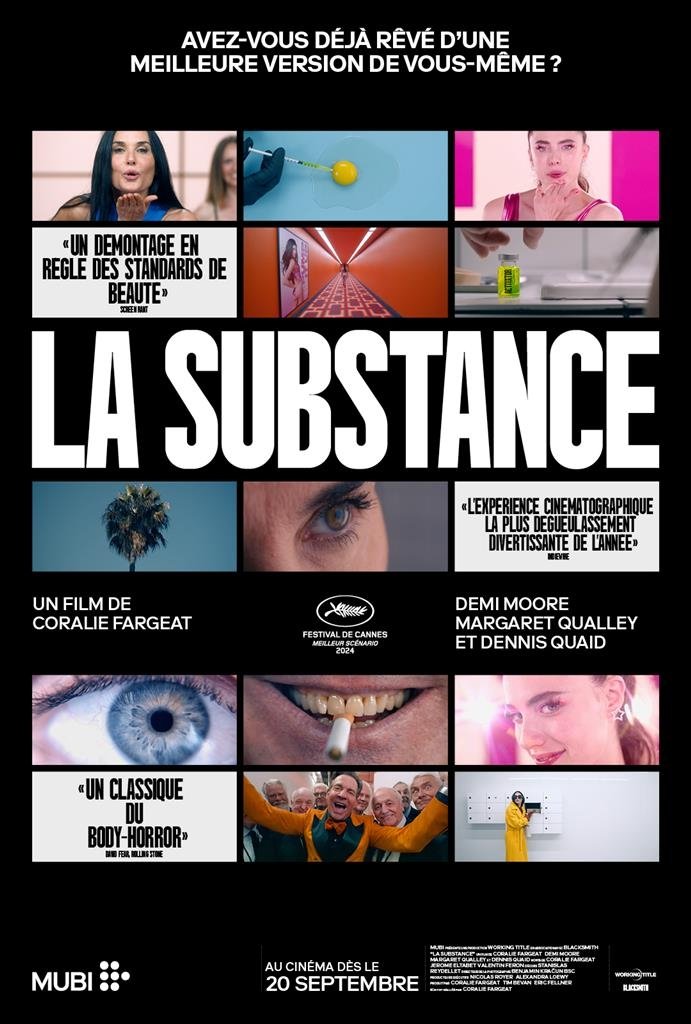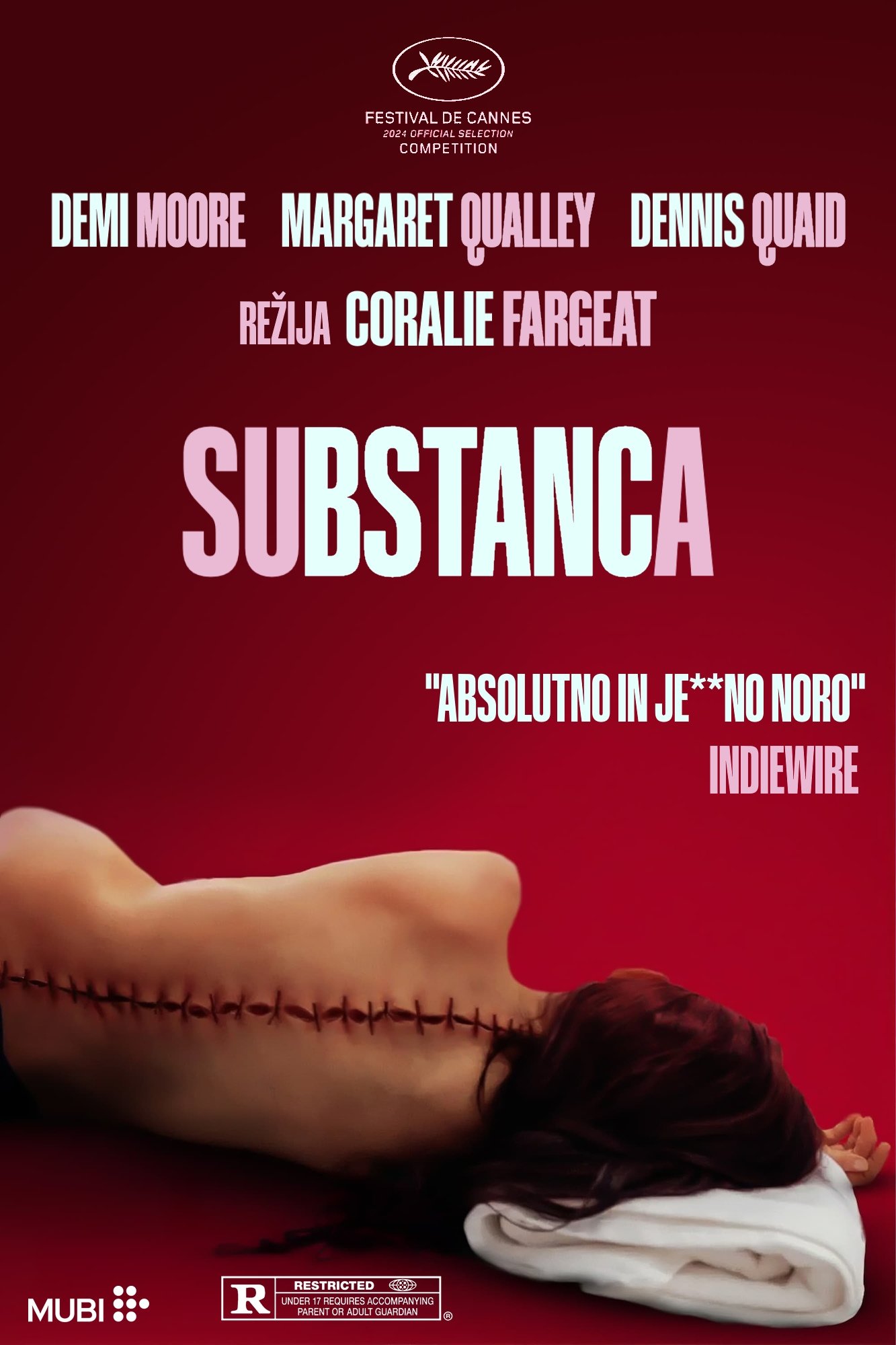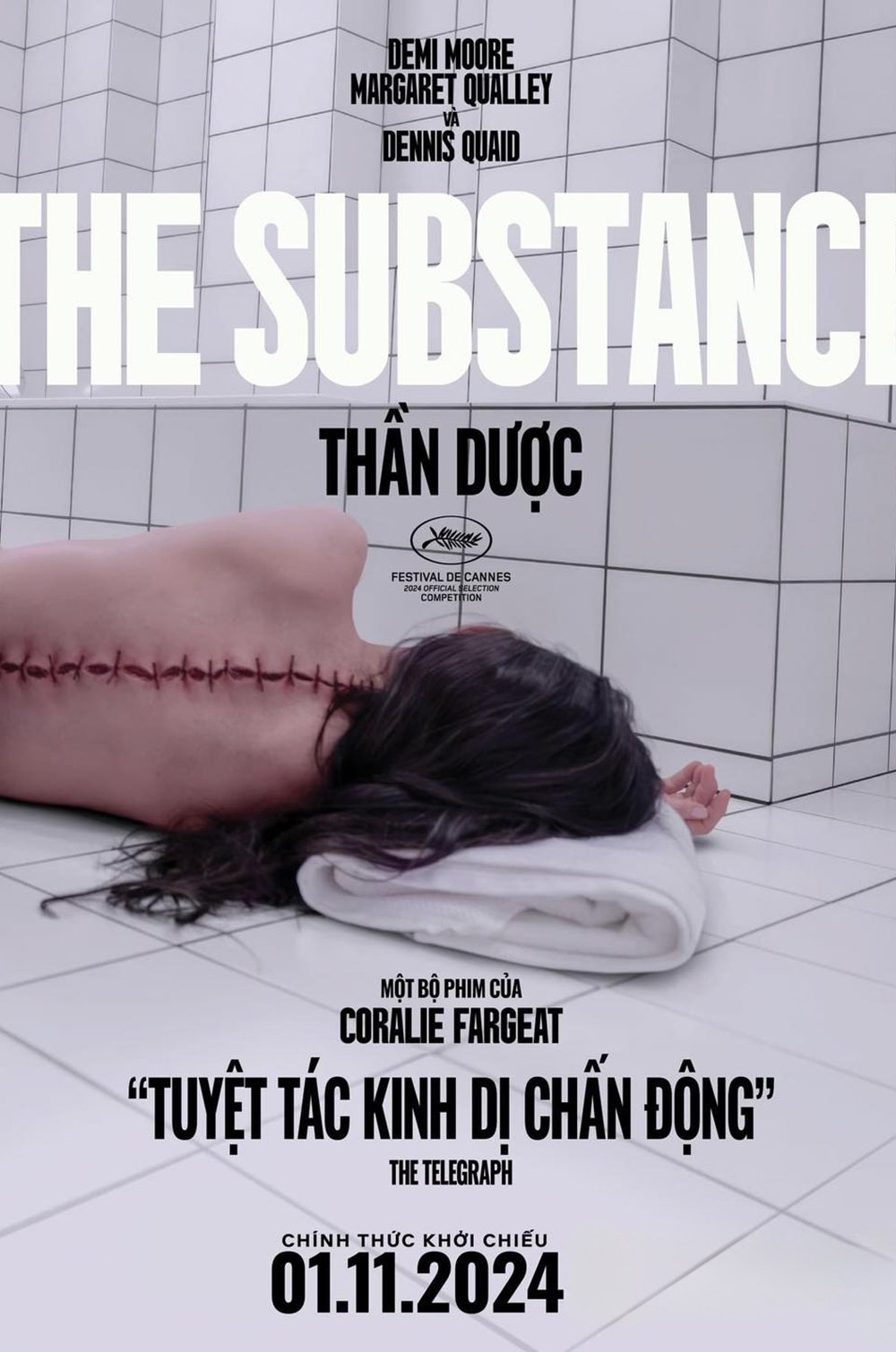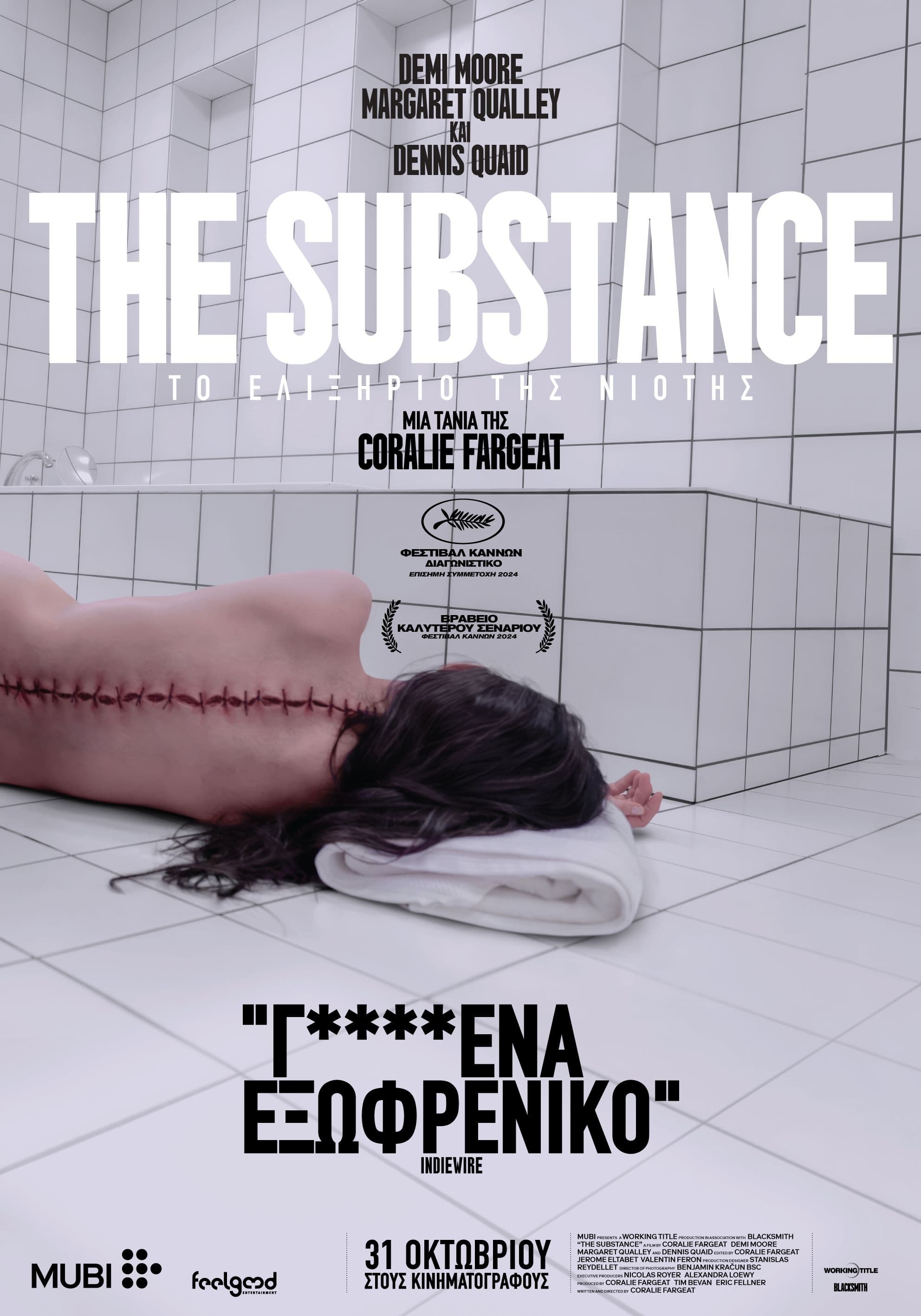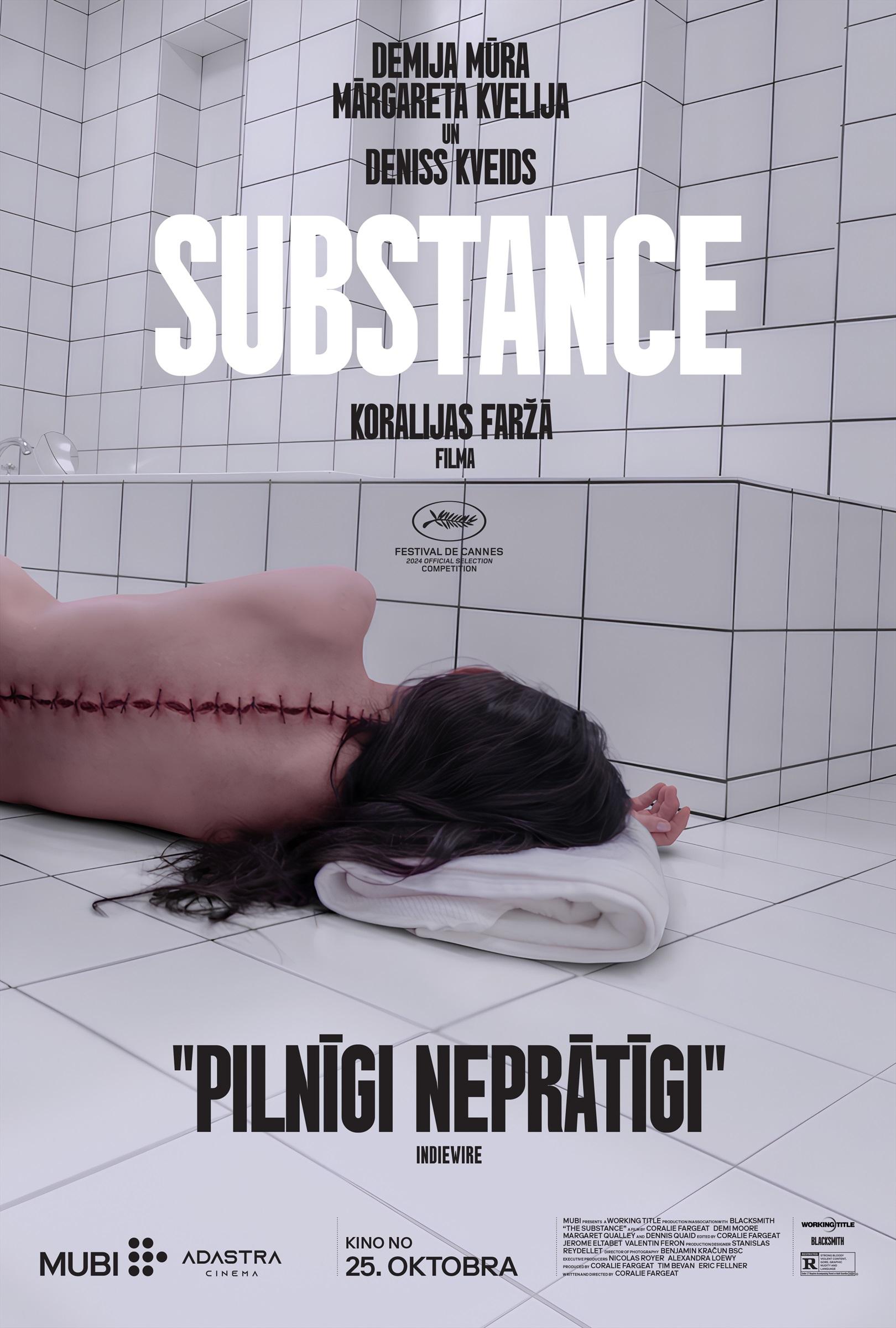
The Substance (2024)

US
Runtime
141 min
Release
September 18, 2024
Budget
$17,500,000
Revenue
$77,316,812
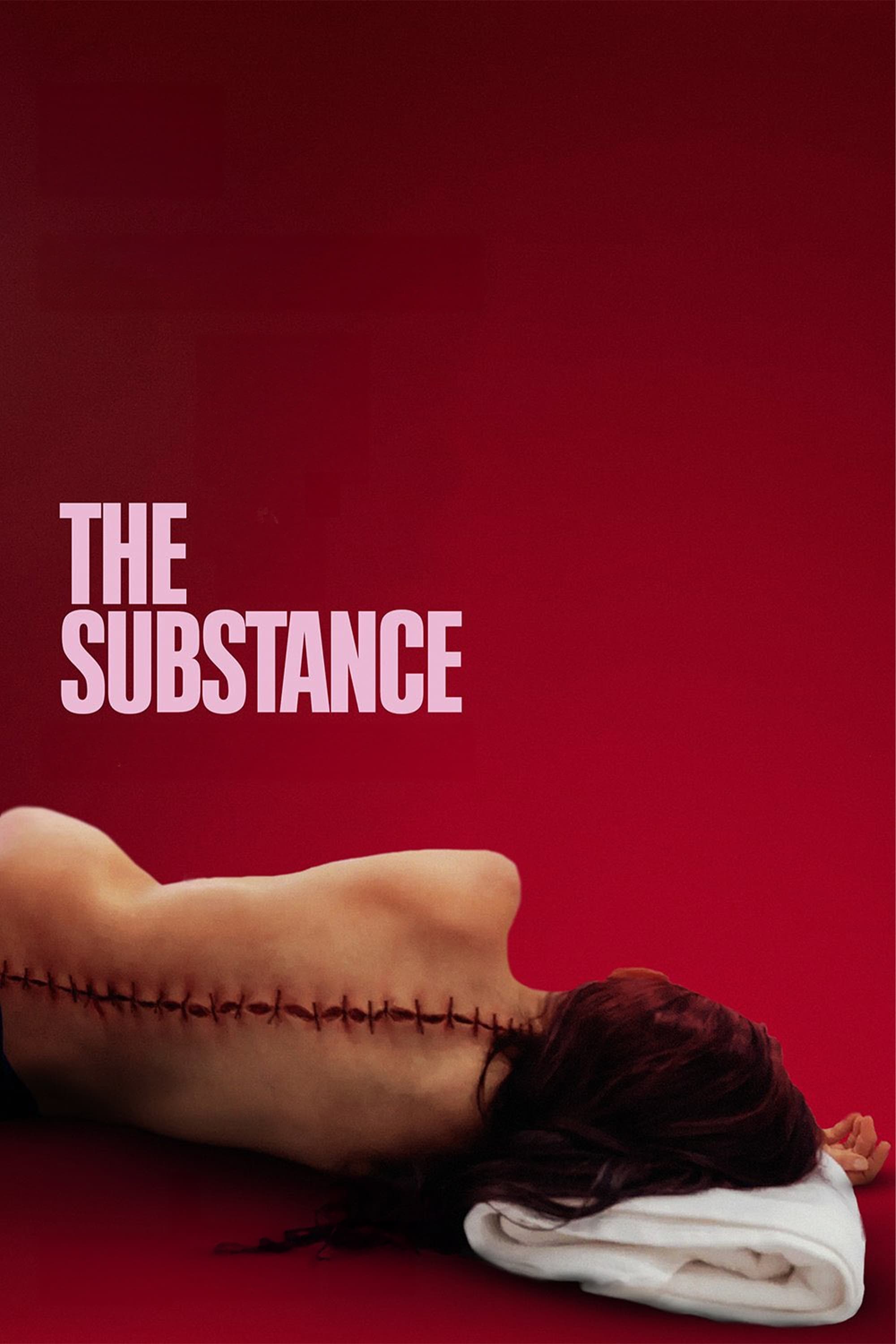
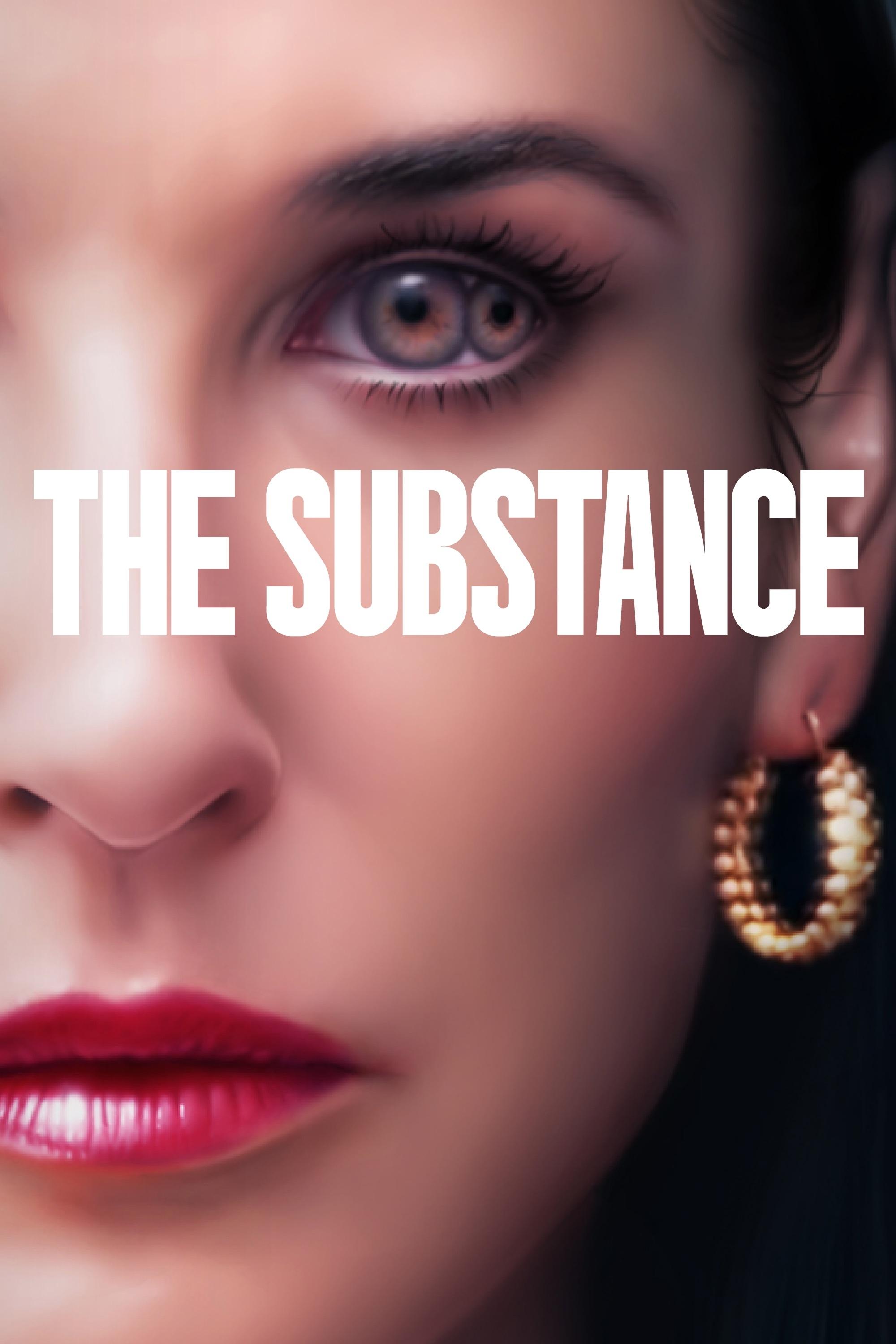
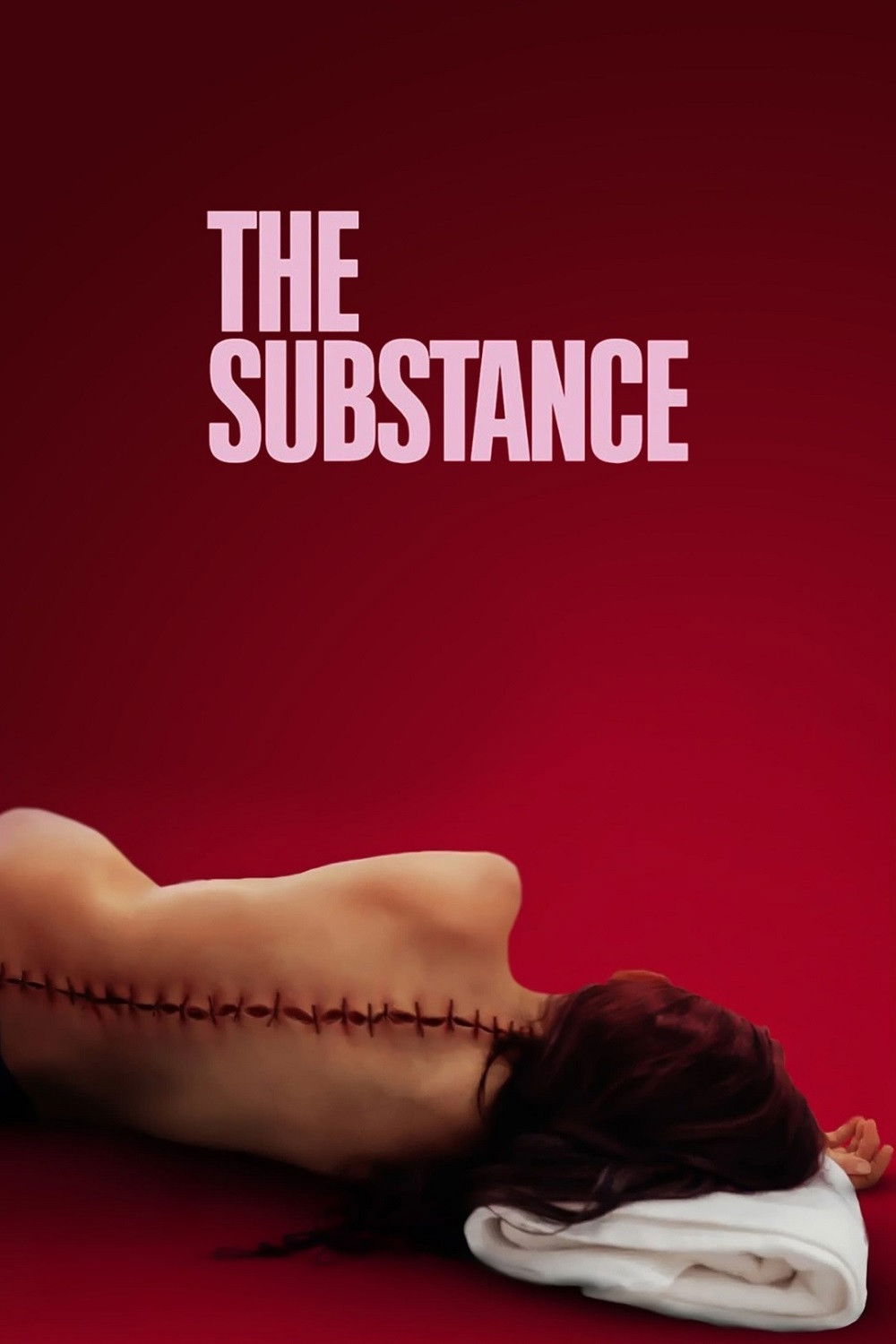
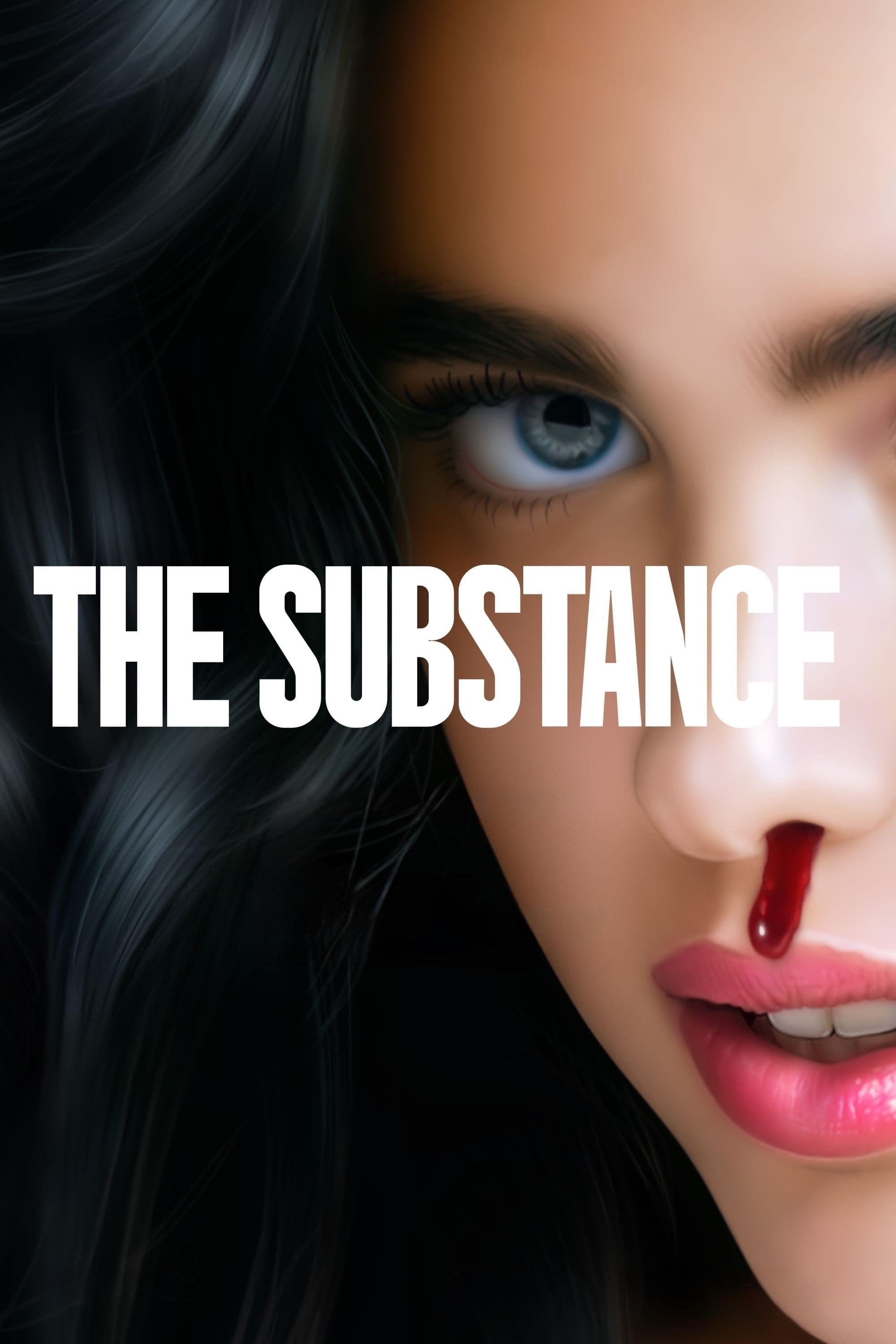
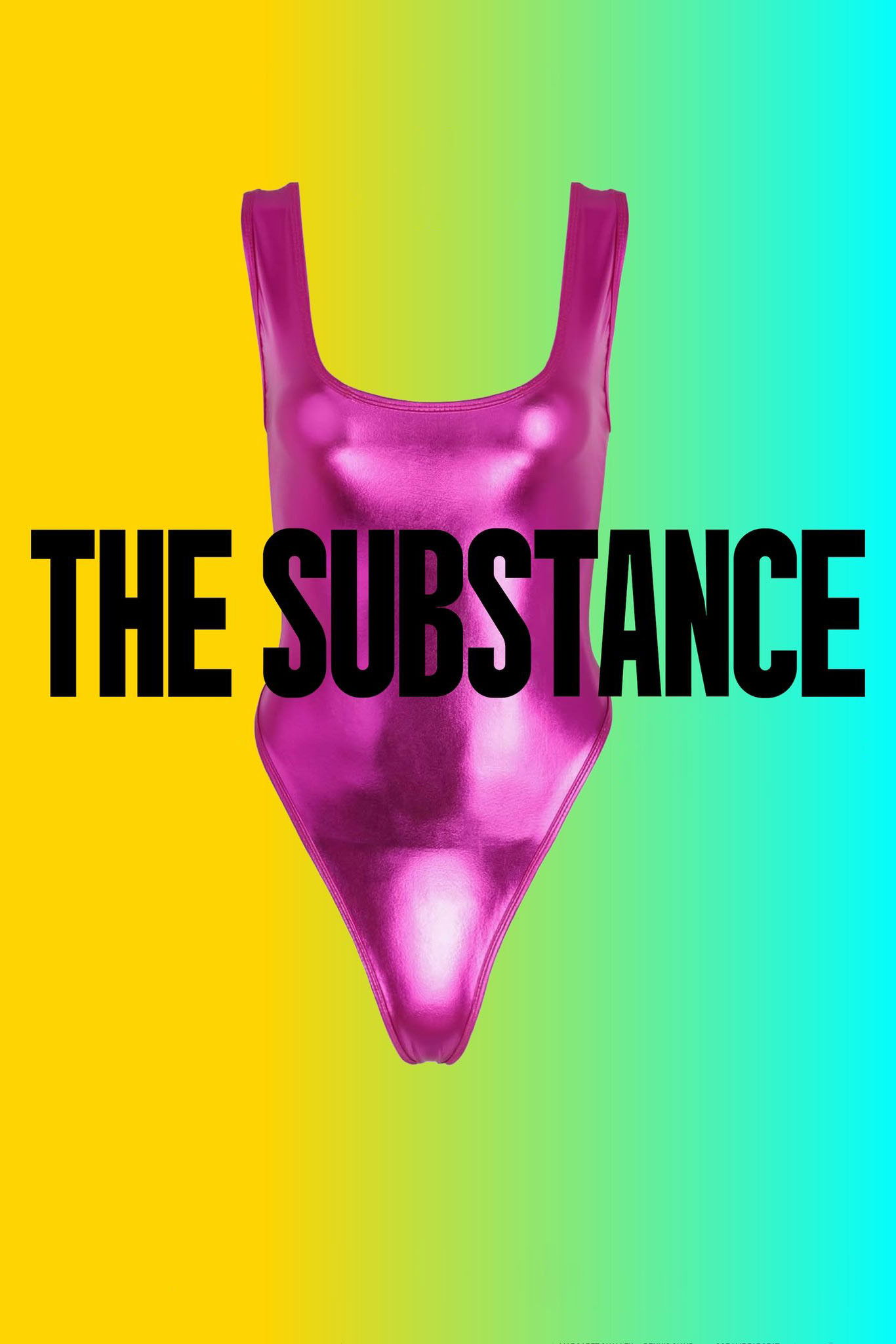
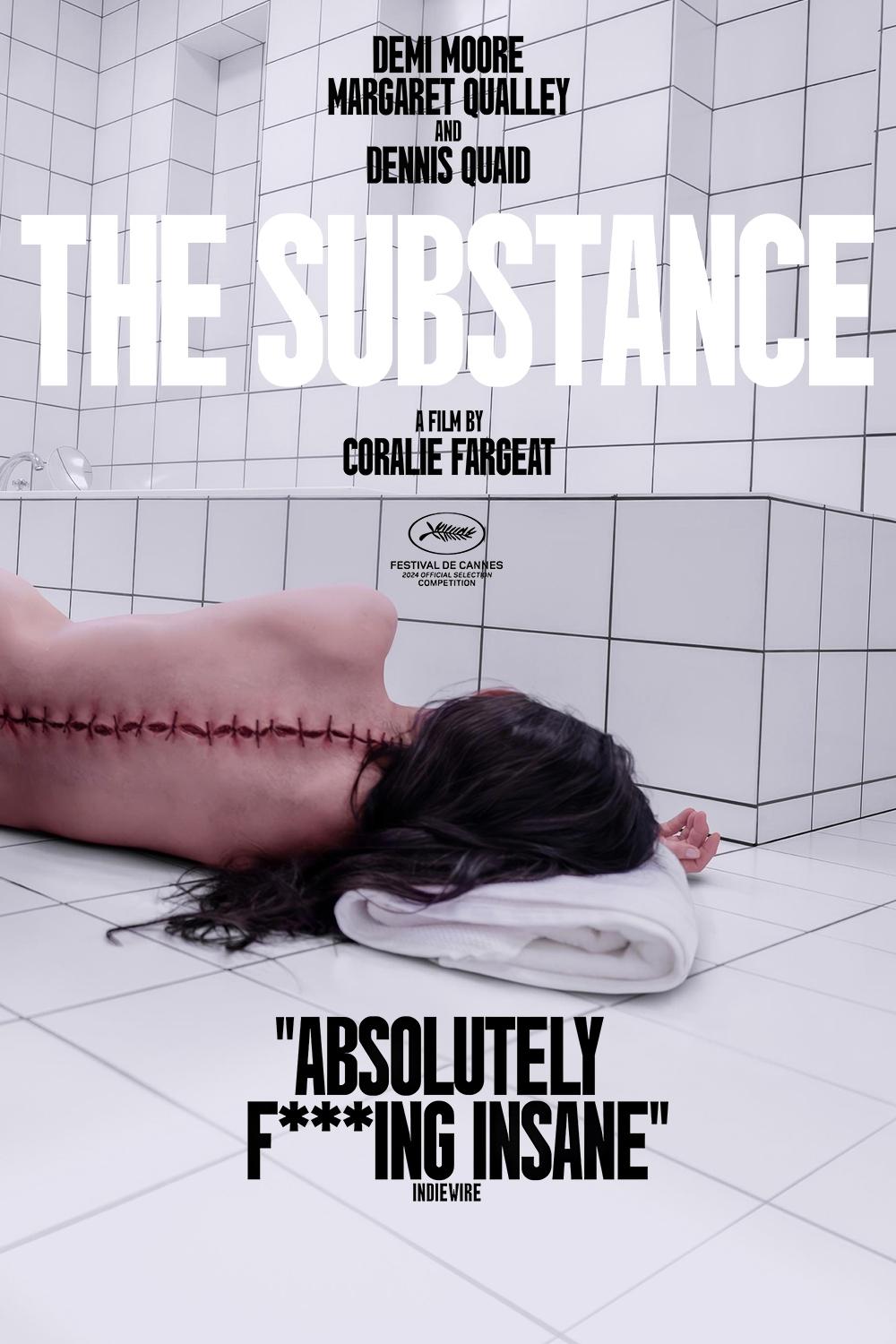
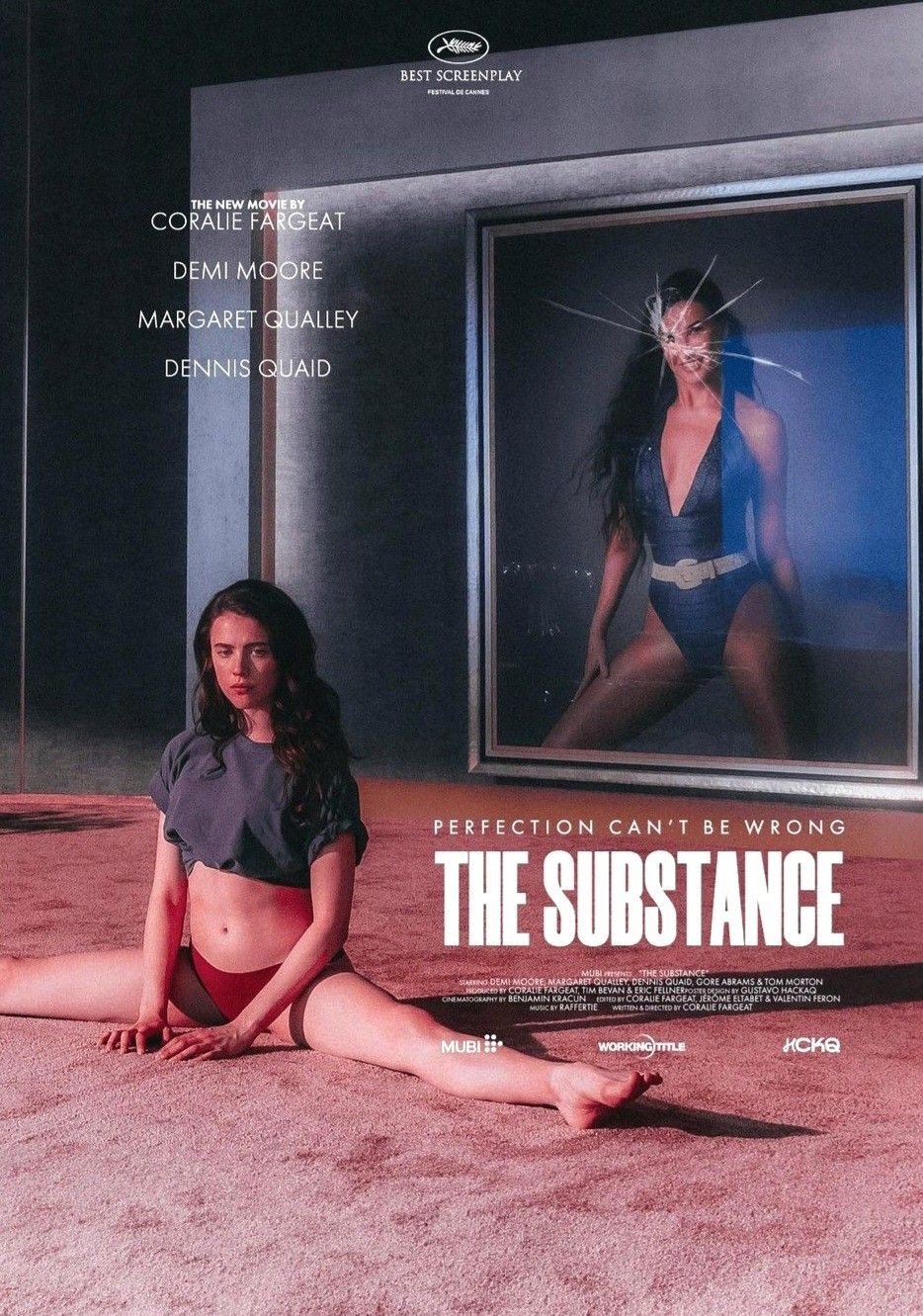
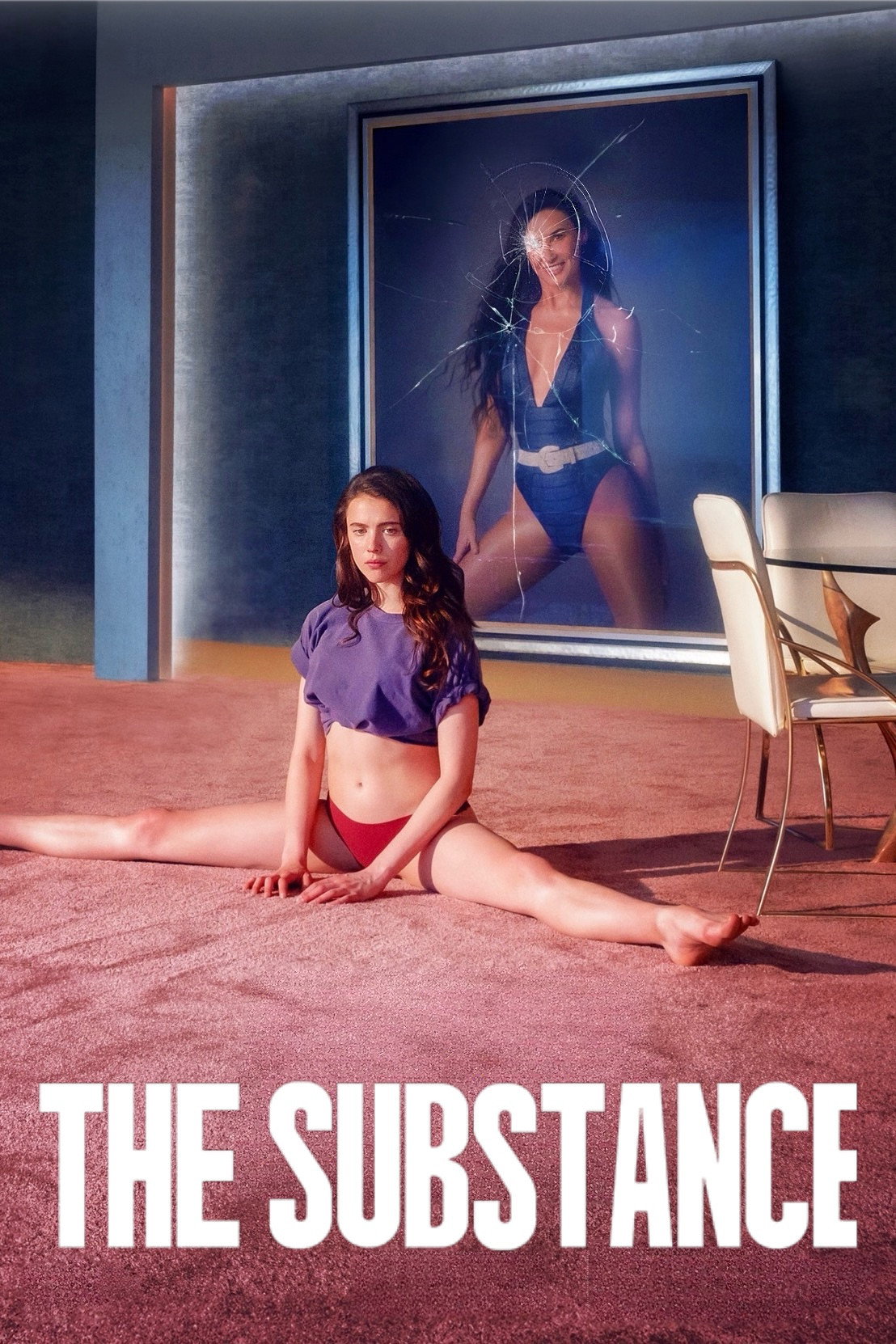
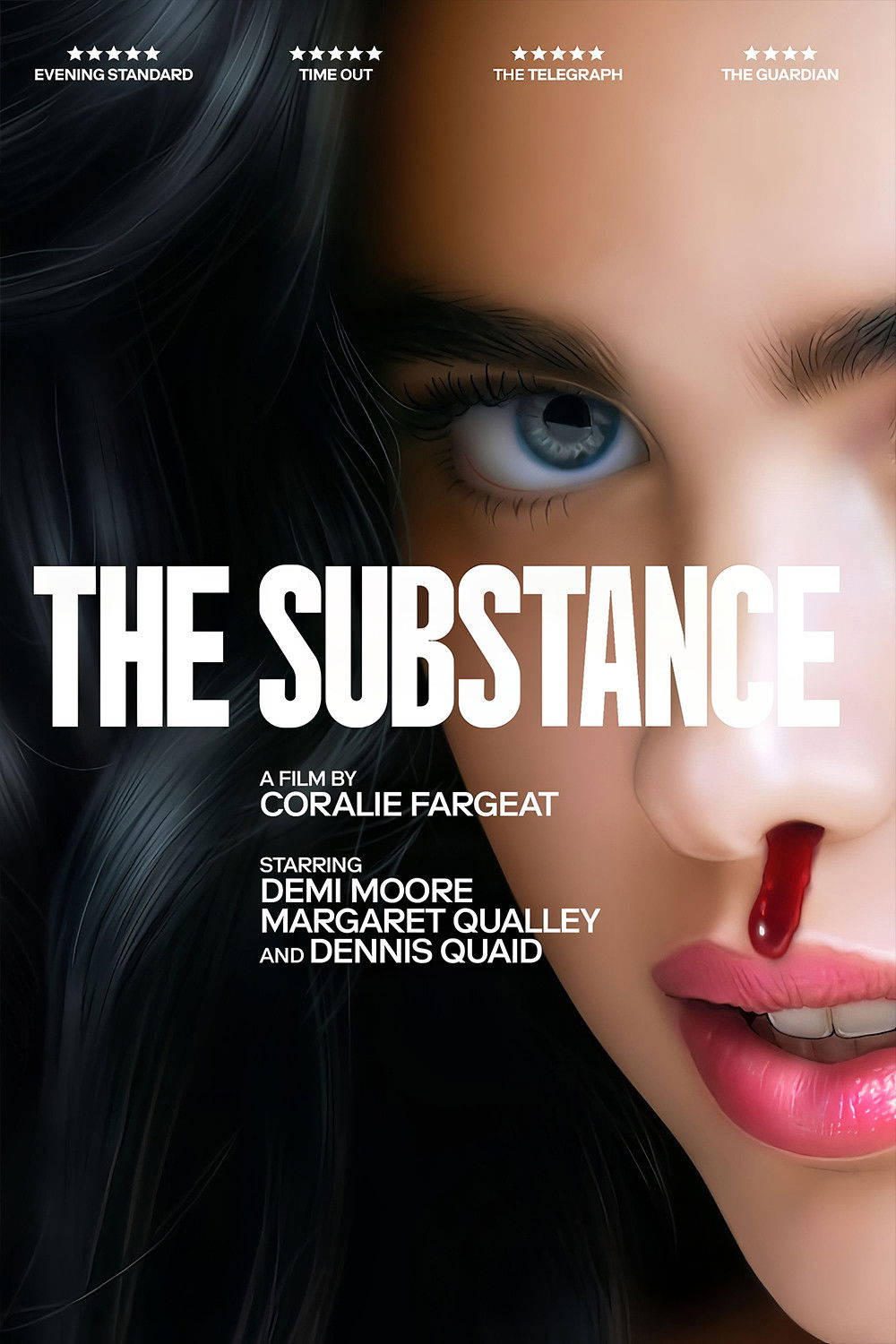
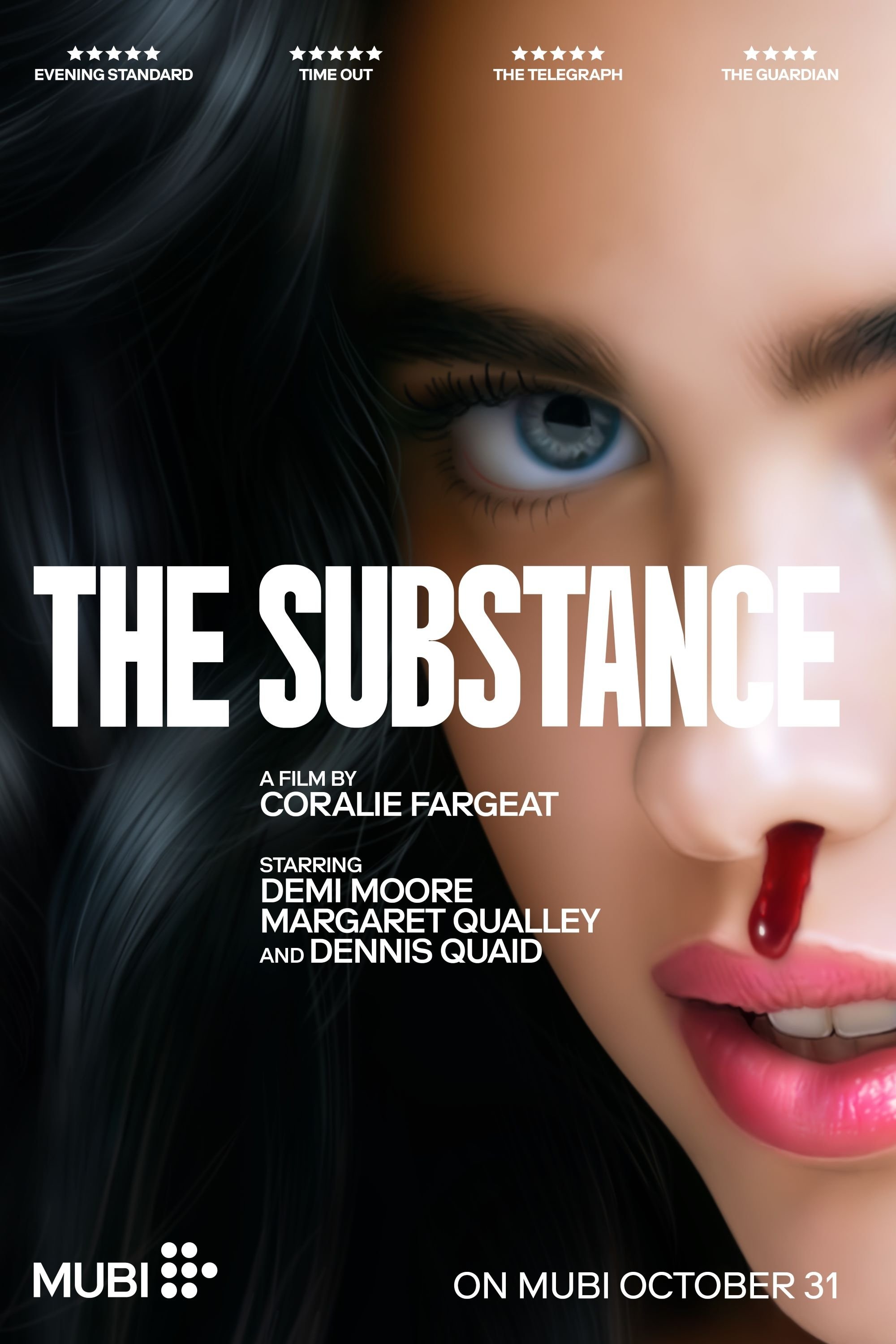
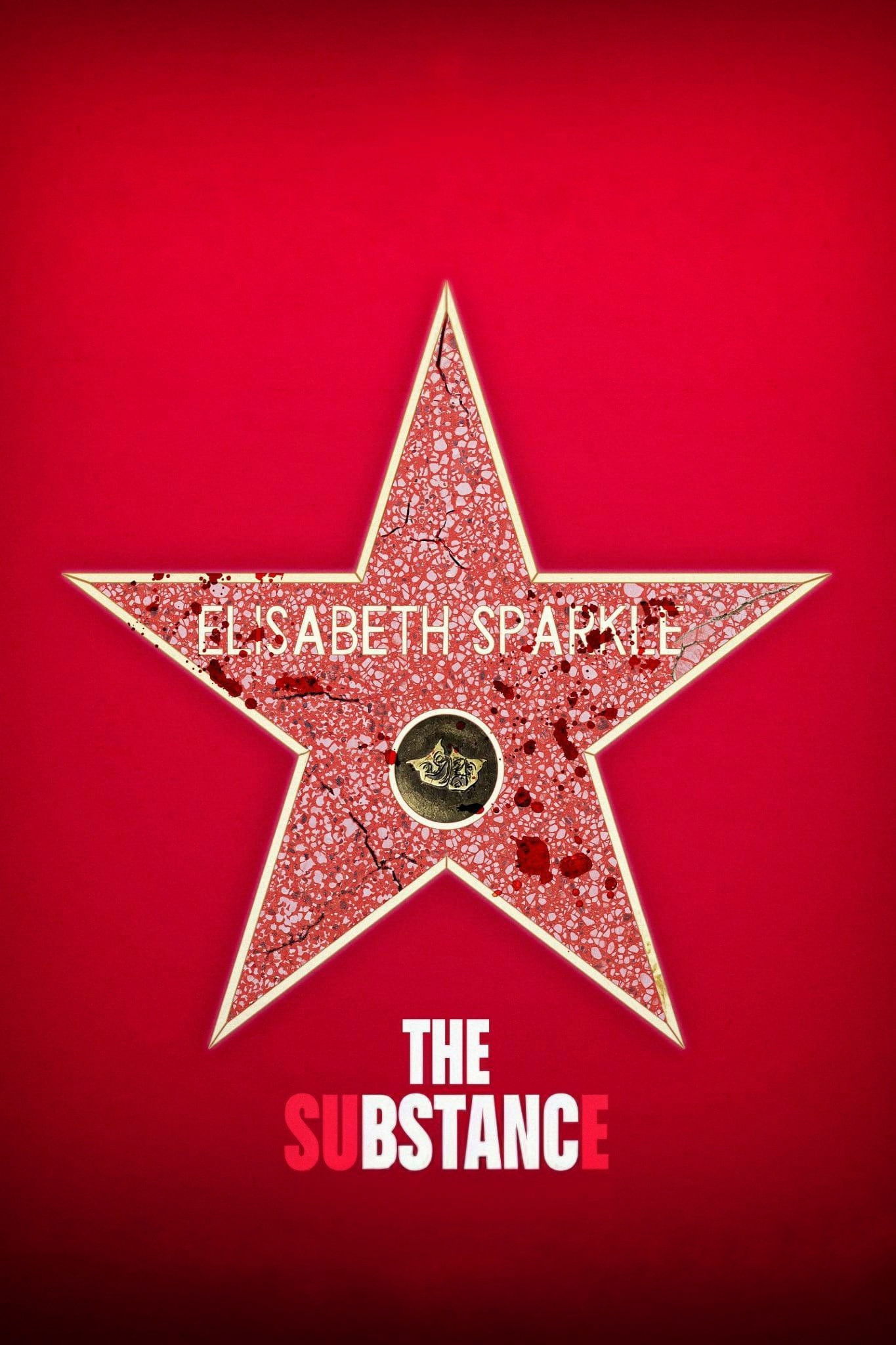
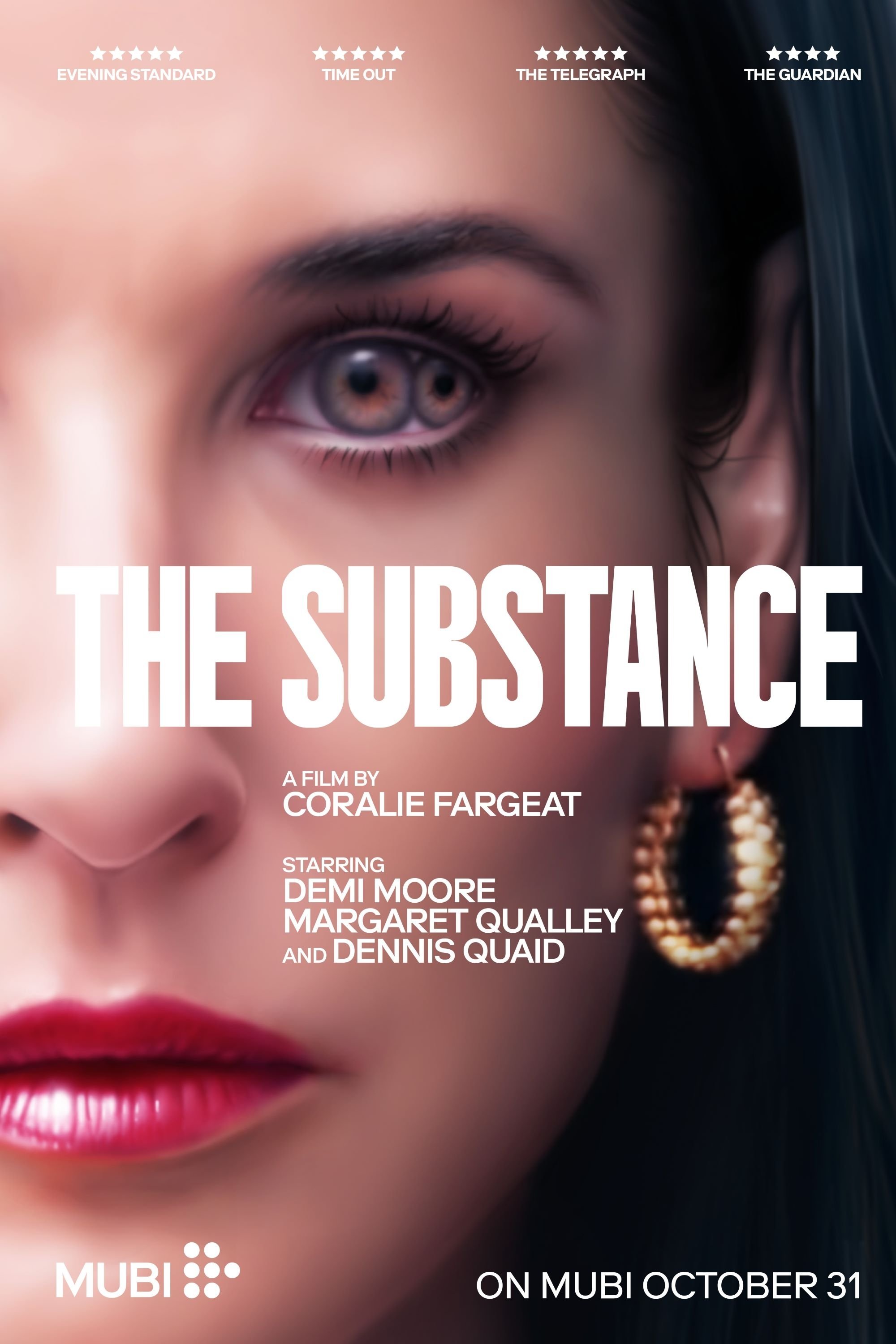
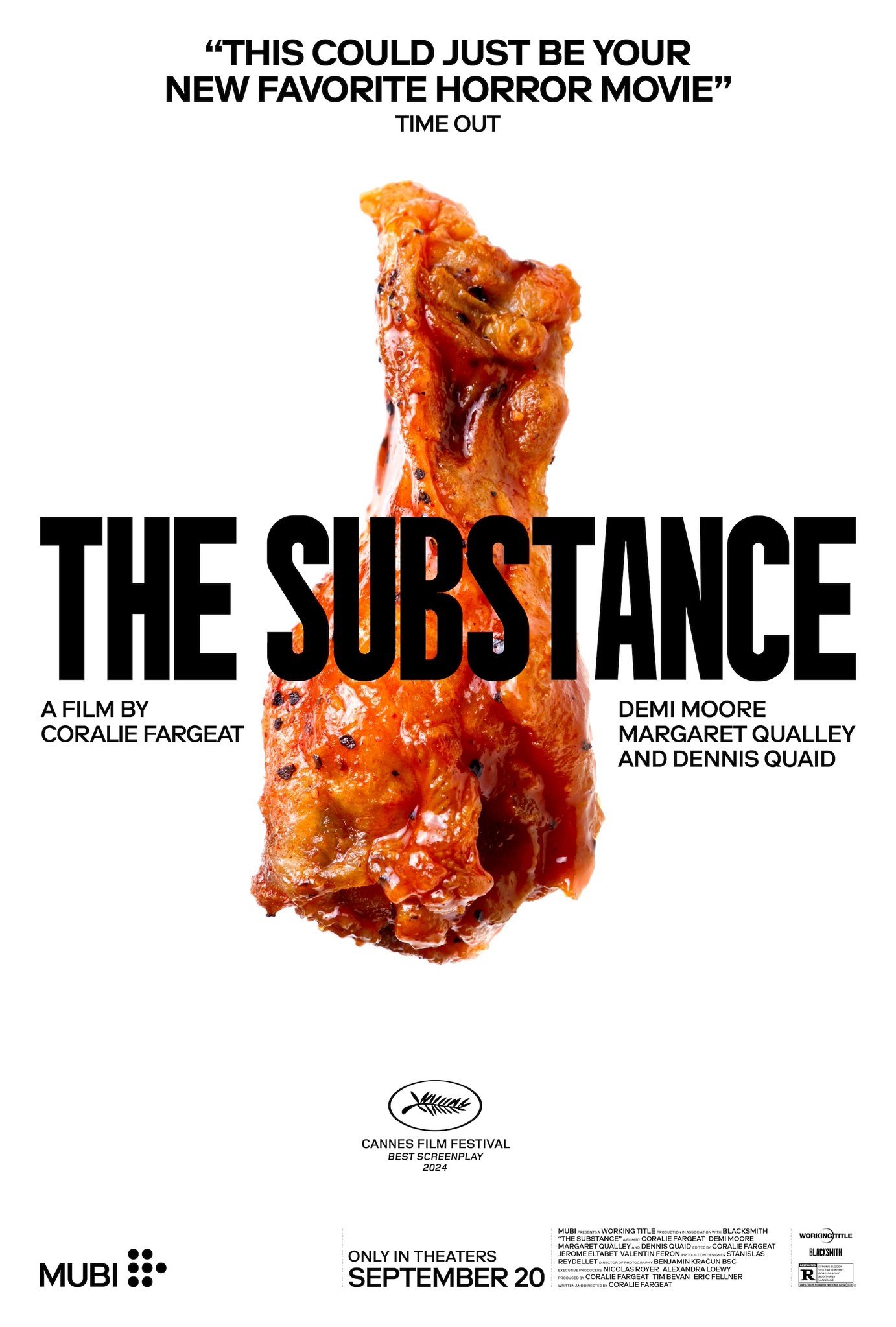
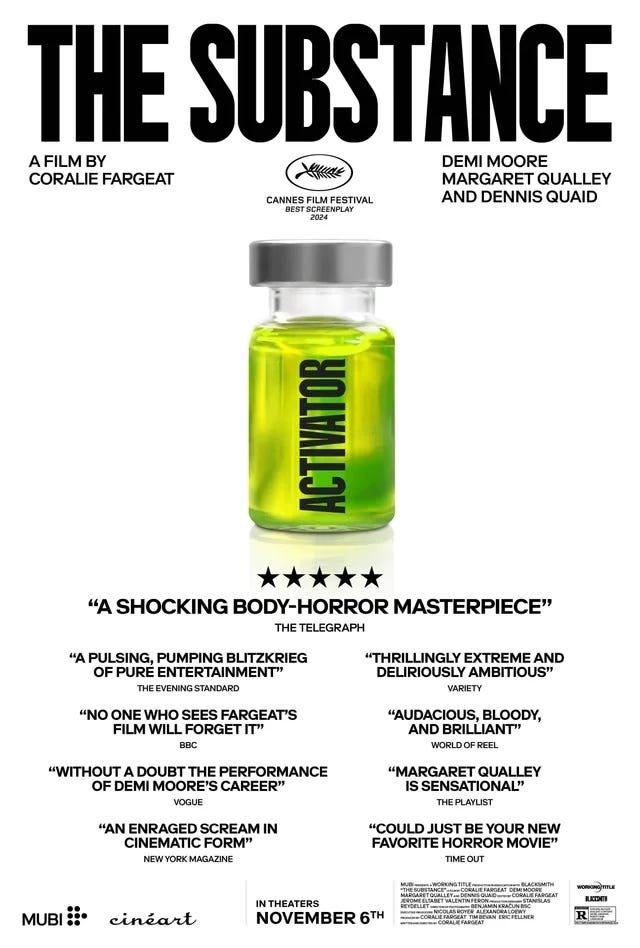
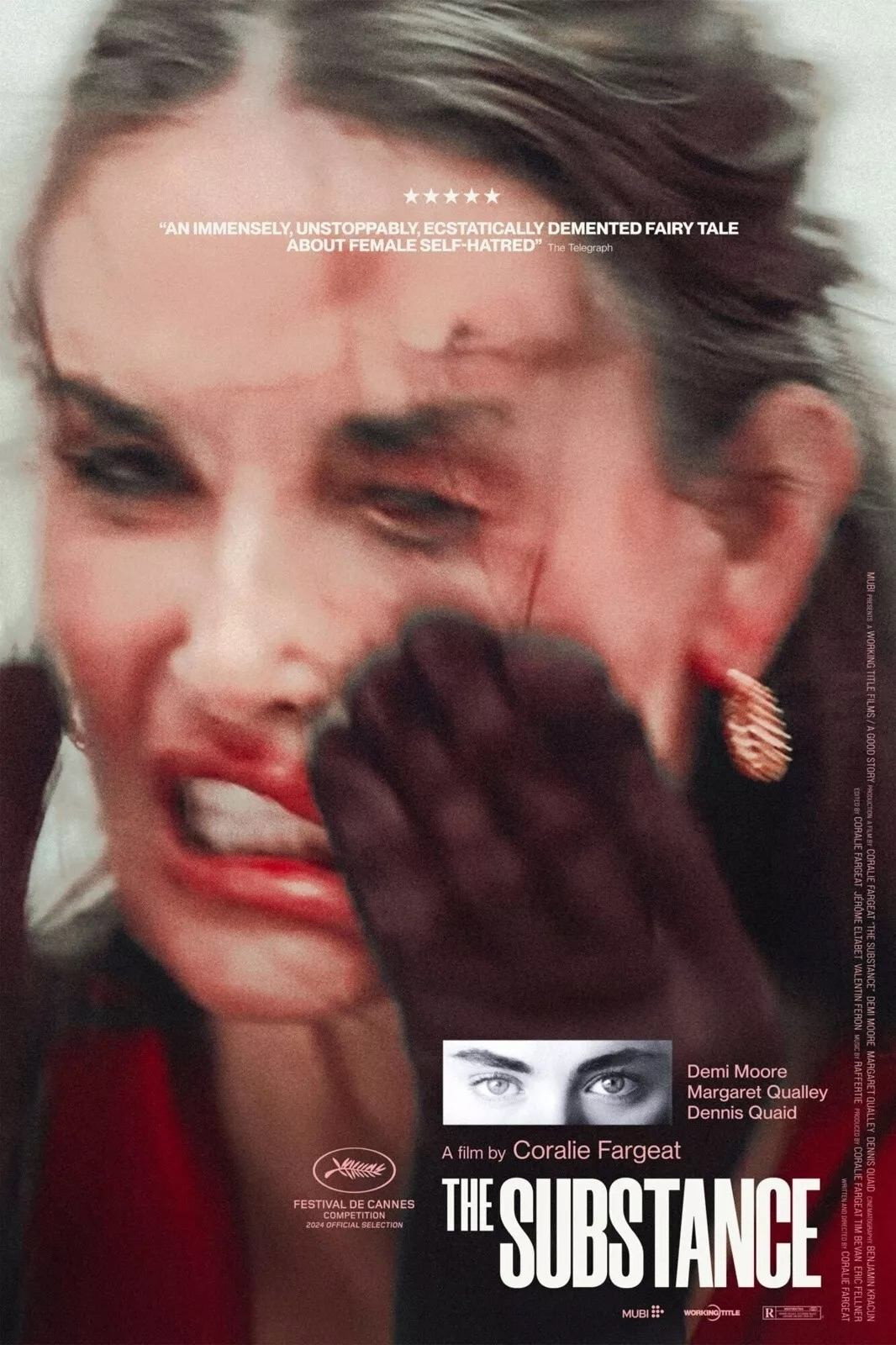
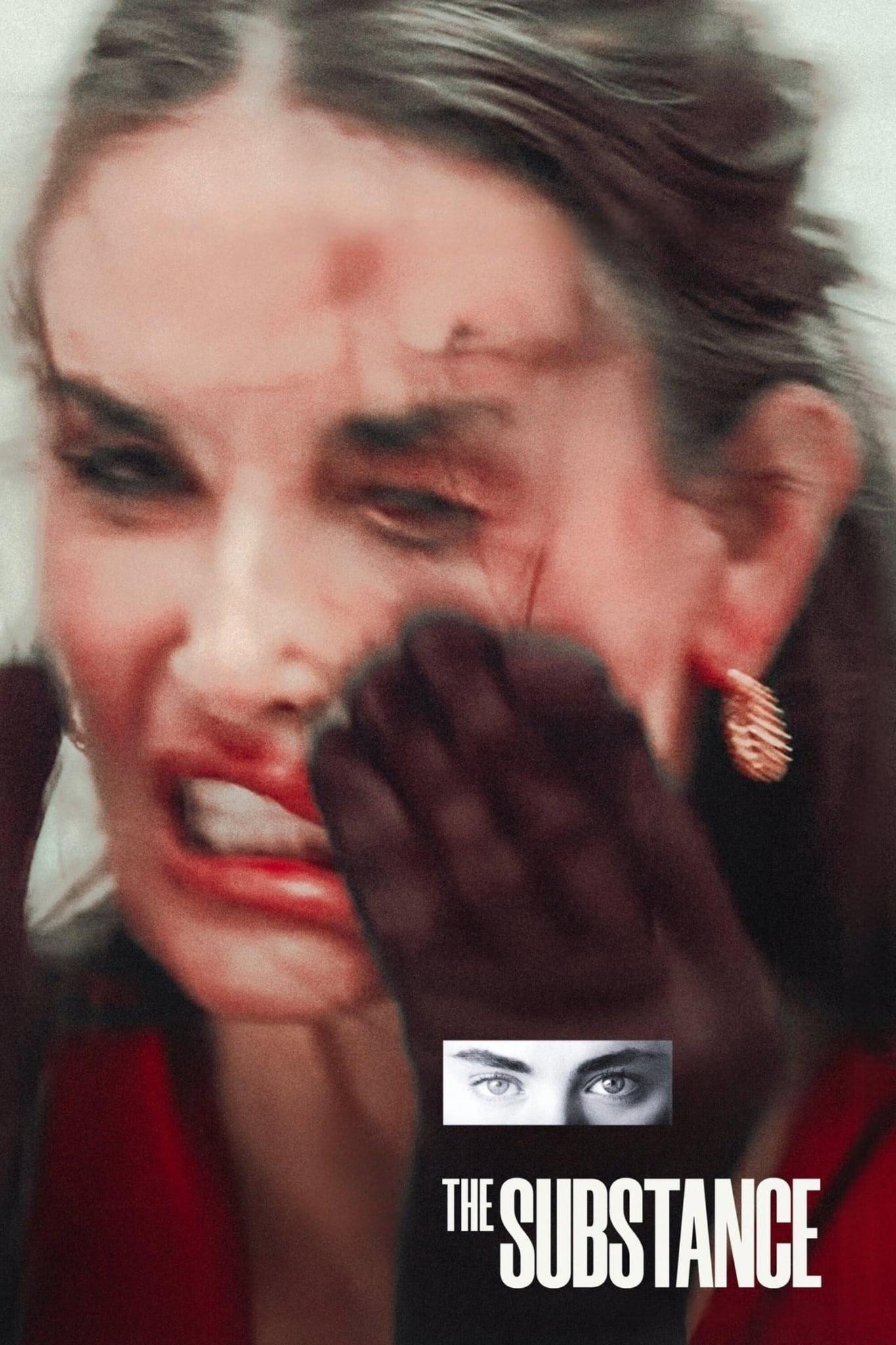
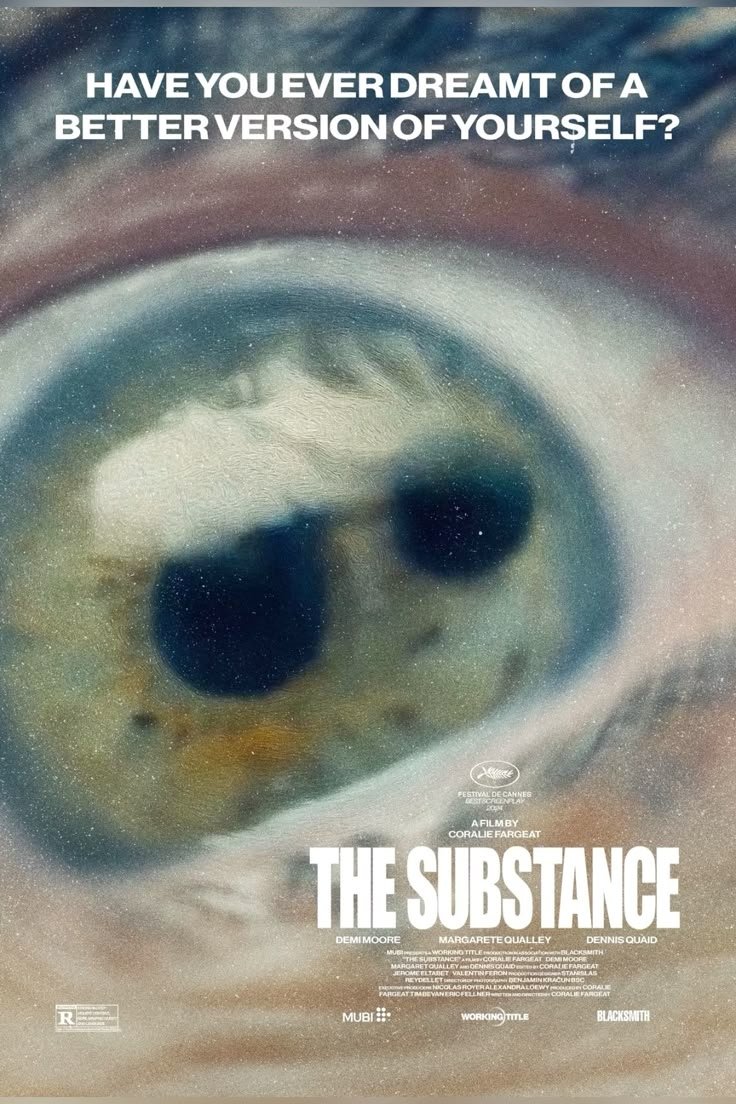
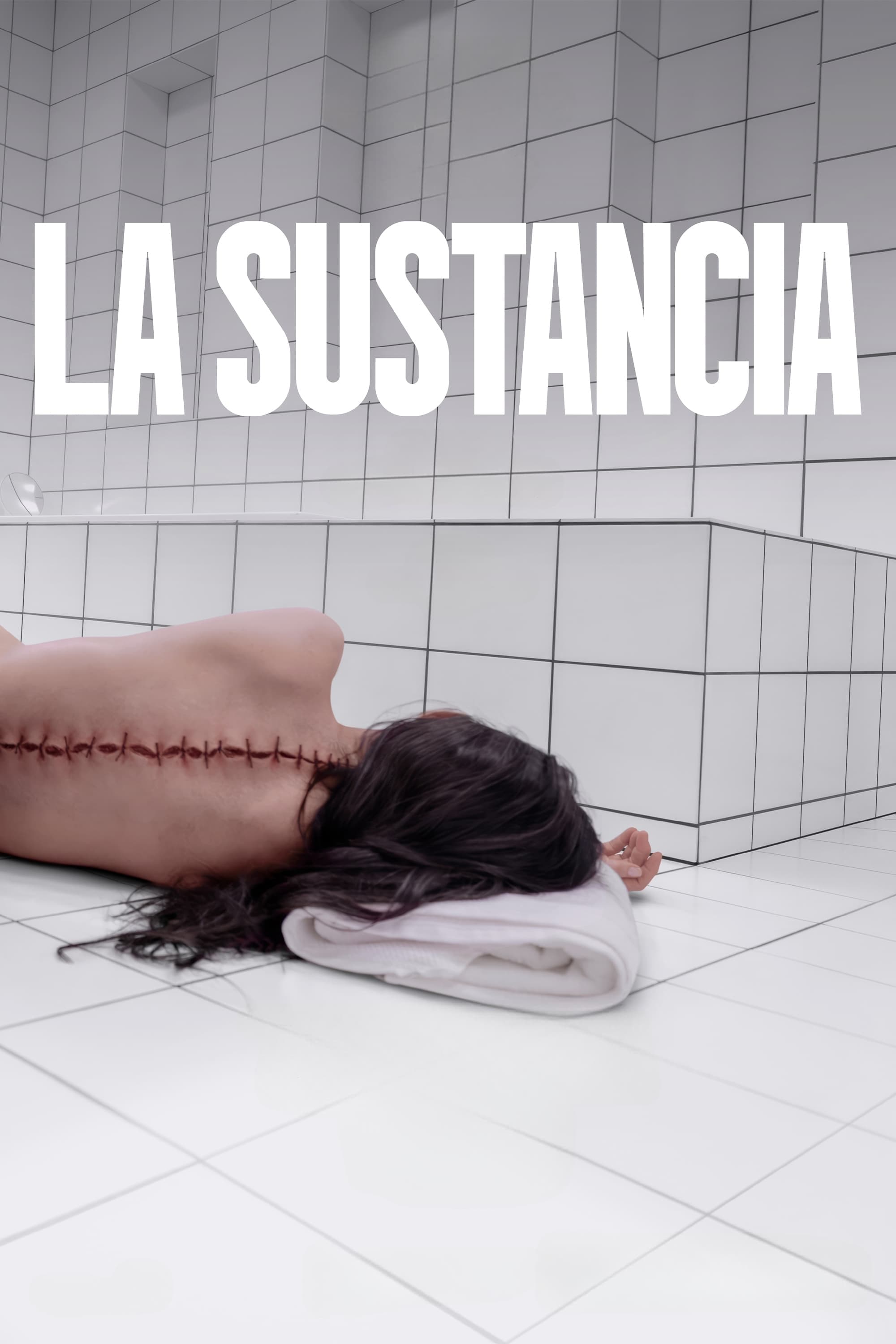
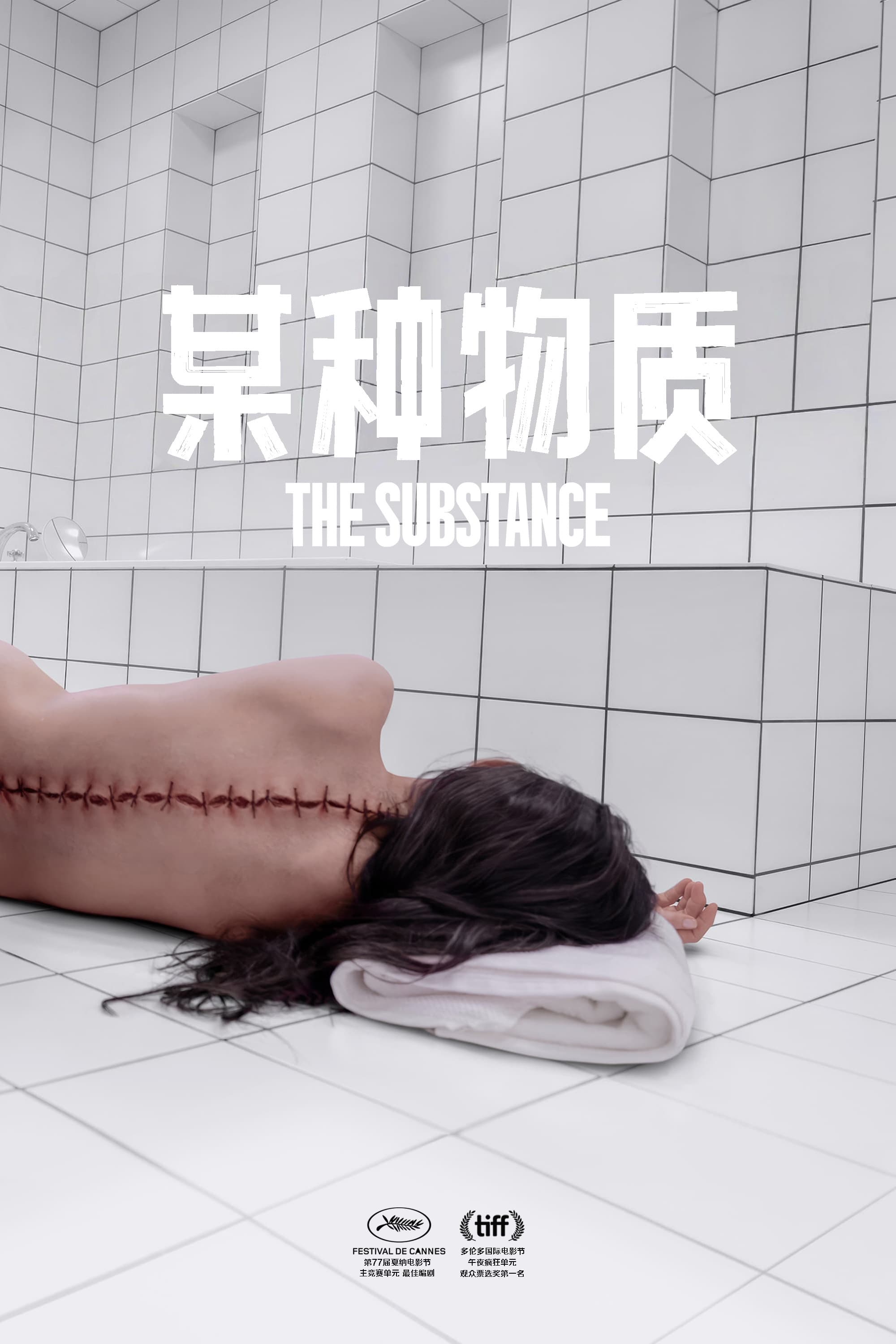
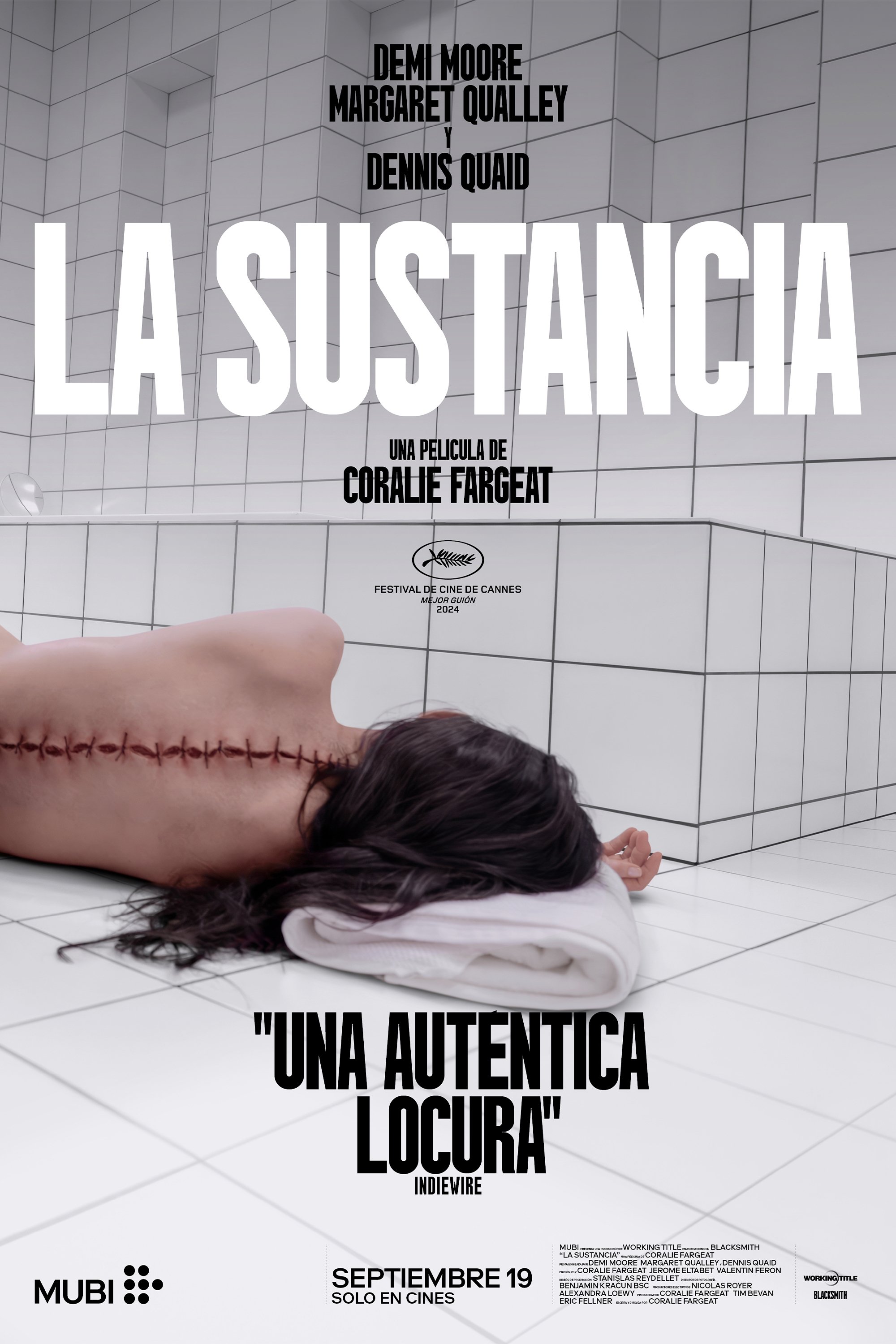
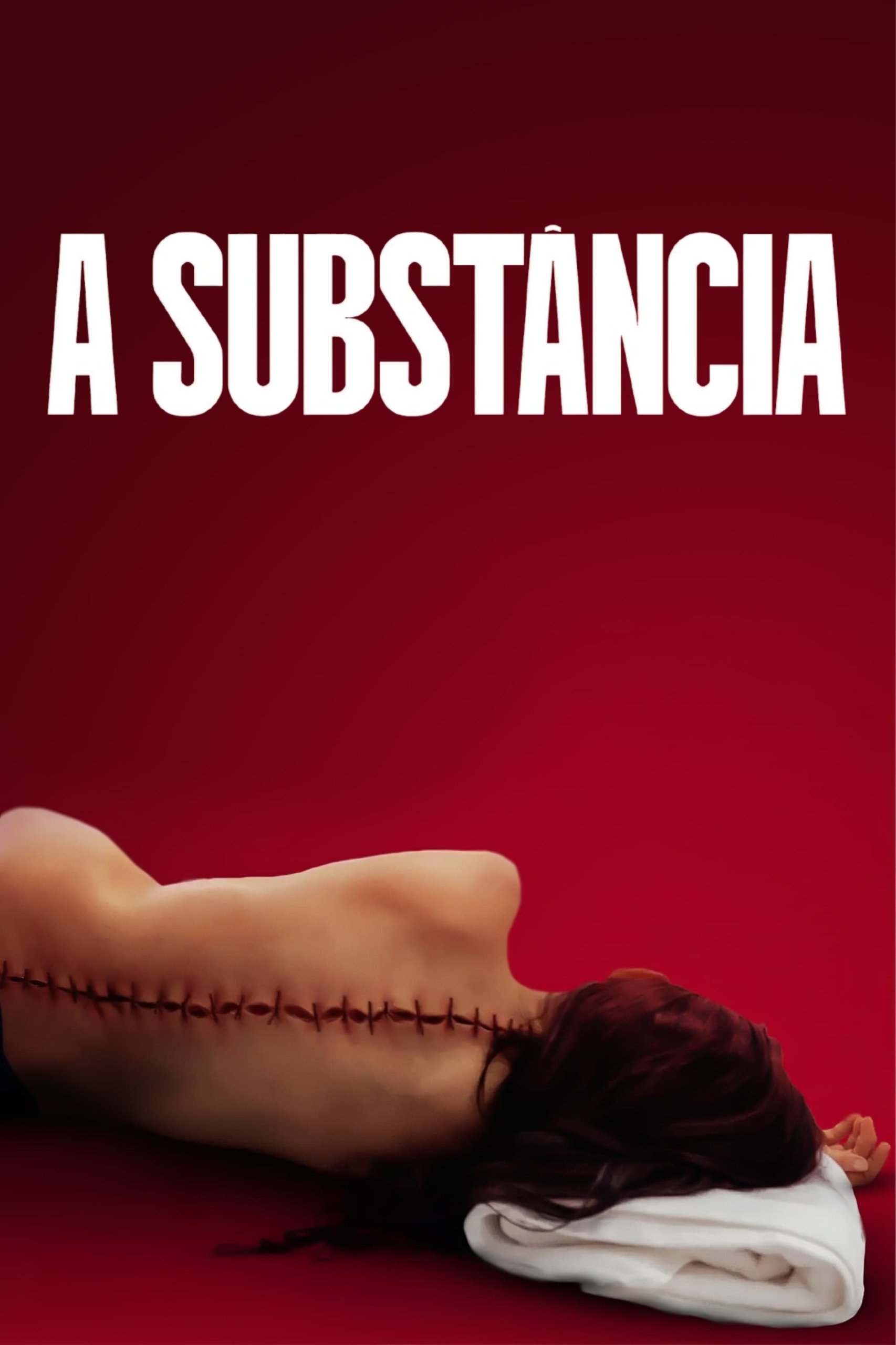
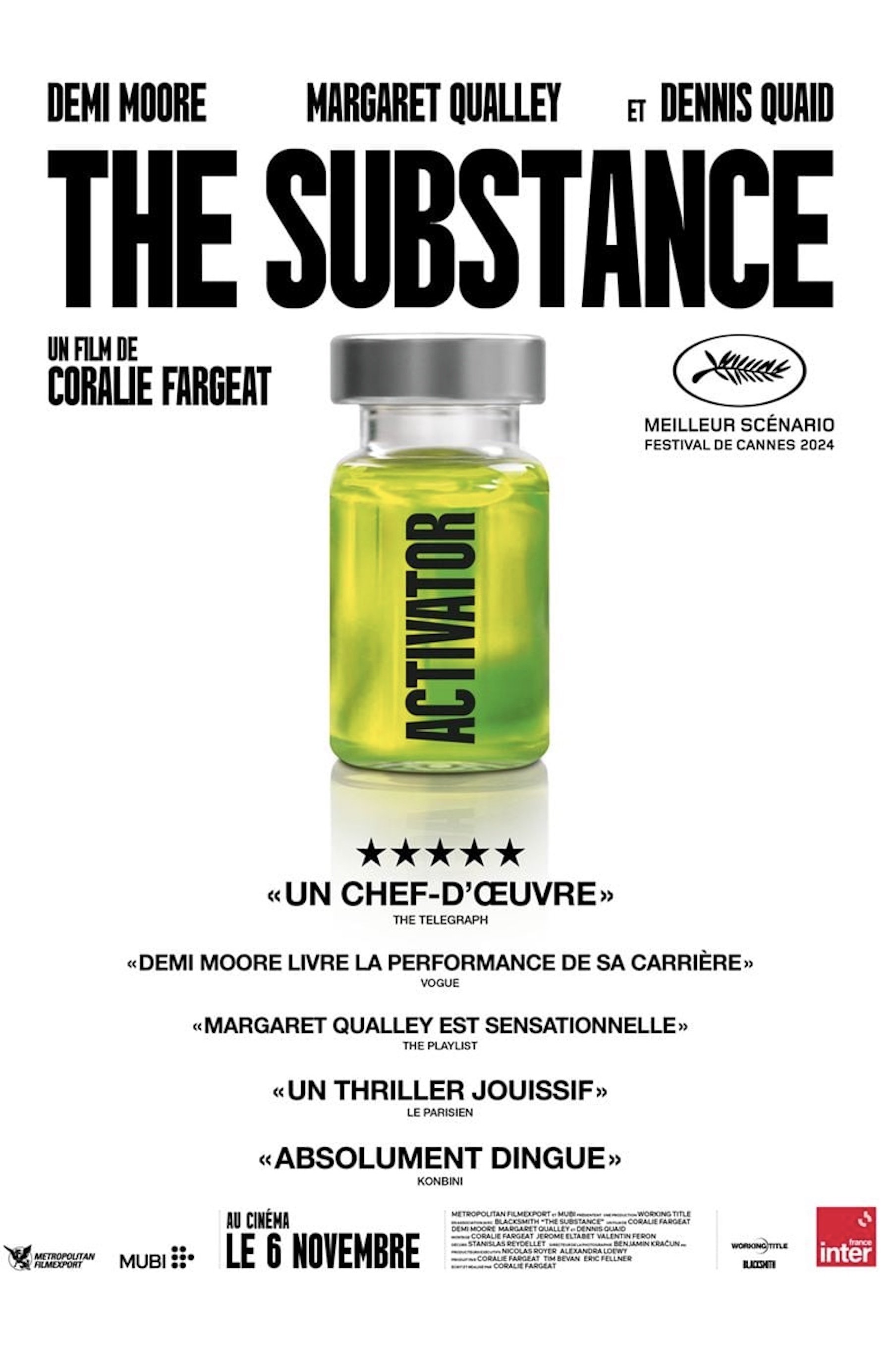
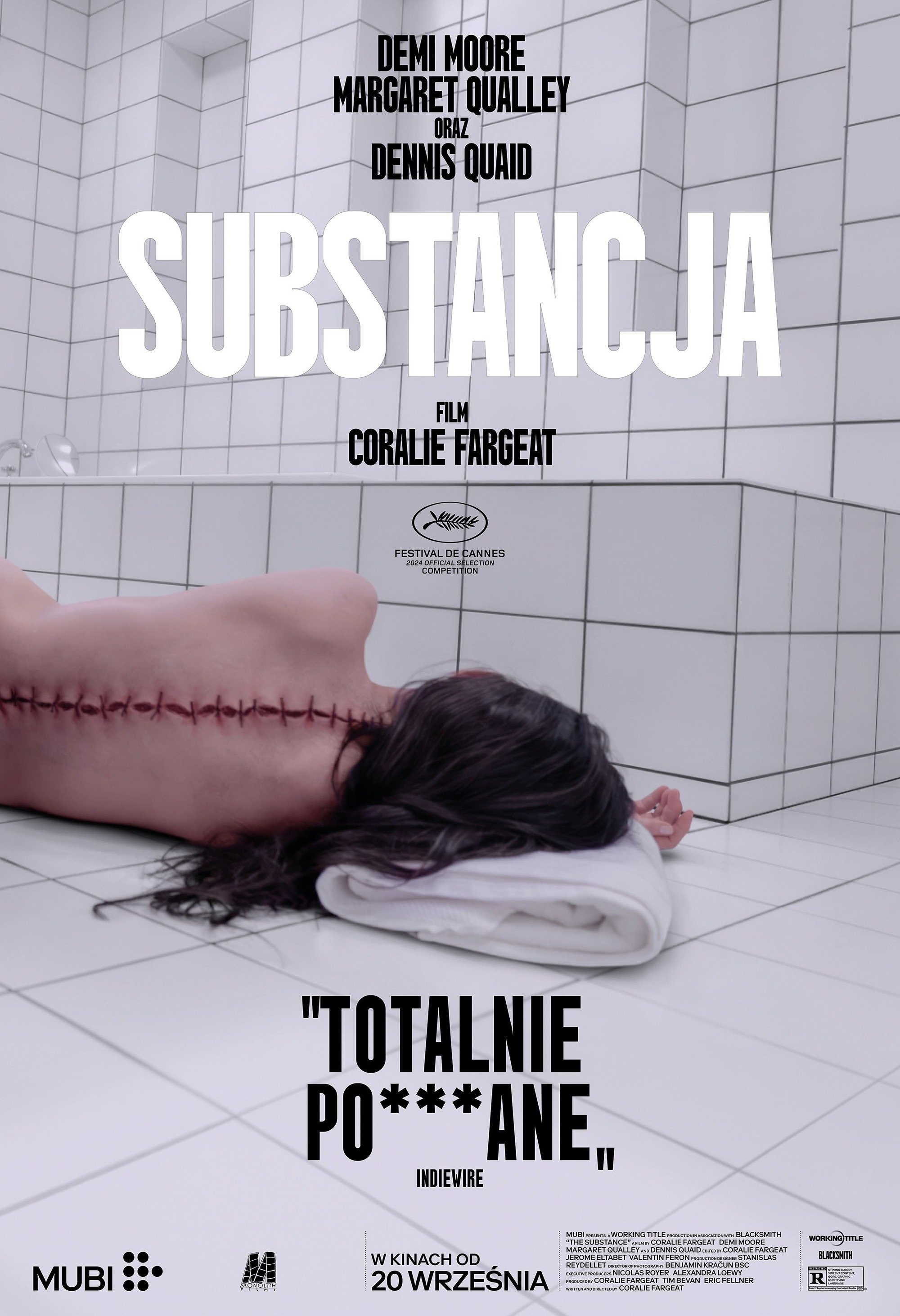
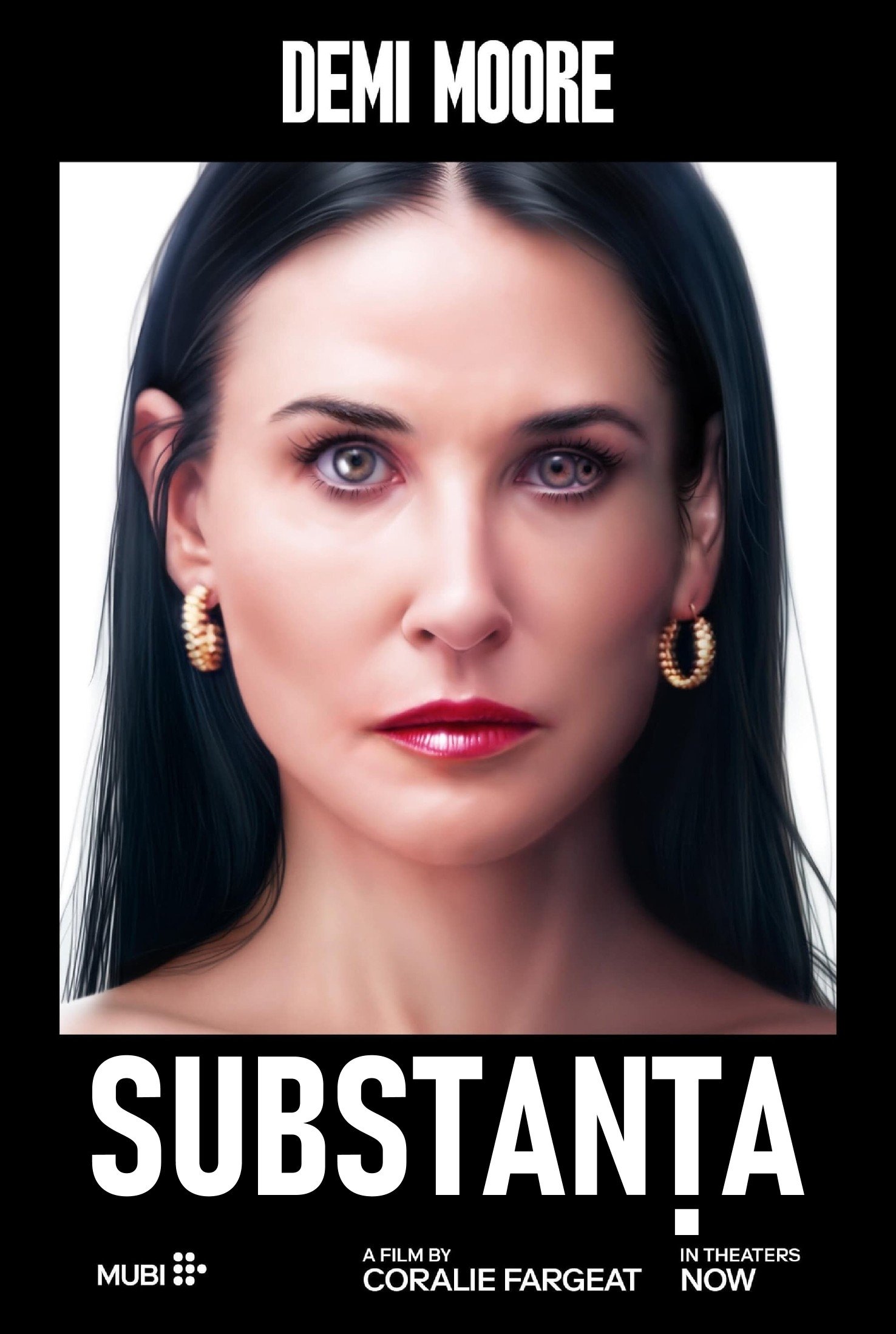
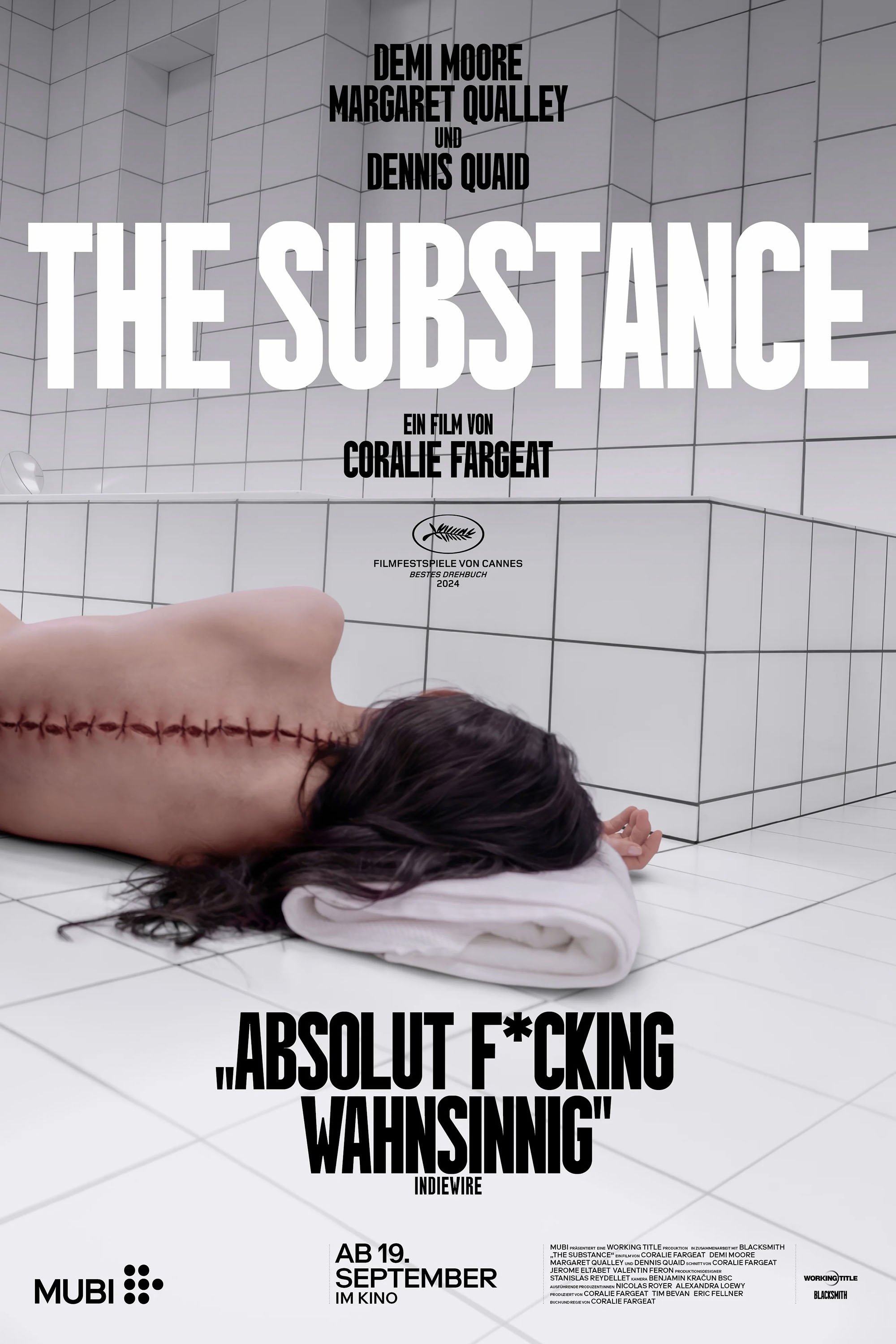
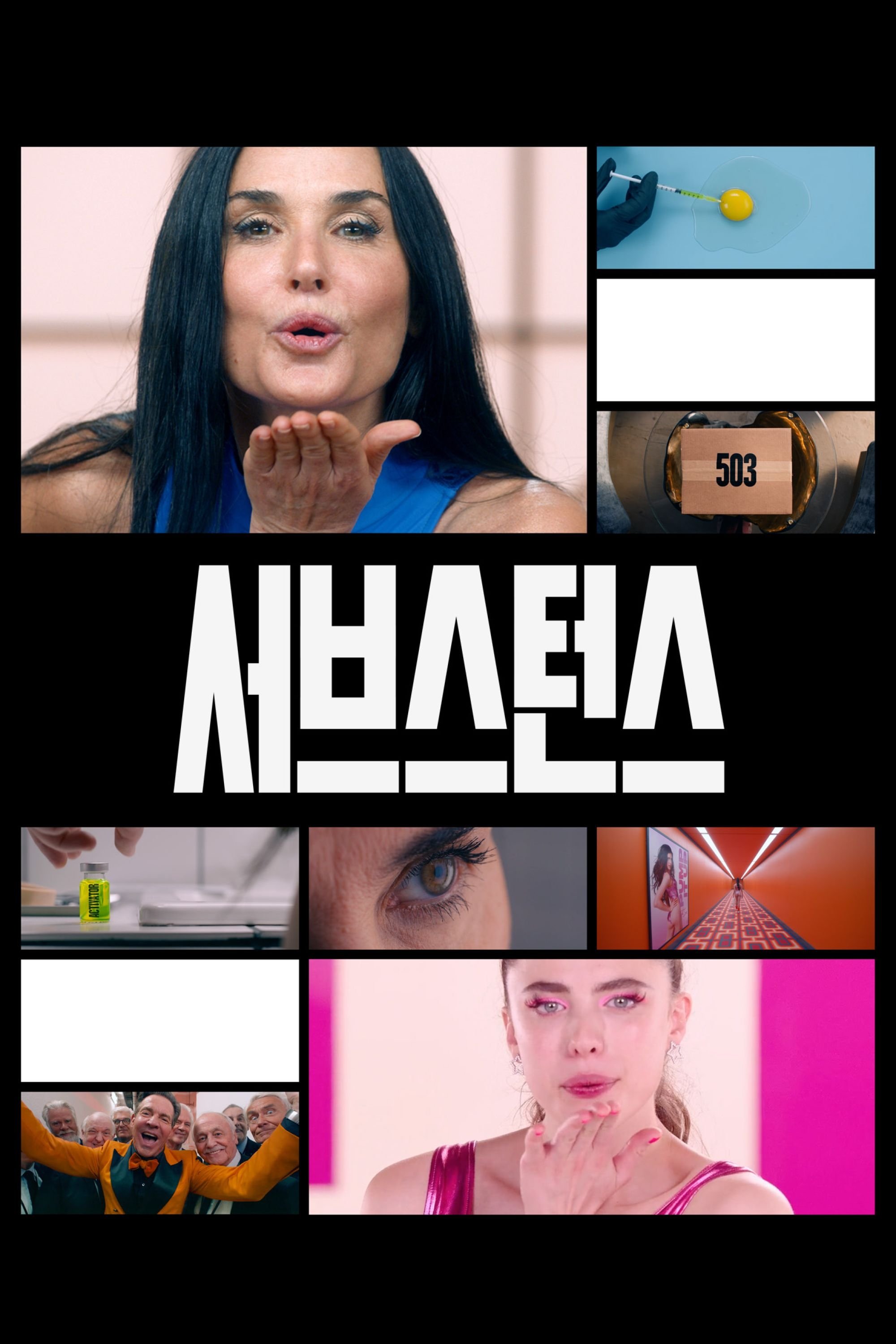
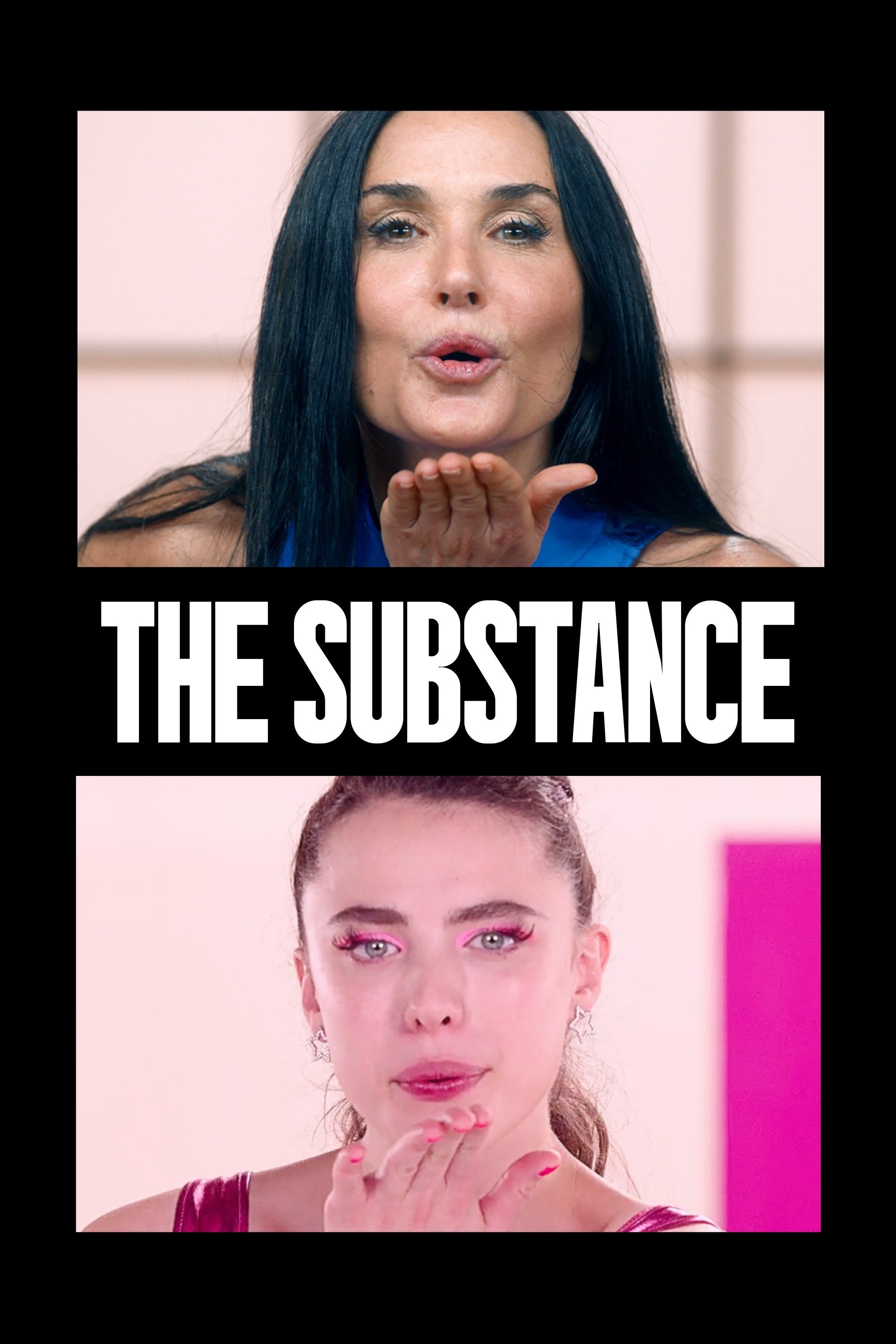
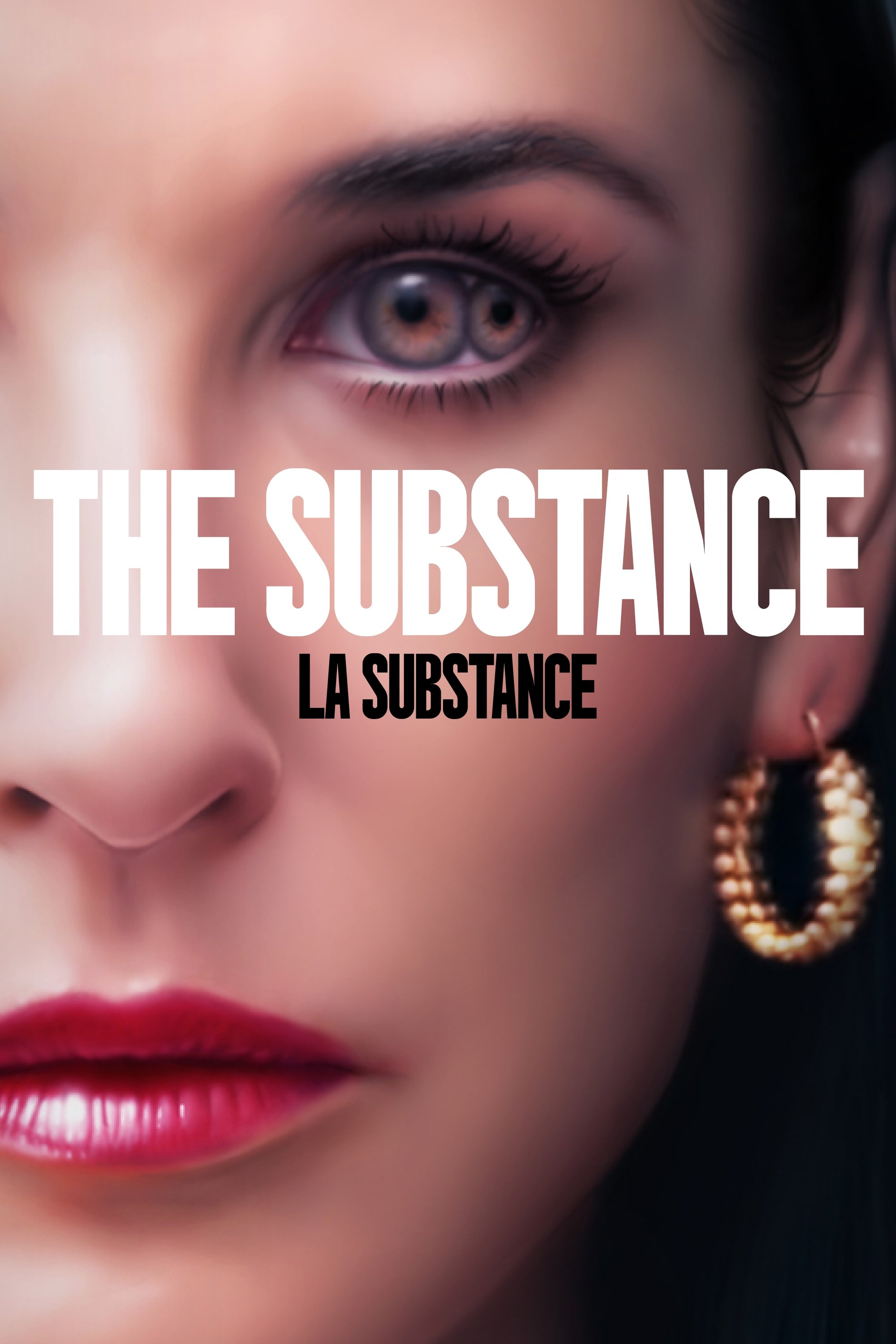
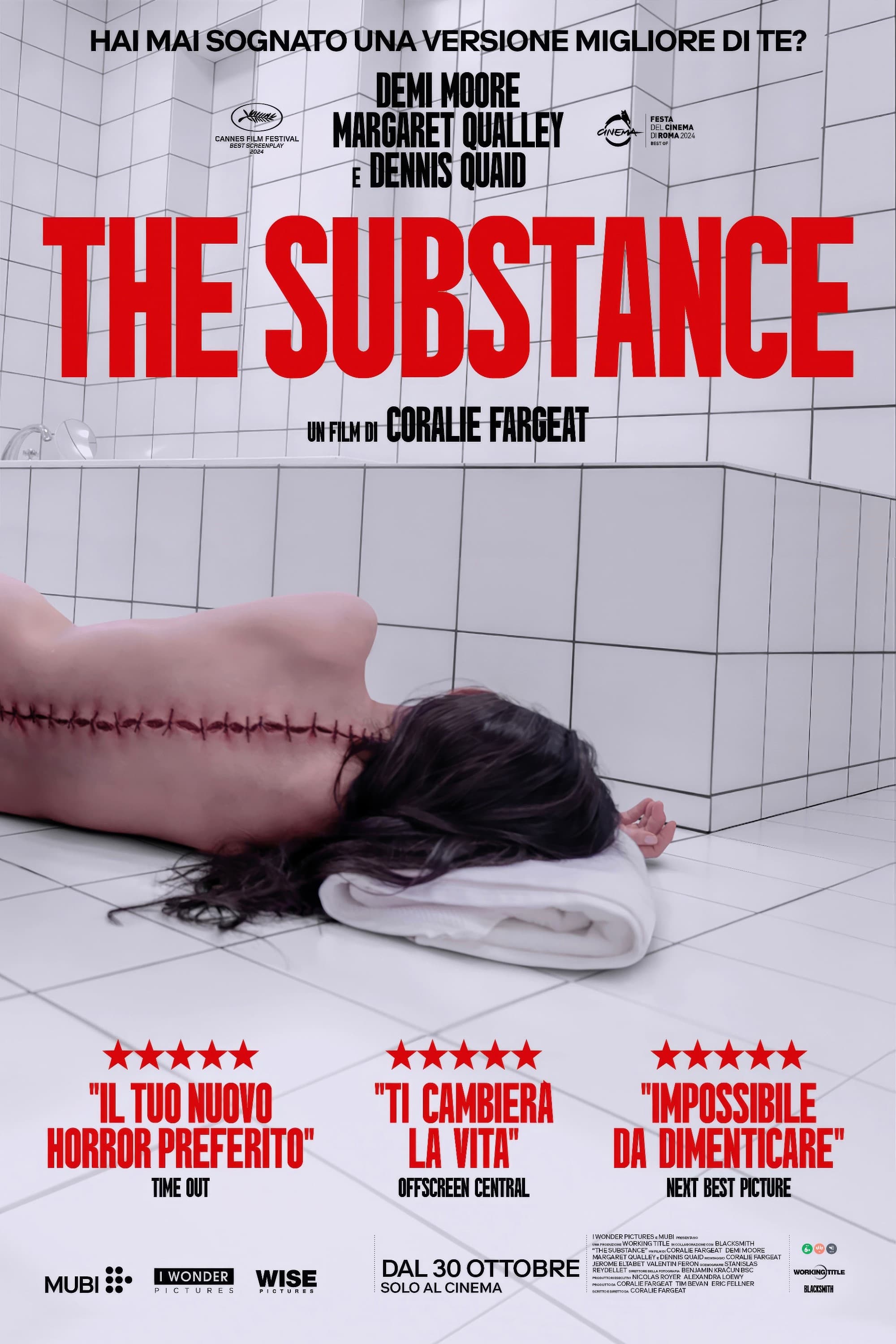
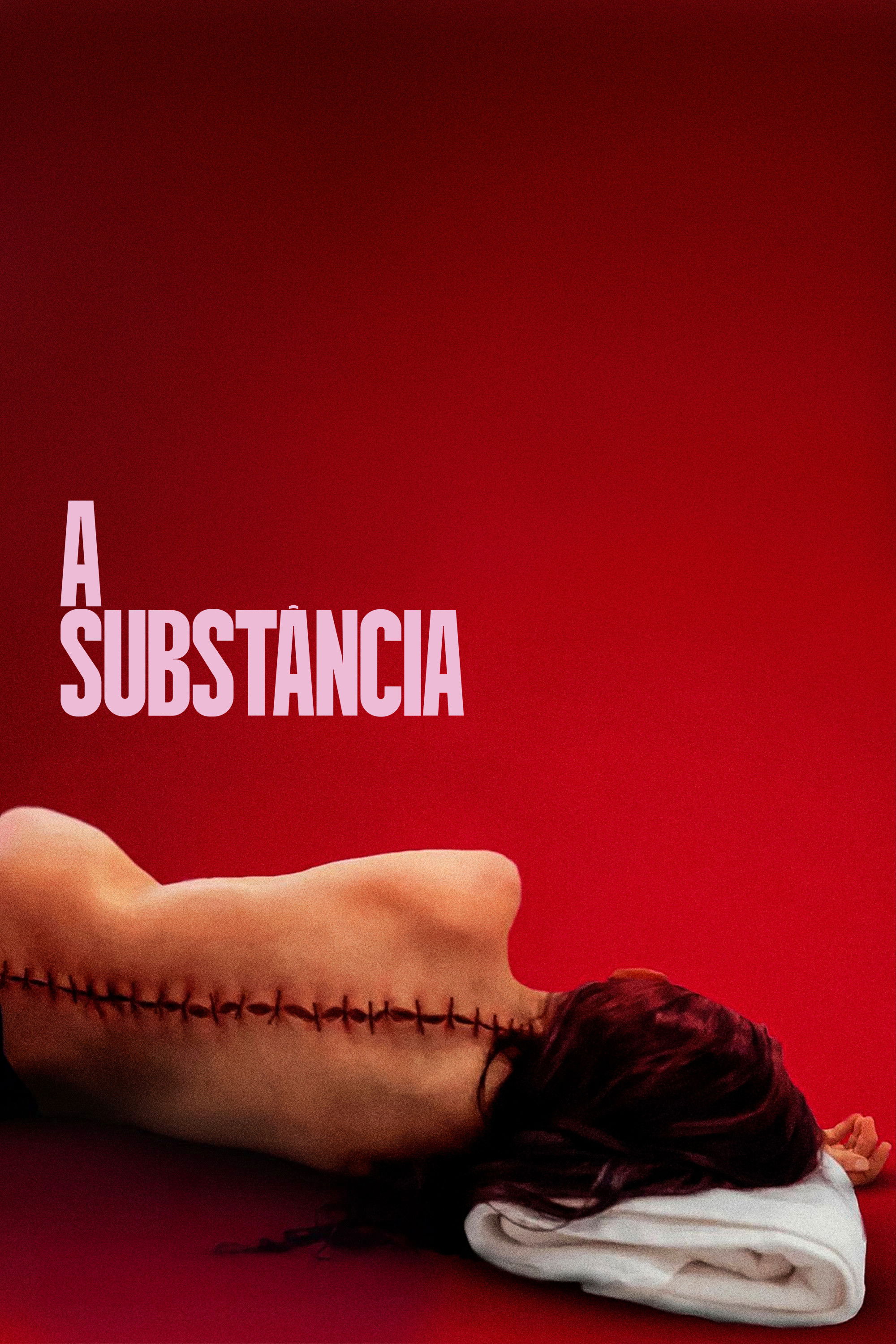
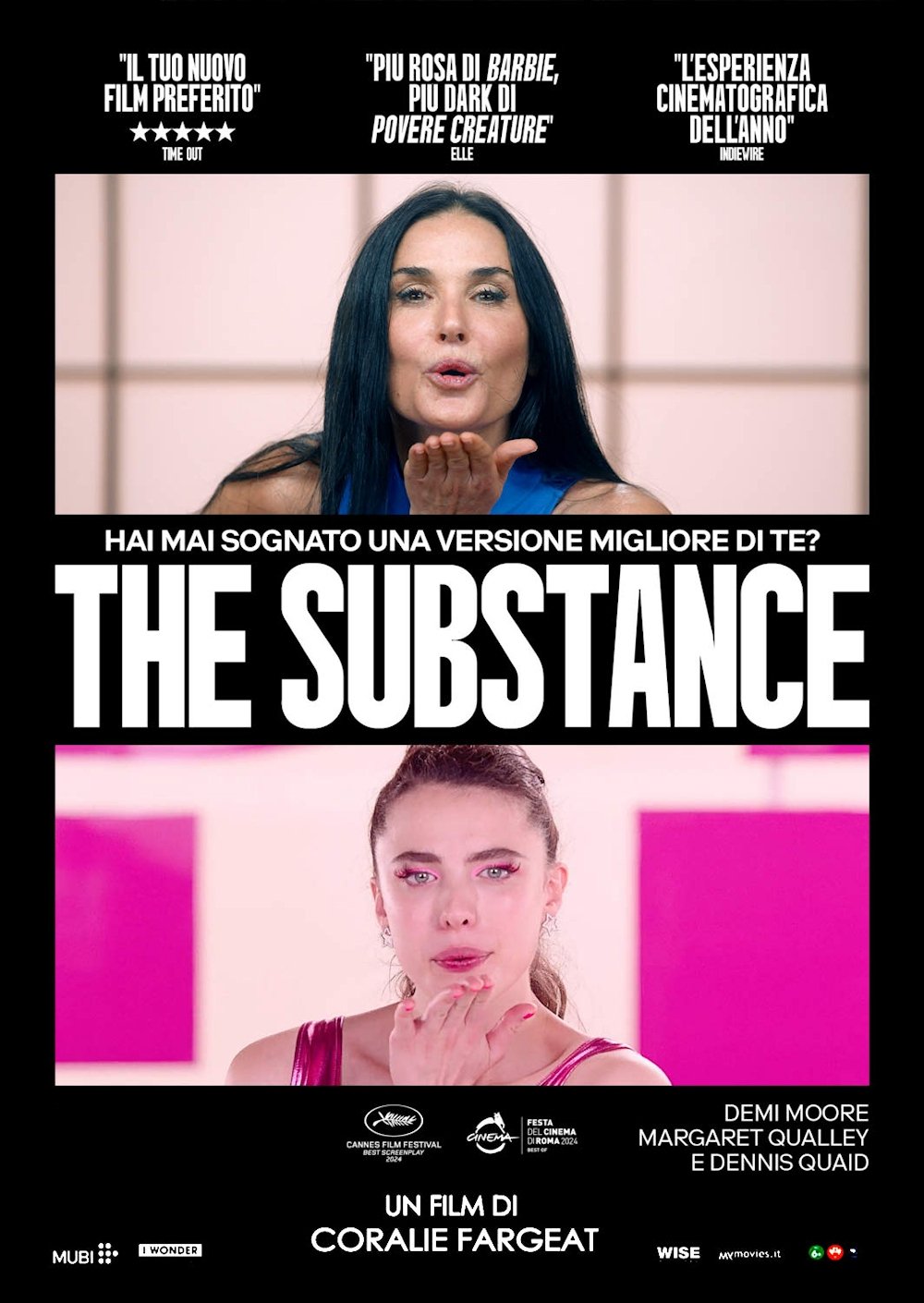
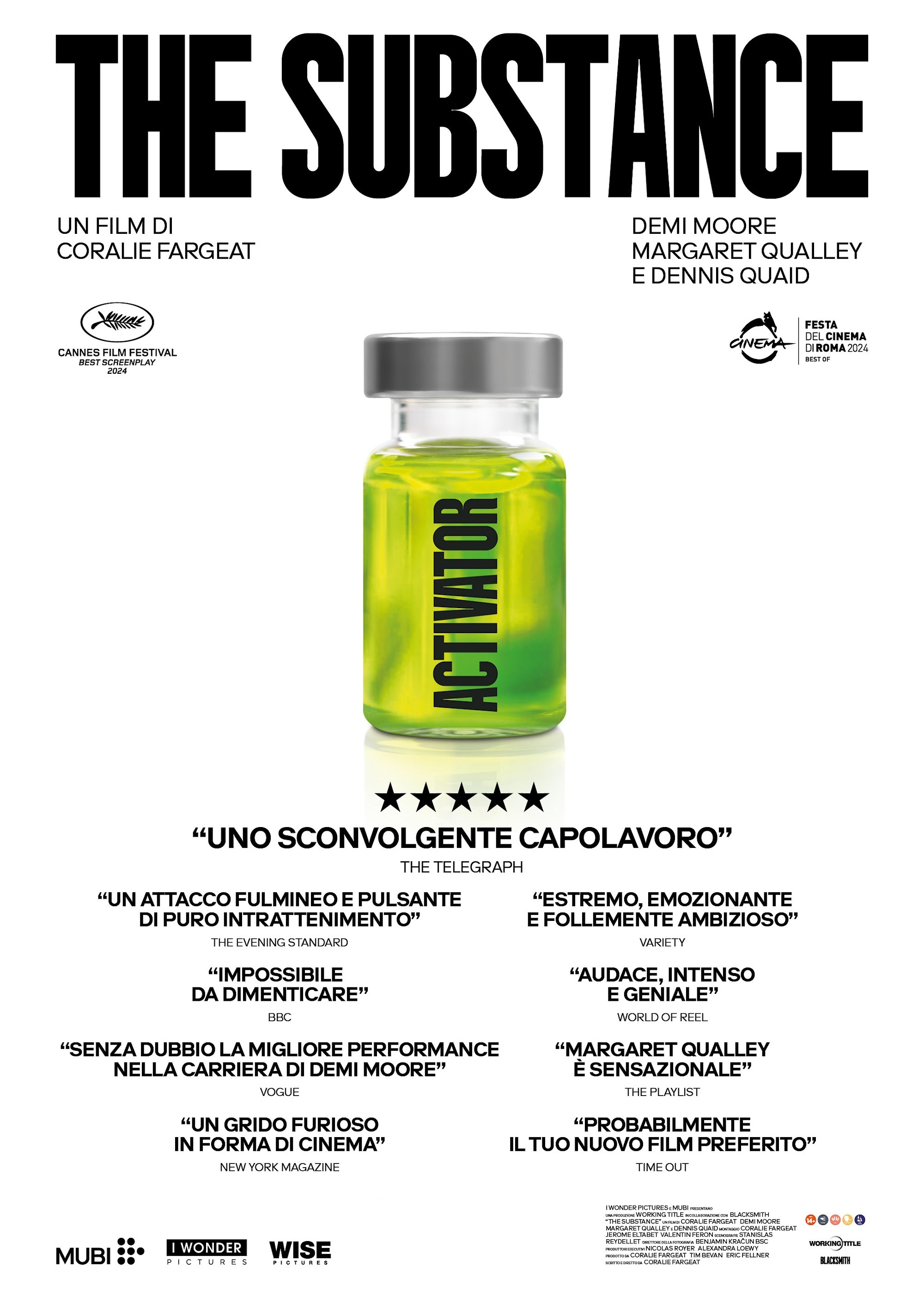
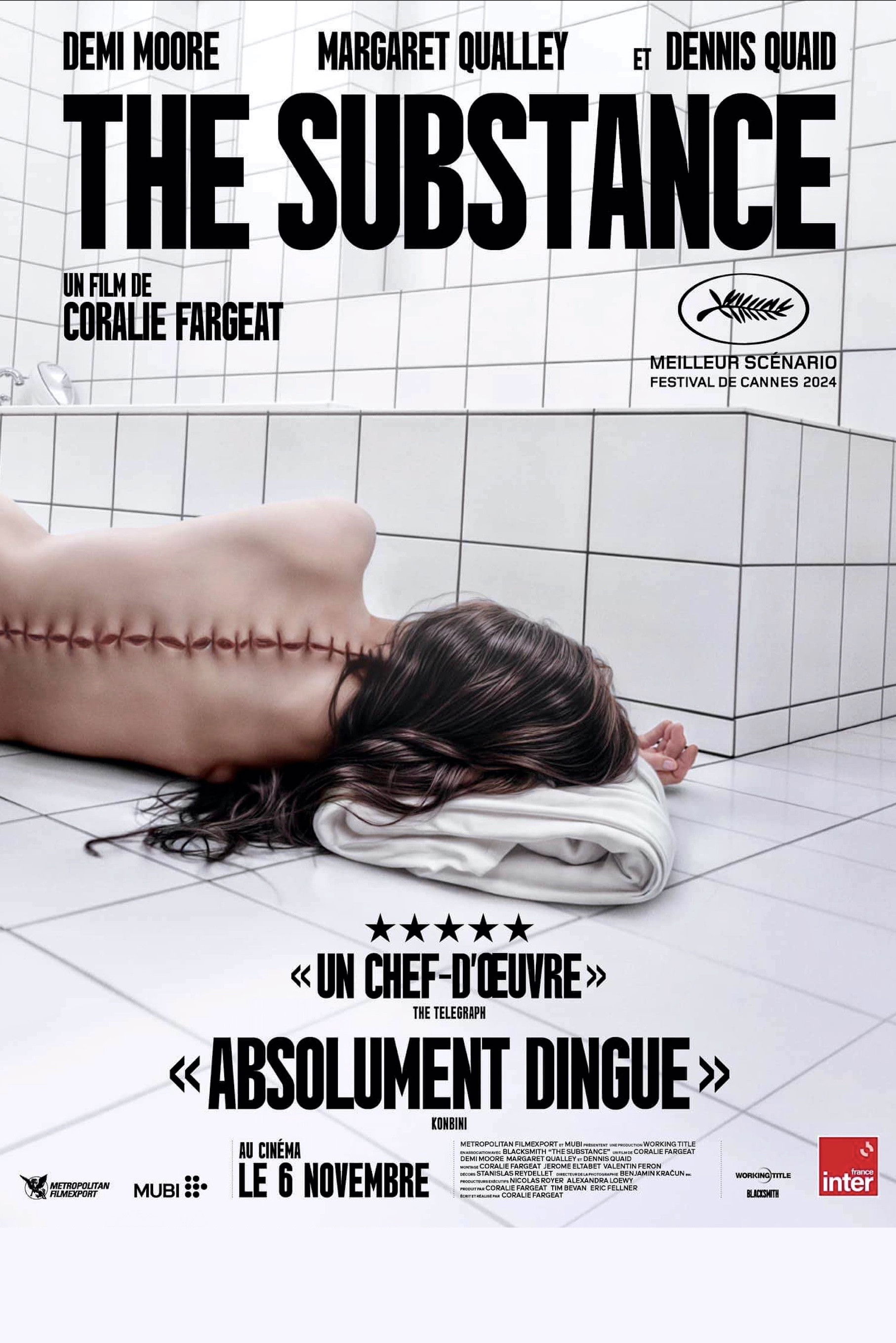
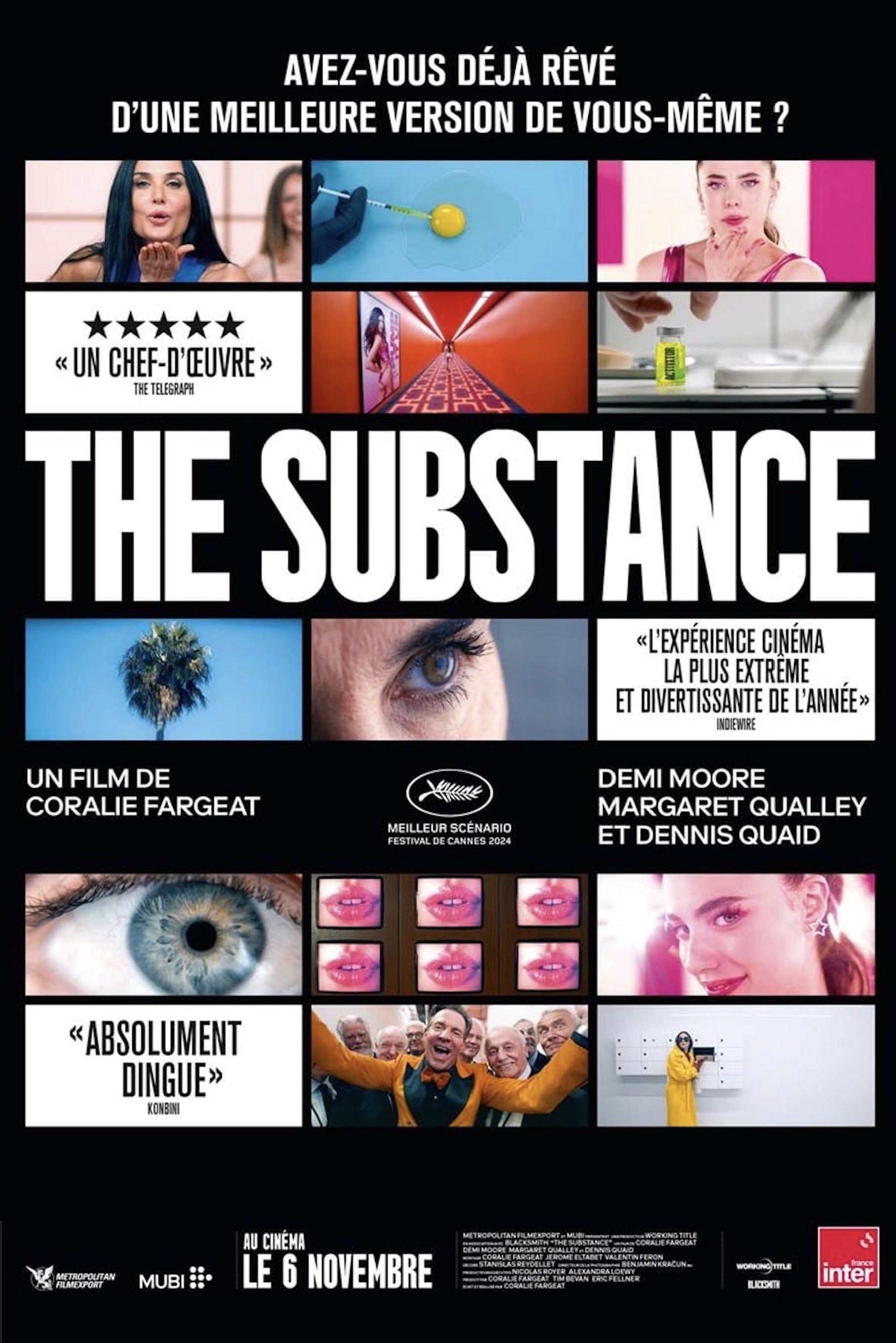
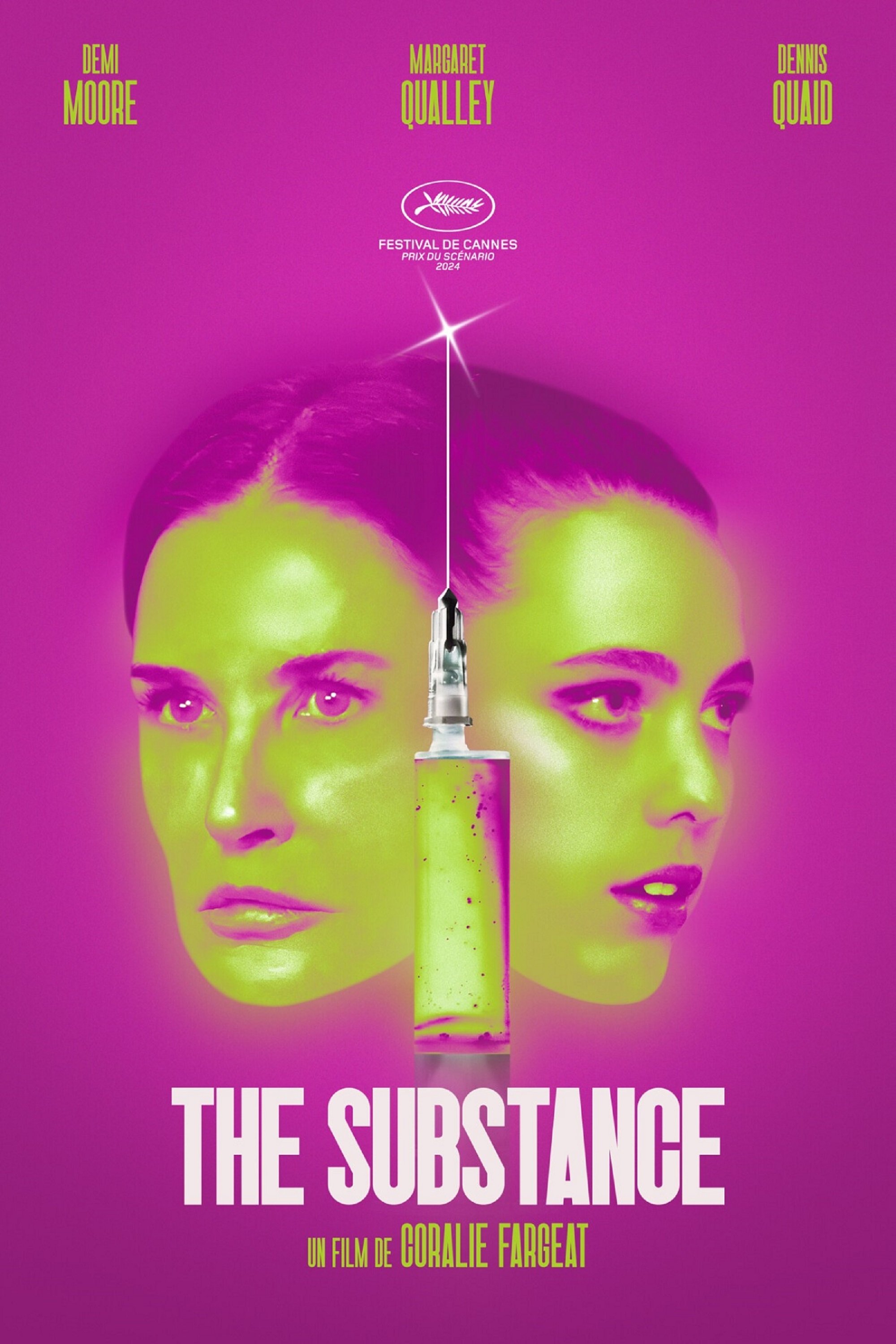
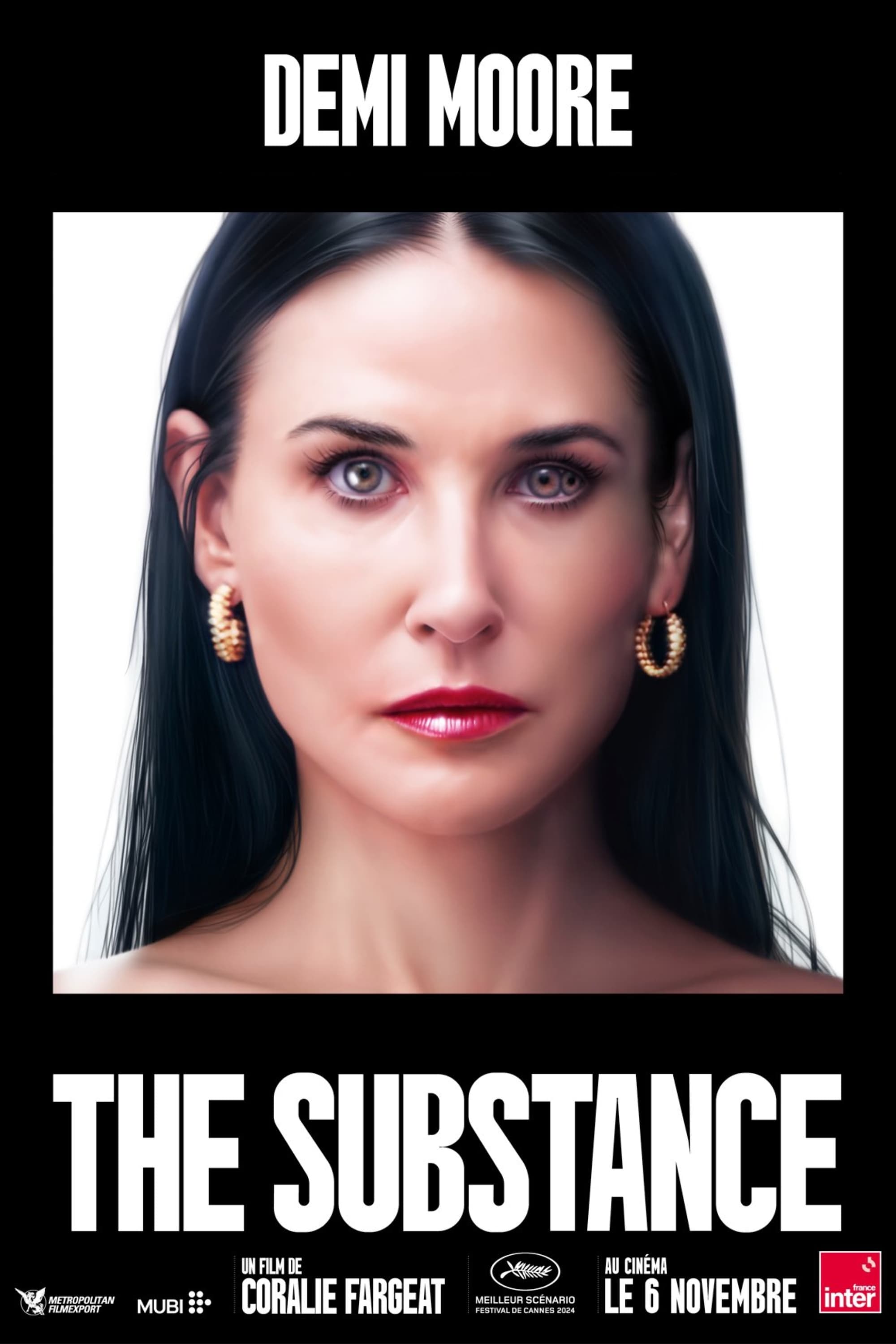
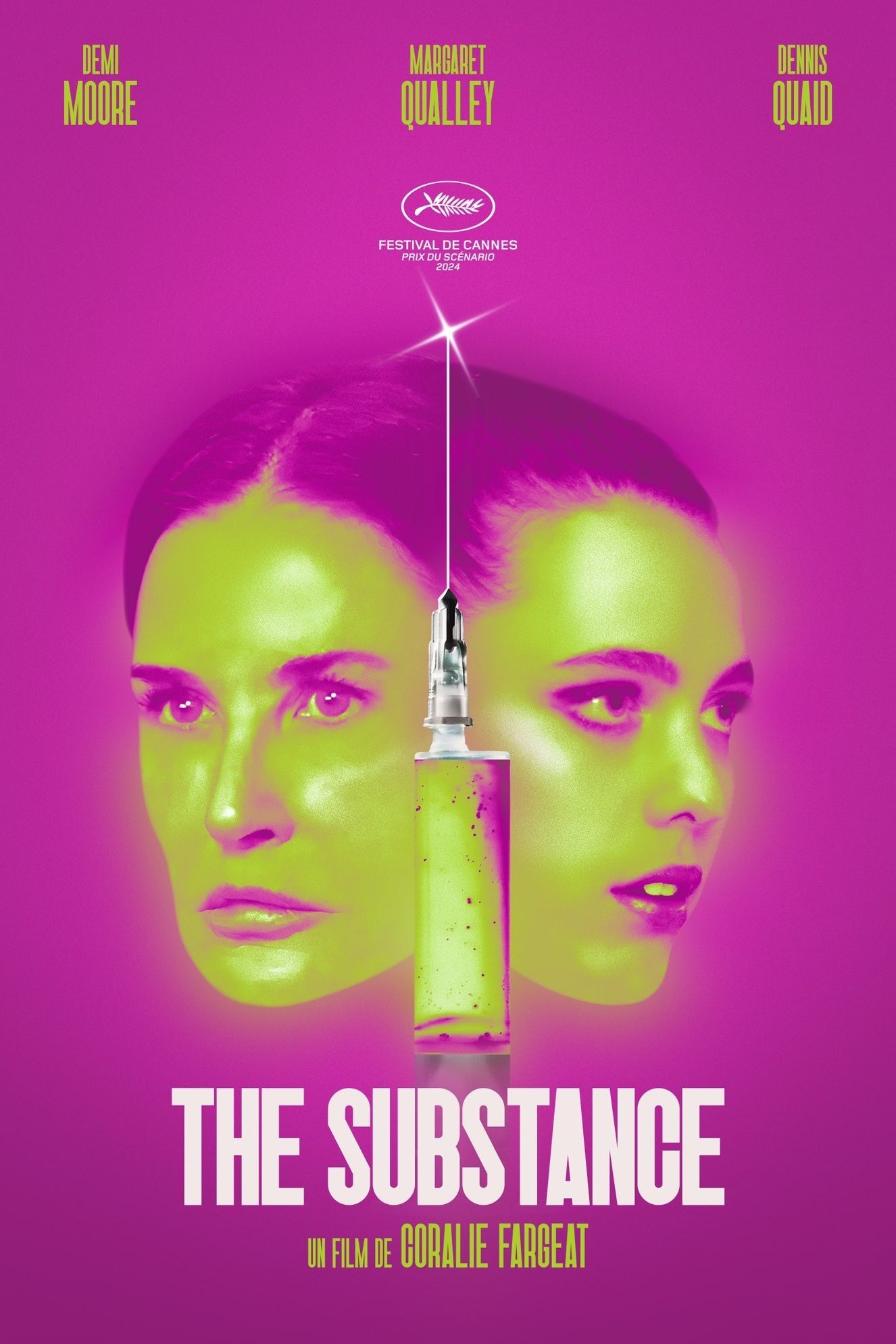
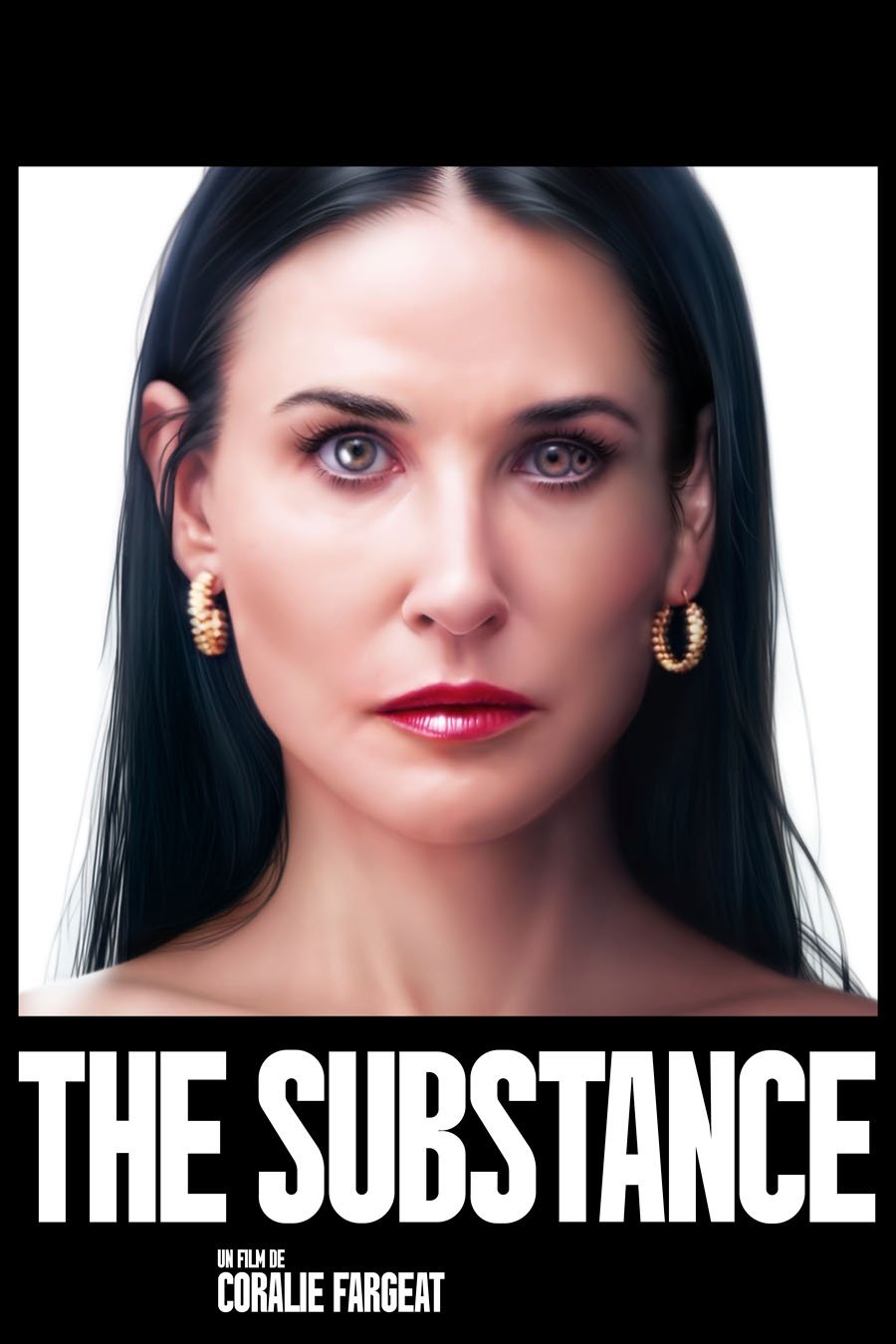
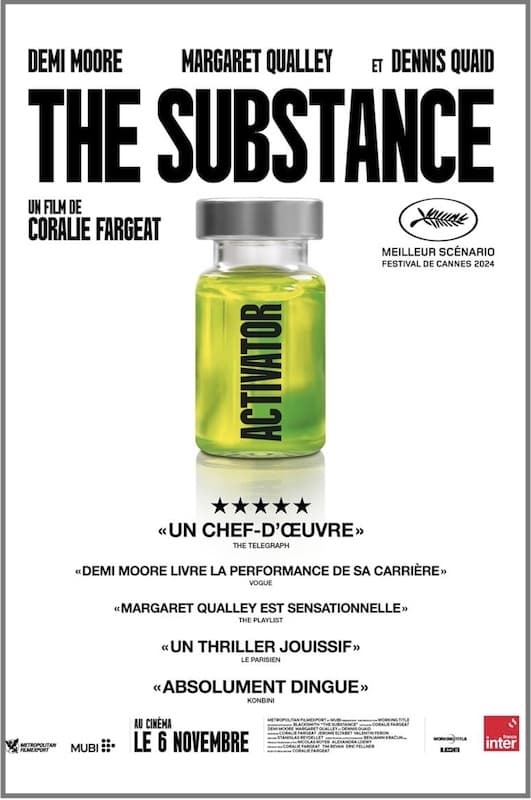
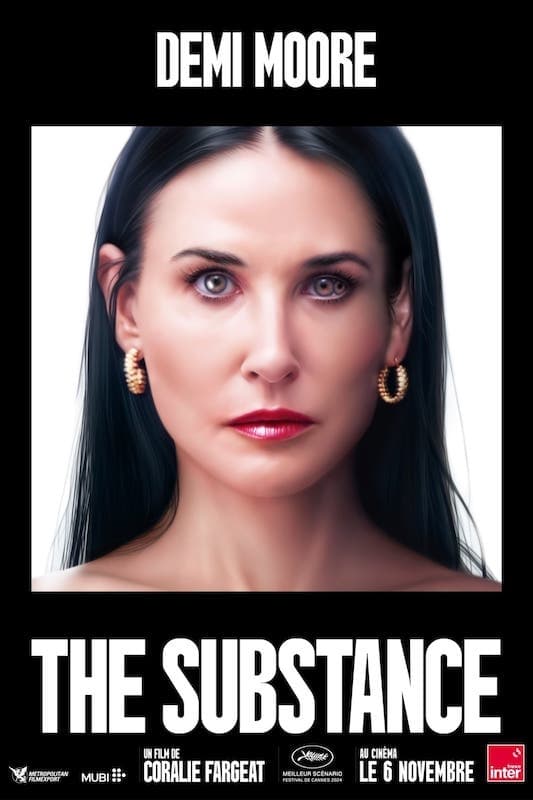
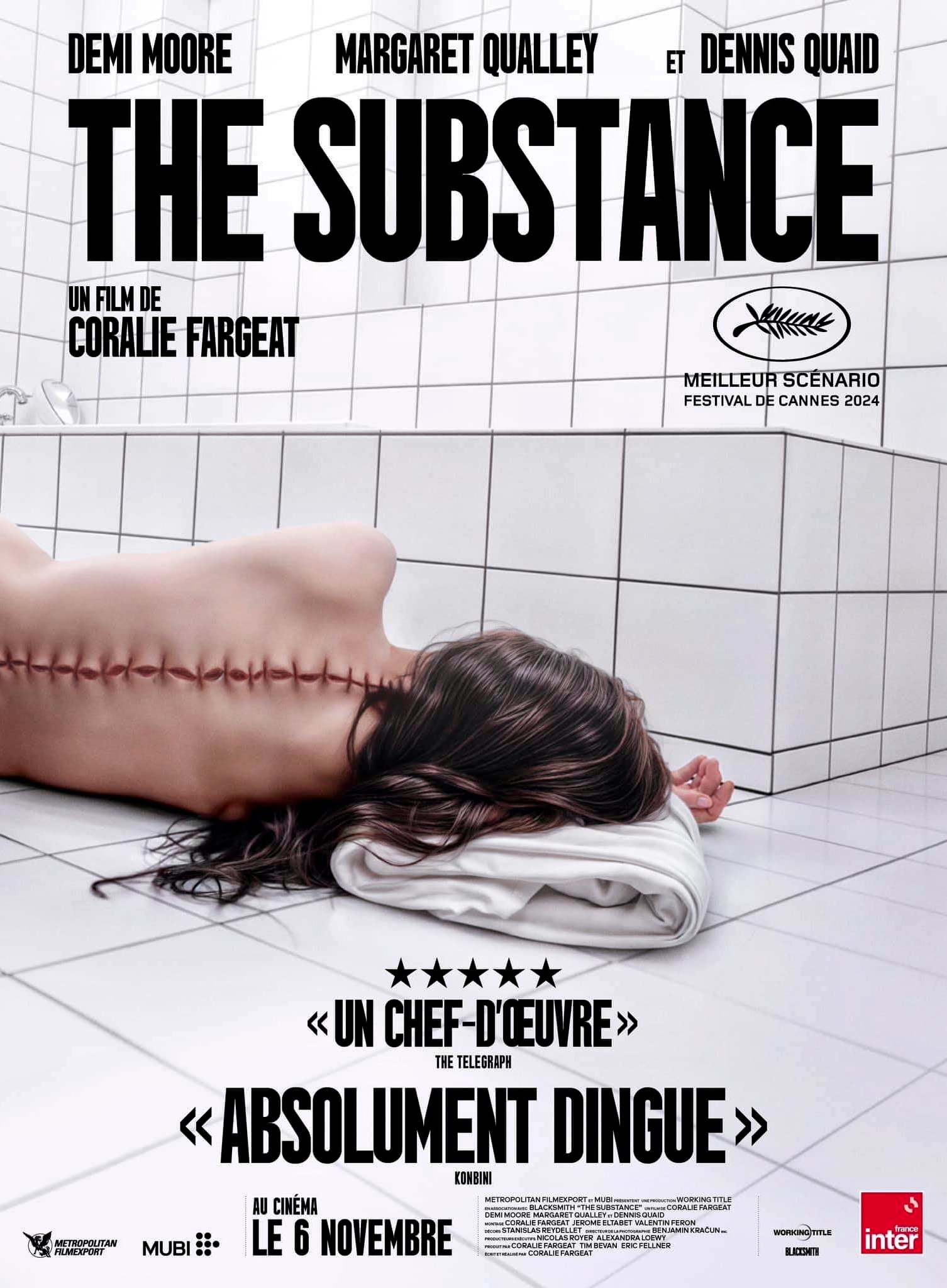
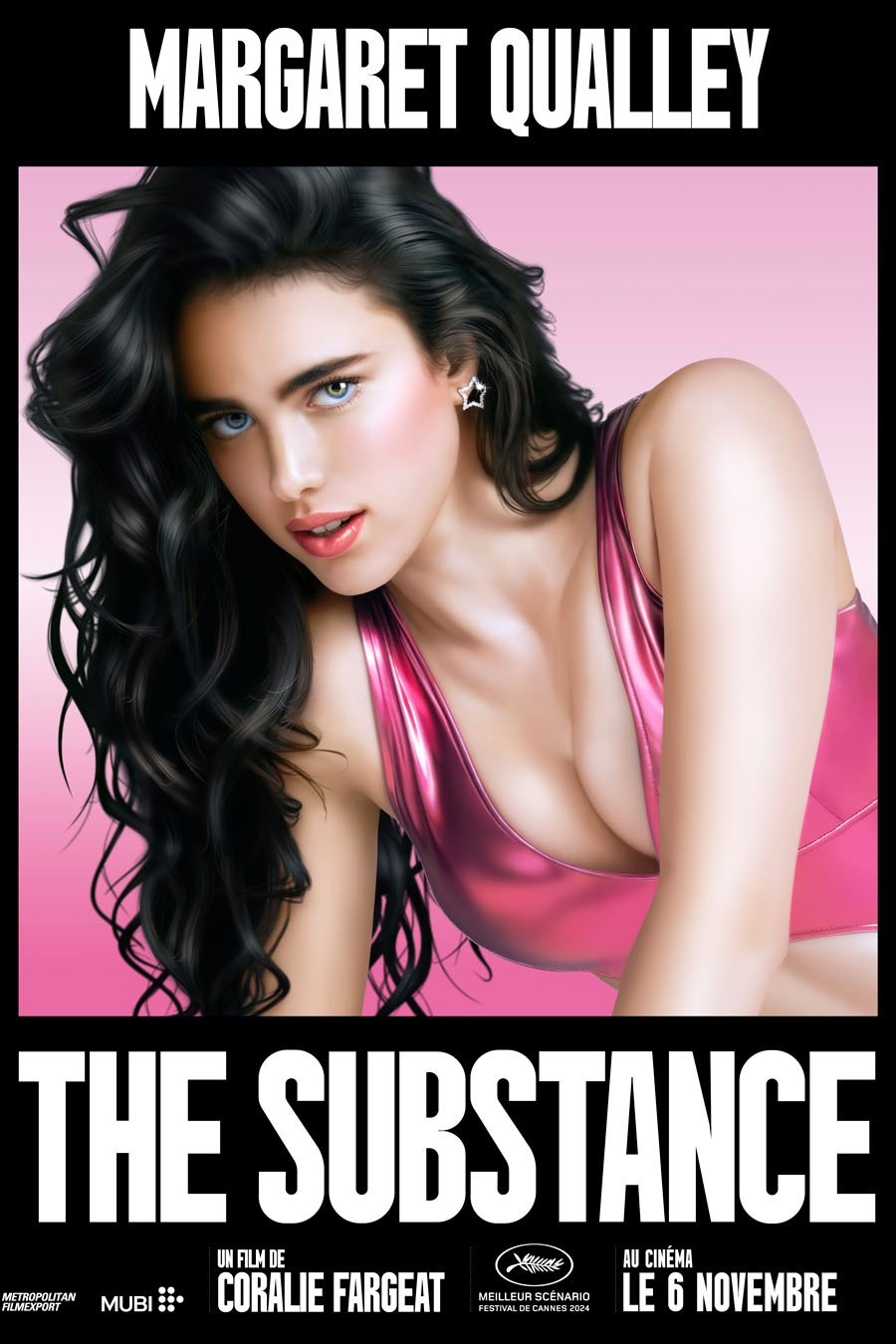
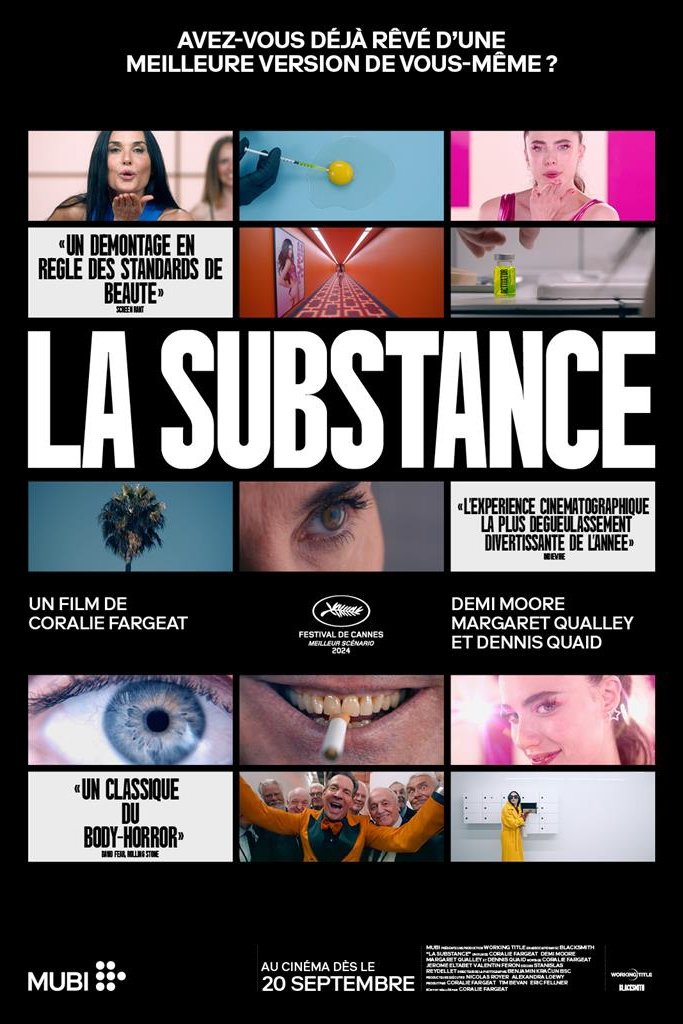
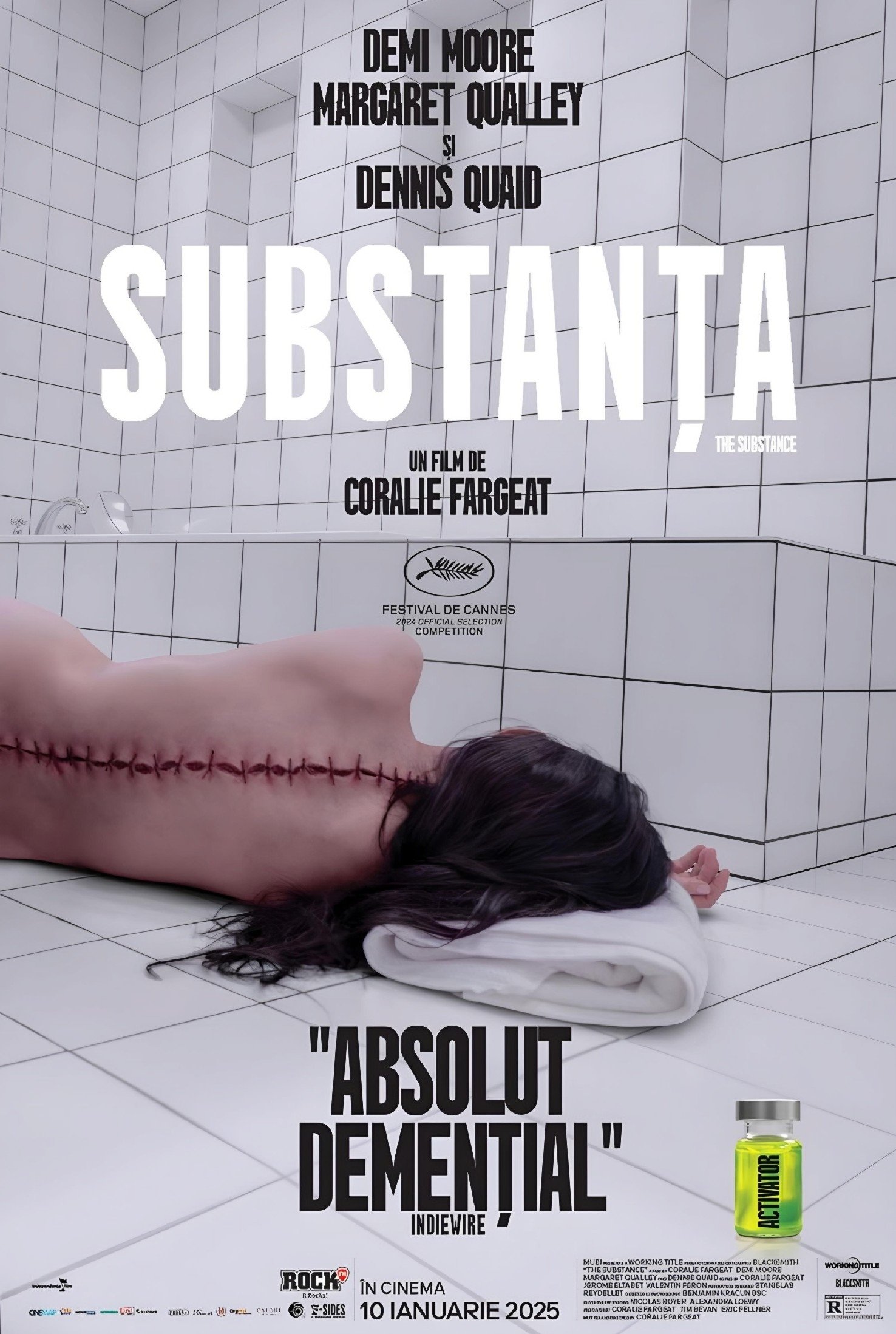
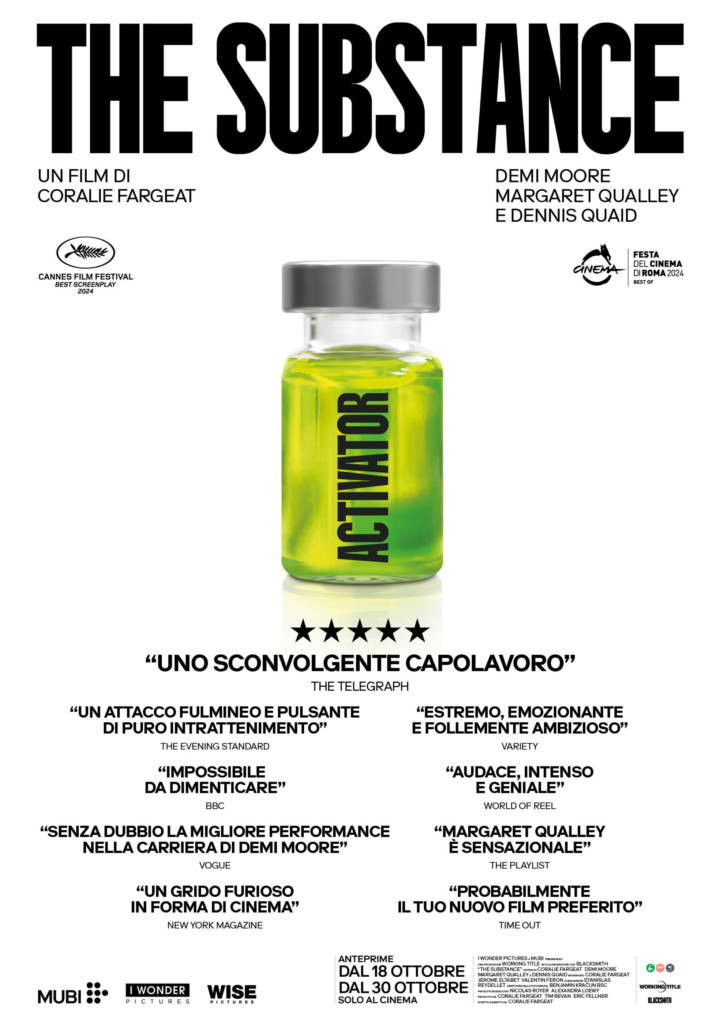
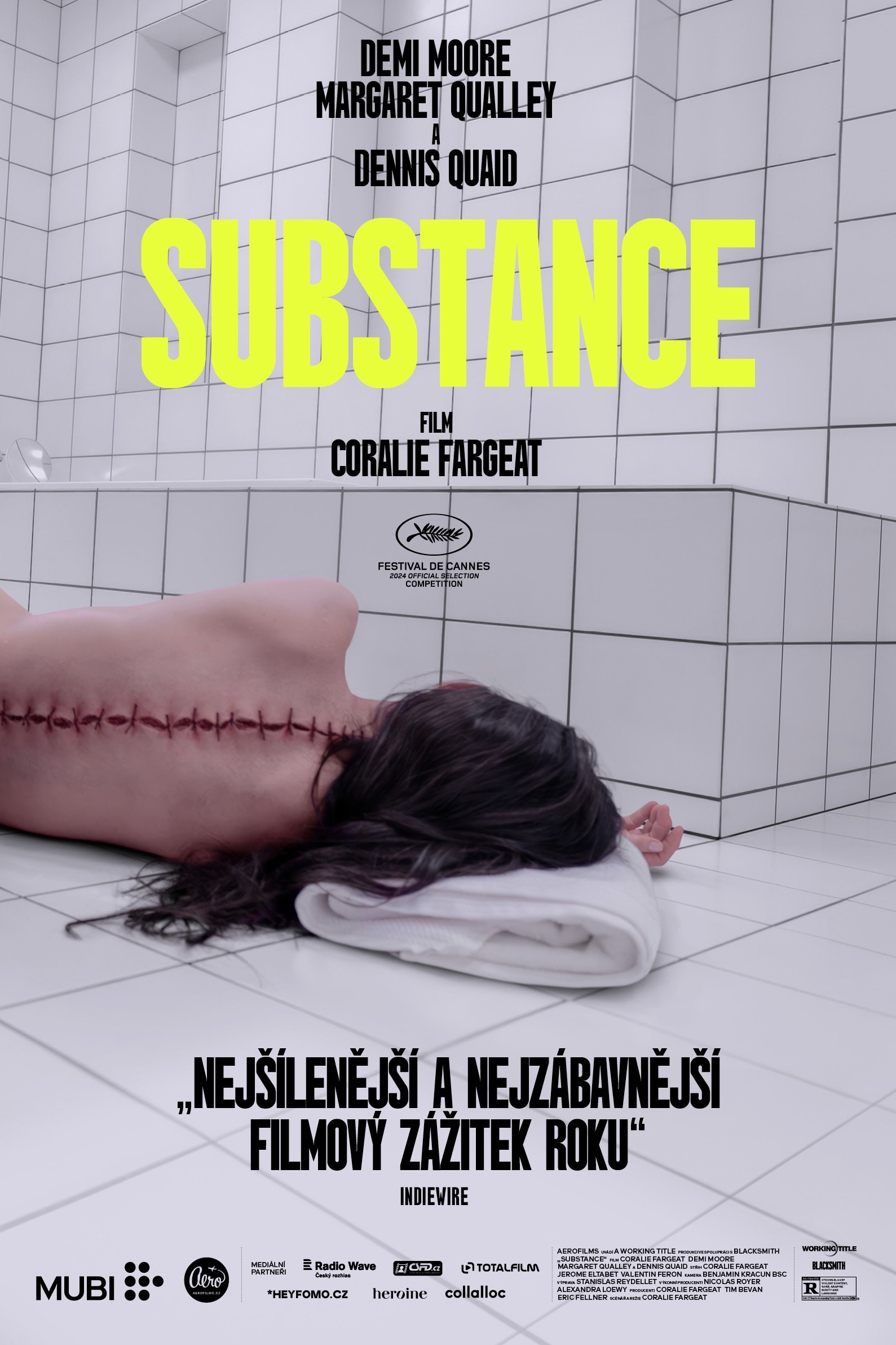
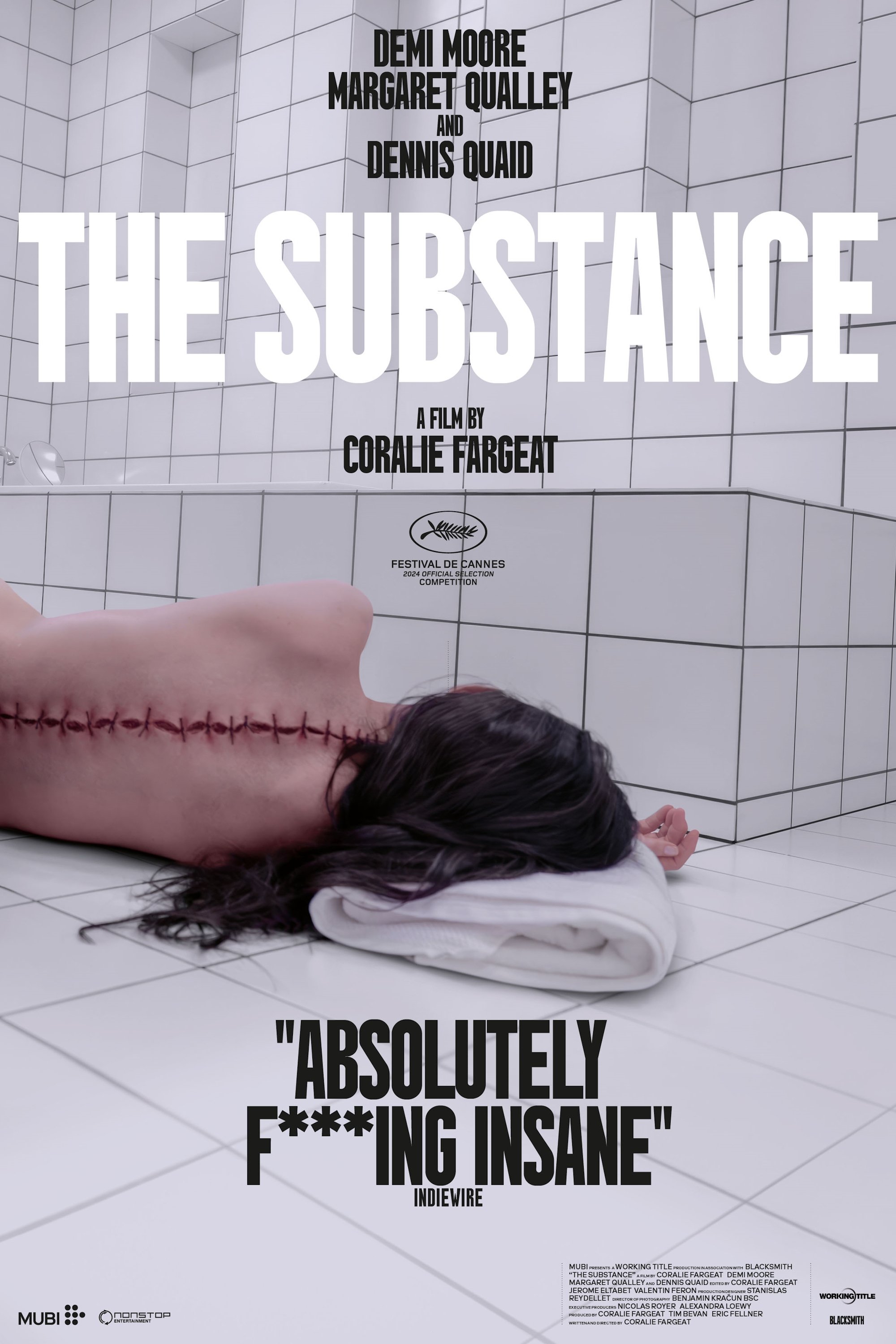
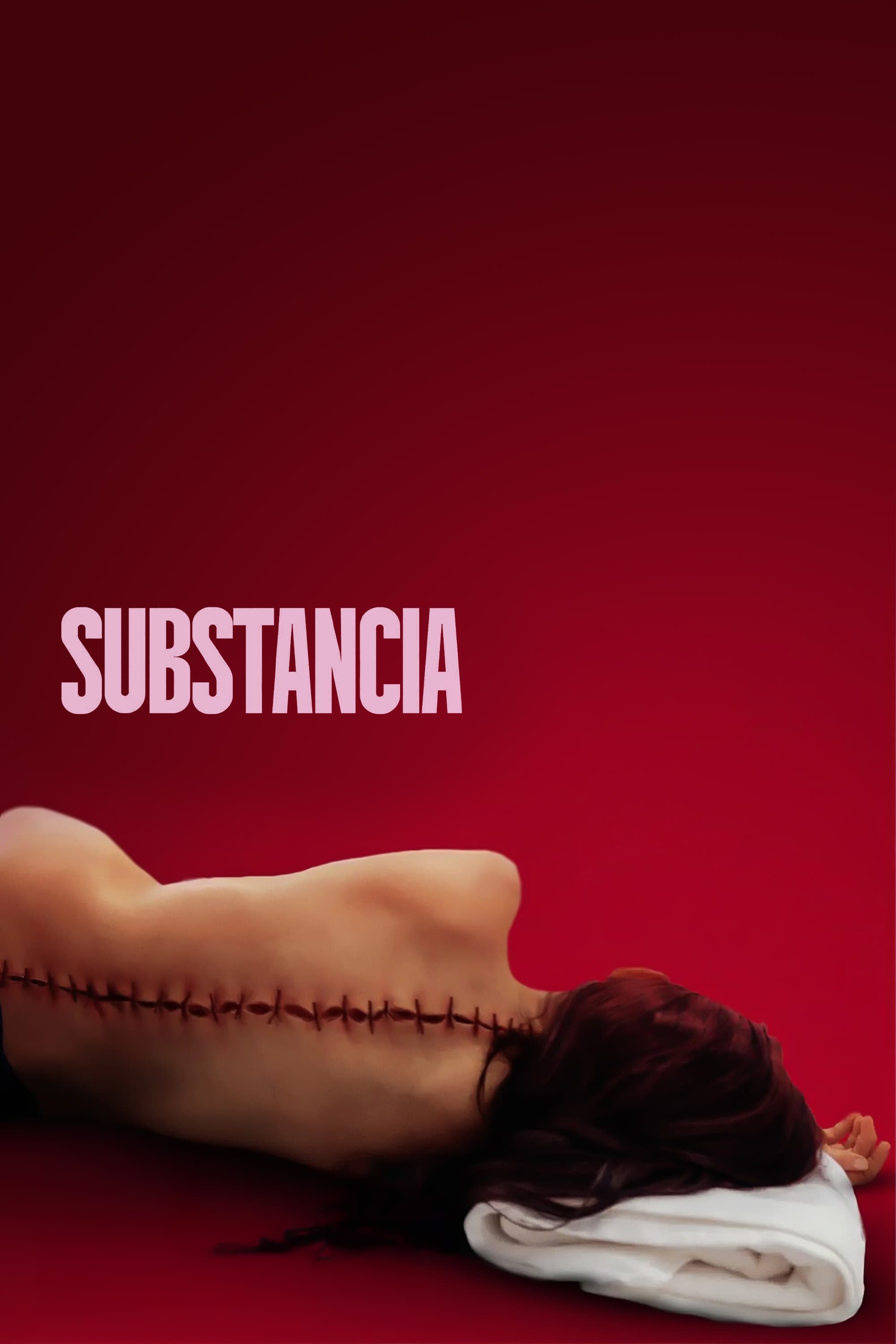
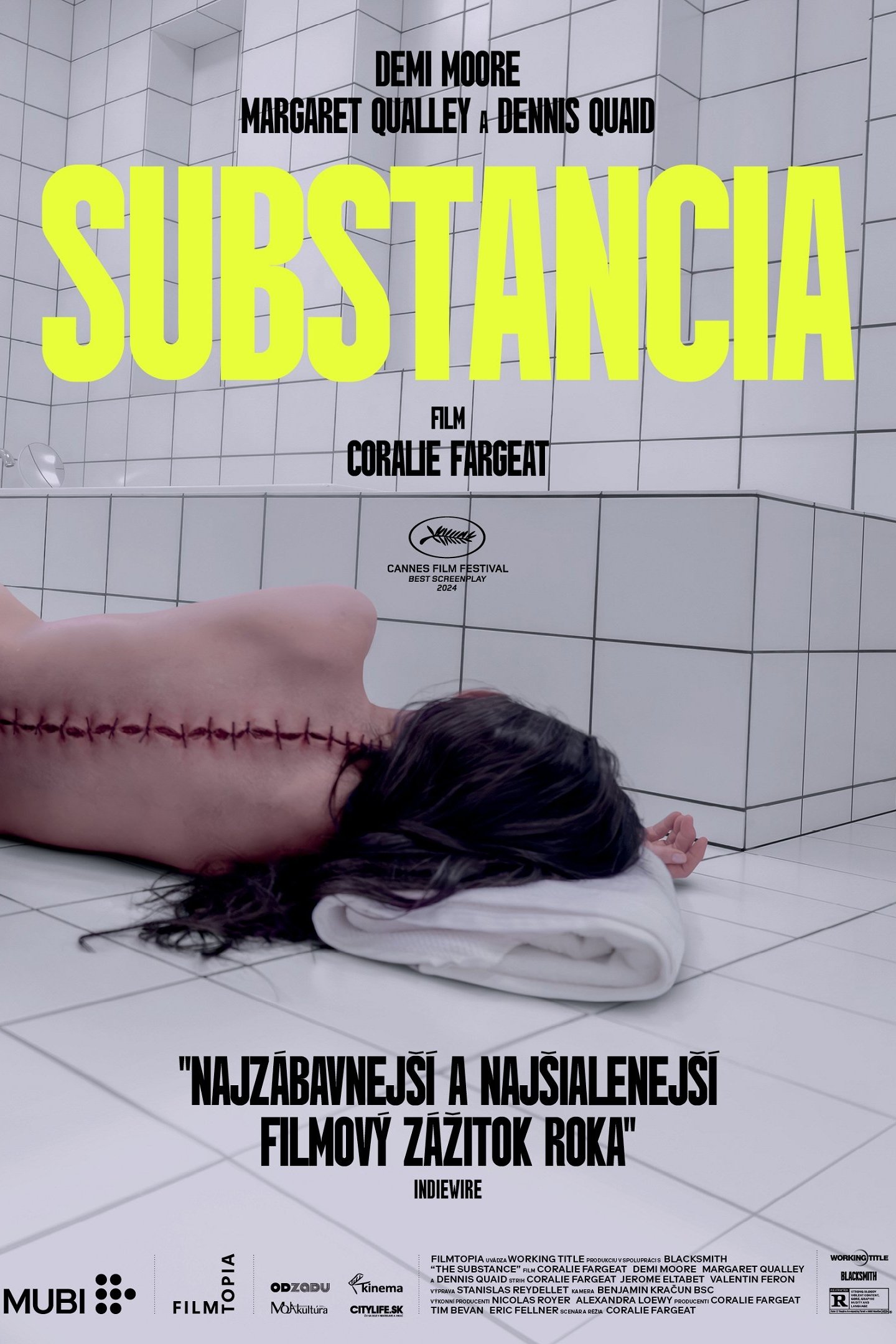
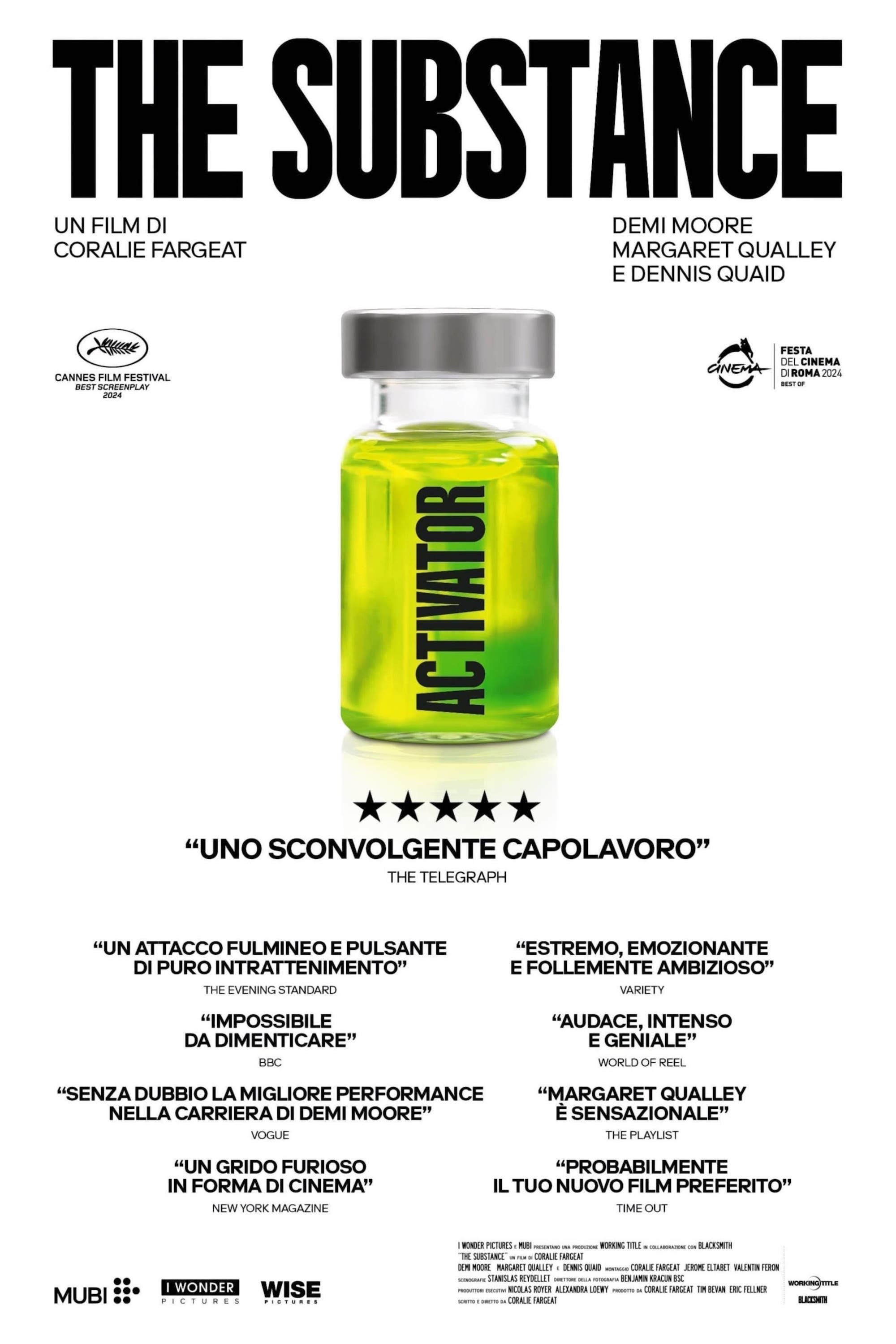
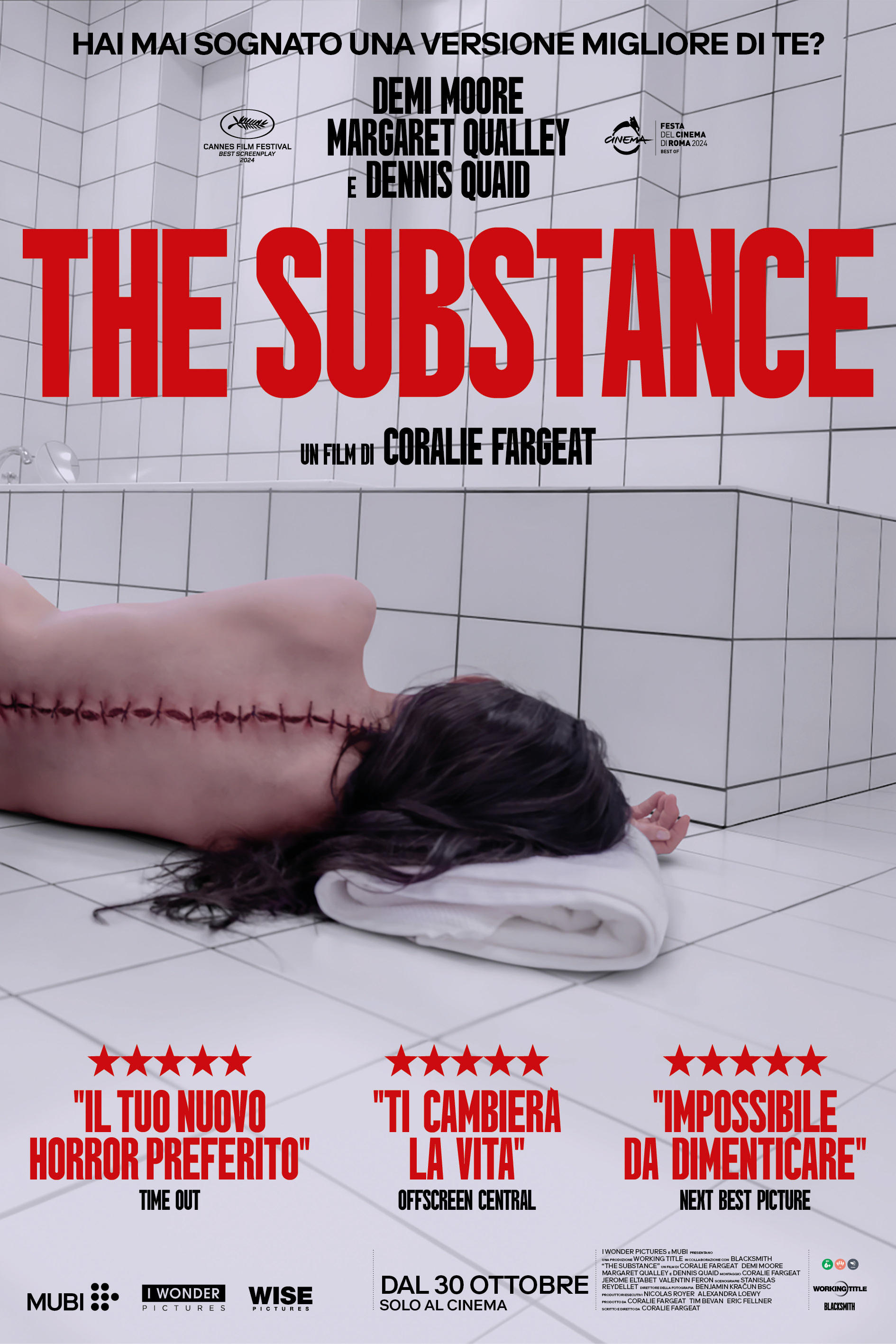
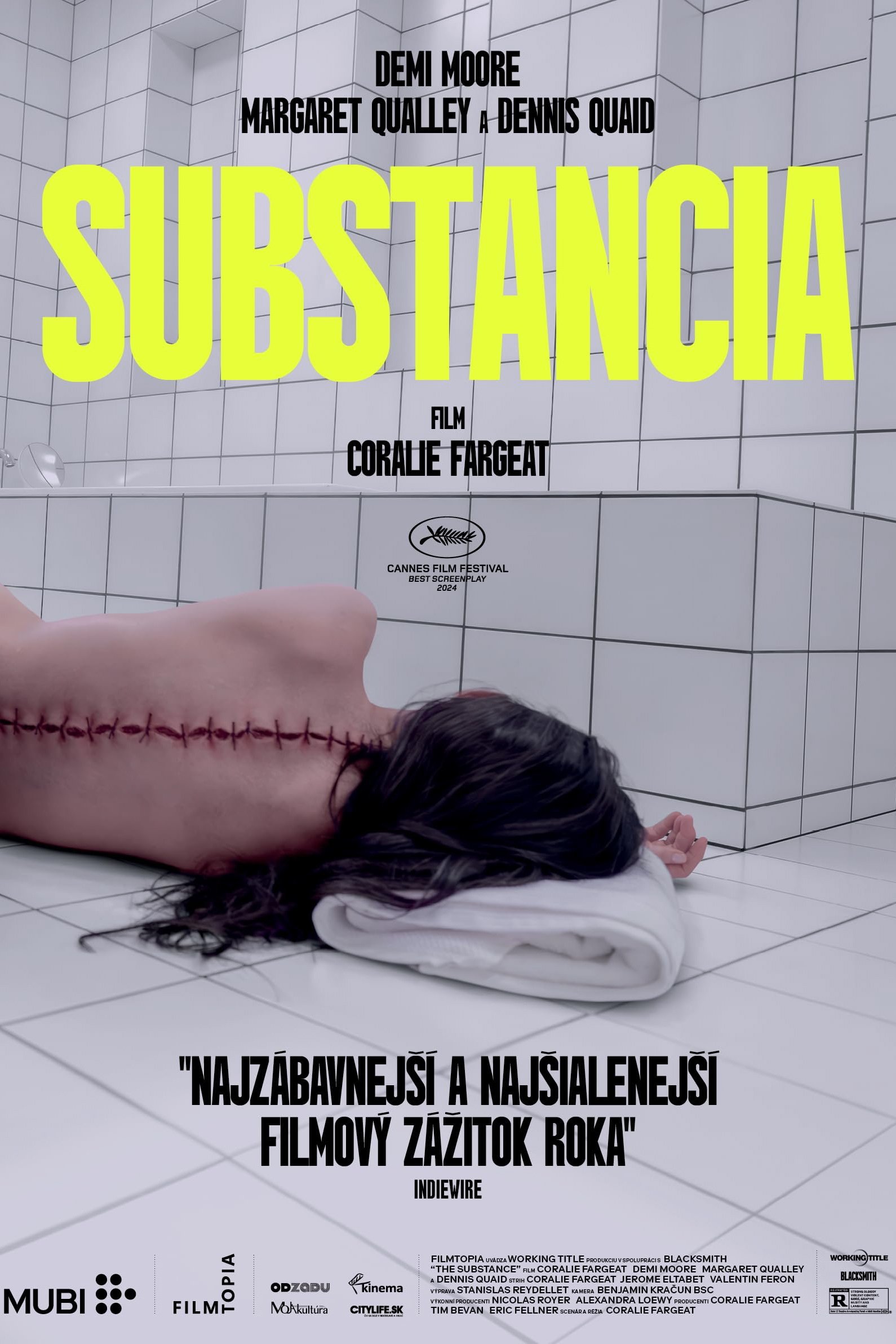
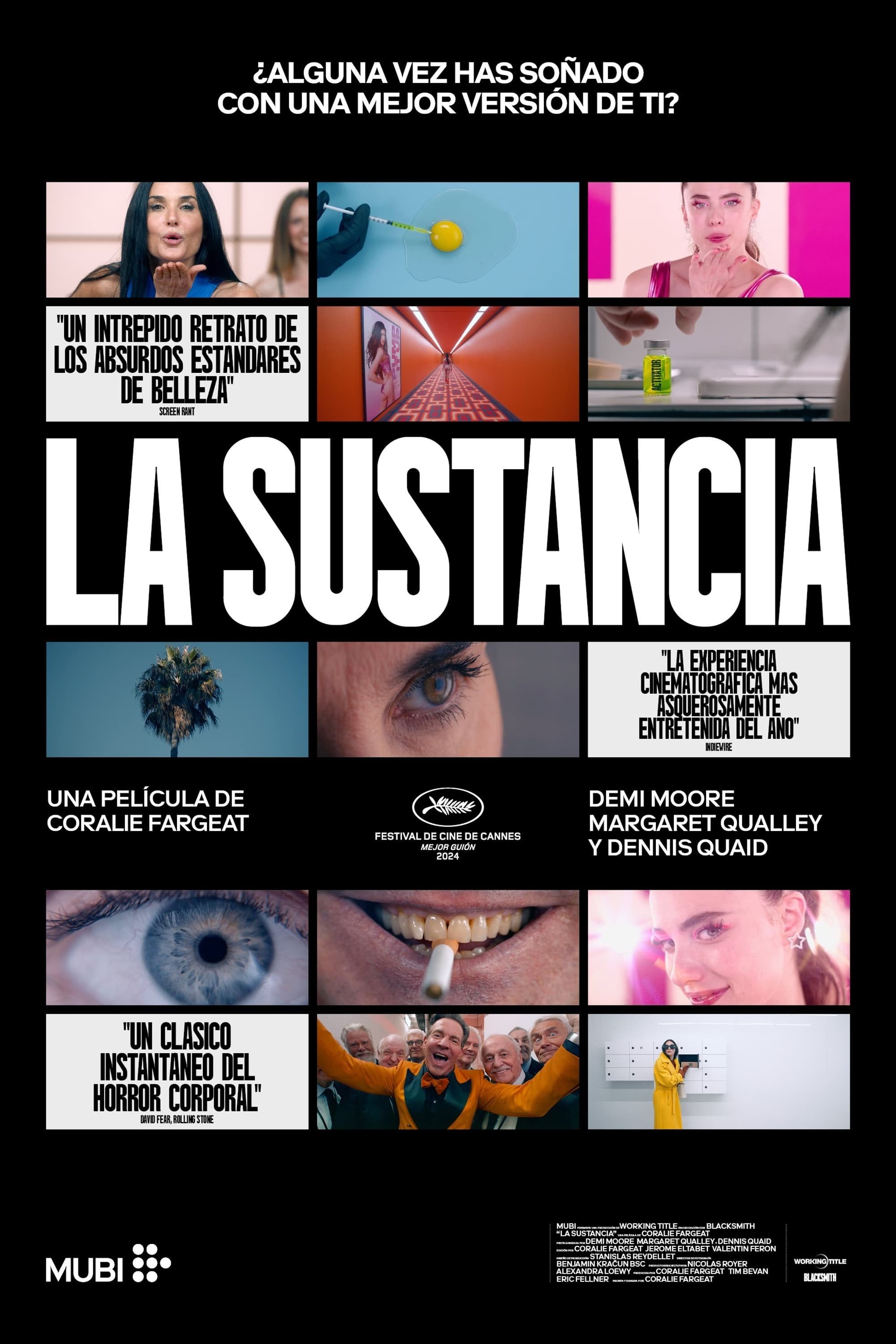
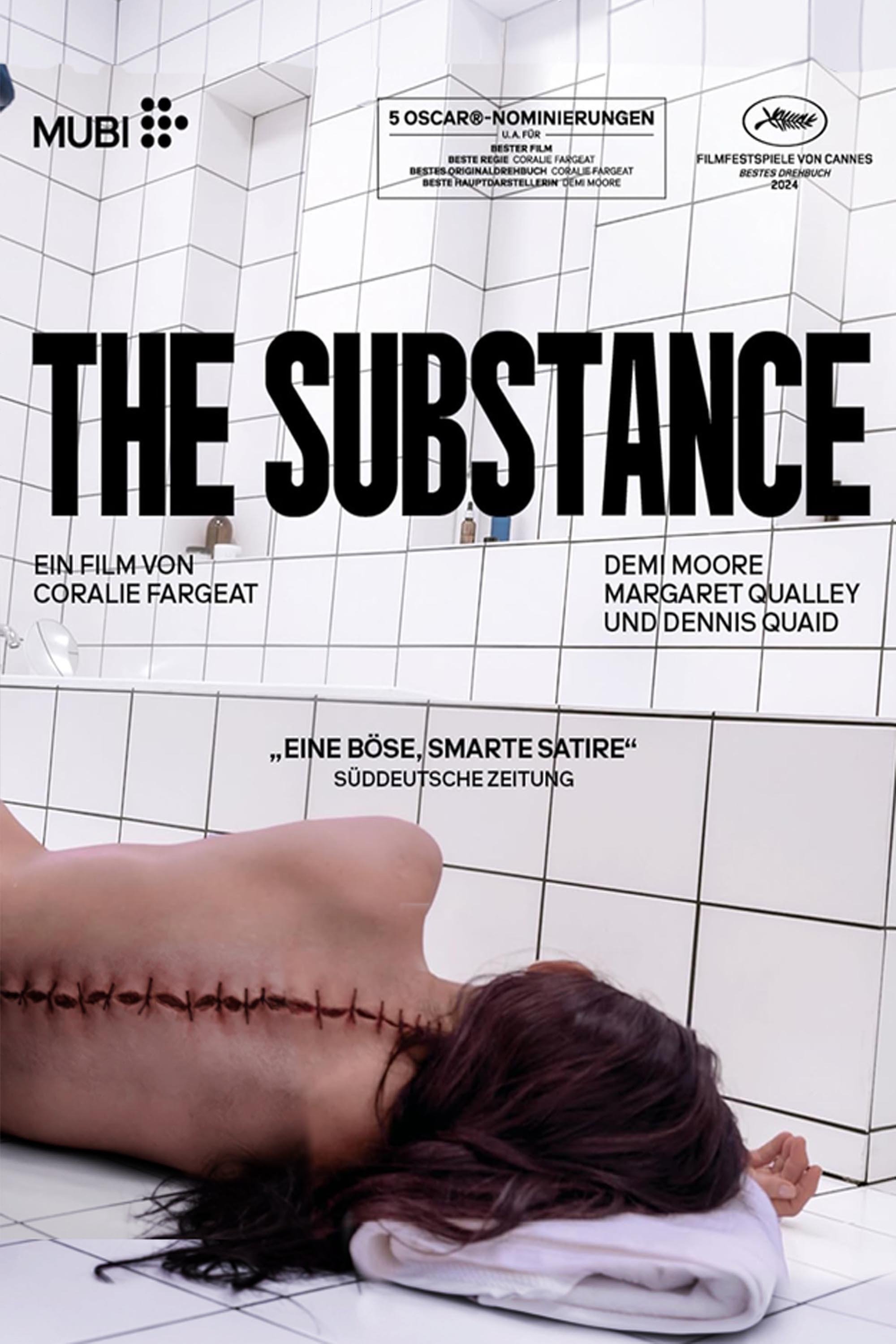
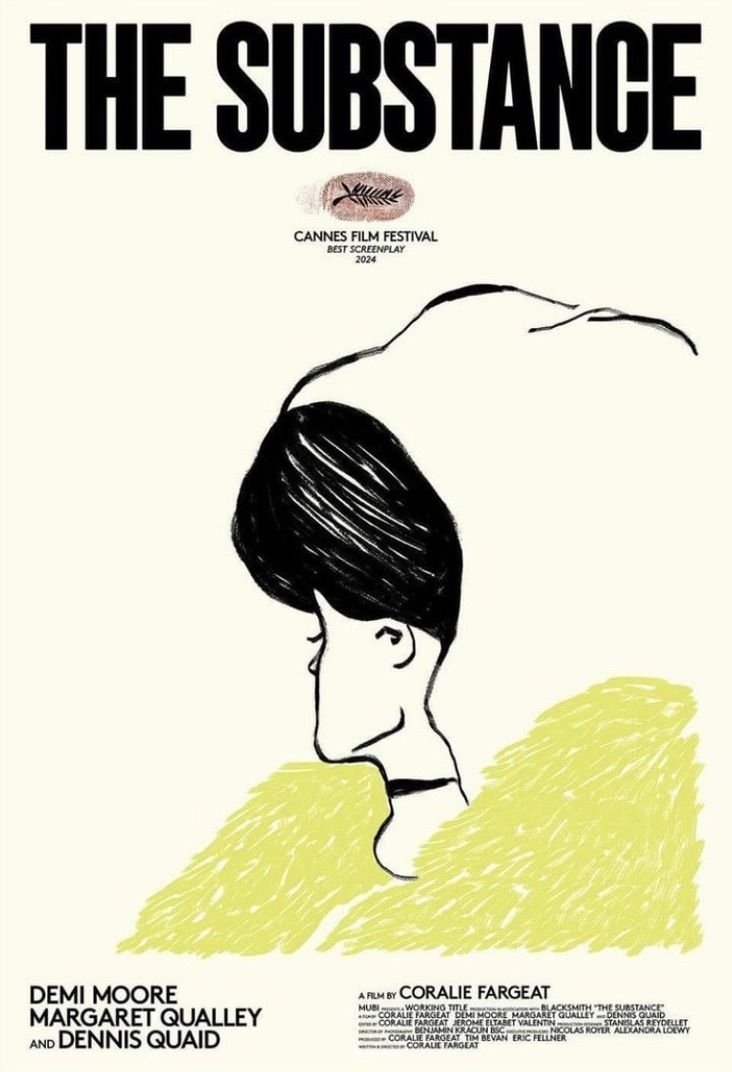
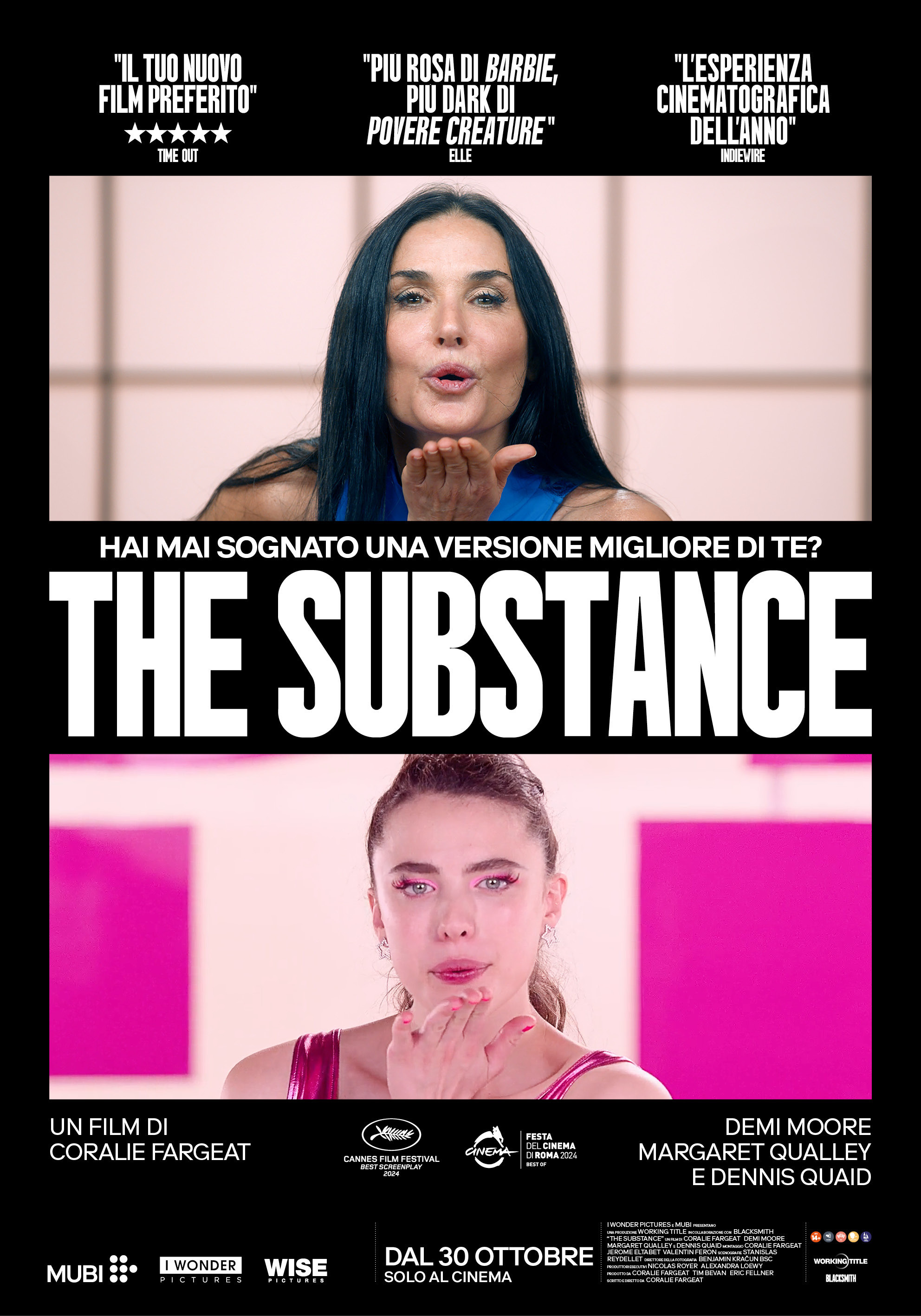
The Substance (2024) poster
Director
Production Companies
Working Title , Blacksmith , Working Title Films
Plot

A fading celebrity decides to use a black market drug, a cell-replicating substance that temporarily creates a younger, better version of herself.

Alternative Titles
Սուբստանցիա (AM) Substansiya (AZ) — translation:az Веществото (BG) — translation:bg A Substância (BR) — translation:pt La Substance (CA) — Titre VFQ 某种物质 (CN) — translation:zh Substance (CZ) — translation:cs Protseduur (EE) — translation:et
Show all 36 alternative titles La substància (ES) — translation:ca La sustancia (ES) — translation:es სუბსტანცია (GE) Το Ελιξήριο της Νιότης (GR) — translation:el 完美物質 (HK) — translation:zh Supstanca (HR) — translation:hr A szer (HU) — translation:hu יופי מסוכן (IL) — translation:he ماده (IR) — translation:fa Efnið (IS) — translation:is サブスタンス (JP) 서브스턴스 (KR) — translation:ko Substancija (LT) — translation:lt Substance (LV) — translation:lv La sustancia (MX) — translation:es substancja (PL) A Substância (PT) — translation:pt Substanța (RO) — translation:ro Супстанца (RS) — translation:sr Субстанция (RU) — translation:ru المادة (SA) — translation:ar Substanca (SI) — translation:sl Substancia (SK) — translation:sk สวยสลับร่าง (TH) — translation:th Cevher (TR) 懼裂 (TW) — translation:zh Субстанція (UA) — translation:uk Thần Dược (VN) — translation:vi

Trailers & Videos

10 videos

Film Guide

An in-depth look at the origins, performances, visual design, practical body-horror effects, structure, theatrical success and awards recognition of The Substance (2024).

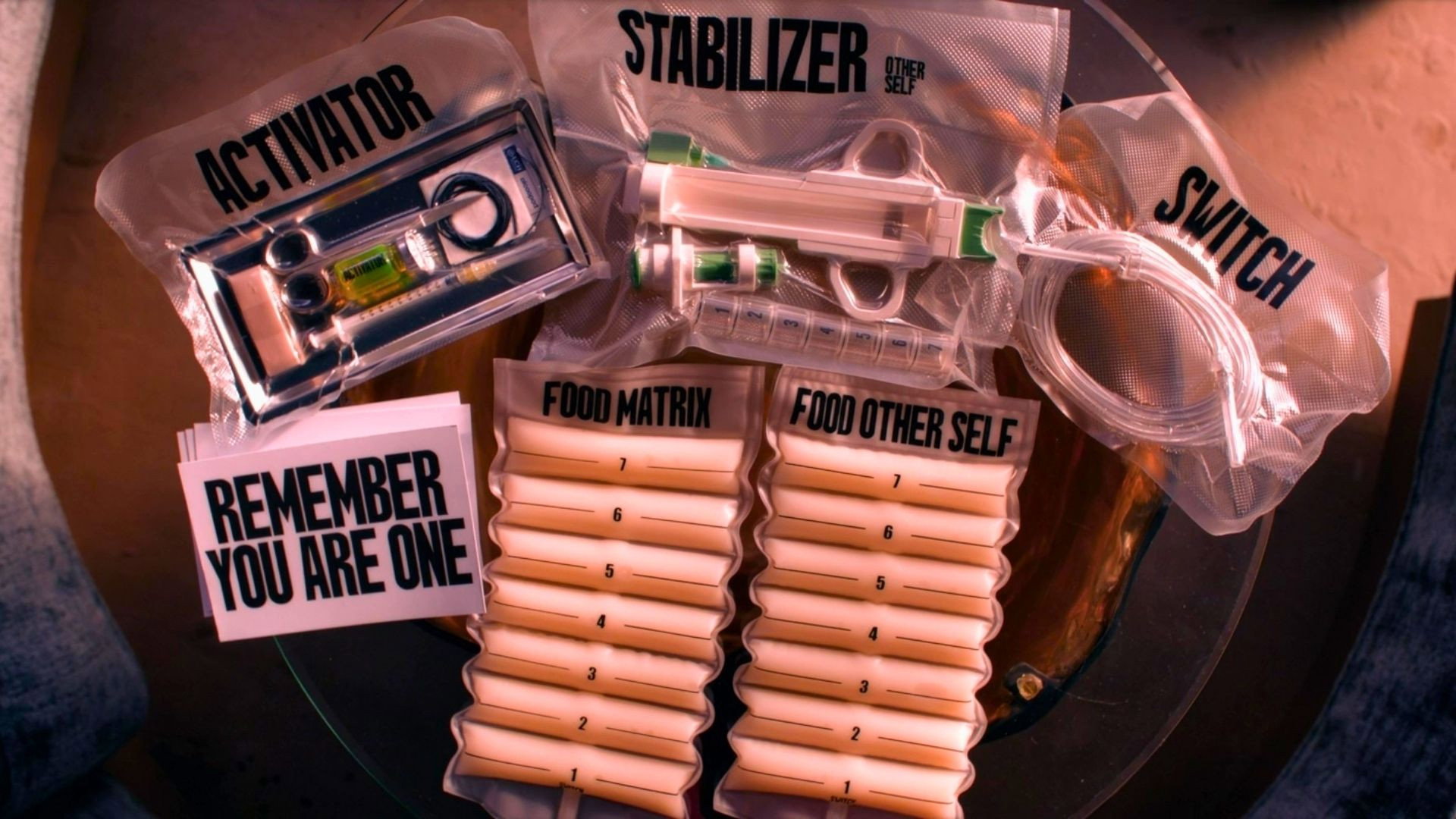
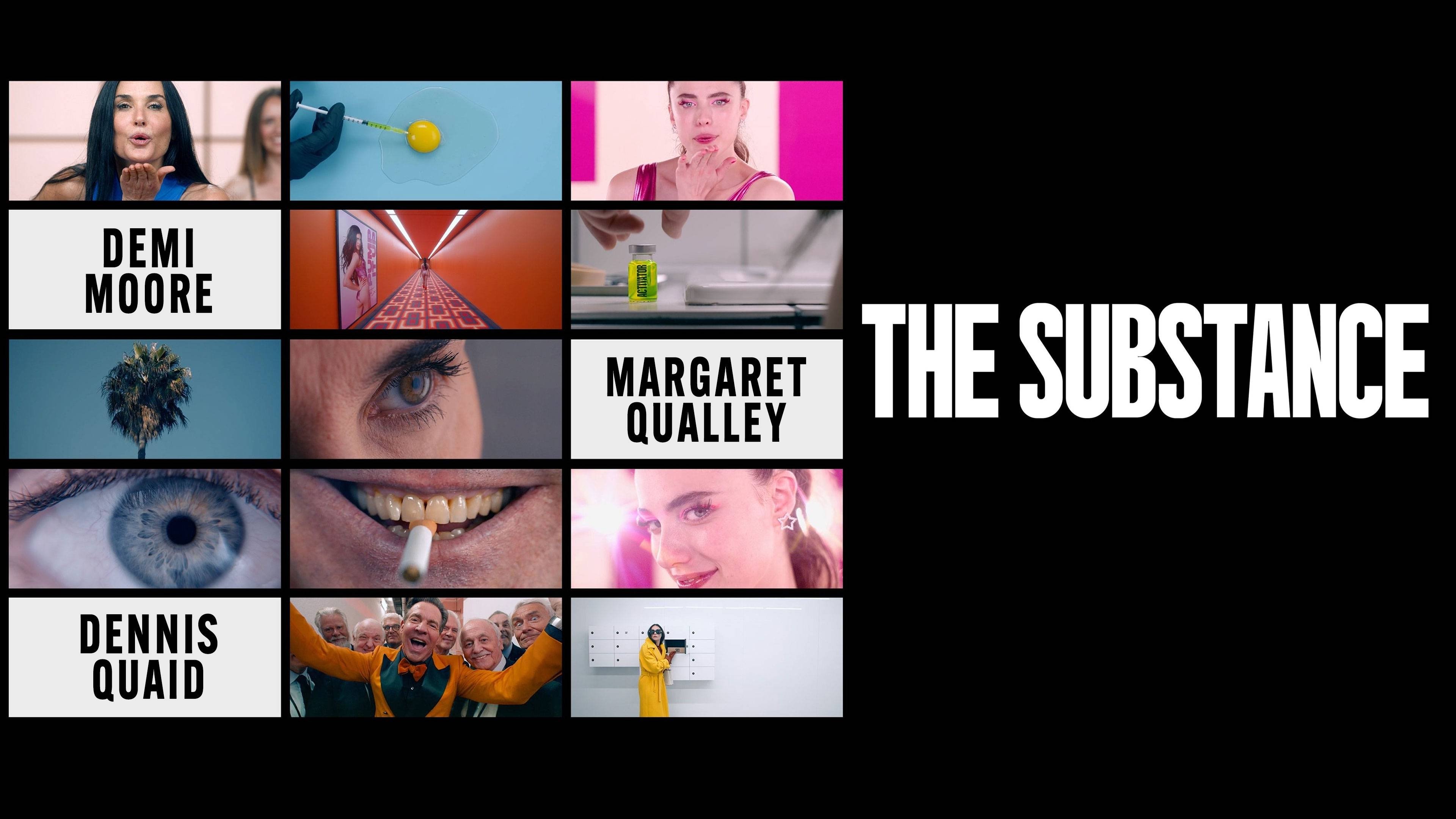
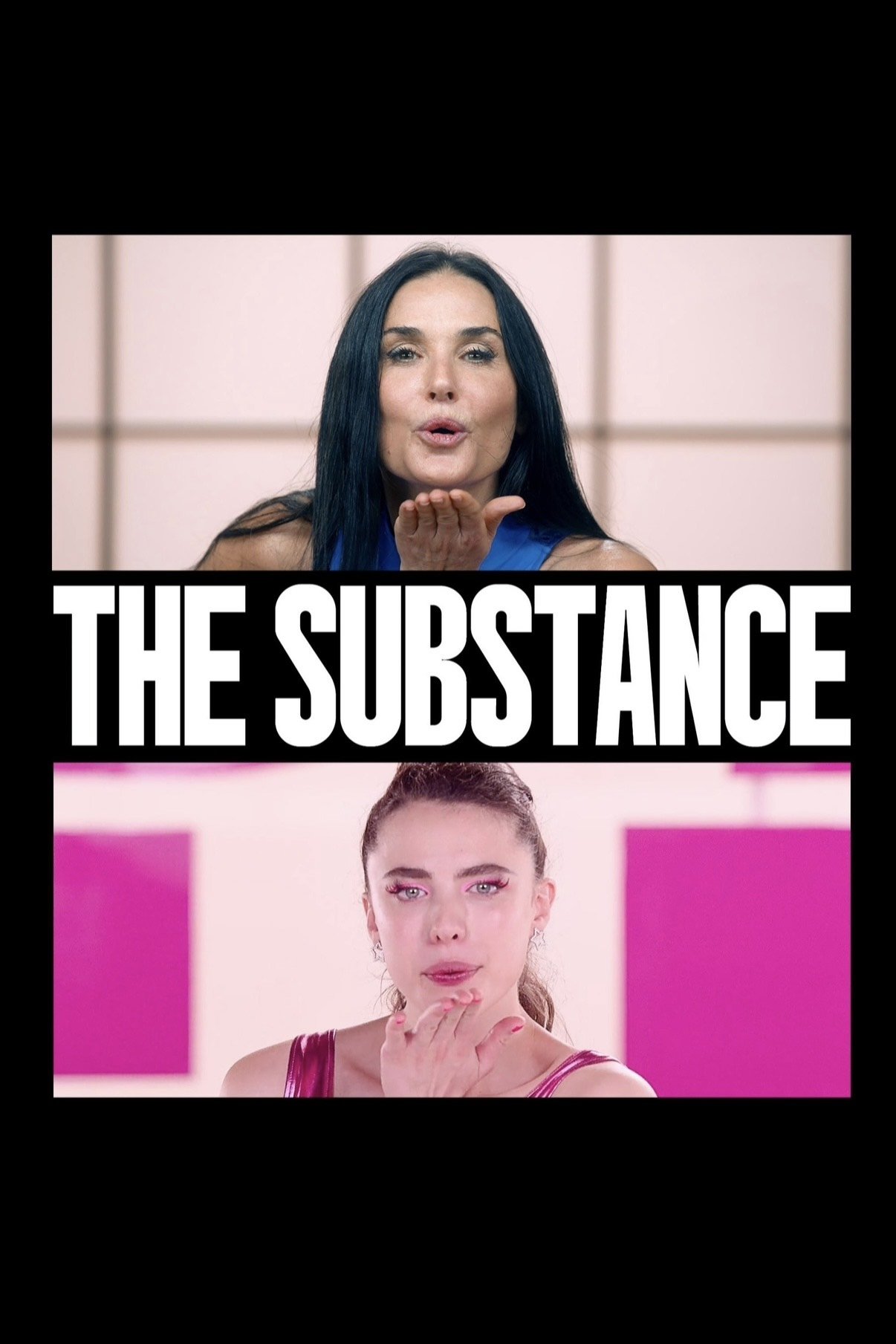
The Substance is a 2024 body-horror film written and directed by Coralie Fargeat, centred on an ageing celebrity confronted with an entertainment industry that treats youth as a condition of visibility. Demi Moore plays Elisabeth Sparkle, a former film star whose career has narrowed to a television fitness programme. After being dismissed on her fiftieth birthday, she discovers an illicit procedure that generates Sue, a younger version of herself played by Margaret Qualley. The two bodies must alternate every seven days and are explicitly presented as belonging to one person rather than as independent individuals.

Fargeat turns that premise into an increasingly physical conflict between self-image and the body. Ageing, beauty, sexual desirability and professional value are not discussed primarily through dialogue; they are translated into skin, wounds, injections, mirrors, bodily division and eventually monstrous transformation. The film's exaggerated violence is inseparable from that approach. What begins as a fantasy of rejuvenation becomes a body-horror mechanism in which Elisabeth's attempt to escape one version of herself creates another standard she cannot satisfy. Premiering in Competition at Cannes, where Fargeat won the Best Screenplay award, the film subsequently became both a substantial international theatrical success and an unusually prominent awards contender for such explicitly grotesque genre material.

Development & the Violence of Beauty Standards

Fargeat has traced the origin of the film to her own experience of approaching and passing forty. She described developing increasingly violent thoughts about ageing, usefulness and the possibility of becoming socially invisible. Rather than treating those fears as an individual psychological problem, she connected them to standards that encourage women to measure their worth through appearance throughout their lives. The screenplay became a way of externalising that process through horror.

This personal origin is important because The Substance does not present the rejuvenation treatment merely as futuristic technology. Elisabeth already inhabits a world that has taught her to want what the product promises. Harvey, the television executive who removes her from her programme, articulates the industry's preference for novelty and youth with grotesque directness, but the film's more difficult conflict begins after he disappears from the narrative. Elisabeth has absorbed the same system of judgment and eventually enforces it upon herself.

Fargeat has described body horror as particularly useful for expressing experiences surrounding the female body because physical transformation allows internal pressure to become visible. Instead of making a restrained drama about discrimination in the entertainment industry, she deliberately chose exaggeration. The body splits, deteriorates, regenerates and mutates until the standards imposed upon it become literal sources of physical destruction.

The premise also develops concerns already visible in Fargeat's earlier work. Revenge used genre violence to transform a female character's body from an object viewed by others into the centre of an increasingly confrontational action film. The Substance moves the conflict inward. Elisabeth and Sue are not ultimately rivals produced by unrelated circumstances. The rules continually insist that they are one, making every act of competition between them an act of self-destruction.

Demi Moore, Margaret Qualley & the Divided Self

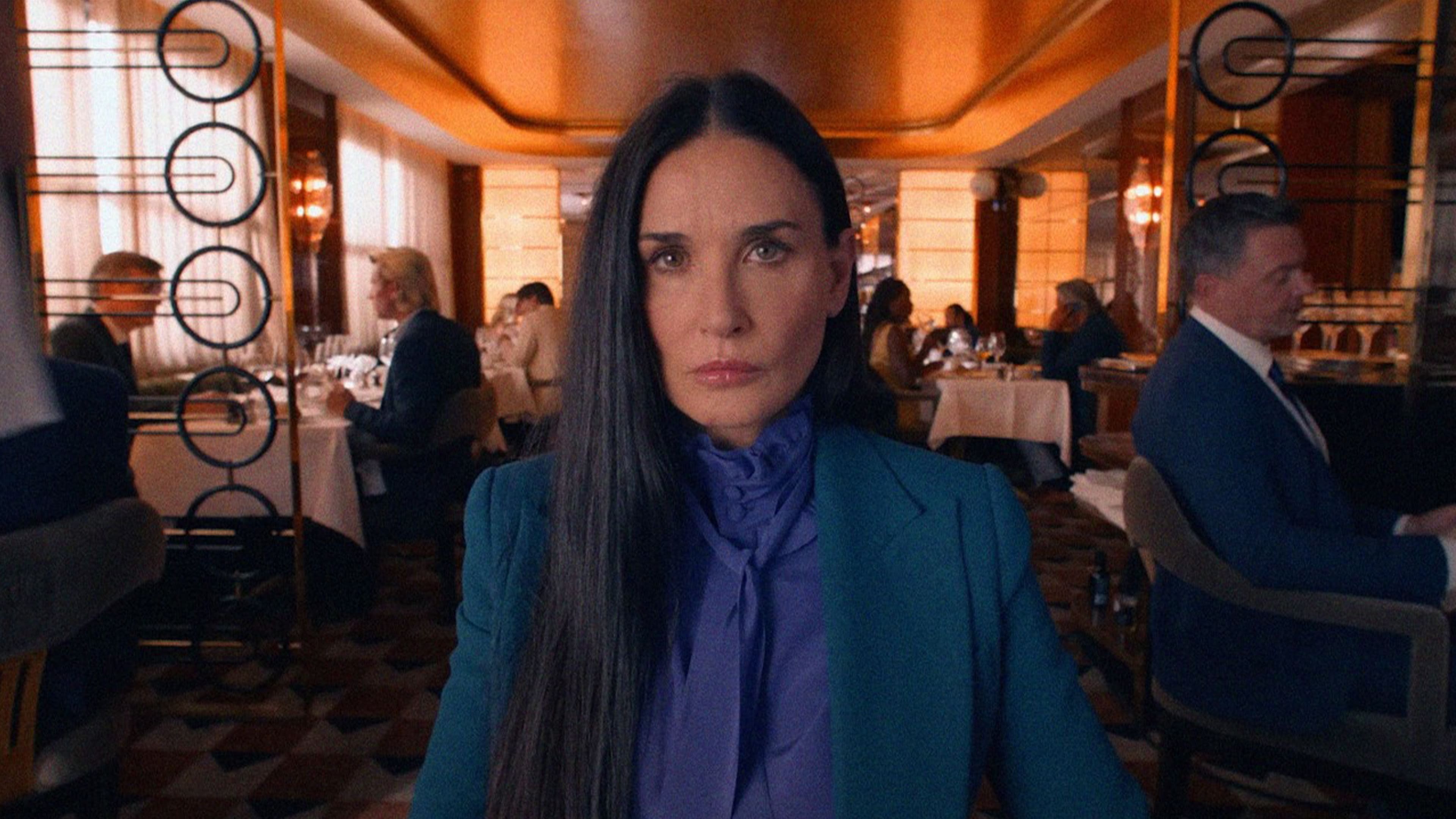
Casting Demi Moore gave the central role a particular resonance because Elisabeth is not simply an anonymous performer frightened by ageing. Moore had herself spent decades as a highly visible Hollywood star whose appearance had been extensively discussed by the media. Fargeat used that history rather than attempting to separate the fictional character completely from the cultural associations surrounding the performer.

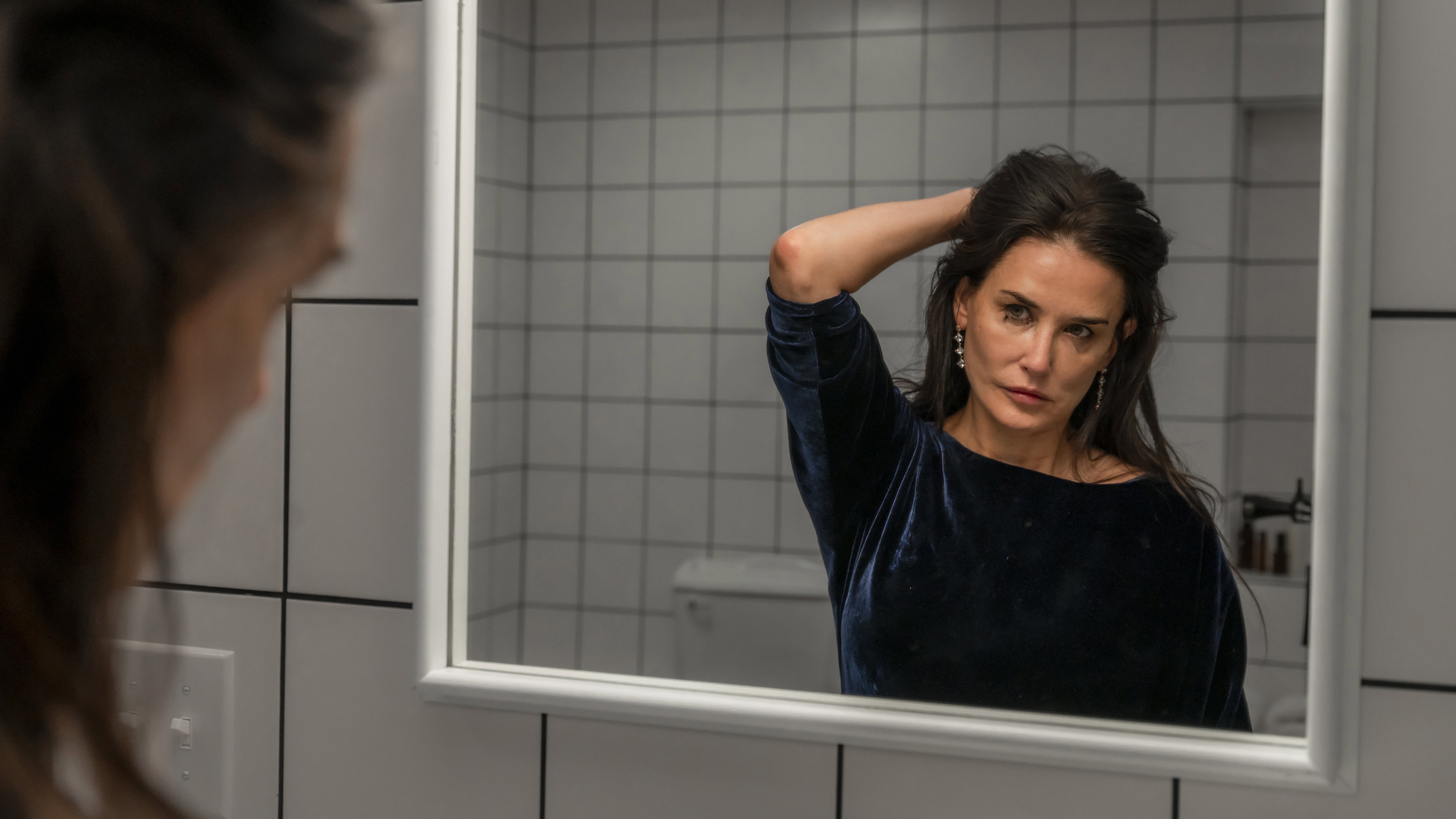
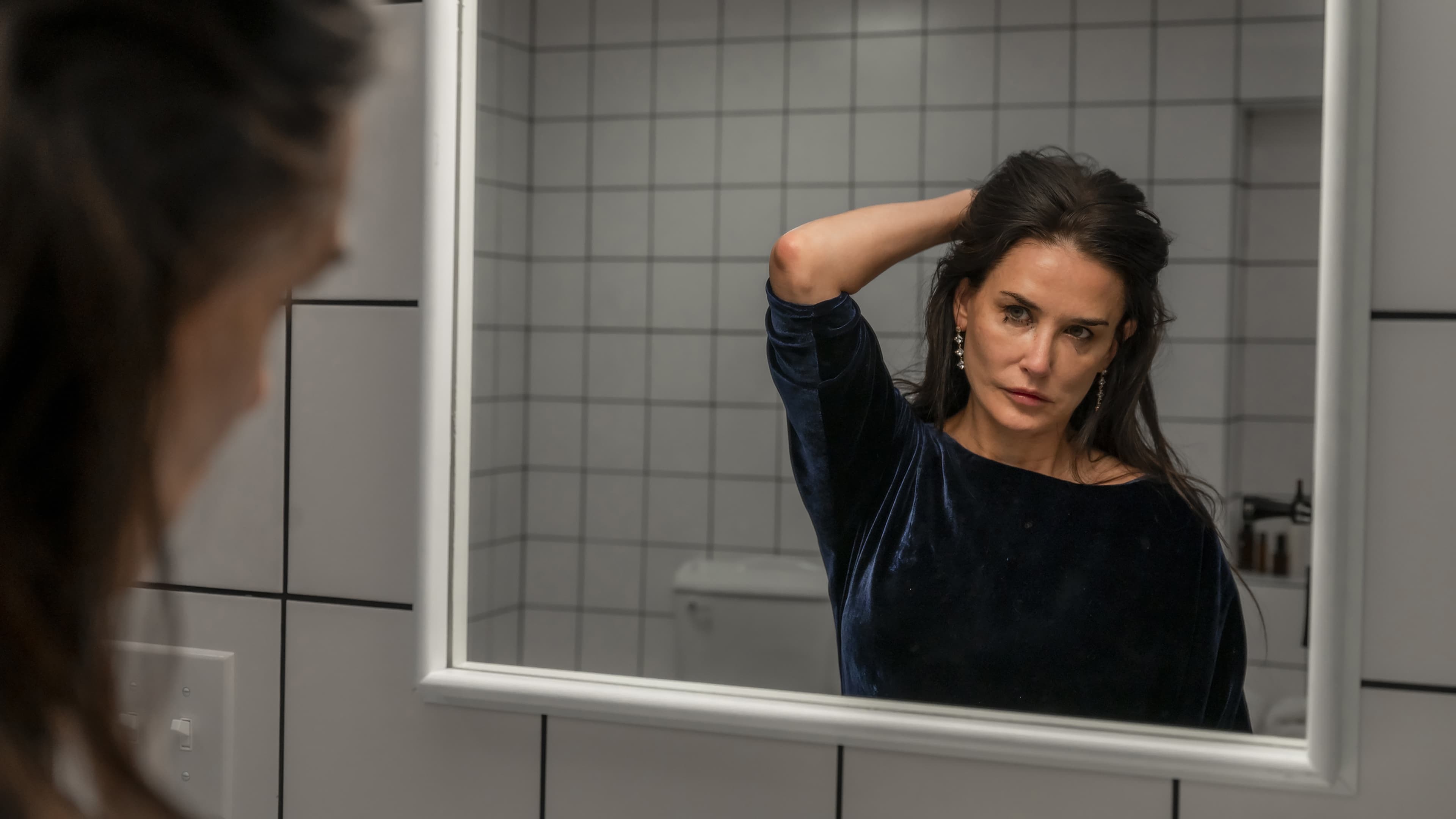
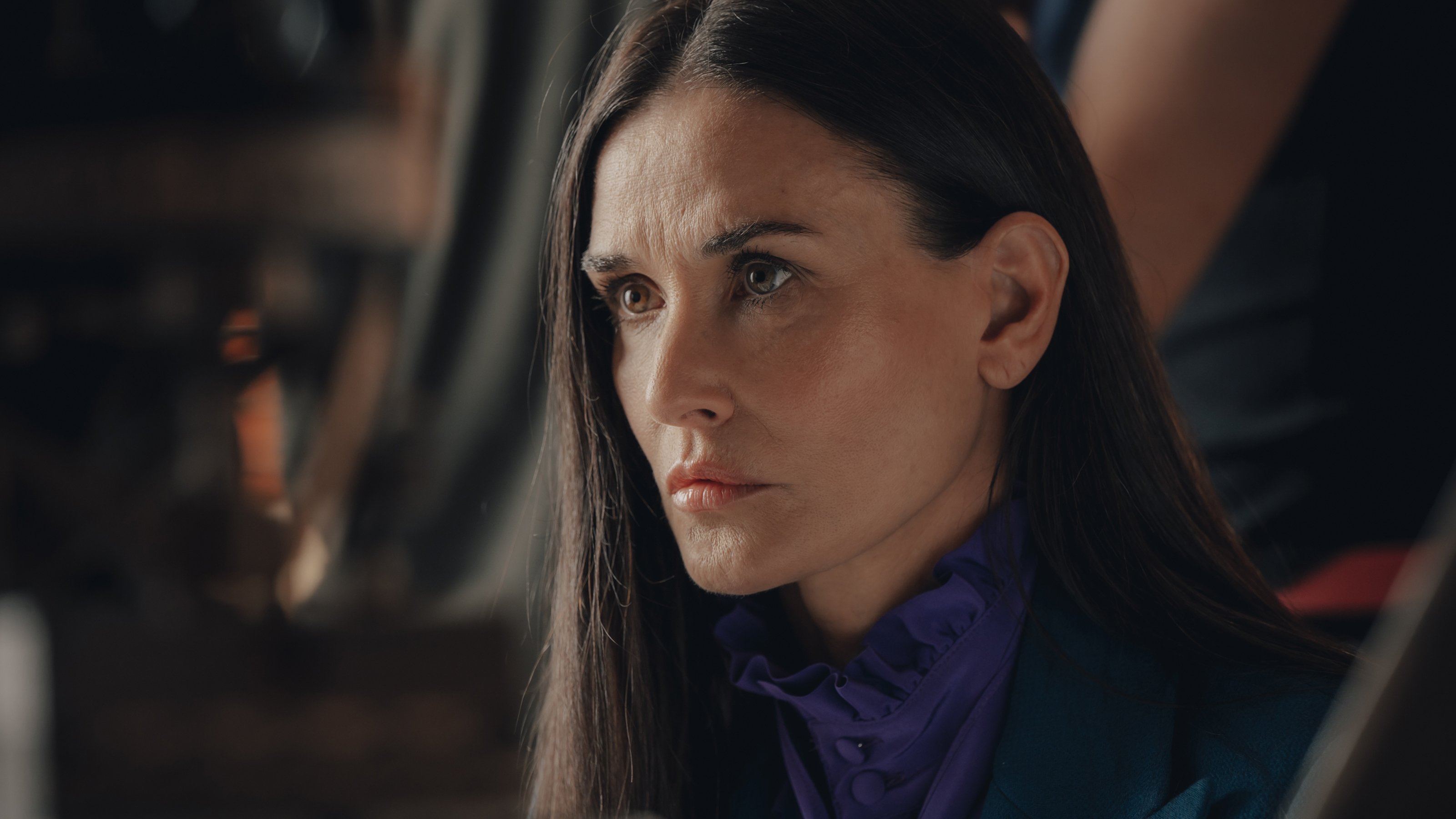
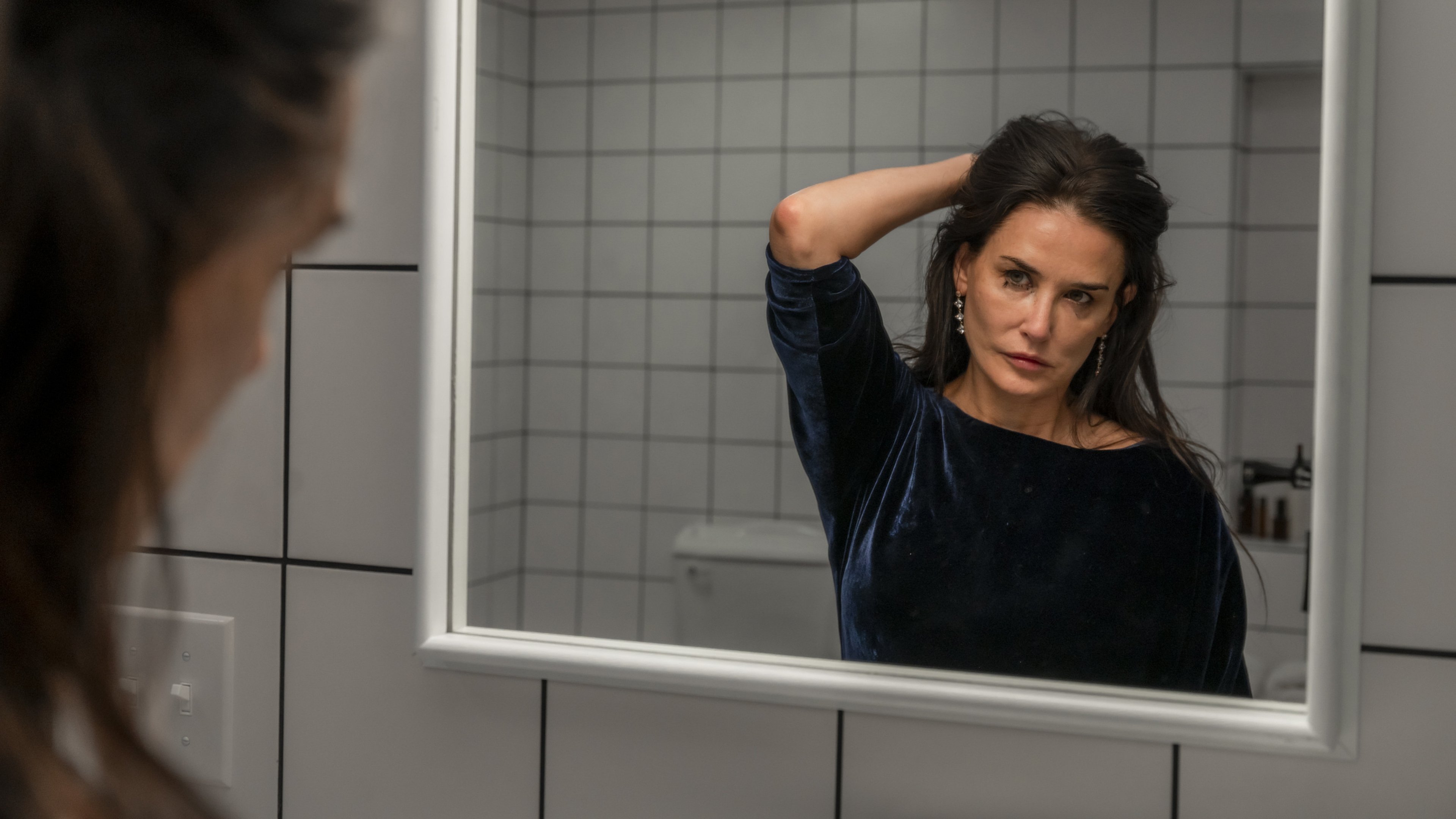
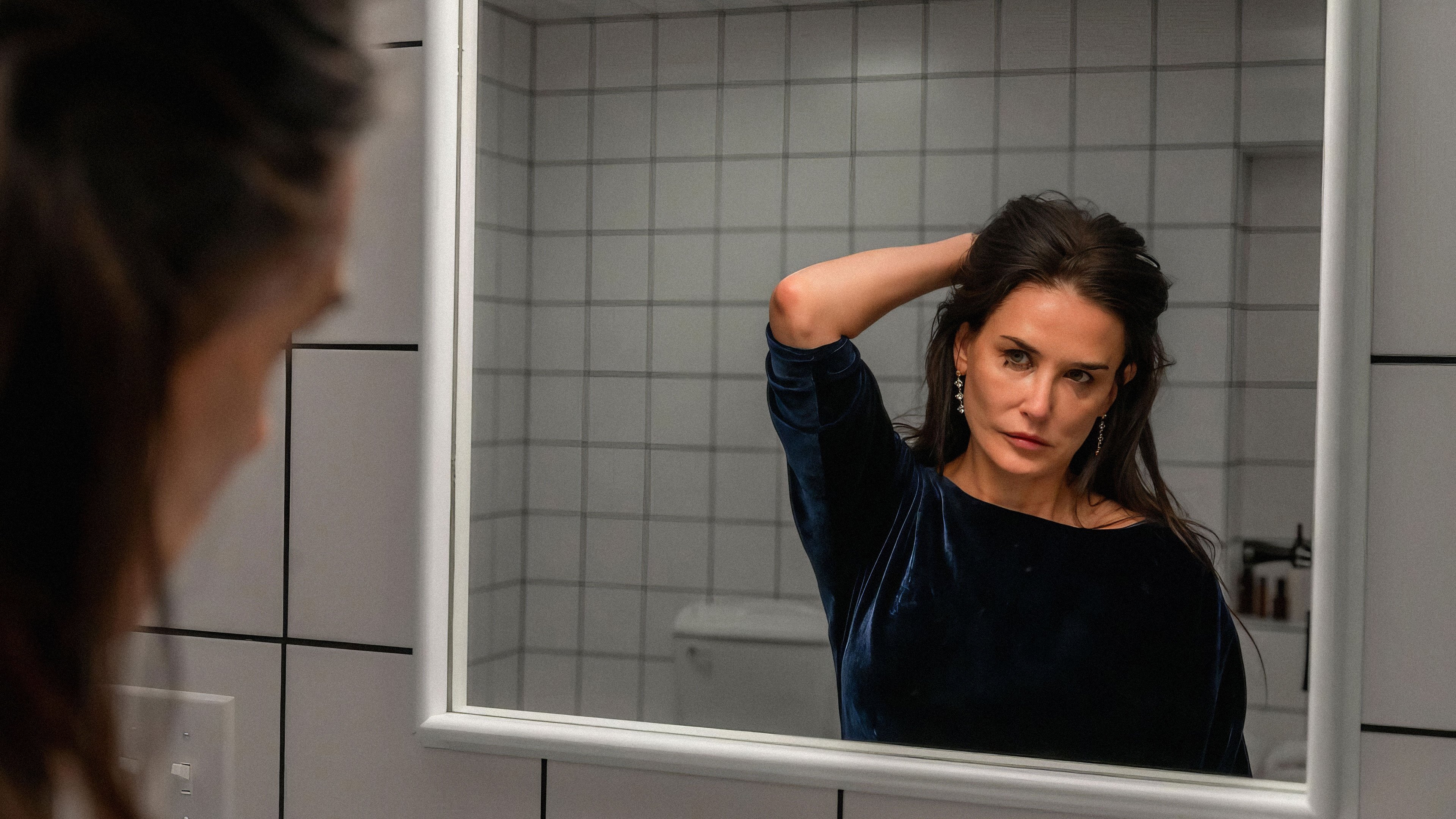
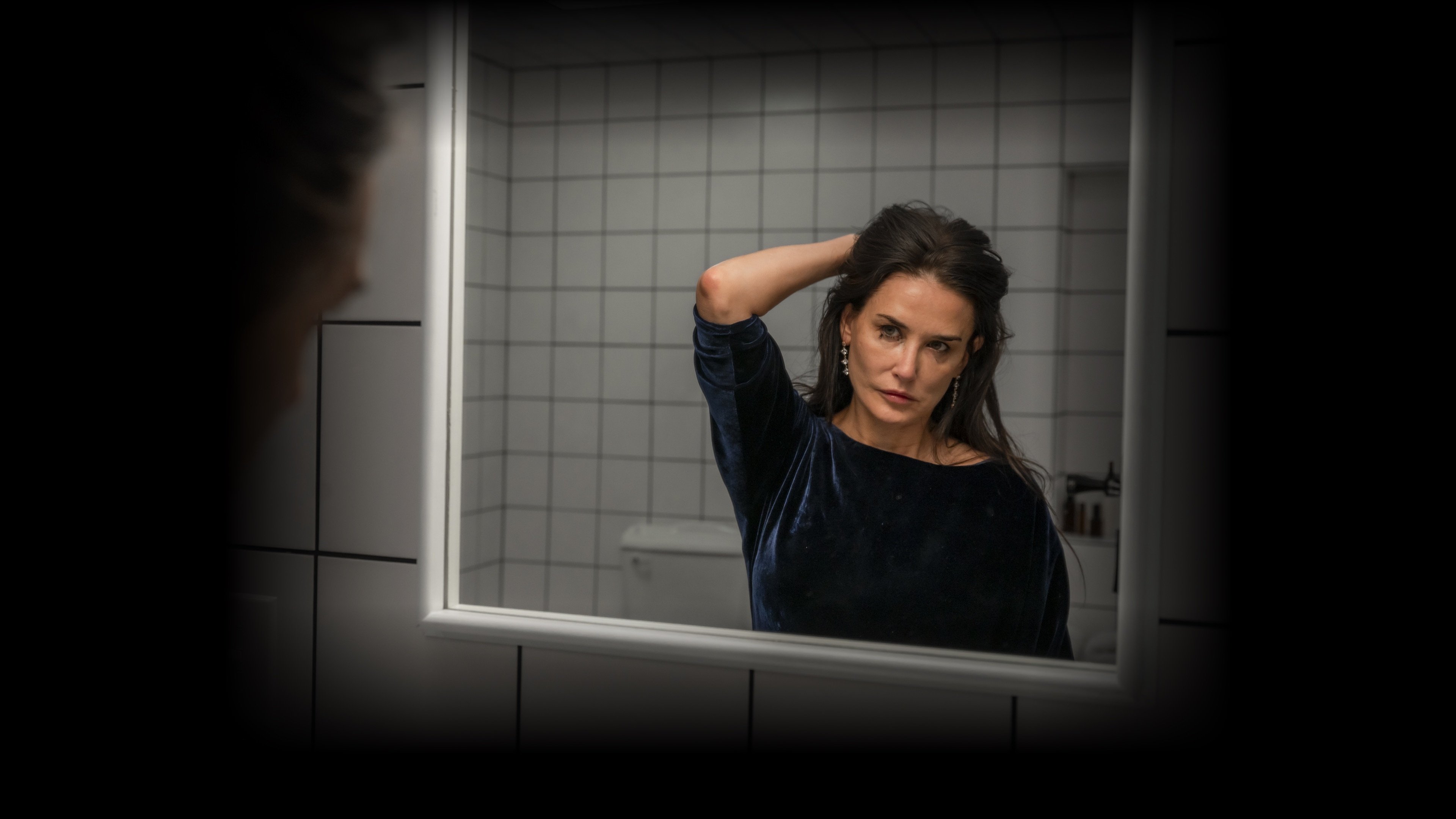
Moore's performance depends heavily on physical behaviour and relatively limited dialogue. One of the film's central sequences contains almost no conventional horror effects: Elisabeth prepares for a date, repeatedly examines herself in the mirror, adjusts her makeup, removes it and starts again until she is unable to leave the apartment. The violence in the sequence is self-directed rather than supernatural. Nothing about her face has changed enough to justify the reaction, but her perception of it has become intolerable.

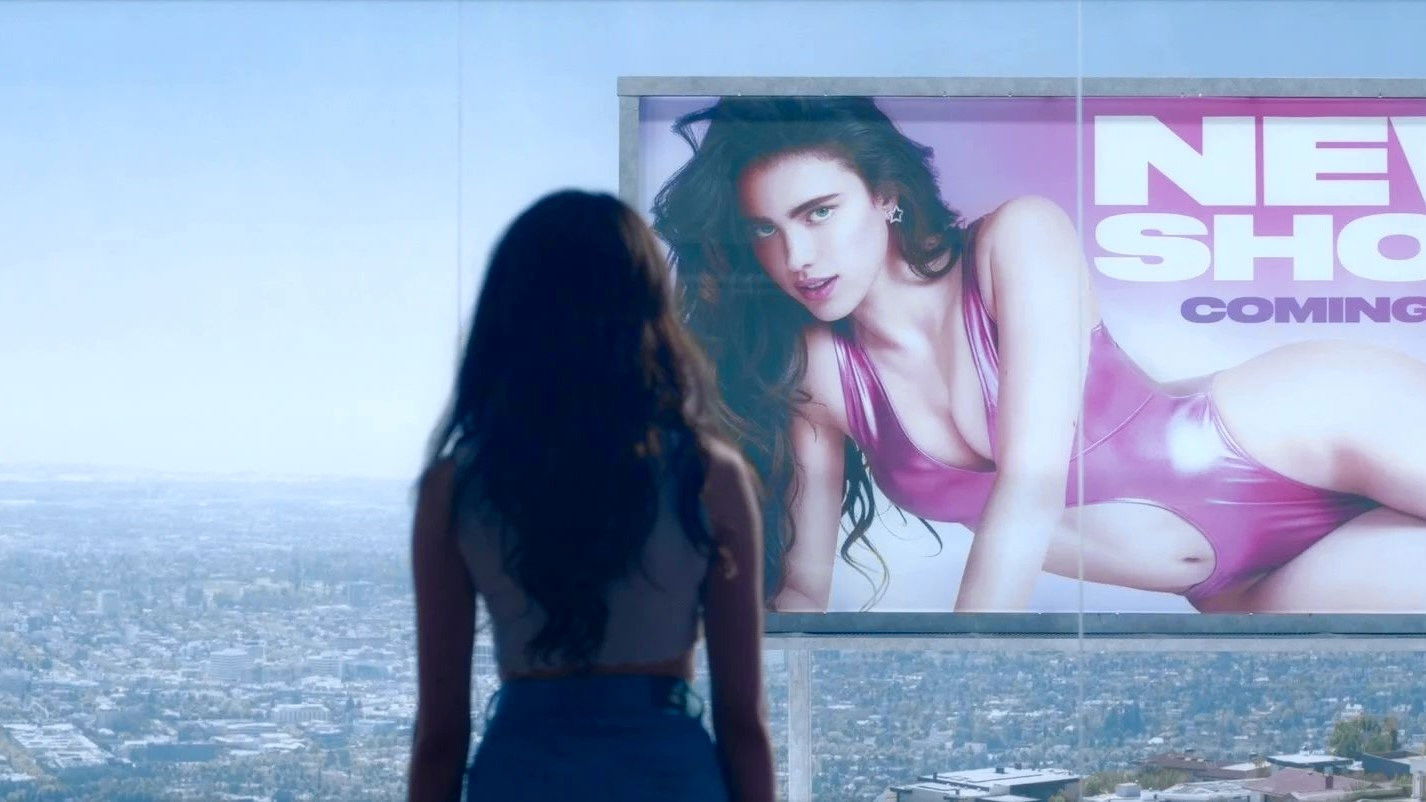
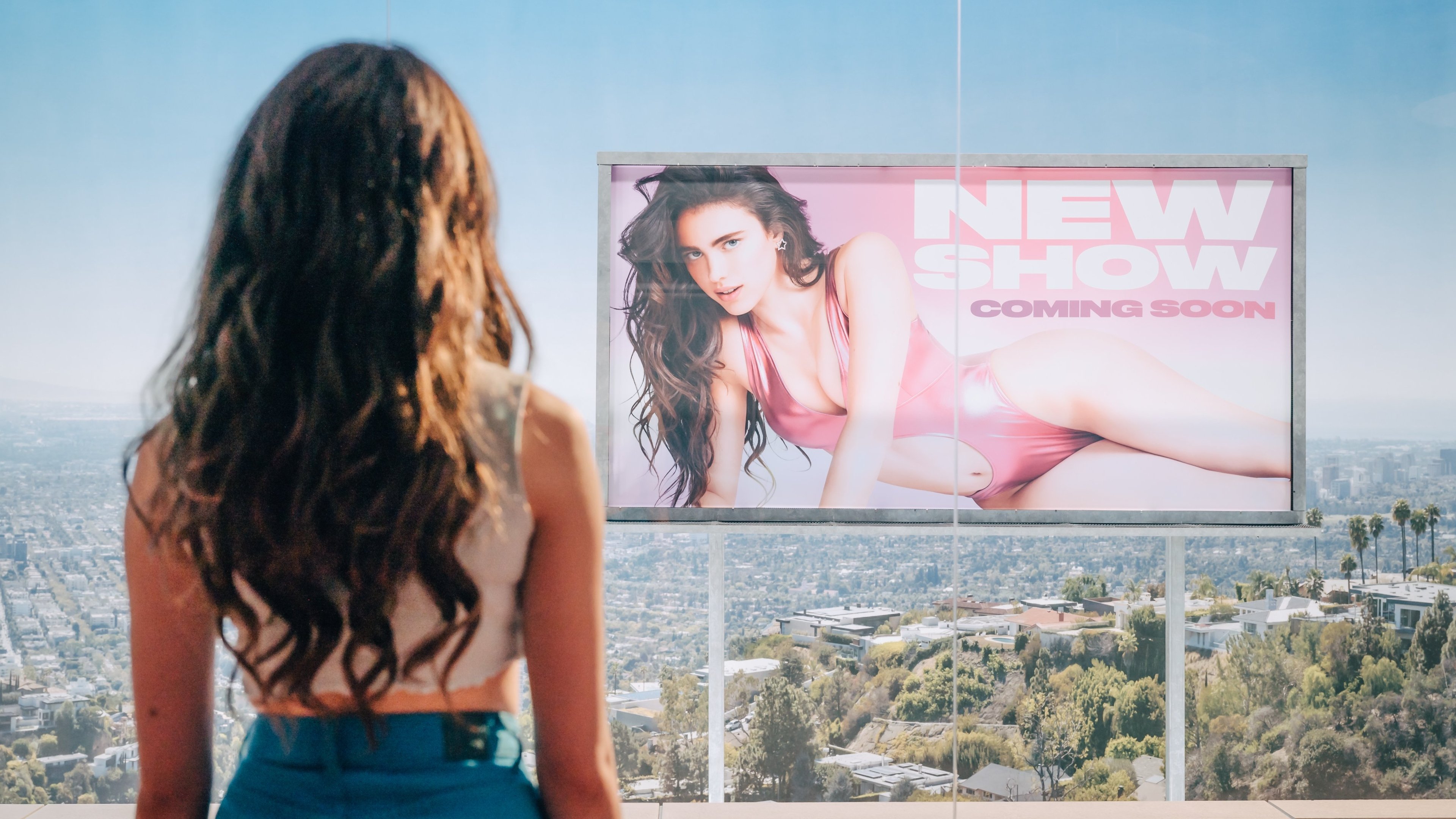
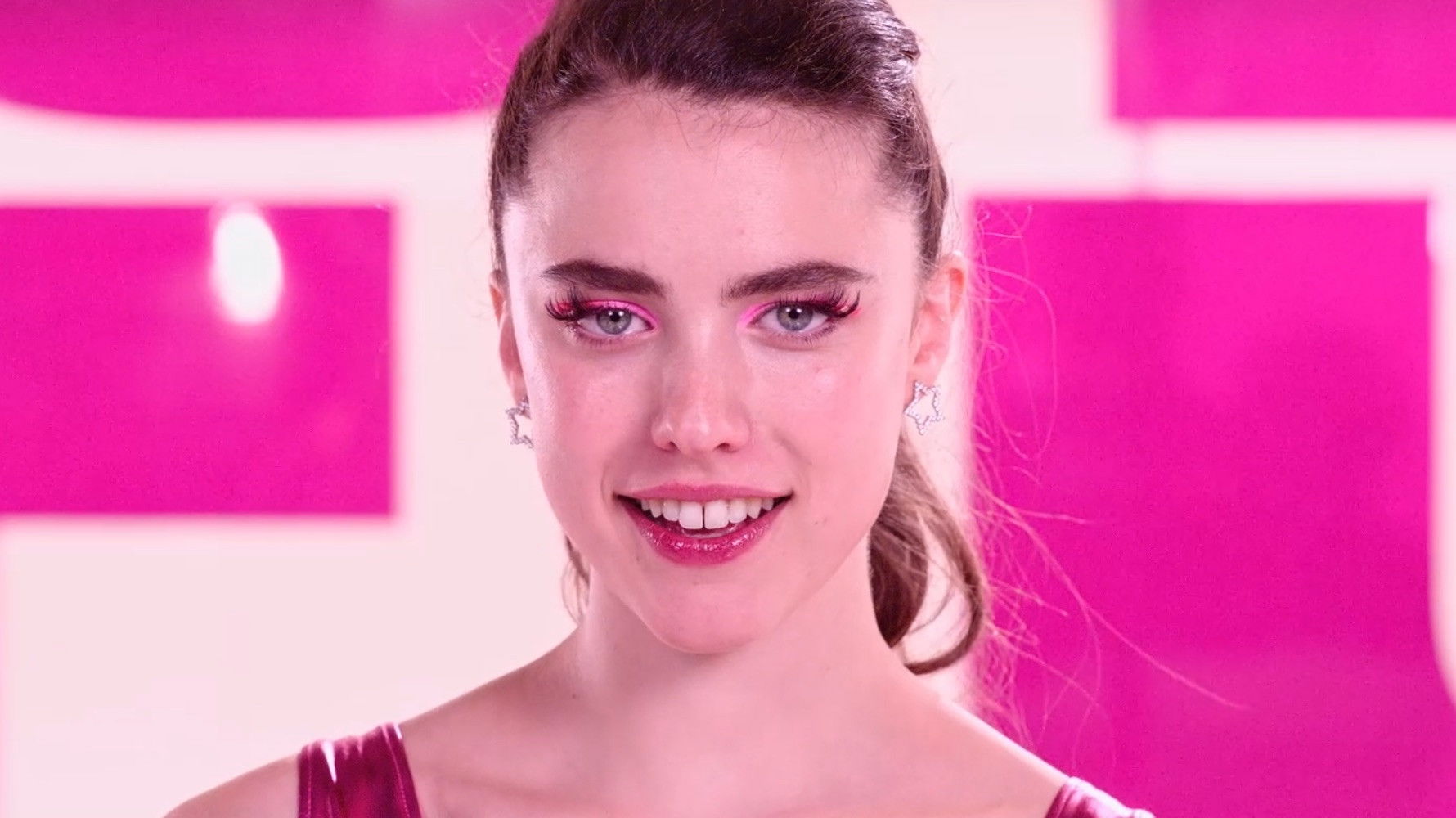
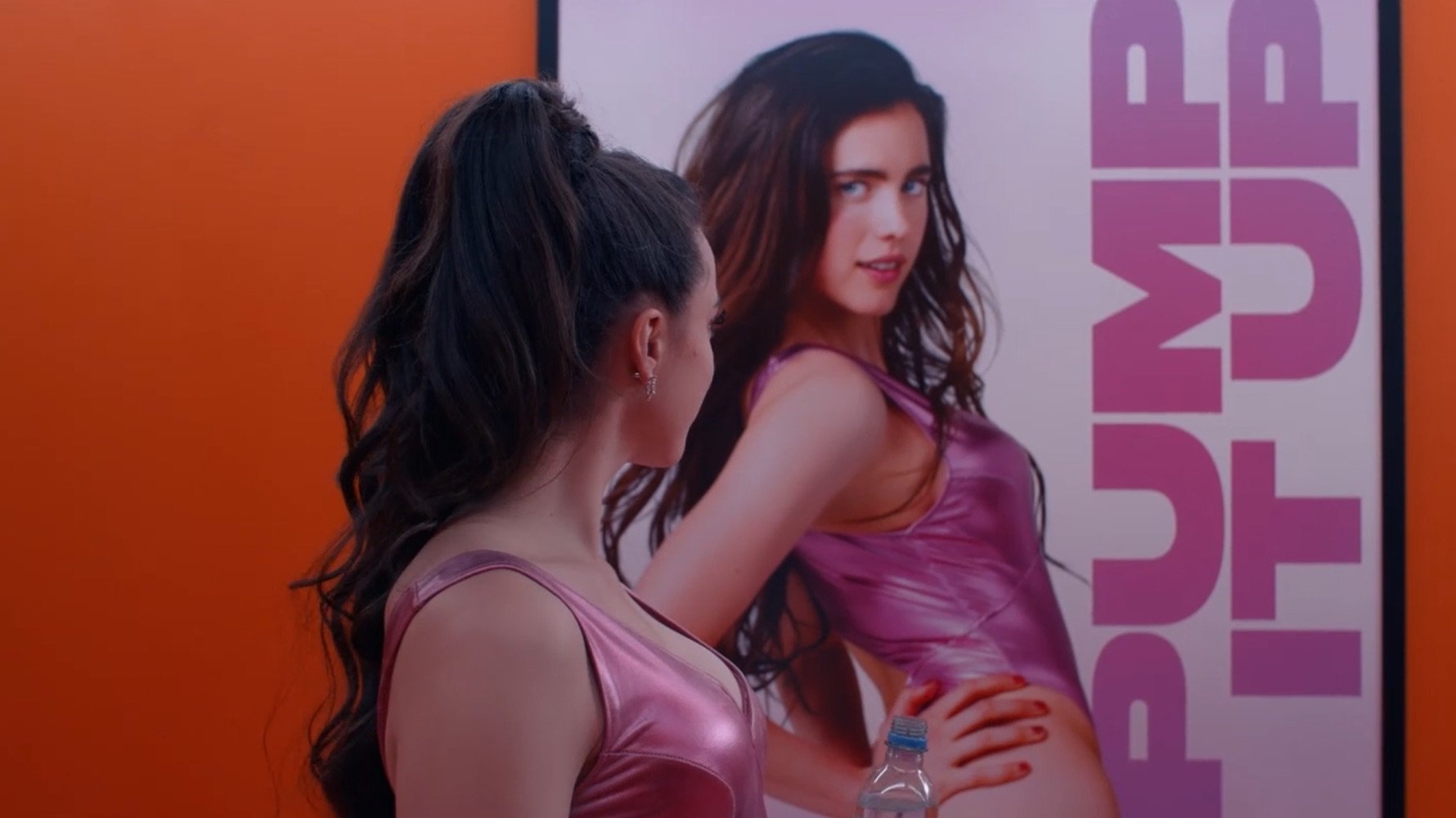
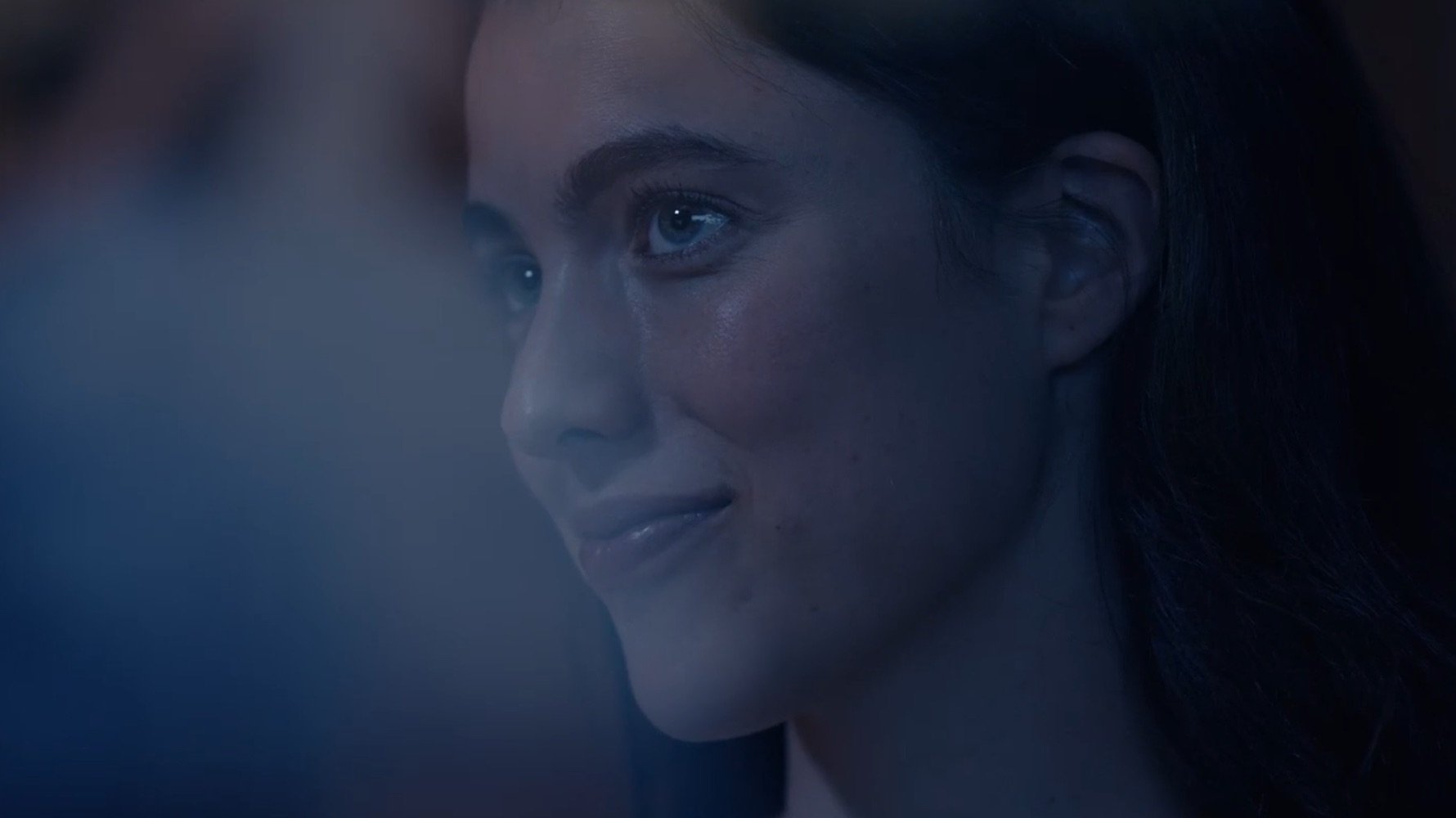
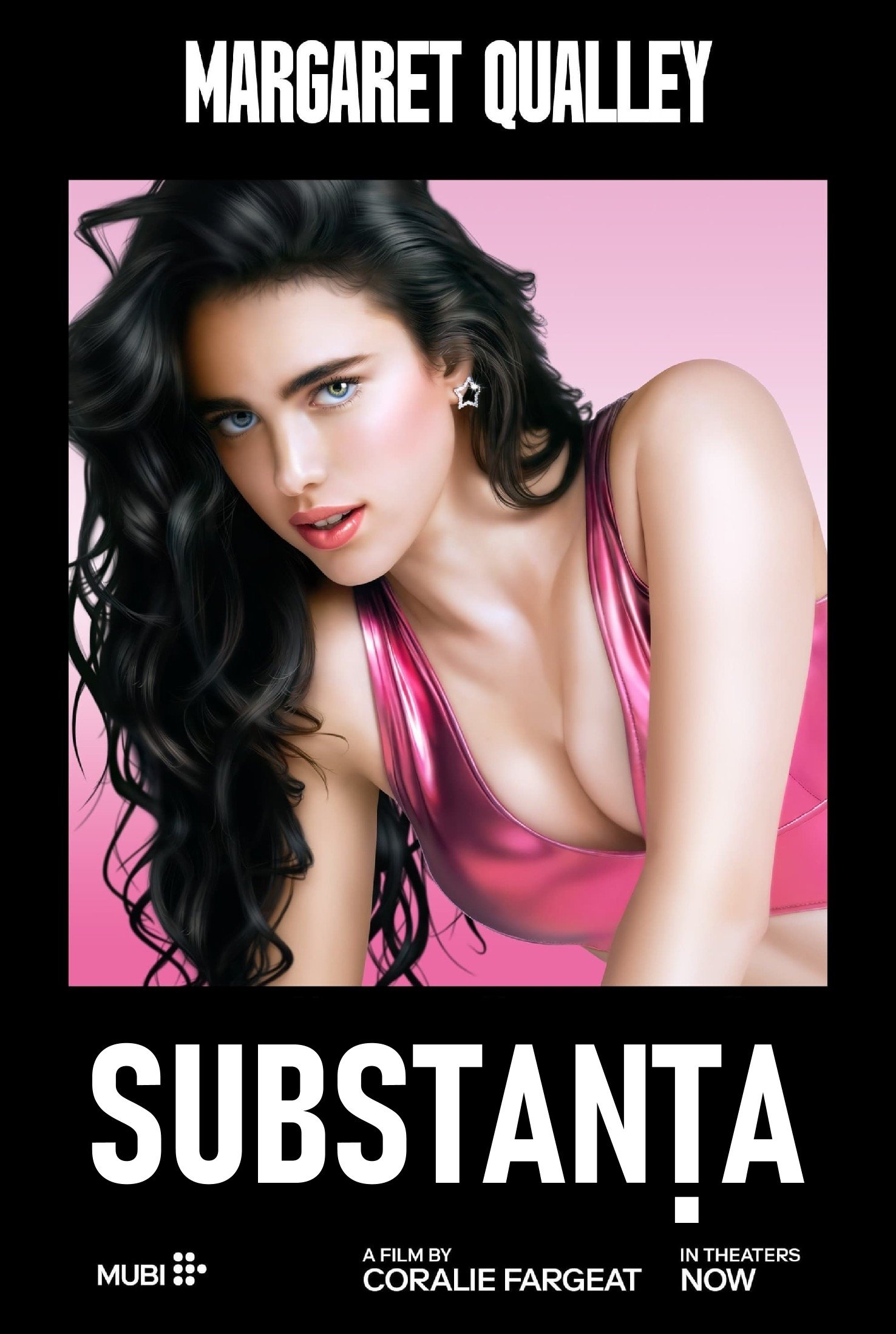
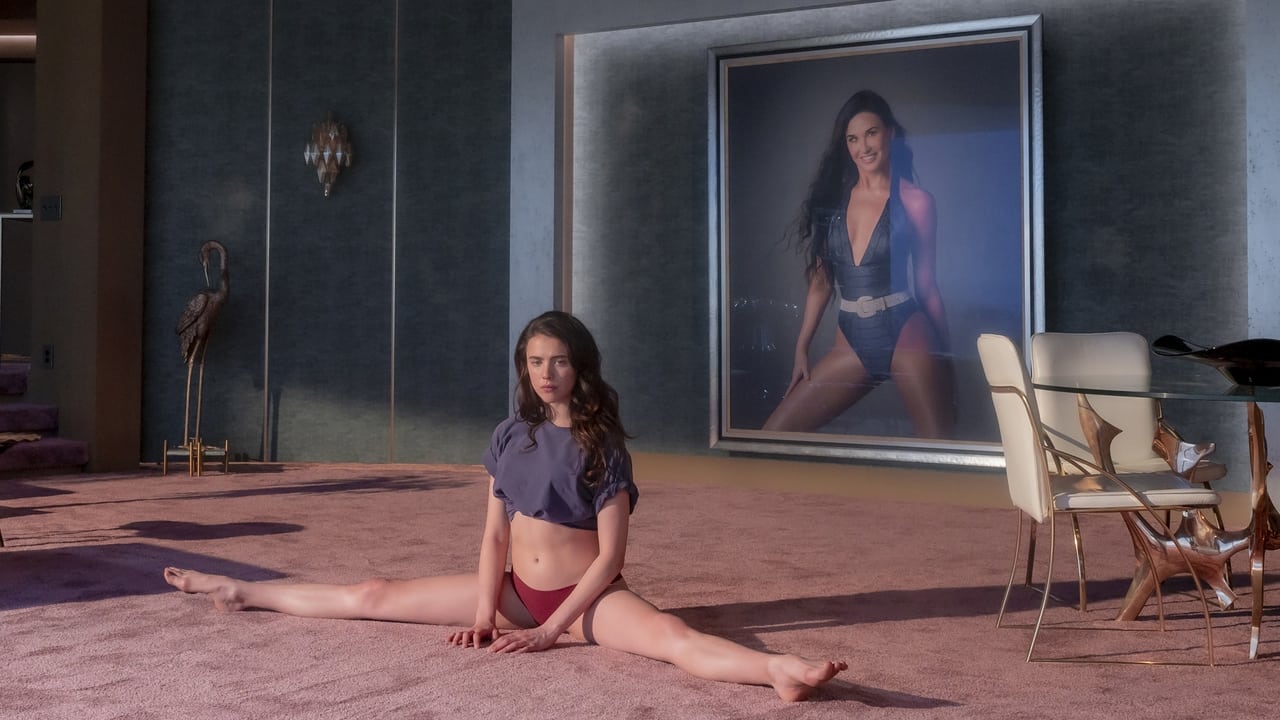
Margaret Qualley's Sue represents the opposite visual construction. Fargeat conceived Sue as an exaggerated ideal of youth and physical beauty. Qualley trained for the role, while prosthetic work was used to alter aspects of her figure. Sue is therefore no more a neutral or naturally perfect body than the later creatures are neutral examples of ugliness. She is a manufactured image assembled to satisfy a specific fantasy.

The distinction becomes central once Sue begins violating the seven-day schedule. Every additional period of youth produces irreversible damage to Elisabeth, yet both continue behaving as though the suffering belongs to someone else. The film repeatedly returns to the instruction that they are one. Its body horror grows from their inability to accept that statement: the younger body treats the older body as disposable even though destroying it ultimately means destroying herself.

Cinematography & an Imaginary Los Angeles

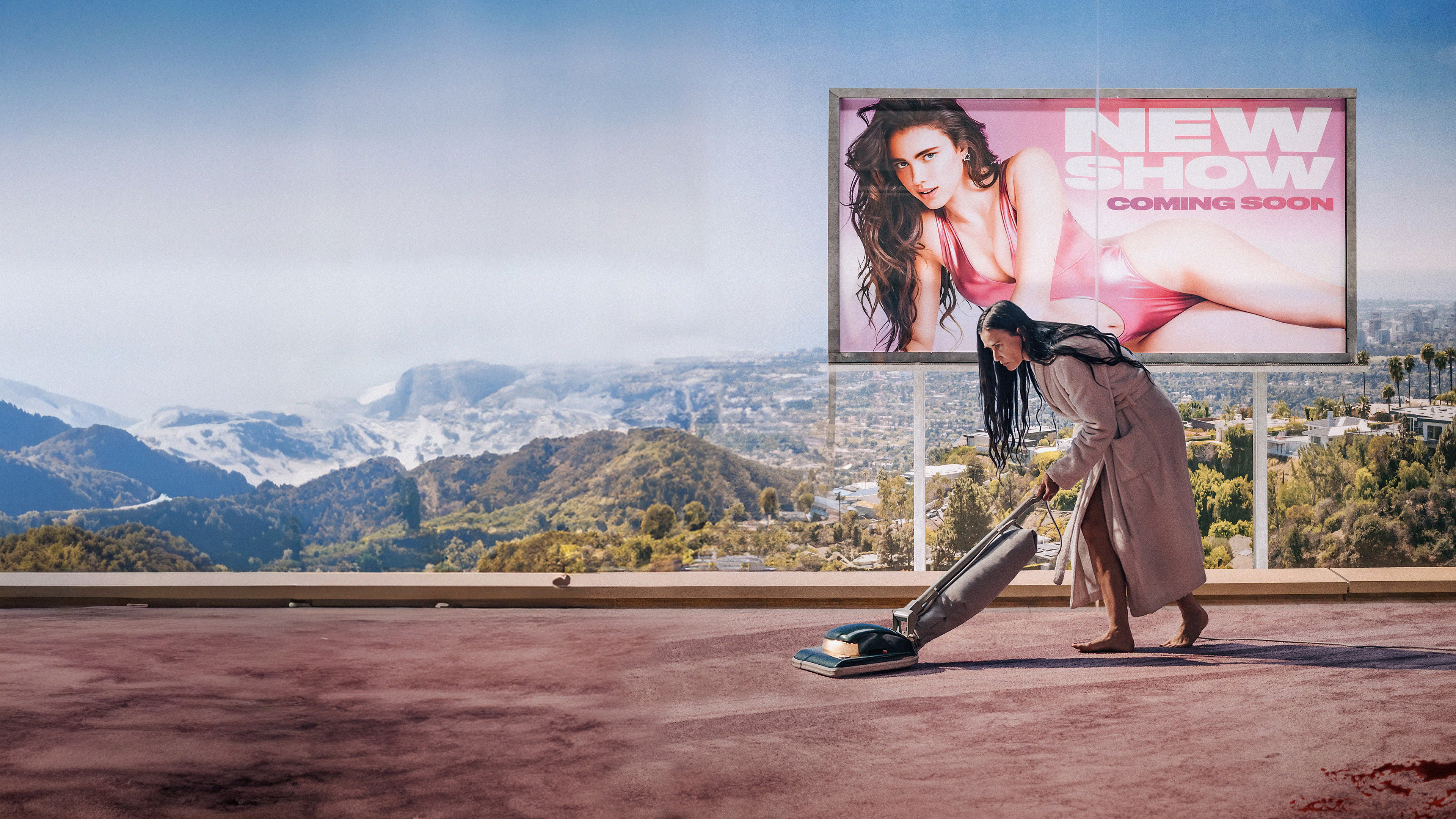
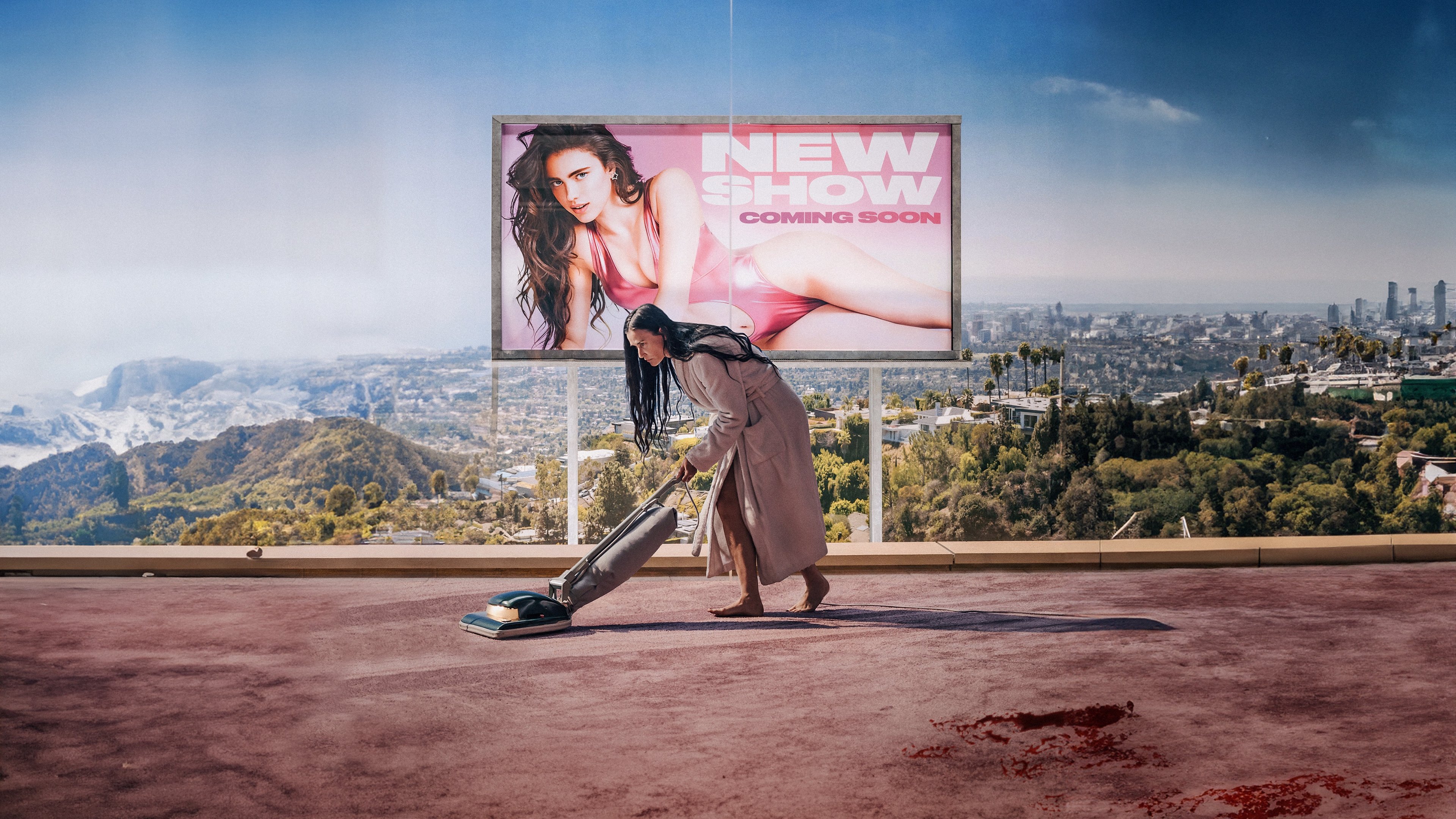
Although the story is set in Los Angeles, much of The Substance was created in France. Interiors were constructed at Studios d'Épinay, while exterior material photographed around Nice, Cannes and other locations on the Côte d'Azur helped create what cinematographer Benjamin Kračun described as an imagined rather than geographically precise Los Angeles. The artificiality suits a film whose entertainment industry is deliberately stylised rather than naturalistic.

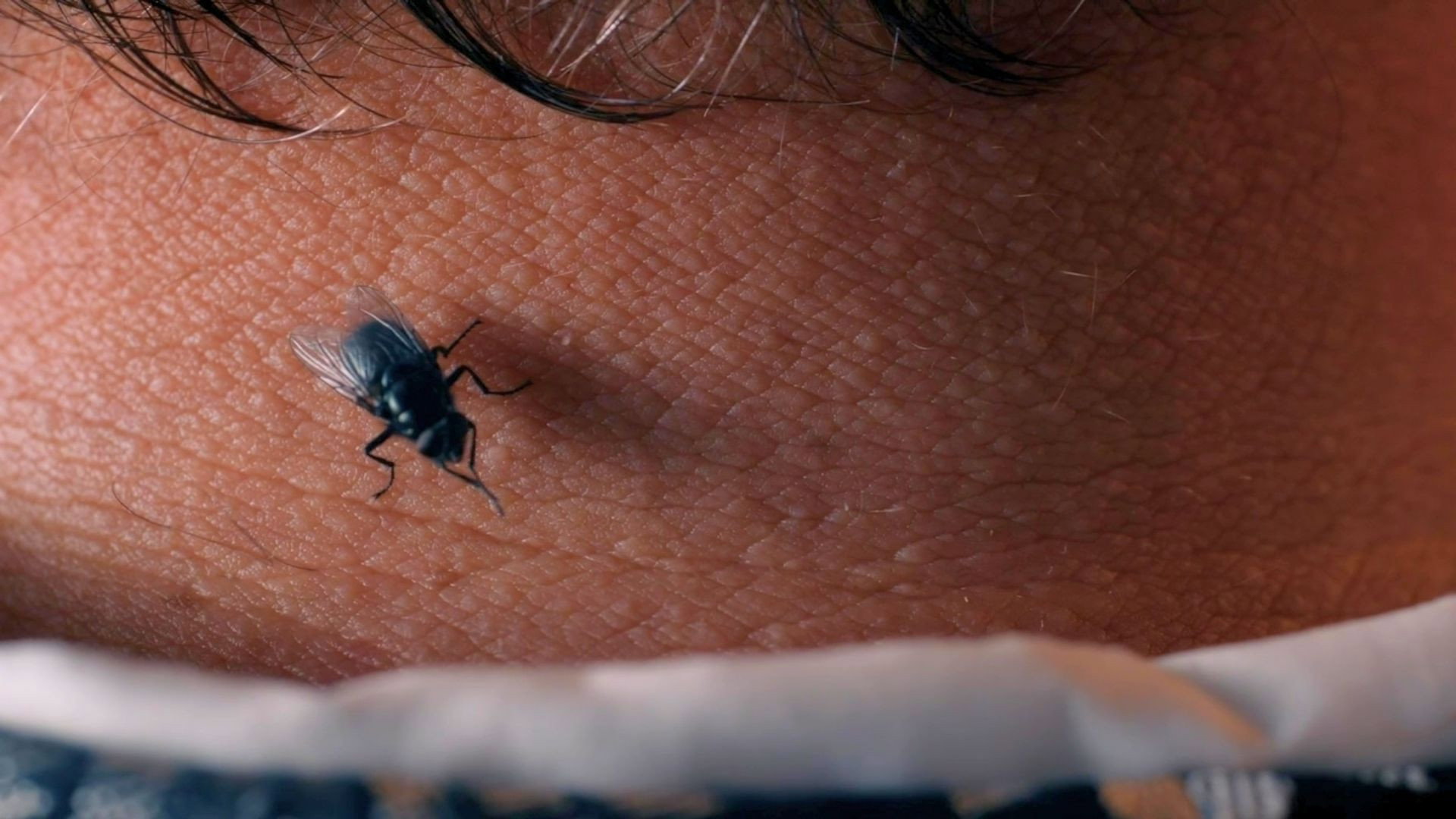
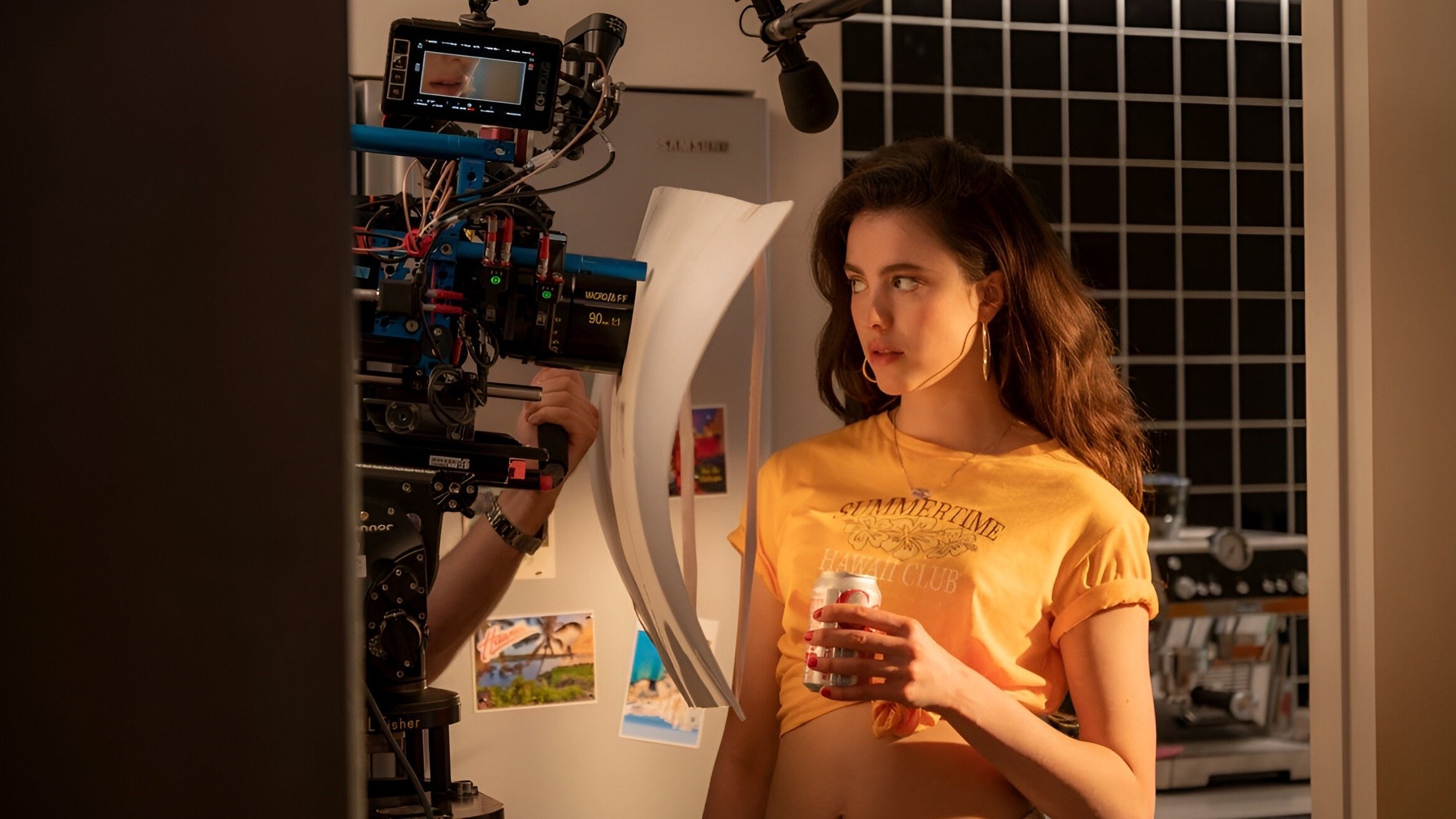
Kračun and Fargeat avoided a cold technological look even though the plot revolves around an advanced procedure. They chose vintage Canon K-35 spherical lenses as a principal set because Fargeat's visual language required exceptionally close views of faces and bodies. Macro lenses and specialised close-focus equipment were used extensively, allowing eyes, needles, food, skin and bodily fluids to fill the widescreen frame.

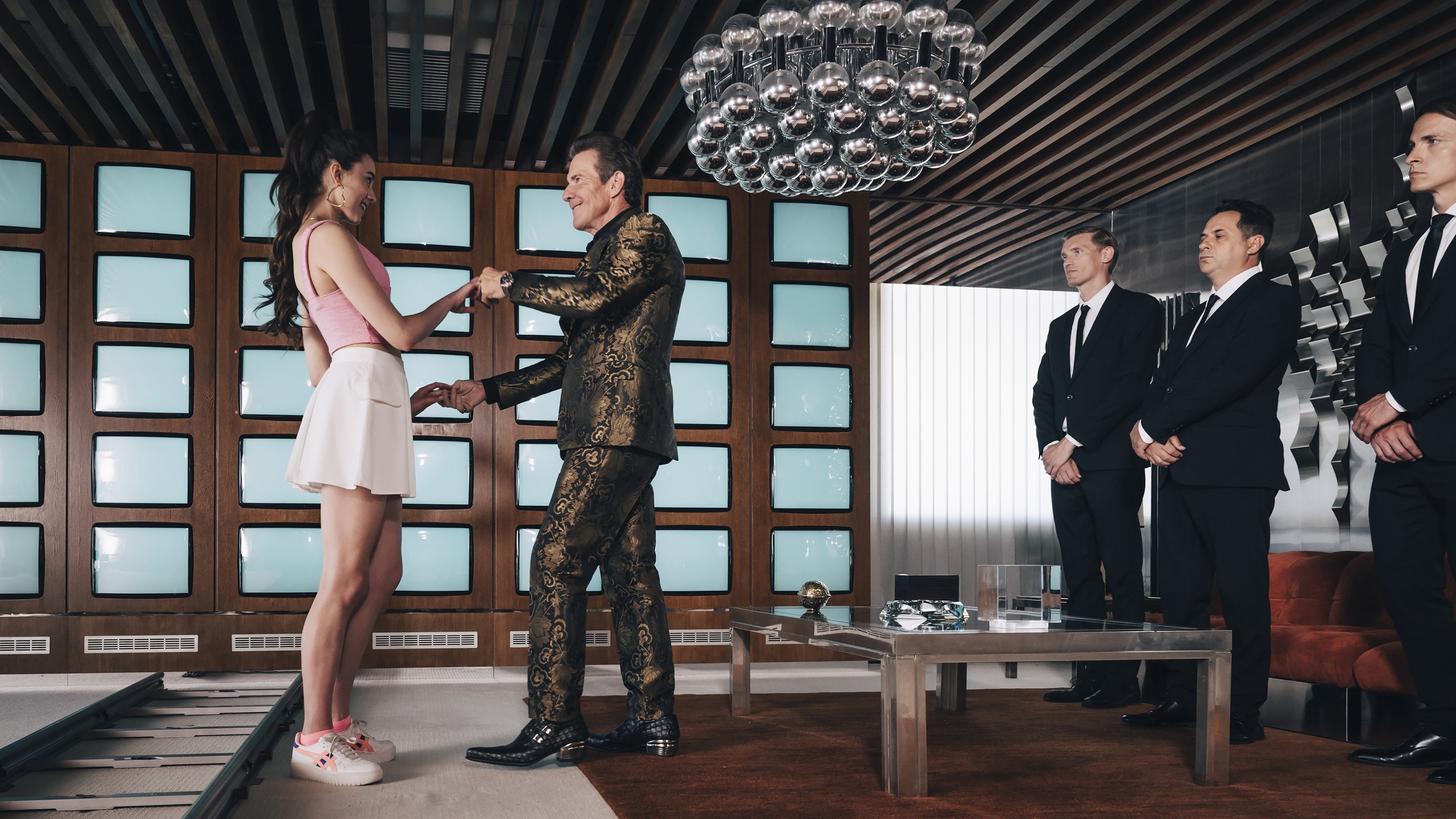
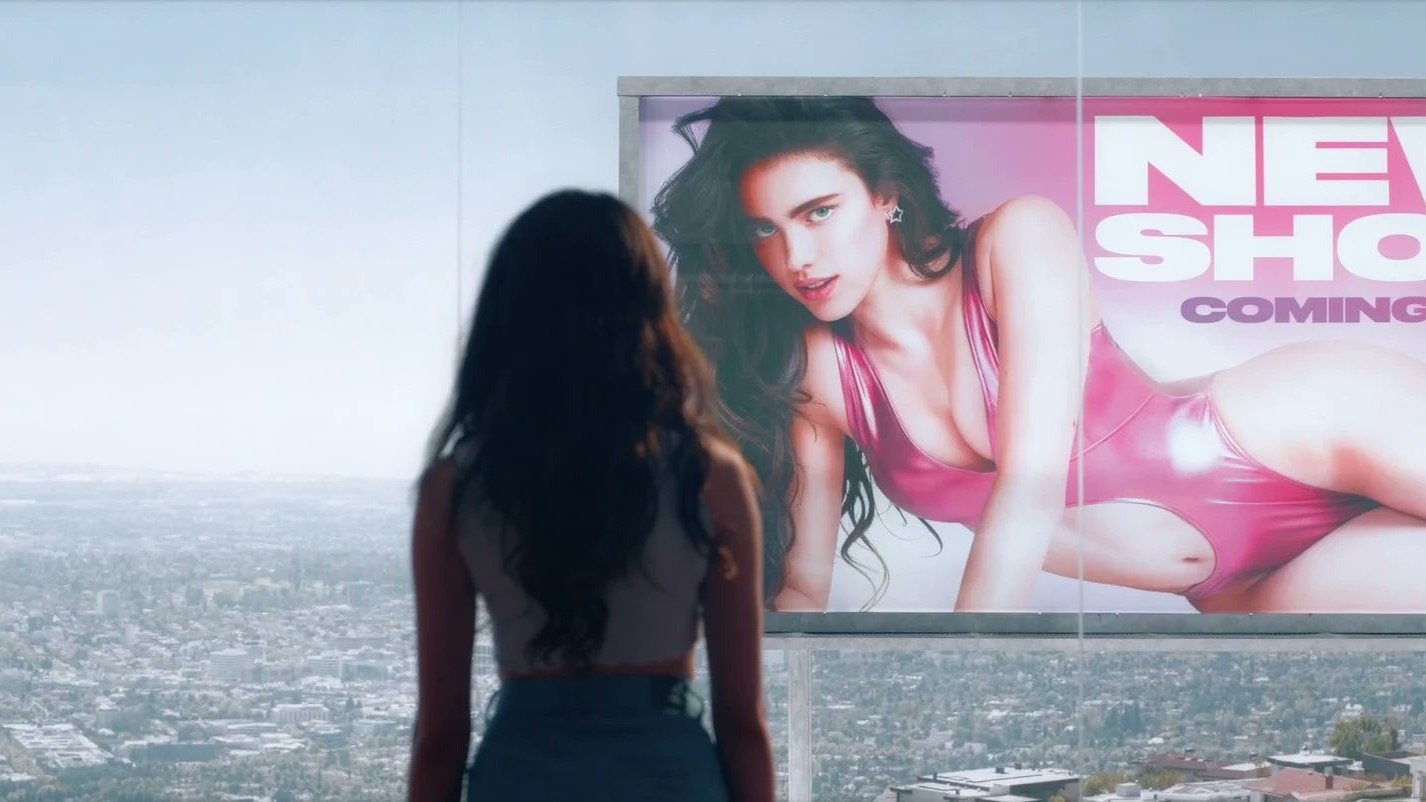
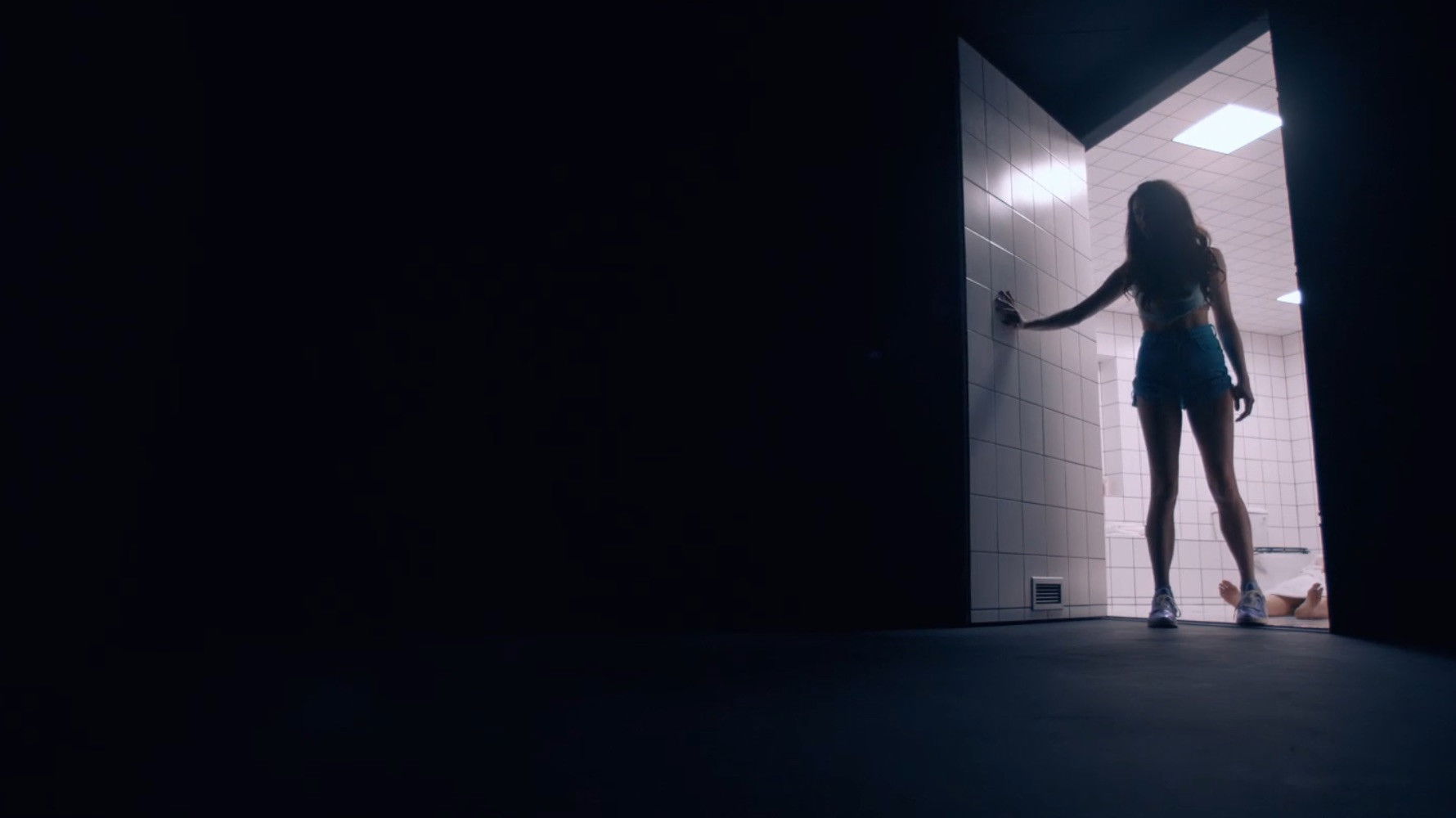
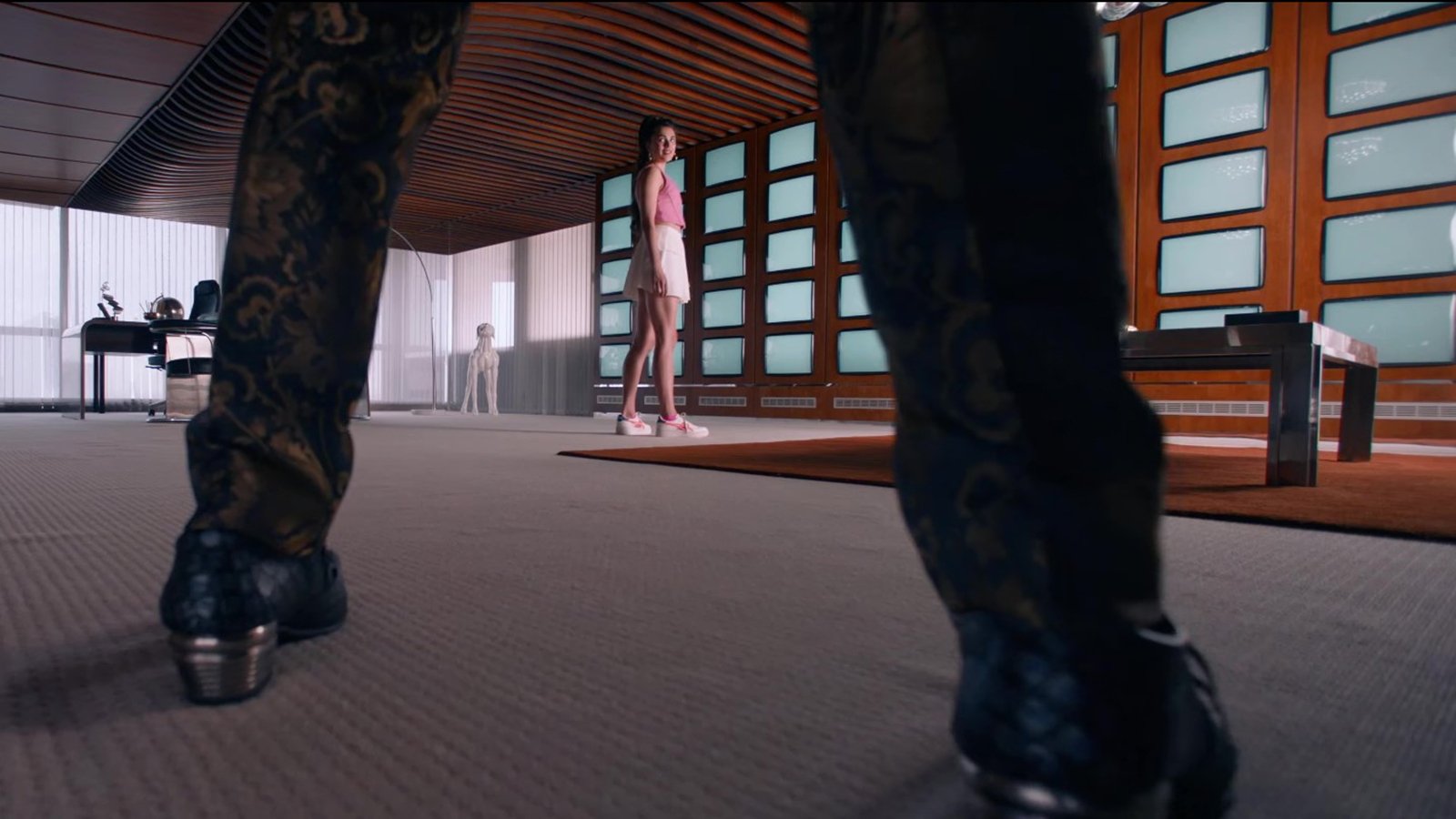
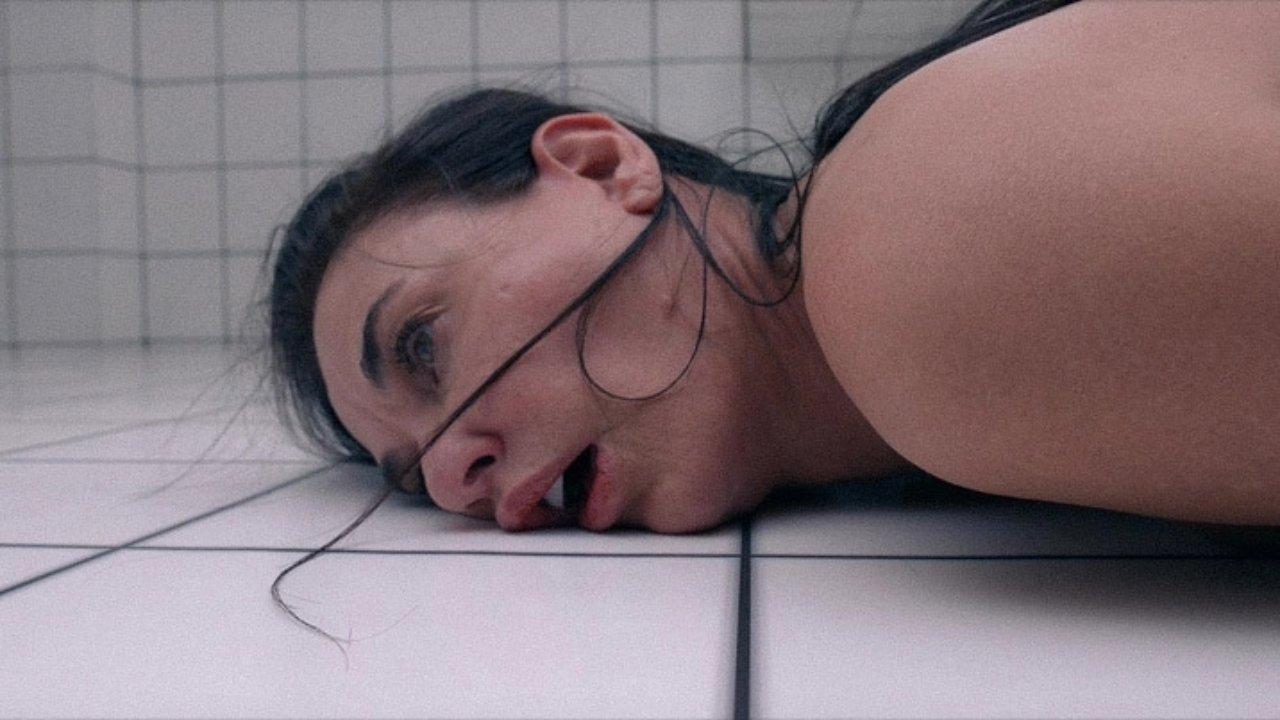
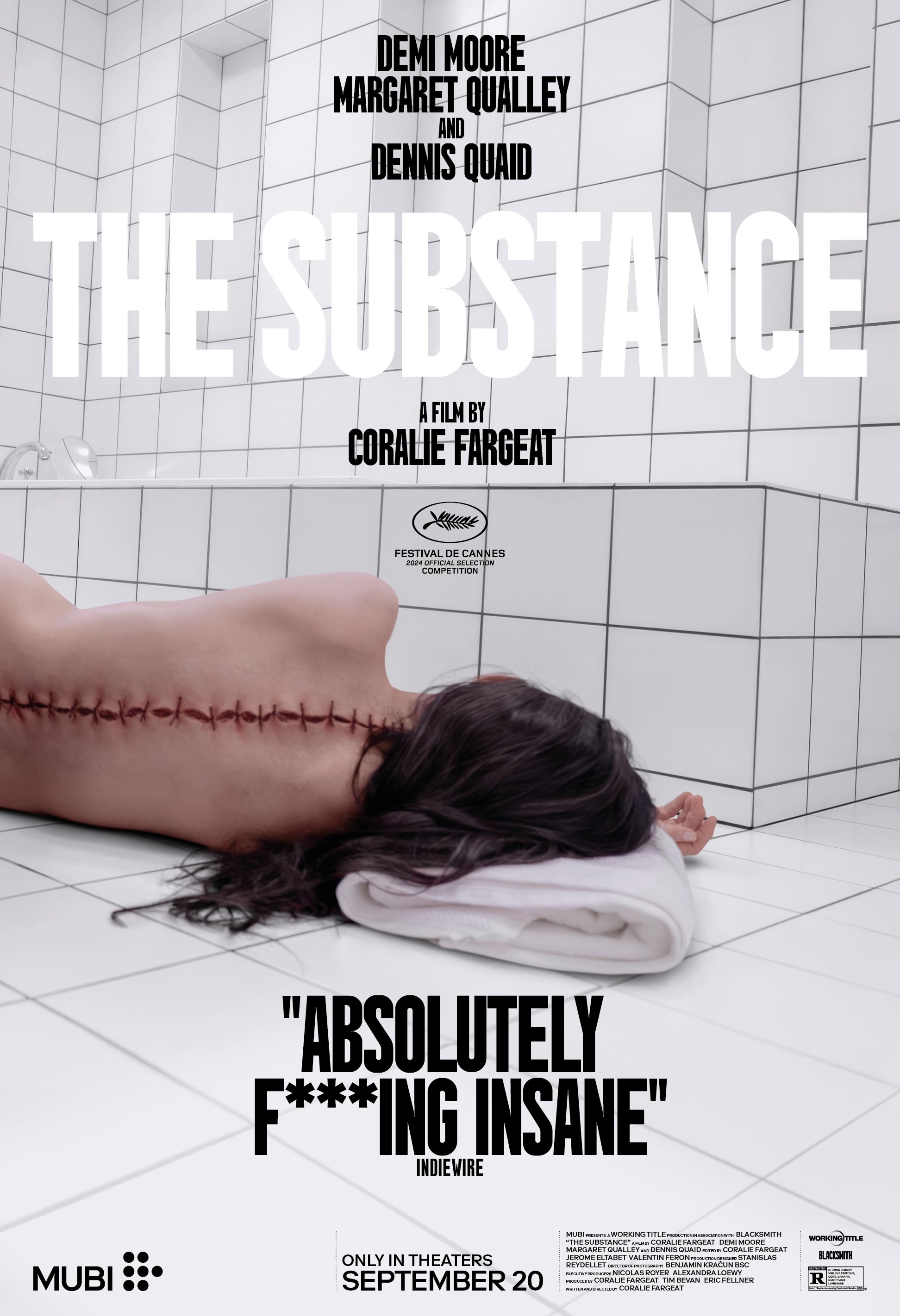
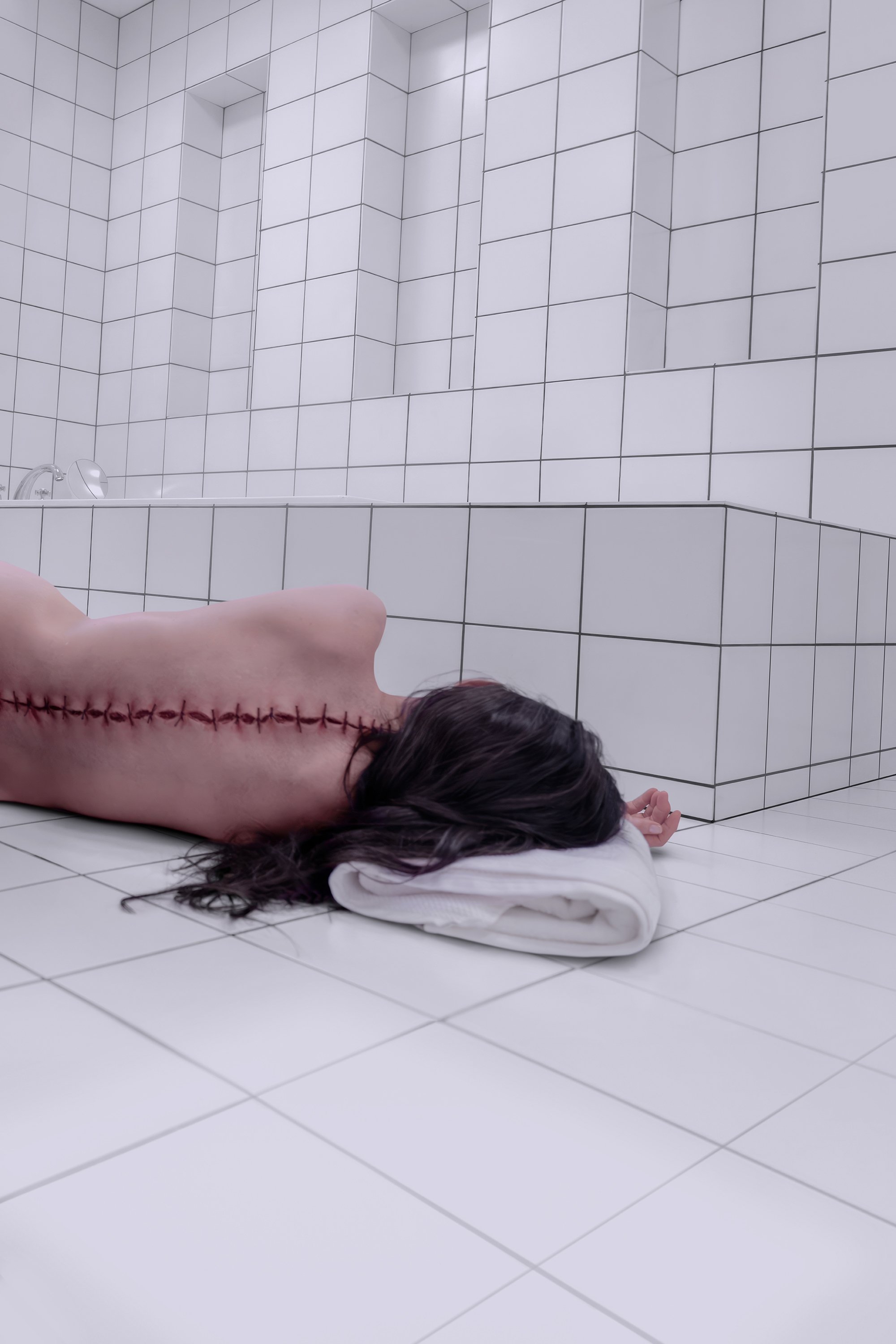
The apartment shared by Elisabeth and Sue became the principal visual arena. Its enormous windows, blue living space, white bathroom and hidden room are designed less like ordinary domestic architecture than distinct psychological zones. Mirrors are everywhere. Bodies are continually inspected, compared or fragmented by reflective surfaces, while the sterile bathroom becomes the place where the supposedly perfect transformation produces its most graphic biological consequences.

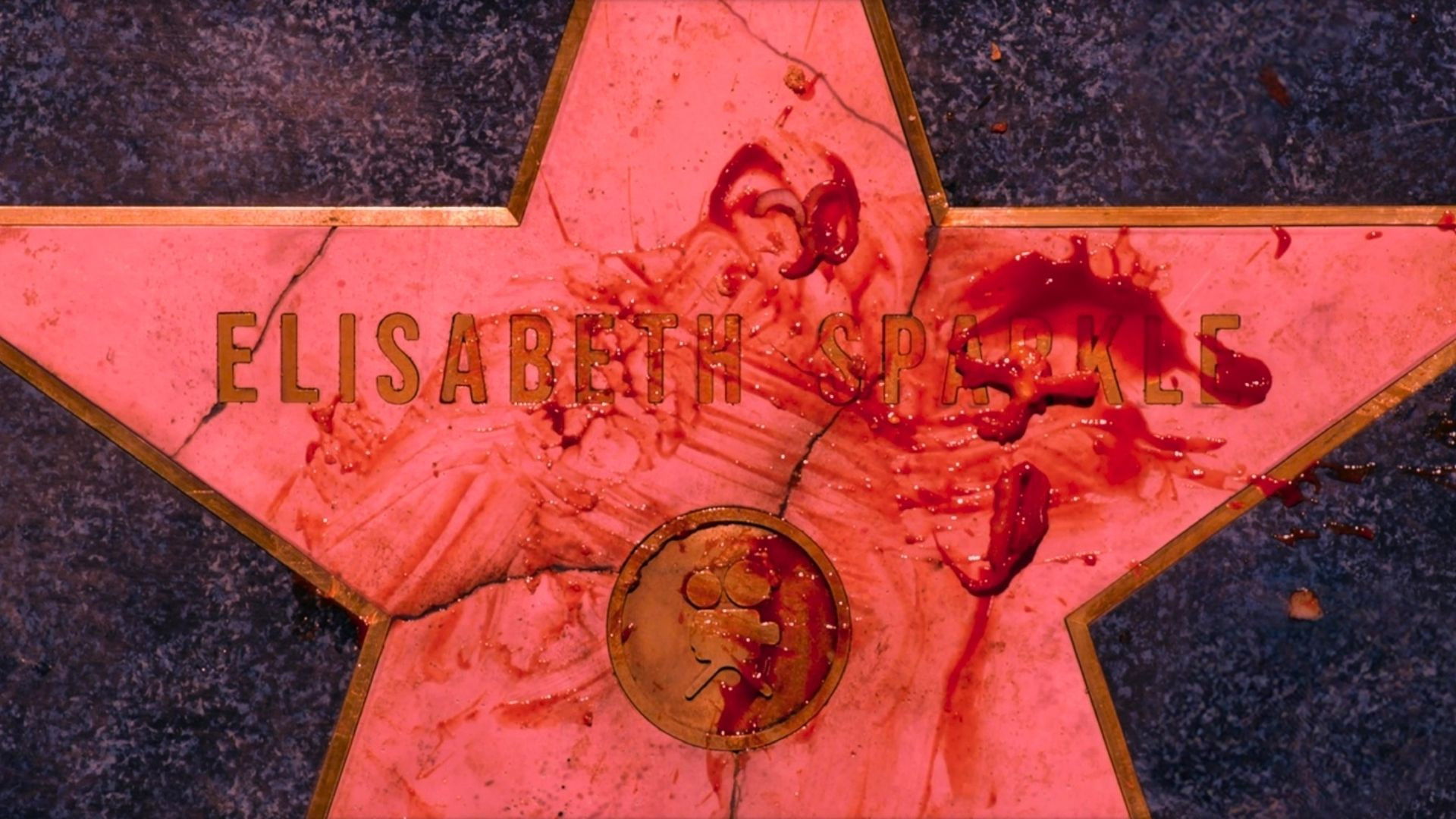
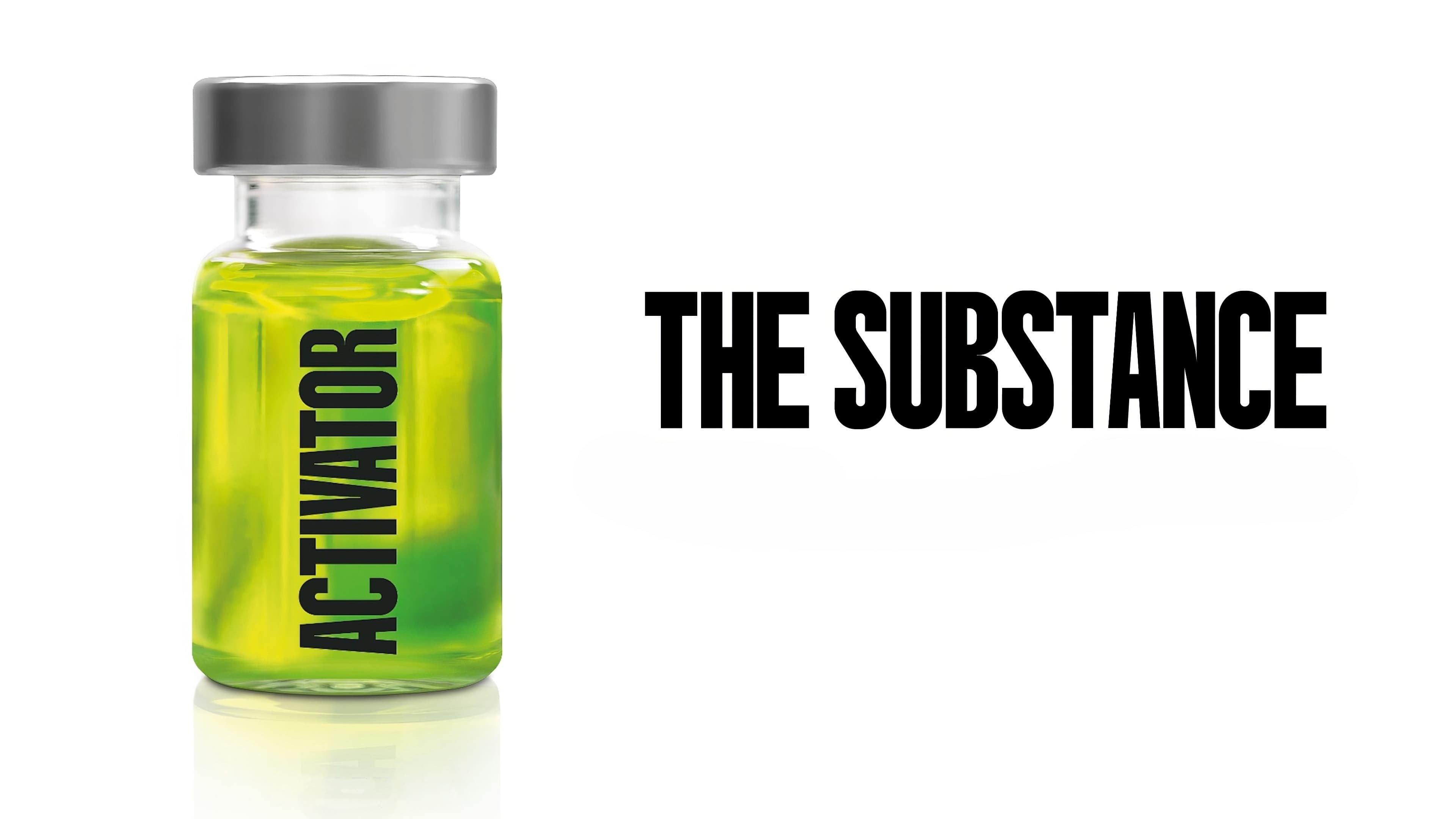
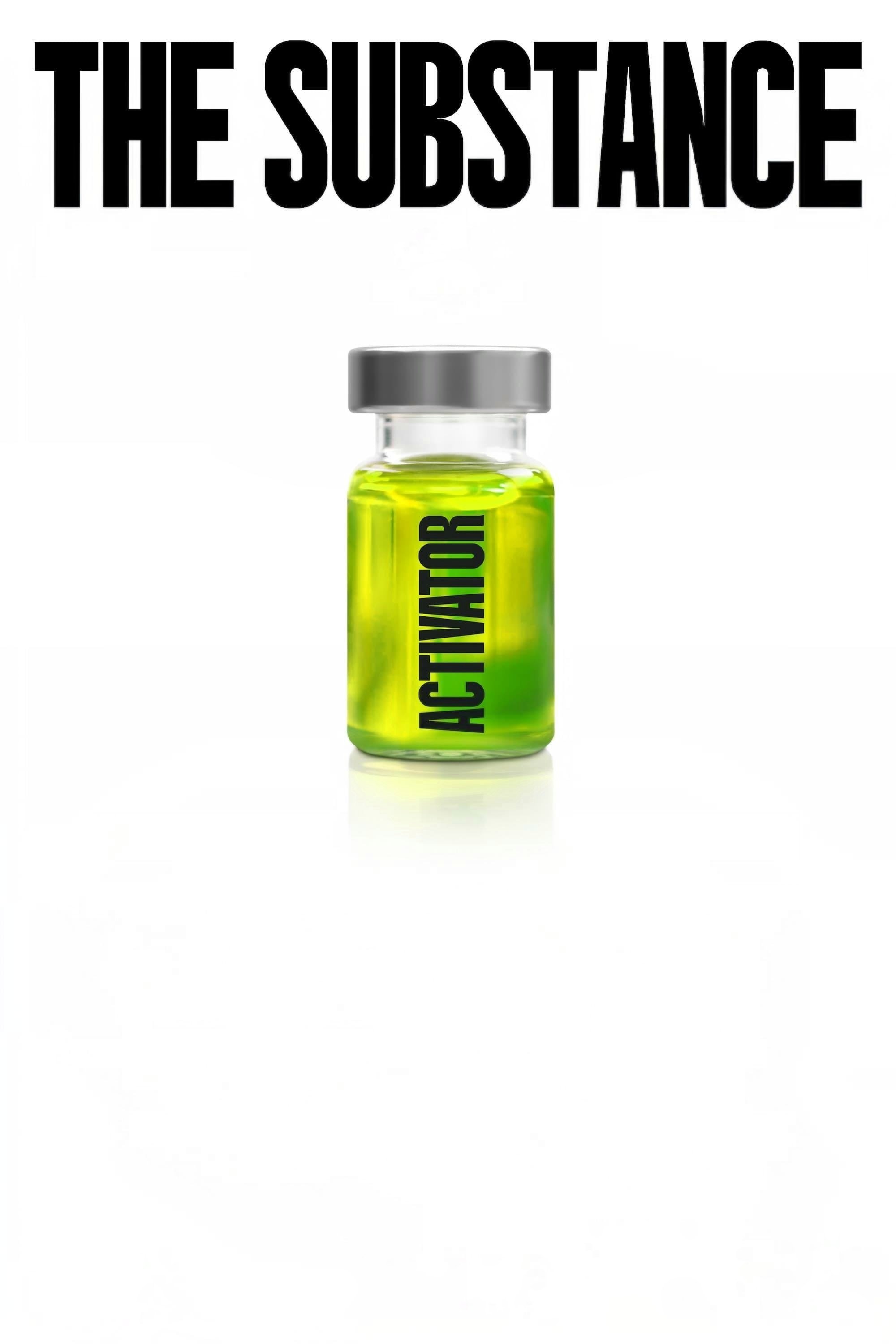
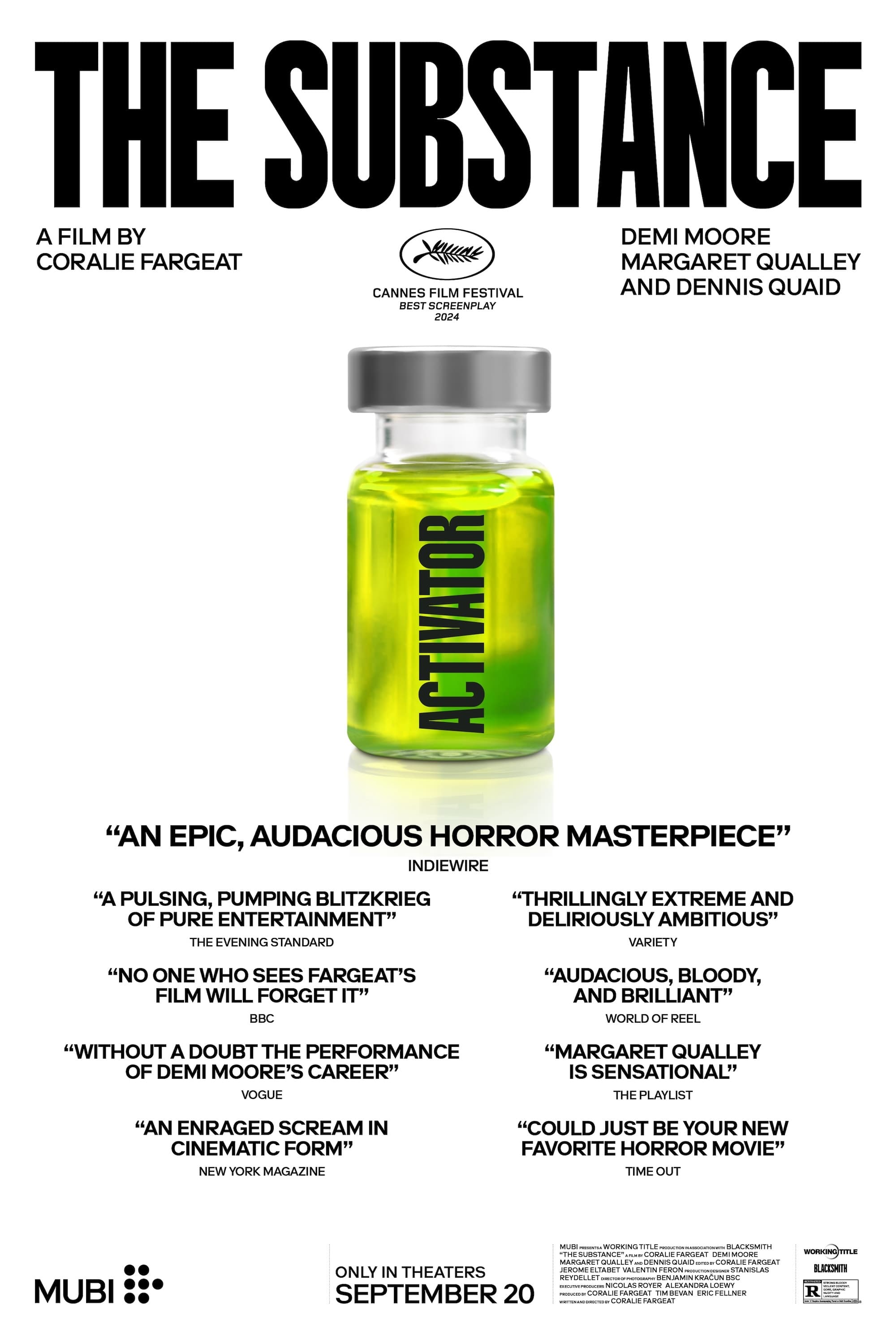
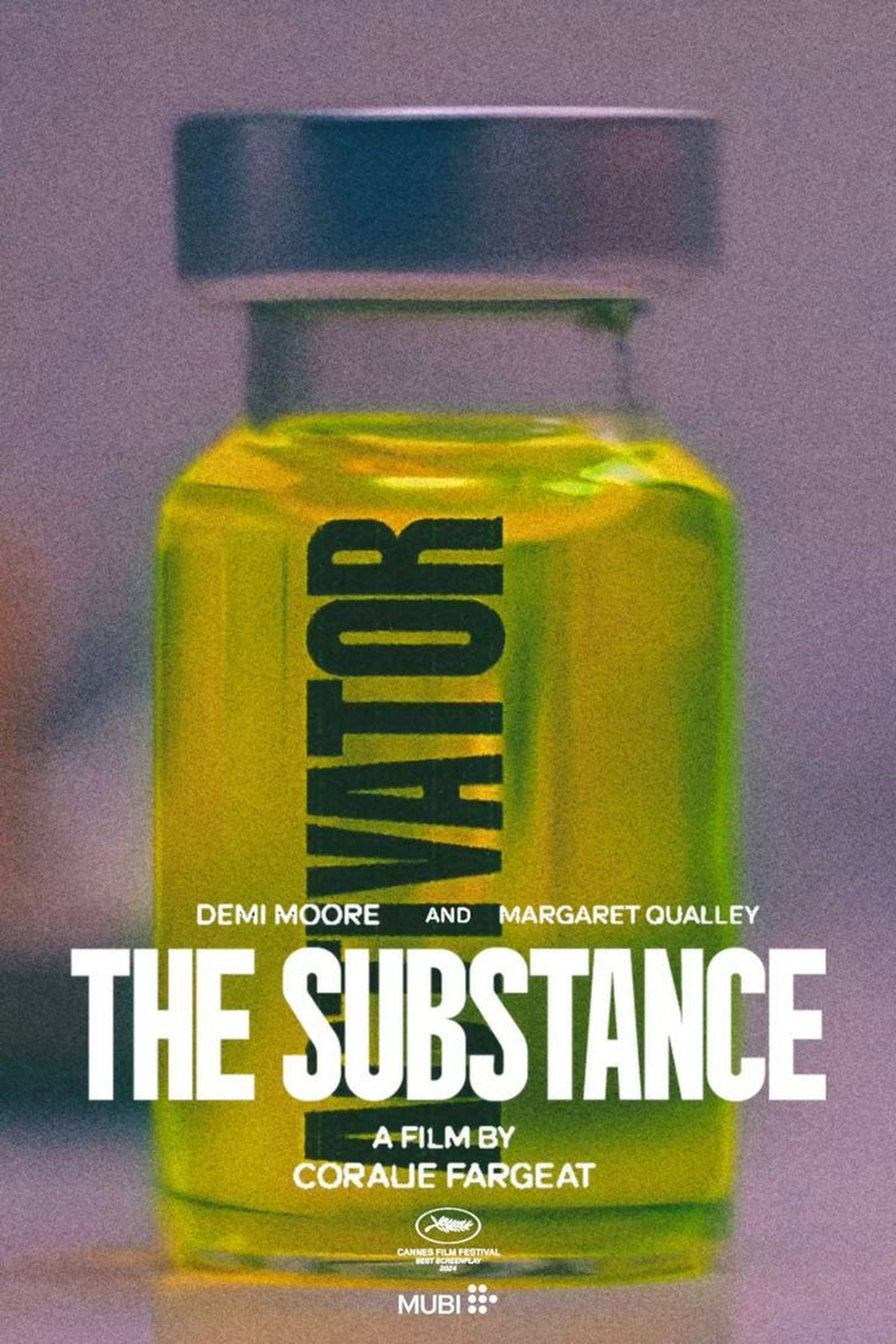
Colour is equally controlled. Elisabeth's yellow coat, the fluorescent green substance, Sue's brightly coloured fitness environment and the deep reds associated with bodily damage operate at an exaggerated level. Kračun developed separate adjustments when particular colours needed to retain their intensity, especially the green fluid. The television sequences were also given a deliberately sharper quality than much of the surrounding film.

The final image was digitally softened after the filmmakers found the initial 4K presentation too clinically detailed. Much of the material was processed down and back up in resolution to recover the softer texture they wanted, while the television material retained greater sharpness. The distinction reinforces the film's contrast between the manufactured perfection of the screen image and the increasingly unstable physical reality surrounding it.

Prosthetics, Puppetry & Monstro Elisasue

The film's practical-effects programme was unusually extensive. Special makeup effects designer Pierre-Olivier Persin and his team worked for months developing the different physical stages required by the screenplay. Instead of relying primarily on digital transformation, Fargeat wanted bodies, wounds and deformities to exist physically in front of the camera whenever possible.

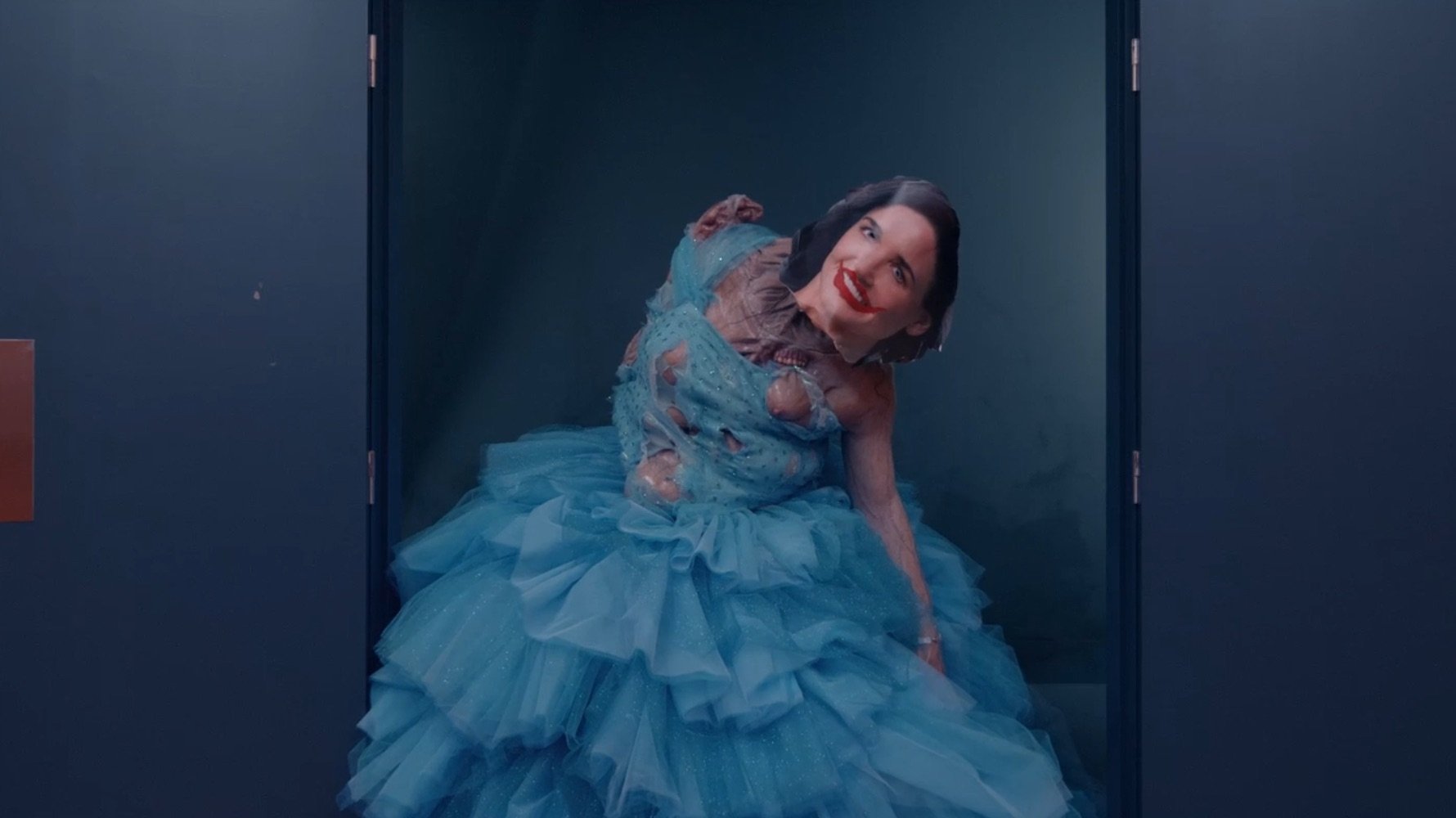
Elisabeth's deterioration was divided into progressive stages. Relatively small changes begin with a damaged finger before expanding into increasingly extensive ageing appliances and eventually a complete bodily transformation. Silicone was particularly useful because its translucency allowed veins, discoloration and other details to appear beneath the artificial skin.

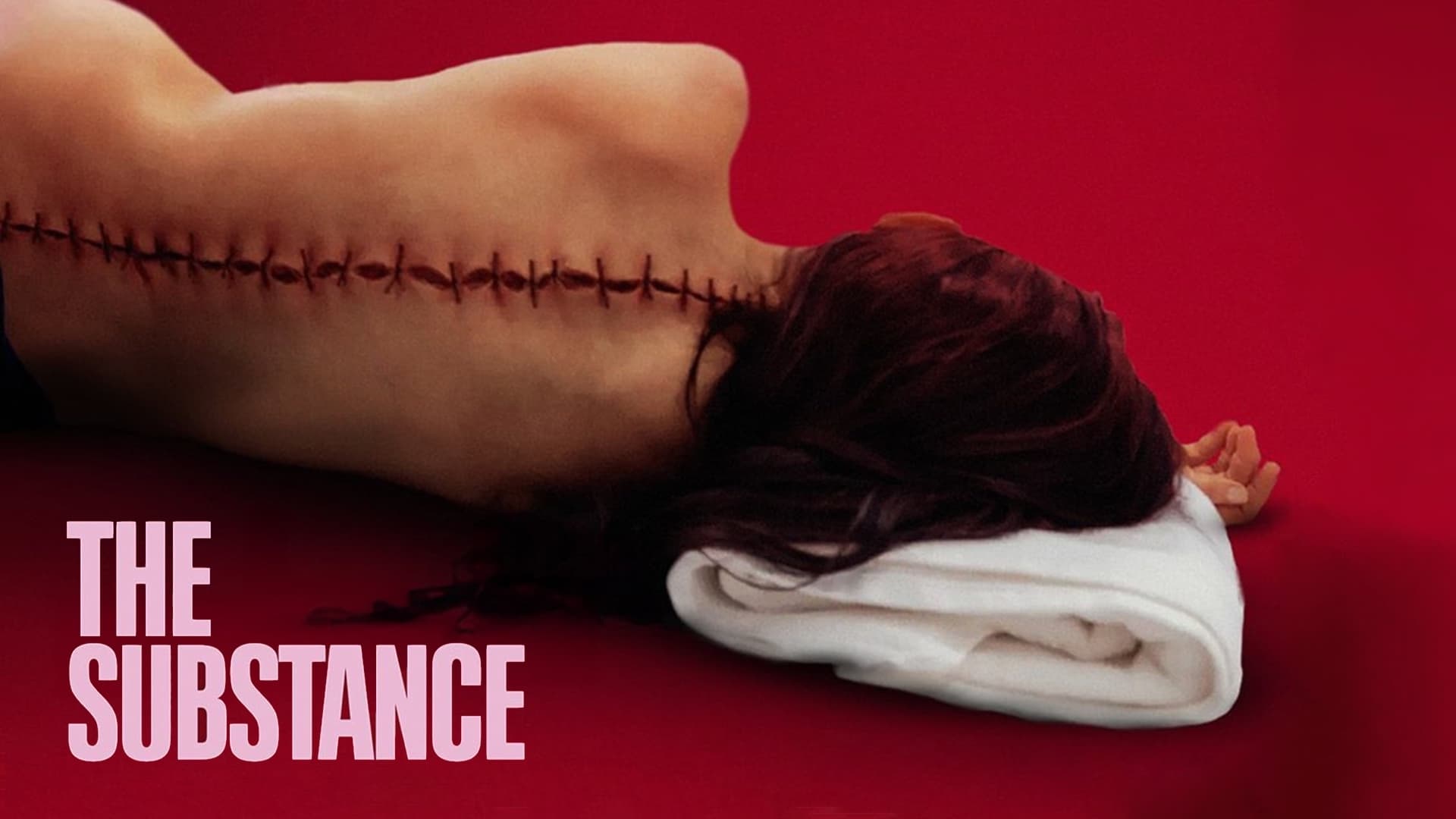
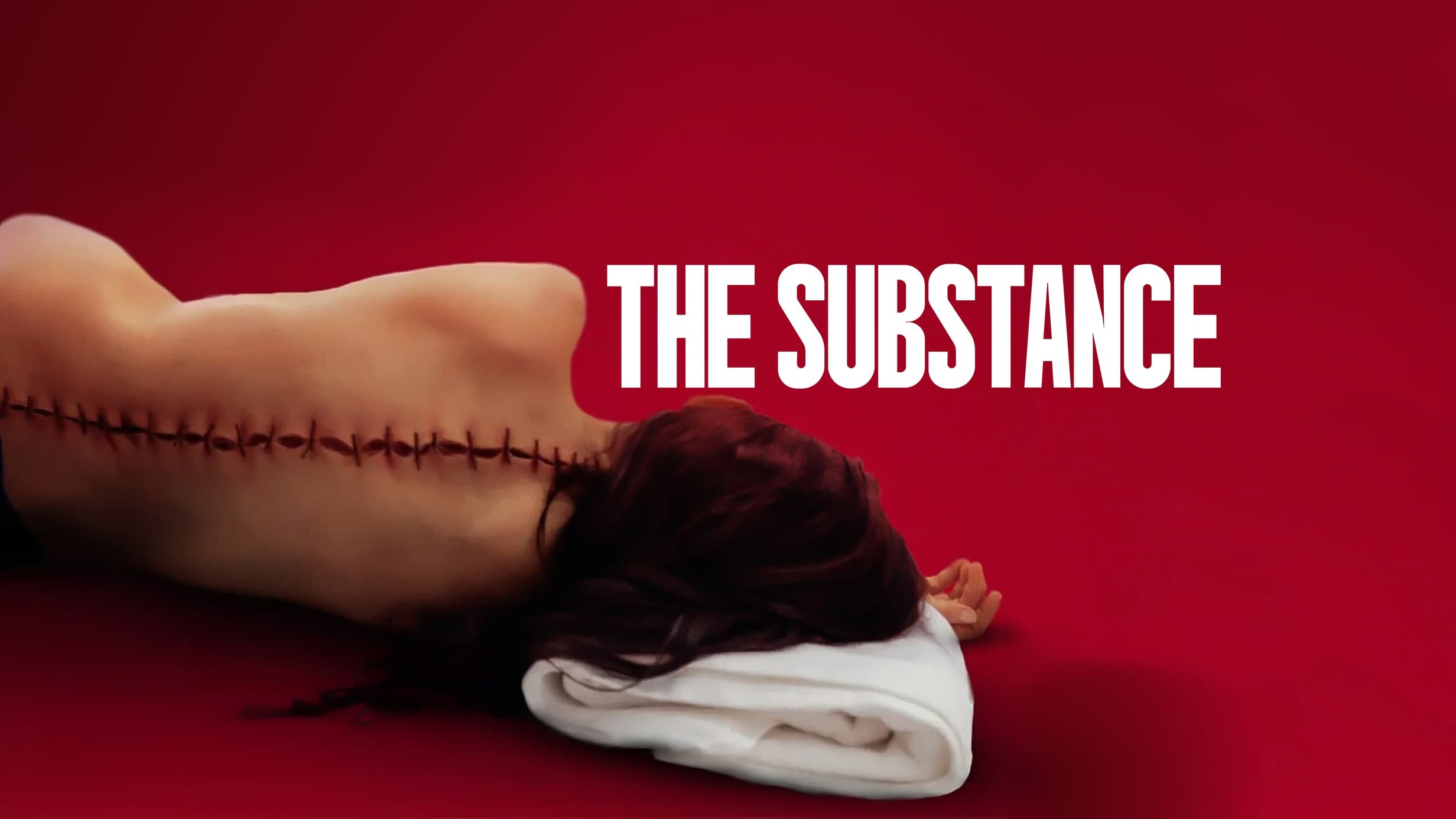
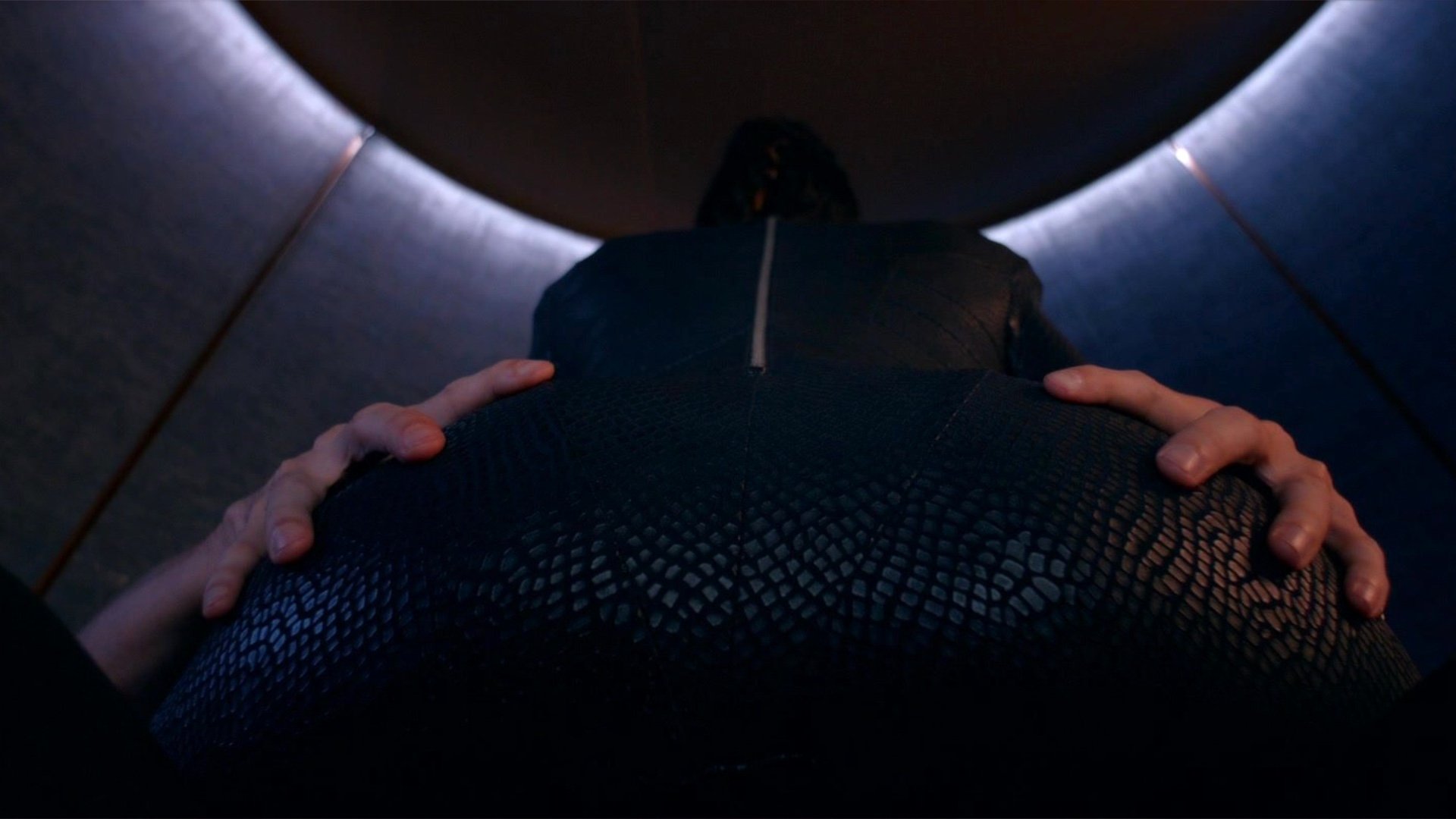
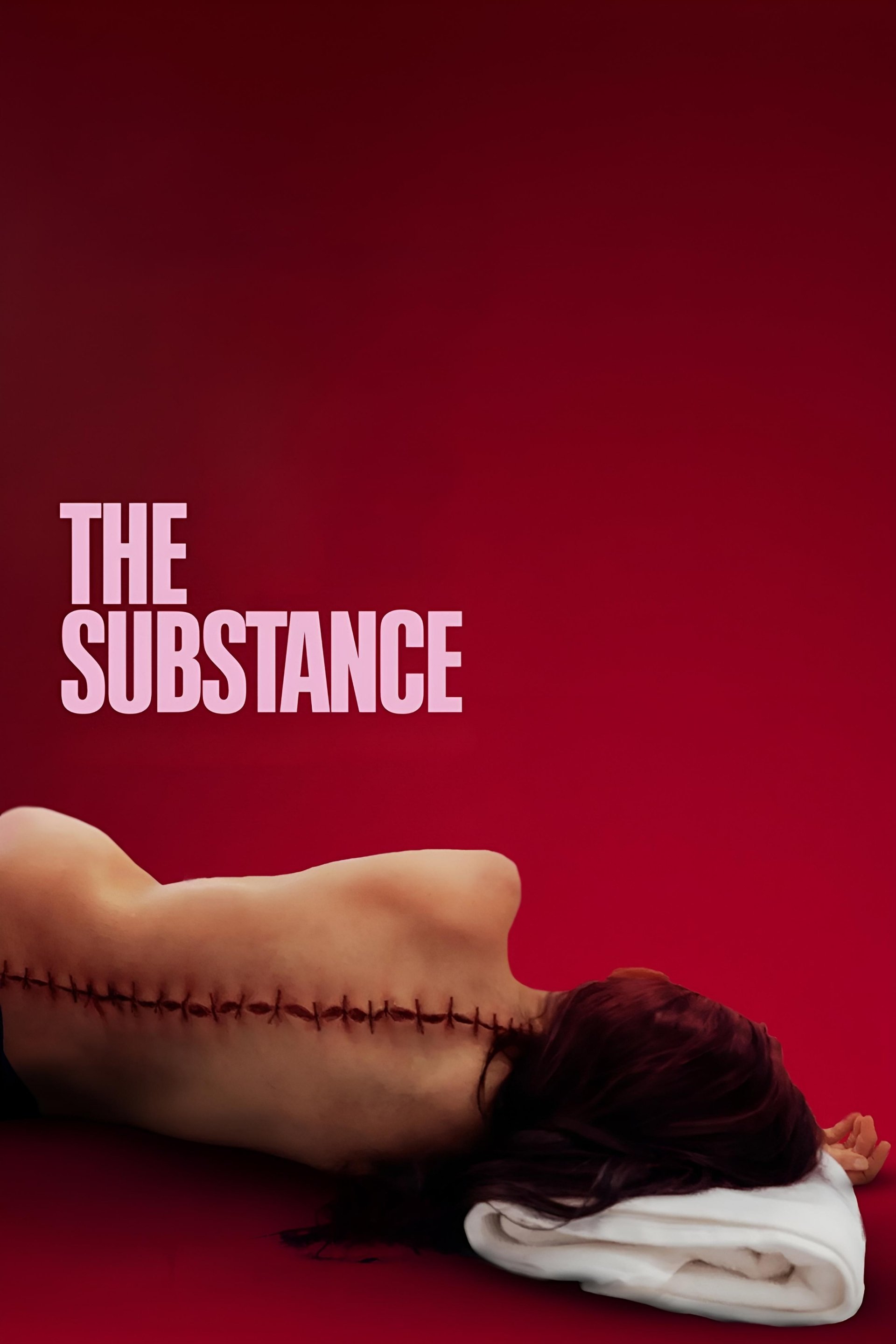
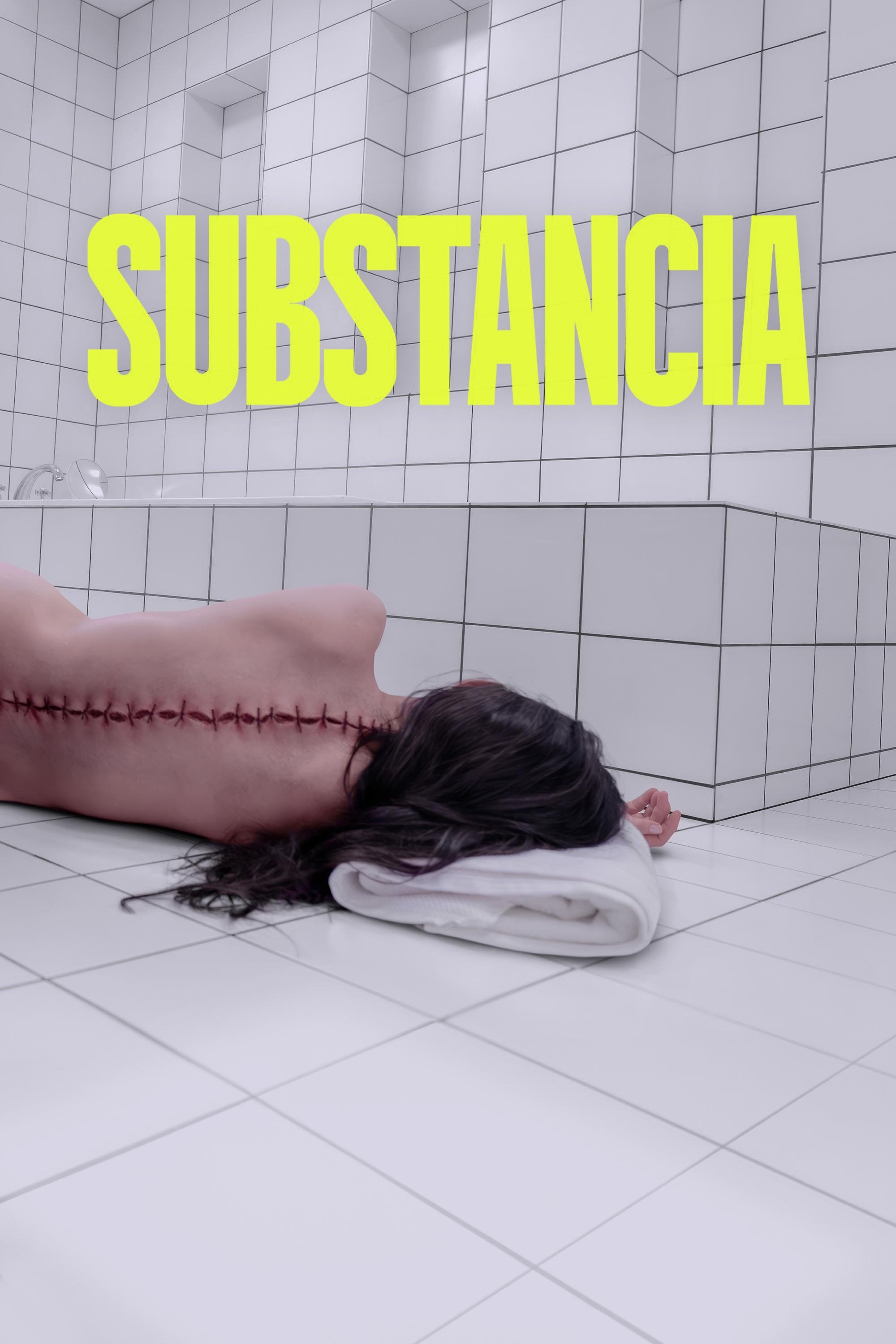
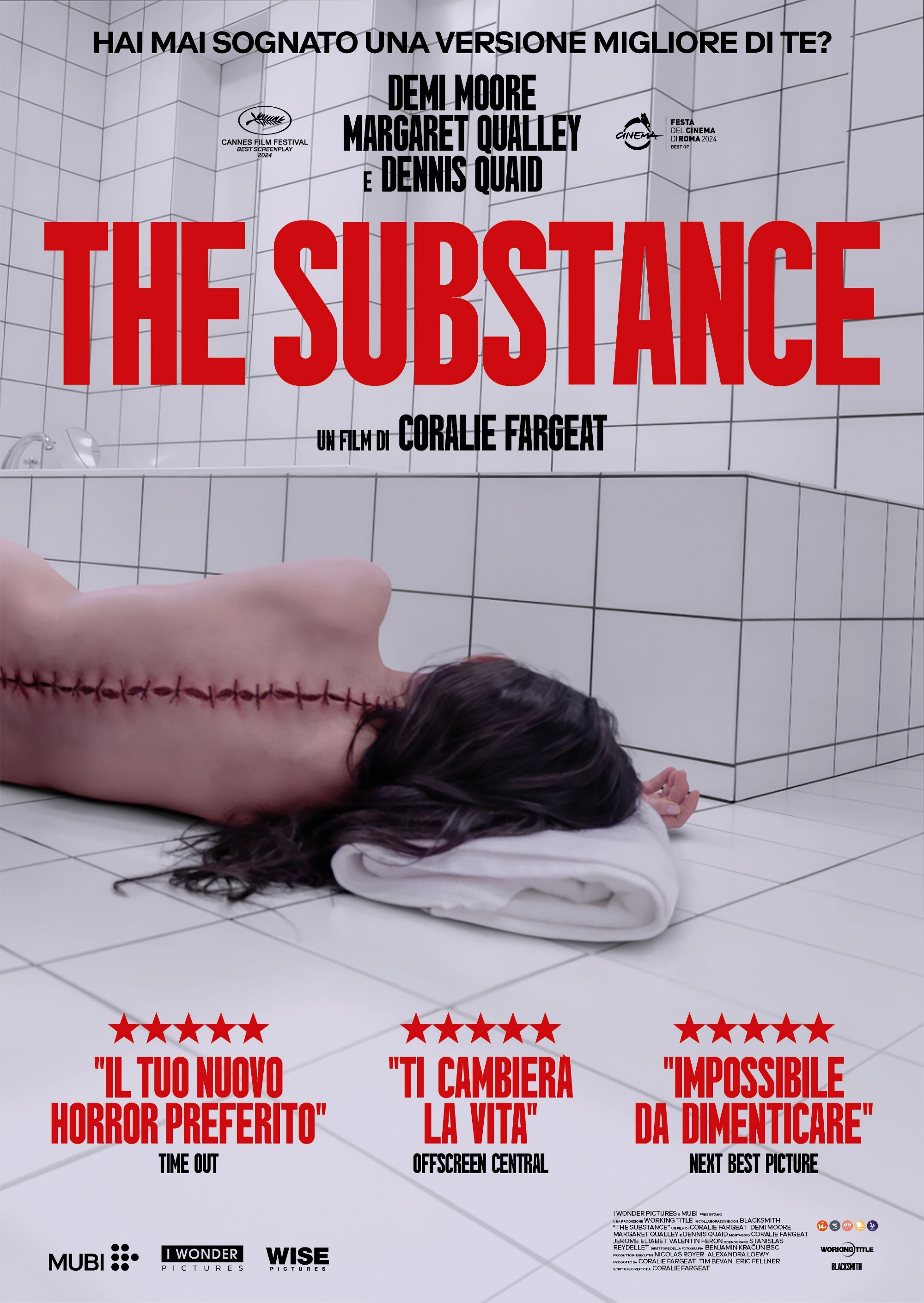
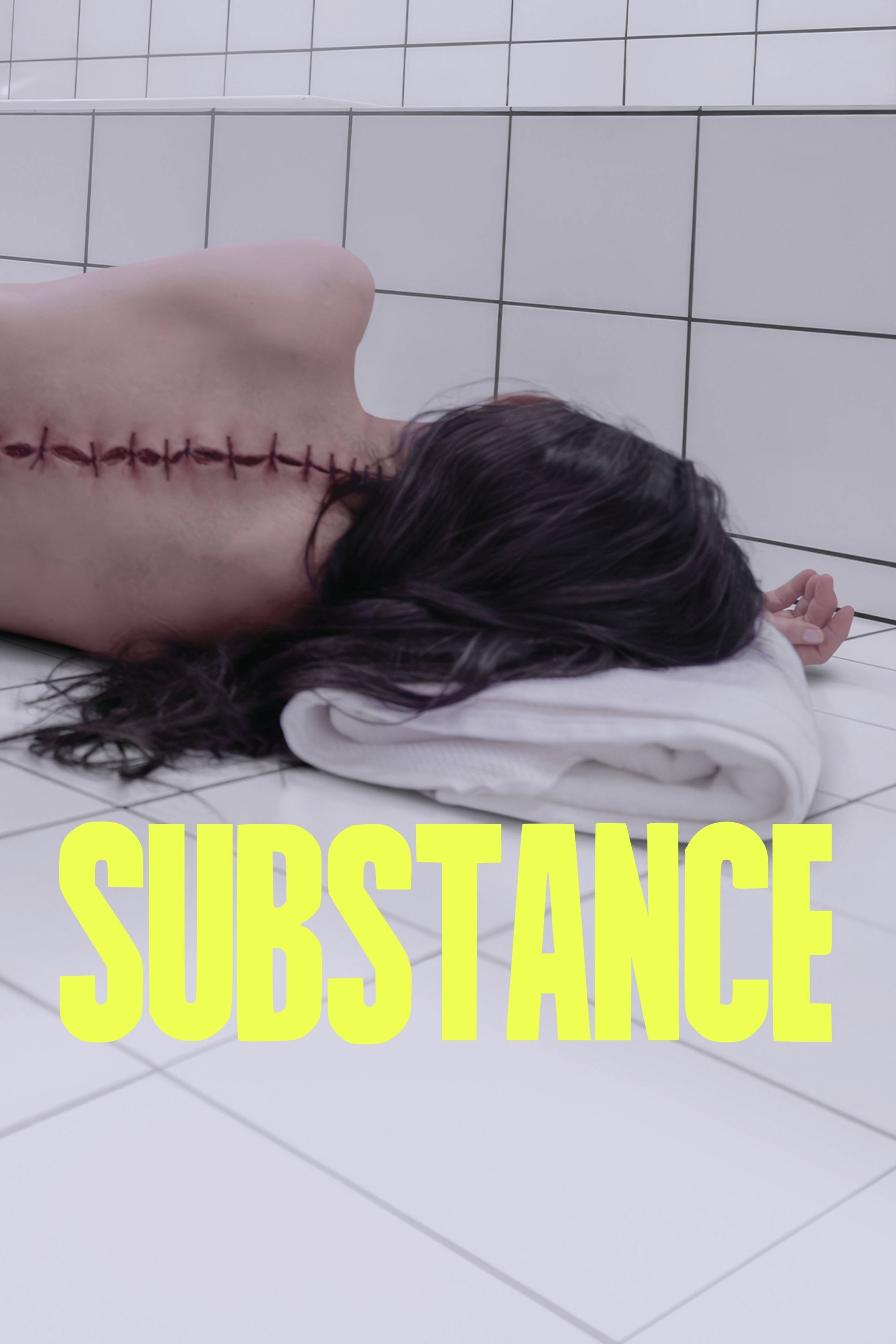
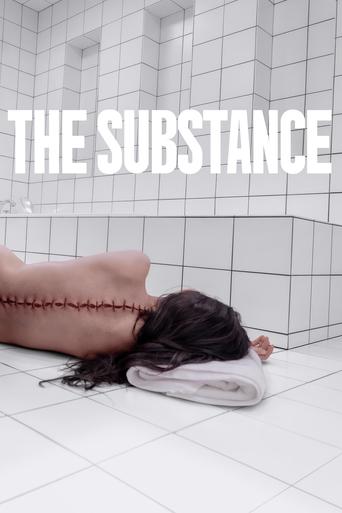
The emergence of Sue required another combination of prosthetics, dummy bodies and puppetry. For the back-splitting sequence, physical replicas and mechanical pieces allowed the camera to remain extremely close as one body appears to produce another. Members of the effects crew could operate components from underneath the raised set while Fargeat directed the action nearby. The effect therefore depends on the apparent weight and resistance of physical material rather than only on digital compositing.

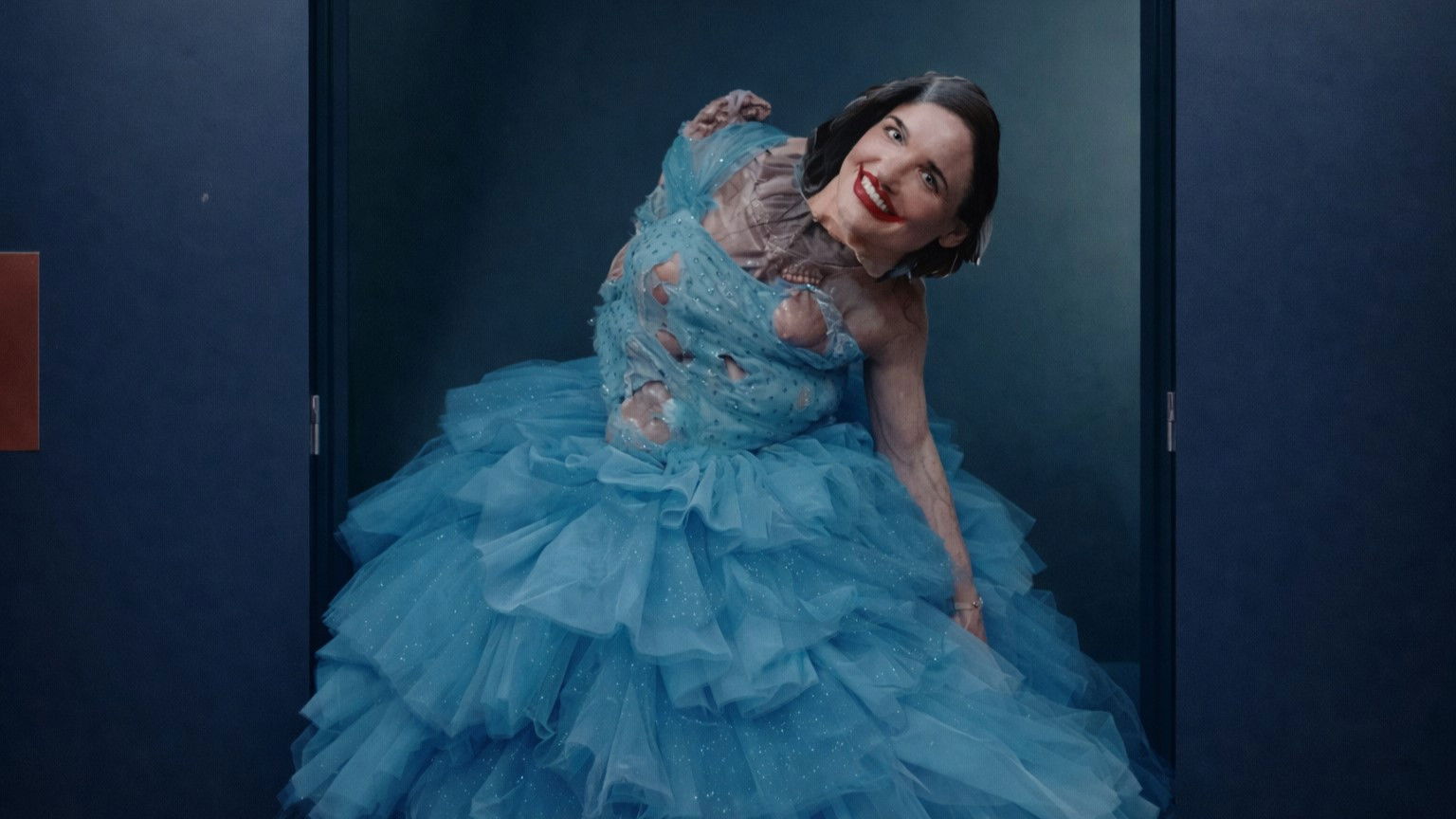
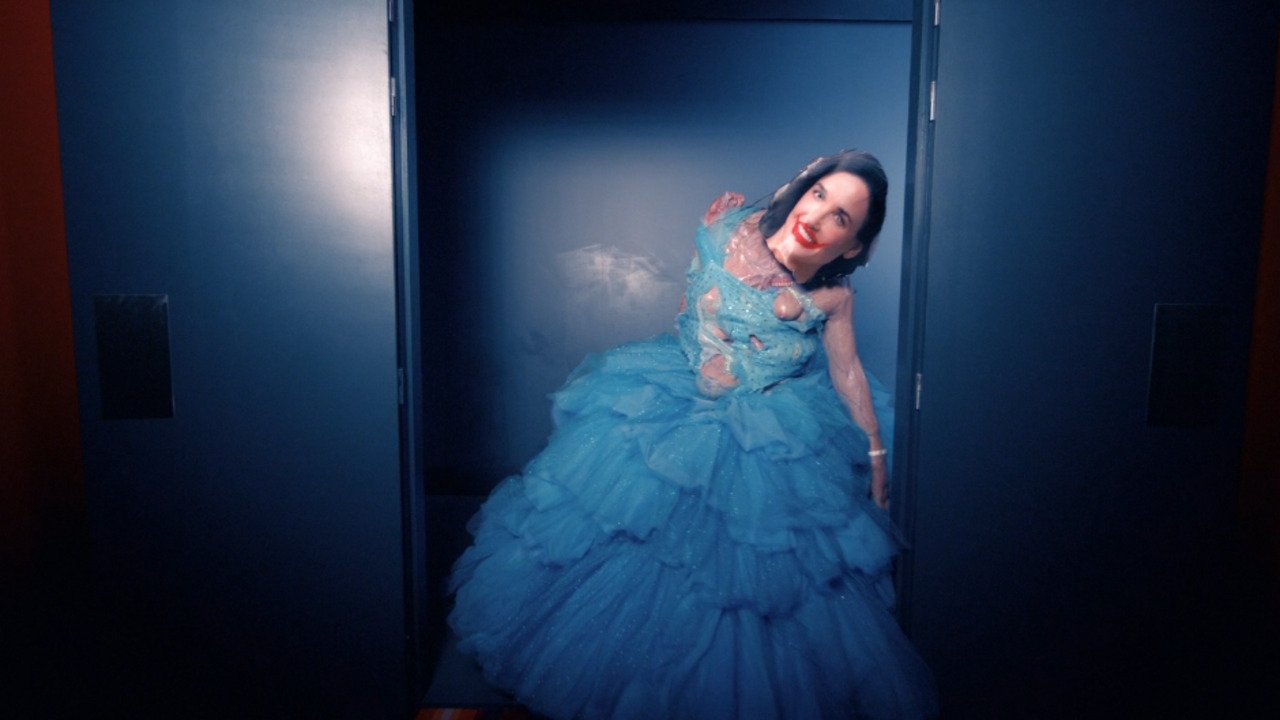
The final creation, Monstro Elisasue, pushes this approach into deliberate anatomical impossibility. Elisabeth and Sue no longer alternate; their identities and bodies collapse into a single unstable form. Persin designed the creature as an accumulation of displaced human anatomy rather than as a conventional monster. Parts face the wrong direction, multiple breasts disrupt the body's symmetry and Elisabeth's face survives as one fragment within a larger physical mass.

Margaret Qualley performed close material in the Monstro makeup and suit, while stunt performers handled much of the wider and more physically demanding work. The costume had to accommodate substantial blood effects and movement, and cooling equipment was used between takes. Practical rigs supplied the enormous quantities of artificial blood required for the final theatre sequence.

The effects are not merely demonstrations of technical excess. The transformation completes the logic established at the beginning of the film. Elisabeth first treats normal ageing as monstrous, then idealises Sue as perfection. By the finale those categories have become meaningless. Monstro is objectively the film's most radically altered body, but it is also the point at which the character temporarily stops attempting to divide herself into acceptable and unacceptable versions.

Repetition, Mirrors & the Seven-Day Structure

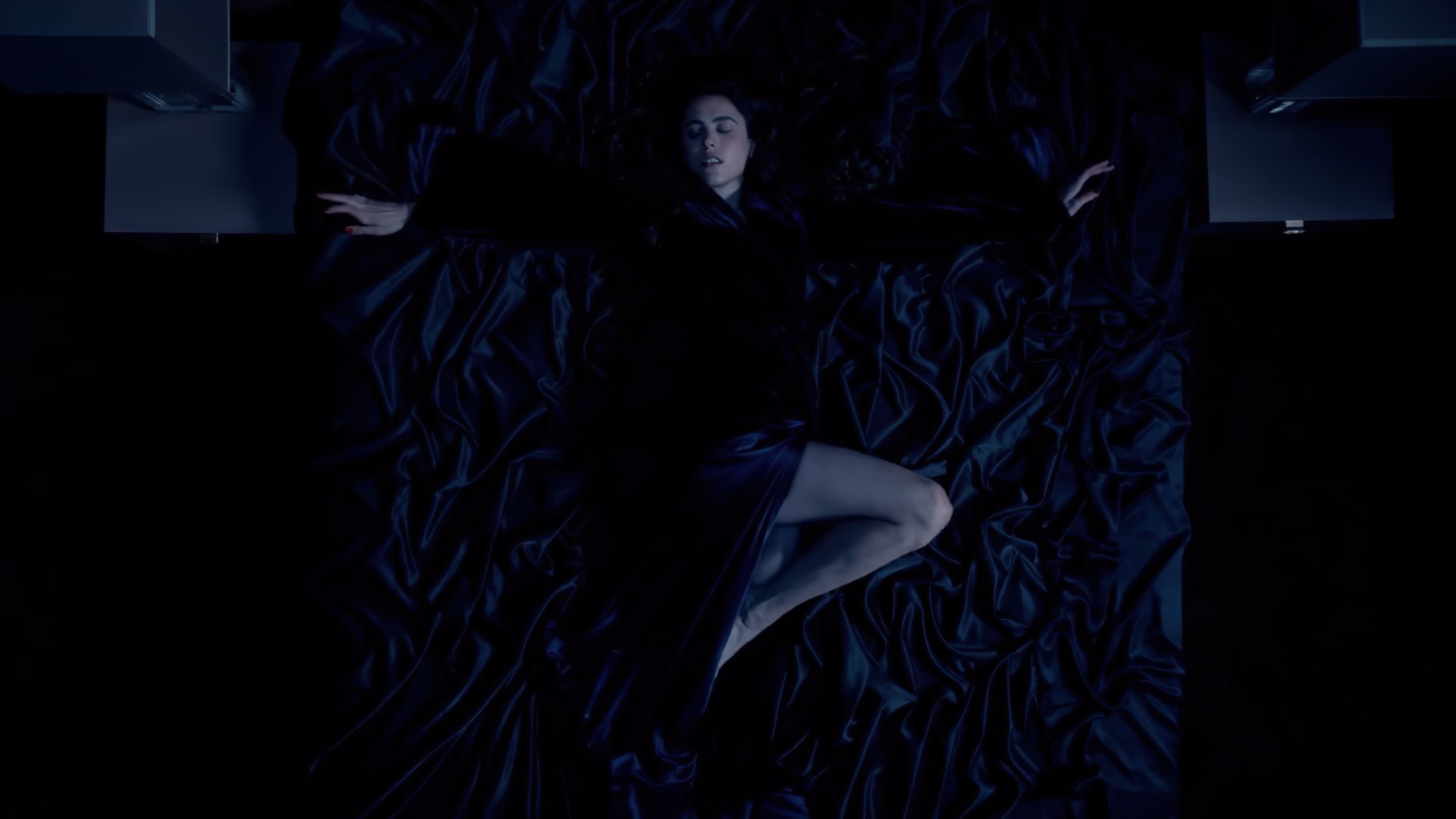
The seven-day rule gives The Substance a rigid repetitive structure. Elisabeth activates Sue, one body lives while the other remains unconscious, and they must switch after exactly one week. Initially the cycle appears almost procedural. Equipment is prepared, fluids are exchanged and the inactive body is stored in the hidden room. Repetition allows the film to establish a stable system before showing how small violations accumulate into irreversible consequences.

Editing reinforces this mechanical quality. Fargeat shared editing credit with Jérôme Eltabet and Valentin Féron, and the film repeatedly compresses routine through rhythmic sequences of injections, exercise, food and television production. Actions become patterns. Once the balance breaks down, the same actions return in altered forms and the viewer can immediately recognize what has changed.
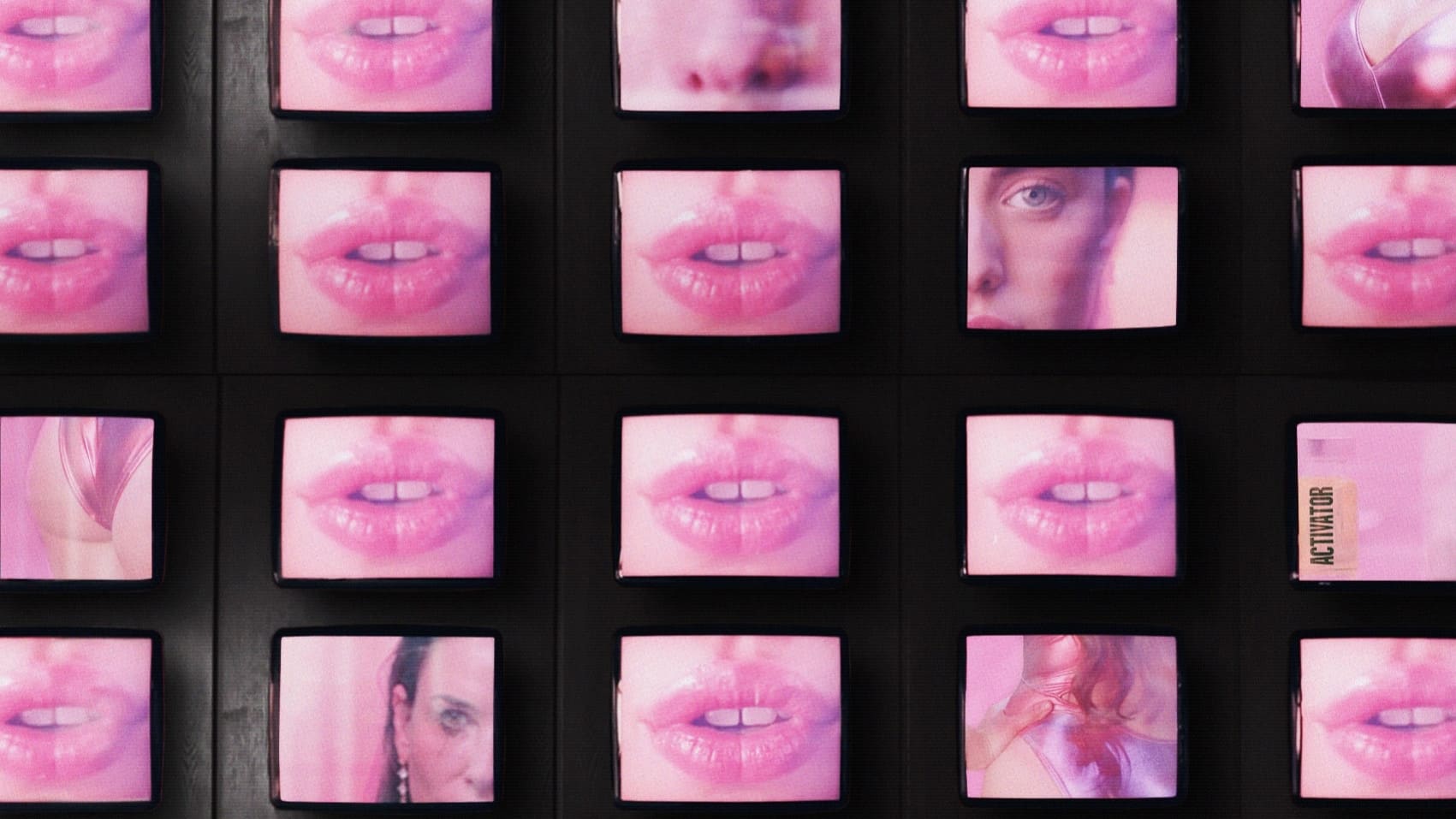
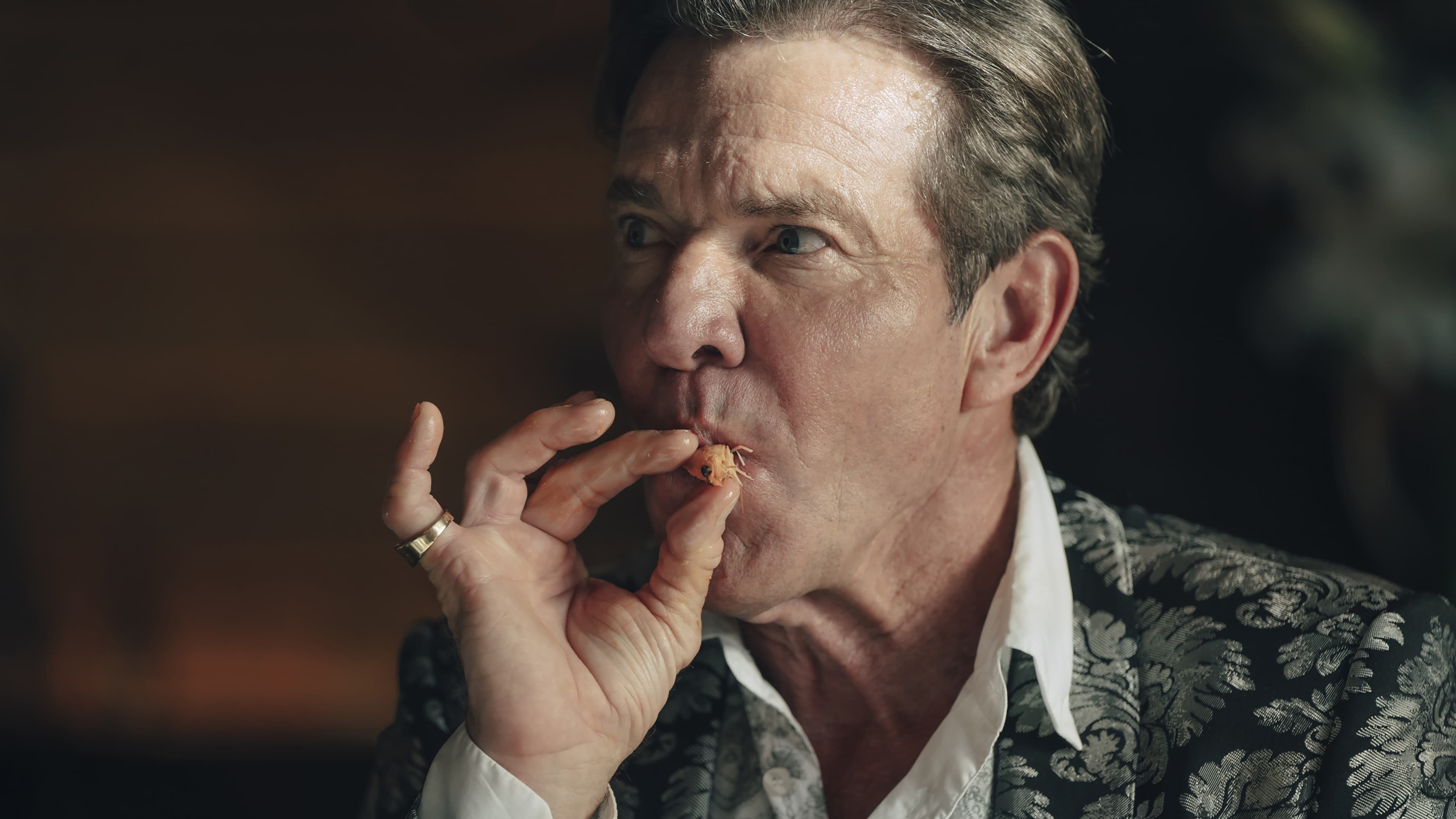
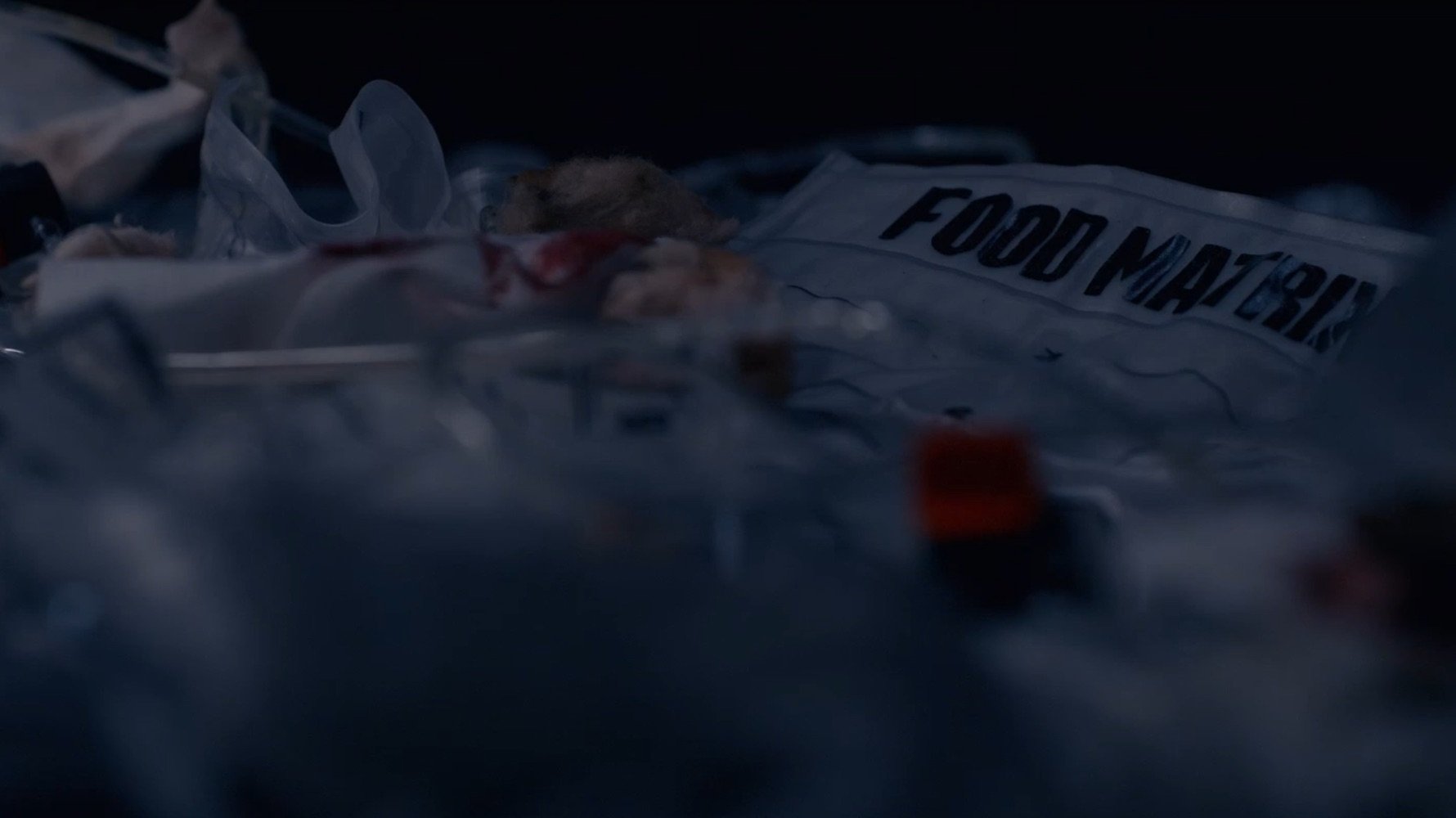
The film's close-ups work similarly. Food being chewed by Harvey, needles entering flesh, muscles moving during exercise and cosmetic preparation are photographed with an intensity normally reserved for gore. This collapses the distance between glamorous and disgusting imagery. A conventionally attractive body can be made strange through framing, while an explicitly damaged body can be studied with almost clinical attention.

Mirrors provide the most persistent visual structure. Elisabeth and Sue repeatedly encounter themselves through reflected images, yet reflection rarely produces recognition. Elisabeth sees defect where the viewer can see Demi Moore; Sue sees the older body as an obstacle rather than herself. By the time Monstro looks into the mirror, the relationship changes. The grotesque final body is paradoxically capable of entering public space with a confidence Elisabeth could not achieve while appearing conventionally beautiful.

Cannes, Theatrical Release & Box Office

The Substance premiered in Competition at the 77th Cannes Film Festival in May 2024. Fargeat received the festival's Best Screenplay award, an unusually prominent launch for a film whose final act depends upon extreme prosthetic transformation and large-scale splatter.

MUBI subsequently handled theatrical distribution across several major territories. The film opened in the United States and United Kingdom on September 20, 2024, alongside releases in a number of other international markets. Rather than moving rapidly from festival exposure to a predominantly streaming existence, it developed a sustained theatrical run.

The commercial result was substantial. Box-office records place the North American theatrical total at approximately $17.6 million and the international total at approximately $59.7 million, producing a worldwide gross of about $77.3 million. Mexico alone exceeded $10 million, while the United Kingdom, France, Spain, Italy, South Korea and several other territories produced significant theatrical totals.

Those figures matter in relation to the film's form. The Substance runs approximately 140 minutes, contains prolonged grotesque transformations and was marketed as an uncompromising body-horror film rather than softened into a conventional thriller. Its international theatrical performance demonstrated that the material could reach substantially beyond a small specialist extreme-horror audience.

Reception, Awards & Early Position in Body Horror

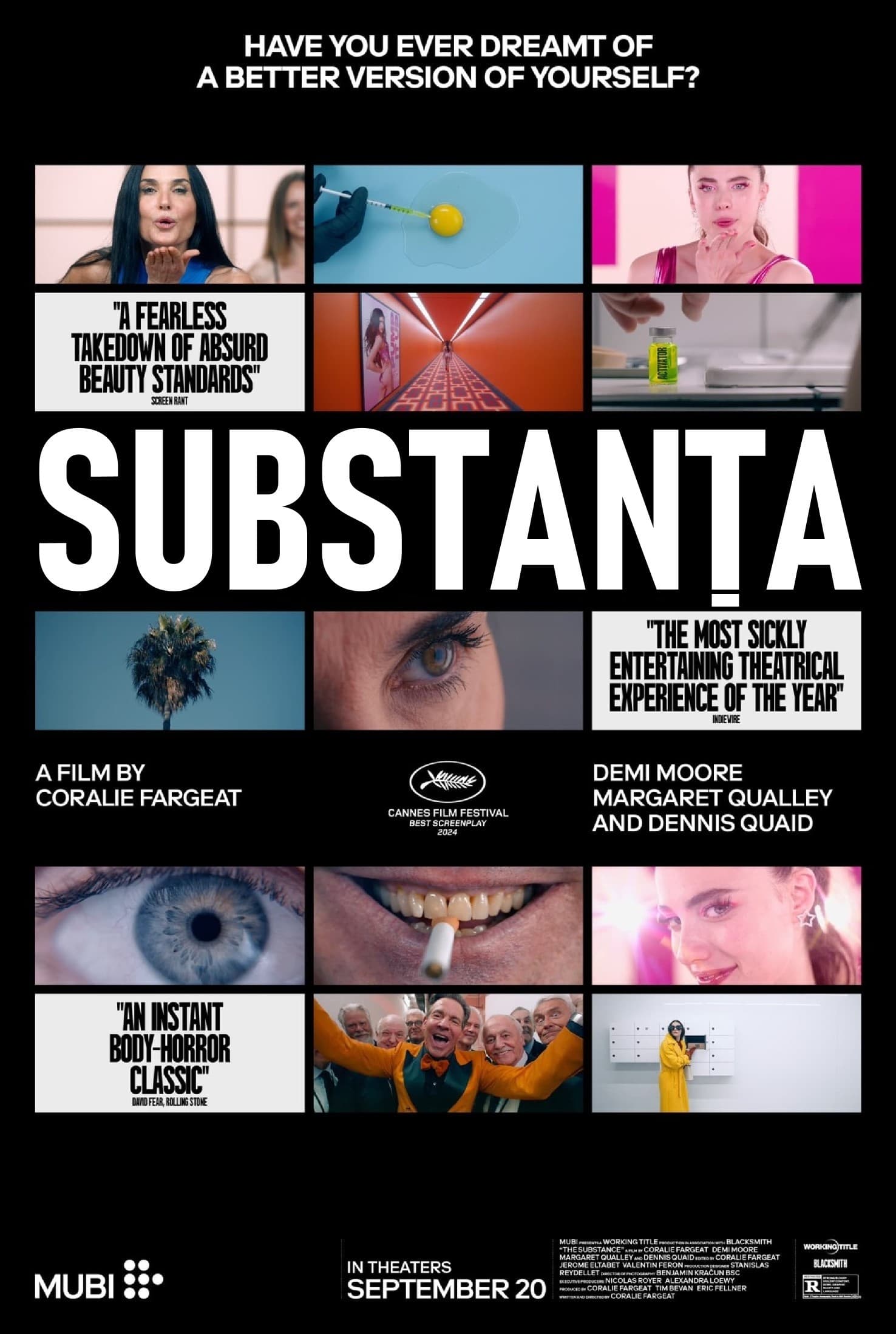
Critical reaction was strongly engaged but not unanimous. Reviews frequently praised the visual control, performances and willingness to push the body-horror premise to extremes, while disagreement centred on the film's argument about ageing and female bodies. Some critics viewed the grotesque transformation as a forceful attack on beauty standards; others questioned whether depicting the older female body through increasingly monstrous imagery risked reproducing part of the very logic the film intended to criticise.

That disagreement is useful when considering the film because Fargeat's strategy is deliberately excessive rather than neutral. She has described the violence of the imagery as a response to the violence of the standards being represented. The film therefore does not attempt to solve the contradiction between disgust and critique. It pushes the audience into participating in looking at bodies before turning that gaze into part of the problem.

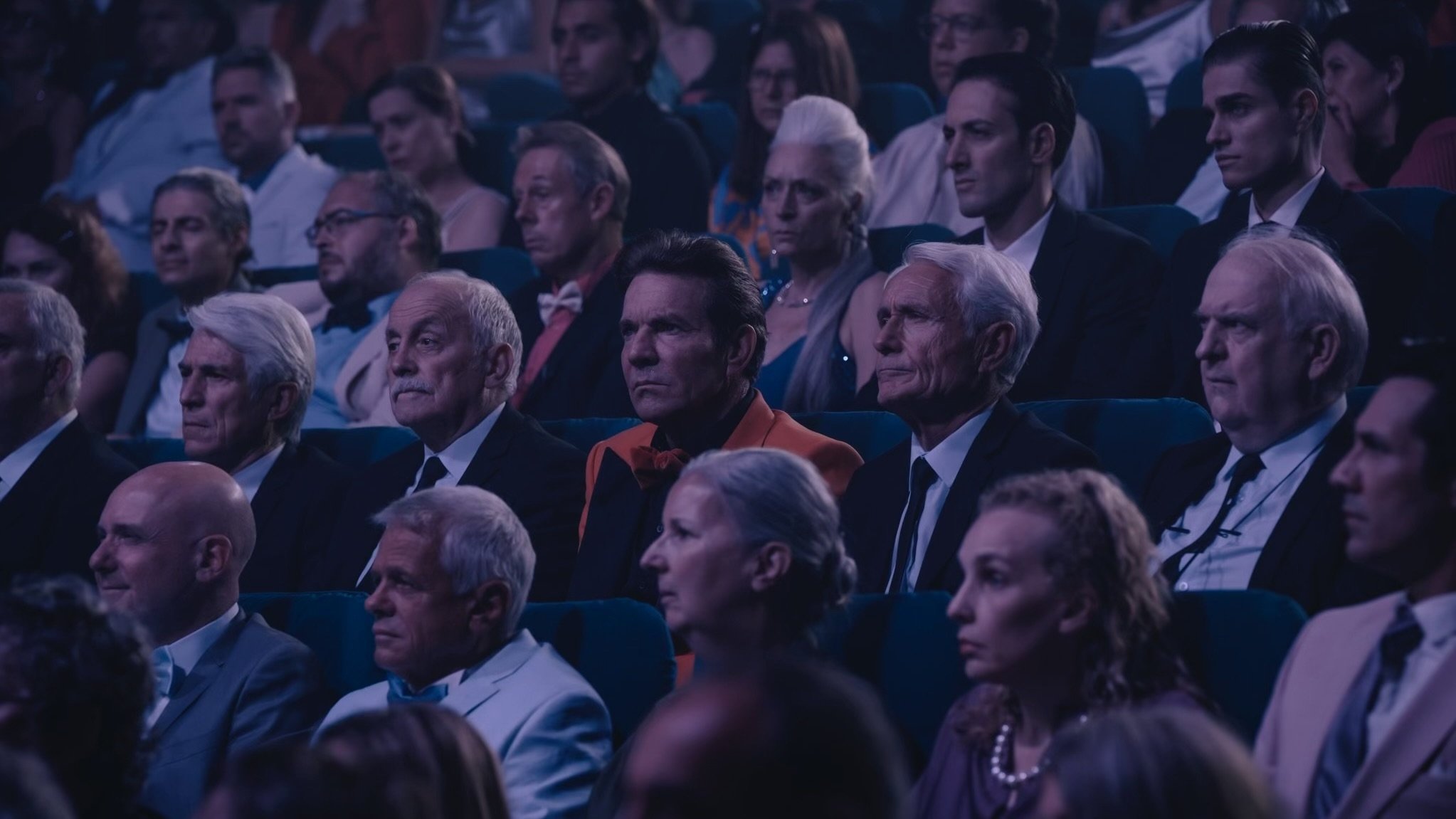
The awards response was unusually broad for such explicit horror. At the 97th Academy Awards, The Substance received five nominations: Best Picture, Best Director for Fargeat, Best Actress for Moore, Best Original Screenplay and Best Makeup and Hairstyling. Pierre-Olivier Persin, Stéphanie Guillon and Marilyne Scarselli won the Oscar for Makeup and Hairstyling. The recognition complemented Fargeat's earlier screenplay prize at Cannes and placed both the film's writing and its practical body-horror craft inside major institutional awards categories.

Because the film is recent, claims about long-term influence should remain cautious. There has not yet been enough time to determine how extensively later filmmakers will absorb its techniques or themes. What can already be documented is its unusually visible position within contemporary horror: an explicitly grotesque film about ageing and bodily self-rejection moved from Cannes Competition to wide international theatrical distribution, significant box office and a Best Picture nomination.

Its early historical interest lies in that combination. The Substance uses the traditions of transformation horror, prosthetic effects and cinematic grotesquerie without hiding them beneath prestige-drama restraint. Instead, the same elements that make it recognisably body horror — split flesh, artificial bodies, uncontrolled ageing and impossible anatomy — became central to its critical discussion and awards recognition. Whatever its longer-term influence eventually proves to be, the film has already demonstrated how far overt body horror can travel within contemporary mainstream film culture.

Cast

View Full Cast & Crew →

Release & Distribution

Production Companies (3)

  • Blacksmith FR
  • Working Title GB
  • Working Title Films US

Distributors (1)

  • ADS Service HU

Release History (122)

Release DateTerritoryRelease TypeFormatDistributorCertificationNotes
2024-05-19 FR premiere — — — Cannes Film Festival
2024-06-16 AU premiere — — — Sydney Film Festival
2024-06-23 MT premiere — — — Mediterrane Film Festival
2024-06-29 CZ premiere — — 15+ Karlovy Vary International Film Festival
2024-06-30 DE premiere — — — Munich International Film Festival
2024-07-05 RS premiere — — — Slaughter Horror Film Festival
2024-07-18 UA premiere — — — Odesa International Film Festival
2024-07-19 PL premiere — — — New Horizons International Film Festival
2024-08-09 SE premiere — — — Way Out West
2024-08-12 PE premiere — — — Lima International Film Festival
2024-08-14 AU premiere — — — Melbourne International Film Festival
2024-08-14 HK premiere — — — Cine Fan Summer International Film Festival
2024-08-18 NO premiere — — — The Norwegian International Film Festival Haugesund
2024-08-18 NZ premiere — — — New Zealand International Film Festival
2024-08-20 GB premiere — — — Edinburgh International Film Festival
2024-08-26 GB premiere — — — Frightfest
2024-09-04 MX premiere — — — Mexico City, Mexico
2024-09-07 DE premiere — — — Fantasy Filmfest
2024-09-11 CA premiere — — — Toronto International Film Festival
2024-09-13 PT premiere — — — MOTELX - Lisbon International Horror Film Festival
2024-09-14 CA premiere — — — Atlantic International Film Festival
2024-09-15 CA premiere — — — Cinéfest Sudbury International Film Festival
2024-09-16 US premiere — — — Los Angeles, California
2024-09-18 SE theatrical — — 15
2024-09-19 AR theatrical — — +16
2024-09-19 AU theatrical — — R 18+
2024-09-19 AZ theatrical — — —
2024-09-19 BR theatrical — — 18
2024-09-19 CL theatrical — — 18
2024-09-19 CO theatrical — — —
2024-09-19 DE theatrical — — 16
2024-09-19 DO theatrical — — —
2024-09-19 GT theatrical — — —
2024-09-19 HK theatrical_limited — — III
2024-09-19 KZ theatrical — — —
2024-09-19 MX theatrical — — C
2024-09-19 NL theatrical — — 16
2024-09-19 NZ theatrical — — R16
2024-09-19 PR theatrical_limited — — R
2024-09-19 RU theatrical — — 18+
2024-09-20 CA theatrical — — 18A
2024-09-20 ES premiere — — — San Sebastián International Film Festival
2024-09-20 GB theatrical — — 18
2024-09-20 IE theatrical — — 16
2024-09-20 NO theatrical — — 15
2024-09-20 PL theatrical — — —
2024-09-20 US theatrical — — R
2024-09-21 ID premiere — — — Jakarta World Cinema
2024-09-25 LV theatrical — — 16+
2024-09-25 PH theatrical — — R-18
2024-09-26 CO theatrical — — —
2024-09-26 PE theatrical — — —
2024-09-26 SG theatrical — — M18
2024-09-26 TH theatrical — — 18
2024-09-27 CH theatrical — — 16
2024-09-27 FI theatrical — — K-16
2024-09-27 LT theatrical — — N-16
2024-10-04 TR premiere — — — Filmekimi
2024-10-05 KR premiere — — — Busan International Film Festival
2024-10-06 TR premiere — — — Antalya Golden Orange Film Festival
2024-10-10 CZ theatrical — — 15+
2024-10-10 HK theatrical — — III
2024-10-10 HU theatrical — — 18
2024-10-10 MO theatrical — — D
2024-10-10 SK theatrical — — 18
2024-10-10 UA theatrical — — 18+
2024-10-11 ES theatrical — — 18
2024-10-16 ID theatrical — — 21+
2024-10-17 IT premiere — — — International Rome Film Fest
2024-10-18 IT theatrical_limited — — 14+ Anteprima
2024-10-18 TW theatrical — — 18+
2024-10-19 LV premiere — — — Riga International Film Festival
2024-10-25 CA premiere — — — Windsor International Film Festival
2024-10-30 IT theatrical — — 14+
2024-10-31 AE digital — — —
2024-10-31 AR digital — — +16 MUBI
2024-10-31 CA digital — — 18A MUBI
2024-10-31 DE digital — — 16 MUBI
2024-10-31 GB digital — — — MUBI
2024-10-31 GR theatrical — — K18
2024-10-31 IN digital — — A MUBI
2024-10-31 MX digital — — C MUBI
2024-10-31 PT theatrical — — M/16
2024-10-31 TR digital — — 18+ MUBI
2024-10-31 US digital — — R
2024-11-01 EE theatrical — — —
2024-11-01 TR theatrical_limited — — 18+
2024-11-01 VN theatrical — — —
2024-11-06 BE theatrical — — 16
2024-11-06 FR theatrical — — 12
2024-11-21 IL theatrical — — 16
2024-11-23 MX premiere — — — Festival Internacional del Cine de Veracruz
2024-11-27 ID digital — — 21+ KlikFilm
2024-11-29 ID premiere — — — Festival Sinema Prancis
2024-11-29 RU digital — — 18+
2024-12-11 KR theatrical — — 19
2024-12-12 BR theatrical — — 18
2025-01-10 RO premiere — — 18
2025-01-11 RO theatrical — — 18
2025-01-15 PH theatrical — — R-18
2025-01-17 BG theatrical — — X
2025-01-20 TH digital — — 18 Netflix
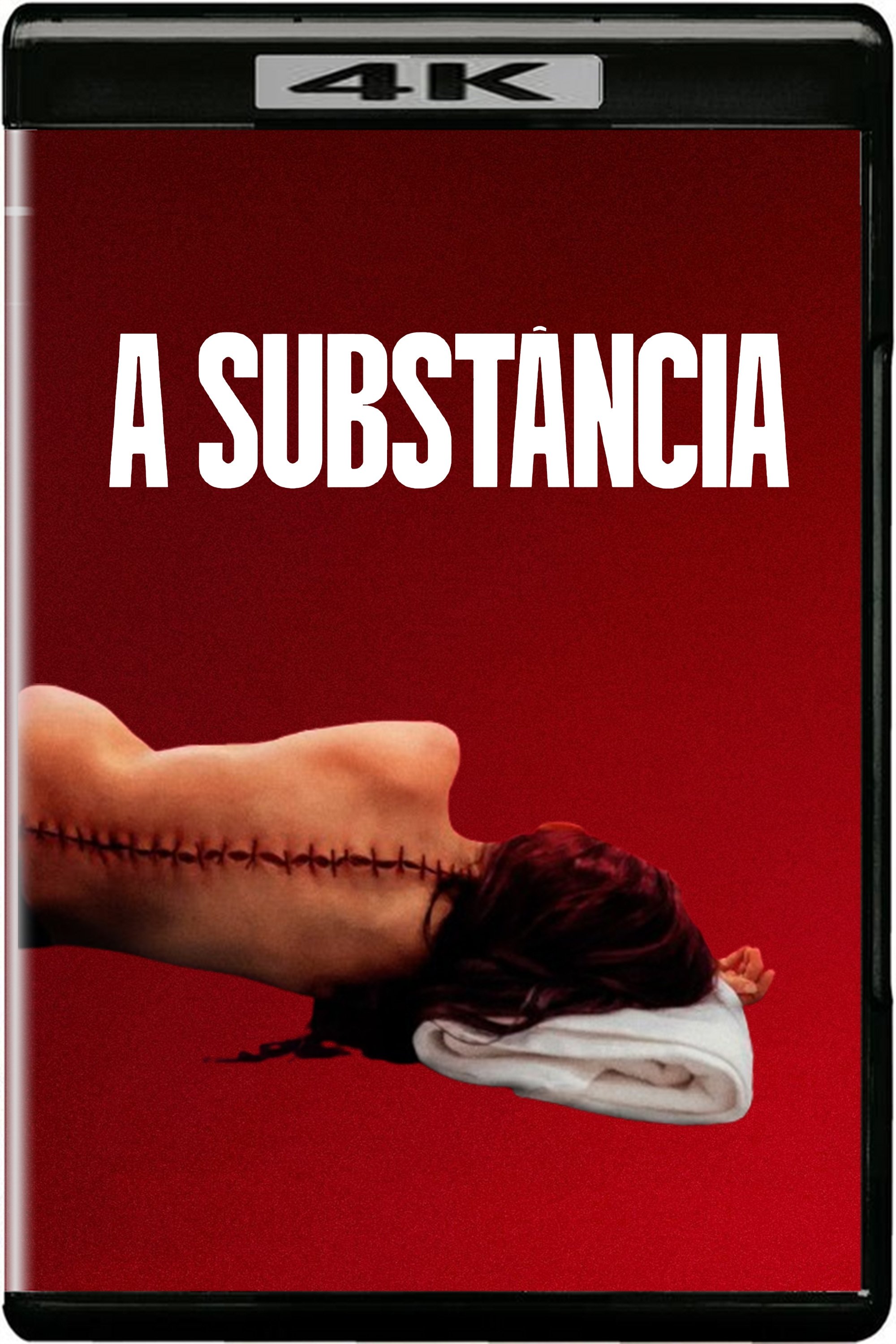
2025-01-21 US physical 4K UHD, DVD, Blu-ray — R 4K Ultra HD / Blu-ray / DVD
2025-02-05 ID theatrical_limited — — 21+ Re-Release
2025-02-13 MX theatrical_limited — — C Re-estreno
2025-03-06 FR digital — — 12
2025-03-13 FR physical 4K UHD, DVD, Blu-ray — 12 4K Ultra HD / Blu-ray / DVD
2025-03-29 VN digital — — —
2025-03-31 GB physical 4K UHD, DVD, Blu-ray — 18 4K Ultra HD / Blu-ray / DVD
2025-04-09 IT physical — — 14+
2025-05-16 JP theatrical — — R15+
2025-07-03 LT digital — — N-18 ŽMONĖS Cinema
2025-10-09 AS digital — — — HBO Max
2025-10-10 AR digital — — +16 HBO Max
2025-10-10 GU digital — — — HBO Max
2025-10-10 MP digital — — — HBO Max
2025-10-10 MX digital — — C HBO Max
2025-10-10 PR digital — — R HBO Max
2025-10-10 US digital — — R HBO Max
2025-10-10 VI digital — — R HBO Max
2025-10-11 US tv — — R HBO
2026-10-01 US digital — — R Hulu

Awards & Festivals

6 entries
YearFestival / AwardEntrySectionCategoryResultPremiere
2025Academy Award for Best Makeup and Hairstylingawardnominated
2025Academy AwardsawardAcademy Award for Best Picturenominated
2025Golden Globe Award for Best Actor – Motion Picture Musical or Comedyawardwon
2024Best Screenplay Awardawardwon
2024European Film AwardsawardEuropean Film Award for Best Filmnominated
2024Meeting Point Europe Awardawardwon
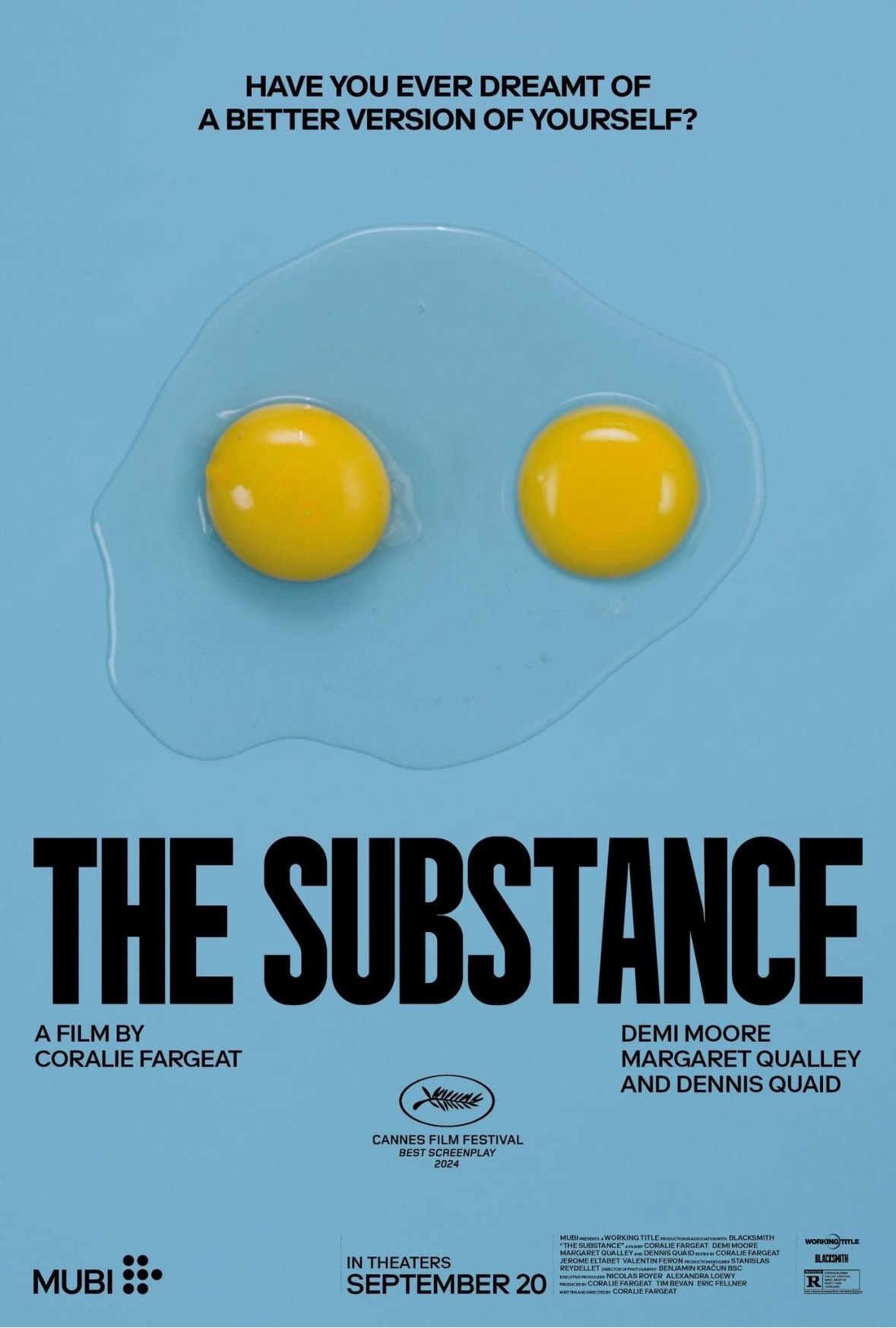
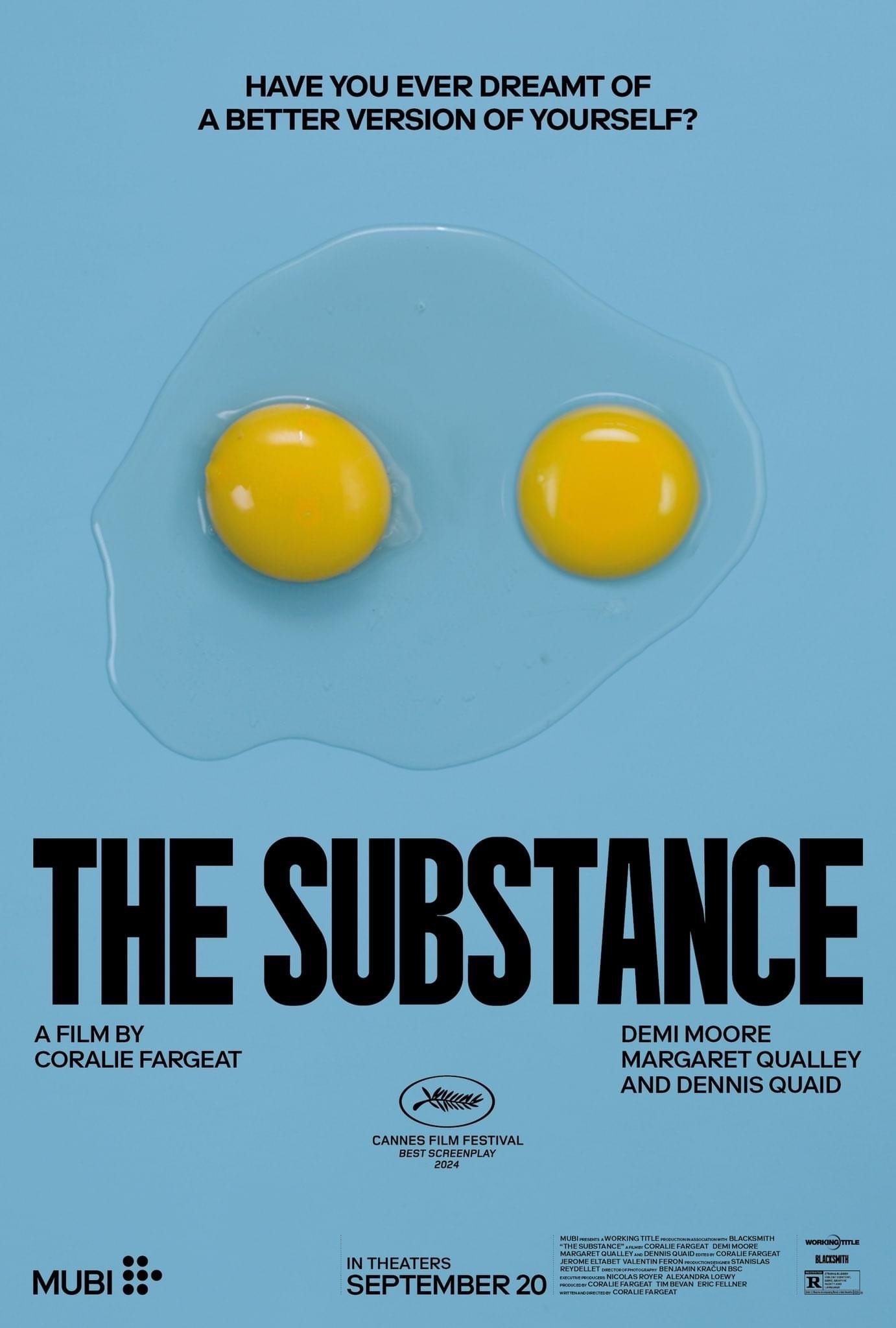
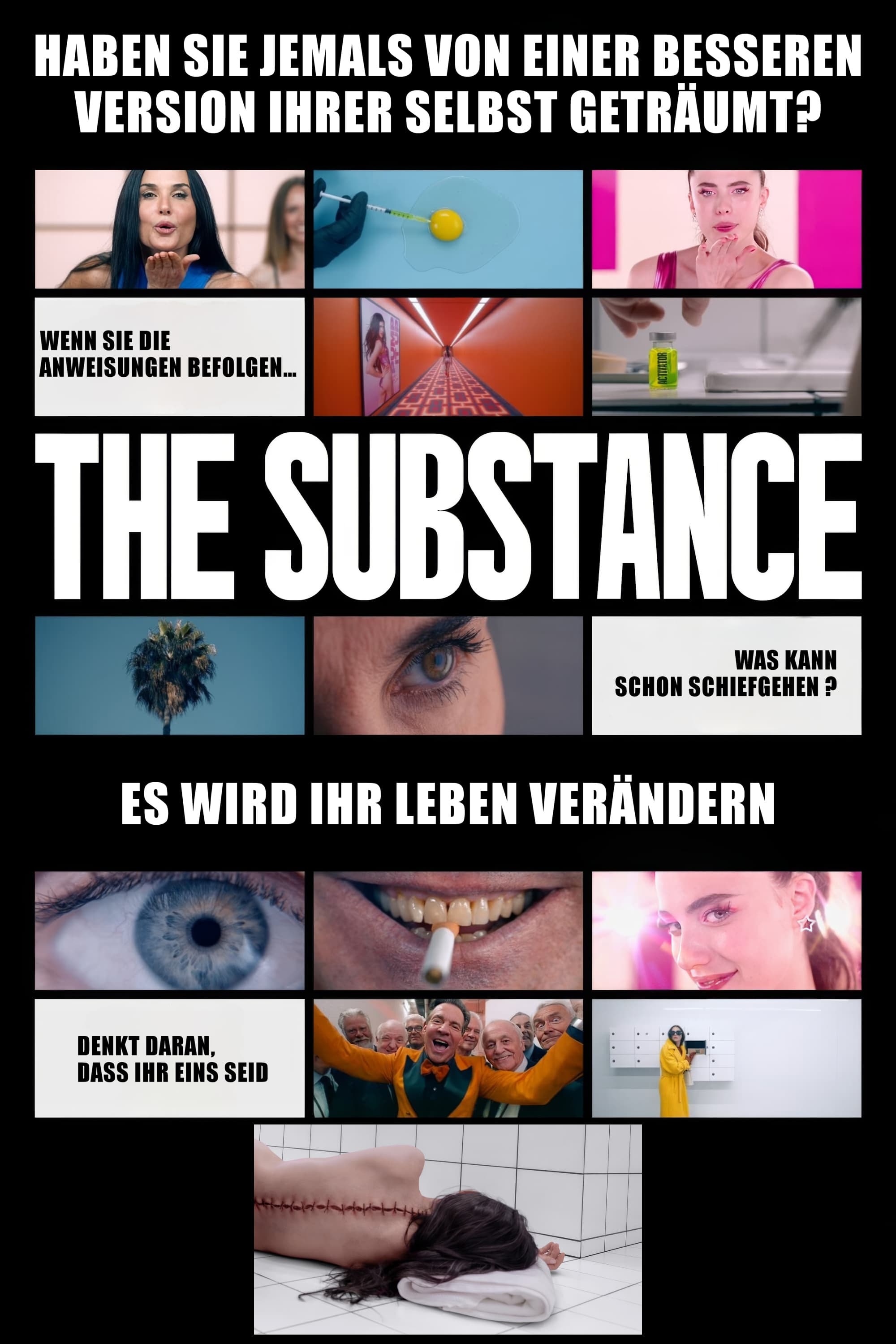
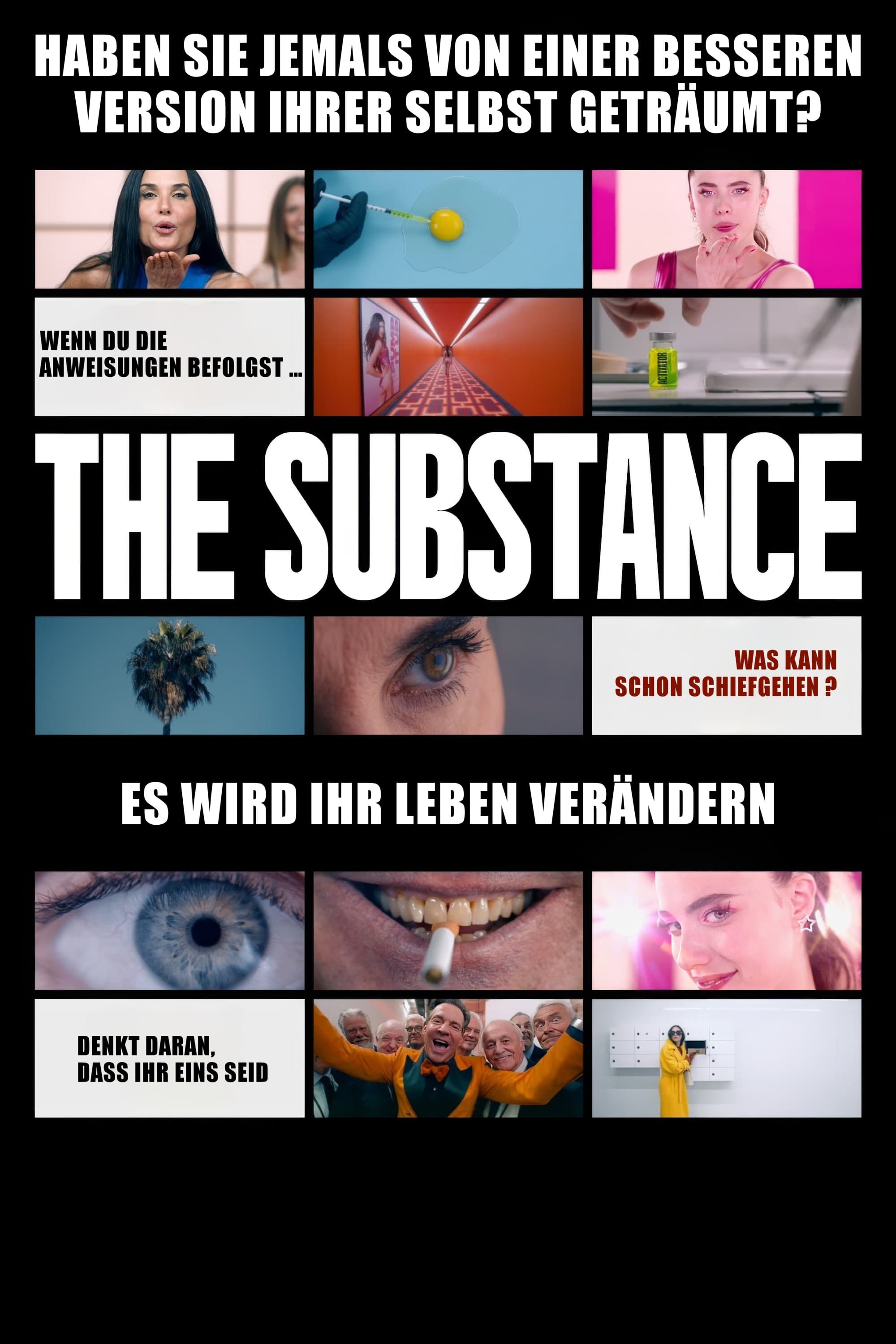
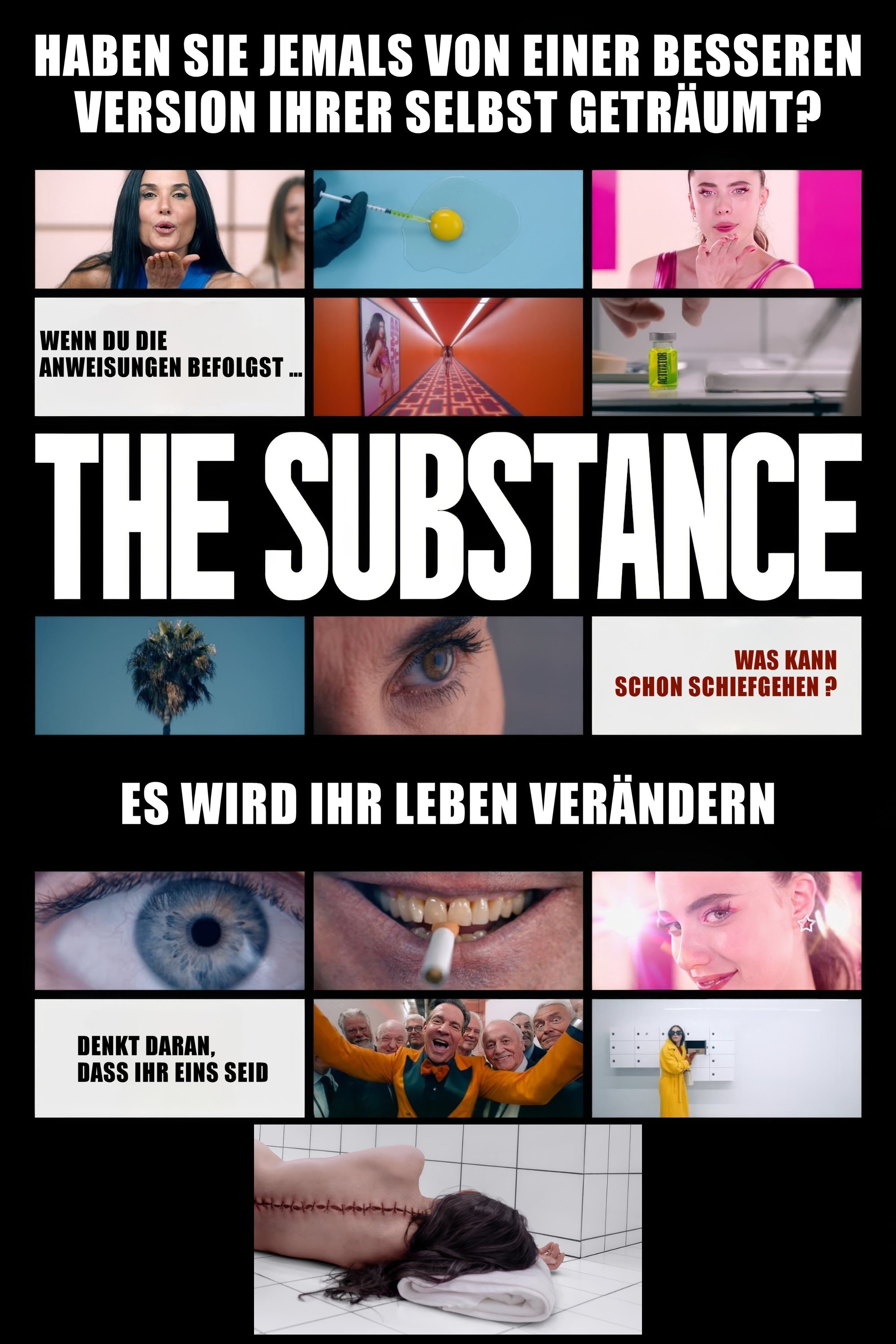
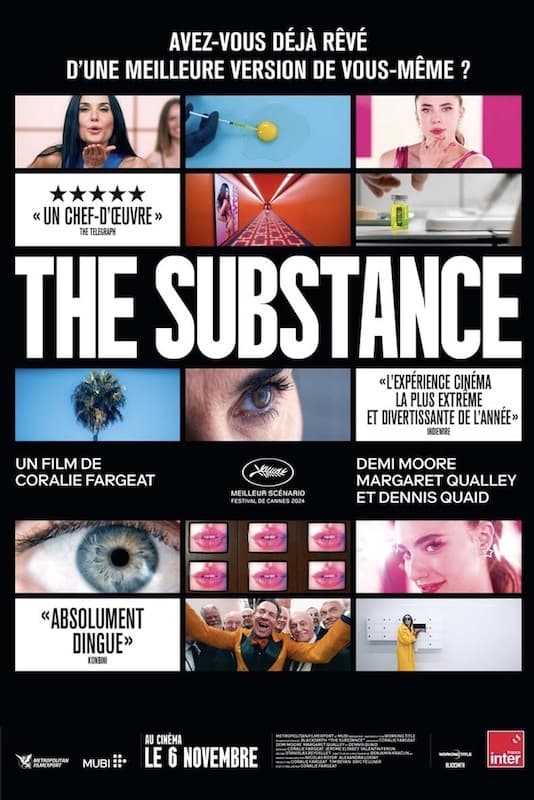
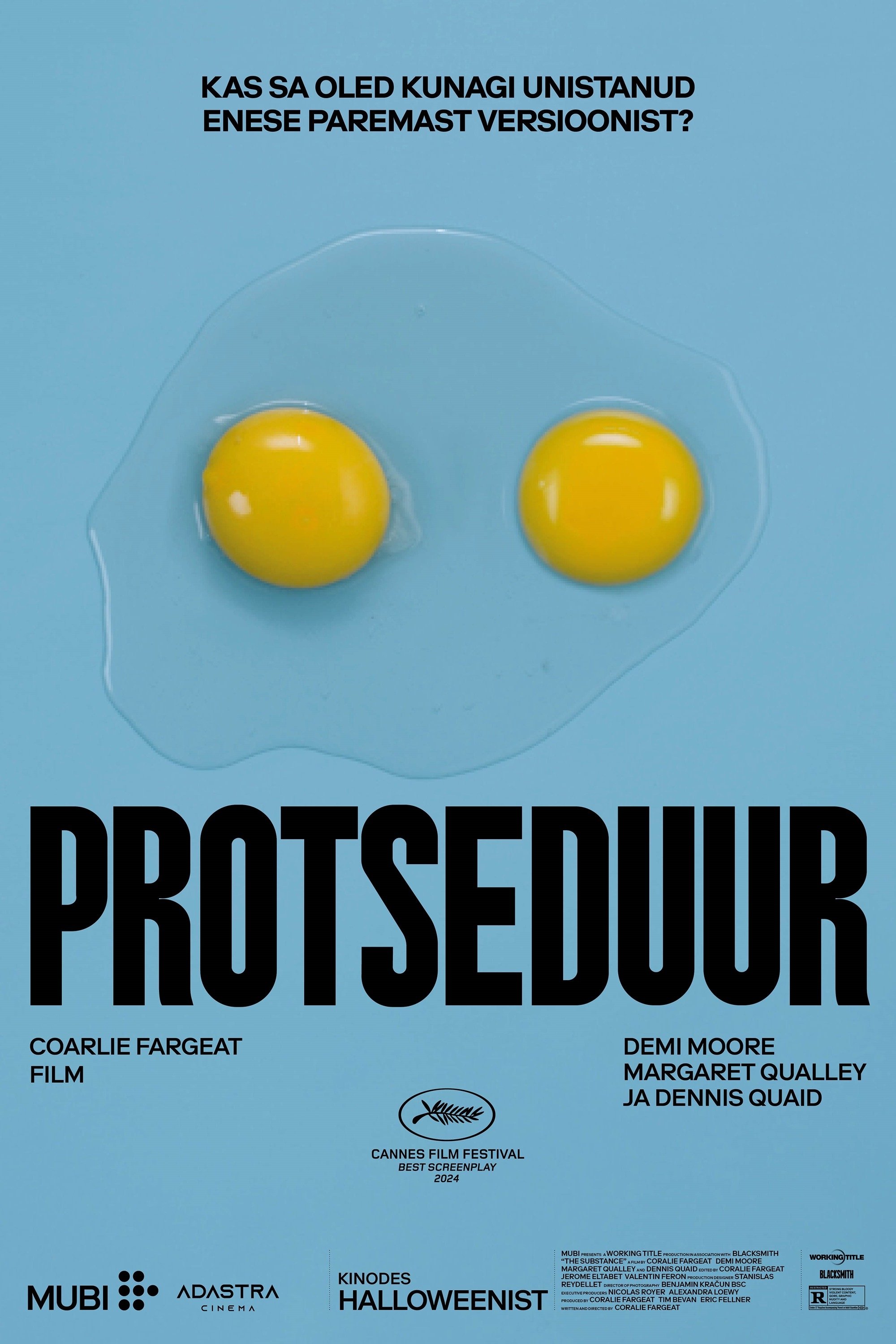
Have you ever dreamt of a better version of yourself?