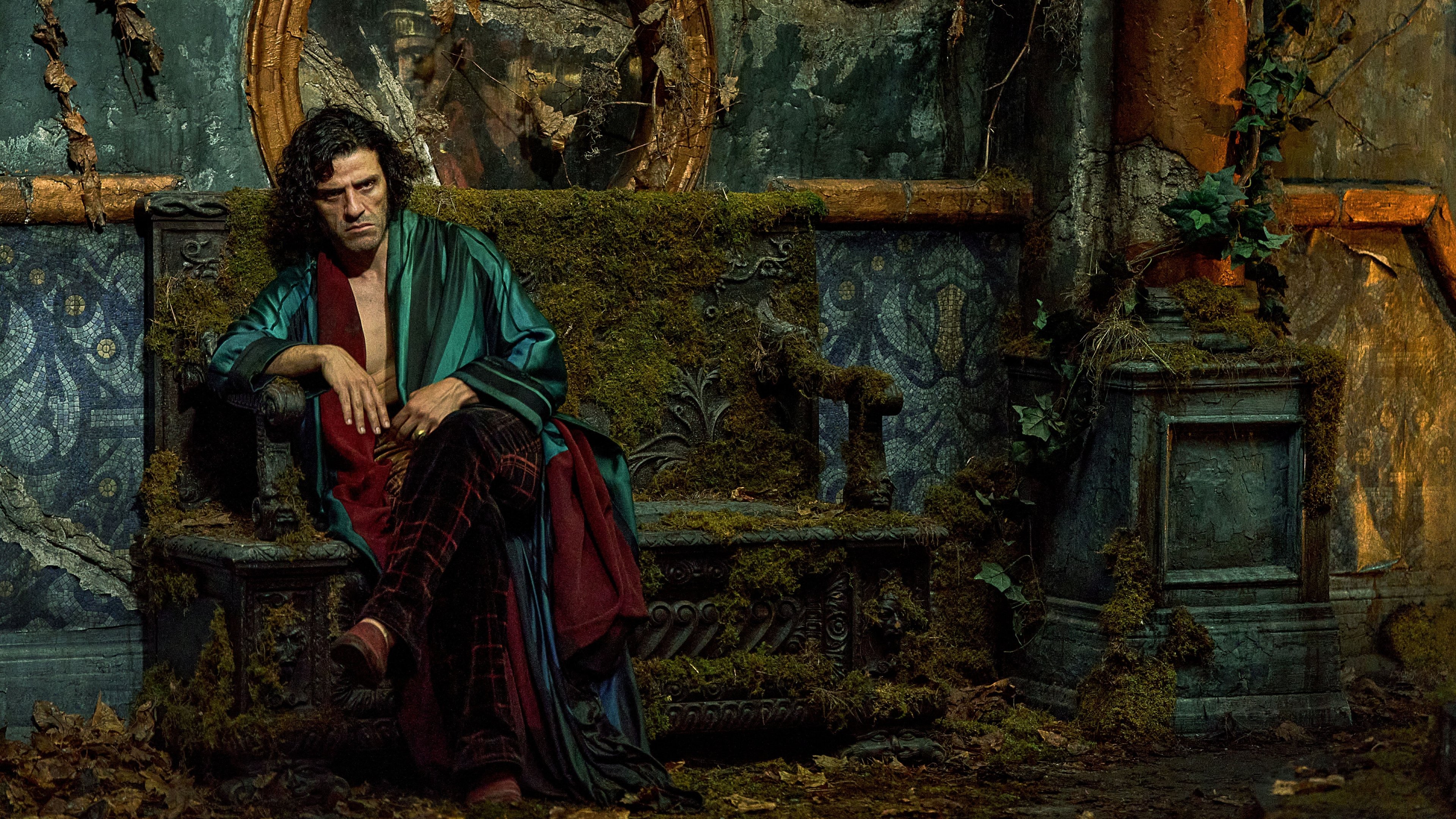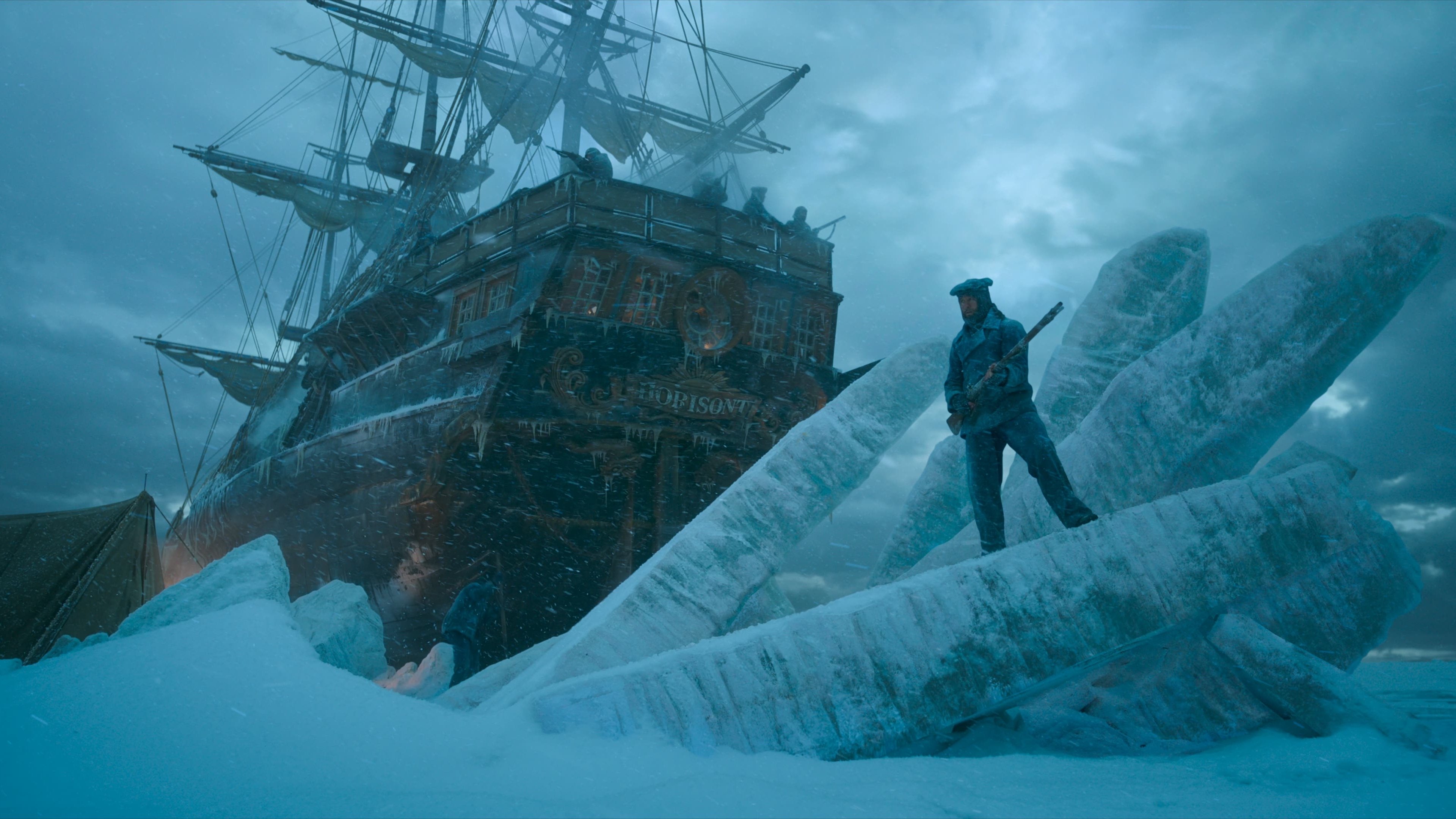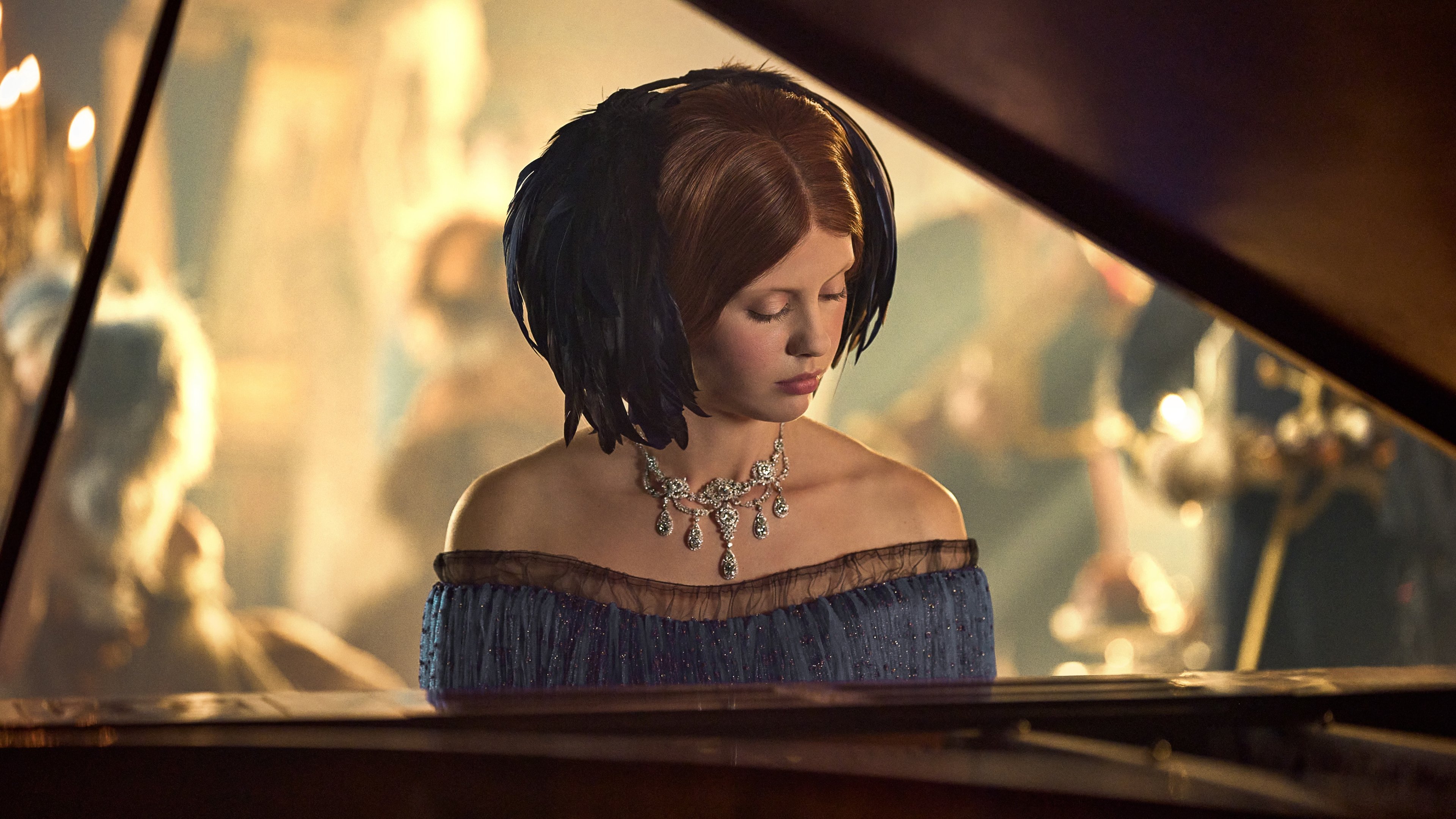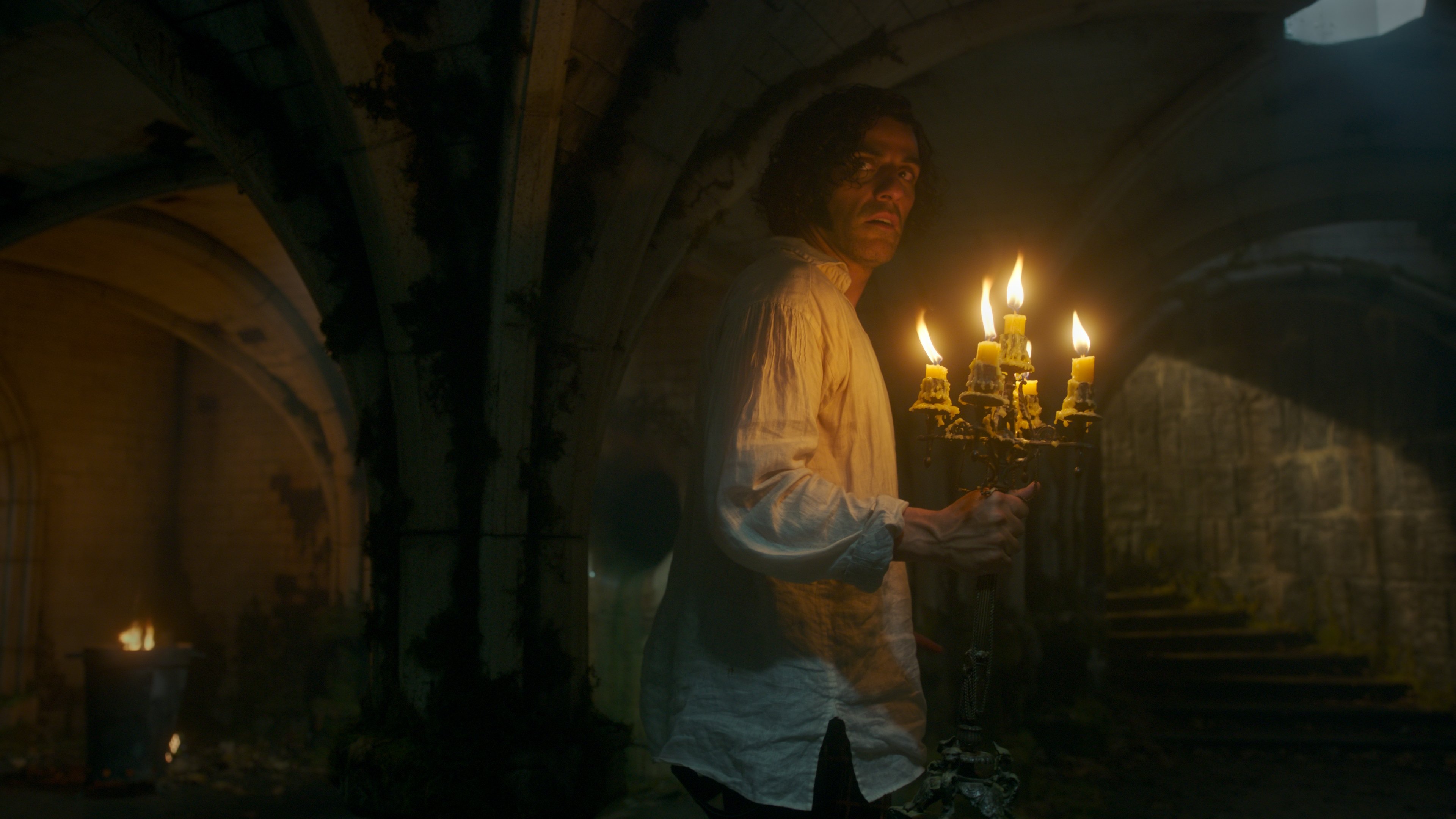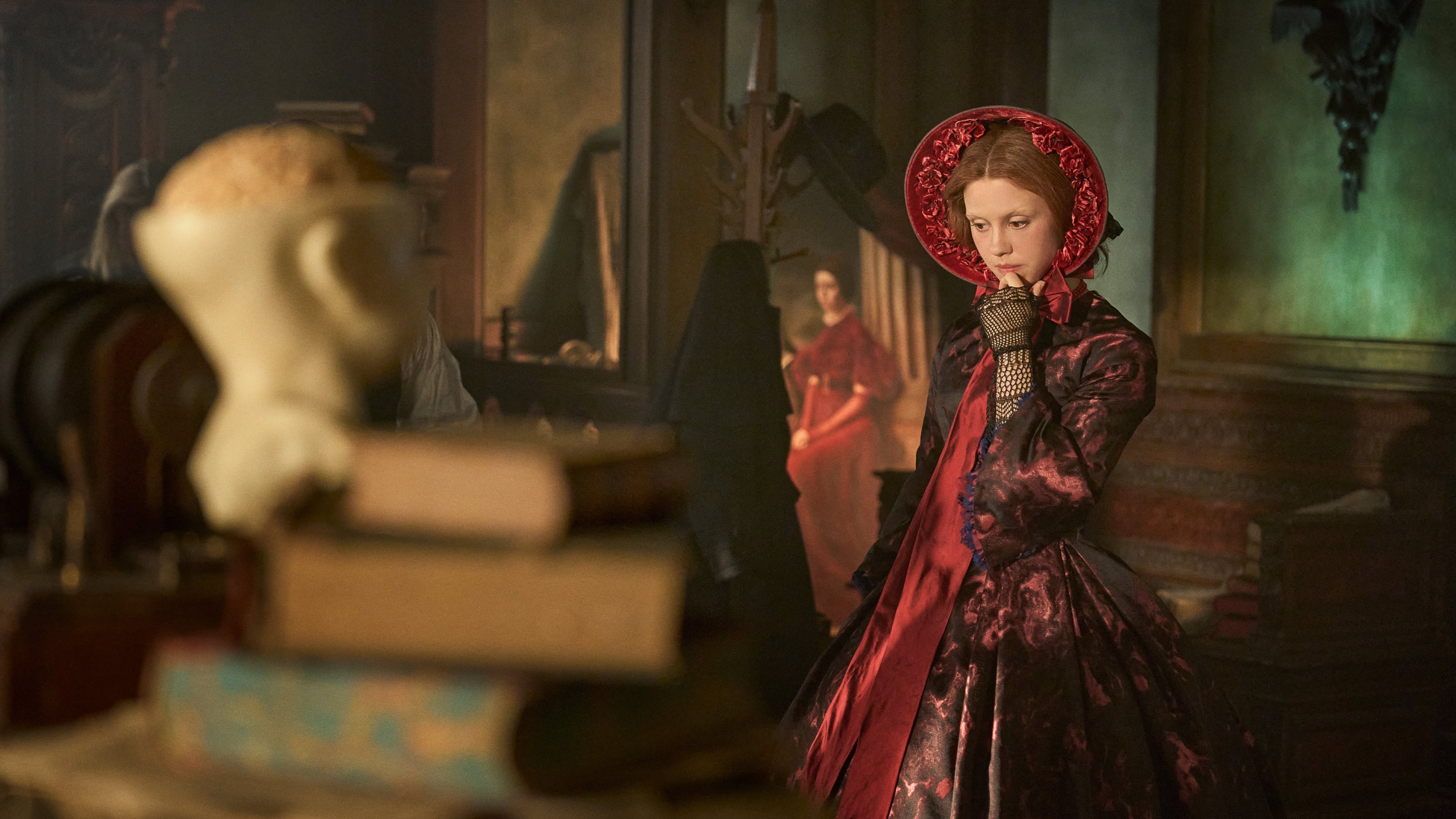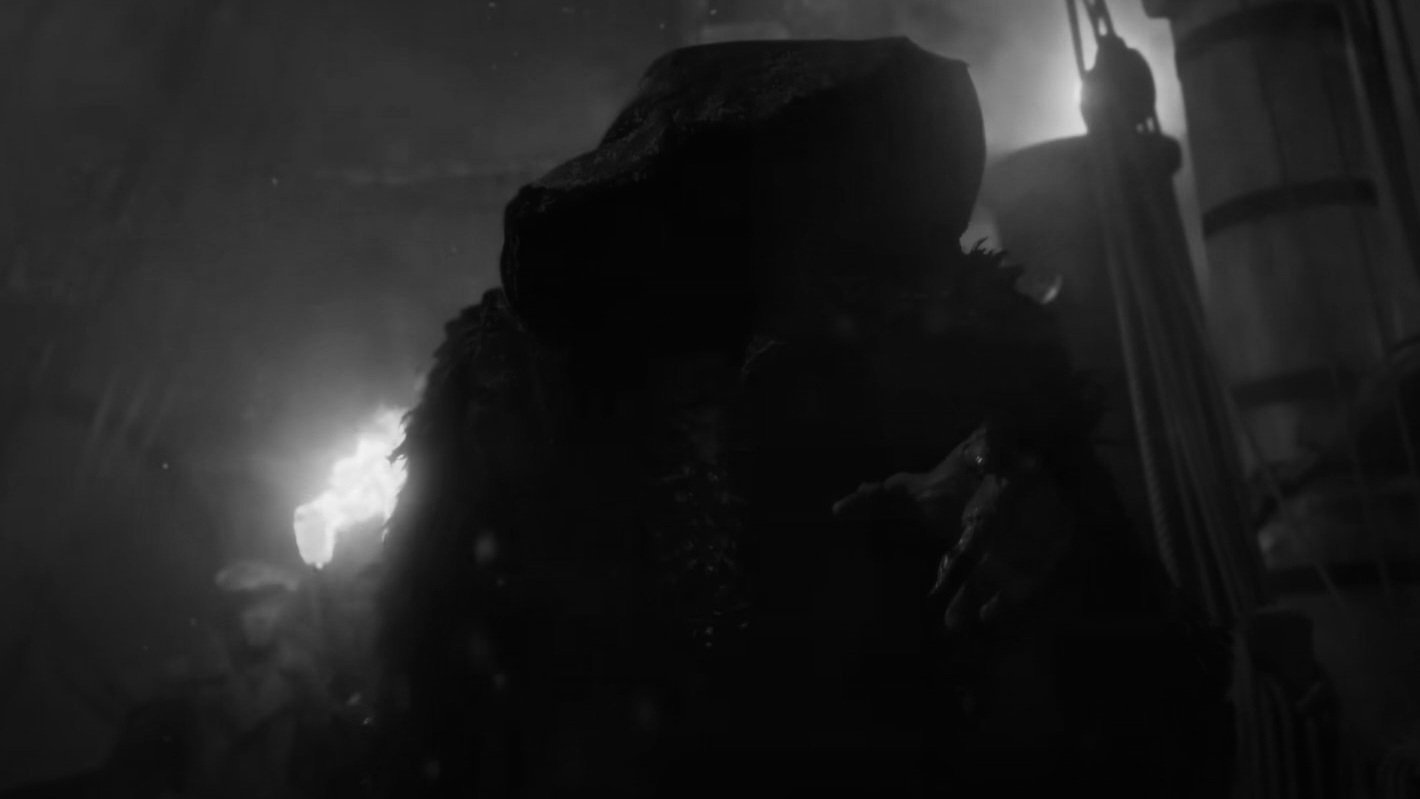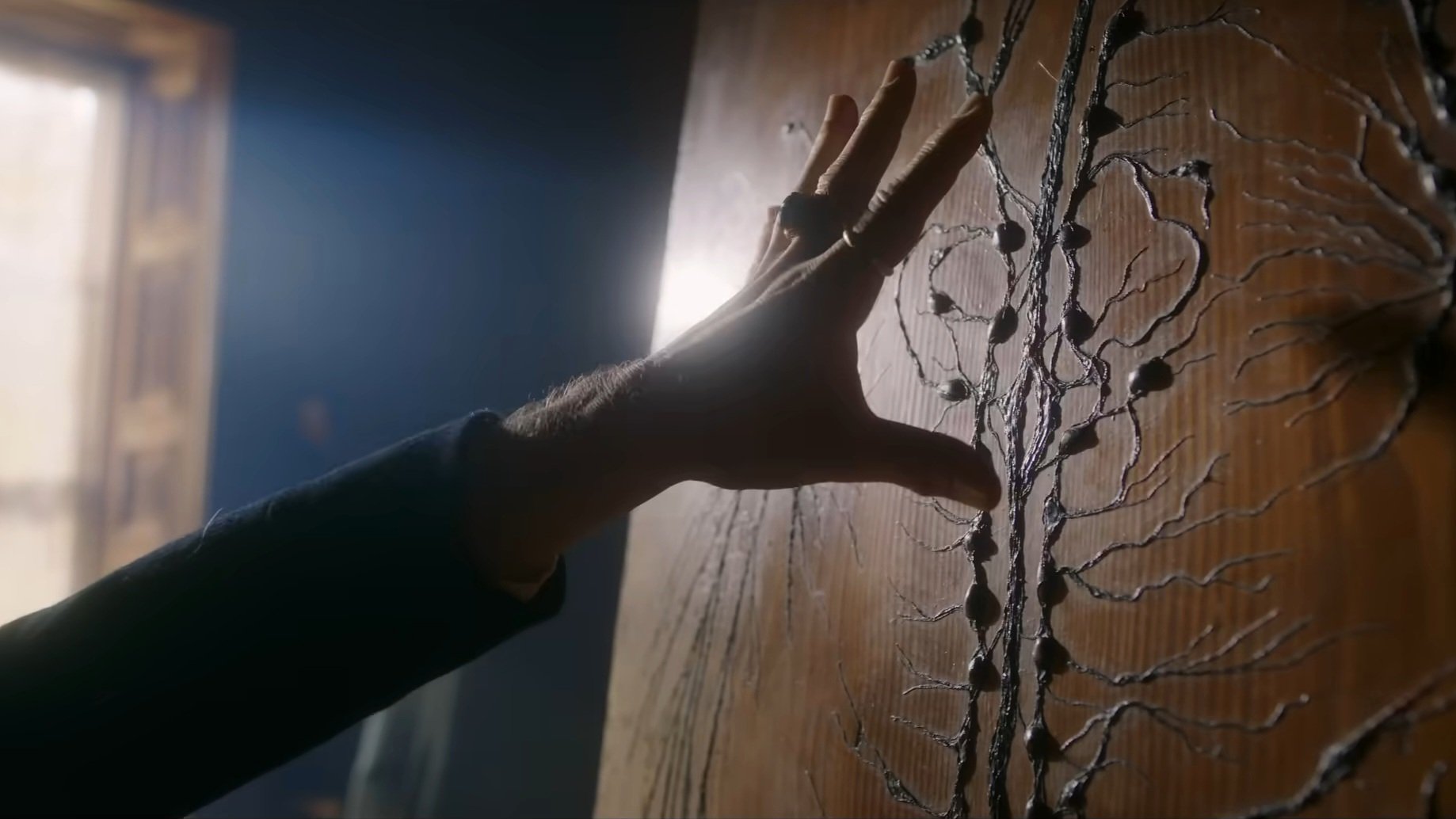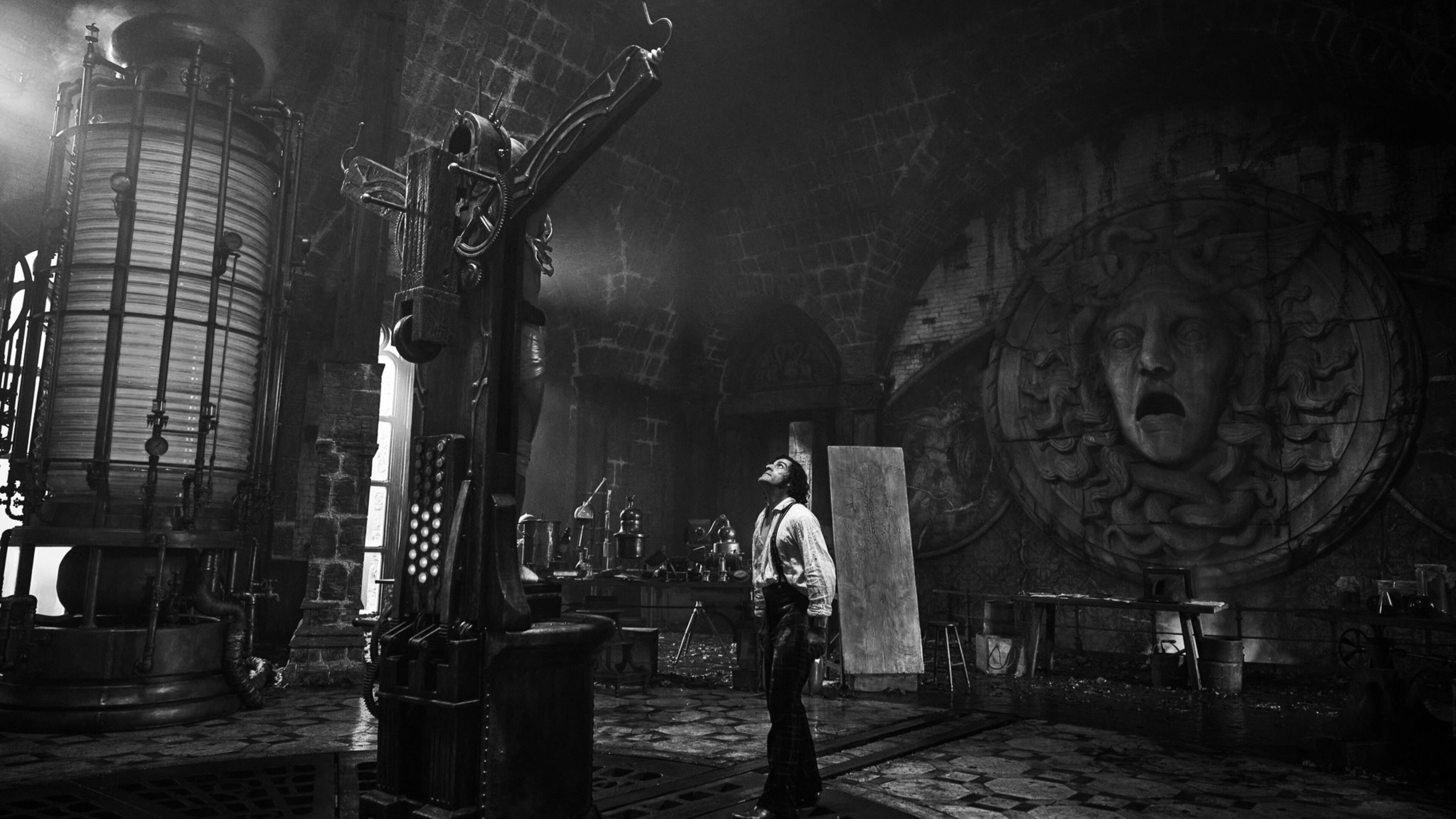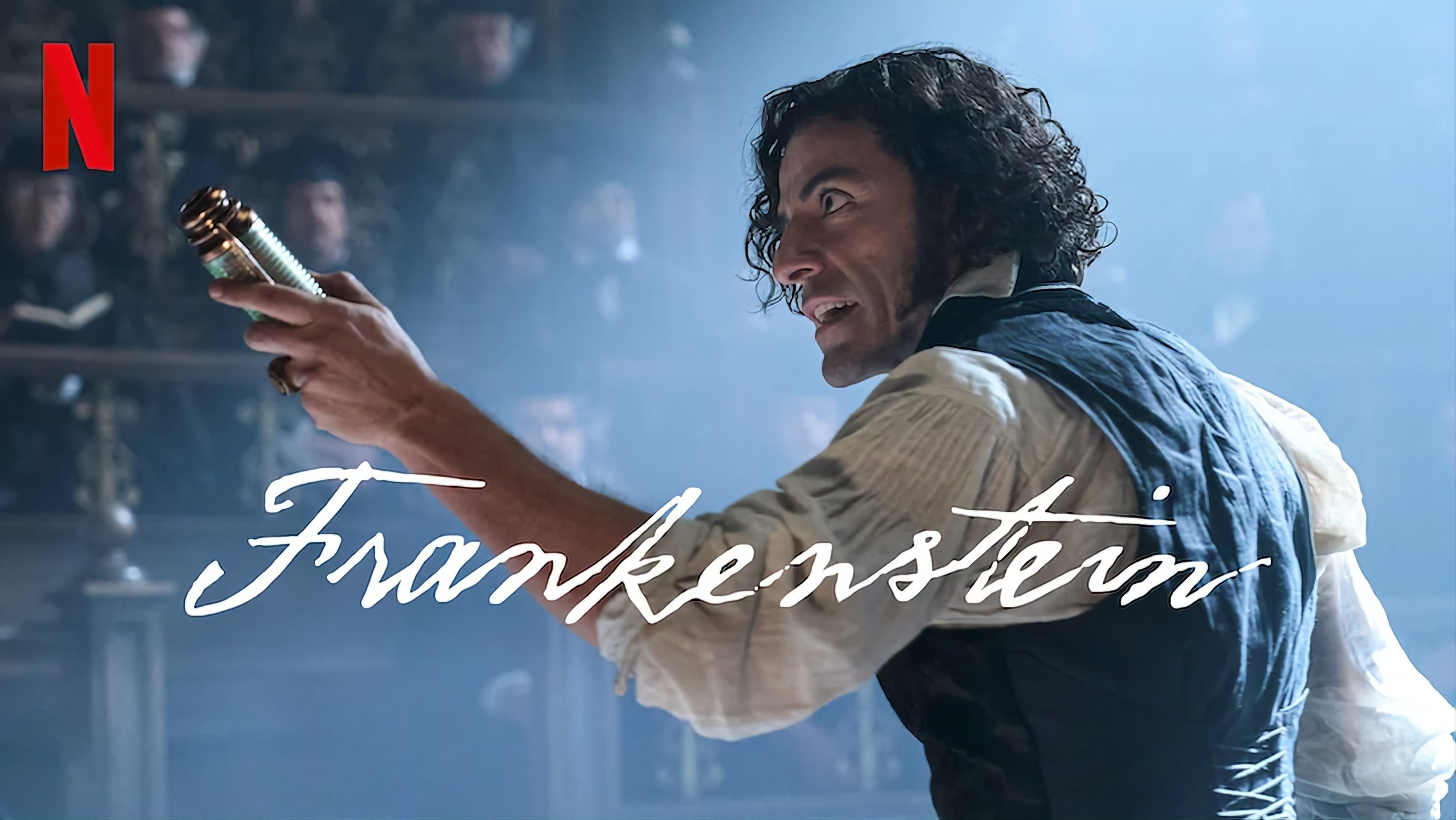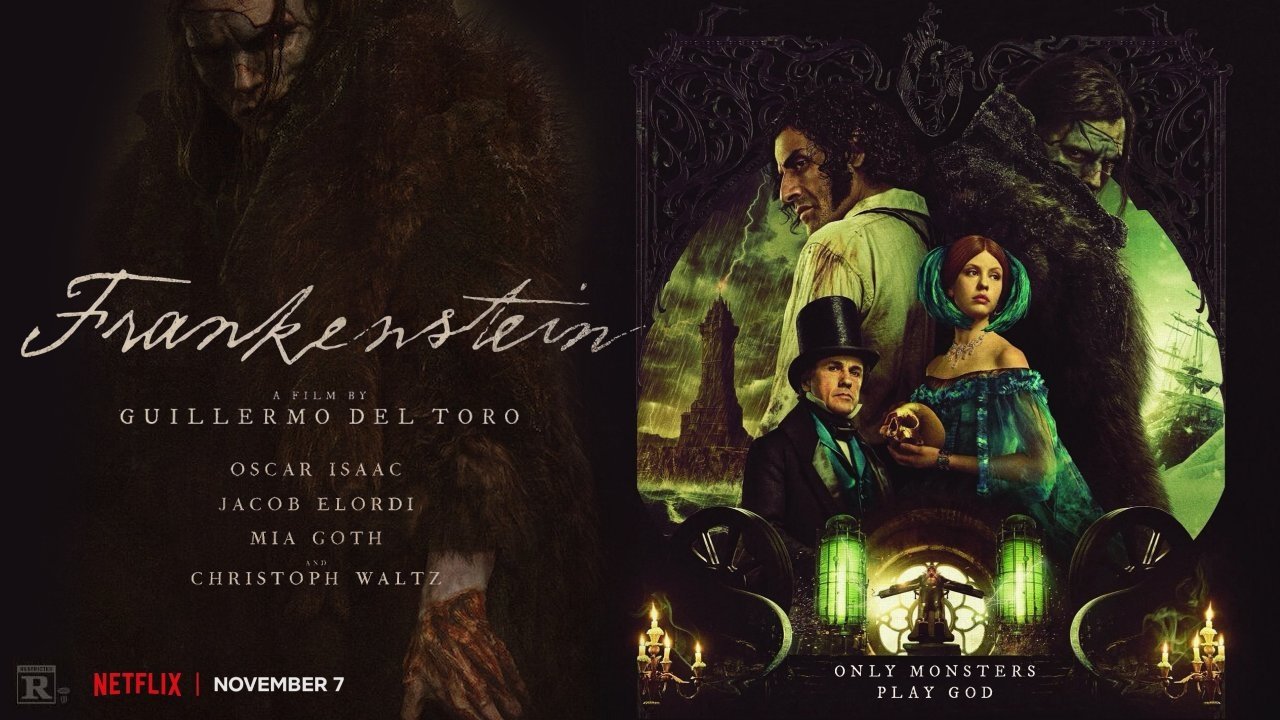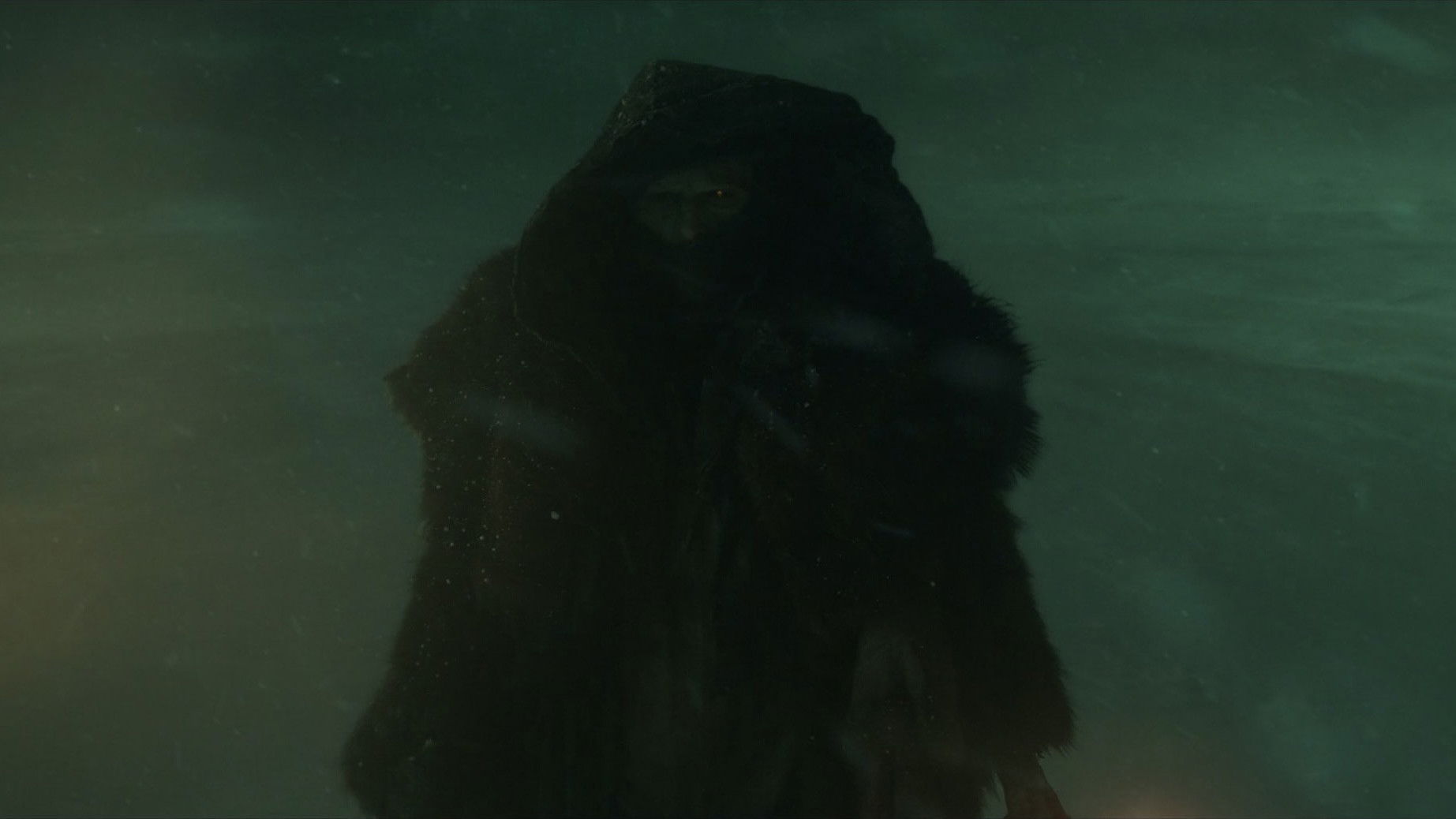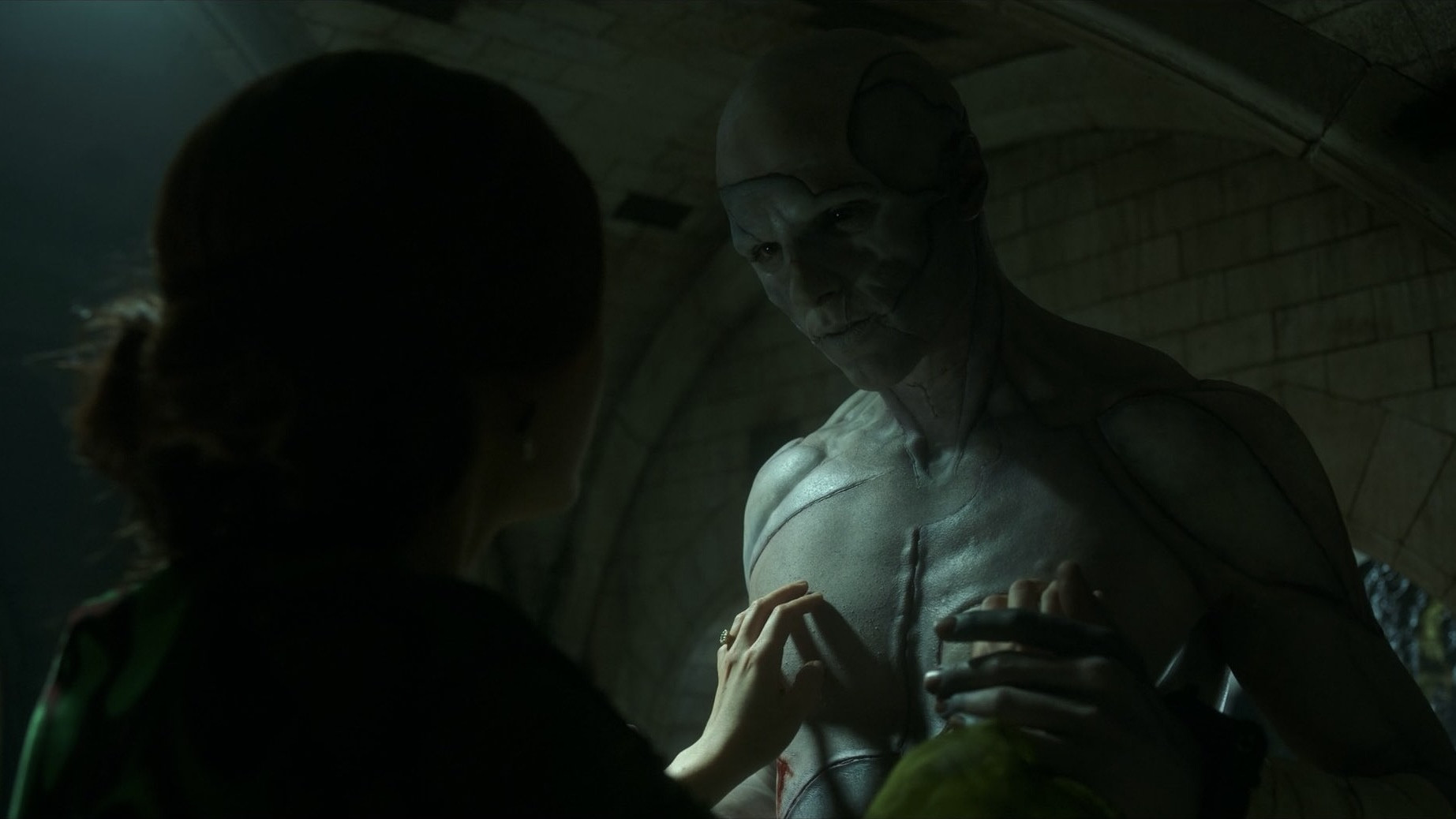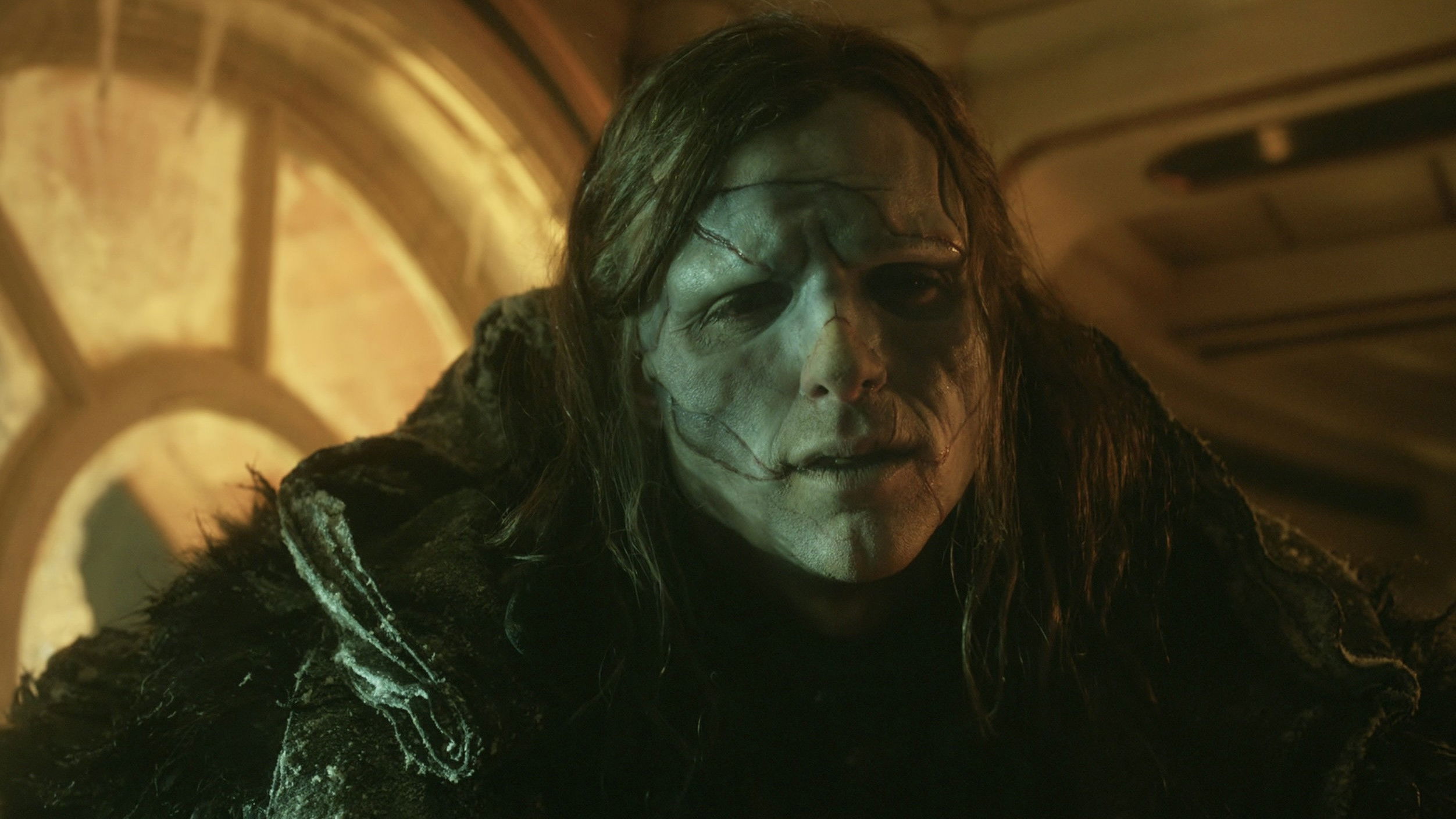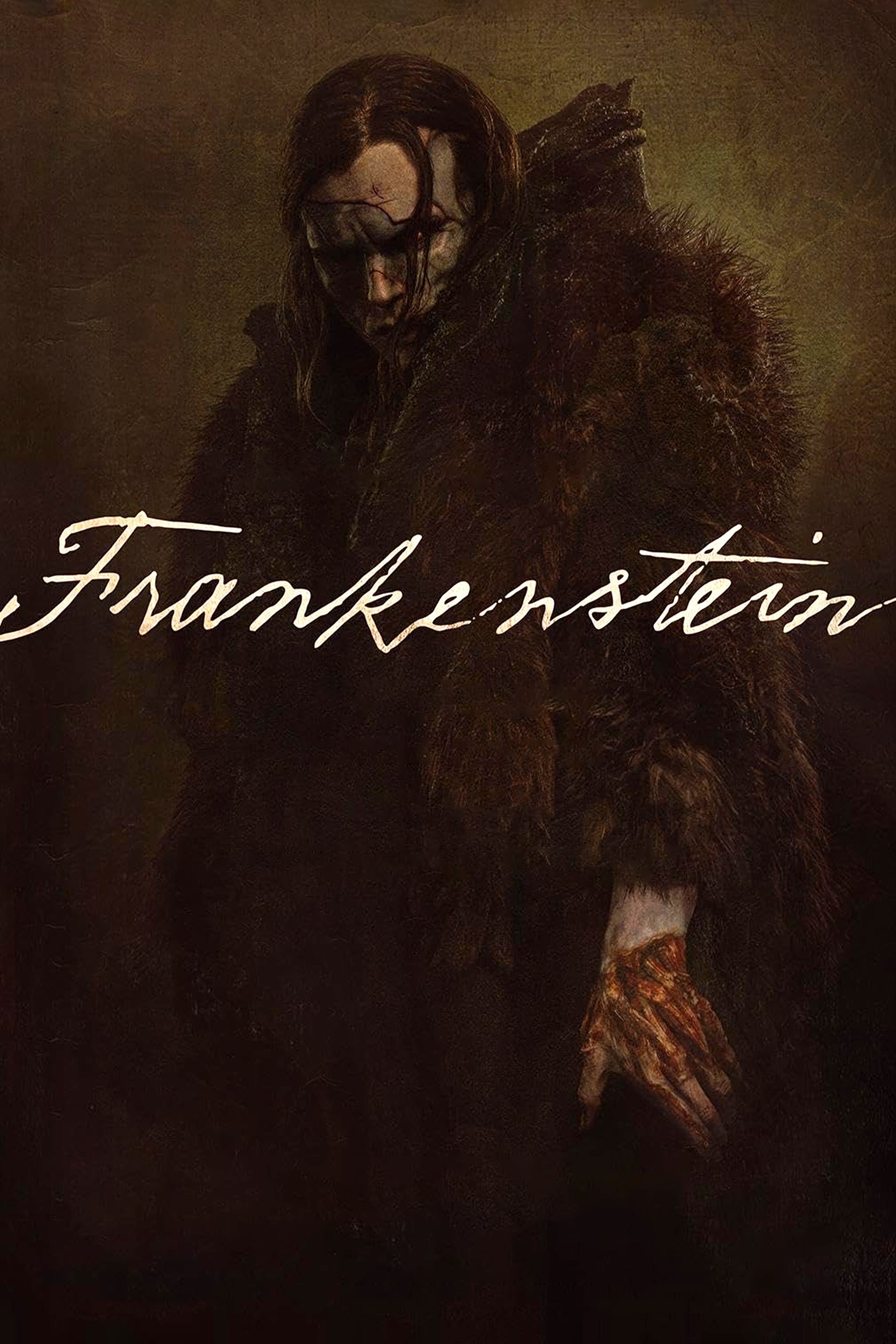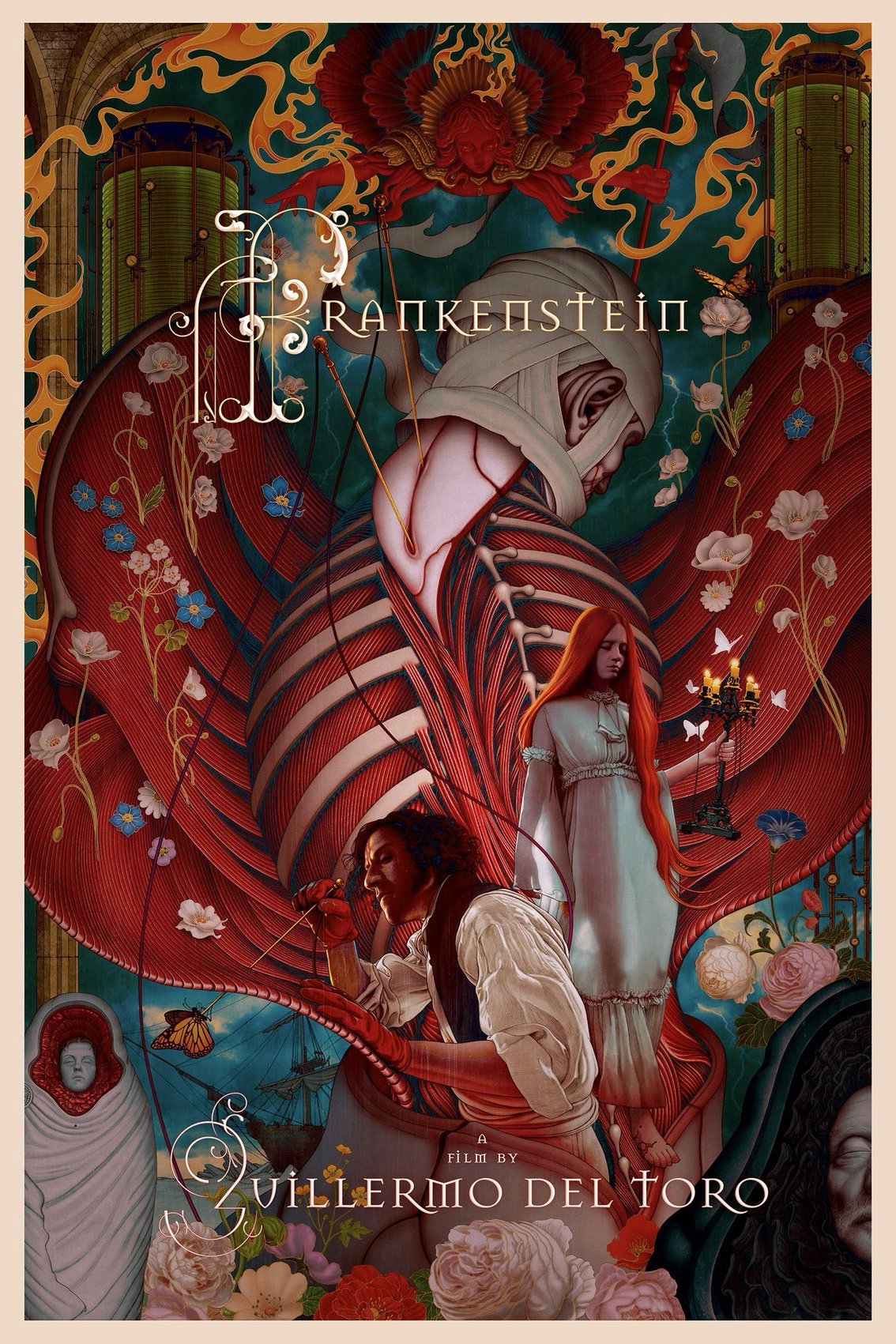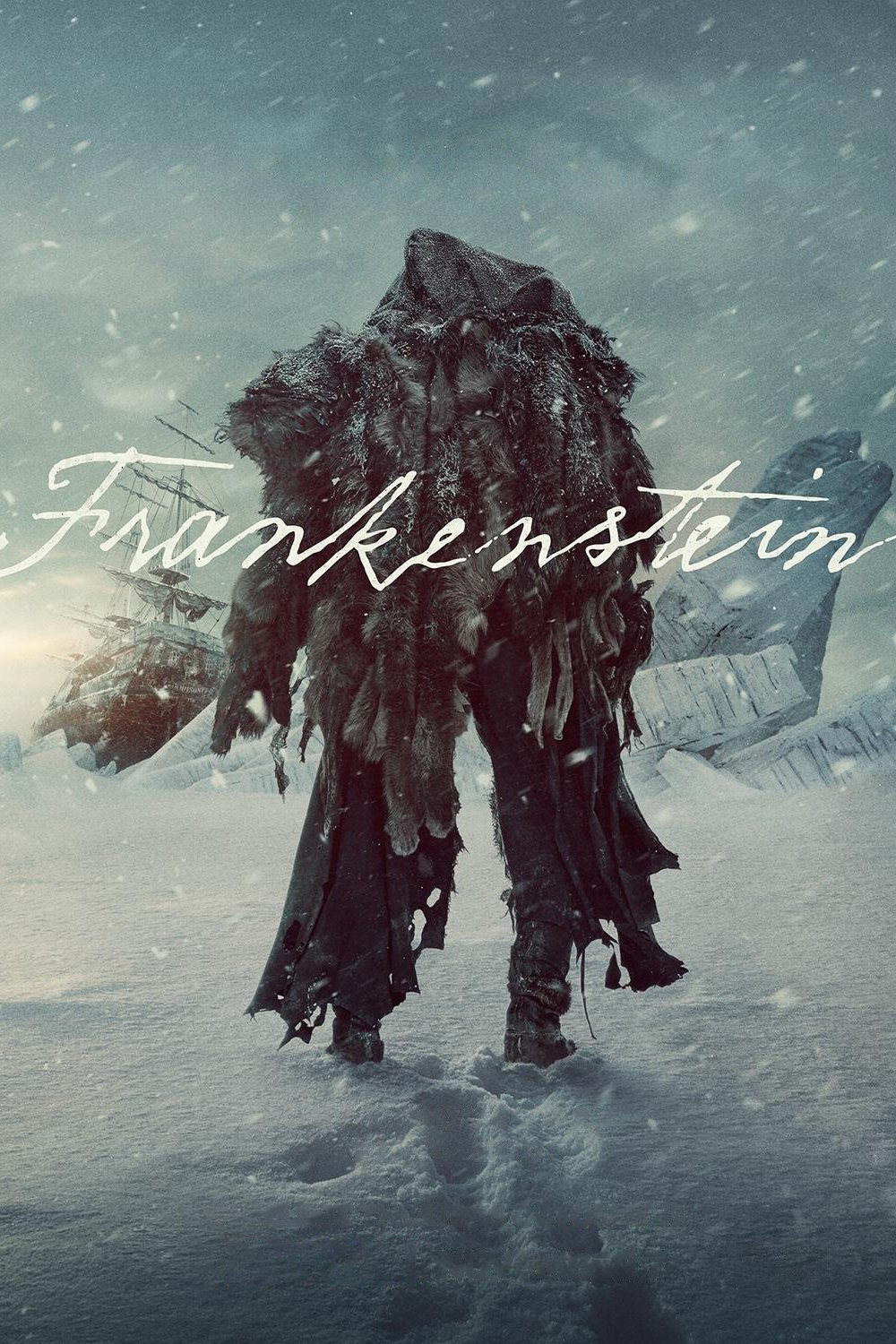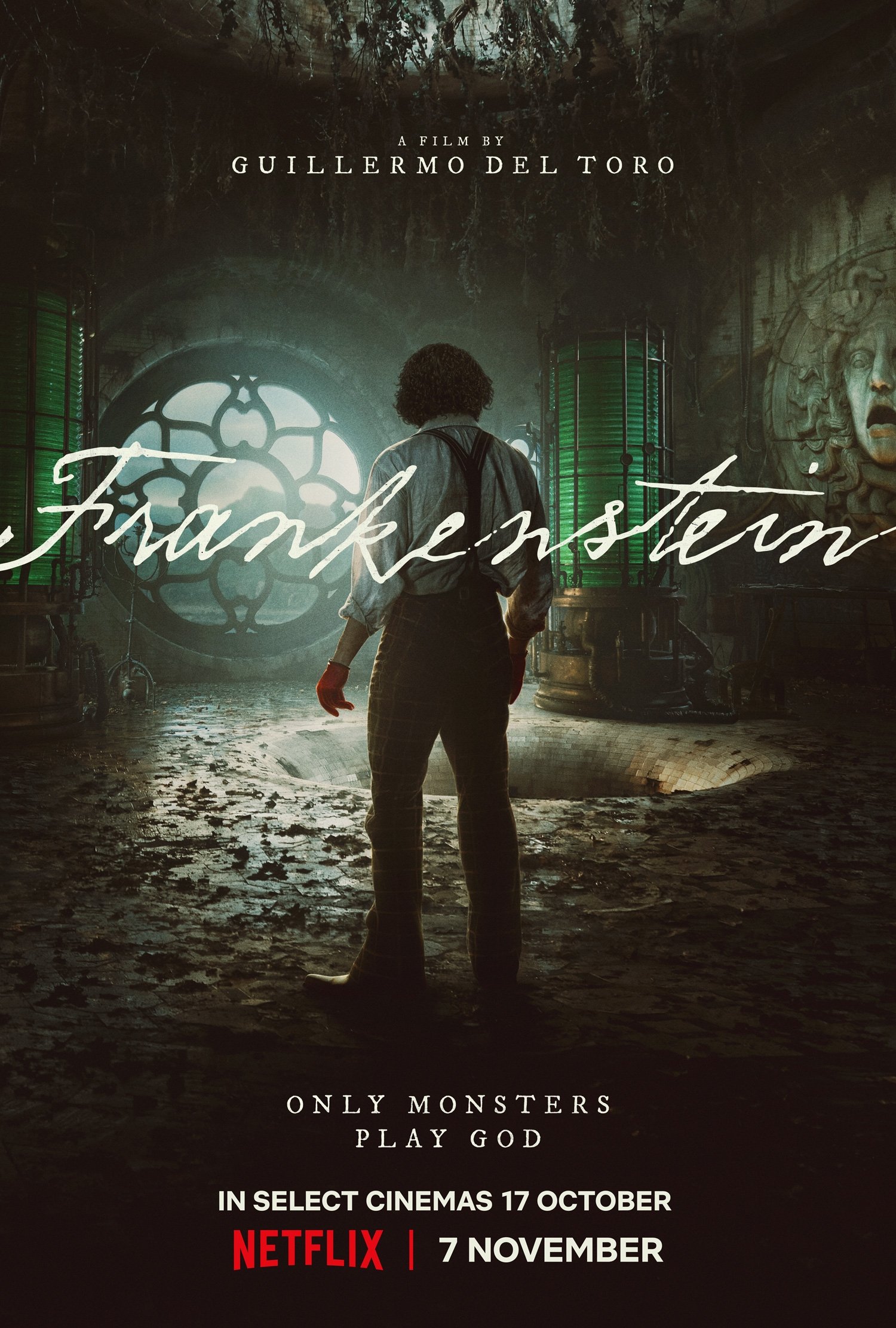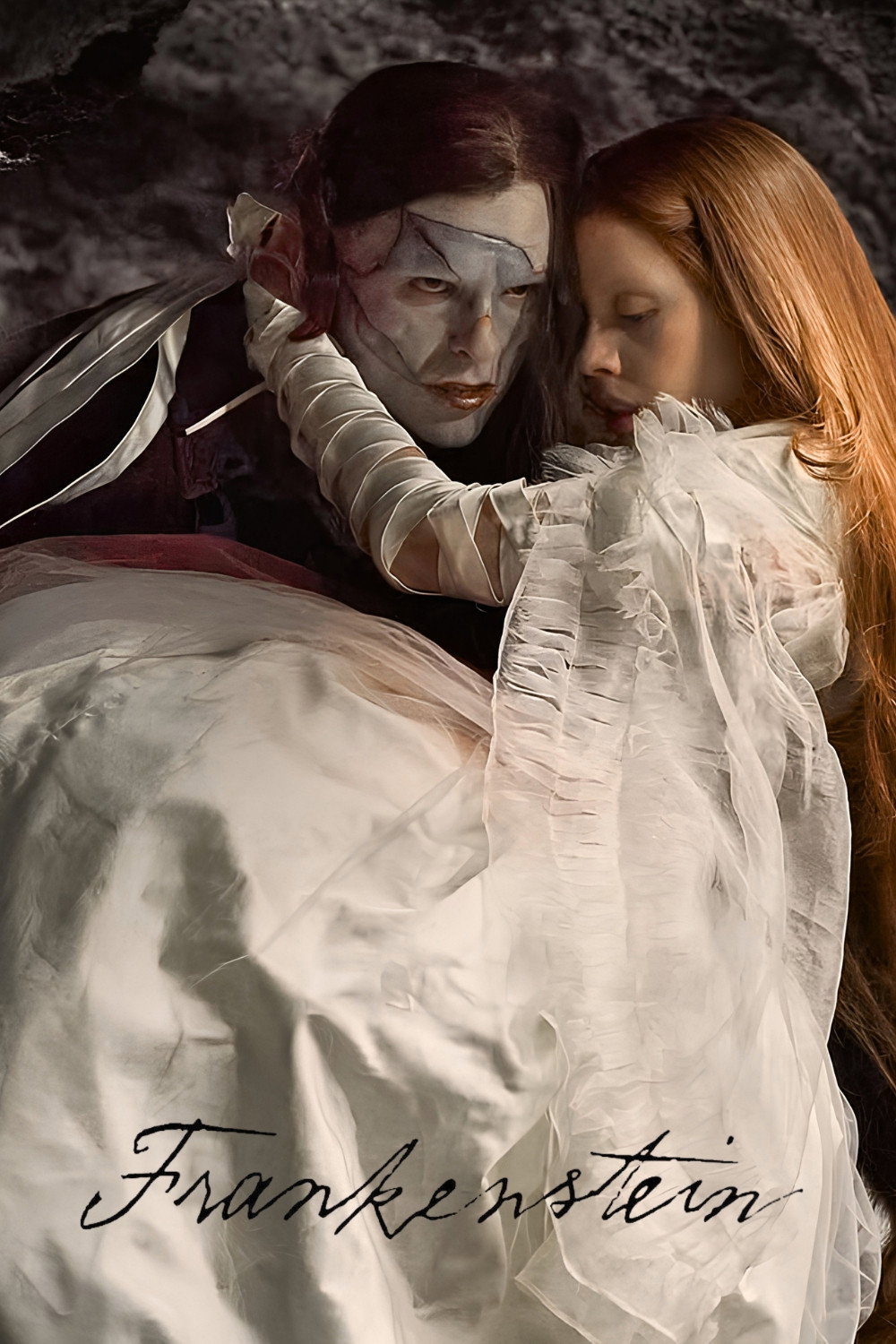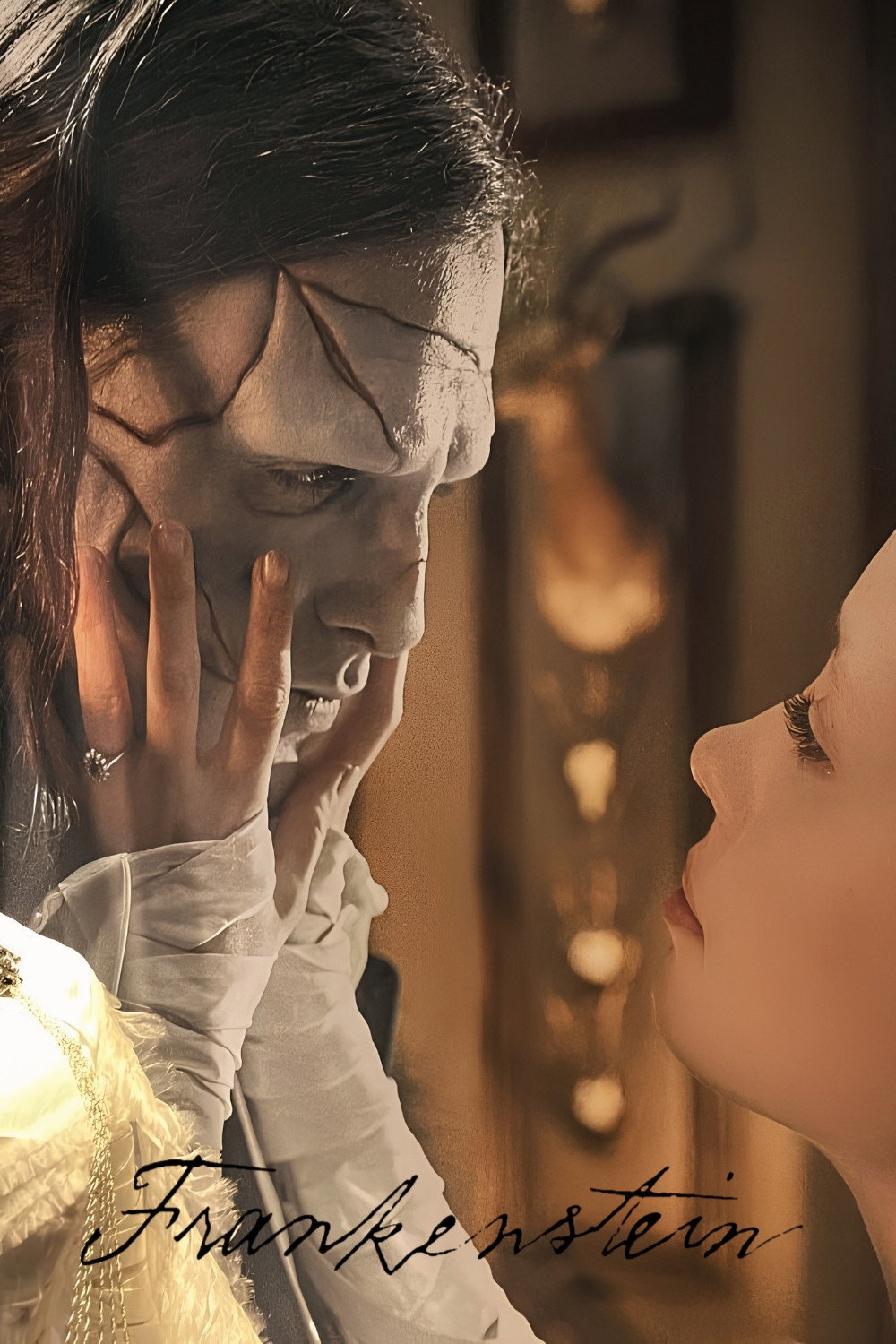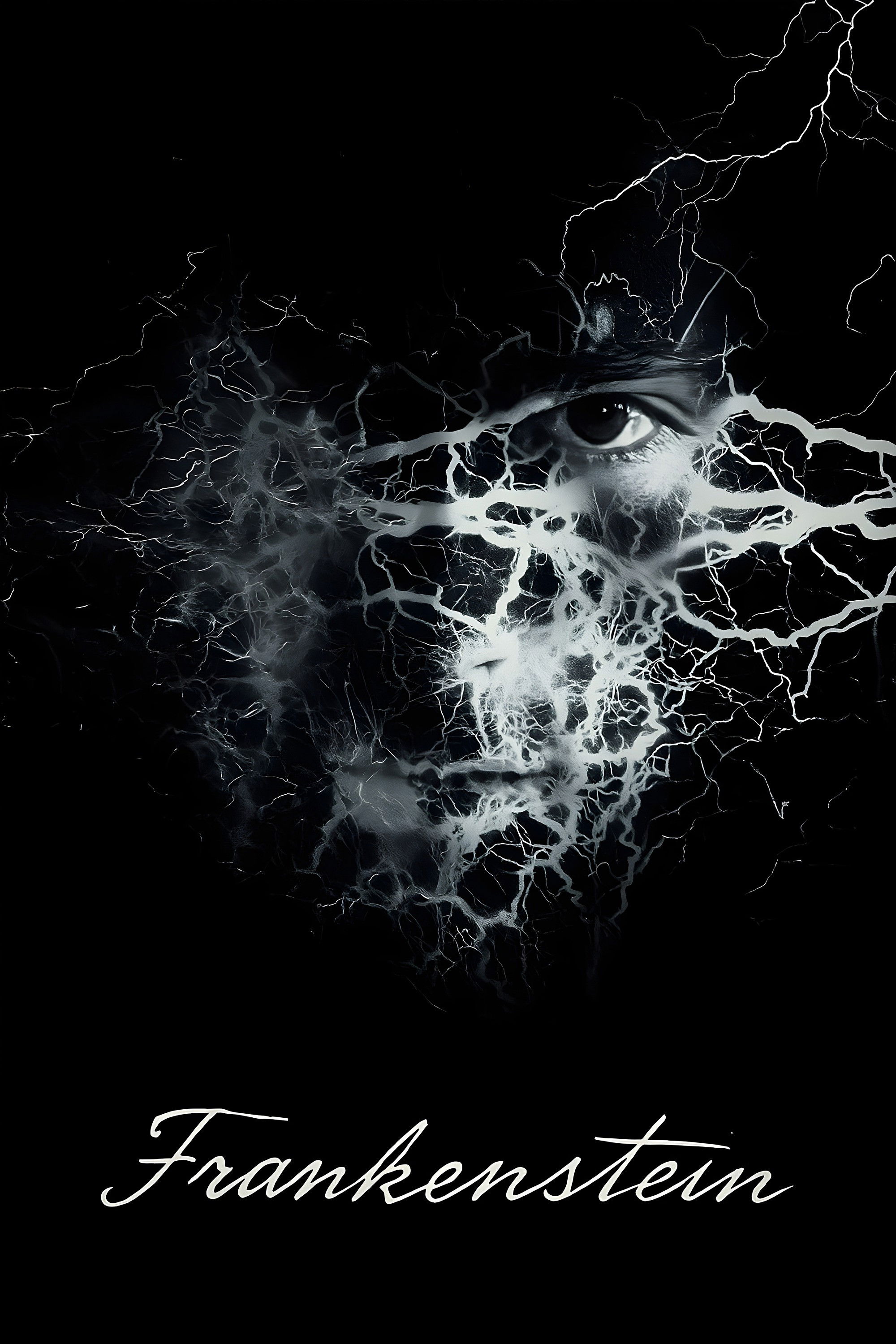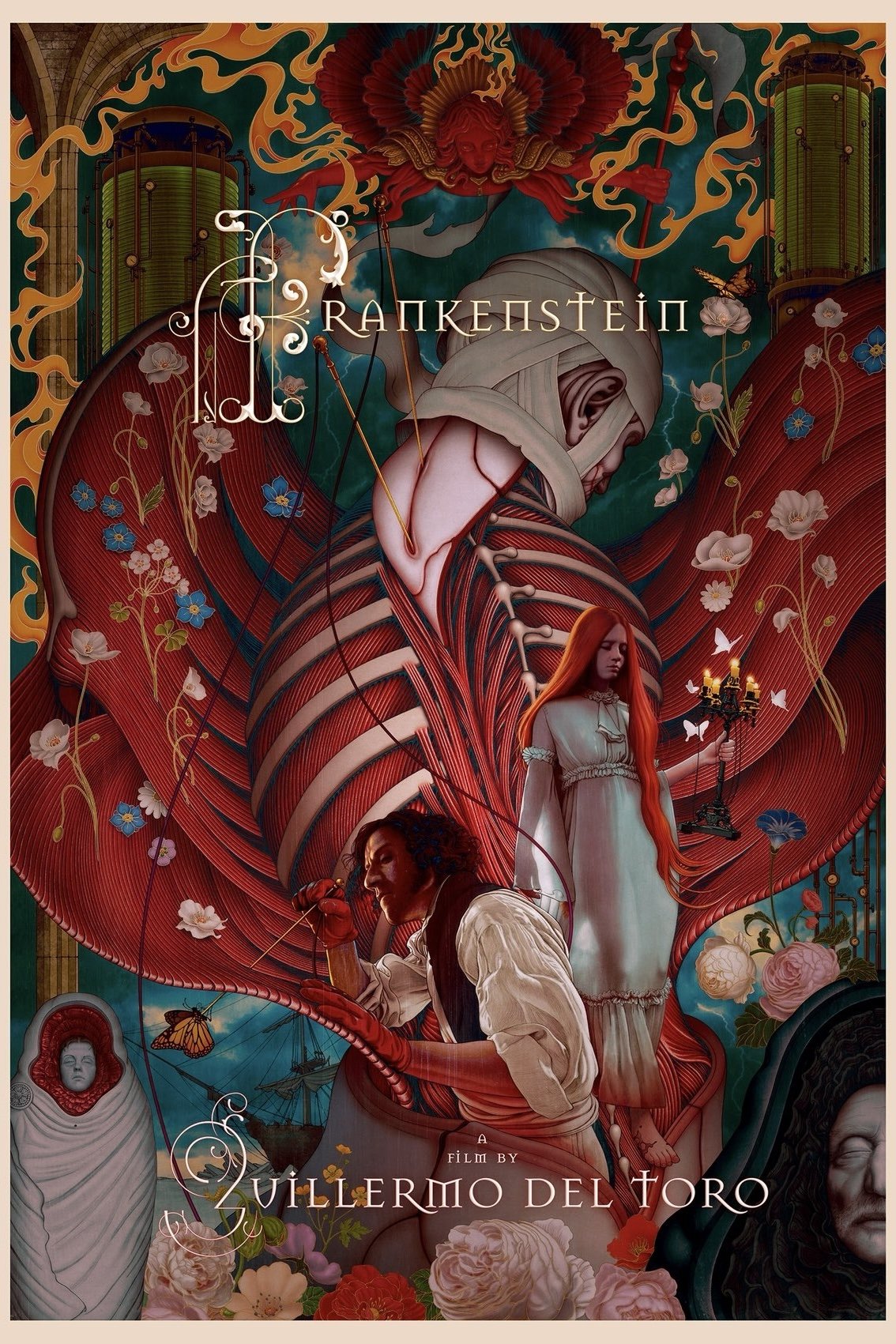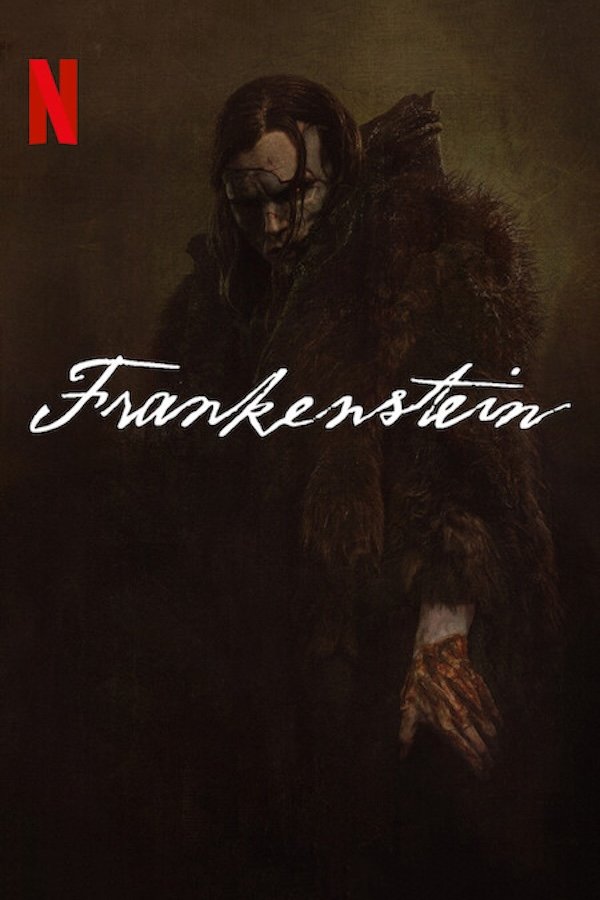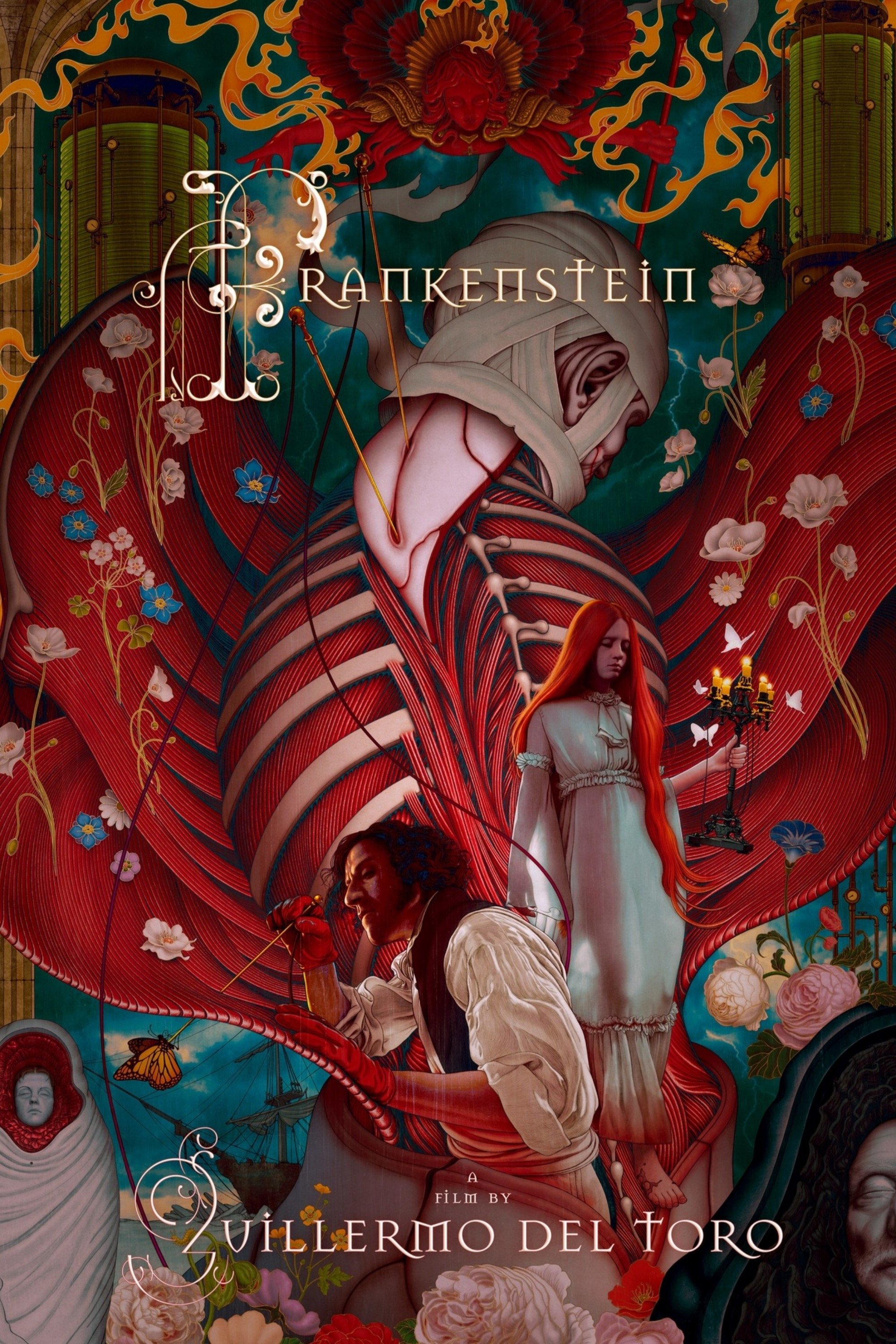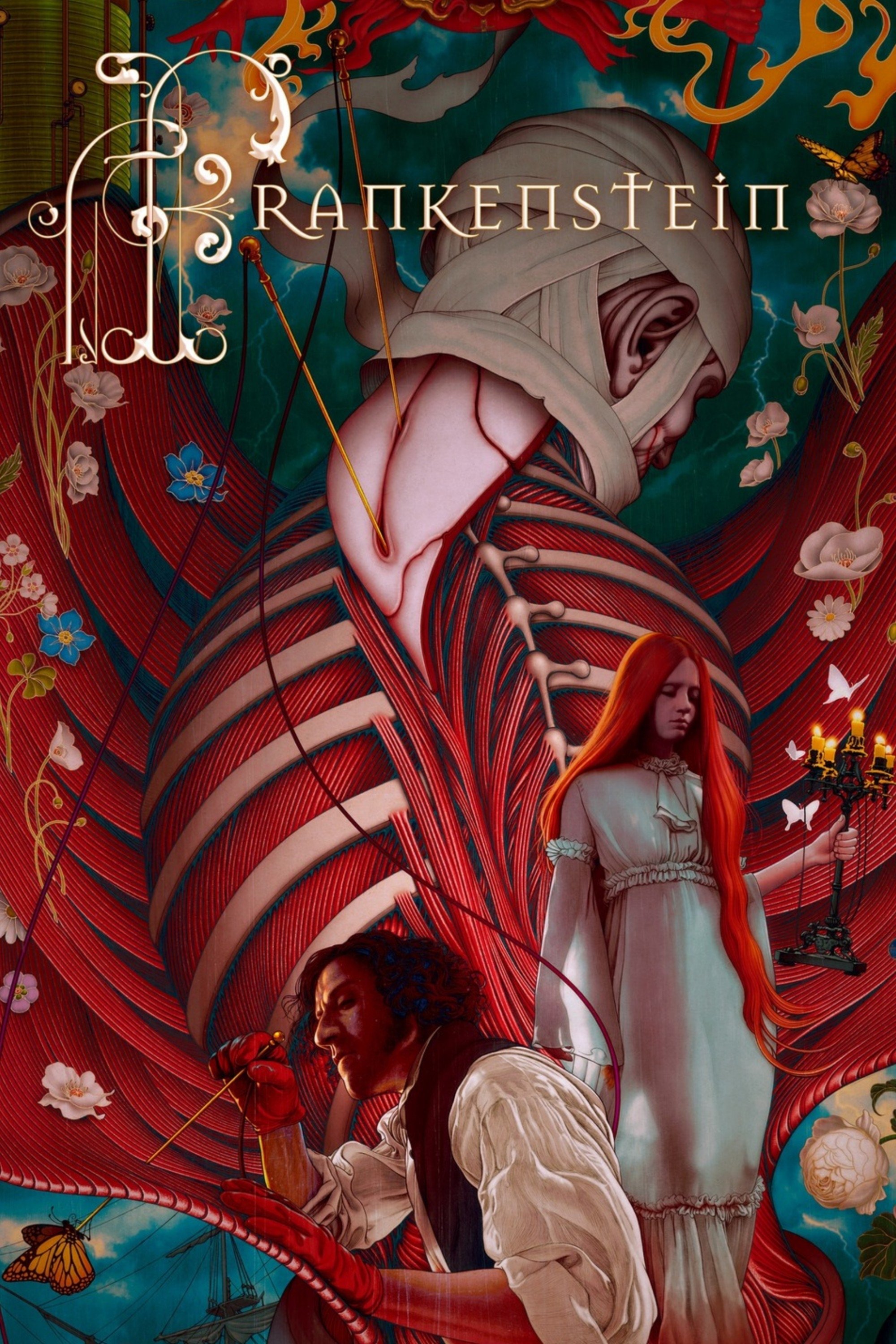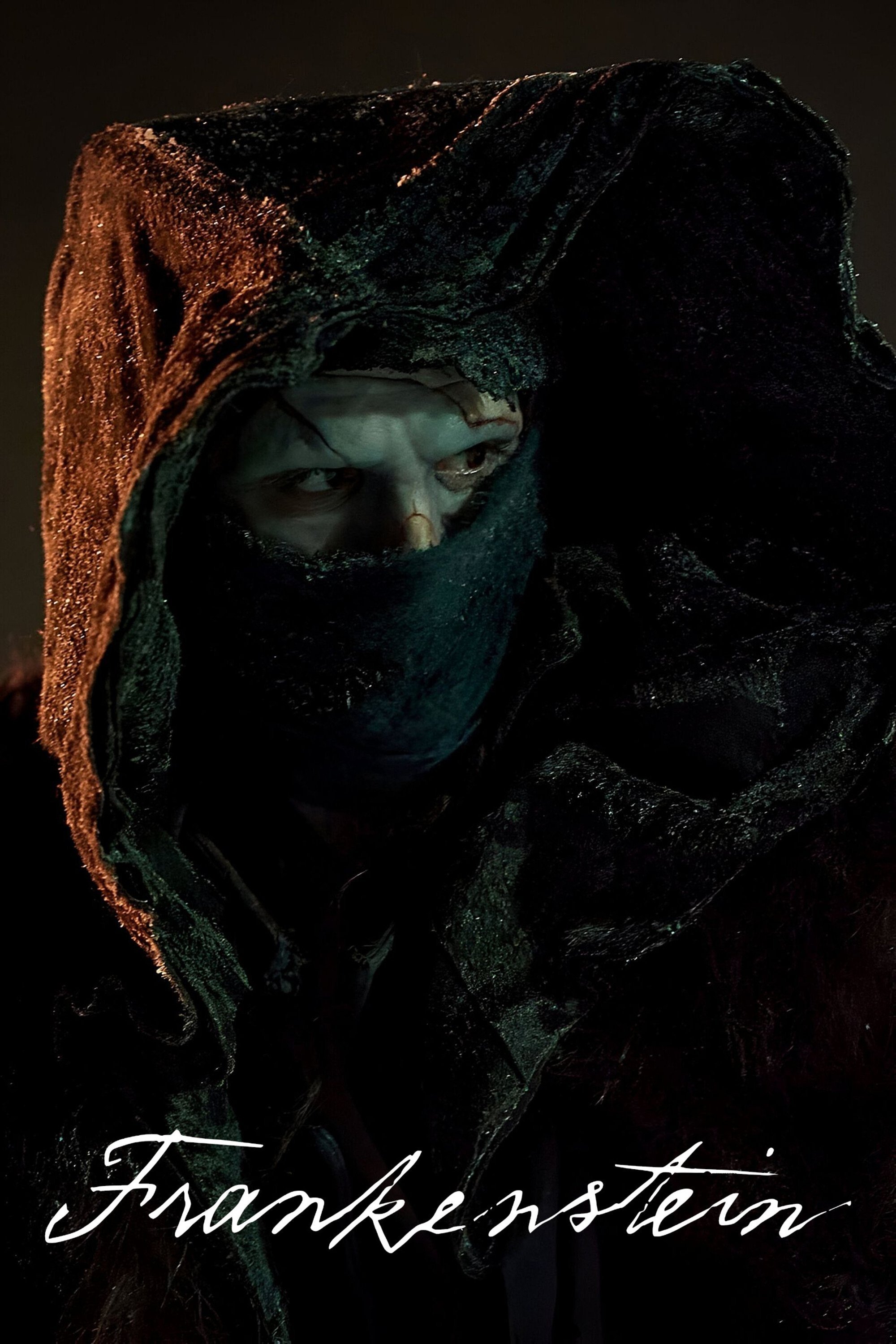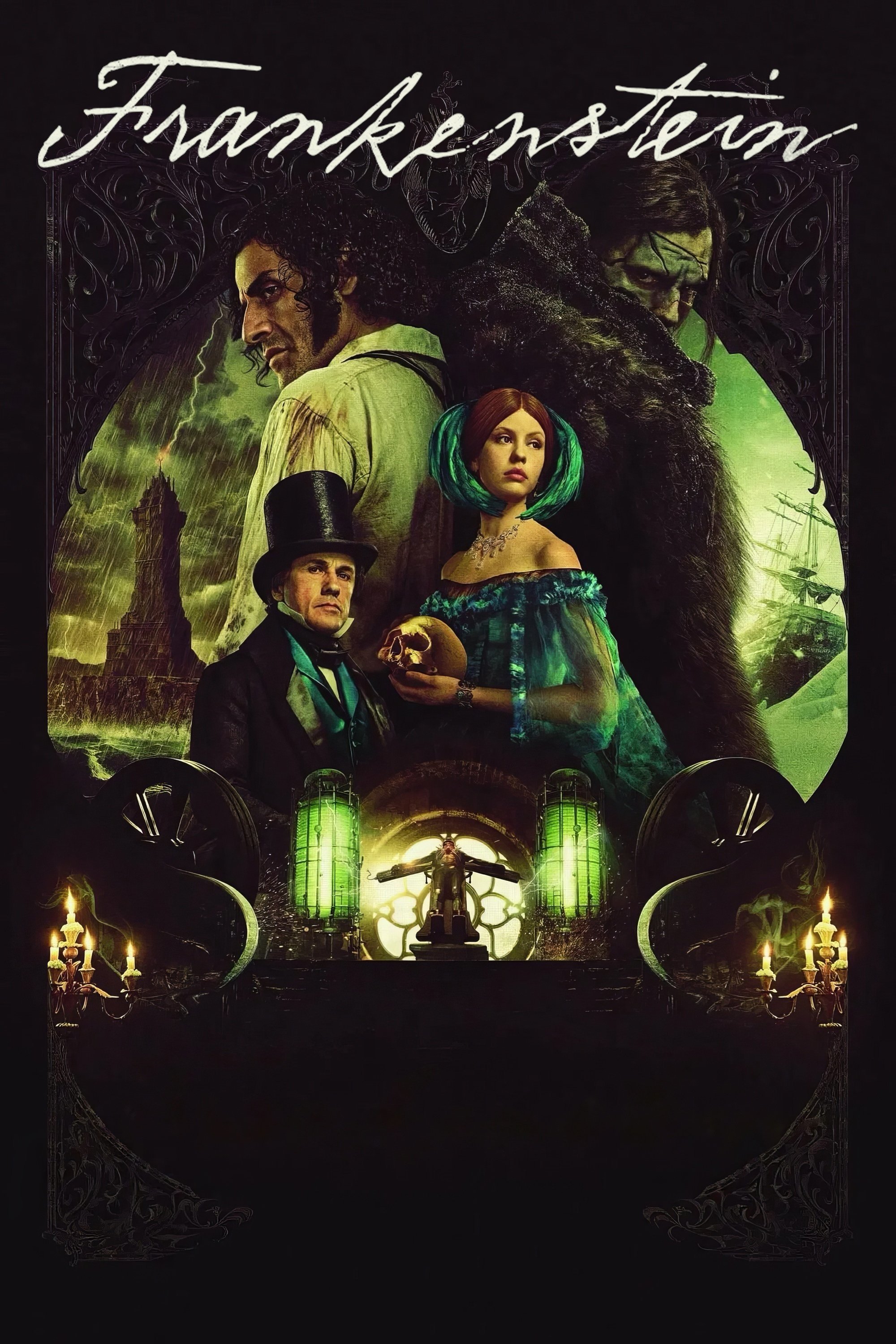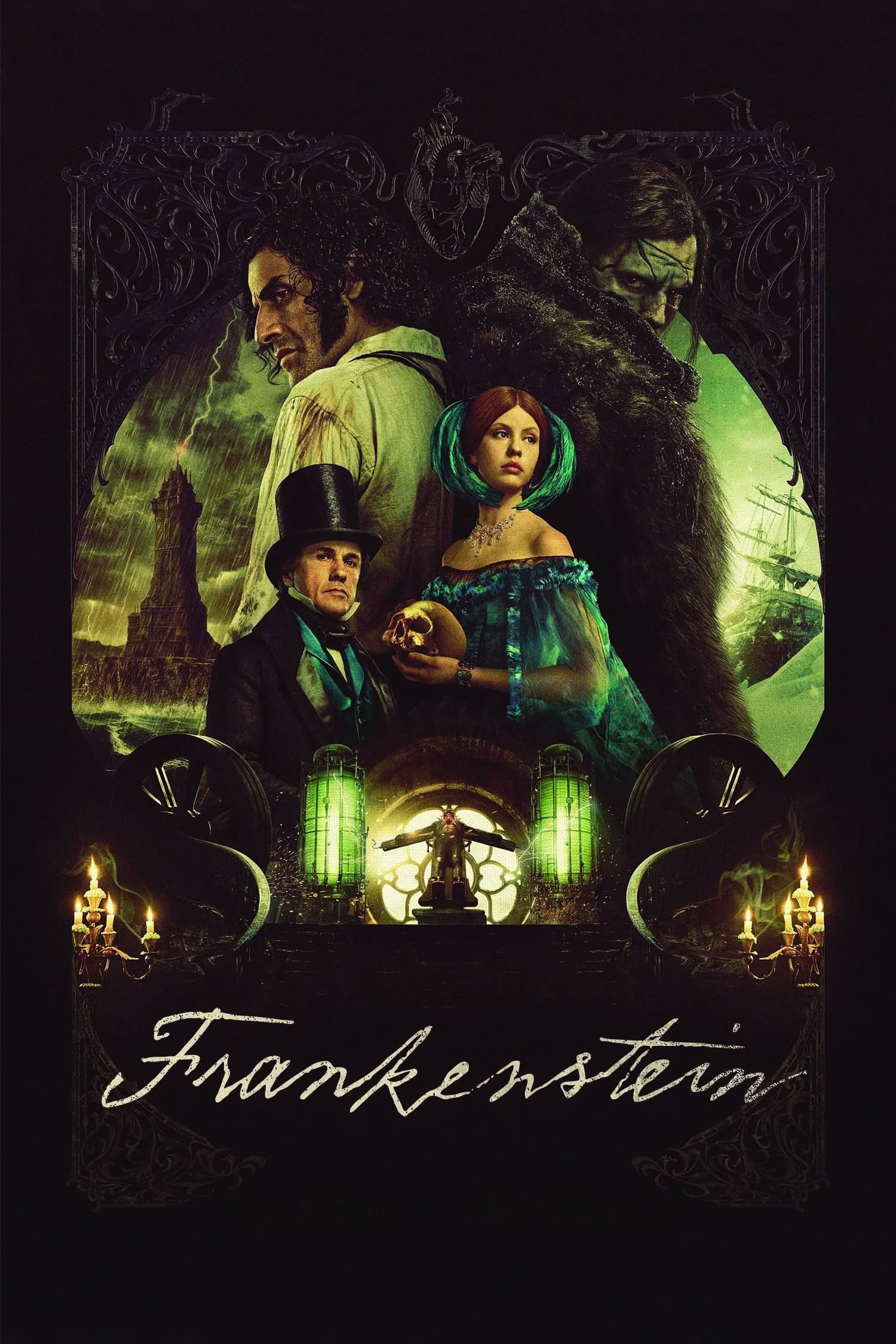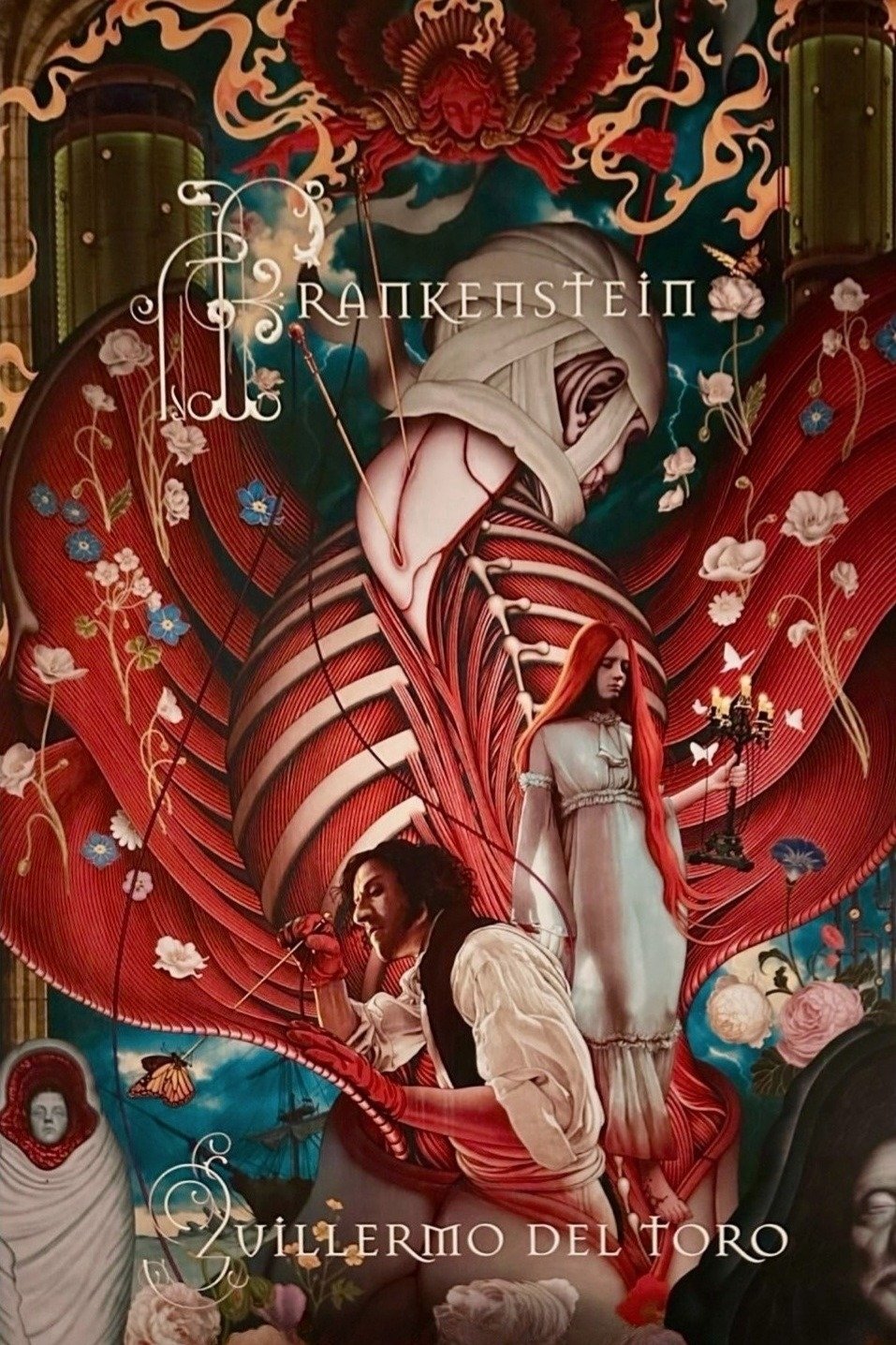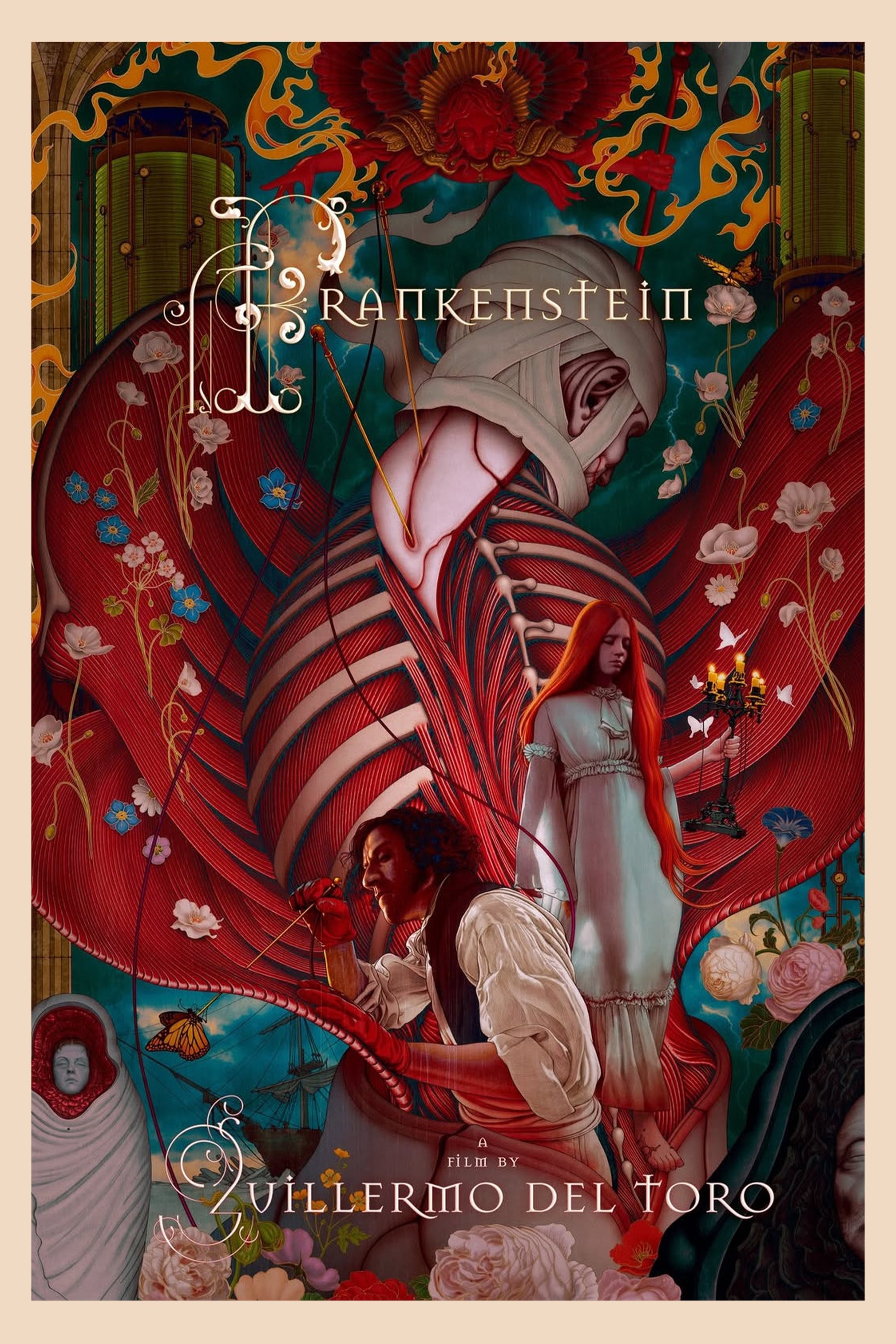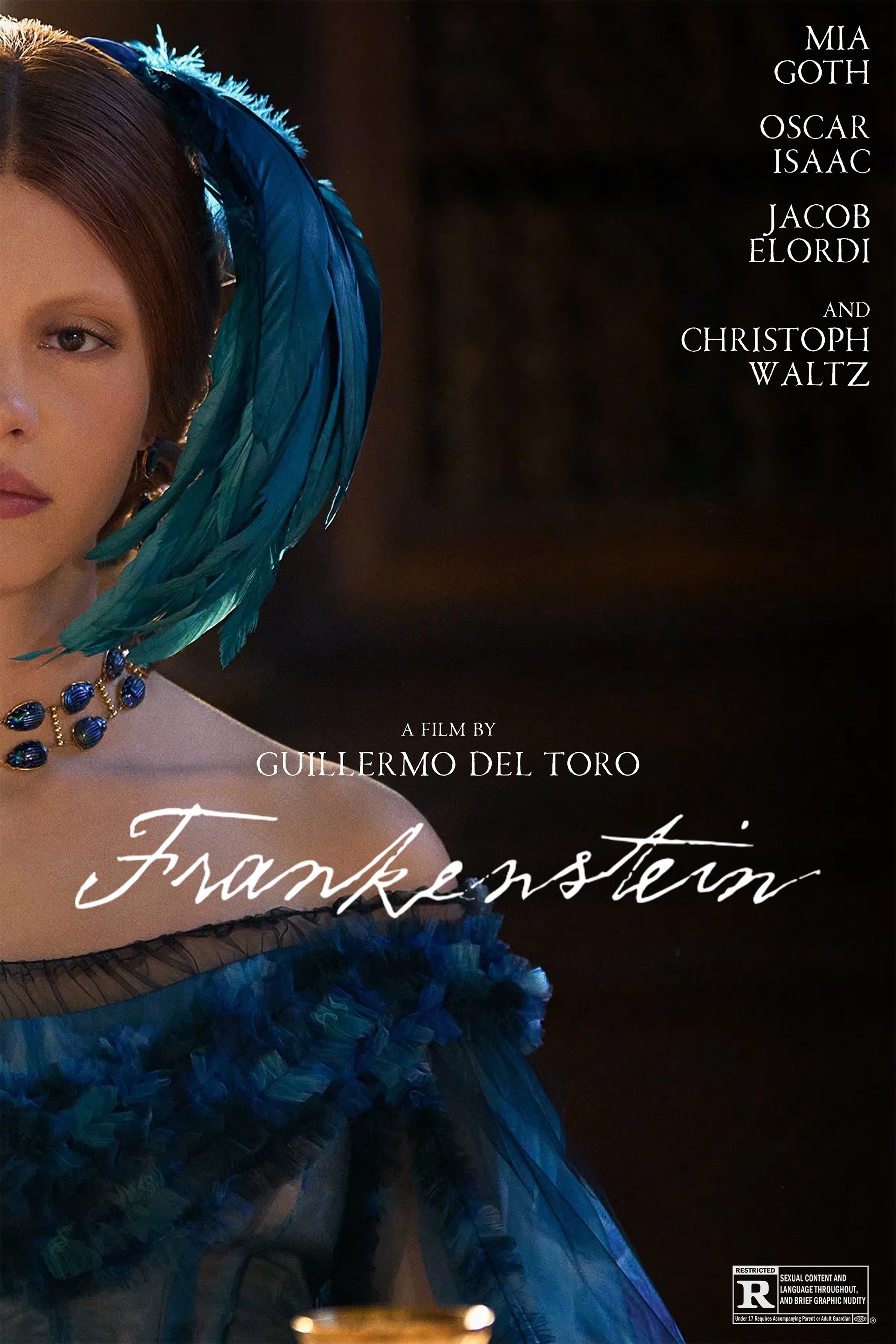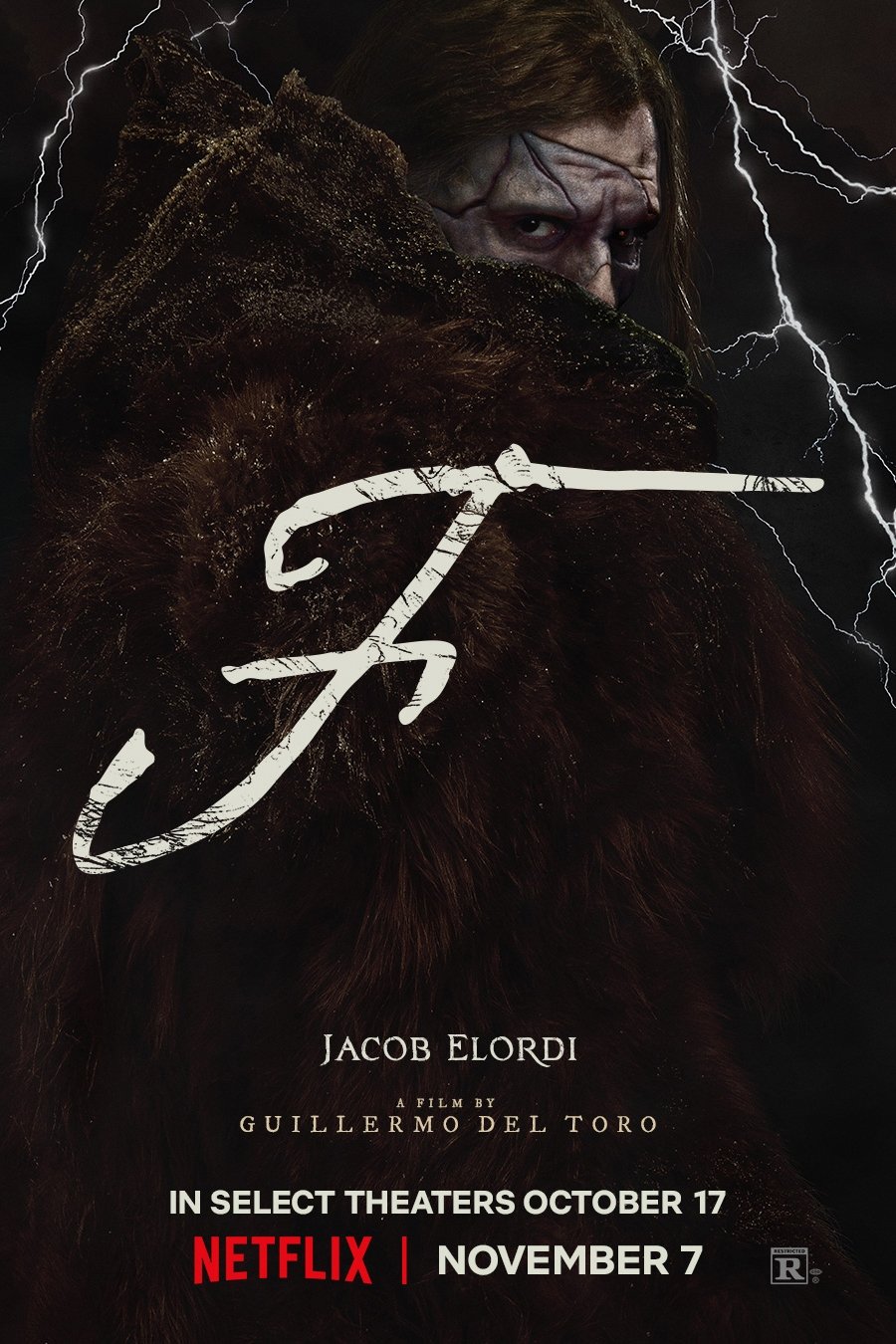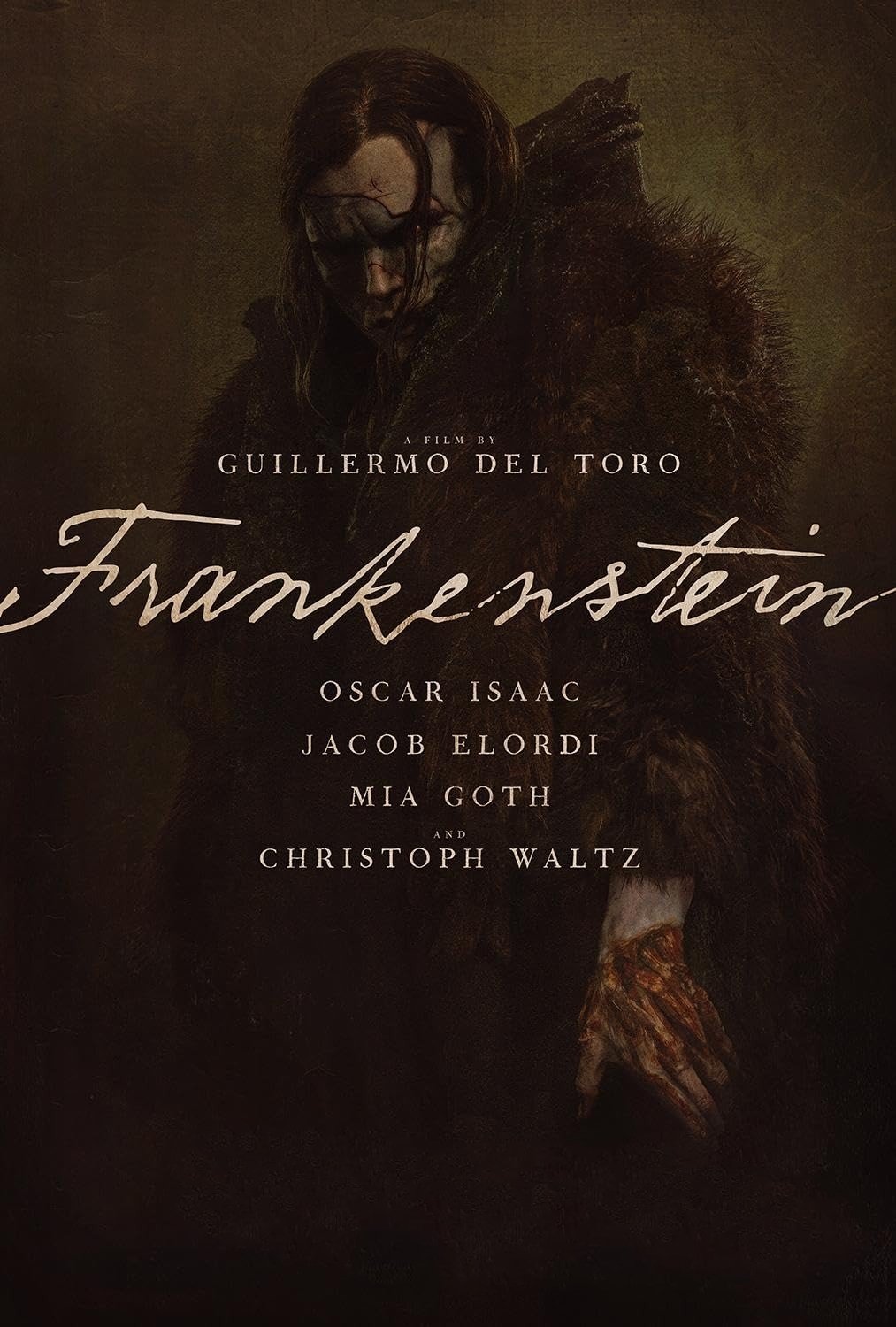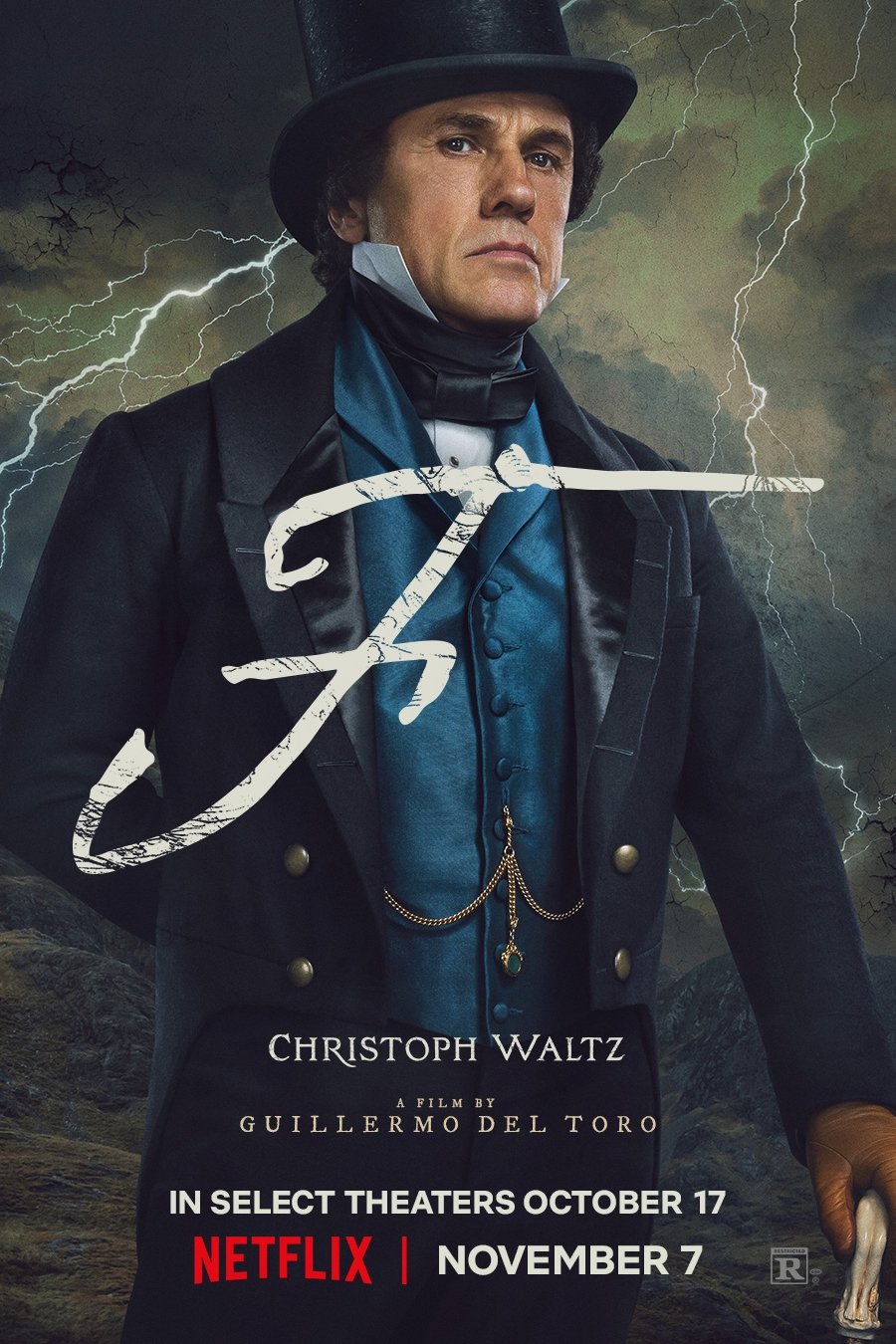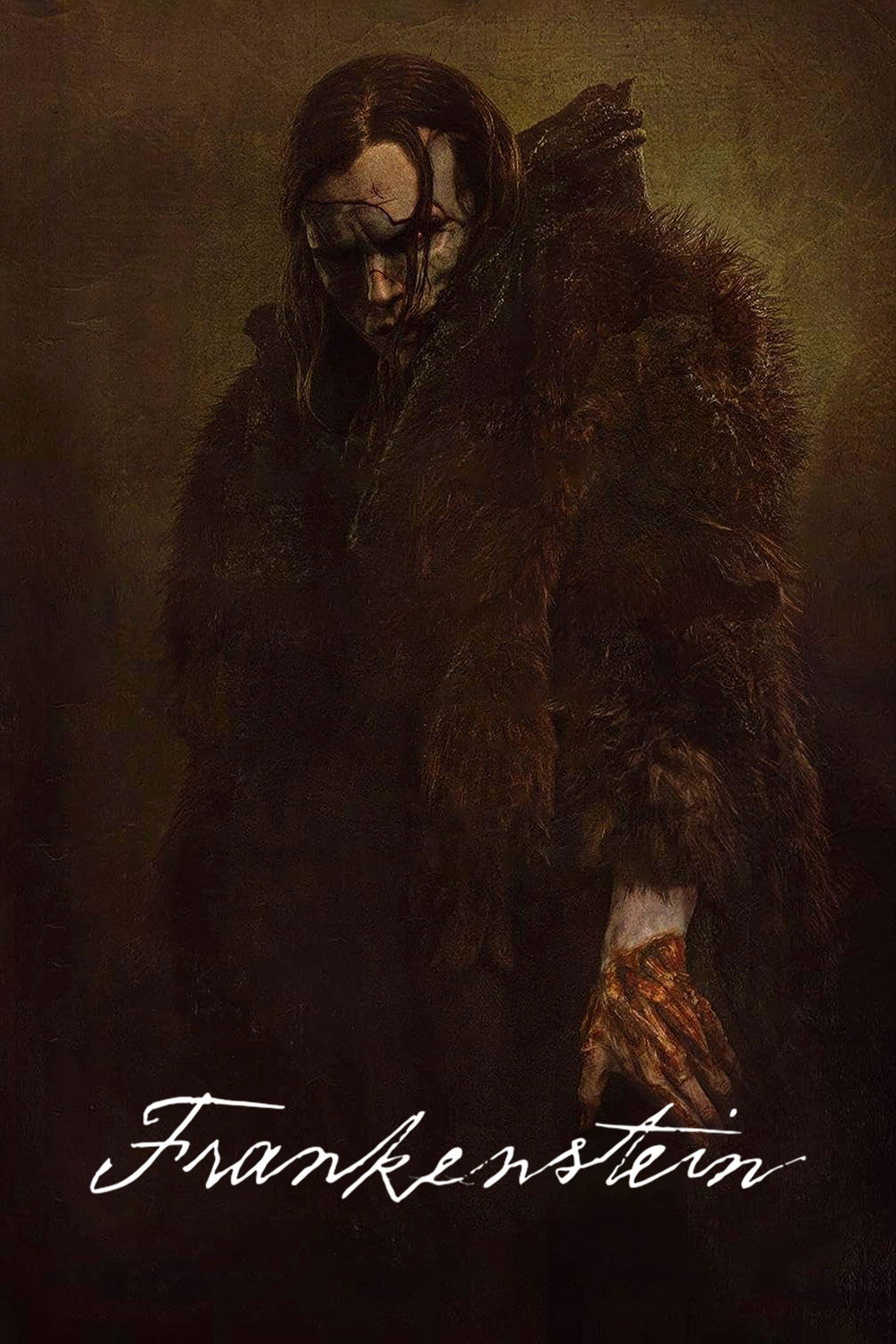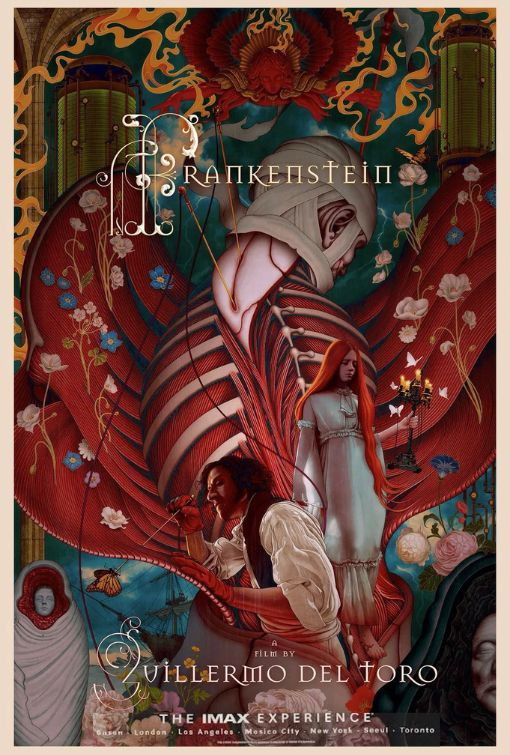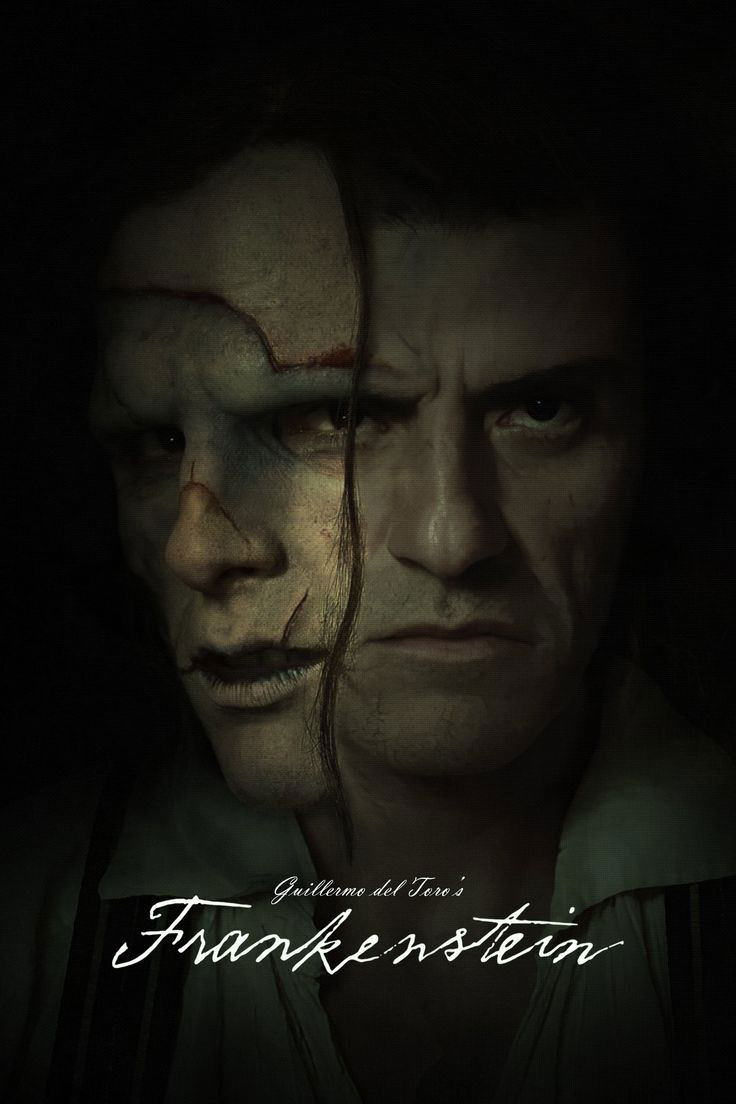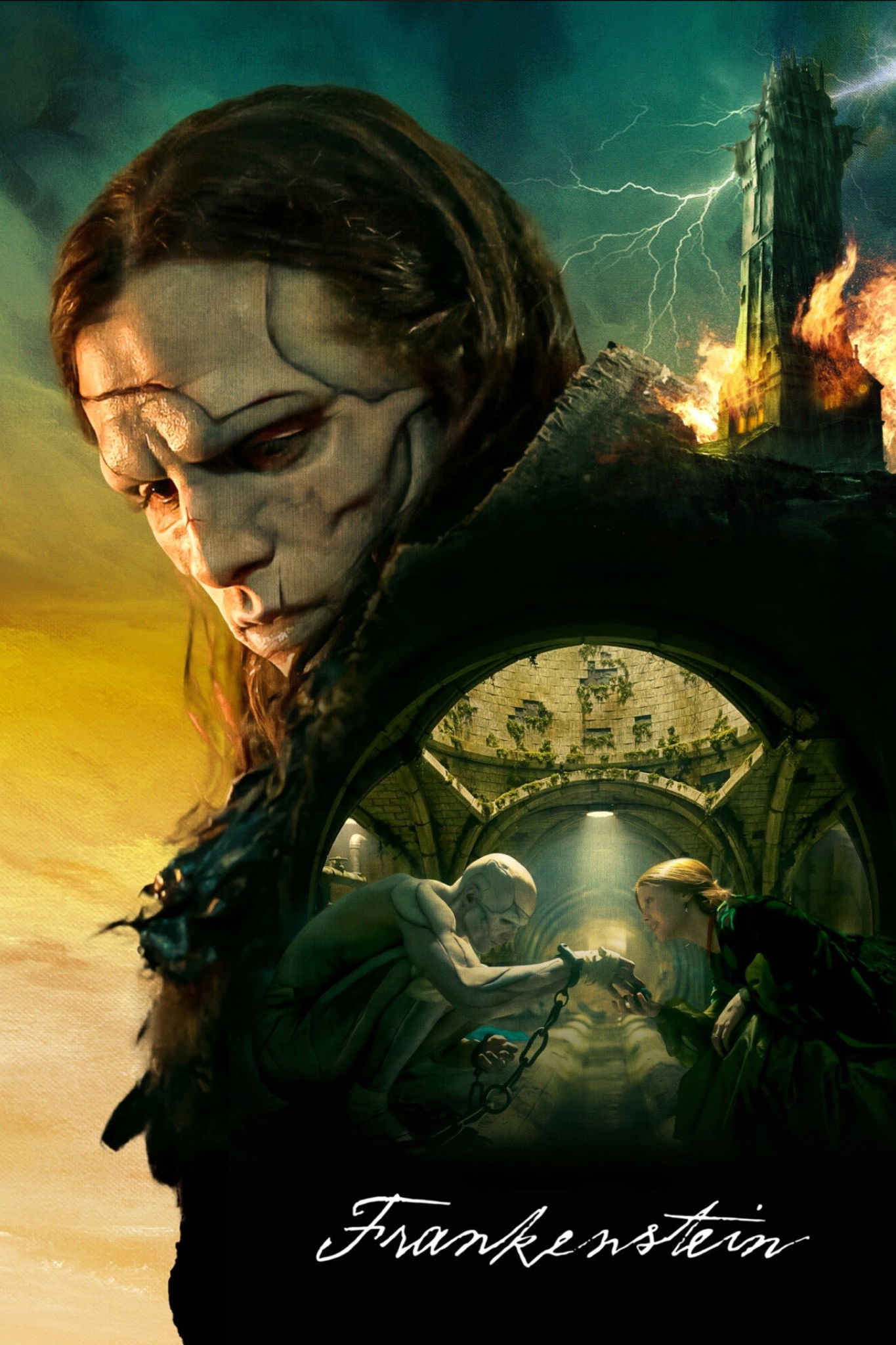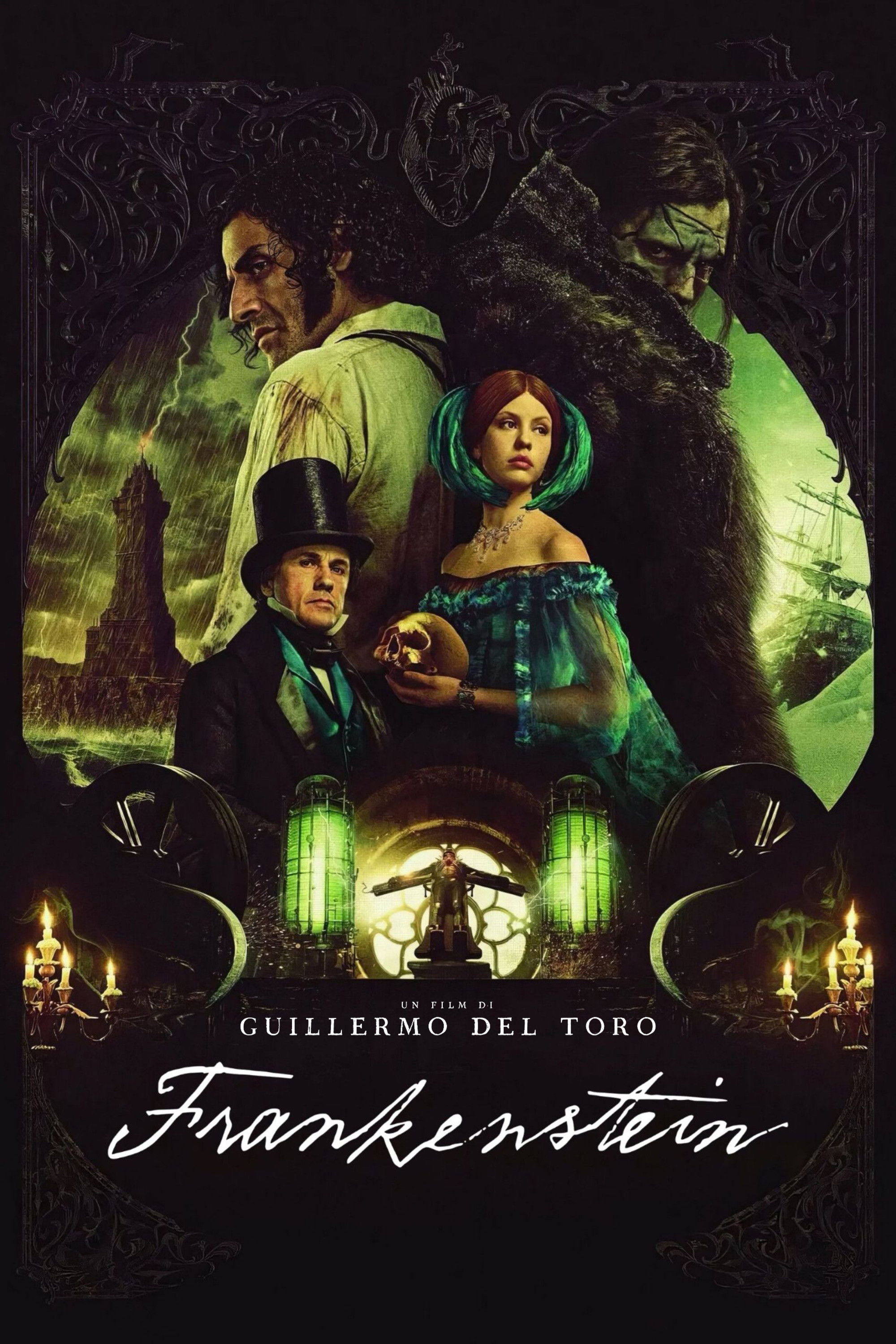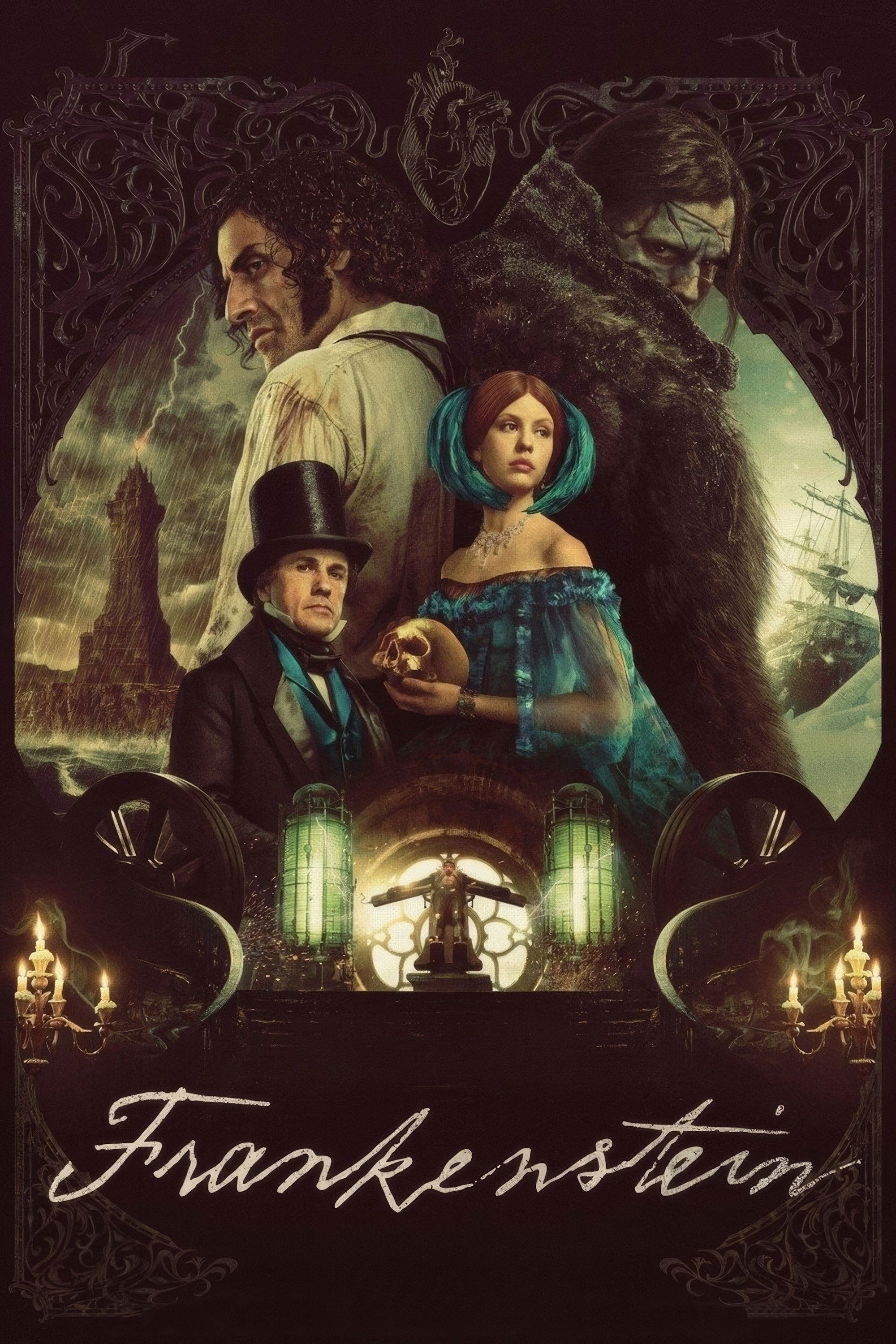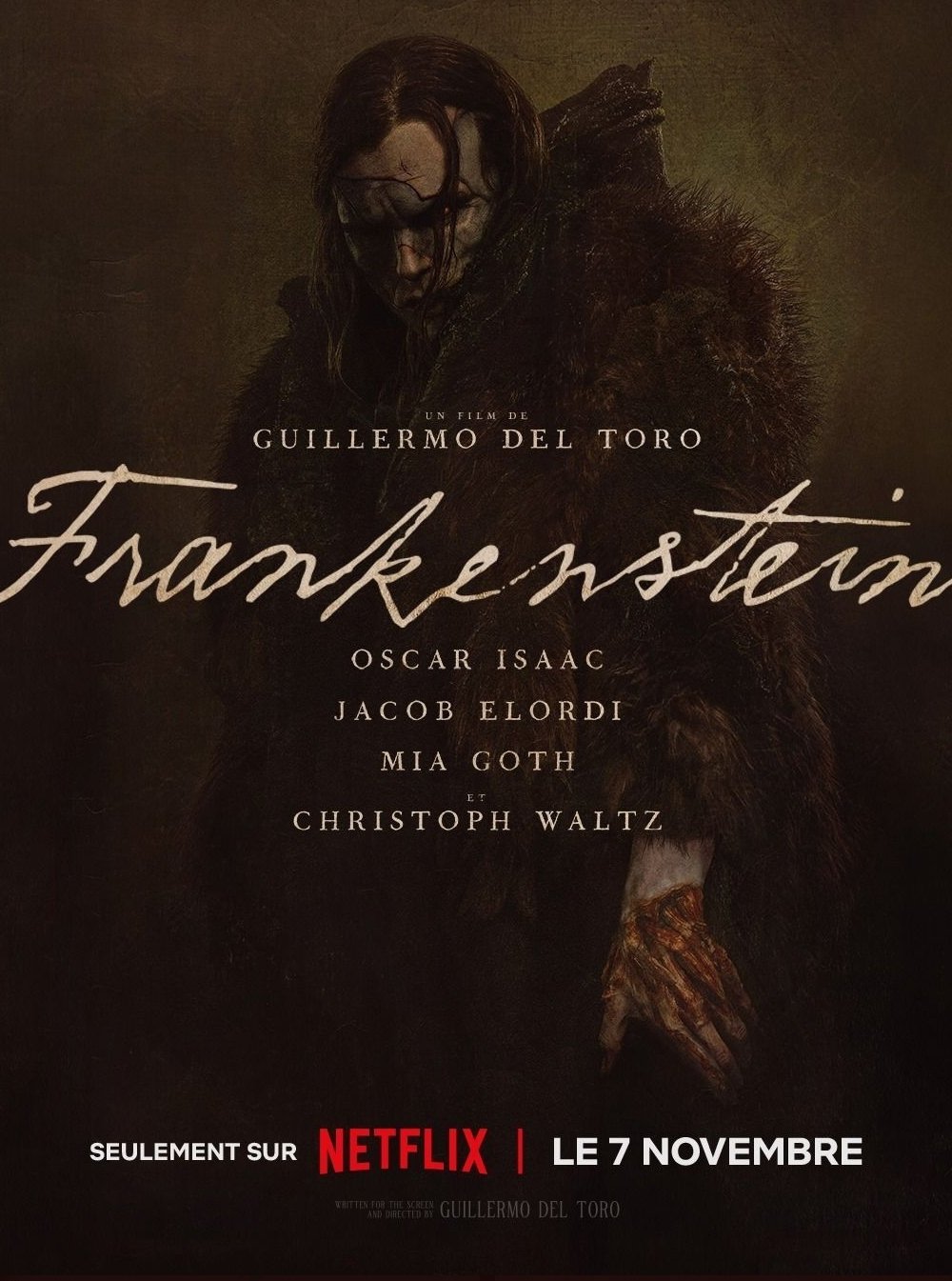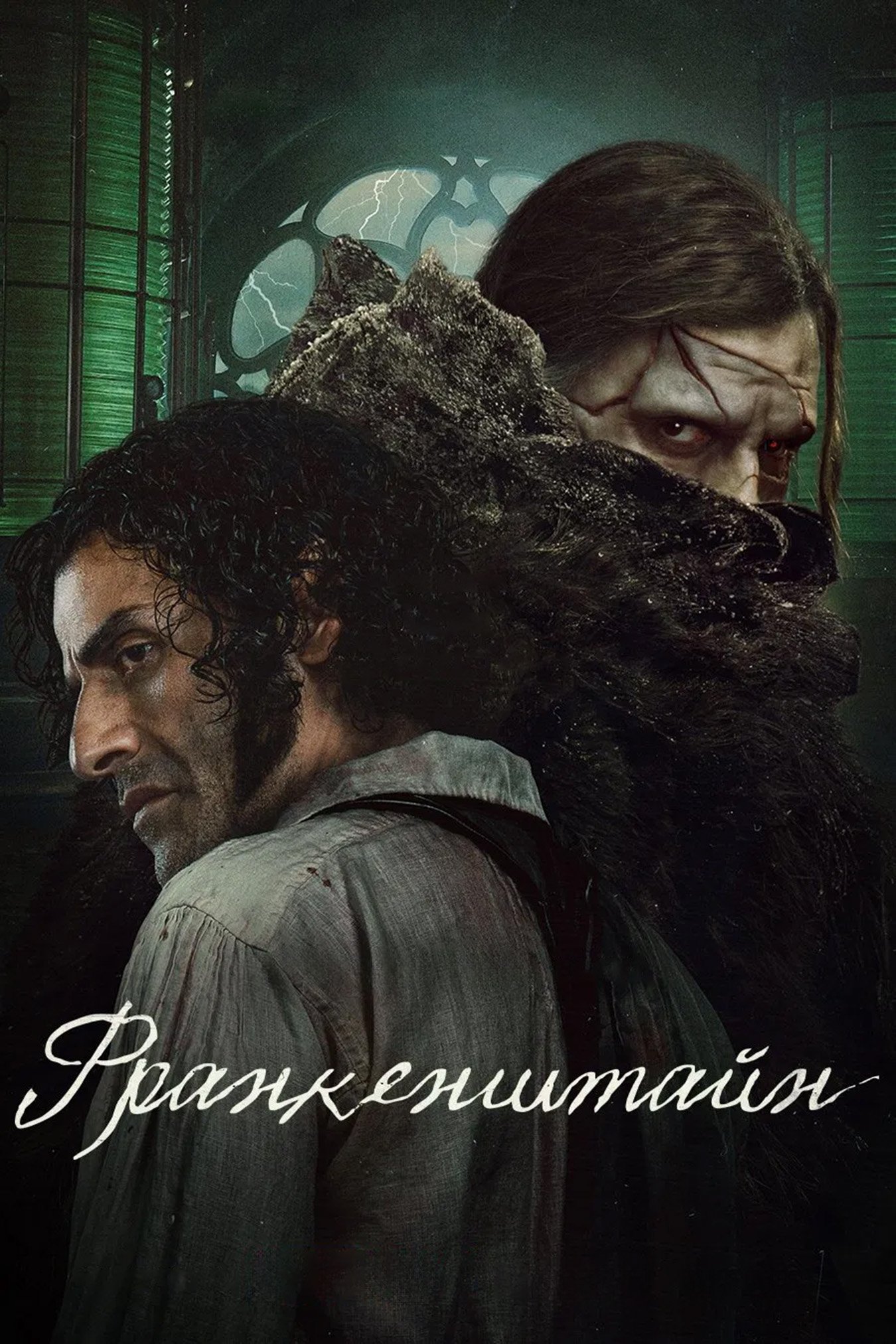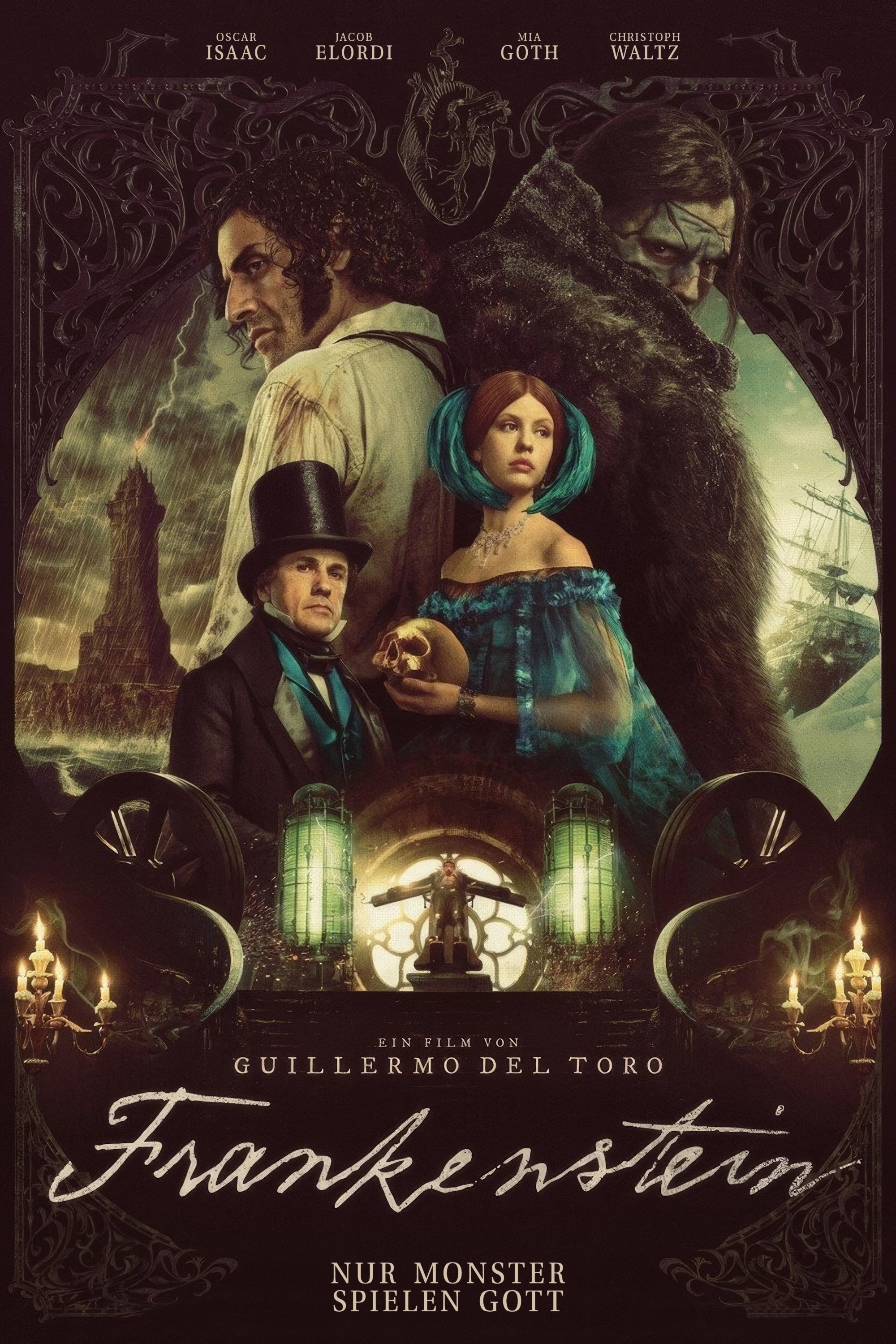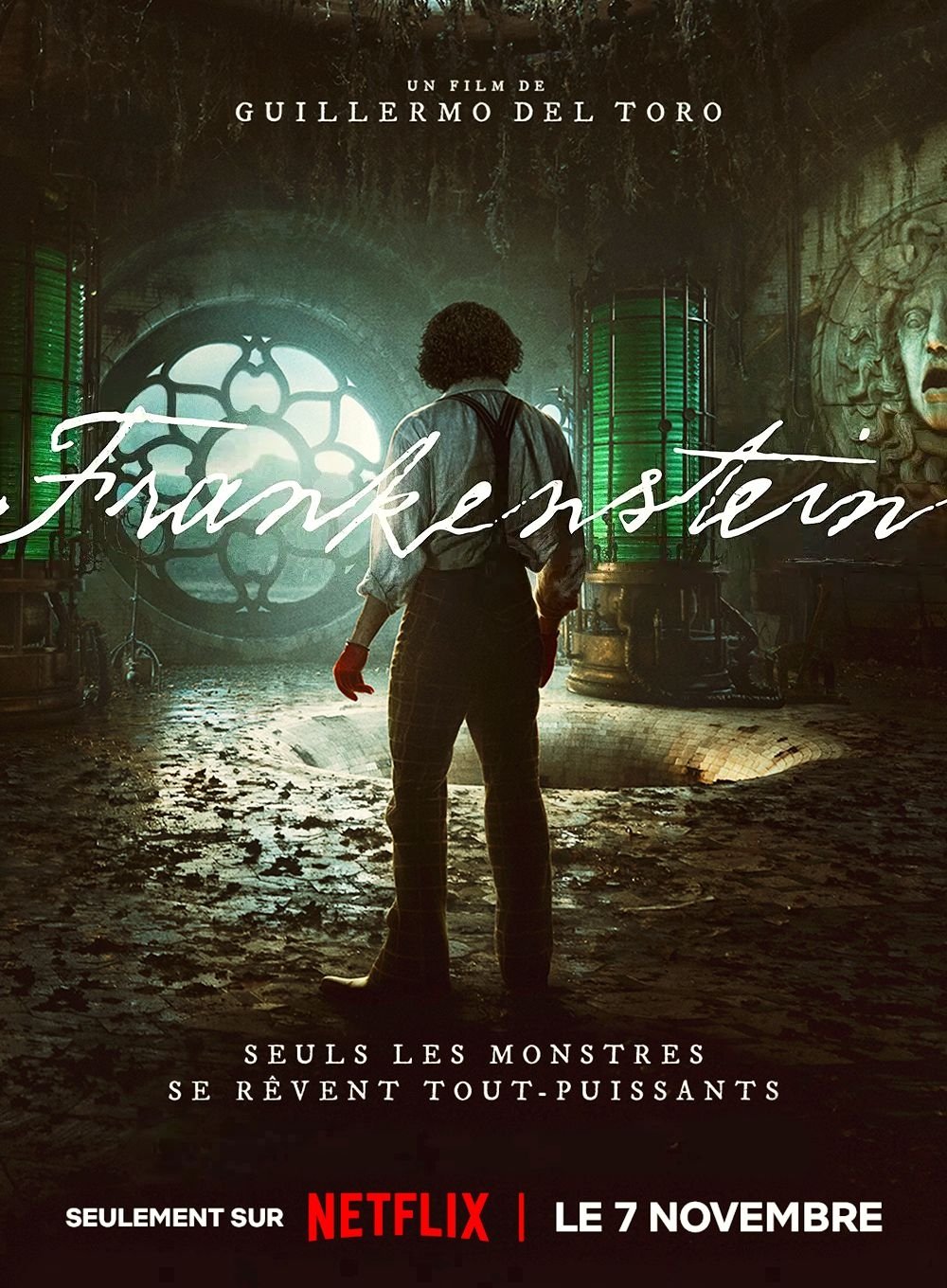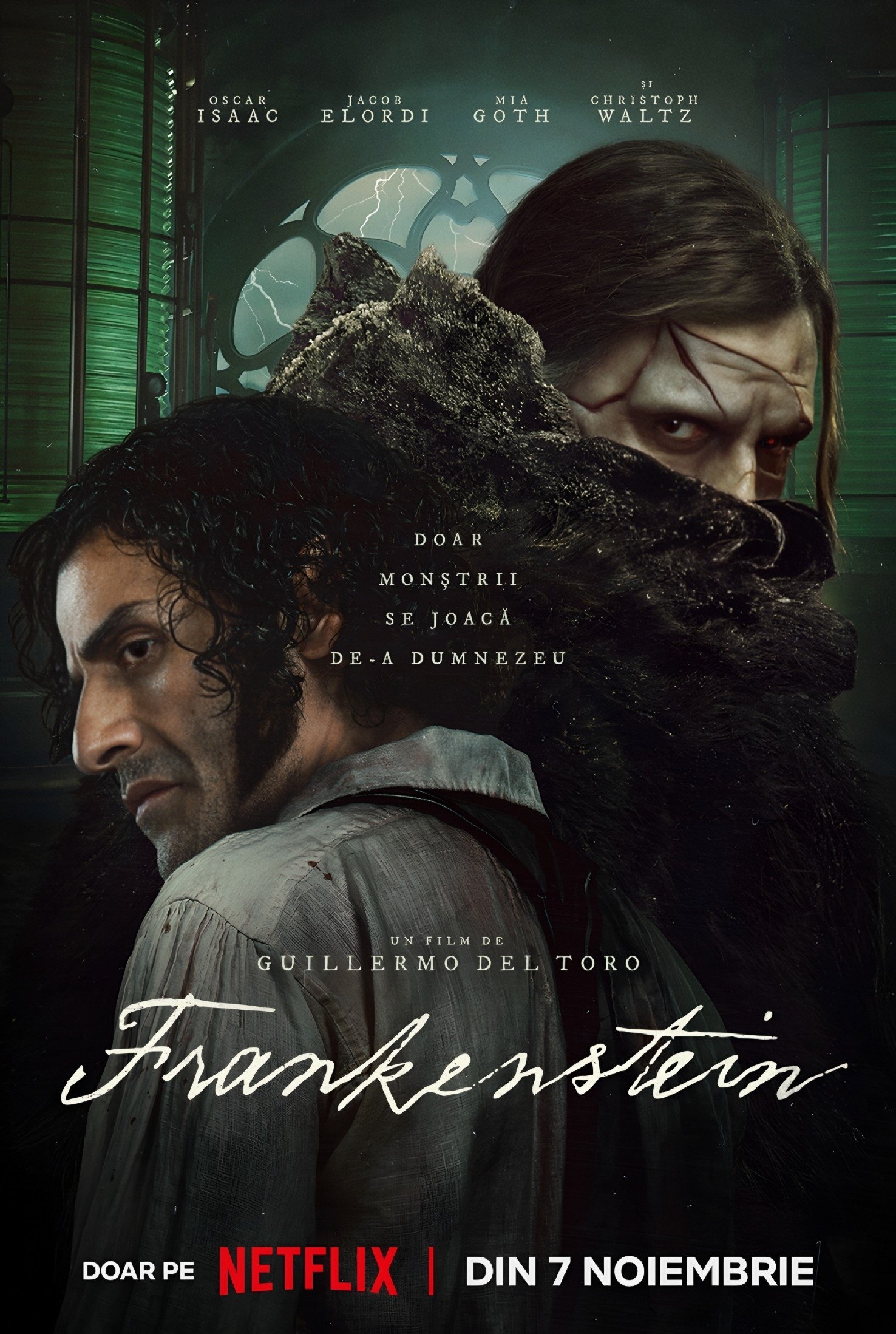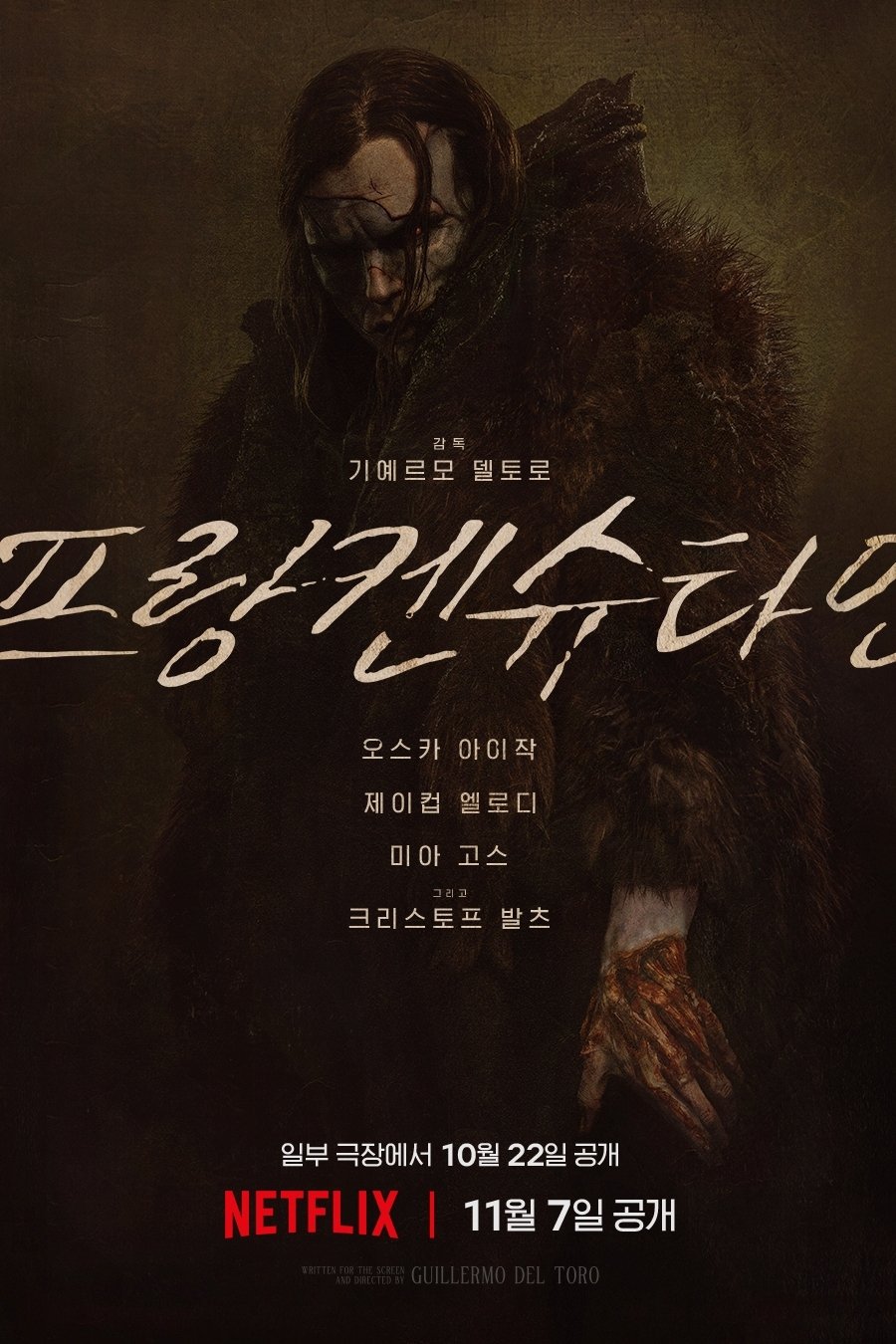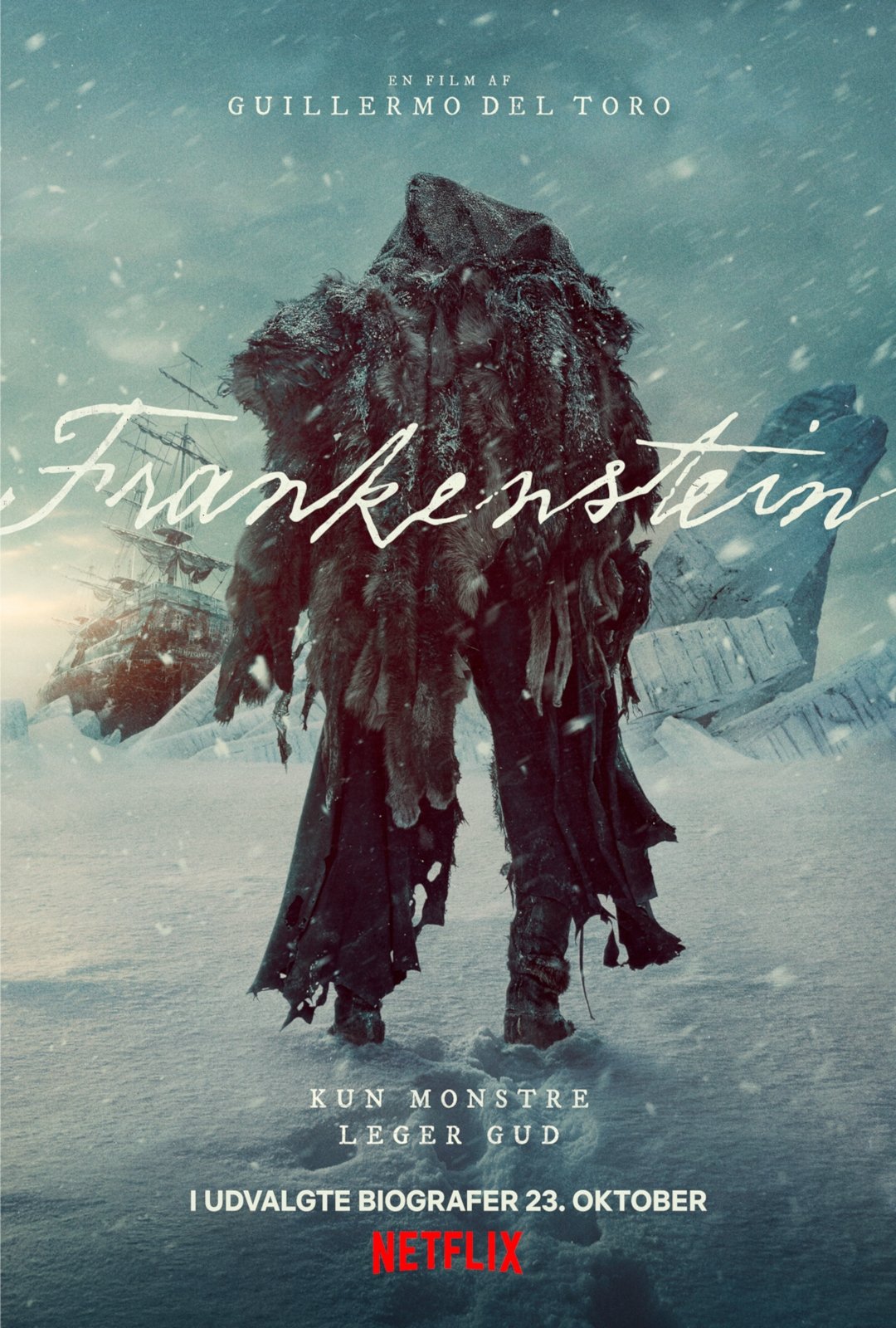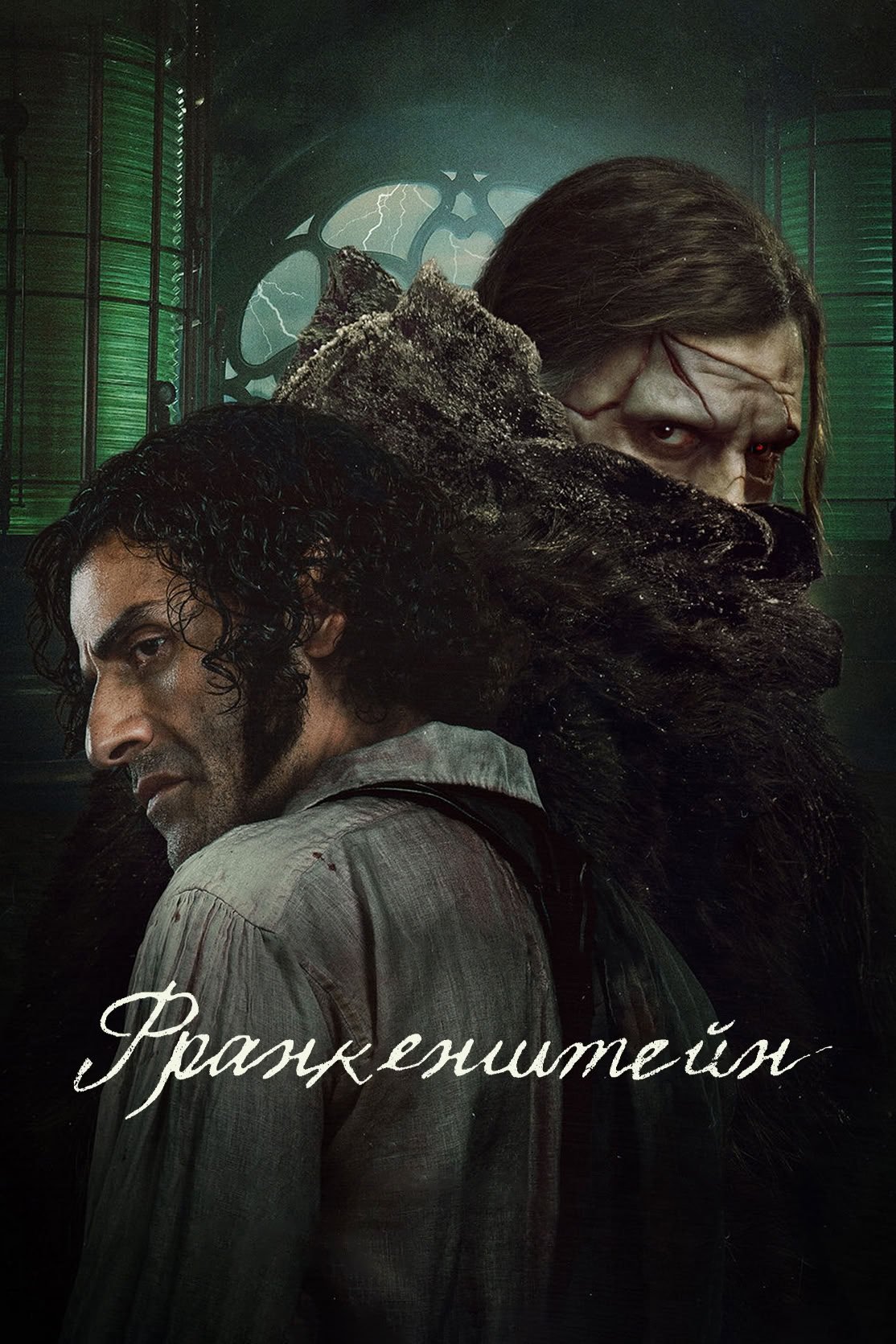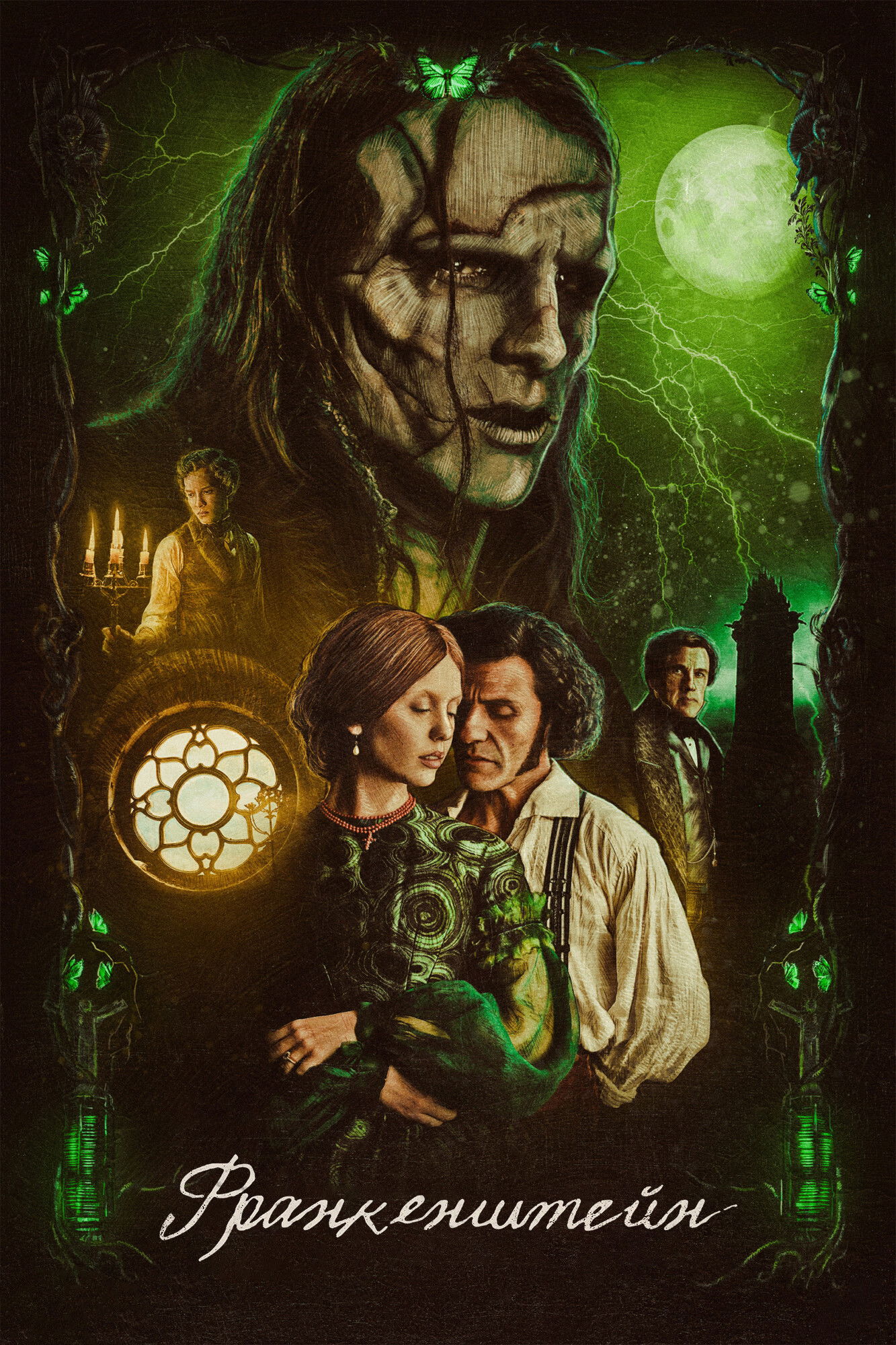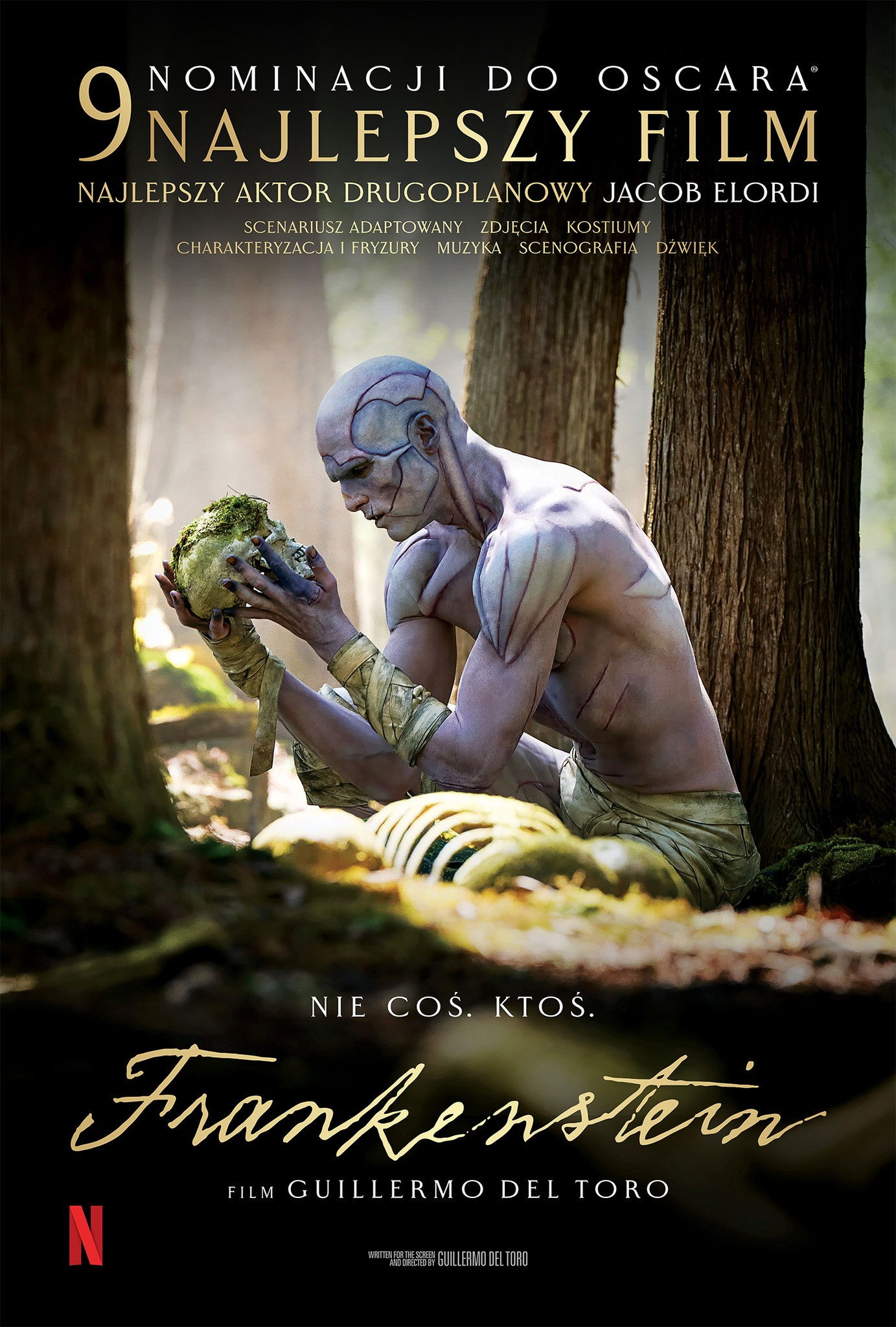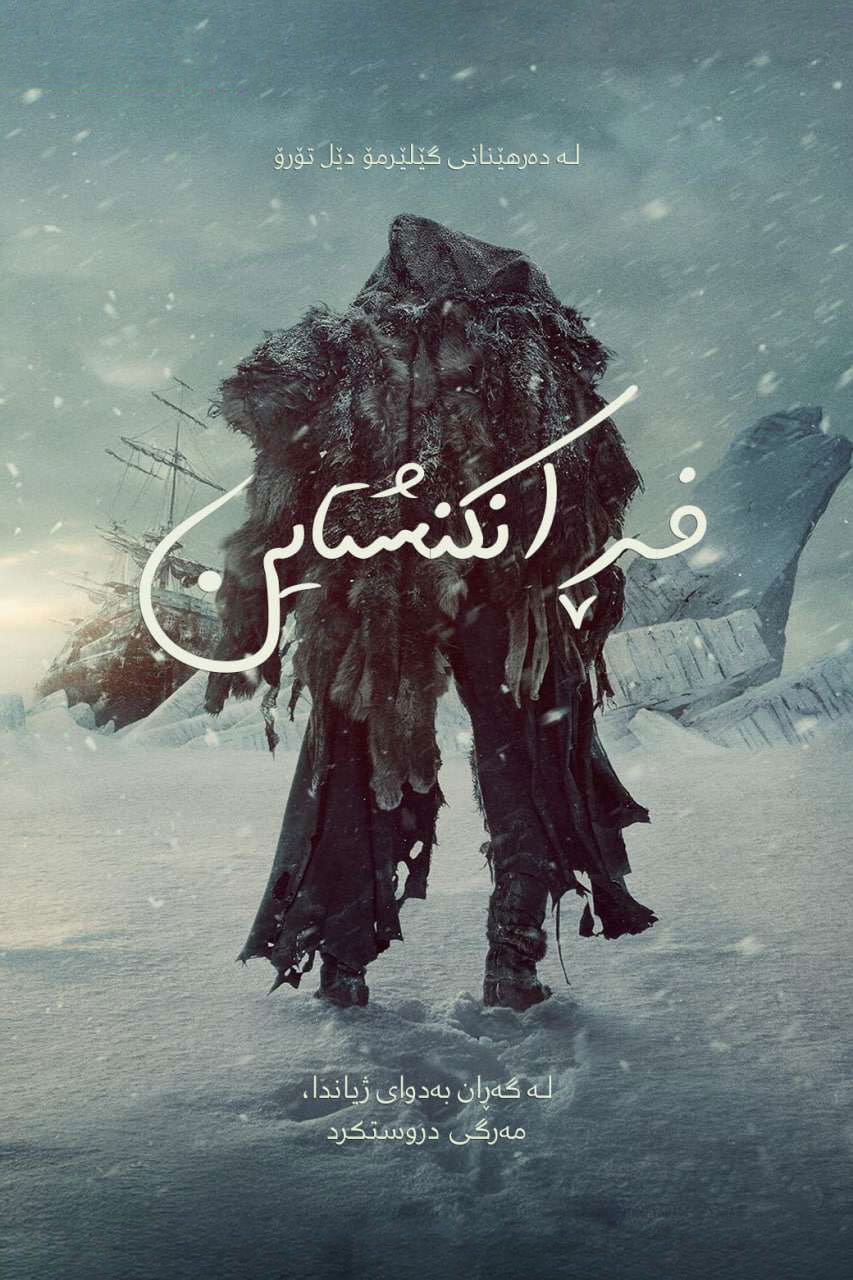


A Lifelong Frankenstein Project
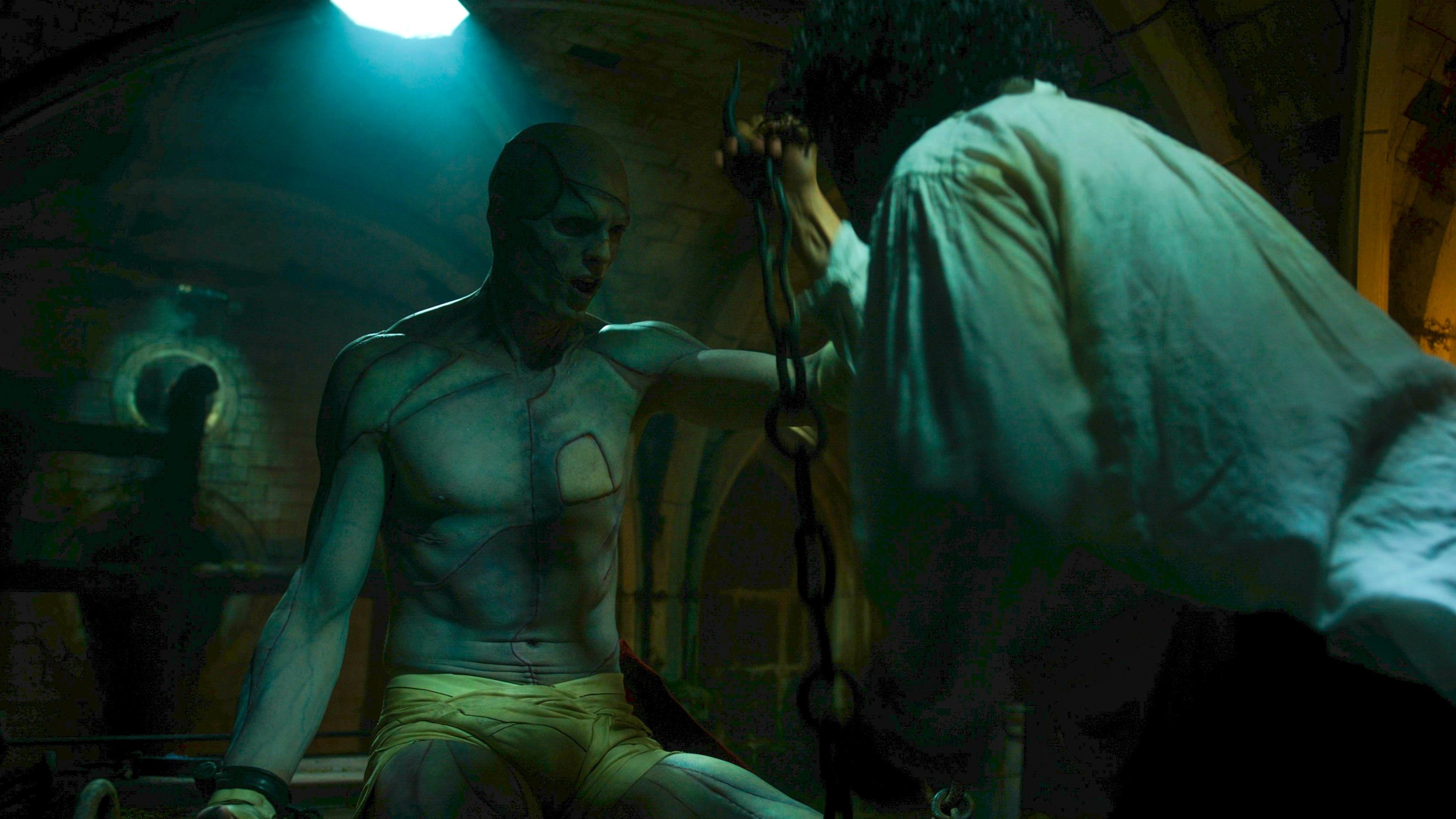
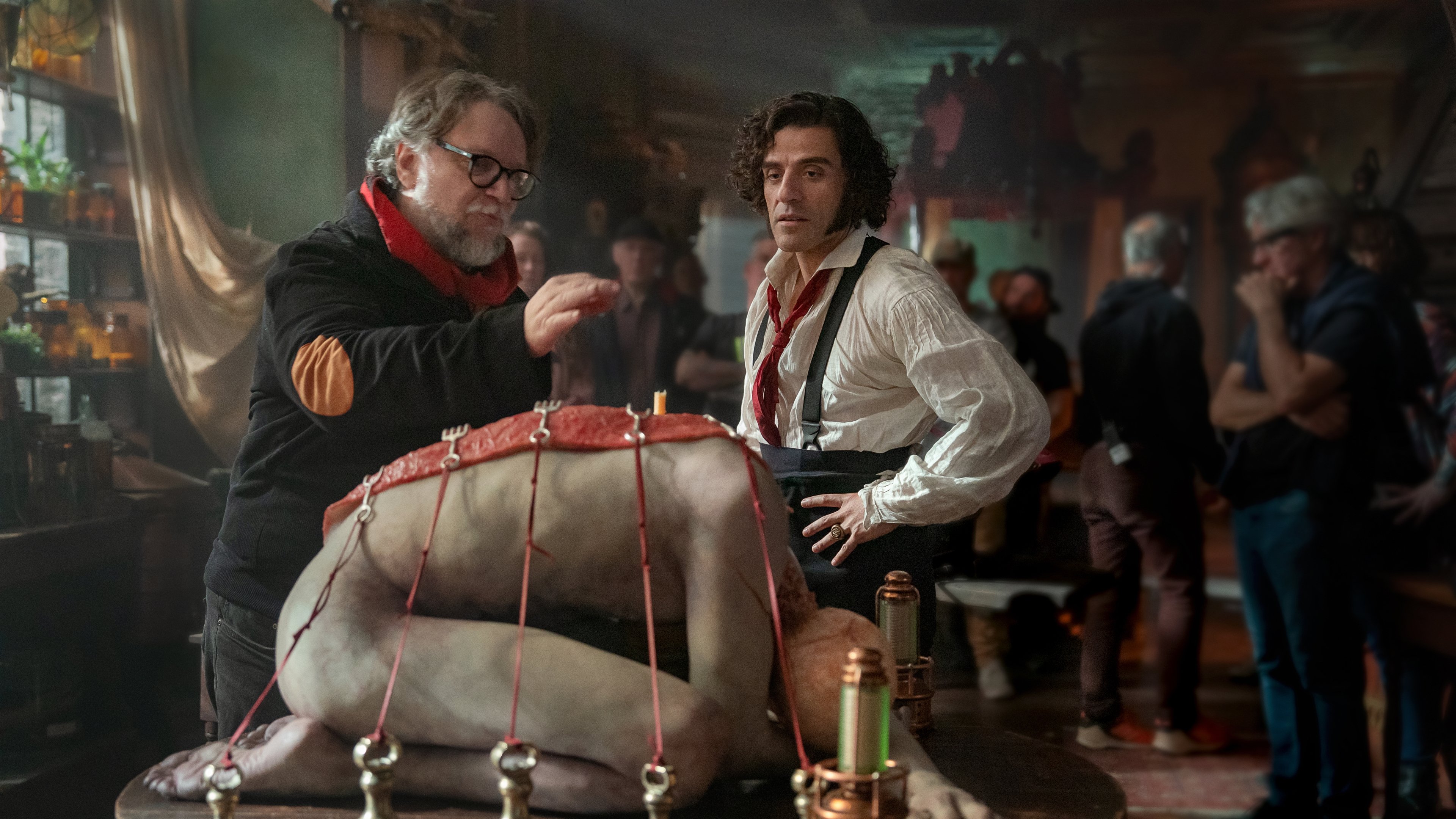
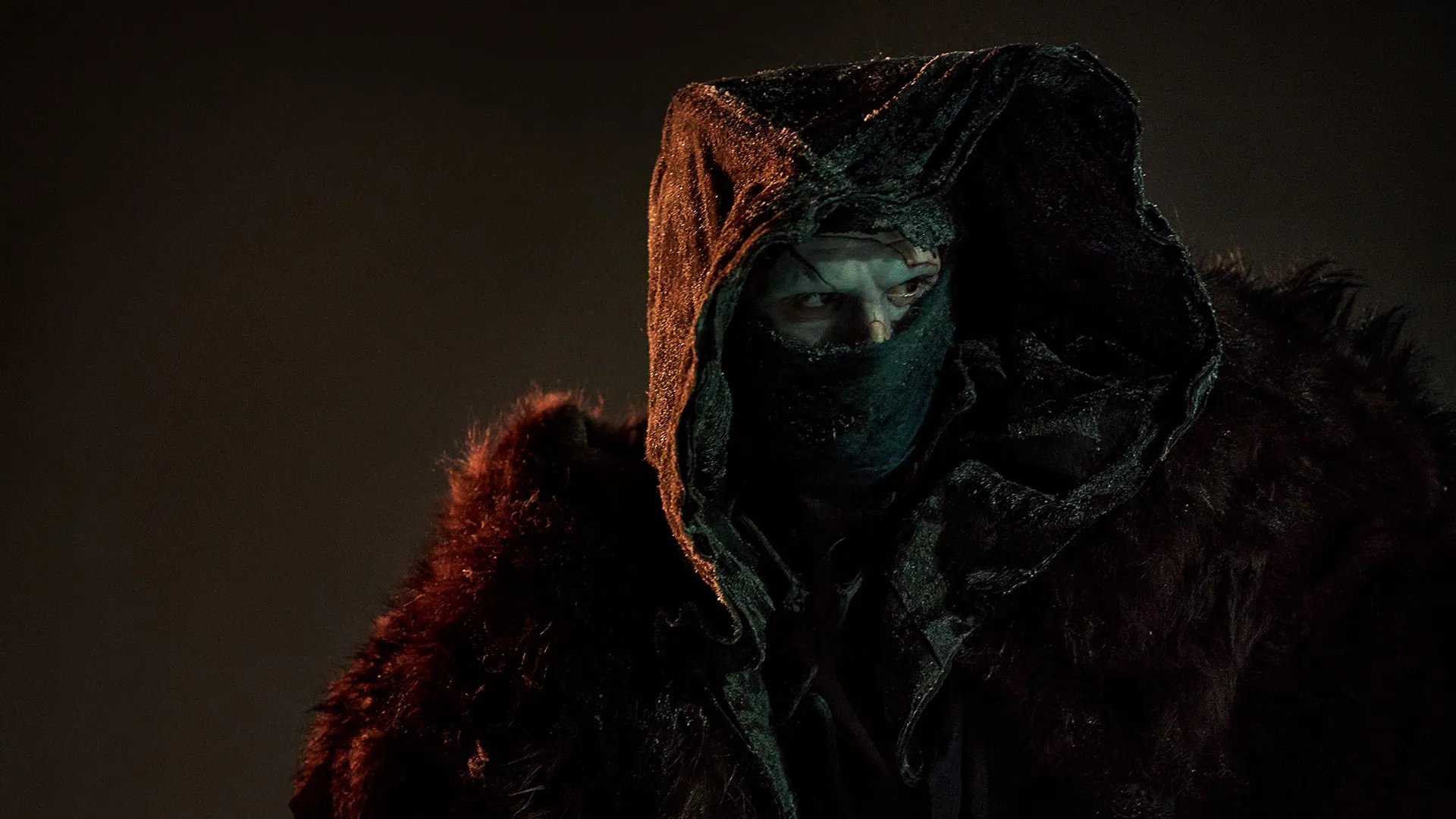
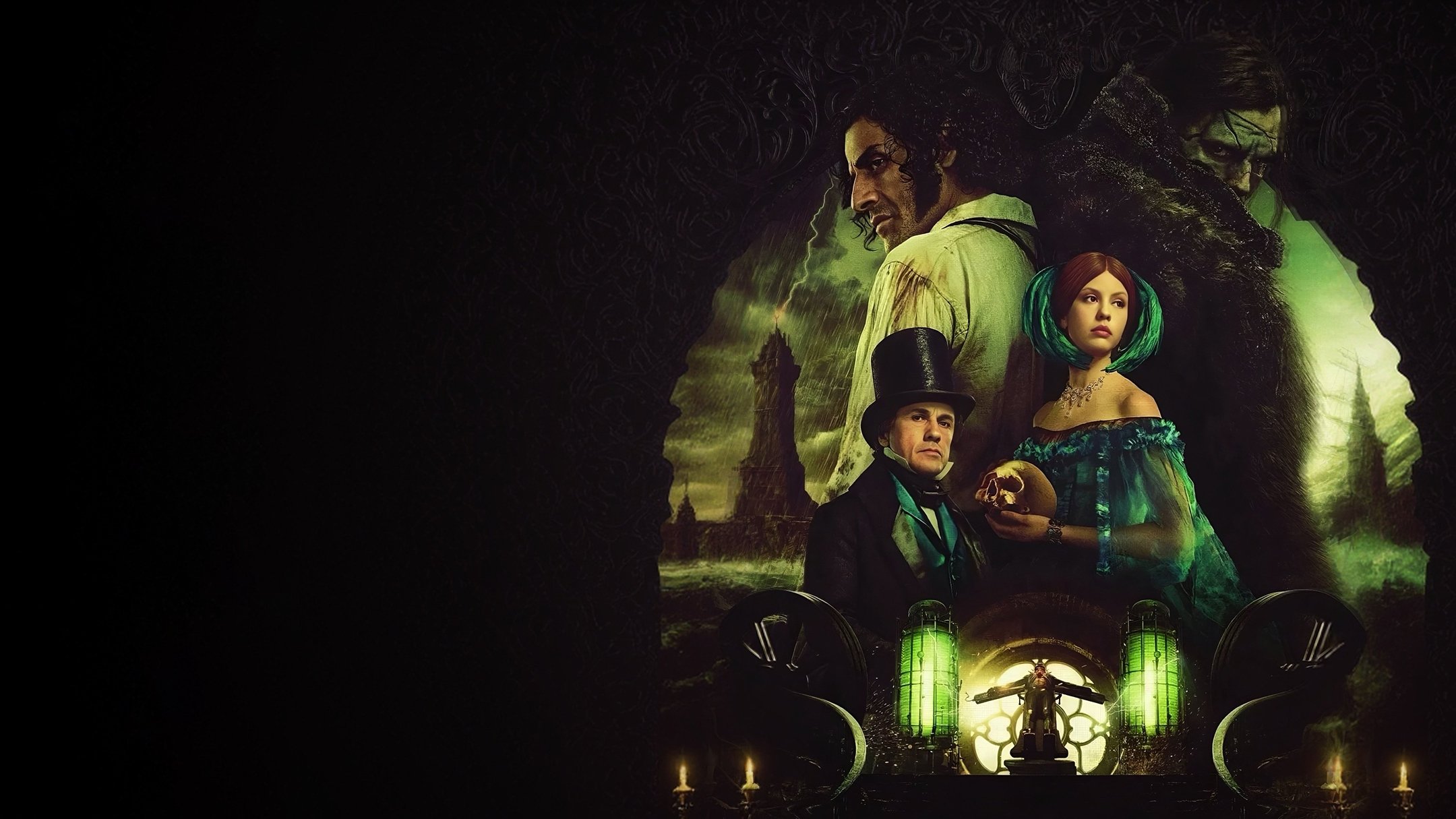
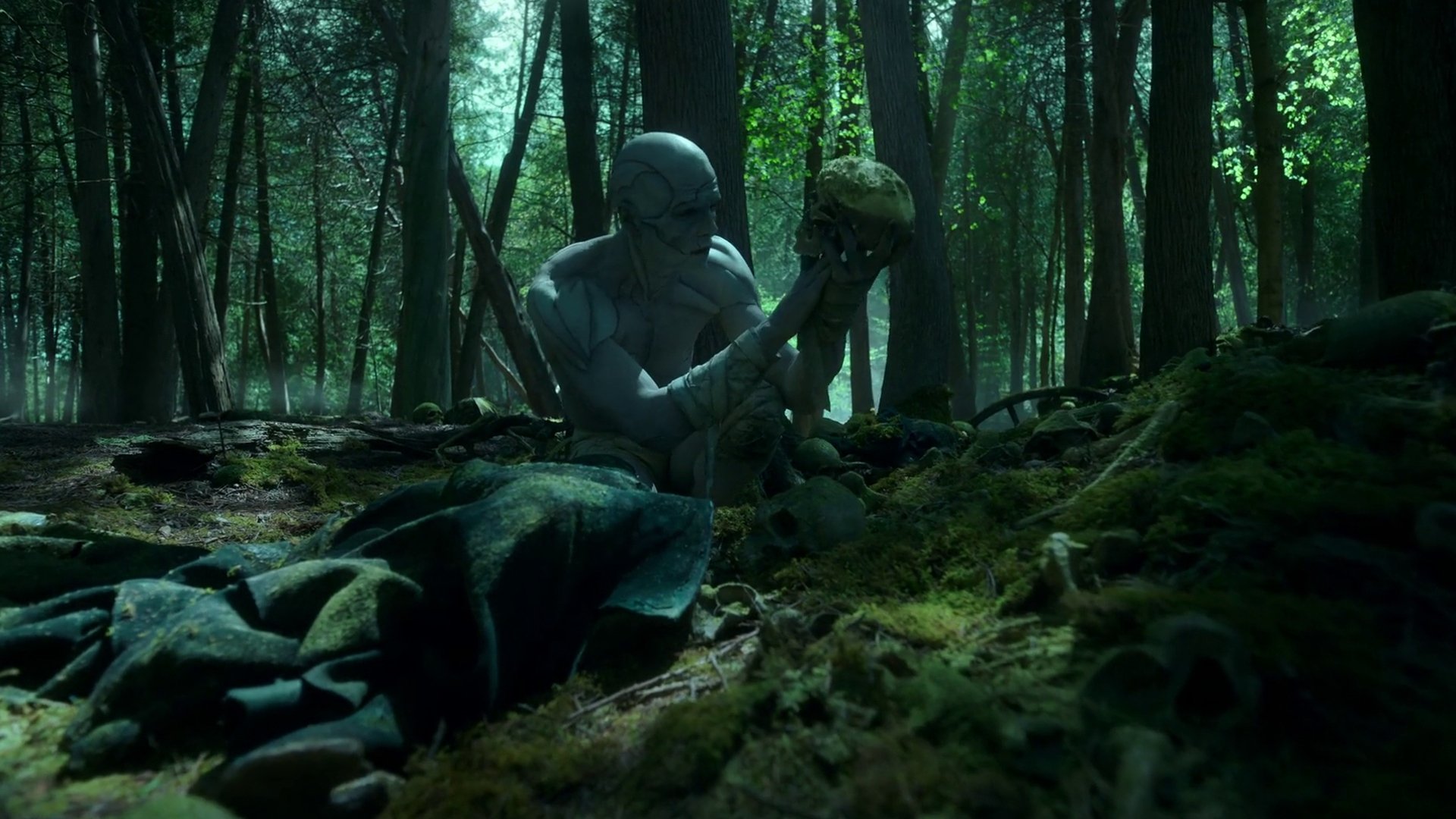
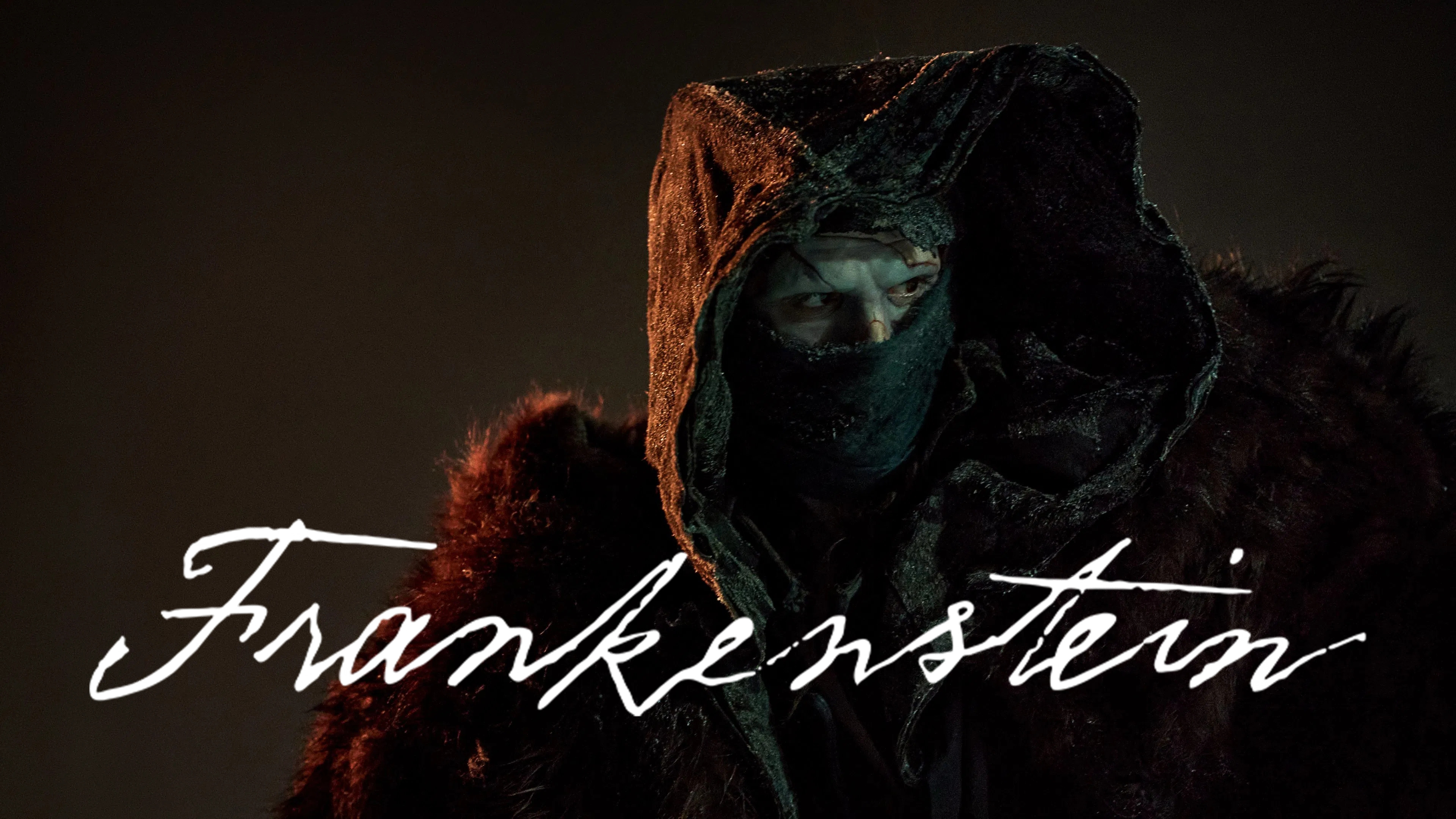
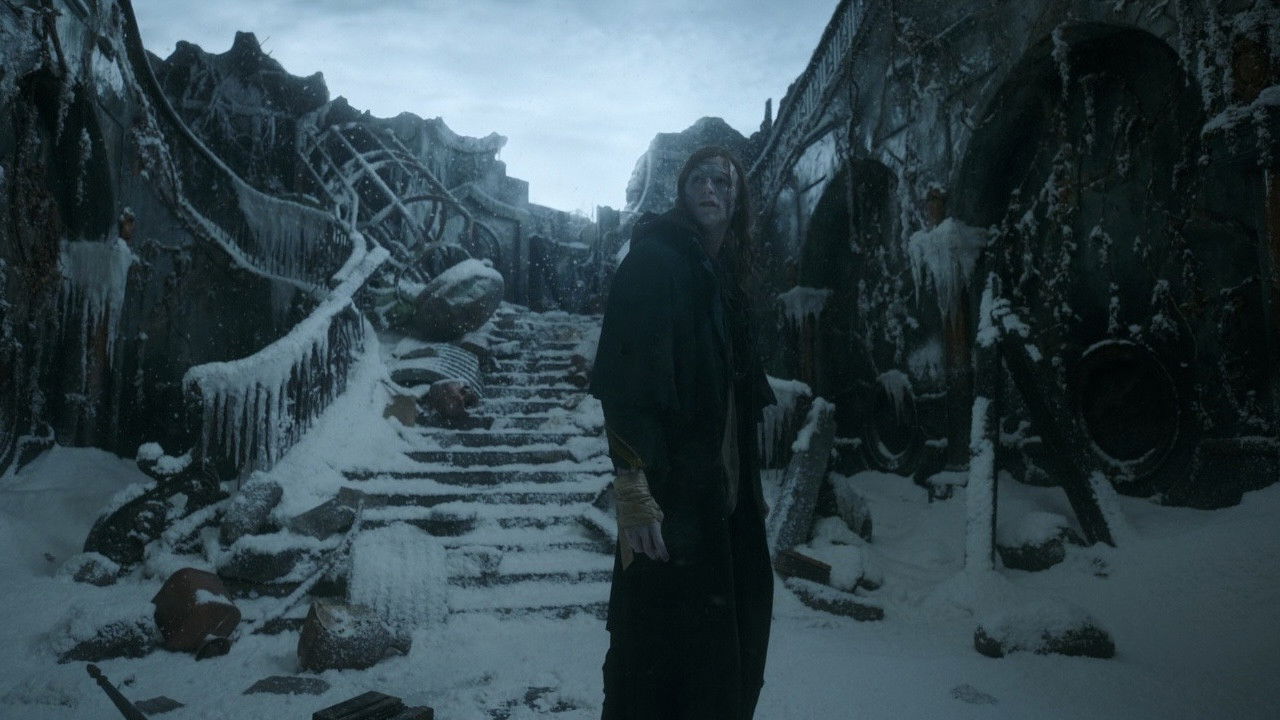
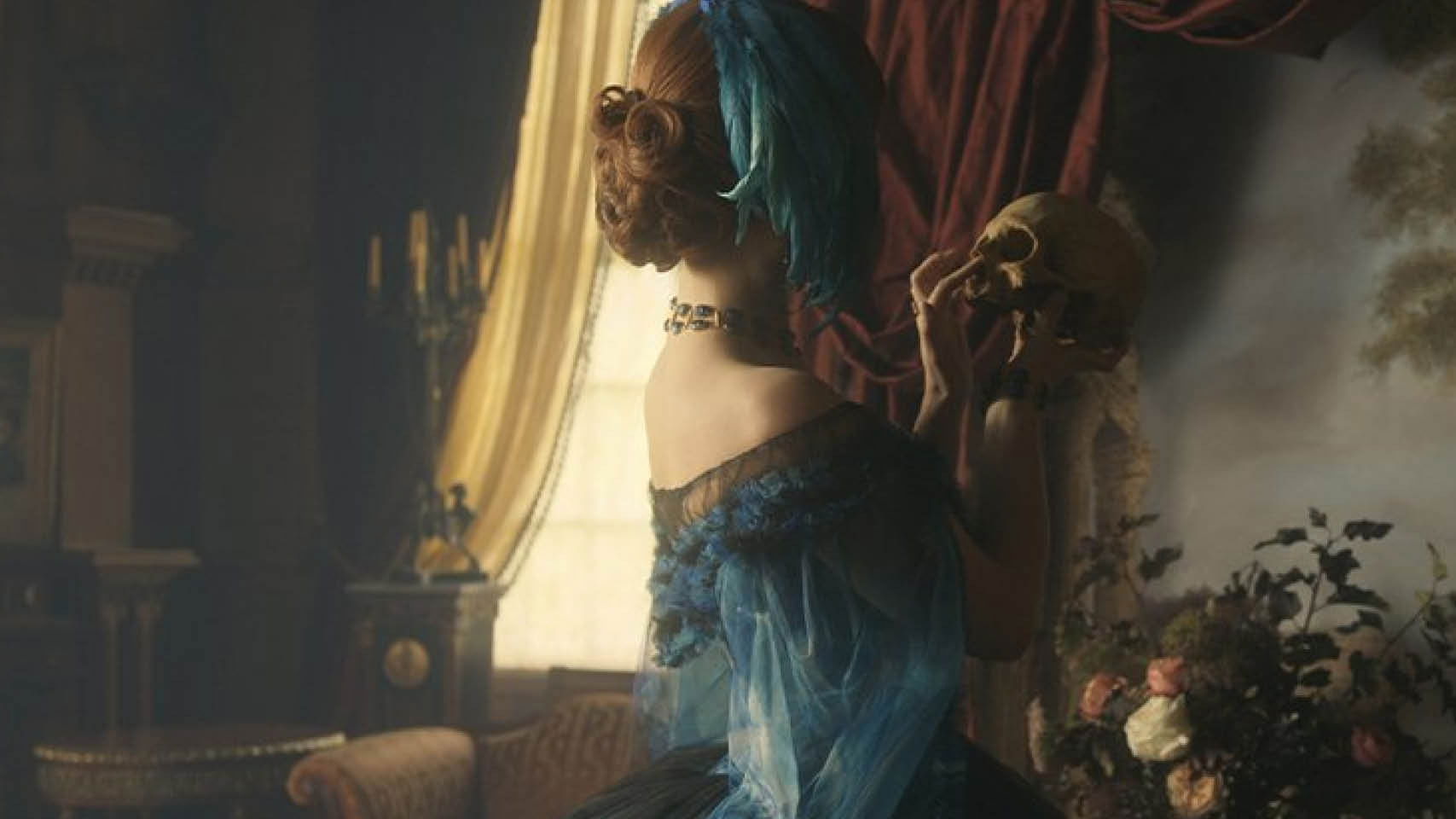
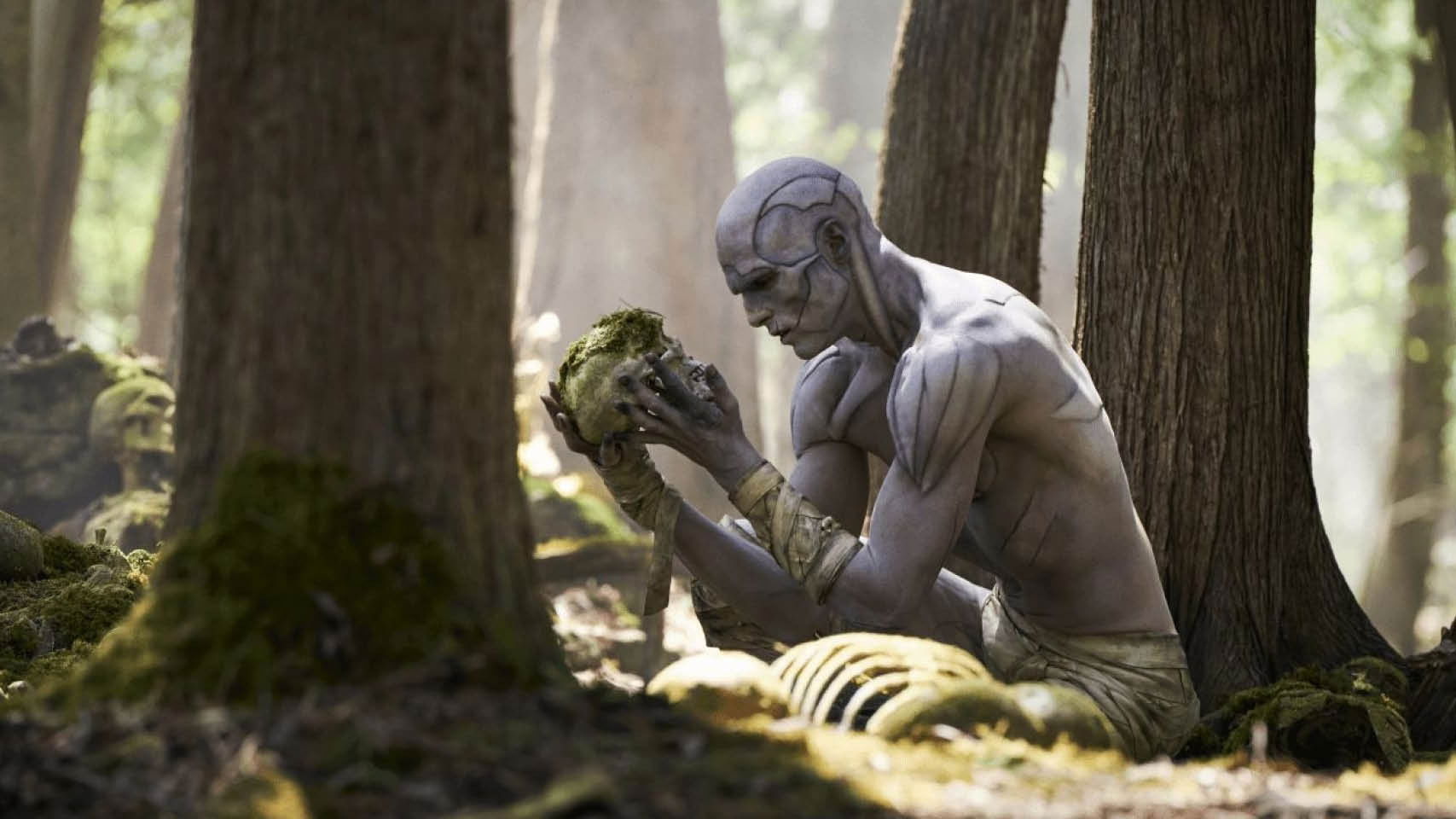
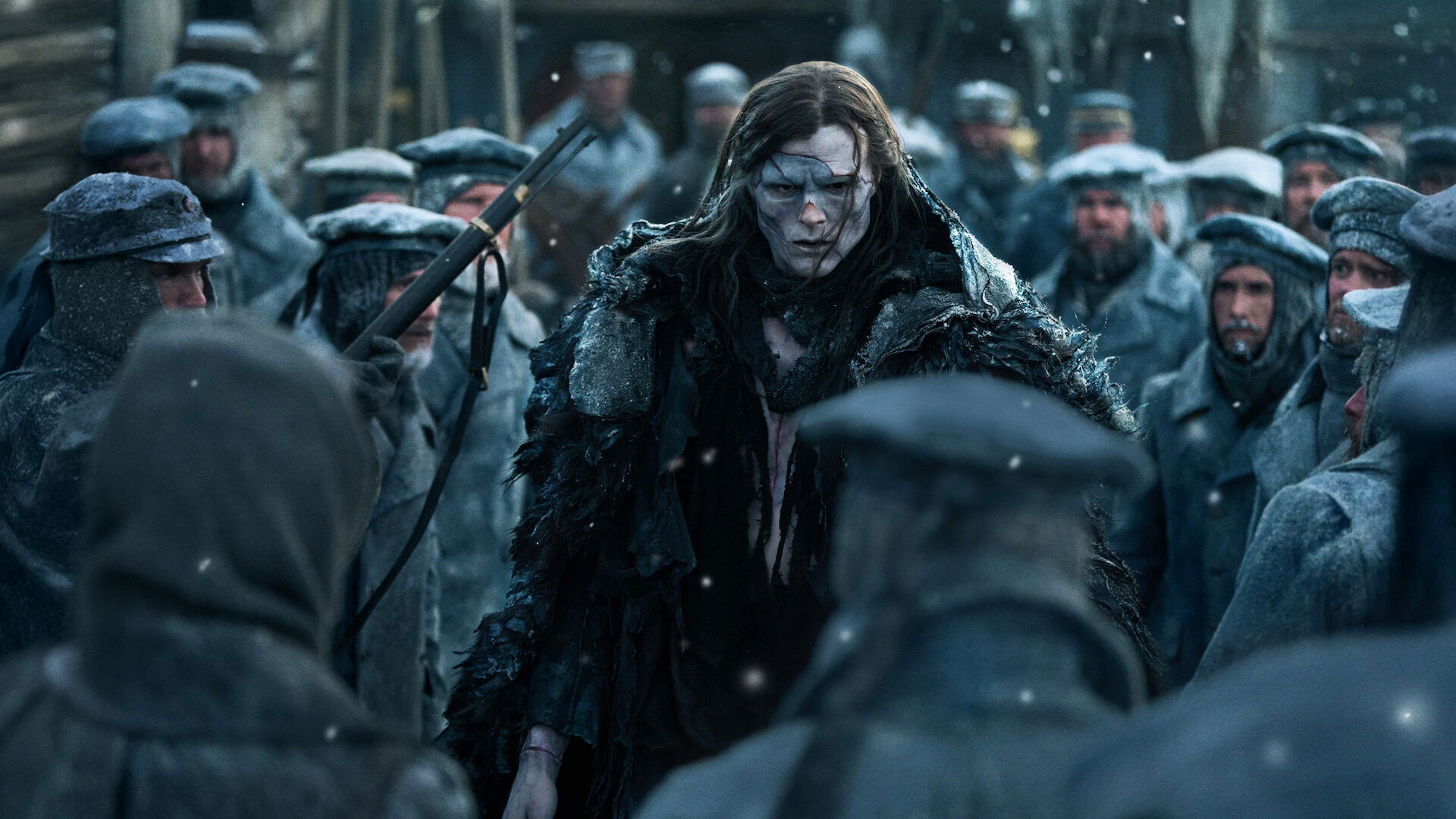
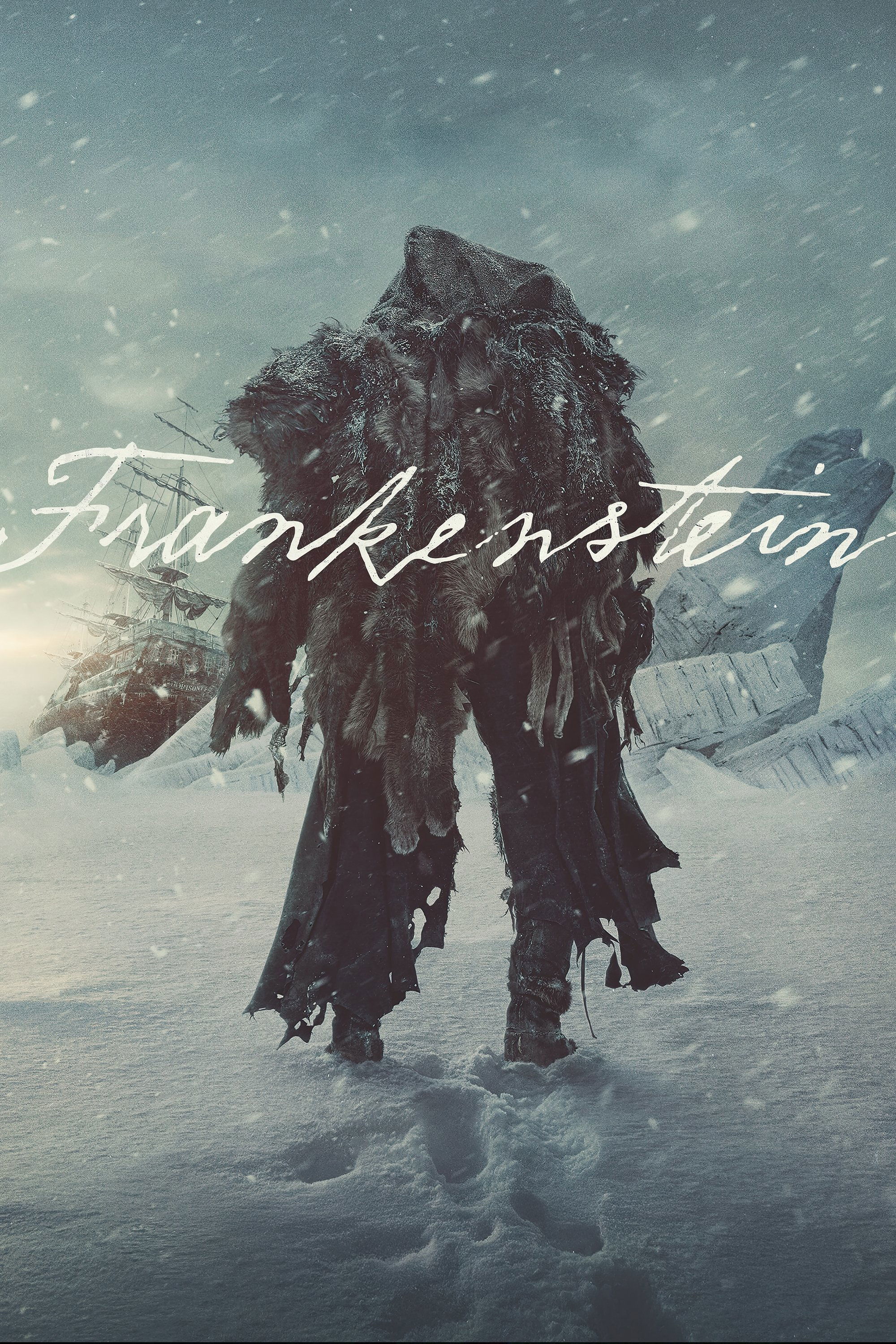
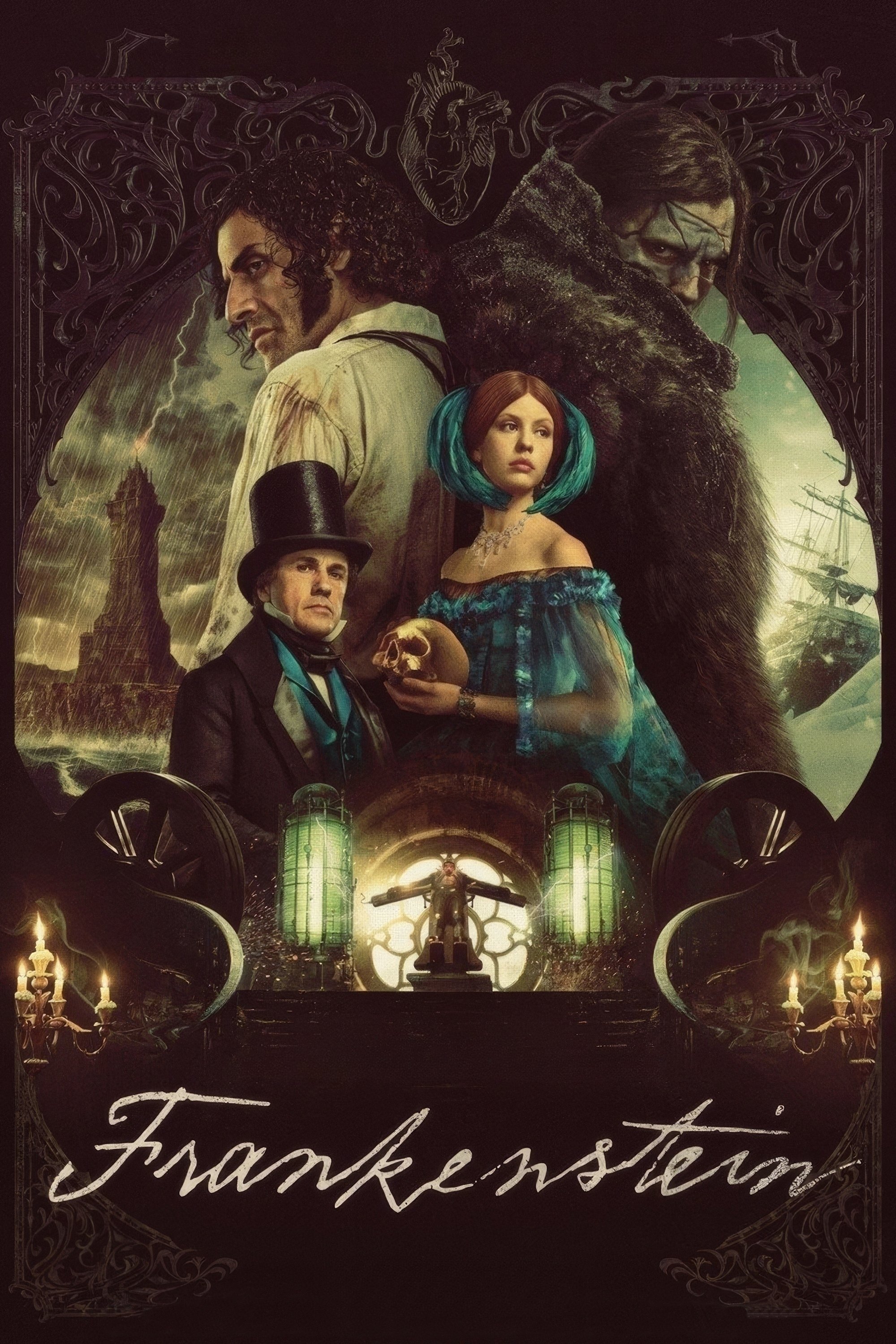
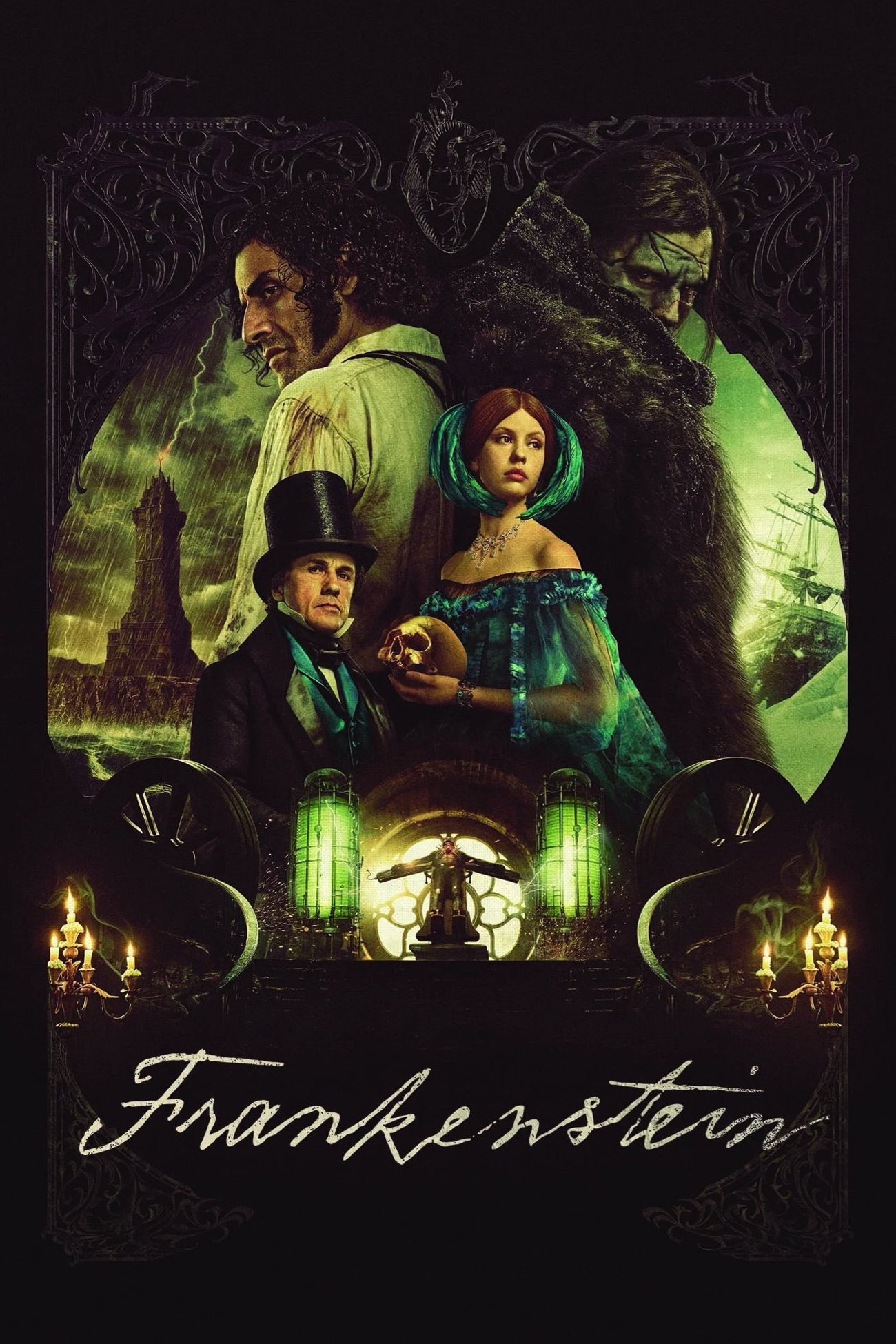
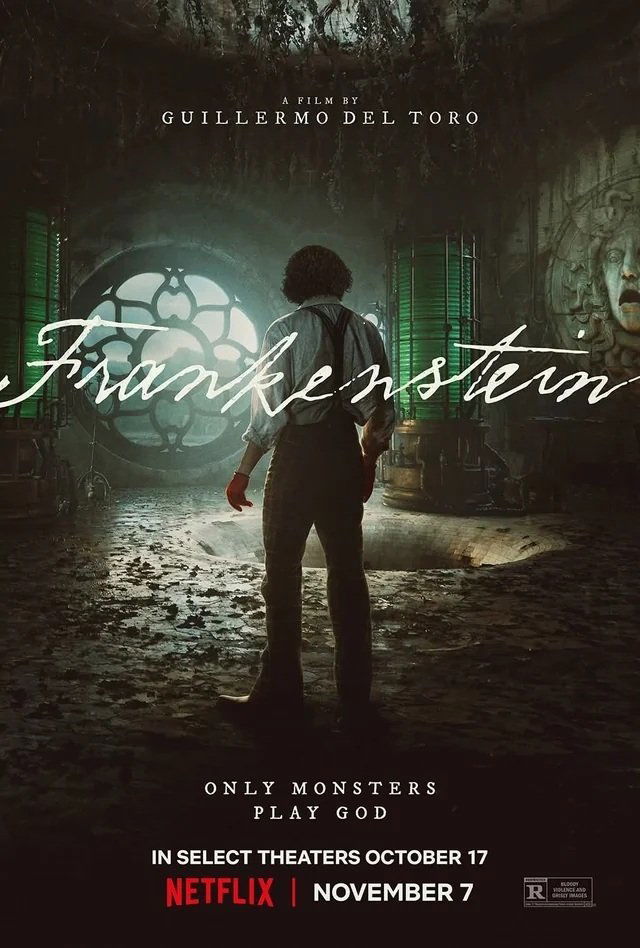
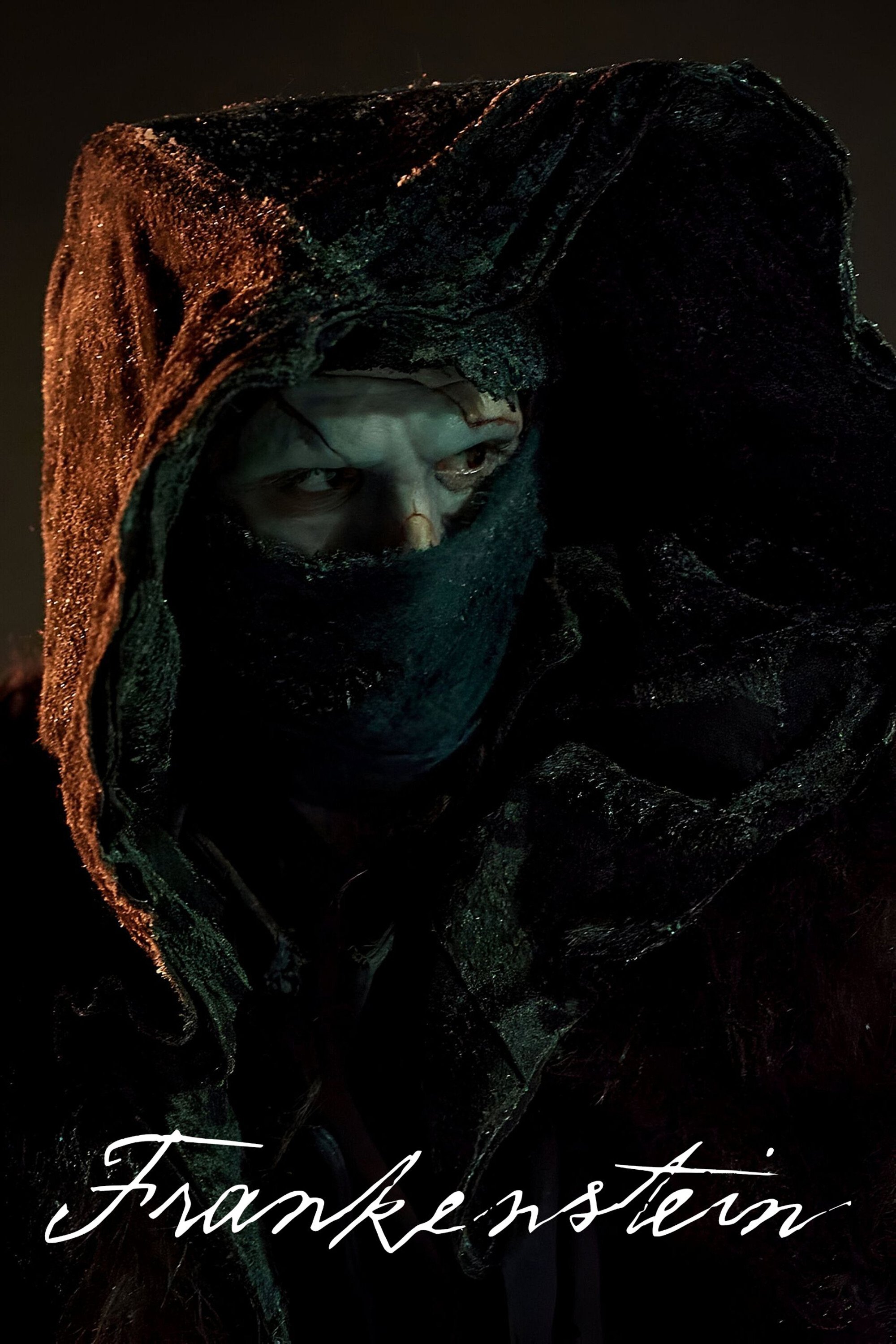
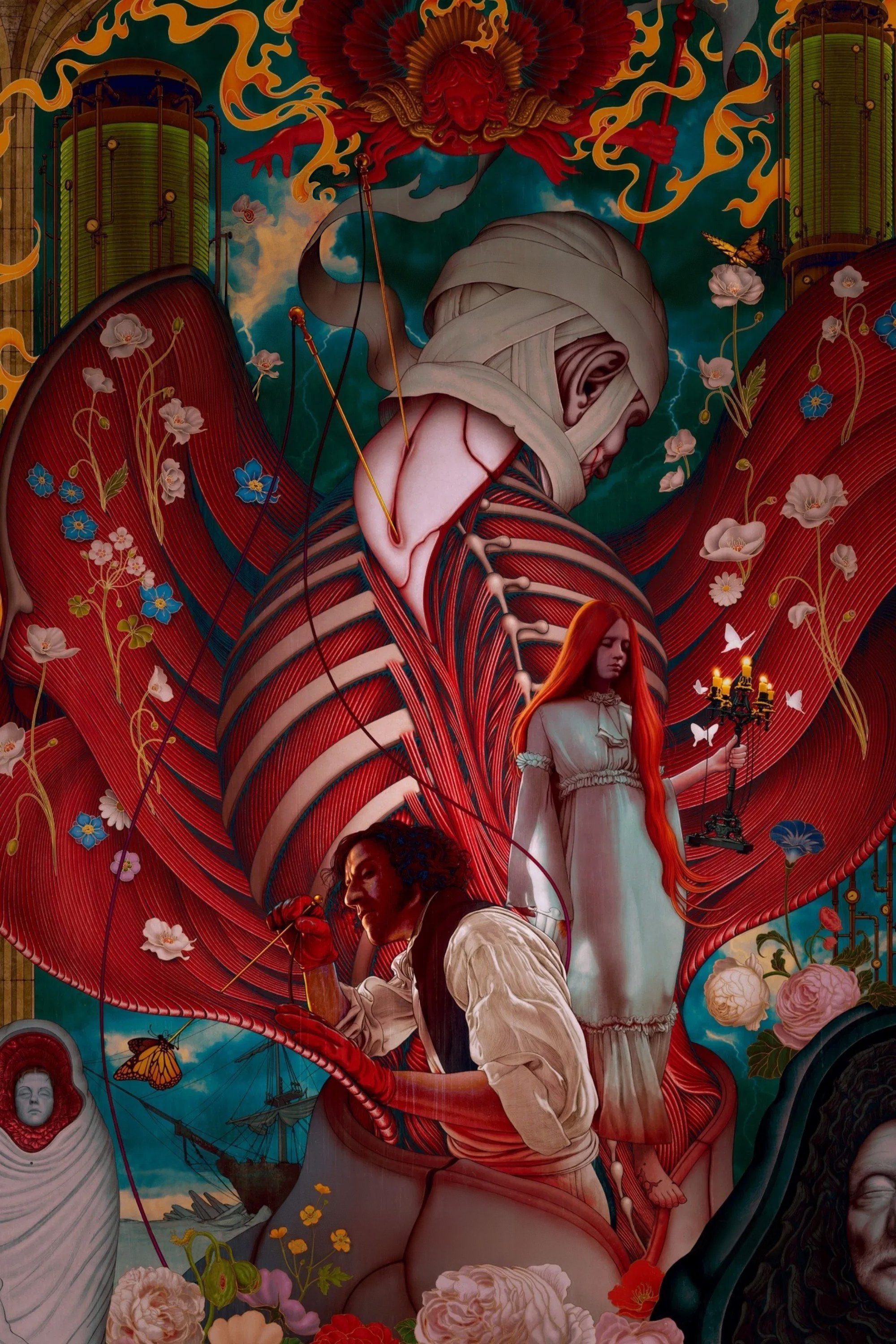
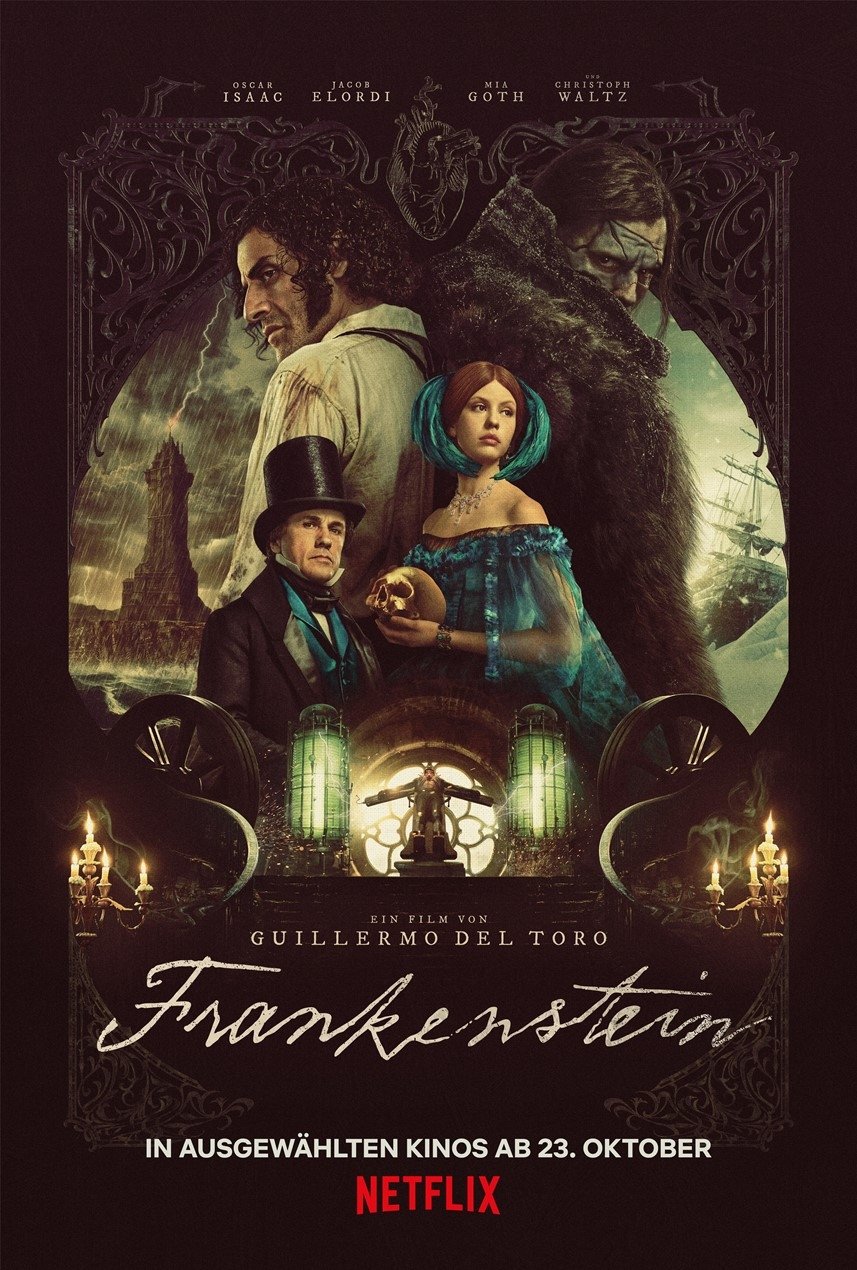
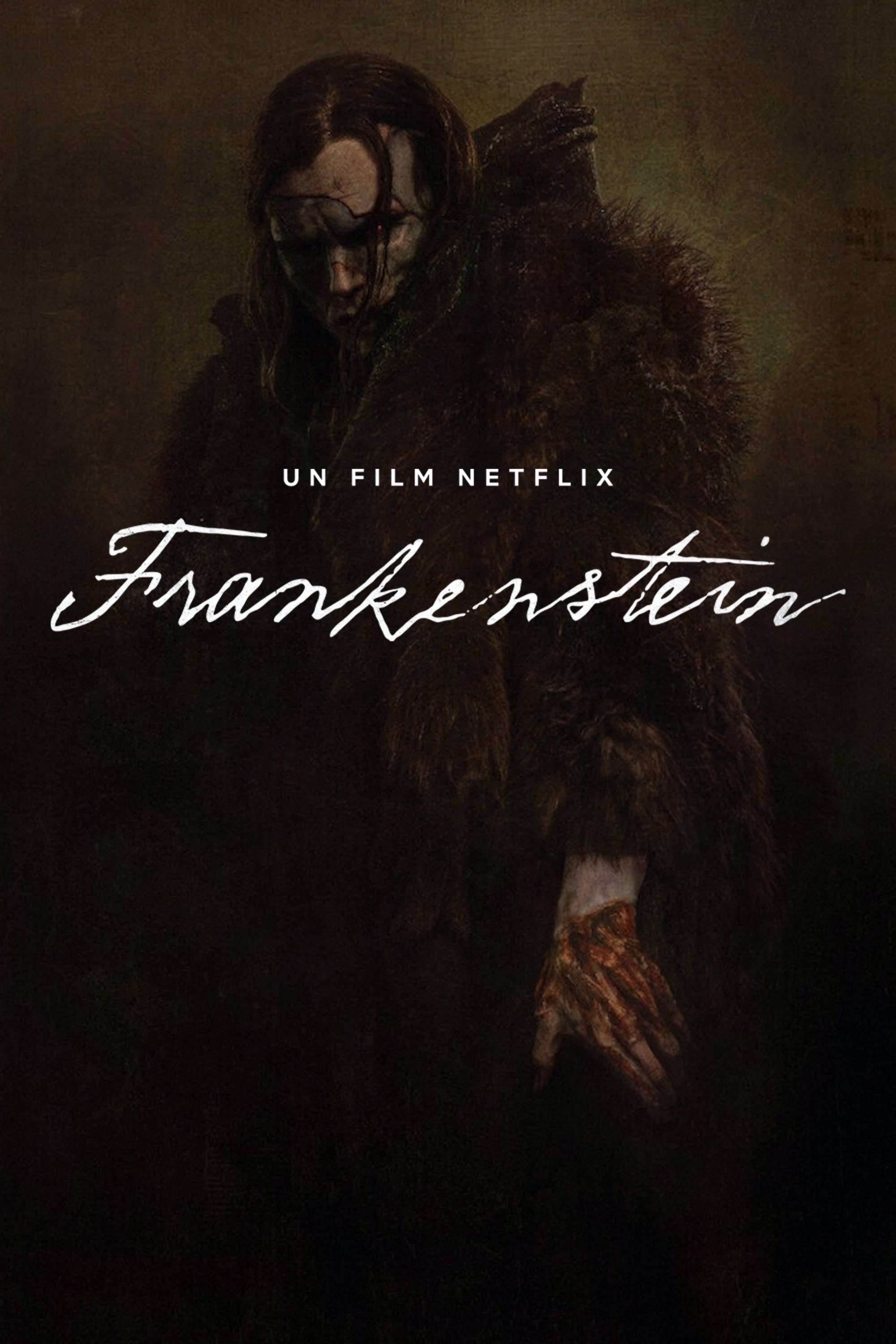
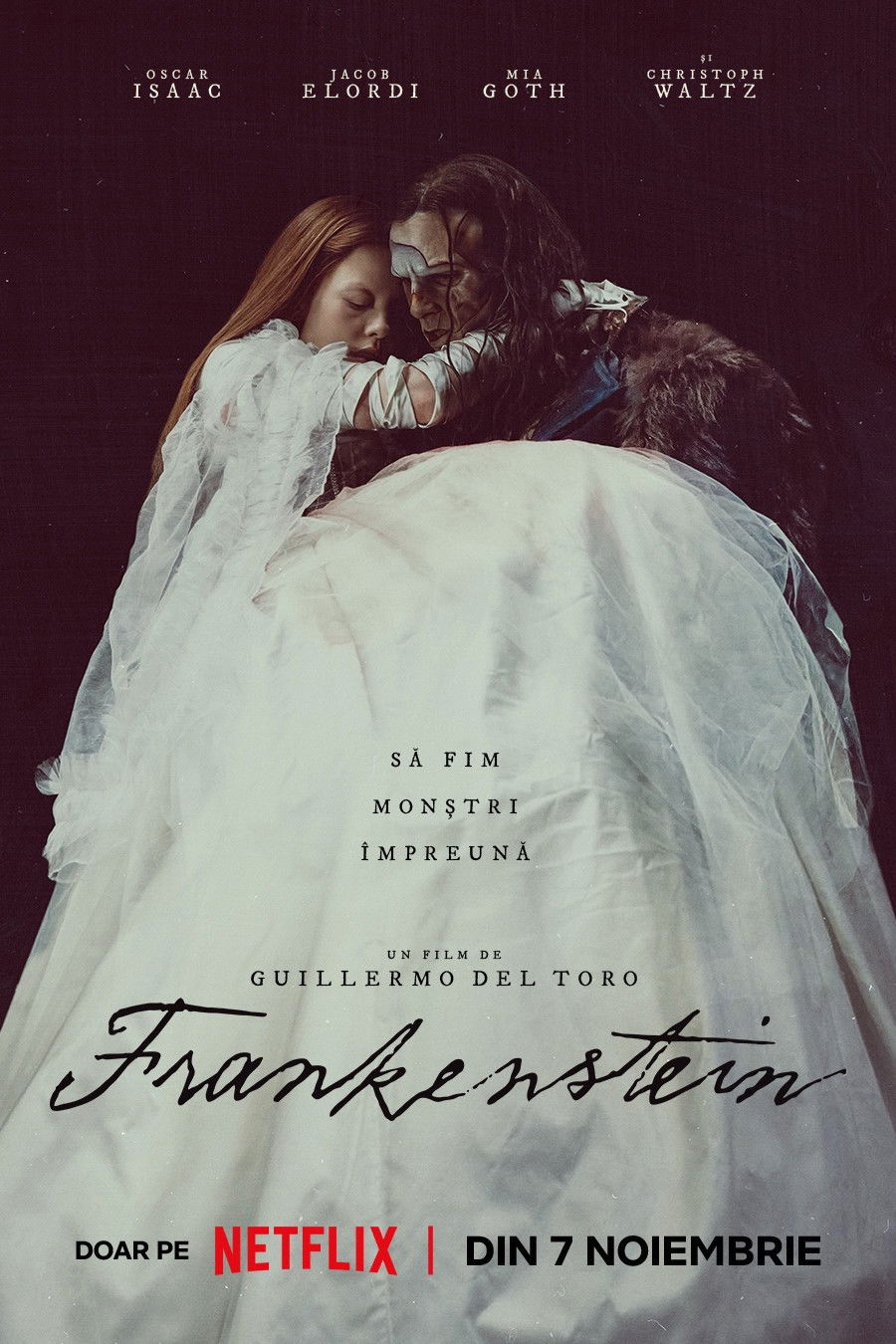
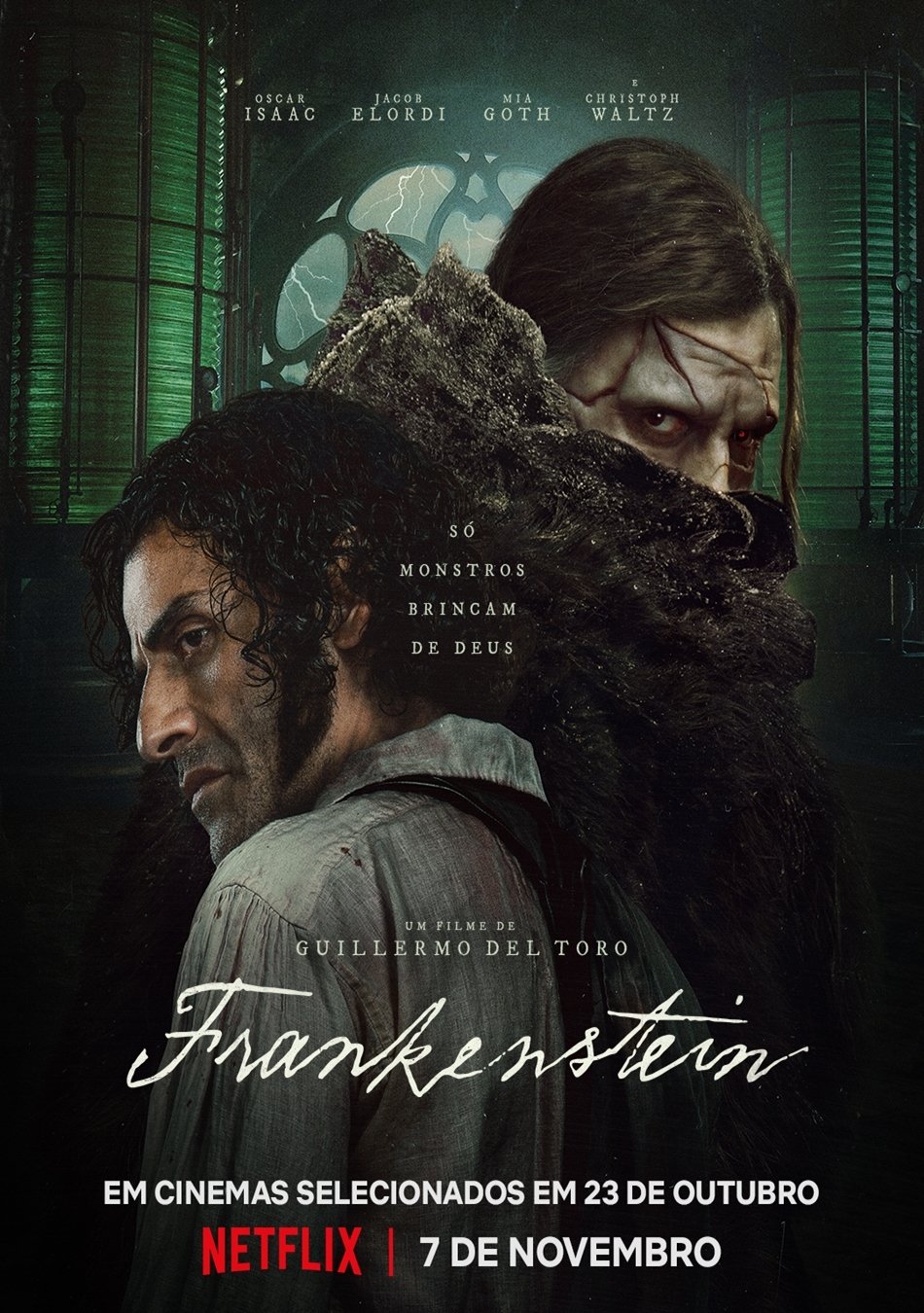
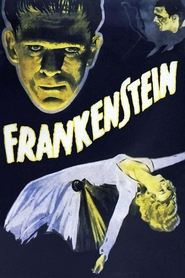
Del Toro described Frankenstein as the completion of a personal quest that began when he saw James Whale's Frankenstein films at the age of seven. The encounter was foundational enough for him to describe Gothic horror as a kind of church and Boris Karloff as a central figure within it. Mary Shelley's novel subsequently remained a recurring reference throughout his career. Long before he was able to direct his own version, his films repeatedly returned to misunderstood monsters, artificial life, parental failure and the question of whether physical difference determines moral identity.
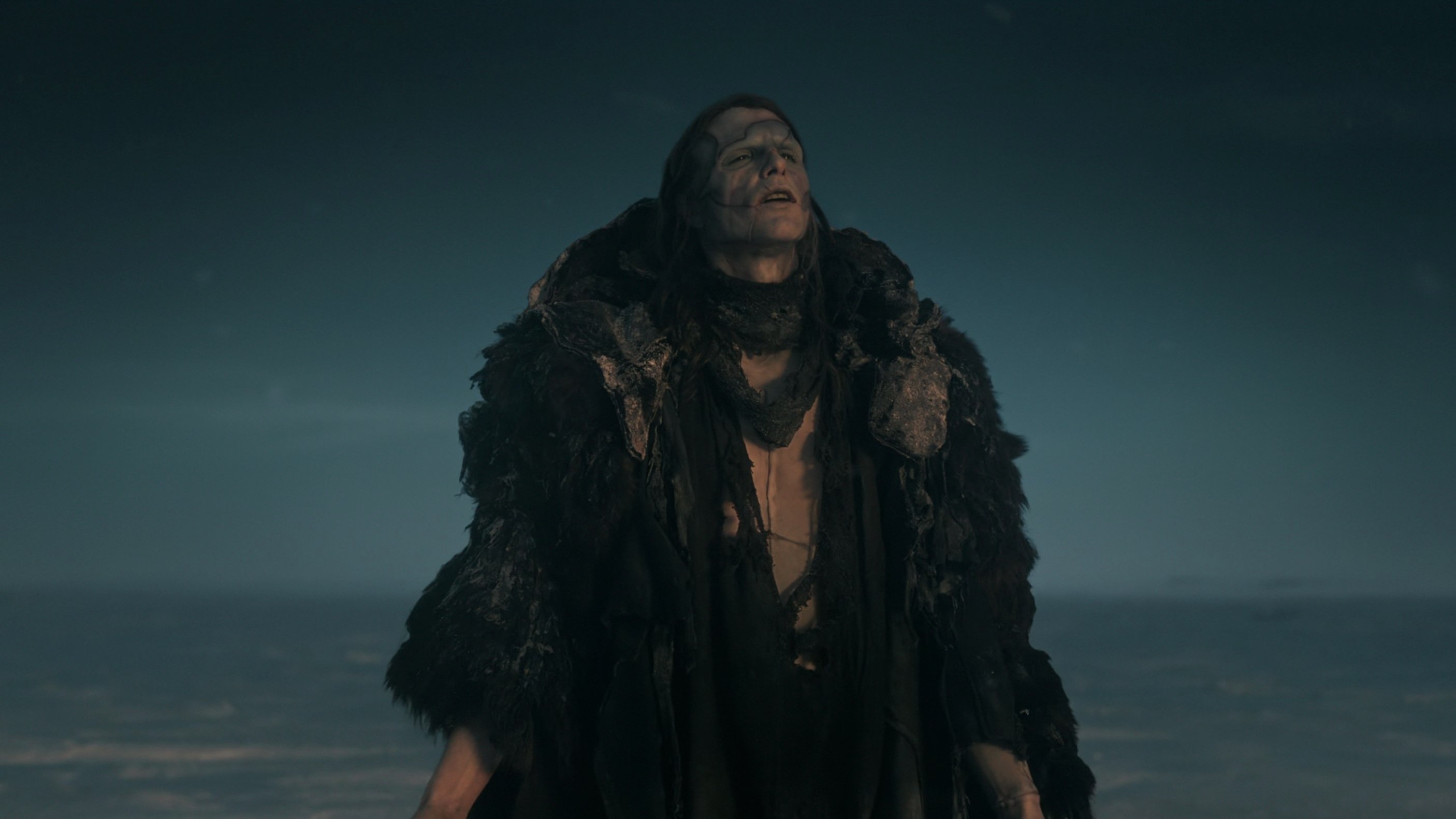
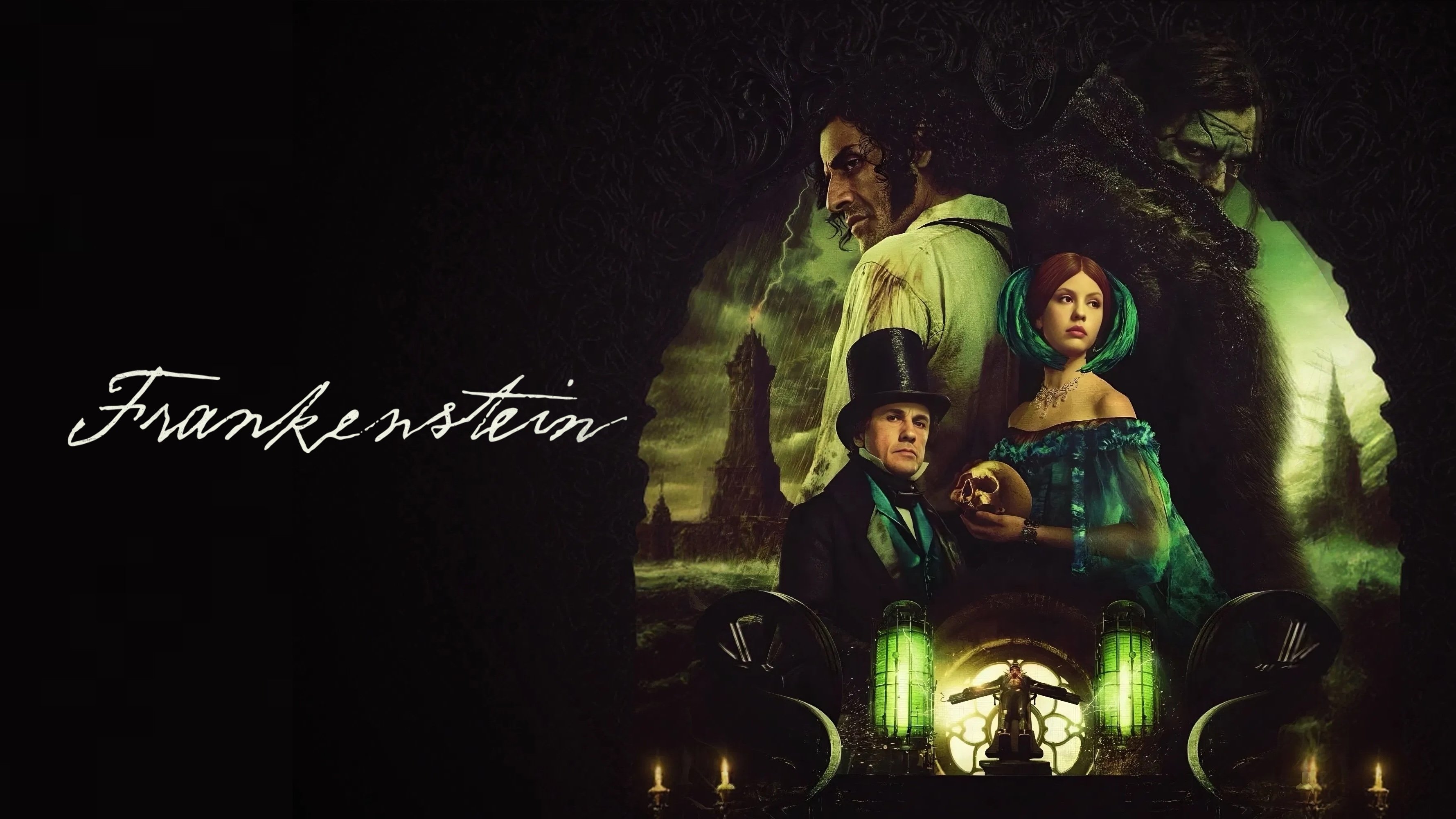
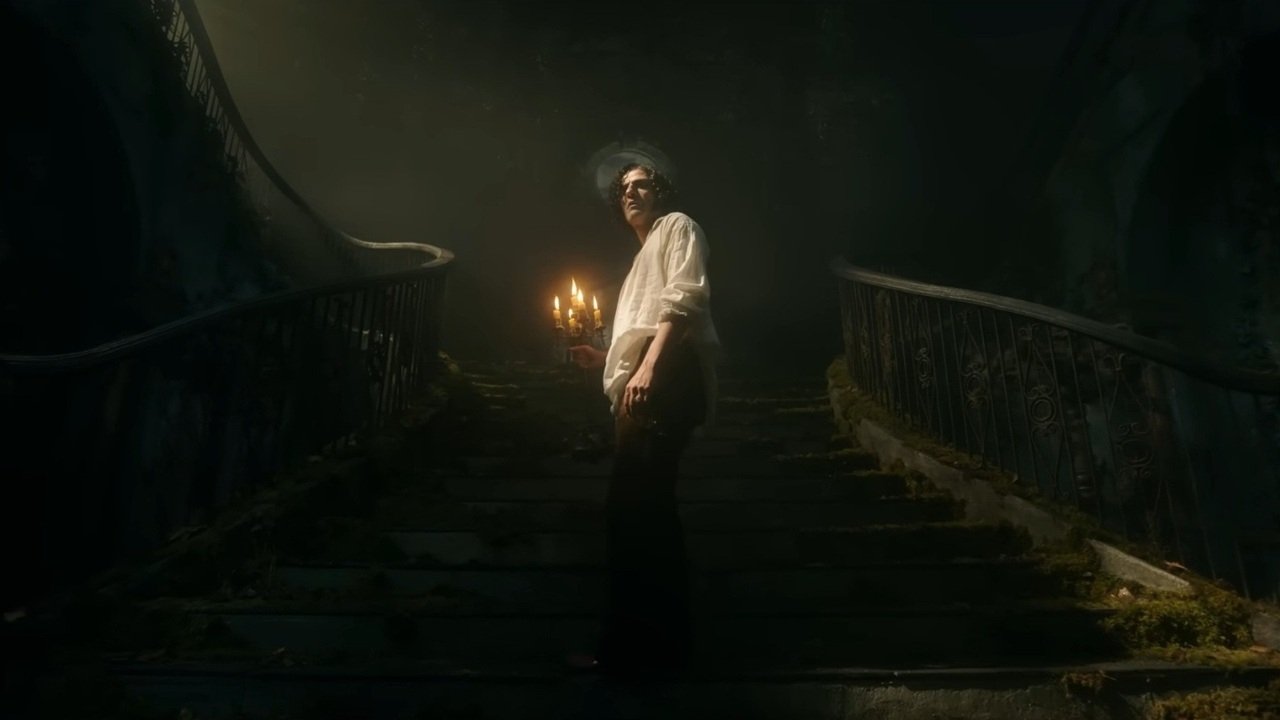
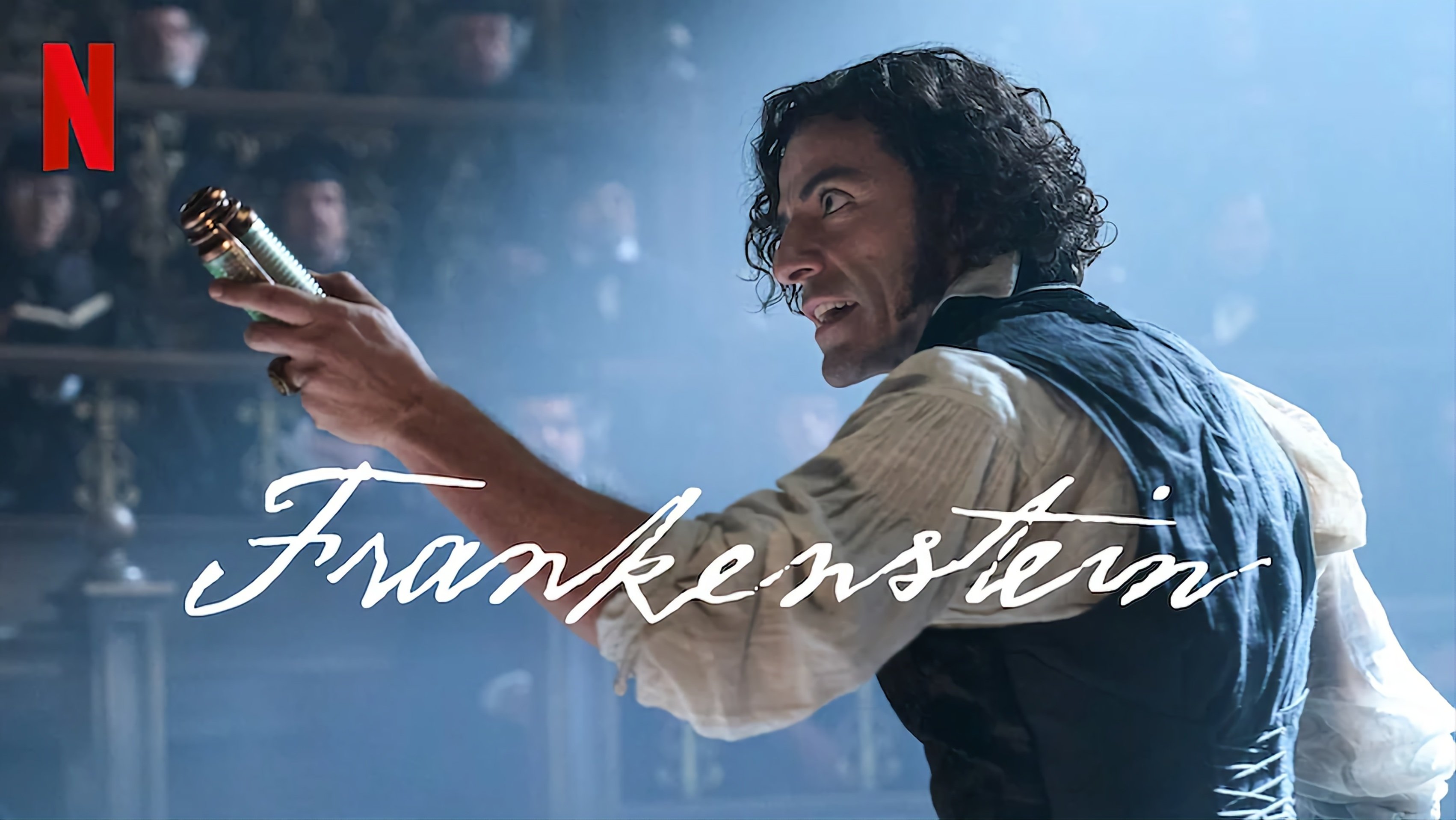
By the time production finally became possible, del Toro did not want to approach the novel as an untouchable literary monument. He repeatedly described his intention as singing the story back in a different key. These differences affect how the adaptation should be understood. Frankenstein remains recognizably Shelley's narrative, but the screenplay uses the material to address emotional concerns that had accumulated across the director's own life and work. Del Toro had also experienced the deaths of both parents during the period in which he made Pinocchio and Frankenstein, circumstances he later connected to his increasing interest in what remains of identity when a person is no longer somebody's child.
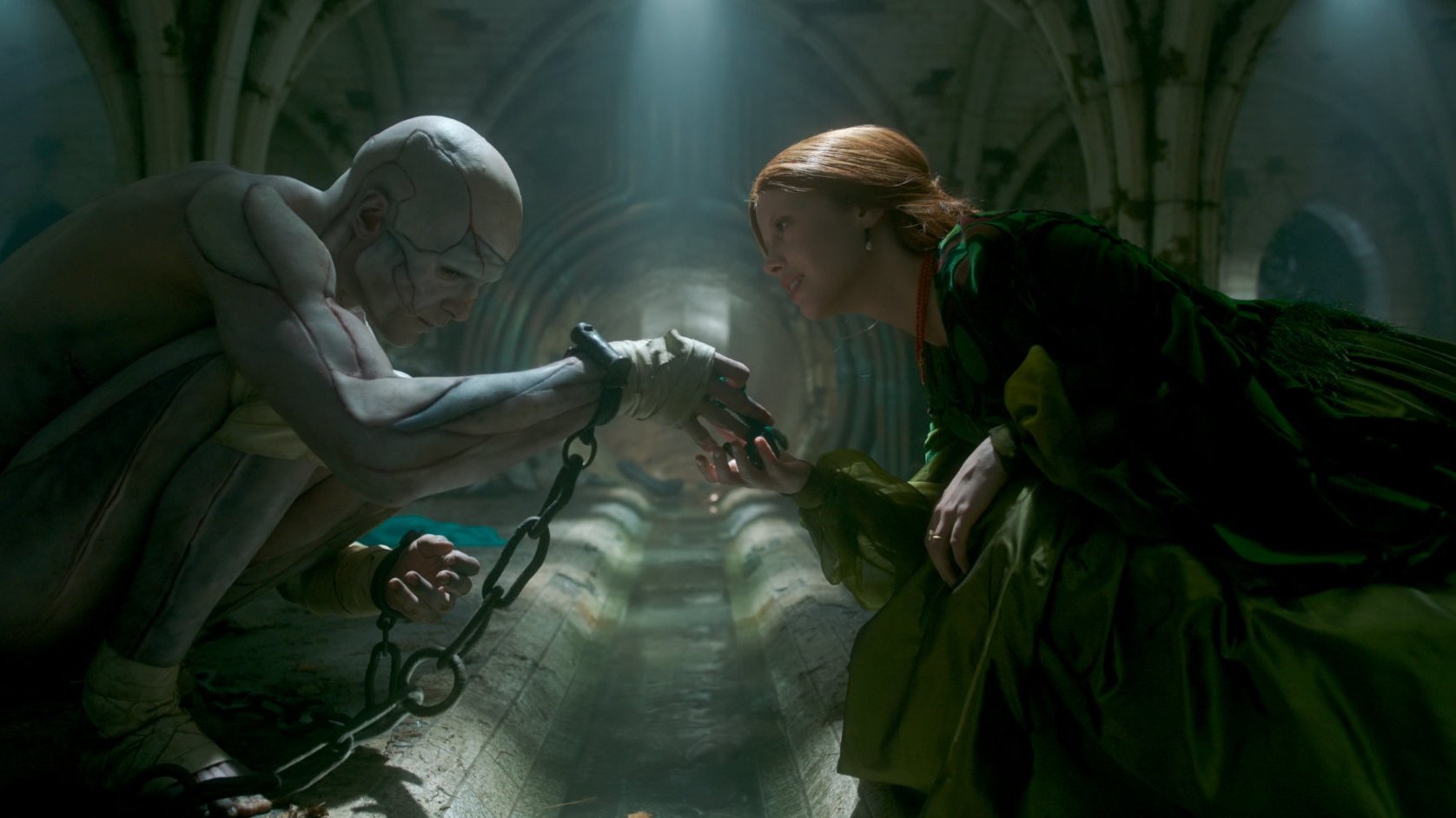
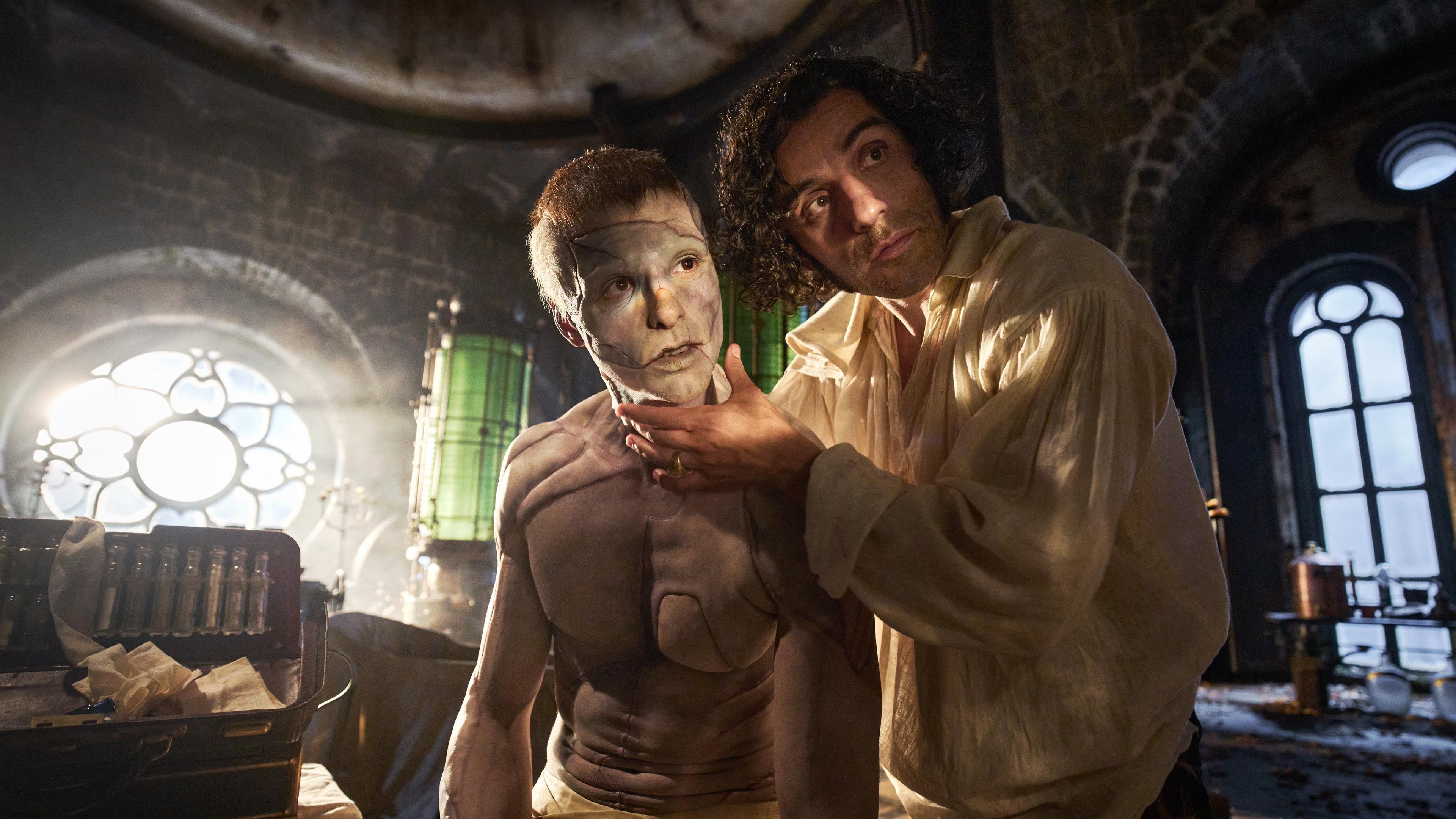
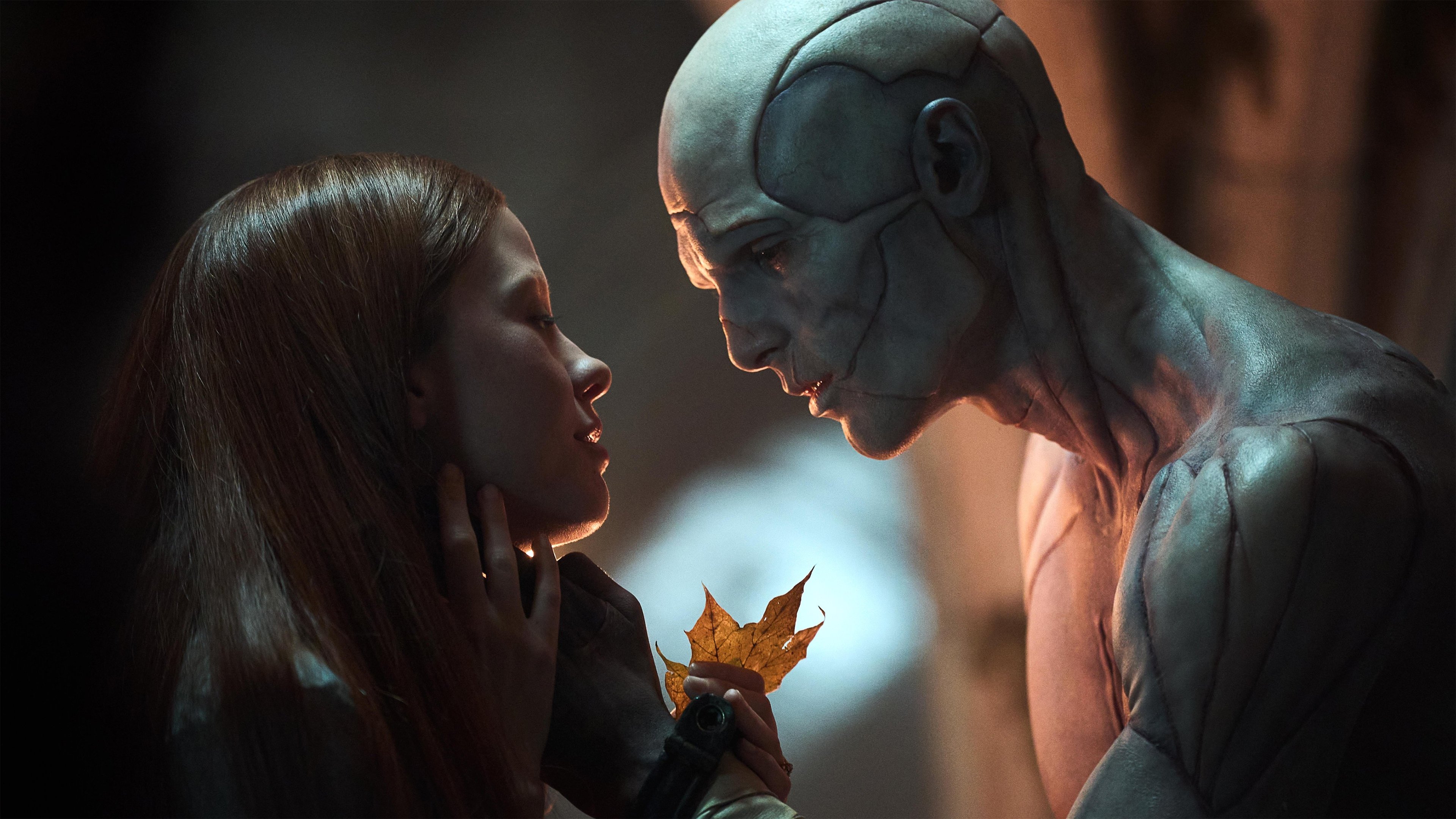
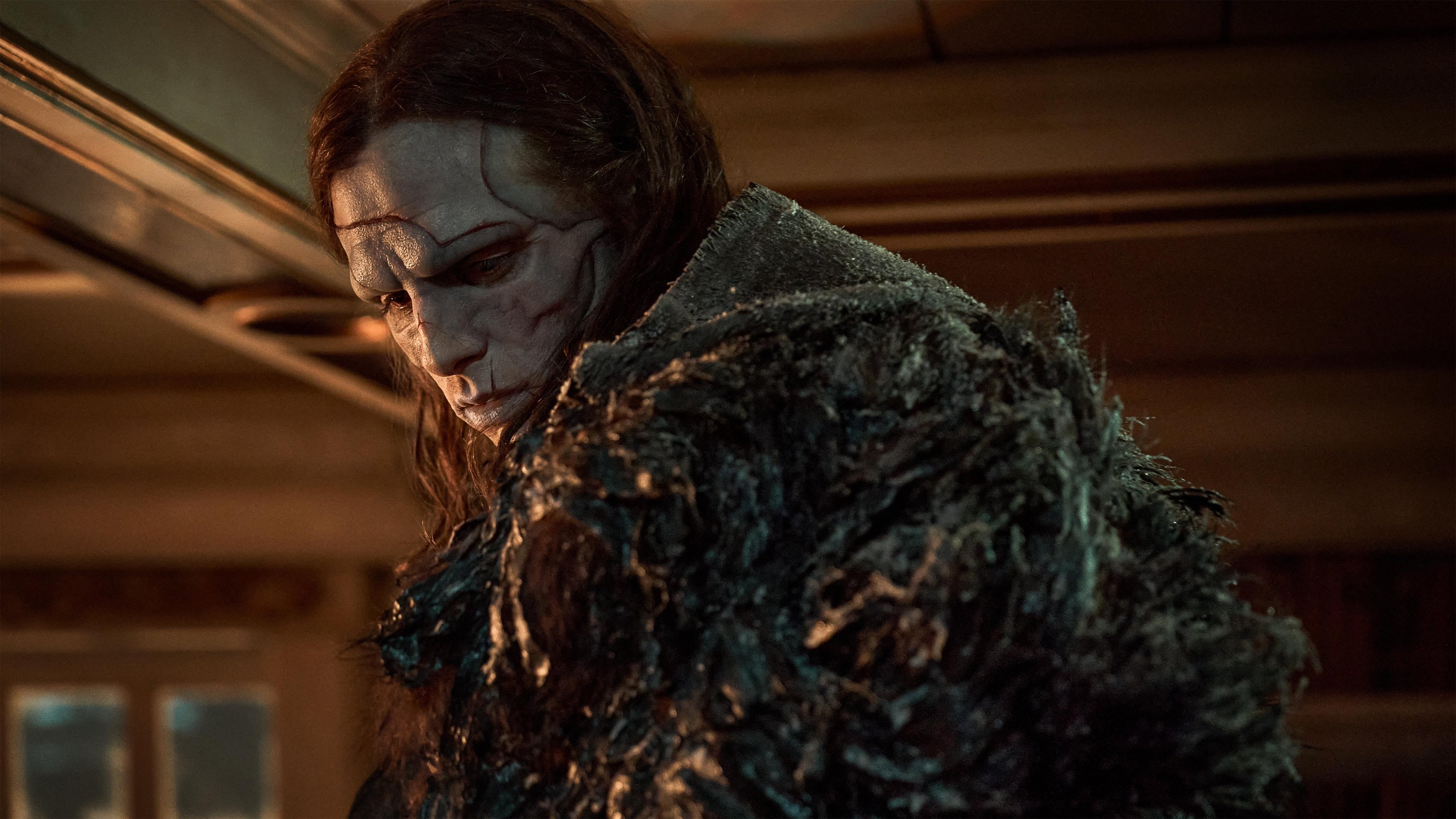
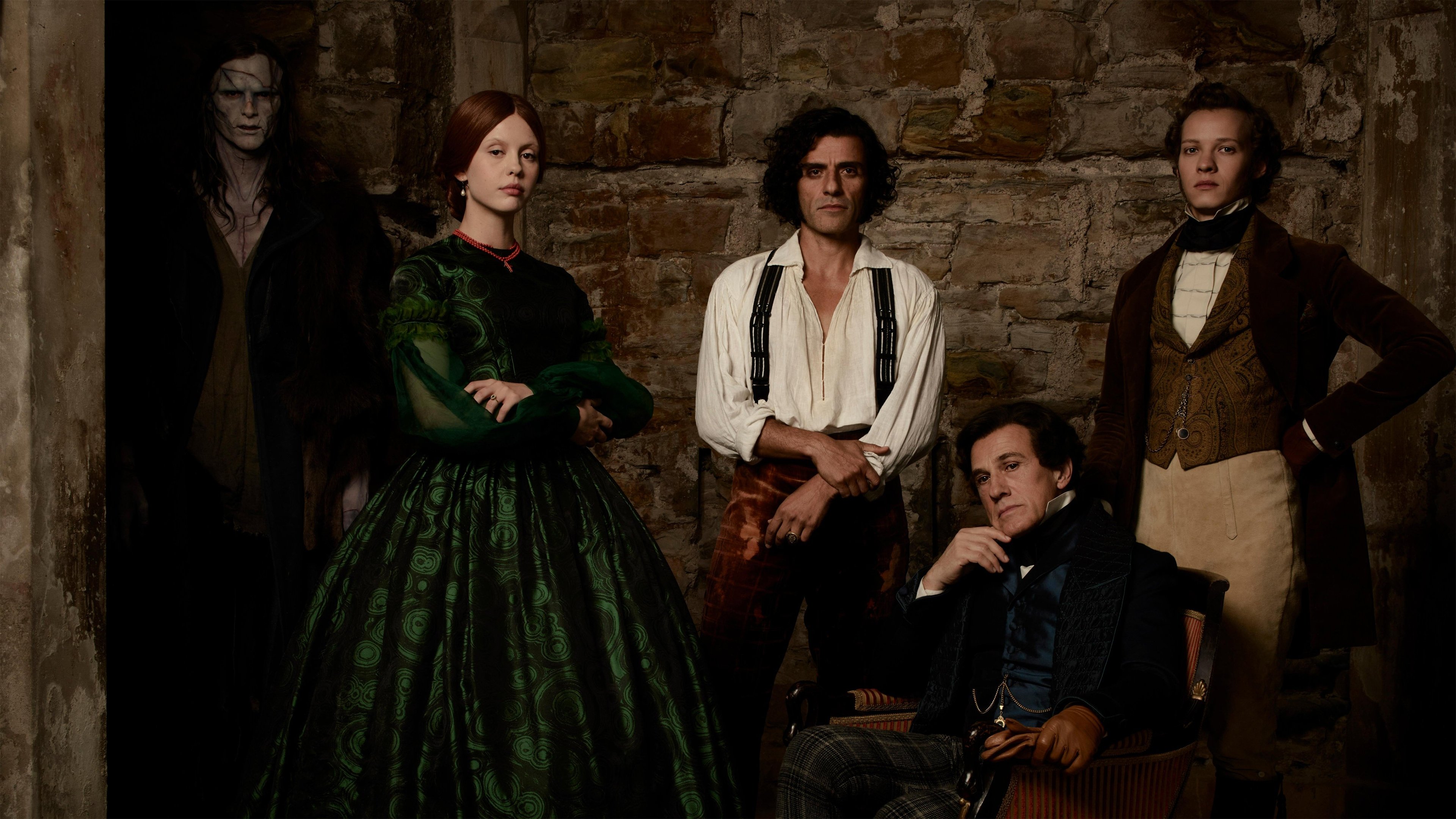
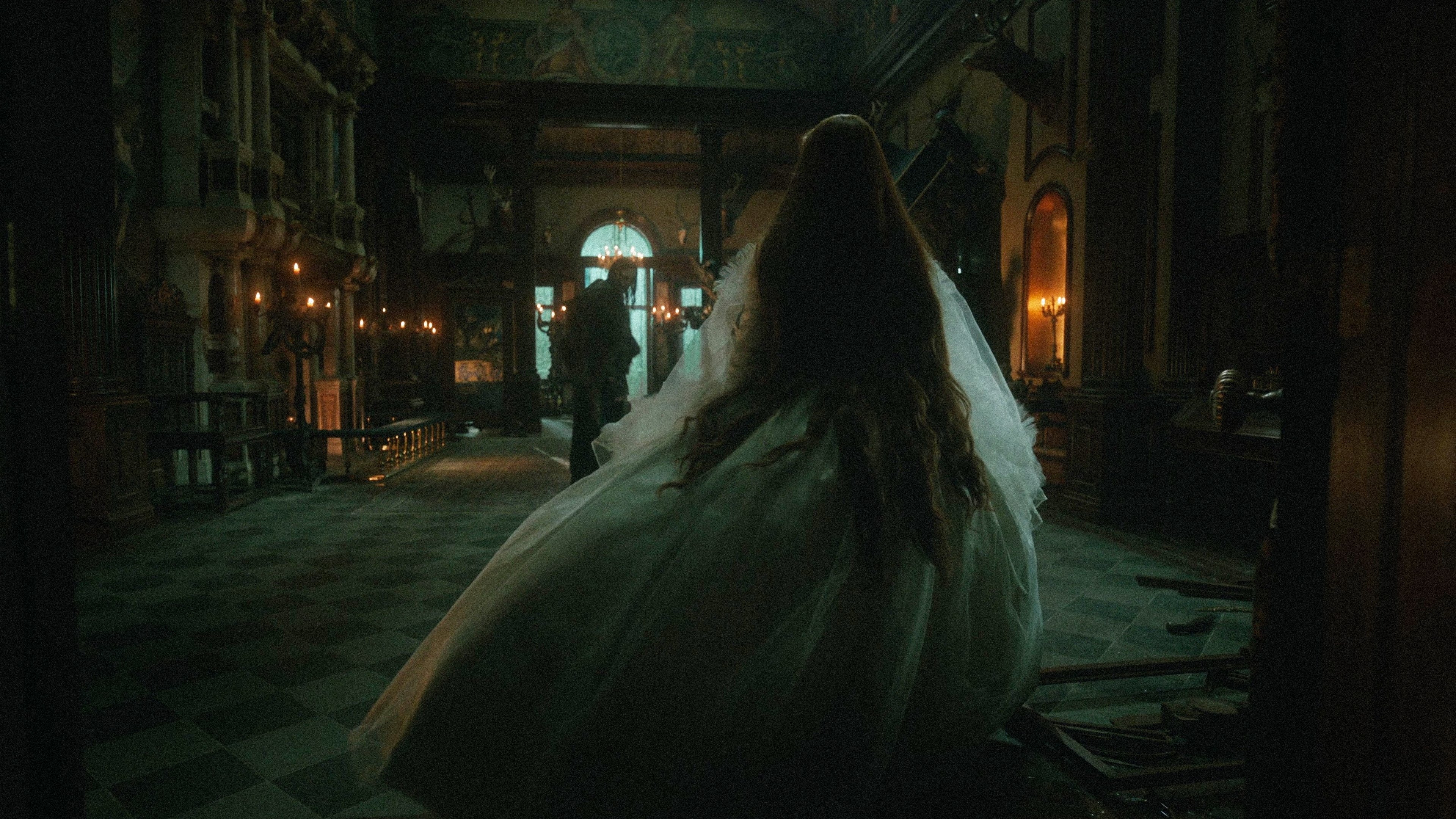
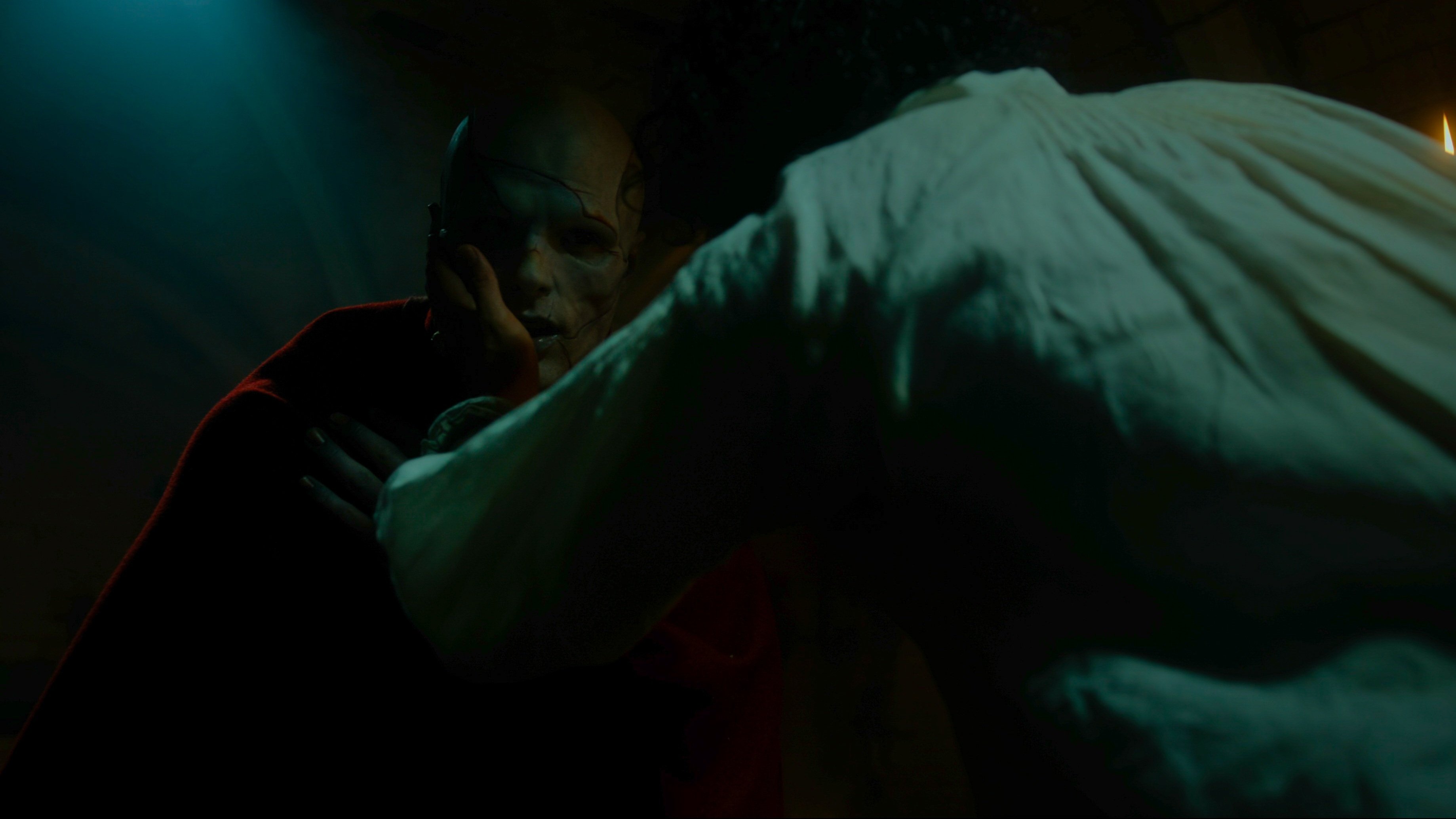
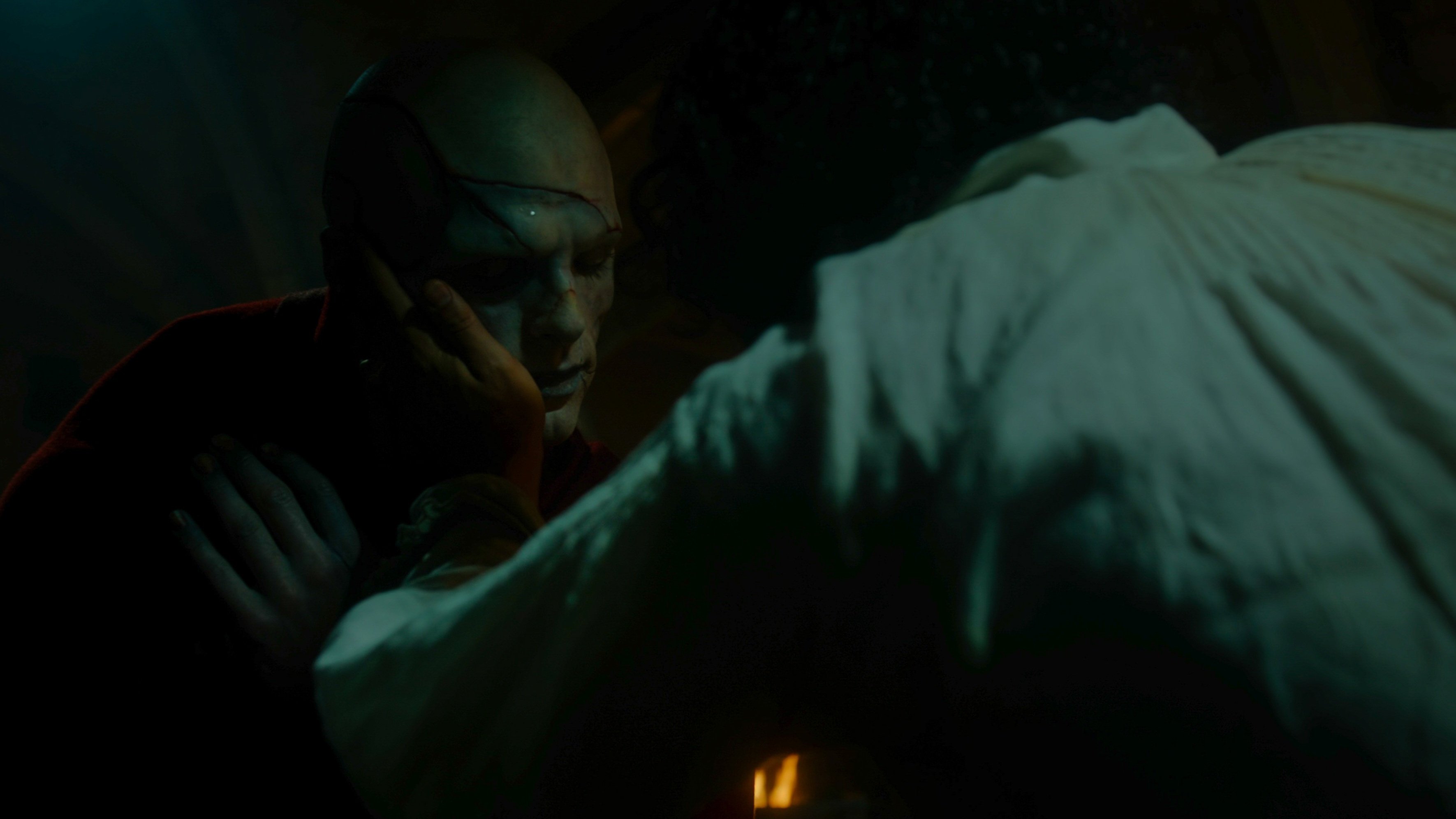
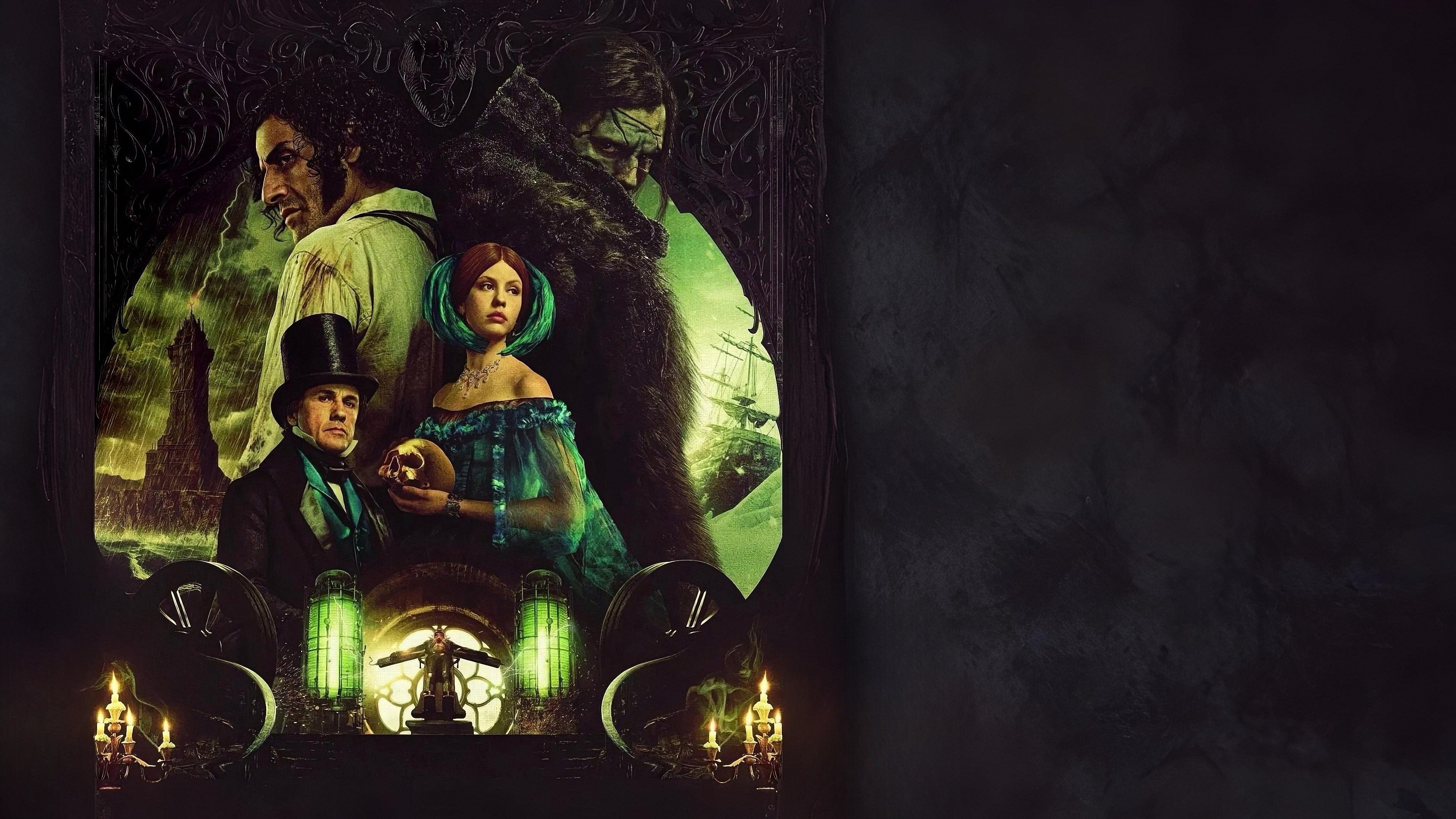
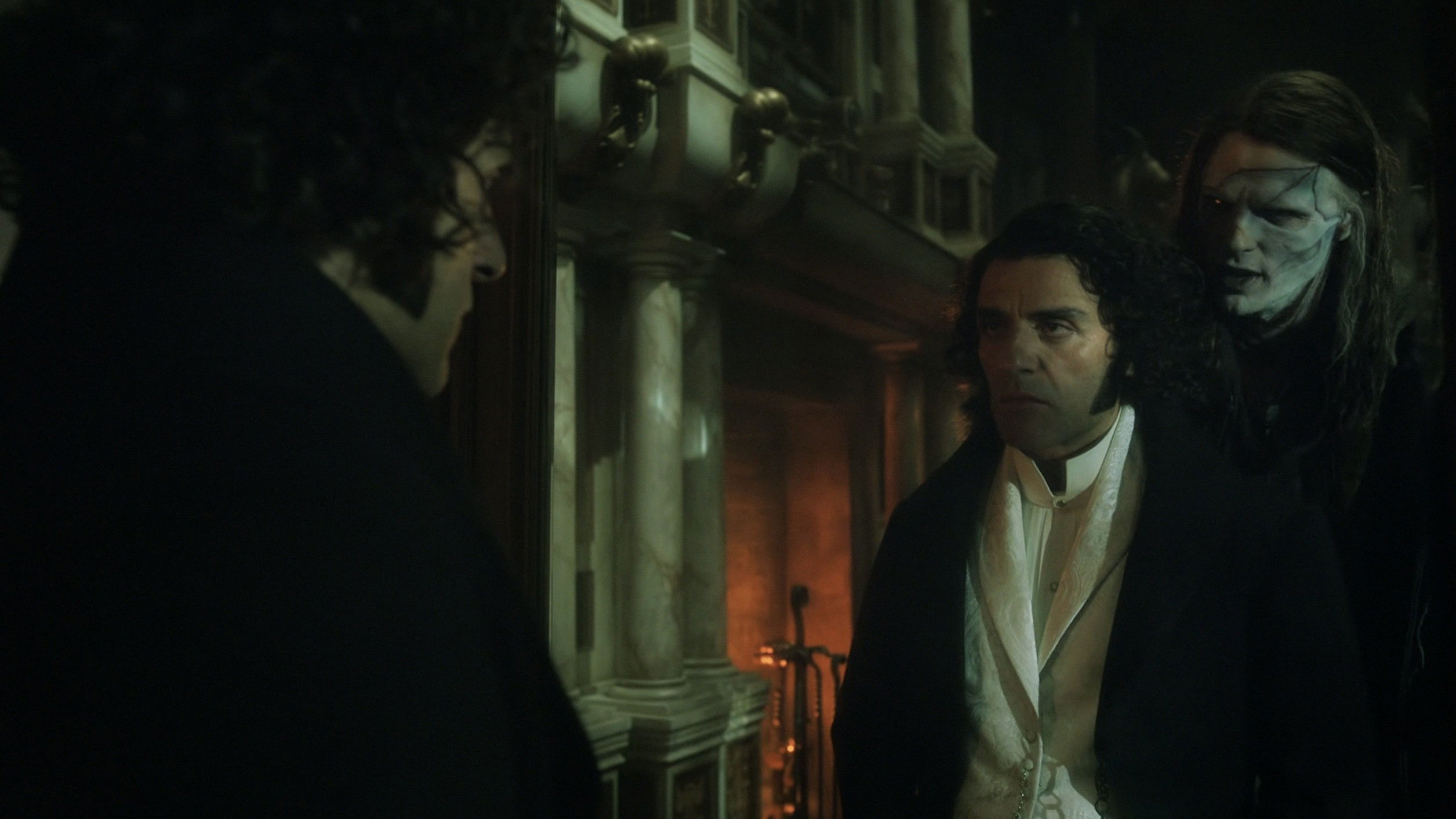
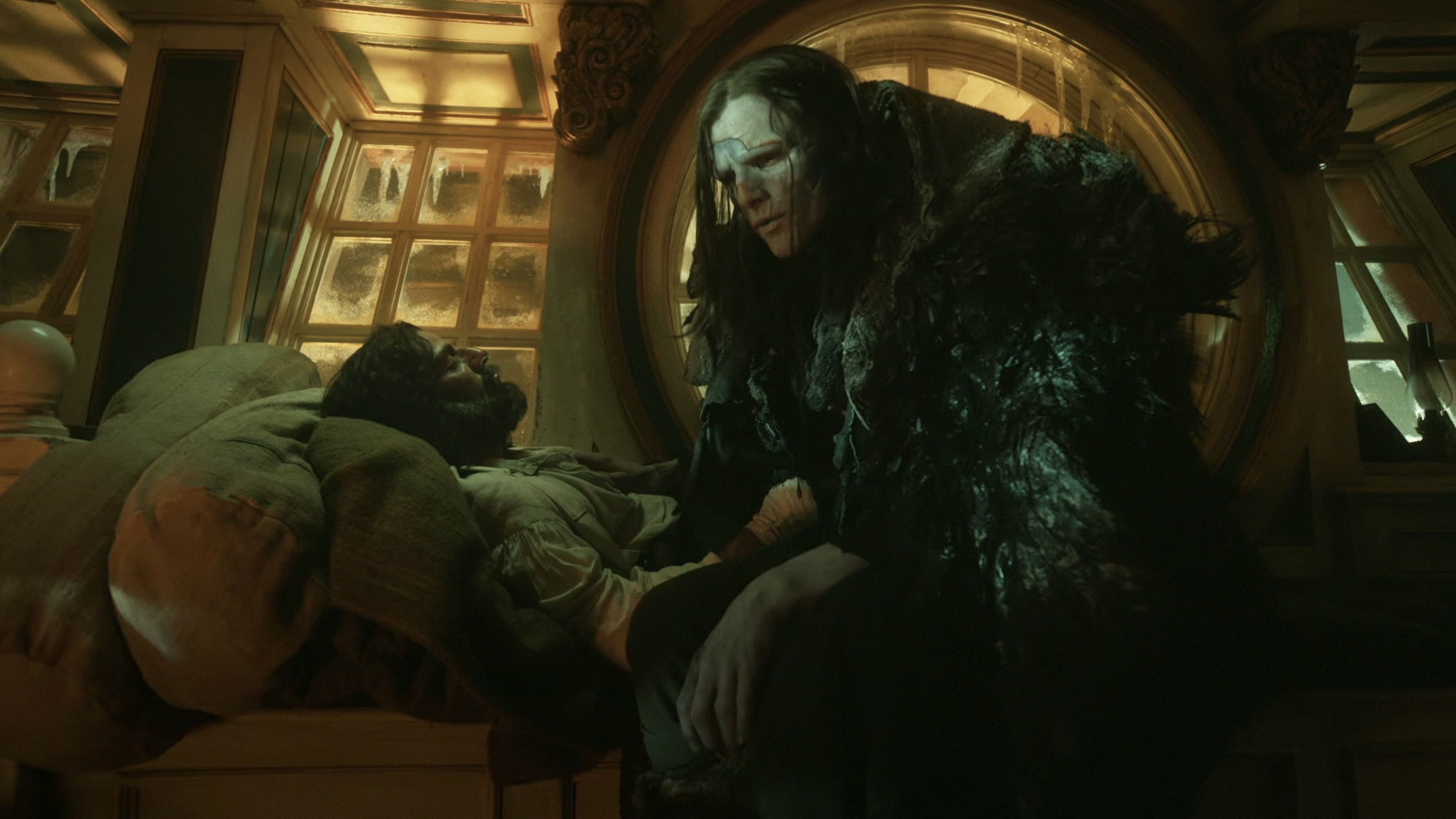
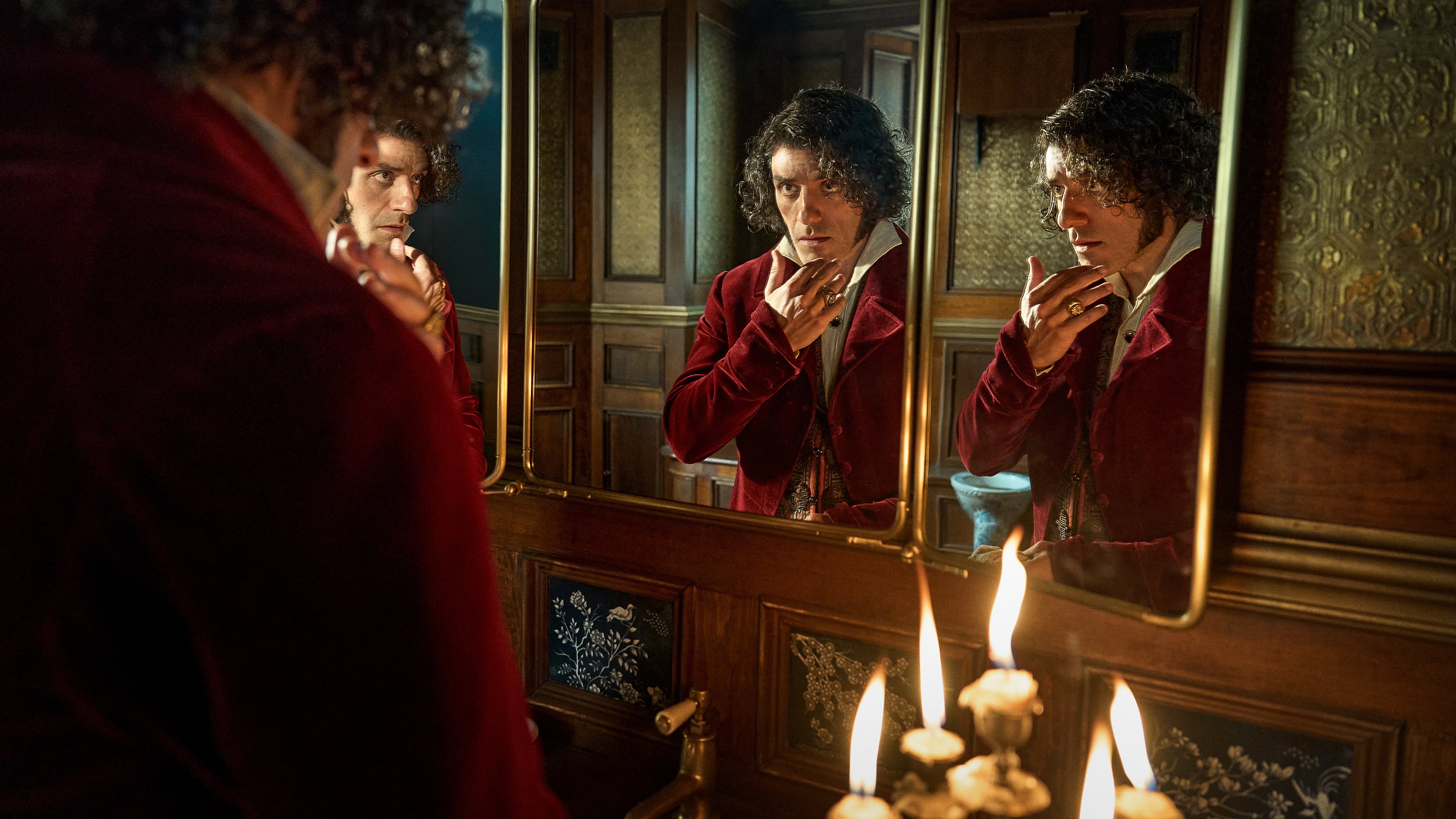
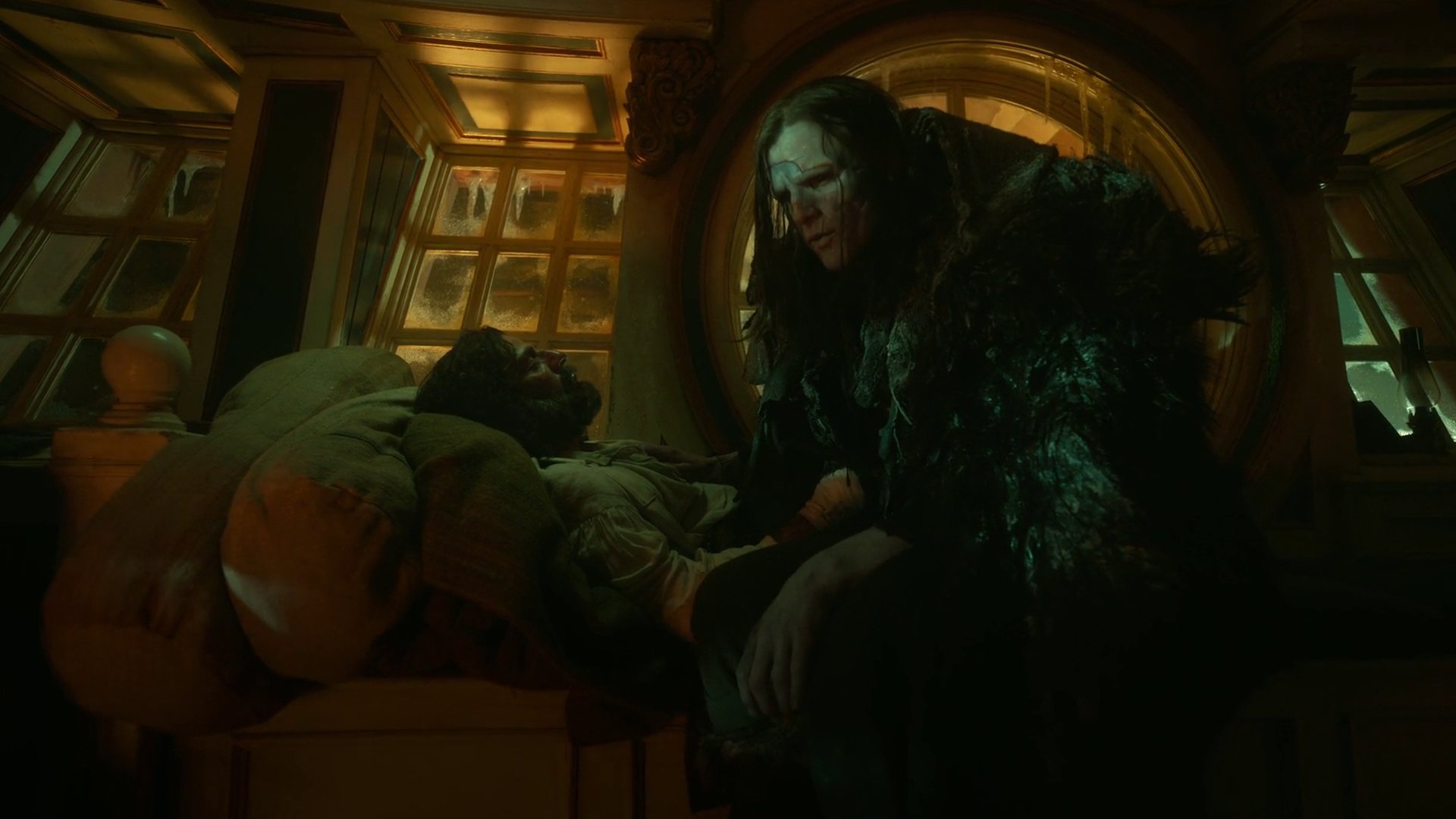
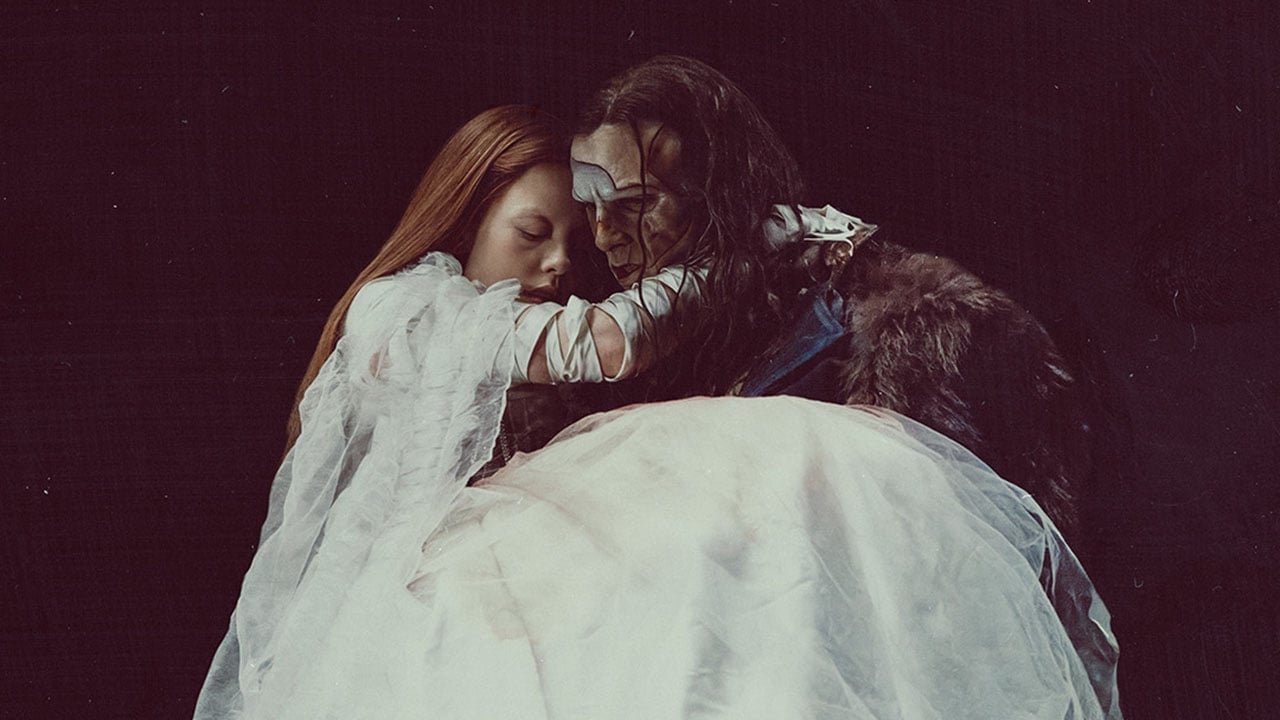
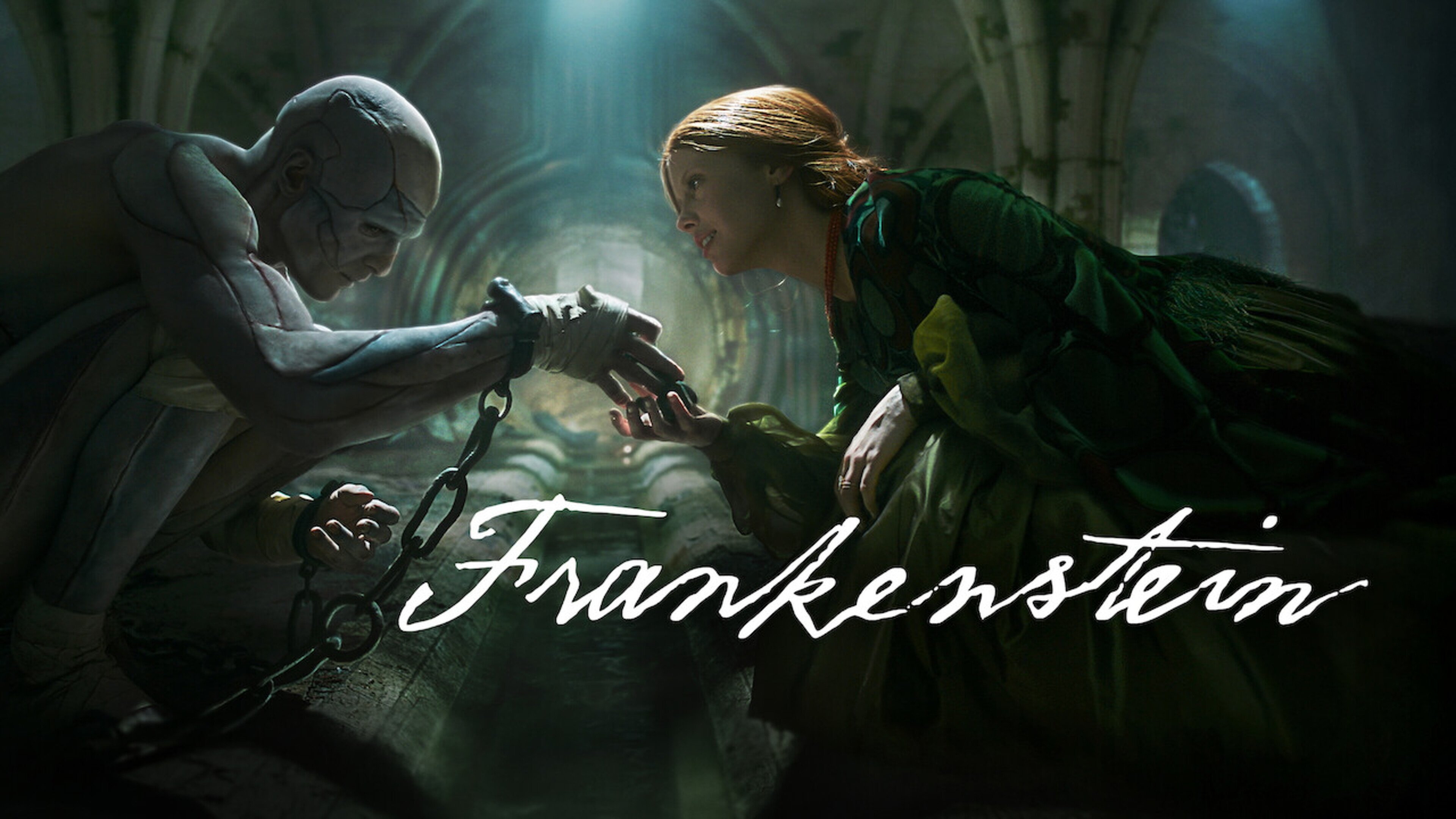
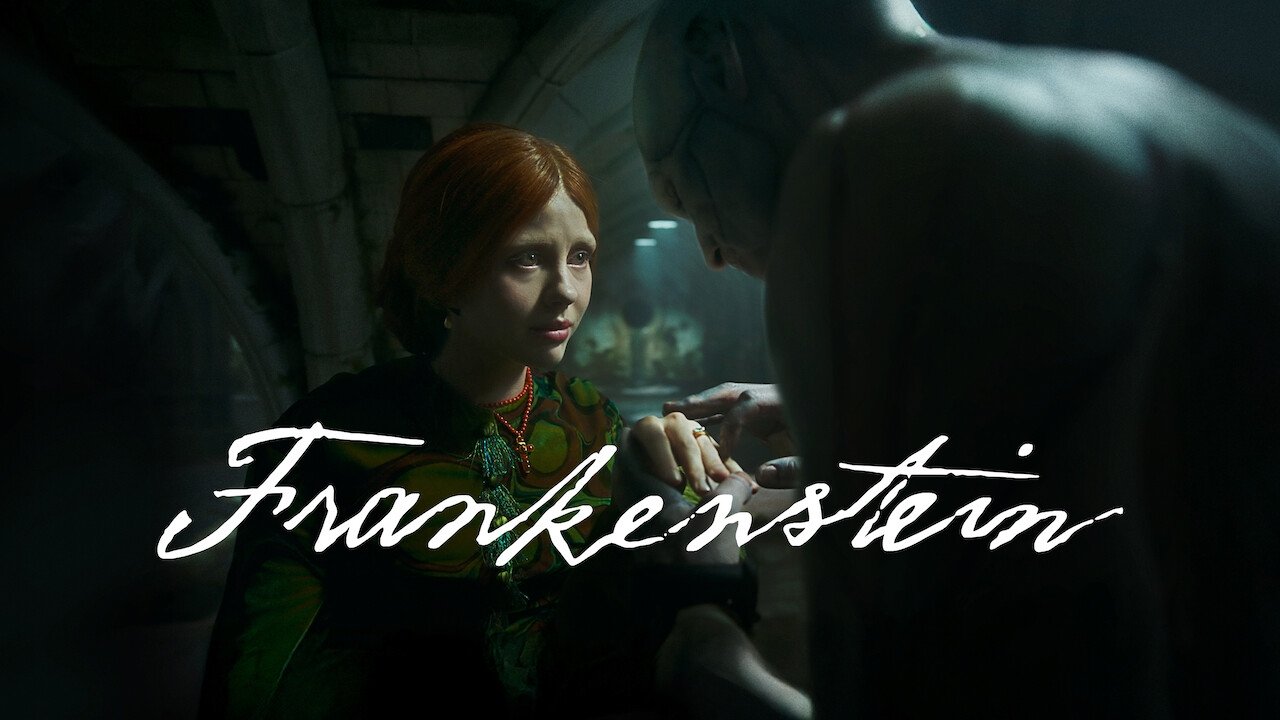
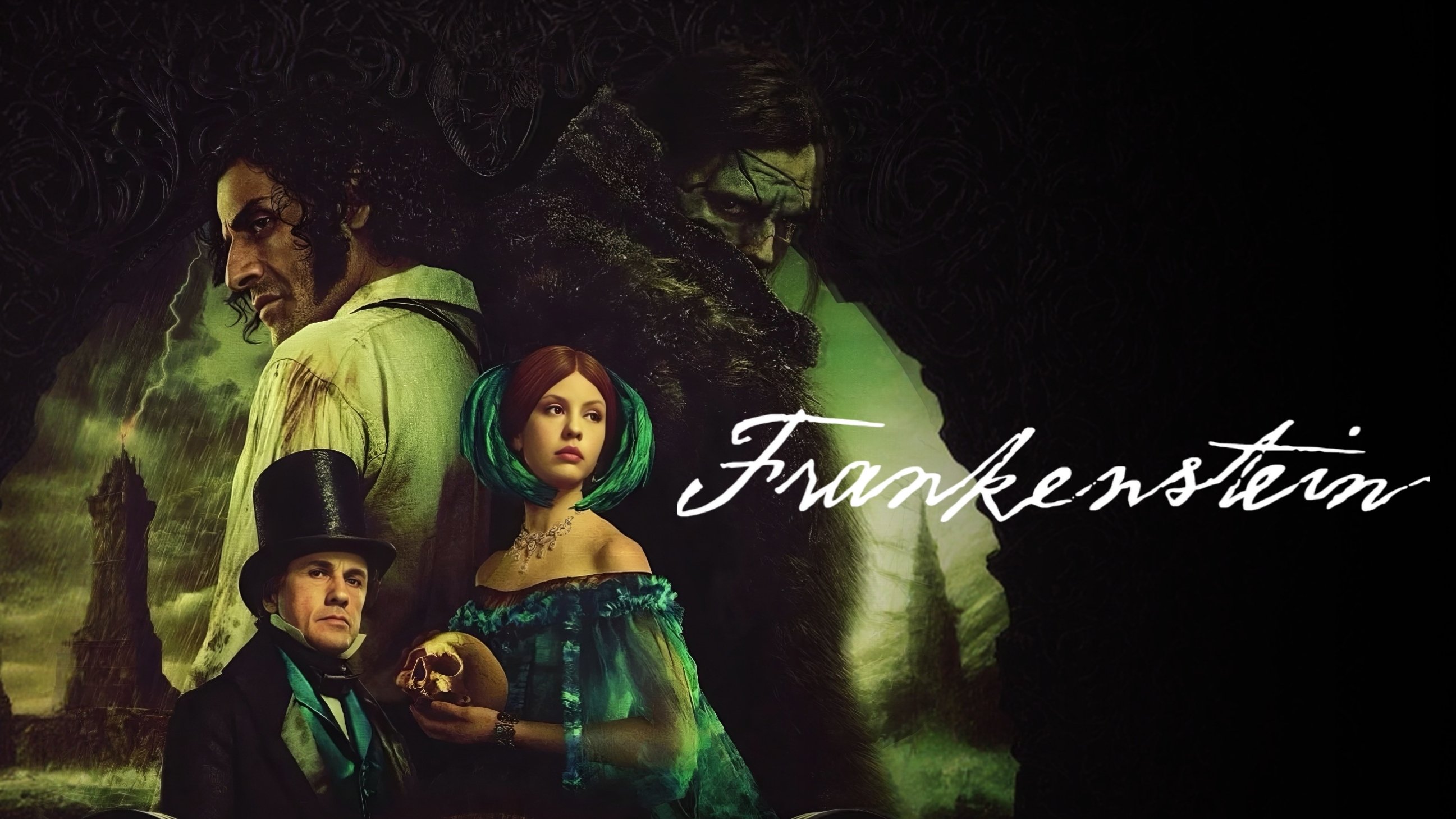
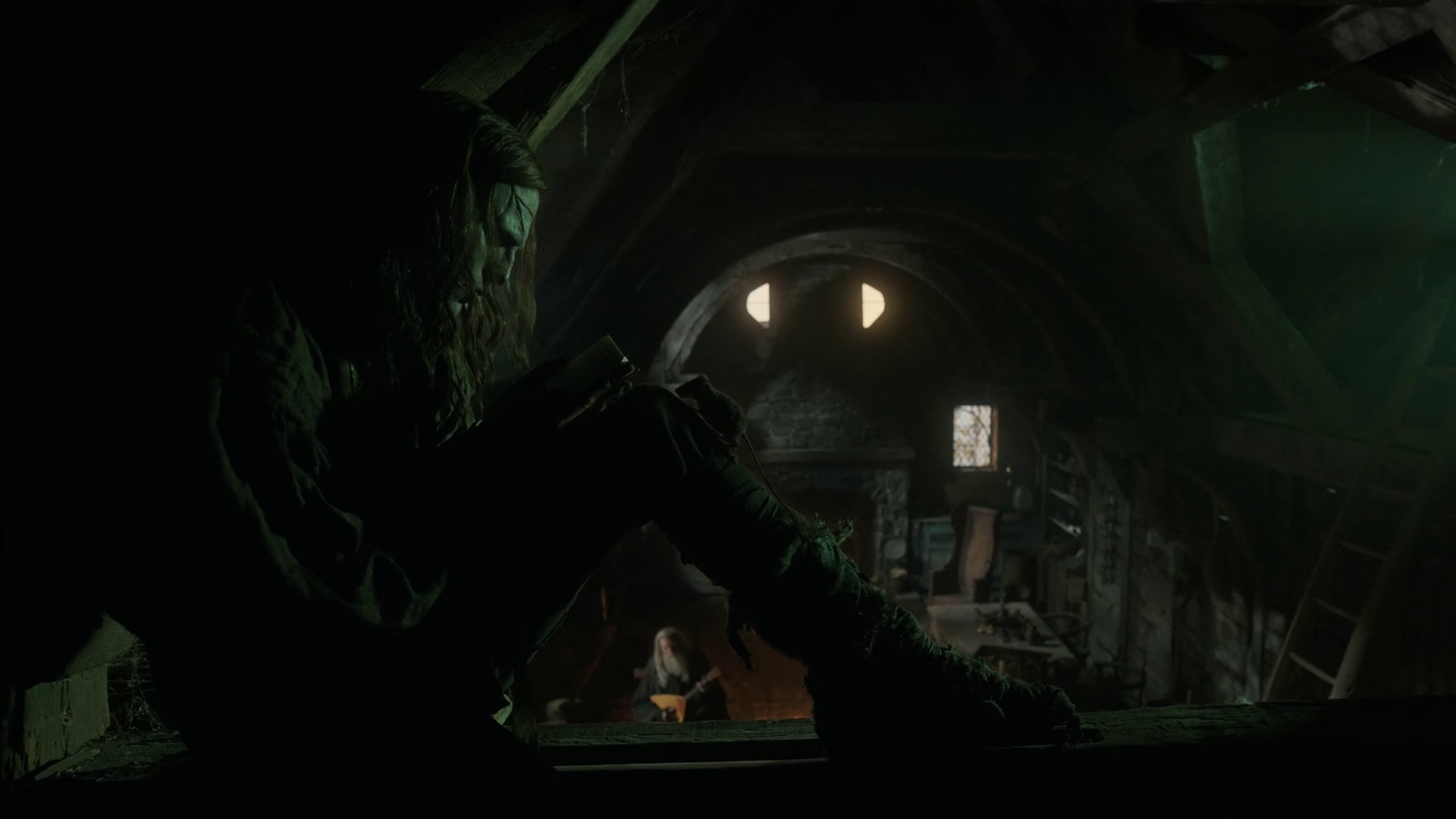
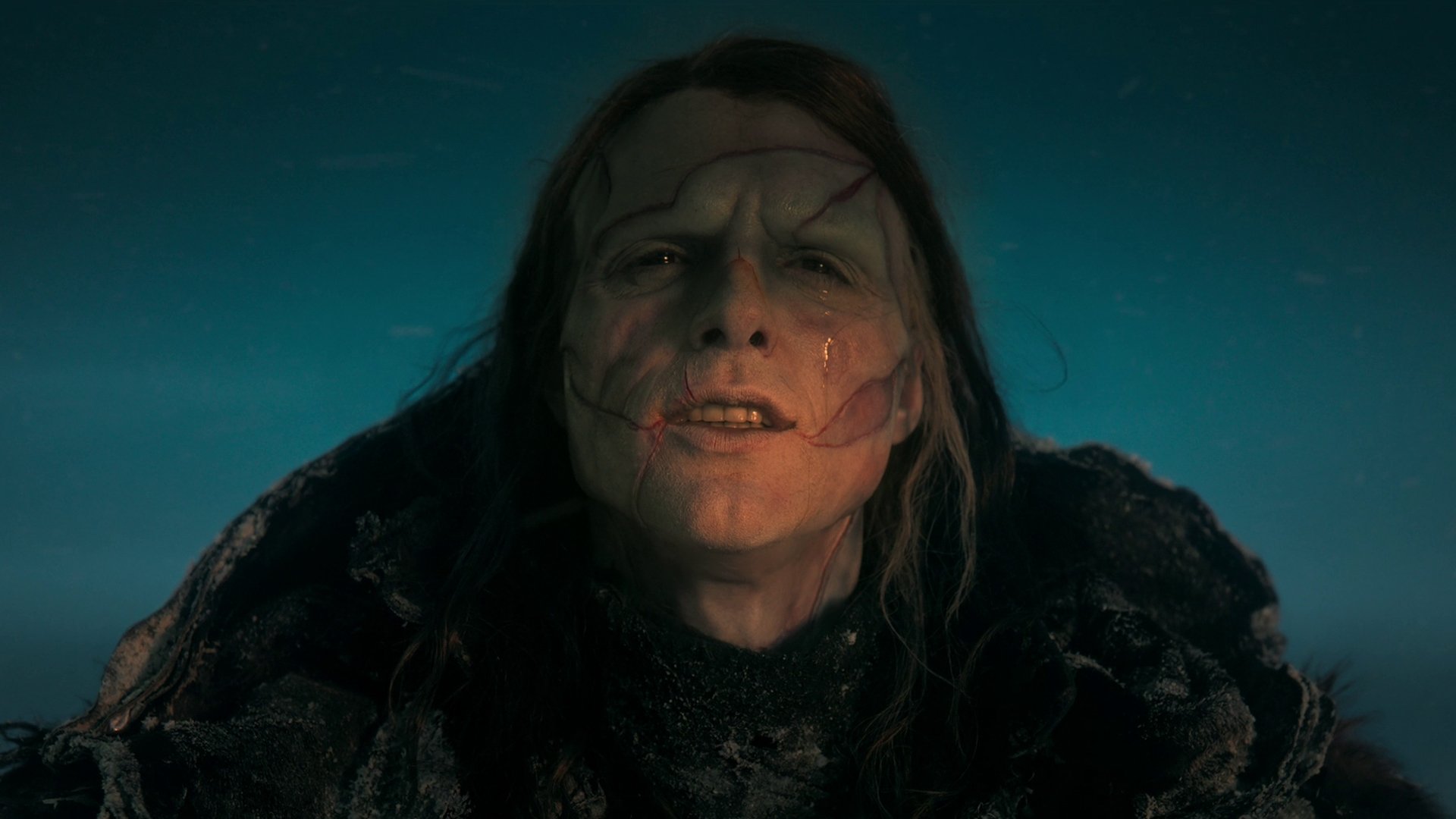
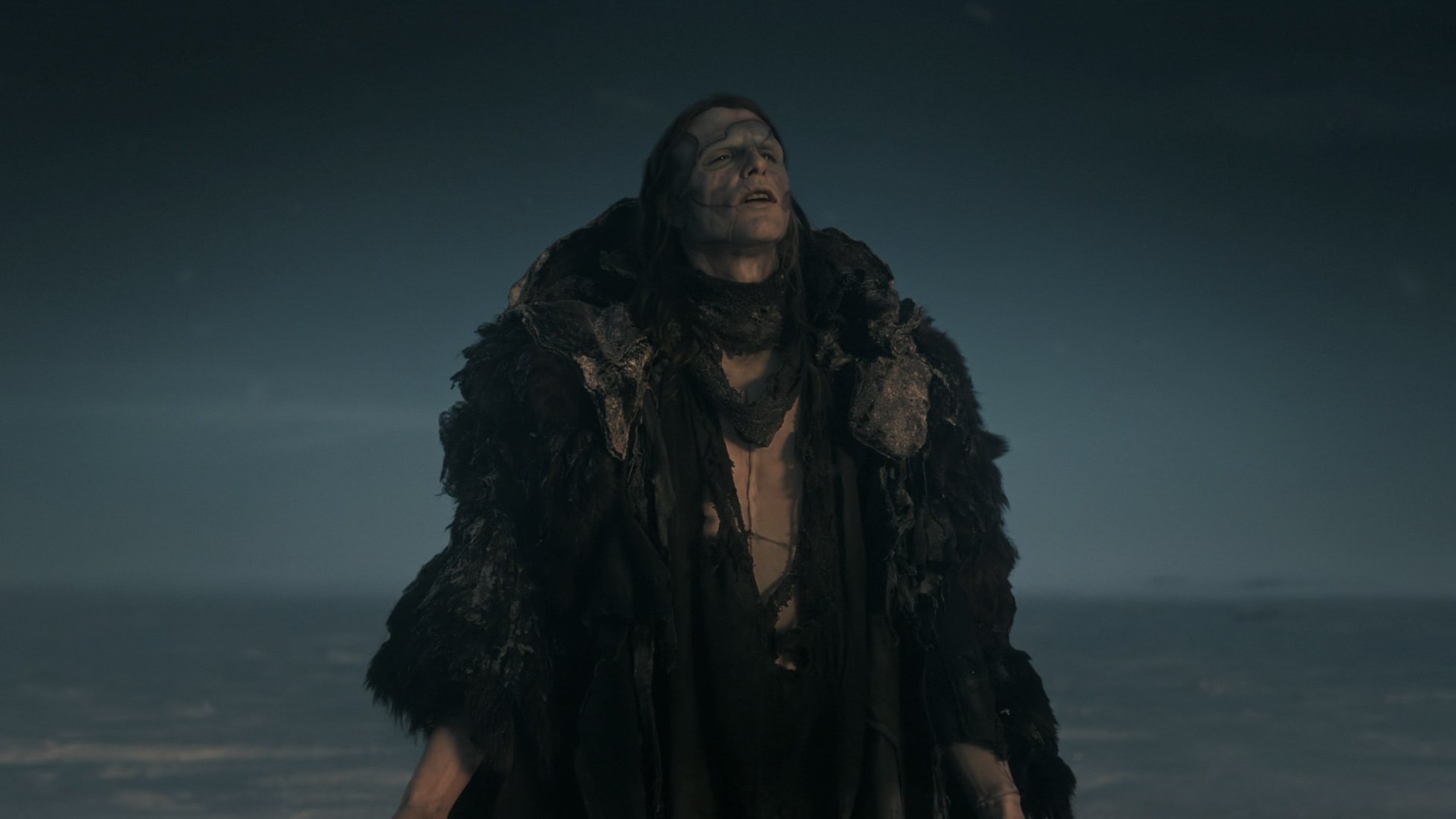
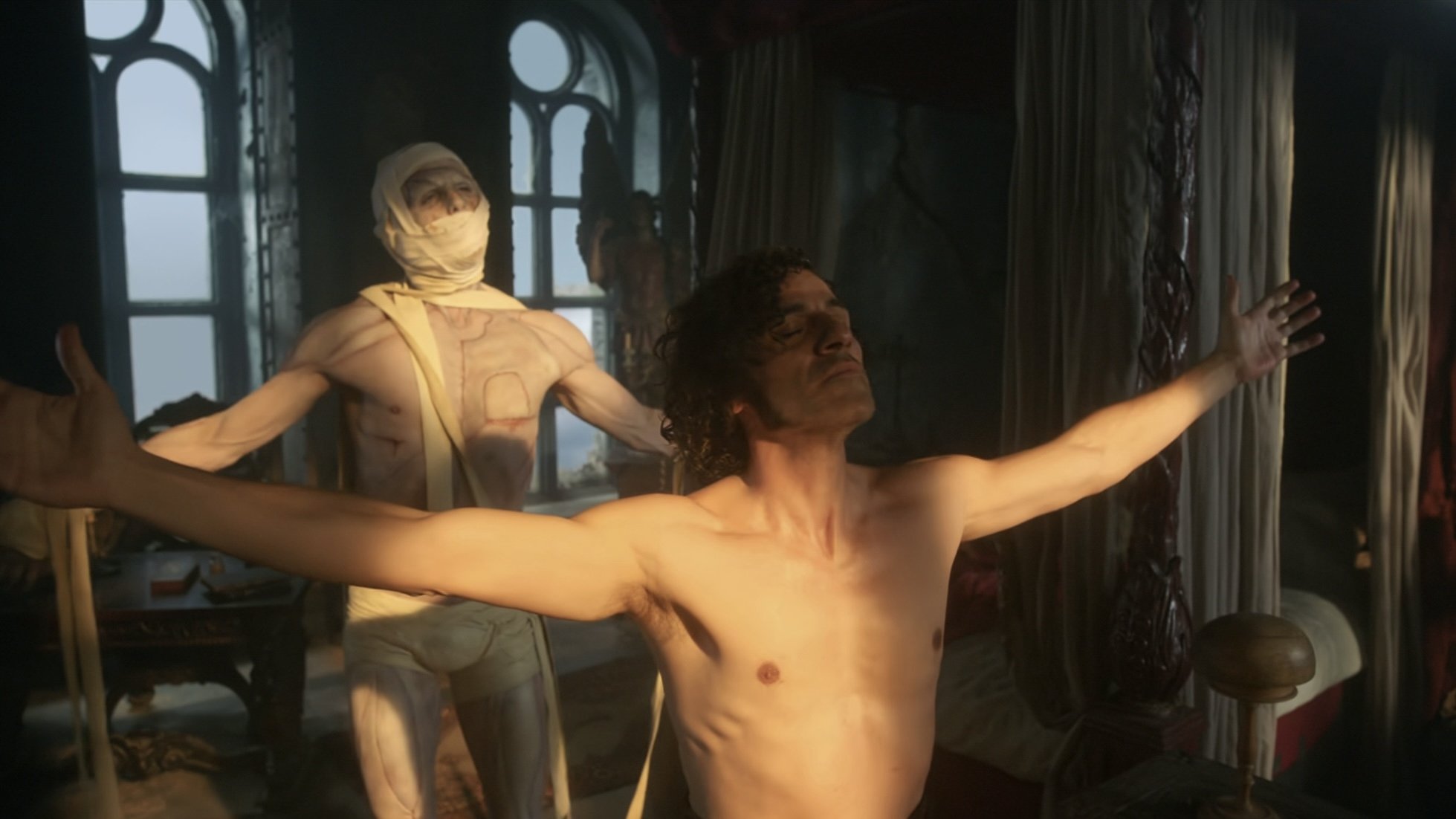
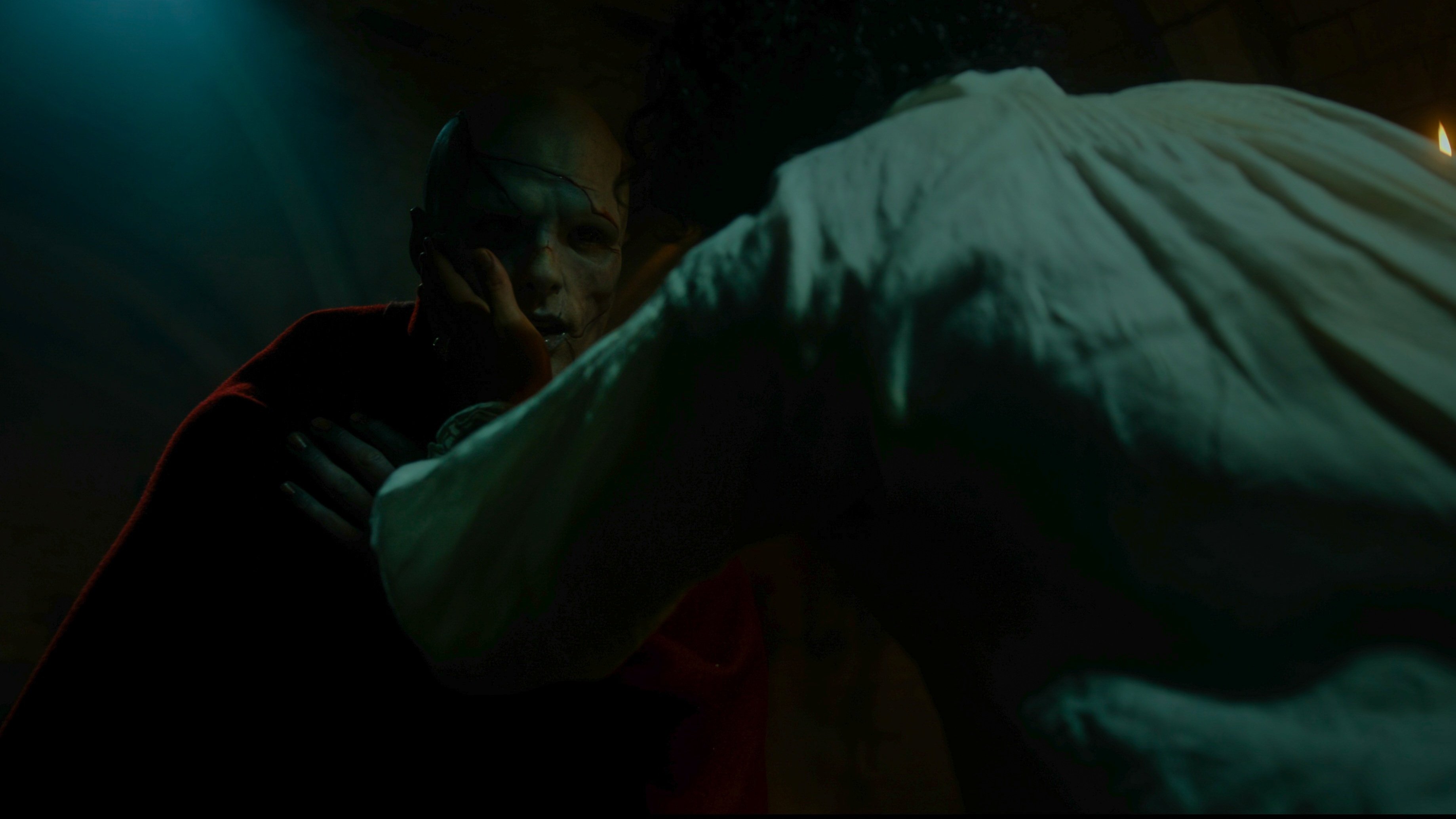
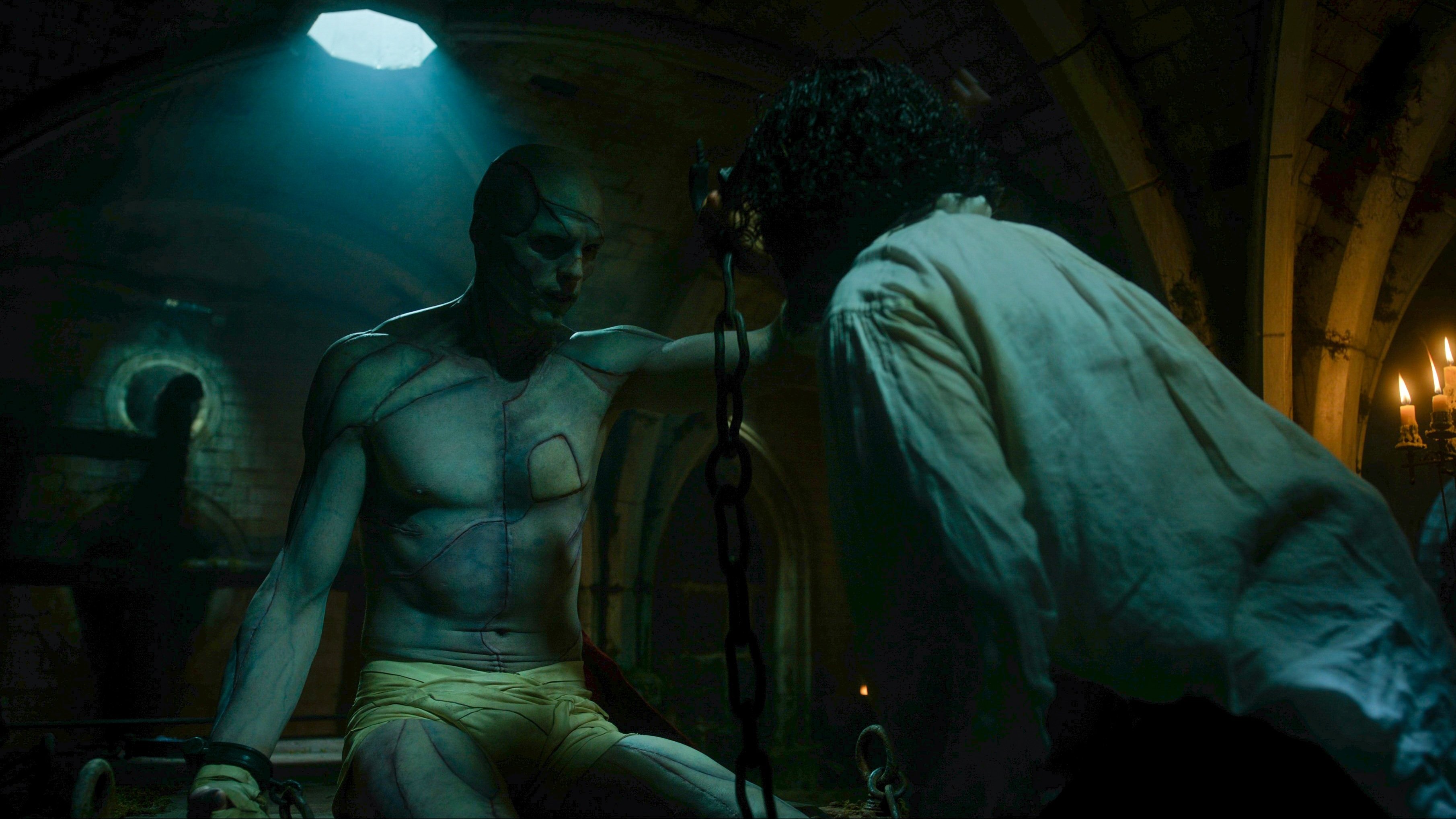
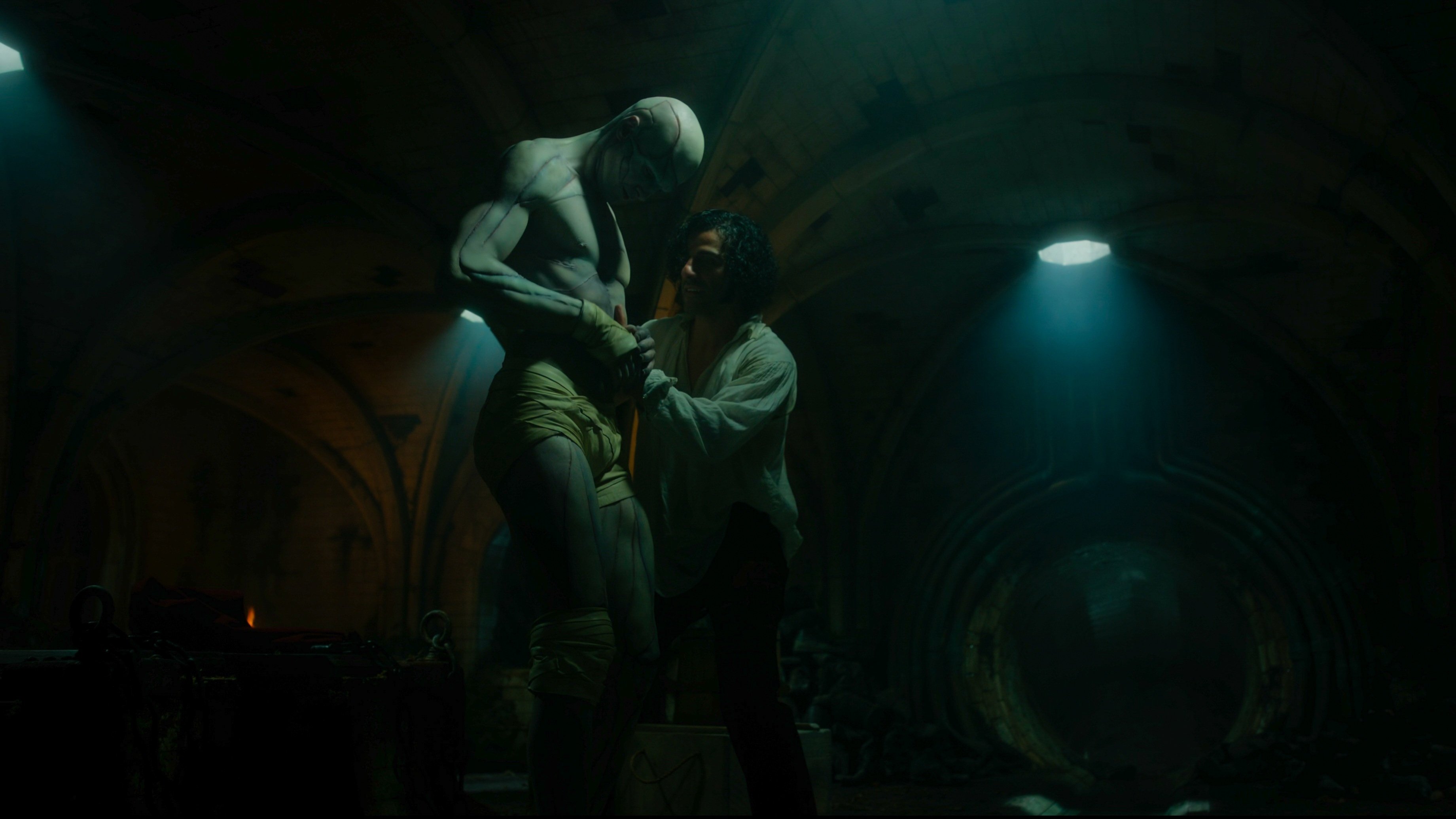
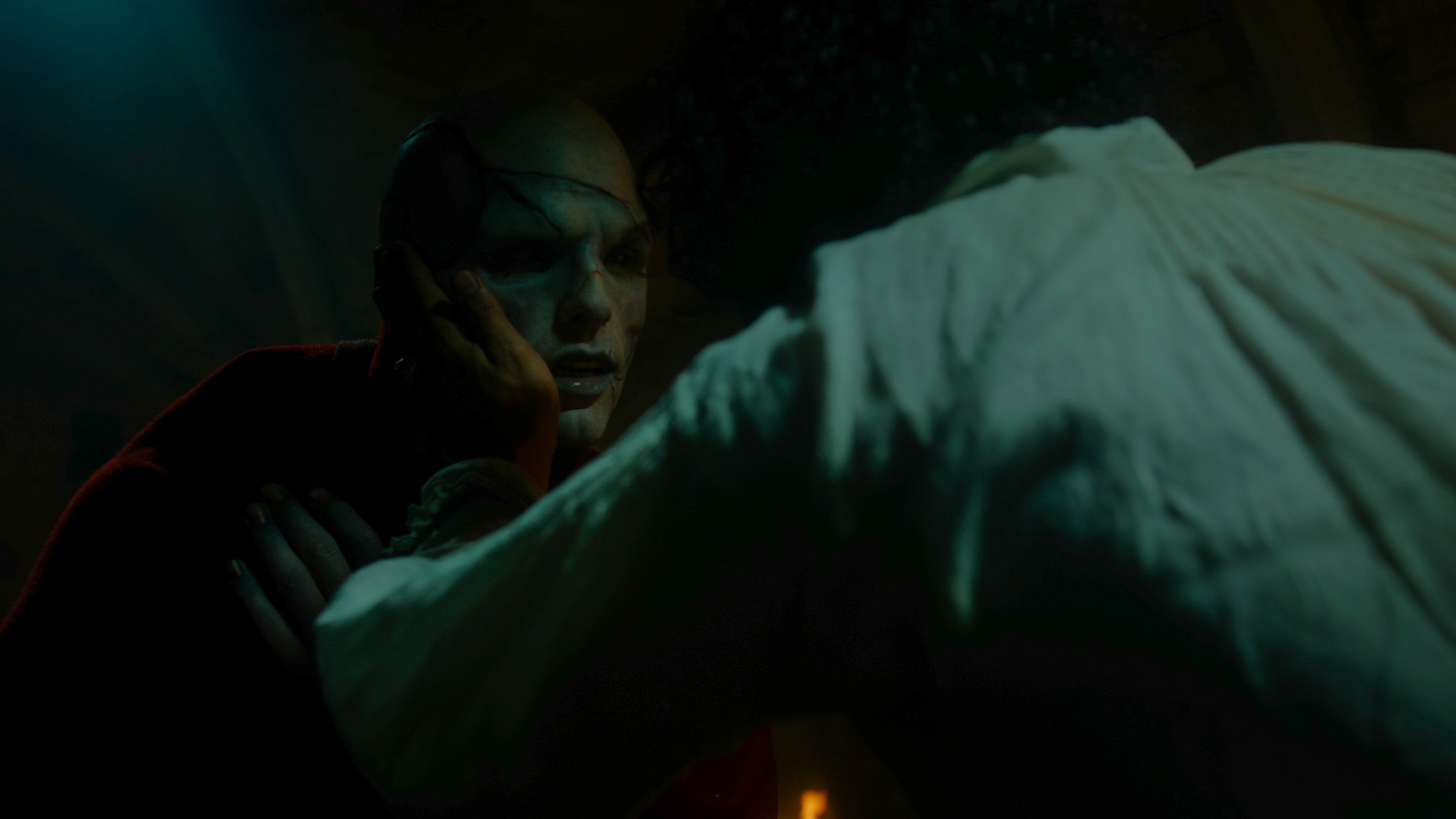
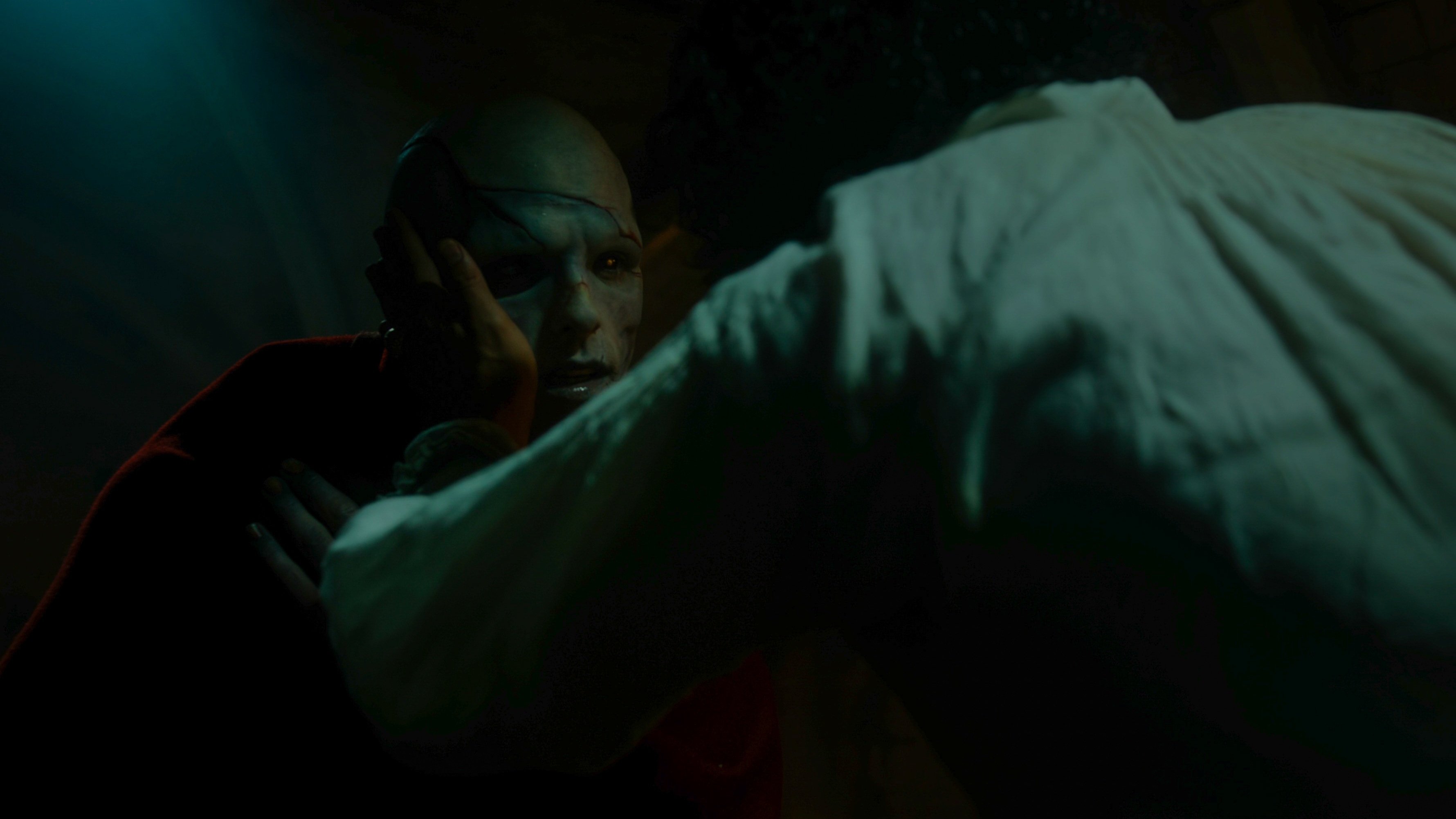
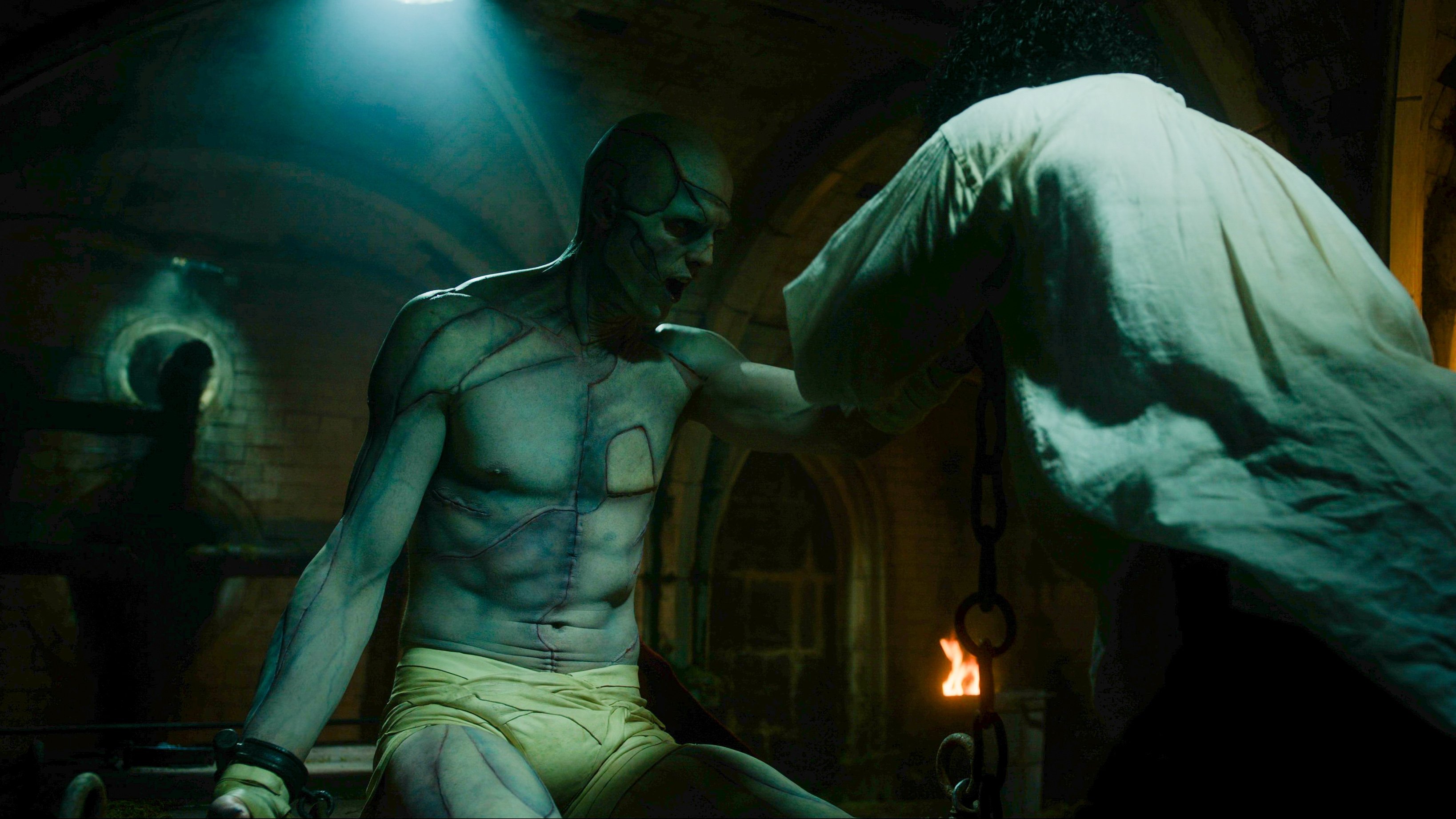
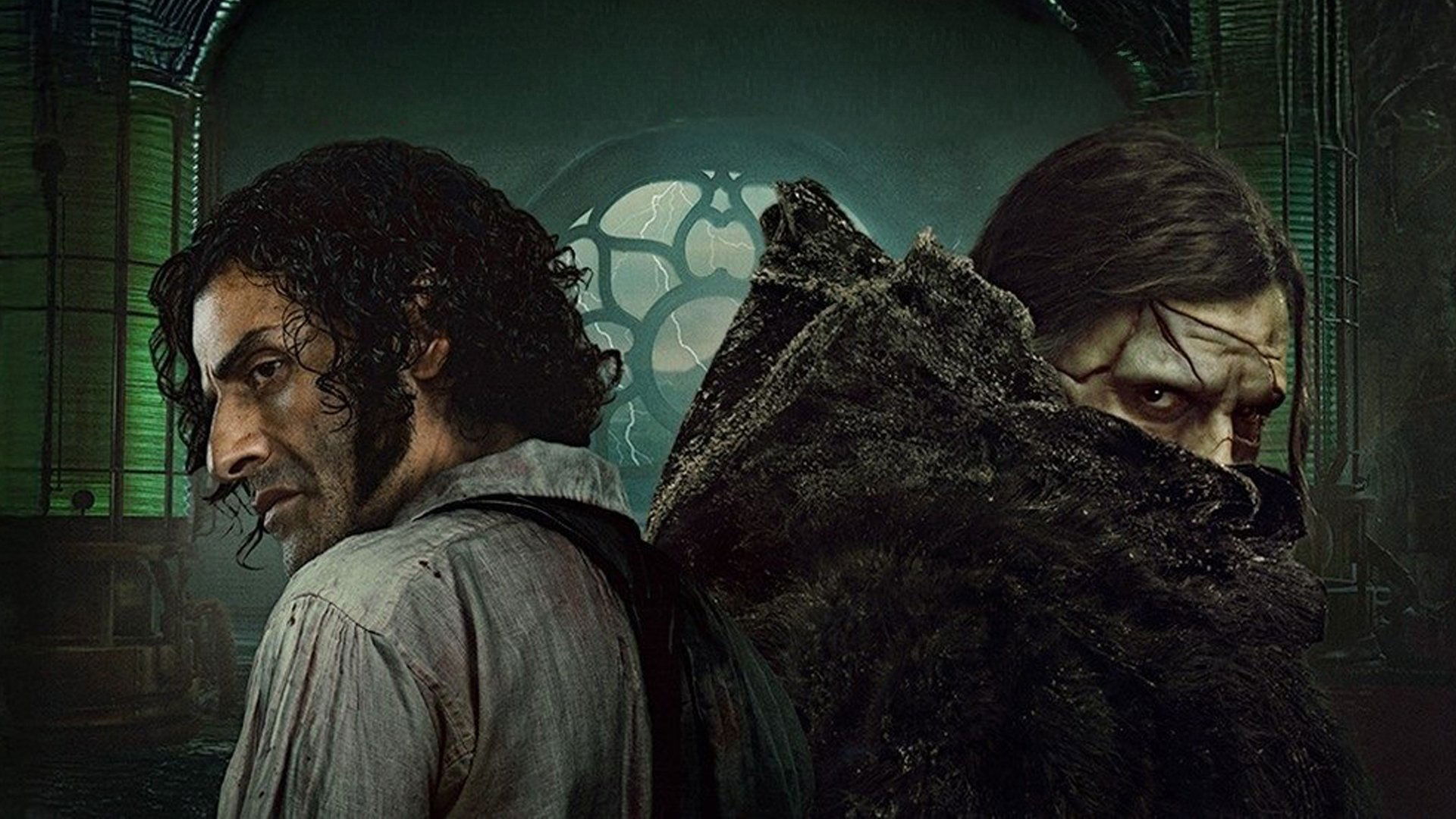
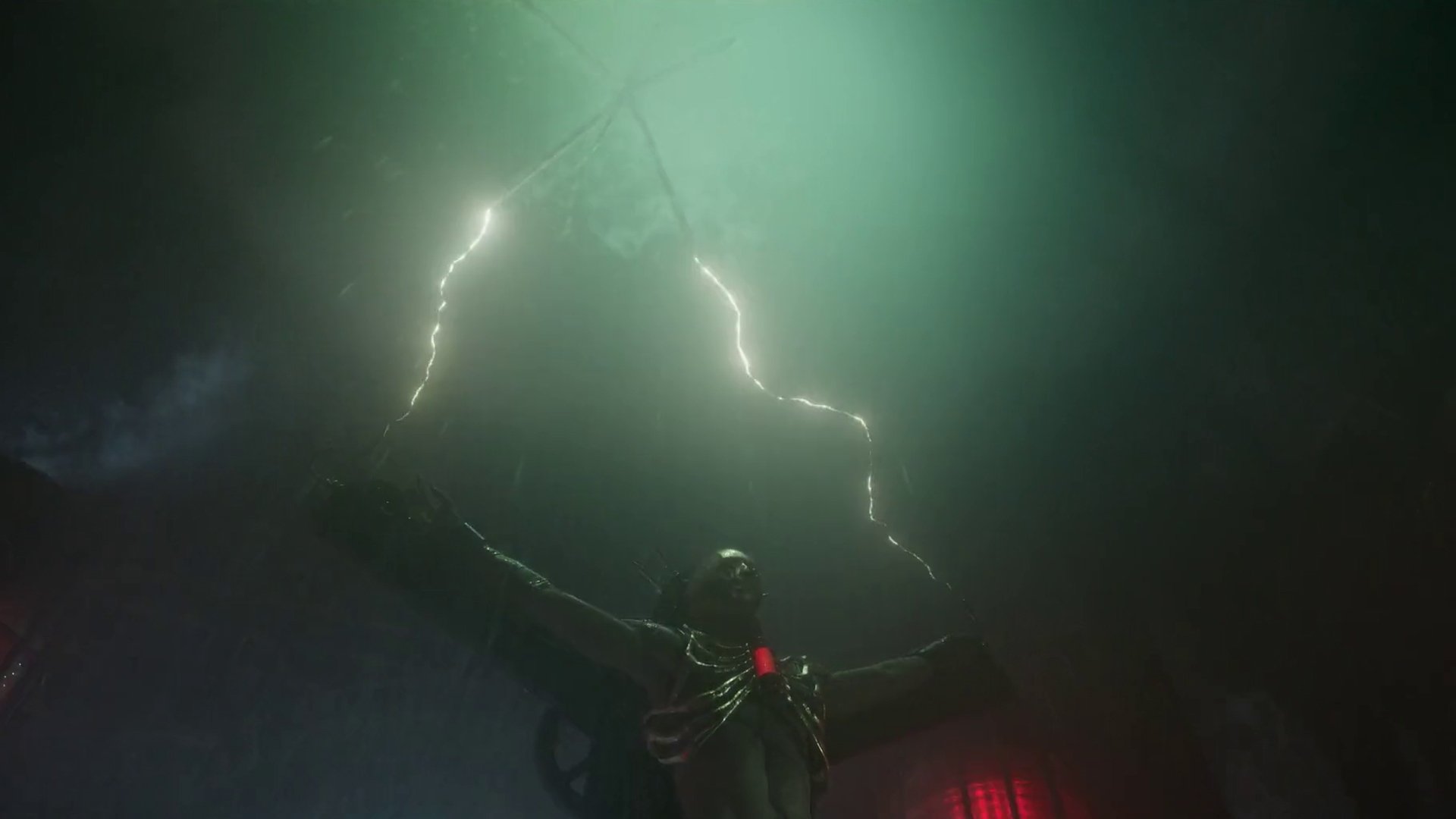
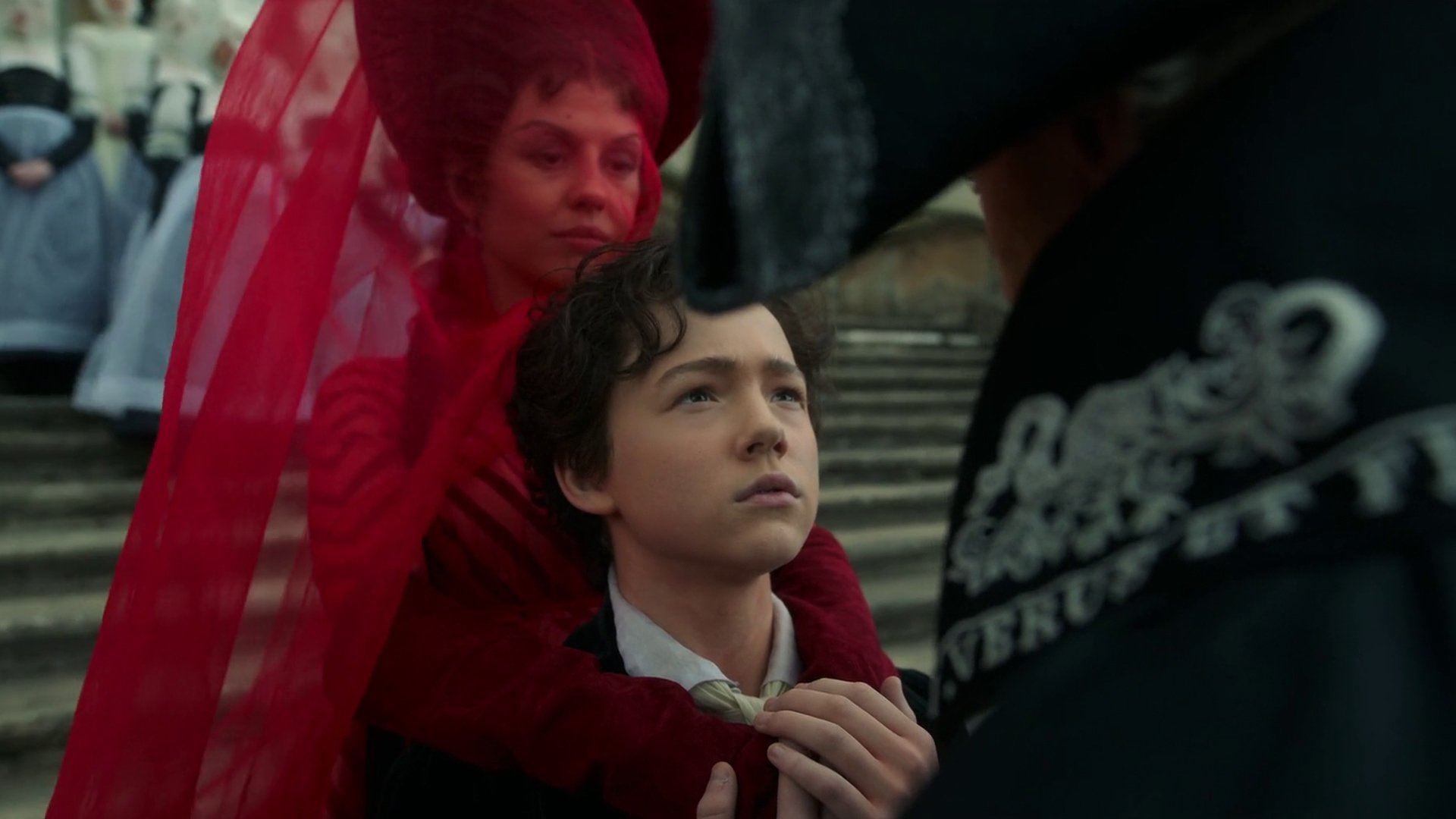
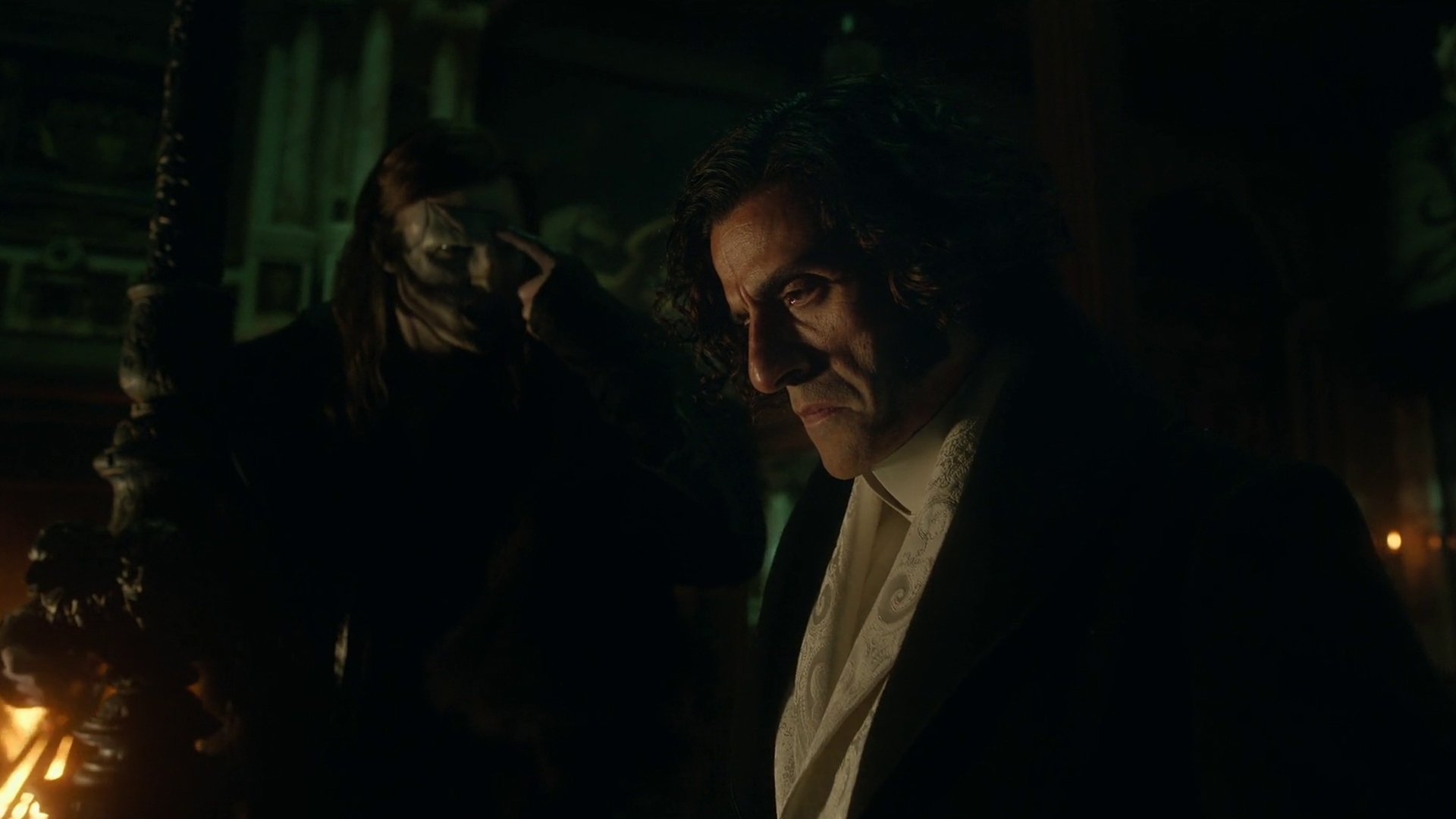
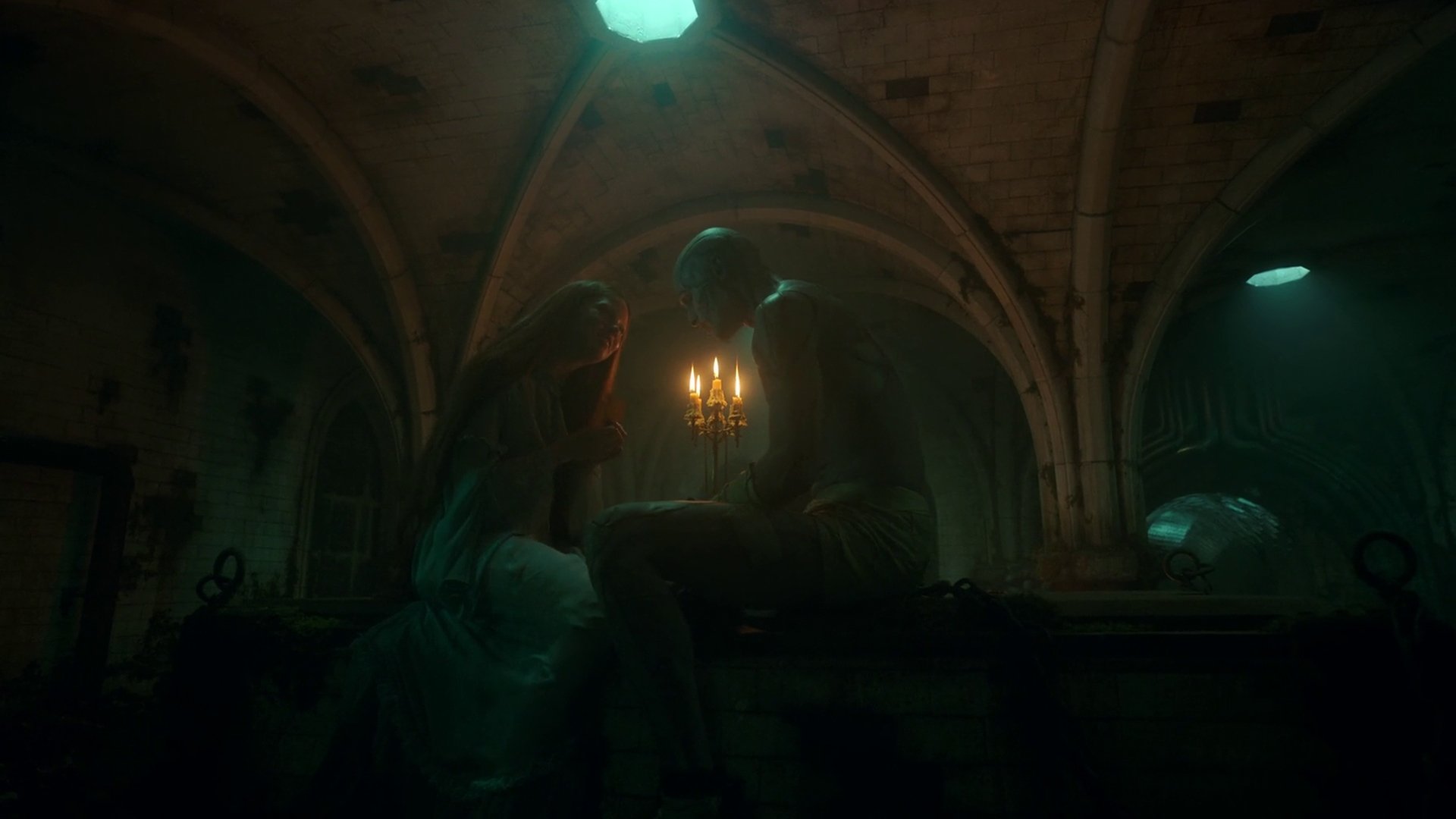
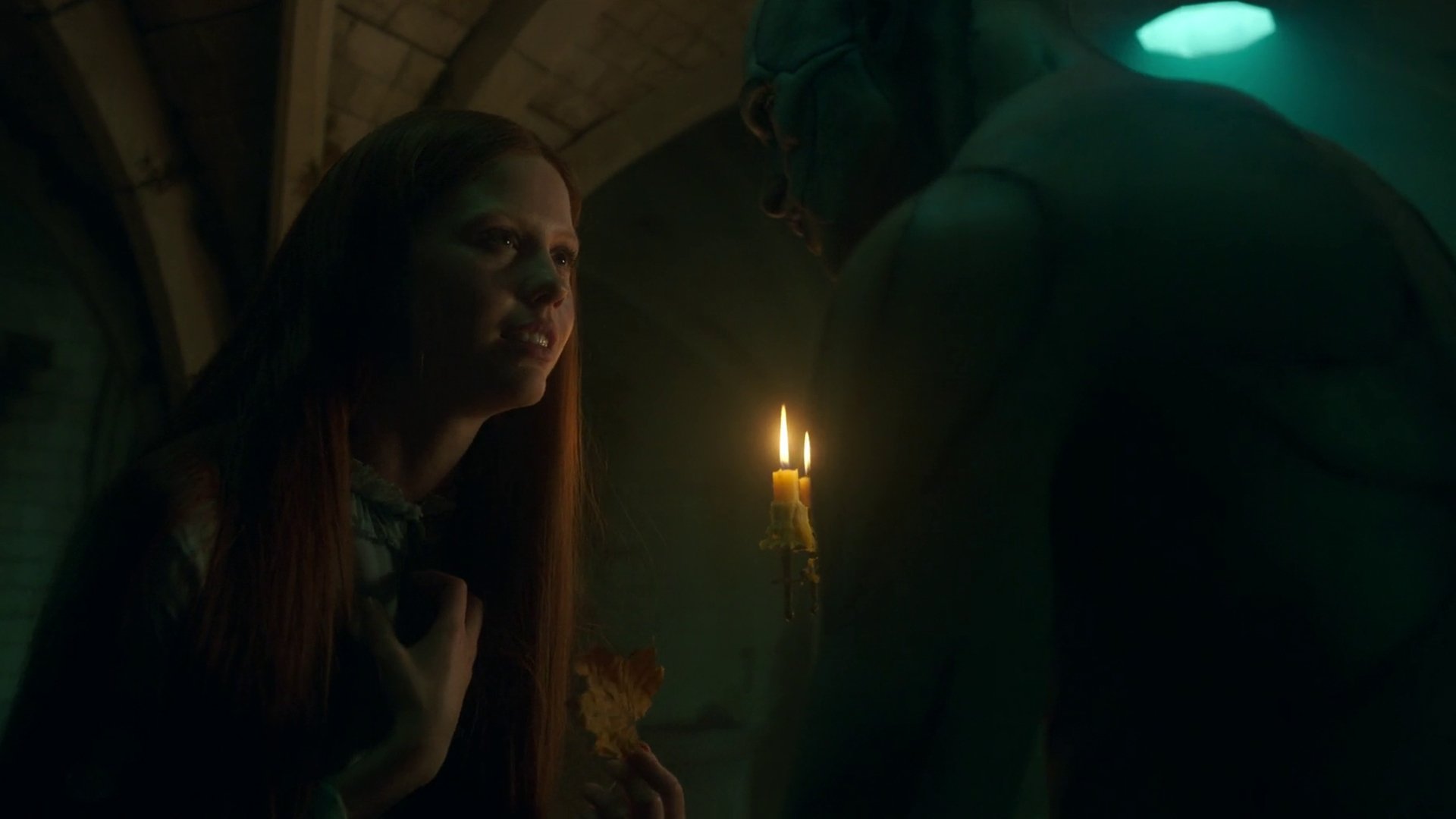
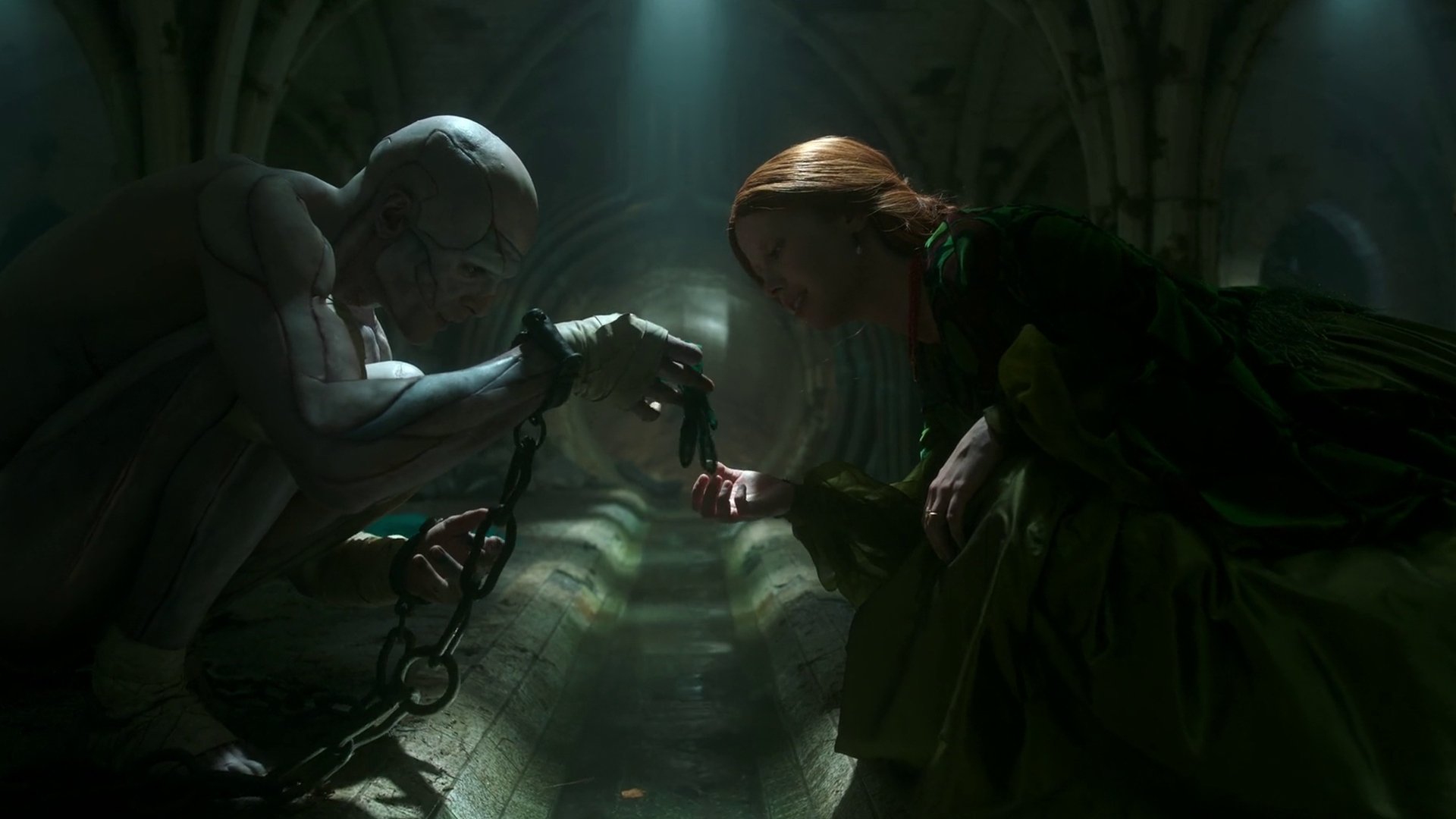
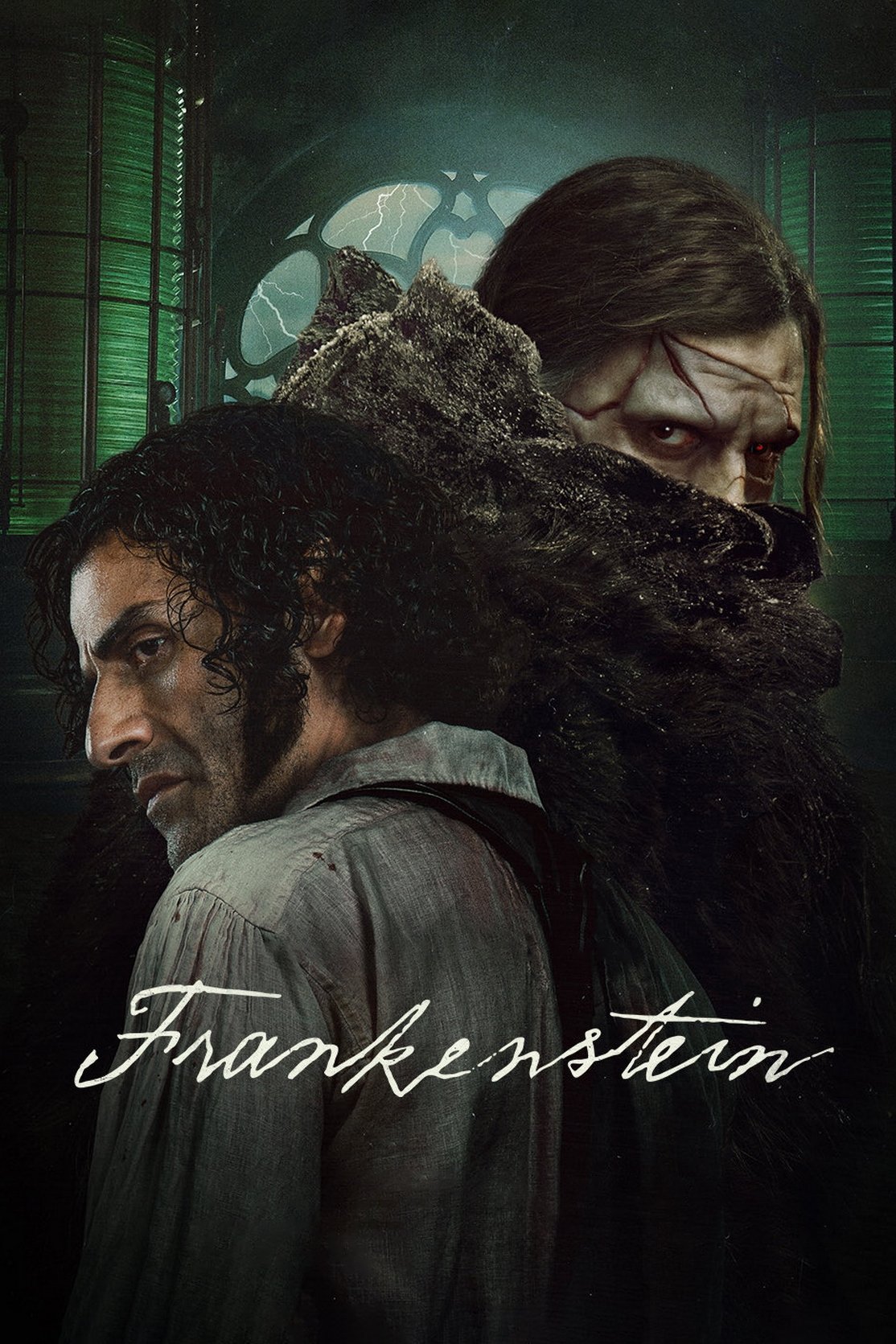
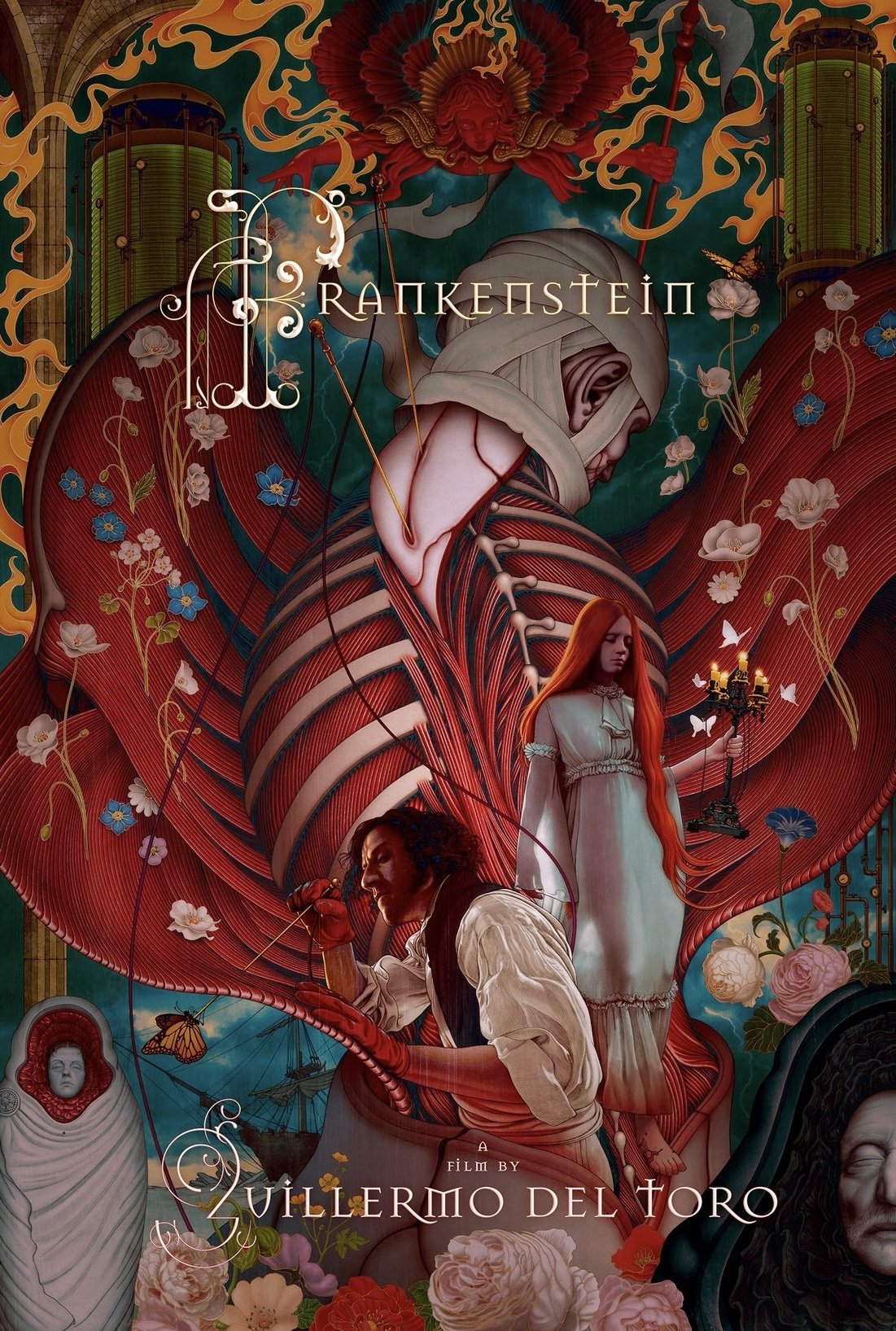
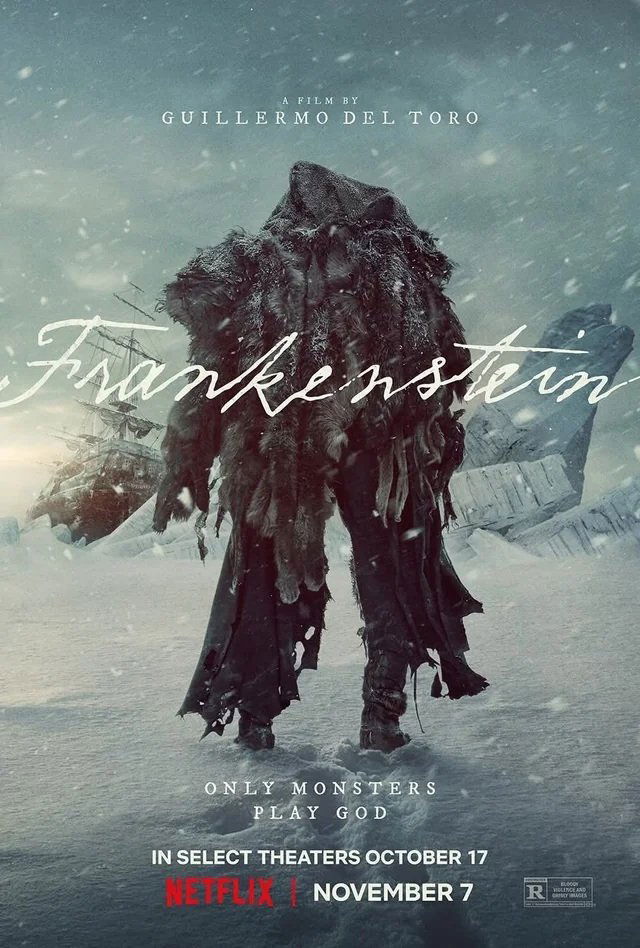
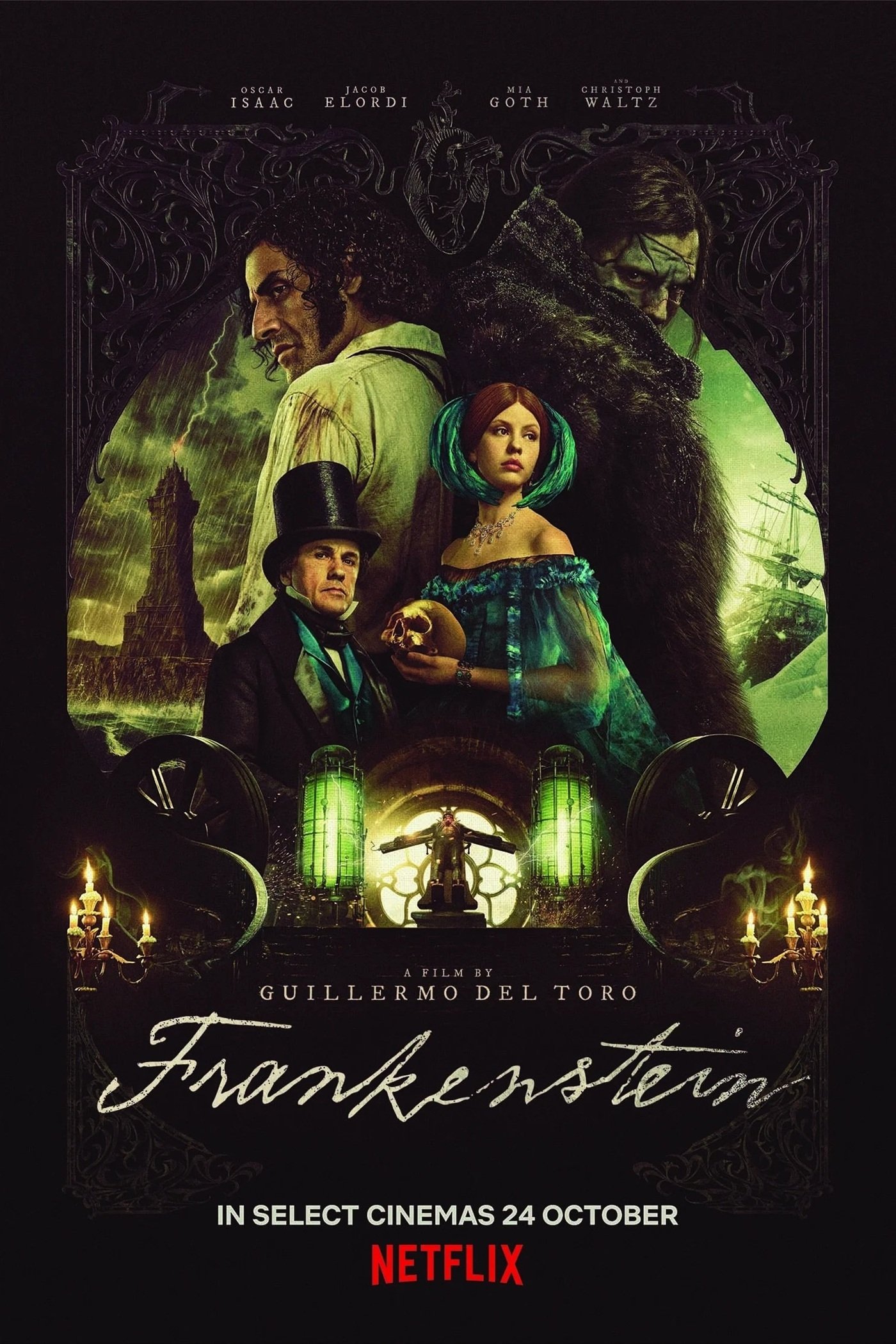
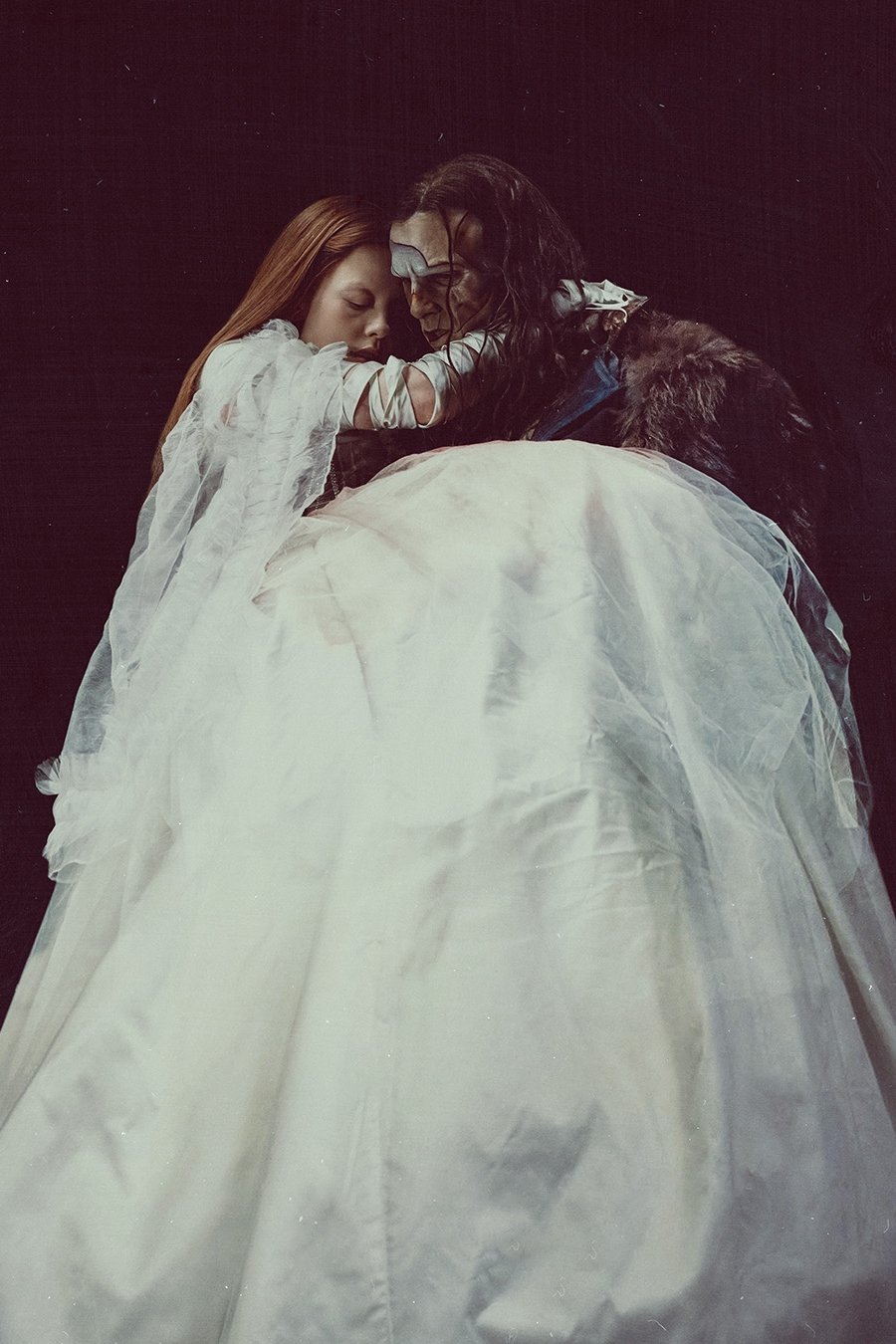
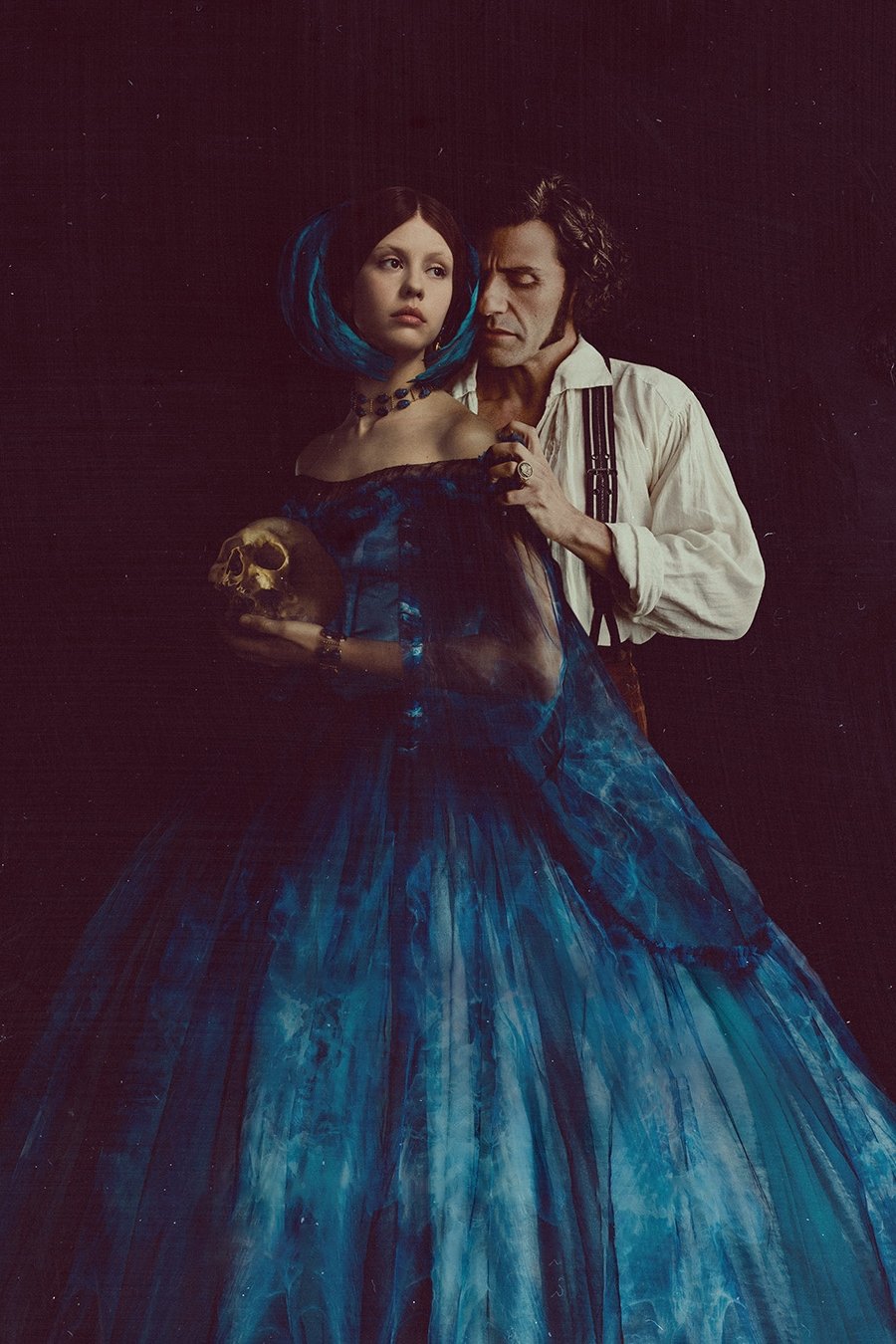
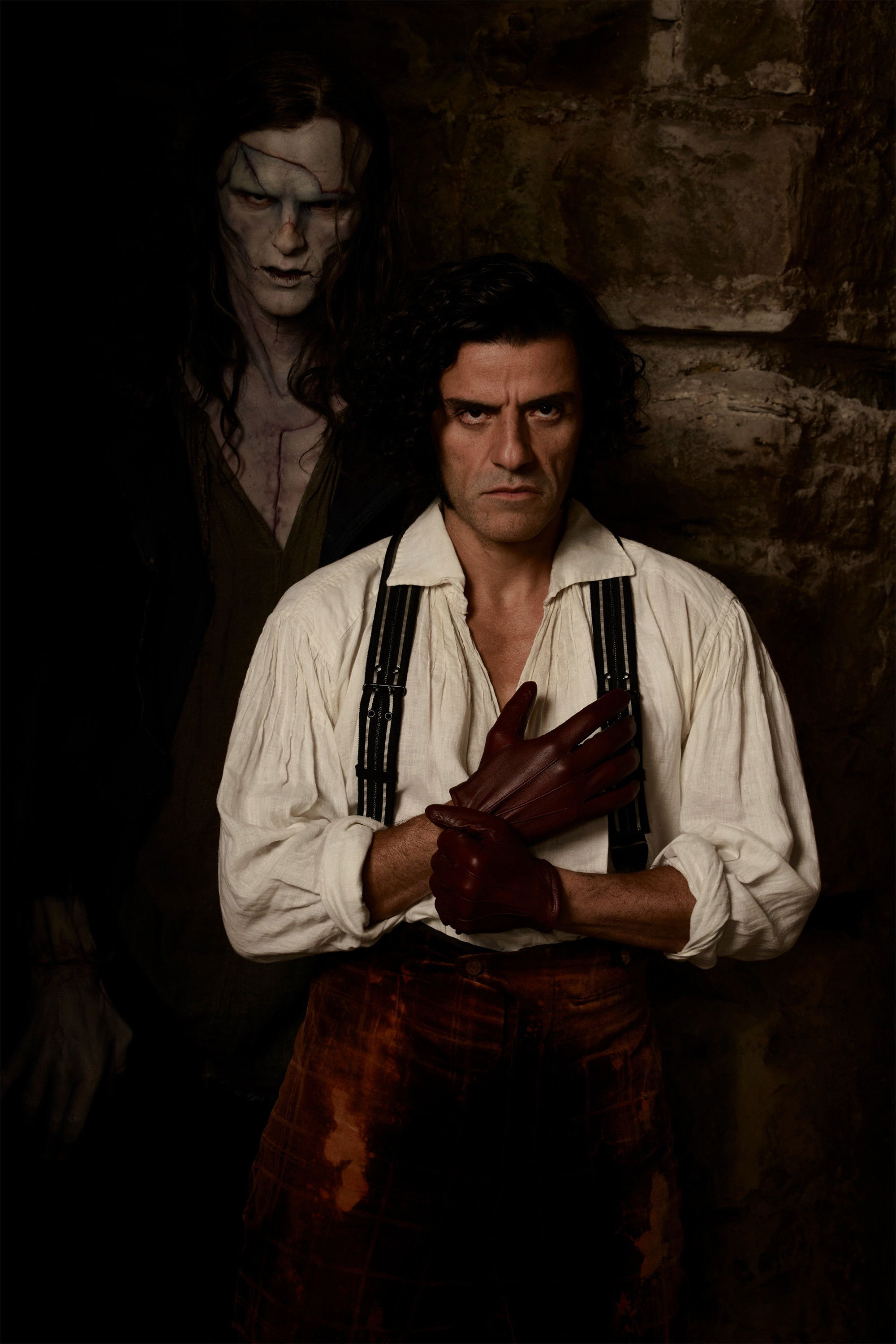
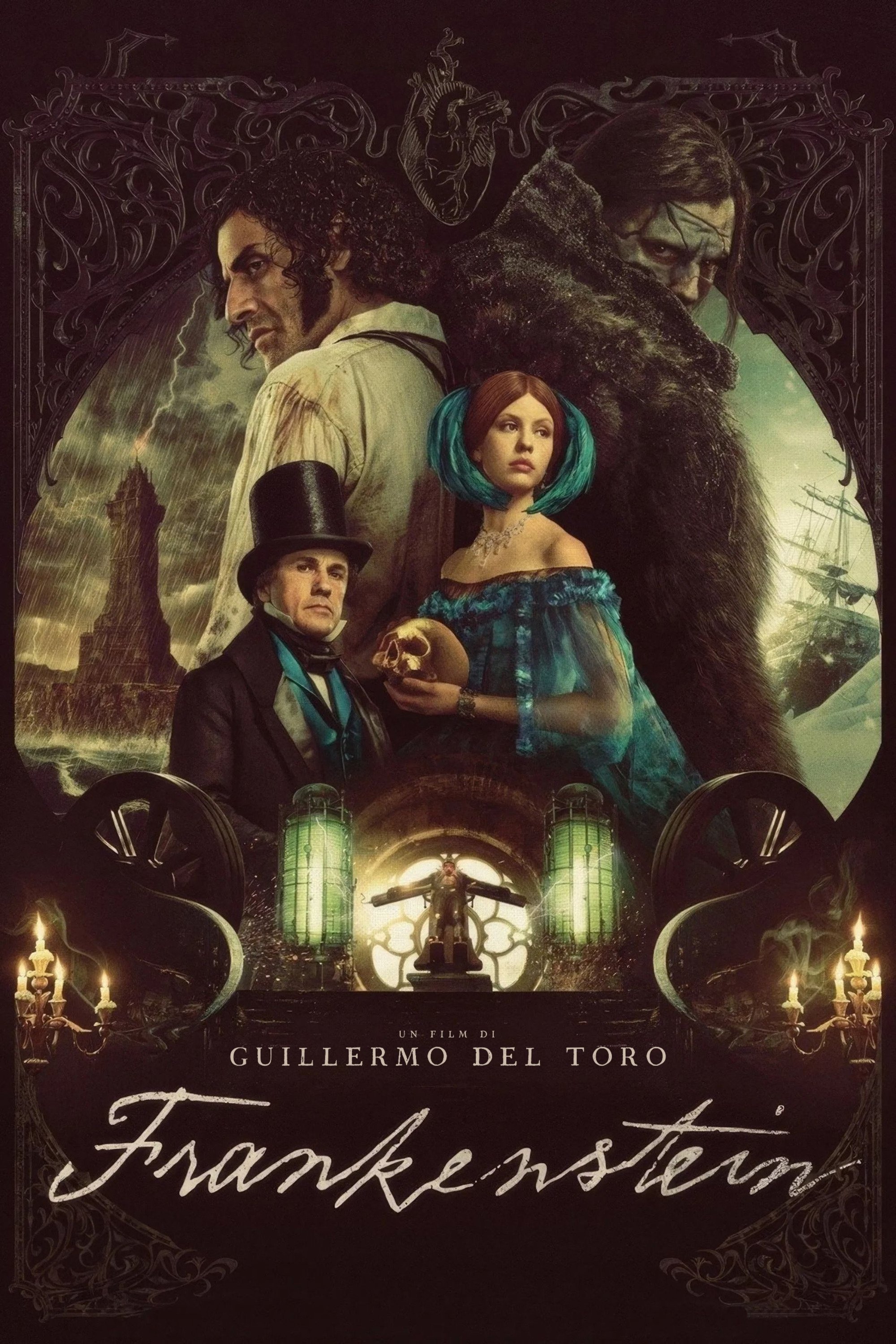
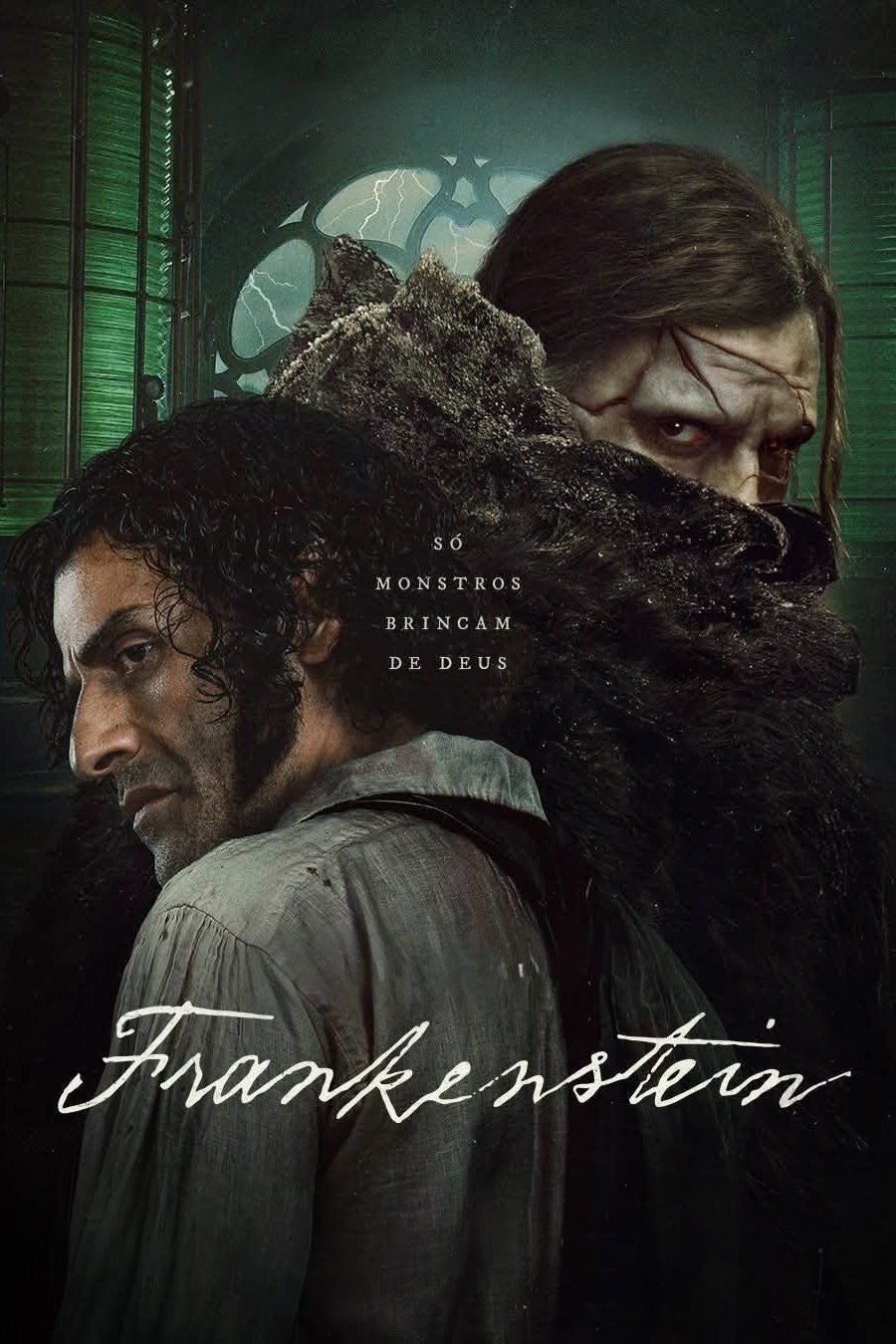
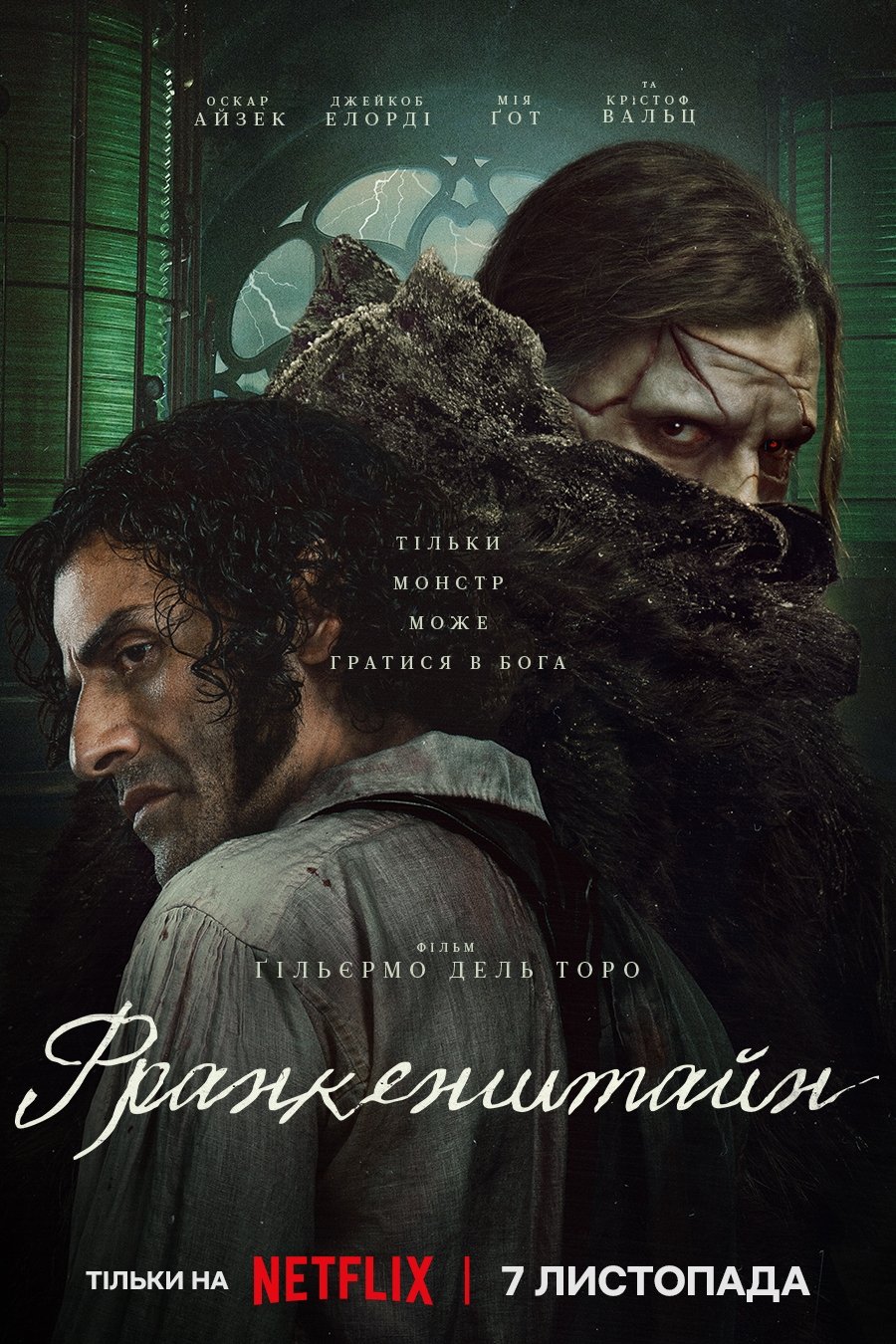
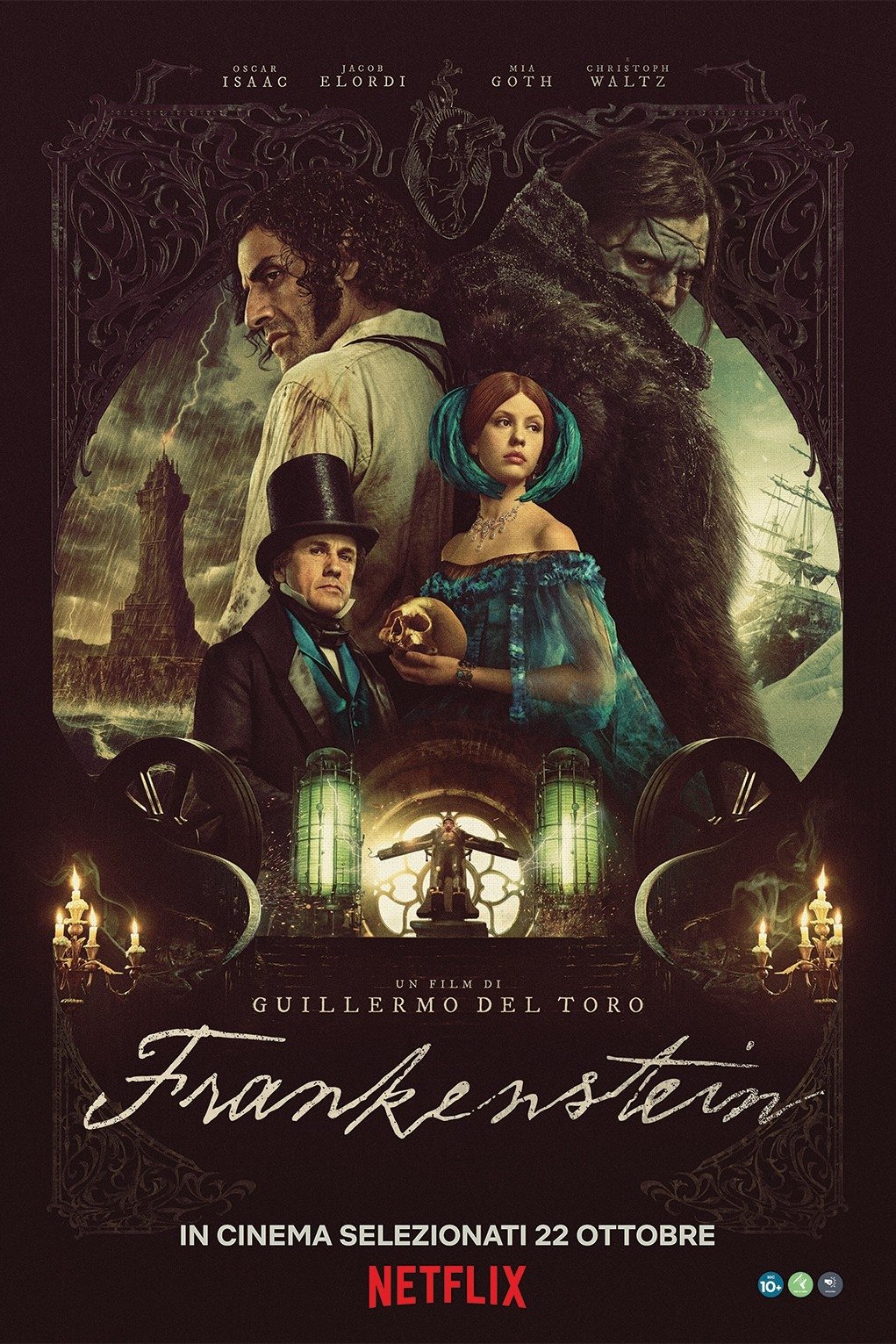
The resulting film emphasizes the relationships between creators and creations and between fathers and sons, giving the experiment its significance through those bonds. Del Toro described Victor and the Creature as mirror images, and the narrative continually reinforces that parallel. Both are shaped by abandonment, both struggle against inherited emotional damage and both attempt to determine what their creator owes them. Scientific transgression remains essential to the Gothic structure, but the central catastrophe is parental: Victor succeeds in creating life and fails almost immediately in accepting what that success requires of him.