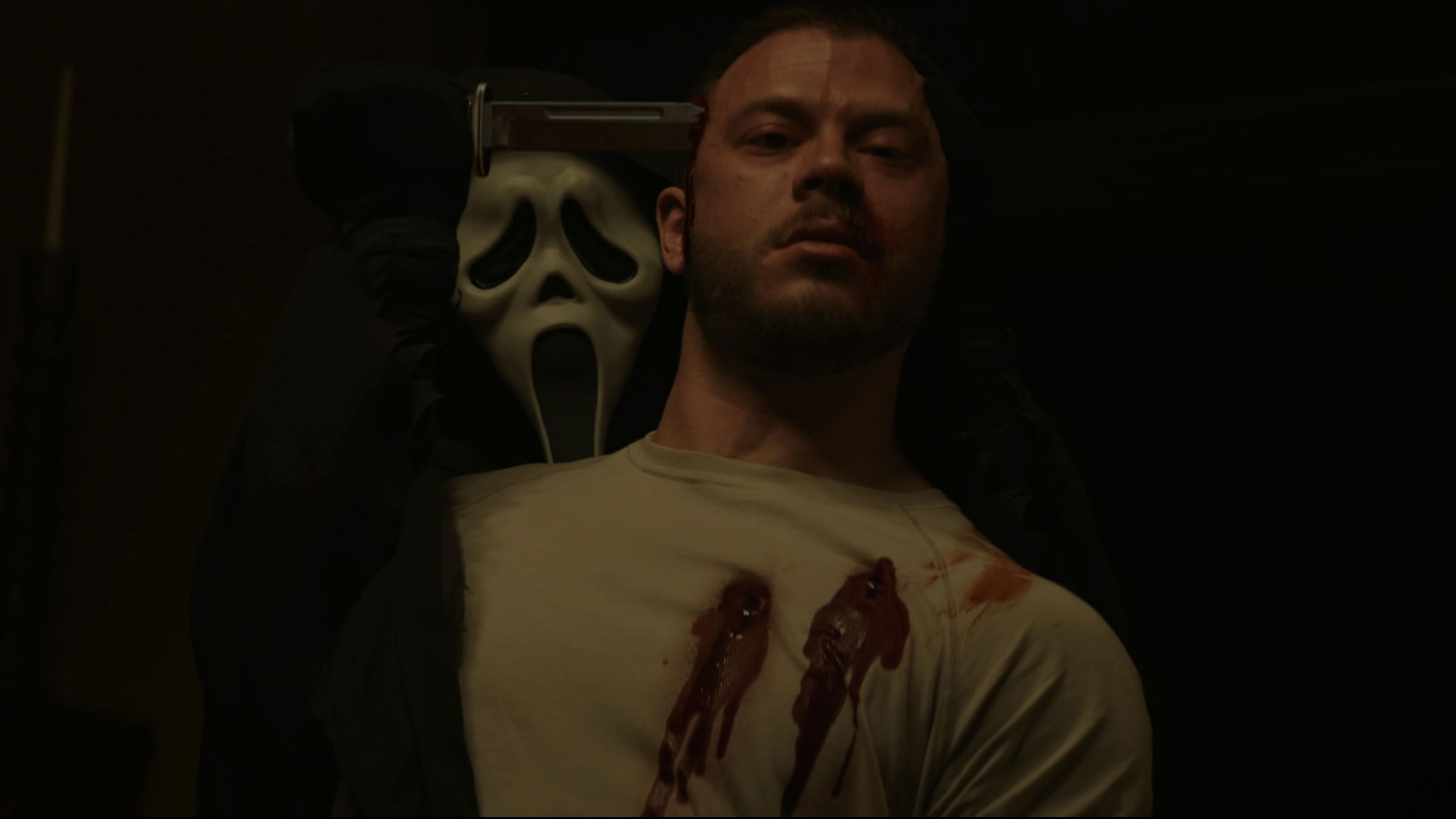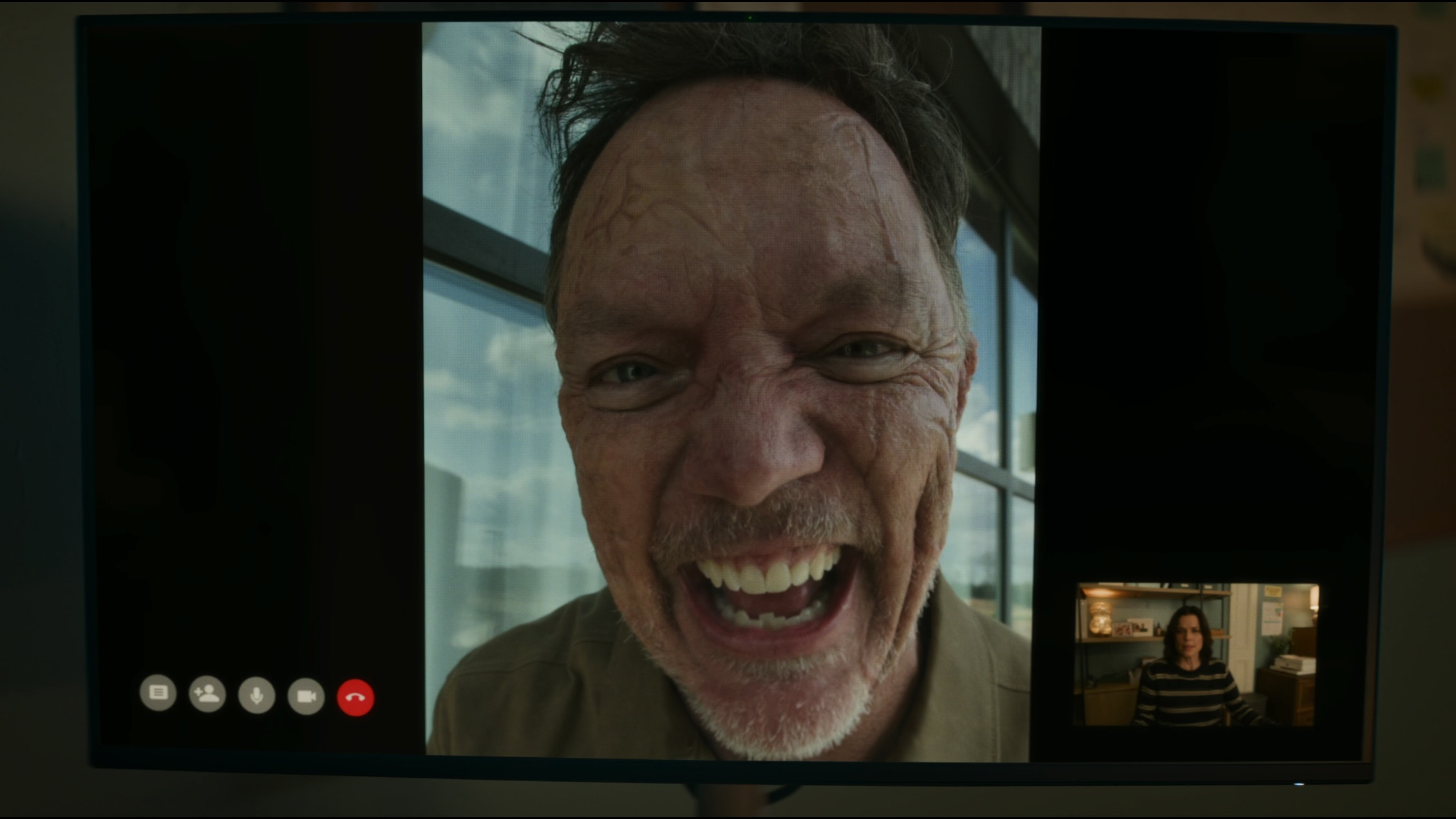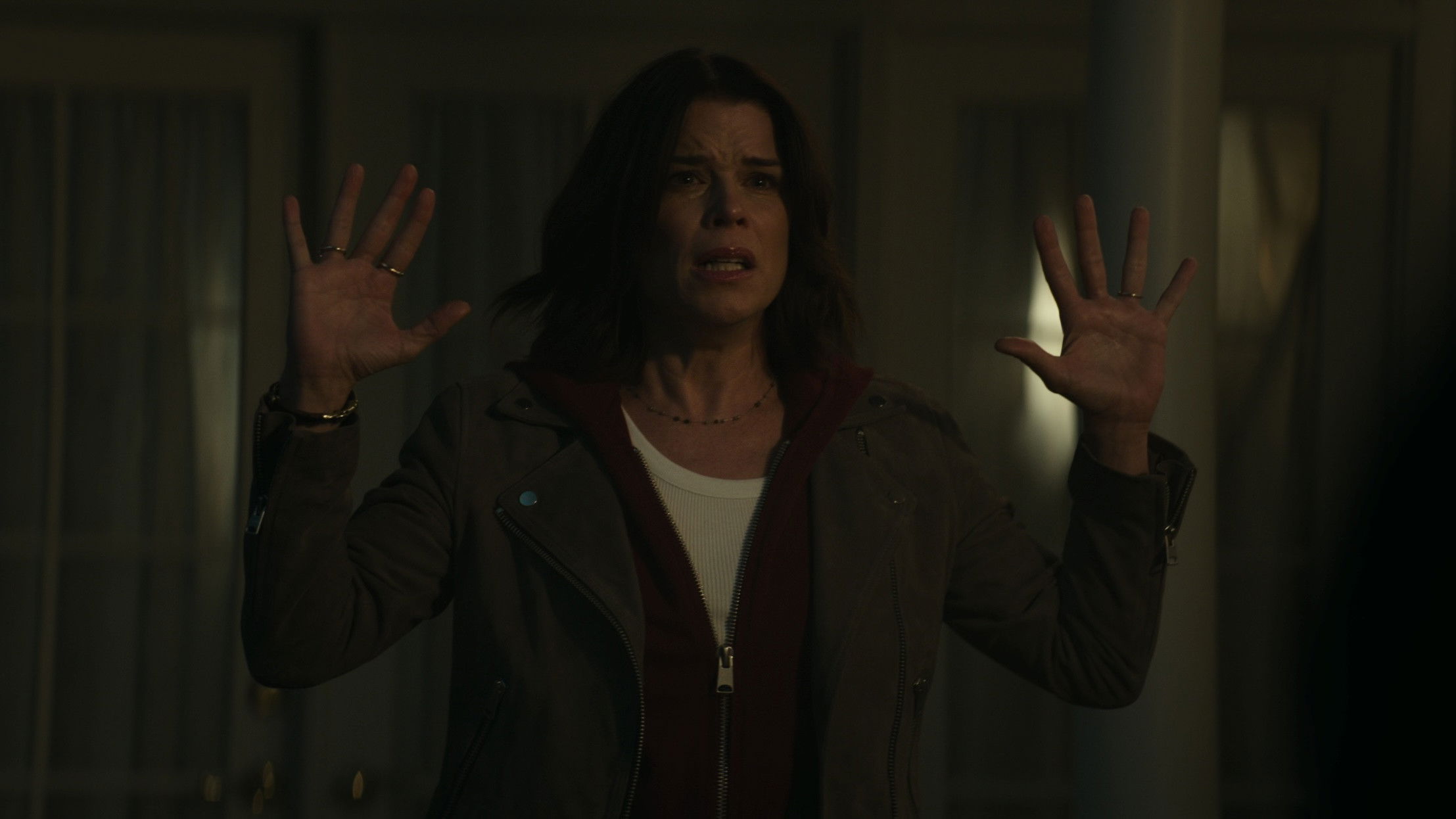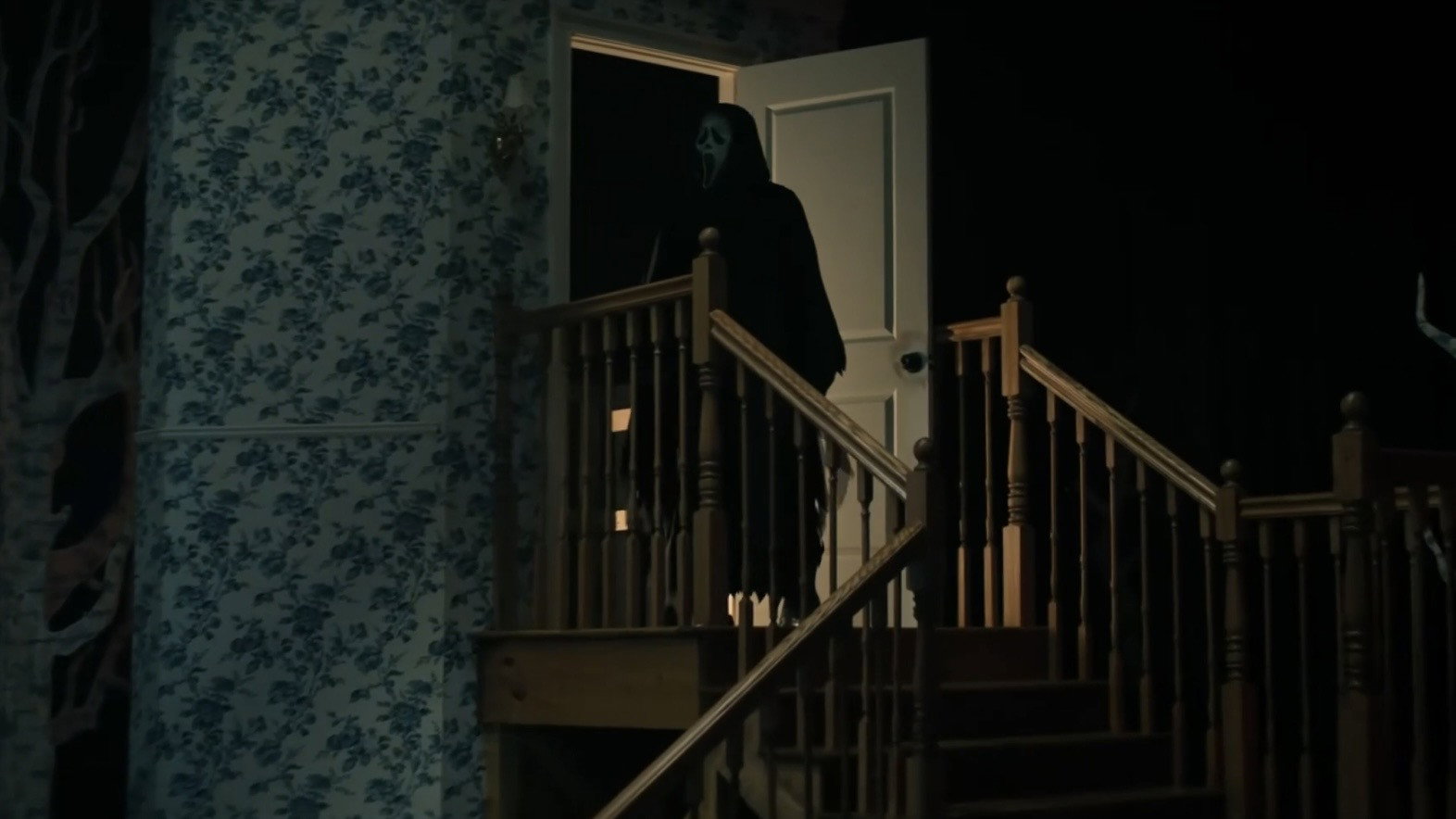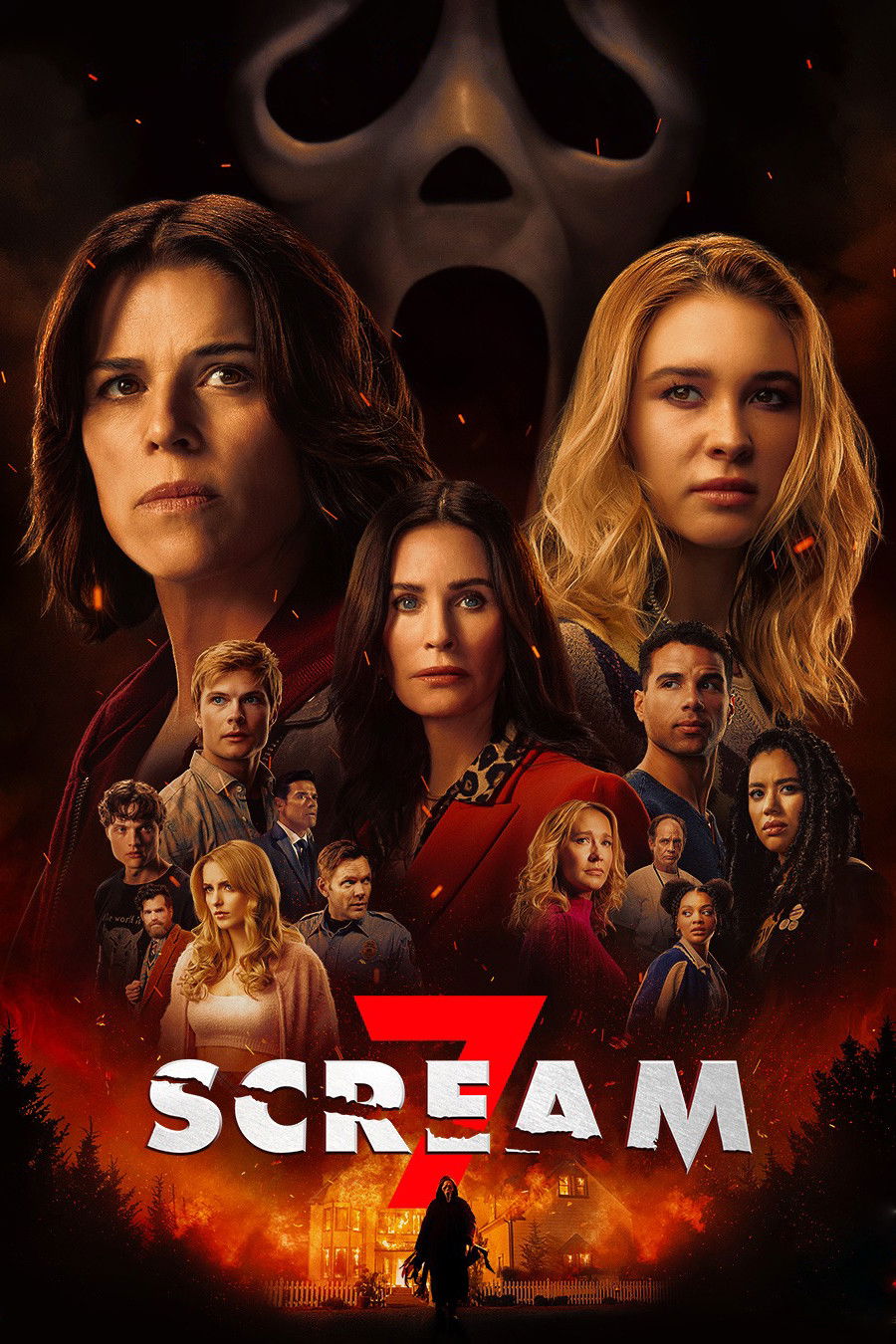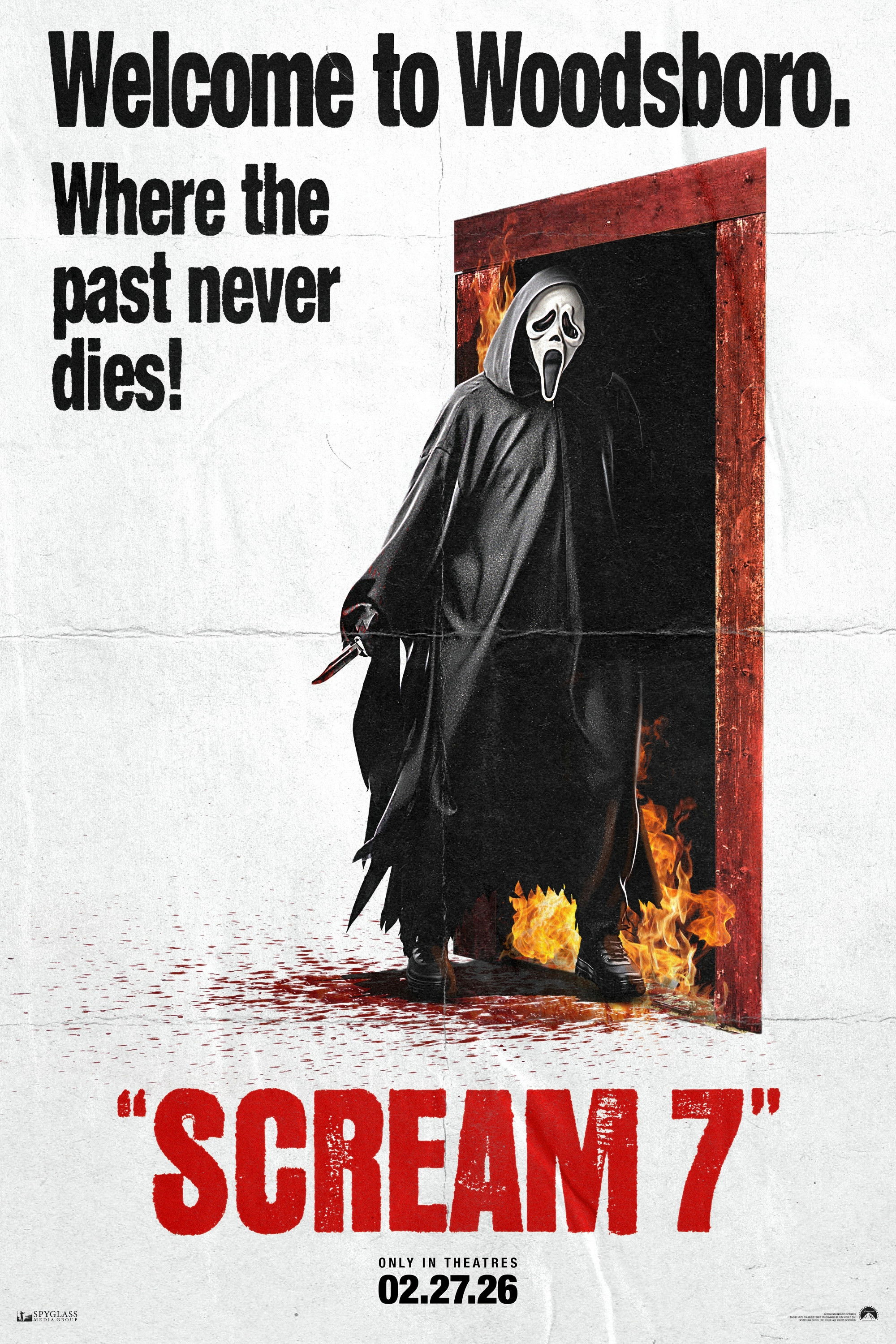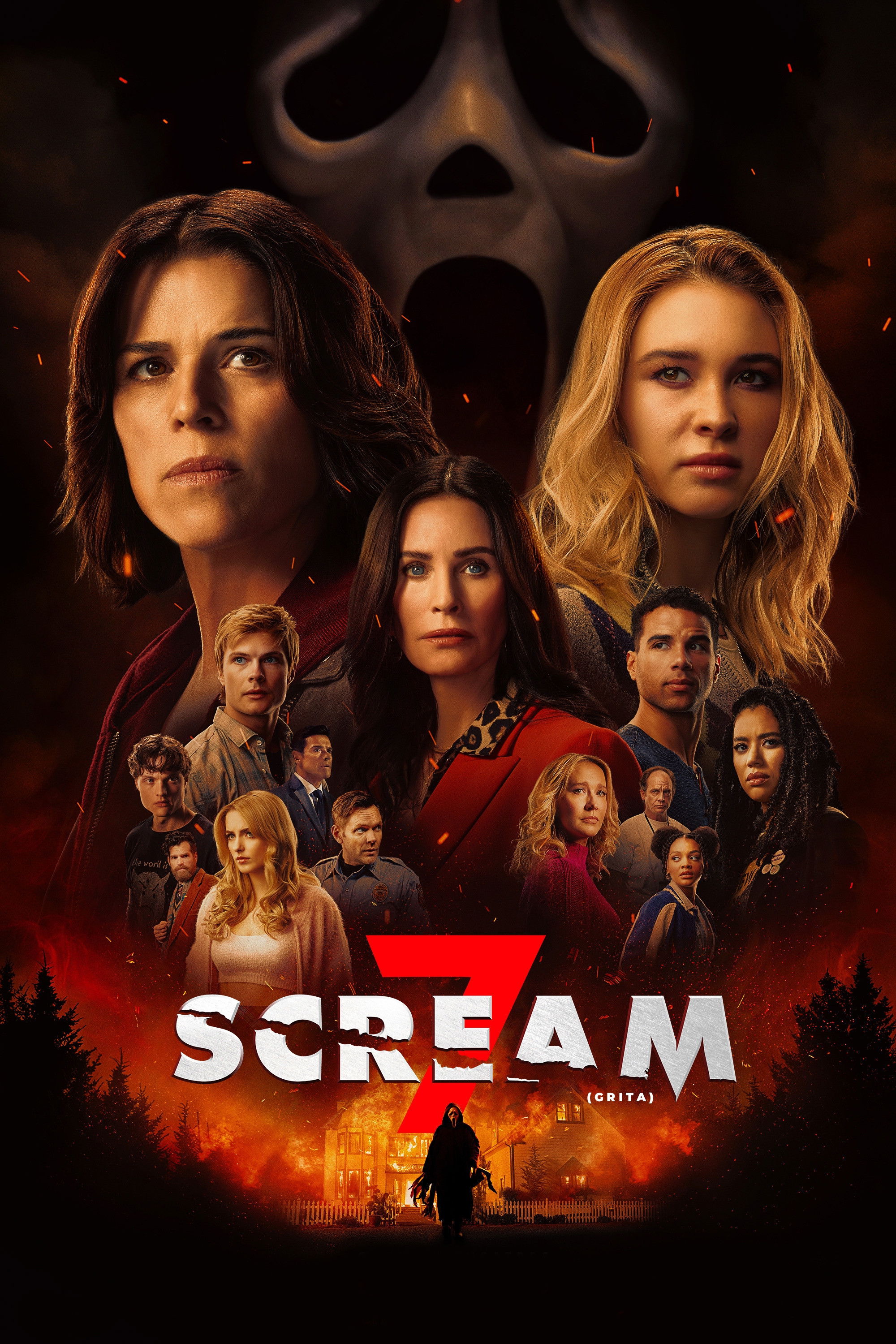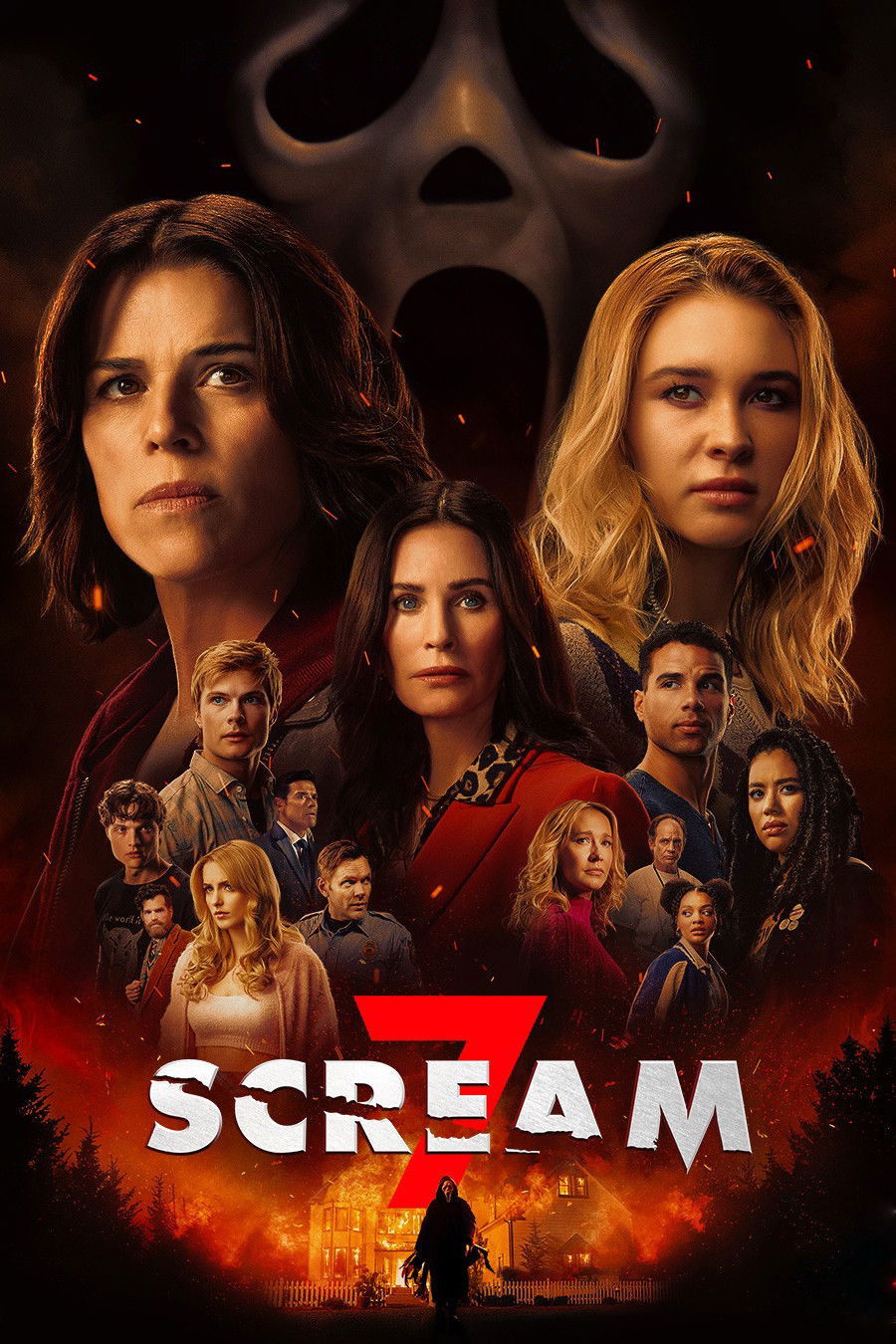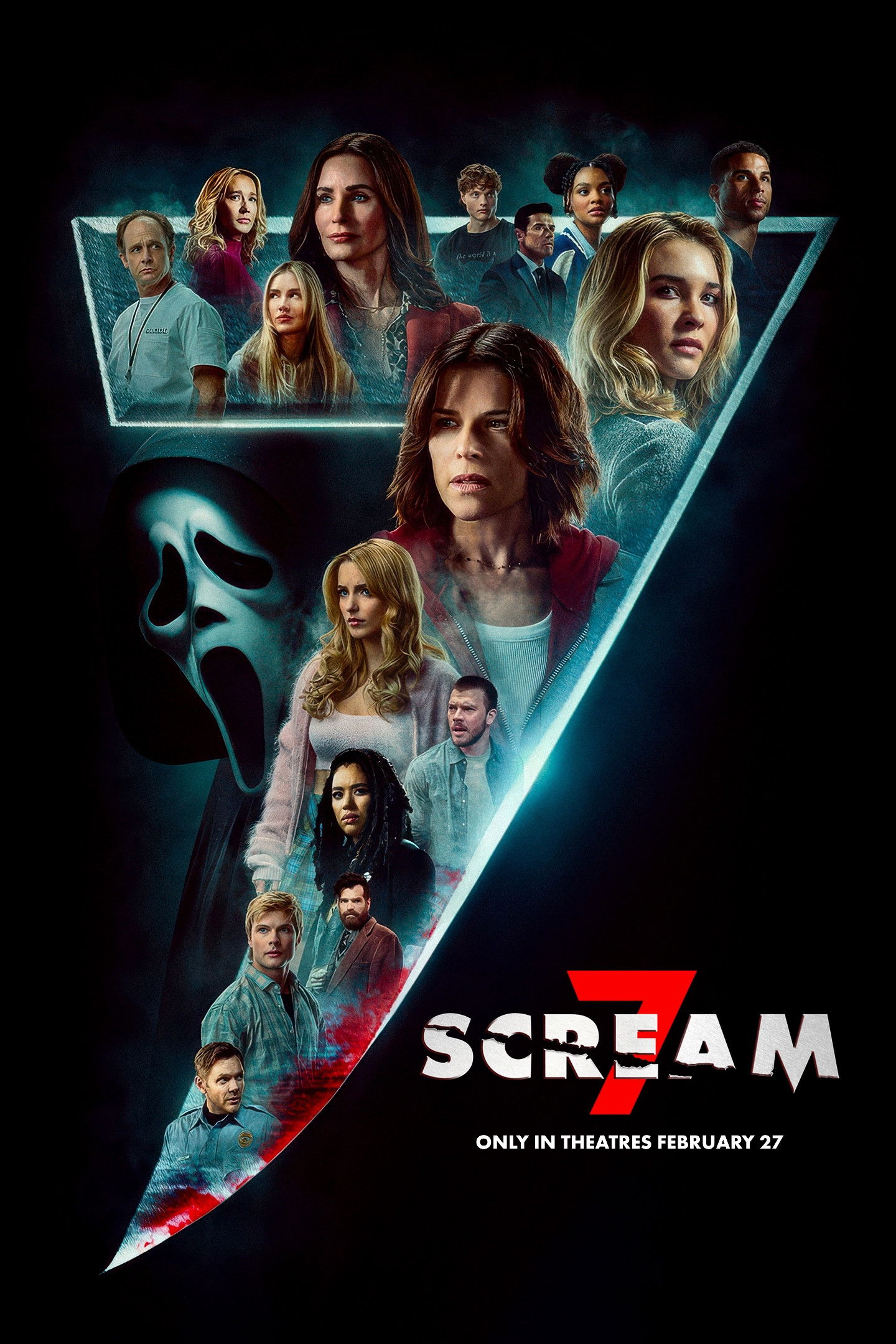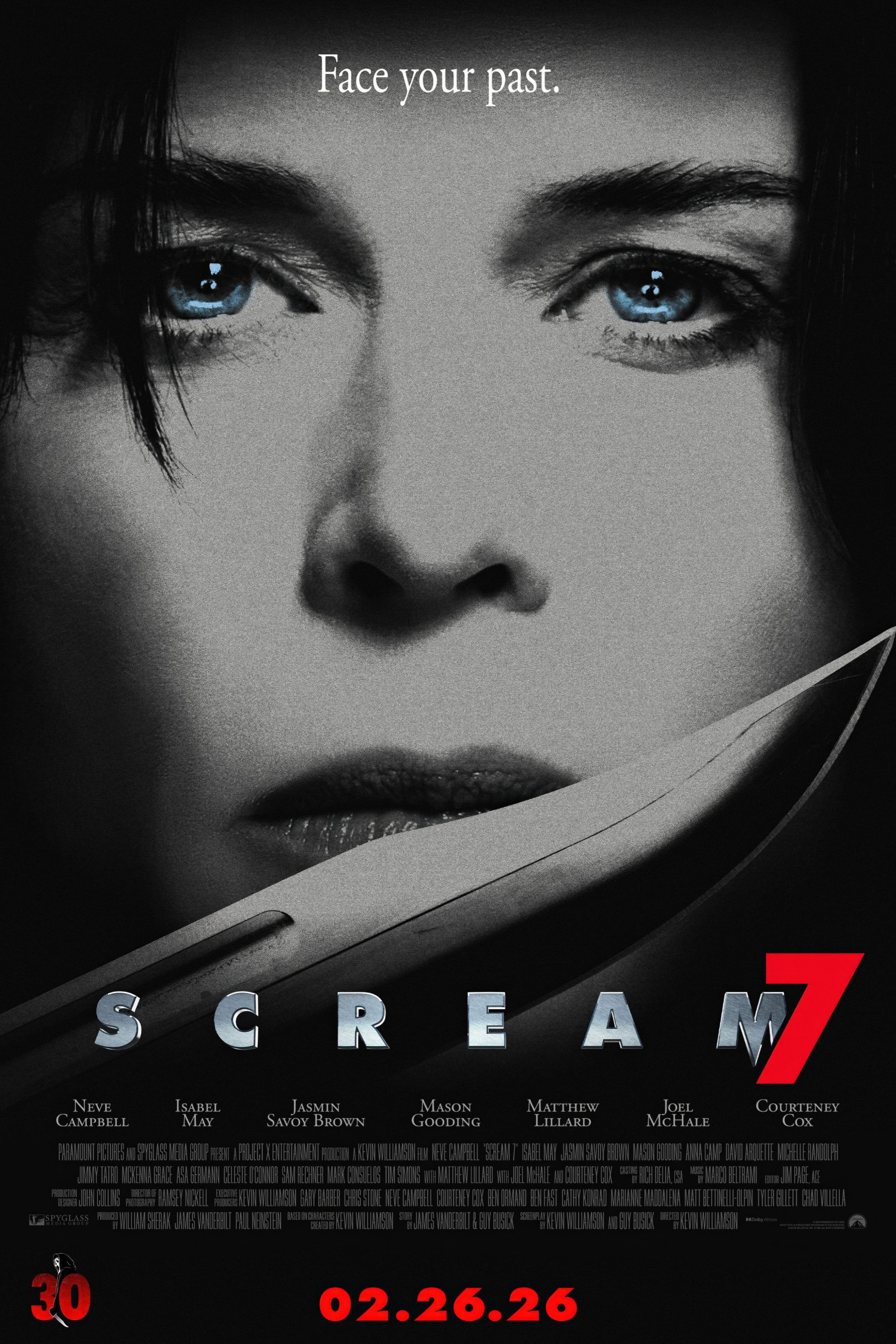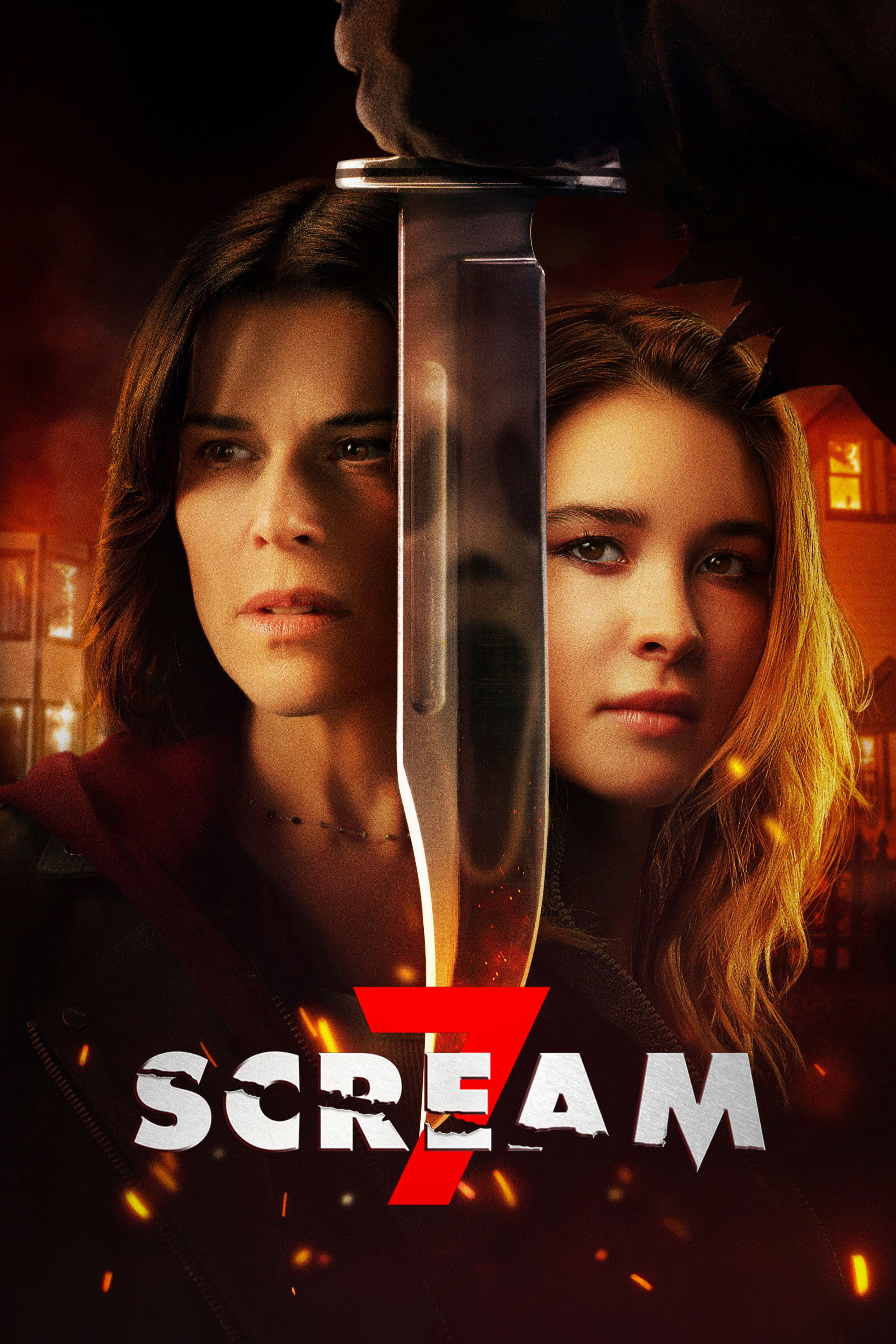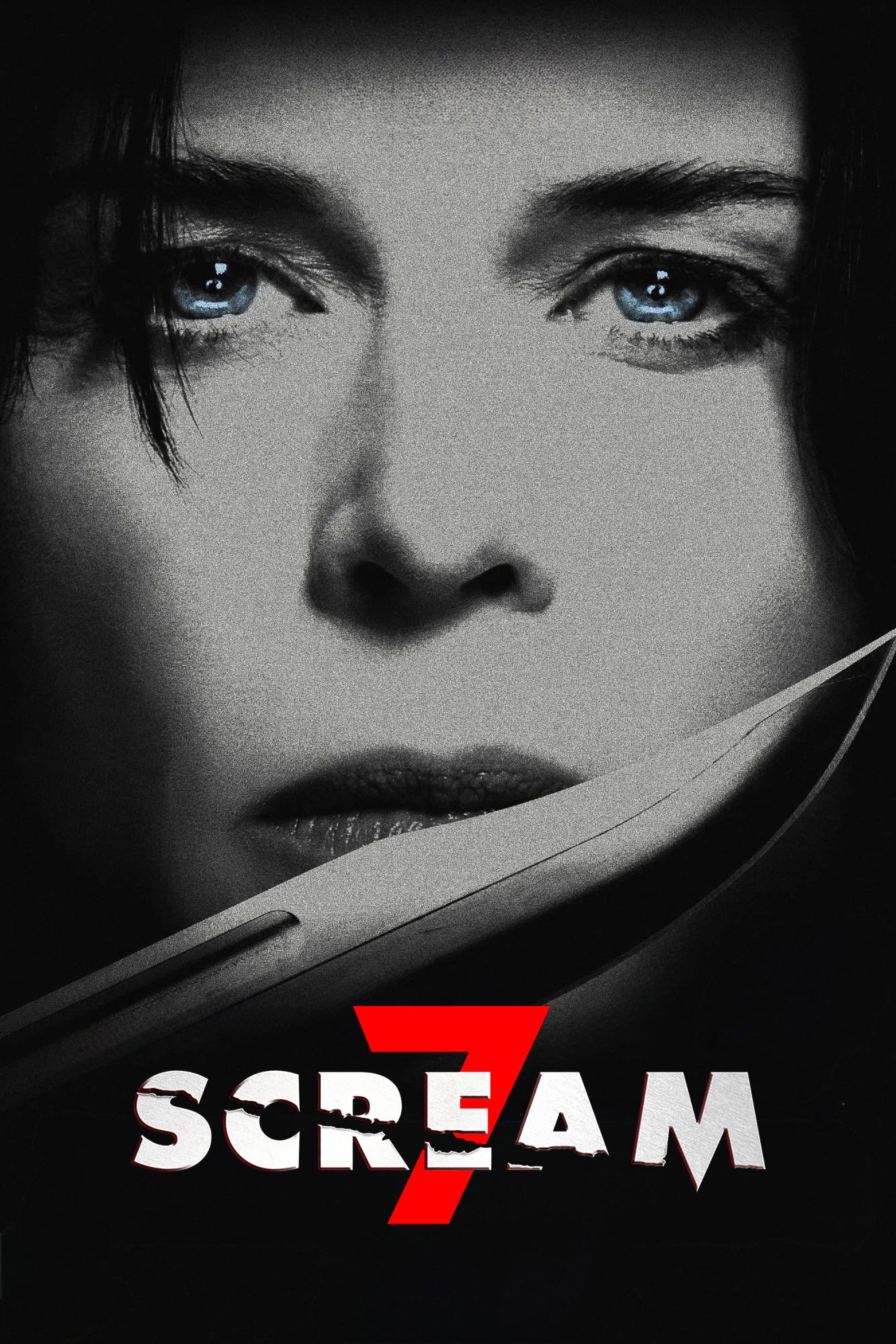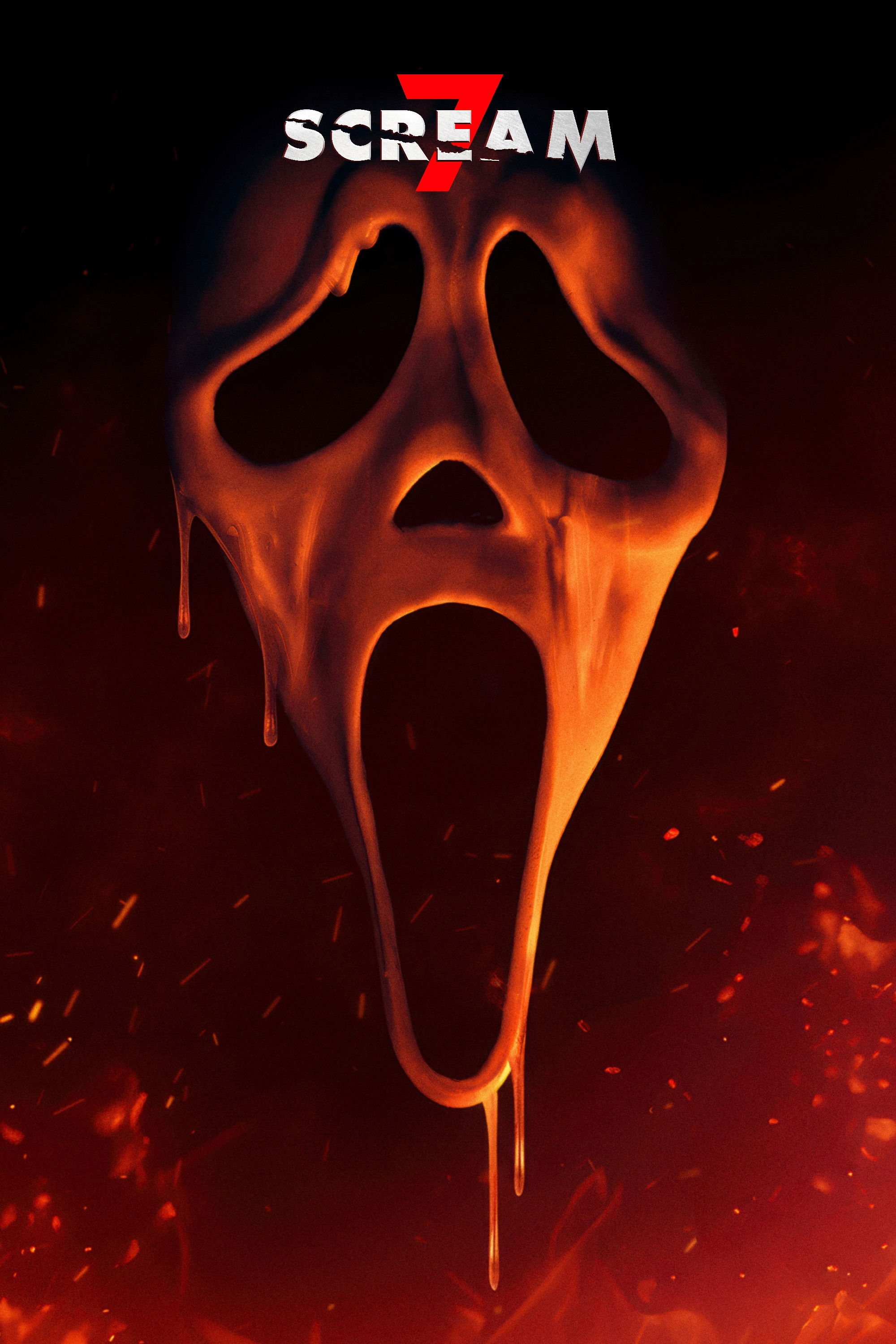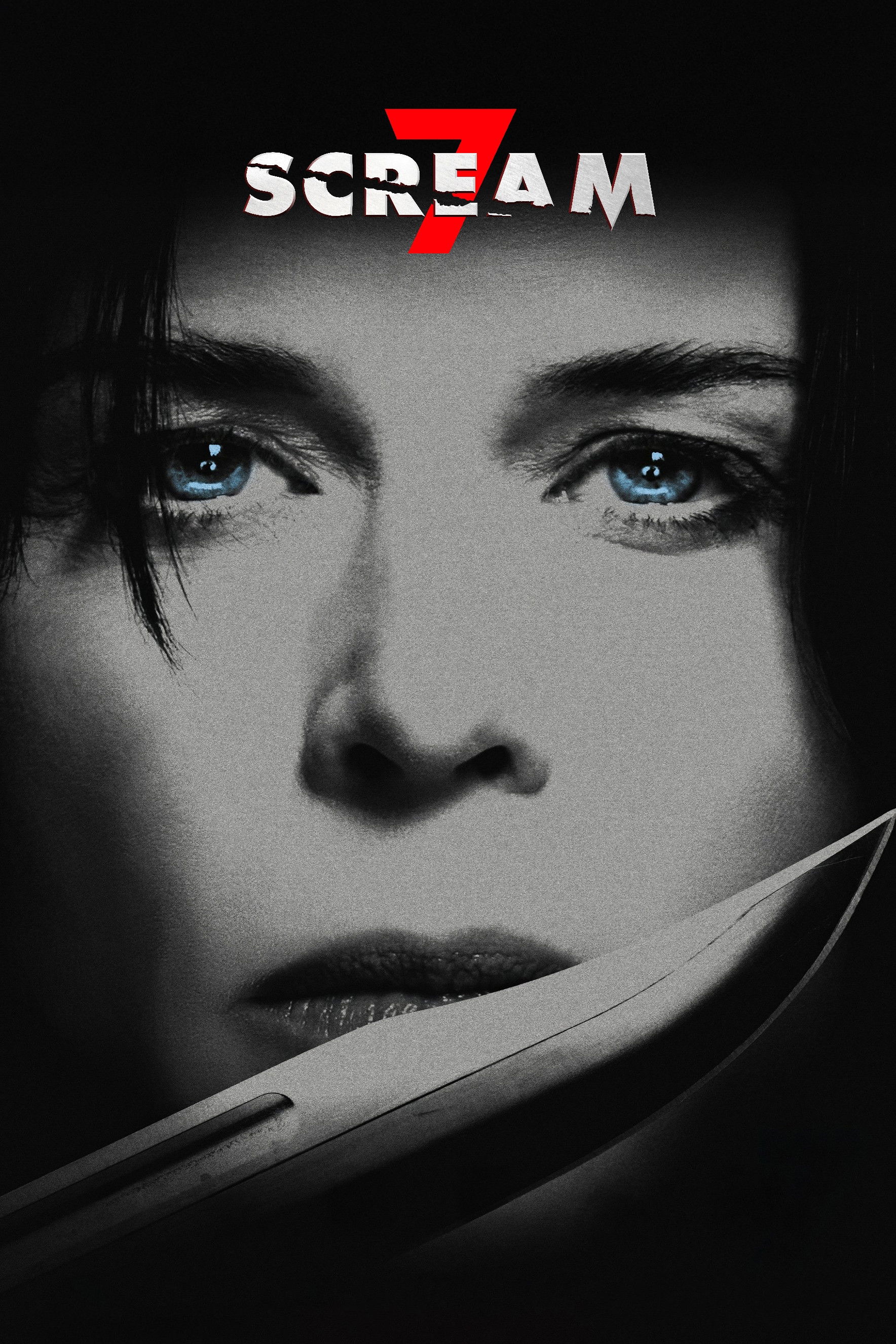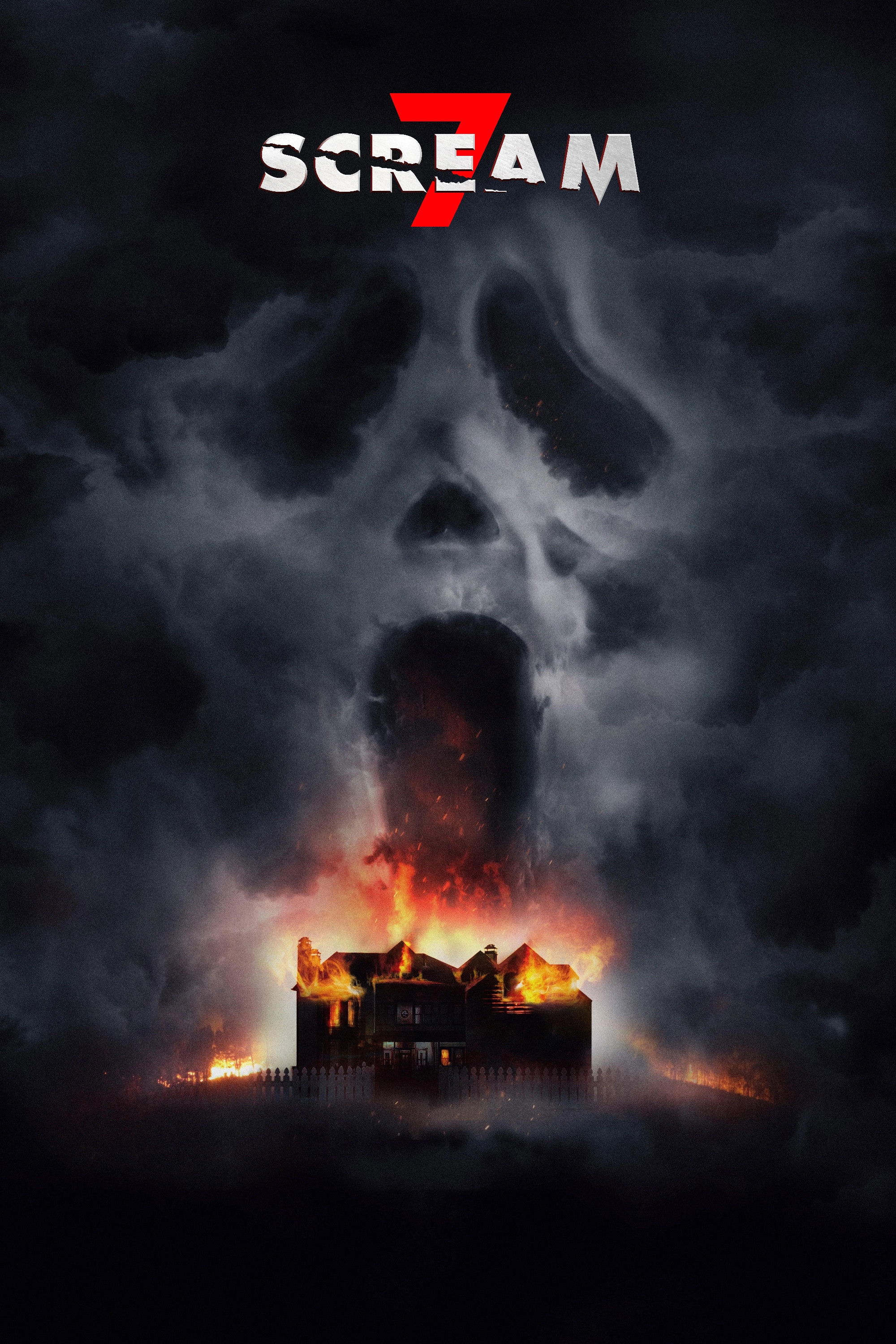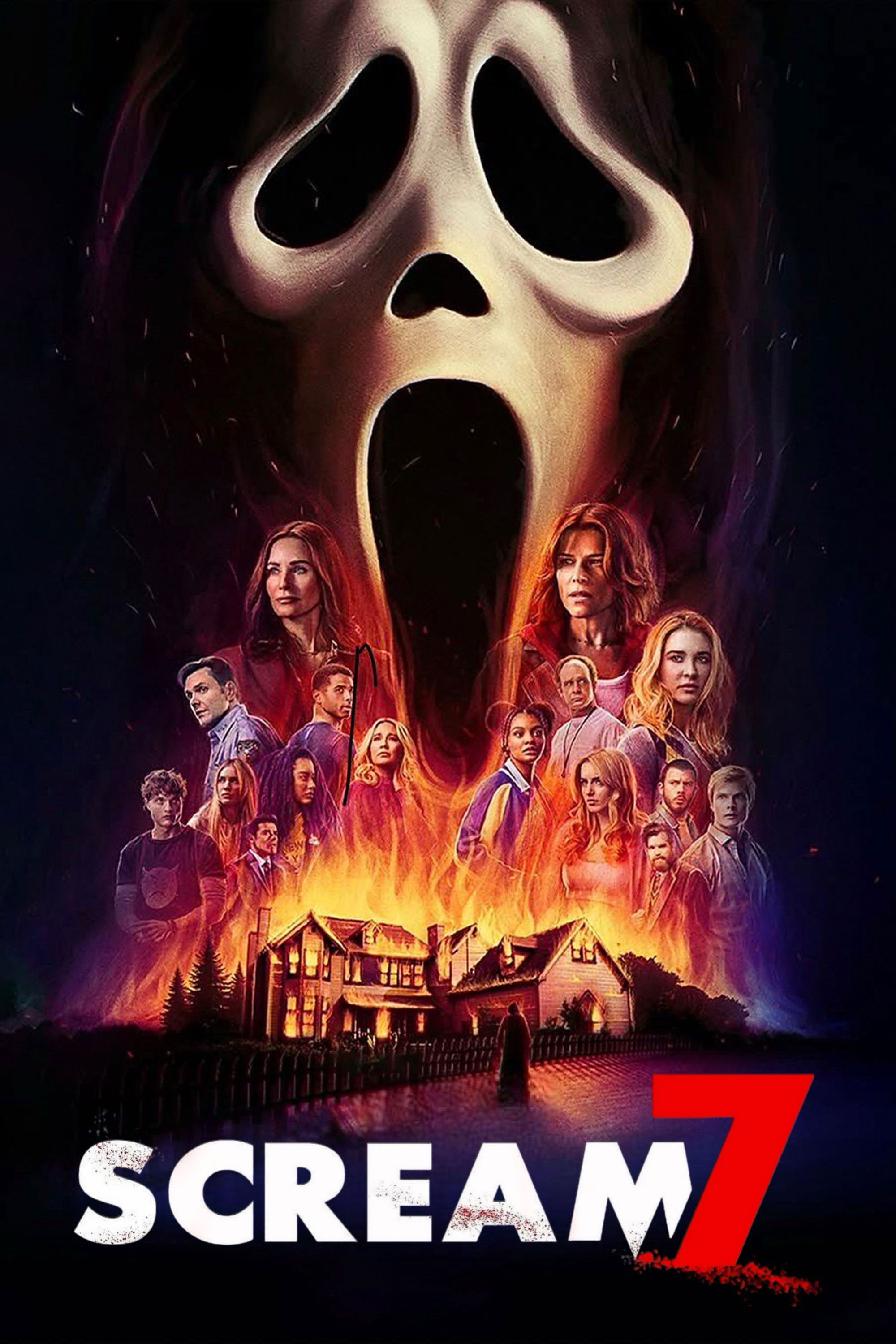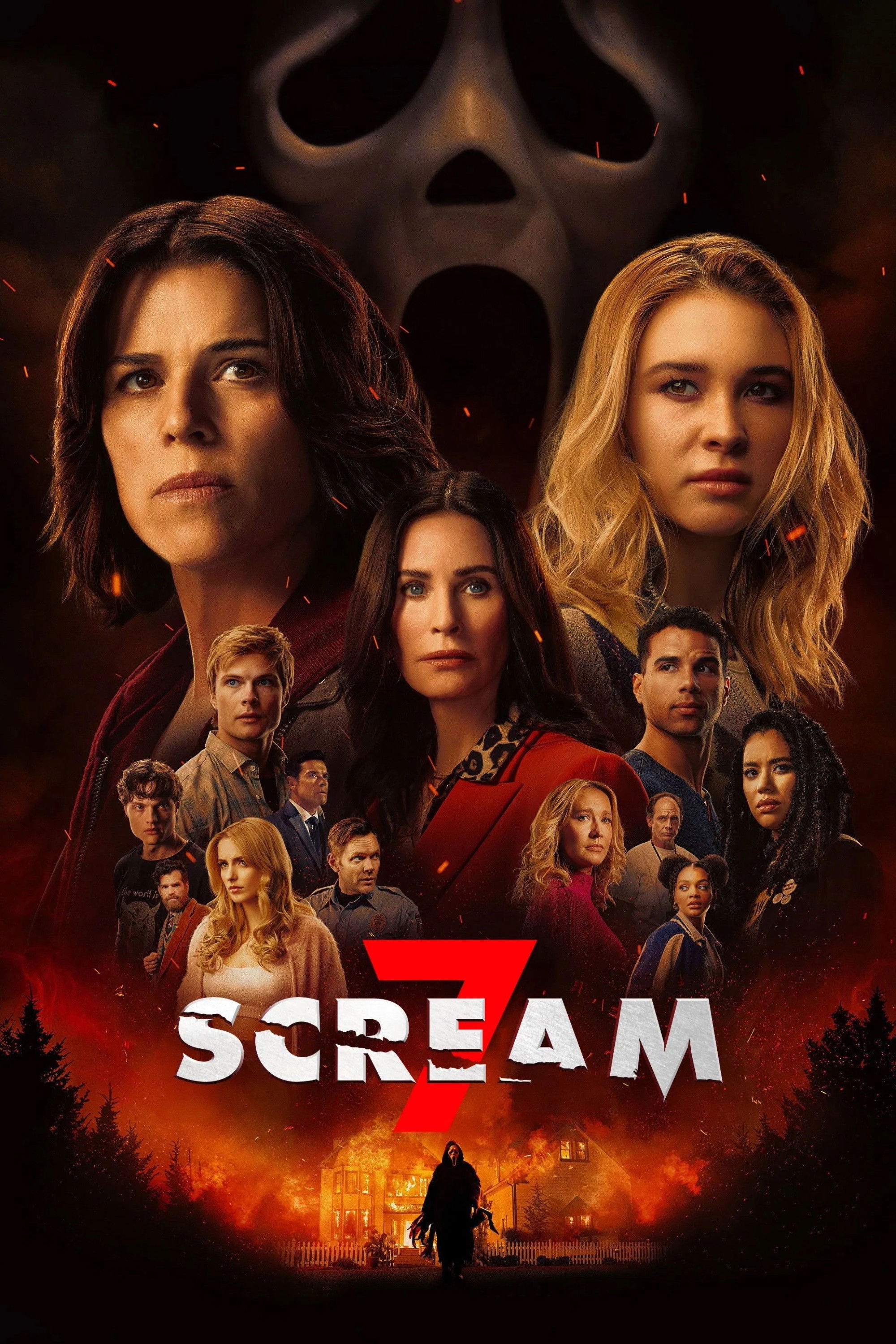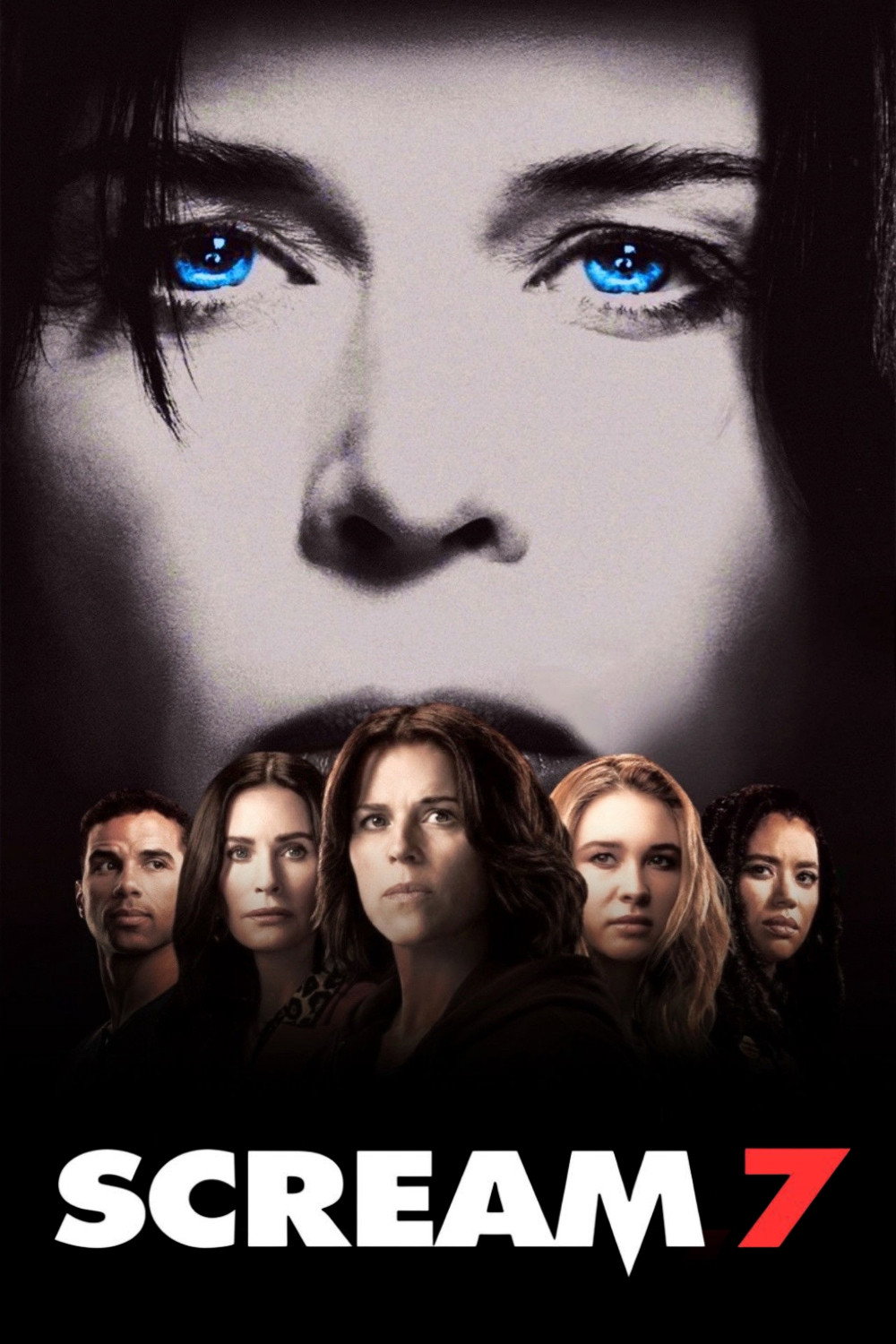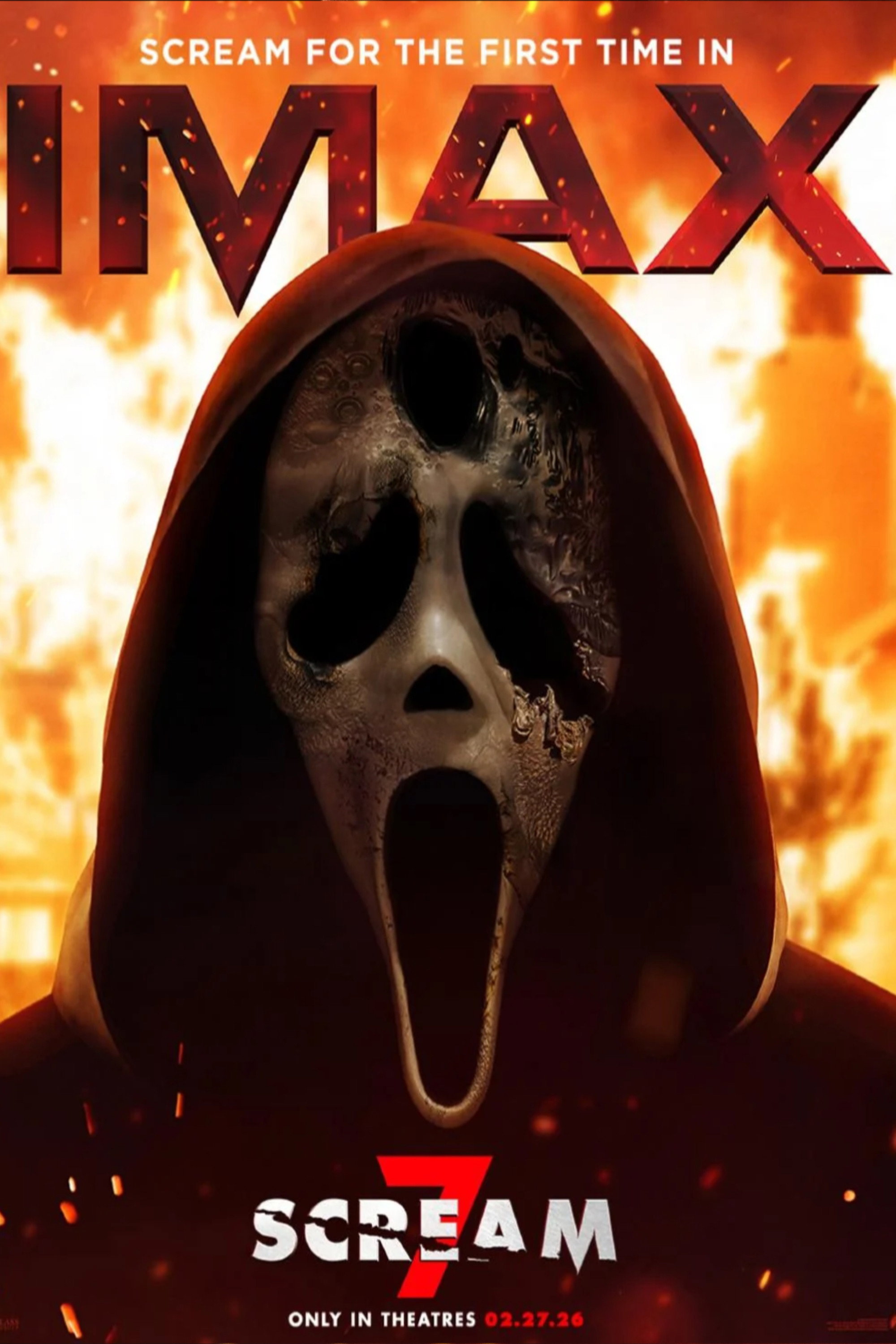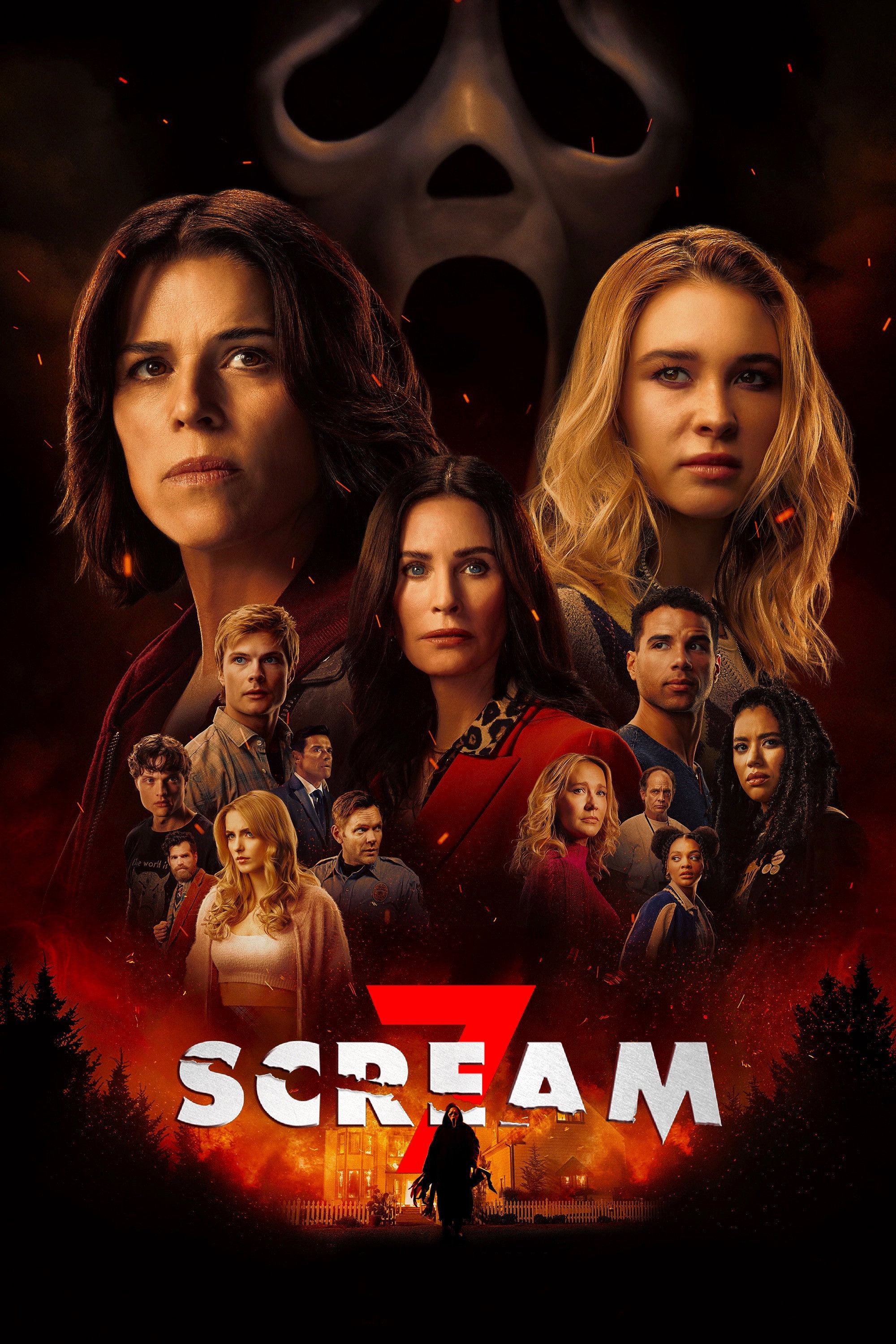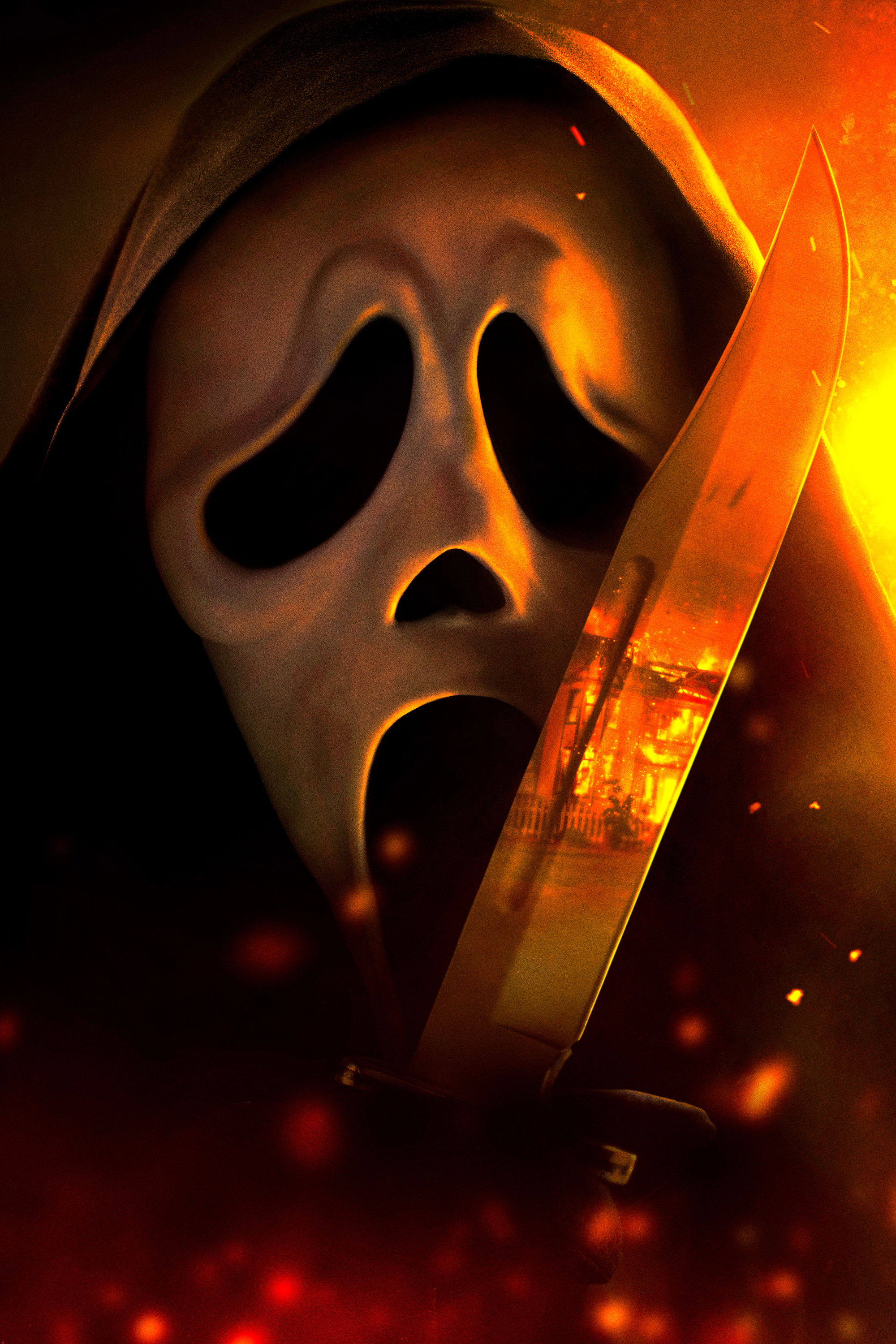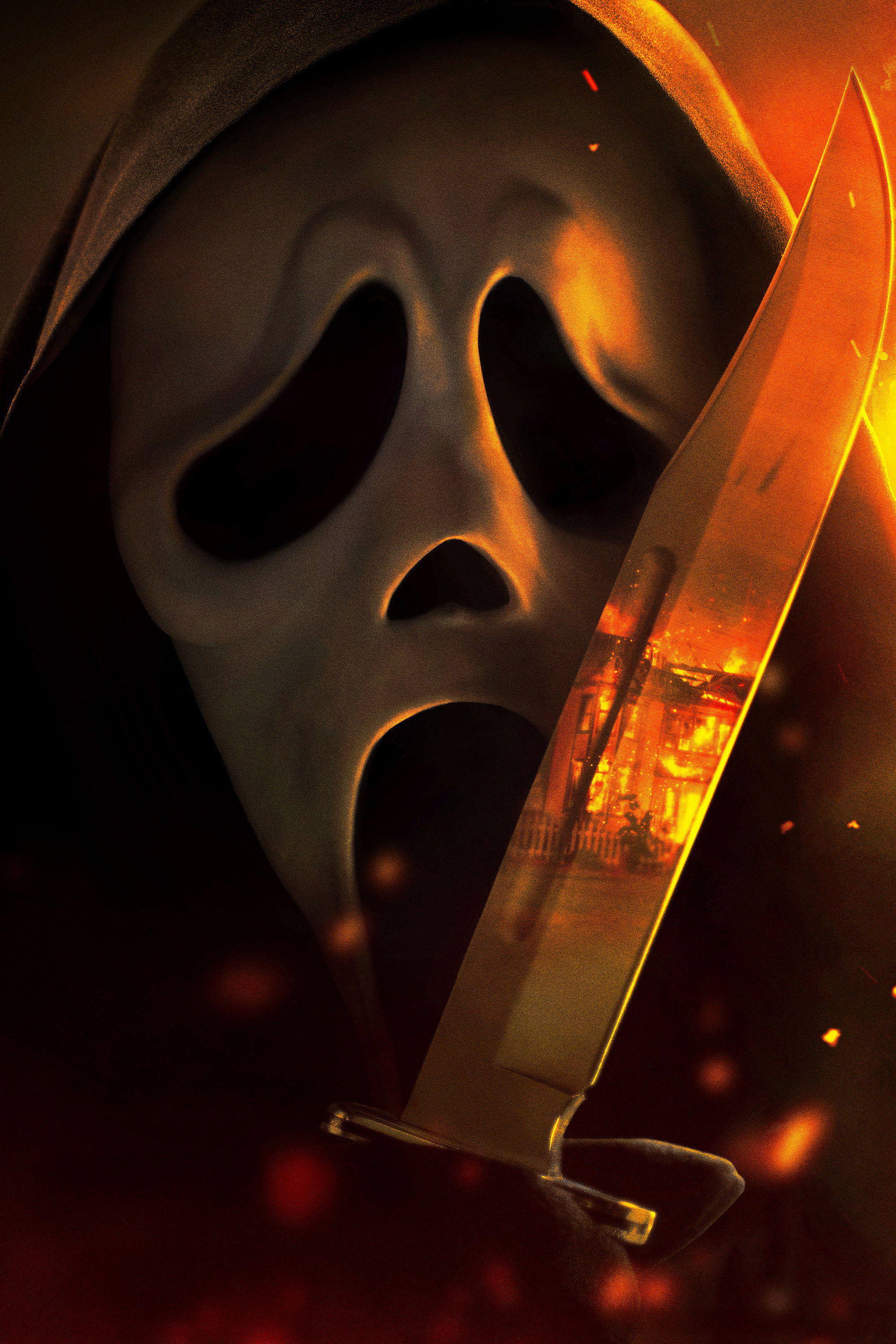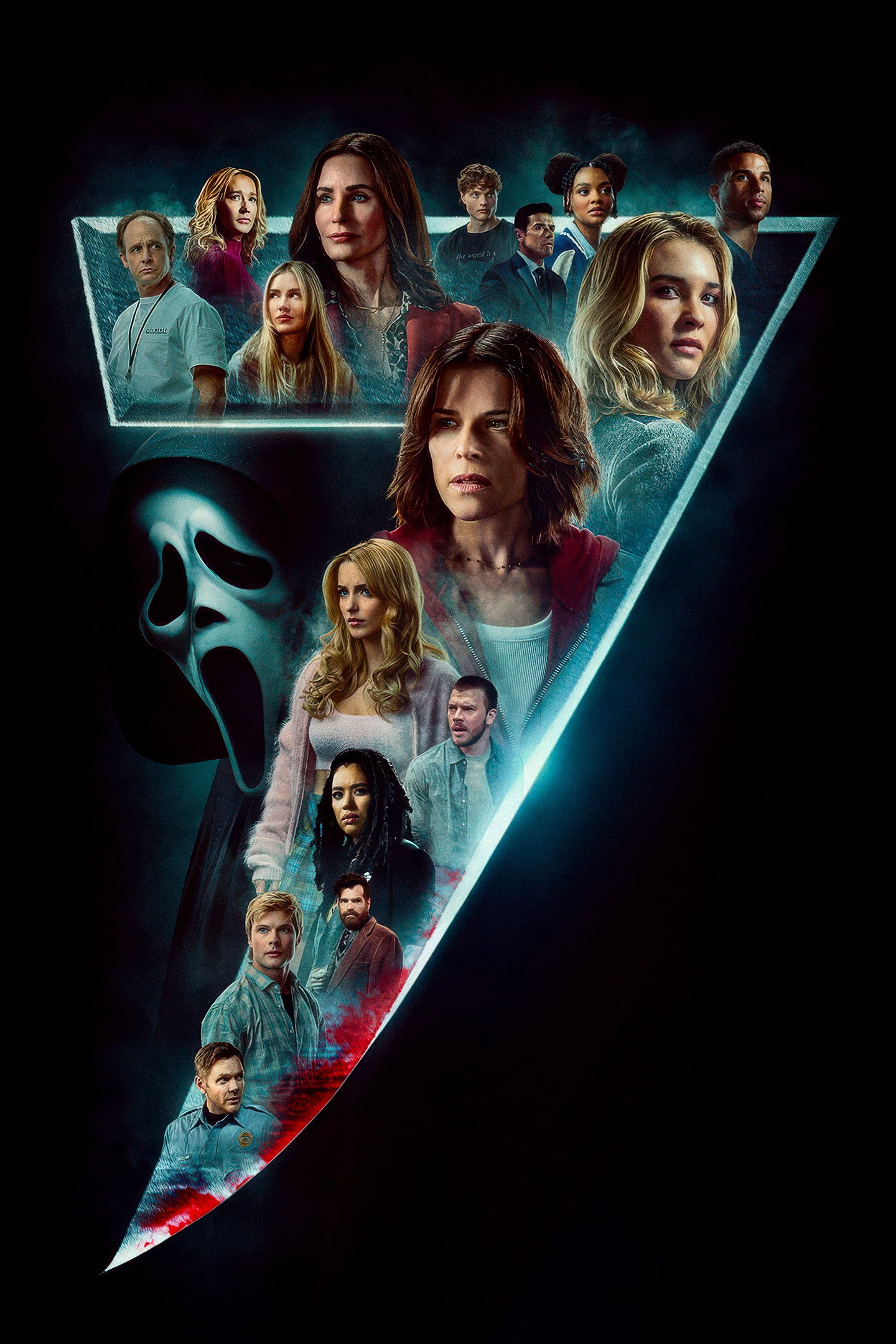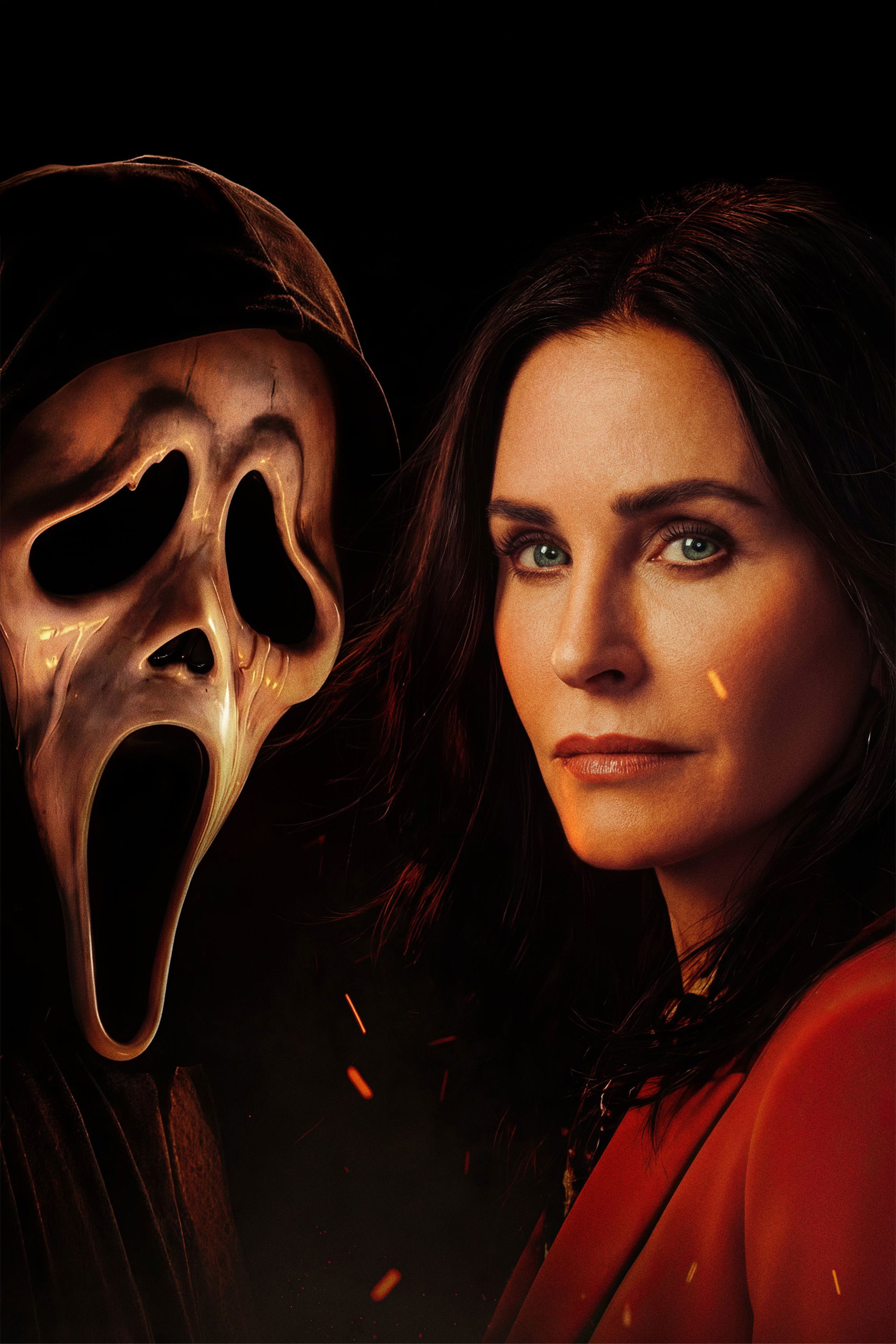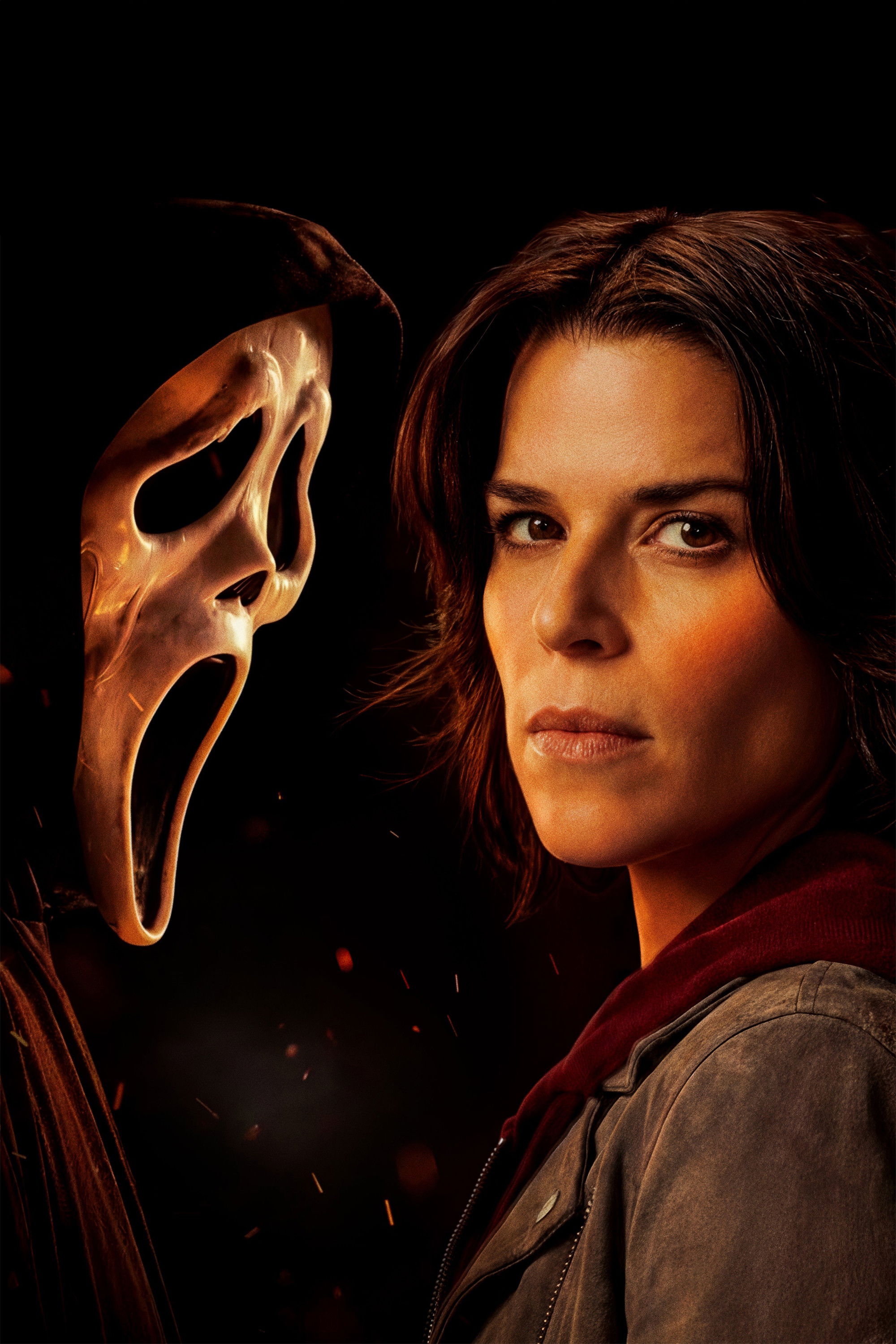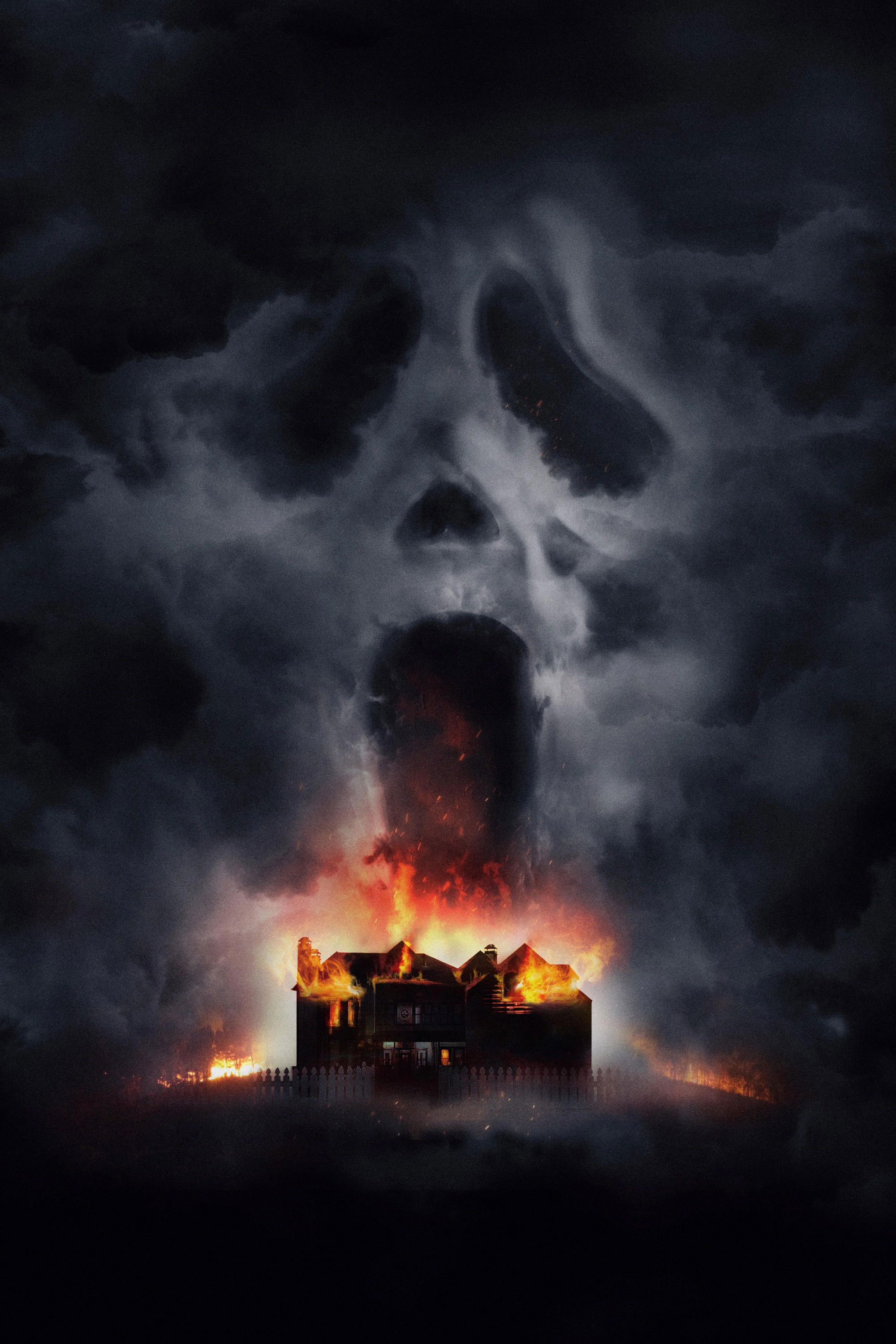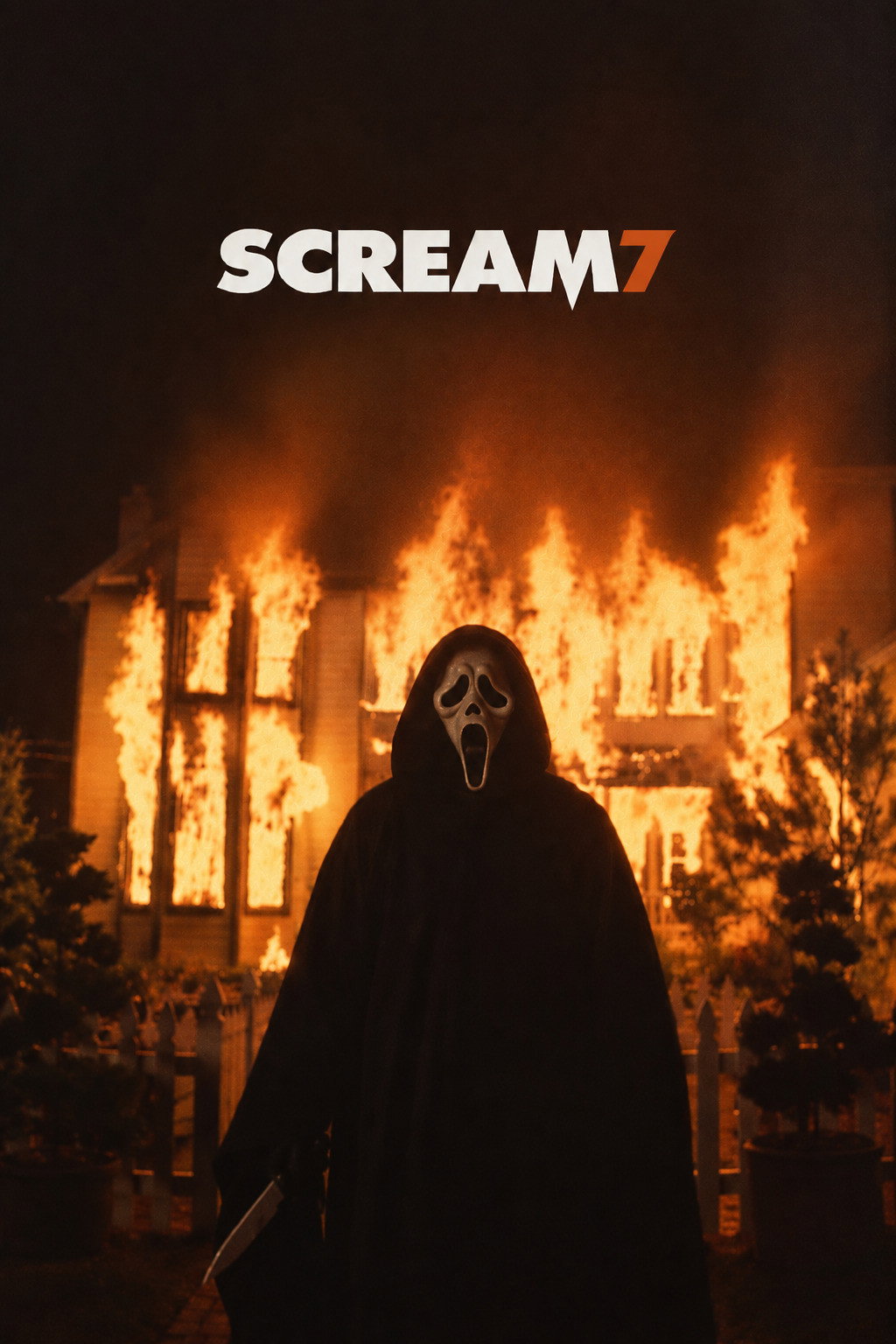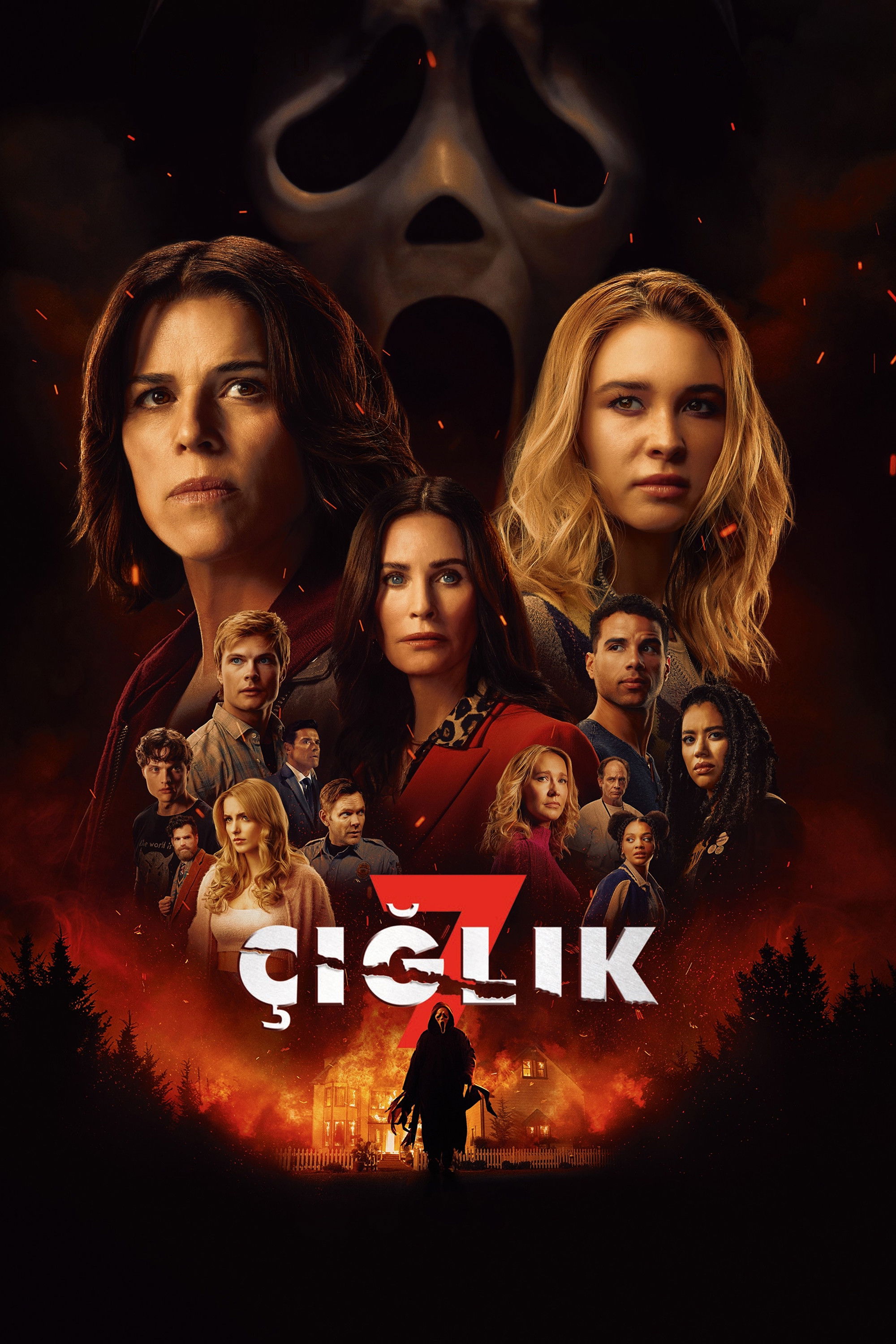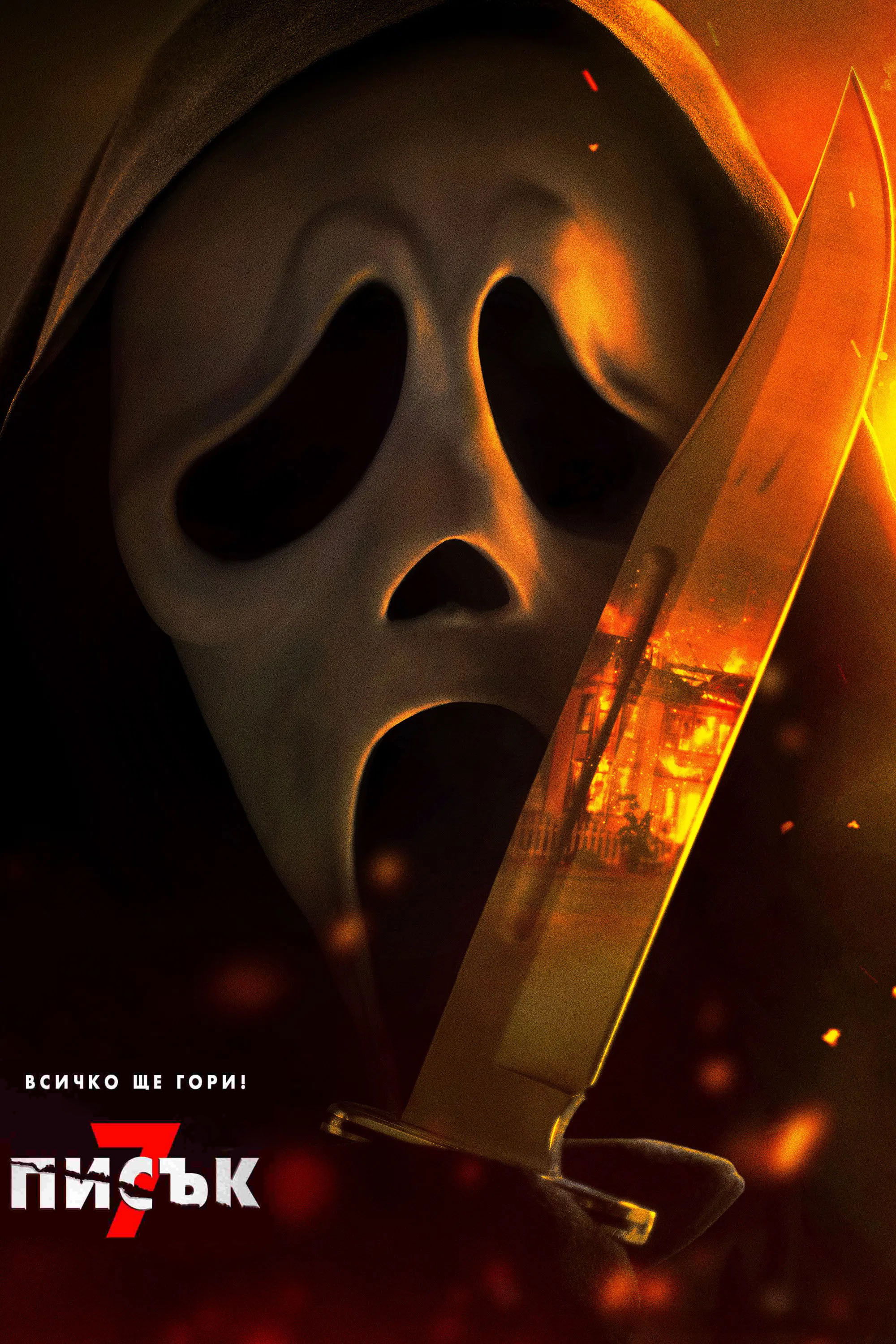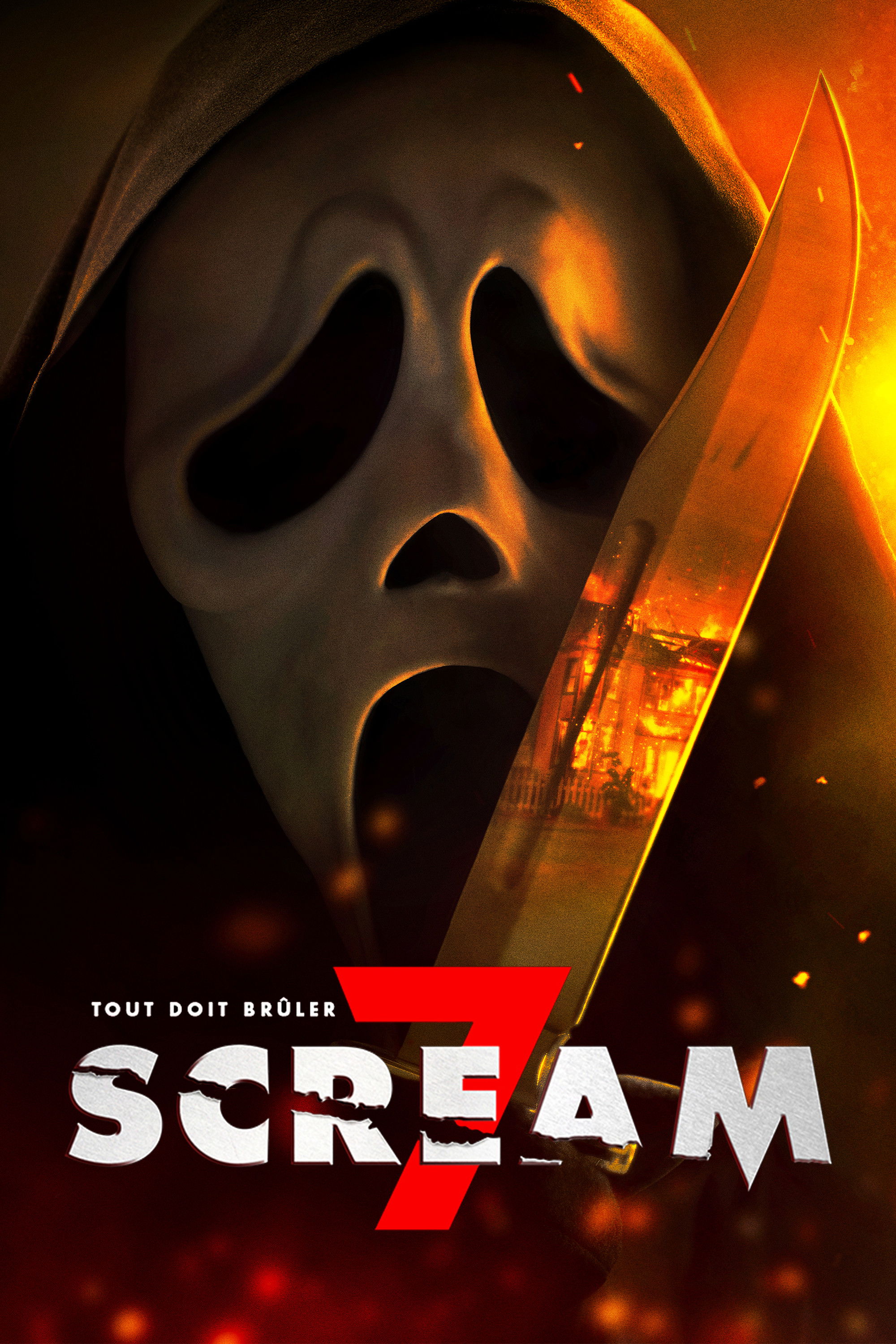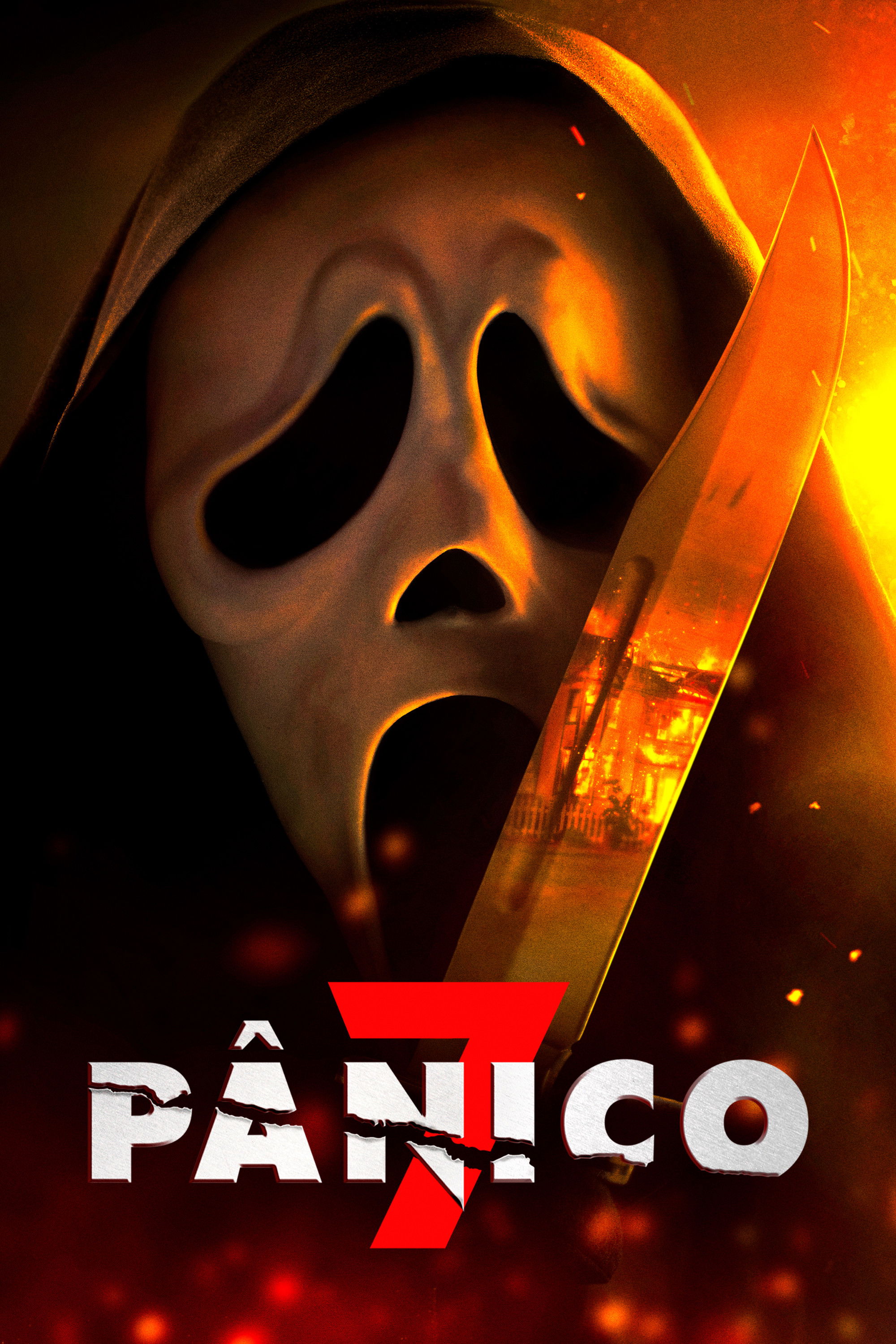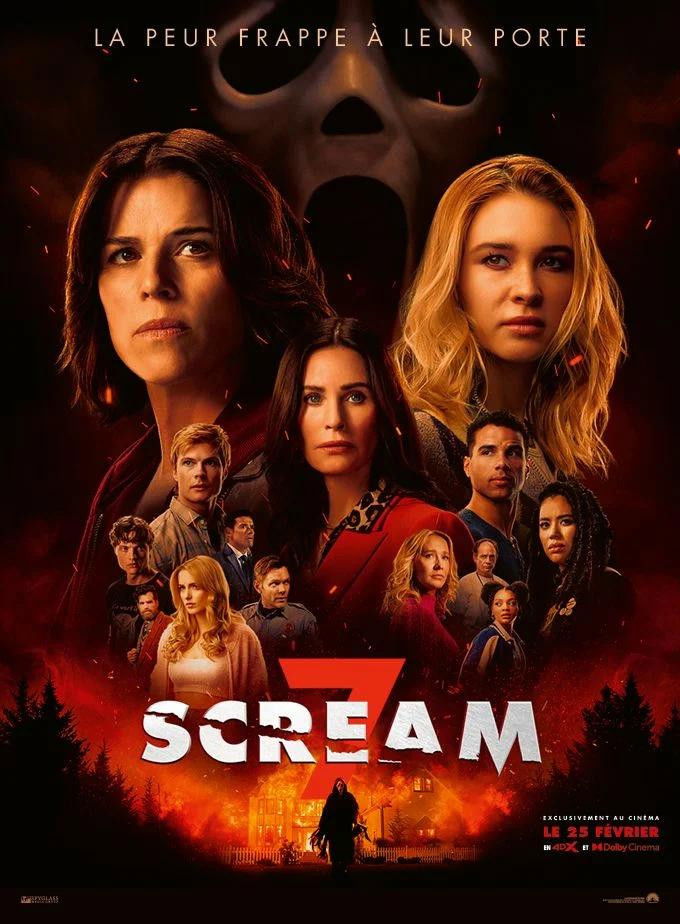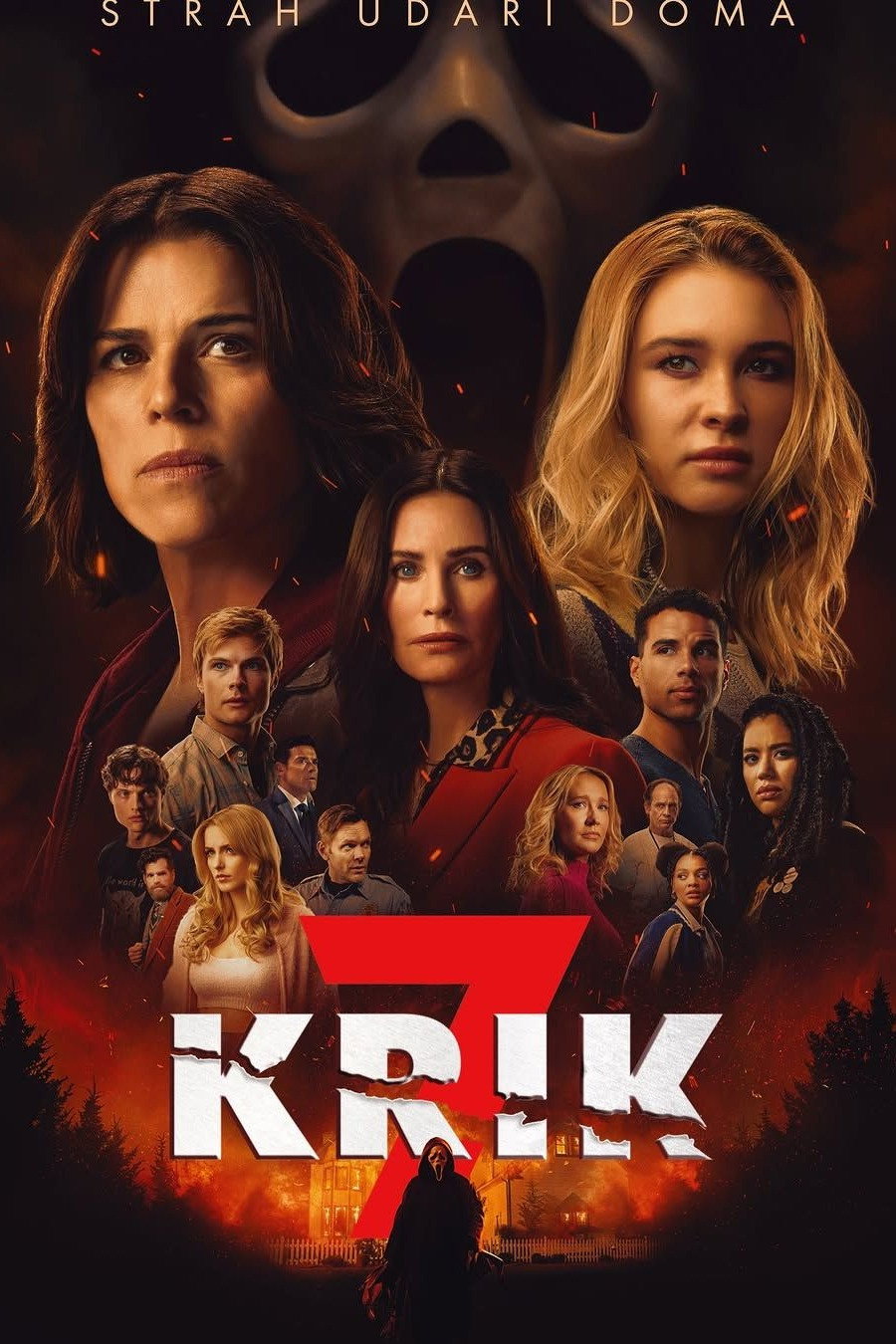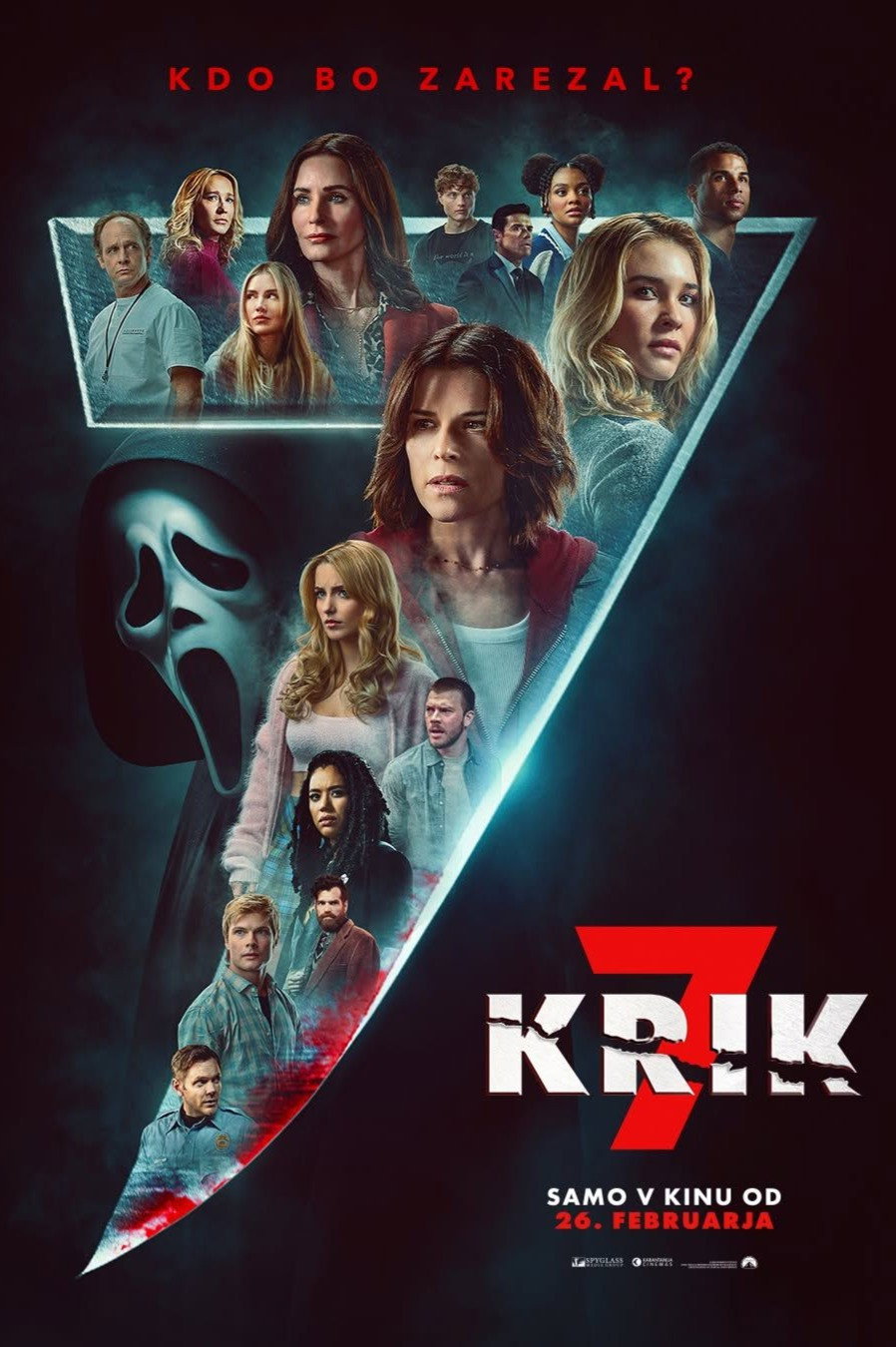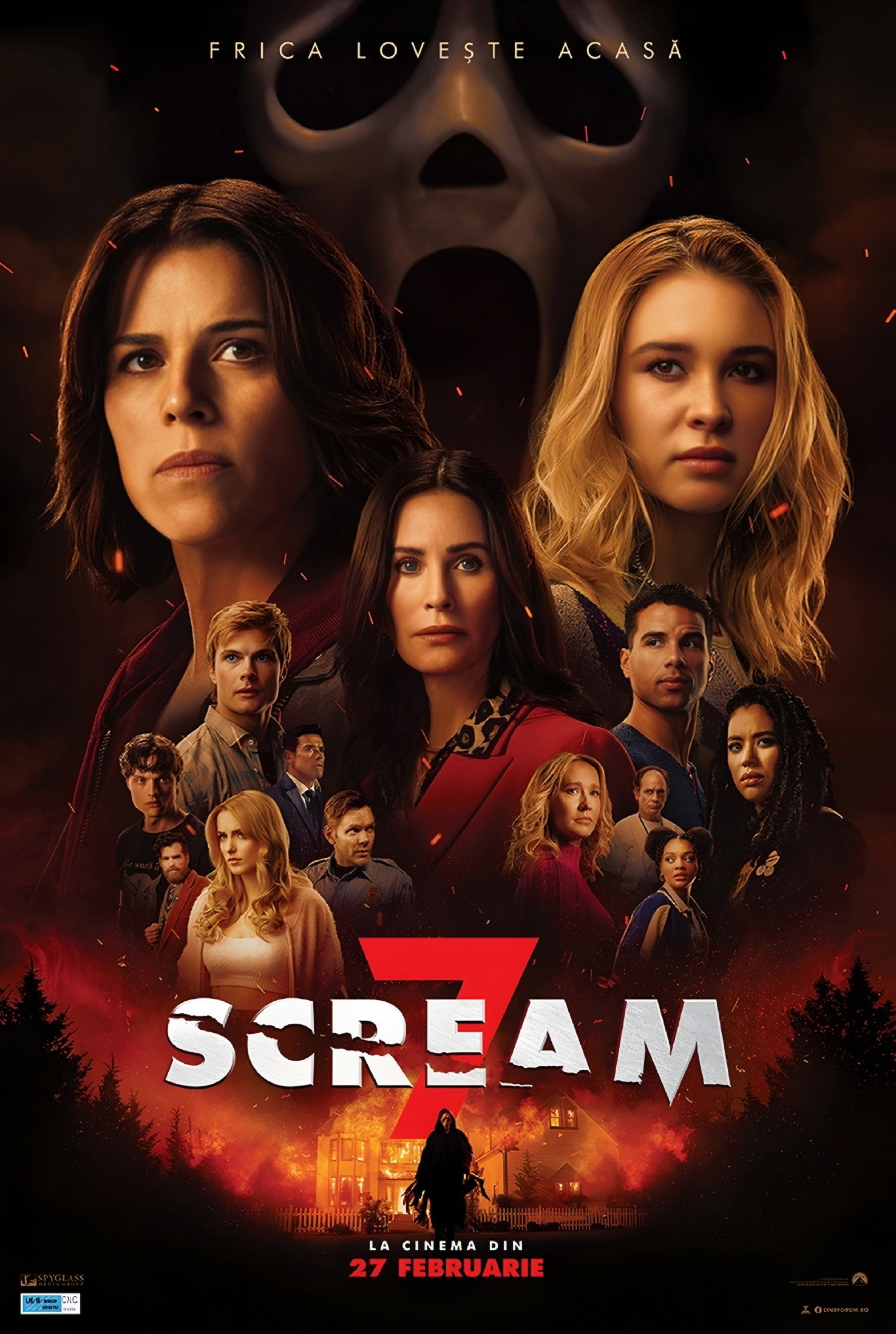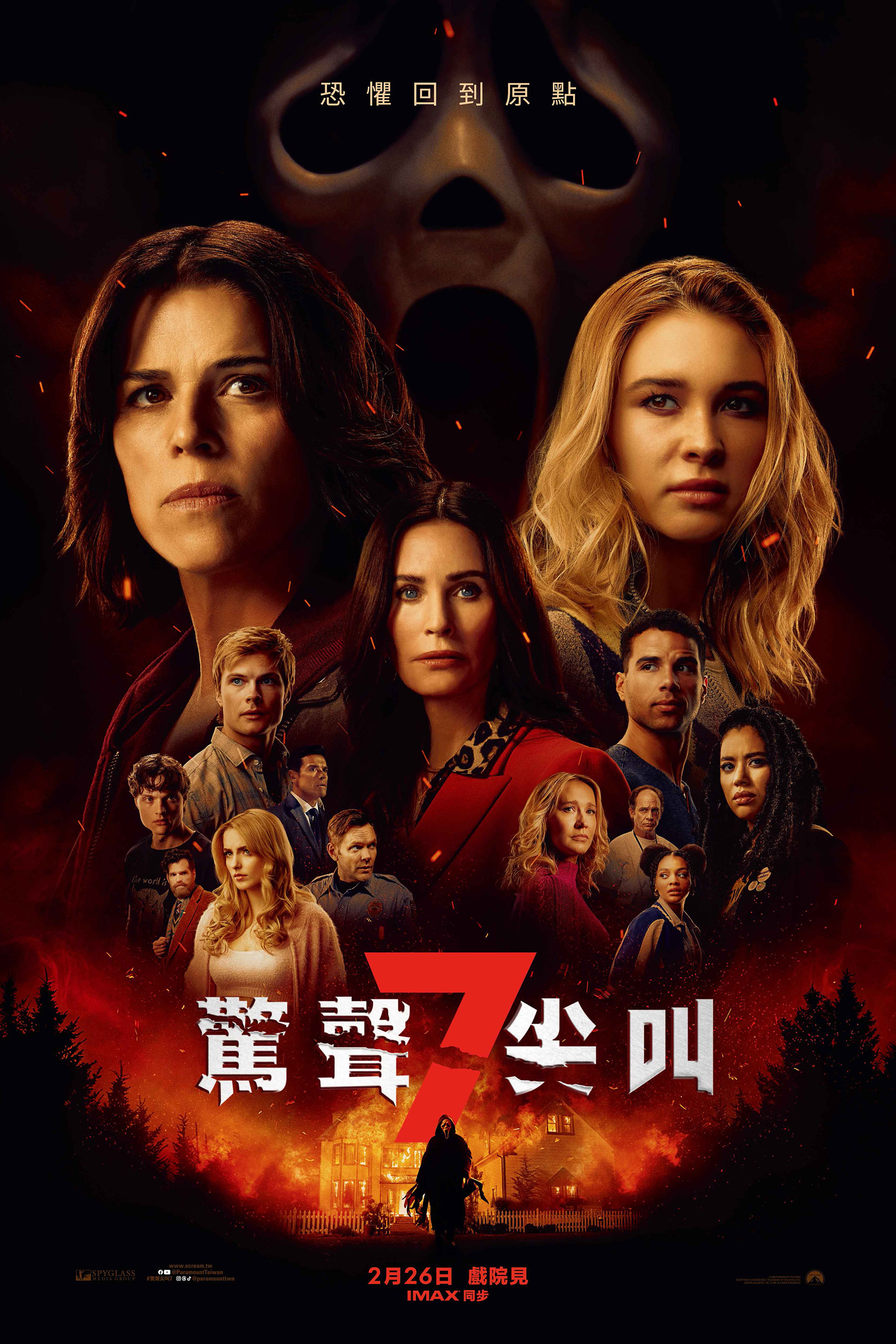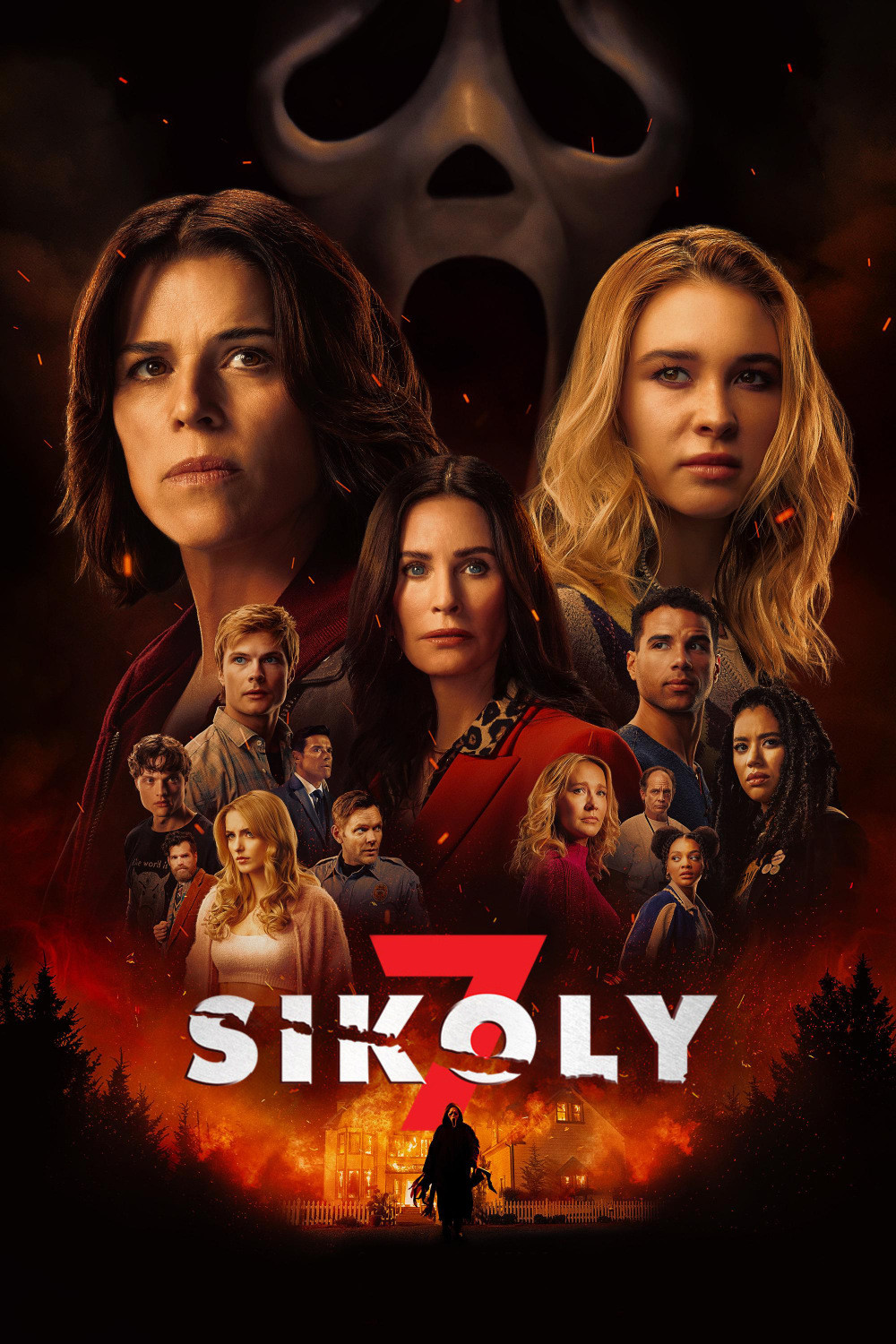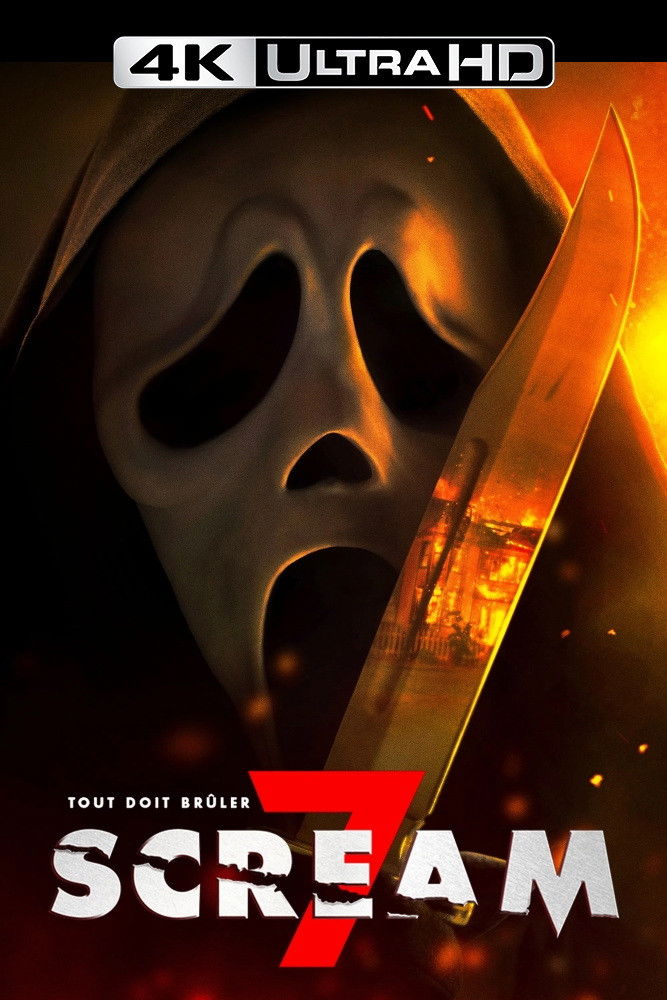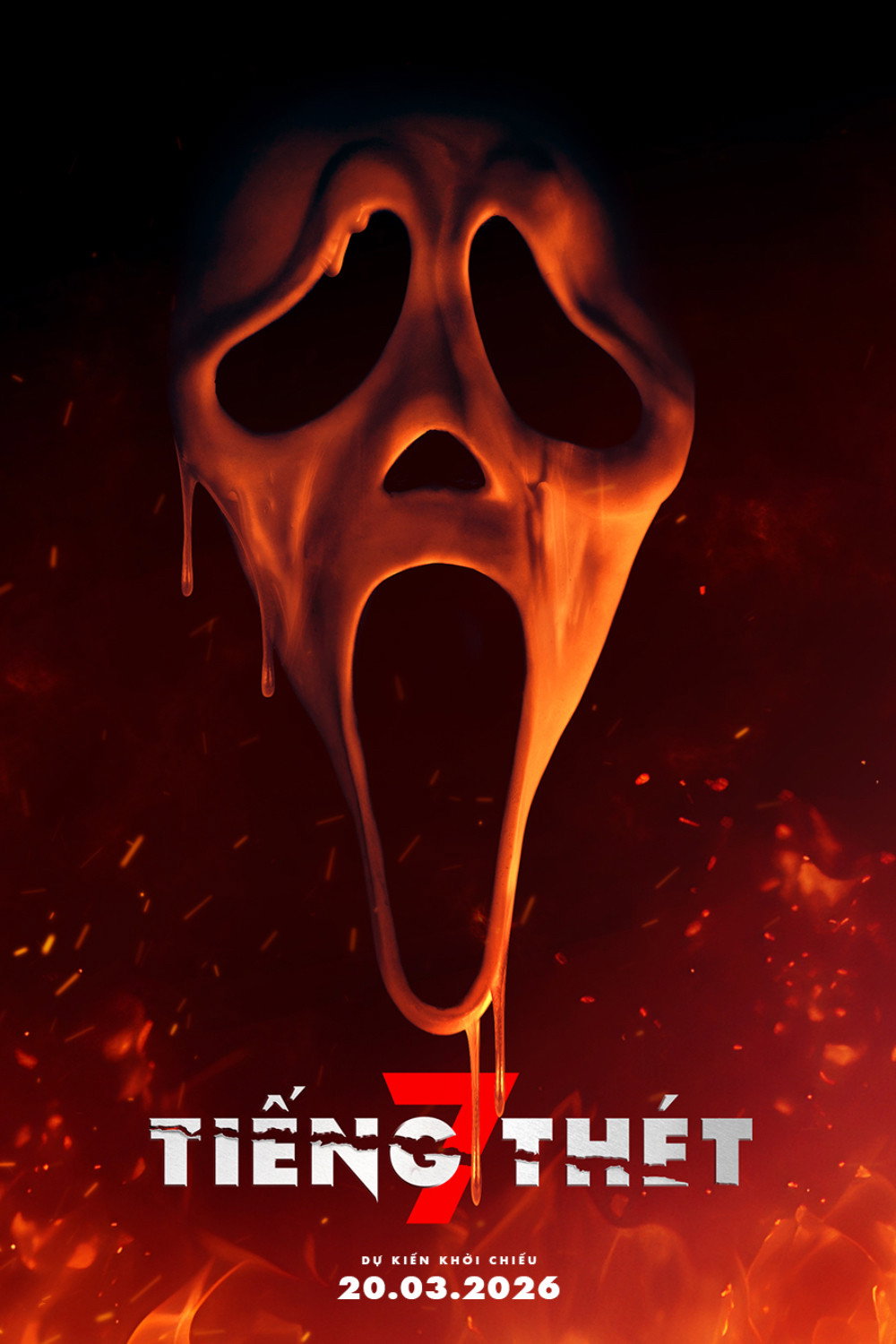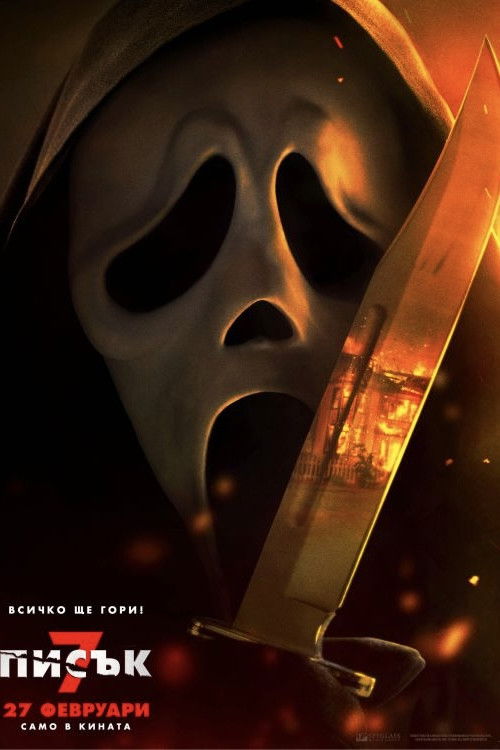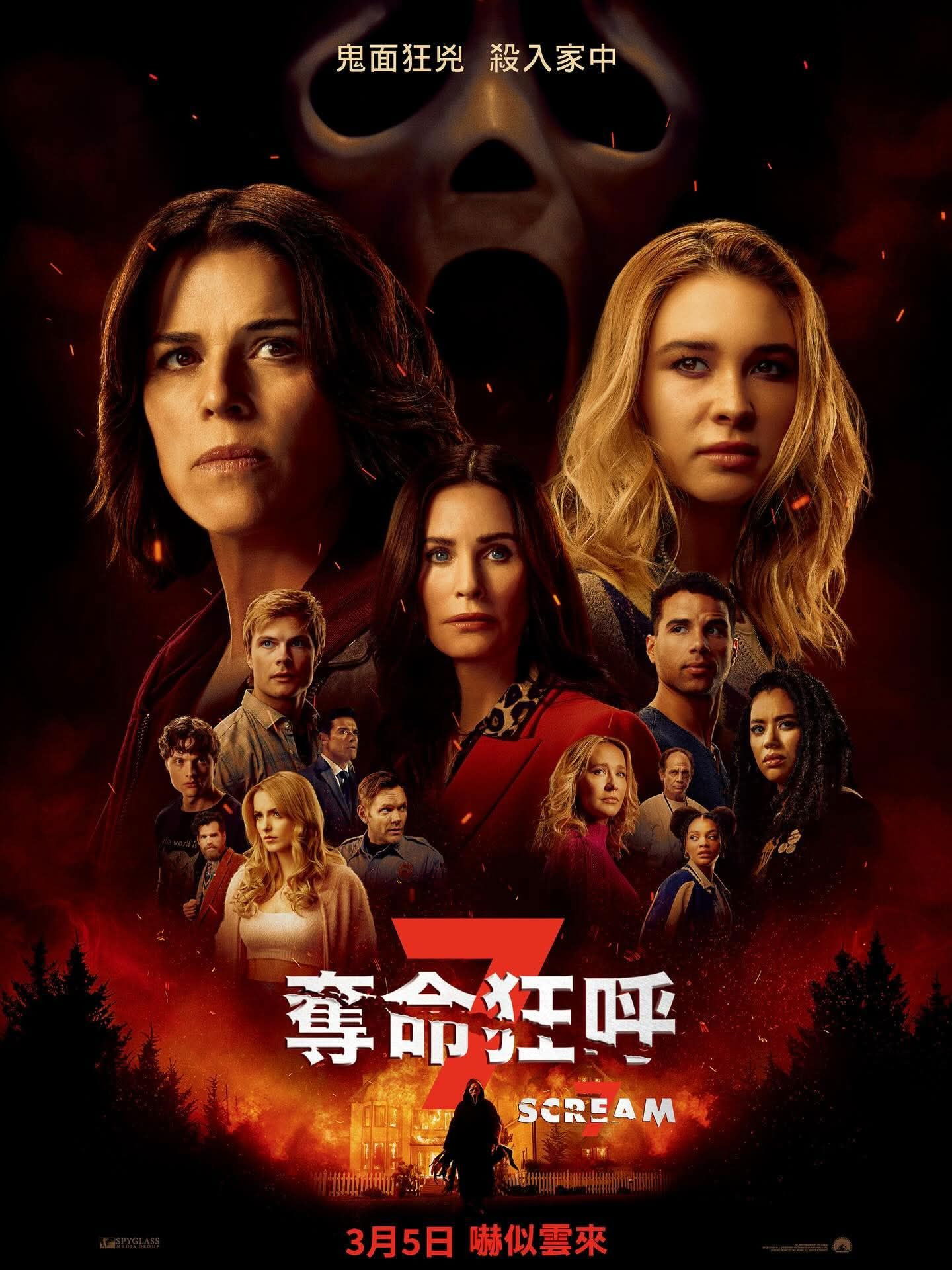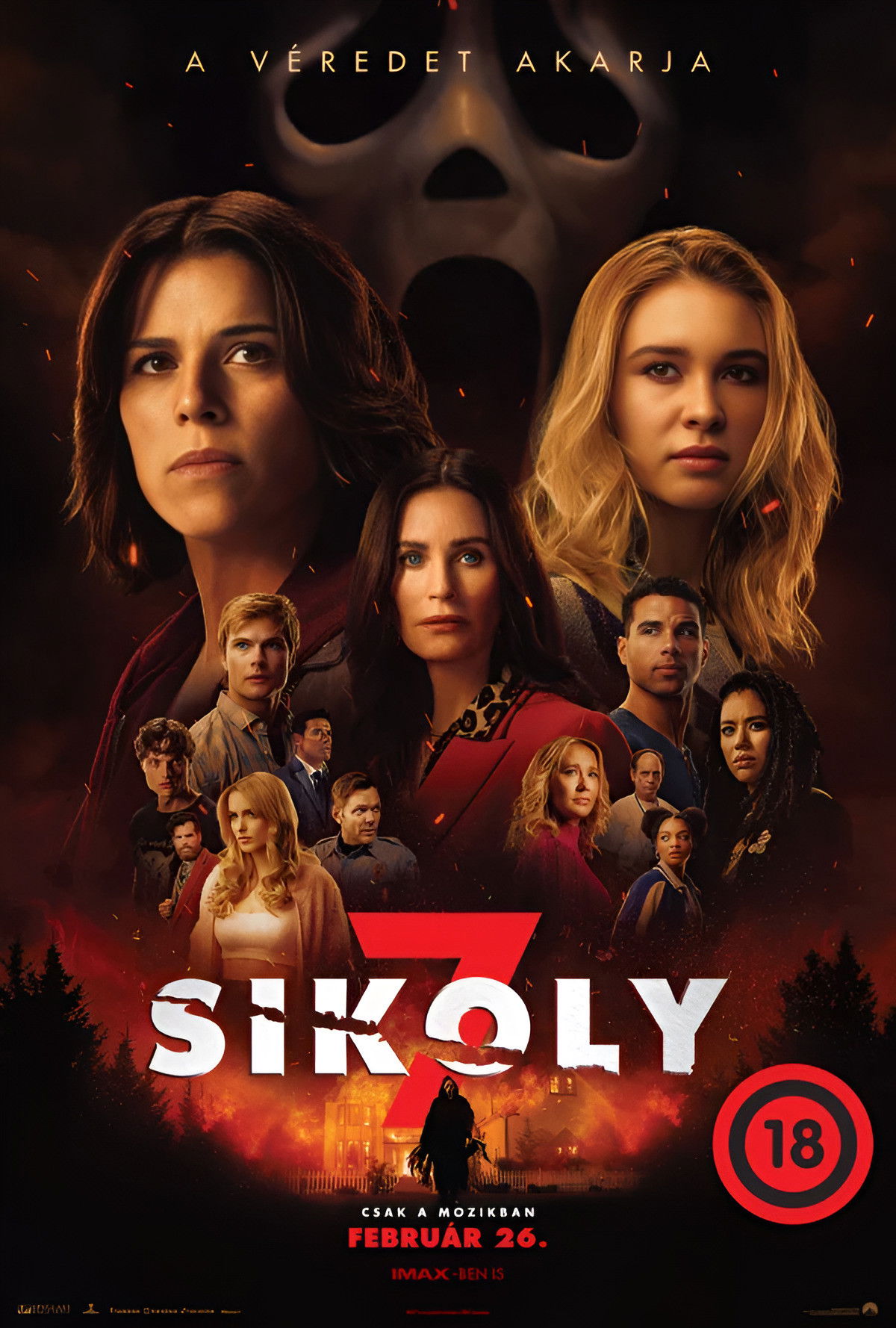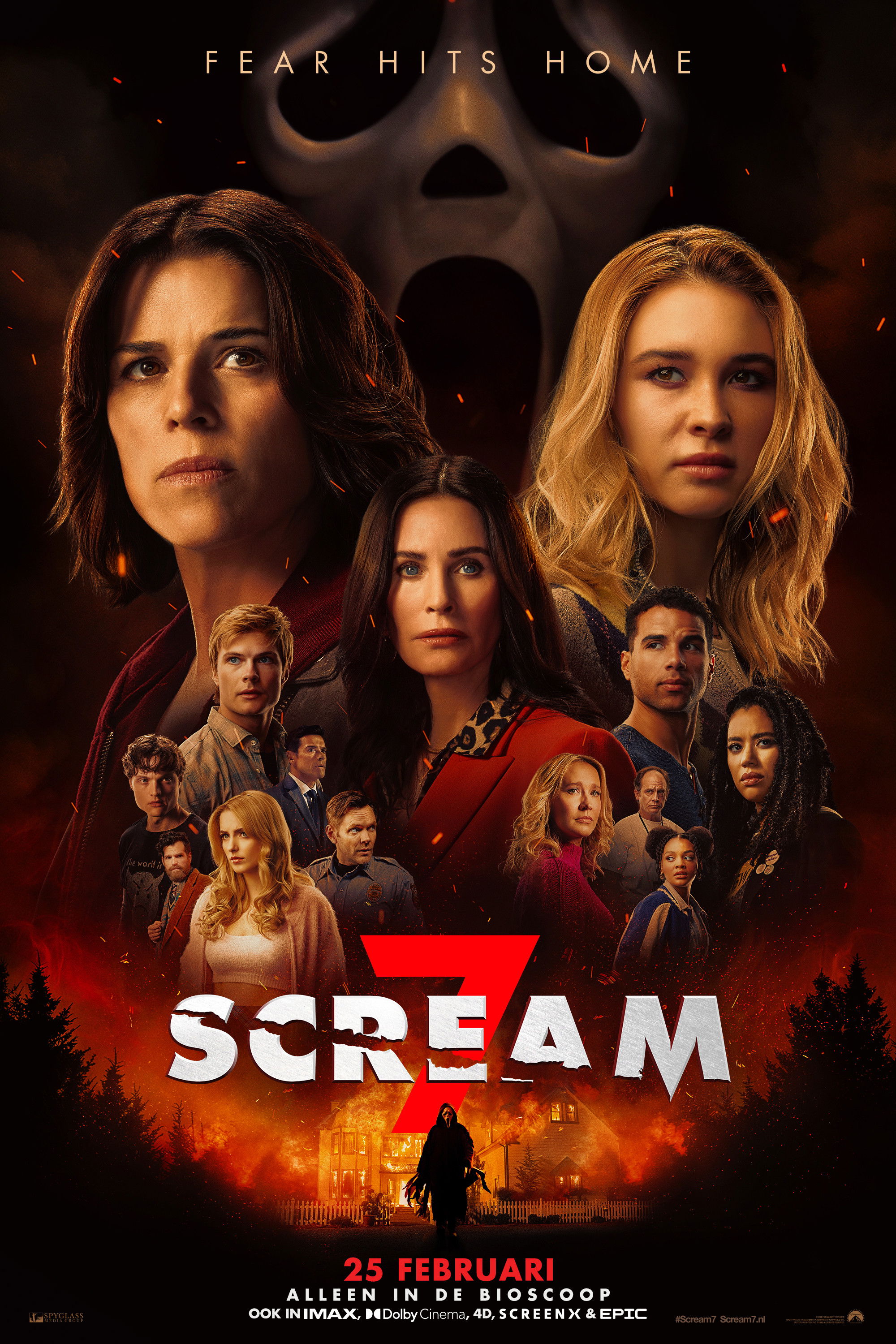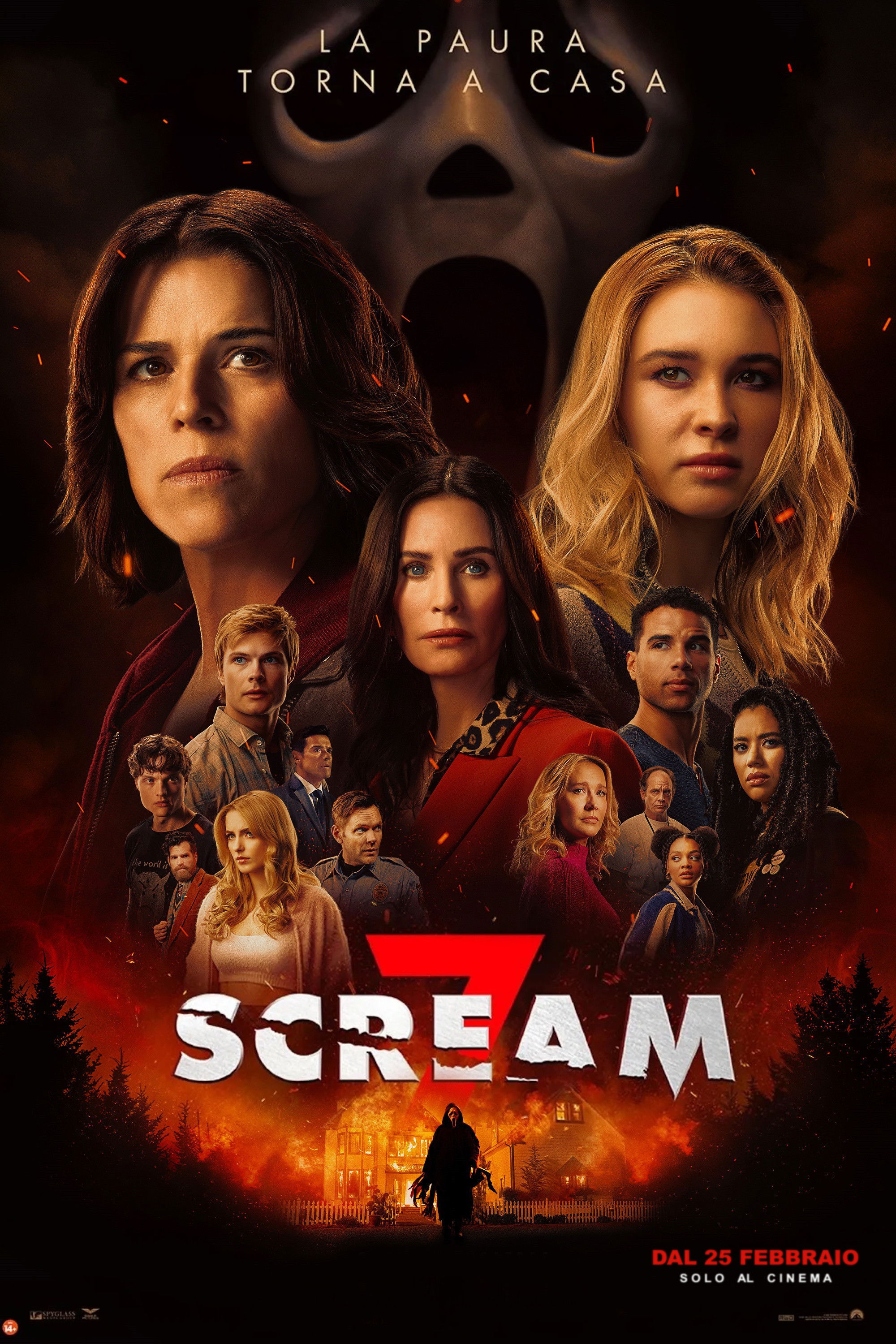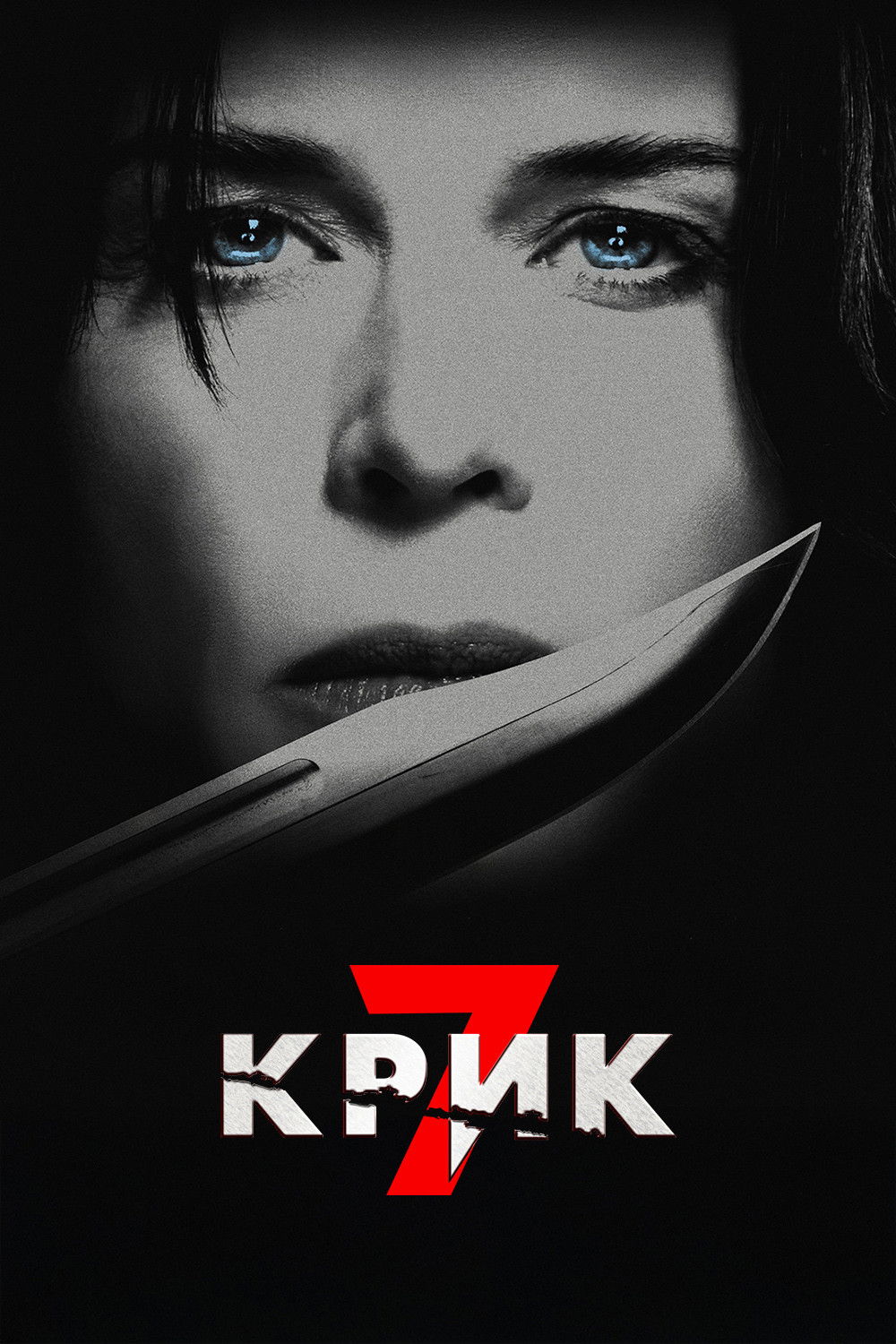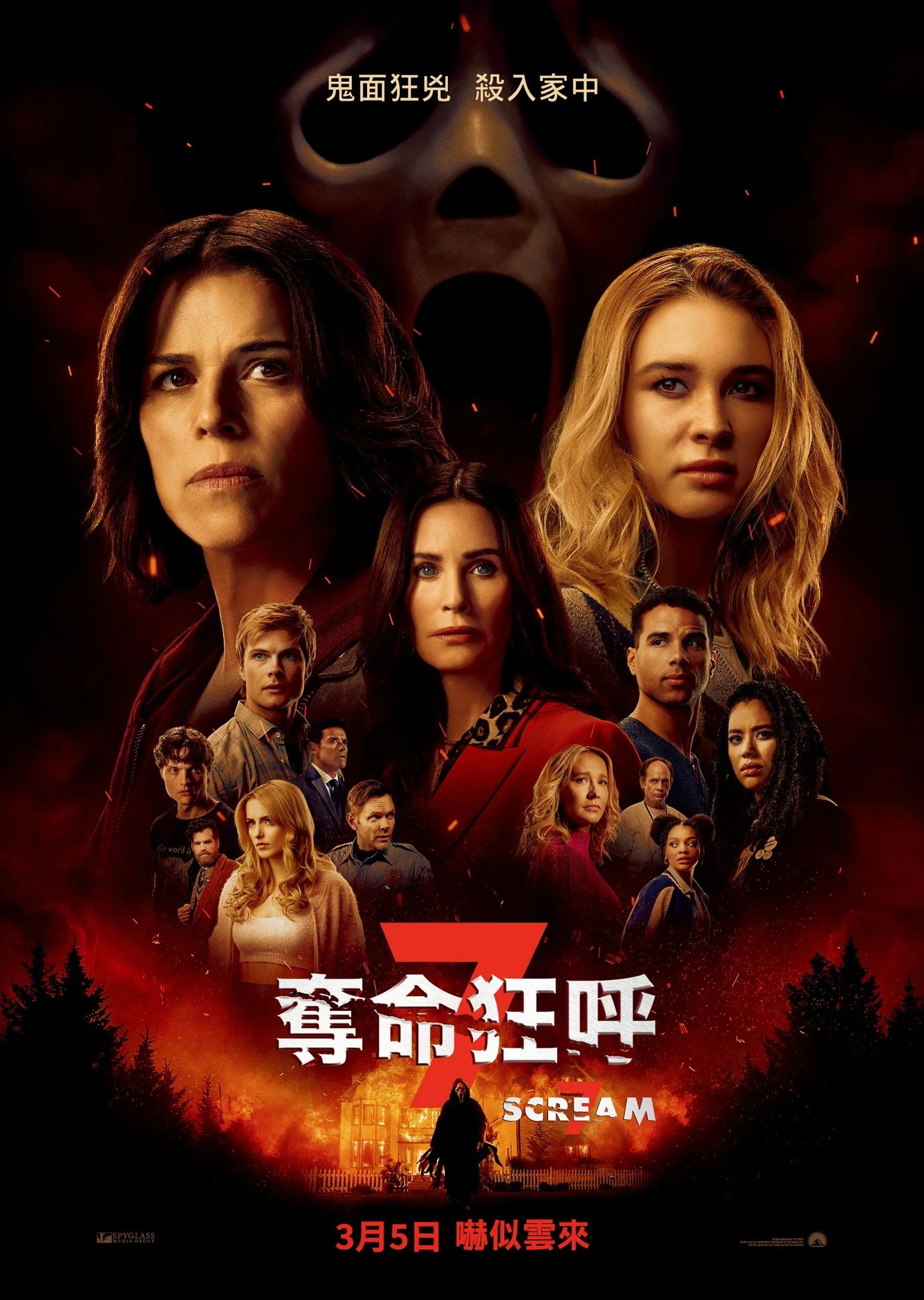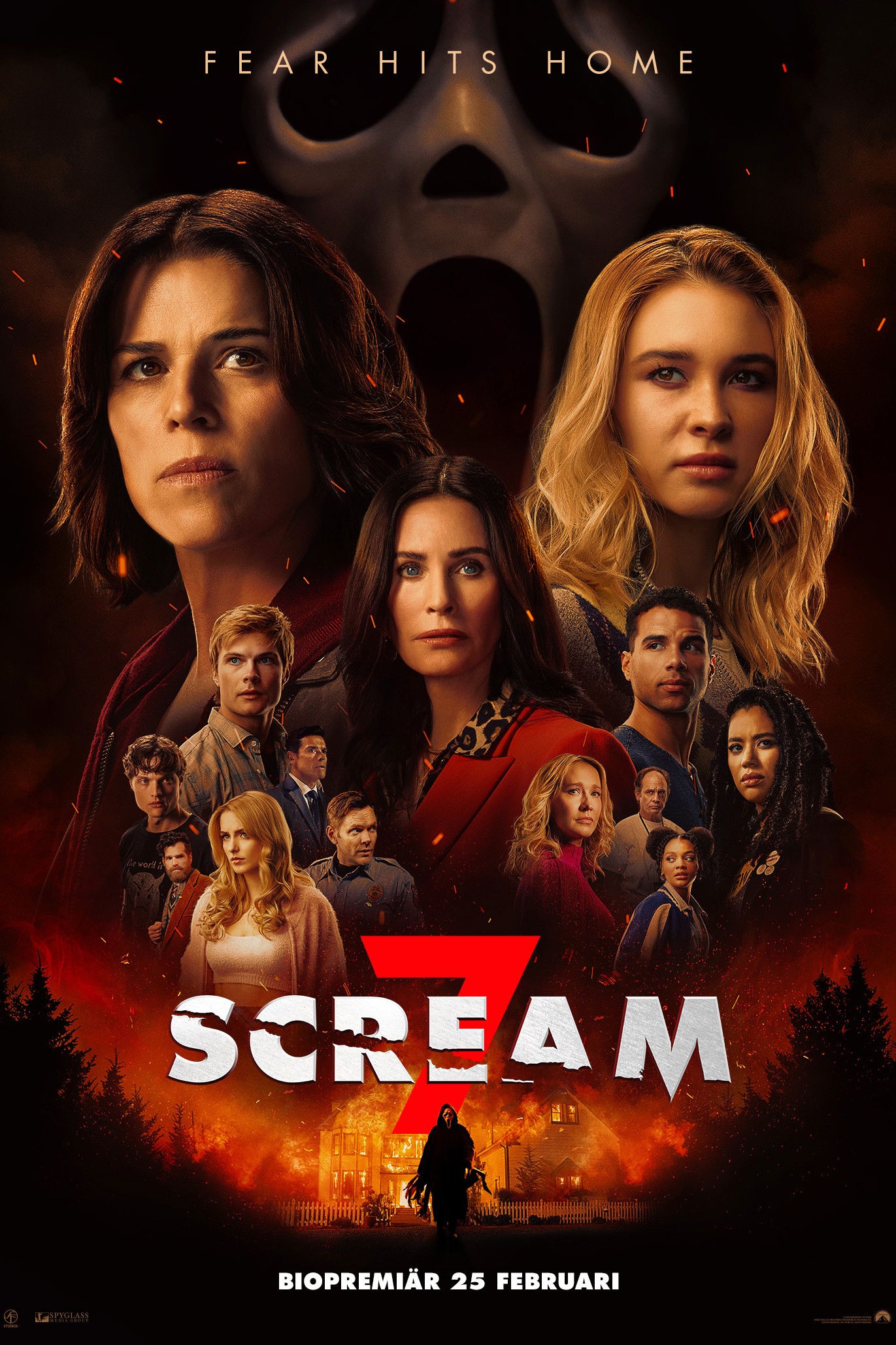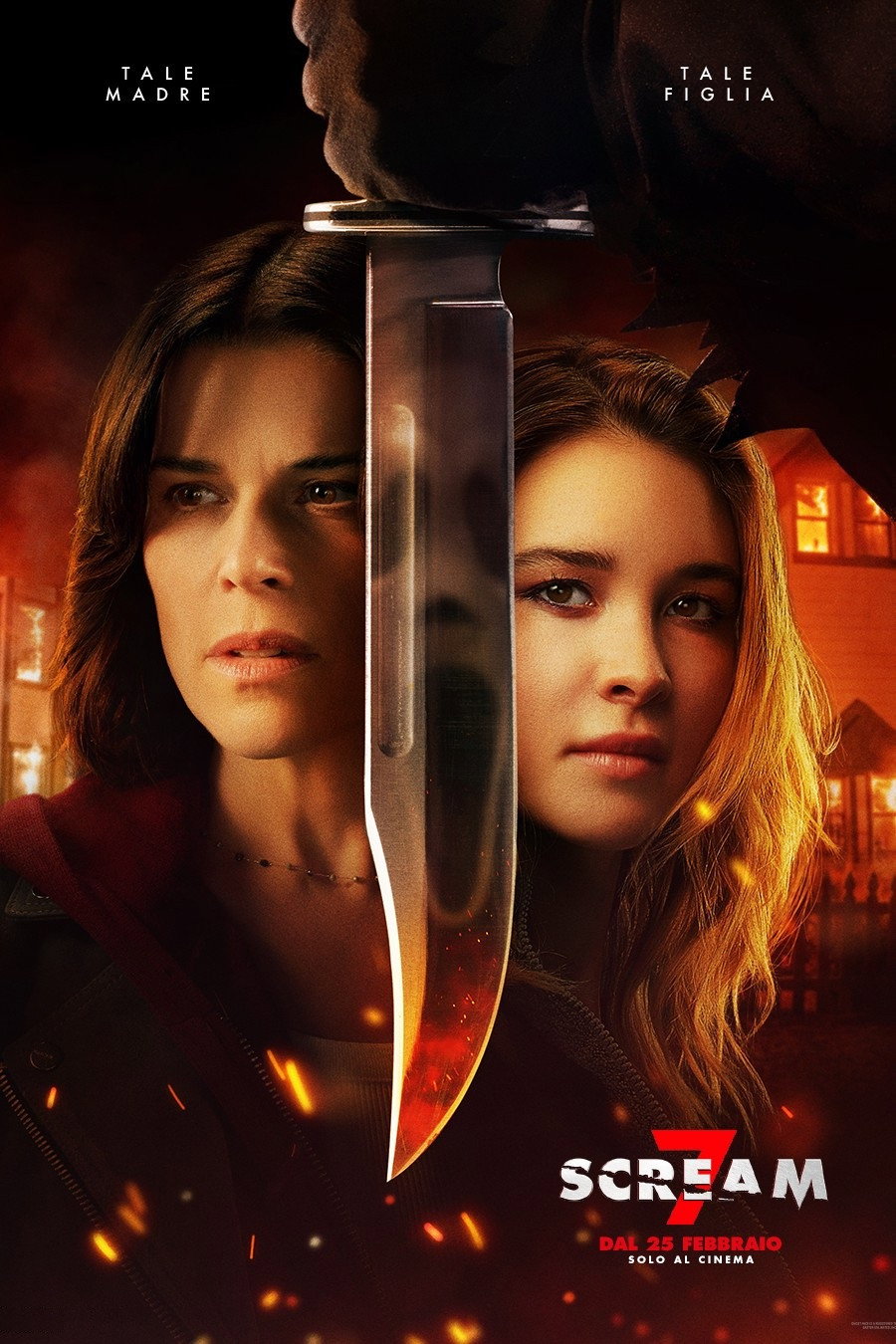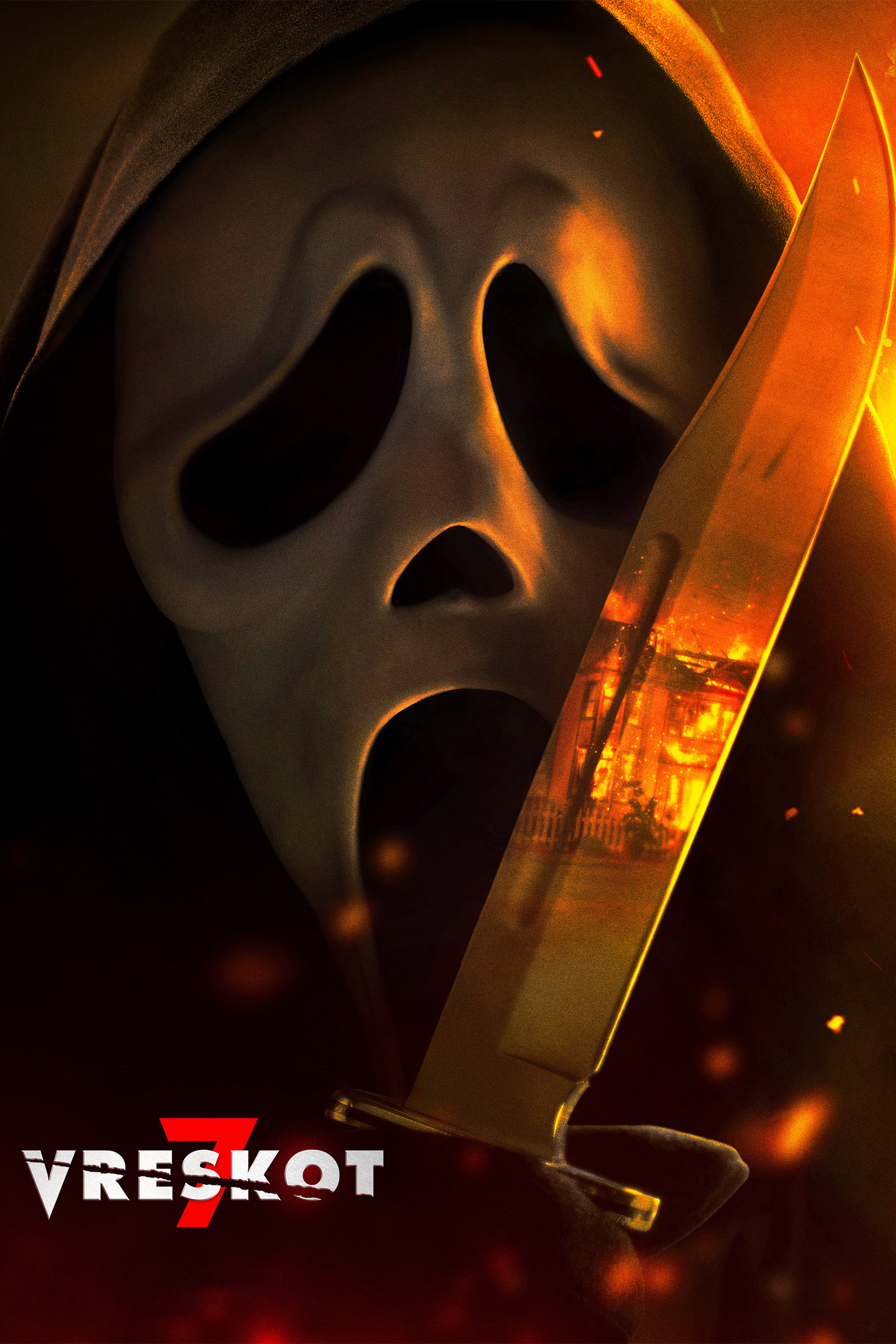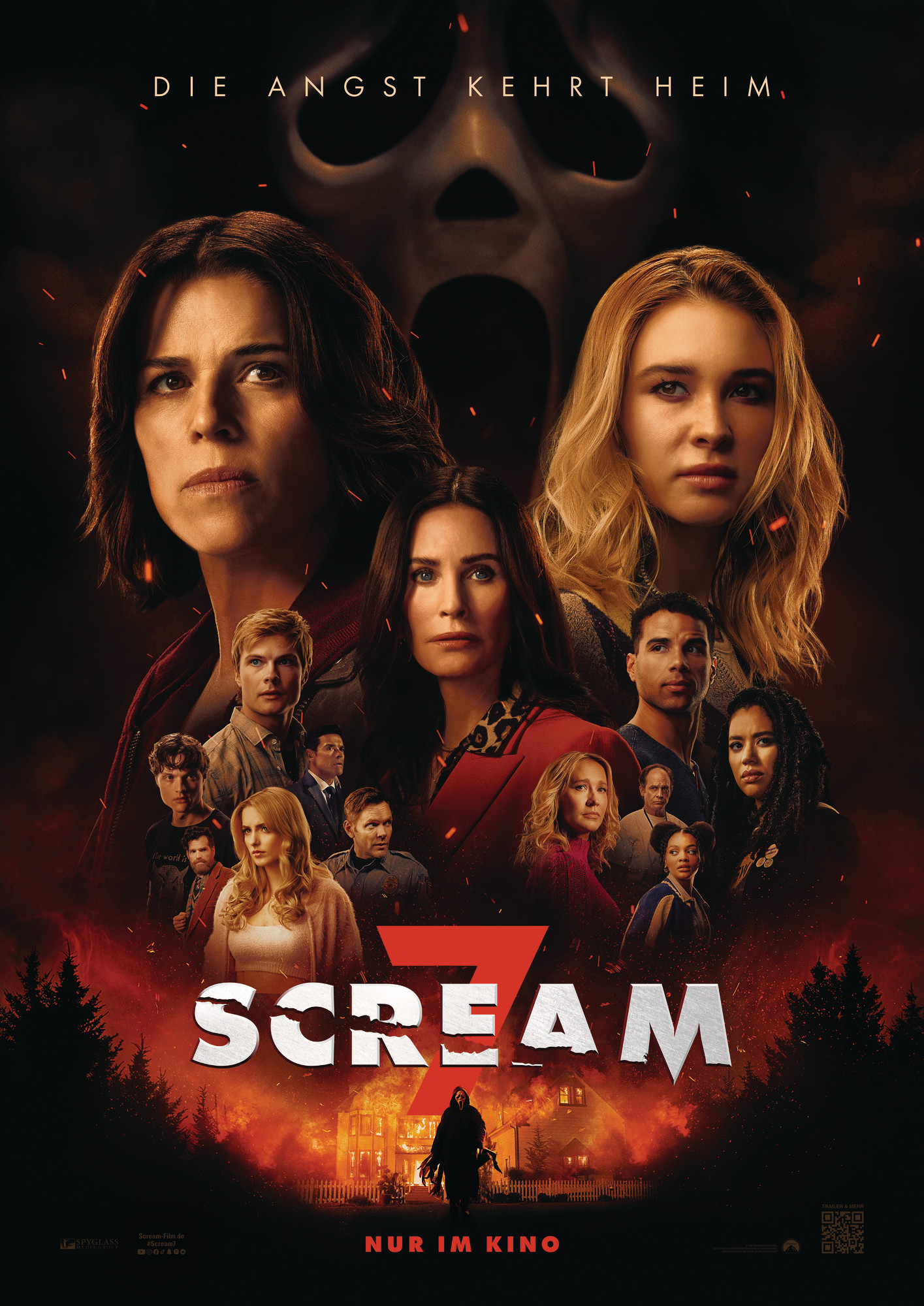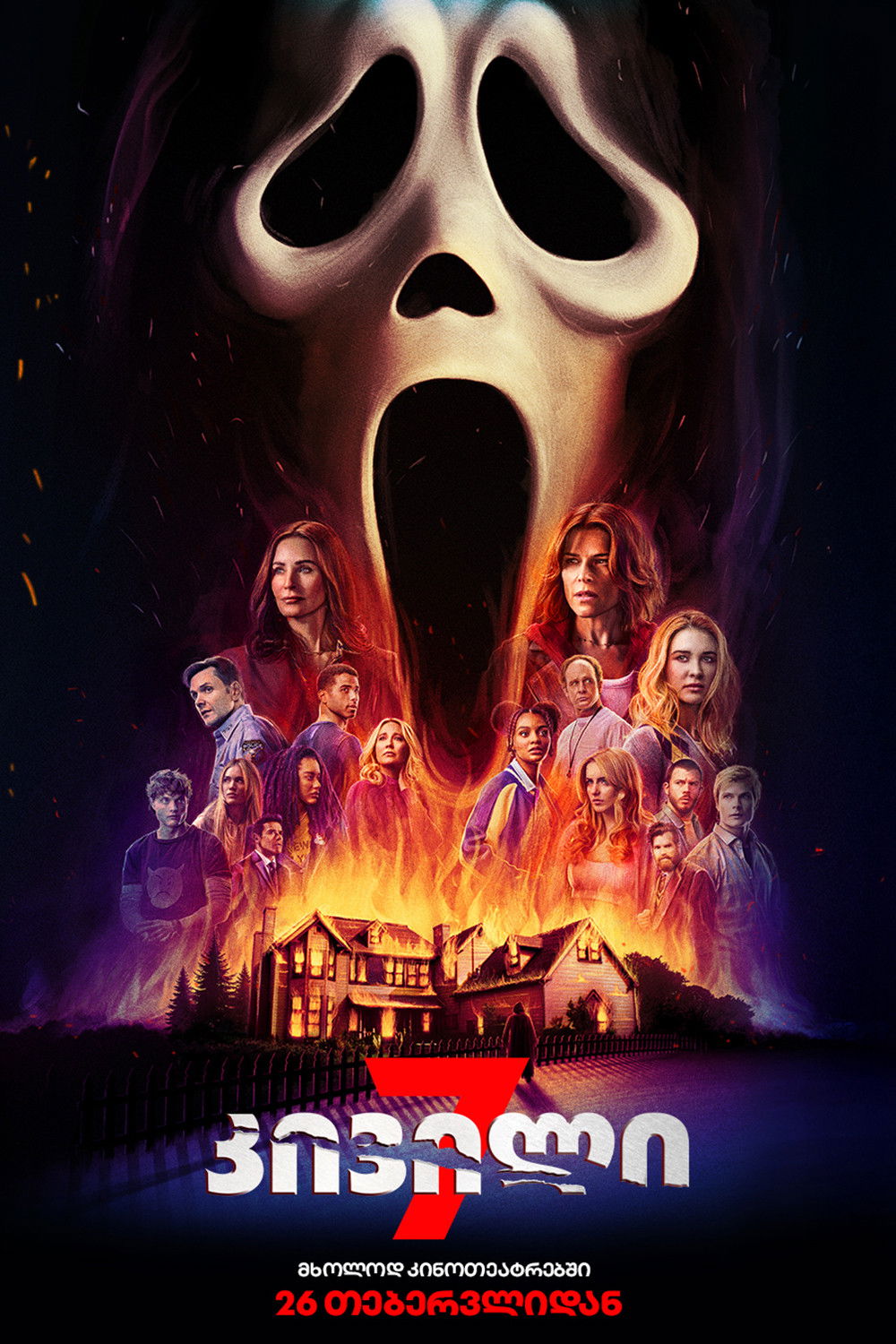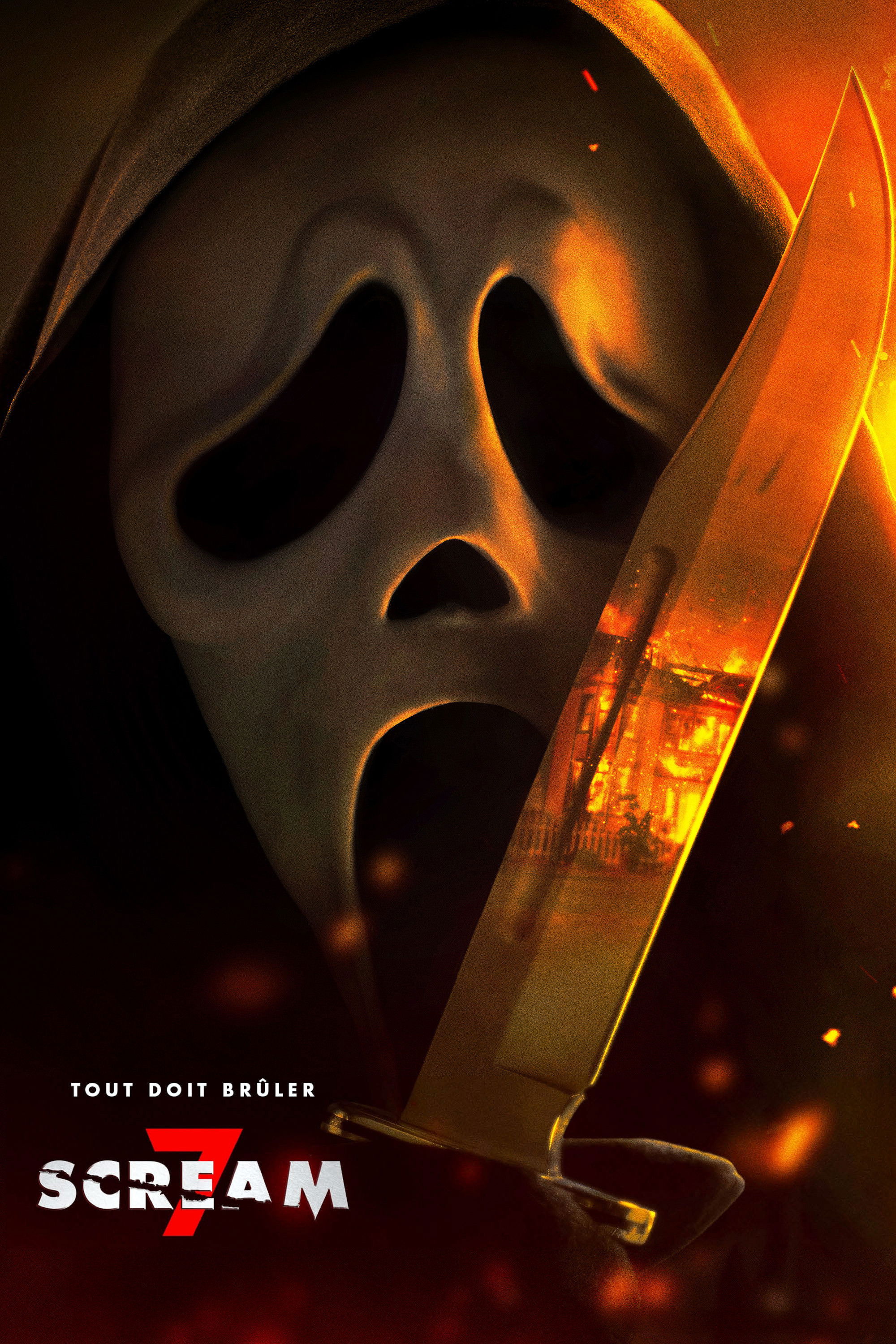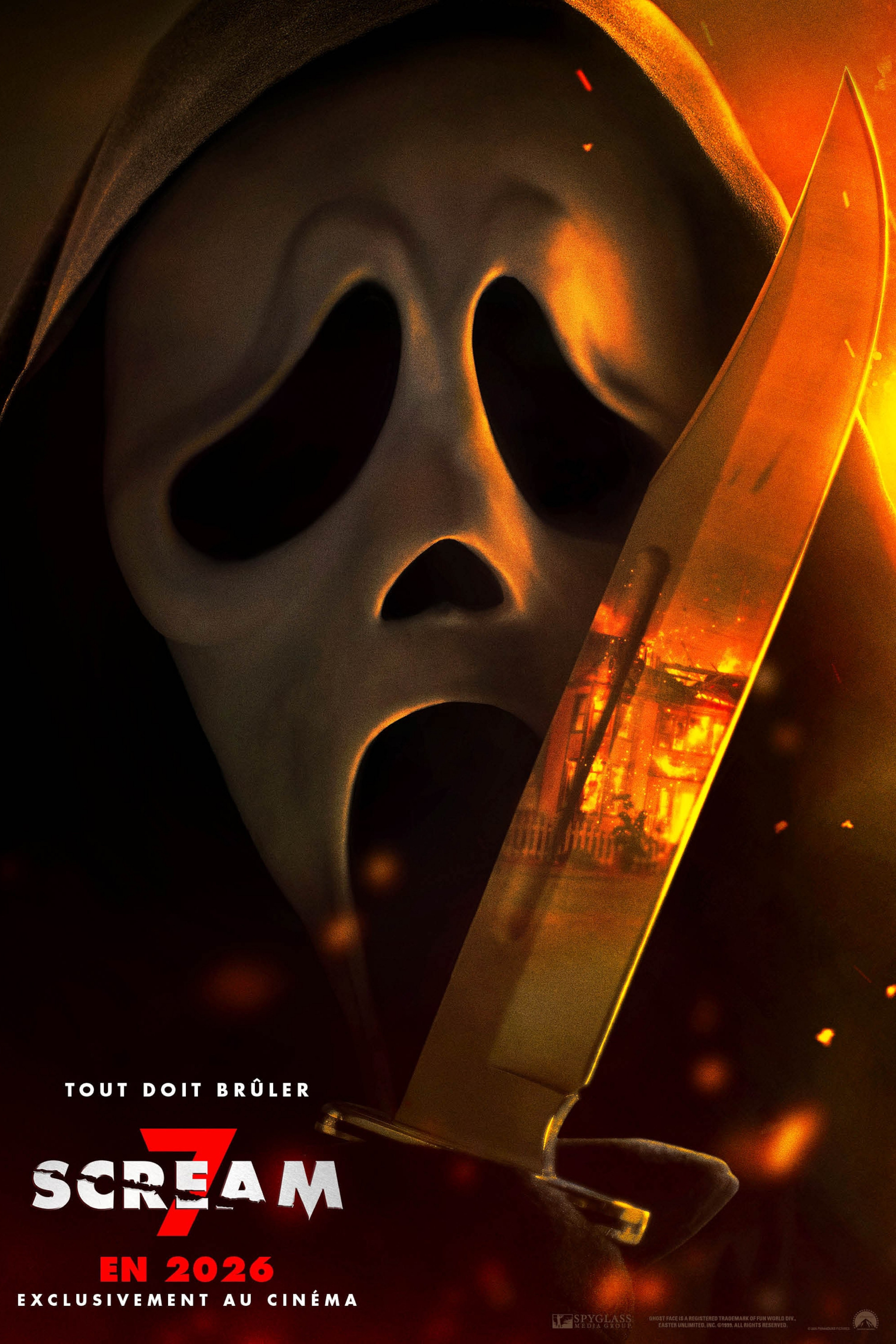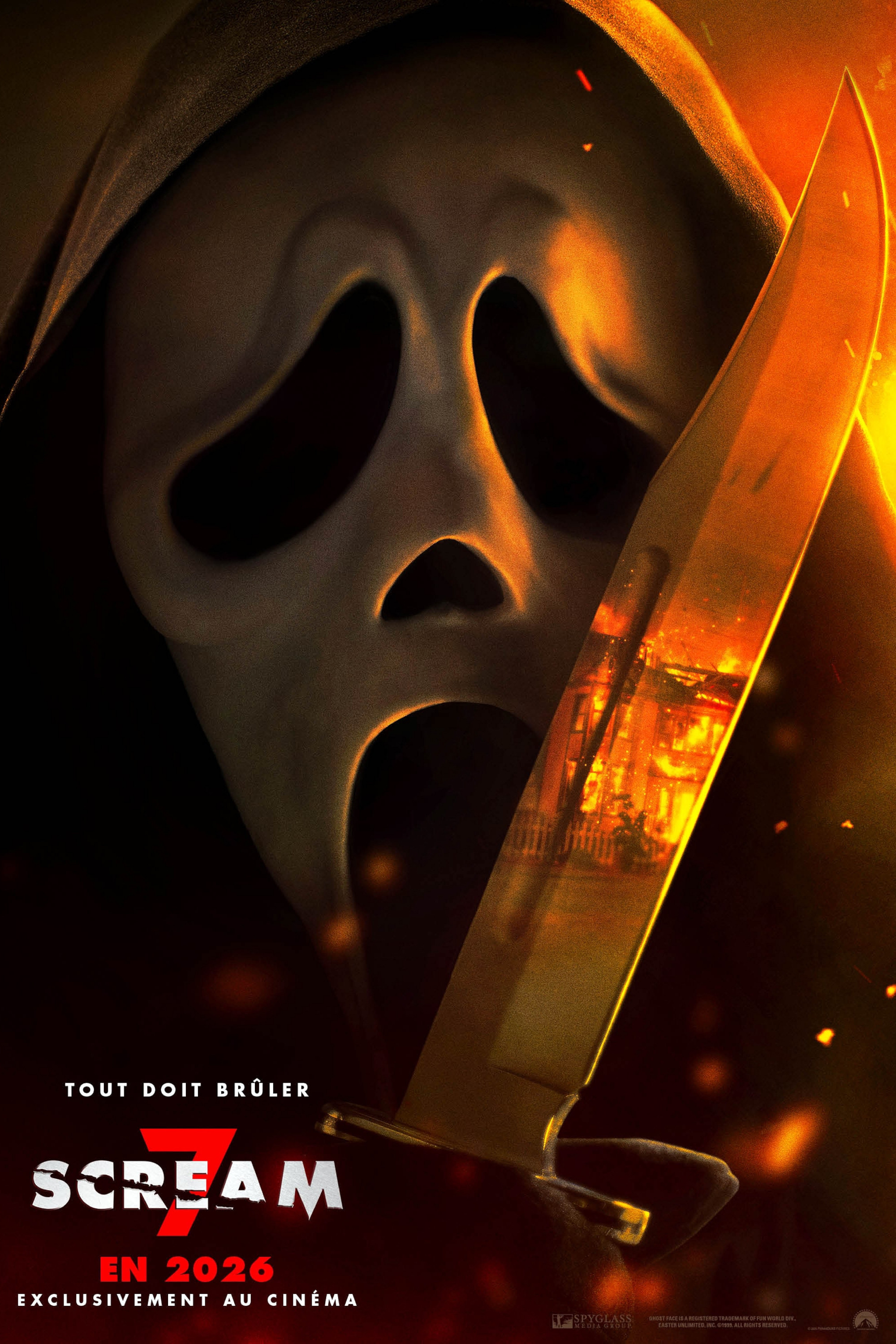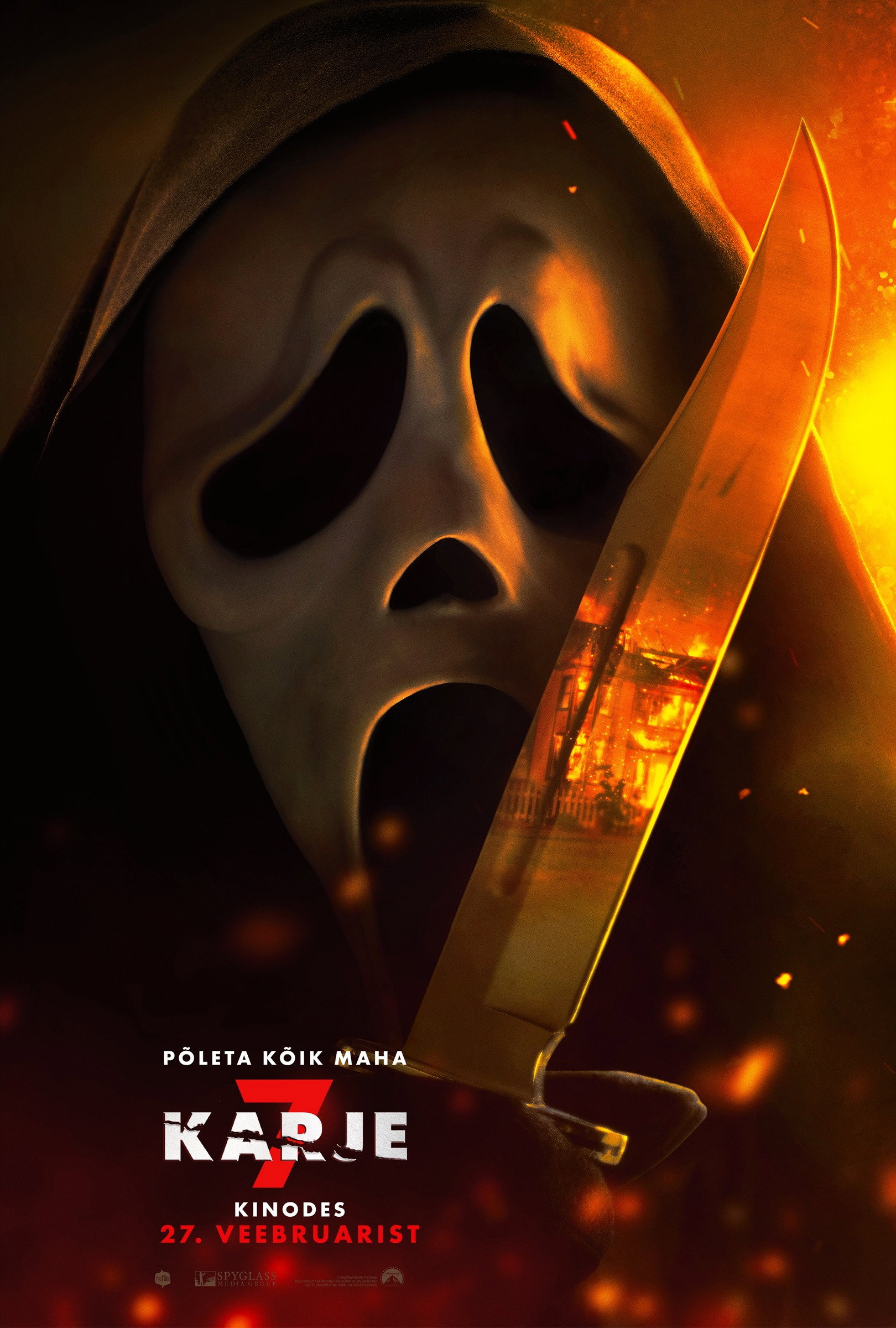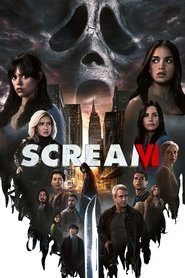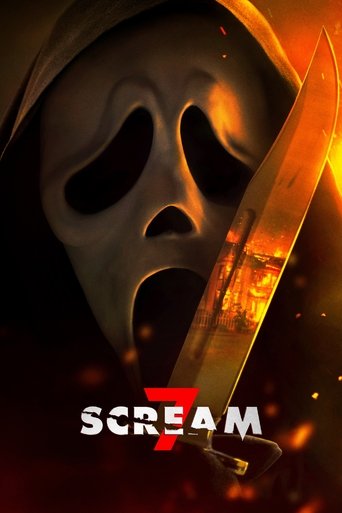
Scream 7 (2026)

US
HORROR FILM Mystery Crime
SUBGENRES SLASHER
Runtime
114 min
Release
February 25, 2026
Budget
$45,000,000
Revenue
$213,835,967
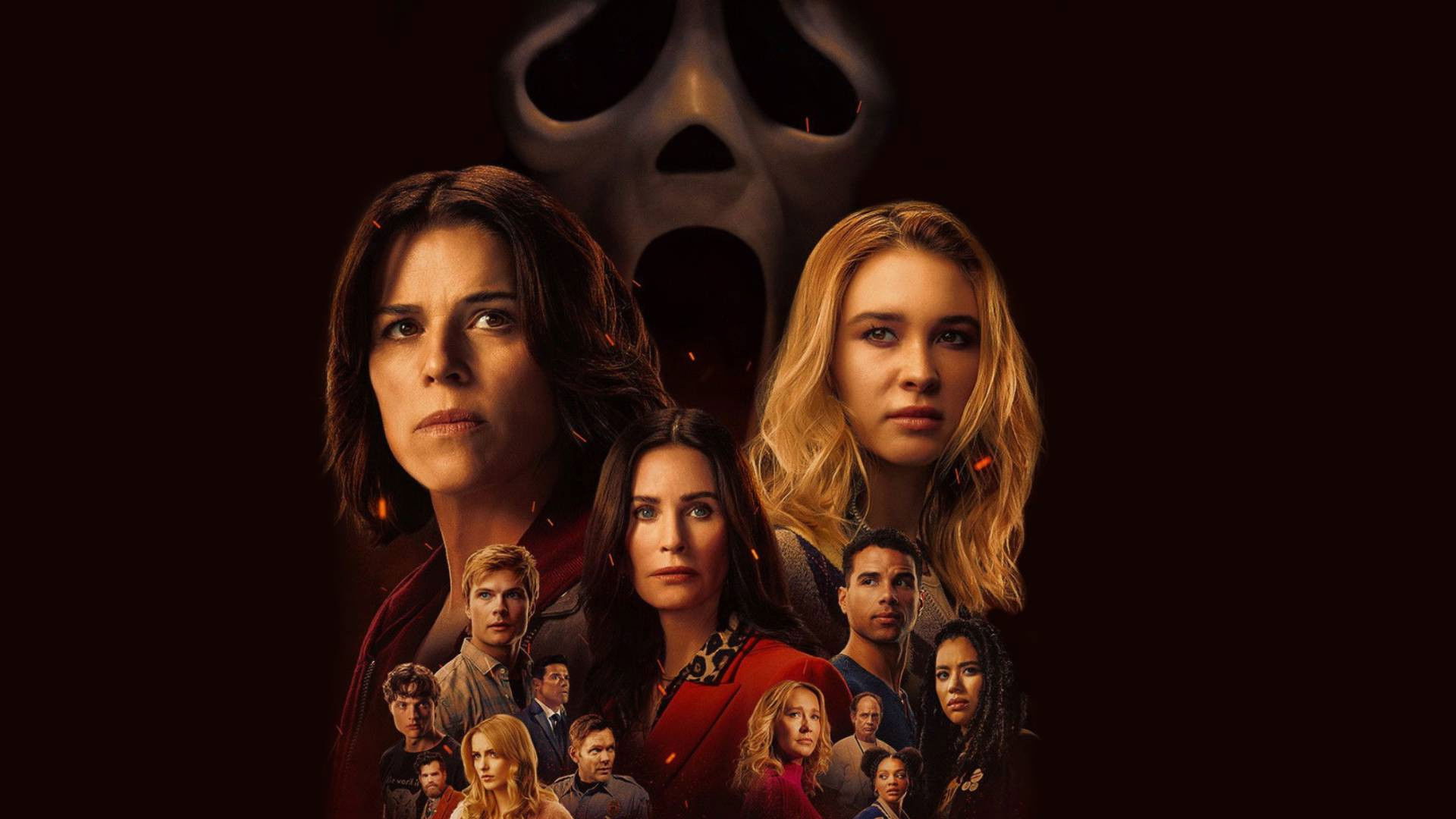
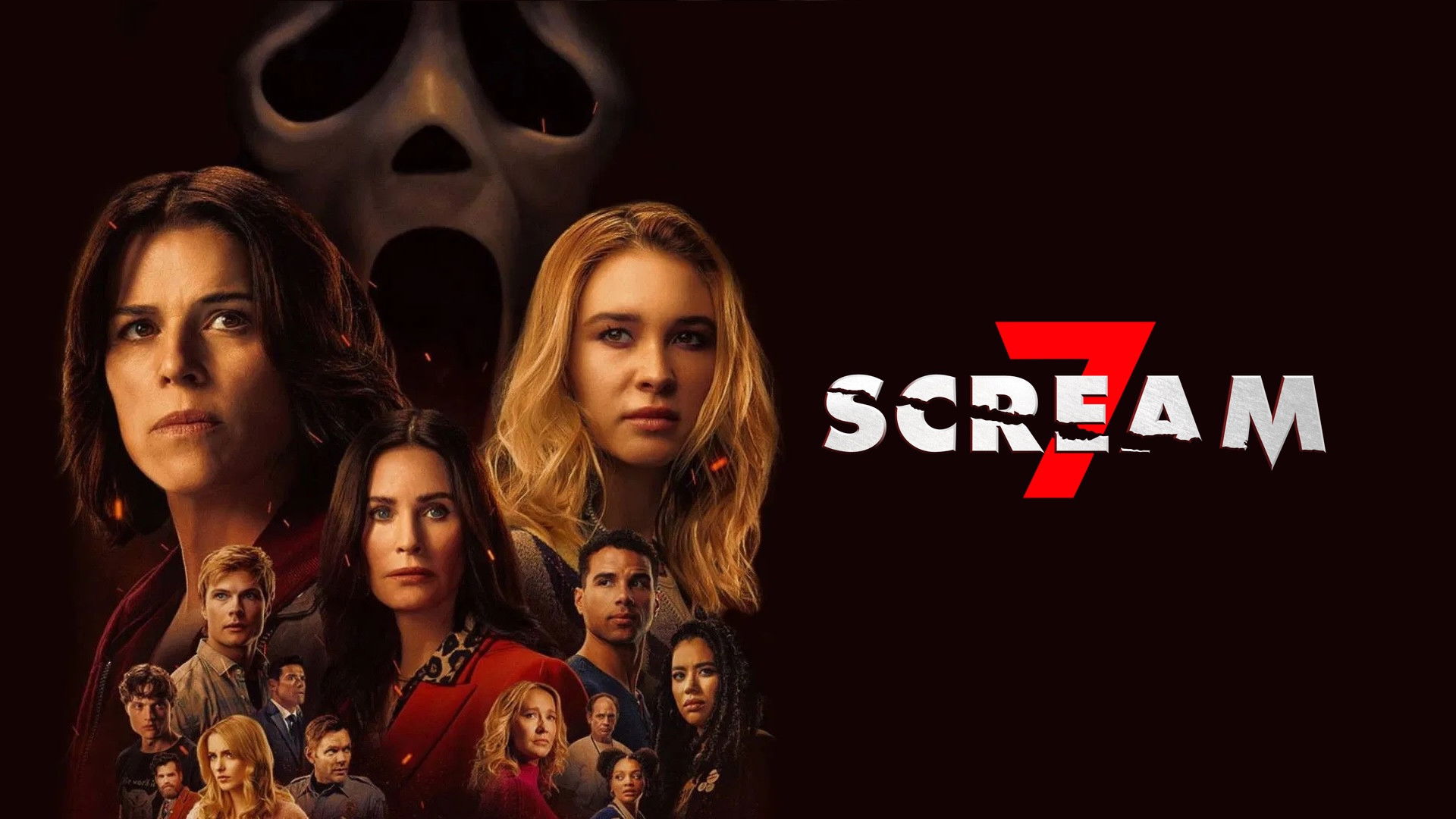
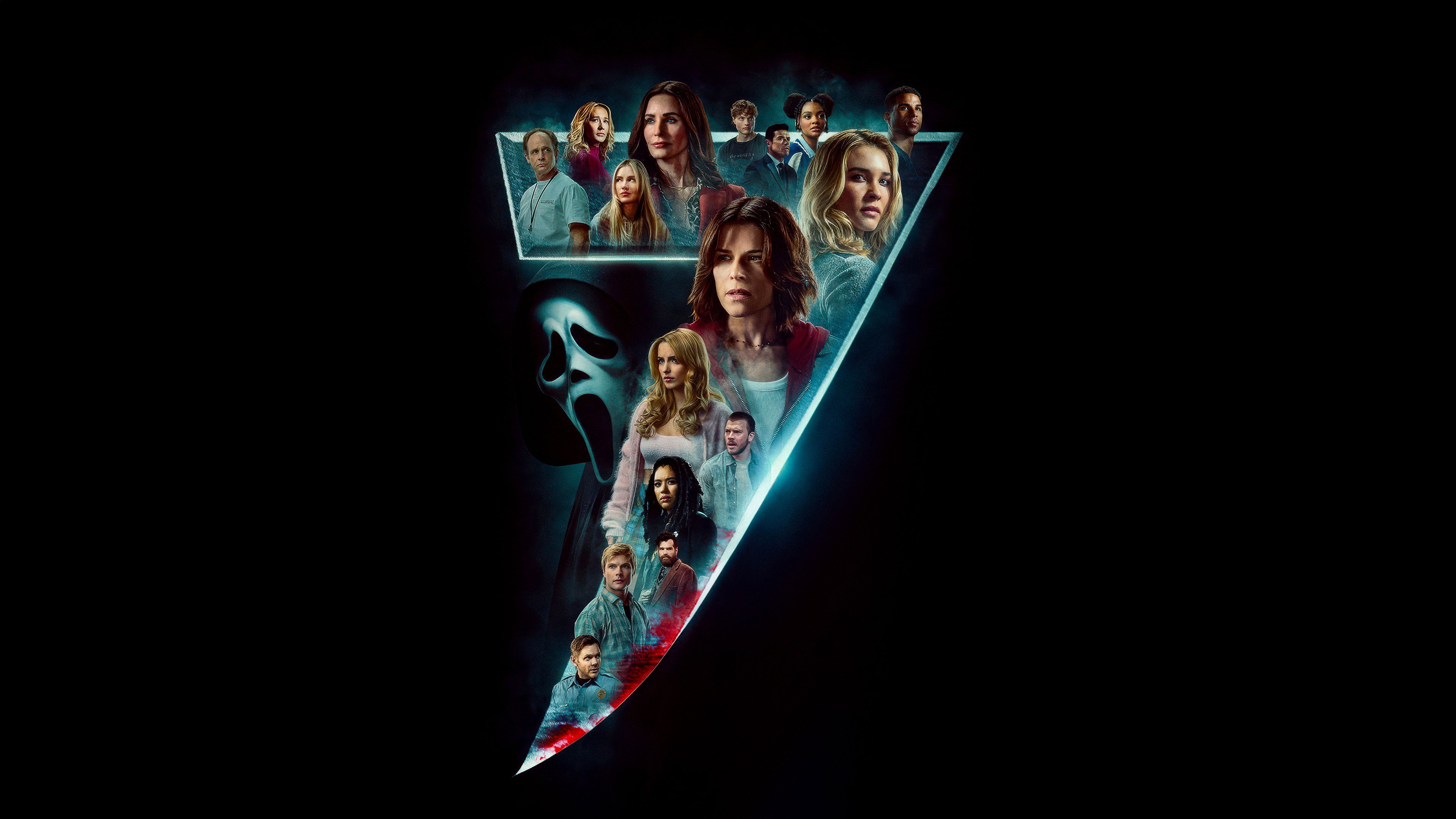
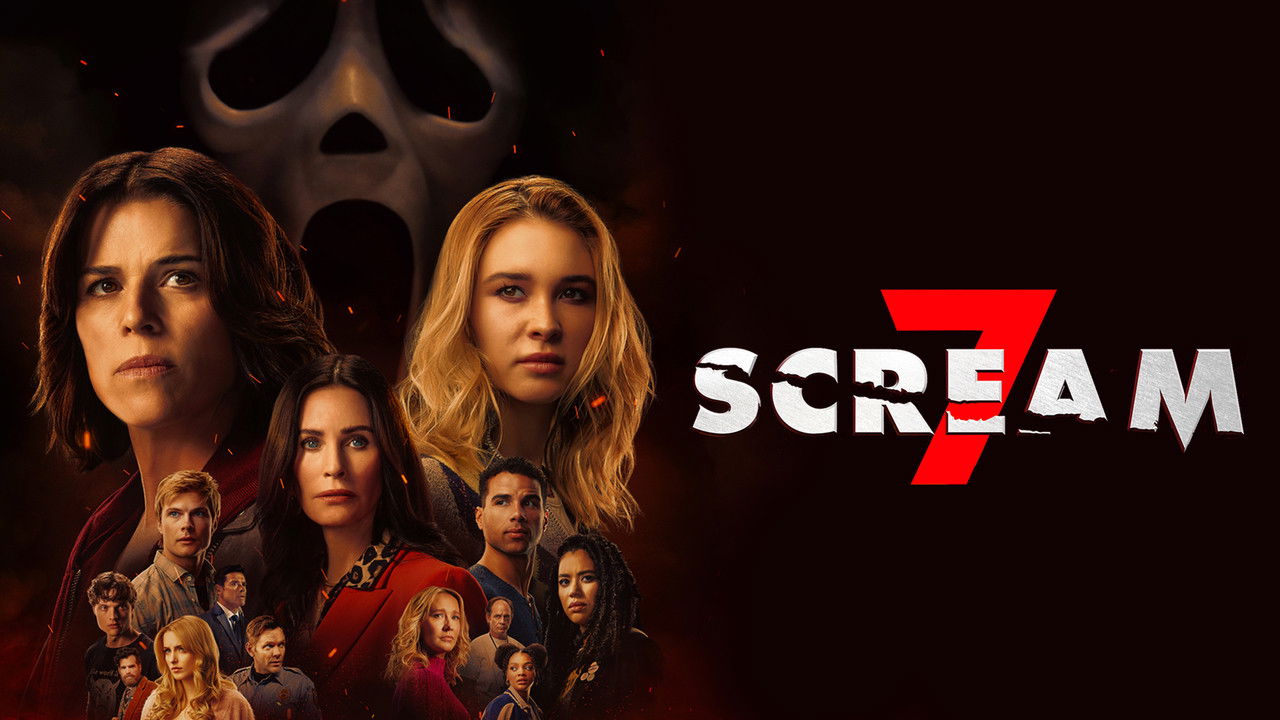
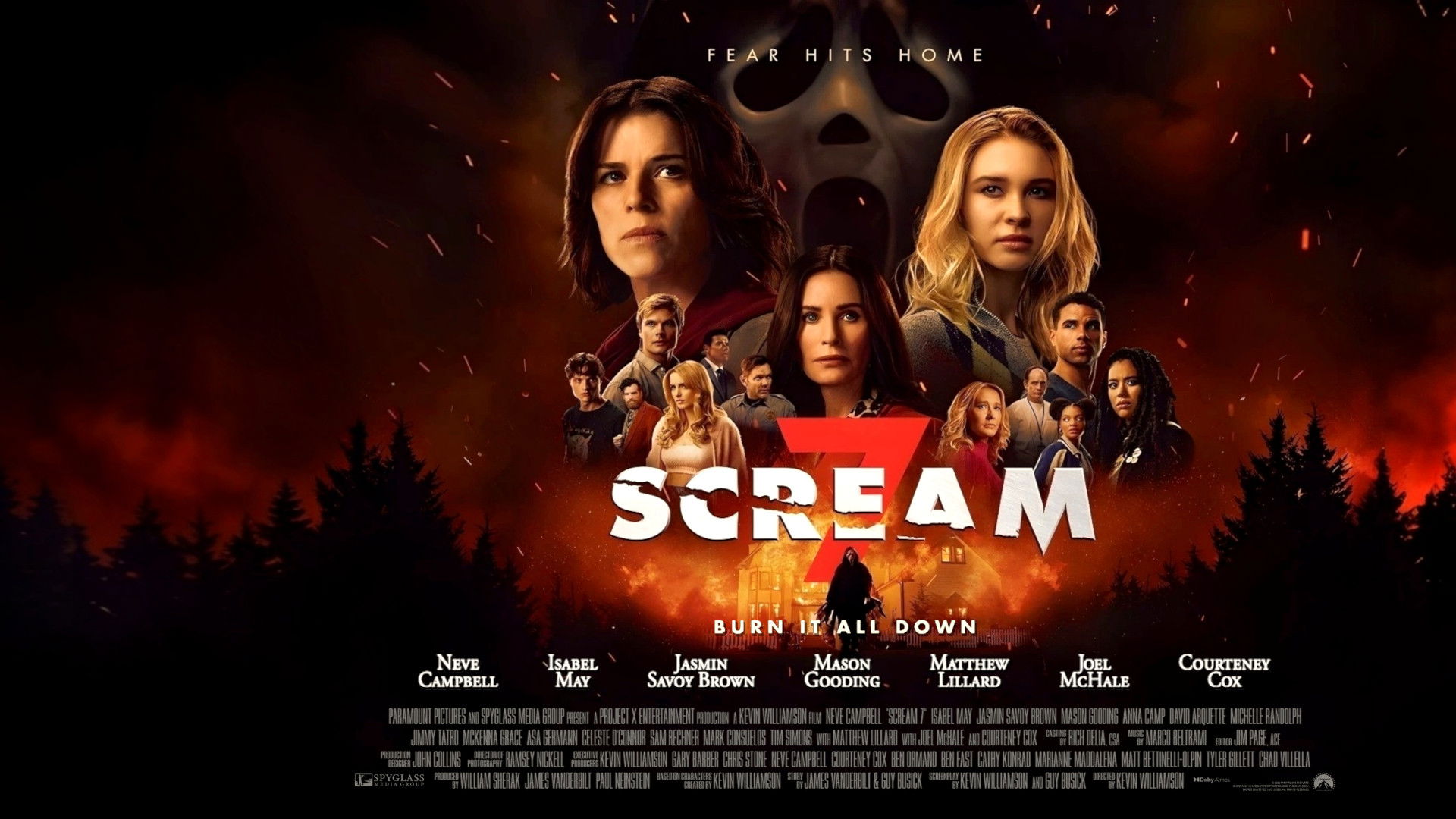
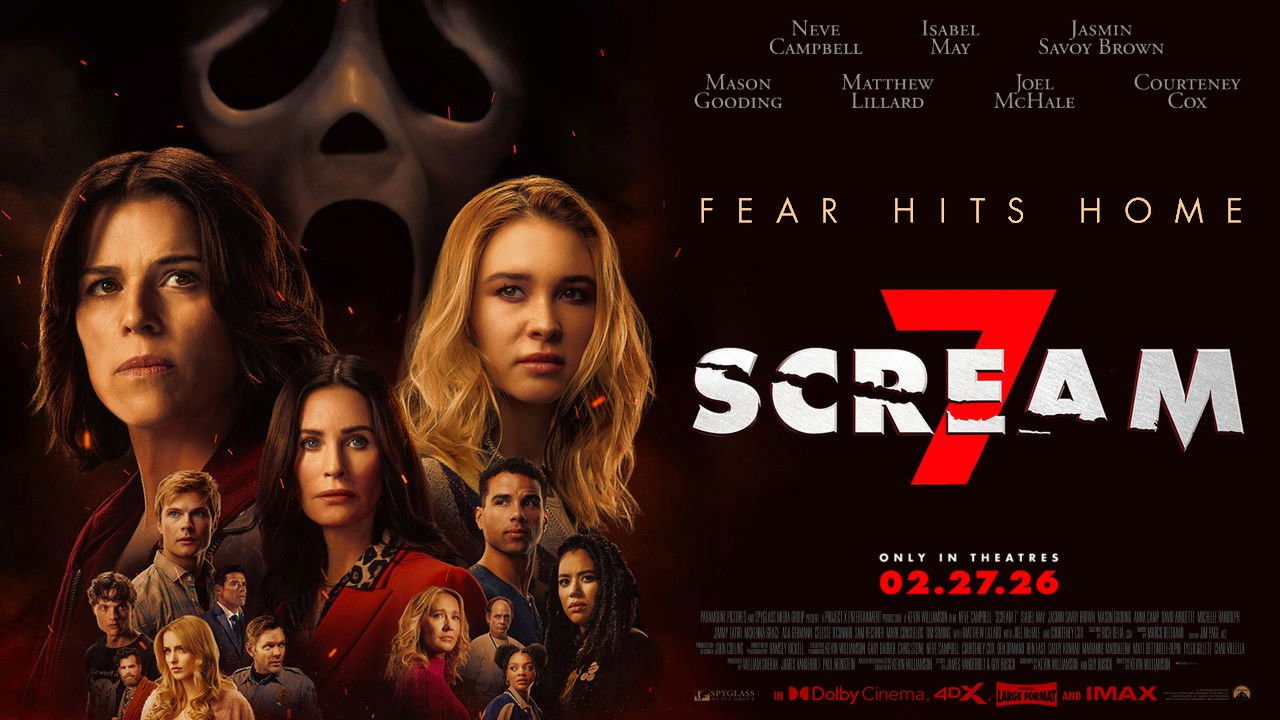
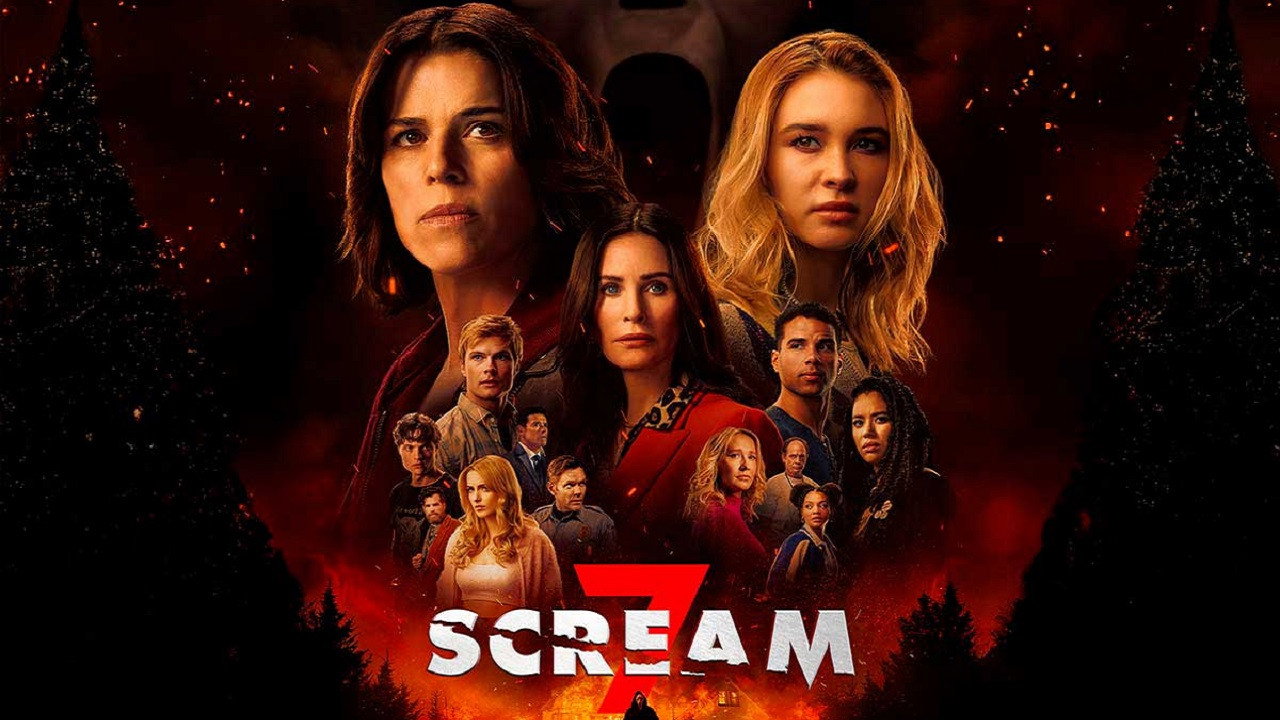
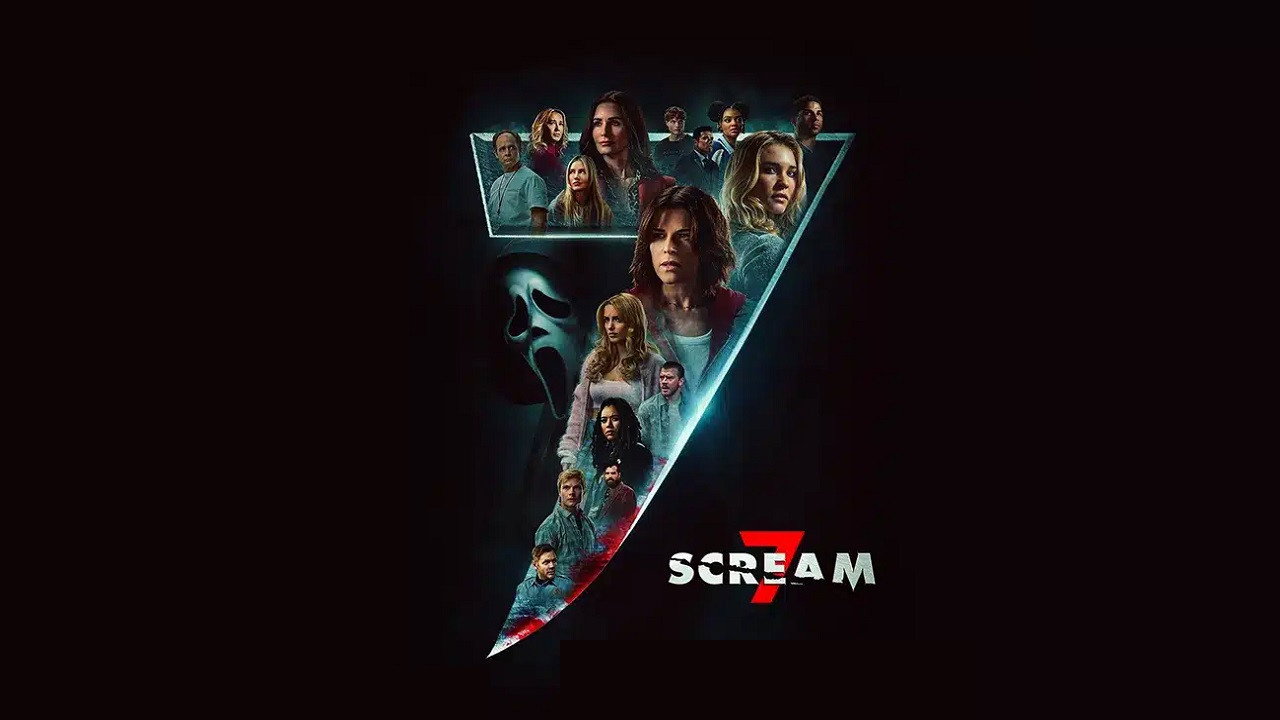
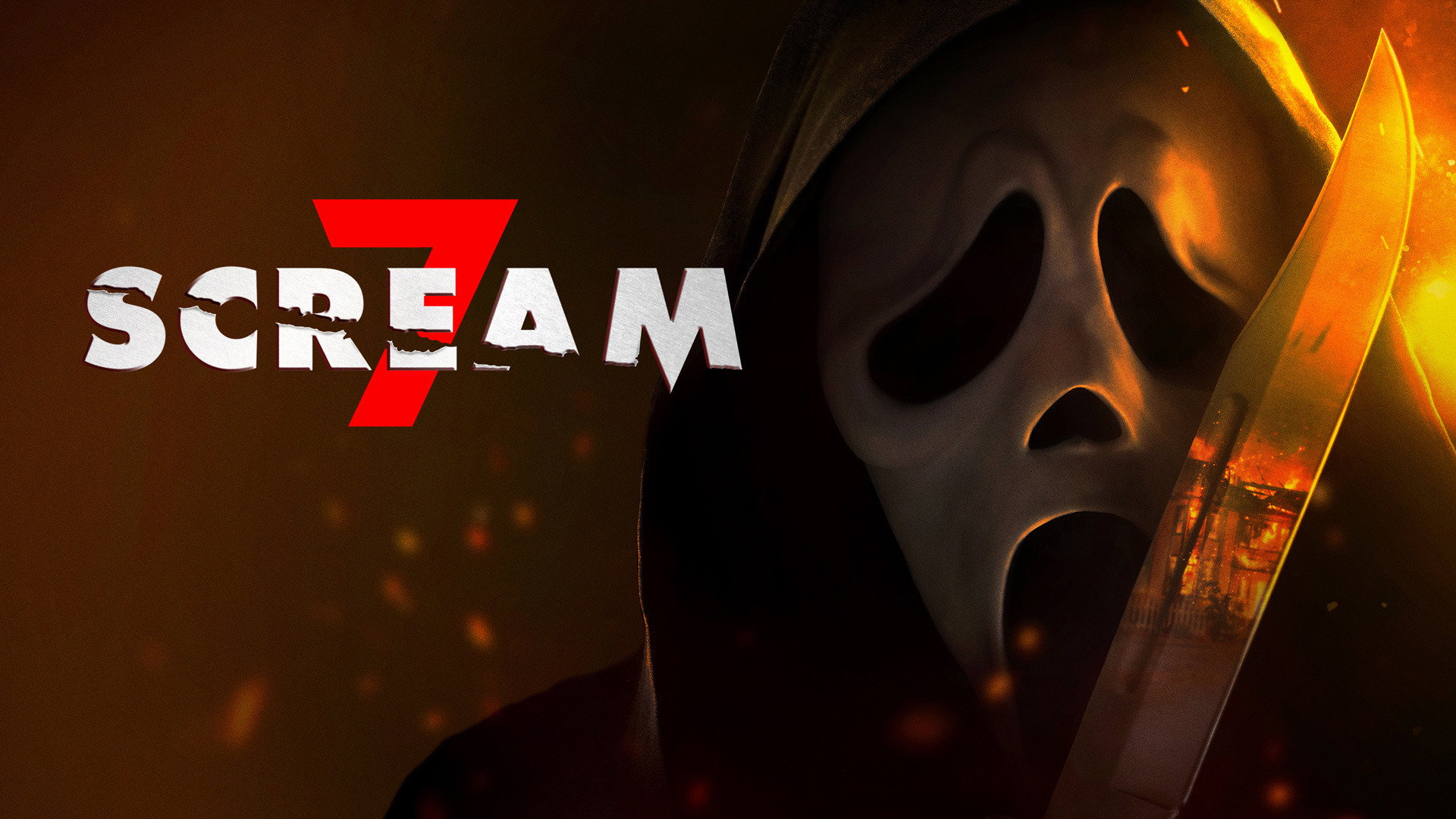
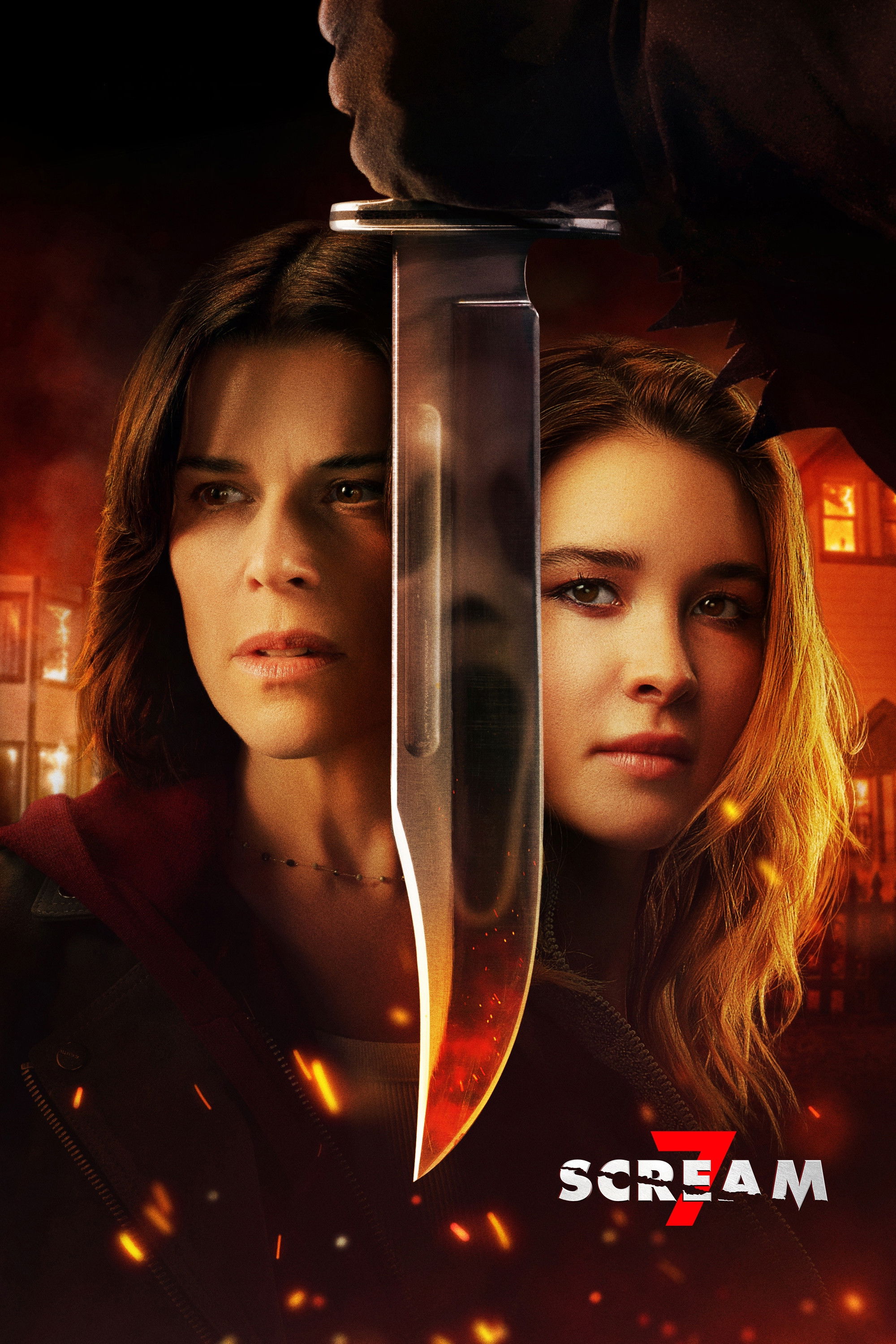
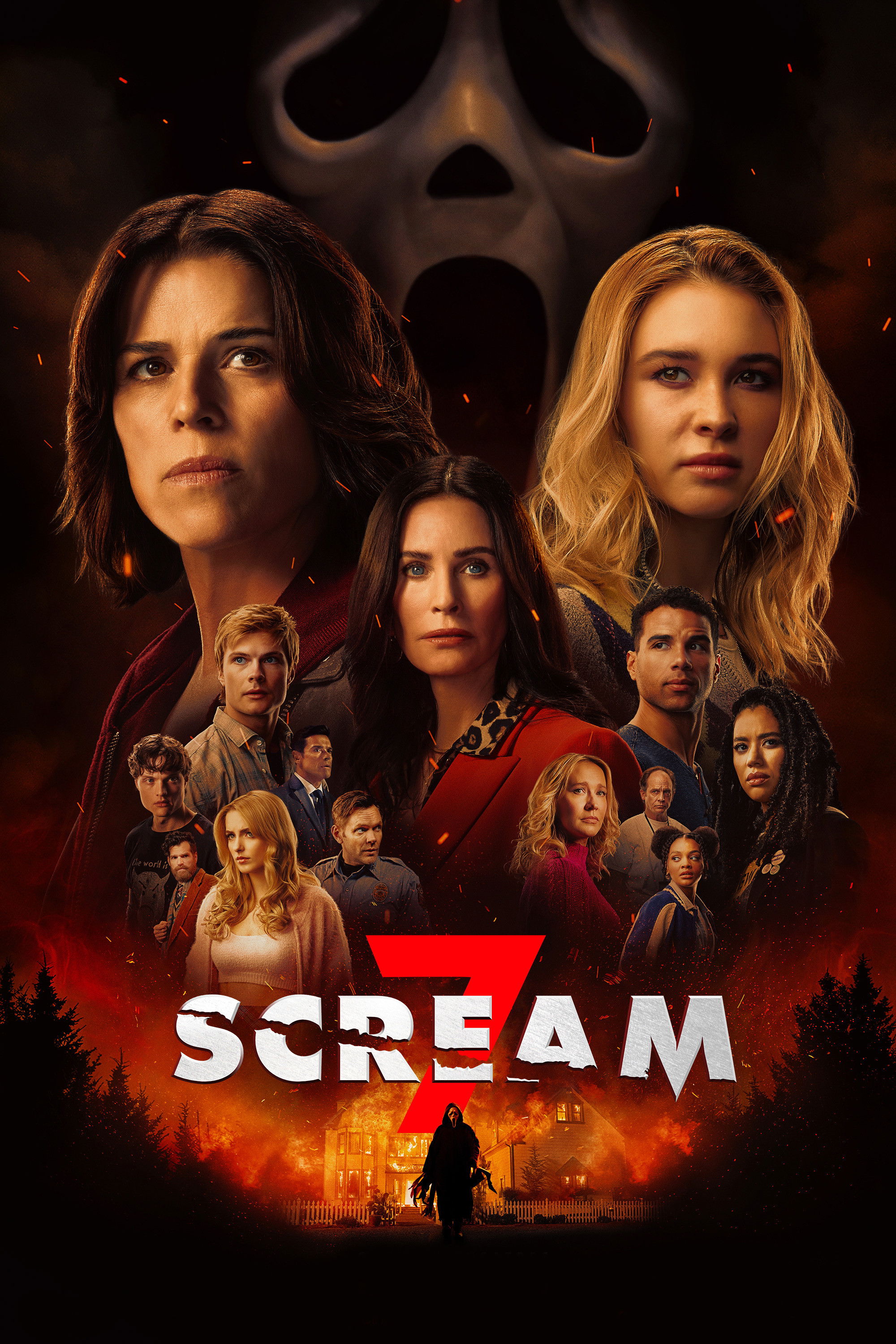
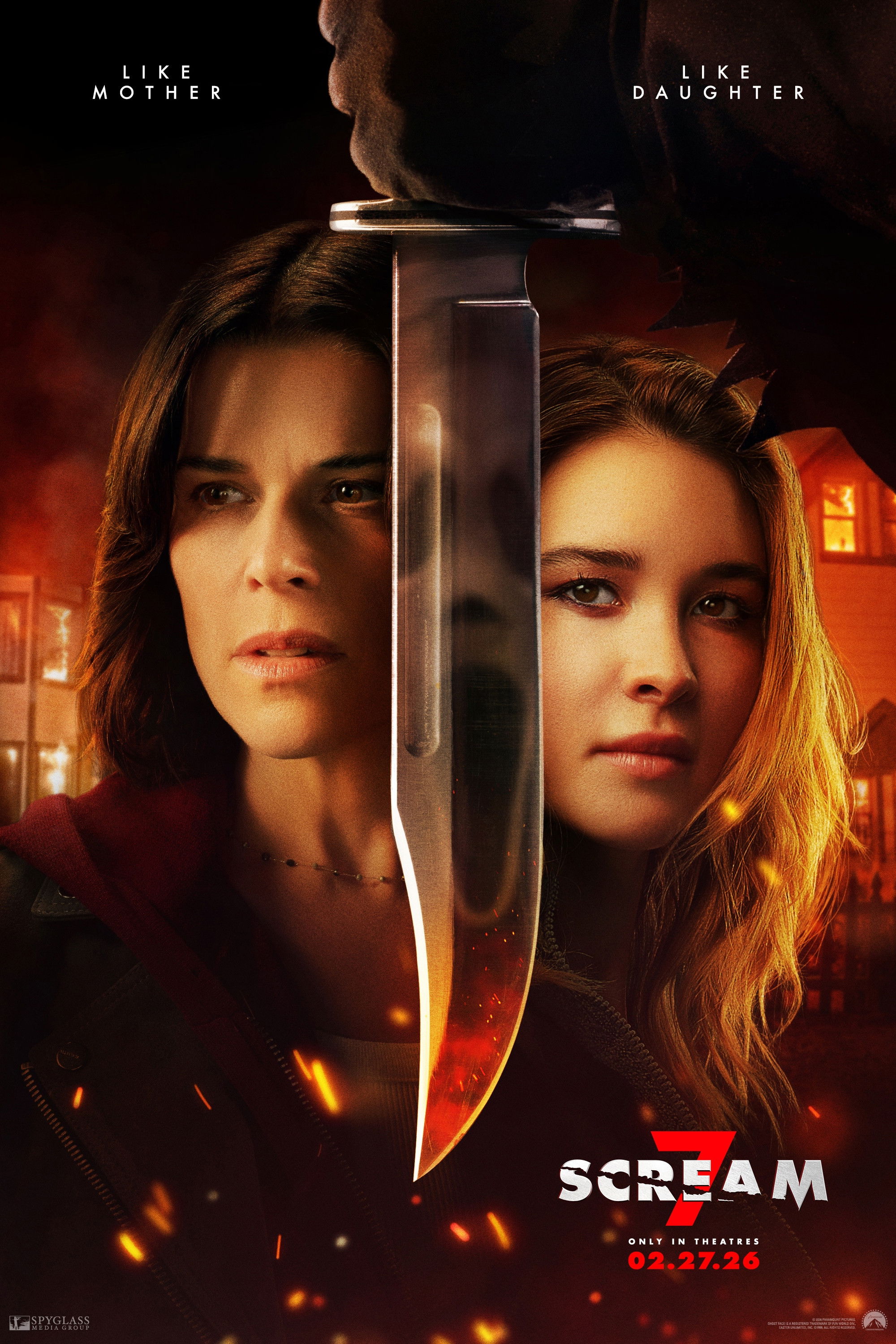
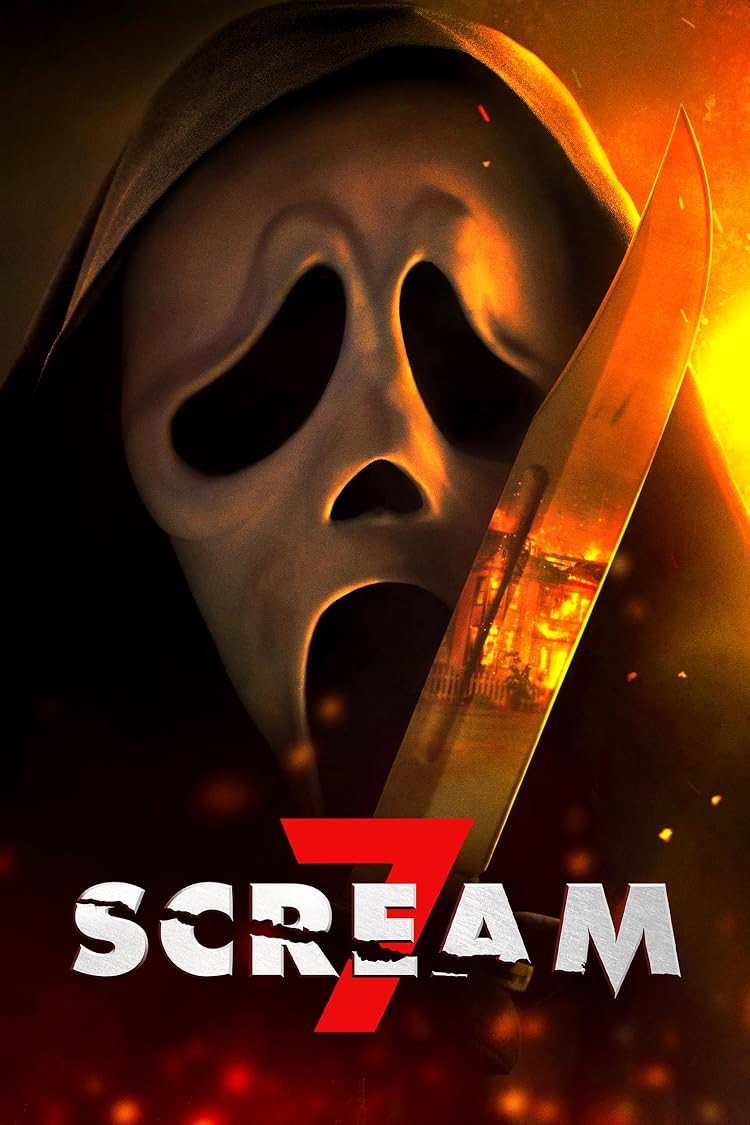
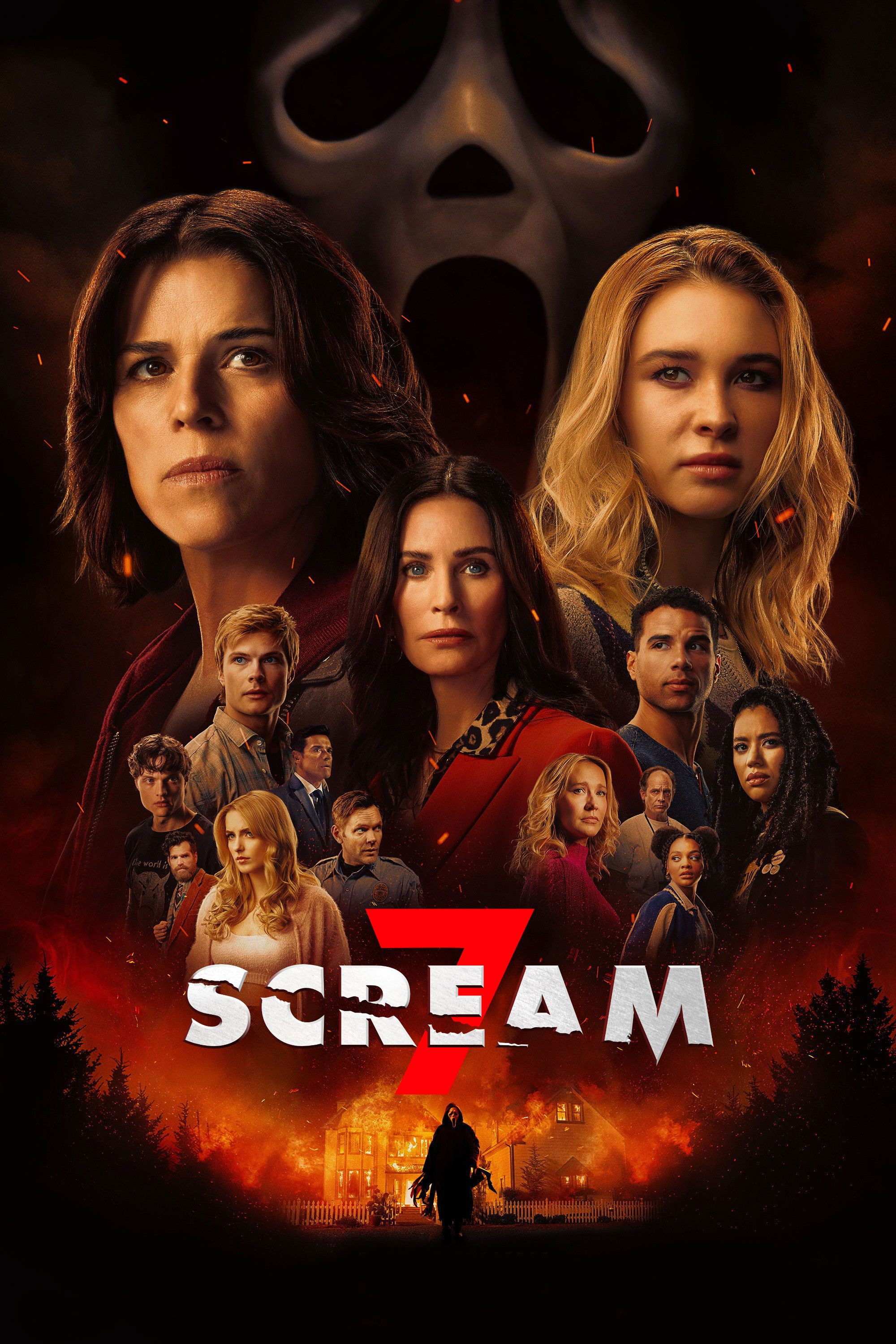
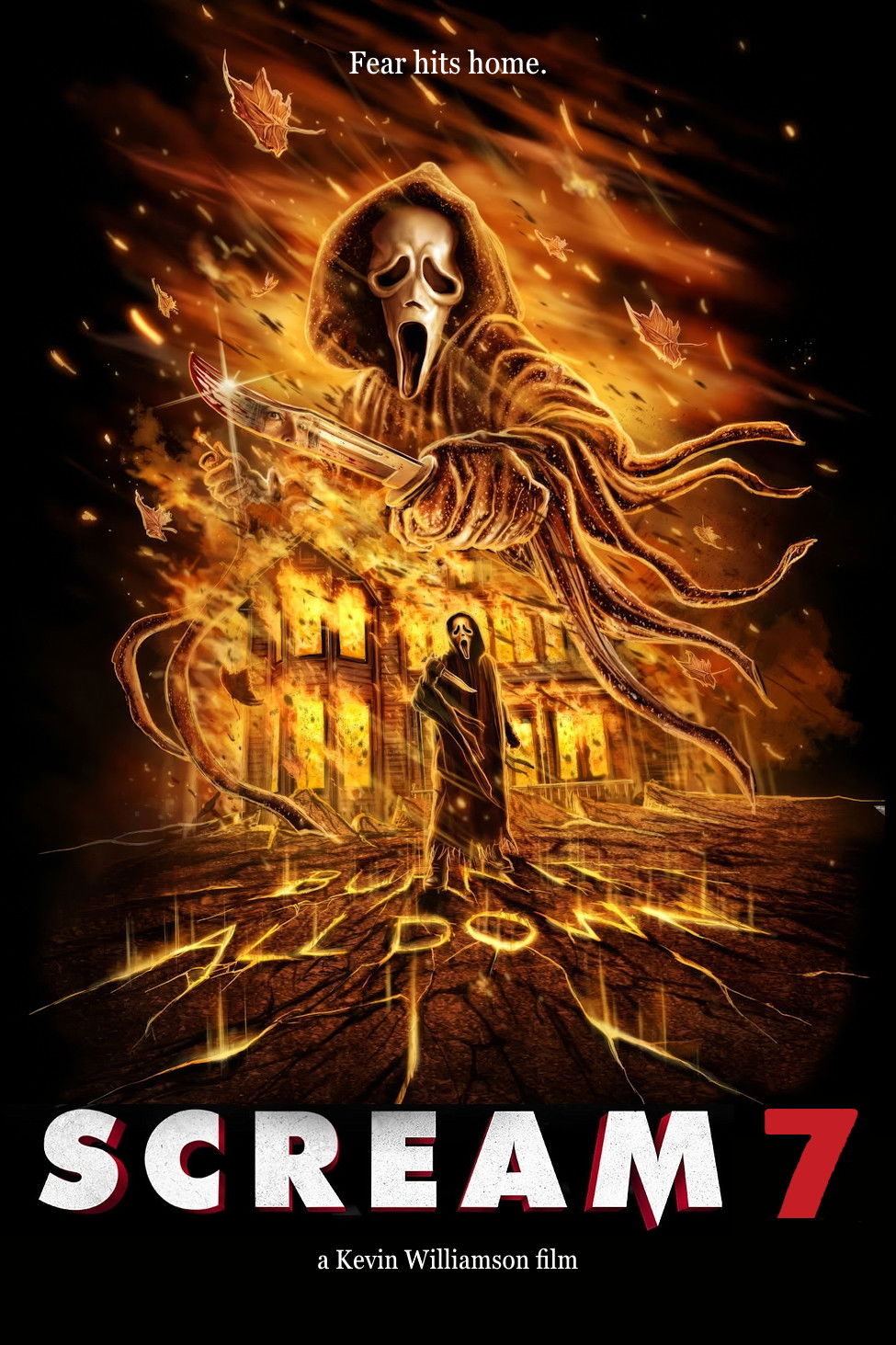
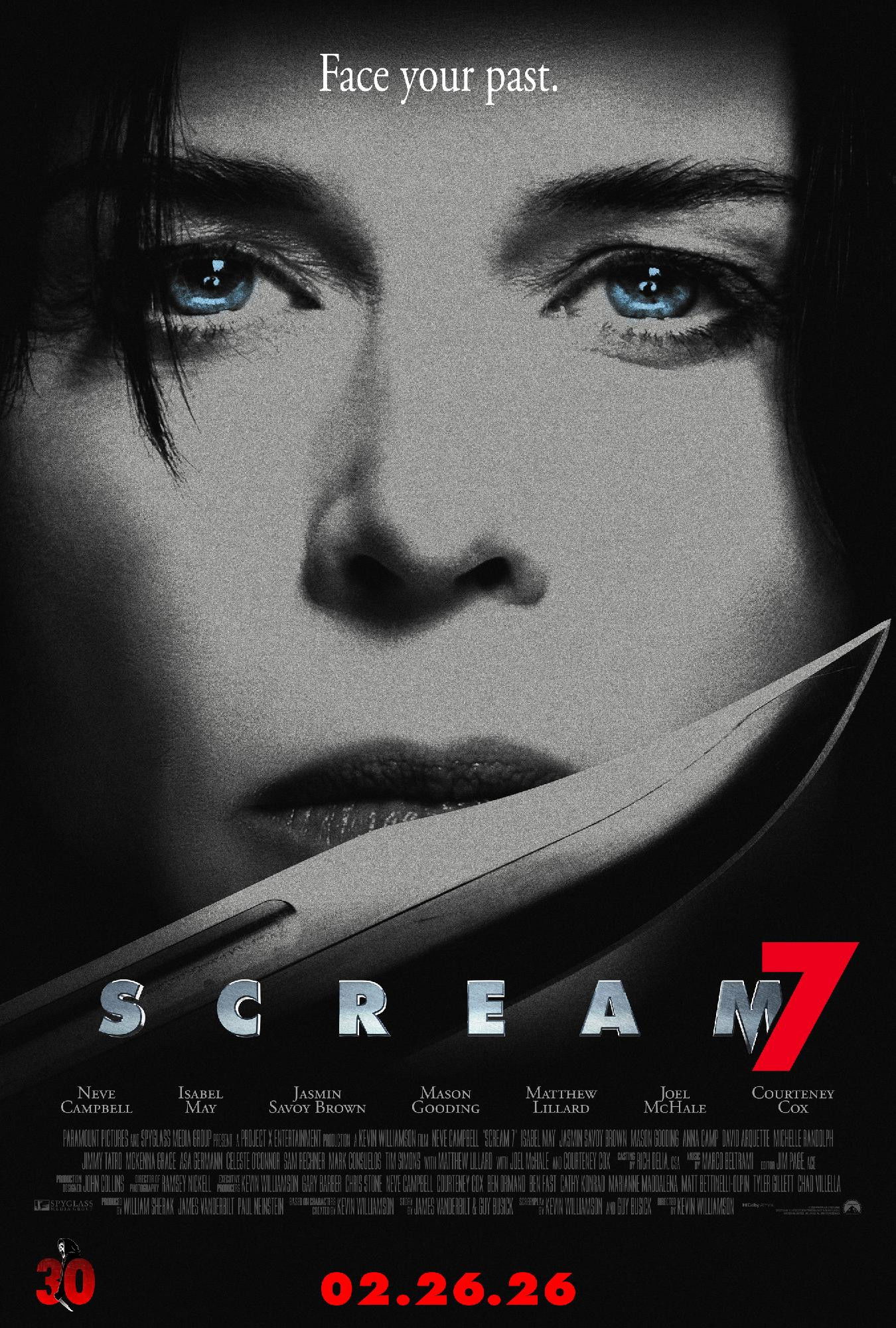
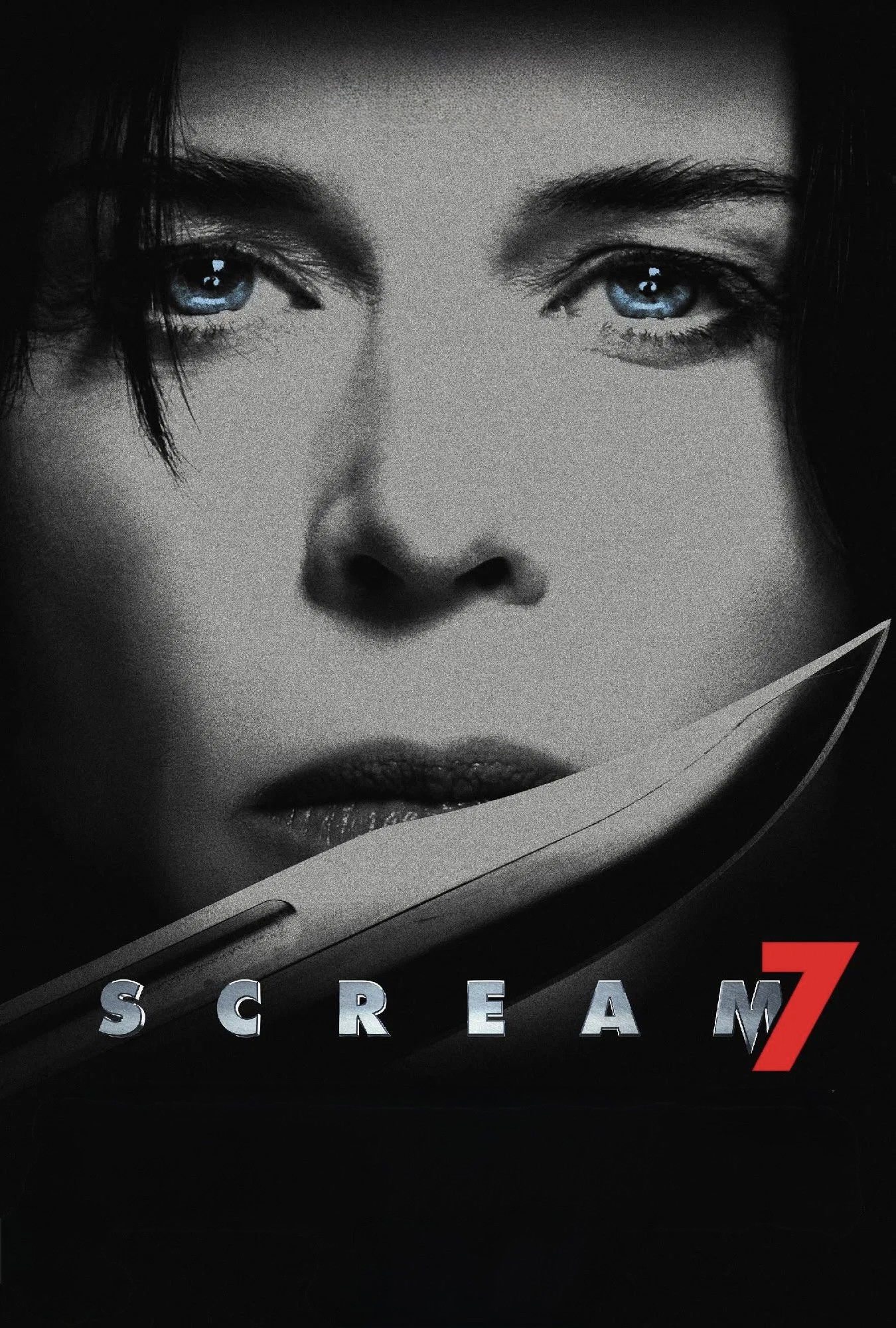
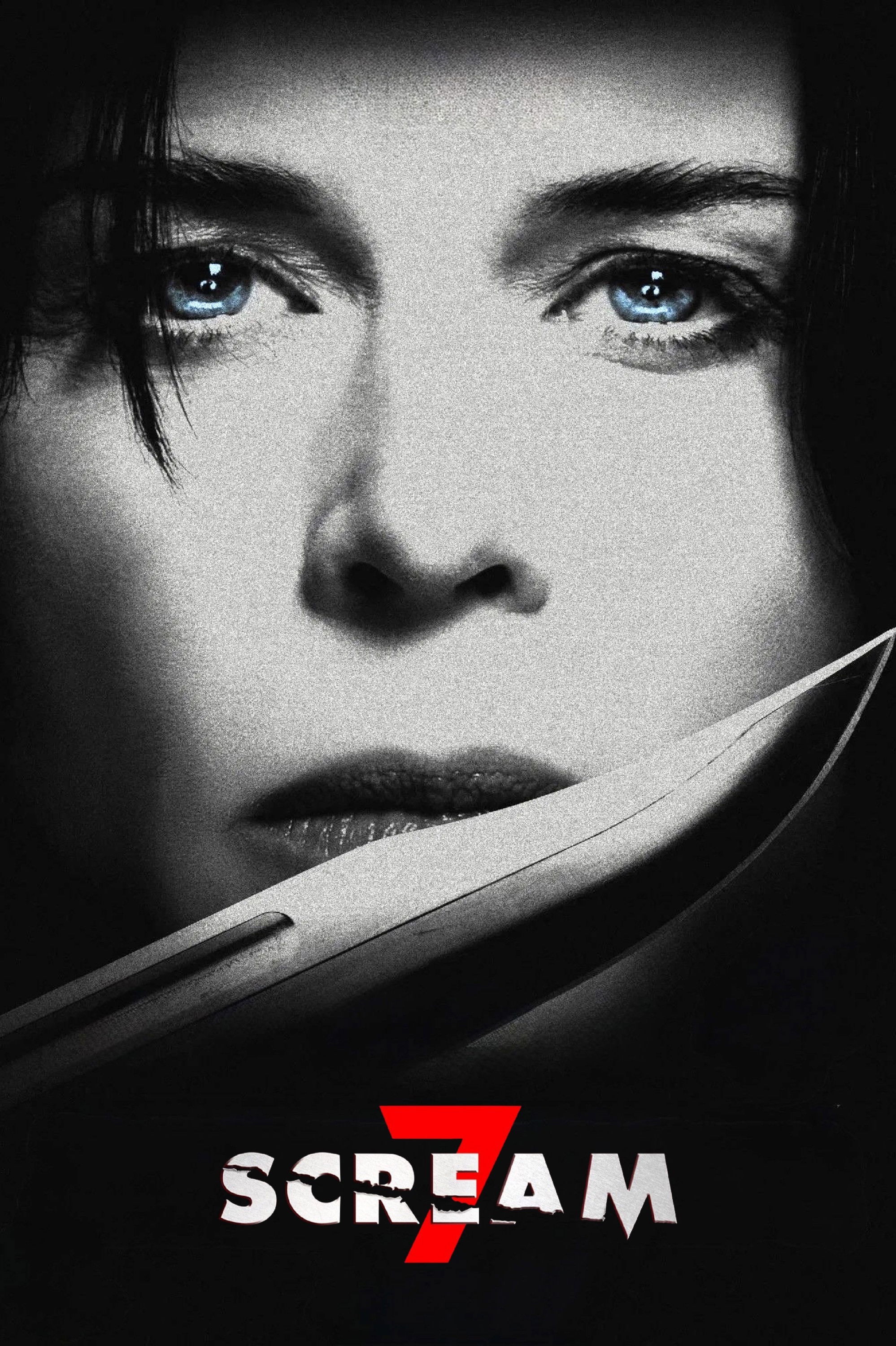
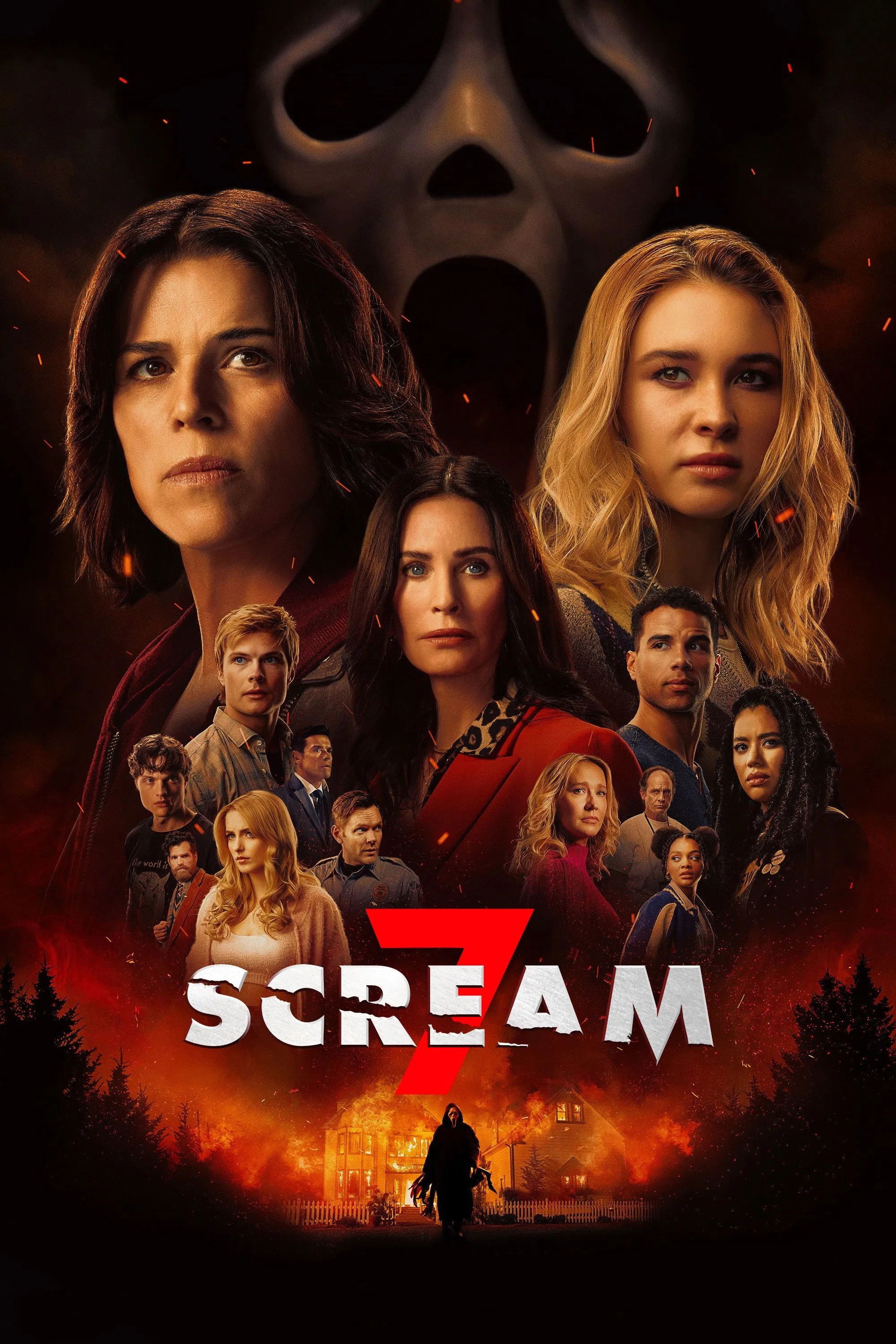
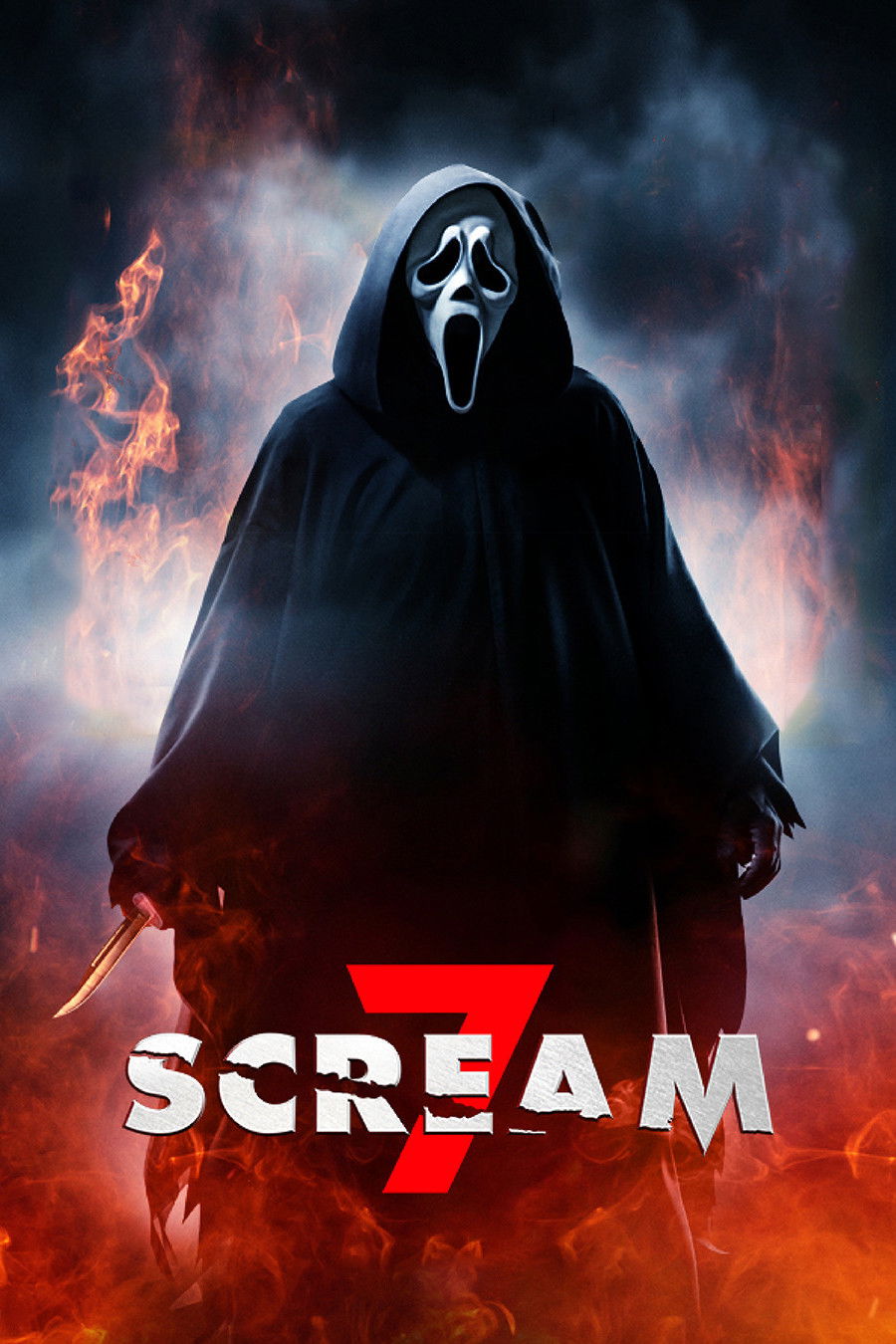
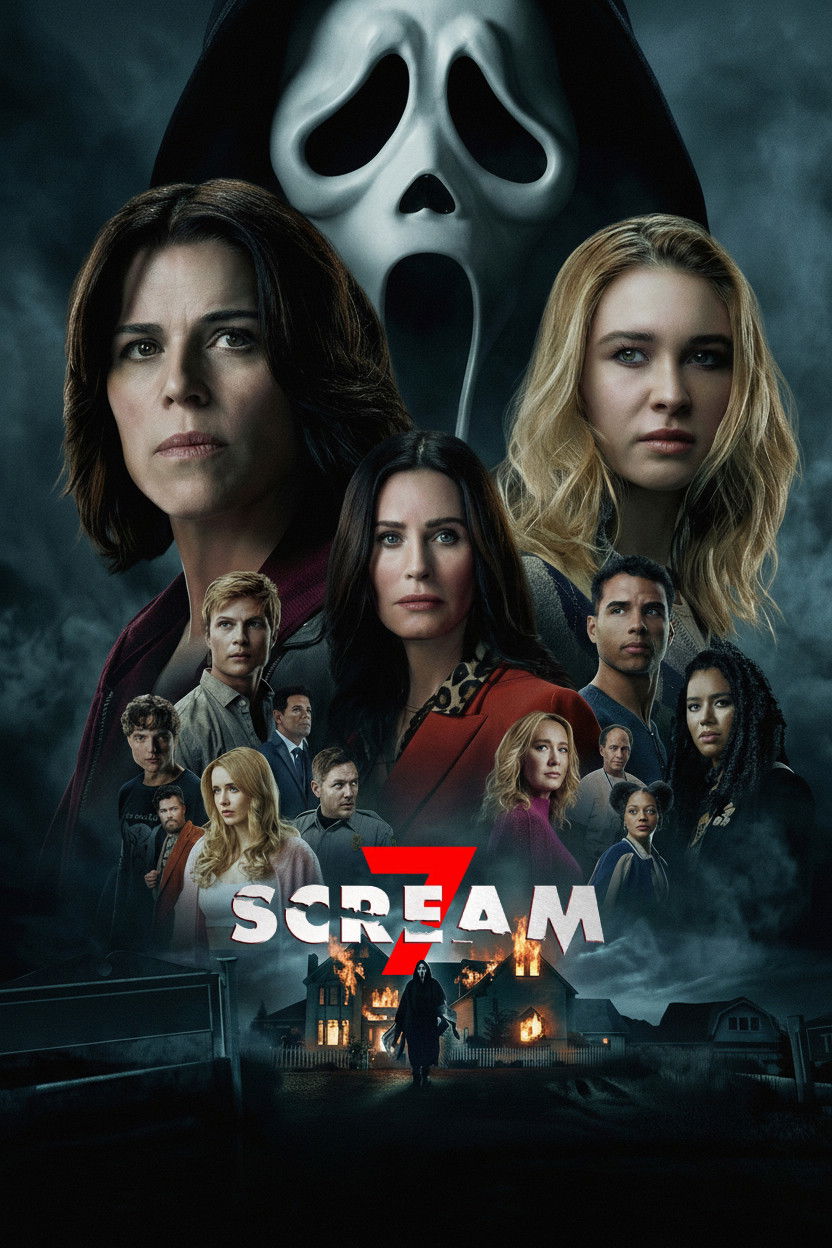
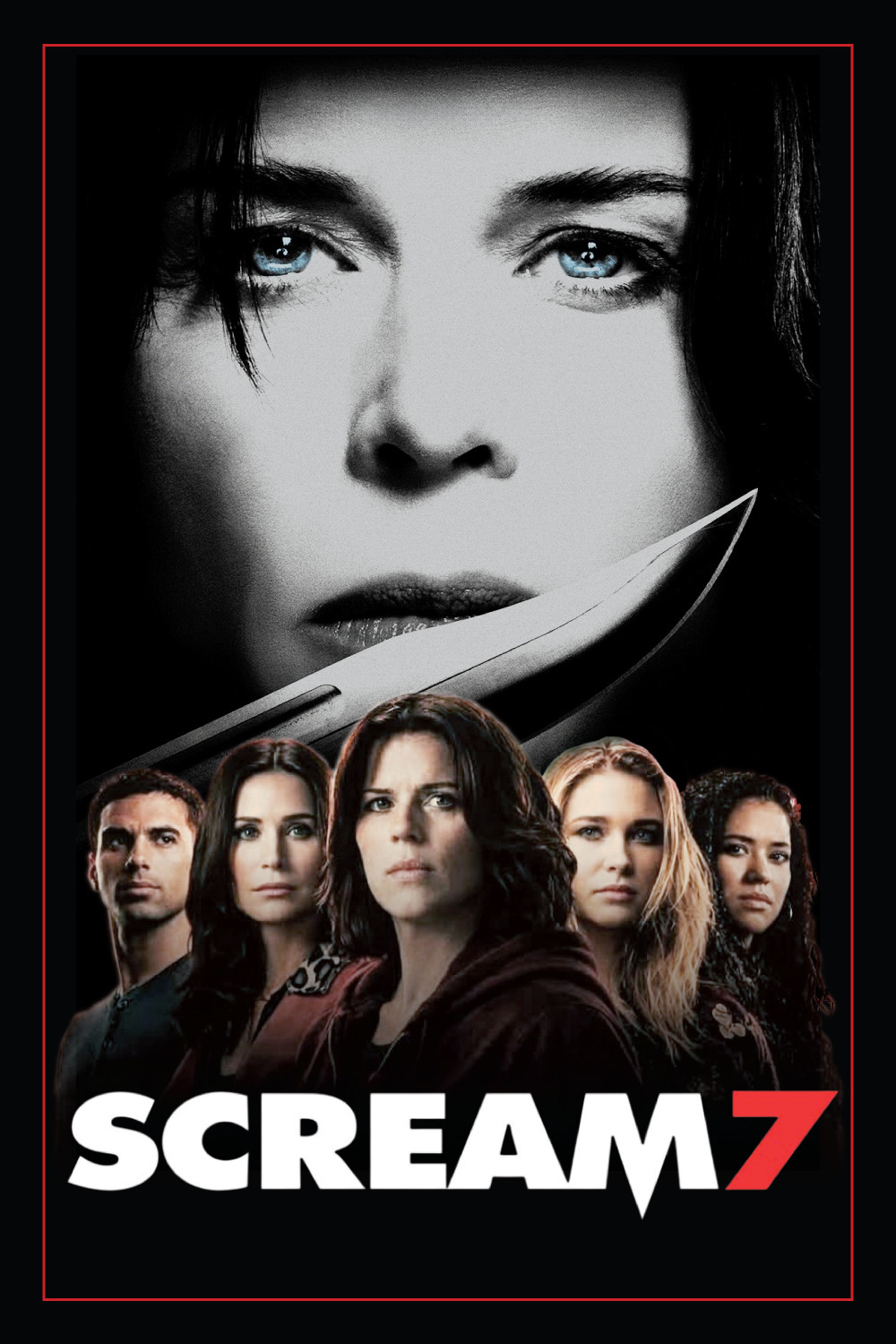
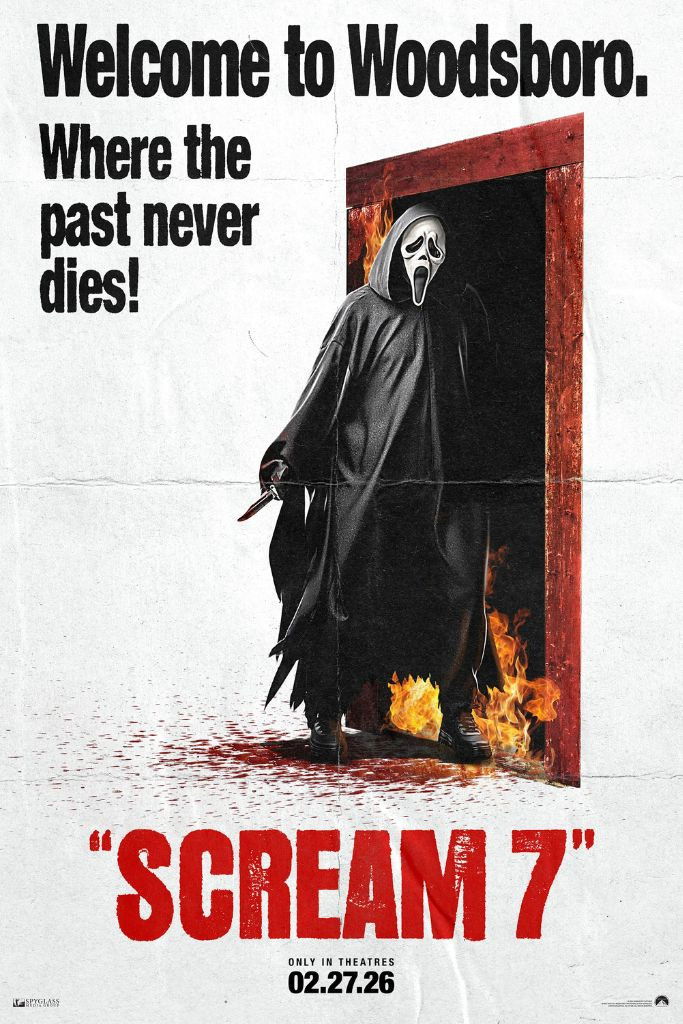
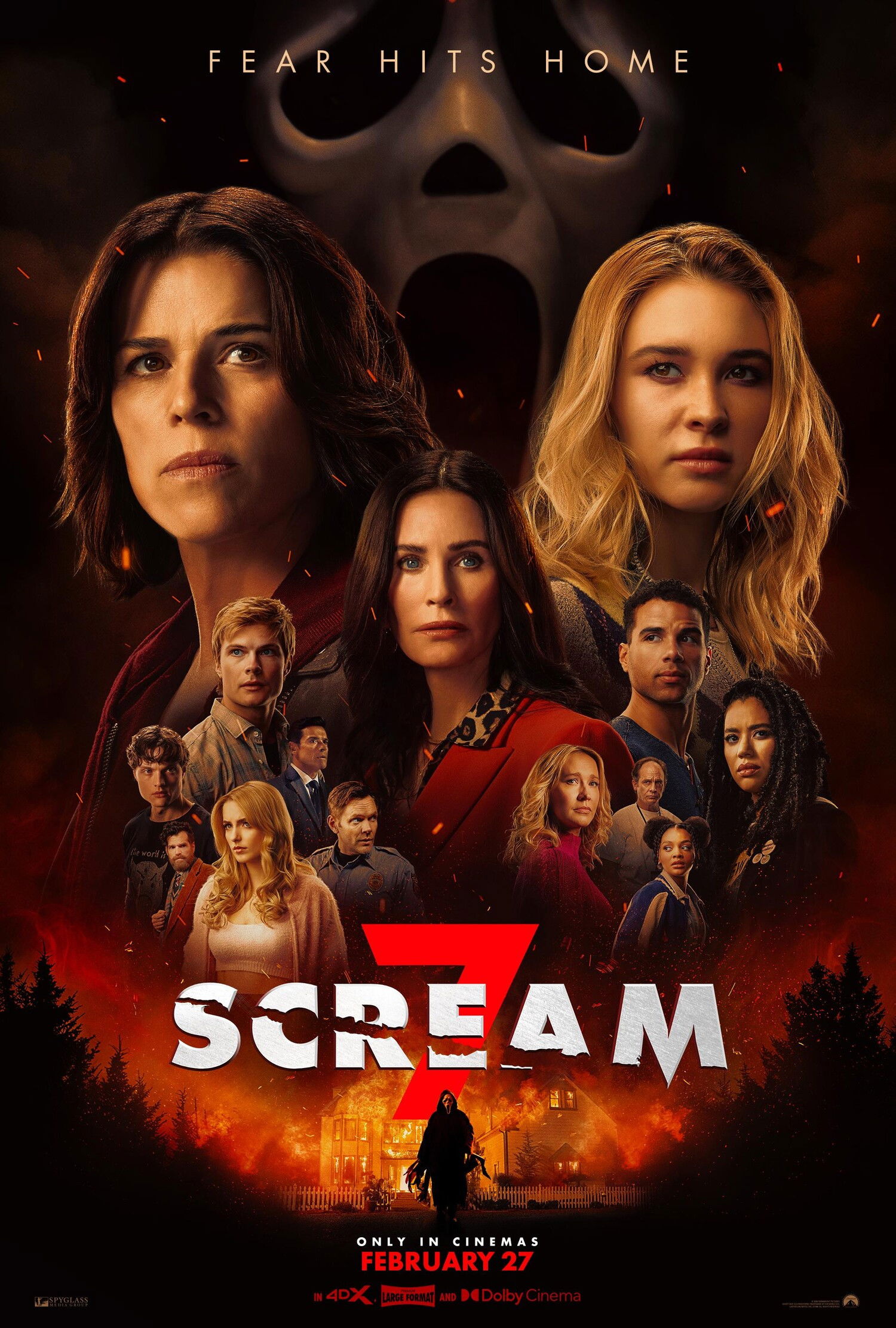
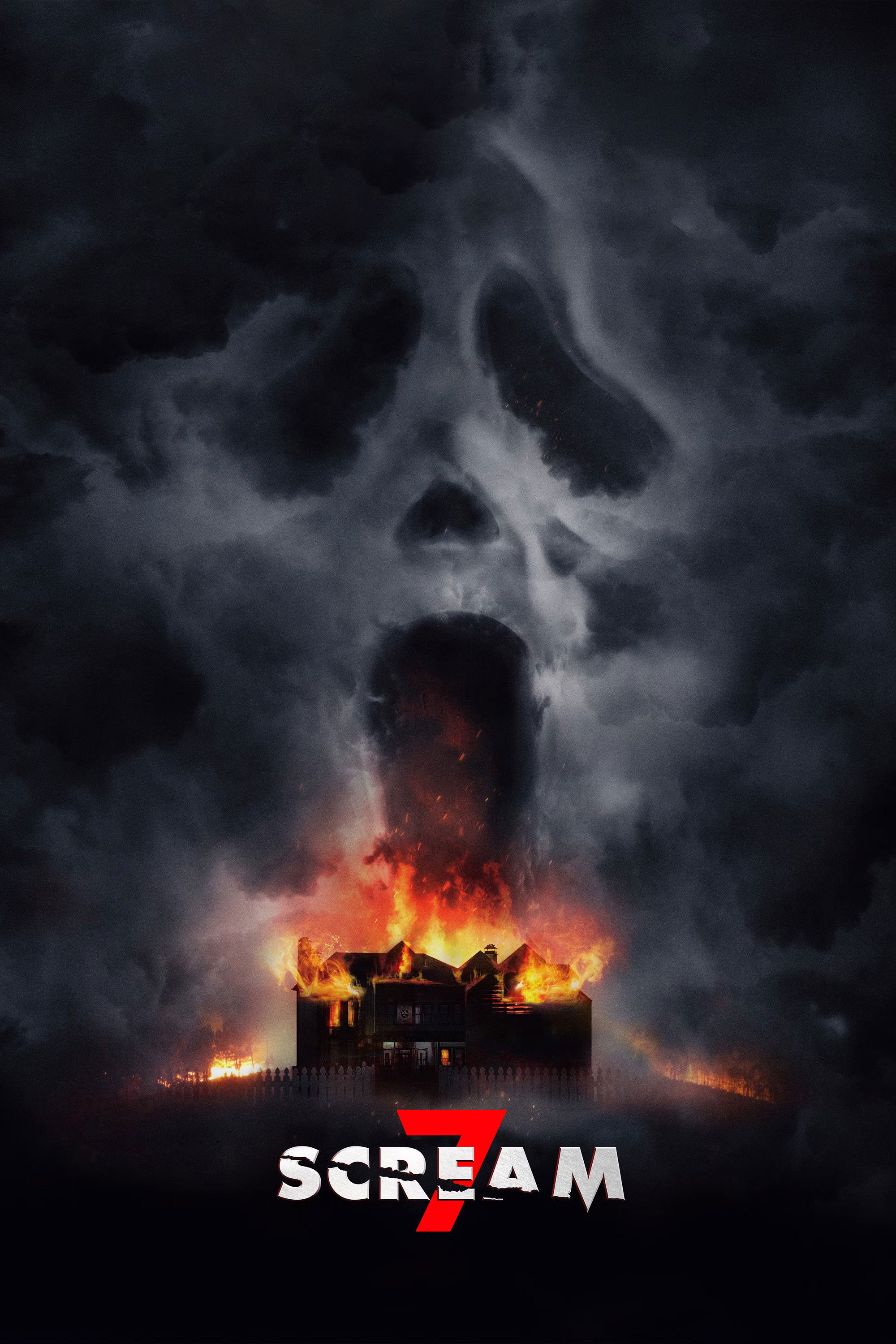
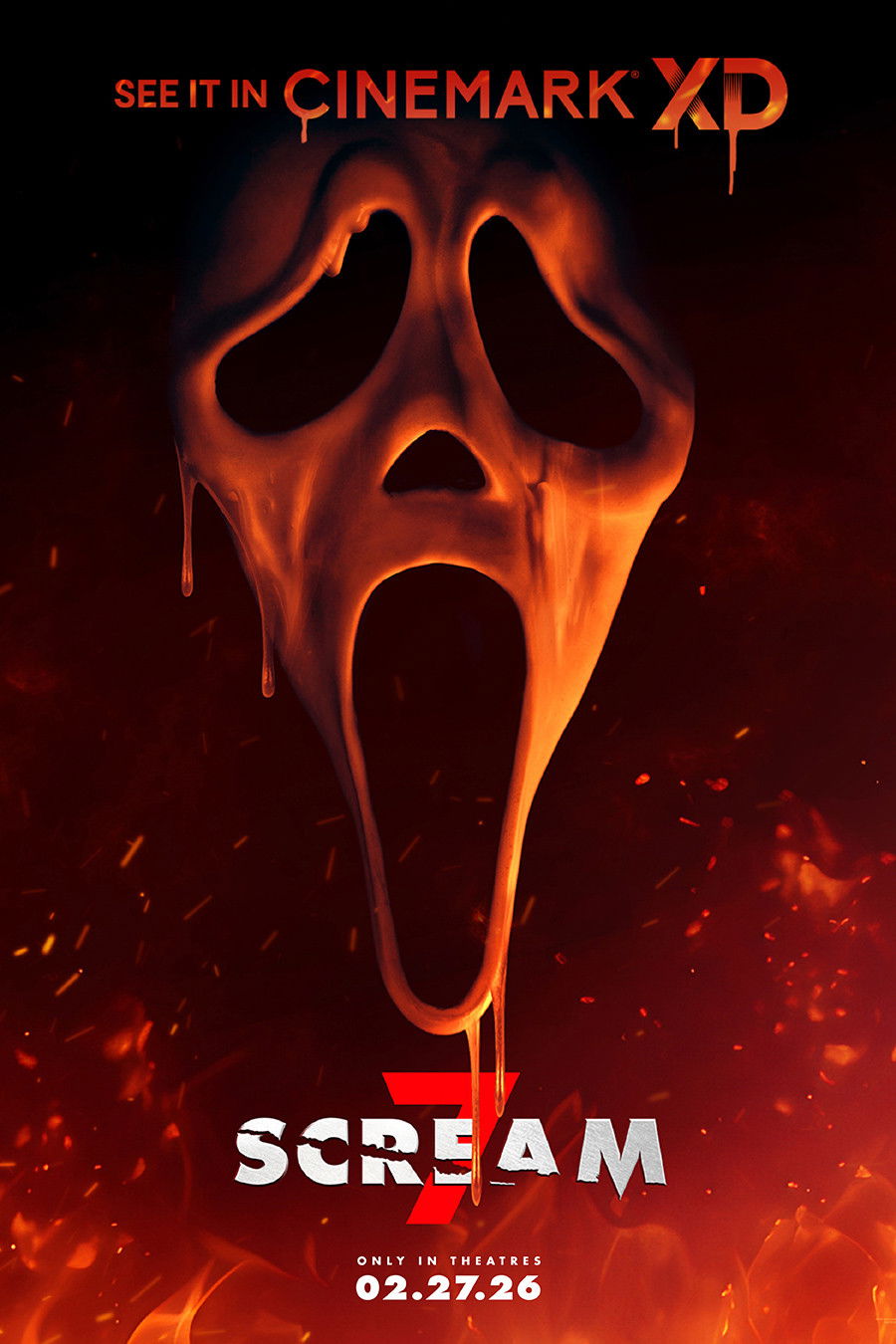
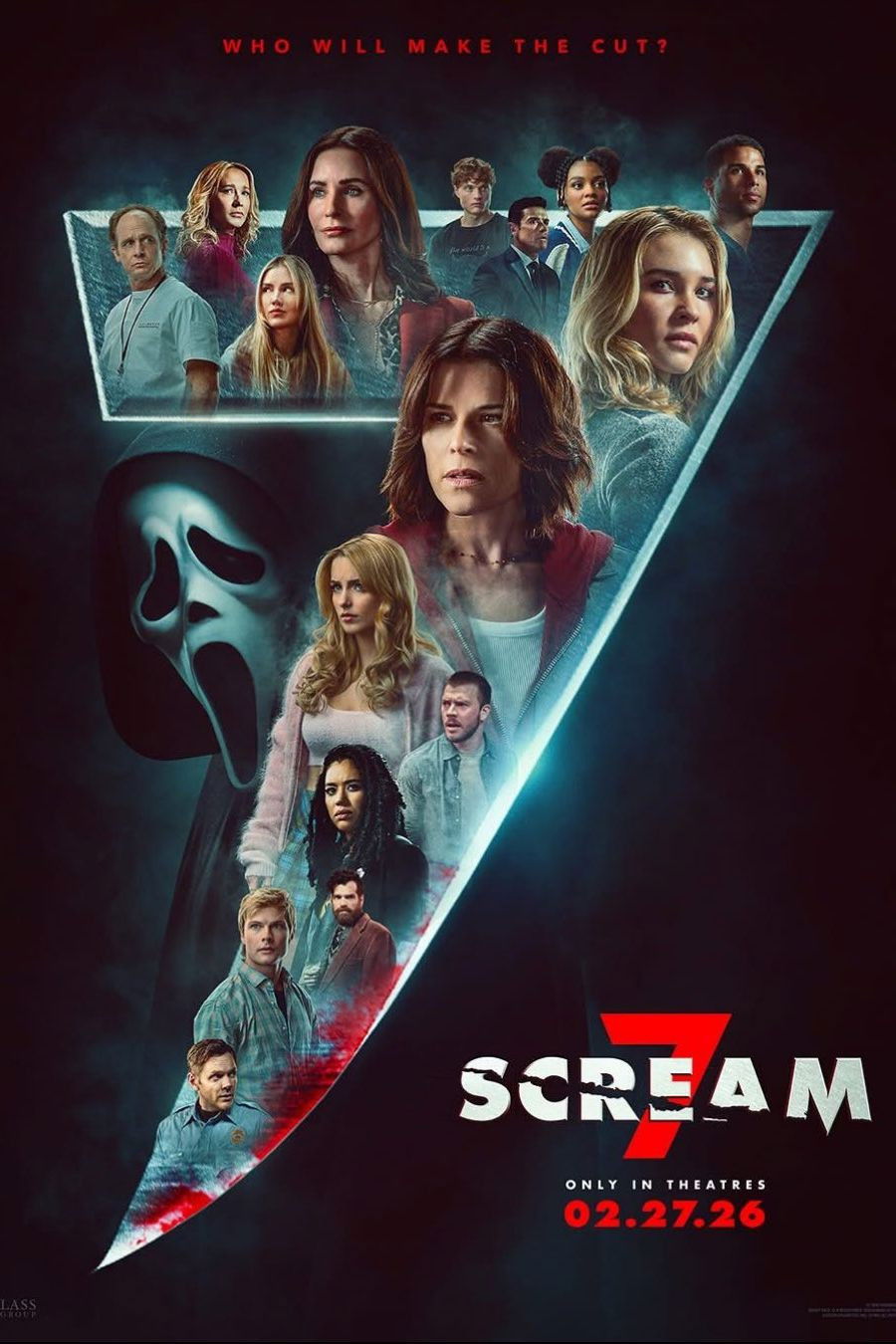
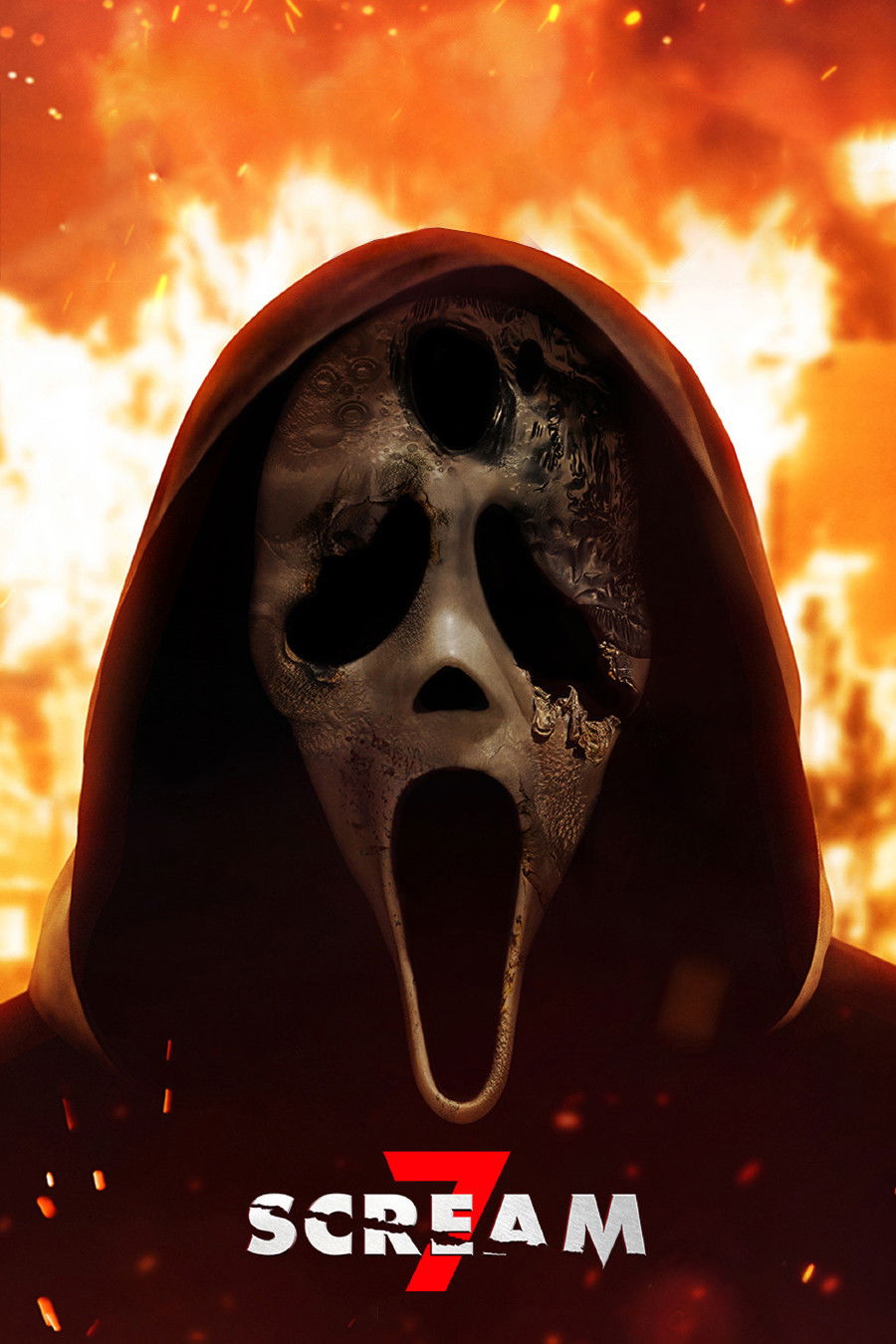
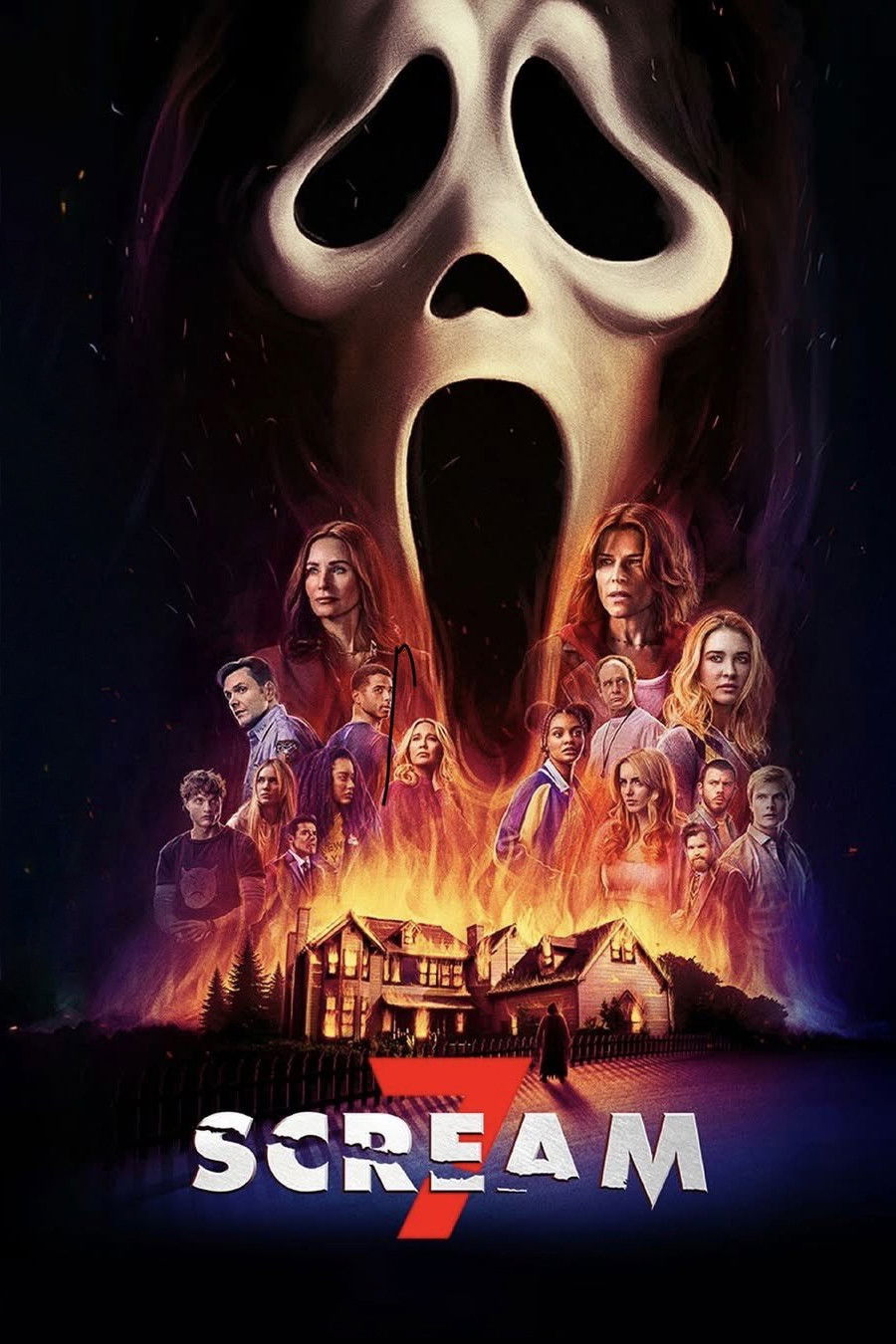
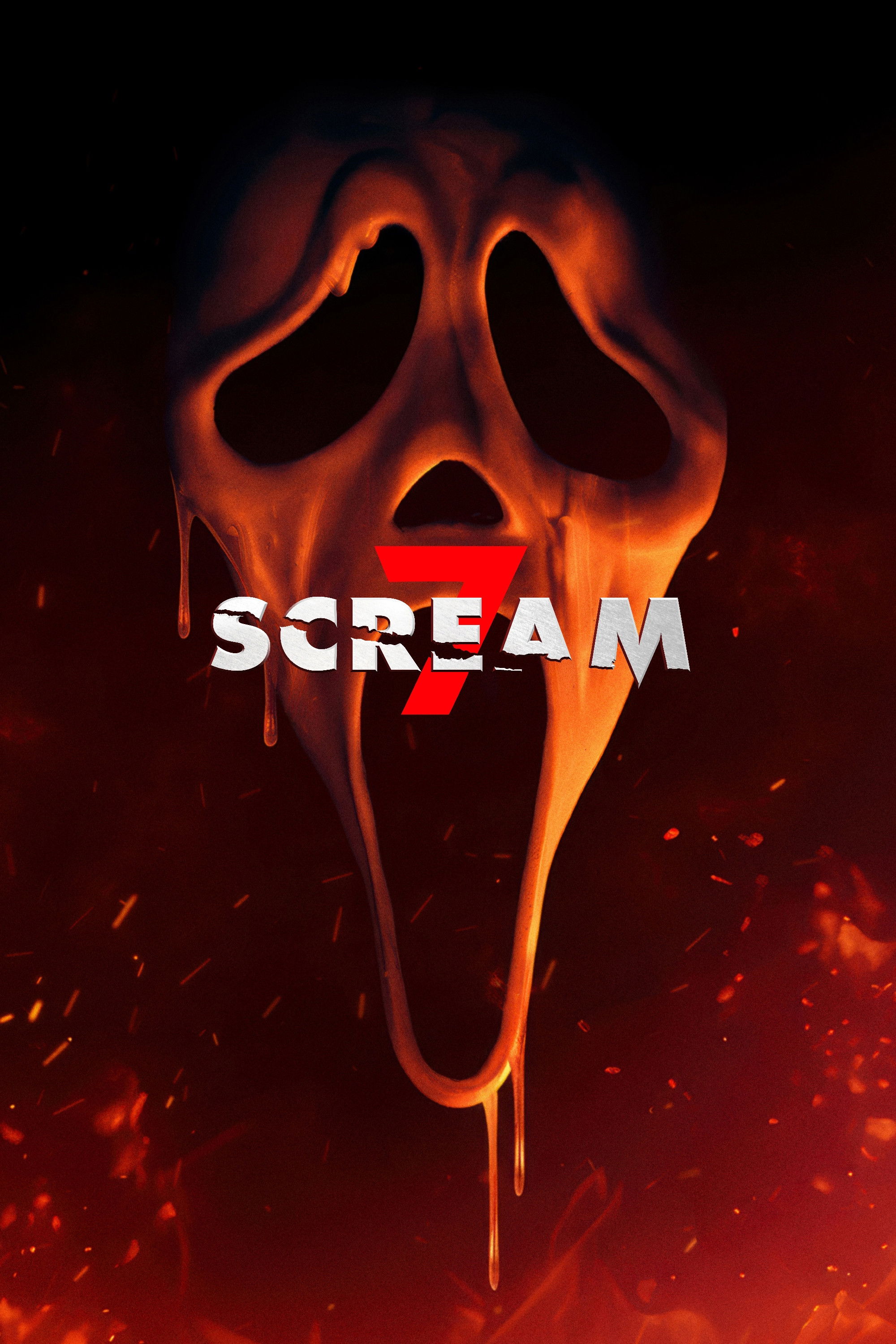
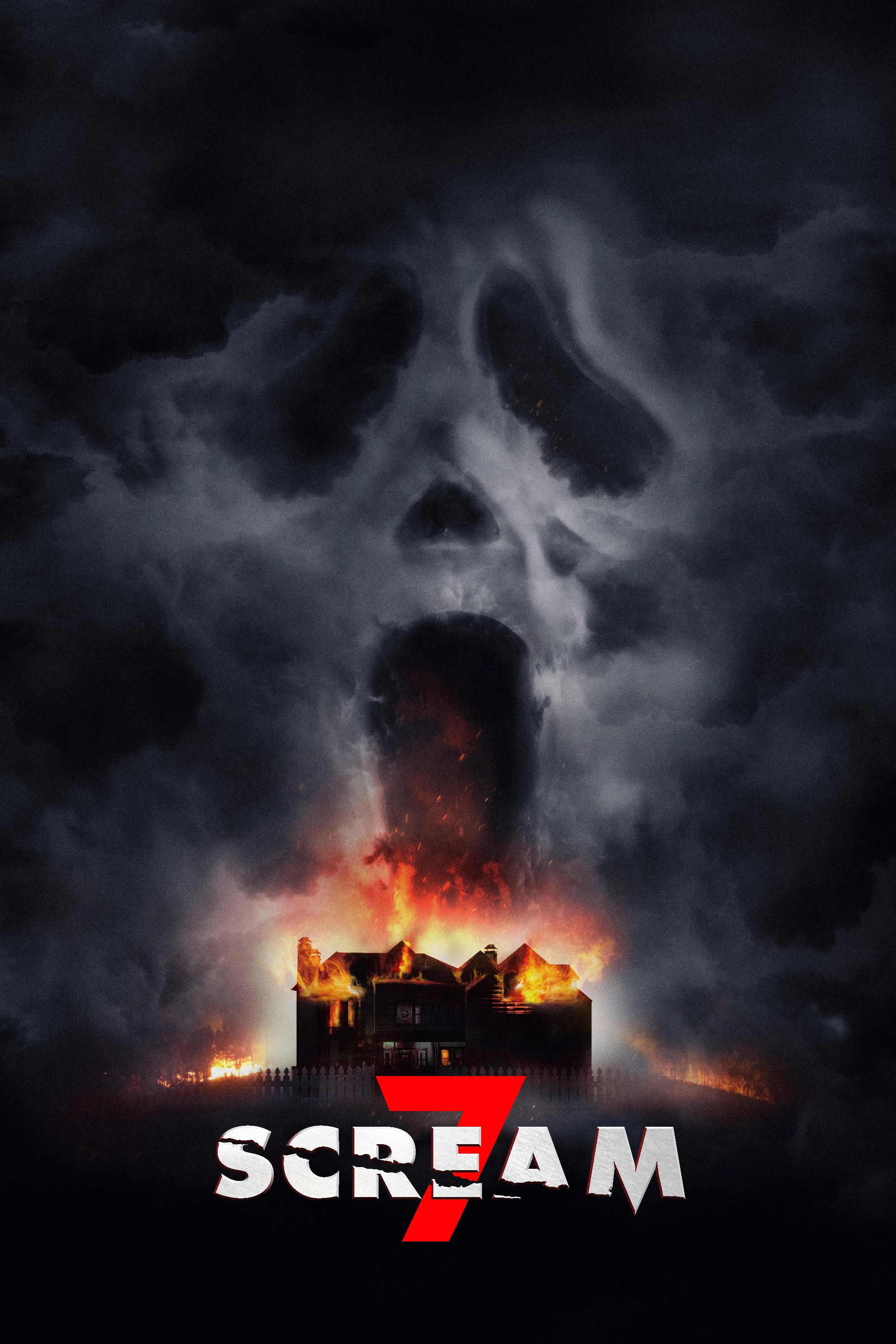
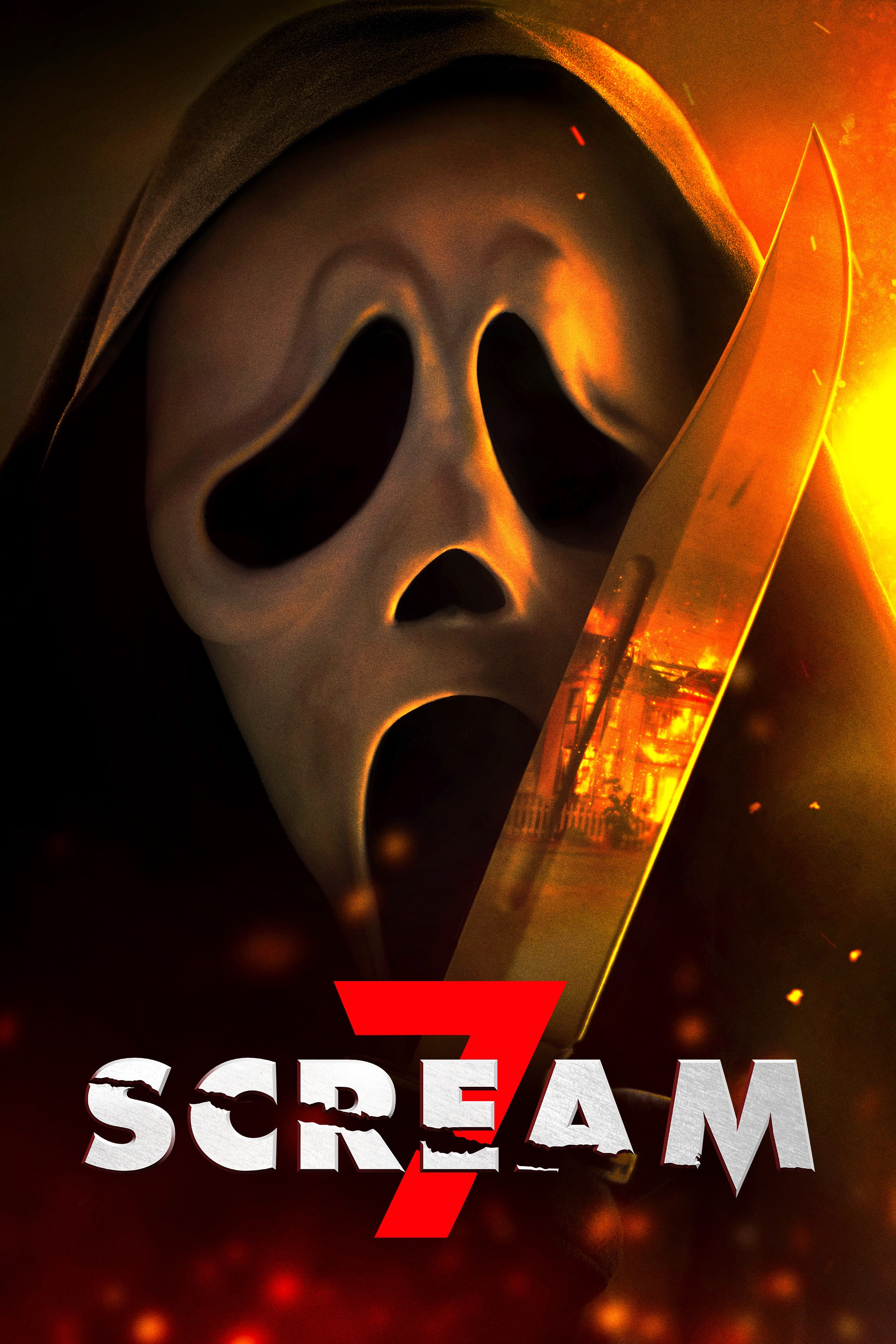
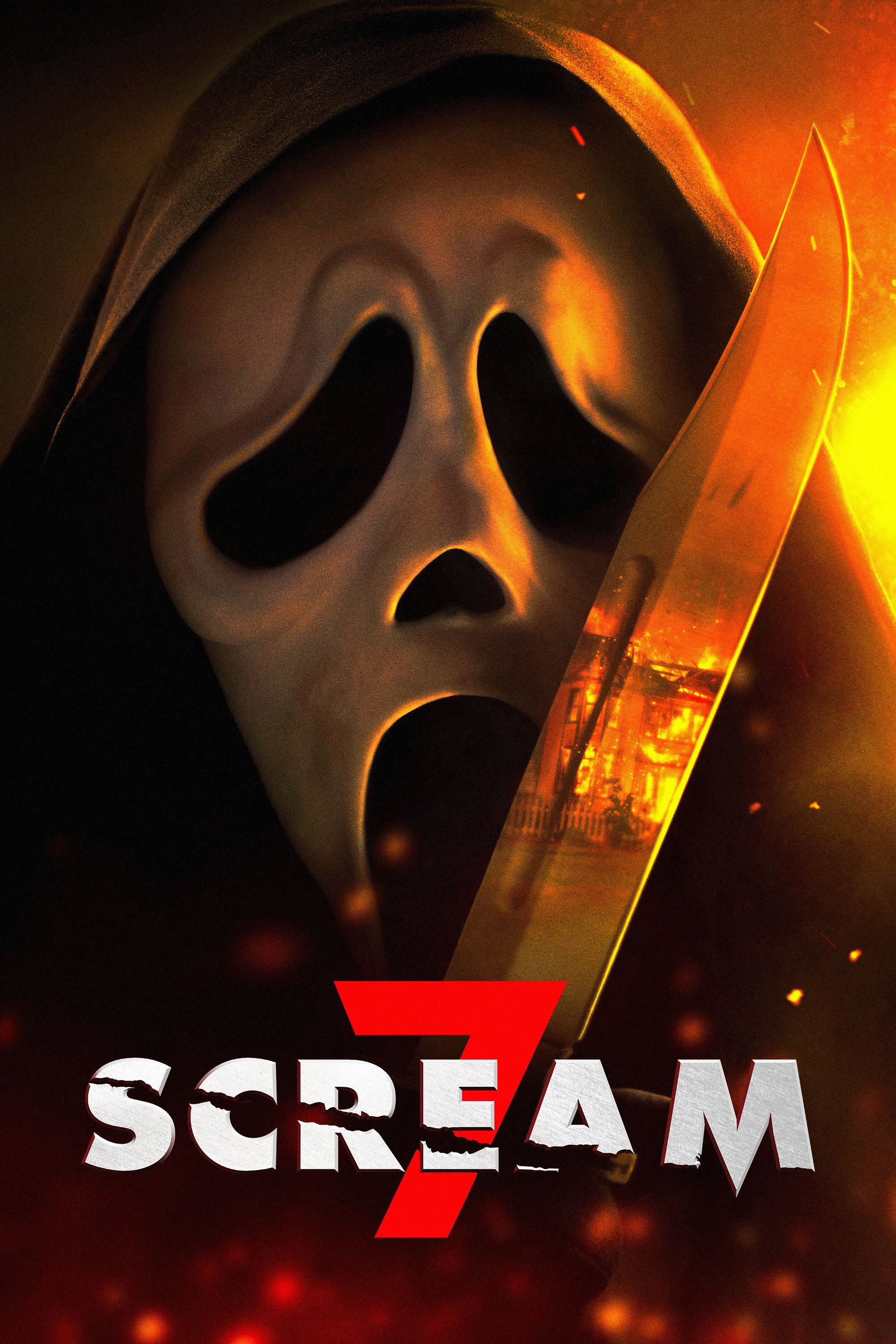
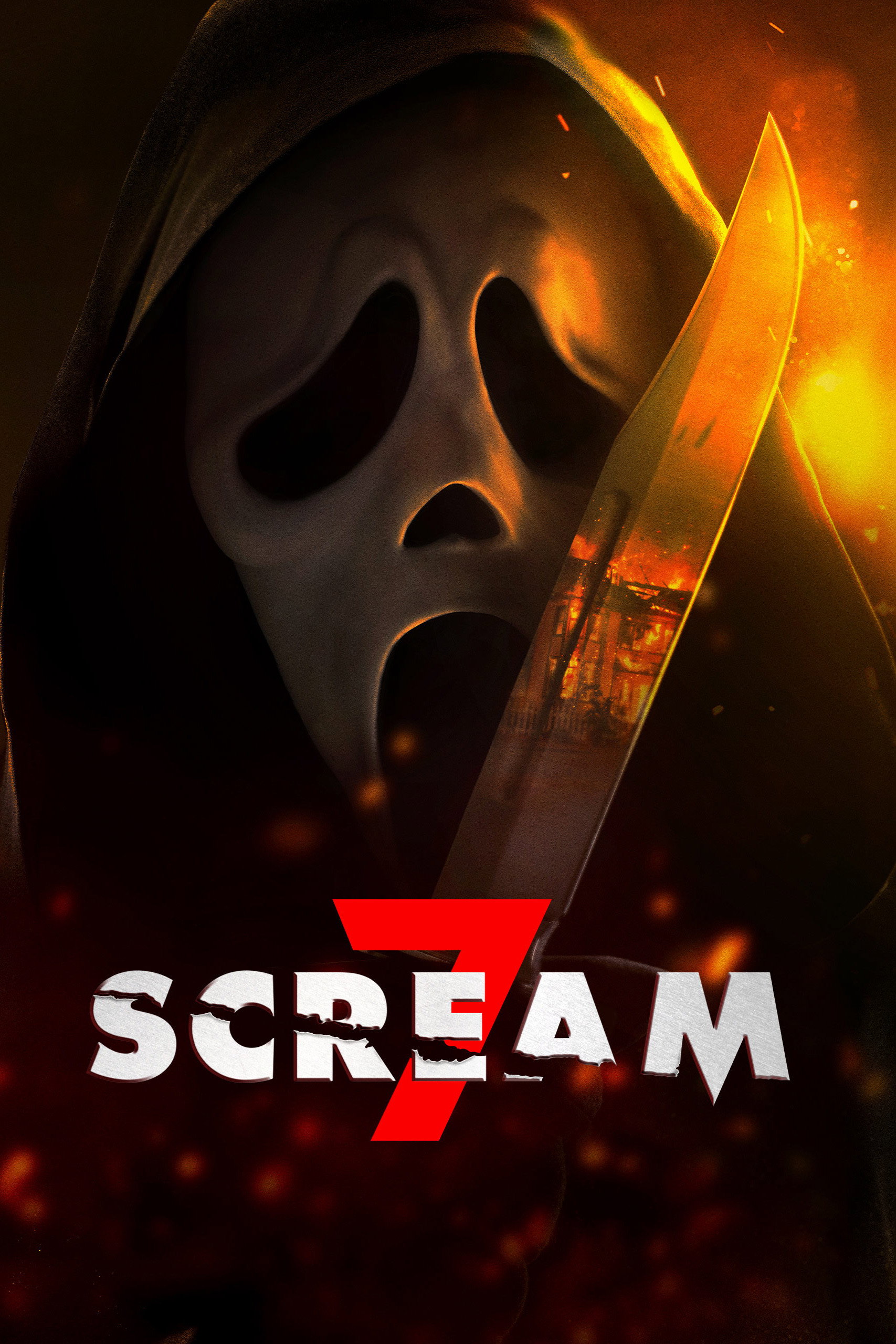
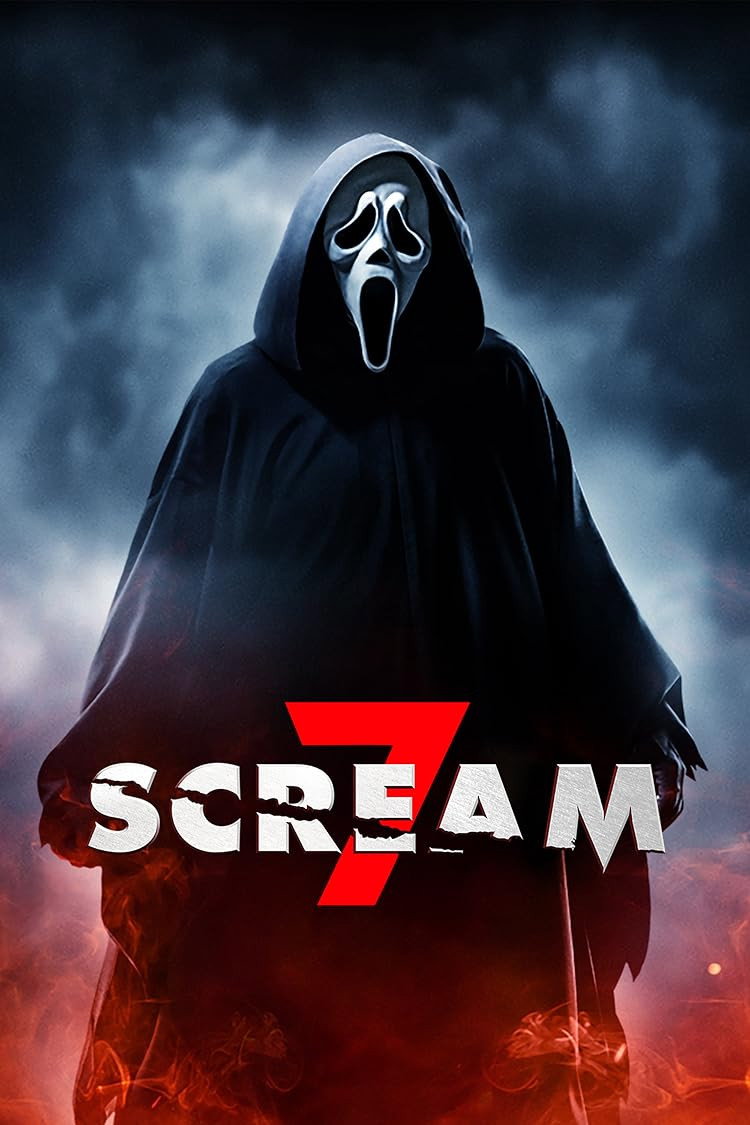
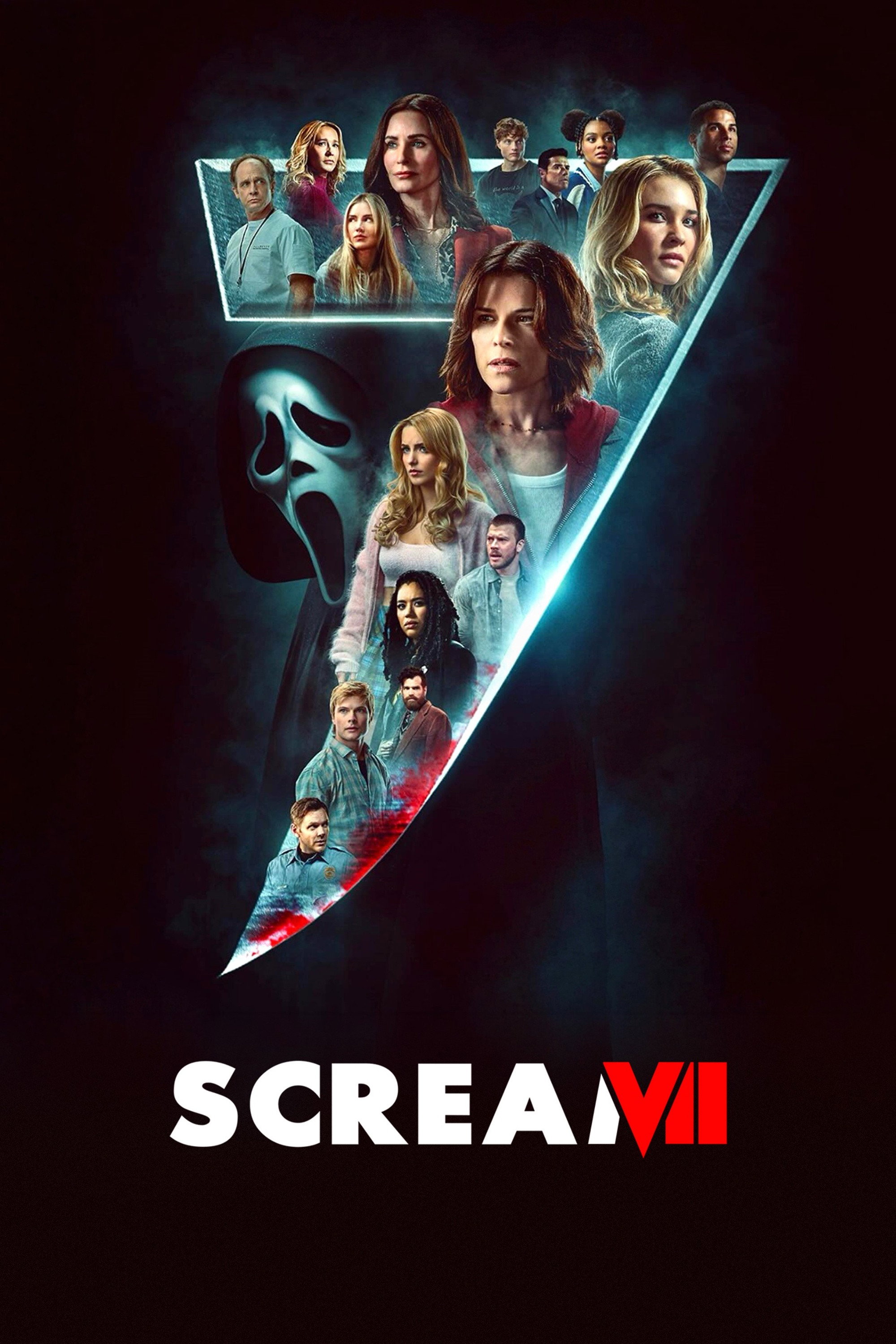
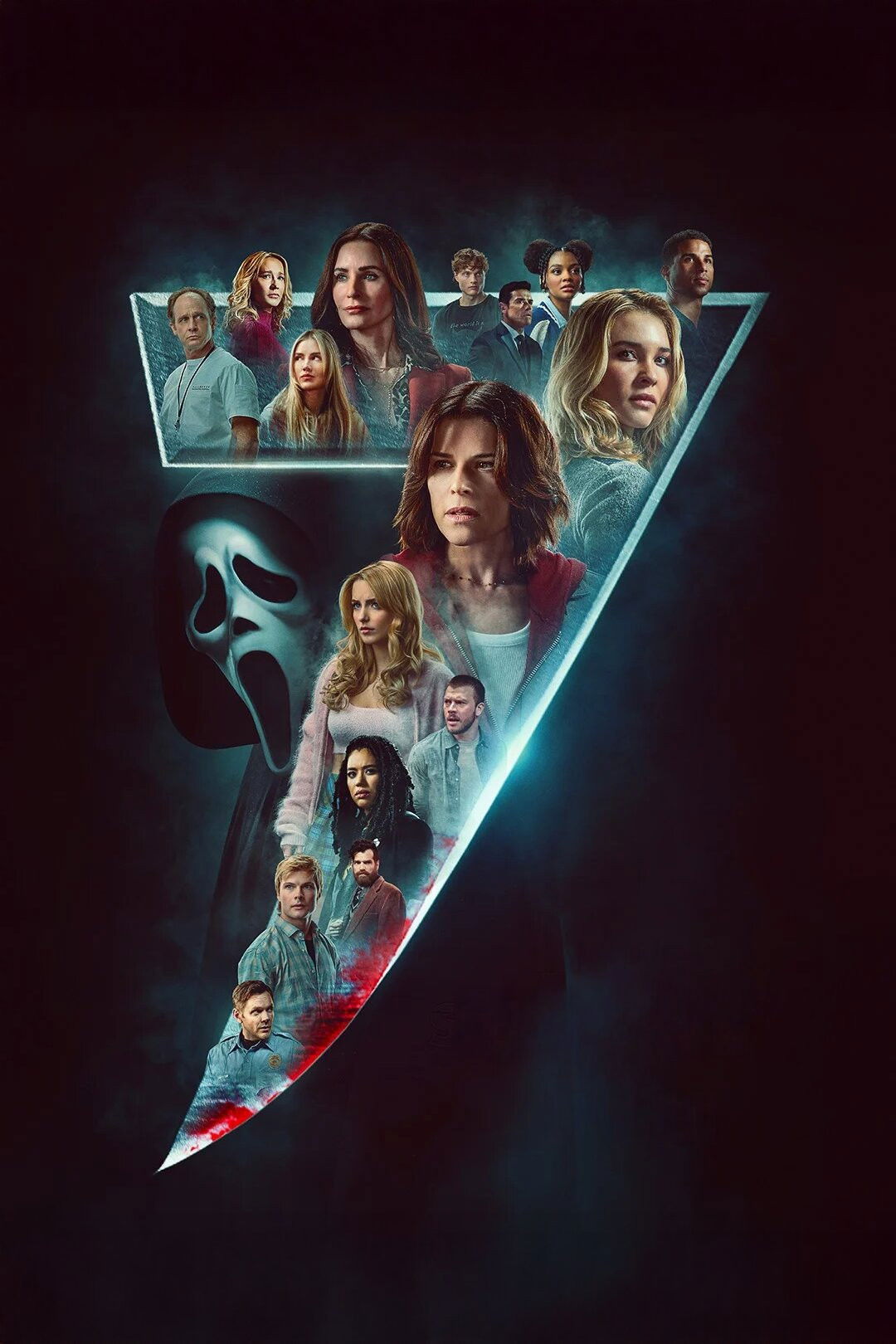
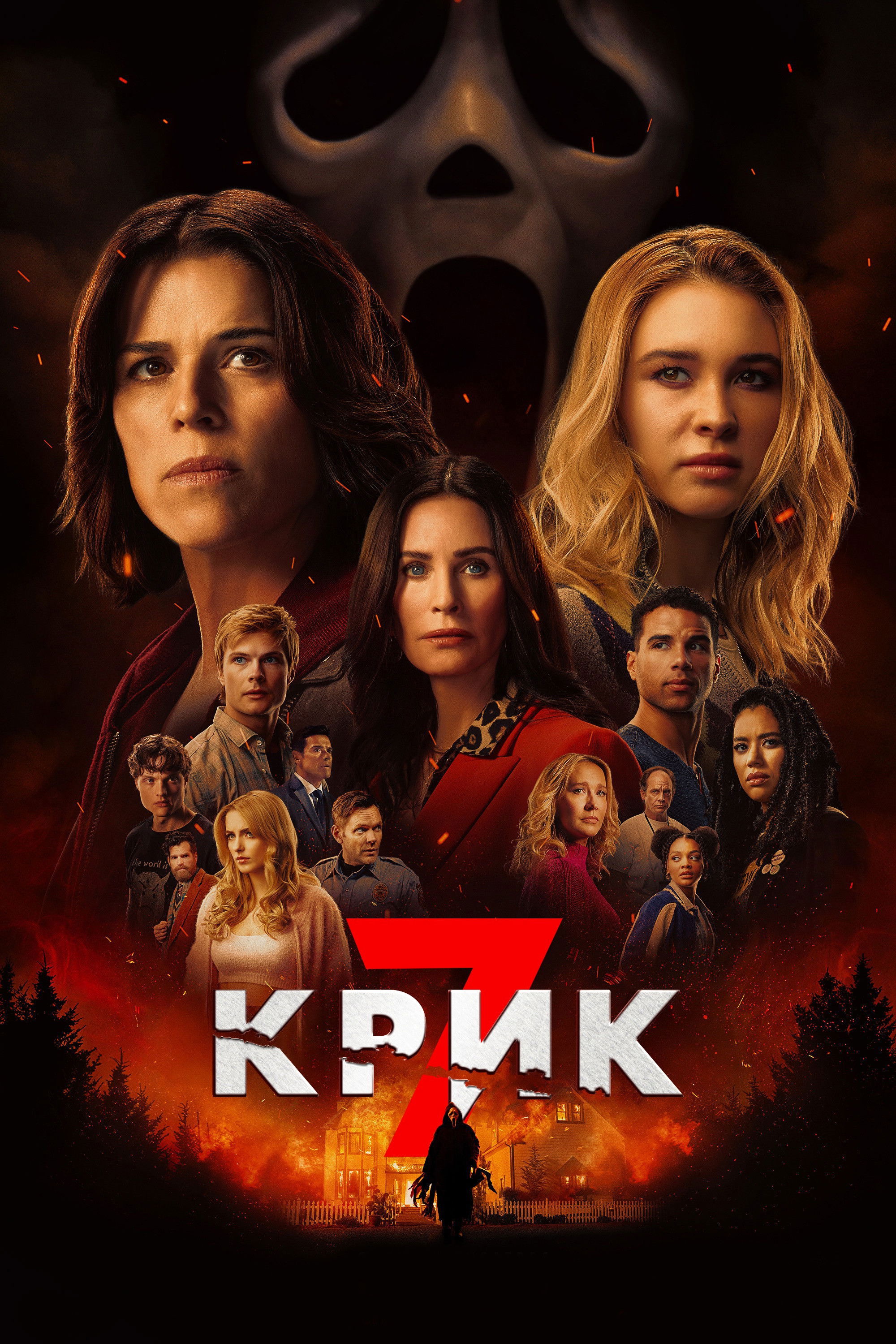
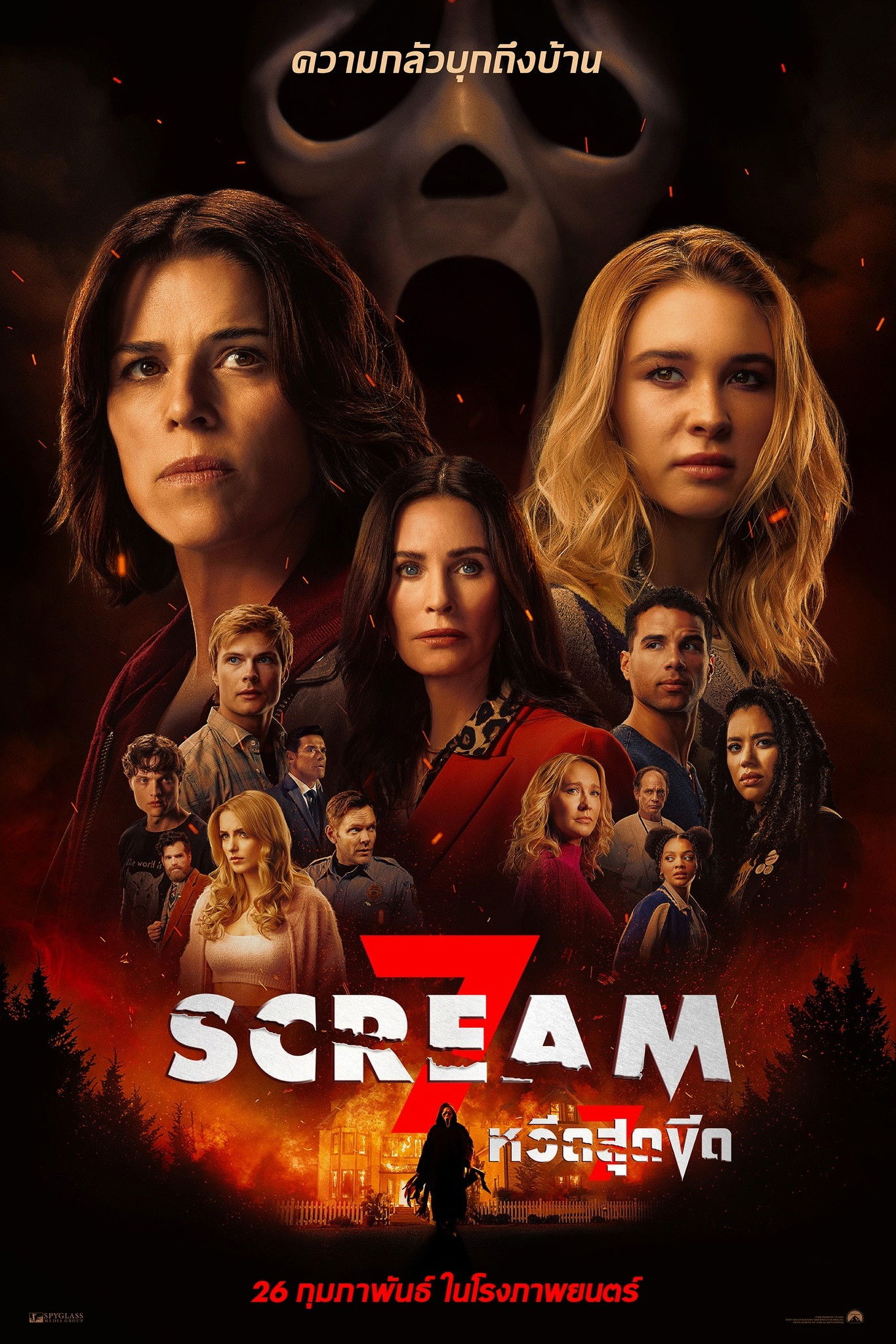
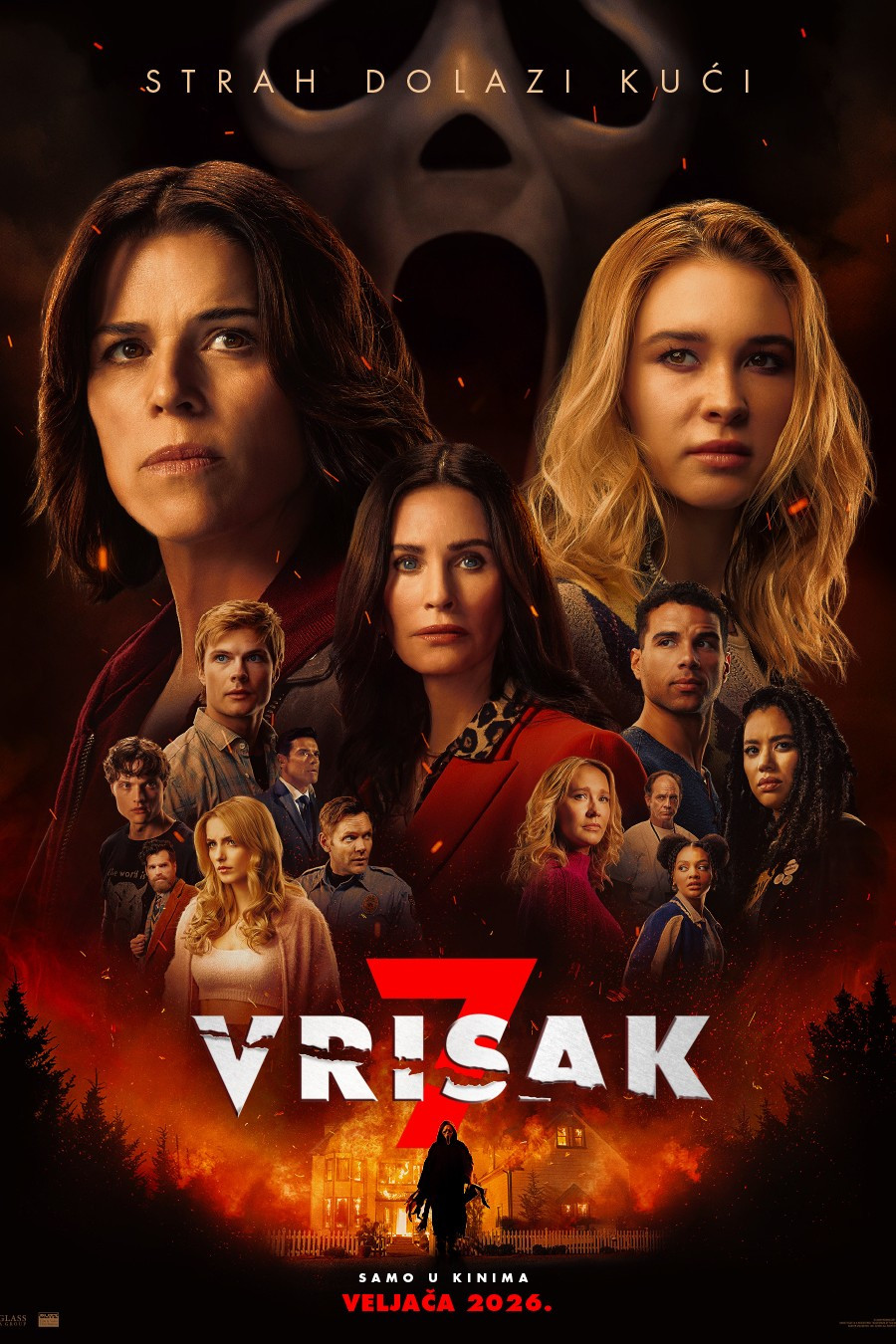
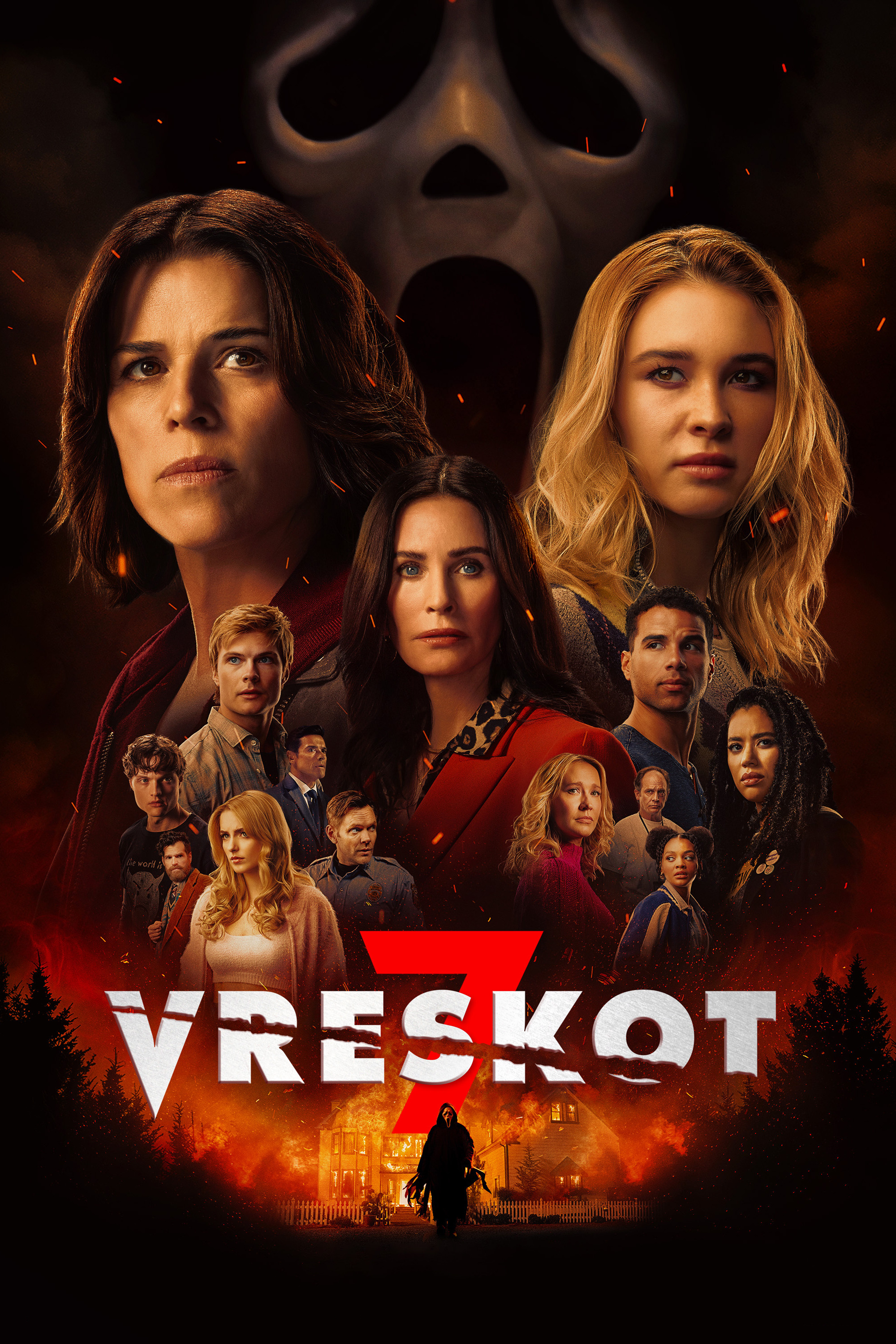
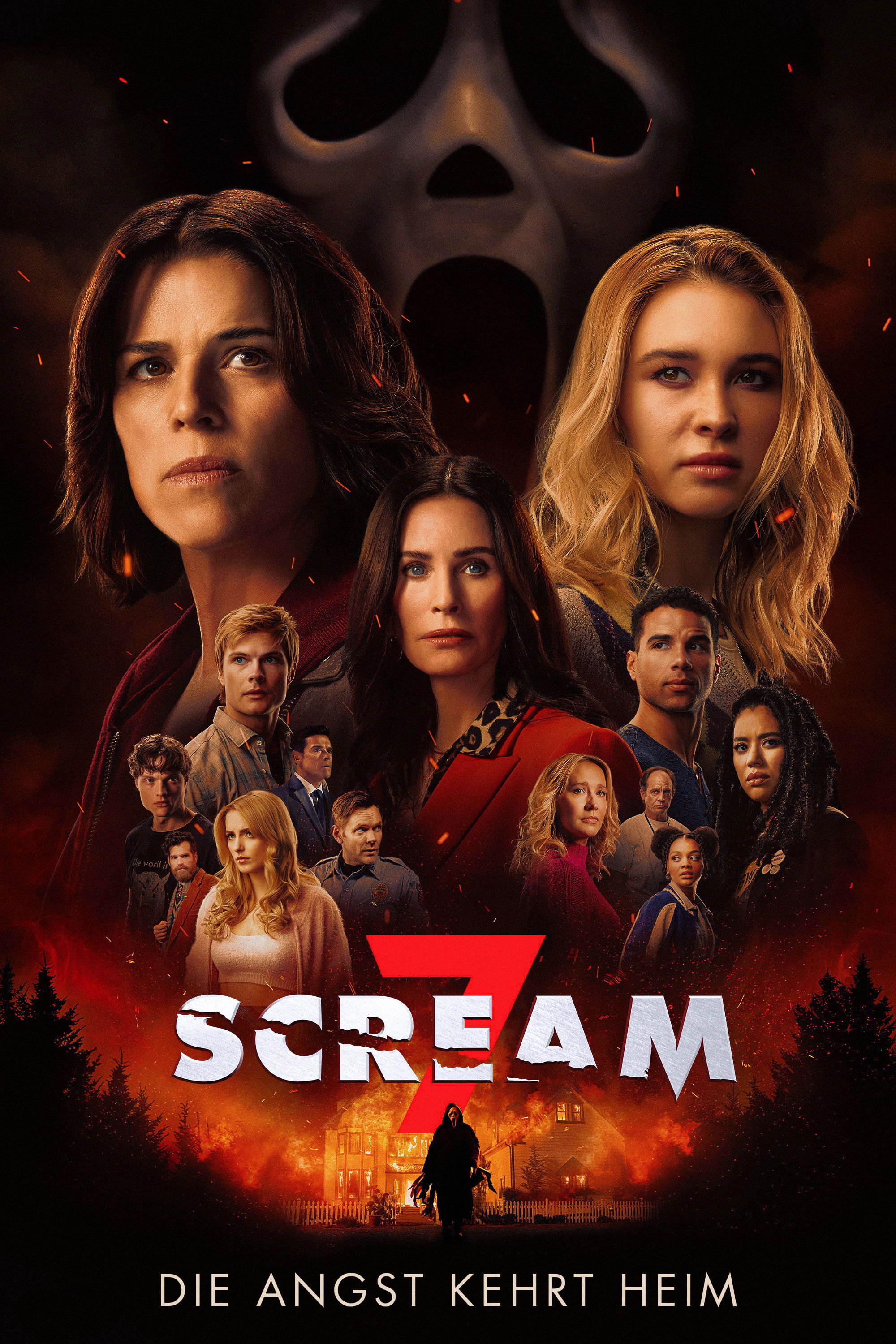
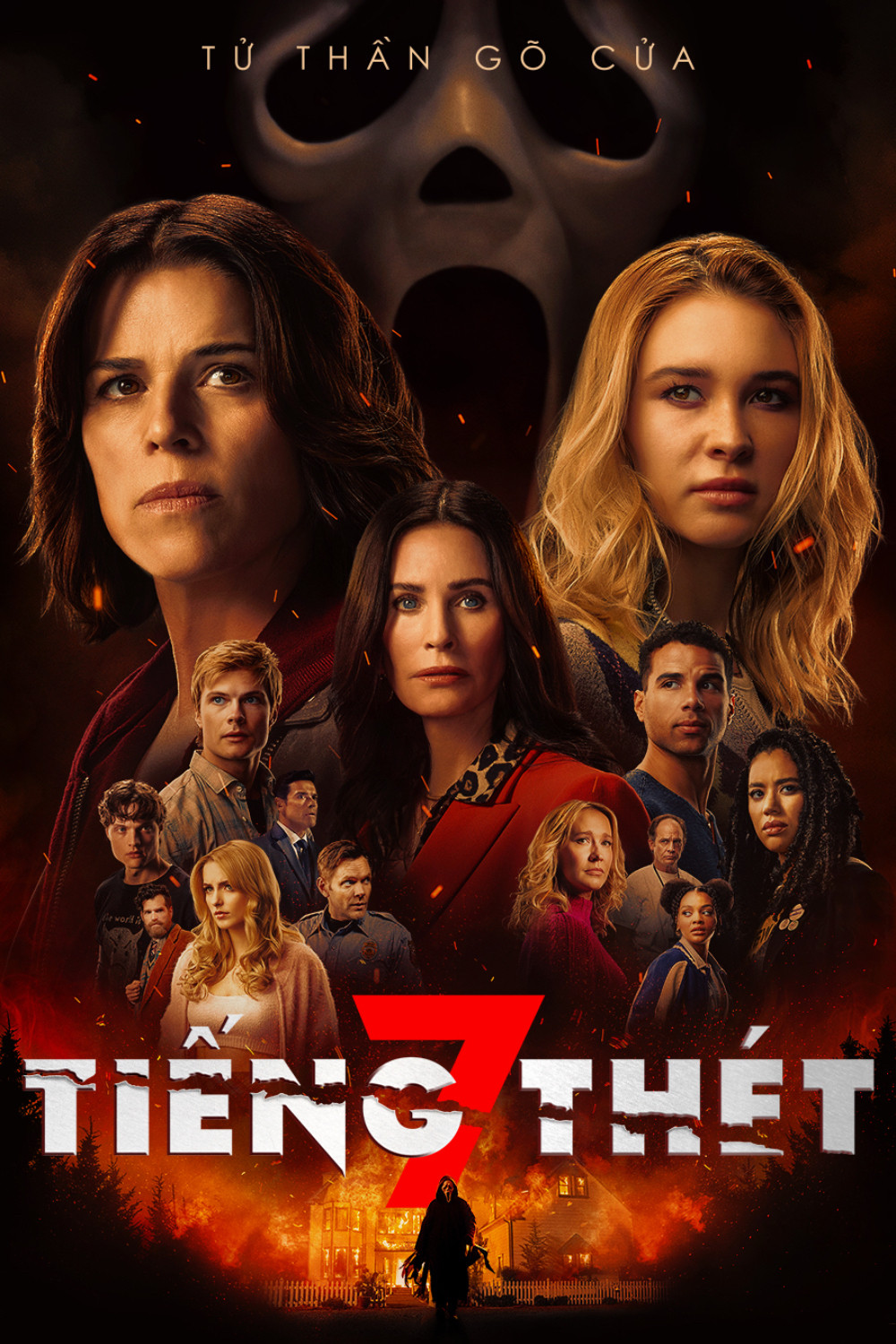
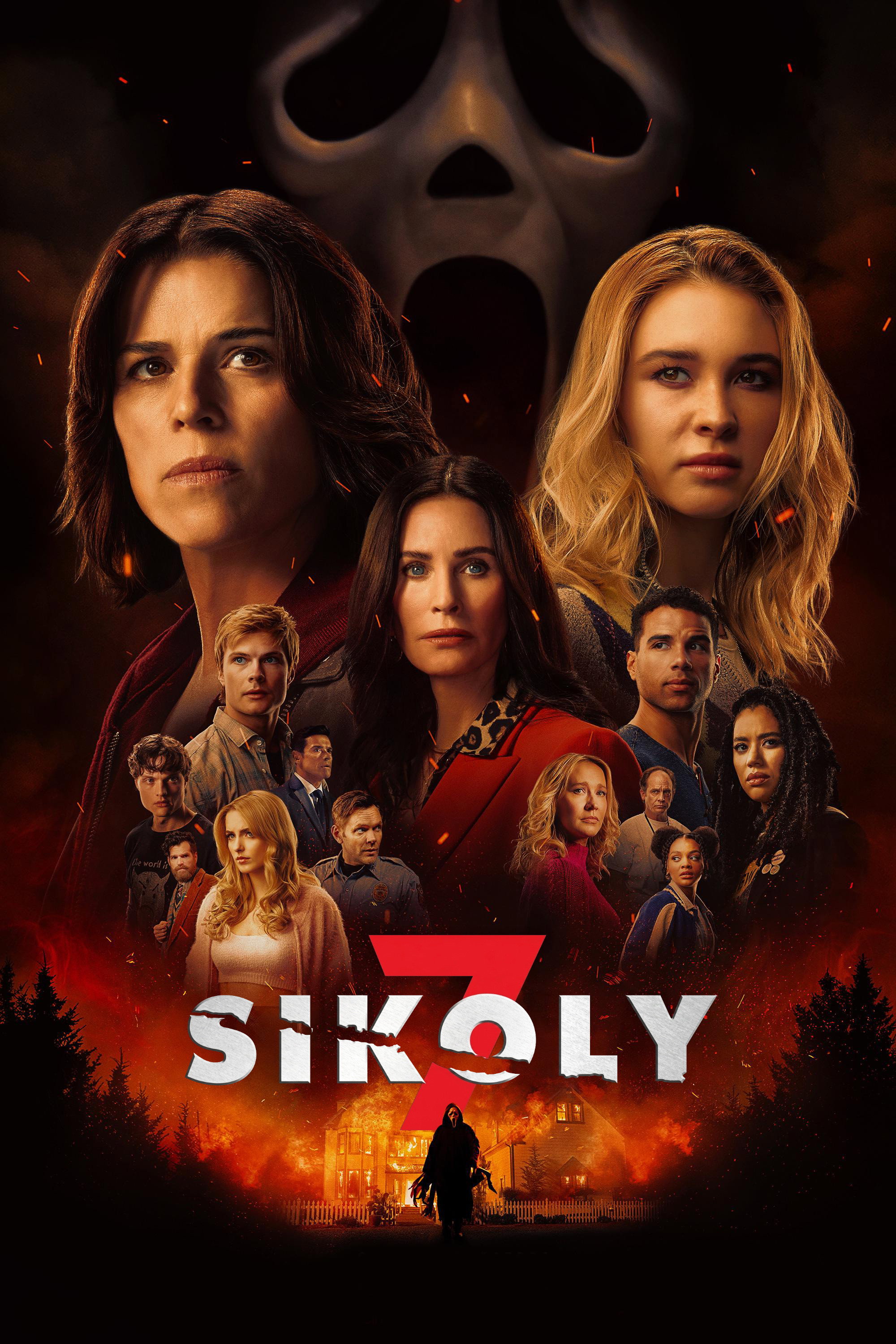
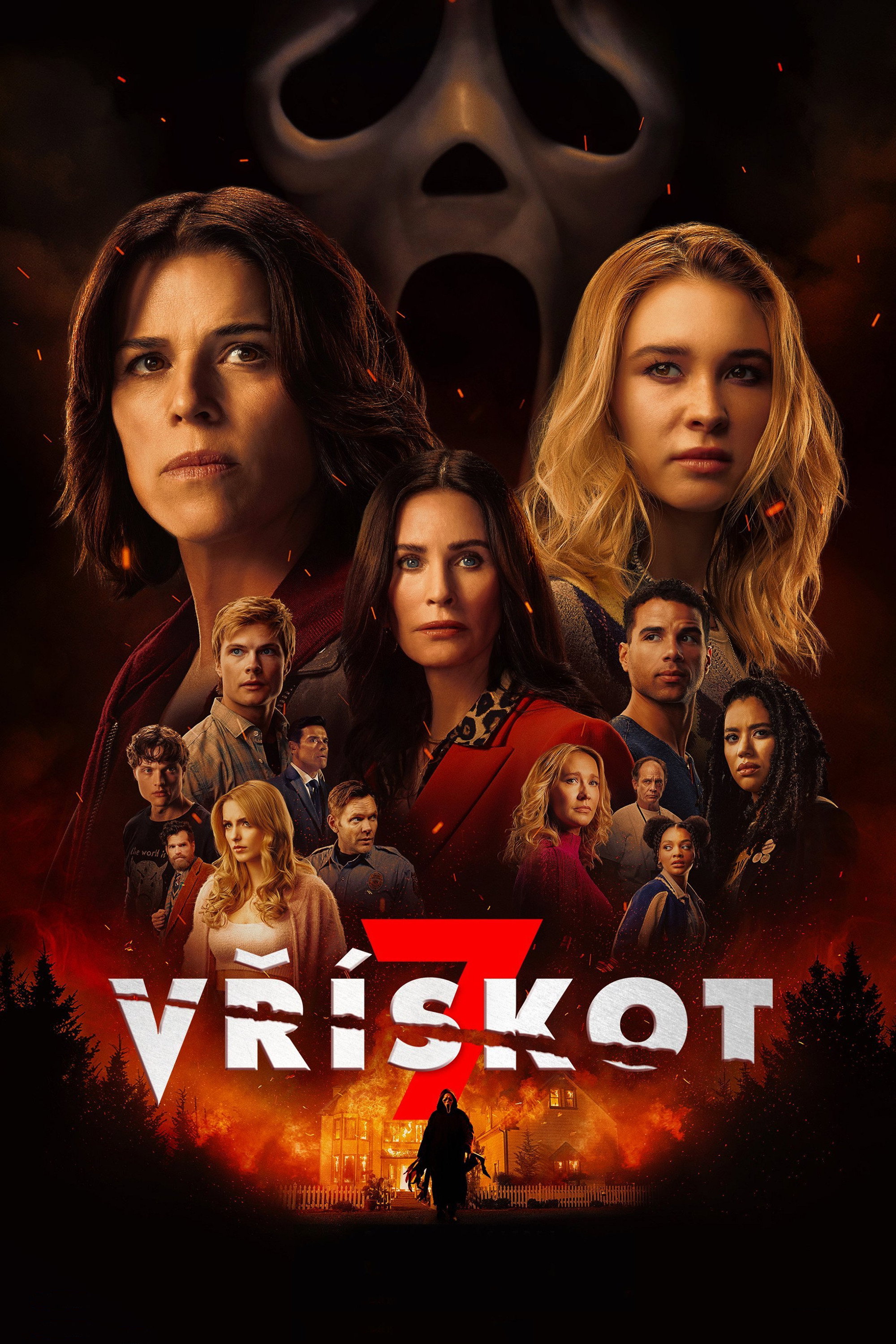
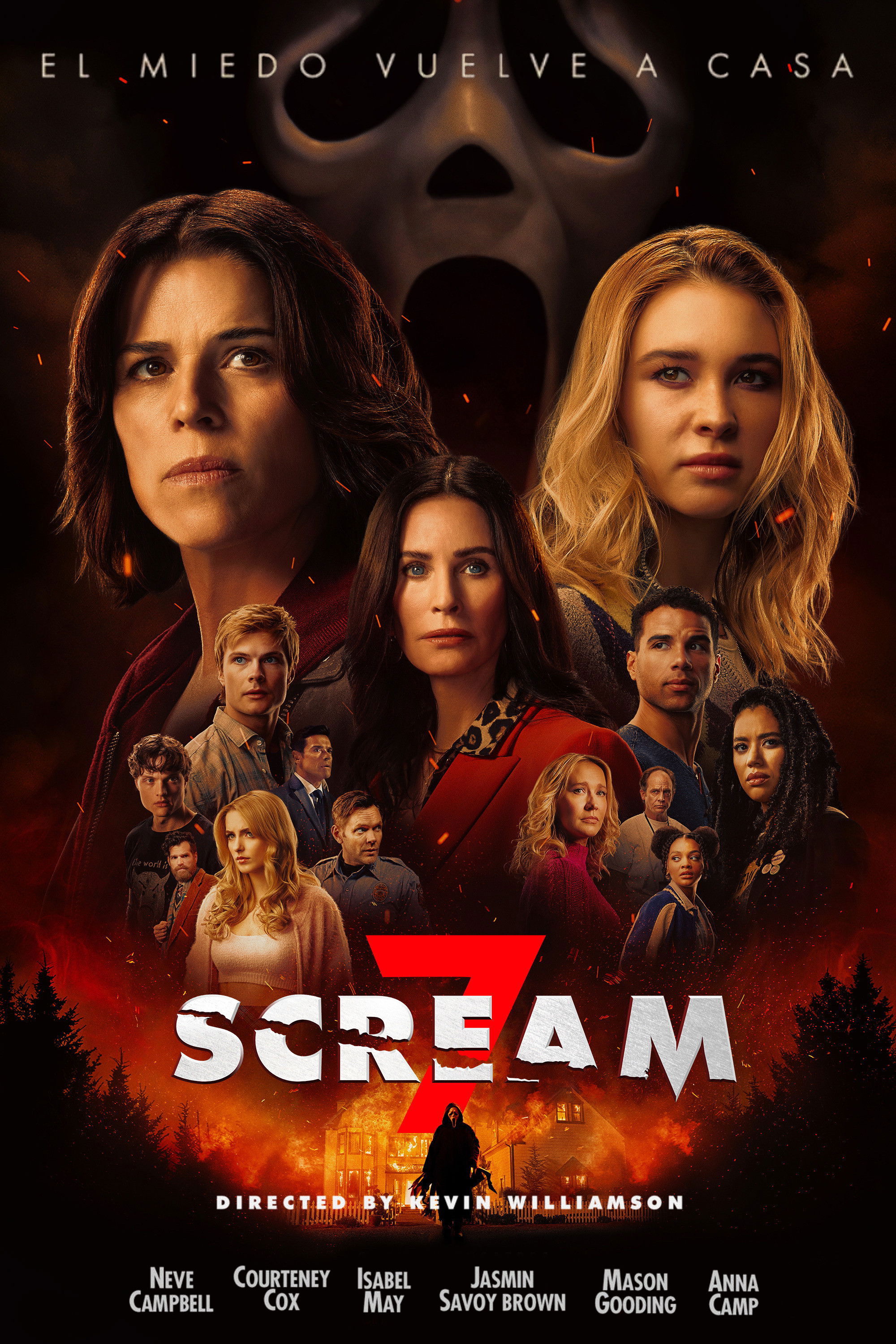
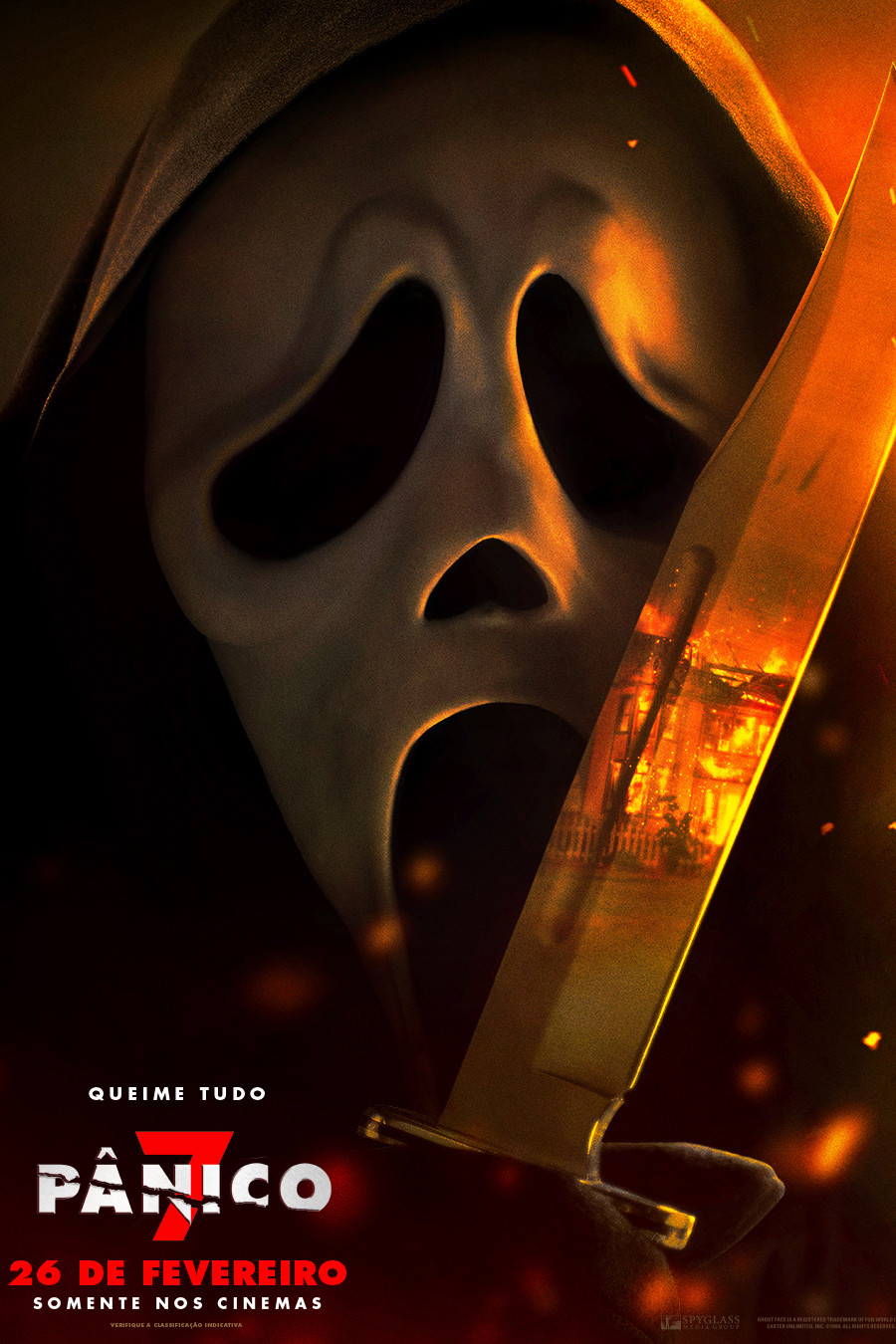
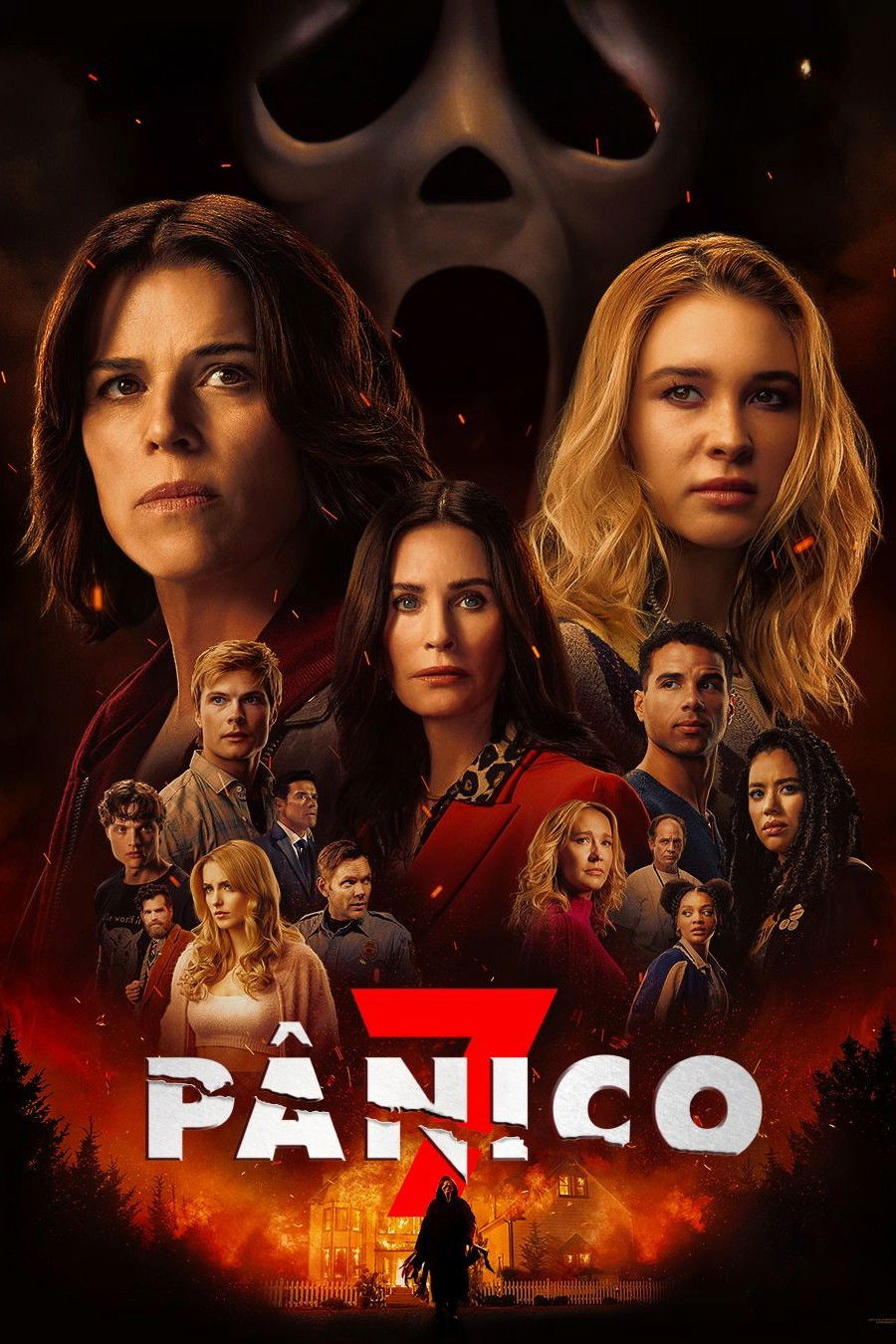
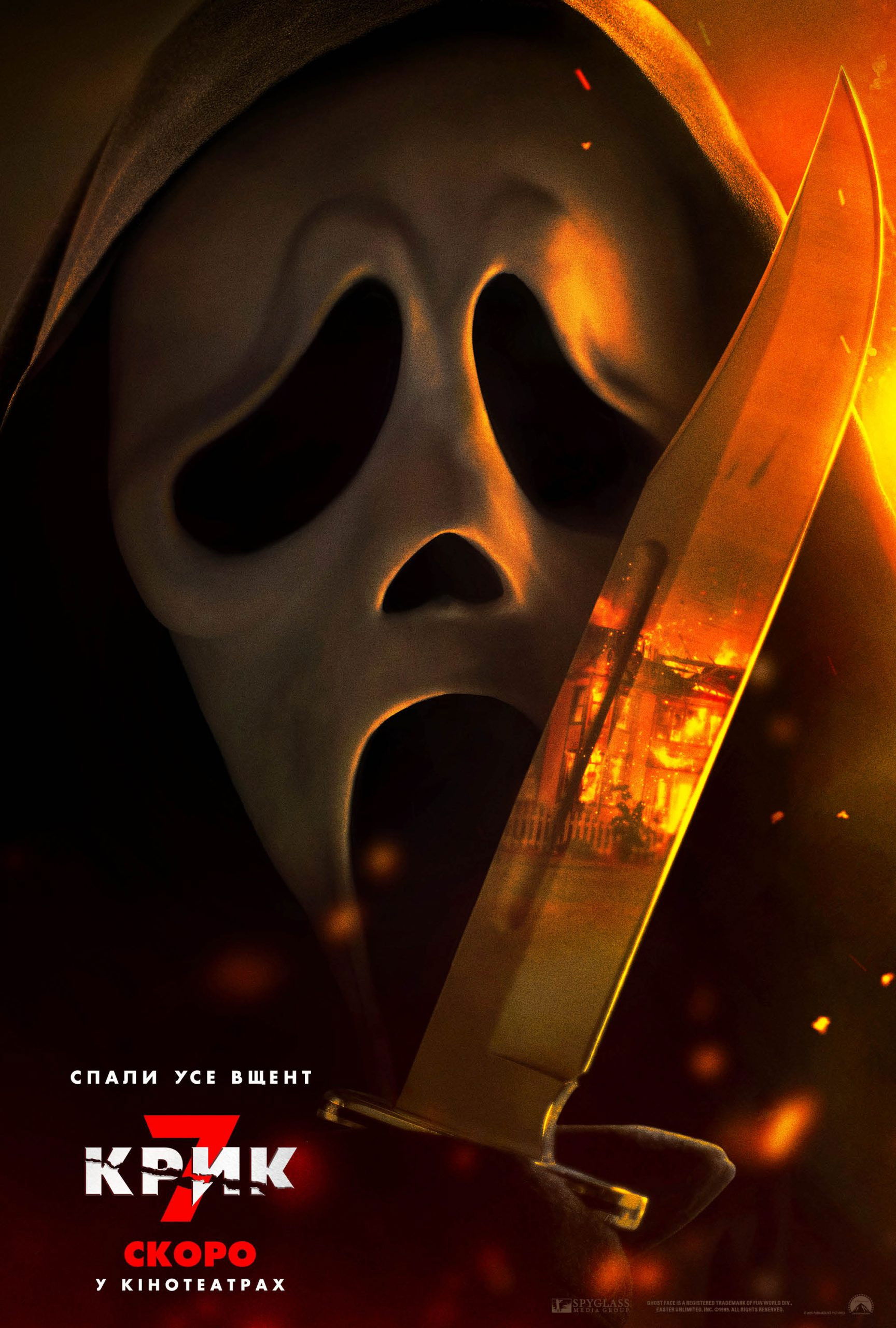
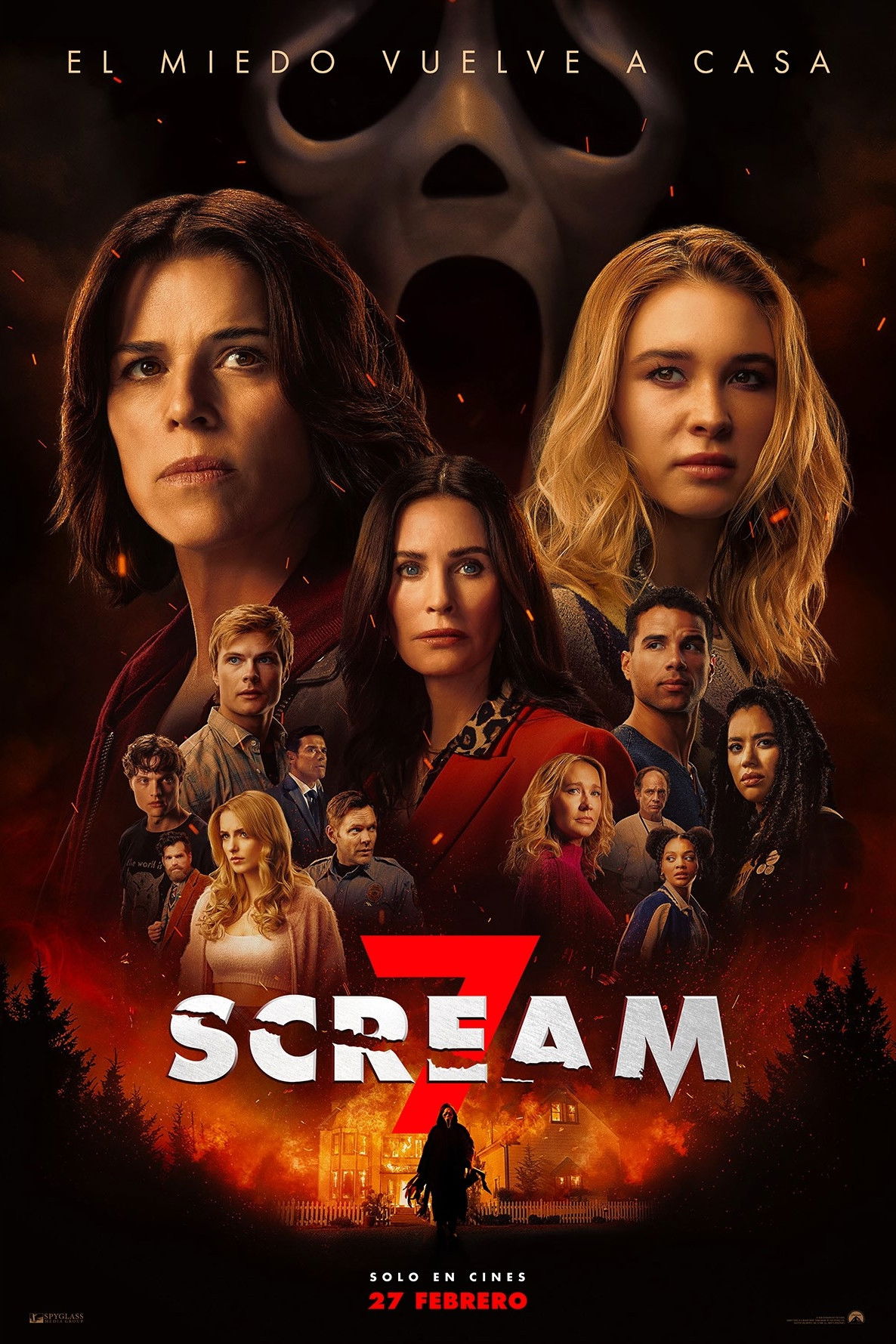
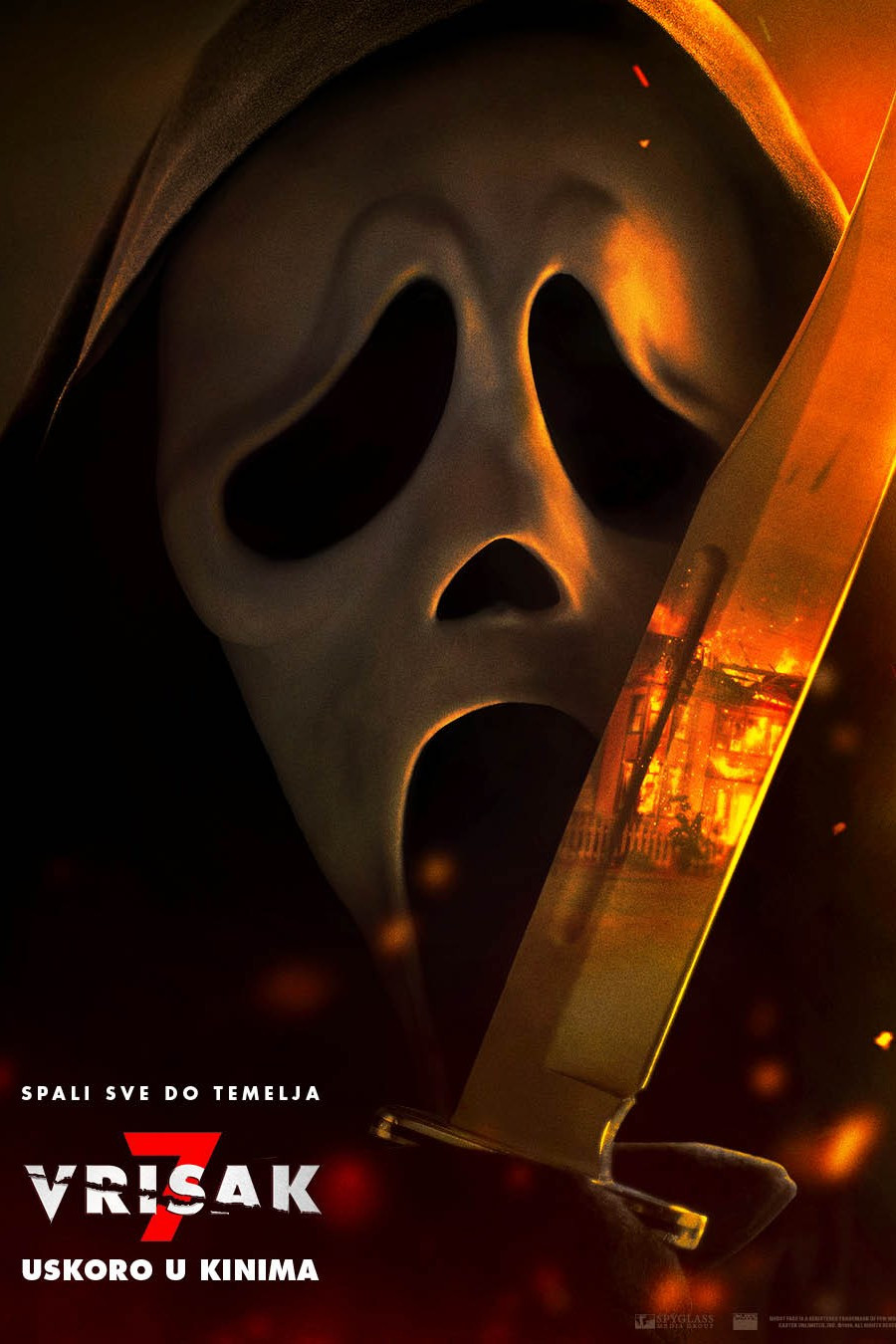
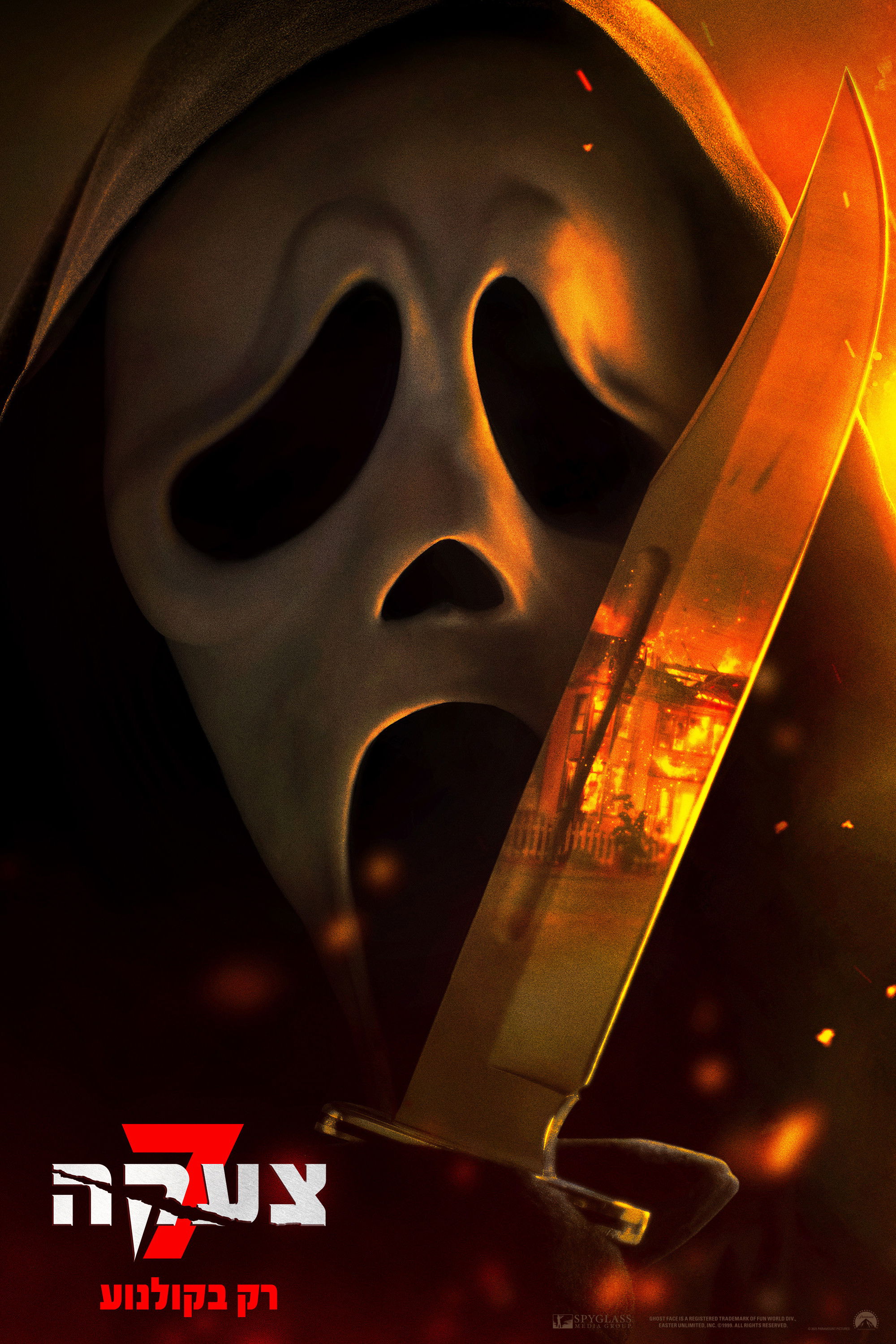
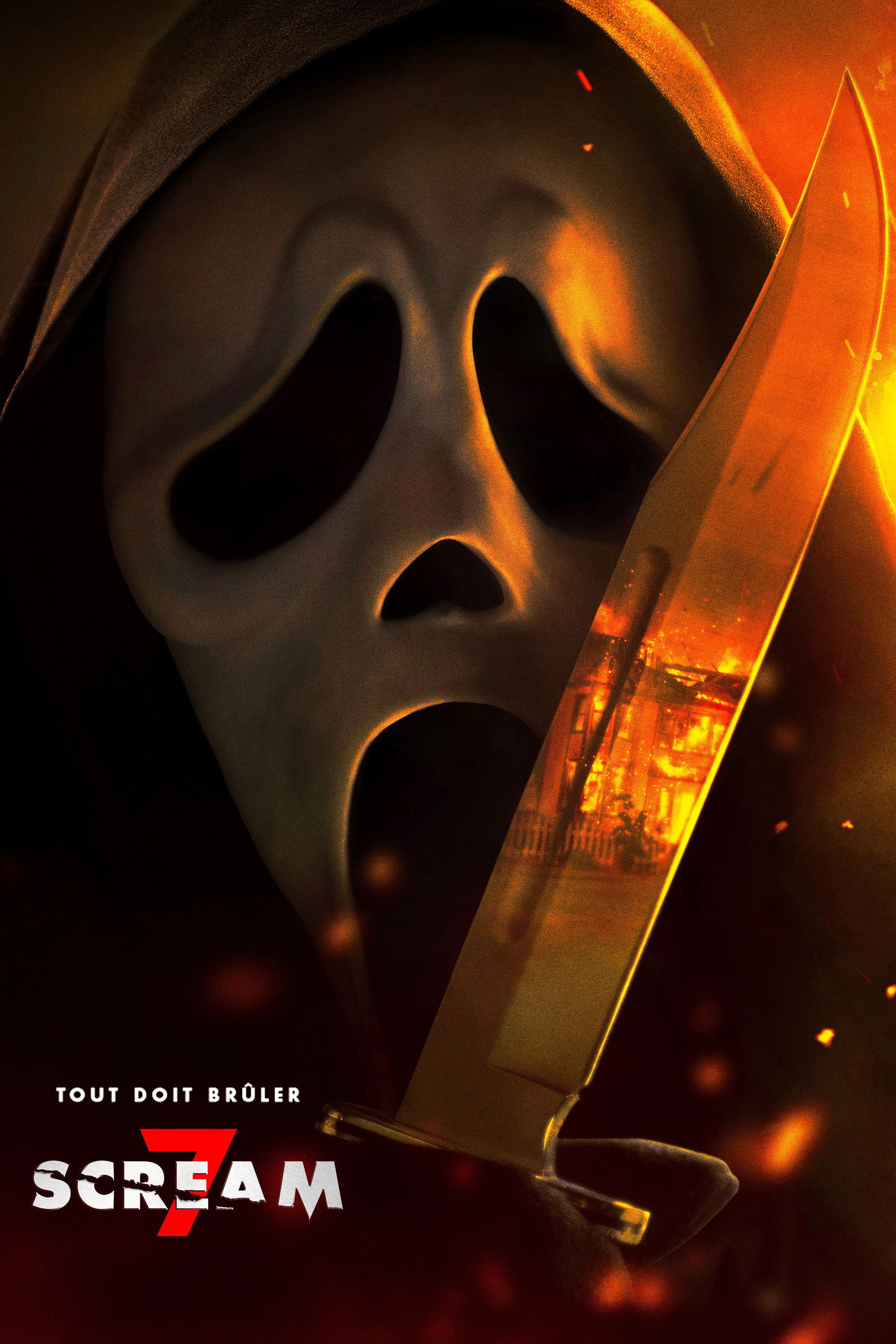
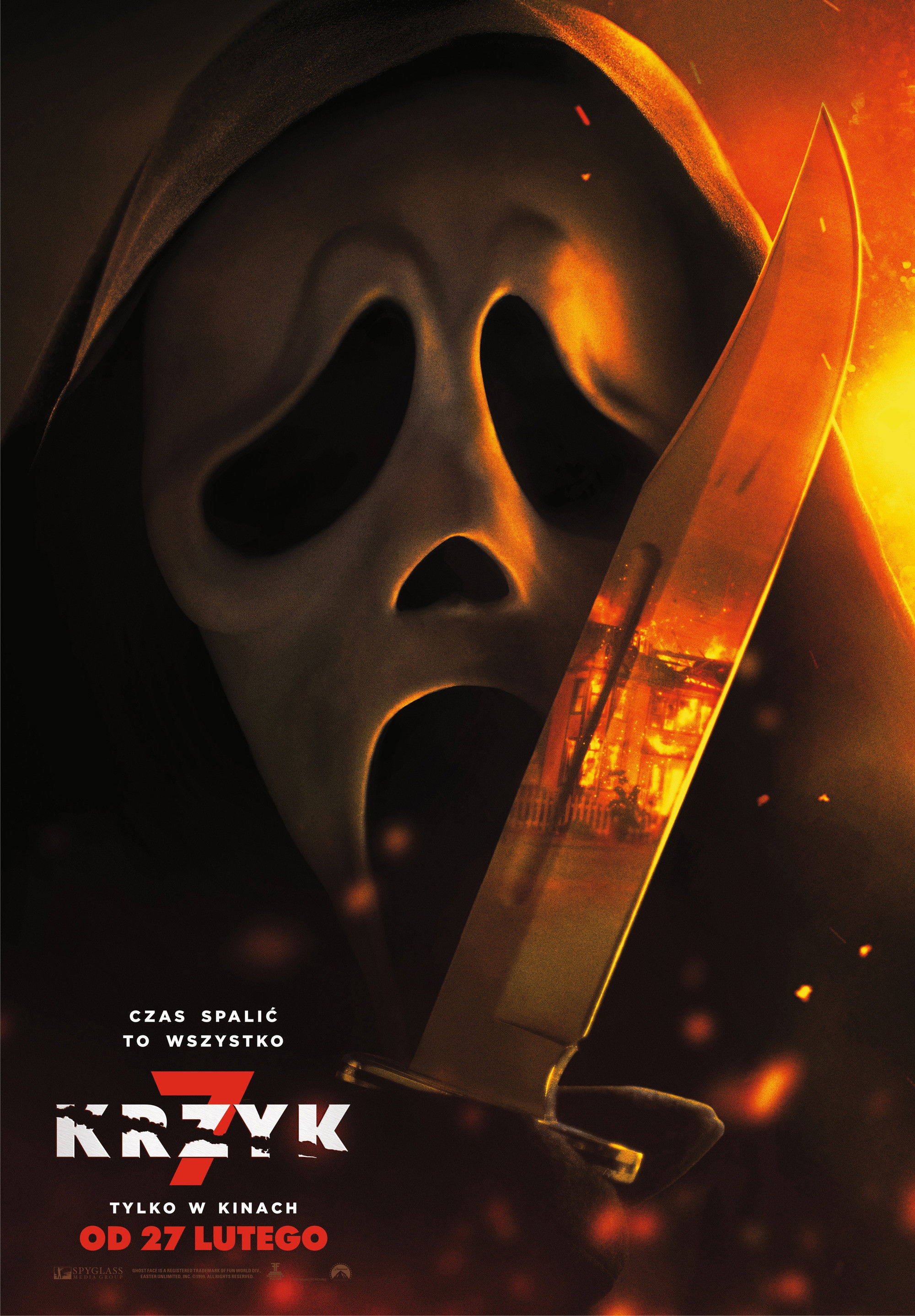
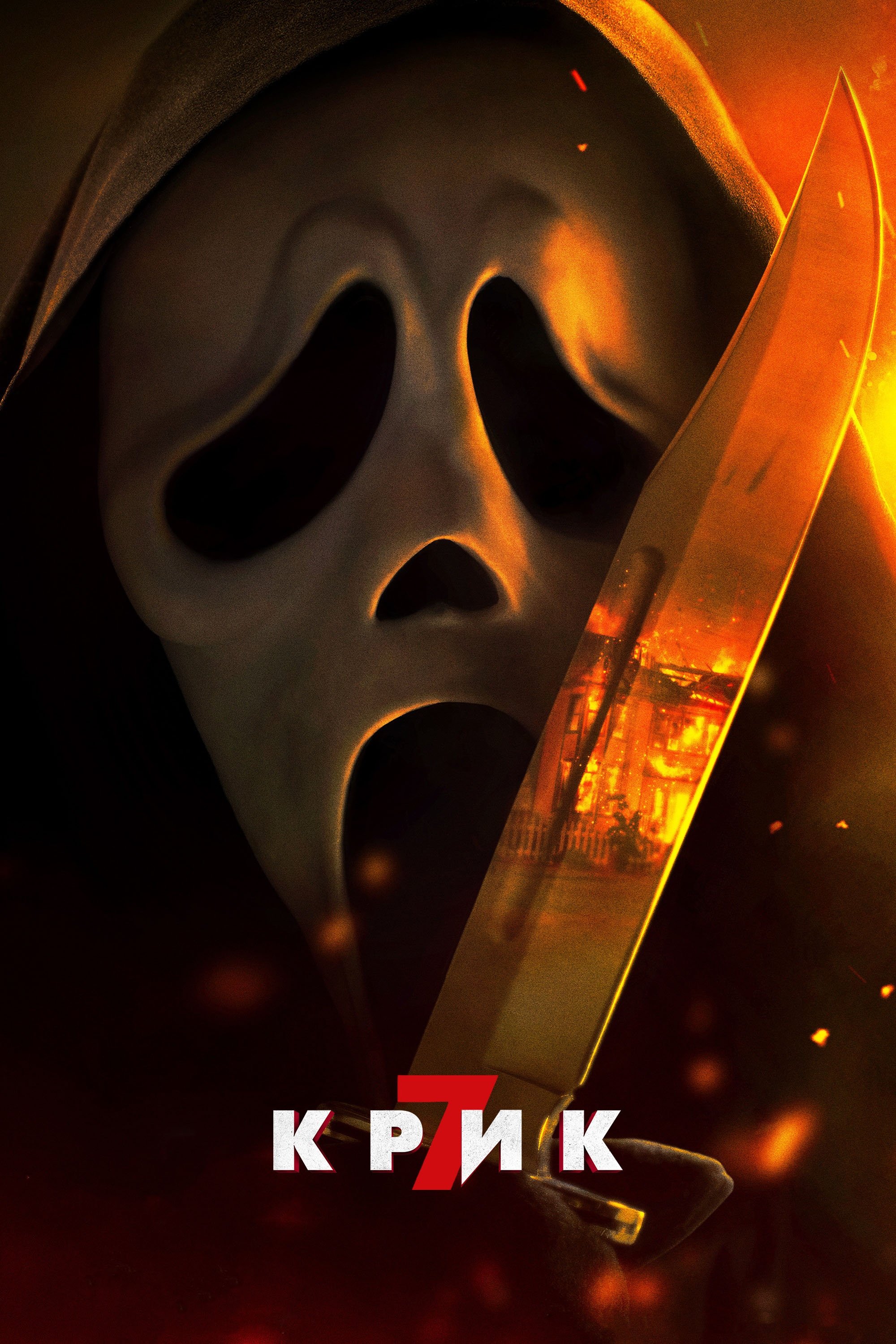
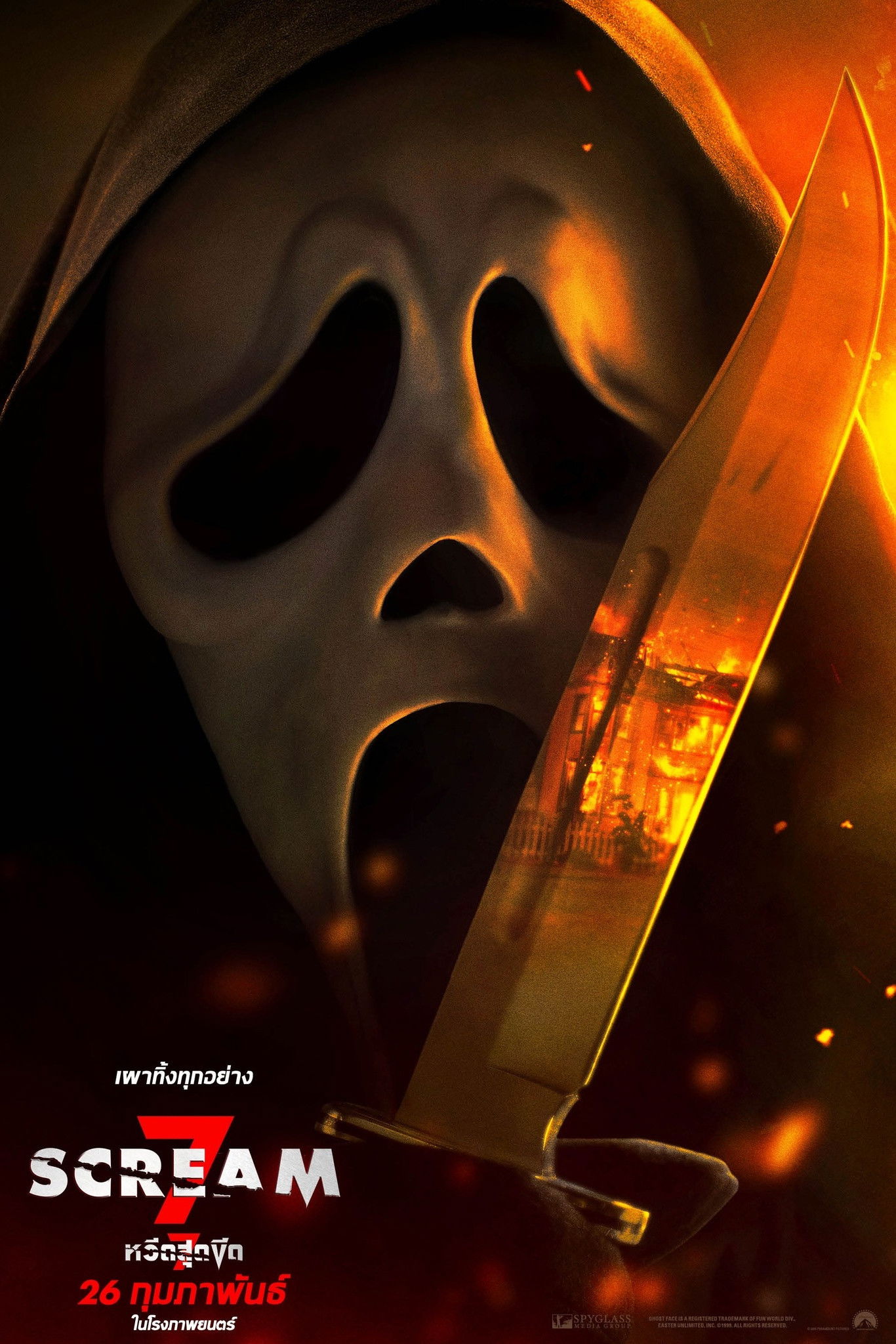
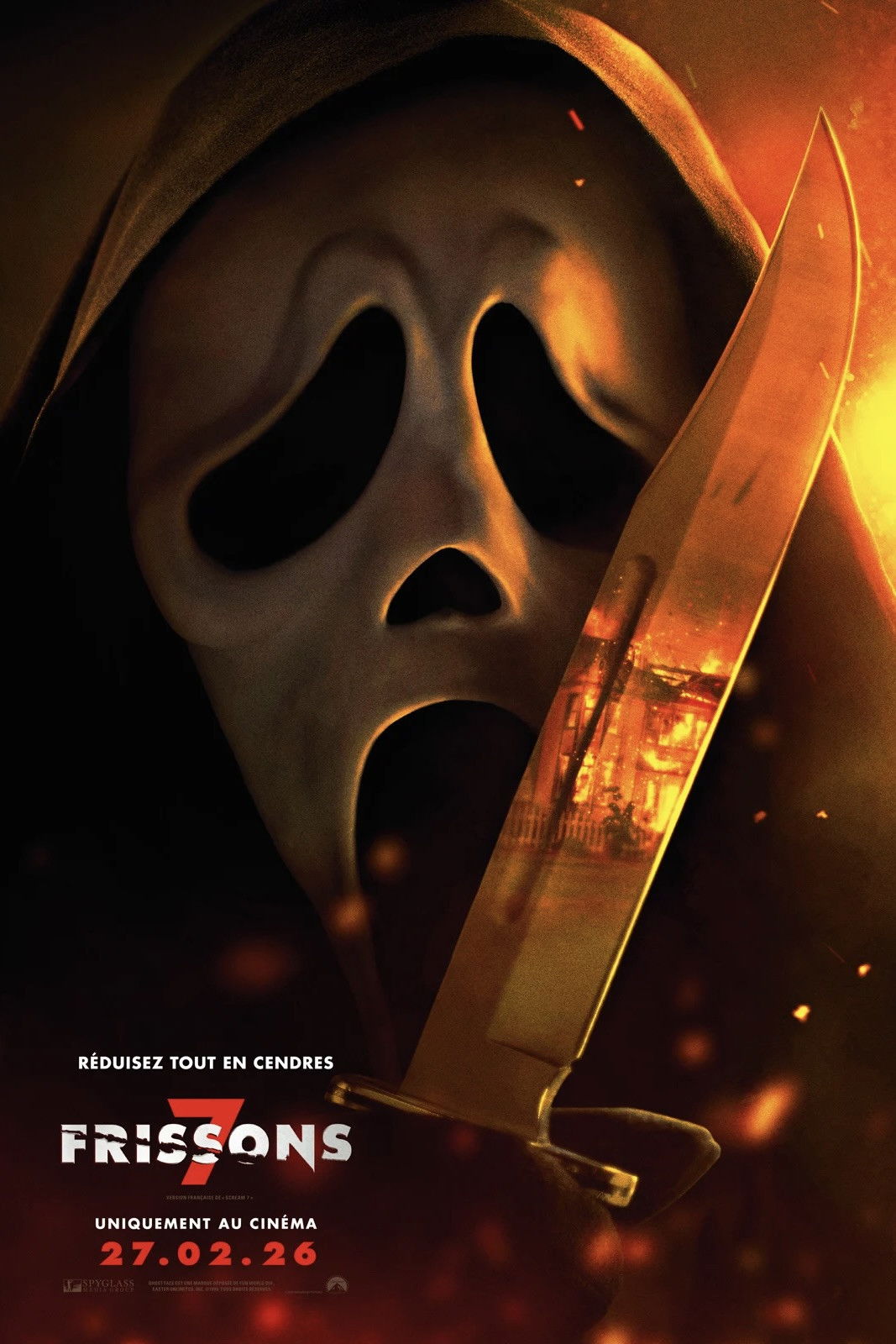
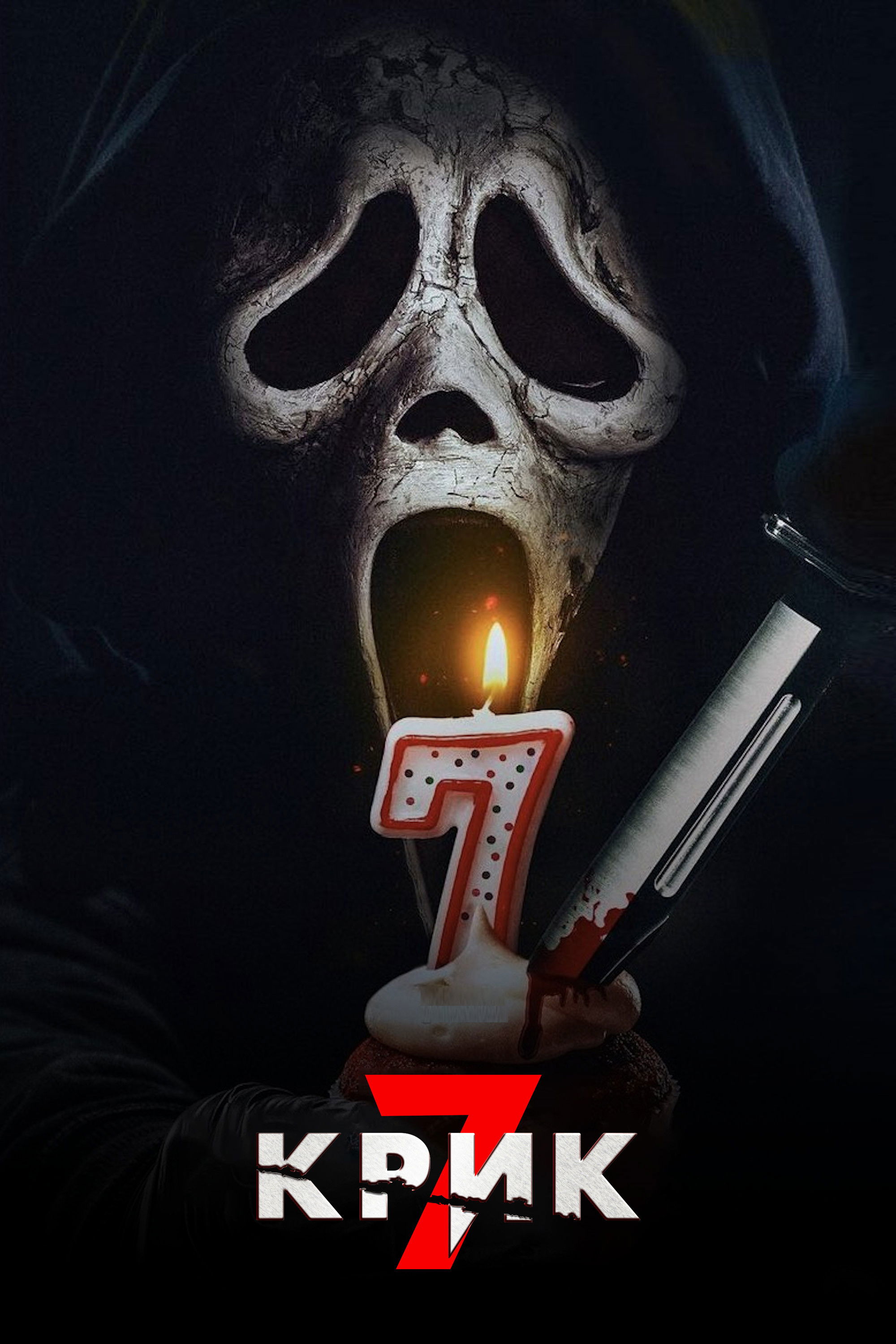
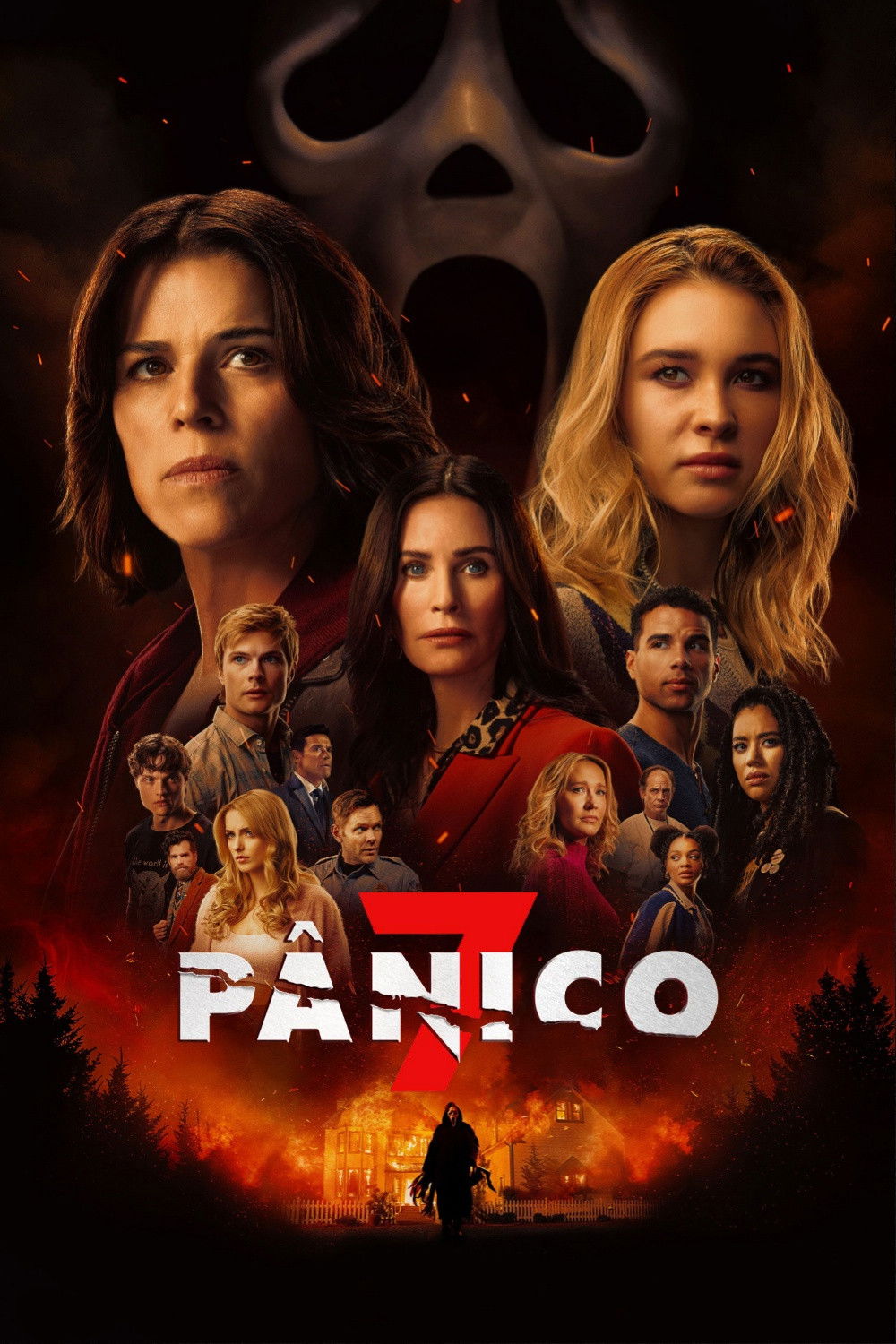
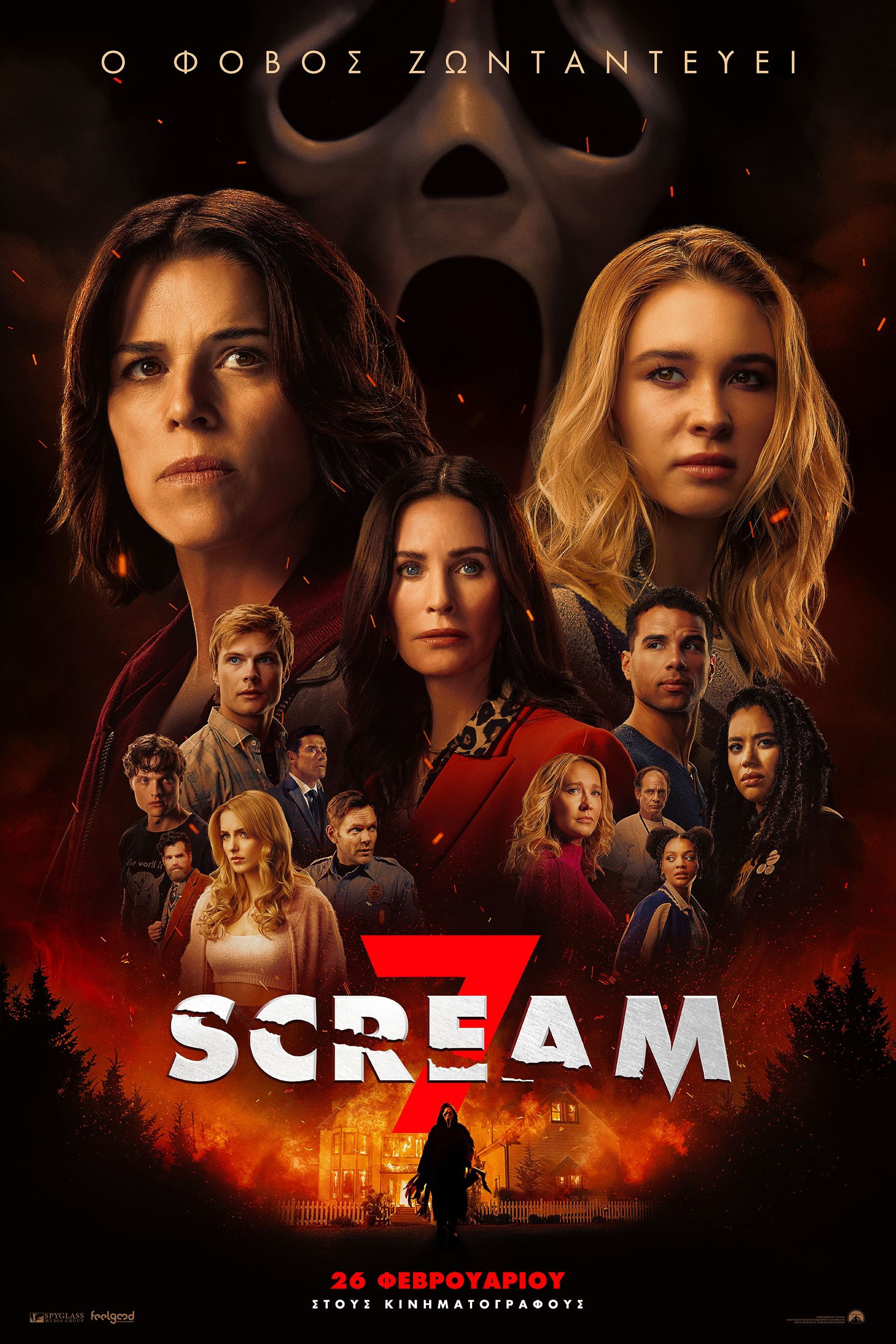
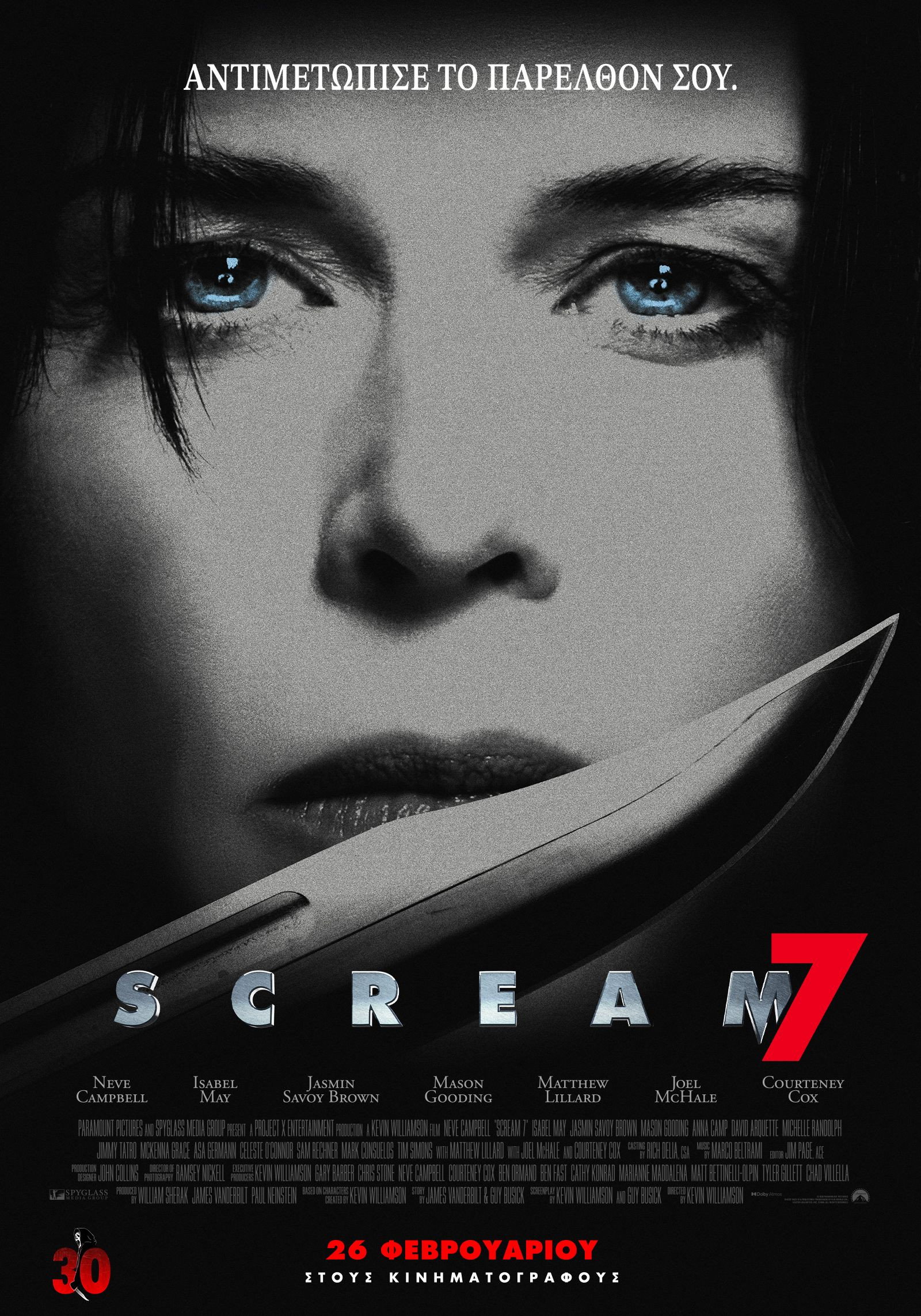
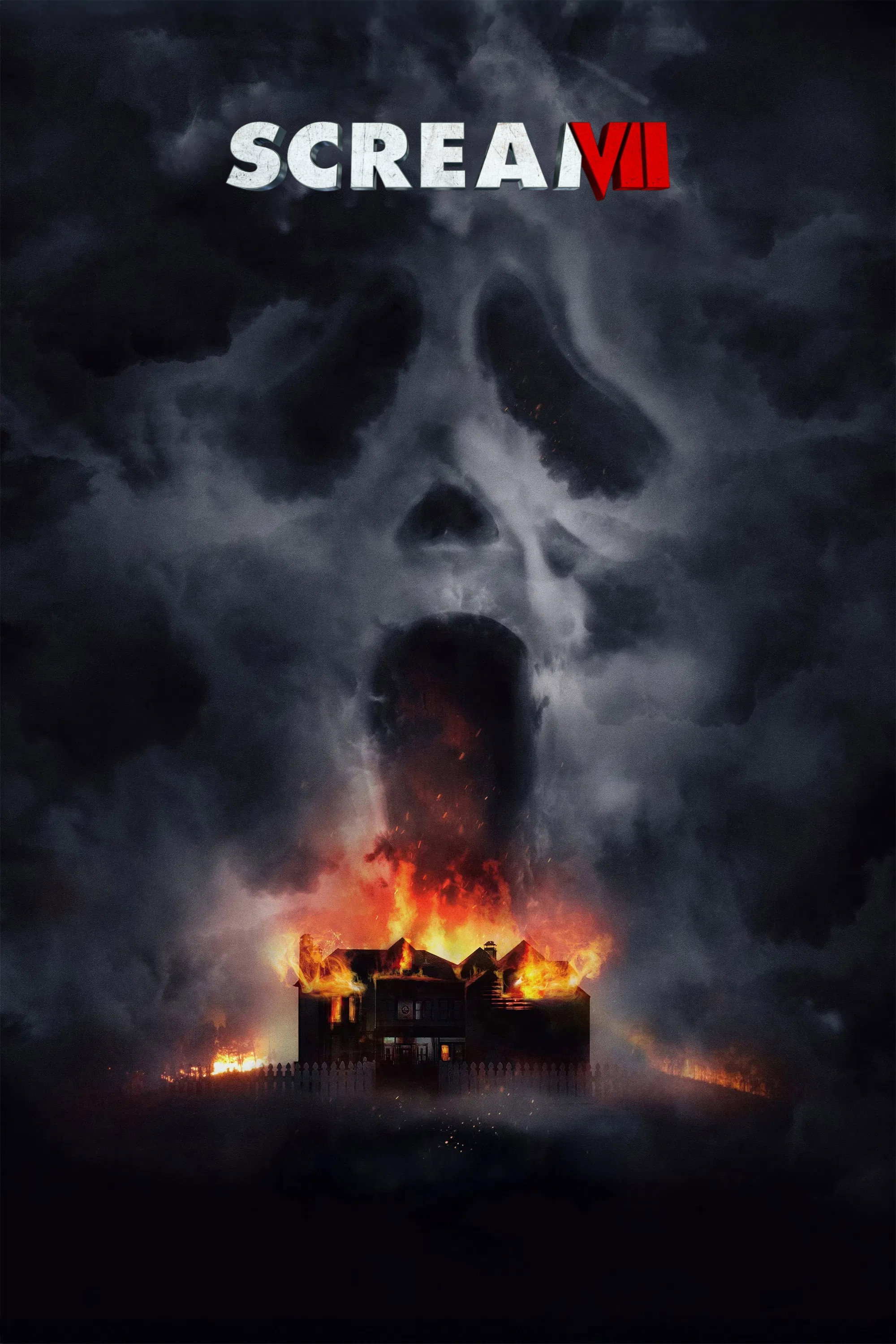
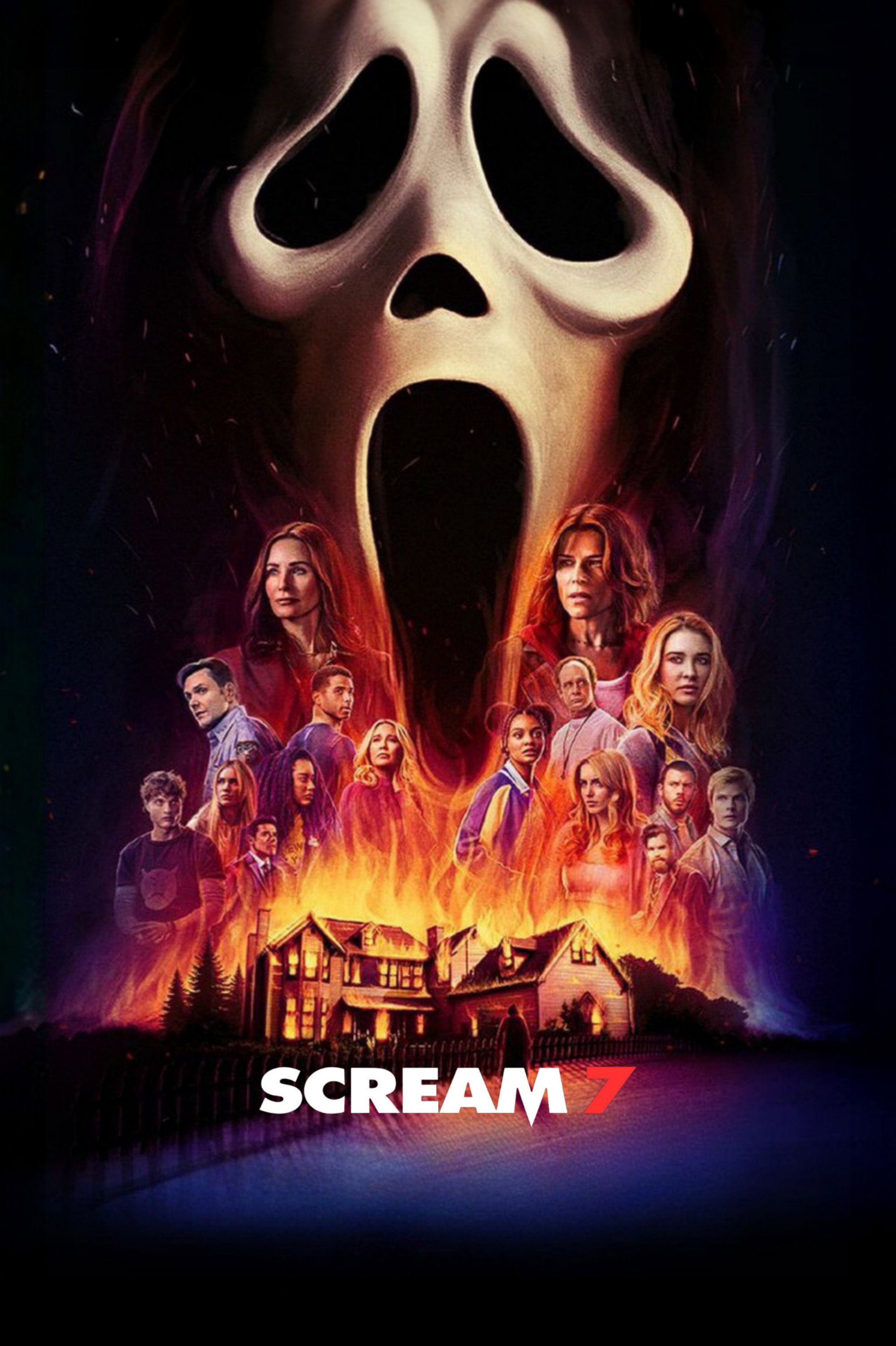
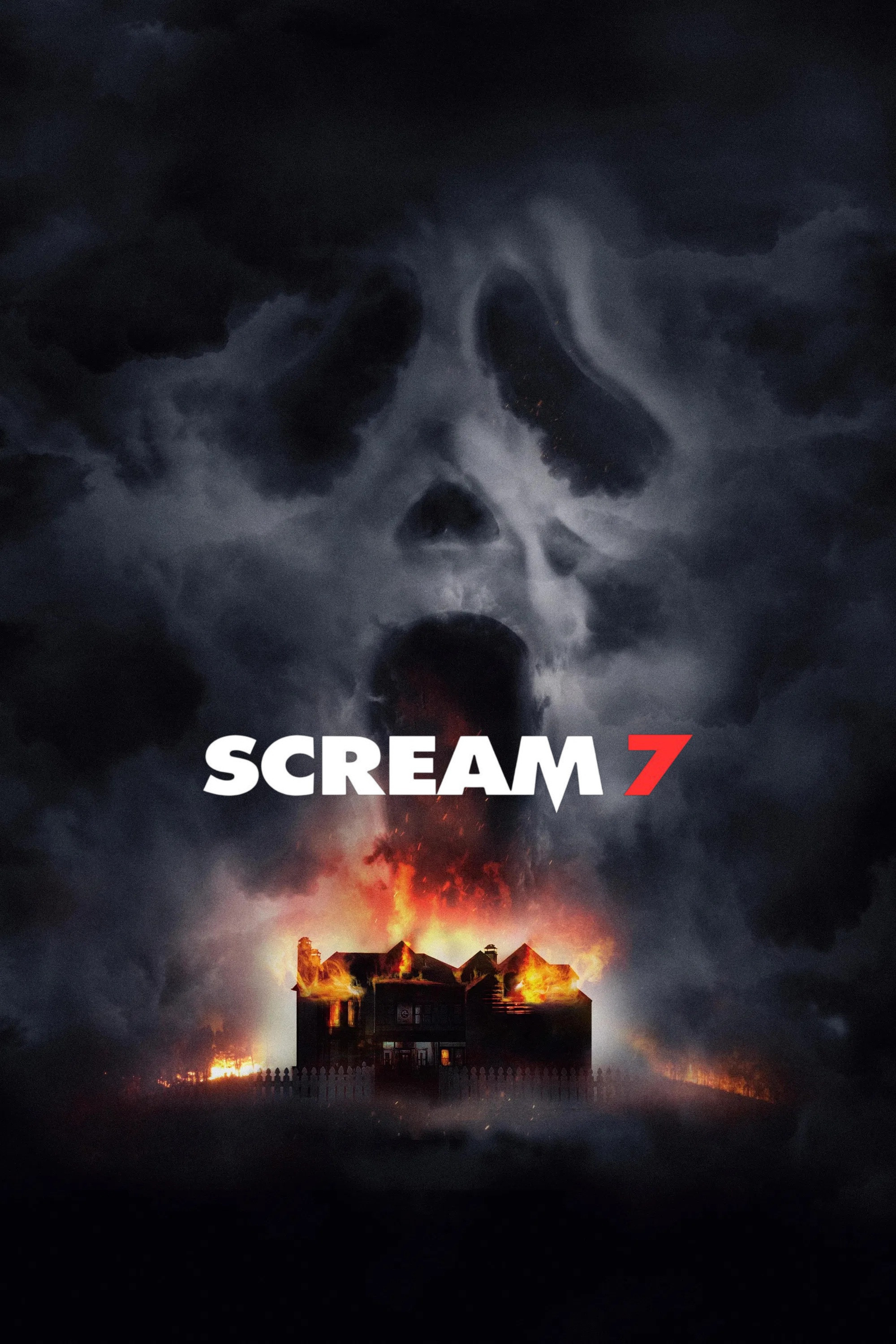
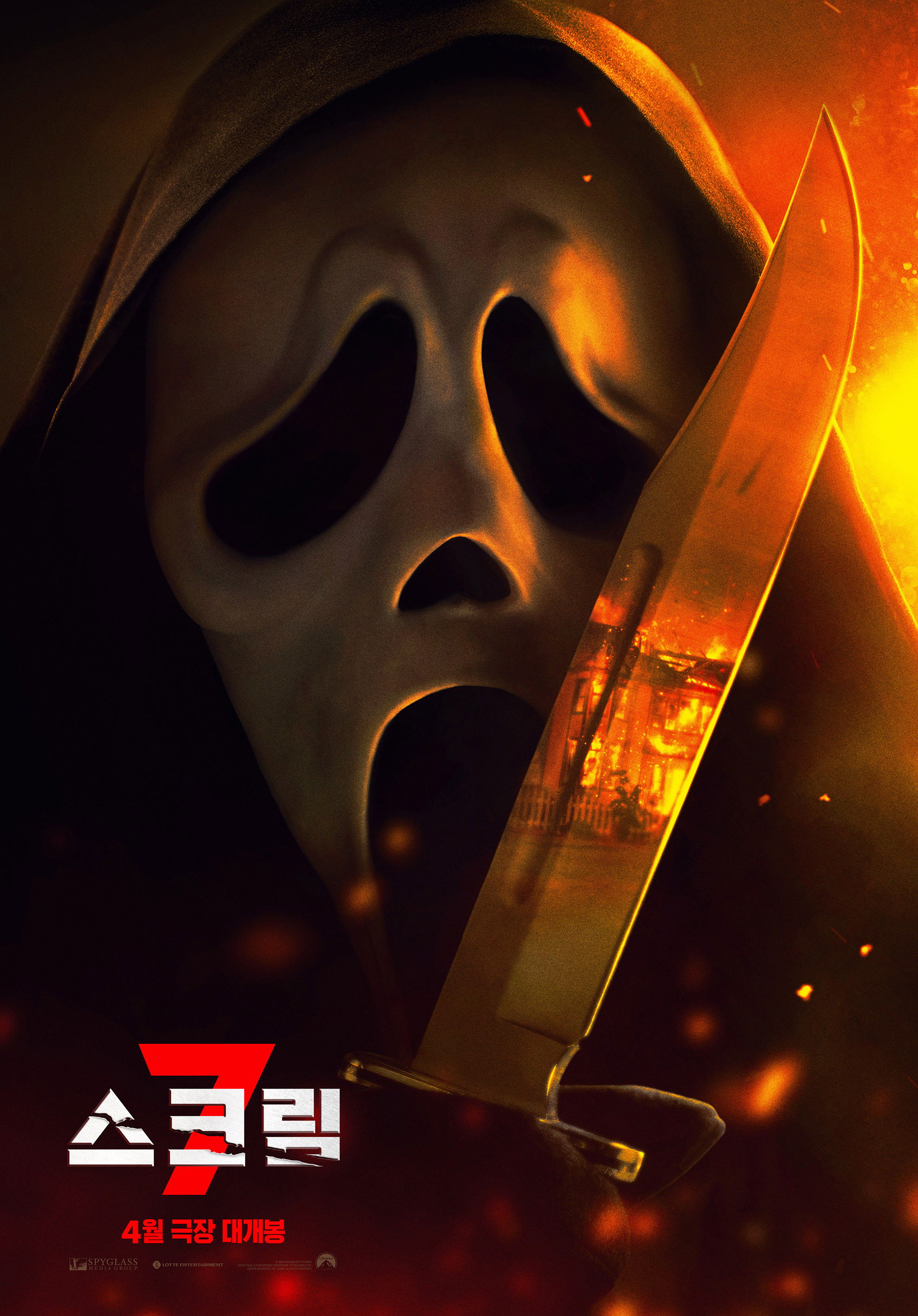
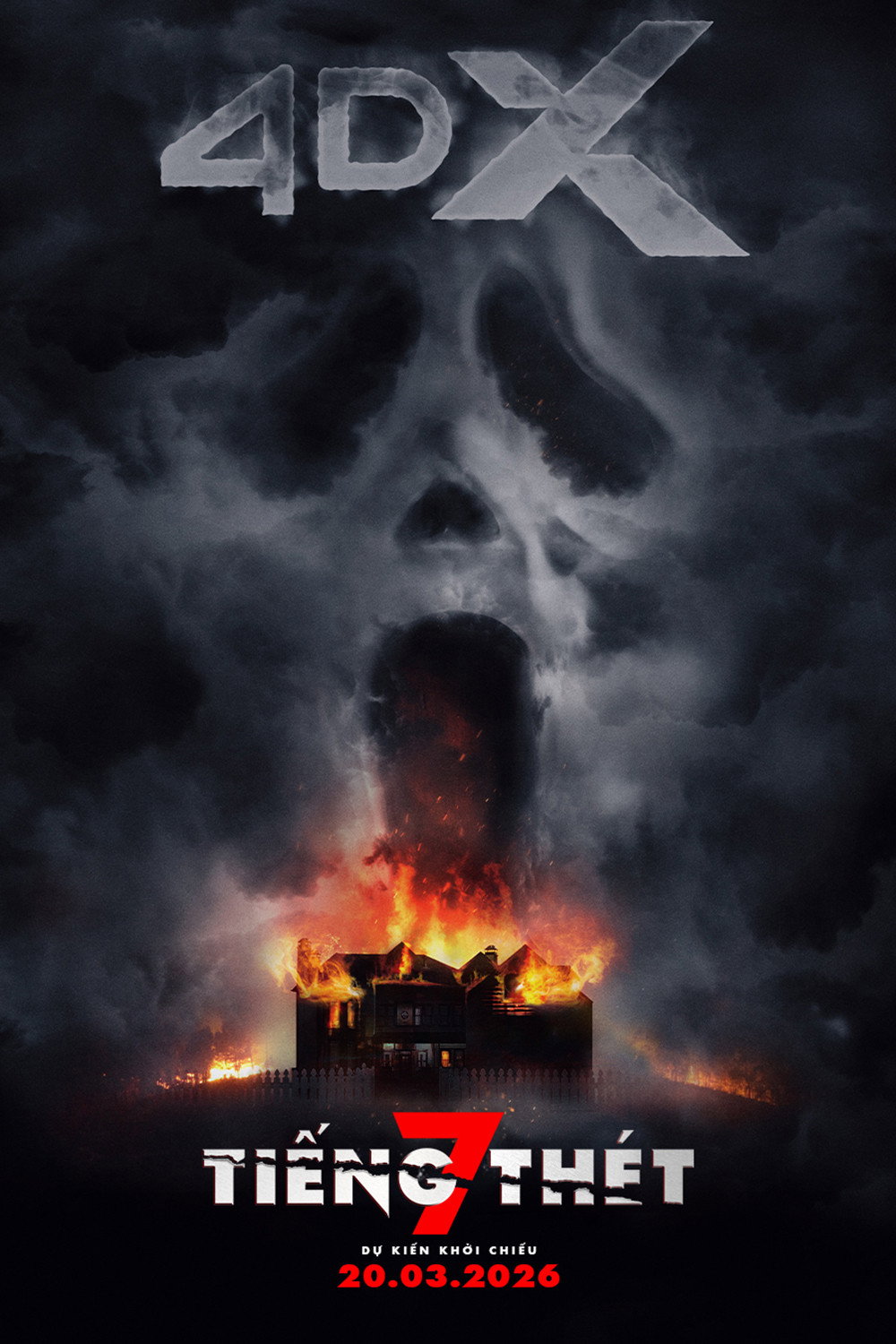
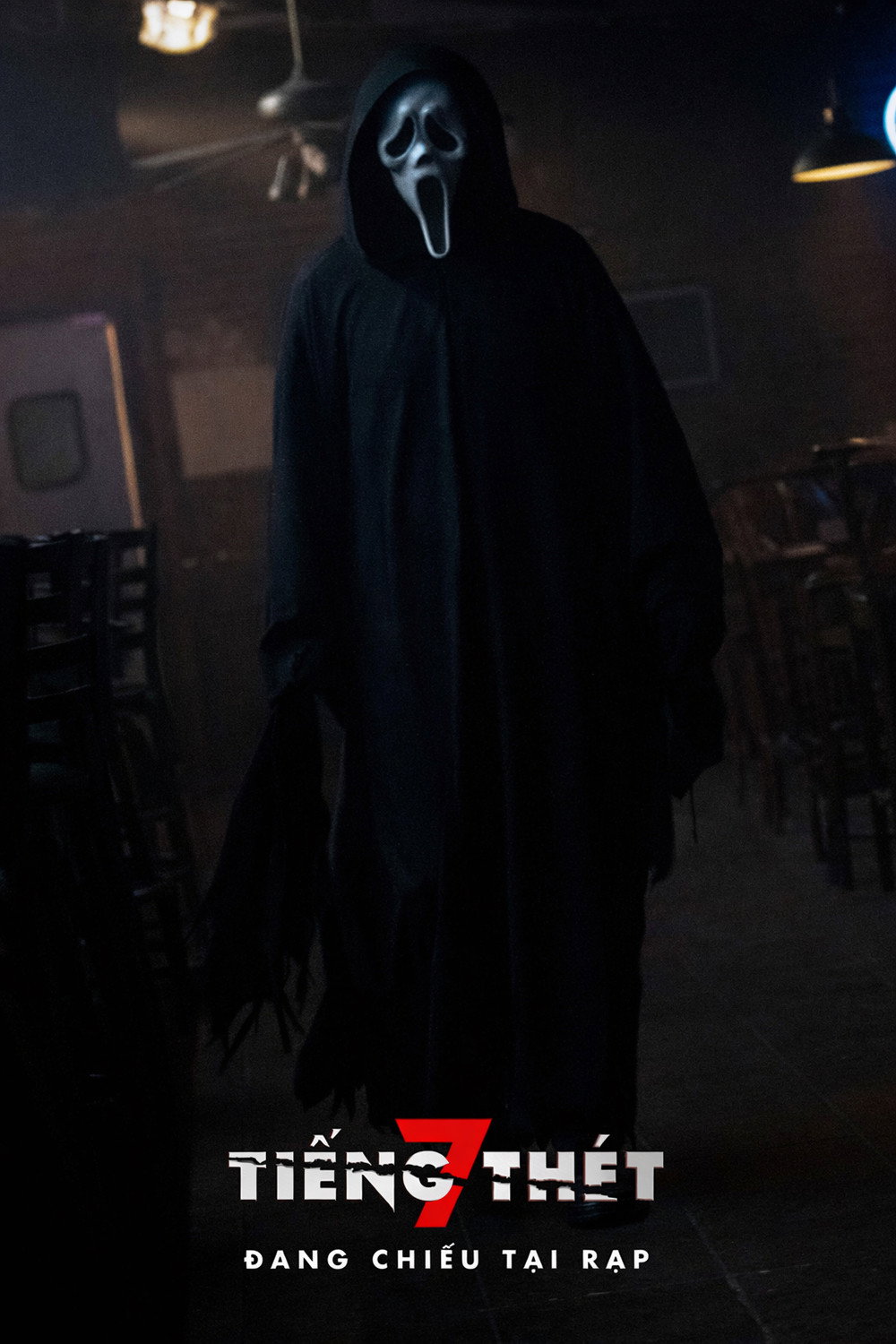
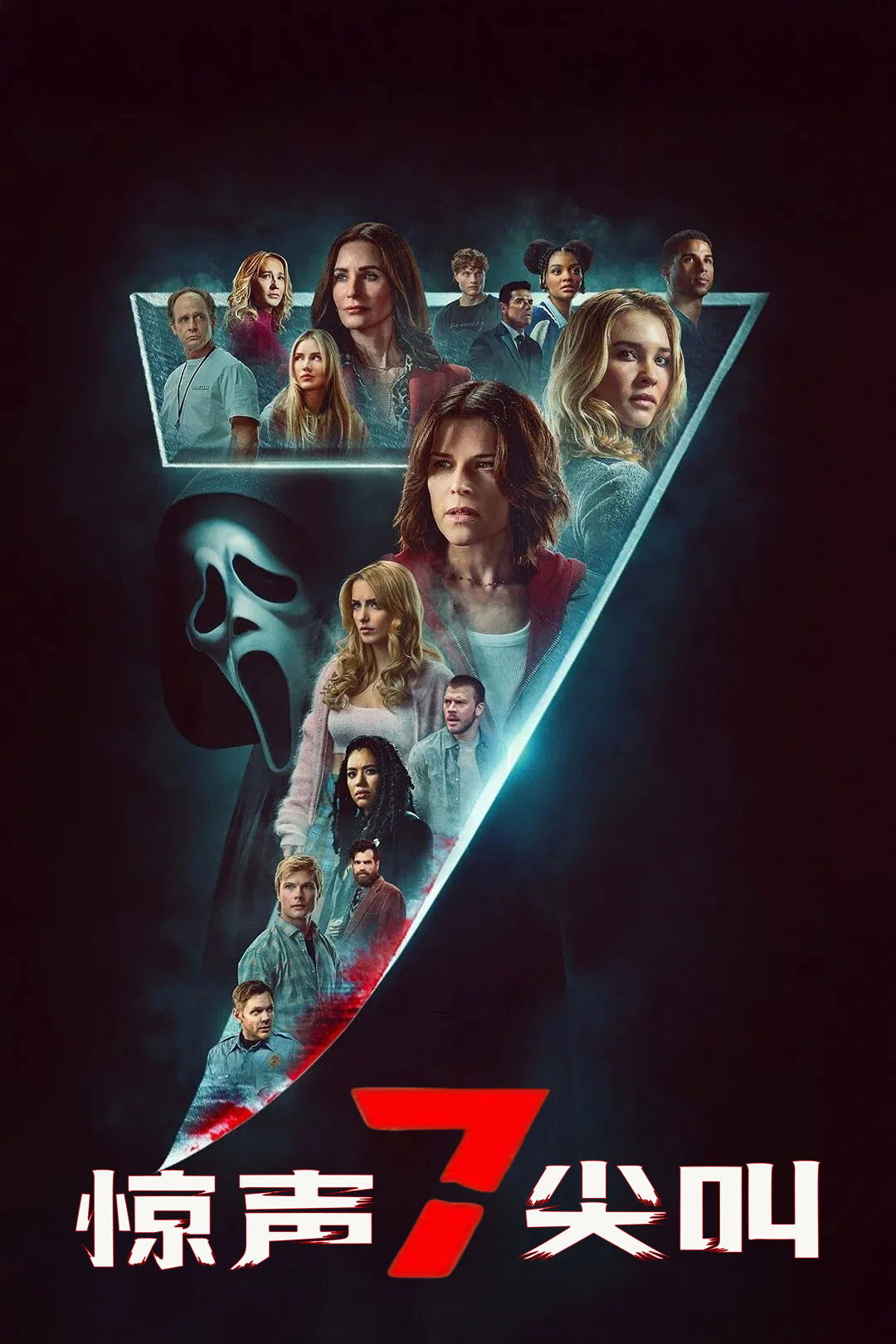
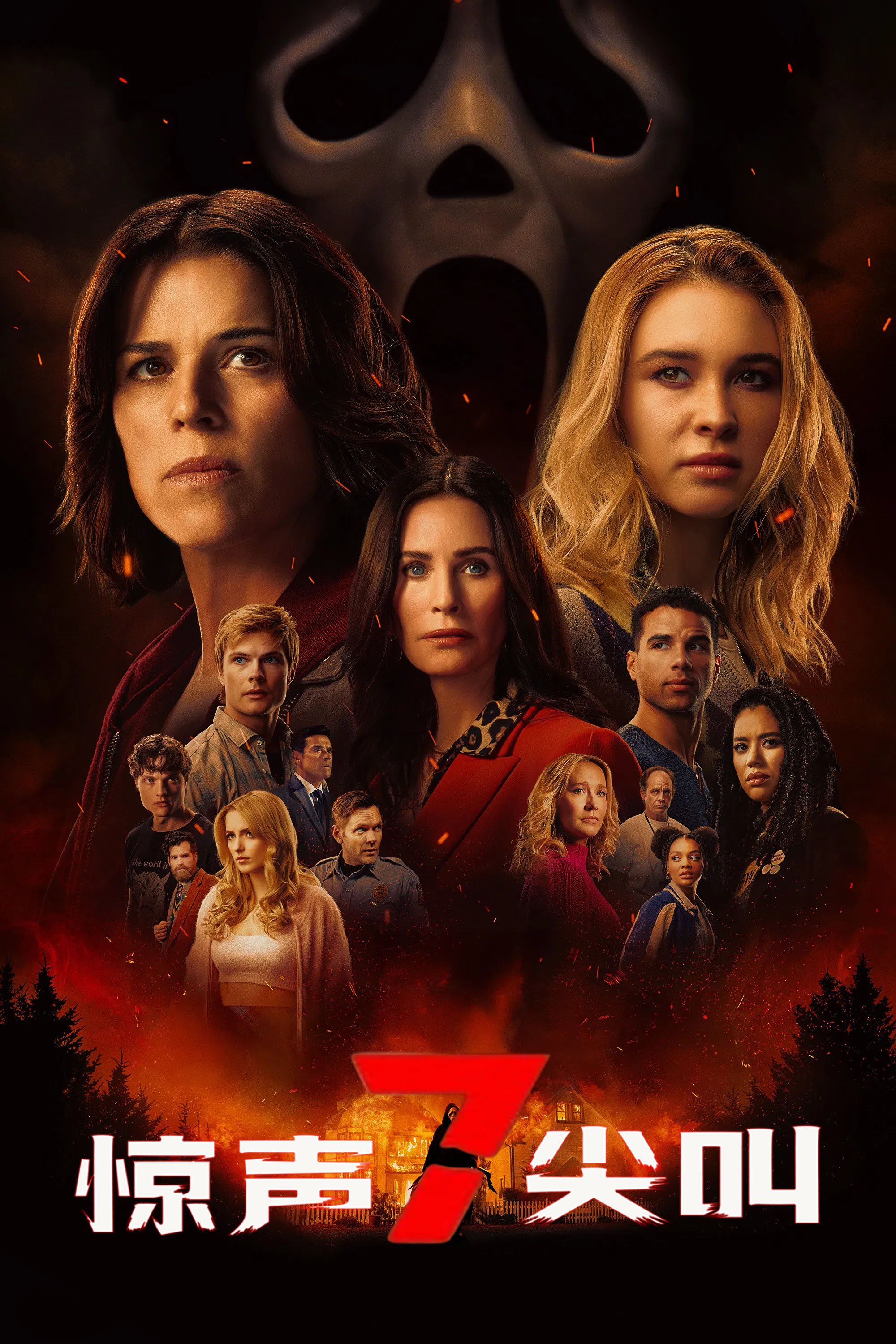
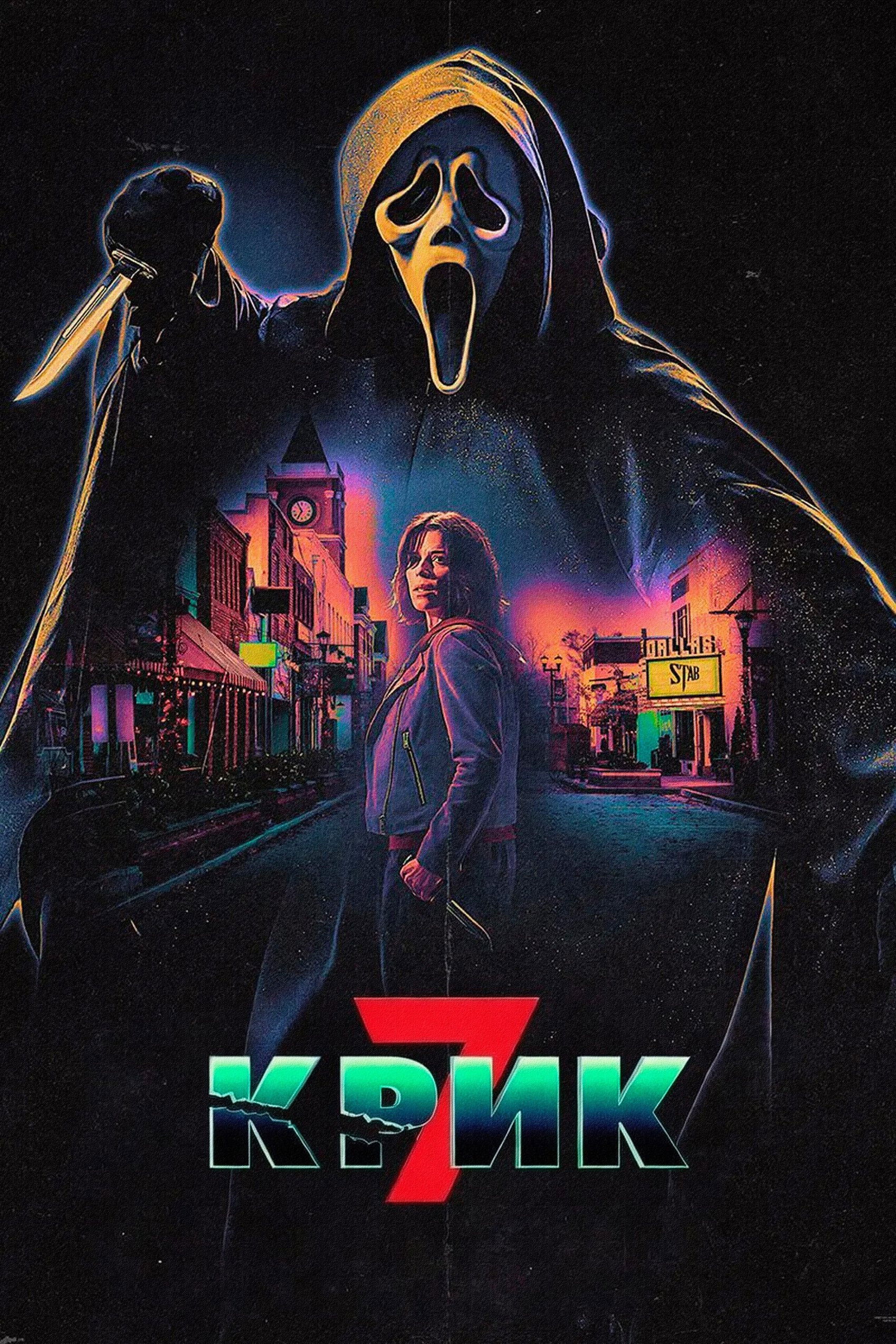
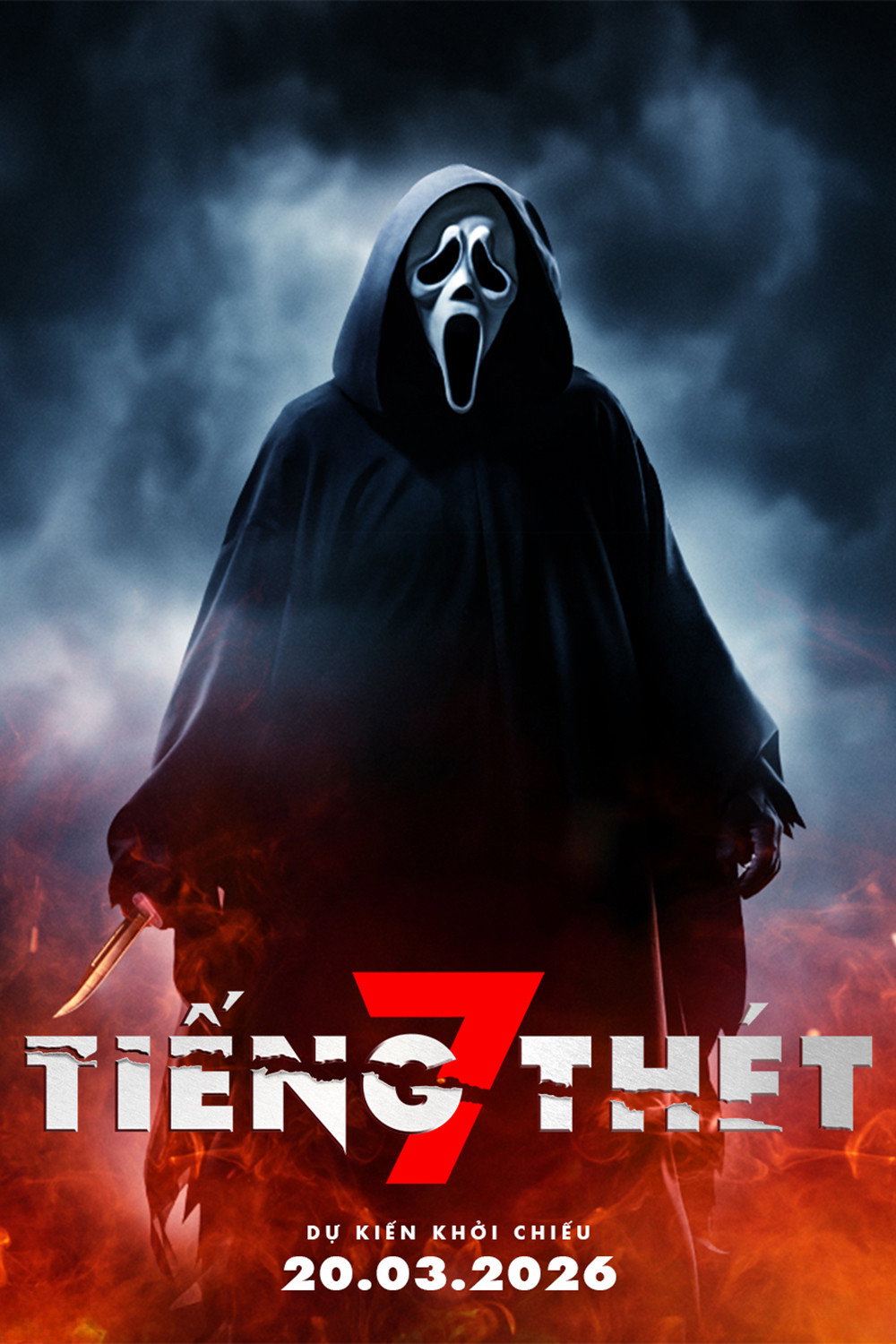
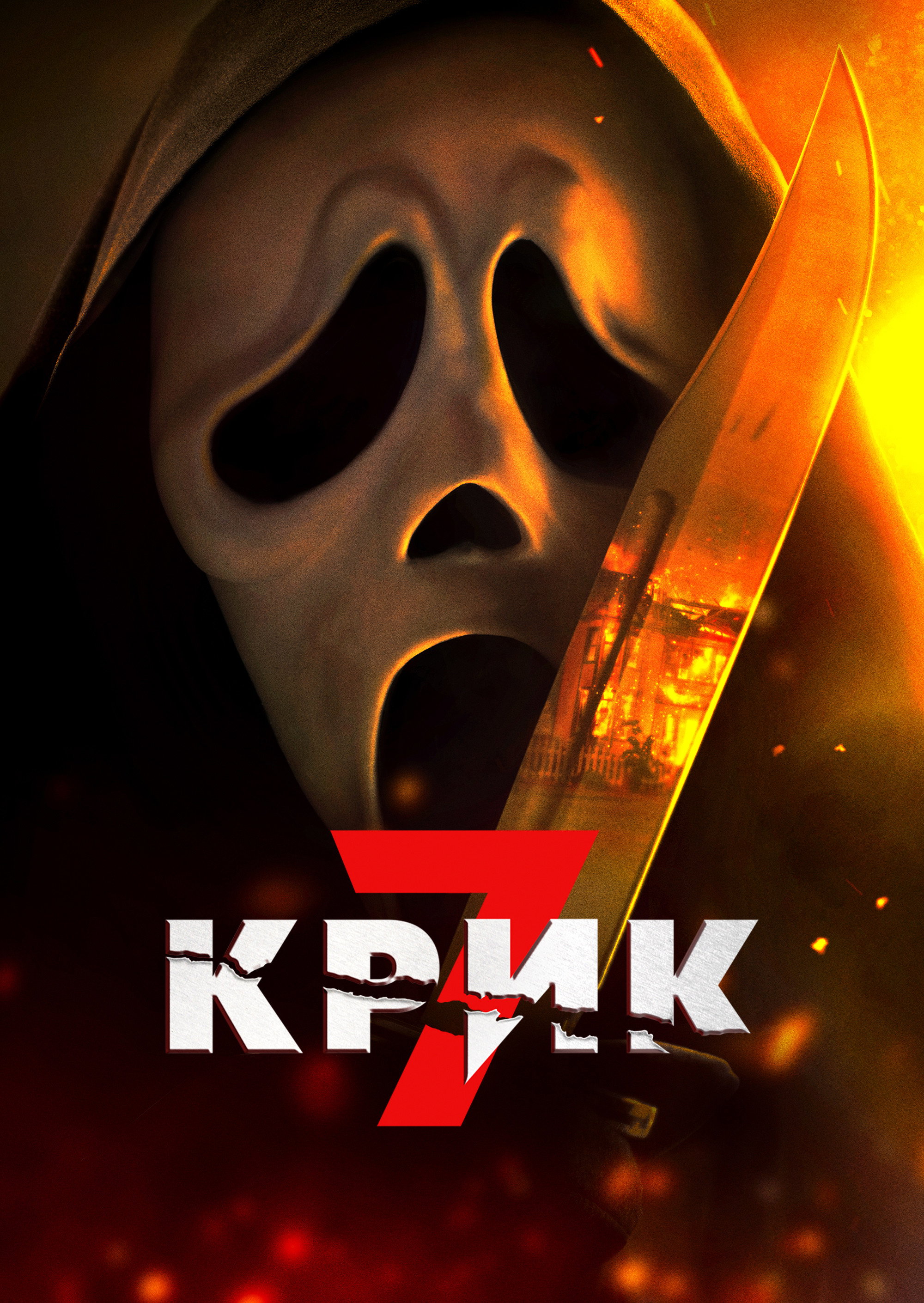
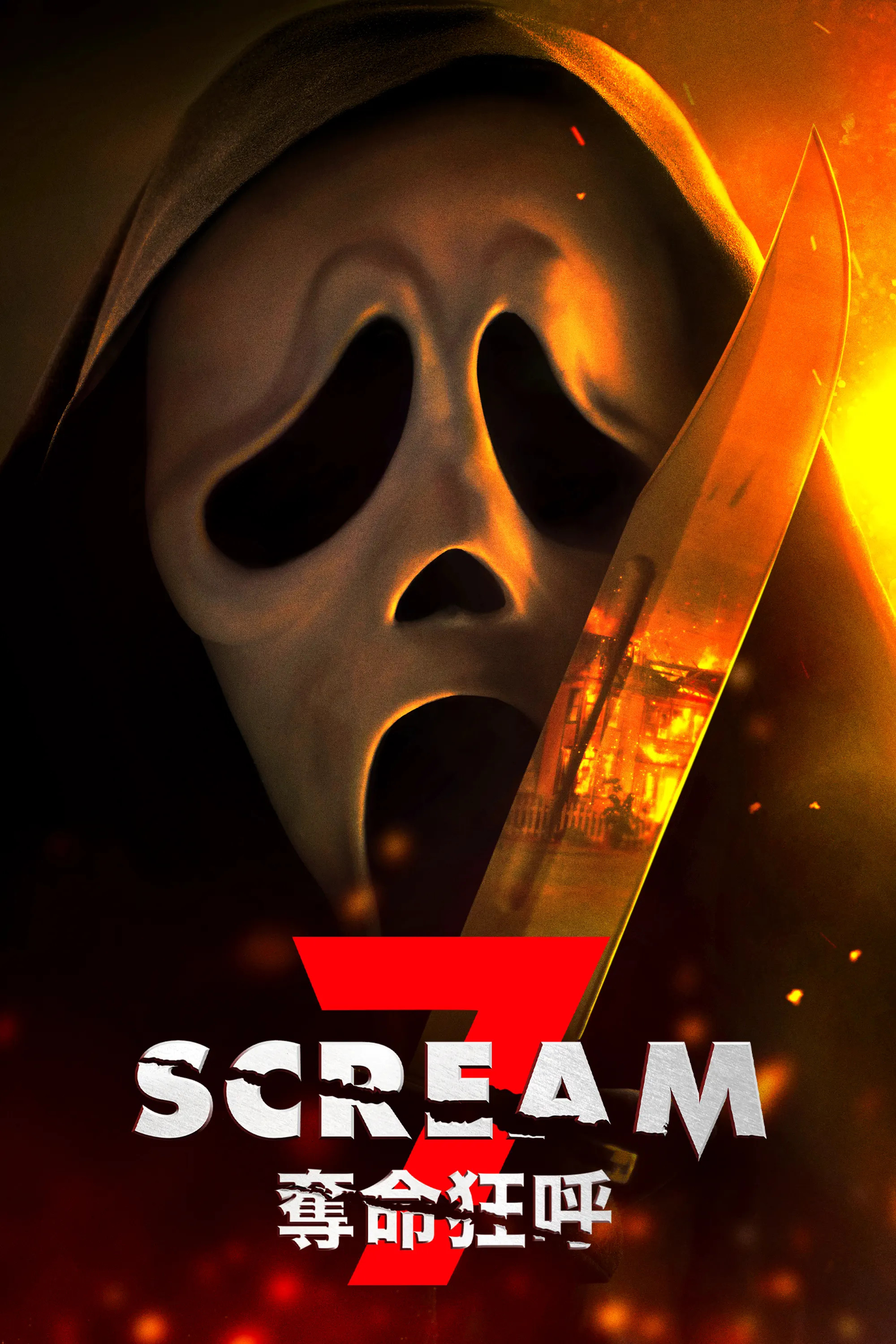
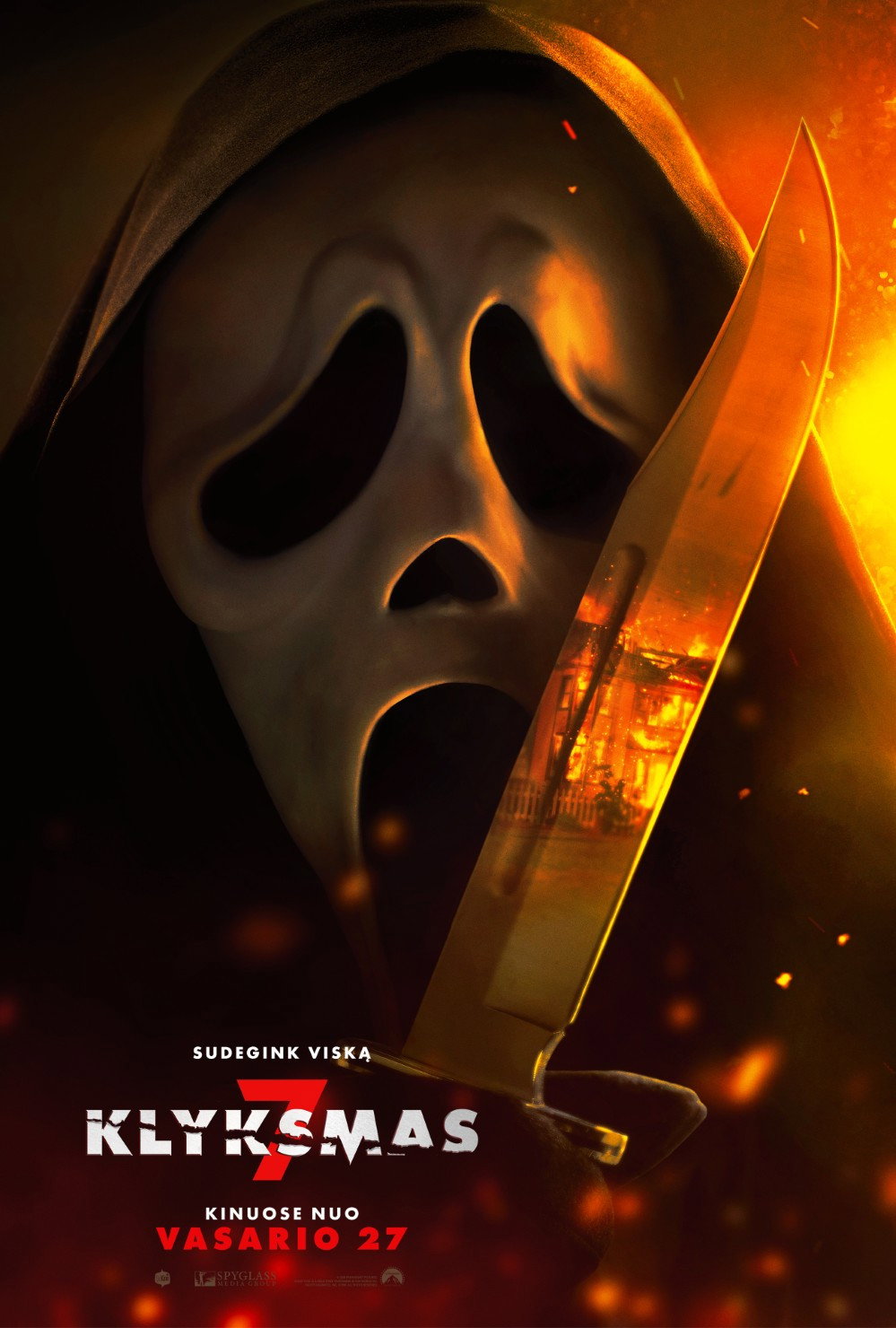
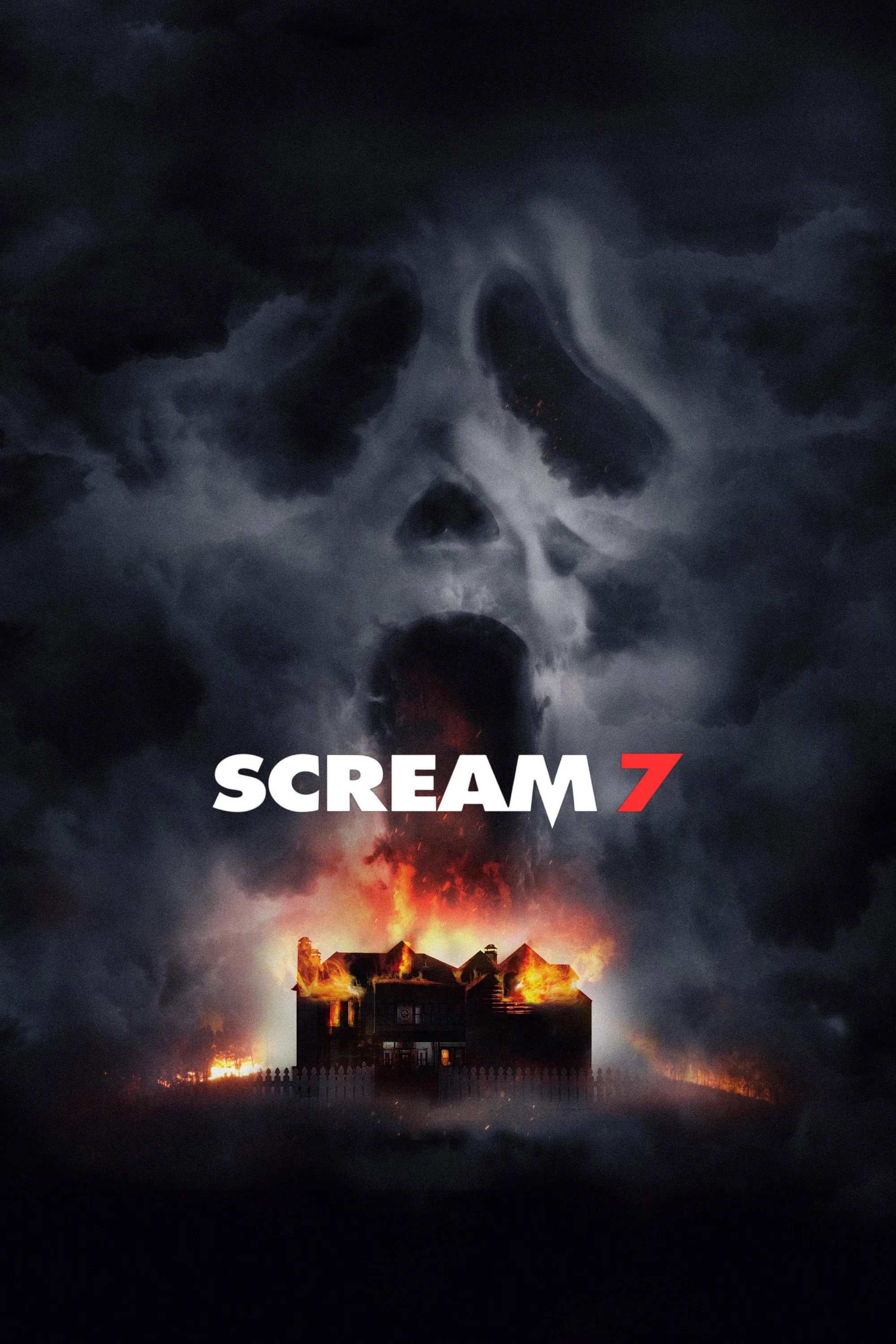
Scream 7 (2026) poster
Production Companies
Paramount Pictures , Spyglass Media Group , Project X Entertainment
Plot

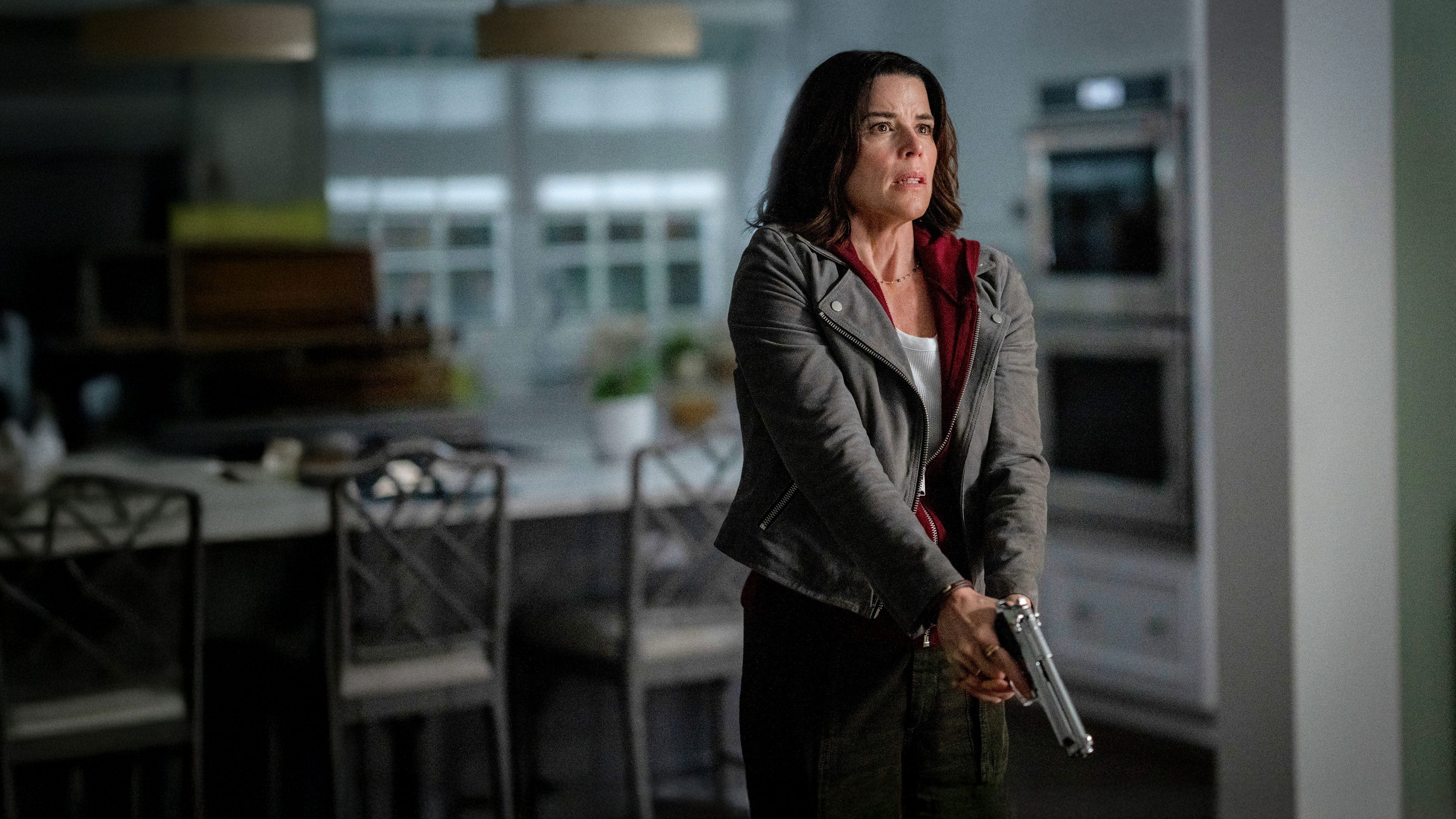
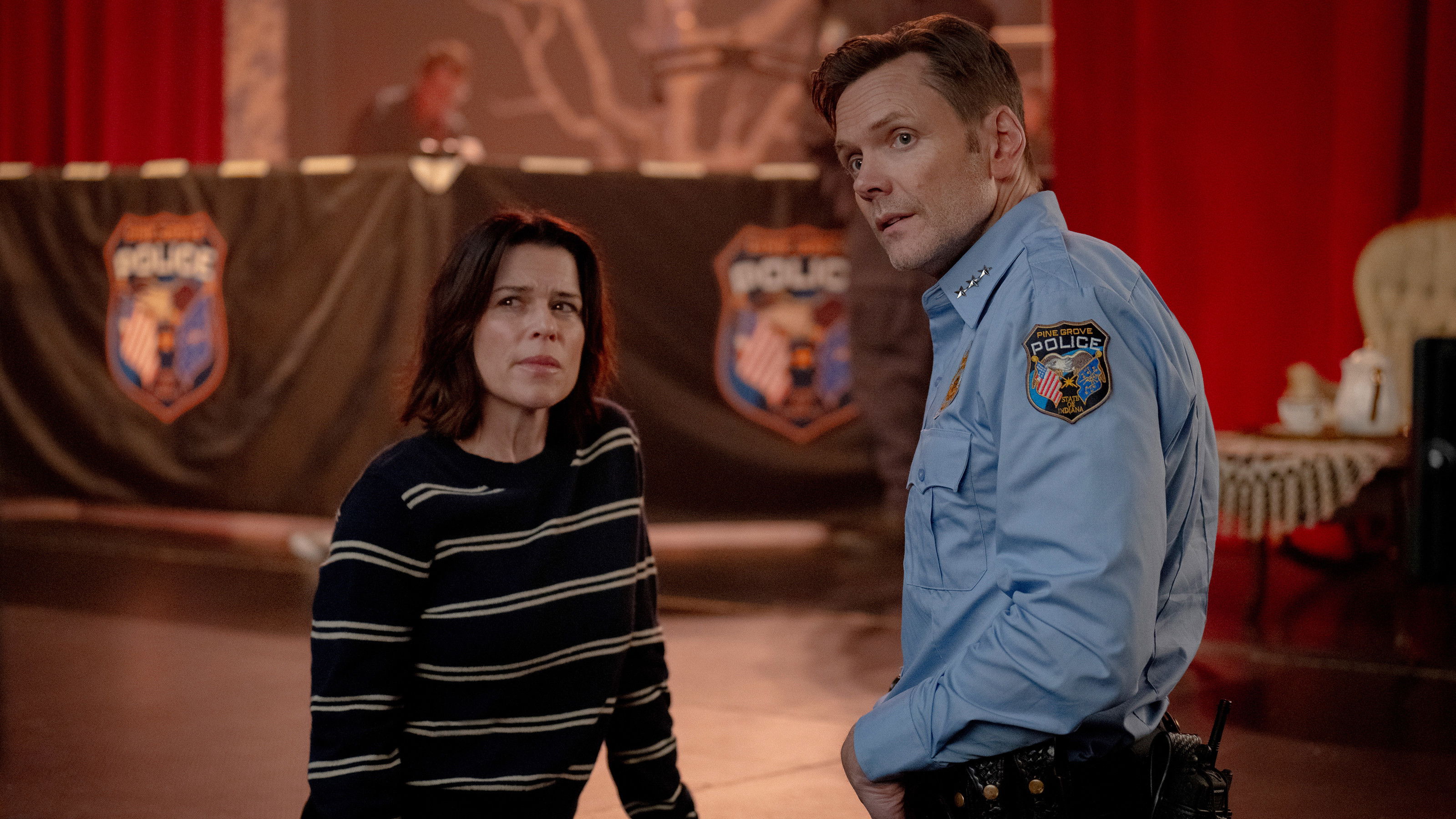
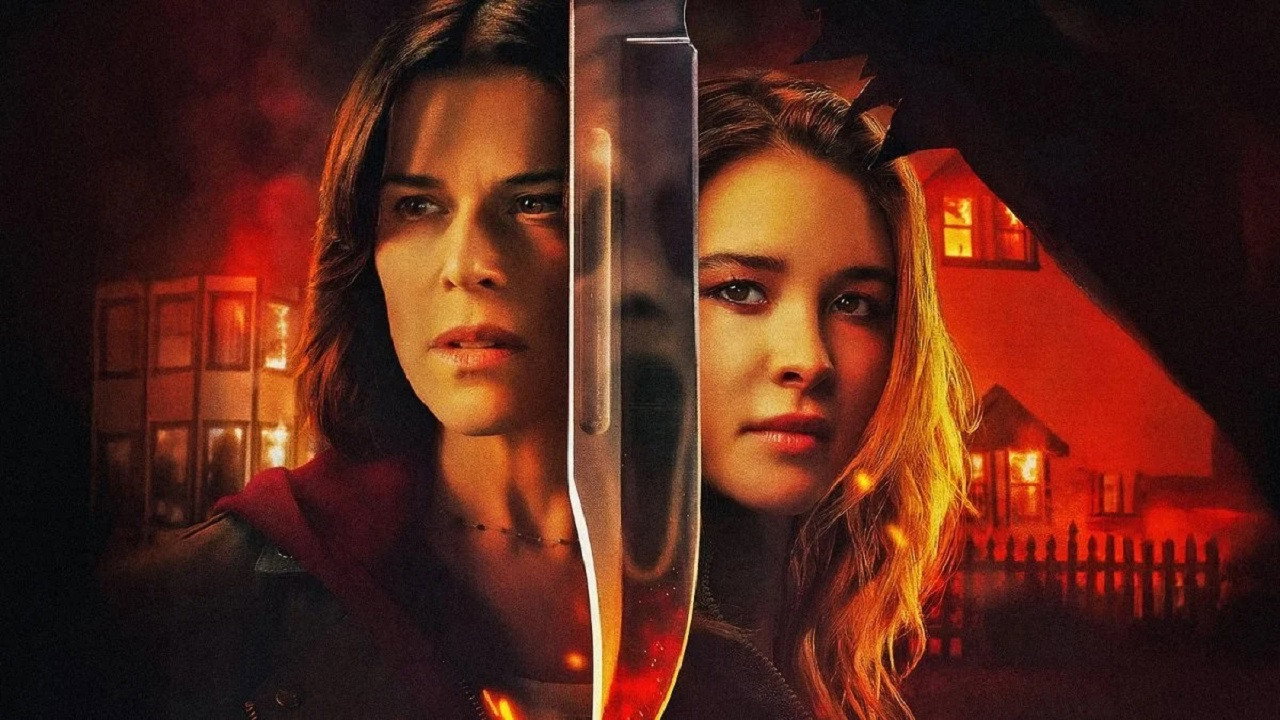
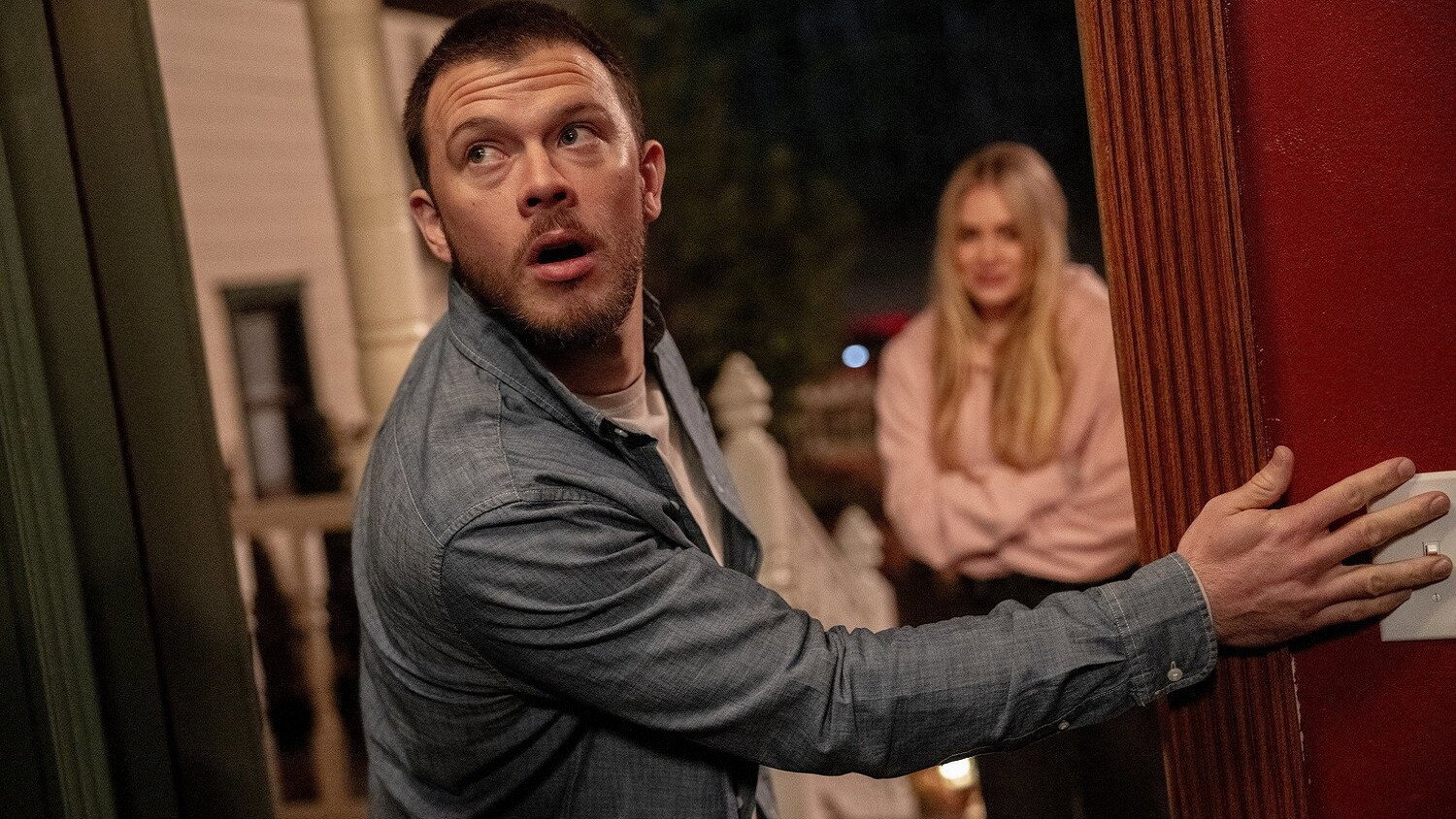
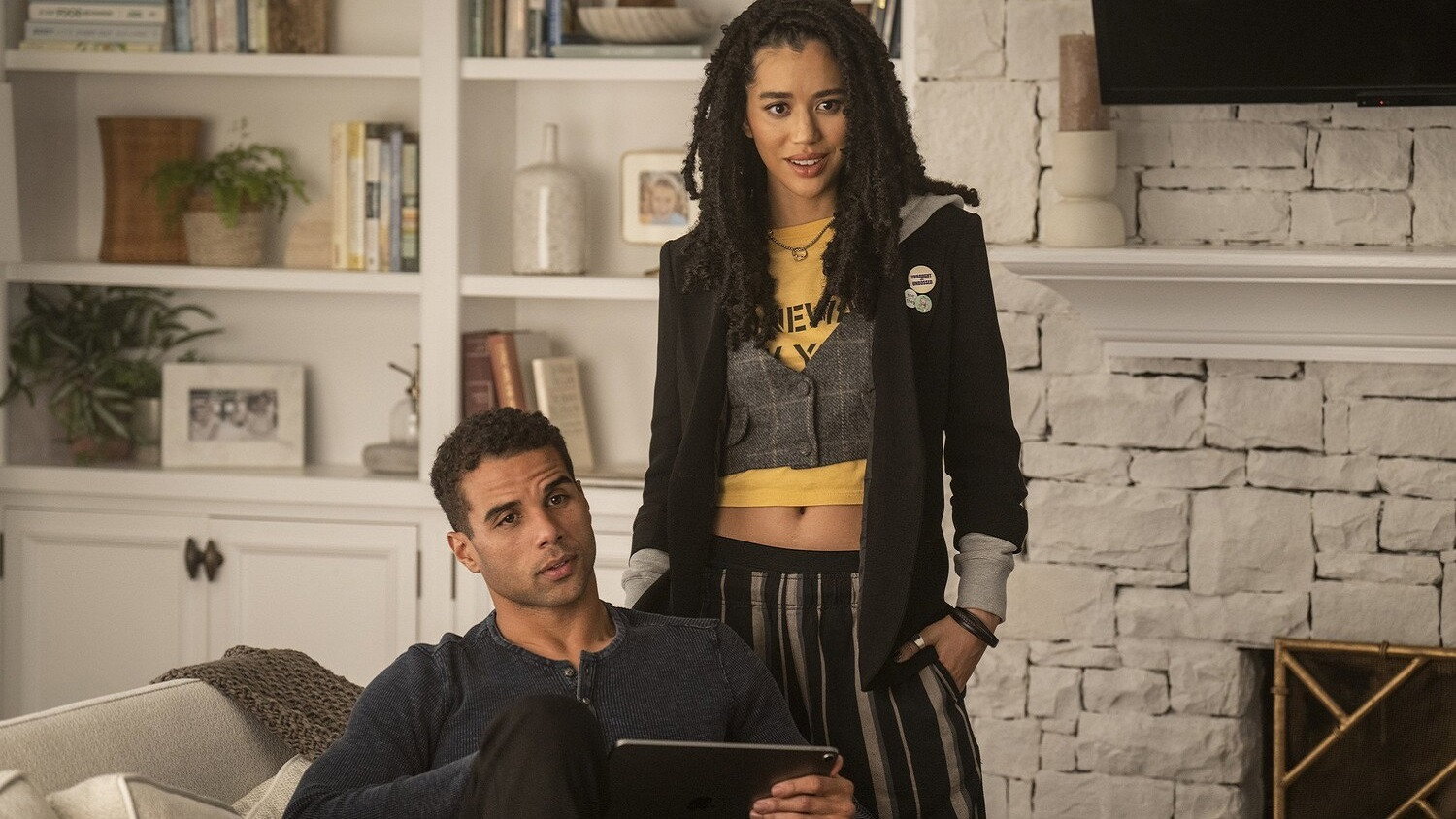
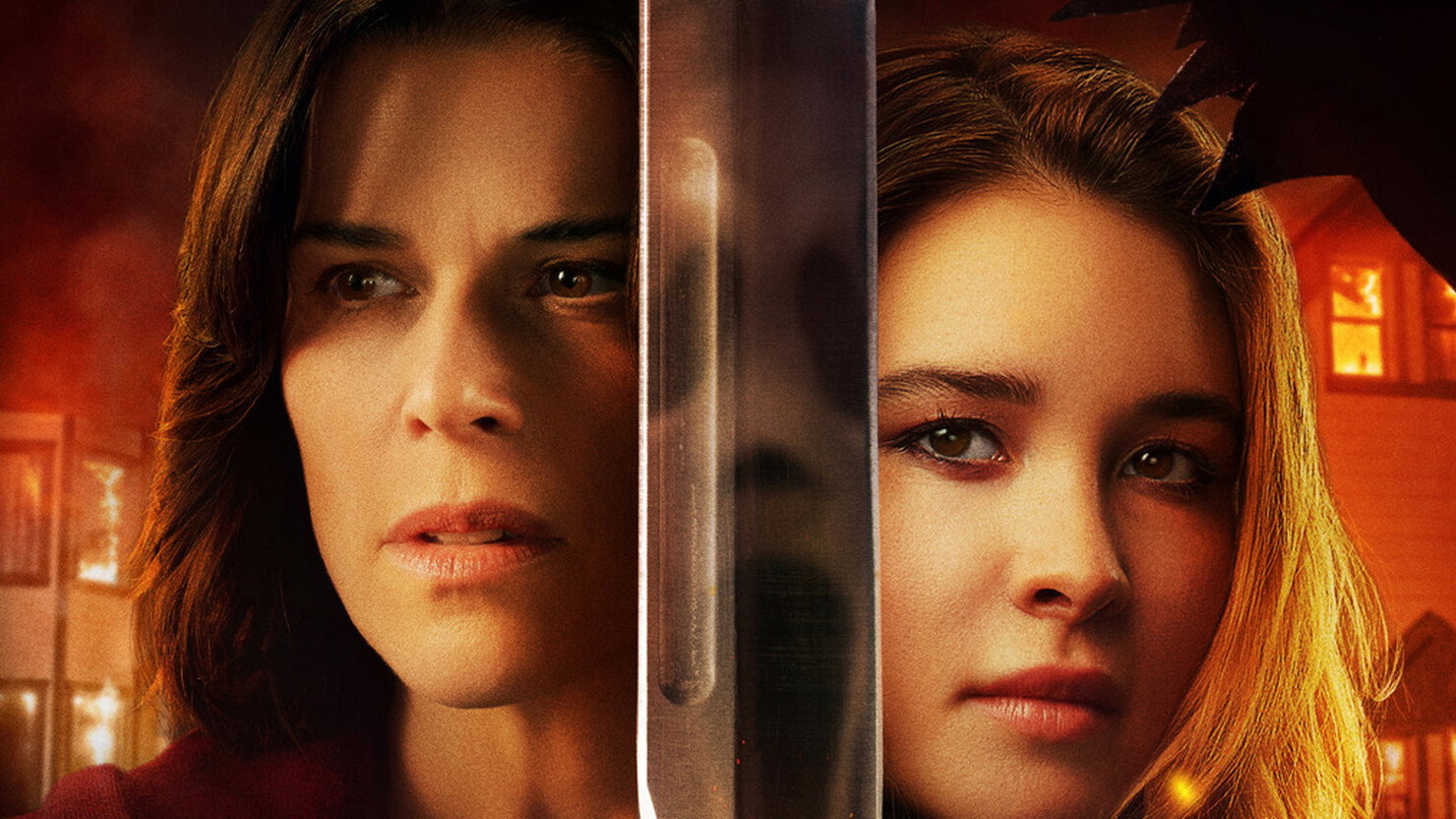
Sidney Prescott has built a family life in an Indiana community far from Woodsboro, but a new Ghostface threat brings the violence of her past into the present. When Sidney's teenage daughter Tatum becomes a target, Sidney works to protect her family and uncover the identity of the person behind the mask. Gale Weathers becomes involved as the attacks revive memories of earlier killings, while familiar faces and new acquaintances complicate the investigation. The danger forces Sidney to confront a new generation's exposure to the crimes that shaped her life.

Alternative Titles
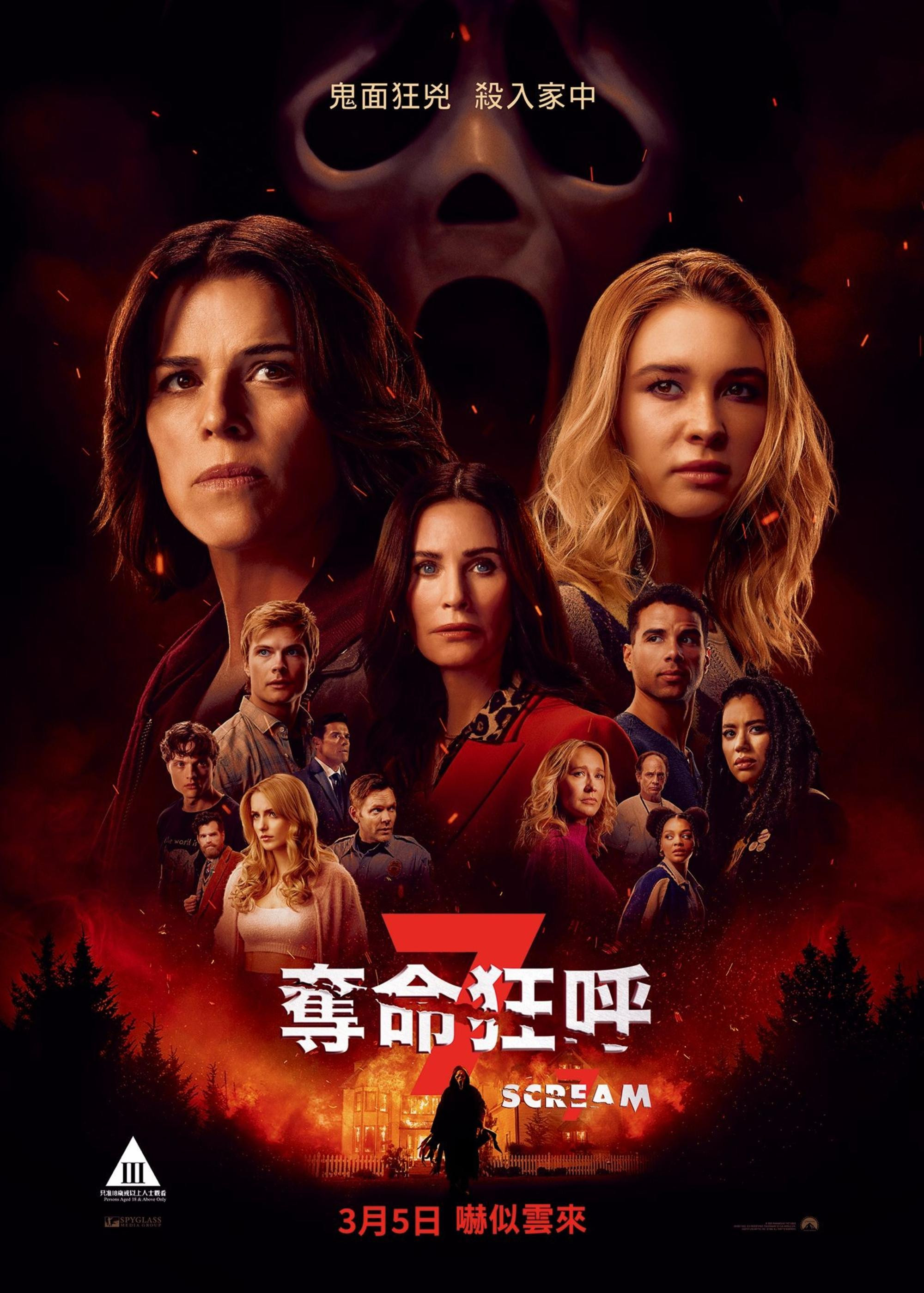
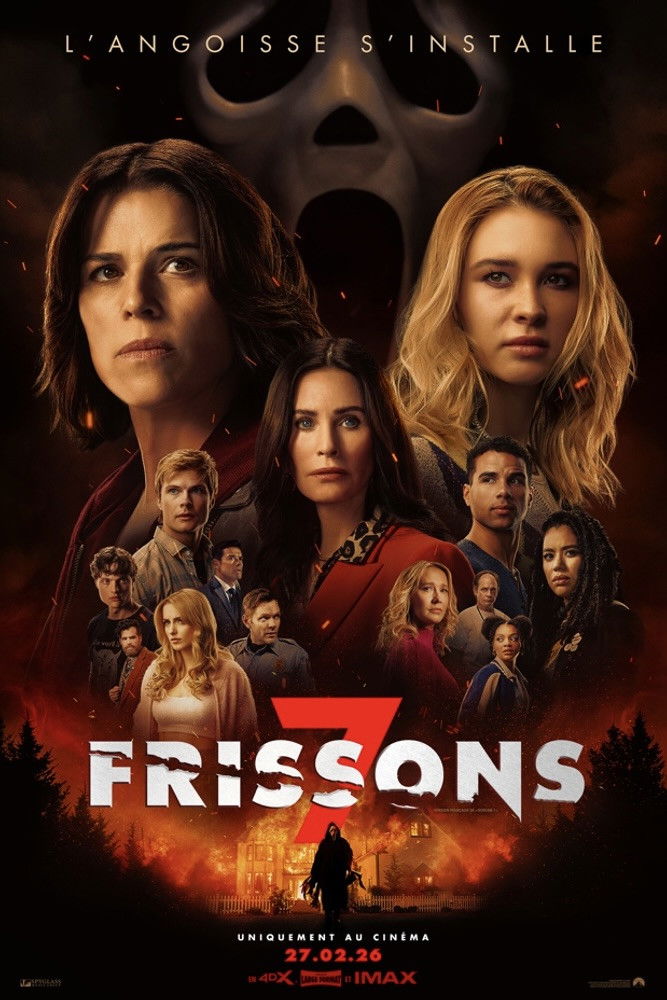
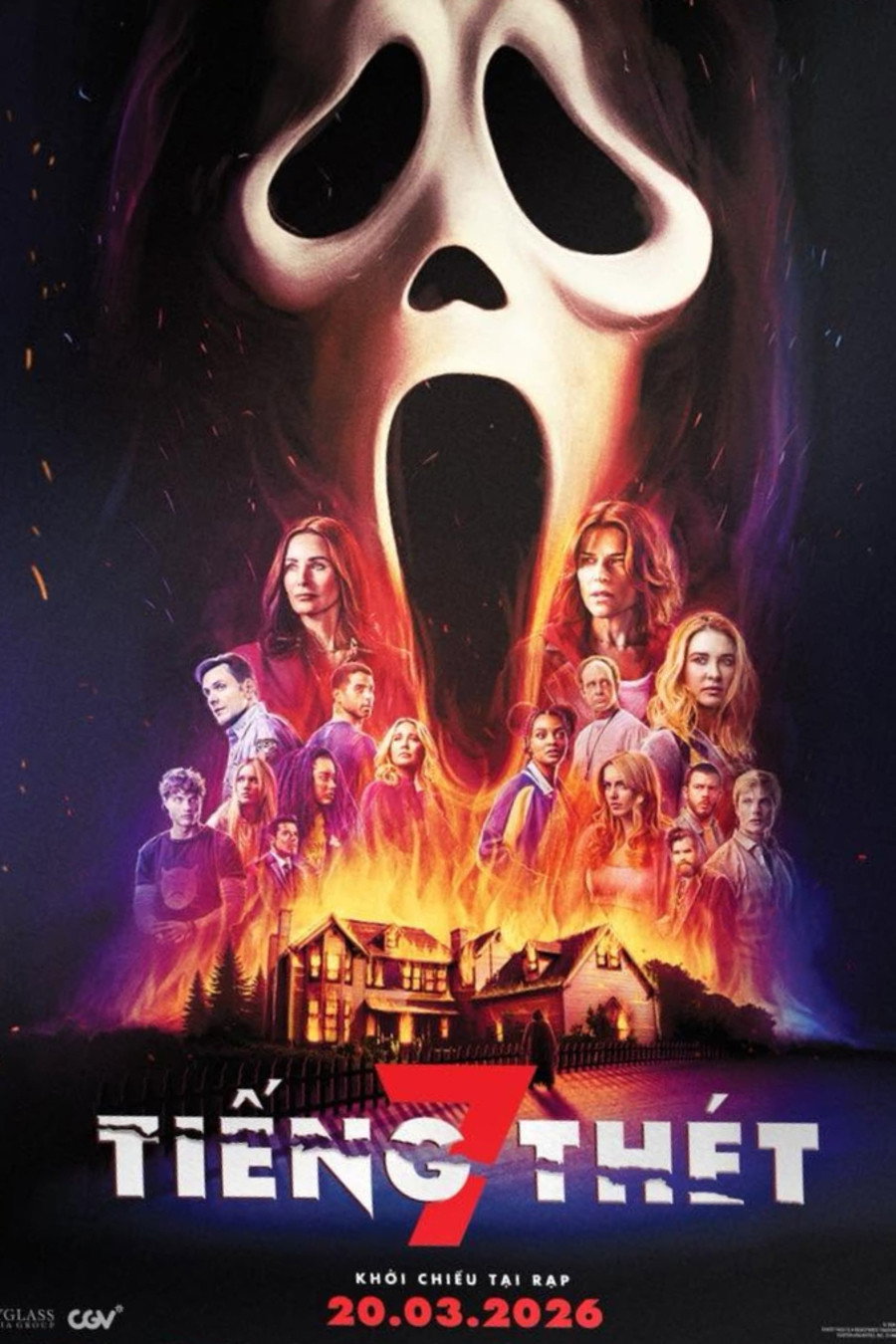
Qışqırıq 7 (Azerbaijan) — Azerbaijani Писък 7 (Bulgaria) Pânico 7 (Brazil) Pânico VII (Brazil) Frissons 7 (Canada) — French 惊声尖叫7 (China) — Chinese Vřískot 7 (Czechia) — Czech Karje 7 (Estonia)
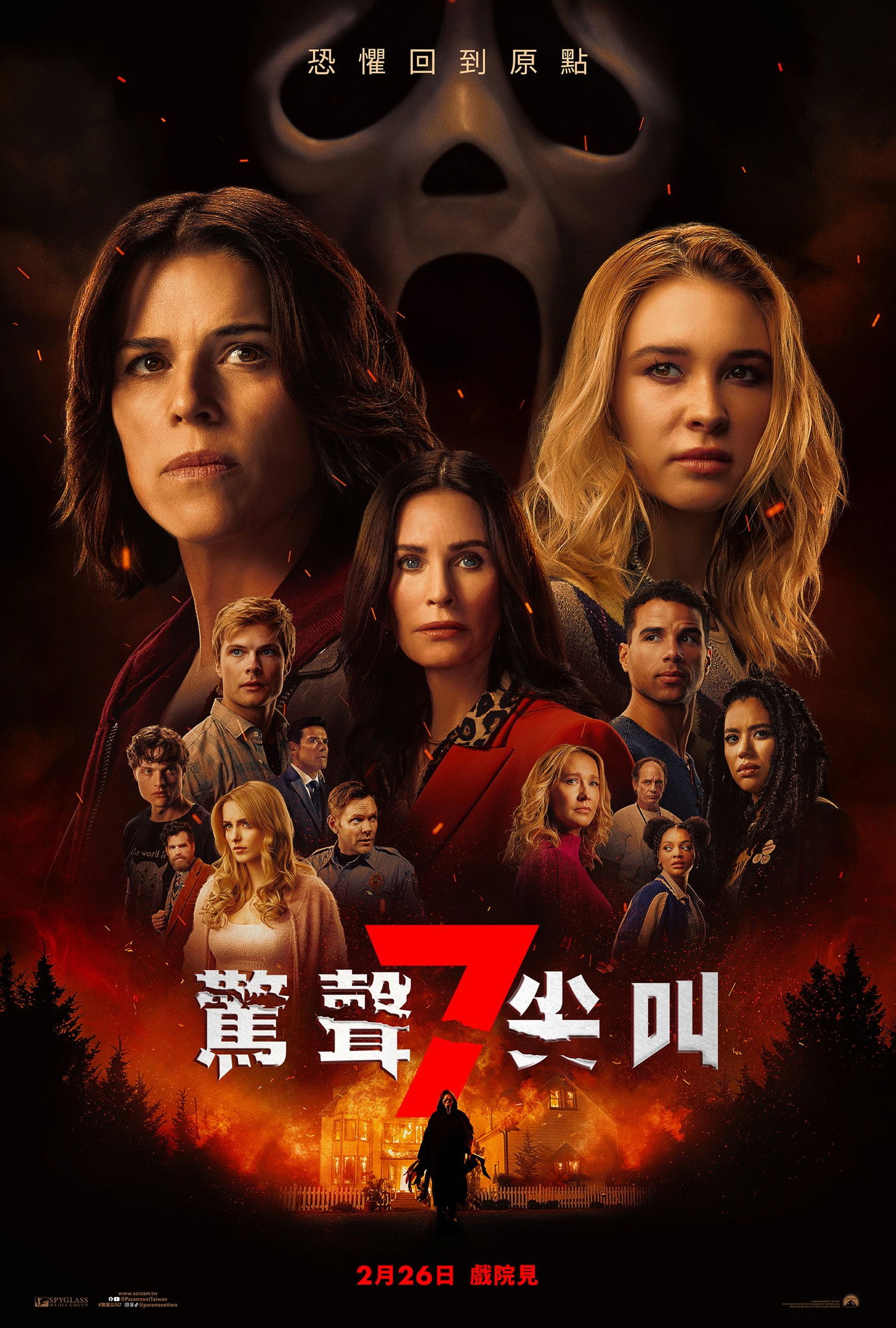
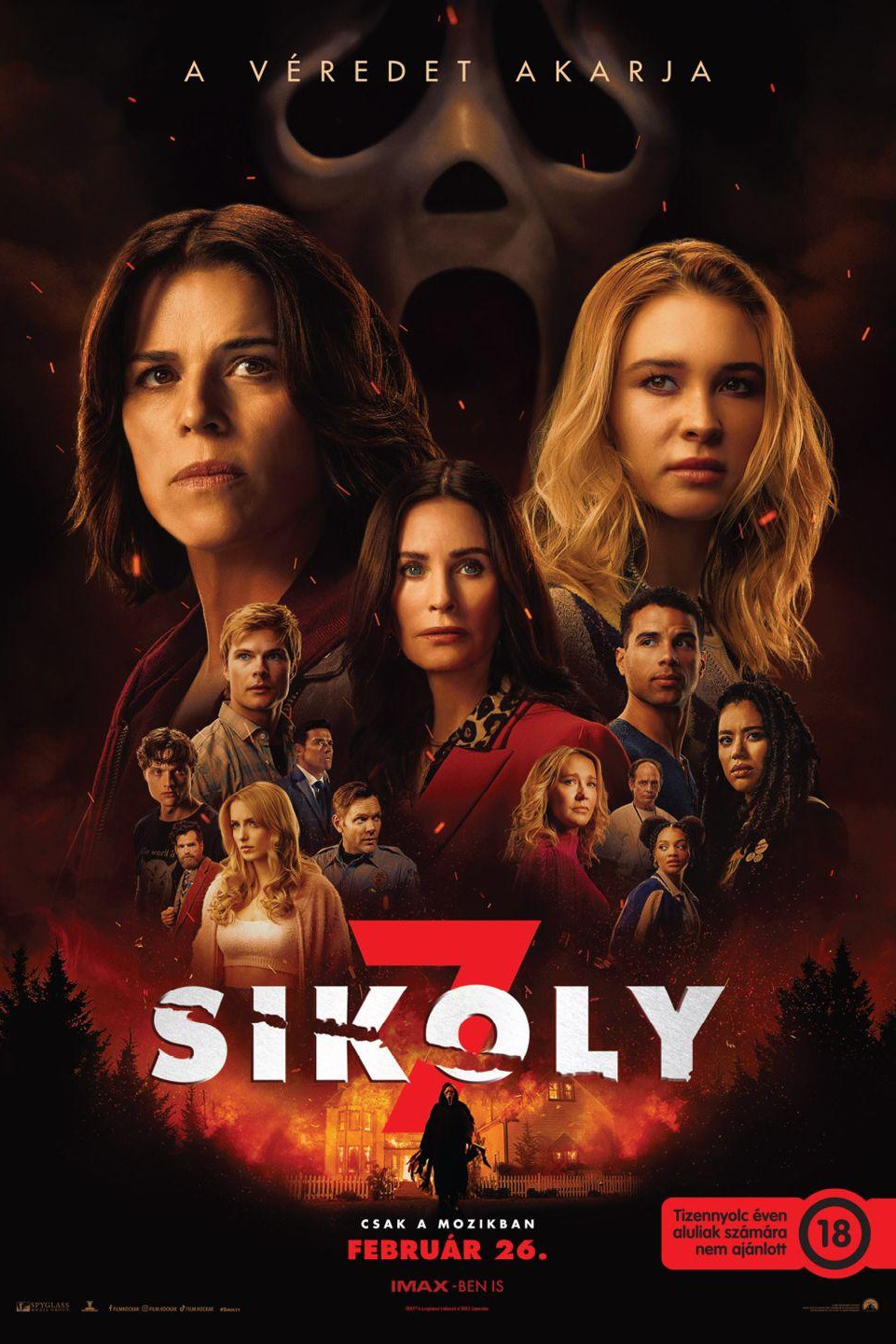
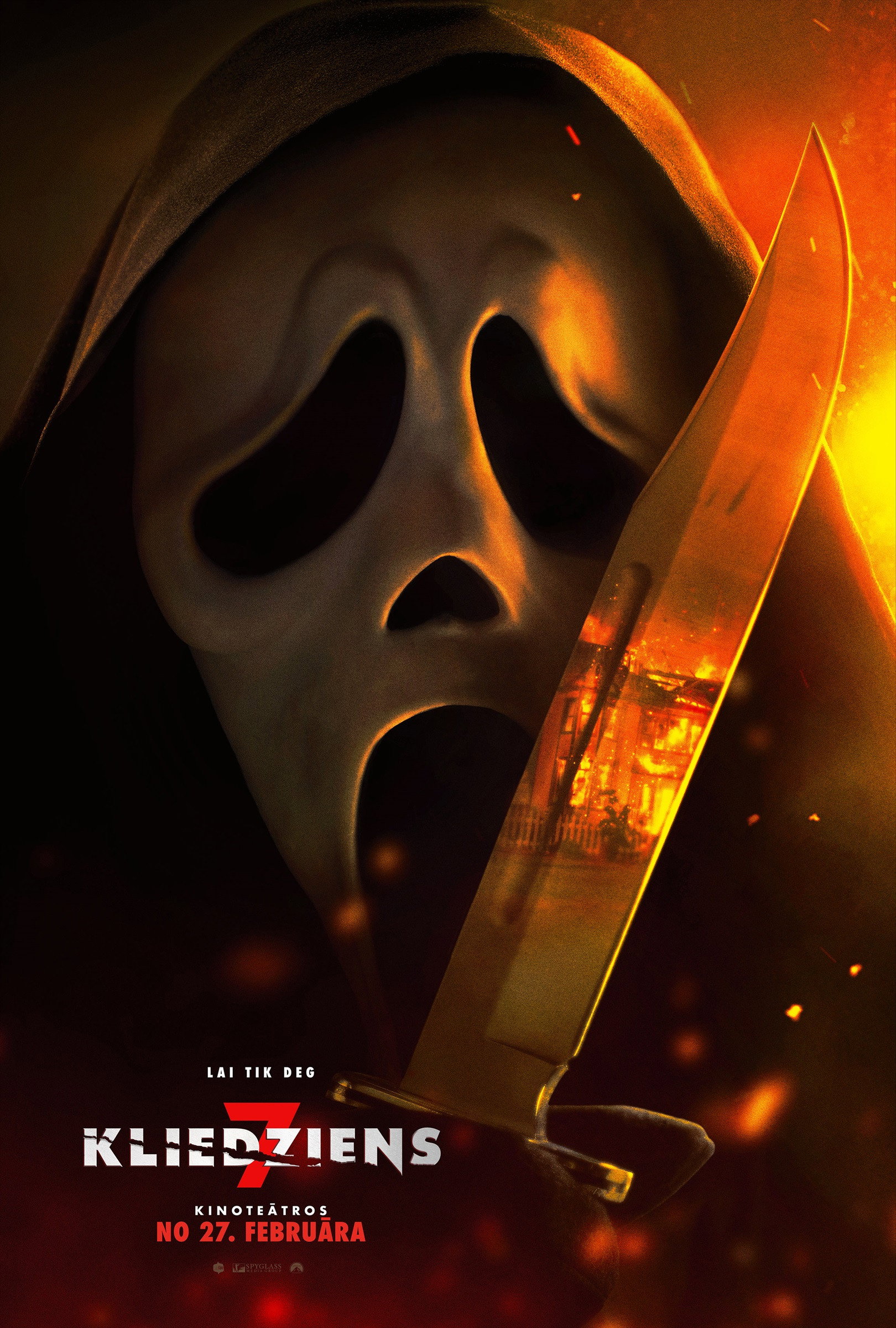
Show all 39 alternative titles კივილი VII (Georgia) — Georgian 奪命狂呼 7 (Hong Kong SAR China) 奪命狂呼7 (Hong Kong SAR China) — Chinese Vrisak 7 (Croatia) Sikoly 7 (Hungary) Sikoly 7. (Hungary) — Hungarian צעקה 7 (Israel) — Hebrew スクリーム7 (Japan) — Japanese 스크림 7 (South Korea) — Korean Крик 7 (Kazakhstan) Klyksmas 7 (Lithuania) Kliedziens 7 (Latvia) Vrisak 7 (Montenegro) Вресок 7 (North Macedonia) Skrik 7 (Norway) Krzyk 7 (Poland) Krzyk VII (Poland) Gritos 7 (Portugal) Врисак 7 (Serbia) Крик 7 (Russia) صرخة 7 (Saudi Arabia) — Arabic Krik 7 (Slovenia) — Slovenian Vreskot 7 (Slovakia) — Slovak หวีดสุดขีด 7 (Thailand) Çığlık 7 (Türkiye) 驚聲尖叫7 (Taiwan) Крик 7 (Ukraine) — Ukrainian BlackBird (United States) — Working Title Scar Tissue (United States) — Working Title Scream VII (United States) Tiếng Thét 7 (Vietnam)

Trailers & Videos

10 videos

Film Guide & Analysis

Kevin Williamson returns to Ghostface with Sidney Prescott and her daughter in a sequel reshaped by production upheaval, legacy imagery and meticulously mixed suspense.

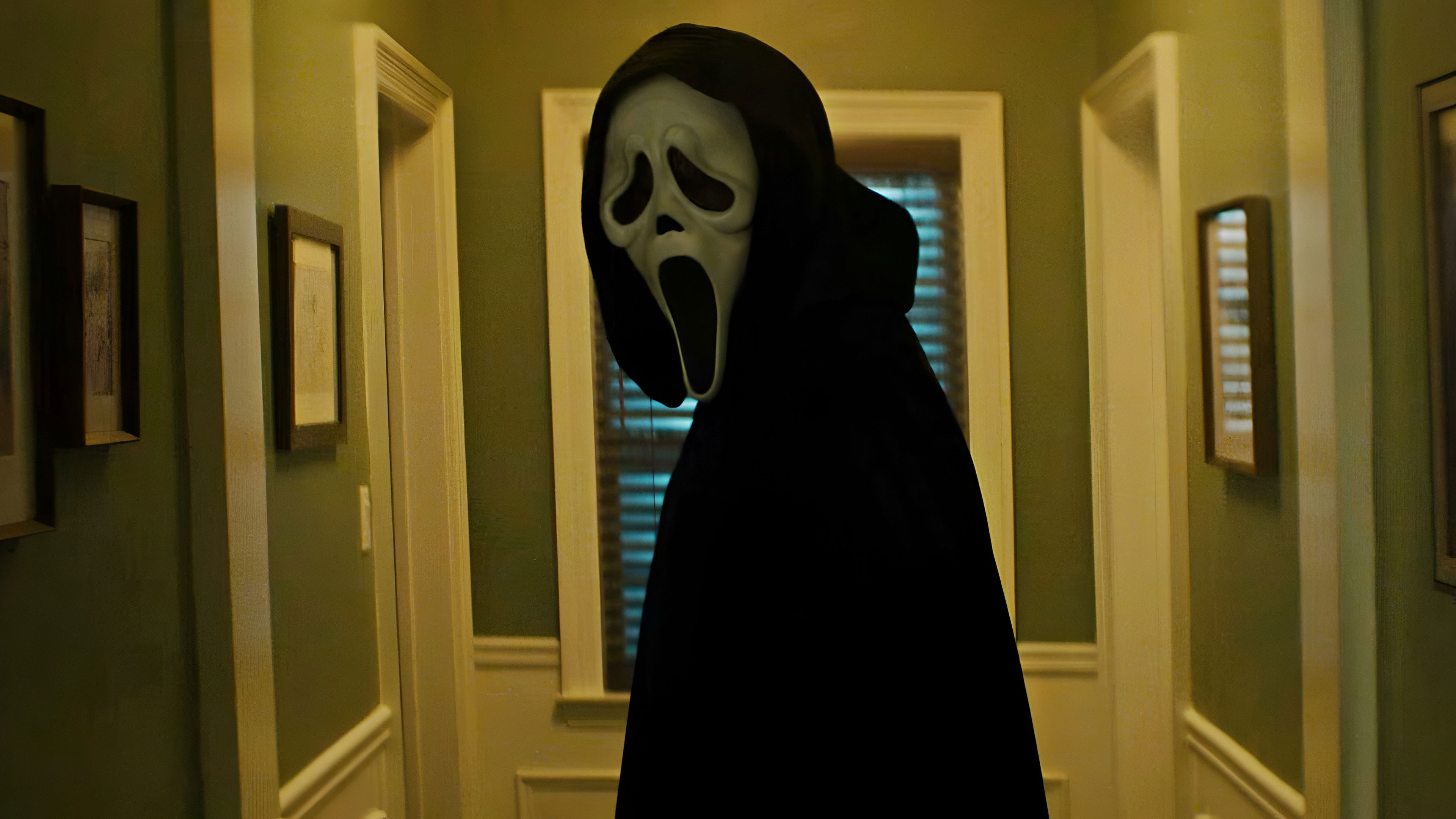
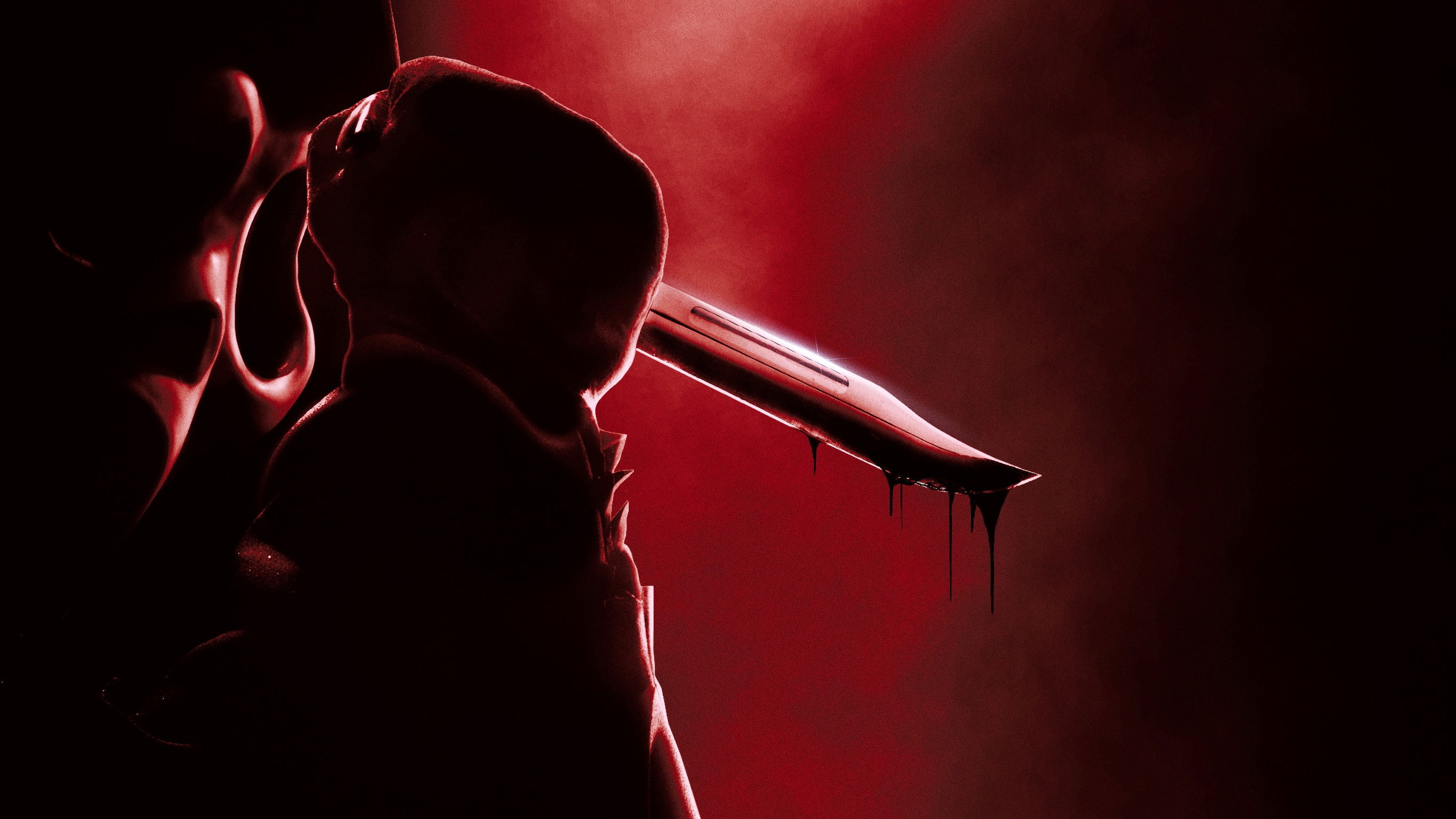
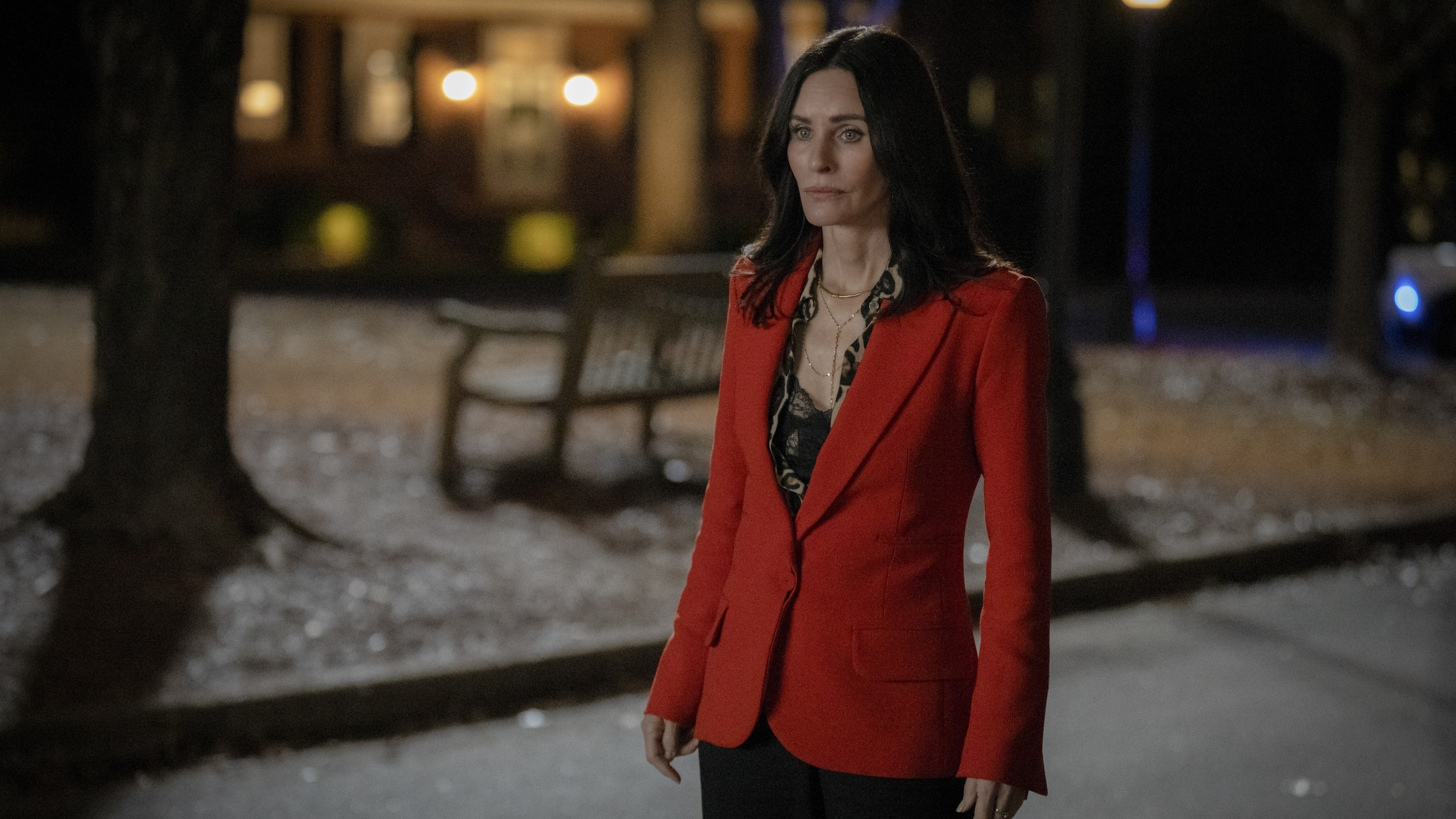
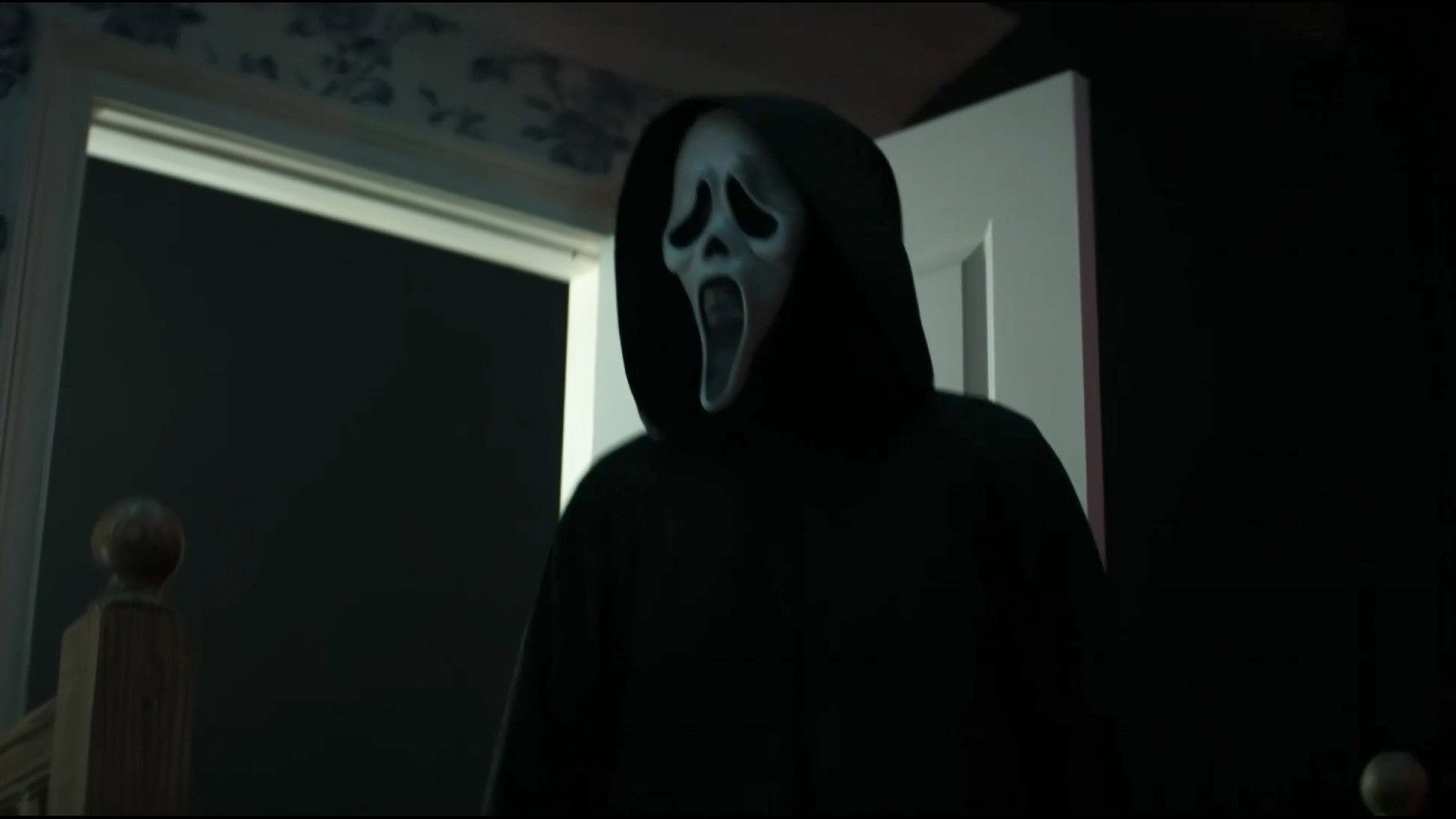
Scream 7 (2026) marked an unusually turbulent return for a horror franchise built around the survival of Sidney Prescott. After two sequels had shifted attention toward the Carpenter sisters, the seventh film restored Neve Campbell as its central performer and placed Sidney's daughter in the path of another Ghostface killer. Kevin Williamson, whose screenplay launched the series in 1996, directed a Scream feature for the first time. Its creative changes were inseparable from the departures that disrupted the project in 2023, making the finished film a particularly visible example of a slasher sequel reconstructed around a different protagonist.

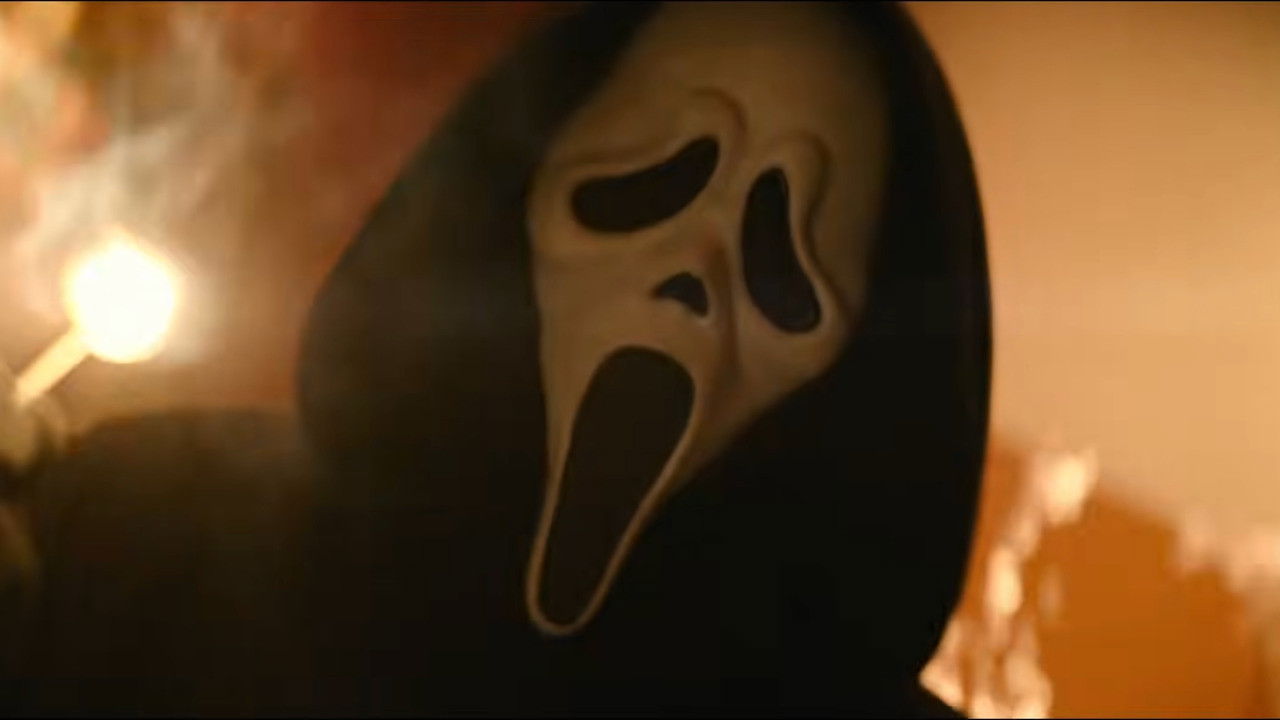
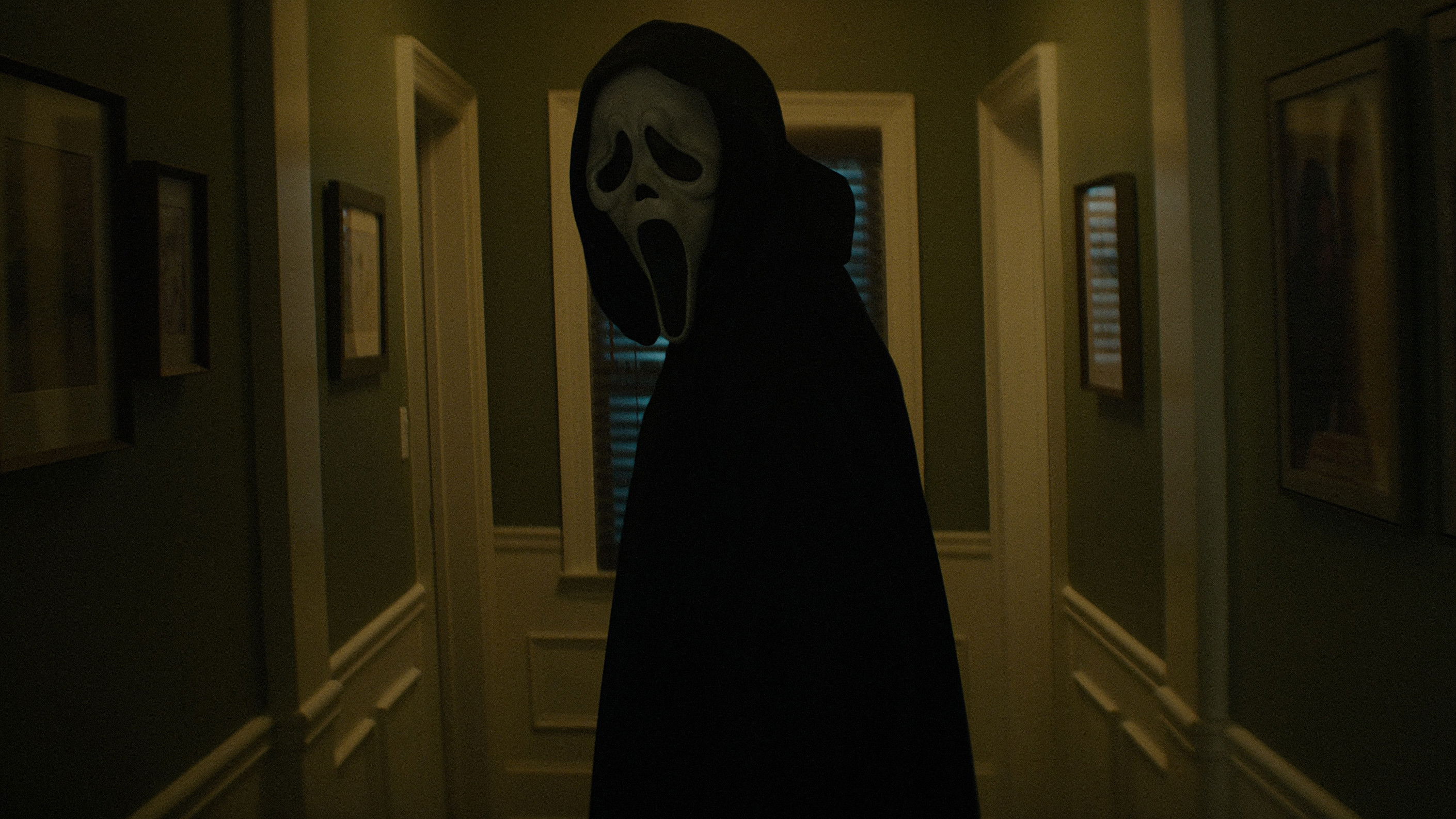
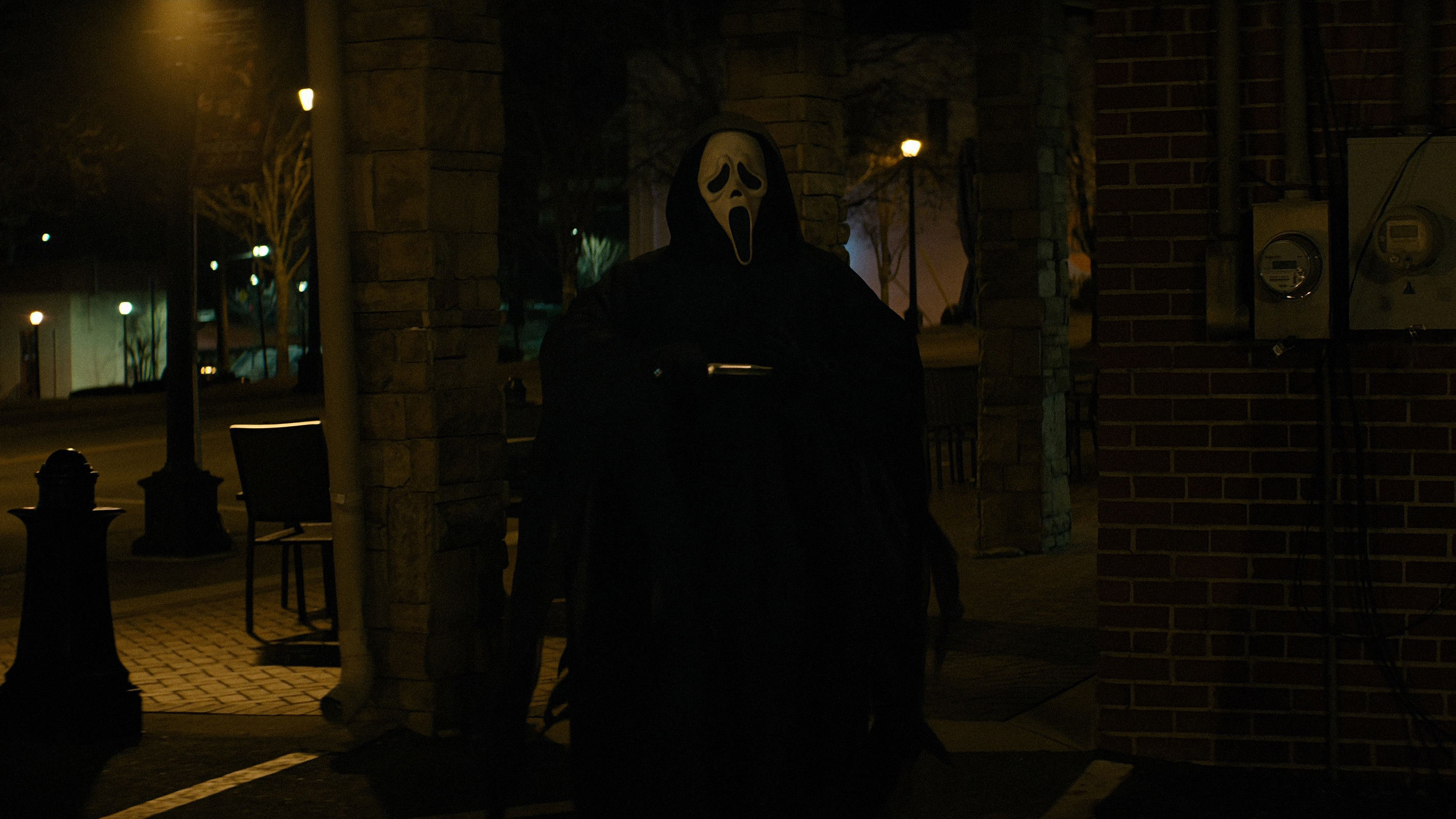
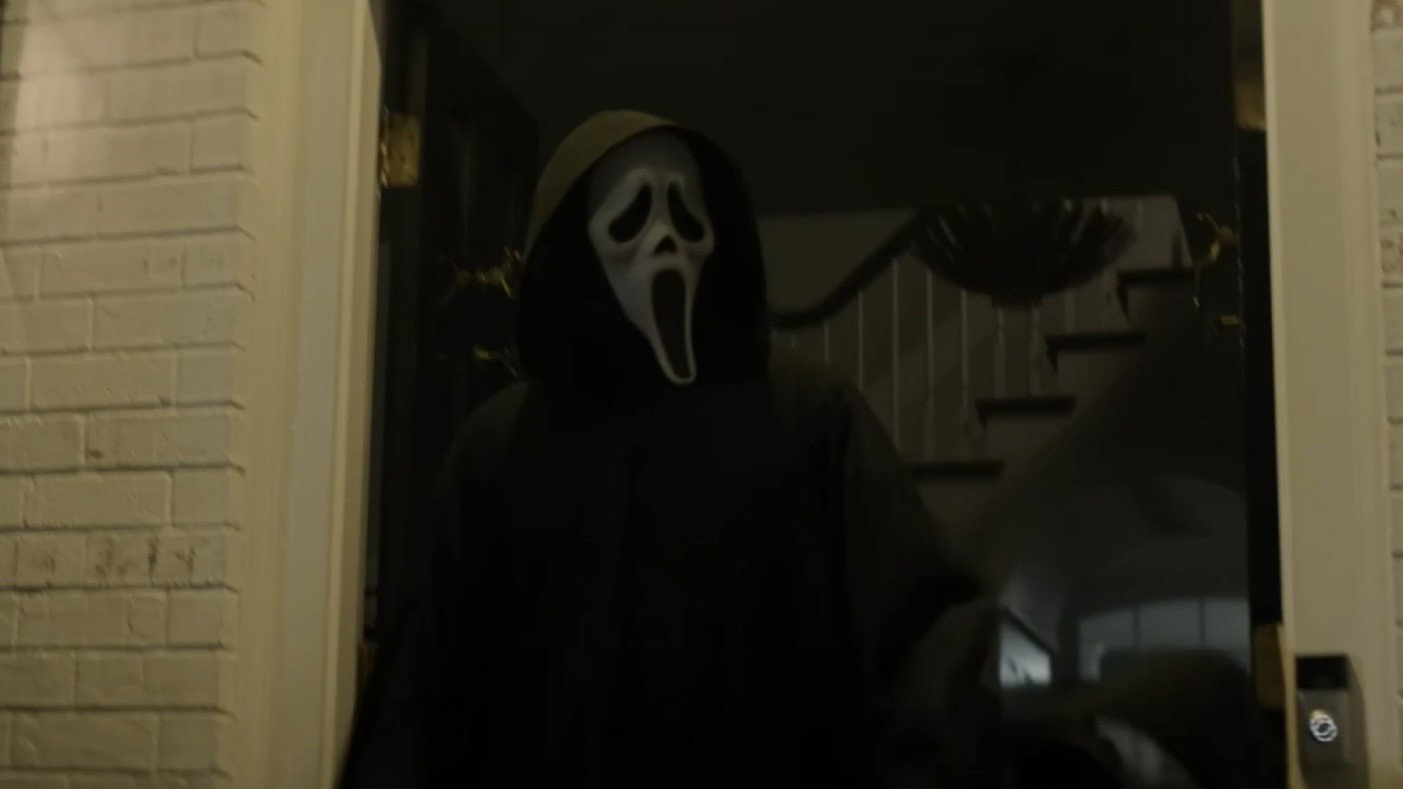
The story moves Sidney into family life away from Woodsboro, while recalling the locations, voices and public mythology of earlier murders. Williamson's approach joins physical pursuit to questions about how a survivor protects children who know her history through mediated images. The familiar masked figure also returns through carefully managed sound, with individual footsteps, telephone calls and subjective acoustics treated as part of the threat. Released during the franchise's thirtieth-anniversary year, the film became a major commercial success despite a divided critical response. Its historical interest lies in the collision between production upheaval, legacy casting and the repeated reinvention of an established slasher formula.

A Sequel Rebuilt After Creative Departures

The seventh installment was initially expected to continue the story of Sam and Tara Carpenter, whose relationship had driven Scream (2022) and Scream VI (2023). That direction collapsed in late 2023. Spyglass removed Melissa Barrera following social-media posts concerning the war in Gaza that the company characterized as antisemitic. Jenna Ortega subsequently left the project, publicly citing scheduling conflicts, and director Christopher Landon withdrew amid the turmoil. Variety's February 2026 investigation reported that Landon had received death threats despite having no responsibility for Barrera's dismissal. These events became matters of public controversy well before the eventual movie reached cinemas.

The producers then sought a different center for the narrative. Variety described a substantial screenplay overhaul after the loss of the two leading characters, reporting an estimated rewrite cost of roughly $500,000 according to its industry sources. Campbell, absent from the sixth entry following a dispute over her compensation, returned under a newly negotiated agreement. The change altered the dramatic premise as well as the marketing focus: Sidney was no longer a supporting connection to the original Woodsboro murders, but the person whose domestic life the next attacker would penetrate. Details of the abandoned Carpenter-centered screenplay remain distinct from the story actually filmed.

Williamson Directing and the Craven Connection

Williamson had written the original Scream and remained associated with the later films, but his relationship to the series changed after Wes Craven's death in 2015. In a 2026 interview with Esquire, he recalled stepping back from the property and then becoming more involved as the recent sequels took shape. He described a conversation with Neve Campbell in which she personally asked him to direct the seventh installment. Accepting meant assuming the filmmaking role previously occupied by Craven, whose direction had established the franchise's balance of violence, humor and character-driven suspense. Williamson's previous feature as director had been Teaching Mrs. Tingle (1999).

This history matters because Williamson's original contribution was a screenplay that understood the rules of slasher cinema as something characters could recognize and discuss. Directing the new film placed different demands on him: controlling physical geography, staging attacks and shaping performances across a production designed for large theatrical exhibition. His account to Esquire emphasizes his renewed collaboration with Campbell and the decision to pursue Sidney's story. These are the director's retrospective explanations of his intentions, not independent evidence that the result reproduced Craven's technique. The finished film can instead be assessed through its staging, sound and treatment of a survivor whose past remains public knowledge.

Sidney Prescott as a Parent

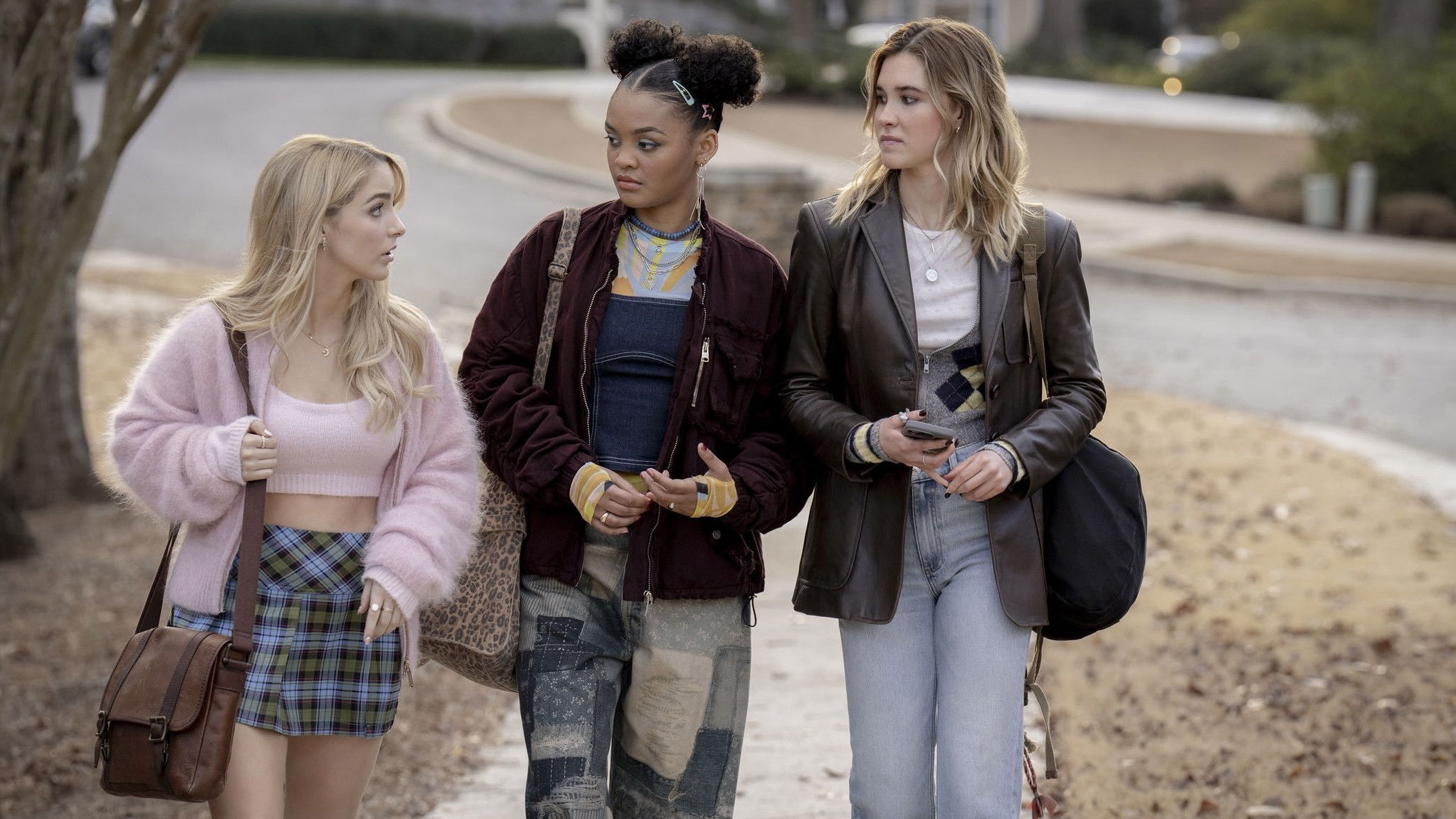
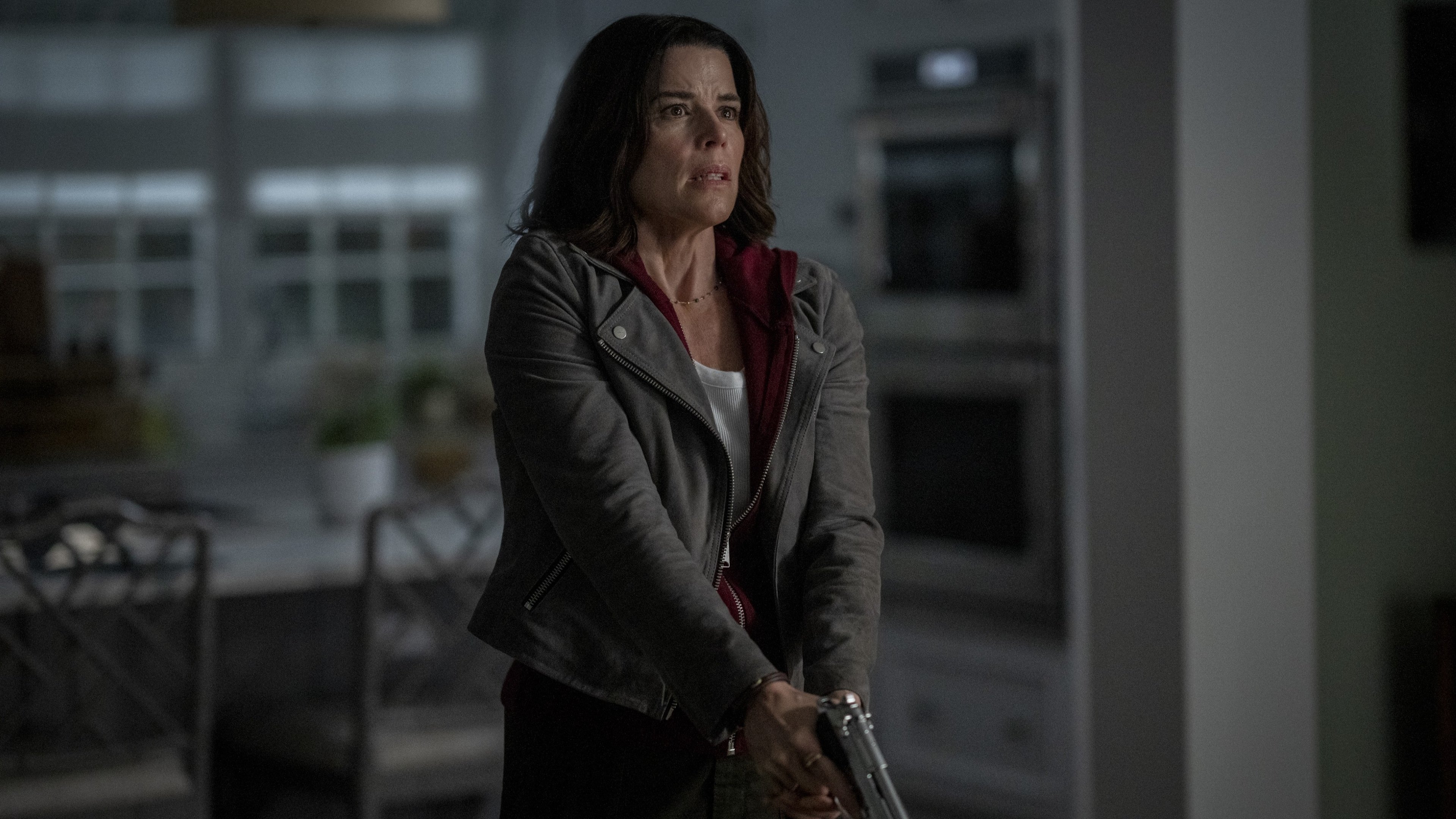
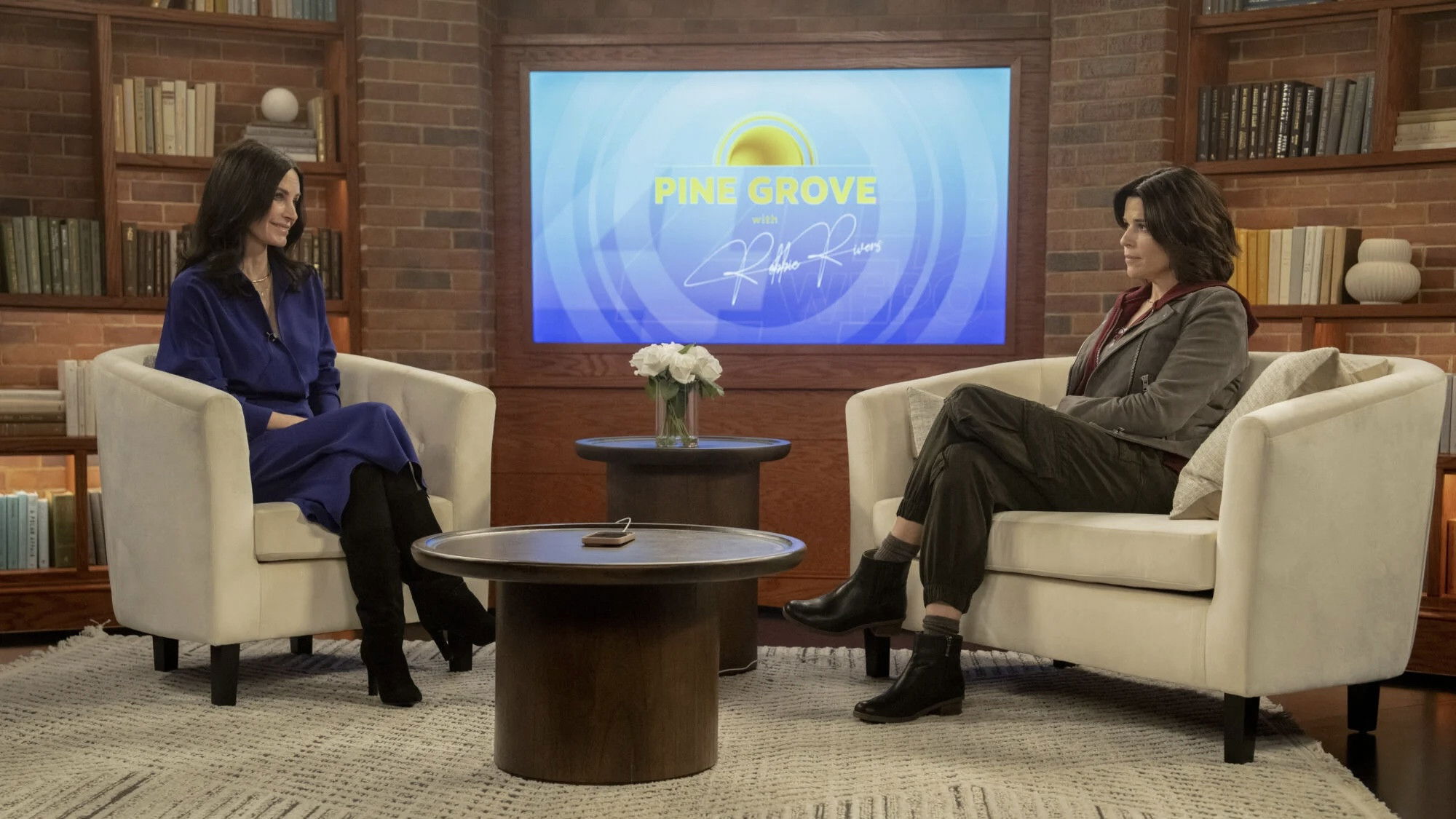
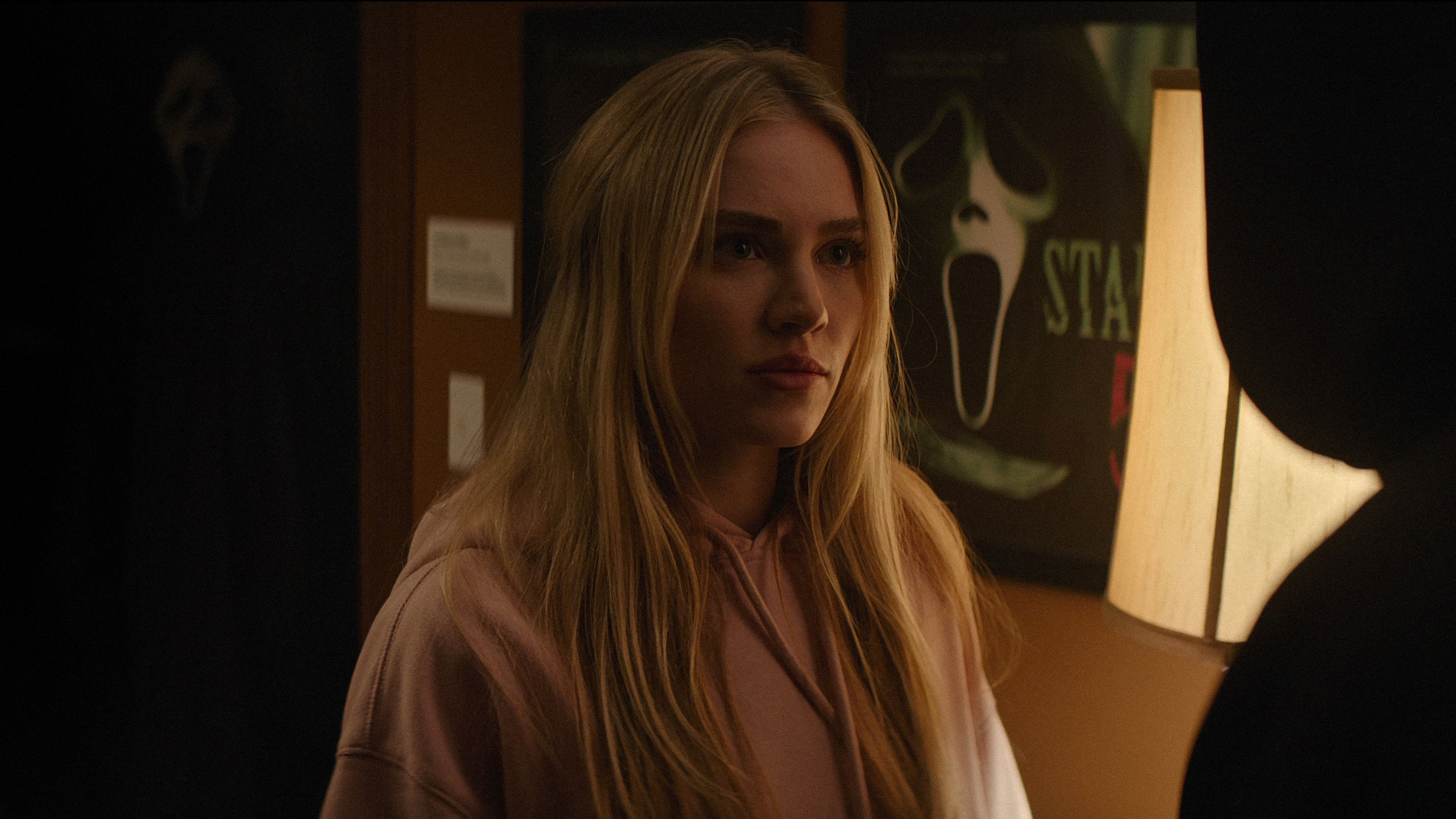
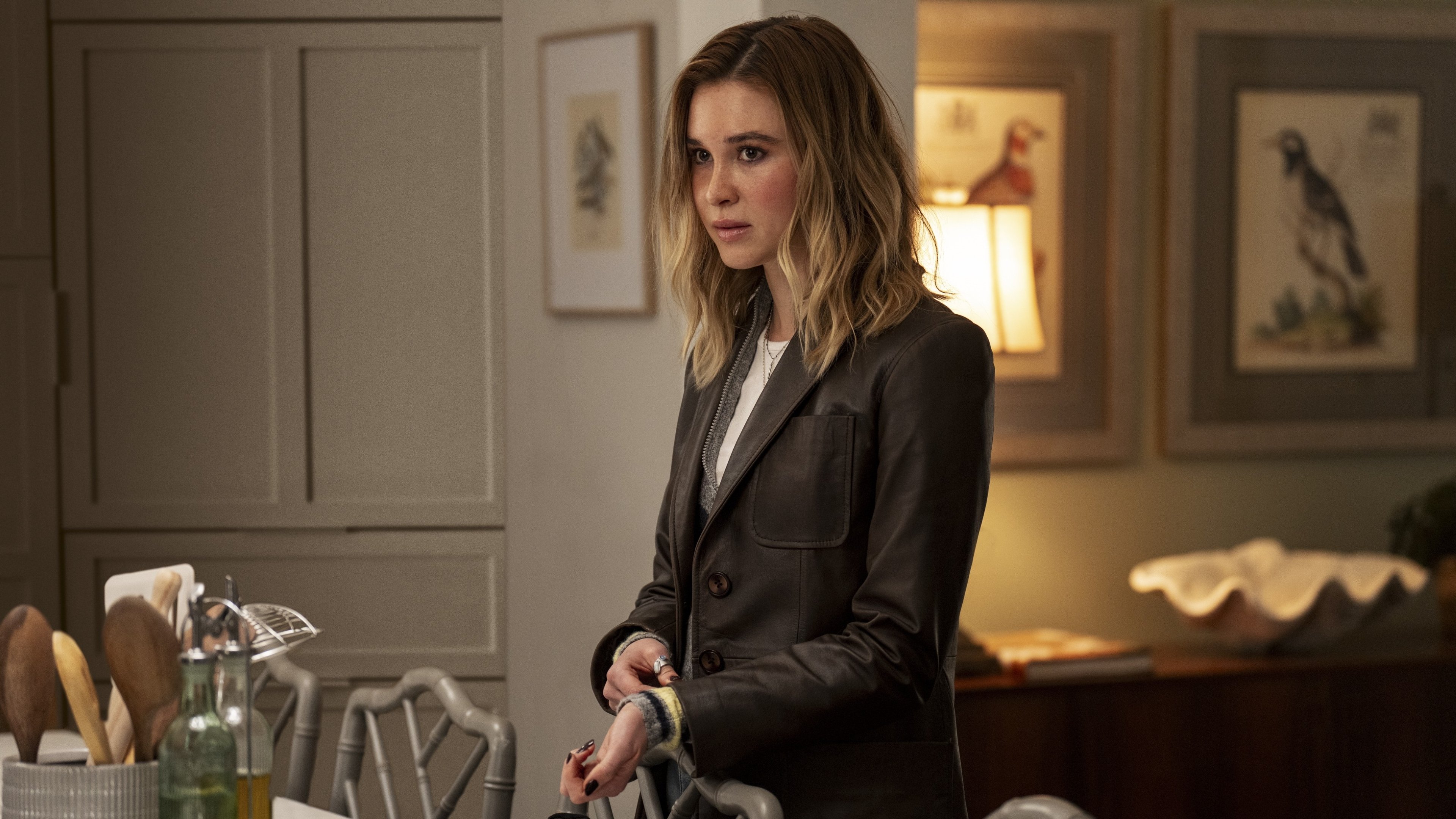
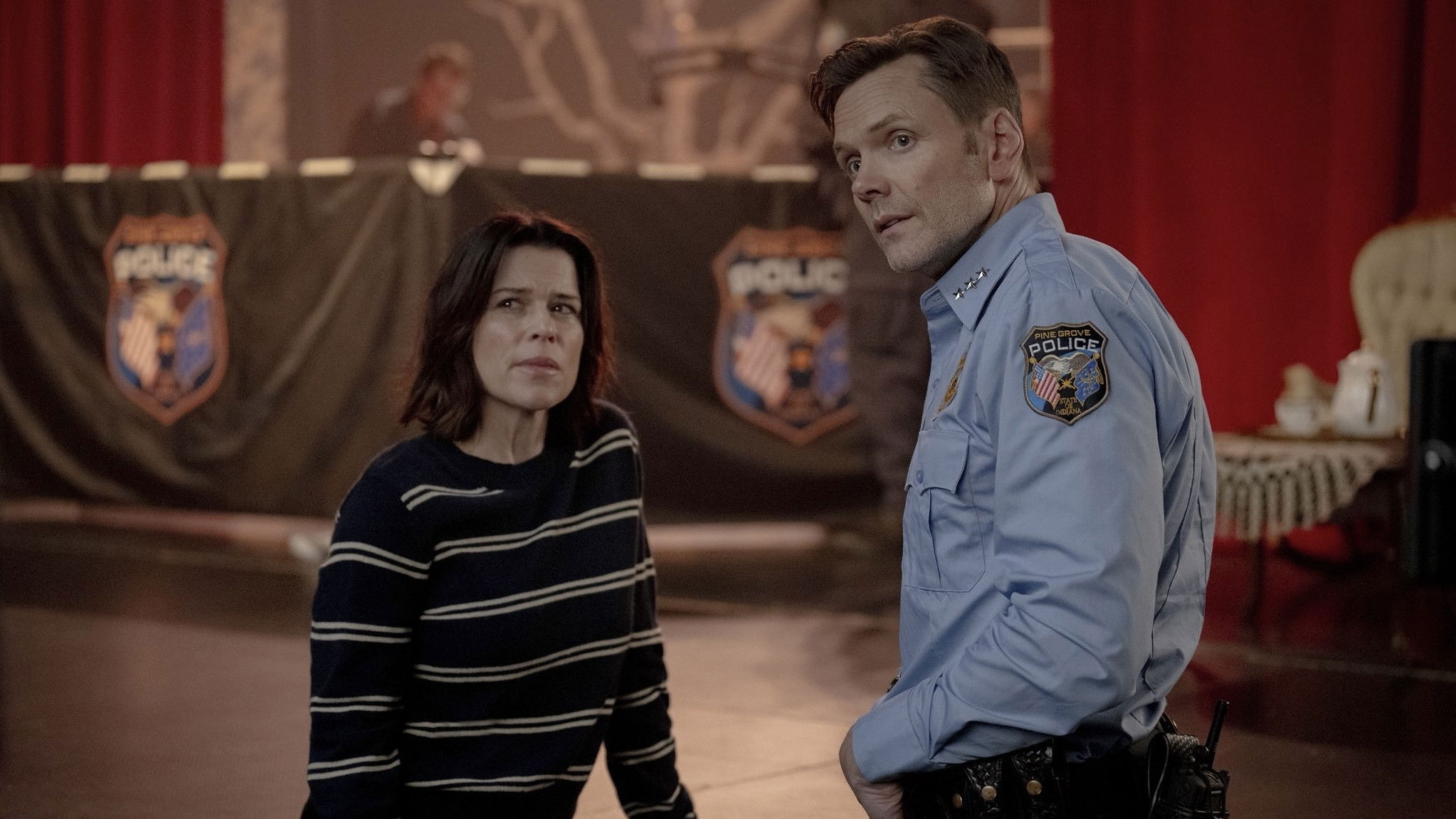
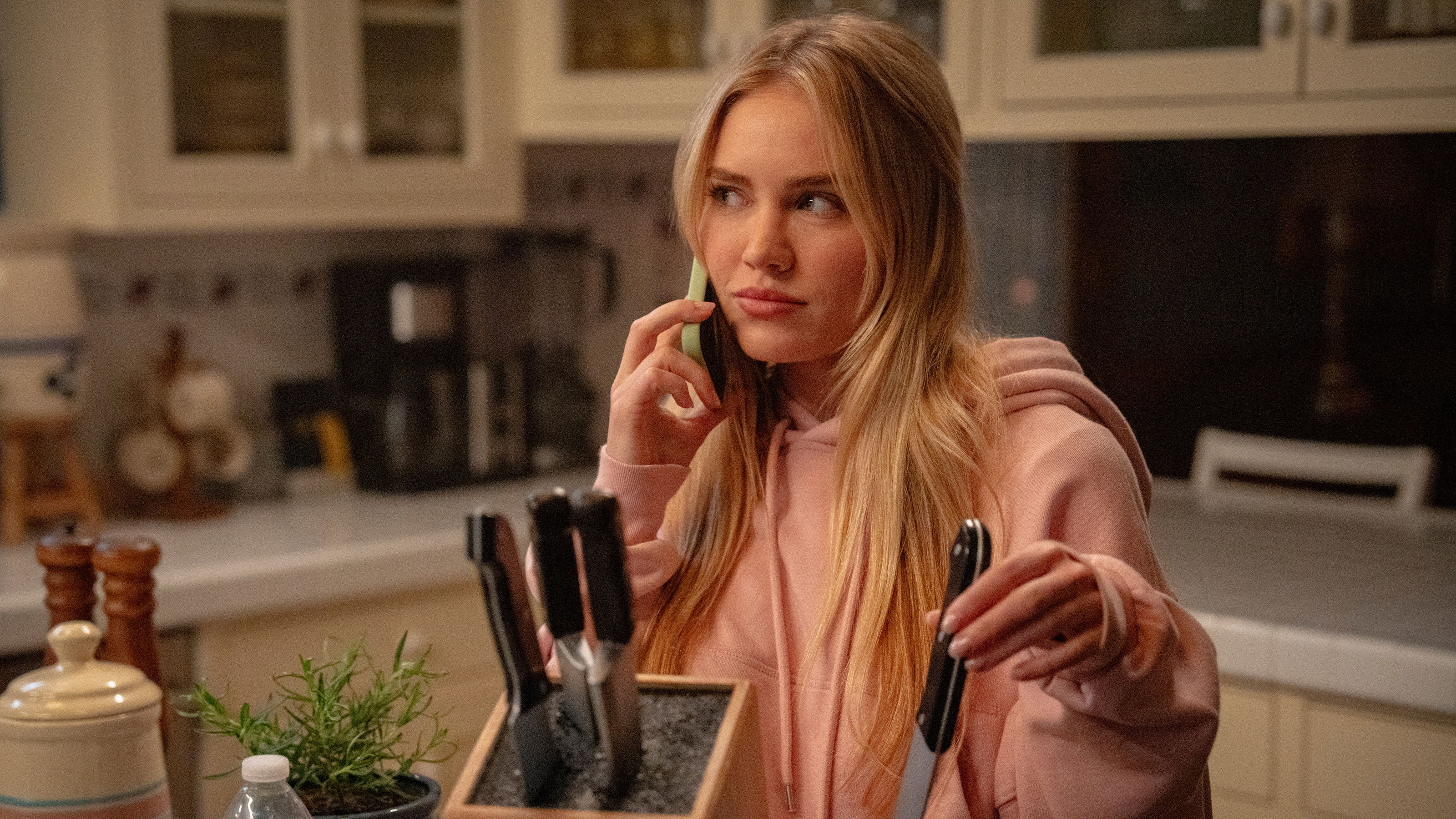
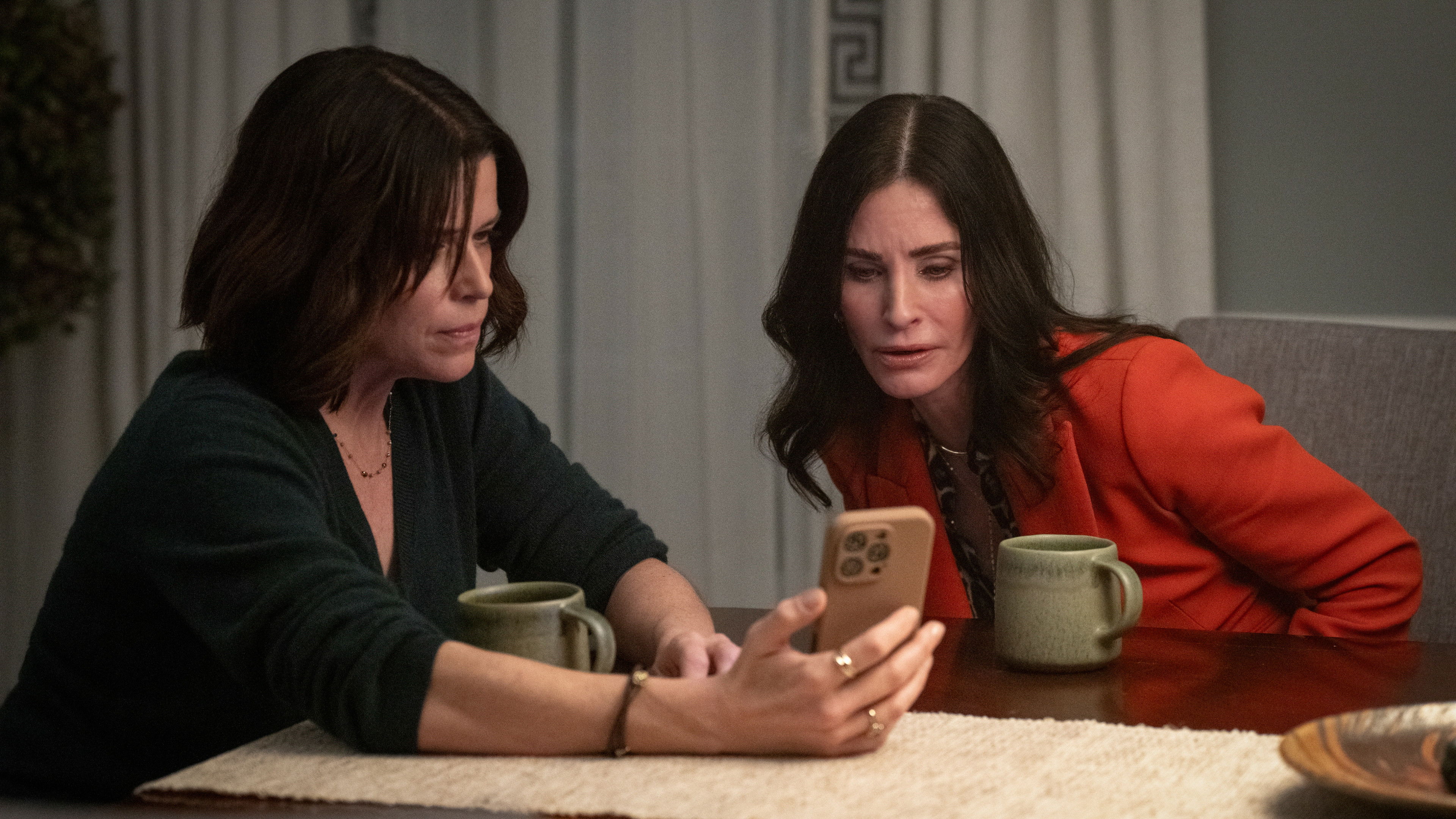
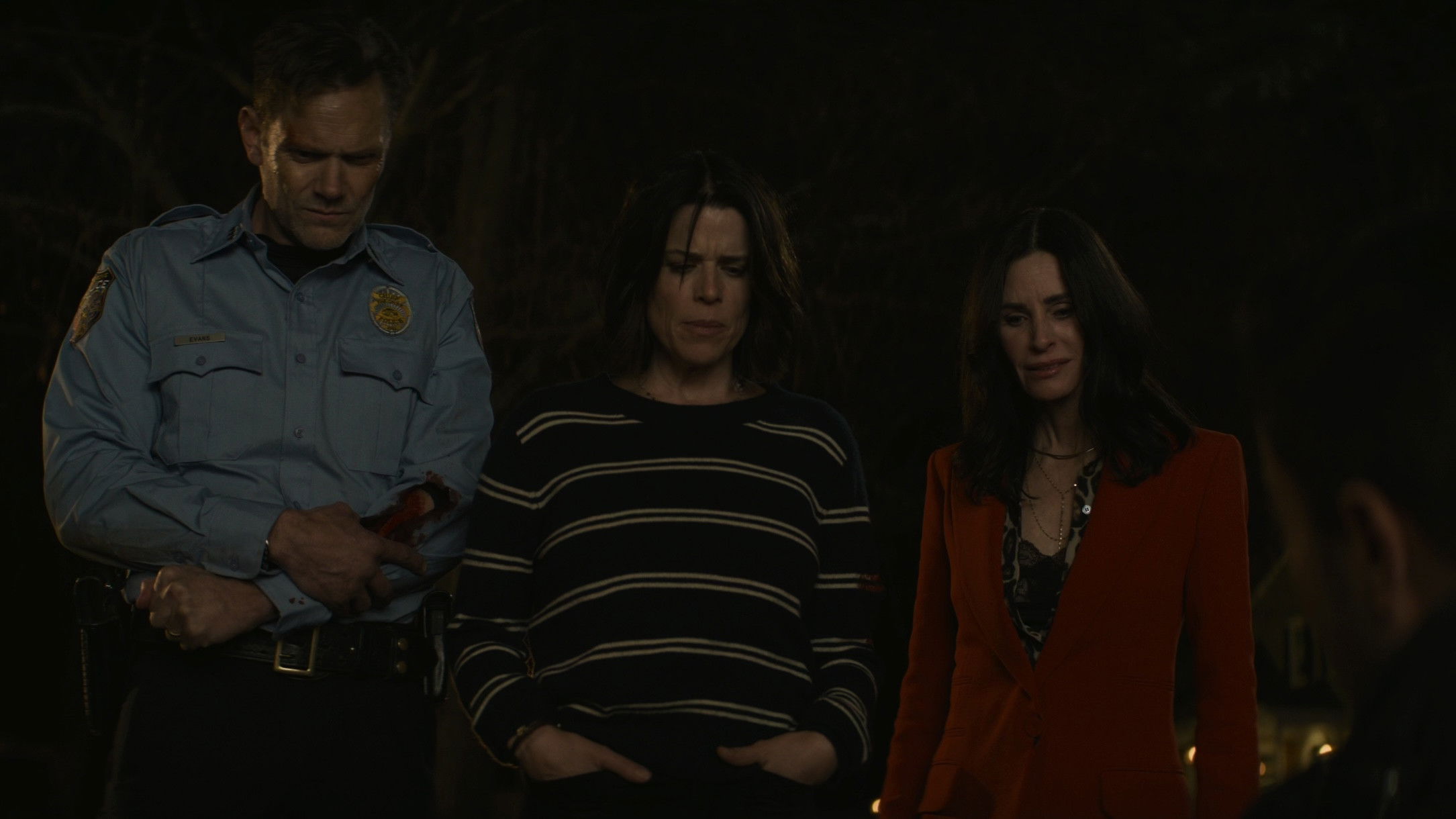
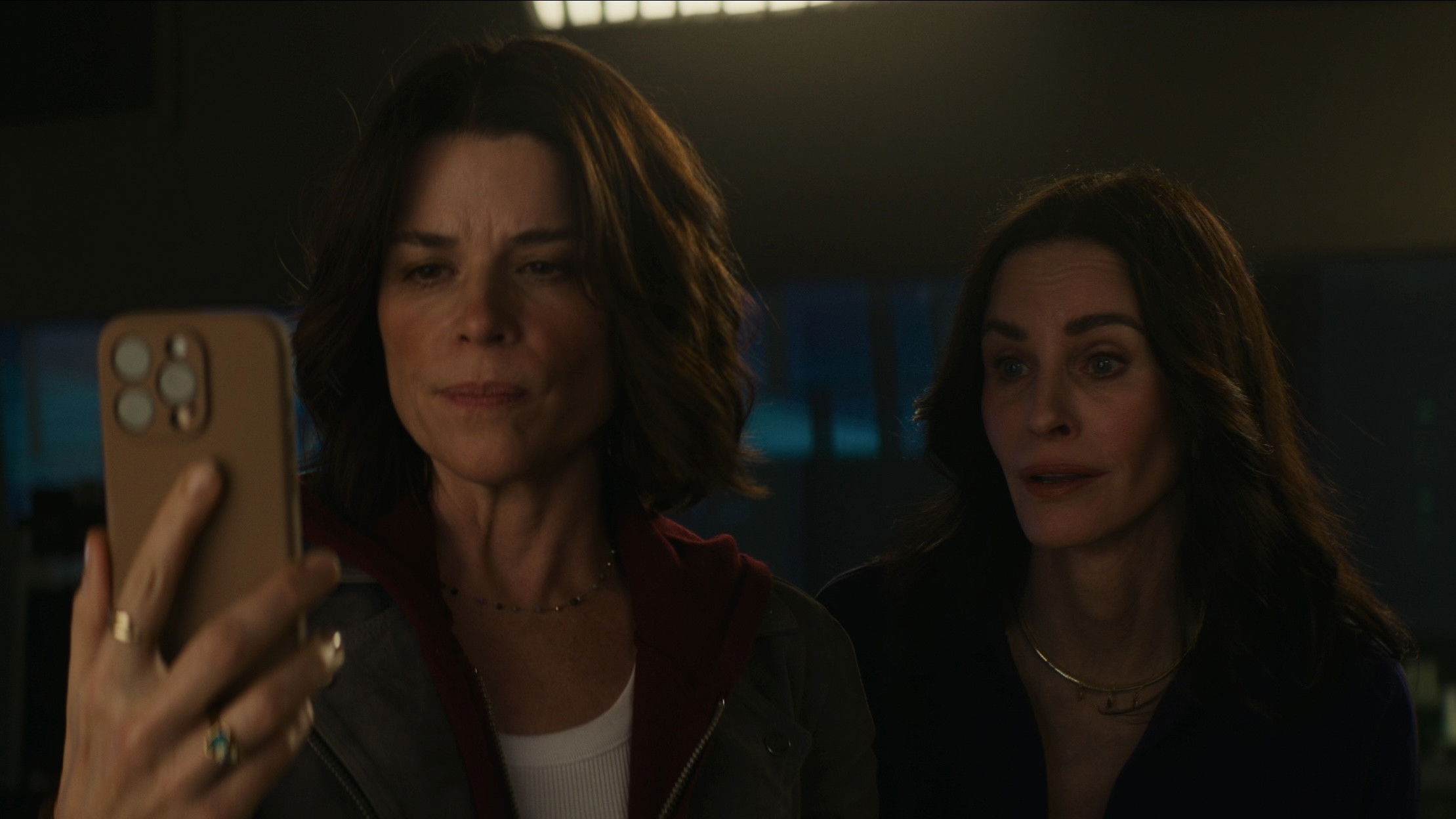
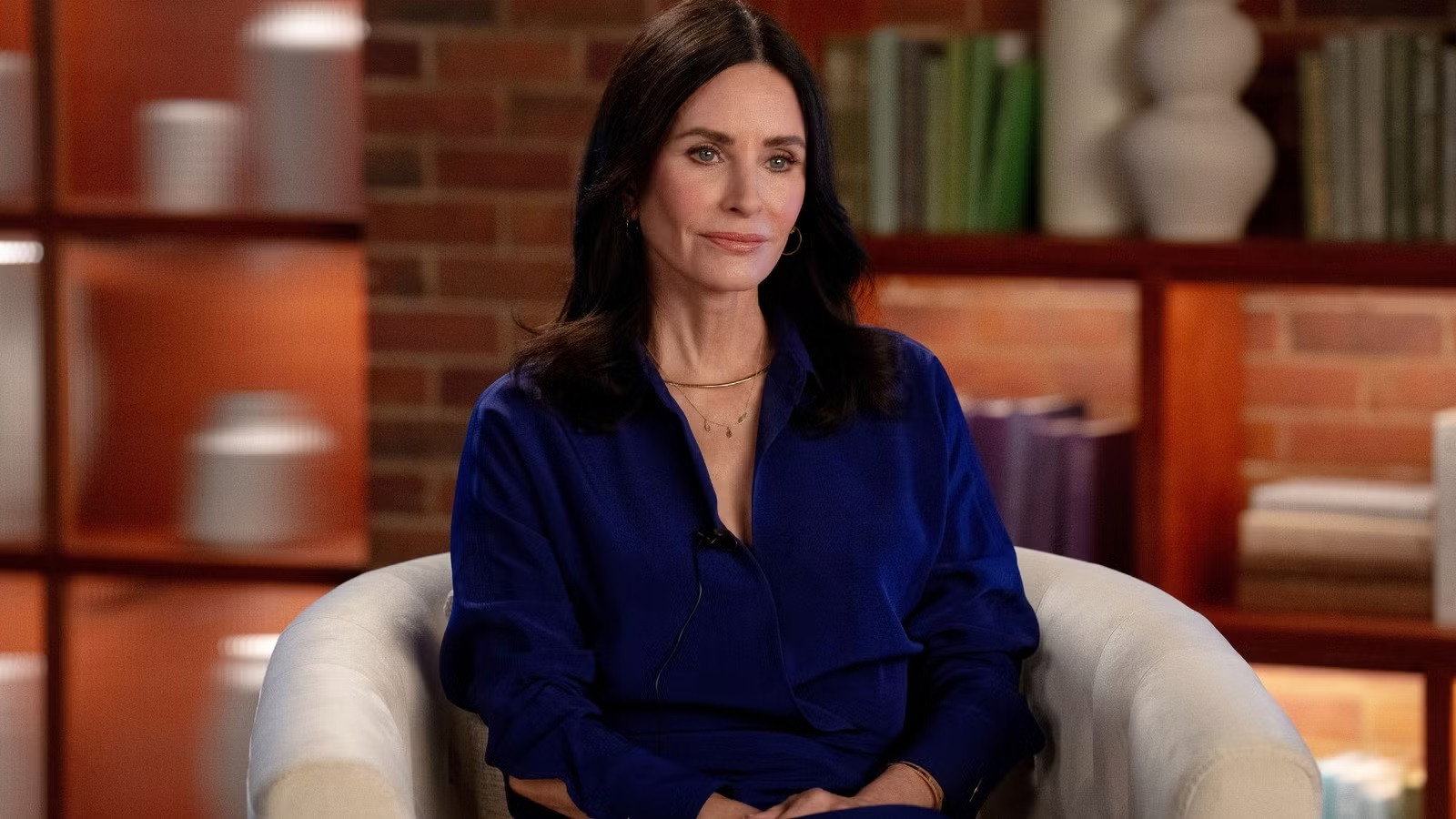
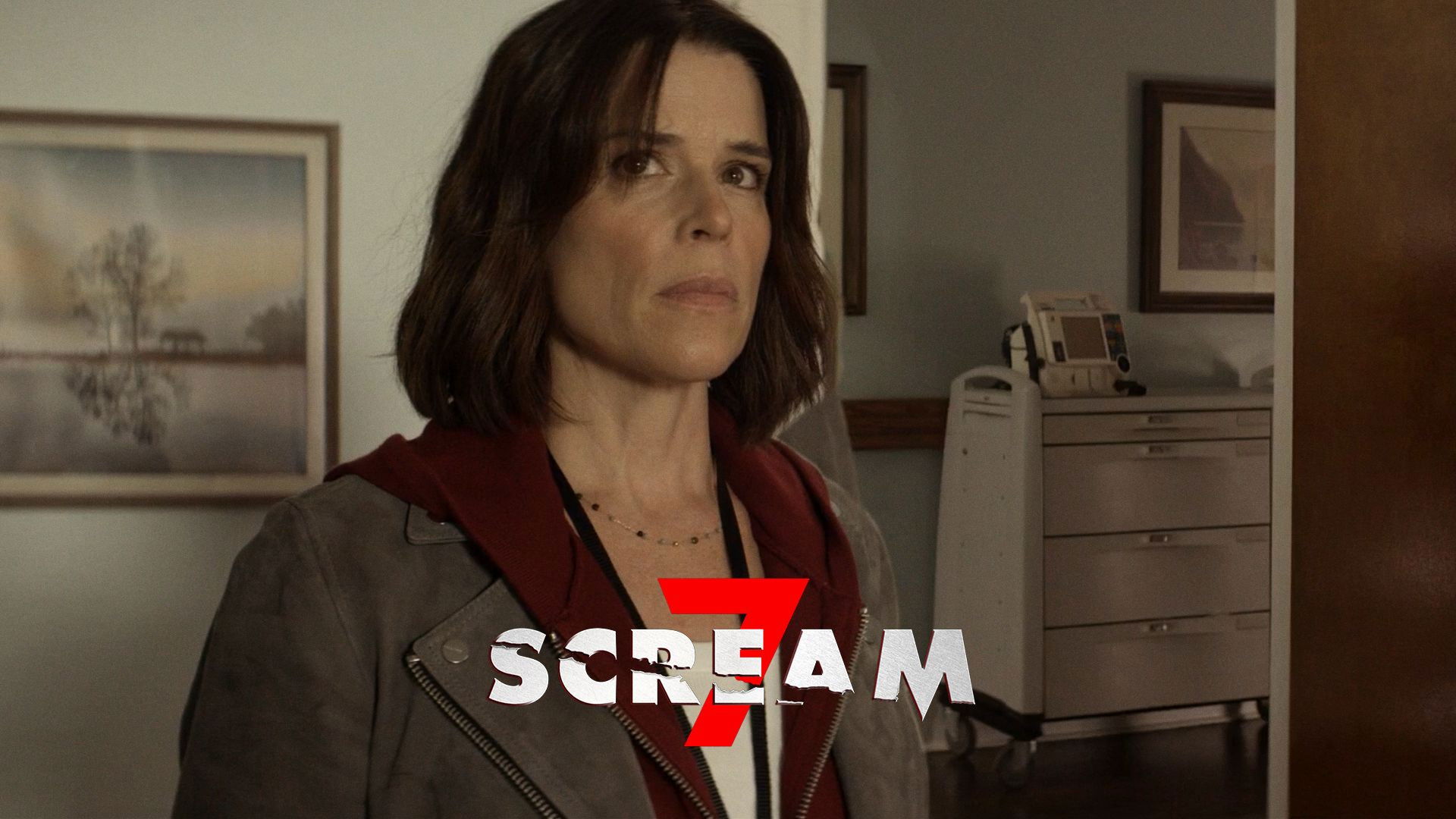
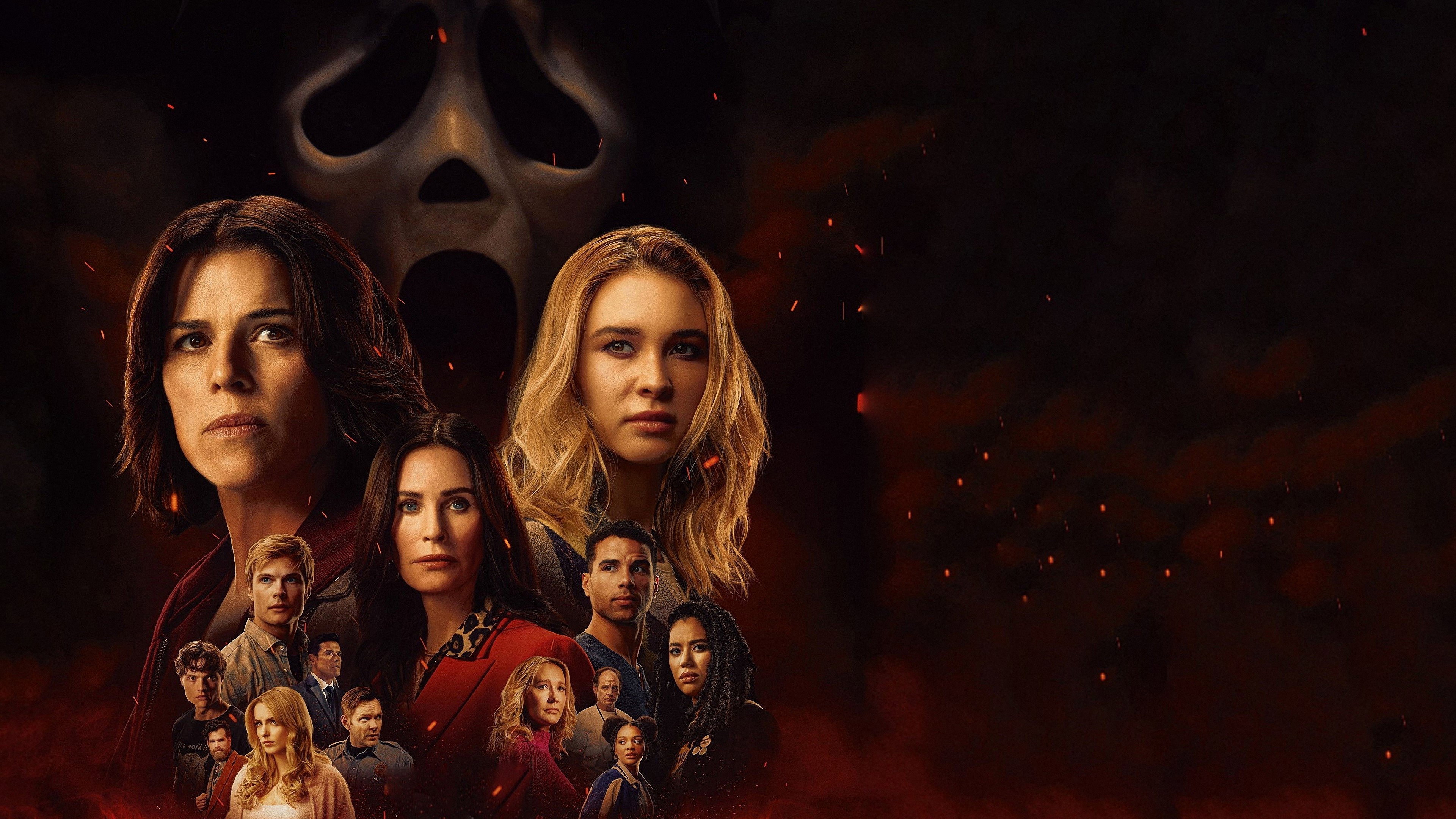
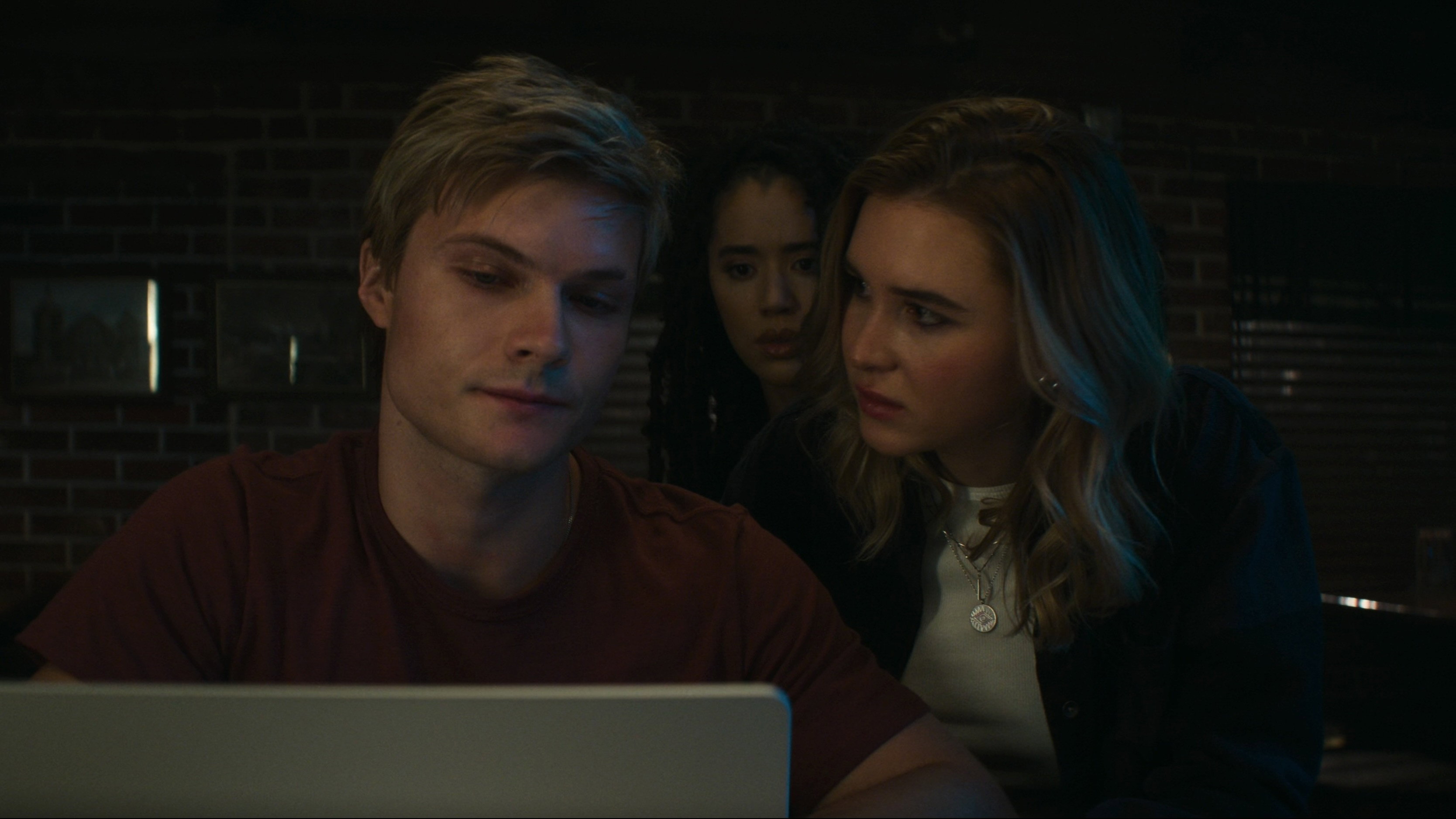
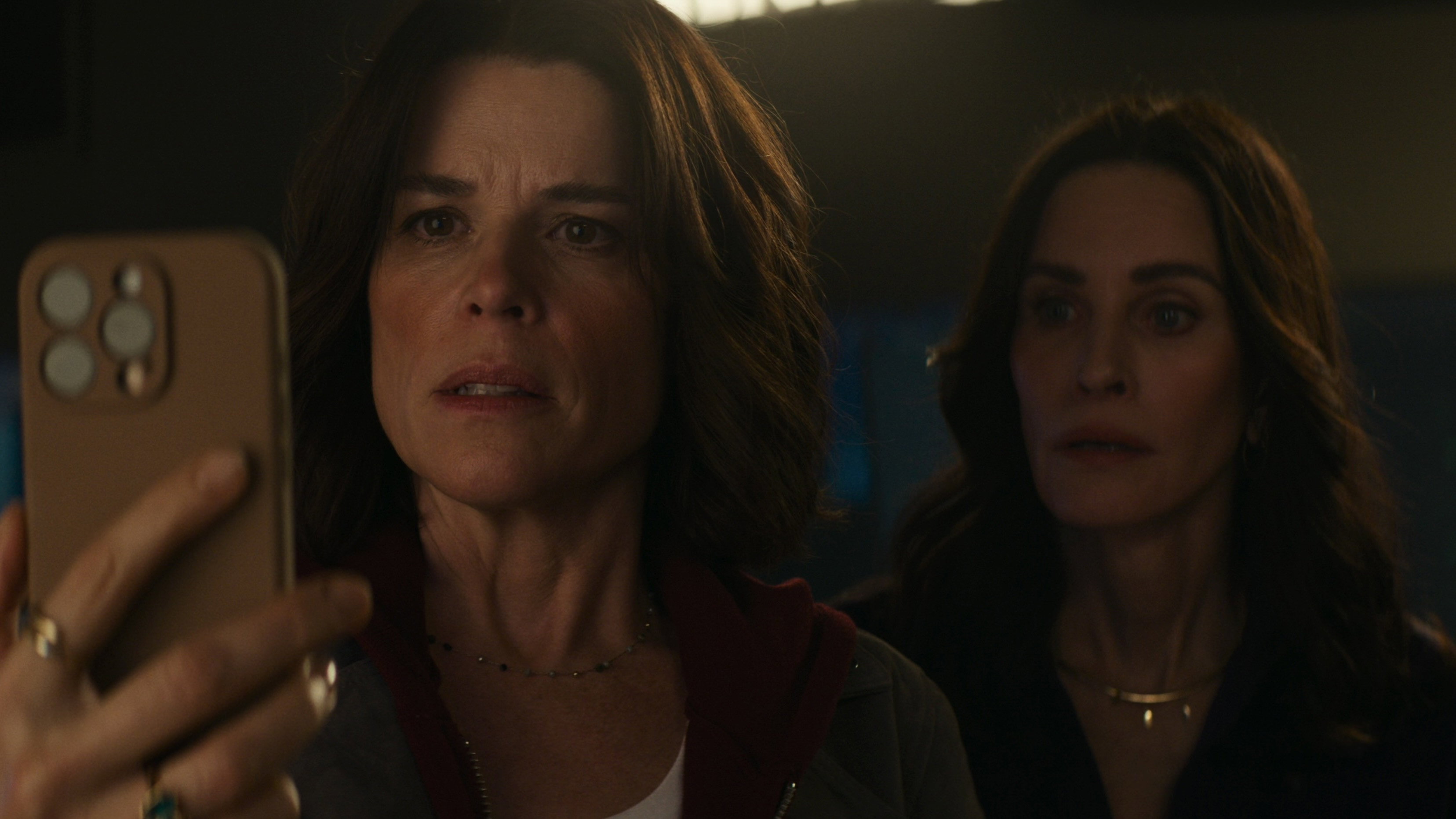
The central family relationship belongs to Sidney and her teenage daughter Tatum, played by Isabel May. Their circumstances bring an established slasher survivor into a situation the earlier films only partly explored: she must judge threats on behalf of someone who has not experienced the murders firsthand. Sidney's experience has encouraged elaborate precautions, while her daughter is confronted by information about the past that ordinary family conversations have not settled. The threat therefore reaches beyond an individual target to a household. Gale Weathers' return reconnects Sidney's private efforts to escape notoriety with the public record that has repeatedly followed her.
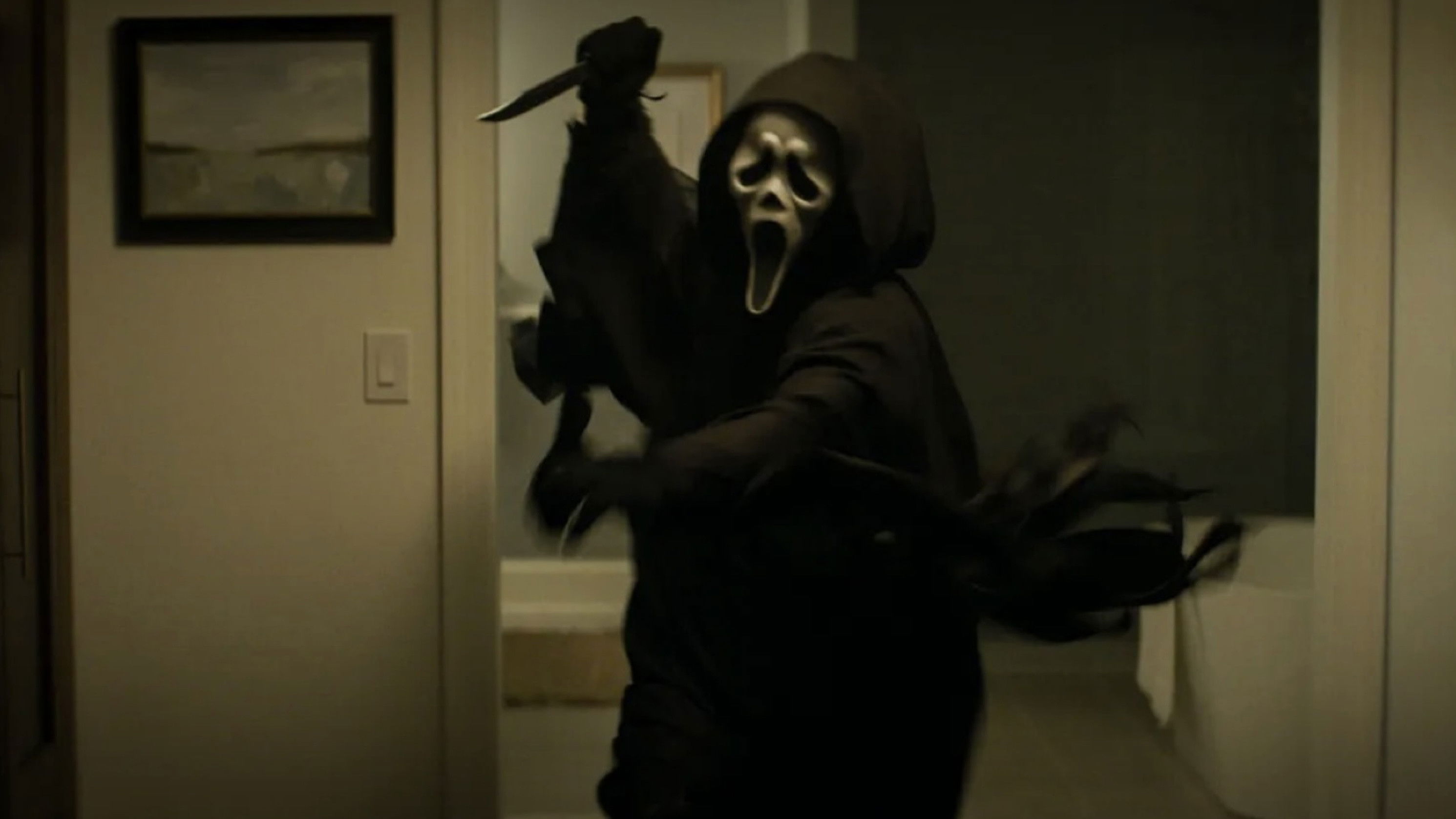
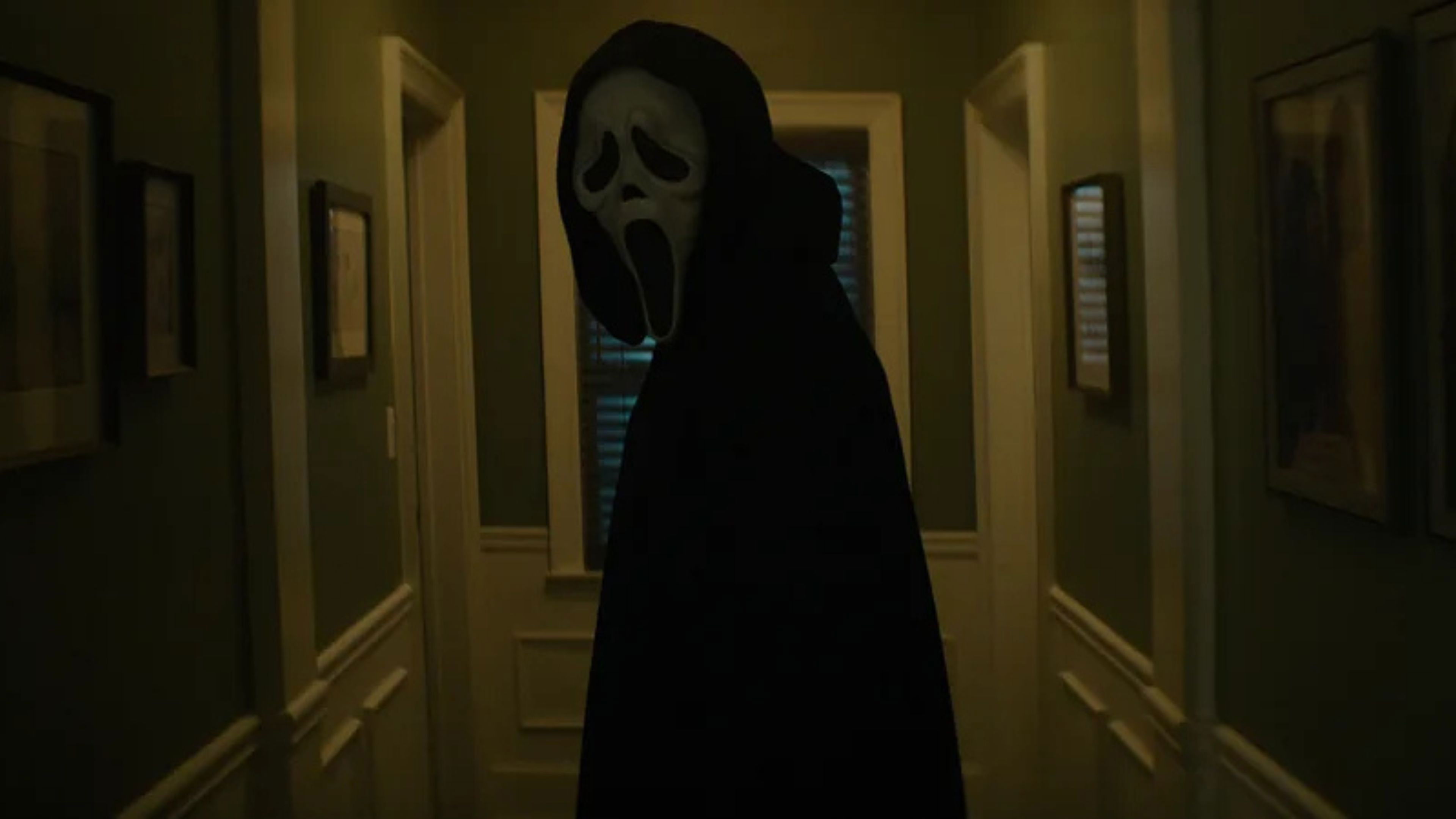
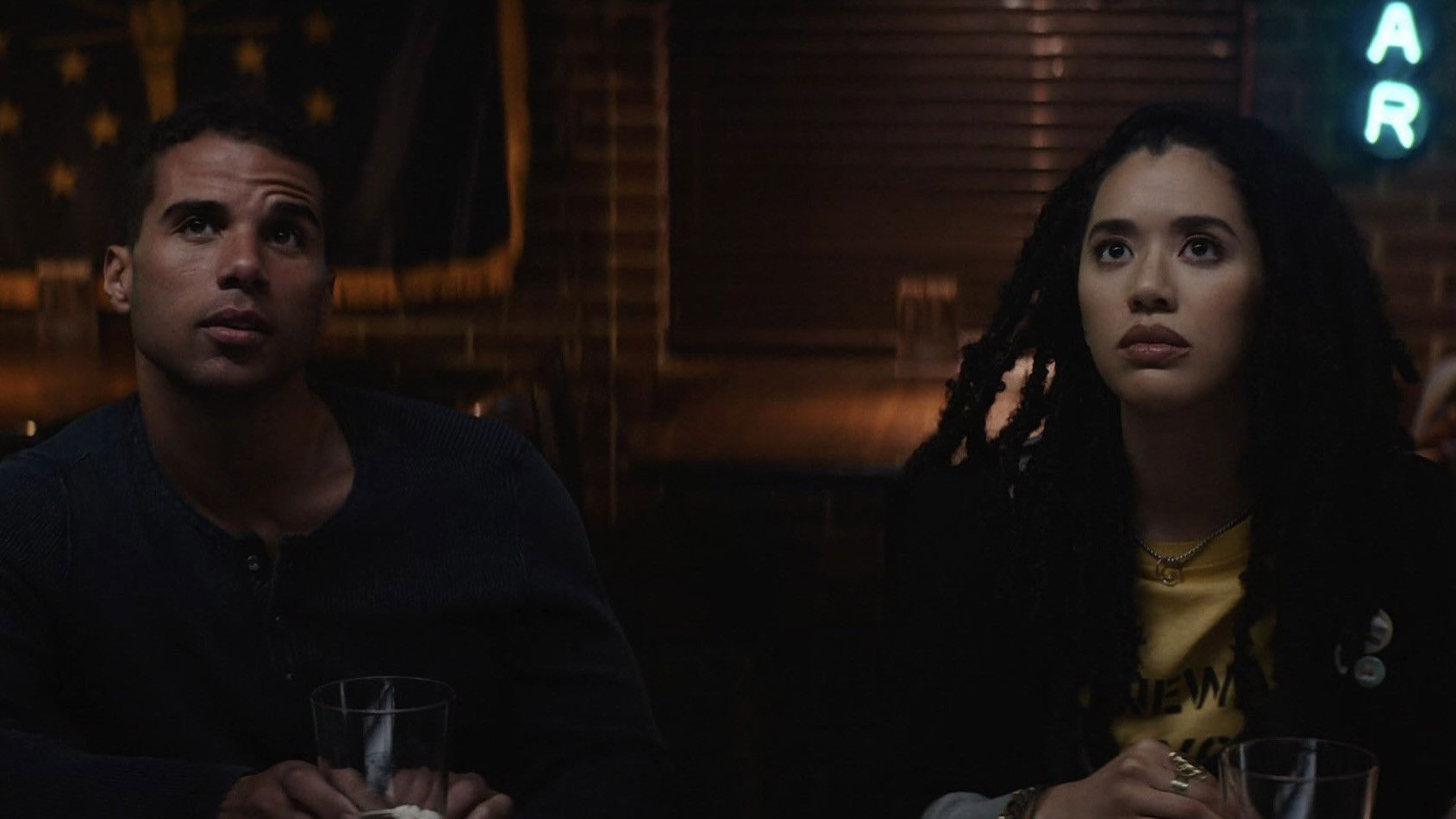
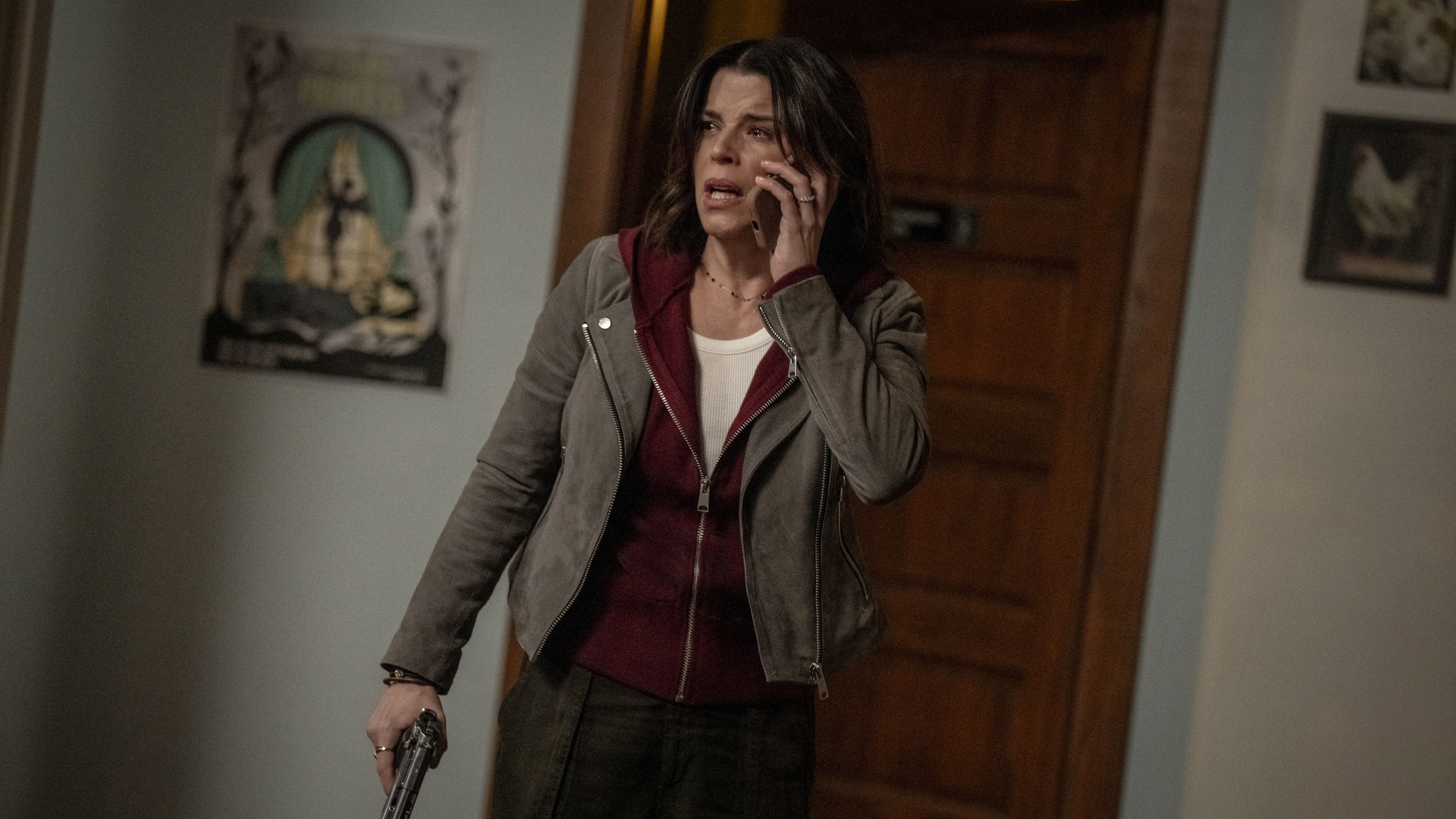
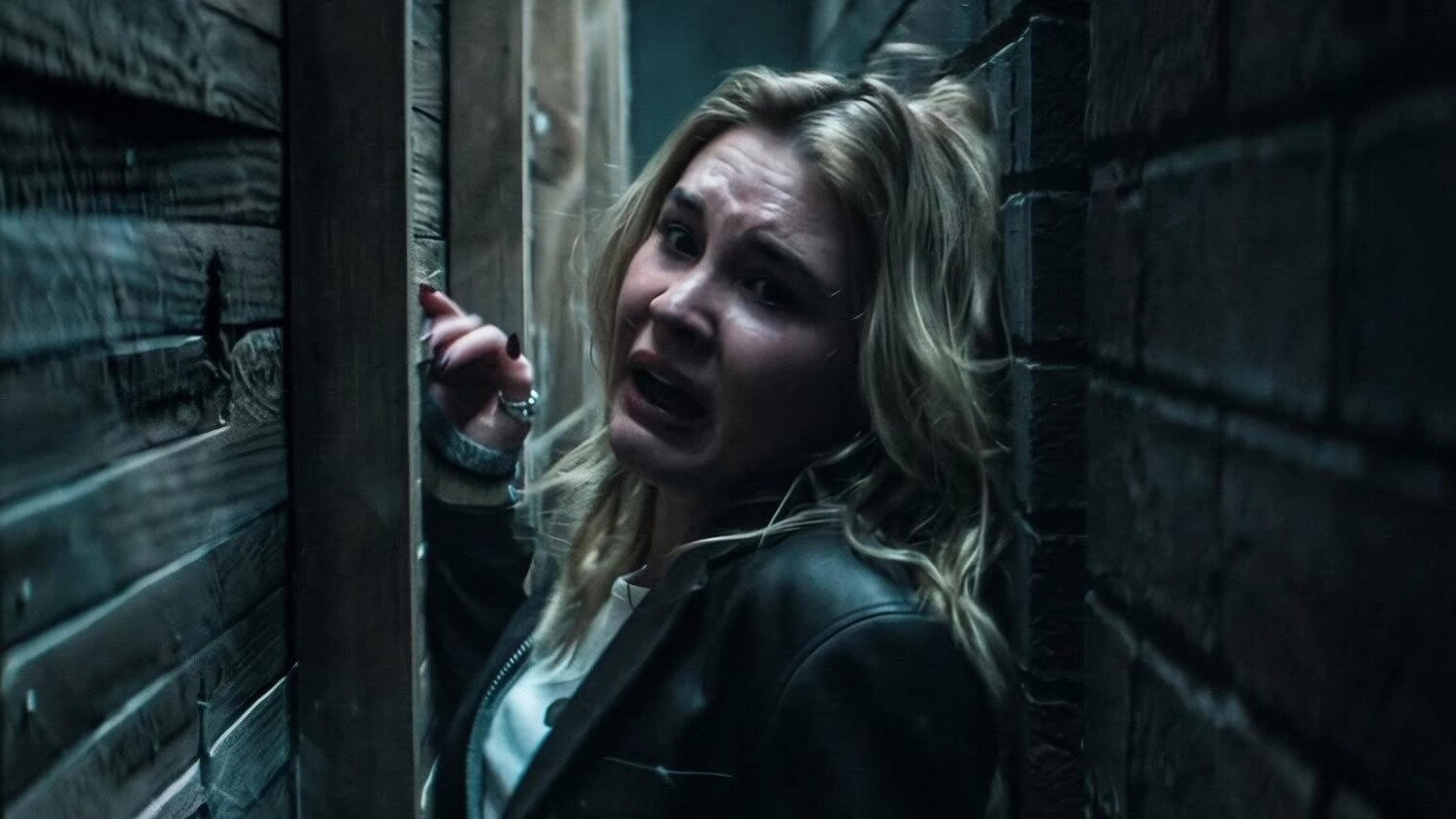
One home-invasion sequence was developed around a concealed refuge and a narrow passage within the walls. In Esquire, Williamson credited Guy Busick with the idea that Sidney would prepare a panic room and emergency bags. He connected the escape route to security measures he had installed after experiencing stalking in the late 1990s. That autobiographical explanation gives the set piece a documented origin, although the on-screen circumstances remain fictional. The scene makes the difference between mother and daughter visible: Sidney recognizes the danger and tries to manage it, while Tatum must learn the consequences of noise, movement and hesitation under direct threat.

The Macher House and Manufactured Memories

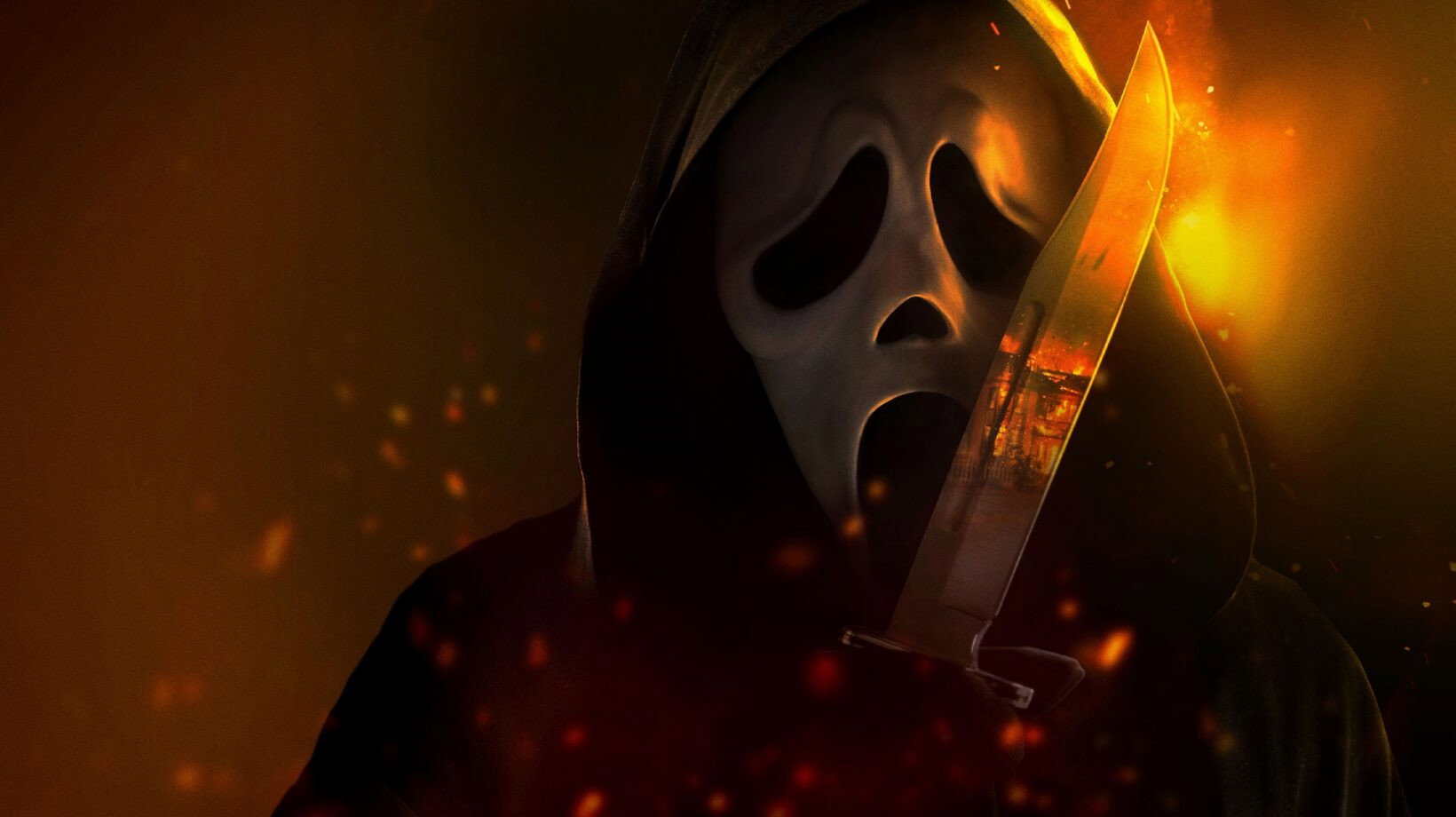
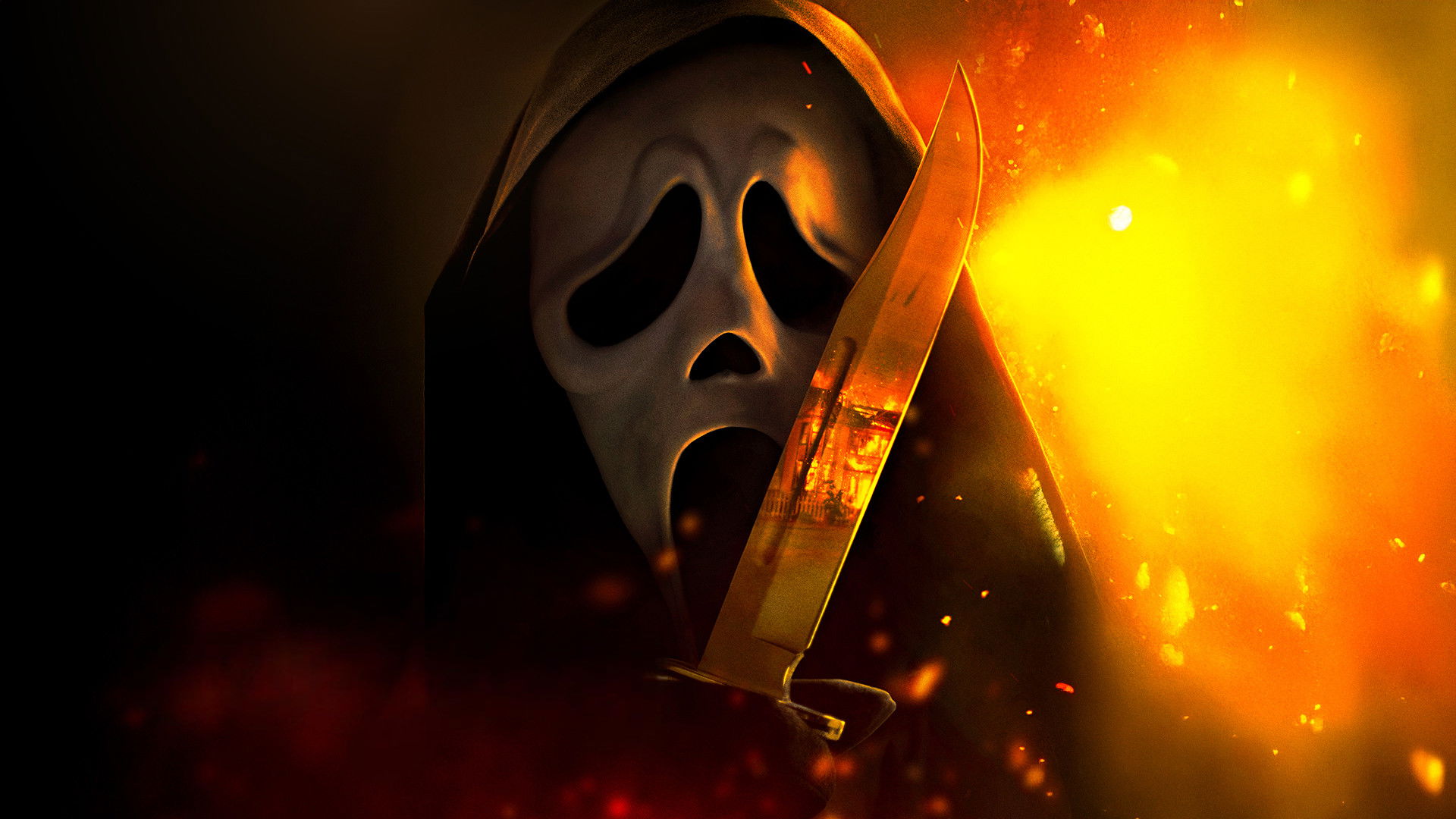
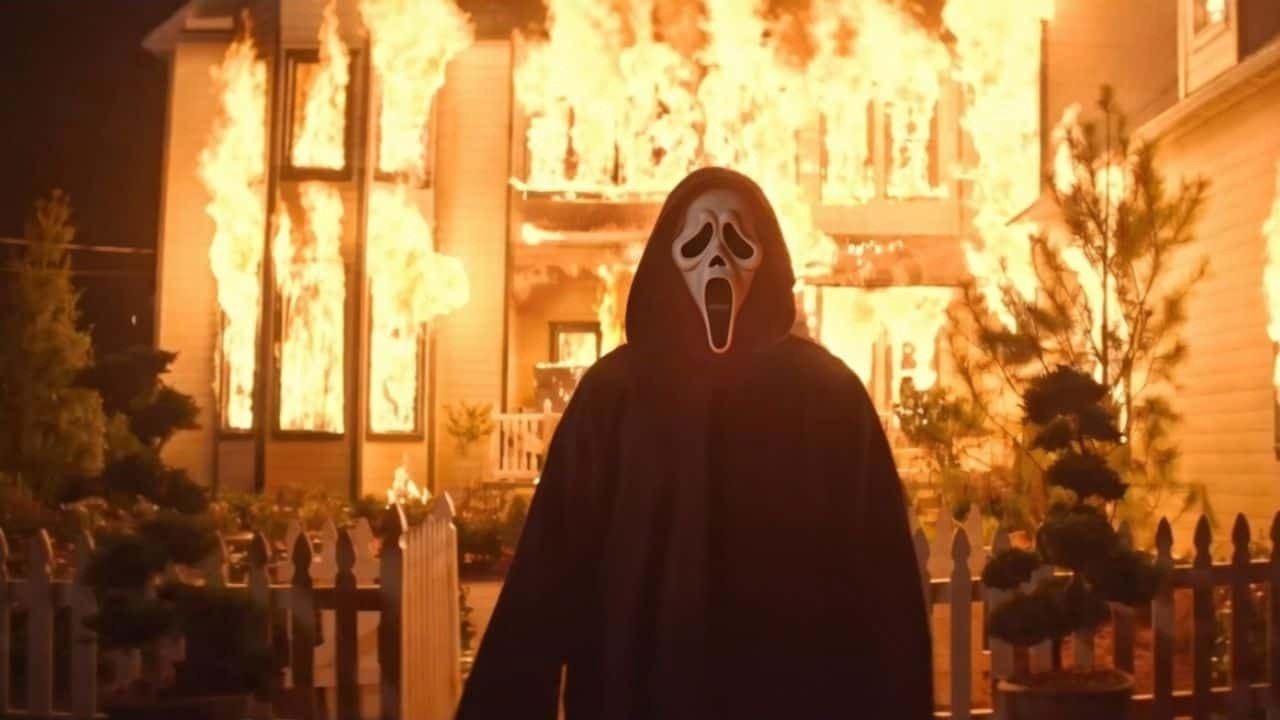
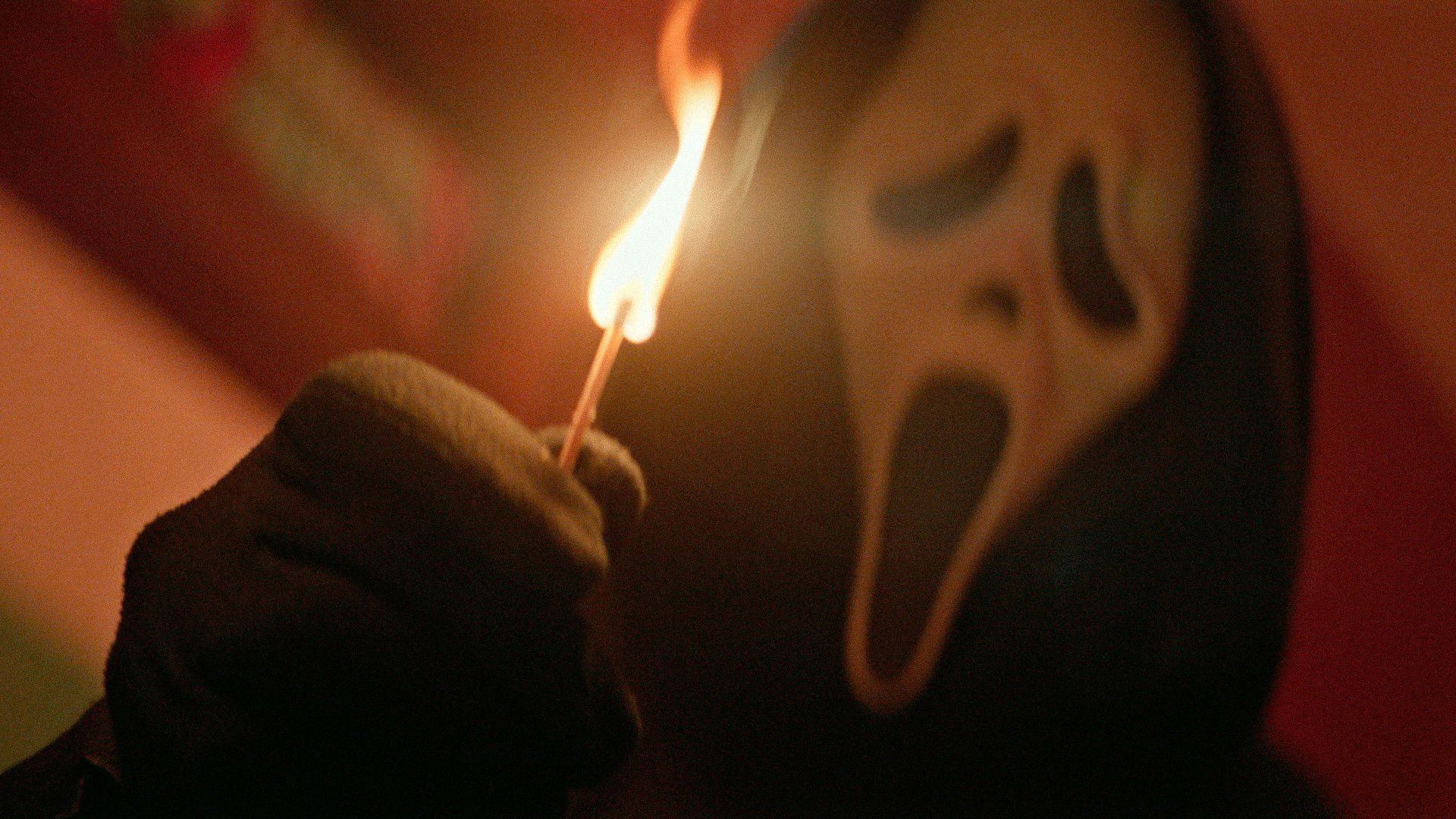
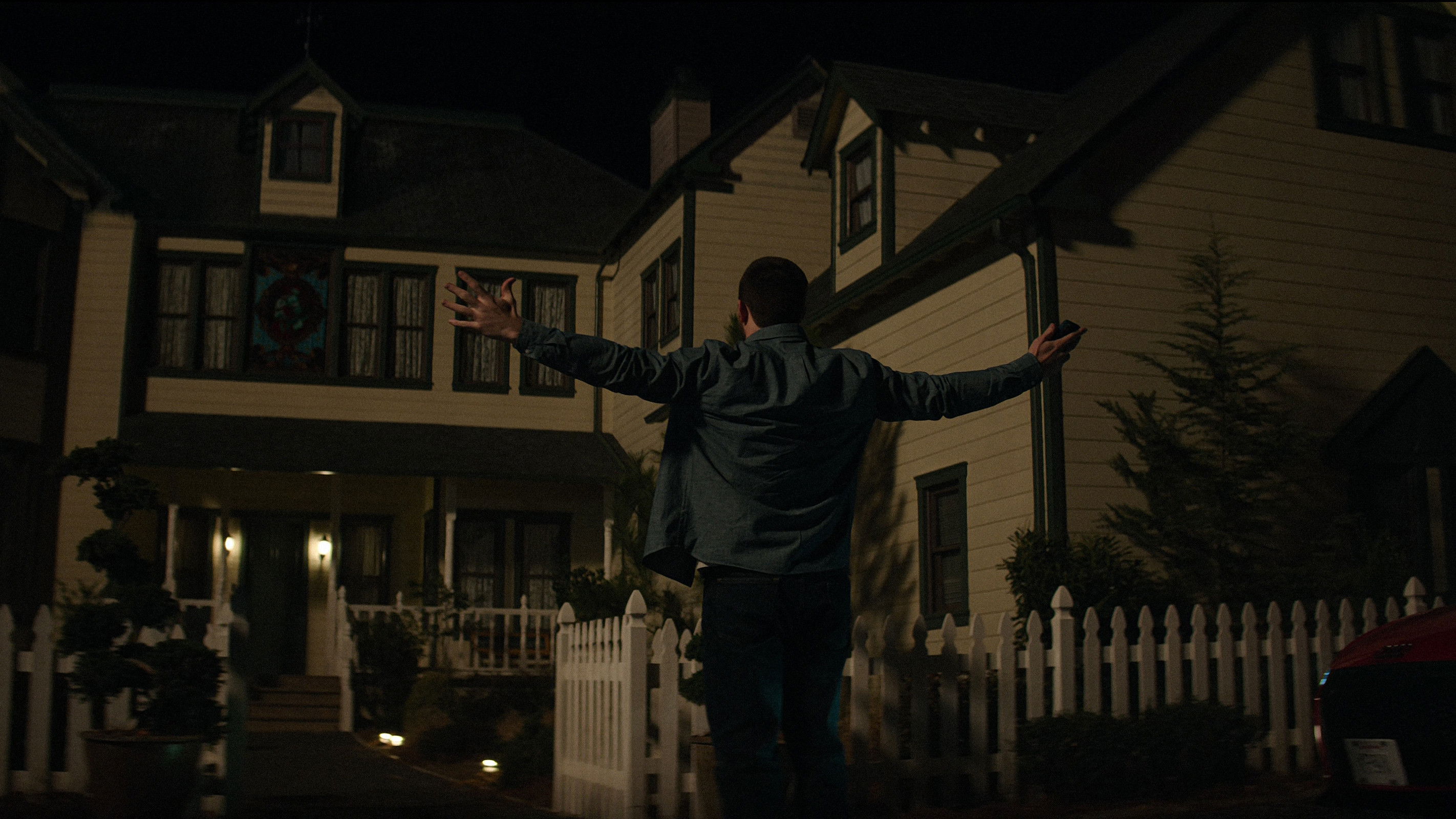
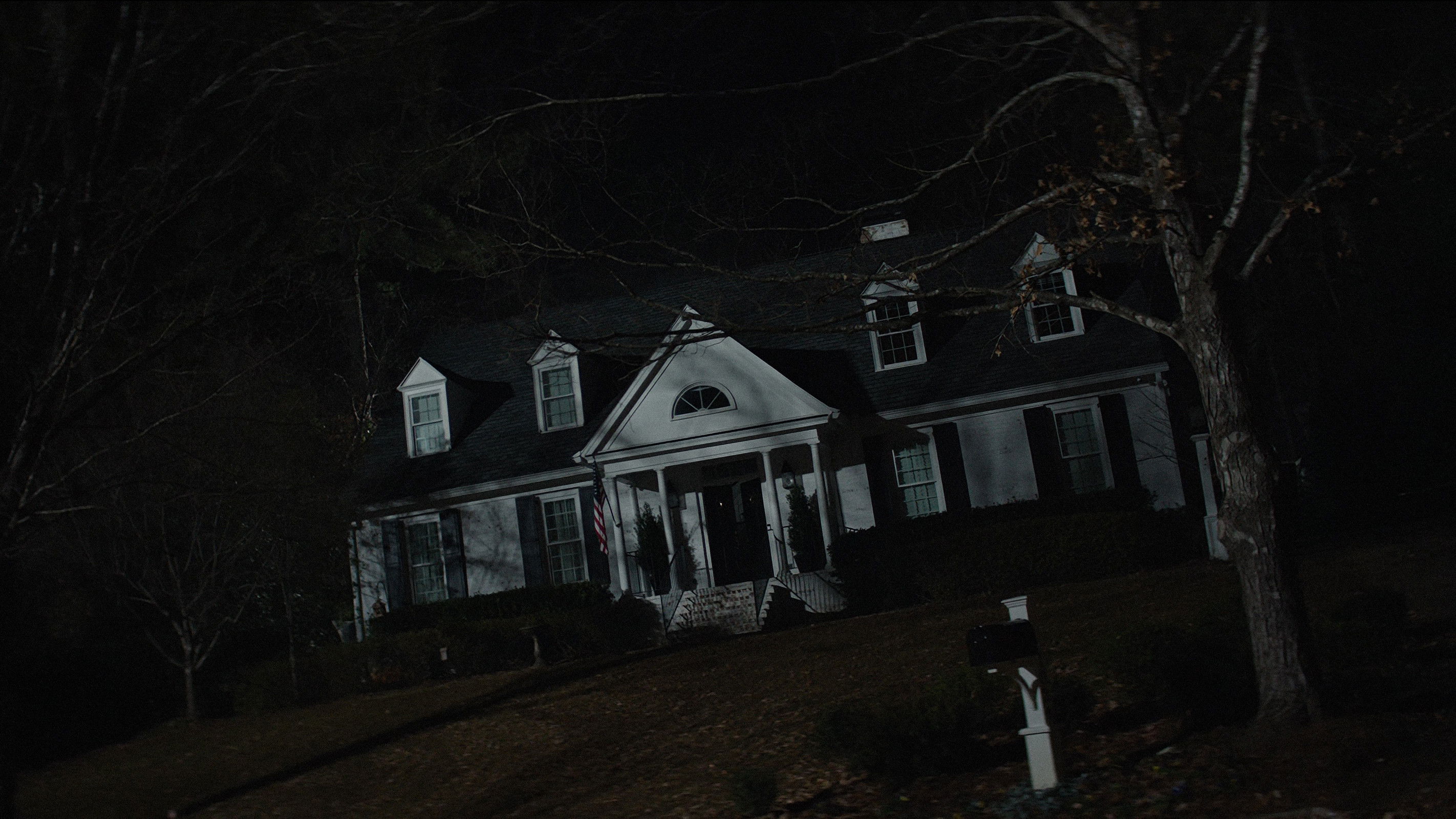
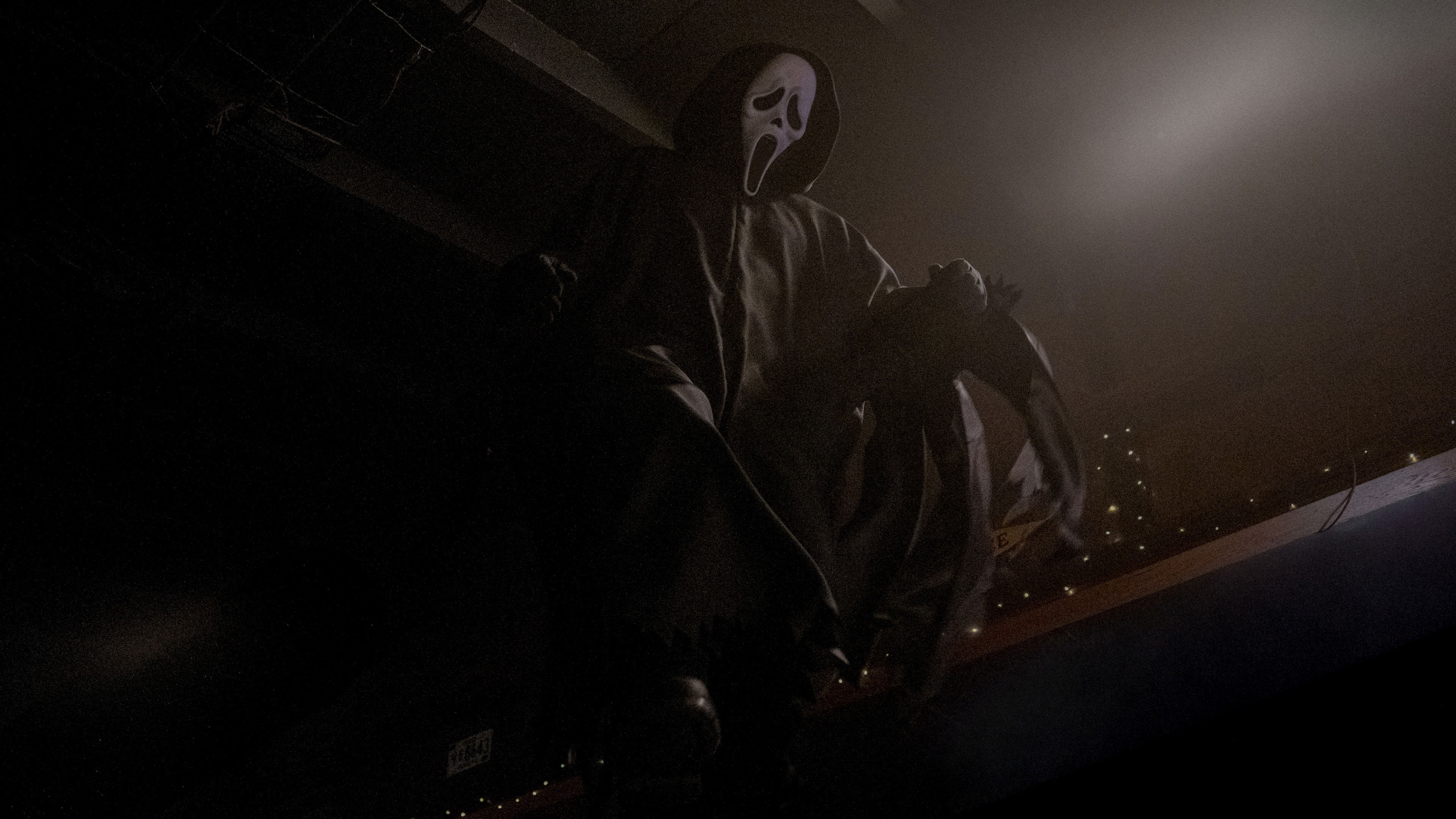
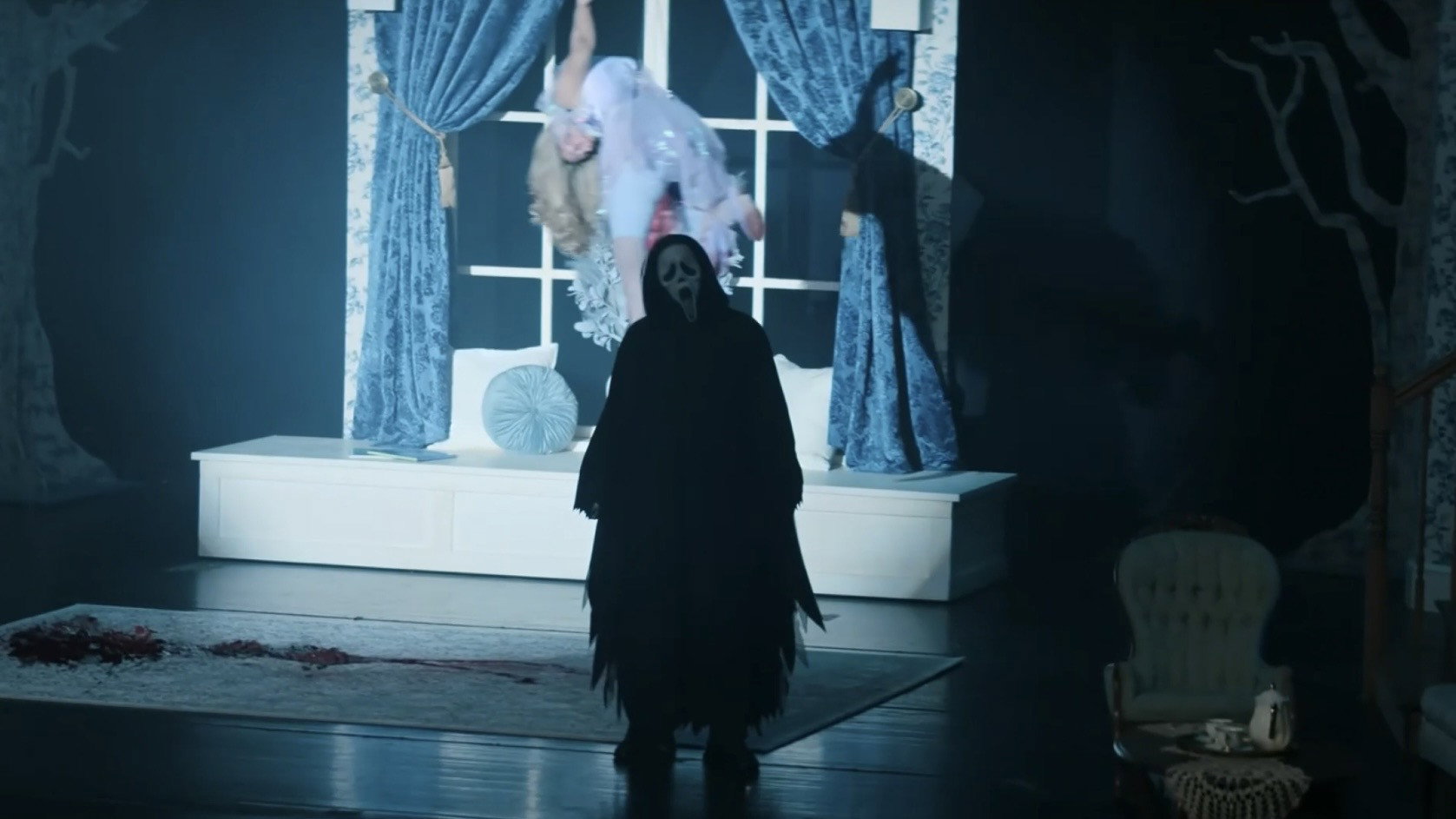
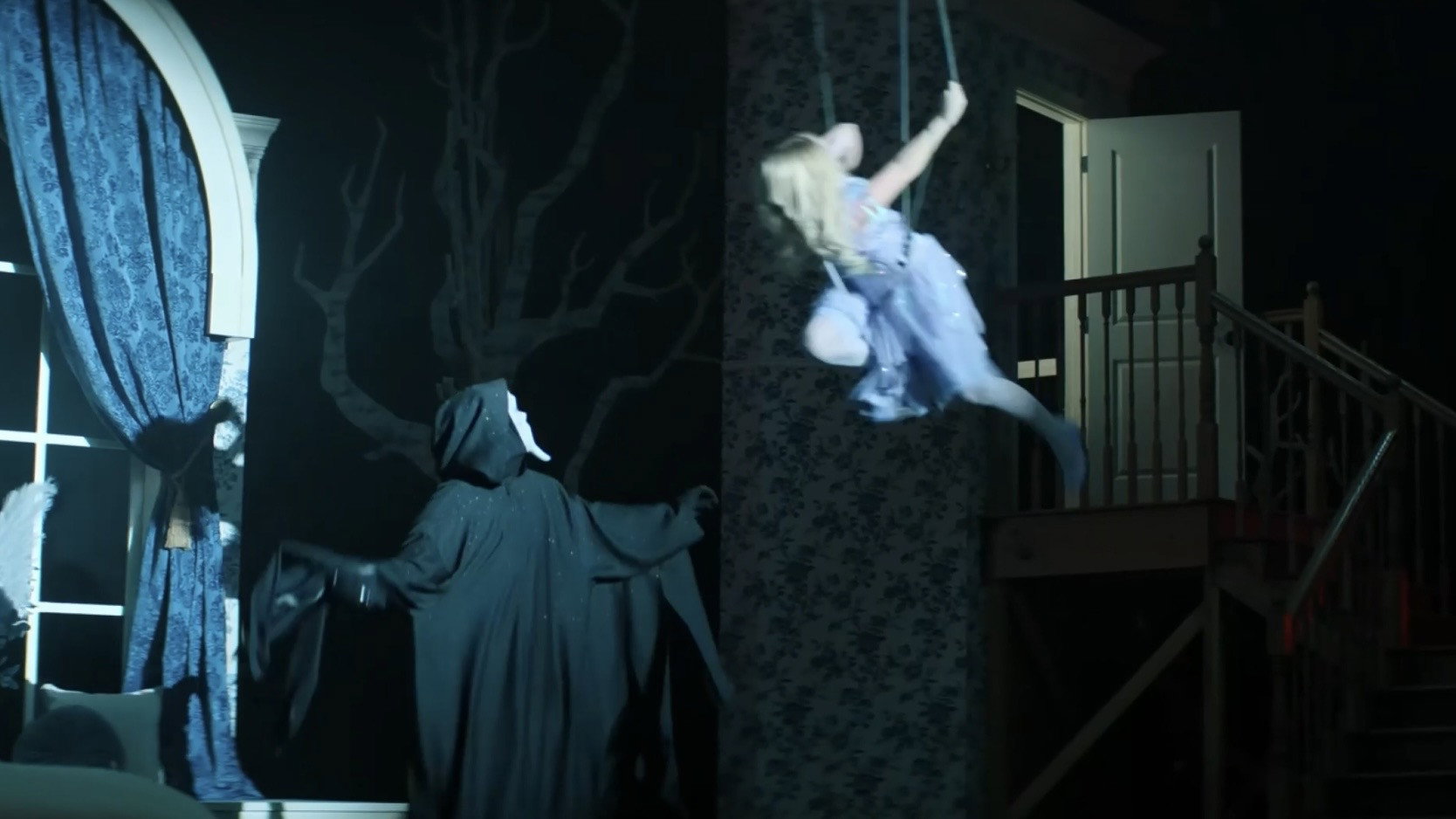
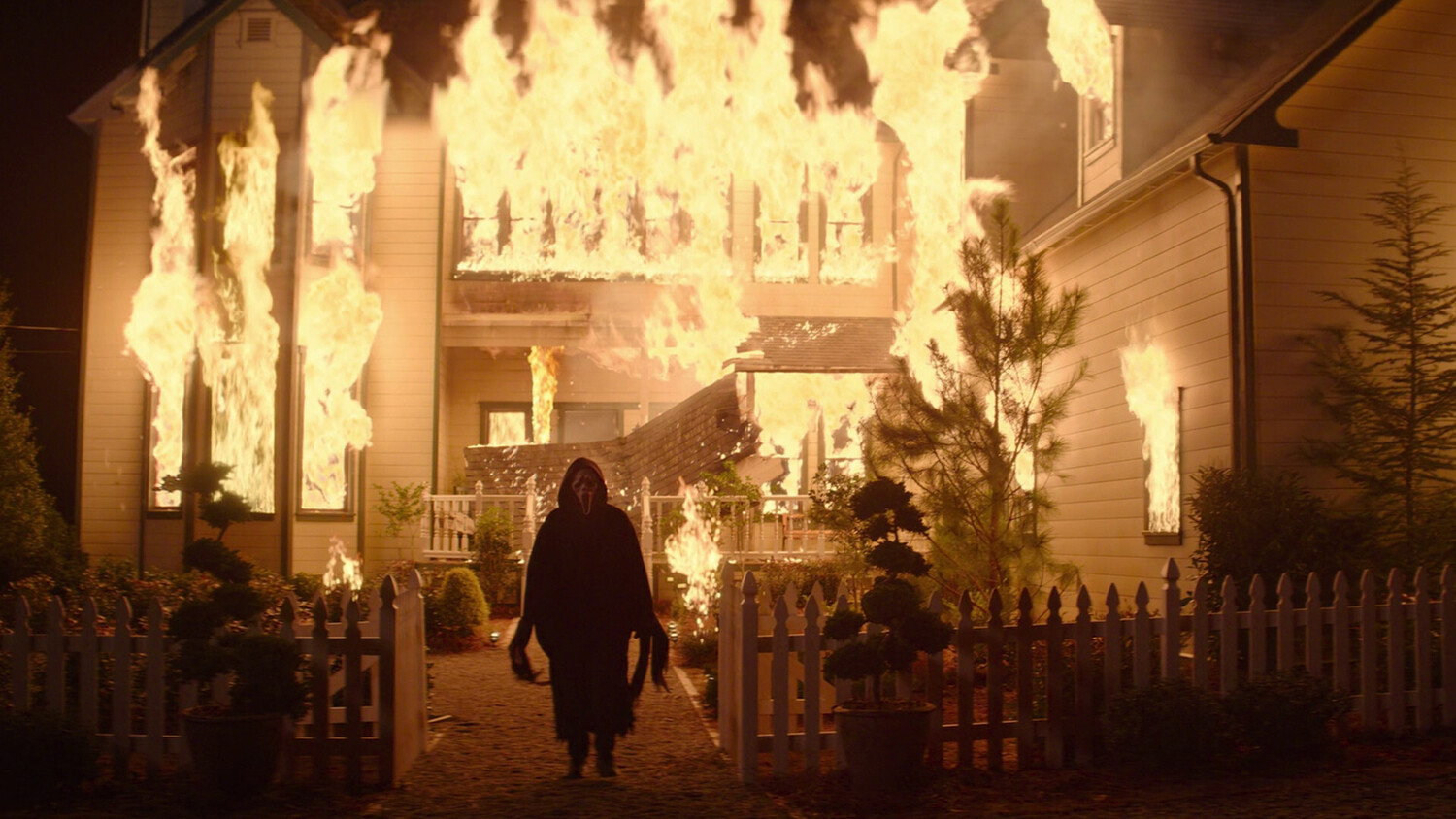
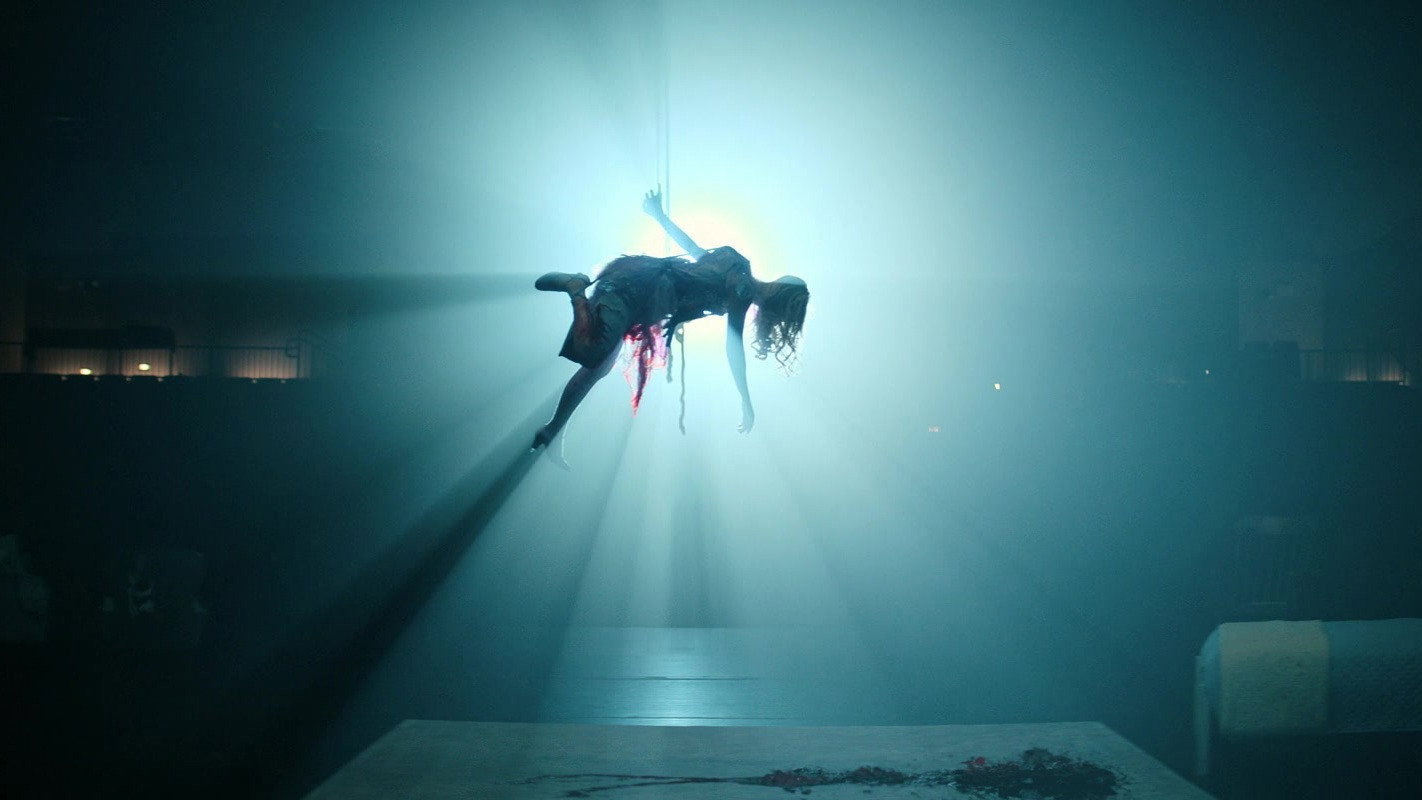
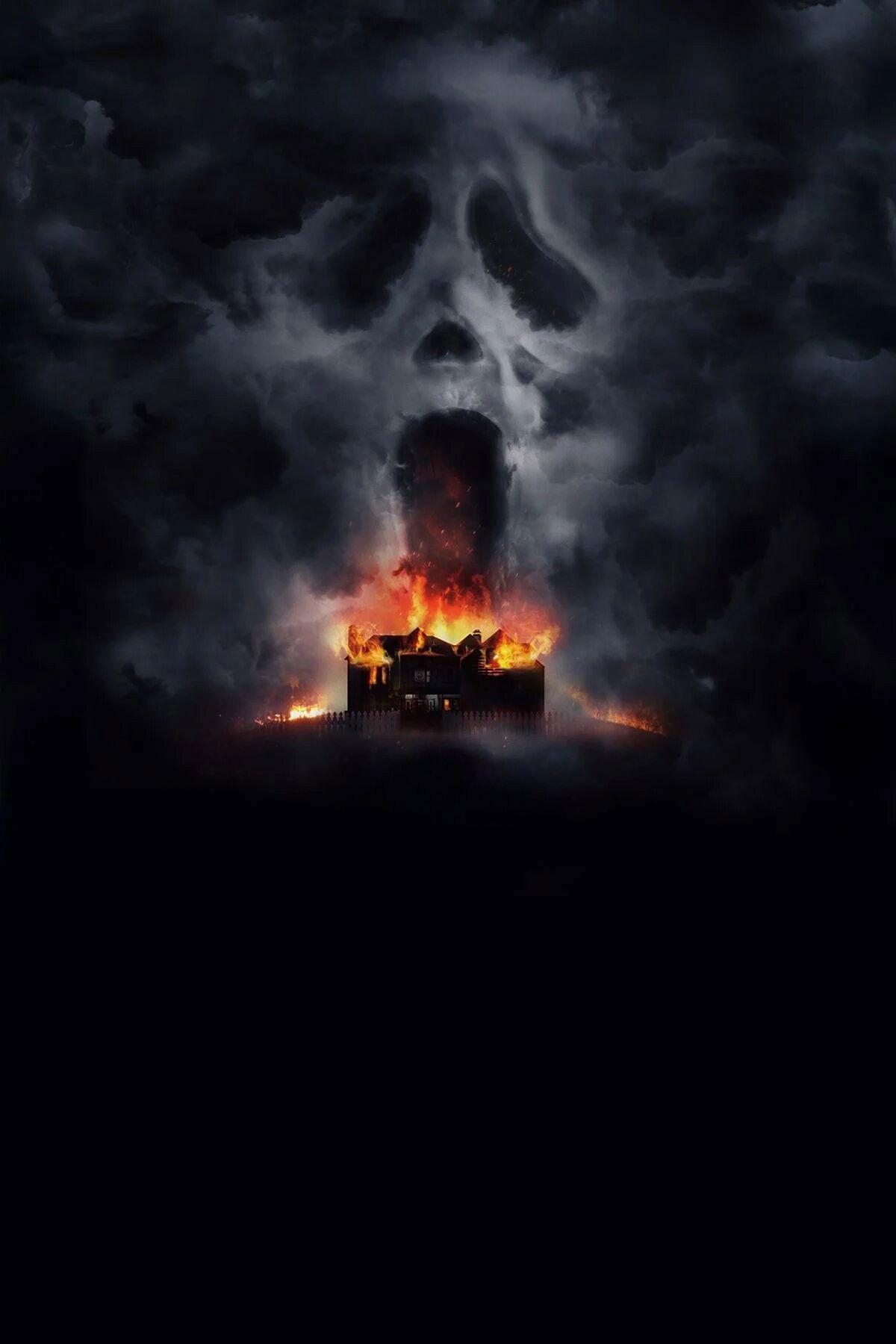
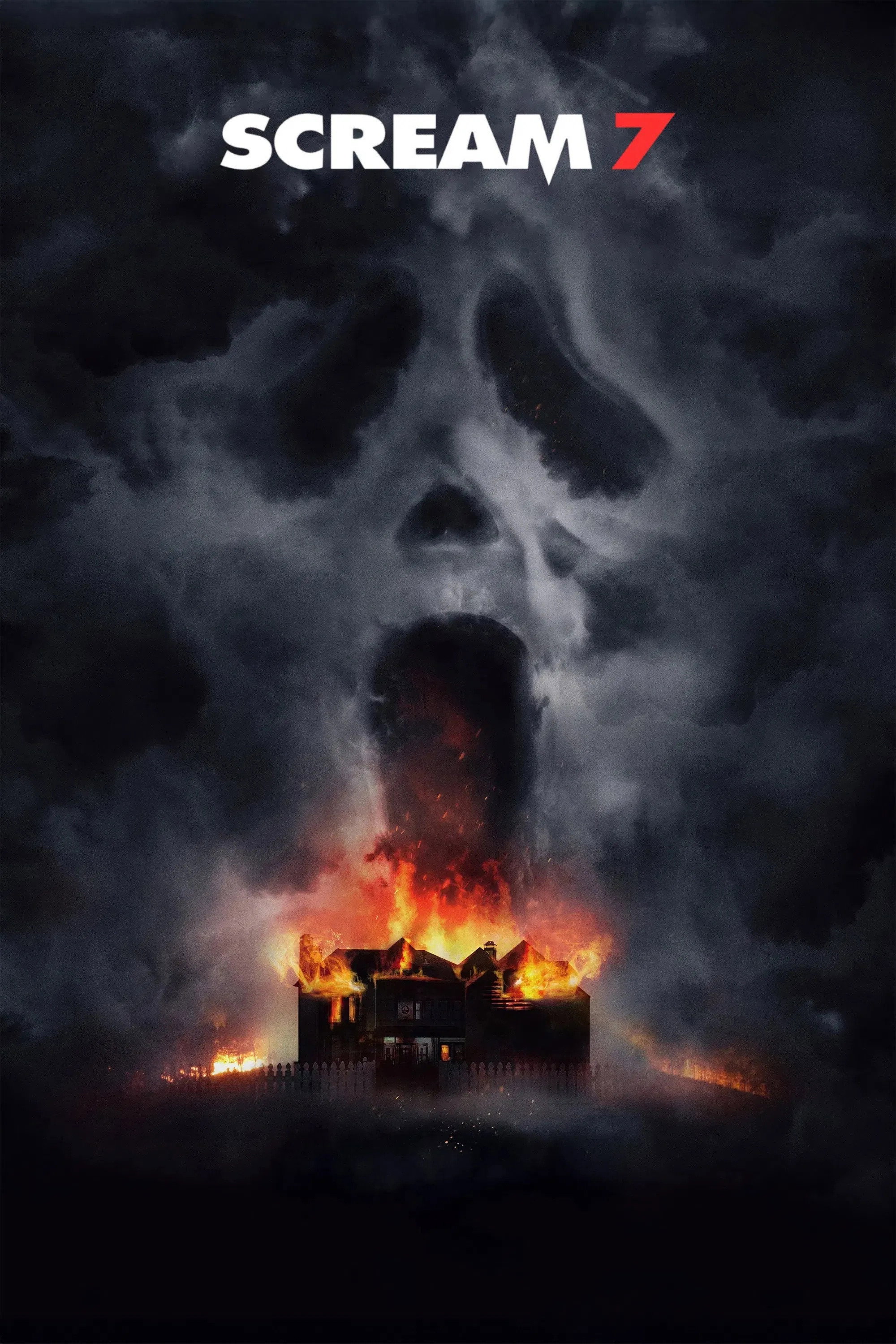
The opening attack revisits the house associated with Stu Macher in the 1996 film, now treated as a destination for visitors fascinated by its notoriety. Bringing the location back allows the sequel to stage violence inside an image that veteran viewers already possess in detail. The familiar setting is exposed to contemporary spectatorship: crimes once experienced by a small circle of survivors have become material for tourism and entertainment. The sequence also destroys part of that apparent permanence through fire. Its use of a recognizable location gives the introductory murders a specific franchise history without requiring a replay of the first film's revelations.

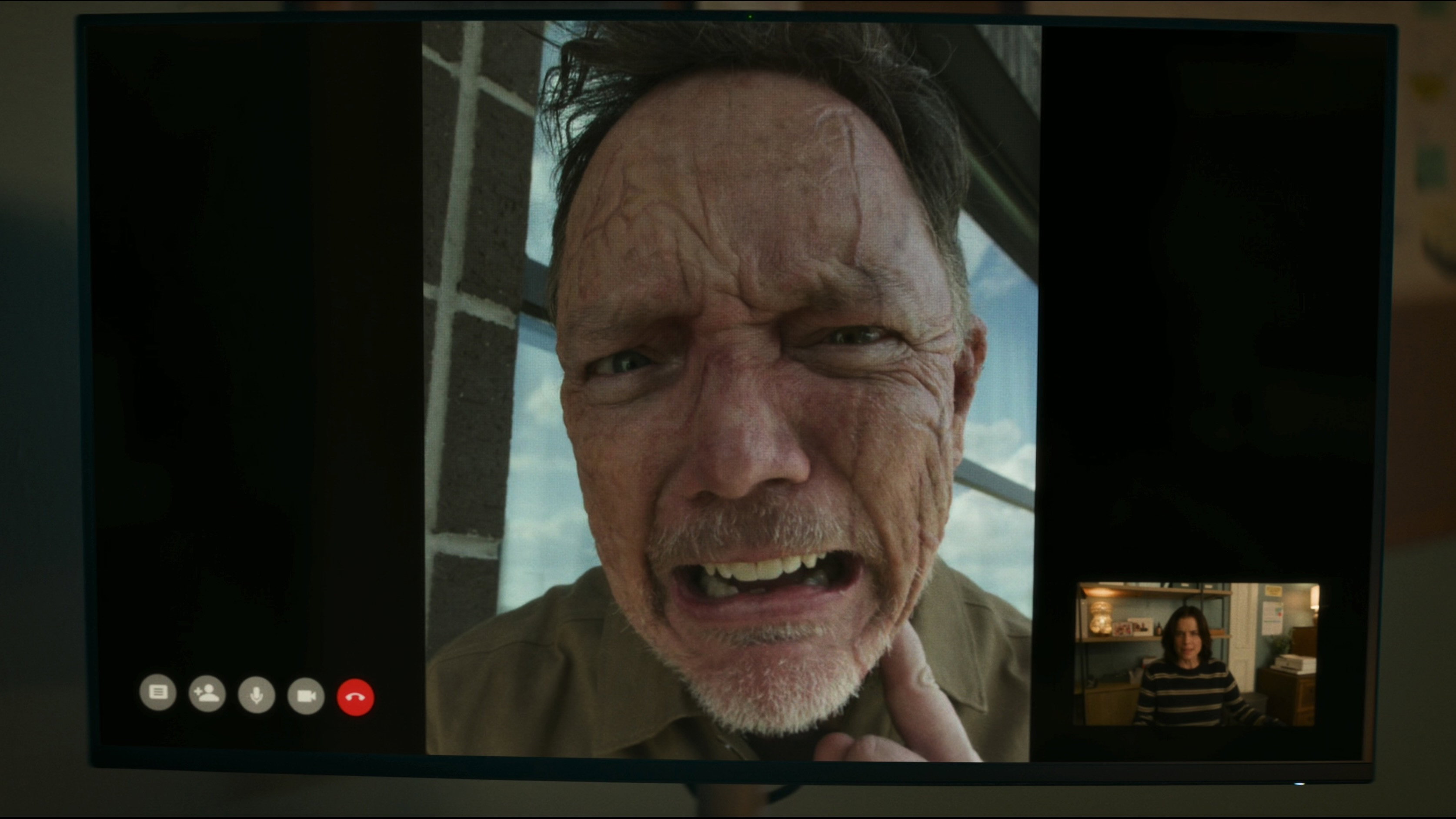
The film extends this concern with authenticity through apparently familiar faces and manipulated recorded images. Williamson discussed artificial intelligence in his Esquire interview as a means of making viewers and characters uncertain whether a communication represents a living person or a fabrication. The narrative plays with rumors surrounding an earlier killer, but recognition alone cannot establish the source of a message. This is a different mechanism from the conventional telephone taunt: threatening media can exploit the audience's knowledge of past installments as readily as the victims' memories. Whether every revelation makes good on that premise is a matter of critical judgment, separate from the documented intention to incorporate digitally manufactured uncertainty.

Designing Ghostface's Audible Presence

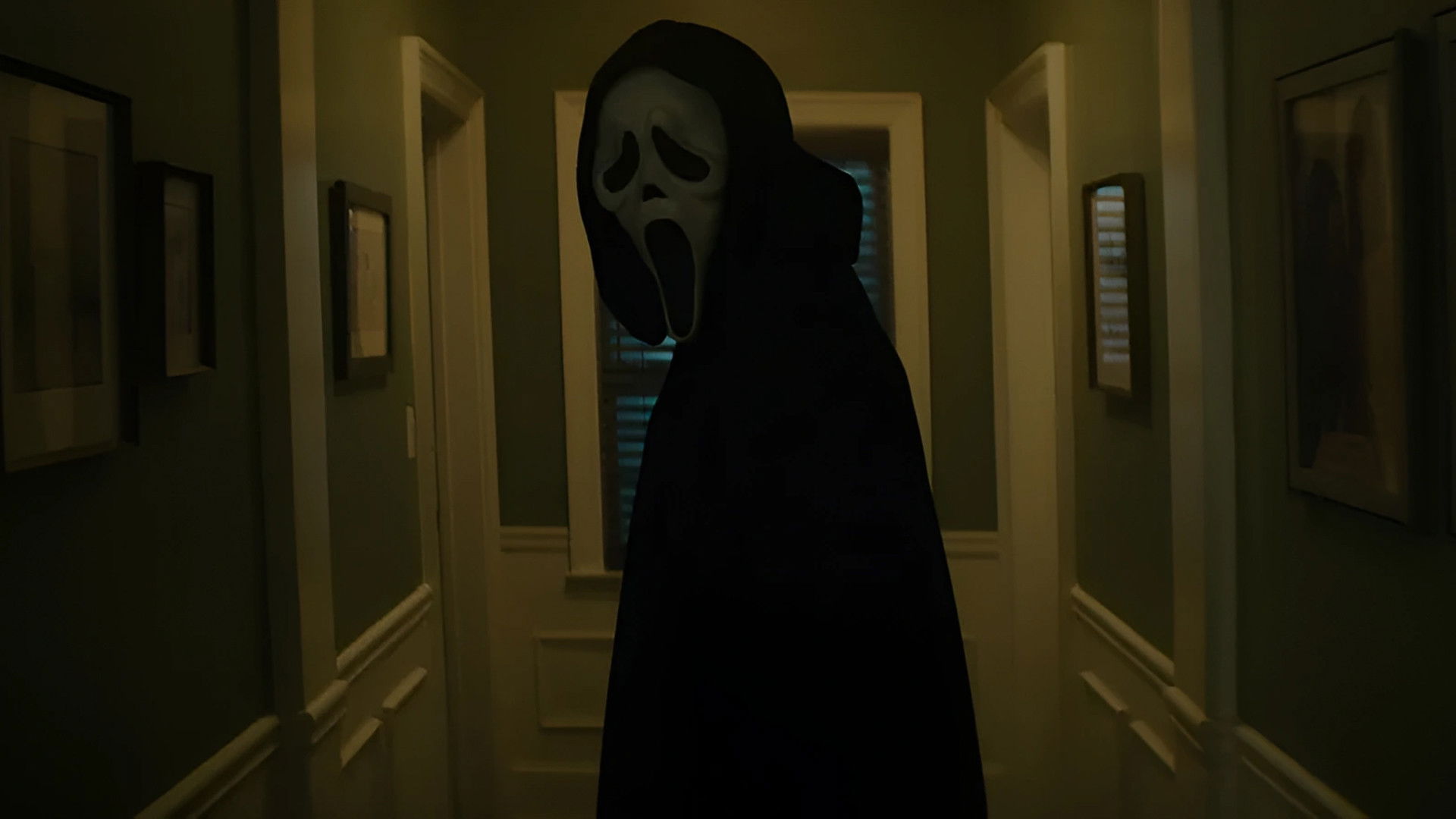
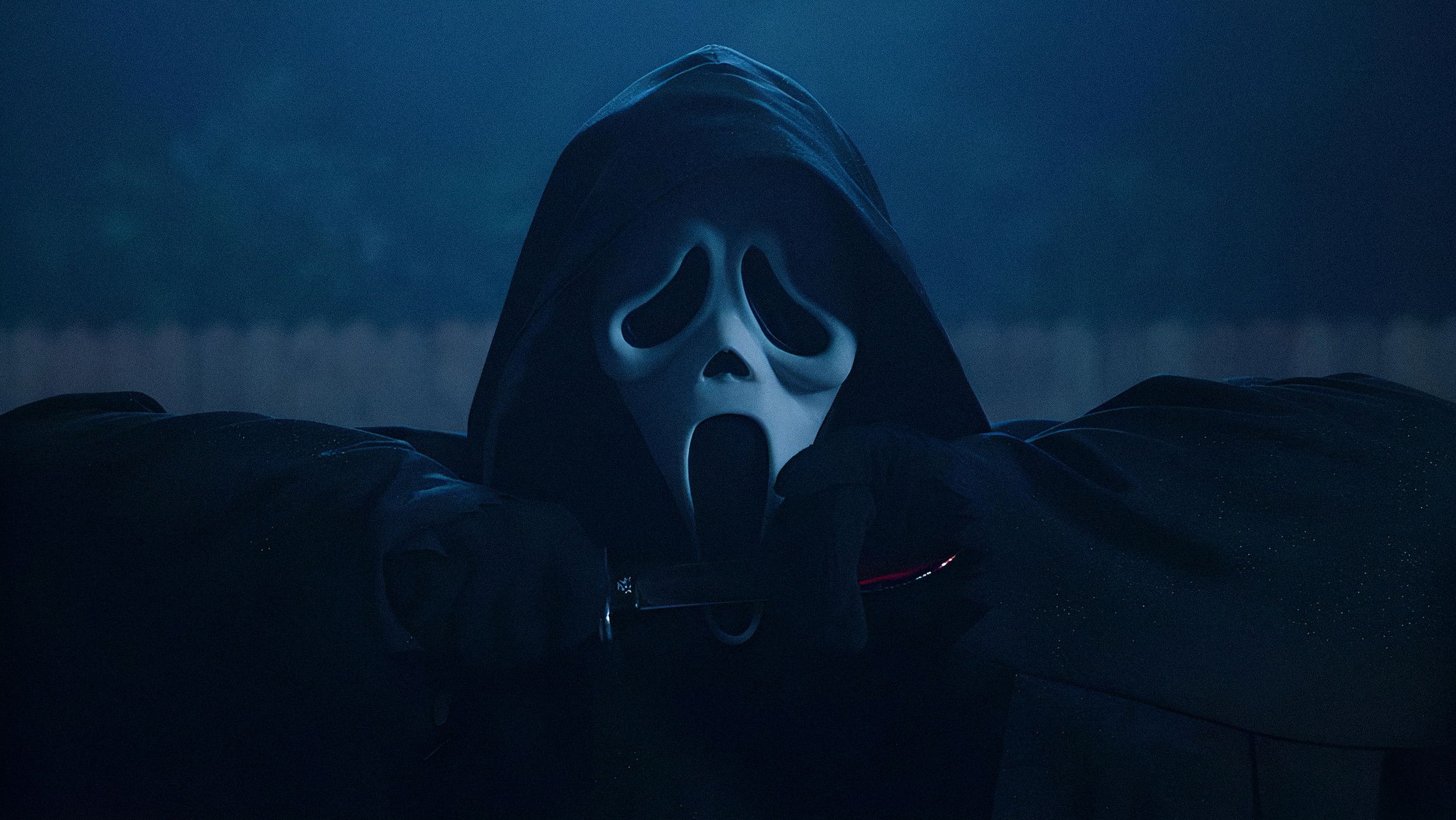
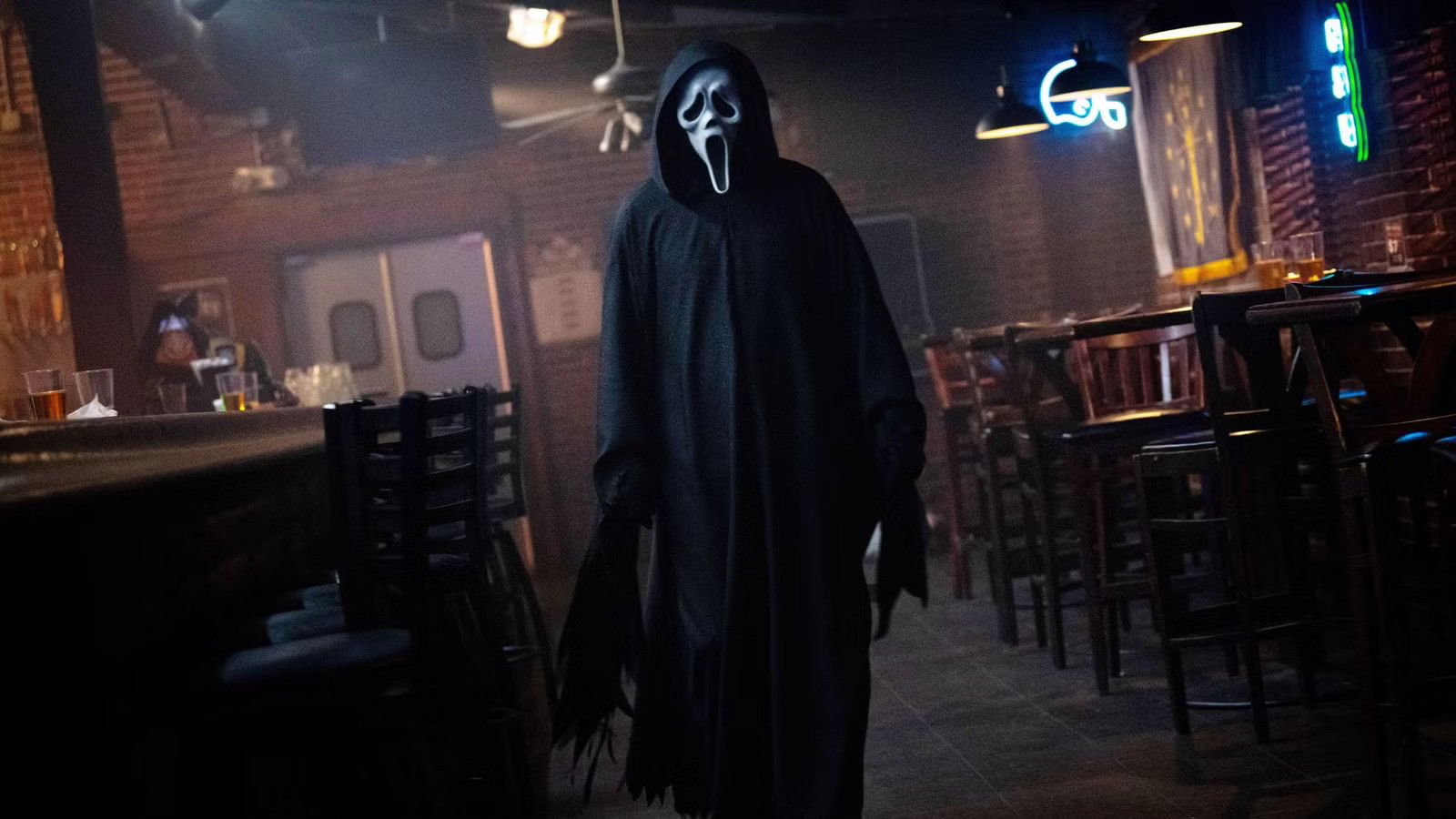
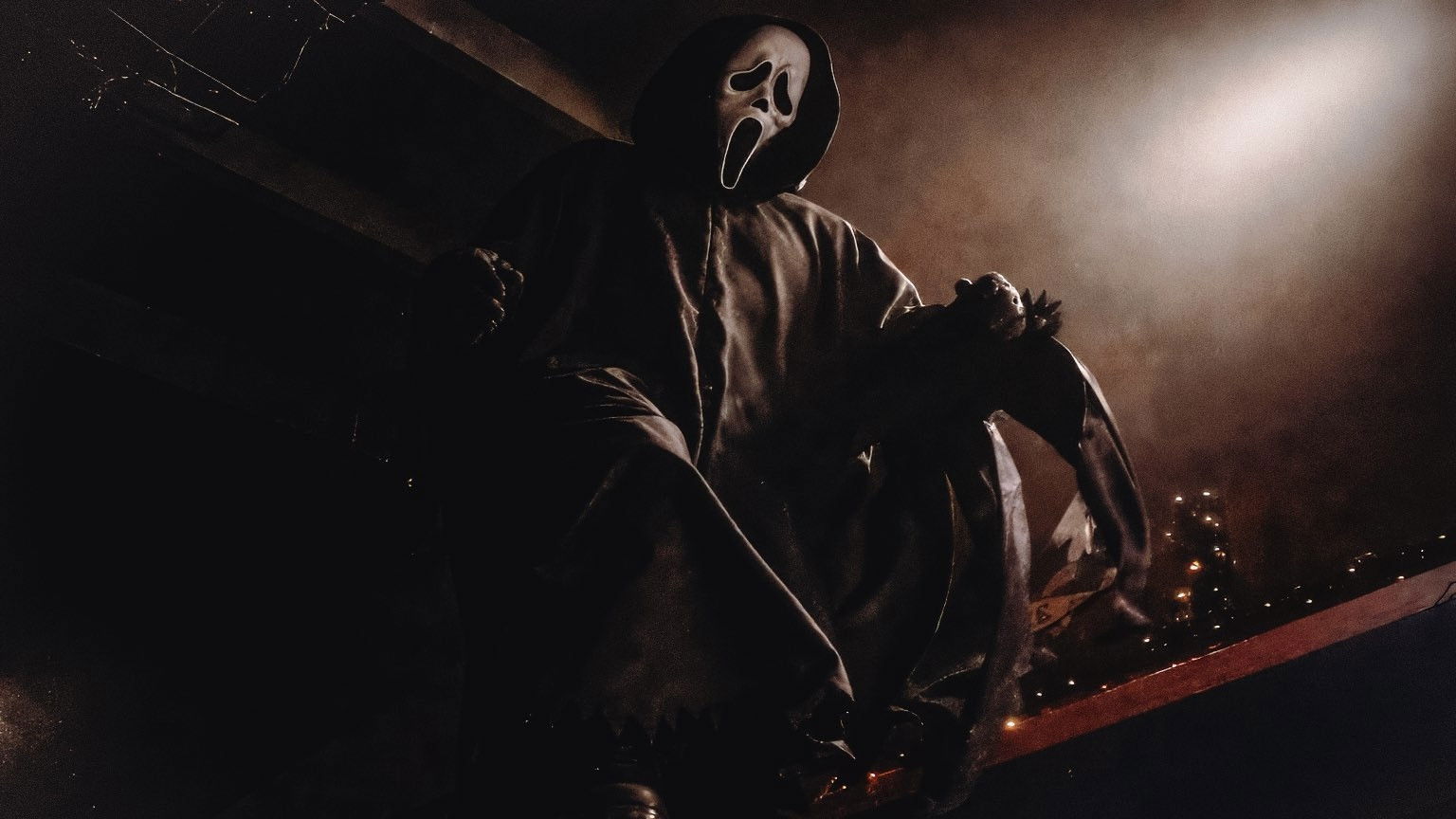
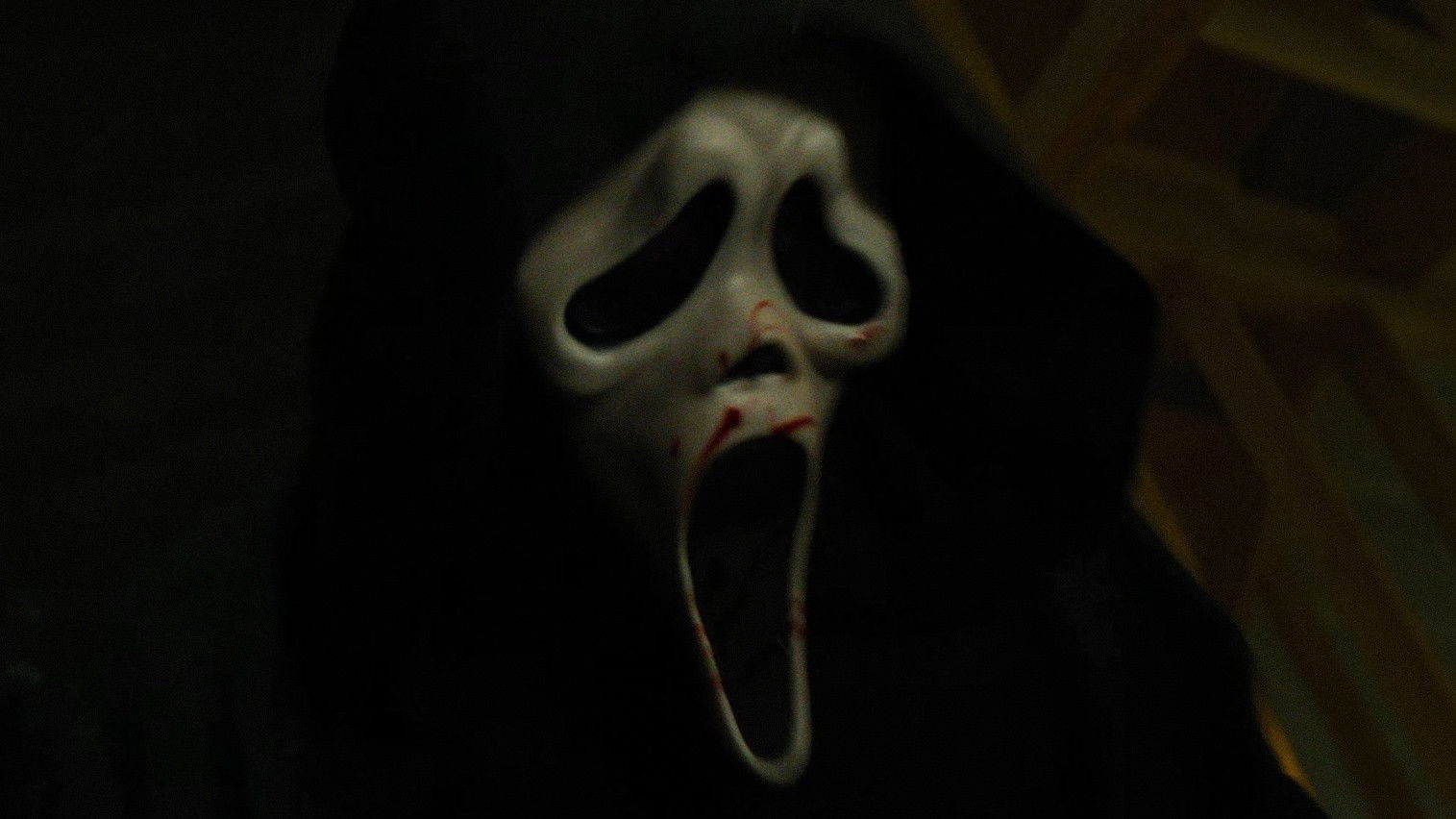
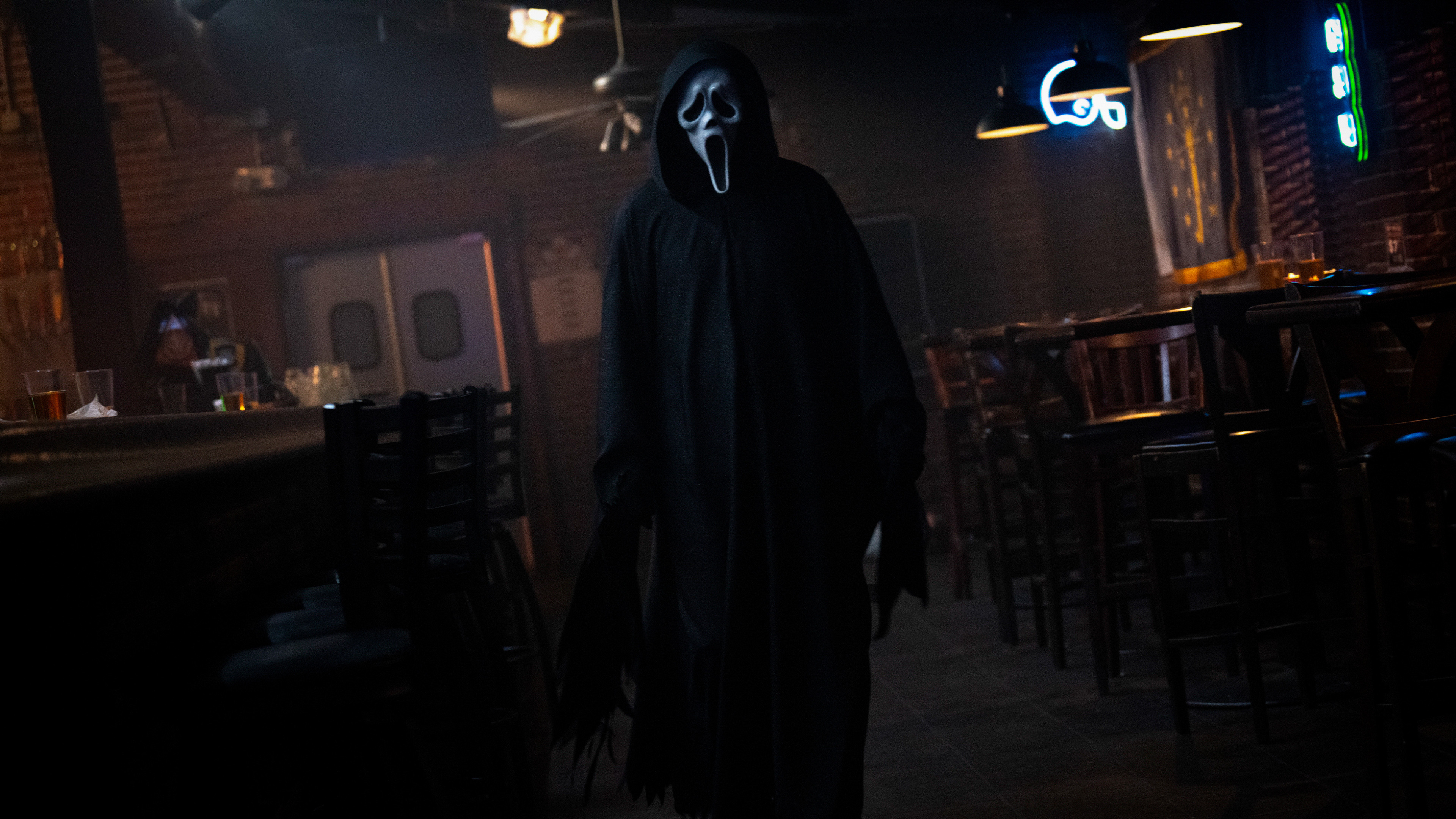
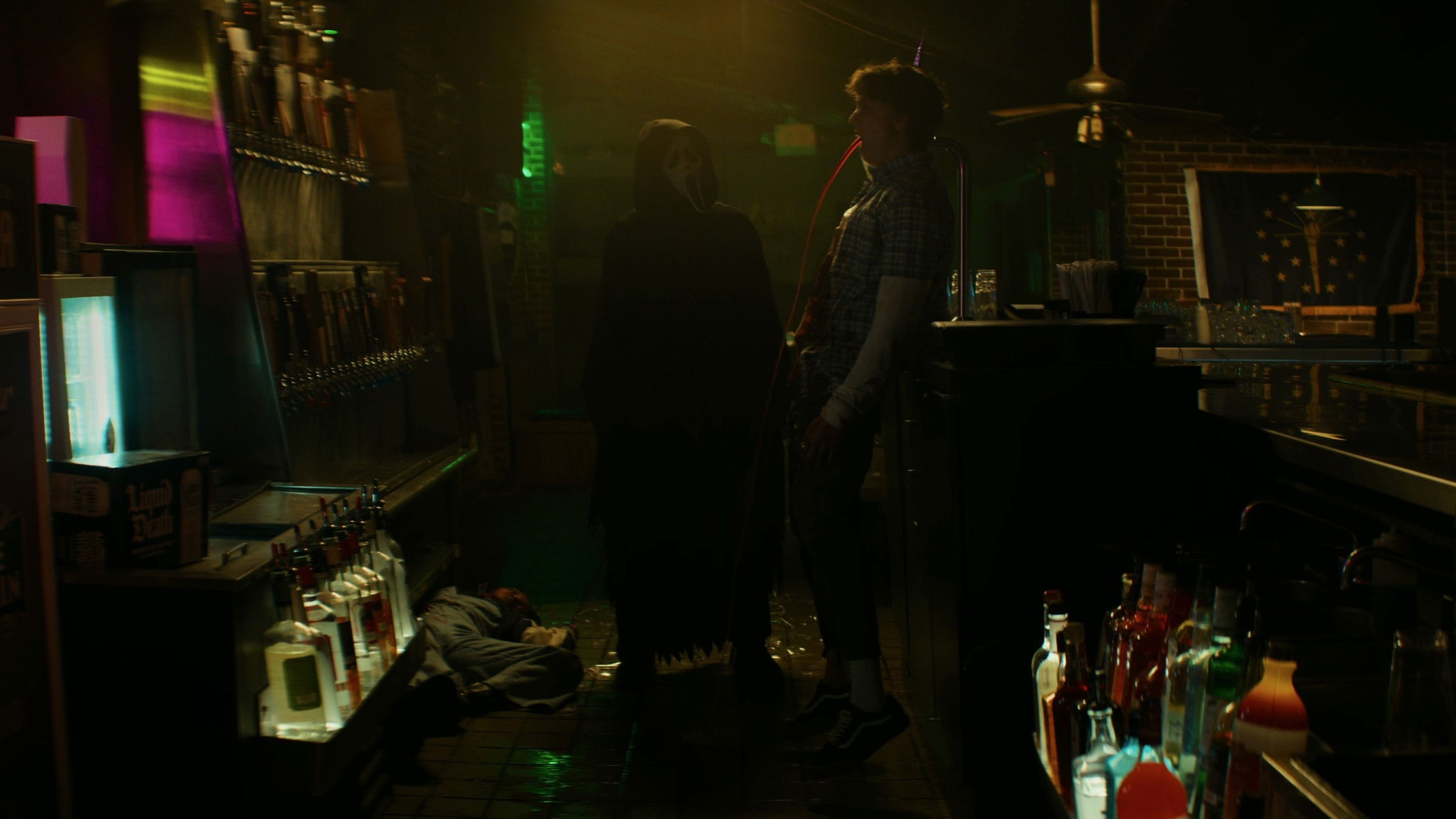
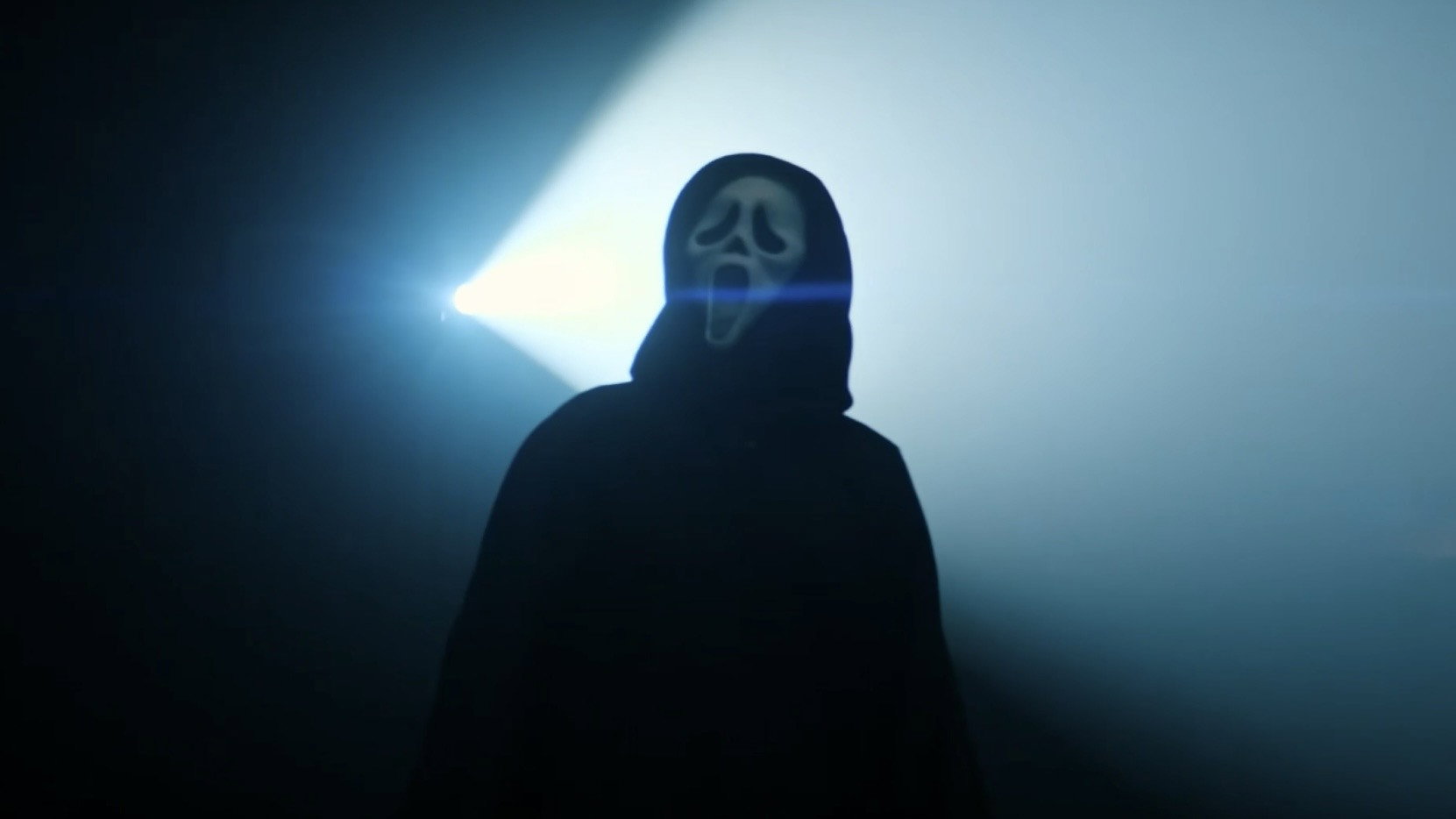
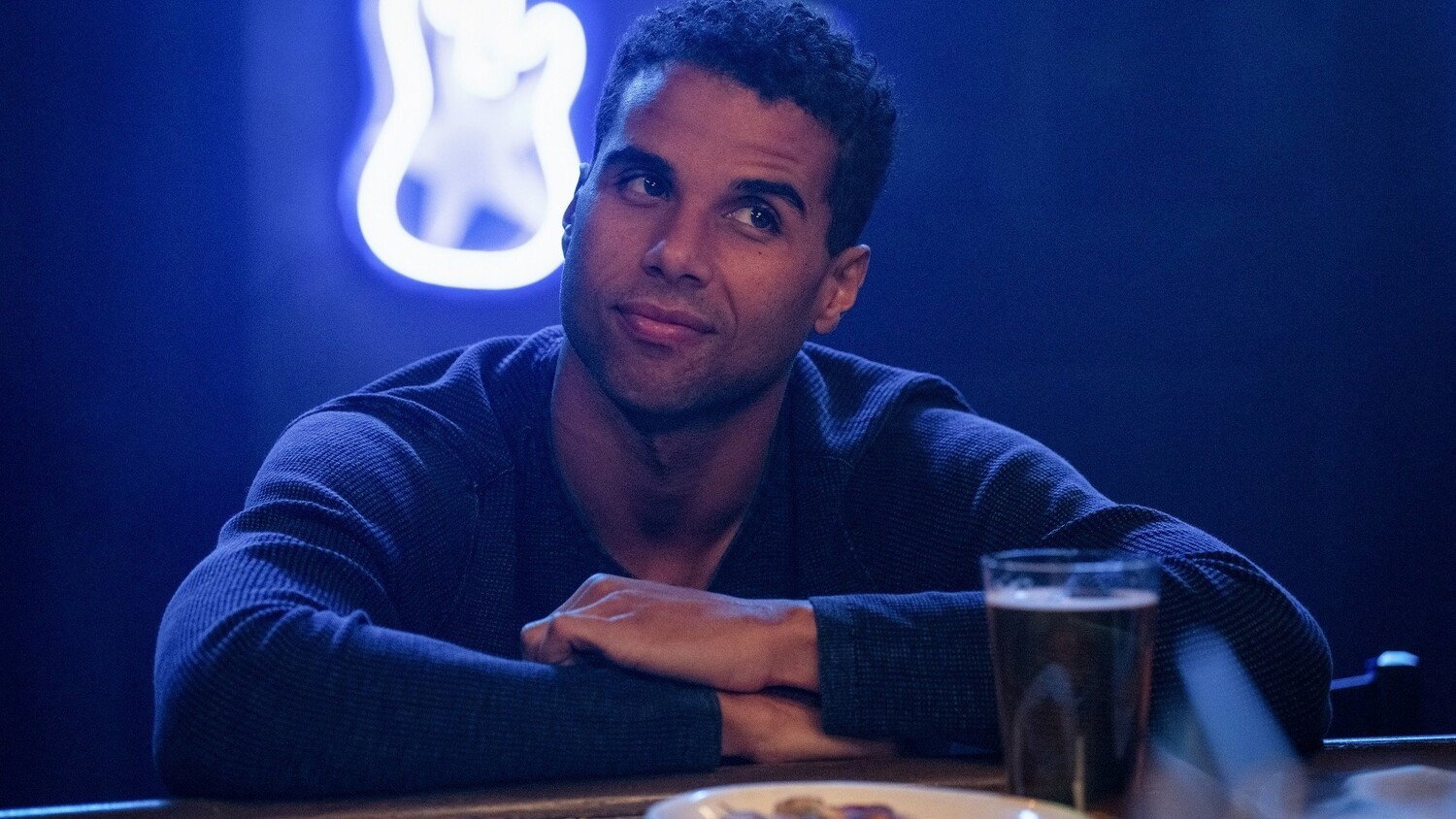
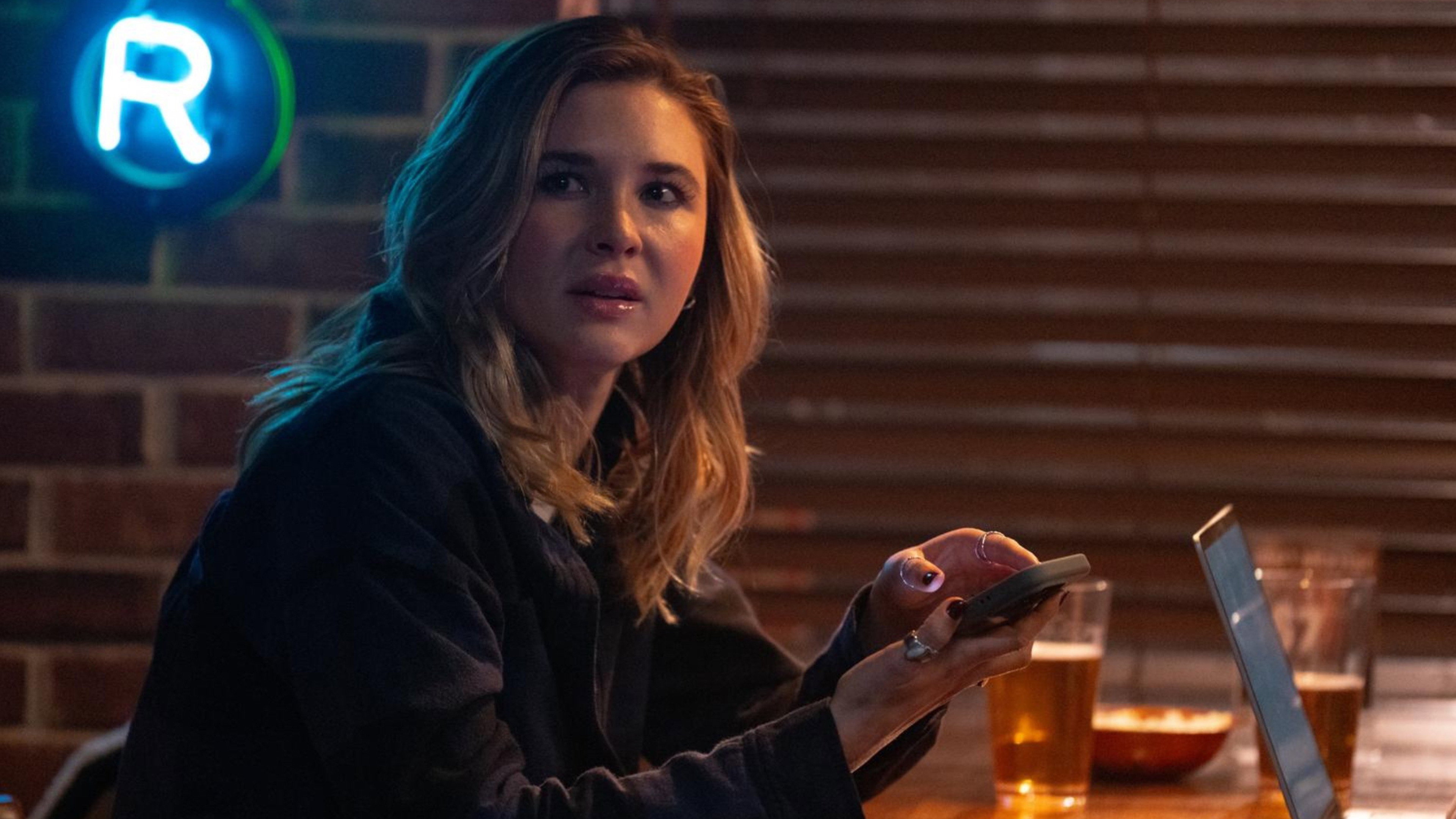
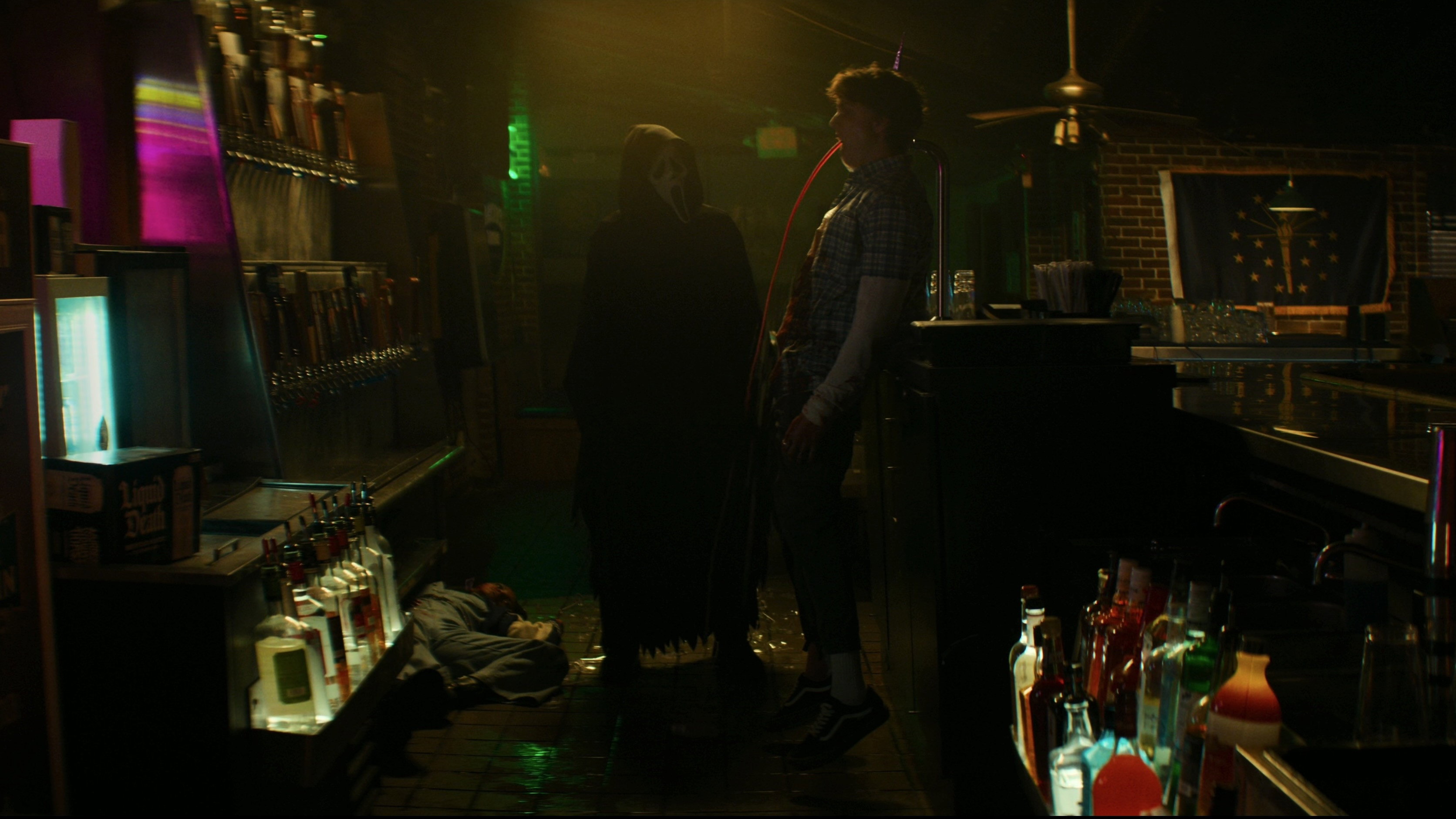
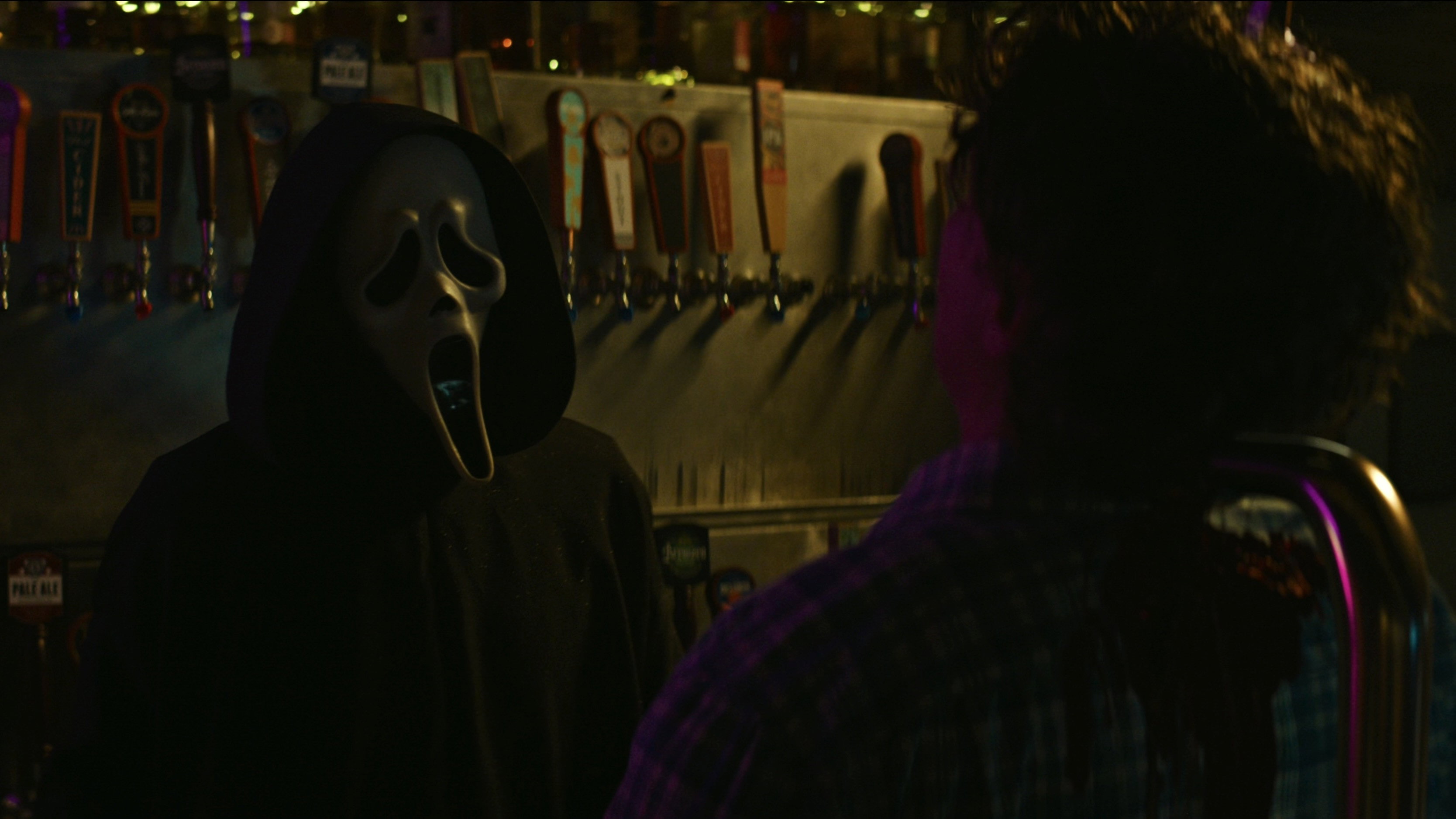
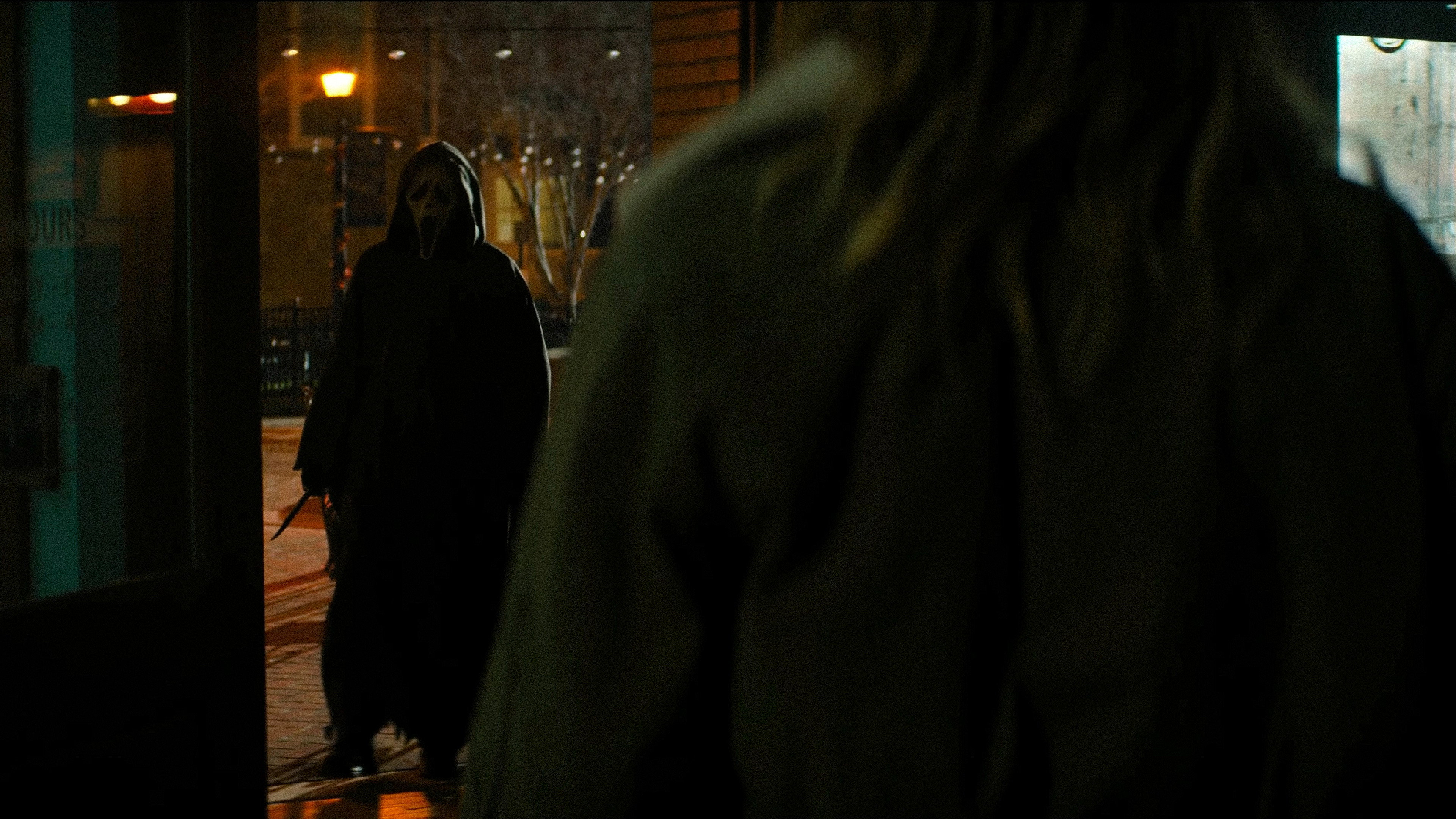
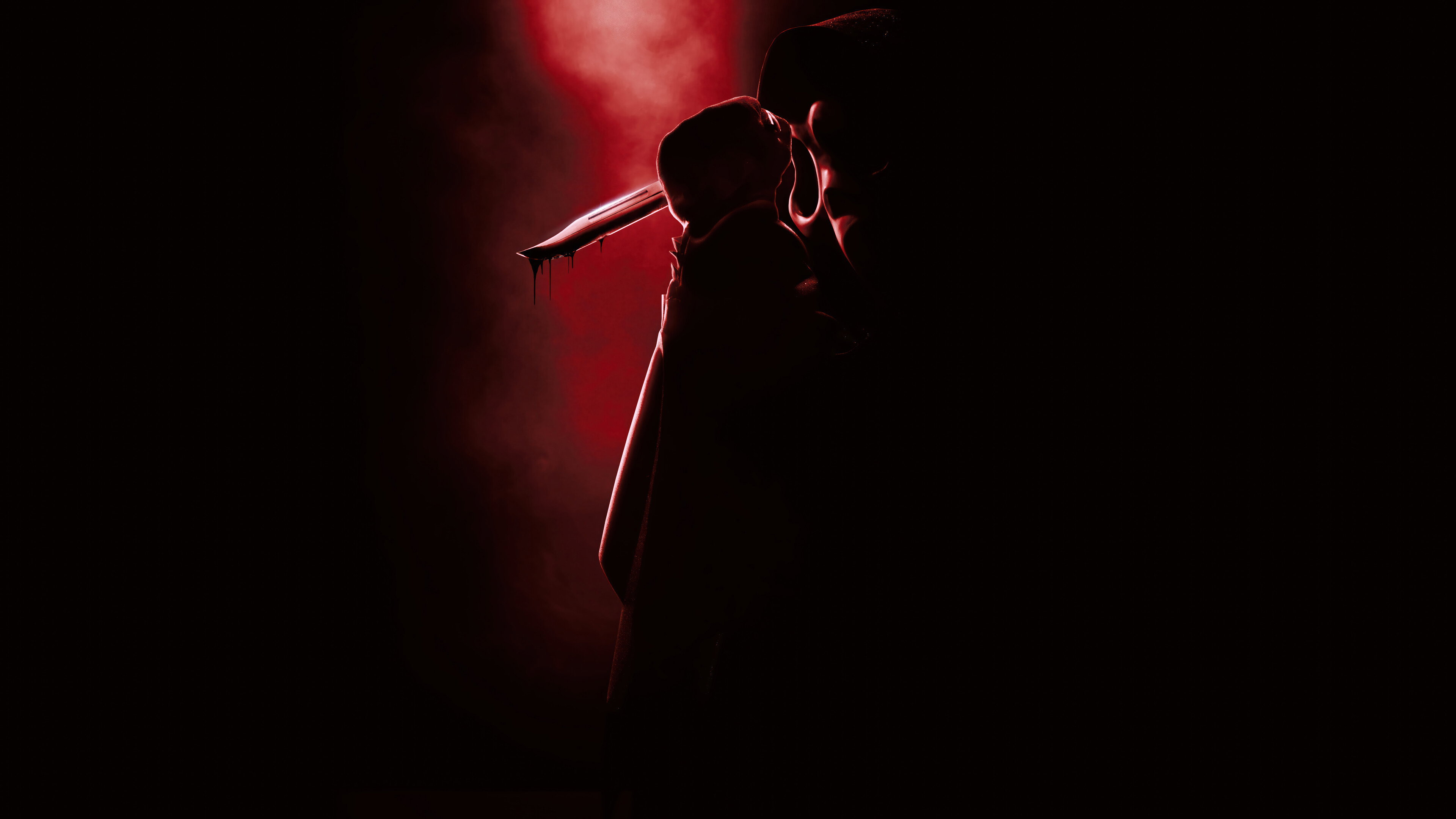
The sound crew made deliberate choices about the killer's physical presence. In Jennifer Walden's detailed interview, sound designer and re-recording mixer Jon Greasley explained that an early idea of making Ghostface move almost silently was discarded because it weakened the figure's weight and location within a scene. The original film's telephone ring was also reused inside the Macher house. Footsteps and costume noises consequently became important cues, especially during a bar sequence in which a victim listens for the attacker's approach. Roger L. Jackson returned as the voice of Ghostface. Greasley said the team compared his new performance against recordings from the original film and retained its more gravelly quality instead of trying to reproduce an identical thirty-year-old sound.

Greasley and fellow mixer Tom Ozanich described a soundscape that depends on perspective and timing. For the opening house fire, the Dolby Atmos mix moves flames through surrounding space while allowing music and individual effects room to register. In a narrow-wall hiding scene, the acoustic difference between Ghostface and the trapped family became part of the suspense. The interview also describes adjusting the placement of sounds by only a few frames after audience previews to refine jump scares. Marco Beltrami returned to provide the score, which Williamson and the mixers adjusted in relation to chases, pauses and off-screen threats. These documented decisions show how the recognizable costume acquired distinct weight through editing and sound.
Release and Box Office Performance

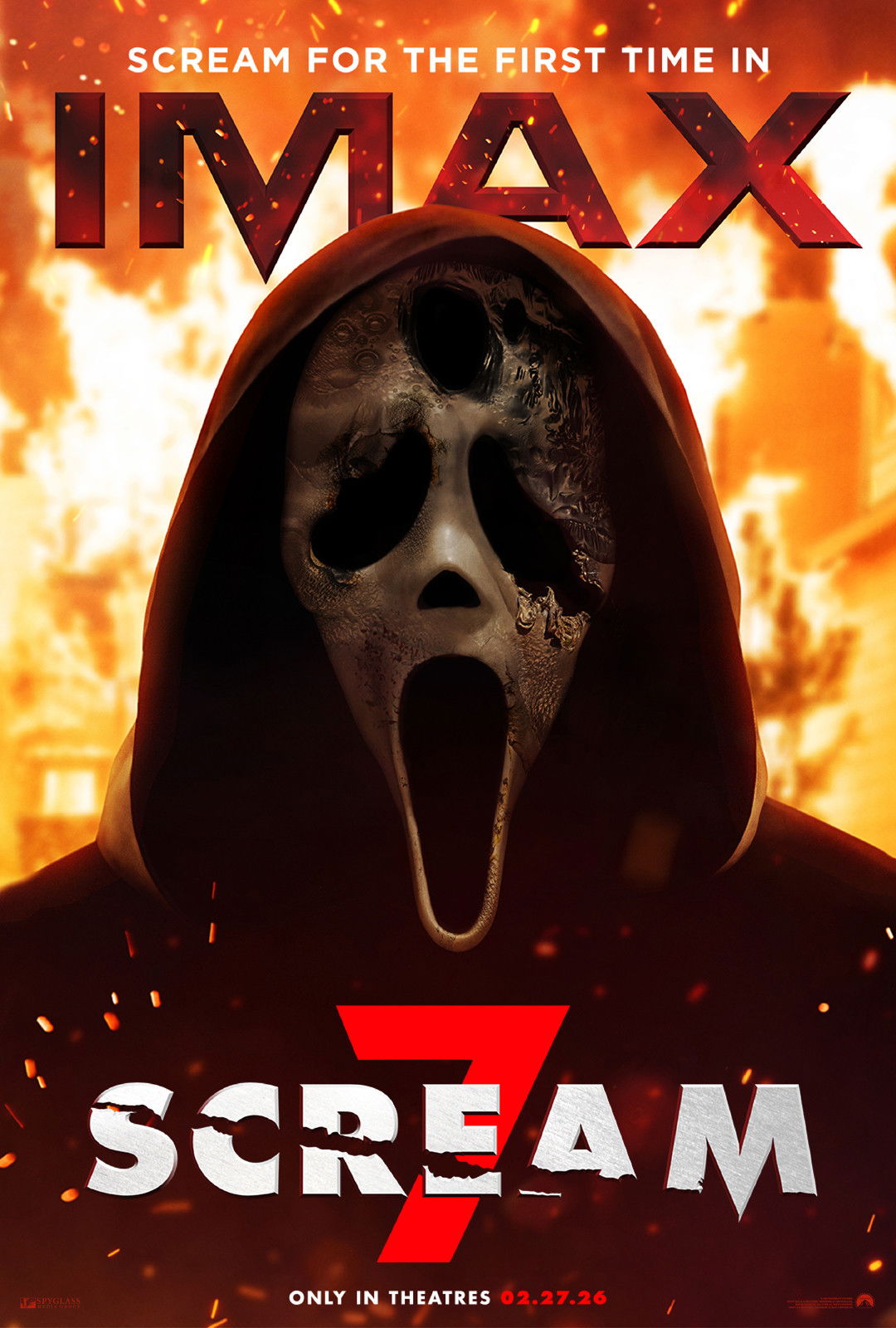
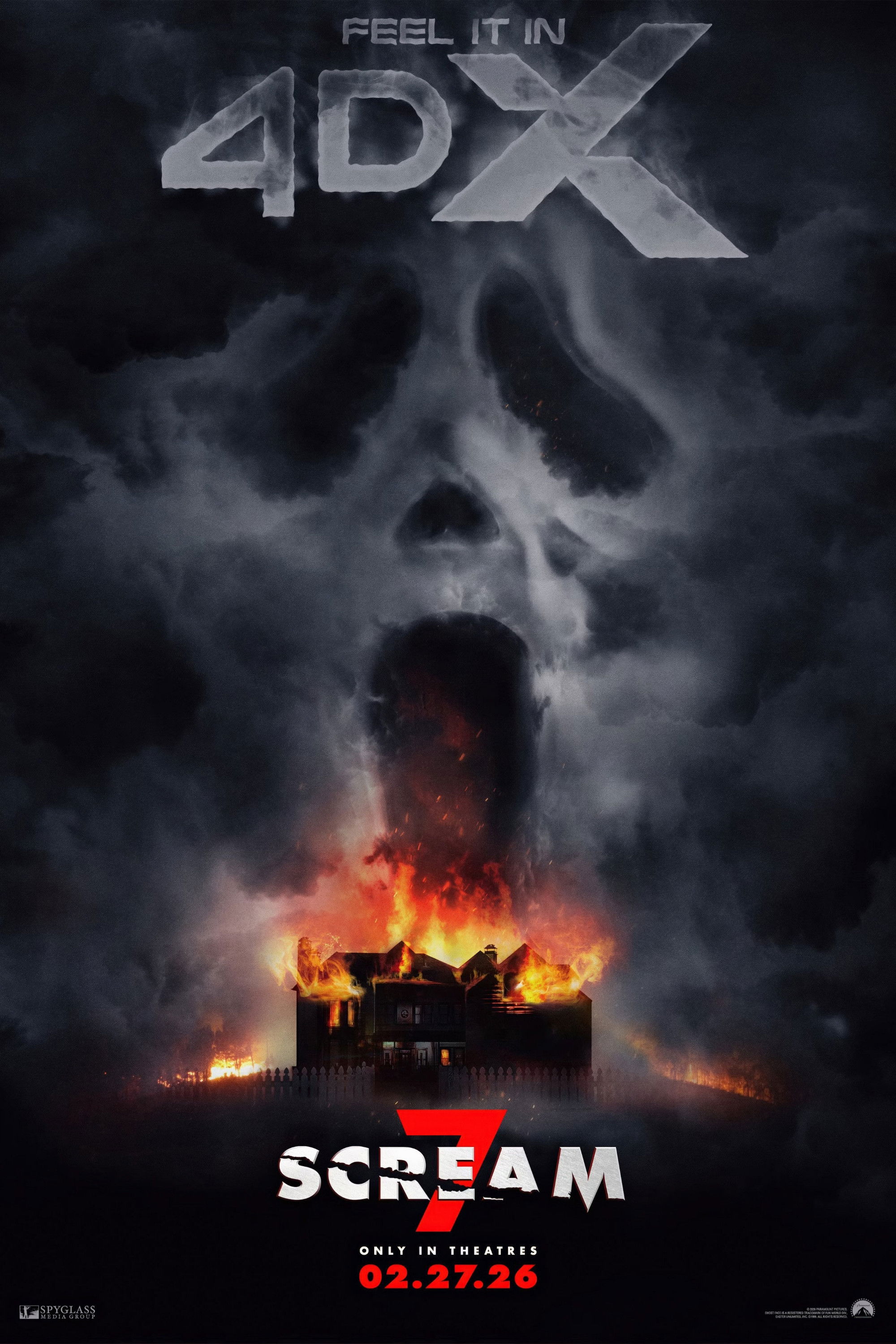
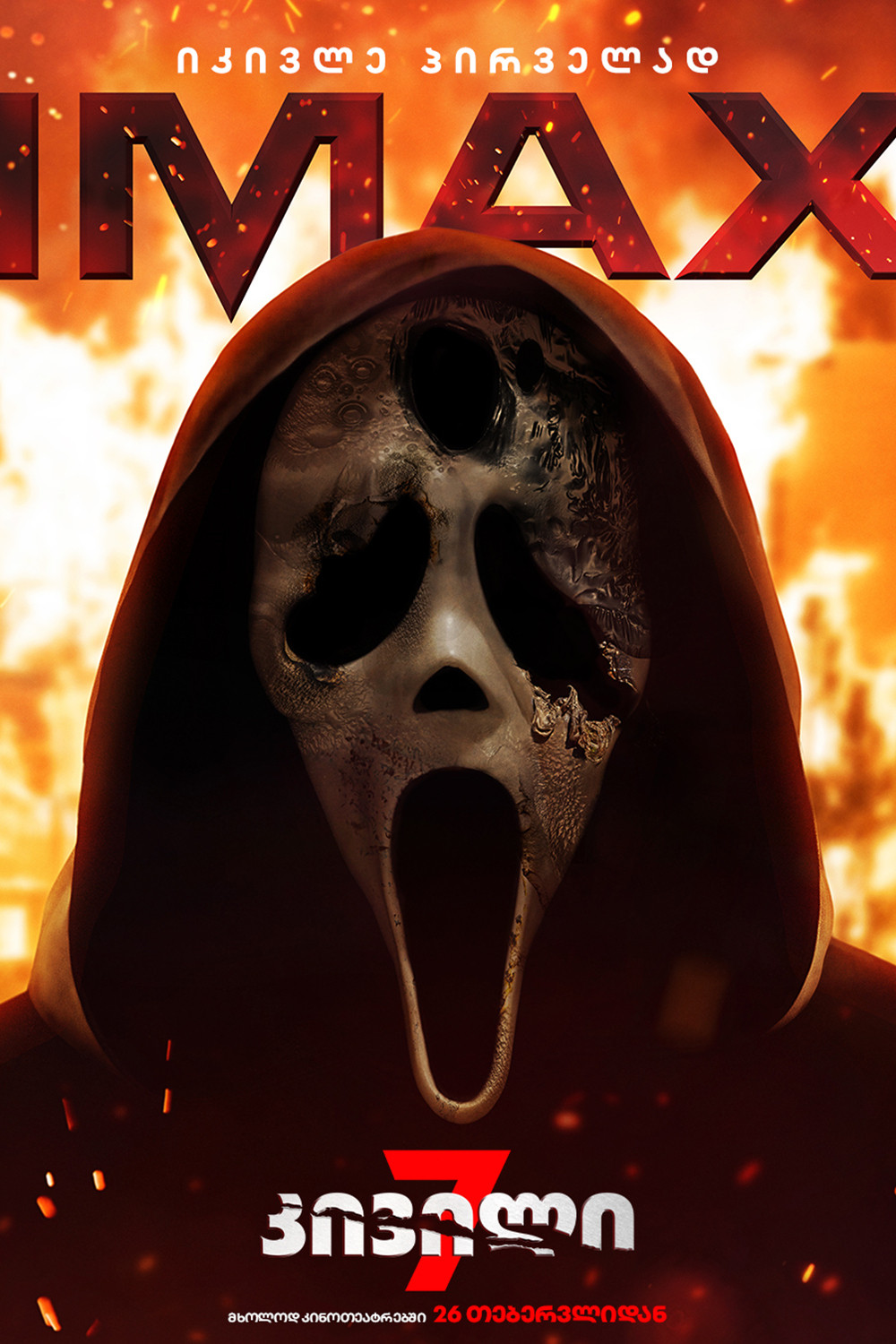
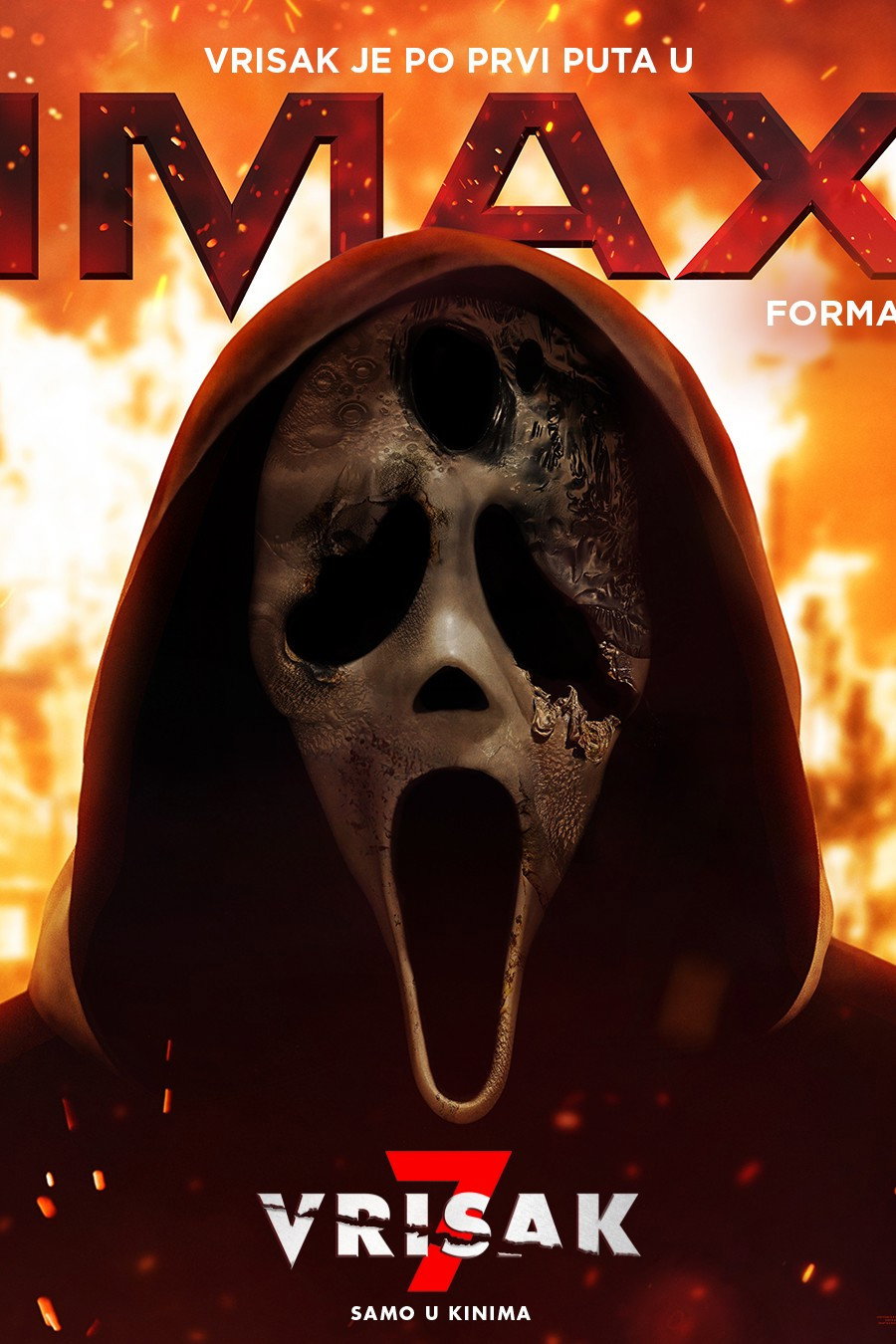
Scream 7 reached selected international cinemas on February 25, 2026, ahead of its wide United States opening through Paramount Pictures on February 27. The release included IMAX presentations, a first for the franchise. Contemporary trade reporting placed the production budget at approximately $45 million, a substantial increase over the prior installment. The picture opened in North America with about $63.6 million across its first weekend, giving the series its strongest domestic debut. Those figures describe theatrical admissions revenue, however, and should not be confused with the profit retained after distribution, exhibition, marketing and other expenses.

On March 29, Paramount's parent company announced that the film had passed $200 million worldwide, exceeding the unadjusted global theatrical totals of earlier Scream installments. That announcement also reported a worldwide opening of roughly $97 million. Its language about audience enthusiasm was part of a studio communication, whereas the crossing of the revenue threshold was a measurable commercial result. The scale of the release and the return of a well-established lead demonstrate the continuing market value of the property during its thirtieth-anniversary year. Commercial performance does not by itself establish a film's artistic standing or its lasting influence on subsequent horror cinema.

Critical Reception and Franchise Position

The February 2026 reviews revealed friction between the appeal of Sidney's return and dissatisfaction with the new murder mystery. In The Guardian, Benjamin Lee found the opening effective and several attacks inventive, while criticizing the comparatively thin younger characters and the handling of the final explanation. He also identified the return of Marco Beltrami's music as one of the most successful connections to the earlier films. That mixed assessment is more informative than treating nostalgia as either a sufficient achievement or an automatic defect. A sequel using familiar survivors must make their continued presence meaningful while establishing fresh jeopardy for the people around them.

The film's place in the cycle also differs from the two preceding entries. The 2022 revival examined devotion to an established horror property through a younger cast, while the 2023 sequel carried its new survivors away from Woodsboro. Here the dramatic center returns to Sidney, with the antagonistic use of recorded images providing a newer source of uncertainty. The combination of disrupted development, original creative personnel and strong box office illustrates how a long-running slasher franchise can be reoriented after losing its planned protagonists. Whether this approach reshapes later installments cannot yet be established; the evidence available in 2026 supports a history of the production and its immediate reception, without requiring claims of enduring influence.

References

  1. Variety The Fall and Rise of Scream 7: A Fired Star, a $500K Script Rewrite and Neve Campbell's $7 Million Salary

    Original trade investigation into the 2023 departures, screenplay restructuring, Sidney-centered relaunch, reported production costs and negotiations.

  2. Esquire Kevin Williamson Breaks Down the Secrets of Scream VII

    Anthony Breznican's extended interview with Williamson about directing, collaboration with Campbell, the panic-room scene and manipulated images.

  3. A Sound Effect Slicing into the Grisly Sound of Scream 7 - with Tom Ozanich and Jon Greasley

    Jennifer Walden's original technical interview covering Ghostface's voice and foley, Dolby Atmos, the house fire, confined spaces and suspense timing.

  4. Skydance Scream 7 Slashes Past $200 Million at the Global Box Office

    March 29, 2026 studio announcement documenting the theatrical milestone, global opening and first IMAX release; promotional assessments are treated separately.

  5. The Guardian Scream 7 Review - Nostalgic Slasher Sequel Settles for Solid over Seminal

    Benjamin Lee's February 26 contemporary review assessing the opening, Sidney's return, new characters, killer reveal and Marco Beltrami's music.

Connections

Cast

View Full Cast & Crew →

Release & Distribution

Production Companies (3)

  • Paramount Pictures US
  • Project X Entertainment US
  • Spyglass Media Group US

Distributors (2)

  • Fórum Hungary HU
  • Paramount Pictures US

Release History (72)

Release DateTerritoryRelease TypeFormatDistributorCertificationNotes
2026-02-25 Belgium Theatrical — — 16
2026-02-25 France Premiere — — — Grand Rex
2026-02-25 France Theatrical — — 12
2026-02-25 Indonesia Theatrical — — 21+
2026-02-25 Israel Limited Theatrical — — 16
2026-02-25 Italy Theatrical — — 14+
2026-02-25 Philippines Theatrical — — R-16
2026-02-25 Sweden Theatrical — — 15
2026-02-26 Argentina Theatrical — — +16
2026-02-26 Austria Theatrical — — —
2026-02-26 Australia Theatrical — — MA 15+
2026-02-26 Brazil Theatrical — — 18
2026-02-26 Switzerland Theatrical — — 16
2026-02-26 Chile Theatrical — — 14
2026-02-26 Colombia Theatrical — — —
2026-02-26 Czechia Theatrical — — 15+
2026-02-26 Germany Theatrical — — 16
2026-02-26 Greece Theatrical — — K18
2026-02-26 Guatemala Theatrical — — —
2026-02-26 Croatia Theatrical — — —
2026-02-26 Hungary Theatrical — — 18
2026-02-26 Kazakhstan Theatrical — — —
2026-02-26 Mexico Theatrical — — B-15
2026-02-26 Netherlands Theatrical — — 16
2026-02-26 New Zealand Theatrical — — R16
2026-02-26 Panama Theatrical — — —
2026-02-26 Peru Theatrical — — —
2026-02-26 Puerto Rico Theatrical — — R
2026-02-26 Portugal Theatrical — — M/16
2026-02-26 Paraguay Theatrical — — —
2026-02-26 Slovenia Theatrical — — —
2026-02-26 Slovakia Theatrical — — 15
2026-02-26 Thailand Theatrical — — 18
2026-02-26 Ukraine Theatrical — — 18+
2026-02-26 Uruguay Theatrical — — —
2026-02-27 Bulgaria Theatrical — — D
2026-02-27 Canada Theatrical — — 14A
2026-02-27 Estonia Theatrical — — —
2026-02-27 Spain Theatrical — — 16
2026-02-27 Finland Theatrical — — K-16
2026-02-27 United Kingdom Theatrical — — 18
2026-02-27 Ireland Theatrical — — 16
2026-02-27 Lithuania Theatrical — — N-16
2026-02-27 Namibia Theatrical — — —
2026-02-27 Poland Theatrical — — 16
2026-02-27 Türkiye Theatrical — — 18+
2026-02-27 United States Theatrical — — R
2026-02-27 South Africa Theatrical — — 18
2026-03-05 Hong Kong SAR China Theatrical — — III
2026-03-05 Singapore Theatrical — — R21
2026-03-19 United Arab Emirates Theatrical — — —
2026-03-19 Bahrain Theatrical — — —
2026-03-19 Egypt Theatrical — — —
2026-03-19 Lebanon Theatrical — — —
2026-03-19 Oman Theatrical — — —
2026-03-19 Qatar Theatrical — — —
2026-03-19 Saudi Arabia Theatrical — — —
2026-03-31 United States Digital — — R
2026-04-01 South Korea Theatrical — — 19
2026-05-28 Canada Digital — — — Paramount+
2026-05-28 United States Digital — — R Paramount+
2026-06-09 Italy Physical — — —
2026-06-10 Australia Physical — — MA 15+
2026-06-16 United States Physical 4K UHD, DVD — R 4K Ultra HD / DVD
2026-06-25 France Physical 4K UHD, DVD, Blu-ray — 12 4K Ultra HD / Blu-ray / DVD
2026-06-26 Jordan Theatrical — — —
2026-08-31 Germany Physical 4K UHD, DVD, Blu-ray — 16 4K Ultra HD / Blu-ray / DVD
2026-10-02 Philippines Digital — — — HBO Max
2026-10-29 Argentina Limited Theatrical — — +16 Reestreno
2026-10-30 France Digital — — 16 Canal+
2026-10-30 France TV — — 16 Canal+
2026-12-16 United States Digital — — R Prime Video
Burn it all down.