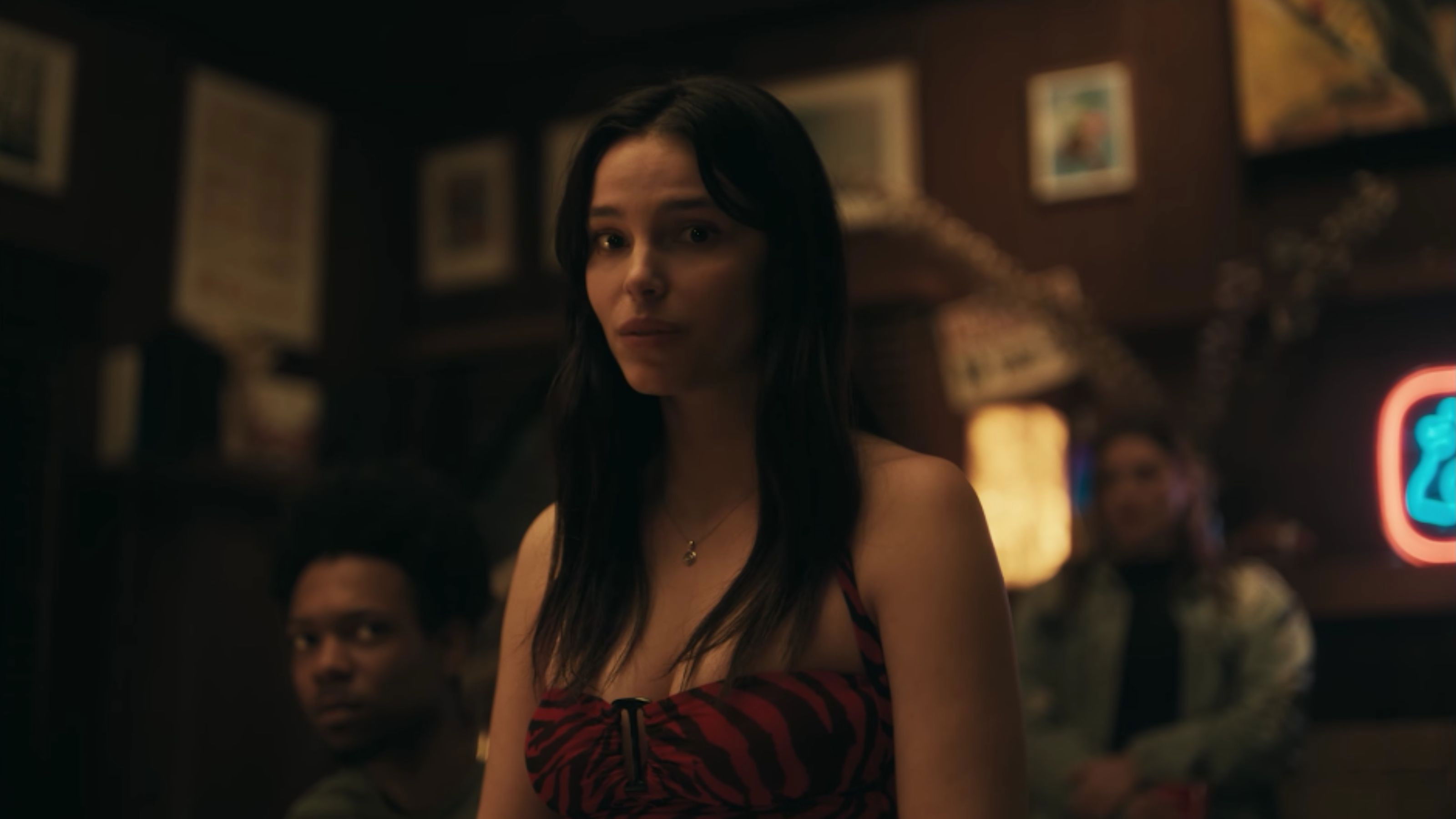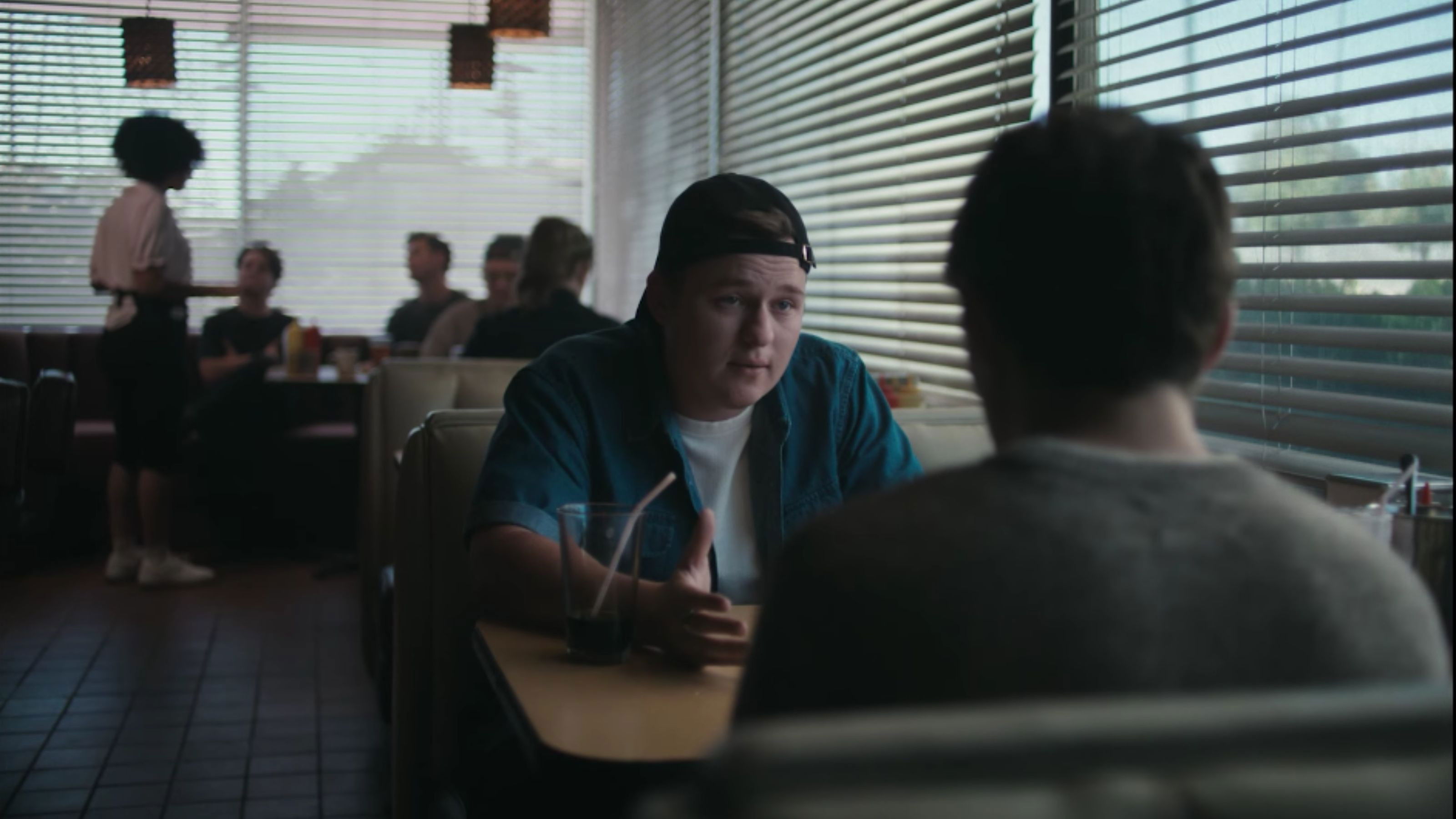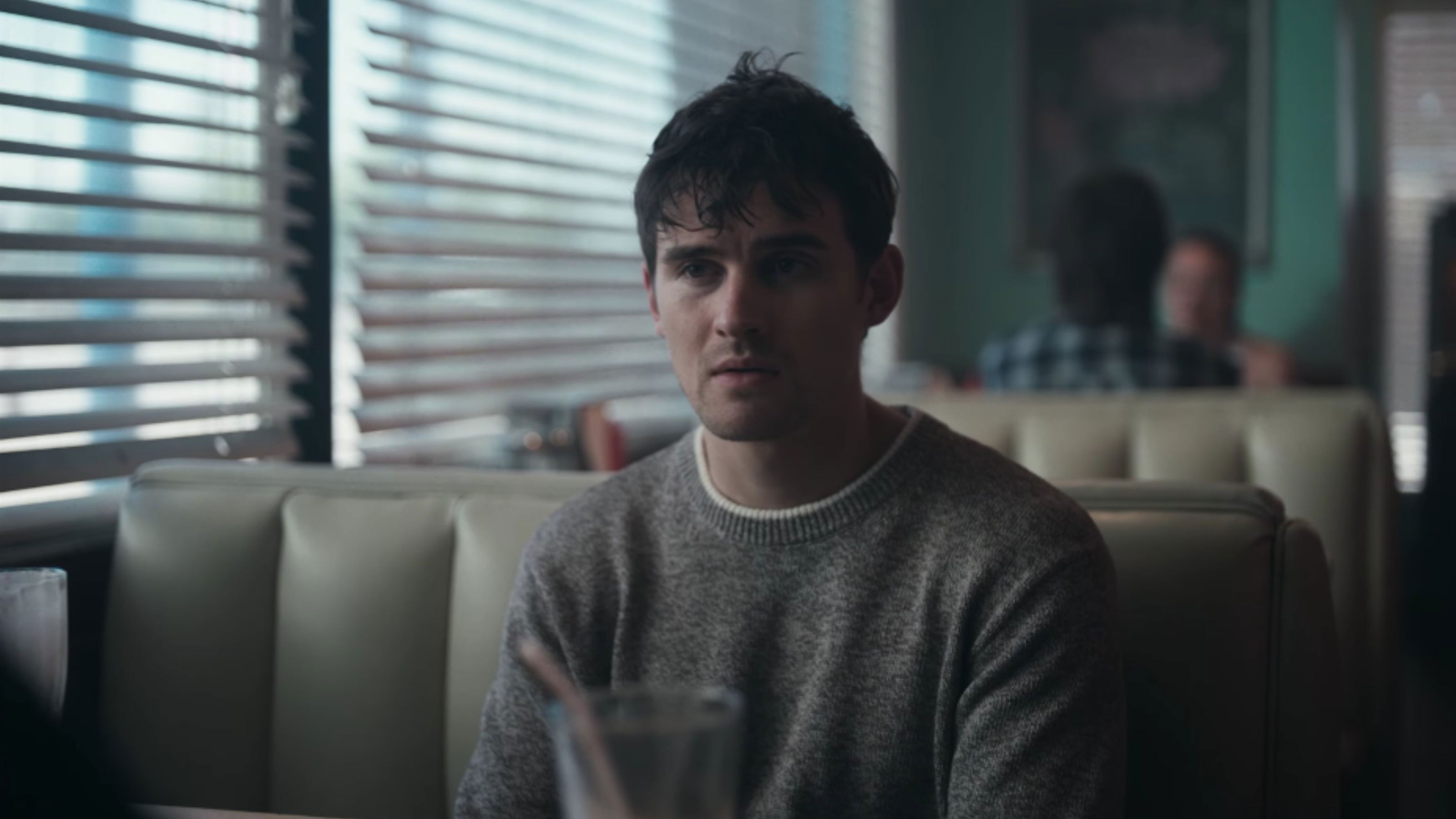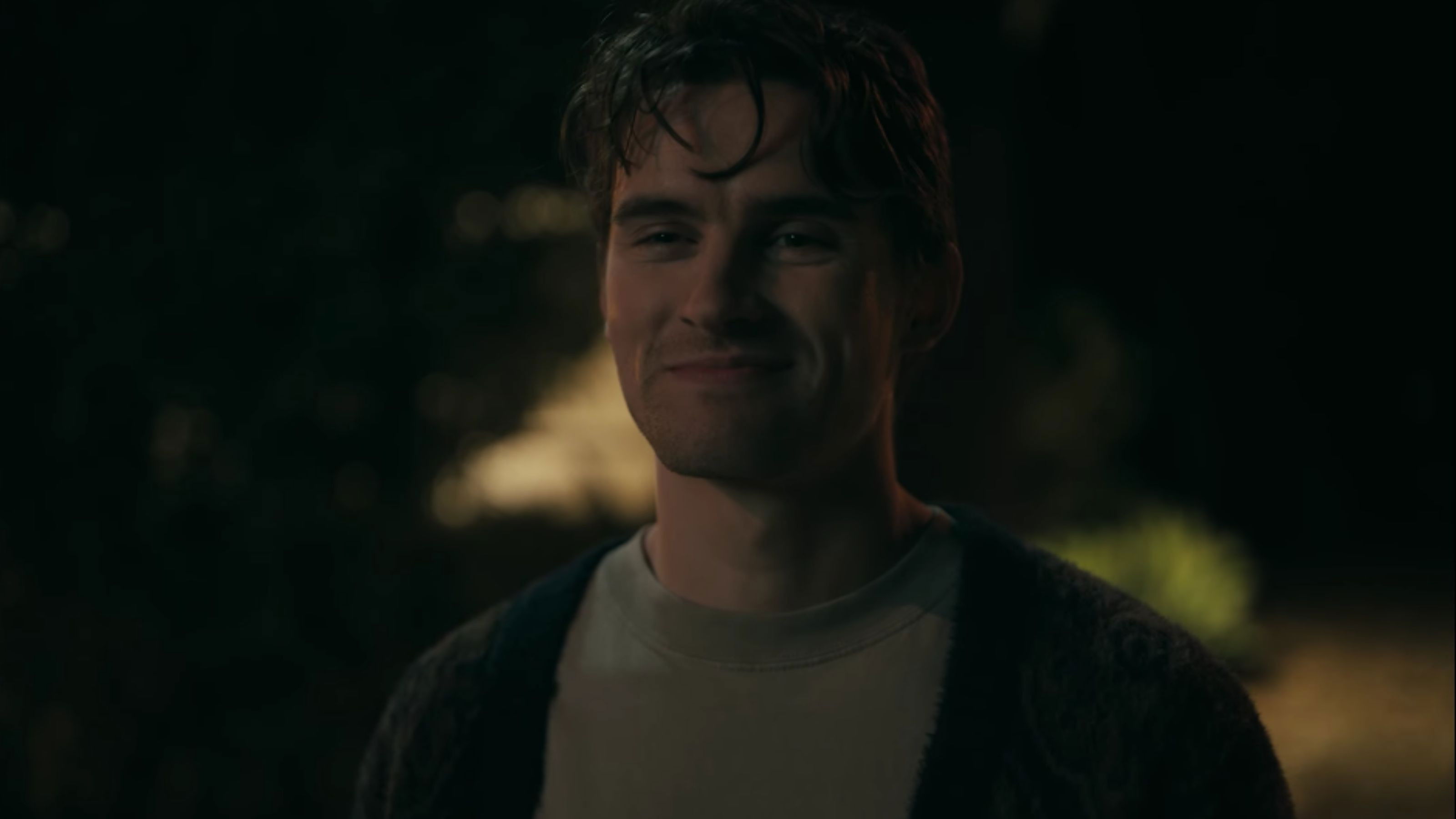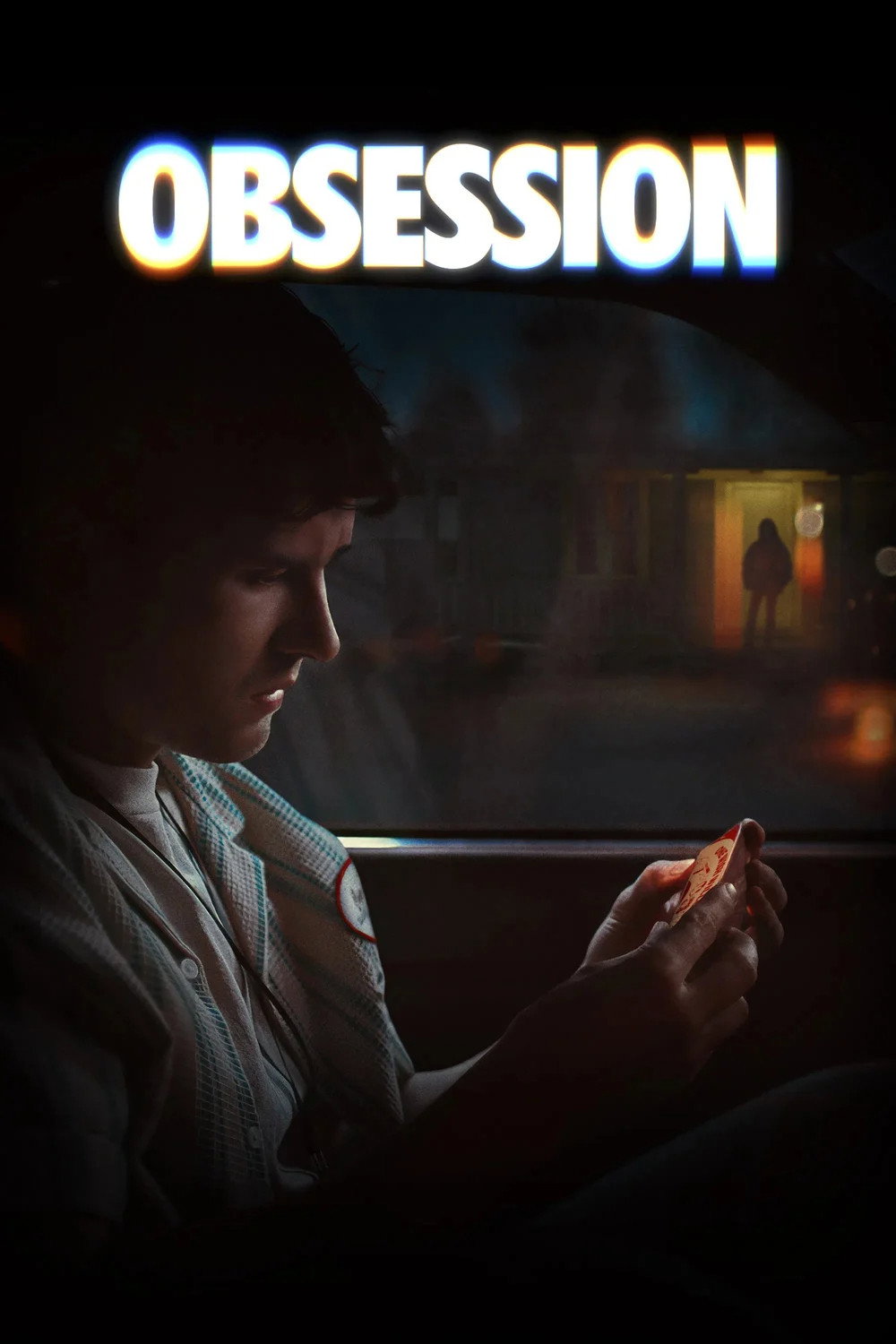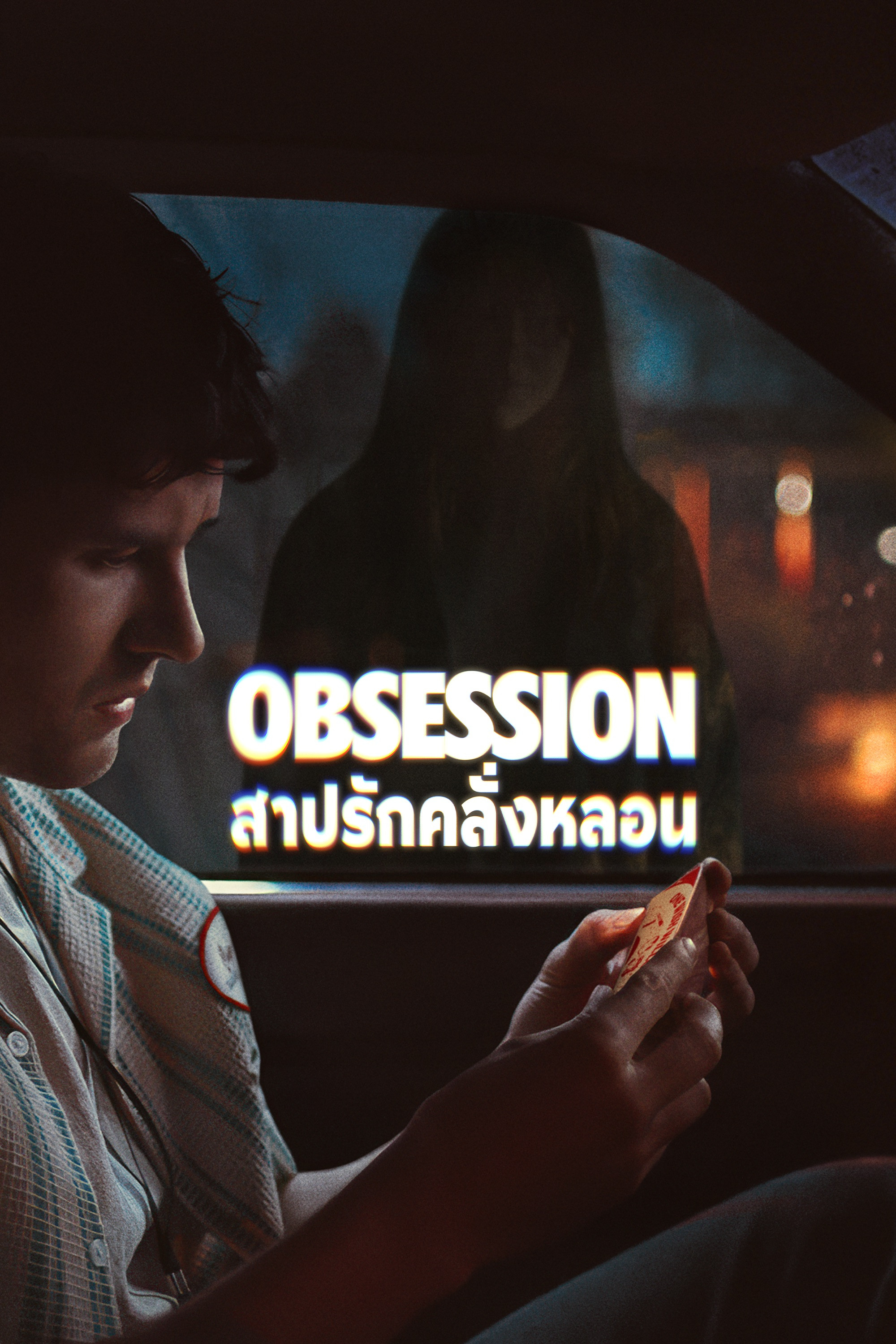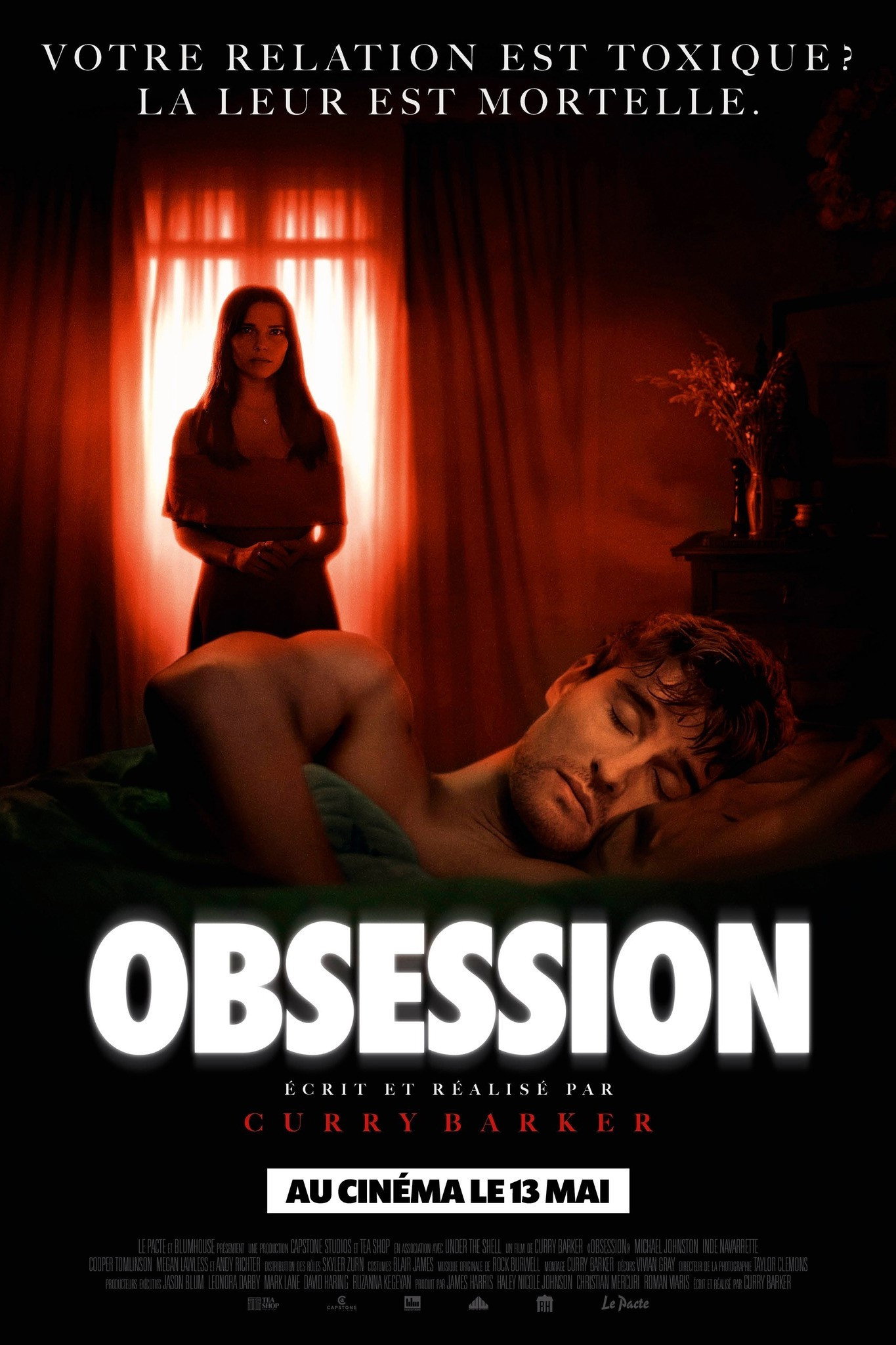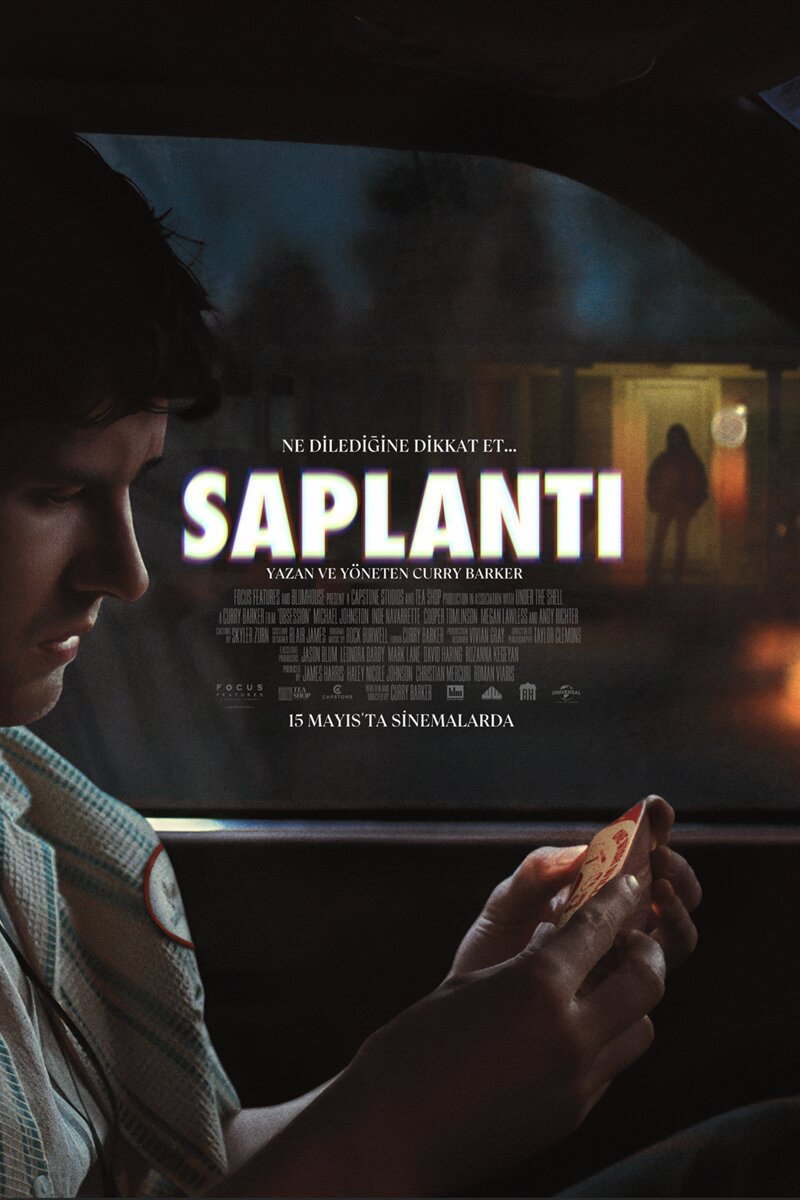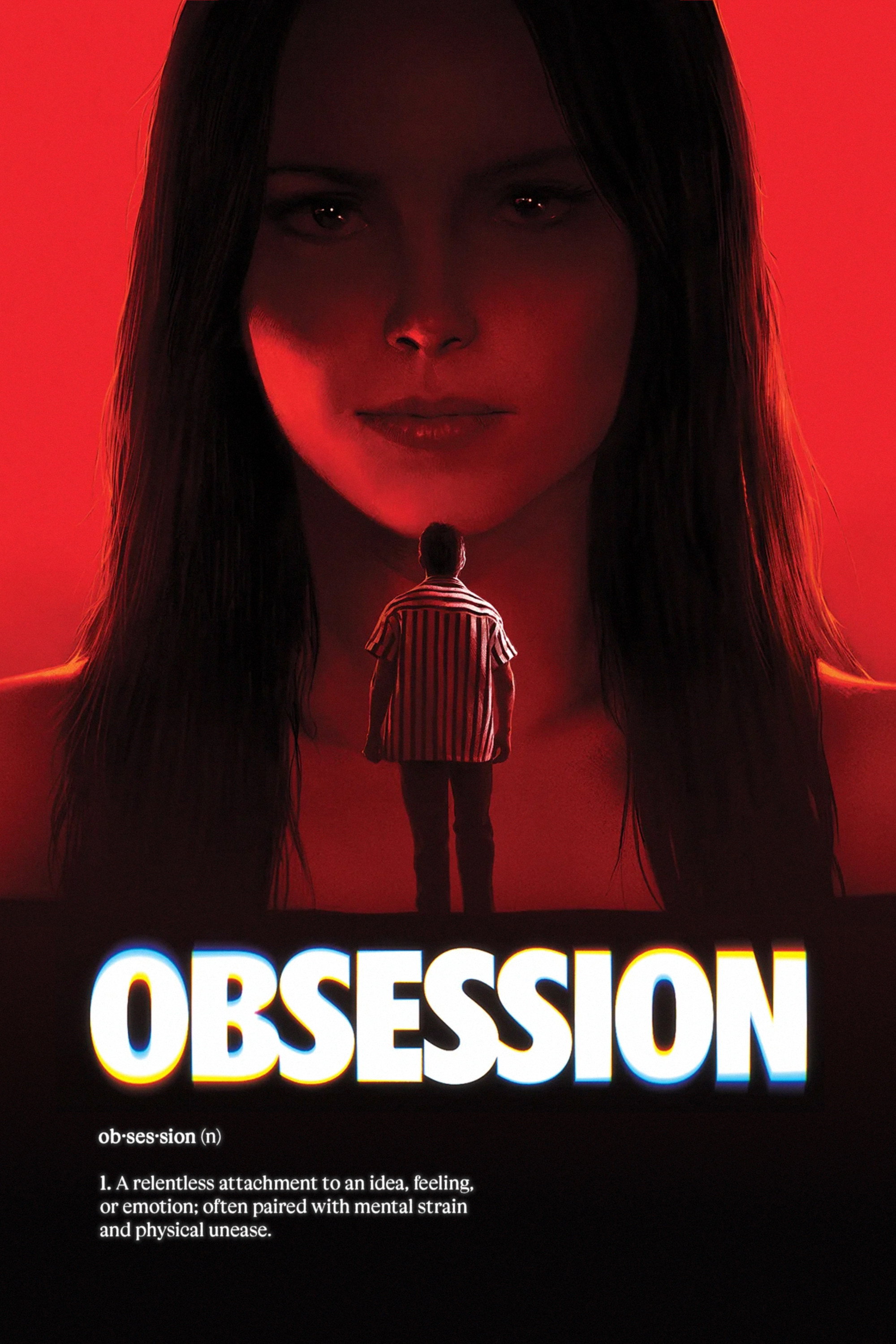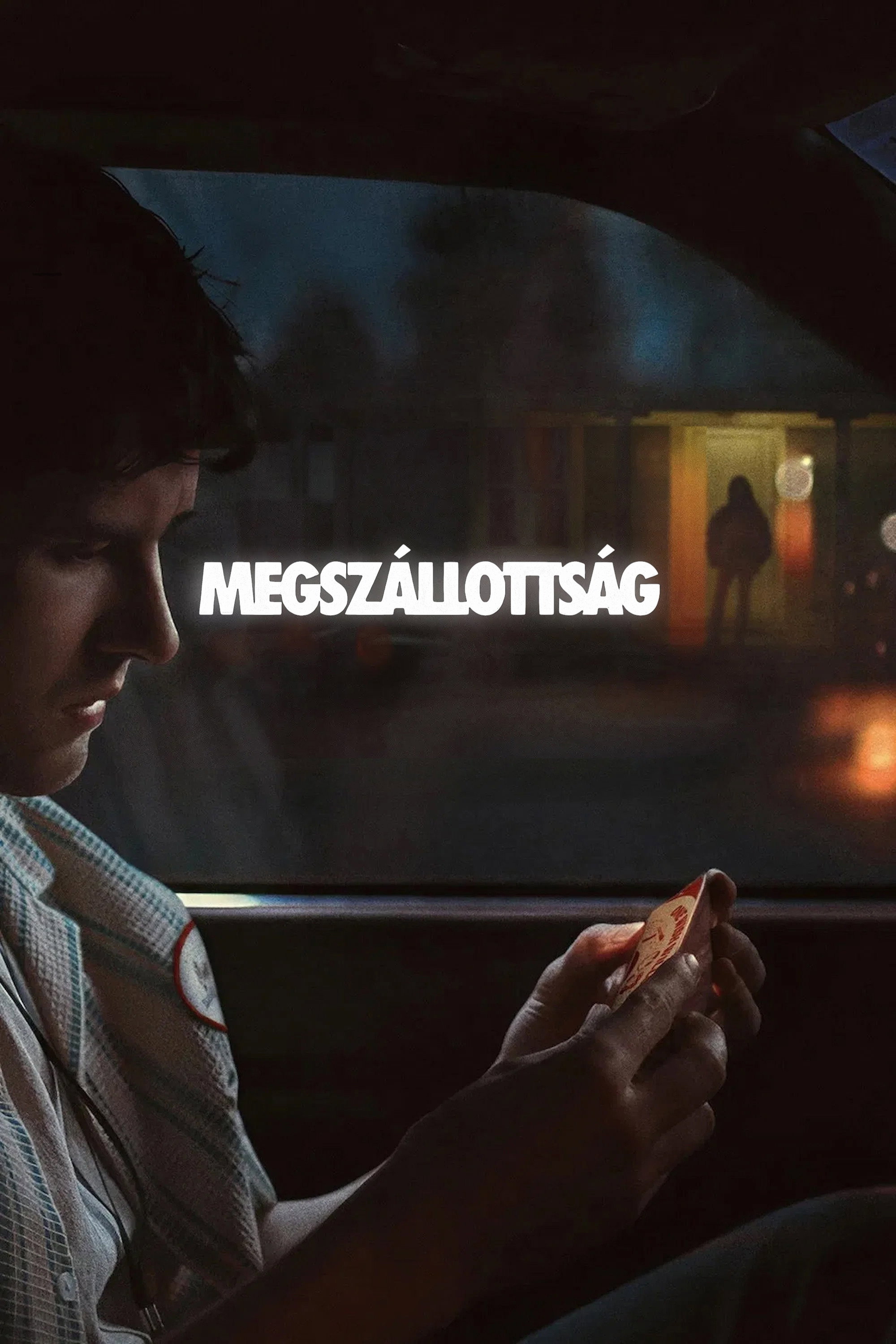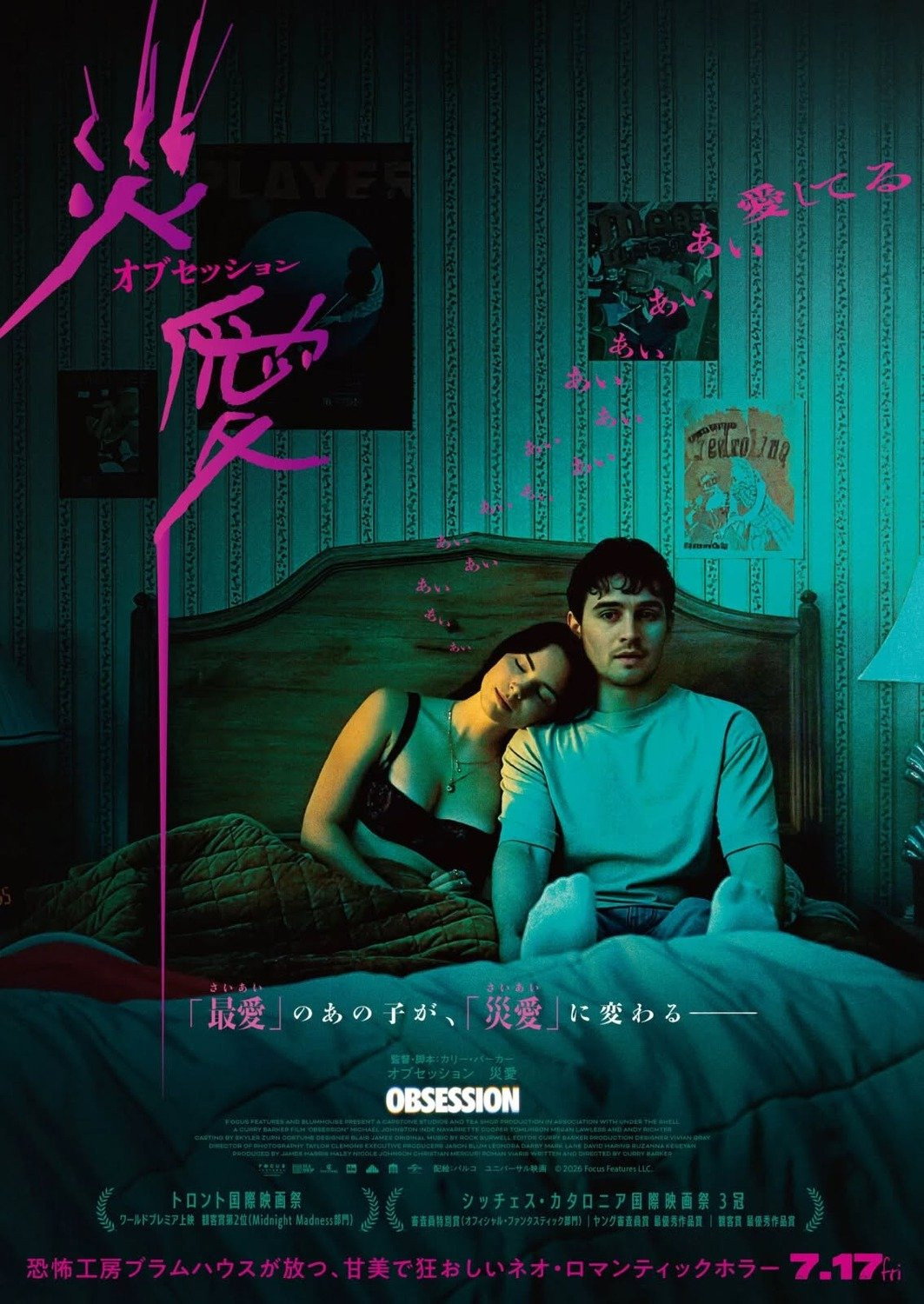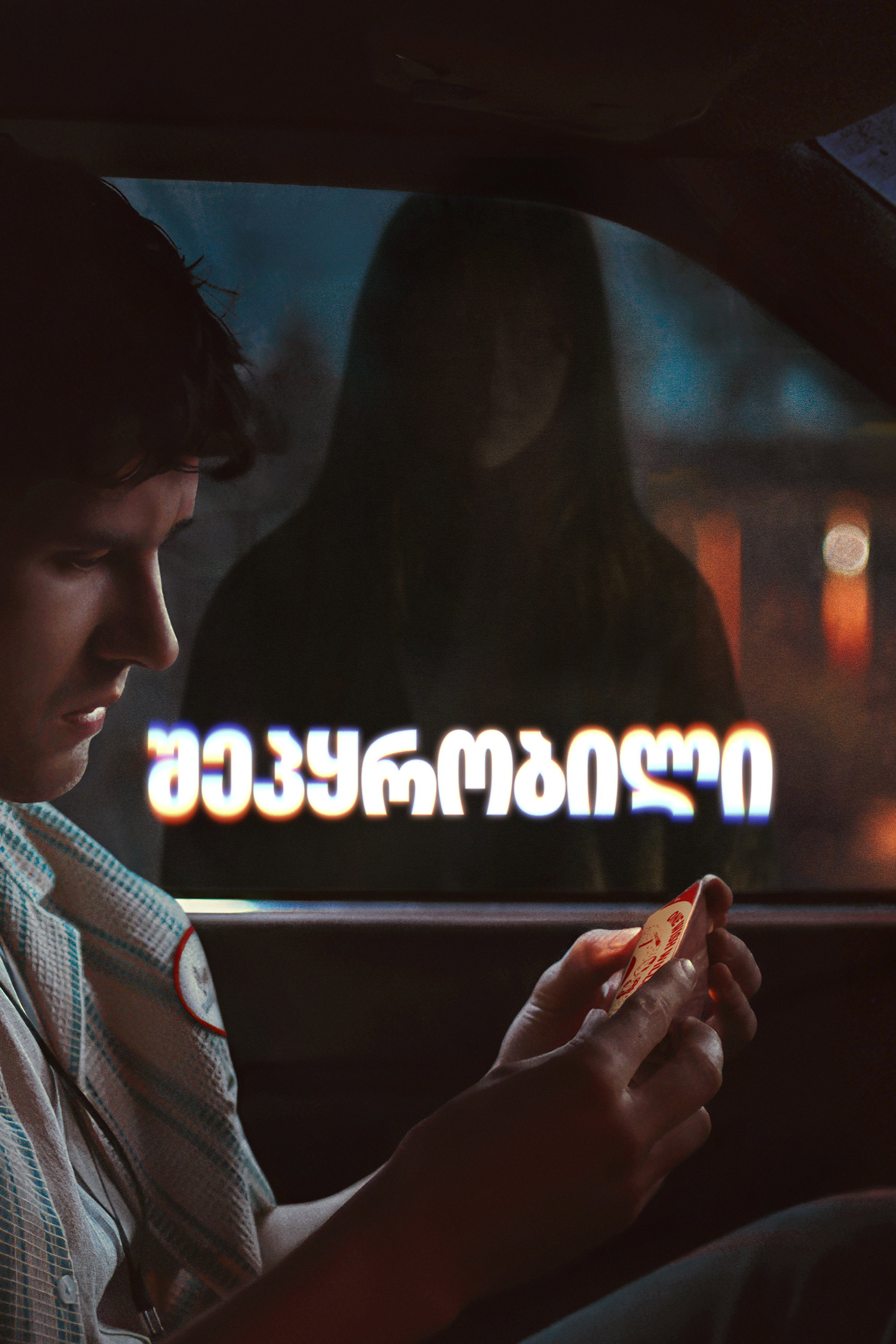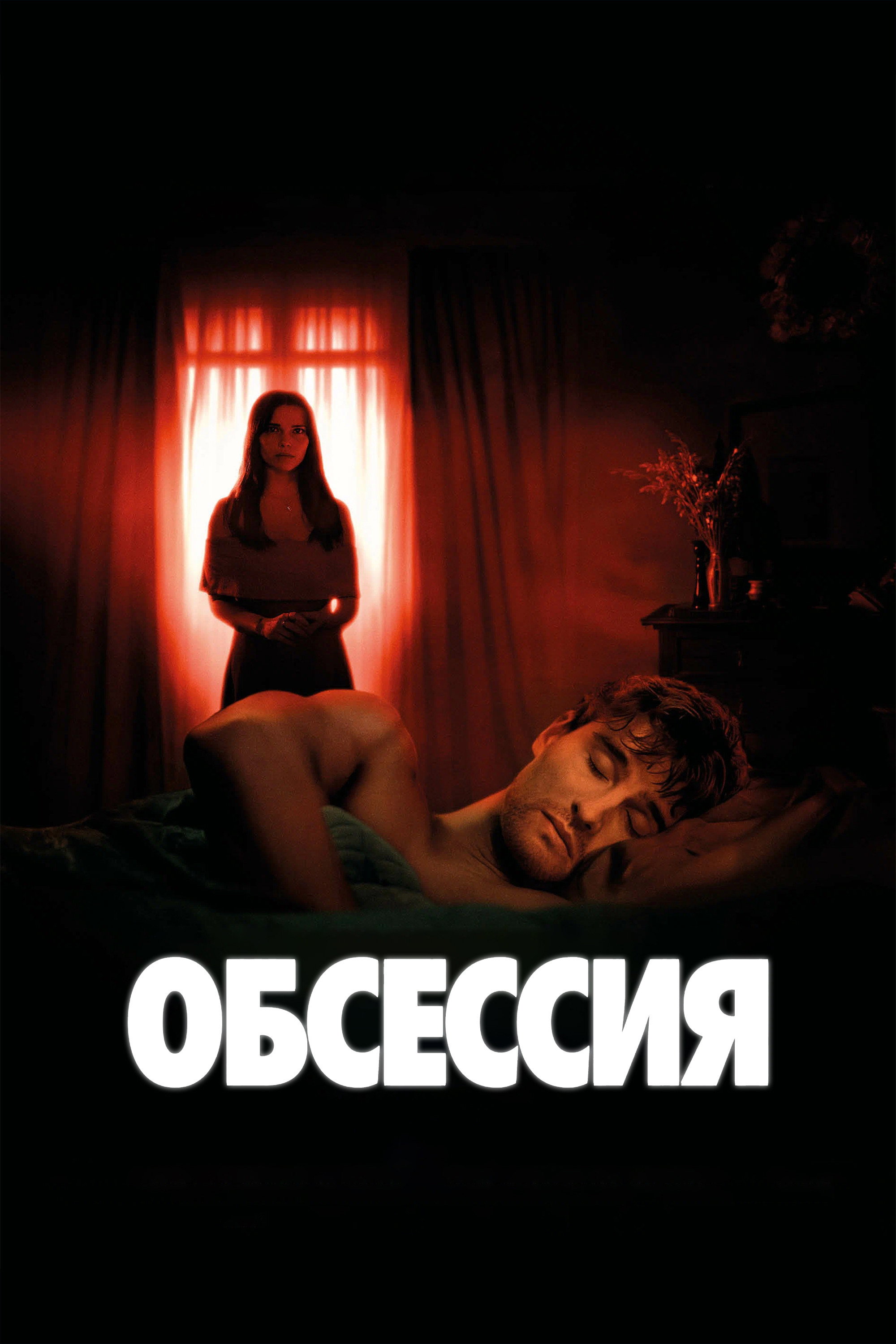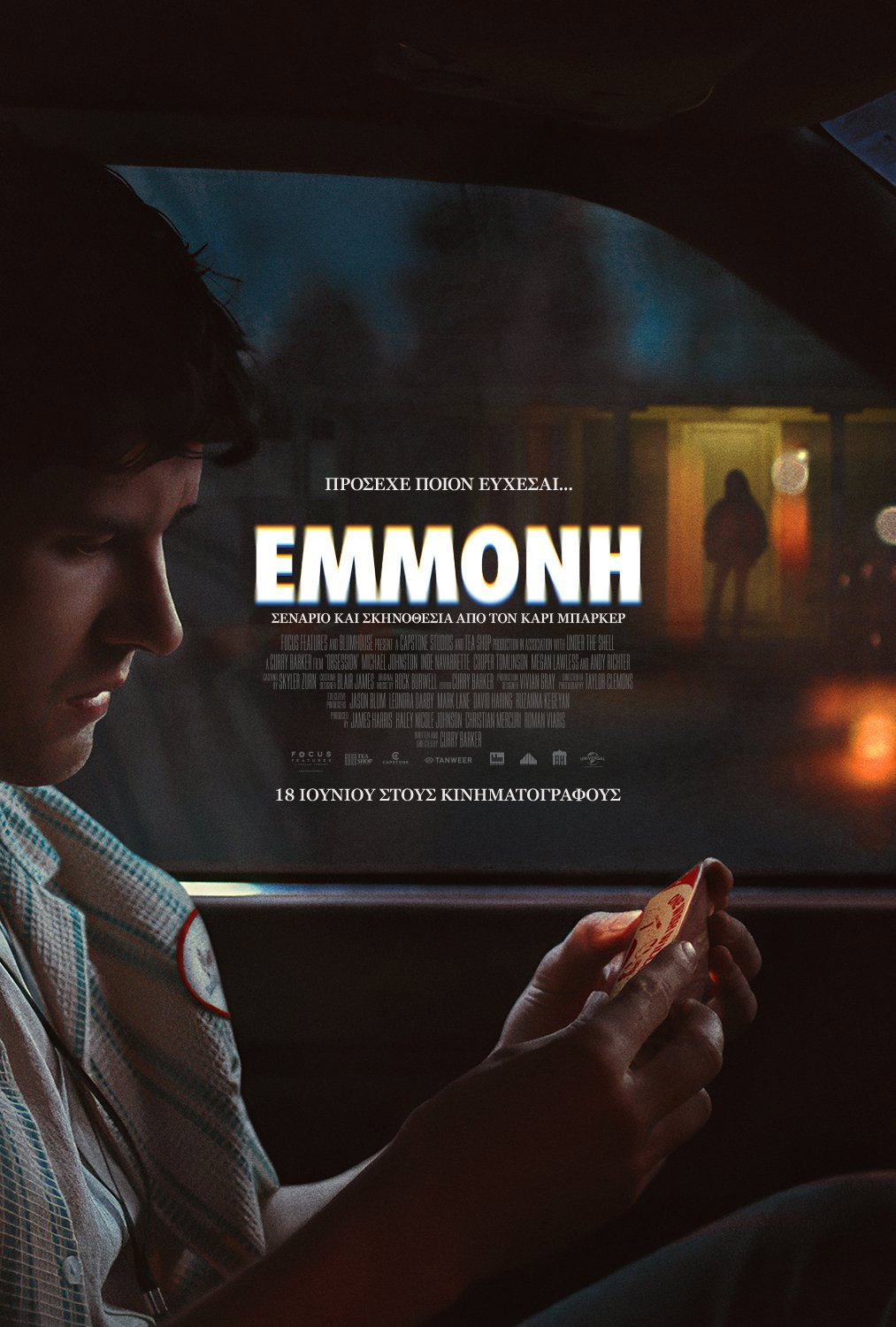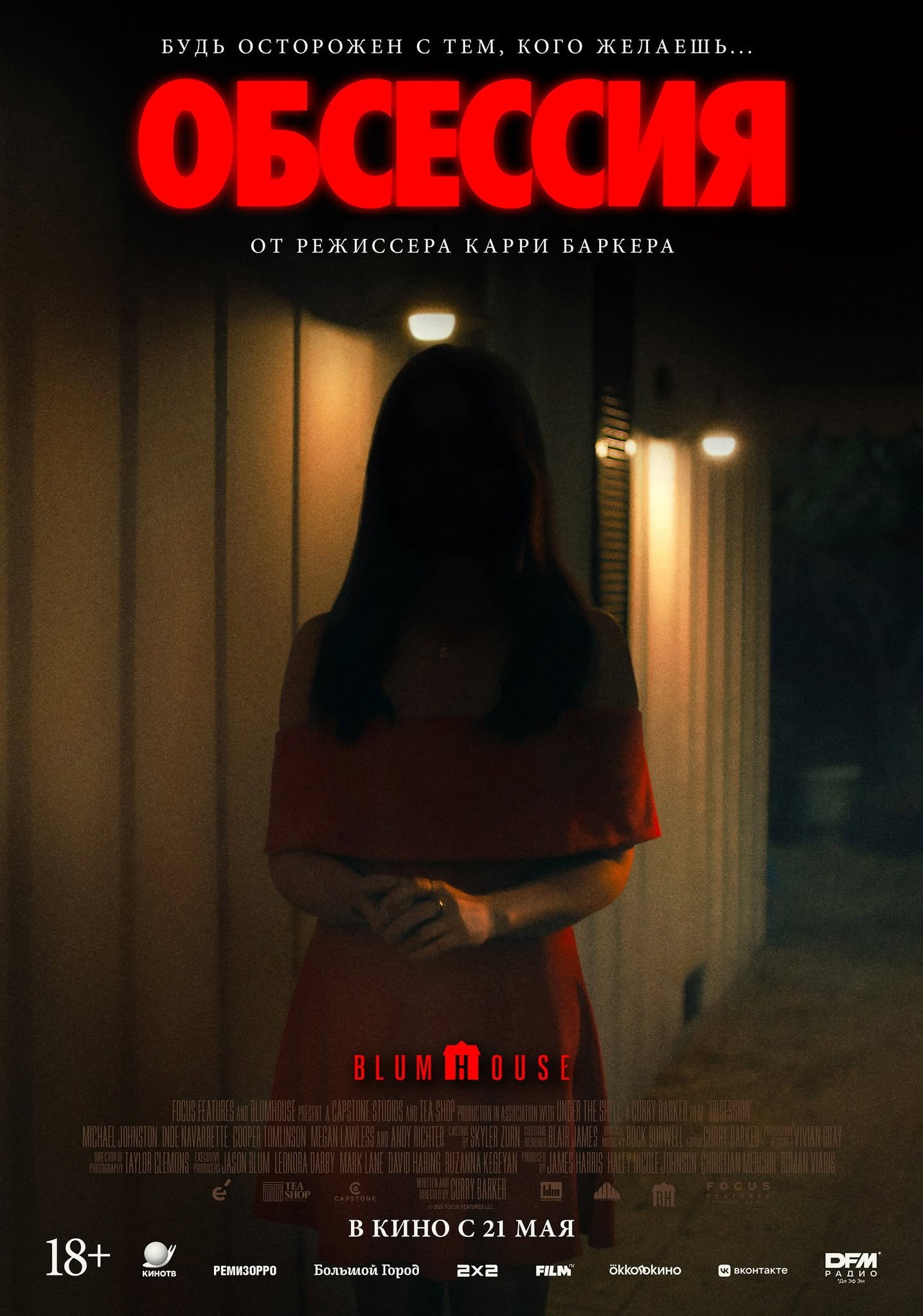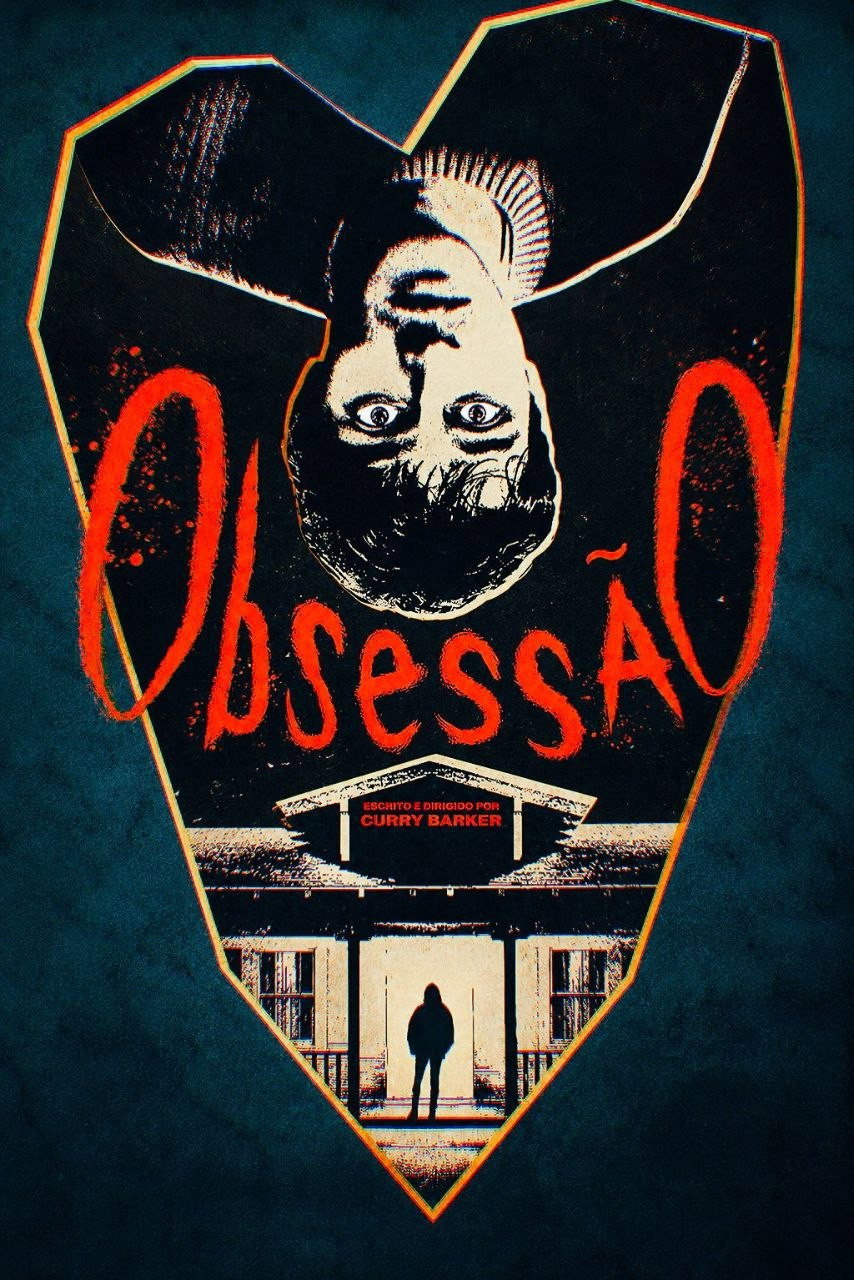
Obsession (2026)

US
HORROR FILM
8.0/10 1 votes
Runtime
109 min
Release
May 15, 2026
Budget
$1,000,000
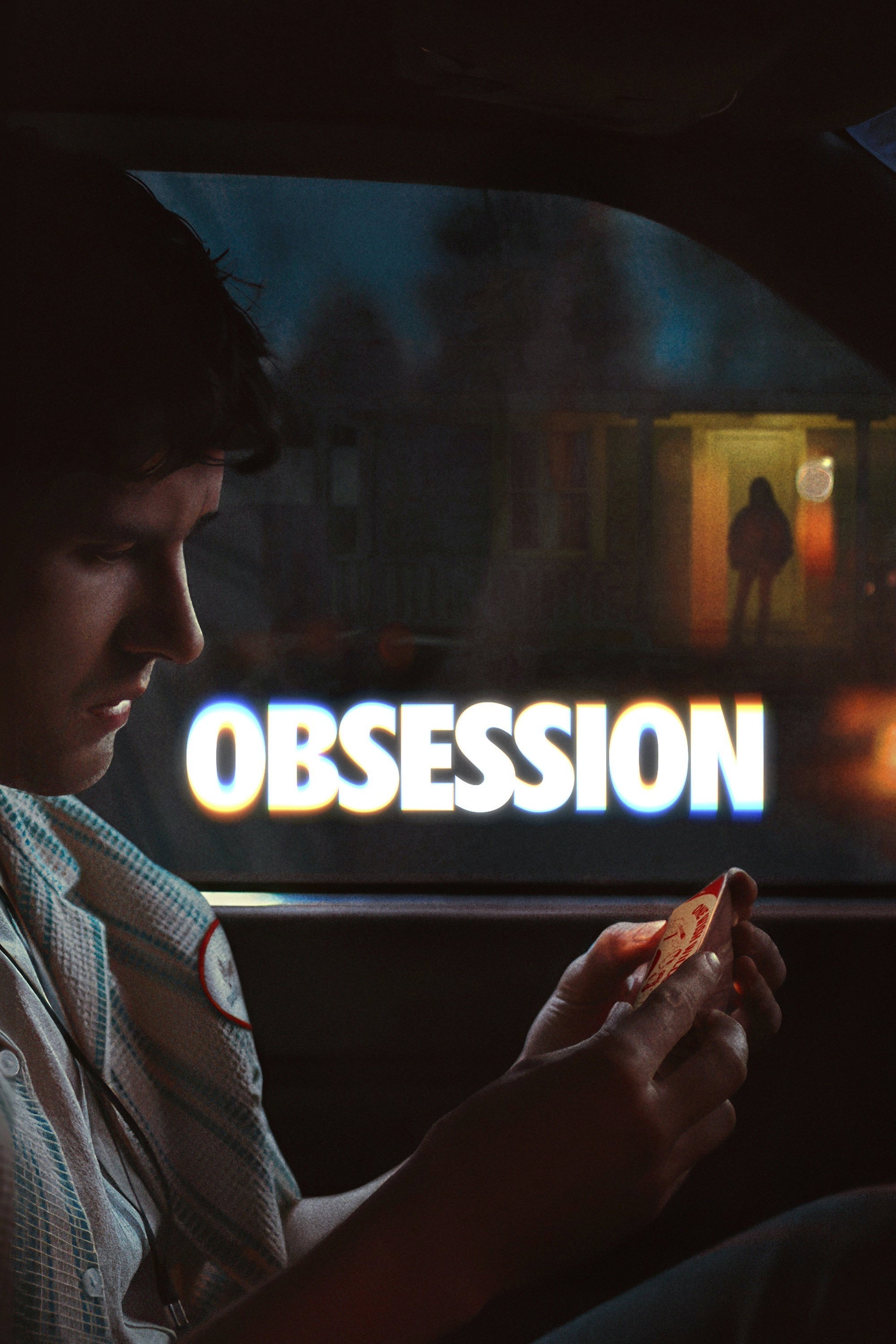
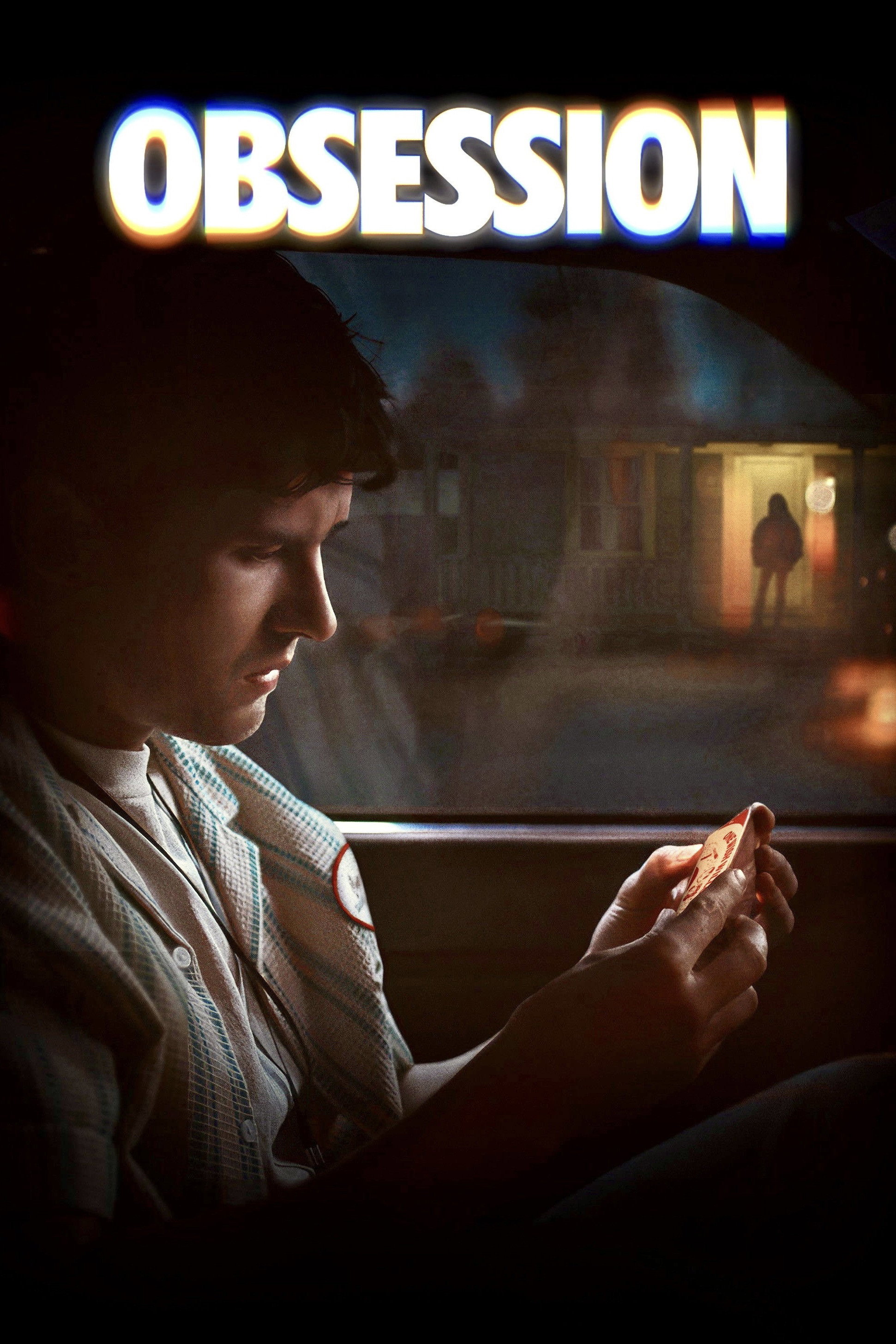
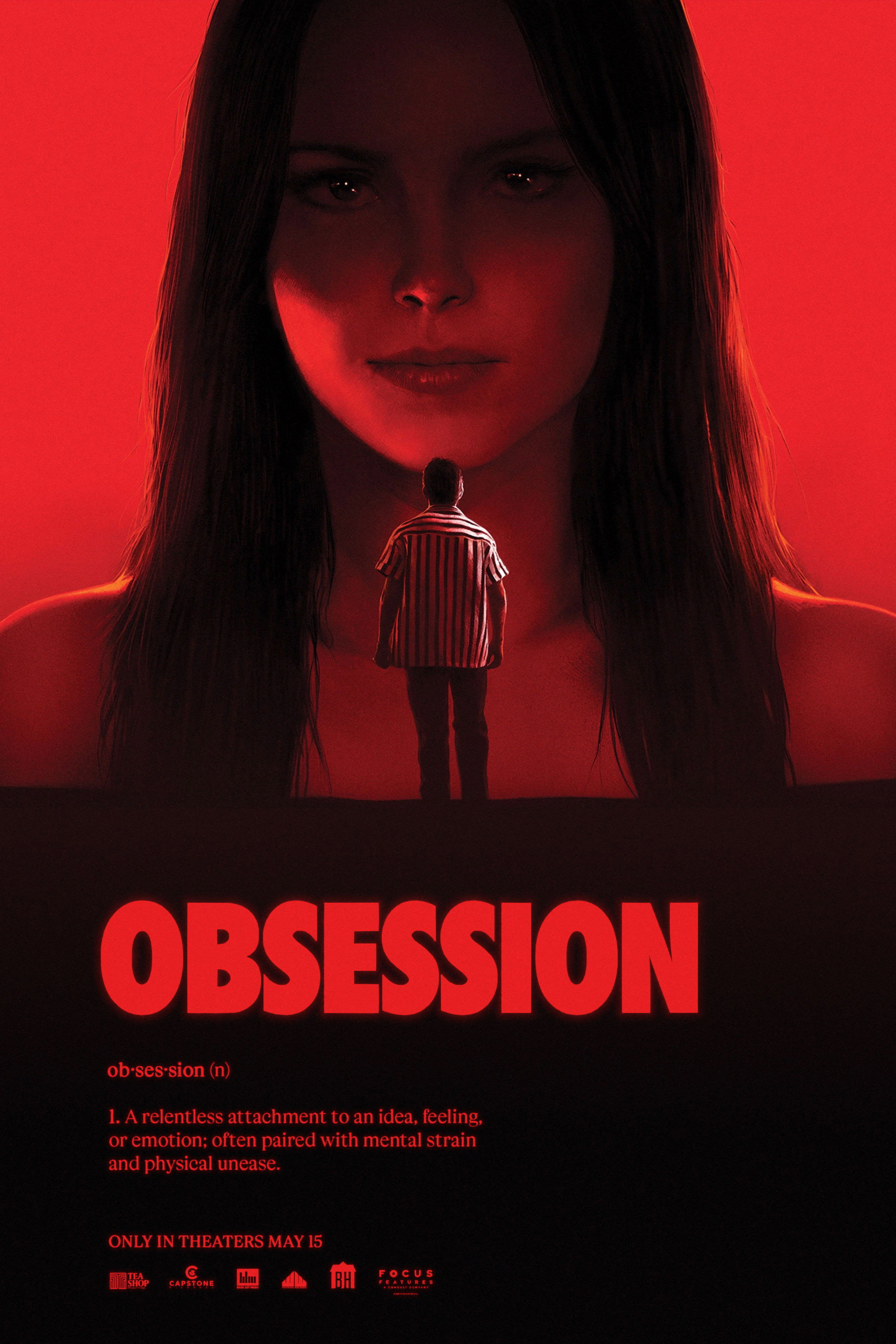
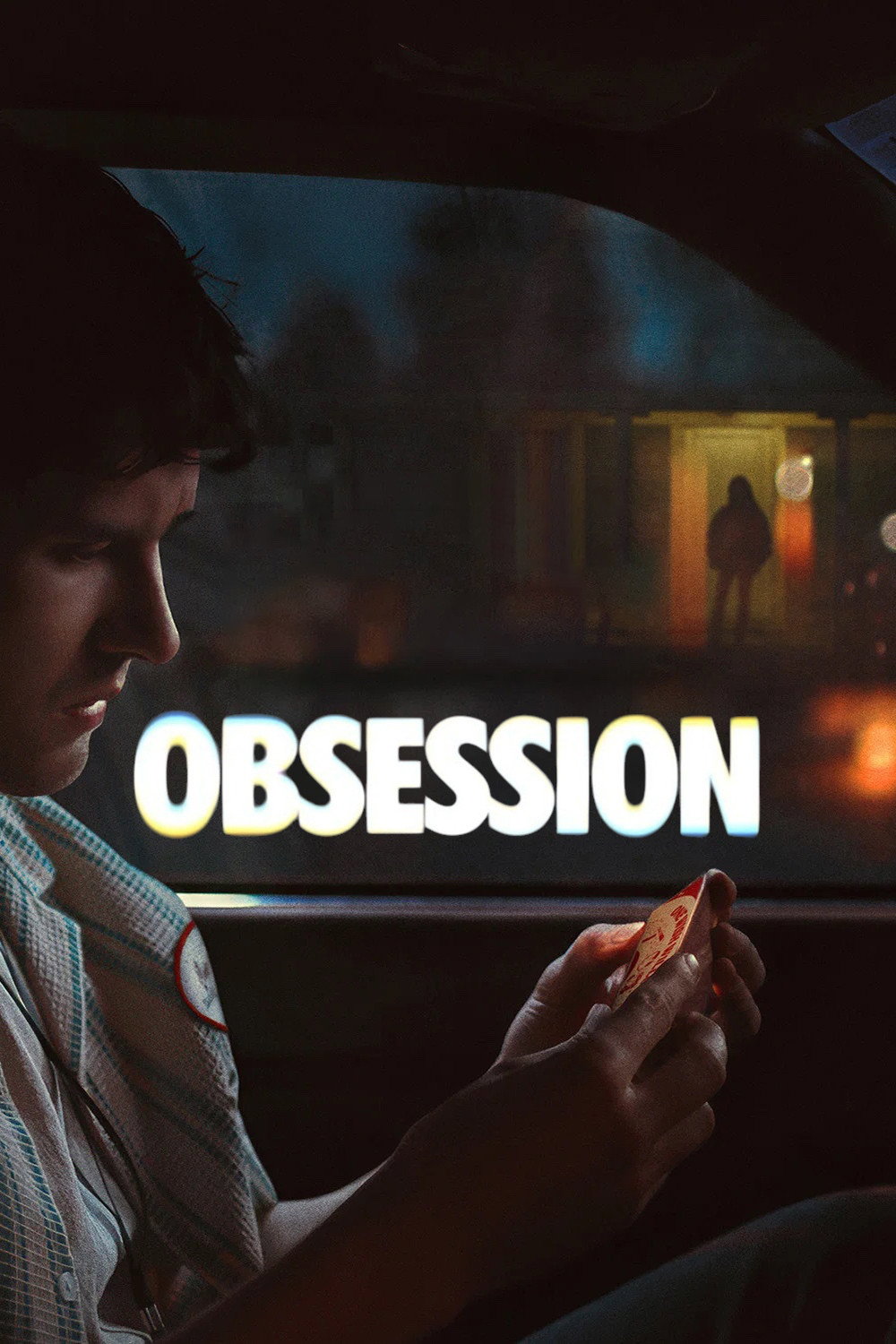
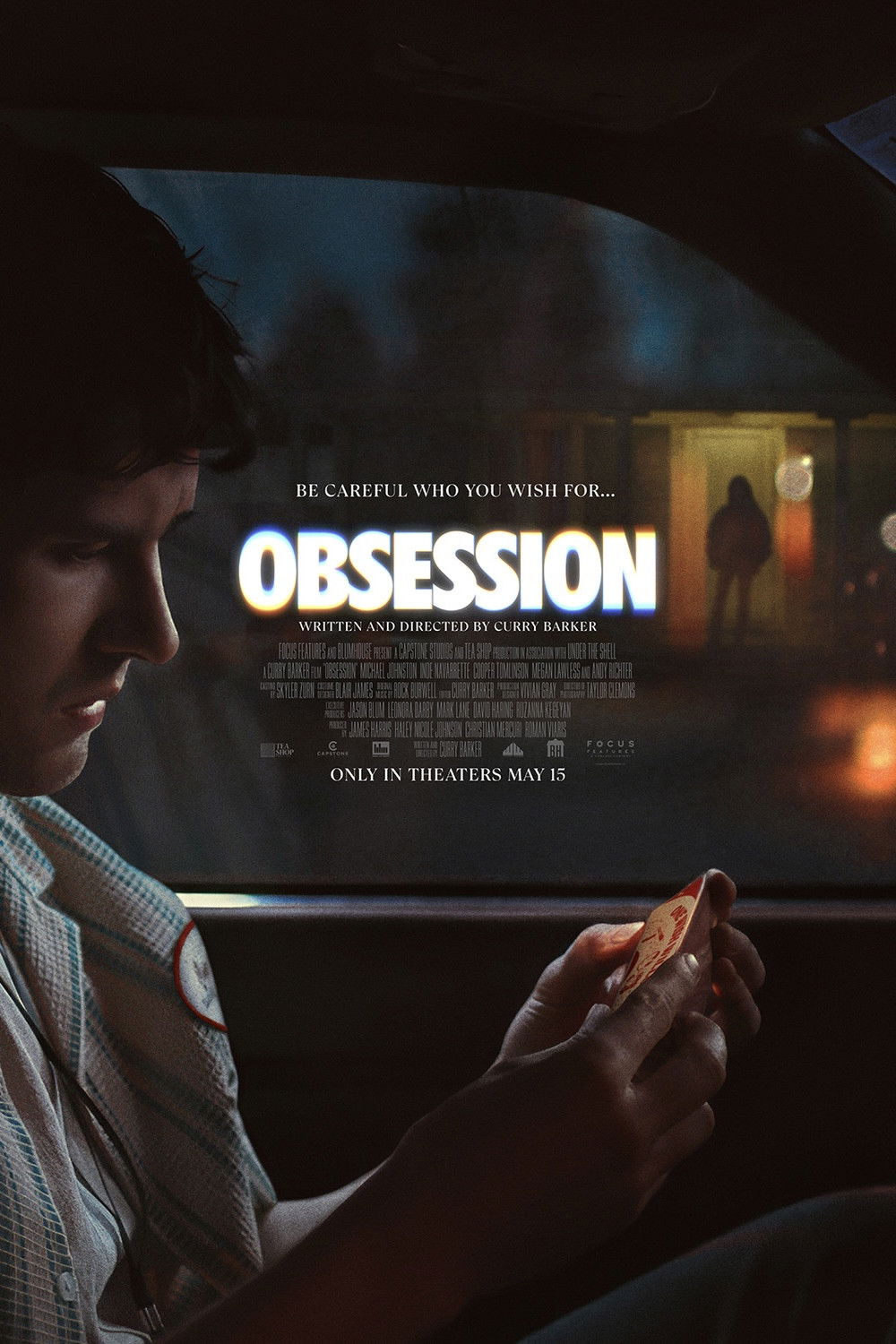
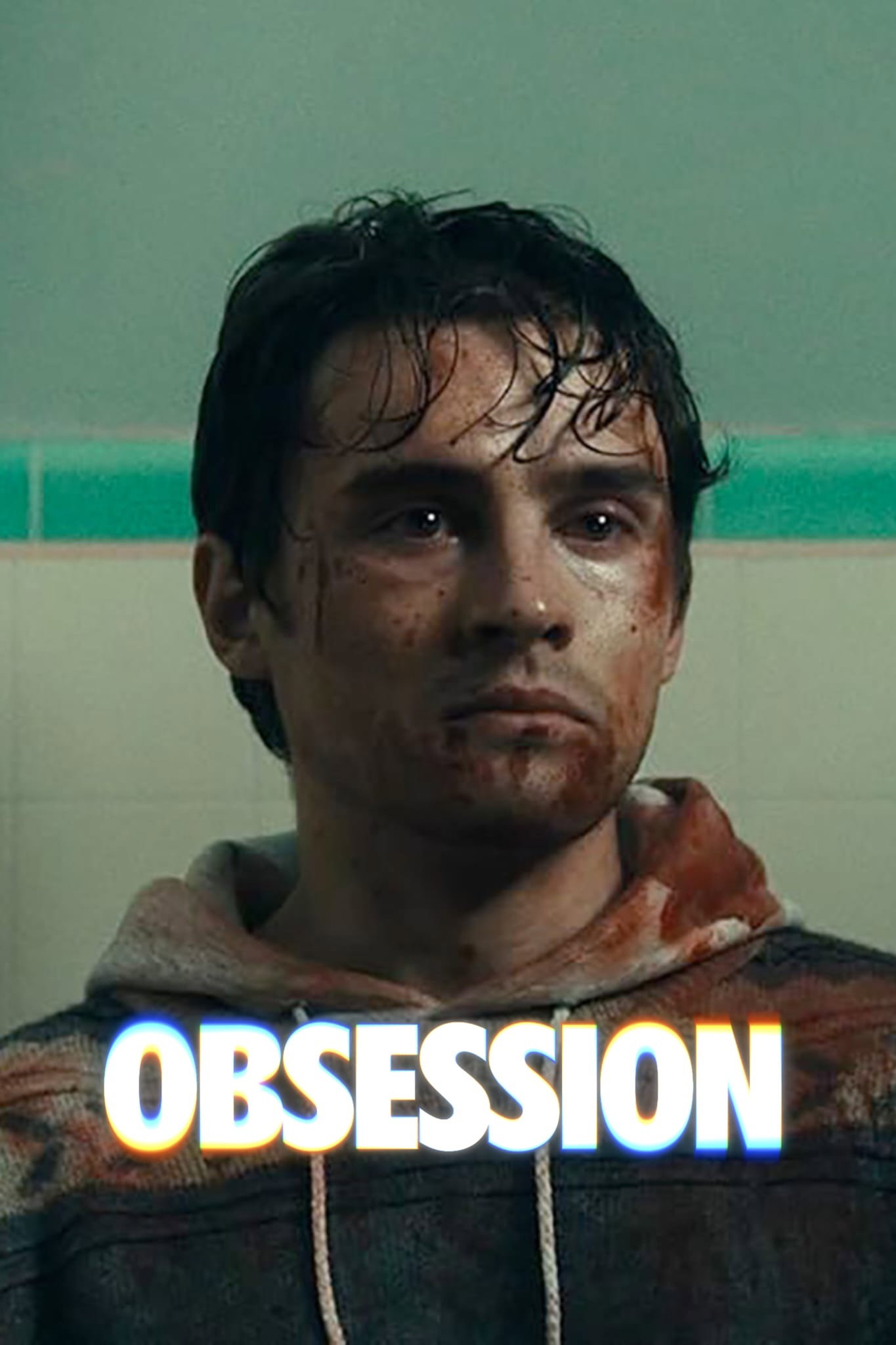
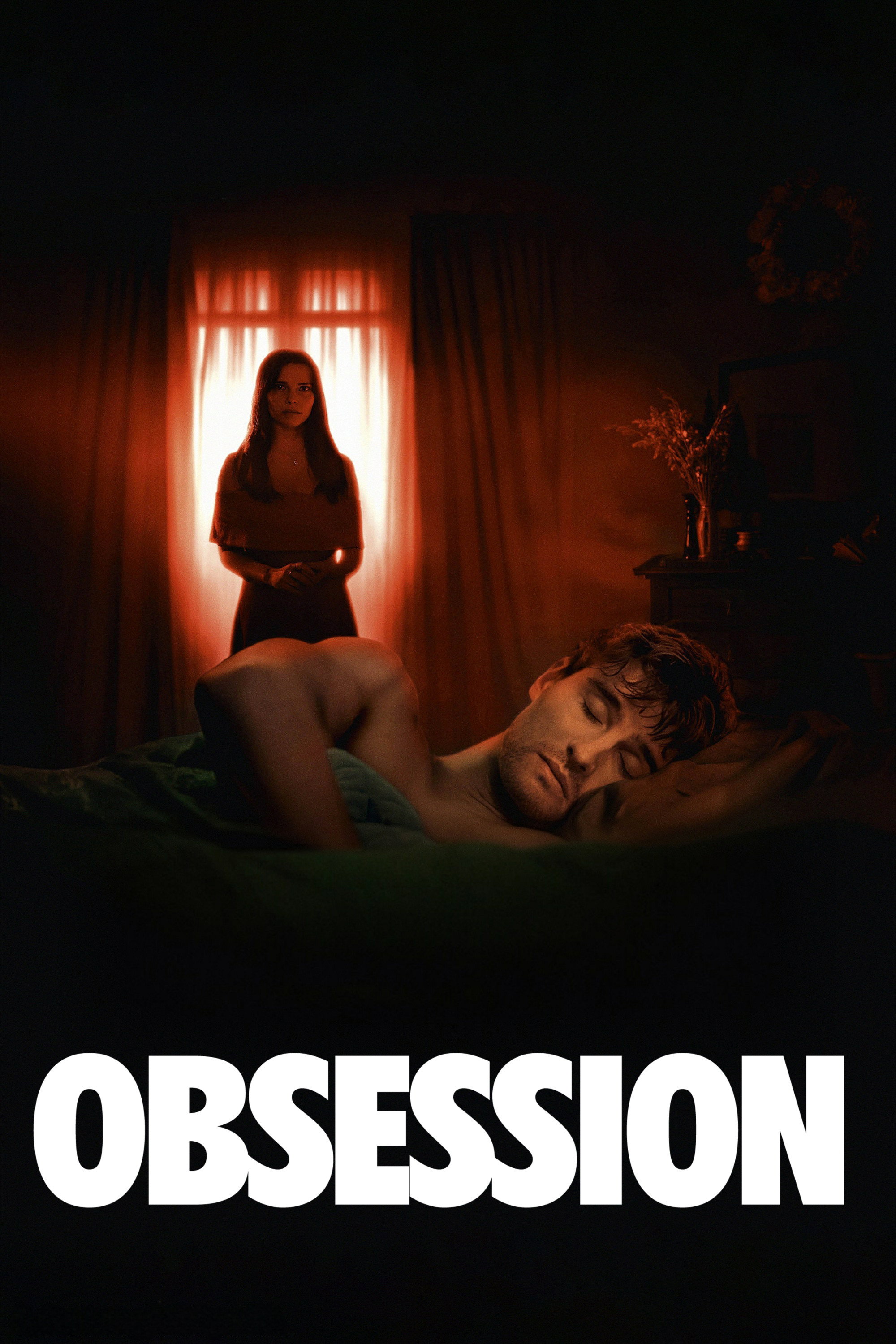
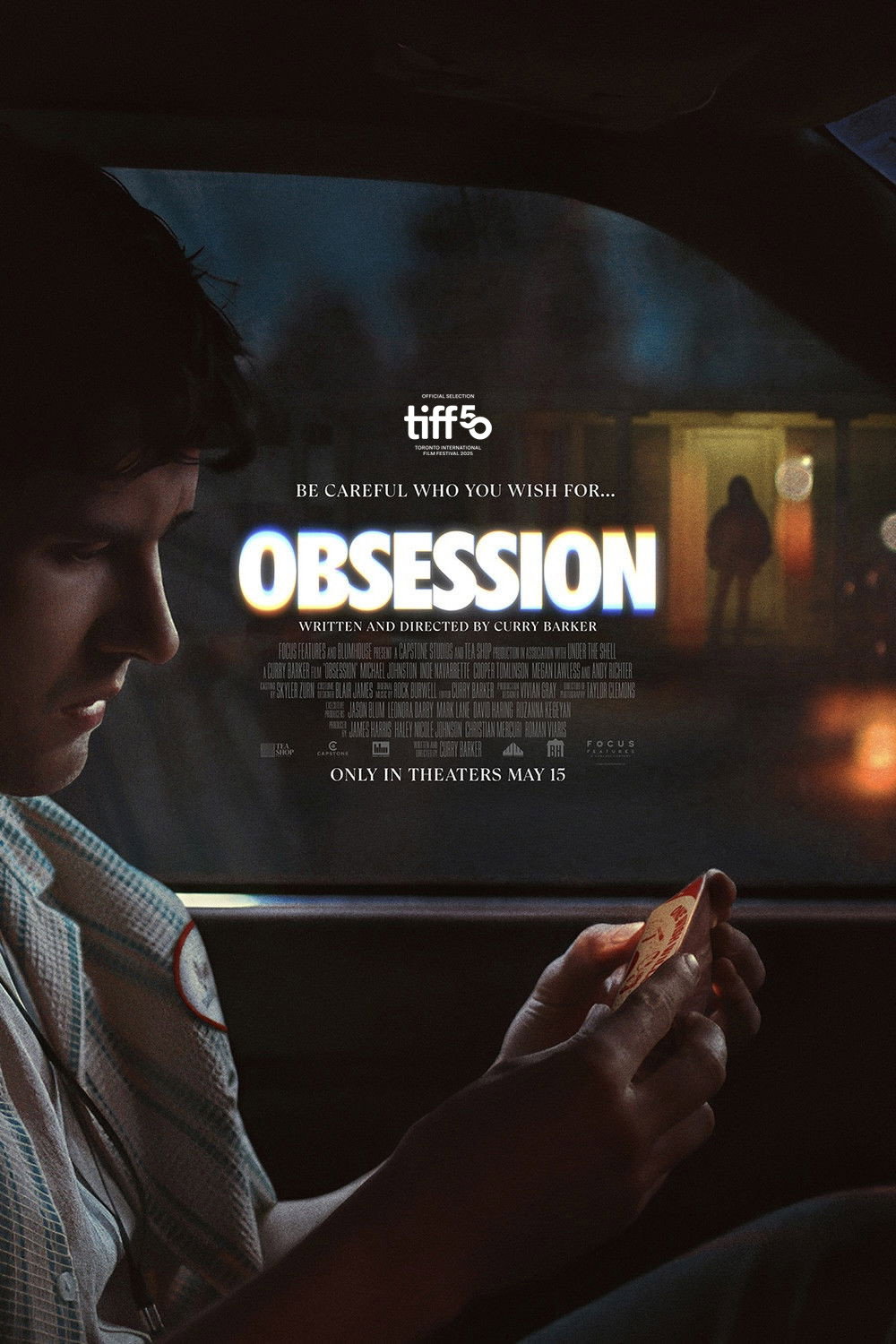
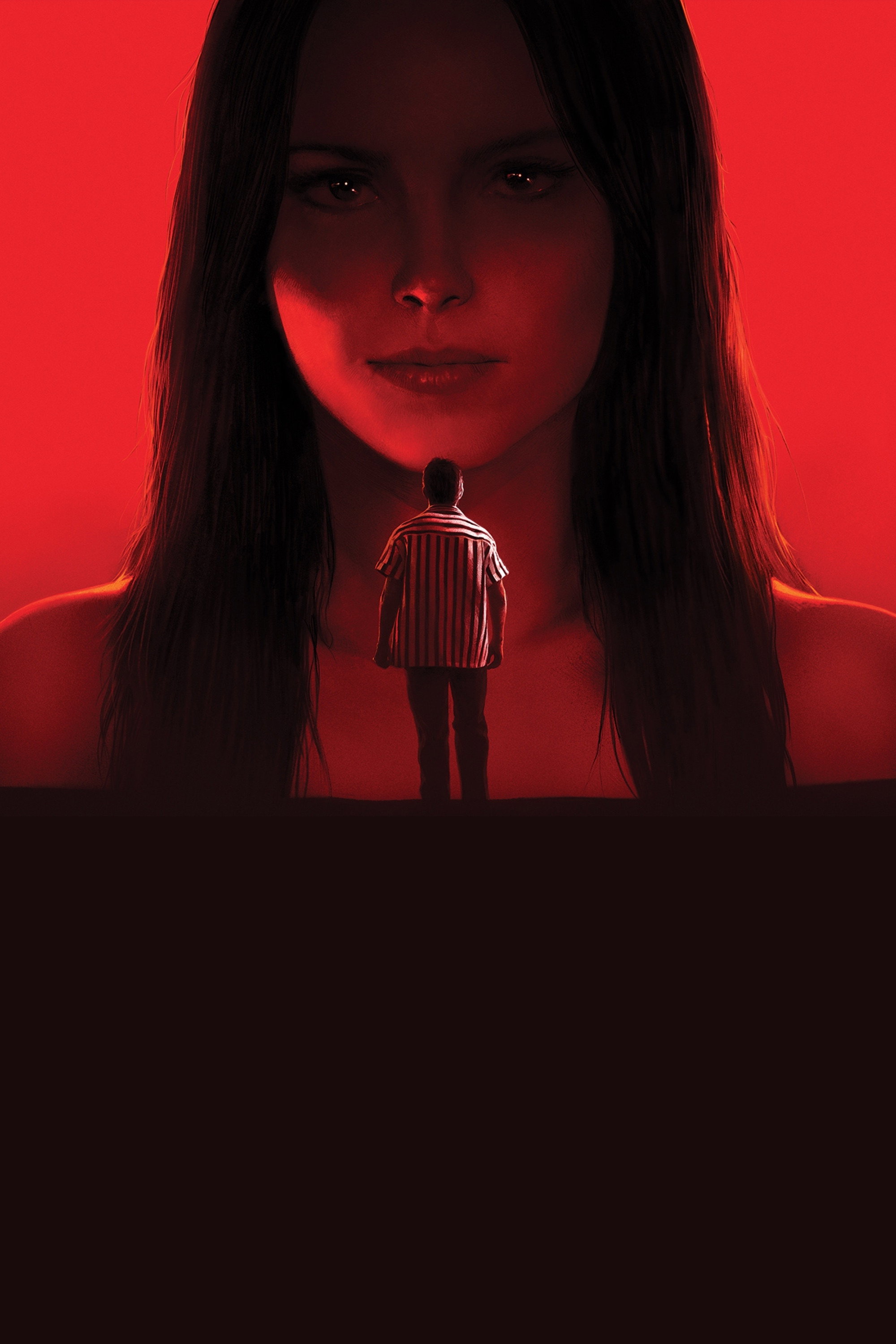
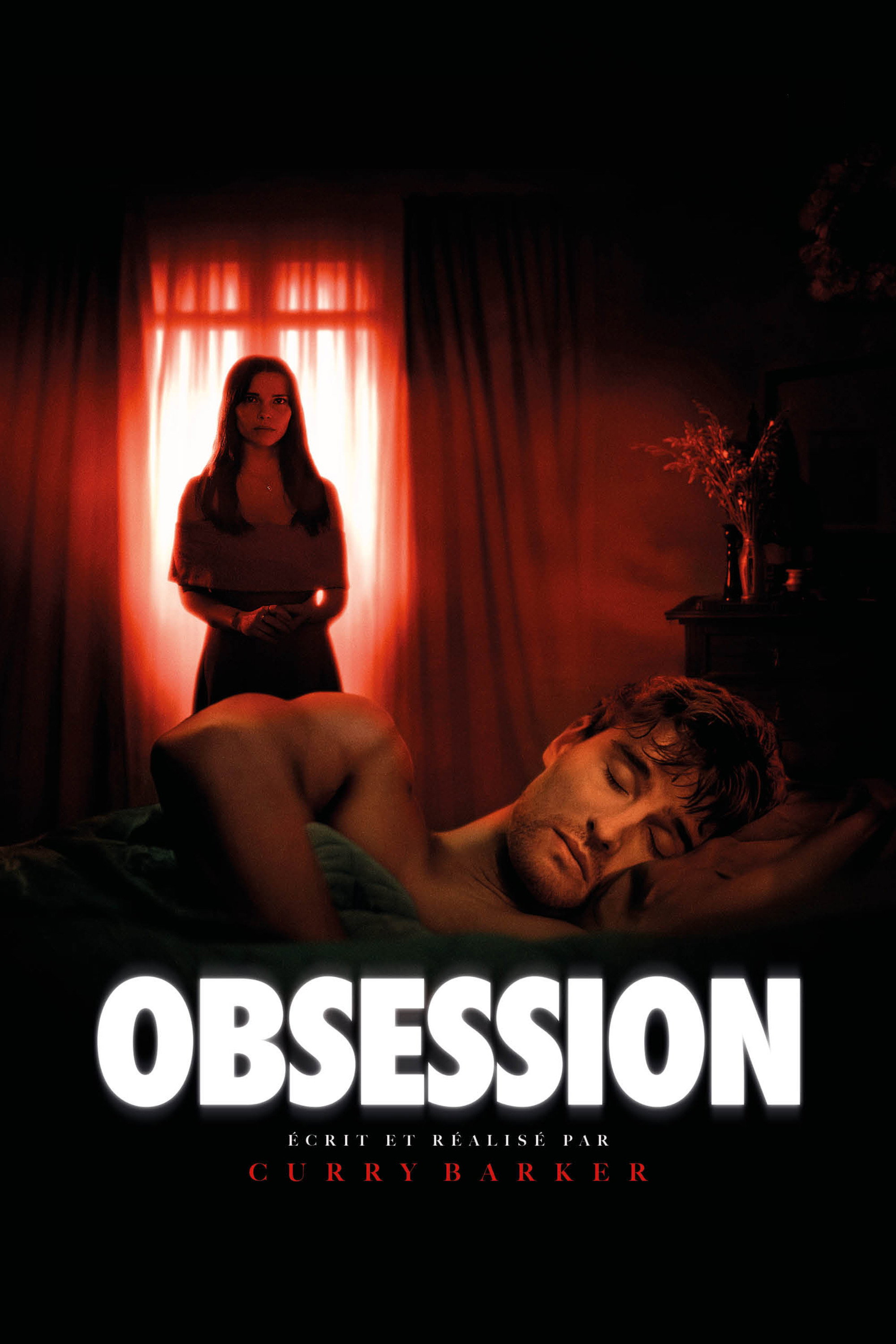
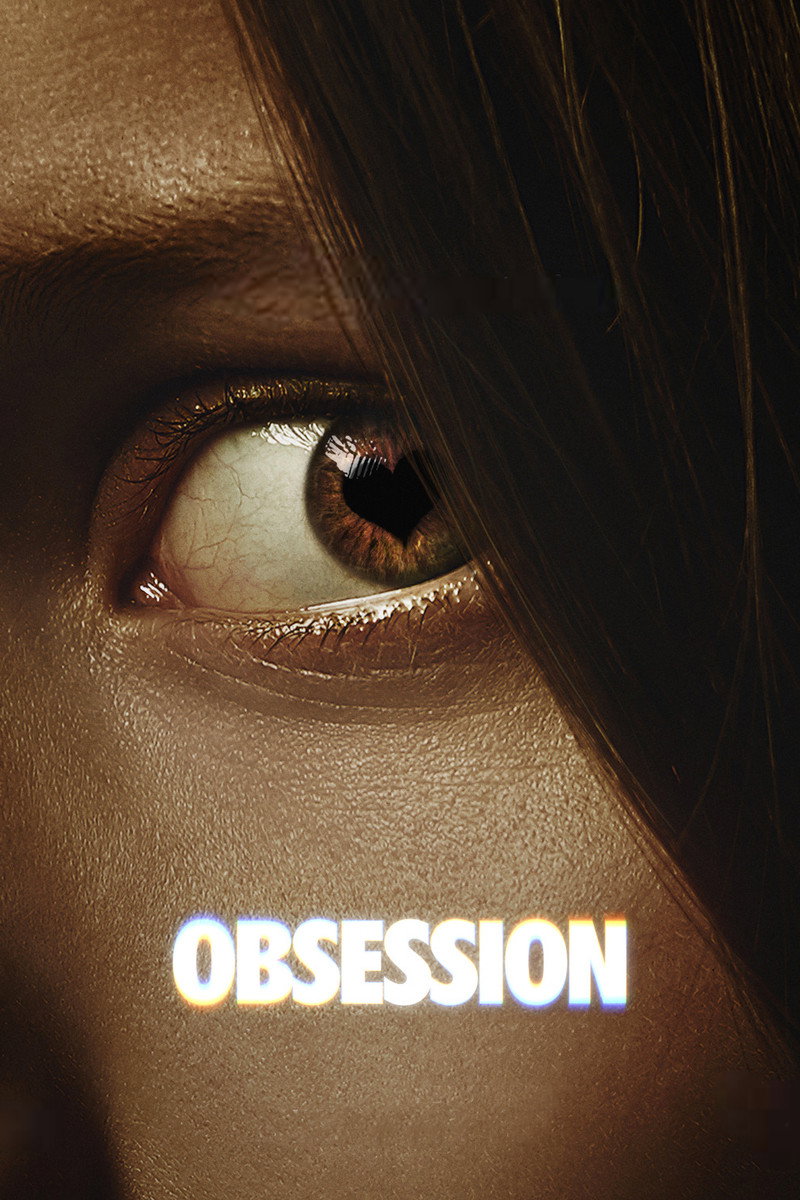
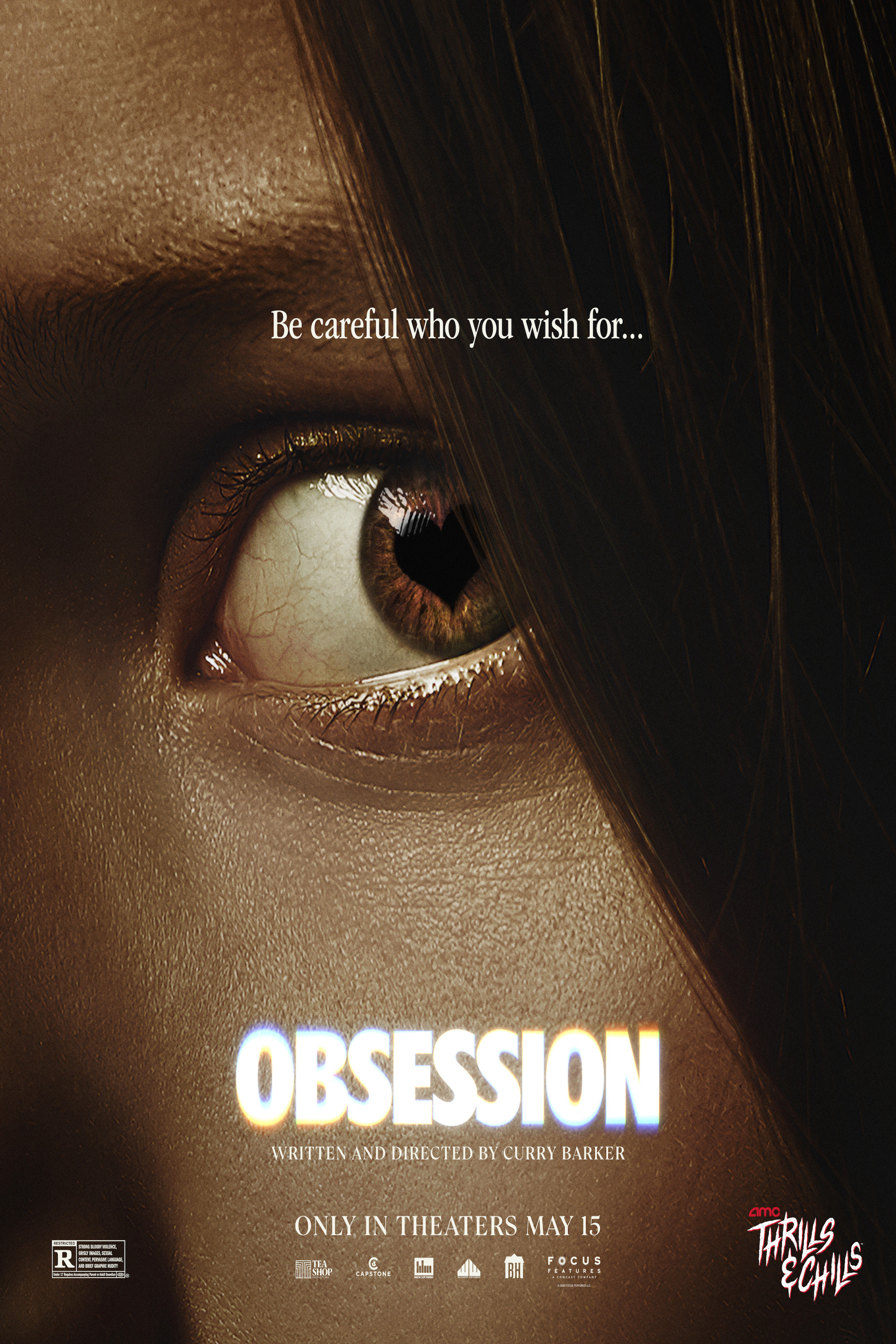
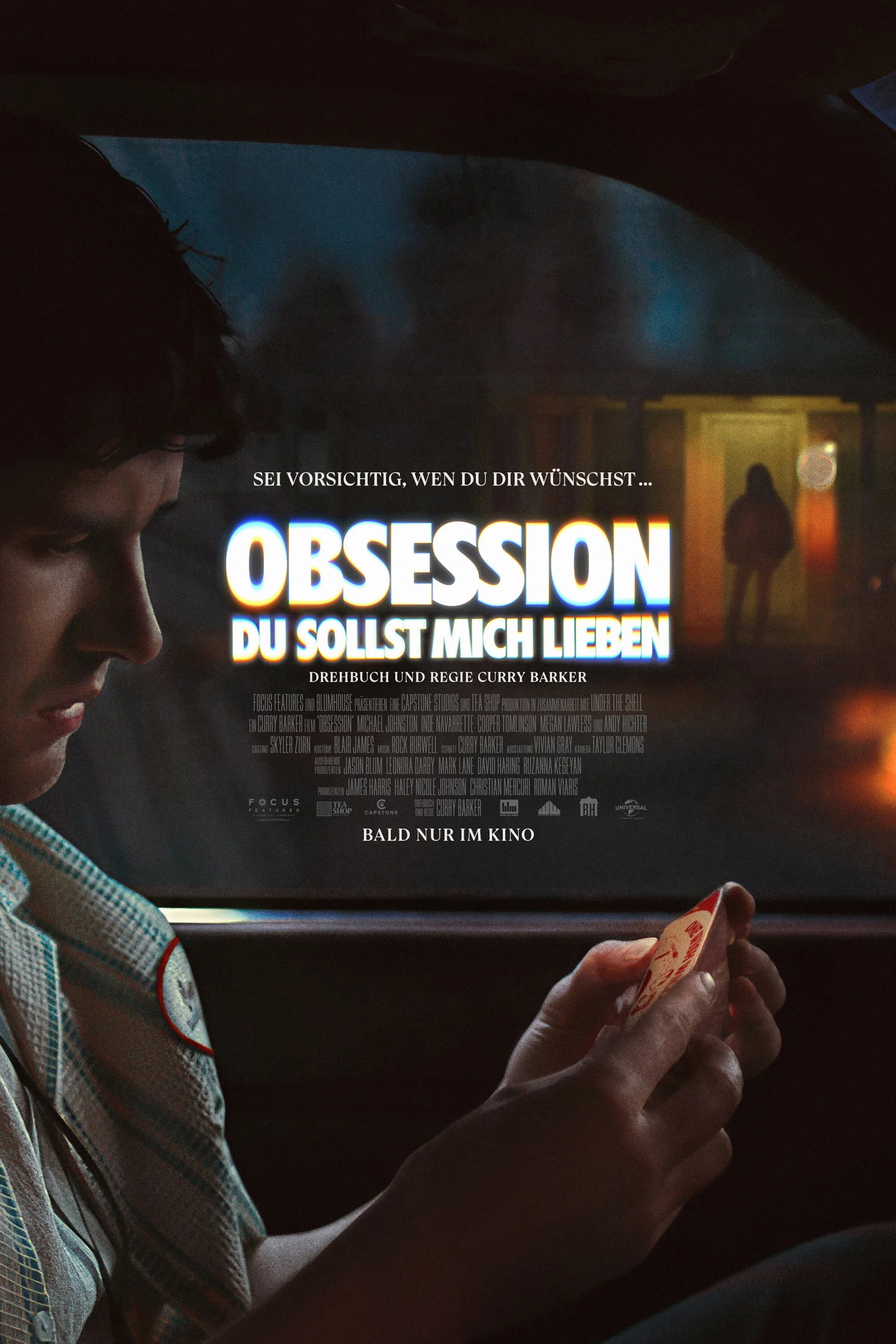
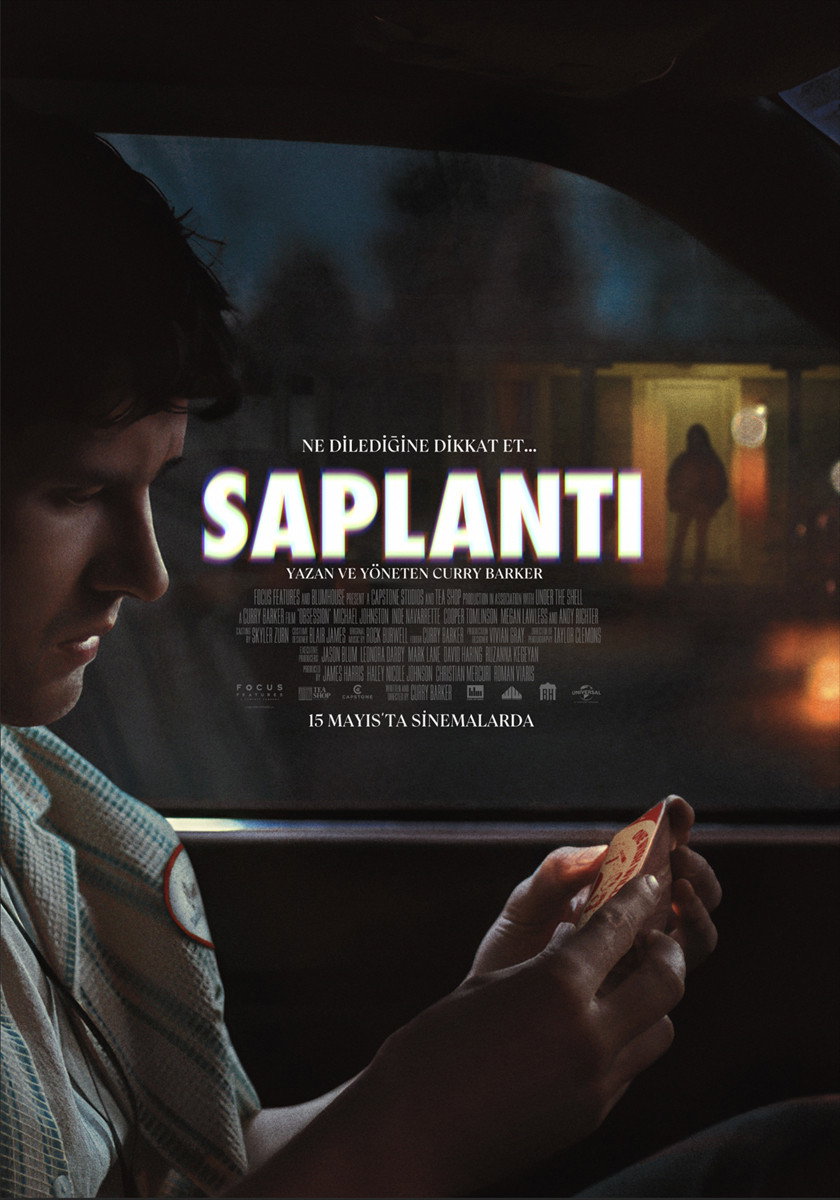
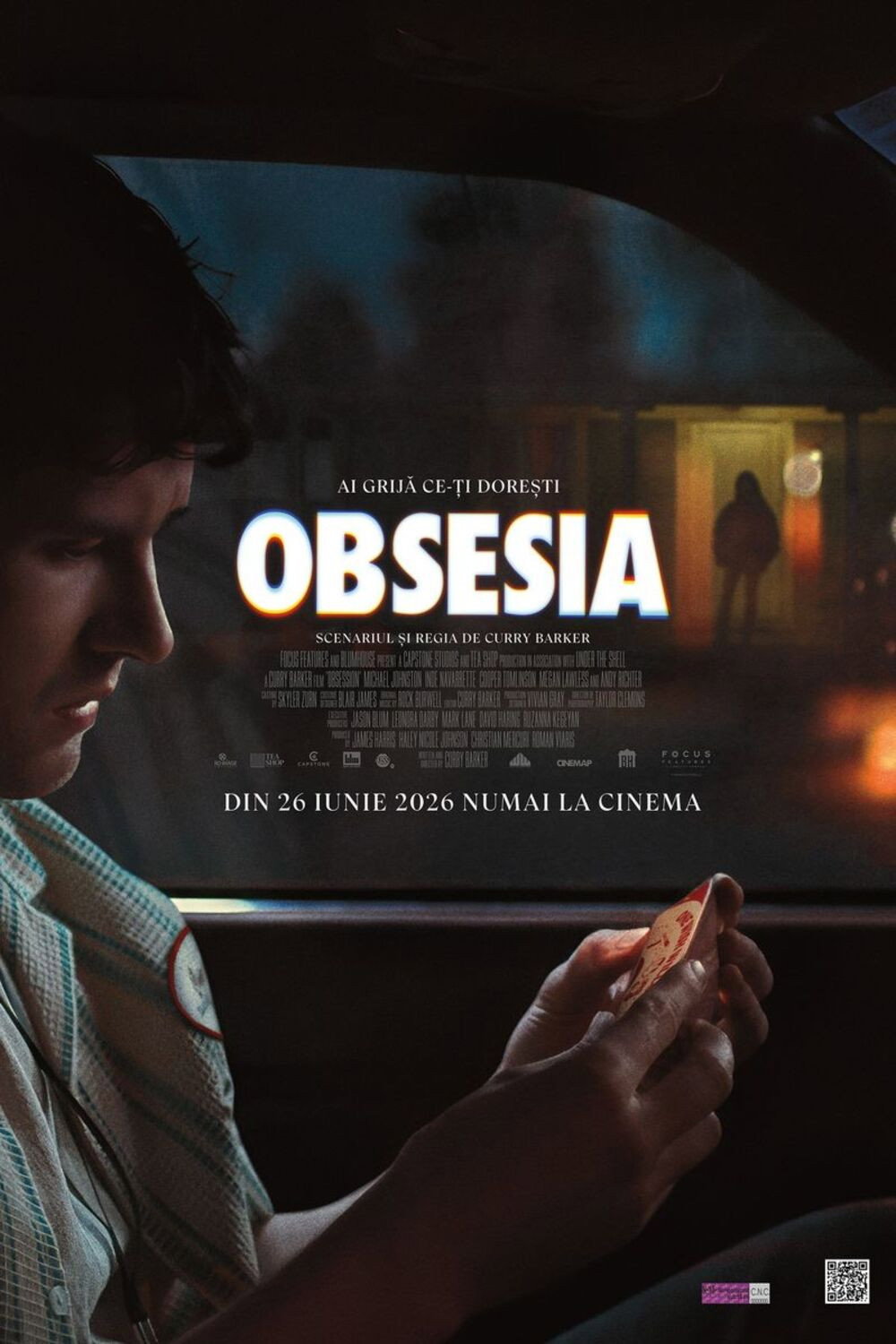
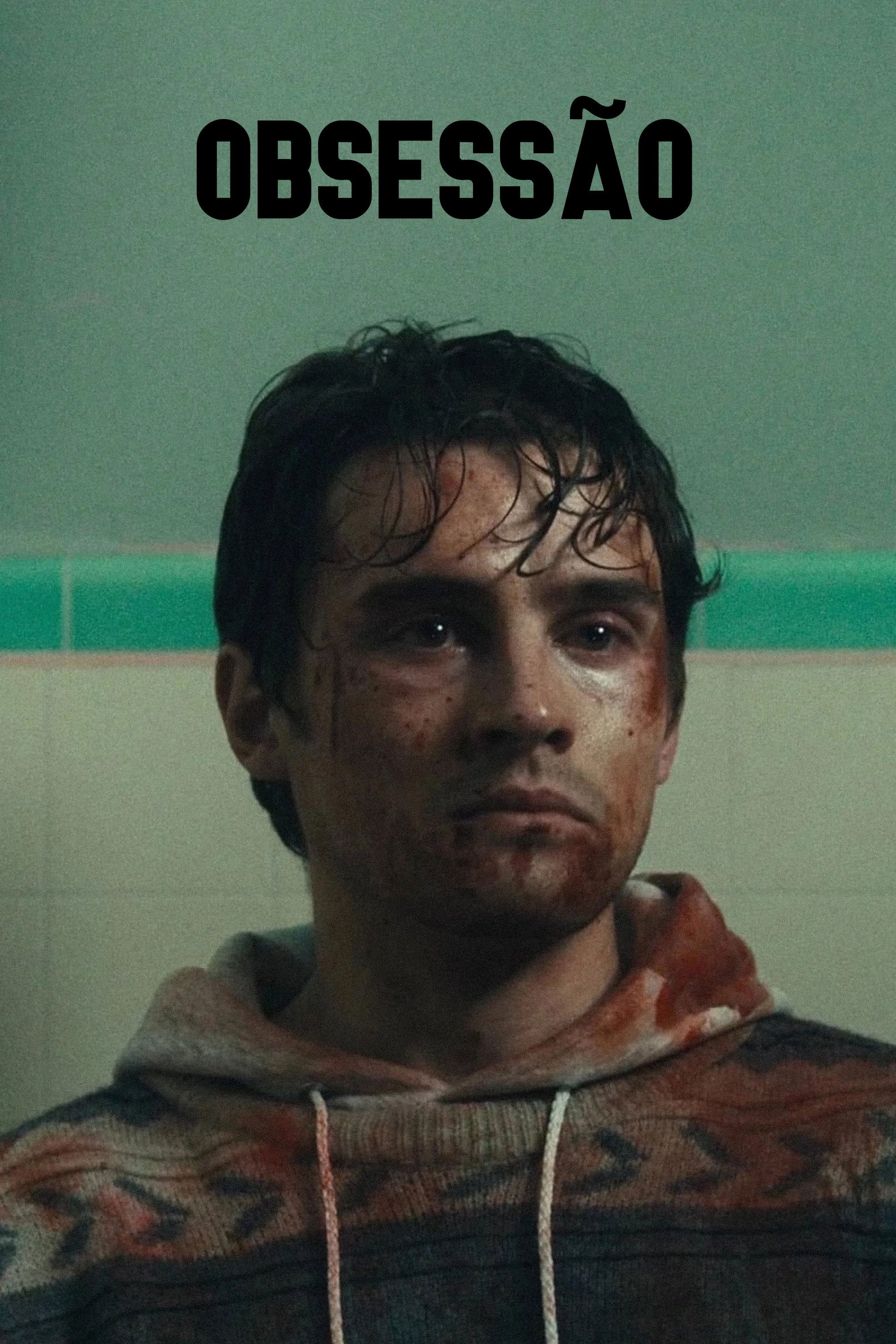
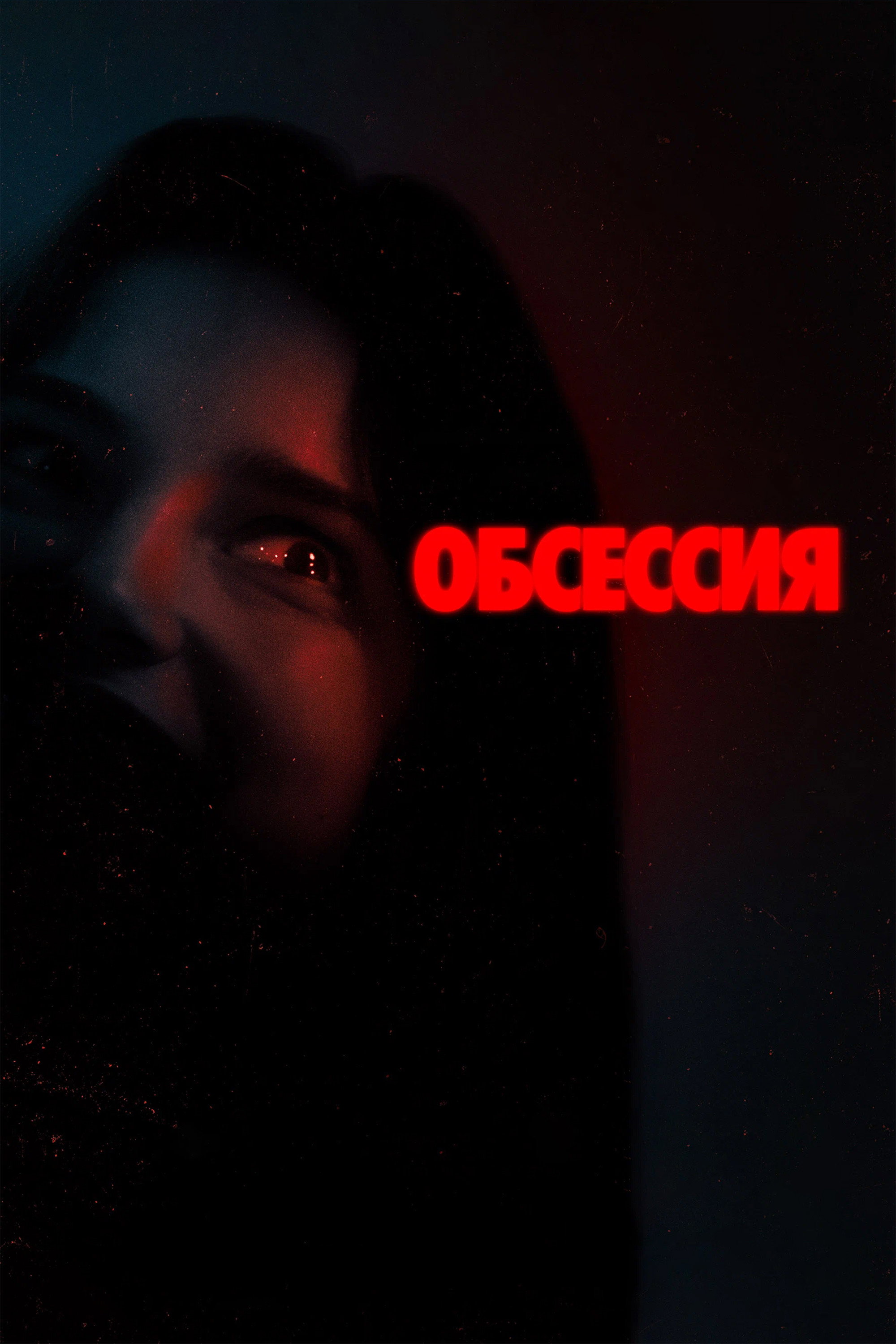
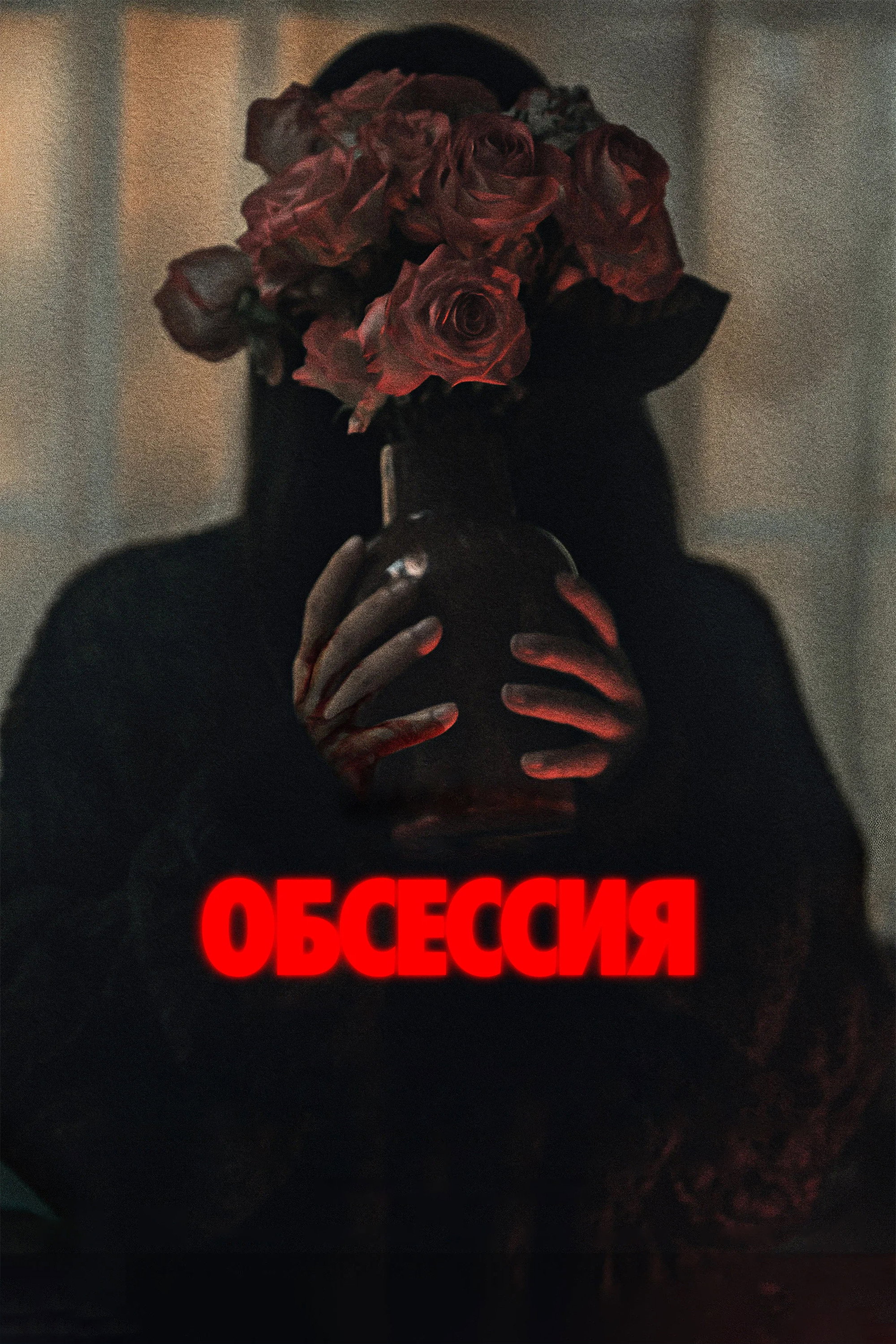
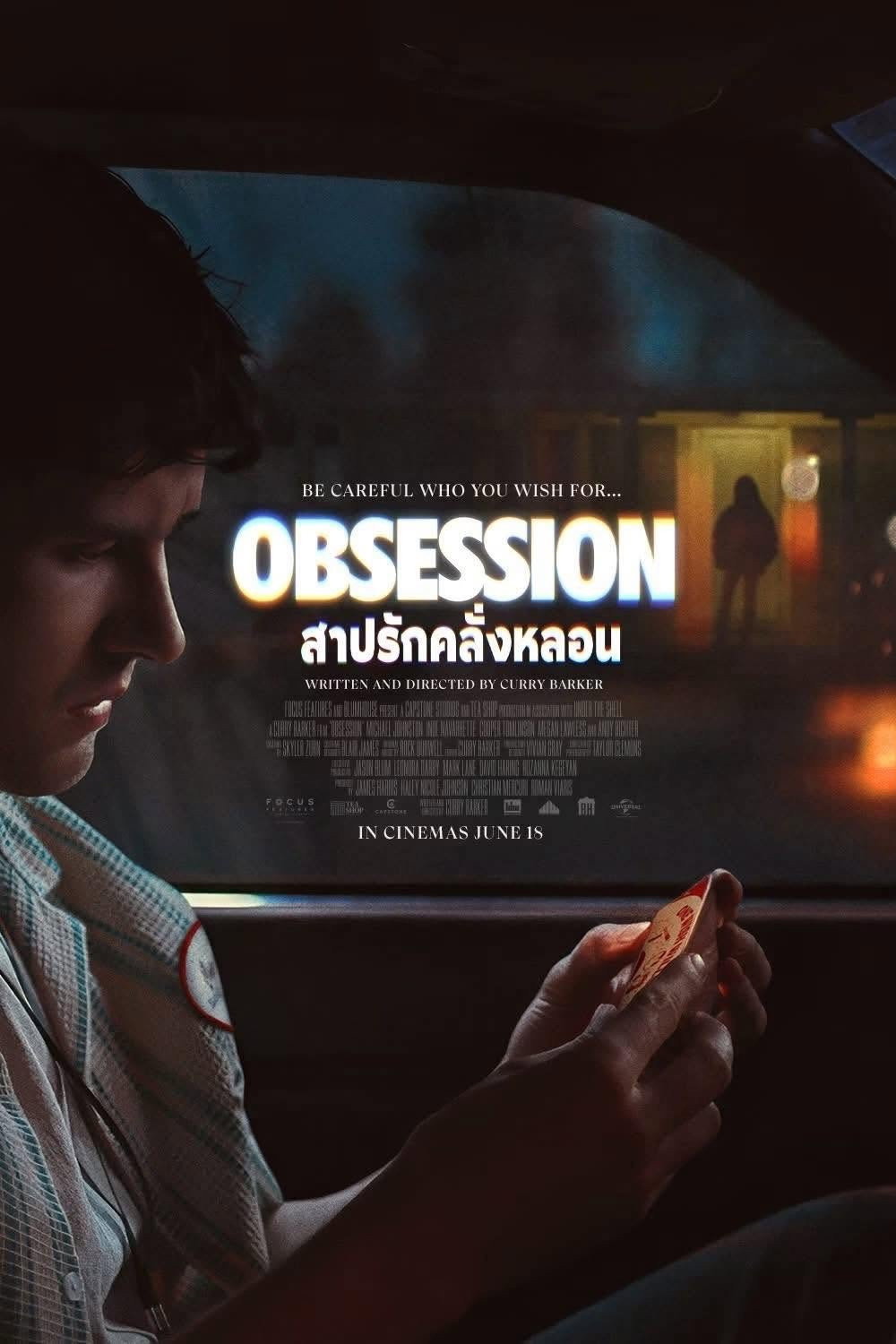
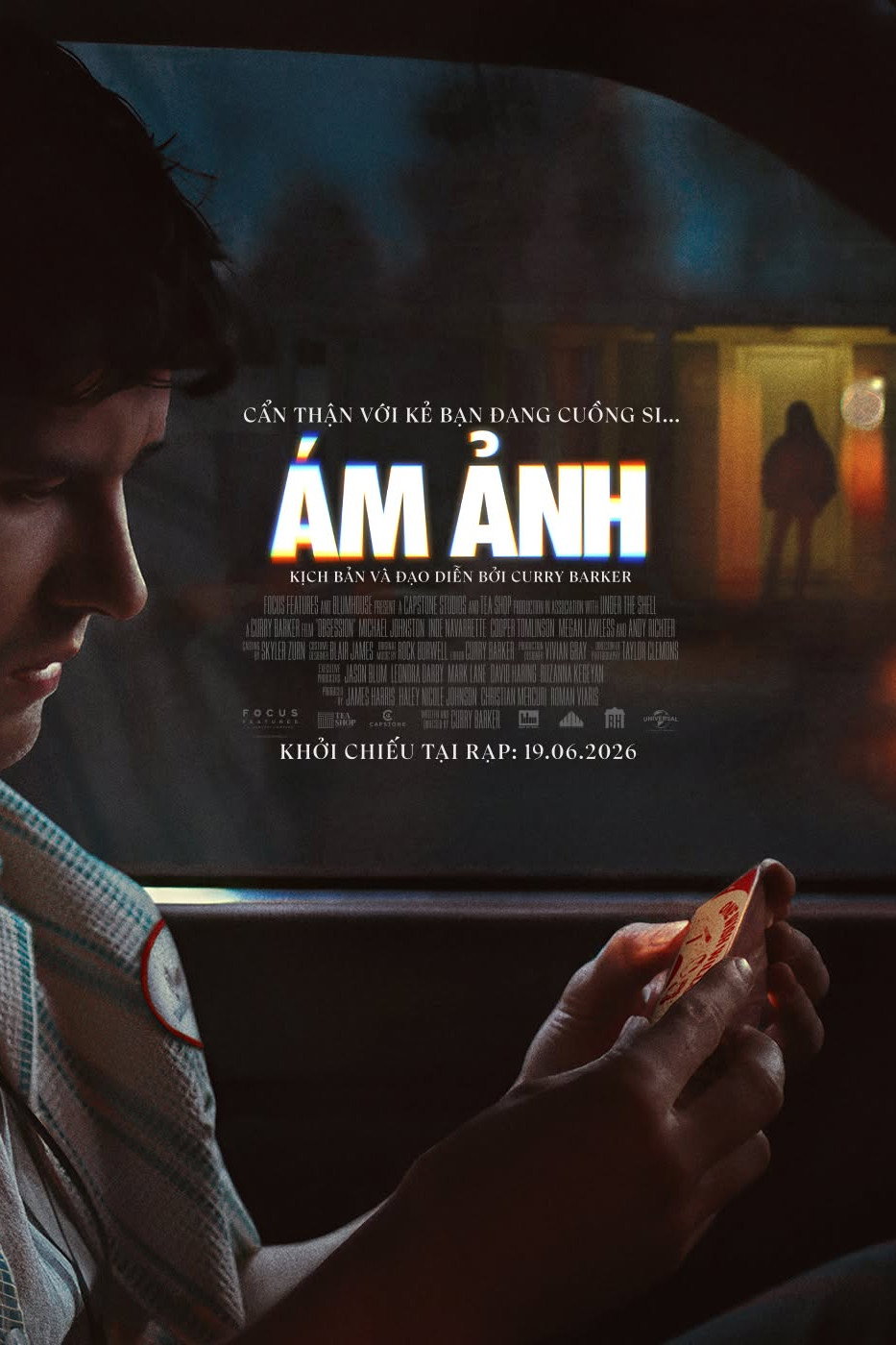
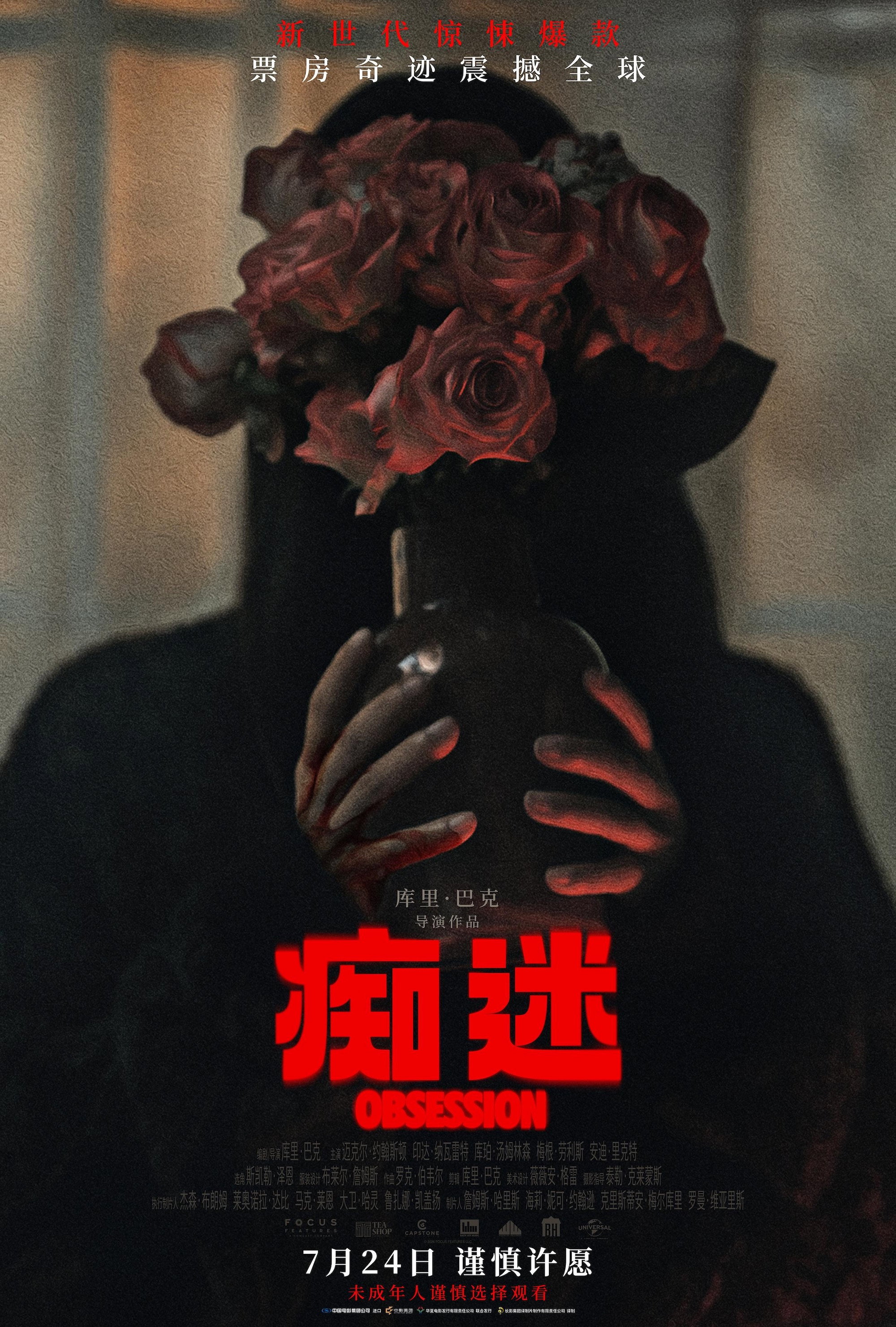
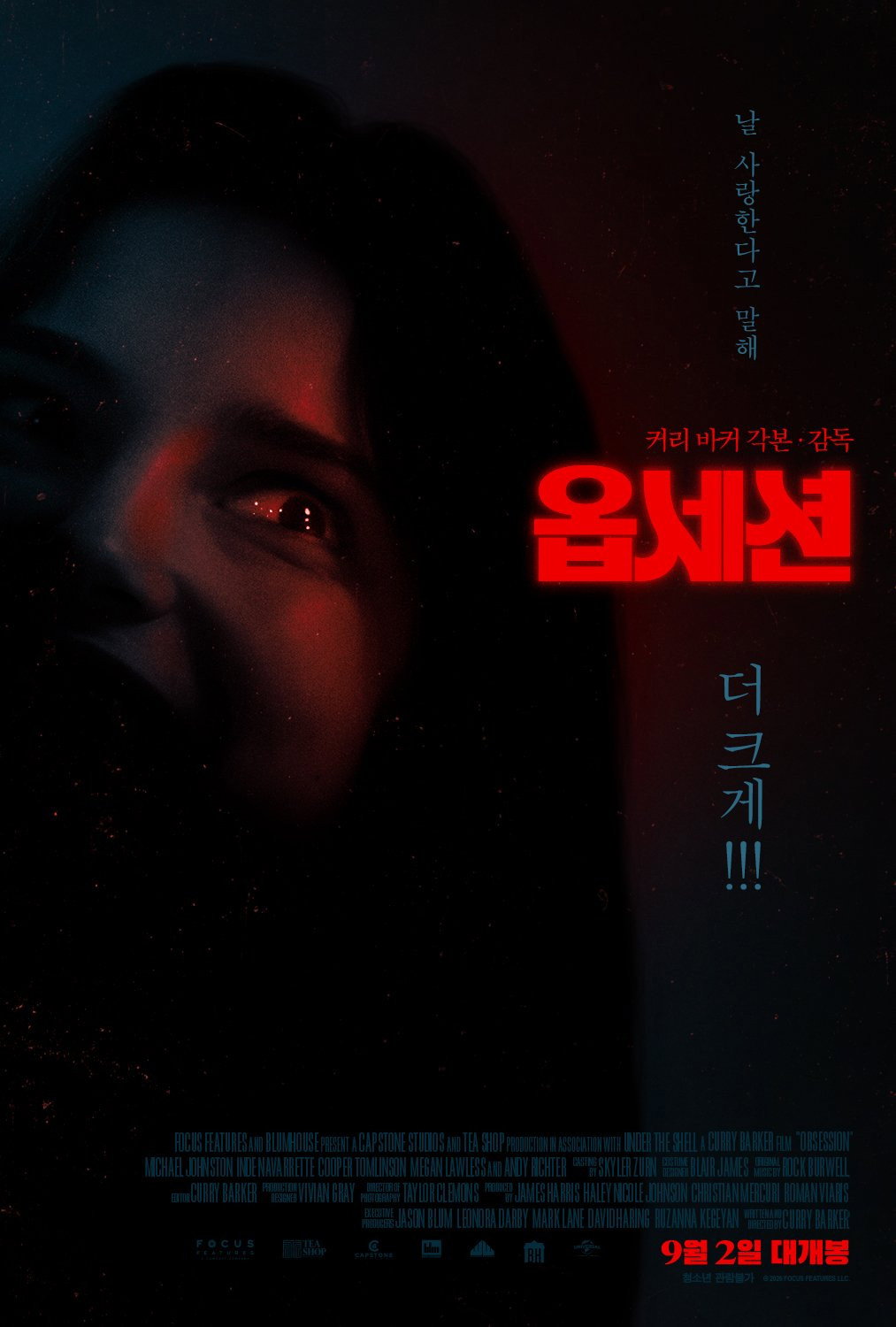
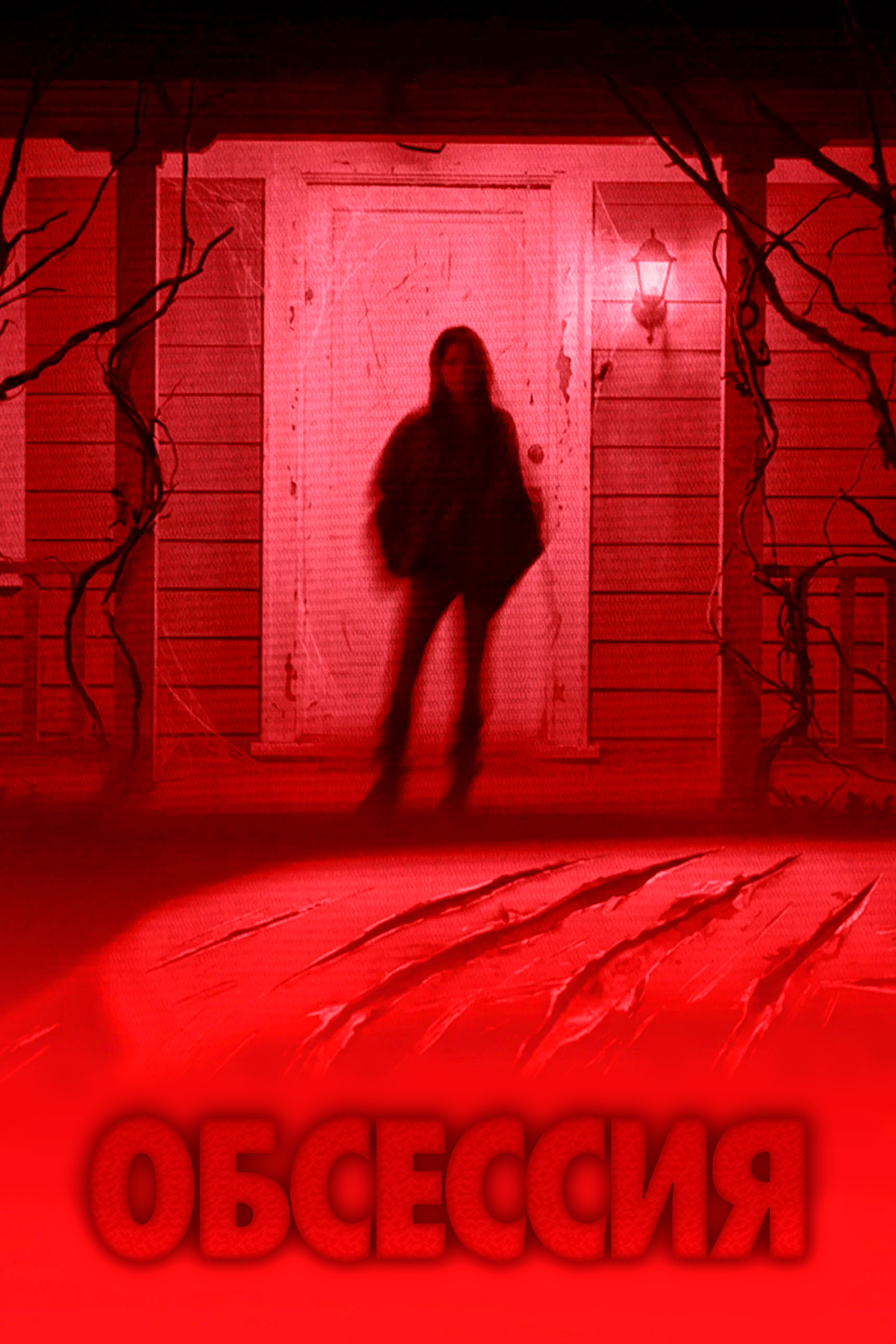
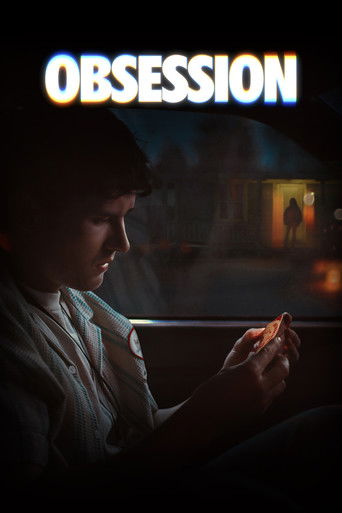
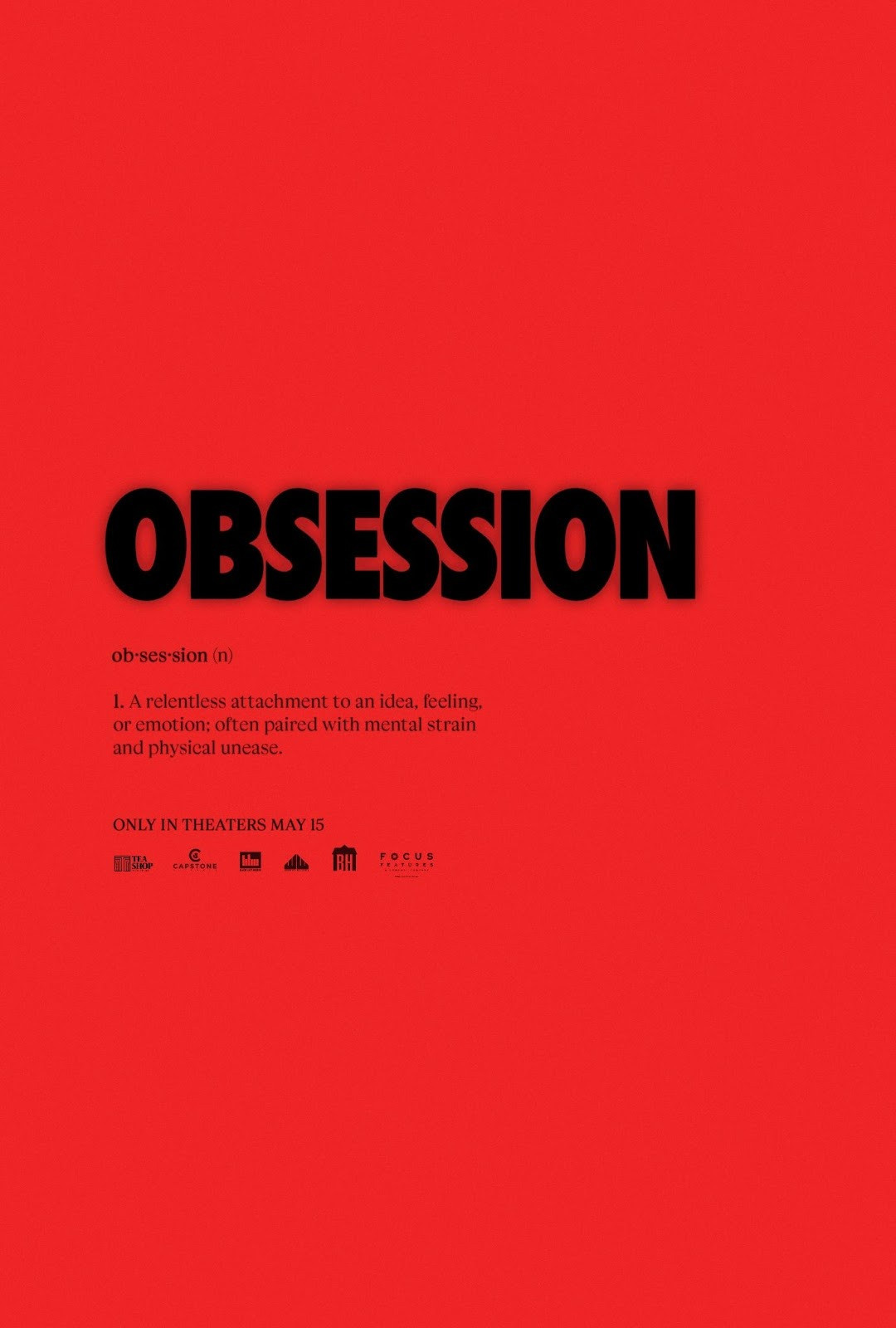
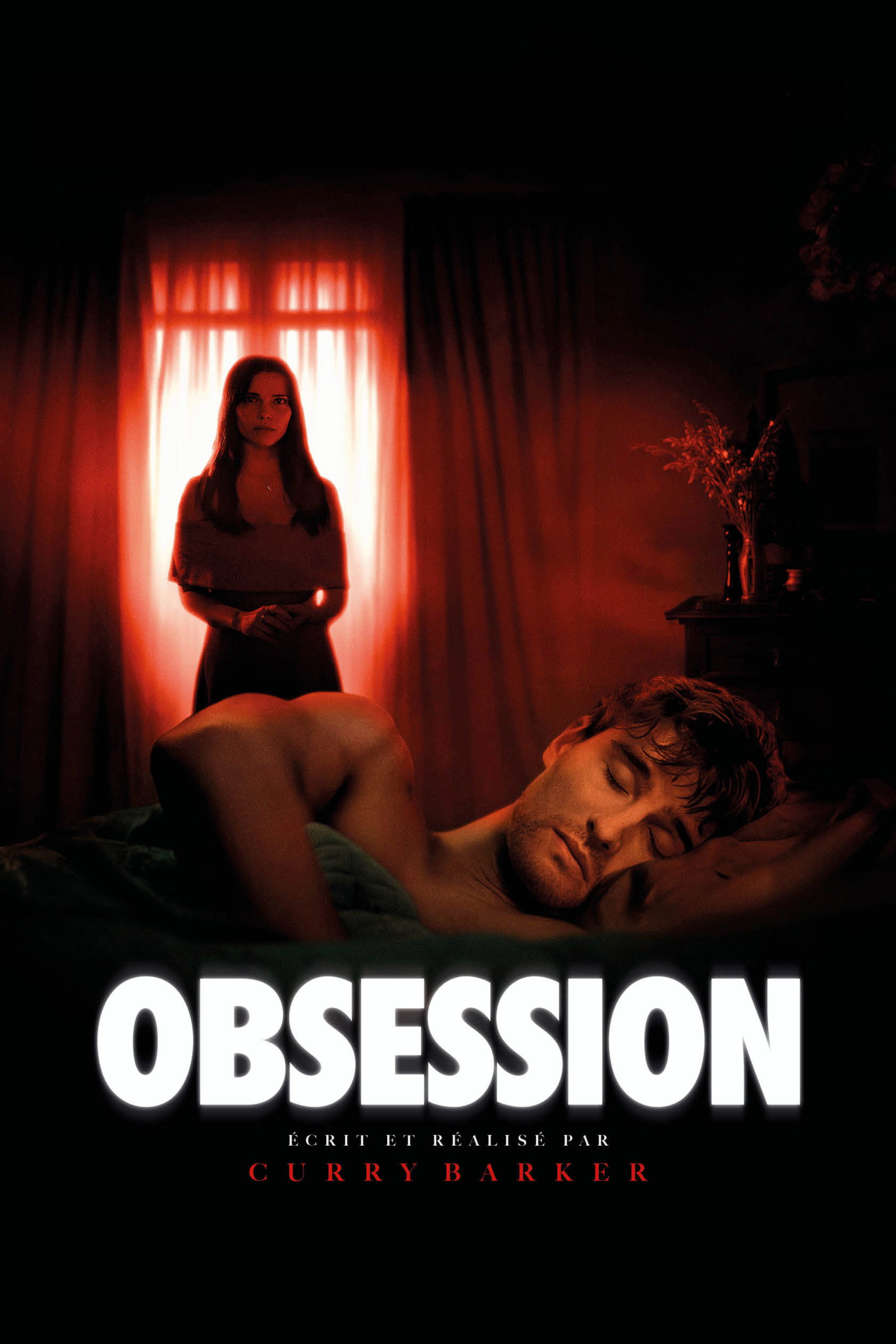
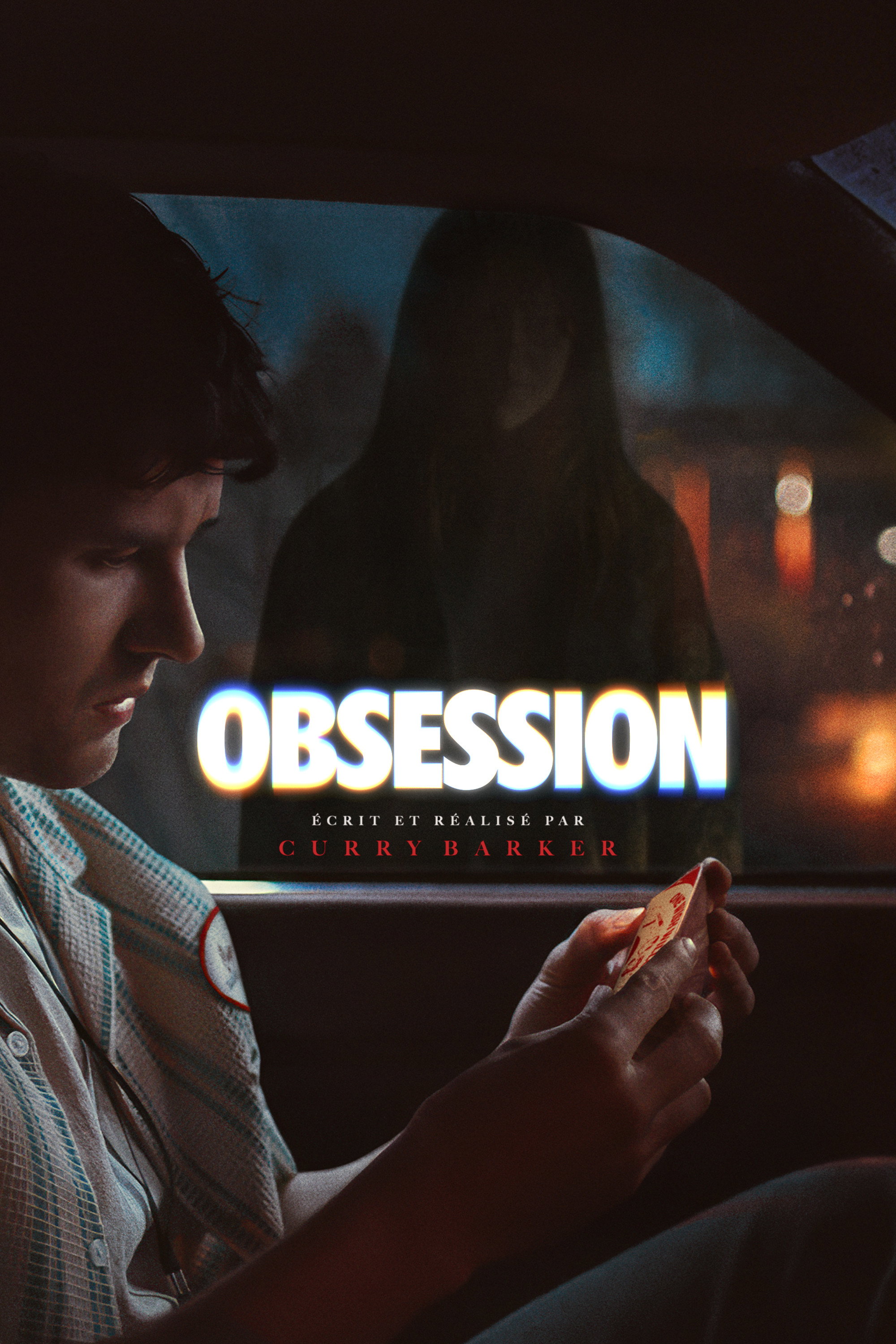
Obsession (2026) poster
Director
Plot

After breaking the mysterious "One Wish Willow" to win his crush's heart, a hopeless romantic finds himself getting exactly what he asked for but soon discovers that some desires come at a dark, sinister price.

Alternative Titles
هوس (United Arab Emirates) — Arabic Մոլեգնություն (Armenia) — Armenian Obsesión (Argentina) Obsessiya (Azerbaijan) — Azerbaijani অবসেশন (Bangladesh) — Bangla Обсебване (Bulgaria) — Bulgarian Obsessão (Brazil) Obsessão - Sem Censura (Brazil) — Unrated Version
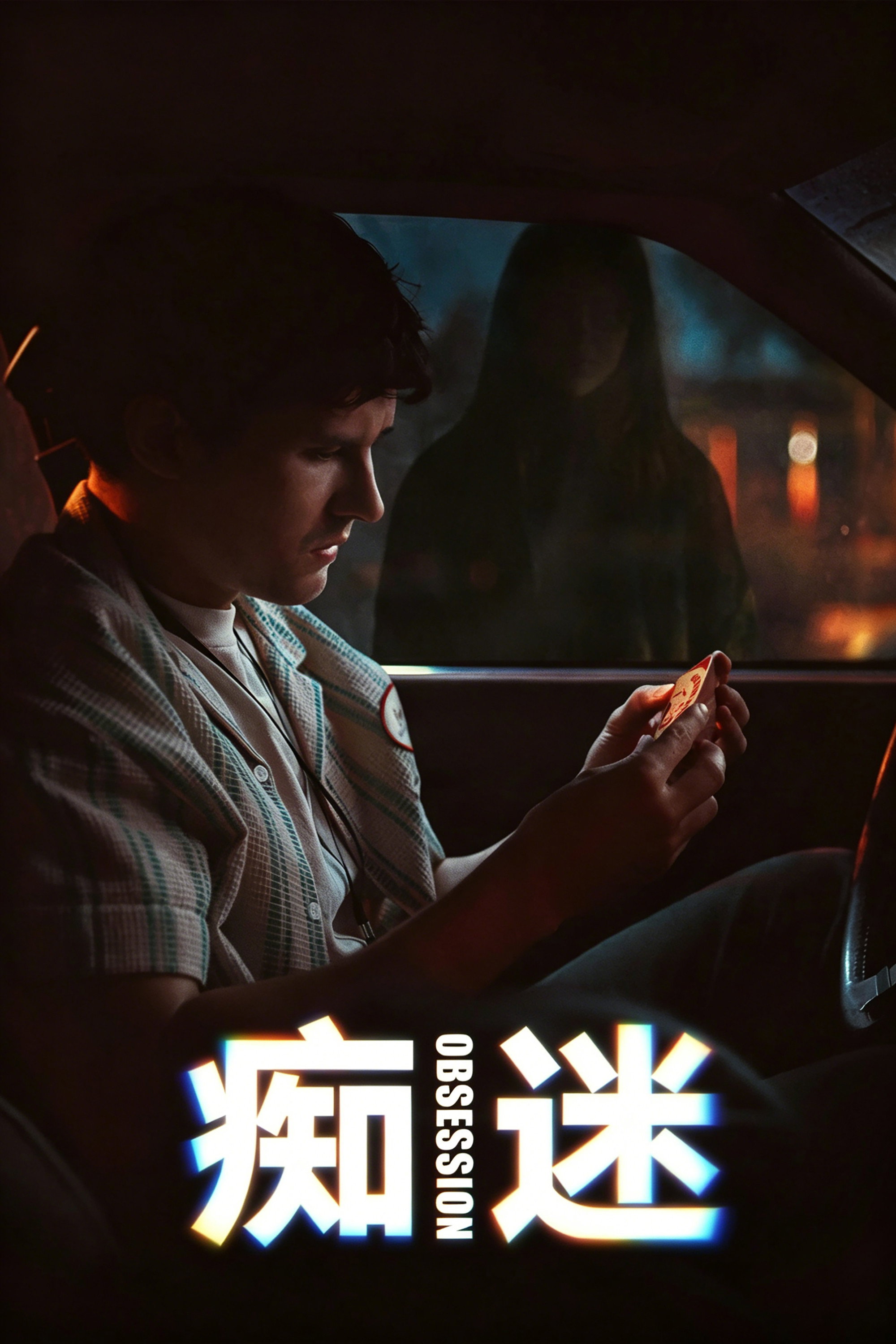
Show all 58 alternative titles Абсэсія (Belarus) — Belarusian 痴迷 (China) Posedlost (Czechia) Obsession - Du sollst mich lieben (Germany) — German Sundmõte (Estonia) — Estonian Obsesión (Spain) — Galician Obsessió (Spain) — Catalan Obsesiwn (United Kingdom) — Welsh შეპყრობილი (Georgia) — Georgian Εμμονή (Greece) — Official Translation 愛你致死不渝 (Hong Kong SAR China) Opsesija (Croatia) Zaluđenost (Croatia) — Croatian Megszállottság (Hungary) — Hungarian Obsesi (Indonesia) אובססיה (Israel) ऑब्सेशन (India) — Awadhi అబ్సెషన్ (India) — Telugu آبسشن (Iran) وسواس (Iran) وسوسه (Iran) — Persian オブセッション 災愛 (Japan) — Japanese 옵세션 (South Korea) — transliteration اوبسیشن (KS) — Kashmiri Обсессия (Kazakhstan) — Kazakh උන්මාදය (Sri Lanka) — Sinhala Apsėdimas (Lithuania) — Lithuanian Apsēstība (Latvia) — Latvian Опсесија (North Macedonia) — Macedonian Obsesión (Mexico) — Spanish Obsessie (Netherlands) — Dutch Besettelse (Norway) अब्सेसन (Nepal) — Nepali آب سیشن (Pakistan) — Urdu Obsesja (Poland) — Polish Obsession: A Felicidade é Relativa (Portugal) — Portuguese Obsesia (Romania) — Romanian Опсесија (Serbia) — Serbian Обсессия (Russia) — transliteration Одержимость (Russia) هوس (Saudi Arabia) — Arabic Obsedenost (Slovenia) — Slovenian Posadnutosť (Slovakia) — Slovak Hingo (Somalia) — Somali สาปรักคลั่งหลอน (Thailand) Saplantı (Türkiye) 愛你致死不渝 (Taiwan) Обсесія (Ukraine) — Ukrainian Одержимість (Ukraine) Ám Ảnh (Vietnam)

Trailers & Videos

3 videos

Film Guide & Analysis

Curry Barker turns a seemingly innocent wish for love into a supernatural horror story about consent, possession and the destructive fantasy of controlling another person's desire.

Obsession (2026) begins with a fantasy that appears almost harmless. Bear, a shy young employee at a music store, has spent years unable to tell his childhood friend Nikki that he loves her. After another failed attempt to confess his feelings, he buys a novelty object called the One Wish Willow and wishes that Nikki would love him more than anyone else. The object delivers exactly what he asks for, but the intensity of Nikki's attachment rapidly destroys the distinction between romance, dependency and supernatural possession.

Written, directed and edited by Curry Barker, the film uses a familiar cursed-wish structure to examine something more specific than the usual warning to be careful what you wish for. Bear is not asking for money, power or revenge; he is asking for another person's emotions to be rewritten. That makes the supernatural premise inseparable from questions of consent and control. Barker surrounds the increasingly grotesque consequences with awkward humor and recognizable relationship behavior, allowing the film to move from romantic discomfort into psychological and body horror without treating those modes as separate stories.

From Microbudget Shorts to a Feature Film

Obsession was Barker's first narrative feature after years of making comedy sketches and horror shorts, including work released through the That's a Bad Idea channel with Cooper Tomlinson. Barker had already demonstrated how much could be achieved with extremely small budgets: immediately before Obsession, his feature-length YouTube horror film Milk & Serial had reportedly cost only hundreds of dollars. That background shaped the writing of Obsession. Barker has explained that he instinctively writes around resources he knows he can realistically obtain rather than inventing a large production and hoping money will solve the practical problems later.

The feature was still made on unusually limited resources for the scale eventually visible on screen. Barker has said the production initially had approximately $650,000 and only twenty principal shooting days. Additional money became available for later photography, but he has emphasized that the finished production remained below $1 million before its eventual studio acquisition and marketing campaign. Los Angeles and surrounding areas supplied the locations, allowing the production to build a supernatural story around familiar houses, streets, stores and workplaces rather than expensive constructed environments.

That economical approach was important to Barker's creative control. Obsession was completed as an independent production before its major distribution deal, meaning the filmmakers had already established its tone and structure before Focus Features entered the picture. Its trajectory therefore differs from a studio horror film designed around a wide theatrical release from the outset. Barker and his collaborators made a comparatively tiny feature, took it to festivals and only then discovered that the finished film had commercial potential on a dramatically larger scale.
The One Wish Willow & the Horror of Manufactured Love

Barker had been interested for some time in making a story about an imbalance of romantic obsession, but he lacked the mechanism that would transform the idea into horror. He has traced the breakthrough to seeing a Simpsons episode built around the traditional monkey's-paw structure. The cursed wish gave him a way to literalize the problem: instead of waiting for someone's affection or accepting rejection, a character could simply demand that love exist and then discover what absolute love actually means when all ordinary limits have been removed.

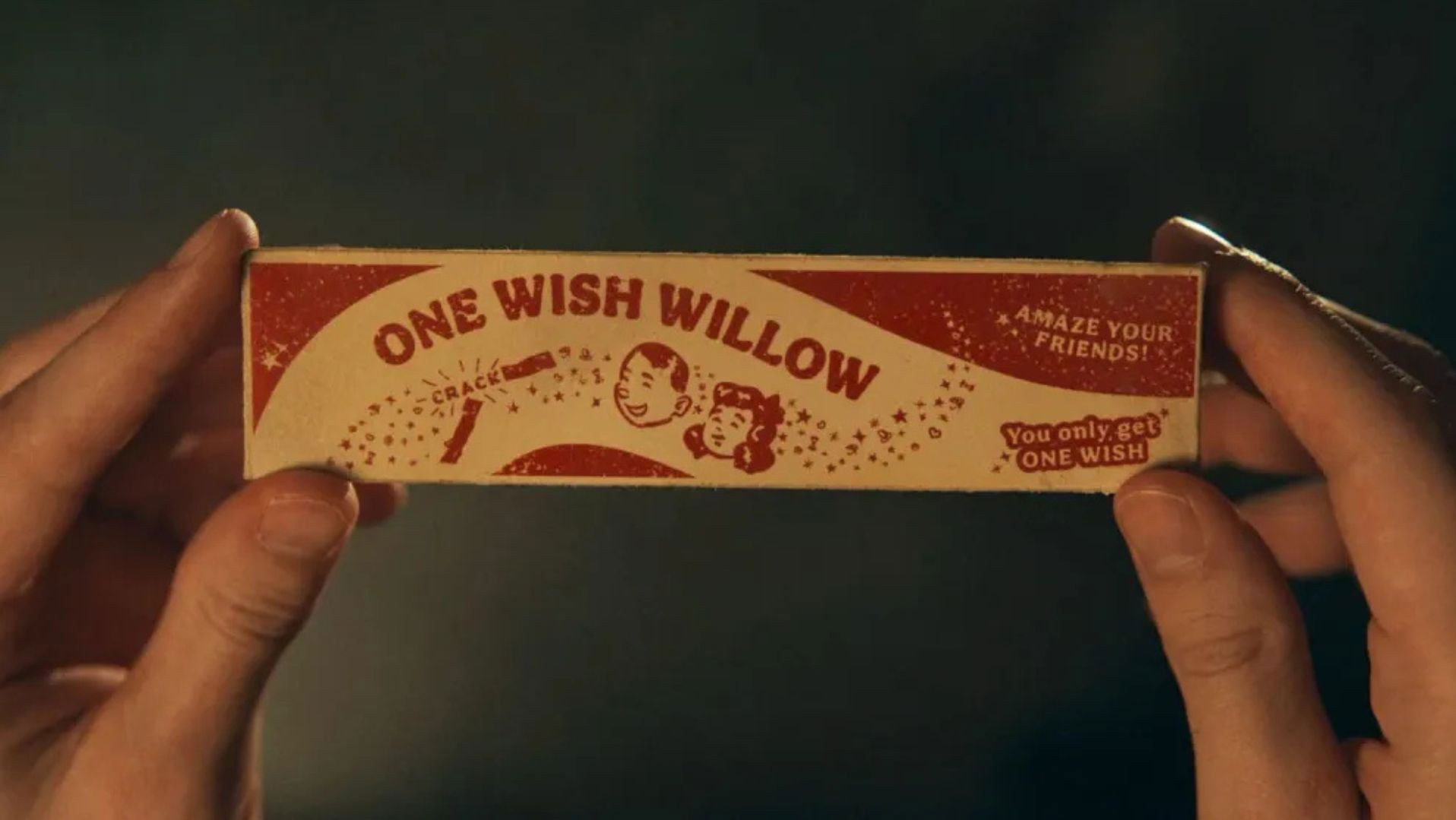
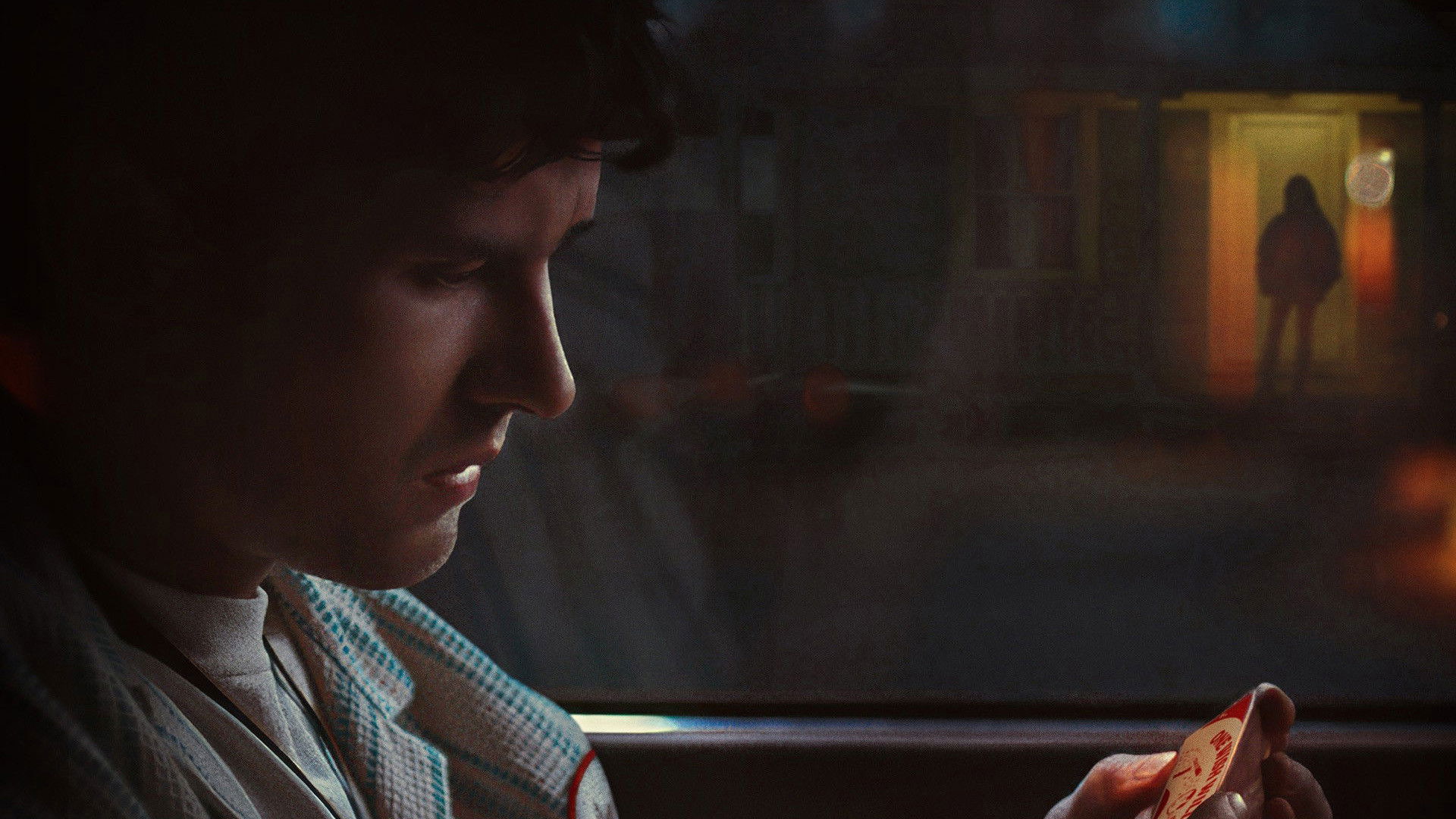
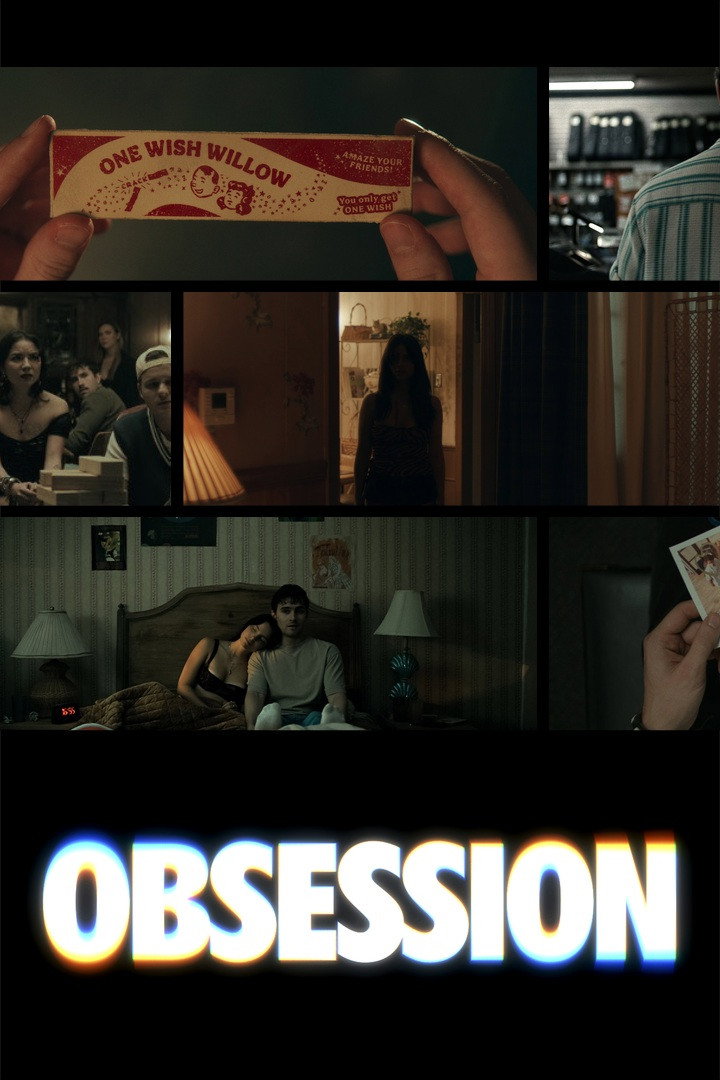
Barker invented the One Wish Willow. He wanted something that could plausibly be purchased in an ordinary shop rather than an ominous relic that mysteriously appears when the plot requires it. Its friendly packaging was developed partly with Barker's mother, a graphic designer, and deliberately evokes an object whose exact era is difficult to identify. The result resembles an old novelty toy more than a cursed artifact. Its harmless appearance is crucial because Bear's decision initially feels less like participation in an occult ritual than an impulsive attempt to take an easy route around emotional vulnerability.

The wish also makes Bear morally complicated without requiring him to understand the scale of what he is doing. Nikki has not agreed to love him, and supernatural success does not erase that problem. Once her behavior changes, the wish transforms romantic fulfillment into evidence that her autonomy has been violated. The horror therefore comes not only from Nikki becoming increasingly dangerous but from Bear realizing that receiving exactly what he wanted is inseparable from having taken something from her. The cursed object externalizes a fantasy of controlling another person's desire and then refuses to let that fantasy remain emotionally comfortable.

Visual Style: Making Horror Look Ordinary

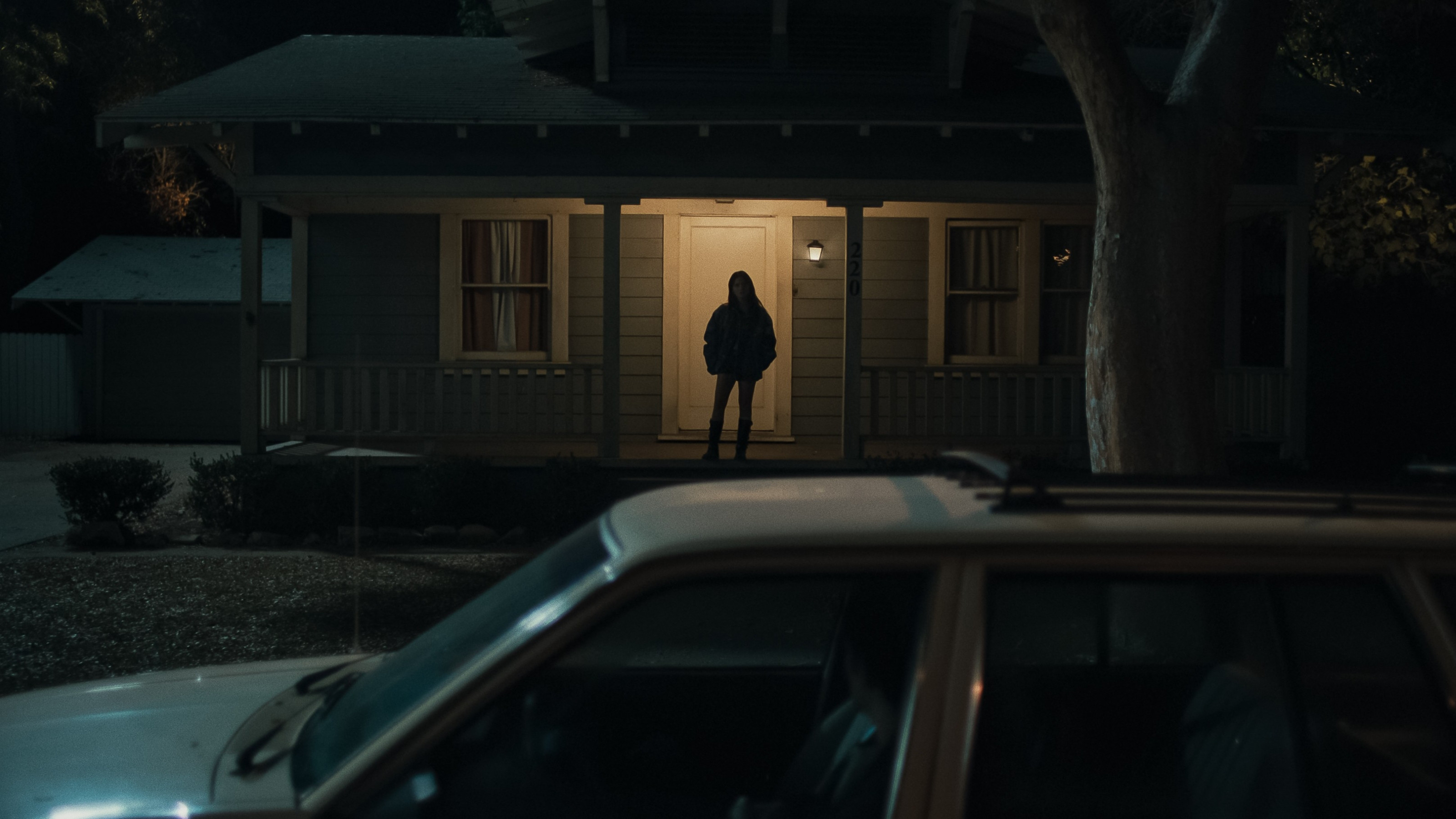
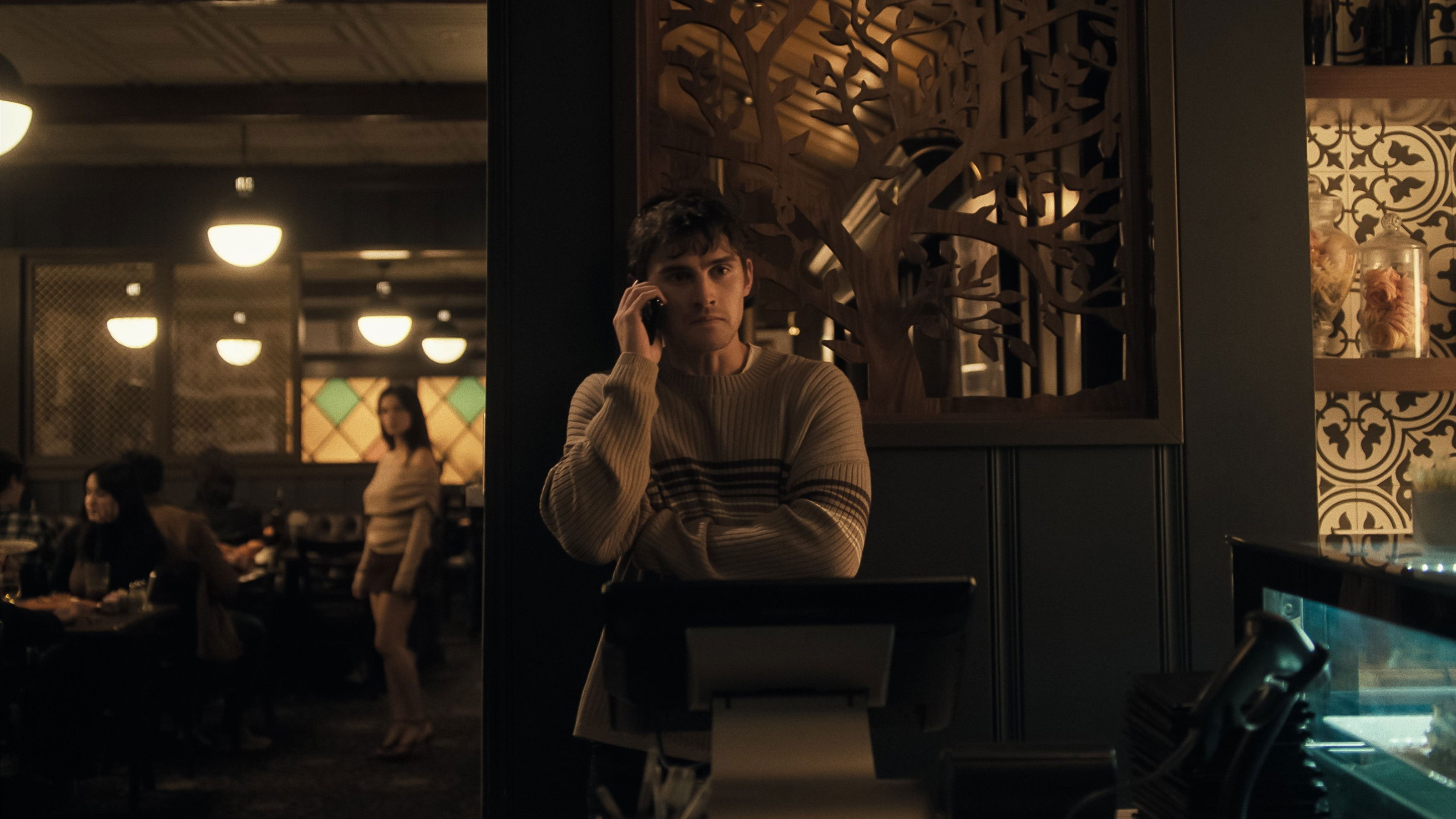
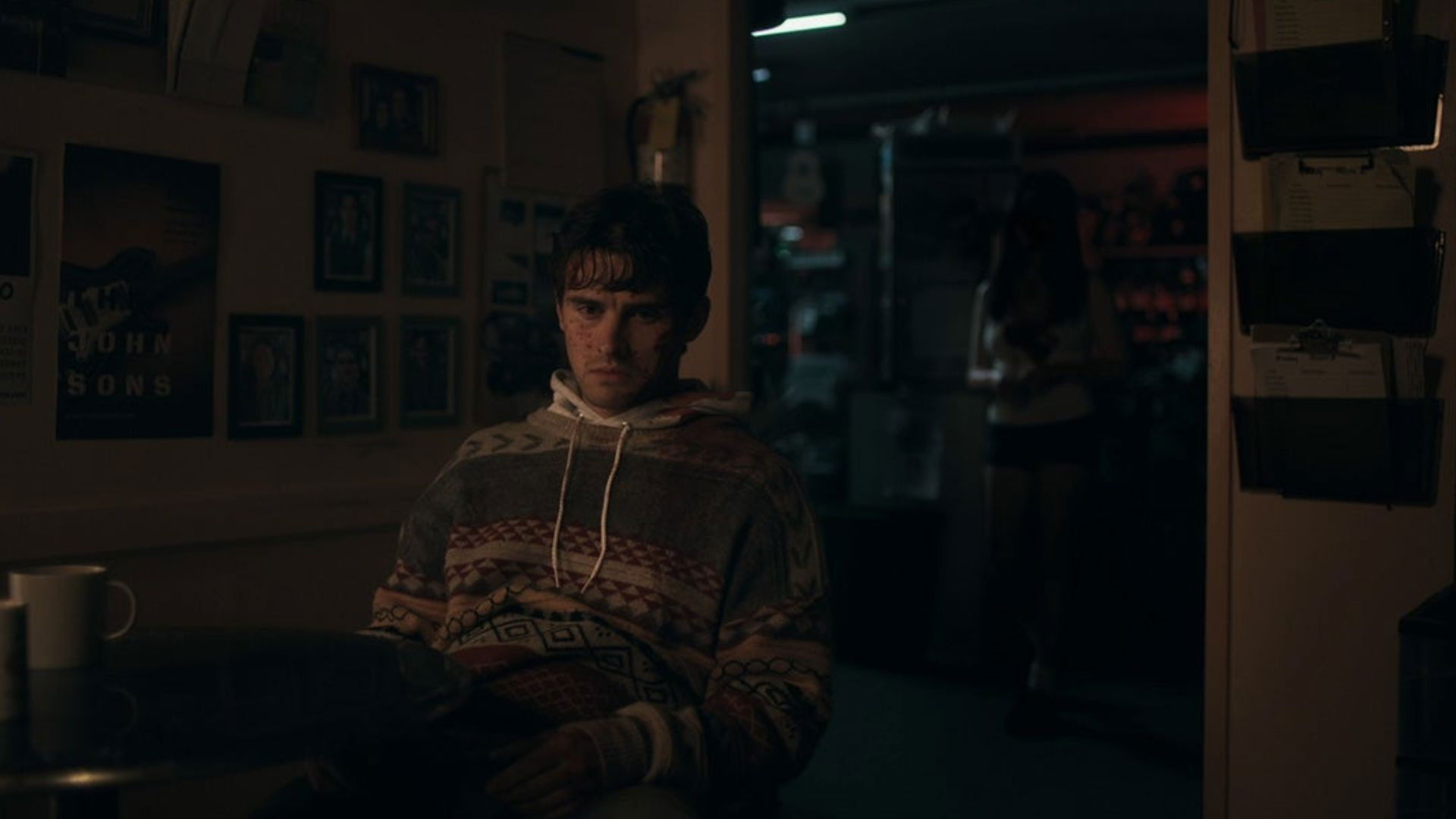
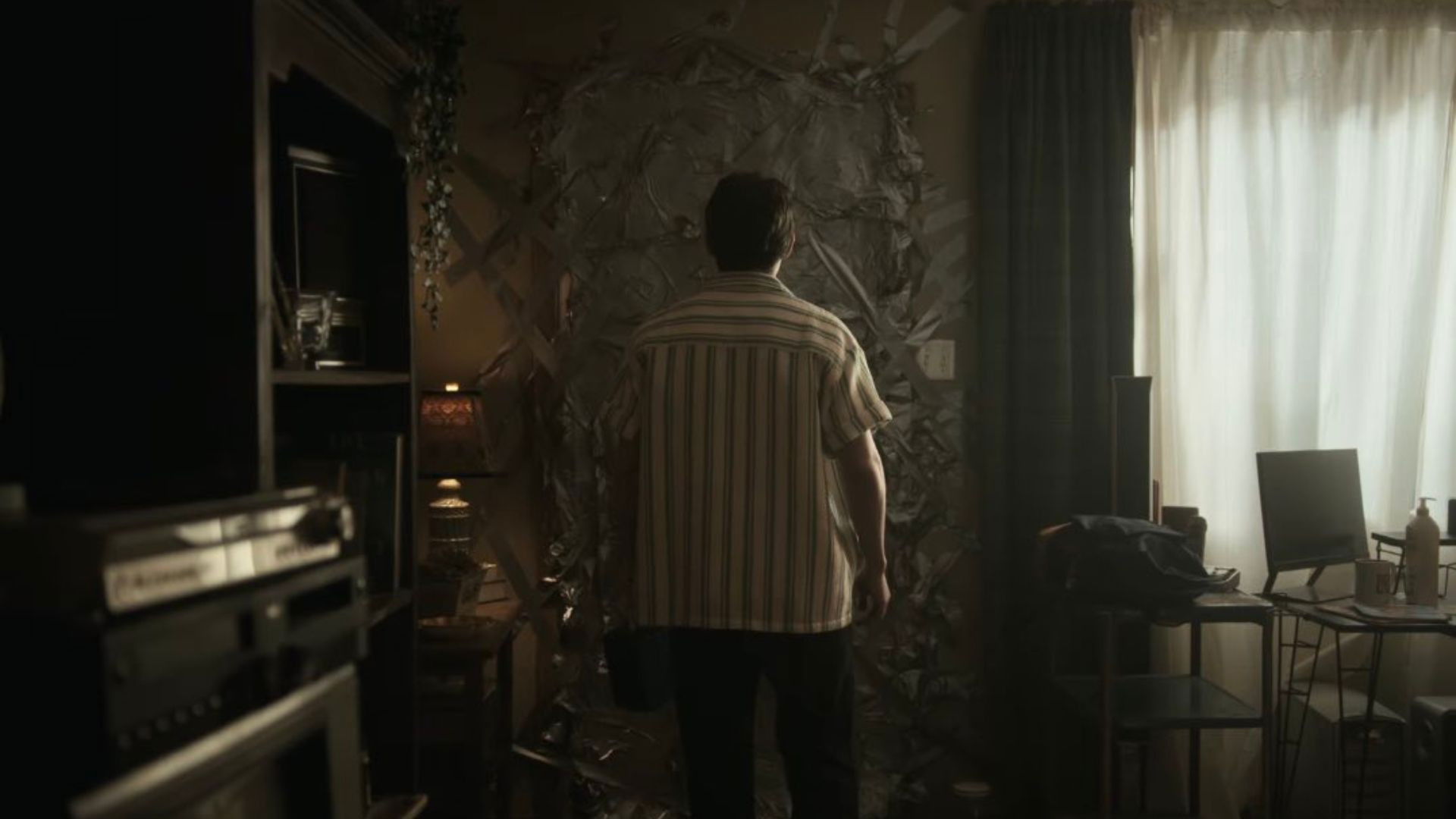
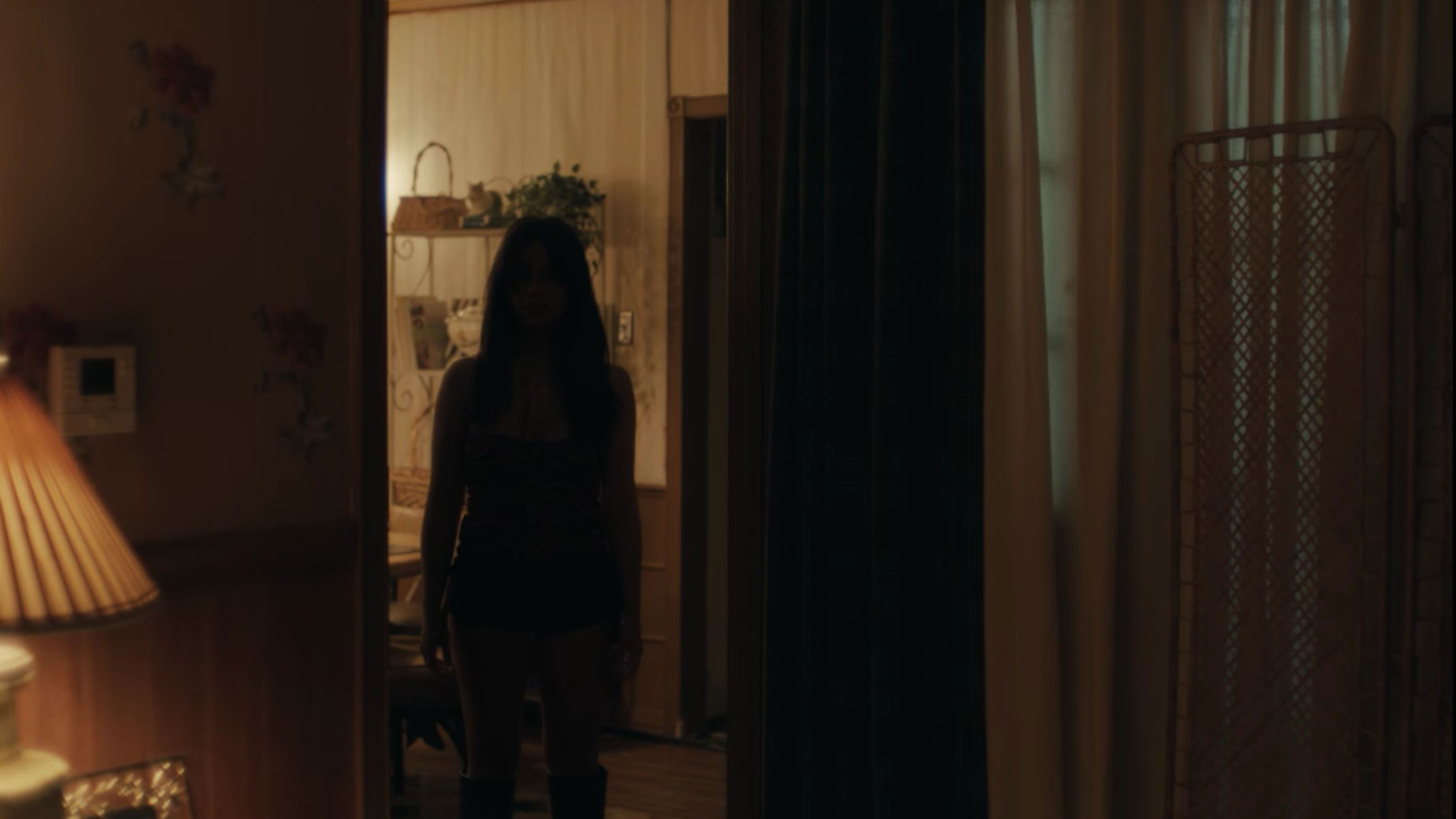
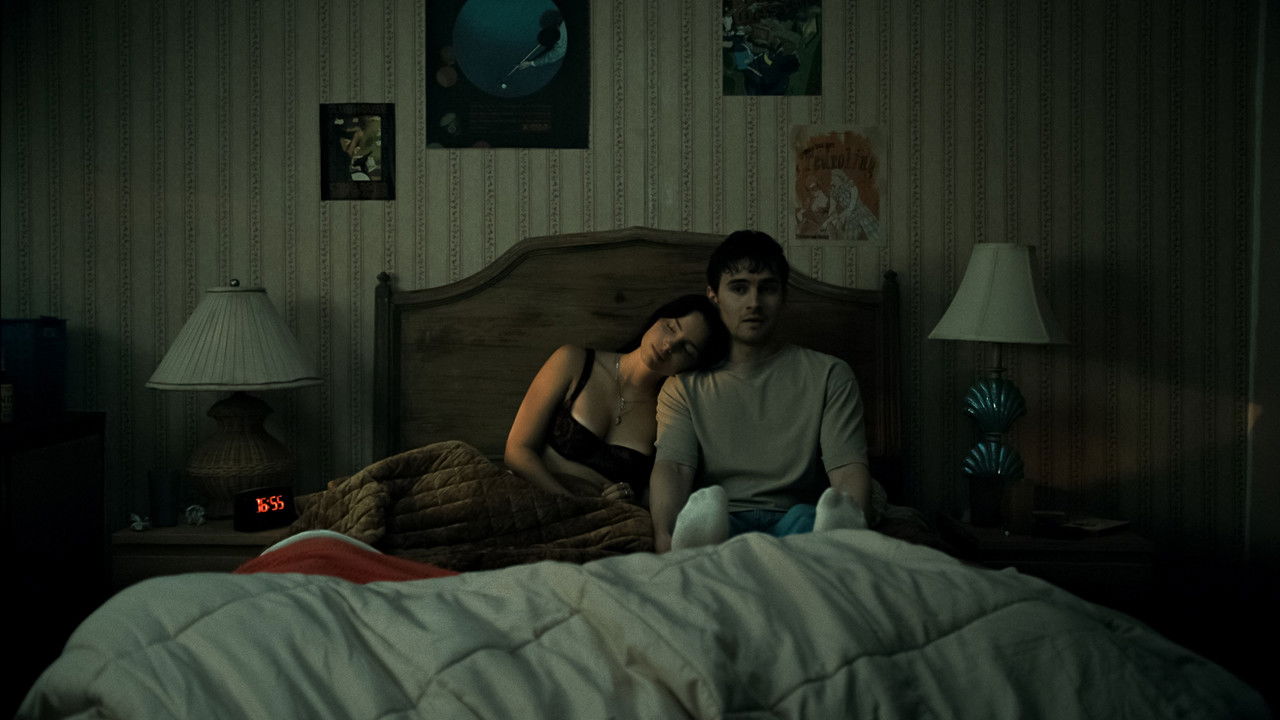
Barker and cinematographer Taylor Clemons deliberately avoided a conventional horror vocabulary. Barker has said that he did not want locations such as the shop containing the One Wish Willow to advertise themselves as threatening. The shop is bright and inviting rather than shadowy, and Bear's surroundings initially belong to a recognizably mundane contemporary world. Production designer Vivian Gray extended that approach into Bear's home, building details around the idea that he lives in his grandmother's former house rather than occupying a generic young-adult movie apartment.

Clemons has described the visual planning as unusually intuitive. Instead of exchanging large reference decks, he and Barker worked through the film scene by scene, discussing what it should feel like to remain trapped within Bear's experience. Clemons personally returned to David Fincher's Se7en as a reference for oppressive atmosphere, while Barker introduced him to Ari Aster's films during pre-production. Those influences did not become direct visual imitation; they helped the filmmakers think about sustained dread, negative space and how long an image could remain still before the audience began searching it for danger.
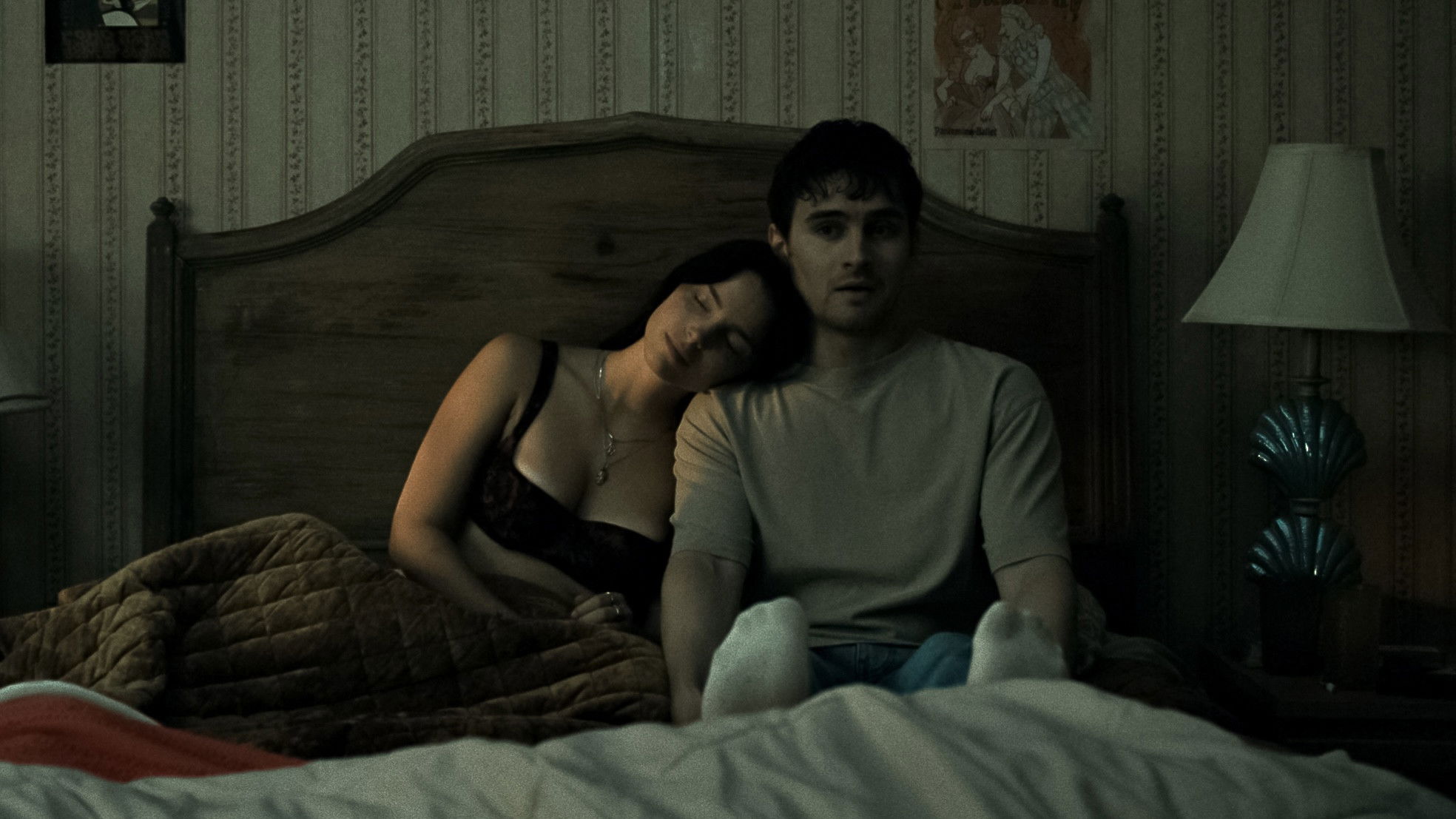
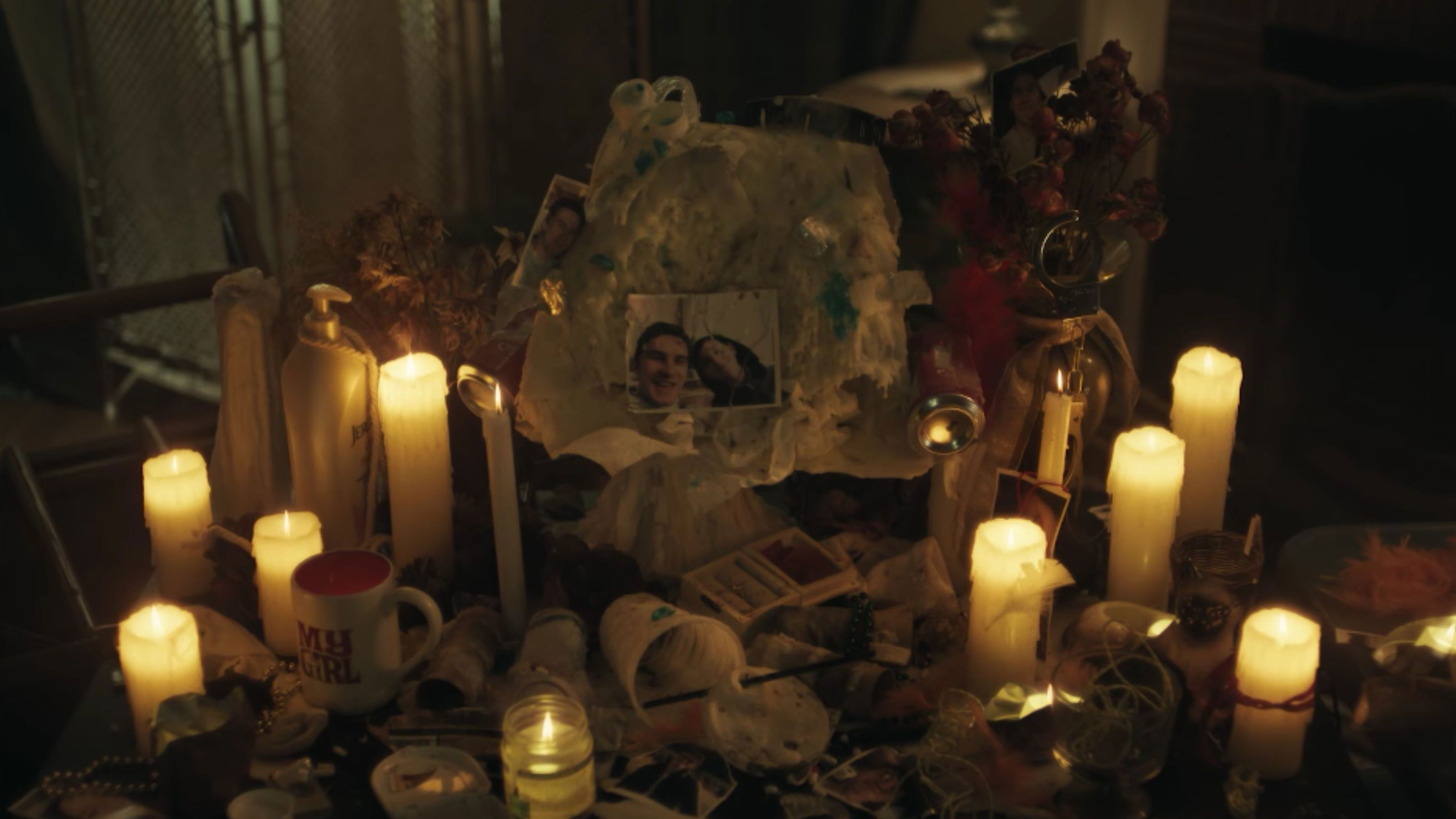
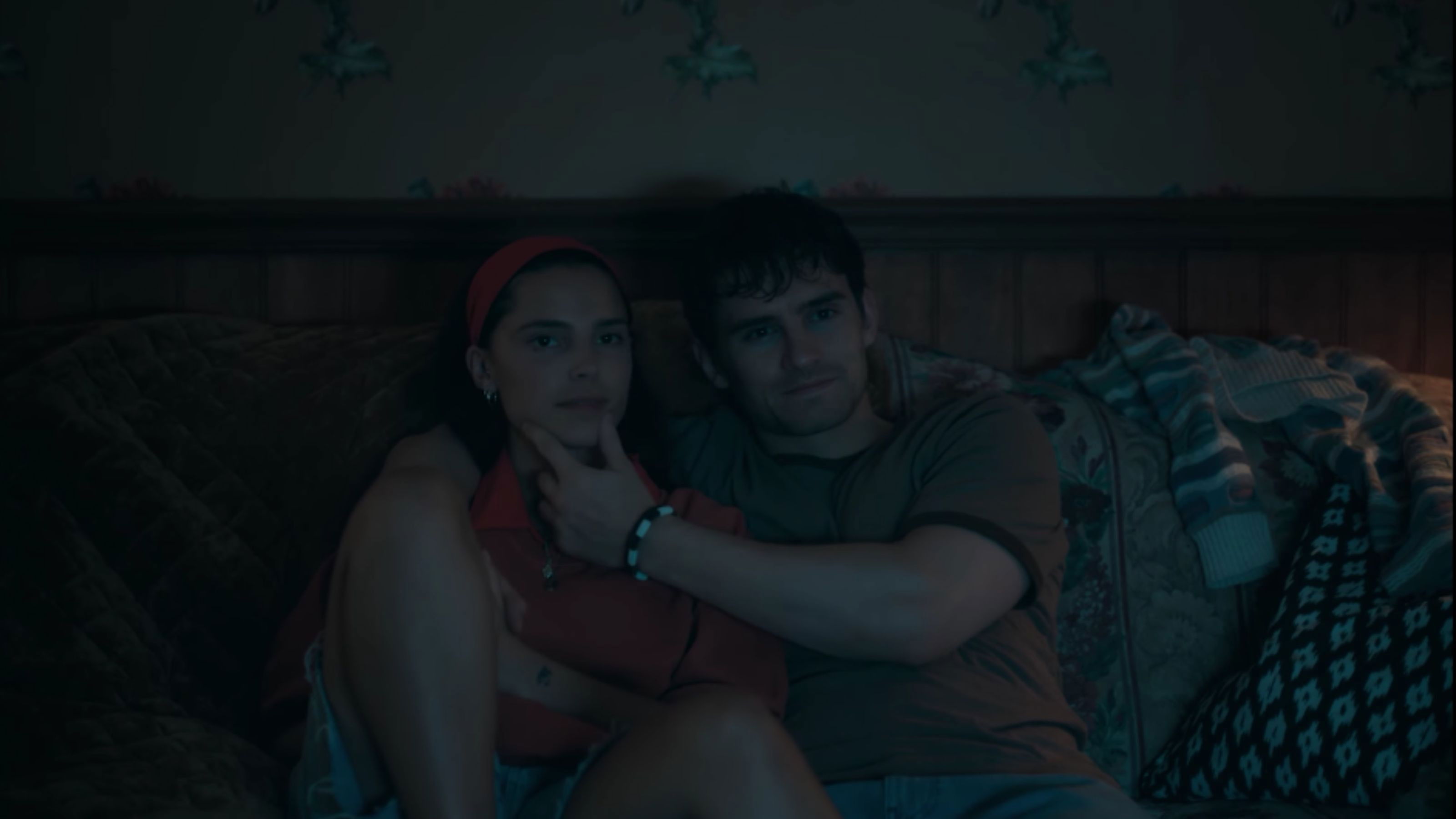
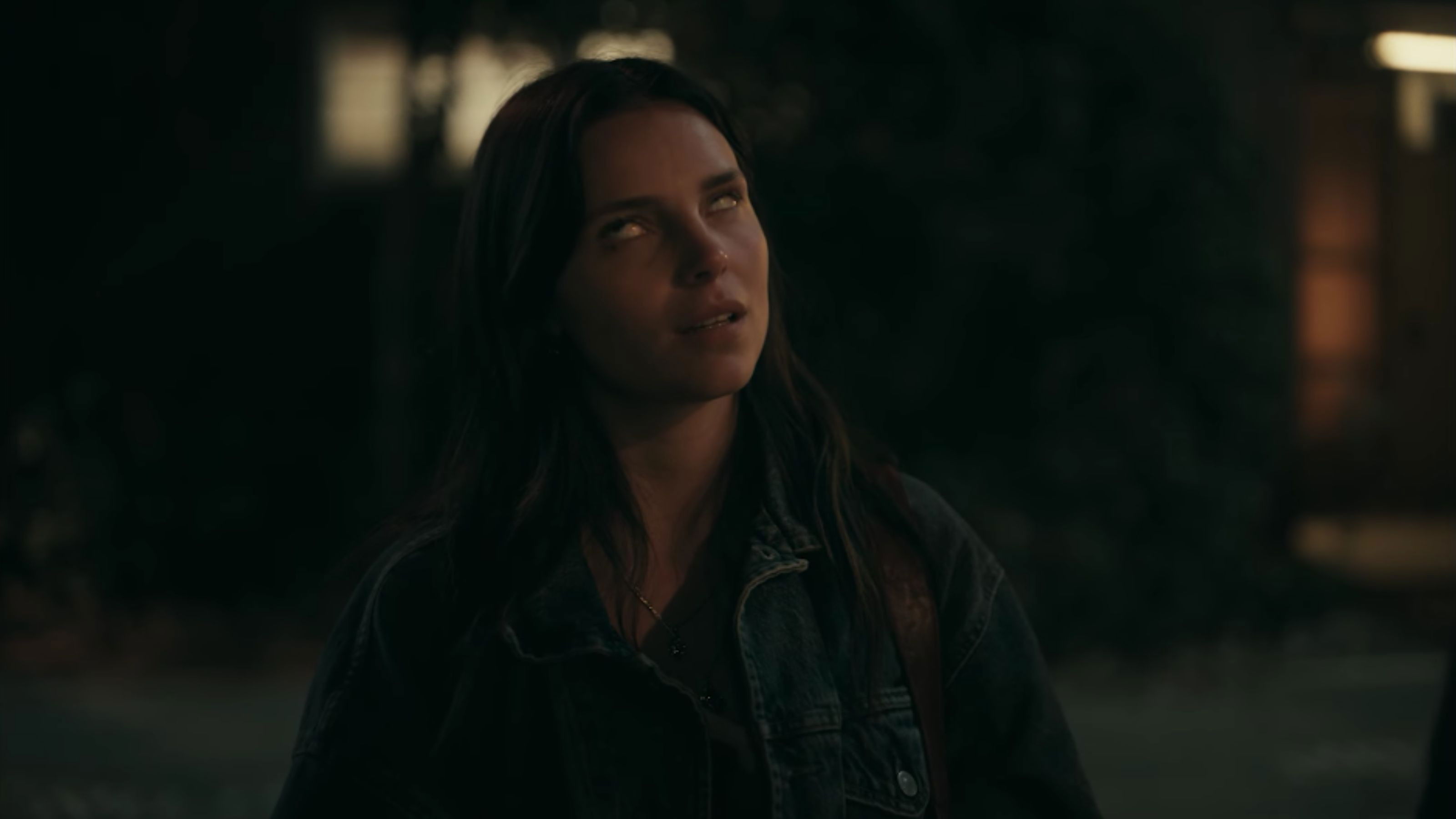
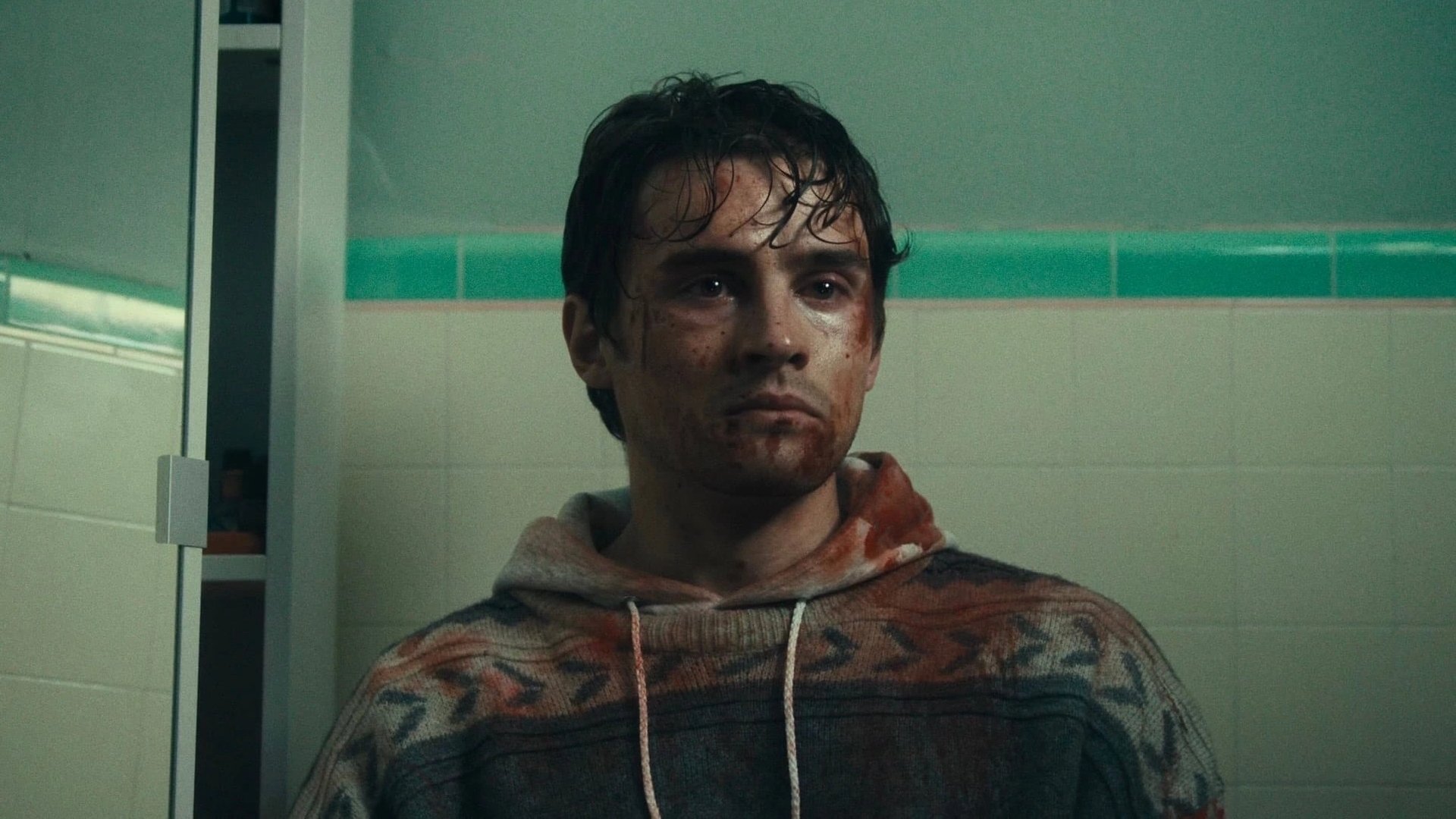
Barker was particularly interested in static framing and an aspect ratio whose proportions reminded him of an ordinary phone photograph. He described the compositions as something close to watching still pictures from a person's life, an effect that becomes increasingly disturbing as Nikki's presence changes. The camera does not need to behave frantically to announce the supernatural. Instead, figures can be placed within carefully controlled frames and allowed to remain there long enough for ordinary domestic space to become threatening. Horror grows inside the image rather than being imposed through constant cutting.

Nikki, Bear & the Transformation of Romantic Horror

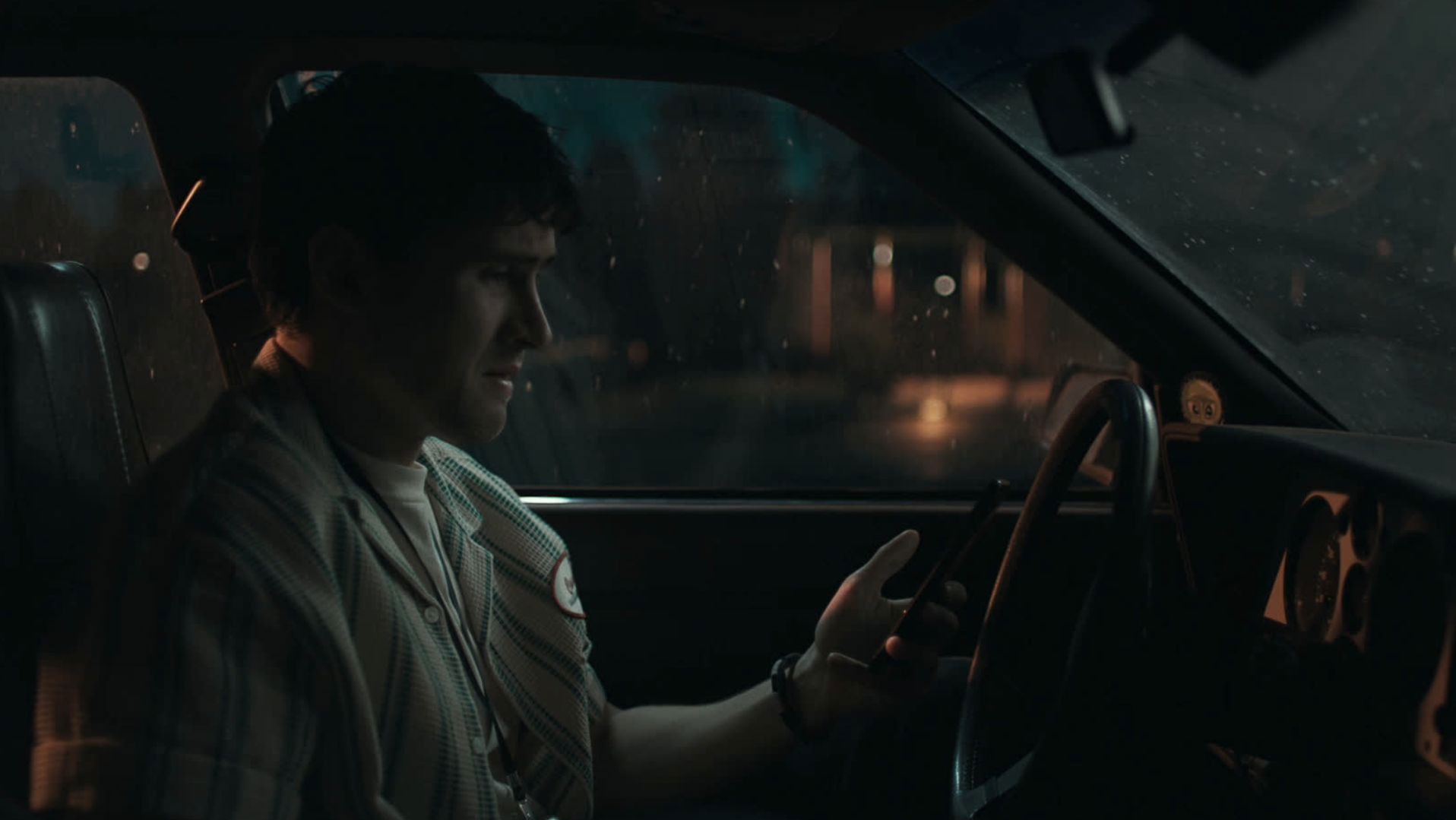
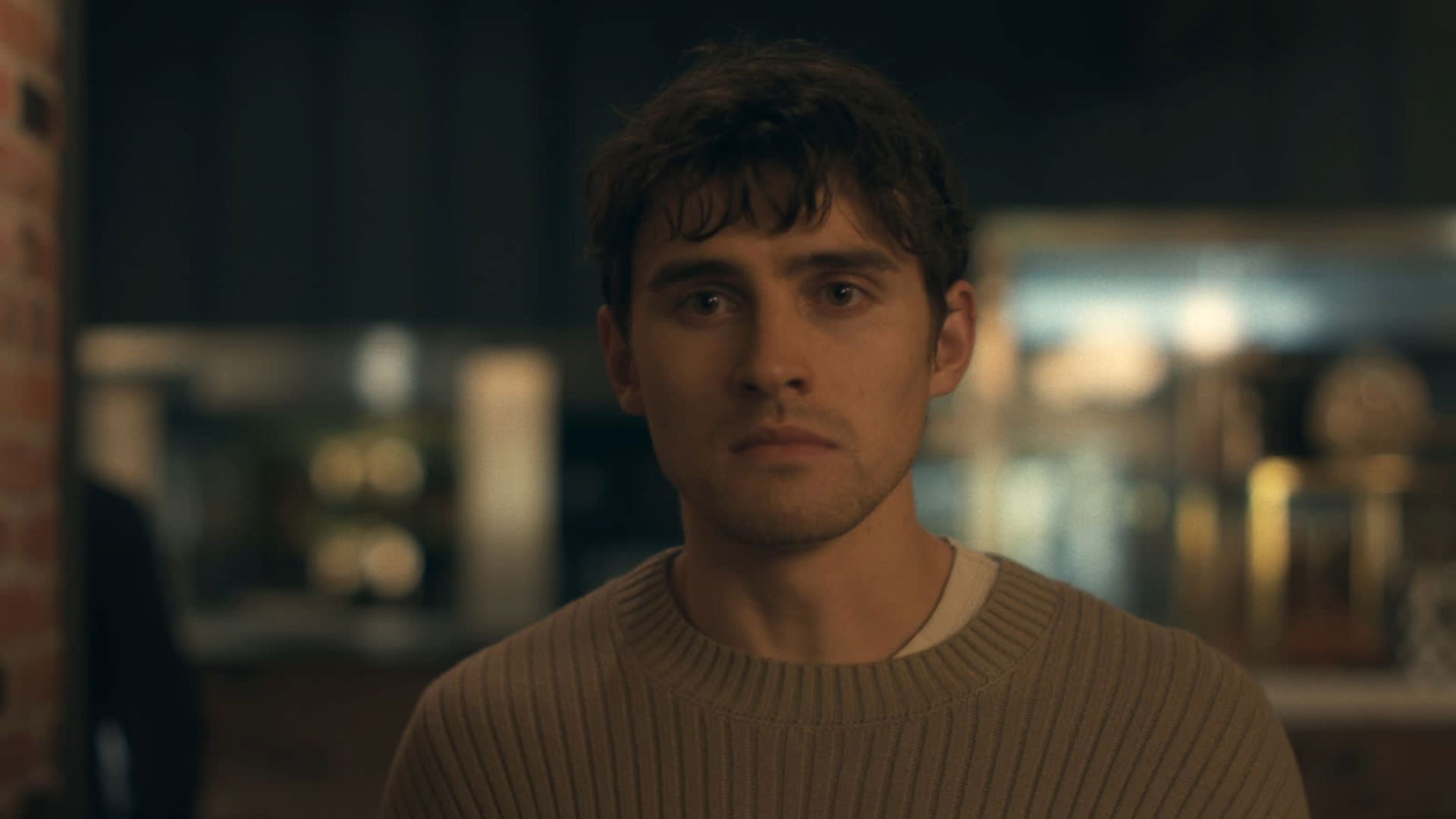
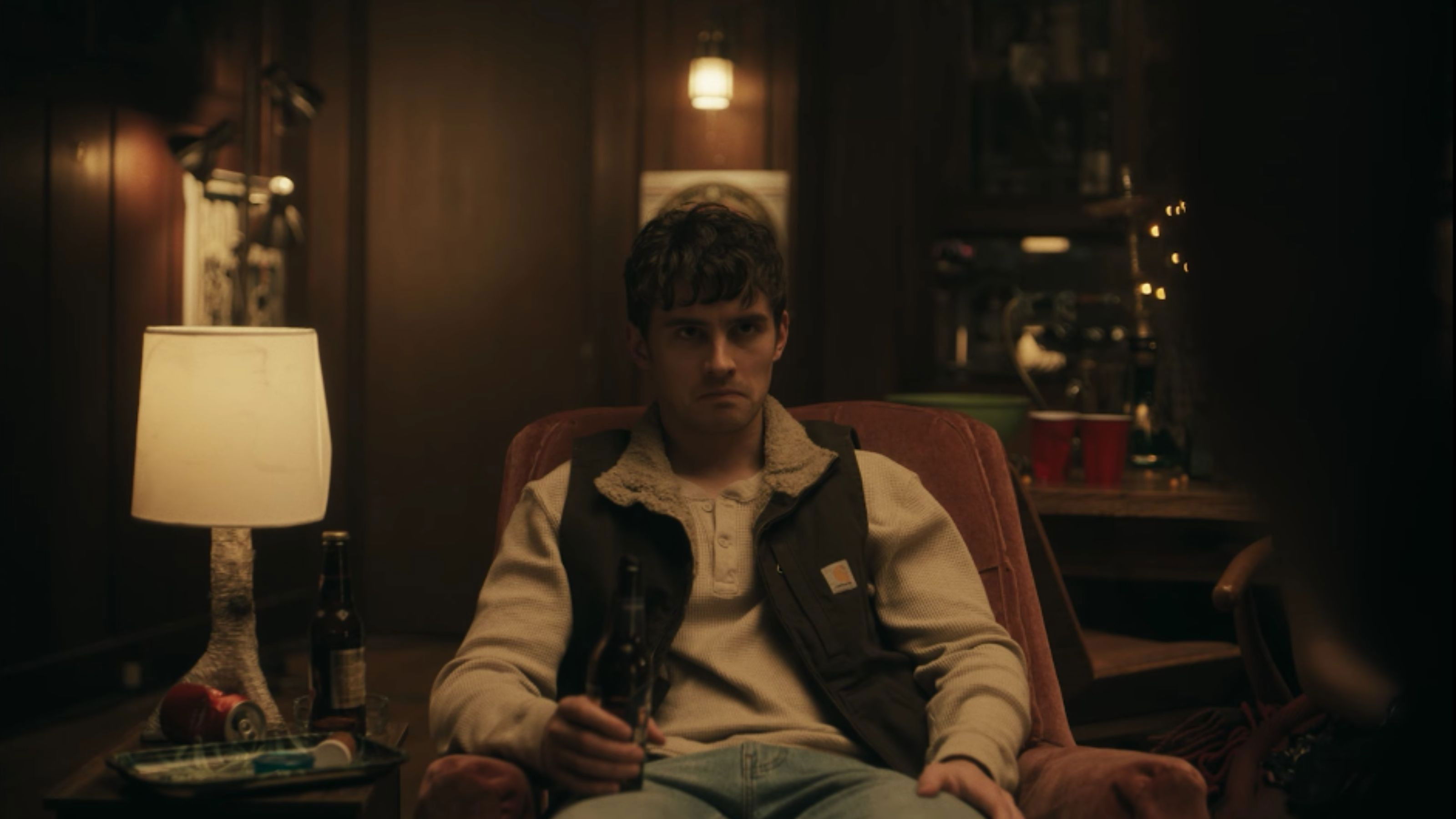
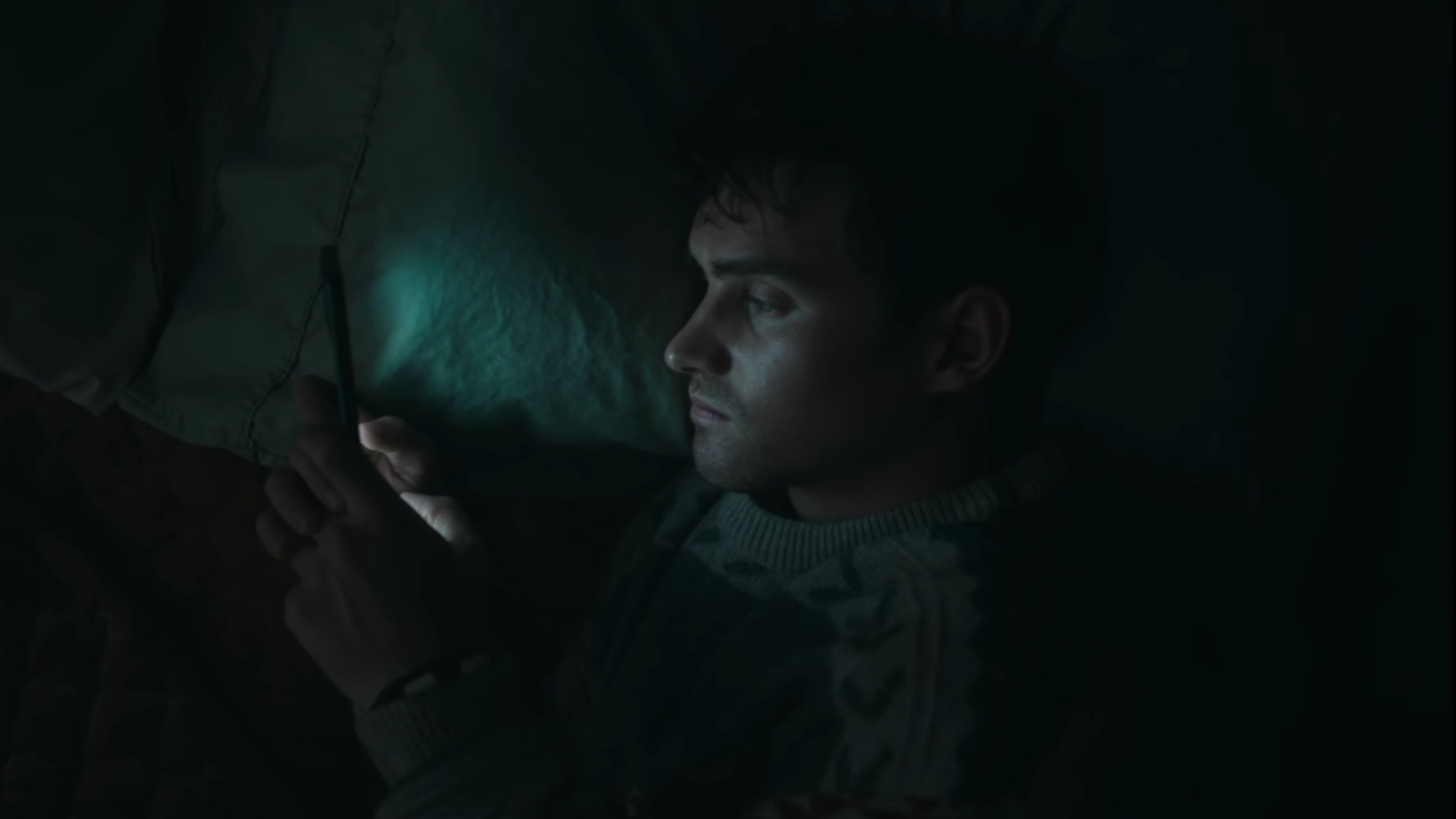
Michael Johnston's Bear is essential because the film cannot function if his initial desire is treated simply as villainy. Barker presents him as insecure, lonely and emotionally hesitant enough for the wish to emerge from recognizable frustration. His inability to tell Nikki how he feels becomes the weakness that supernatural intervention exploits. The audience can understand why he wants intimacy without being required to accept his decision to bypass another person's choice.

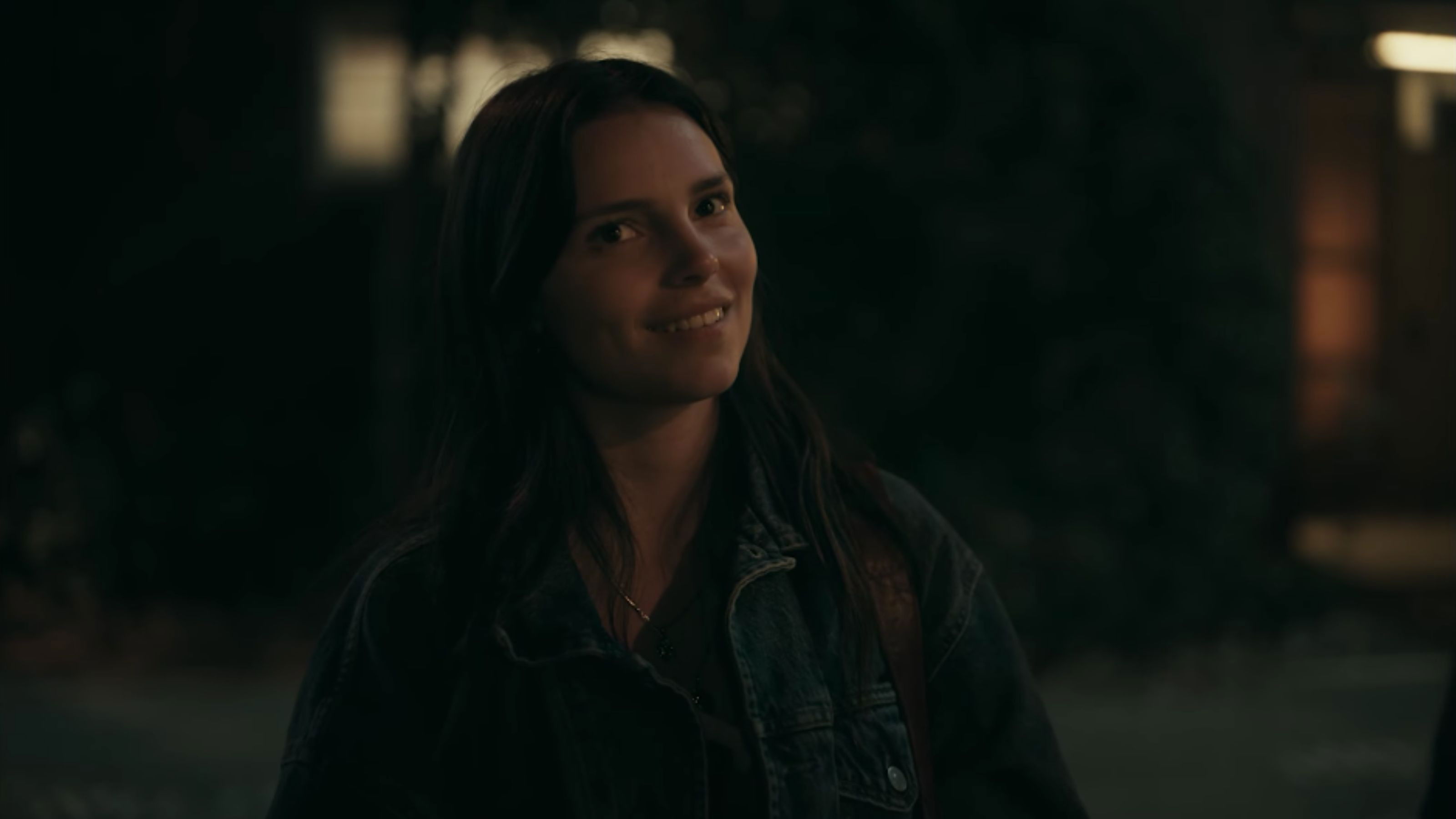
Inde Navarrette's Nikki carries the more difficult transformation. Her performance has to begin from an existing friendship convincing enough for Bear's longing to make sense and then move toward affection whose intensity becomes physically and psychologically wrong. The shift works because the film does not immediately replace Nikki with a conventional possessed-person performance. Her attraction initially resembles the outcome Bear imagined, making the first stages of the wish almost seductive before repetition, proximity and absolute devotion reveal that something fundamental has been removed from the relationship.

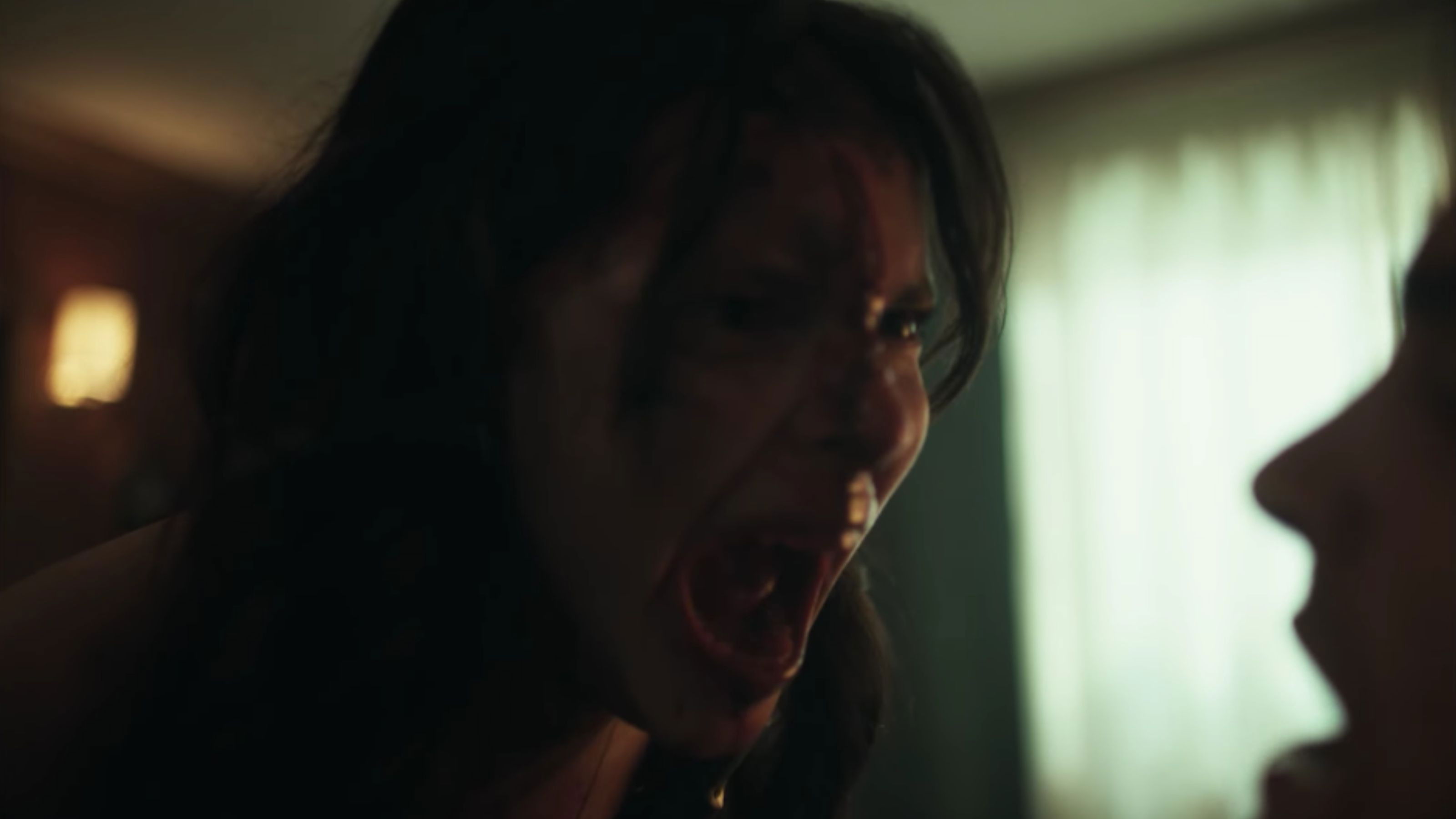
As the supernatural effects intensify, romantic language becomes increasingly threatening. Statements that would sound affectionate within an ordinary relationship become frightening when Nikki's entire existence appears to reorganize around Bear. Barker's horror consequently operates through excess rather than simple inversion: love does not become hate, it becomes too complete. The film asks what remains of a relationship when independence, uncertainty and the ability to leave have all disappeared. Its later physical horror grows directly from that emotional premise rather than functioning as a separate escalation inserted only to provide gore.

Practical Horror & the Escalation of the Wish

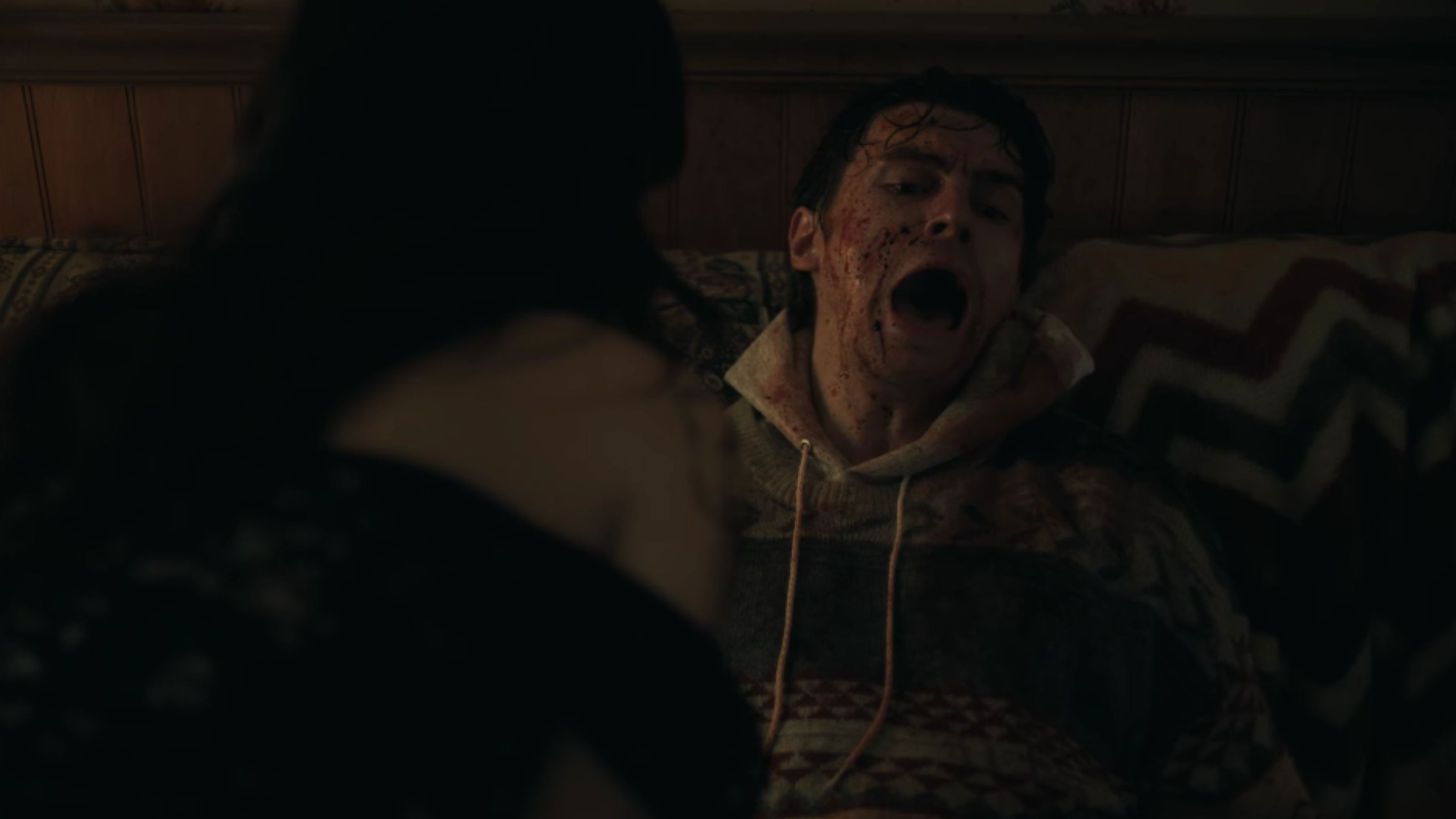
Barker has emphasized practical filmmaking throughout his earlier horror work, and Obsession continues that preference even as the scale increases. The supernatural consequences are allowed to occupy physical spaces with the performers rather than being treated solely as abstract digital phenomena. This gives the later stages of Nikki's transformation a bodily quality consistent with the film's central idea: a wish concerning emotion eventually begins altering the material conditions of the relationship as well.

The escalation is carefully delayed. For substantial stretches, the One Wish Willow could almost be interpreted as having produced an extreme psychological dependency rather than an openly supernatural transformation. Barker uses that uncertainty to keep the early horror close to uncomfortable human behavior. Once the impossible becomes undeniable, the audience has already spent enough time watching Bear attempt to manage the consequences that the supernatural imagery feels like an extension of the same problem rather than the beginning of a different movie.

That structure also allows humor to remain part of the film without neutralizing the horror. Barker came from comedy and has spoken openly about maintaining a relaxed environment during difficult scenes, partly because performers are being asked to expose themselves emotionally in front of an entire crew. The finished film retains that sensibility. Awkwardness and absurdity often exist beside genuinely disturbing material, but the jokes do not provide a safe exit from what Bear has done. The comedy makes the characters recognizable; the supernatural consequences ensure that recognition becomes increasingly uncomfortable.
TIFF, Acquisition & the 2026 Release

Obsession had its world premiere in the Midnight Madness programme at the Toronto International Film Festival on September 5, 2025. For a feature made independently at this scale, the festival immediately changed its commercial prospects. Barker later described simply getting into TIFF as a major achievement before learning that distributors were competing for the film. After additional festival exposure, Focus Features acquired worldwide rights in October 2025, with Universal Pictures International handling distribution outside the United States.

The acquisition transformed the release scale without changing the film's independent origins. Focus opened Obsession theatrically in the United States on May 15, 2026, with international territories beginning their releases during the same week. The American opening reached 2,615 theaters and produced approximately $17.2 million over its first weekend. The film developed unusually strong theatrical endurance and eventually expanded to more than 3,000 domestic screens.

This release history also explains the apparent disagreement over the film's year. Obsession is sometimes catalogued as a 2025 production because its public world premiere occurred at TIFF that September. Its commercial theatrical release, however, belongs to 2026. The festival premiere and the theatrical release represent different stages of the same distribution history.

Reception & Commercial Breakthrough

The reception that began at TIFF remained unusually positive through the wider release. Early festival reviews repeatedly identified Barker's control of tone, Navarrette's performance and the film's ability to move between dark comedy, psychological discomfort and grotesque horror without losing its central relationship. The response established Barker as a notable new horror filmmaker before he had completed a second studio-distributed feature.
The commercial result was even more remarkable. Current box-office reporting records approximately $263.5 million in the United States and Canada and about $520 million worldwide. Those figures are extraordinary for a film whose production began with roughly $650,000 and remained below $1 million according to Barker's own account. The contrast between production scale and theatrical performance became inseparable from the story of the film's success.

Because Obsession has only just completed its first year of public life, broader claims about long-term influence would be premature. What can already be established is that an independently produced supernatural horror film from a first-time feature director moved from TIFF Midnight Madness to a major worldwide acquisition, exceptionally strong reviews and blockbuster-level theatrical revenue. Its historical position will depend on what follows, but its immediate impact is no longer speculative: Obsession became one of the major horror breakthroughs of 2026 without beginning its life as anything resembling a conventional studio production.

Cast

View Full Cast & Crew →

Release & Distribution

Distributors (2)

  • Focus Features US
  • UIP-Dunafilm HU

Release History (135)

Release DateTerritoryRelease TypeFormatDistributorCertificationNotes
2025-09-06 Canada Premiere — — — Toronto International Film Festival
2025-09-21 United States Premiere — — — Fantastic Fest
2025-10-16 Spain Premiere — — — Sitges International Fantastic Film Festival of Catalonia
2026-03-14 United States Premiere — — — South by Southwest Film & TV Festival
2026-03-19 Sweden Premiere — — — Monsters of Film
2026-03-20 United States Premiere — — — Boston Underground Film Festival
2026-03-28 Finland Premiere — — — Night Visions Film Festival
2026-04-02 United States Premiere — — — Beyond Chicago
2026-04-09 United States Premiere — — — Overlook Film Festival
2026-04-10 Türkiye Premiere — — — Istanbul Film Festival
2026-04-10 United States Premiere — — — Wisconsin Film Festival
2026-04-11 United States Premiere — — — Florida Film Festival
2026-04-15 United States Premiere — — — Miami Film Festival
2026-04-16 Germany Premiere — — — Fantasy Filmfest
2026-04-16 Taiwan Premiere — — — Golden Horse Fantastic Film Festival
2026-04-16 United States Premiere — — — Minneapolis St. Paul International Film Festival
2026-04-17 United States Premiere — — — Cleveland International Film Festival
2026-04-18 Belgium Premiere — — — Brussels International Fantastic Film Festival
2026-04-18 United States Premiere — — — PFS SpringFest
2026-04-25 Canada Premiere — — — Calgary Underground Film Festival
2026-05-08 Australia Premiere — — — Fantastic Film Festival Australia
2026-05-09 United States Premiere — — — Seattle International Film Festival
2026-05-13 Belgium Theatrical — — 16
2026-05-13 Finland Theatrical — — K-16
2026-05-13 France Theatrical — — 16
2026-05-13 Guadeloupe Theatrical — — —
2026-05-13 Luxembourg Theatrical — — —
2026-05-13 Paraguay Theatrical — — —
2026-05-14 Argentina Theatrical — — +16
2026-05-14 Australia Theatrical — — MA 15+
2026-05-14 Aruba Theatrical — — —
2026-05-14 Bolivia Theatrical — — —
2026-05-14 Brazil Theatrical — — 18
2026-05-14 Chile Theatrical — — 18
2026-05-14 Colombia Theatrical — — —
2026-05-14 Costa Rica Theatrical — — —
2026-05-14 Denmark Theatrical — — 15
2026-05-14 Dominican Republic Theatrical — — —
2026-05-14 Ecuador Theatrical — — —
2026-05-14 Guatemala Theatrical — — —
2026-05-14 Honduras Theatrical — — —
2026-05-14 Croatia Theatrical — — —
2026-05-14 Israel Theatrical — — 14
2026-05-14 Italy Theatrical — — 14+
2026-05-14 Montenegro Theatrical — — —
2026-05-14 North Macedonia Theatrical — — —
2026-05-14 Mexico Theatrical — — C
2026-05-14 Nicaragua Theatrical — — —
2026-05-14 Netherlands Theatrical — — 16
2026-05-14 New Zealand Theatrical — — R16
2026-05-14 Panama Theatrical — — —
2026-05-14 Peru Theatrical — — —
2026-05-14 Puerto Rico Theatrical — — R
2026-05-14 Portugal Theatrical — — M/16
2026-05-14 Serbia Theatrical — — —
2026-05-14 Slovenia Theatrical — — —
2026-05-14 Uruguay Theatrical — — —
2026-05-14 Venezuela Theatrical — — —
2026-05-15 Canada Theatrical — — 14A
2026-05-15 United Kingdom Theatrical — — 18
2026-05-15 Ghana Theatrical — — —
2026-05-15 Ireland Theatrical — — 16
2026-05-15 Malta Theatrical — — —
2026-05-15 Poland Theatrical — — —
2026-05-15 Sweden Theatrical — — 15
2026-05-15 Türkiye Theatrical — — 18+
2026-05-15 United States Theatrical — — R
2026-05-15 South Africa Theatrical — — 16
2026-05-21 United Arab Emirates Theatrical — — —
2026-05-21 Bosnia & Herzegovina Theatrical — — —
2026-05-21 Bahrain Theatrical — — —
2026-05-21 Belarus Theatrical — — —
2026-05-21 Egypt Theatrical — — —
2026-05-21 Kuwait Theatrical — — —
2026-05-21 Kazakhstan Theatrical — — —
2026-05-21 Lebanon Theatrical — — —
2026-05-21 Oman Theatrical — — —
2026-05-21 Qatar Theatrical — — — 18+
2026-05-21 Russia Theatrical — — 18+
2026-05-21 Saudi Arabia Theatrical — — —
2026-05-22 Norway Theatrical — — 15
2026-05-27 Philippines Theatrical — — R-16
2026-05-28 Czechia Theatrical — — 15+
2026-05-28 Hungary Theatrical — — 16
2026-05-28 Iceland Theatrical — — —
2026-05-28 Slovakia Theatrical — — 15
2026-05-29 Estonia Theatrical — — —
2026-05-29 India Theatrical — — A
2026-05-29 Latvia Theatrical — — 16+
2026-06-04 Antigua & Barbuda Theatrical — — —
2026-06-04 Guyana Theatrical — — —
2026-06-04 Trinidad & Tobago Theatrical — — —
2026-06-05 Pakistan Theatrical — — —
2026-06-10 Lithuania Theatrical — — N-16
2026-06-11 Ukraine Theatrical — — 18+
2026-06-17 Nepal Theatrical — — —
2026-06-18 Greece Theatrical — — K18
2026-06-18 Thailand Theatrical — — 18
2026-06-19 Vietnam Theatrical — — — T18
2026-06-25 Austria Theatrical — — —
2026-06-25 Azerbaijan Theatrical — — — 18+
2026-06-25 Switzerland Theatrical — — 16
2026-06-25 Germany Theatrical — — 16
2026-06-25 Malaysia Theatrical — — 18PL
2026-06-25 Singapore Theatrical — — M18
2026-06-26 Bulgaria Theatrical — — D
2026-06-26 Spain Theatrical — — 18
2026-06-26 Indonesia Theatrical — — 17+
2026-06-26 Romania Theatrical — — 18
2026-06-27 Hong Kong SAR China Limited Theatrical — — III
2026-06-30 United Kingdom Digital — — 18
2026-06-30 United States Digital — — R
2026-07-01 Hong Kong SAR China Theatrical — — III
2026-07-06 South Korea Premiere — — — Bucheon International Fantastic Film Festival
2026-07-12 Armenia Premiere — — — Golden Apricot Yerevan International Film Festival
2026-07-14 United States Physical 4K UHD, DVD, Blu-ray — R 4K Ultra HD / Blu-ray / DVD
2026-07-17 American Samoa Digital — — — Peacock
2026-07-17 Guam Digital — — — Peacock
2026-07-17 Japan Theatrical — — R15+
2026-07-17 Northern Mariana Islands Digital — — — Peacock
2026-07-17 Puerto Rico Digital — — R Peacock
2026-07-17 United States Digital — — R Peacock
2026-07-24 China Theatrical — — —
2026-08-06 Macao SAR China Theatrical — — —
2026-08-07 Taiwan Theatrical — — 15+
2026-08-10 Germany Digital — — 16
2026-08-10 Russia Digital — — 18+
2026-08-13 Israel Digital — — 14 iTunes / Apple TV
2026-09-02 South Korea Theatrical — — 19
2026-09-07 United Kingdom Physical DVD, Blu-ray — 18 Blu-ray / DVD
2026-09-11 Canada Premiere — — — Toronto International Film Festival
2026-09-11 Romania Digital — — 18
2026-09-15 France Physical DVD, Blu-ray — 16 Blu-ray / DVD
2026-09-24 Germany Physical — — 16
2026-10-14 United States Limited Theatrical — — R 4DX
Be careful who you wish for…