From Stephen King’s Short Story to a Feature Film
King's story was first published in 1980 and subsequently included in the collection Skeleton Crew (1985). The adaptation was offered to Perkins by producers who already had the material, an invitation he described to Rue Morgue as unexpected. He approached the commission by trying to identify the dramatic possibilities of a familiar cursed object, rather than treating the short story as a ready-made screenplay. For the director, the opportunity lay in the recognizable image of the malevolent monkey and the freedom to determine what that image could mean across a full-length film.
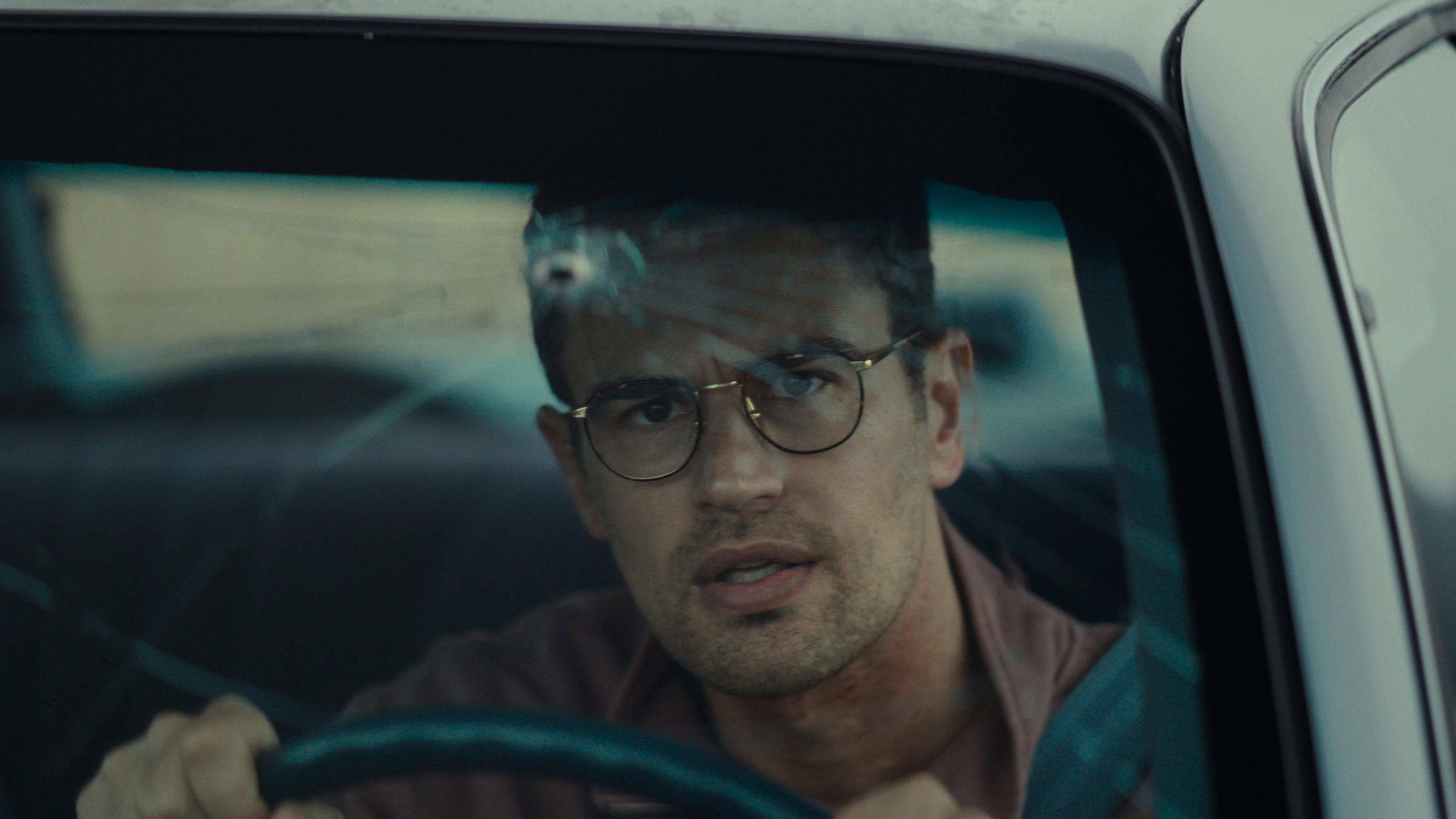
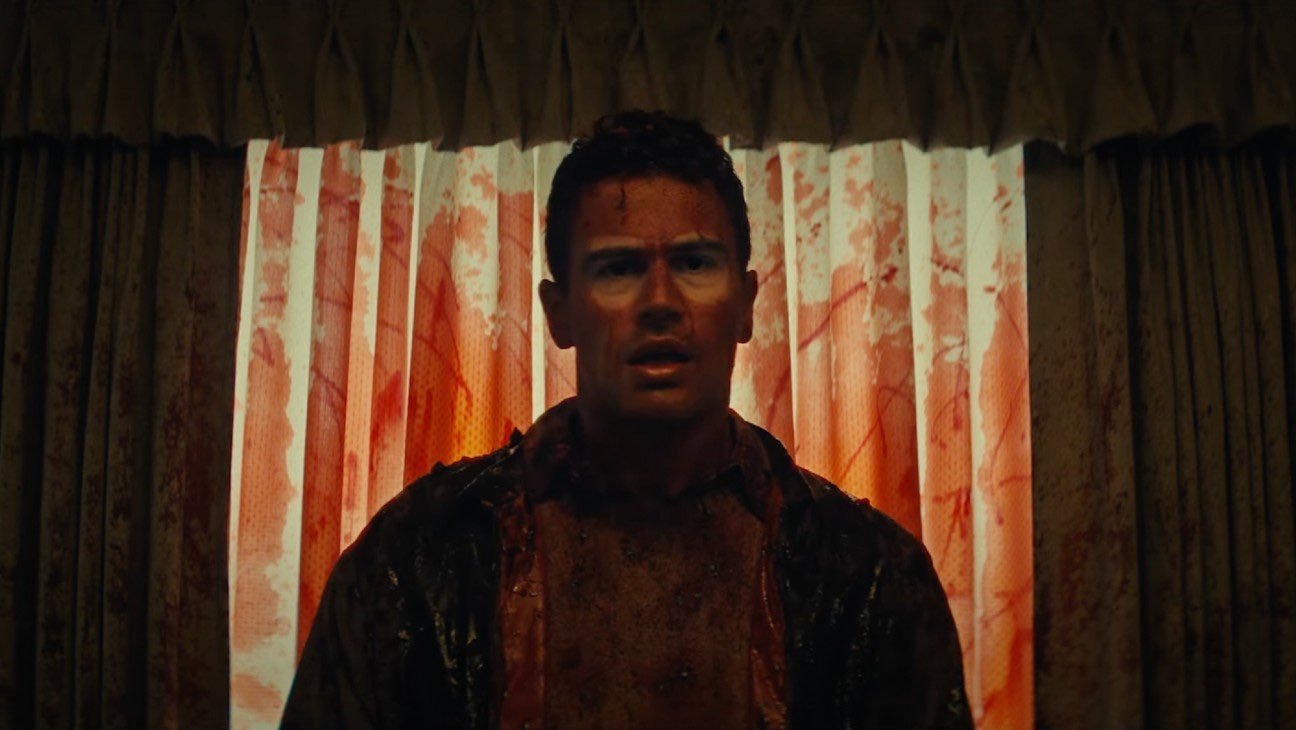
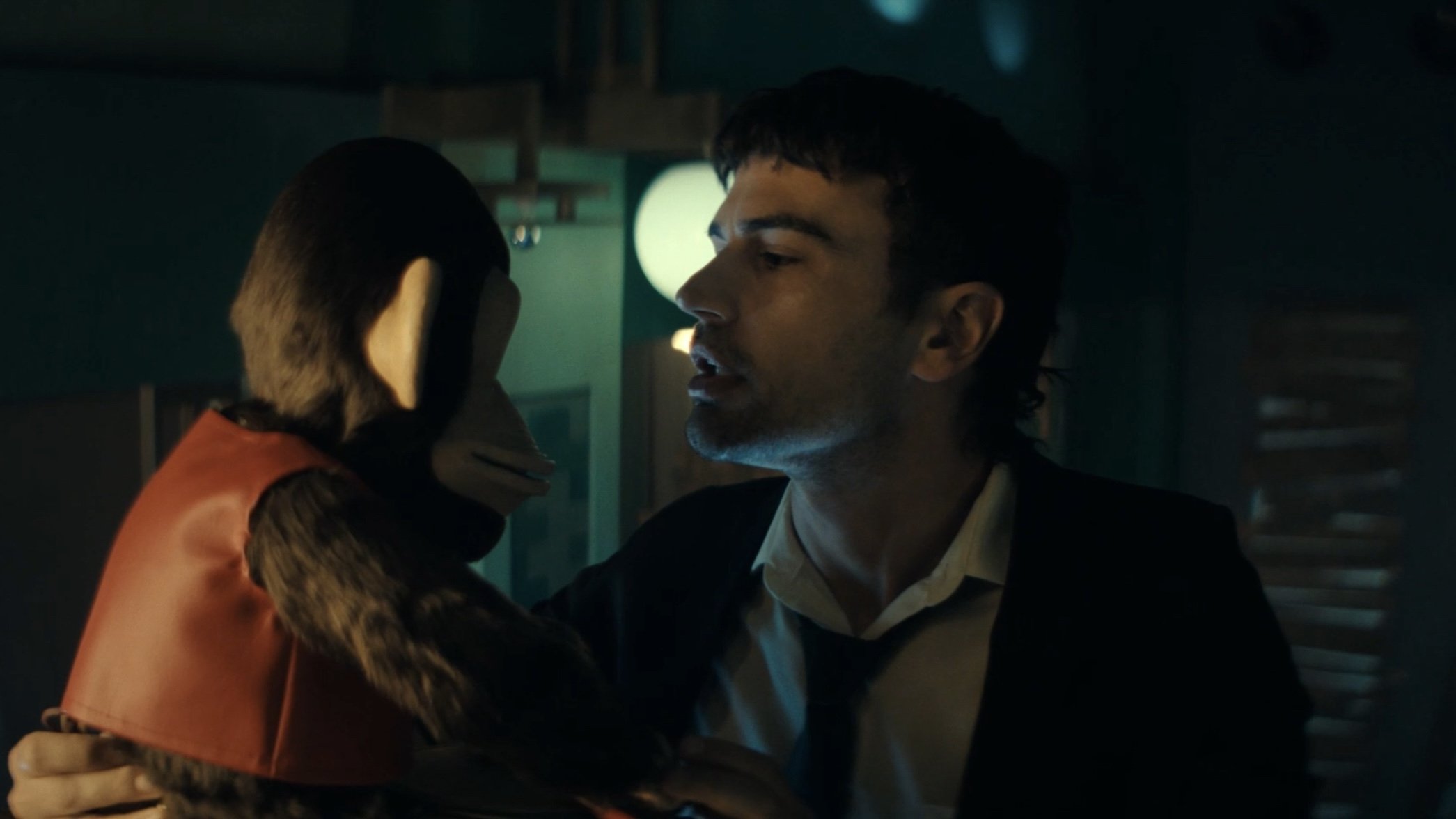
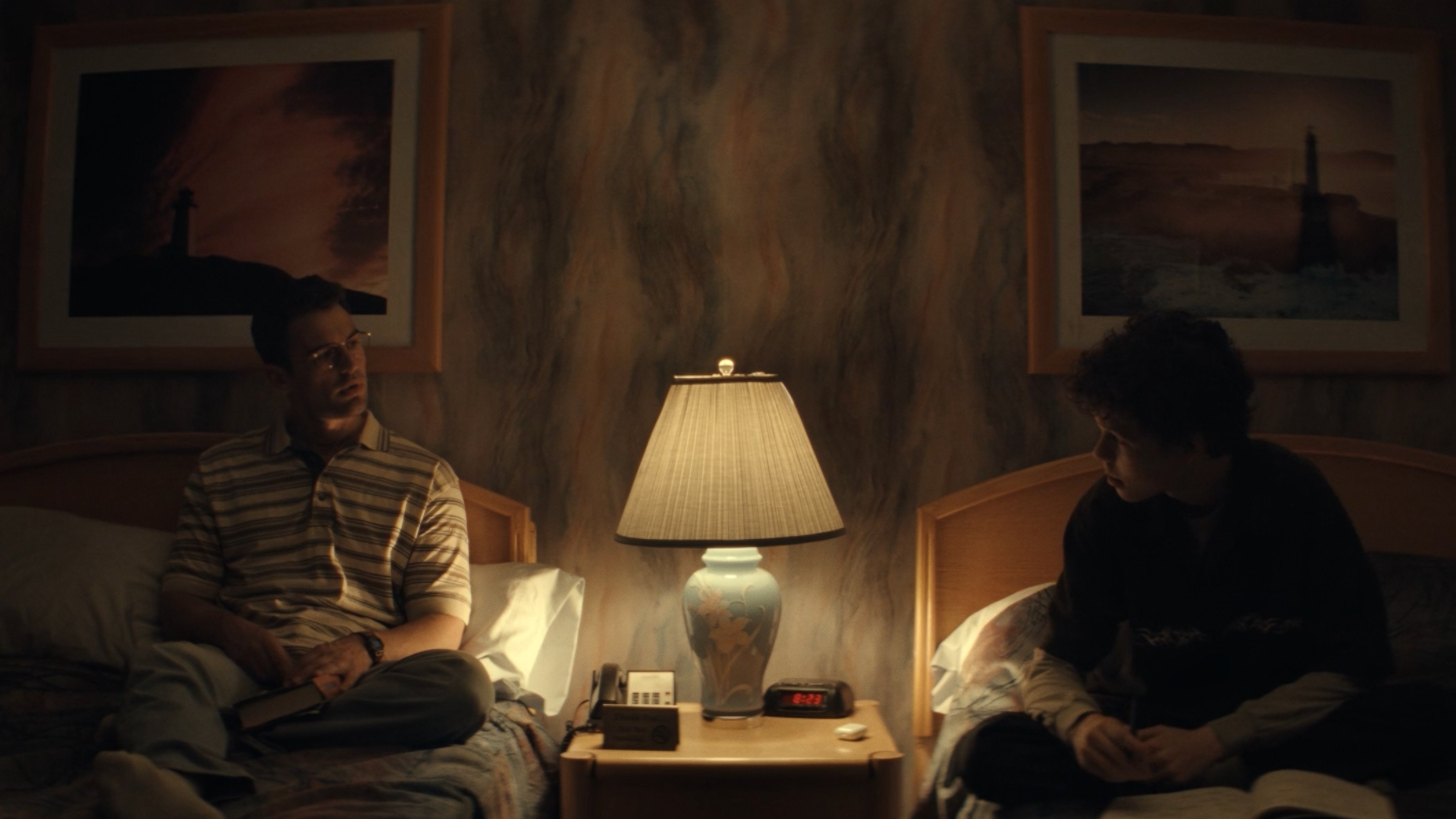
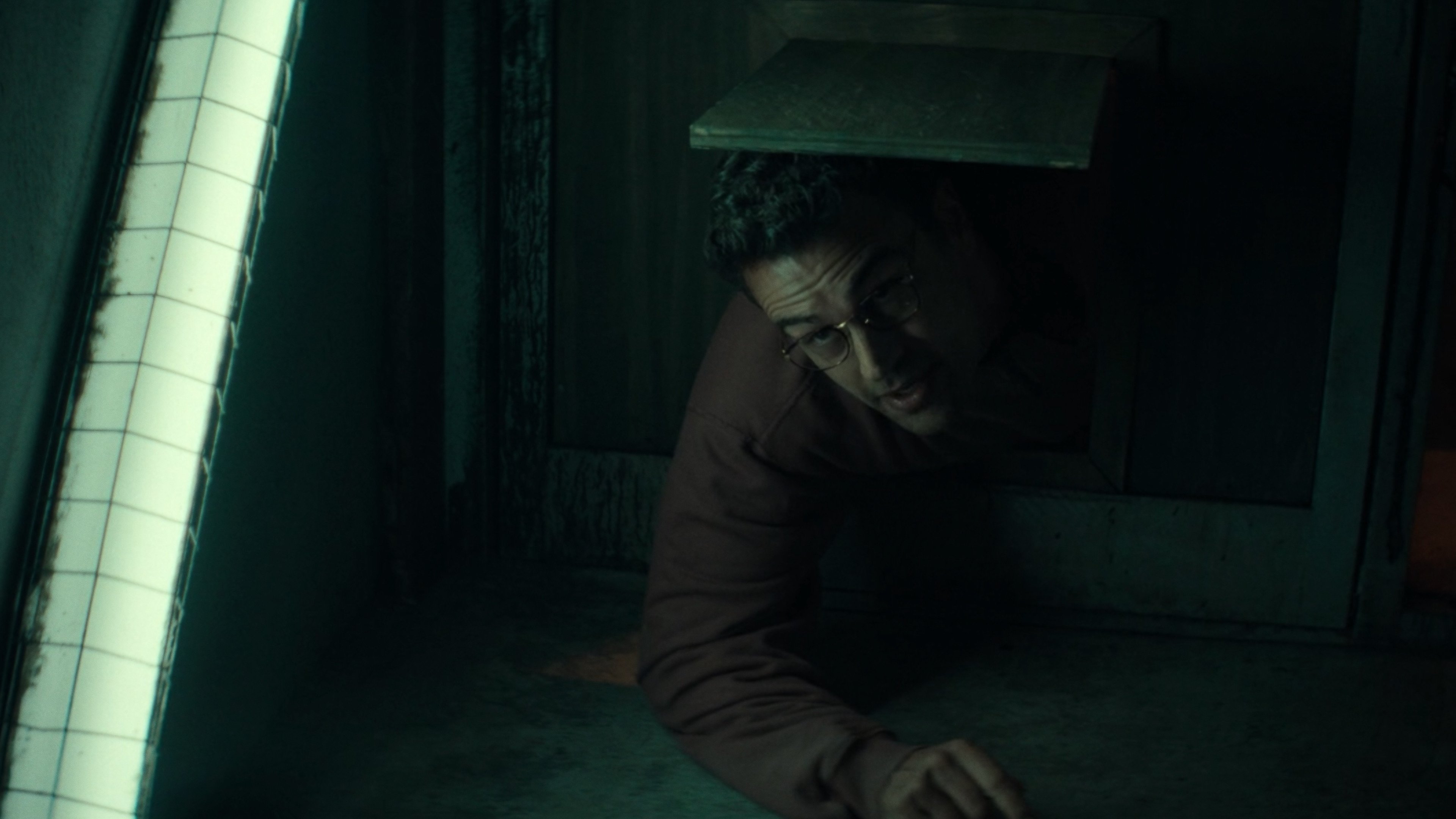
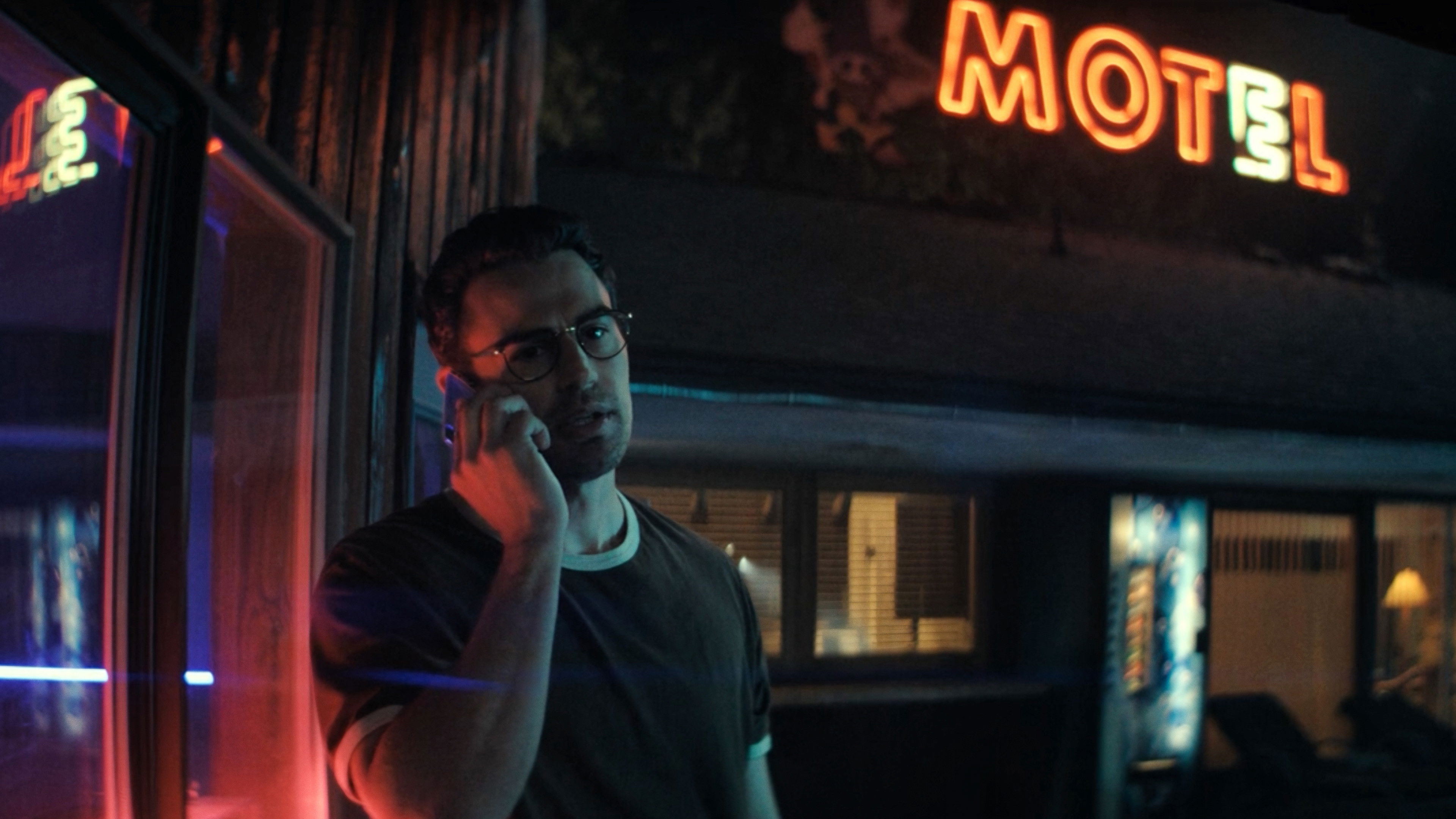
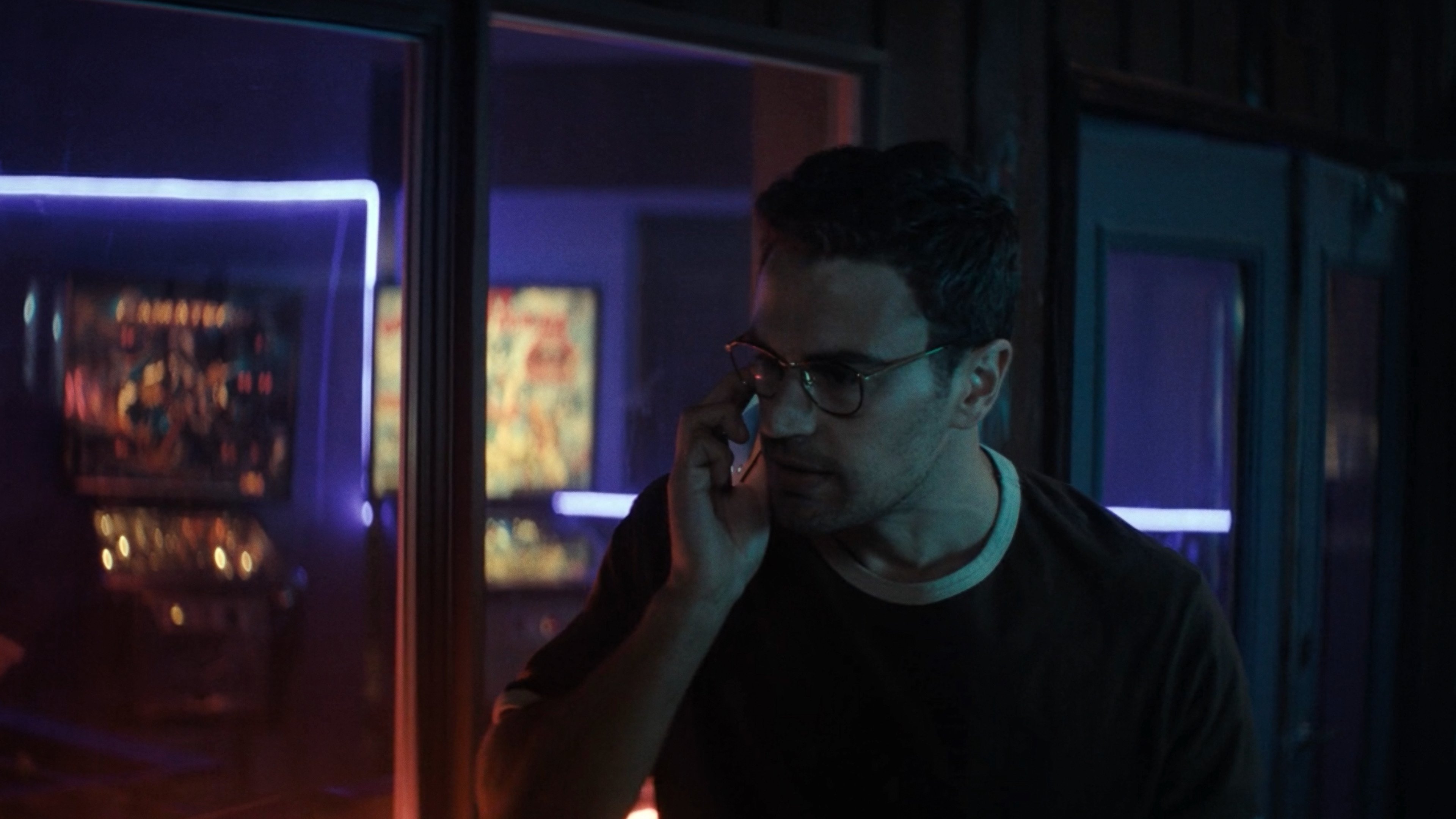
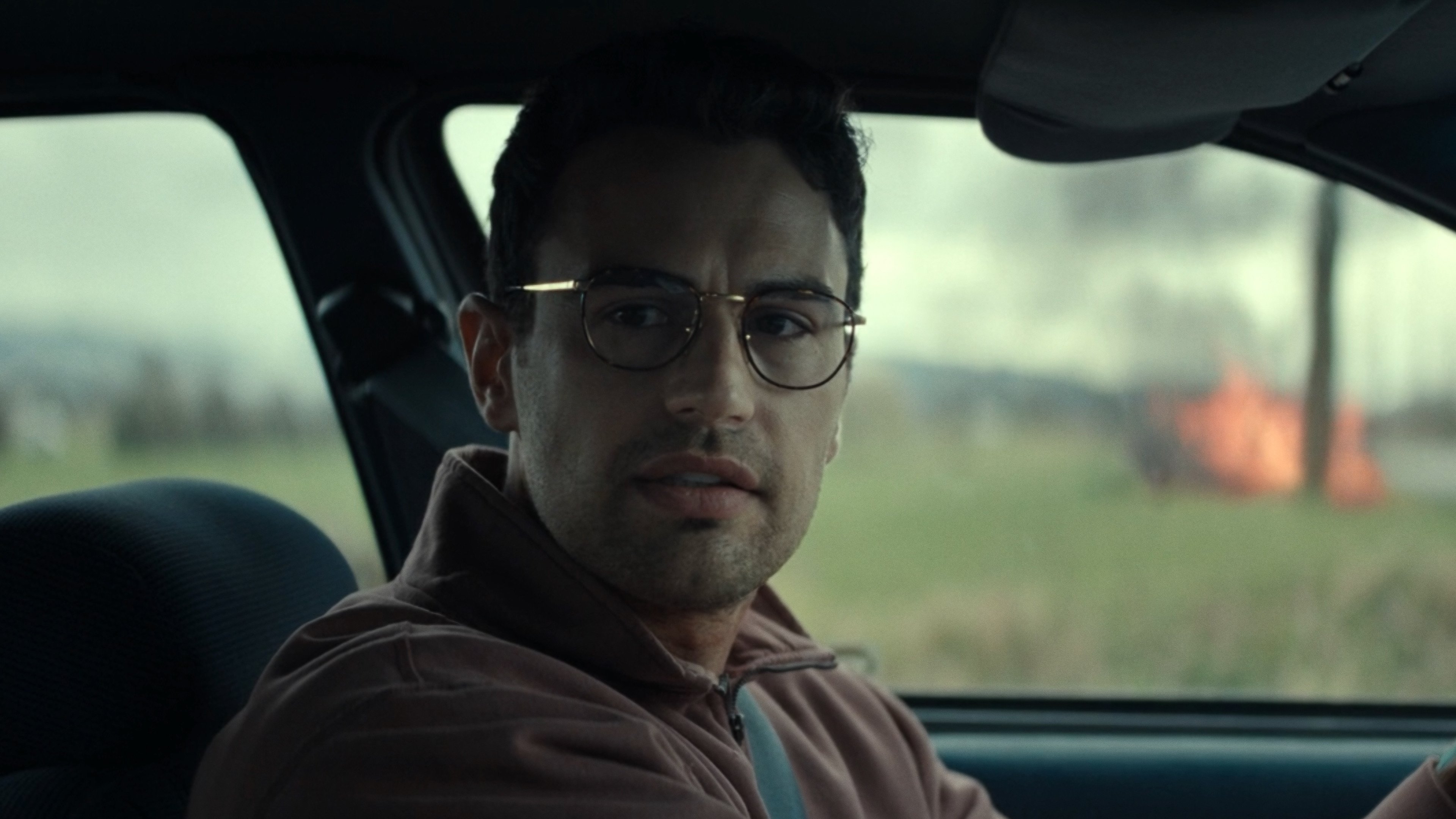
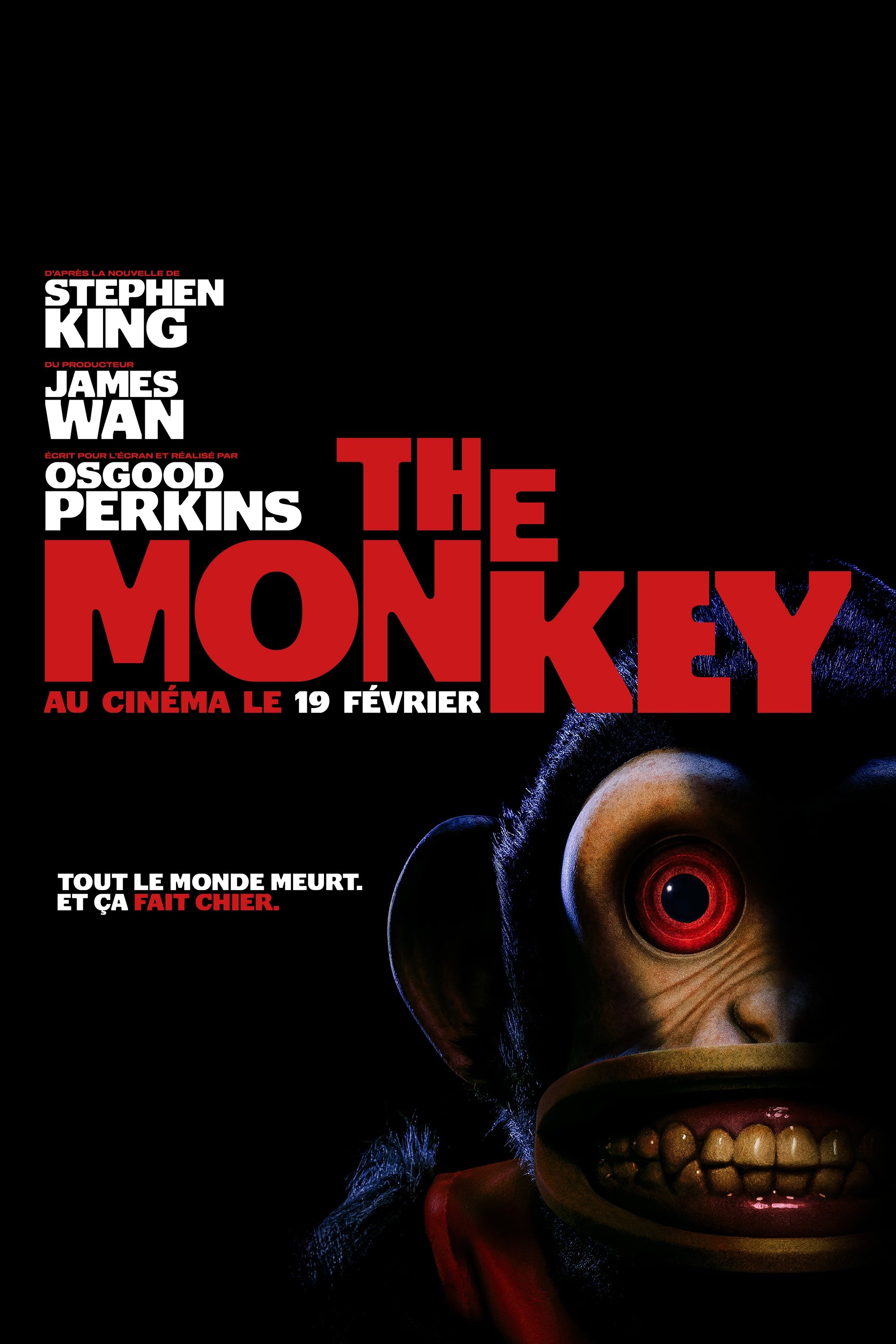
The resulting screenplay expanded and reorganized King's material around twin brothers with opposed responses to loss. Christian Convery plays Hal and Bill as children, while Theo James portrays both men in adulthood. Their separation becomes crucial when the monkey reappears: one brother regards its apparent power as something to escape, while the other tries to make use of it. This change turns the story's inherited family terror into an active conflict between people who have lived through the same childhood catastrophe but interpreted it differently. Perkins described both brothers as expressions of aspects of his own personality, making their differences more important than a conventional explanation of the supernatural curse.
Redesigning the Monkey and Its Rules
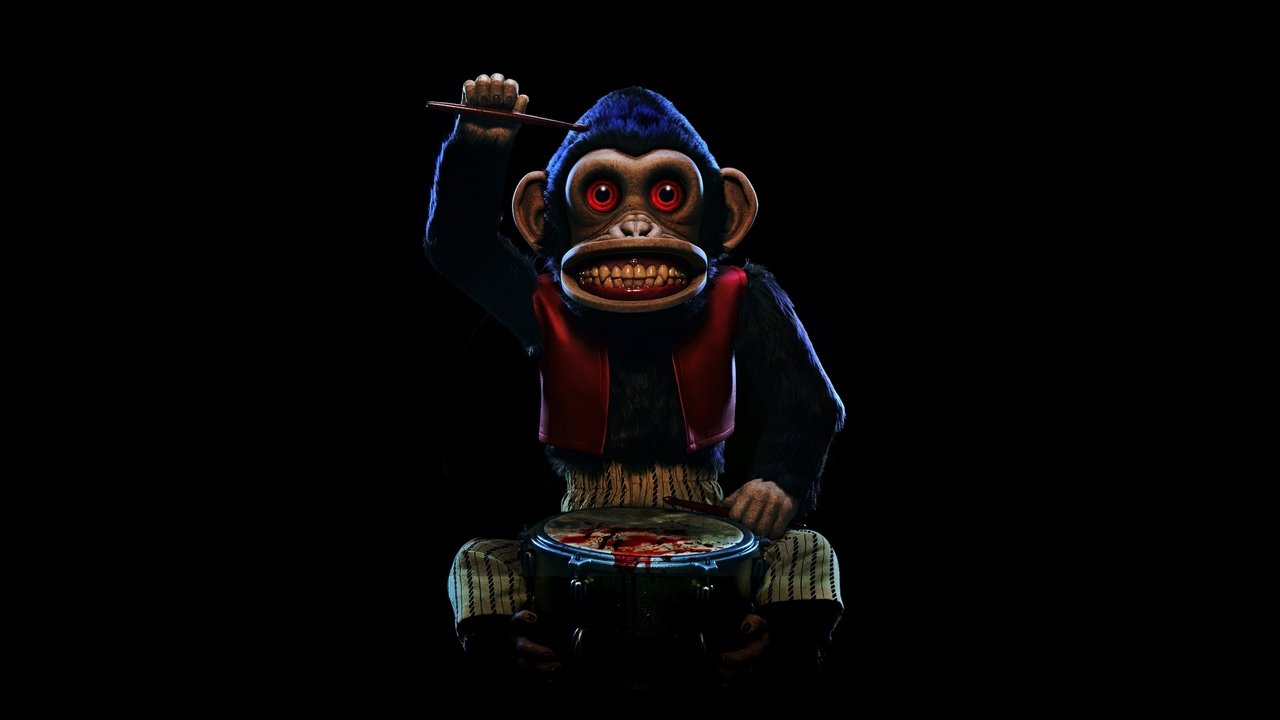
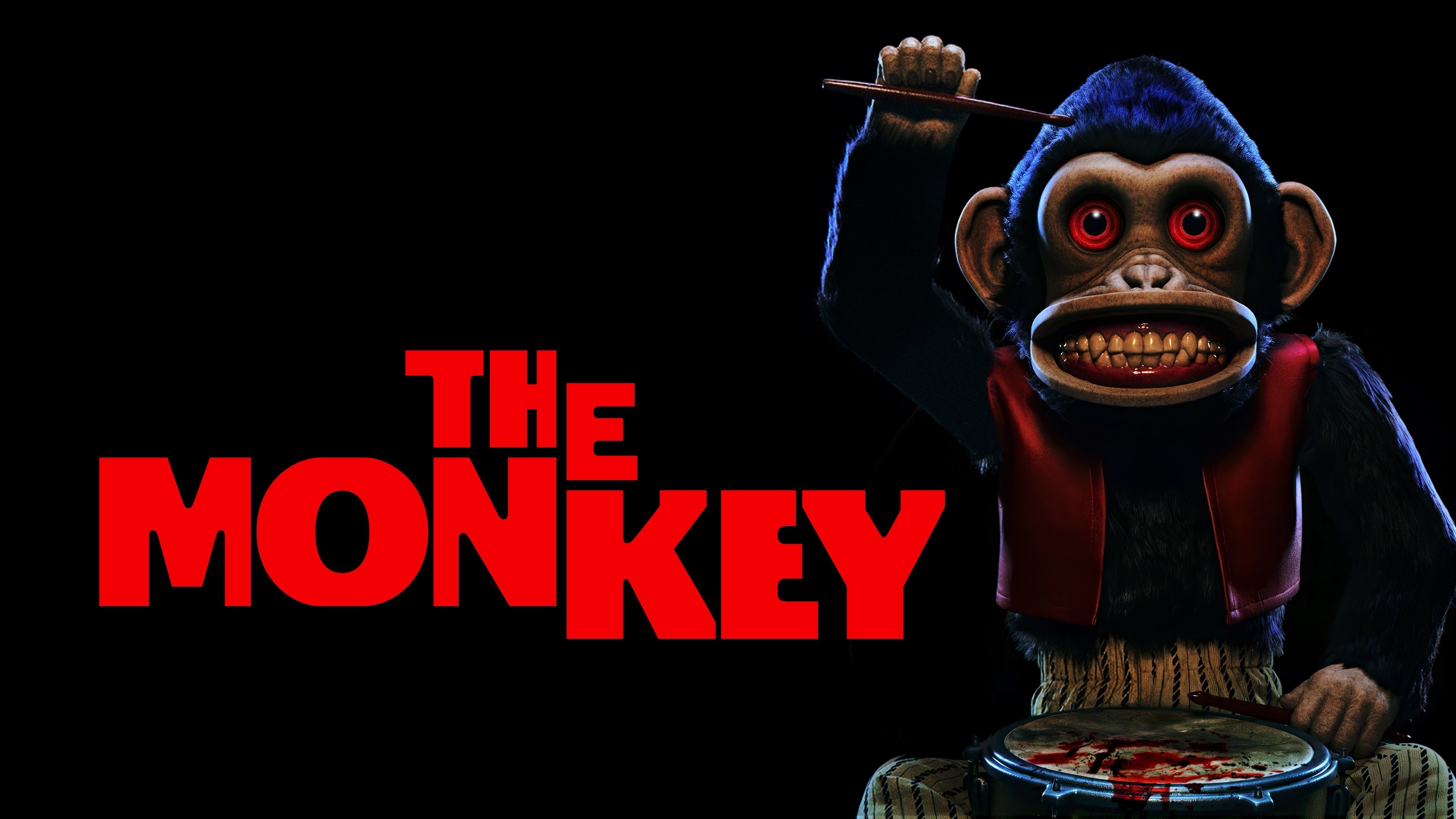
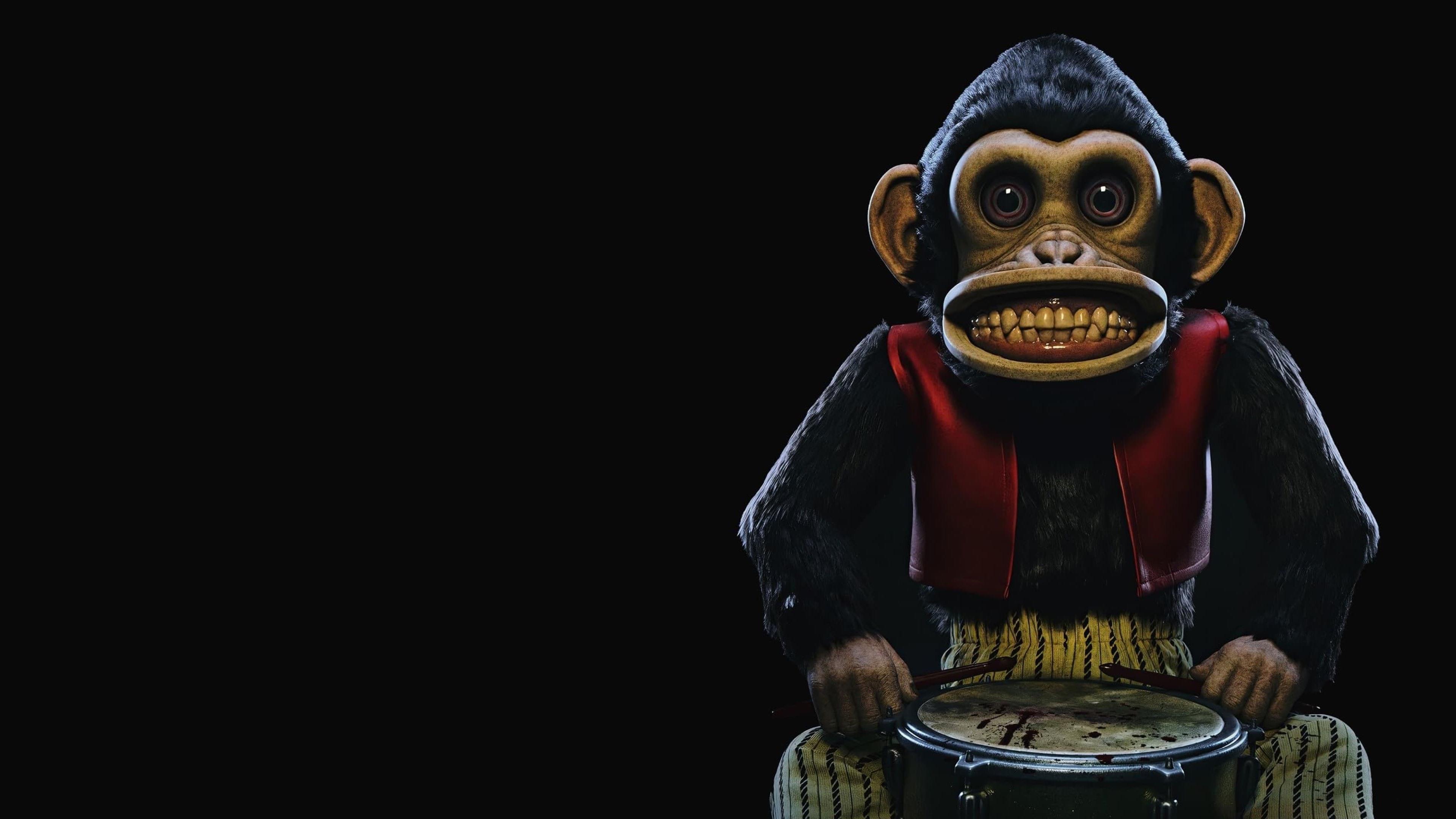
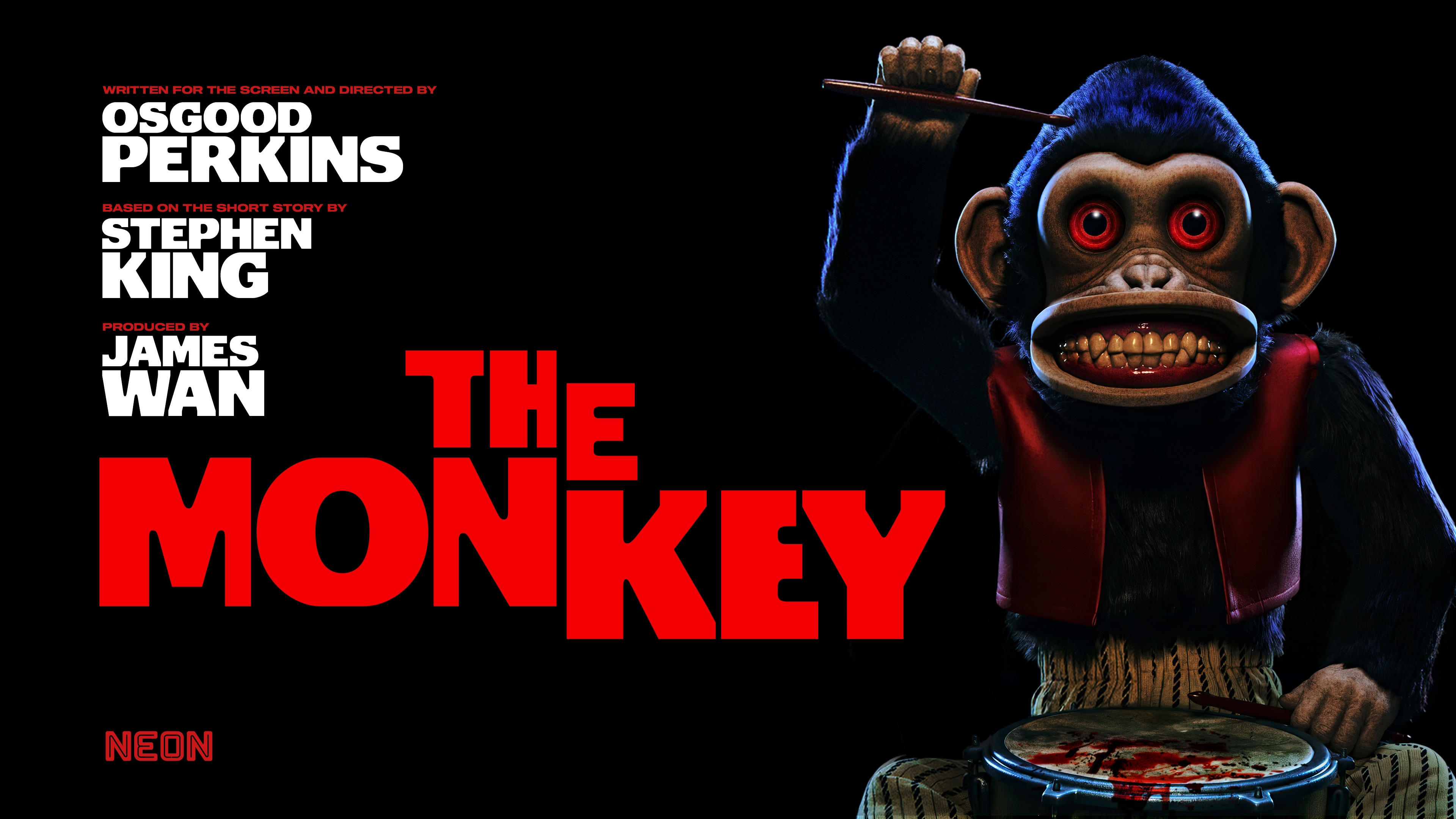
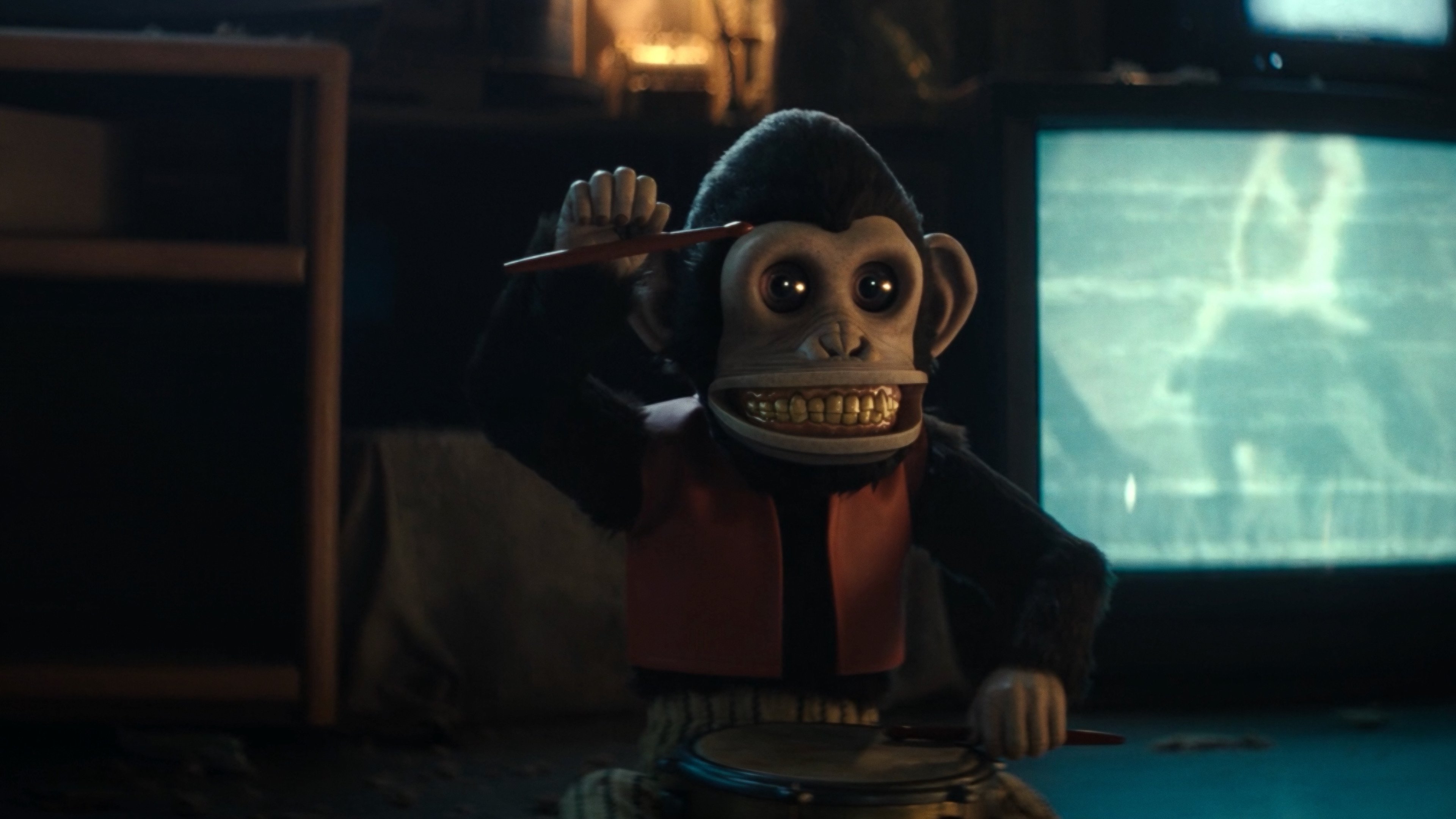
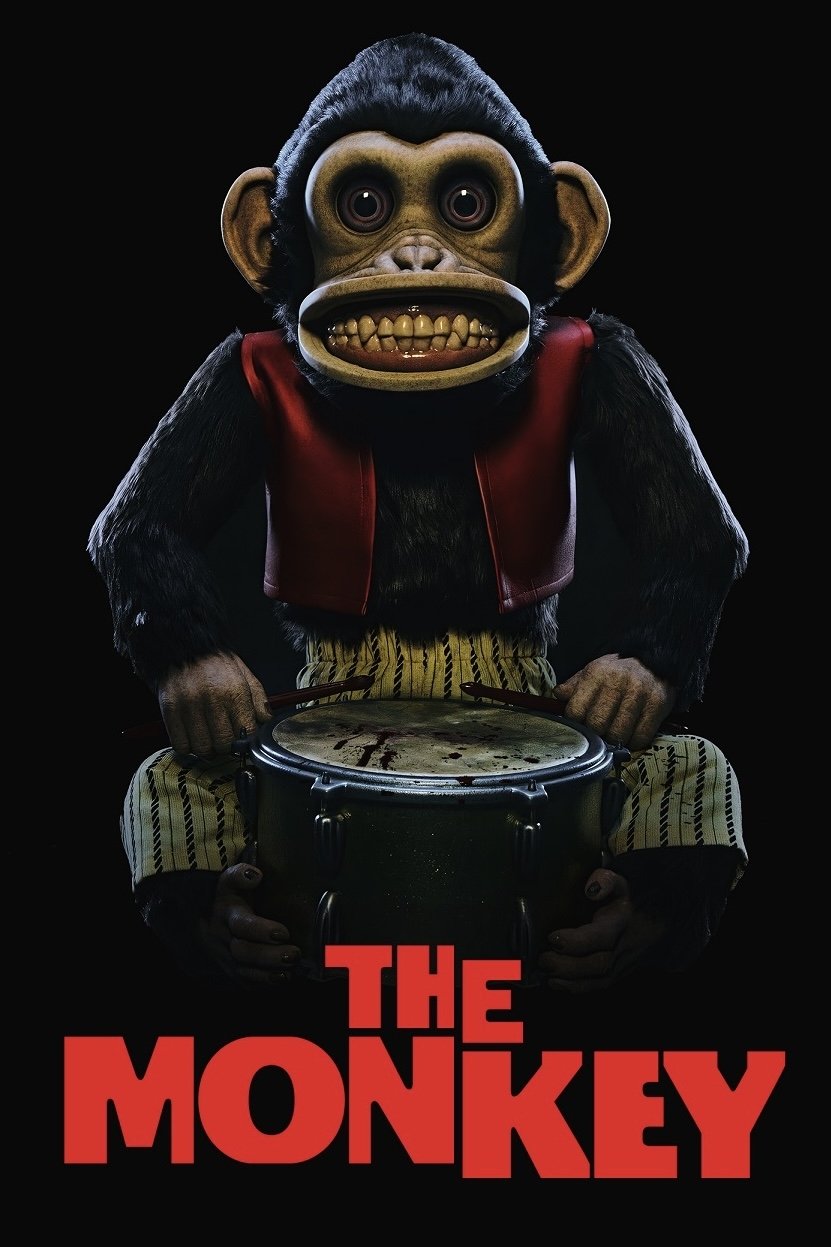
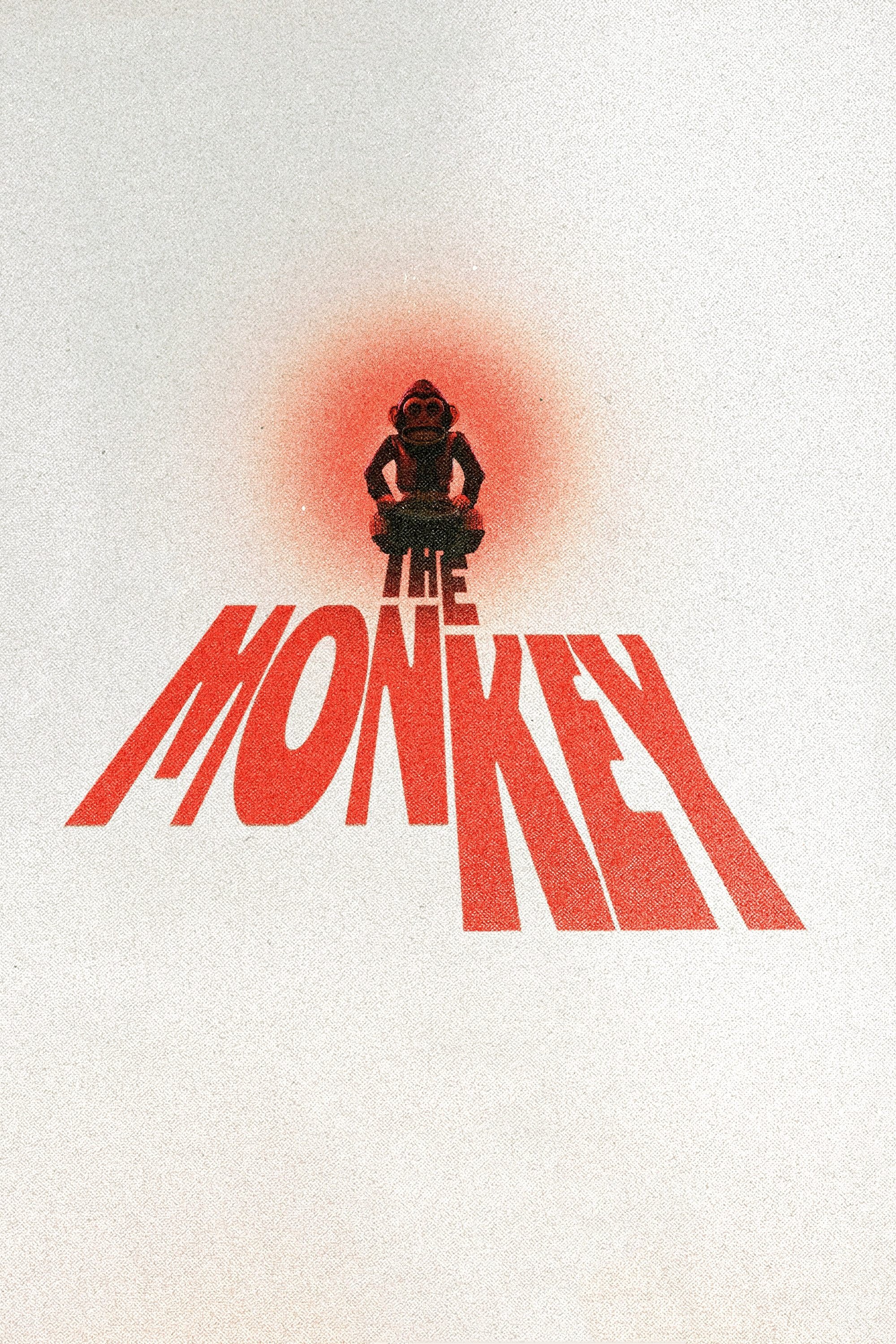
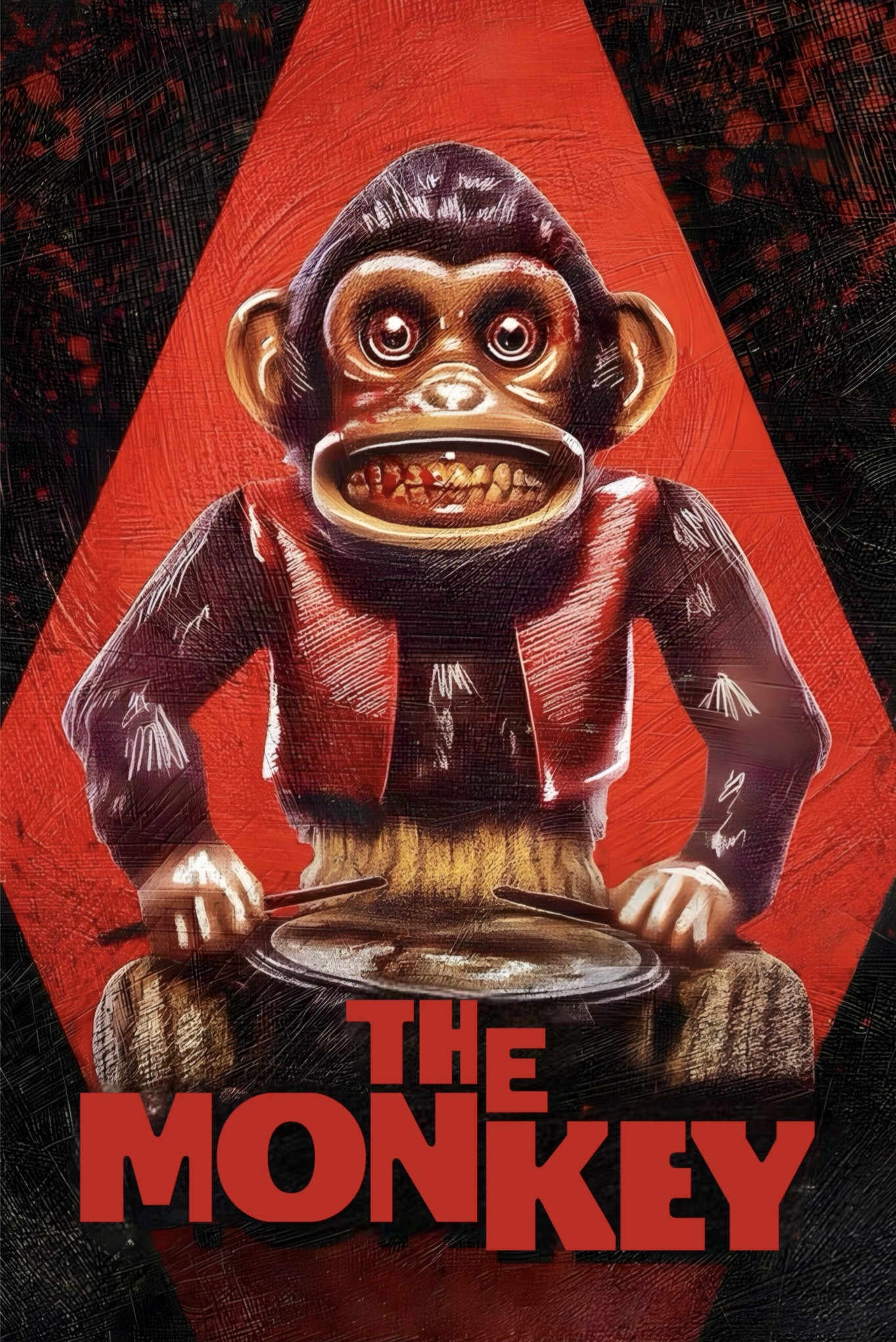
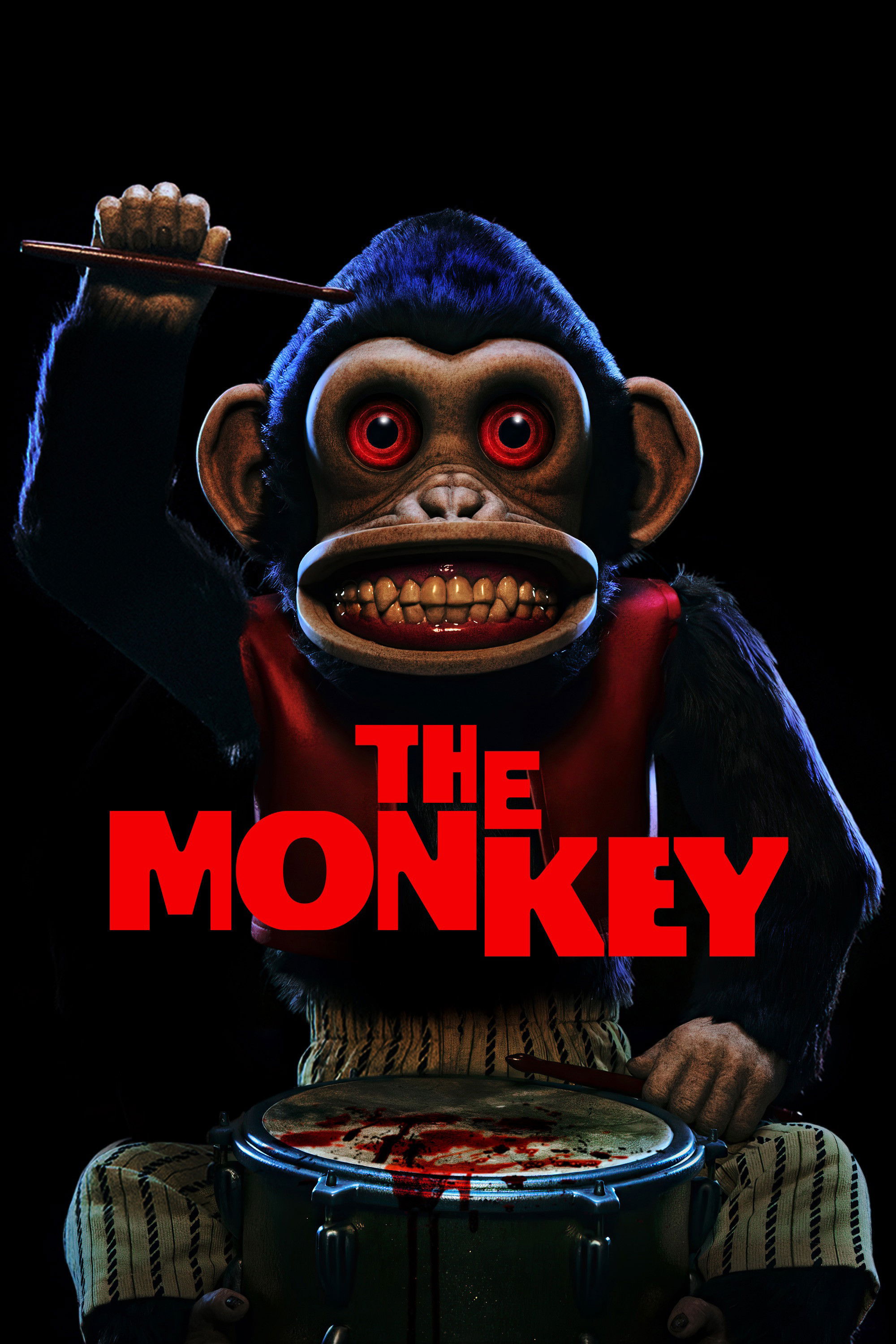
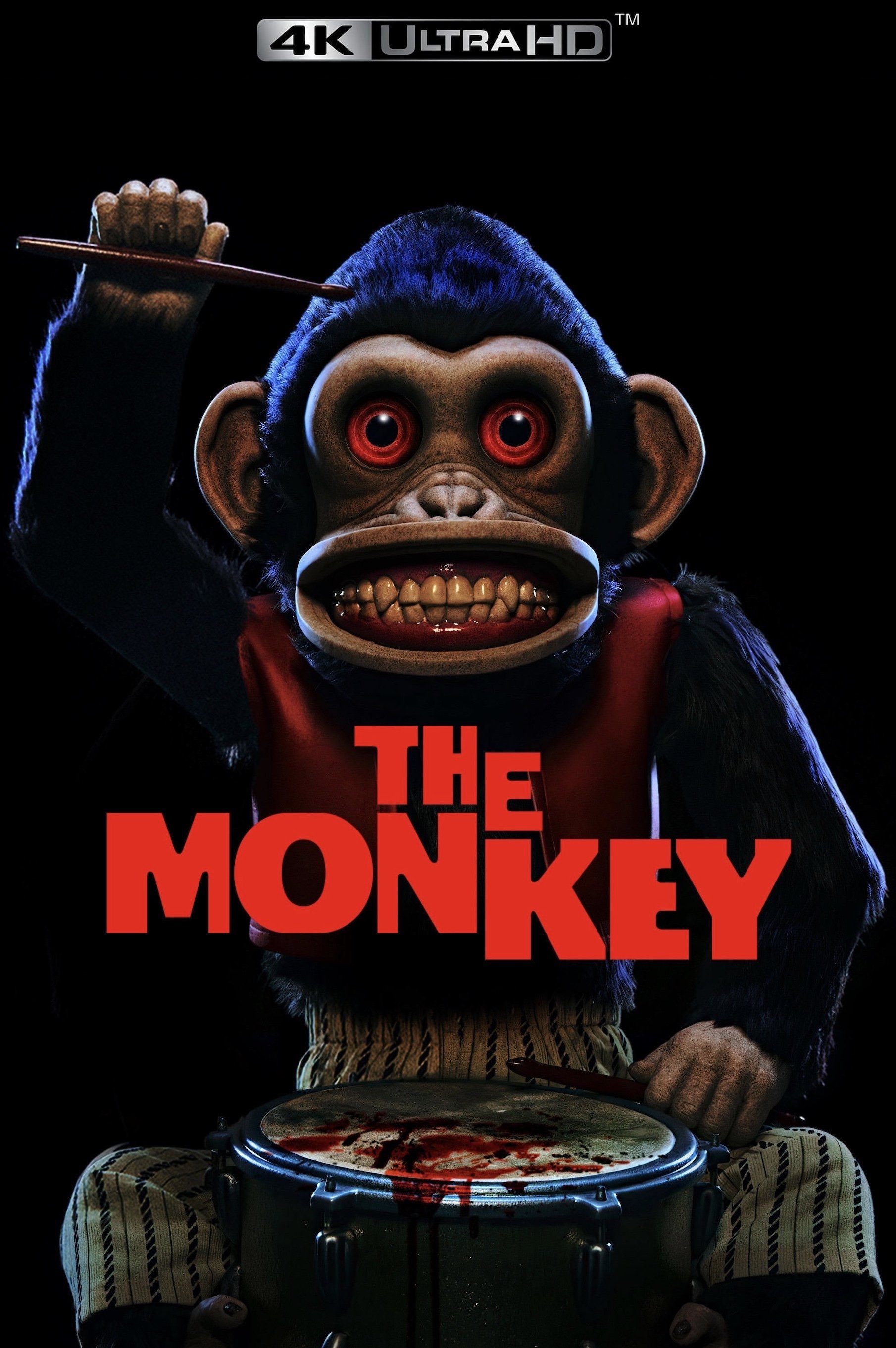
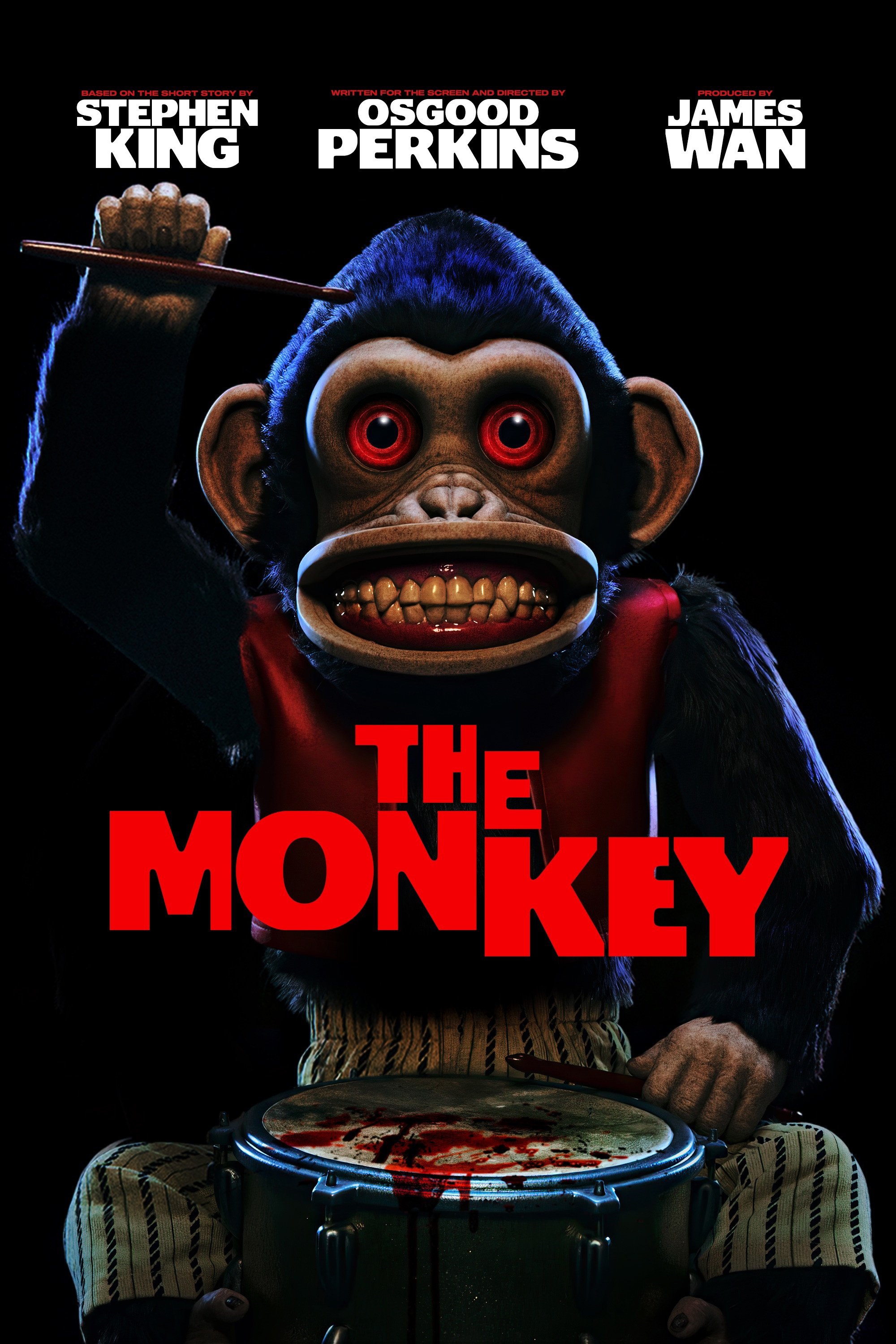
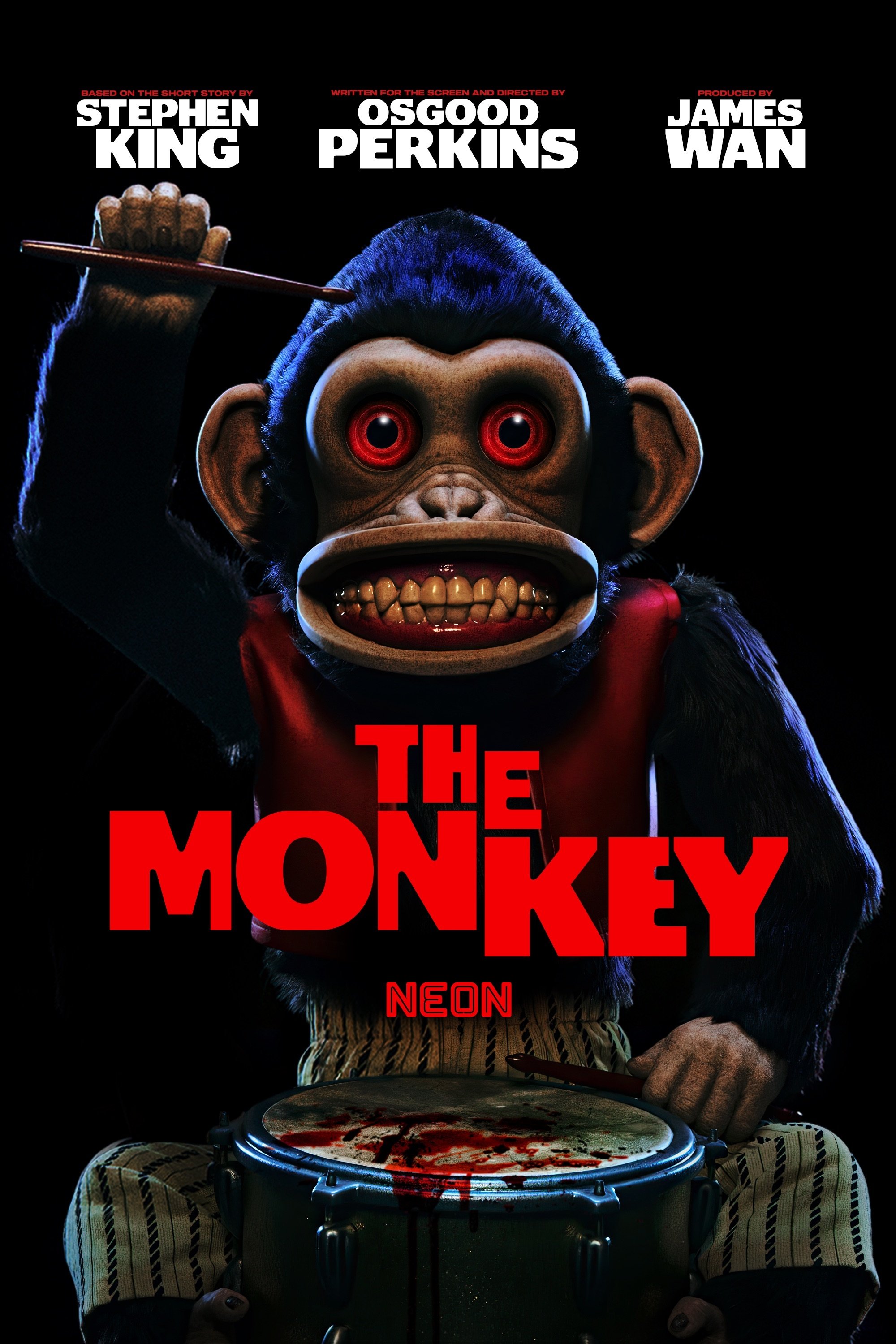
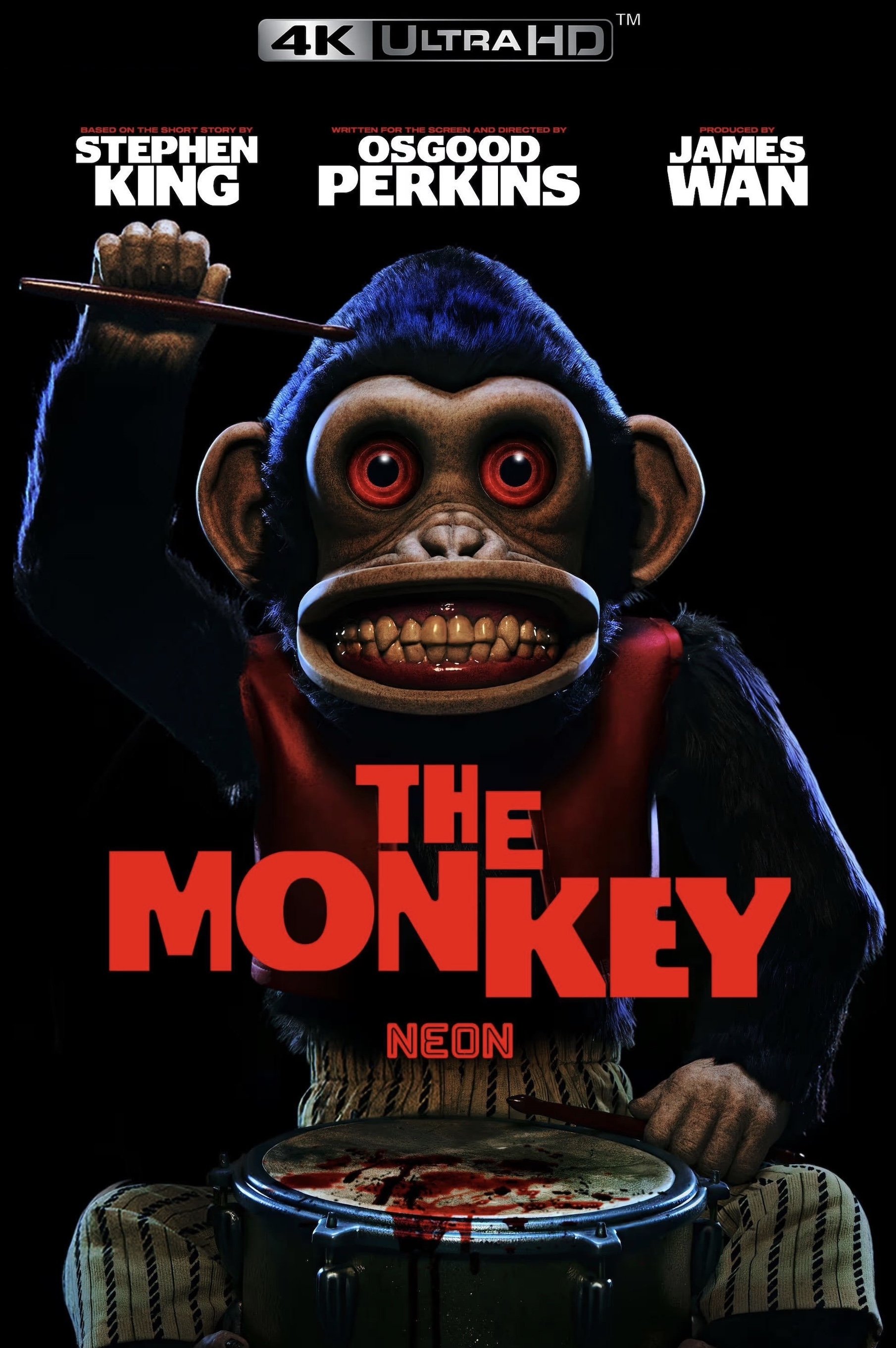
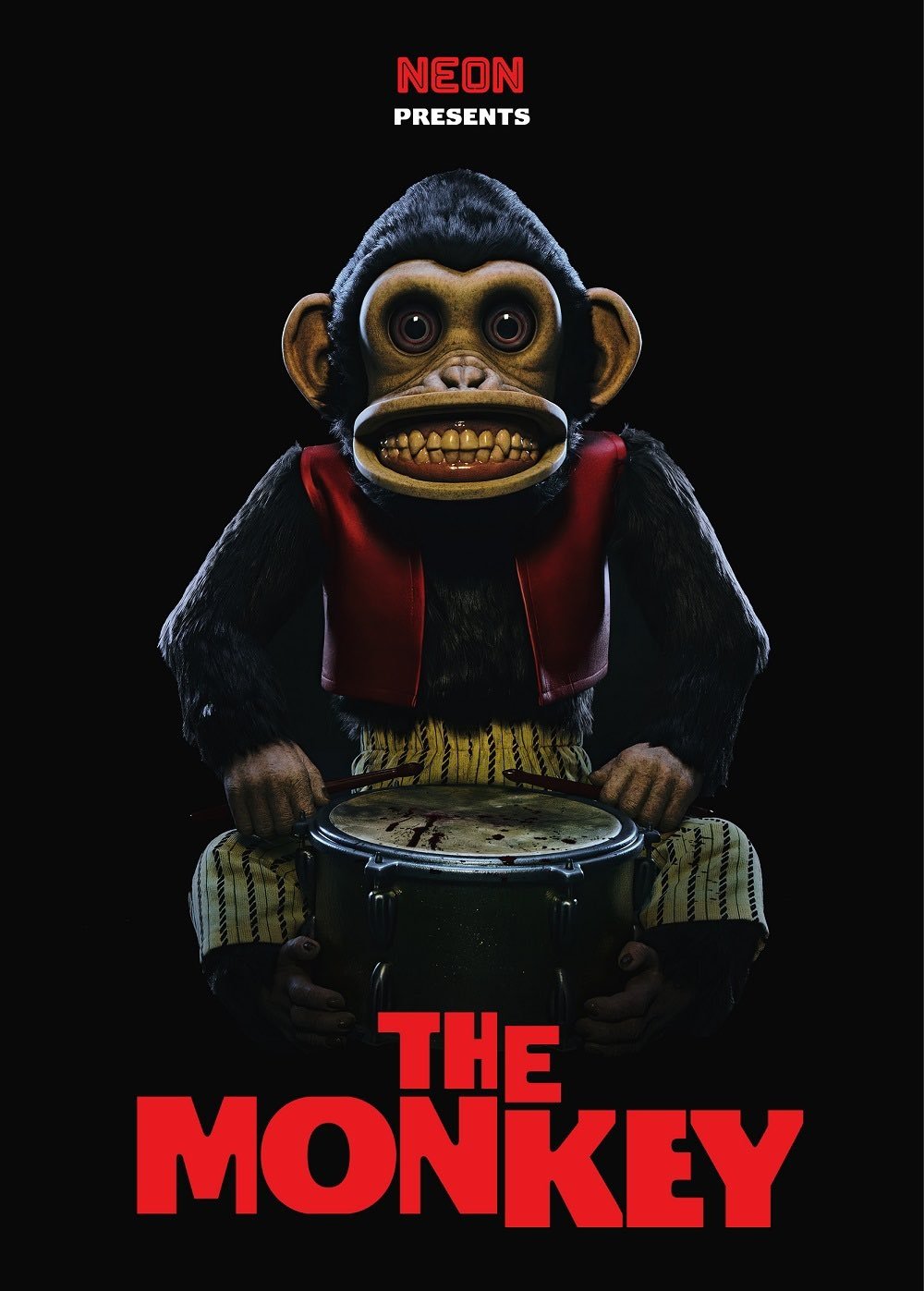
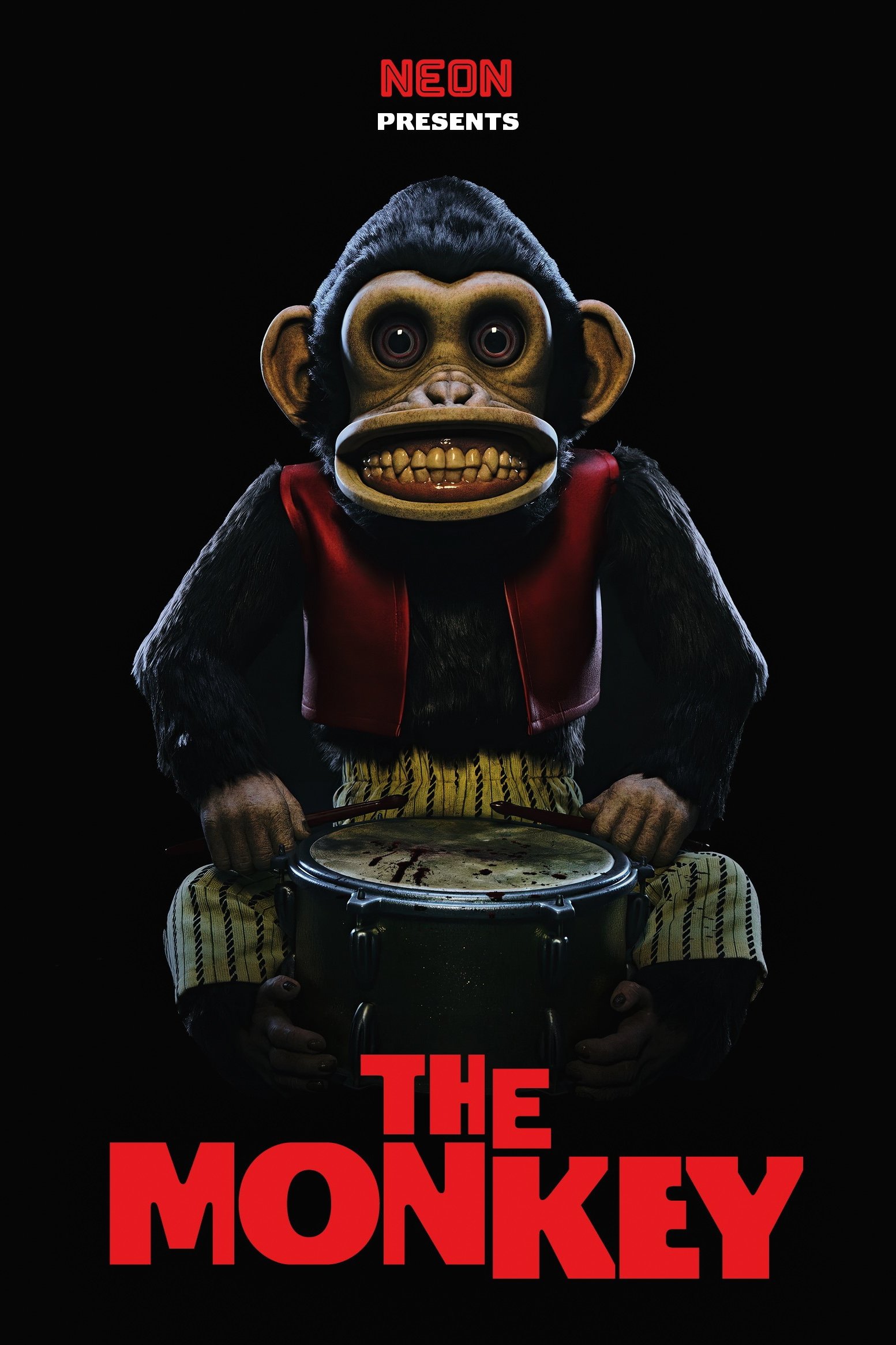
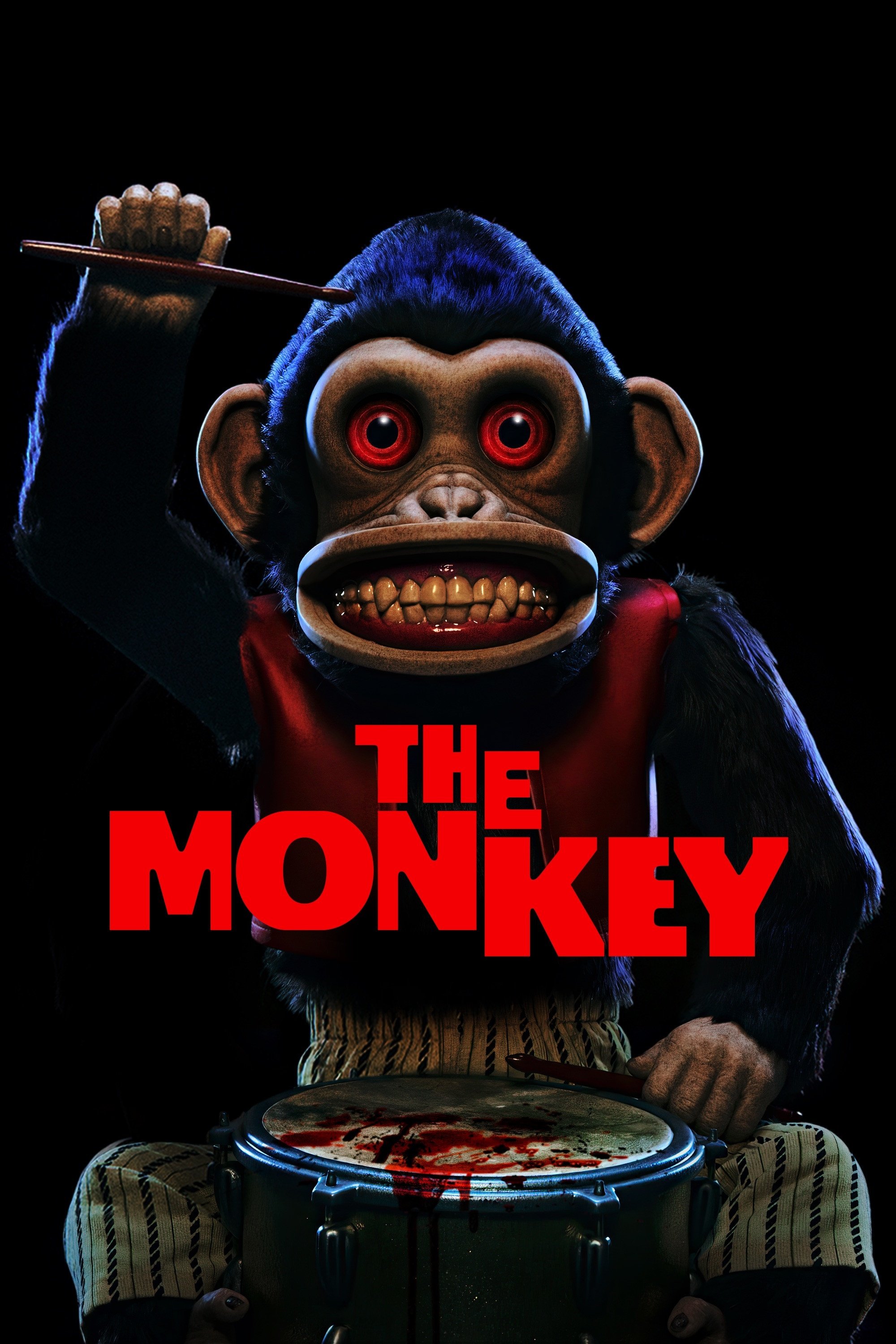
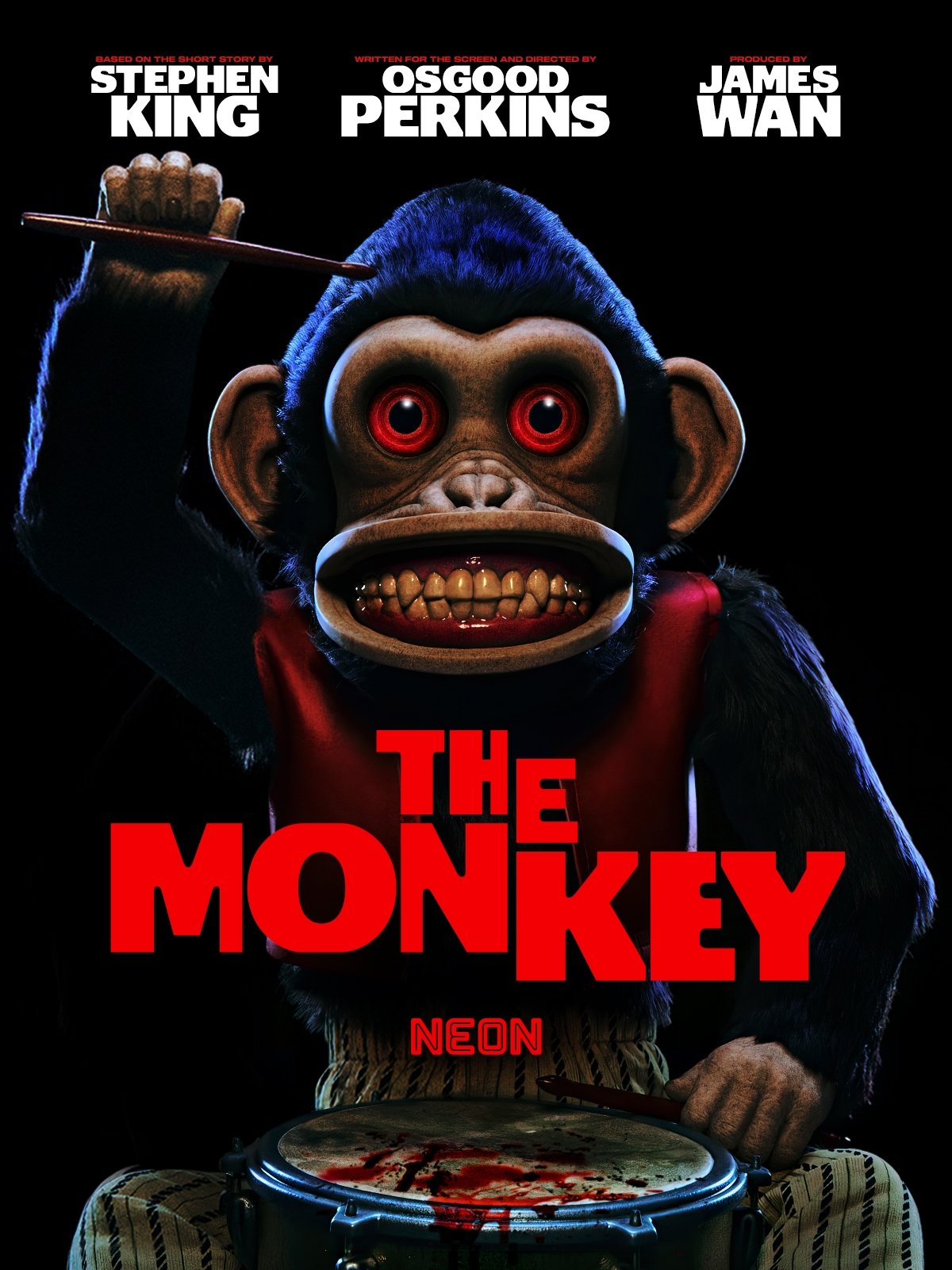
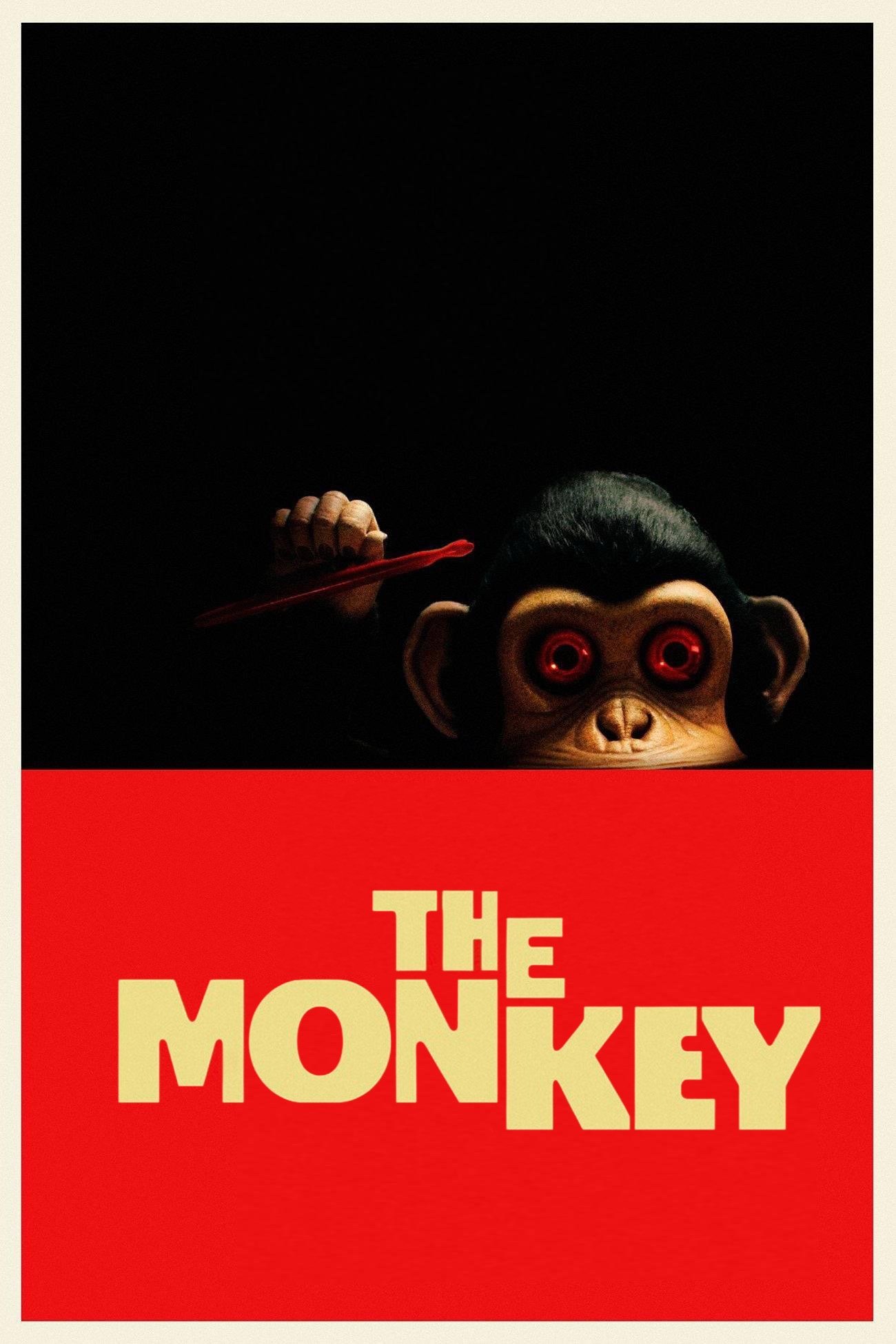
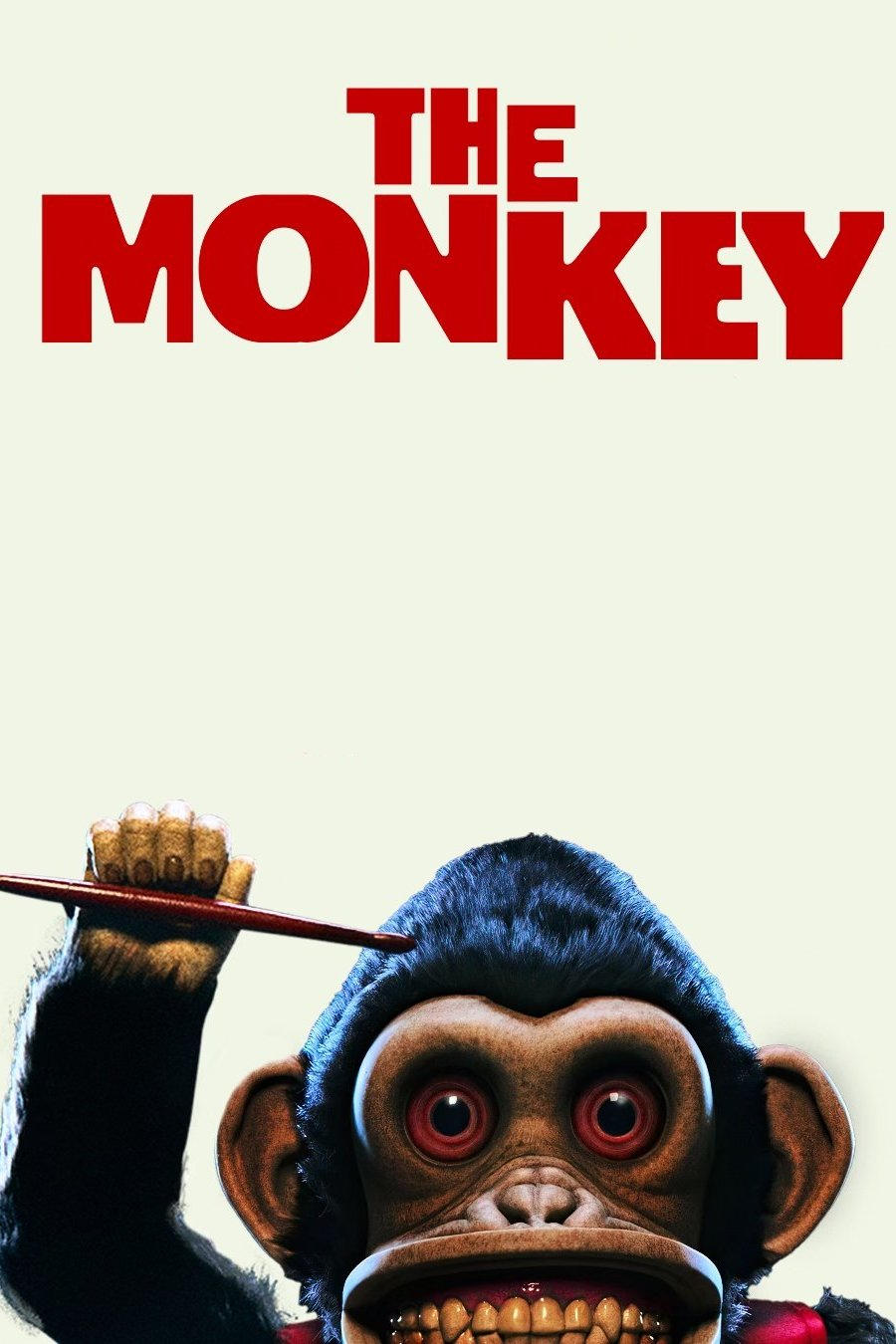
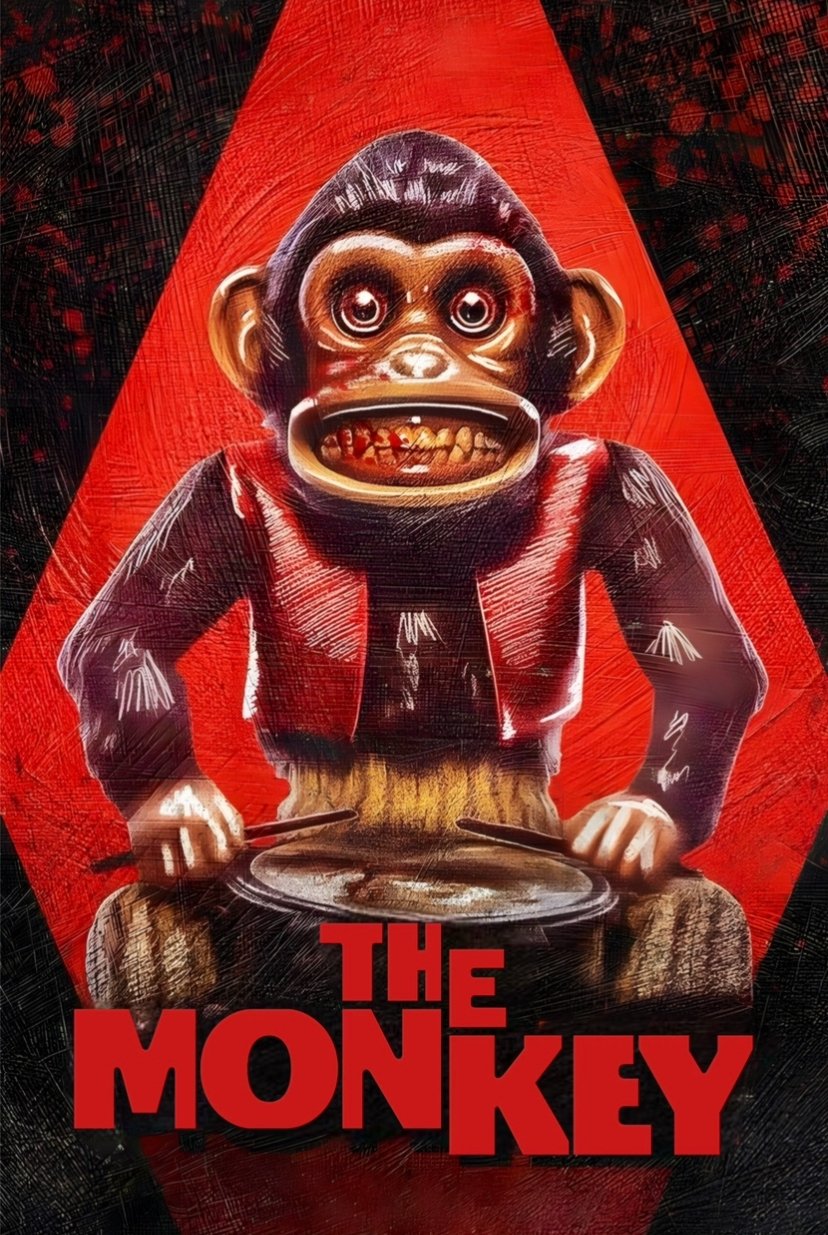
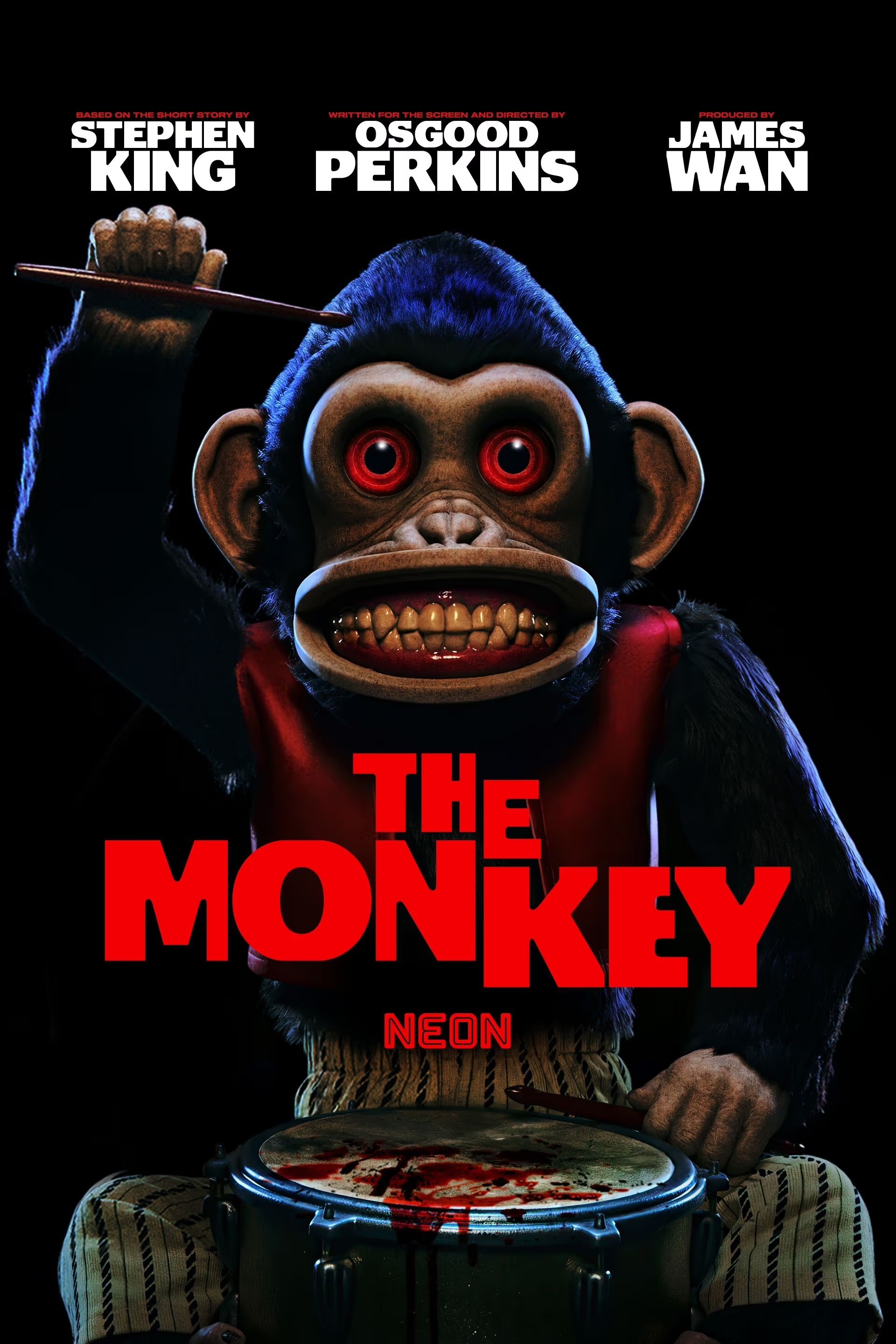
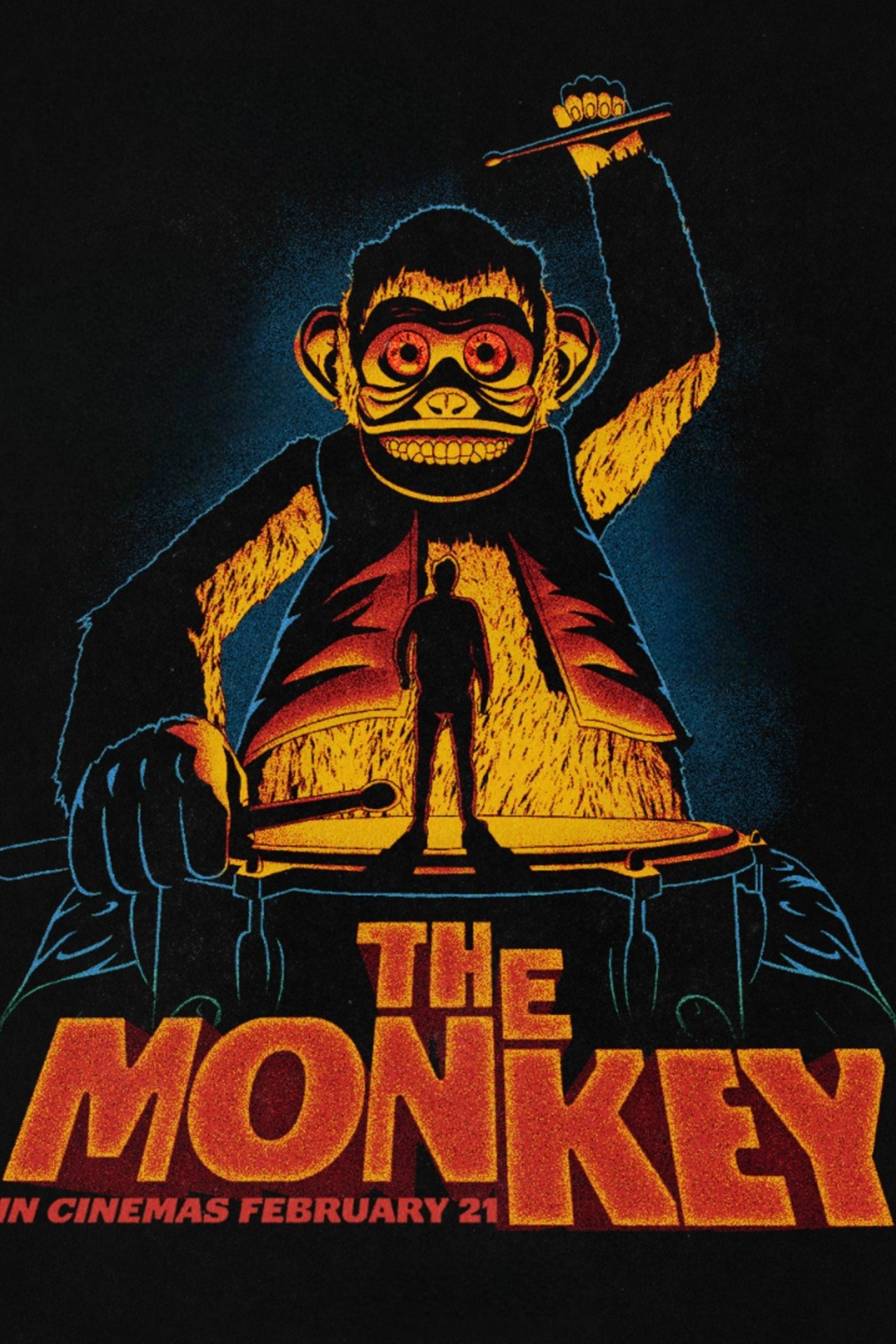
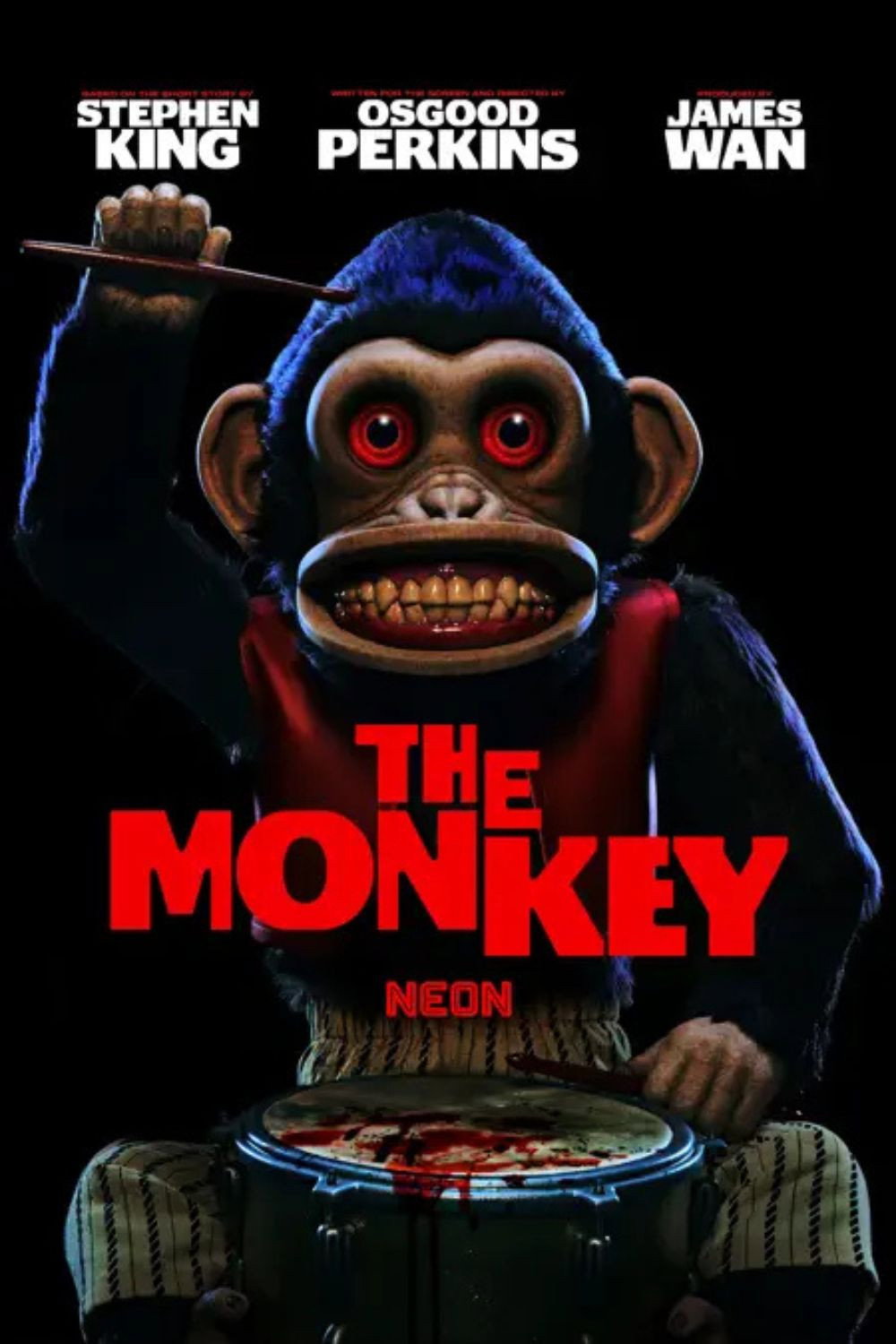
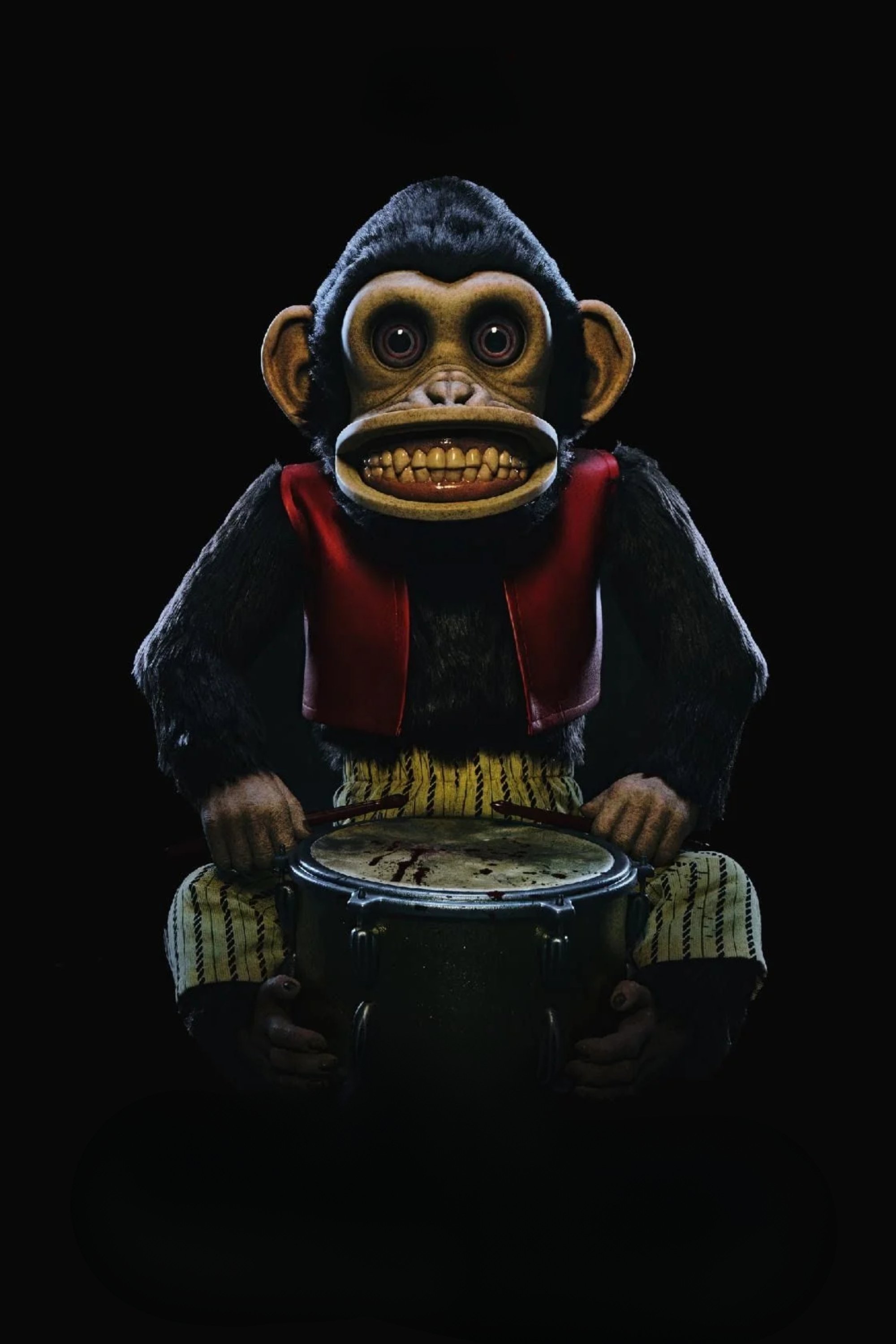
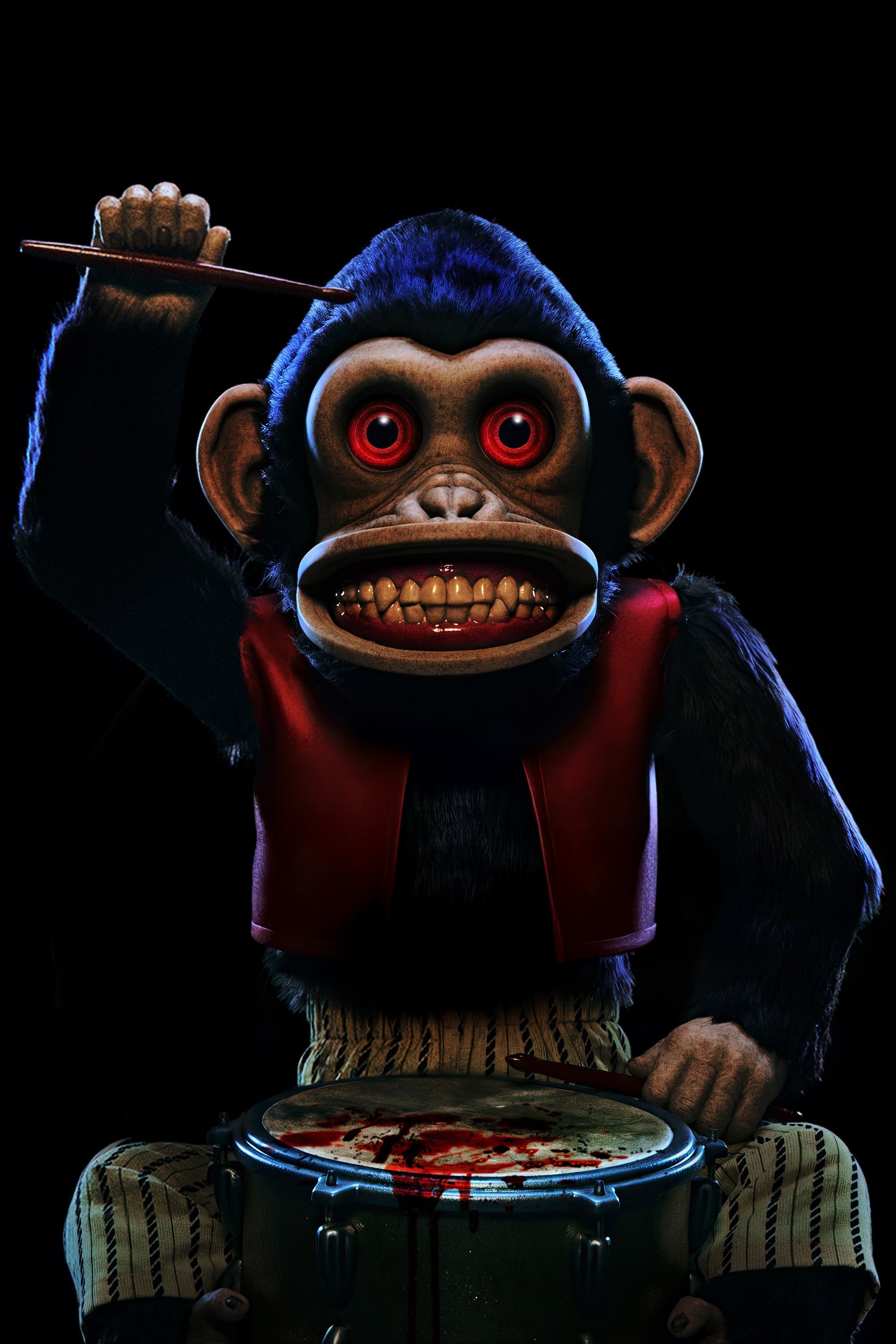
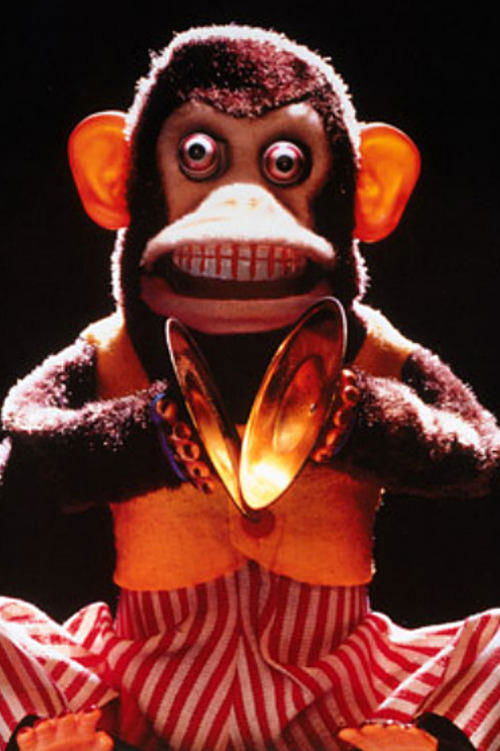
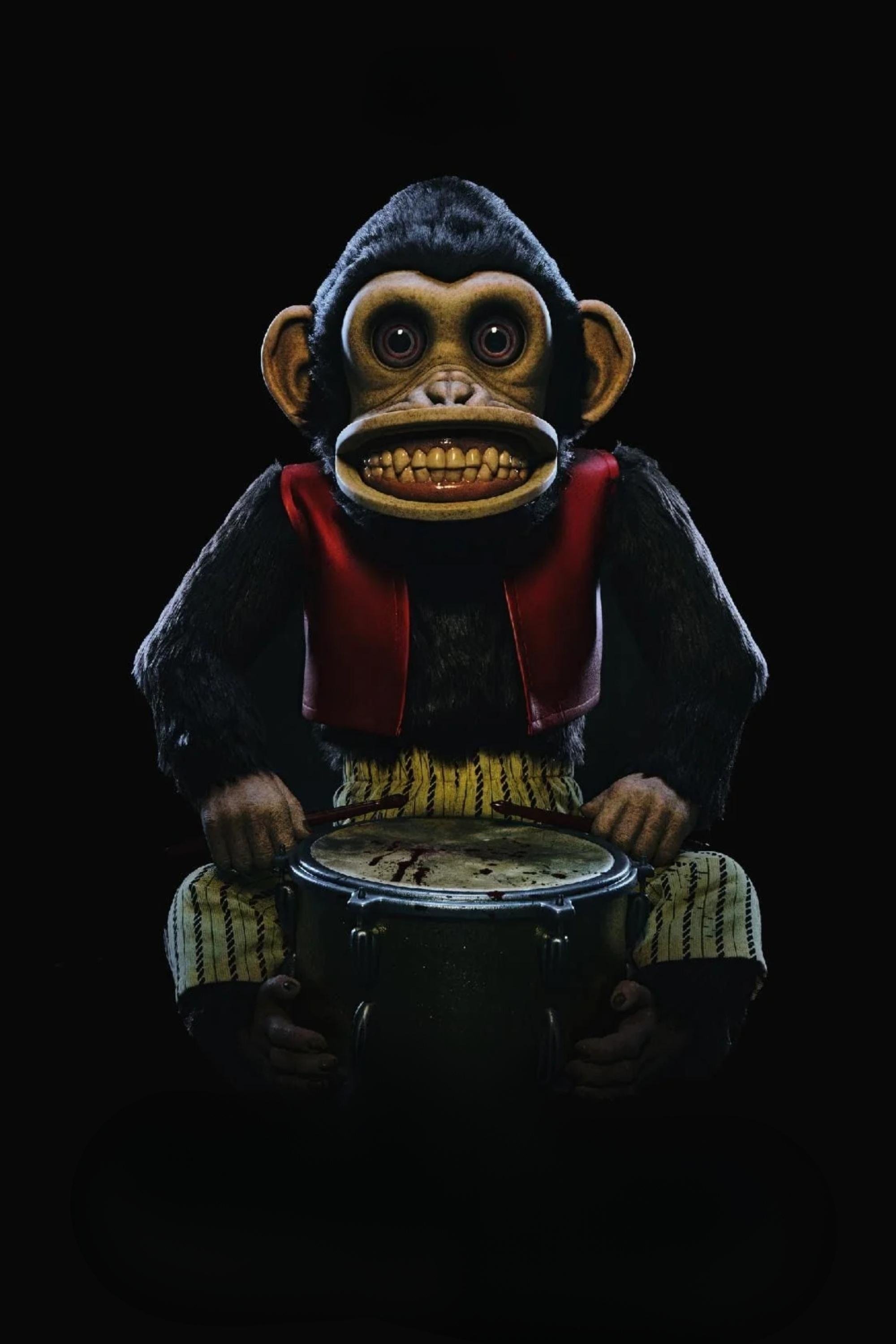
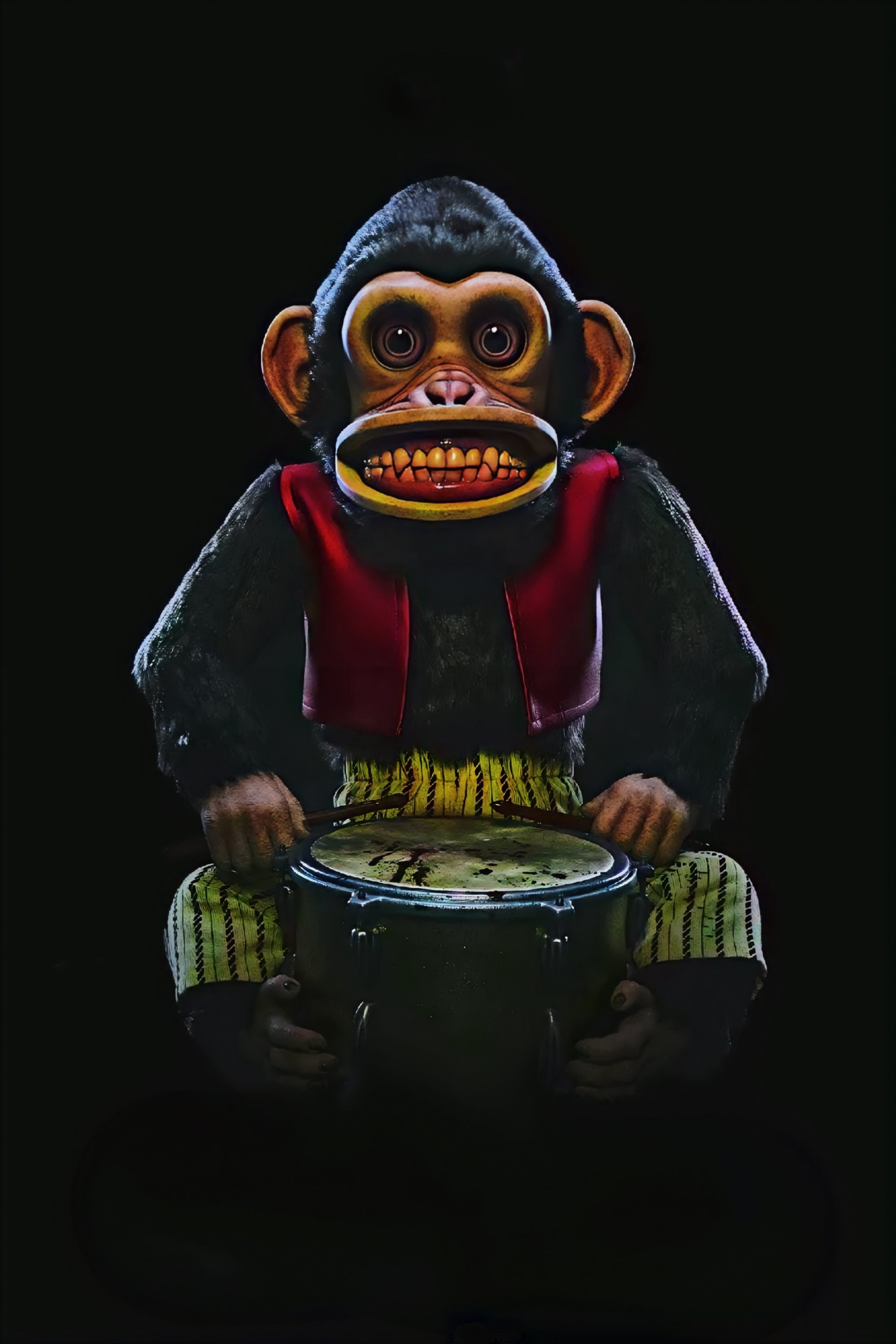
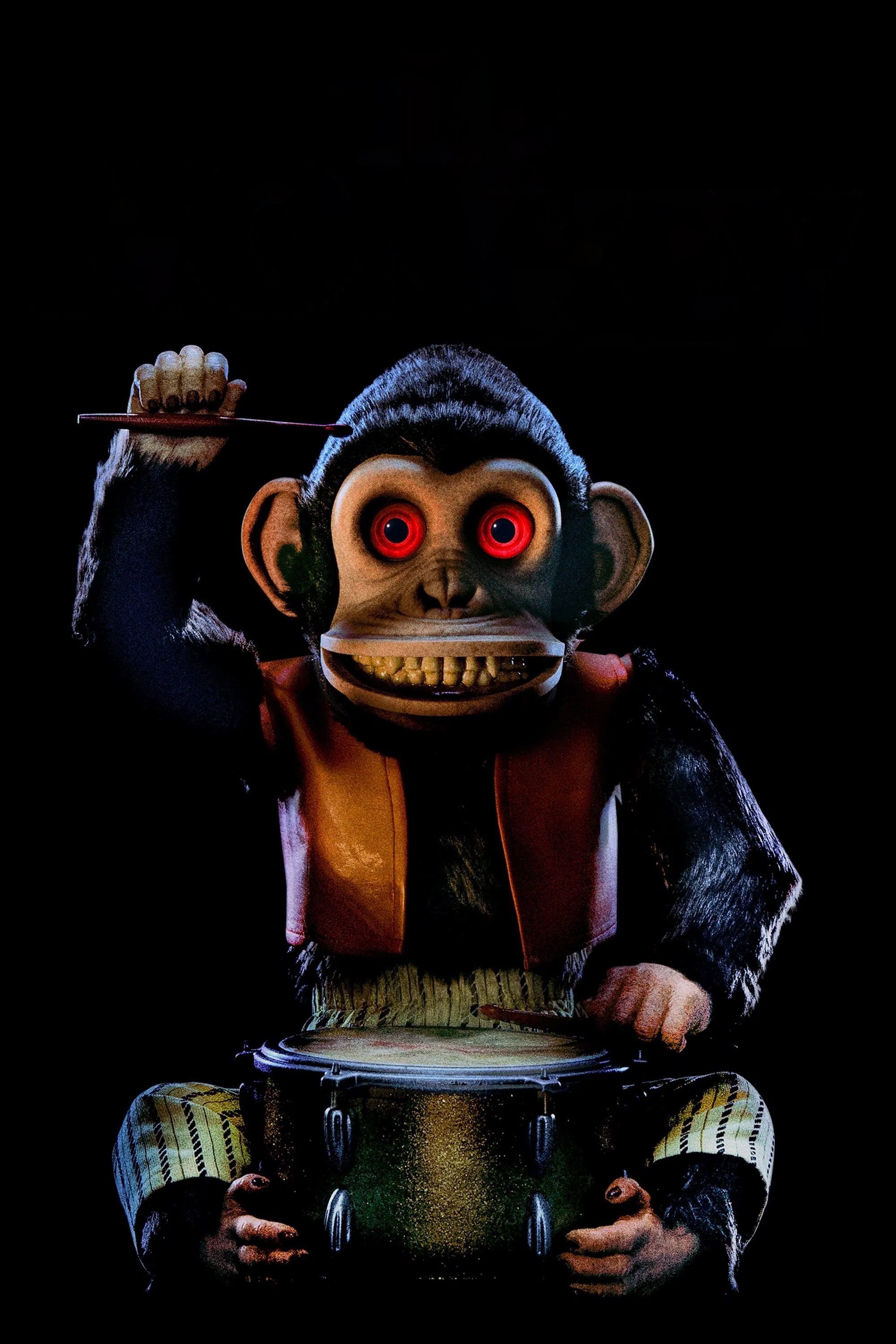
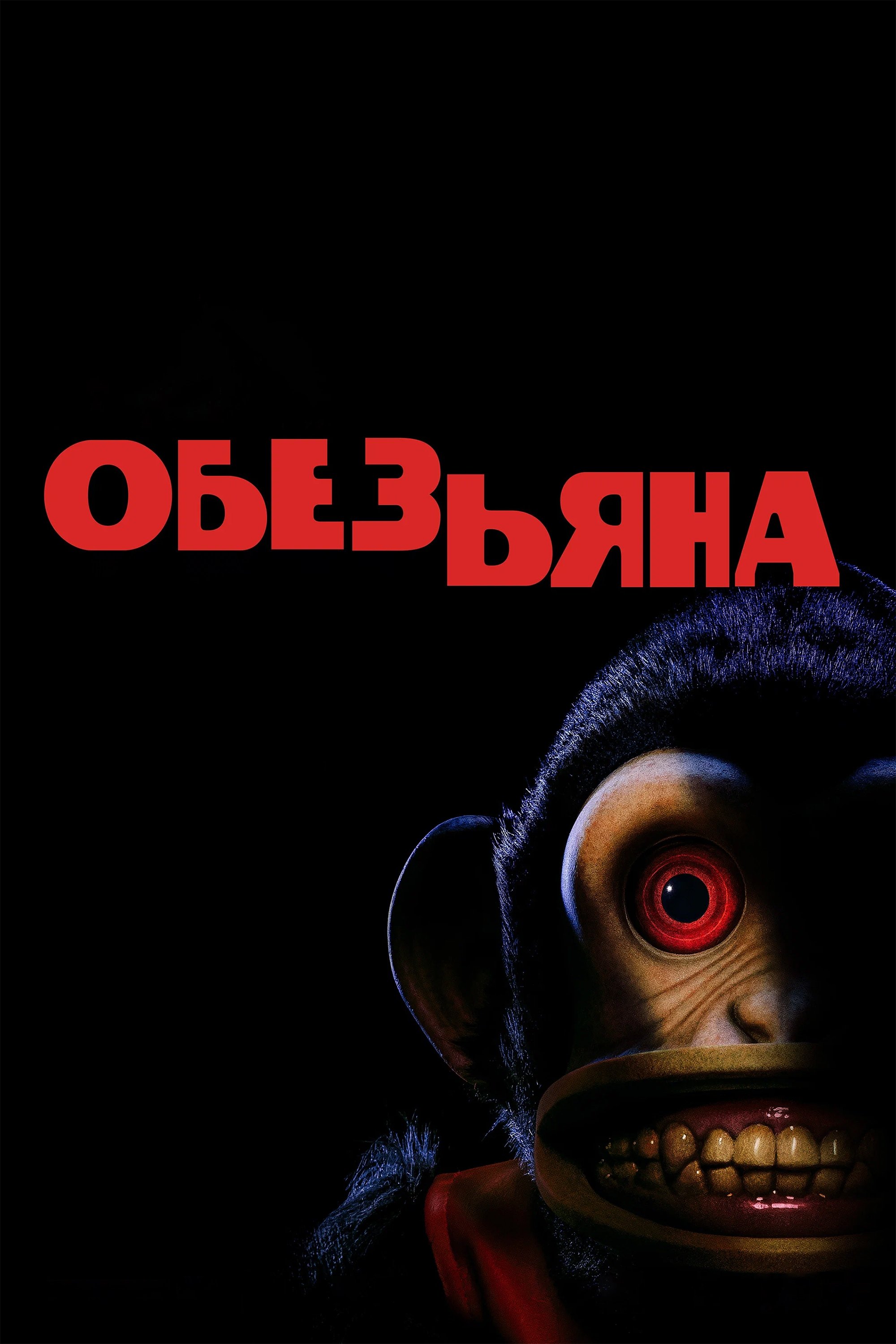
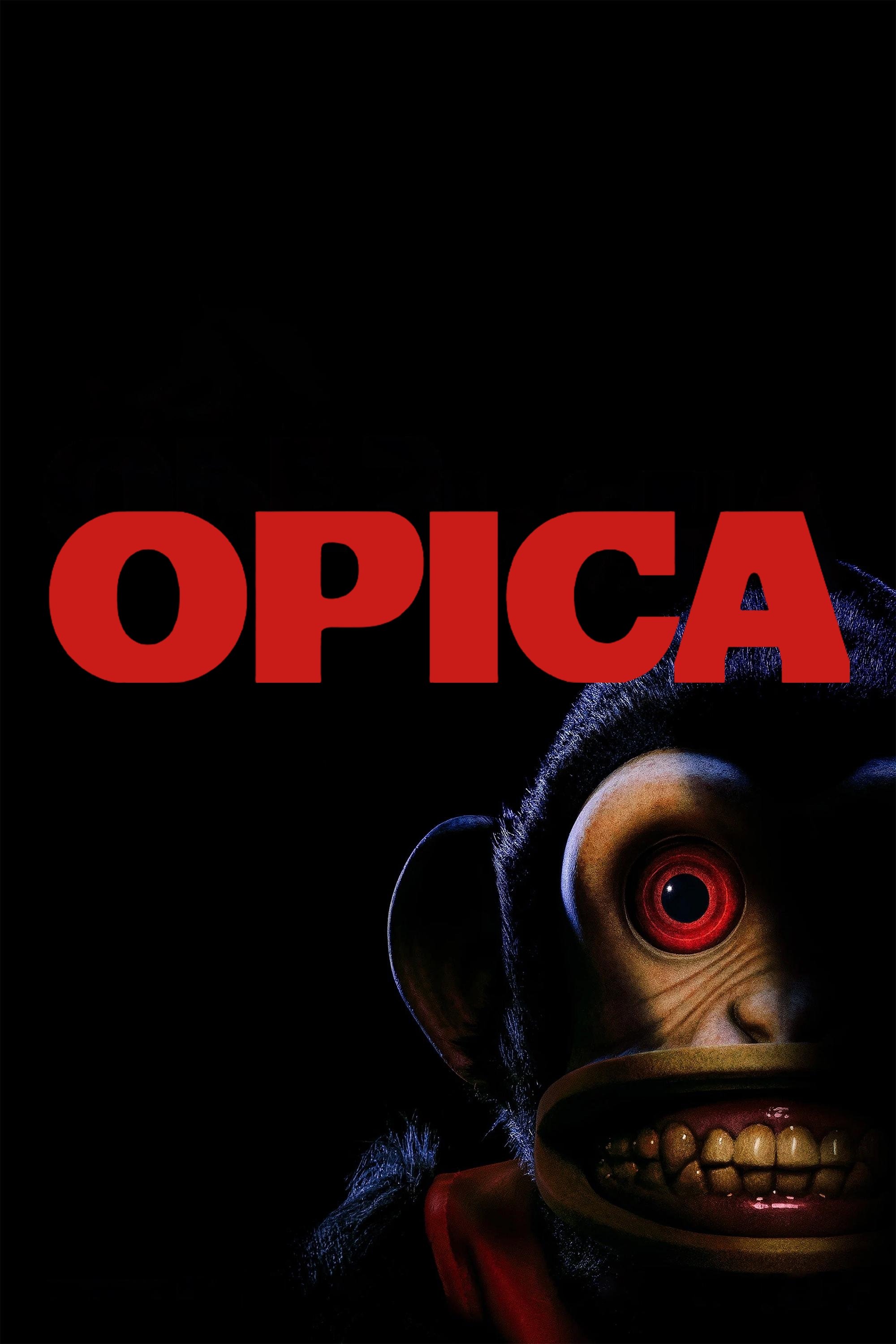
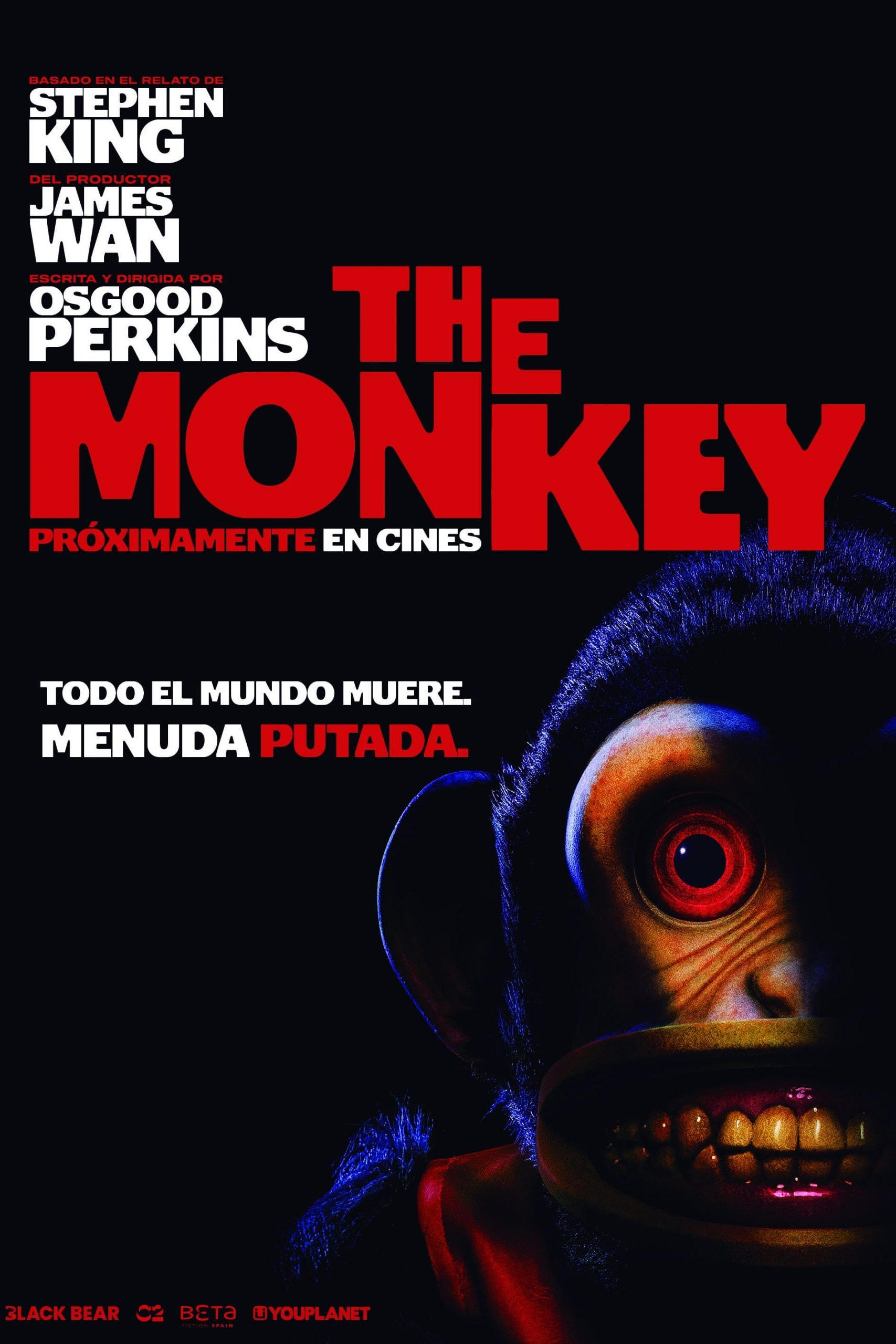
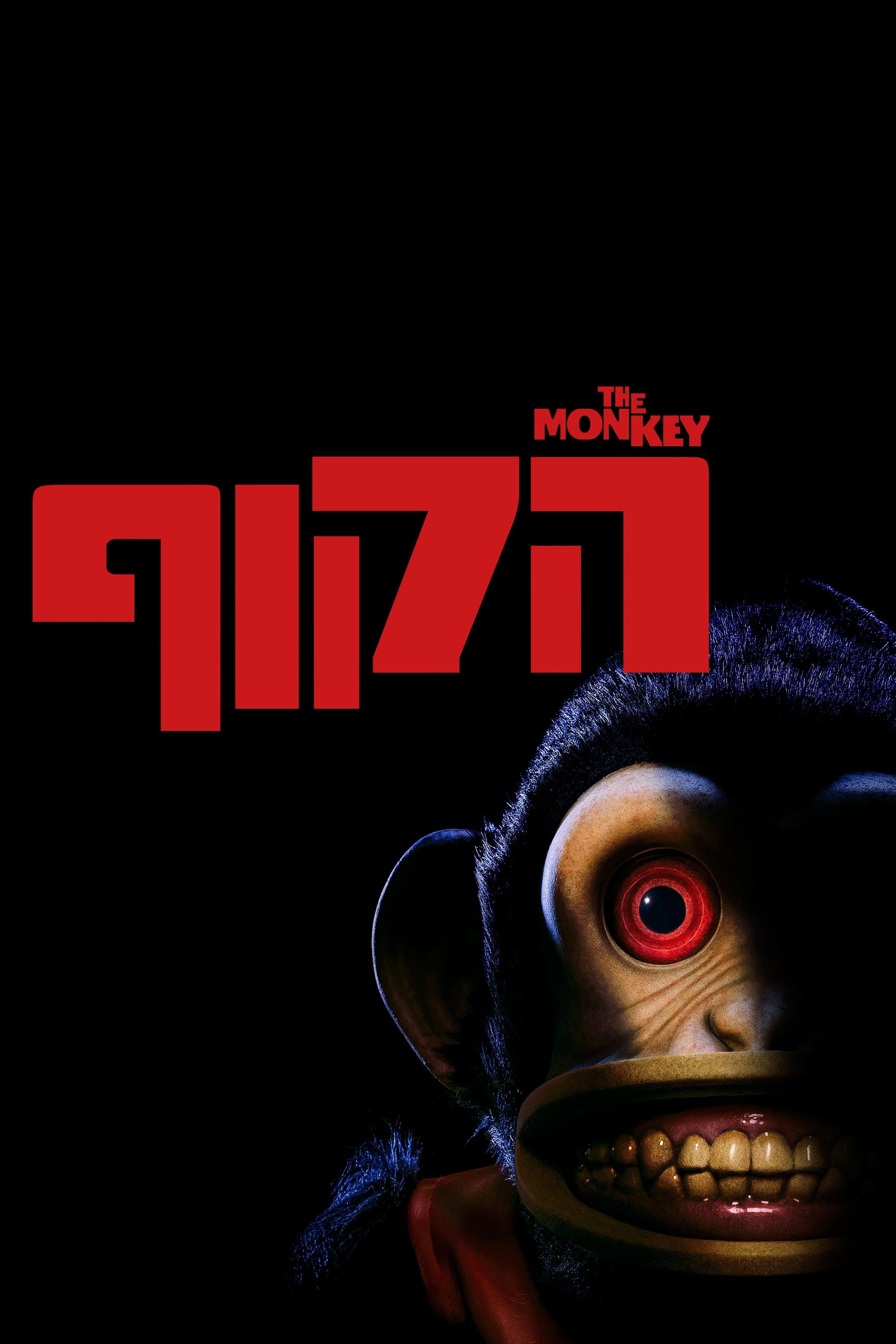
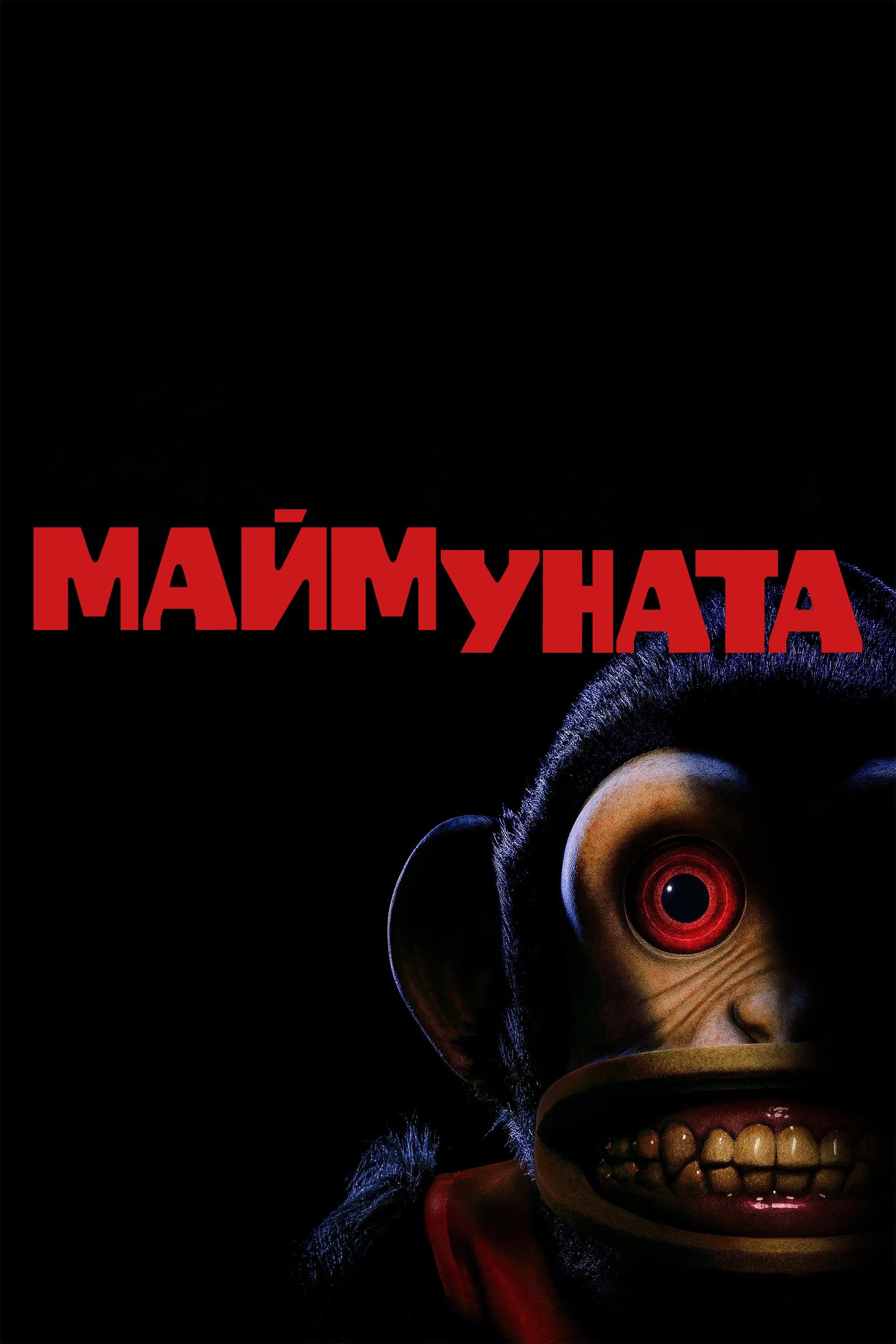
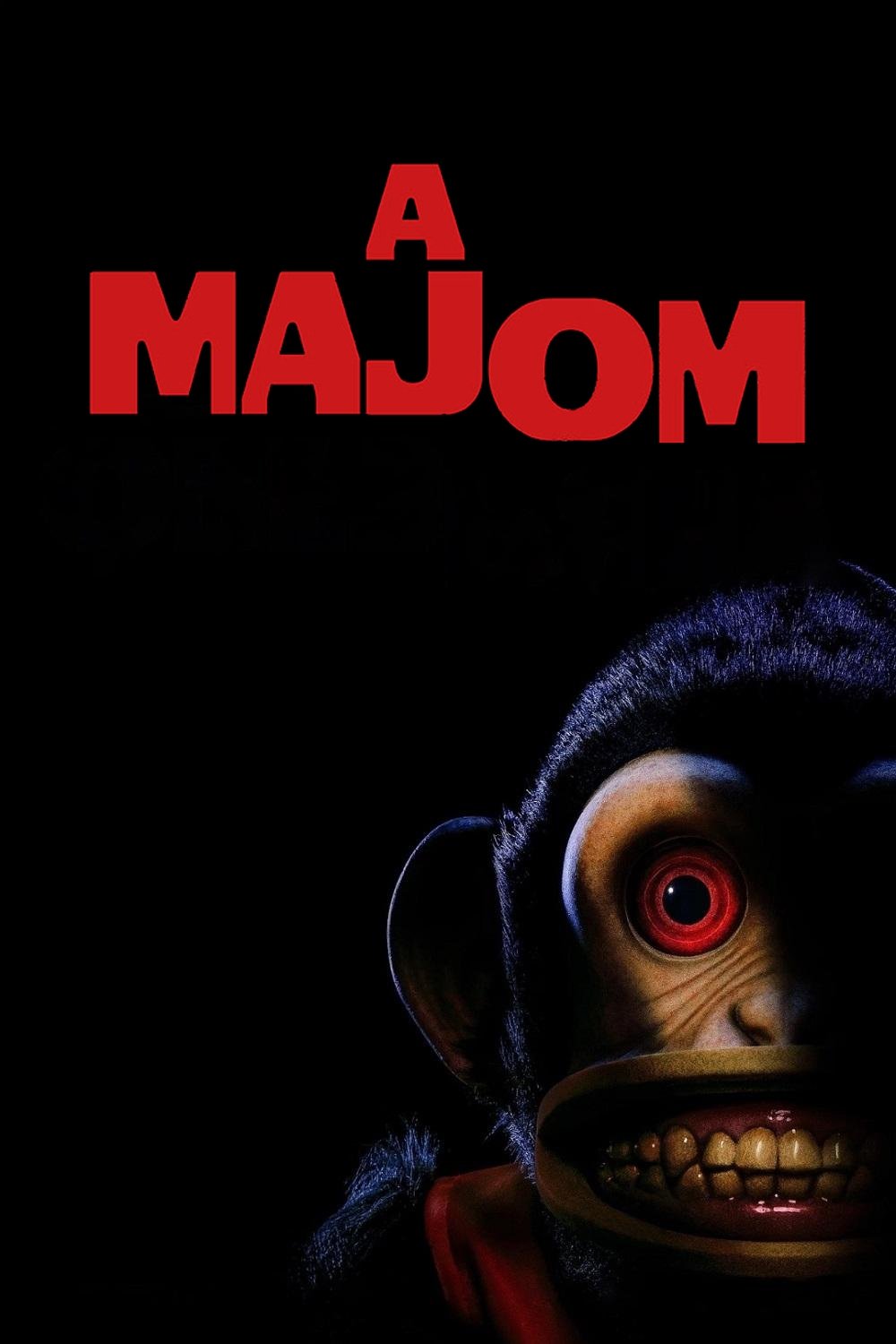
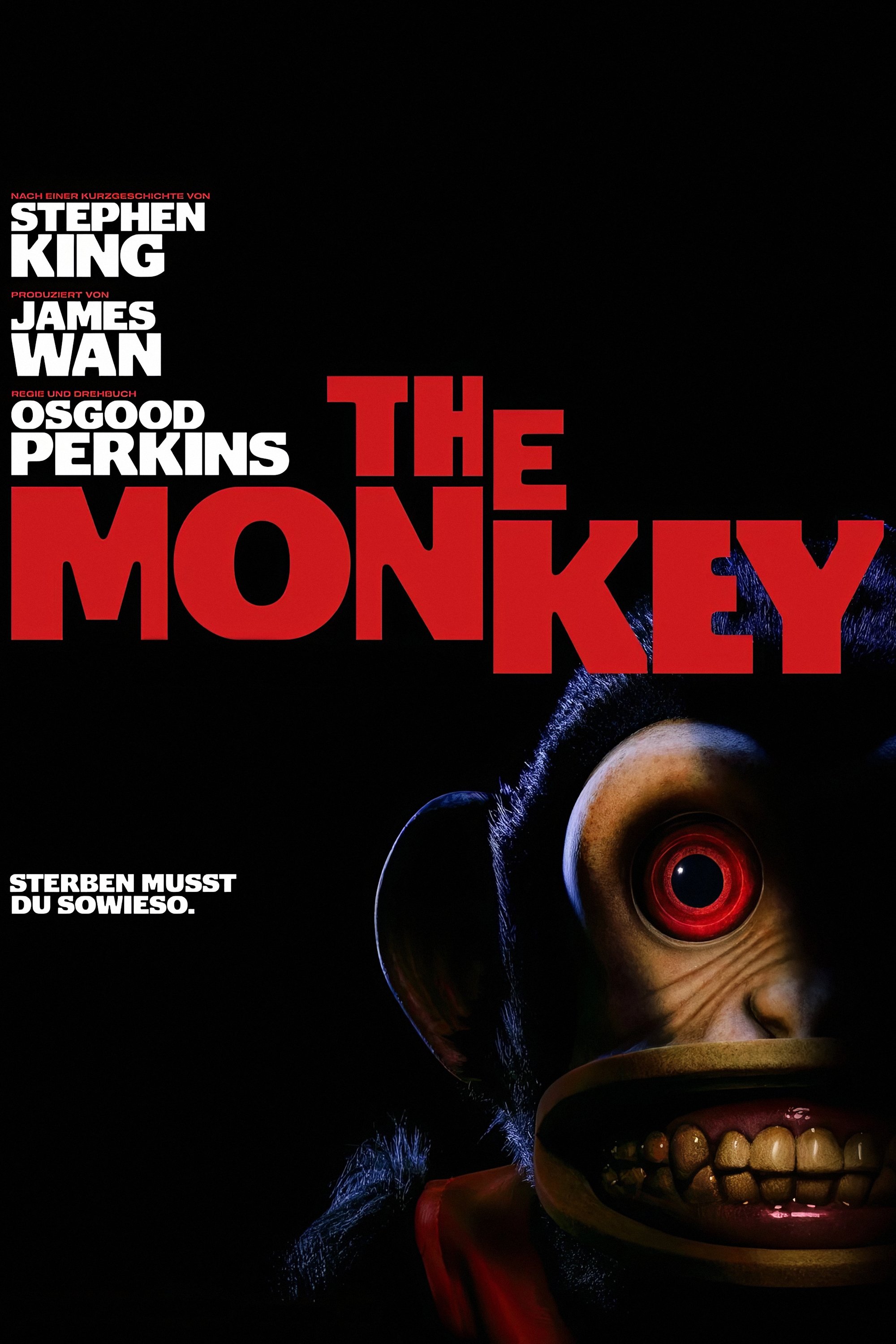
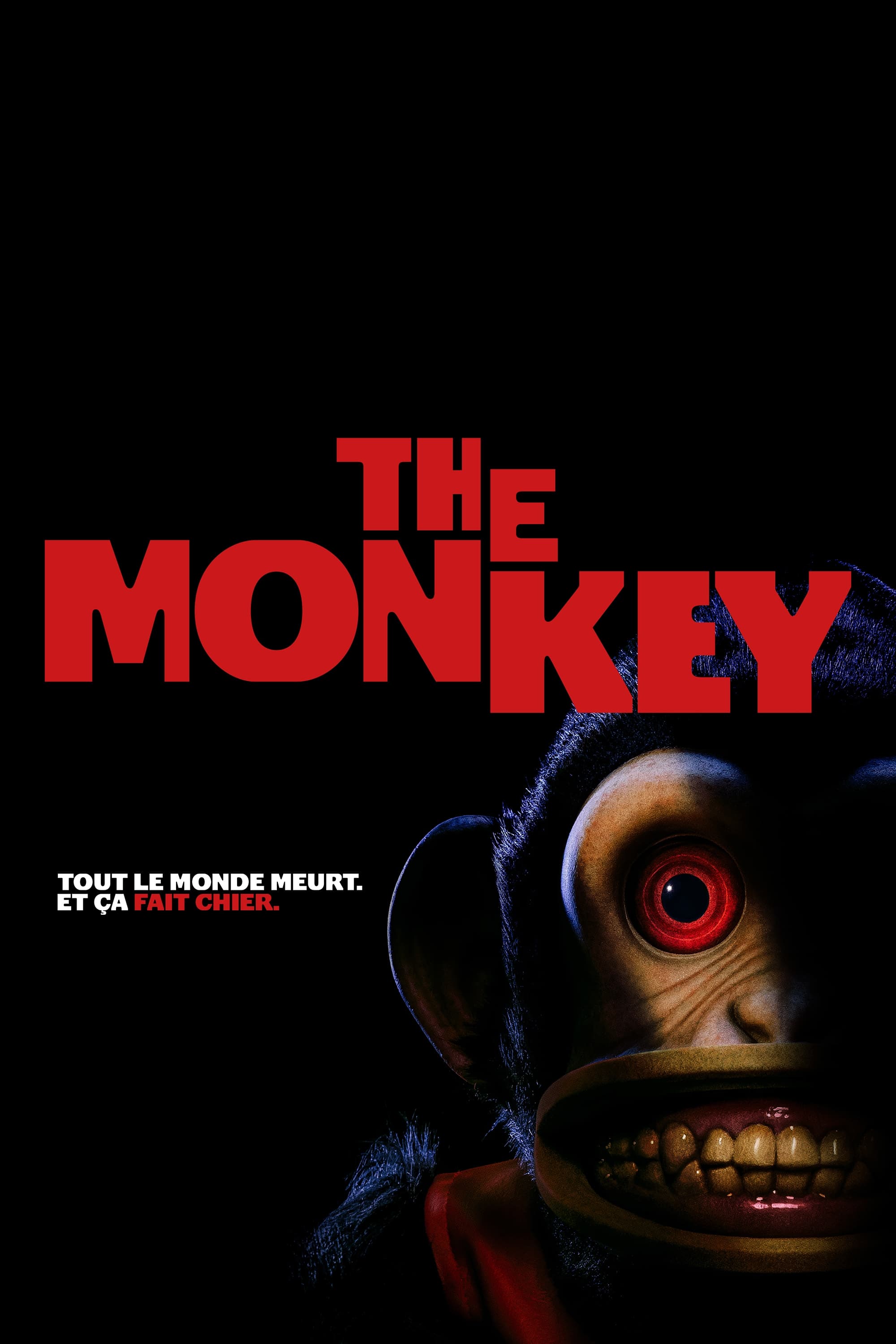
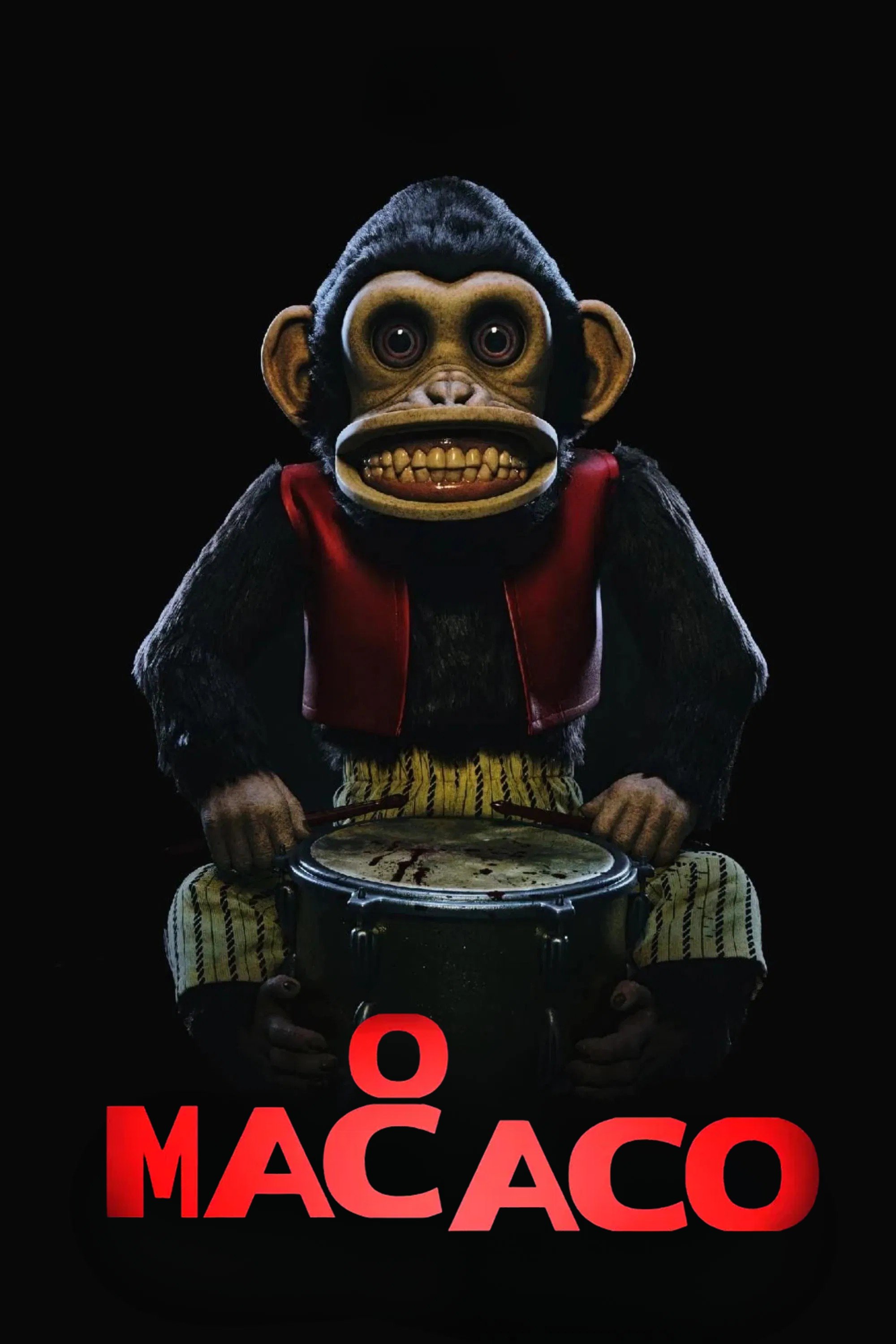
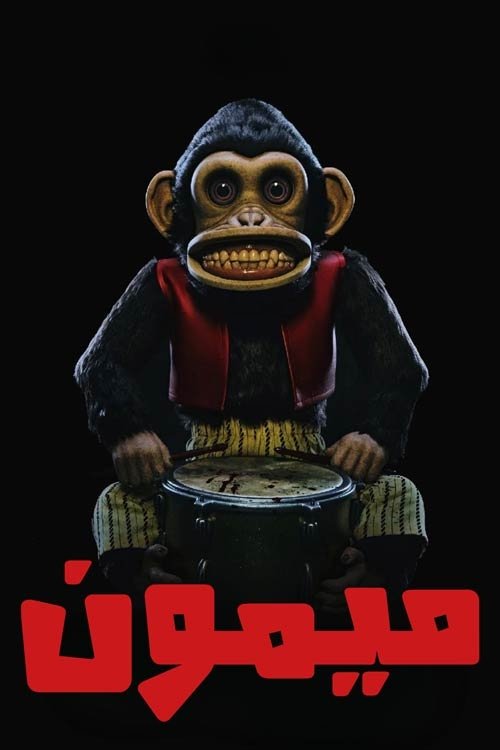
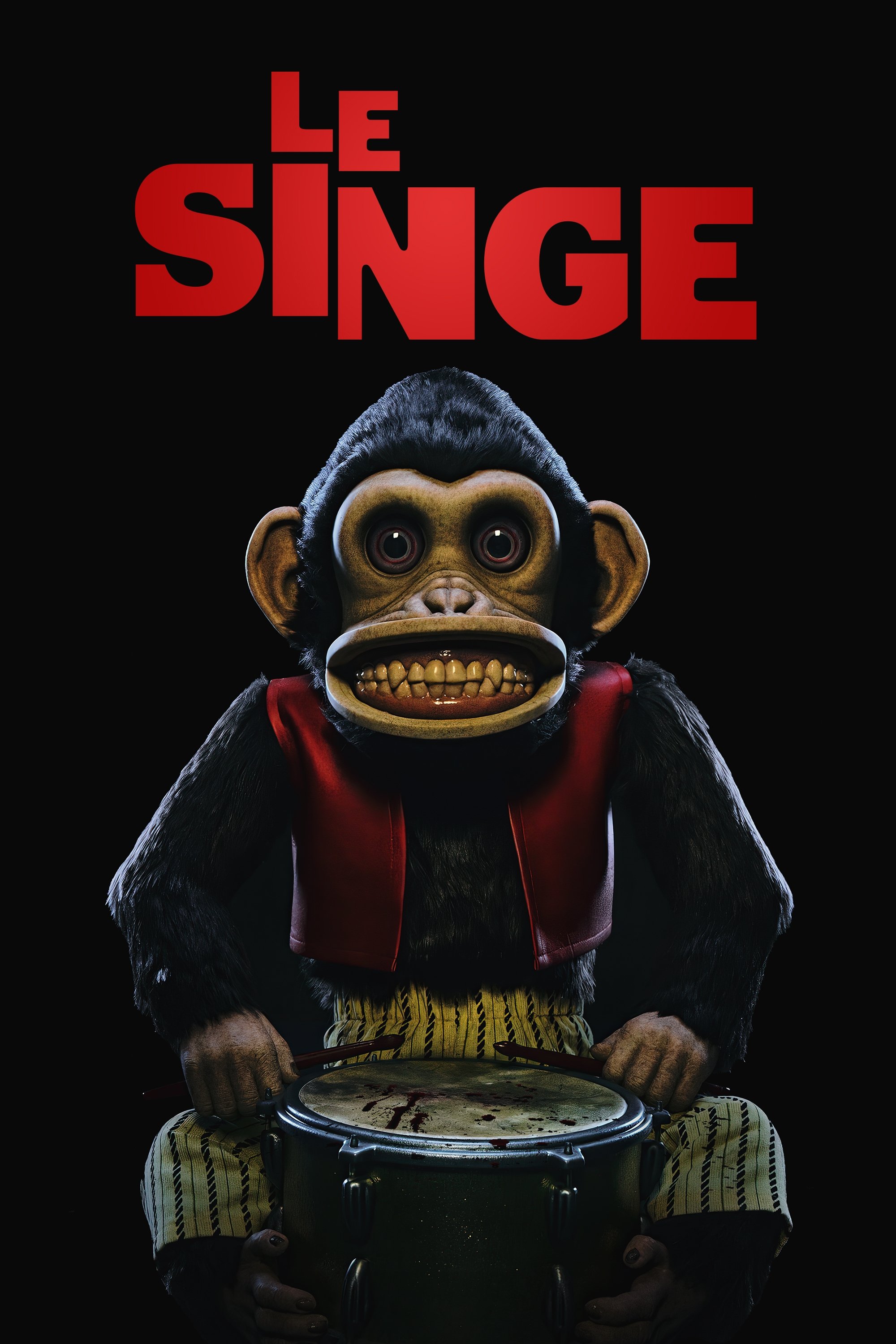
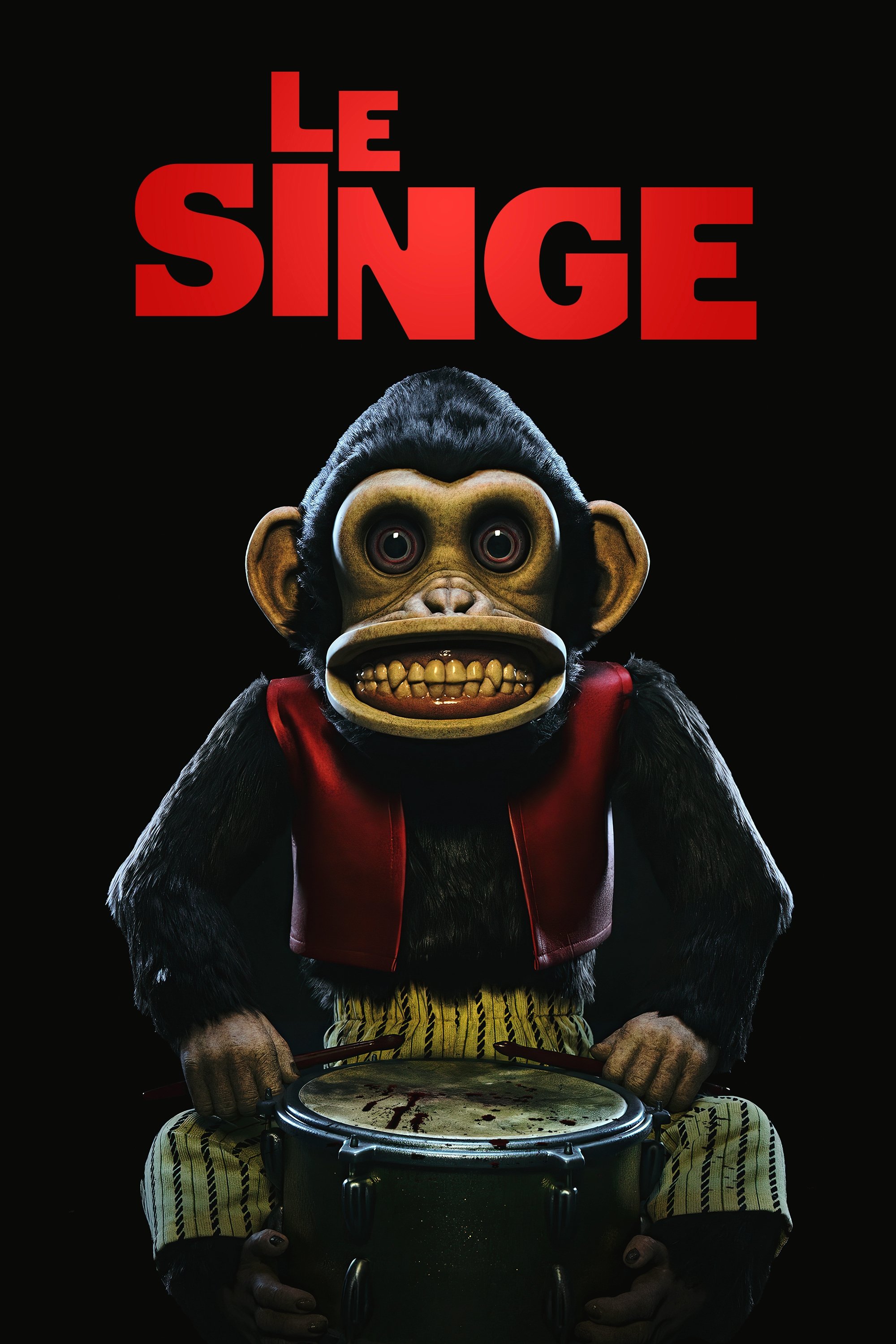
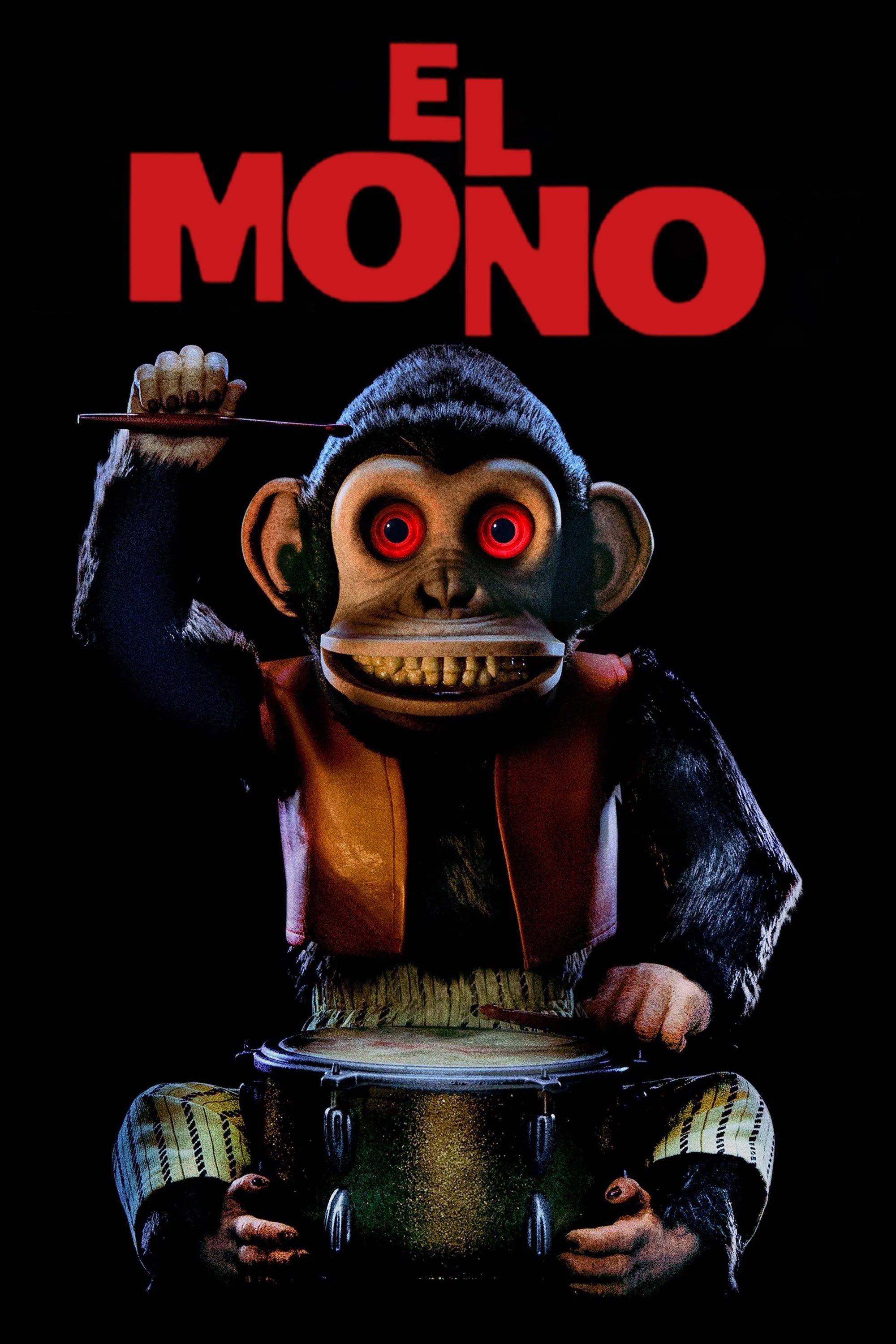
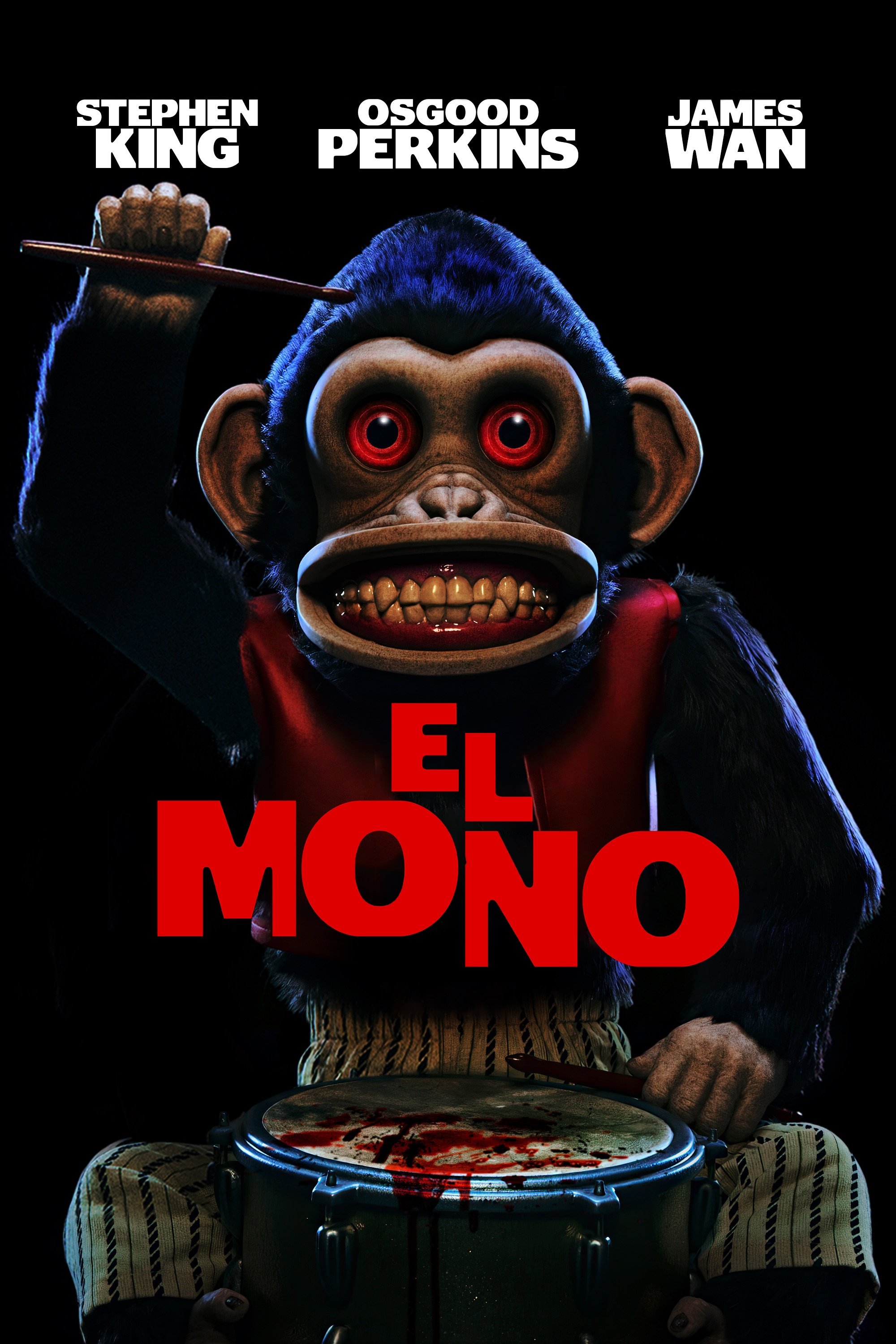
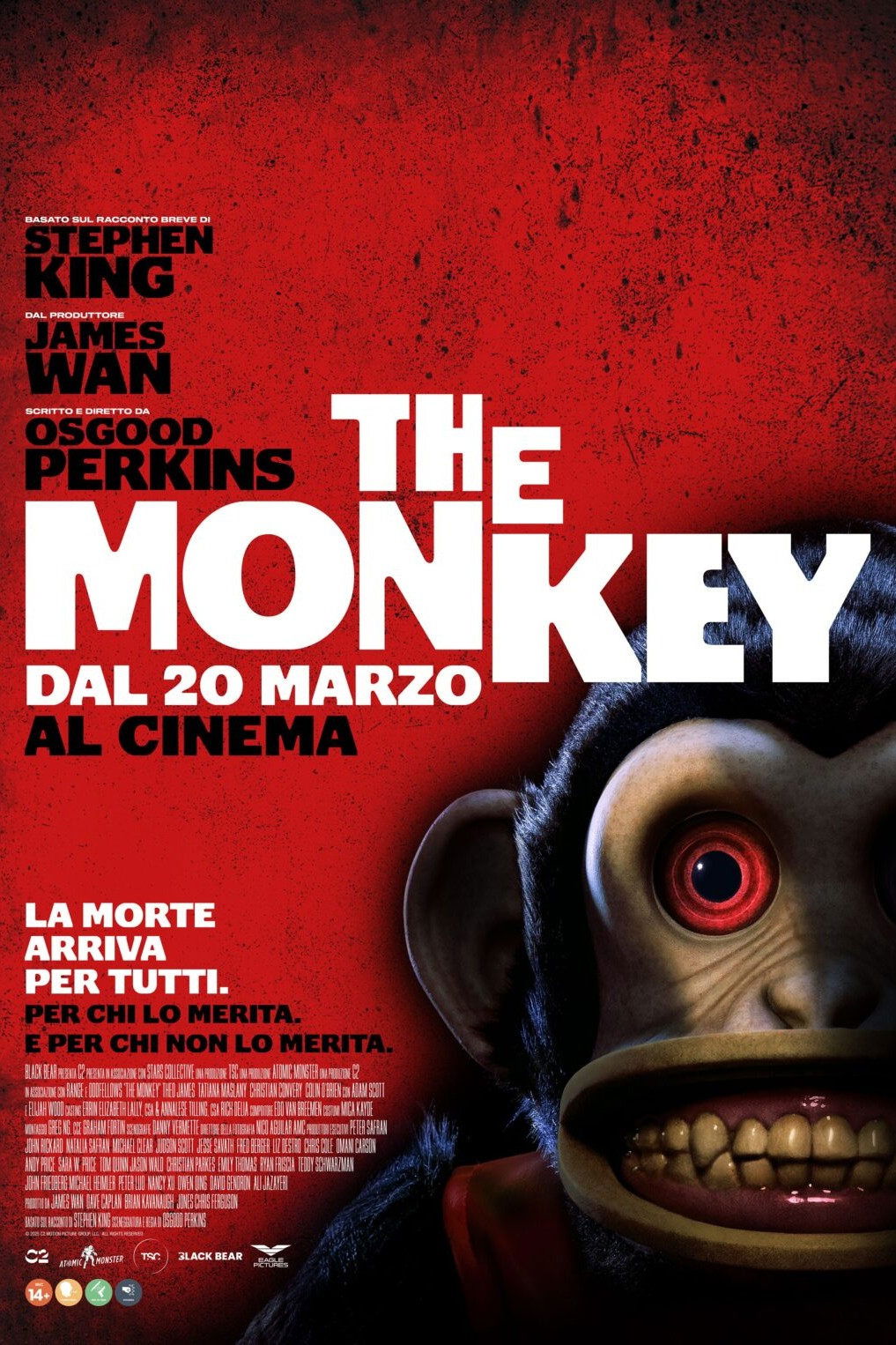
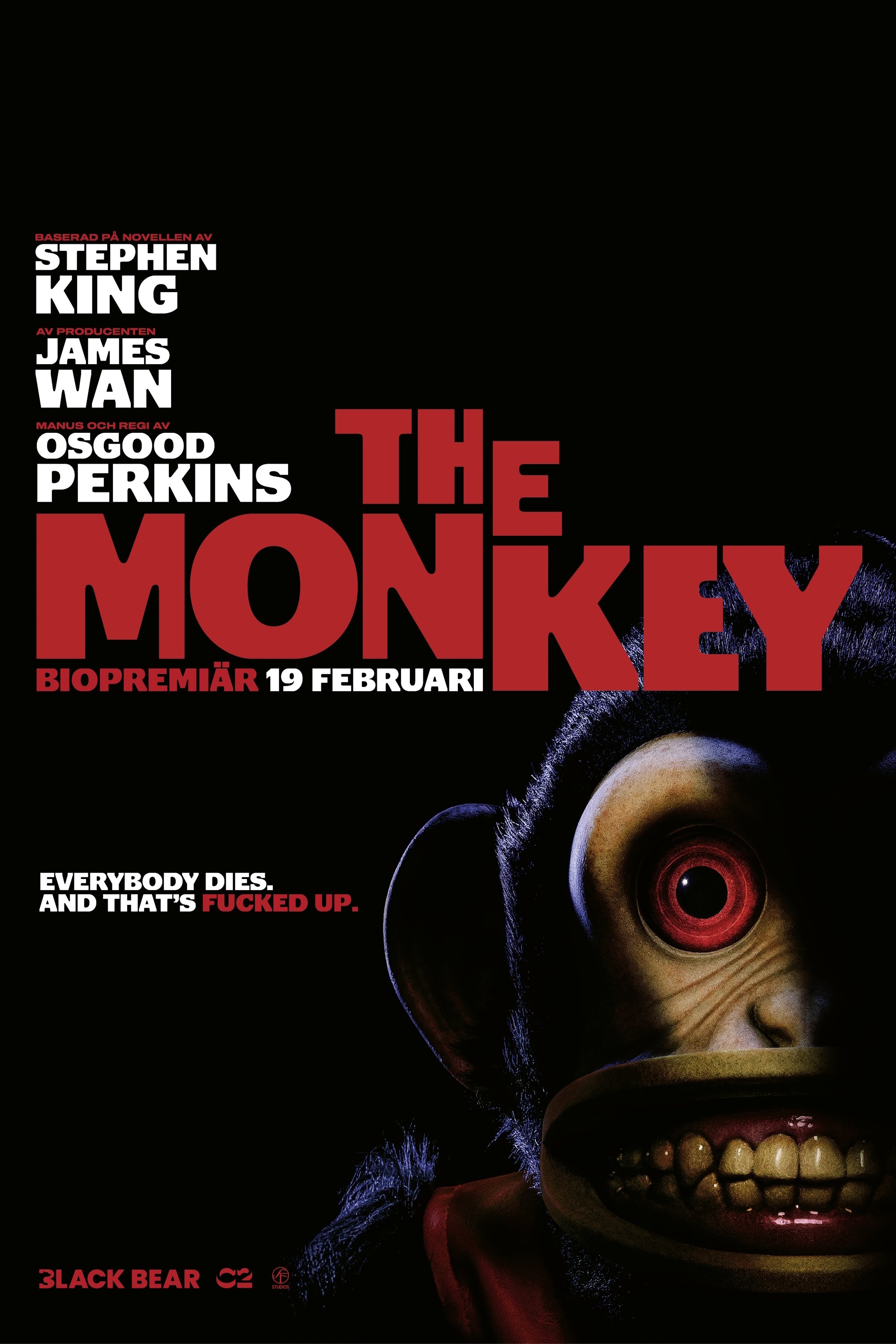
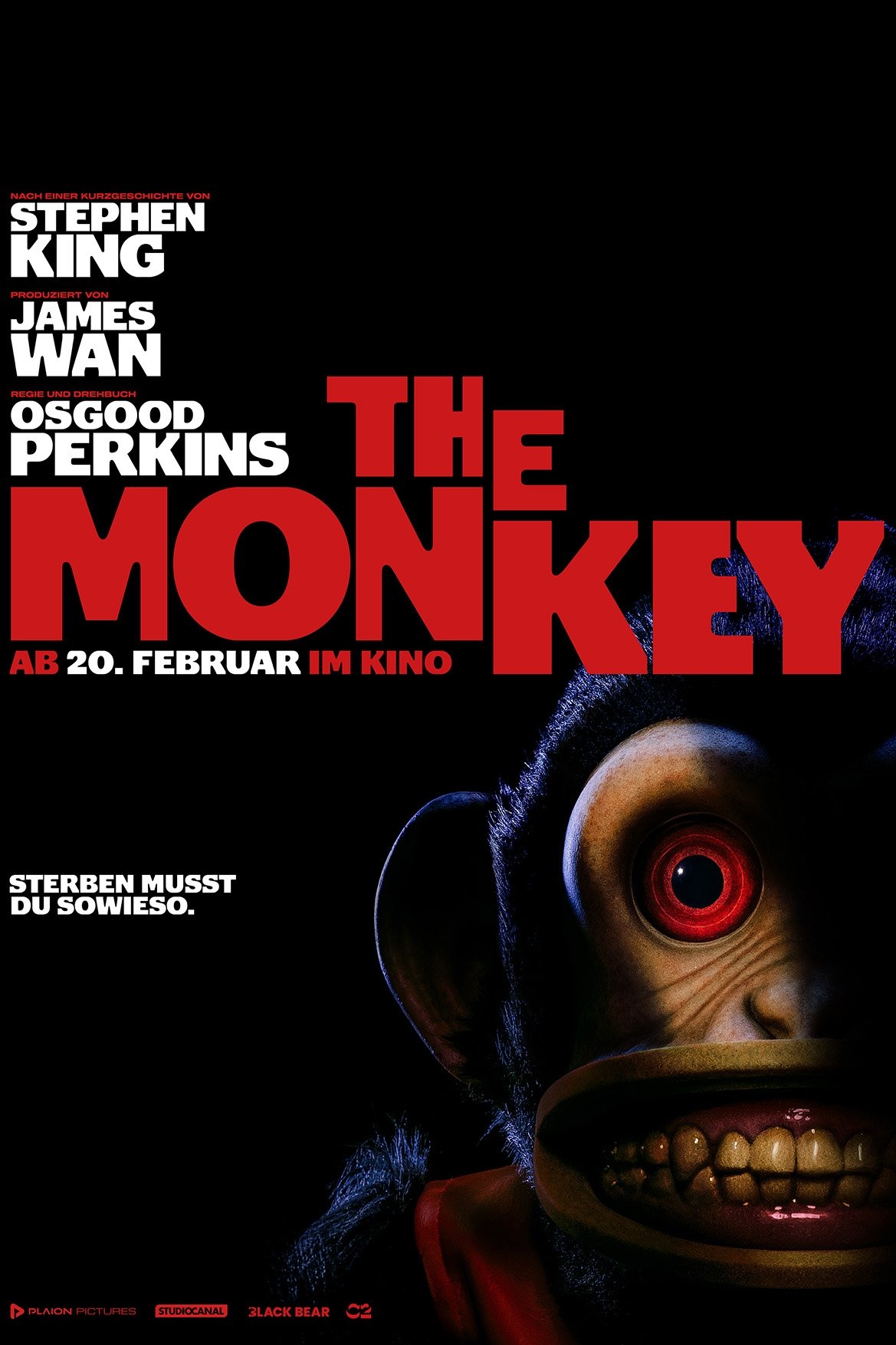
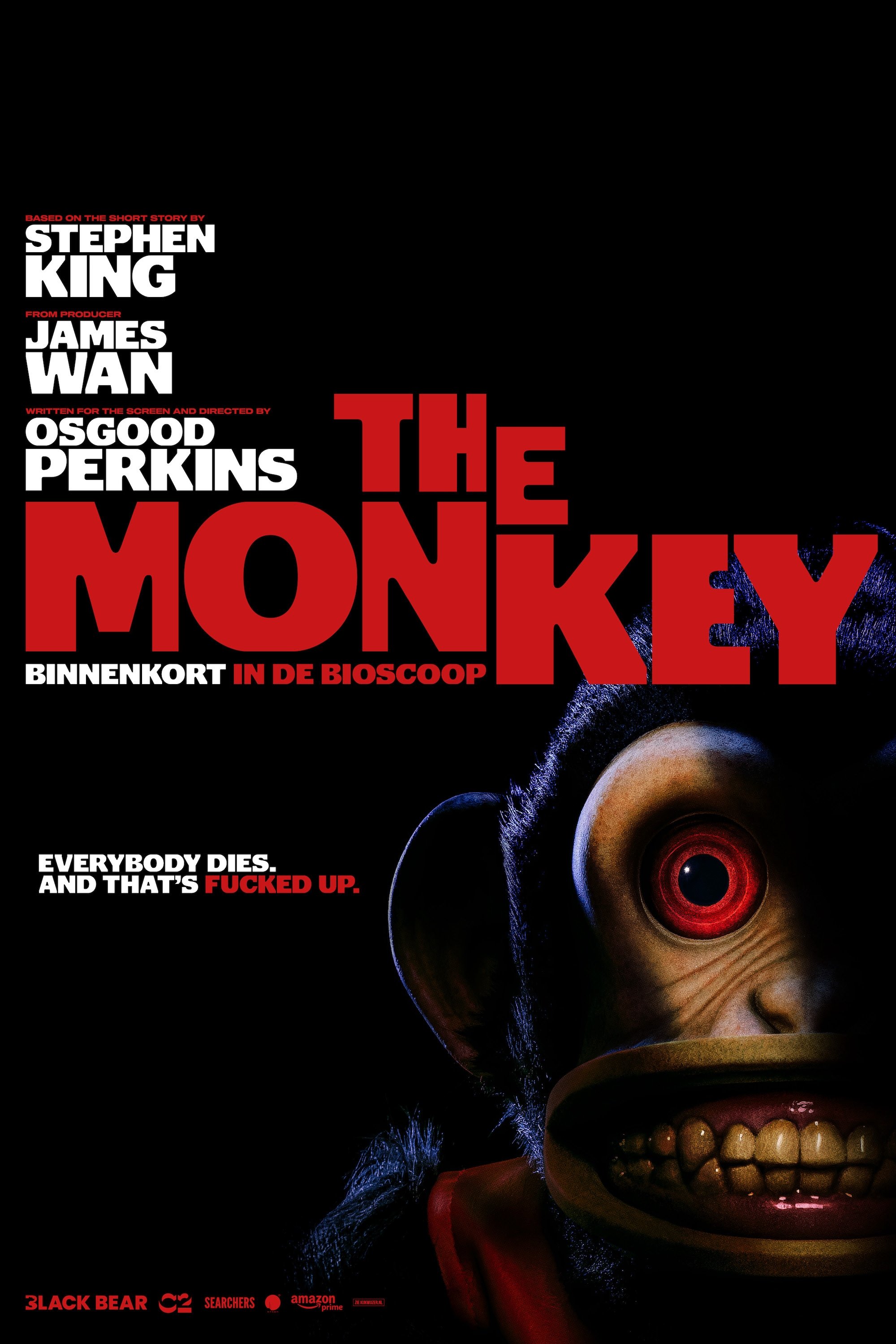
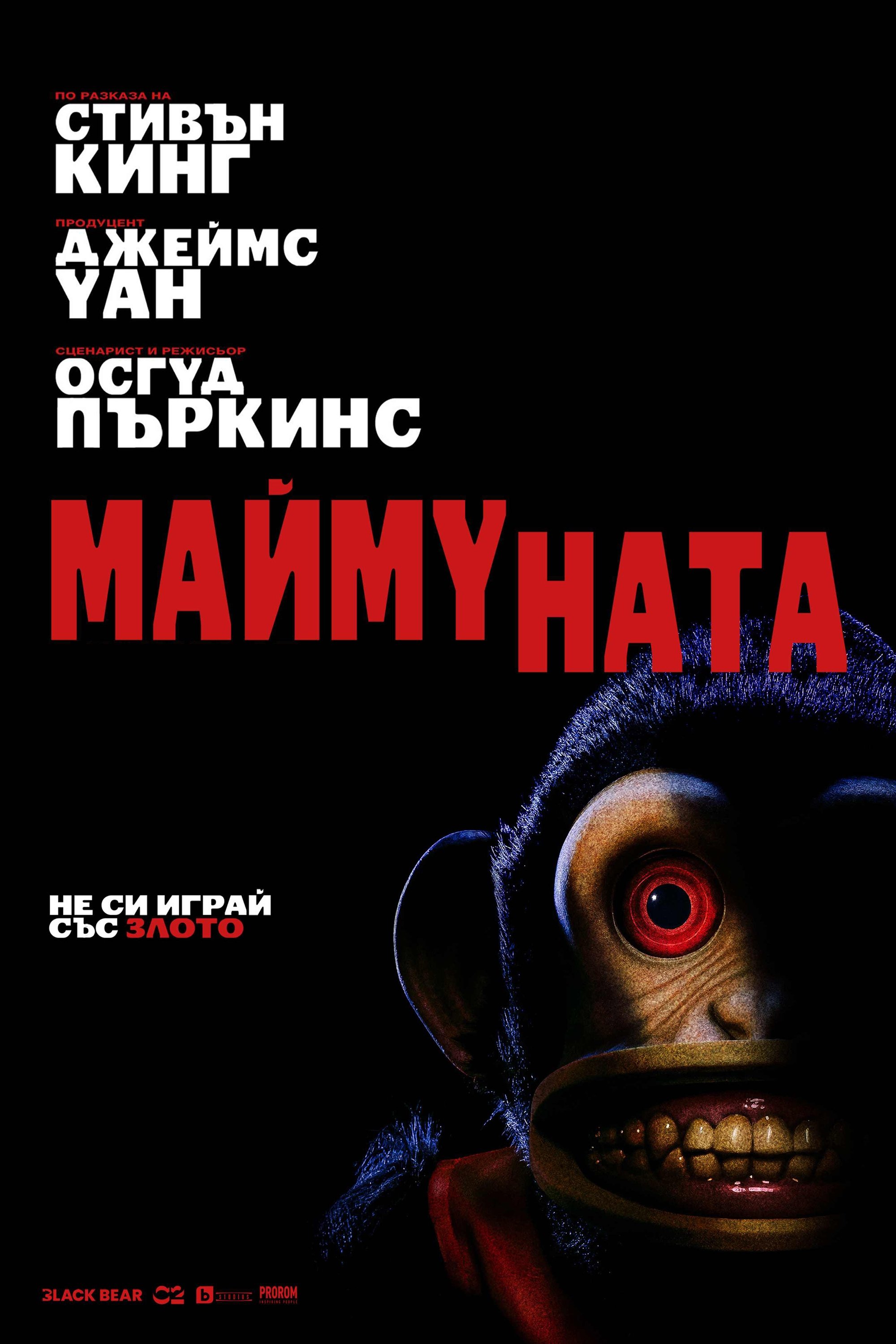
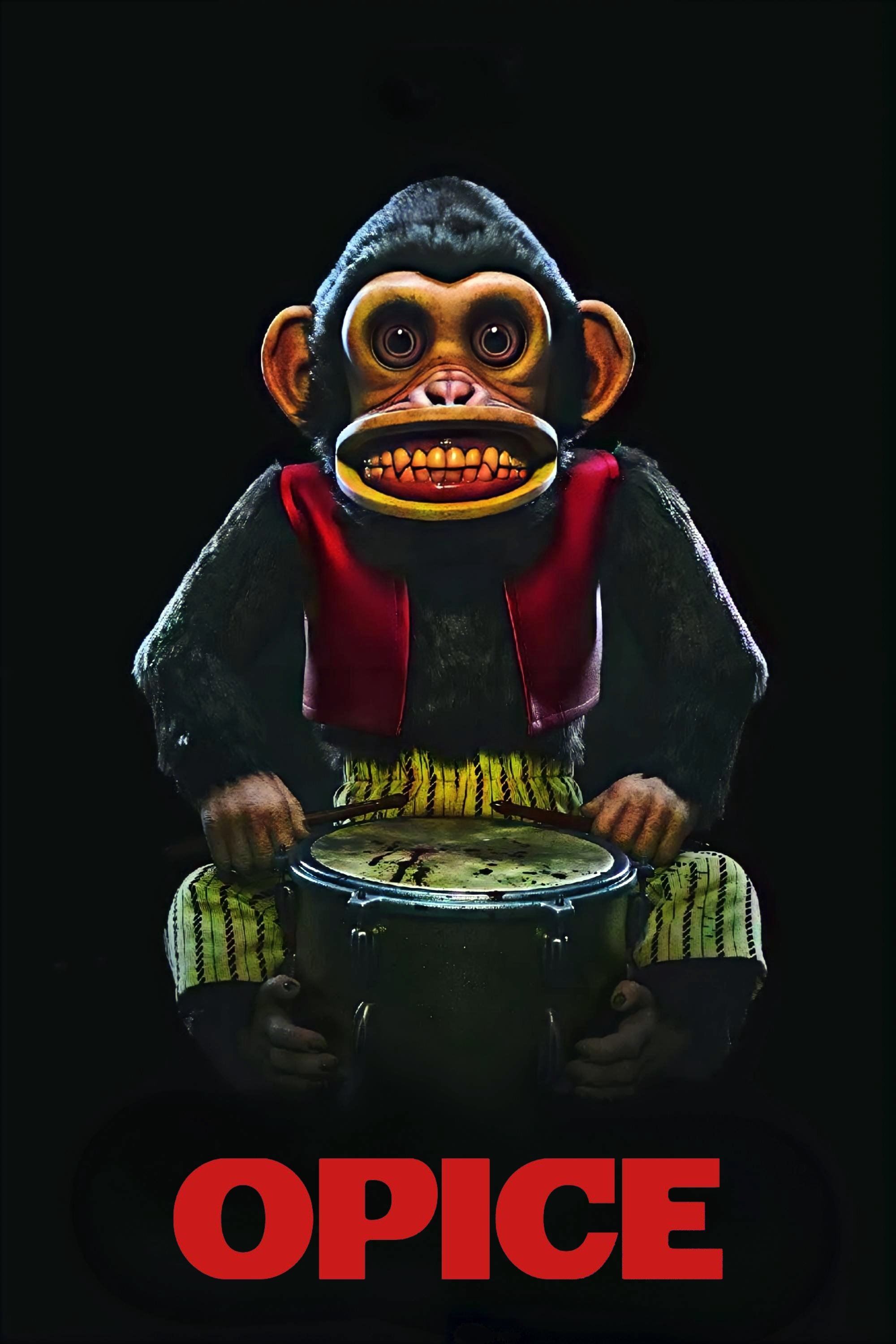
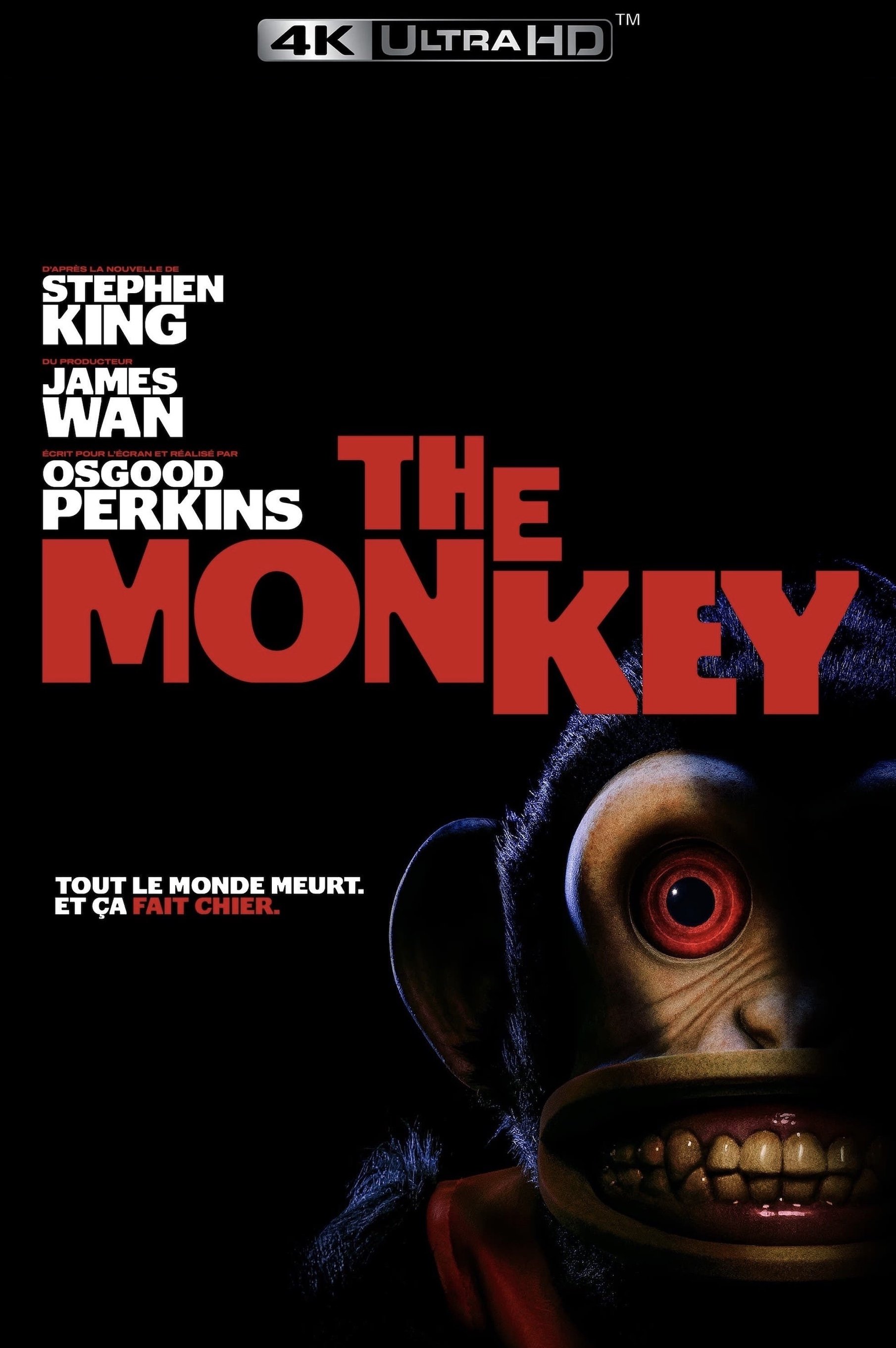
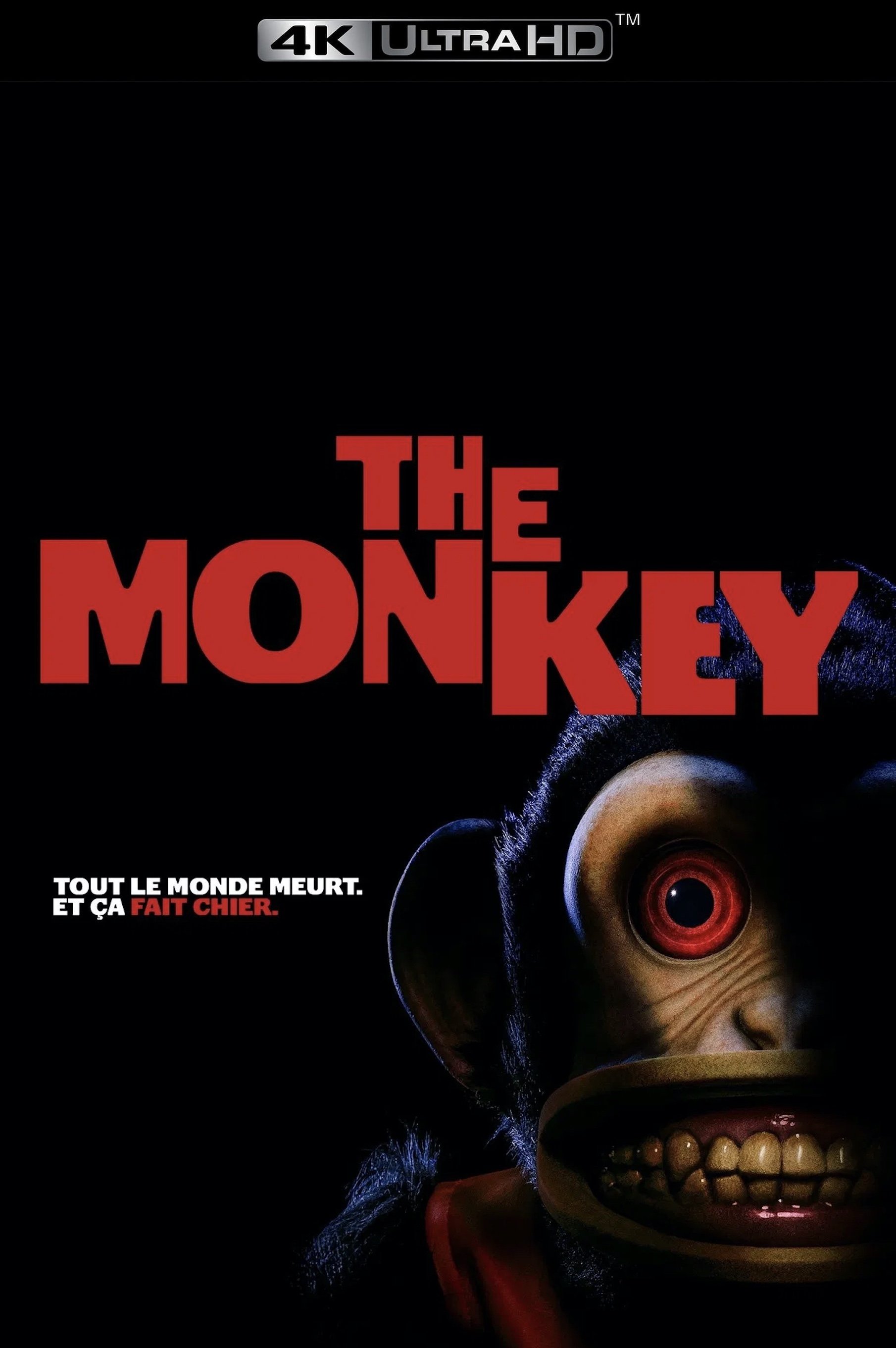
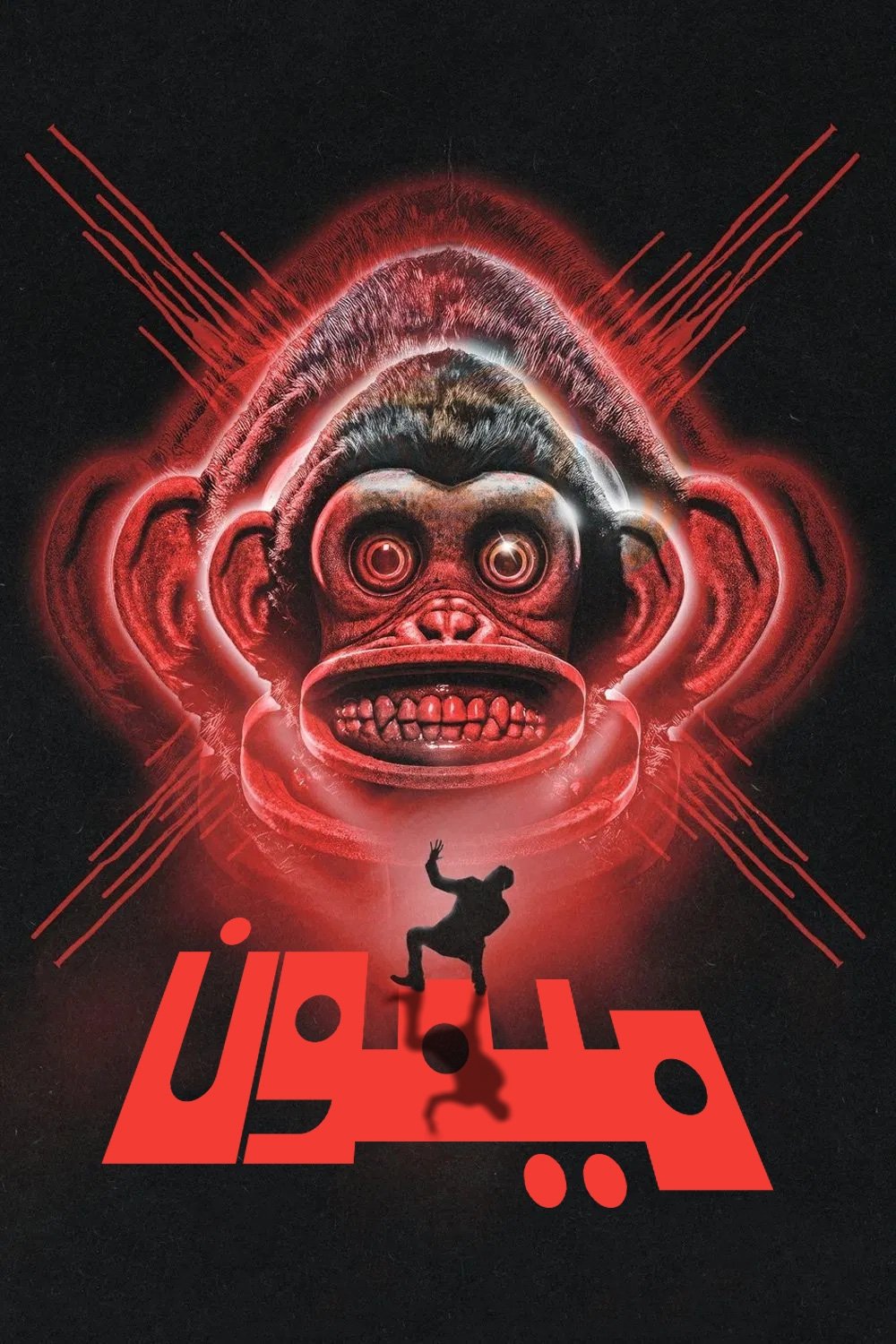
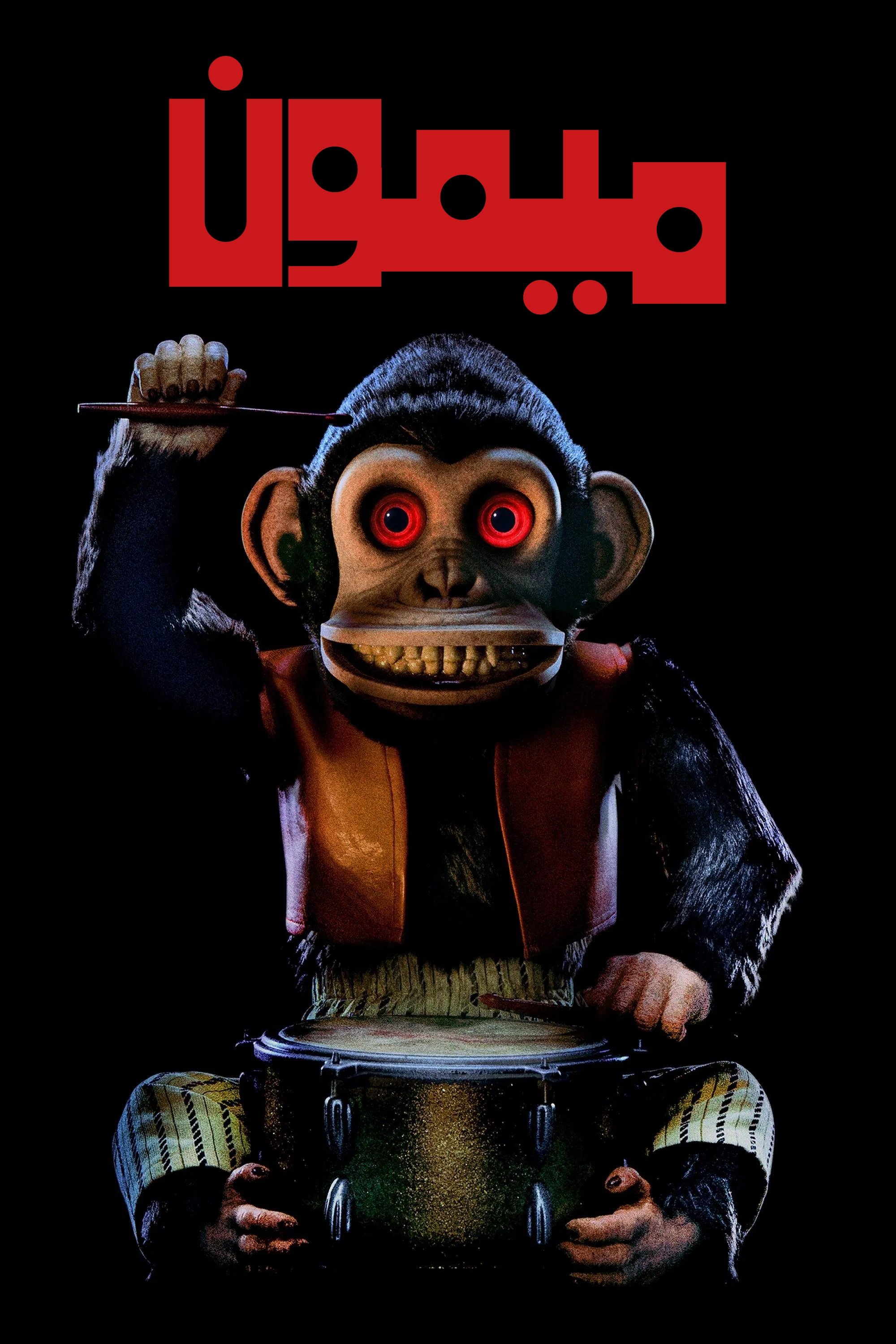
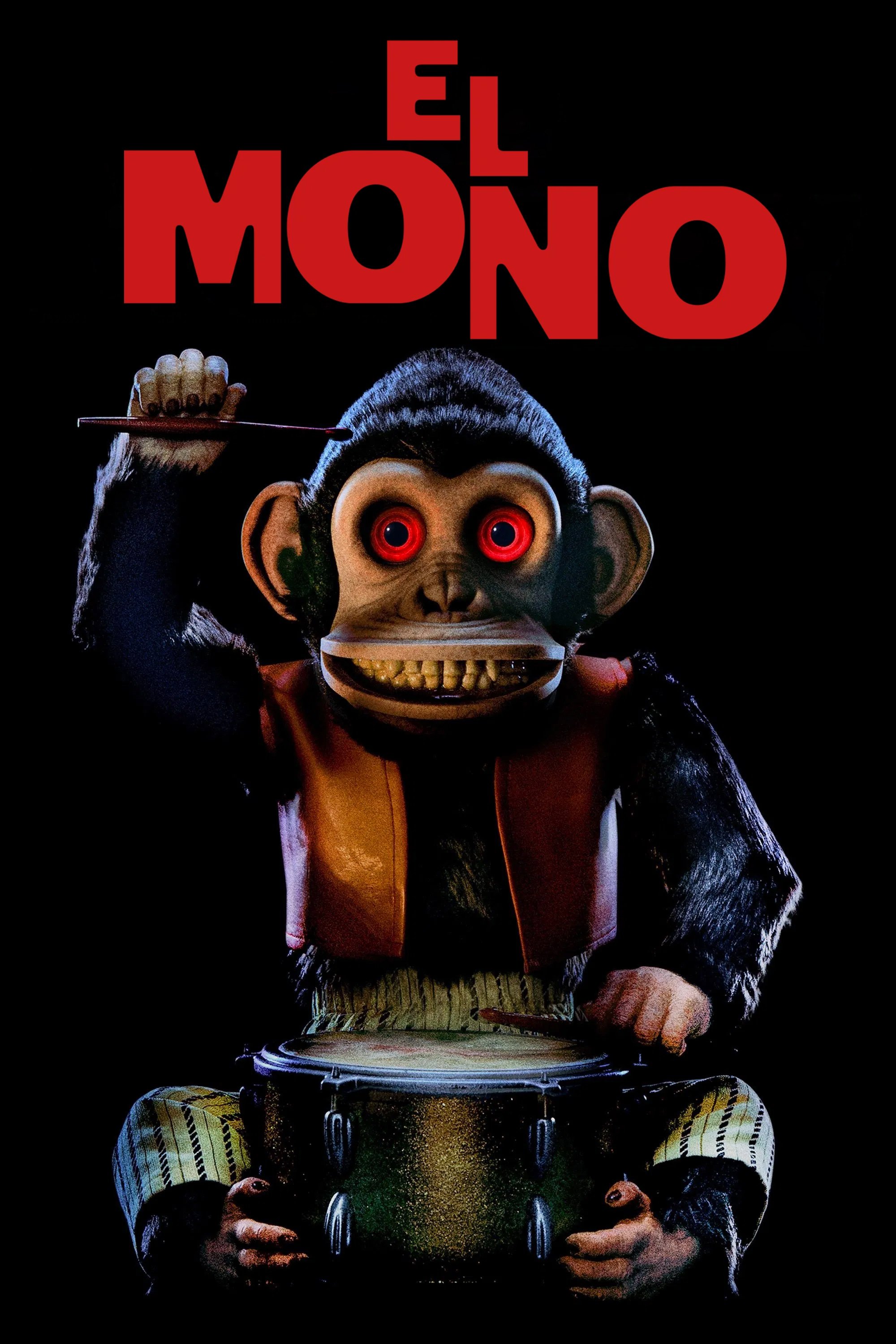
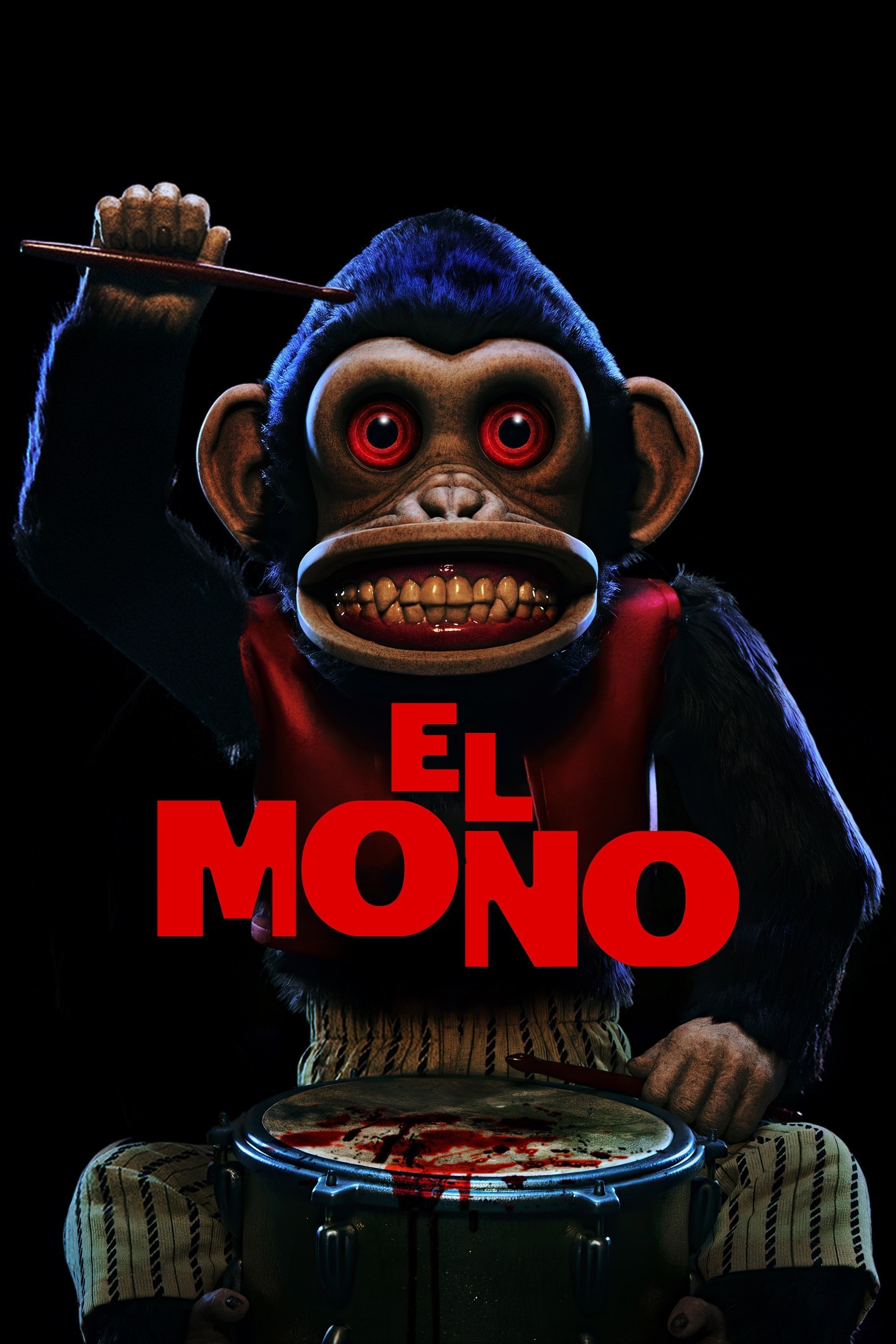
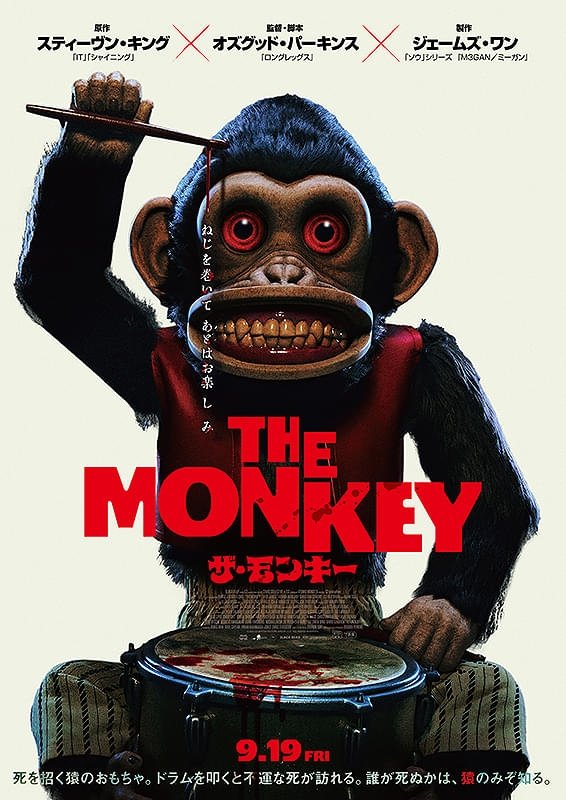
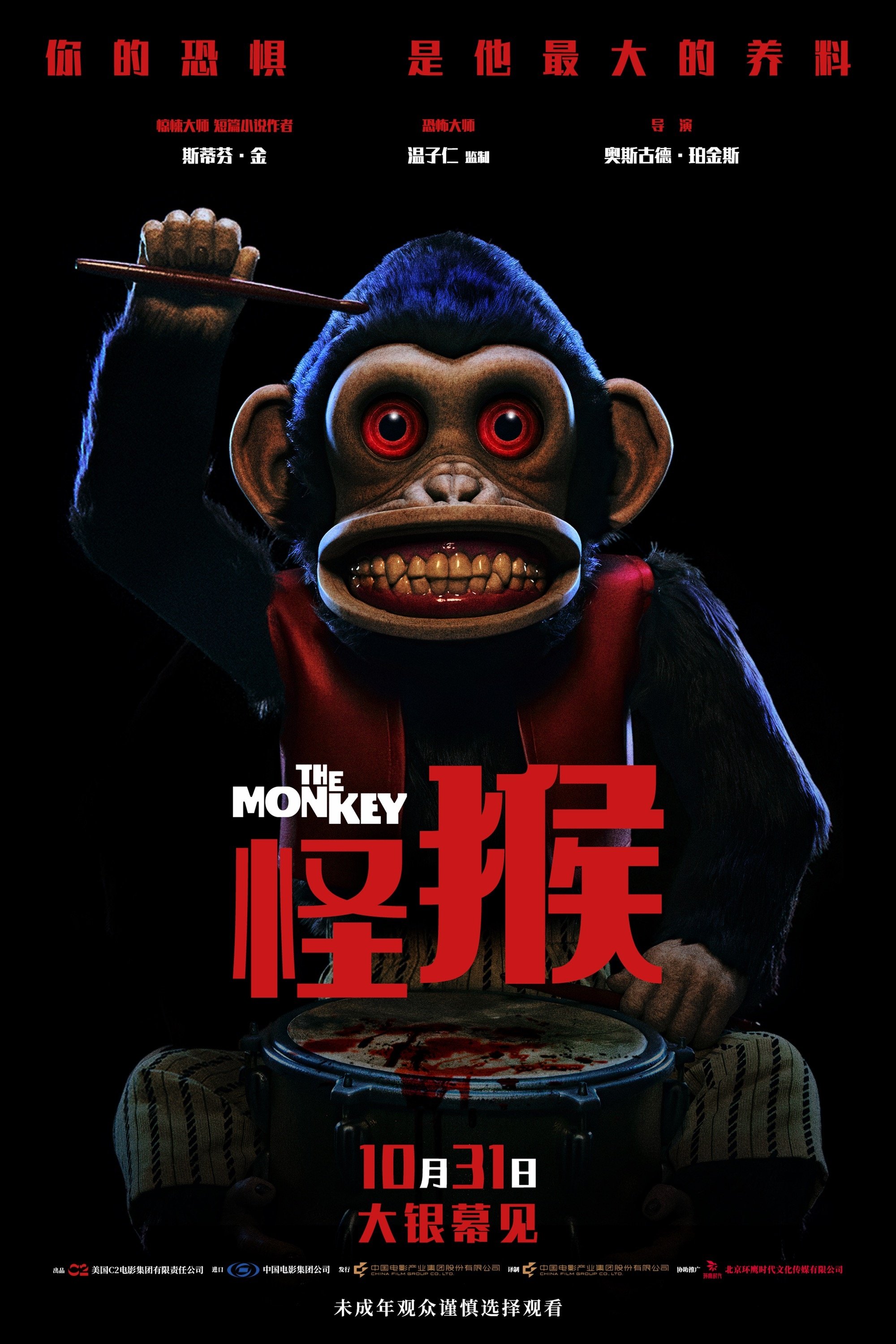
The most visible alteration to the source material concerns the monkey's instrument. King's mechanical figure strikes cymbals; the film's larger, elaborately constructed monkey beats a drum. Perkins told Rue Morgue that producers warned him against using the cymbal-playing image because of a rights concern involving the monkey seen in Toy Story. That account describes a production constraint reported to the filmmaker, rather than an independently established legal ruling. He decided that the substitution served the film: the movements of a drumstick and the waiting beat create an audible countdown to an unforeseen catastrophe.
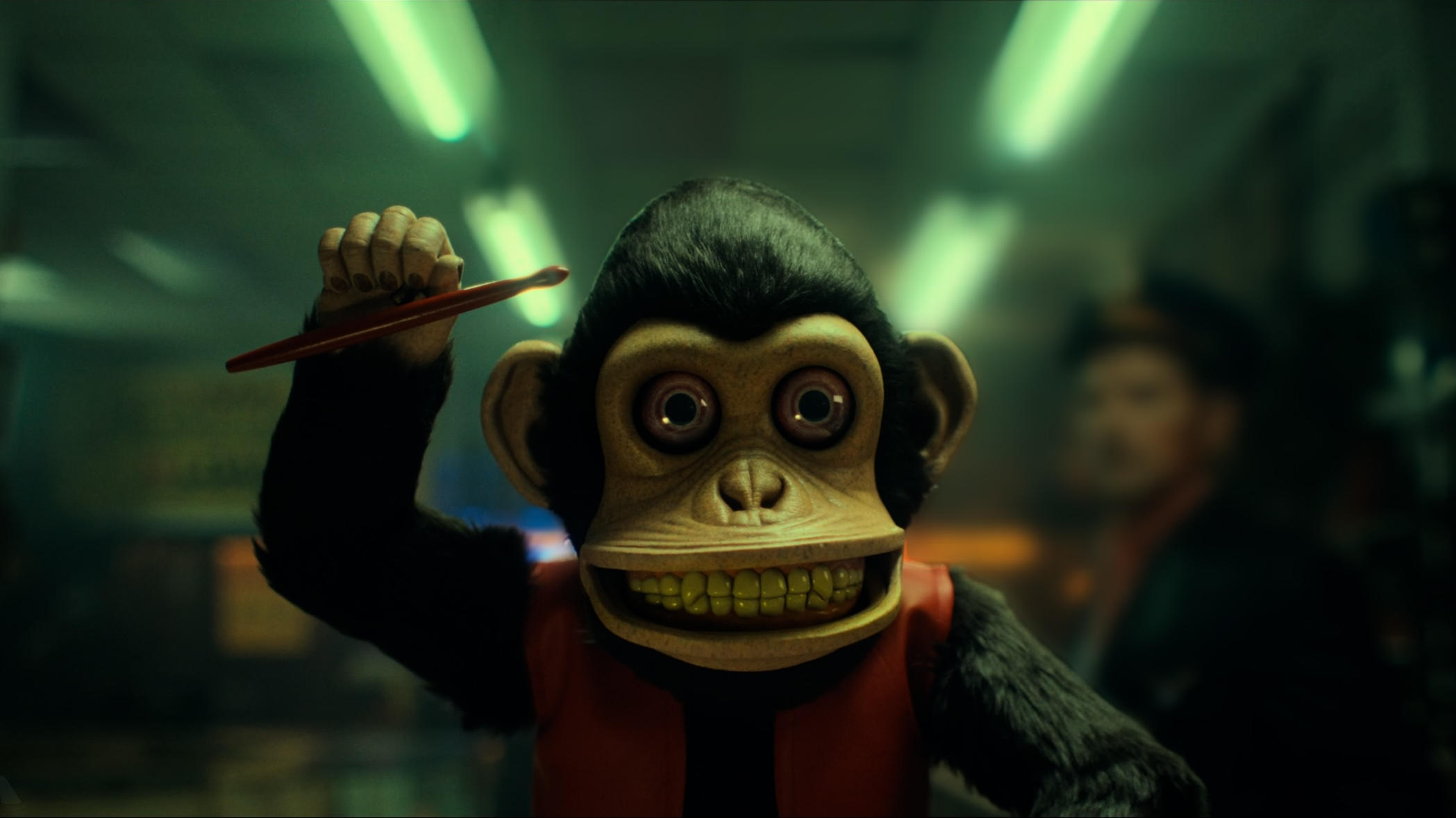
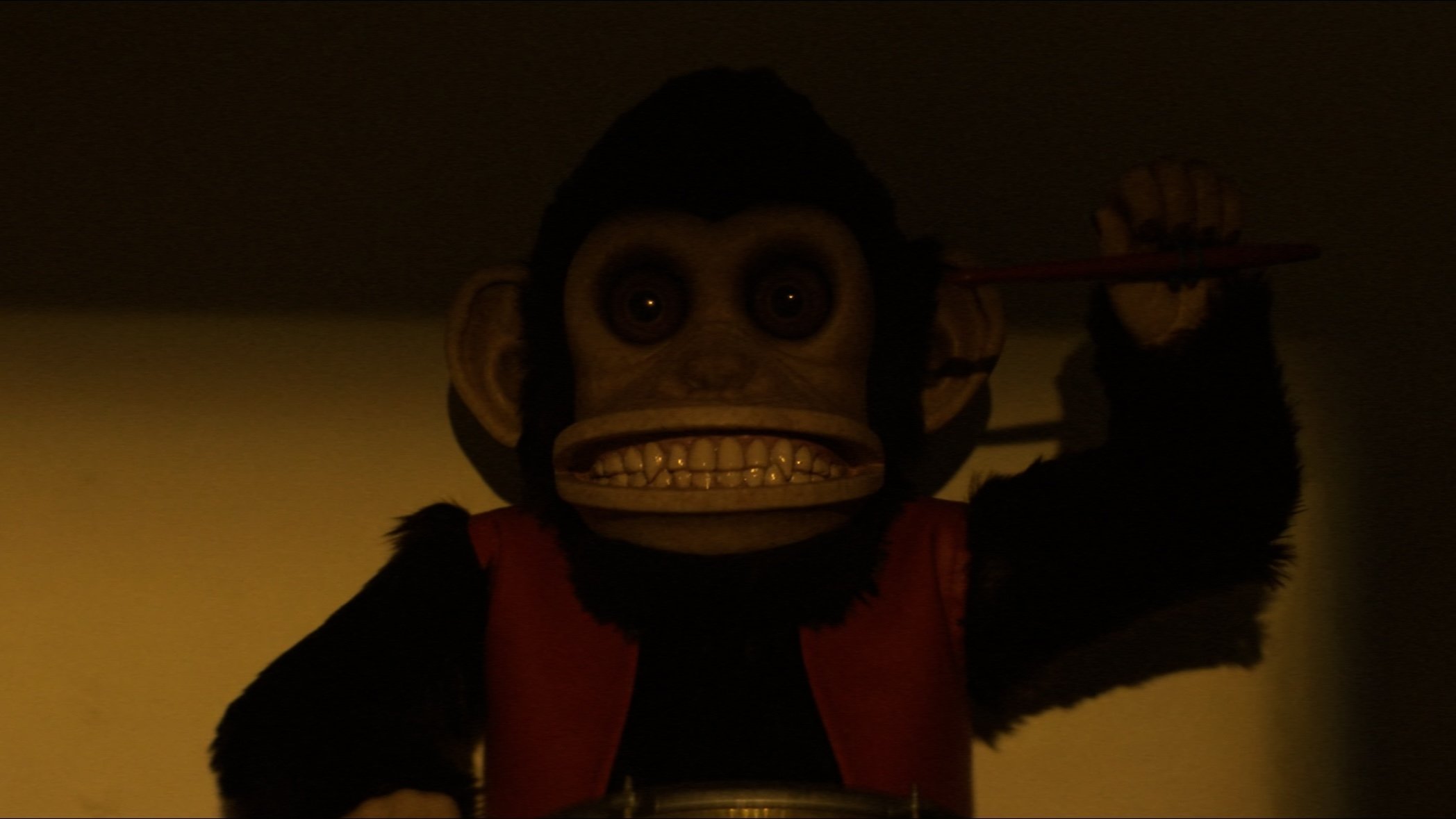
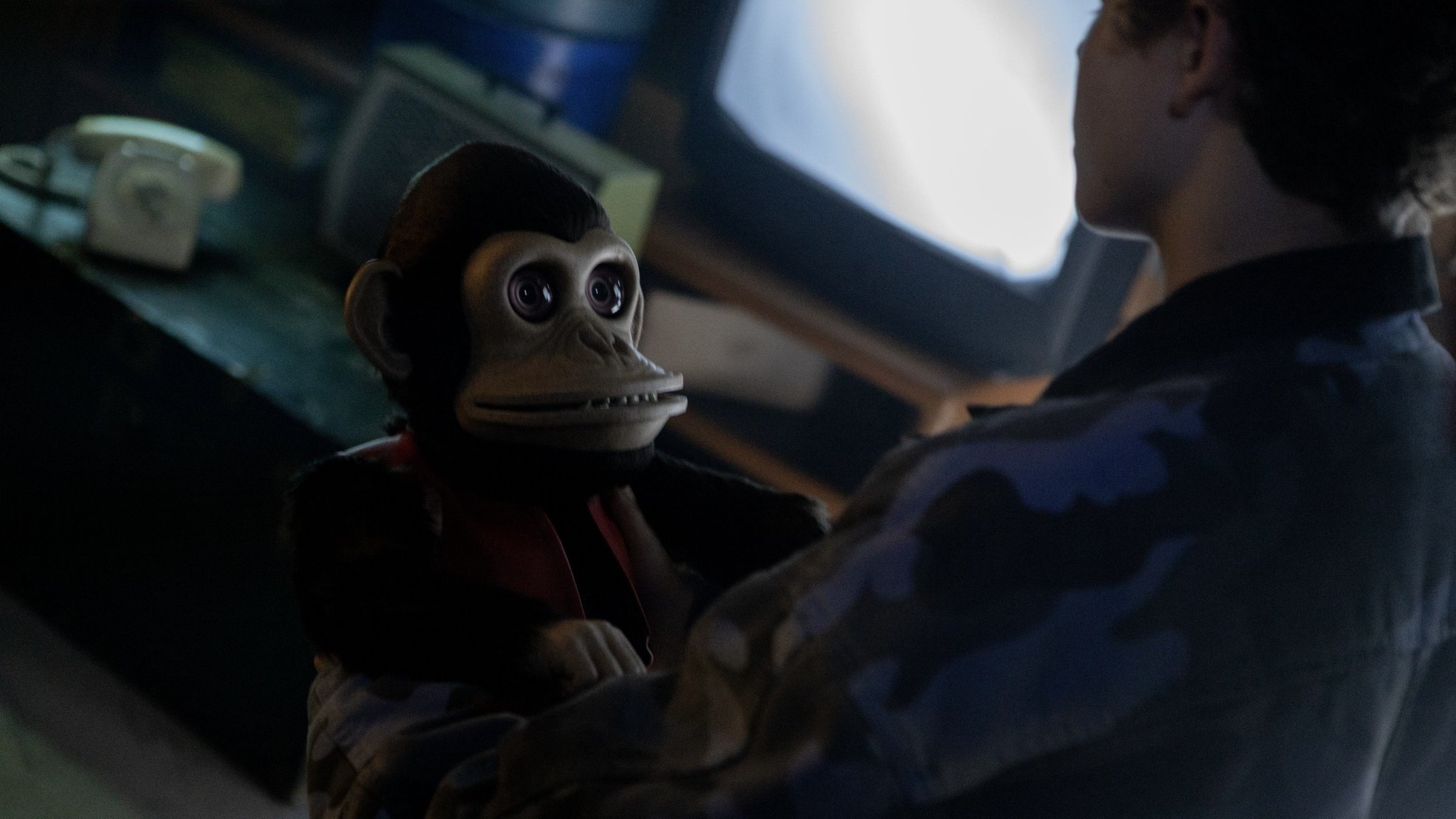
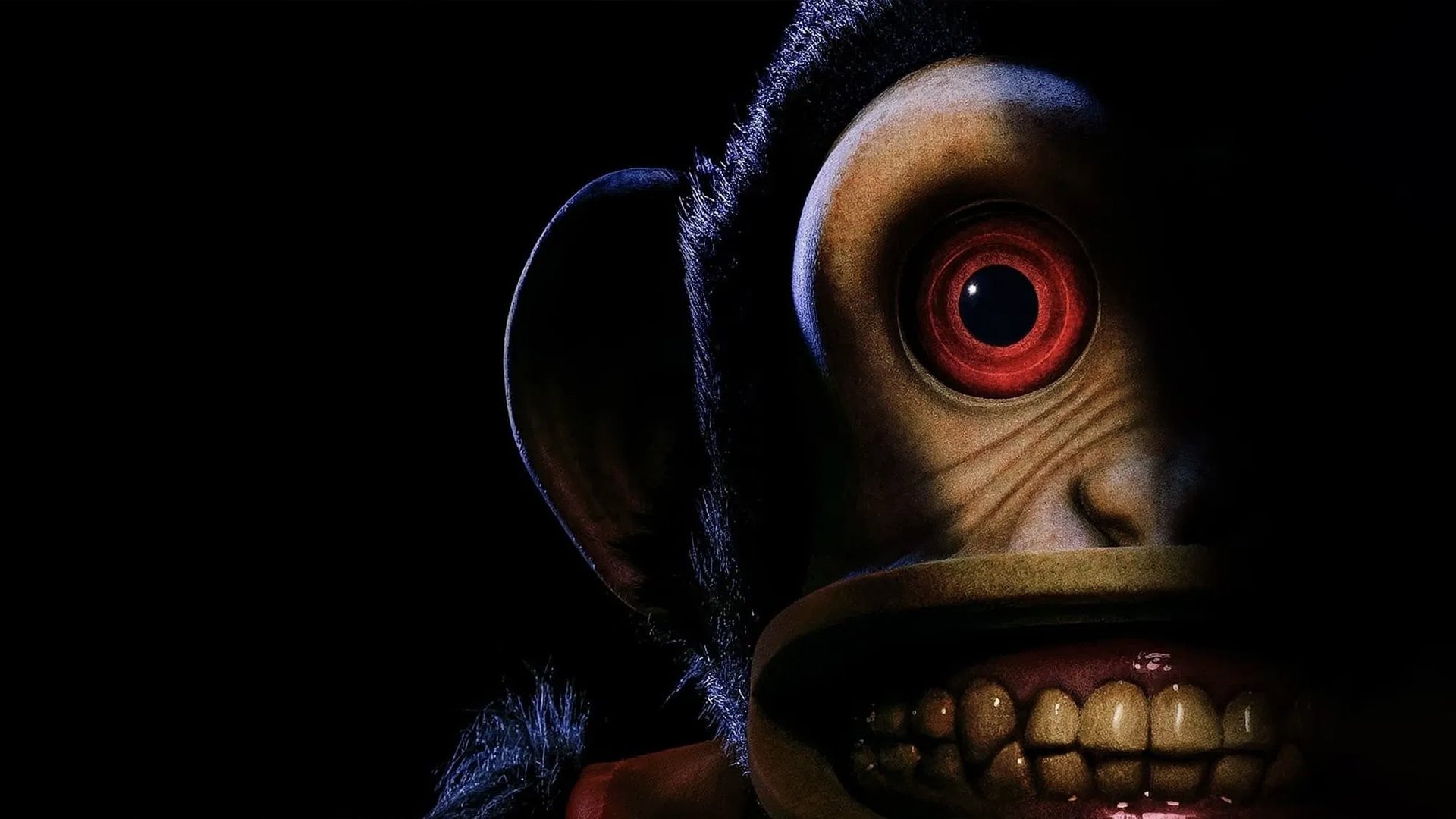
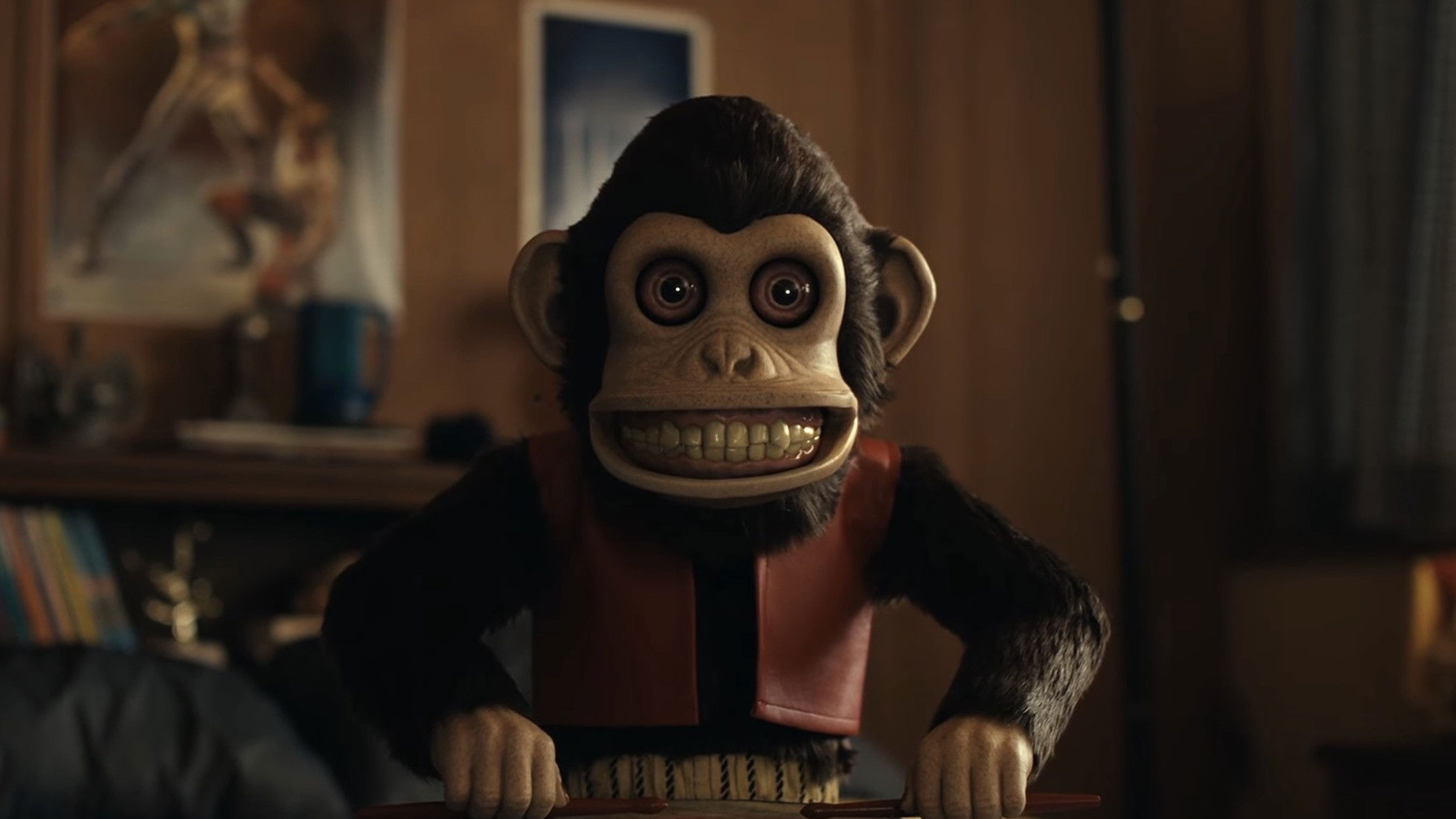
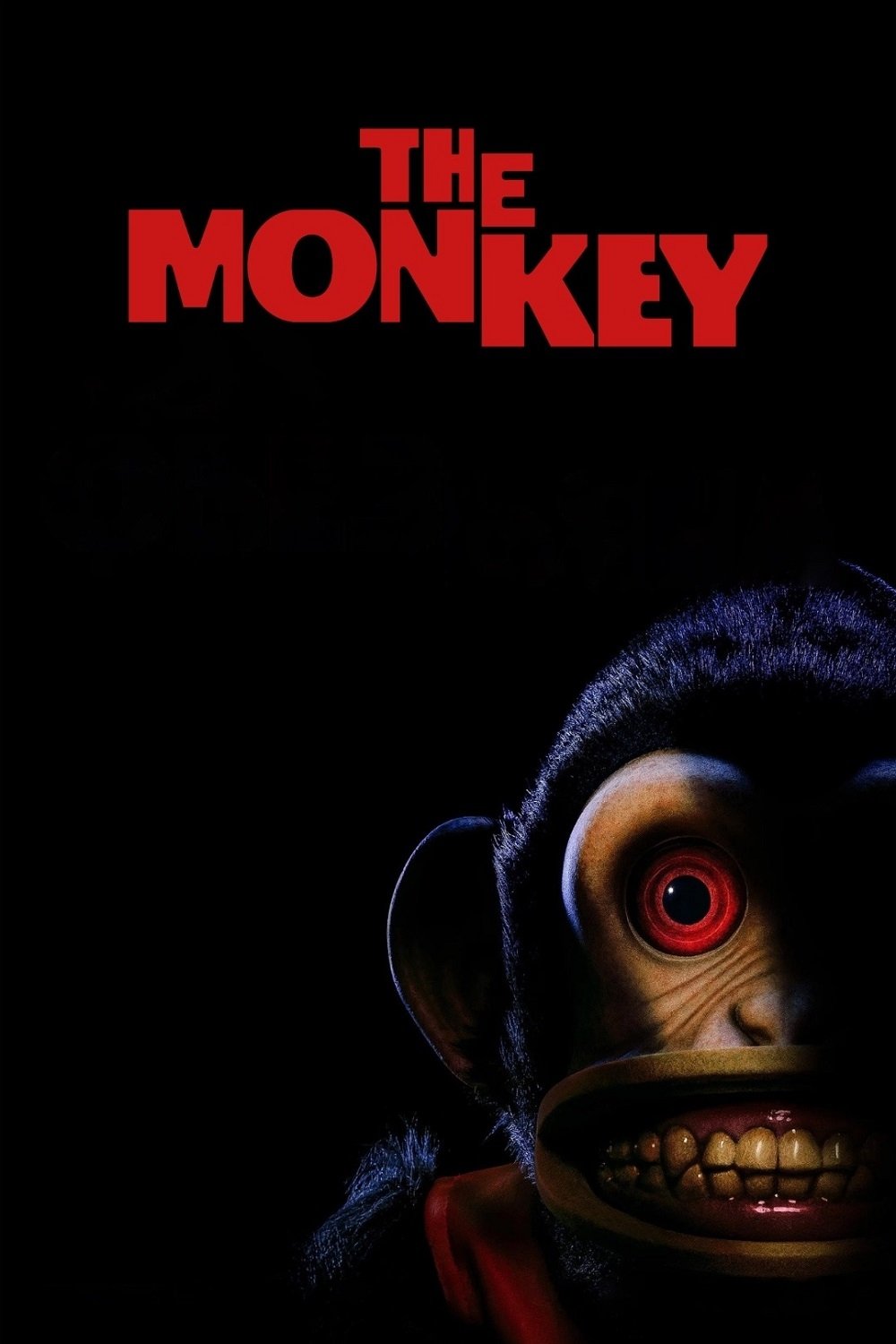
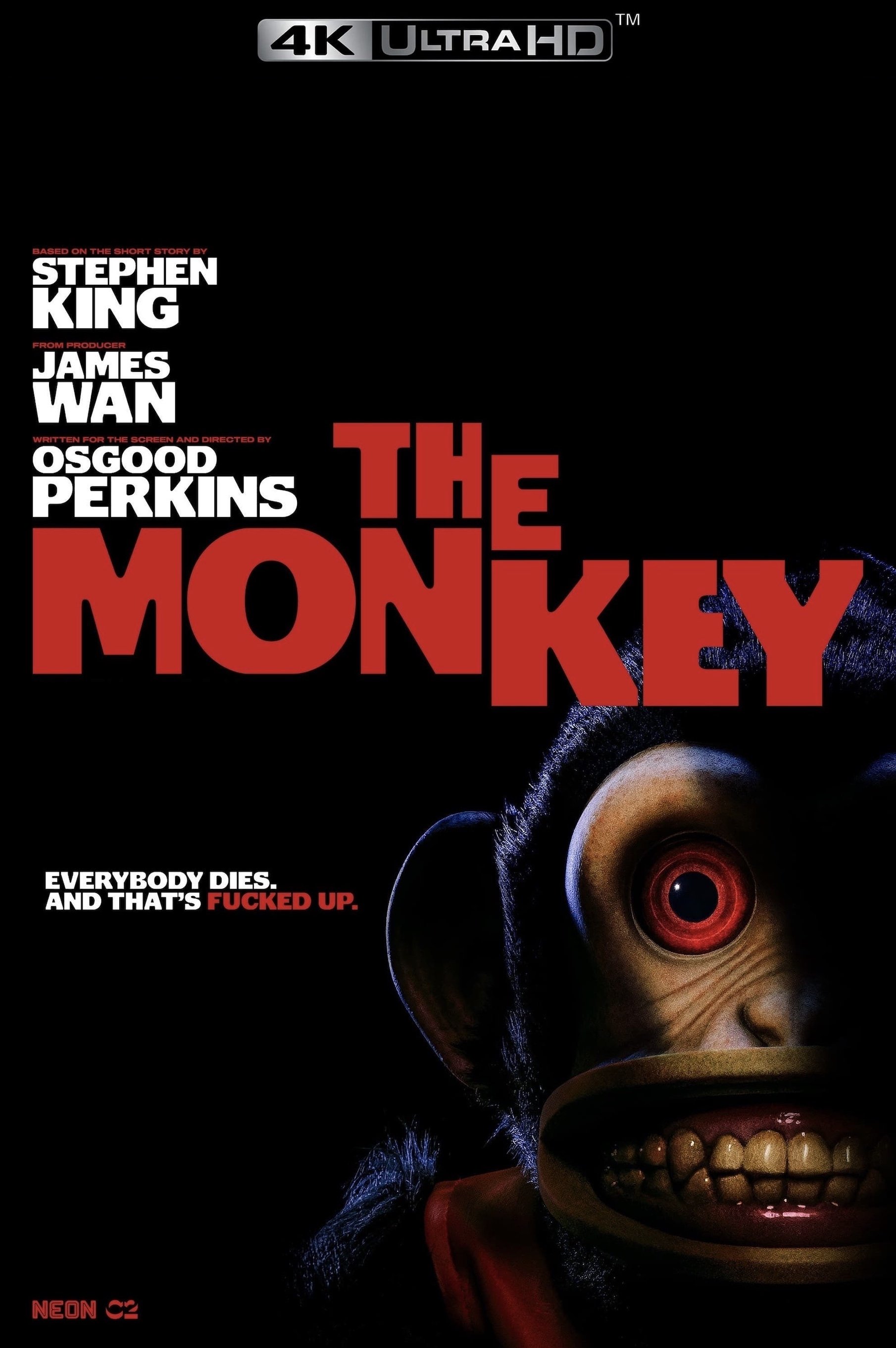
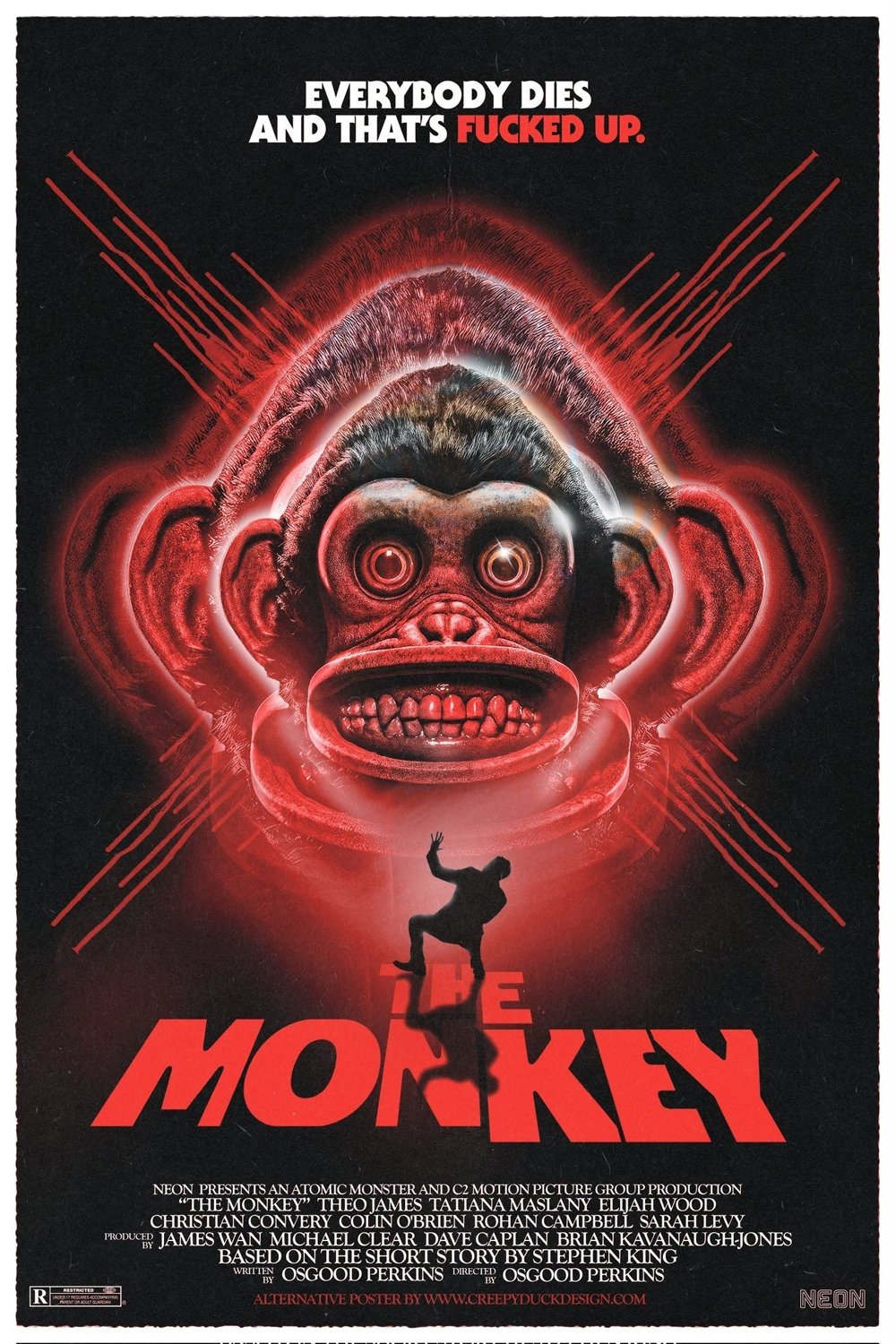
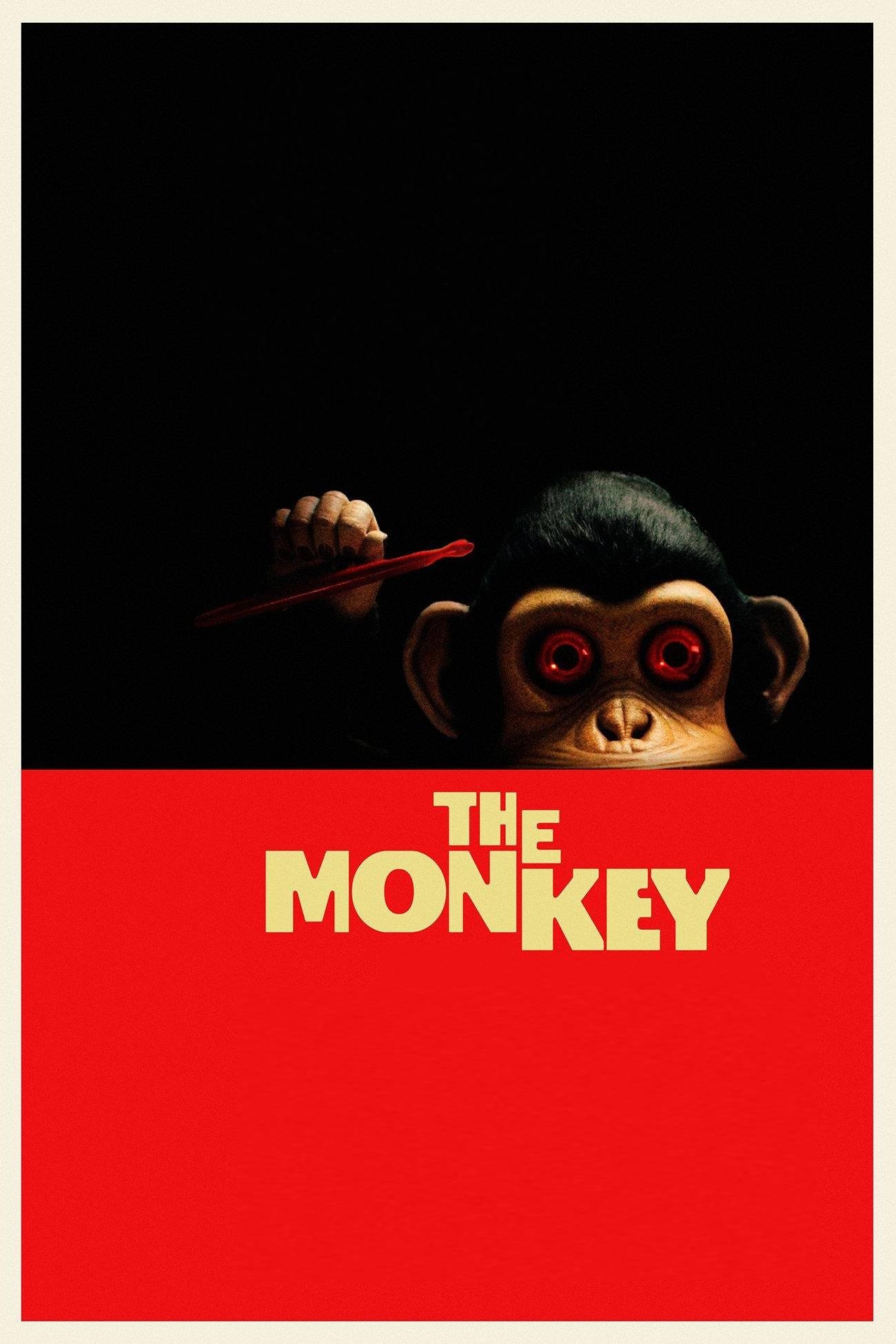
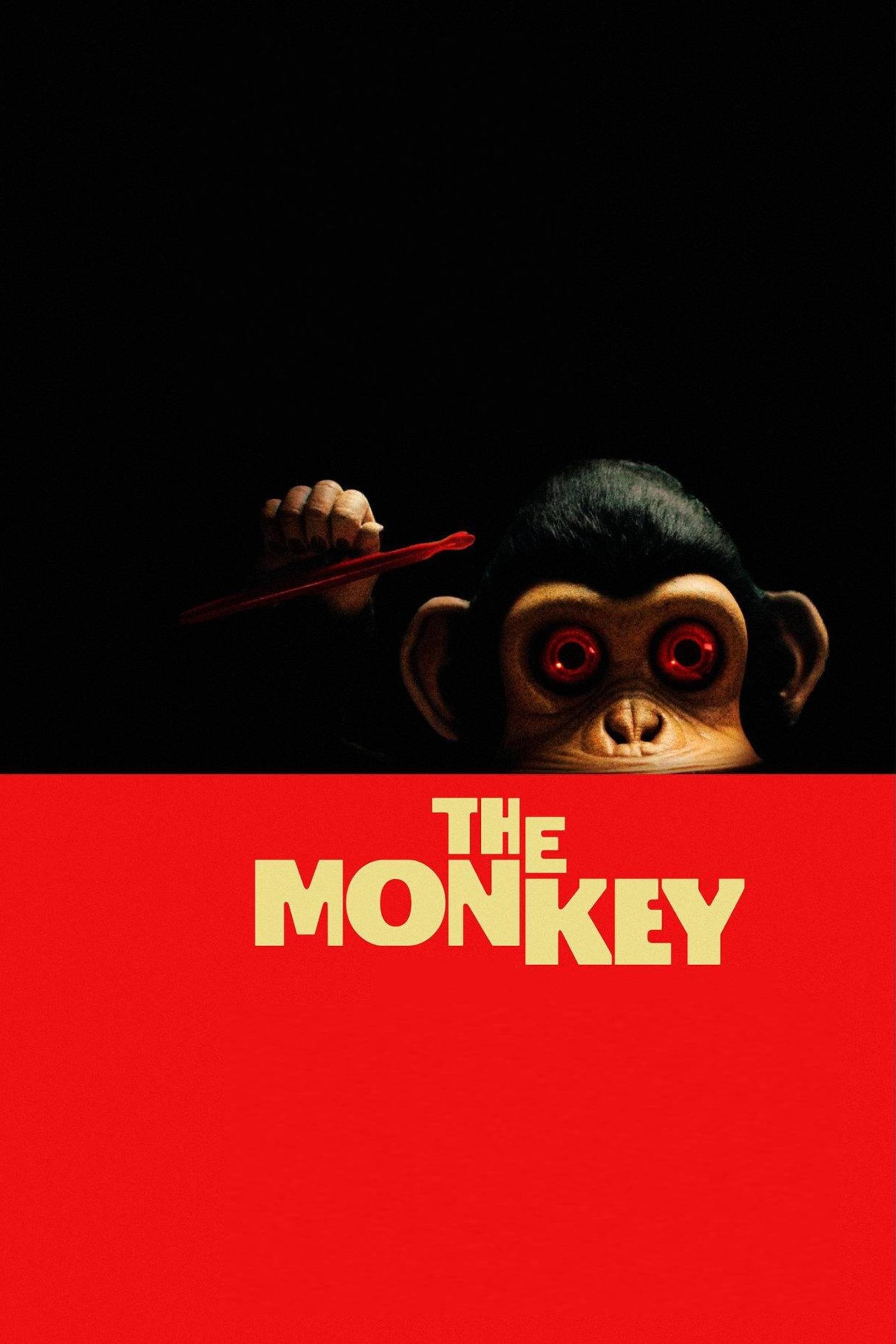
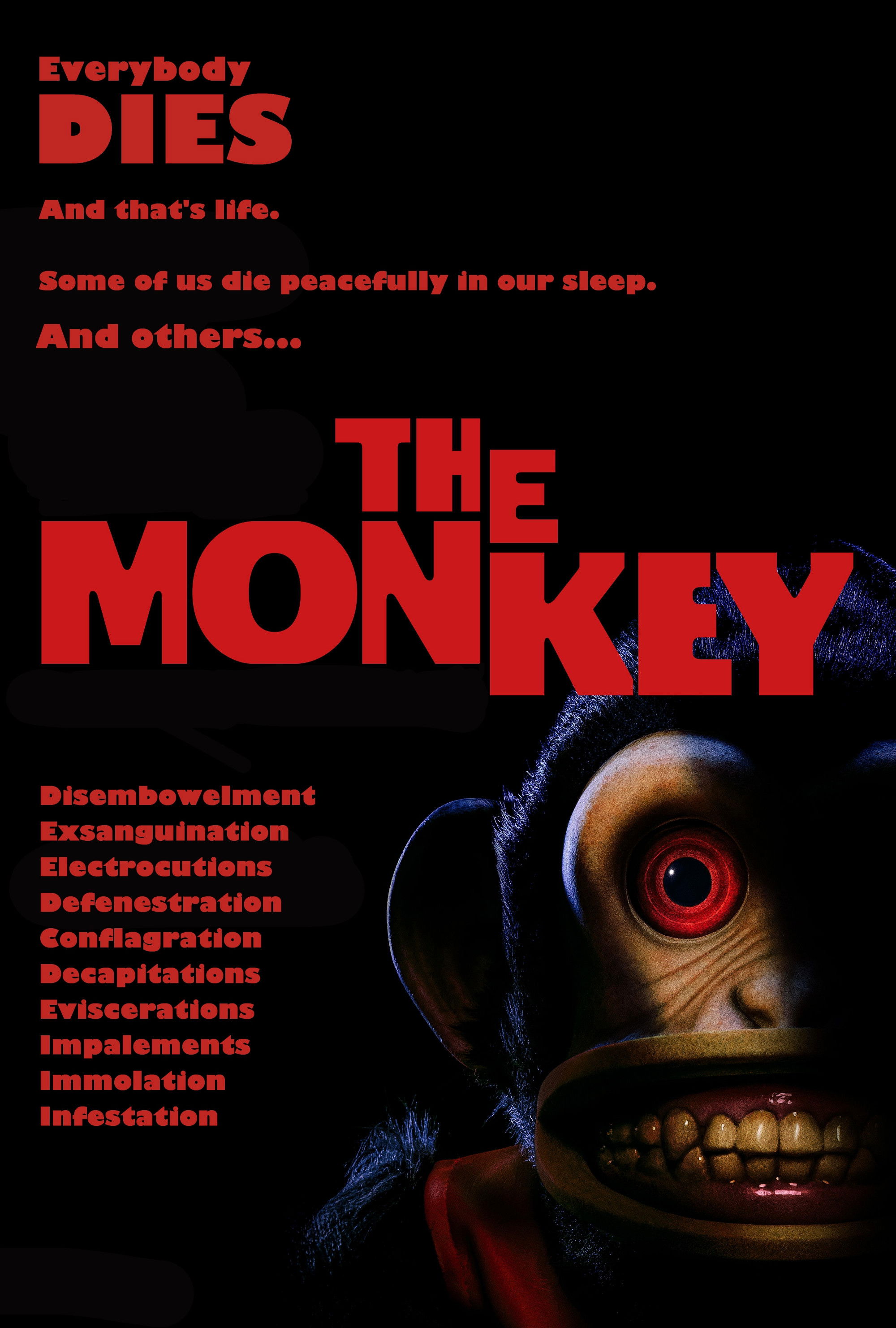
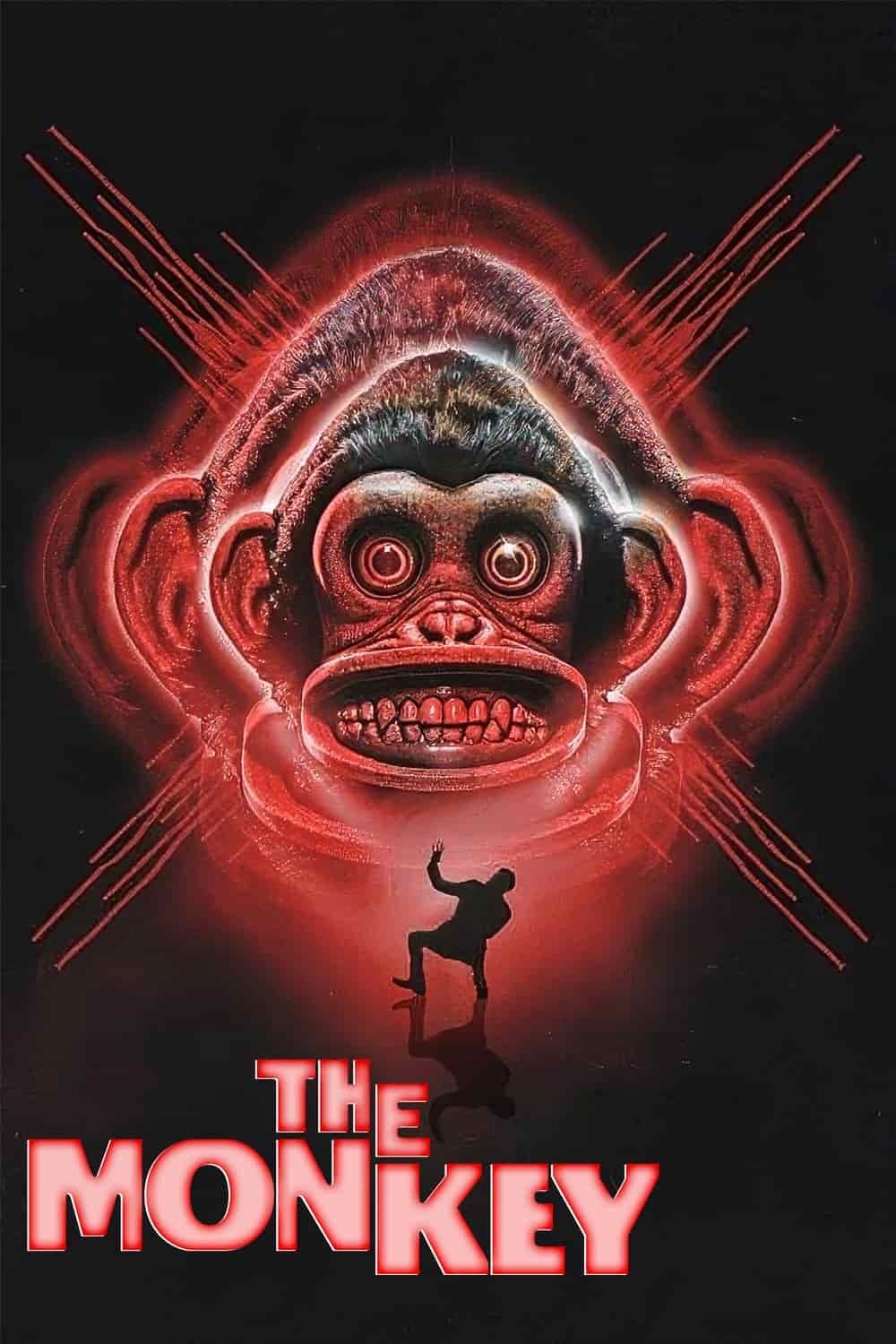
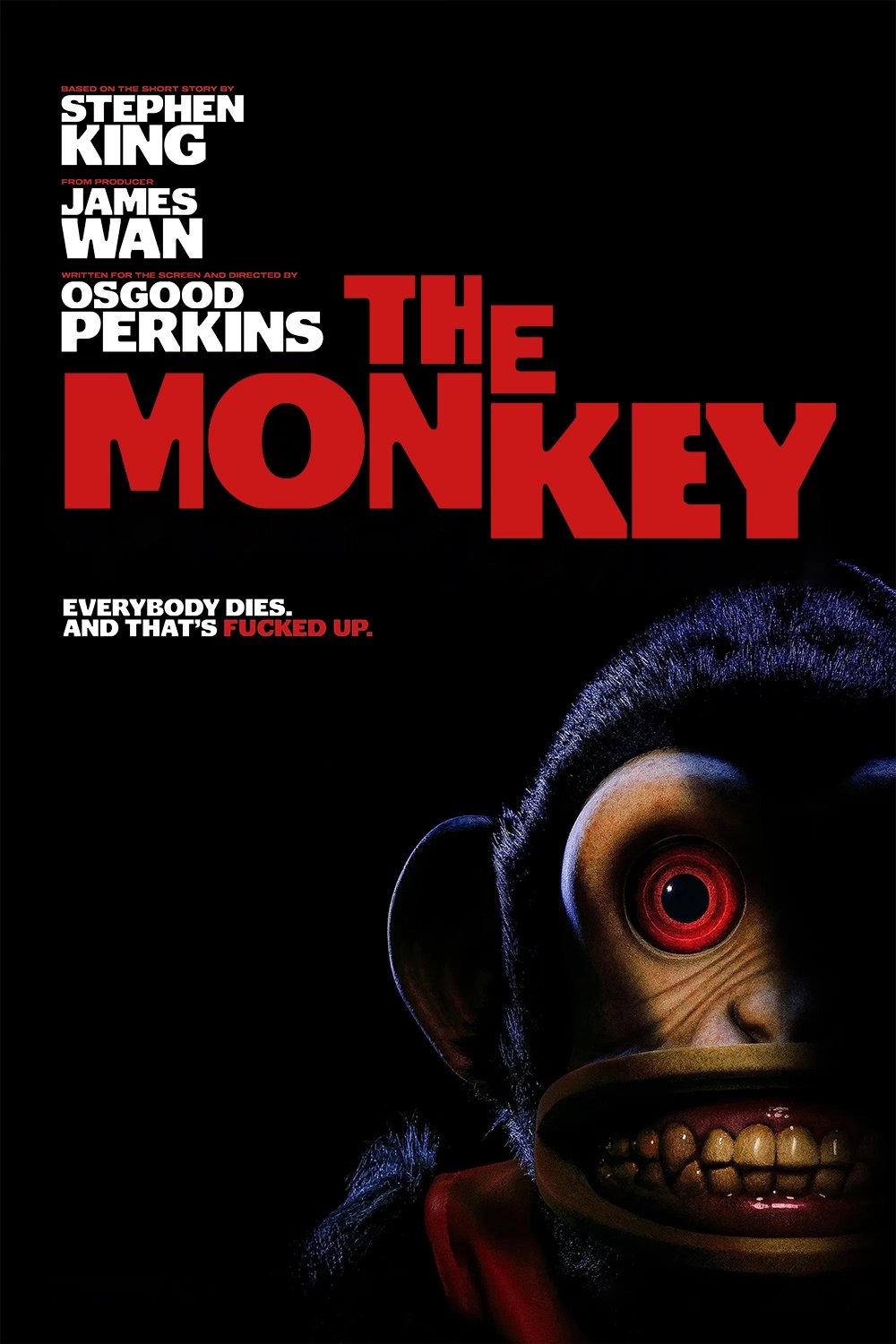
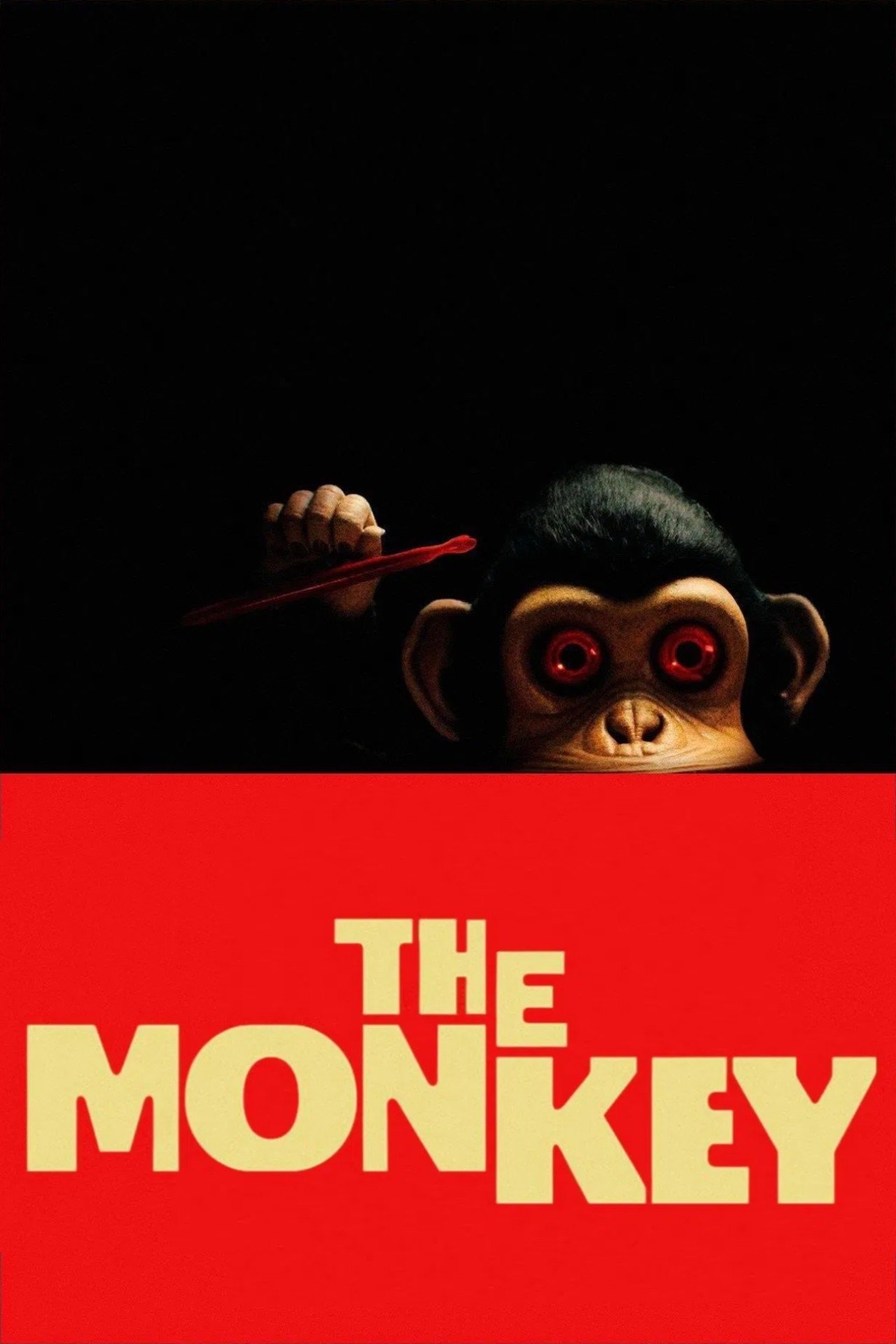
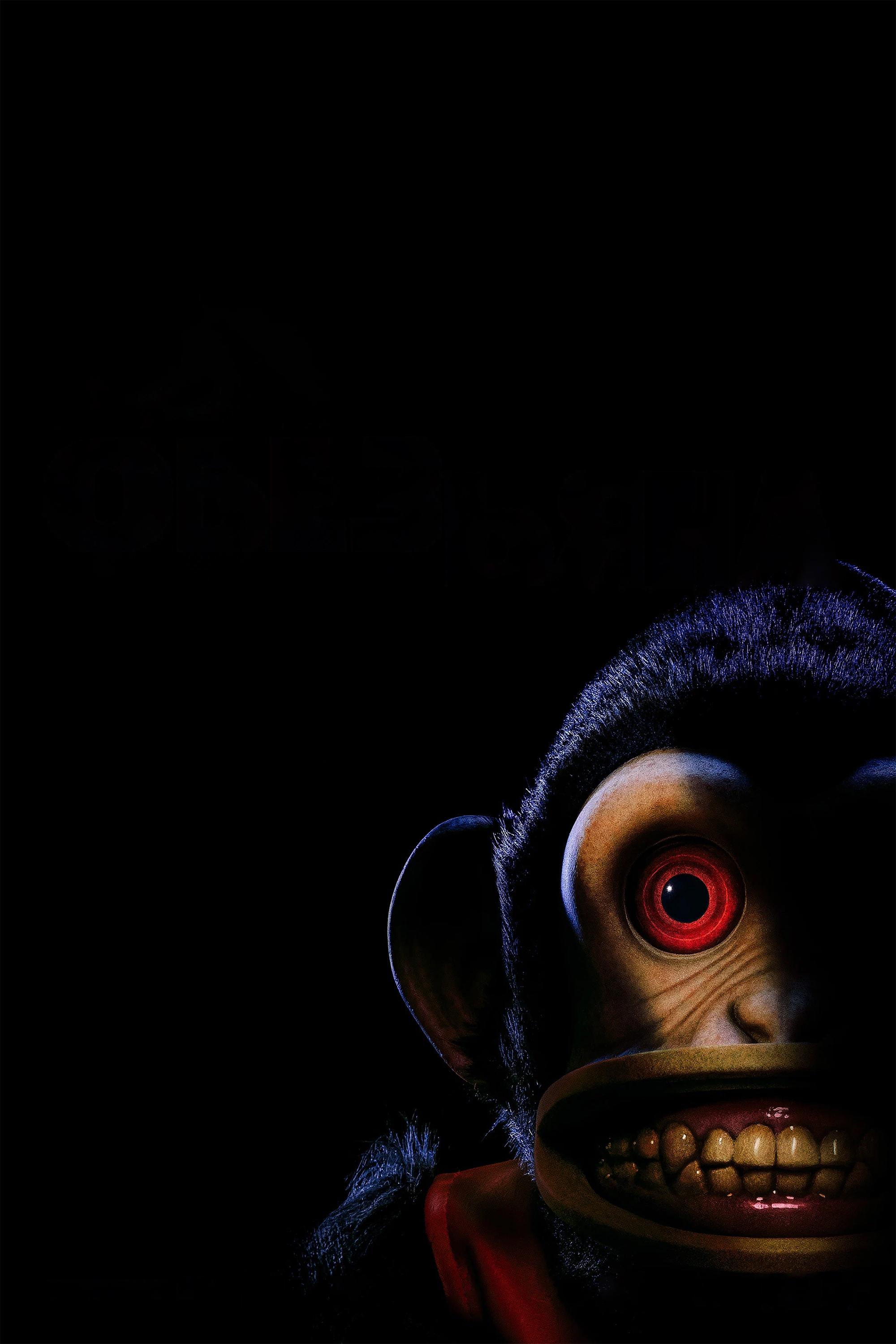
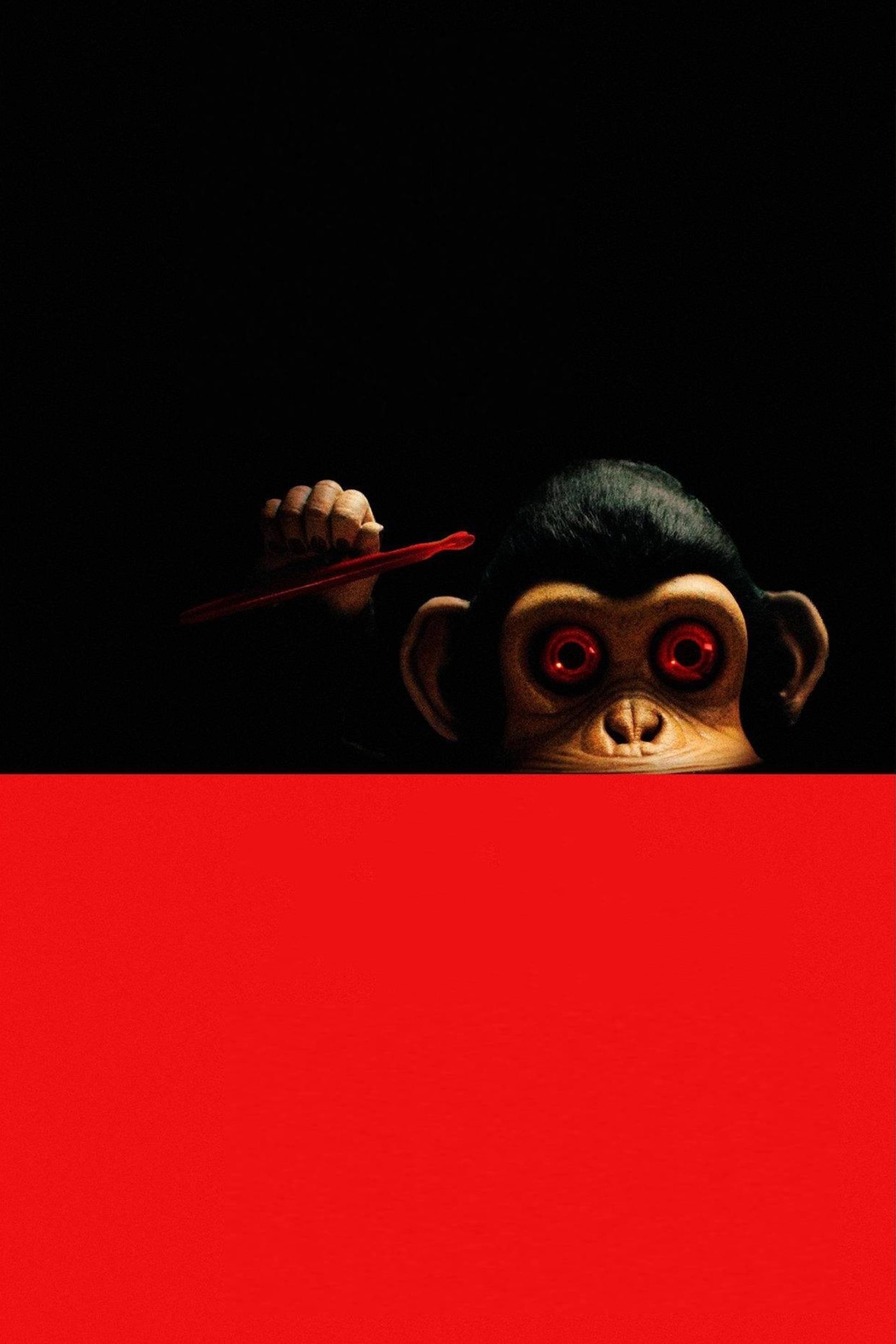
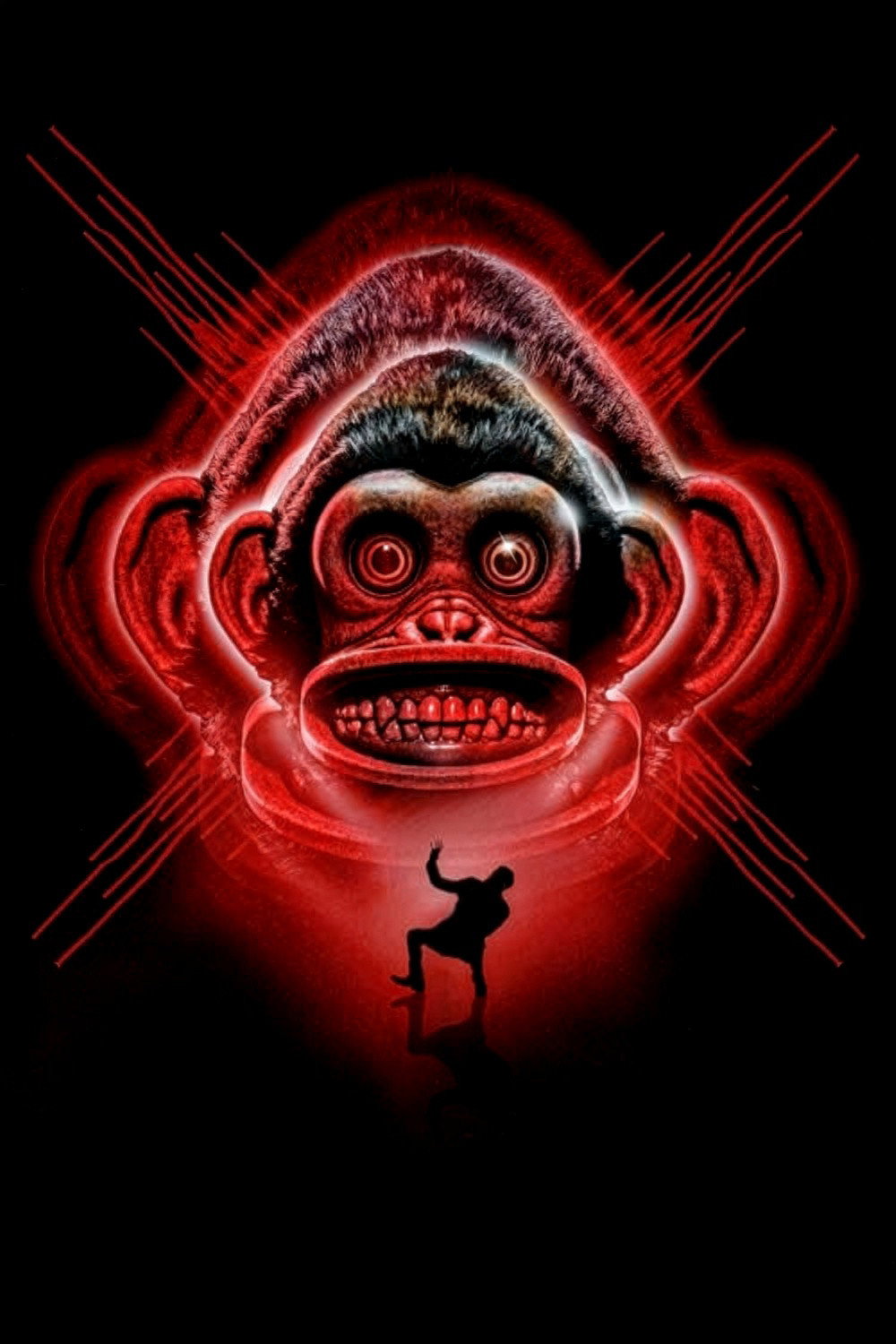
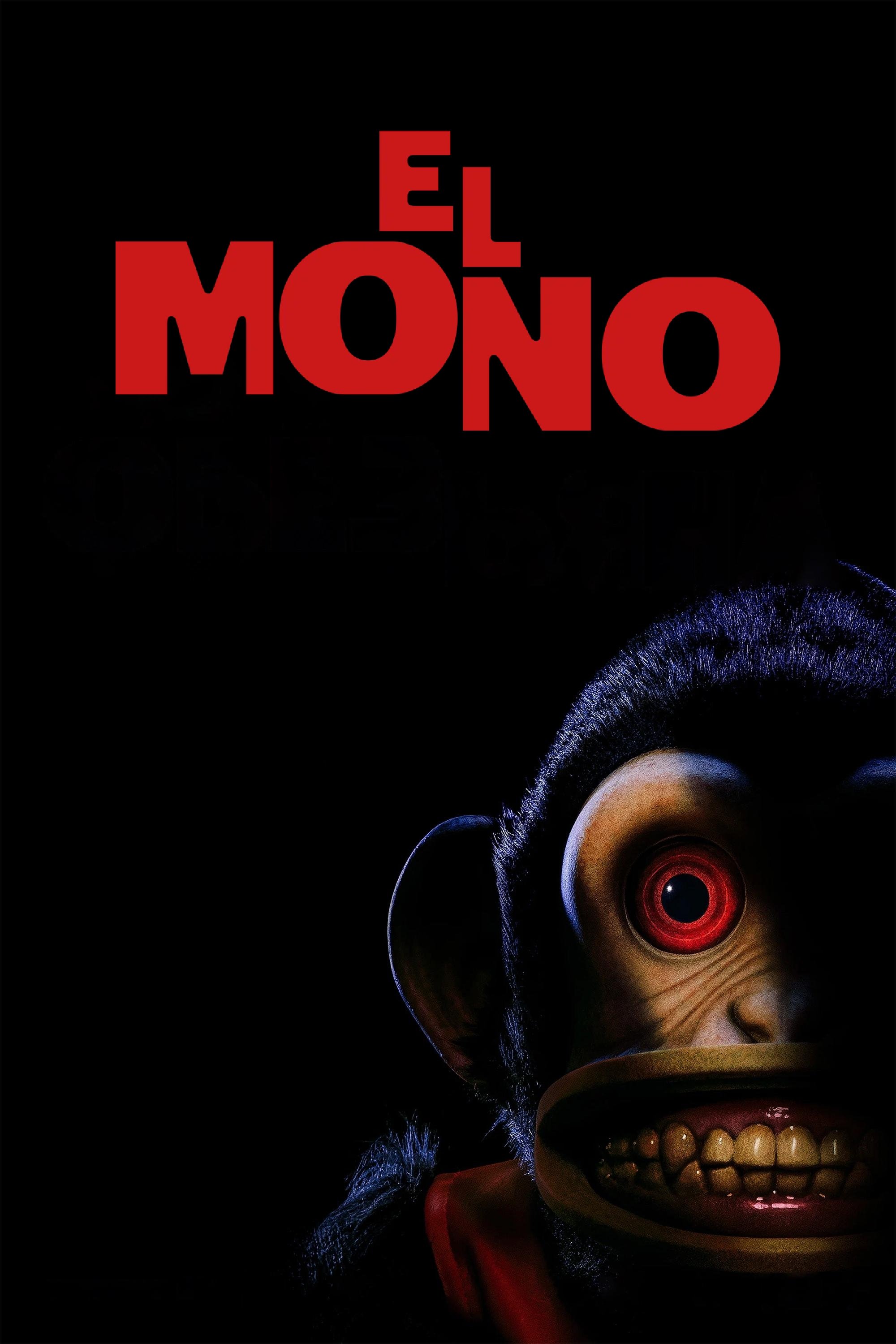
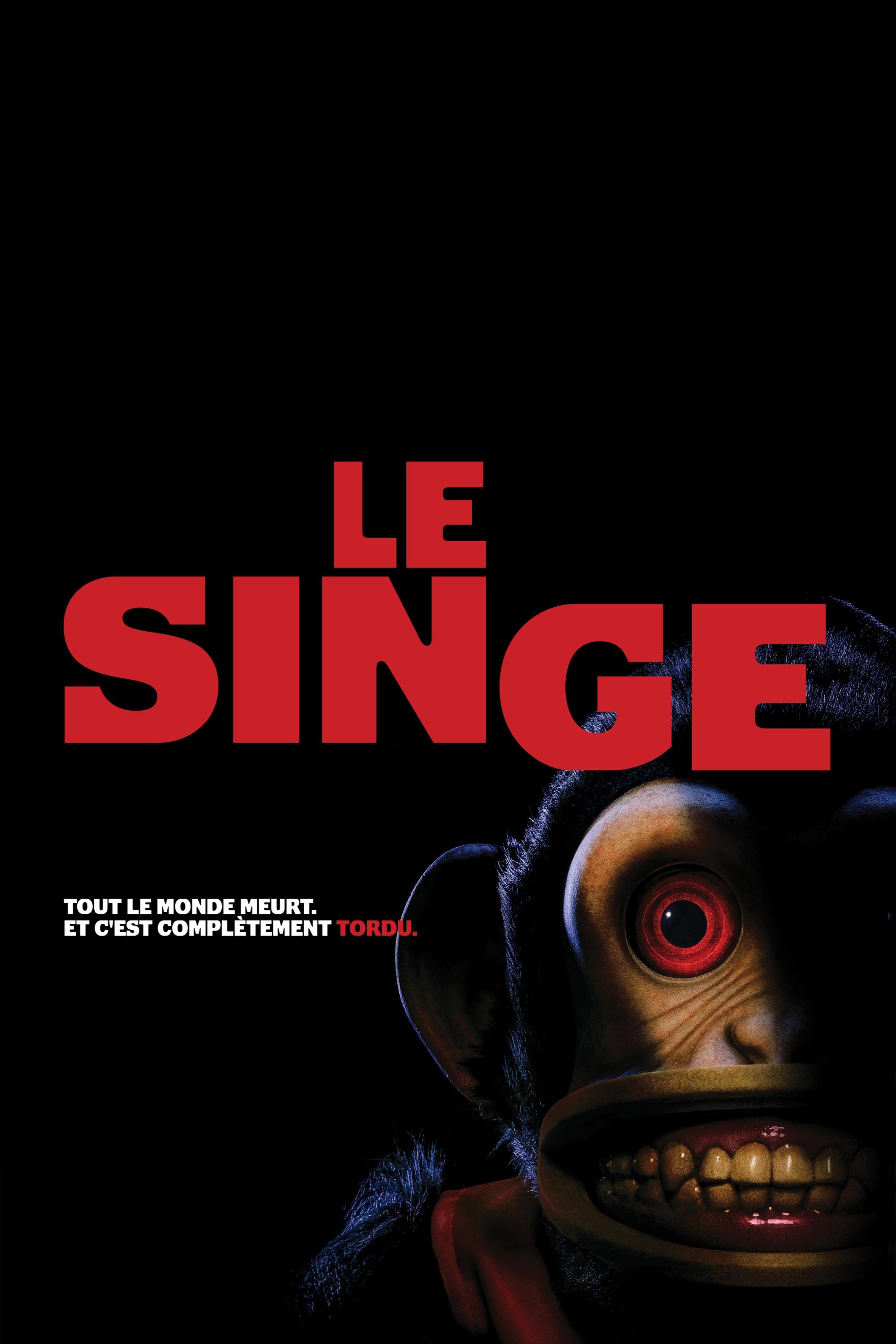
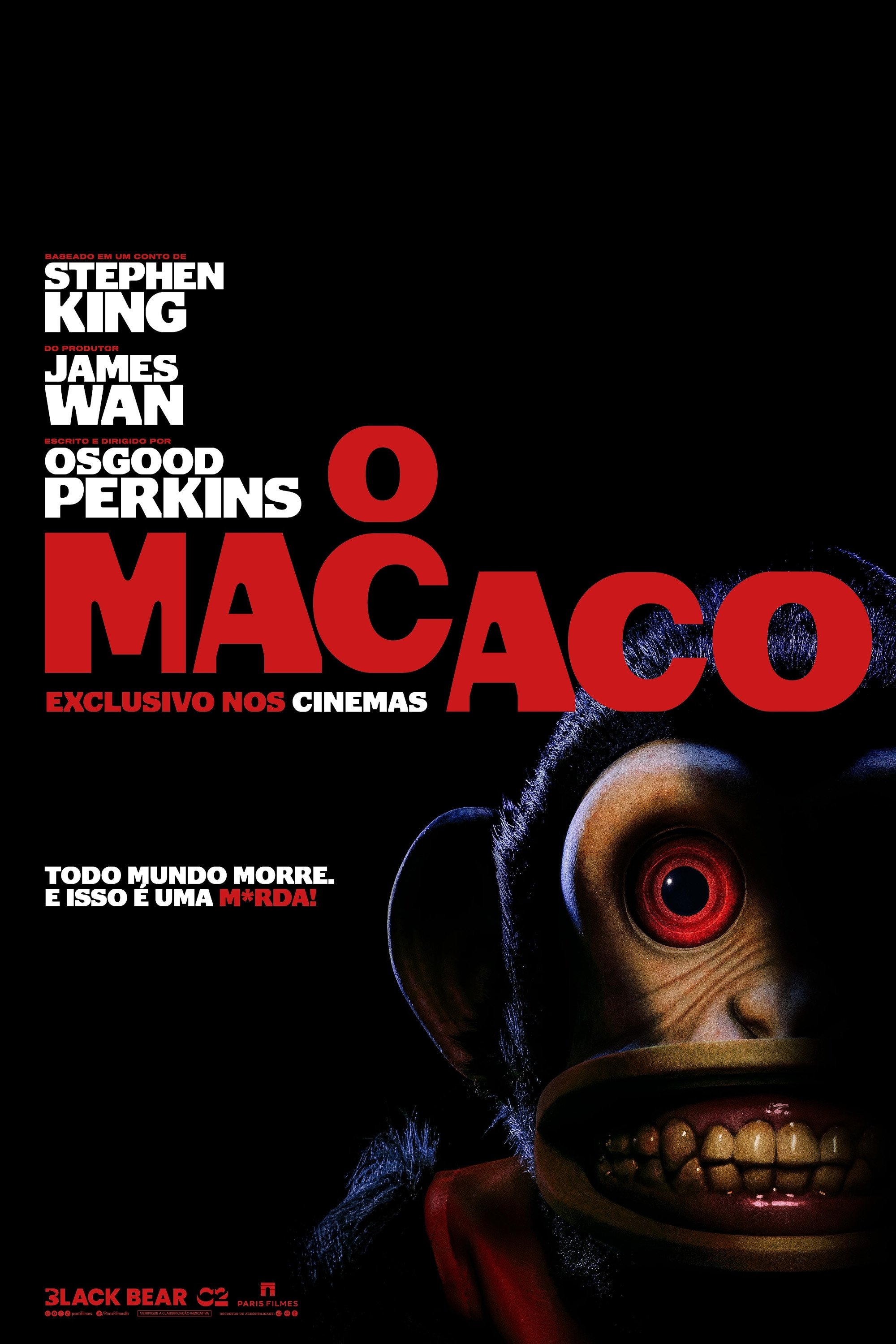
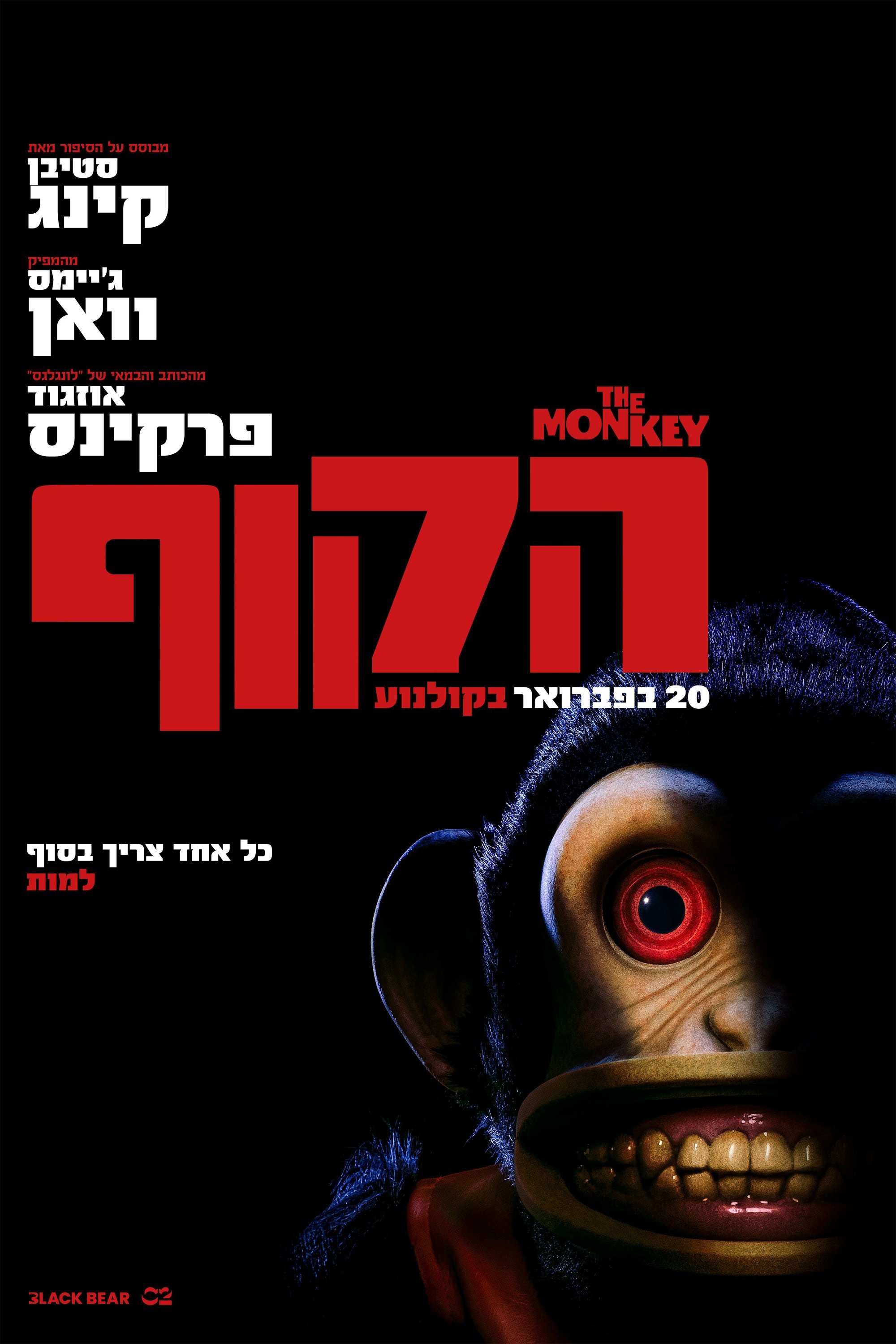
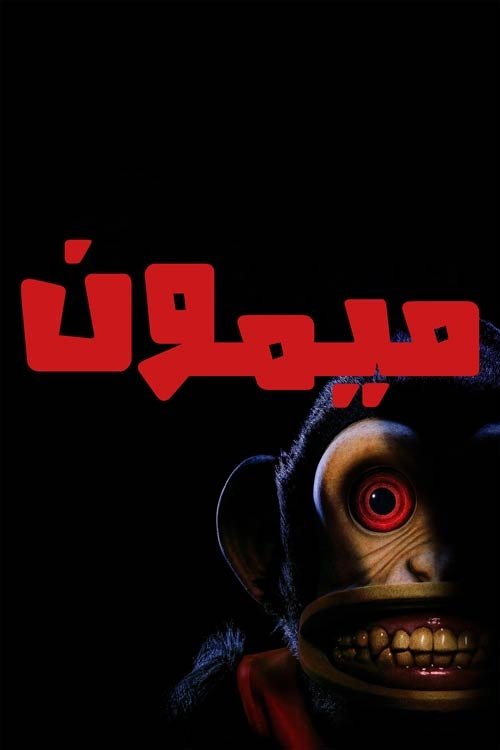
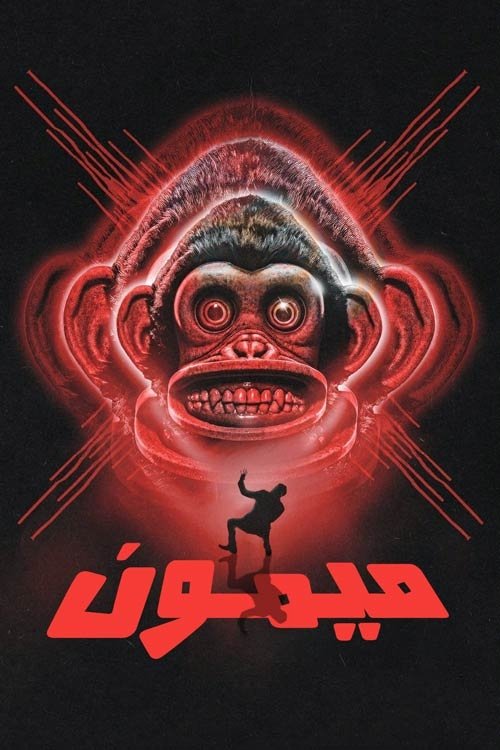
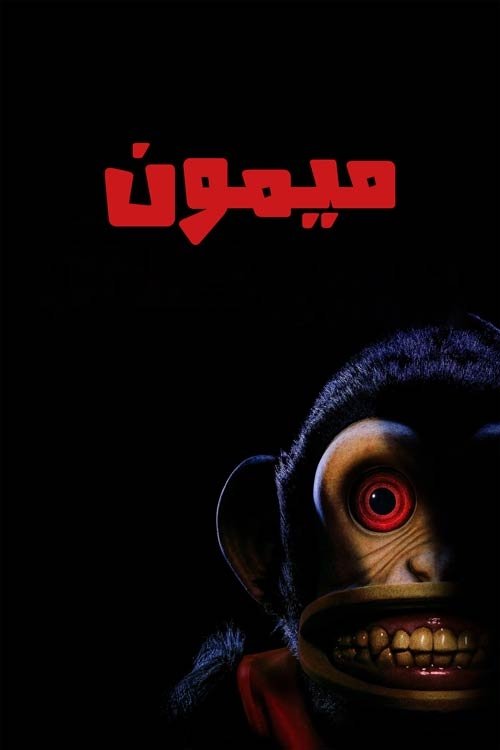
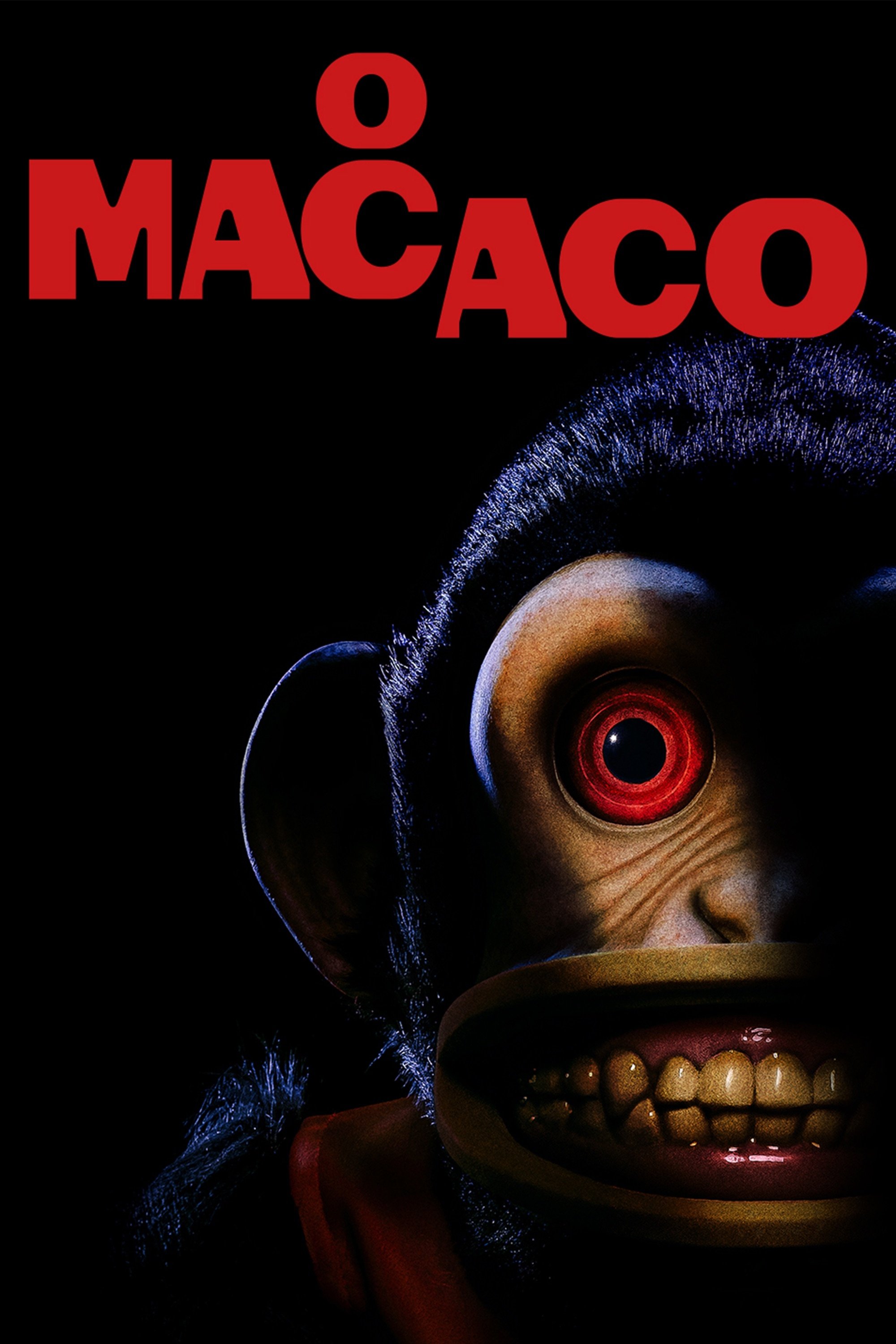
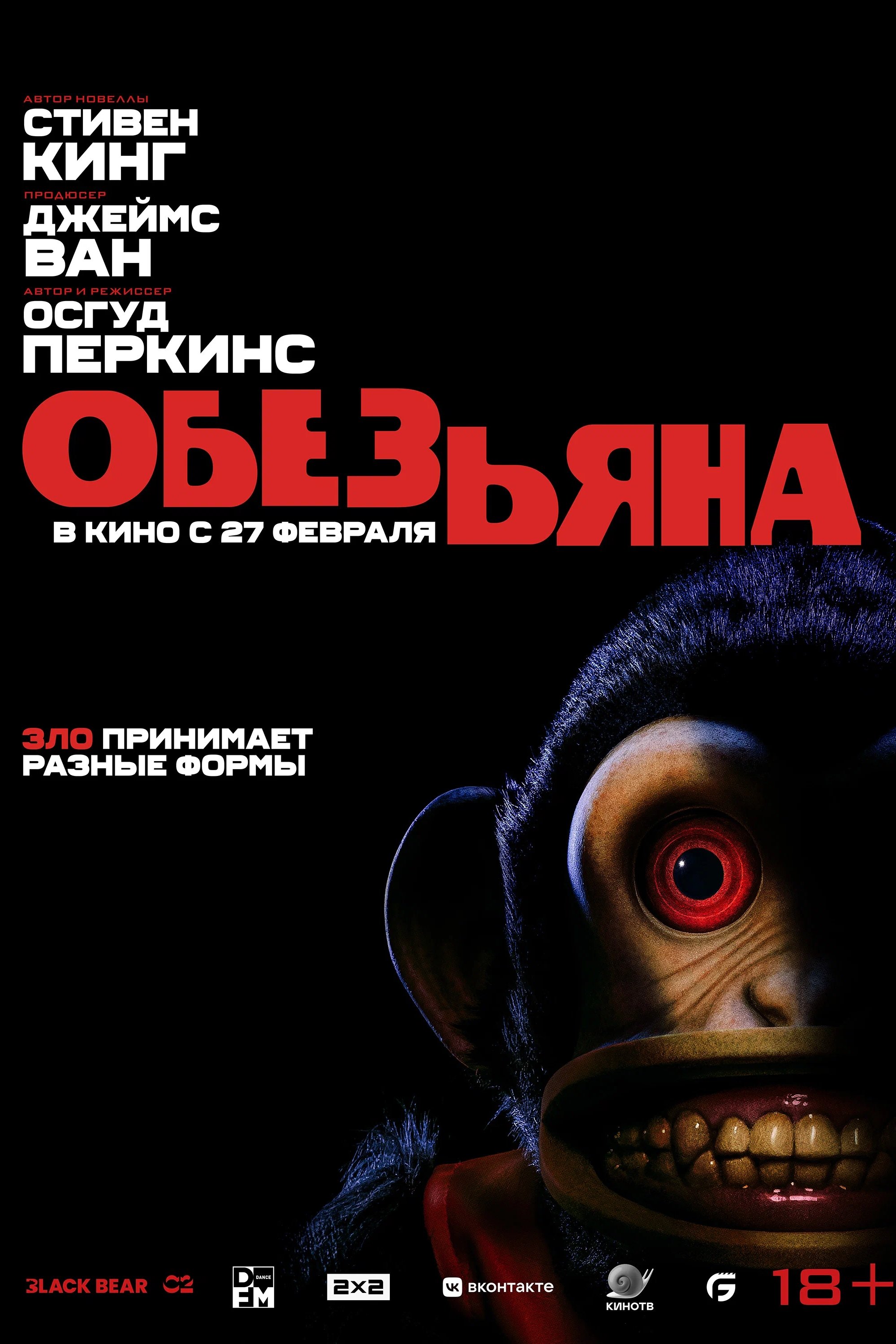
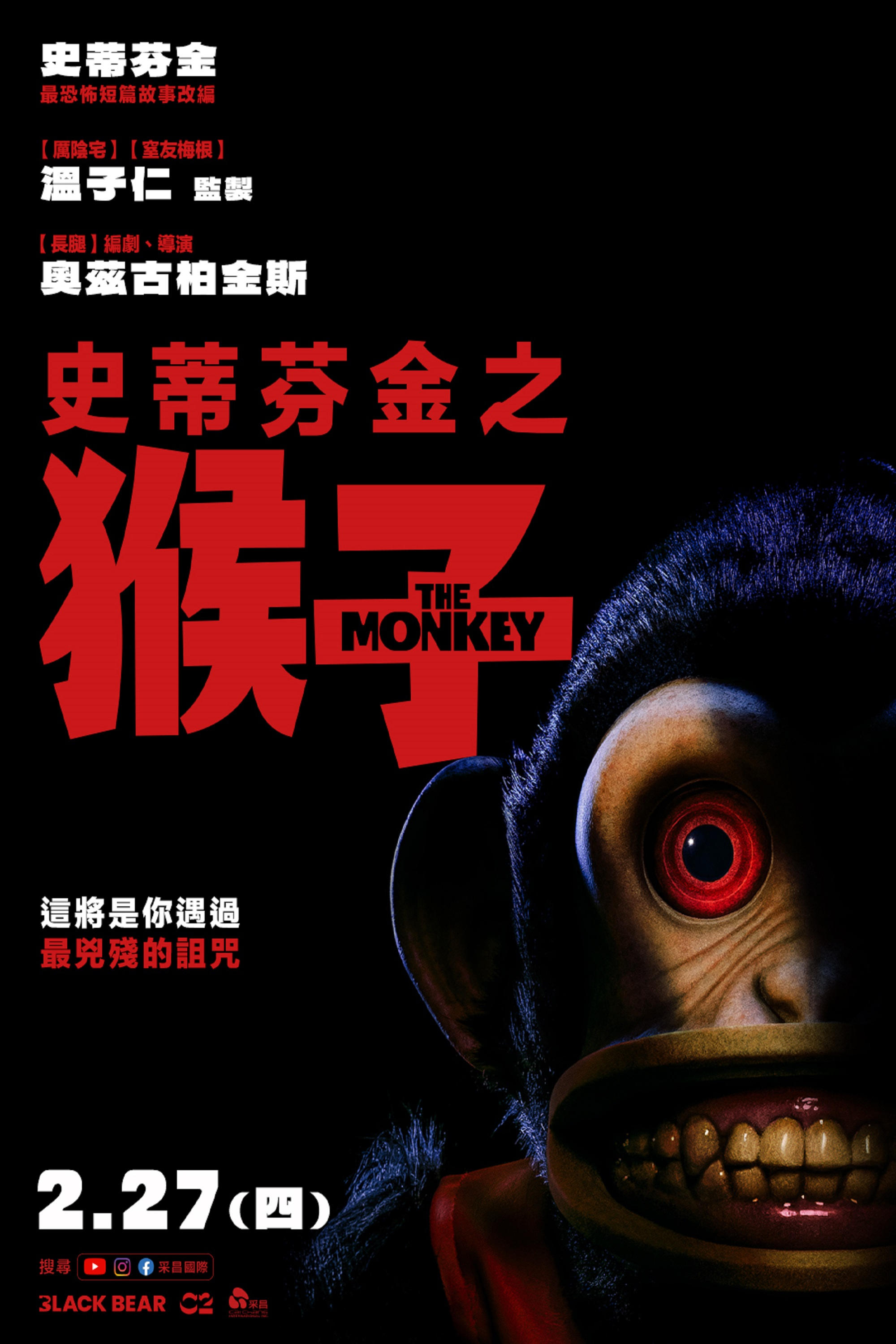
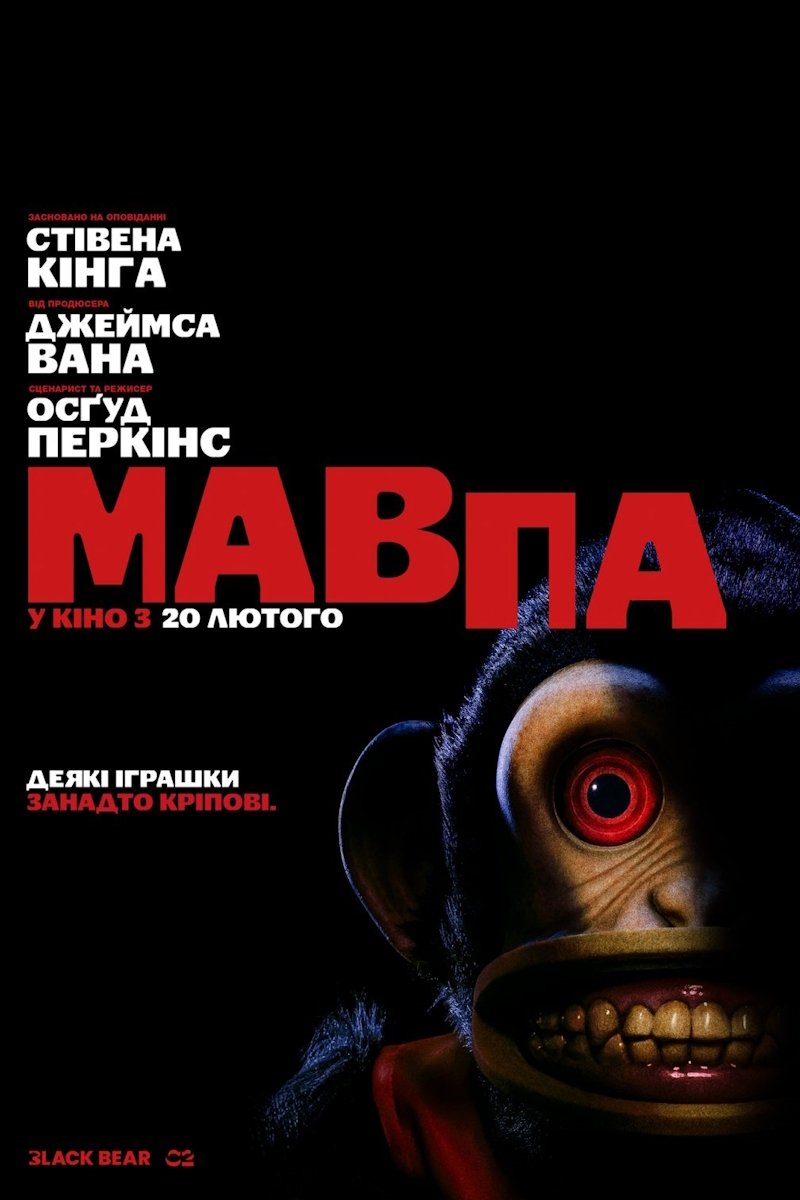
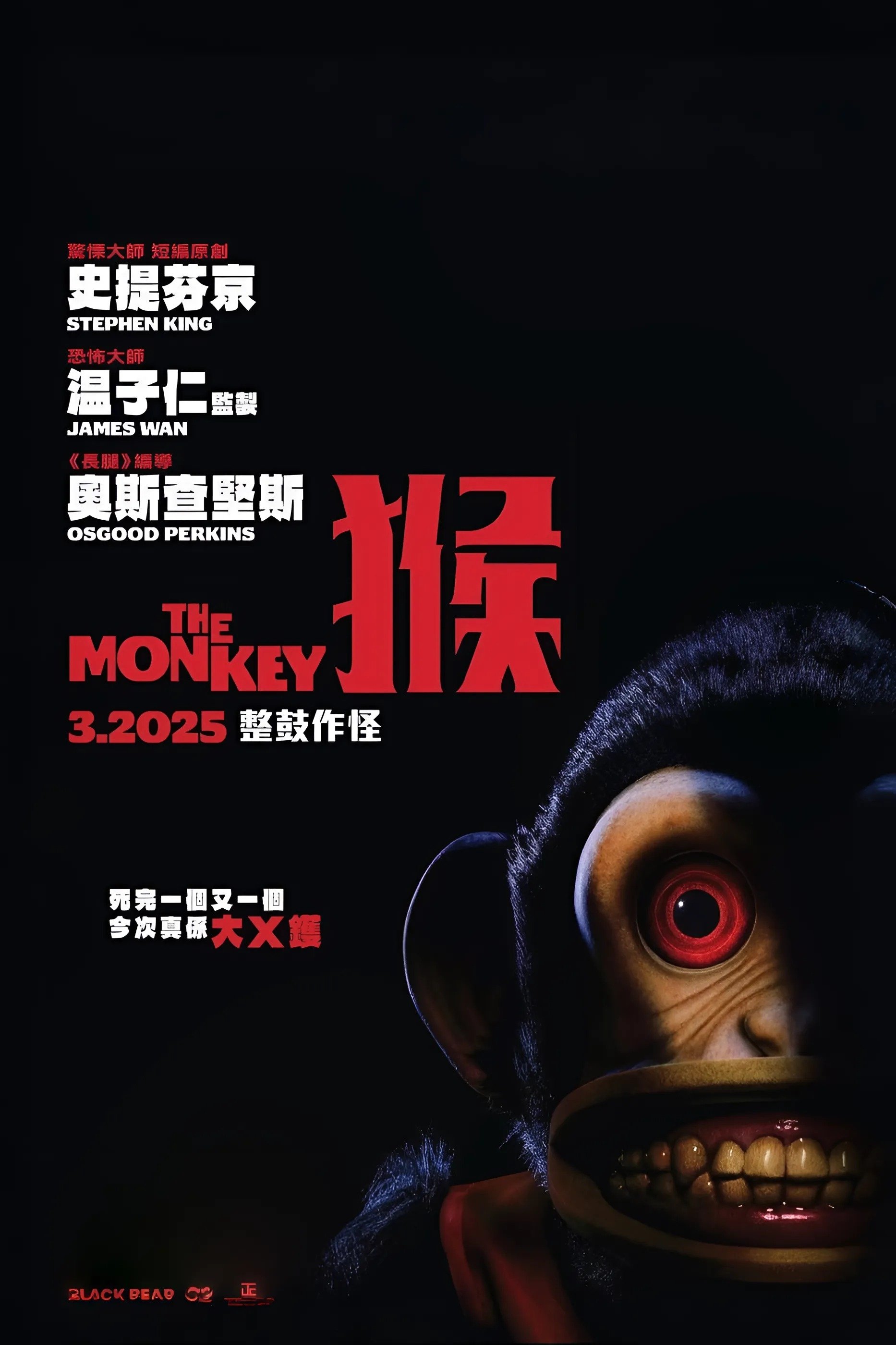
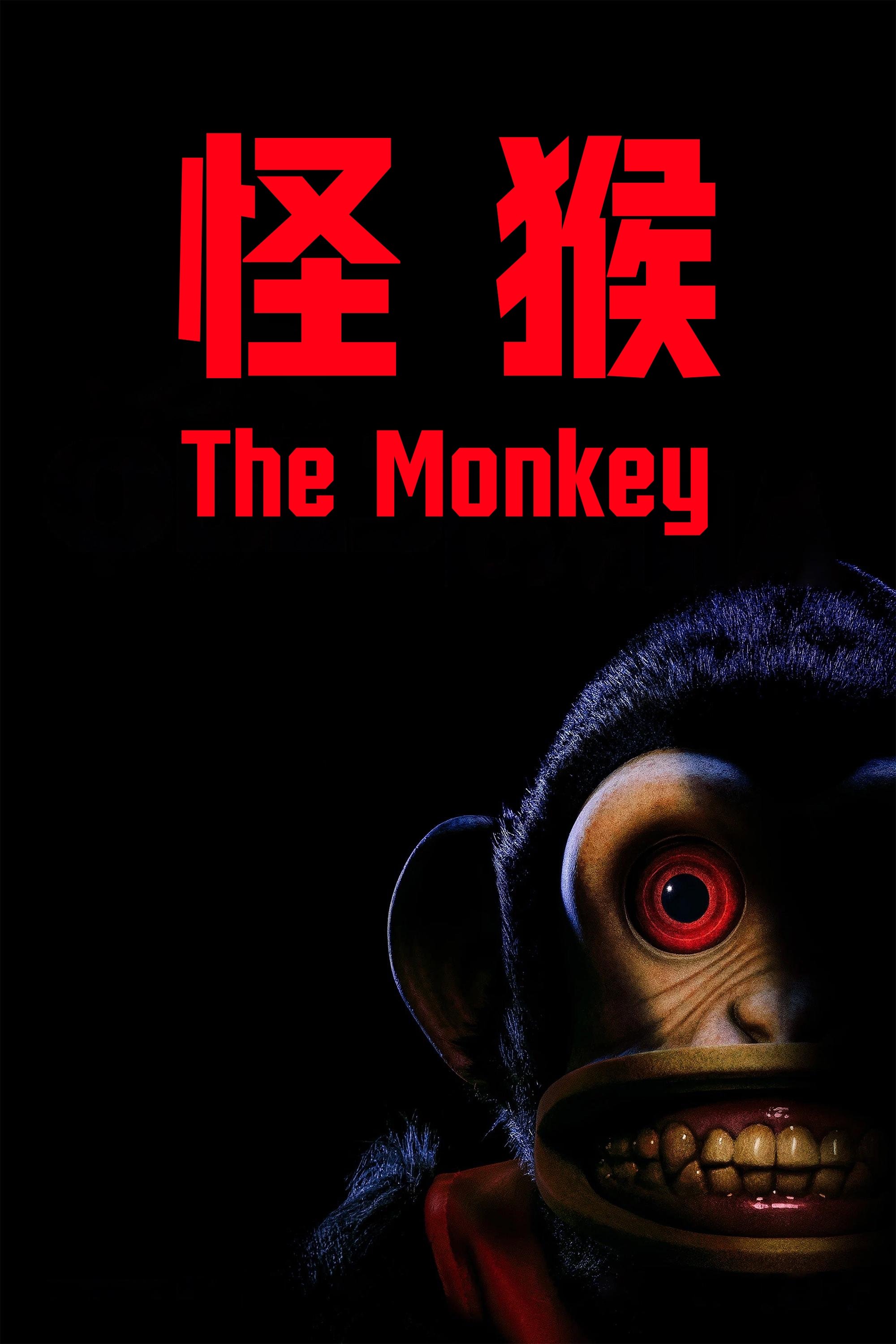
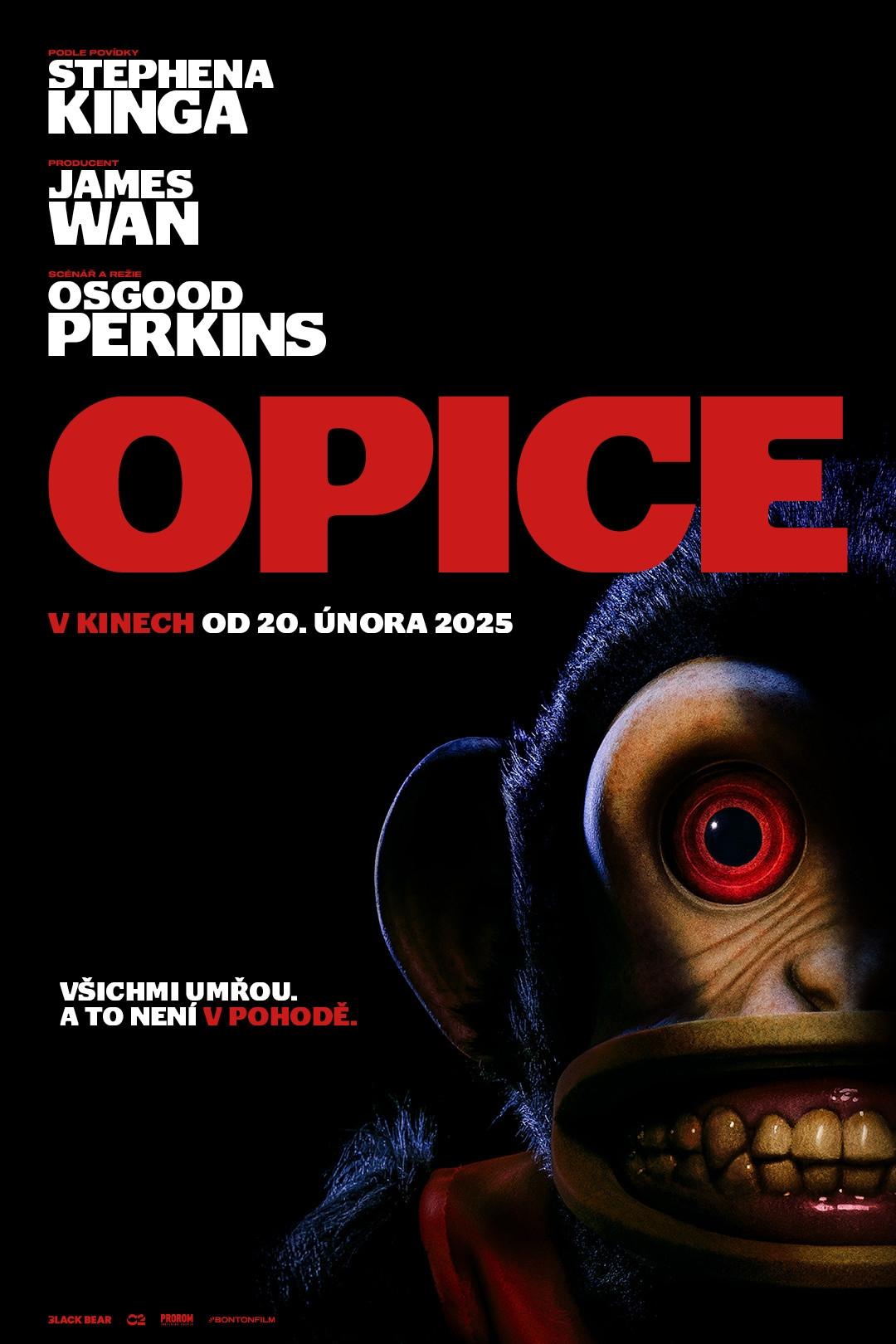
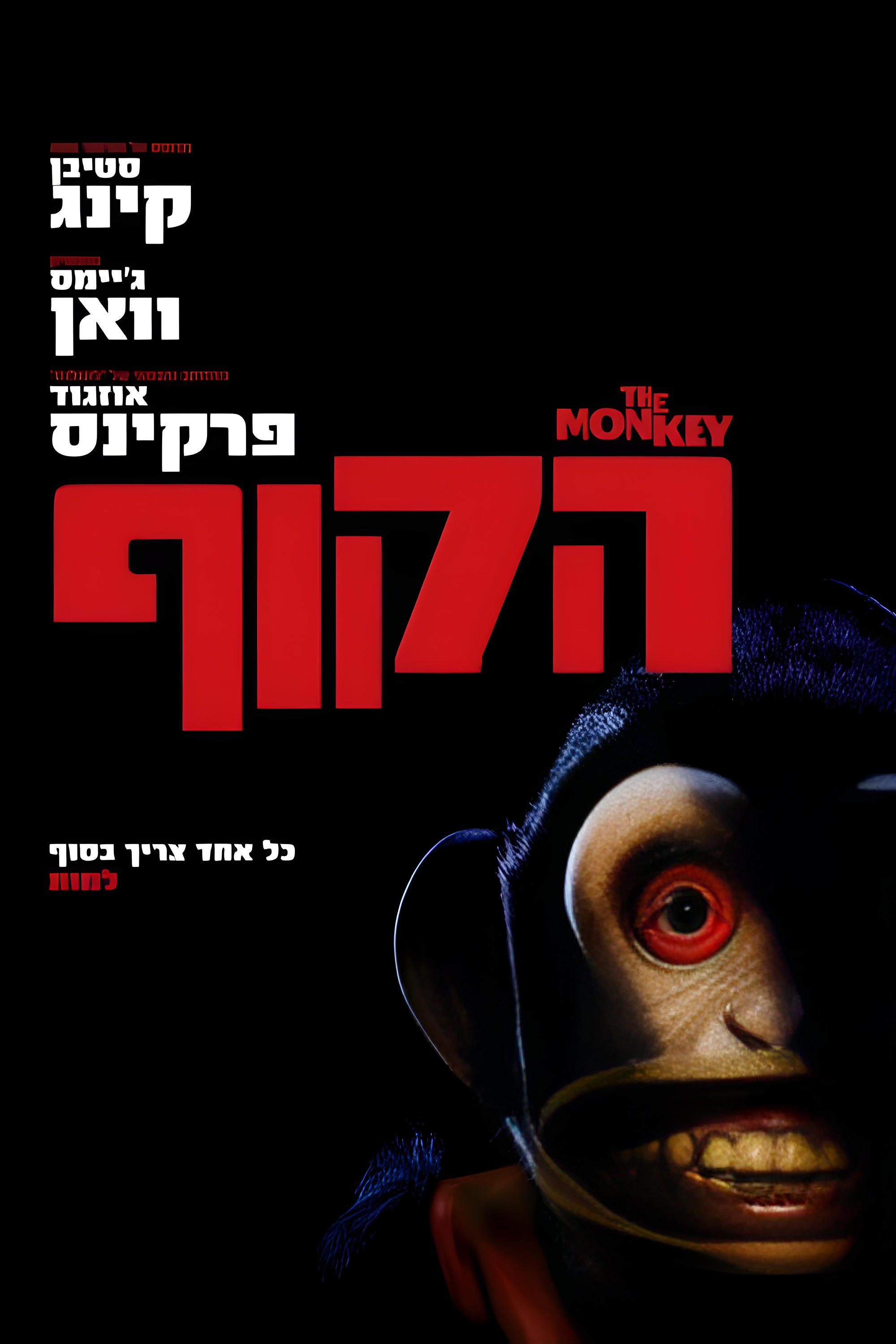
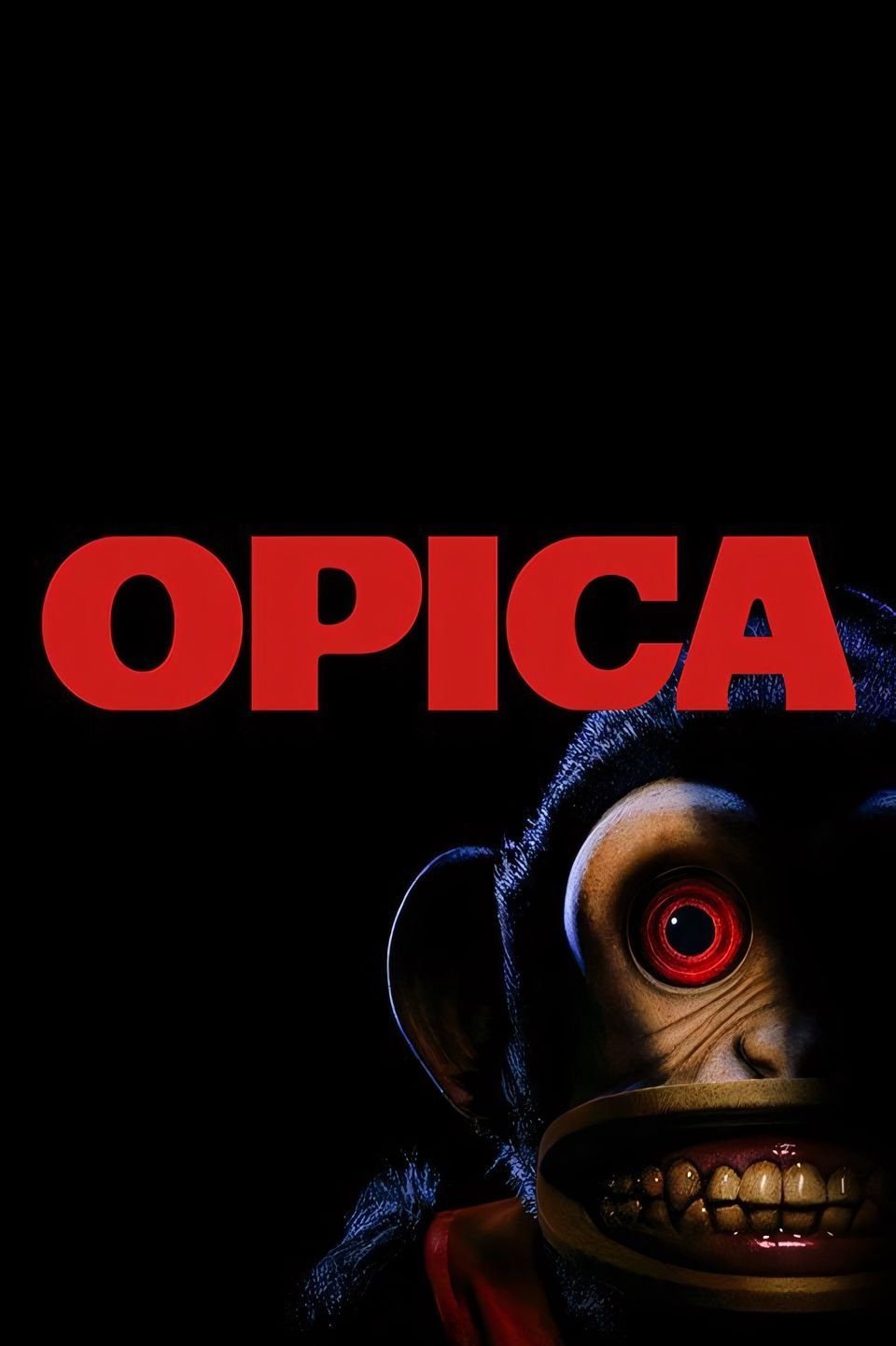
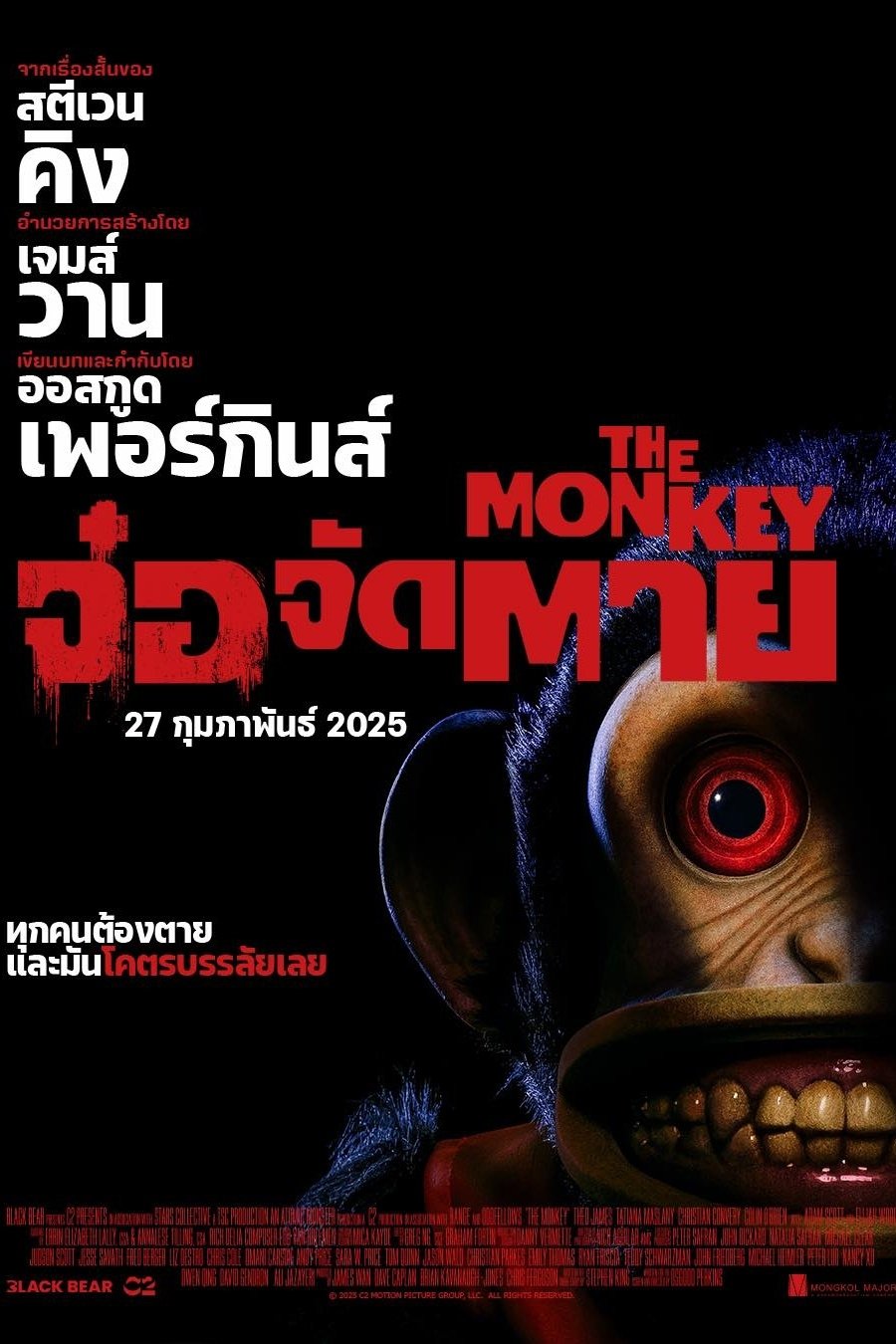
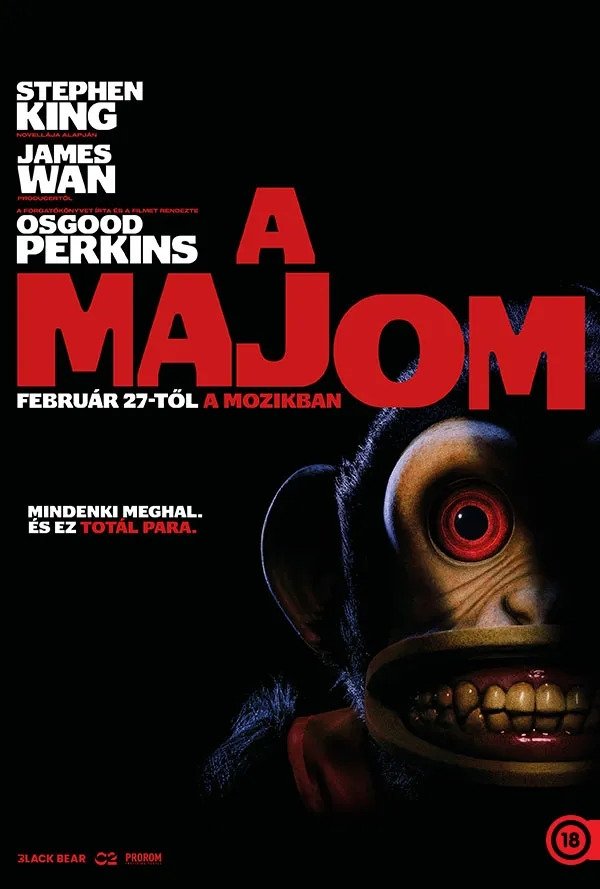
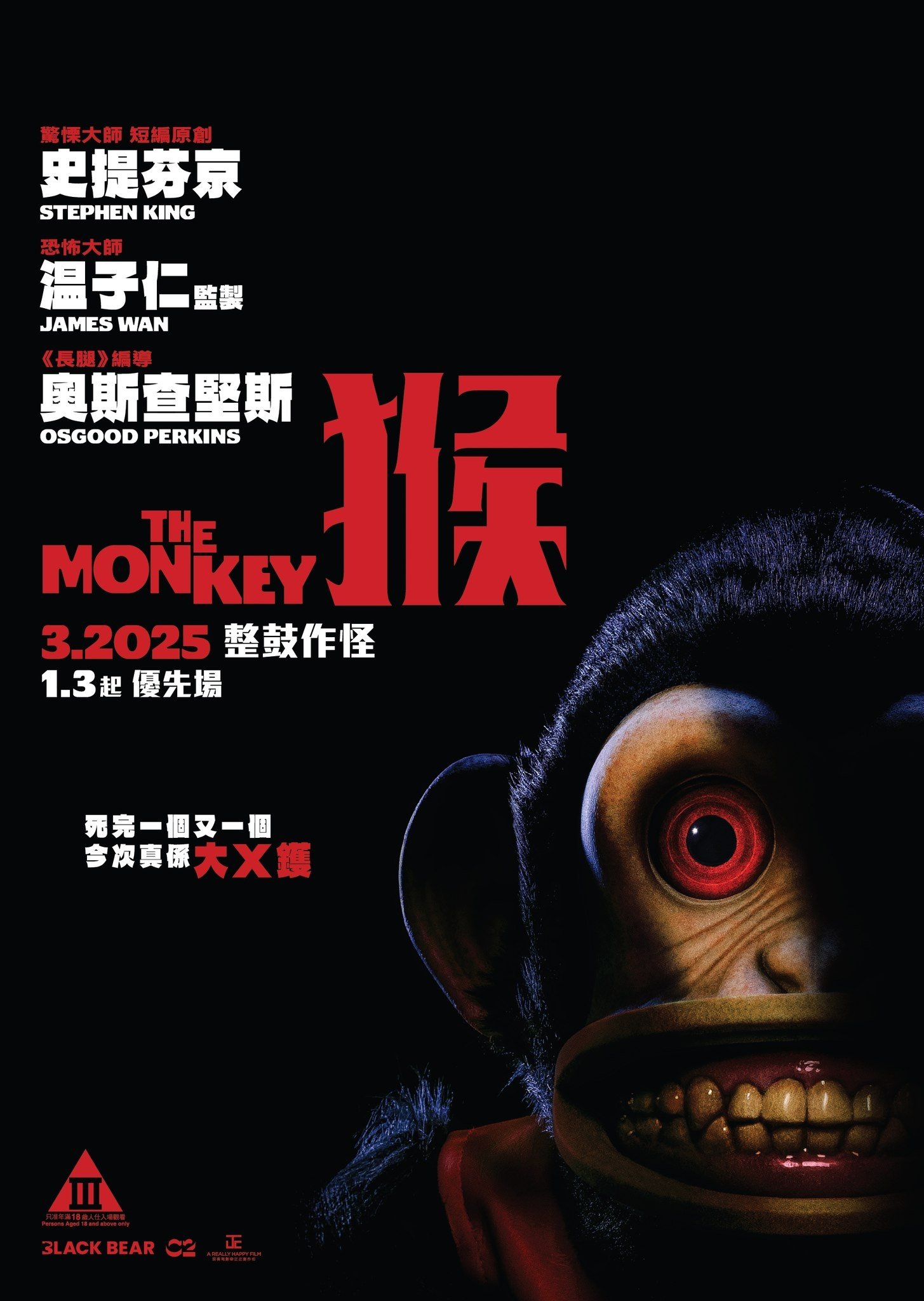
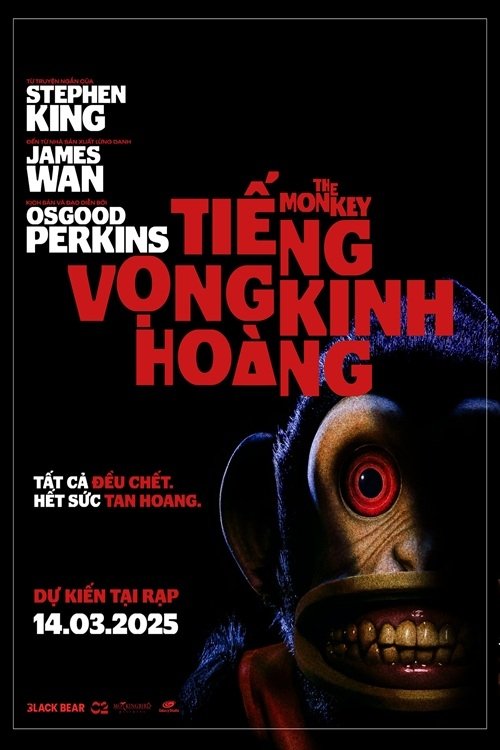
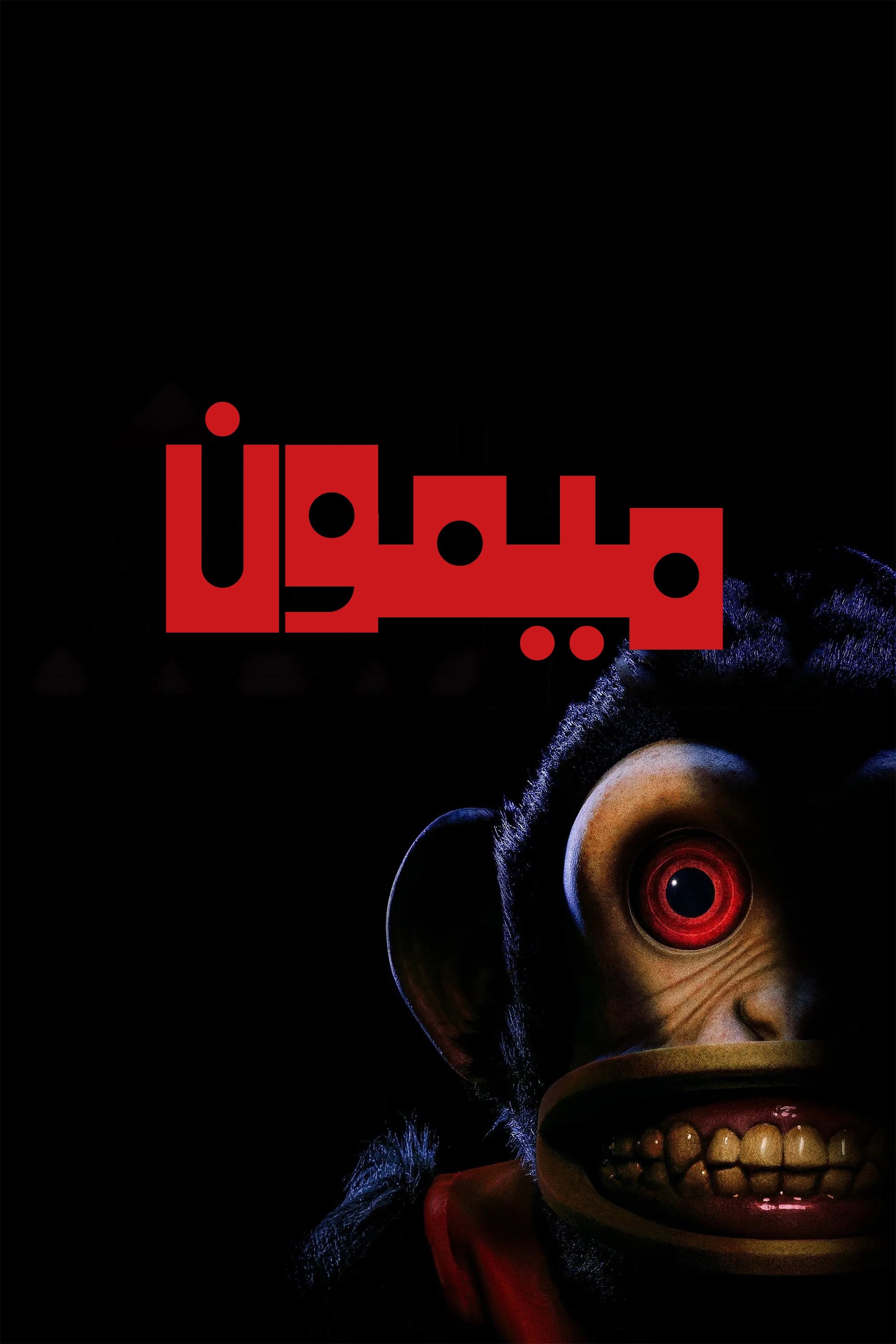
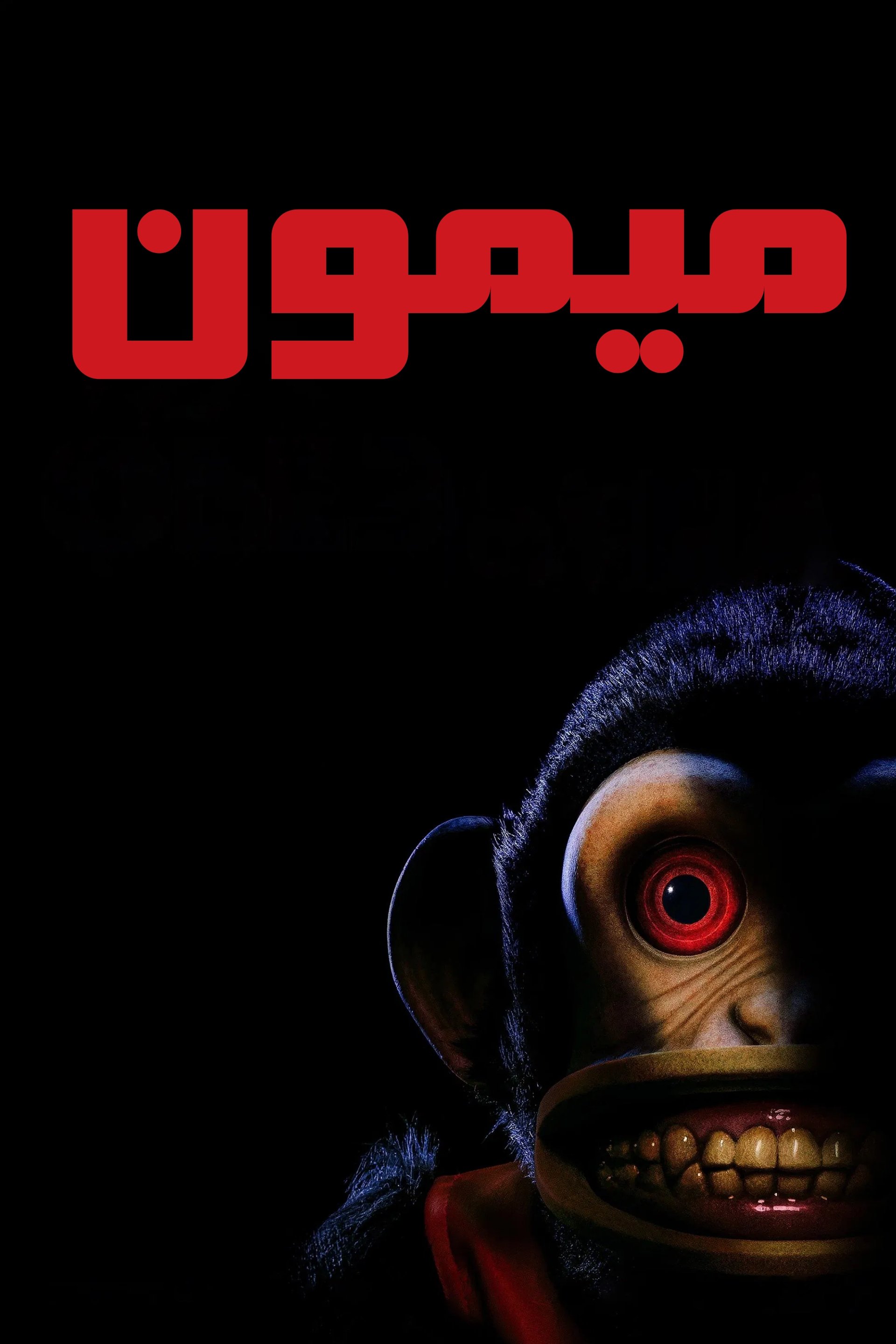
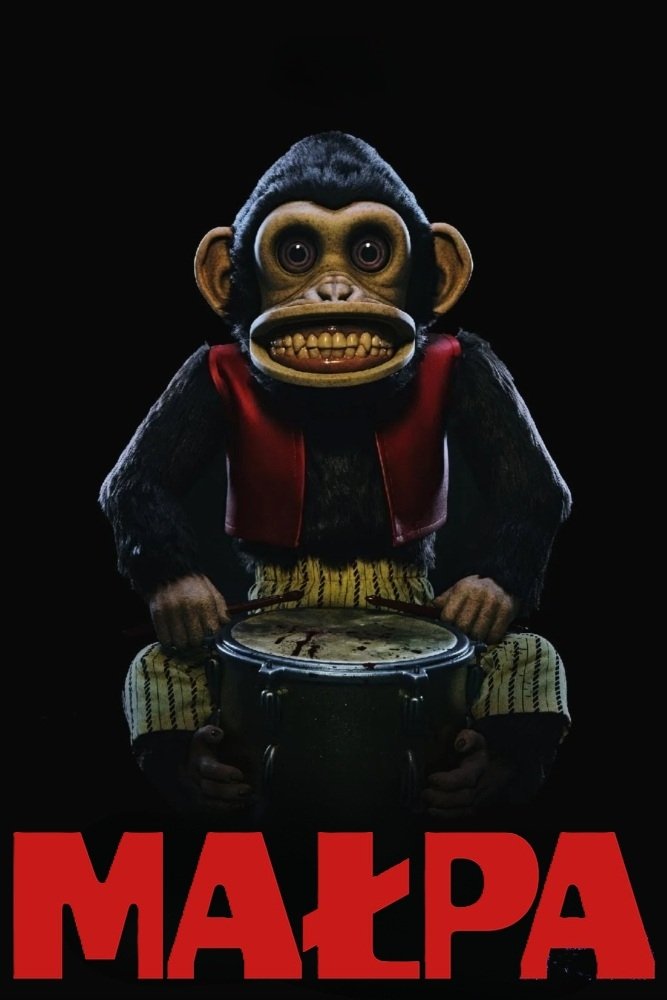
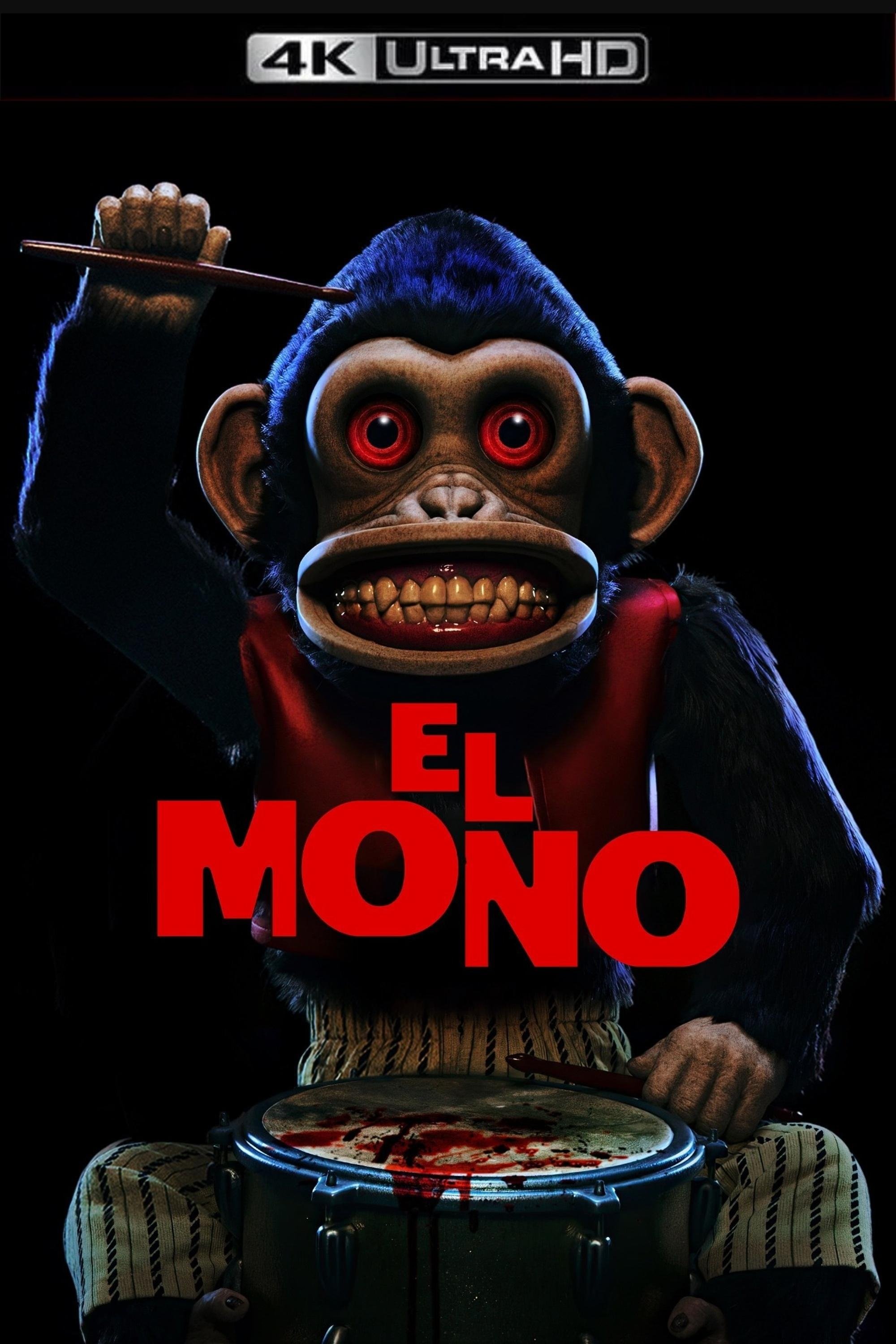
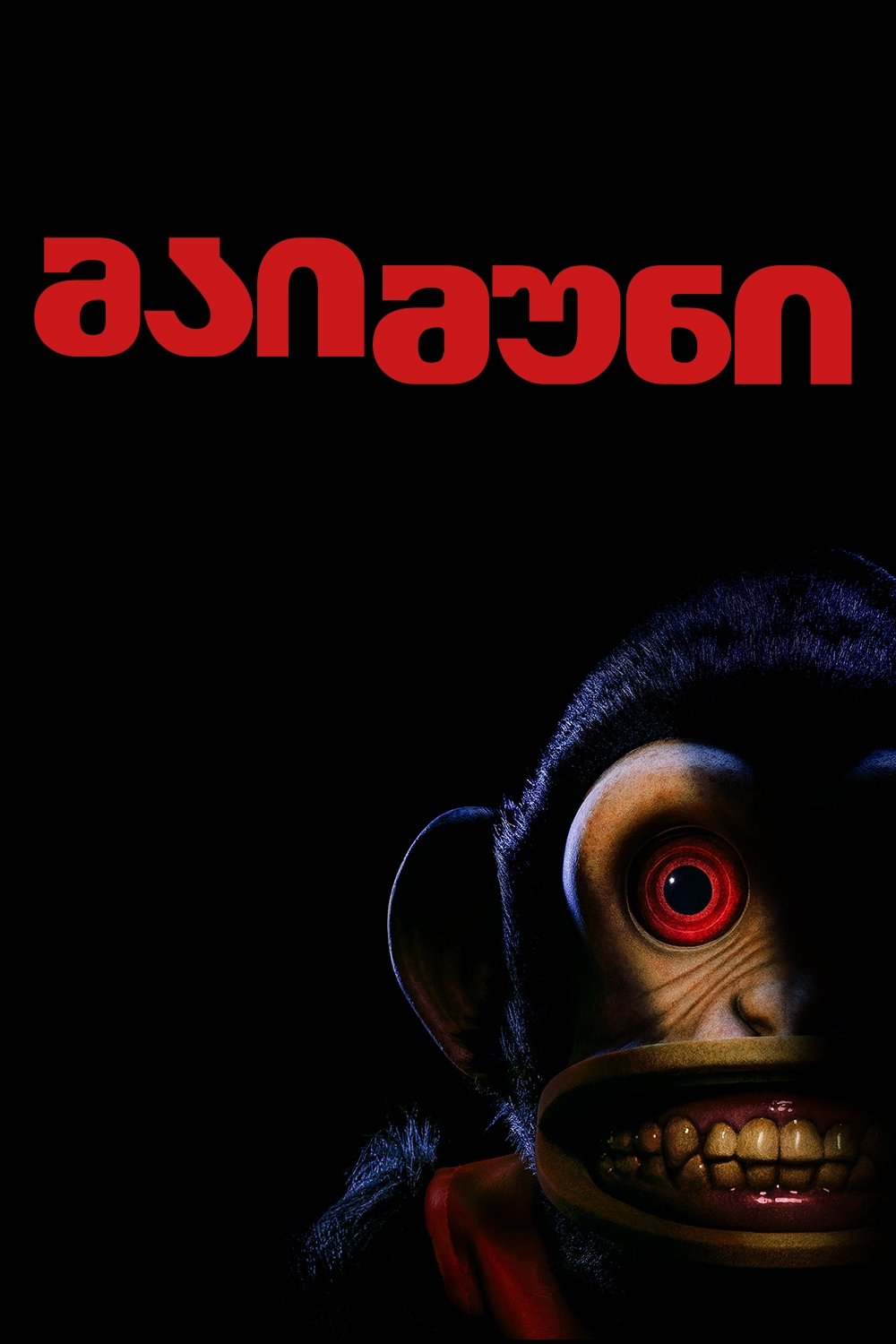
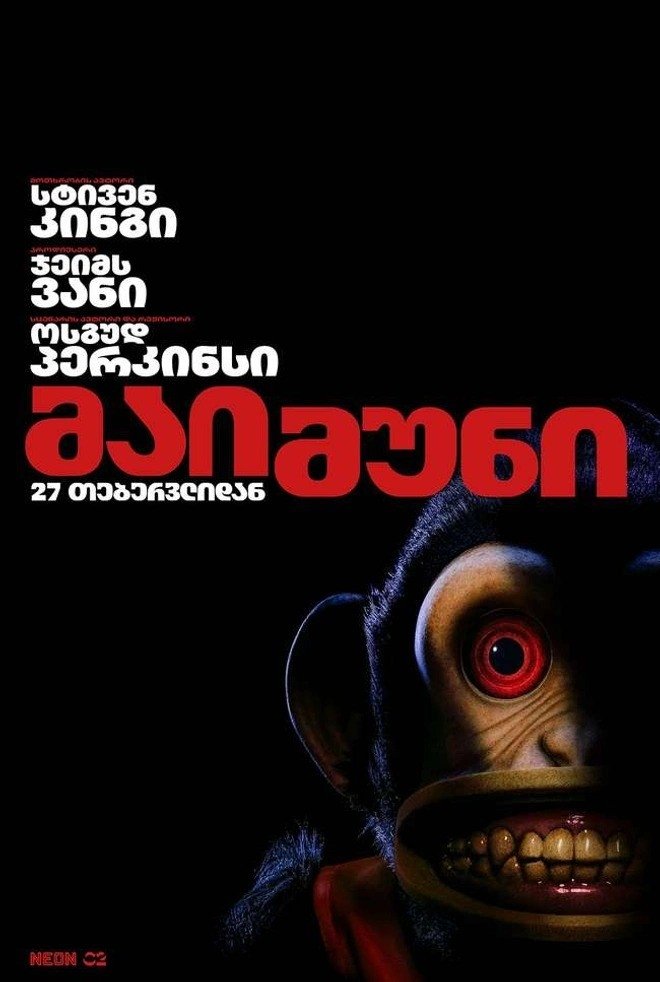
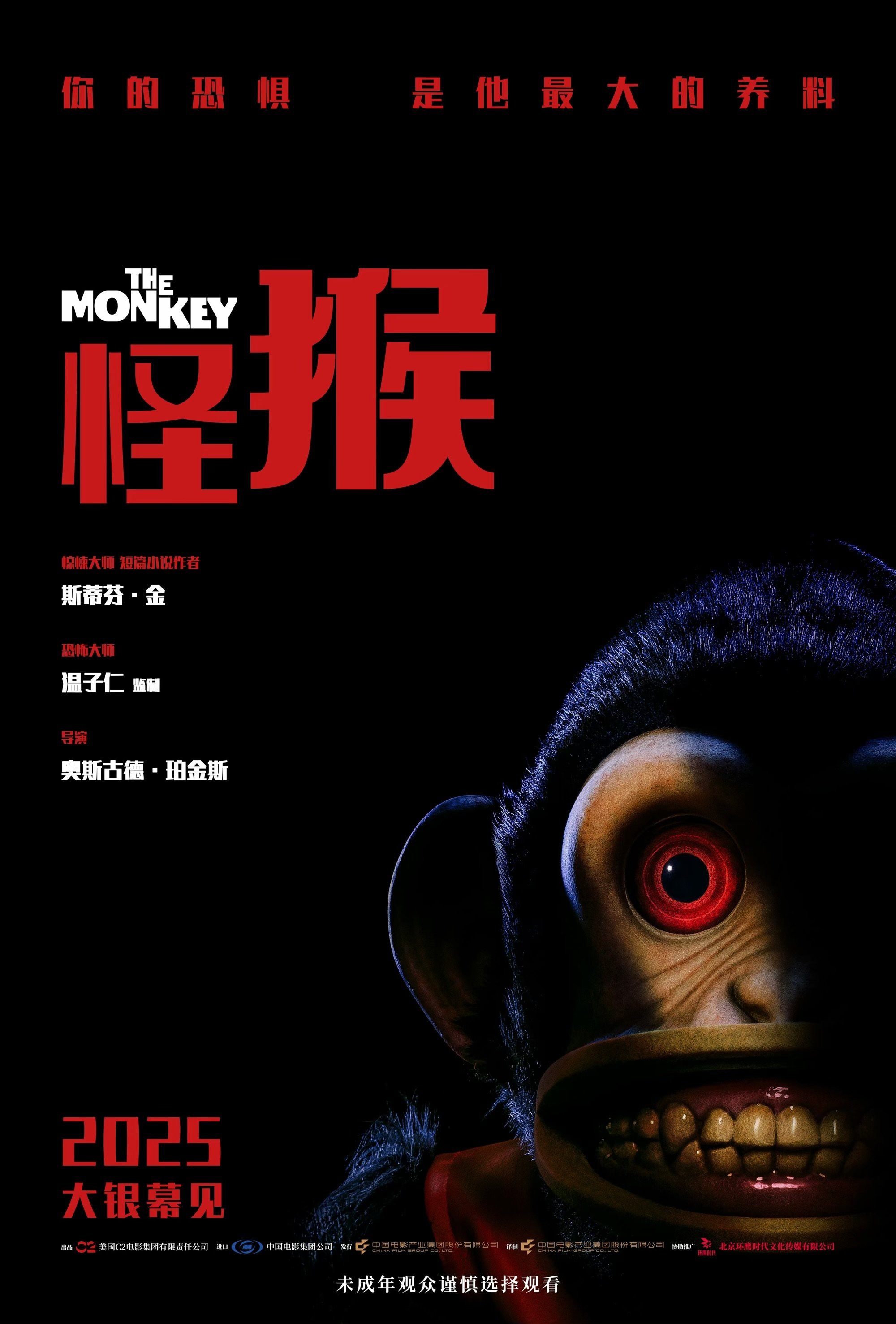
The physical prop was built by the Vancouver-based Amazing Ape Productions team, which Perkins identified in the same interview. He wanted its smiling face to remain recognizable while its teeth, hands and other details suggested something uncomfortably close to life. The design makes a common childhood object unsettling without requiring it to chase or directly attack anybody. Perkins repeatedly emphasized that the monkey operates more like an idol than a conventional screen monster. Its effects occur around it, and the person who turns its key cannot reliably select the victim. This rule gives the film its tension between deliberate cruelty and the randomness of the resulting death.
Bereavement, Brotherhood and Black Comedy
Perkins has spoken directly about the autobiographical elements behind the film. His father, actor Anthony Perkins, died in 1992, and his mother, Berry Berenson, was killed in the September 11 attacks. Discussing the adaptation with Rue Morgue, he connected those events to the contrasting ways in which he and his brother responded to family loss. The screenplay externalizes that difference through Hal and Bill. Their history creates a reason for the monkey to matter beyond its immediate danger, because it is linked to an absent parent, an interrupted childhood and adult relationships that remain fragile.
The director also described humor as a perspective made possible by the passage of time. His film treats the inevitability of death as an organizing idea, while the deaths themselves frequently resemble grotesque slapstick. Perkins cited Richard Donner's The Omen (1976), particularly its elaborate fatal accidents, as a meaningful influence. He distinguished that reference from the more frequently suggested Final Destination comparisons. The extreme improbability of the accidents therefore serves a planned tonal purpose. The contrast between a recognizable experience of grief and a world of impossible bodily destruction allows the horror comedy to explore mortality without presenting each victim's fate as a realistic tragedy.
Practical Gore, Stunts and Digital Effects
The extravagant deaths were conceived through close coordination between practical effects, makeup, stunts, animatronics and digital teams. Visual-effects supervisor Edward Douglas told Post Magazine that the crew held dedicated planning meetings for the major fatalities, selecting different techniques according to the action required. He identified Gremlins, An American Werewolf in London and Death Becomes Her as stylistic points of reference for the blend of physical spectacle and impossible comedy. Perkins likewise told Rue Morgue that he preferred filming real elements wherever practical, then using digital work to combine or clean up the captured material.
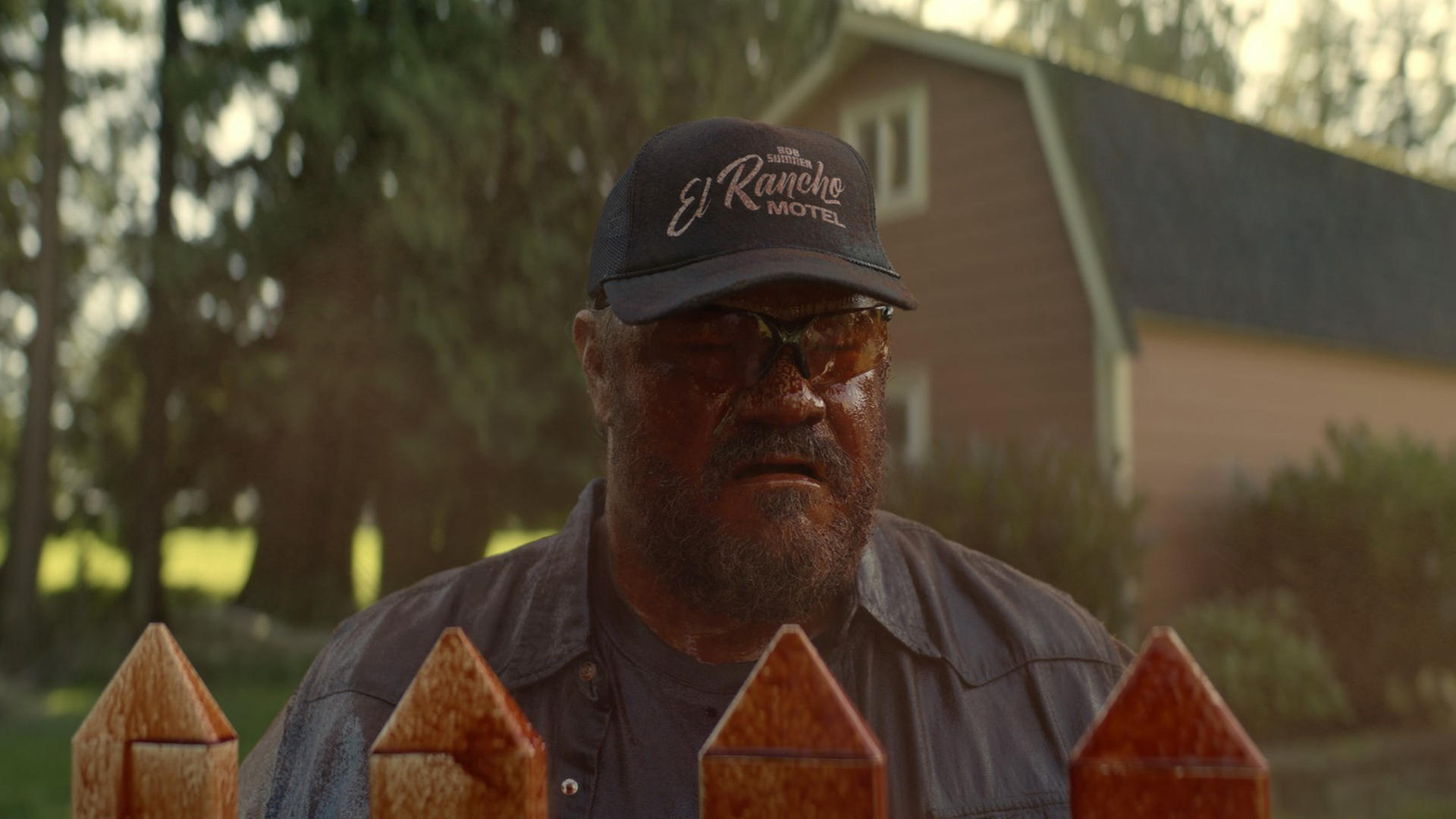
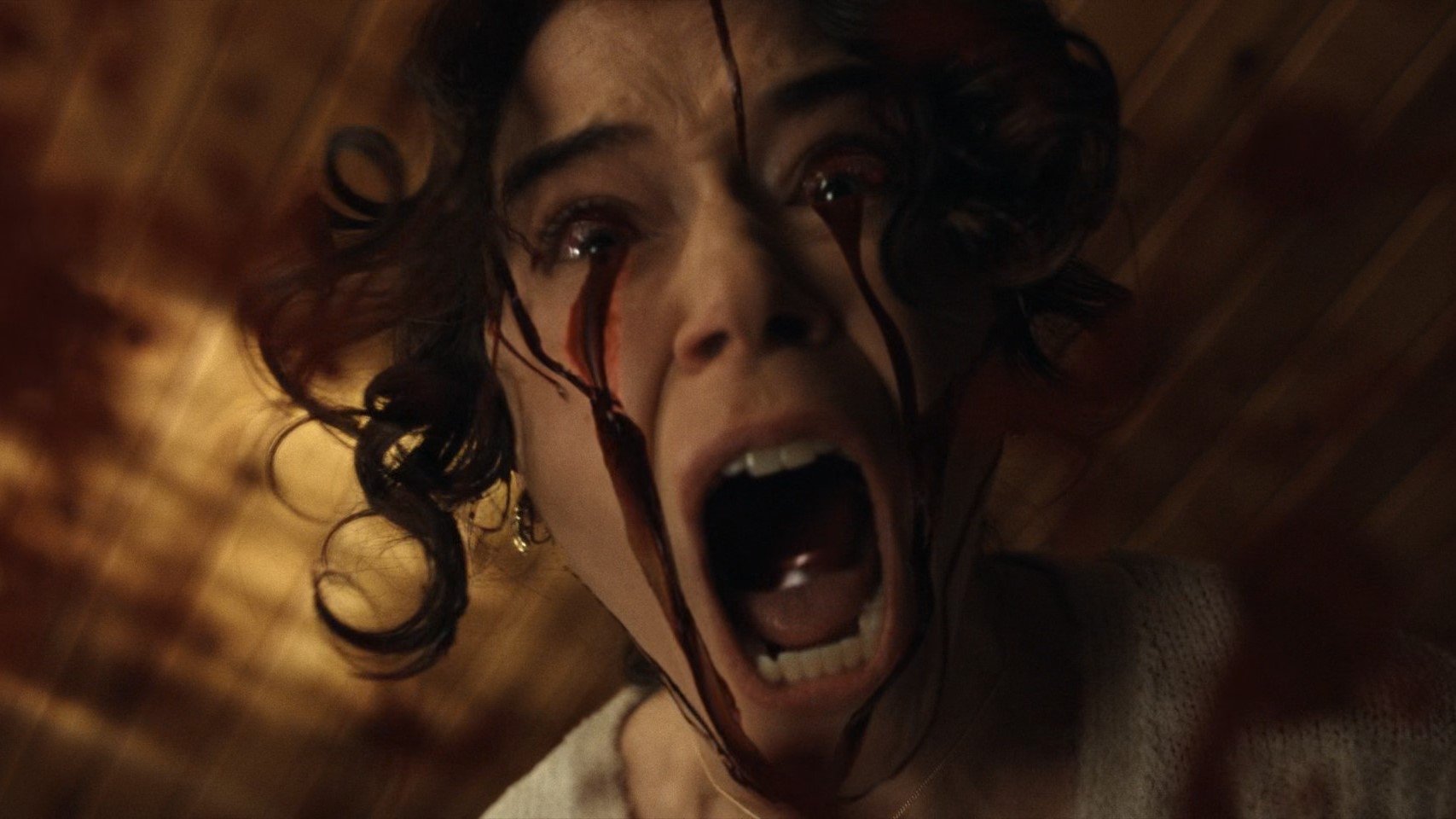
Several set pieces reveal how that approach worked. For Aunt Ida's burning scene, an actual person could not safely be set alight inside the heritage property used for filming. The production instead recorded performance and separate practical fire passes, including a burning head-shaped apparatus and carefully matched flickering light; the visual-effects team assembled them into the finished sequence. The swimming-pool fatality combined a stunt diver, an on-set blood-and-guts explosion and thrown body-part props with later enhancements. Both scenes use filmed physical material as the foundation for an unreal event, preserving the force and texture of a practical gag while extending what the camera could safely capture.
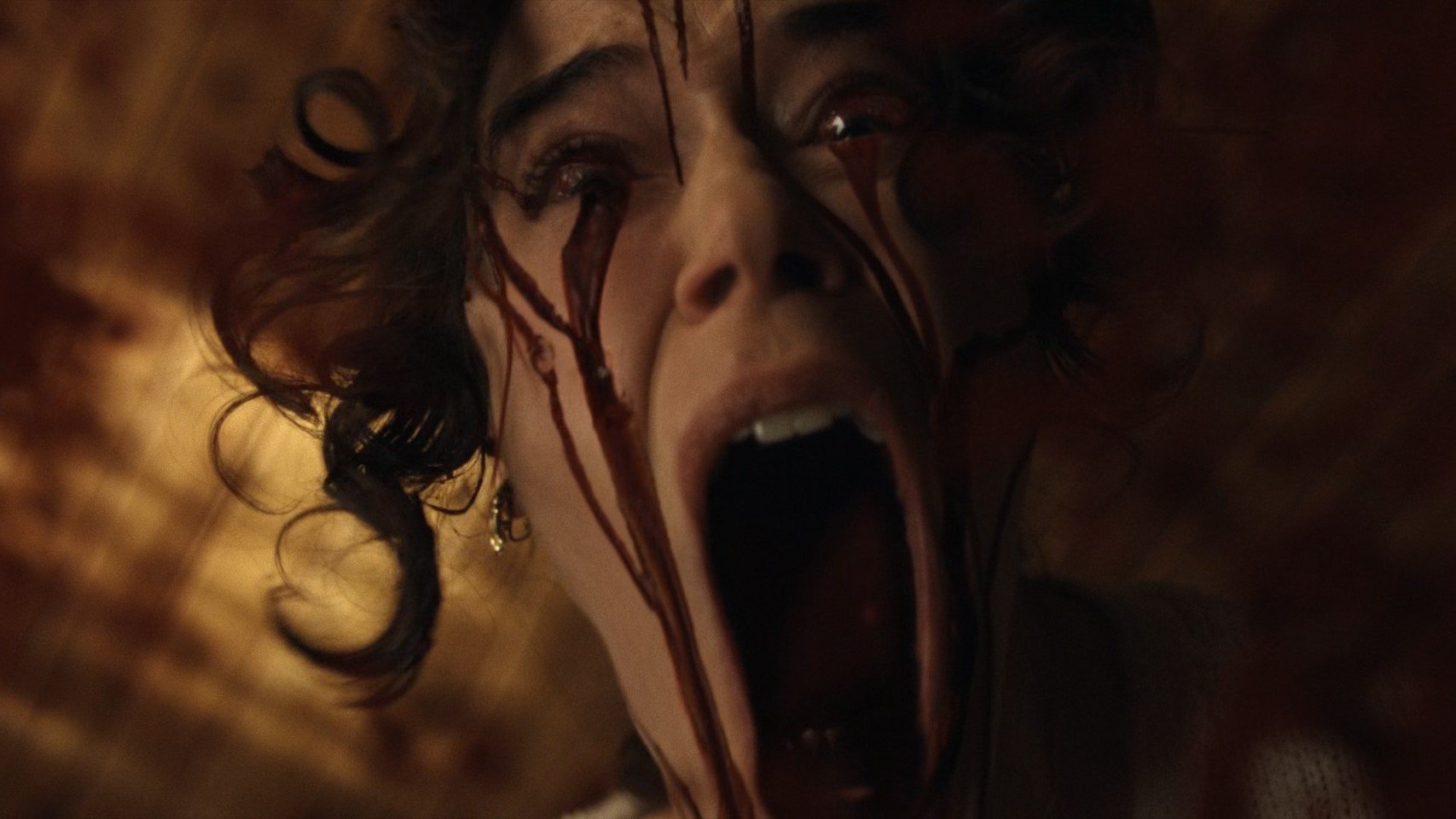
Other deaths required more substantial computer-generated imagery. Douglas described a shotgun sequence in which footage of the performer was joined to an explosive dummy, with additional blood and anatomical details incorporated afterward. The giant-hornet attack relied on a digital insect swarm and a reconstructed computer-generated face, departing further from what could be photographed directly. These examples matter because the film's gore cannot be classified as either exclusively practical or predominantly digital. Its effects were designed as interlocking processes, with each department contributing to the deliberately exaggerated result.
Visual Composition and the Twin Performances
The doubling of Hal and Bill presented a separate visual-effects problem from the violent set pieces. Douglas explained that Perkins's preference for relatively slow camera movements often reduced the need for elaborate motion-control equipment. The team could instead monitor the placement of performances and combine them during compositing. Some shots required moving cameras, Steadicam work or face replacement; others used photographic doubles. These methods allowed both Christian Convery and Theo James to appear as distinct brothers without making the technical construction of their shared scenes the main attraction.
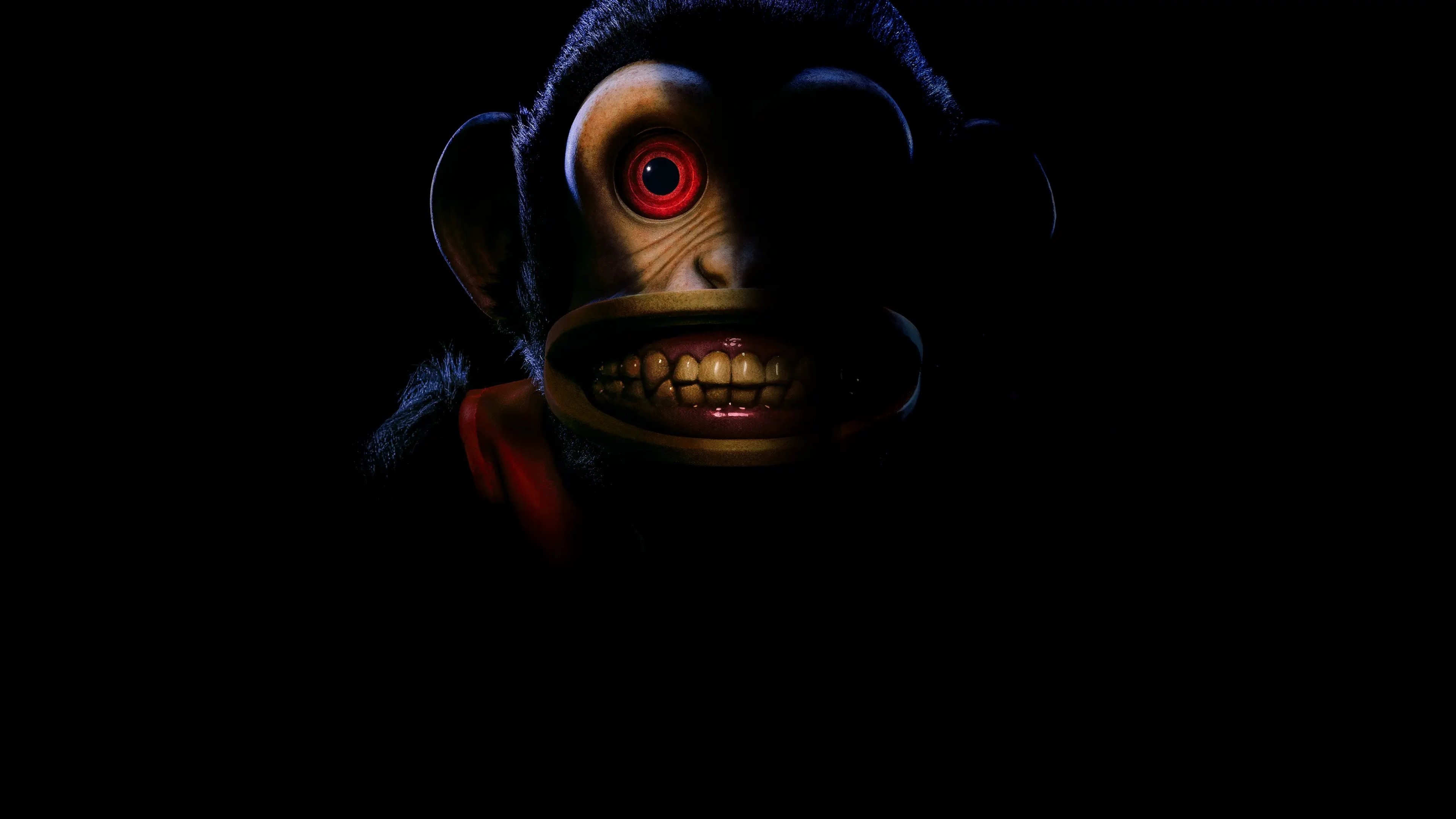
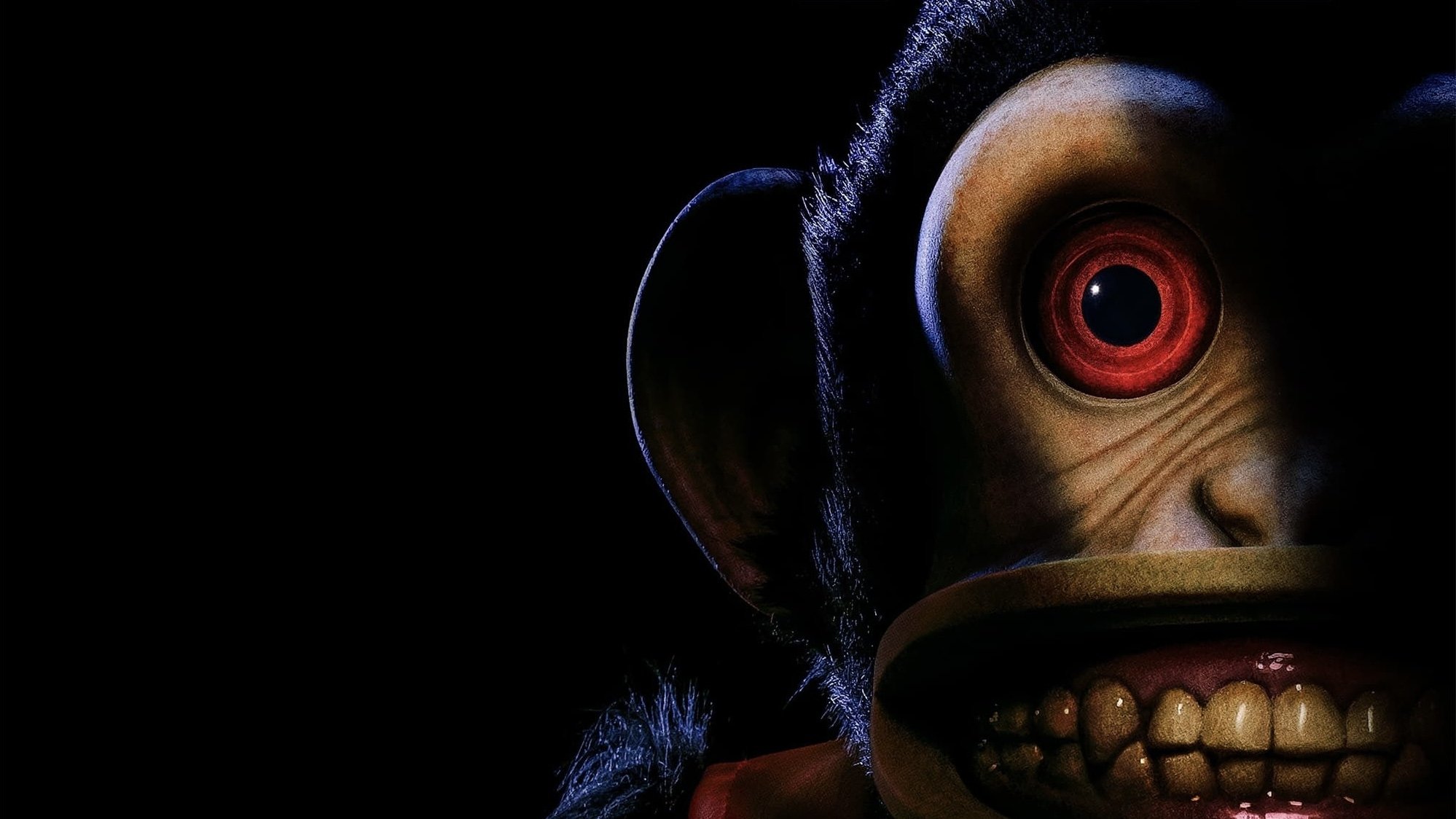
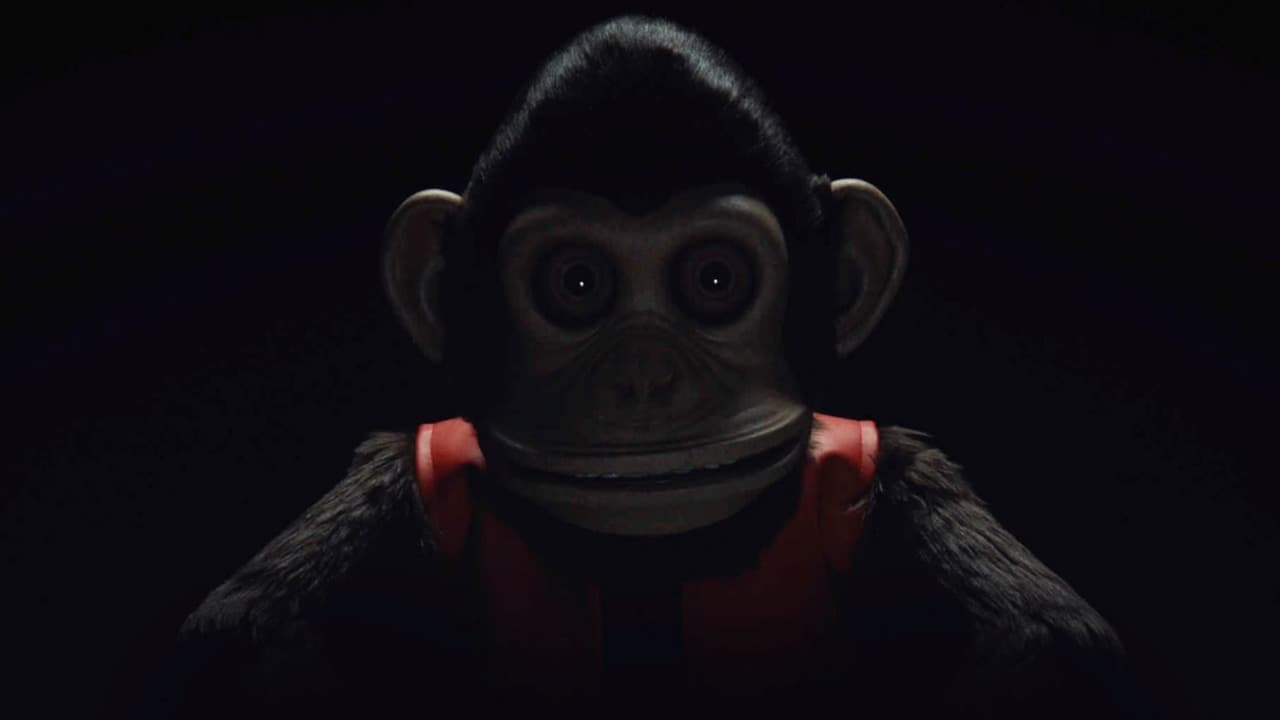
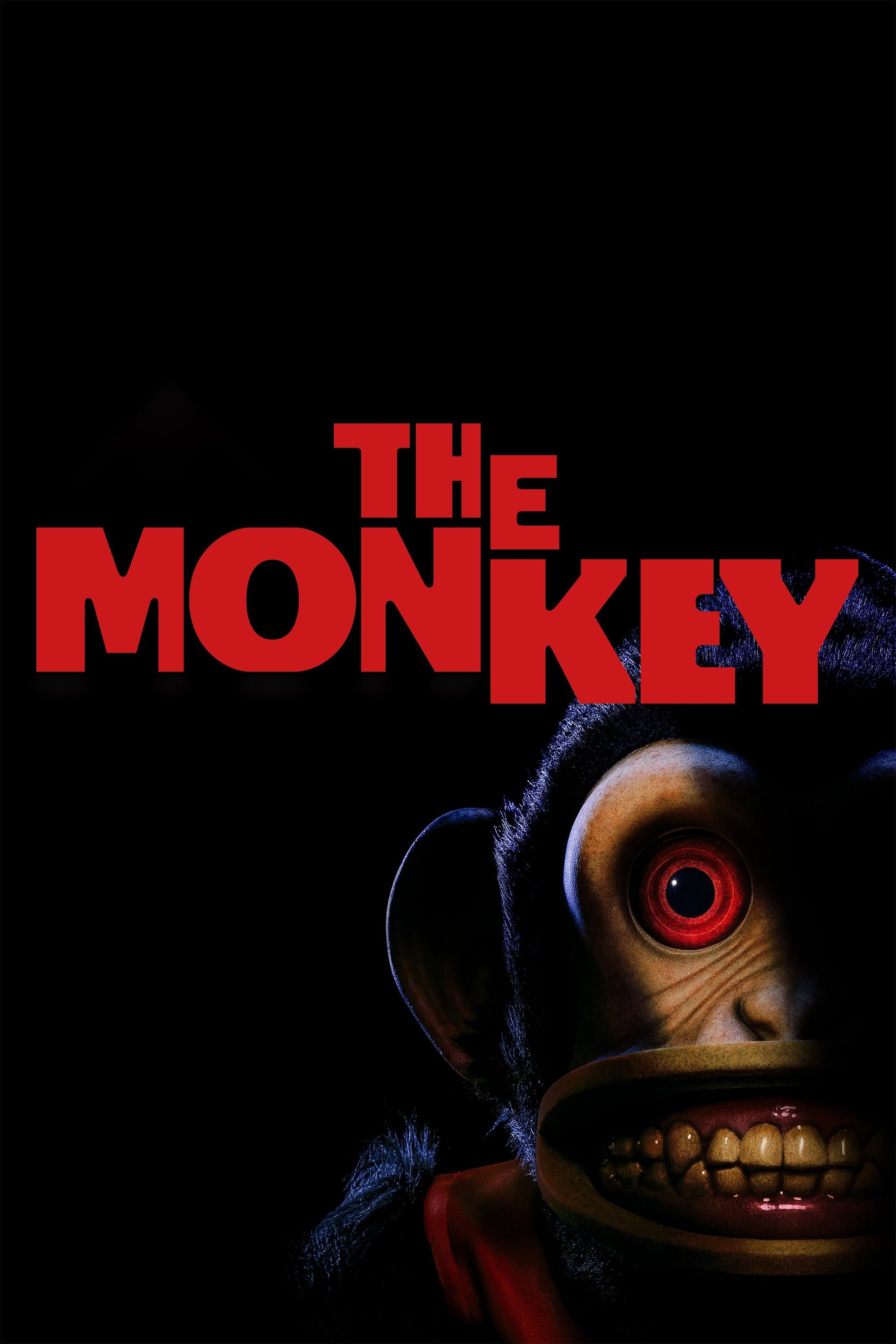
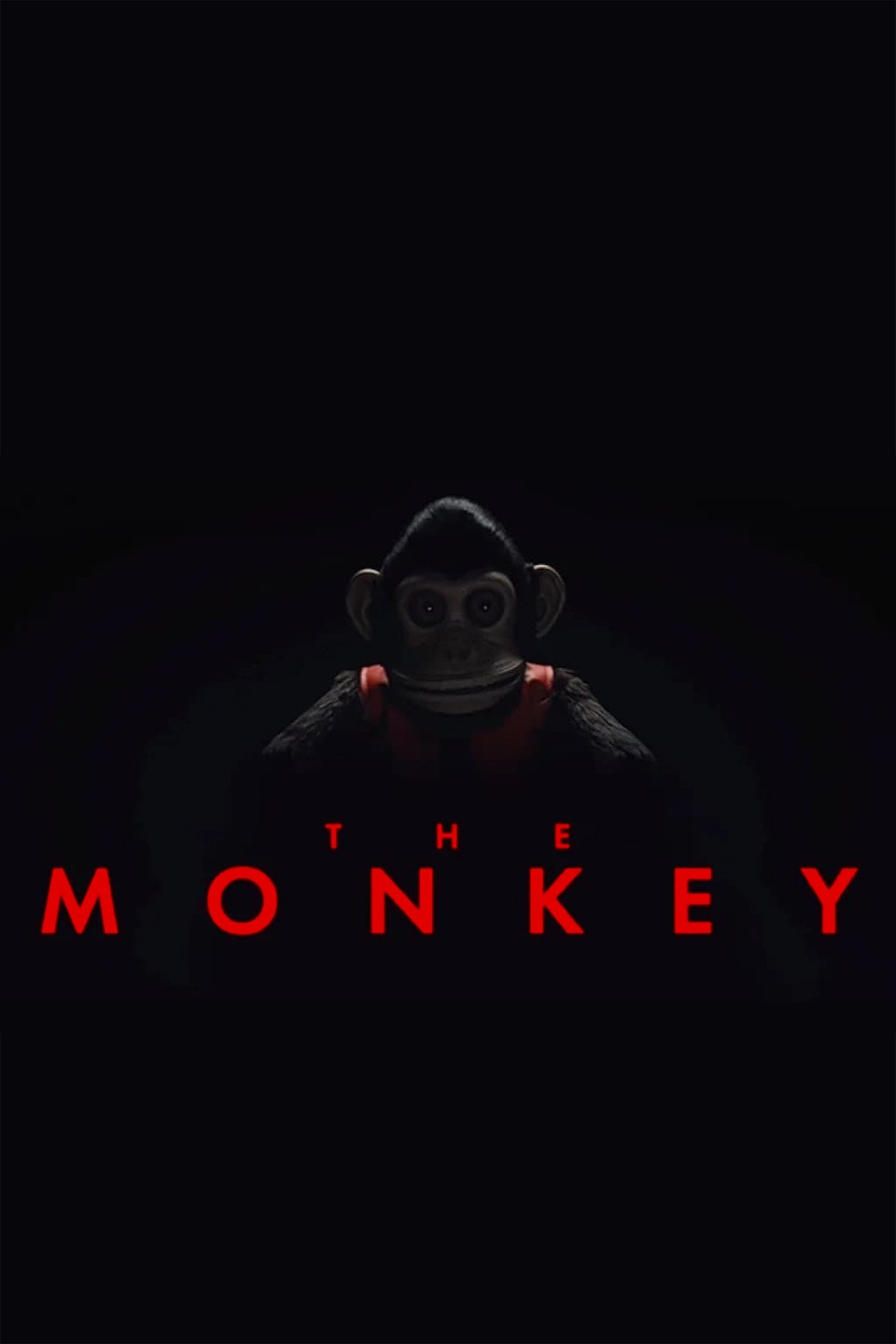
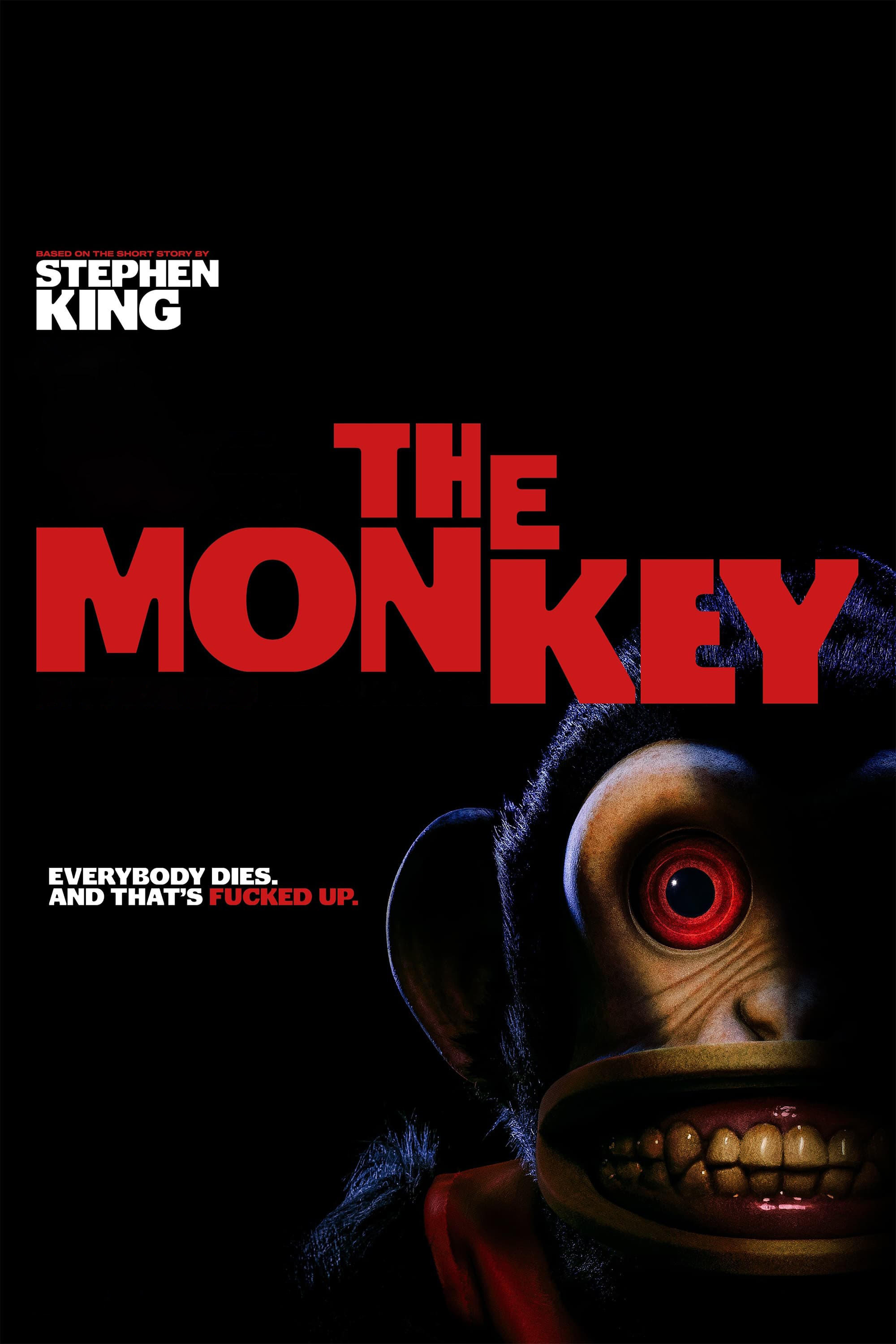
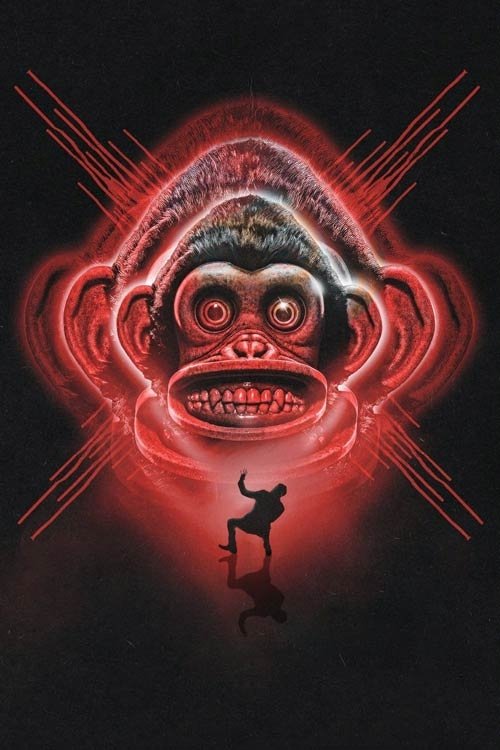
The monkey itself receives a different visual treatment. Shots of its face, articulated body and mechanical drum establish the object's presence before the consequences become visible. Kim Newman, reviewing the film for Sight and Sound in February 2025, drew attention to the extreme close-ups that make the toy simultaneously sinister and desirable to the characters. Its stillness contrasts with the enormous physical disruption attributed to it. The town and family spaces around the object repeatedly become sites of sudden accidents, while the device remains materially simple enough for someone to pick up and turn on again.
Music, Sound and Comic Timing
The film's original score was composed by Edo Van Breemen, who discussed the process in a later interview with Beyond the Cinerama Dome. He said the assignment followed his initial involvement with another Perkins film, Keeper, and that he completed the score for The Monkey in roughly six weeks alongside his regular collaborator Johannes Winkler. The two productions were closely connected in personnel, but their emotional registers differed sharply. Van Breemen characterized The Monkey by its absurdity, an important consideration for music that had to coexist with sudden violence and comic reversals.
Van Breemen's account also describes an unusually active relationship between composition, editing and silence. He worked in dialogue with sound designer Eugenio Battaglia and recalled Perkins removing cues rather than retaining music under every scene. Editor Greg Ng became associated with the team's joking phrase for a cue that had been discarded. That process gives the soundtrack a structural role: the absence of music can expose the sound of the toy, the delay before an accident or an awkward pause after violence. Musical scoring and the drum mechanism thus operate at different levels, one shaping the film's rhythm and the other announcing the possibility of another arbitrary death.
Release, Critical Response and Horror Context
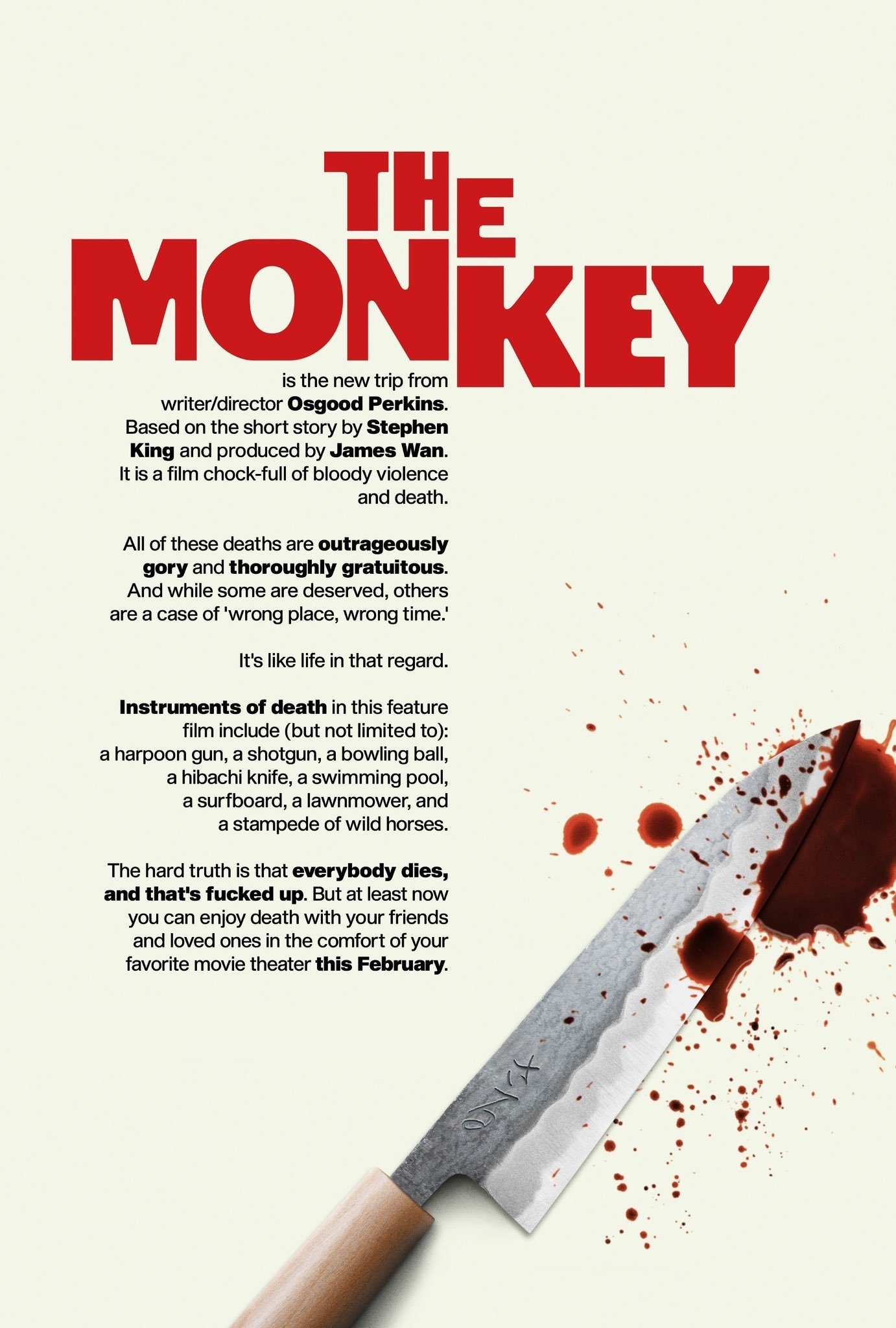
Neon released The Monkey in US cinemas on February 21, 2025, following early international screenings. Its arrival after Longlegs placed two very different Perkins horror films in close succession, although their approaches to suspense were markedly different. The Monkey uses a recognizable Stephen King premise and the machinery of an elaborate death-scene comedy to produce a more openly playful experience. In a Rue Morgue interview published at the time of release, Perkins said he had not been required to cut the death scenes to secure the film's American R rating; he attributed that outcome to the obviously exaggerated, cartoonlike quality of the violence.
Contemporary critical reactions were not uniform. In Sight and Sound, Kim Newman situated the film within a tradition of King-related horror cinema that included Creepshow, Christine and Cat's Eye, and found its treatment of familial cruelty and the temptation to control death central to the material. Benjamin Lee's review in The Guardian, by contrast, judged the comedy strained and argued that the repeated violent gags undermined suspense. That disagreement identifies a genuine fault line in the film's reception: the qualities designed to make the deaths absurdly entertaining can also reduce the sense of danger. Its place within horror comedy is best understood through that tension between physical excess, morbid humor and a personal story of bereavement.