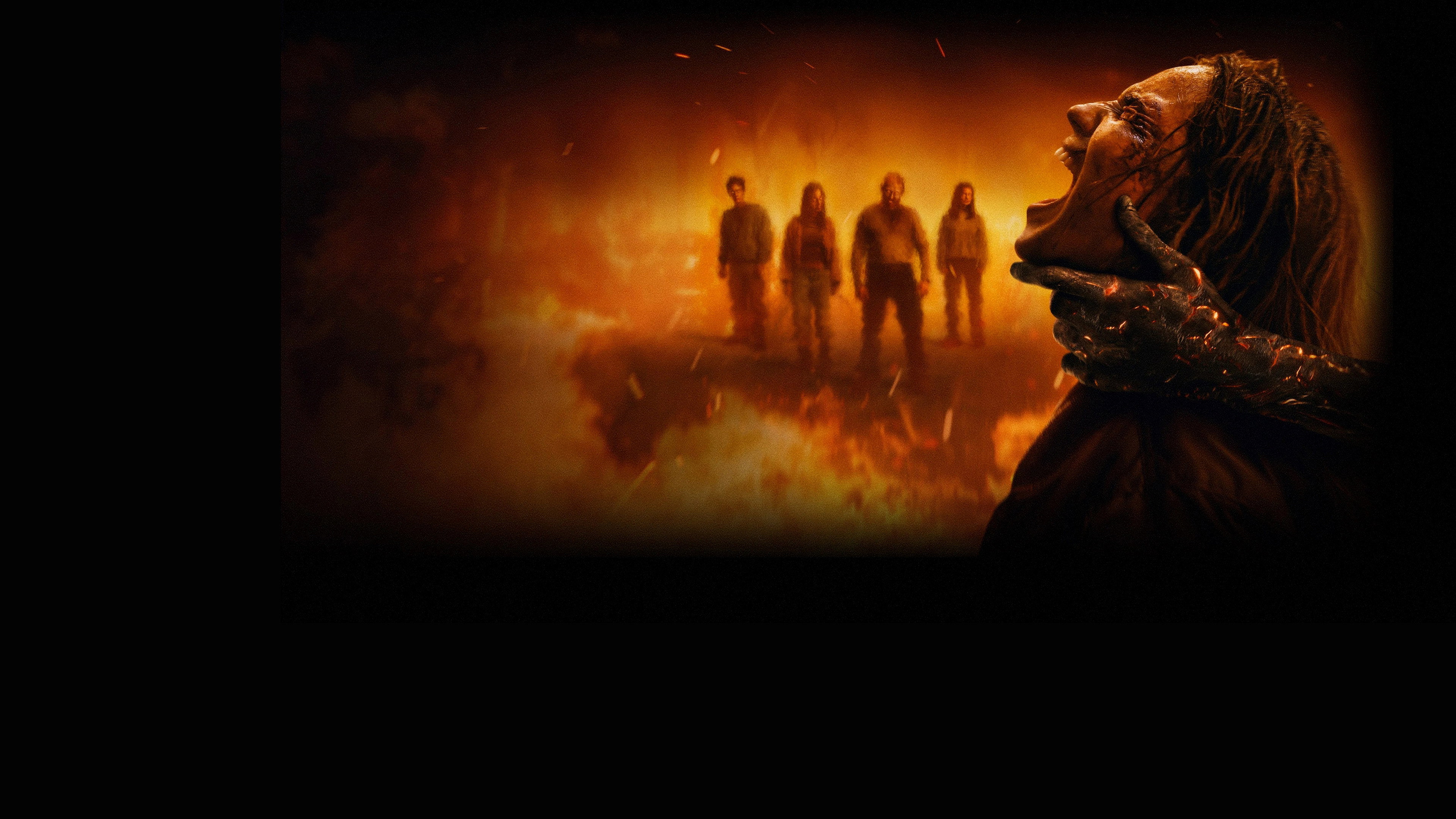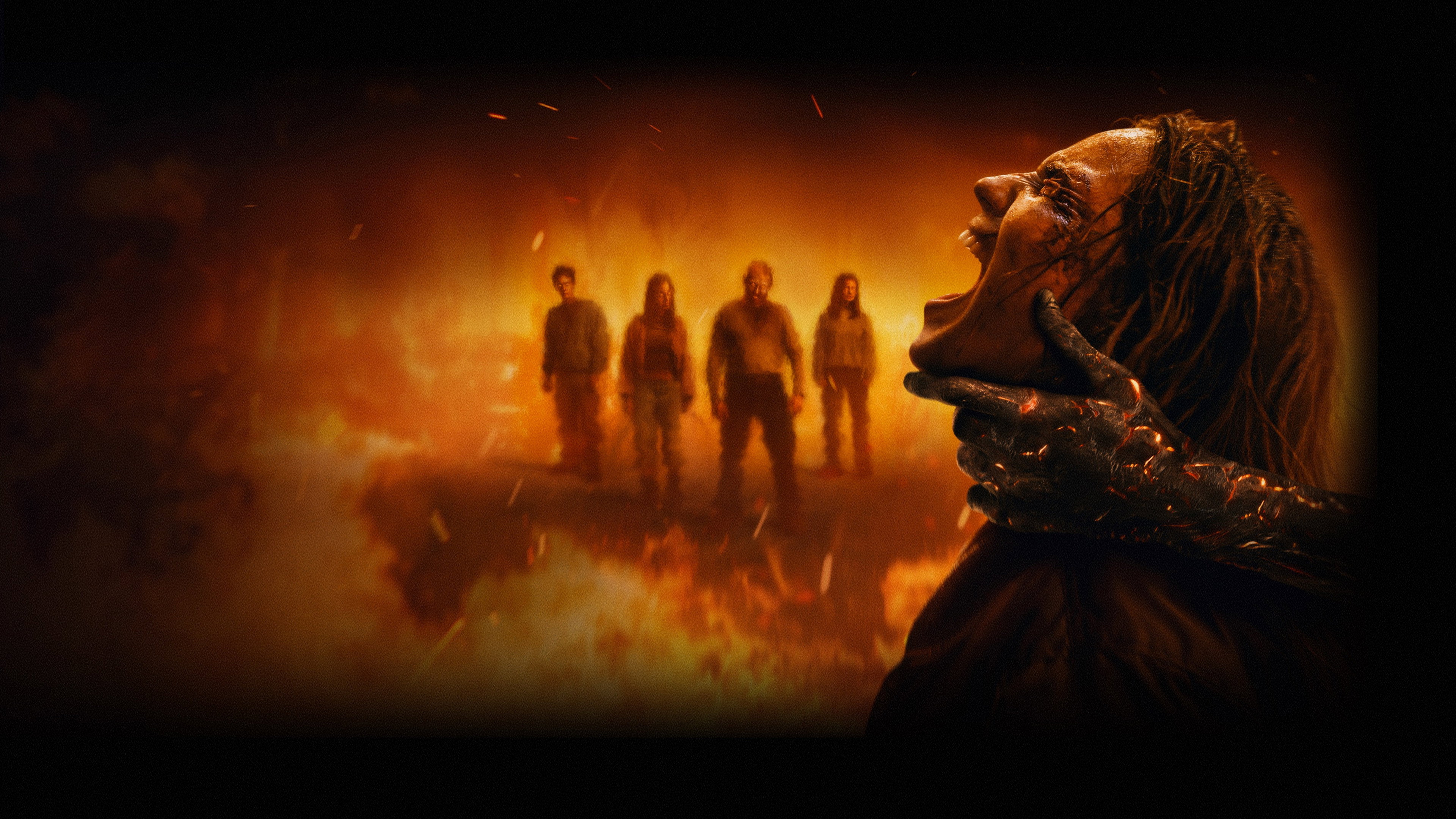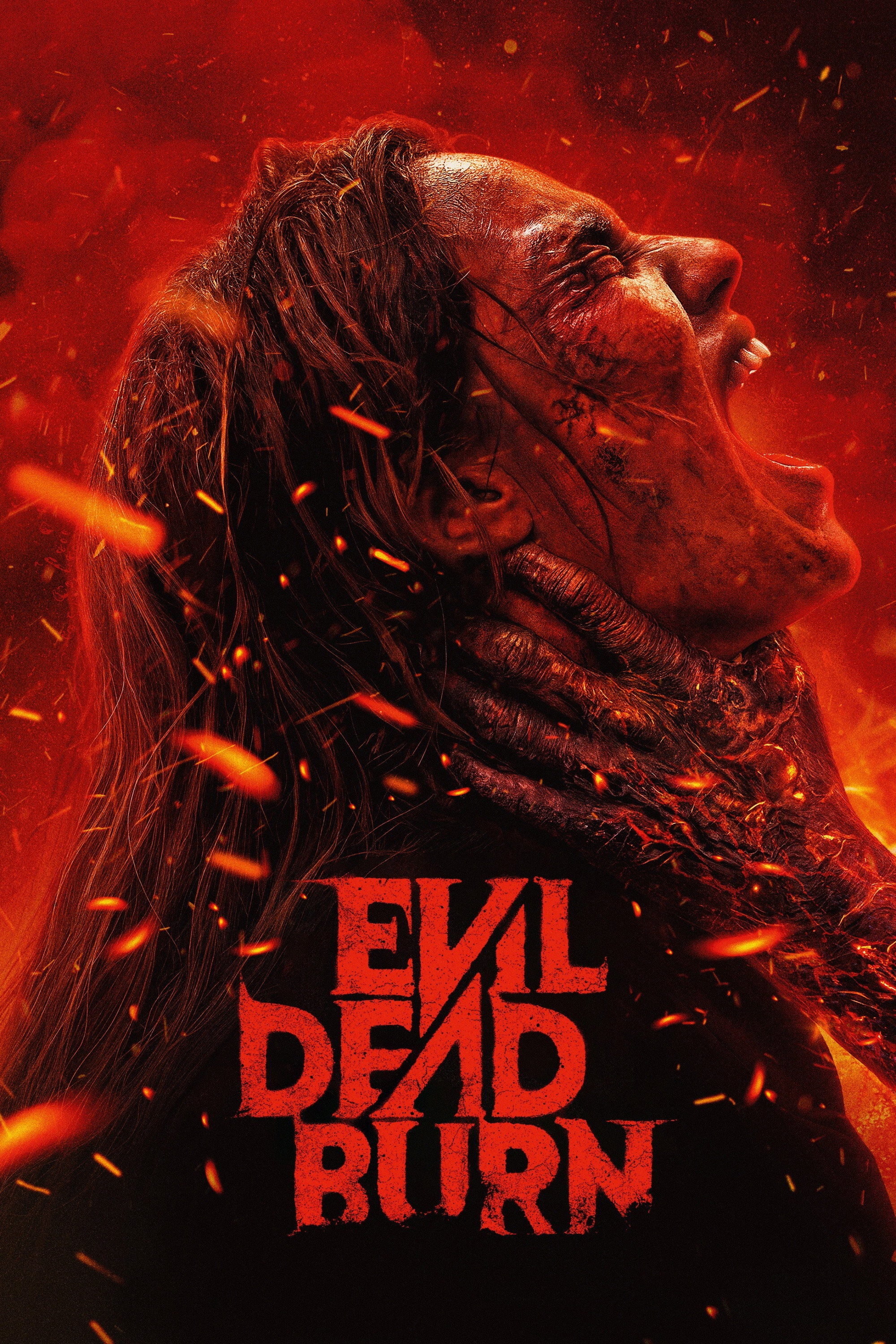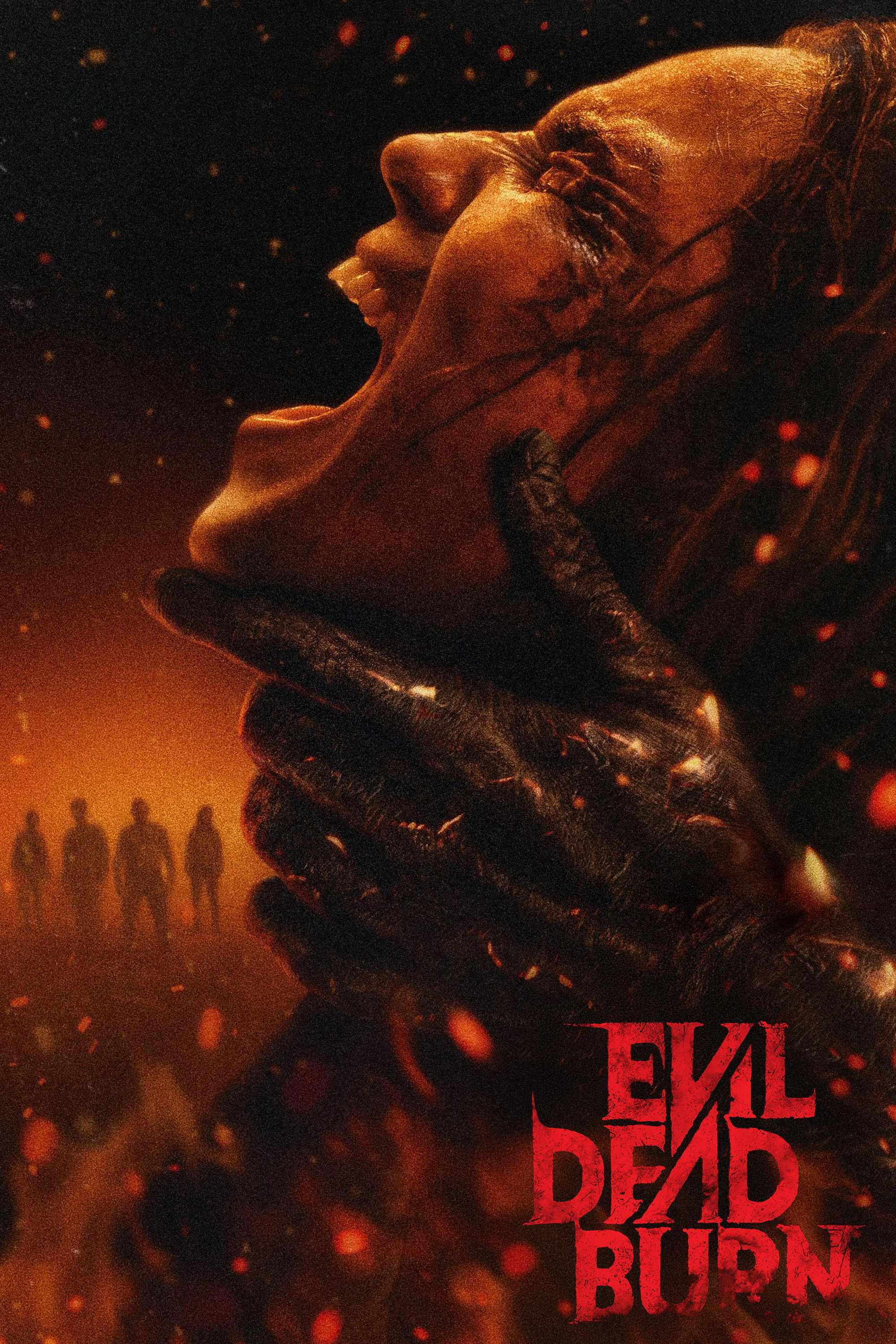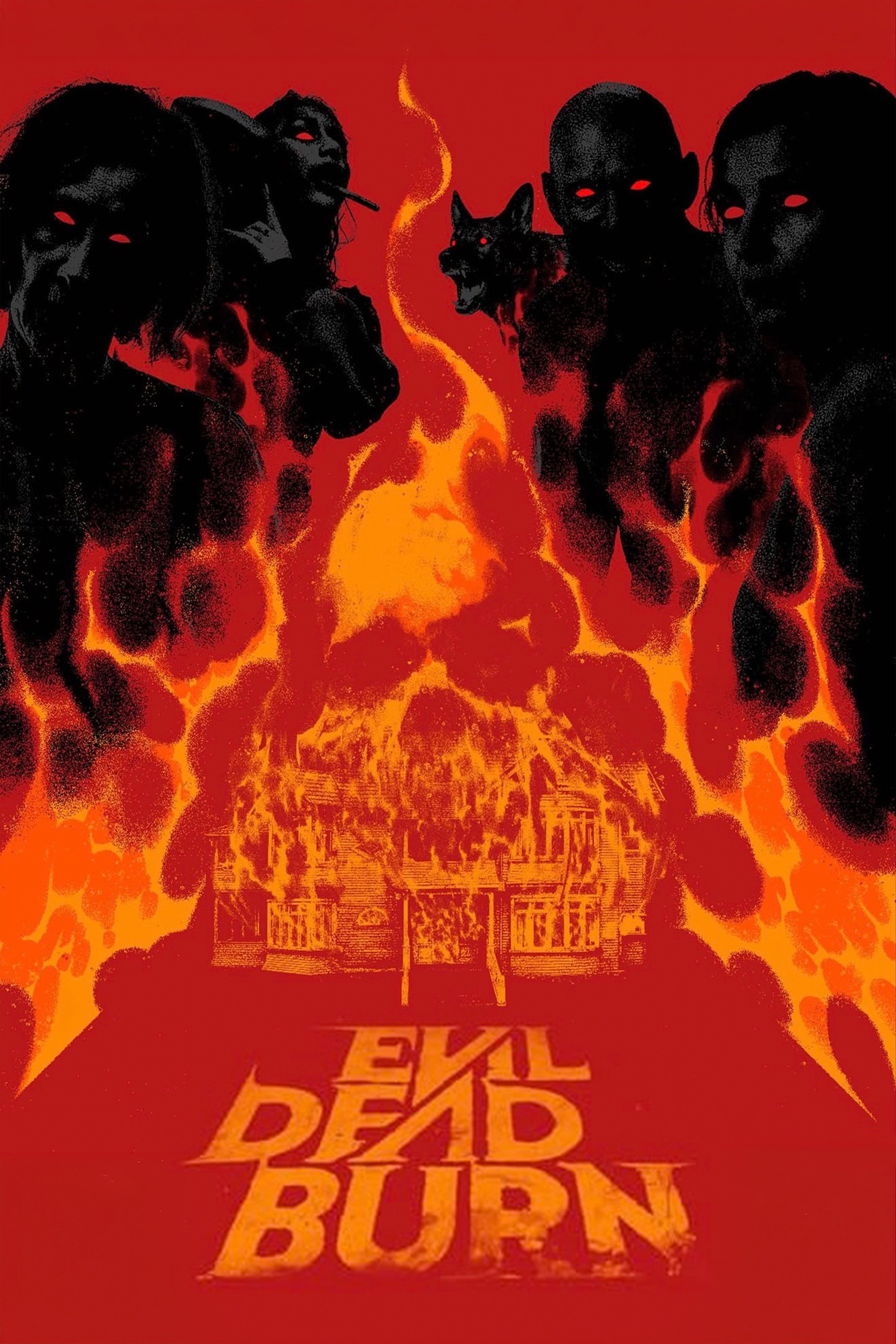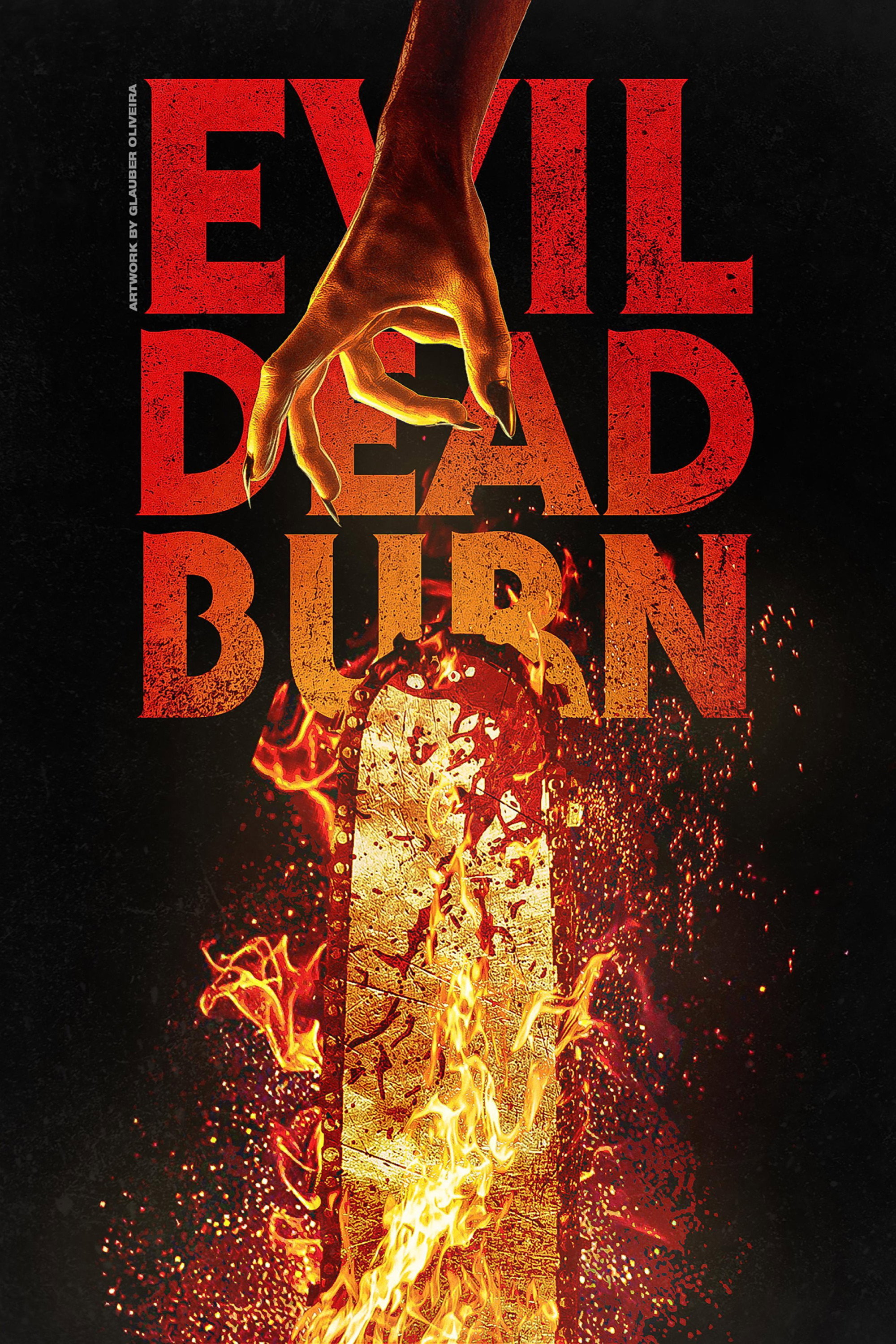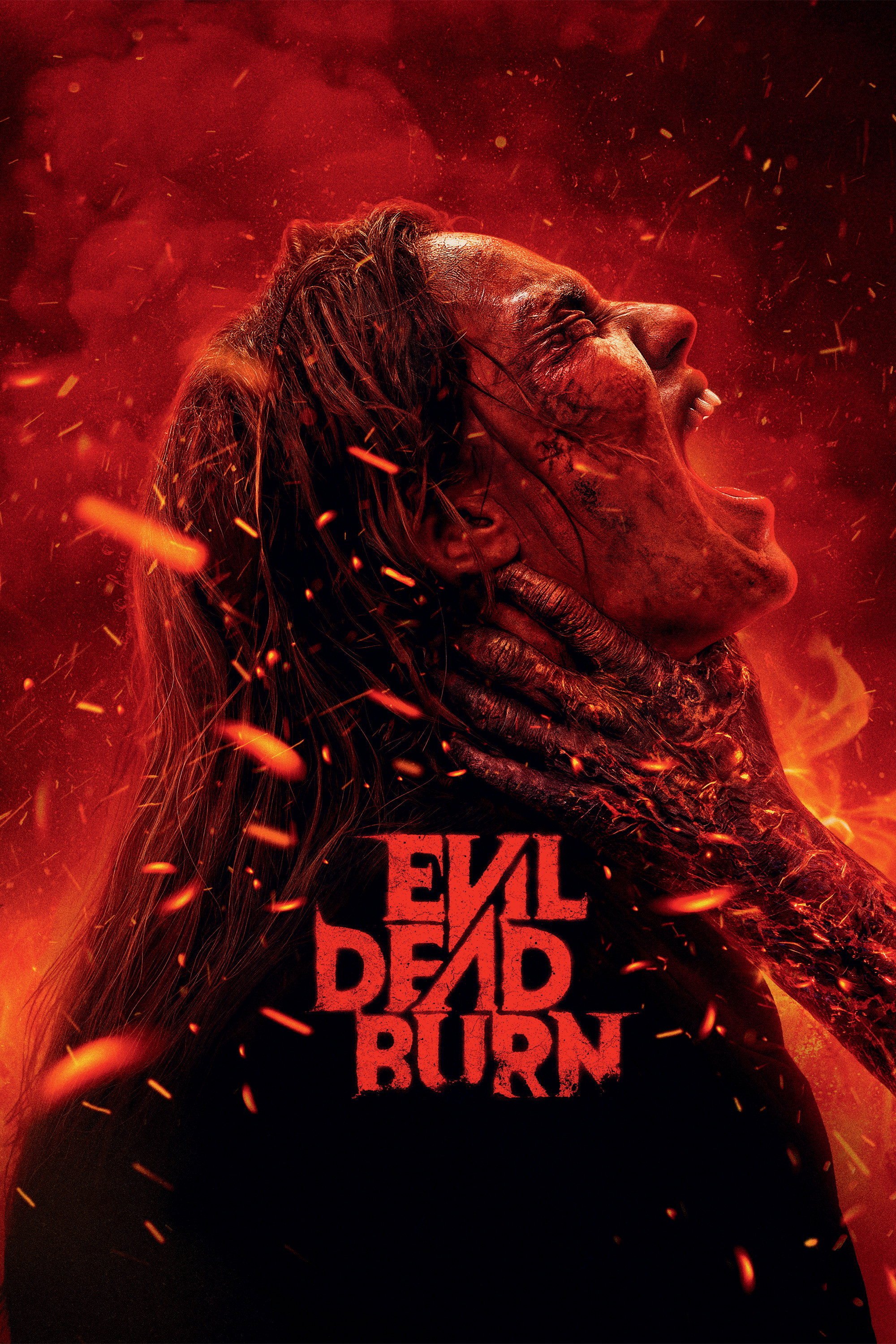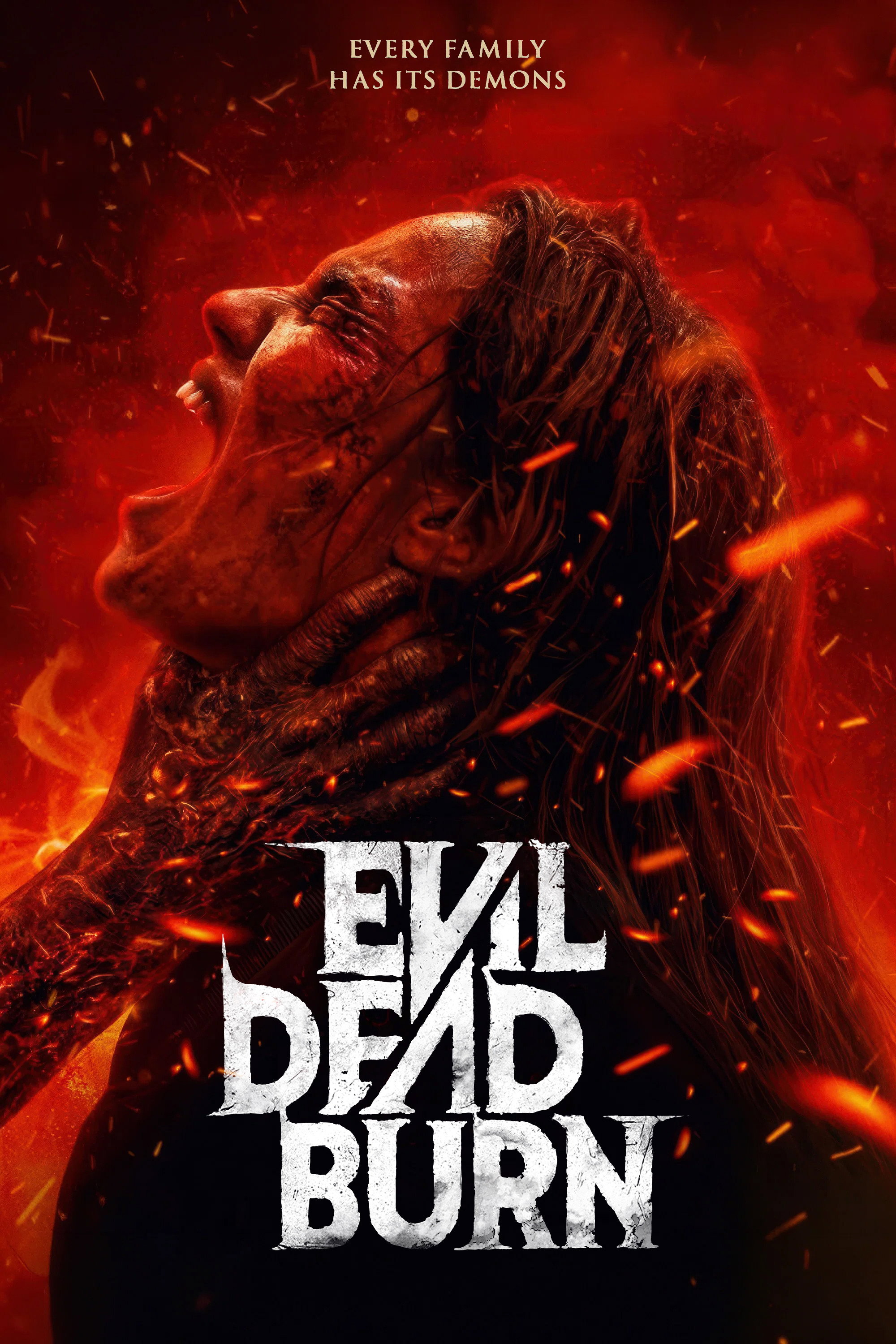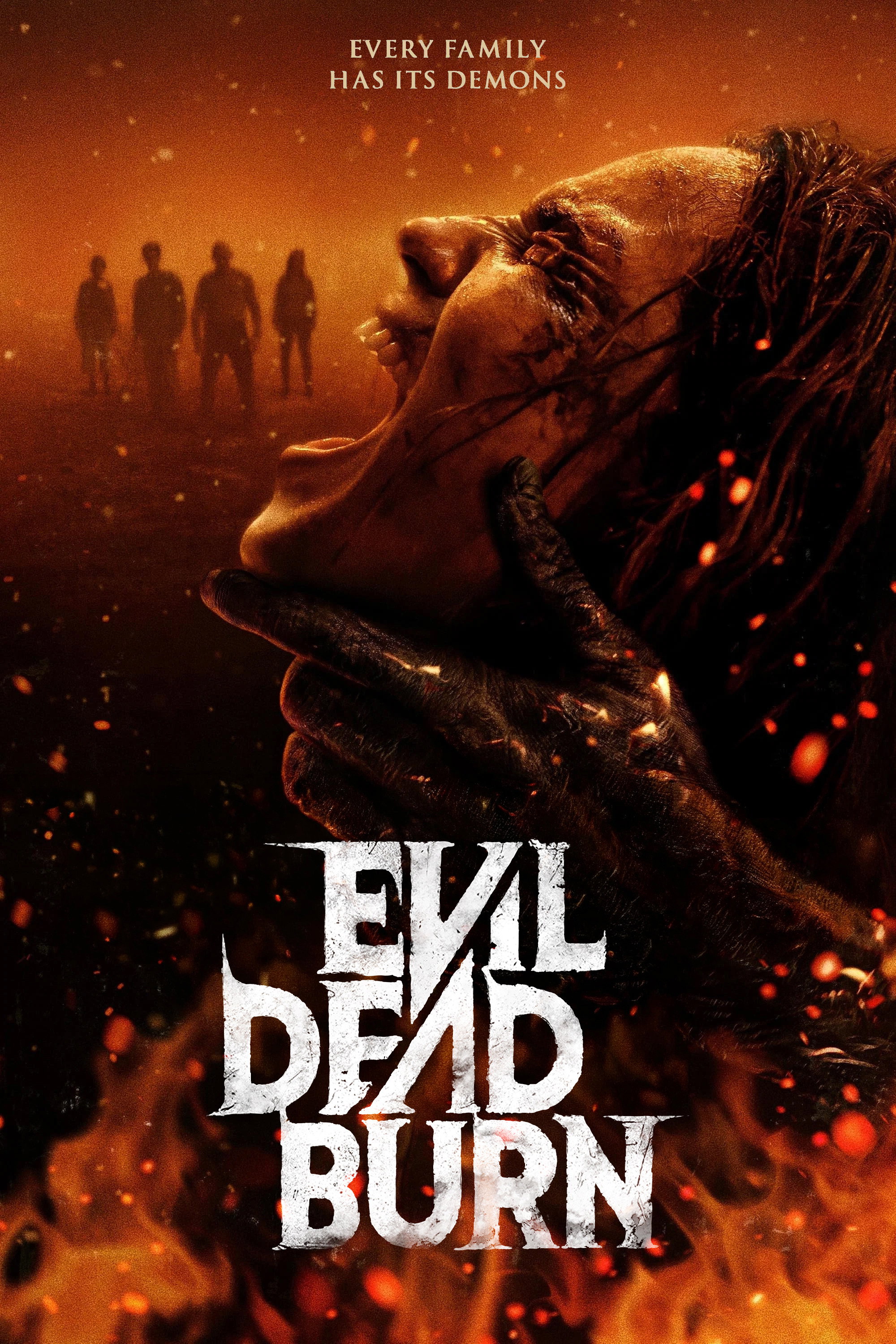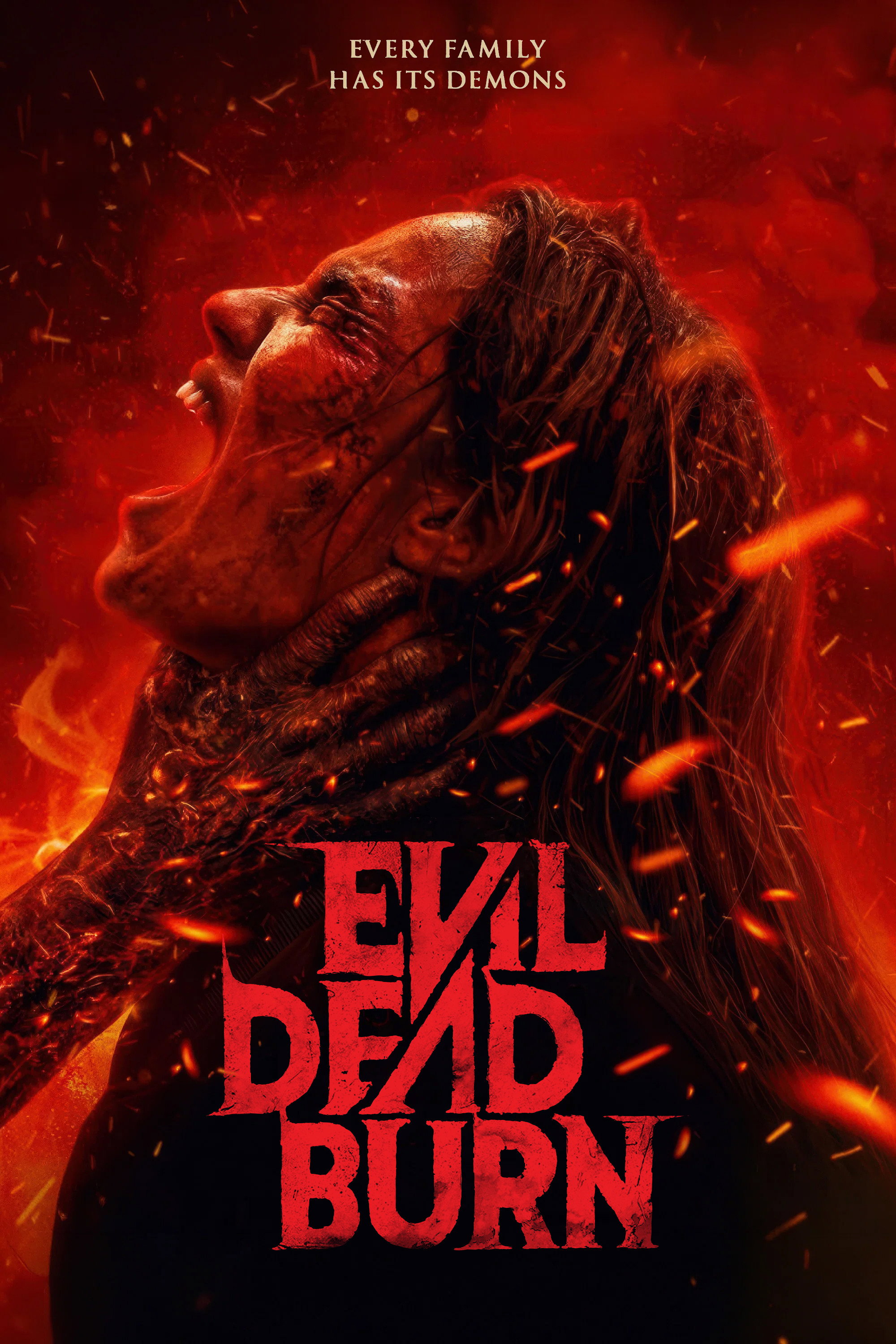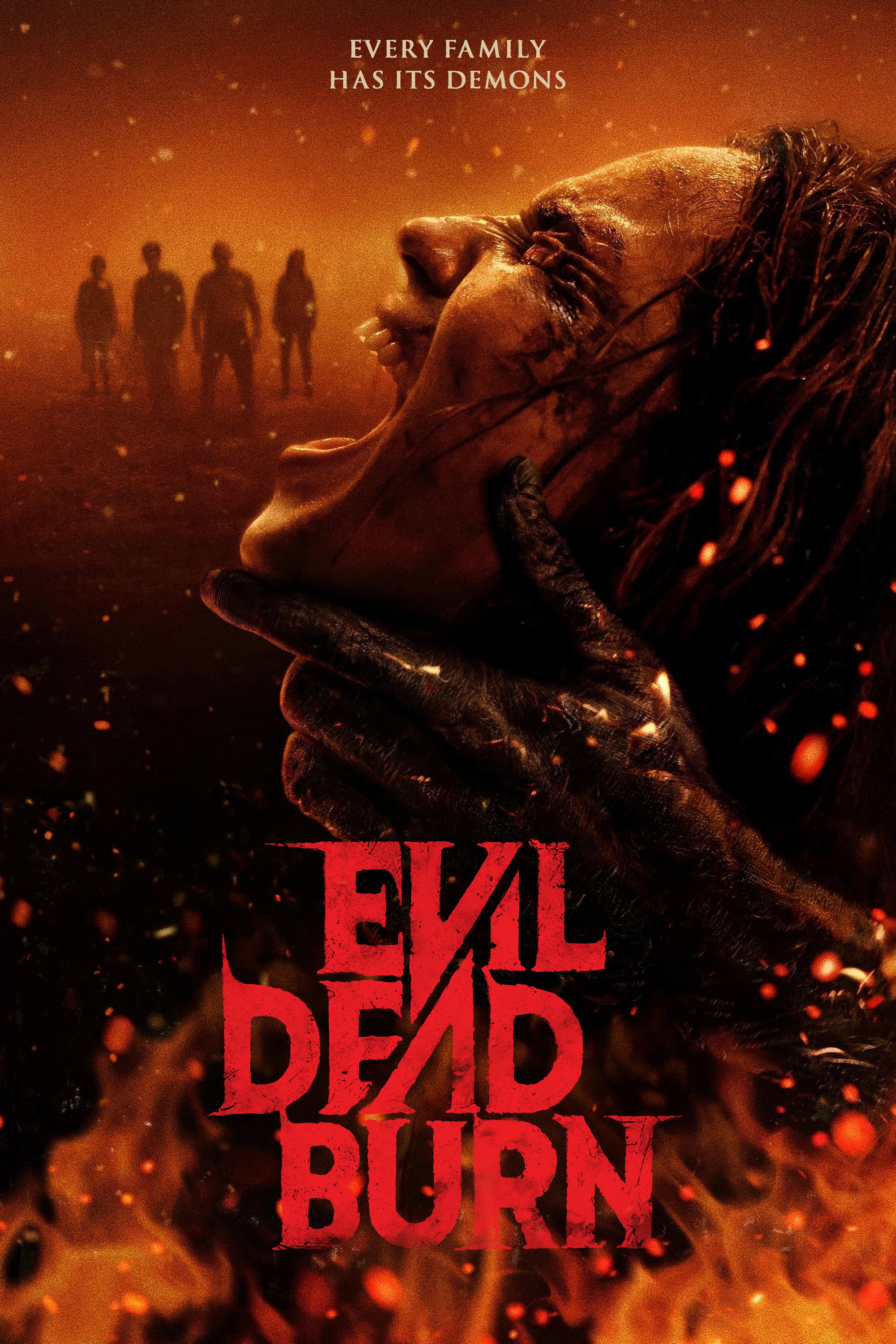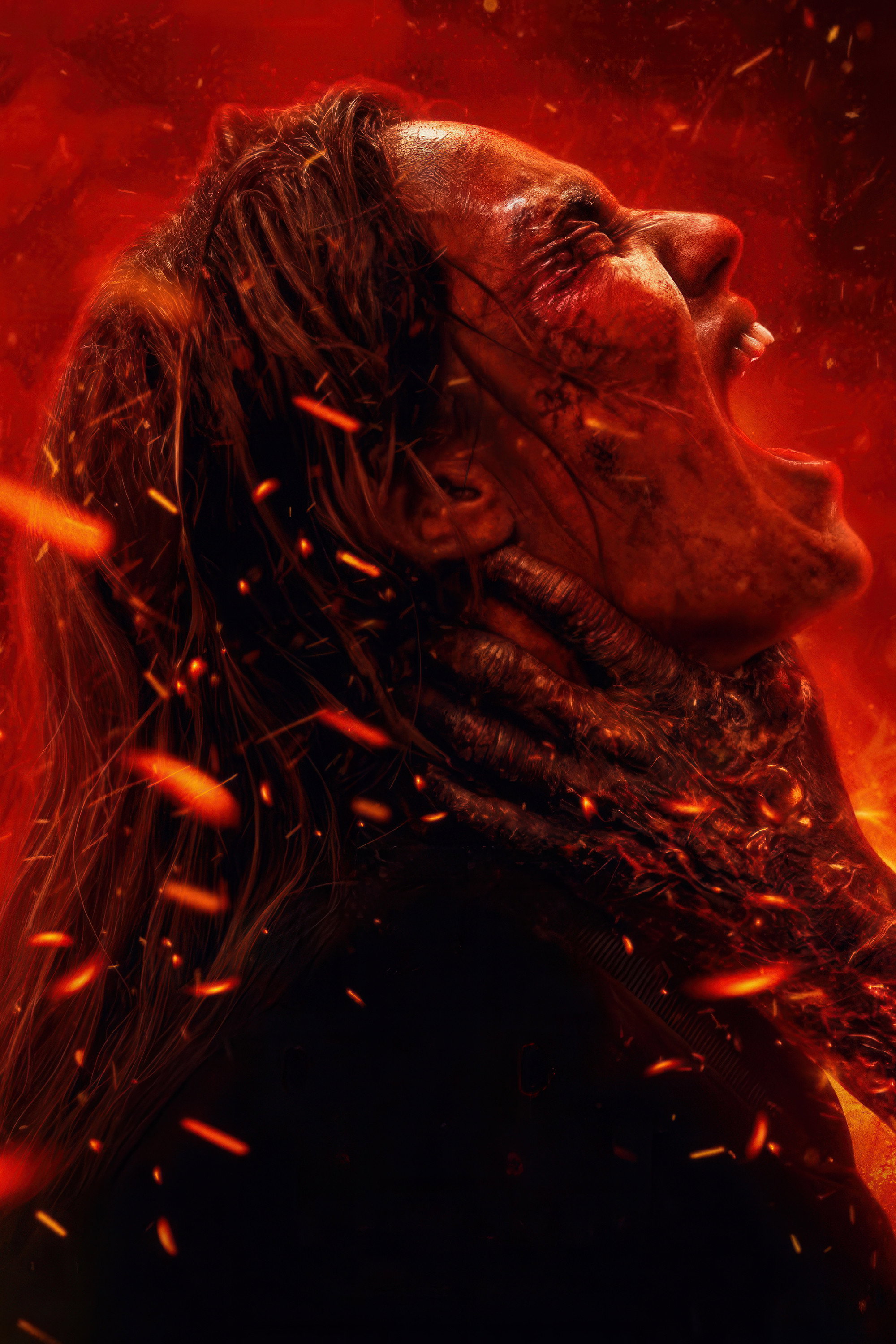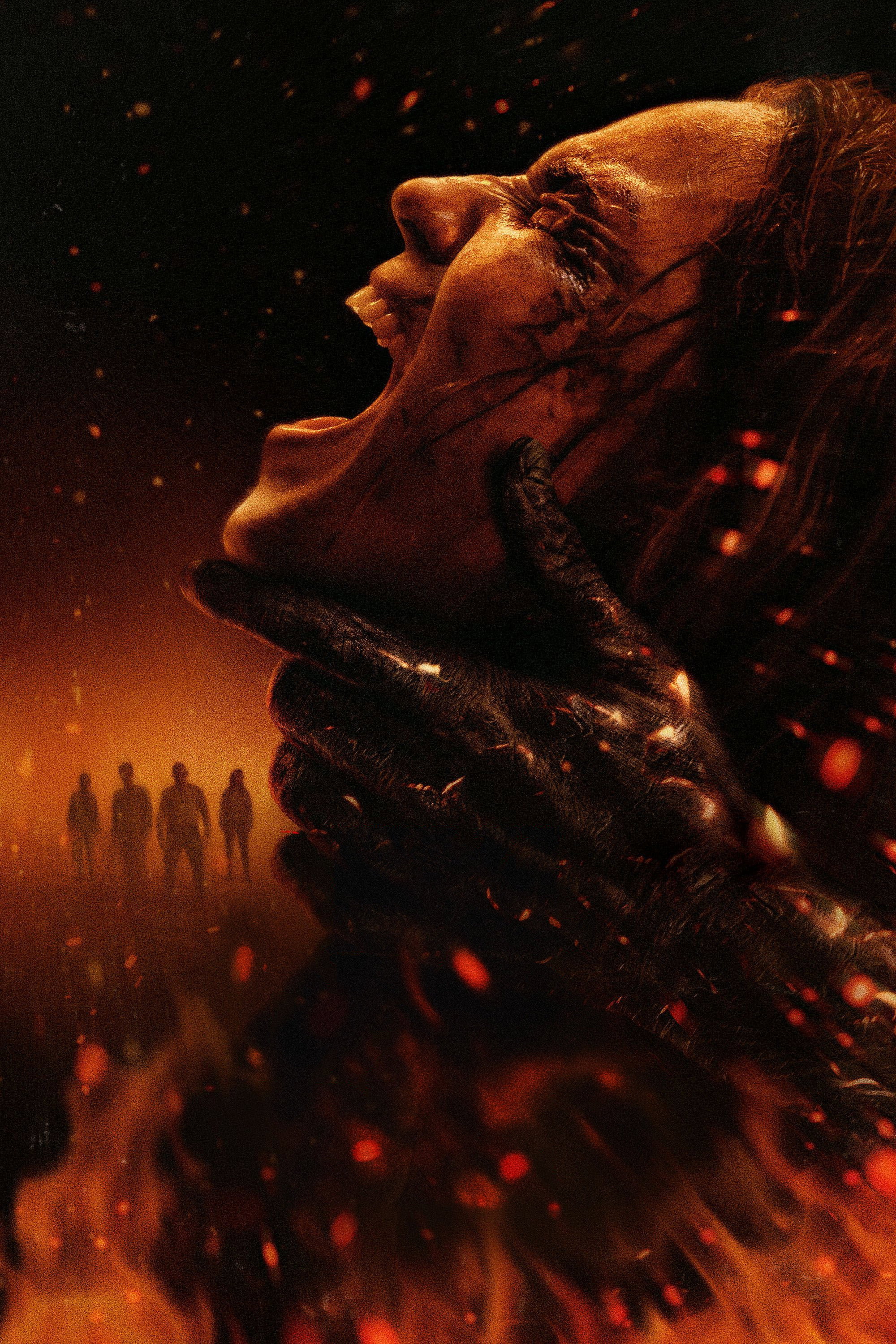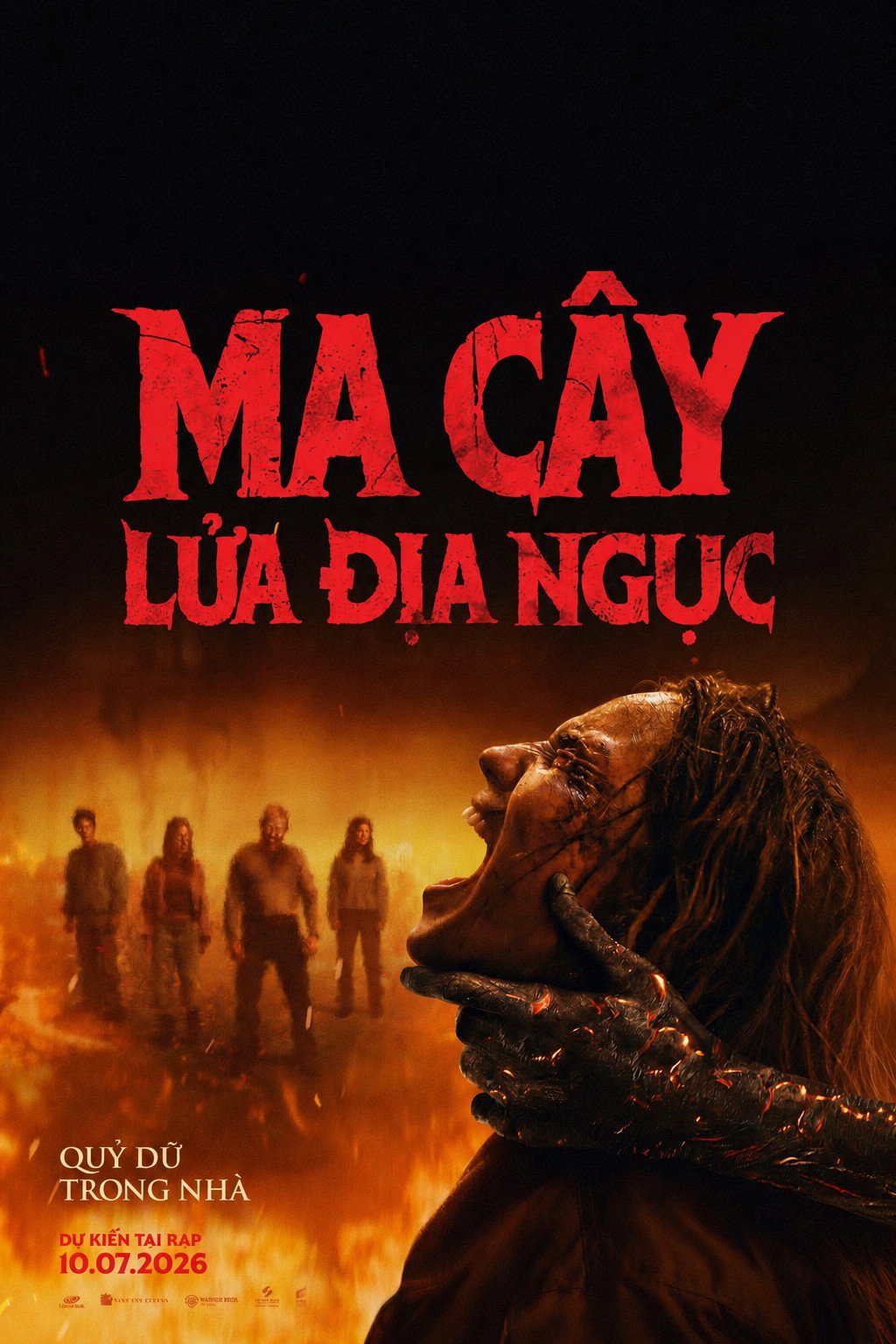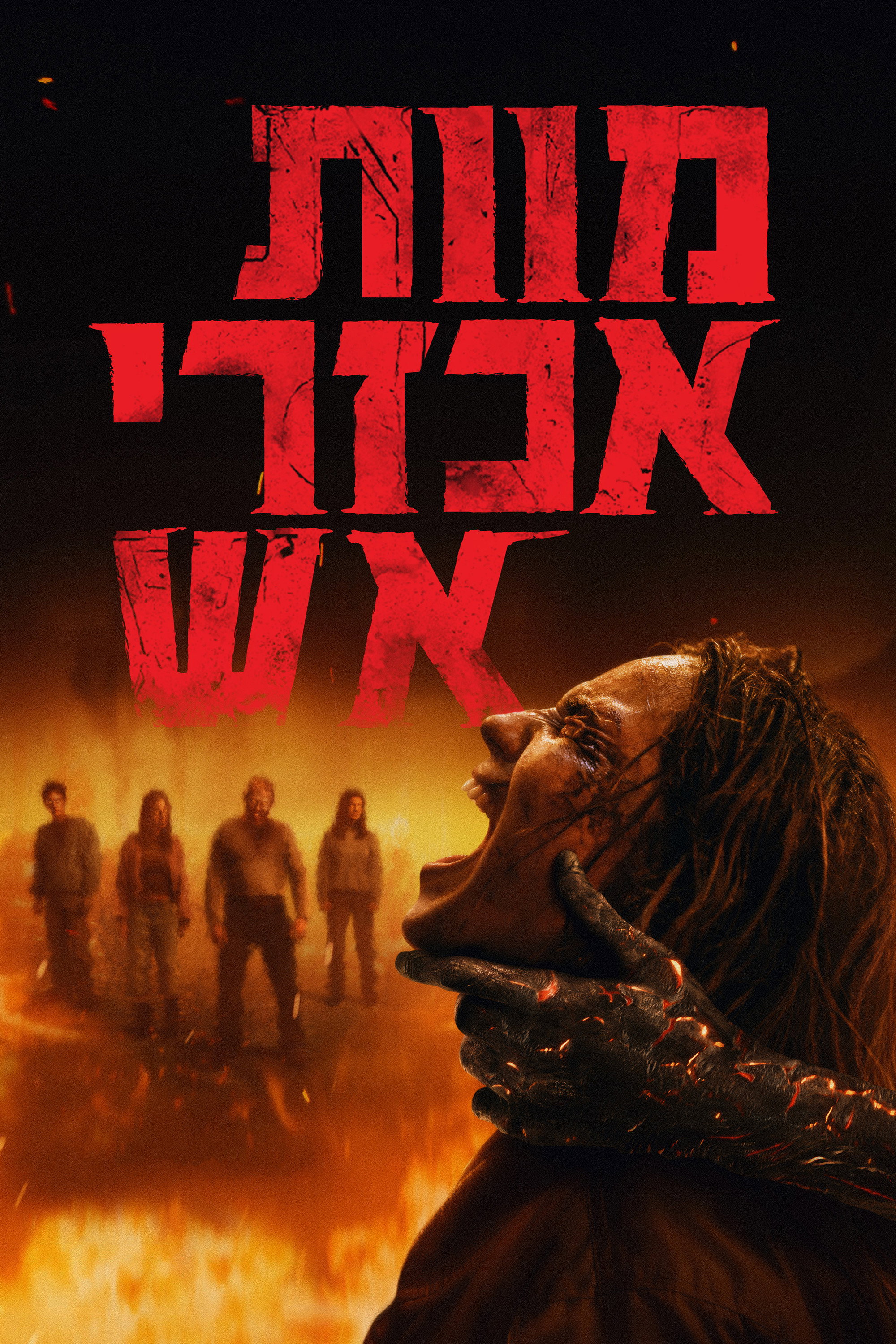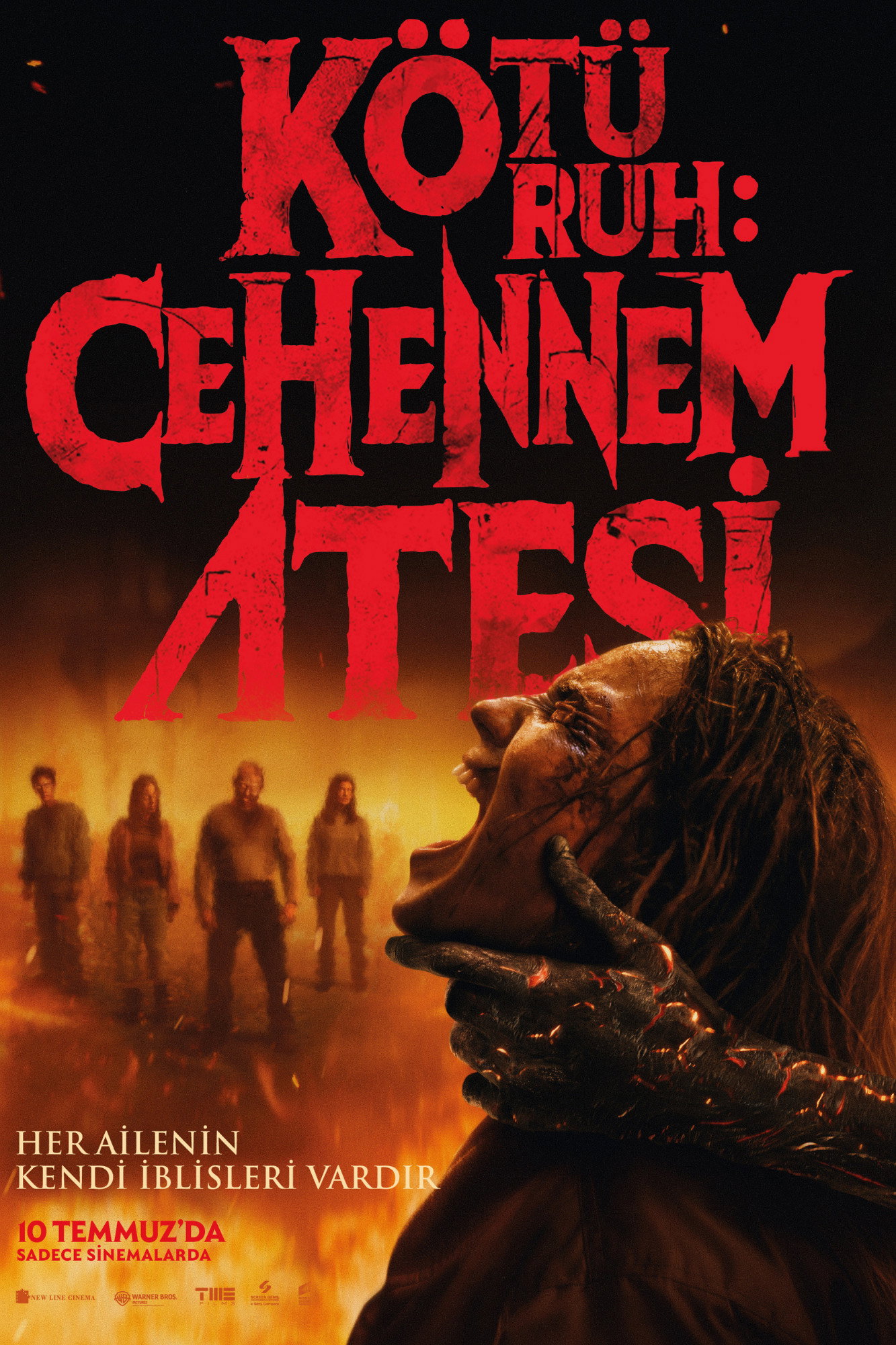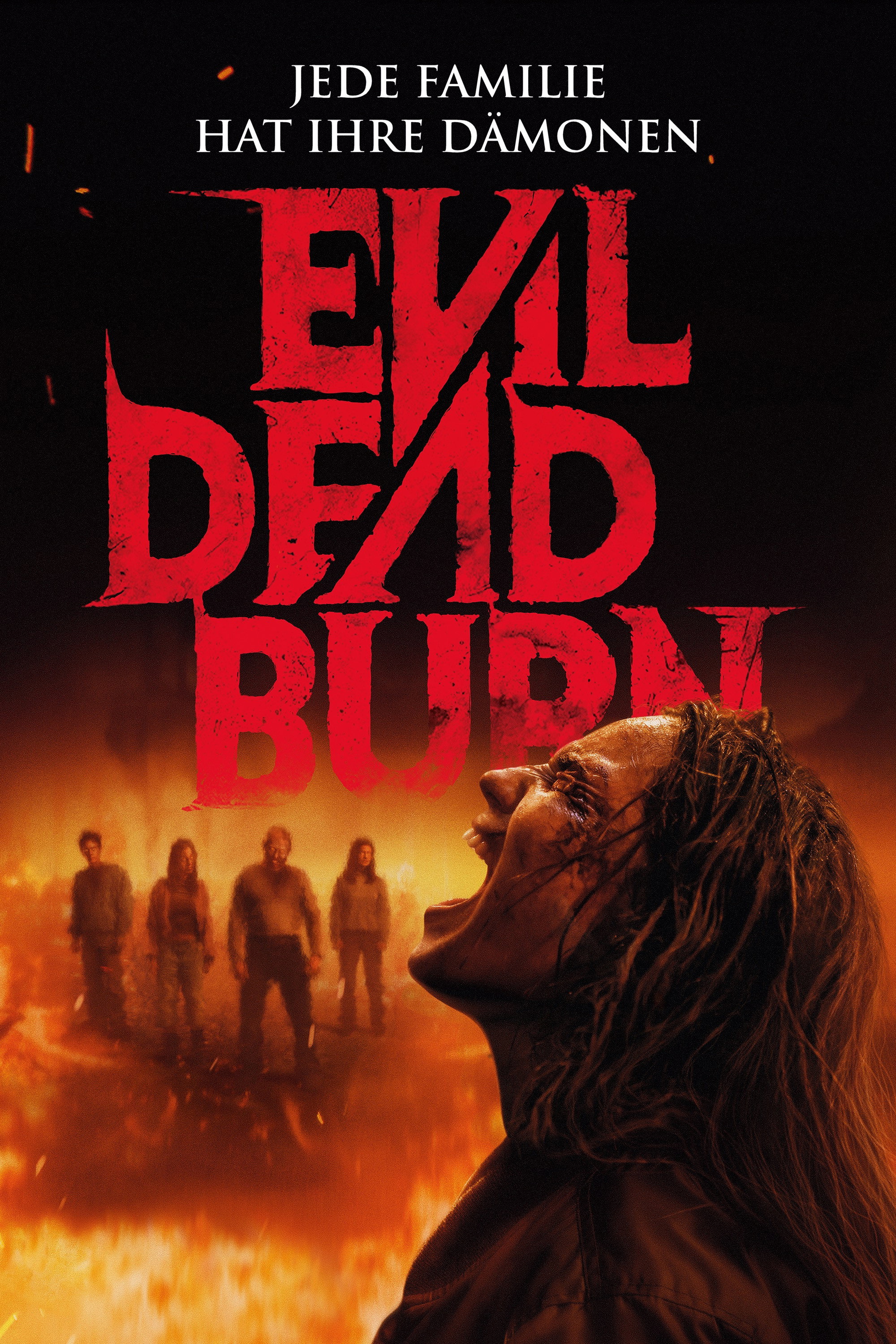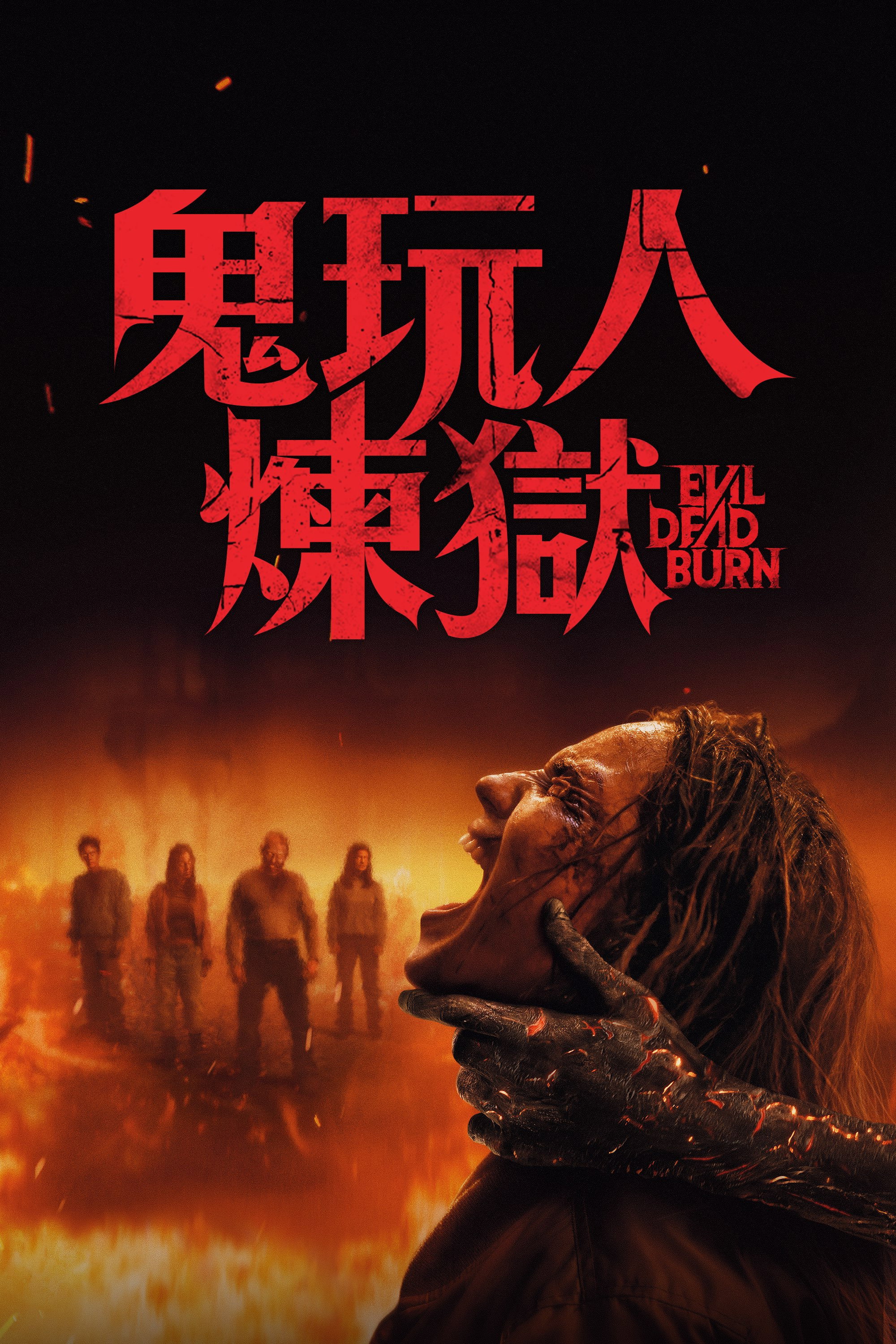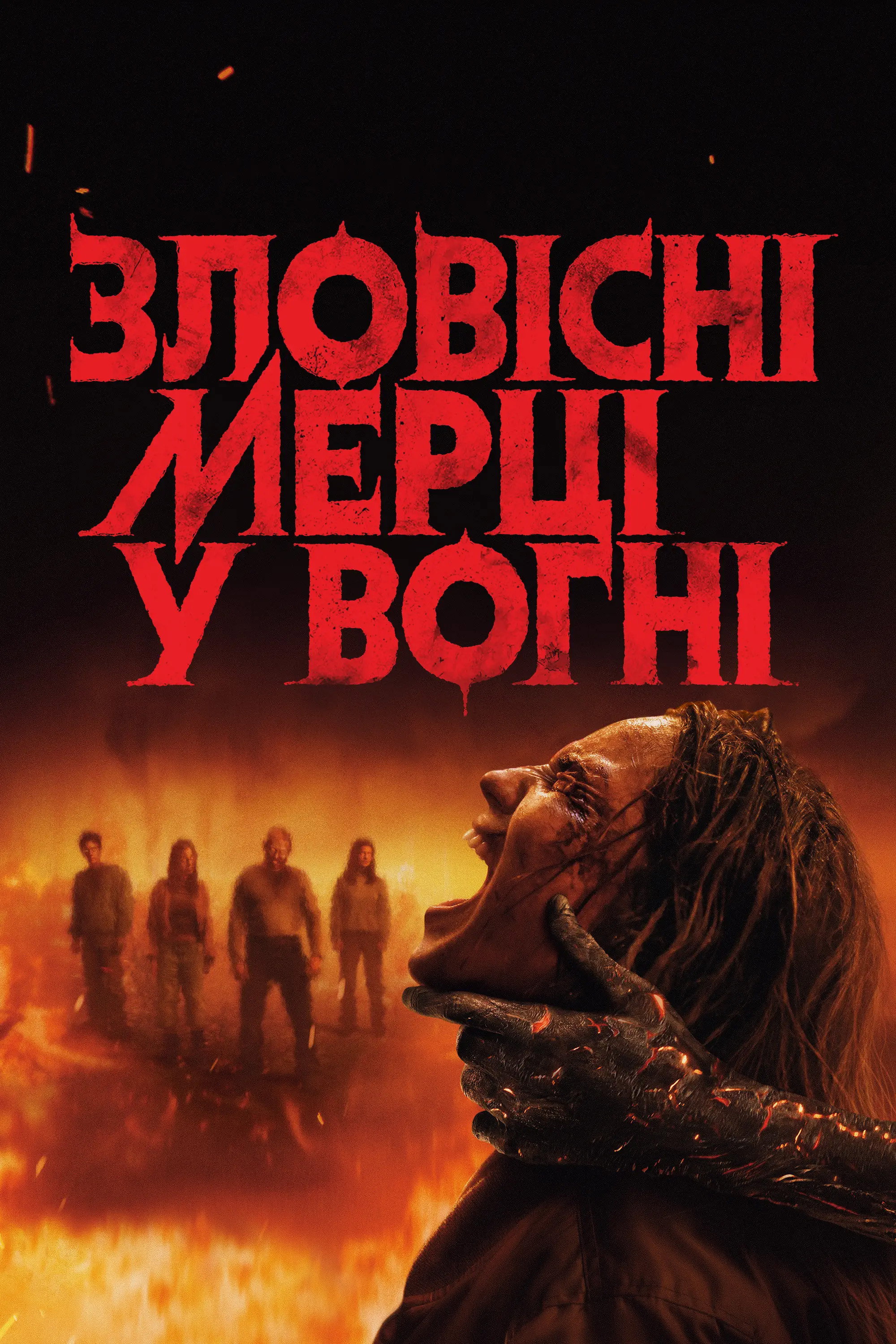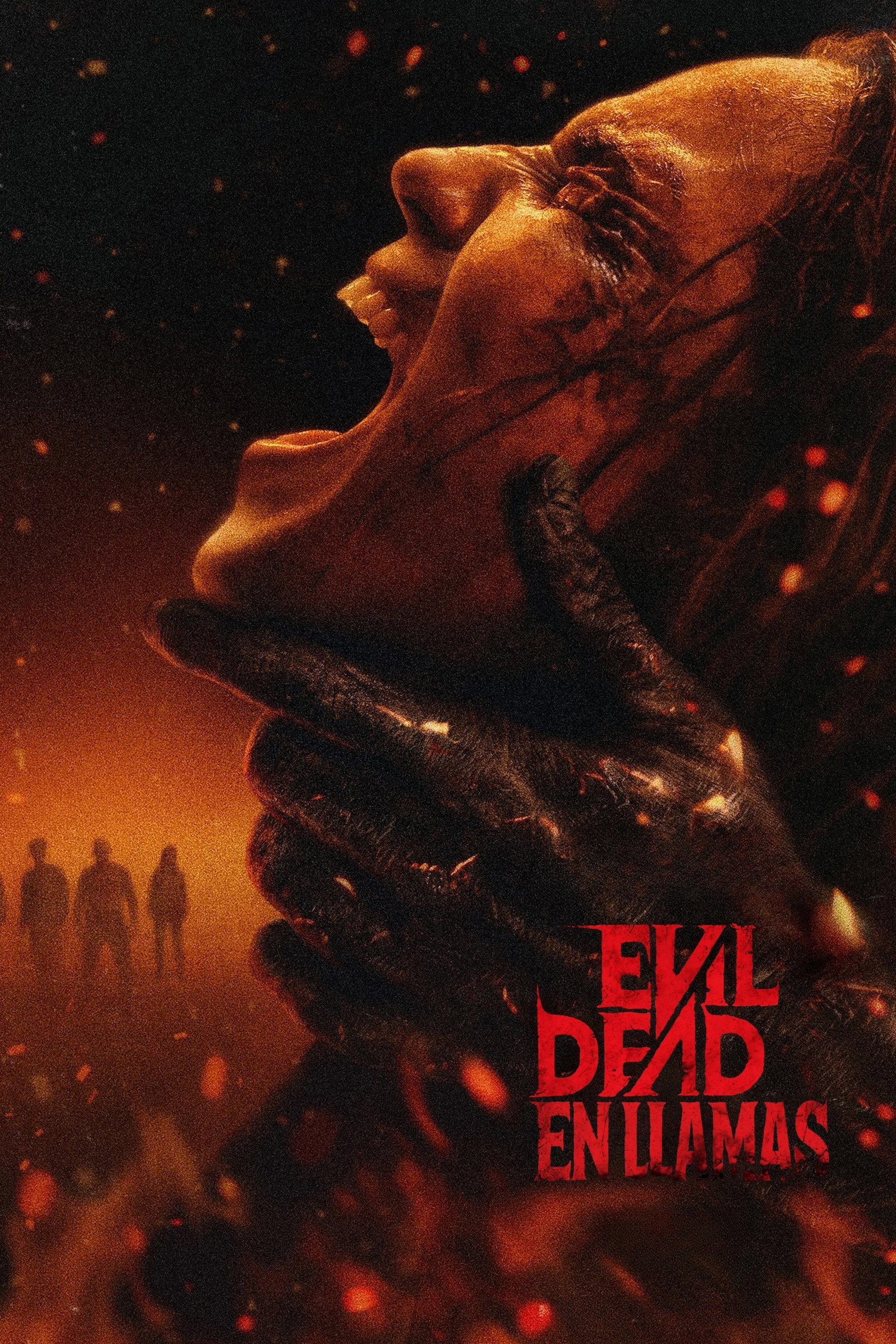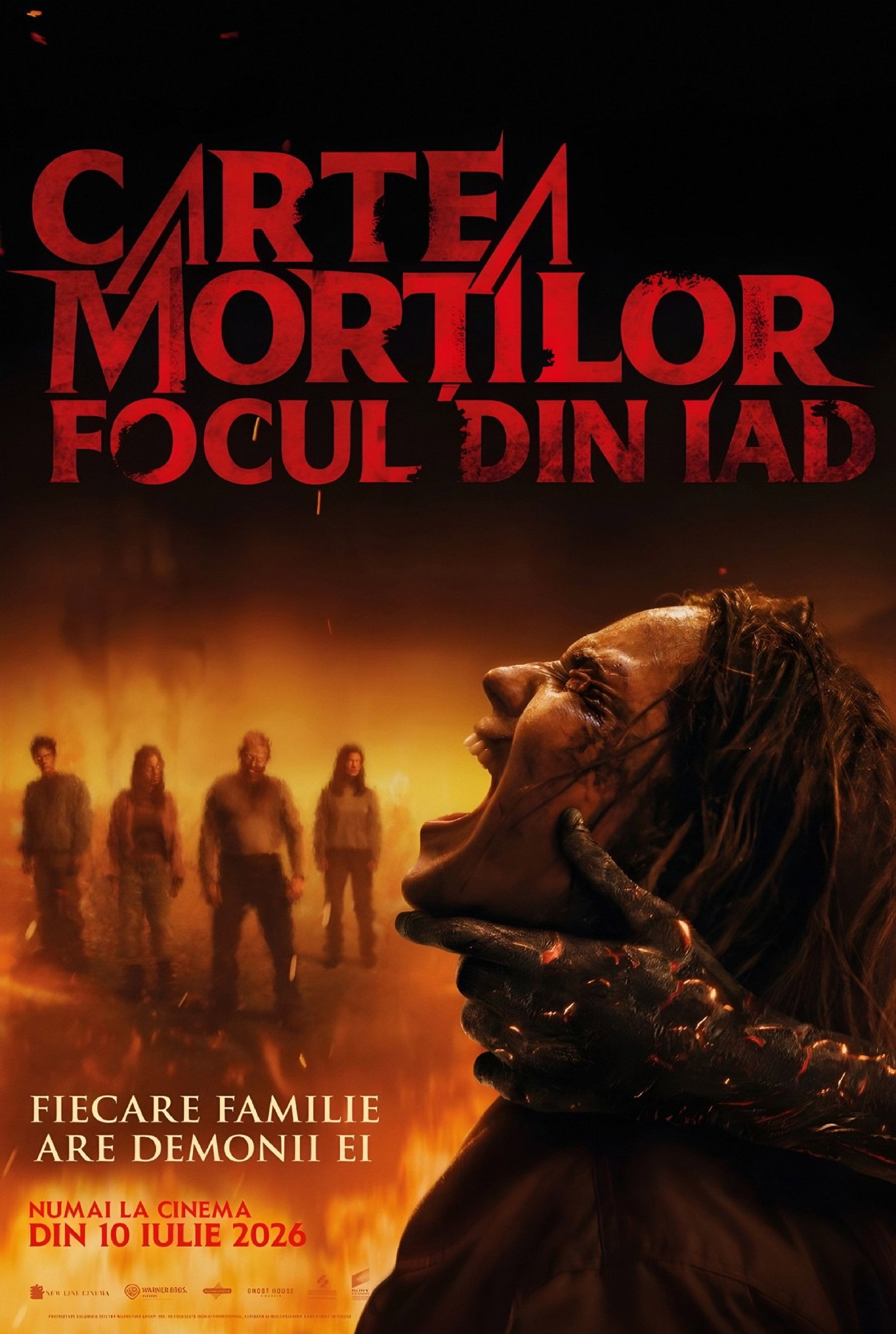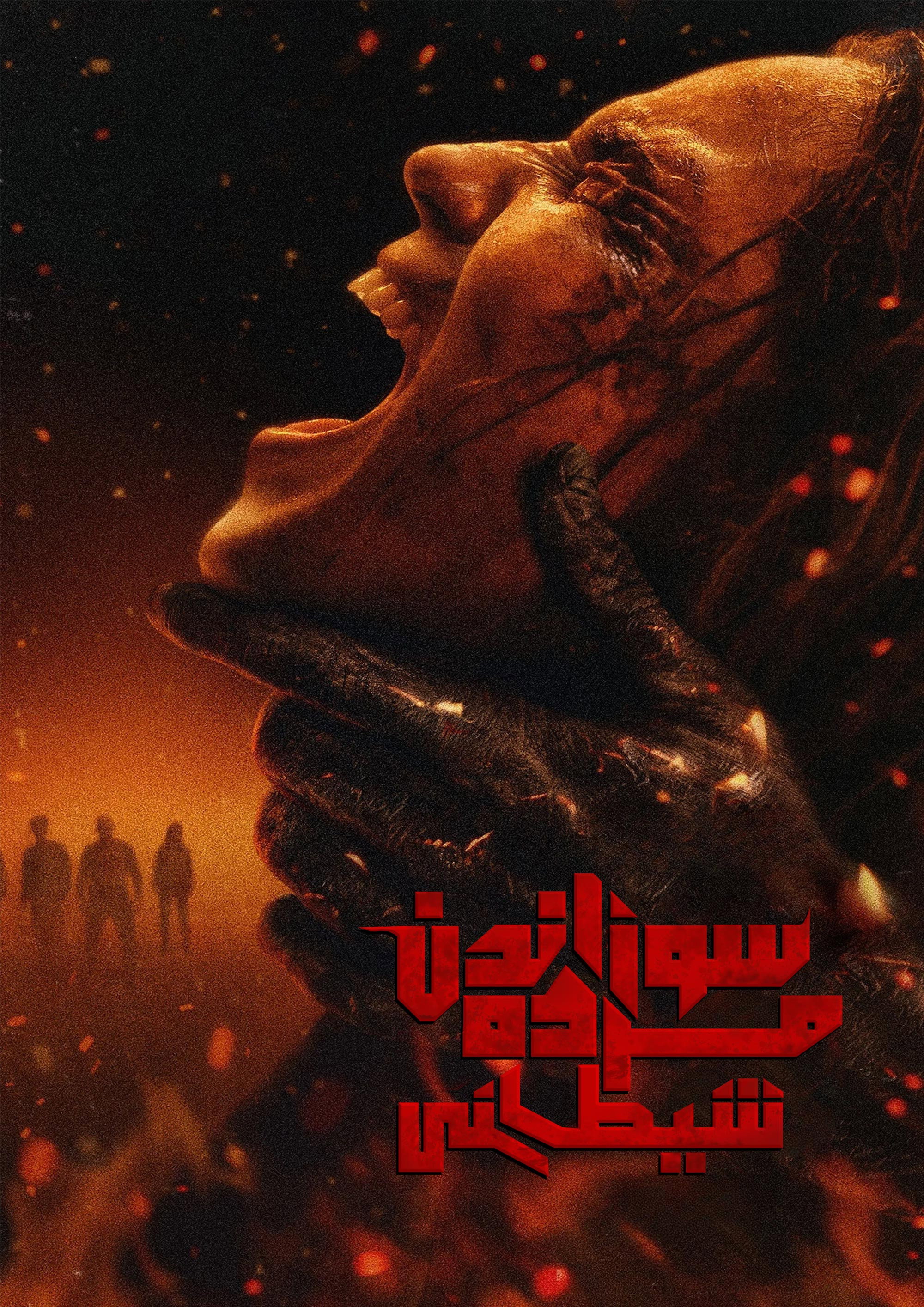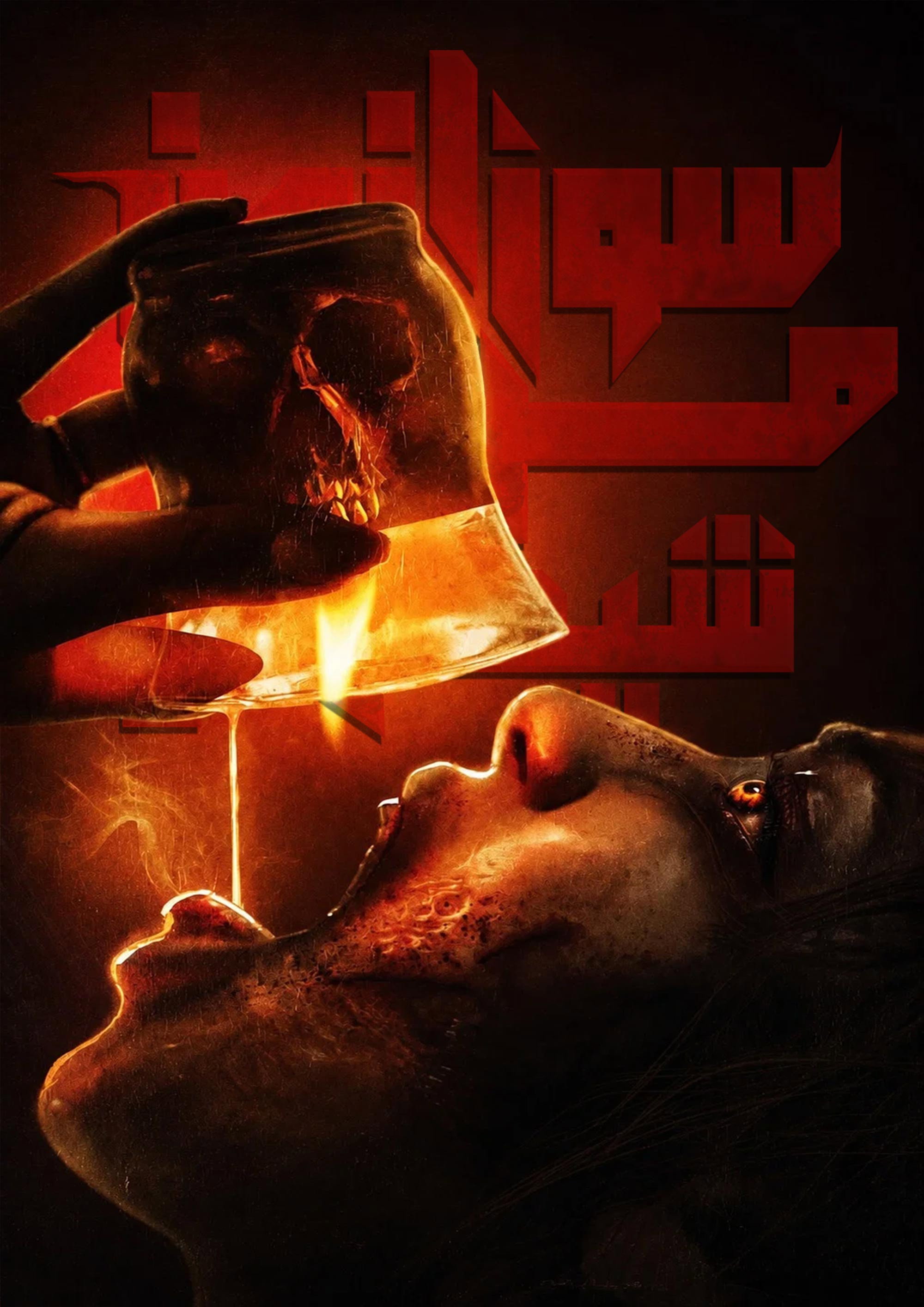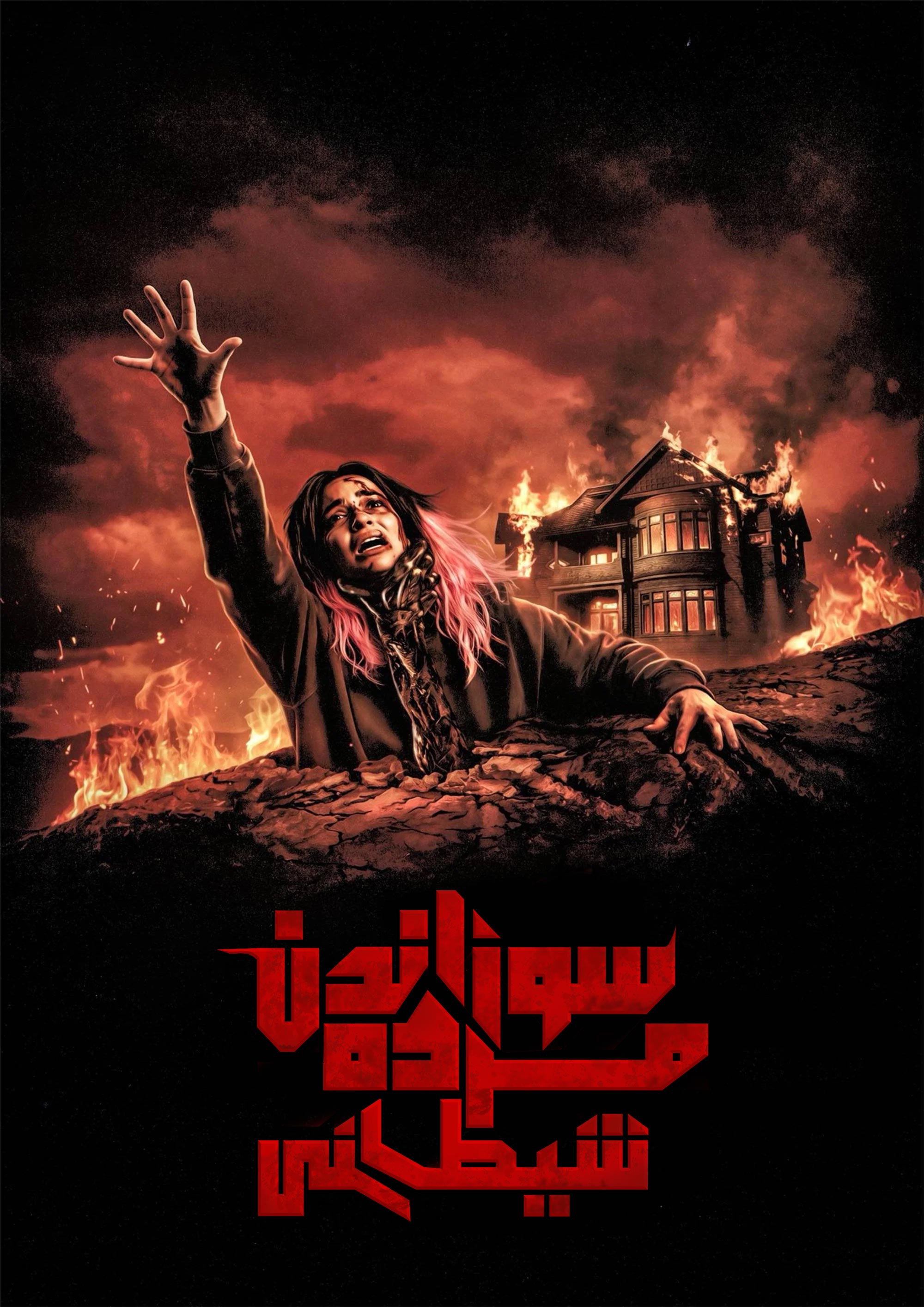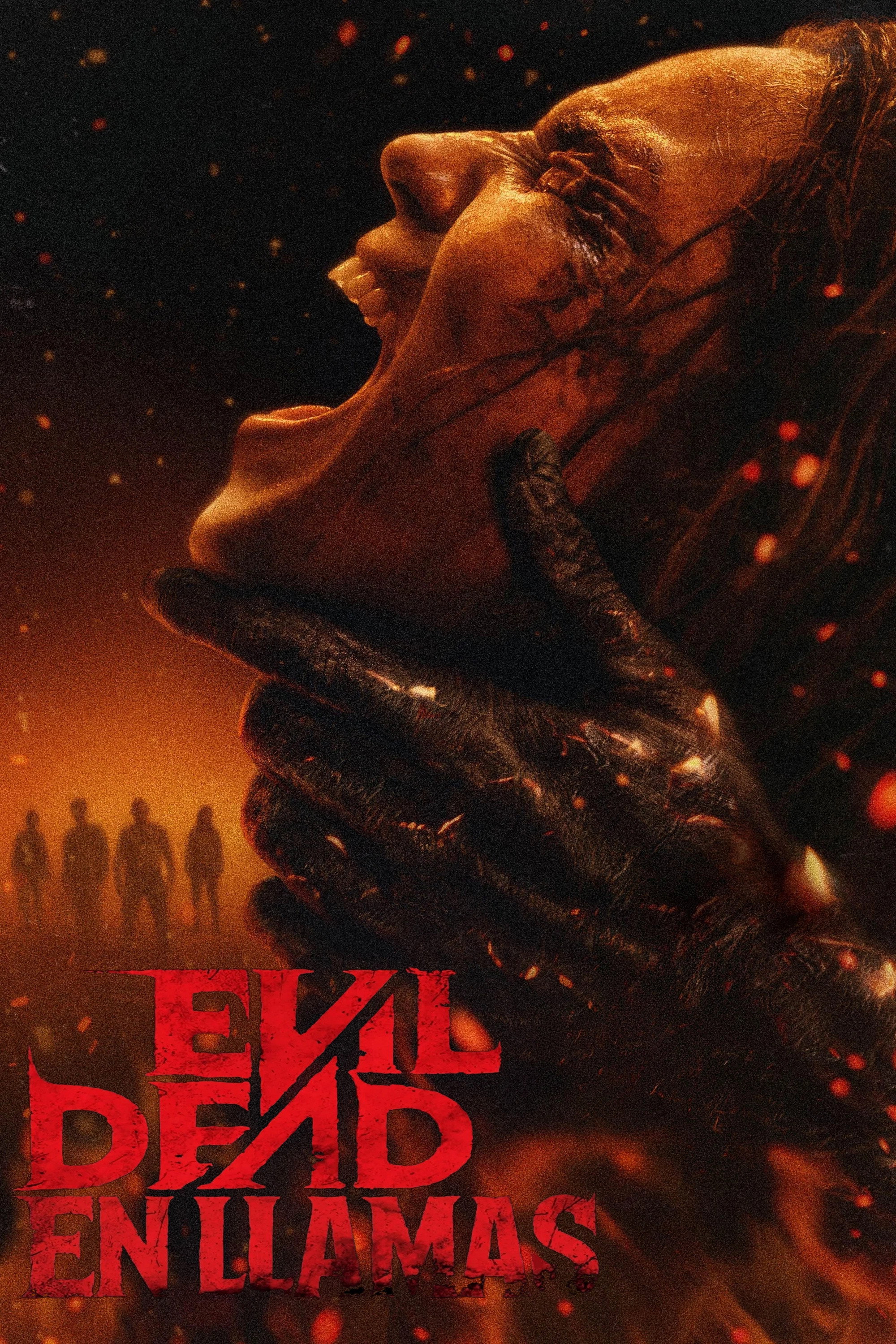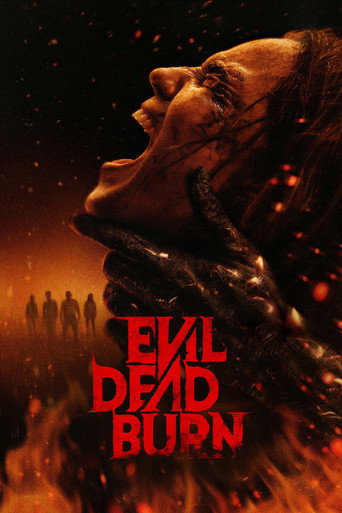
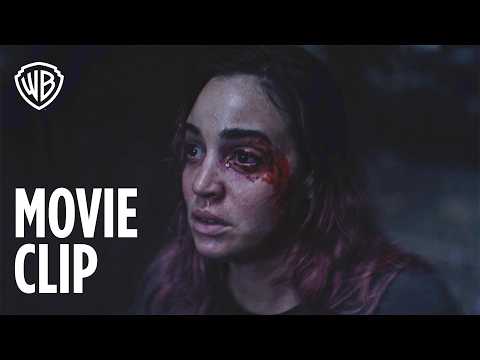
Evil Dead Burn (2026)

US
Runtime
110 min
Release
July 7, 2026
Budget
$20,000,000
Revenue
$71,491,178
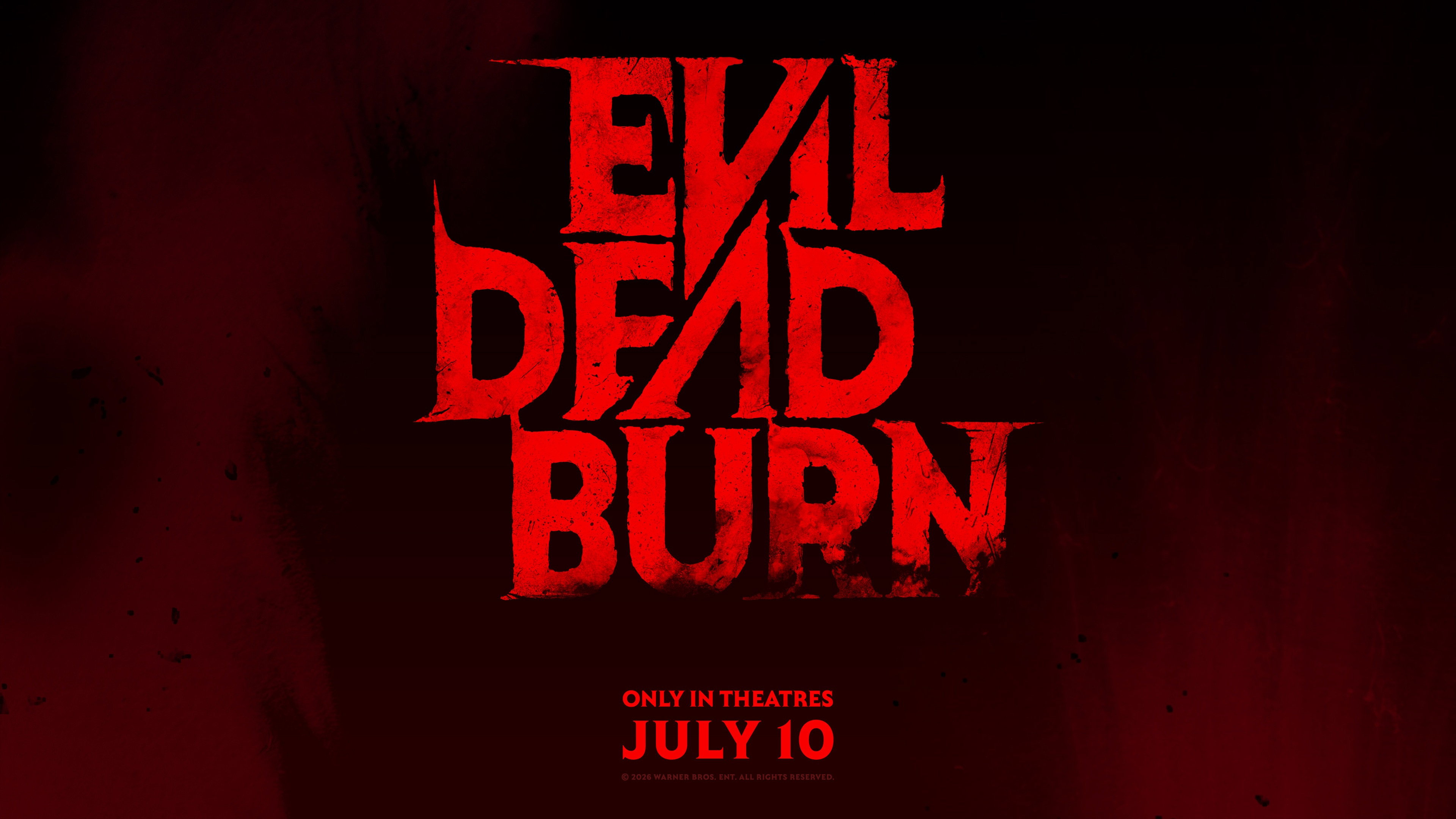
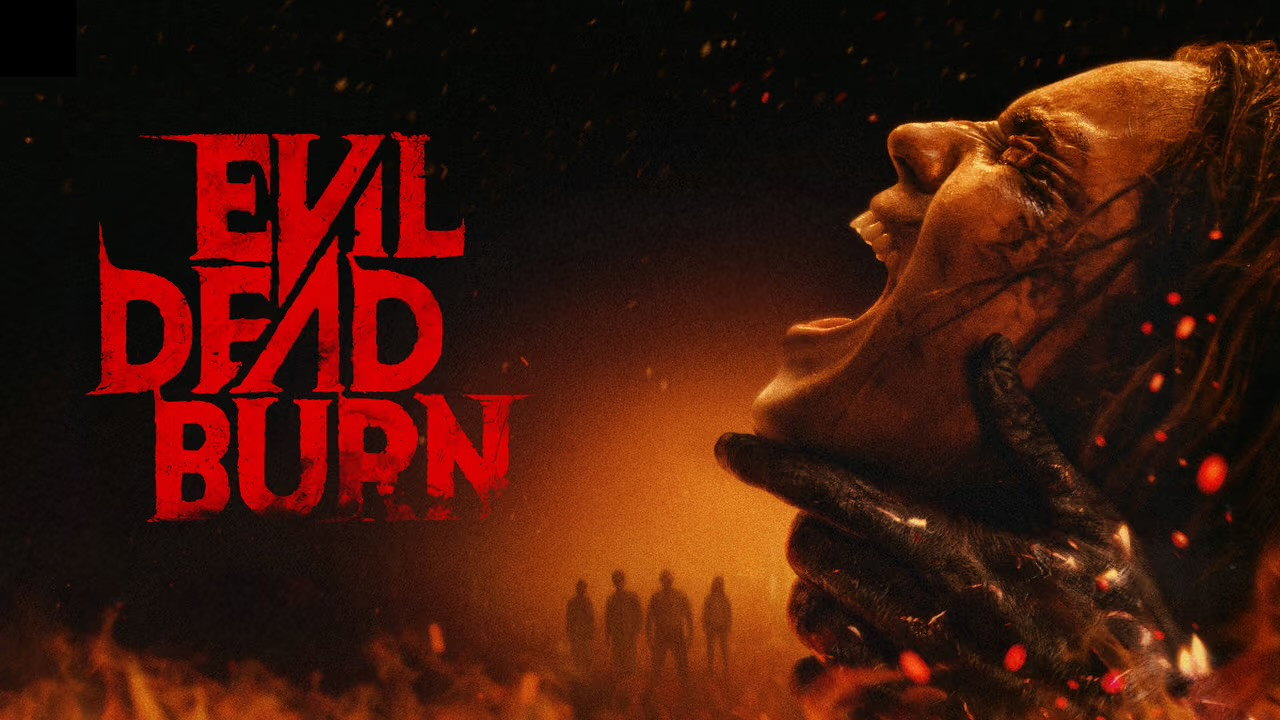
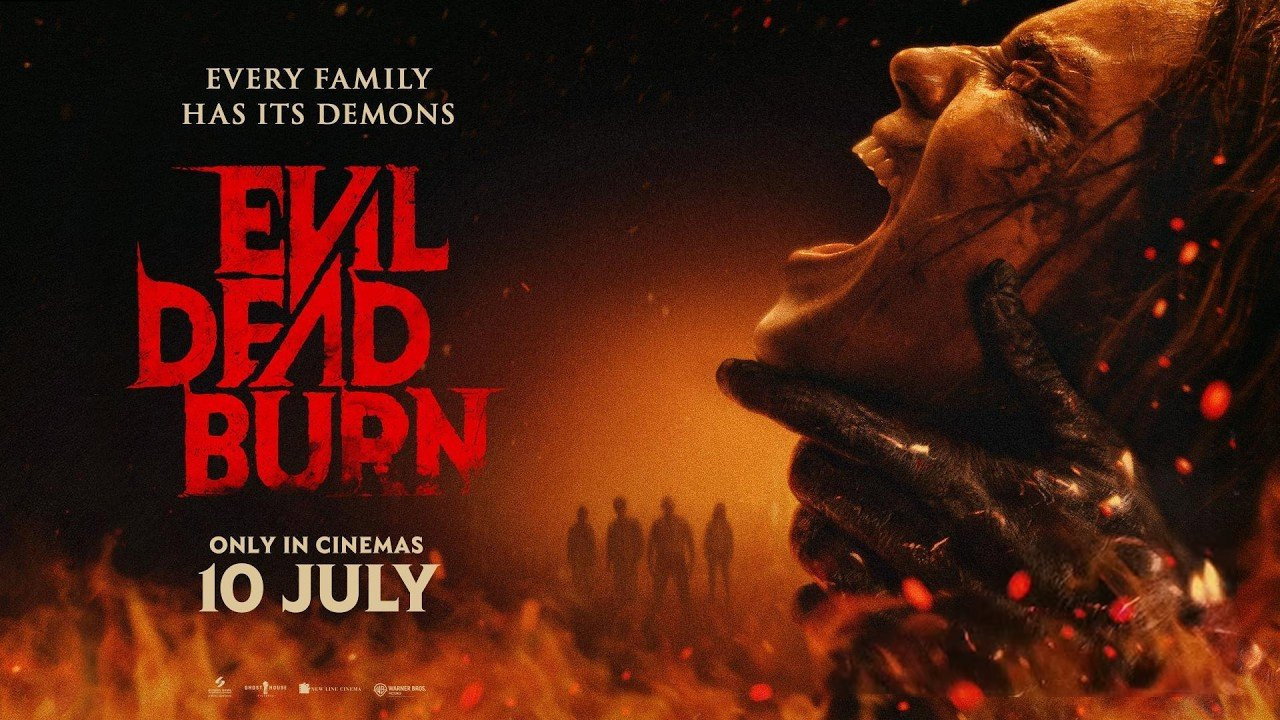
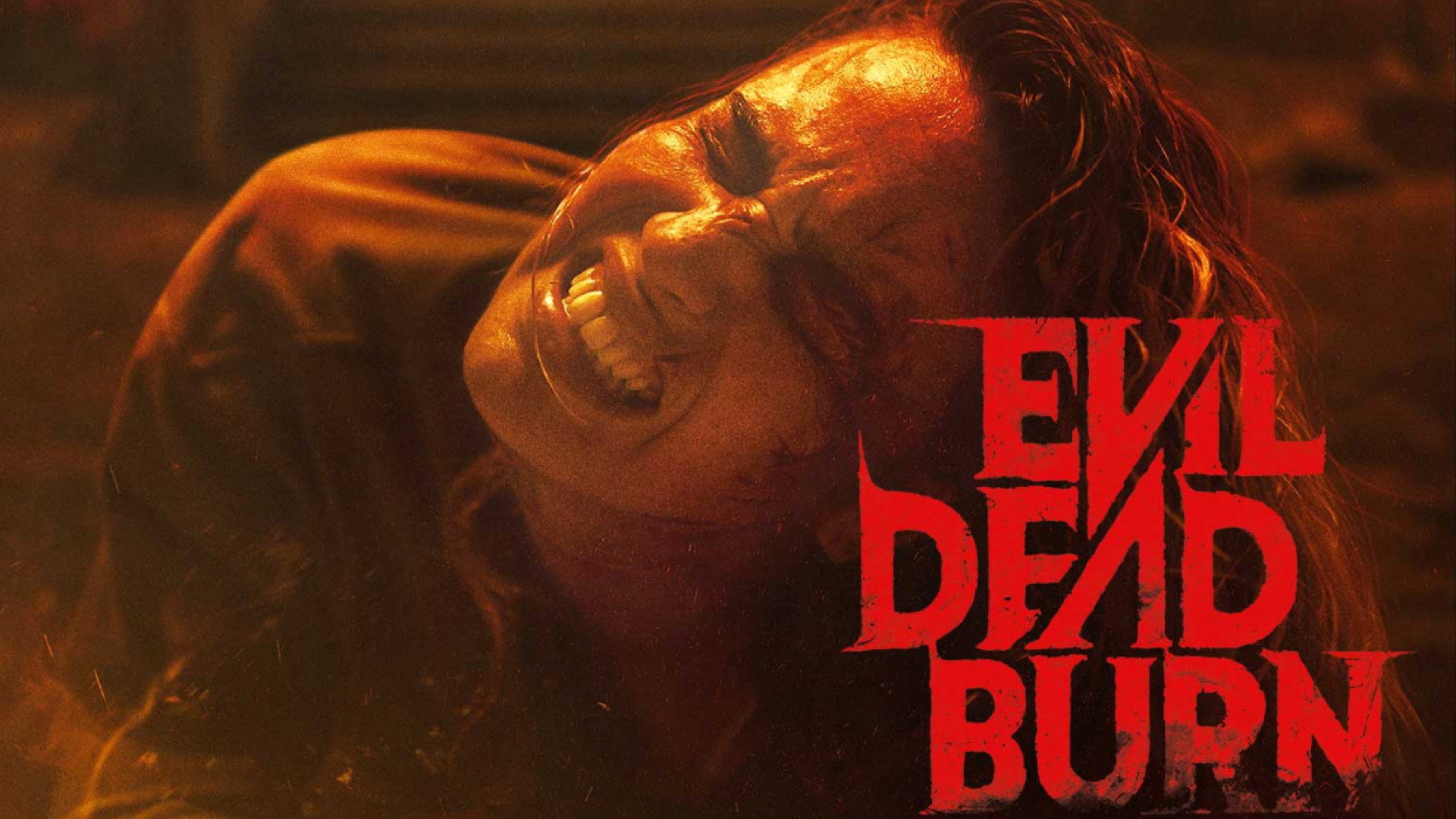
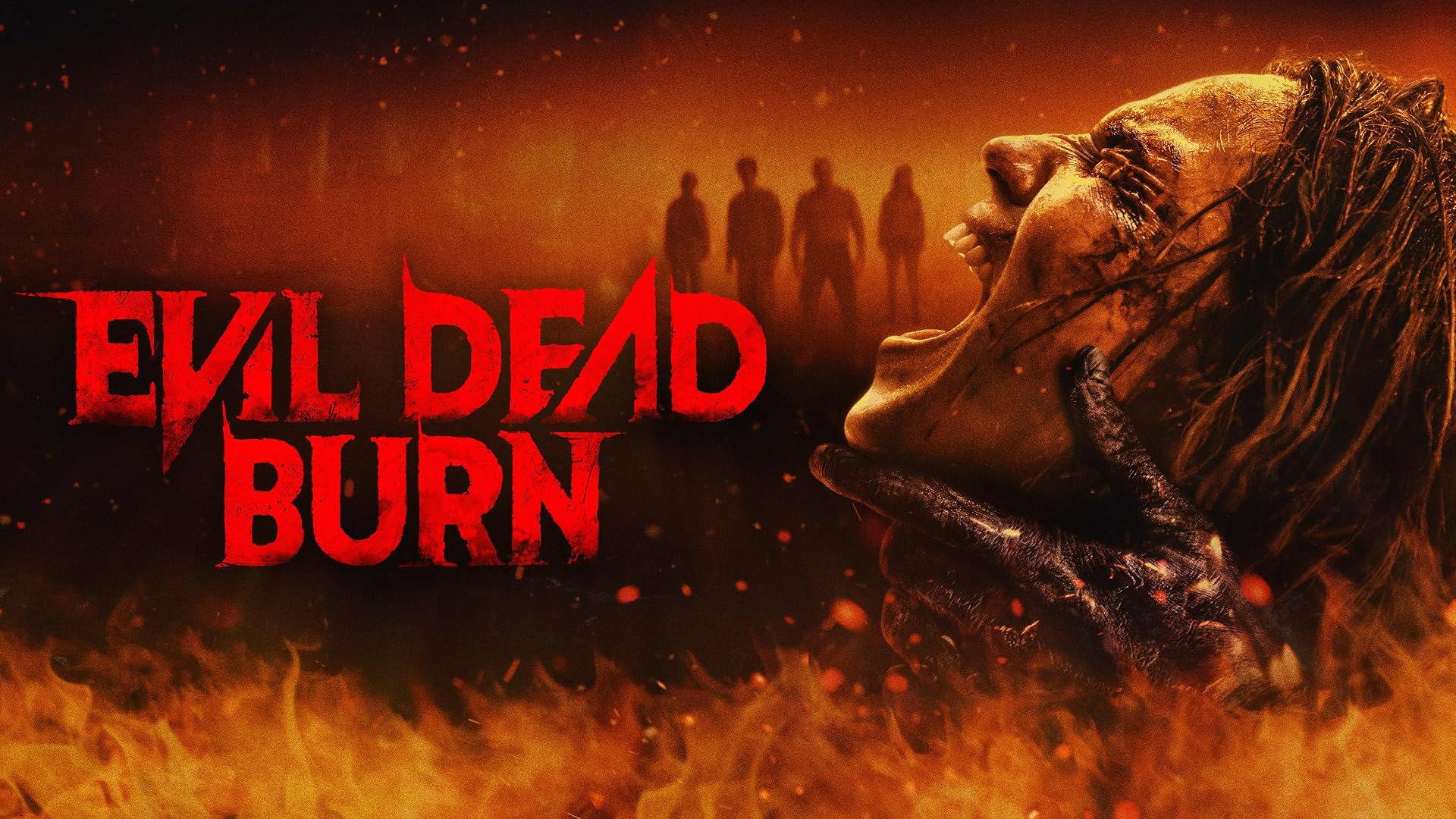
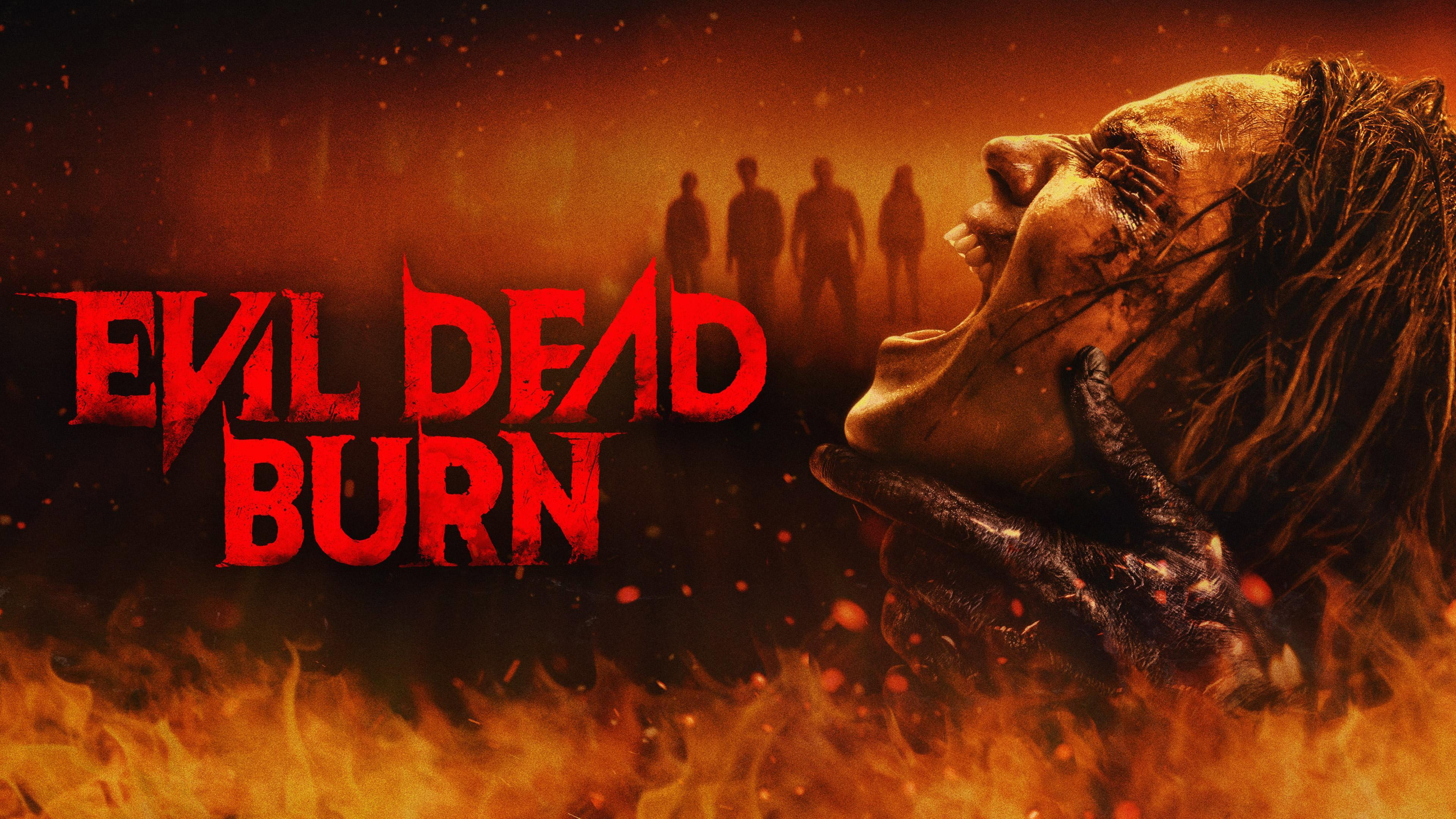
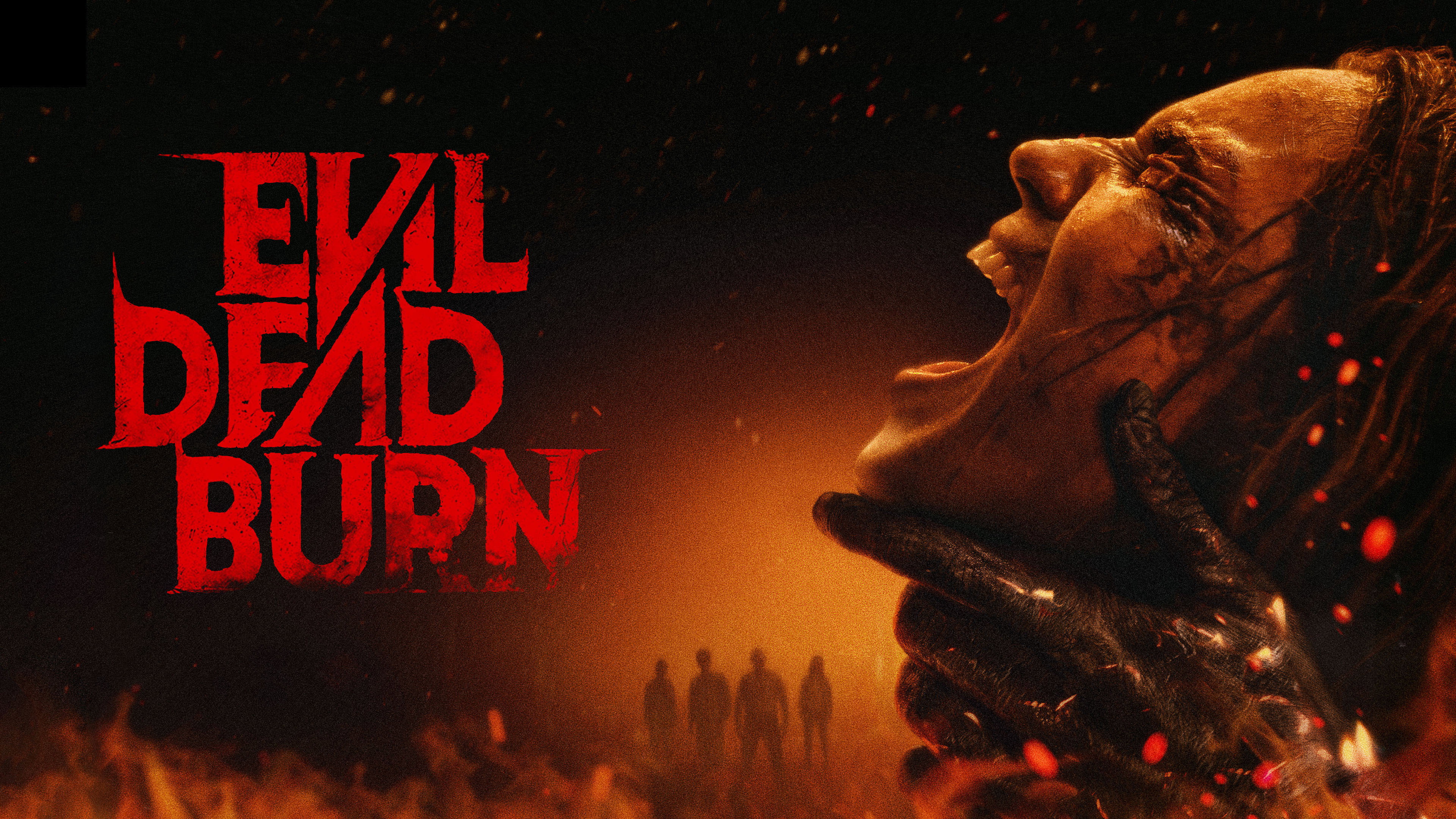
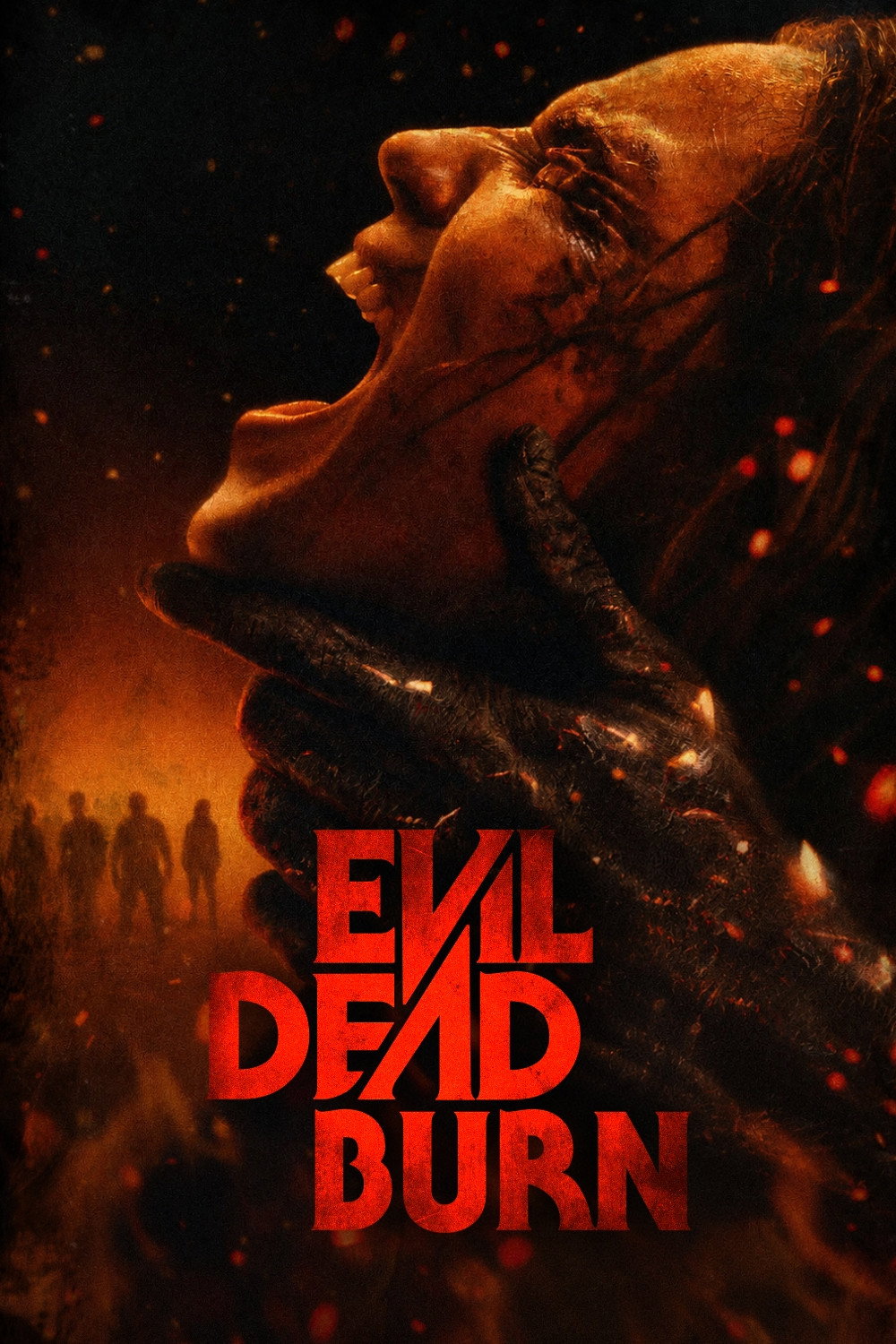
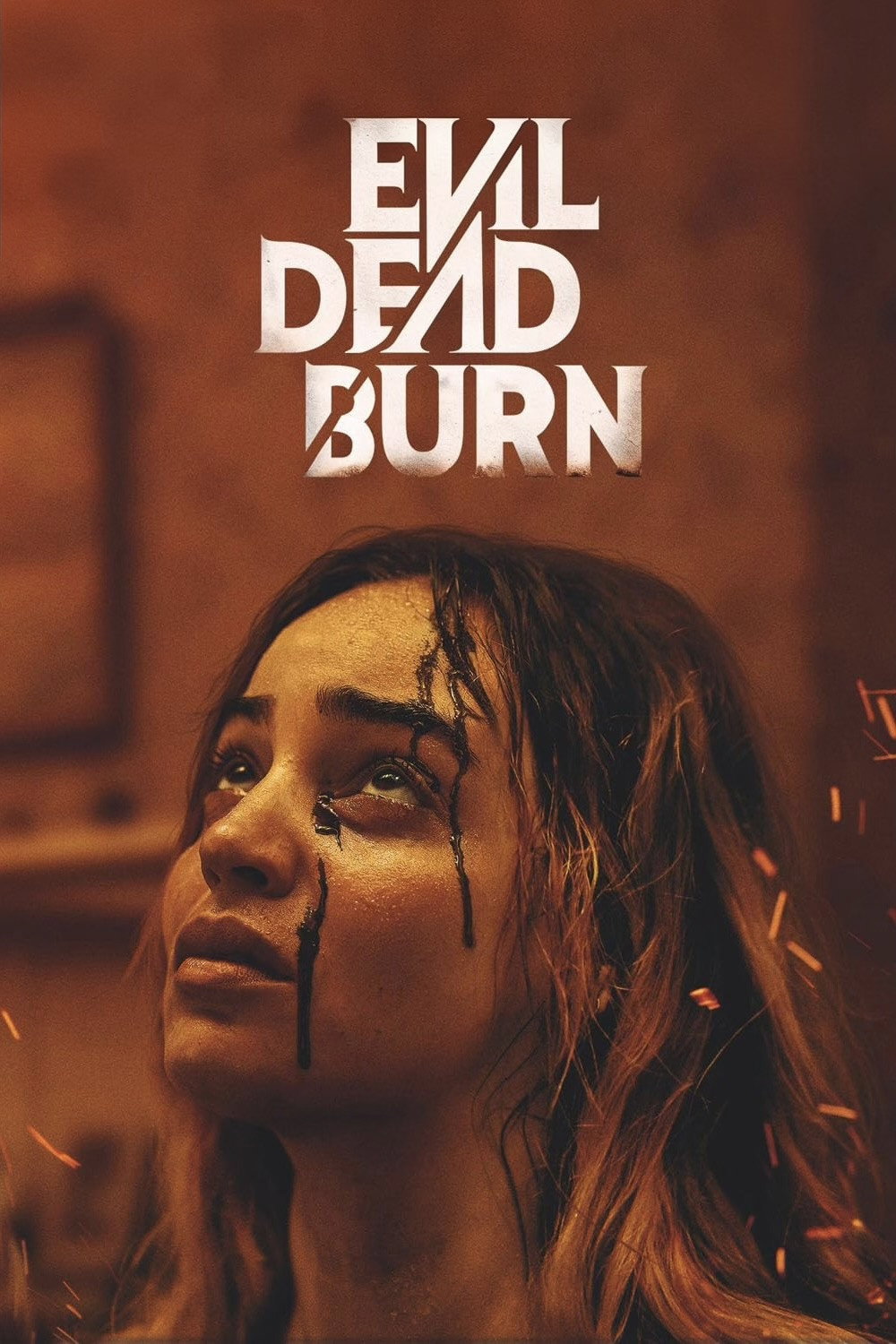
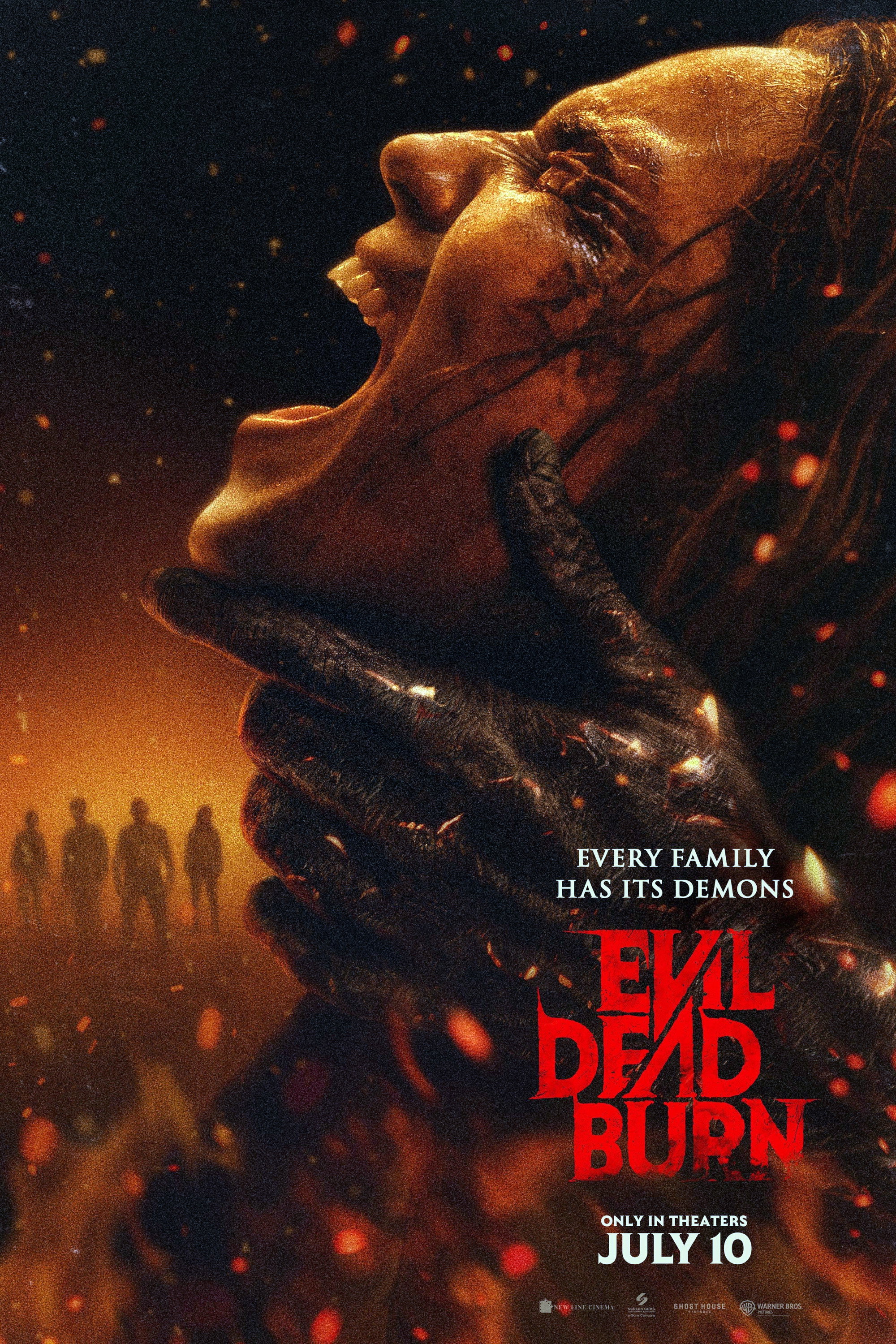
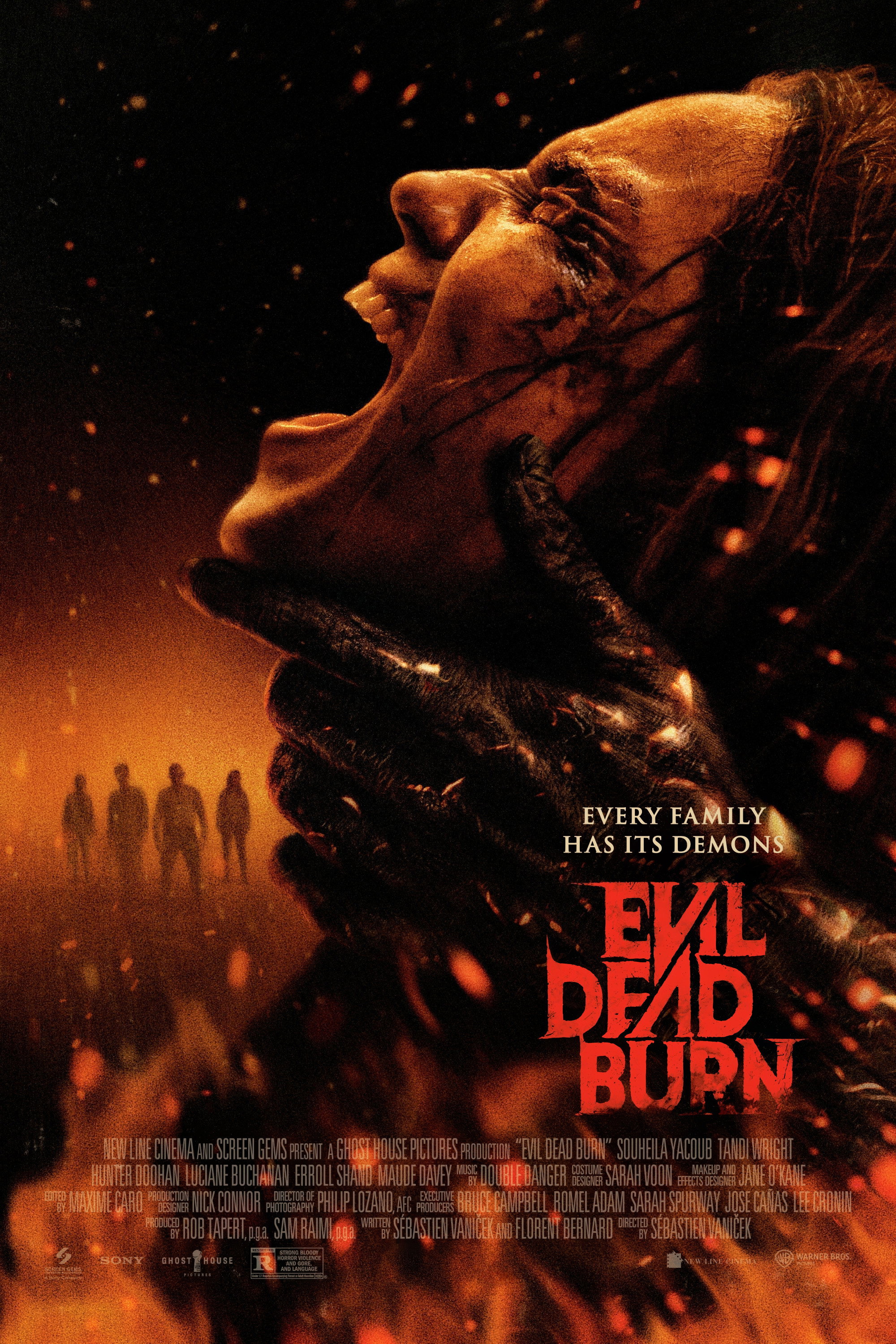
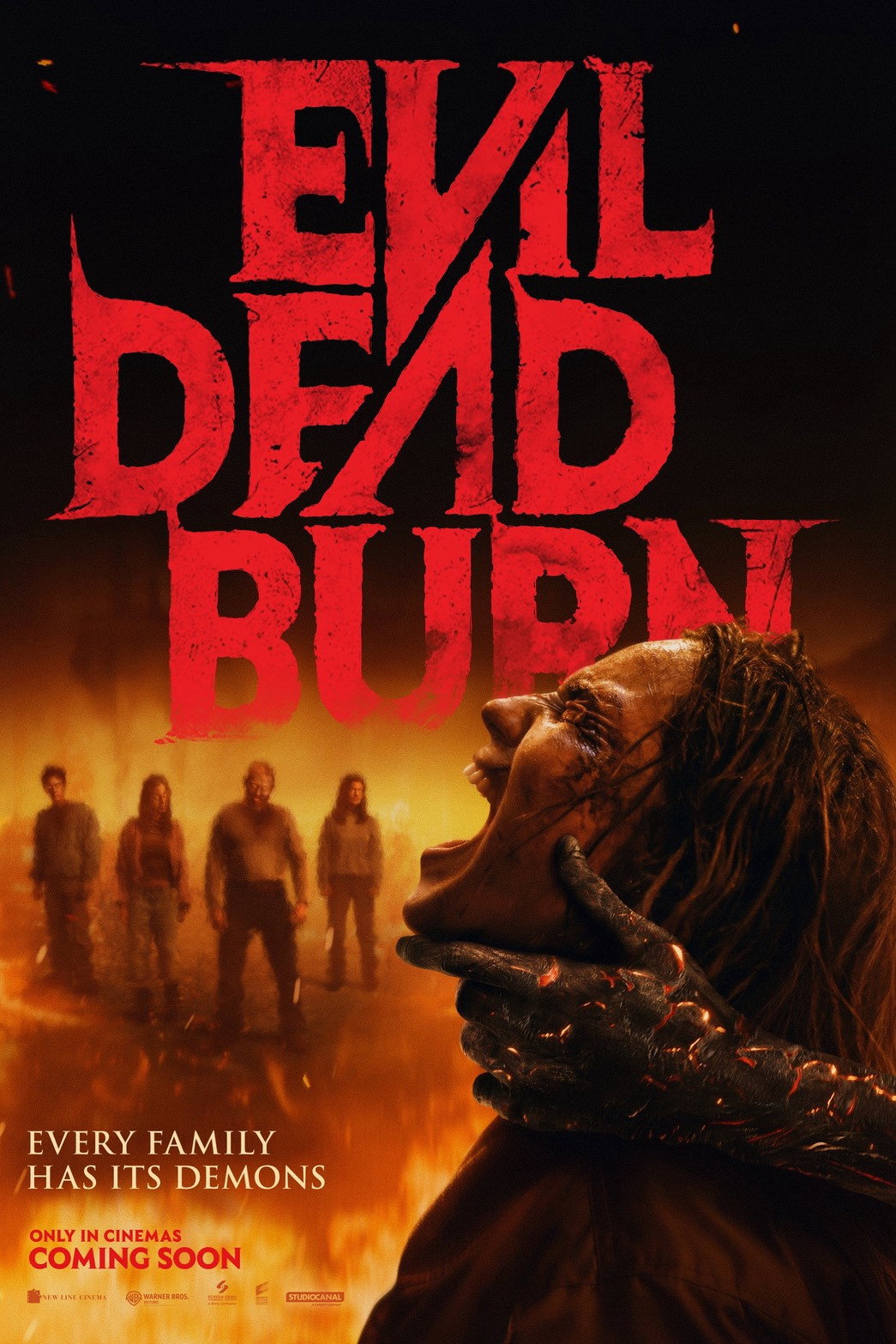
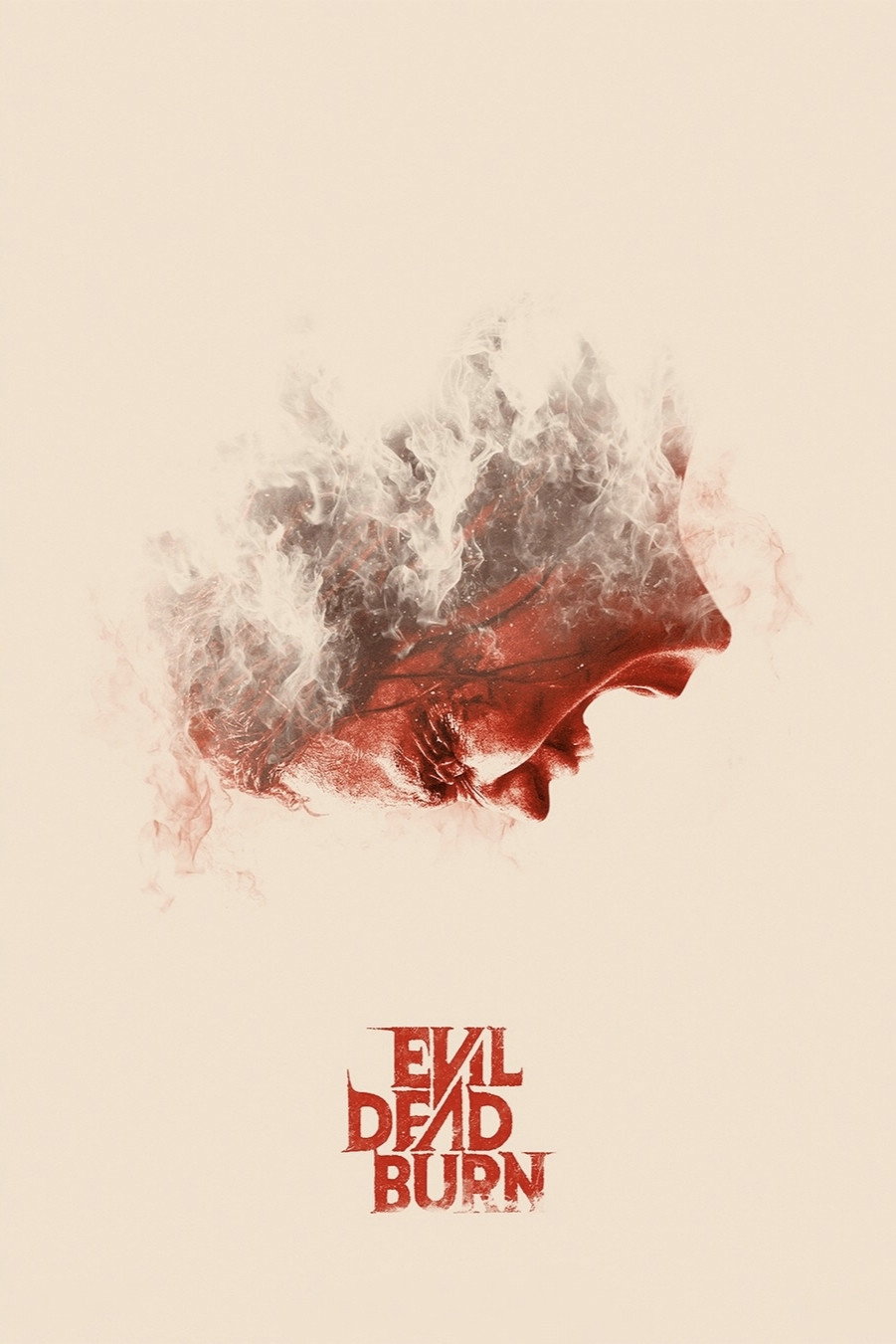
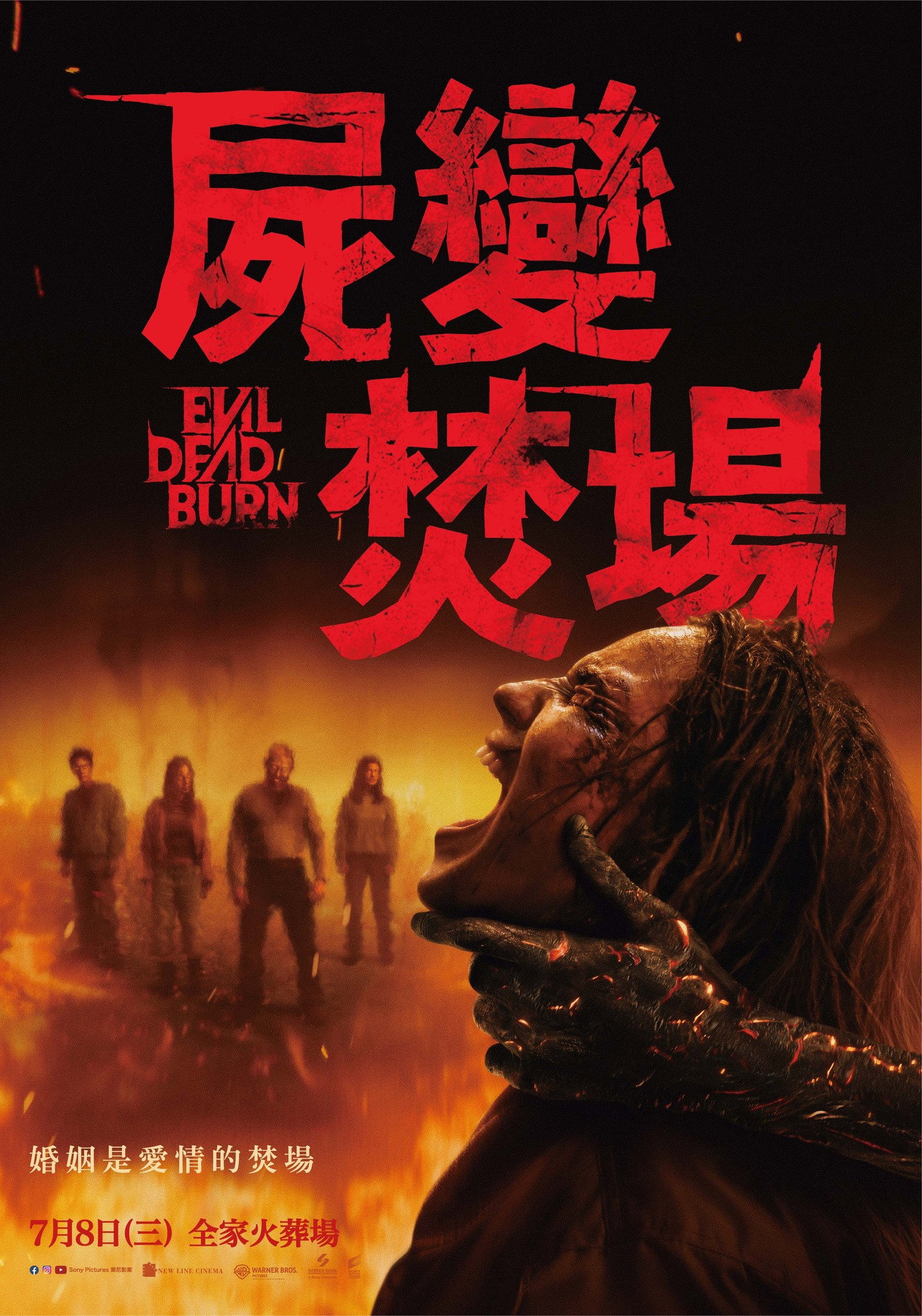
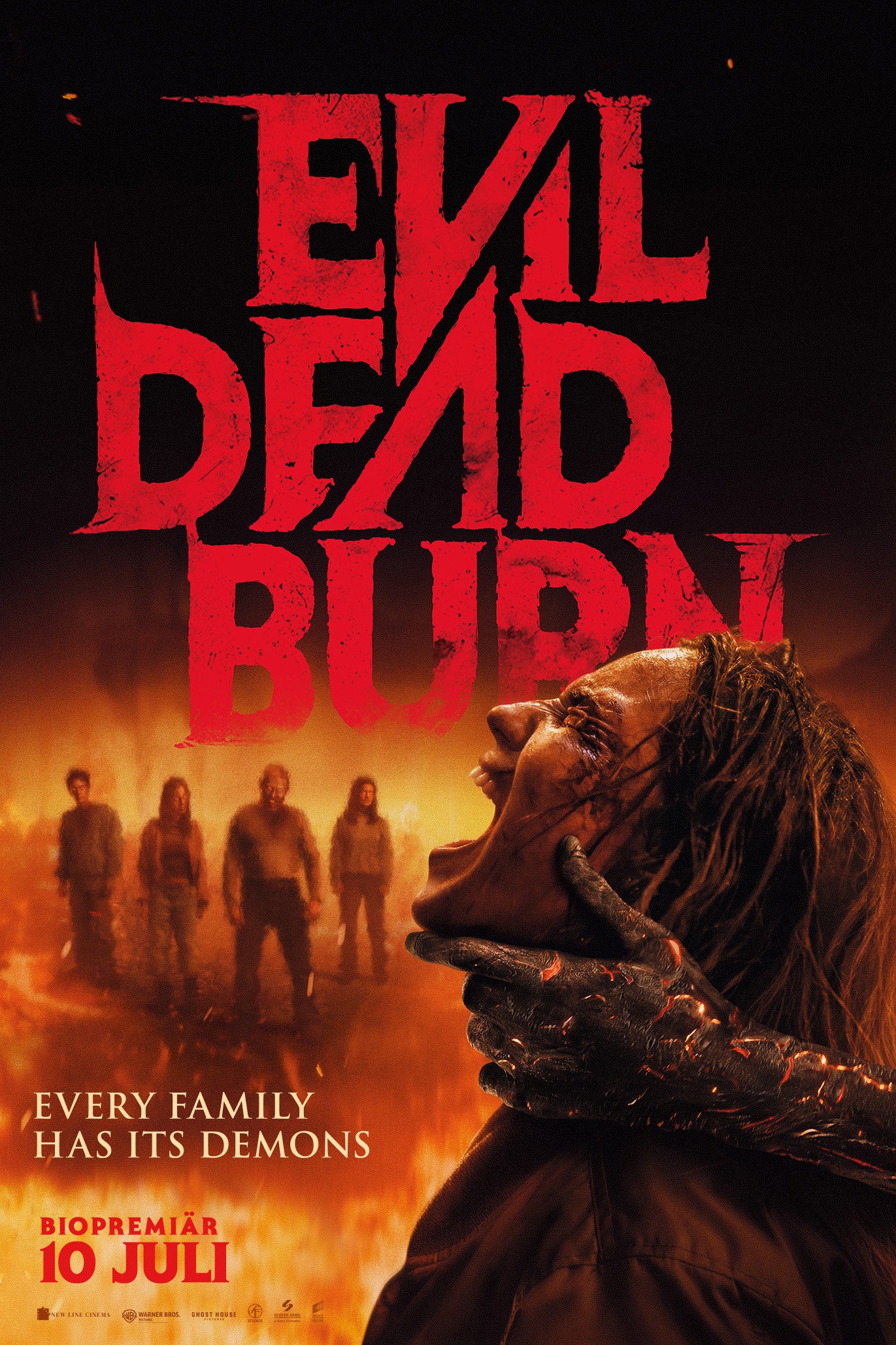
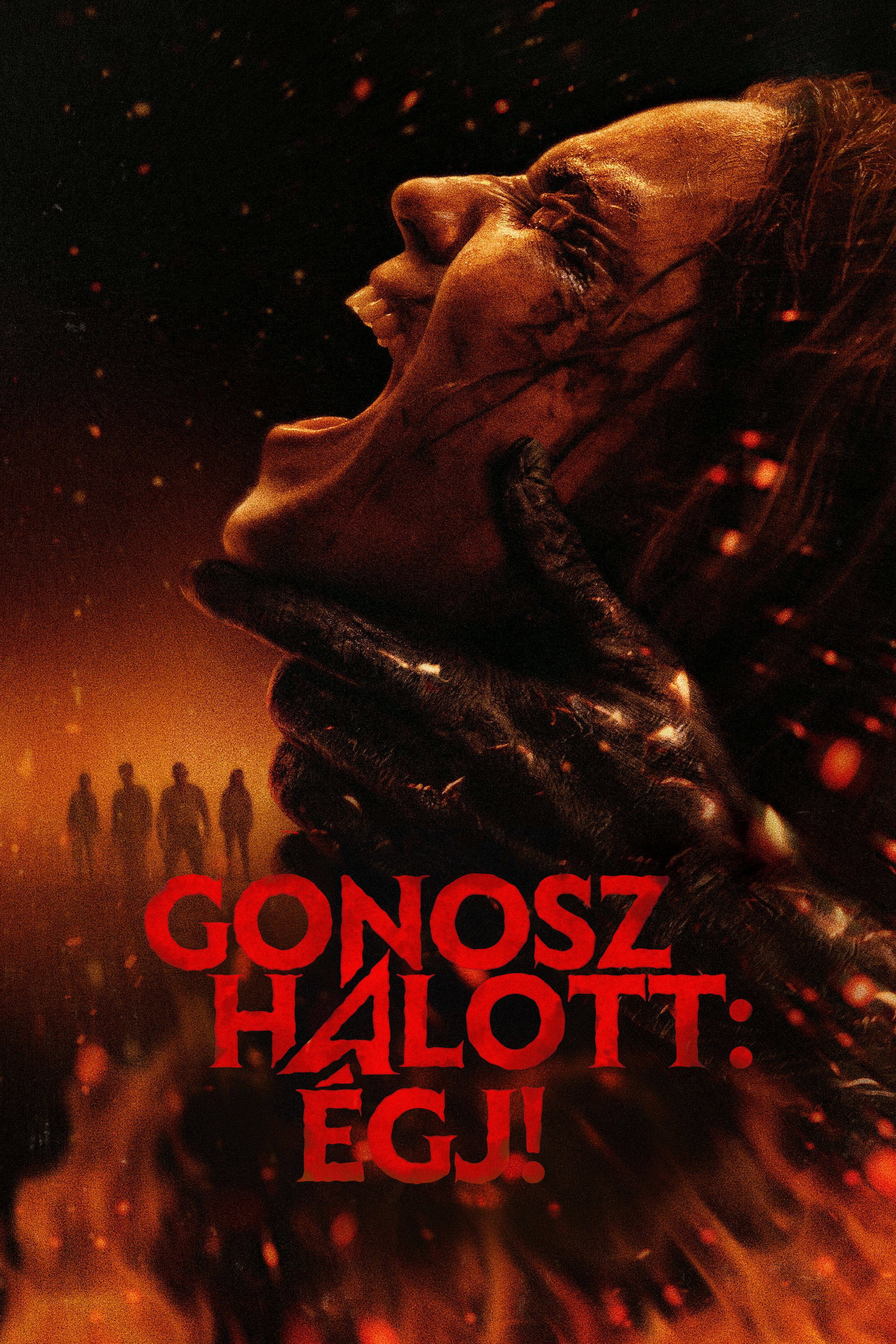
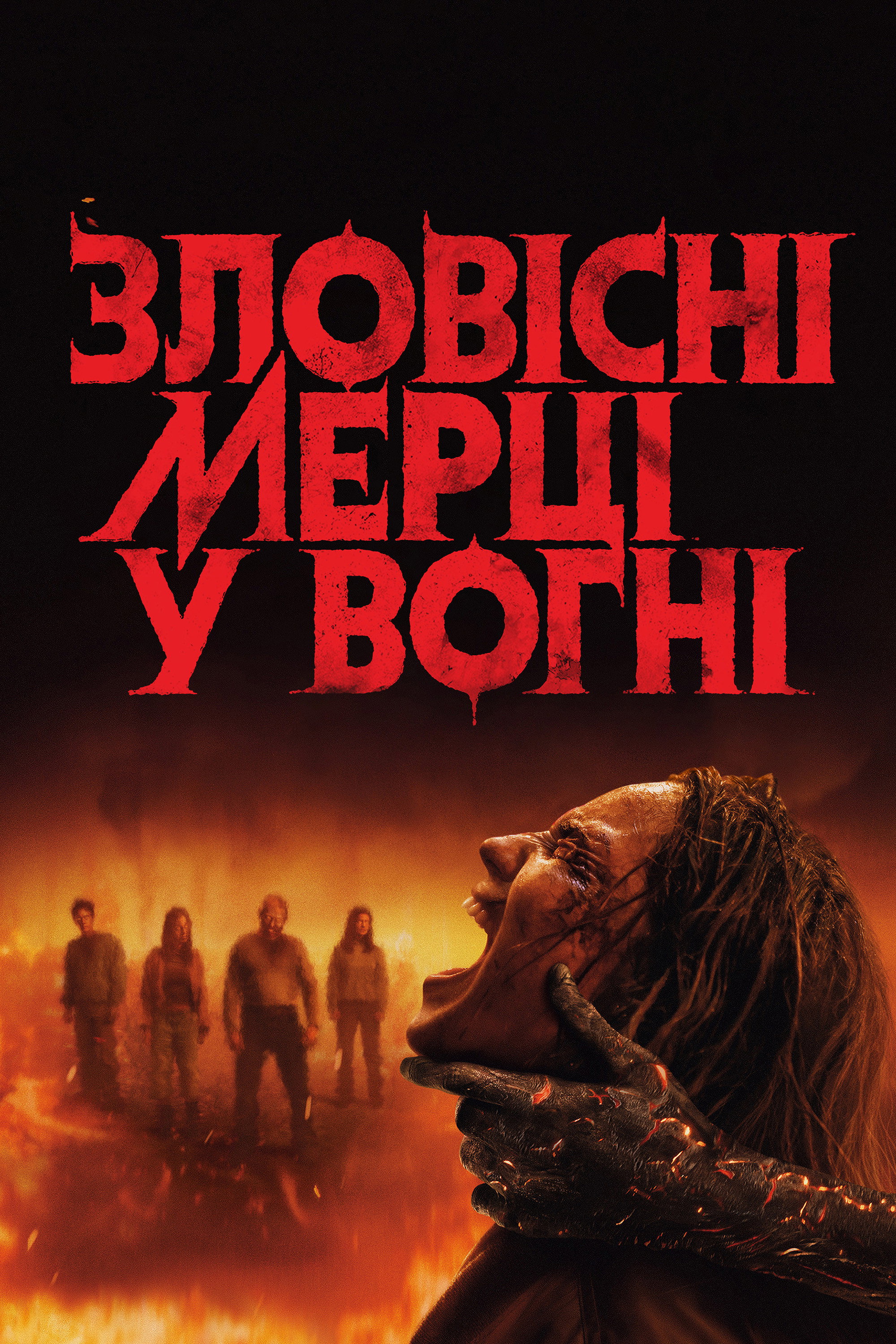
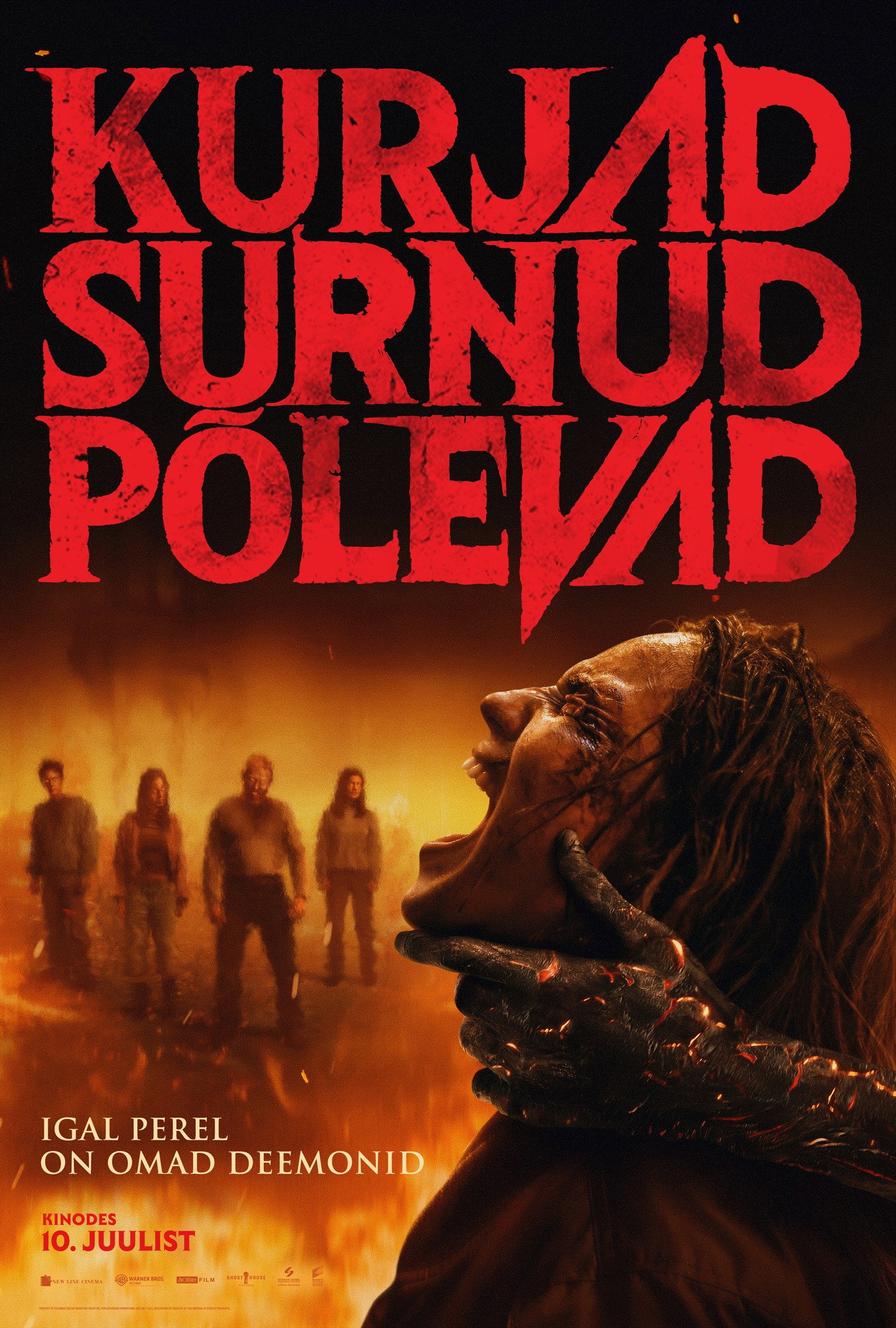
Evil Dead Burn (2026) poster
Production Companies
New Line Cinema , Screen Gems , Ghost House Pictures
Plot

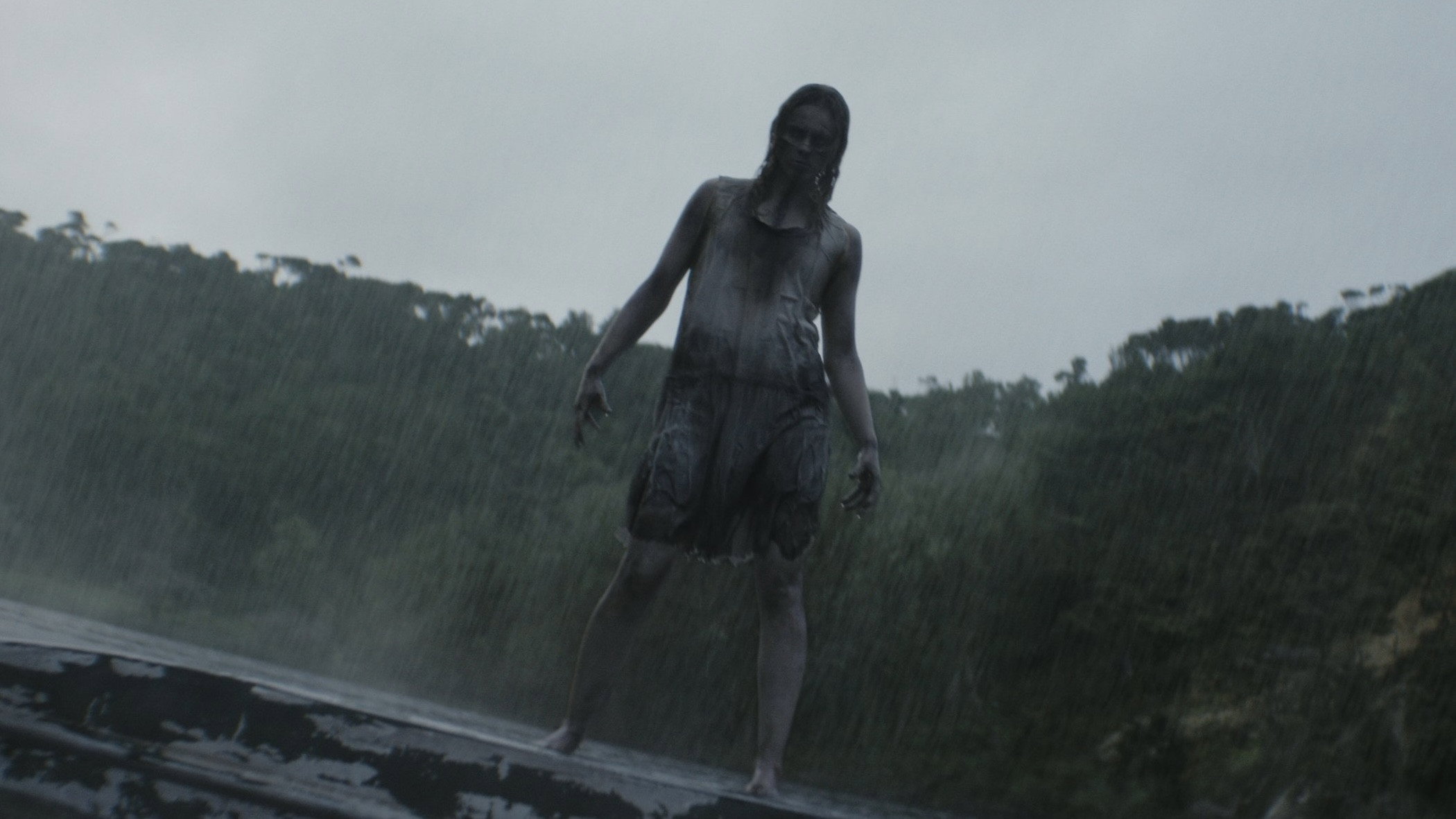
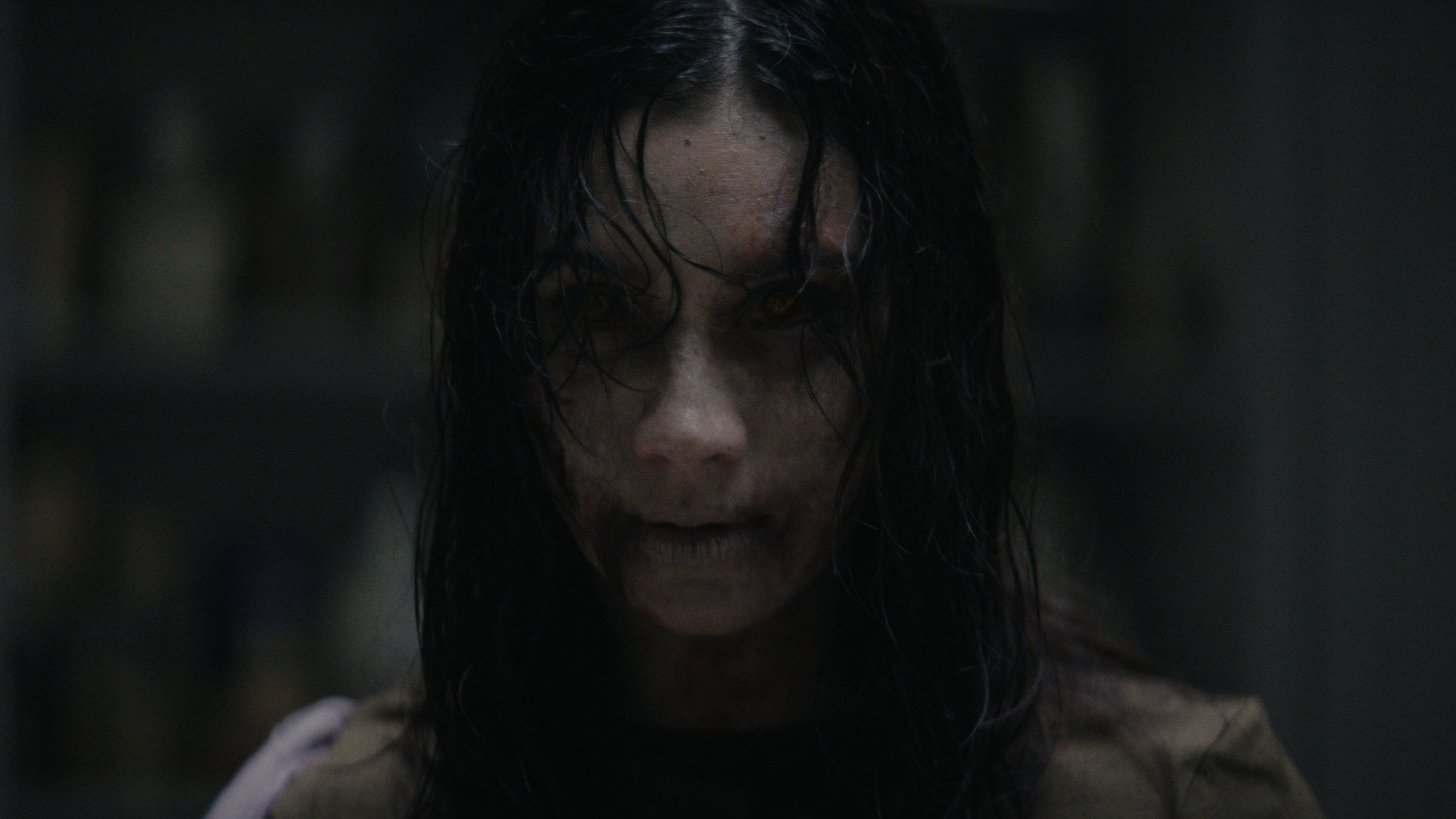
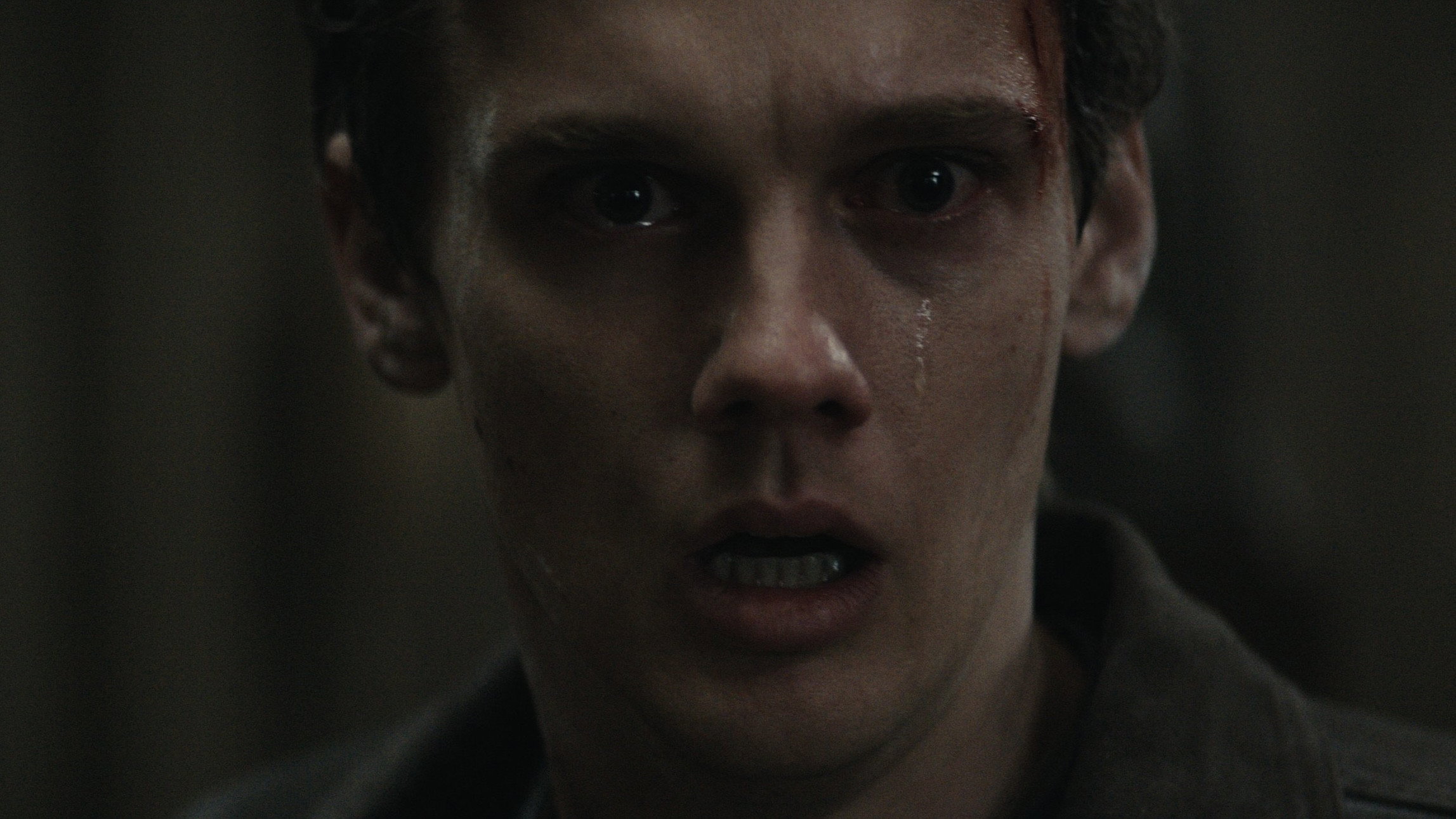
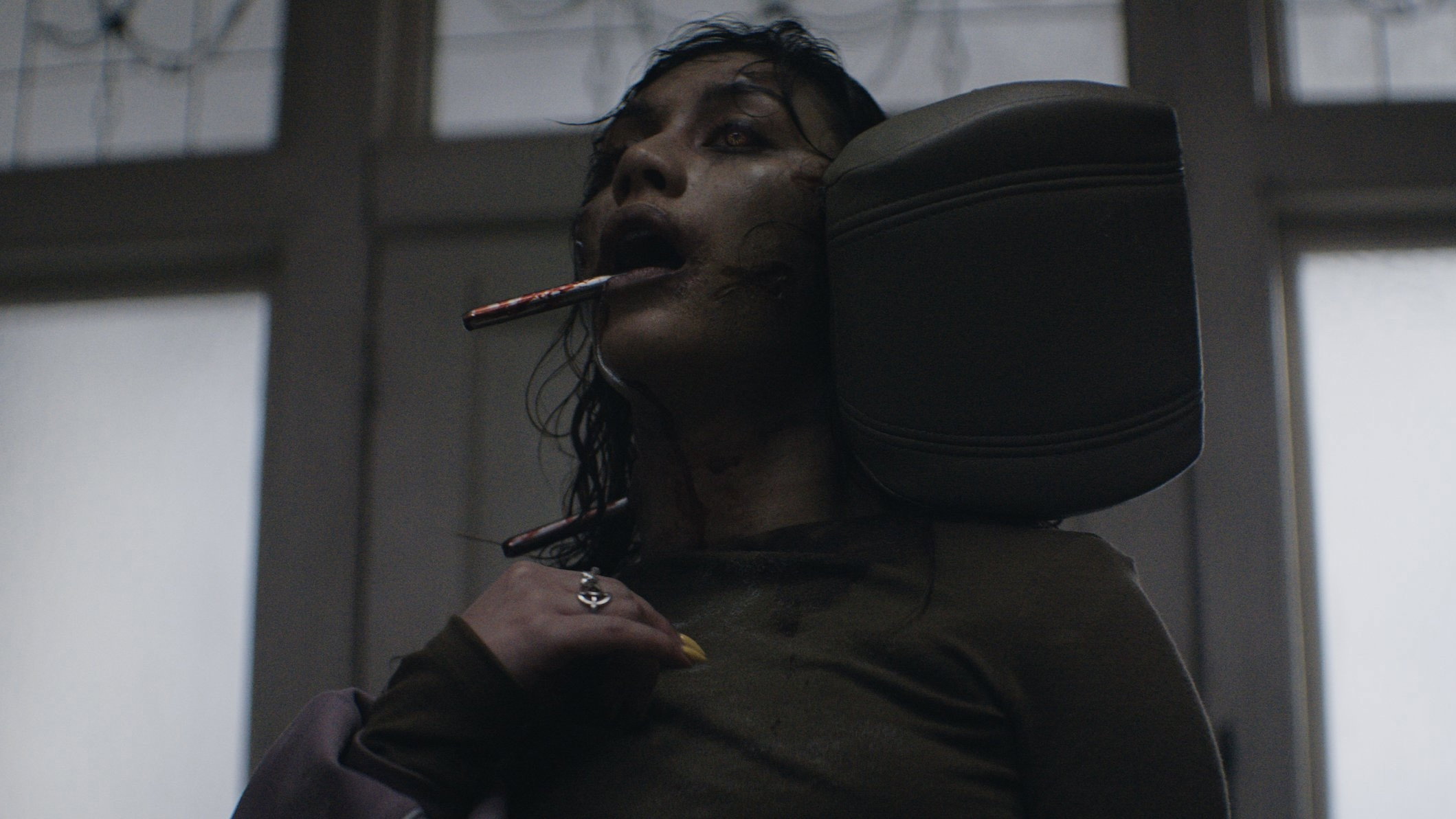
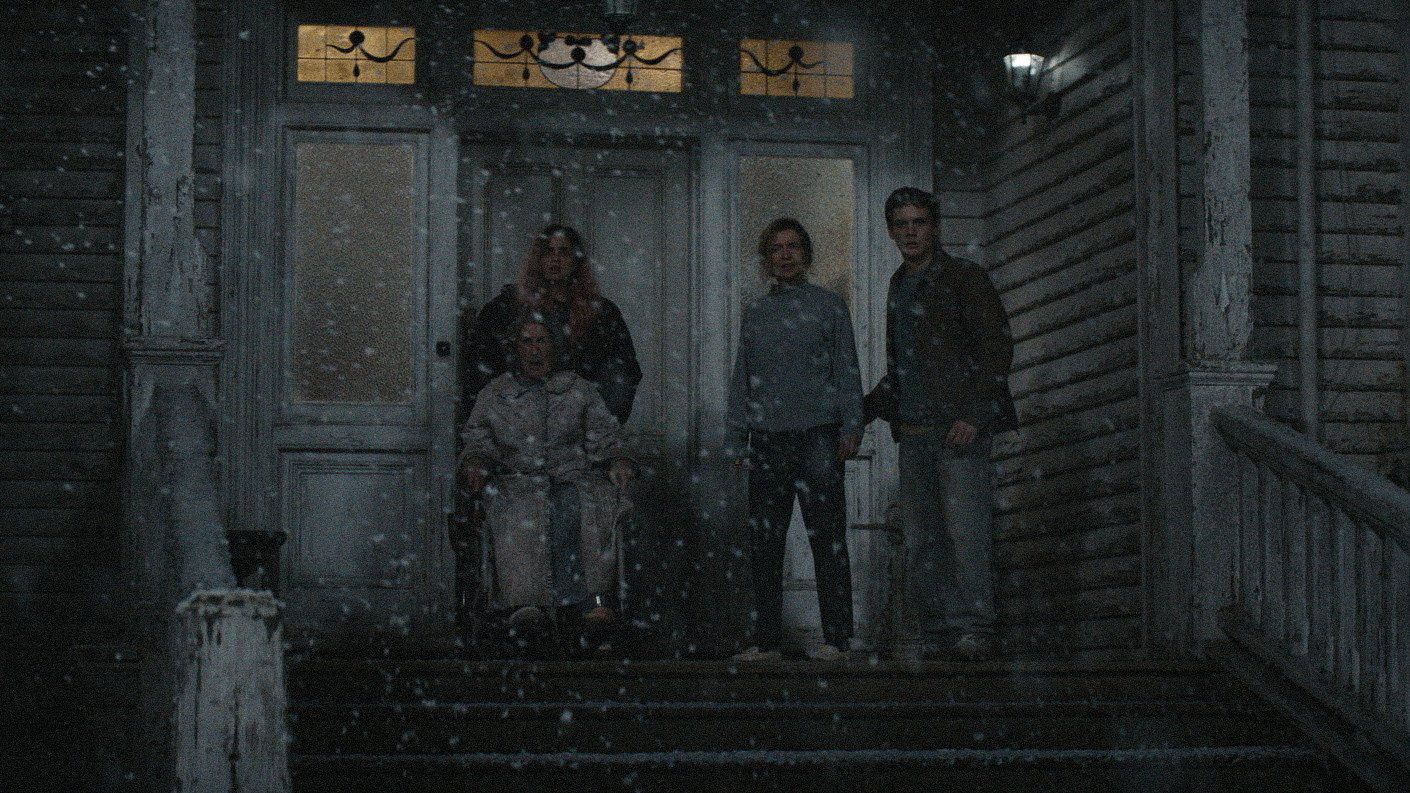
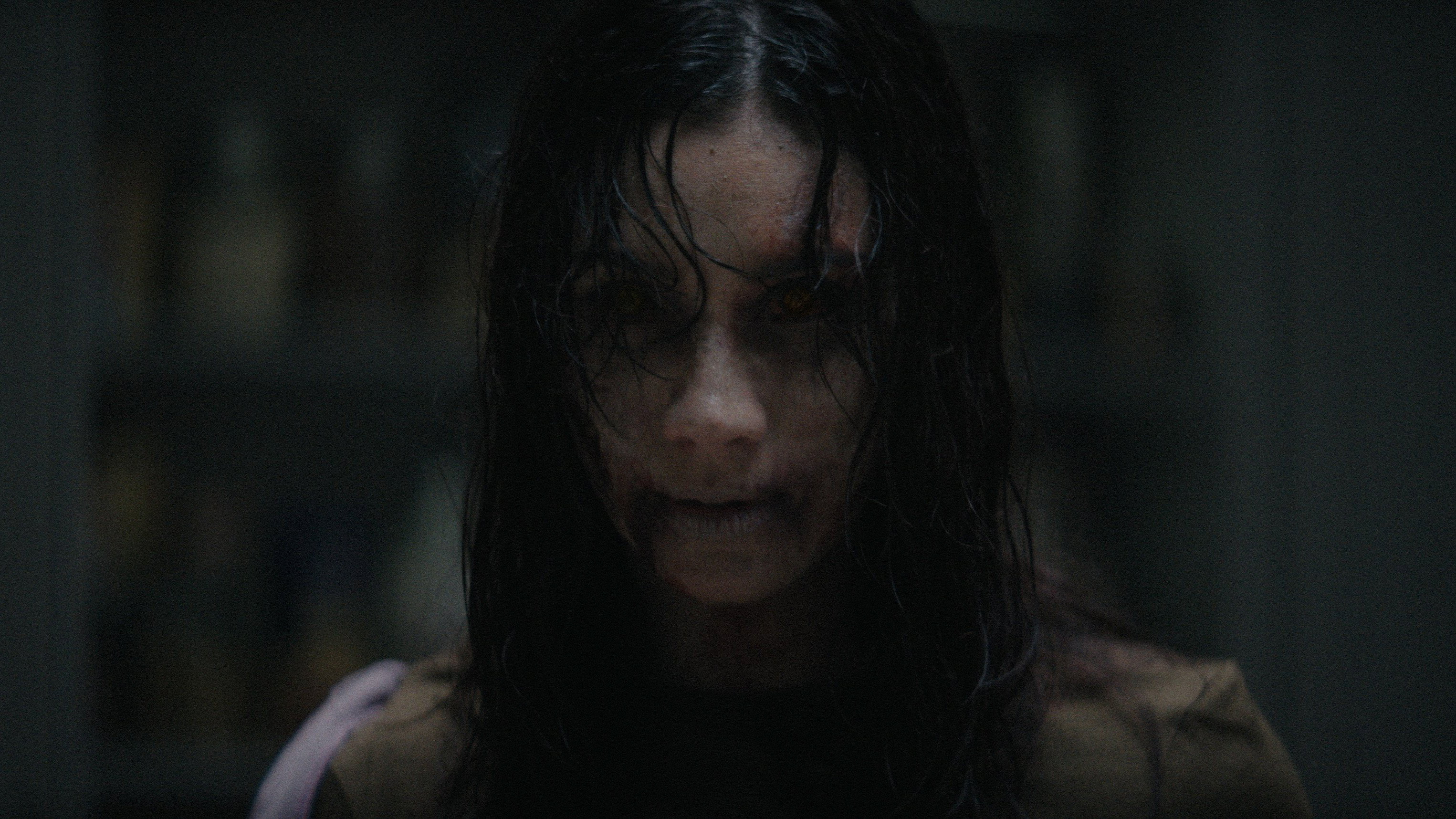
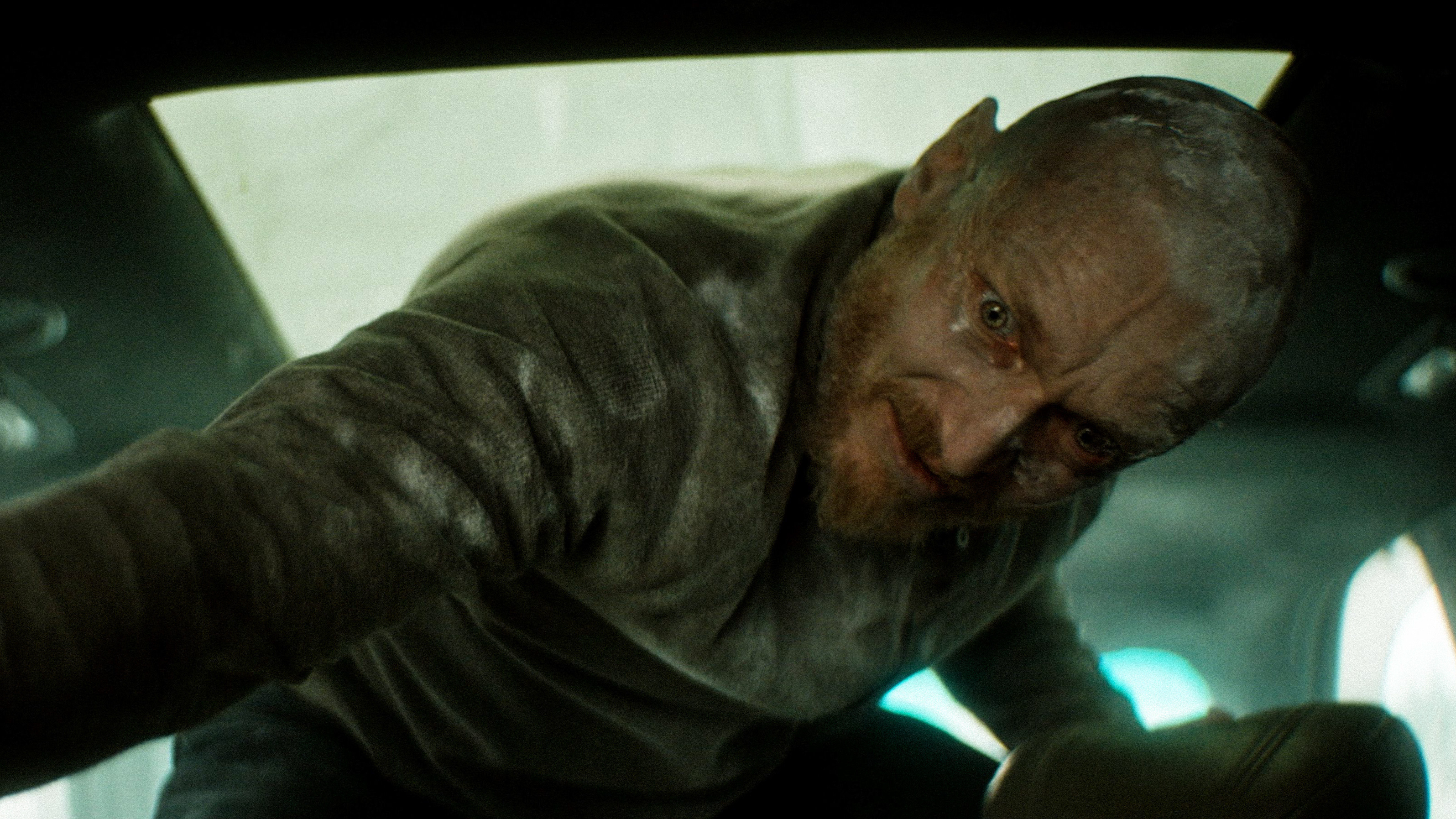
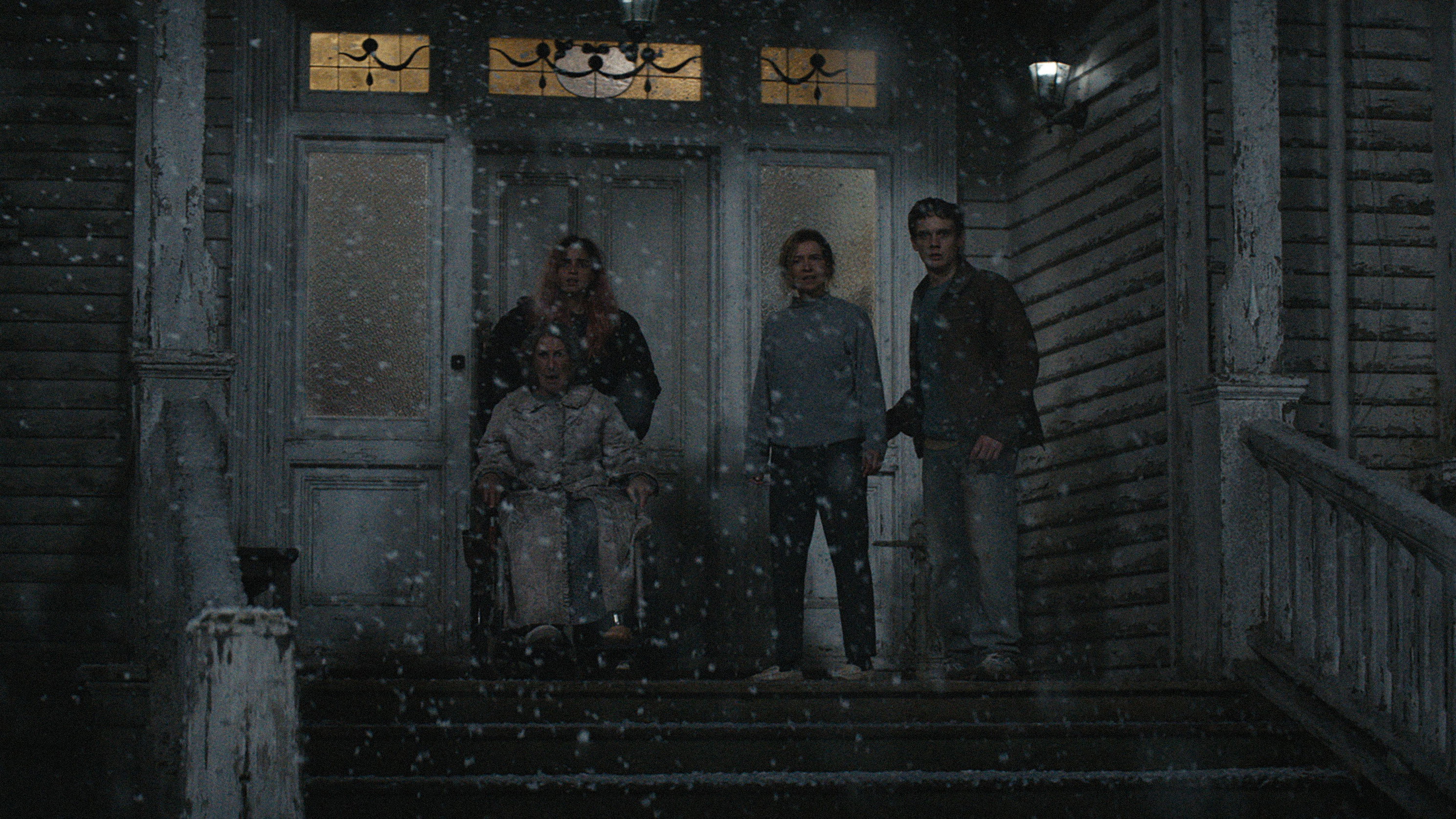
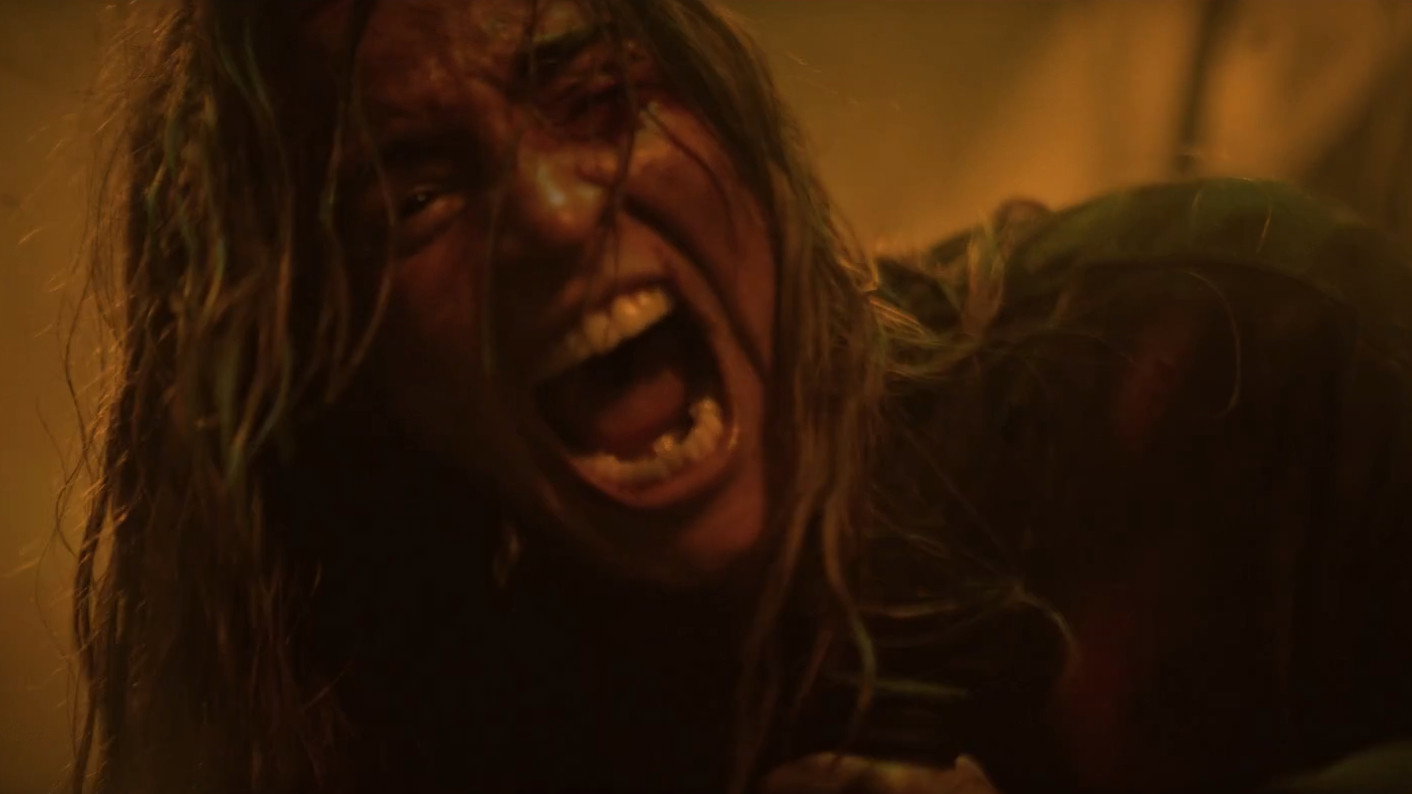
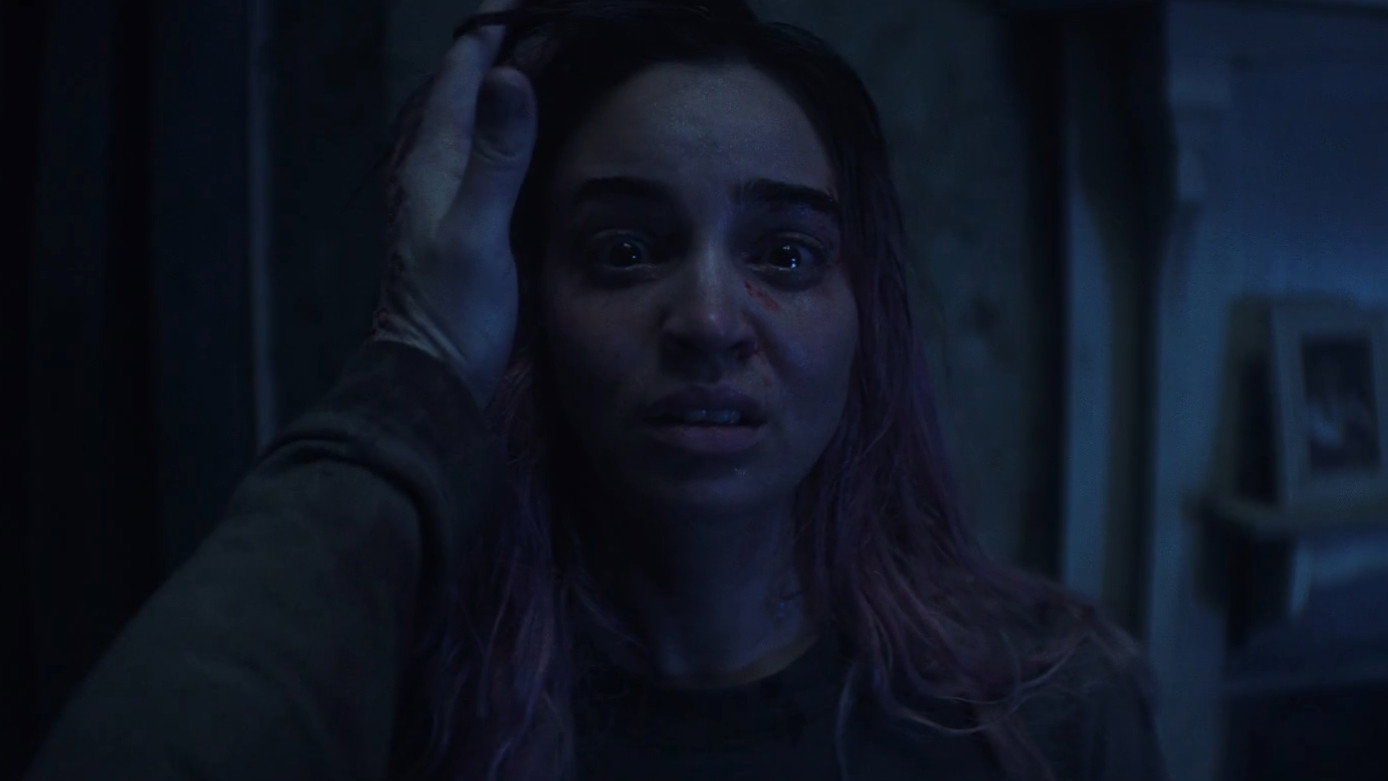
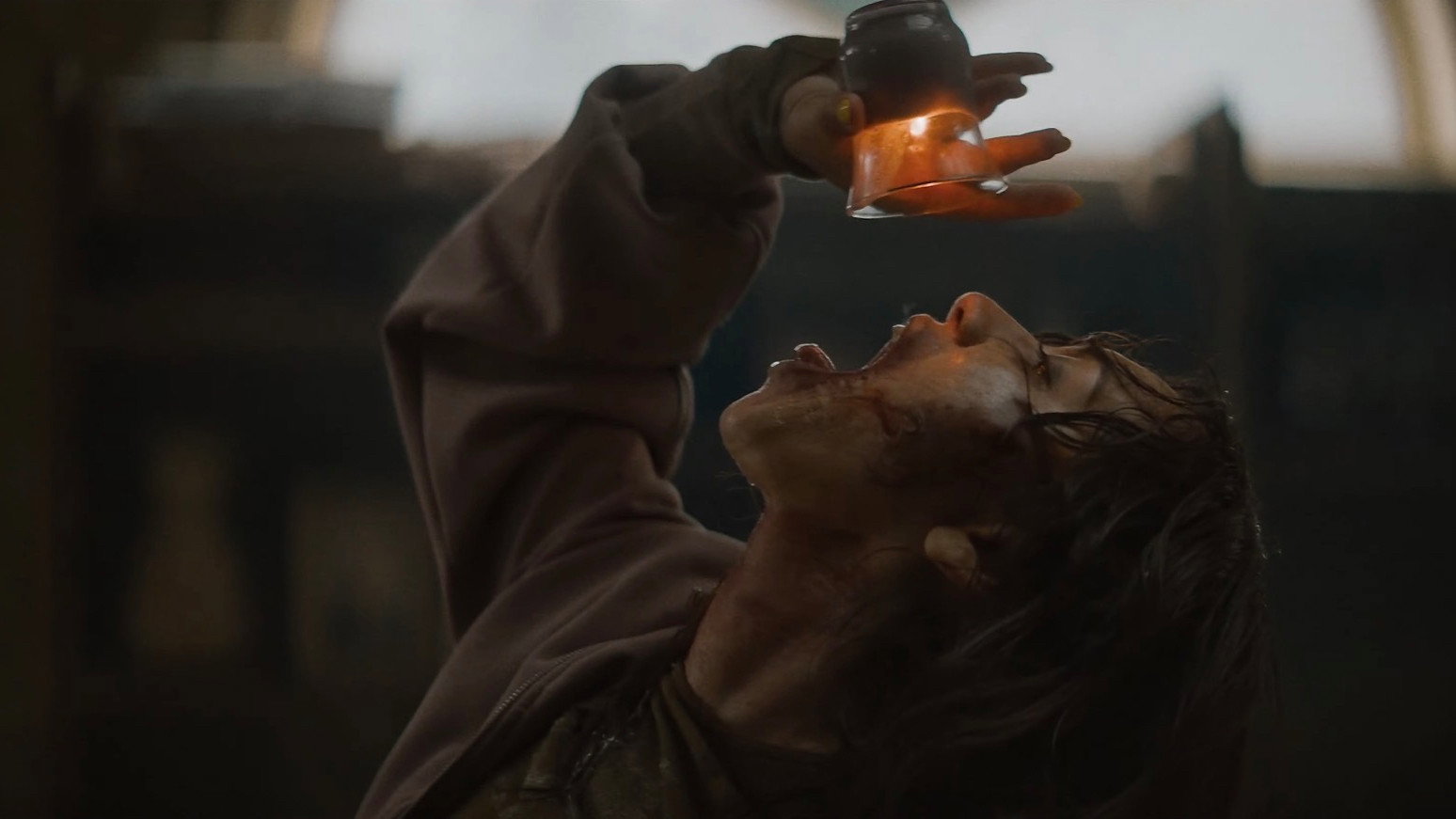
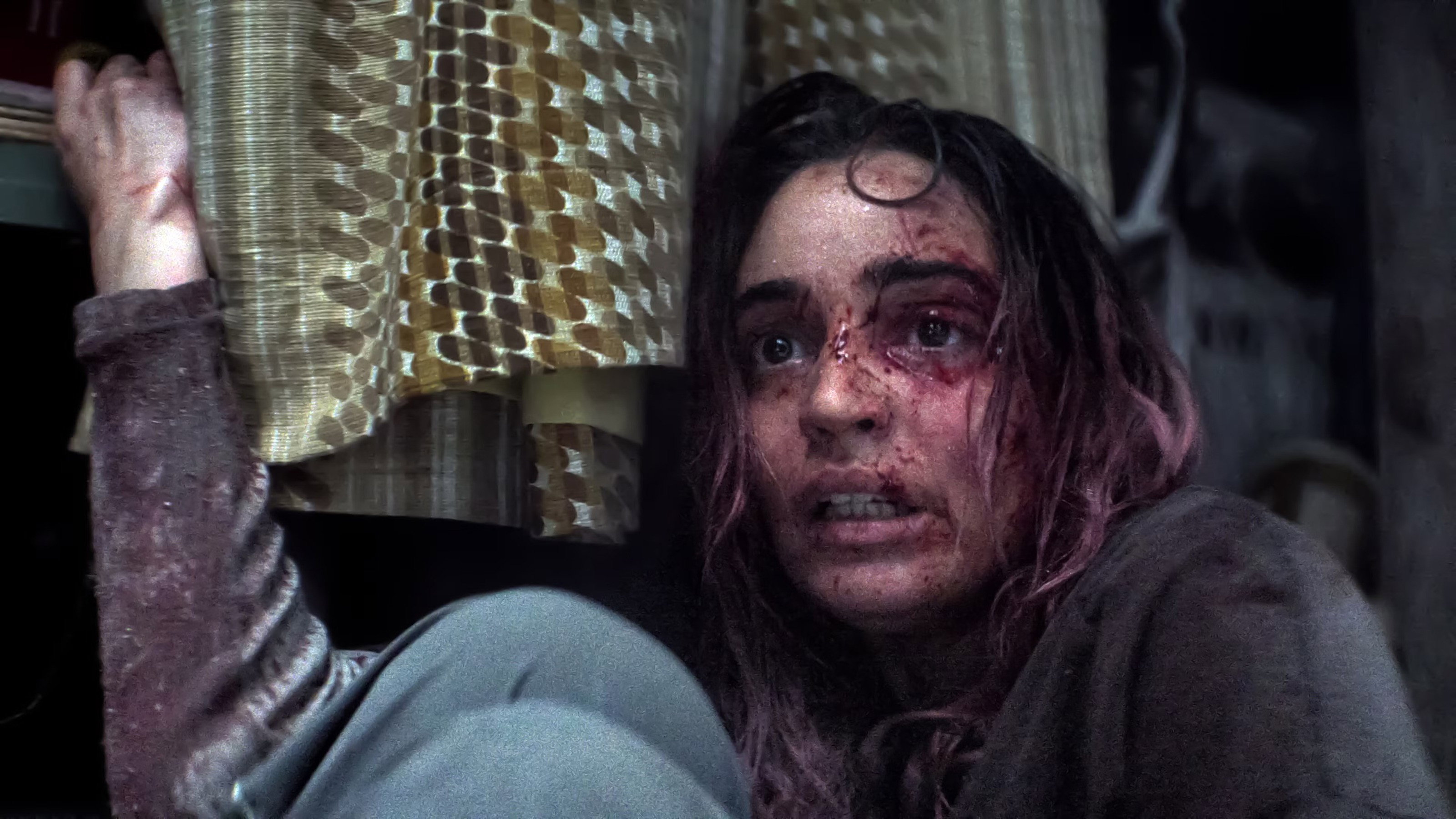
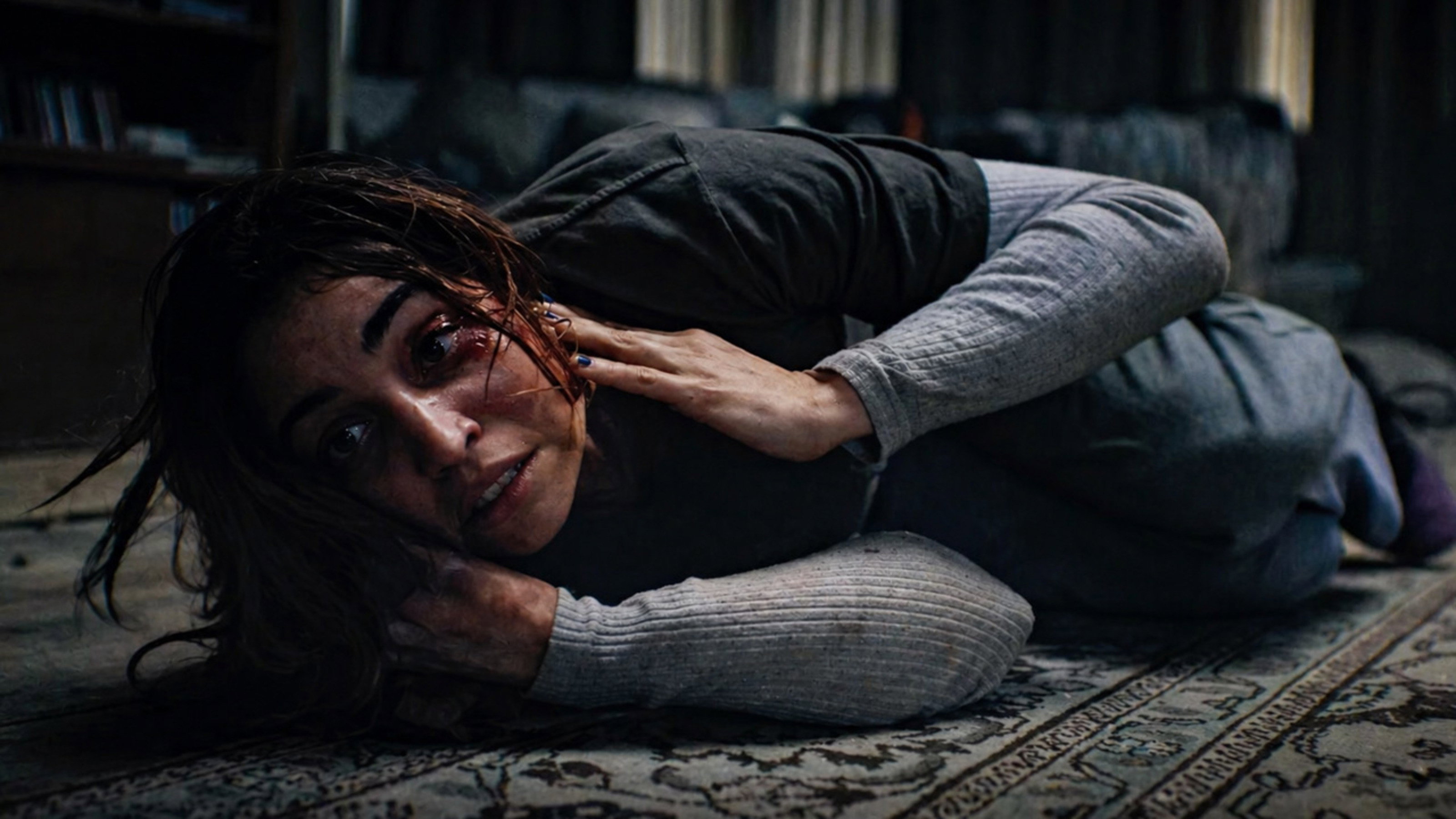
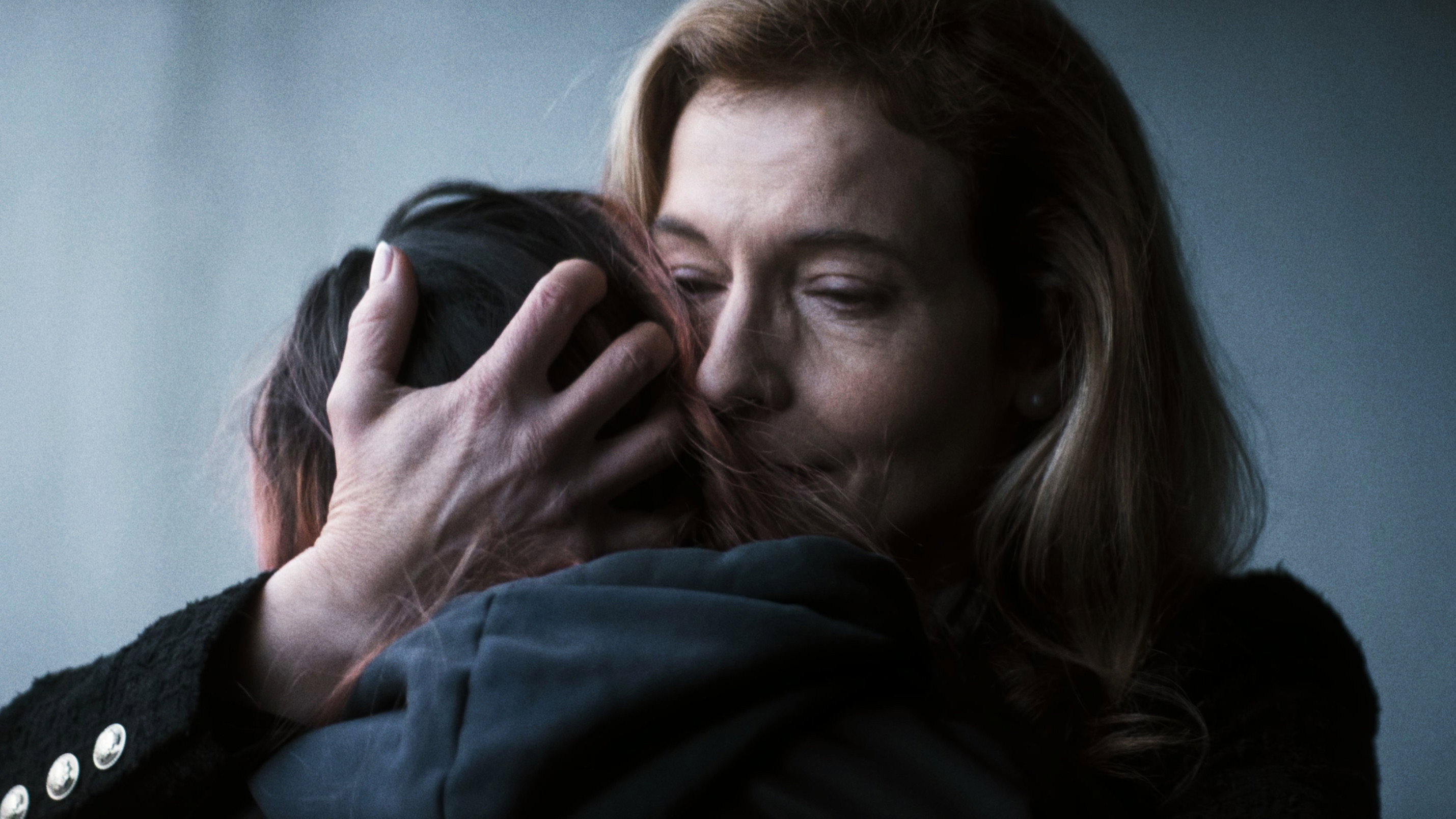
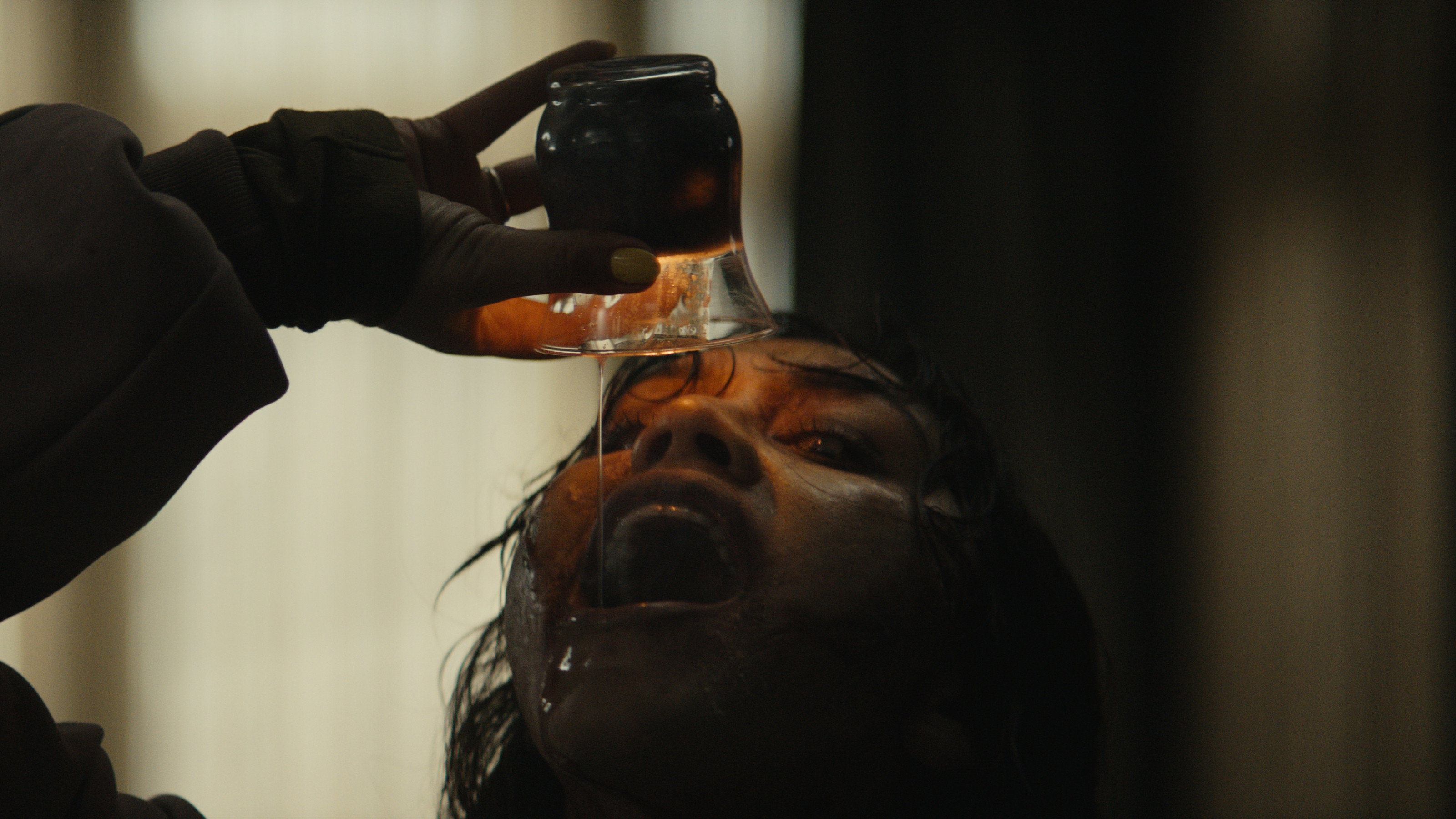
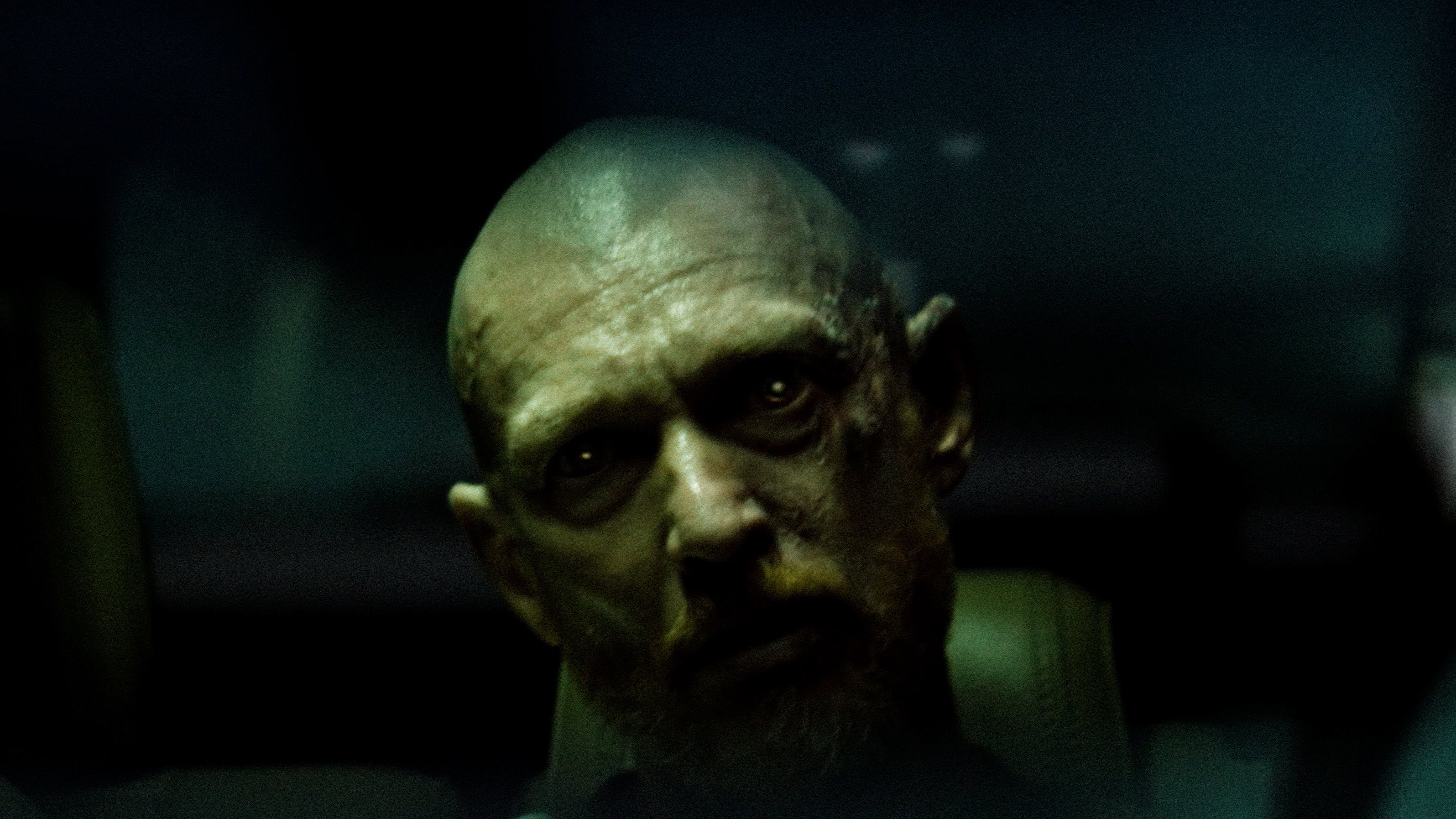
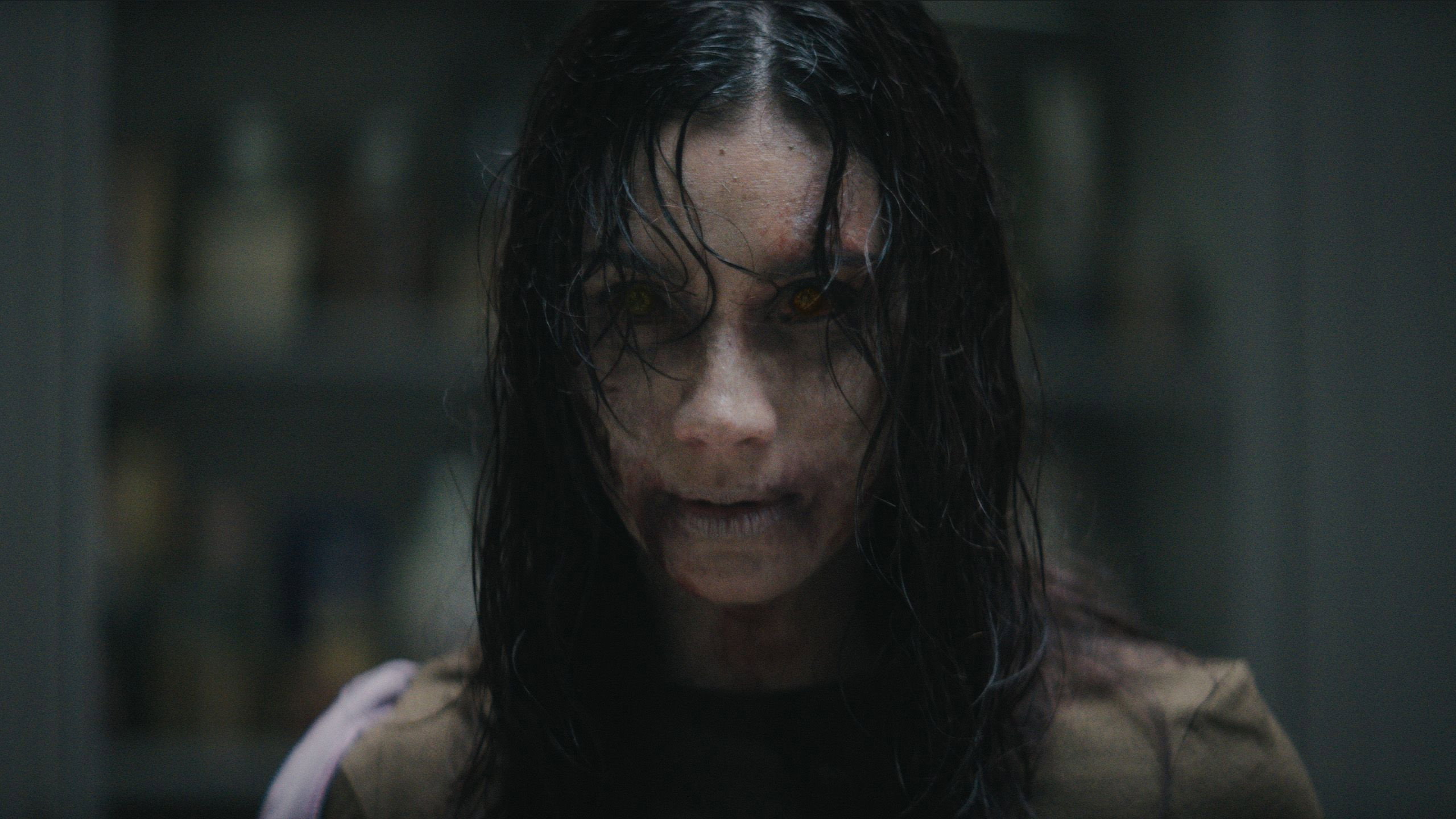
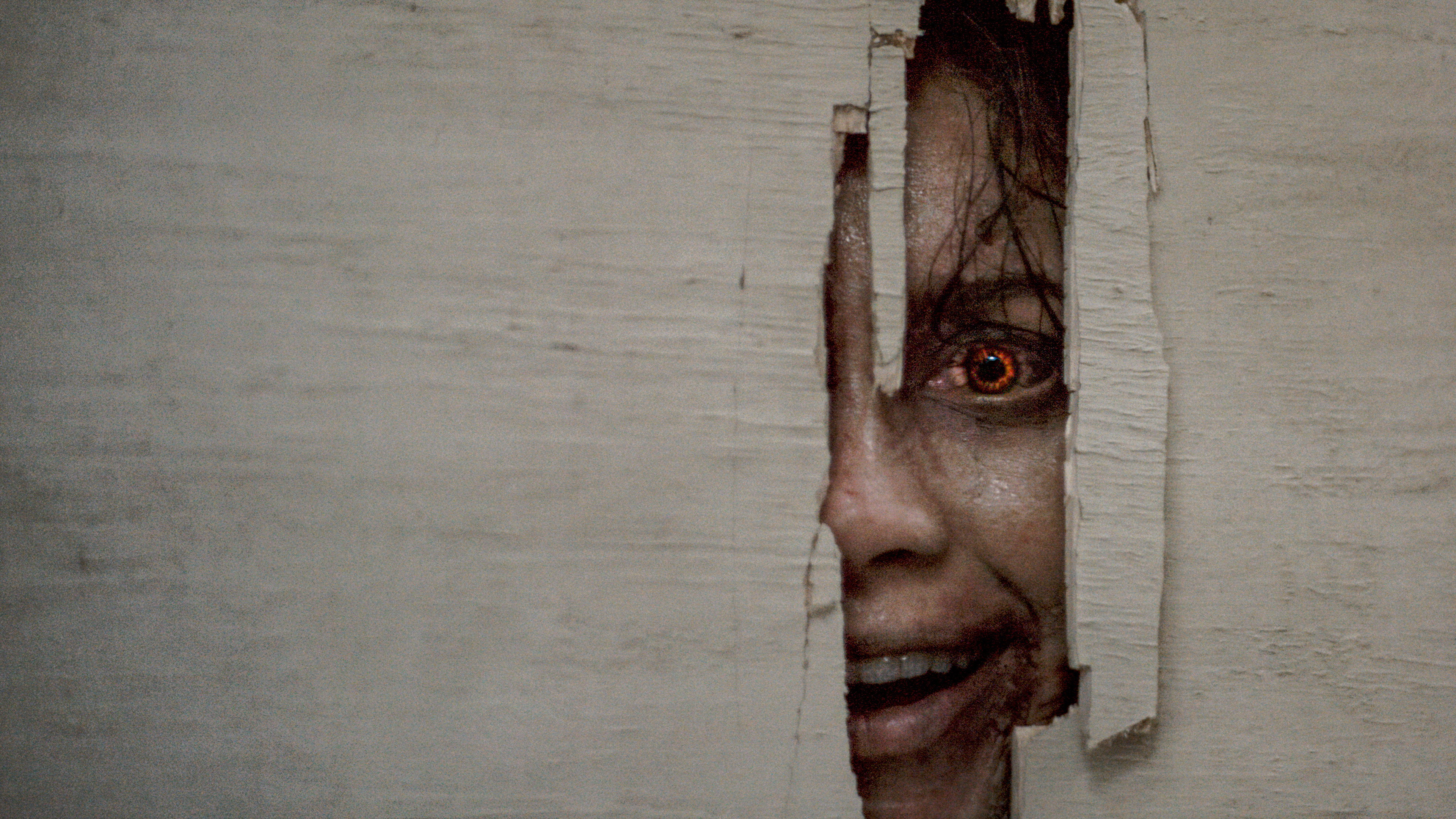
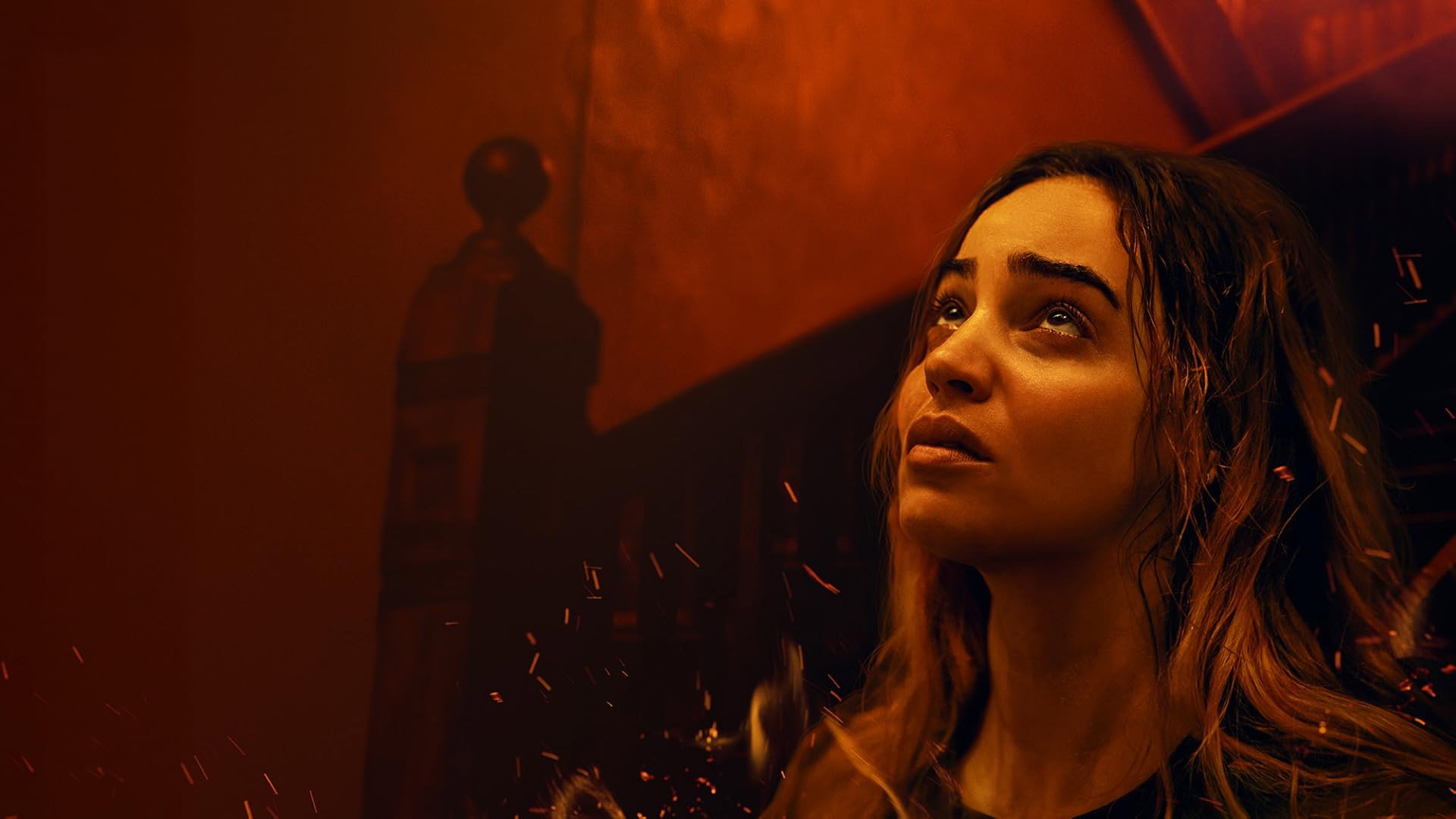
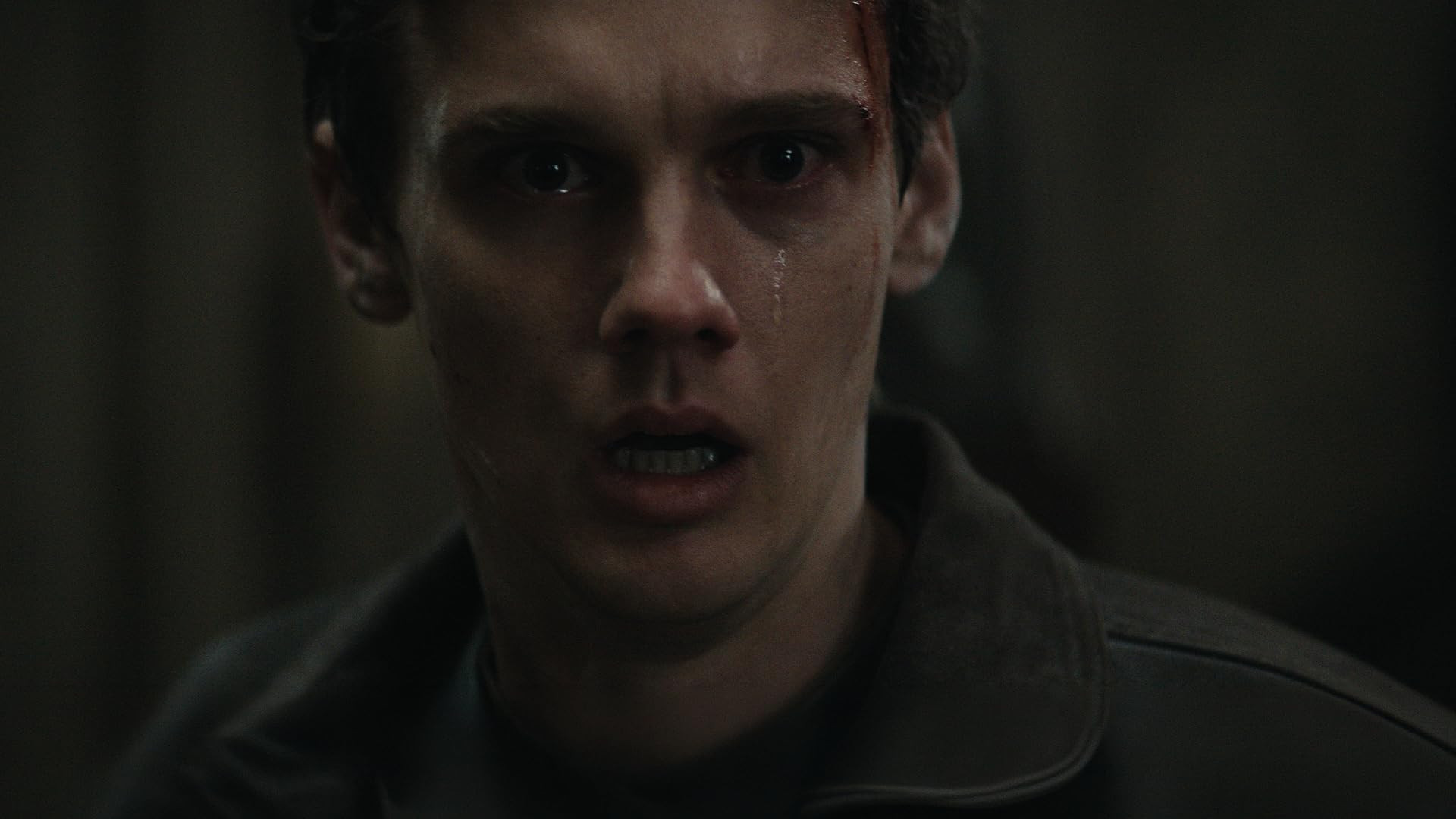
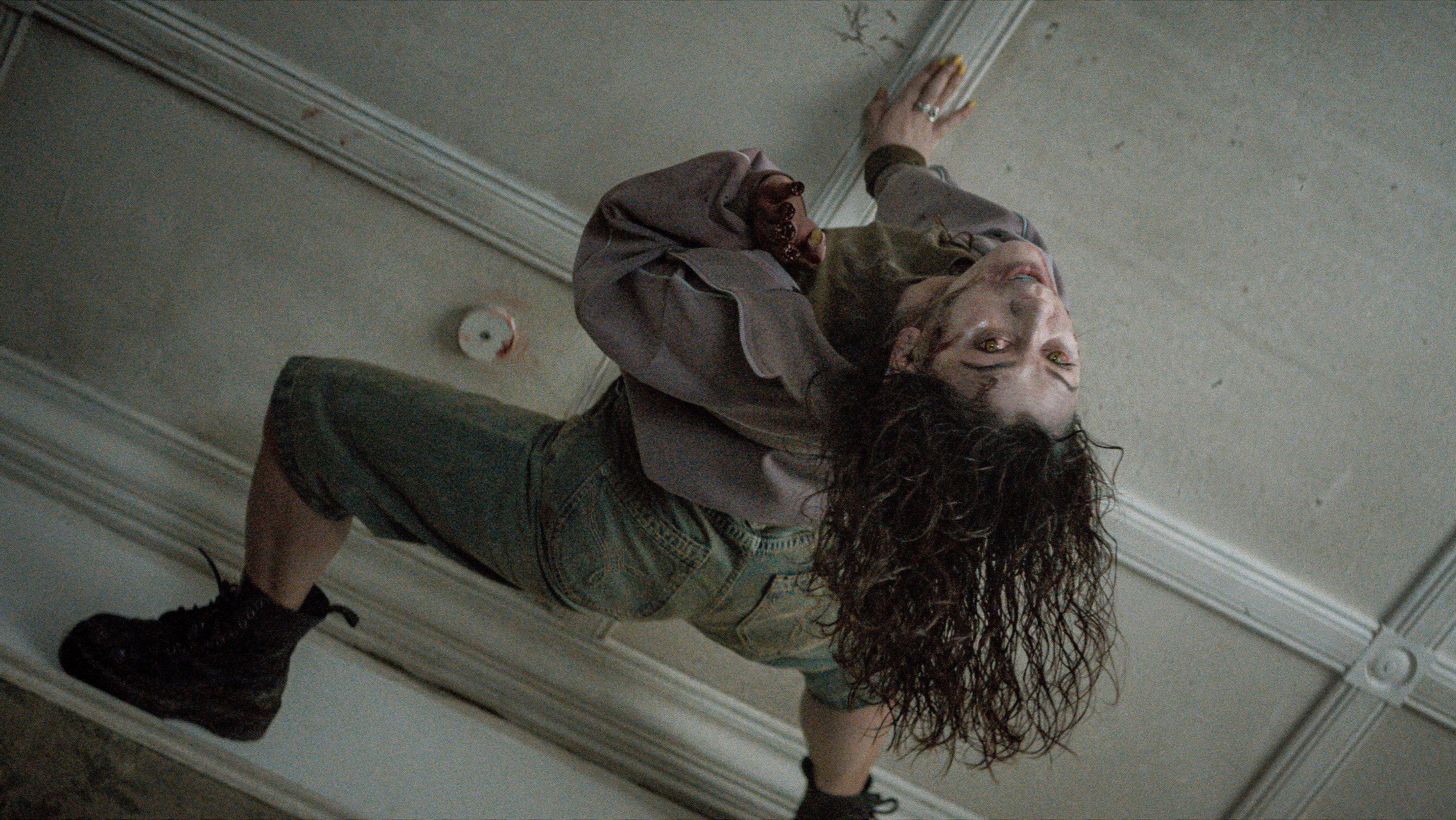
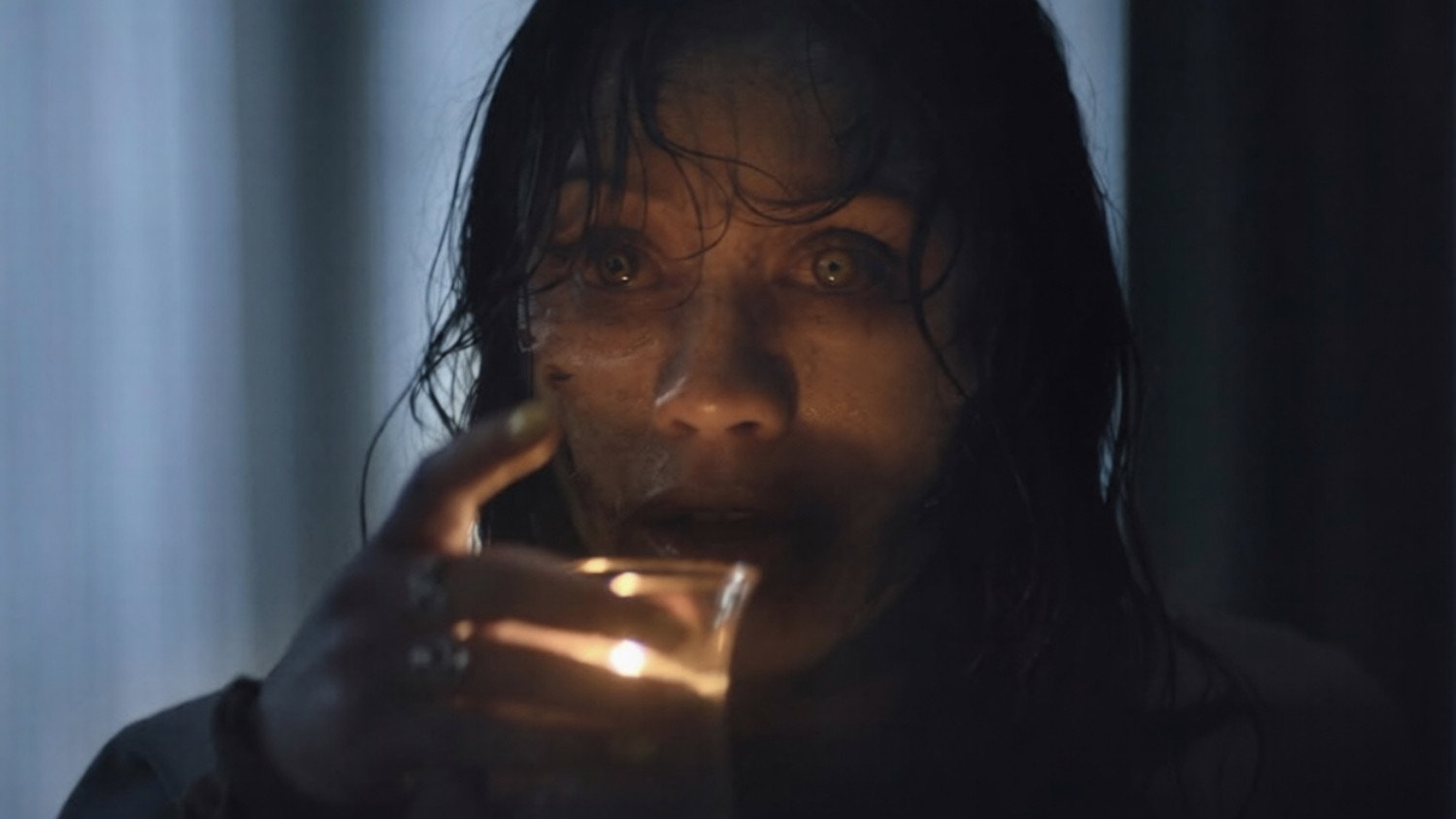
Following her husband's death, a woman seeks comfort with his relatives at their secluded family home. The visit turns into a nightmare when an invasive demonic force begins transforming people in the household into violent Deadites. What initially appears to be a gathering shaped by grief becomes a struggle in which familiar faces can no longer be trusted. As possession spreads through the family, the surviving visitors and relatives confront the danger surrounding the home and the unsettling possibility that their loved ones have become its instruments.

Alternative Titles
Şərli ölülər: Cəhənnəm alovu (Azerbaijan) — Azerbaijani Злите мъртви: Изпепеляване (Bulgaria) — Bulgarian A Morte do Demônio: Em Chamas (Brazil) — Portuguese L'Opéra de la terreur : l'embrasement (Canada) — French L'opéra de la terreur: l'embrasement (Canada) 尸变焚场 (China) — Netflix官方中文名 鬼玩人:炼狱 (China) — Chinese 鬼玩人6:炼狱 (China)
Show all 41 alternative titles 鬼玩人6:燃烧 (China) Smrtelné zlo: V plamenech (Czechia) Kurjad surnud põlevad (Estonia) — Estonian Posesión infernal: En llamas (Spain) — Spanish Possessió infernal: En flames (Spain) — Catalan Evil Dead: Burn (France) ბოროტი მკვდრების დაწვა (Georgia) — Georgian 鬼玩人:煉獄 (Hong Kong SAR China) — Chinese Gonosz halott: Égj! (Hungary) — Hungarian מוות אכזרי אש (Israel) — Hebrew سوزاندن مرده شرور (Iran) — Persian La casa - Il rogo del Male (Italy) — Italian 이블 데드 번 (South Korea) — Korean ඊවිල් ඩෙඩ් බර්න් (Sri Lanka) — Sinhala Piktieji numirėliai dega (Lithuania) — Lithuanian Ļaunie miroņi deg (Latvia) — Latvian Evil Dead: En llamas (Mexico) ایول ڈیڈ برن (Pakistan) — Urdu Martwe zło: Ogień (Poland) — Polish Cartea morților: Focul din iad (Romania) — Romanian Зли мртви: Спаљивање (Serbia) — Serbian Властелины вселенной (Russia) Зловещие мертвецы 6 (Russia) Зловещие мертвецы: Пекло (Russia) — Russian Зловещие мертвецы: Пламя смерти (Russia) احتراق الشر المميت (Saudi Arabia) — Arabic Zlobni mrtveci gorijo (Slovenia) — Slovenian Evil Dead: Zhor v pekle (Slovakia) — Slovak ผีอมตะแผดเผา (Thailand) Kötü Ruh: Cehennem Ateşi (Türkiye) 屍變焚場 (Taiwan) — Chinese Зловісні мерці у вогні (Ukraine) — Ukrainian Ma Cây: Lửa Địa Ngục (Vietnam) — Vietnamese

Trailers & Videos

12 videos

Film Guide

Sébastien Vaniček brings grief, domestic coercion and practical Deadite carnage to a New Zealand-shot Evil Dead installment defined by fire and restless camerawork.

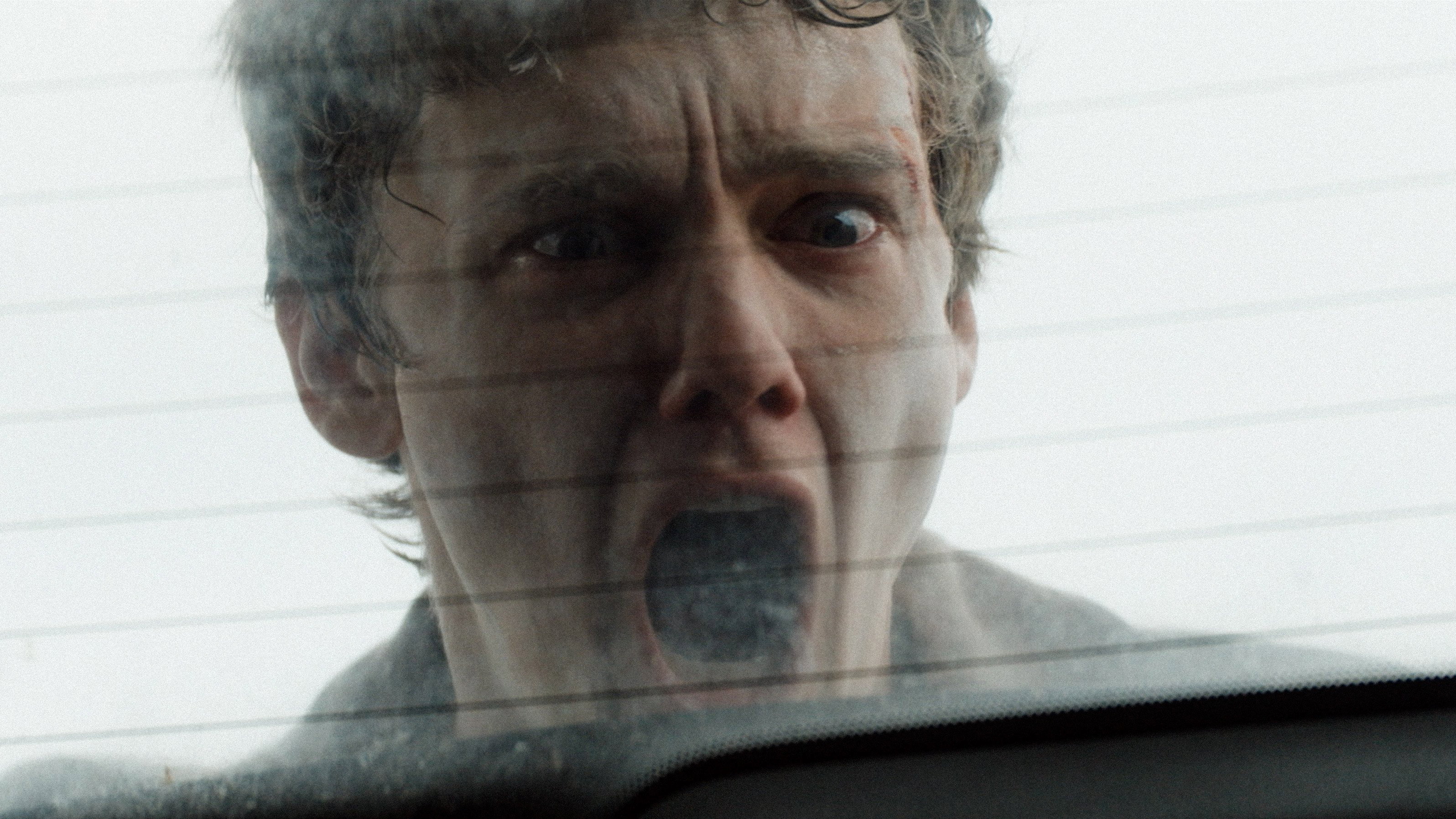
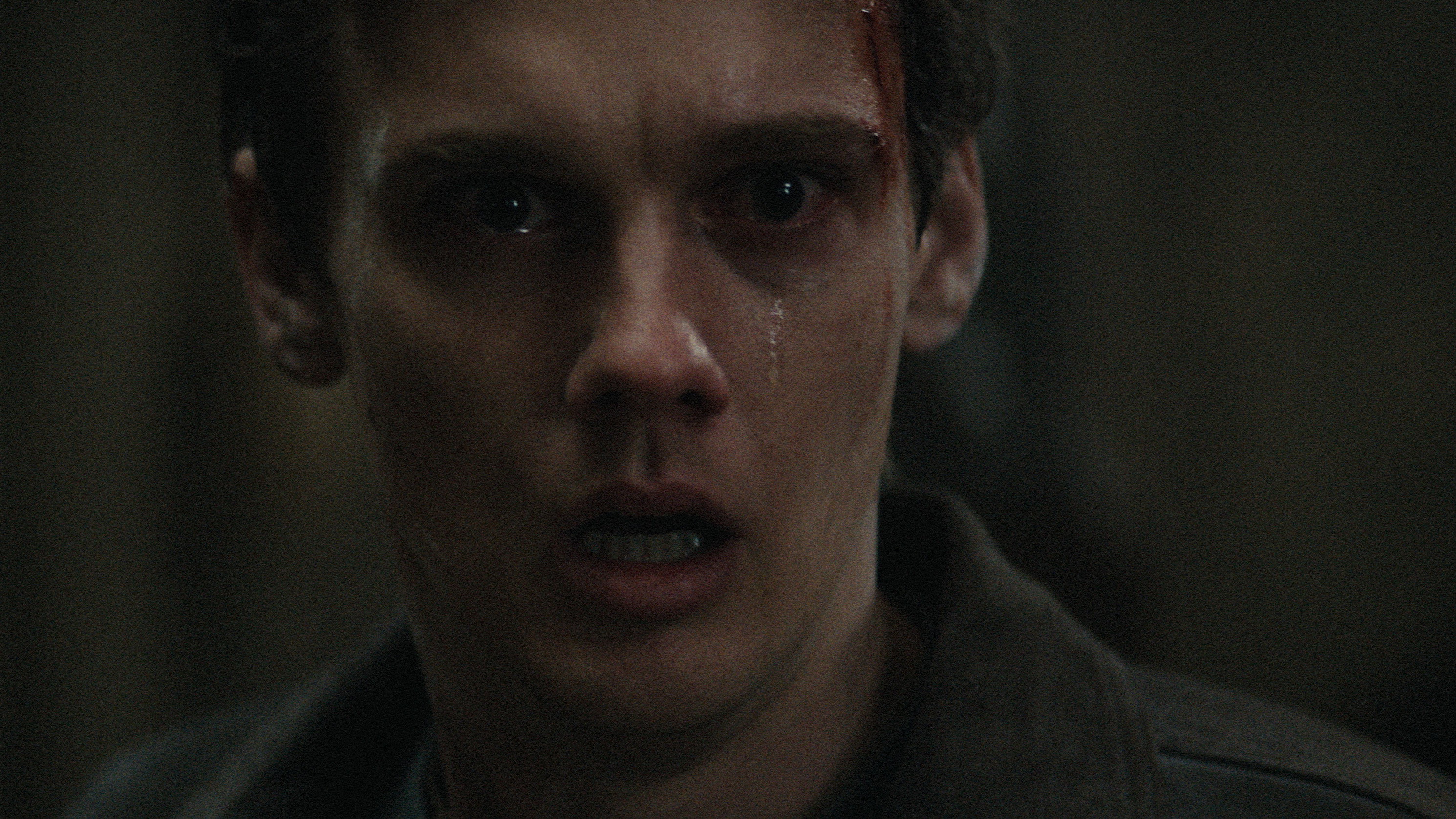
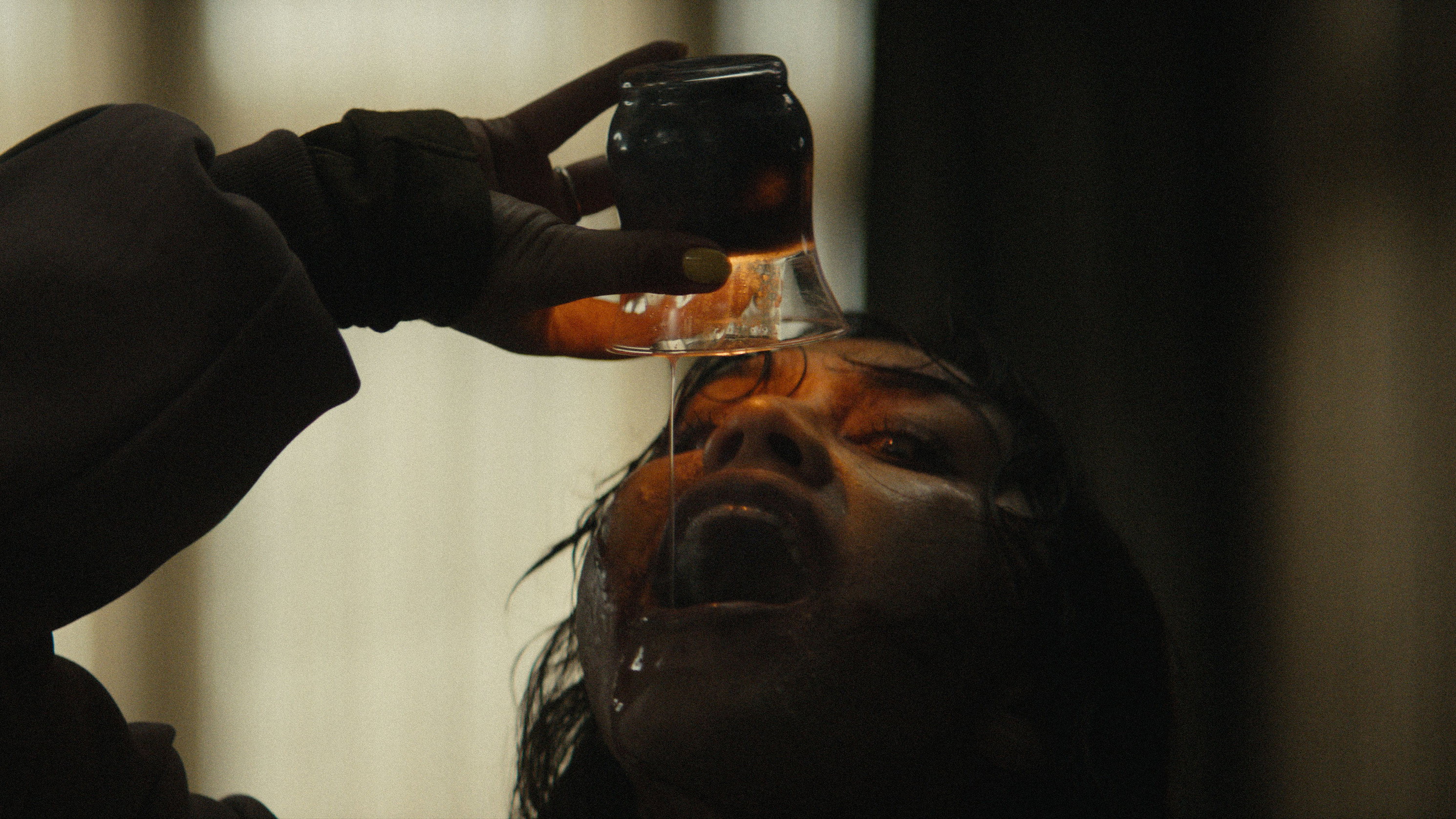
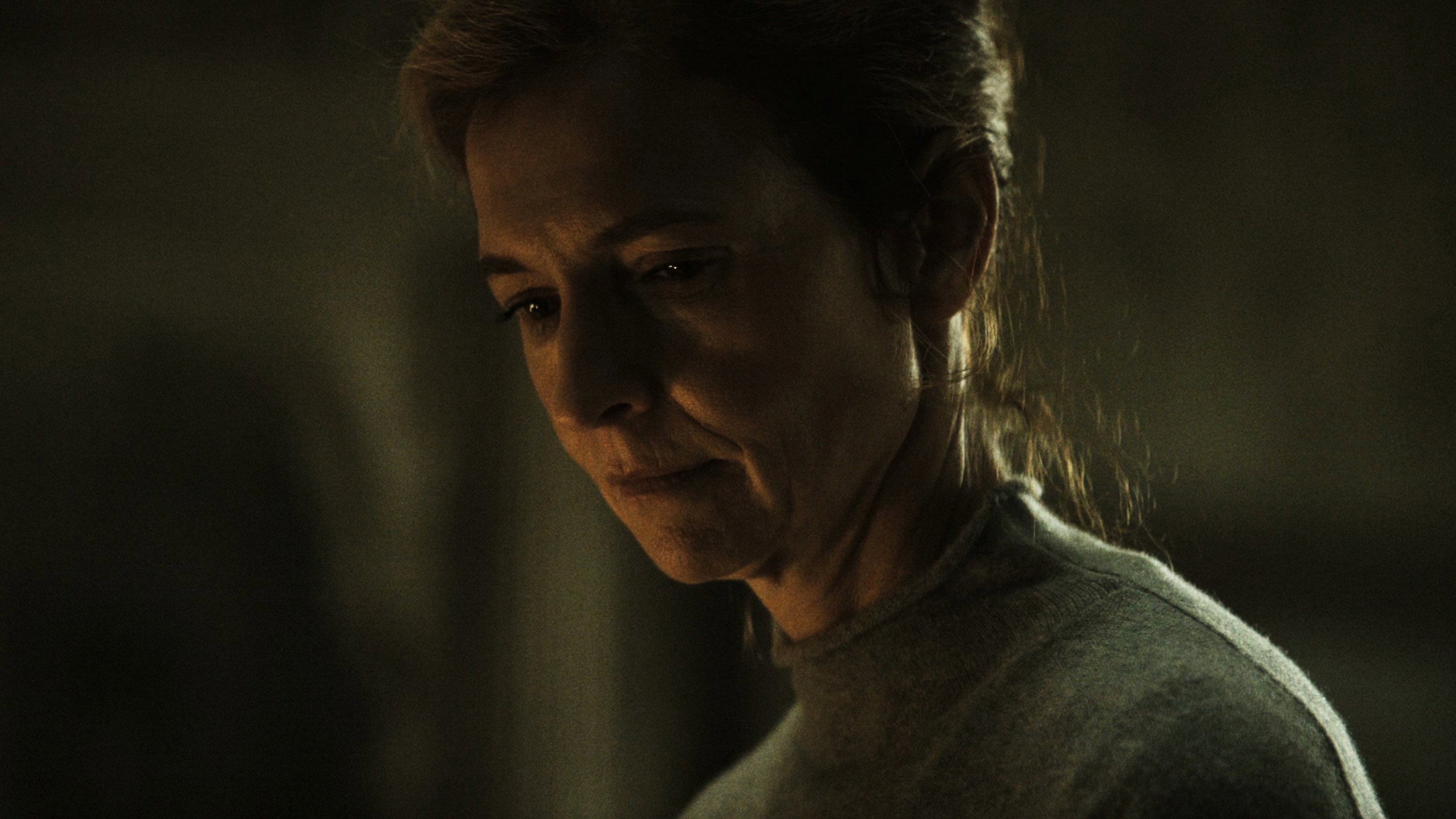
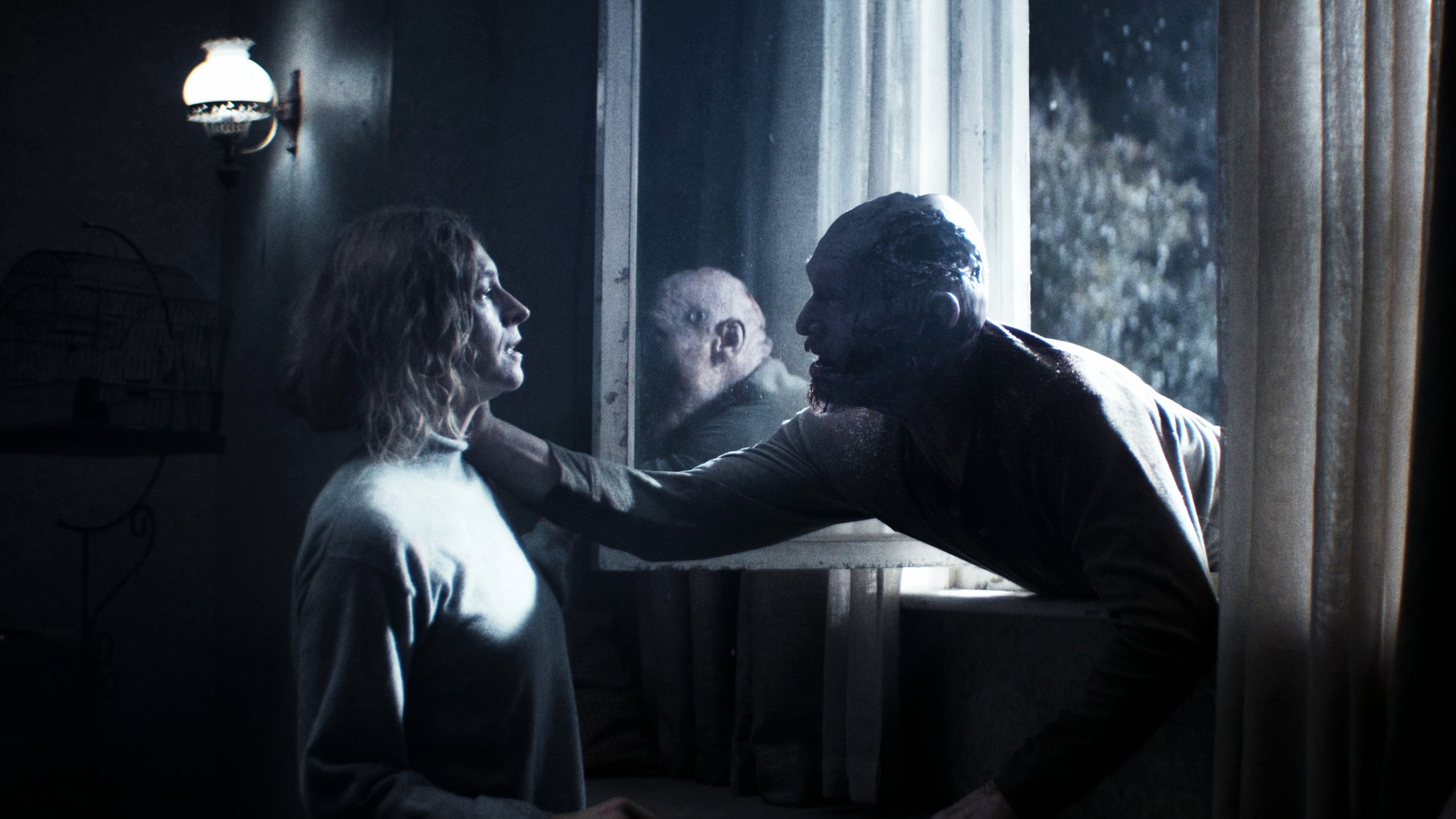
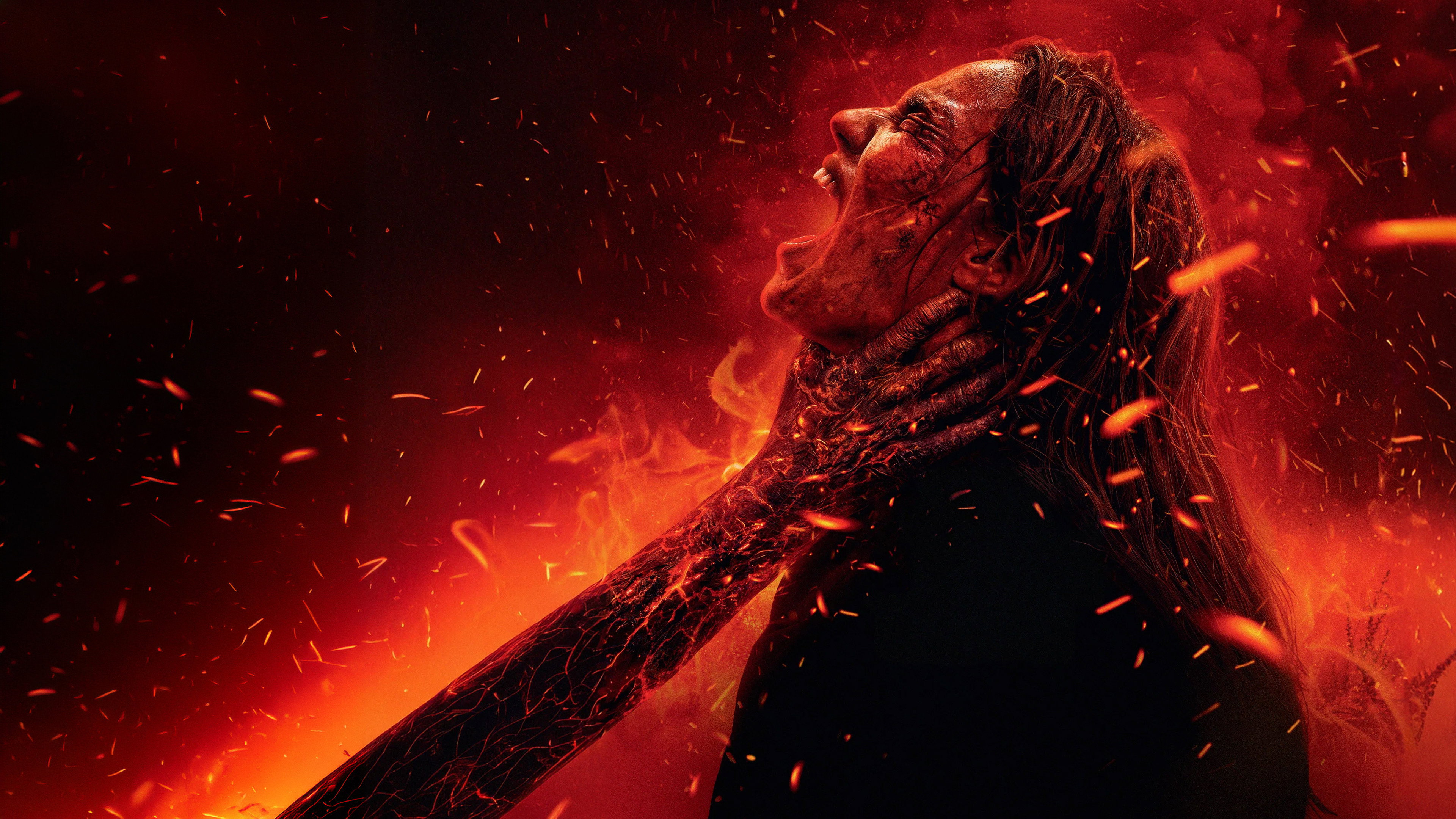
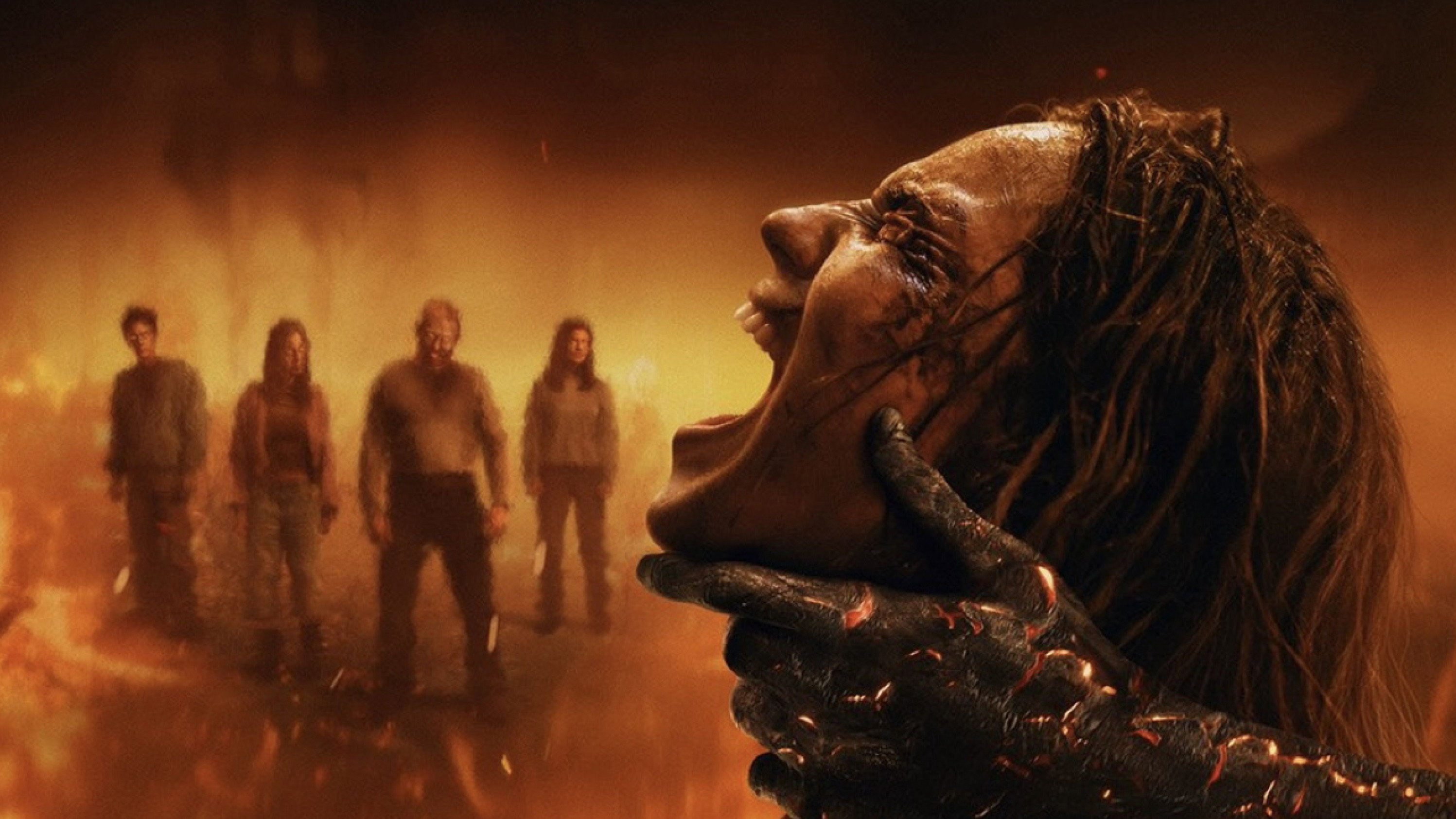
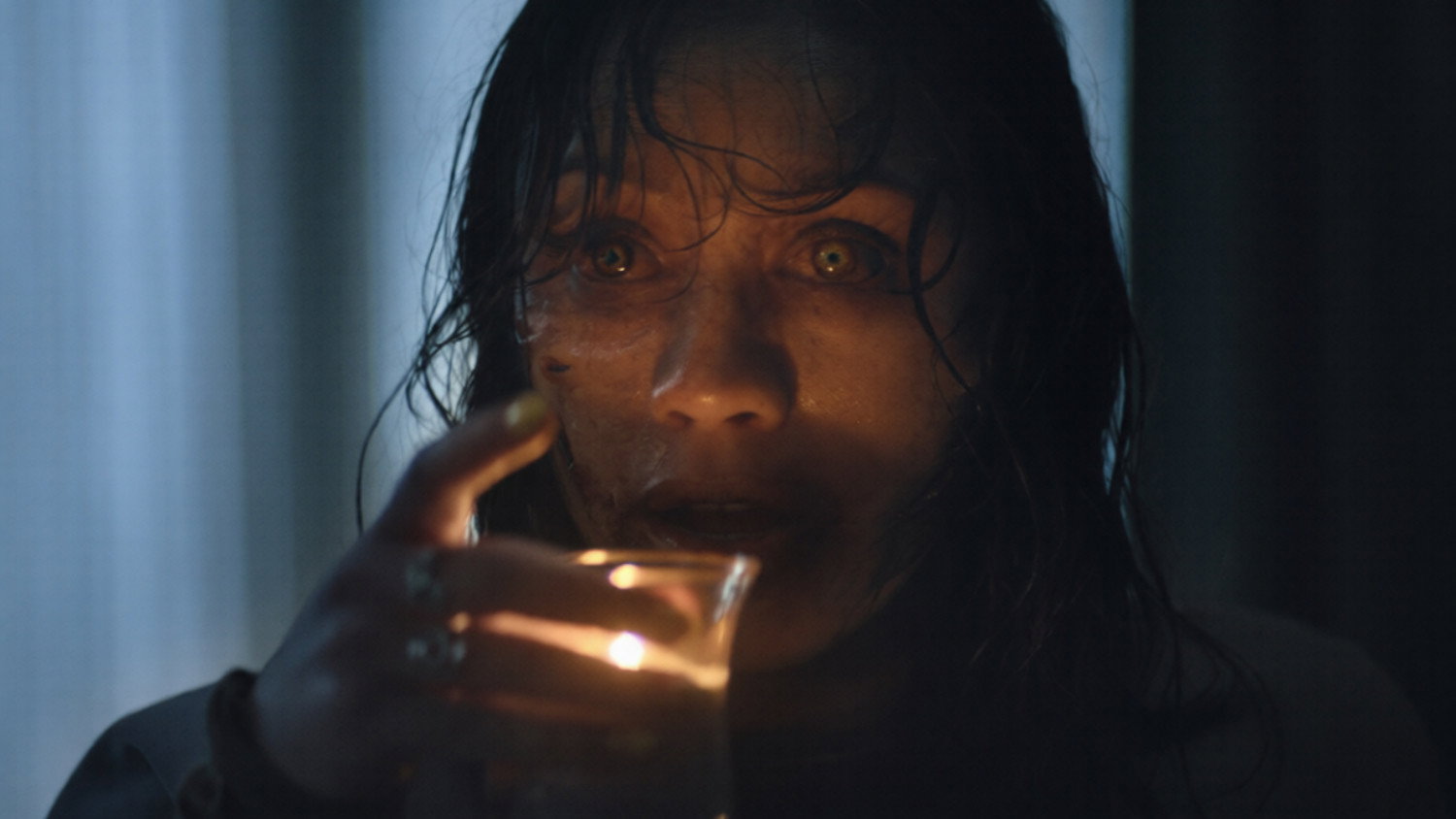
Evil Dead Burn (2026) gives the long-running possession series a story of bereavement, coercion and family hostility. French director Sébastien Vaniček, following his debut feature Infested (2023), places a newly widowed woman among relatives whose idealized account of her dead husband clashes with her own experience of him. The arrival of Deadites makes existing resentments physically dangerous. Sam Raimi and Rob Tapert returned as producers, while the film continued the series' practice of allowing a new director to tell a largely self-contained story. Its isolated family house recalls the franchise's original setting, although the conflict here begins with a funeral and the unequal power within a marriage.

The production provides substantial evidence of how that conception reached the screen. Vaniček discussed the writing and his intentions in a contemporary Le Monde interview, an institutional production study documented local effects and stunt work, and cinematographer Philip Lozano explained his handling of darkness, movement and live flames. Released theatrically in July 2026, the sixth feature also attracted sharply differentiated critical responses to its combination of intimate abuse and relentless bodily injury. These accounts permit an examination of a recent horror release without projecting a lasting reputation or influence that cannot yet be established.

Development After Infested

Vaniček said that the possibility of directing an Evil Dead film arose in autumn 2023, after Infested had attracted attention at festivals but before its United States release. In his July 2026 interview with Le Monde, he recalled more concrete discussions with Raimi and welcomed the opportunity to write as well as direct. He described substantial creative freedom, framing the new installment as a chance to put his own sensibility into an established horror property. Co-writer Florent Bernard had collaborated with him on Infested. The production therefore combined a continuing franchise infrastructure with a writing partnership already familiar with intimate, physically threatening environments.

The director also explained that his strongest connection to the series had initially been the 2013 Evil Dead, which he had seen before the original trilogy. His stated interest subsequently shifted toward the emotional predicament at the heart of demonic possession: being forced to confront a loved one who has become dangerous. At the time of release, he described the production as an opportunity rather than the fulfillment of a long-standing plan to remake Raimi's work. Raimi and Tapert produced the film; according to Vaniček's separate interview with Supanova, they read the script and encouraged his approach. Those statements document the collaborative framework without implying that either producer directed particular scenes.
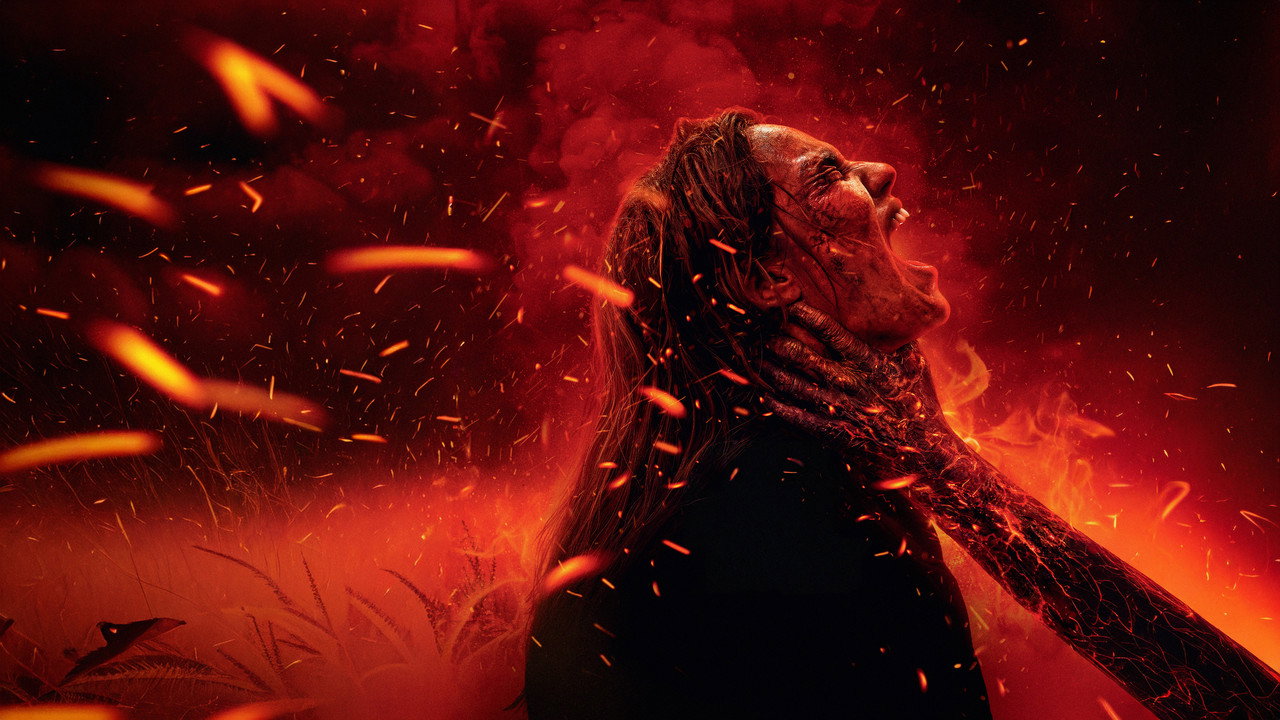
A Funeral and an Abusive Marriage

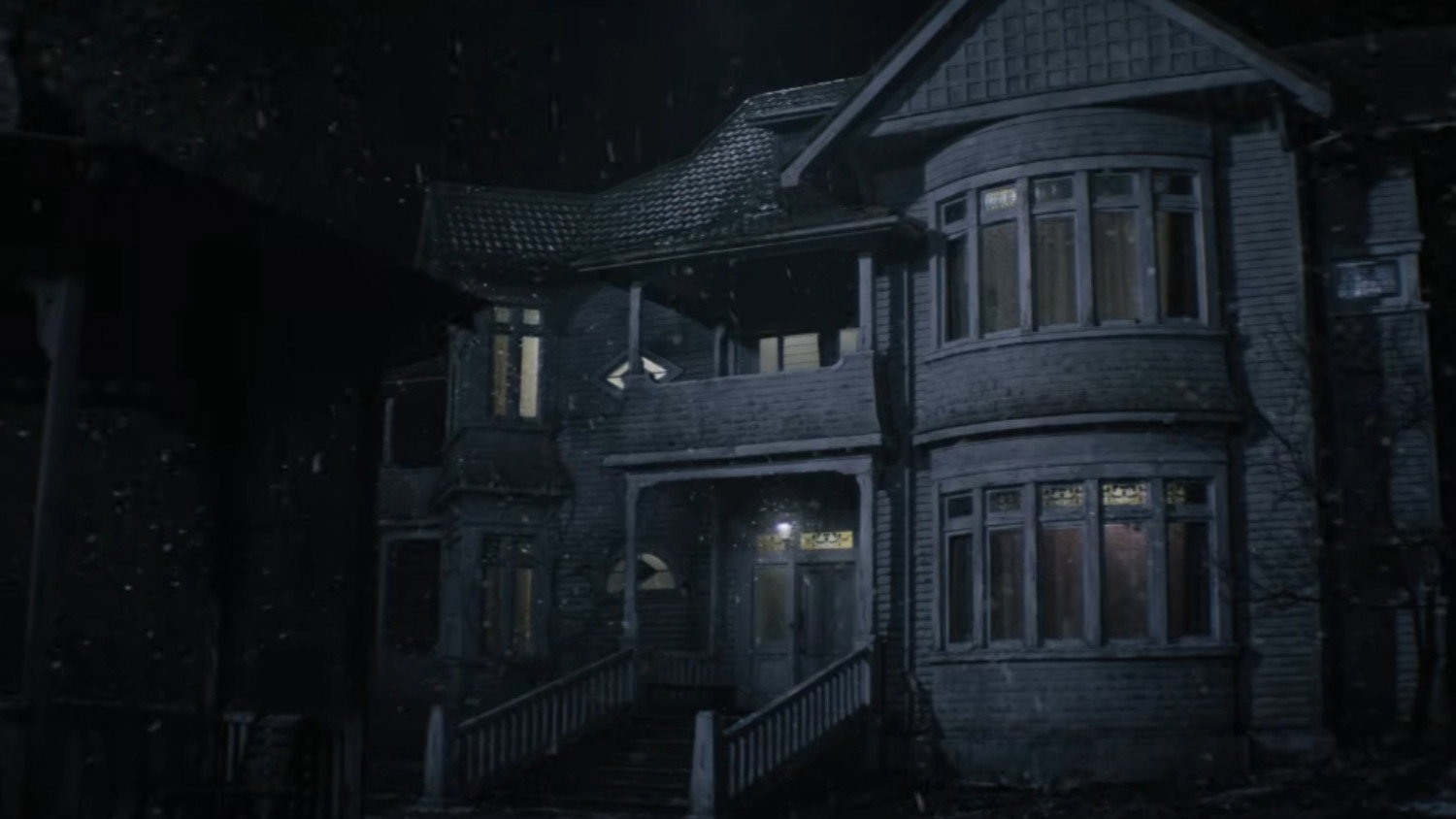
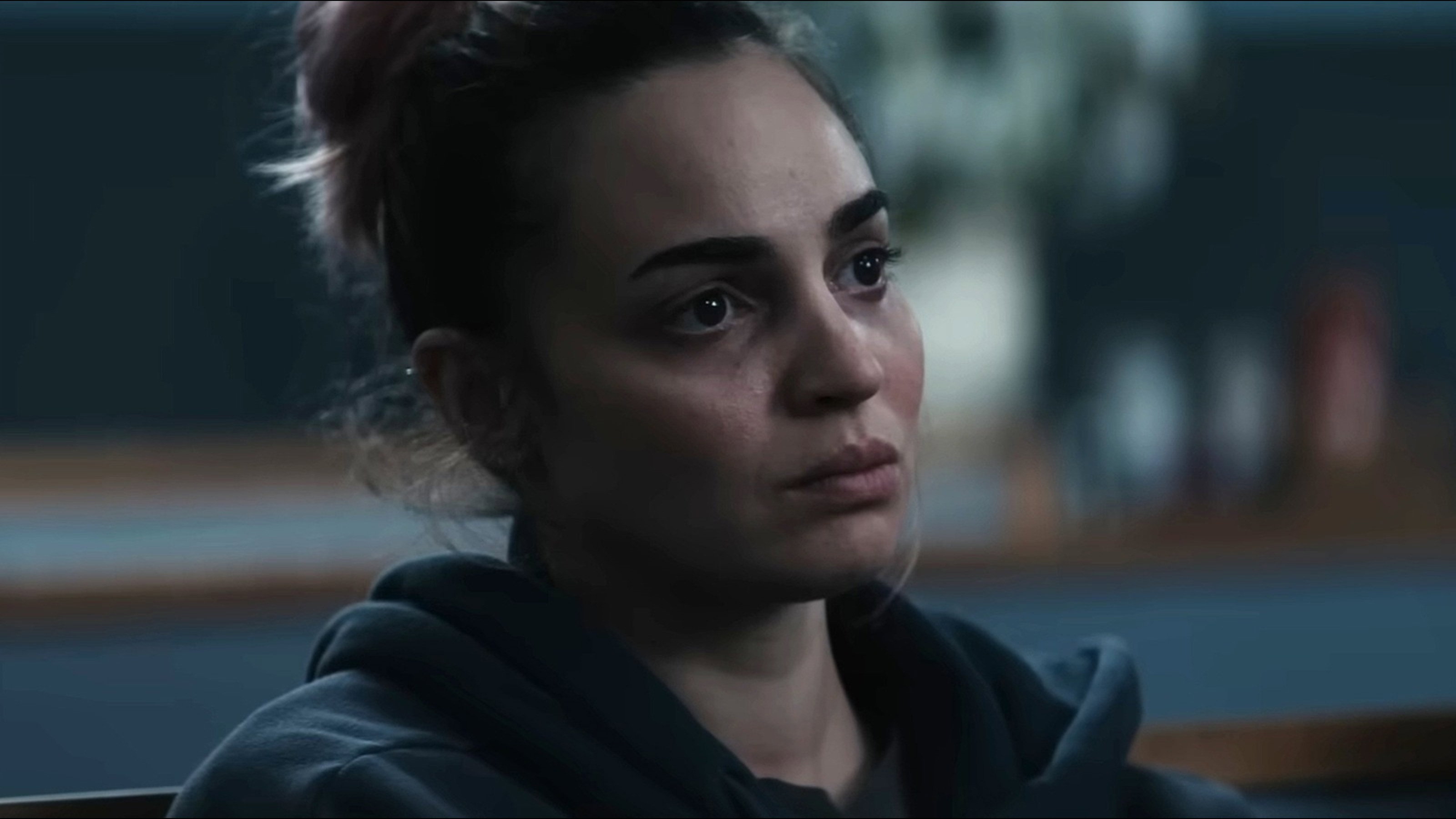
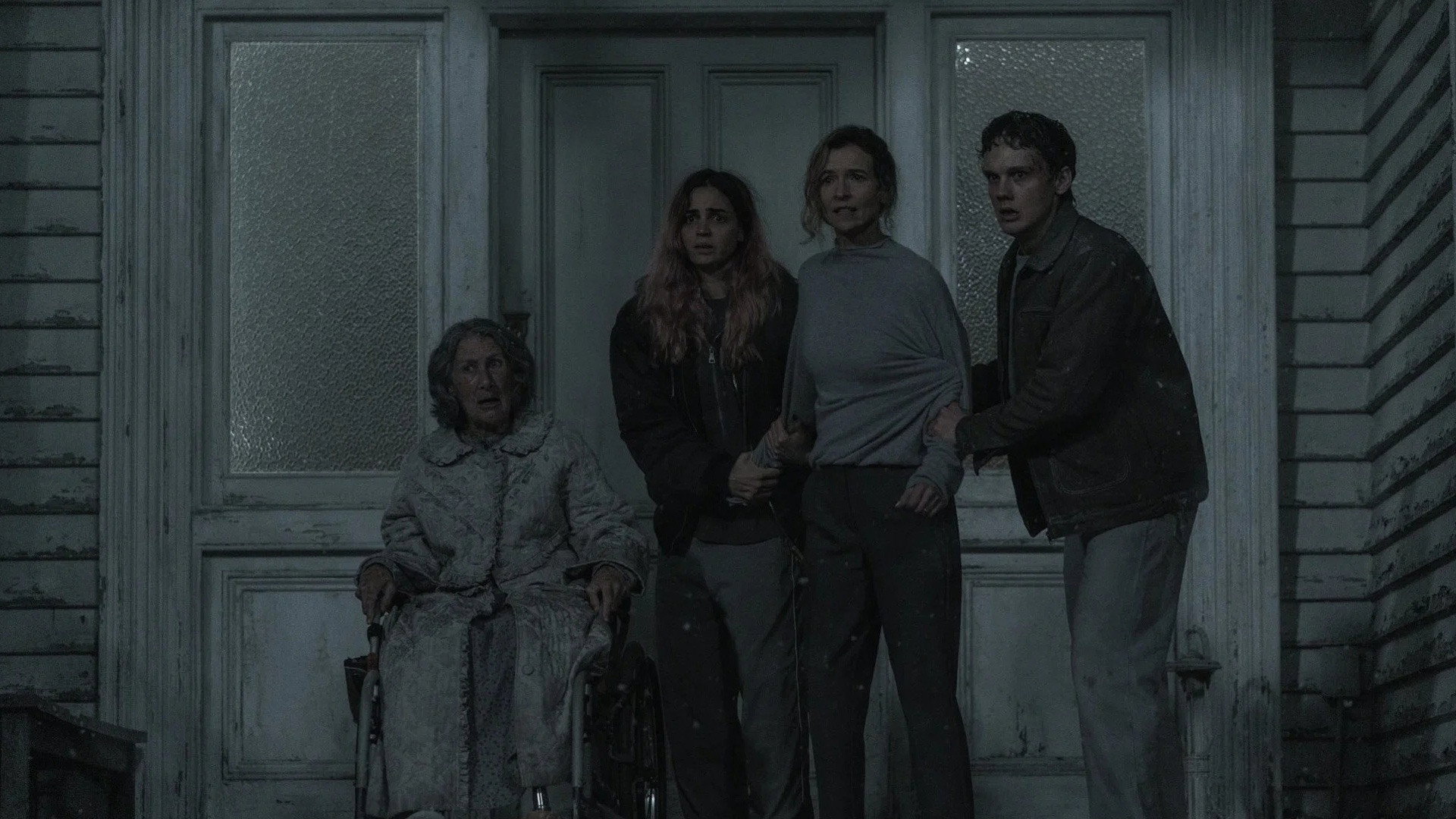
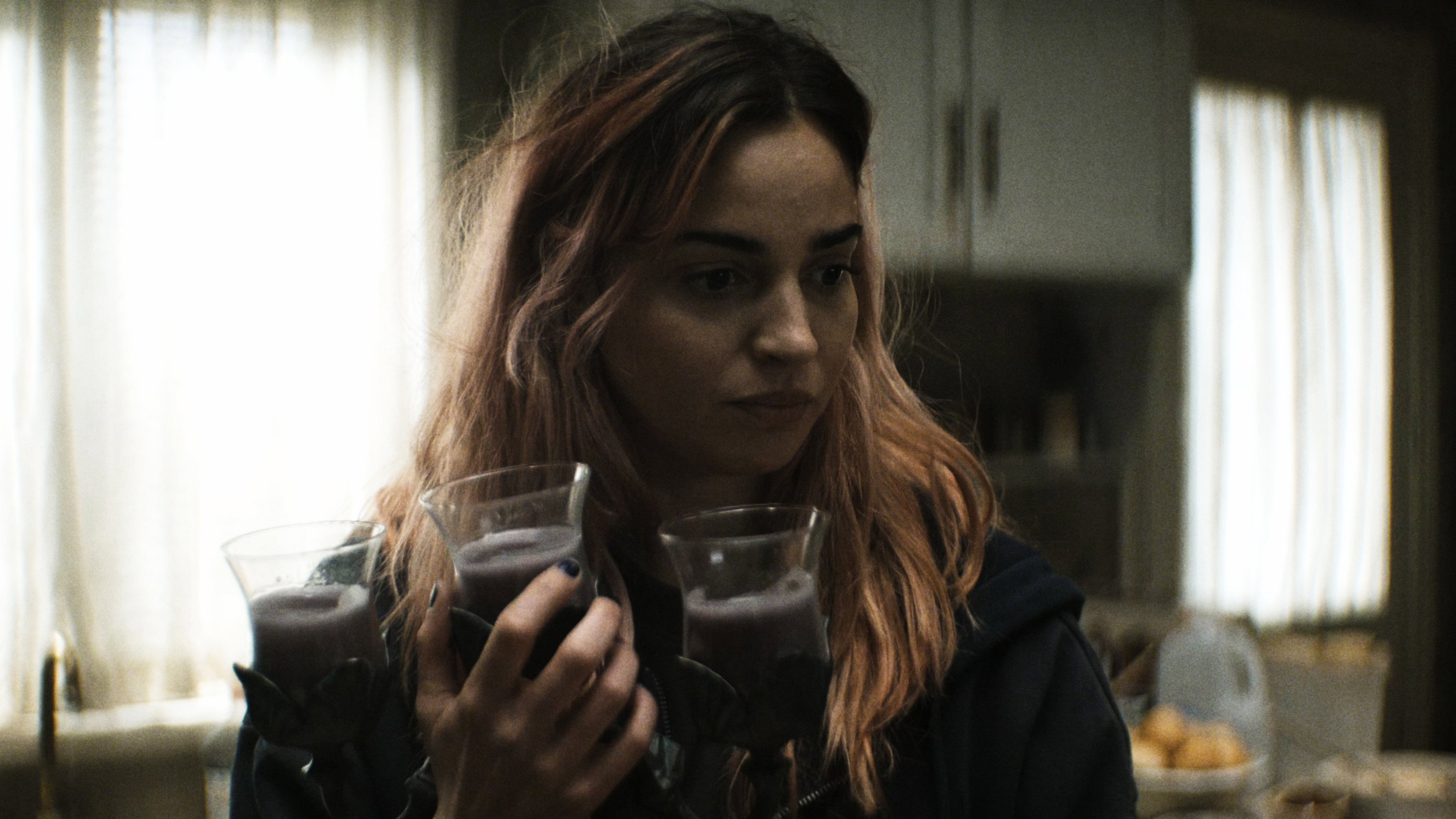
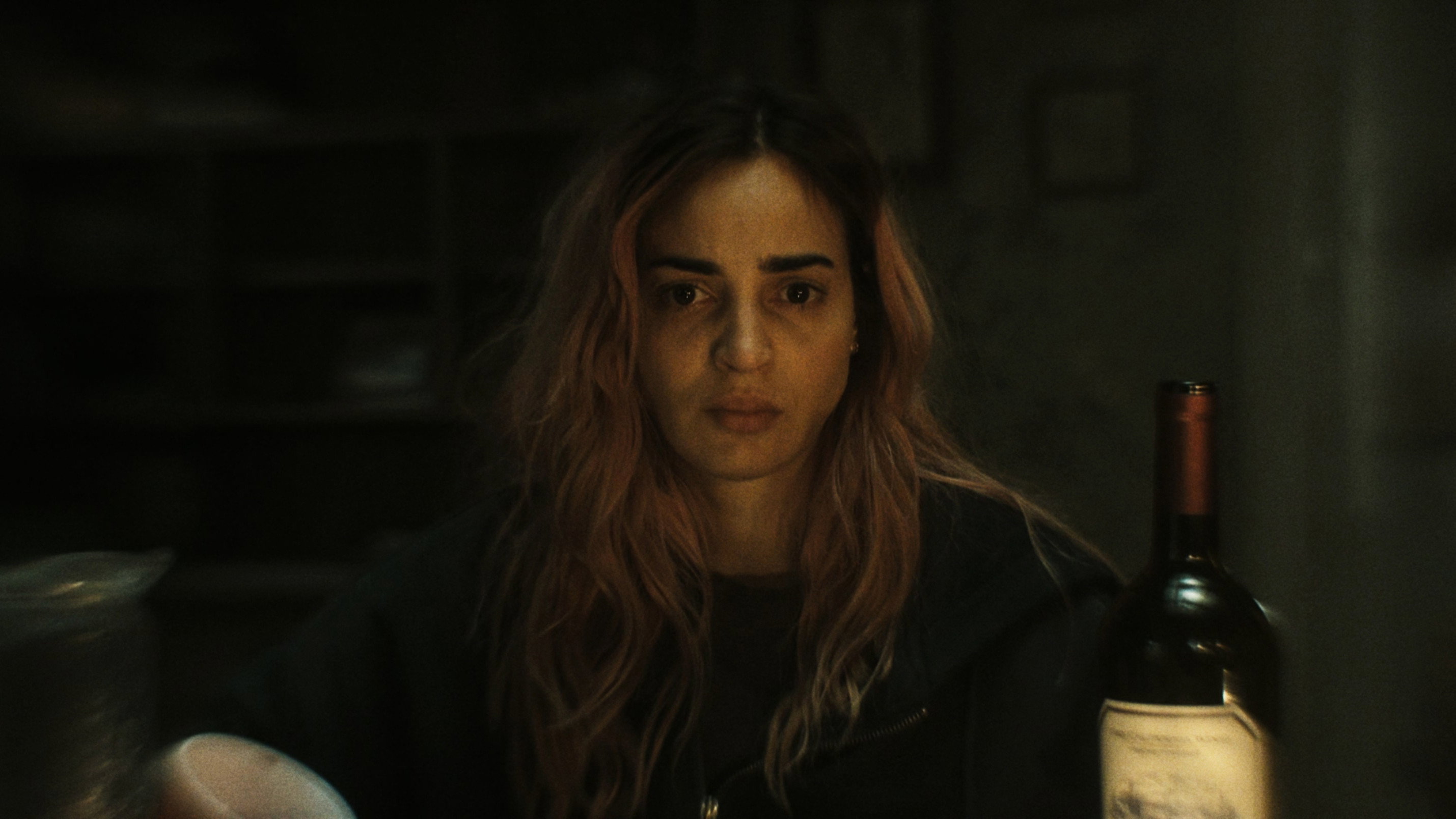
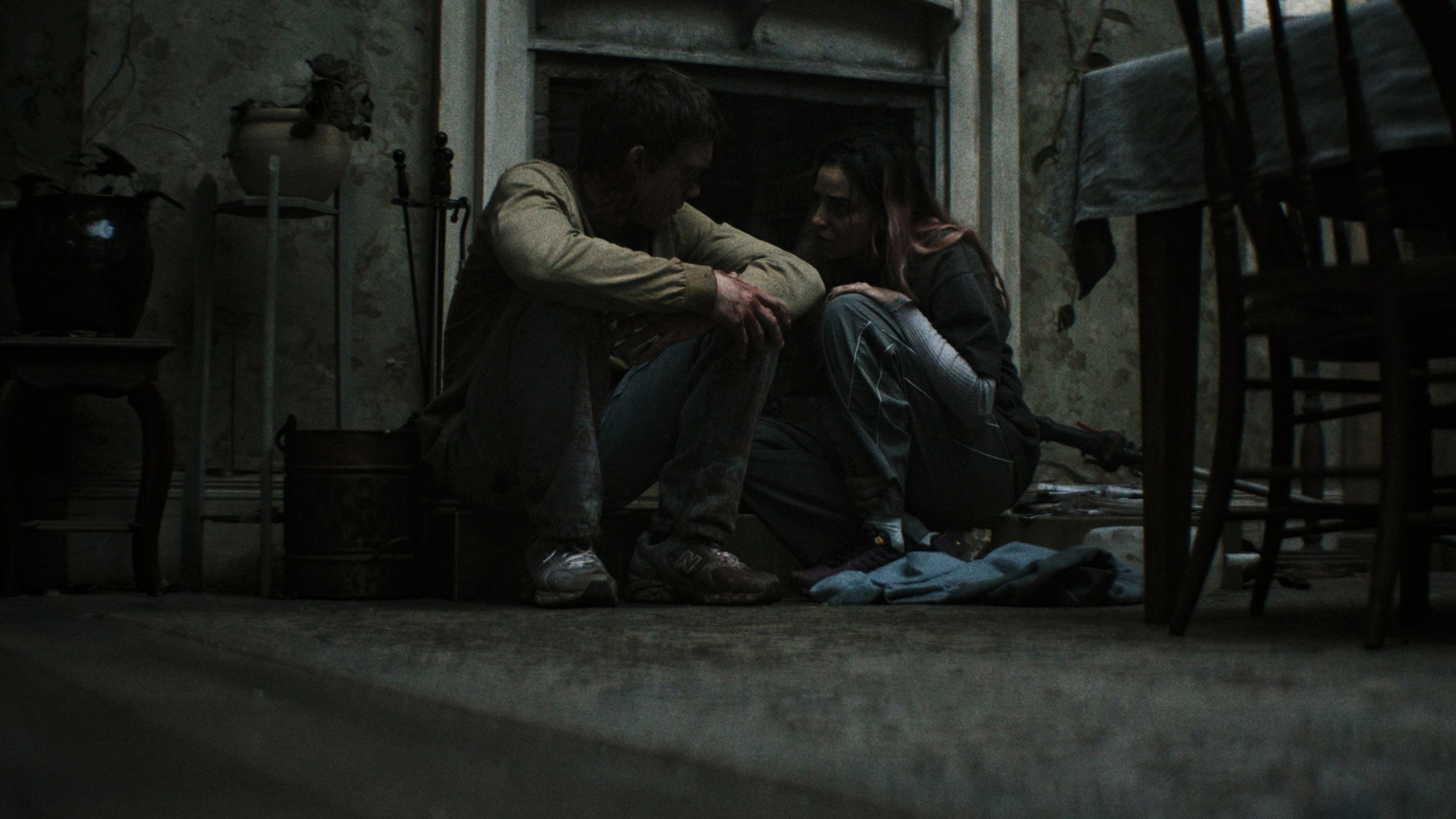
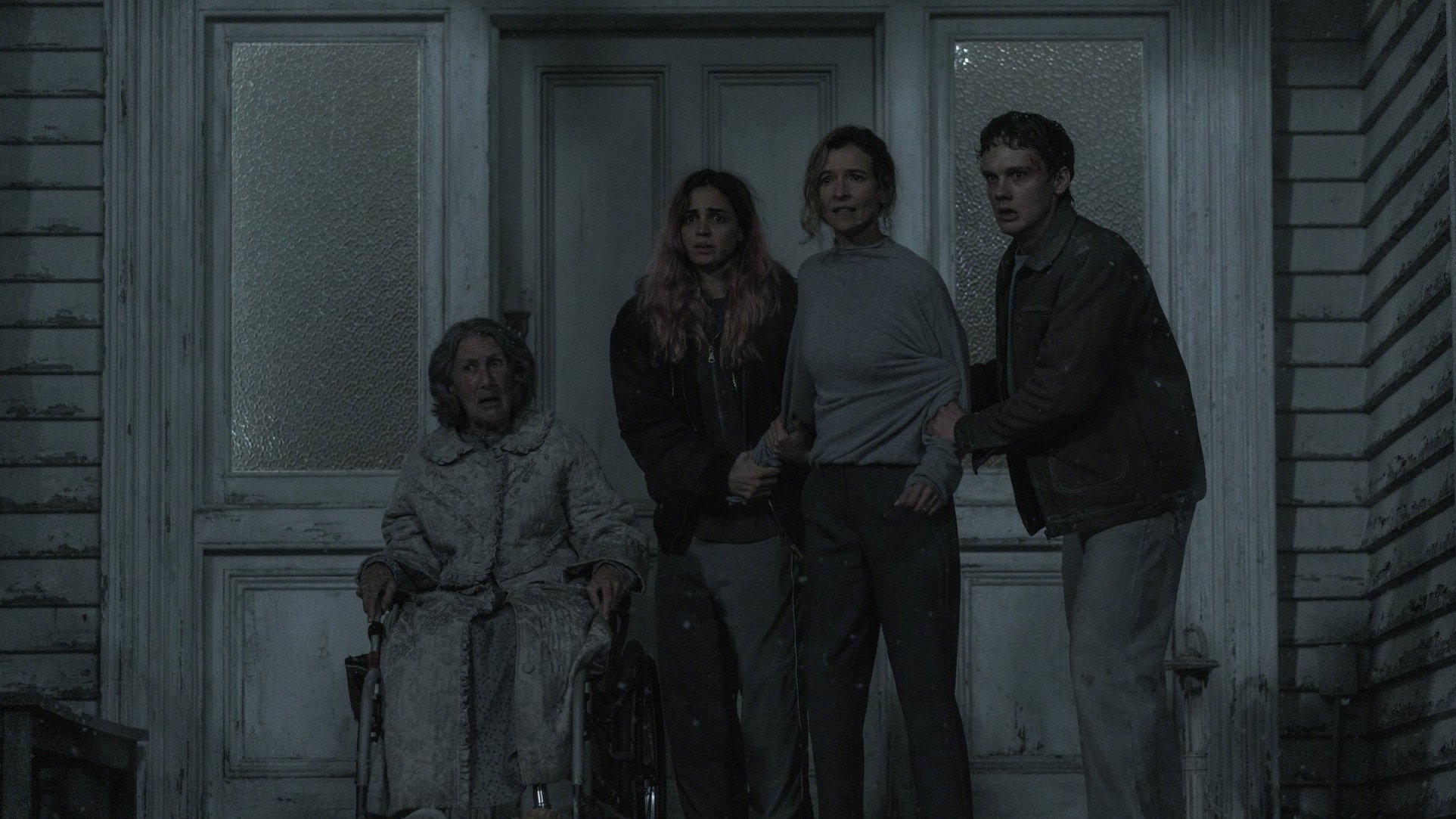
Alice arrives at an isolated family property after the death of her husband Will. His relatives have gathered to mourn, but she does not share their version of the relationship. The widow's knowledge of his controlling behavior makes the reunion emotionally precarious before the Deadites appear. The film builds its immediate horror from this imbalance: grief does not erase the damage left by coercion, and communal mourning can pressure a survivor to accept a more flattering account of the person who harmed her. A concealed object on the property gives the supernatural assault a specific objective, while the family's conflicts determine how its members respond to growing danger.

Vaniček identified domestic abuse as an intentional element of the screenplay, explaining to Le Monde that he and Bernard wanted to examine the connections among attachment, power and anger. He said the material was revised during filming, editing and test screenings in an effort to make its implications comprehensible. Speaking to Supanova, he recalled rehearsing the dinner scene first, because its relationships and resentments would govern the violent encounters that followed. This is valuable evidence of a creative priority, not proof that the finished drama offers a universal account of abuse. Alice's predicament is distinctive because the demons magnify tensions already present in the household.

The New Zealand Production

Filming took place primarily in New Zealand, where producer Rob Tapert had previously established an extensive television production base. The New Zealand Film Commission links the project to that local industry and records the involvement of specialist crews in prosthetics, physical effects, stunts, production design and construction. Its account names departments led by Jane O'Kane, Brendon Durey, Clint Elvy and Nick Connor, among others. These details matter because the film's violence requires scenery, performers and effects to interact within the same shot. A stunt or appliance cannot be treated as an isolated trick when the camera moves among actors and destructible surroundings.
The commission describes a production heavily dependent on local practical-effects expertise. Such institutional reporting establishes the presence of those crafts; it does not establish that every visible transformation was completed without digital work. Vaniček's recollections to Supanova similarly emphasize physical effects and a crew operating at considerable distance from his home in France. The combination of experienced New Zealand technicians and an incoming French filmmaking team brought two strands of horror production into contact. It also continued a regional relationship with Evil Dead established before this feature, including the New Zealand-based television series Ash vs Evil Dead.
Photography: Fire, Movement and Shadow

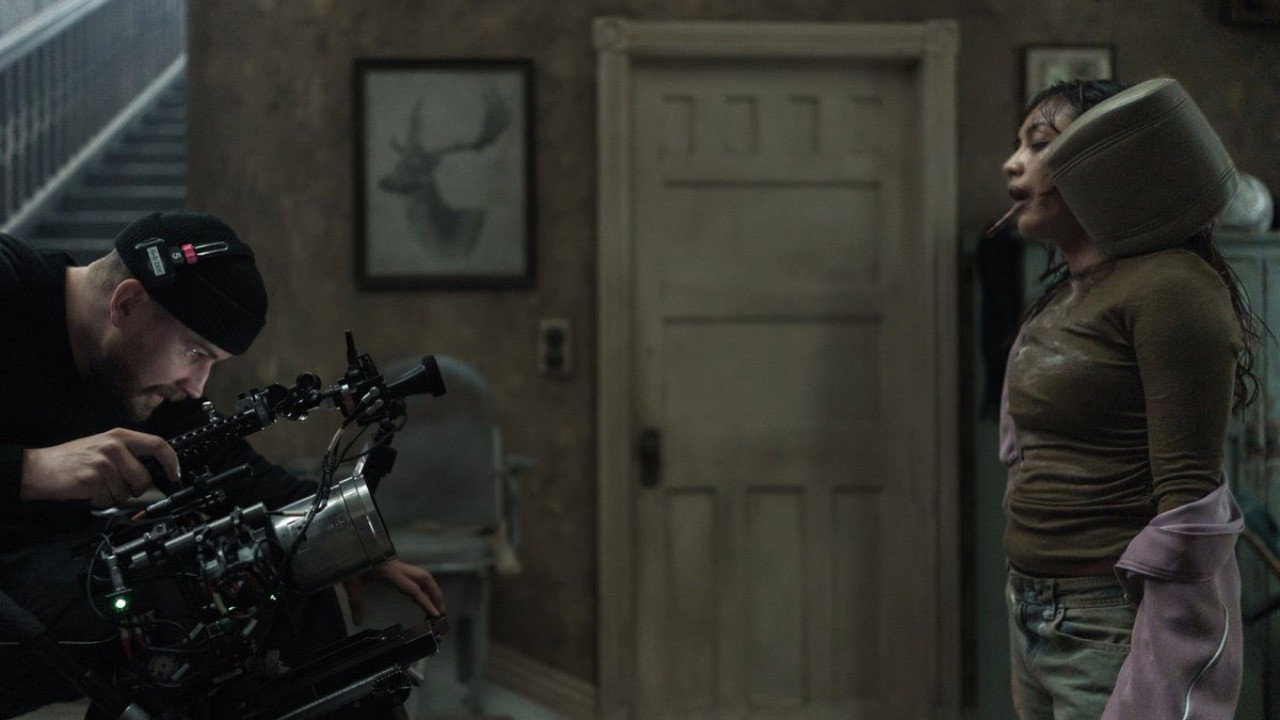
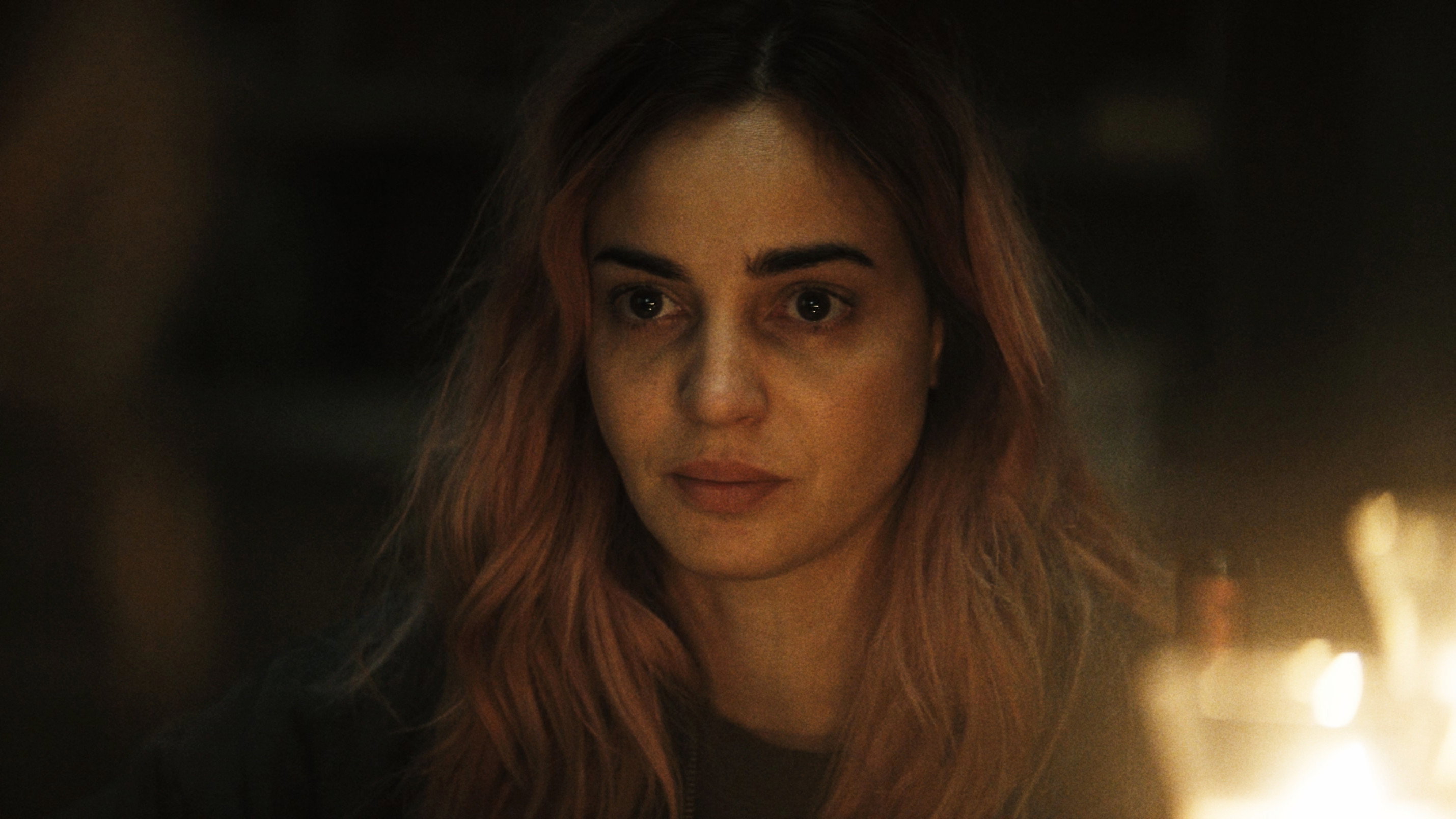
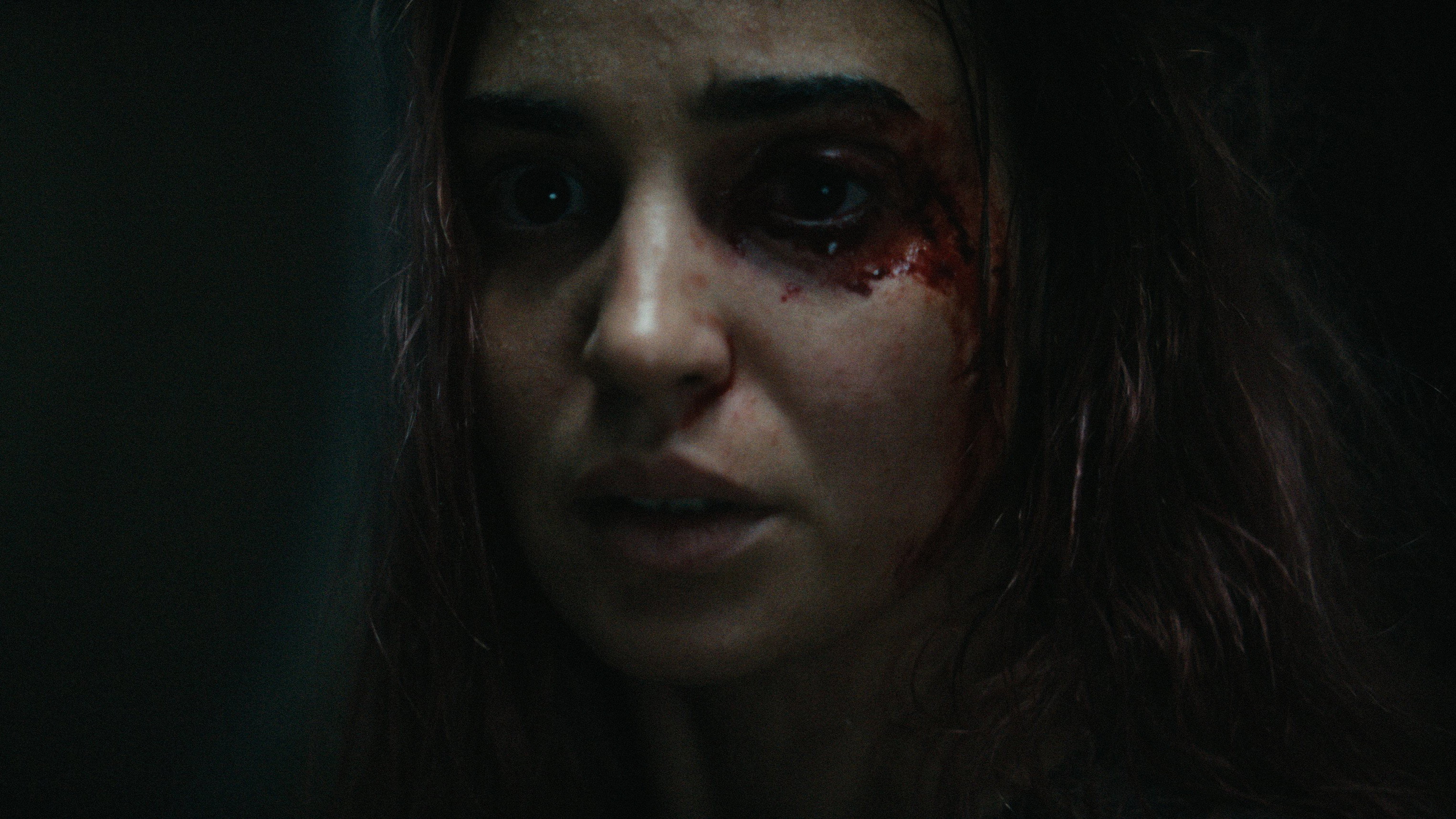
Cinematographer Philip Lozano described a visual strategy built around restricted illumination and camera movement. In an extended Sony Cine interview, he explained that the challenge was to keep shadow detailed enough for the viewer to read a space without dispelling its uncertainty. He chose the Sony VENICE 2 with a detachable RIALTO camera system, which allowed operators to work in crowded interiors. Panavision Ultra Vista anamorphic lenses helped shape the image. Lozano said he preferred a handheld quality in keeping with Vaniček's intentions, even when the chosen optics made the equipment heavier. The resulting instability belongs to decisions made during photography, not merely to editing after the fact.

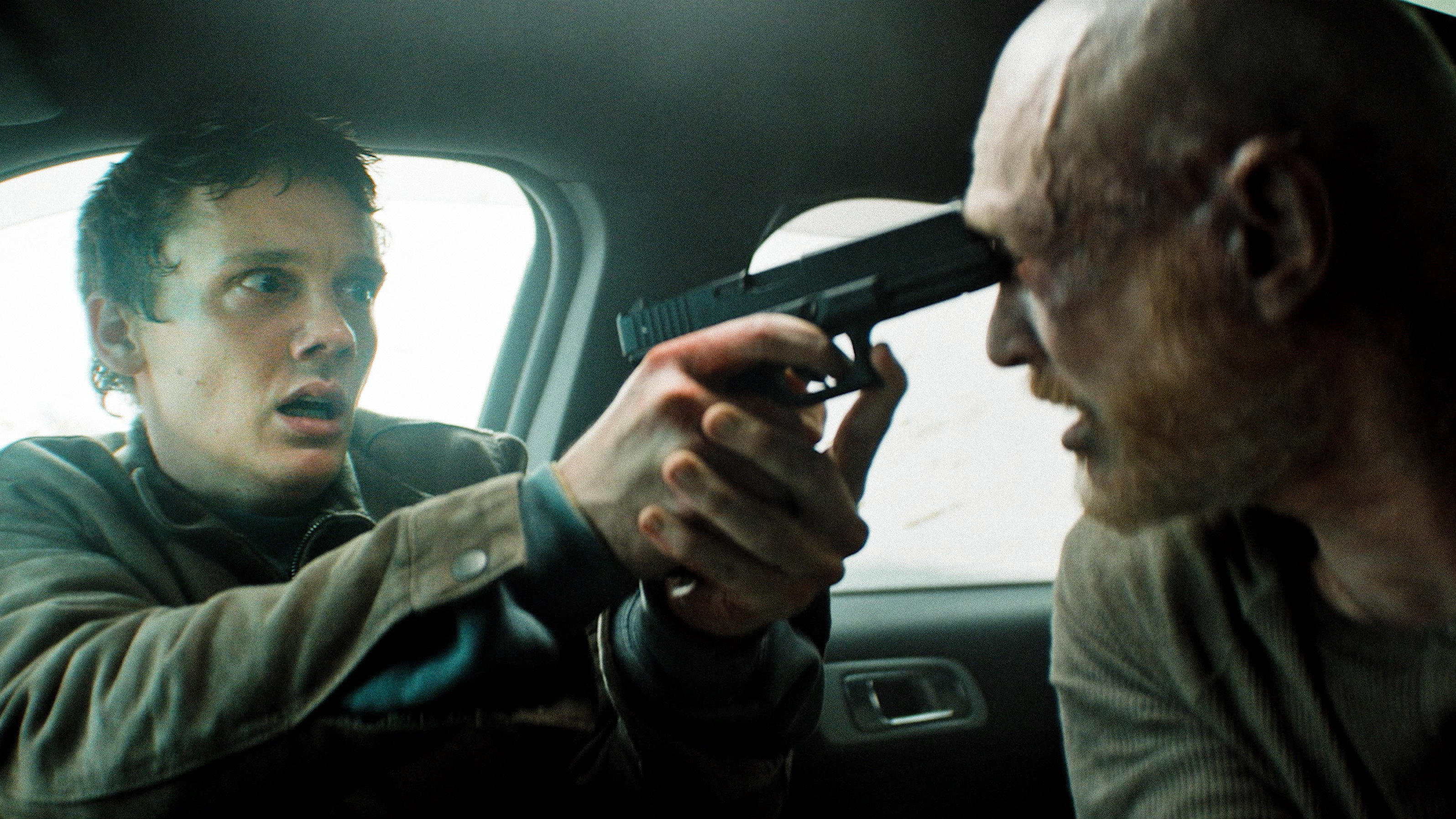
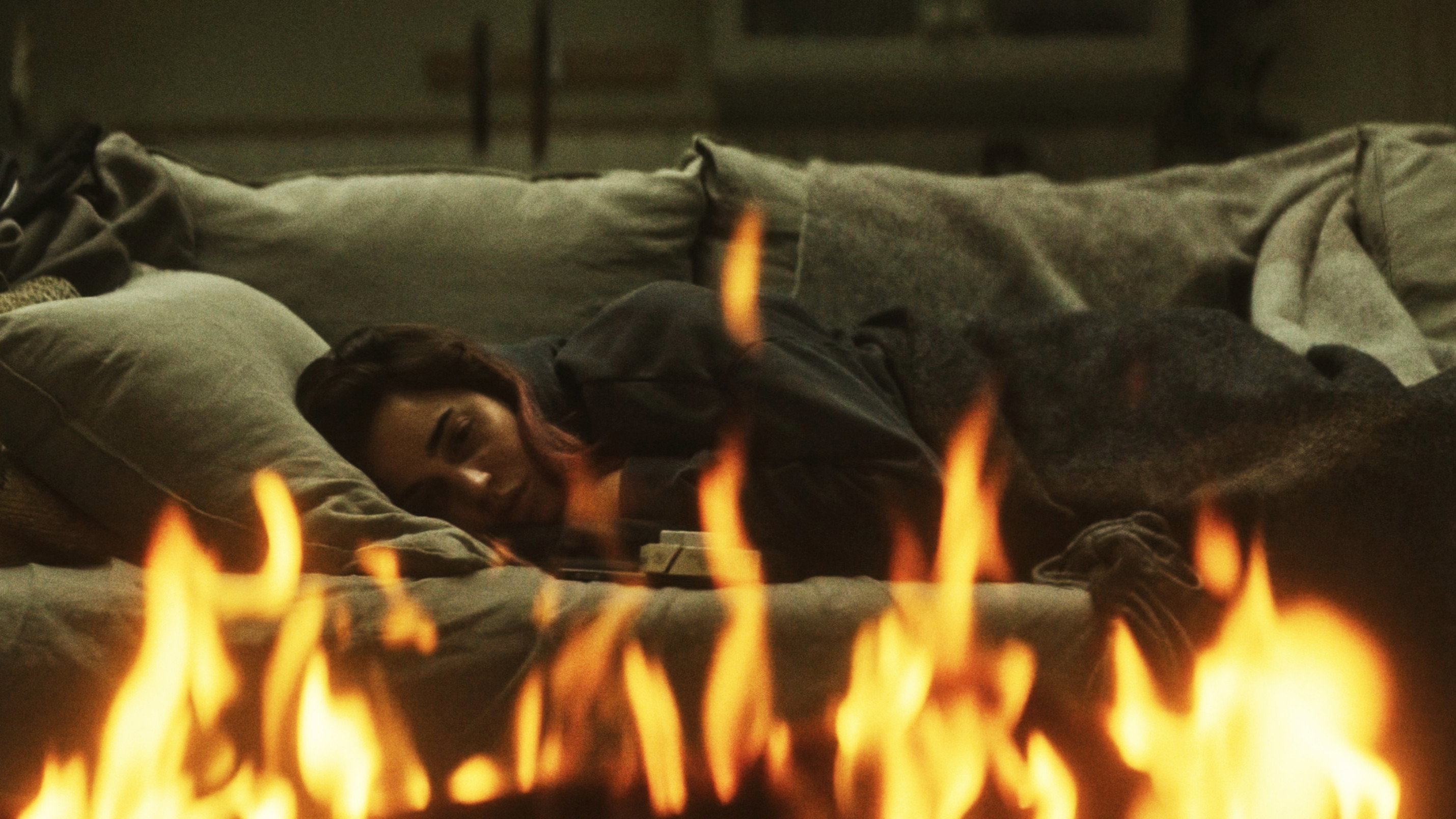
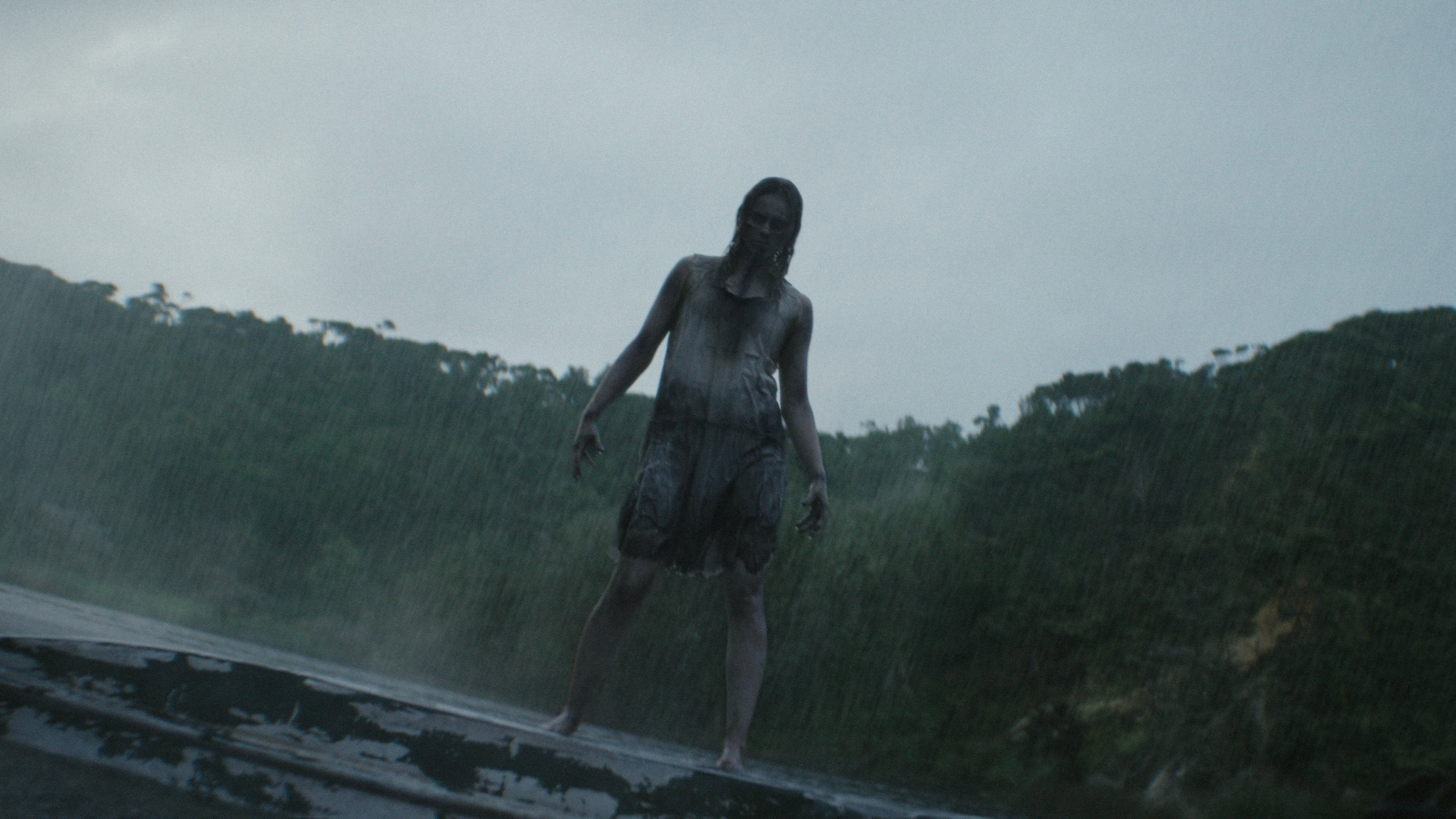
Flames presented a different practical problem. Lozano wanted them photographed on set because live fire produces variations of color and movement that he considered difficult to reproduce convincingly. He used the camera's latitude and internal neutral-density controls to retain separation among brighter and darker parts of the image. The production also required closely confined movement: Lozano specifically recalled using the RIALTO Mini while photographing a struggle inside a car. These details give the title's fire motif a material counterpart in the shoot. They support a claim about photographed flames in particular scenes, not the broader assertion that the film contains no computer-generated imagery.

Domestic Objects and Violent Effects

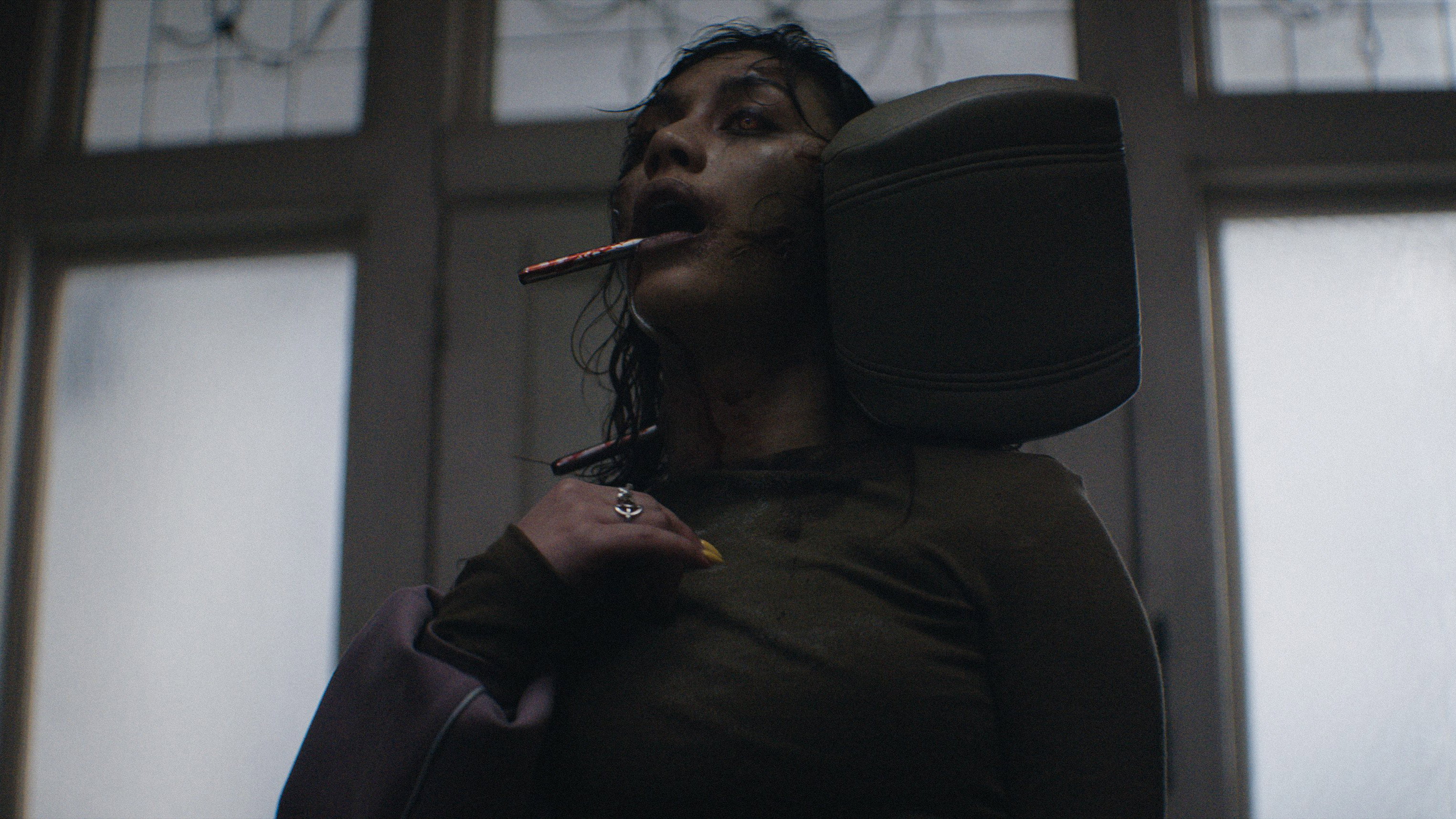
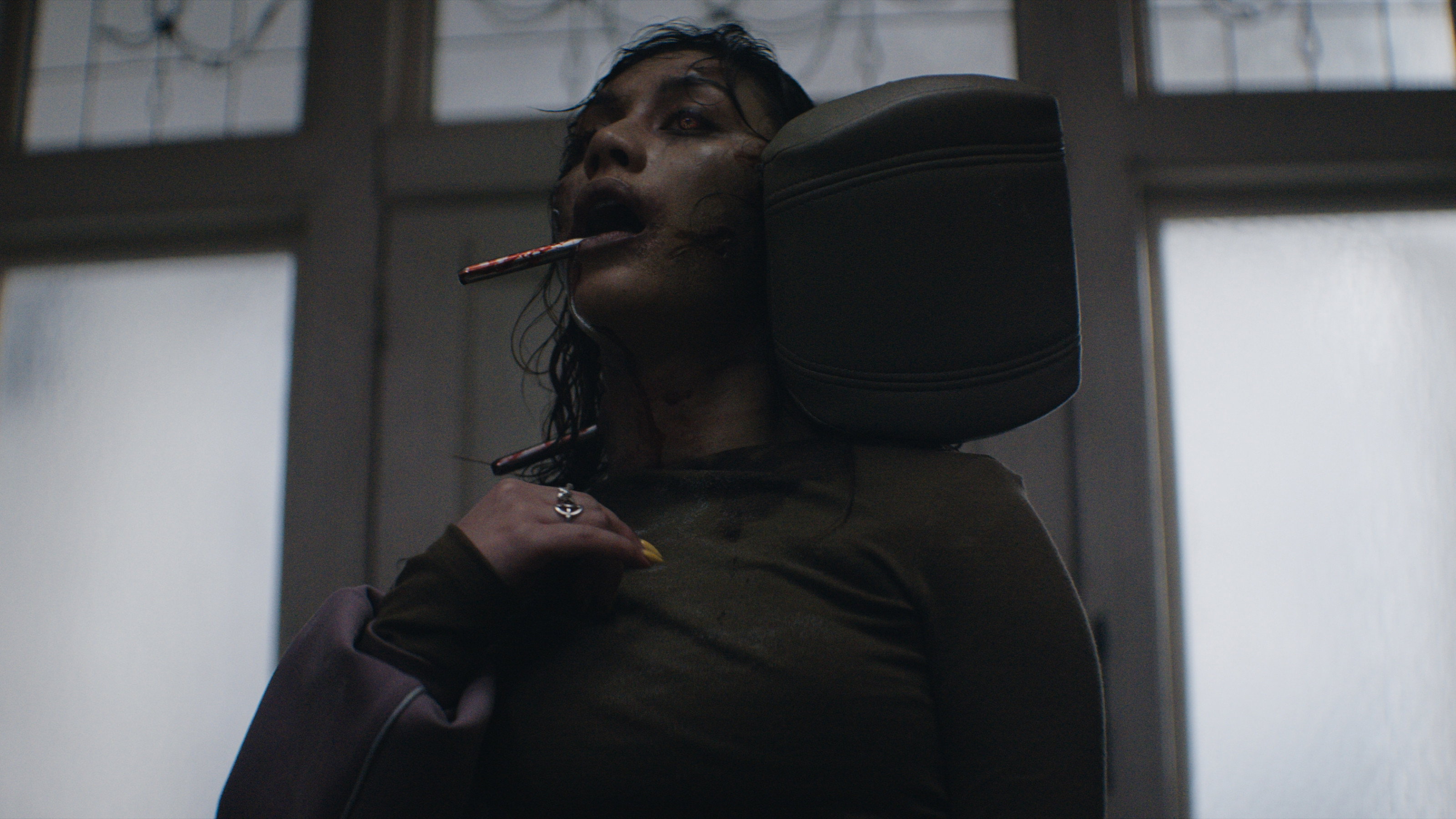
Vaniček described looking for weapons that could emerge naturally from a house. During writing, he considered garden tools and household utensils; opening a dishwasher helped suggest the use of skewers, while a corkscrew promised a more difficult form of bodily injury than a conventional knife. In Le Monde, these examples arose during his discussion of the franchise's tradition of fighting back against demons with objects close at hand. The emphasis gives domestic space an active role in generating horror. Furniture and implements associated with family routines become sources of threat, strengthening the connection between the household's ordinary tensions and its supernatural collapse.

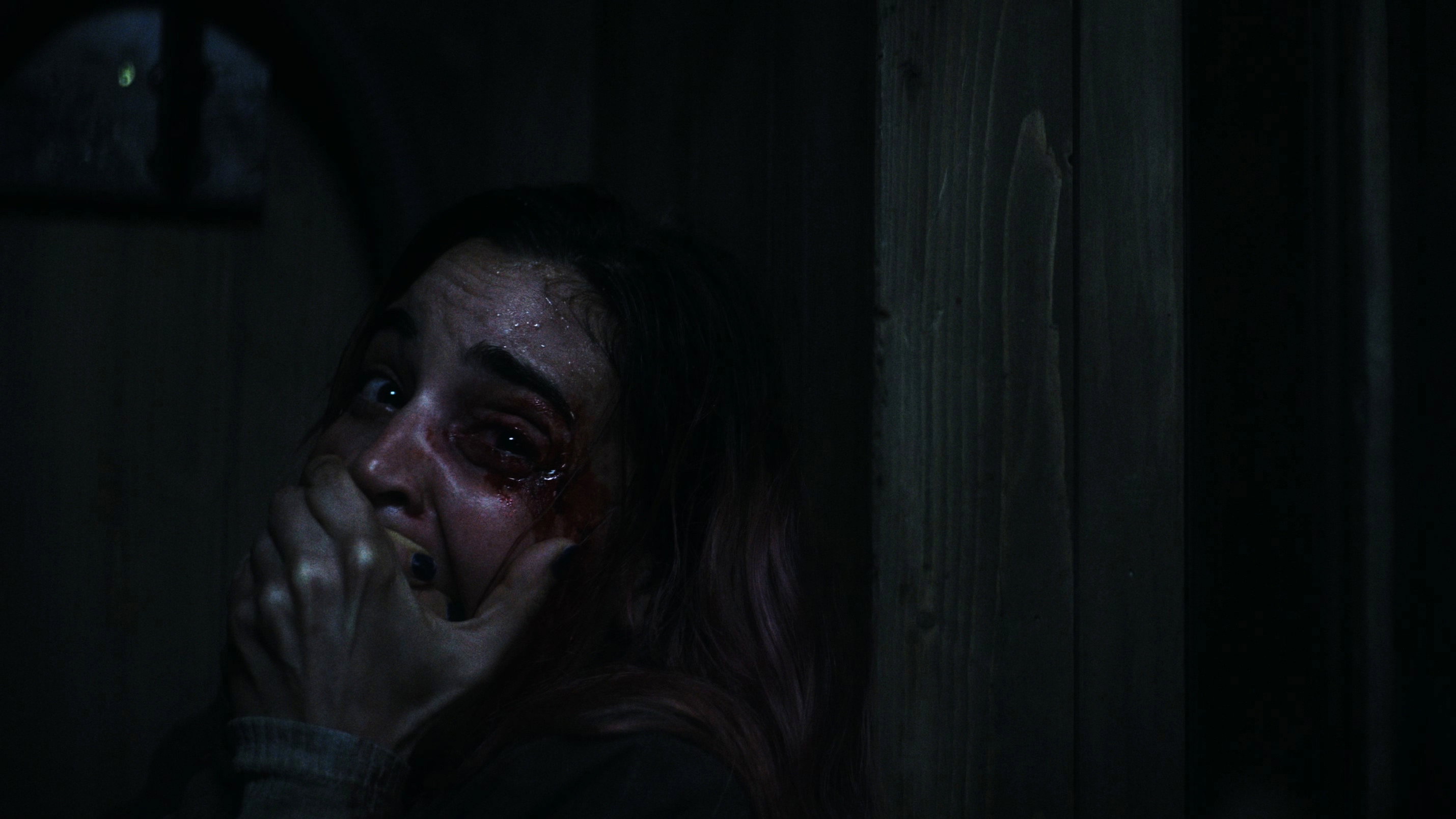
The director's insistence on physical injury also affected the release version. Interviewed by Supanova in July 2026, he recalled that a particularly disturbing passage pushed the project beyond the limits required for an American R rating. He said adjustments in editing brought the material back within that classification. This is his account of negotiations over intensity; the interview does not identify an independently authenticated alternate cut or document every frame removed. His remarks nevertheless clarify why gore was integral to the intended viewing experience. The finished feature combines tangible prosthetic work with the threat that intimate relationships can be turned into instruments of aggression.

Theatrical Release and Contemporary Criticism

The film opened in several territories on July 8, 2026, before its July 10 wide release in the United States through Warner Bros. Its domestic debut was approximately $13.7 million, while the subsequently reported worldwide theatrical gross reached about $72.4 million. Those figures measure ticket revenue, not producer profit, and do not account for the division of receipts or marketing costs. The release followed Evil Dead Rise (2023) and further established the franchise's contemporary pattern of self-contained stories by filmmakers working outside Raimi's original cast. The presence of continuing producers gave the installment institutional continuity without requiring Alice to be presented as a successor to Ash Williams.

Contemporary criticism identified the family's underlying hostility as a defining feature, while disagreeing about whether the unrelenting cruelty justified its duration. Writing for Sight and Sound in July 2026, Anton Bitel found the familial antagonisms and the distorted camera movement compatible with the series' grotesque comic tradition. Other responses were substantially less enthusiastic about the density of violence and the handling of character drama. These are immediate evaluations of a newly released film, not evidence of a settled place in horror history. Its documented contribution at this stage is a French director's interpretation of Deadite horror through coercive intimacy and carefully planned physical spectacle.

References

  1. Le Monde Sébastien Vaniček, realisateur d'Evil Dead Burn: L'horreur est le seul genre qui peut rivaliser avec les blockbusters

    Boris Bastide's July 2026 original interview addressing the 2023 approach, authorship, domestic abuse, screenplay revisions and household weapons.

  2. New Zealand Film Commission Evil Dead Burn continues a legacy of genre filmmaking in New Zealand

    Institutional production case study identifying the local practical-effects, stunt and construction teams and the longstanding Tapert production infrastructure.

  3. Sony Cine Philip Lozano, AFC, and VENICE 2 Set Fire to a Cult Classic for Evil Dead Burn

    Yaroslav Altunin's September 2026 original technical interview on handheld photography, VENICE 2 and RIALTO systems, anamorphic optics and live fire.

  4. Supanova Interview: Director Sébastien Vaniček Wants Evil Dead Burn to Shock Audiences

    Liam O'Sullivan's July 2026 direct interview about rehearsals, practical gore, editing for an R rating and the involvement of the original producers.

  5. BFI / Sight and Sound Evil Dead Burn: the franchise returns with fire, fury and family dysfunction

    Anton Bitel's July 2026 contemporary critical reading of the family conflicts, Deadites, visual style and relationship to earlier installments.

Connections

Cast

View Full Cast & Crew →

Release & Distribution

Production Companies (3)

  • Ghost House Pictures US
  • New Line Cinema US
  • Screen Gems US

Distributors (3)

  • InterCom HU
  • New Line Cinema US
  • Warner Bros. Entertainment US

Release History (121)

Release DateTerritoryRelease TypeFormatDistributorCertificationNotes
2026-06-30 United States Premiere — — R Saban Theatre
2026-07-01 New Zealand Premiere — — R16 Auckland
2026-07-03 France Premiere — — 16
2026-07-04 Switzerland Premiere — — 18 Neuchâtel International Fantastic Film Festival
2026-07-07 Brazil Limited Theatrical — — 18 Espaço Petrobras de Cinema
2026-07-08 Belgium Theatrical — — 18
2026-07-08 Switzerland Theatrical — — 18
2026-07-08 France Theatrical — — 16
2026-07-08 Italy Theatrical — — 14+
2026-07-08 Luxembourg Theatrical — — 16
2026-07-08 Mexico Theatrical — — C
2026-07-08 Philippines Theatrical — — R-18
2026-07-08 Paraguay Theatrical — — —
2026-07-08 Taiwan Theatrical — — 18+
2026-07-09 United Arab Emirates Theatrical — — —
2026-07-09 Antigua & Barbuda Theatrical — — —
2026-07-09 Albania Theatrical — — —
2026-07-09 Argentina Theatrical — — +16
2026-07-09 Austria Theatrical — — 16
2026-07-09 Australia Theatrical — — R 18+
2026-07-09 Aruba Theatrical — — —
2026-07-09 Azerbaijan Theatrical — — — 18+
2026-07-09 Bosnia & Herzegovina Theatrical — — —
2026-07-09 Bahrain Theatrical — — —
2026-07-09 Bolivia Theatrical — — —
2026-07-09 Brazil Theatrical — — 18
2026-07-09 Switzerland Theatrical — — 18
2026-07-09 Chile Theatrical — — —
2026-07-09 Colombia Theatrical — — —
2026-07-09 Costa Rica Theatrical — — —
2026-07-09 Czechia Theatrical — — 15+
2026-07-09 Germany Theatrical — — 18
2026-07-09 Denmark Theatrical — — 15
2026-07-09 Dominican Republic Theatrical — — —
2026-07-09 Ecuador Theatrical — — —
2026-07-09 Egypt Theatrical — — —
2026-07-09 Faroe Islands Theatrical — — —
2026-07-09 United Kingdom Theatrical — — 18
2026-07-09 Greece Theatrical — — K18
2026-07-09 Guatemala Theatrical — — —
2026-07-09 Guyana Theatrical — — —
2026-07-09 Hong Kong SAR China Theatrical — — III
2026-07-09 Honduras Theatrical — — —
2026-07-09 Croatia Theatrical — — —
2026-07-09 Hungary Theatrical — — X
2026-07-09 Israel Theatrical — — 18
2026-07-09 Iceland Theatrical — — —
2026-07-09 St. Kitts & Nevis Theatrical — — —
2026-07-09 Kuwait Theatrical — — —
2026-07-09 Lebanon Theatrical — — —
2026-07-09 St. Lucia Theatrical — — —
2026-07-09 Montenegro Theatrical — — —
2026-07-09 Macao SAR China Theatrical — — D
2026-07-09 Malaysia Theatrical — — 18PL
2026-07-09 Nicaragua Theatrical — — —
2026-07-09 Netherlands Theatrical — — 18
2026-07-09 New Zealand Theatrical — — R16
2026-07-09 Oman Theatrical — — —
2026-07-09 Peru Theatrical — — —
2026-07-09 Puerto Rico Theatrical — — R
2026-07-09 Portugal Theatrical — — M/18
2026-07-09 Qatar Theatrical — — —
2026-07-09 Serbia Theatrical — — —
2026-07-09 Saudi Arabia Theatrical — — —
2026-07-09 Singapore Theatrical — — R21
2026-07-09 Slovenia Theatrical — — —
2026-07-09 Slovakia Theatrical — — 18
2026-07-09 Thailand Theatrical — — 18
2026-07-09 Ukraine Theatrical — — 18+
2026-07-09 Uruguay Theatrical — — —
2026-07-09 Uzbekistan Theatrical — — —
2026-07-09 Venezuela Theatrical — — —
2026-07-09 Kosovo Theatrical — — —
2026-07-10 Bulgaria Theatrical — — X
2026-07-10 Canada Theatrical — — 18A
2026-07-10 Estonia Theatrical — — —
2026-07-10 Finland Theatrical — — K-18
2026-07-10 Ireland Theatrical — — 18
2026-07-10 India Theatrical — — A
2026-07-10 Cambodia Theatrical — — —
2026-07-10 Lithuania Theatrical — — N-18
2026-07-10 Latvia Theatrical — — 18+
2026-07-10 Mongolia Theatrical — — —
2026-07-10 Nigeria Theatrical — — —
2026-07-10 Norway Theatrical — — 15
2026-07-10 Nepal Theatrical — — —
2026-07-10 Pakistan Theatrical — — —
2026-07-10 Poland Theatrical — — —
2026-07-10 Romania Theatrical — — 18
2026-07-10 Sweden Theatrical — — 15
2026-07-10 Türkiye Theatrical — — 18+
2026-07-10 United States Theatrical — — R
2026-07-10 Vietnam Theatrical — — —
2026-07-10 South Africa Theatrical — — 18
2026-07-16 Belarus Theatrical — — —
2026-07-16 Georgia Theatrical — — —
2026-07-16 Kazakhstan Theatrical — — —
2026-07-16 Russia Theatrical — — 18+
2026-07-17 Spain Theatrical — — 18
2026-07-17 Indonesia Theatrical — — 21+
2026-07-17 Sri Lanka Theatrical — — —
2026-07-17 Myanmar (Burma) Theatrical — — —
2026-07-17 Malta Theatrical — — —
2026-07-22 Morocco Theatrical — — —
2026-07-22 Tunisia Theatrical — — —
2026-07-23 Panama Theatrical — — —
2026-07-24 Senegal Theatrical — — —
2026-08-04 United States Digital — — R
2026-08-24 Brazil Digital — — 18
2026-08-24 United Kingdom Digital — — 18
2026-08-25 Romania Digital — — 18
2026-09-10 Russia Digital — — 18+
2026-09-17 Israel Digital — — —
2026-09-22 United States Physical 4K UHD, DVD, Blu-ray — R 4K Ultra HD / Blu-ray / DVD
2026-10-02 Mexico Digital — — C HBO Max
2026-10-02 United States Digital — — R HBO Max
2026-10-03 United States TV — — R HBO
2026-10-06 South Korea Digital — — 19
2026-10-12 United Kingdom Physical 4K UHD, DVD, Blu-ray — 18 4K Ultra HD / Blu-ray / DVD
2026-10-16 Philippines Digital — — — Netflix
2026-10-29 Argentina Limited Theatrical — — +16 Reestreno

News & Features

All horror news
Every family has its demons.