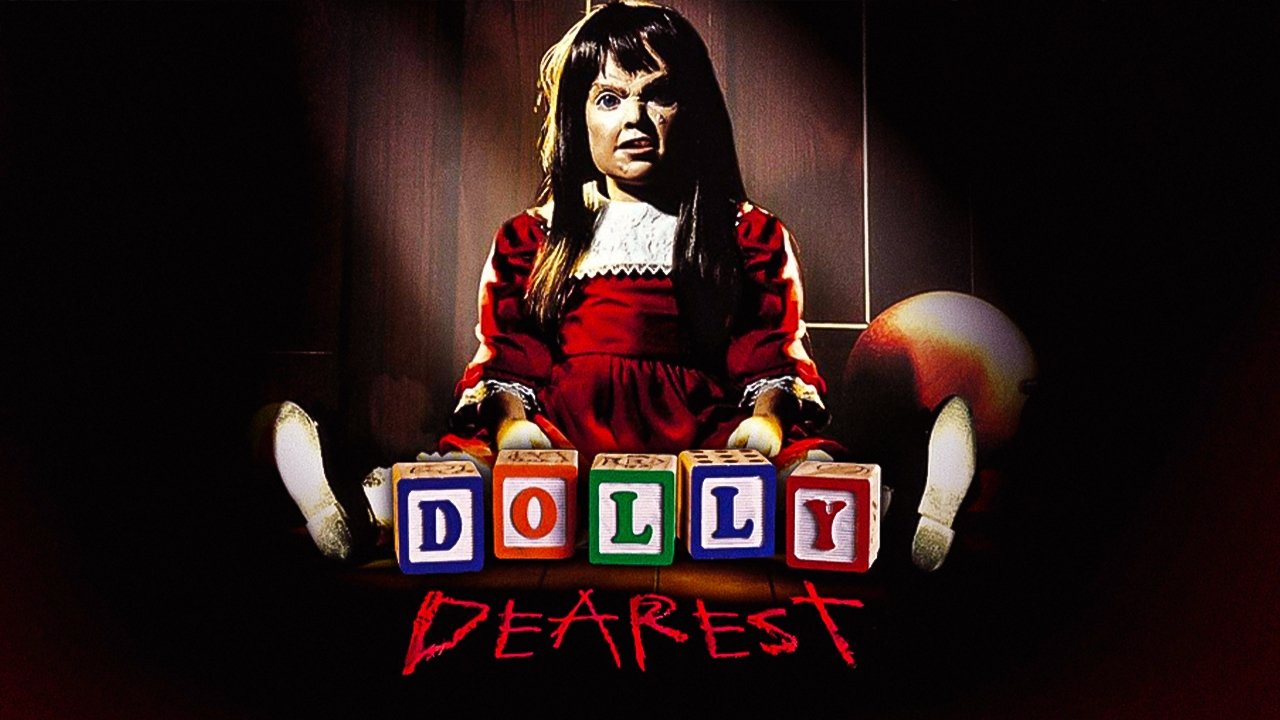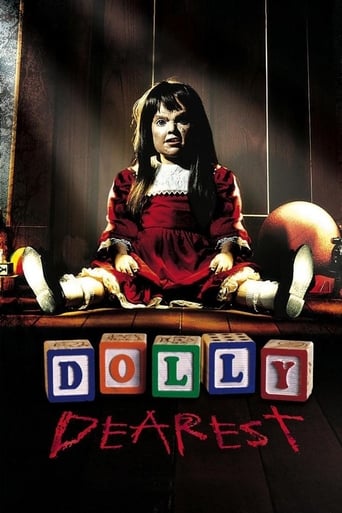
Dolly Dearest (1991)

US
HORROR FILM
SUBGENRES EVIL DOLL
Runtime
93 min
Release
September 1, 1991
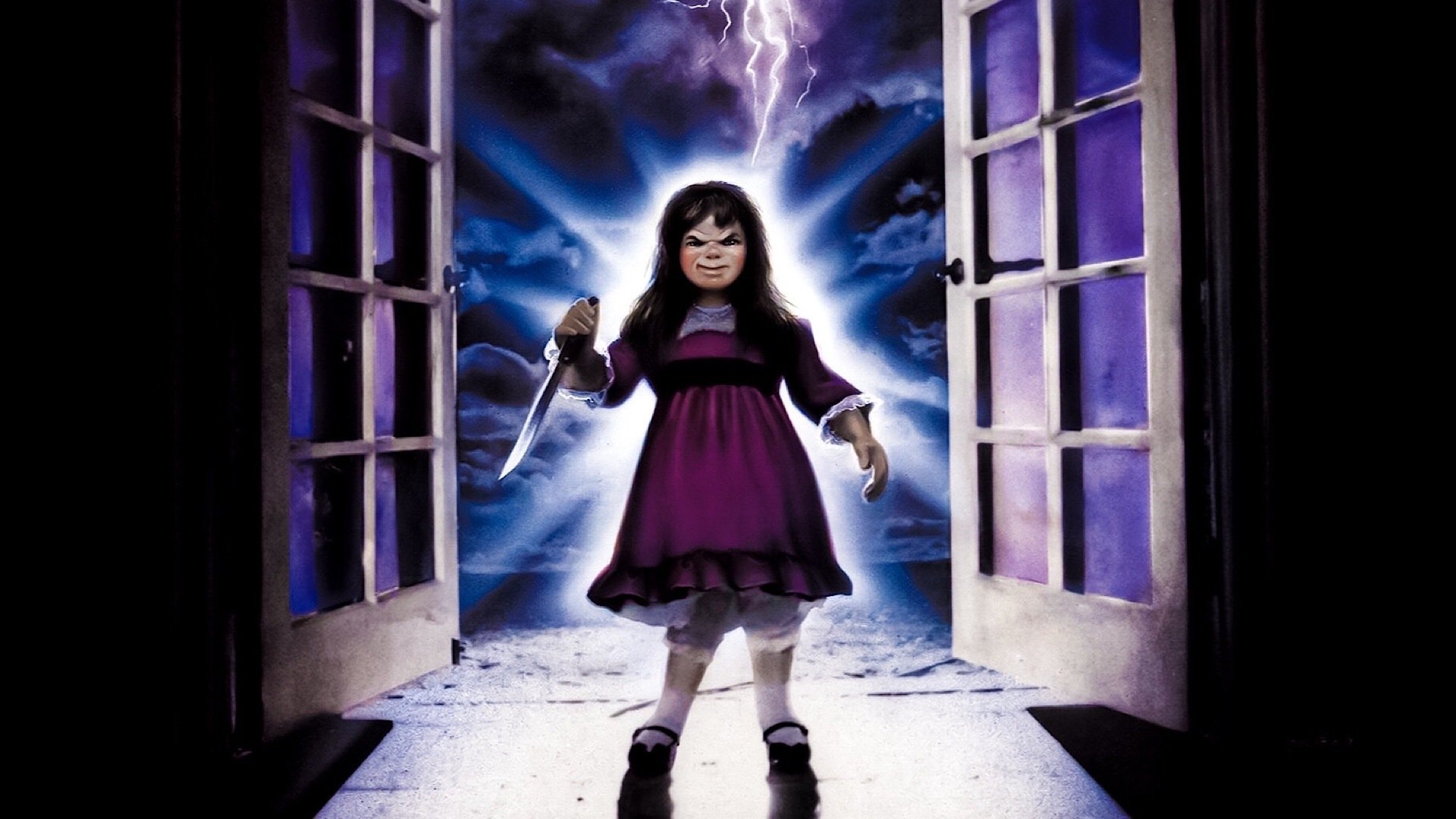
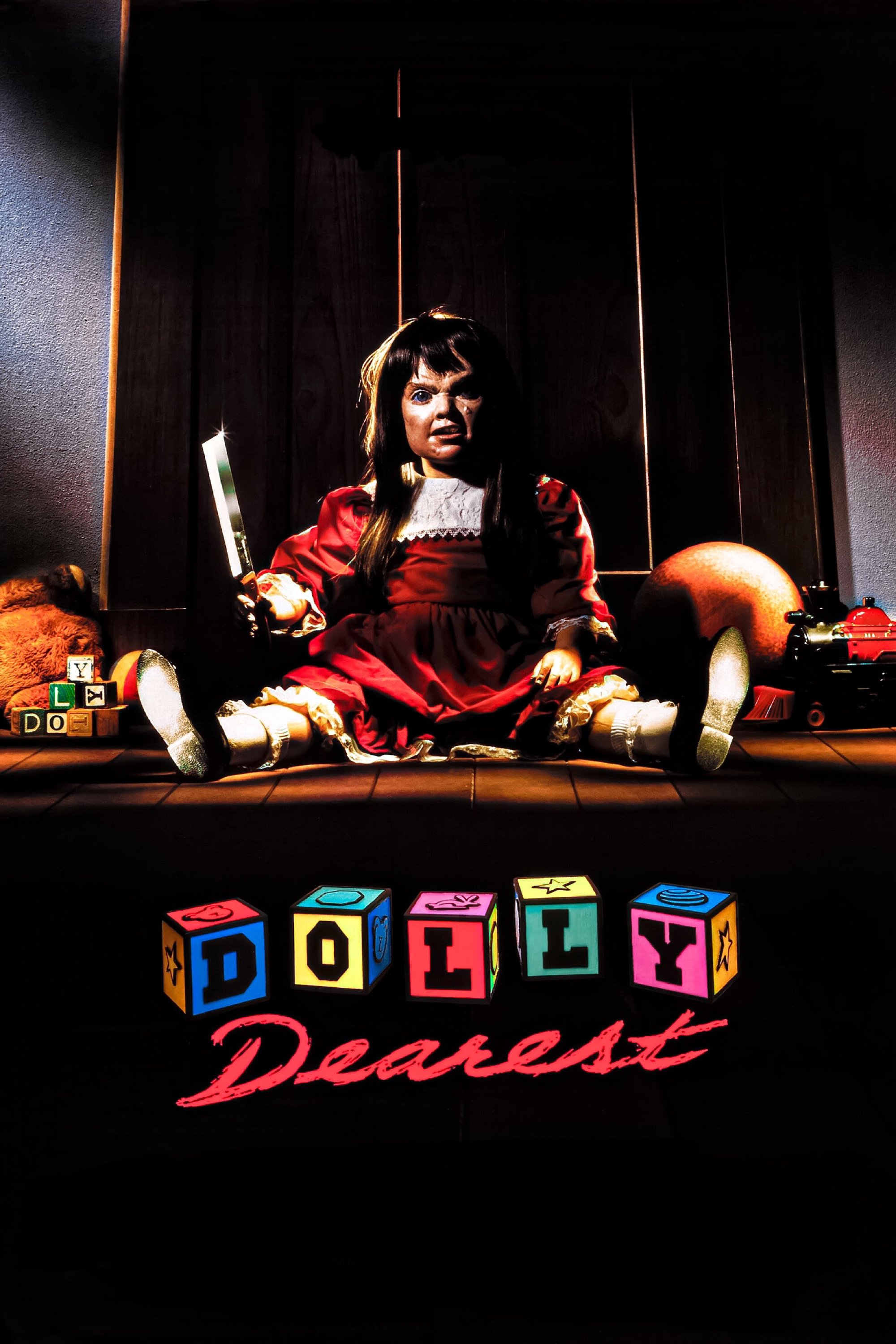
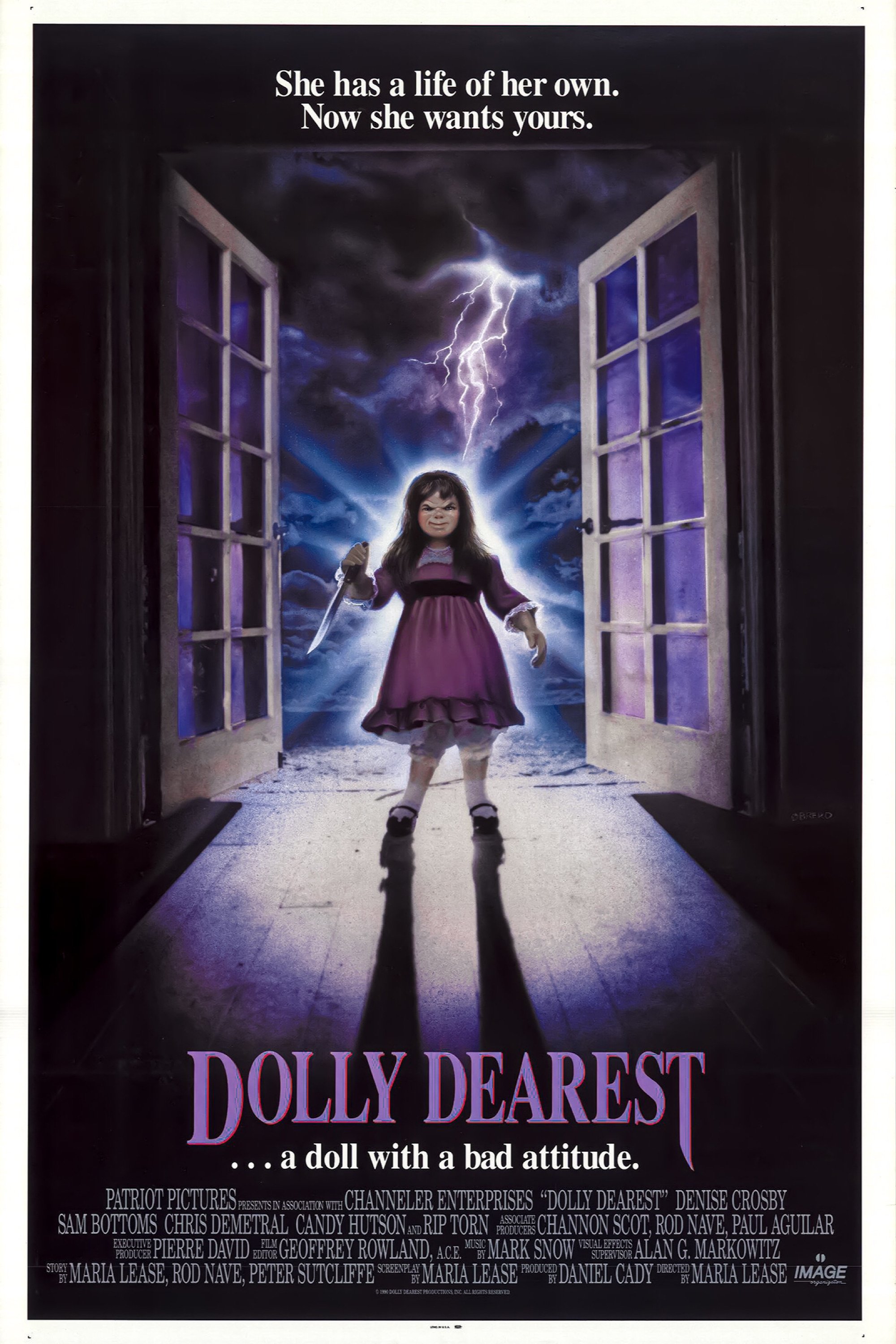
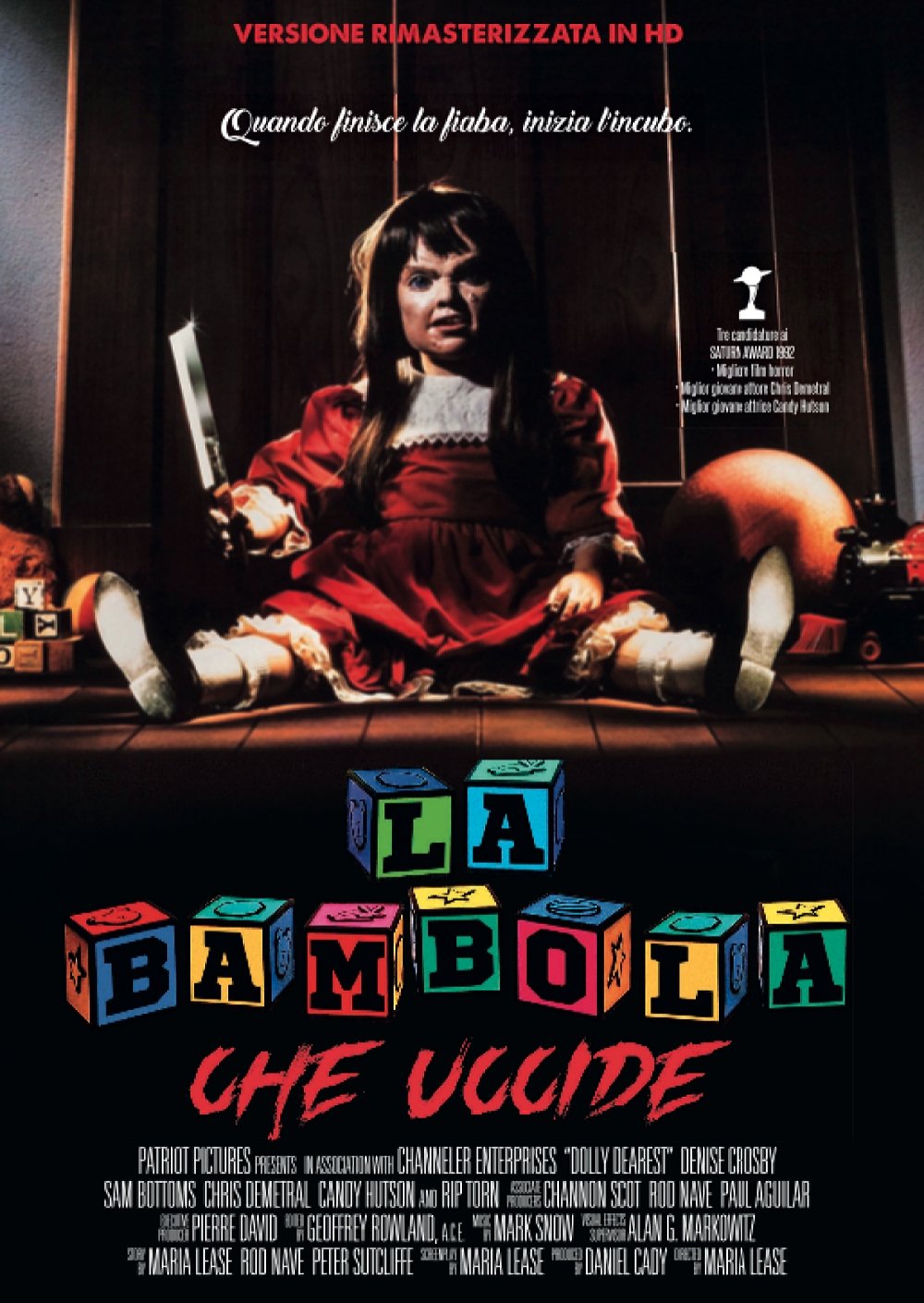
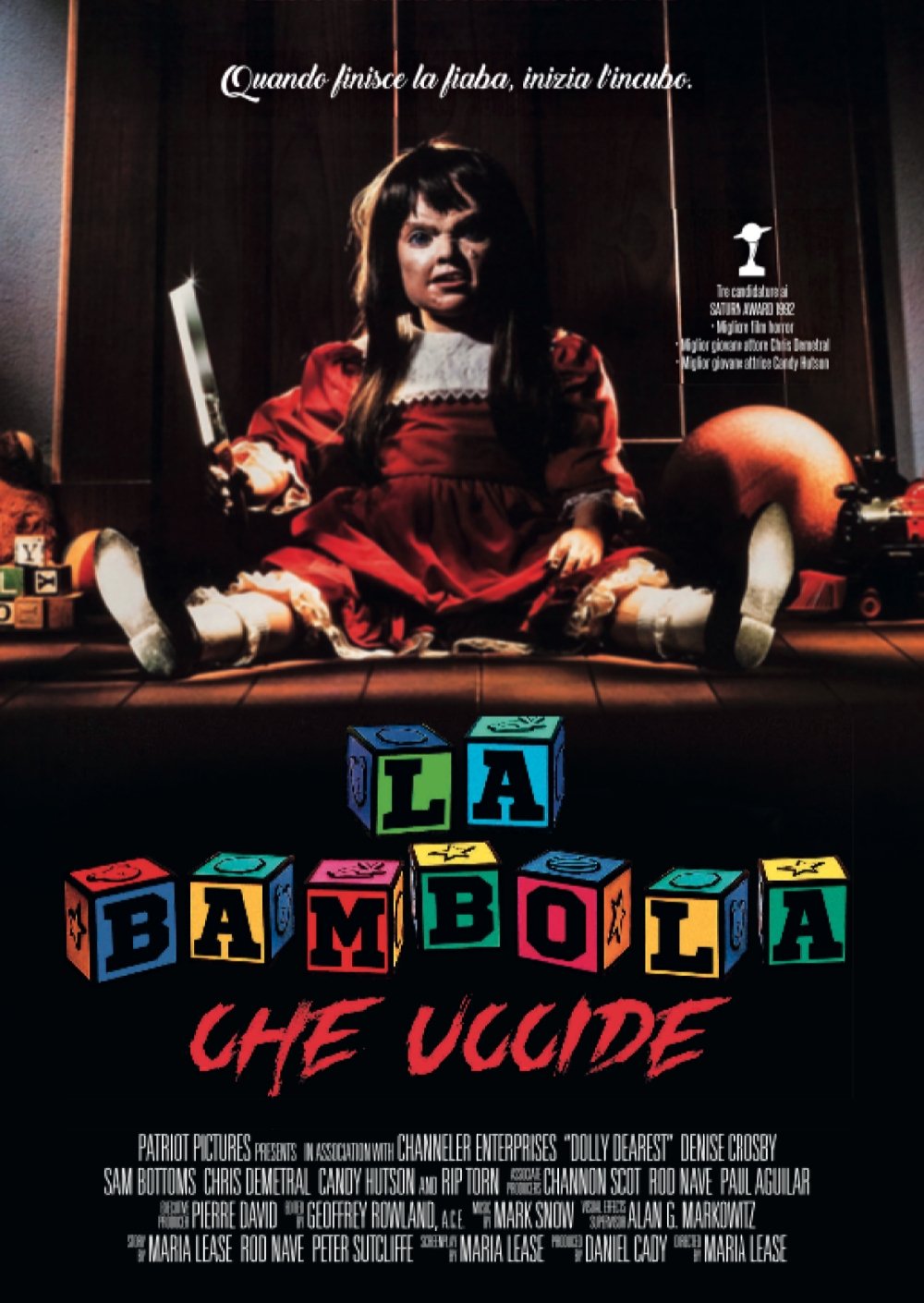
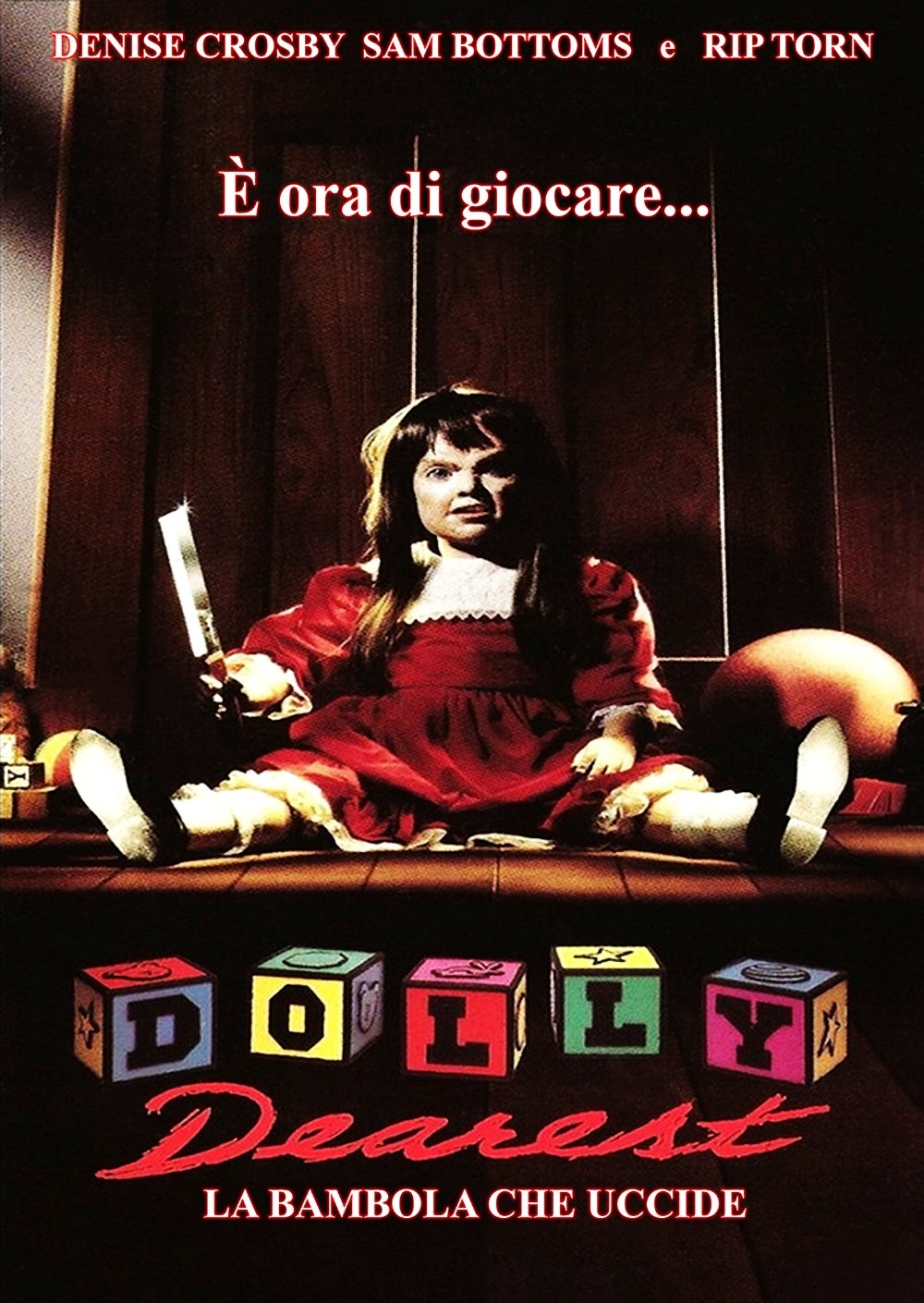
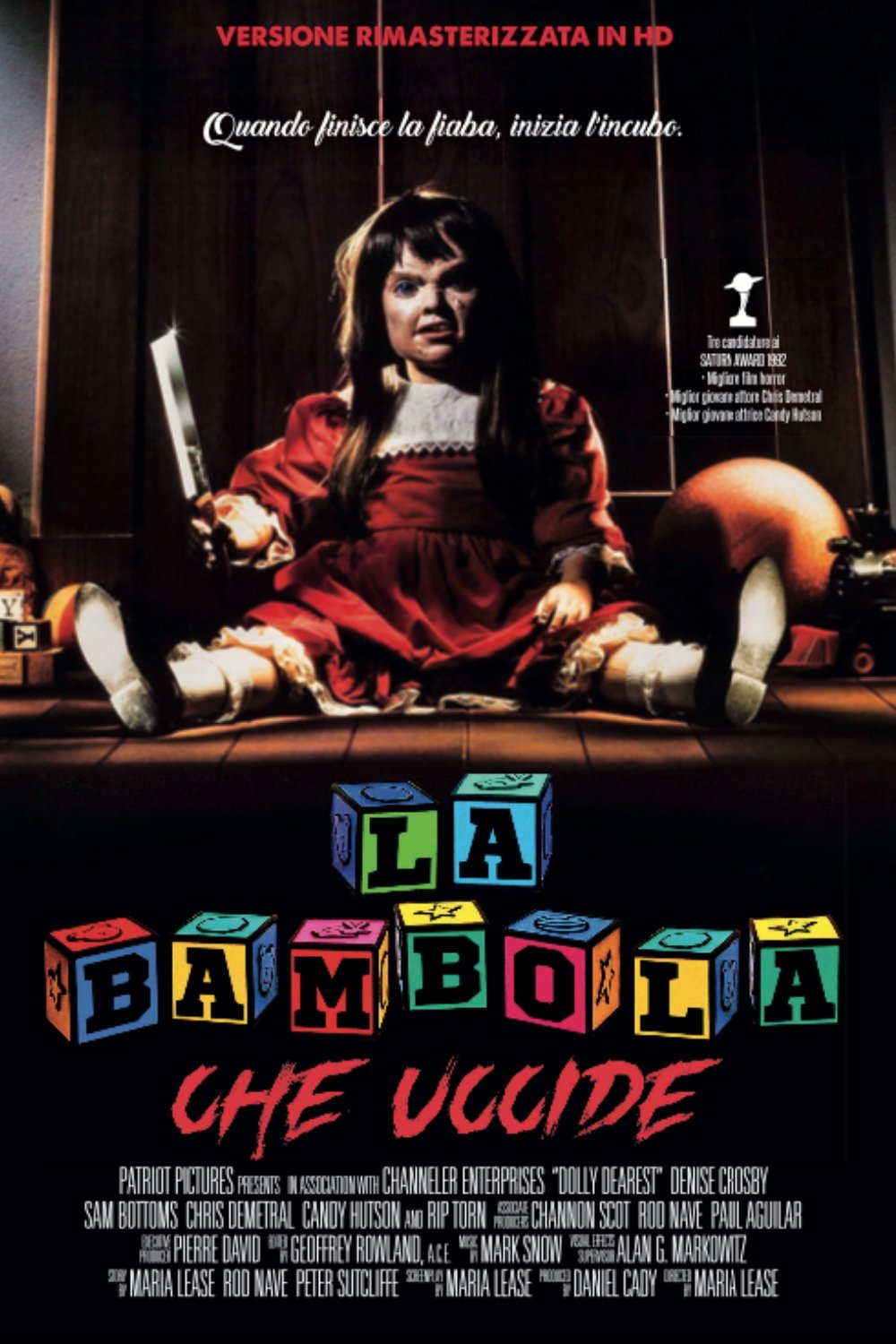
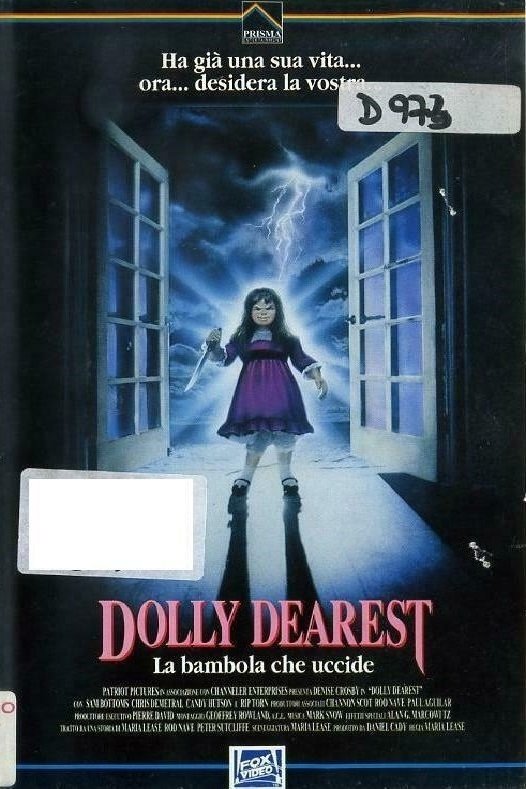
Dolly Dearest (1991) poster
Director
Production Companies
Channeler Enterprises , Dolly Dearest Productions
Plot

An American family moves to Mexico to fabricate dolls, but their toy factory happens to be next to a Sanzian grave and the toys come into possession of an old, malicious spirit.

Alternative Titles
Скъпата Доли (Bulgaria) — Bulgarian Boneca Assassina (Brazil) — Portuguese 灵异杀星 (China) — Chinese Dolly - Vraždící duch (Czechia) — Czech Dolly Dearest – die Brut des Satans (Germany) — German Jugando a matar (Spain) — Spanish Dolly (France) Τα Παιχνίδια του Τρόμου (Greece) — Greek
Show all 15 alternative titles 靈異殺星 (Hong Kong SAR China) — Chinese Dolly, a gyilkos szellem (Hungary) — Hungarian Dolly Dearest - La bambola che uccide (Italy) La bambola che uccide (Italy) — Italian 귀여운 악령 (South Korea) — Korean Querida Dolly (Mexico) — Spanish Ukochana laleczka (Poland) — Polish

Trailers & Videos

1 video

Film Guide & Analysis

Maria Lease and the possessed-doll cycle: the Sanzia mythology, family terror, specialist doll effects, 1991 release and contemporary criticism.

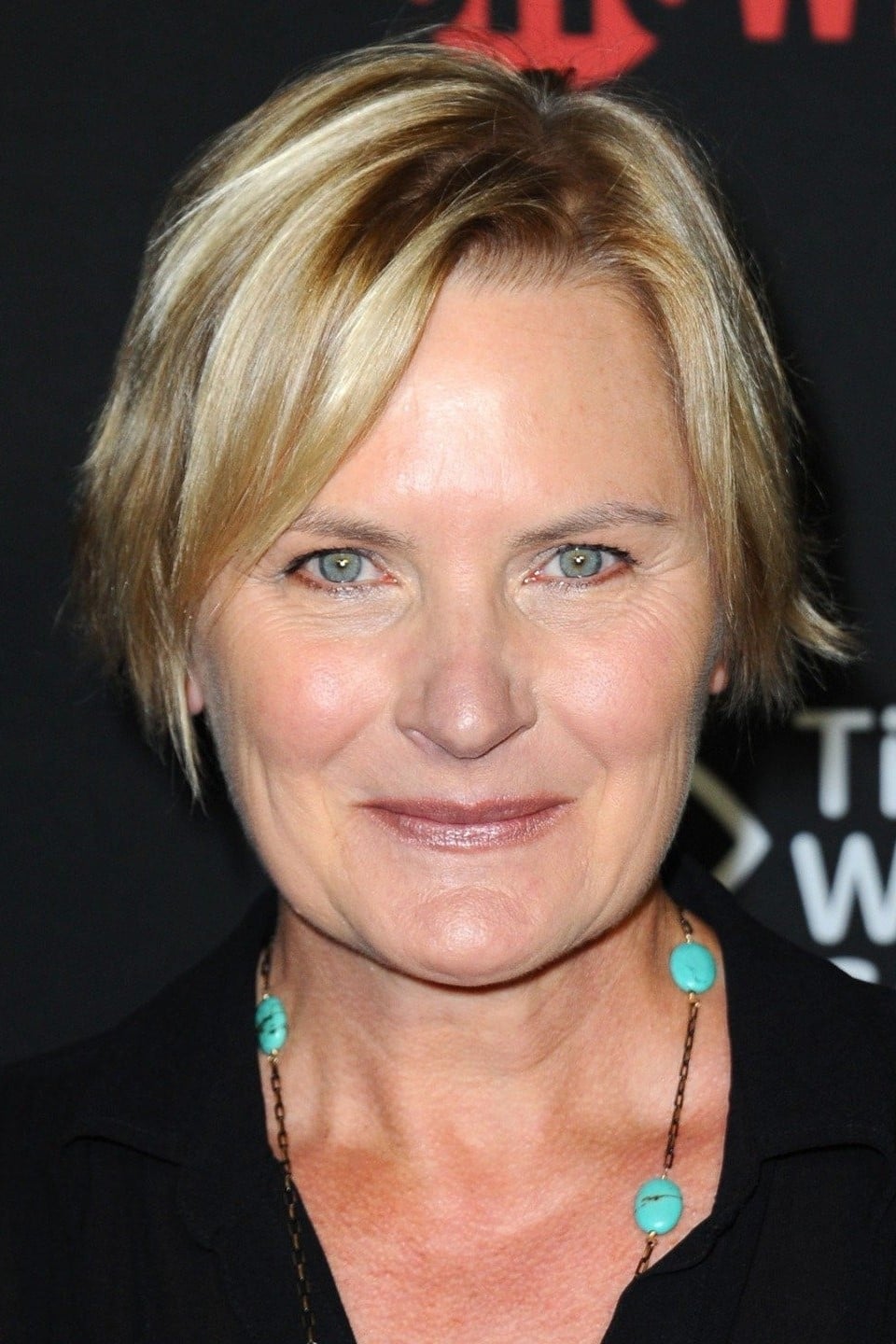
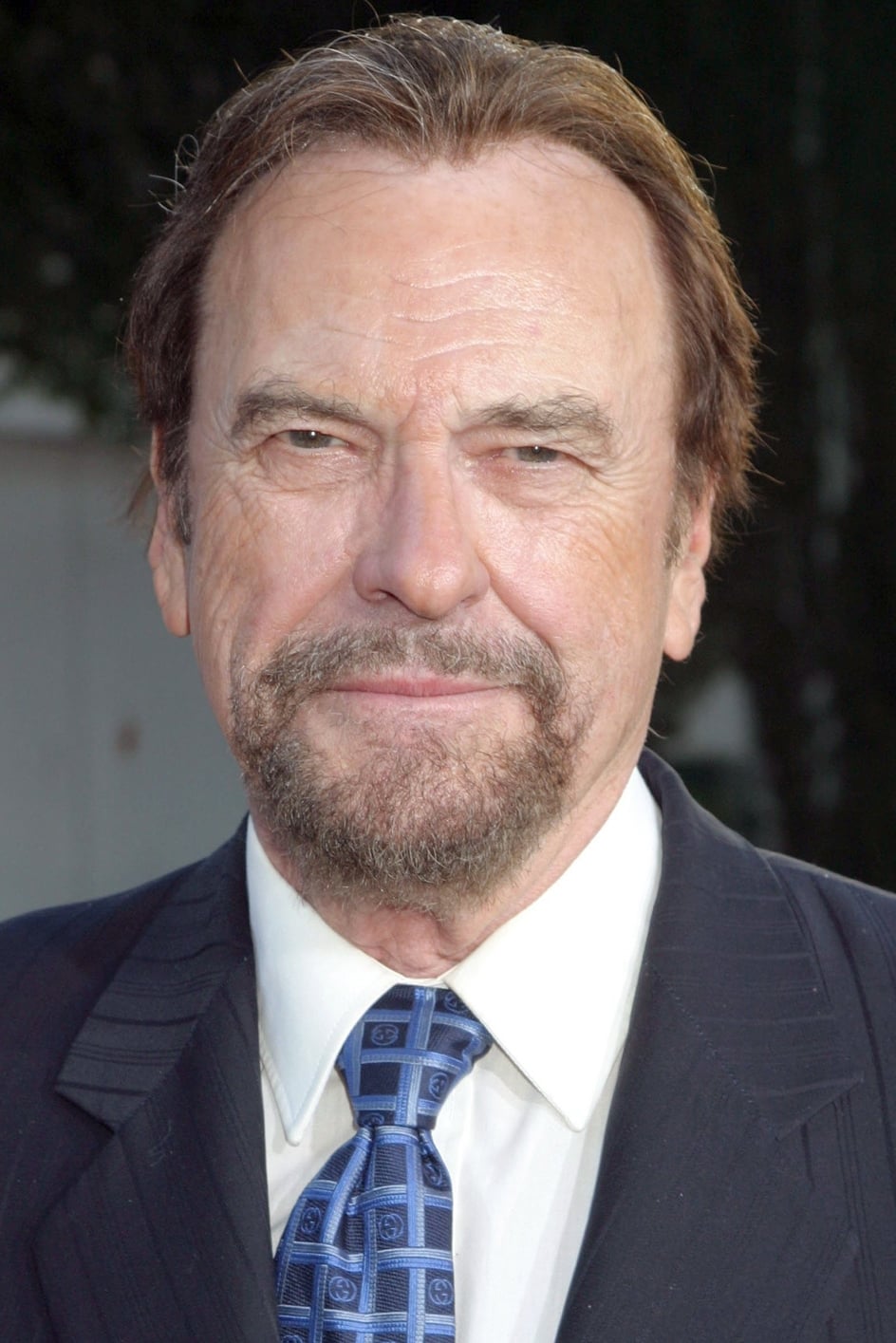
Dolly Dearest (1991), directed by Maria Lease, follows the Wade family from the United States to Mexico, where Elliot Wade plans to reopen a neglected doll factory. His young daughter Jessica becomes attached to a porcelain doll at the same time that an archaeological excavation nearby releases a malevolent spirit. Jessica's changing behavior alarms her mother Marilyn, while incidents around the factory suggest that the threat extends beyond a single toy. Denise Crosby, Sam Bottoms and Candace Hutson lead the cast, with Rip Torn playing an archaeologist who investigates the ancient burial site.

Written for the screen by Lease from a story credited to Lease, Rod Nave and Peter Sutcliffe, the film combines possessed-object horror with a family's struggle to recognize supernatural danger. Its killer-doll premise inevitably recalls Child's Play (1988), although the Mexican setting, invented Sanzia mythology and the attempted possession of a child give its central threat a different structure. A limited American theatrical release followed in October 1991.

Origins and the Early-1990s Killer-Doll Cycle

Maria Lease directed the film and wrote its screenplay, sharing the underlying story credit with Rod Nave and Peter Sutcliffe. Producer Daniel Cady and executive producer Pierre David are identified in the Encyclopedia of Fantastic Film and Television, alongside the production companies Dolly Dearest Productions, Patriot Pictures and Channeler Enterprises.

The comparison with Child's Play was unavoidable at release. Lease's film appeared after Child's Play and Child's Play 2, during a period in which animated toys had become recognizable horror antagonists. Its possession narrative also owes something to the domestic and religious conflict of The Exorcist: Jessica's new doll affects her speech, behavior and attachment to her mother.

The Sanzia Spirit and the Mexican Setting

The opening excavation provides the supernatural cause before the Wade family understands what has happened. An ancient tomb associated with the Sanzia has been disturbed, allowing a destructive entity described within the film as the Devil Child to escape. The spirit enters the dolls stored at Elliot's factory and uses Jessica's attachment to one of them to gain access to the household. Karl Resnick, played by Rip Torn, supplies the archaeological explanation as the danger becomes harder to dismiss. The story's Sanzia beliefs belong to the film's invented mythology and should not be treated as a documented account of an actual Indigenous religion.

The move to Mexico gives Elliot a commercial opportunity, while his family is forced to live beside a site whose meaning they have not understood. The factory's closeness to the burial ground joins economic ambition to an occult transgression. Mexican characters, including Camilla, played by Lupe Ontiveros, recognize signs of danger earlier than the newcomers. The screenplay repeatedly uses their knowledge to challenge the family's confidence that the disturbances can be explained as a child's misbehavior. This treatment also draws on a familiar horror convention in which an unfamiliar culture is filtered through an American visitor's fear, a limitation worth keeping visible when interpreting the story.
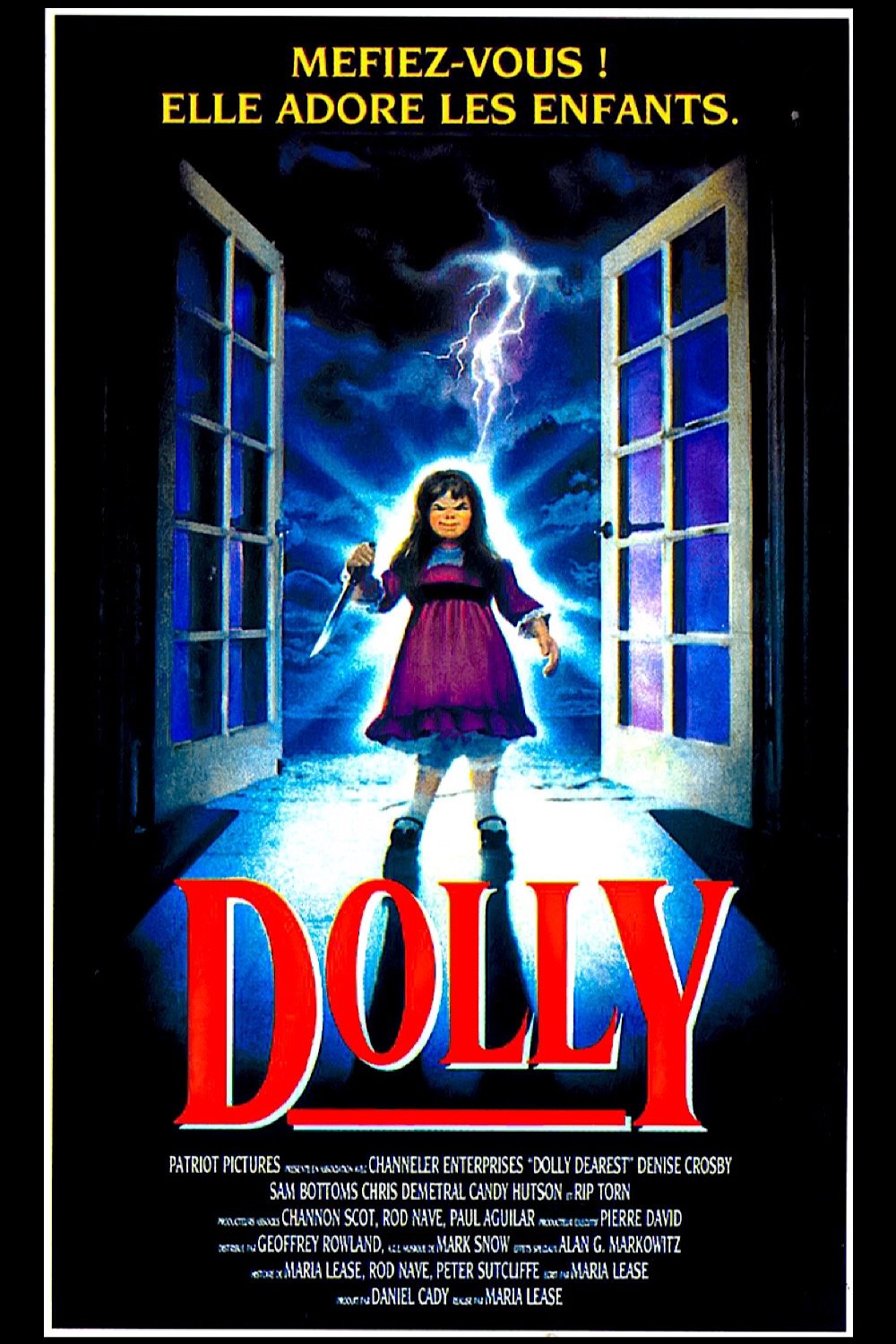
Marilyn, Jessica and the Breakdown of Family Trust

Jessica's relationship with Dolly initially looks like an ordinary attachment formed after a disruptive family move. As the spirit strengthens its influence, Jessica becomes hostile, secretive and increasingly protective of the toy. Candace Hutson's performance must carry the contrast between an isolated child and someone apparently speaking under another will.

Denise Crosby's Marilyn gradually assumes the role of investigator and protector. Her suspicions meet resistance from Elliot, whose attention is directed toward repairing the business, and from circumstances that make the most alarming incidents difficult to prove. Chris Demetral's Jimmy begins to investigate the neighboring excavation and factory, giving Marilyn an ally who can see the danger from outside Jessica's immediate experience.

Marilyn faces the disturbing possibility that the girl she is trying to protect has become an instrument of violence. As Jessica grows more aggressive, the mother must separate the child from the doll without treating Jessica as a willing enemy. The gradual shift in Marilyn's behavior, from suspicion to direct resistance, makes the family relationship the organizing thread of the supernatural plot. Elliot's concentration on the factory delays that recognition, allowing the danger to reach both the home and the workplace.

Doll Effects, Photography and Sound

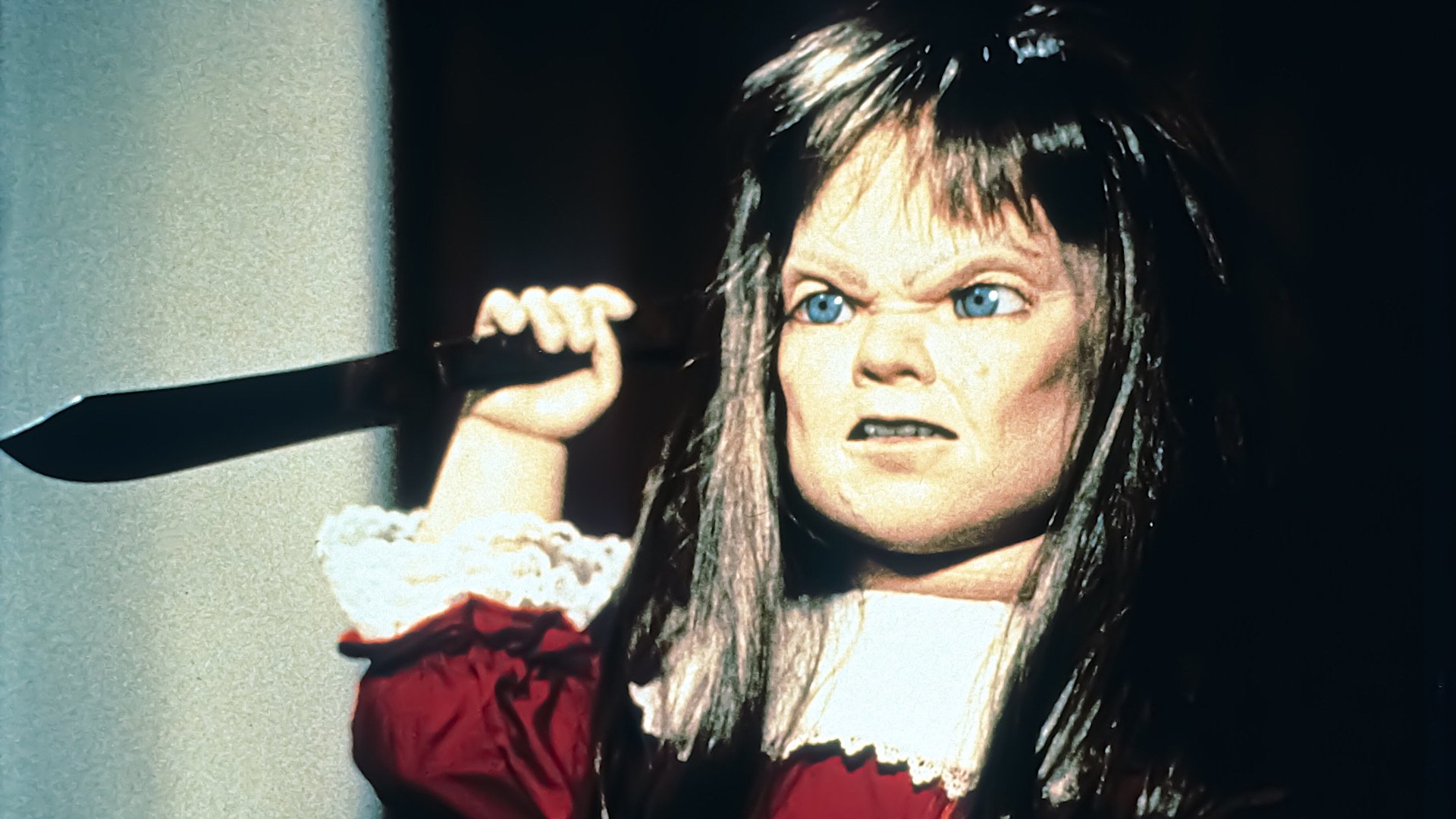
The film's credited technical organization involved several distinct effects teams. The Encyclopedia of Fantastic Film and Television lists Michael Burnett Productions for doll and special-makeup effects, Prime Filmworks for doll effects, Abstract Pacifics for physical effects and Alan G. Markowitz as visual-effects supervisor. Ed Gale is also credited as a doll double. Some images rely on the figure's stillness, followed by a turn of the head, a change of expression or a sudden attack.

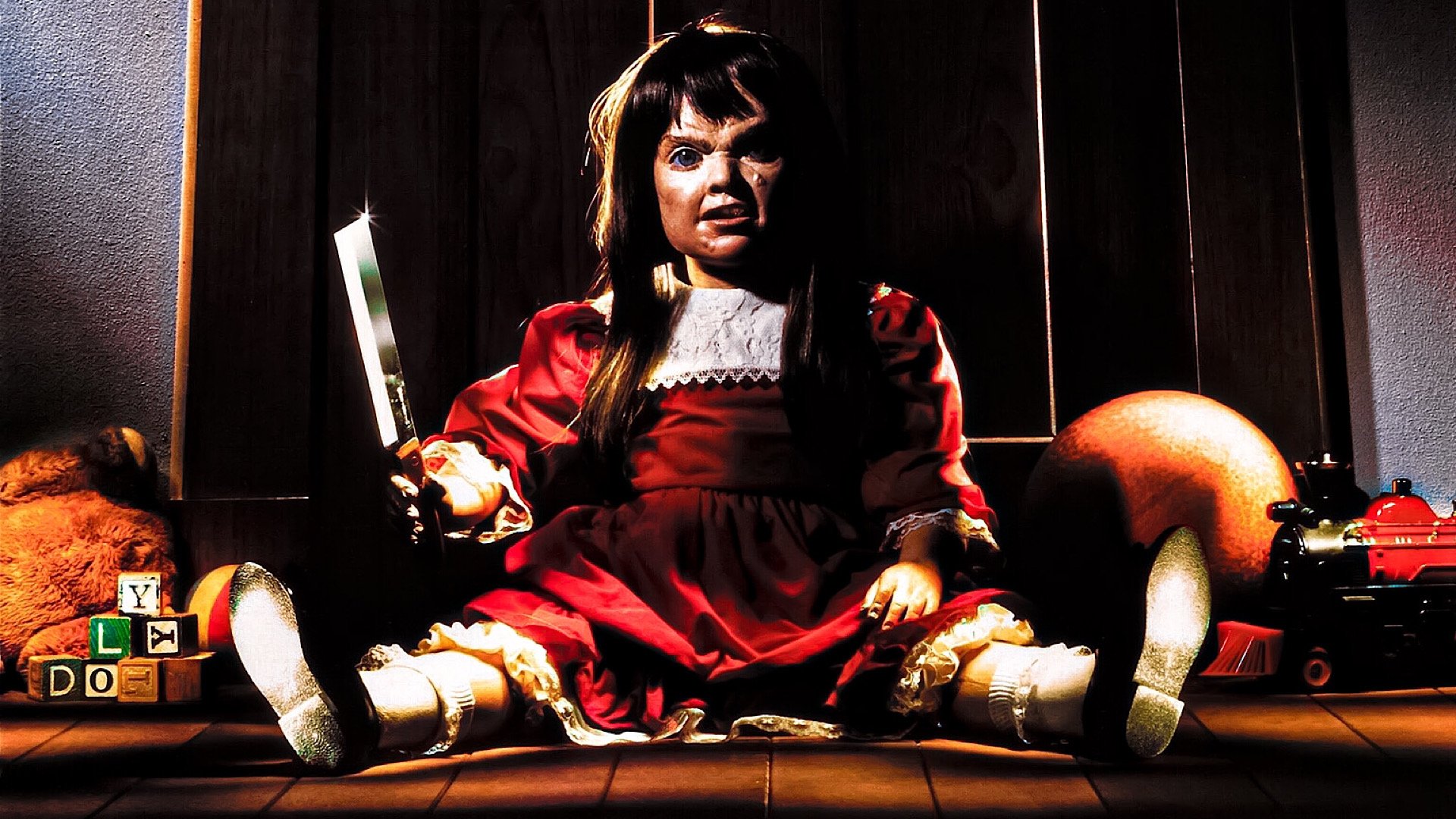
The visual problem is familiar to possessed-doll cinema: an object that looks harmless on a shelf must become capable of credible movement and bodily injury. The film alternates doll close-ups, brief glimpses of motion and attacks in confined rooms or factory spaces. A larger body double allows more sustained action than a rigid toy prop can perform, although the transitions between techniques are sometimes conspicuous. Eric D. Andersen's cinematography uses dark interiors and abrupt reveals to delay the moment when the doll is recognized as animate. Geoffrey Rowland edited the film, and Mark Snow composed its score, which reinforces the movement from domestic unease to explicit threat.

An American Humane Society production report provides a rare piece of direct documentation about an individual scene: during a pursuit involving a Rottweiler, the dog and the child performer were filmed running separately and joined through editing.

Release, Reviews and Position within the Subgenre

Trimark Pictures gave Dolly Dearest a limited American theatrical release on October 18, 1991. The specialist encyclopedia EOFFTV records the same opening date and a running time of approximately 93 minutes. Other archives present conflicting figures: the German journal Filmdienst lists 90 minutes, and some film records classify the picture under 1992 despite confirming its 1991 American debut. These discrepancies should not be interpreted as proof of a documented alternate cut. No reliable box-office total or independently confirmed final budget is available for a precise commercial assessment.

The critical response visible in specialist writing has generally been unfavorable, although reviewers differ over what works. Peter Strotmann's Filmdienst assessment, updated in 1995, criticized the slowly progressing story and the handling of its animated monsters. Richard Scheib's later Moria review emphasized similarities to Child's Play and found the staging predictable, while still identifying the picture's recognizable performers and effects personnel. More sympathetic retrospective criticism, including Mike Massie's review for Gone with the Twins, acknowledged inventive moments among the doll attacks and the persistent tension between grotesque images and unintentional comedy.

Dolly Dearest remains a self-contained example of the possessed-toy cycle rather than an installment in the Child's Play continuity. Its distinctive element is the interaction between a child's possession and a factory filled with additional potential vessels for the same evil.

References

  1. Specialist film reference edited by Kevin Lyons documenting the 1991 American opening, production credits, distinct doll-effects companies and performers.

  2. American Humane Society Dolly Dearest

    Original production animal-action report describing the separately photographed dog pursuit and giving background on the supernatural plot.

  3. Filmdienst Dolly Dearest

    Peter Strotmann contemporary-era German criticism, updated in 1995, documenting the film reception, personnel and a 90-minute archival runtime.

  4. Moria Dolly Dearest (1991)

    Richard Scheib retrospective comparing the film with Child's Play and identifying its lead cast, practical creature presentation and effects credits.

  5. Gone With The Twins Dolly Dearest (1991)

    Mike Massie critical reassessment of the doll animation, gothic atmosphere, comic excess and effectiveness of the attacks.

Cast

View Full Cast & Crew →

Release & Distribution

Production Companies (2)

  • Channeler Enterprises
  • Dolly Dearest Productions

Distributors (1)

  • Trimark Pictures US

Release History (3)

Release DateTerritoryRelease TypeFormatDistributorCertificationNotes
1991-09-01 United Kingdom Theatrical — — 15
1991-10-18 United States Theatrical — — R
2025-03-31 Italy Physical — — —
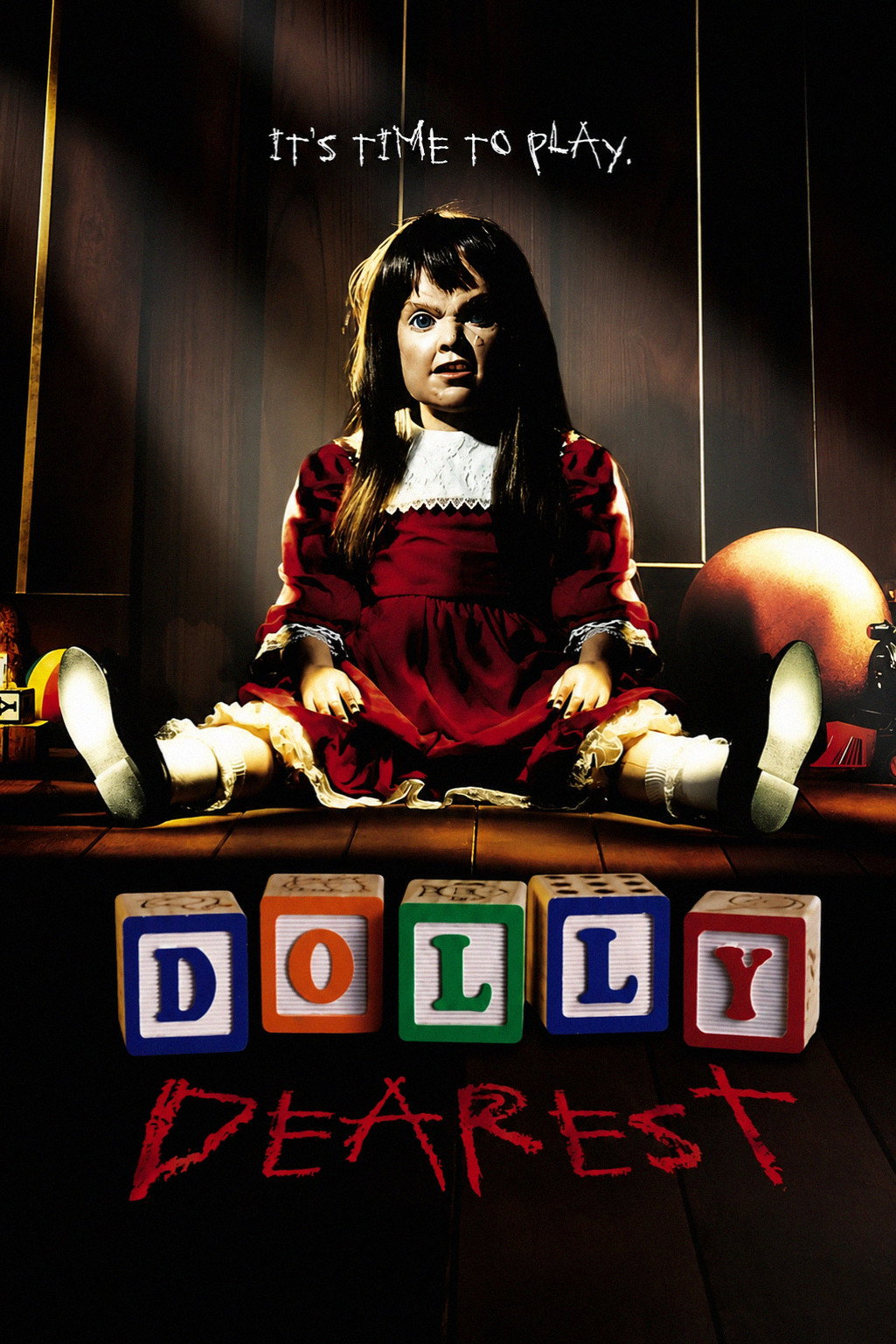
It's time to play...