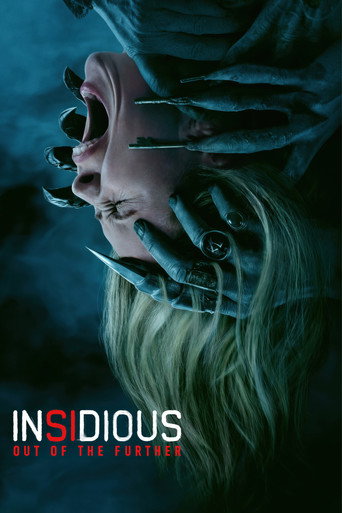
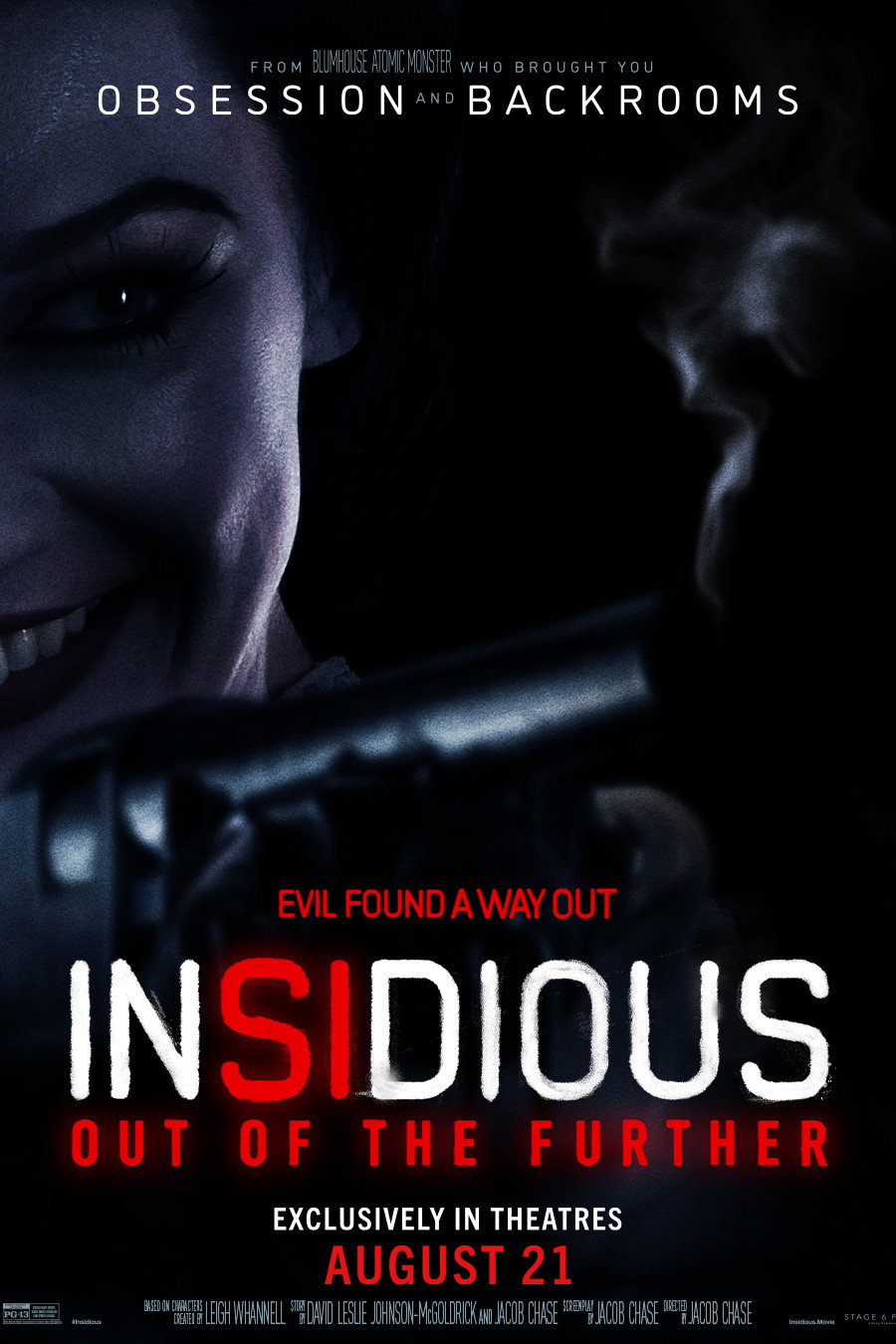
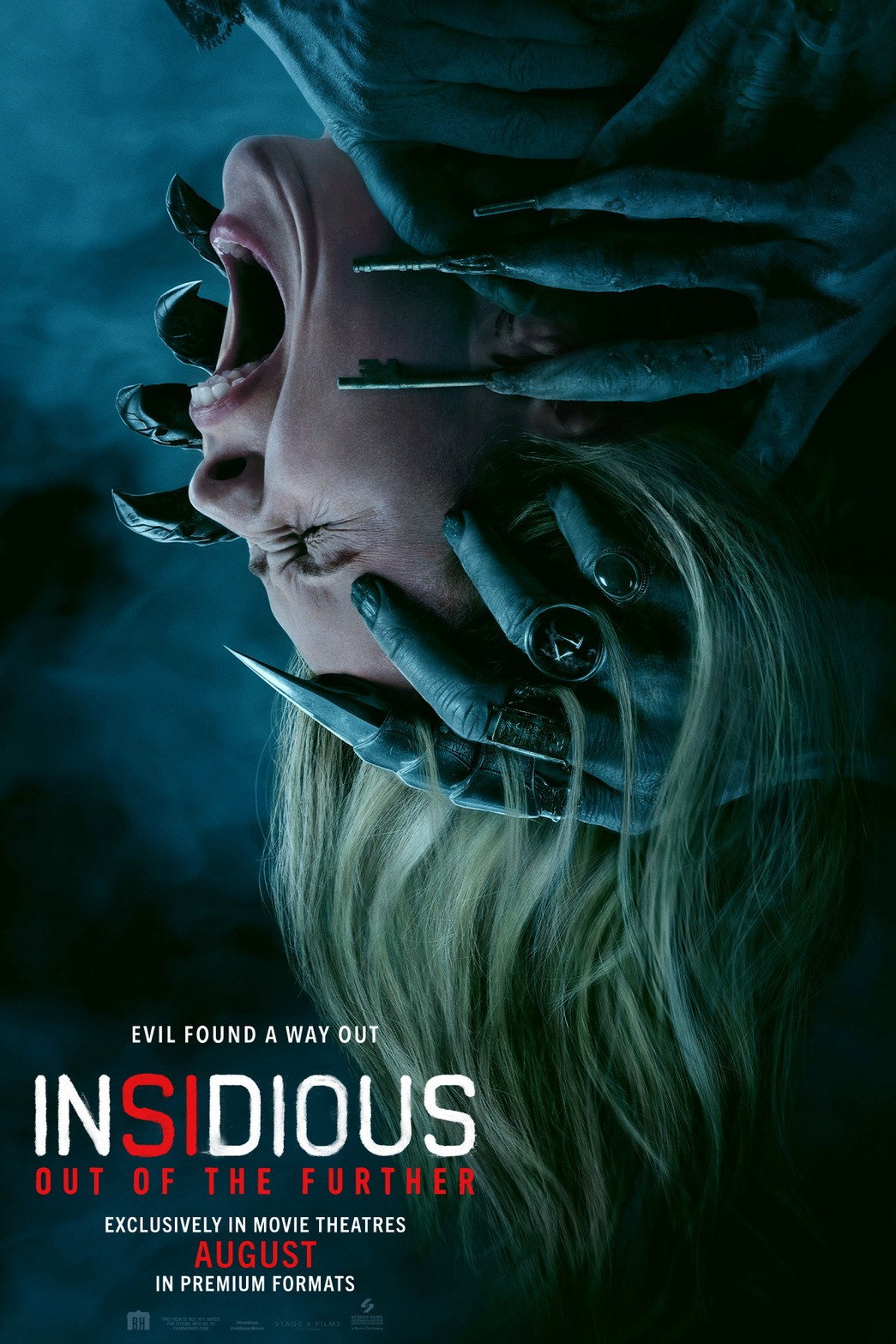
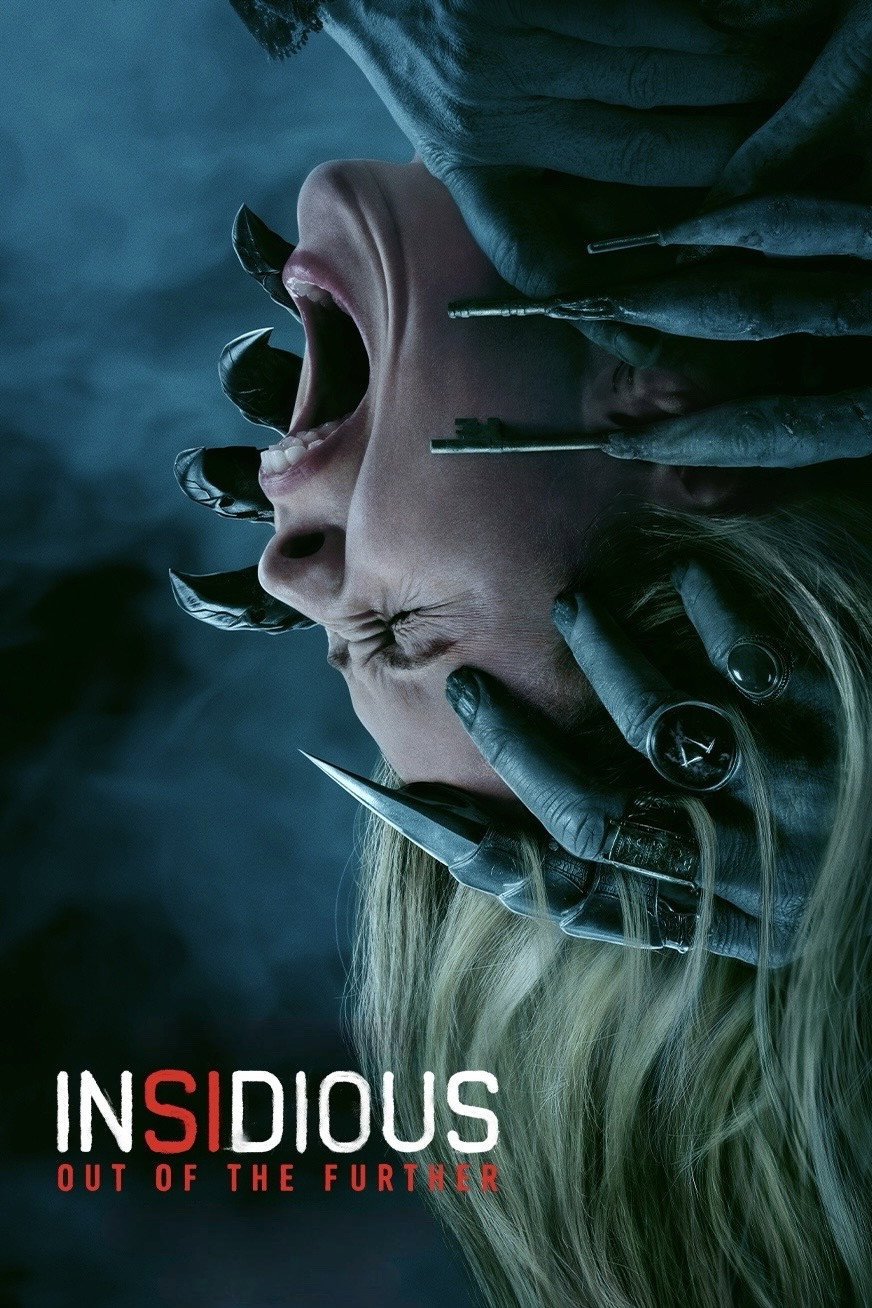
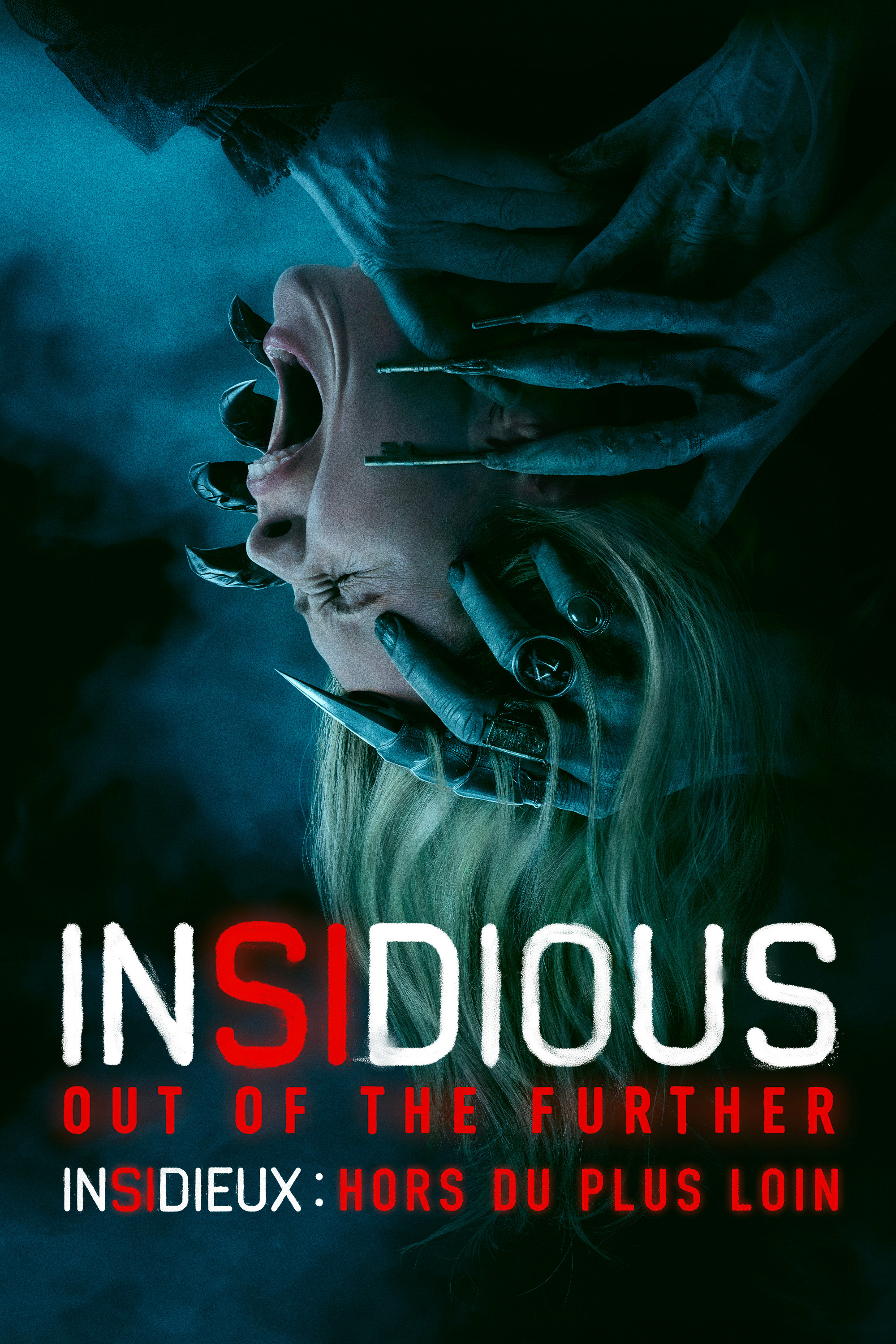
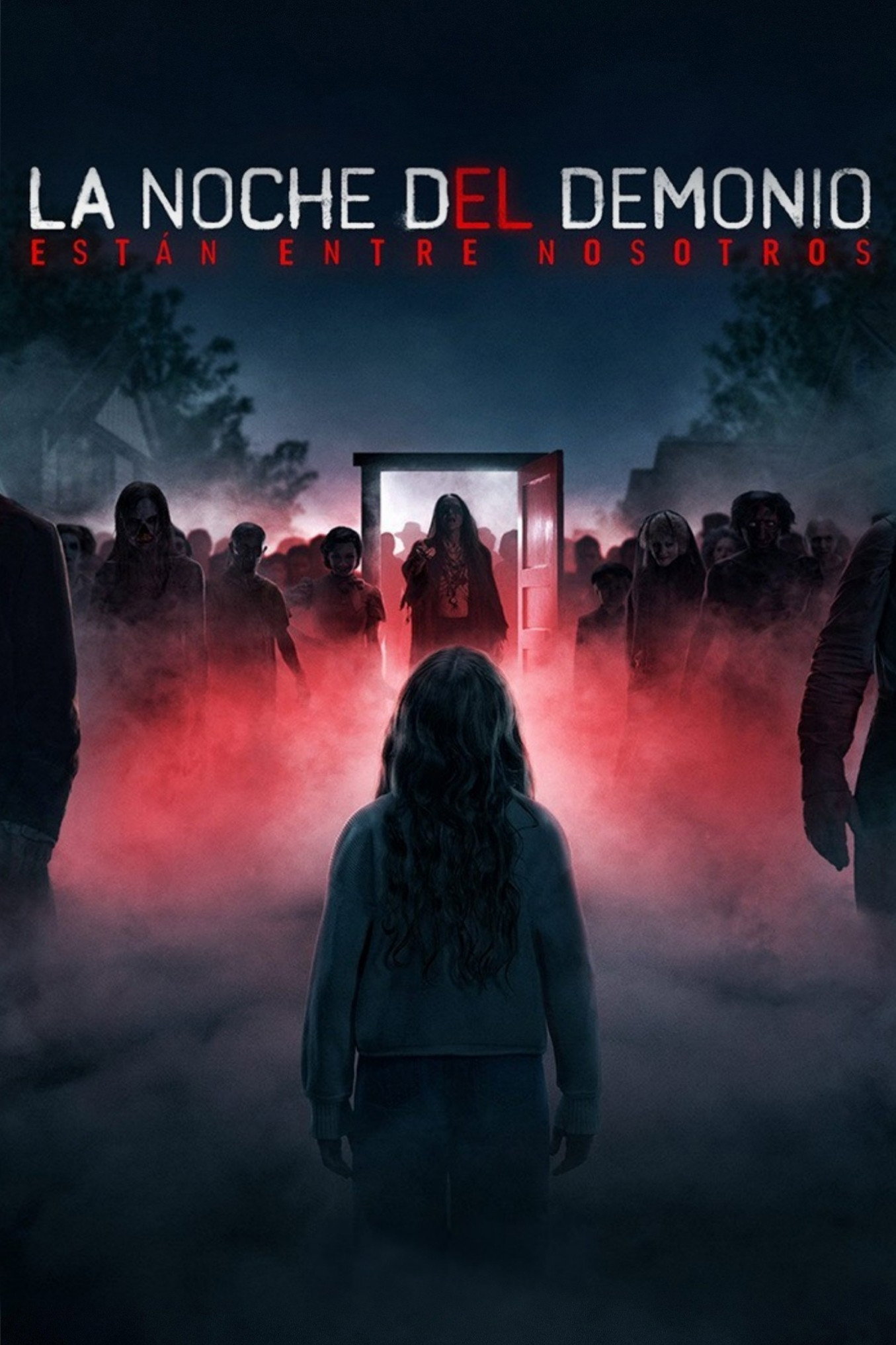
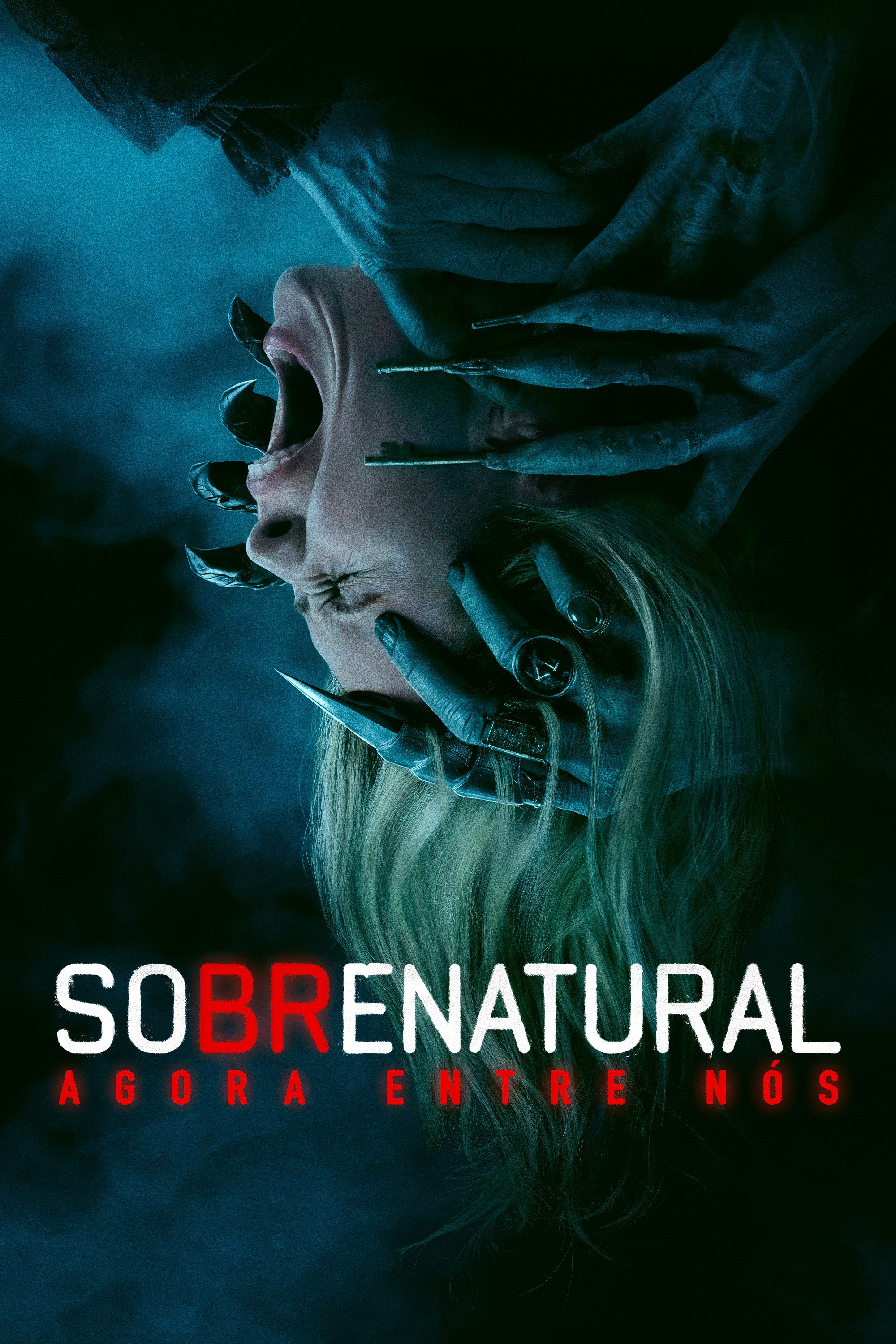
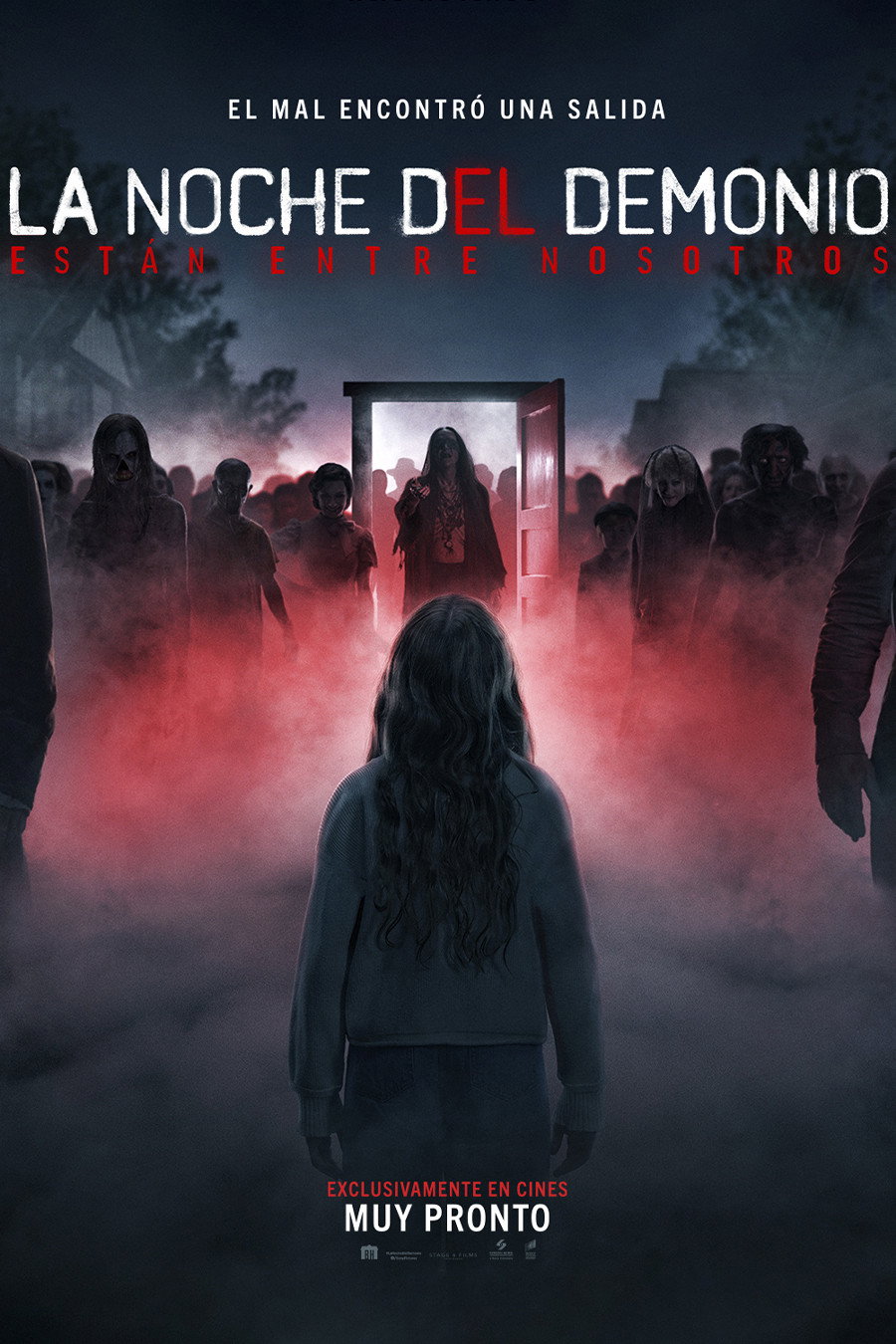
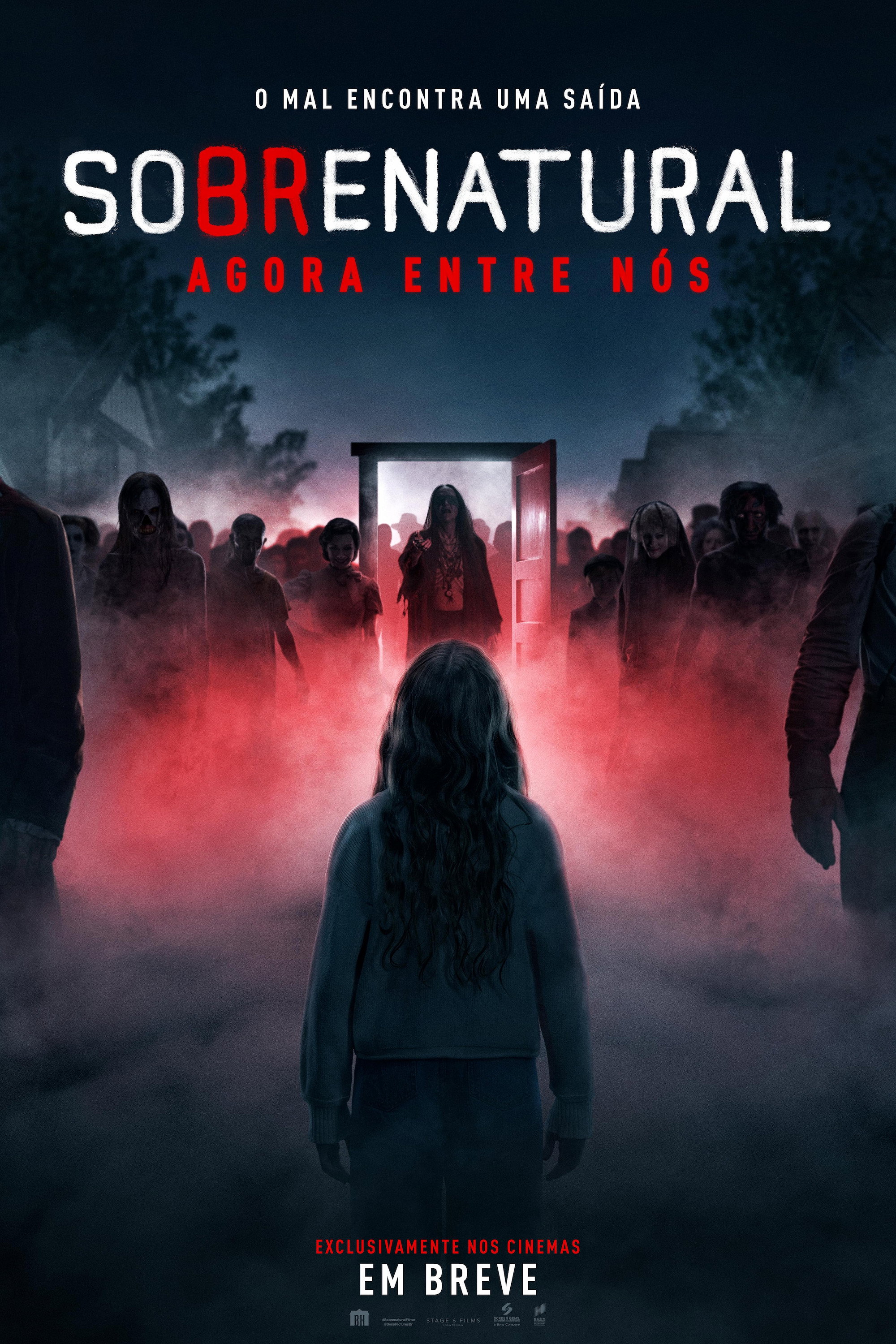
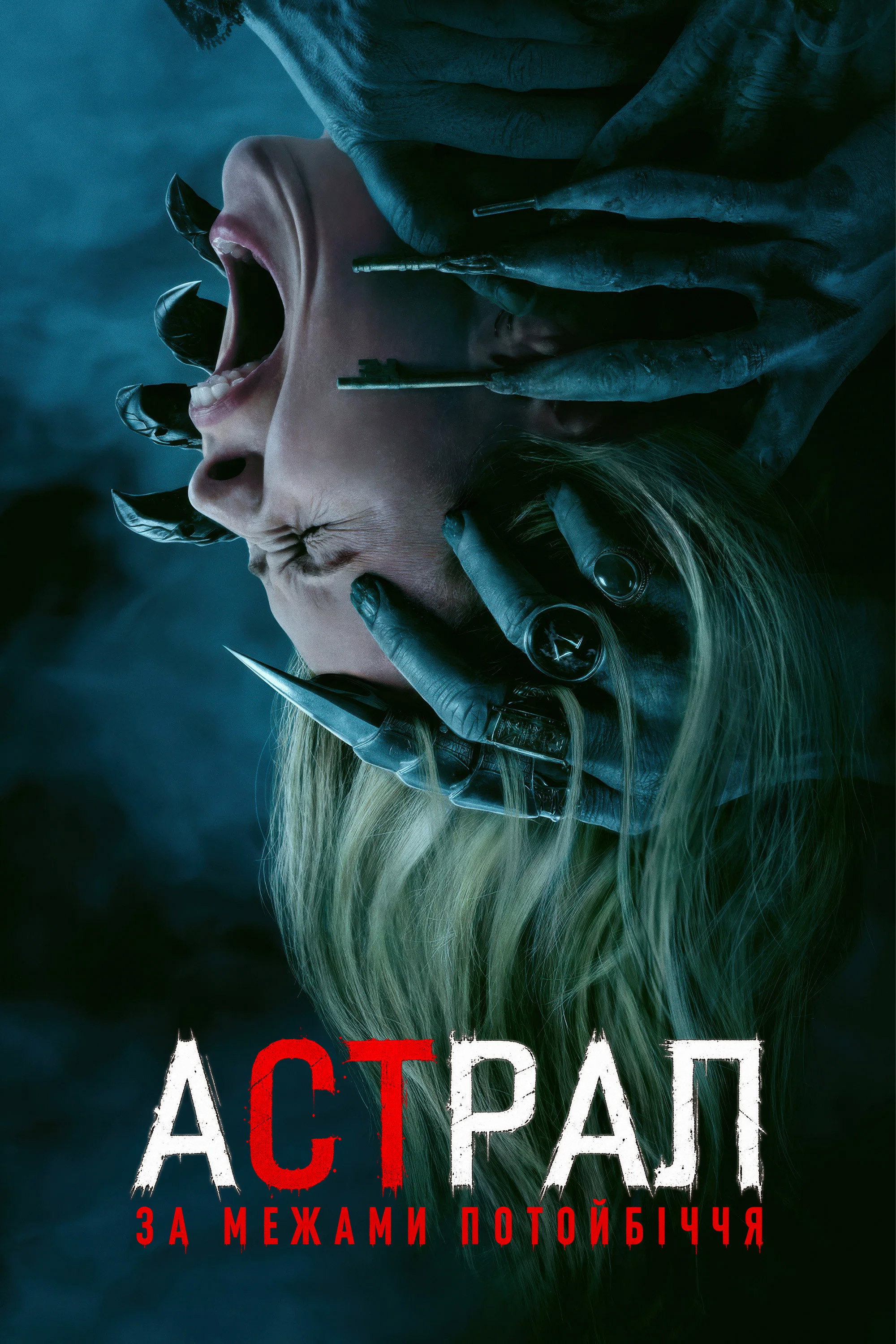
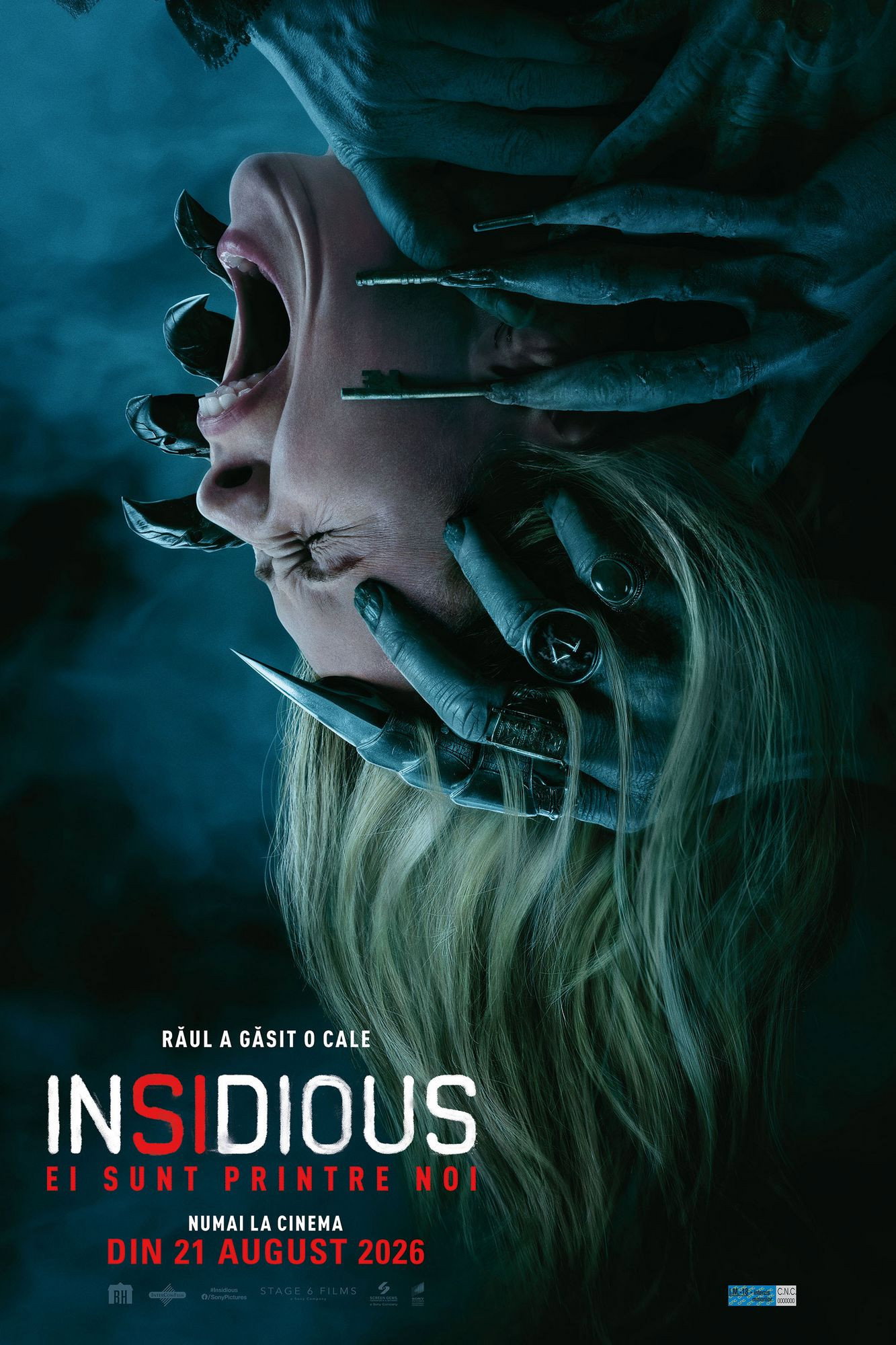
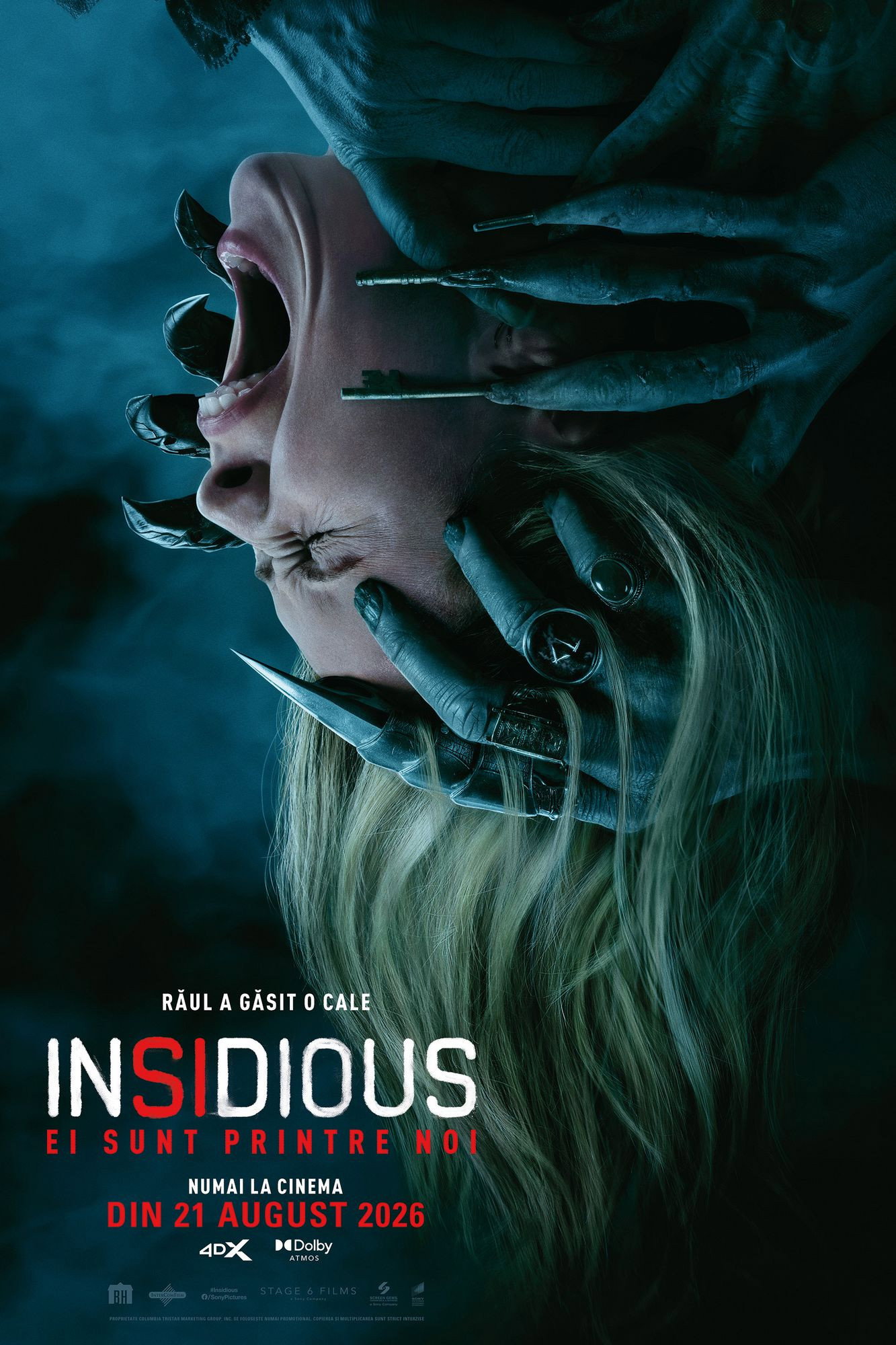
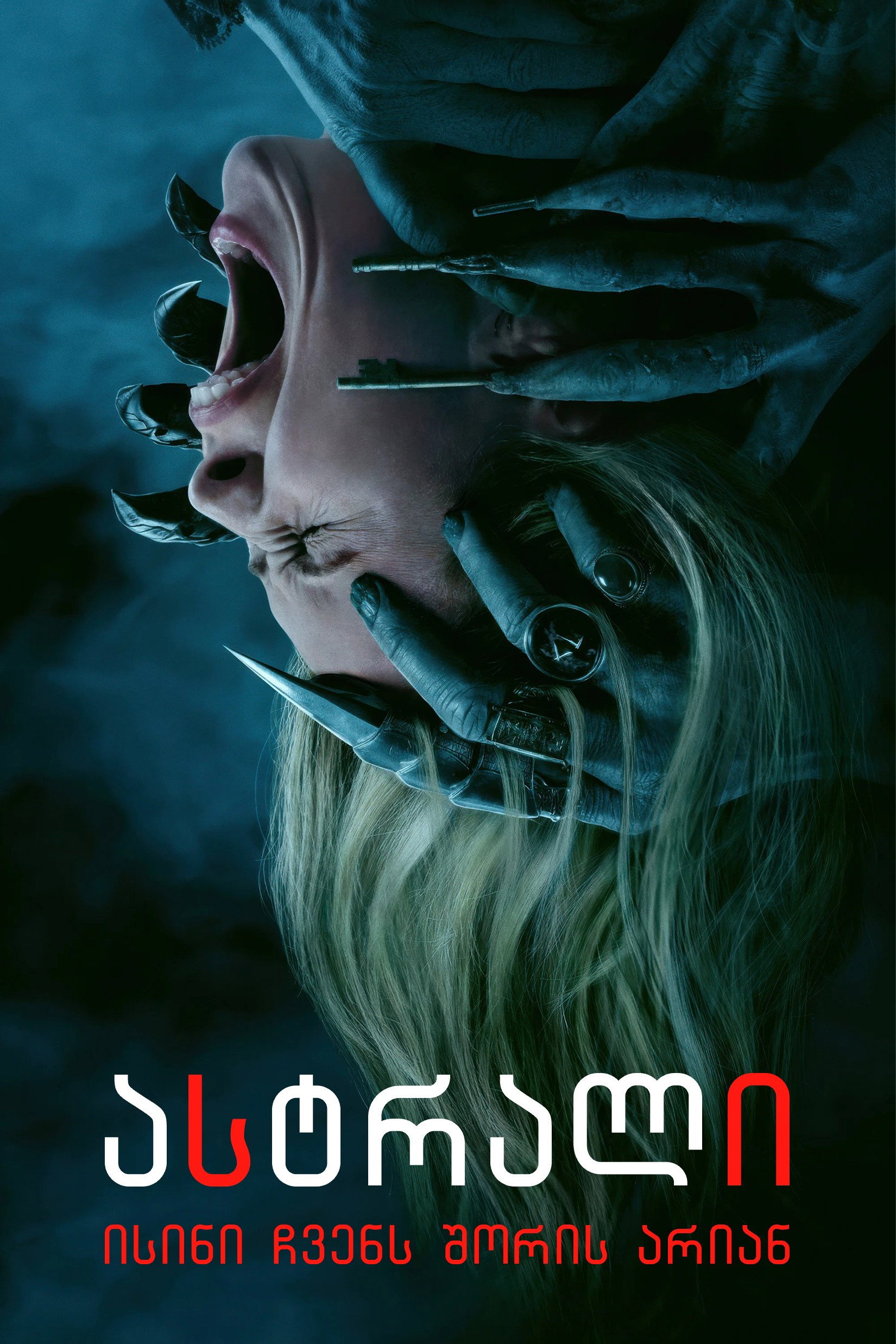
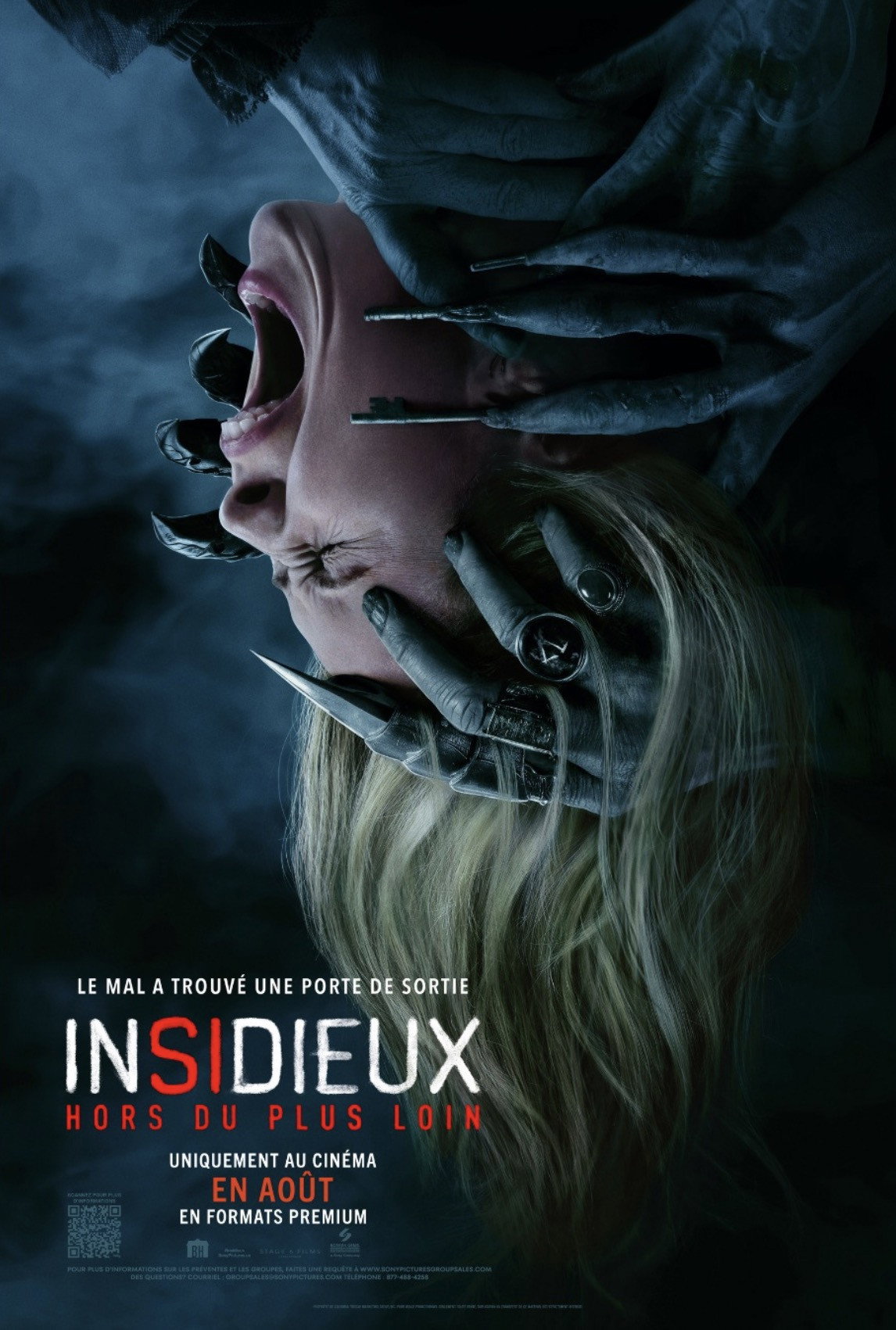
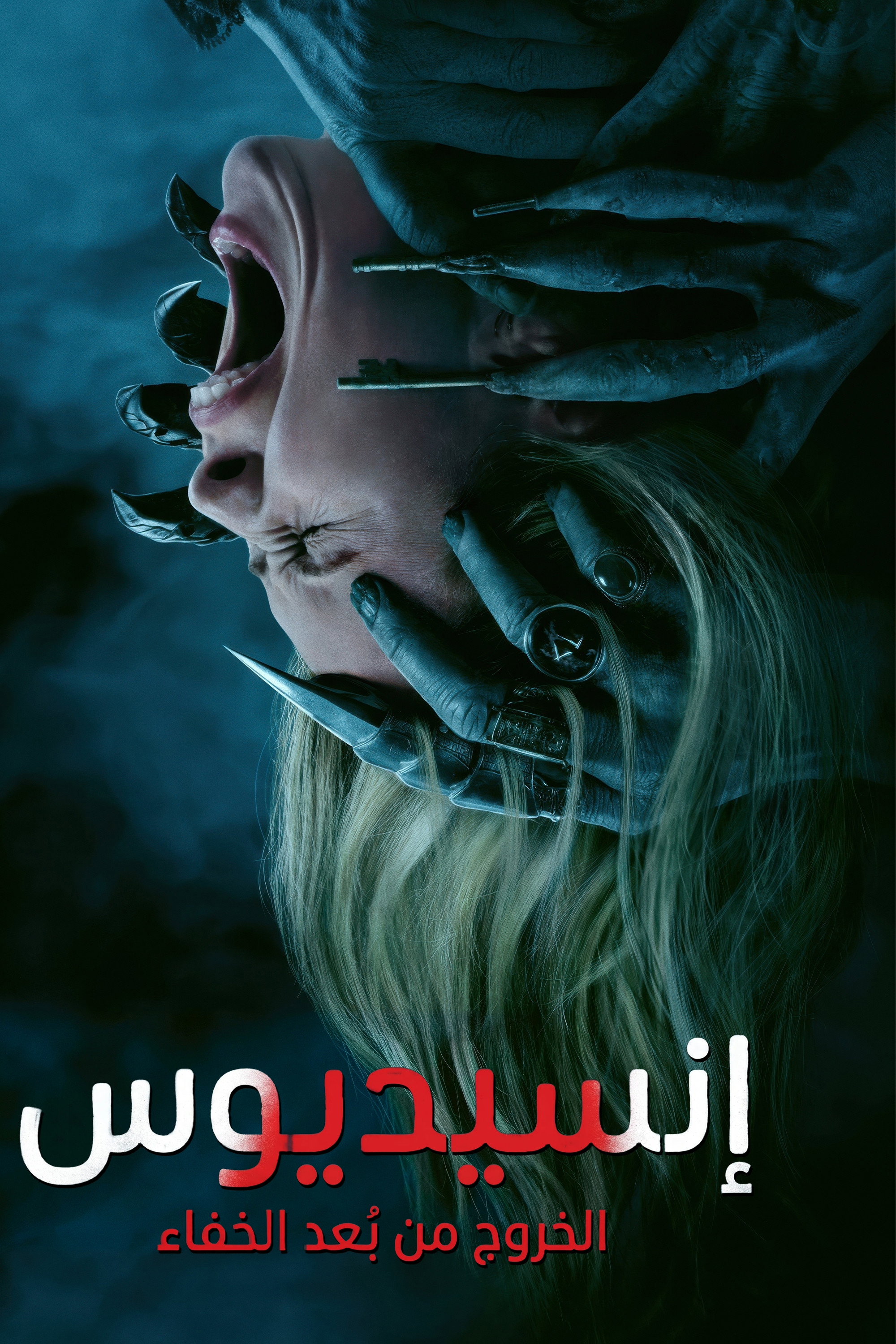
A New Family and a New Rule for the Further
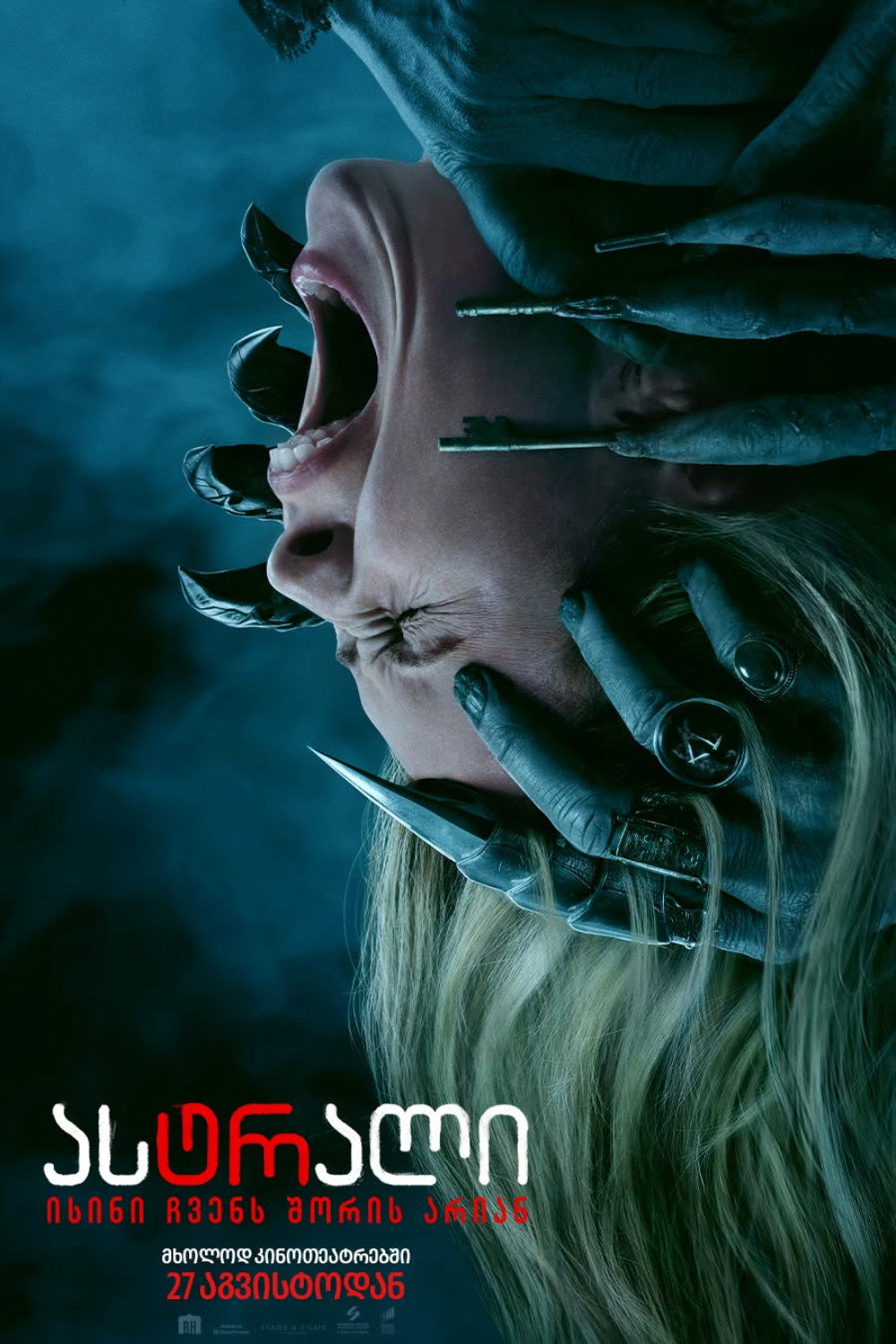
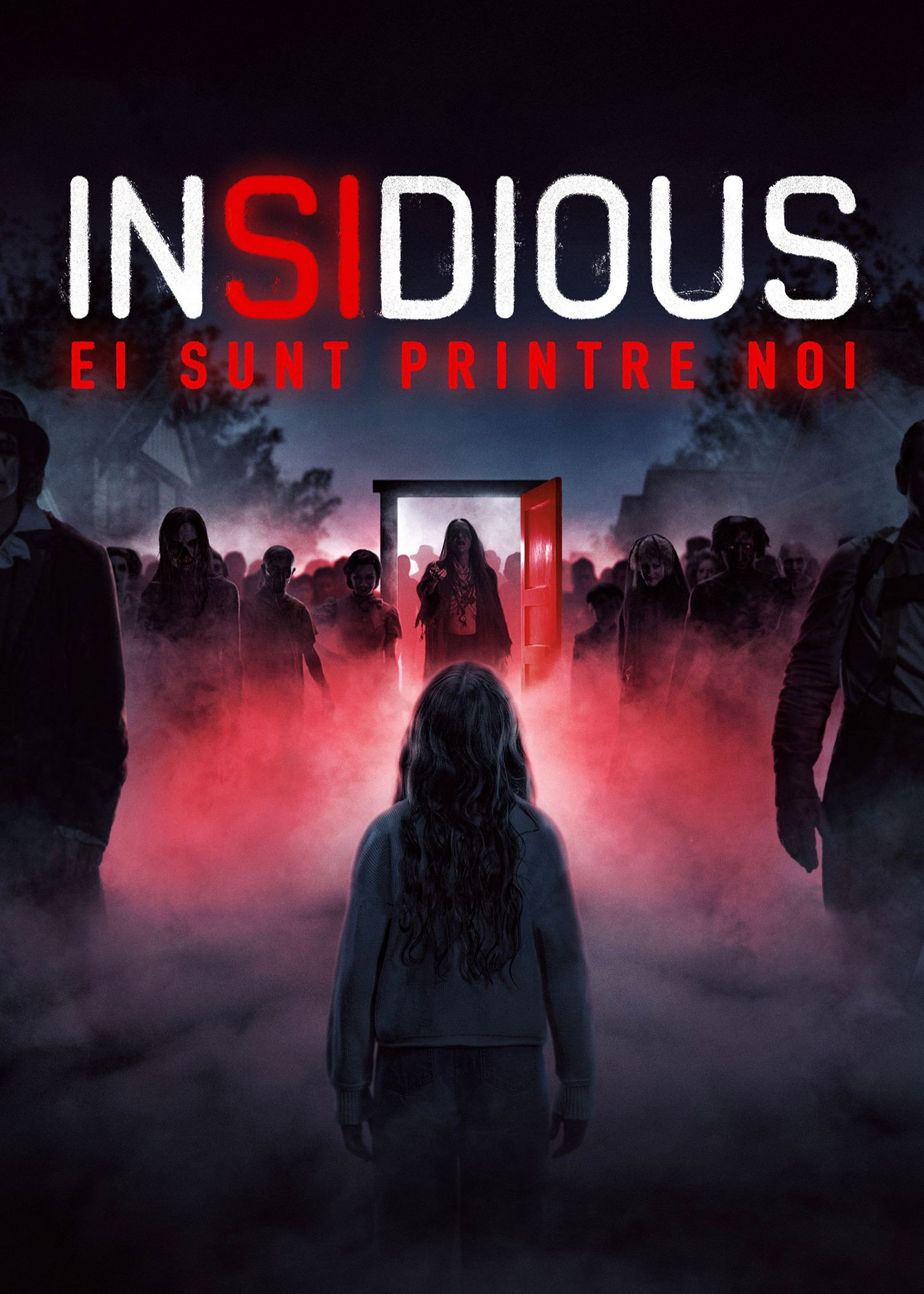
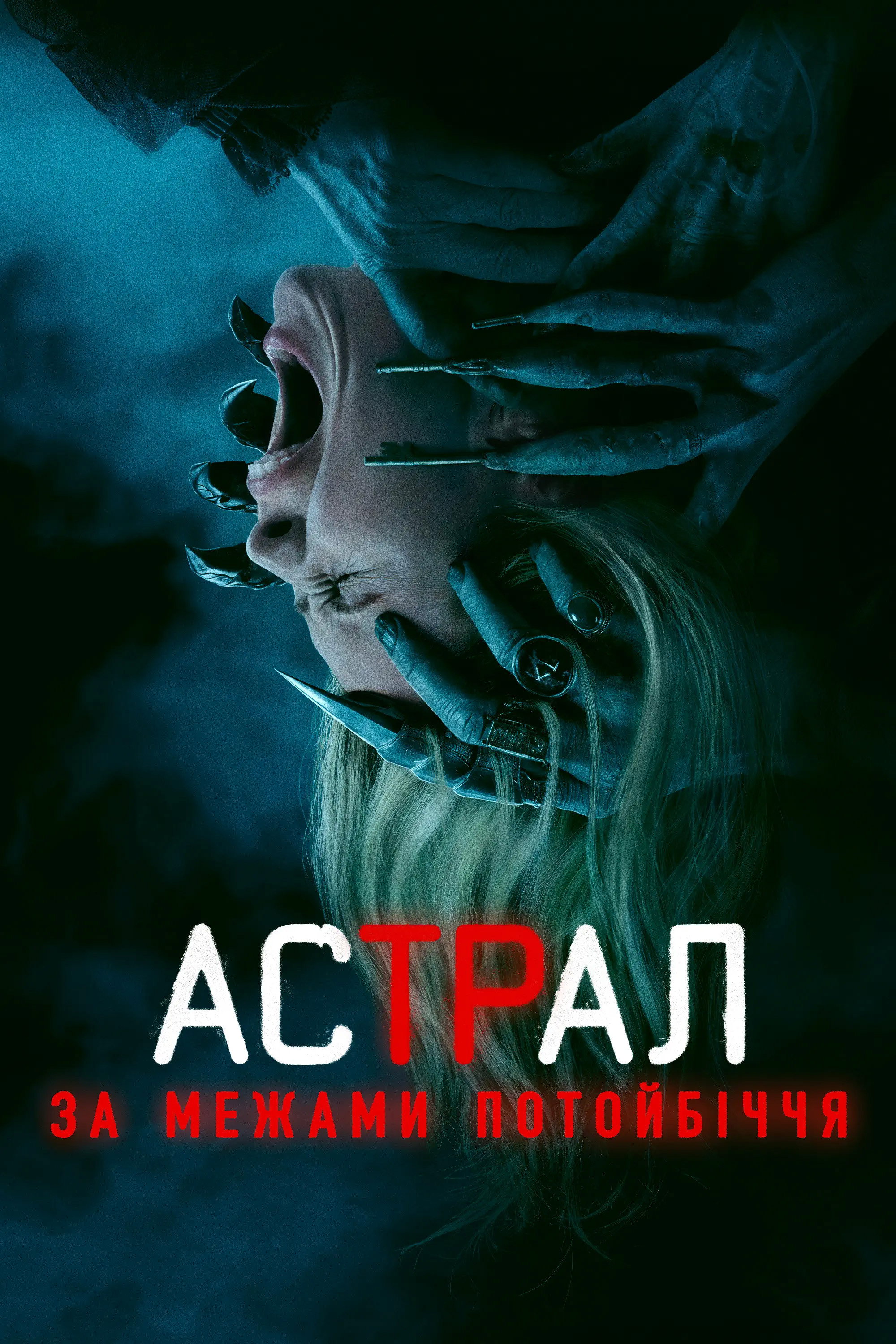
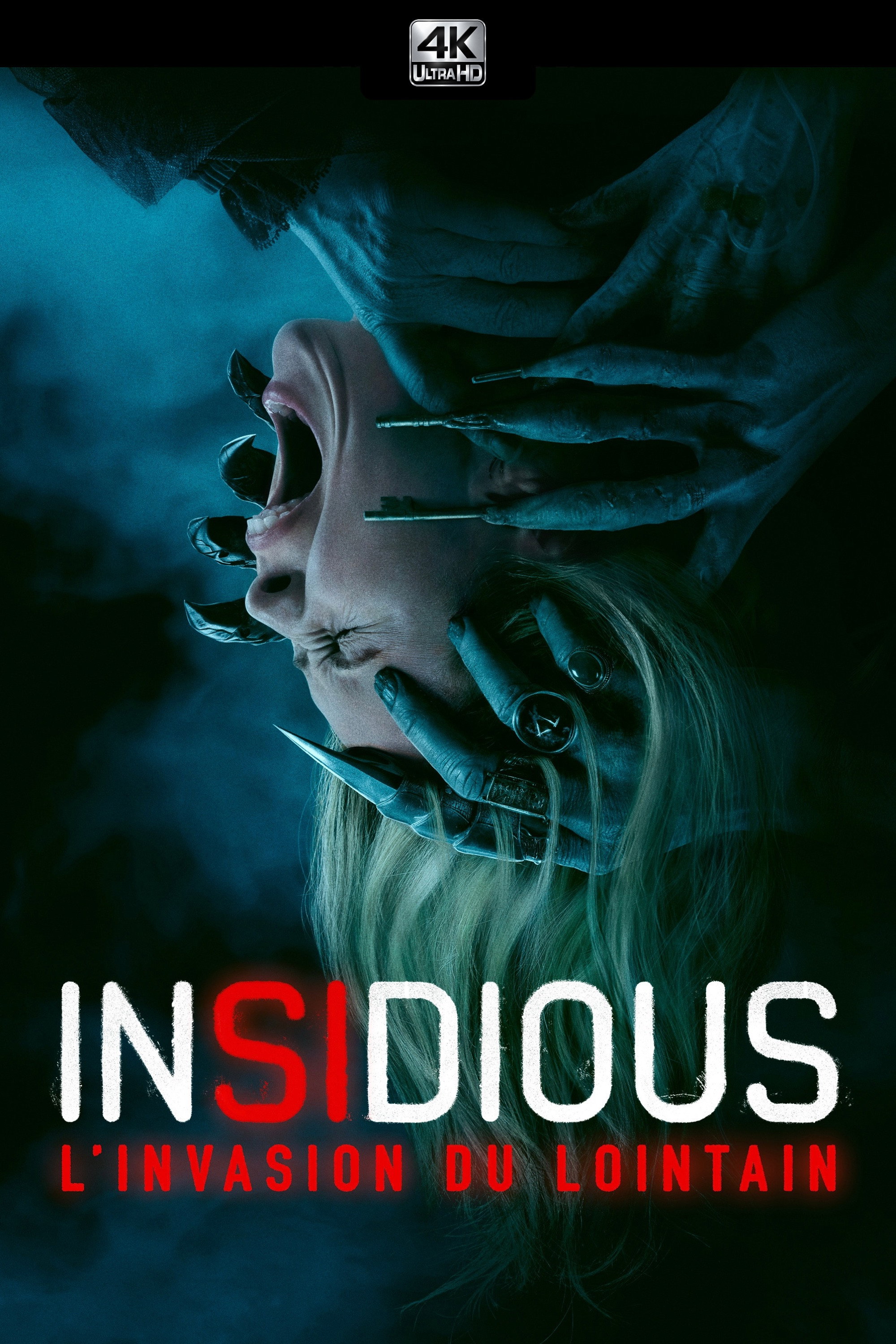
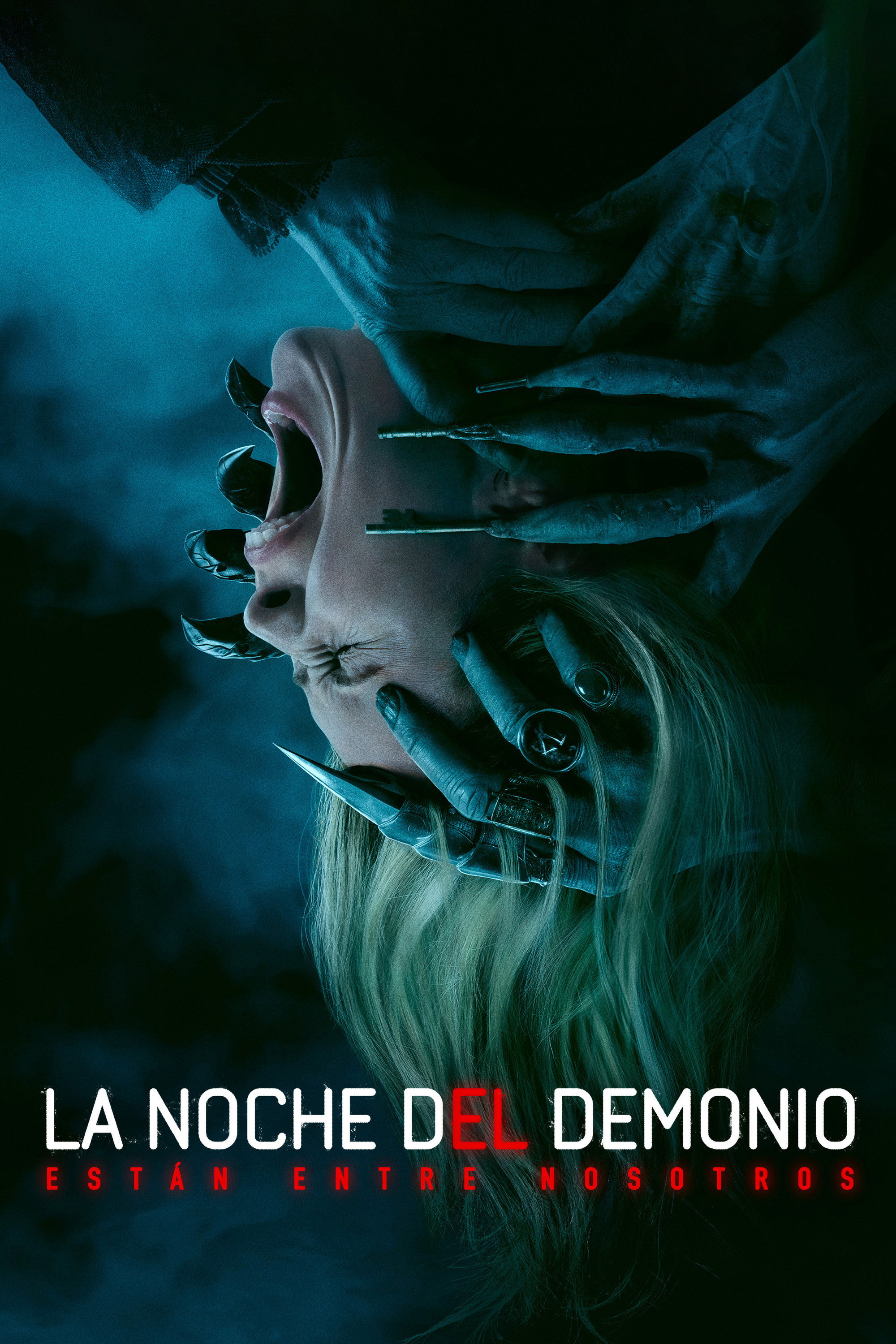
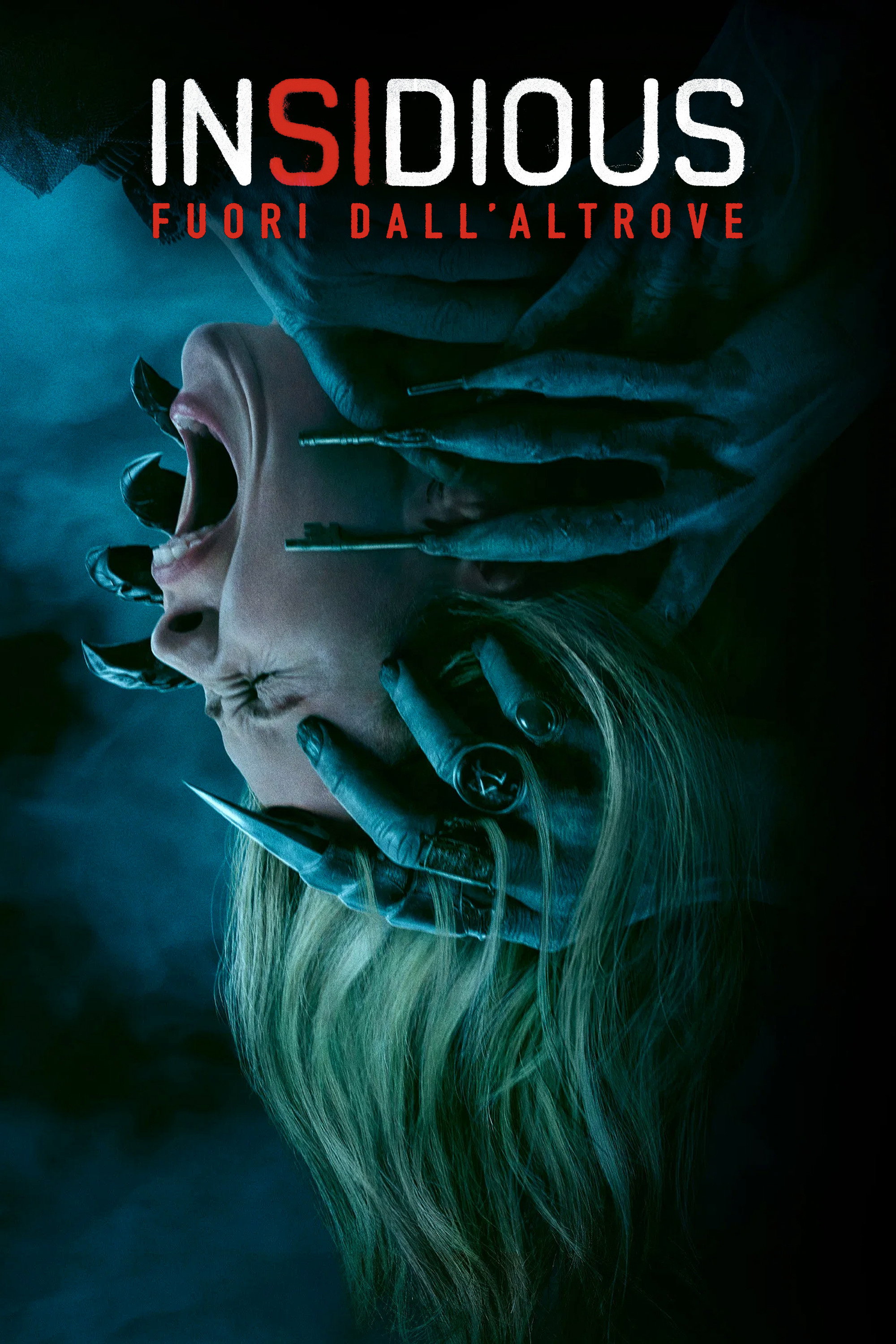
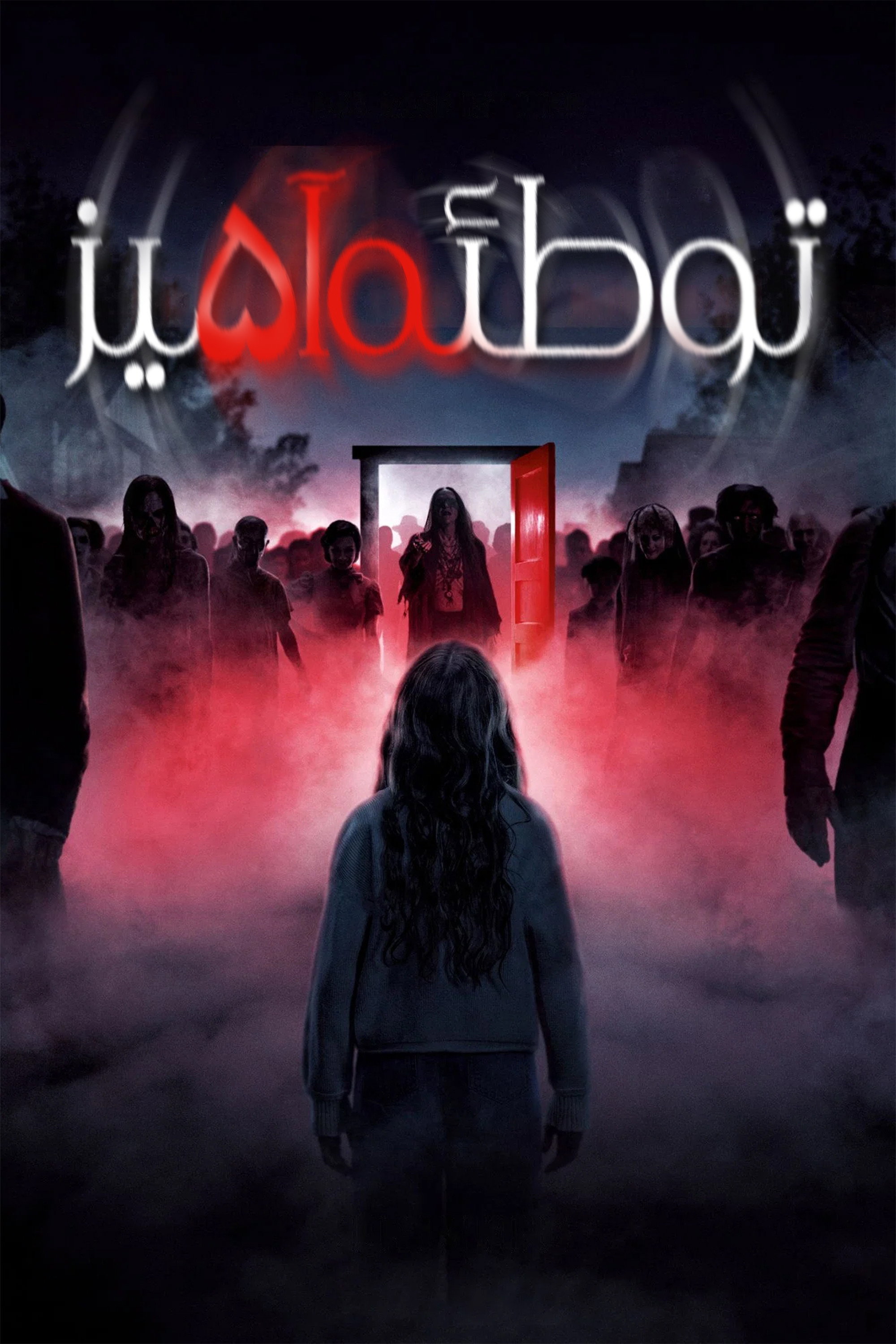
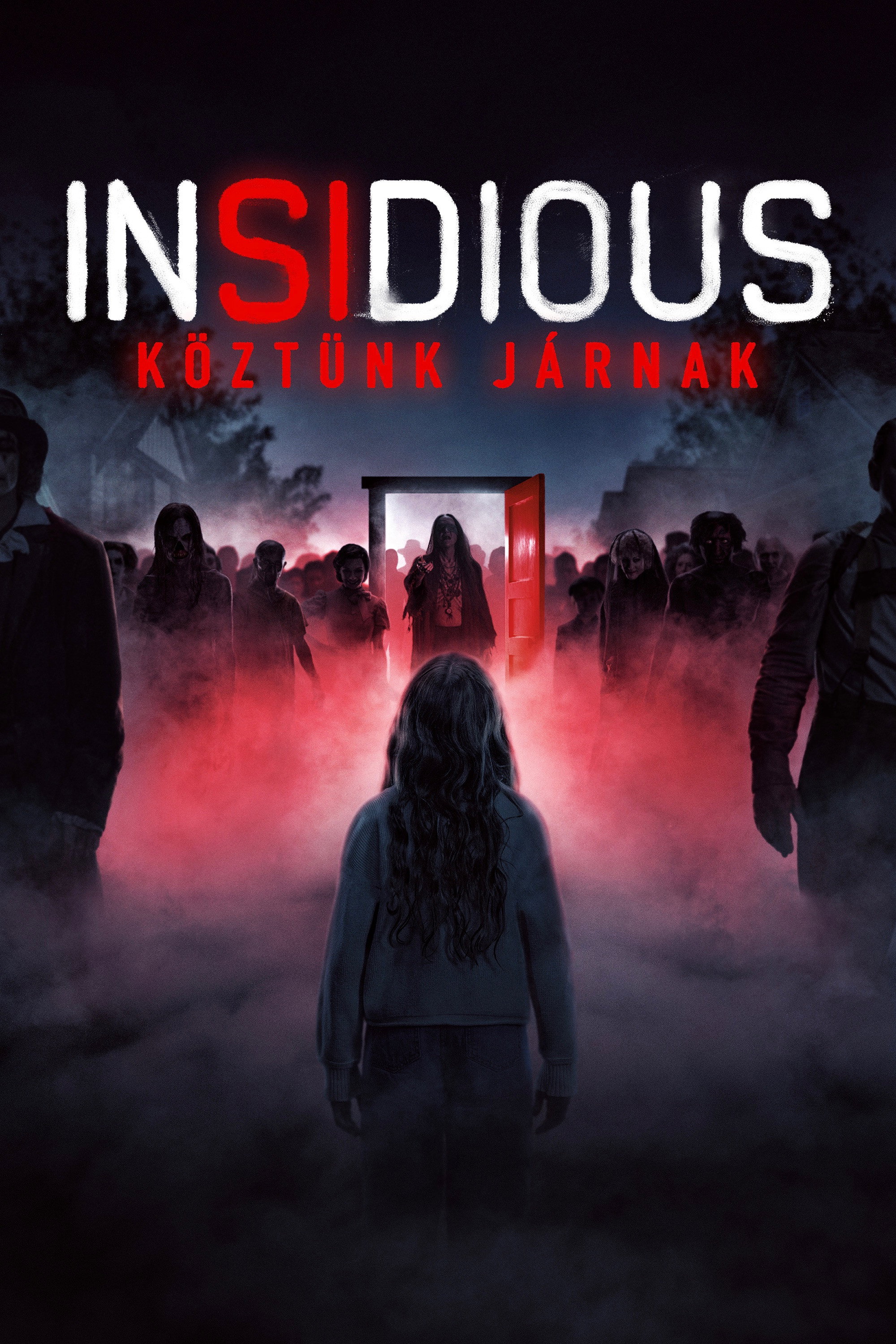
After five films involving the Lambert family and earlier investigations by Elise Rainier, the series changed its central household. Chase, who had directed Come Play (2020), wrote the screenplay from a story credited to himself and David Leslie Johnson-McGoldrick. James Wan, Leigh Whannell, Jason Blum and Oren Peli remained among the producers. In an August 2026 interview with SciFiNow, Chase said he had followed the films as a fan and believed the continuing audience's attachment depended on the people facing the hauntings. His explanation places character relationships at the origin of this sequel's premise, although it remains a promotional account of his intentions rather than an independent evaluation of the result.
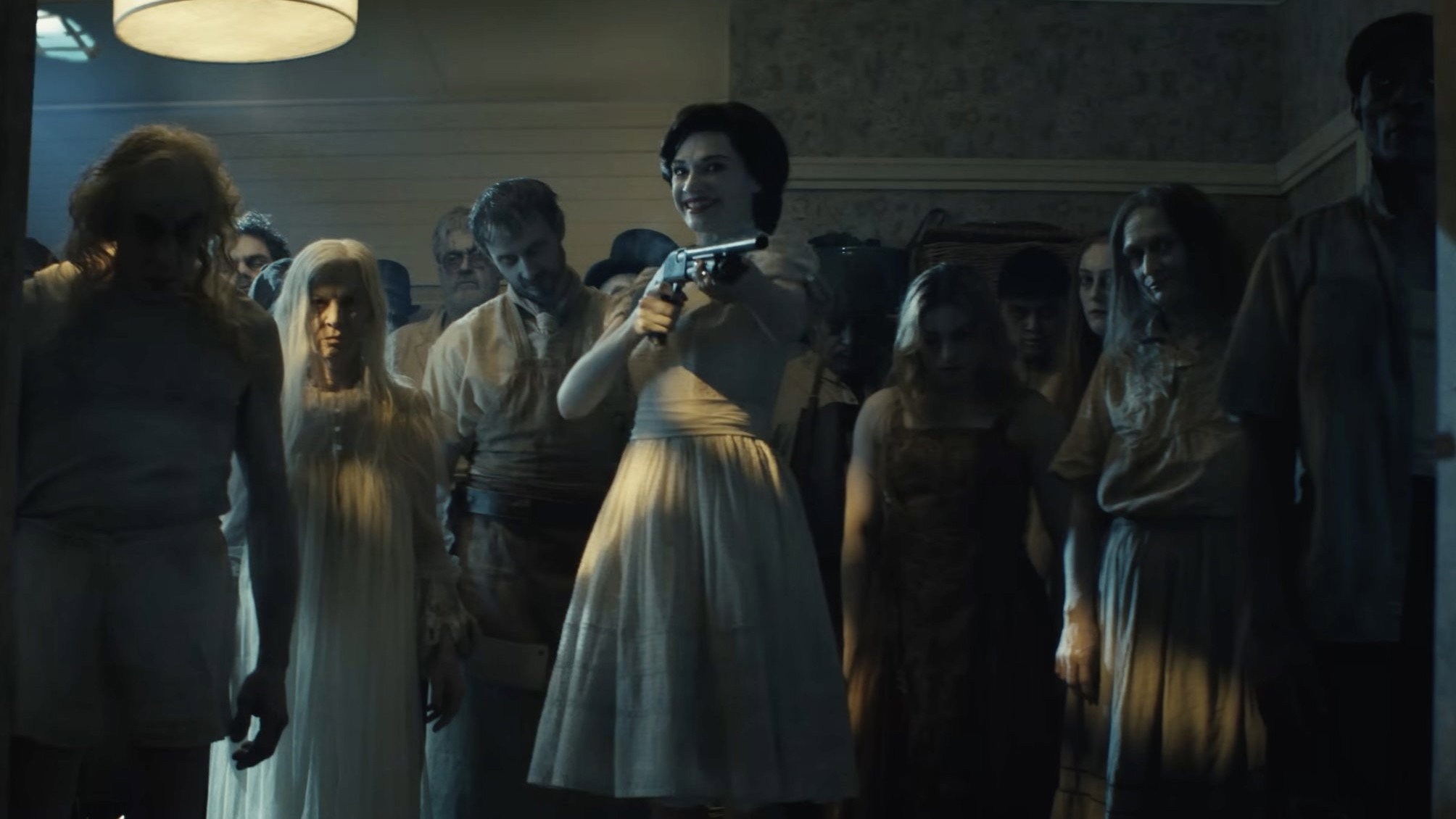
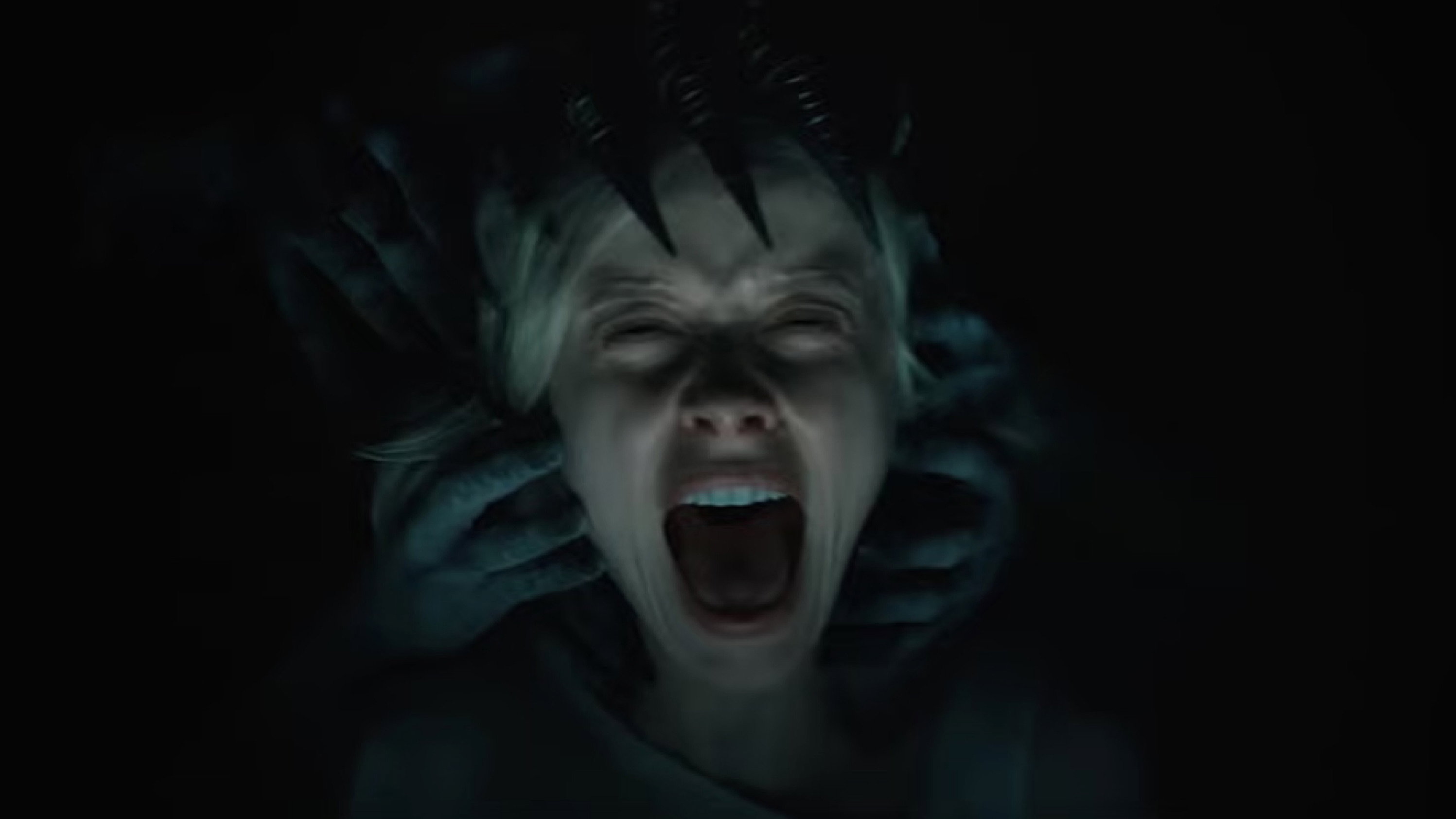
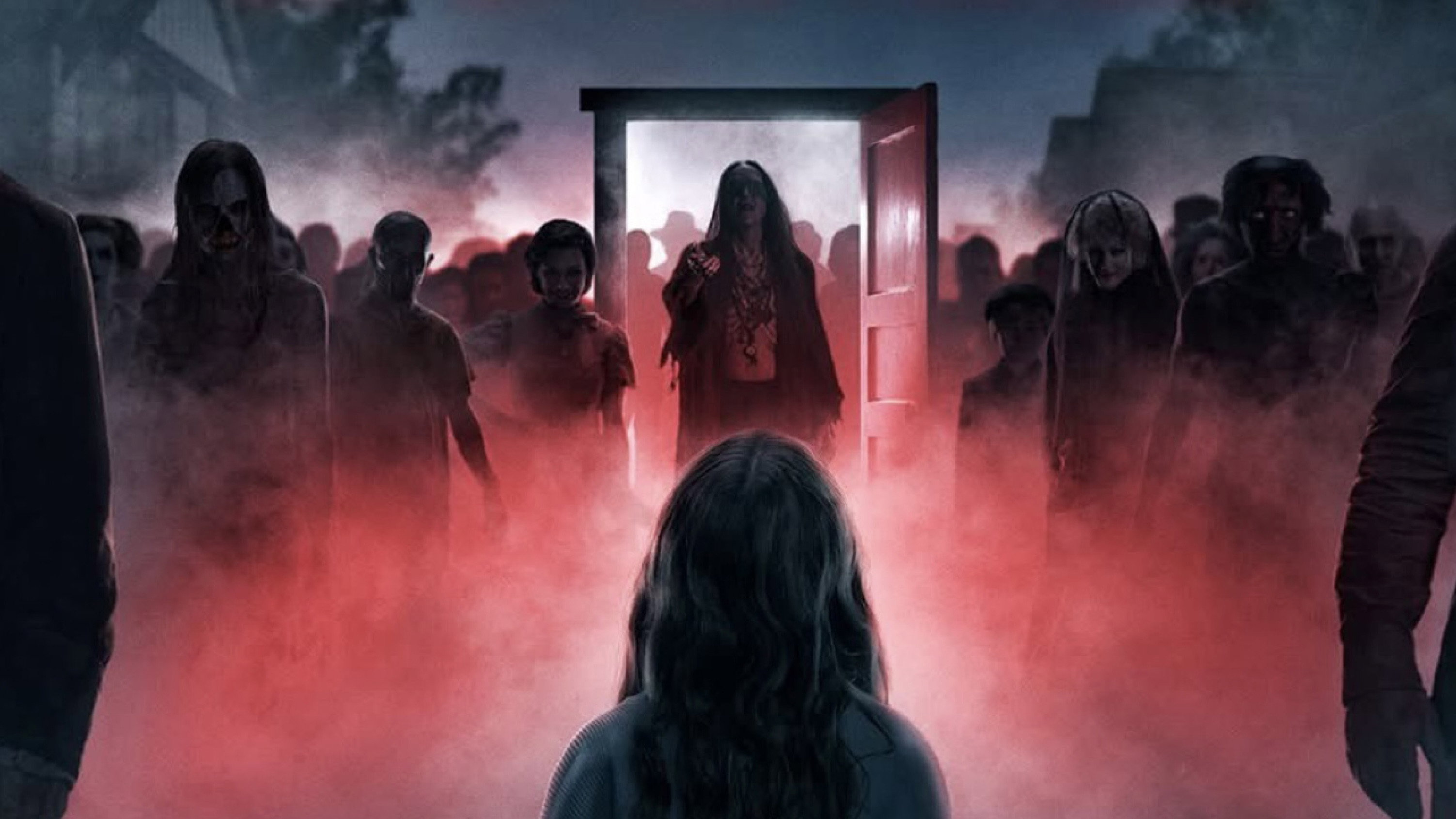
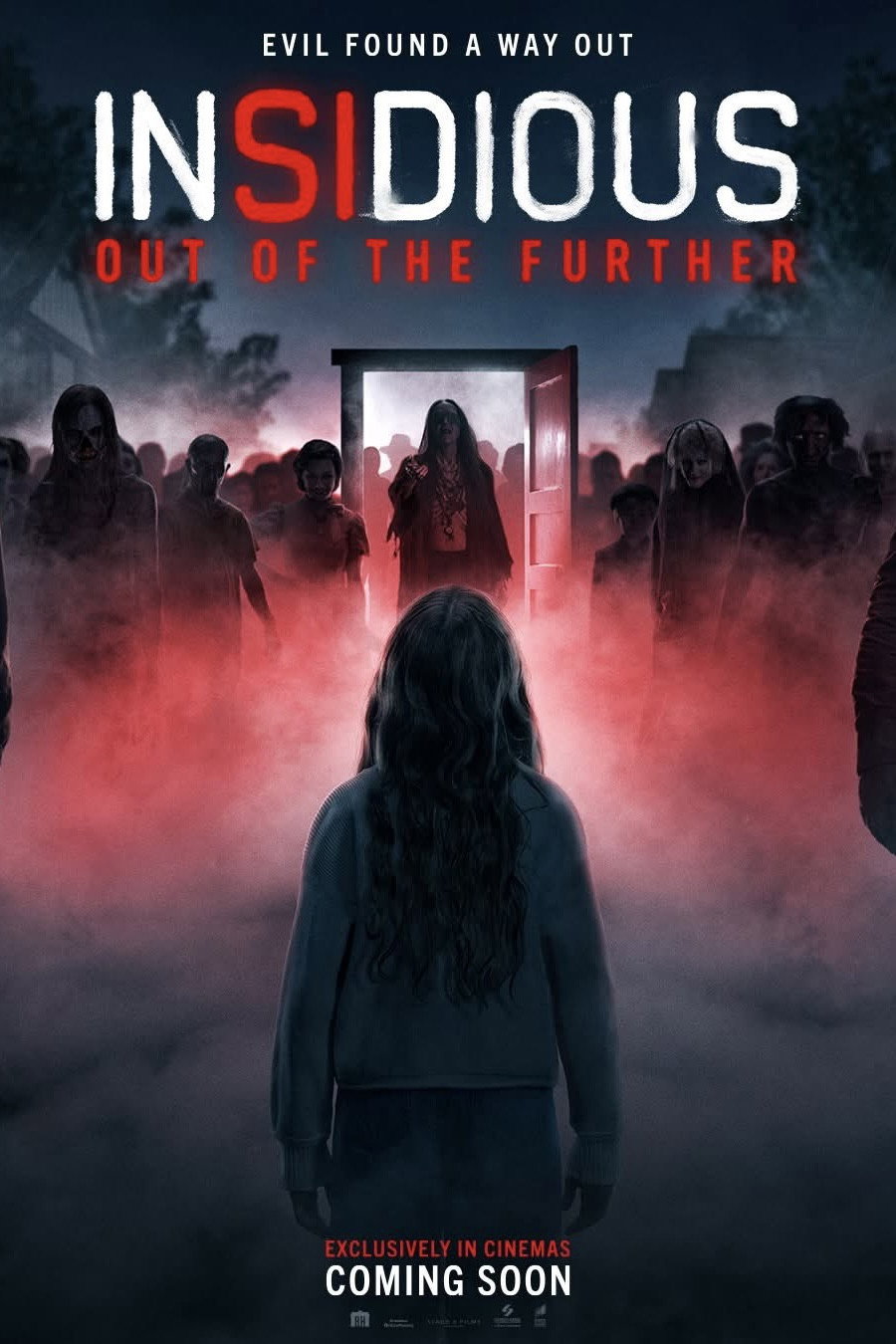
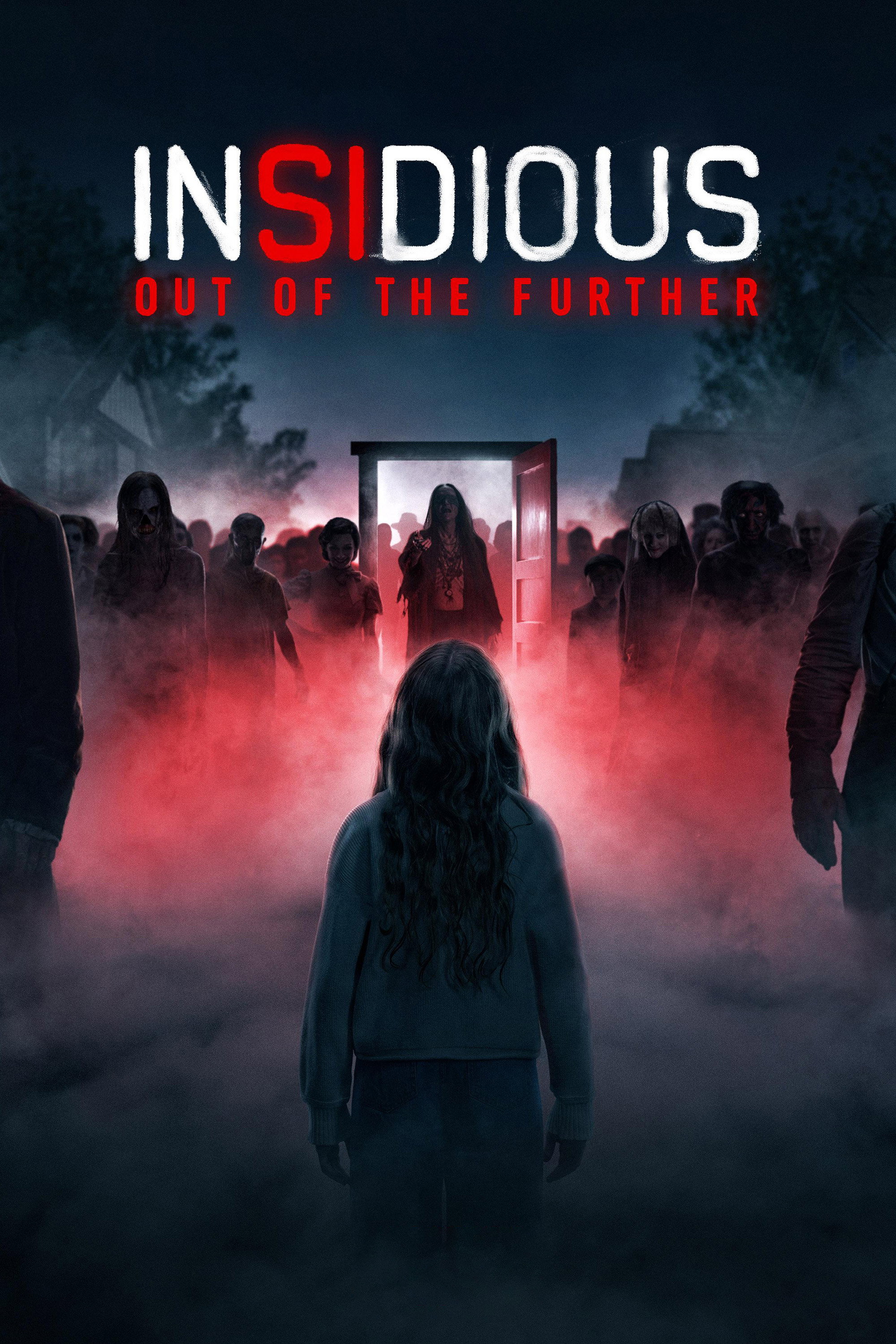
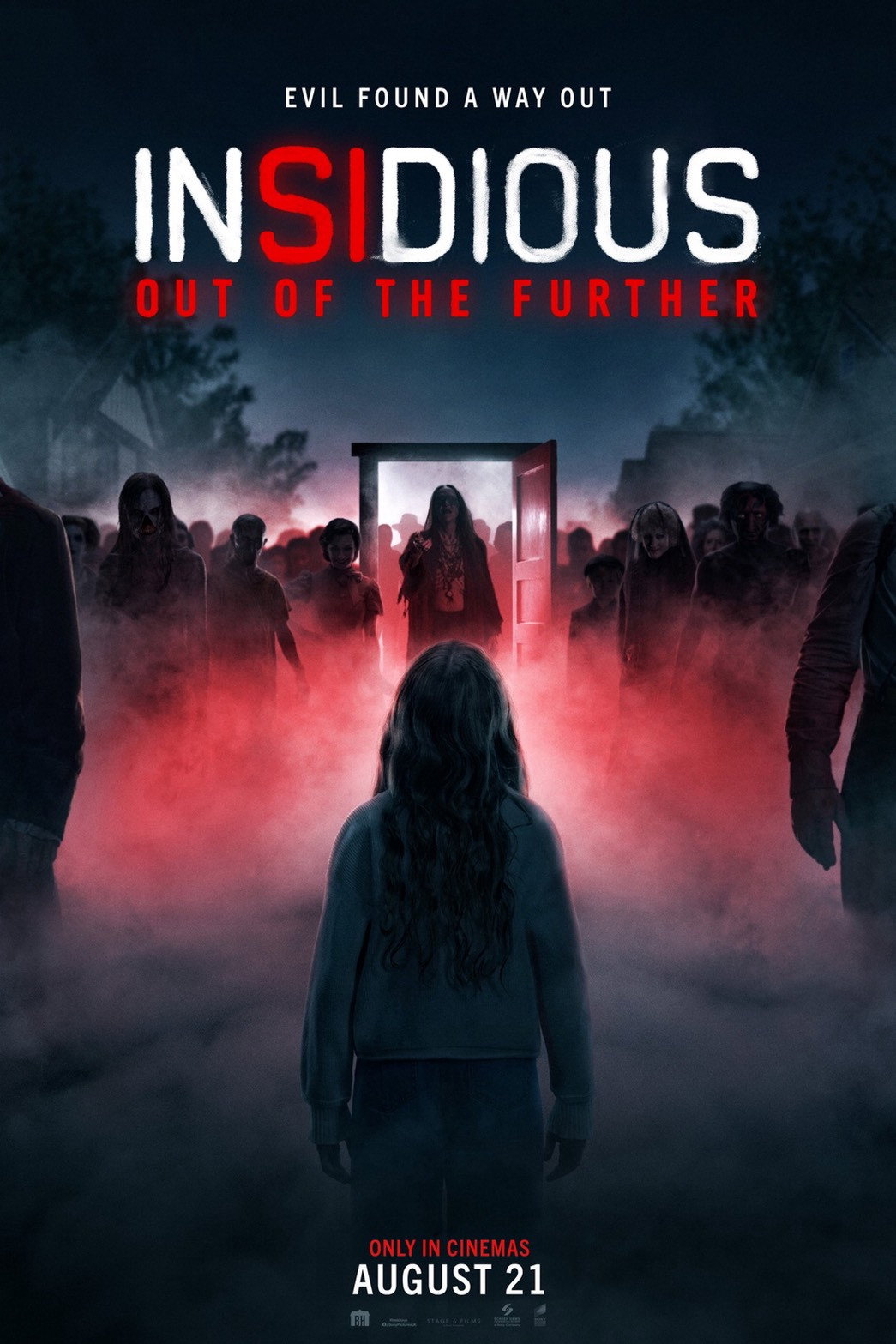
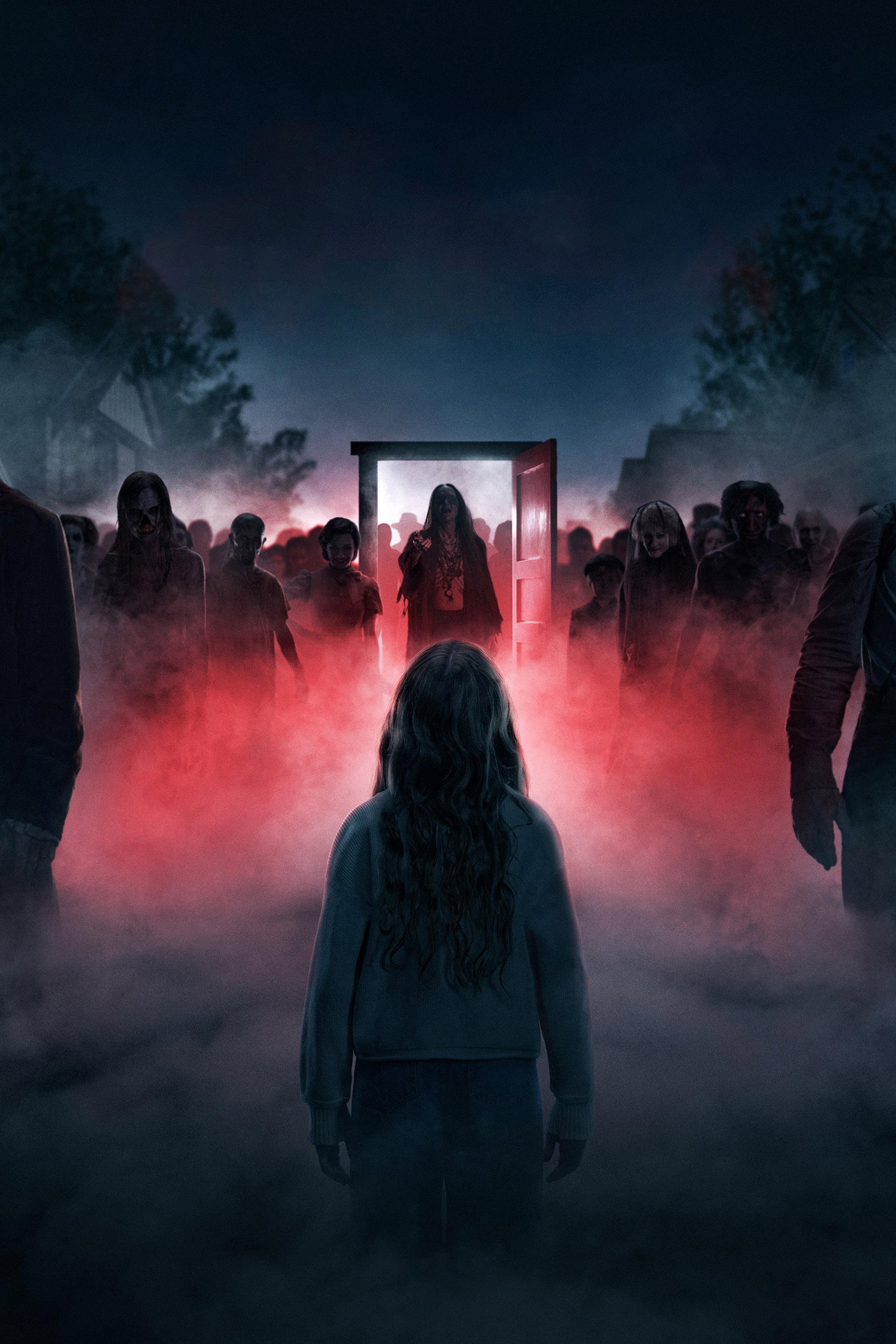
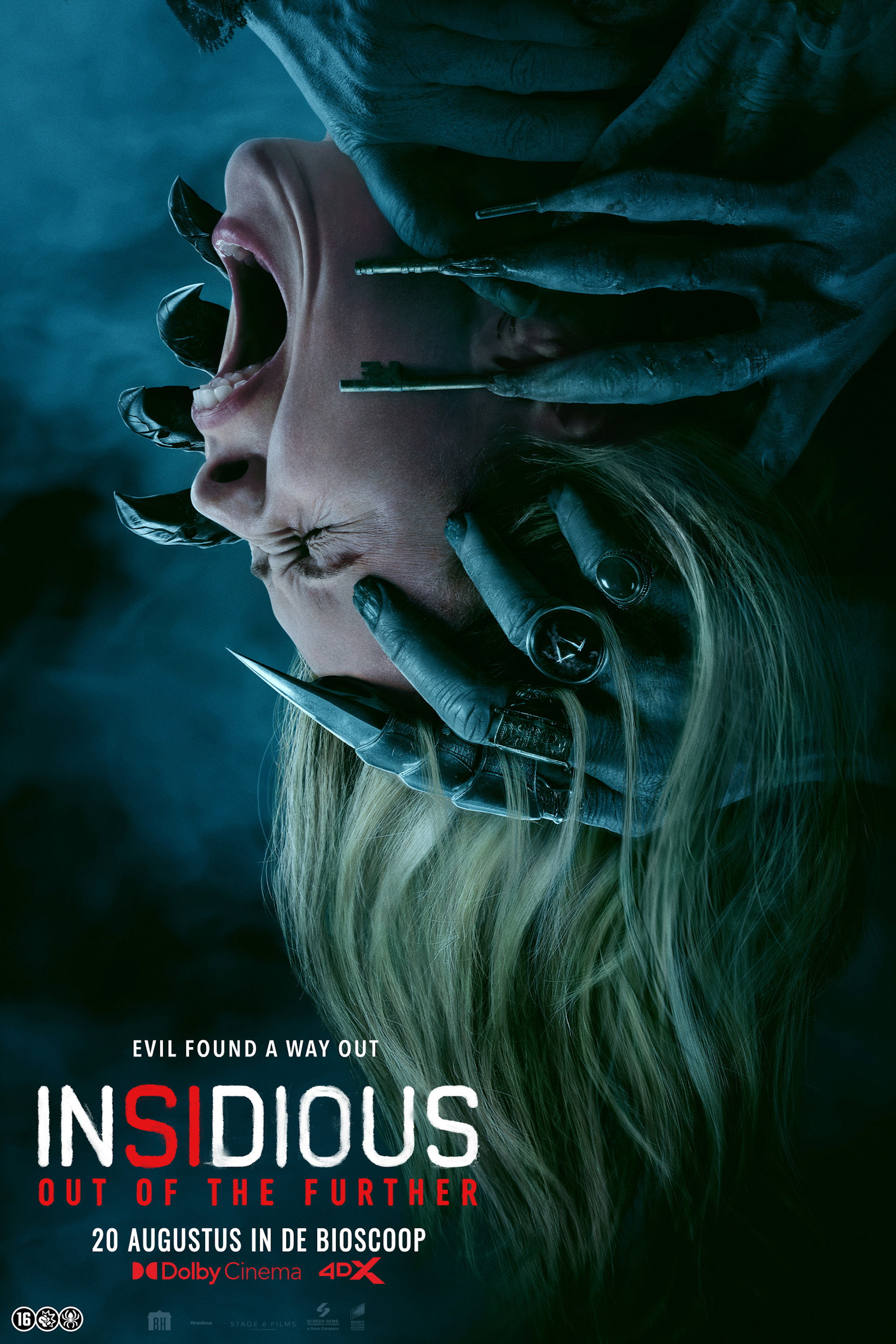
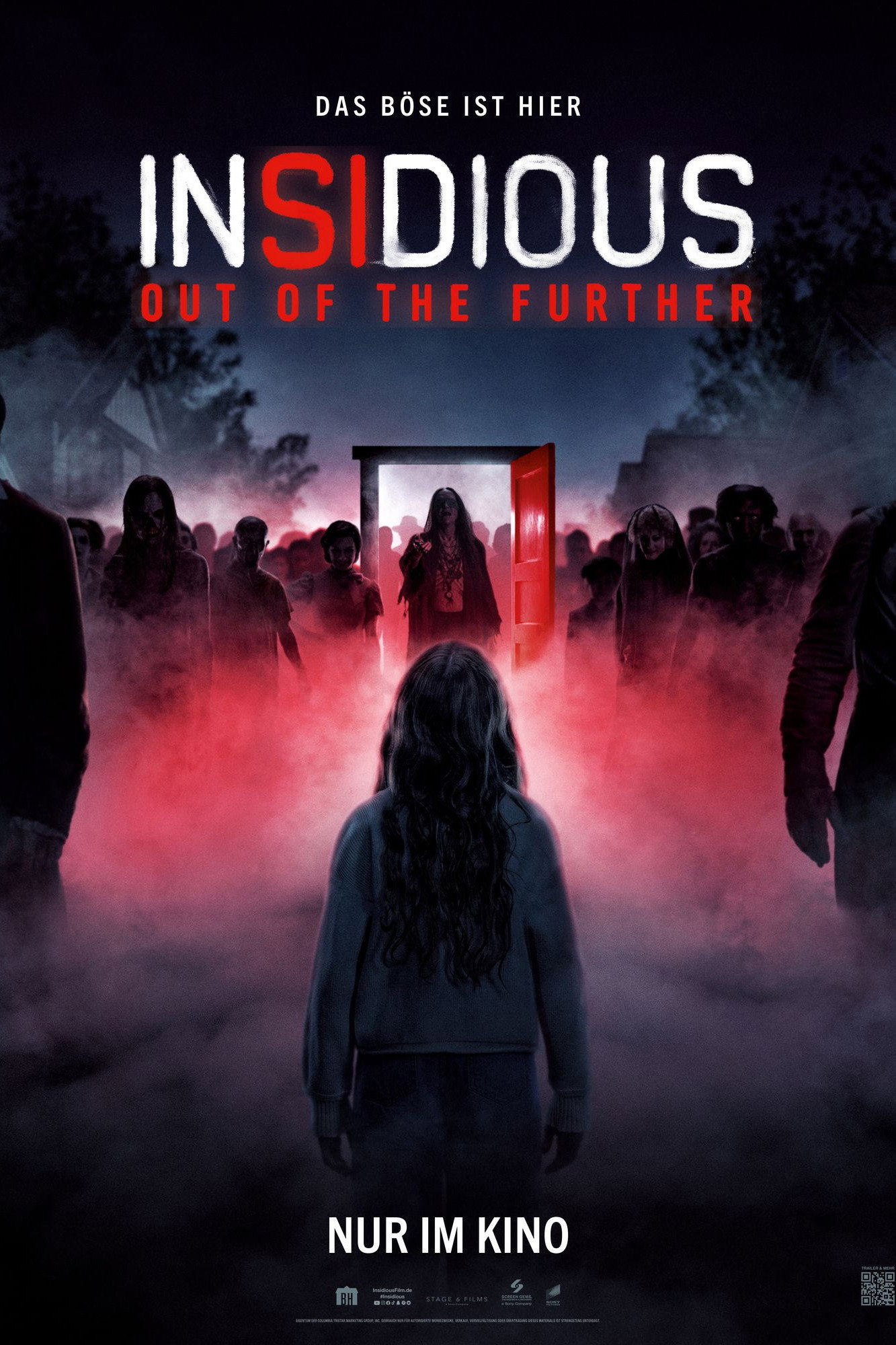
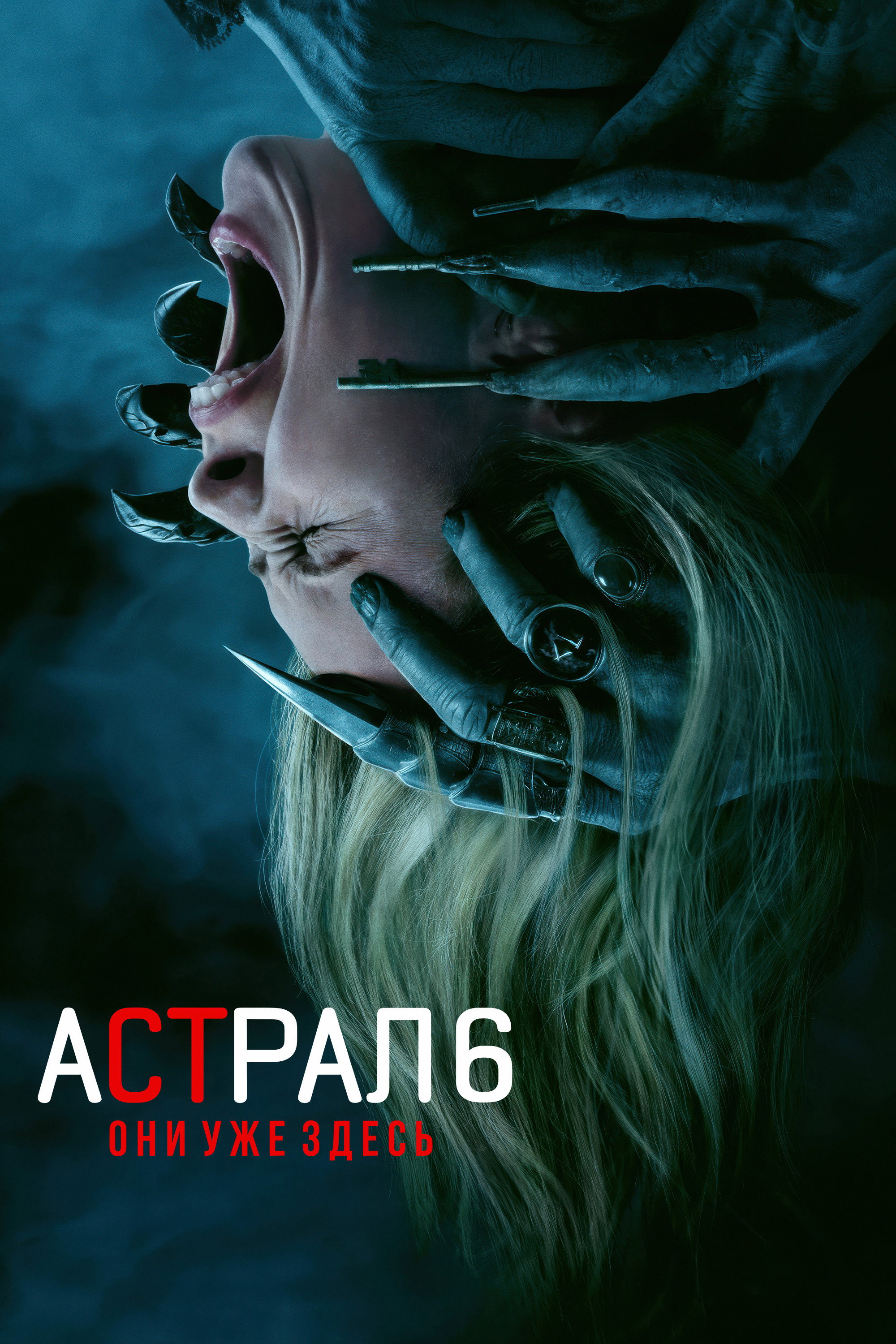
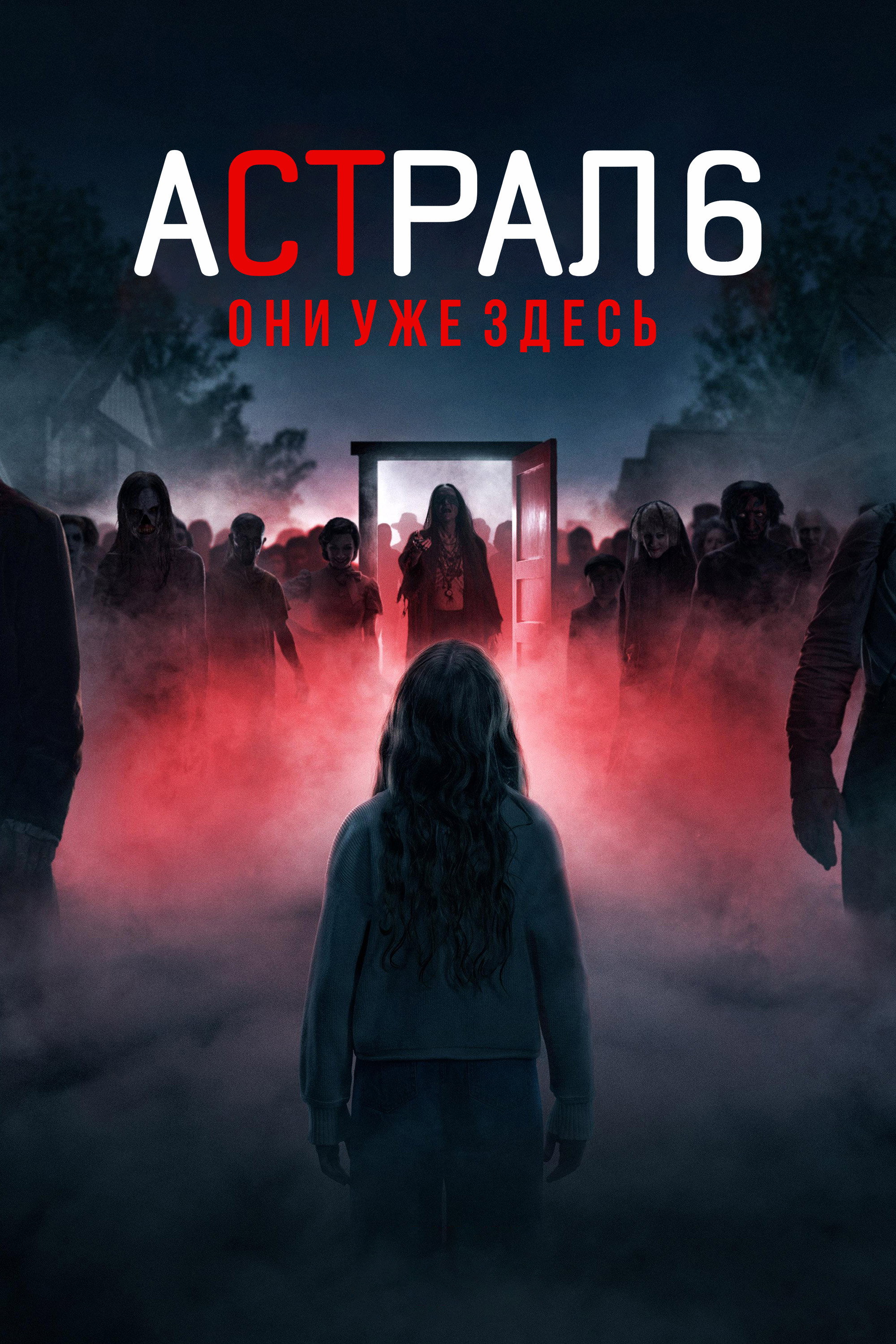
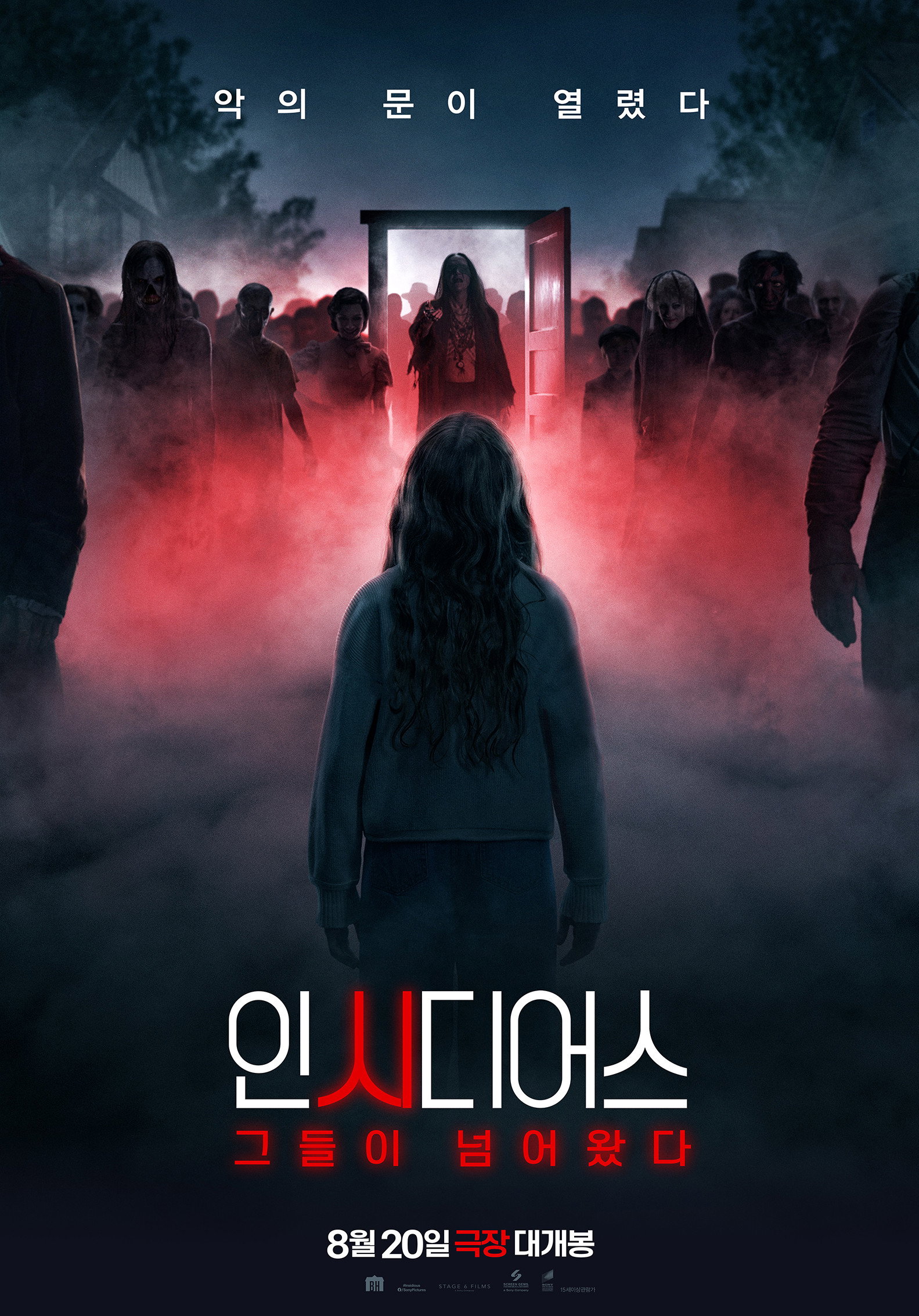
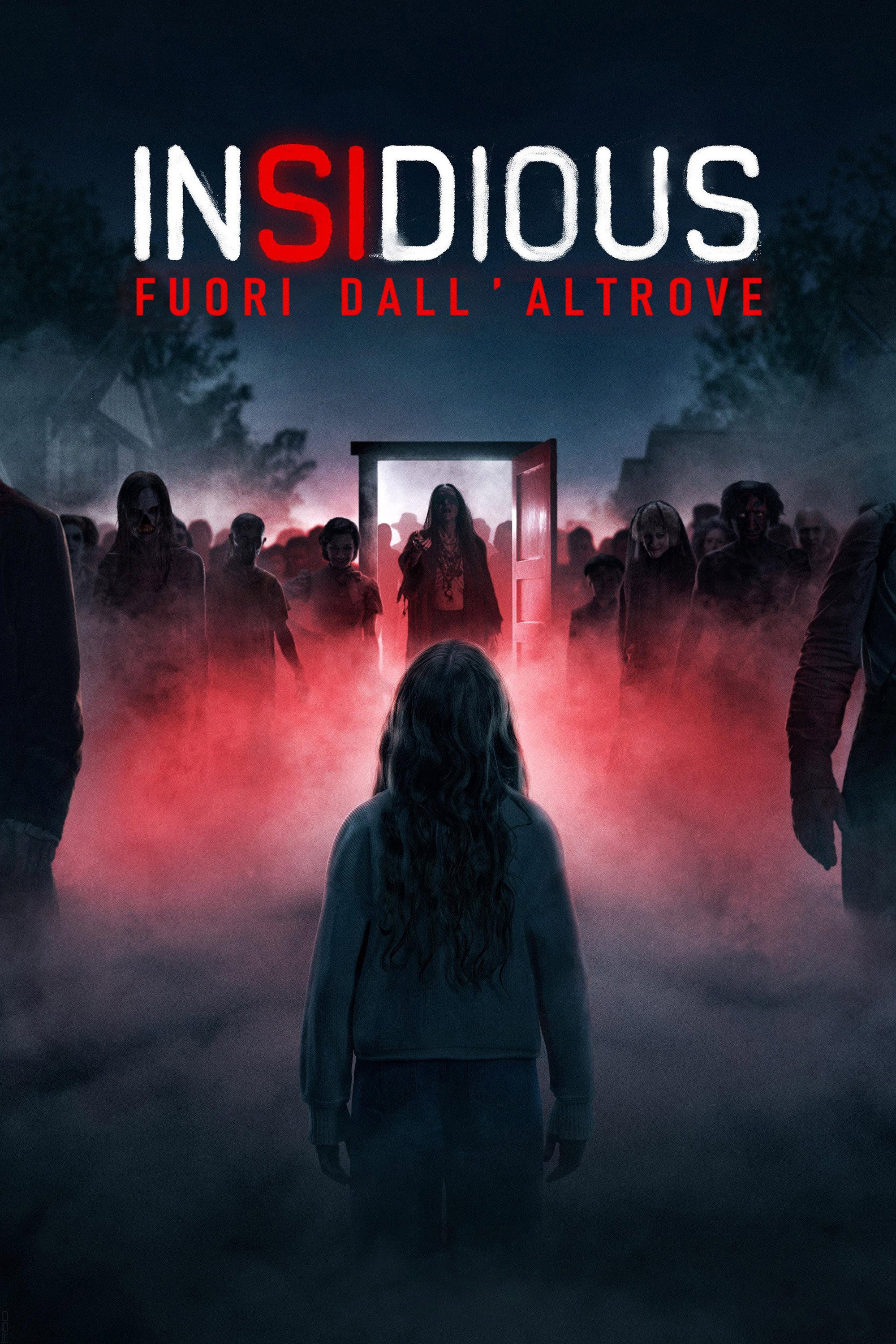
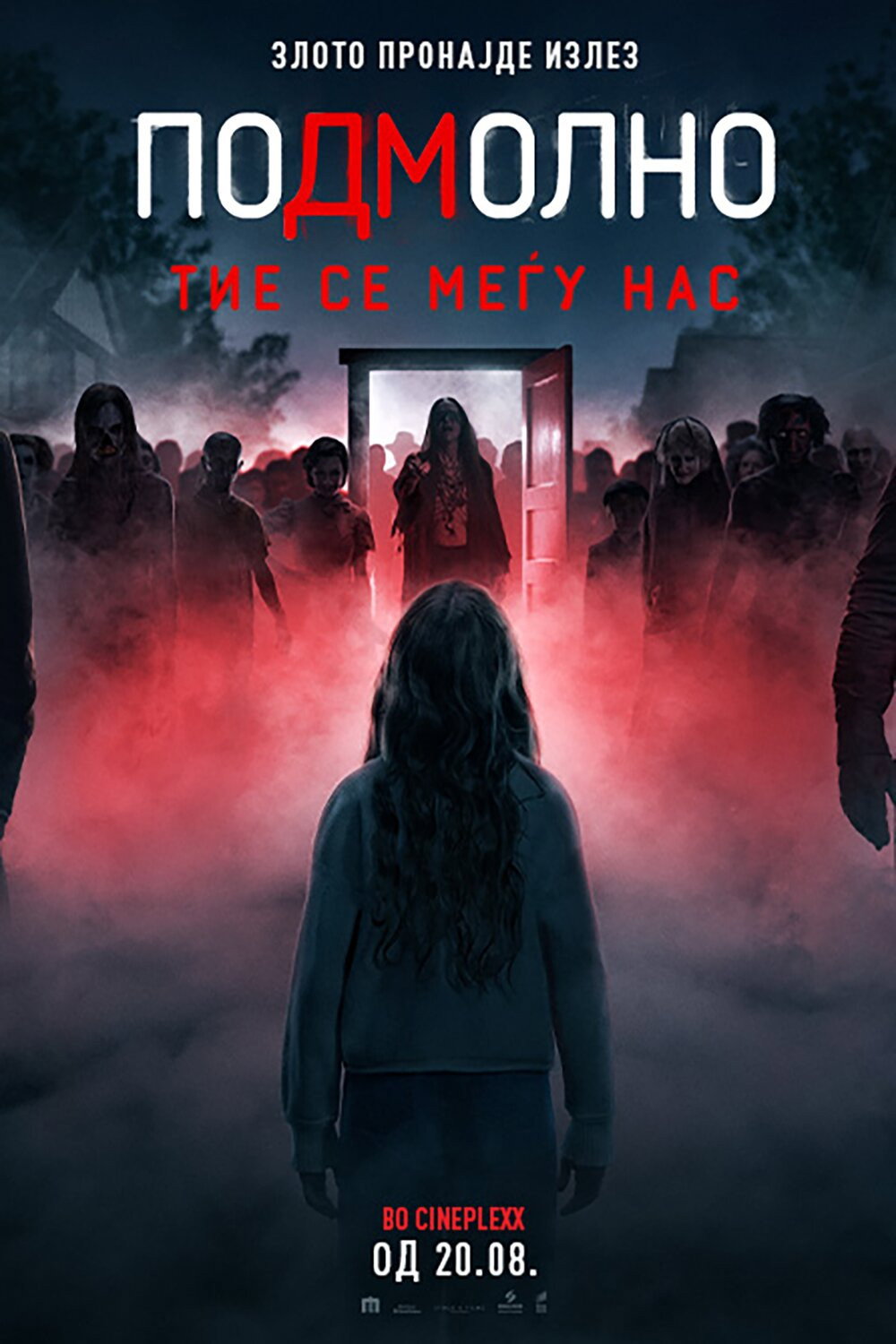
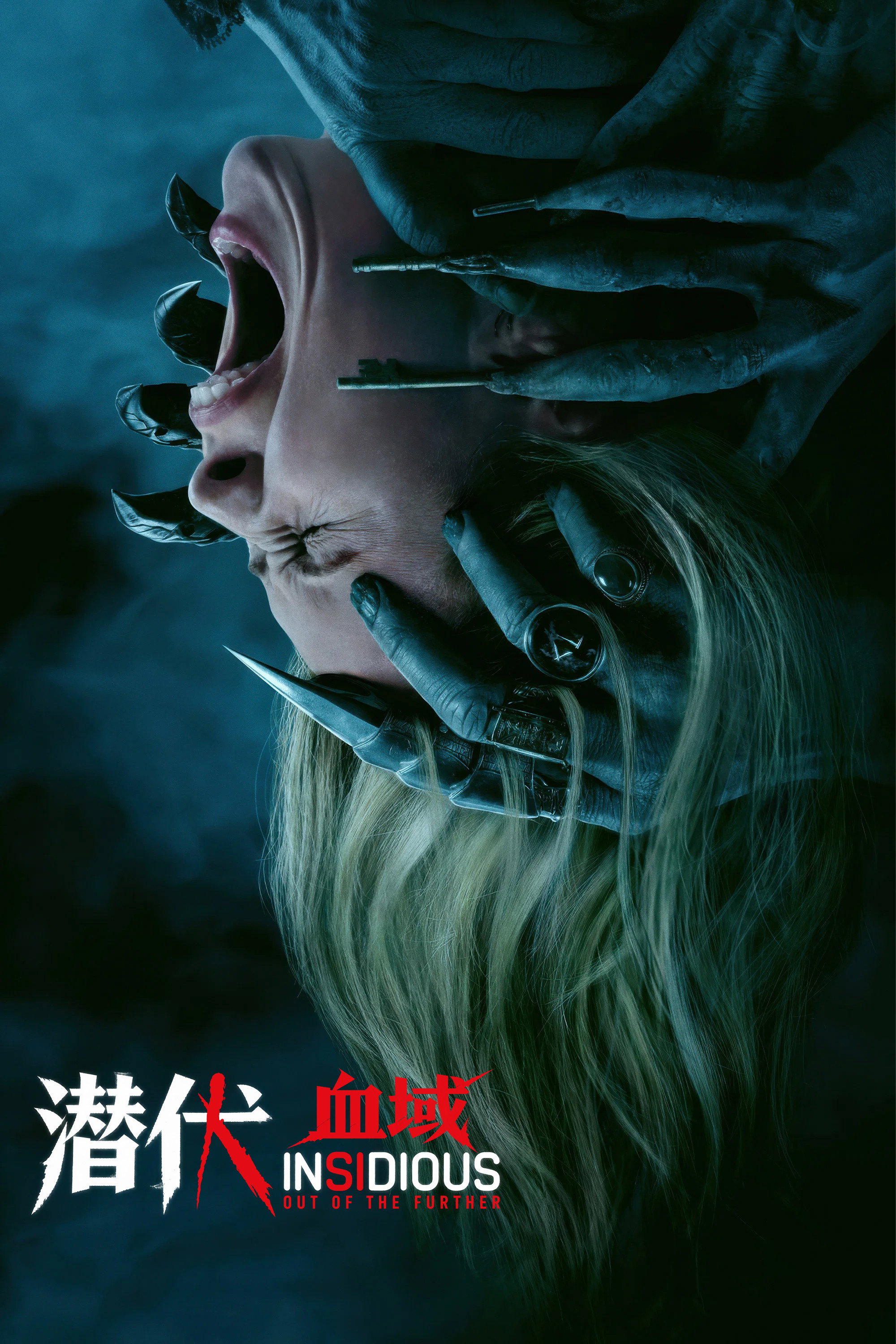
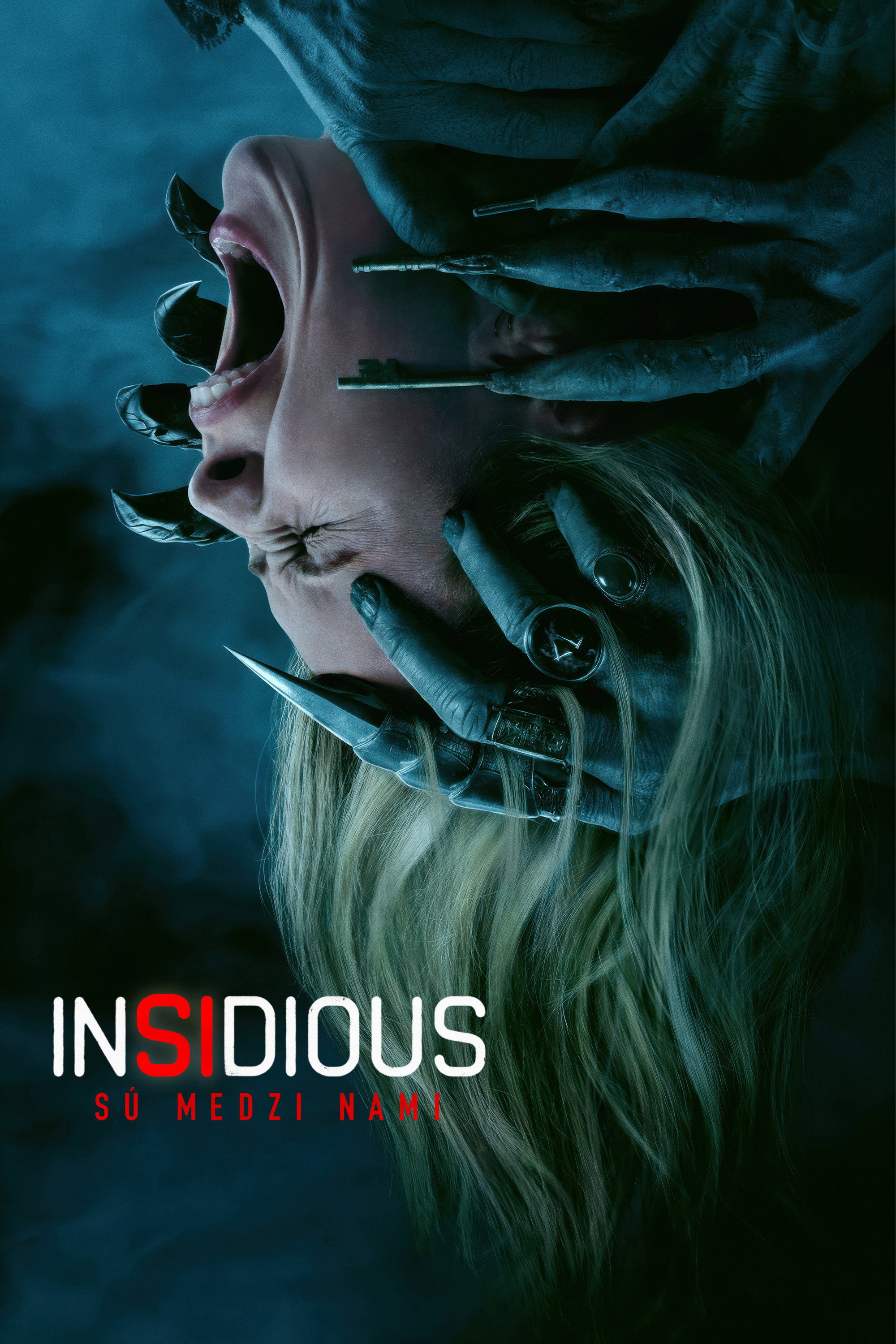
Gemma's power revises a central limitation of previous installments. Characters could enter the Further and be threatened by its inhabitants, but the new story allows a living visitor to transport those beings outward. The discovery gives hostile spirits a reason to pursue the protagonist as a potential passage into the world they cannot ordinarily occupy. Chase described the freedom of beginning with different characters while retaining recognizable elements of the series. His emphasis on phobias and dream imagery provides direct evidence of his intended horror approach. It does not establish that the concept was planned during the production of the first Insidious or that every familiar apparition has acquired a new origin.
Gemma, Maya and the Fear of Repeating the Past
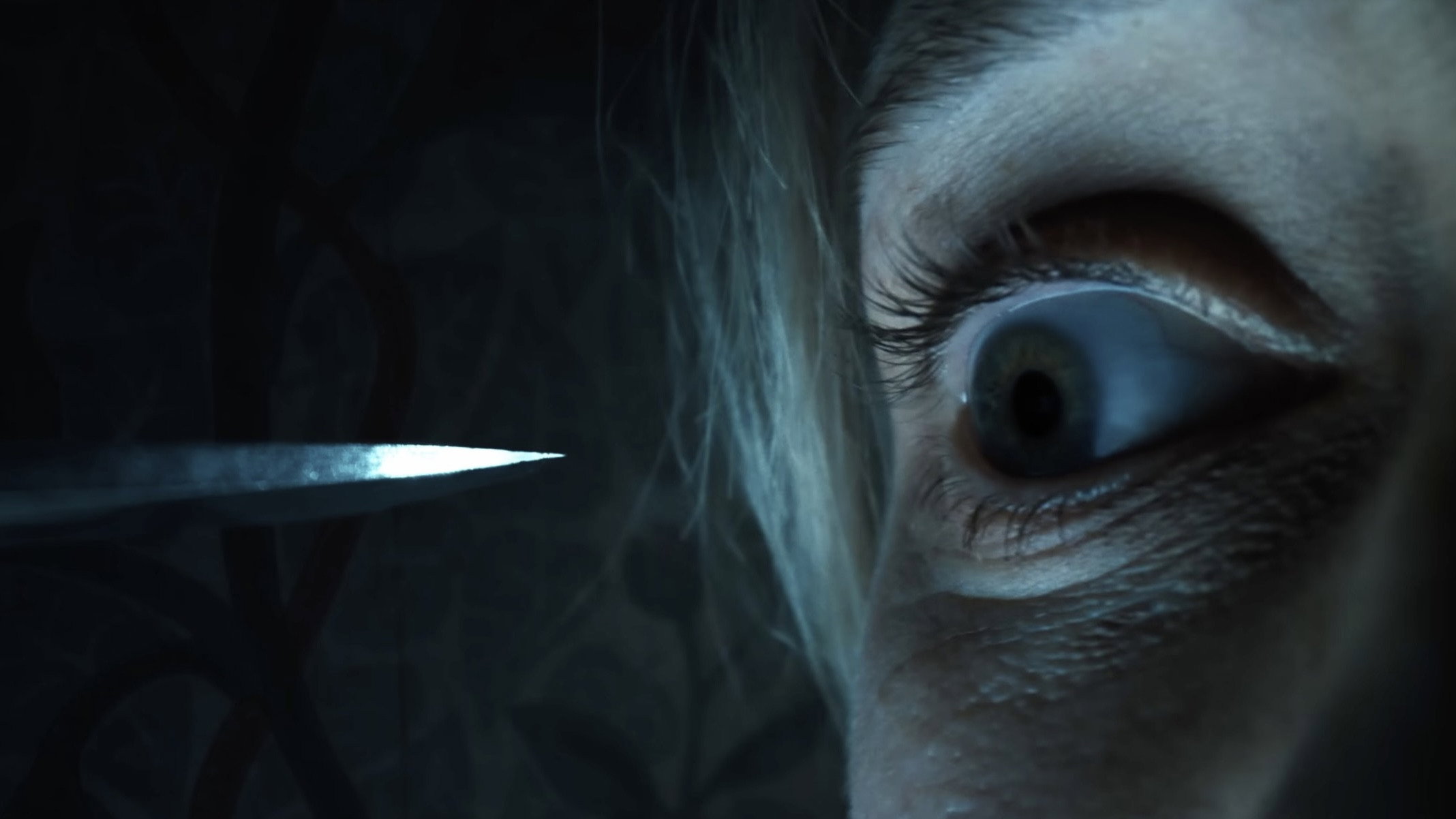
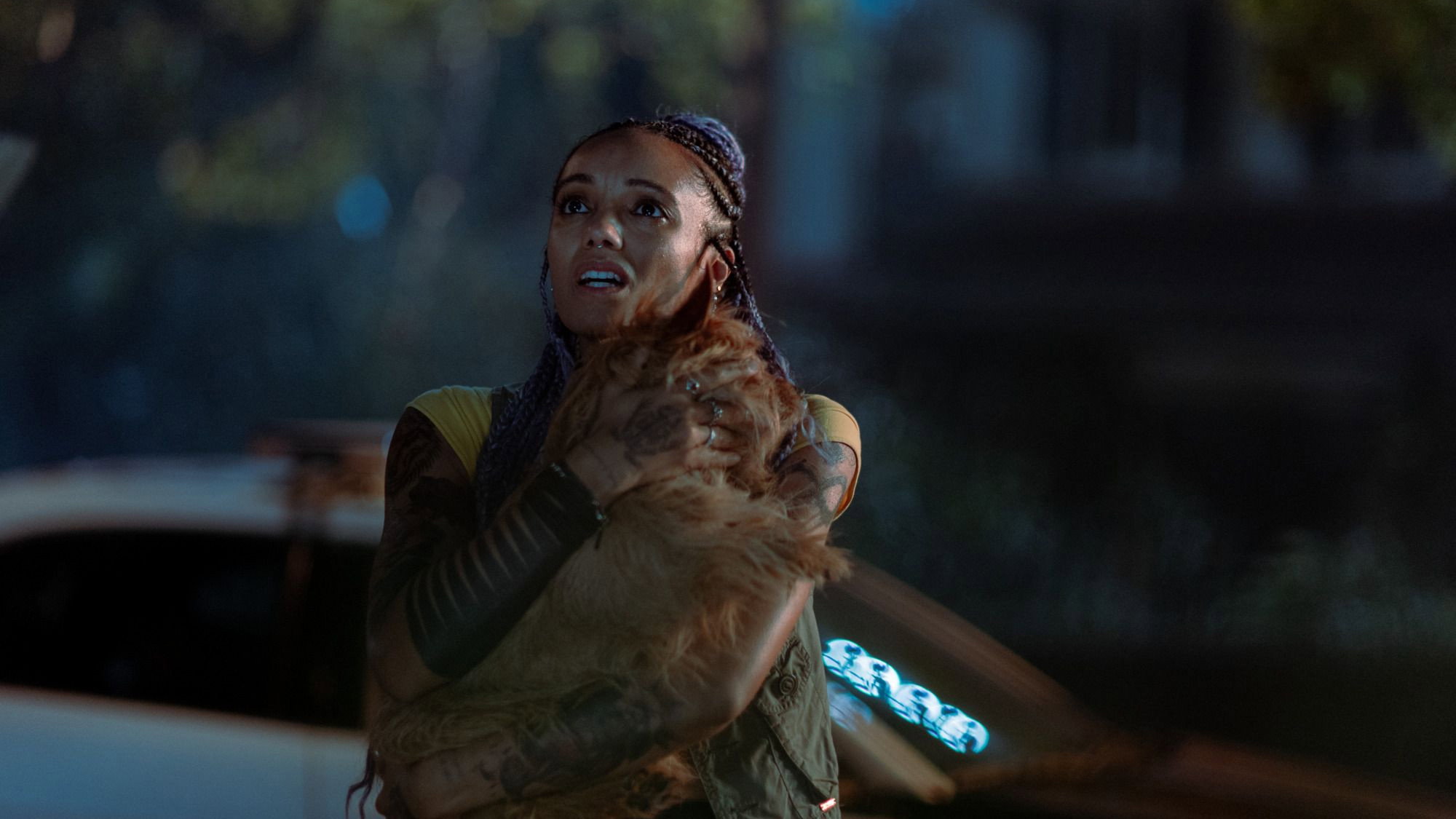
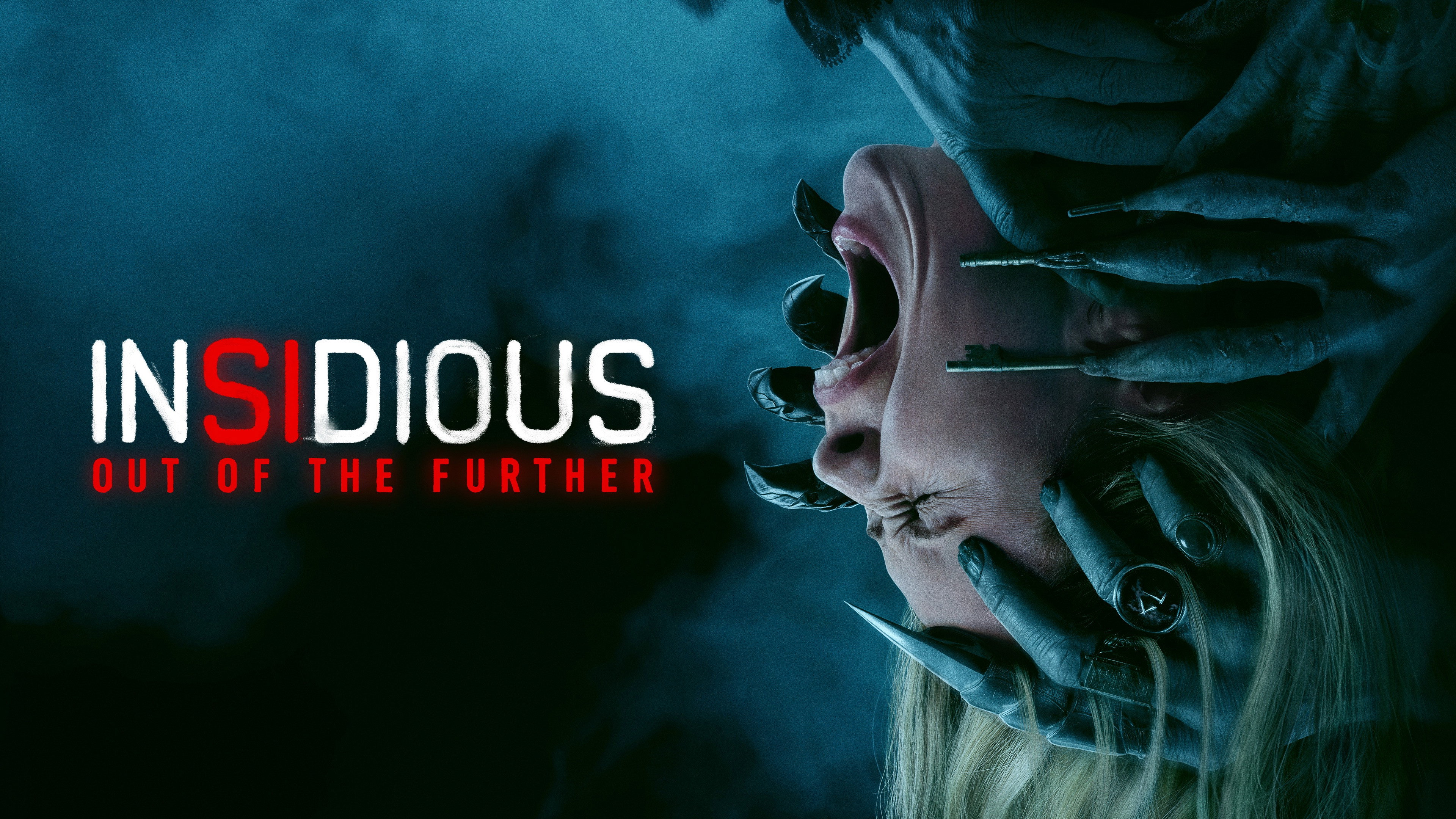
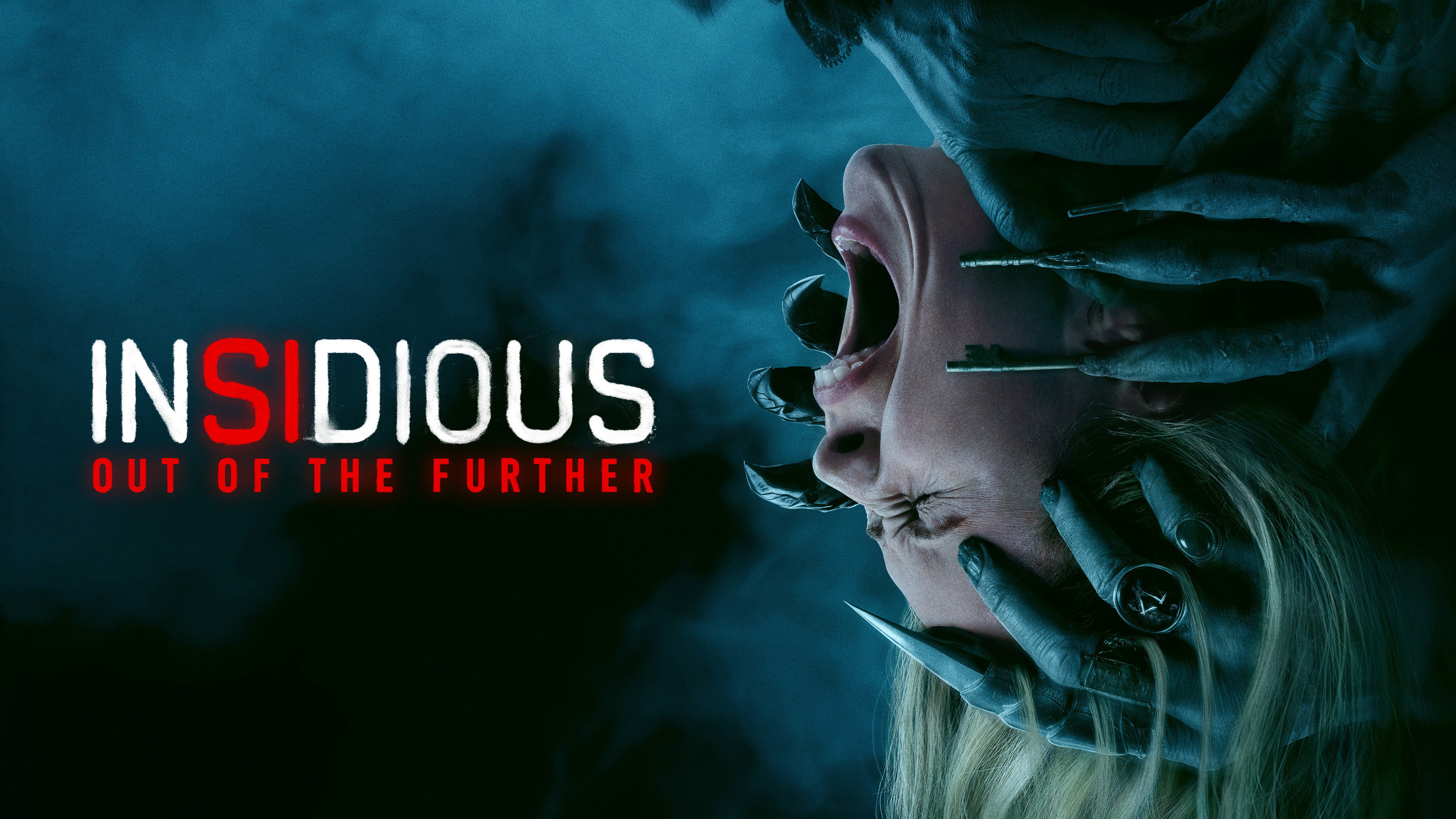
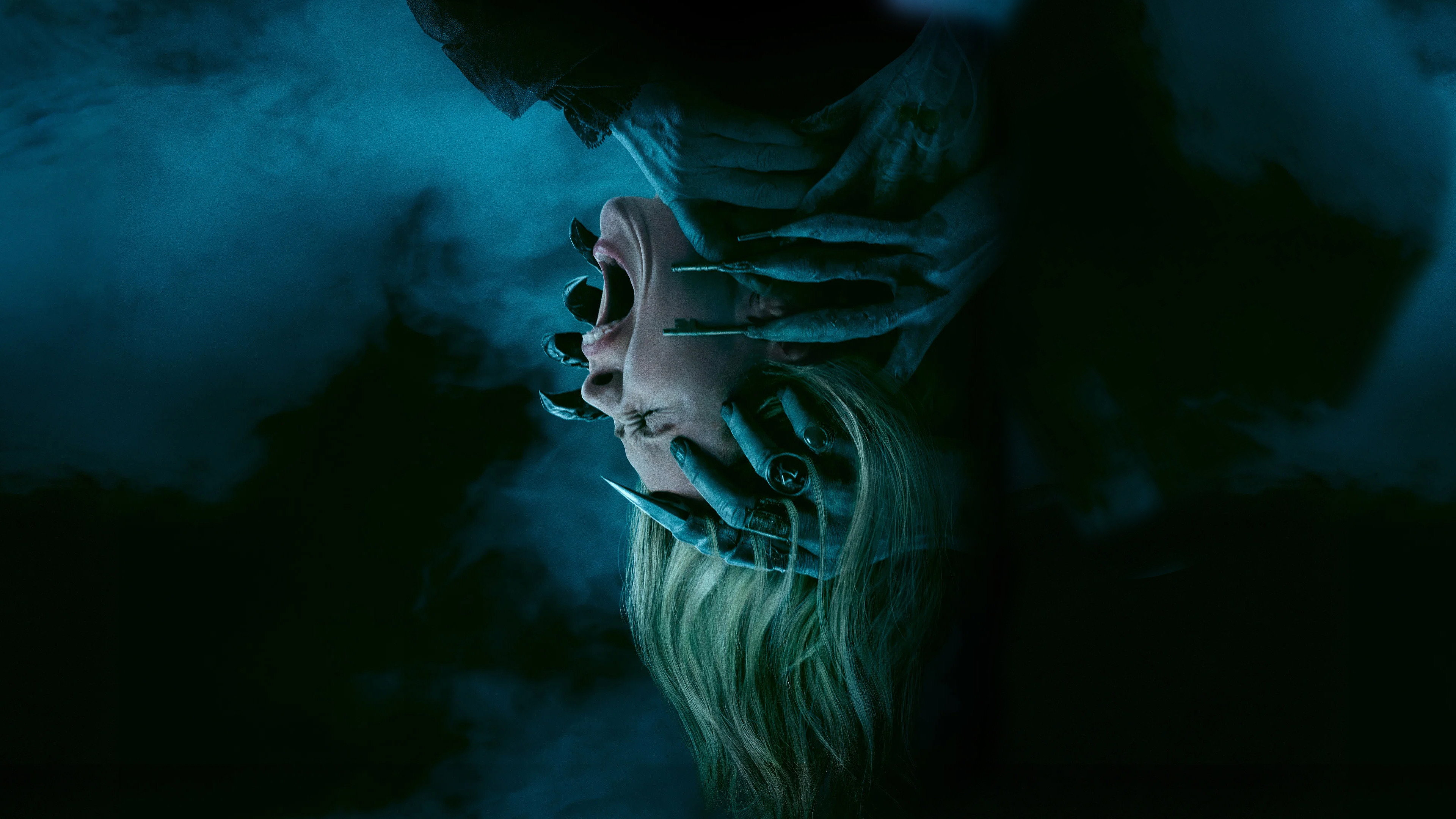
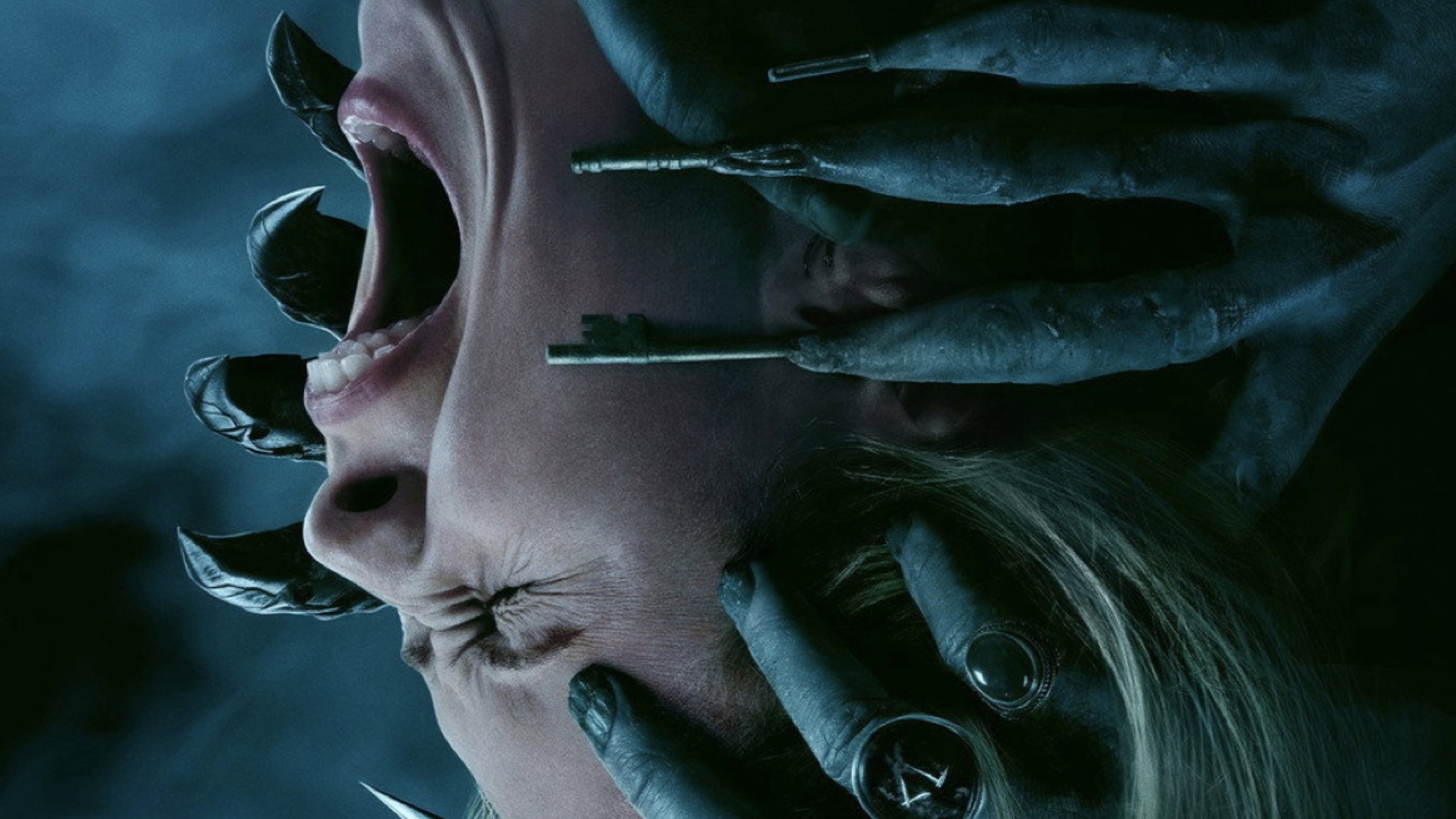
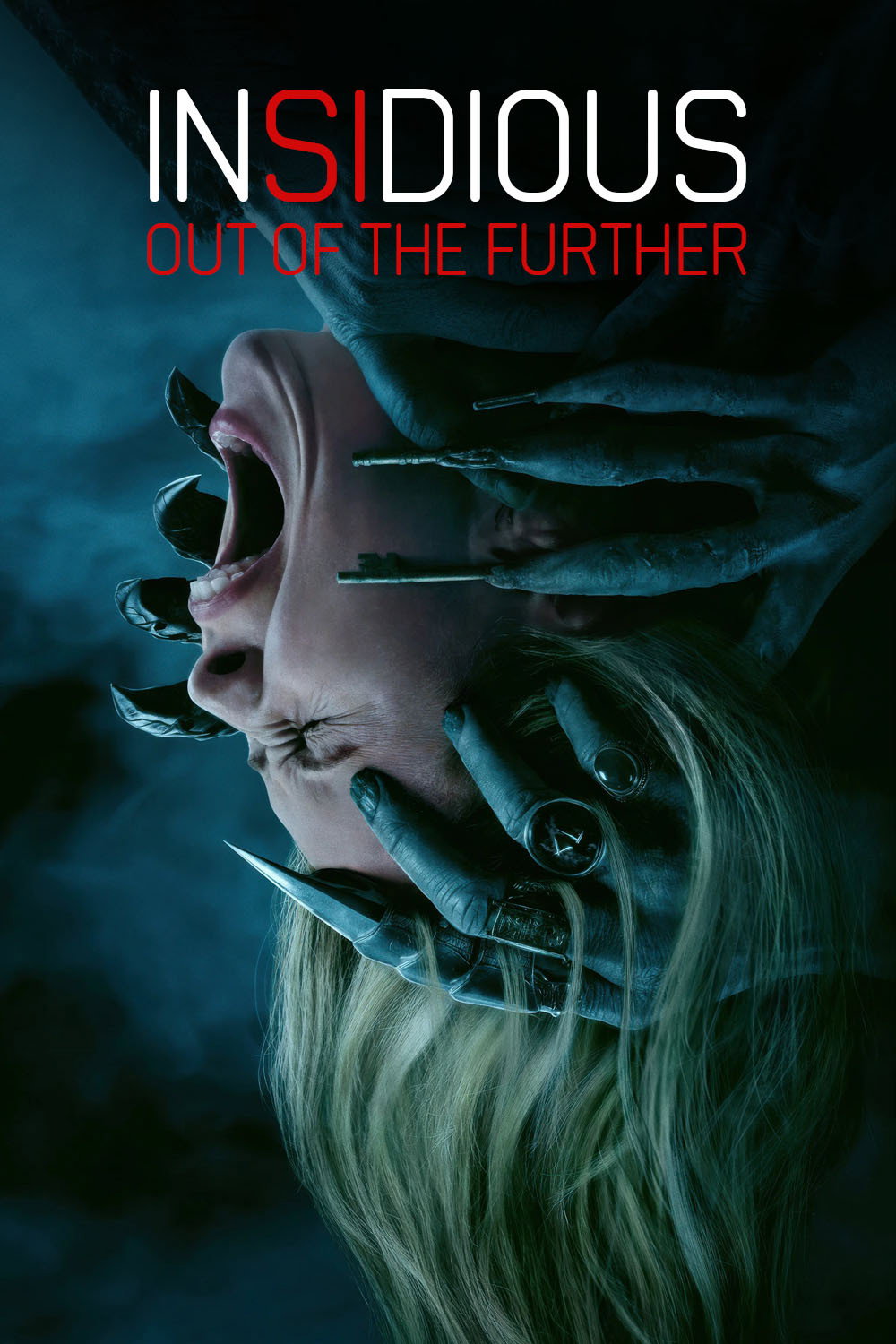
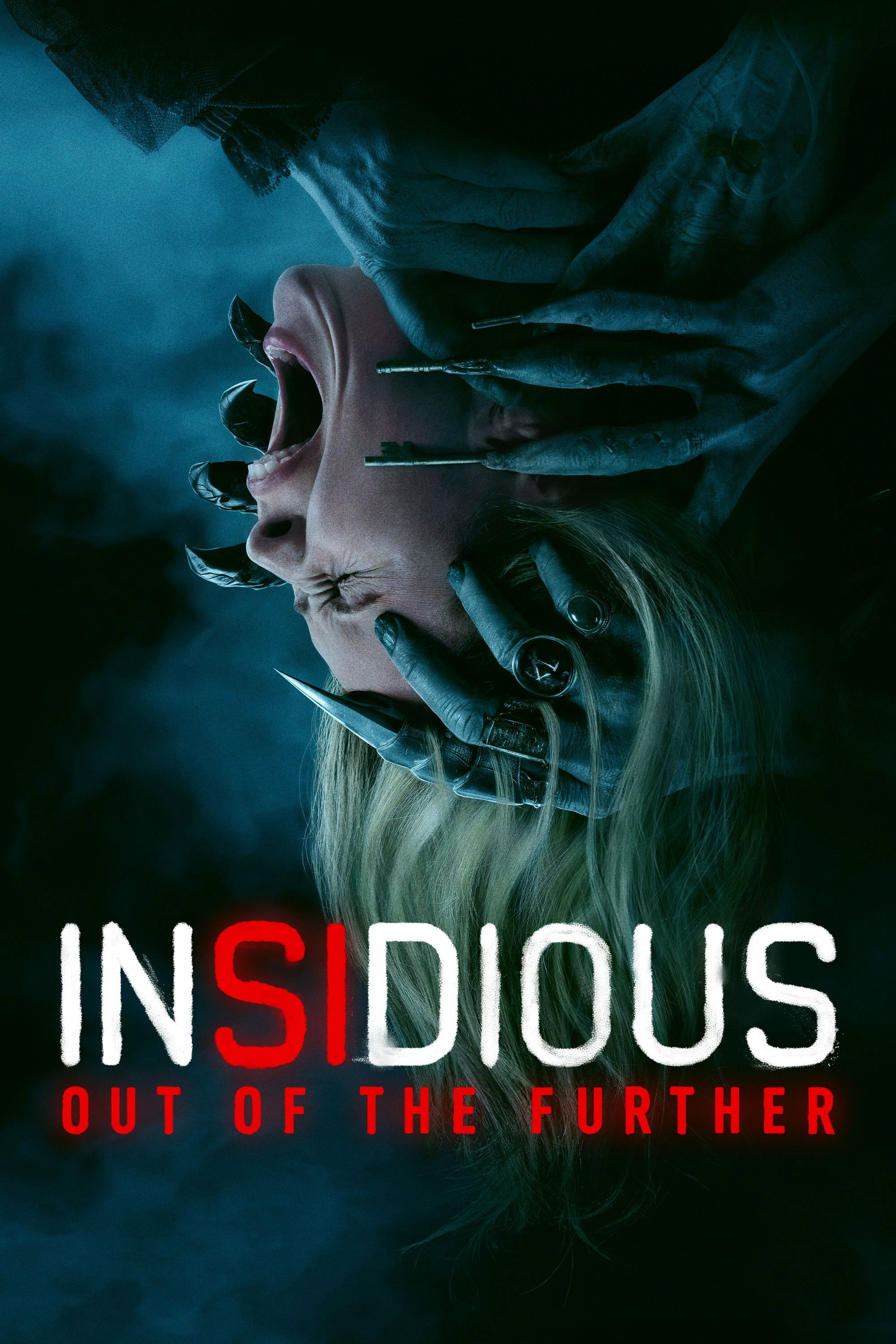
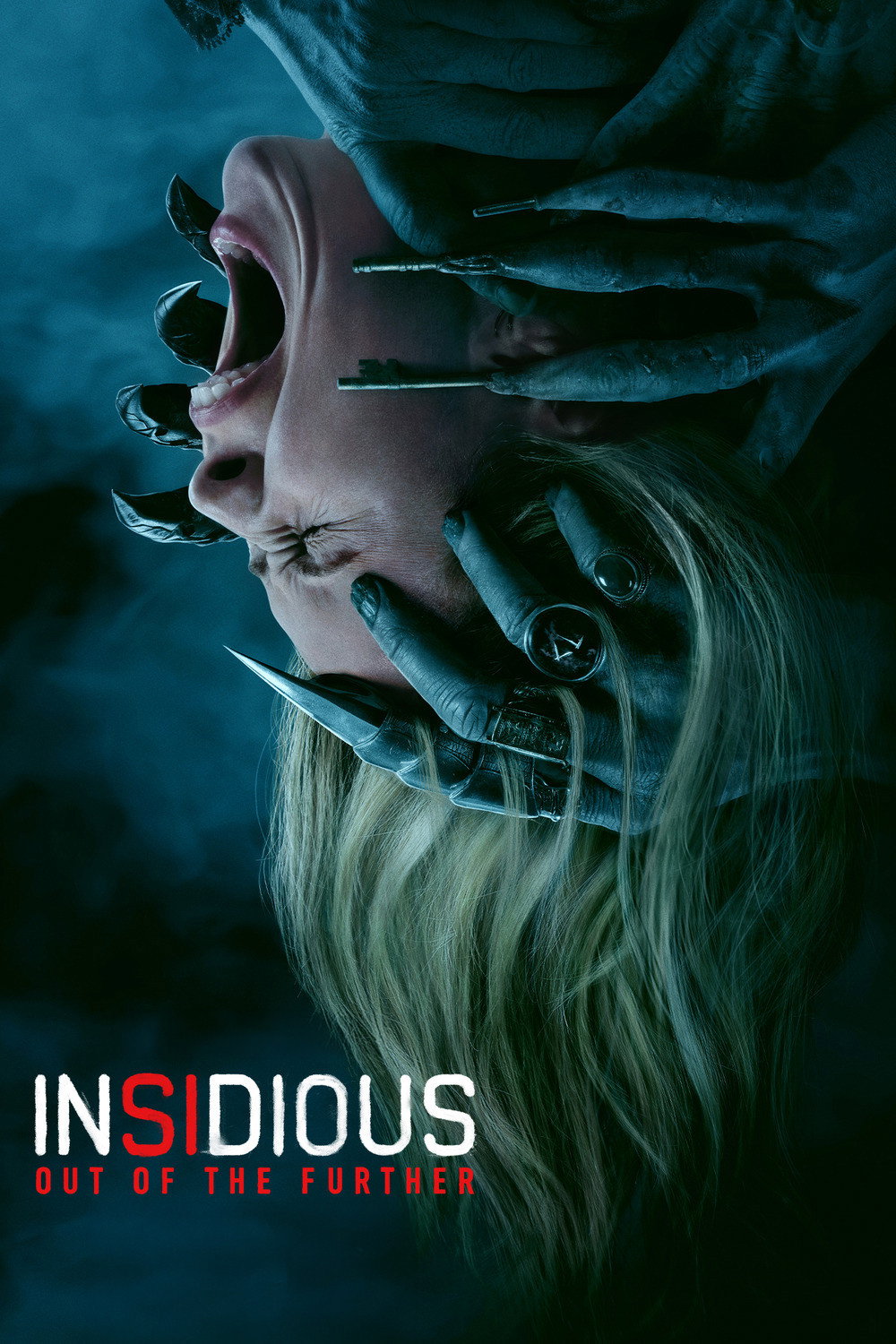
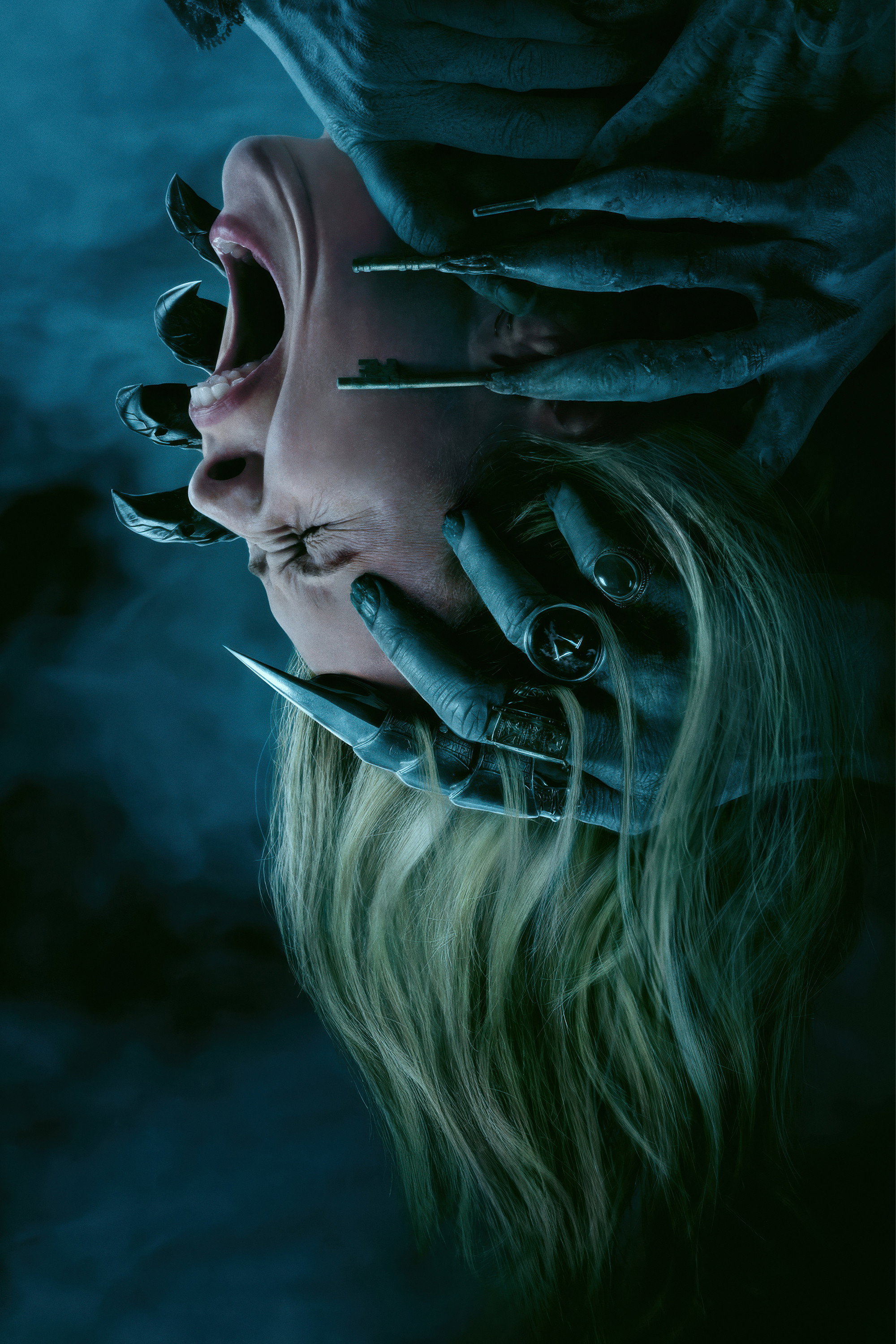
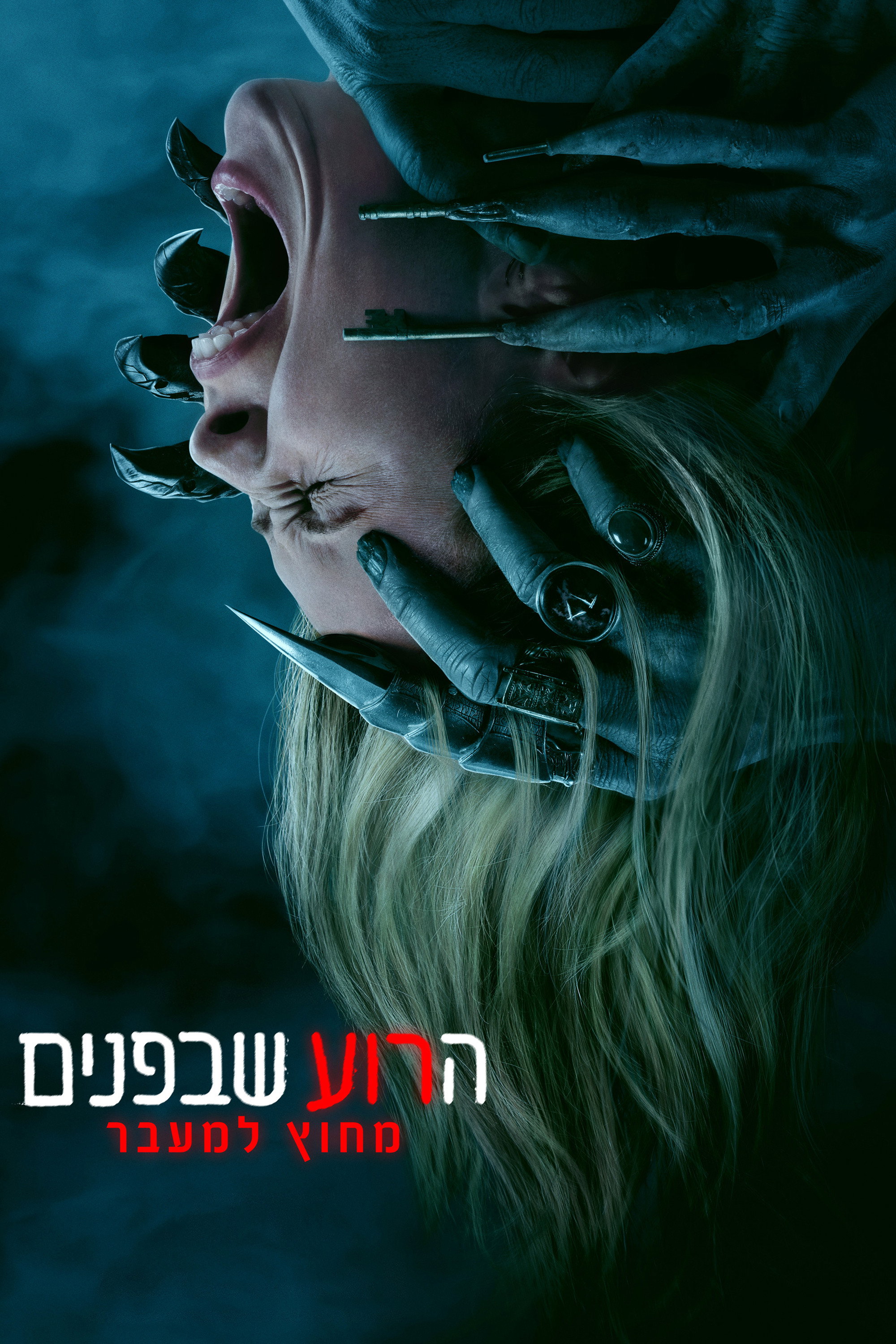
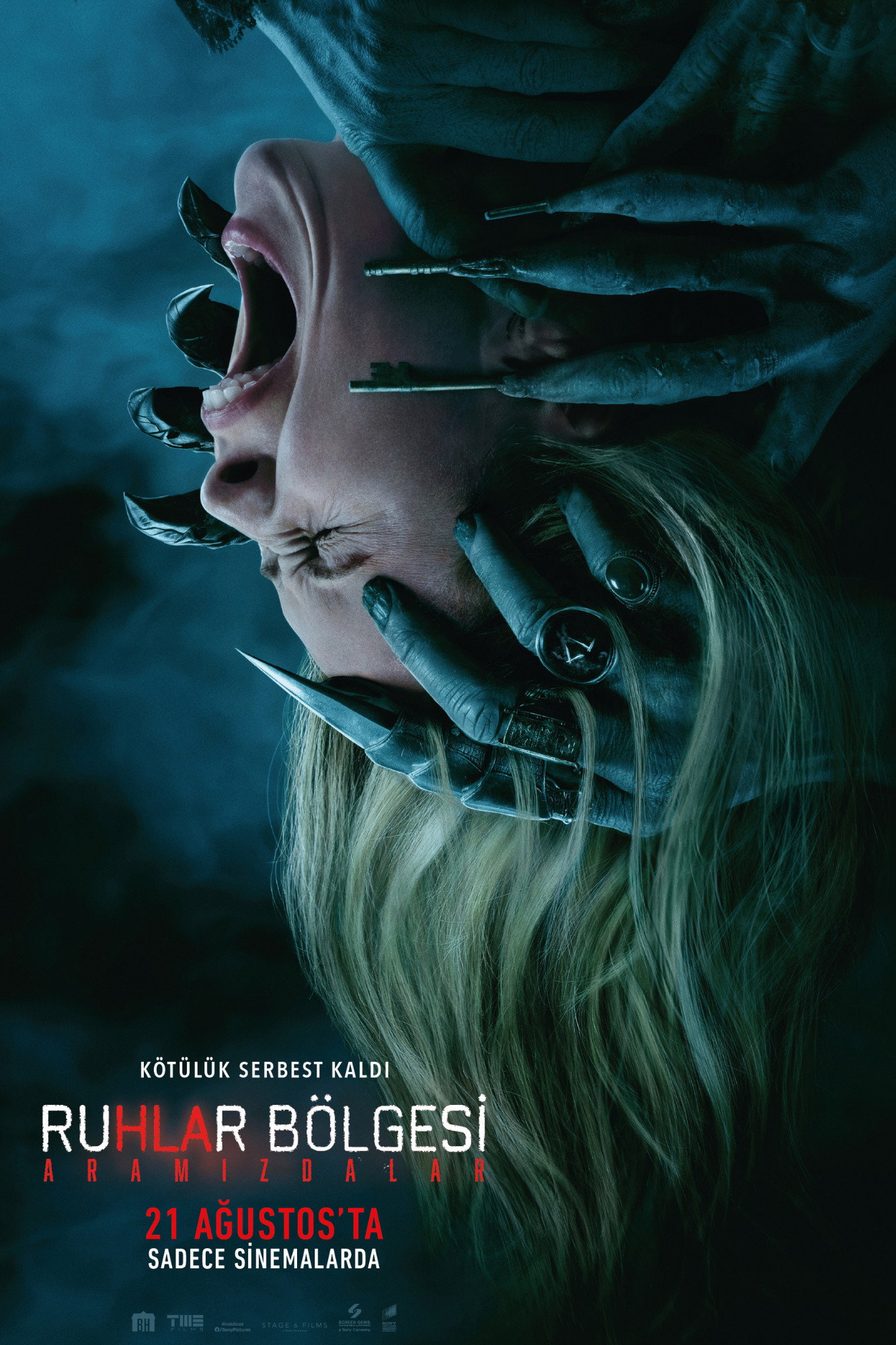
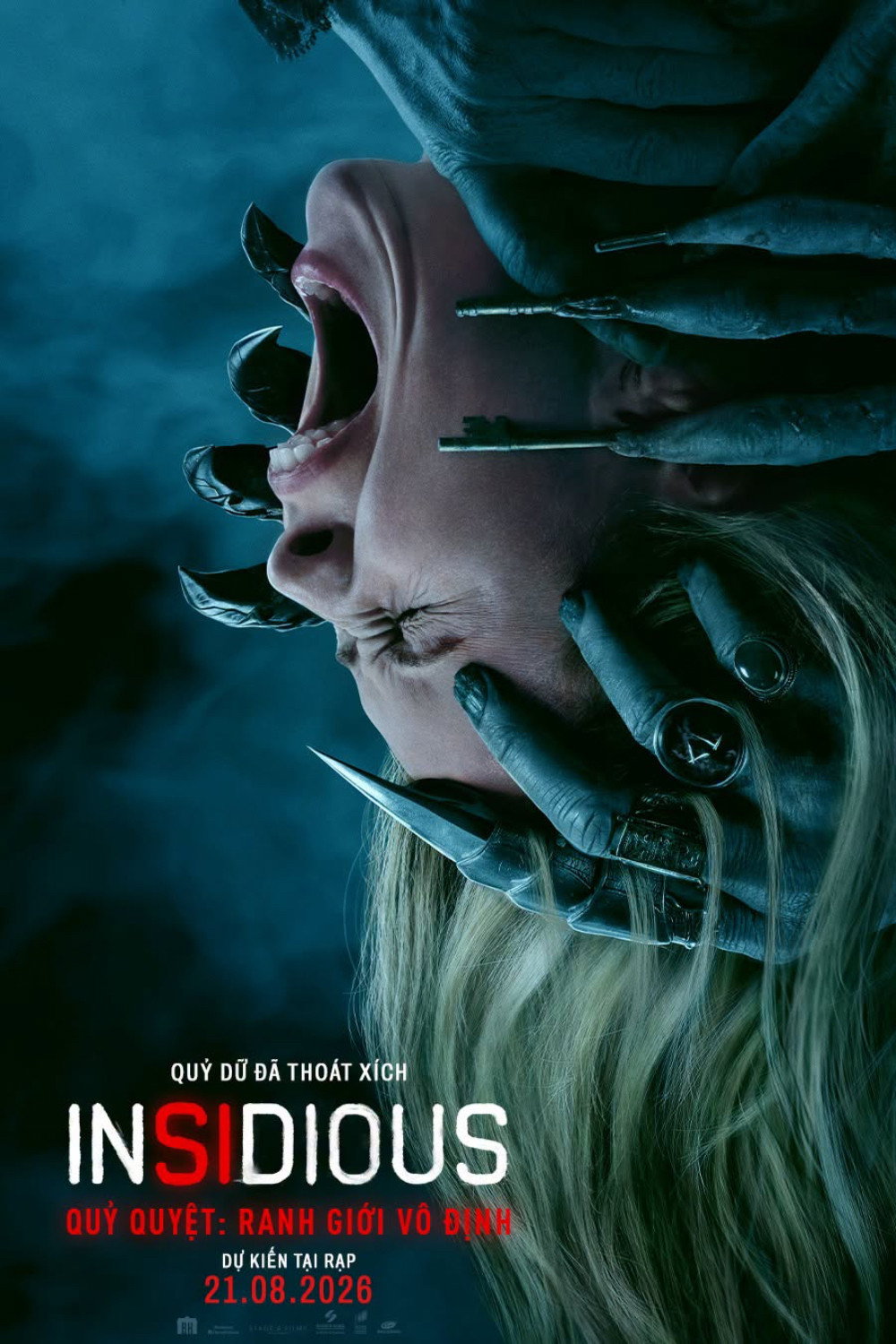
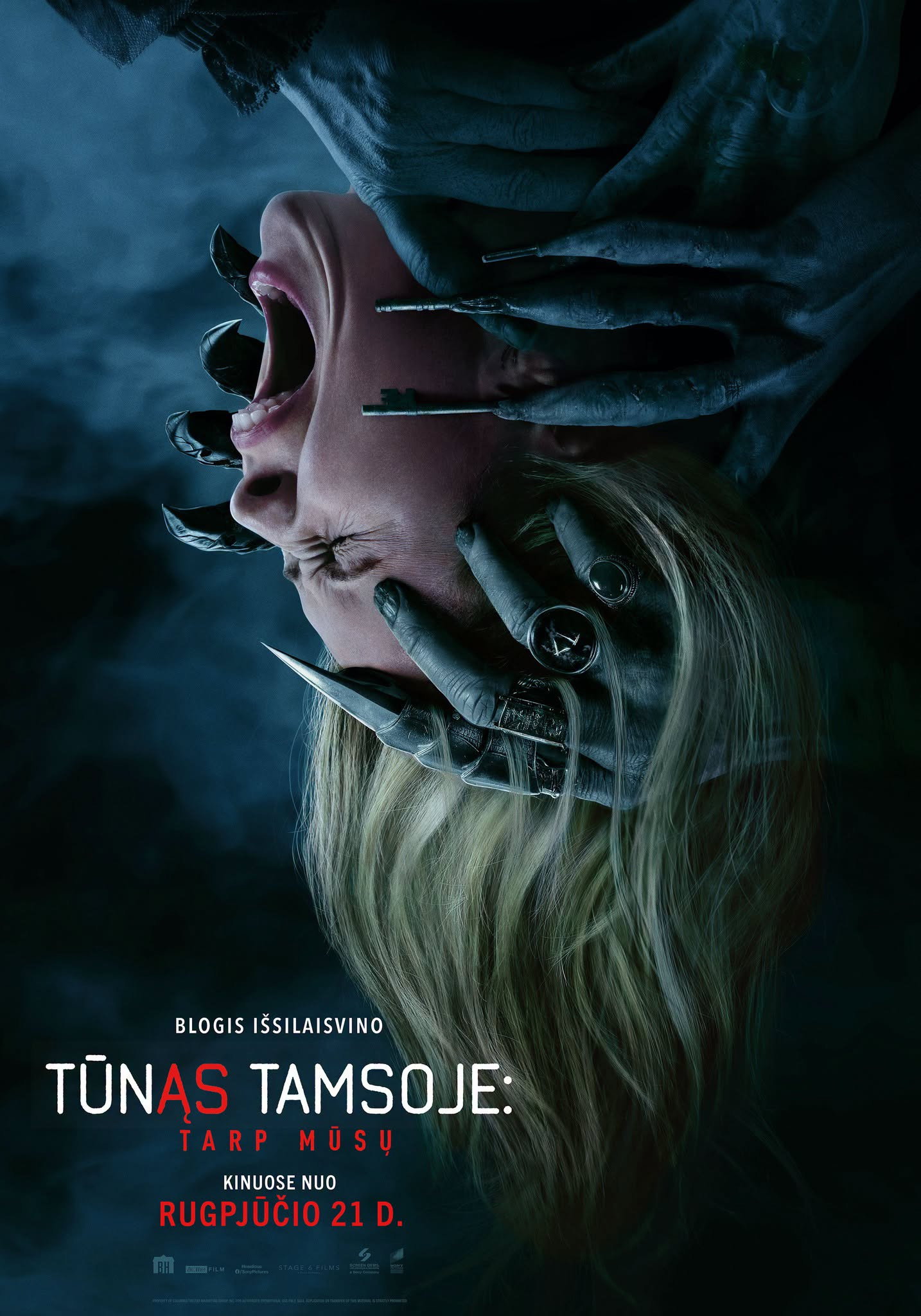
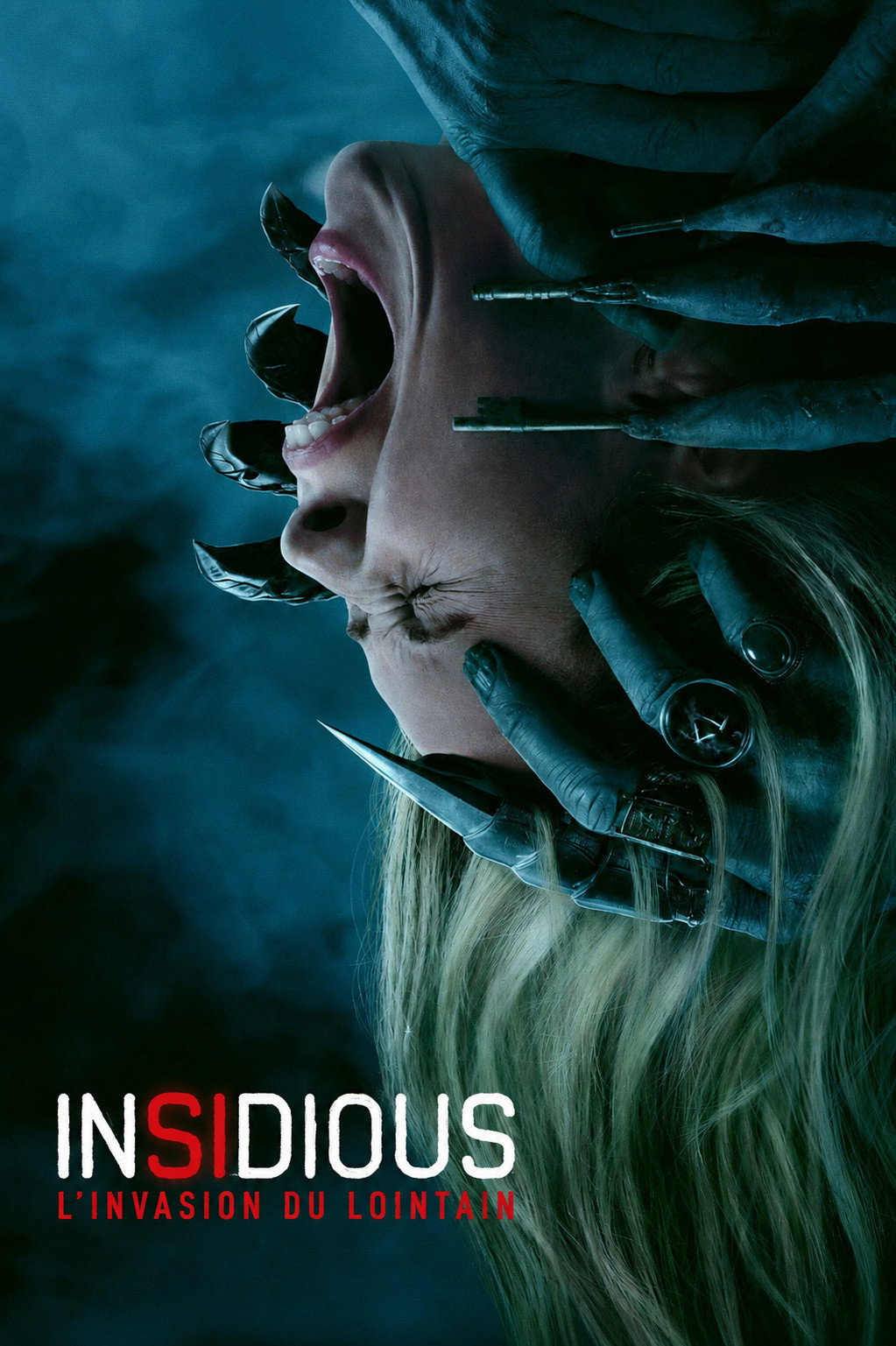
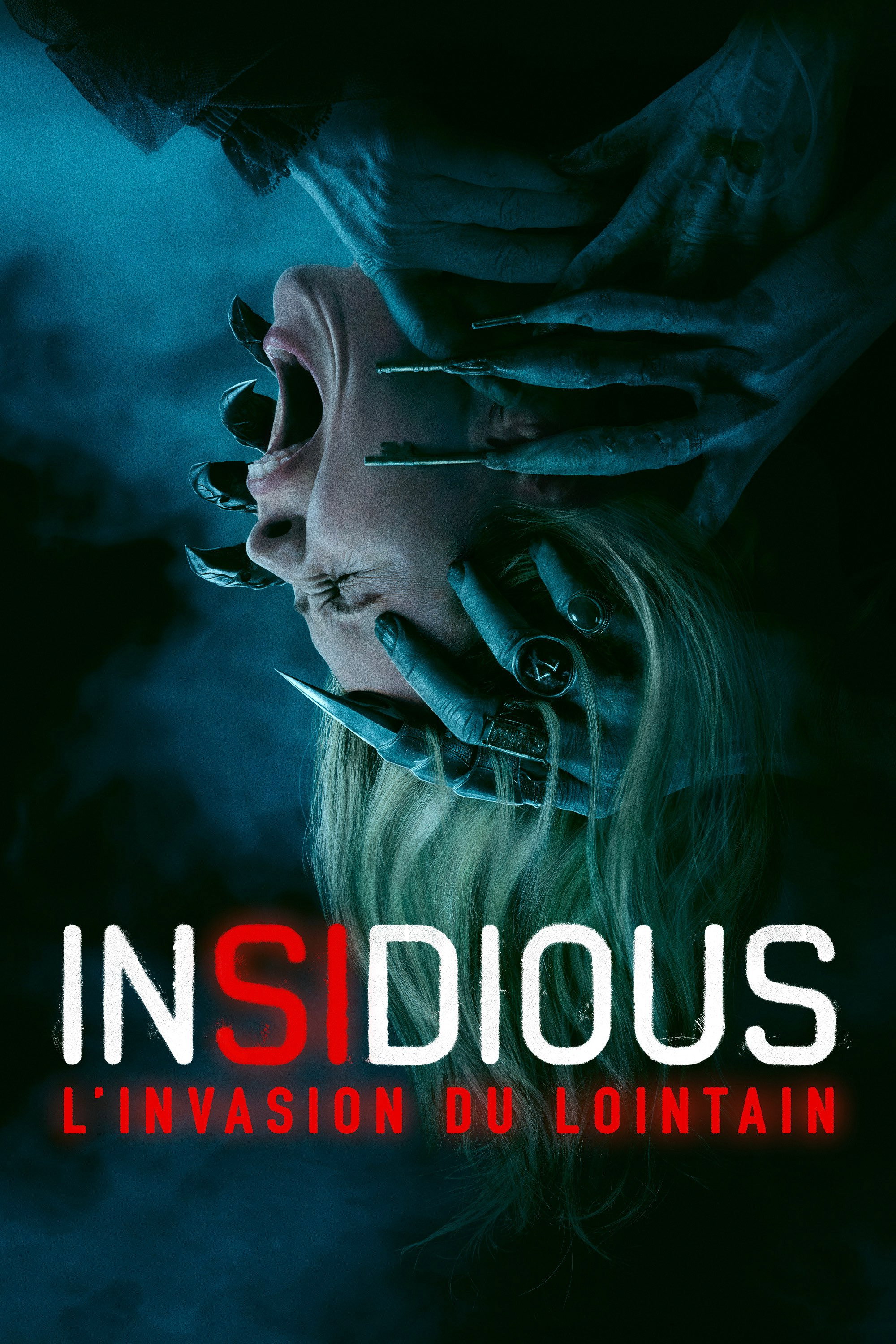
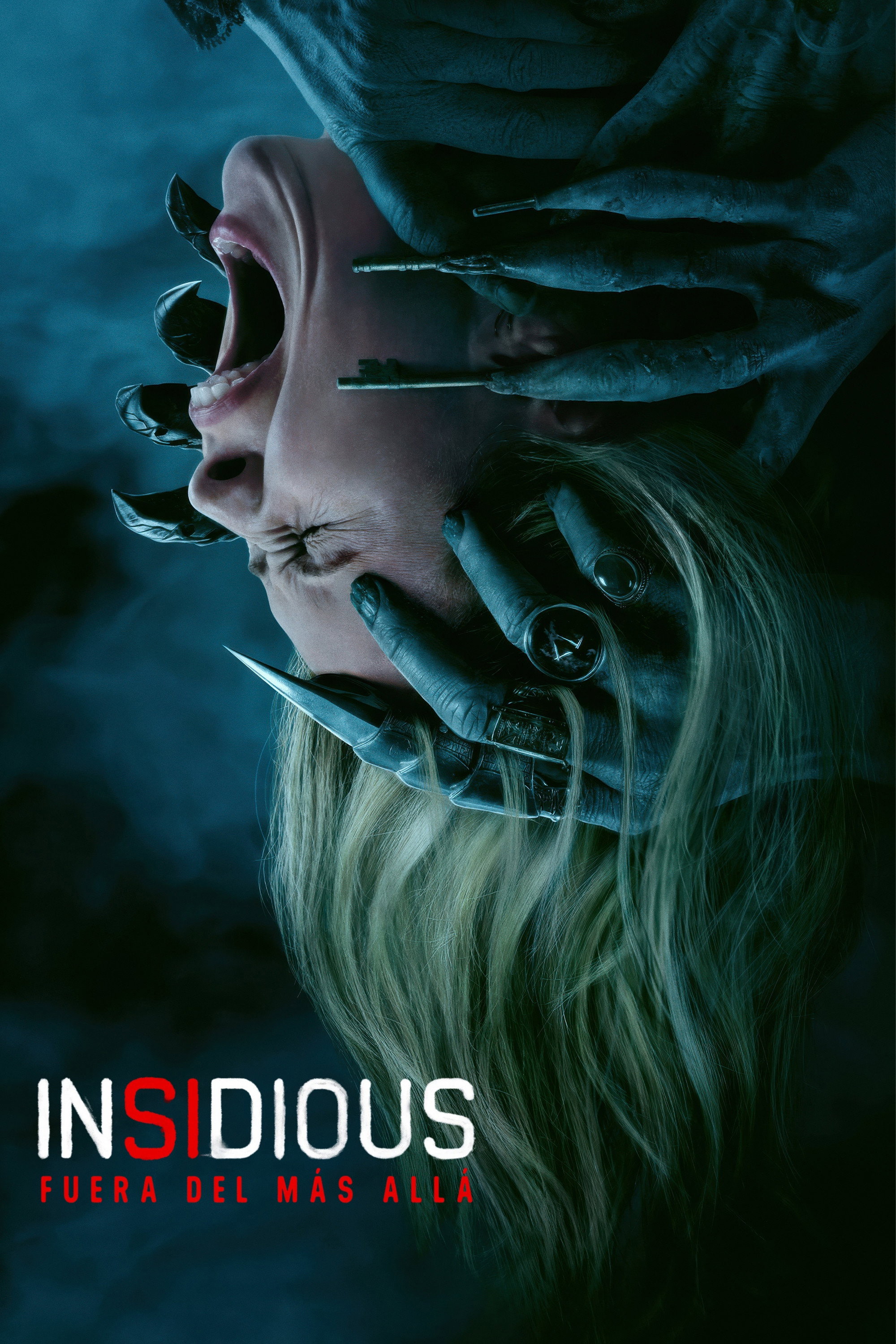
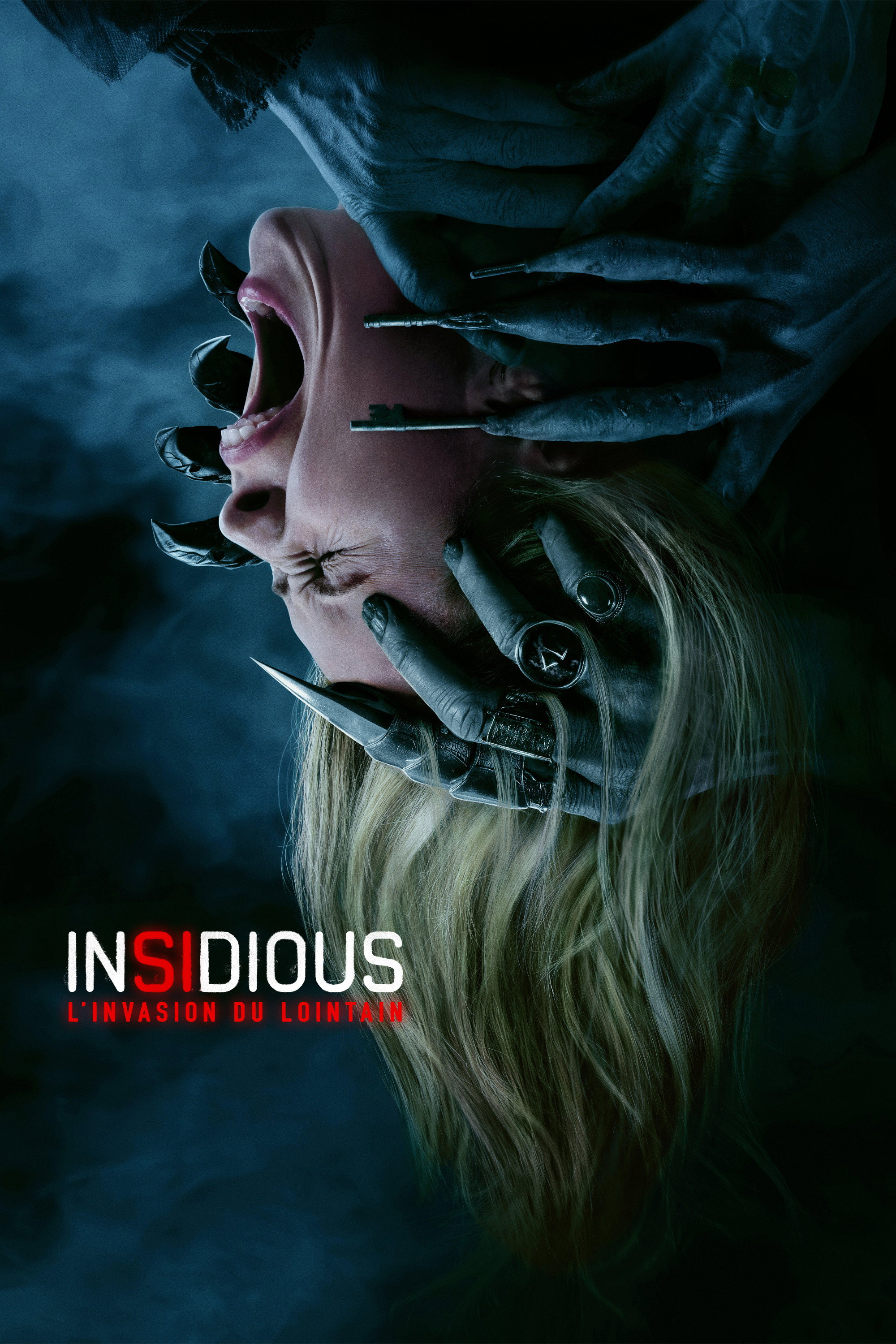
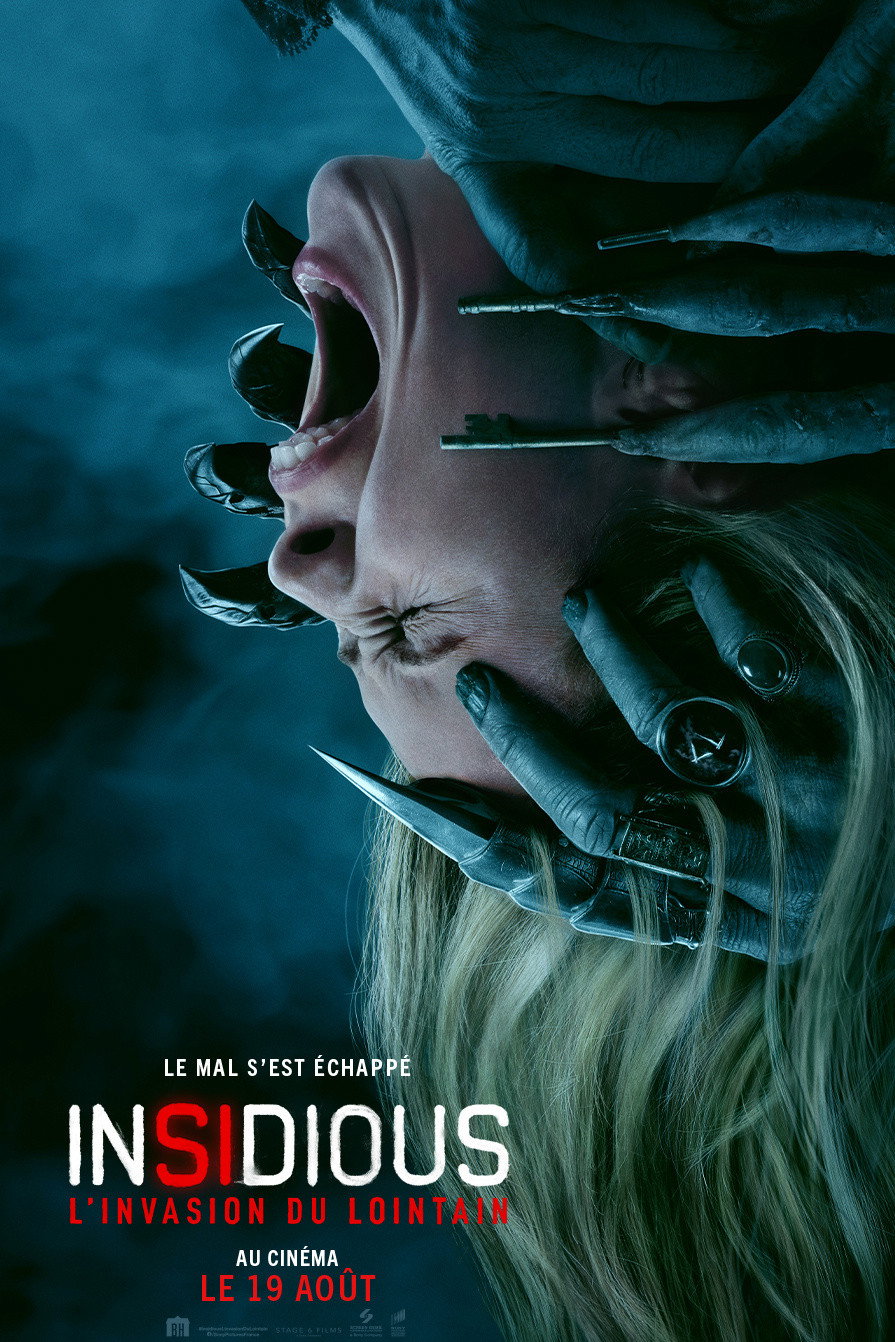
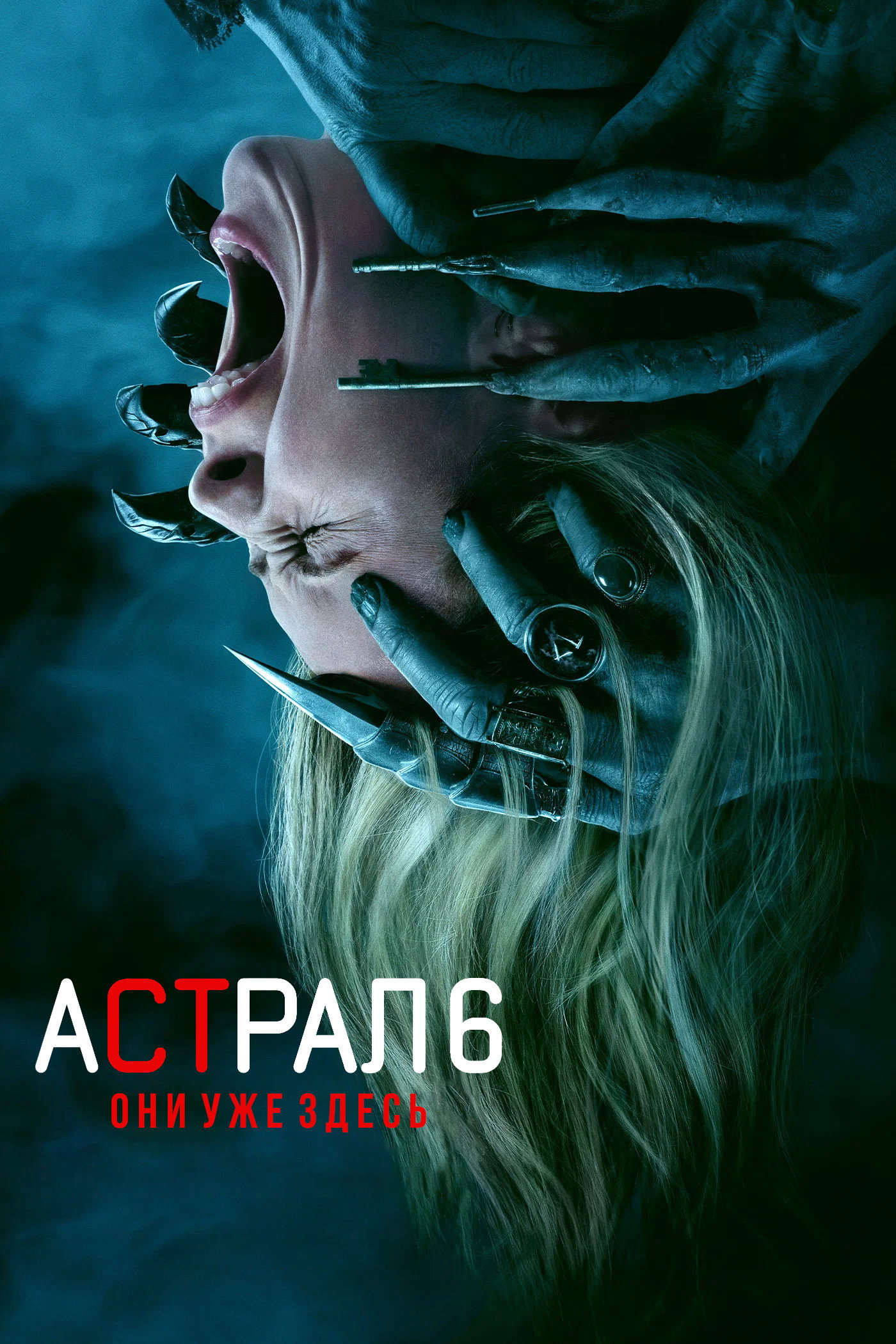
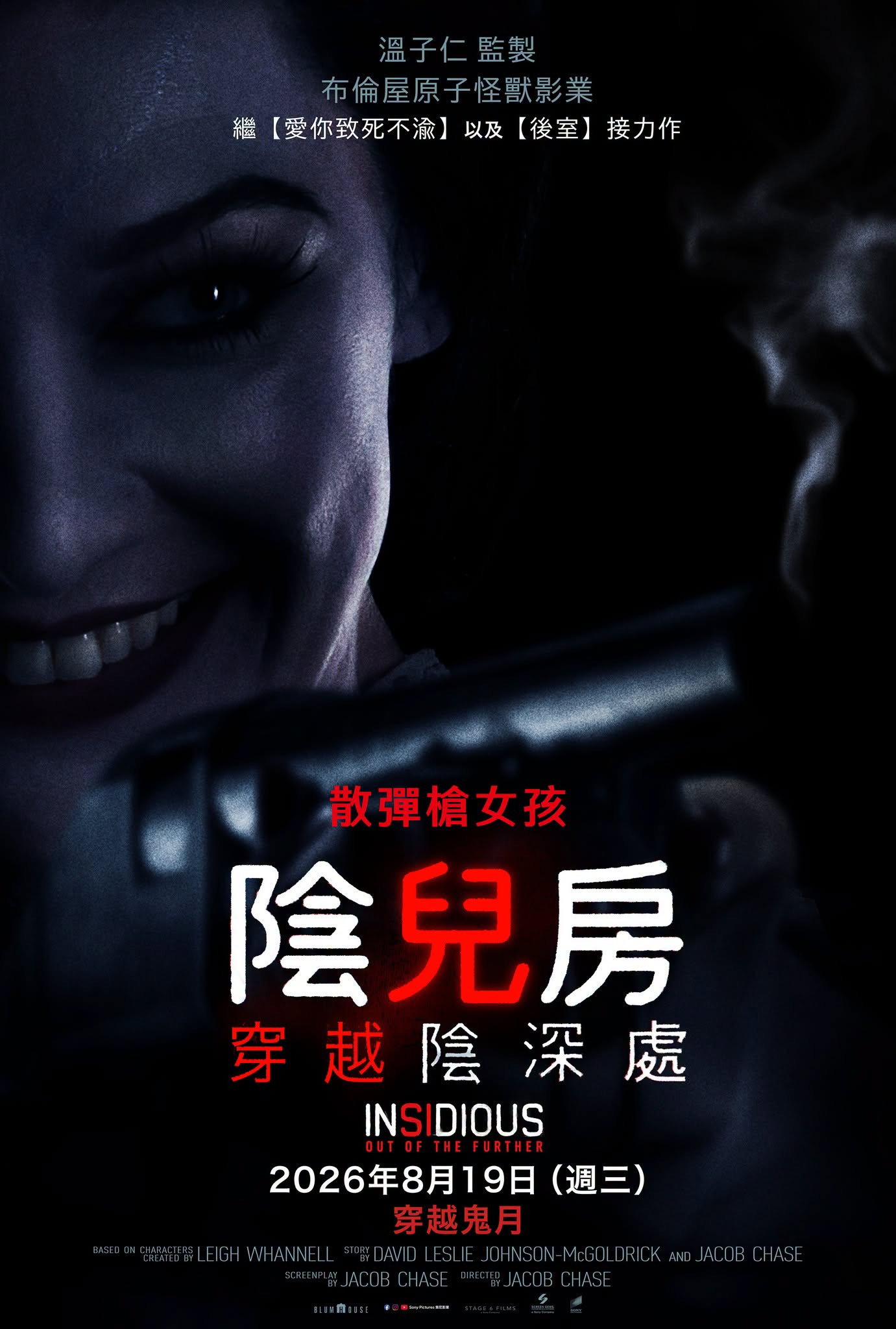
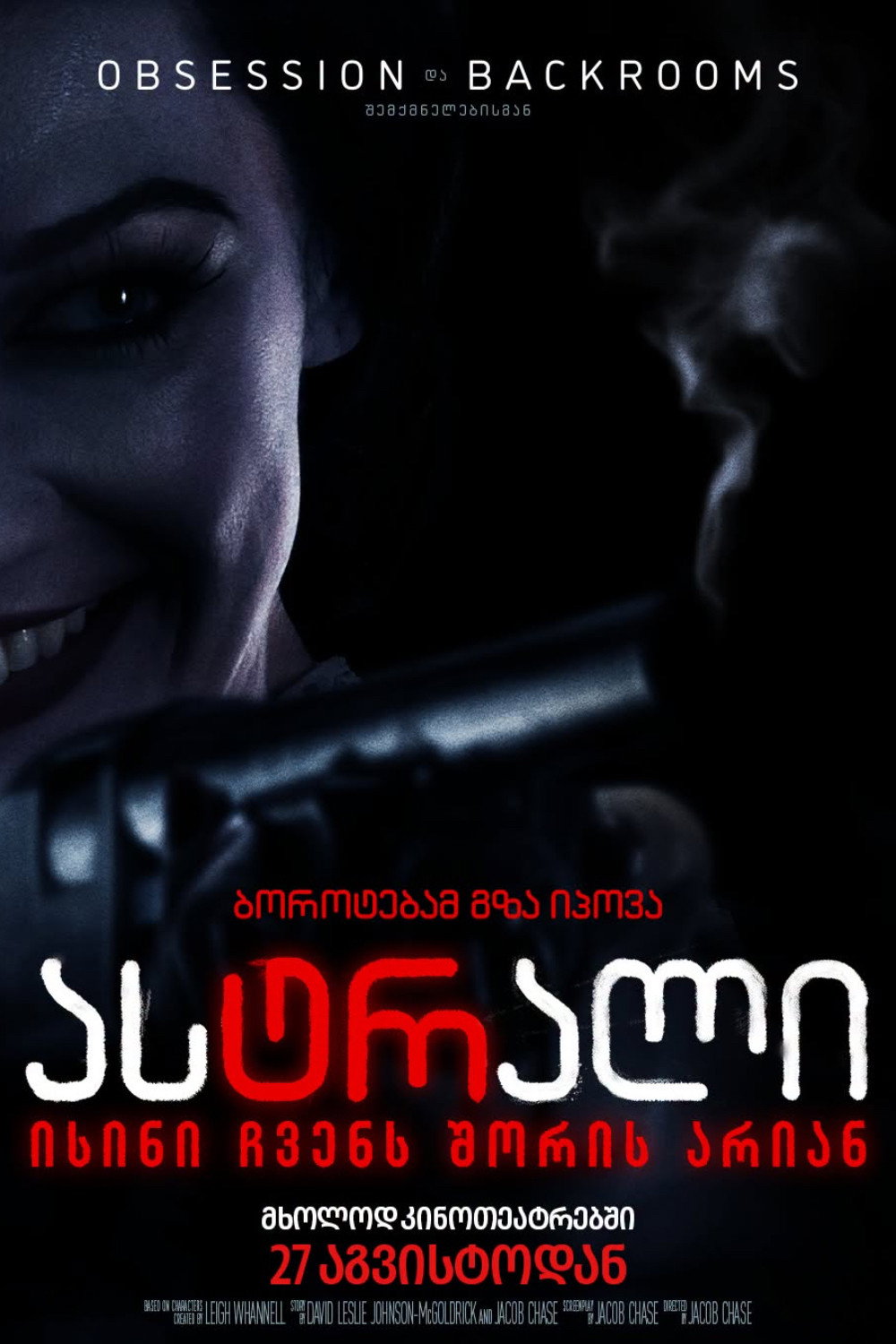
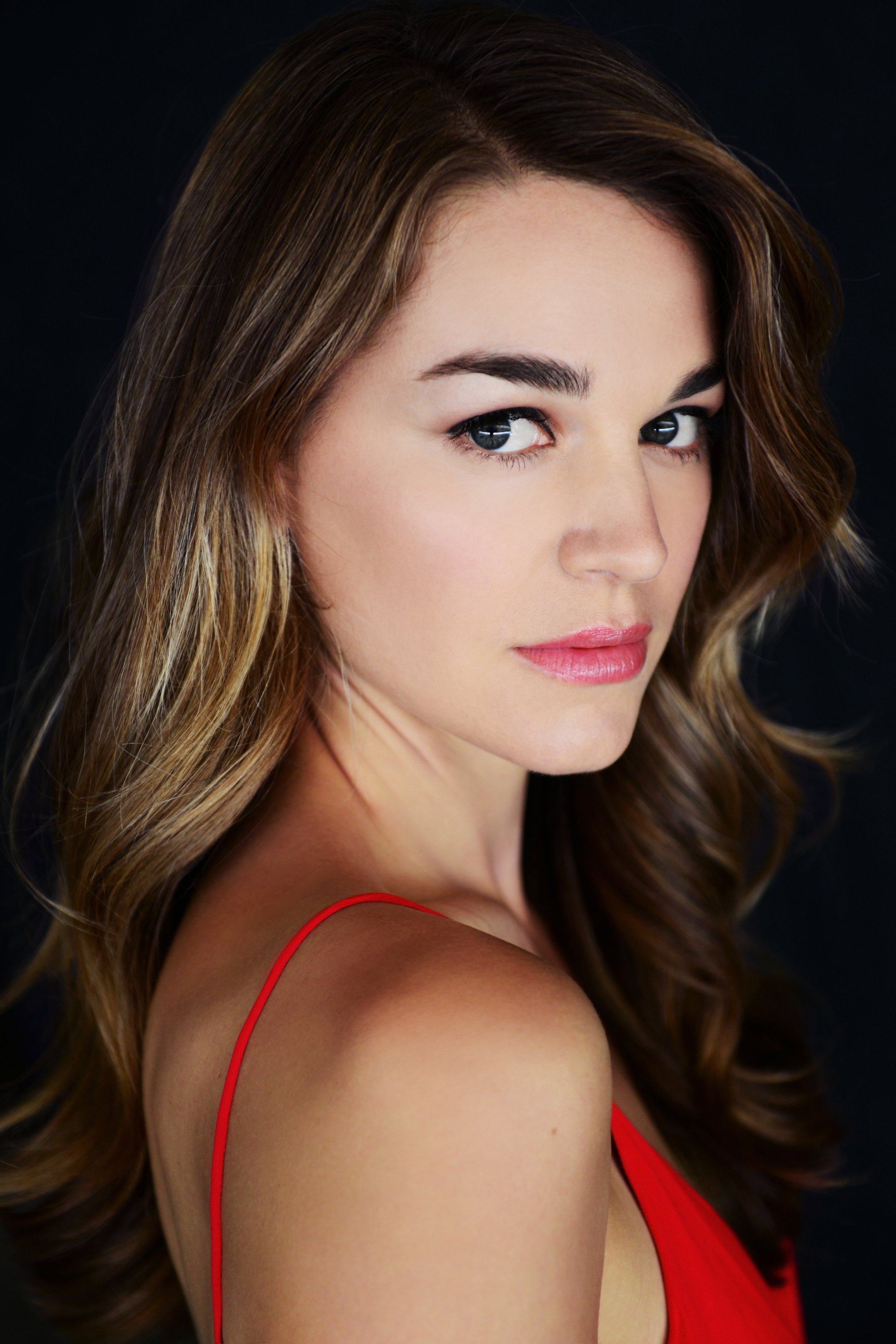
Amelia Eve plays Gemma, whose childhood home carries unresolved memories of her mother's frightening decline. Living there with Maya, played by Island Austin, brings past and present into unusually close contact. The opening flashback introduces the idea that Gemma may have inherited a vulnerability that no one around her understands. Her profession also places her in an environment where bodily proximity is routine, allowing a threatening patient to make dental examination into a scene of horror. The supernatural danger emerges from places Gemma has strong reasons to regard as familiar, and the question of protecting her daughter gives each unwanted crossing between worlds immediate consequences.
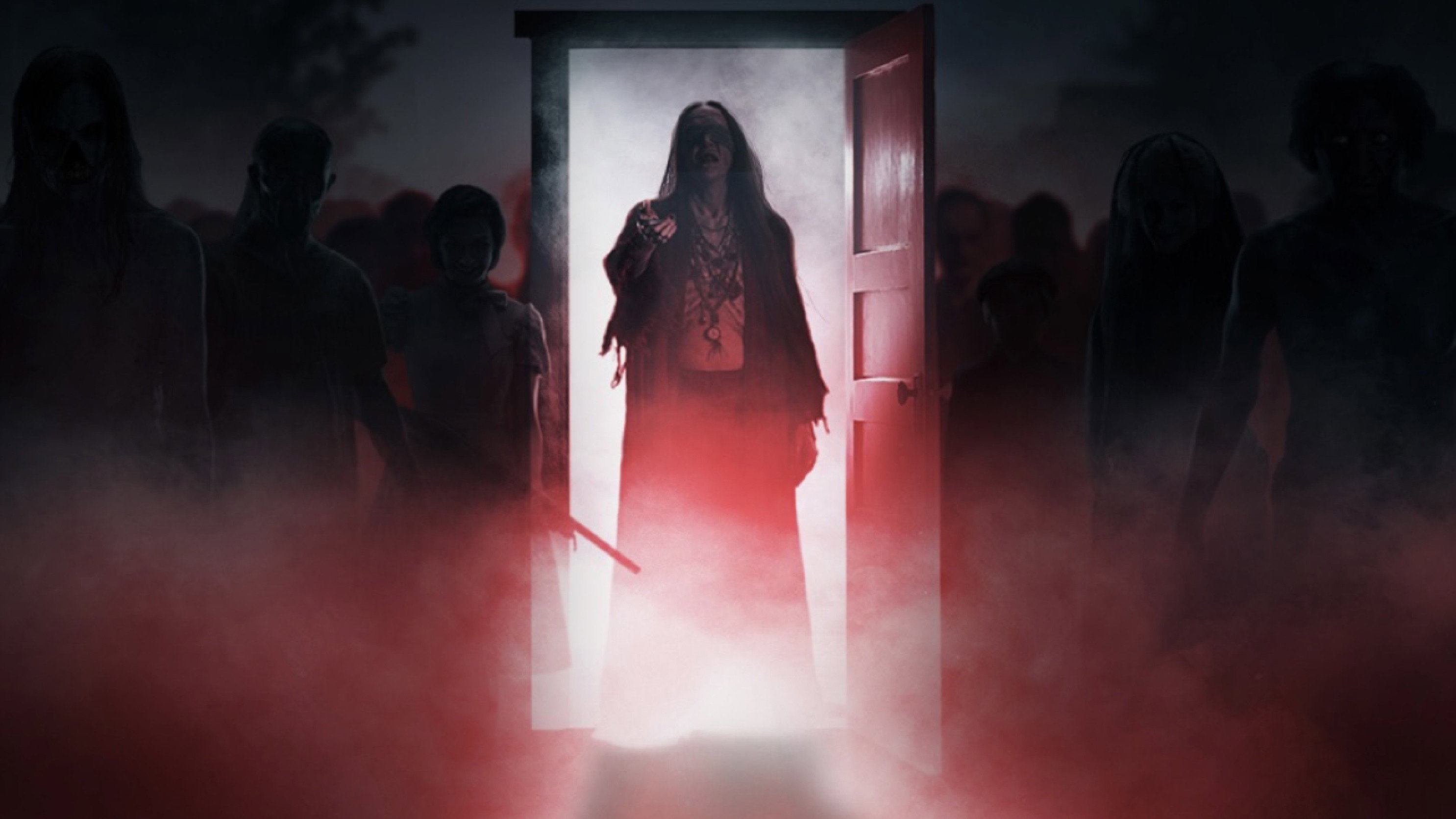
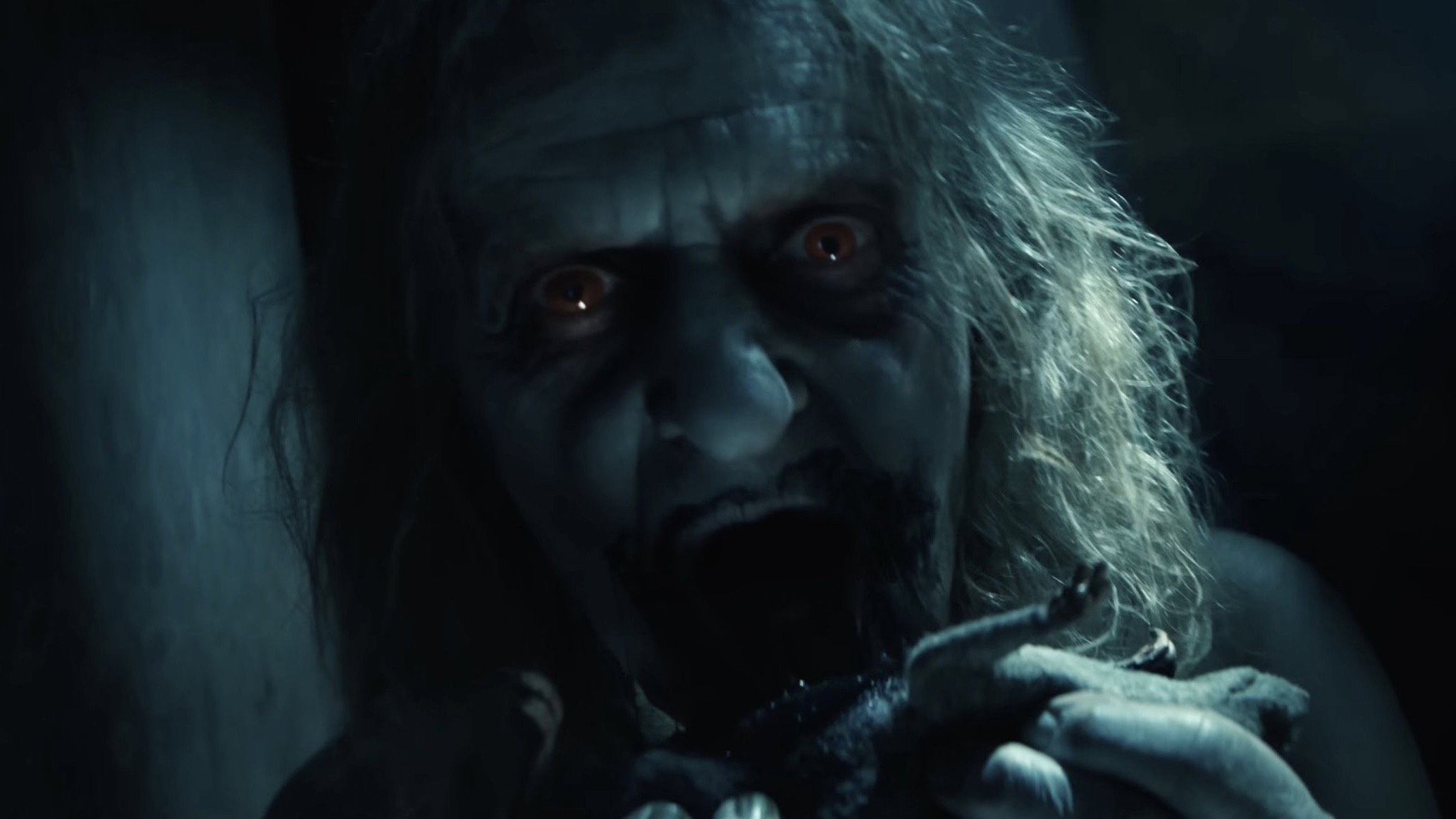
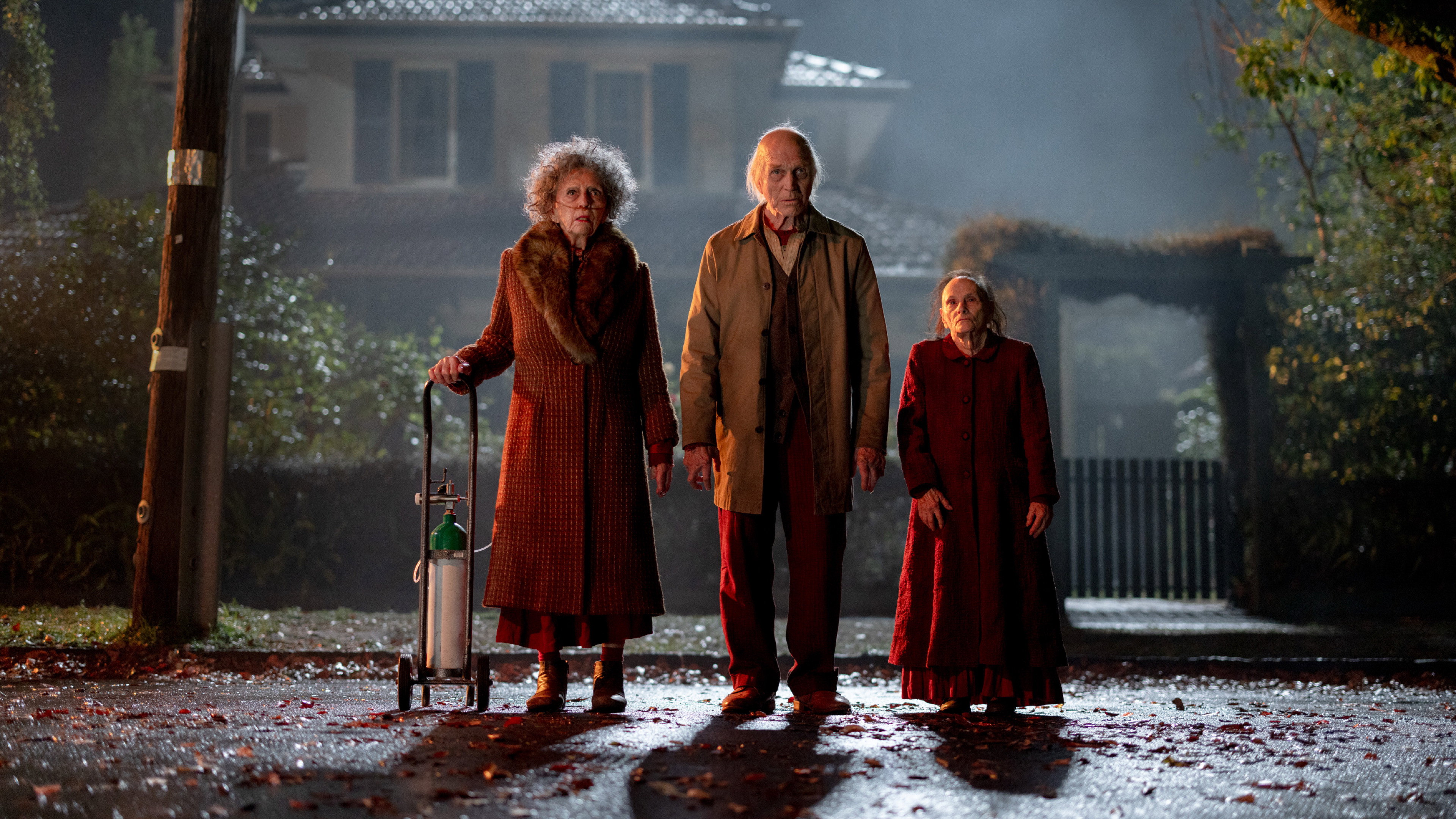
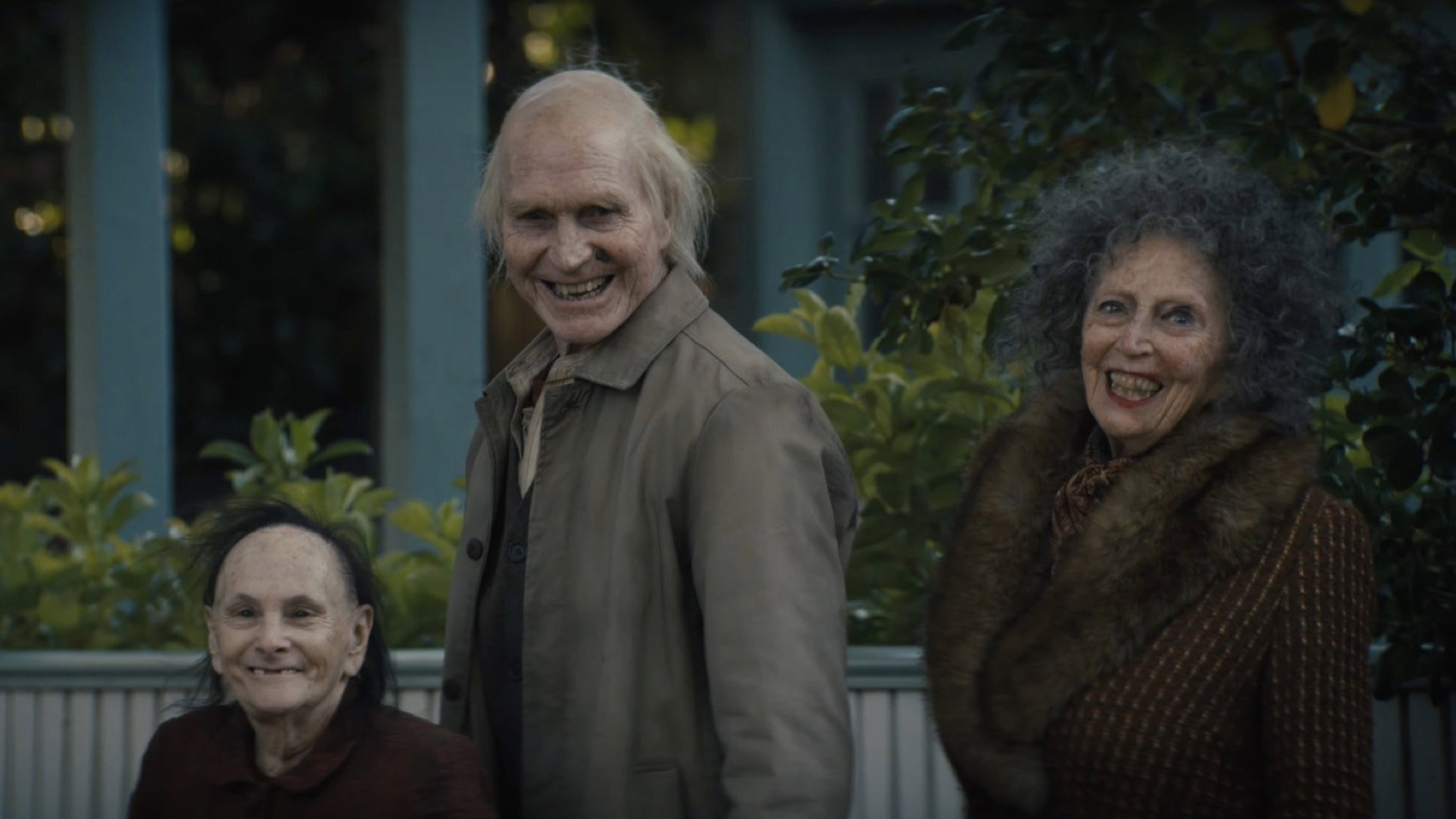
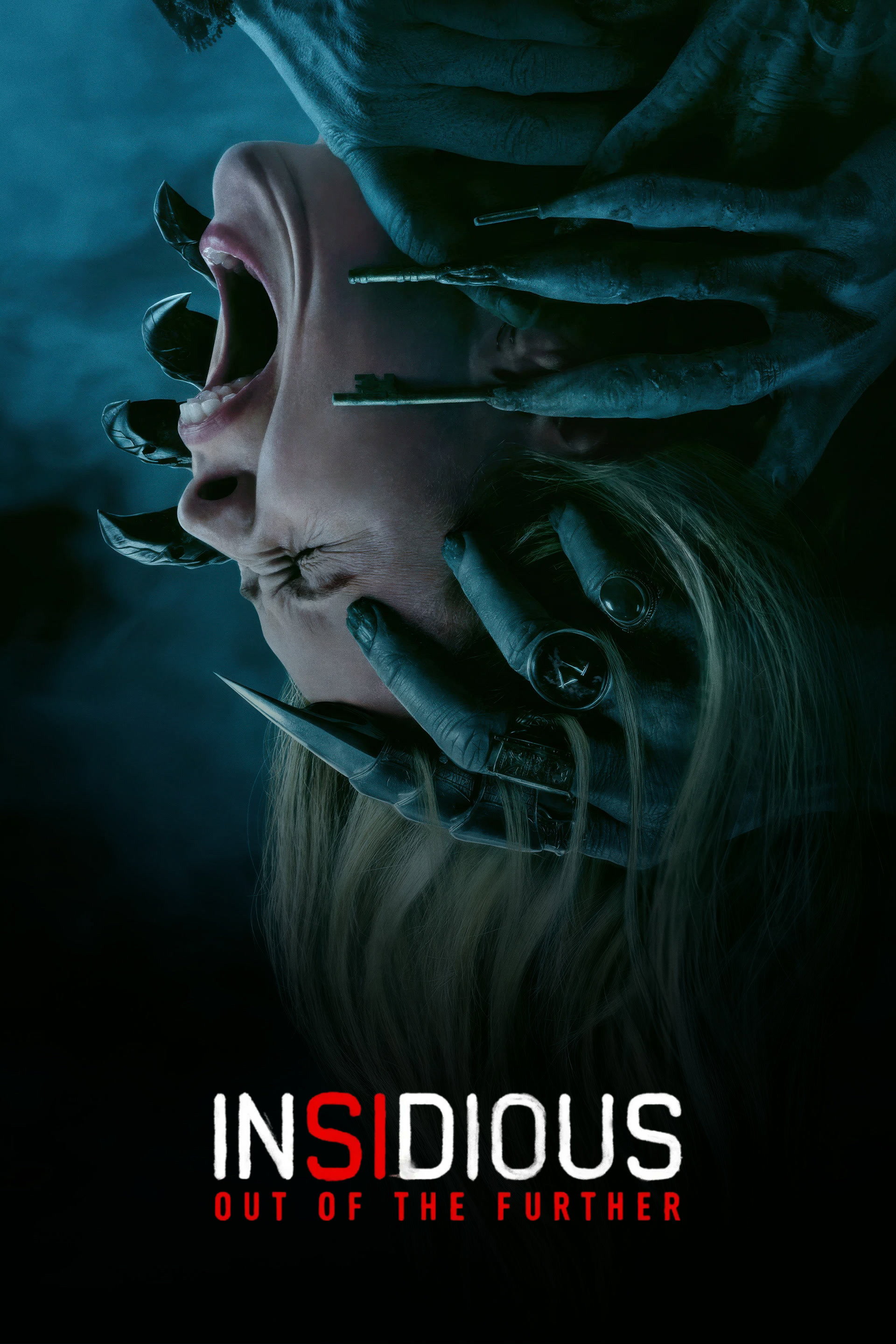
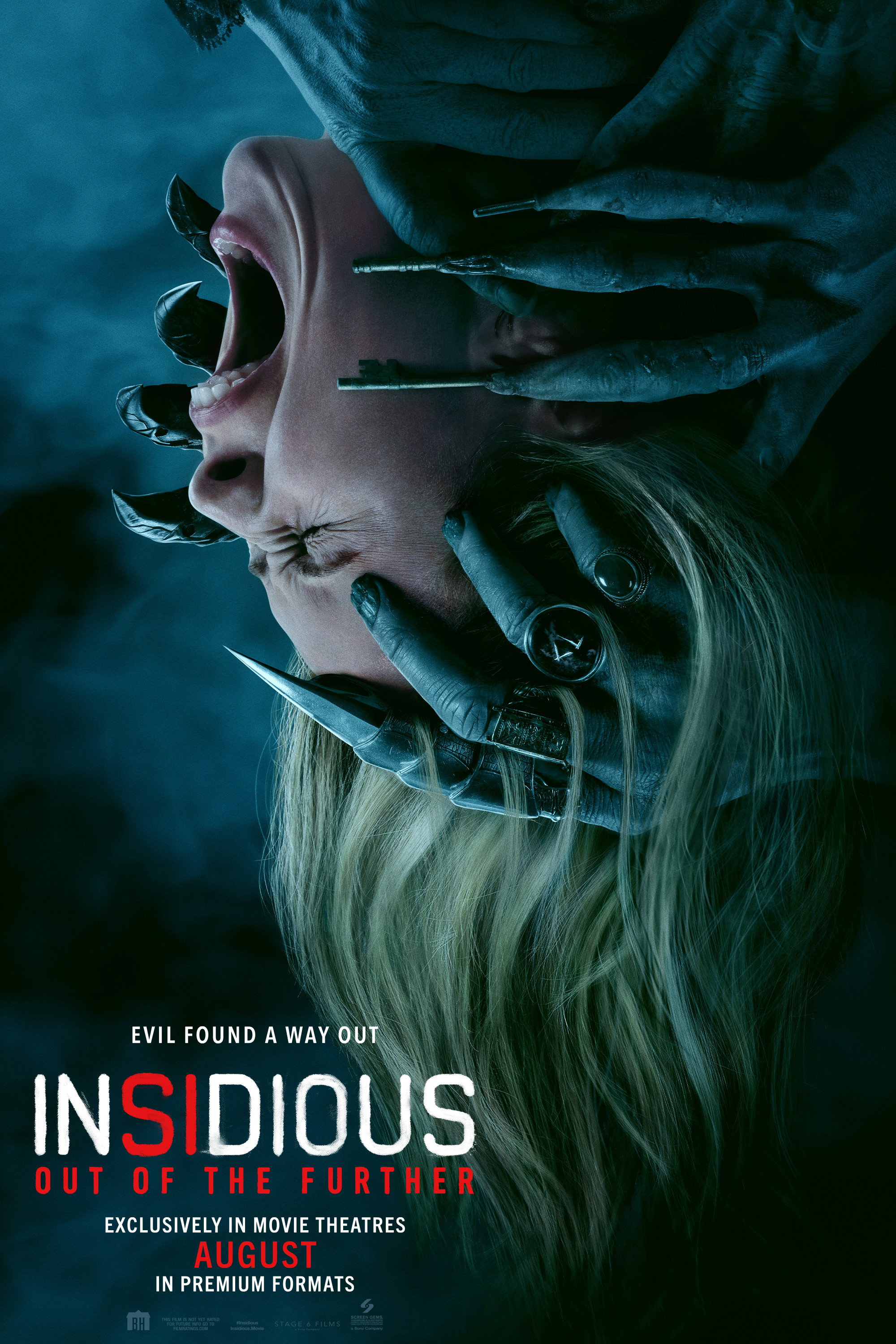
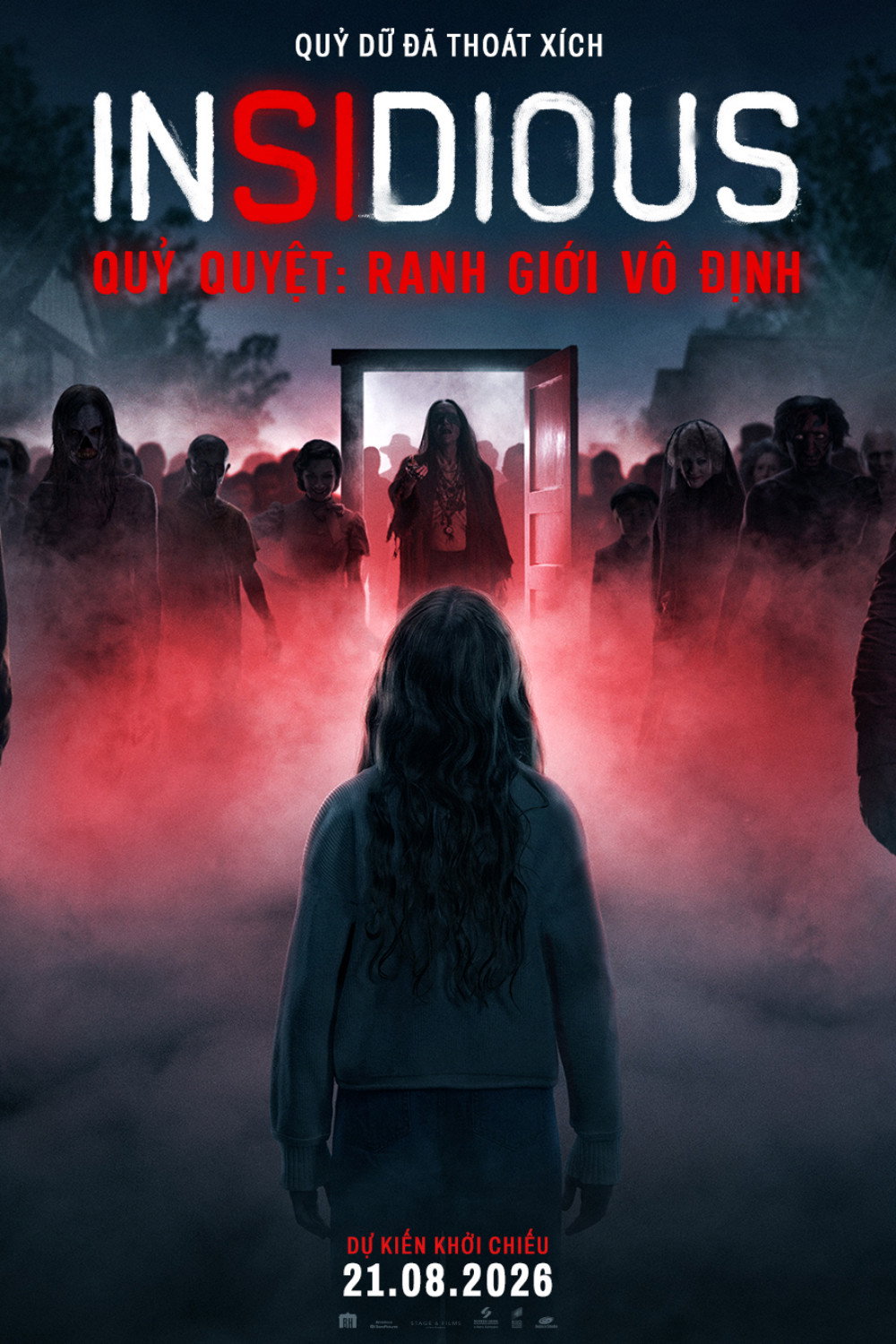
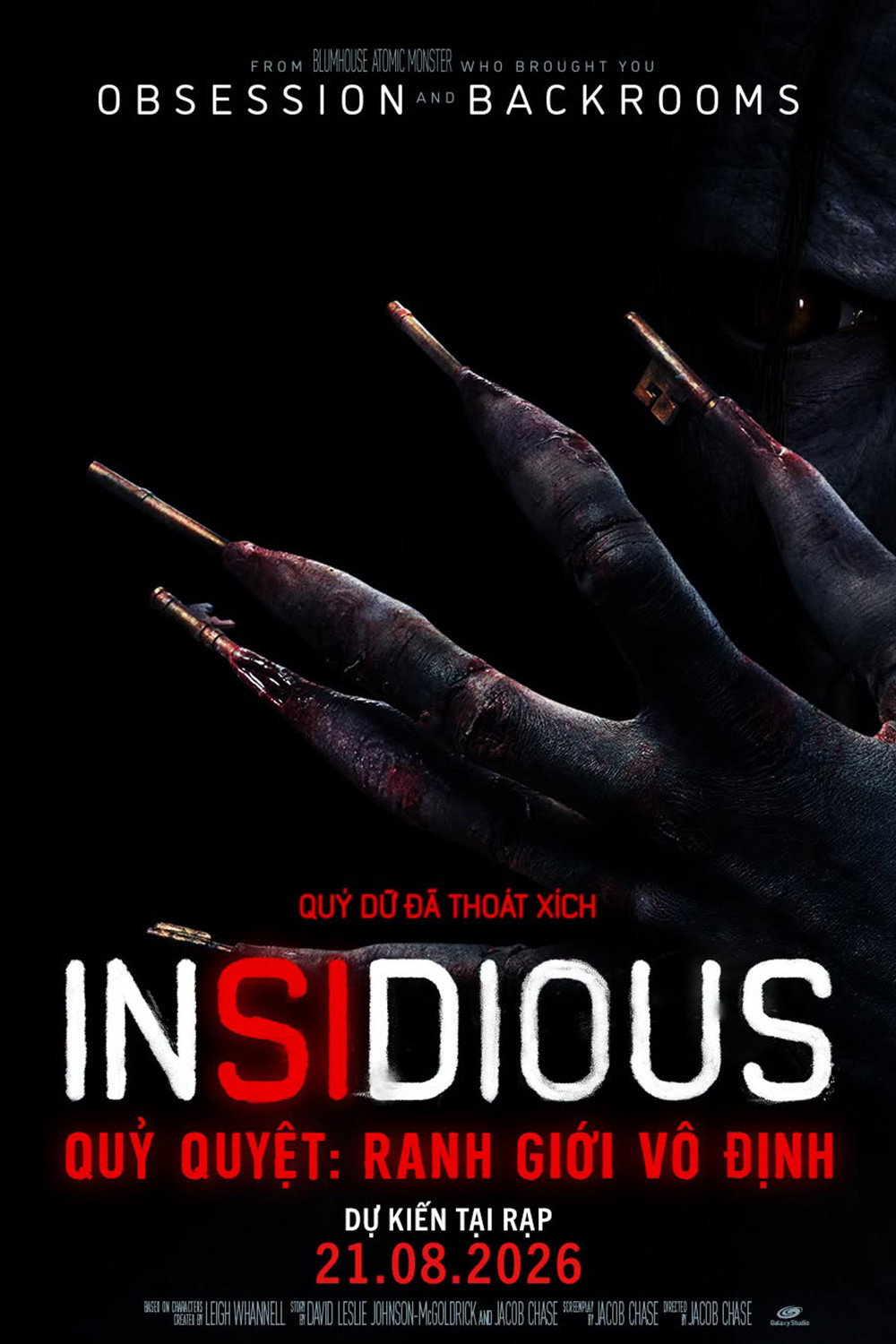
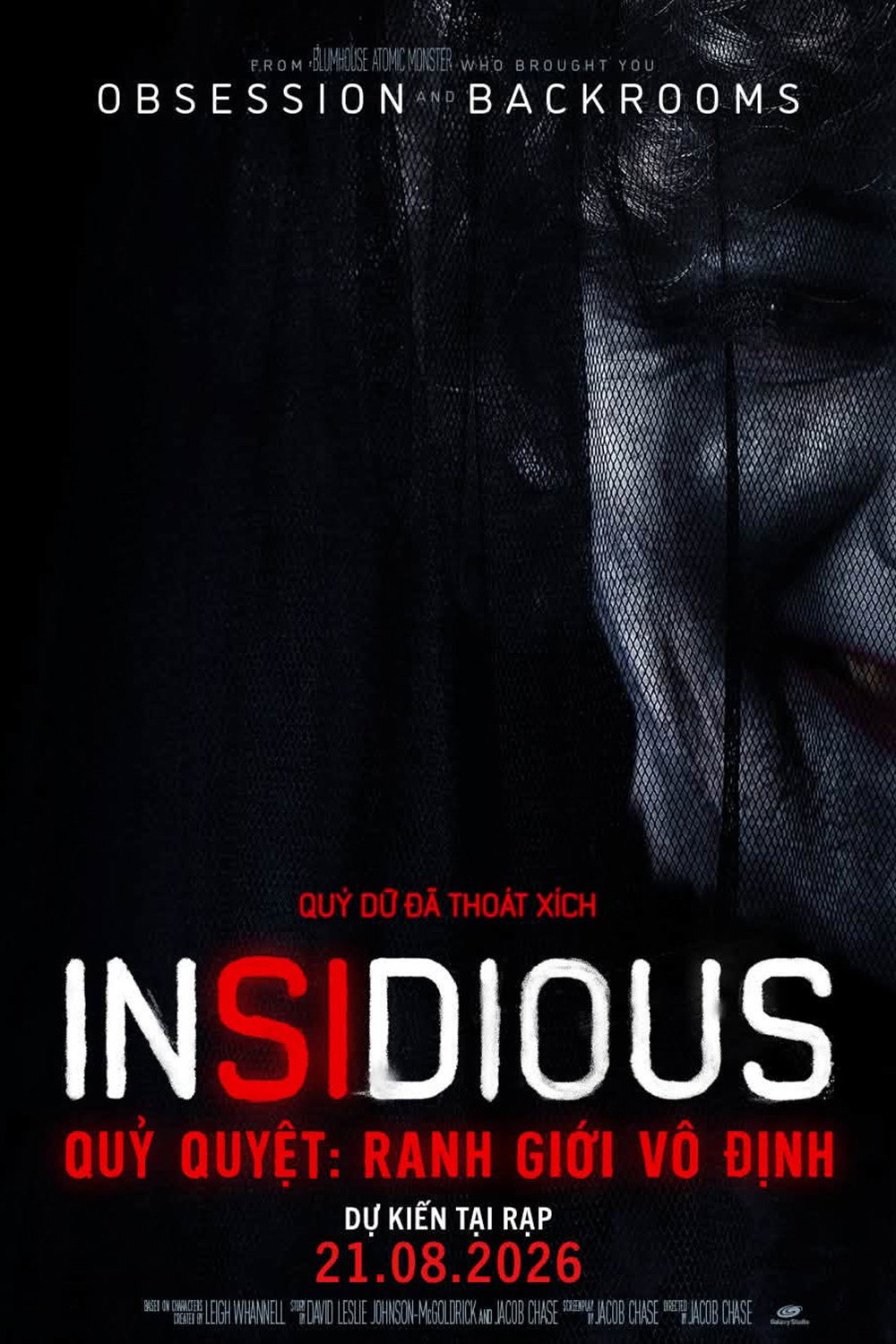
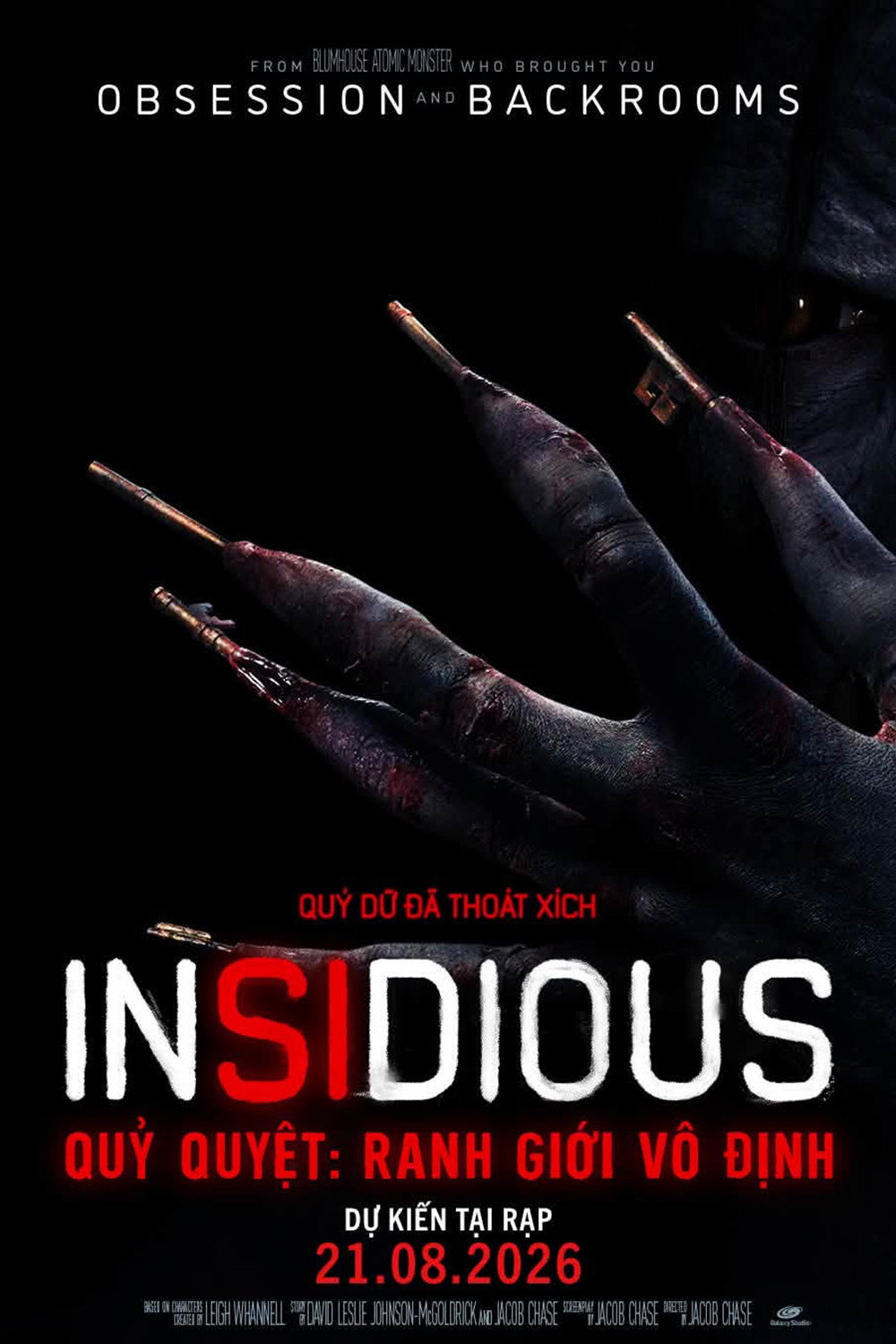
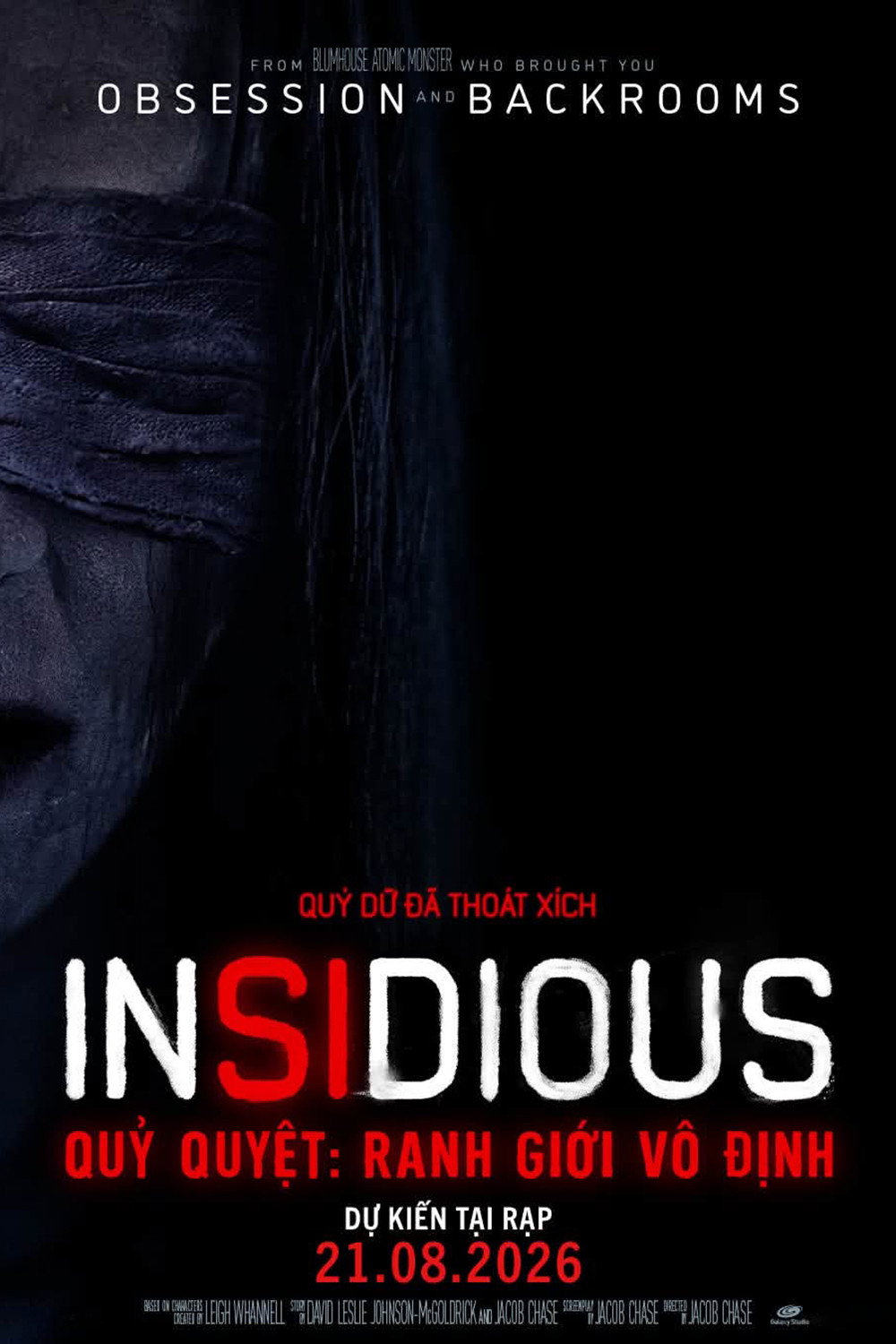
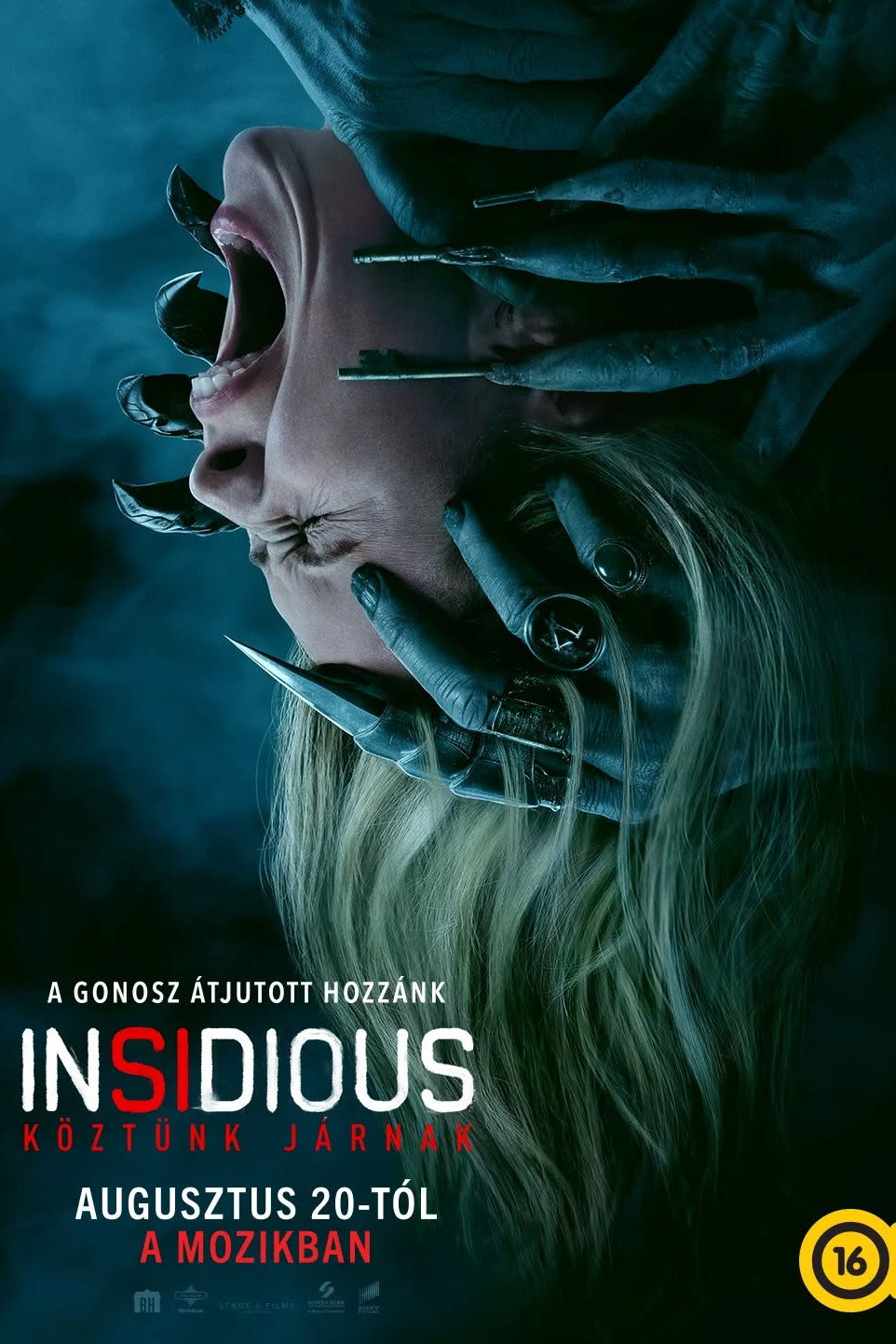
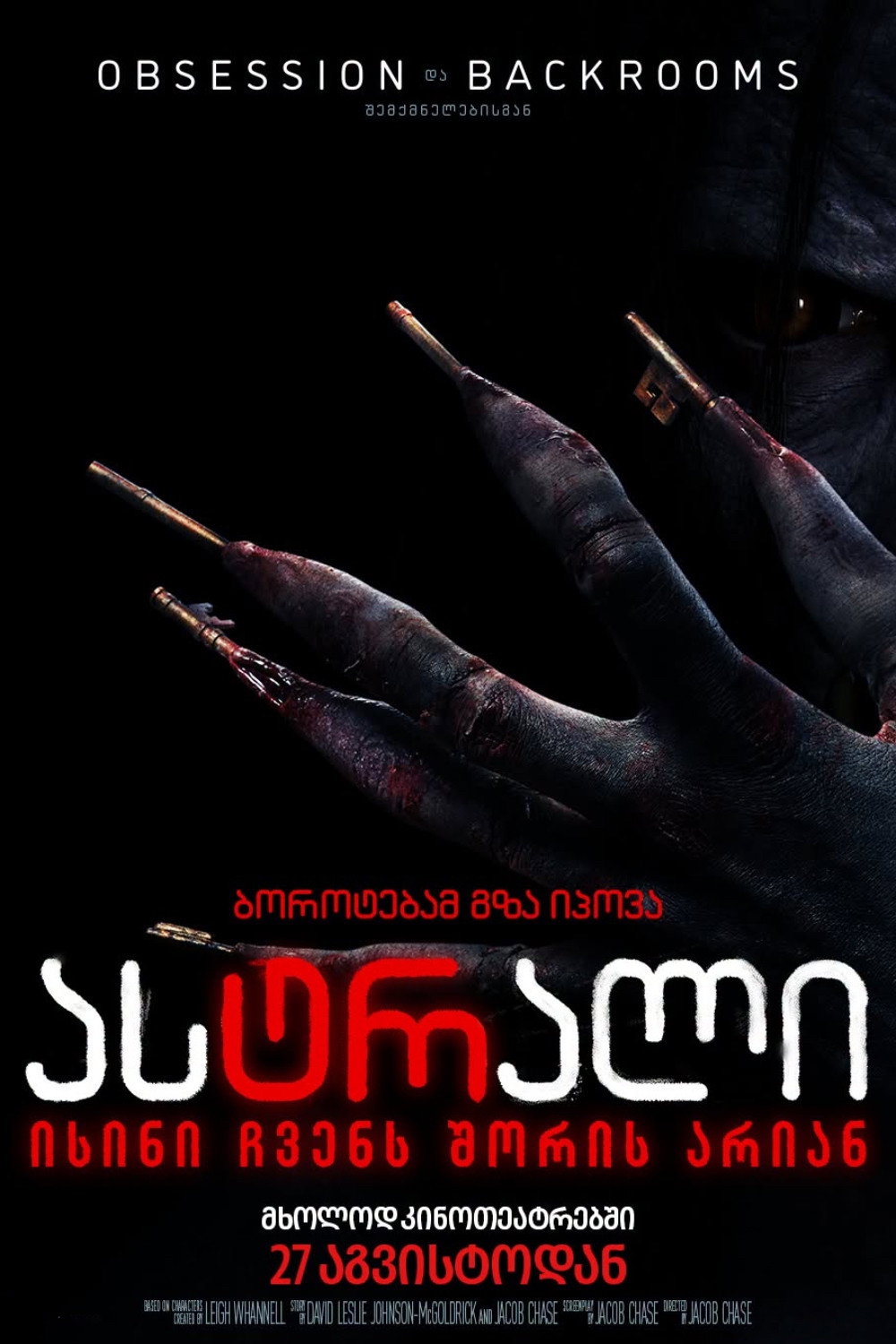
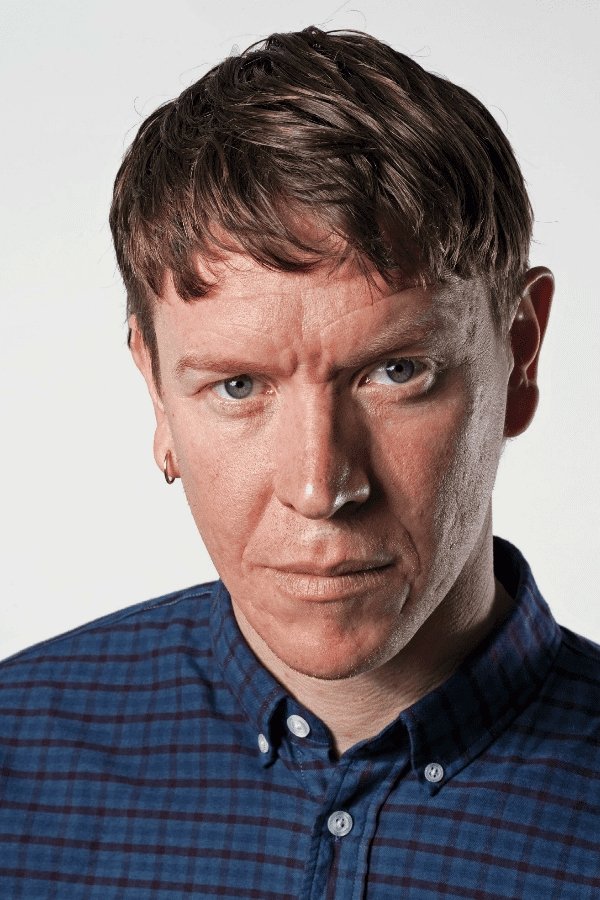
The film places Elise alongside Gemma's investigation without making the older medium the central character once again. A tattoo artist named Clare, played by Maisie Richardson-Sellers, also helps Gemma navigate the unfamiliar territory, while Sam Spruell appears as Cyrus Lam, a hostile presence associated with trapped followers. Sony's account identifies Lam as a former cult leader seeking a route back to the living world. Those details belong to the film's fictional mythology. Chase described generational fear as a concern that had become personally meaningful to him, which helps explain why Gemma's memories matter even when the plot introduces new monsters. The link between childhood harm and supernatural manipulation is a dramatic interpretation rather than a claim about real paranormal experiences.
The House, the Clinic and Built Environments
Cinematographer David Garbett and production designer Nick Bassett wrote a detailed account of their collaboration for American Cinematographer in September 2026. They constructed Gemma's house at Docklands Studios in Melbourne, keeping fixed ceilings, practical lighting and much of the interior connected so the camera could move through rooms without exposing the stage around them. The art department retained a convincing history of domestic alterations, separating the house's earlier appearance from the home Gemma has made for her daughter. Such continuity matters to the horror because a room can change its emotional significance without losing the physical details that make it recognizable.
In a separate interview published by Pushing Pixels, Bassett contrasted the heavy, dim family house with the clinical openness of Gemma's workplace. The tattoo studio was designed to offer a different mood and color palette, while a mirrored wall could be removed and a reversed duplicate set photographed to create an illusion in-camera. Bassett said the crew had about ten weeks of preparation, requiring choices about which sets needed to accommodate complex movements. These observations describe actual construction rather than a generalized claim that the film was made without digital effects. They show how the production relied on tangible environments to prepare disturbances that would appear to defy their boundaries.
Lighting the Further and Moving Between Realities
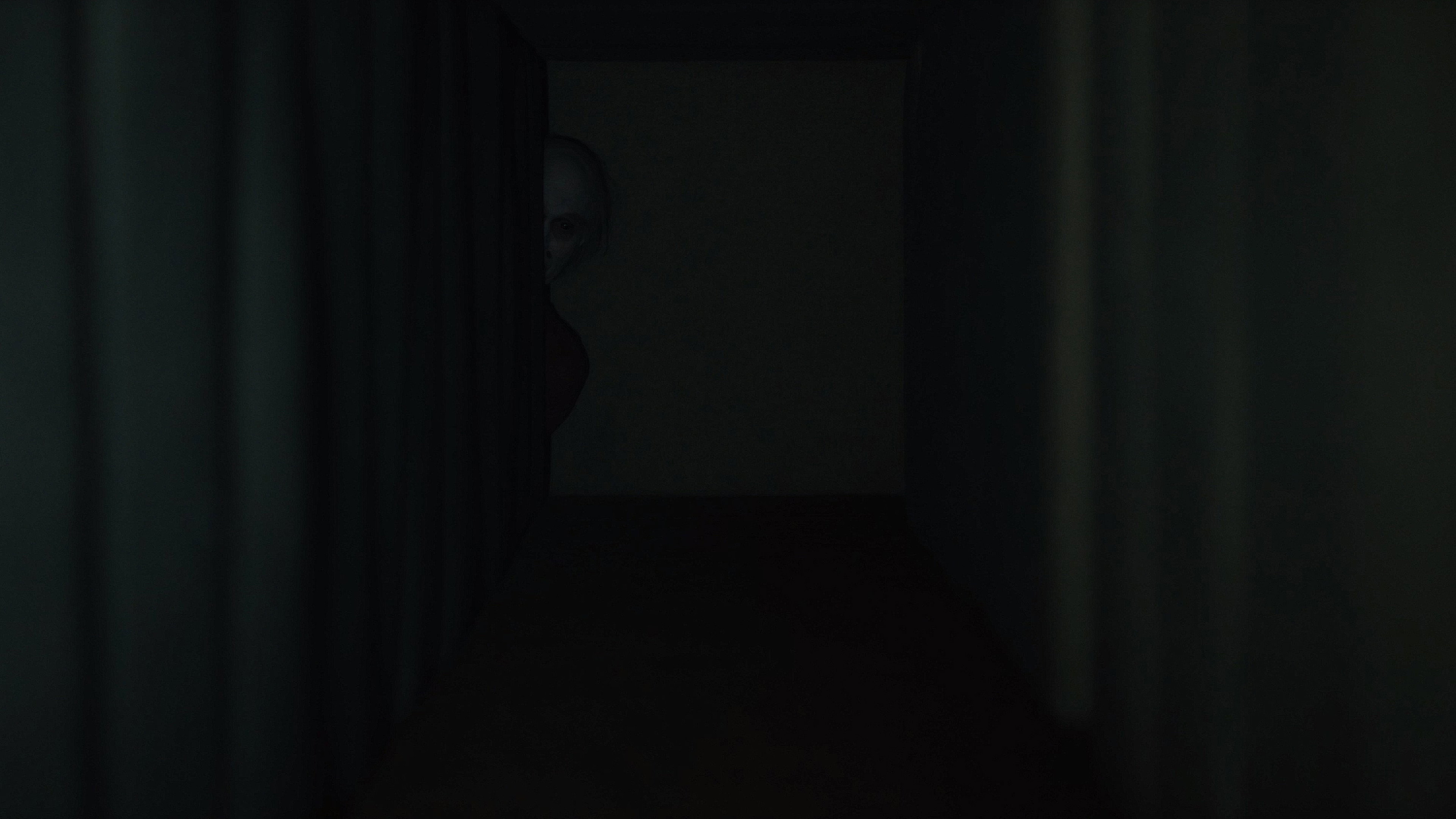
Garbett photographed the film on Sony Venice cameras using Panavision Ultra Vista anamorphic lenses as his principal optics. His account specifies an 8.6K full-frame capture workflow and a widescreen finish. Chase wanted the Further to lack conventional ambient illumination, so characters' lanterns and flashlights became the apparent sources of light. Small supplementary units were positioned to preserve faces without making the shadowed realm resemble an ordinary studio interior. The approach gives the spectral environment a near-monochromatic green cast while allowing areas beyond each handheld light to remain undefined. The practical question of what the camera can see becomes the central method of locating danger.
One transition required Gemma and Elise to move through a reconstruction of Gemma's mother's memories. According to the cinematographer and designer, the light shifted live from a dark room into the warmth of a past domestic scene as the camera moved, using tungsten lamps outside the windows and carefully timed lighting cues. A separate rotating shot between worlds used a robotic arm so the movement could be repeated accurately after the set was relit. Those methods are documented in-camera constructions, not evidence that every transition was achieved without post-production. The precision made the two kinds of space continuous enough for memory itself to become an unstable physical environment.
The Pillow-Fort Labyrinth and Everyday Phobias
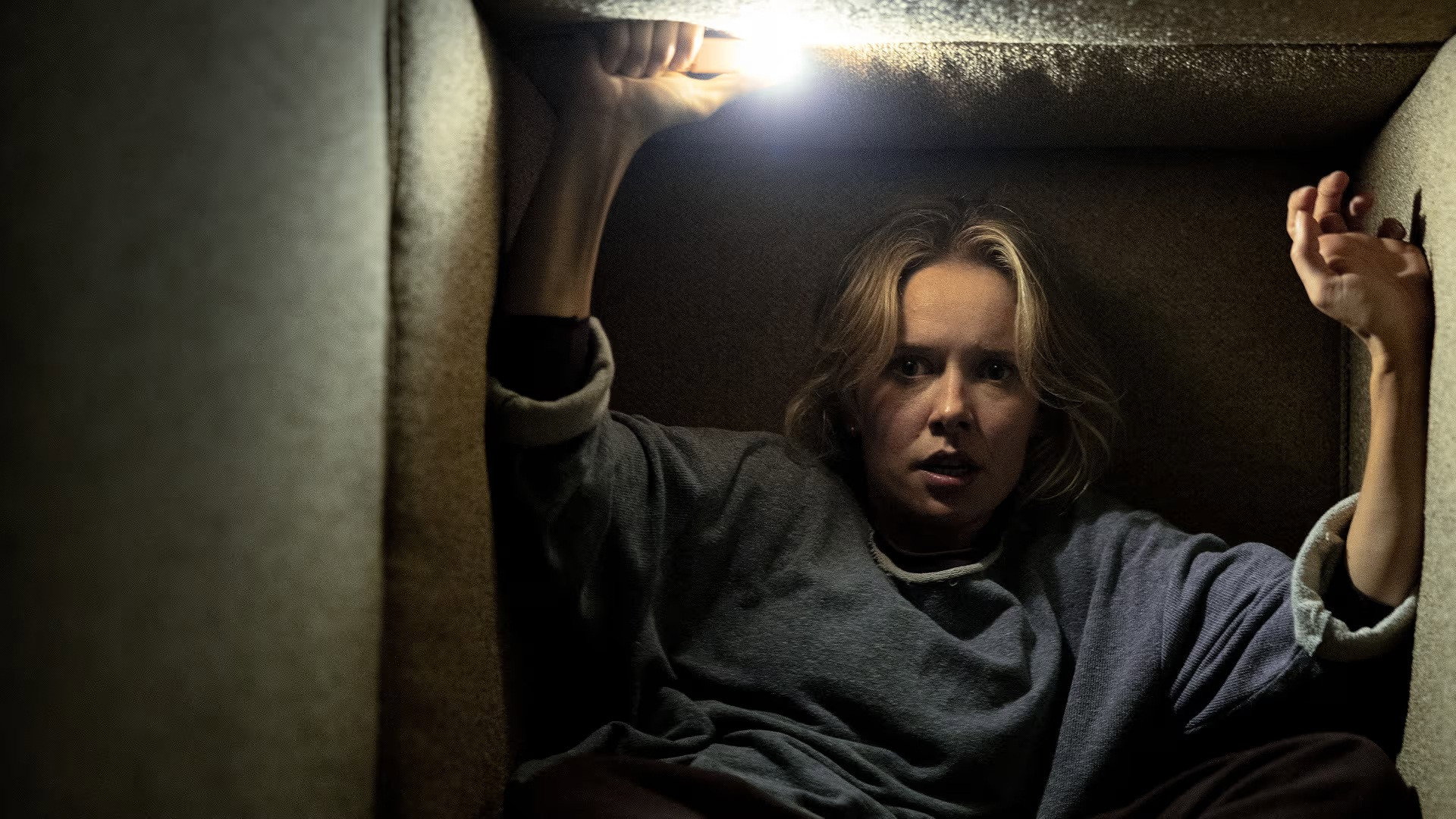
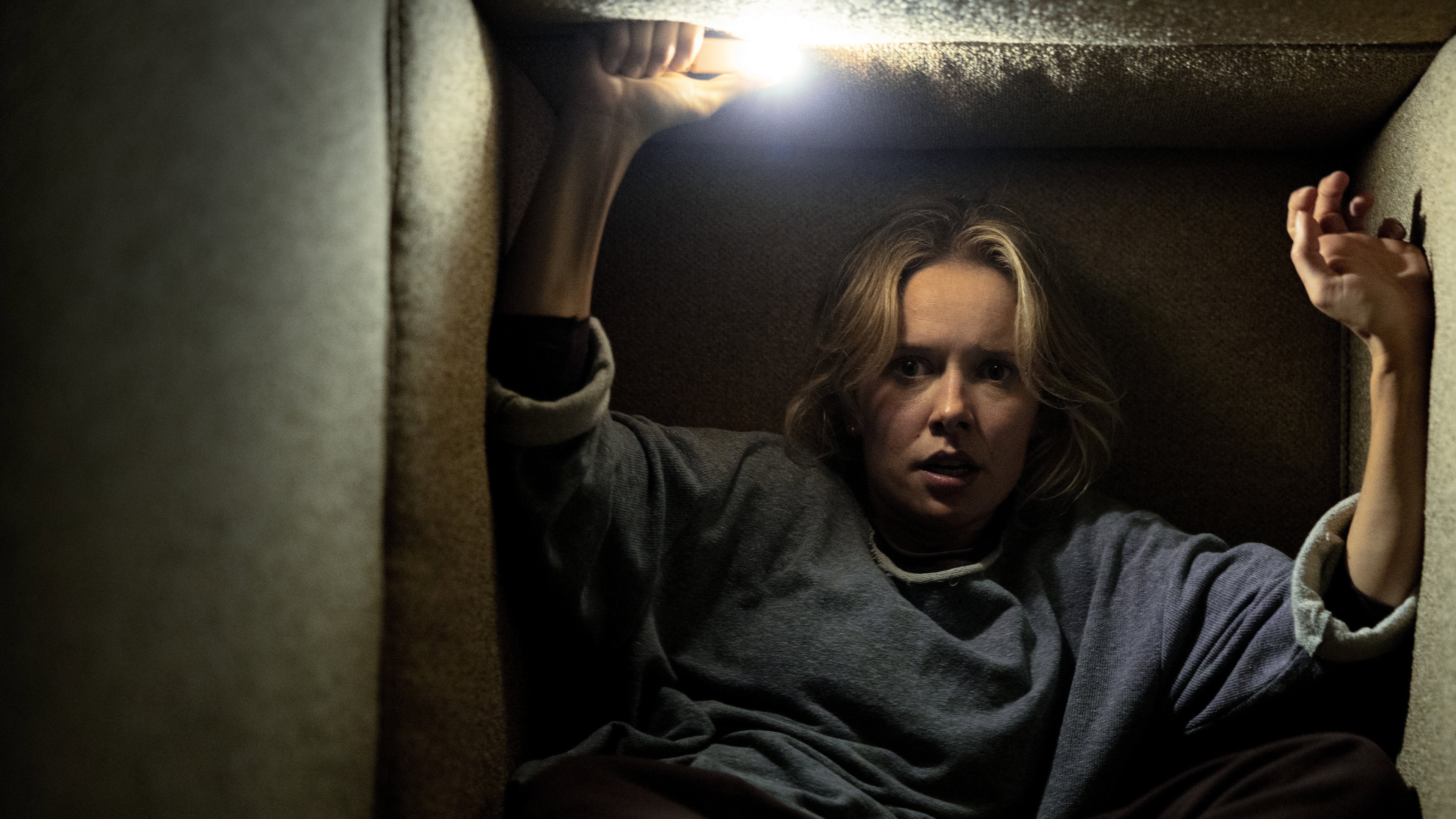
The film's most extensively documented set piece begins with a simple shelter made by Maya and turns into a narrow, apparently endless series of cushion-lined passages. Bassett and Garbett reported that the construction used approximately 250 hand-stitched cushions secured to plywood backing, with sections designed for rapid removal. Senior art director Adrian Dalton organized the moving elements on a raised platform while camera and grip crews worked through the extremely low ceiling. The effect required a complicated change behind the lens as Gemma looked away; the art department had roughly fourteen seconds to alter the visible configuration before the camera returned. The filmmakers wanted the apparent transformation to happen without a hidden edit.
A small book light provided the apparent illumination inside the fabric corridors. Several modified versions of the prop were constructed so the light could reveal Gemma and the surrounding material while leaving the route ahead uncertain. This reliance on a credible object ties the effect to the film's concern with familiar childhood spaces becoming predatory. The dental-office encounter exploits a different physical discomfort: proximity to an unfamiliar mouth and the inability to escape a procedure easily. Chase spoke openly about using recognizable phobias as a way to unsettle audiences. These are identifiable production and directorial choices, regardless of whether viewers find the individual sequences frightening.
Ghost Performances, Effects and the Boundaries of the Image
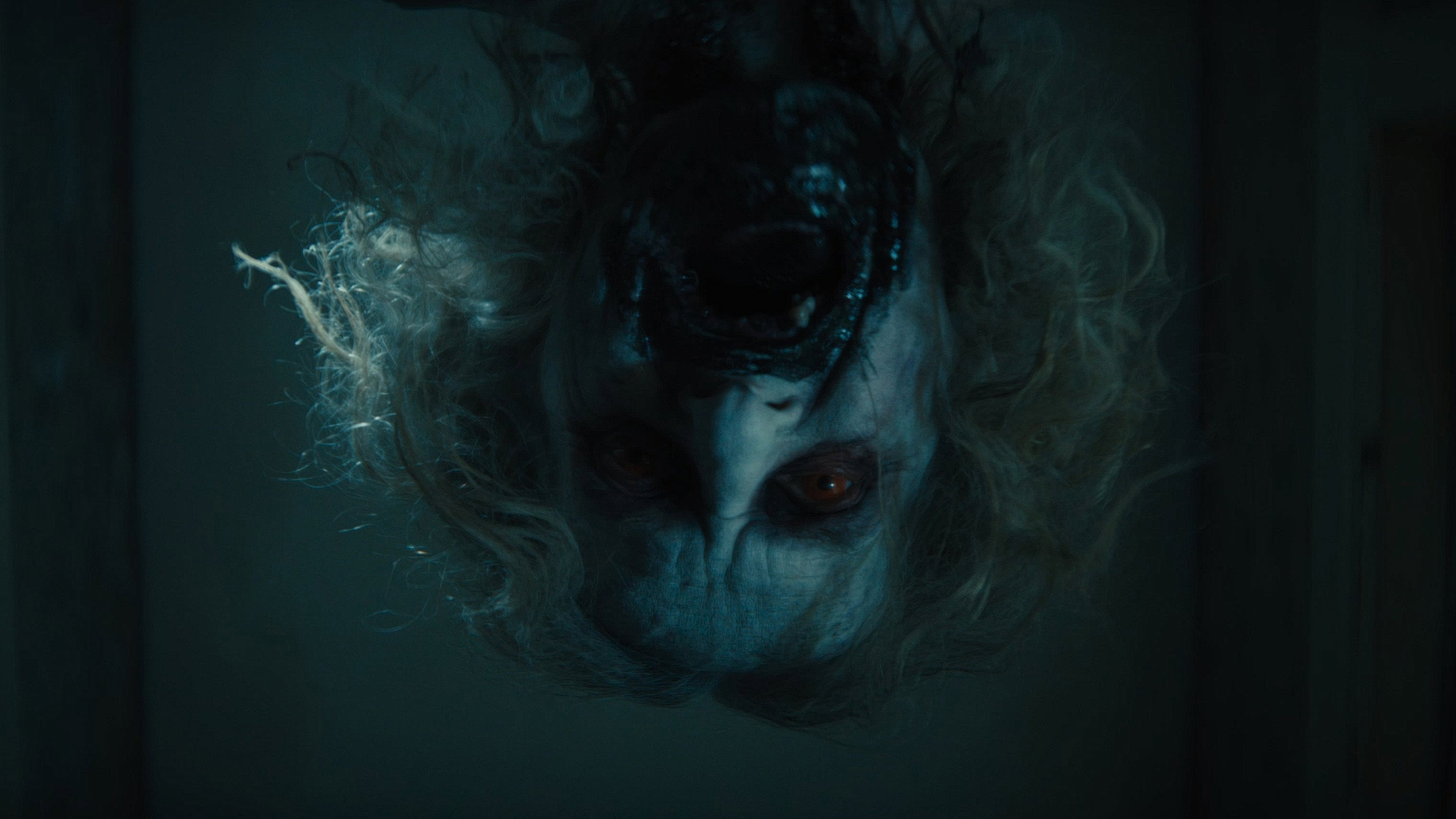
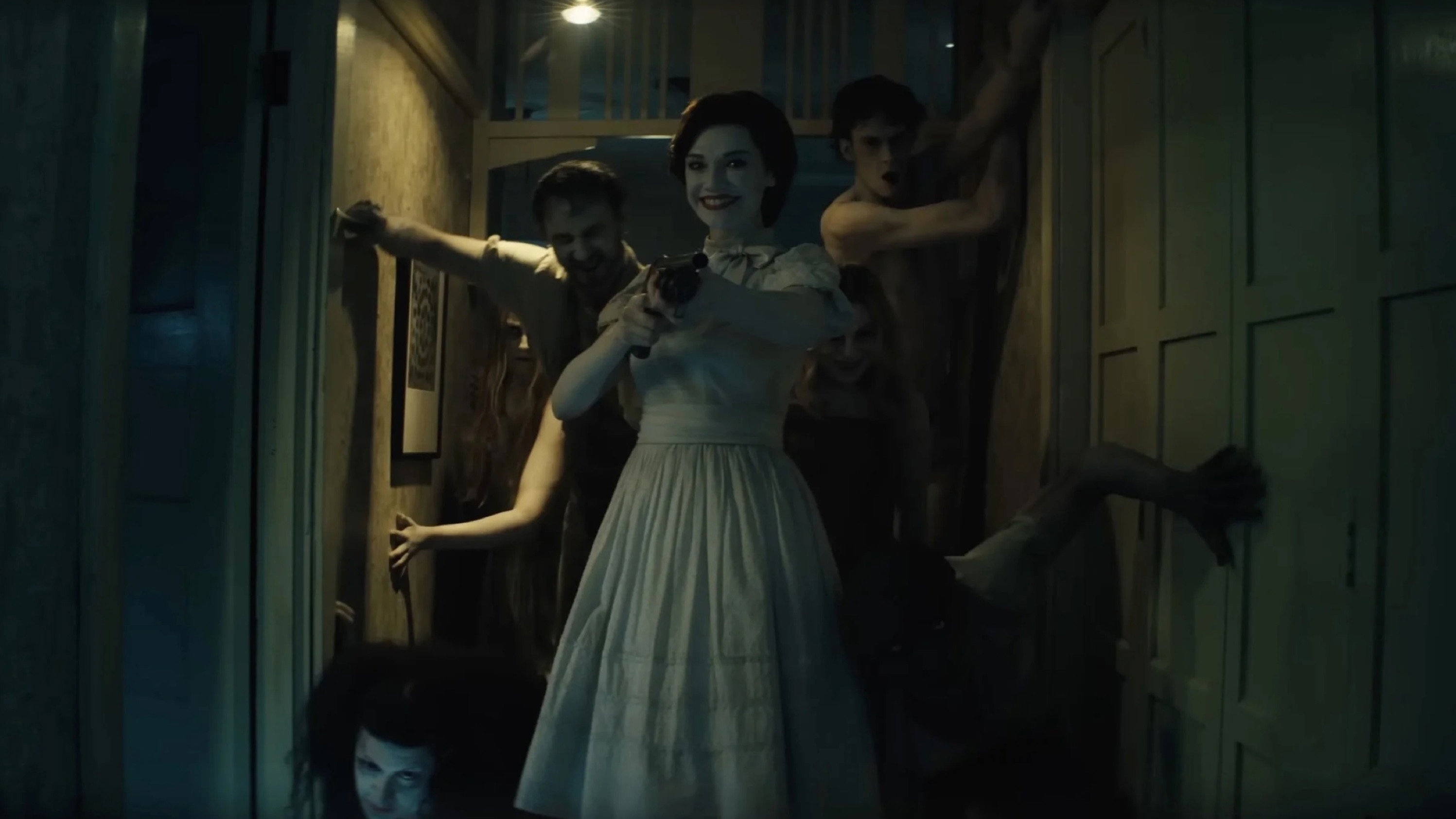
The principal supernatural idea requires beings associated with the Further to occupy recognizable physical environments. That raises an effects problem unlike the simple appearance of a shadow in an empty hallway: each figure needs to seem present in a space the audience has already understood. Chase's interviews emphasized designing frightening new antagonists without losing the series' established visual identity, while the finished encounters depend on actors occupying real interiors as well as on transformed spectral space. These statements support a combined approach to staged horror. They do not establish that every creature, background alteration or transition was made entirely with practical materials.
The most precise available technical evidence concerns scenery and photographed illusions. In the pillow maze, moving panels alter the geometry of a room; in the tattoo parlor, a reversed duplicate makes a mirror-based effect possible; and in the Further, lighting can erase the apparent boundary between a domestic wall and darkness. These devices give a character's immediate surroundings the ability to behave like a threatening entity. When computer imagery or post-production editing is added, its contribution should be discussed scene by scene rather than guessed from how a shot looks. The film's formal identity lies in this tension between physically credible spaces and sudden violations of their ordinary dimensions.
August 2026 Release and Contemporary Reception
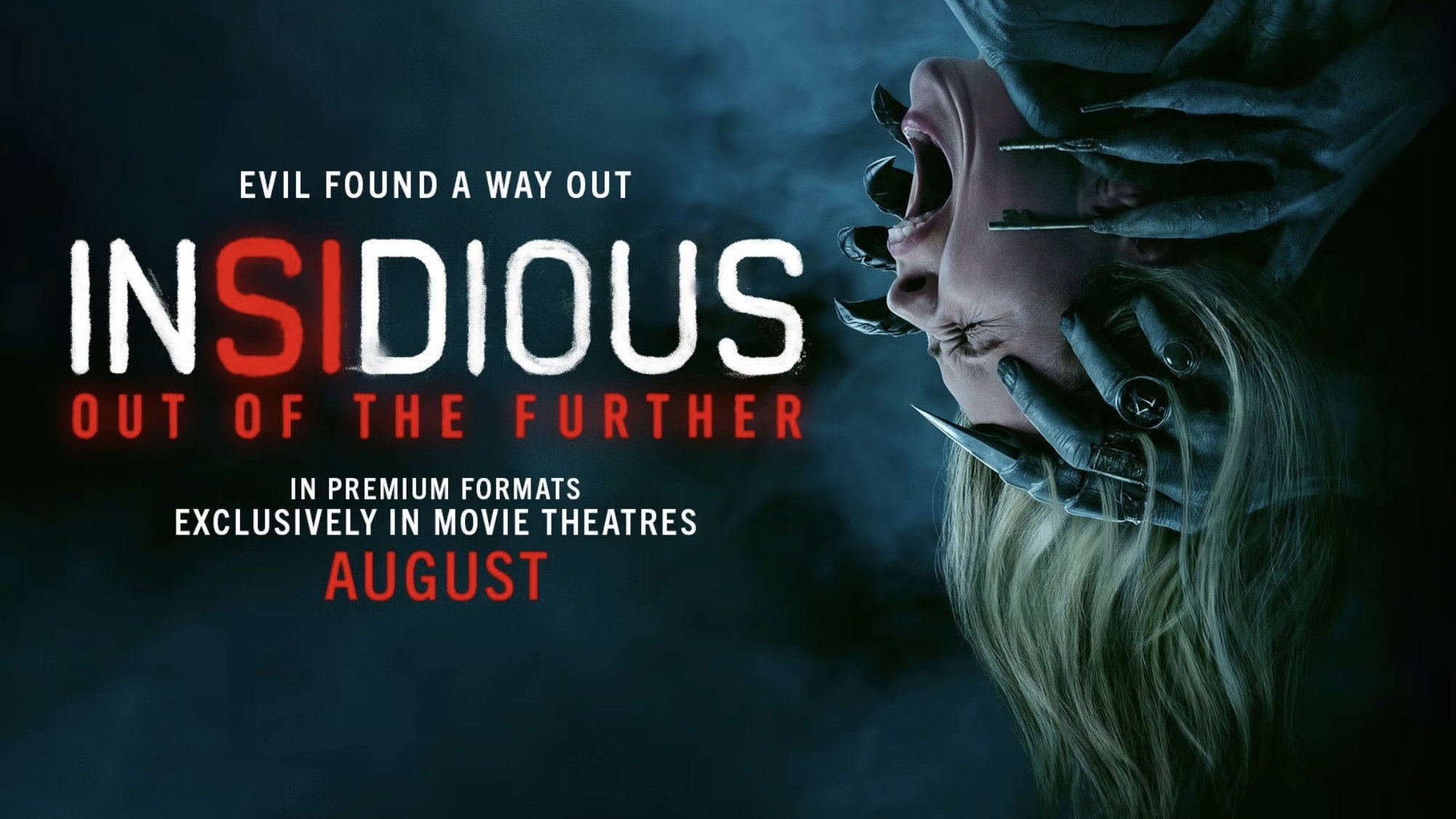
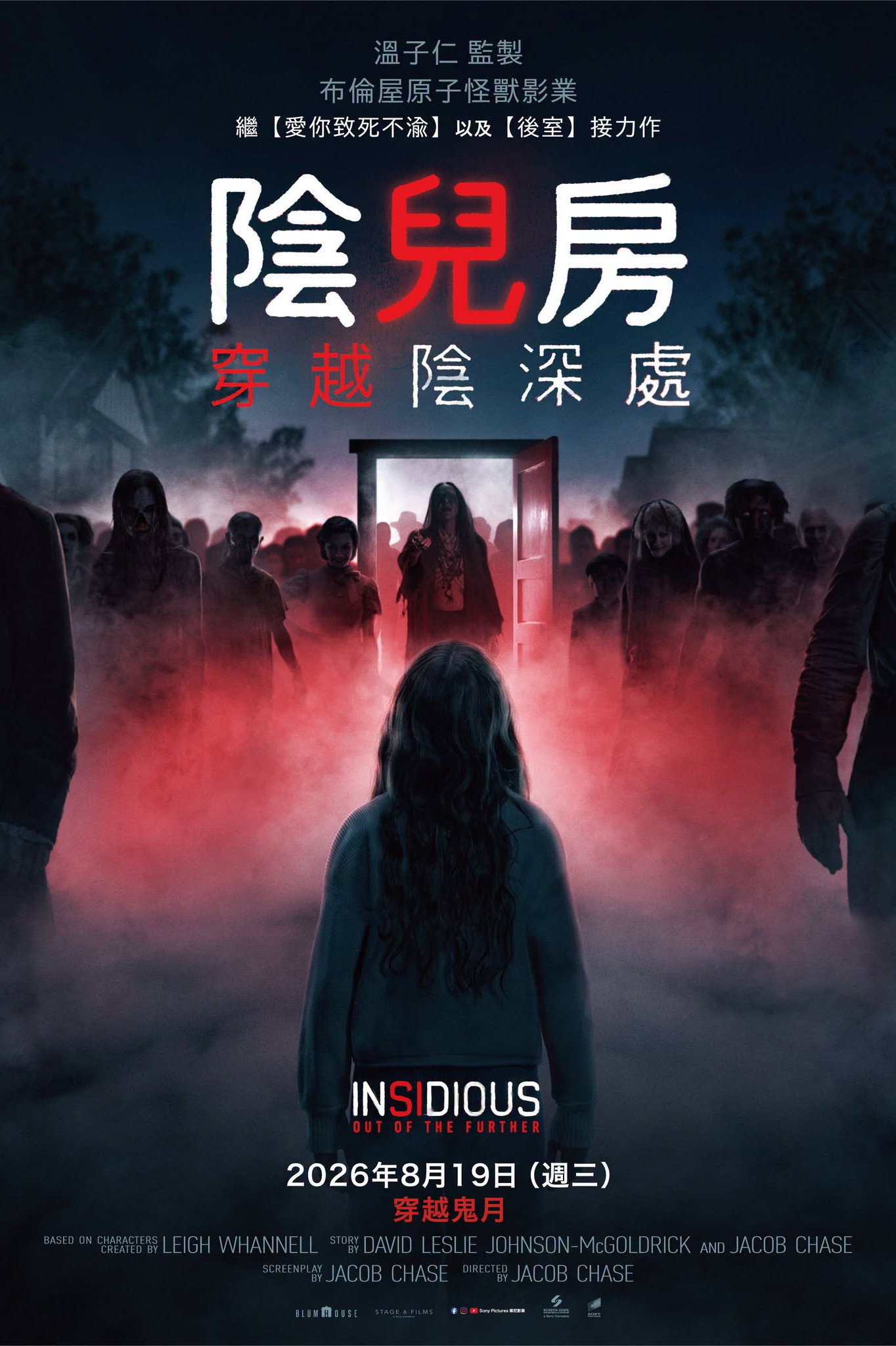
Sony distributed the film internationally from August 19, 2026, before its wide United States opening on August 21. It received a PG-13 rating, and American theatrical data recorded a $25.1 million opening weekend from 3,303 locations. By late October, The Numbers reported approximately $66.1 million domestically and $170.7 million worldwide against a reported $18 million production budget. These figures describe theatrical ticket sales and an estimated production cost, not net returns after advertising, cinema revenue shares and distribution expenses. They provide a measurable account of the sequel's commercial reach without establishing what the filmmakers or rights holders ultimately earned.
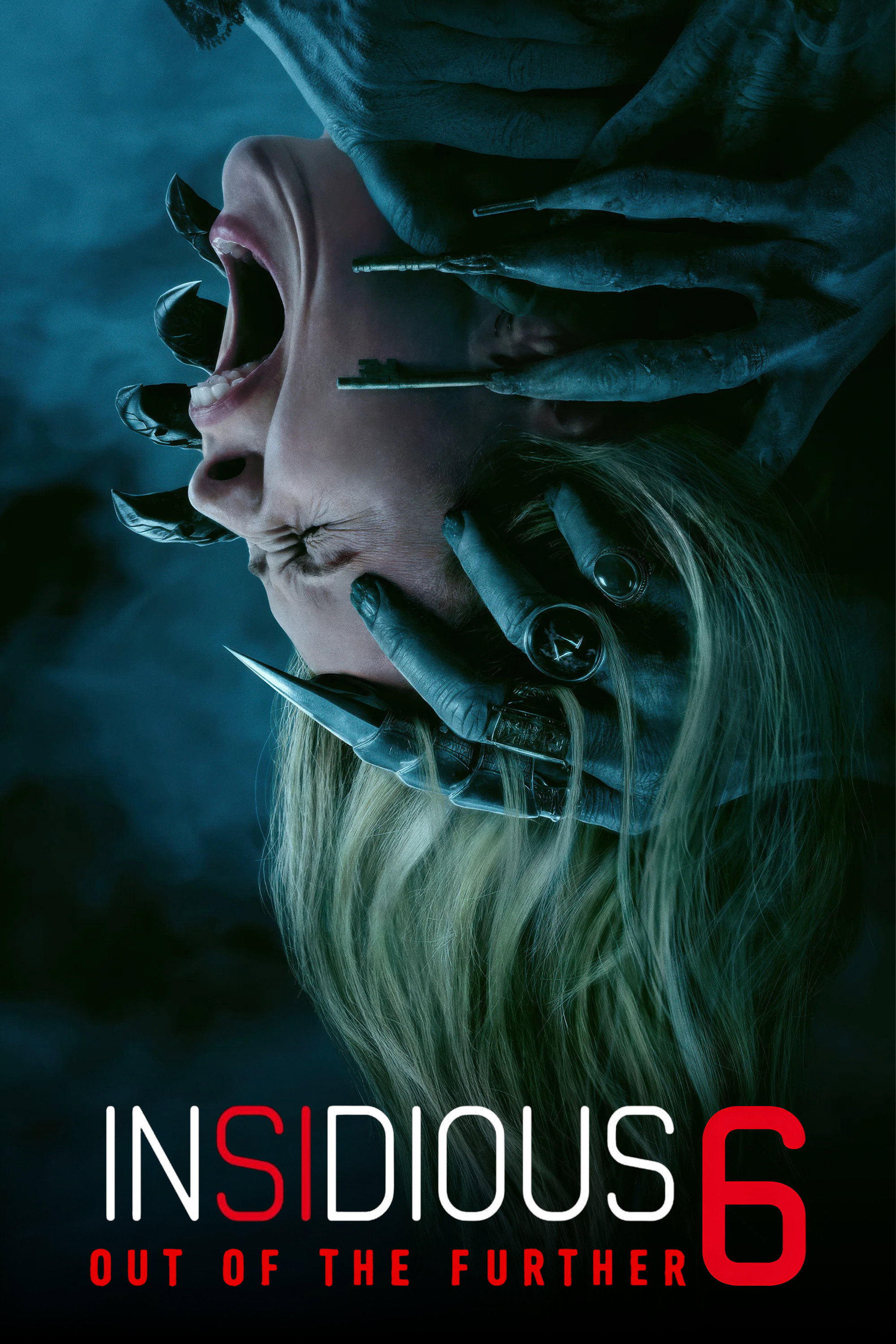
The original criticism was mixed. Reviewing for The Guardian on August 19, Scott Tobias admired the couch-fort and dental sequences as isolated inventions but found the accumulated mythology and finale exhausting. Other contemporary responses were more favorable toward the film's scares, illustrating that the reception cannot be represented by one review alone. Its position within the franchise is already clear in narrower terms: it is the sixth released feature, replaces the Lambert family with Gemma and Maya, and gives the Further a new point of entry into ordinary life. Wider claims about a long-term influence on supernatural horror would be premature only months after release.