Production & Development
The Hillside Strangler was produced within a small cycle of true-crime films associated with producer Hamish McAlpine. The Los Angeles Times described the film as completing a group of serial-killer biographies that also included Ed Gein and Ted Bundy. For director Chuck Parello, however, the subject also continued a more personal line of work. He had previously been involved with Henry: Portrait of a Serial Killer, directed Henry: Portrait of a Serial Killer, Part II and then made Ed Gein. By the time he reached the Bianchi and Buono story, dramatizing real killers had become a recurring area of his filmmaking.
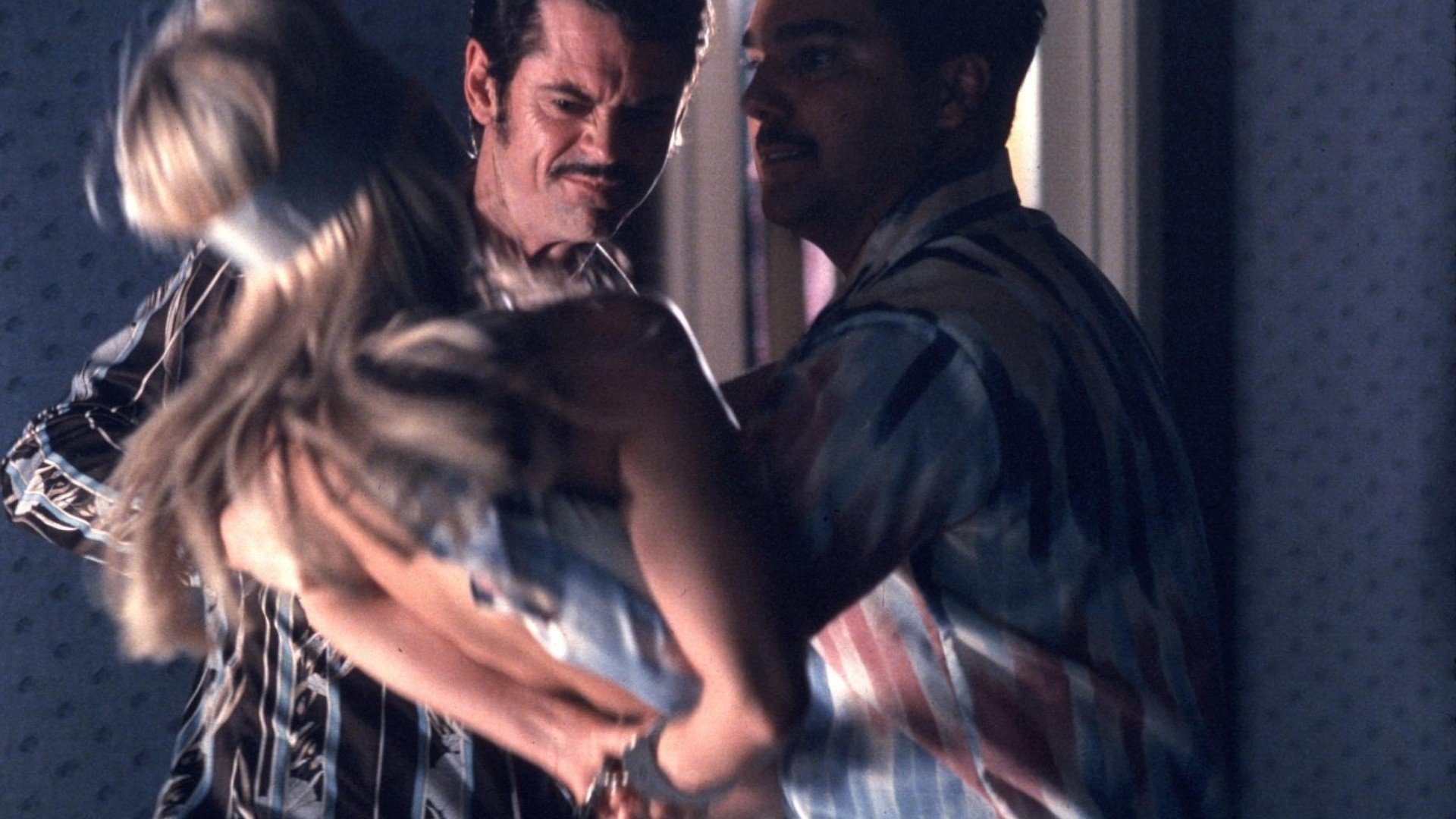
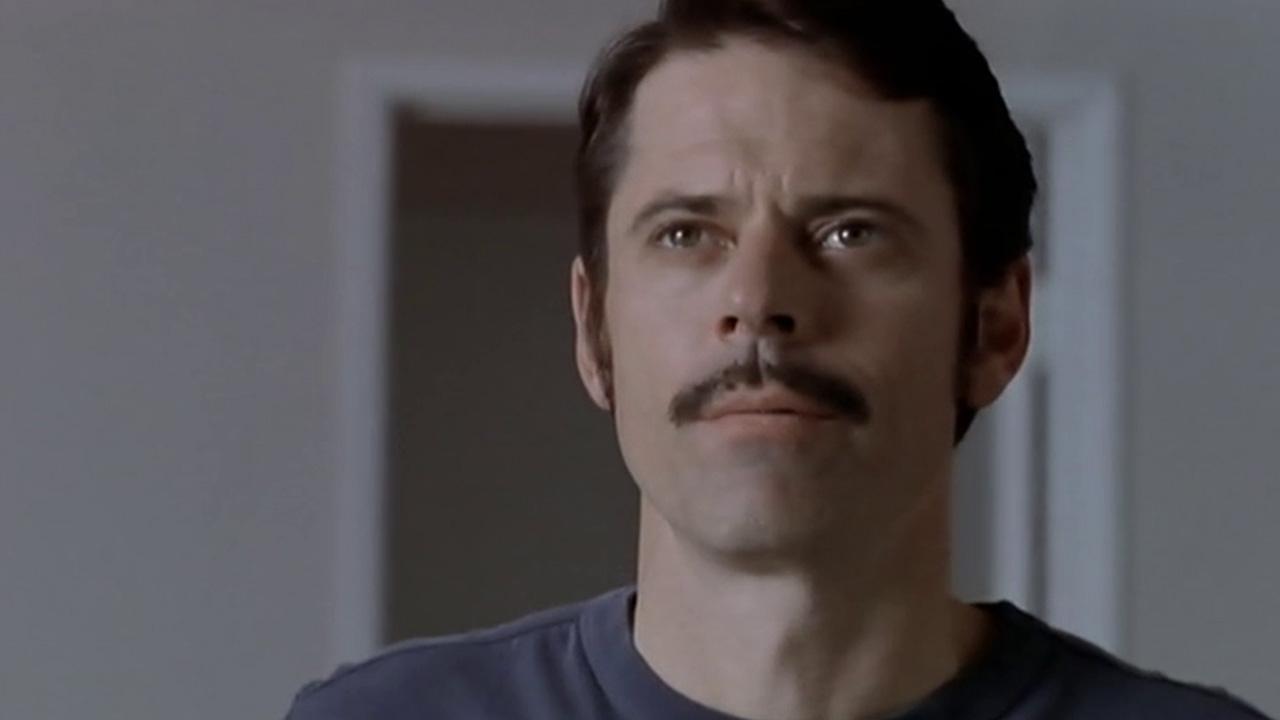
Parello again collaborated with screenwriter Stephen Johnston, with whom he had worked on Ed Gein. The American Film Institute credits Tartan USA and Vitagraph as the production companies and Hamish McAlpine and Michael Muscal as producers. Unlike a film organized around the investigation, the screenplay concentrates on Bianchi and Buono themselves: their relationship, their treatment of women and the progression toward repeated murder. This choice removes the stabilizing viewpoint of detectives or journalists and leaves much of the running time inside the killers' social and sexual environment.
The result was conceived less as a procedural reconstruction than as a period serial-killer film. Parello and Johnston use the documented identities and broad chronology of the Hillside Strangler case as the foundation, but the dramatic structure is organized around scenes involving the perpetrators, with the investigation and prosecution occupying a smaller role. The film combines historically verifiable facts with invented scenes designed to establish character relationships, narrative progression and a continuous feature-film perspective.