

Production & Approach
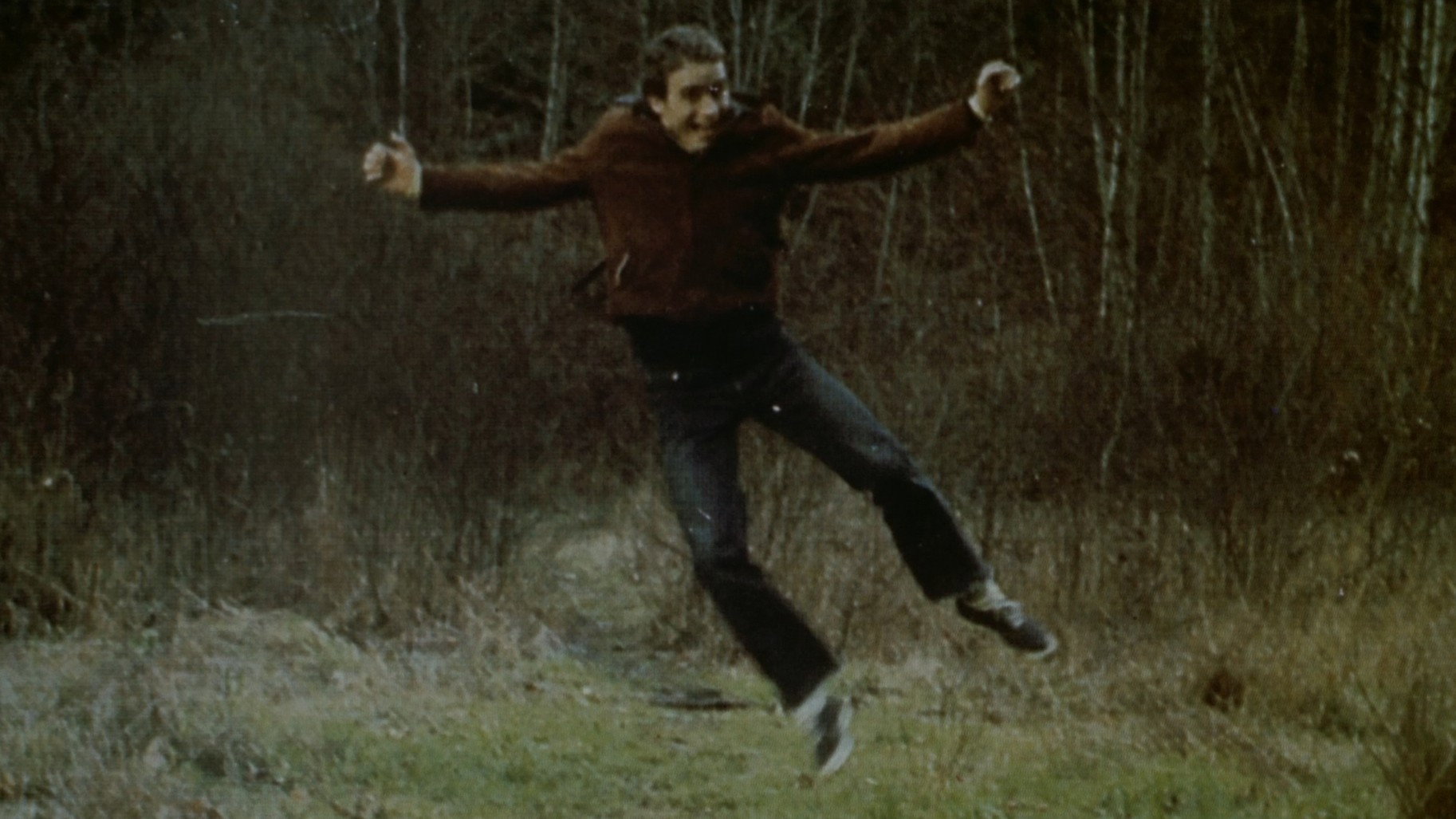
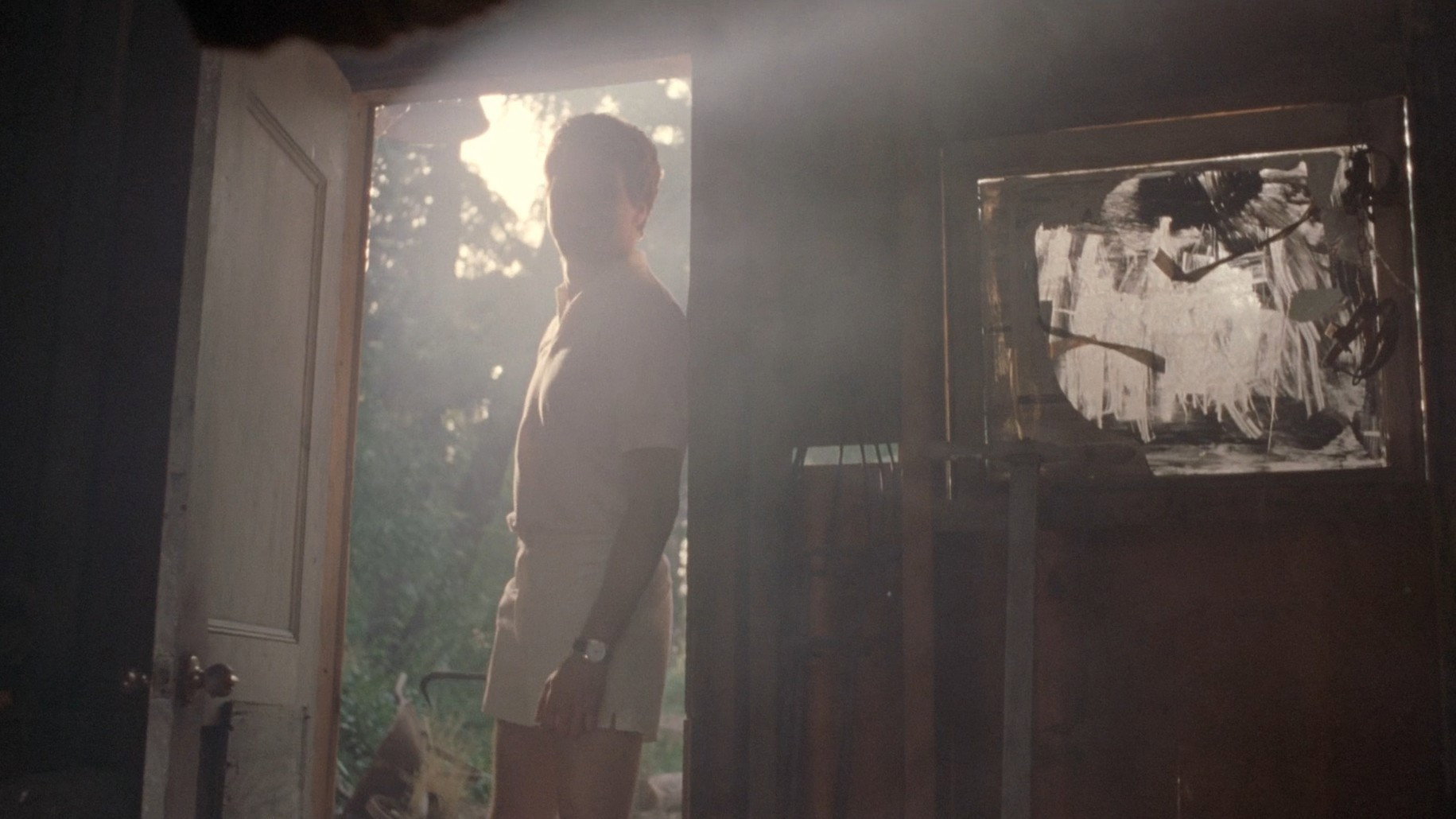
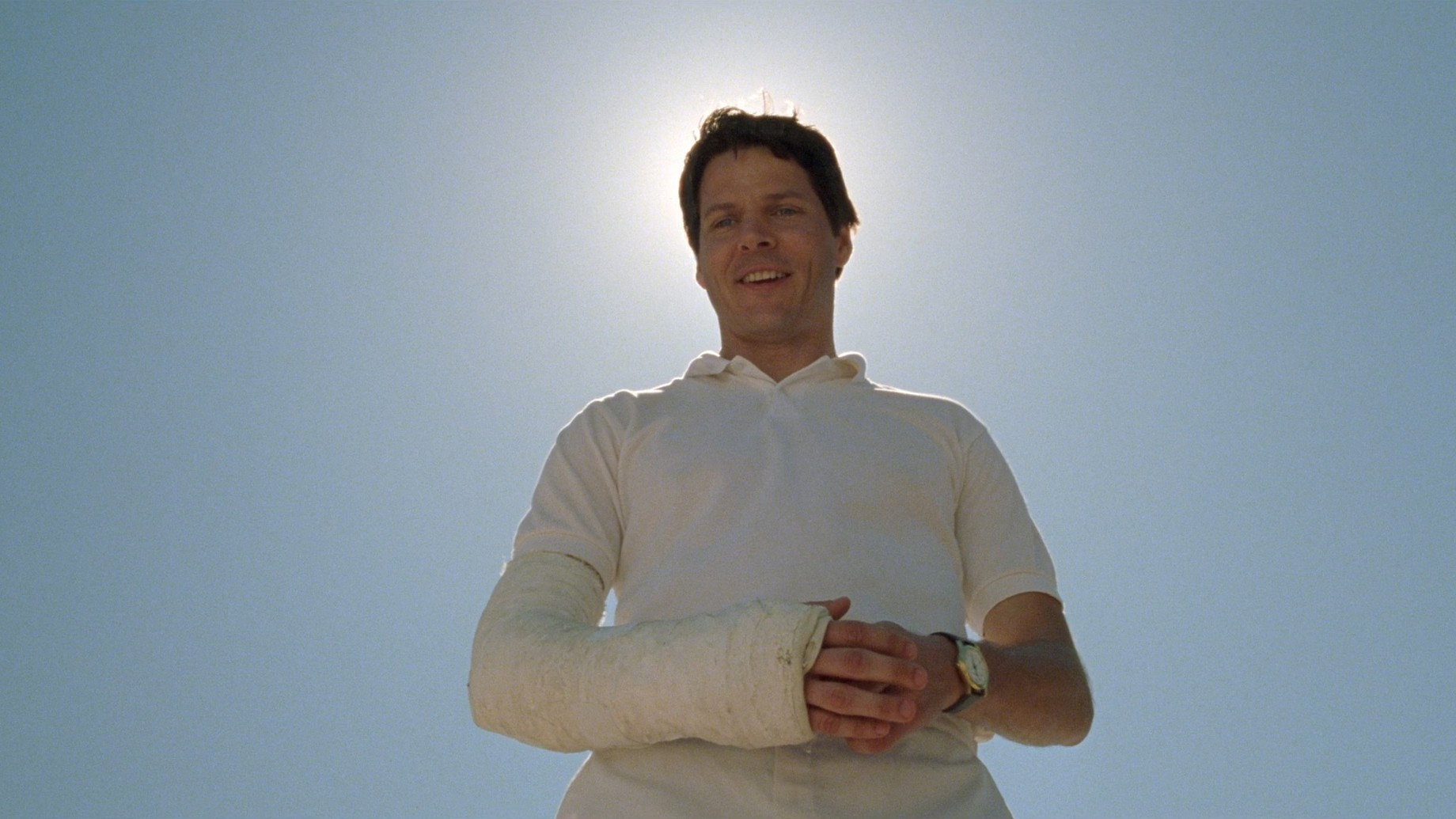
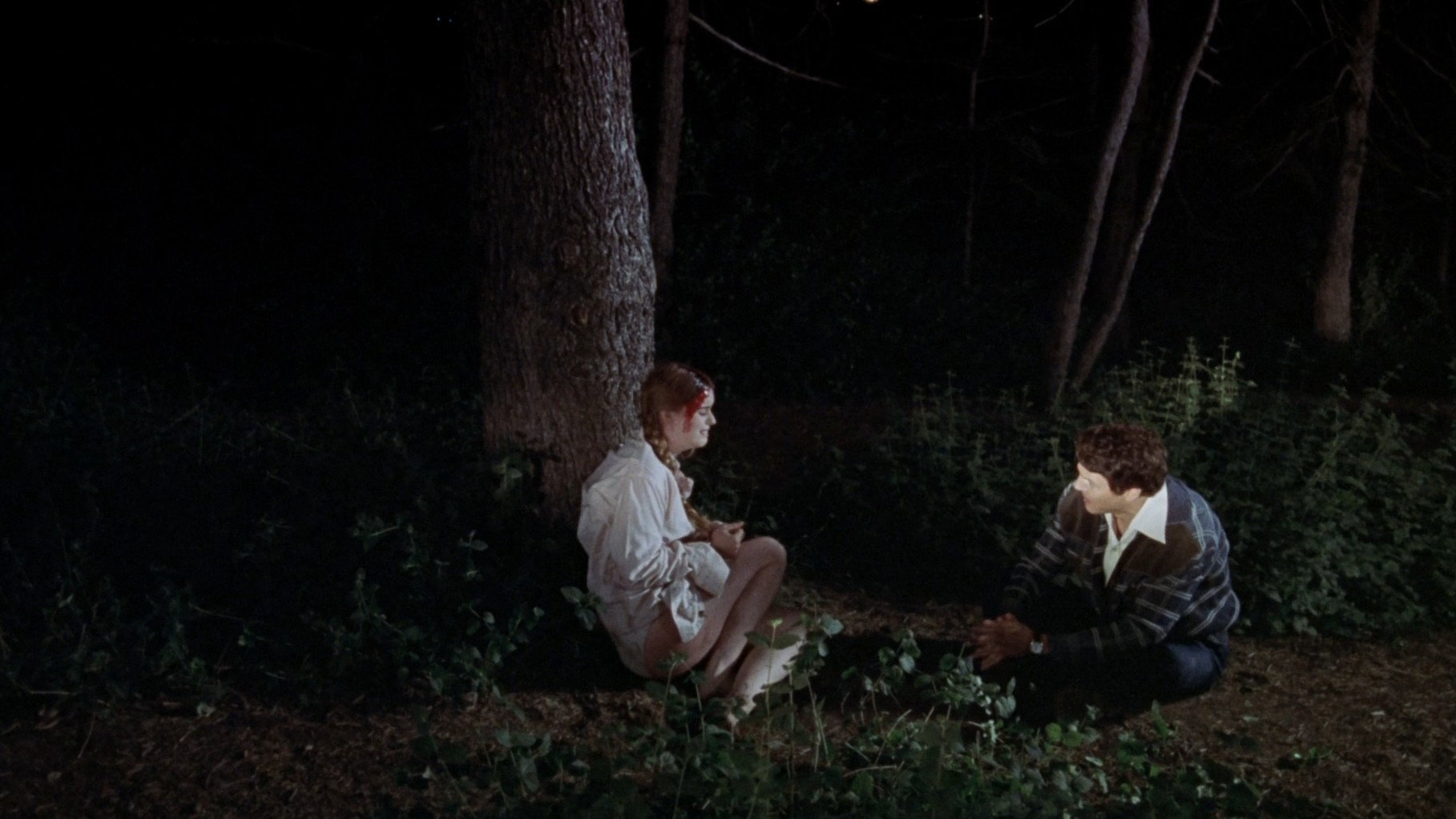
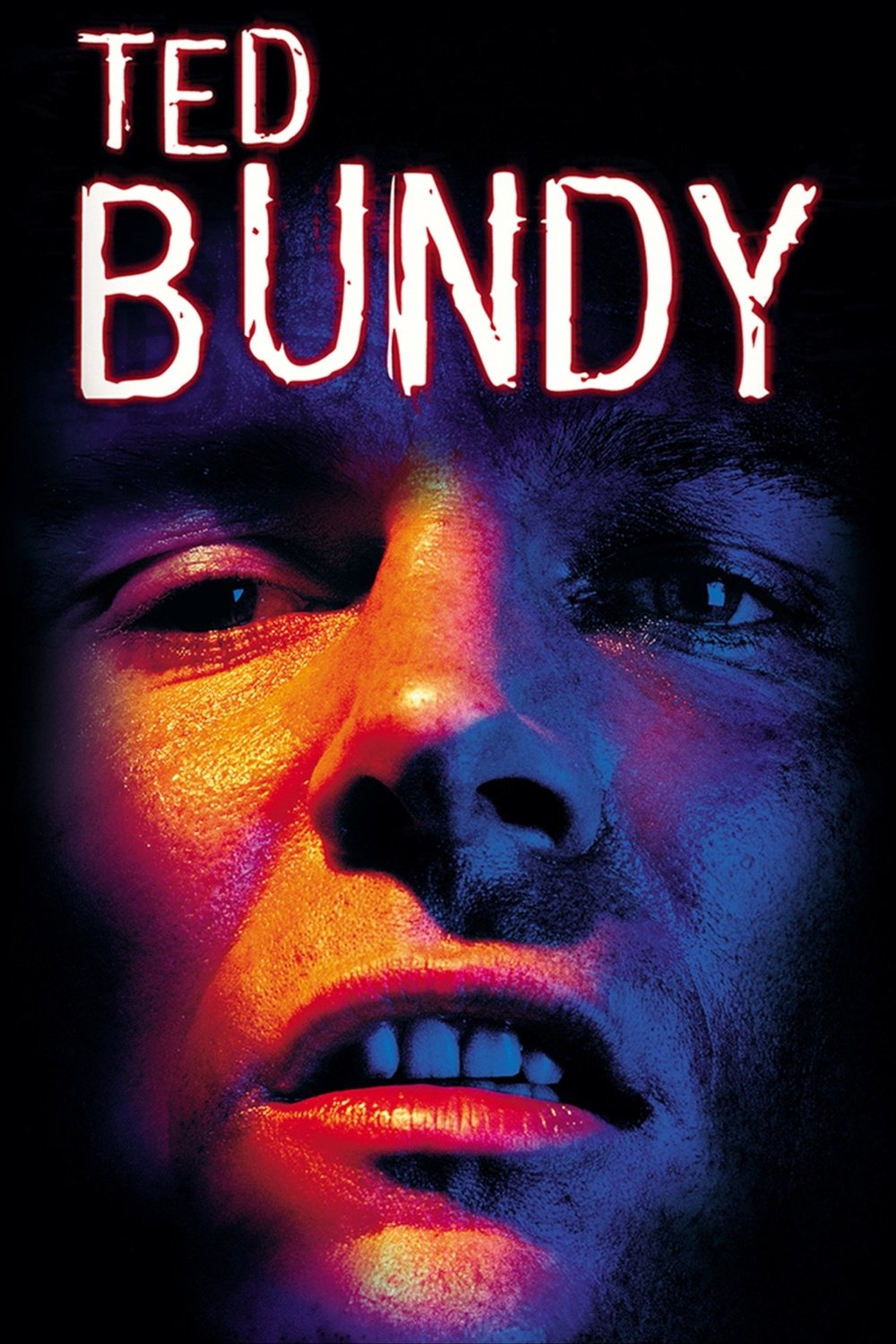
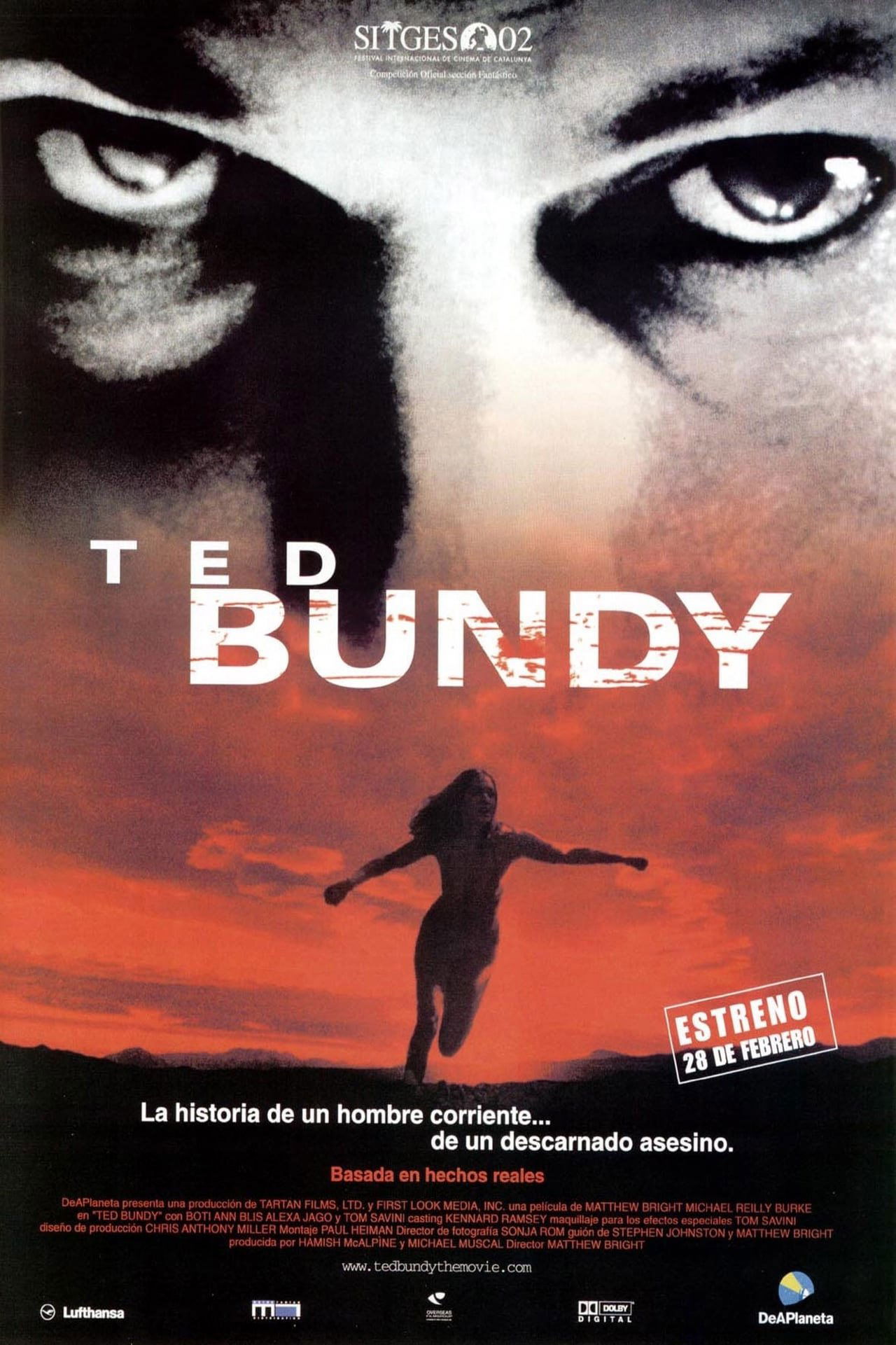
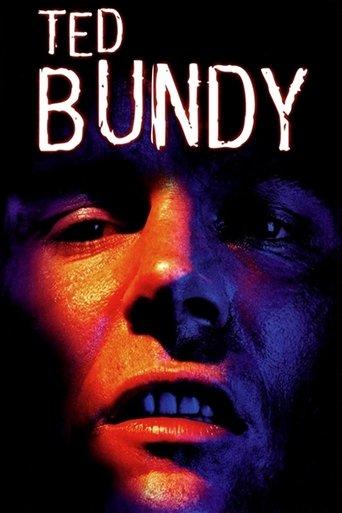
Matthew Bright co-wrote Ted Bundy with Stephen Johnston, with Hamish McAlpine and Michael Muscal producing through a production associated with Tartan Films. The film was made as a United States and United Kingdom production and photographed in color by Sonja Rom. Bright begins with the killer already at the center of the narrative. The dramatic question is therefore not who he is, but how his public behavior can coexist with increasingly extreme private violence.
That structure allows the film to move rapidly through episodes associated with different periods of Bundy's criminal history. His attempts to appear socially ordinary, his relationship with Lee, his methods of approaching women, arrests, escapes and later crimes are condensed into a continuous portrait rather than presented as an exhaustive historical chronology. The compression is significant because the real case stretched across several states and involved multiple investigations. Ted Bundy selects incidents that contribute to a sustained character study while leaving much of the wider investigative history outside the frame.
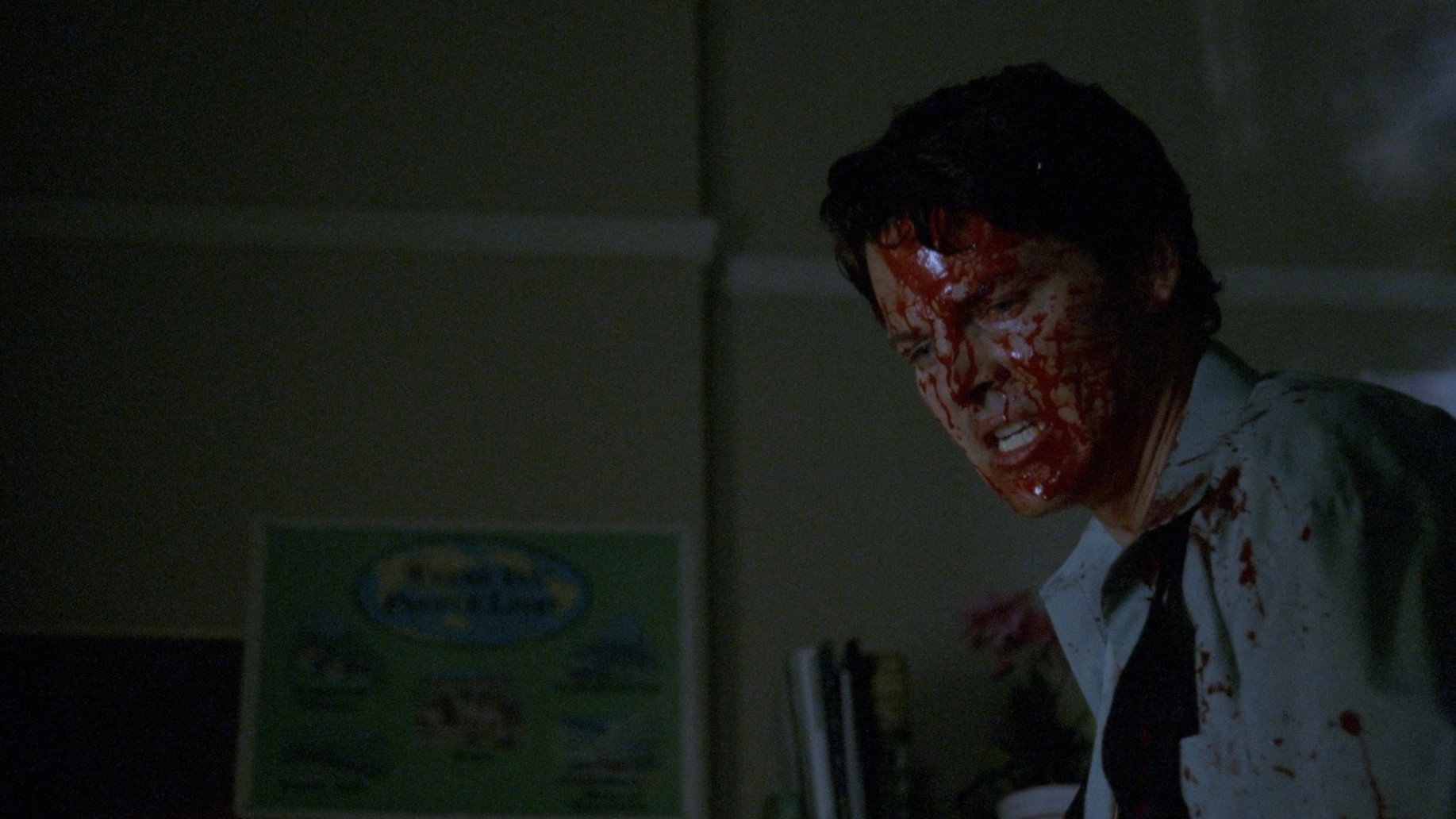
Bright also refuses the restrained prestige-drama style that later became common in screen depictions of notorious killers. Black comedy repeatedly interrupts the violence, while Bundy's behavior is sometimes presented as grotesquely absurd before the film abruptly returns to murder. Contemporary reviewers disagreed strongly over this mixture. Time Out characterized the film as a form of shock comedy and identified Burke's performance as the element holding its unstable tone together, while several other critics argued that the humor and explicit violence reduced rather than deepened the historical material.