The Dead Mother (1993)

ES
Runtime
112 min
Release
November 5, 1993
Revenue
$498,604
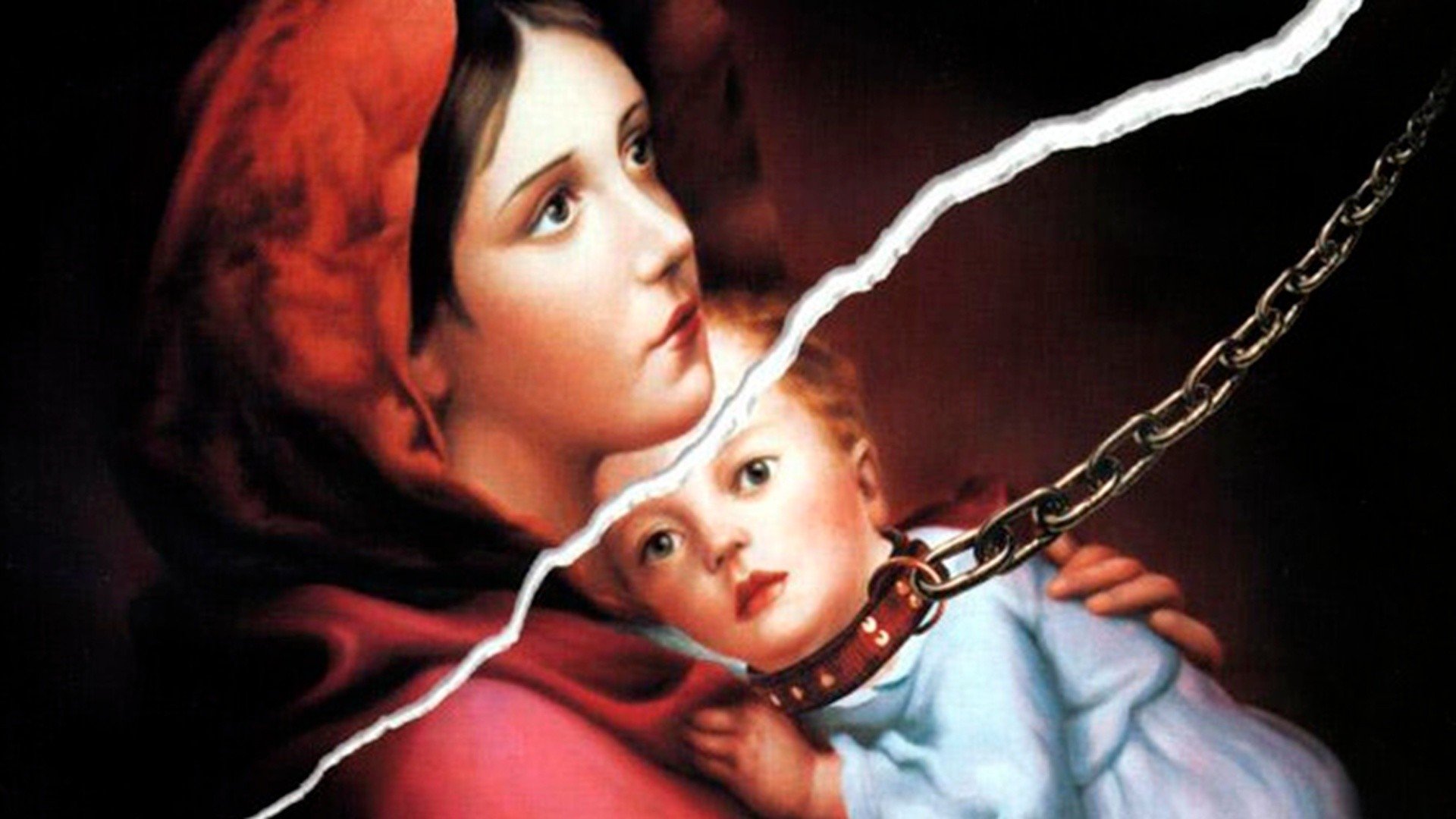
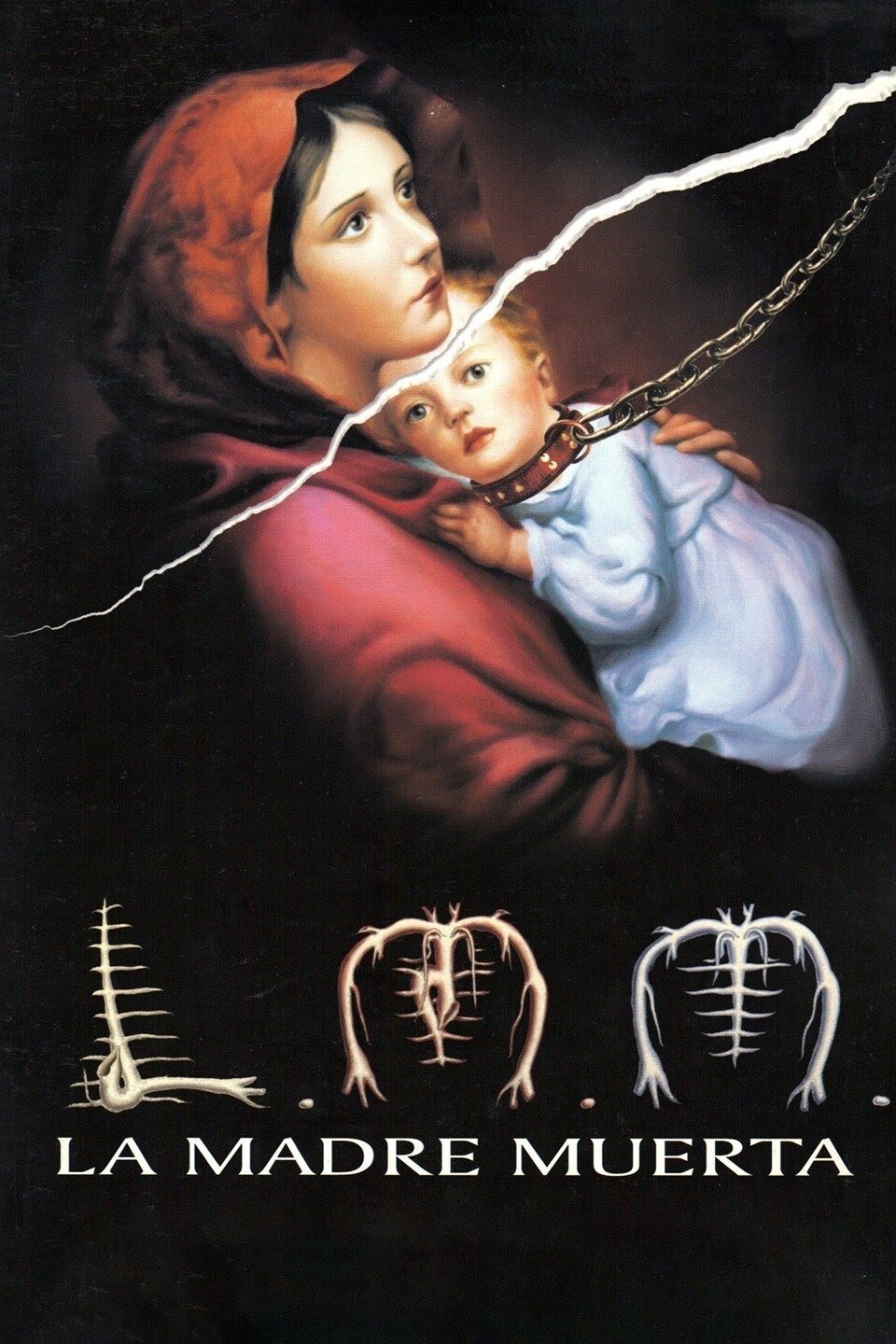
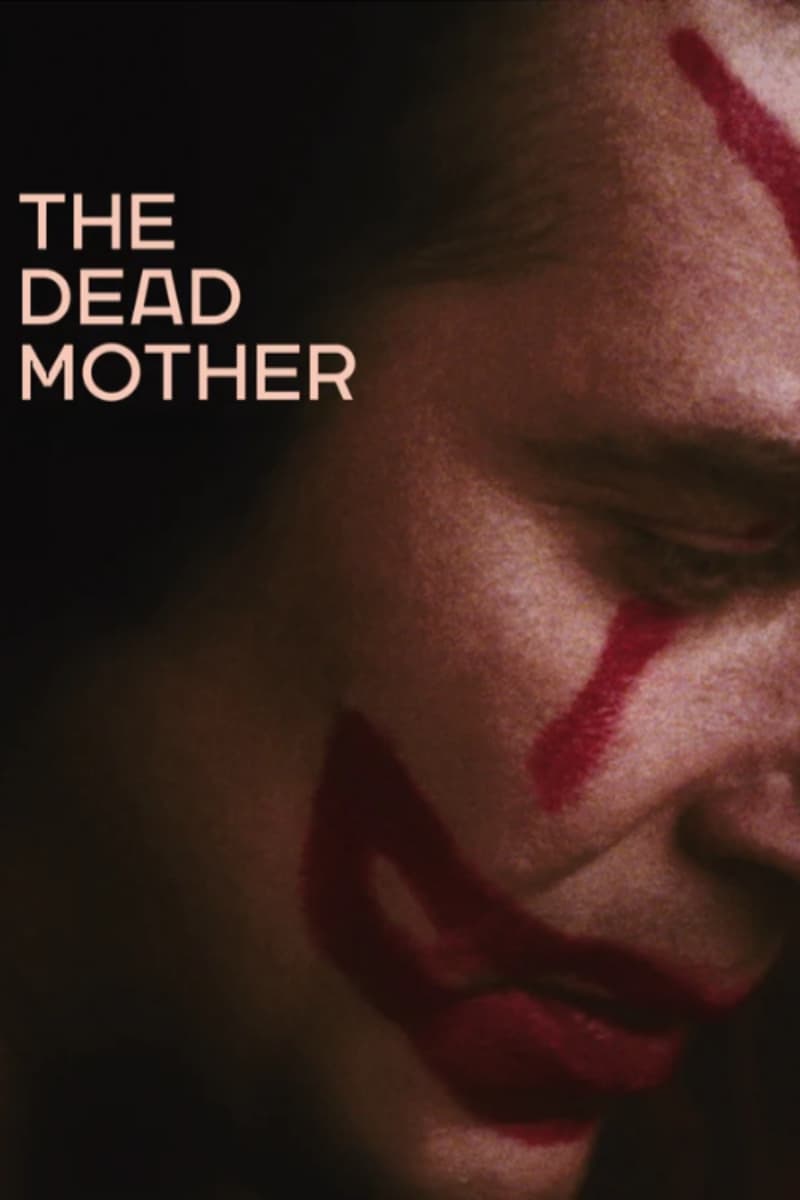
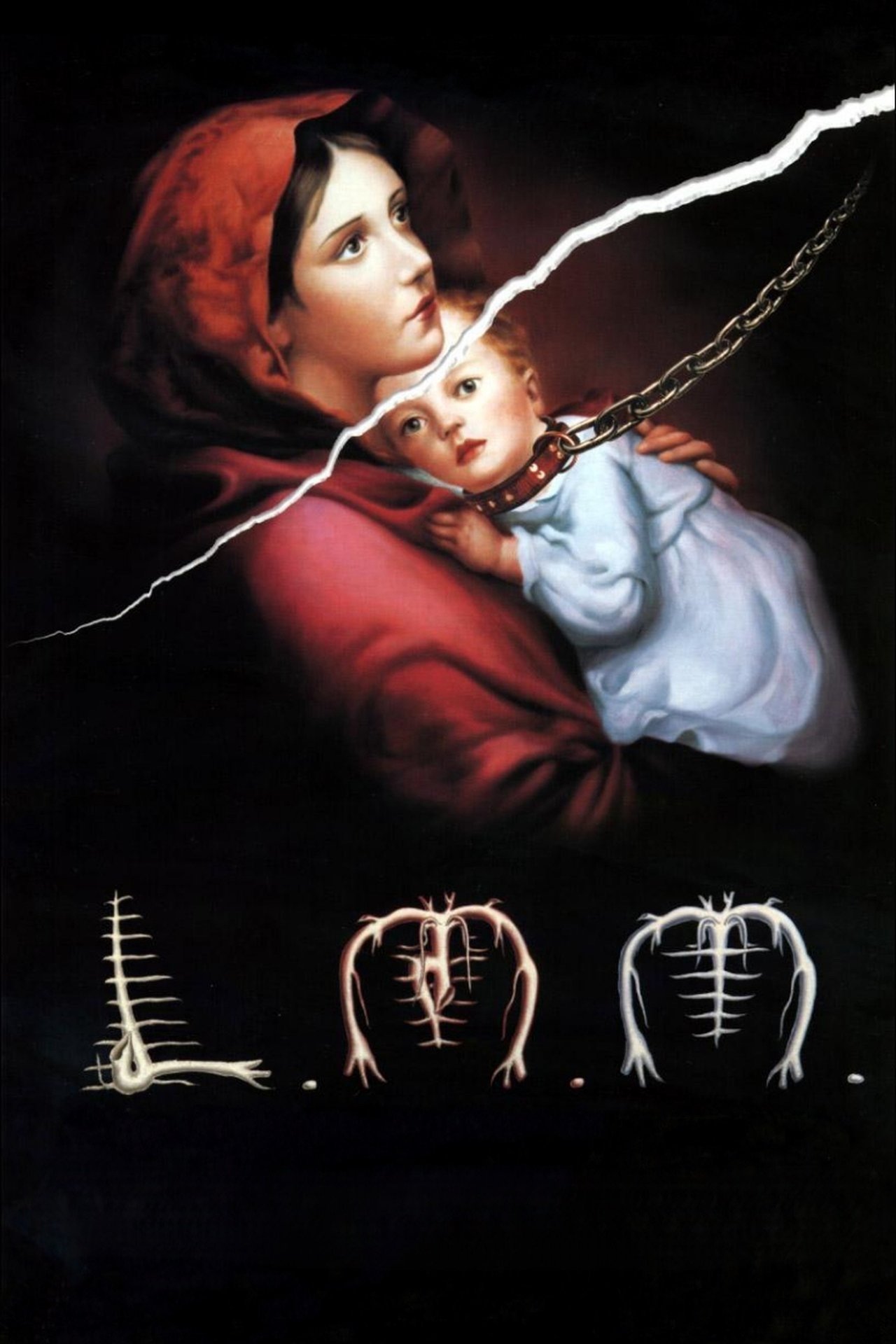
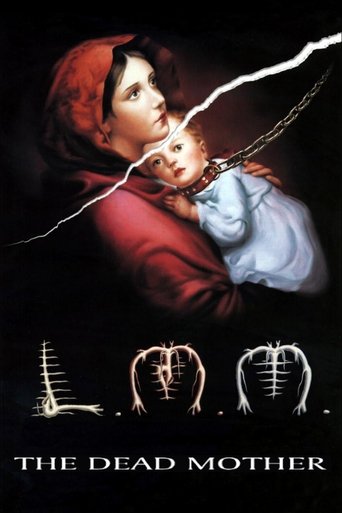
The Dead Mother (1993) poster
Plot

Ismael breaks into the house of a fine art restorer and shoots the homeowner dead, leaving her daughter orphaned and traumatized for life. Years later, Ismael is working in a bar where he sees the daughter again. Paranoid that she has recognised him and will report him, he kidnaps her and holds her hostage, demanding that her hospital pay a ransom for her release. As he spends more time with her, a strange bond develops that causes him to delay the ransom request or fulfil his threats of throwing her in front of a train. But he can’t delay forever…

Alternative Titles
Ölü Ana (Azerbaijan) 杀手·蝴蝶·梦 (China) — Chinese Die tote Mutter (Germany) — German Verta ja suklaata (Finland) 죽은 어머니 (South Korea) — Korean Мертвая мать (Russia) — Russian Den döda modern (Sweden) — Swedish

Trailers & Videos

3 videos

Film Guide

Juanma Bajo Ulloa turns murder, captivity and damaged innocence into a stylized Spanish gothic fable built around violence, symbolism and an unsettling bond.

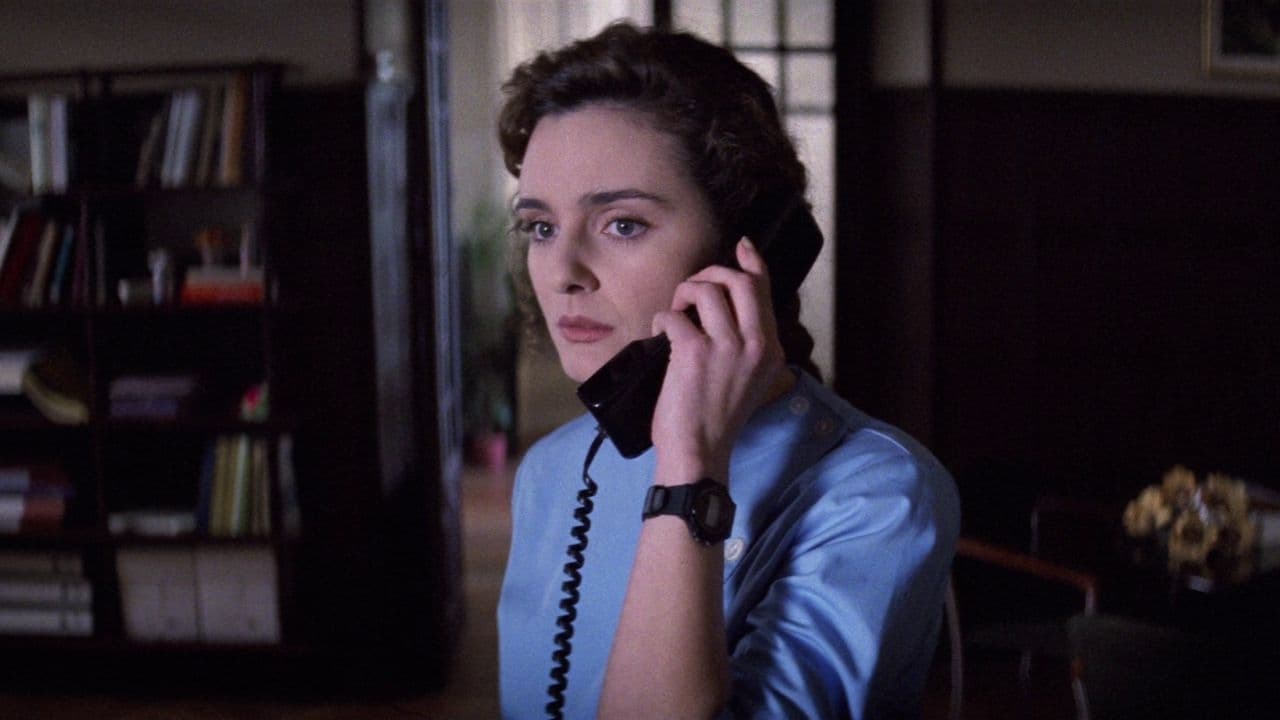
The Dead Mother, originally released as La madre muerta, occupies an unusual space between psychological thriller, crime drama and gothic horror. Juanma Bajo Ulloa's second feature begins with an act of brutal violence: during a burglary, Ismael kills a woman and shoots her young daughter Leire after realizing that the child has seen him. Years later, he encounters Leire again as an adult. Unable to determine whether she recognizes him, he abducts her, creating a relationship in which fear, curiosity, guilt, dependency and violence become increasingly difficult to separate.

Bajo Ulloa did not conceive the film primarily as a realistic criminal case study. He has repeatedly described his personal cinema through the language of fairy tales, gothic stories and symbolic oppositions, and has specifically presented La madre muerta as an adult fable about innocence confronted by brutality. That conception gives the film much of its horror character even though it is often classified as a drama or thriller. Its world is built from murder, confinement, damaged childhood, religious iconography and the unstable possibility that something resembling affection can develop inside a relationship created by violence.

Production & Development

La madre muerta followed the success of Bajo Ulloa's first feature, Alas de mariposa, which had established the young Vitoria-born filmmaker after winning the Golden Shell at the San Sebastián International Film Festival. Bajo Ulloa continued developing the intensely personal style that had characterized his earlier work. He later described La madre muerta as part of a group of films connected by recurring ideas about affection, its absence and the damage created when emotional bonds fail. The story therefore grew less from genre convention than from themes that the director regarded as persistent obsessions within his work.

Bajo Ulloa has explained that the transition from Alas de mariposa to La madre muerta also involved a deliberate movement away from realism. While he felt that his first feature needed a stronger connection to recognizable reality because of the painful nature of its story, he considered La madre muerta suited to the logic of a tale. For him, fairy tales operate through metaphor and symbols capable of connecting directly with human desires and fears. Wolves, children, monsters and other archetypal figures mattered not as literal references to individual stories but as a narrative vocabulary through which violent or emotionally extreme material could be transformed into a modern gothic fable.

That attitude also shaped Bajo Ulloa's working method. He has described himself as a filmmaker who enters production with clear ideas but remains willing to discard written material when something stronger emerges during shooting. His filmmaking at this period was highly visual and already conceived in terms of the eventual edit rather than through conventional coverage assembled afterward. La madre muerta consequently became a carefully controlled work without feeling mechanically classical: camera position, movement, performance, architecture and symbolism were designed as parts of the narrative itself rather than as neutral containers for dialogue.
Gothic Fable & Horror

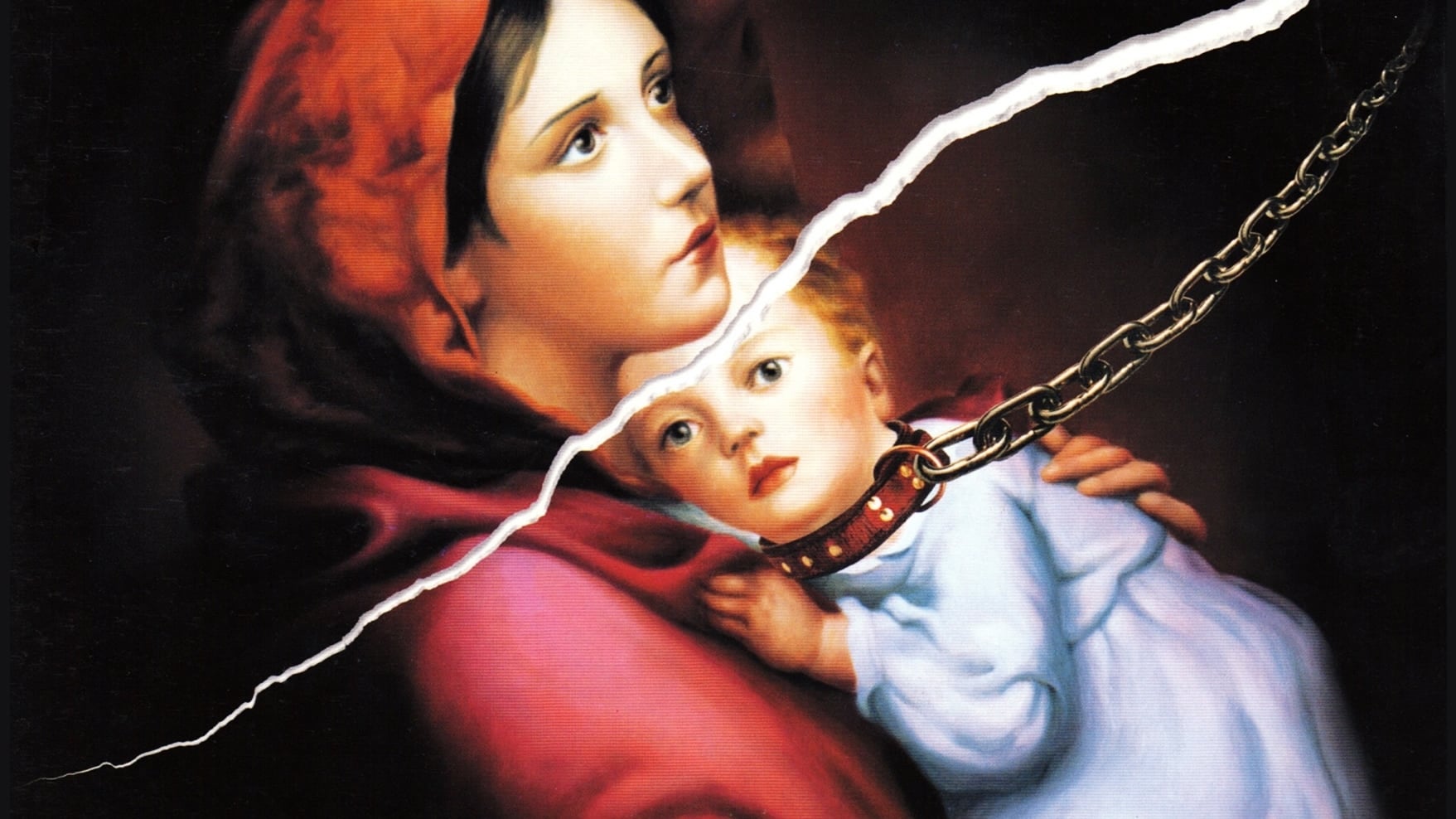
Bajo Ulloa described La madre muerta at the time of its release as a cruel fairy tale for adults, built around the opposition between innocence and brutality. That formulation provides a useful way of understanding the film's relationship with horror. Ismael is not a supernatural monster, yet he occupies the structural position of one: an adult predator associated with death enters the life of a child, destroys her family and later removes her from the protected environment in which she lives. Leire, meanwhile, retains a childlike relationship with the world despite having reached adulthood, allowing the imagery of childhood to survive inside an explicitly violent story.

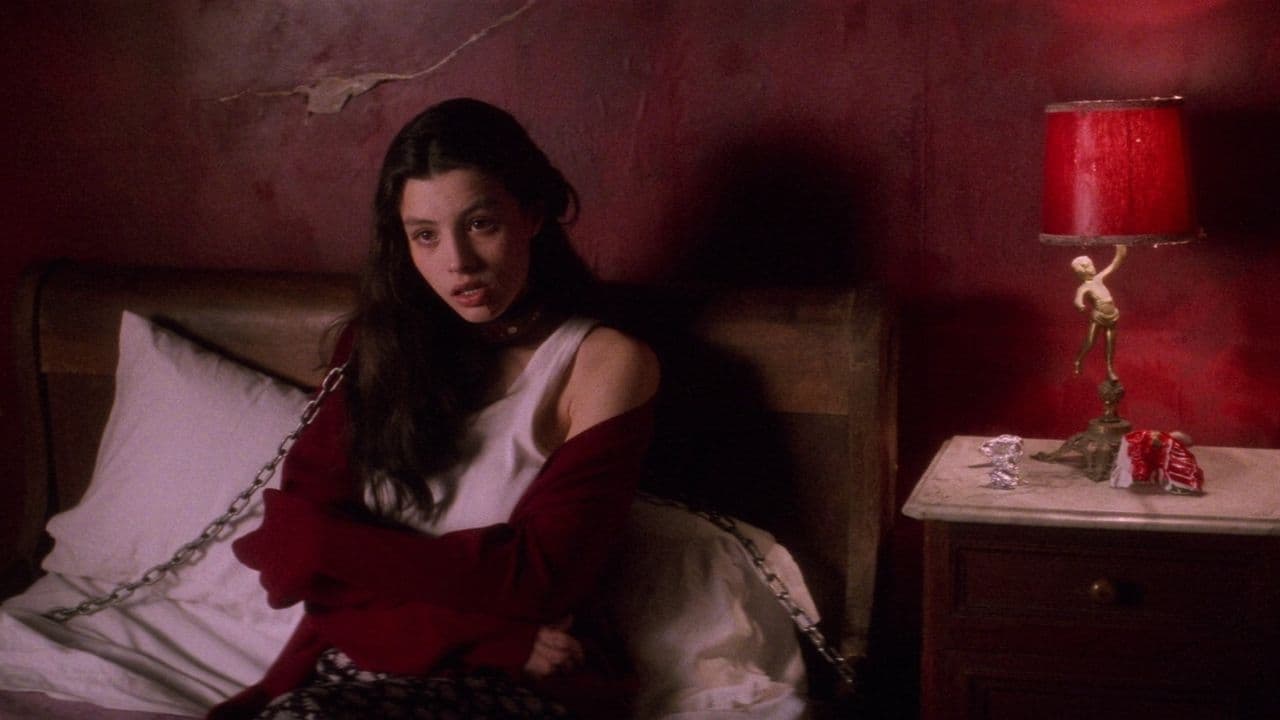
The film repeatedly places beauty beside cruelty rather than separating them into opposing visual worlds. Chocolate, toys, religious images and moments of tenderness coexist with murder, threats and confinement. Bajo Ulloa has described this collision between darkness and what he regards as the beauty of the soul as fundamental to the film. The result resembles gothic melodrama more than procedural crime cinema: the kidnapping is important not because investigators must solve it, but because it traps several emotionally damaged characters inside a closed system where attraction, possessiveness, fear and dependency continually change shape.

Religious imagery strengthens that gothic structure. Crosses and Catholic iconography recur throughout the compositions, sometimes emerging directly from the geometry of camera movement and framing. The symbolism generated controversy during the original Spanish release; Bajo Ulloa recalled that posters were removed in Burgos by people who considered the imagery offensive toward the Virgin Mary. He argued instead that the religious material was an aesthetic choice. Whatever interpretation is applied to it, the imagery gives the film a ritualistic visual dimension that pushes its violence away from naturalistic crime drama and toward a darker, symbolic conception of guilt, innocence and evil.

Ismael, Leire & Performance

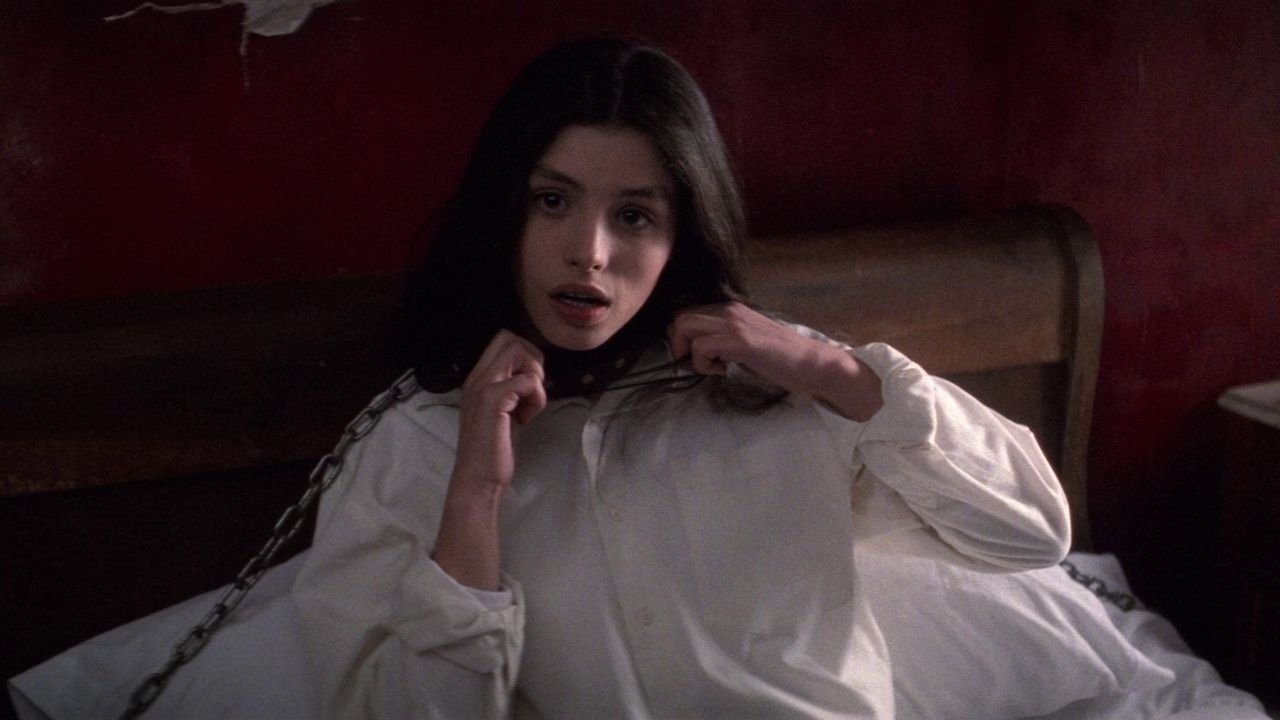
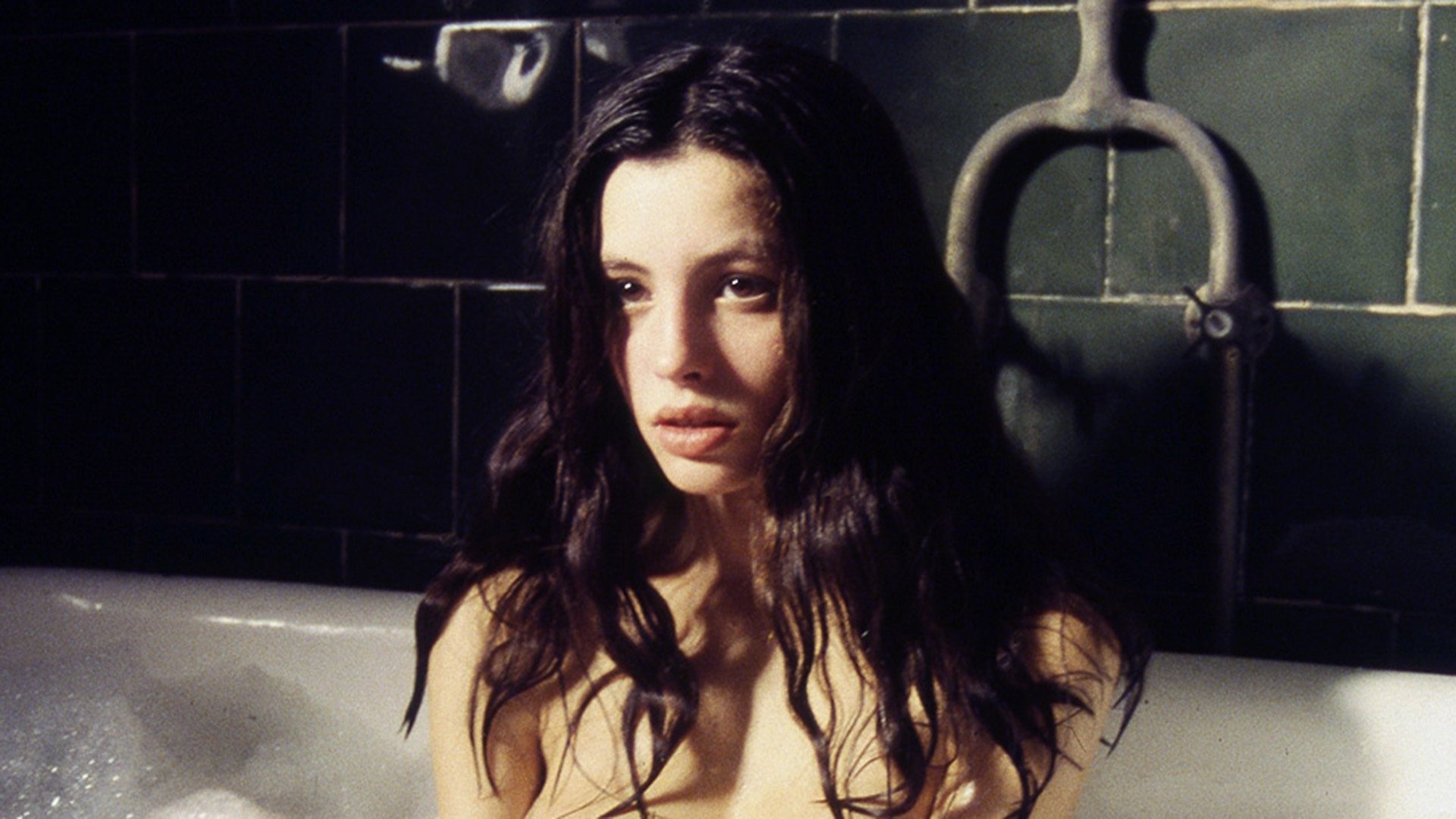
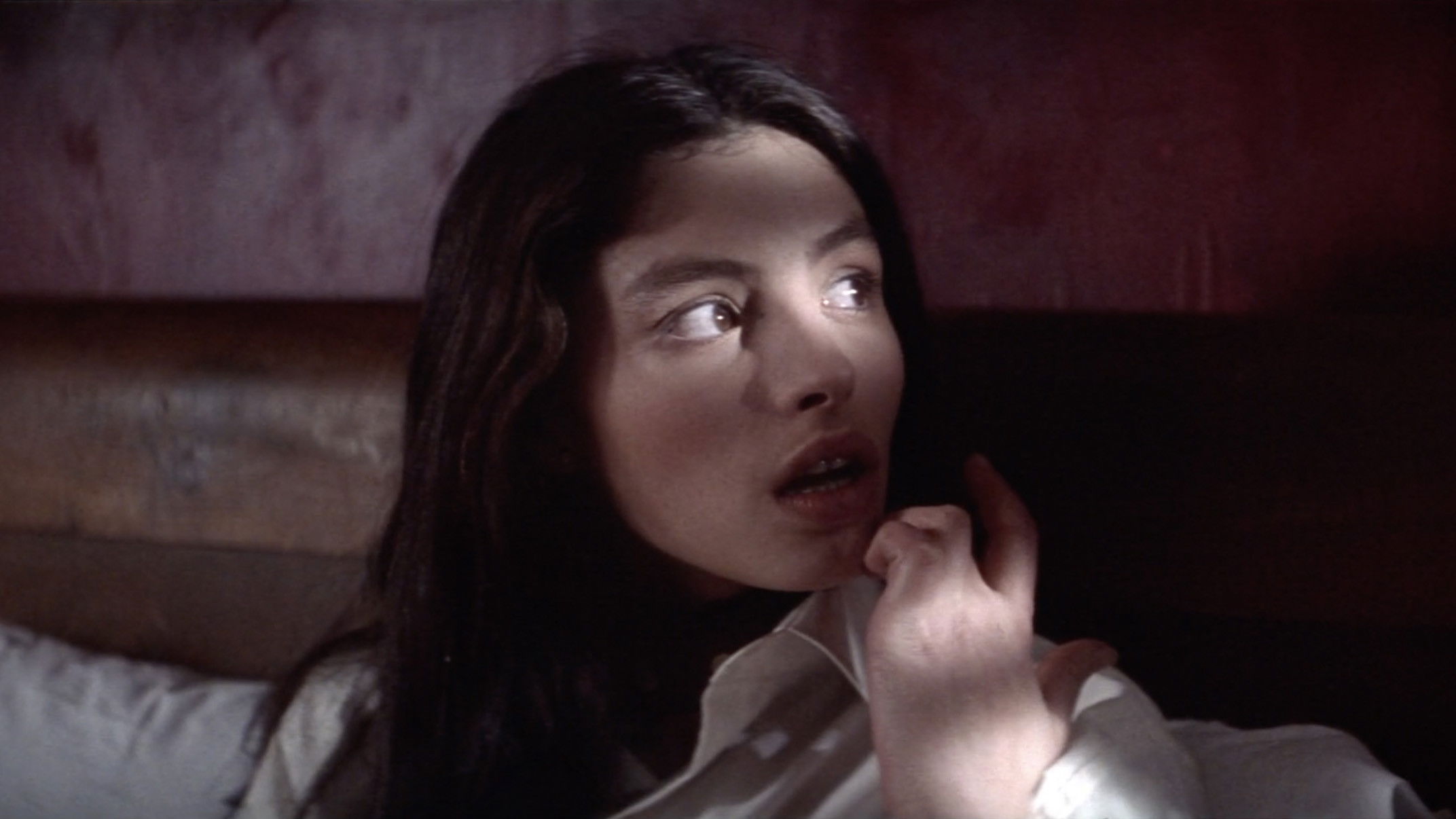
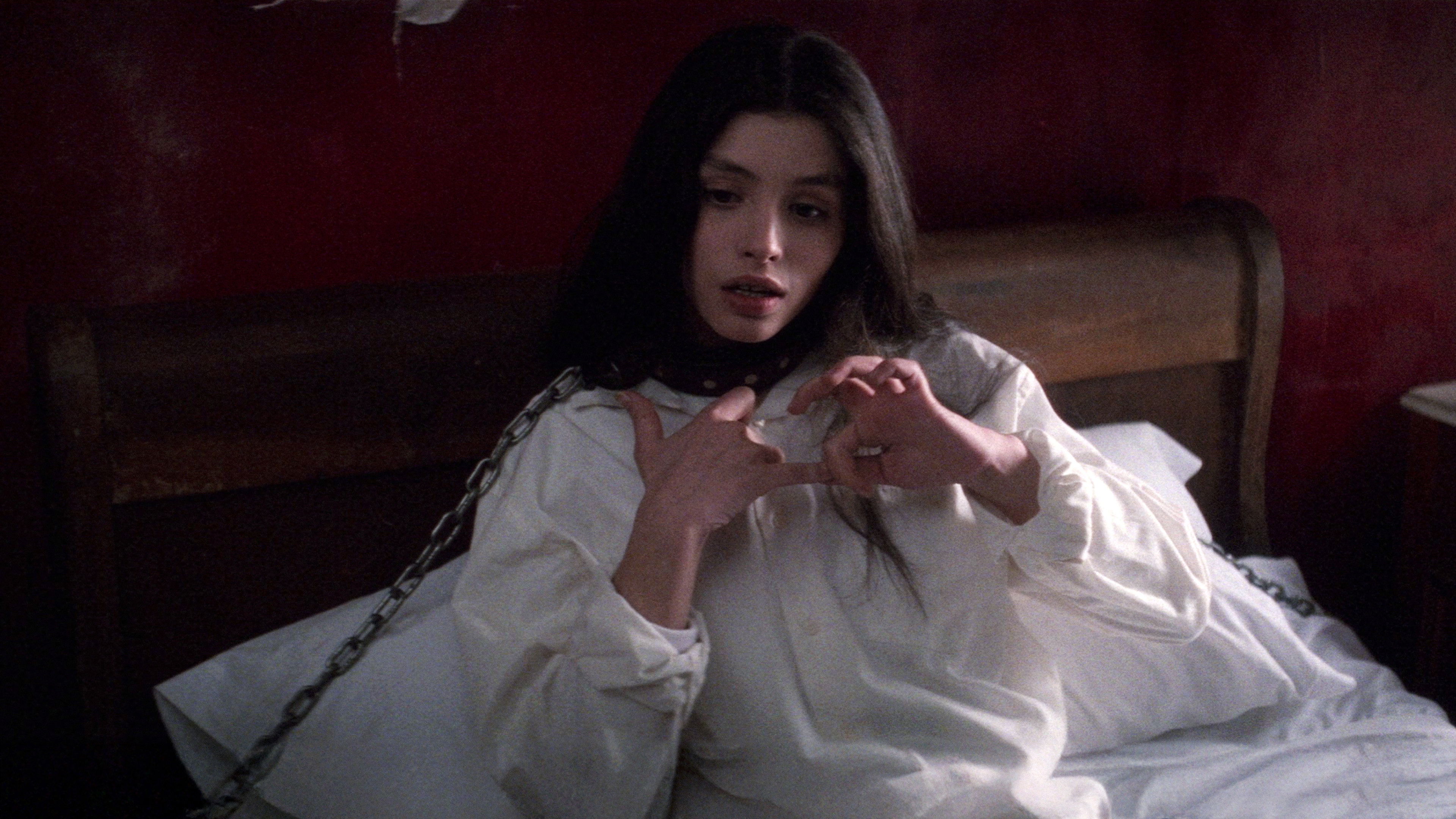
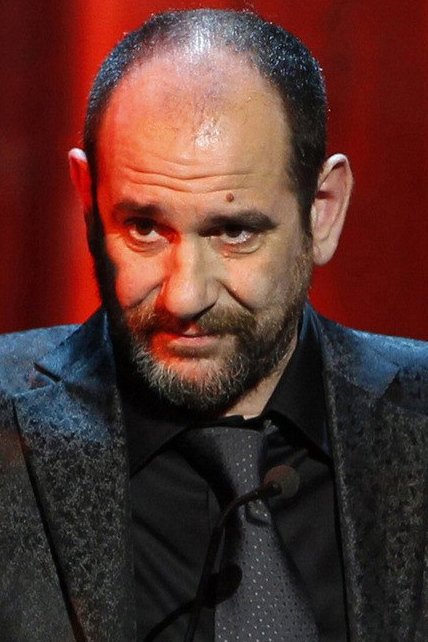
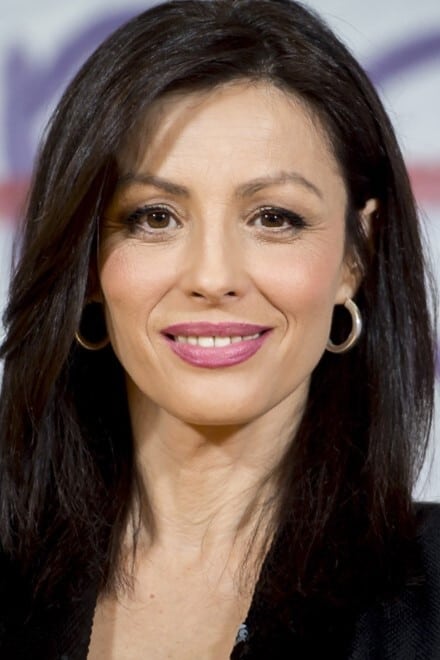
The relationship between Ismael and Leire depends heavily on performances that operate through very different kinds of physical expression. Karra Elejalde's Ismael is volatile, violent and capable of abrupt changes in behavior, while Ana Álvarez performs much of Leire without conventional dialogue. Bajo Ulloa has explained that casting Leire was particularly difficult because the role required an adult performer to communicate through gestures associated with a much younger child. Numerous actresses were tested before Álvarez was selected, with the director later identifying her ability to reproduce this physical vocabulary as decisive.

Álvarez drew directly on observation during her preparation. At the Academy of Cinematographic Arts and Sciences of Spain's twenty-fifth-anniversary event for the film, she recalled spending time in a psychiatric institution approximately two months before shooting and observing a twenty-five-year-old woman there. She also used the behavior of her own young child as a reference. Bajo Ulloa similarly remembered encouraging her to imitate the gestures of her infant son after learning that she had spent months closely observing him. Specific pieces of Leire's behavior, including the bathtub sequence, developed from this process rather than from dialogue-heavy characterization.

The imbalance between the two central performances is essential to the film's unease. Ismael attempts to interpret Leire while remaining unsure what she remembers, but her limited verbal communication prevents him from obtaining certainty. The person he originally treated as a disposable witness consequently becomes the figure around whom his behavior increasingly revolves. The film allows their interaction to become emotionally ambiguous without erasing the violence that created it. That contradiction is one of the principal reasons La madre muerta moves beyond a straightforward crime narrative into something closer to a disturbing gothic character study.

Cinematography & Visual Style

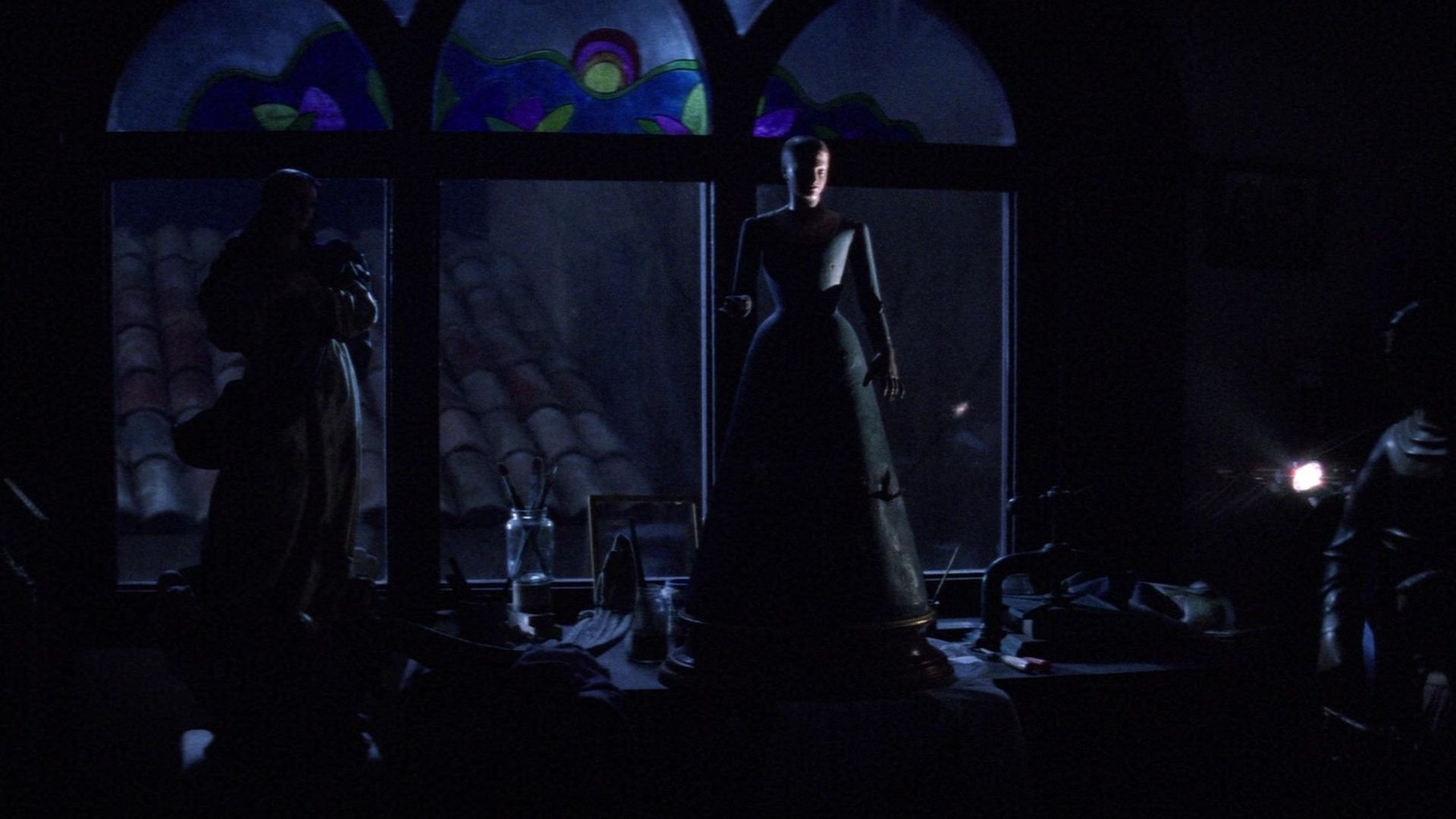
Javier Aguirresarobe's cinematography is one of the most extensively documented elements of La madre muerta. Bajo Ulloa wanted to photograph the film in scope even though much of the story takes place inside confined interiors. He later recalled that other cinematographers questioned the logic of using an anamorphic widescreen format for a largely interior film. Aguirresarobe responded differently and embraced the challenge despite never previously having photographed a feature with anamorphic lenses. The choice allowed architecture, bodies and negative space to become active elements within the compositions rather than treating widescreen merely as a format suited to landscapes or spectacle.

Bajo Ulloa explicitly connected the widescreen design with the gothic and Catholic qualities he wanted for the film. Horizontal and vertical camera movements repeatedly generate cross-like shapes, integrating religious symbolism into the construction of the image rather than restricting it to objects placed inside the frame. Aguirresarobe later remembered the camera design as extremely rigid, serious and precise. According to his account, almost the entire film was shot in studio apart from the church sequences, and the limited mobility of the sets made the elaborate camera movements particularly demanding.

Those movements could involve crane shots followed by forceful changes in the crane arm and multiple corrections during the same take, turning the cinematography into a physically demanding exercise as well as a compositional one. The visual work received a nomination for Best Cinematography at the 8th Goya Awards. Decades later, Aguirresarobe described the production as a moment when he felt he had moved from a kind of cinematic adolescence into greater maturity. The film's visual identity remains central to its horror atmosphere: interiors form an oppressive system of lines, symbols, thresholds and carefully controlled movements.

Music & Sound

Bingen Mendizábal composed the score, continuing a creative relationship with Bajo Ulloa that originated in the filmmaker's early work in Vitoria. Mendizábal had come from music rather than the established Spanish film industry, playing with the Basque rock band Hertzainak before becoming one of Bajo Ulloa's recurring collaborators. The director has repeatedly emphasized the importance of music to his creative process and has spoken about Mendizábal in unusually personal terms, describing himself as attracted to the composer's melodic sensibility and regarding music as one of the areas in which another artist contributes something genuinely independent to his films.

For La madre muerta, the score belongs to the same emotional strategy as the imagery: brutality is not accompanied only by abrasive or threatening material, because Bajo Ulloa's conception depends on the coexistence of violence and beauty. Music therefore participates in the film's fairy-tale character rather than functioning simply as a suspense mechanism. Its continuing importance to the identity of the film is reflected in the later Radiance Films limited edition, which included Mendizábal's soundtrack on a separate CD alongside the restored feature and extensive historical material devoted to the production.

Release, Reception & Restoration

La madre muerta entered the international festival circuit in 1993 and was screened at the Venice International Film Festival before receiving the Best Director award for Bajo Ulloa at the Montreal World Film Festival. The director's official filmography records its Spanish theatrical release on November 5, 1993. Its reception was contentious from the beginning. Contemporary Spanish coverage noted a polarized critical response following Venice, while Bajo Ulloa and Karra Elejalde publicly objected to what they regarded as unusually hostile treatment from sections of the Spanish press. At the same time, reports from its initial Basque release described a positive audience response.

The film's awards record was substantial. At the 8th Goya Awards it received four nominations: Best Director for Bajo Ulloa, Best Cinematography for Aguirresarobe, Best Editing for Pablo Blanco and Best Special Effects for Hipólito Cantero. Cantero won the Goya for Best Special Effects. The film also accumulated recognition on the international festival circuit, helping establish it as one of the defining works of Bajo Ulloa's early career even though its original Spanish critical reception was far from unanimous.

Its reputation has continued well beyond the original release. In 2018 the Spanish Film Academy marked the twenty-fifth anniversary with a screening and discussion involving Bajo Ulloa, Ana Álvarez and editor Pablo Blanco, with Aguirresarobe contributing separately. A later 4K restoration was supervised and approved by Bajo Ulloa and released by Radiance Films together with a documentary on the production, a director commentary, archival writing and Mendizábal's soundtrack. The restoration has allowed La madre muerta to circulate internationally in a form that foregrounds the very qualities that distinguished it in 1993: its controlled anamorphic imagery, gothic symbolism and unsettling attempt to find beauty and emotional dependency inside a story founded on violence.

Cast

View Full Cast & Crew →

Release & Distribution

Release History (2)

Release DateTerritoryRelease TypeFormatDistributorCertificationNotes
1993-11-05 Spain Theatrical — — 18
1996-03-01 United Kingdom Theatrical — — 18
Killing is as easy as stealing candy from a baby.