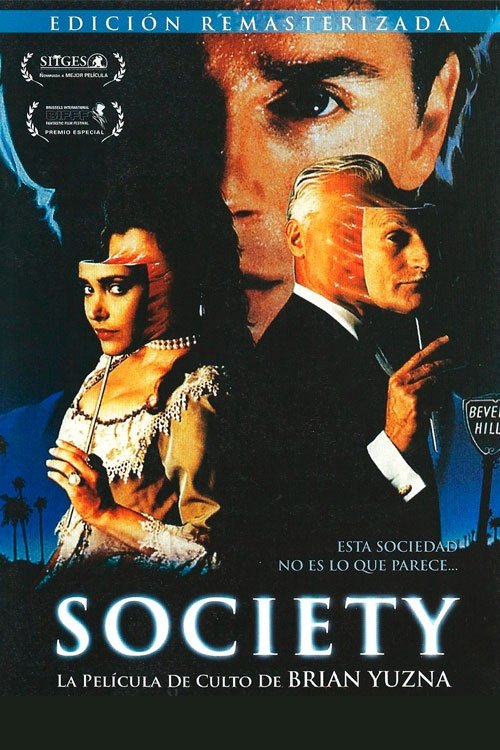
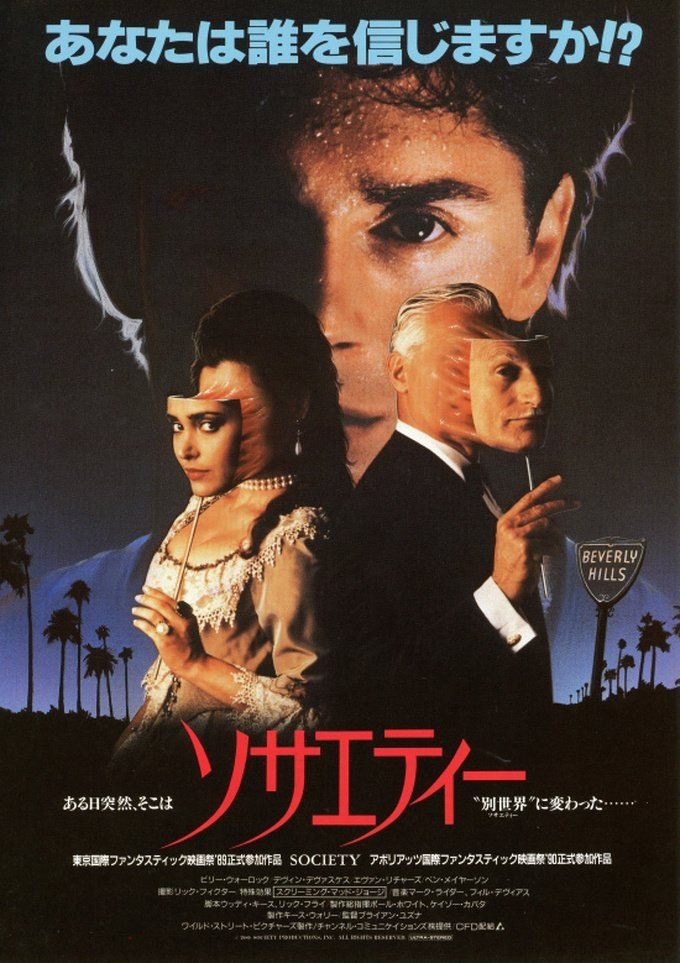
Development, Screenplay & Financing
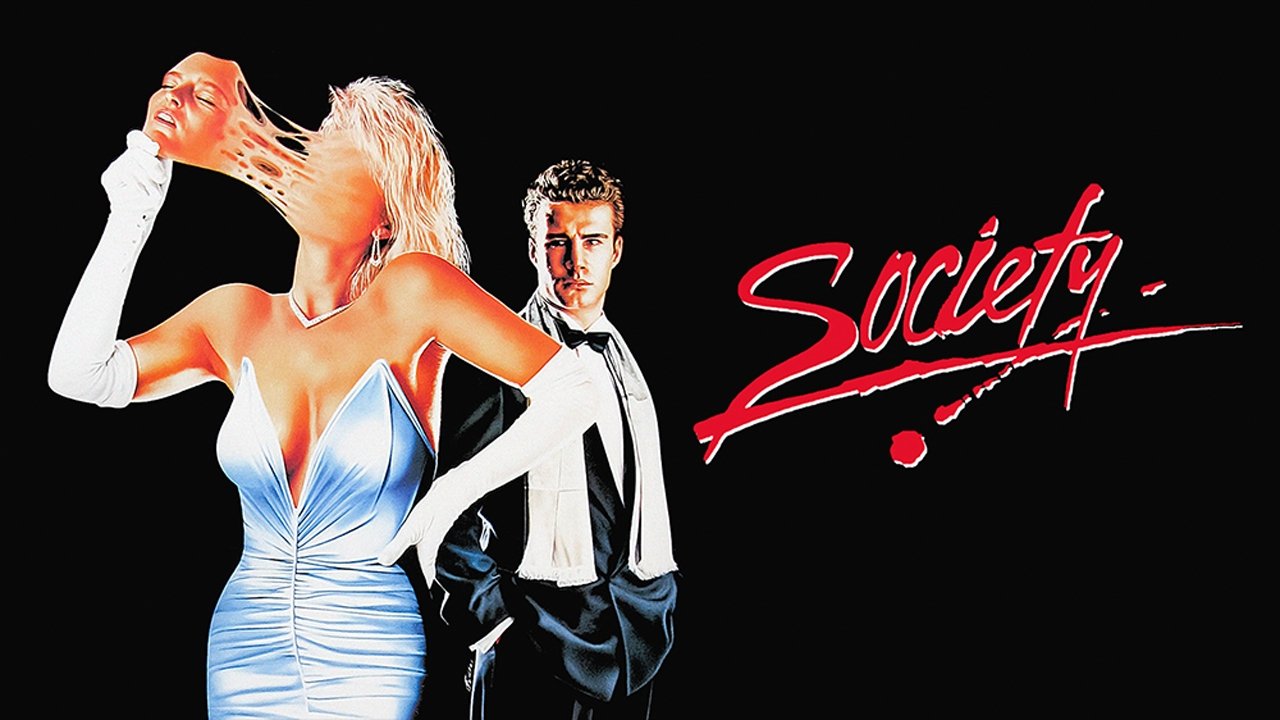
Society originated with a screenplay by Woody Keith, the professional pseudonym of Zeph E. Daniel, and Rick Fry. Daniel drew partly upon his experiences of an affluent Beverly Hills environment, while Fry contributed to the development of the dialogue. The original story concerned a privileged community participating in secret blood rituals. Yuzna encountered the screenplay after another project, The Men, which he had been developing with Dan O’Bannon, failed to proceed. That unrealized story involved a woman discovering that men were members of an alien species. The atmosphere of conspiracy in Society provided an opportunity to pursue related anxieties through a different narrative.
Yuzna wanted the hidden community to possess a more unusual biological identity than the blood cult of the early screenplay. Working with the writers, he developed the idea of an ancient parasitic population that had occupied positions of power throughout human history. Its members could alter their physical forms and merge with the bodies of other people. This change made the film’s social argument inseparable from the creature effects. In a 2021 interview, Yuzna described working backward from the images he wanted to create, inventing a mythology that could accommodate the transformation and consumption of human bodies.
The production was financed through Wild Street Pictures, established in 1988 as the American production operation of the Japanese company Channel Communications. According to the American Film Institute, the arrangement included private Japanese investment and a banking credit facility. Principal photography began in January 1989, with the finished film ready for presentation at Cannes in May. Yuzna had already gained experience organizing difficult genre productions, but directing required him to assume responsibility for the performances and visual realization of material that depended heavily on its final revelation. He later acknowledged the unevenness of his first attempt while remaining committed to its subject.
Paranoia, Family & Conspiracy
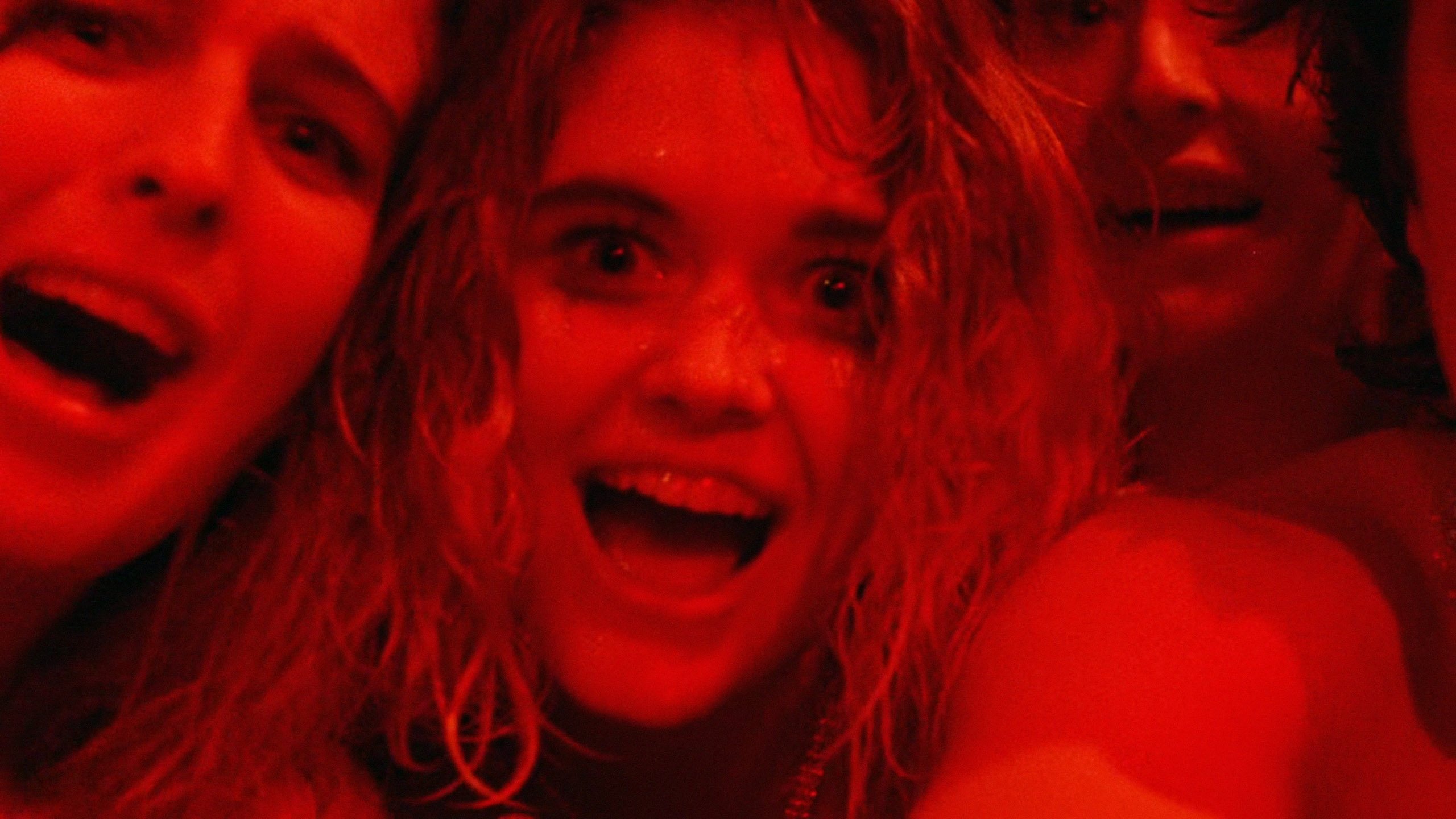
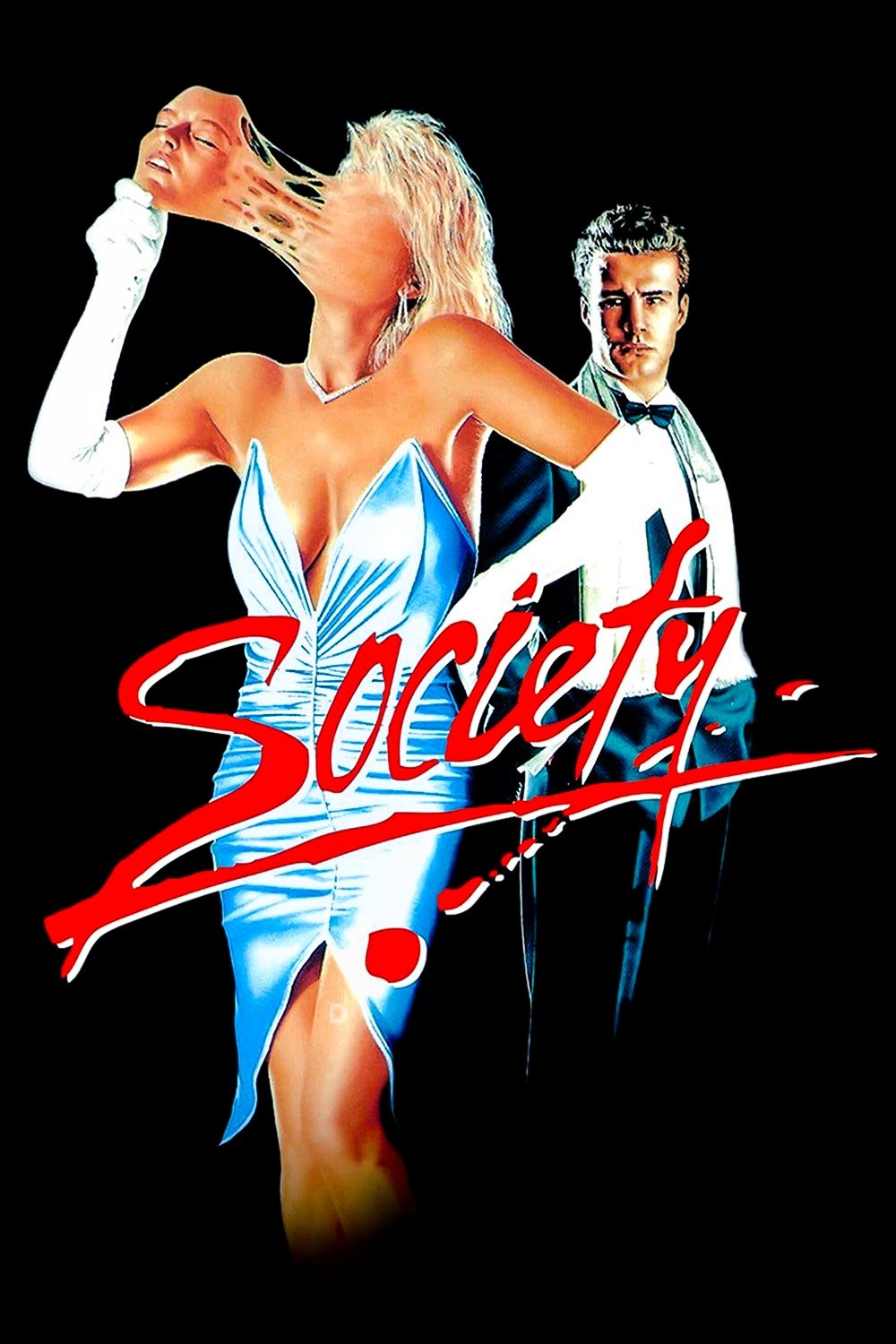
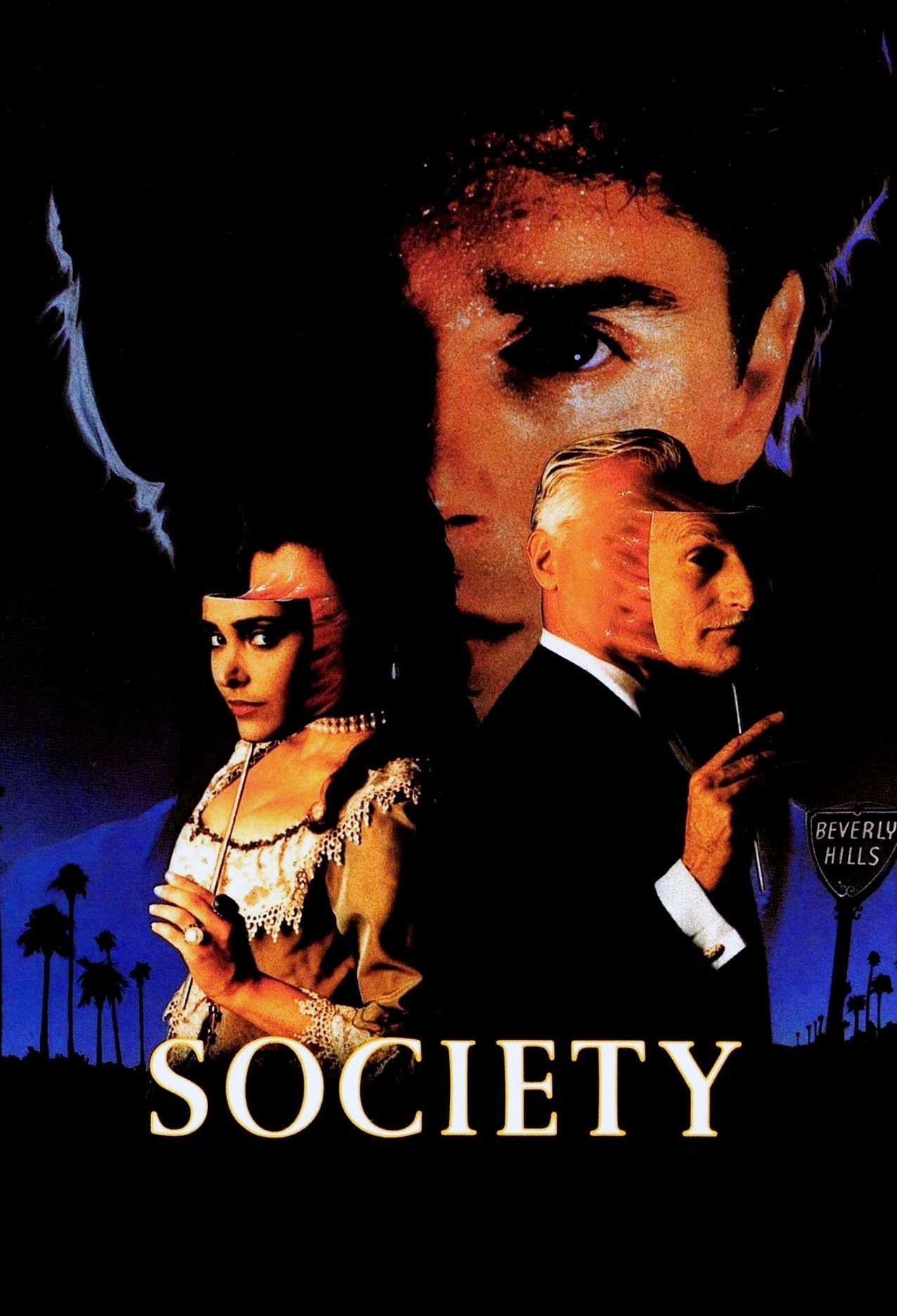
Bill Whitney, played by Billy Warlock, lives in an affluent household whose apparent stability conceals profound hostility. His parents and sister seem to belong naturally to a social environment that he cannot understand. The discrepancy is expressed through his recurring nightmares, encounters with strangely altered bodies and a growing suspicion that people close to him are deliberately concealing information. His psychiatrist, Dr. Cleveland, attempts to persuade him that his fears arise from psychological disturbance. The audience is initially placed in a similarly uncertain position, unable to determine how much of Bill’s experience should be accepted as evidence.
The recording supplied by David Blanchard becomes a particularly important element of the investigation. Conversations that should concern an ordinary family celebration appear to describe incestuous activities and ritualized obligations. When Bill attempts to establish what the recording means, evidence disappears or becomes unreliable. His social position offers little protection because the institutions supposedly responsible for his welfare are themselves implicated in the conspiracy. Family, medicine and law operate as mechanisms through which established authority protects its members and discredits an outsider.
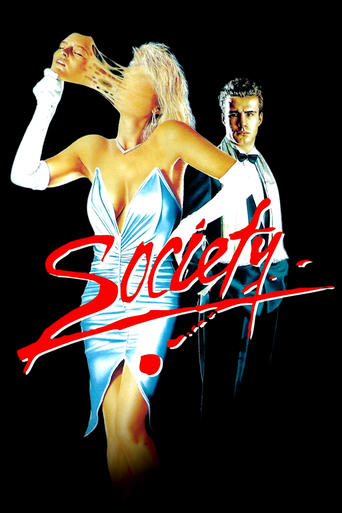
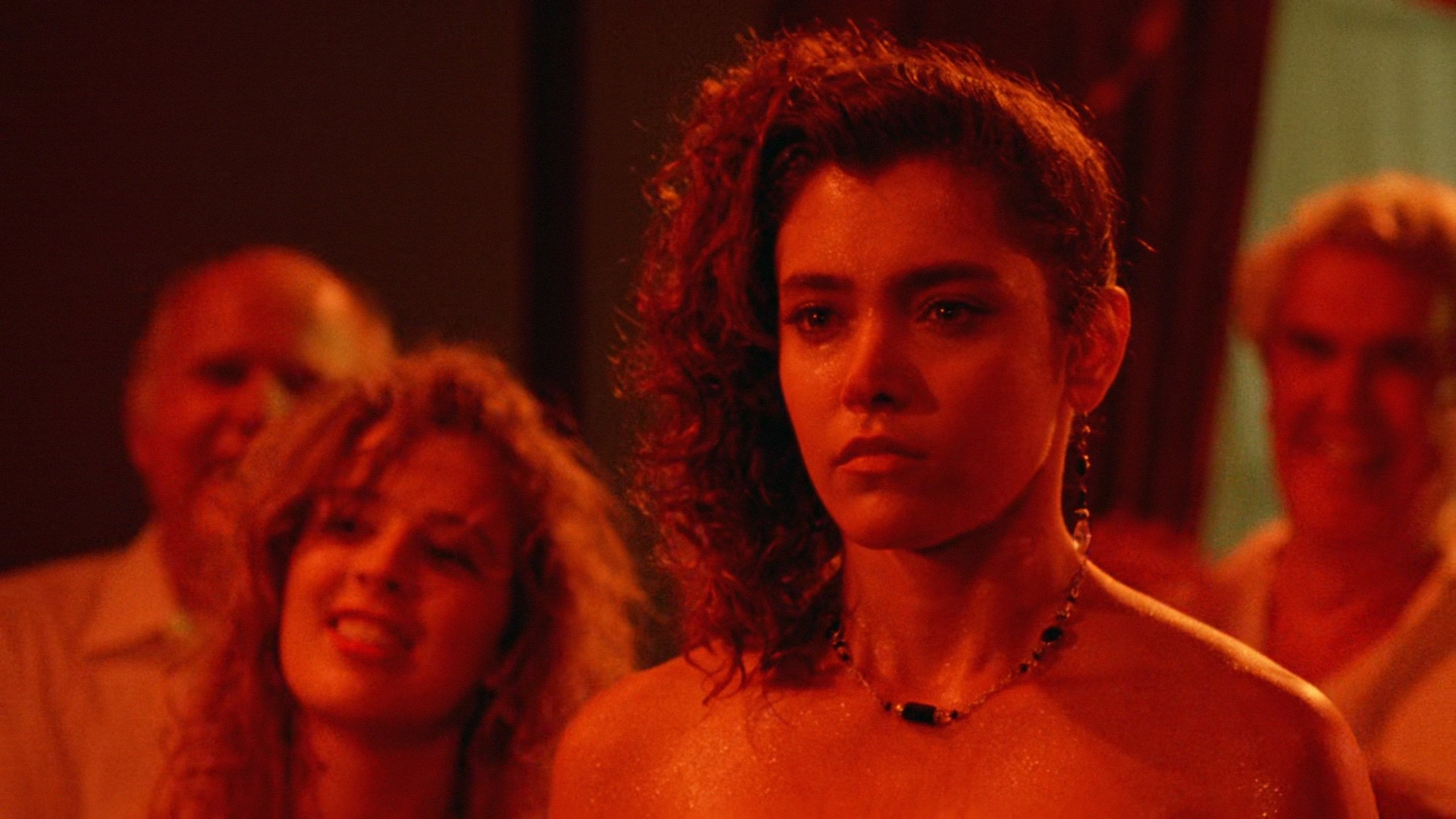
The film’s conspiracy develops through ordinary expressions of privilege before the supernatural explanation becomes explicit. Bill attends an exclusive school, participates in the social rituals expected of someone from his background and encounters people who regard belonging as a hereditary entitlement. Clarisa, played by Devin DeVasquez, becomes important because she occupies a position within the hidden community while showing sympathy toward its intended victim. Her involvement complicates the division between the two populations without diminishing the predatory practices that sustain the elite. The final revelation confirms that Bill’s estrangement has a material cause.
Screaming Mad George & the Shunting Effects
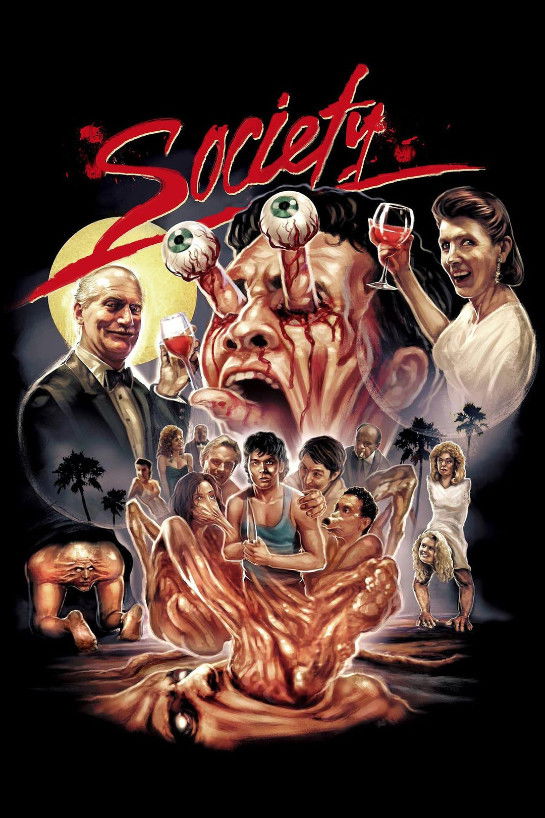
Screaming Mad George, the professional name of Japanese-born makeup artist Joji Tani, designed the film’s surrealistic creature effects. Yuzna recalled that the Japanese financiers encouraged him to meet George because his participation could improve the production’s commercial prospects in Japan. Their collaboration quickly developed around a shared interest in surrealist imagery and physical transformation. The director wanted an effects artist whose imagination would influence the film itself, rather than someone limited to illustrating a completed screenplay. George’s work consequently became central to the conception of the creatures and their feeding ritual.
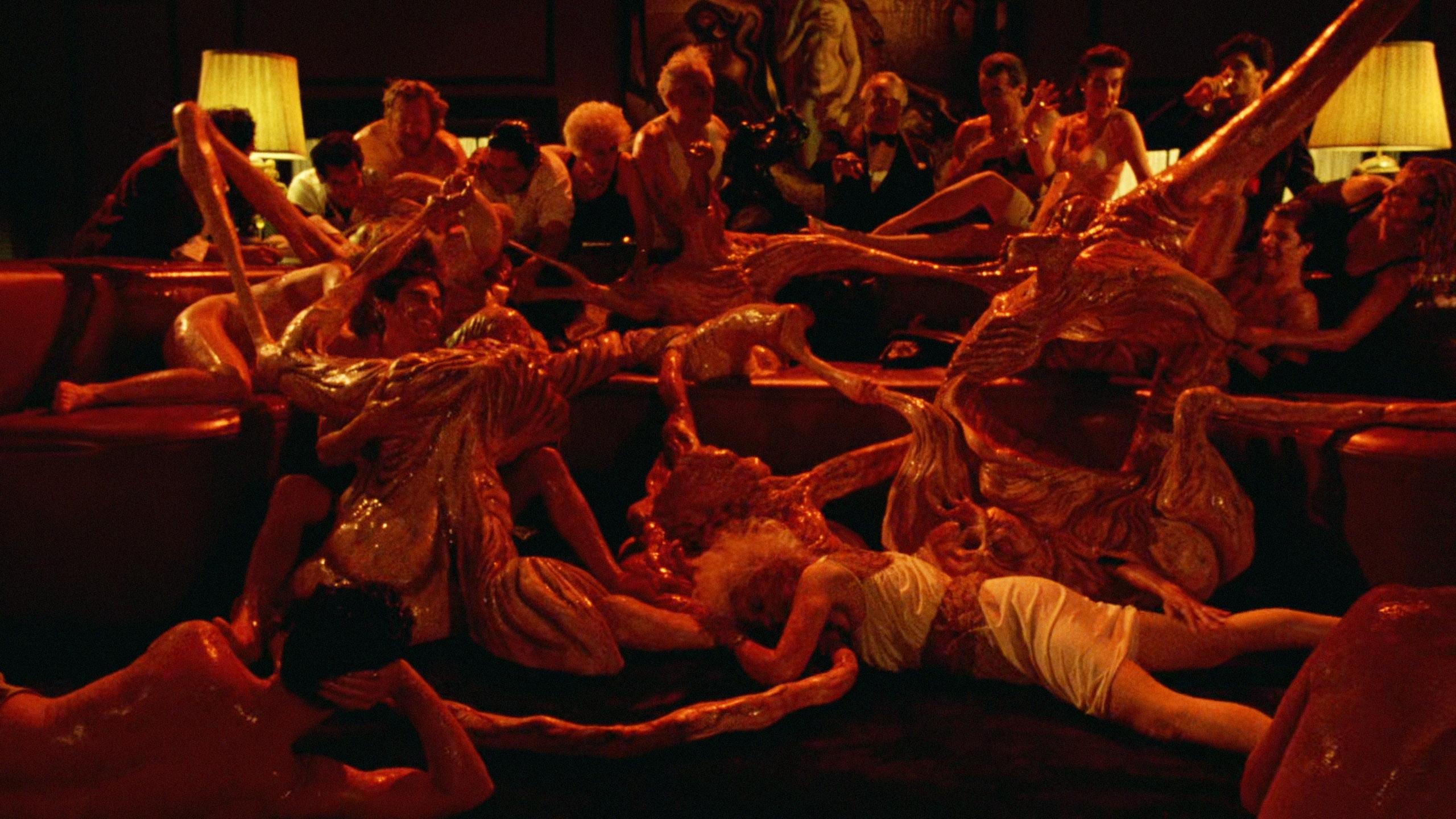
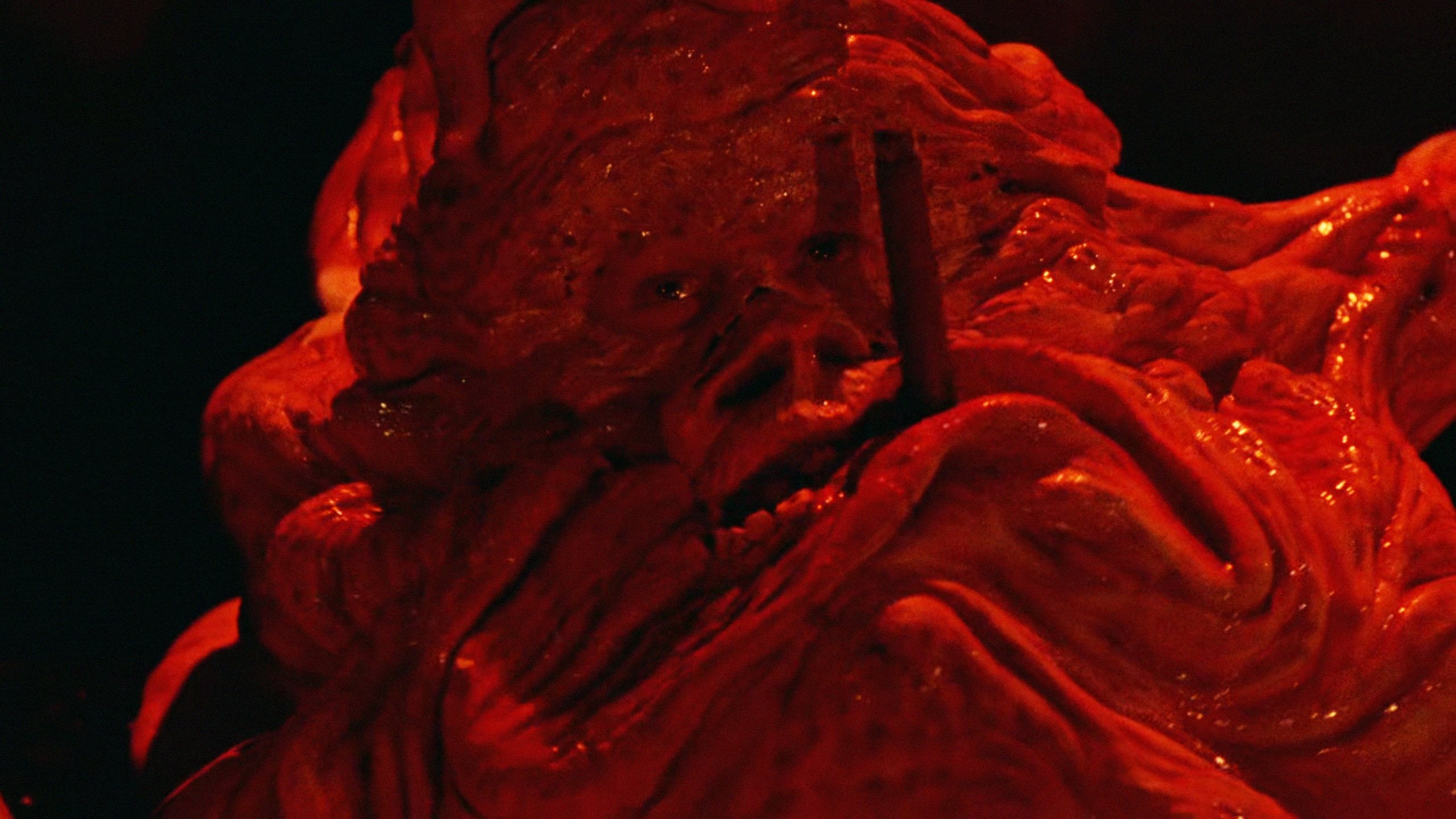
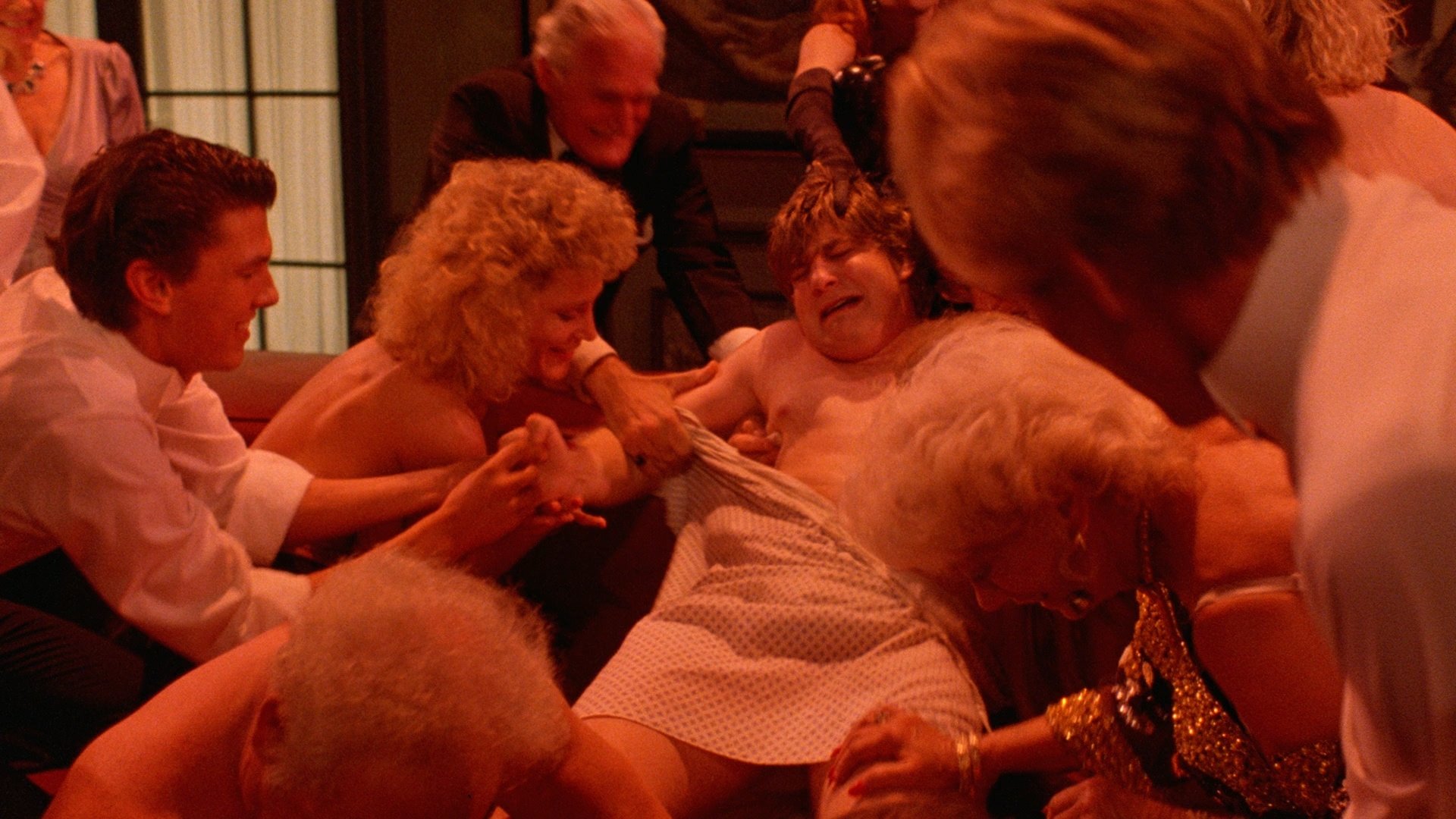
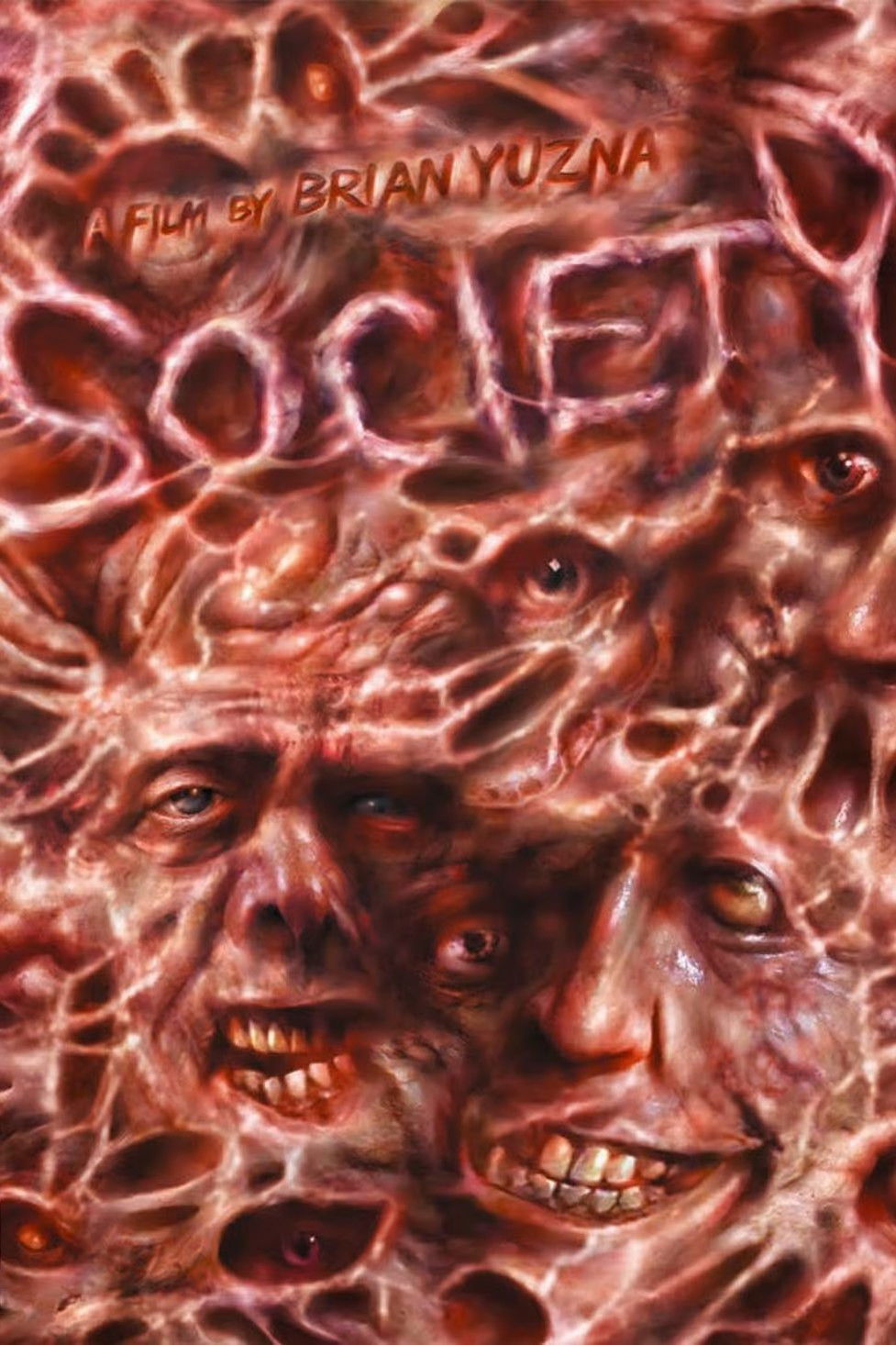
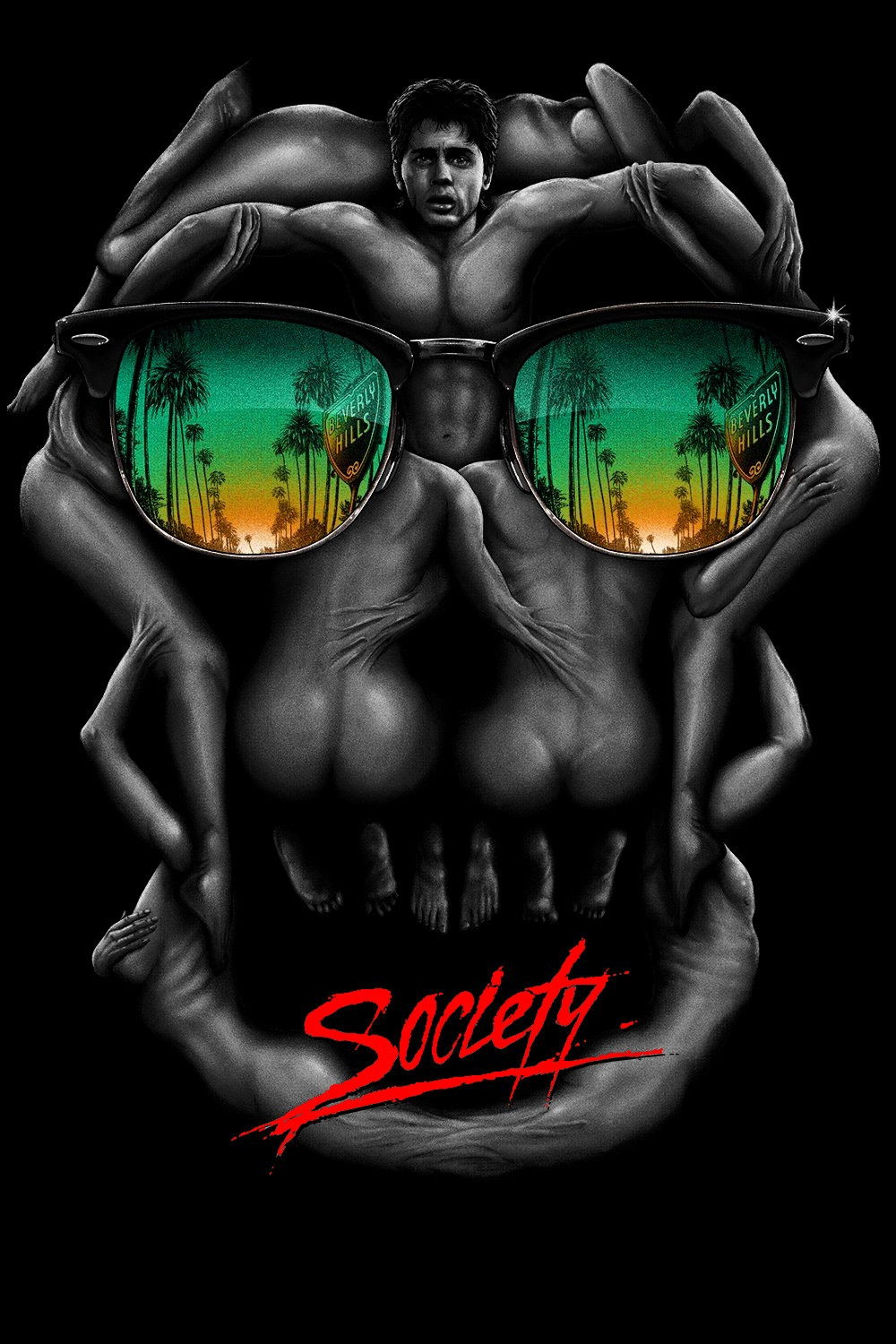
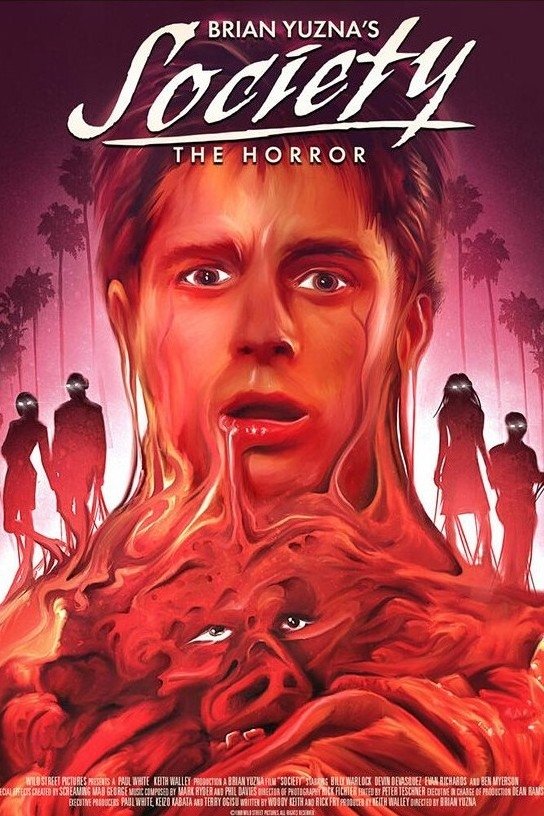
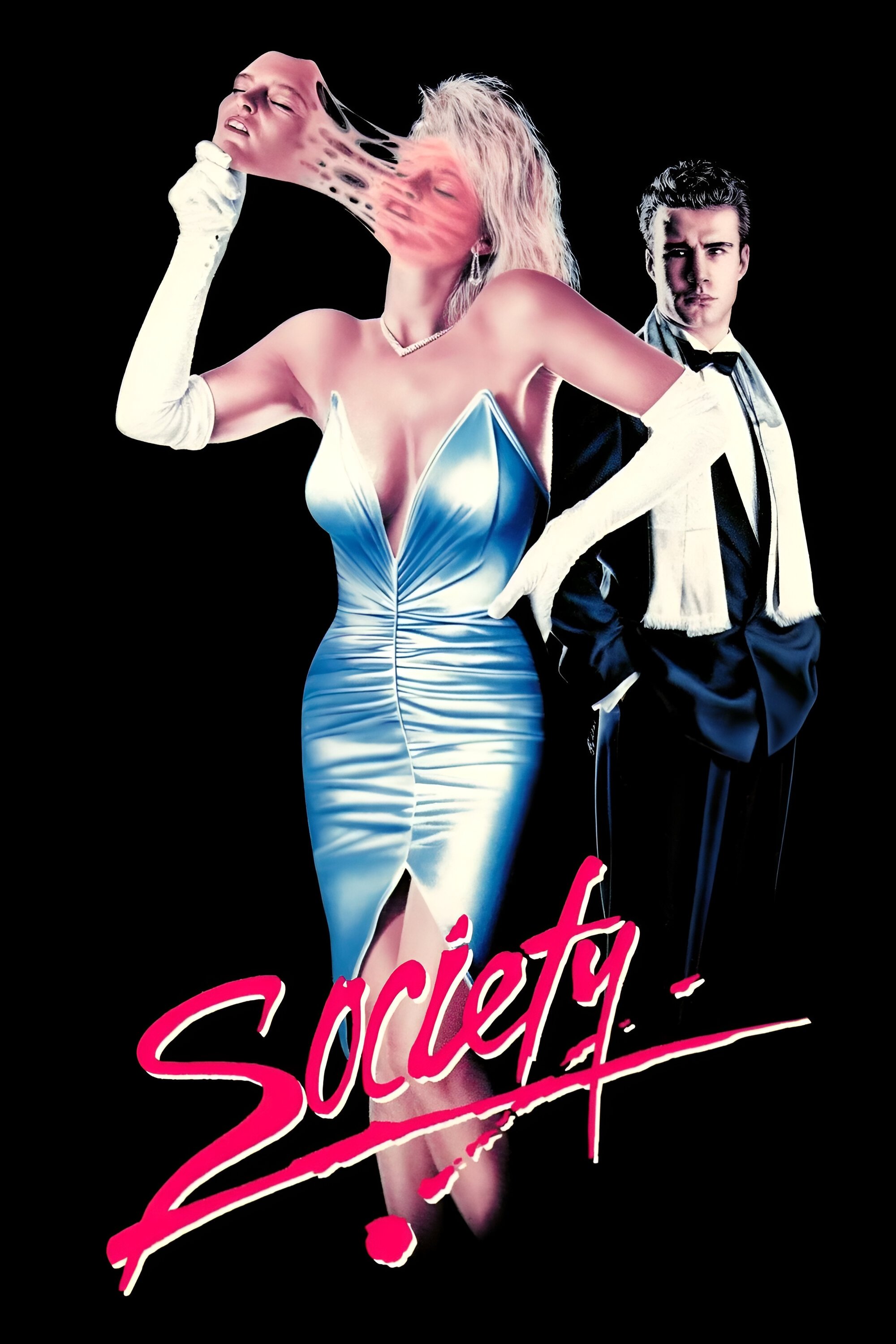
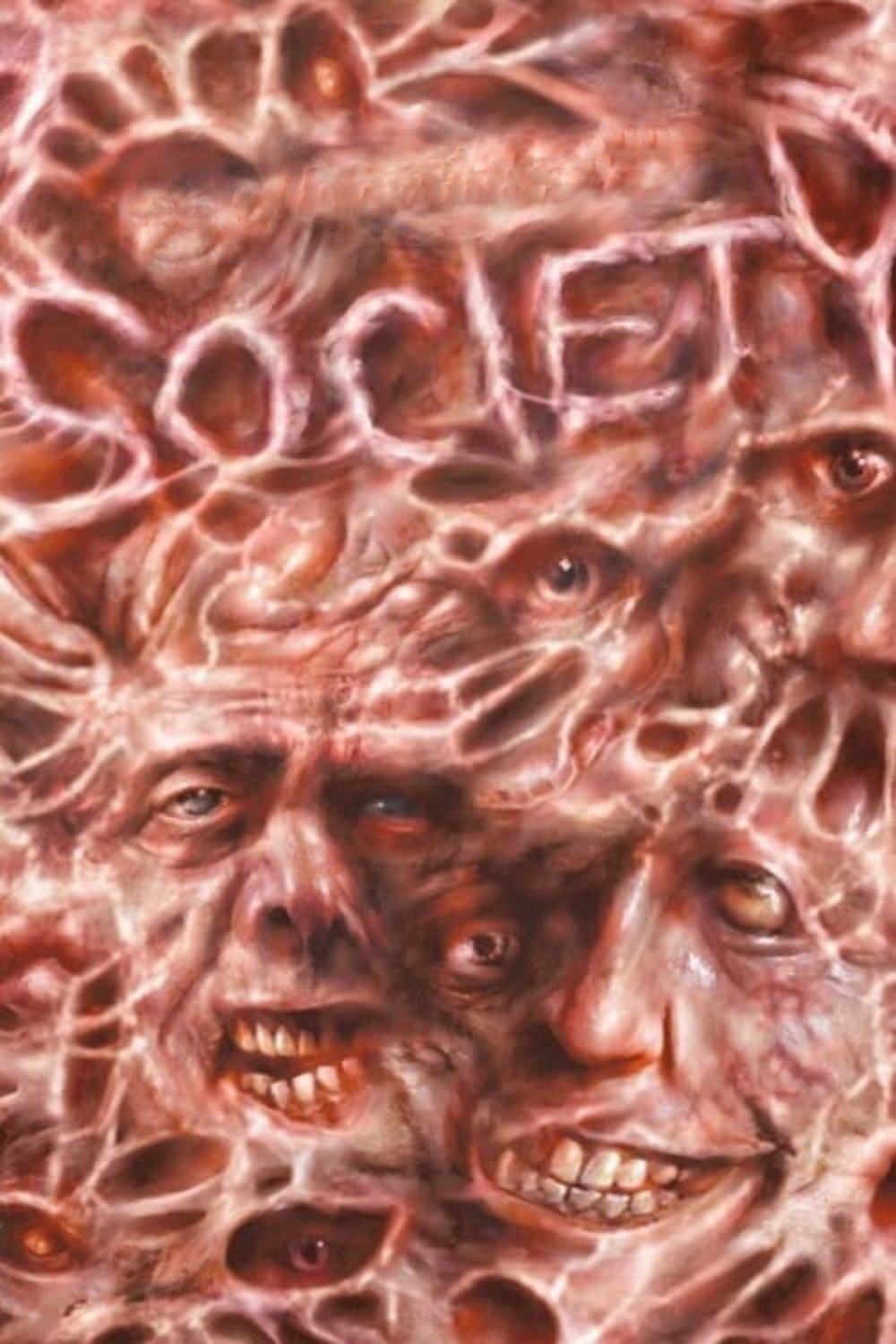
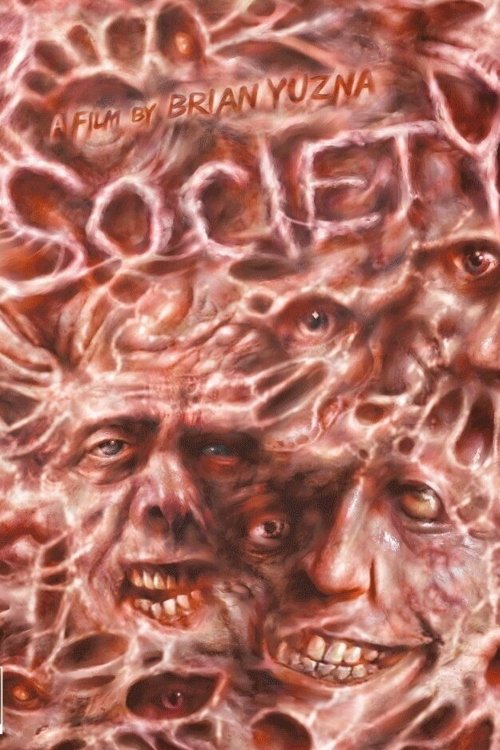
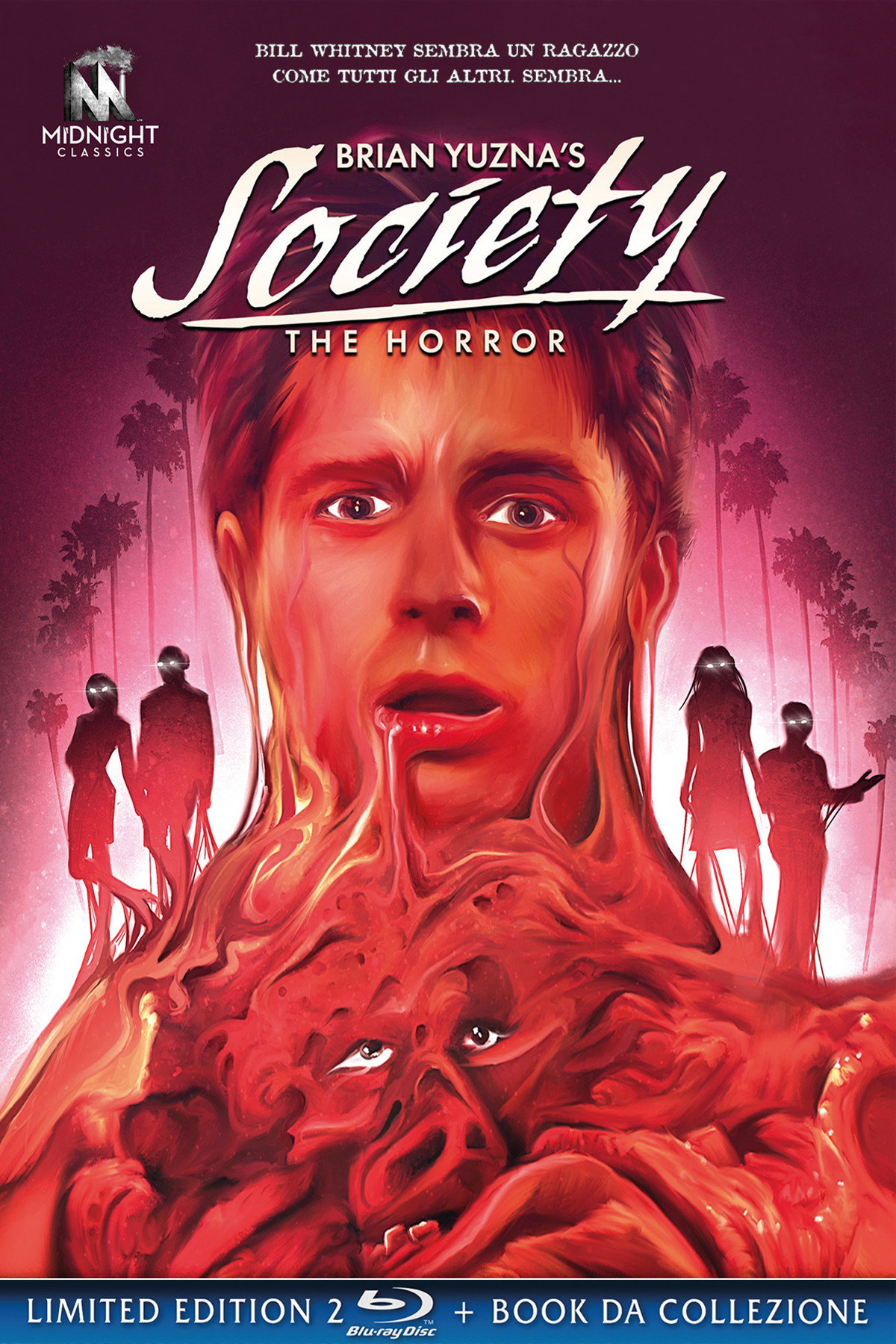
The climactic process, called shunting, involves members of the privileged species merging their bodies with a human victim. Flesh stretches, faces change position and anatomical boundaries dissolve as the participants absorb another person. Yuzna identified Salvador Dalí’s The Great Masturbator, Metamorphosis of Narcissus and Soft Construction with Boiled Beans among the paintings considered during the design process. He was also interested in the disturbing qualities of artificial flesh, recalling Michael Curtiz’s Doctor X (1932) as an early influence on his fascination with bodily material that could change shape. These references supplied a basis for the visual conception of the creatures.
The sequence relied on large prosthetic constructions, articulated materials and performers physically operating the effects. Yuzna recalled that approximately twelve to fourteen puppeteers worked within the rubber structures during the shunting. Contemporary reporting cited by the American Film Institute described fourteen operators and an exceptionally large prosthetic assembly. The bodies therefore moved through practical mechanisms and direct interaction with the actors. Individual effects included elongated faces, impossible bodily combinations and grotesque changes in human anatomy. The performers’ proximity to the appliances contributed to the physical character of the sequence, while the scale of the construction required substantial coordination among the effects team.
Class Satire & Body Horror
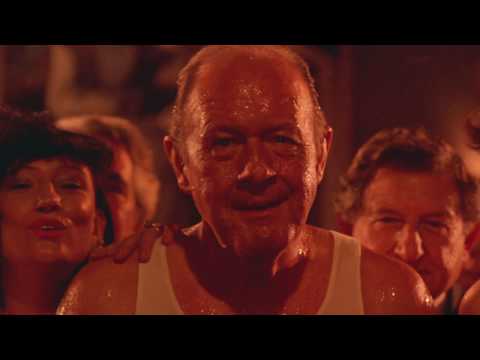
The central revelation gives literal form to the film’s criticism of social inequality. The wealthy members of the secret community regard ordinary human beings as a population available for consumption. Their superiority is presented as a condition inherited through a separate biological lineage. Bill’s exclusion from his own family is therefore connected to his actual ancestry, and the insistence that he accept the rules of society acquires a threatening significance. The language of class distinction becomes a justification for bodily exploitation, with the feeding ceremony exposing the violence underlying apparently respectable social relationships.
Yuzna later connected the project to the economic and political atmosphere of the Reagan years. In interviews, he argued that the public celebration of wealth and the assumption that financial success reflected individual merit helped motivate his approach. The film challenges that mythology through a ruling class whose position depends upon the exploitation of people outside its membership. Its creatures do not conceal their contempt once their identities become known. The grotesque ritual exposes the material relationship that the earlier scenes expressed through manners, institutions and social expectations.
The satire also depends on the association between bodily boundaries and social boundaries. Members of the elite can reshape themselves, unite physically and incorporate other people into their bodies. Their ability to absorb victims presents class domination through an image of consumption rather than through ordinary economic transactions. The visual grotesquerie gives the social metaphor an intentionally offensive form. Yuzna’s emphasis on comedy and theatrical excess prevents the film from adopting the tone of a conventional political drama, while the violence of the final gathering makes the consequences of belonging to the ruling group impossible to separate from its privileges.
Release, Reception & Rediscovery
Society screened at Cannes on 13 May 1989, where its reception was hostile among some contemporary reviewers. Variety characterized the production negatively and singled out the final ritual for particular criticism. The film nevertheless found an audience in Britain, where a sustained London theatrical engagement became an important part of its early commercial history. Its release across European markets preceded the American theatrical opening. The delay was associated with difficulties establishing domestic distribution, and Yuzna later recalled that Medusa Communications had acquired rights without promptly securing an American release.
Zecca Corporation eventually opened the film in Los Angeles on 28 February 1992. Contemporary reviews in the Los Angeles Times and The Hollywood Reporter were largely unfavorable, although critics acknowledged the unusual effects. The American Film Institute records the Los Angeles Times identifying Screaming Mad George as the production’s principal attraction. In Britain, Kim Newman’s April 1990 Monthly Film Bulletin review treated the film more favorably, emphasizing its unexpected treatment of social hierarchy and its unusual monster mythology. Those differing responses illustrate the distance between the early American reception and the attention the production received from some British genre critics.
Society subsequently developed a substantial reputation through home video, repertory screenings and retrospective criticism. The director associated its renewed popularity with later public concern about financial inequality. Michael Atkinson’s August 2015 Sight and Sound essay examined the film as a particularly direct representation of class predation, while other reassessments questioned the uneven pacing and deliberately exaggerated performances. Arrow Video issued a director-approved 2K restoration in 2015, accompanied by interviews and production material that returned attention to the work of the actors and effects artists. The film’s standing within body-horror history rests especially on its use of anatomical transformation to visualize a system of social exploitation.