Development and Family History
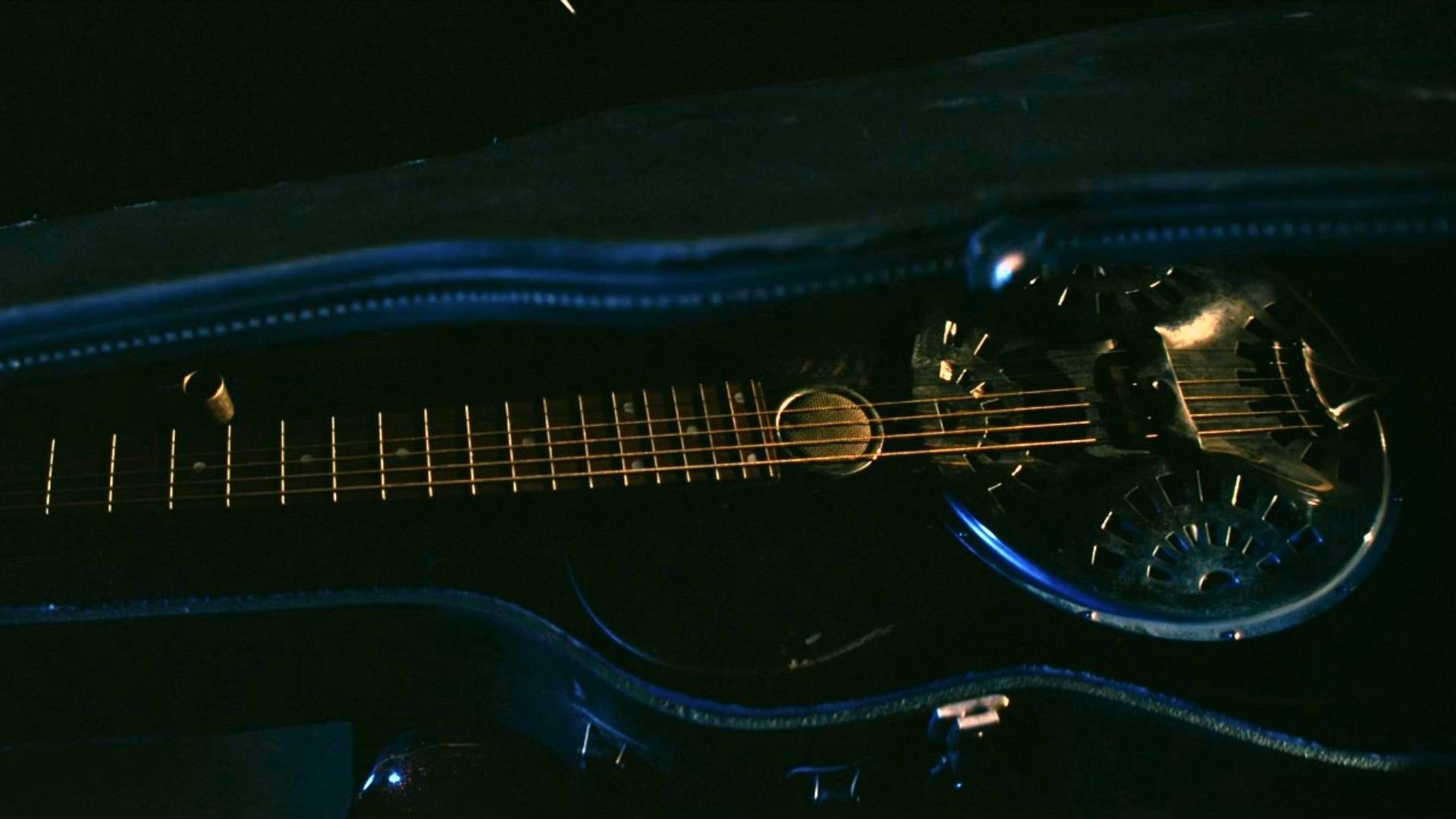
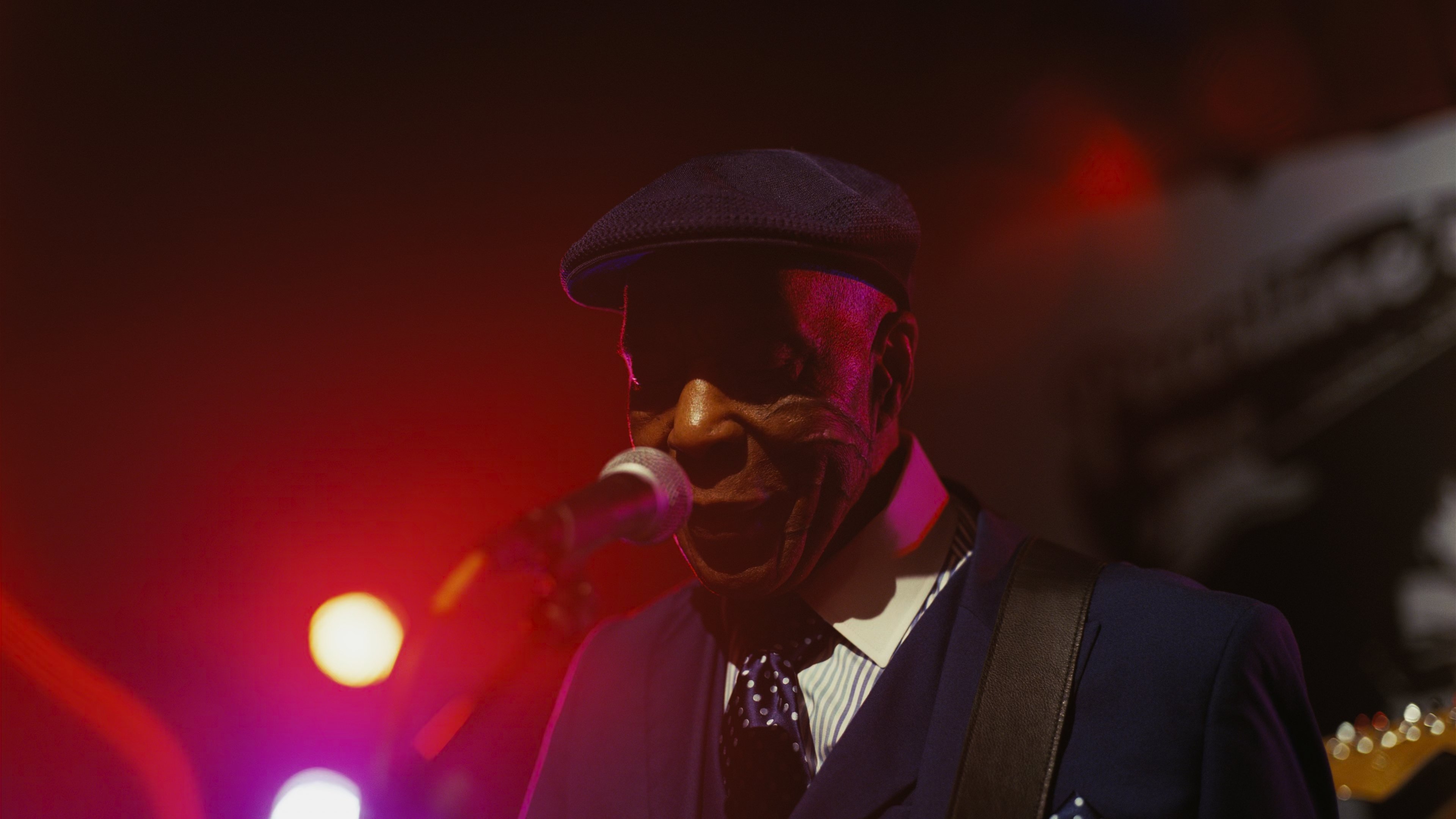
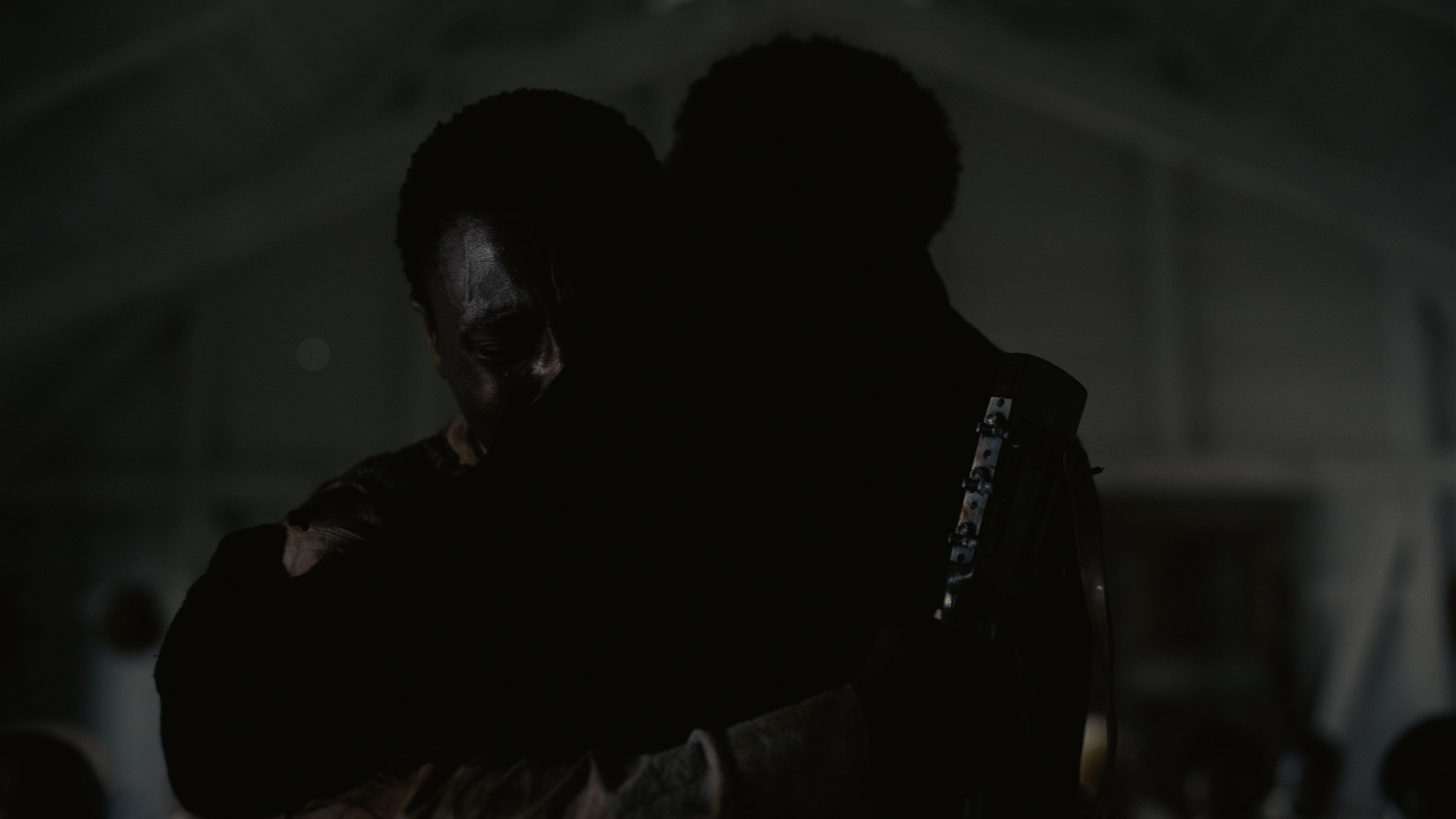
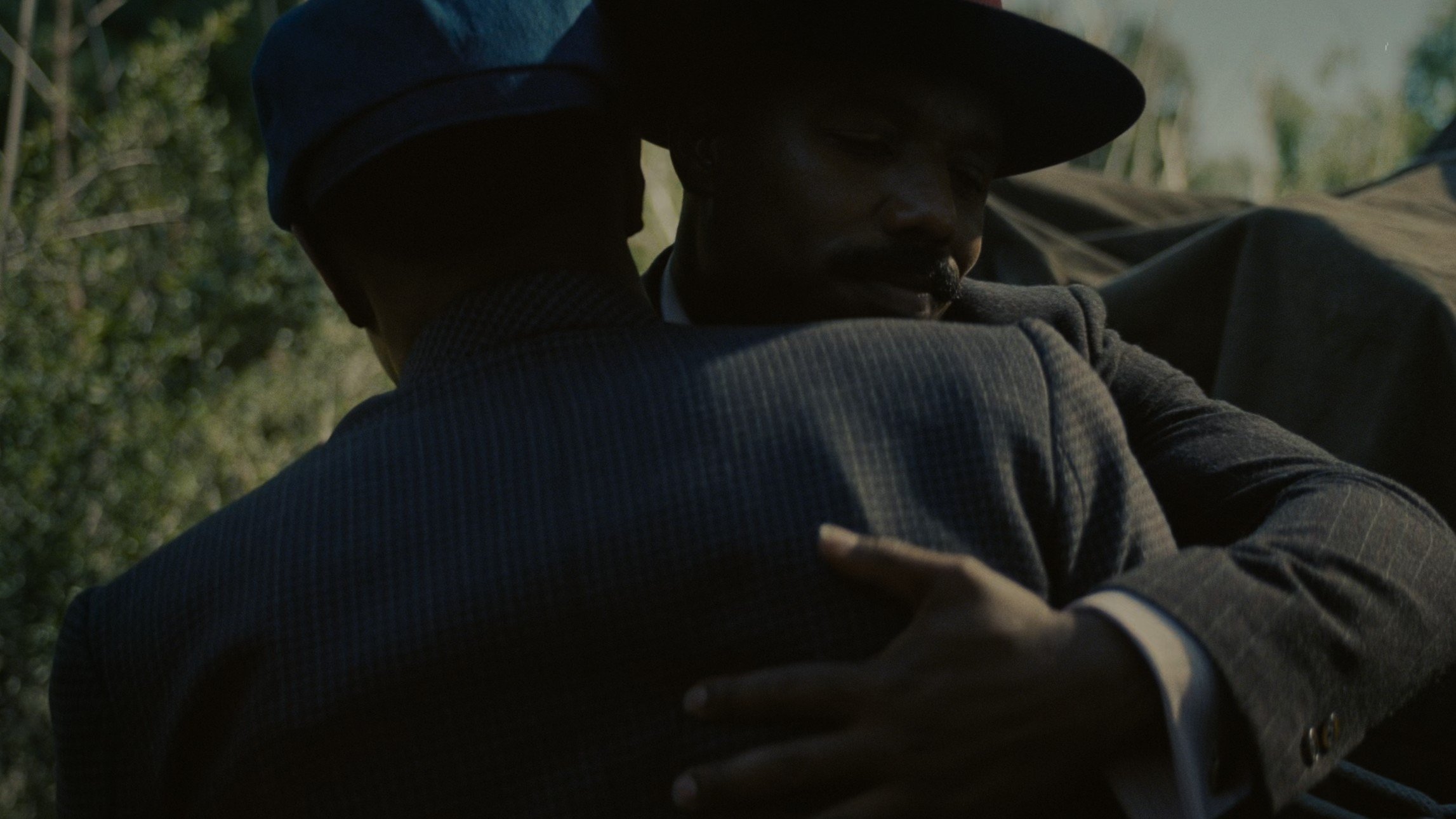
Coogler has connected the project’s origins to his family history in Mississippi and to his uncle James, who introduced him to blues records. After his uncle’s death in 2015, listening to that music became a way of recalling their time together. In an April 2025 conversation at Oakland’s Grand Lake Theatre, the director also described speaking with his grandmother about earlier generations of his family while developing the film. He presented those memories as a personal starting point rather than a fixed key to every possible allegory in the story. That distinction matters to a narrative in which family inheritance is felt through music, religious belief and the decision to return home.
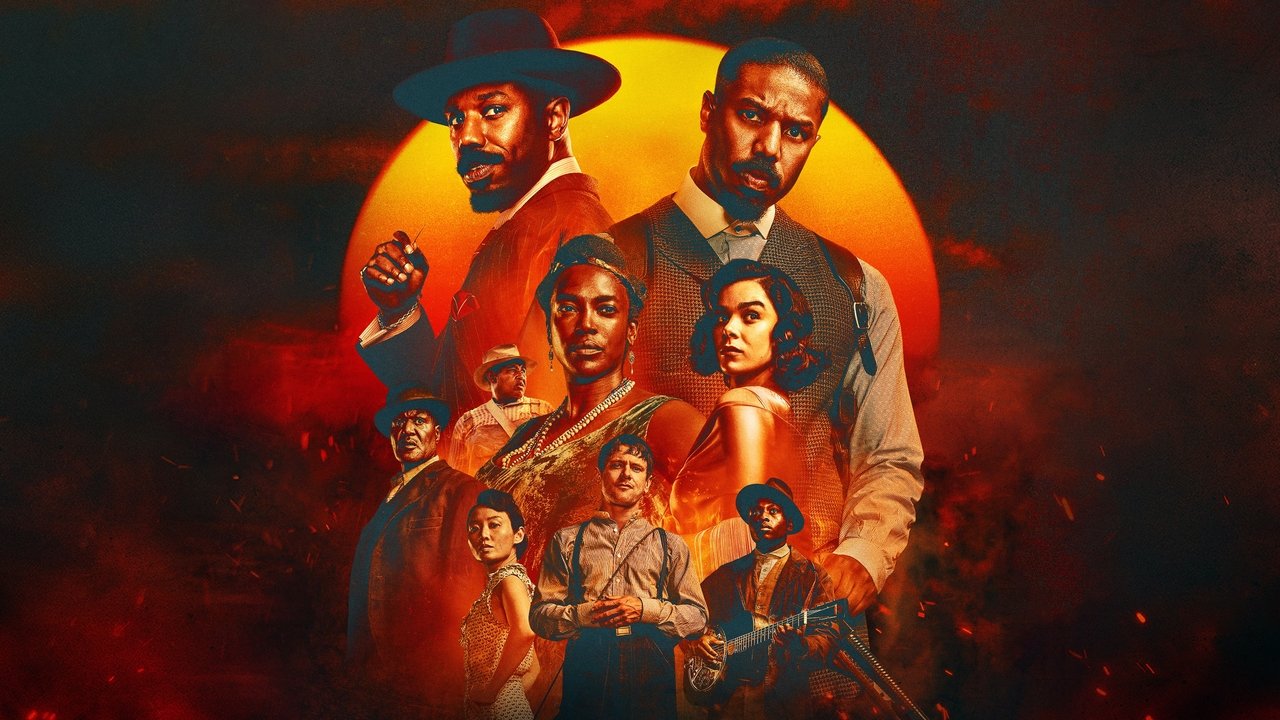
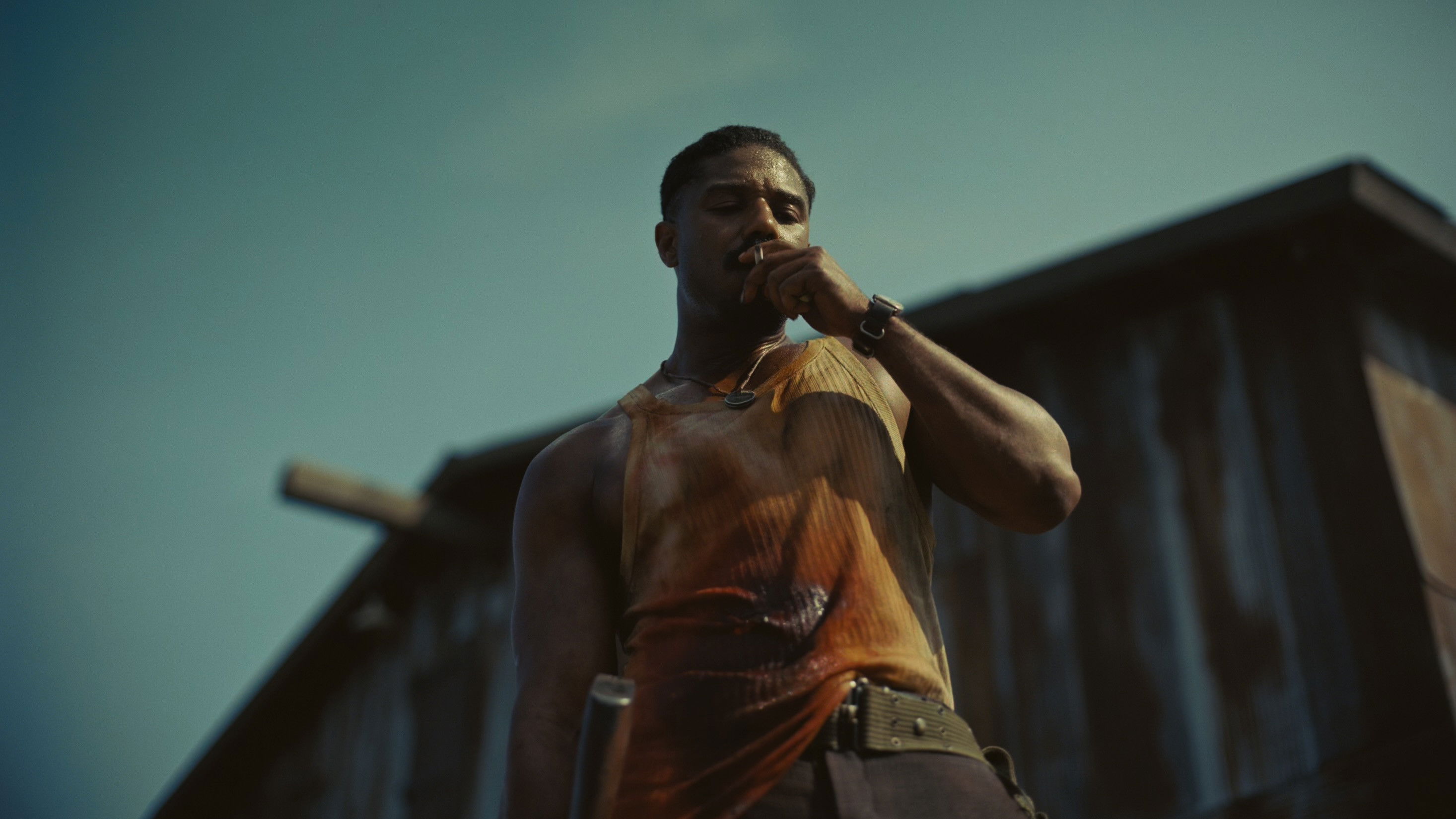
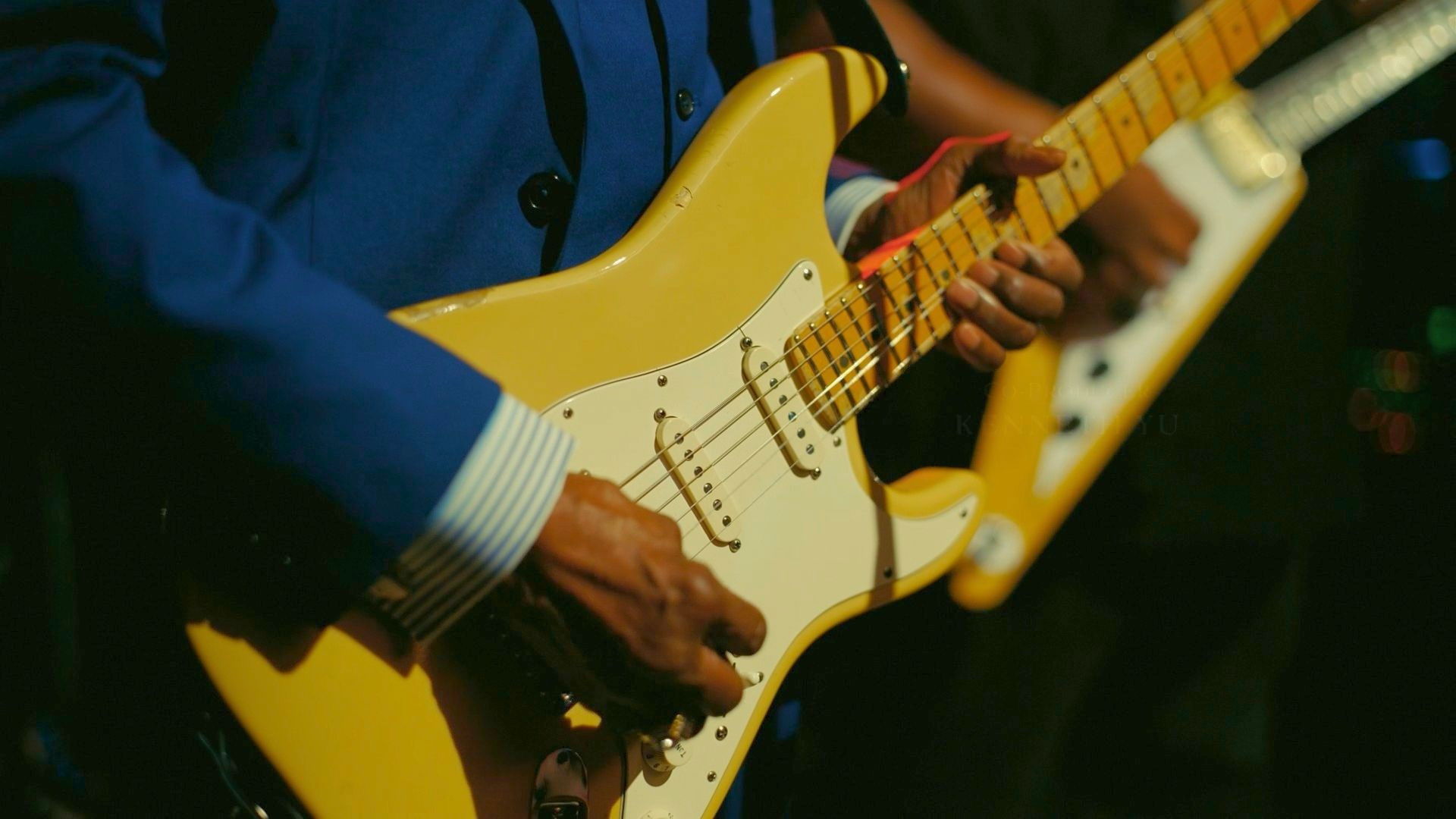
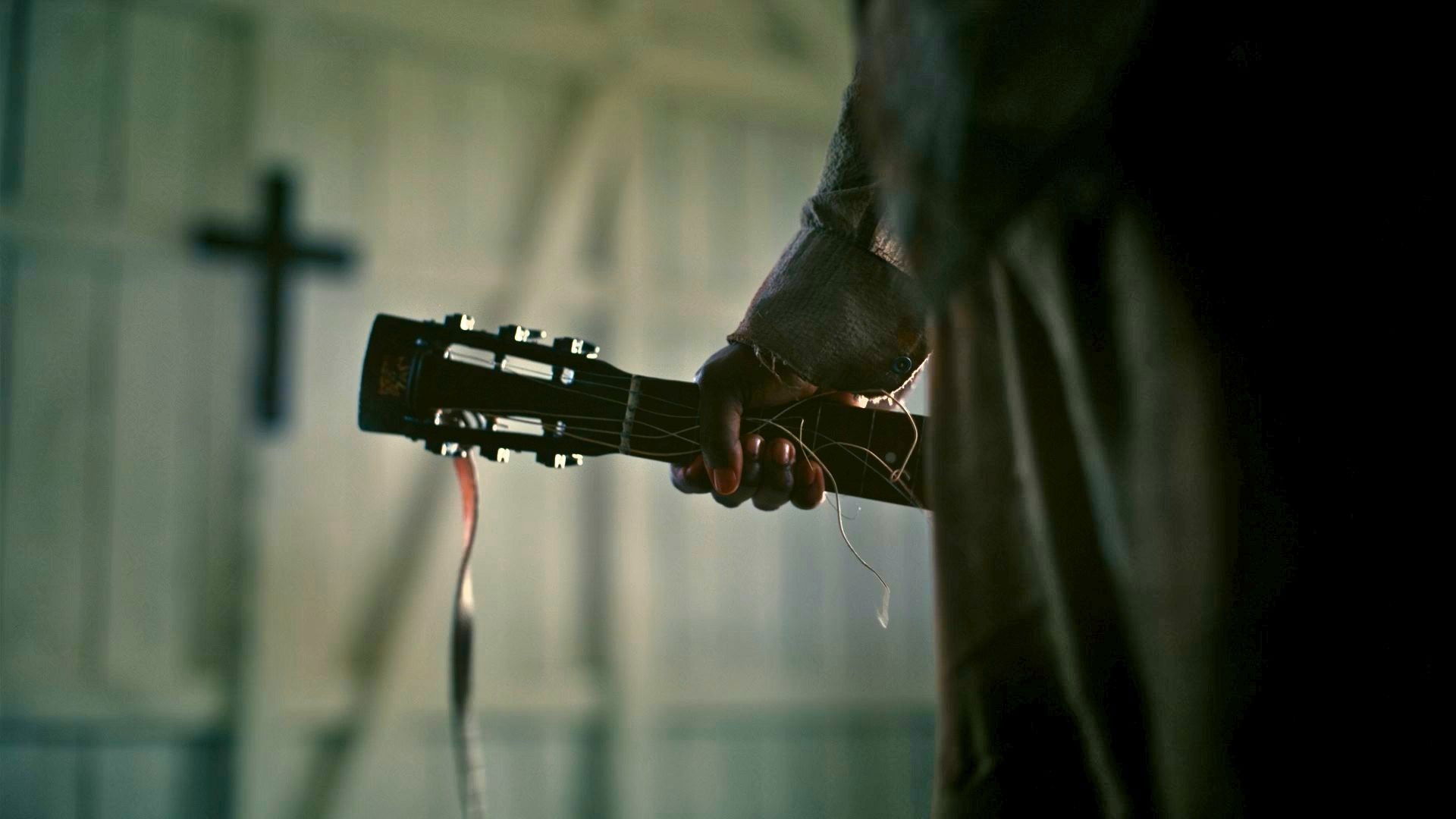
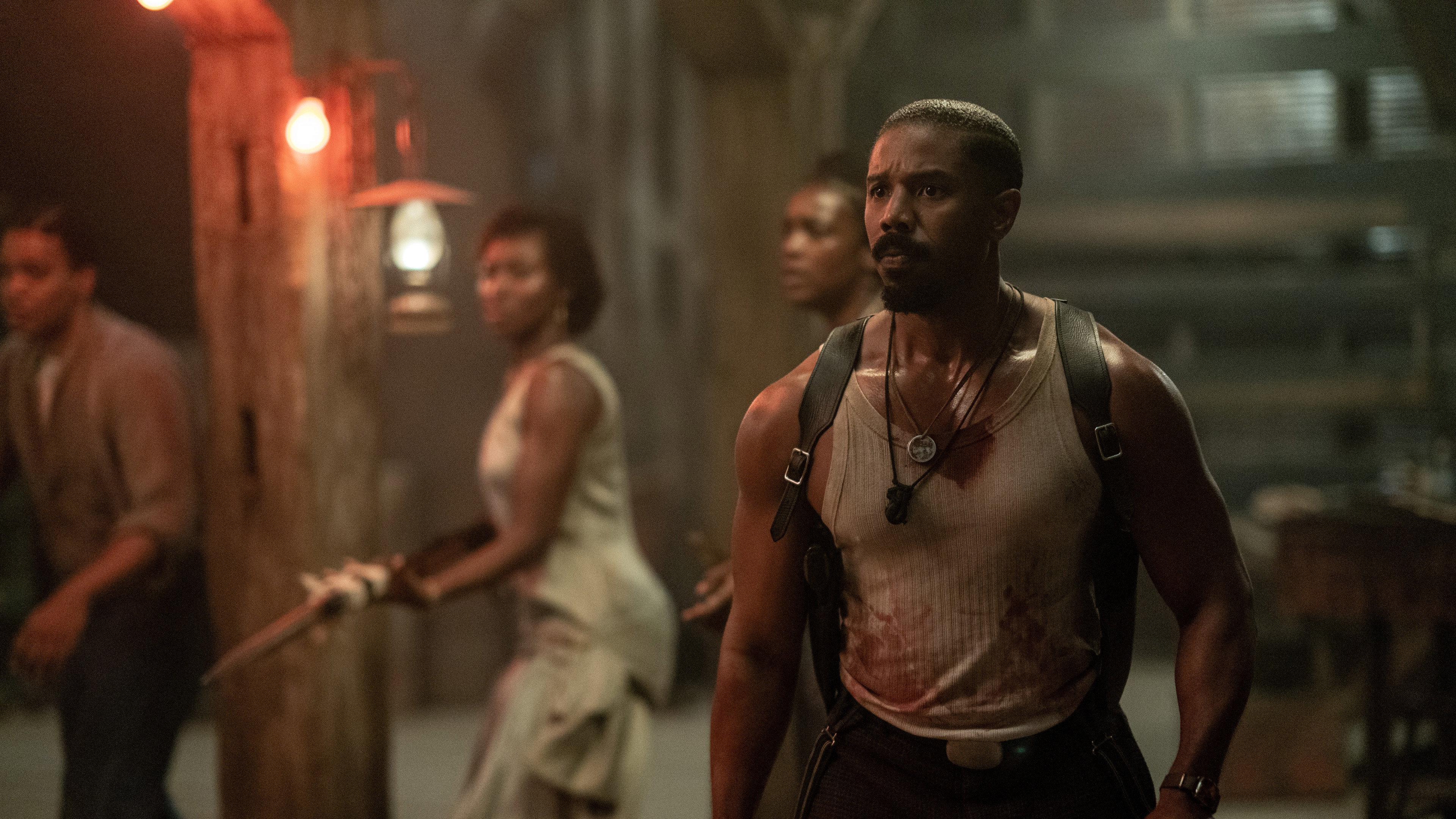
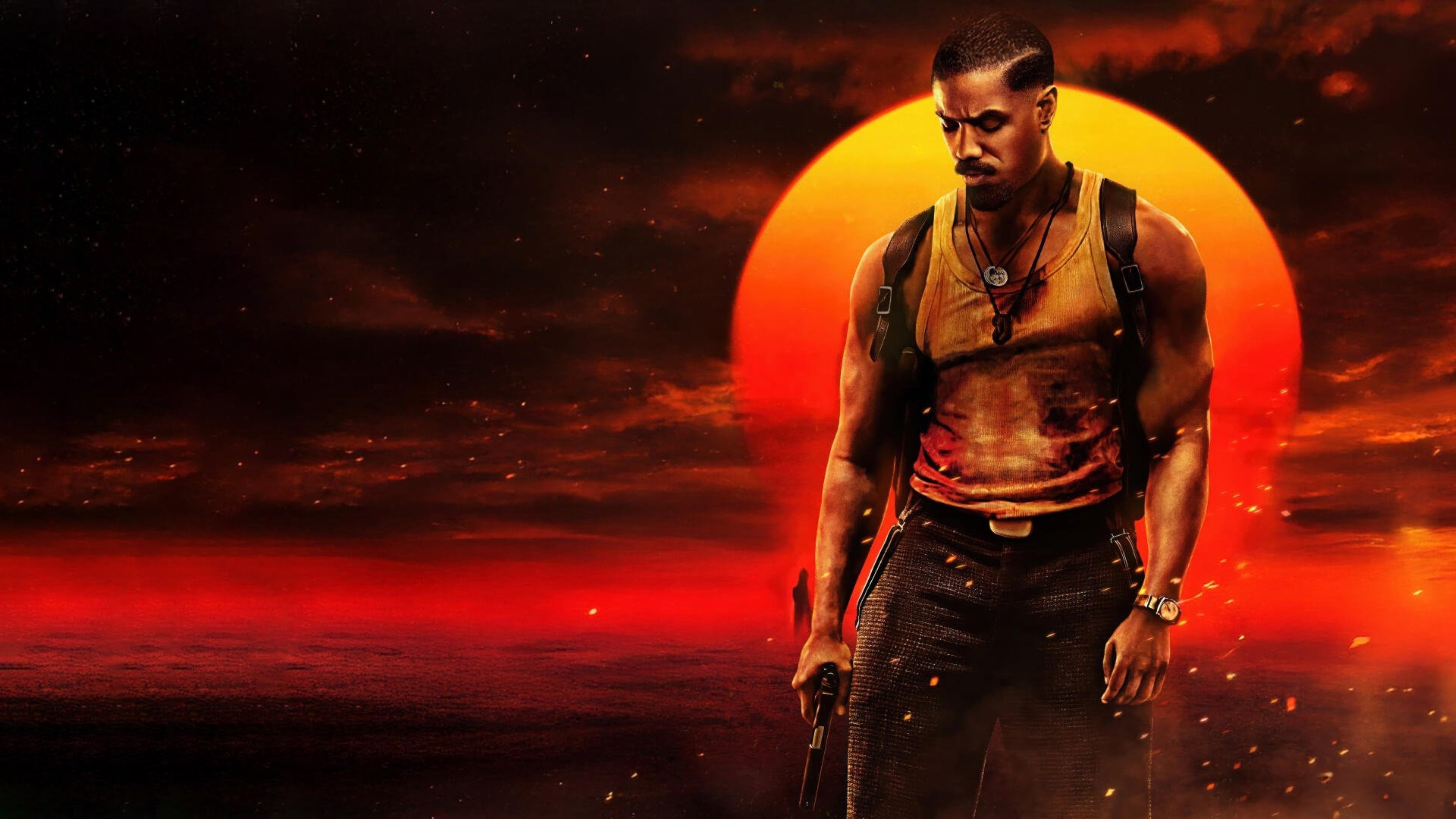
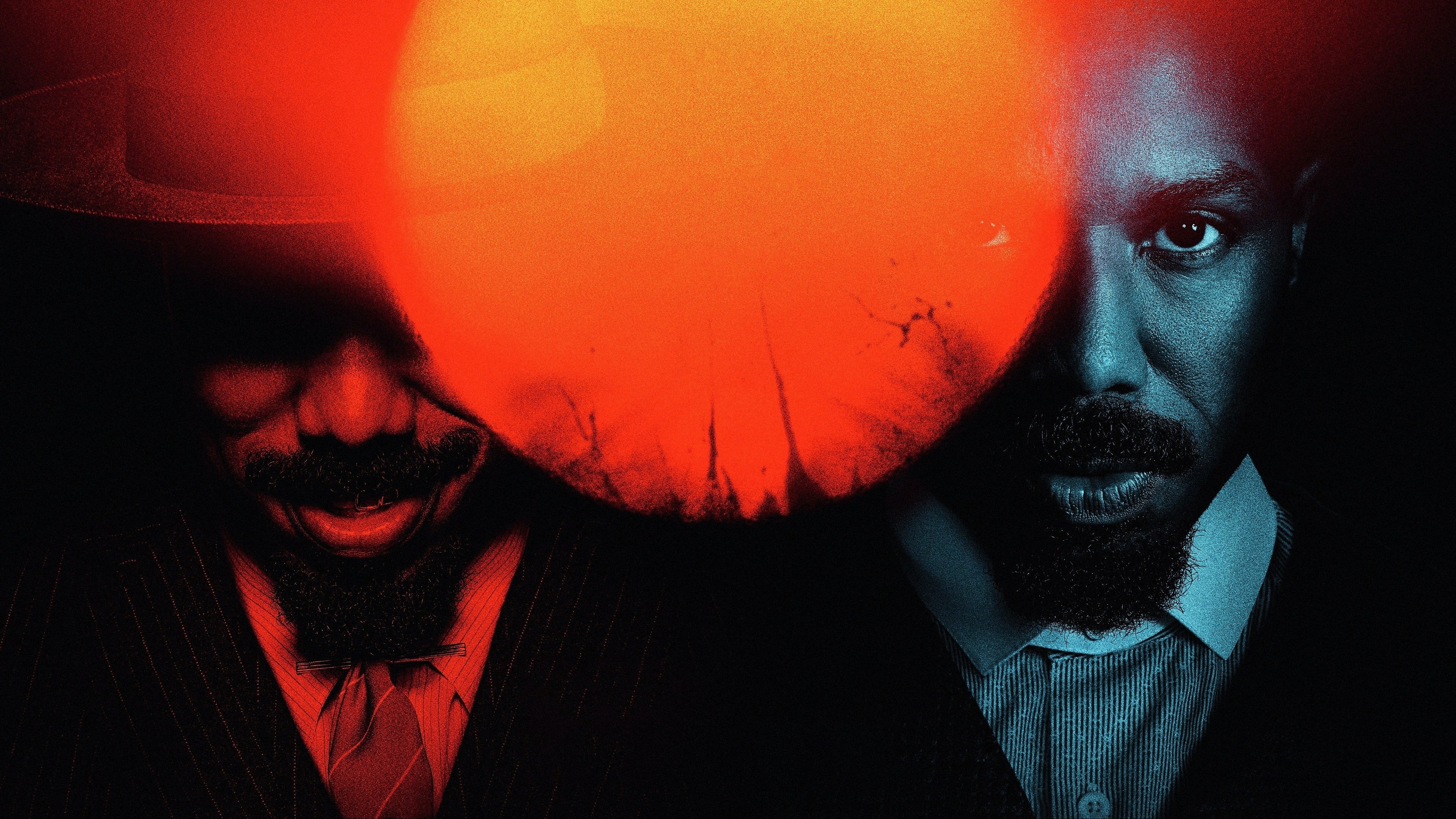
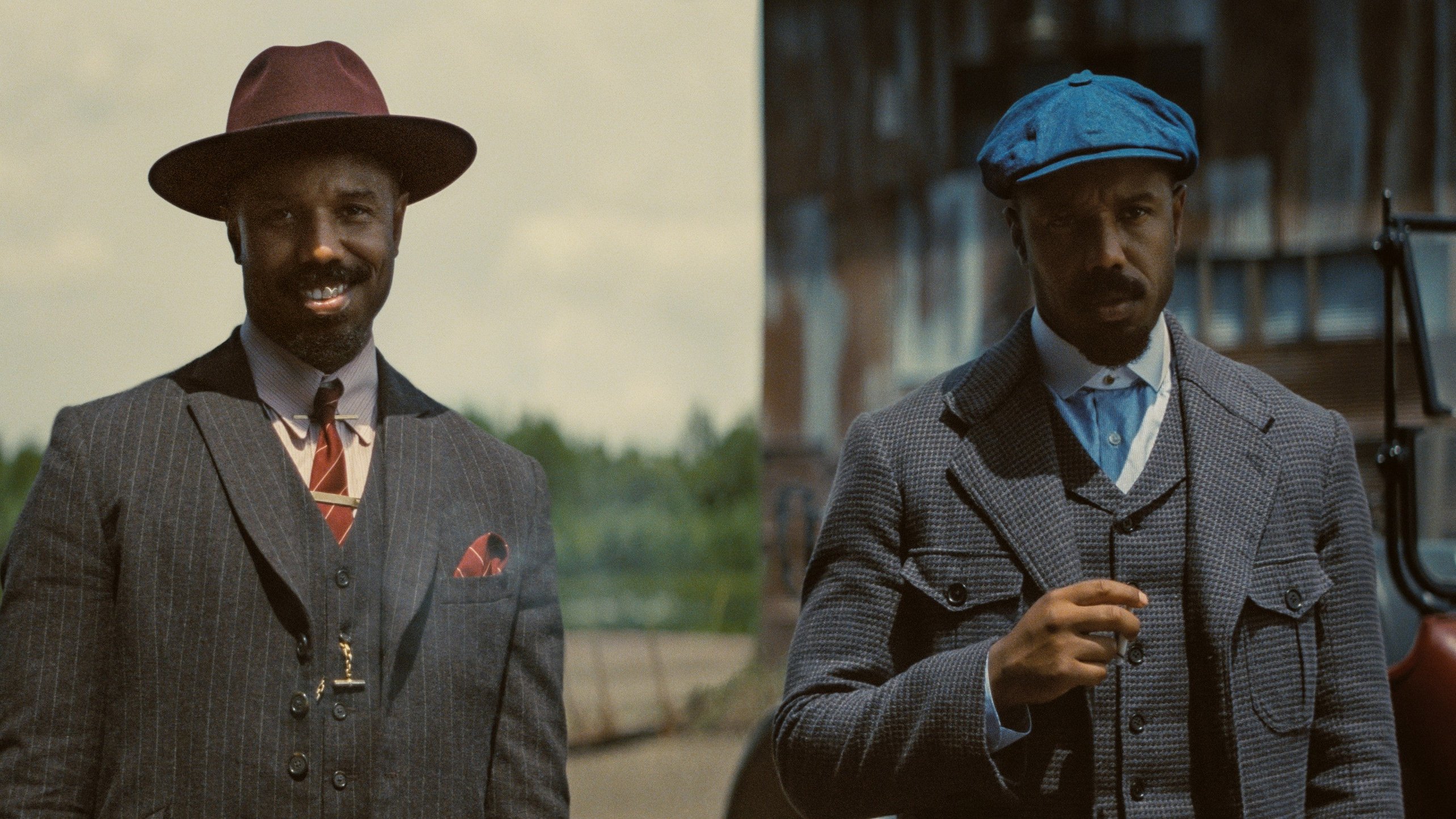
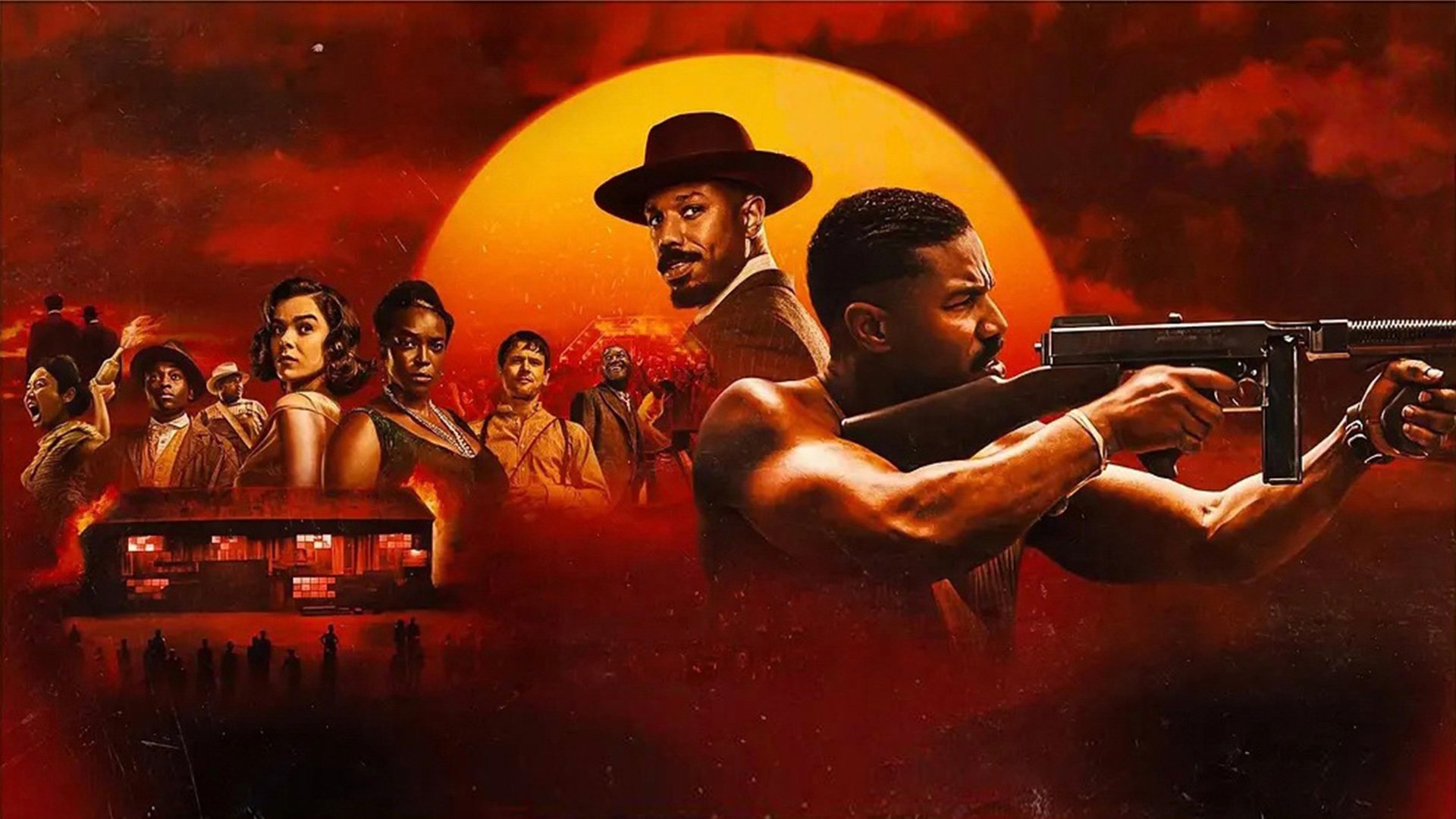
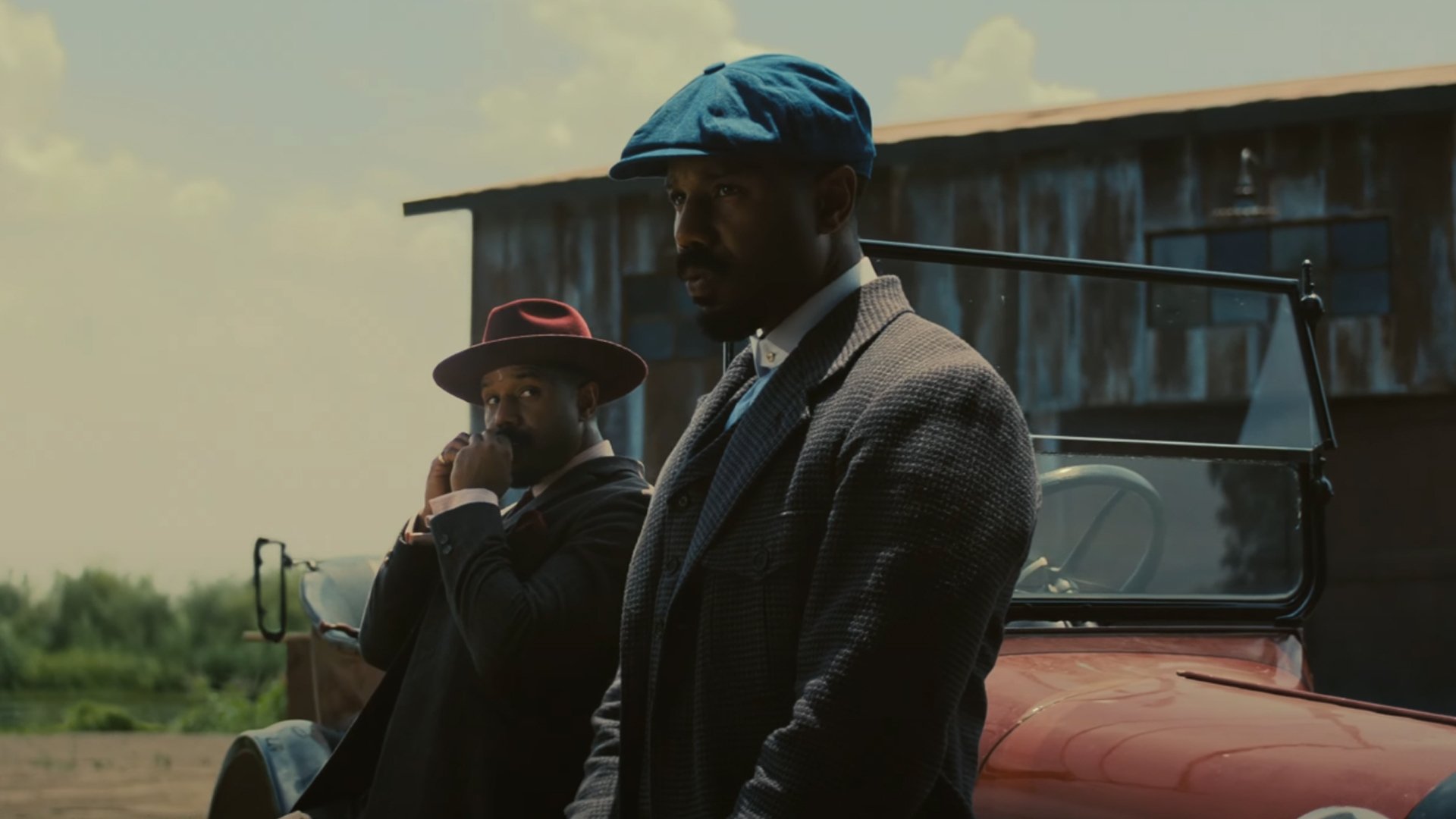
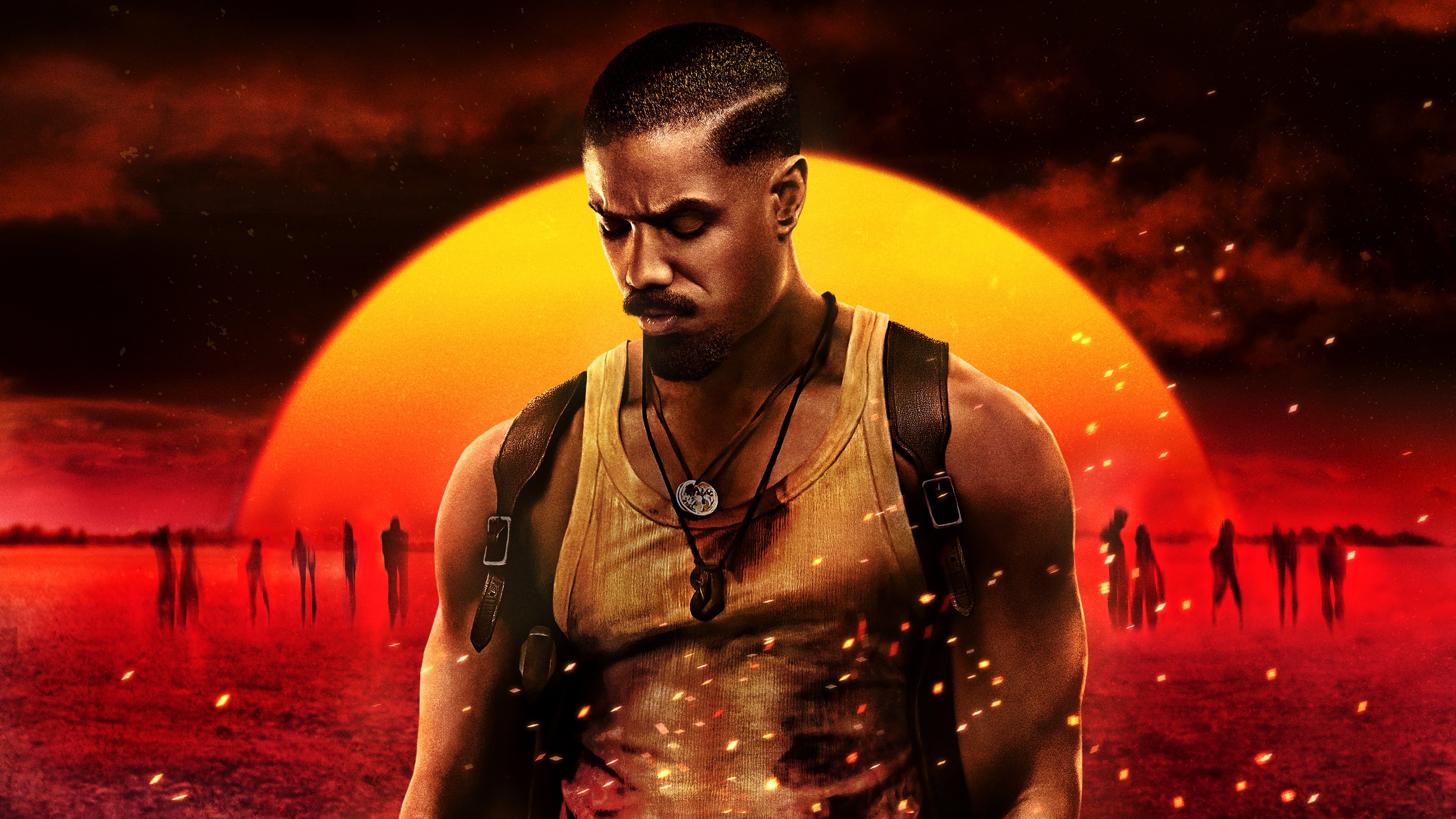
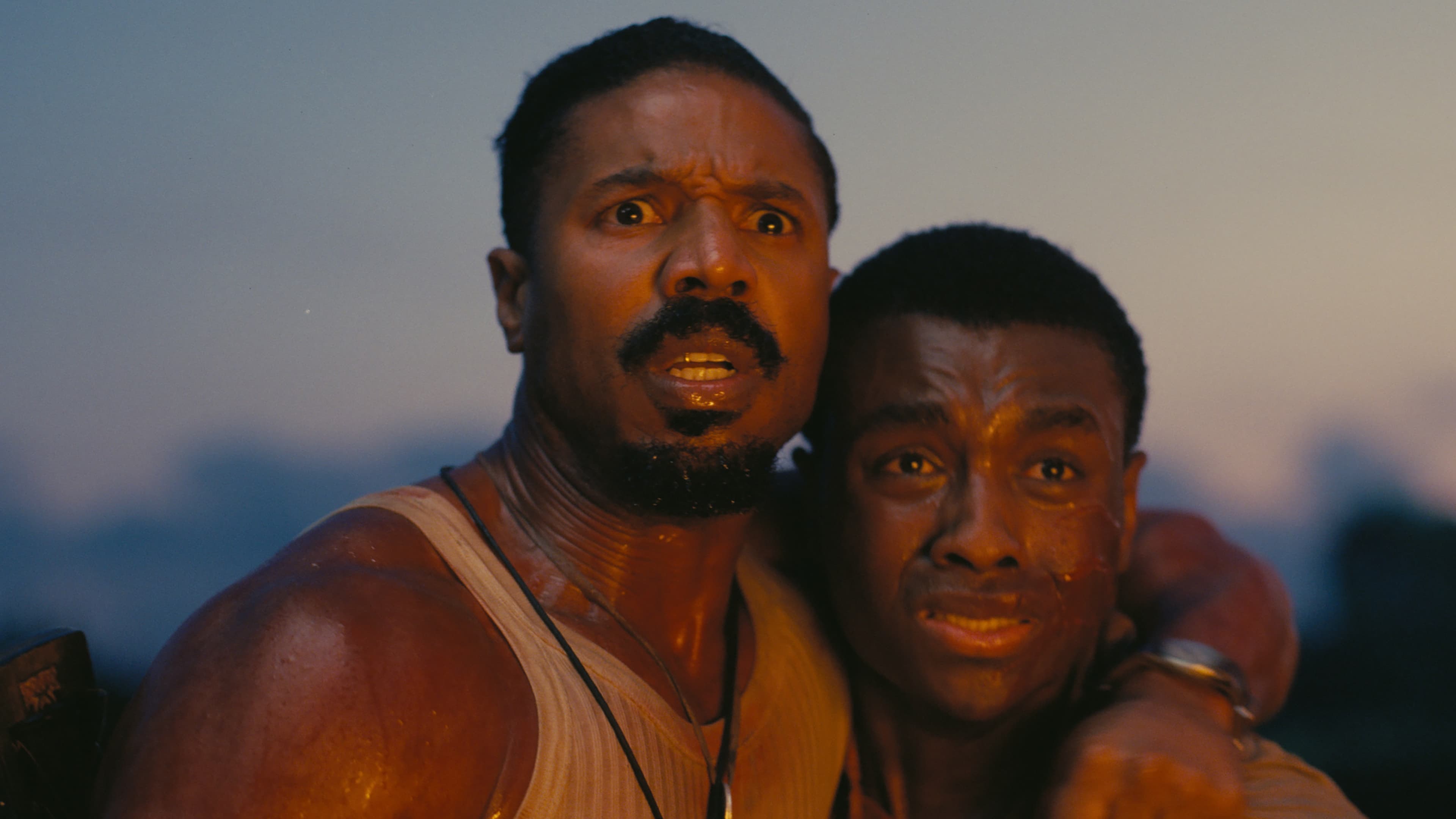
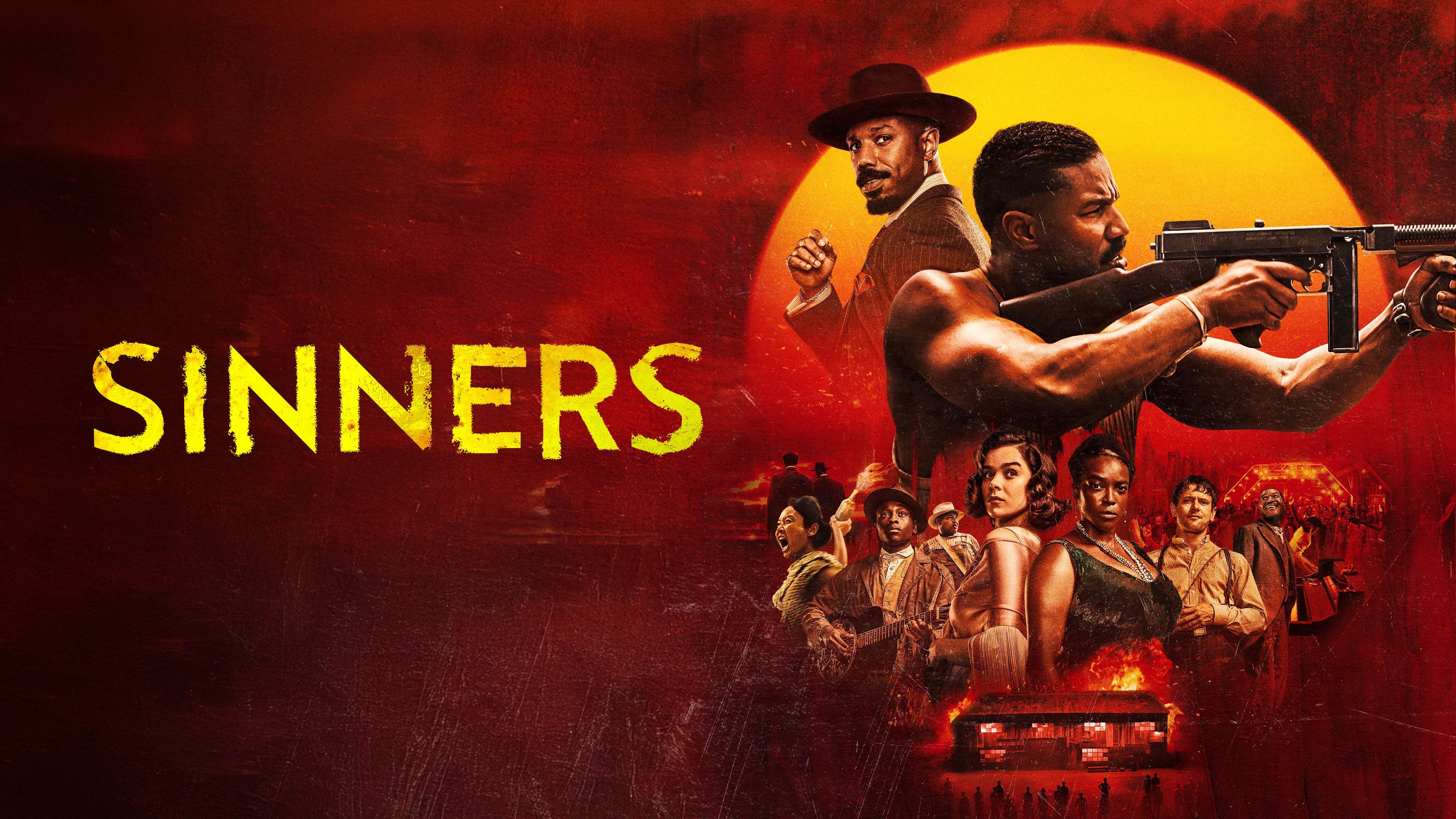
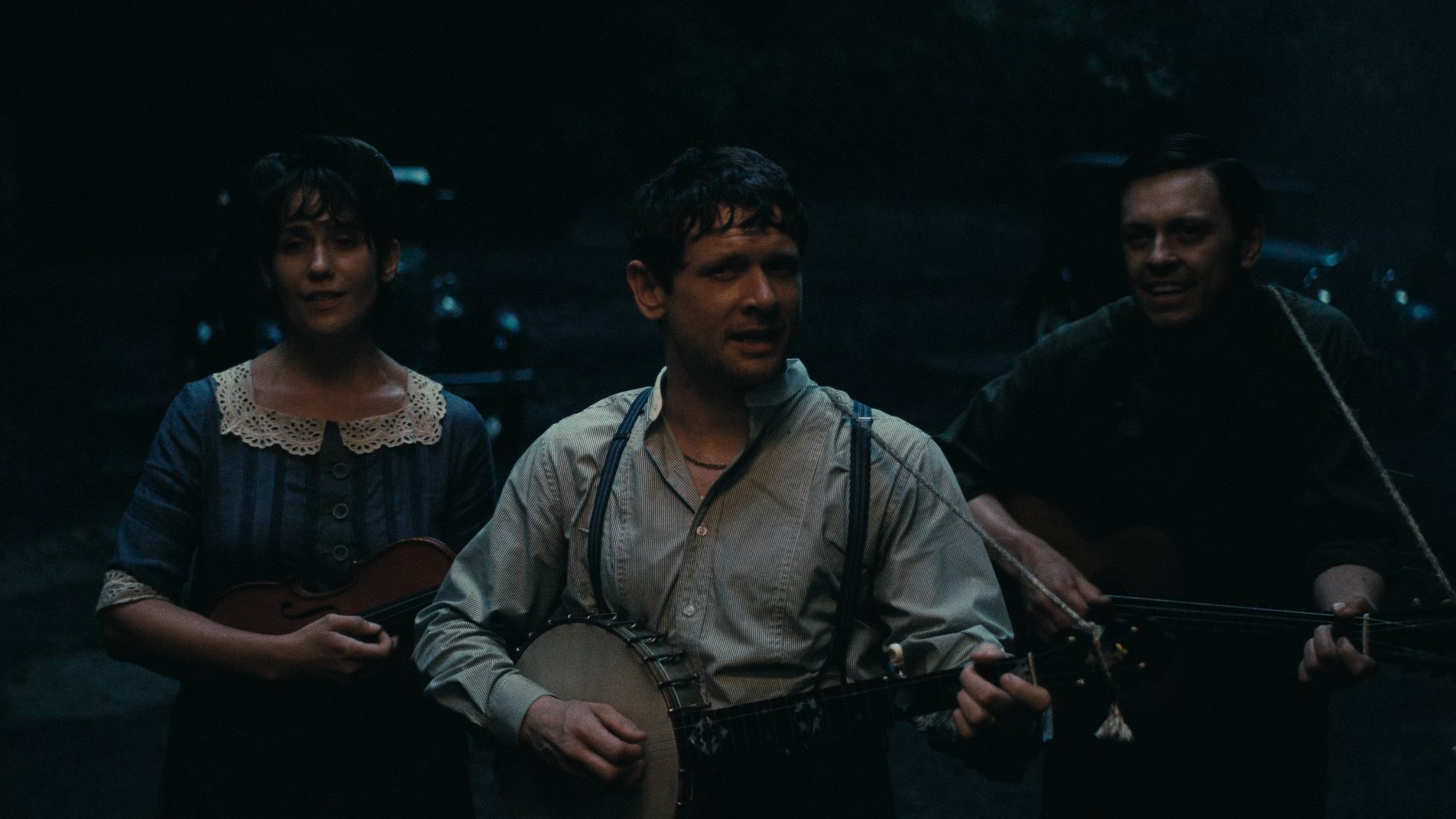
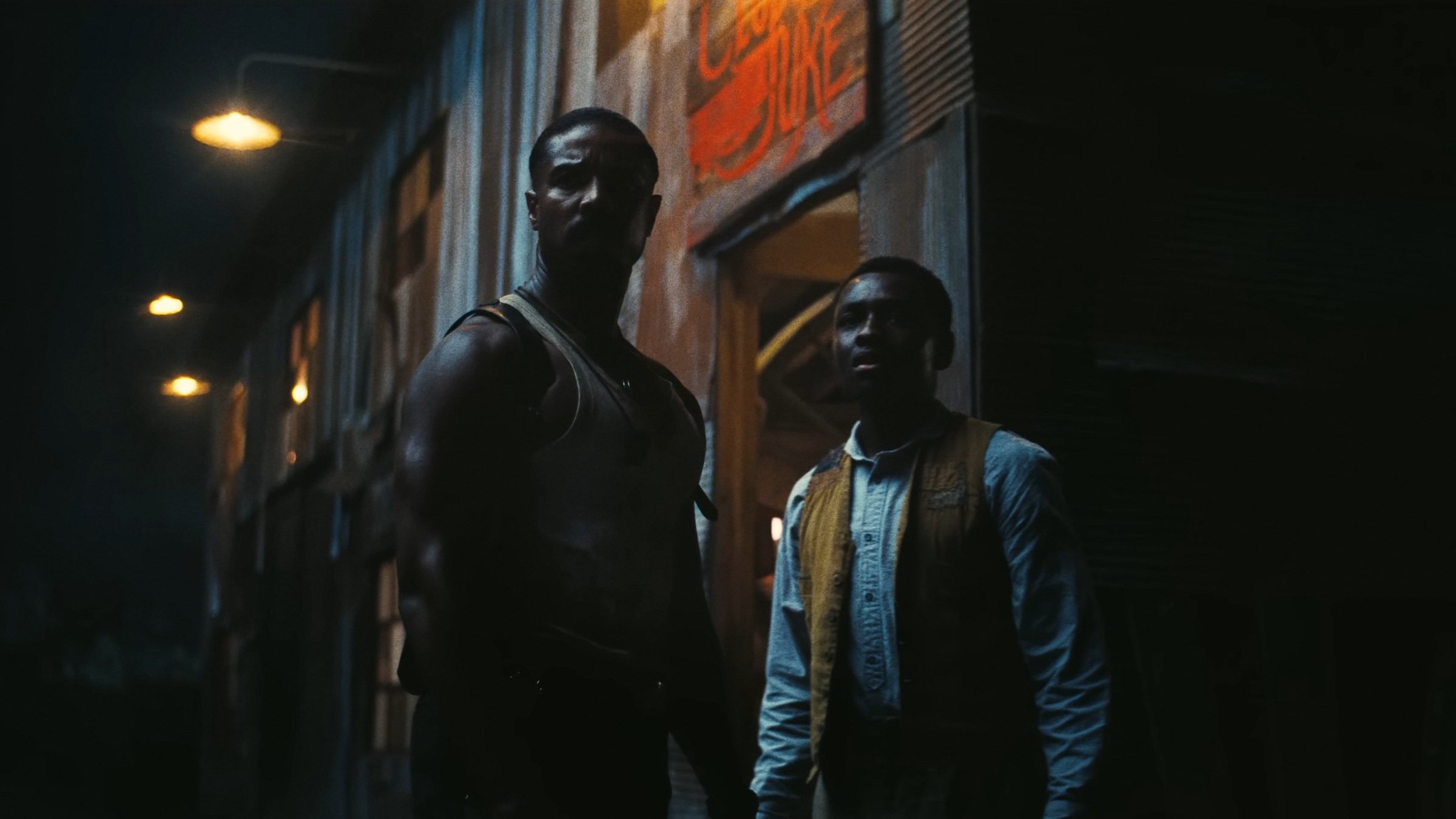
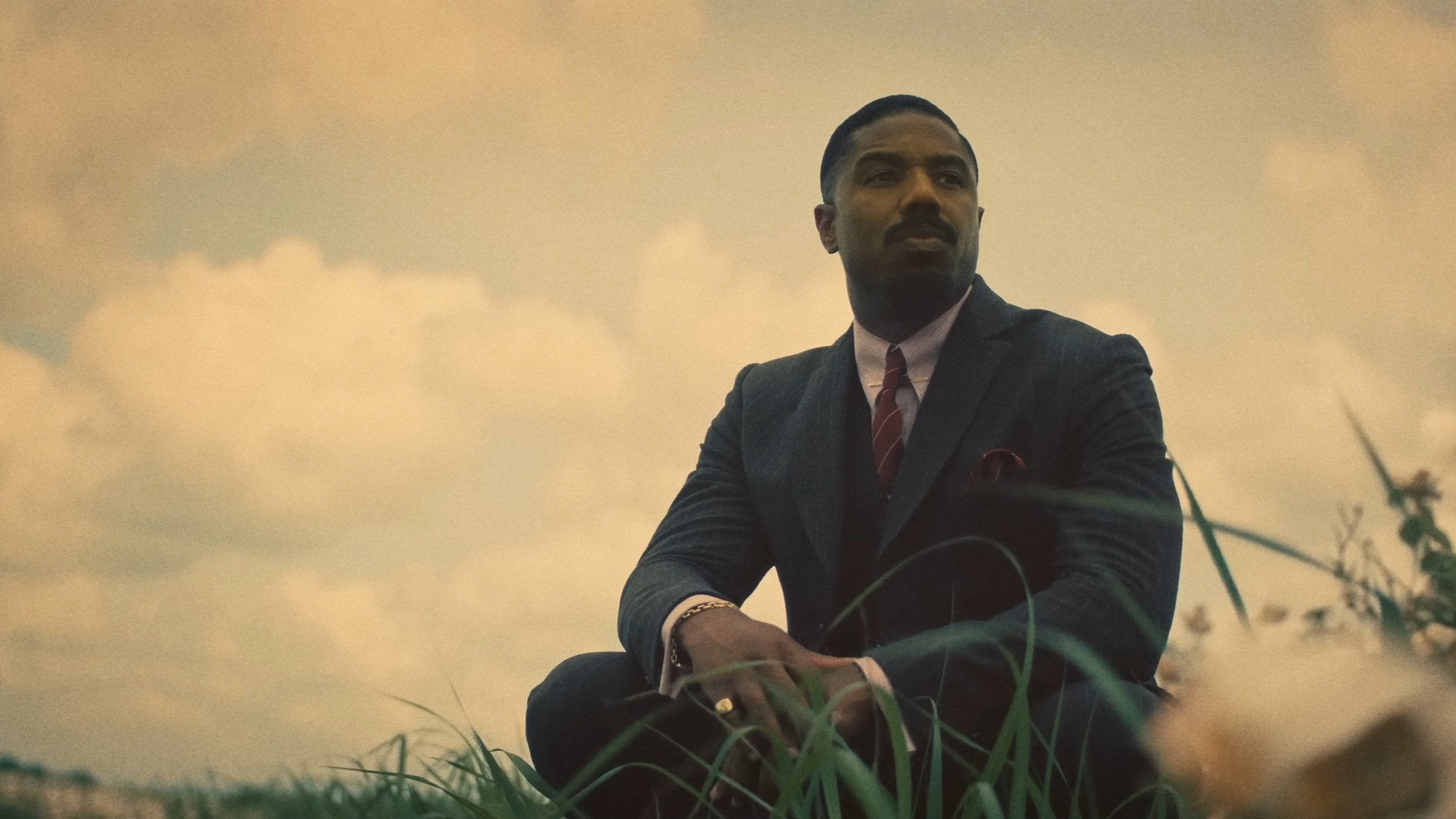
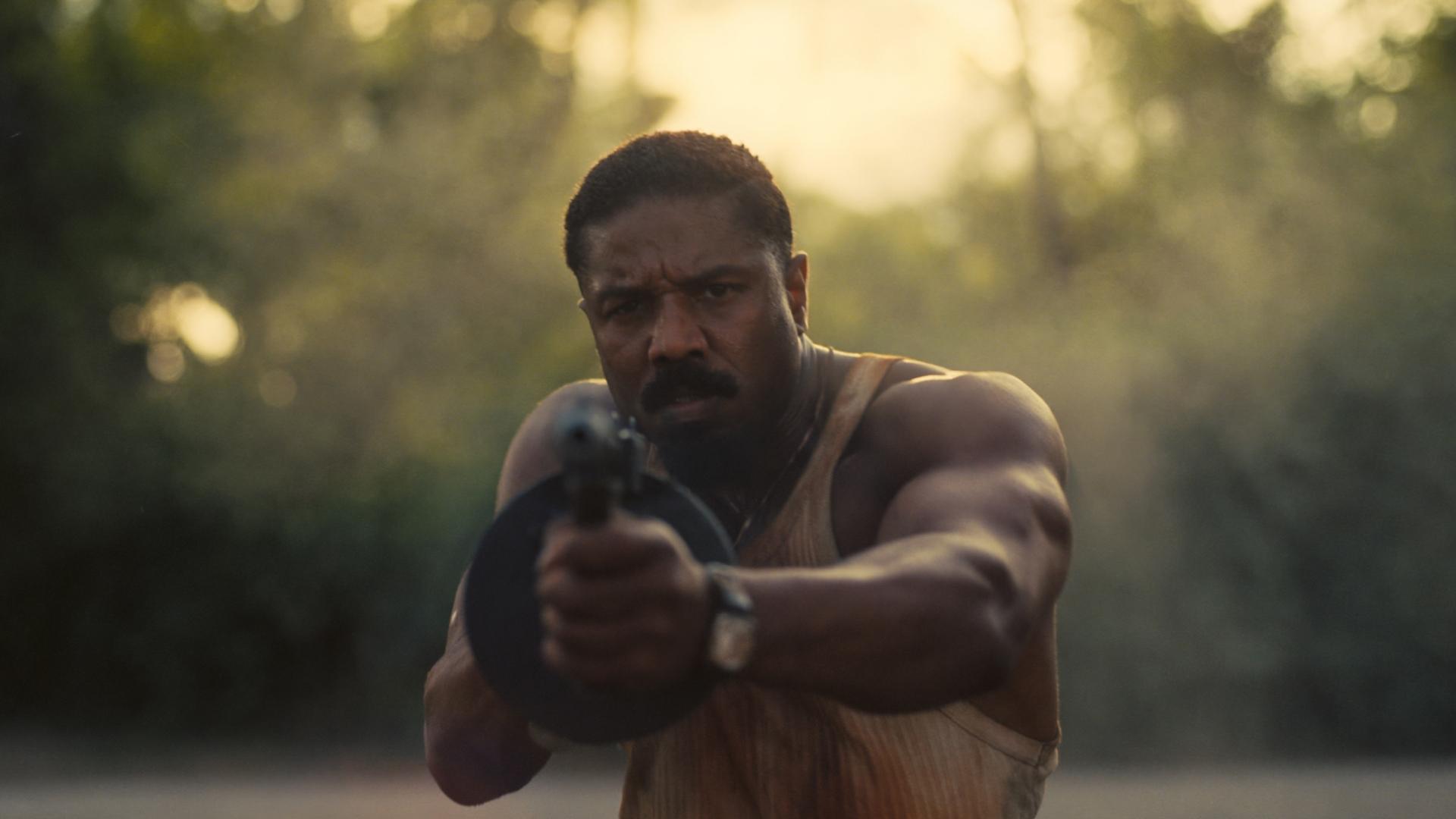
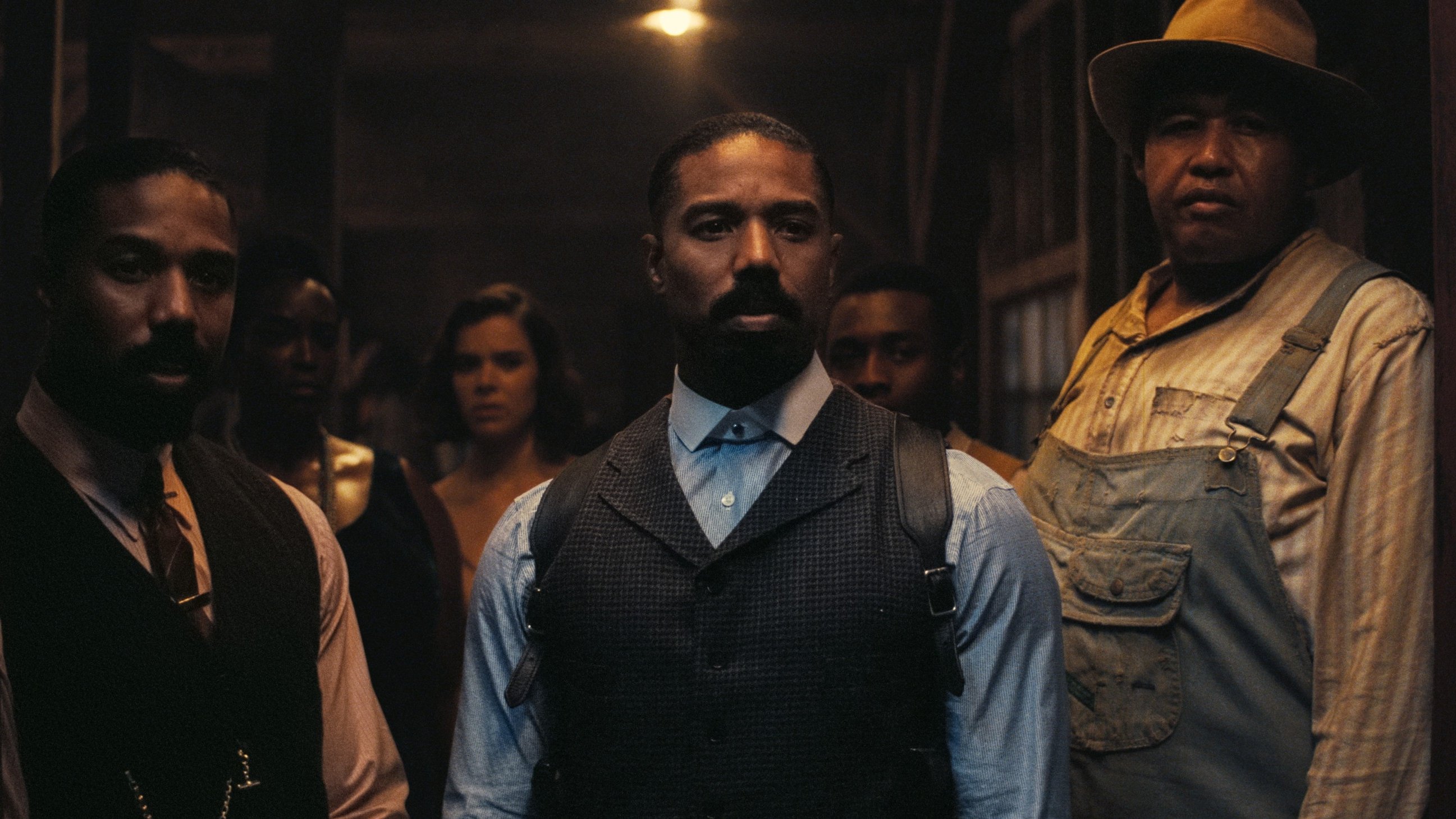
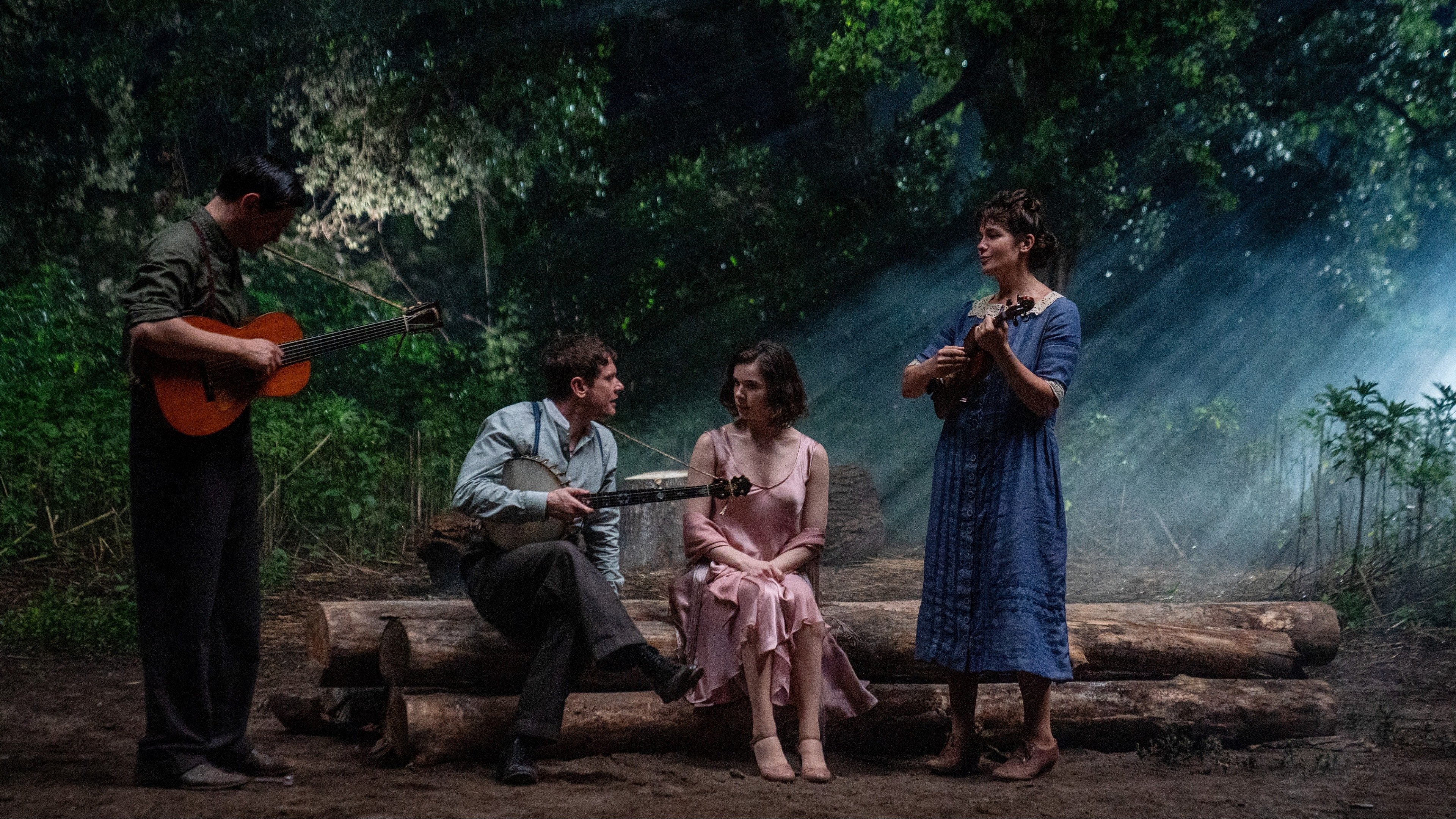
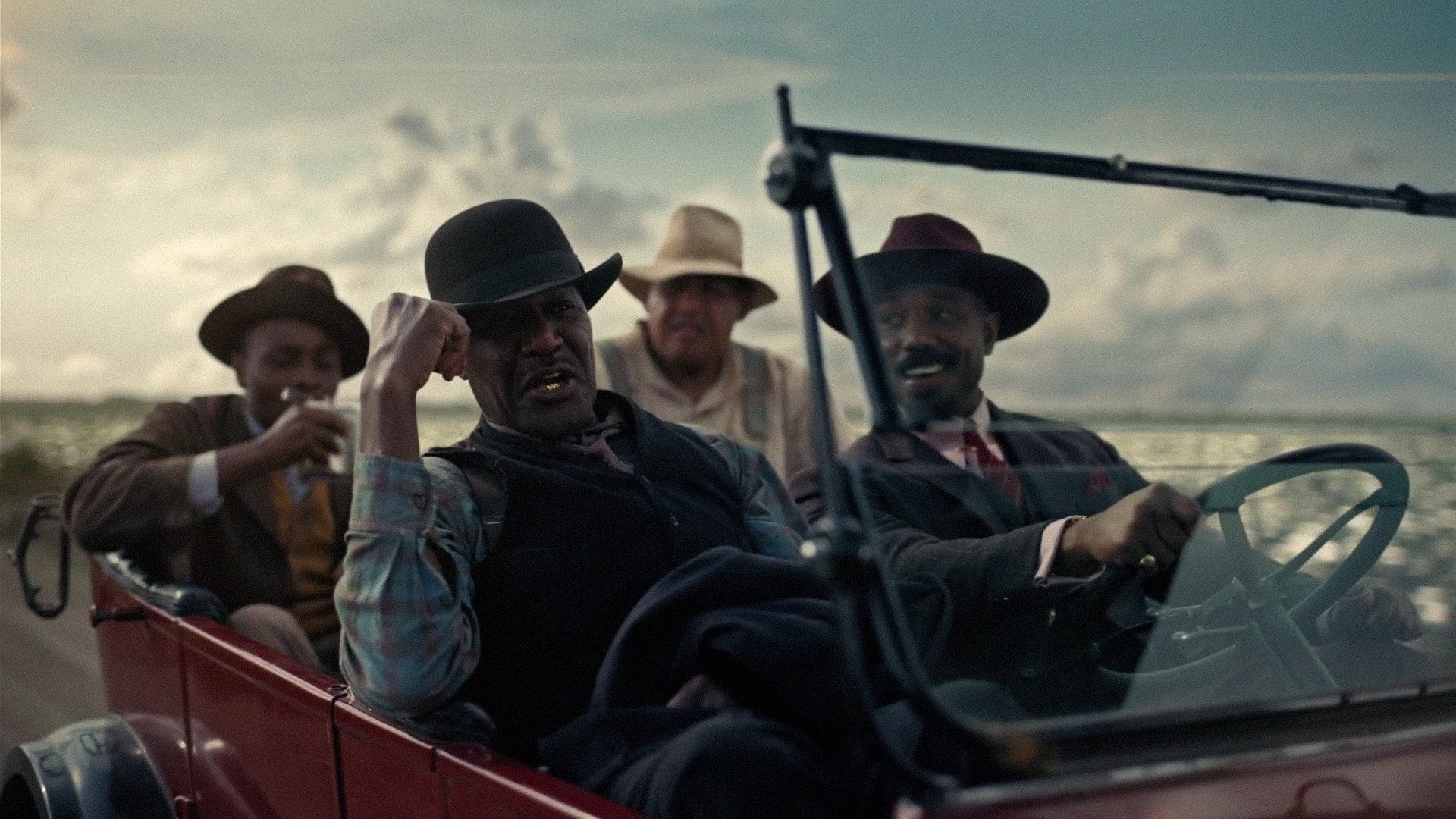
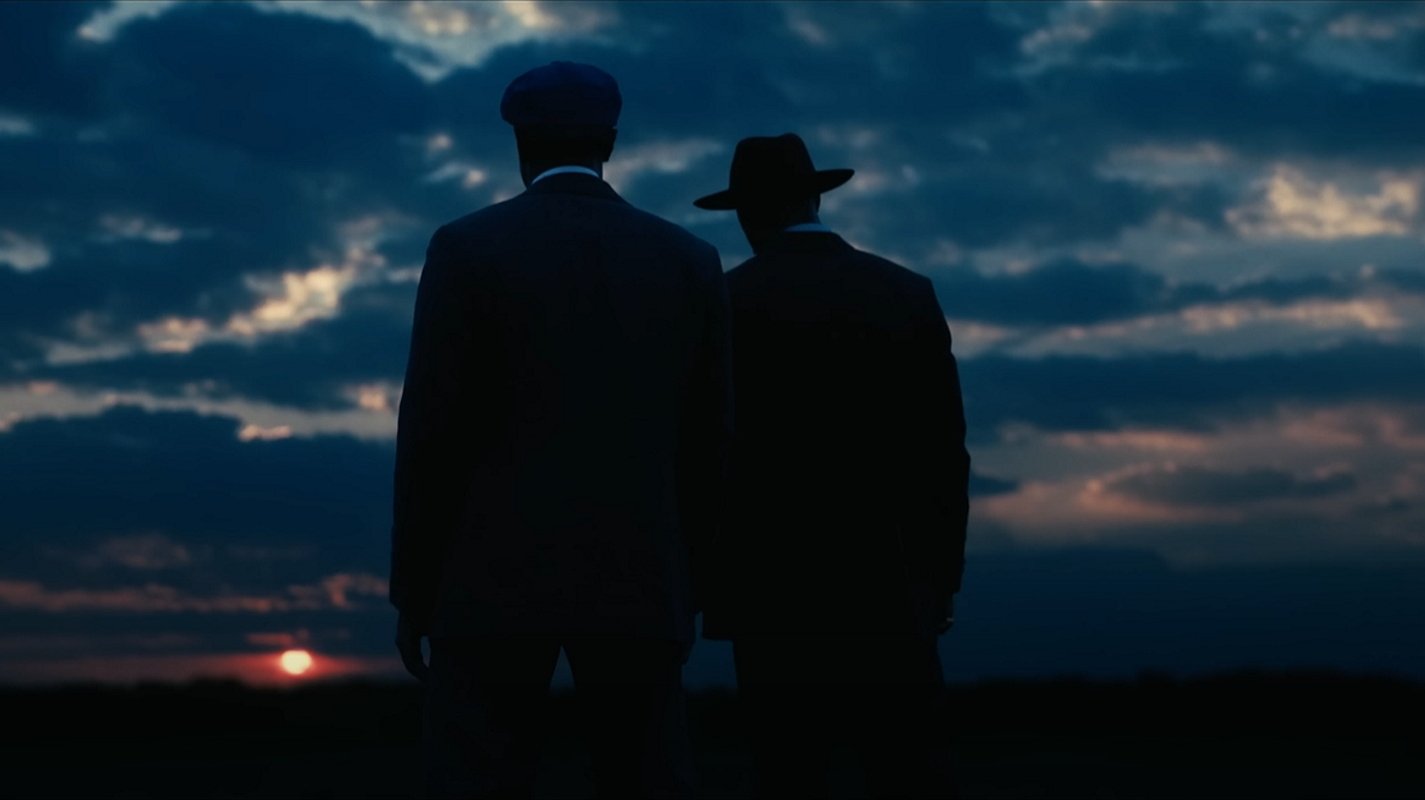
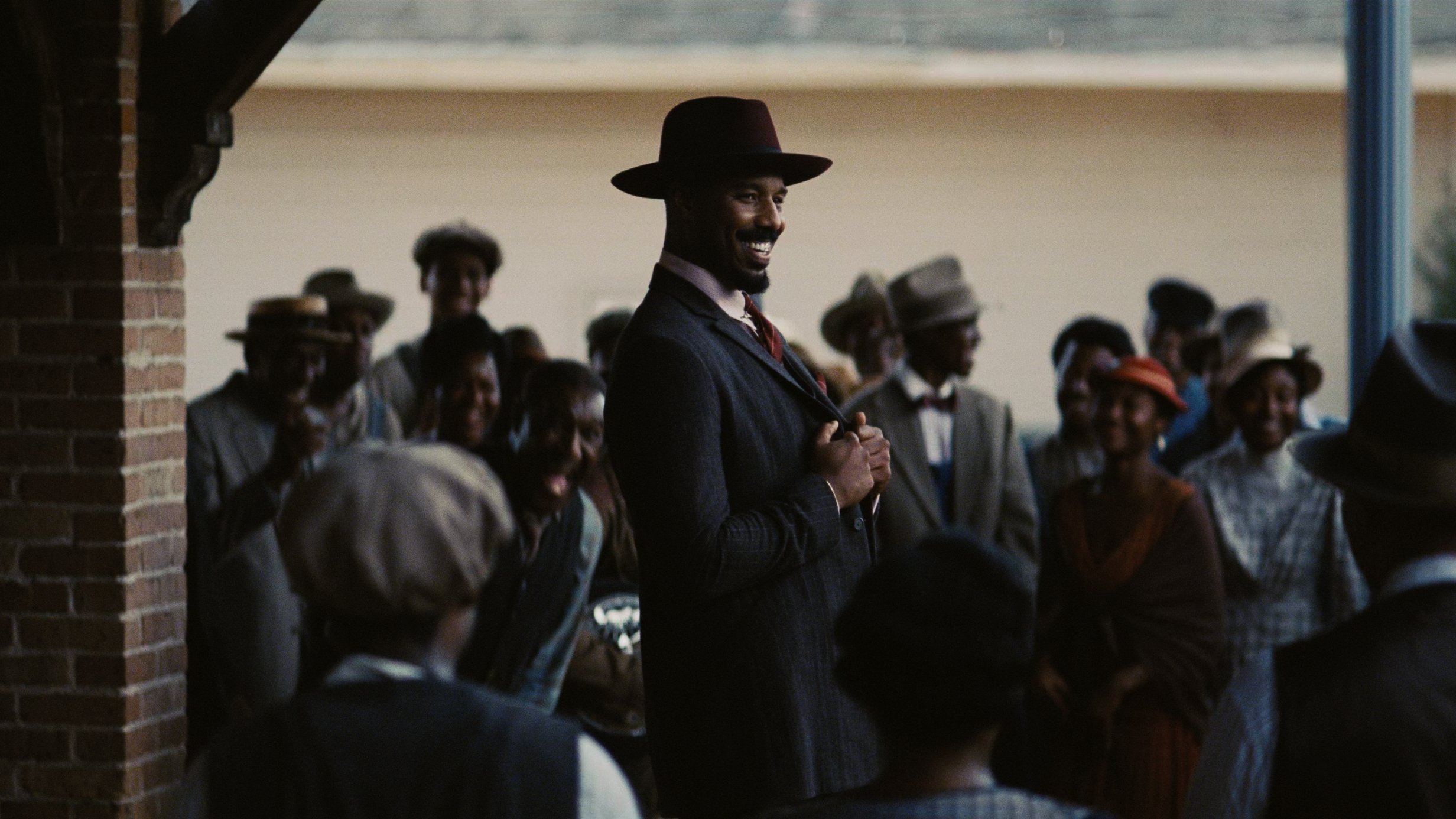
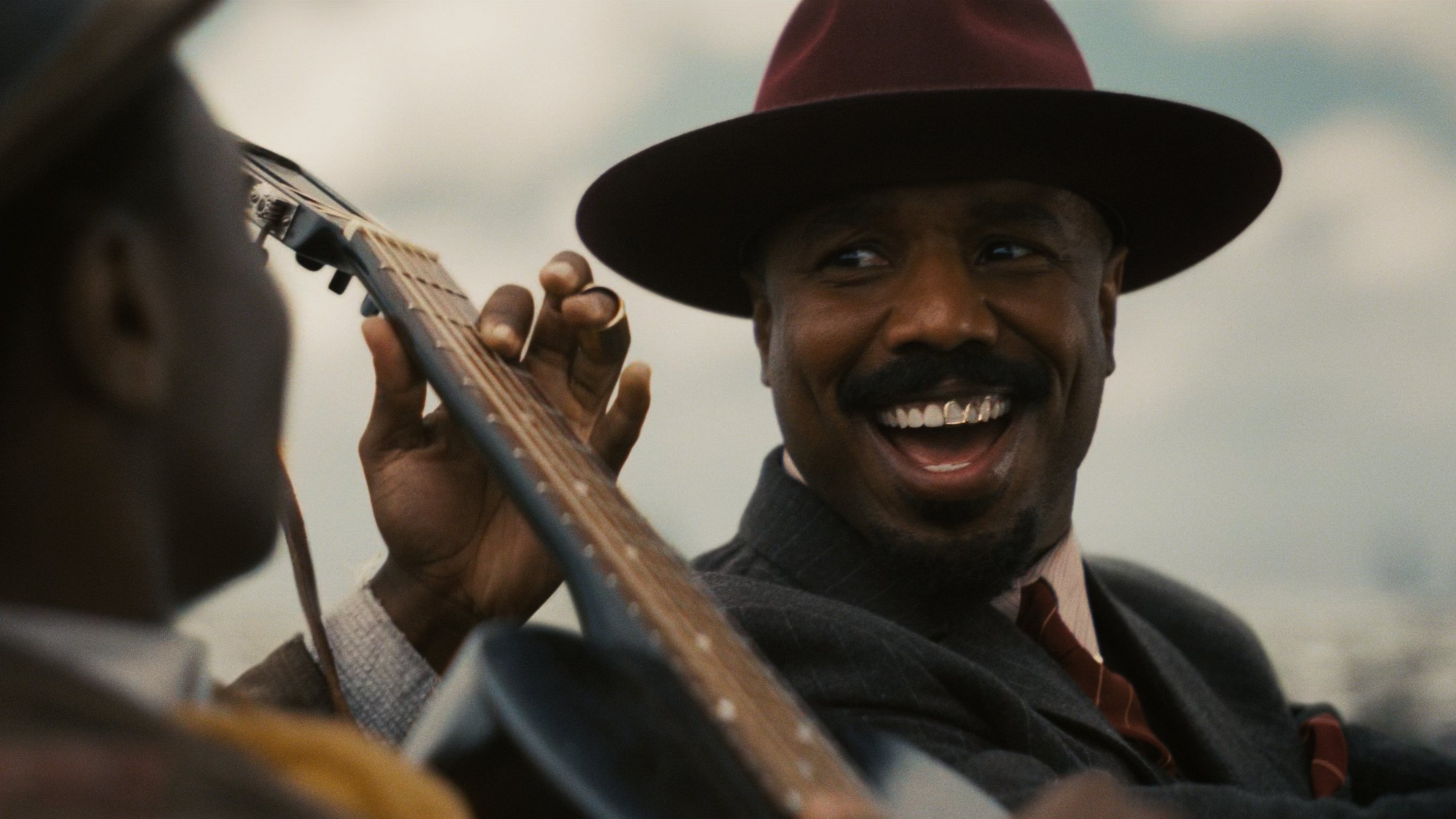
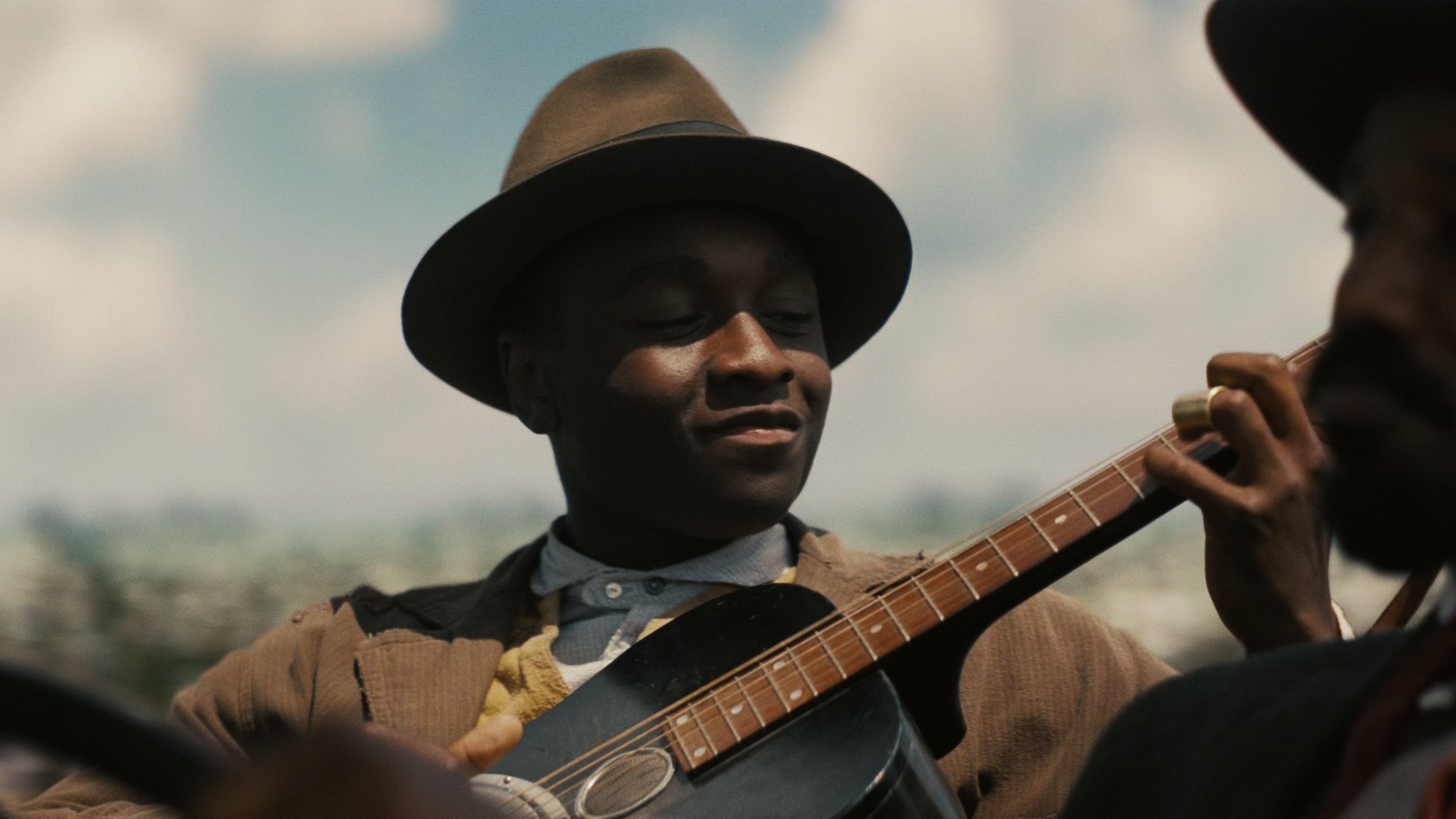
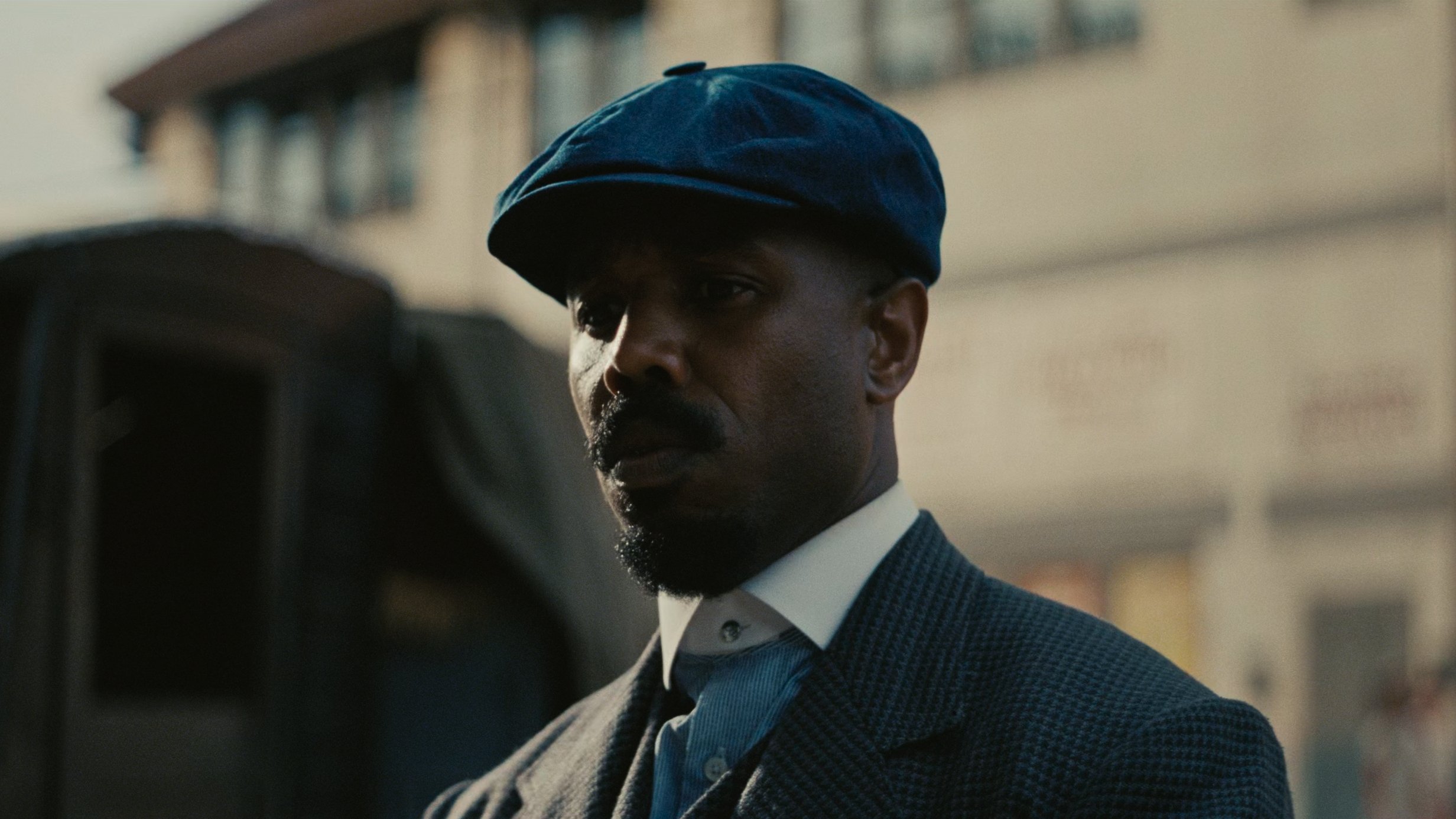
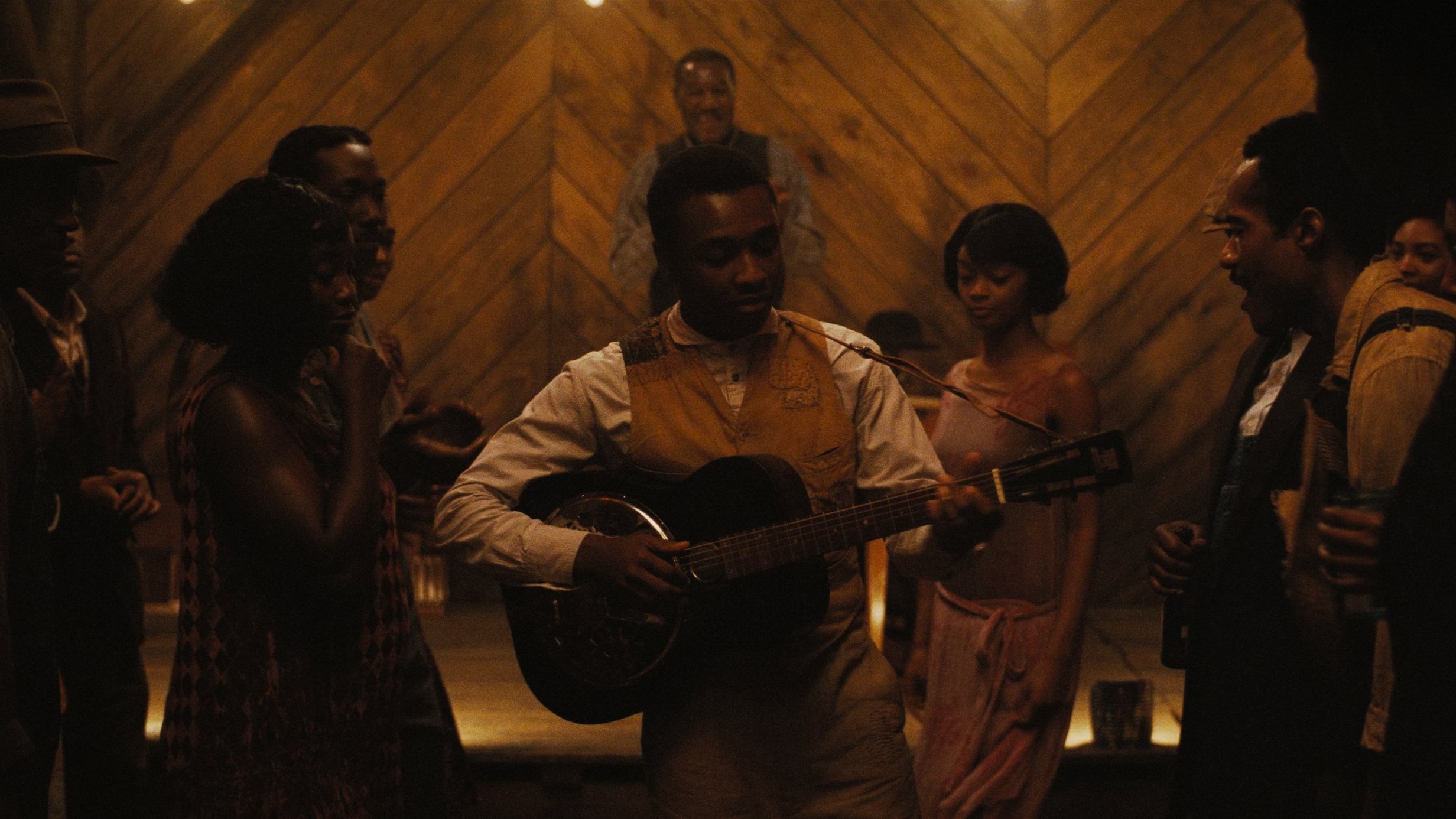
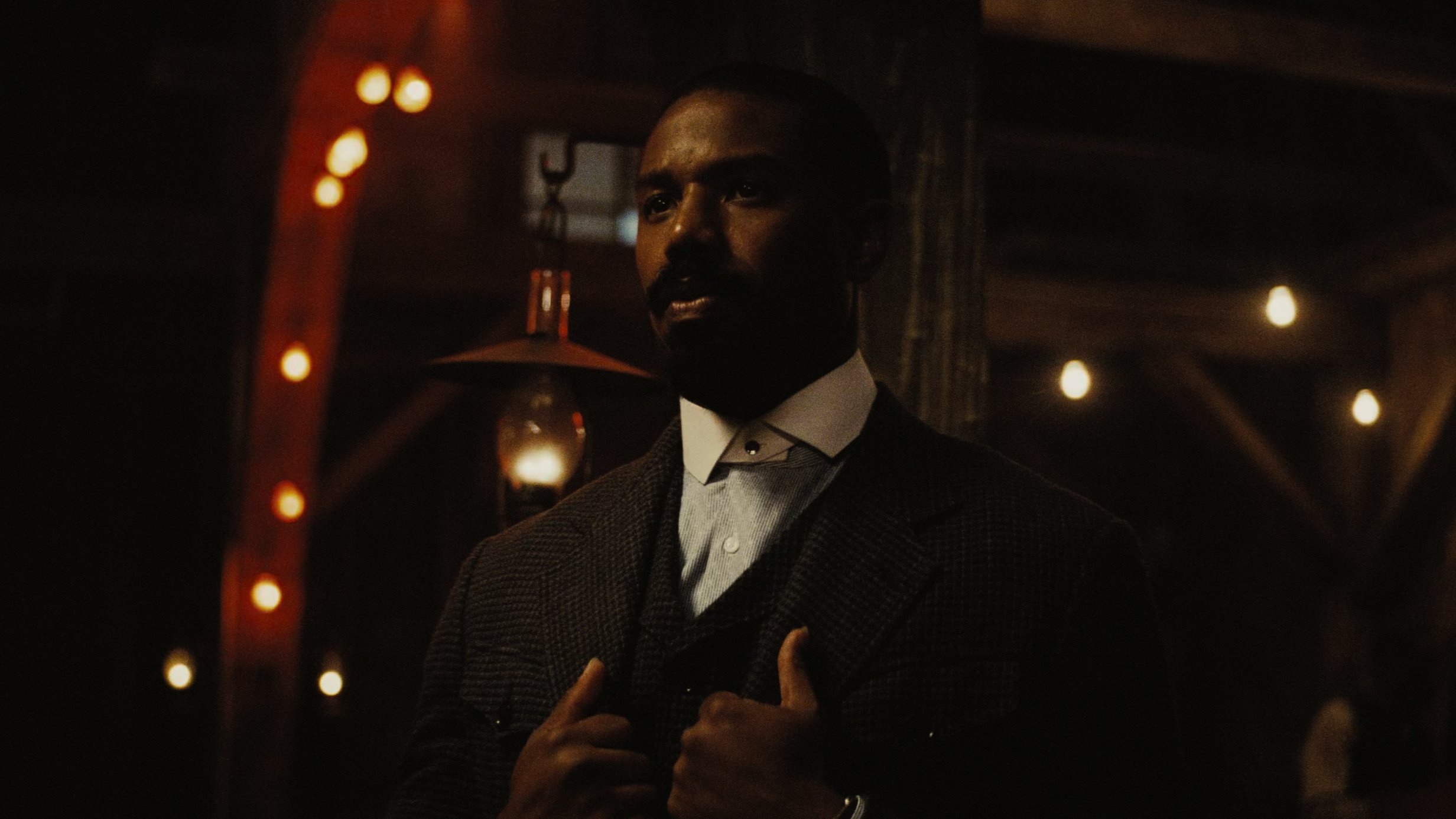
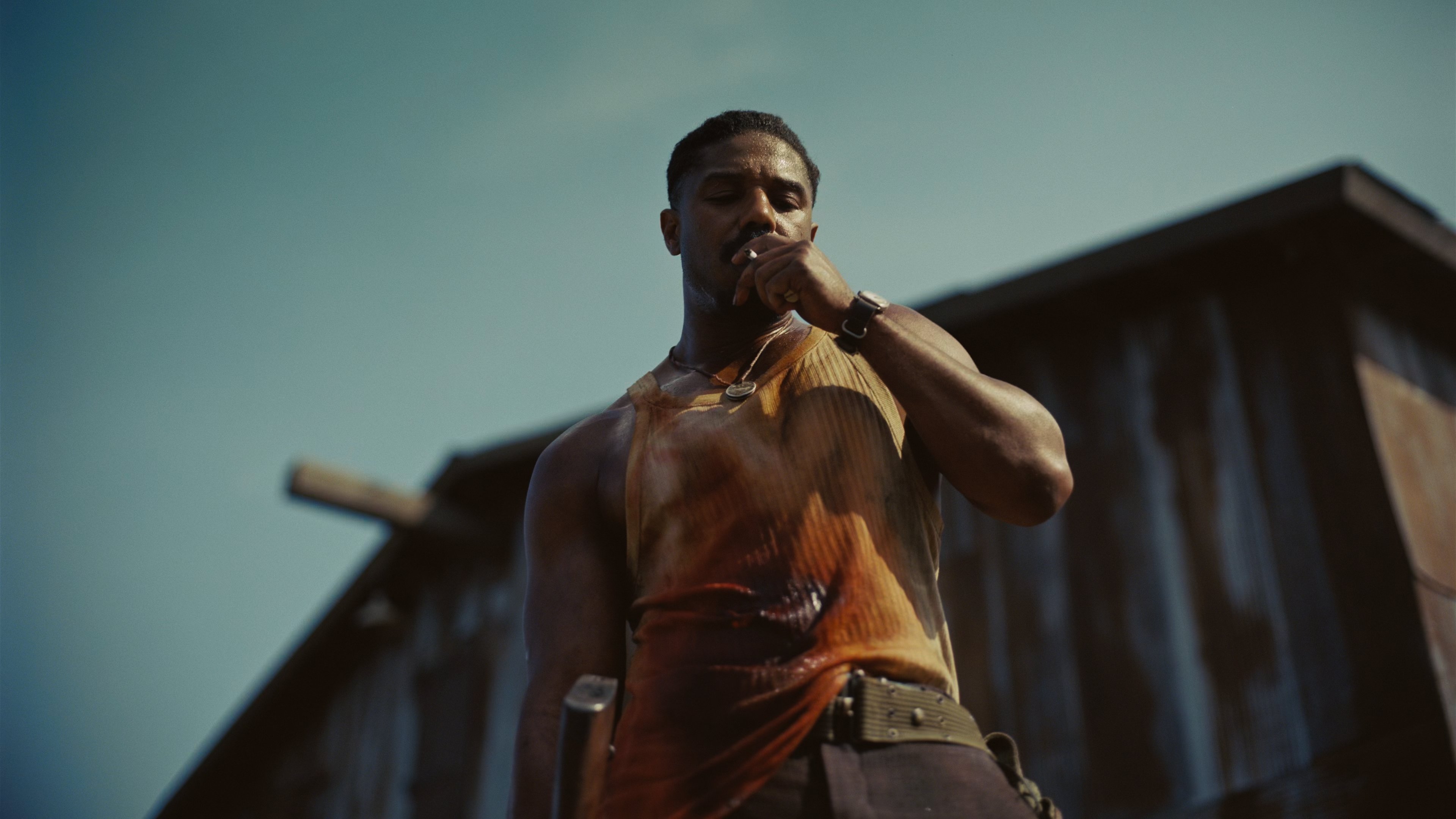
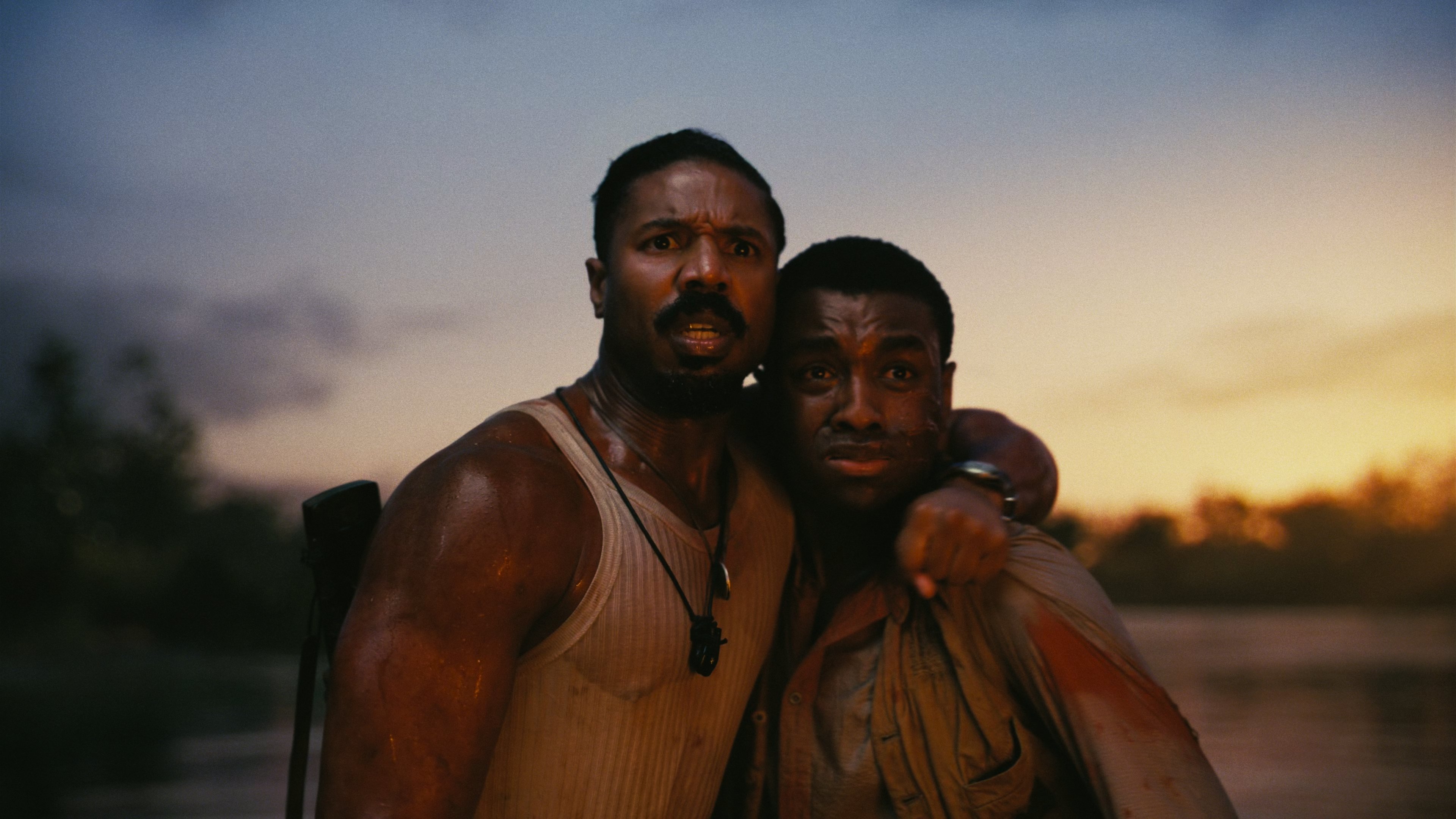
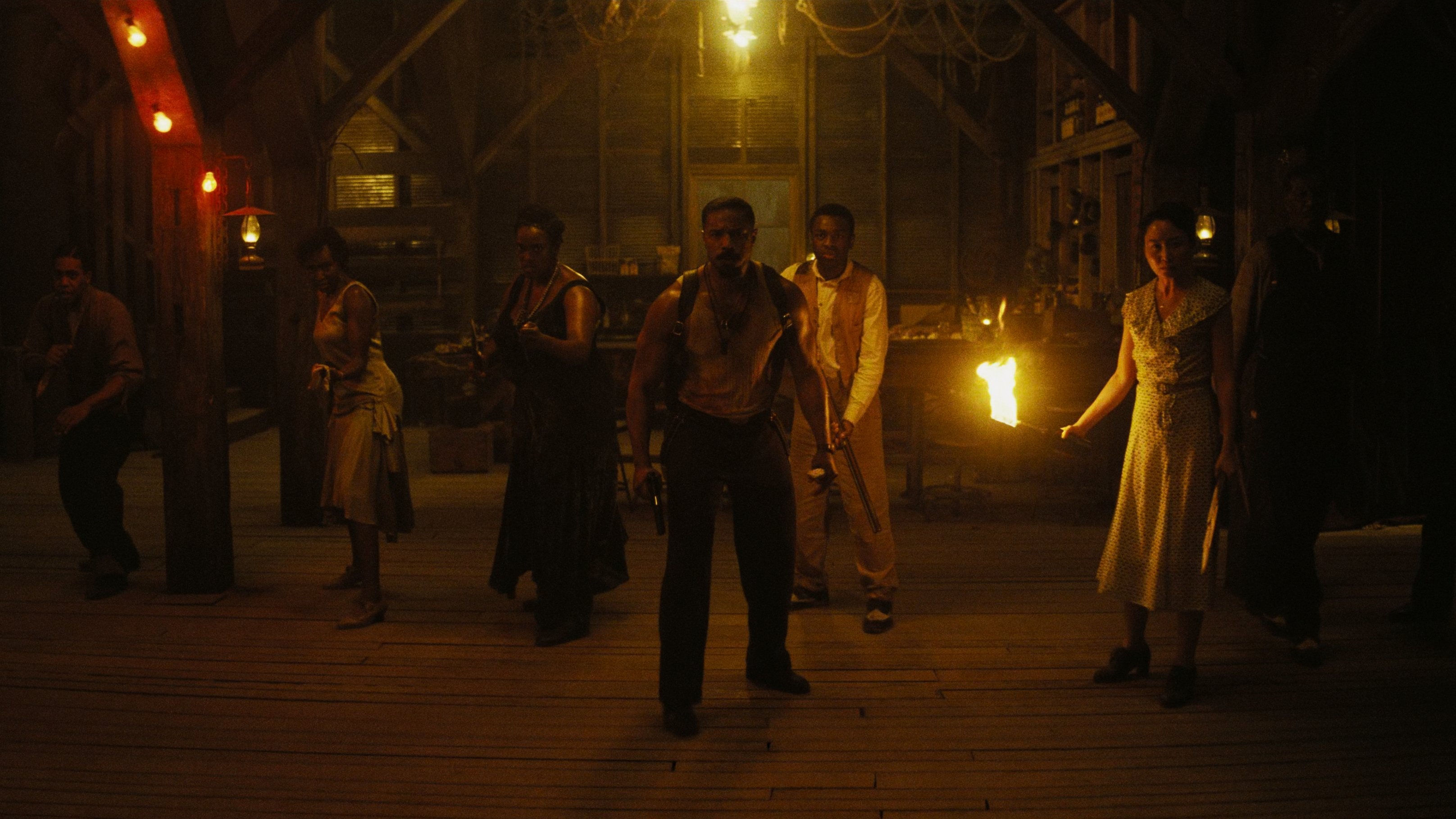
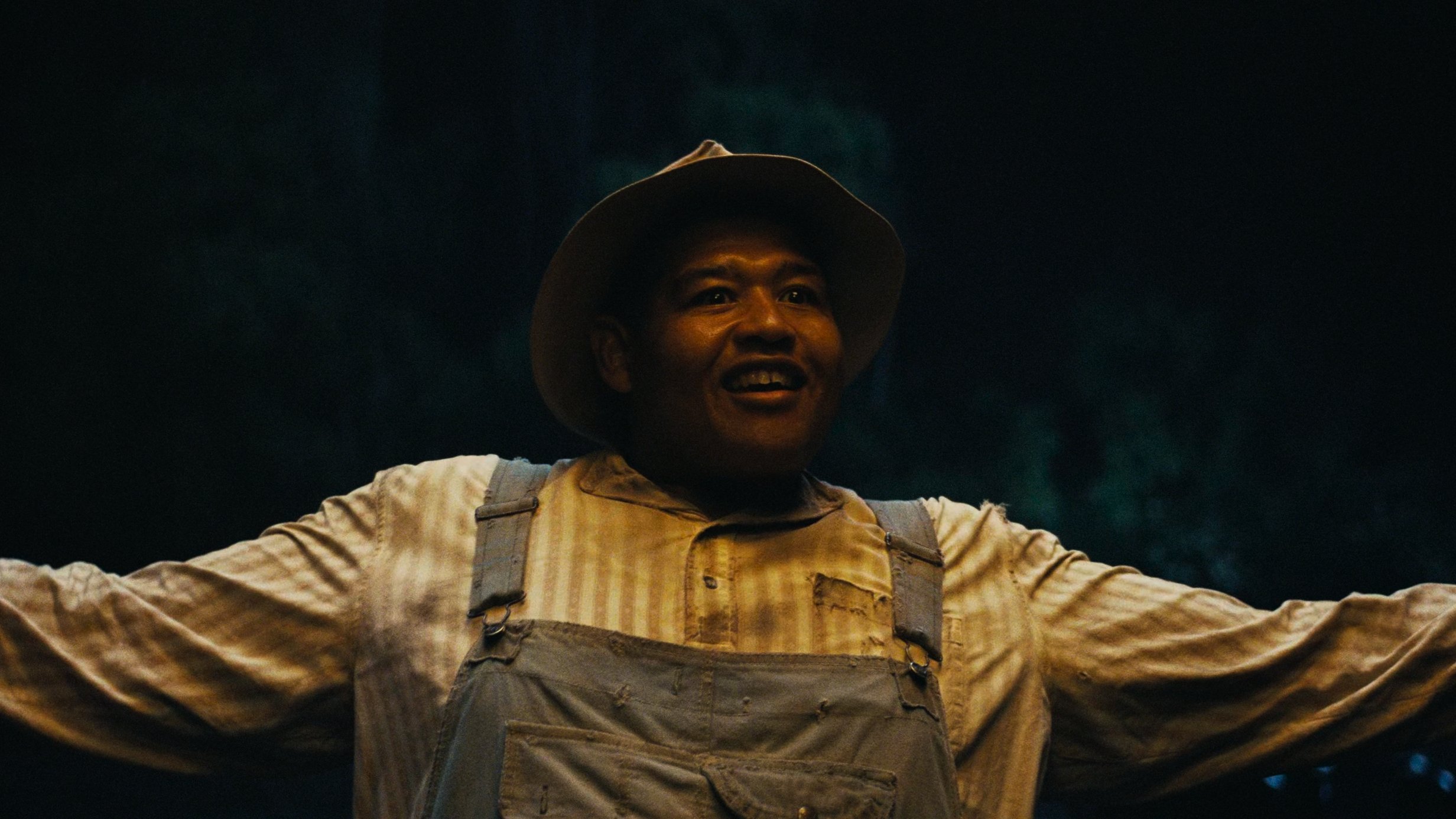
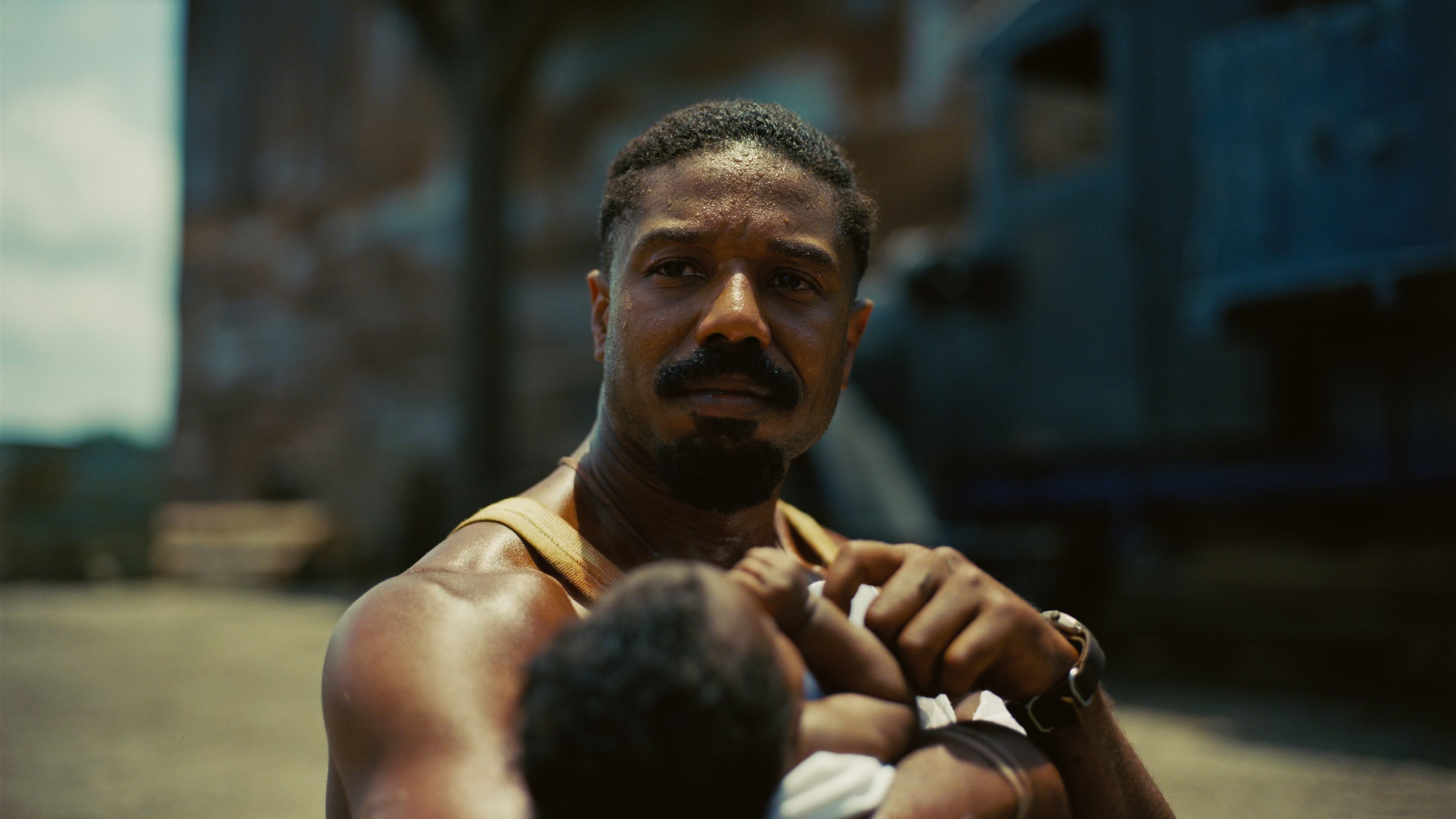
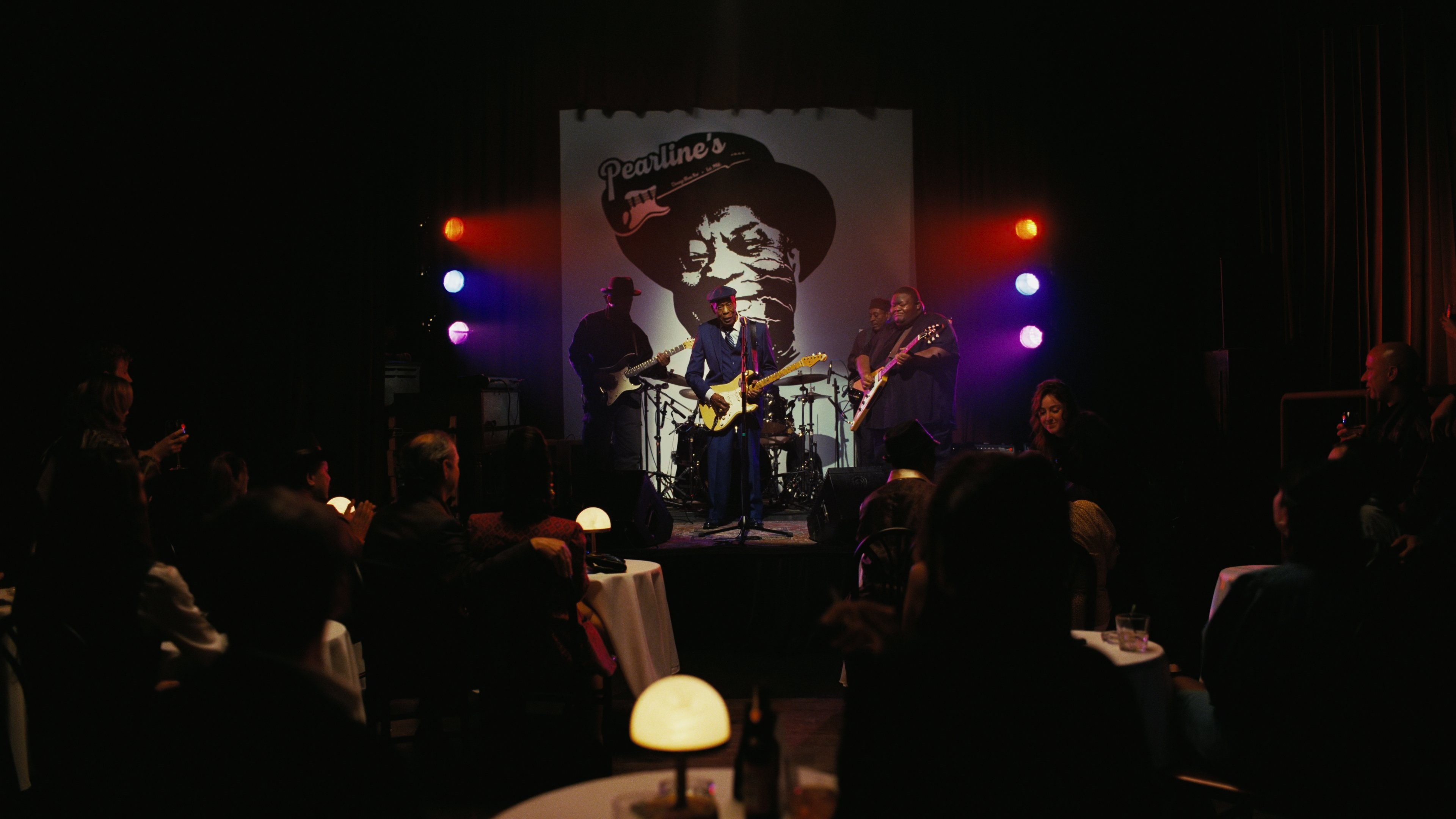
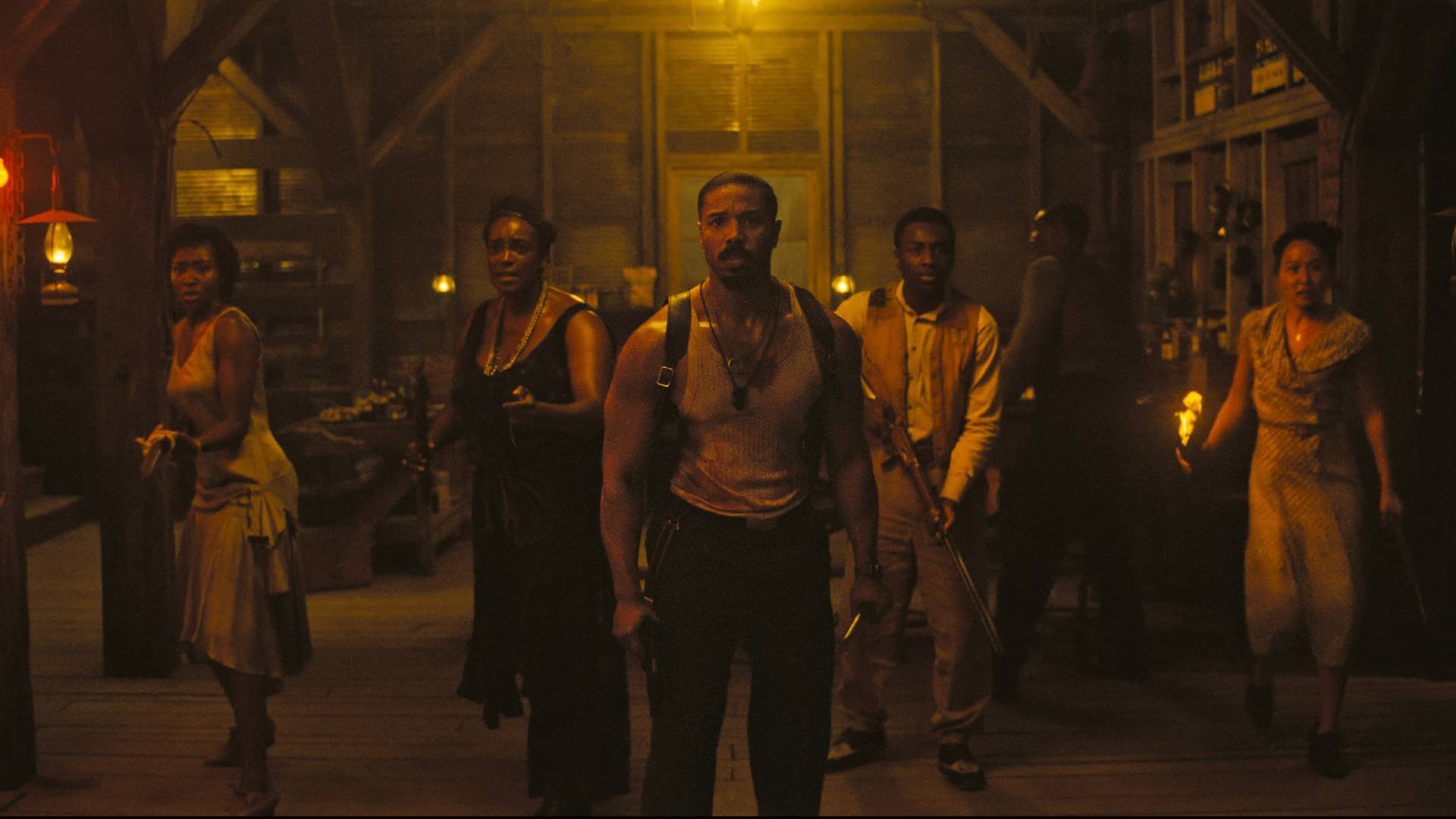
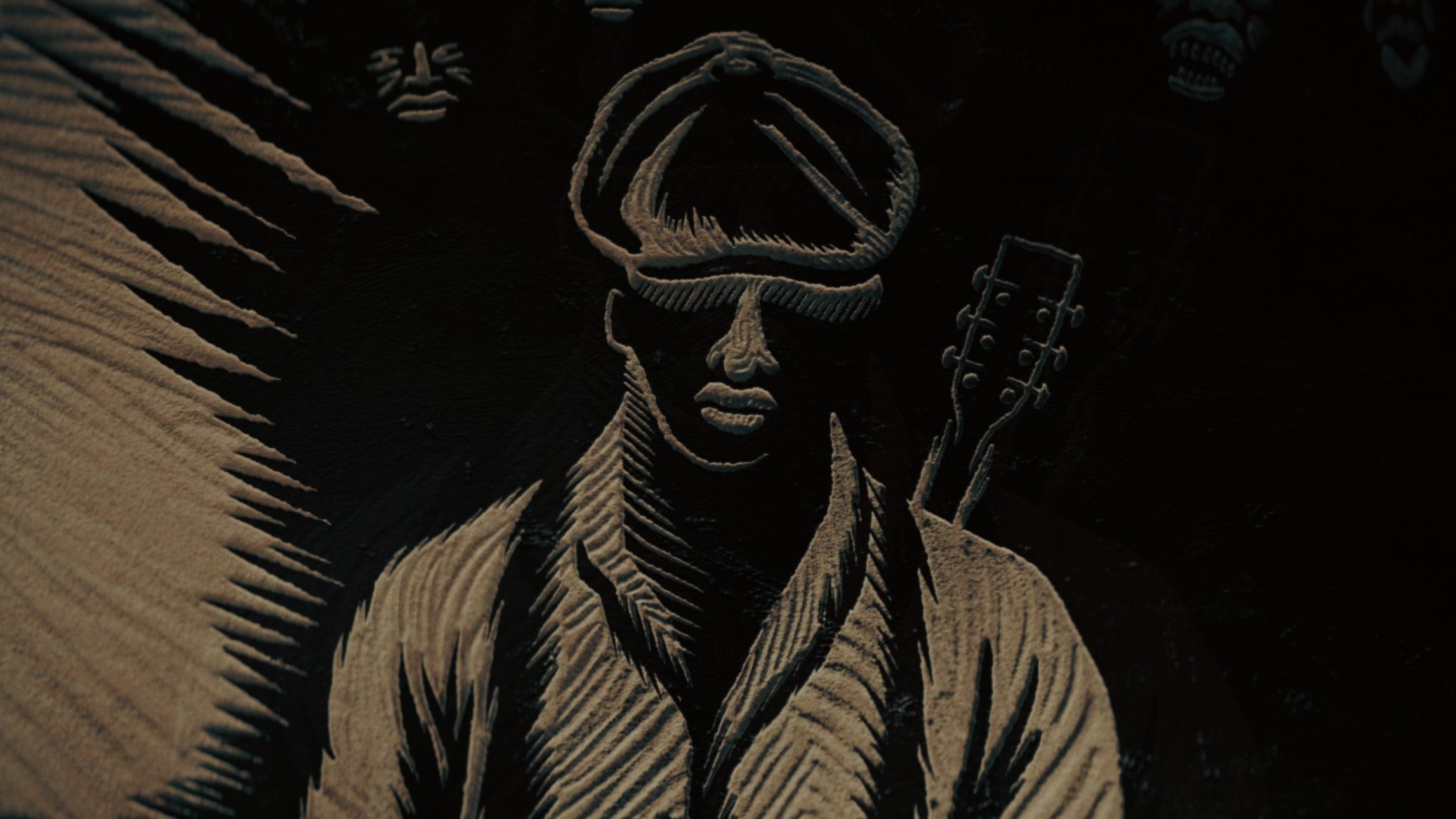
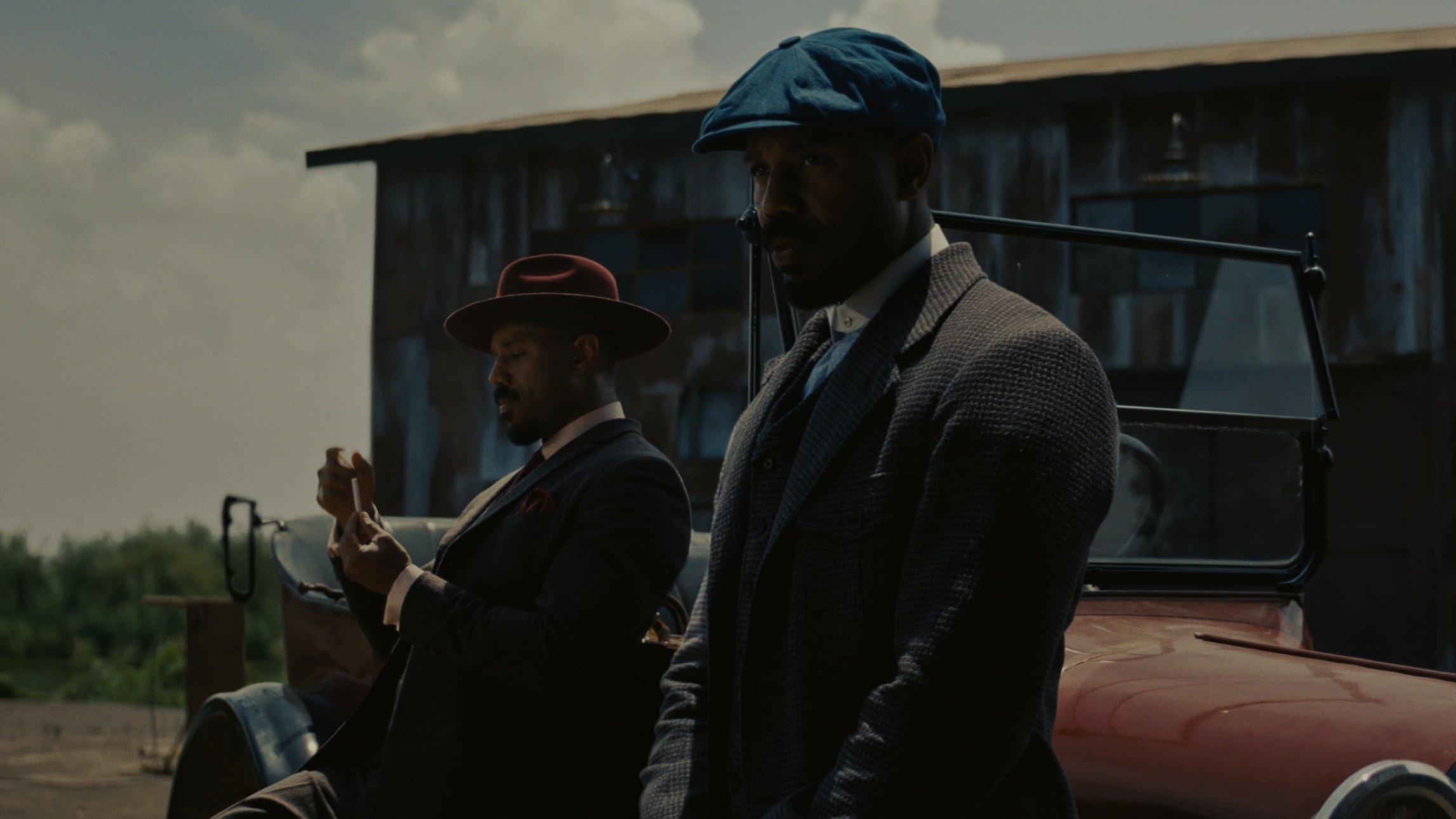
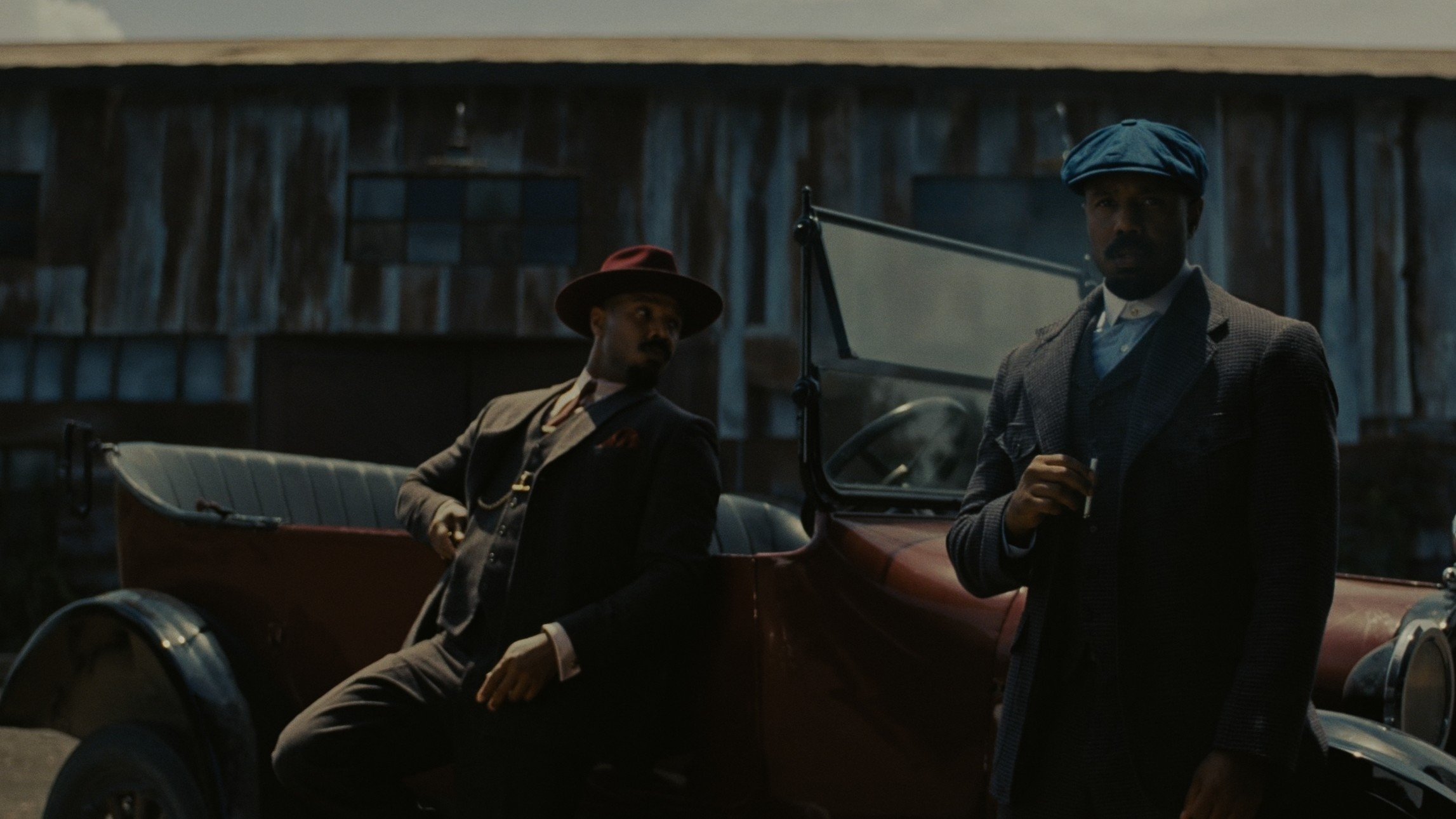
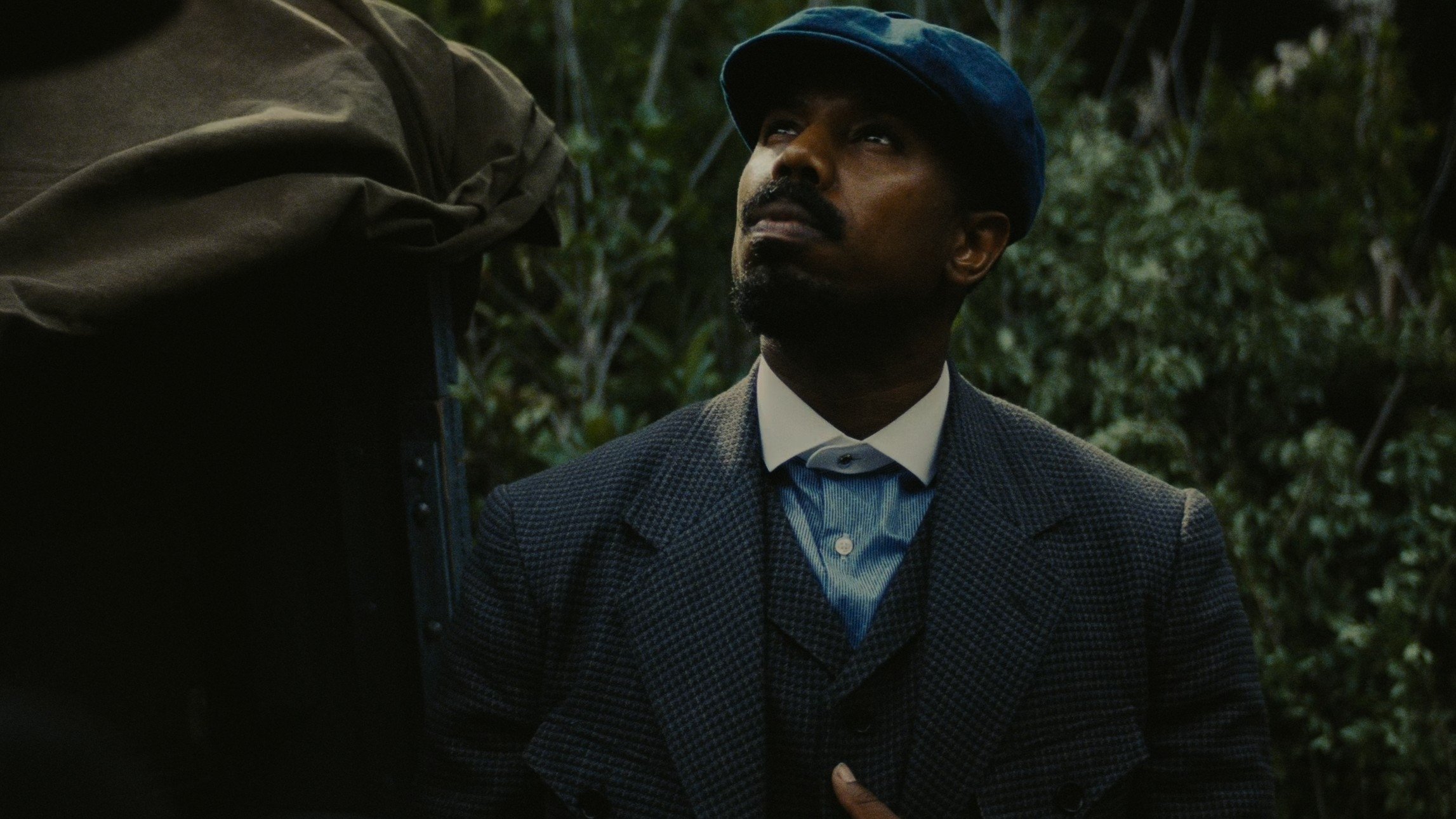
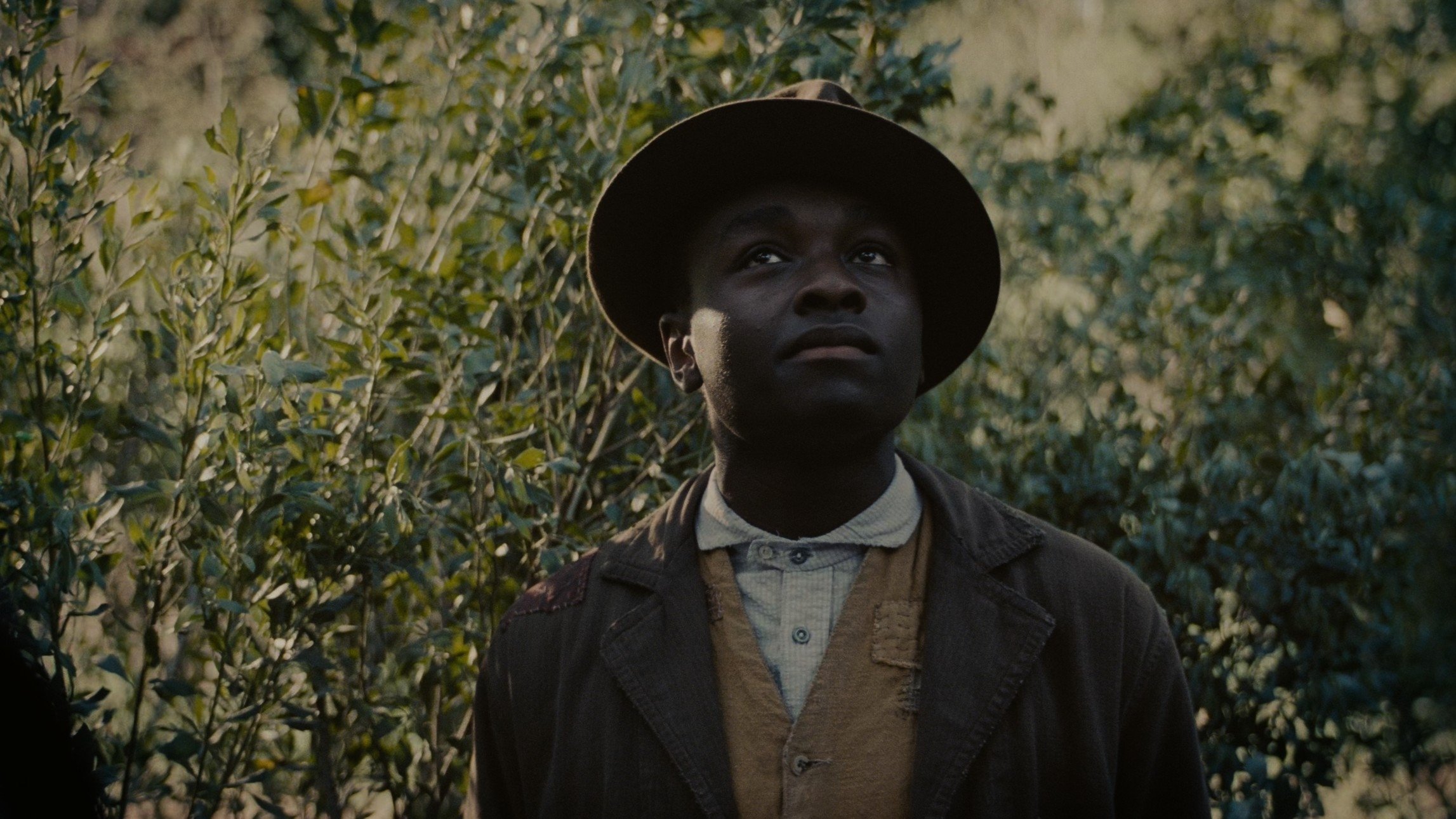
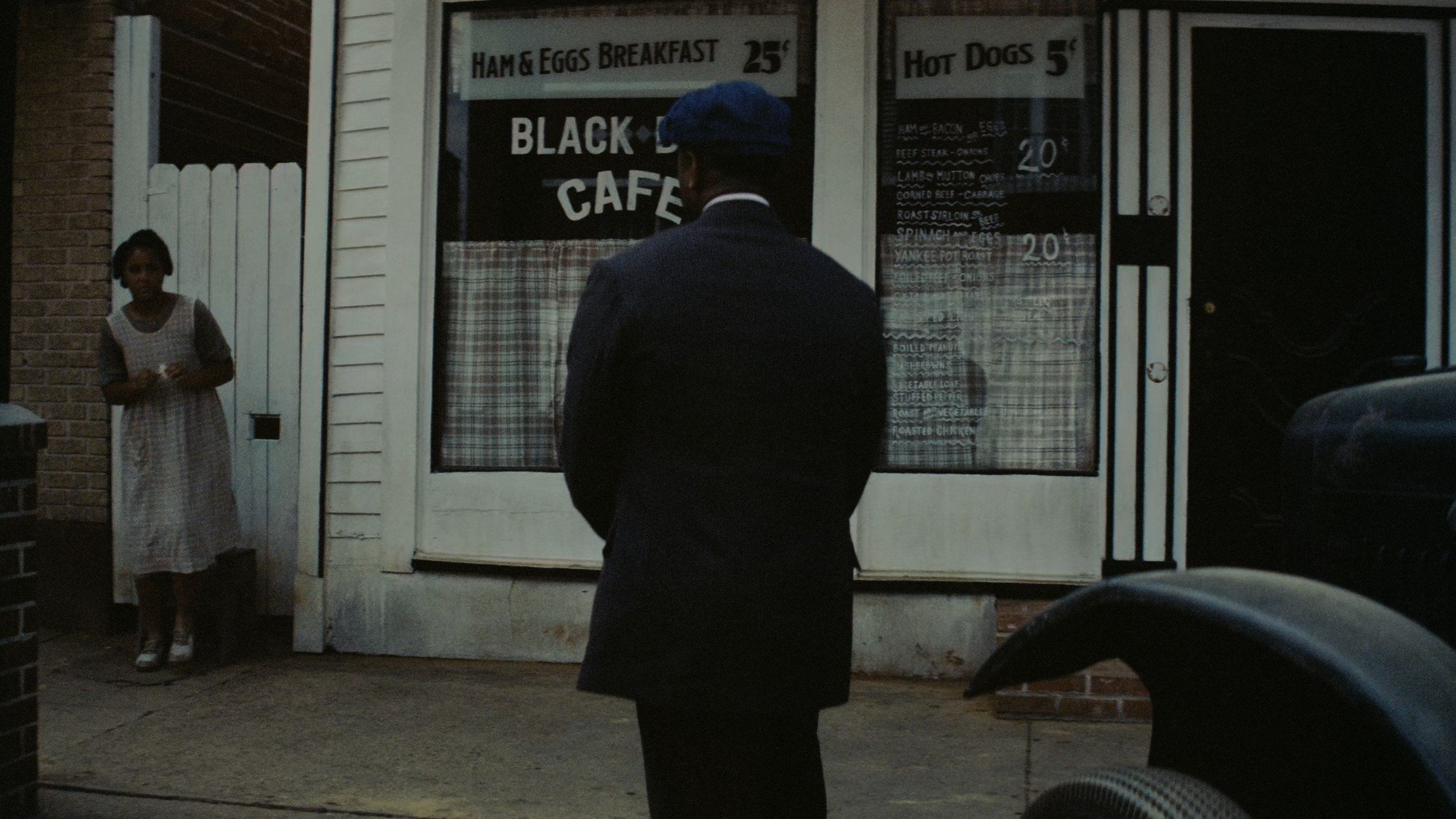
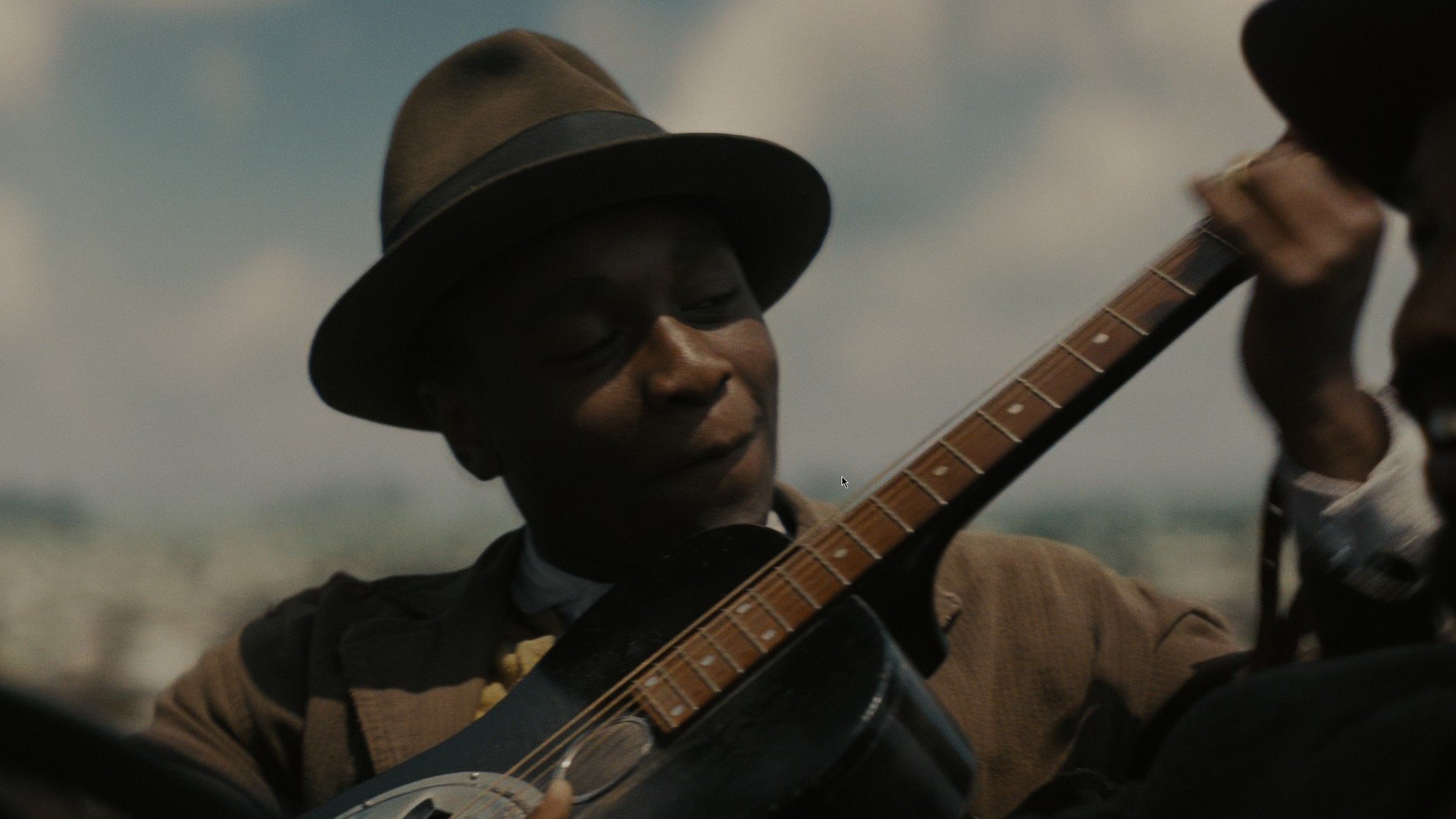
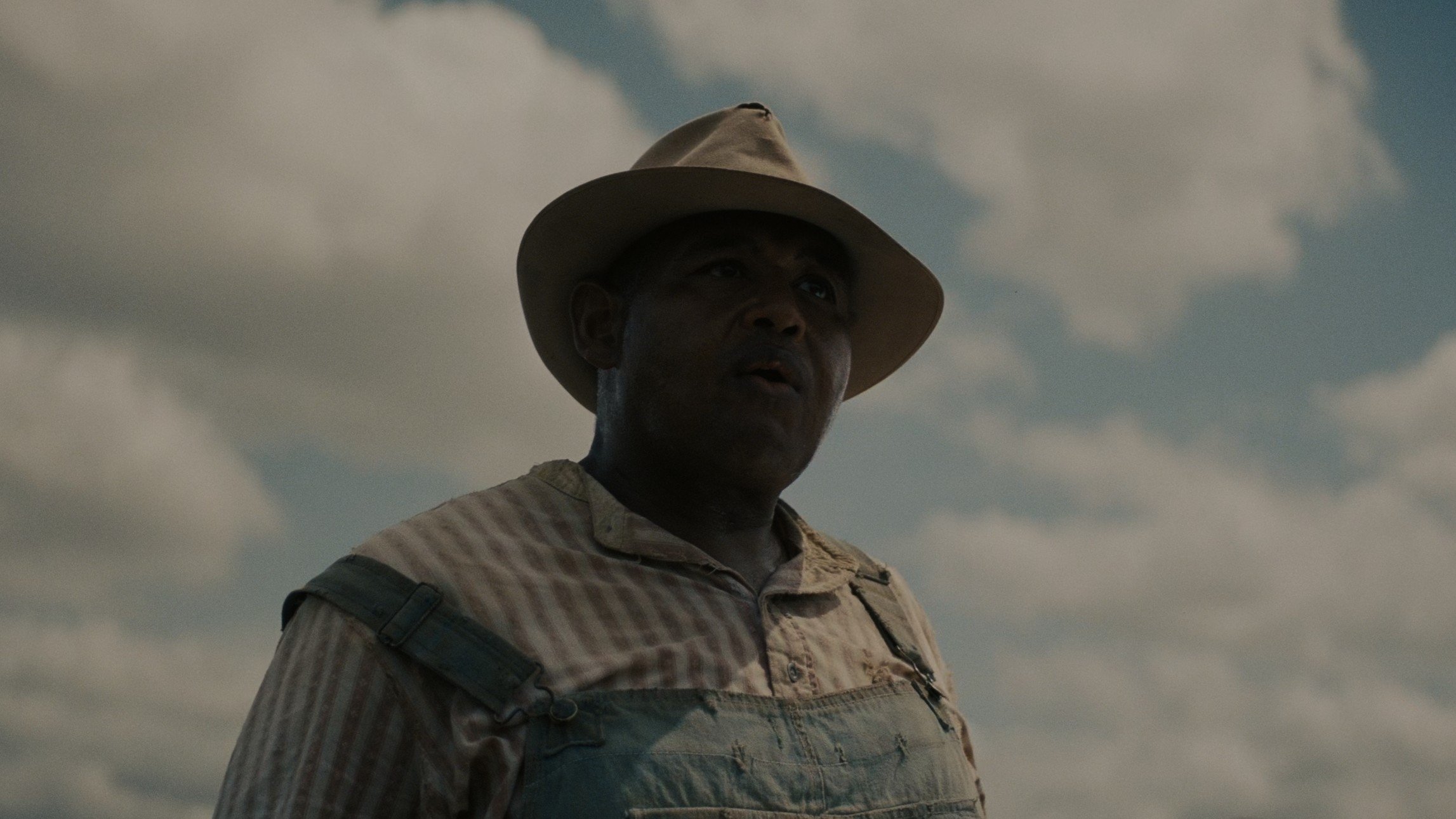
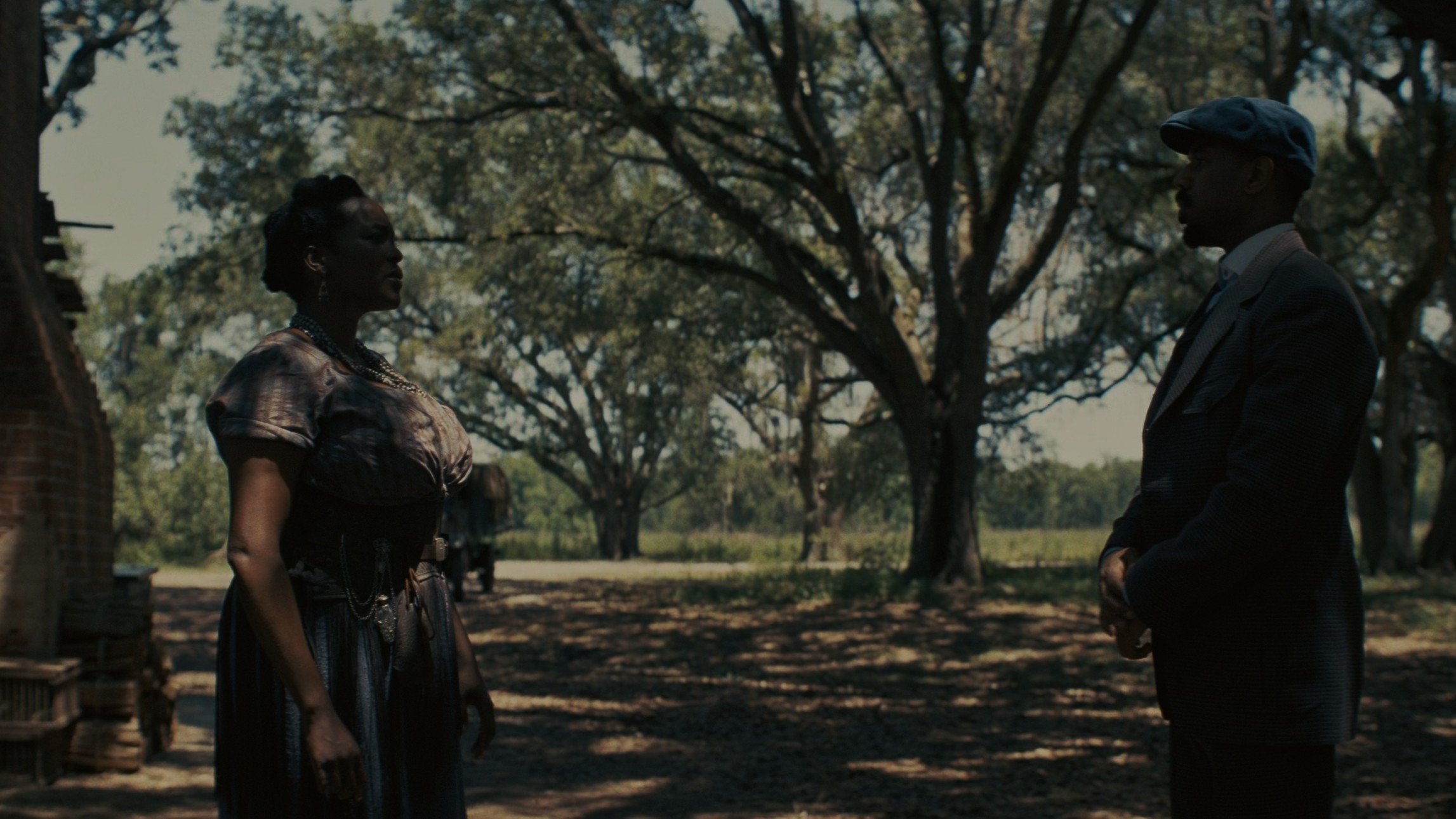
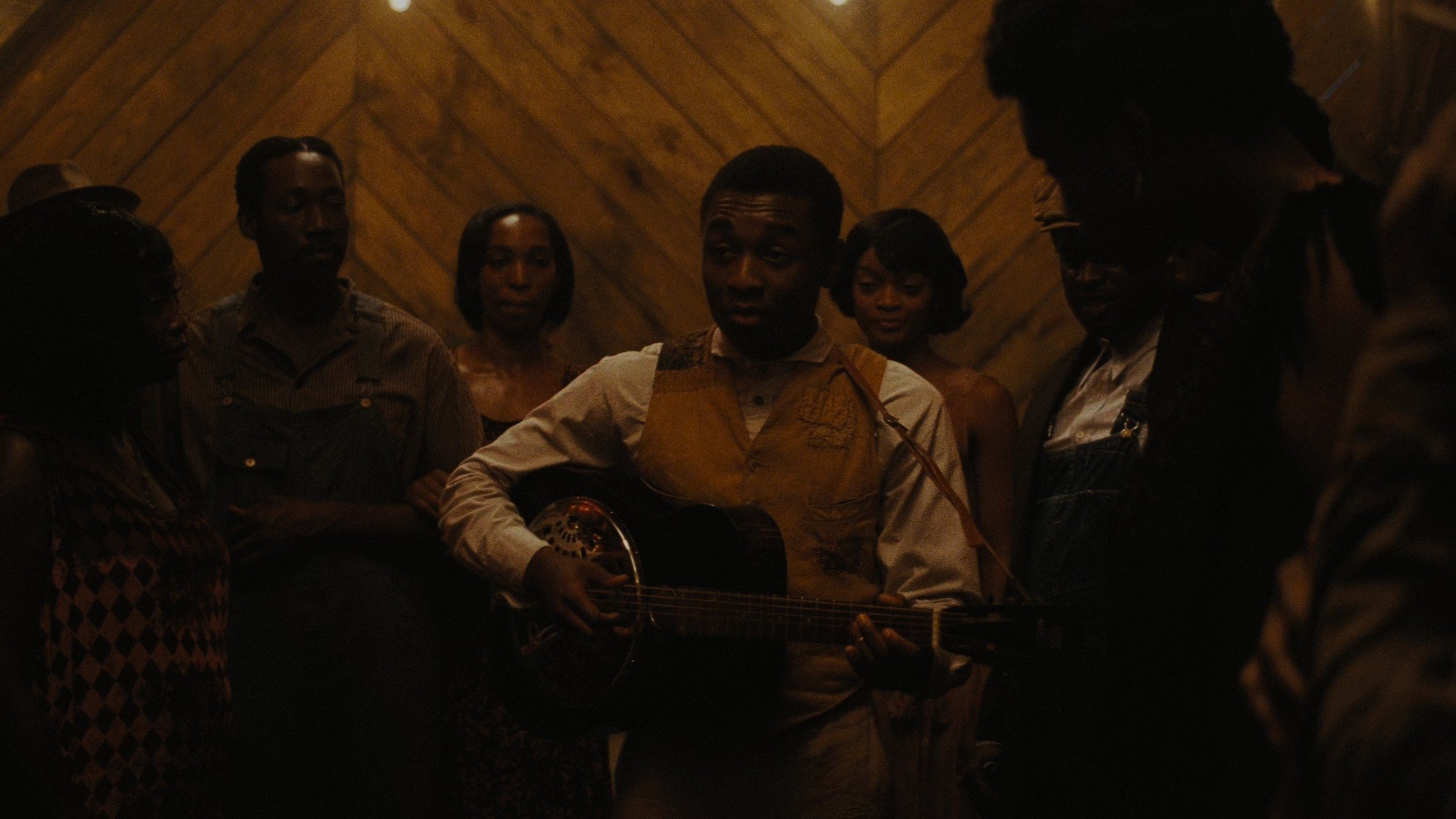
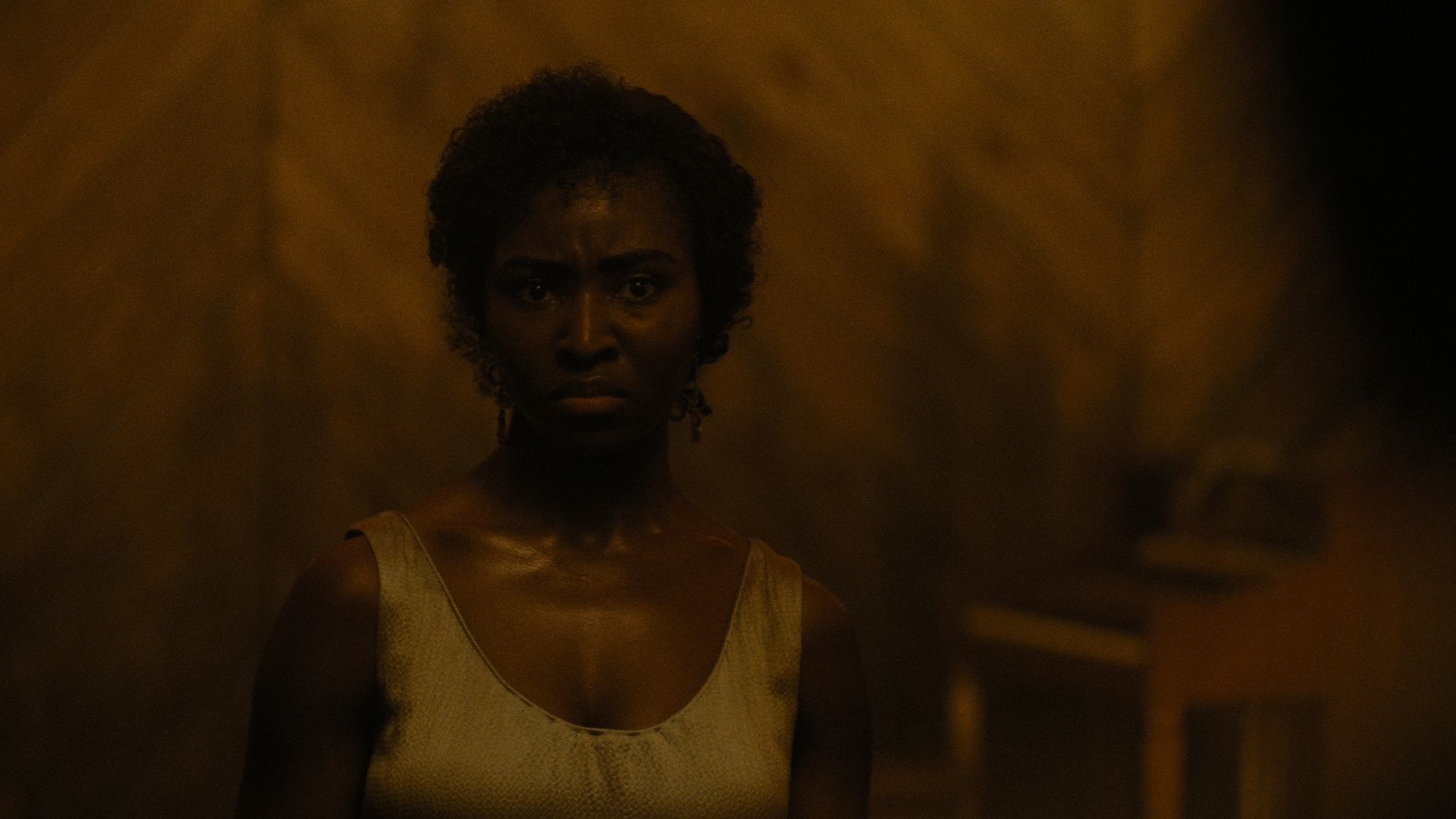
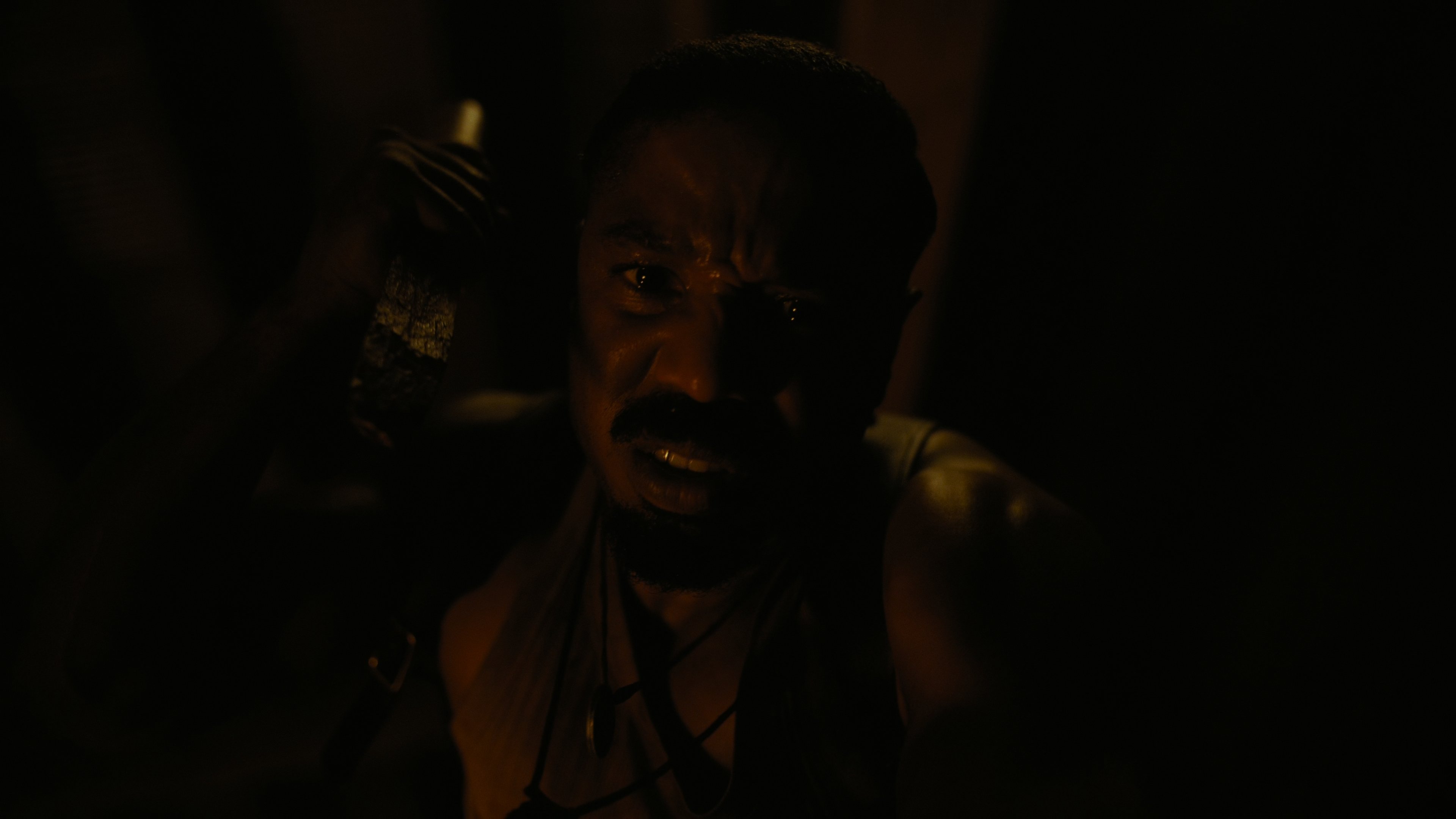
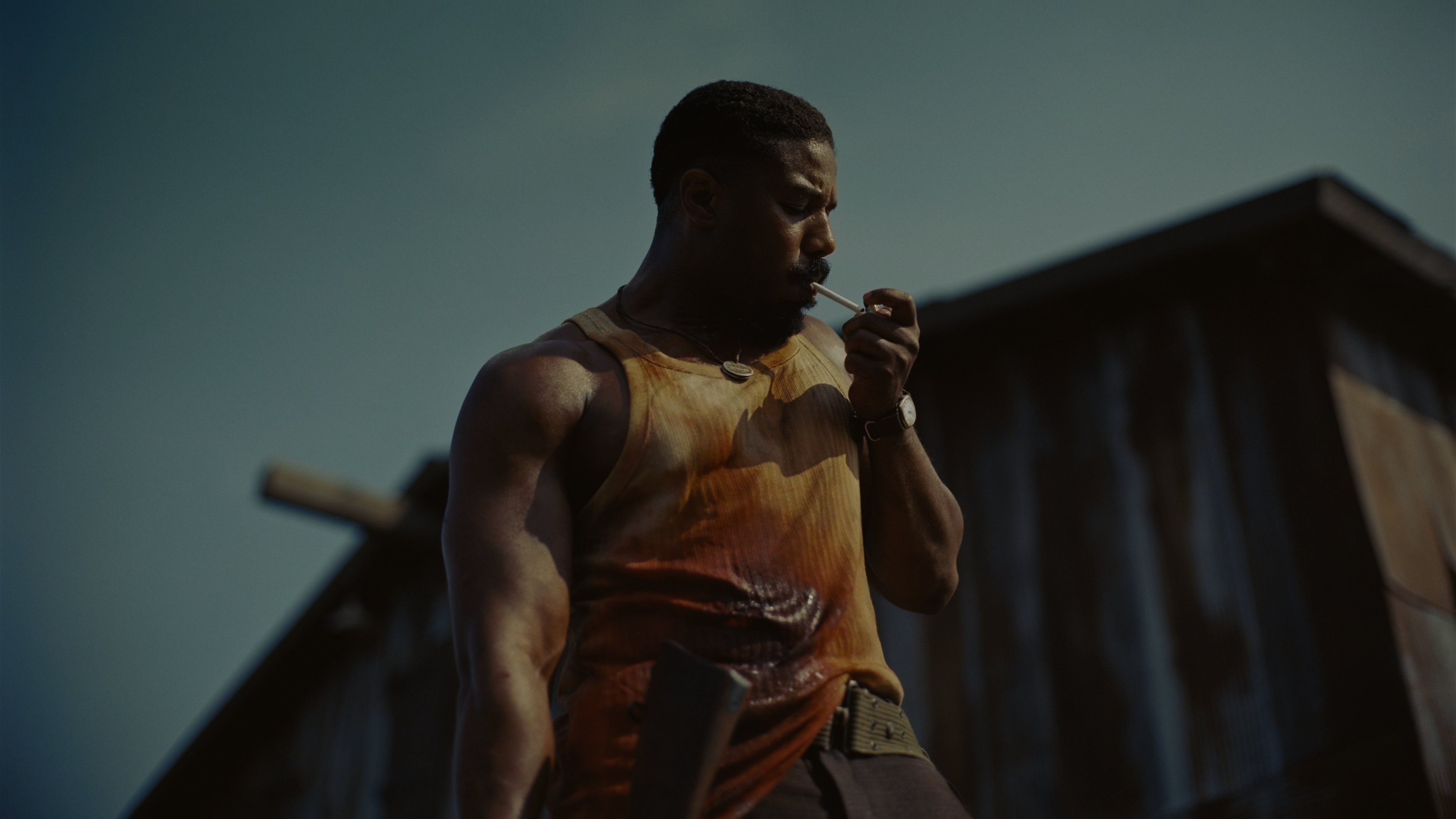
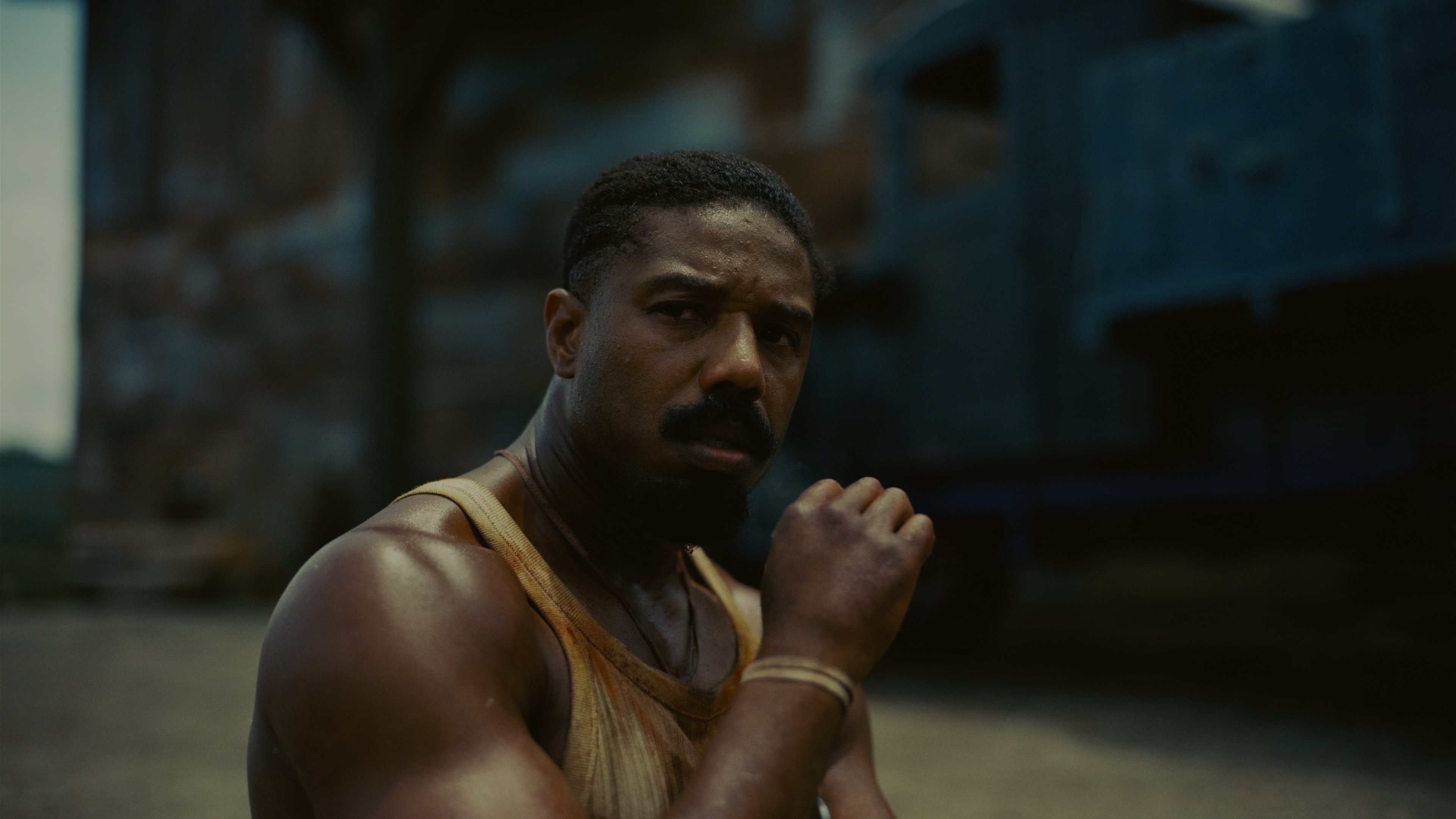
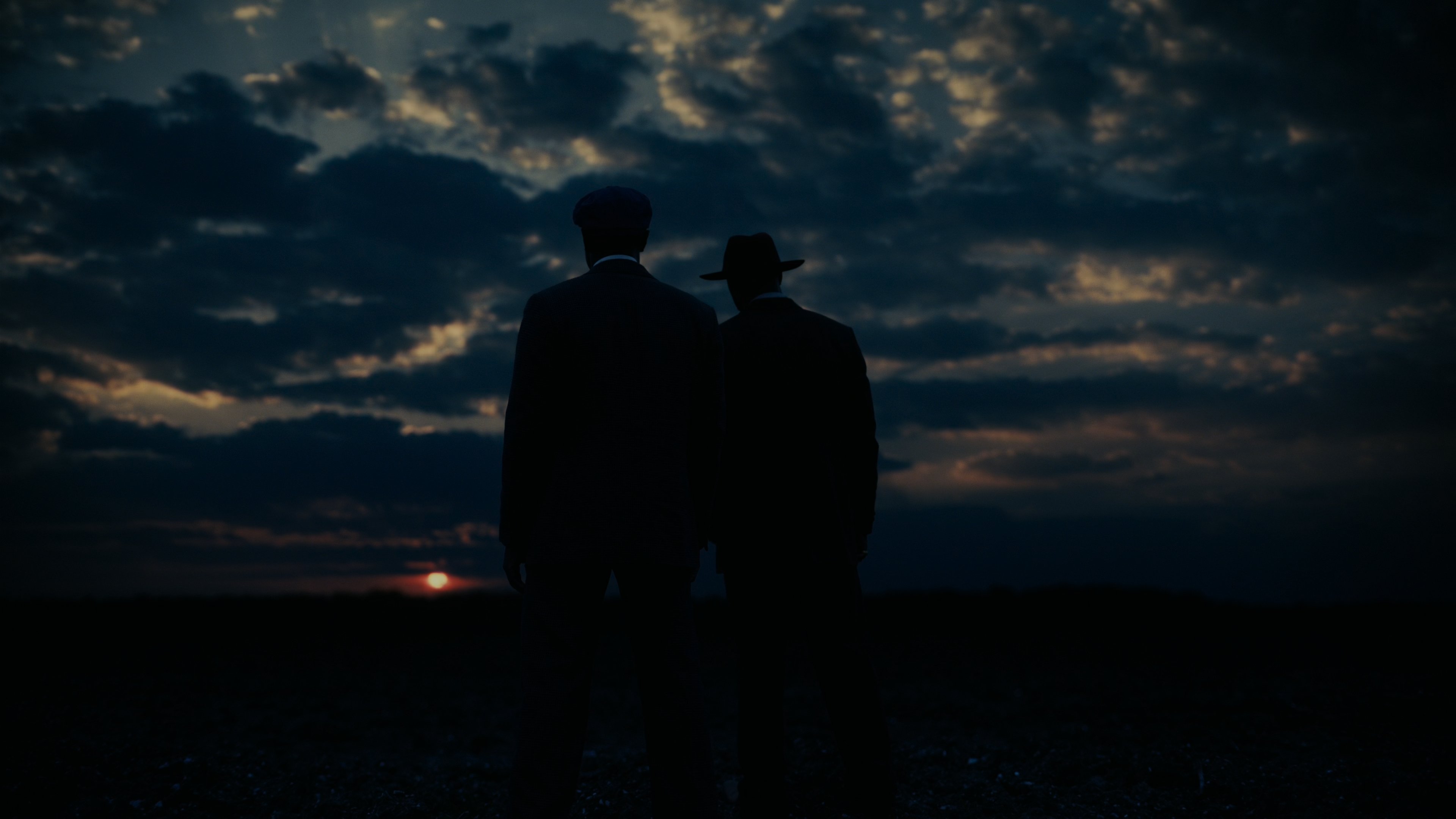
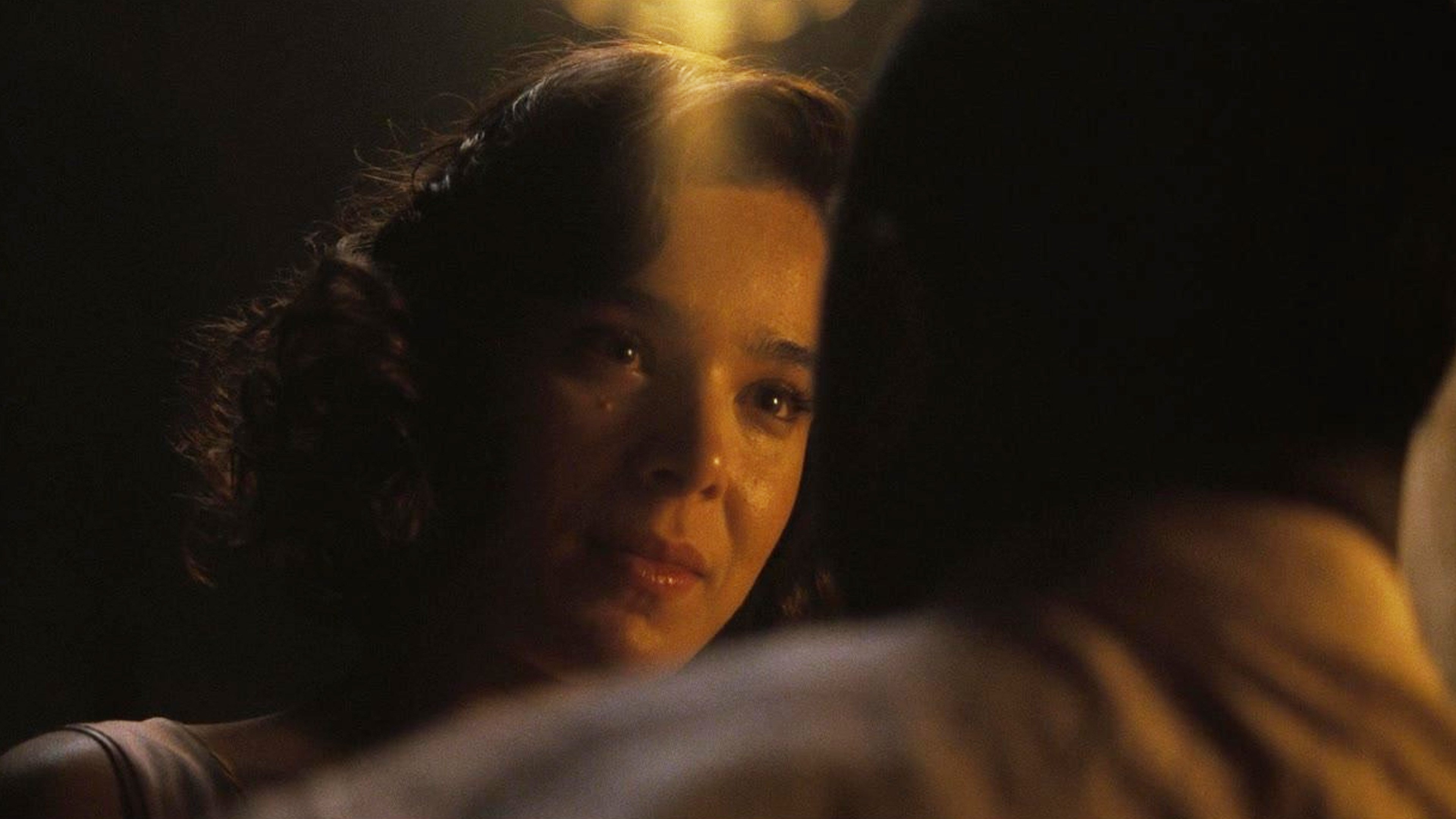
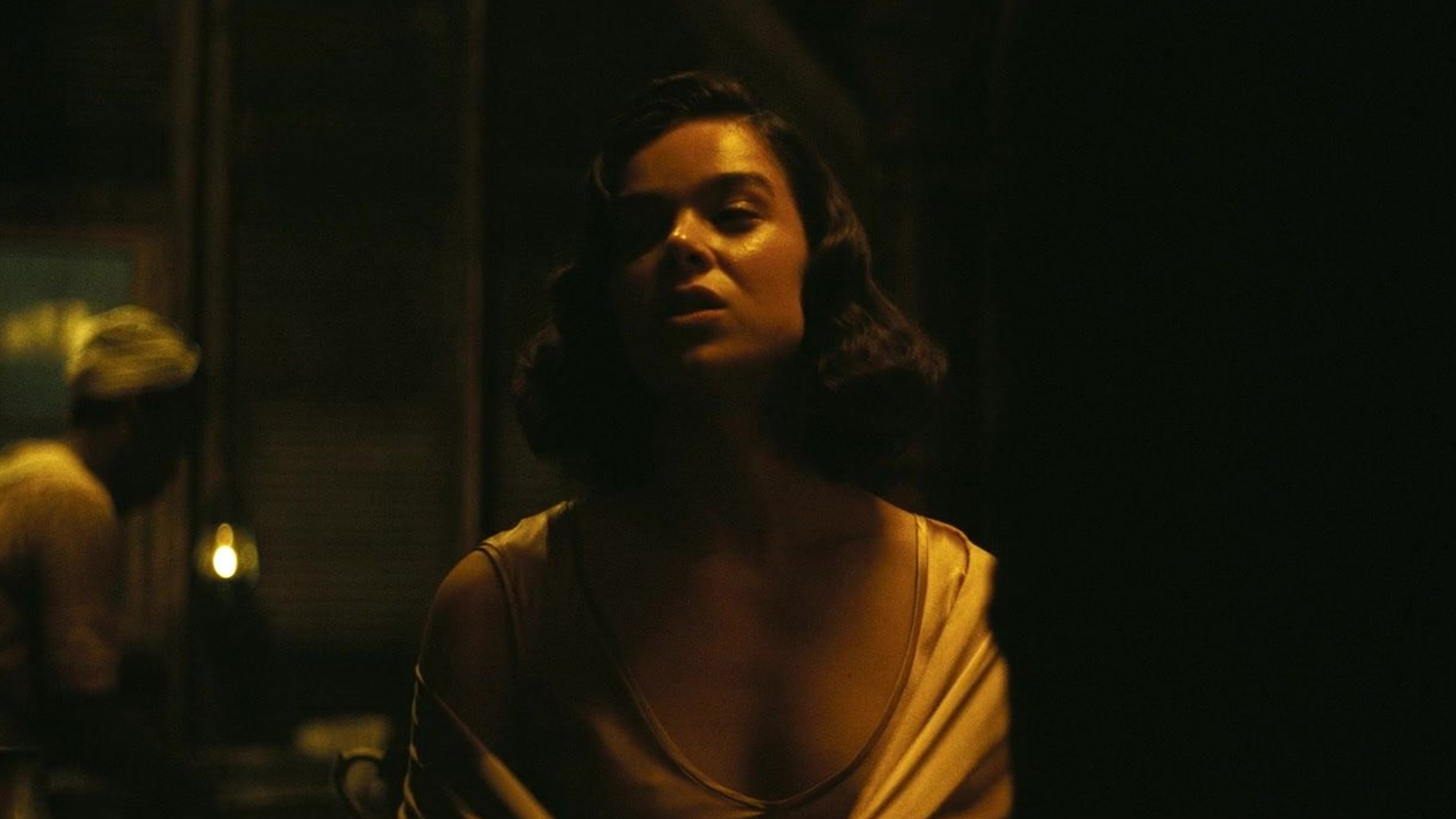
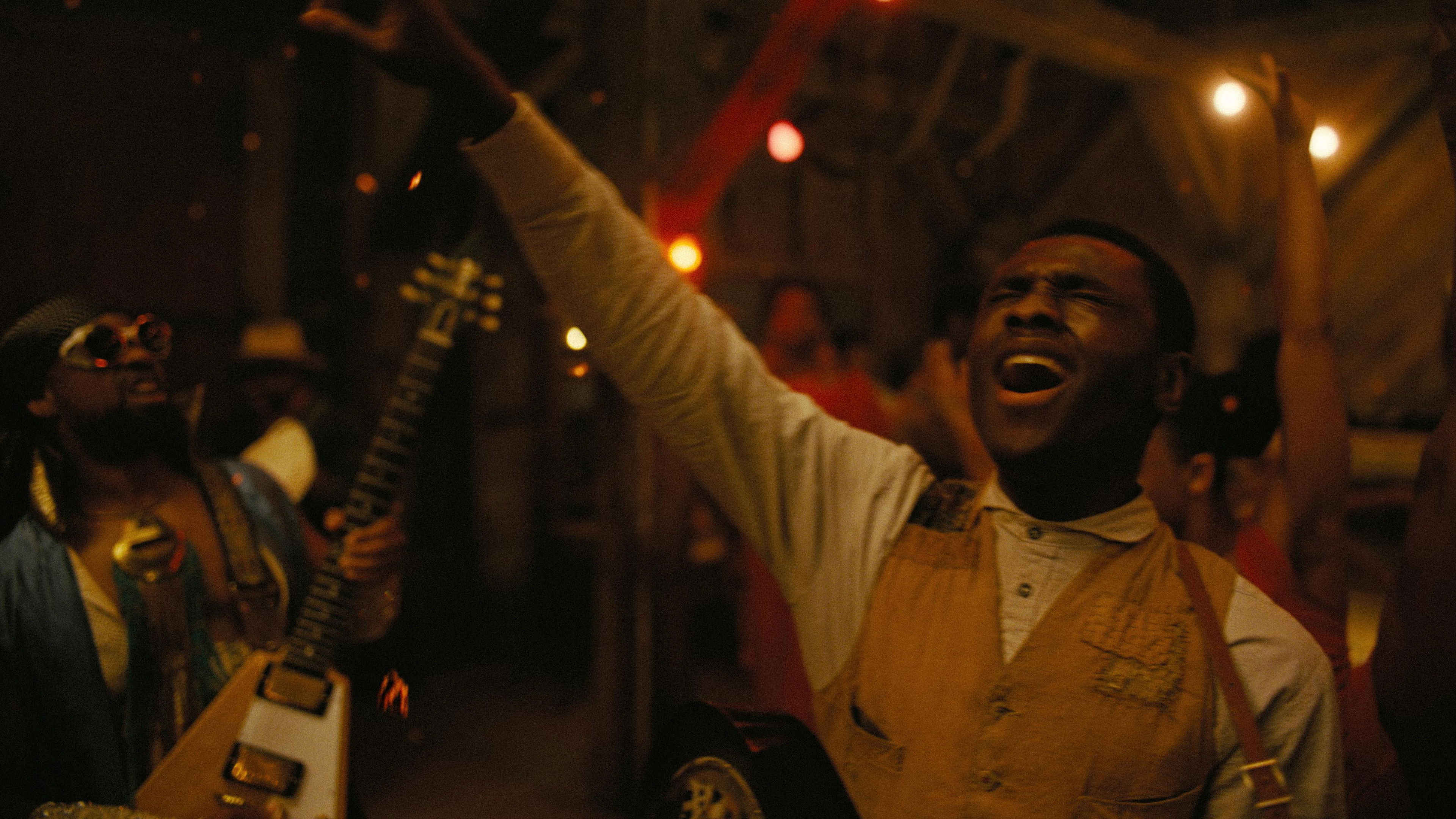
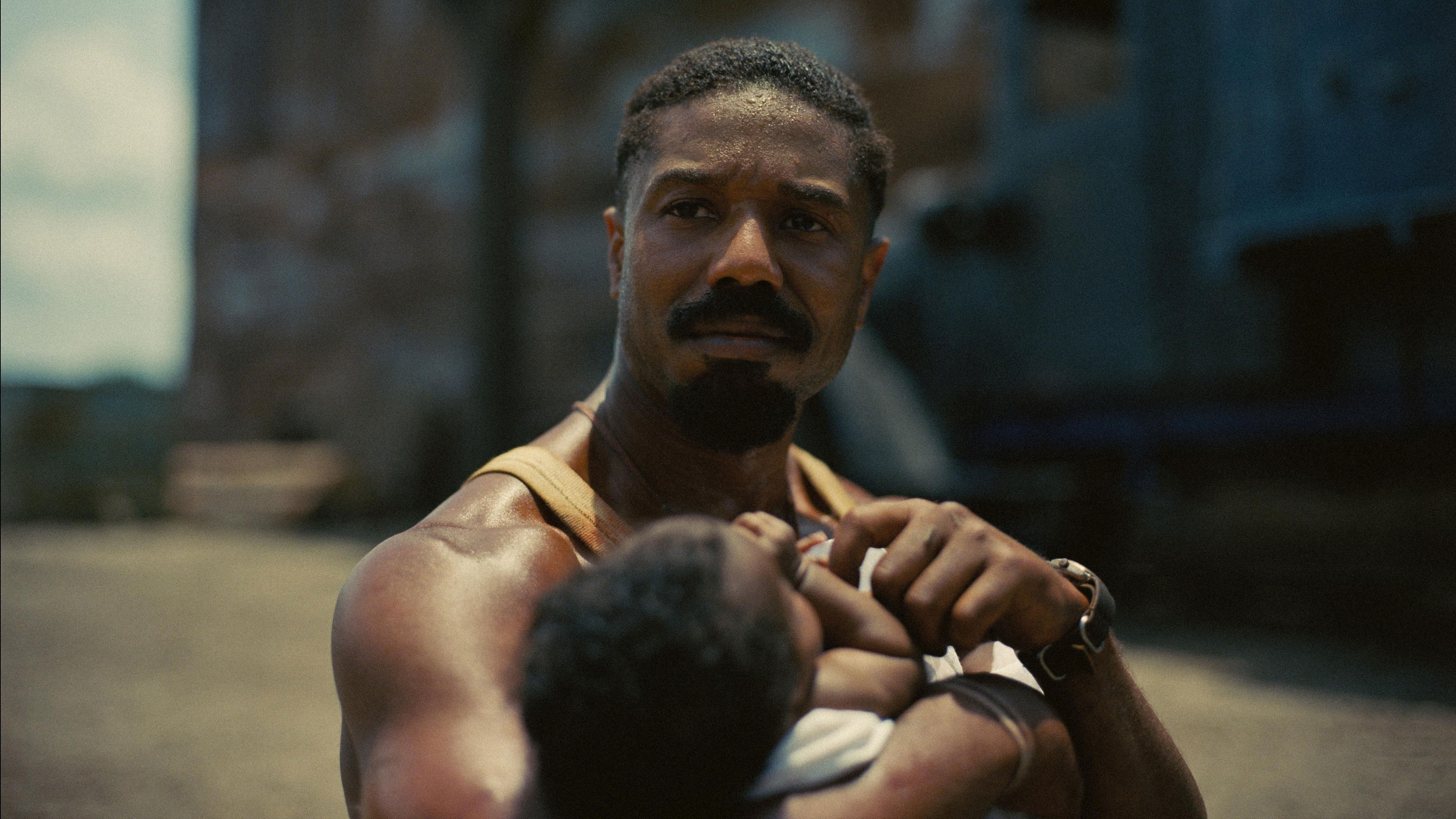
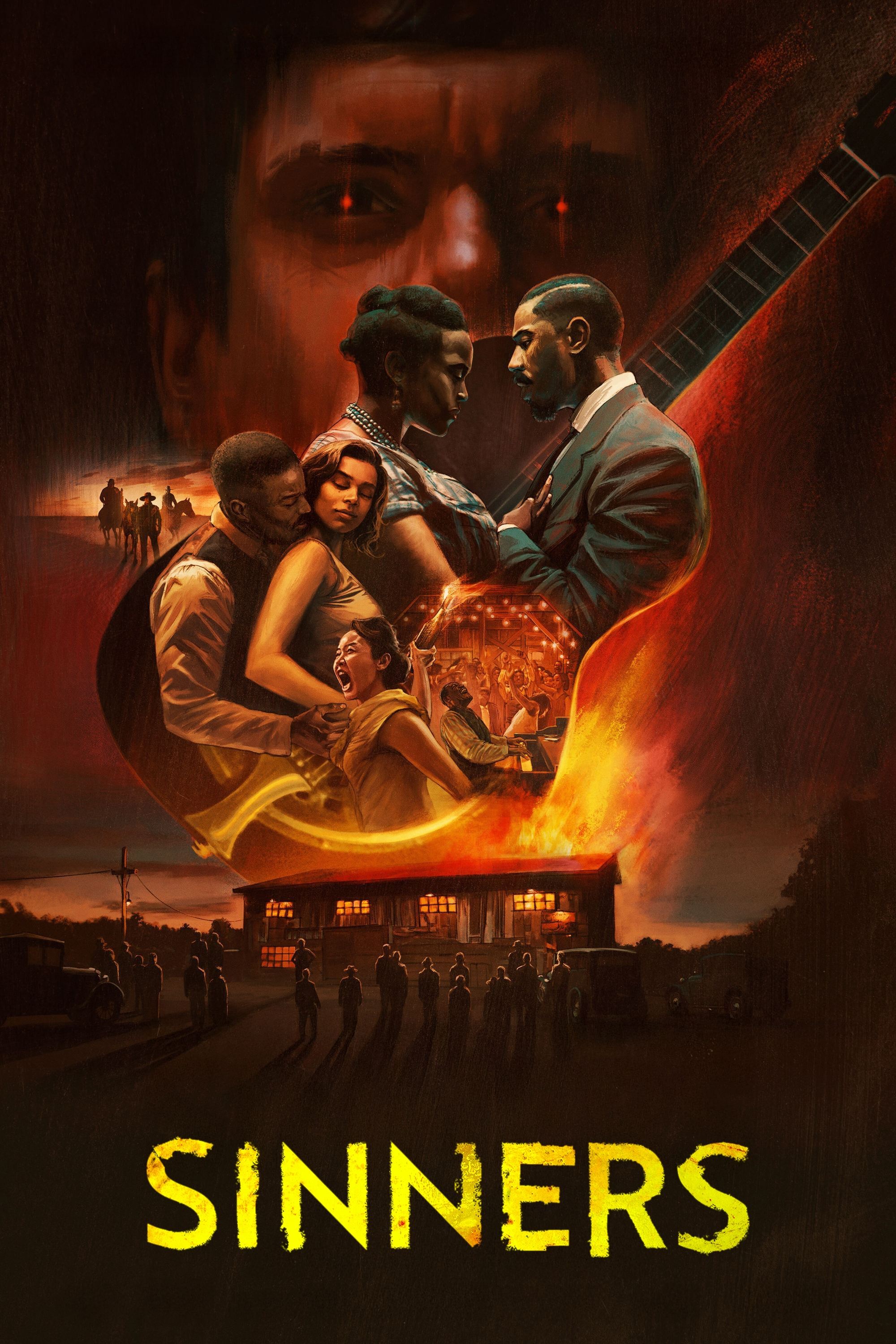
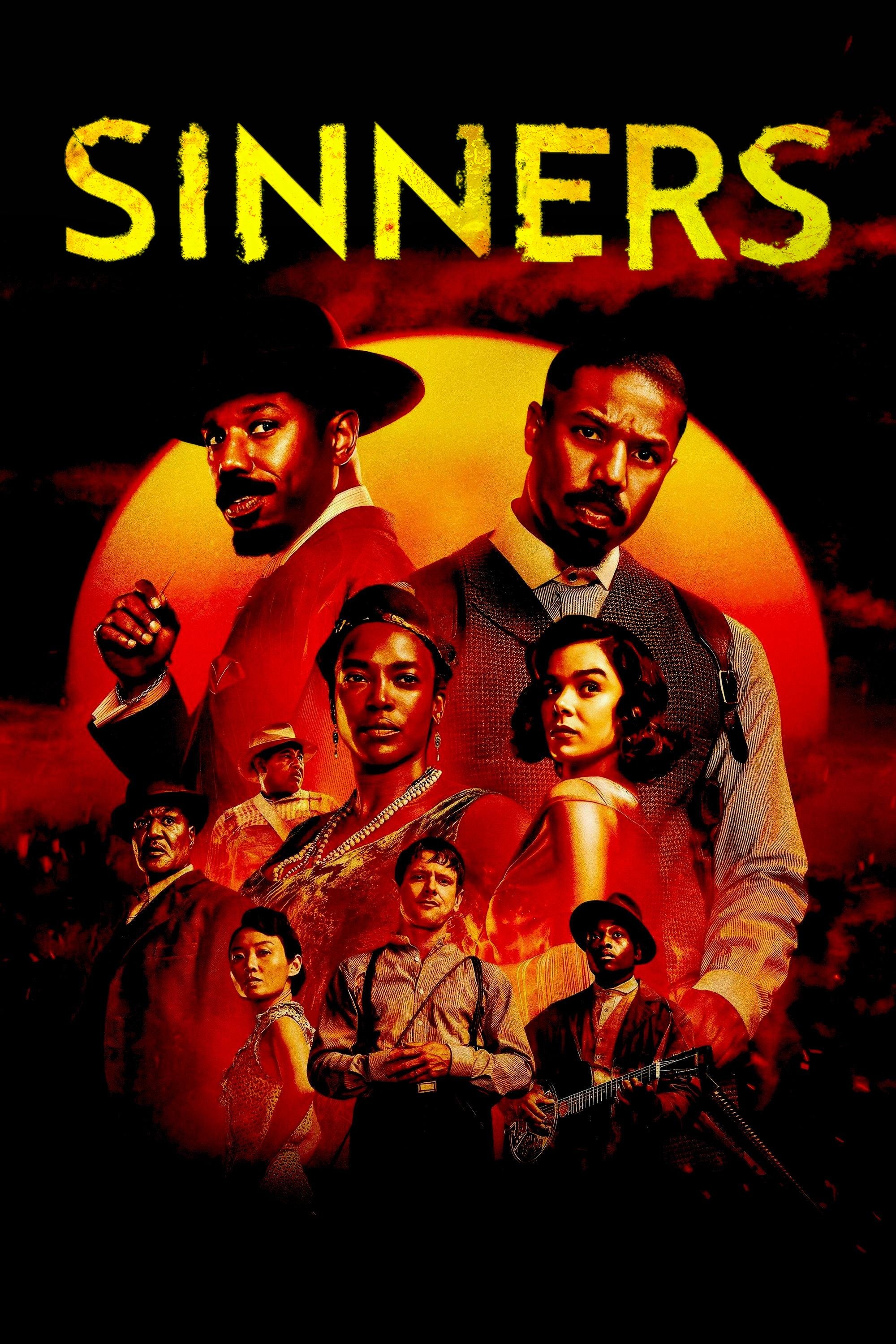
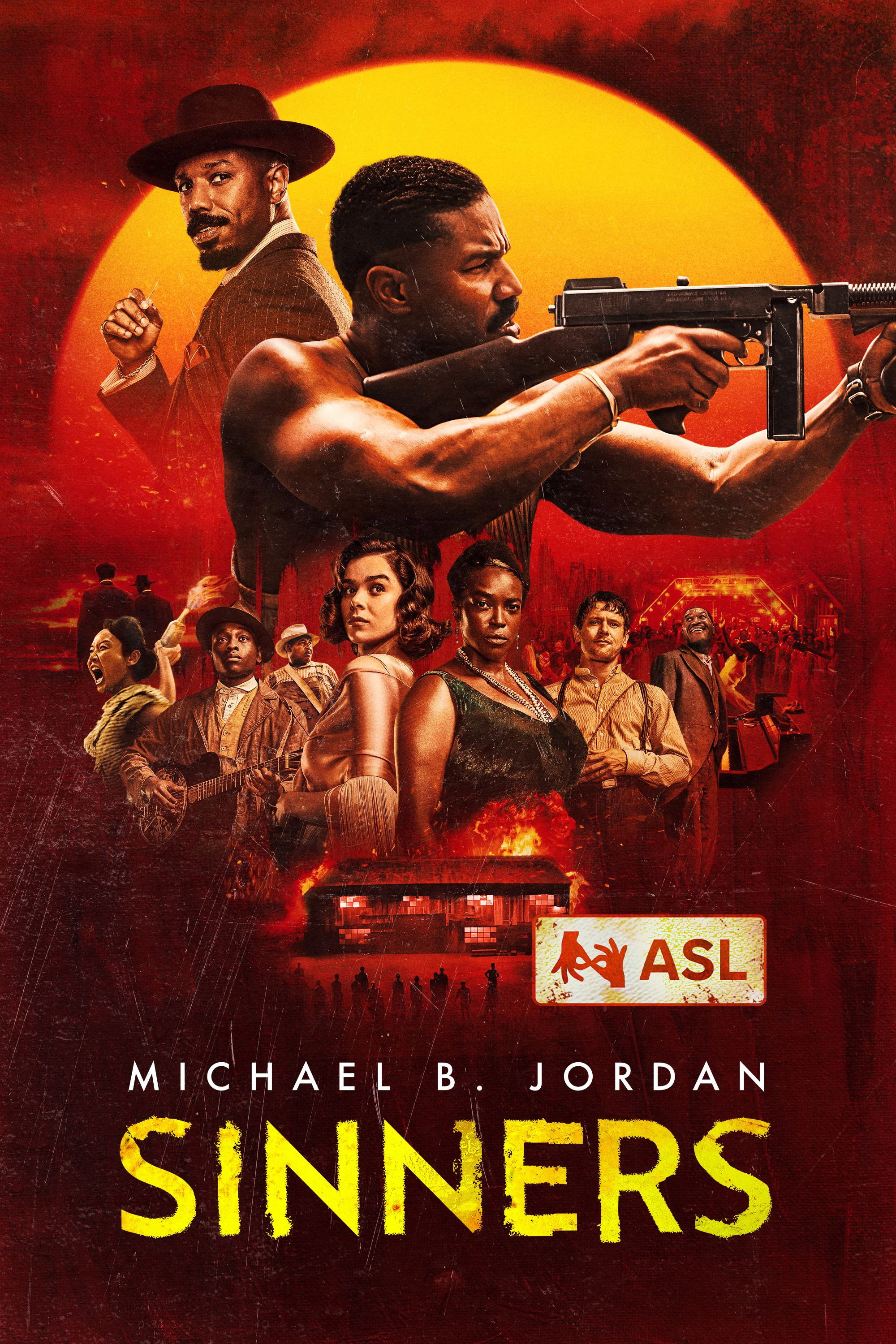
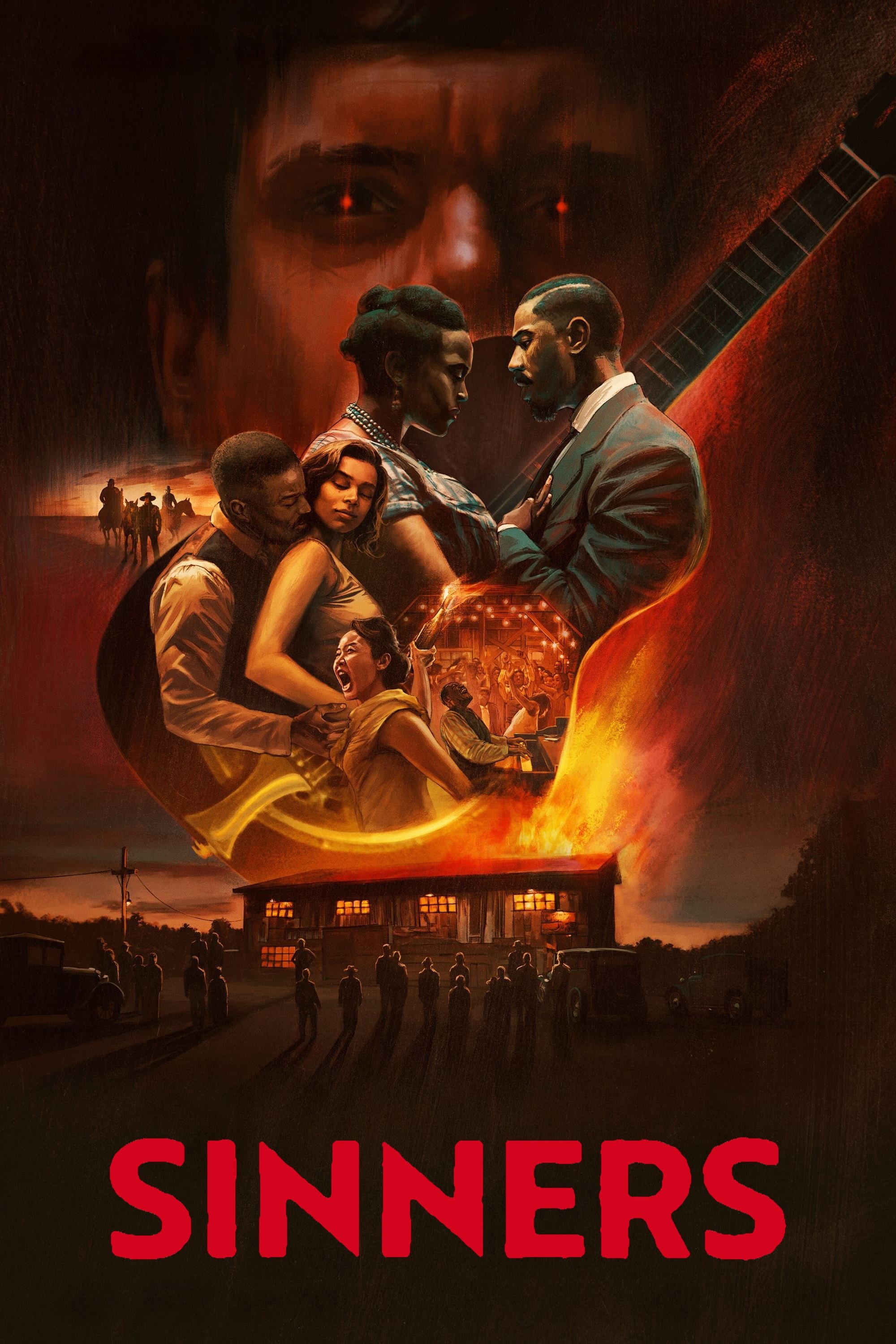
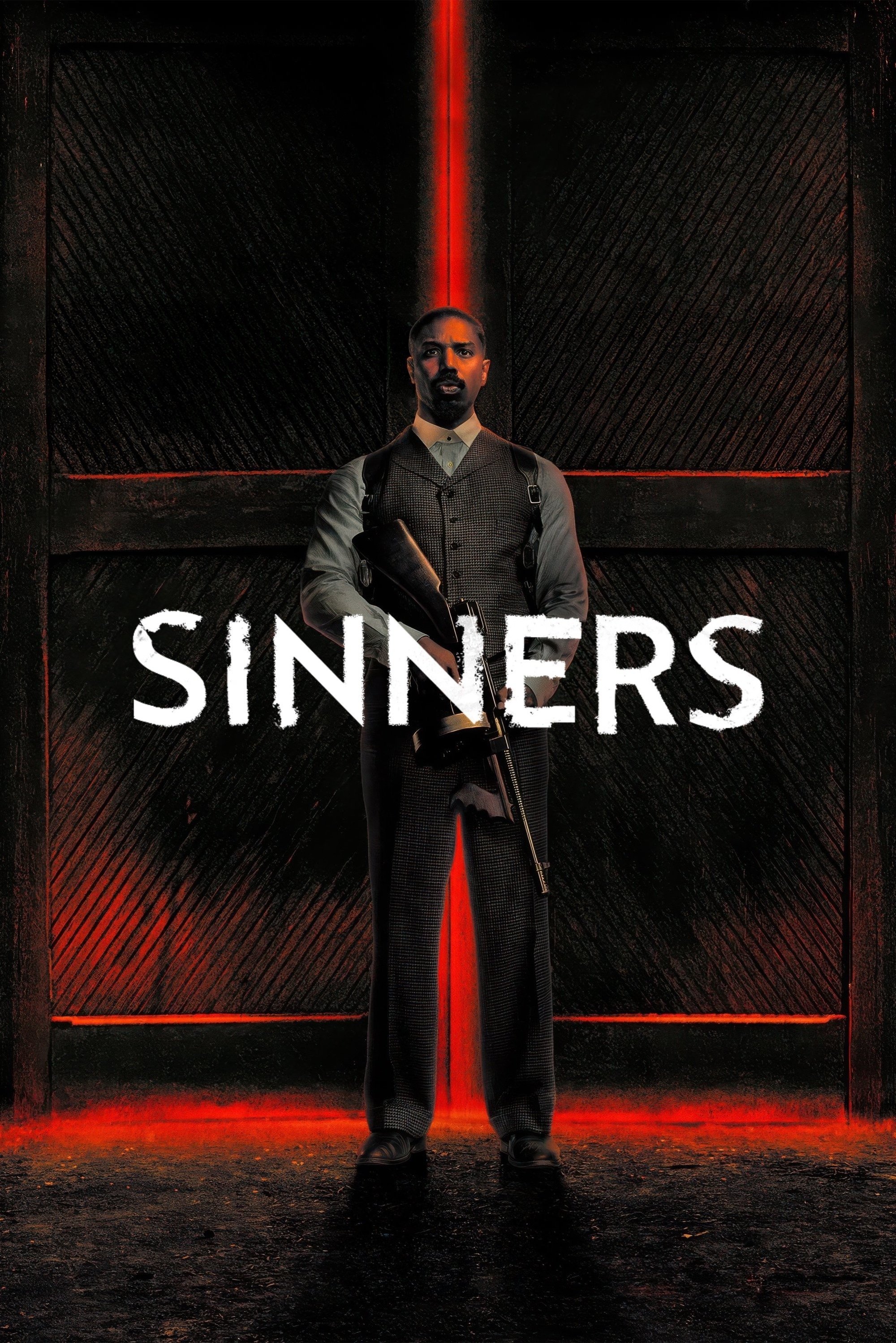
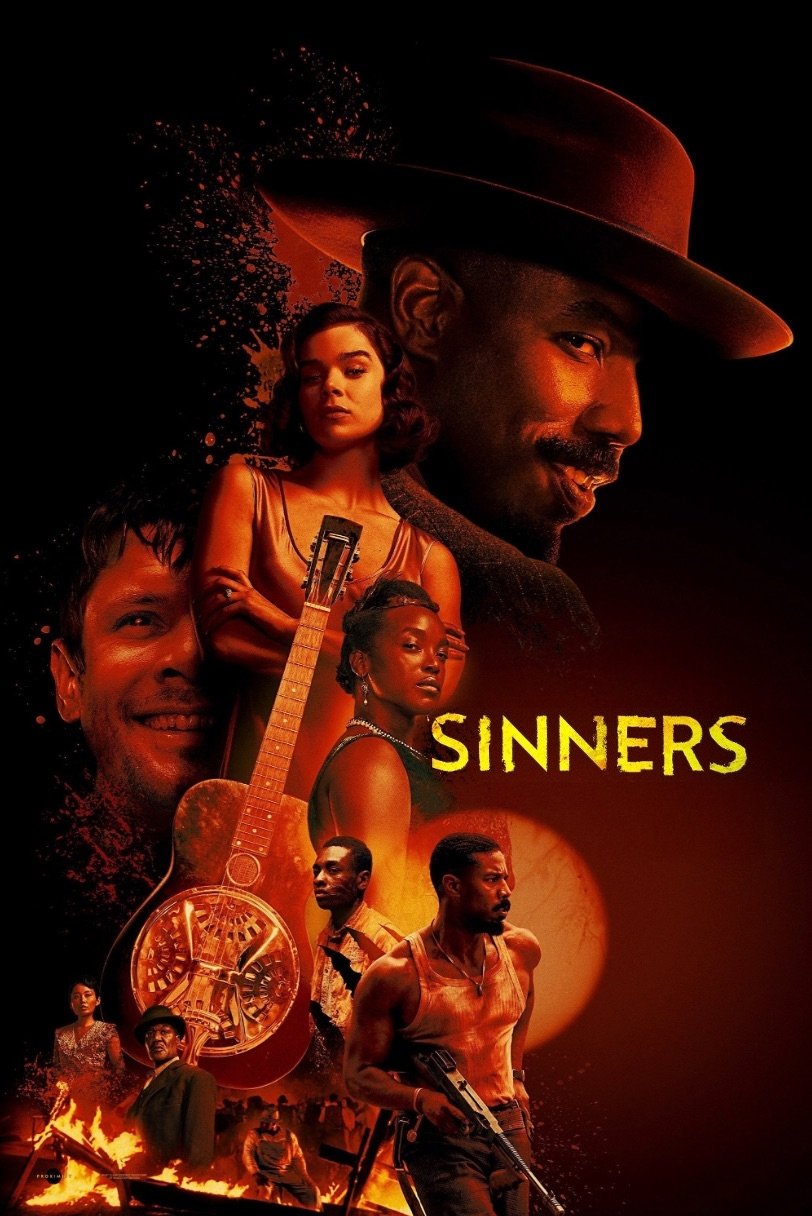
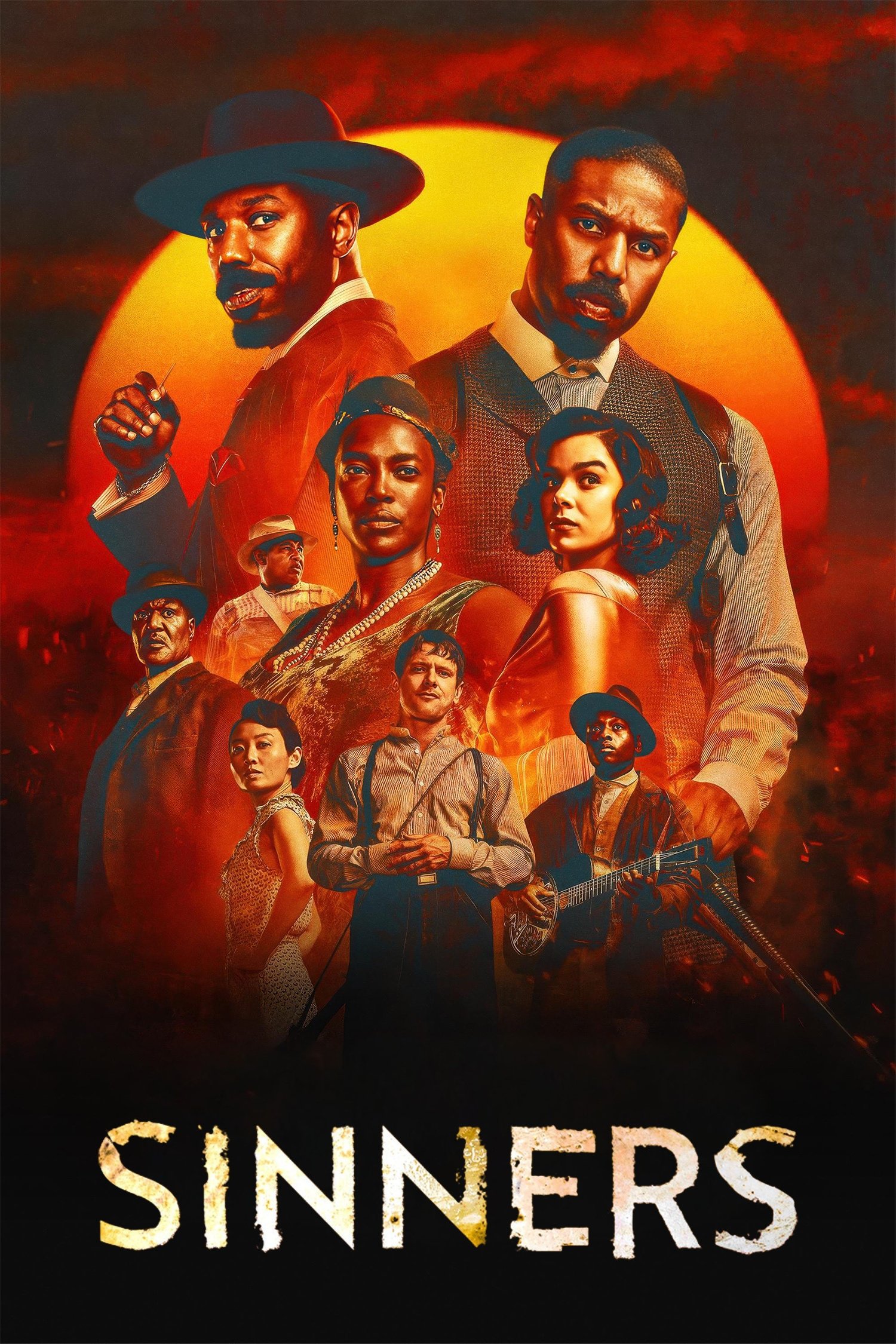
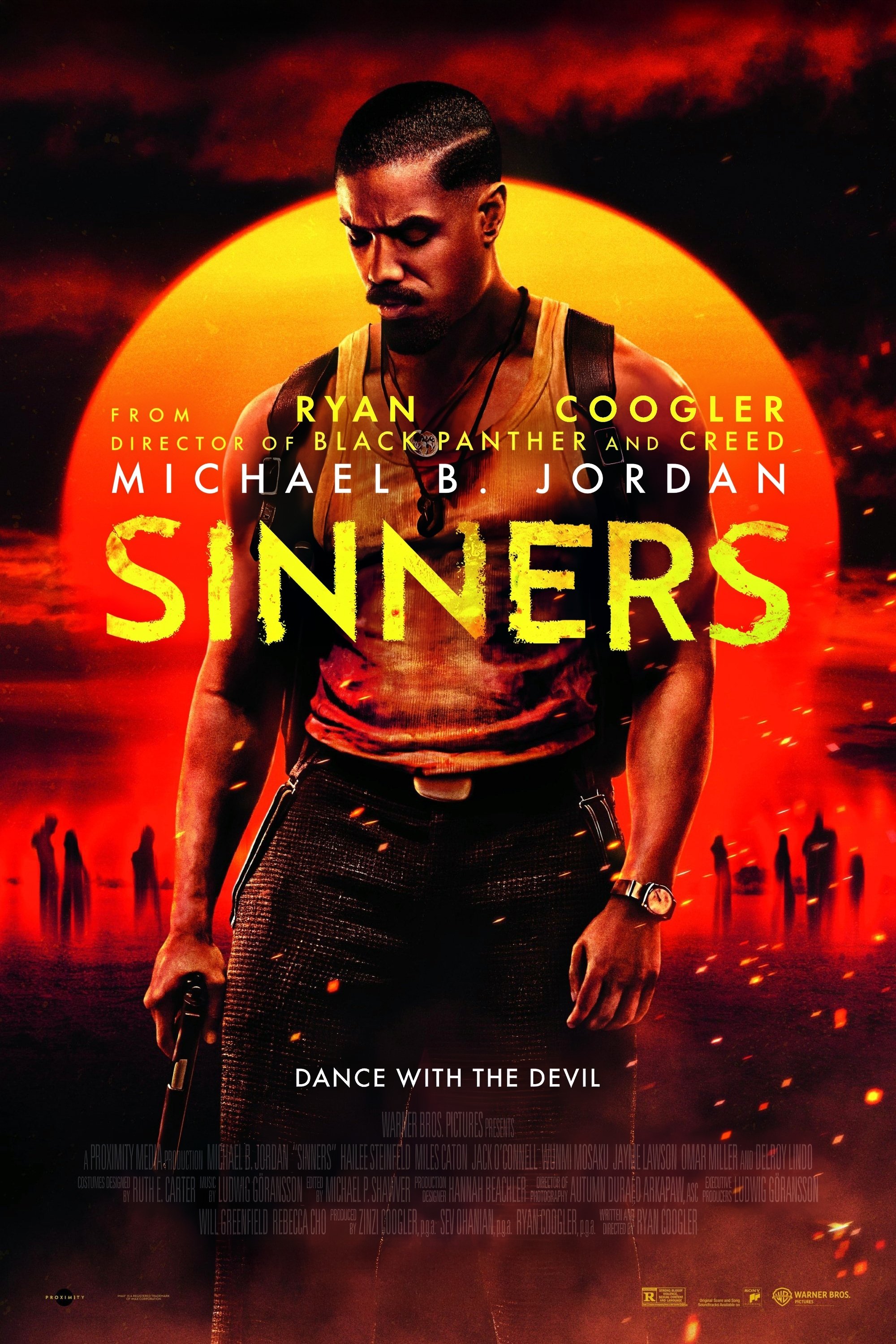
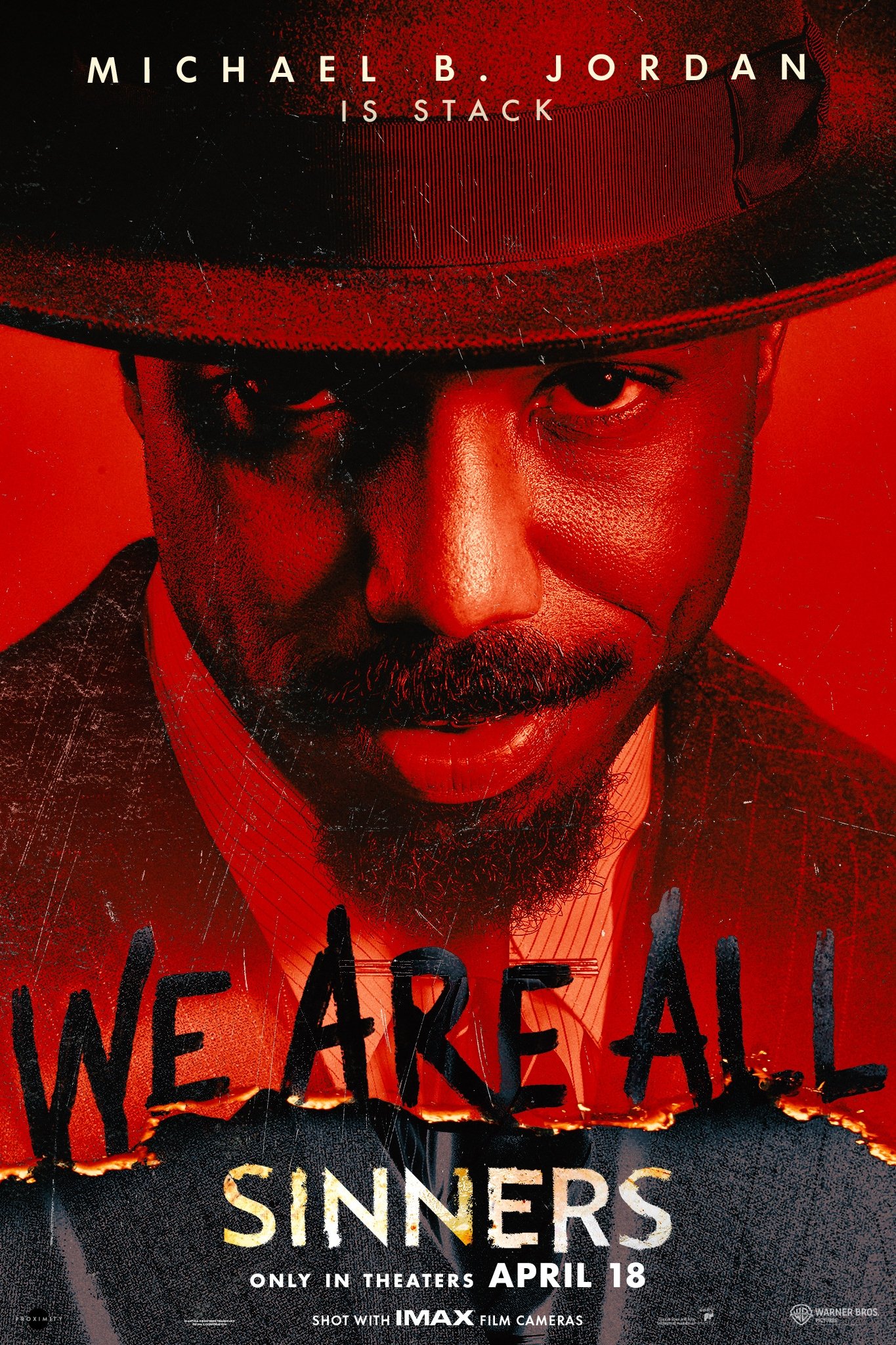
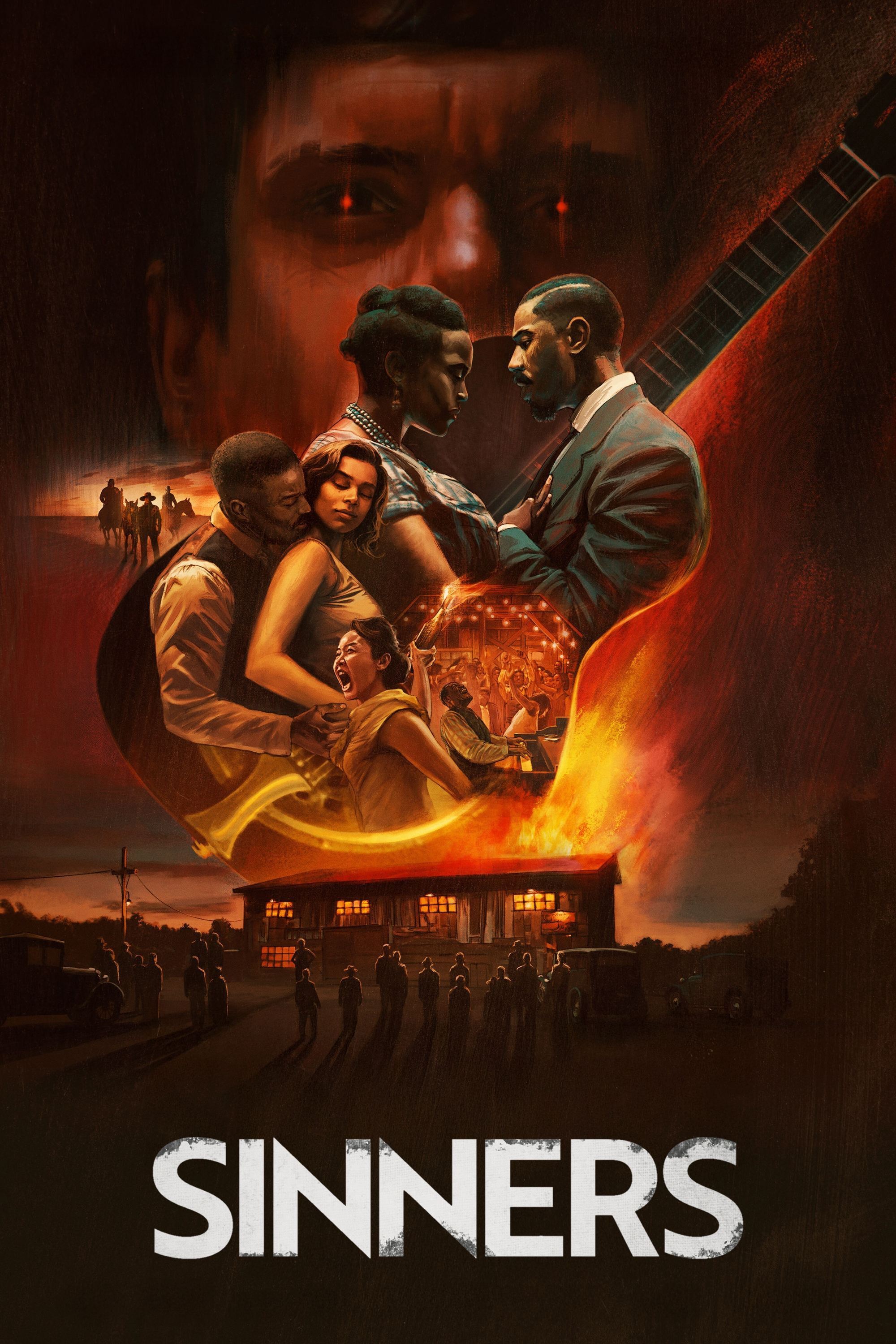
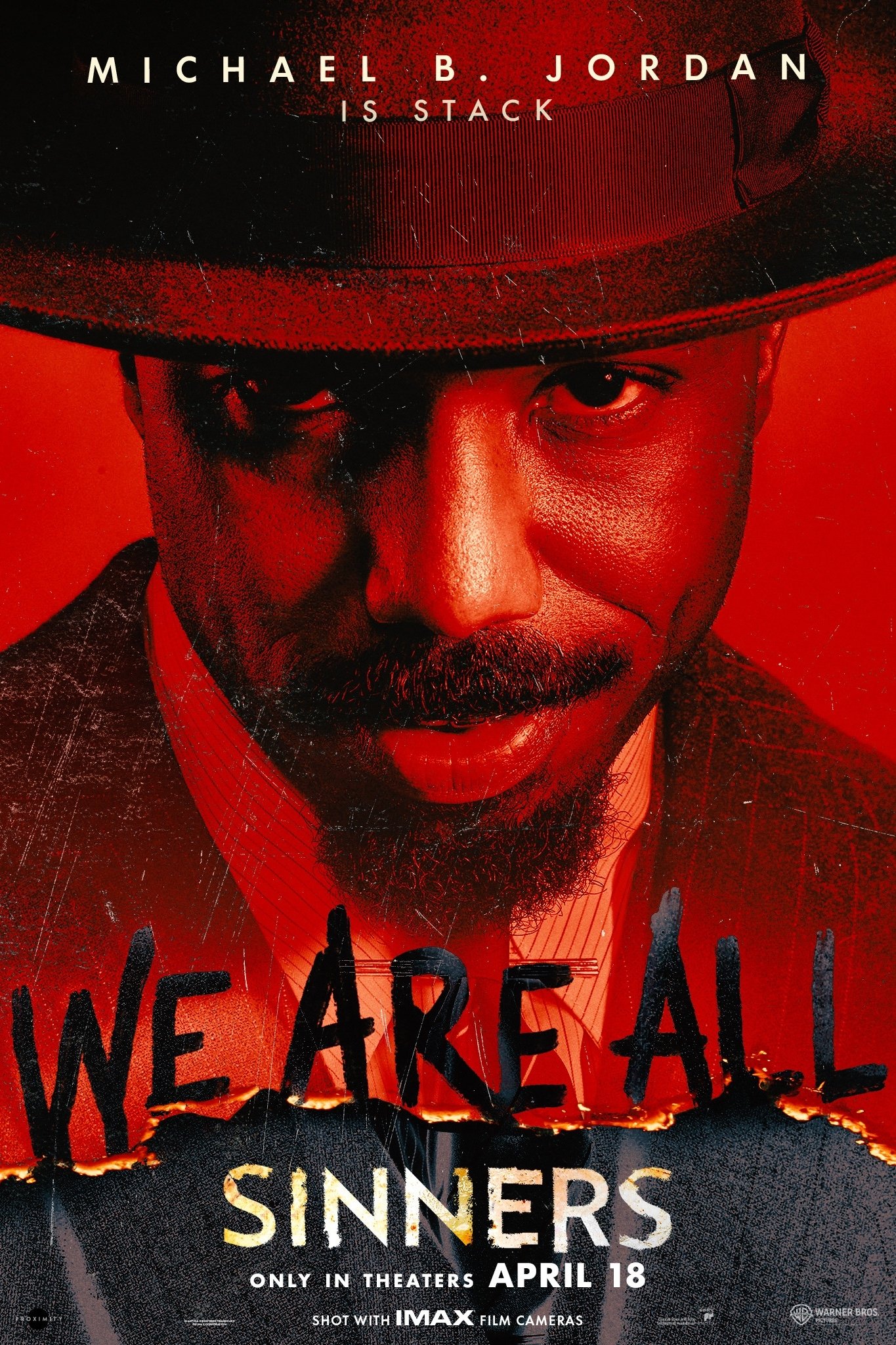
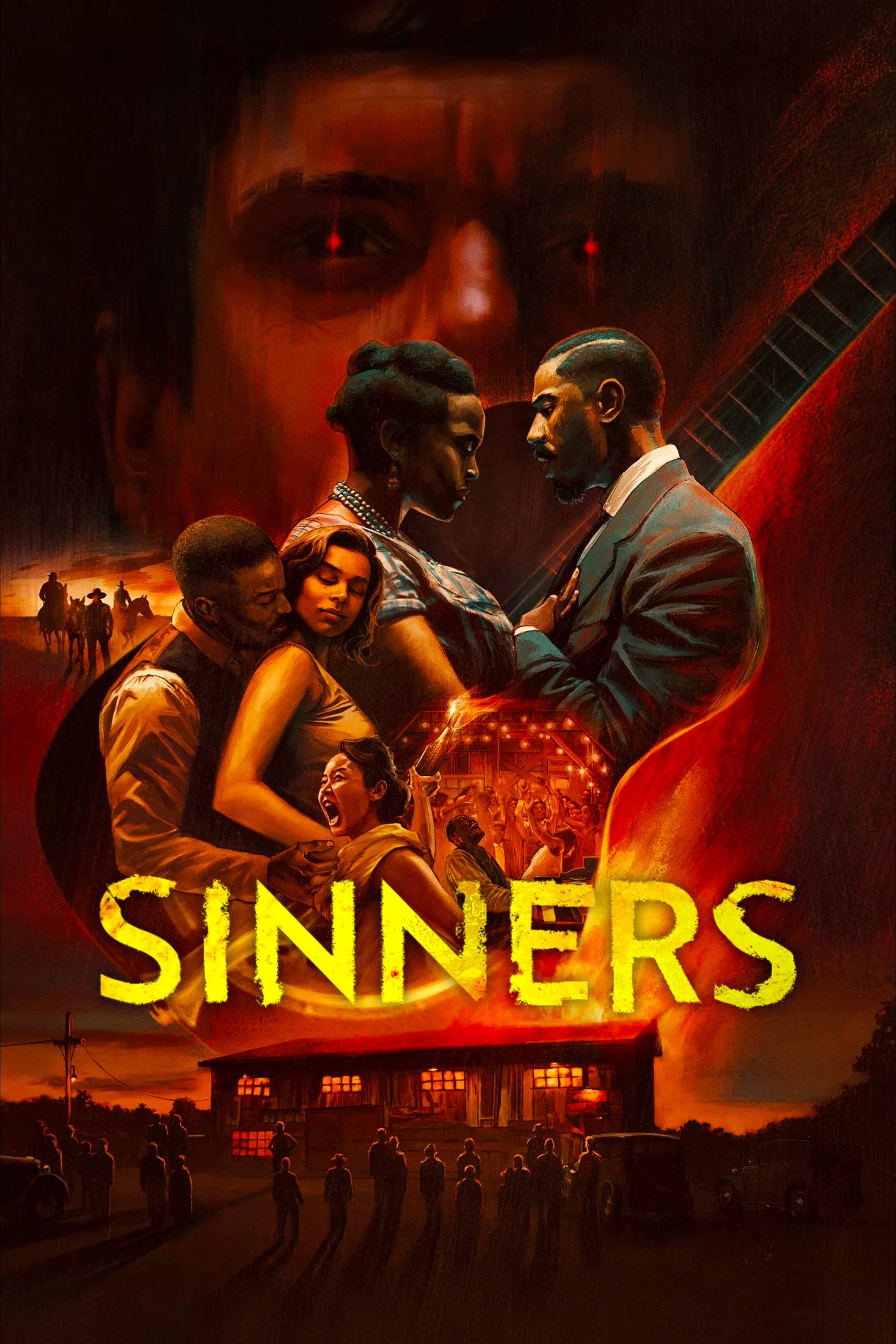
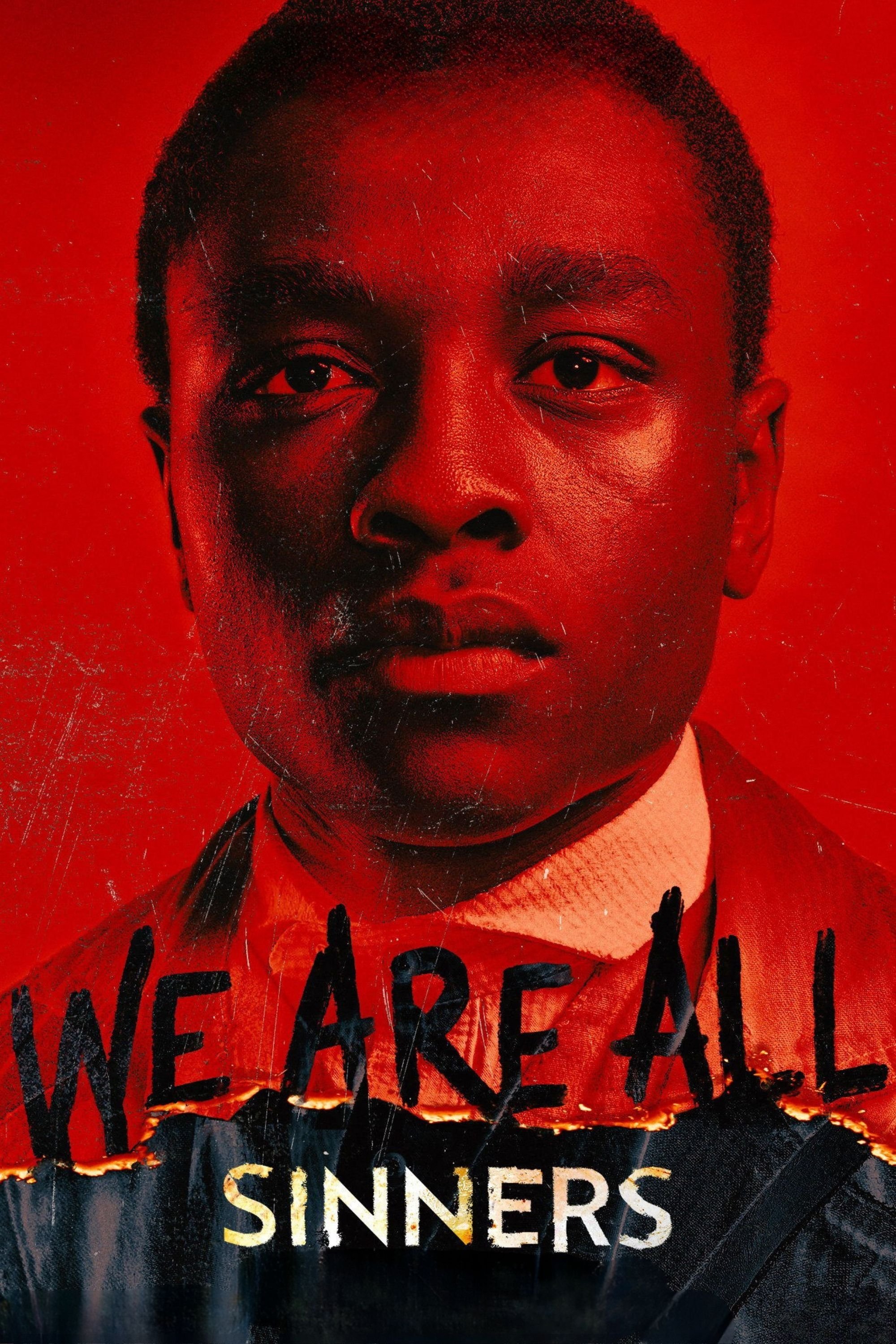
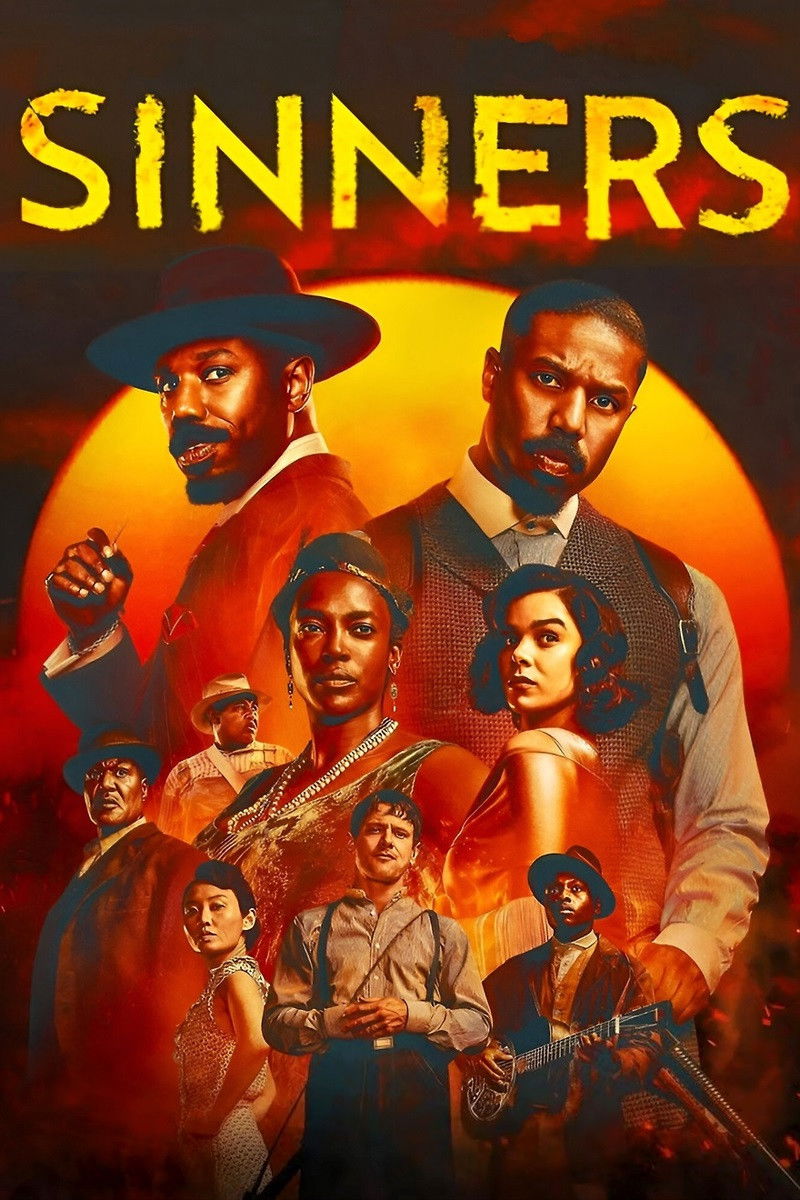
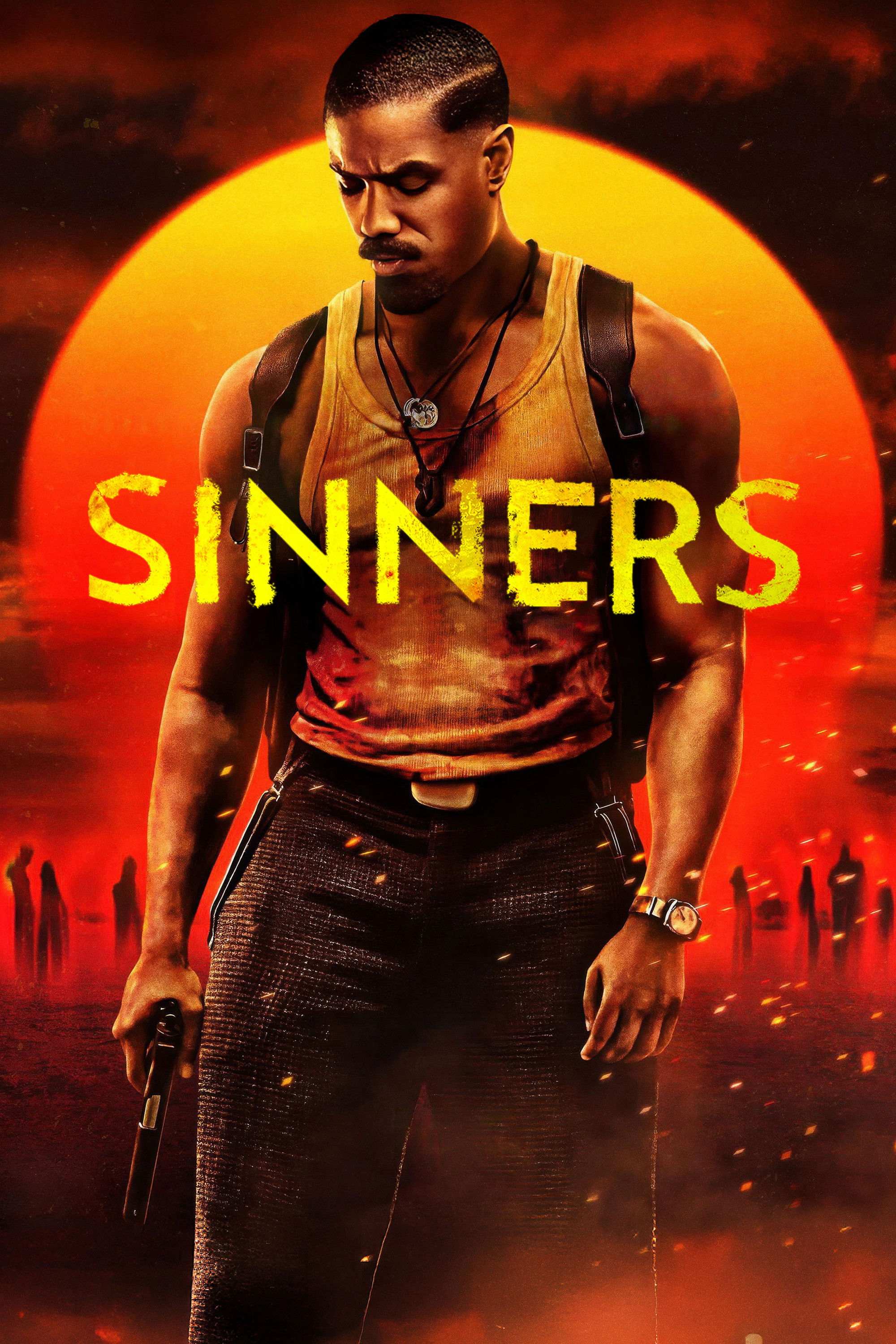
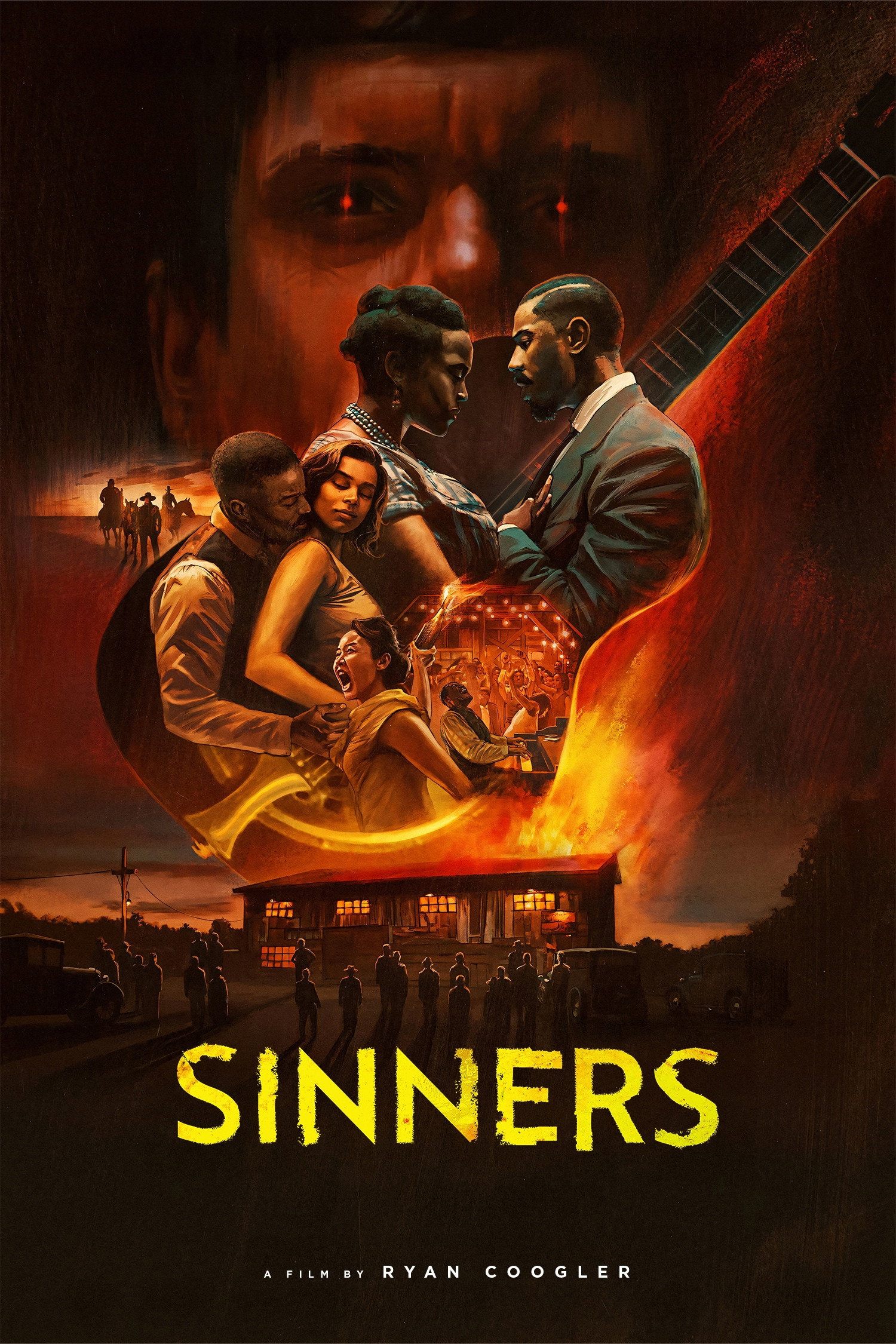
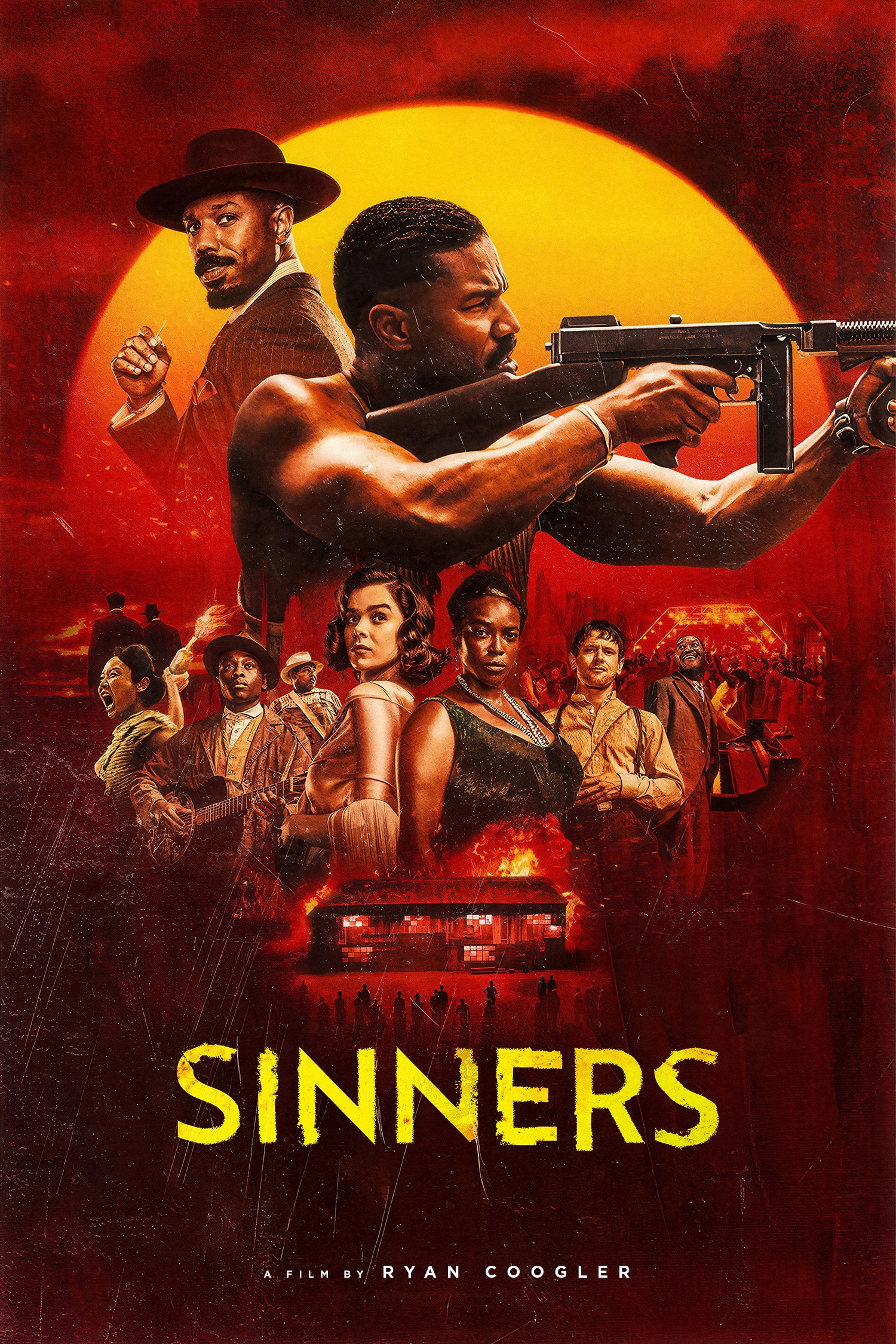
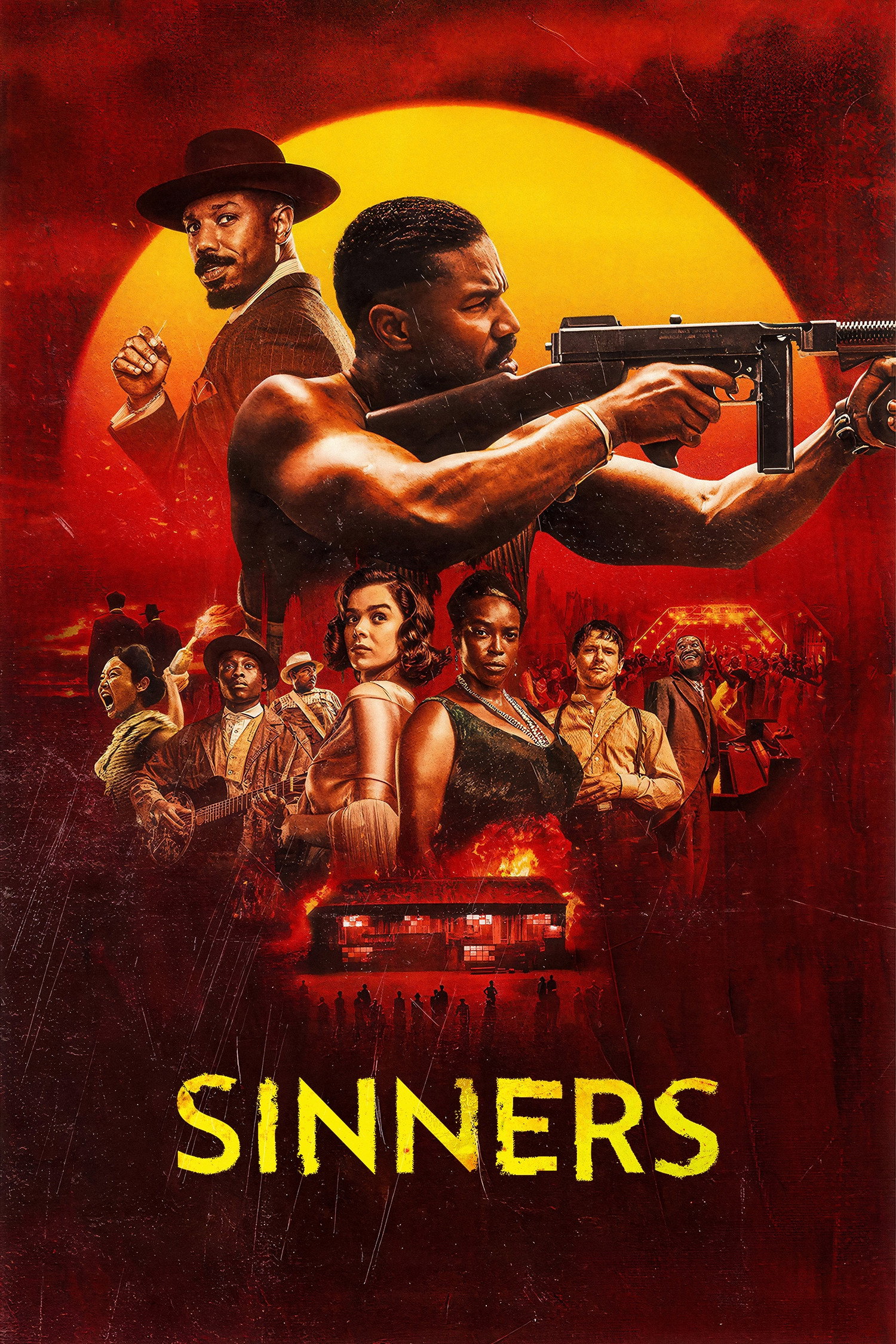
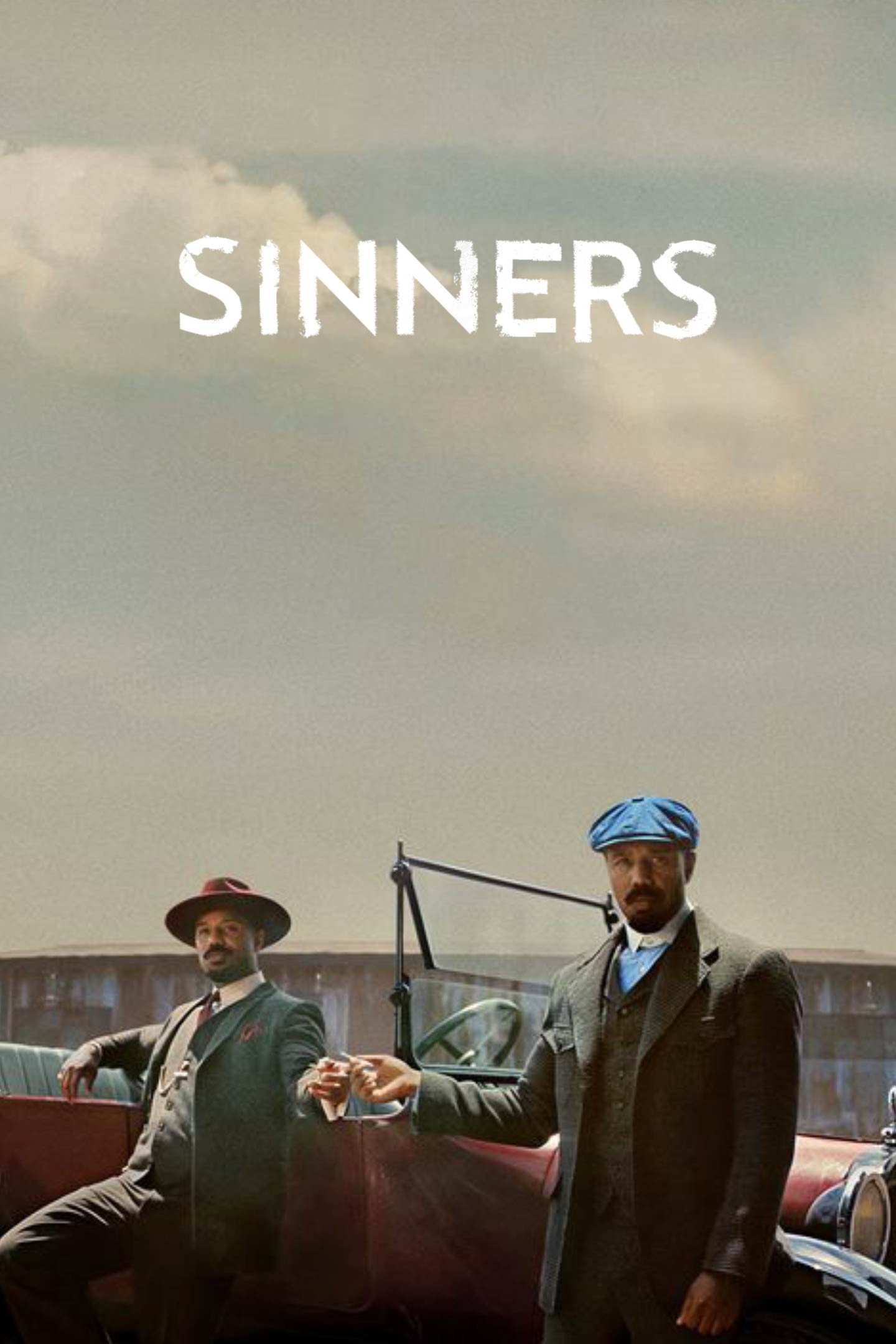
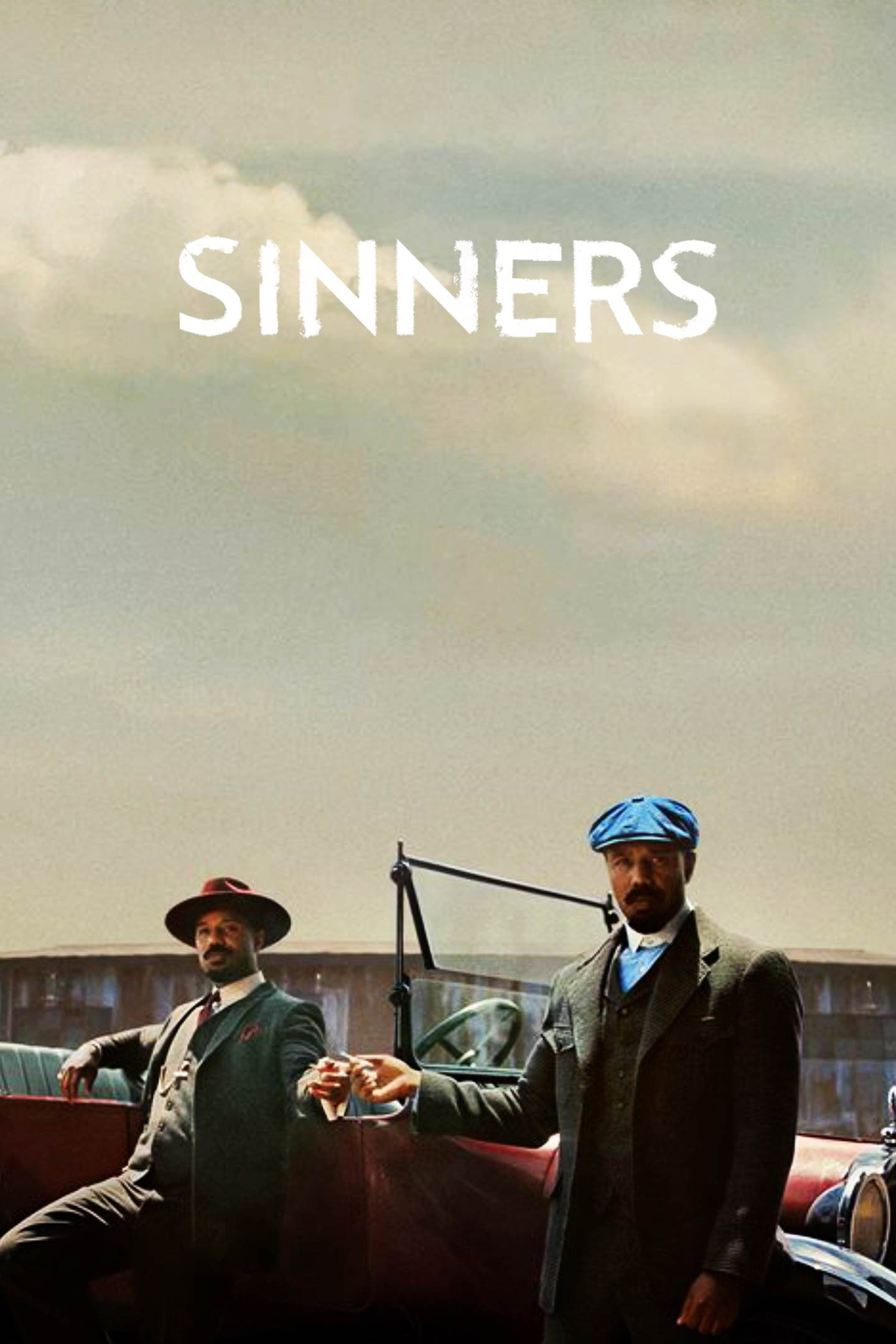
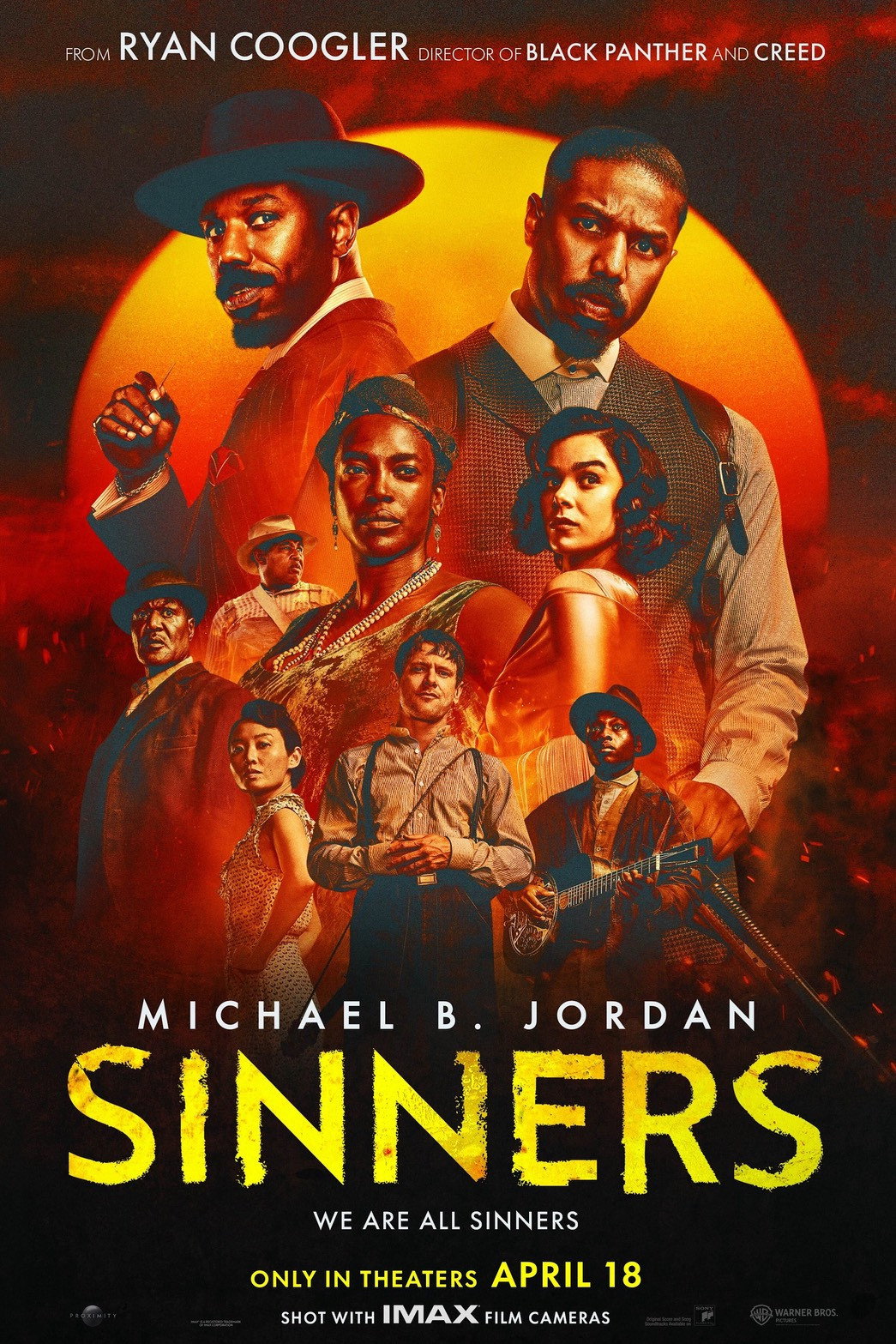
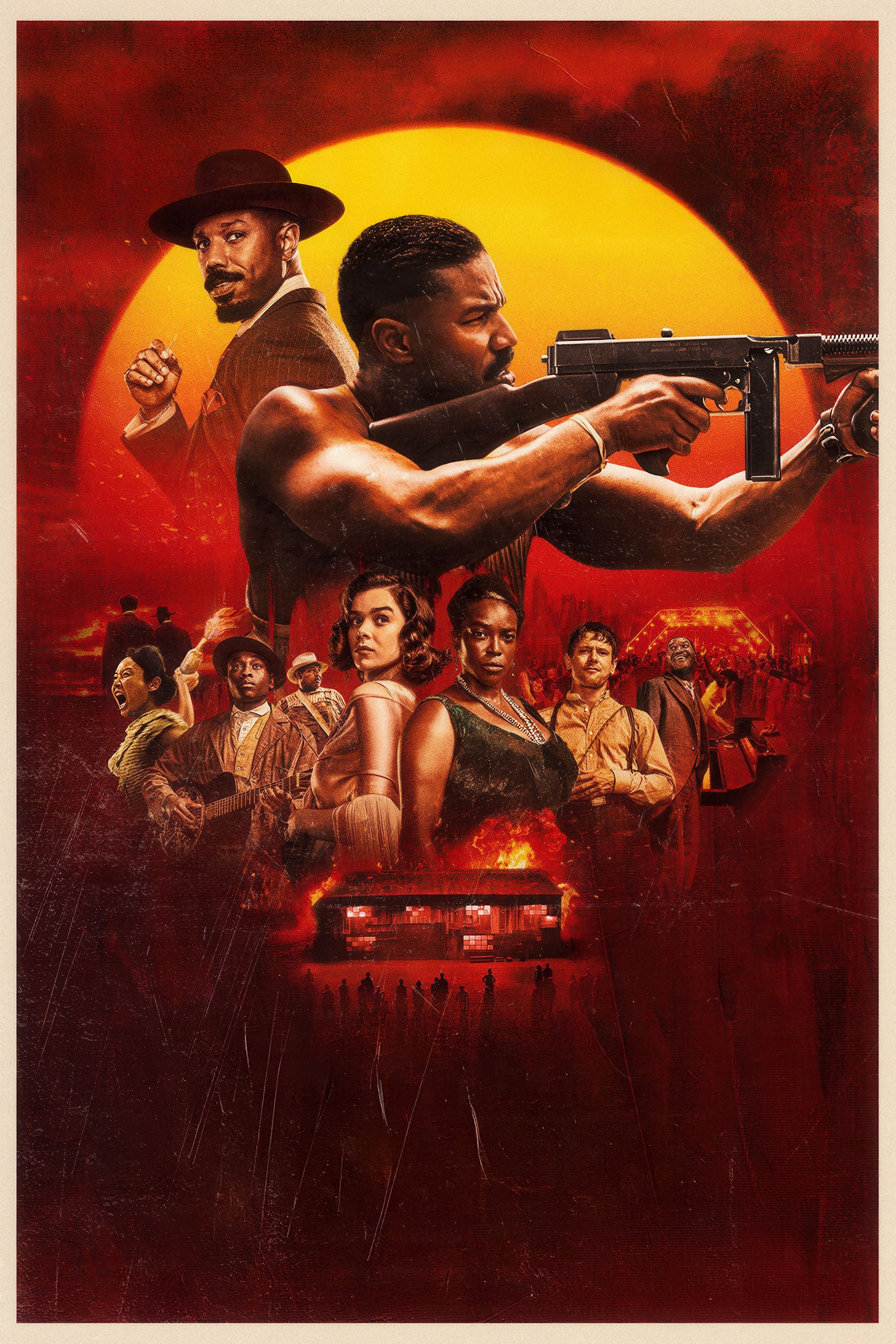
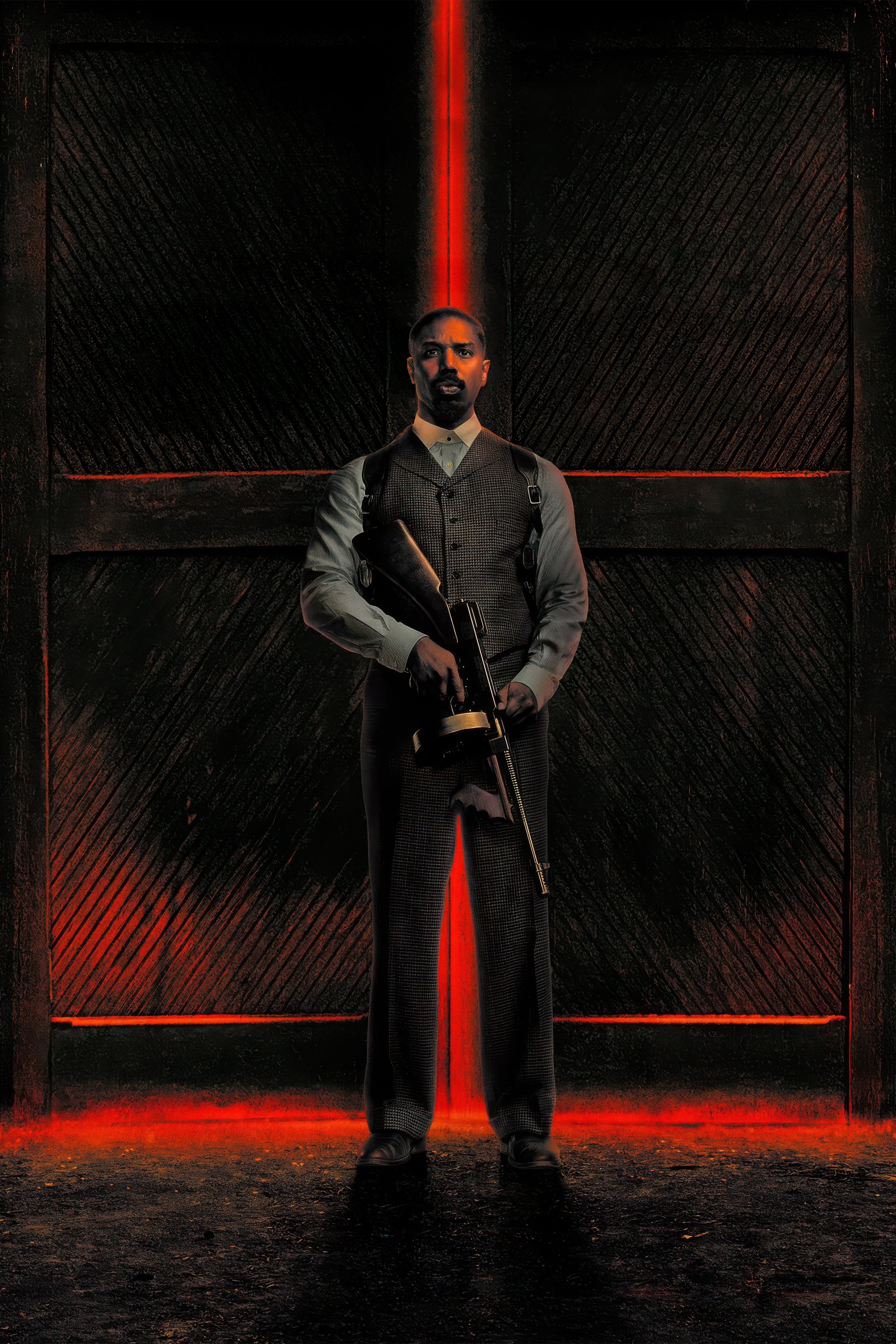
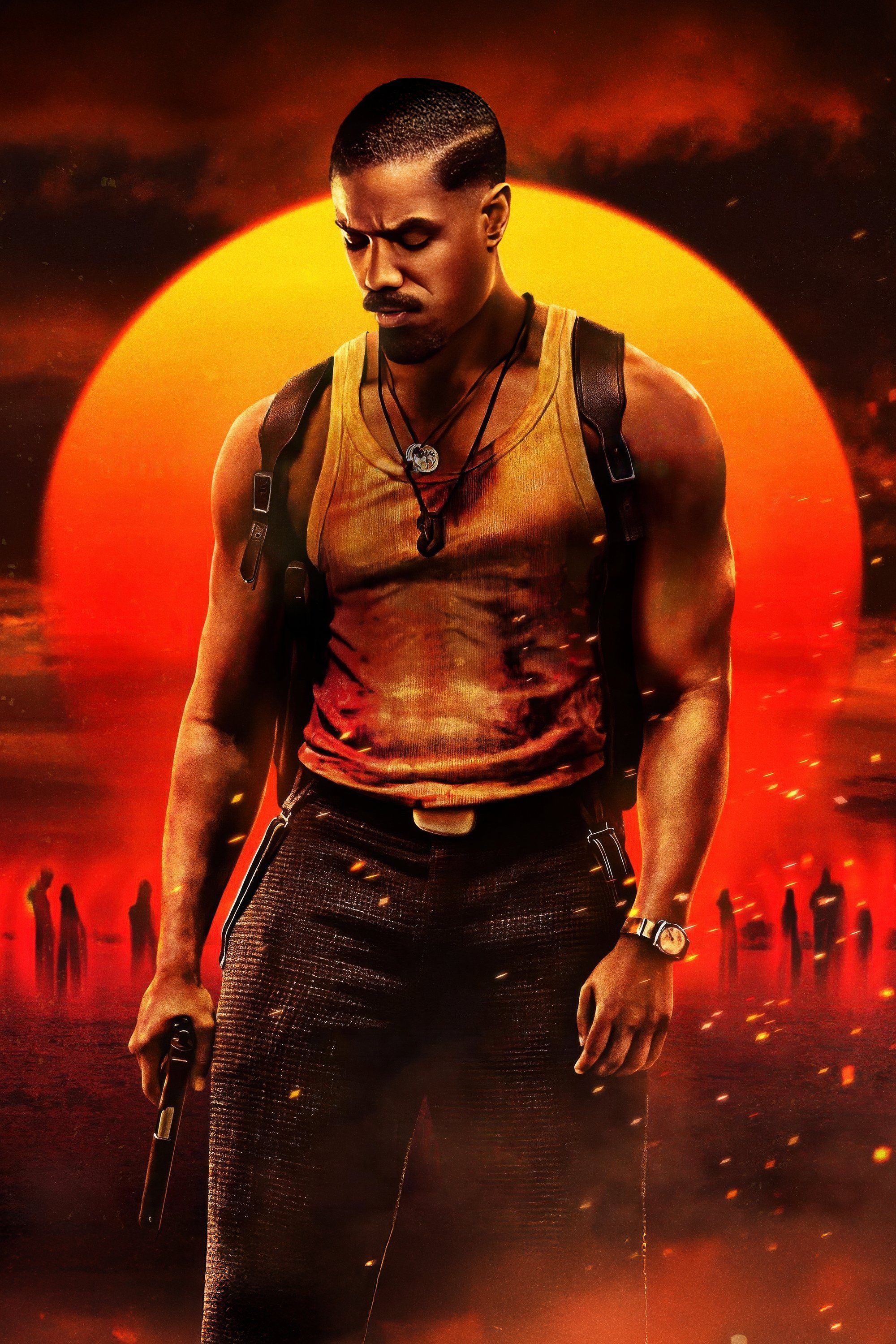
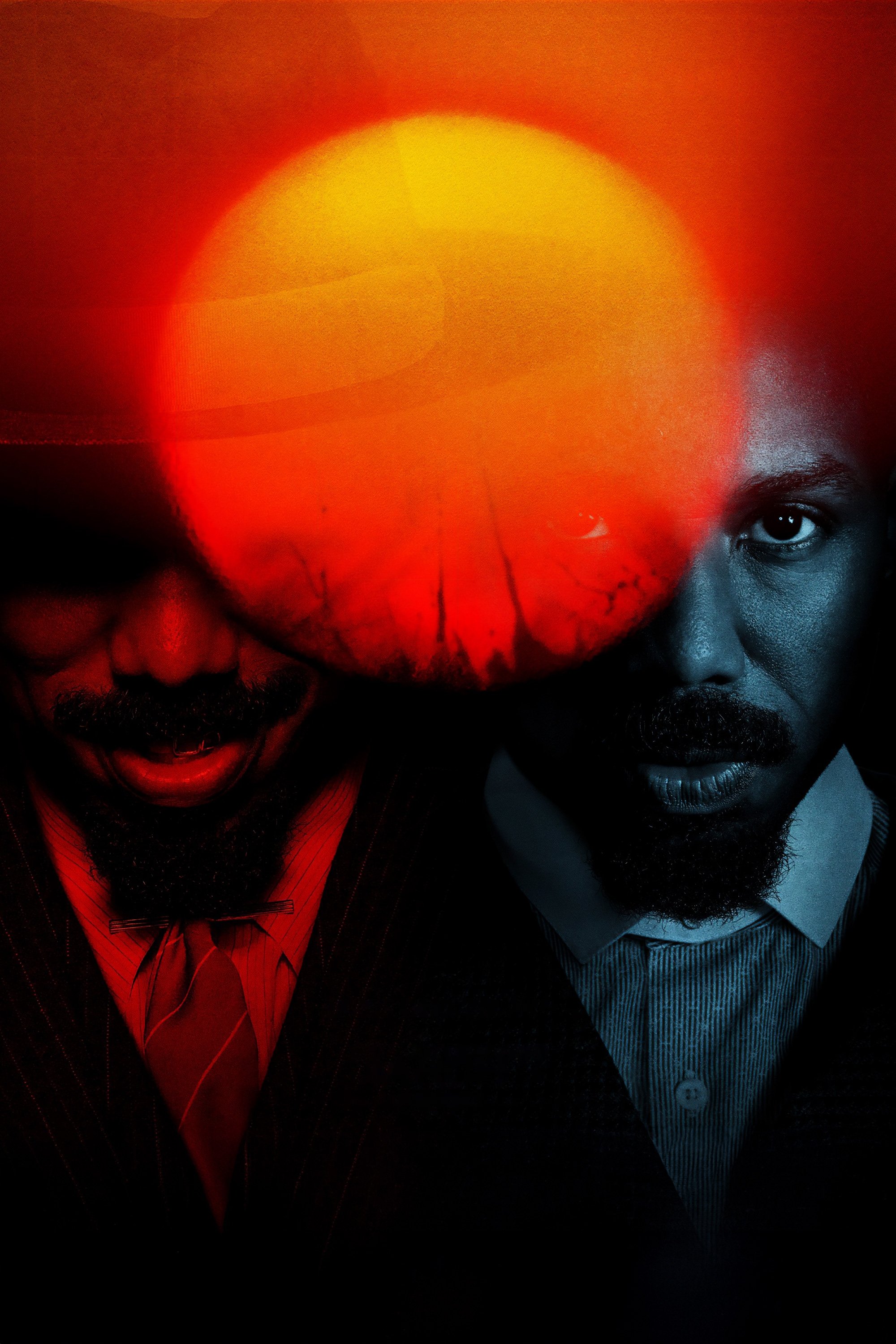
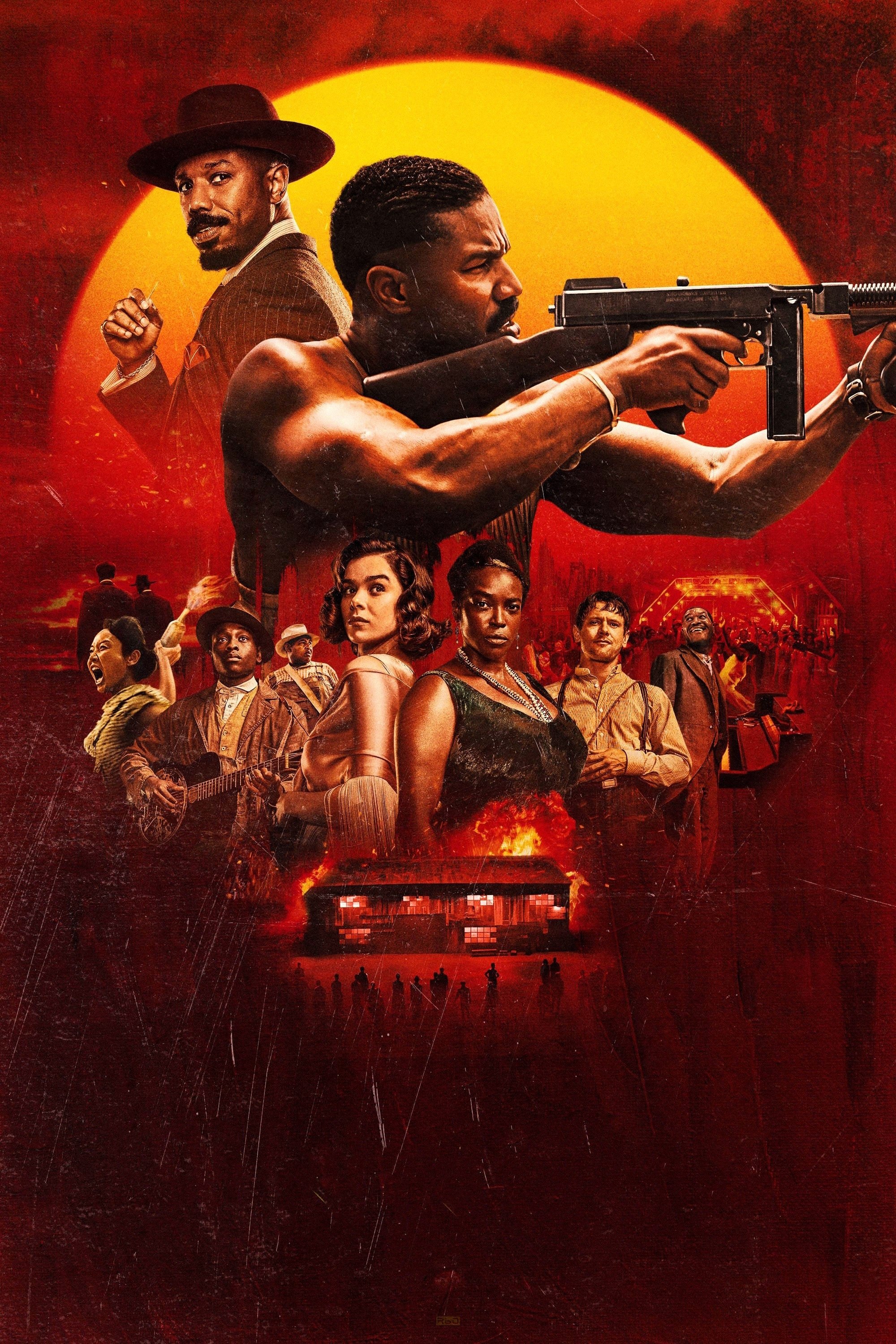
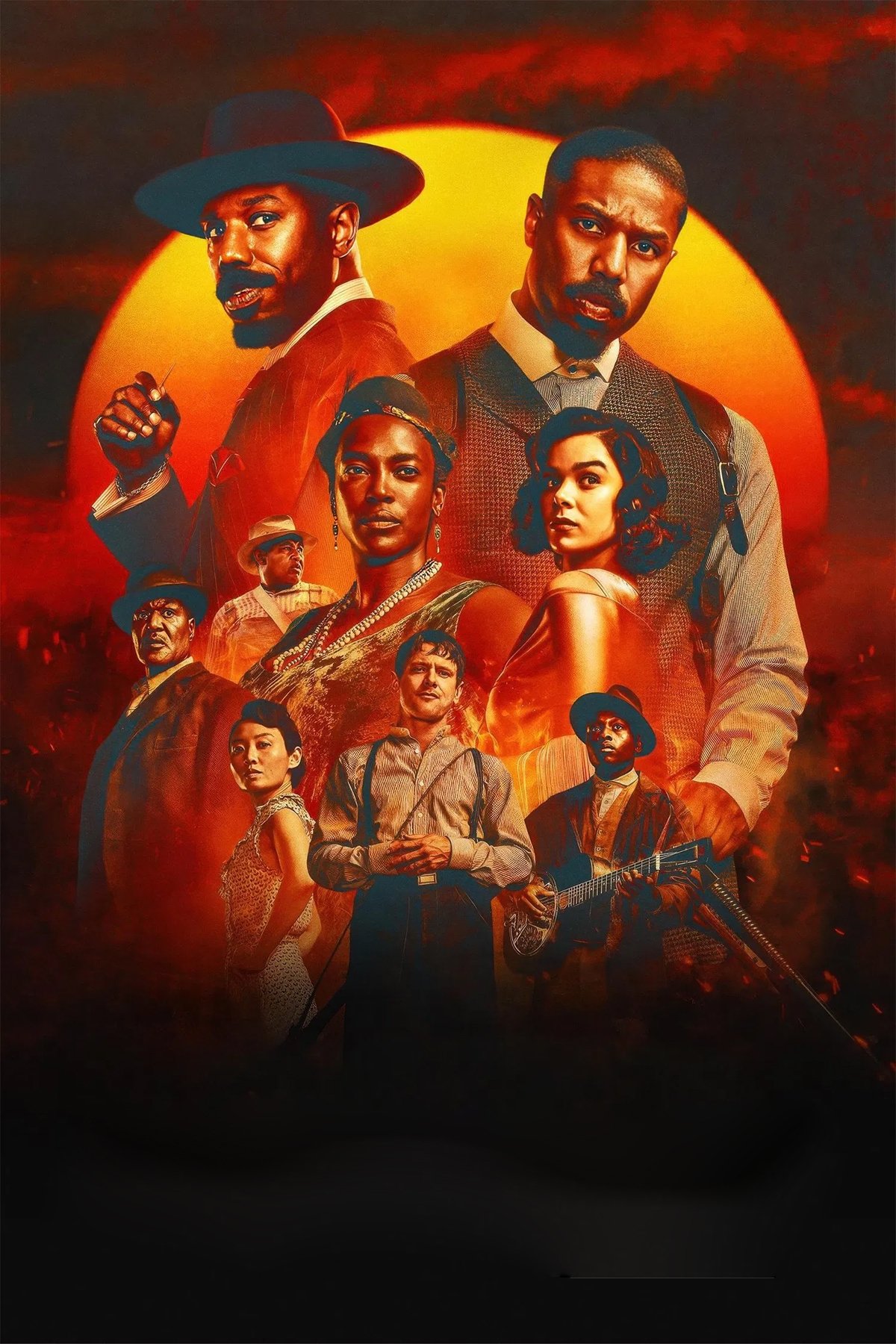
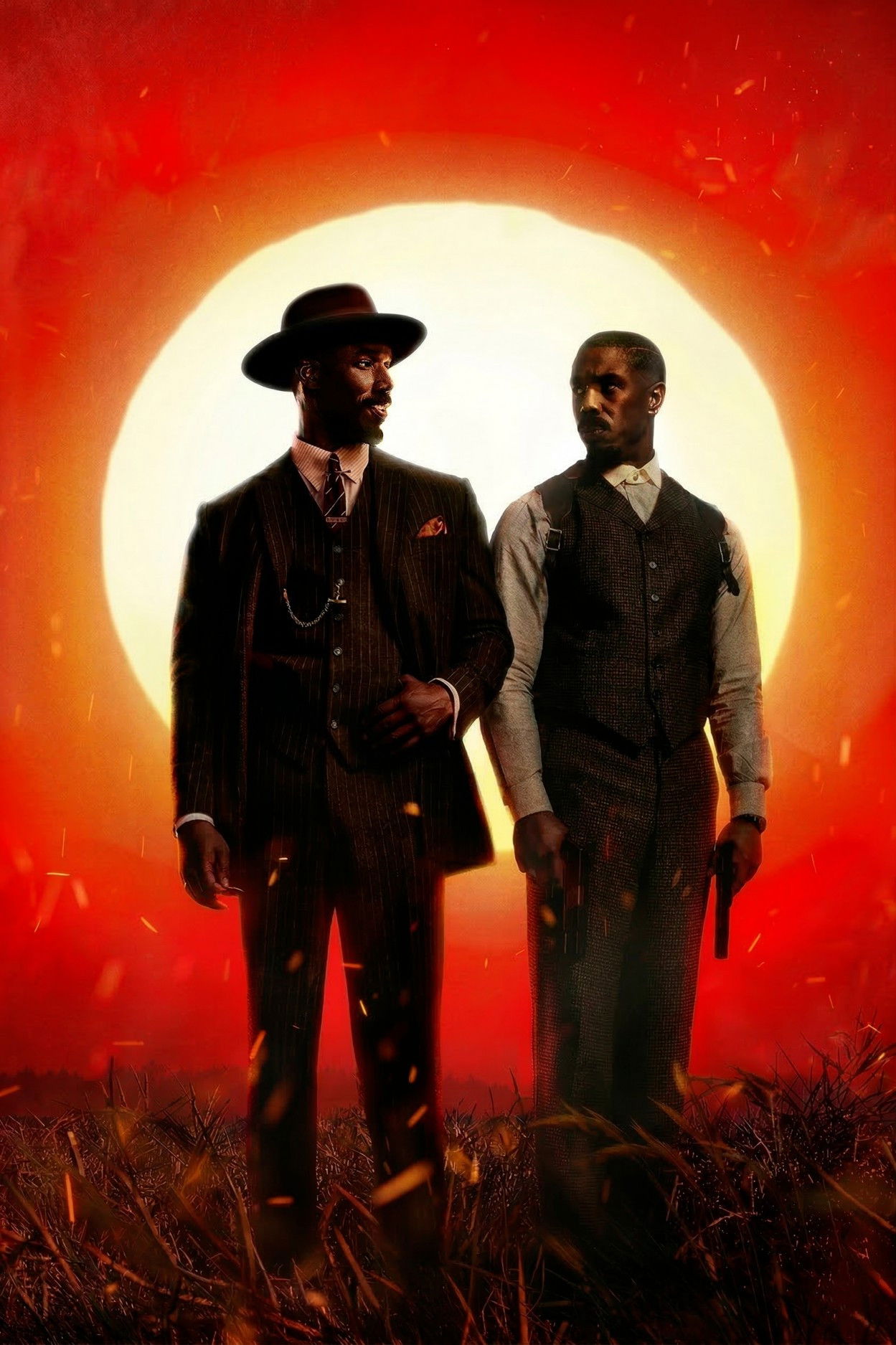
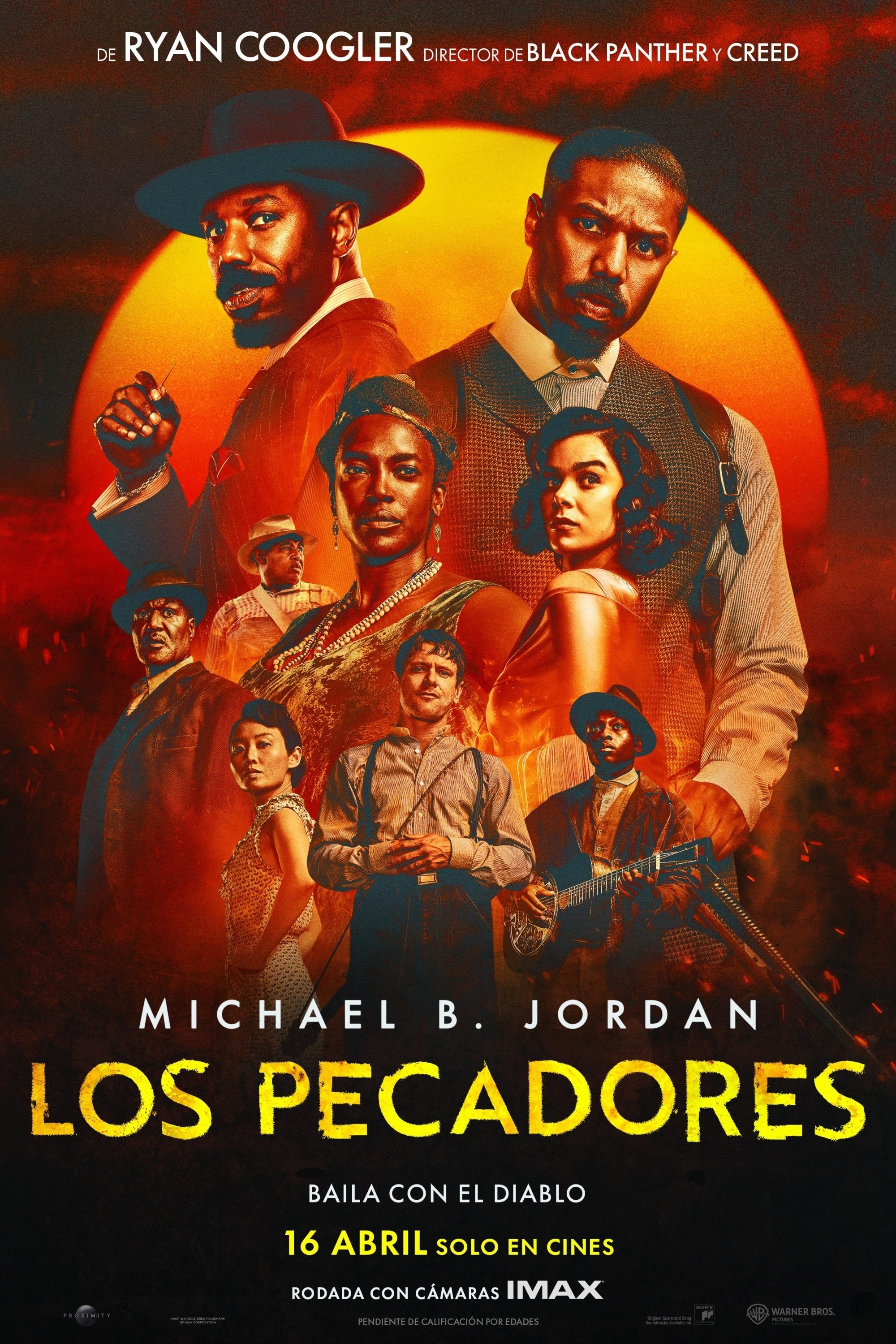
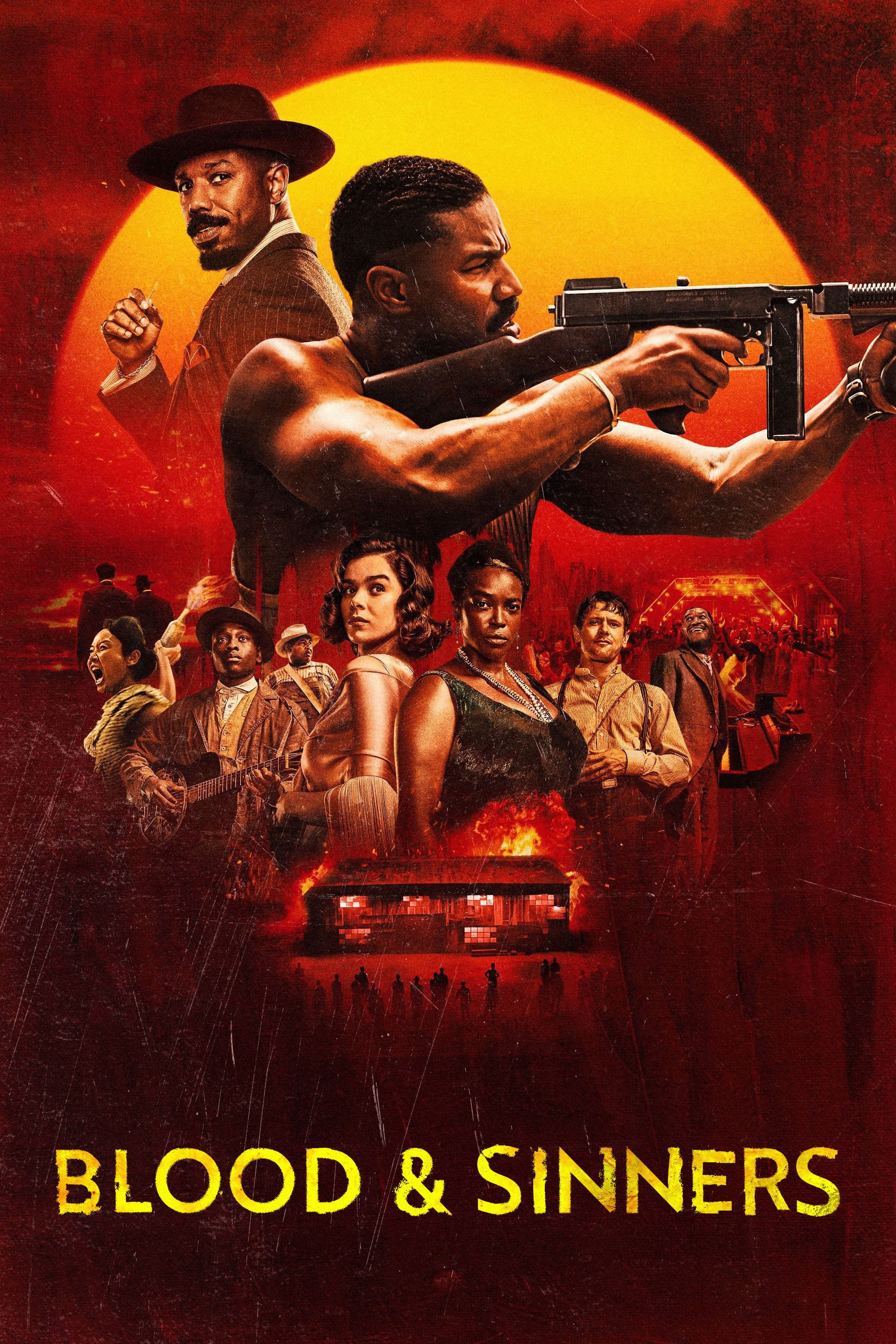
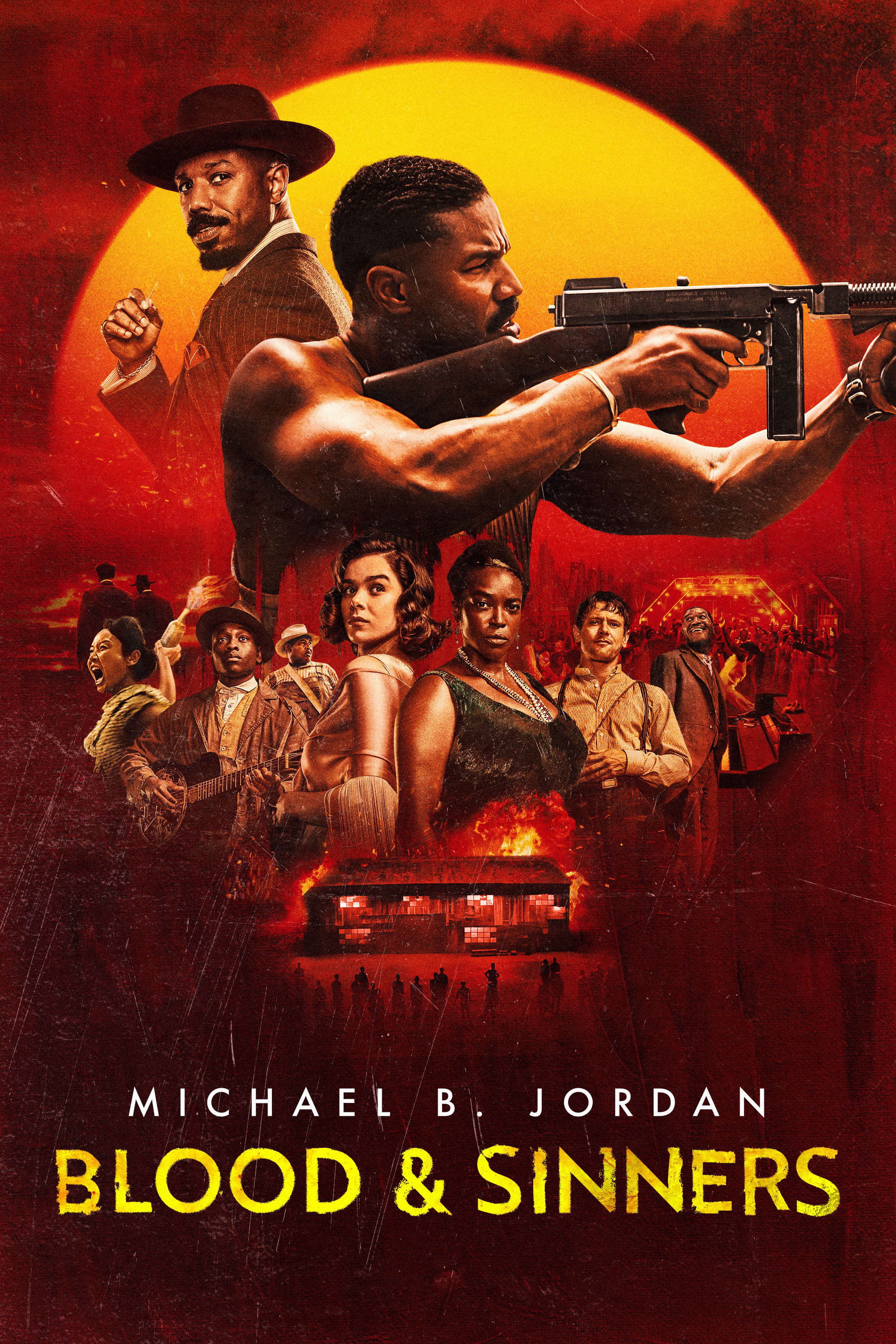
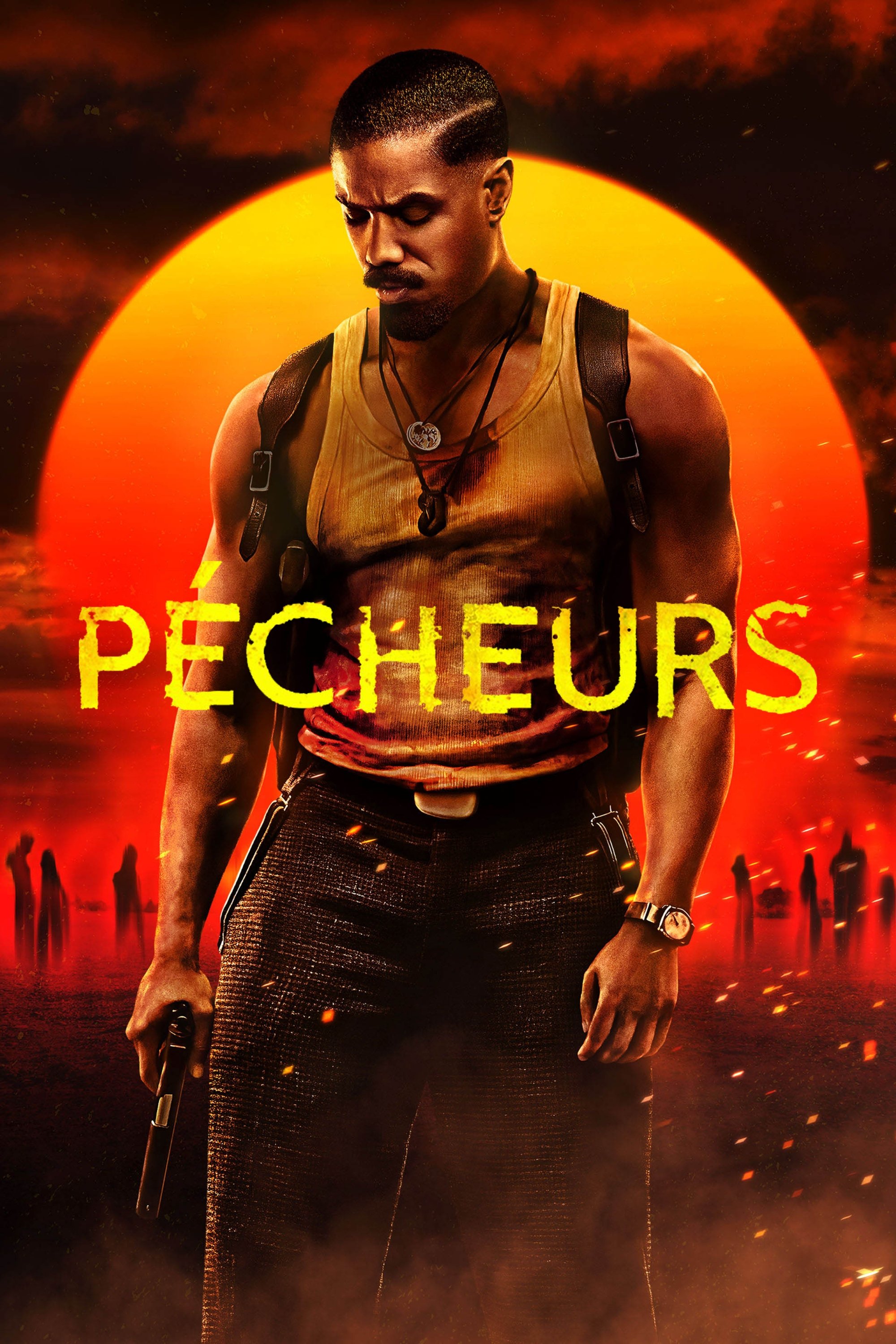
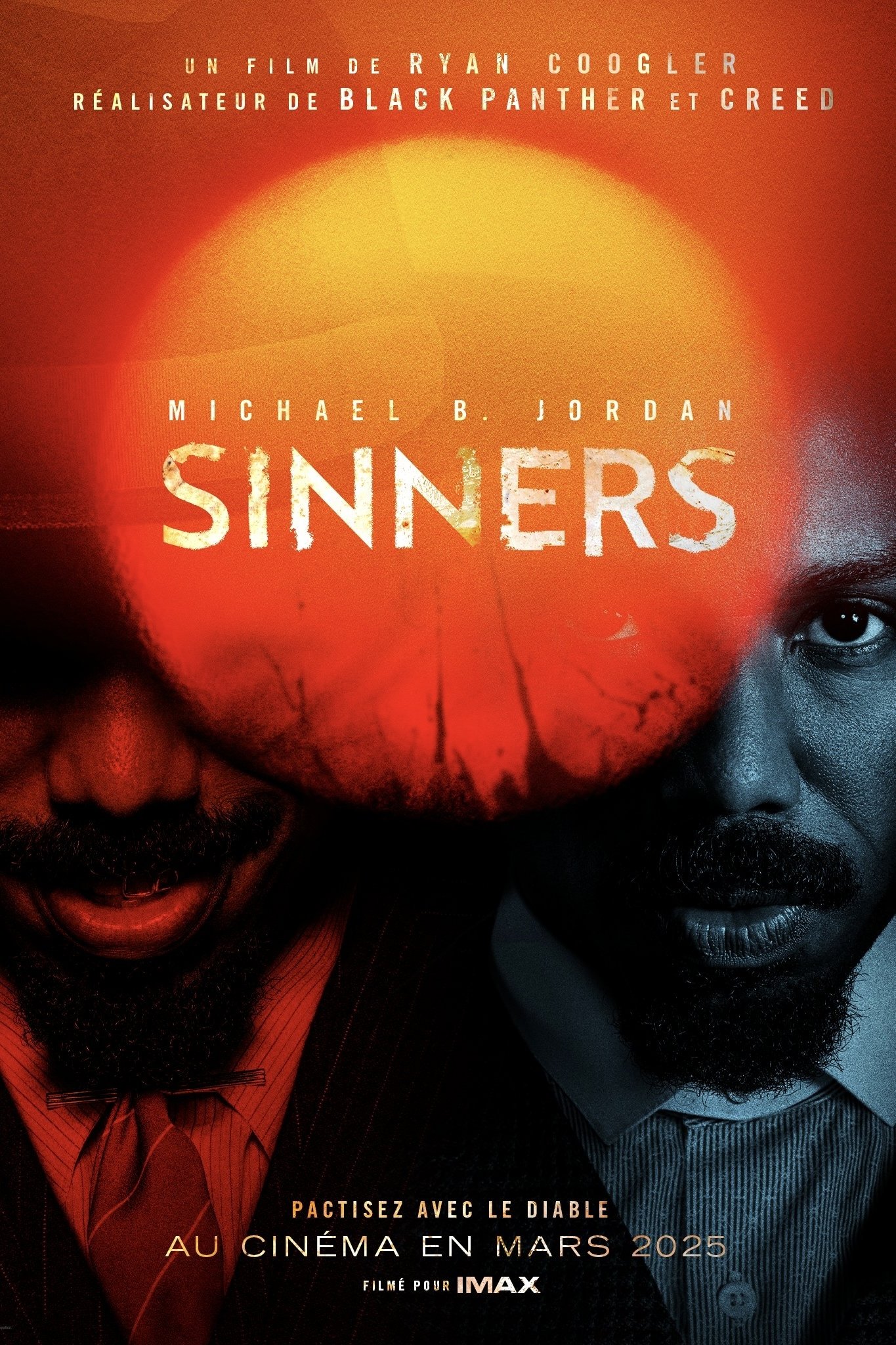
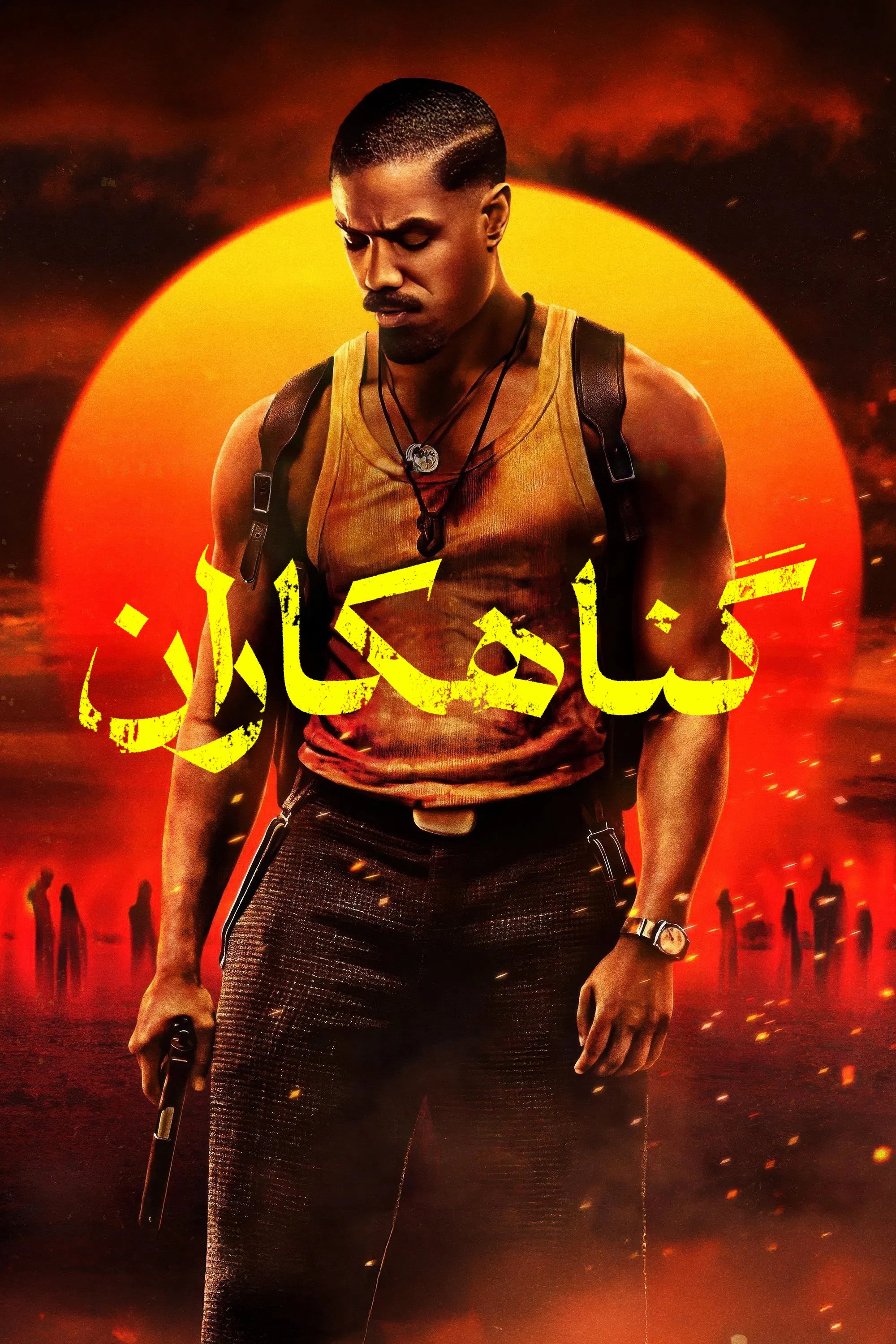
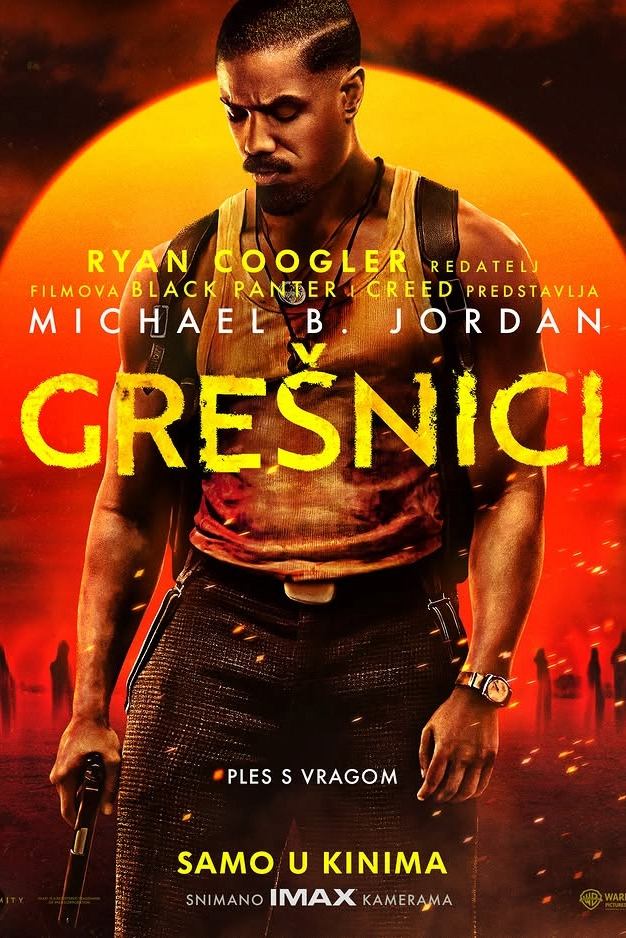
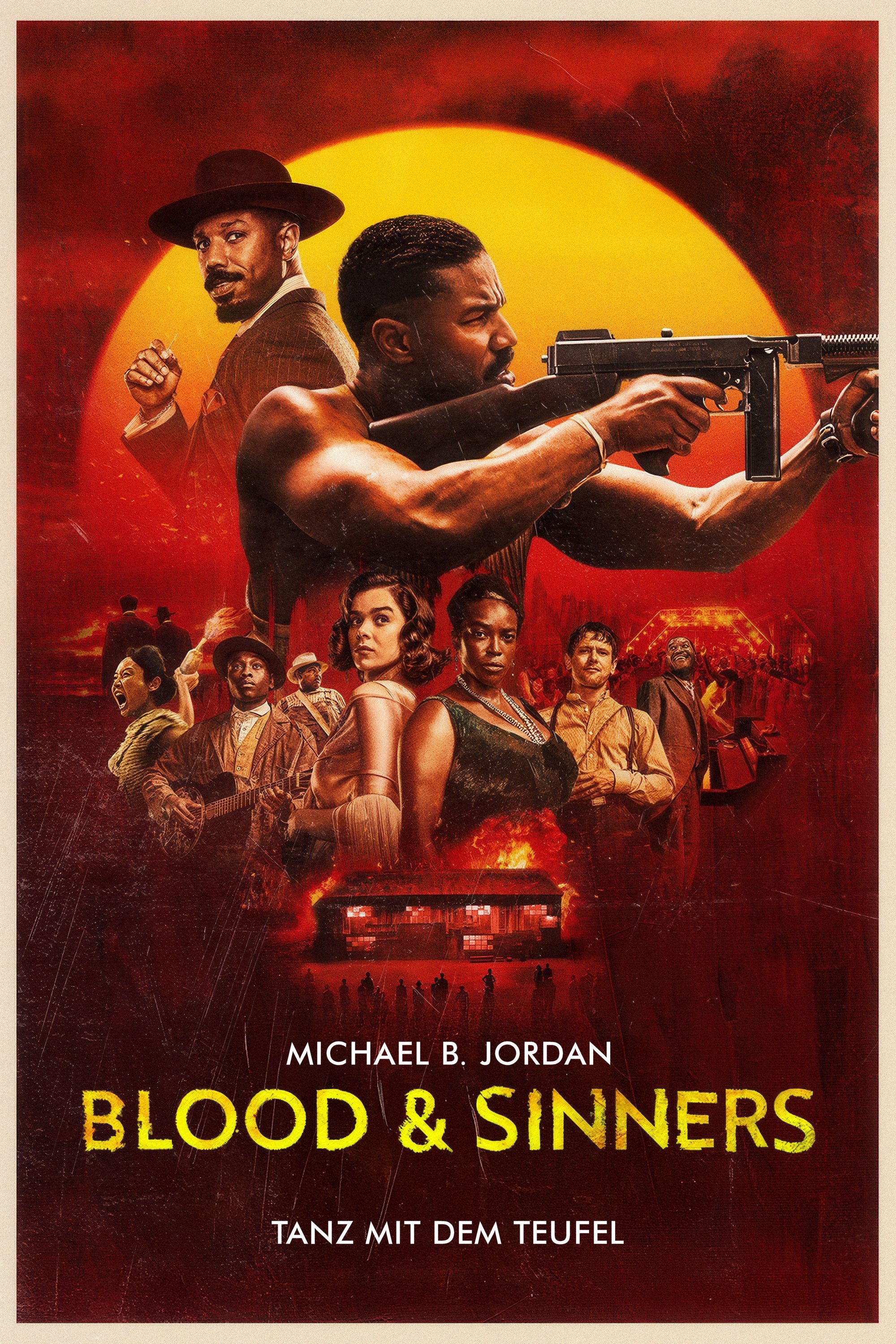
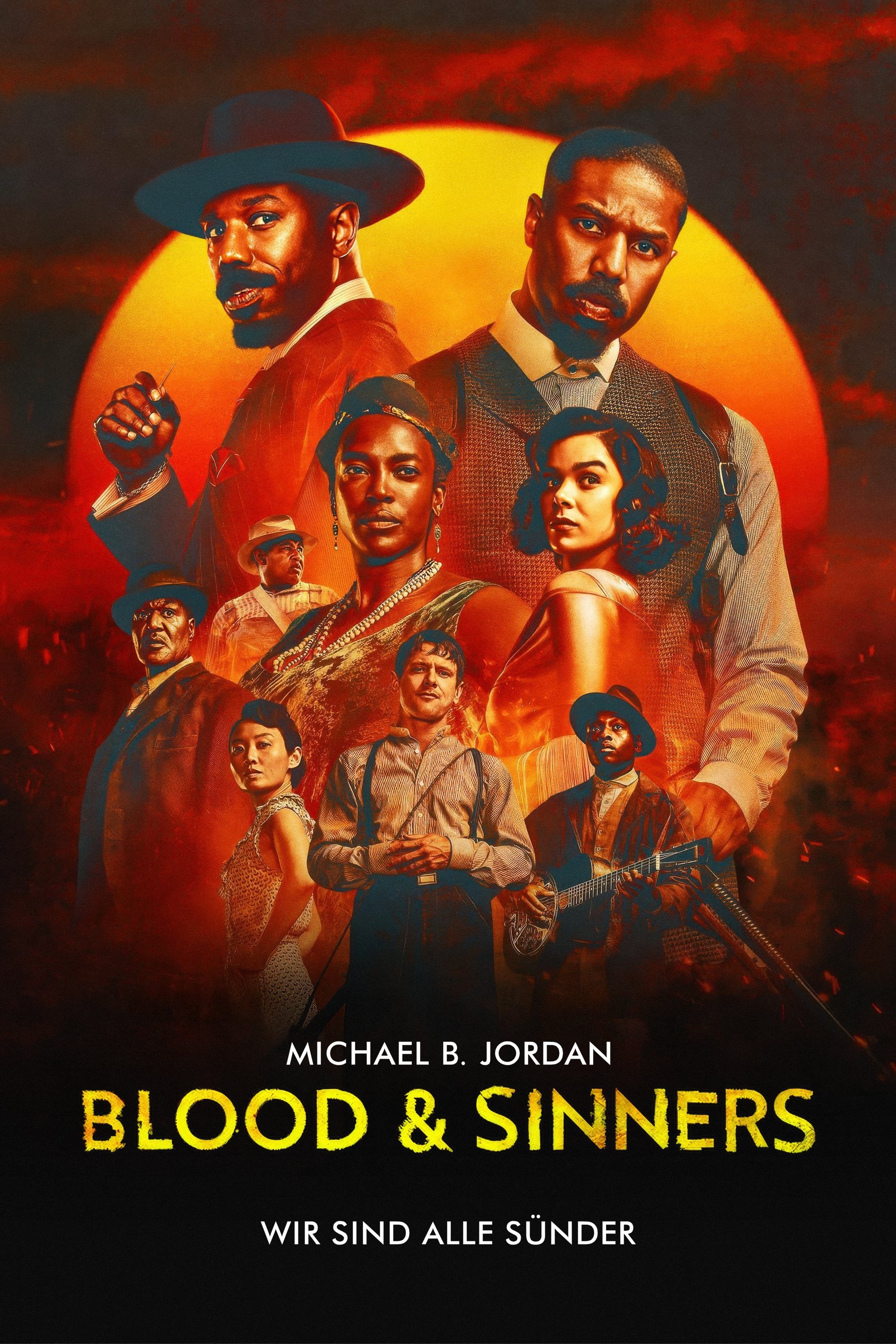
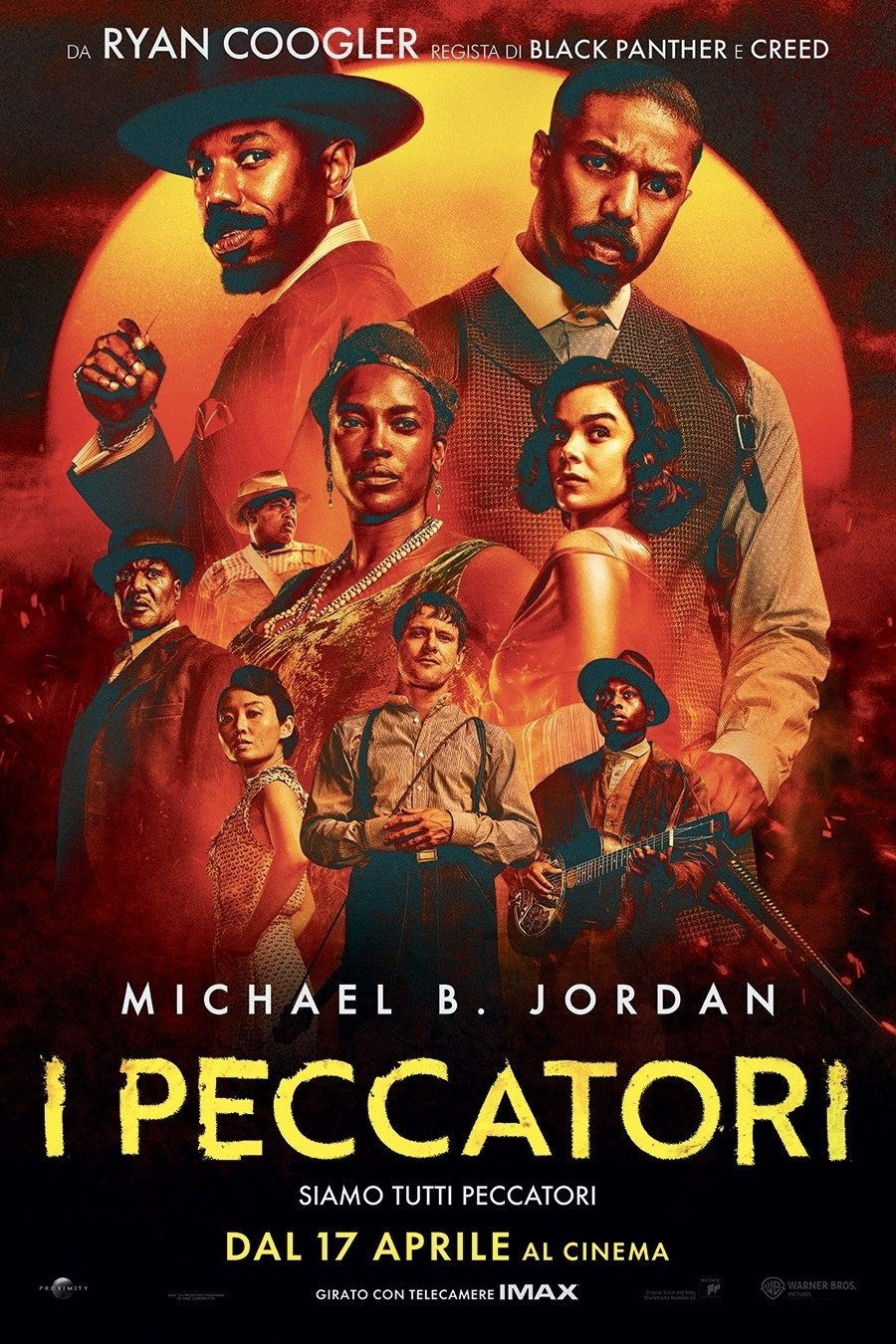
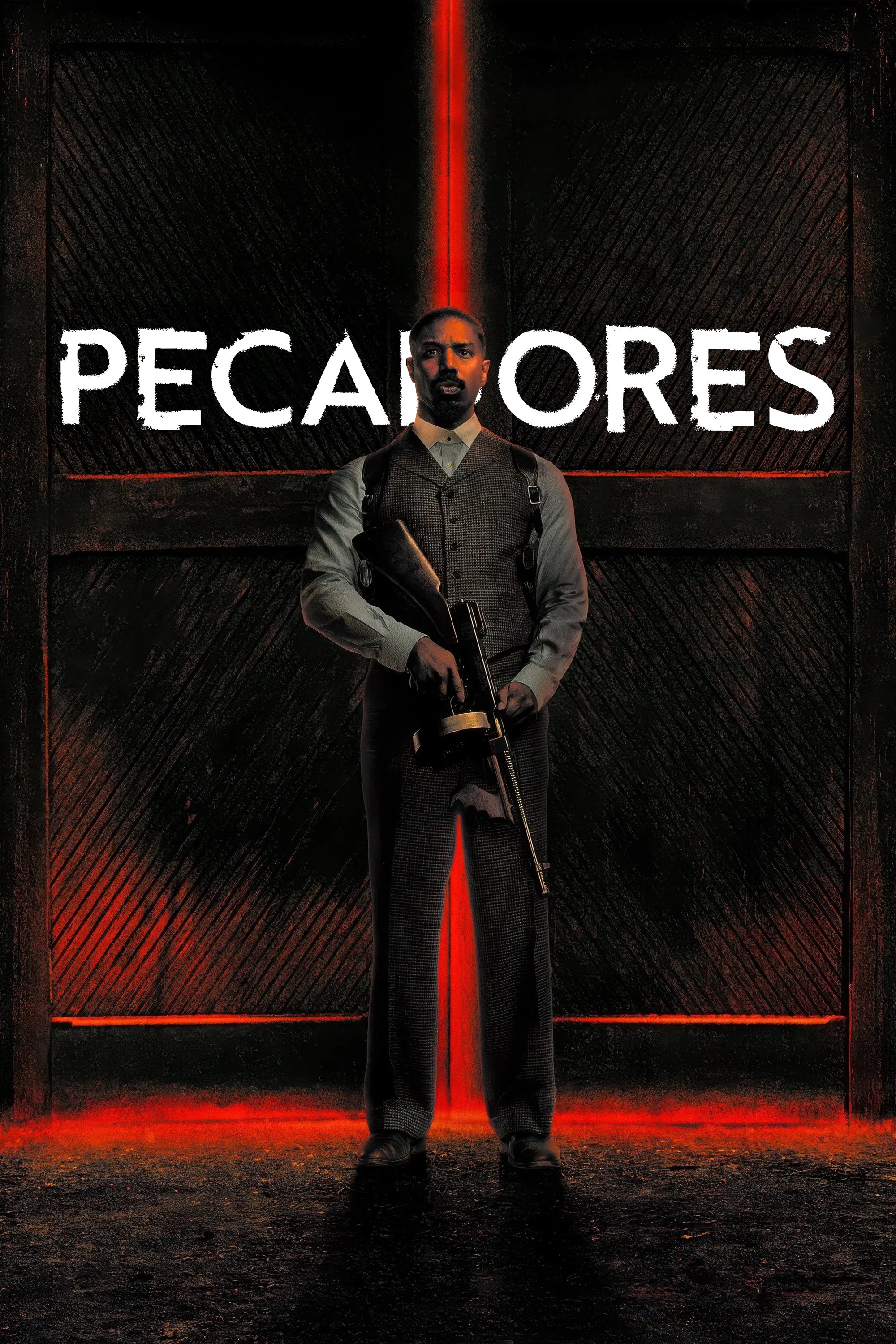
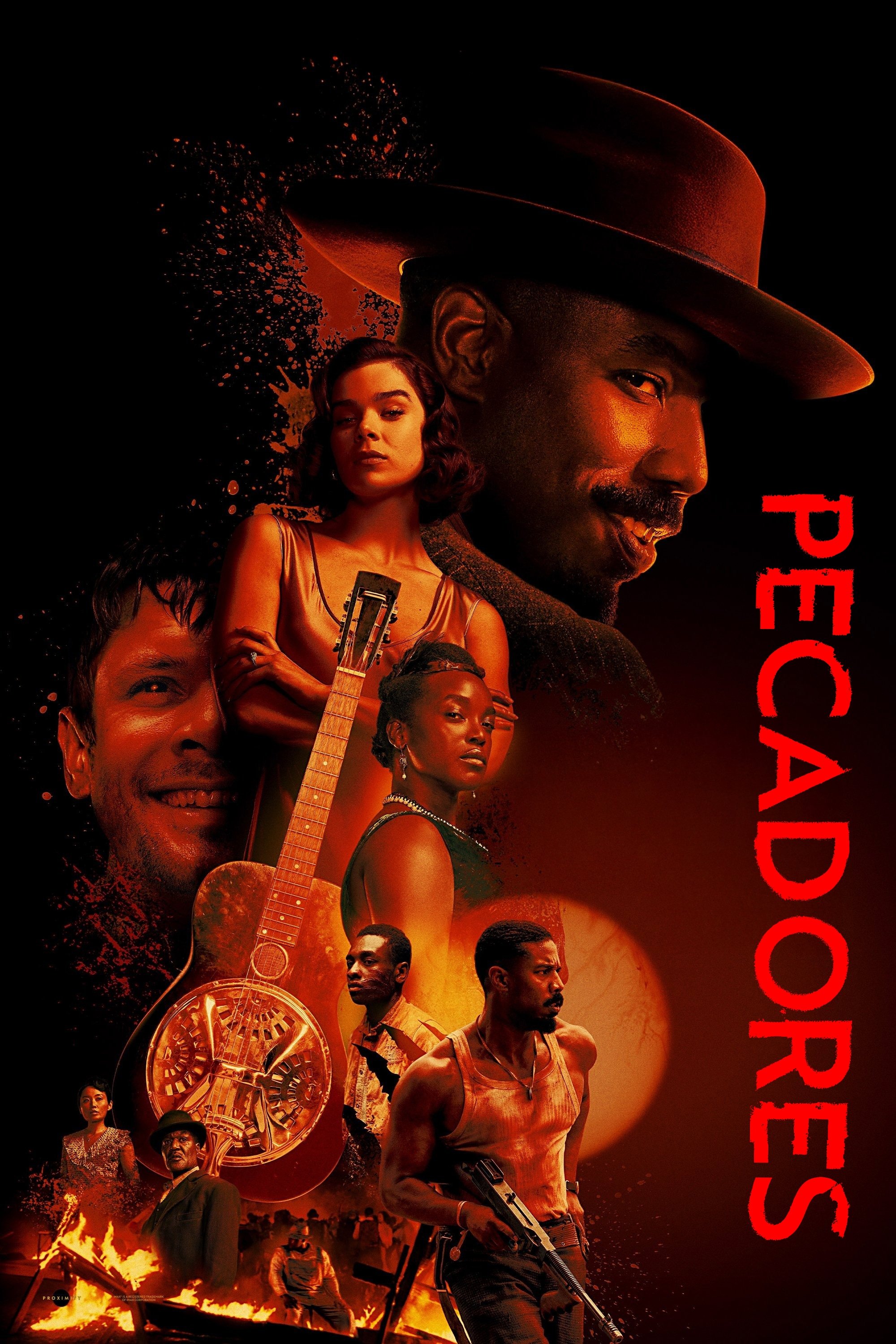
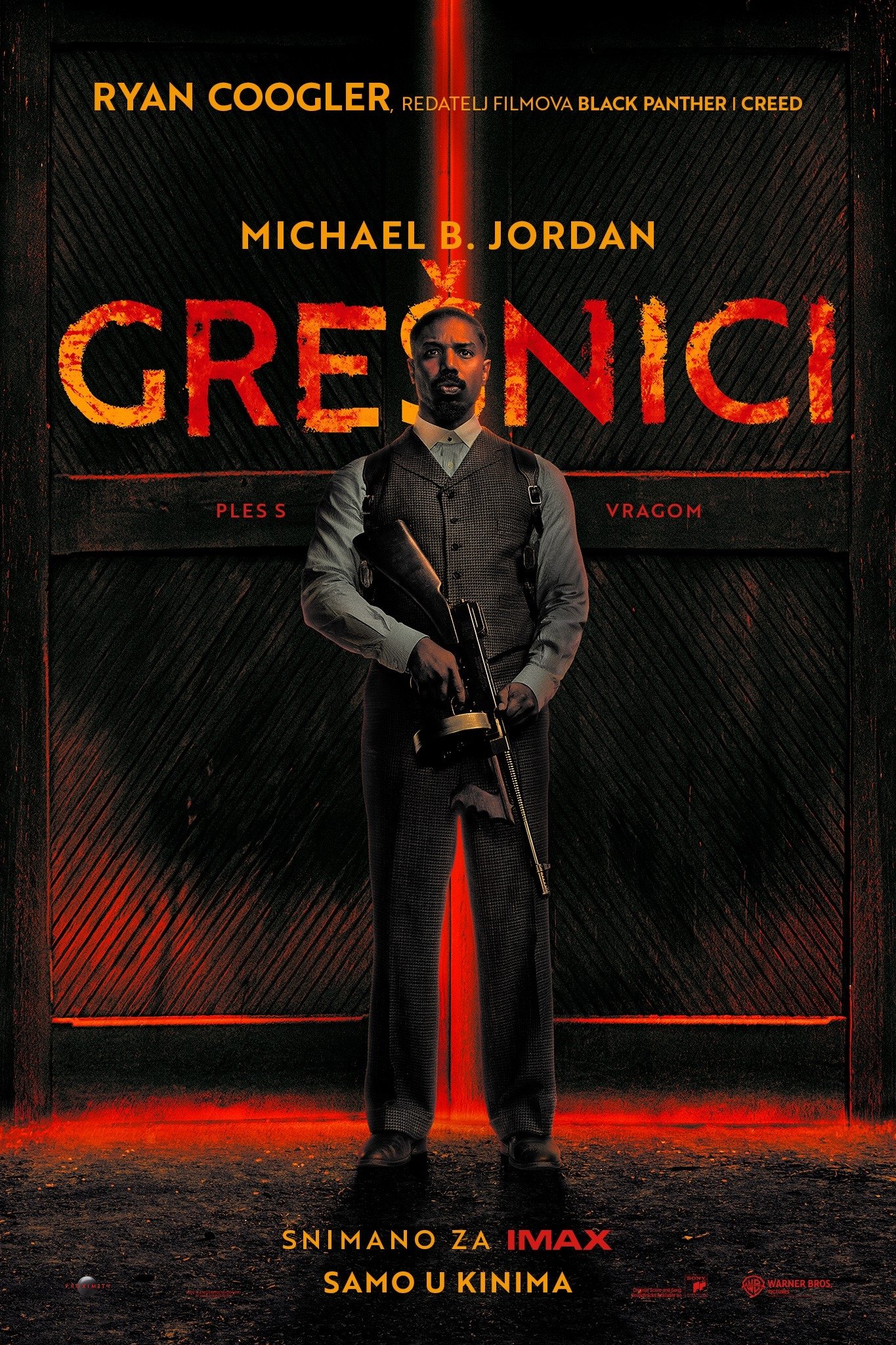
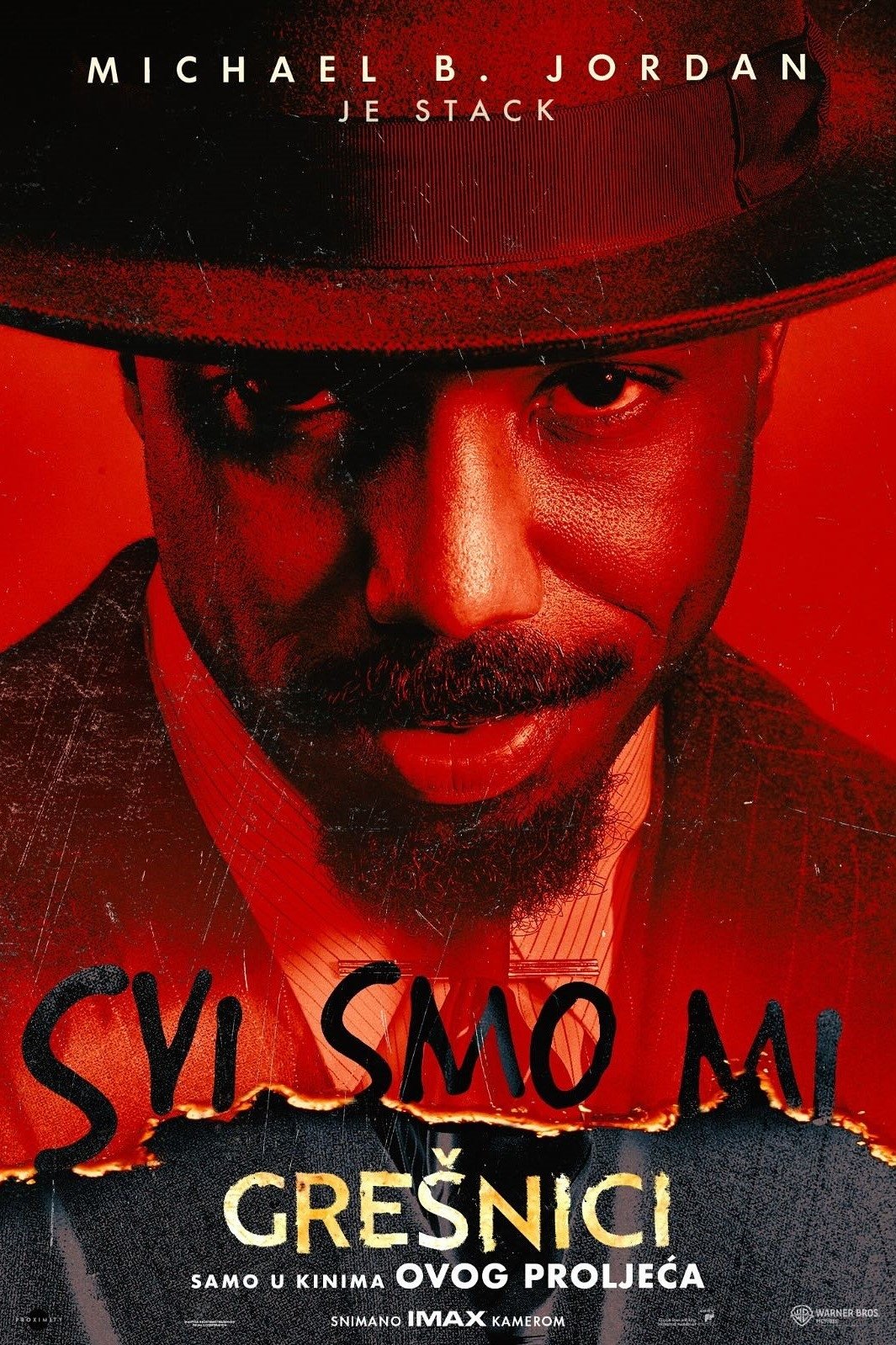
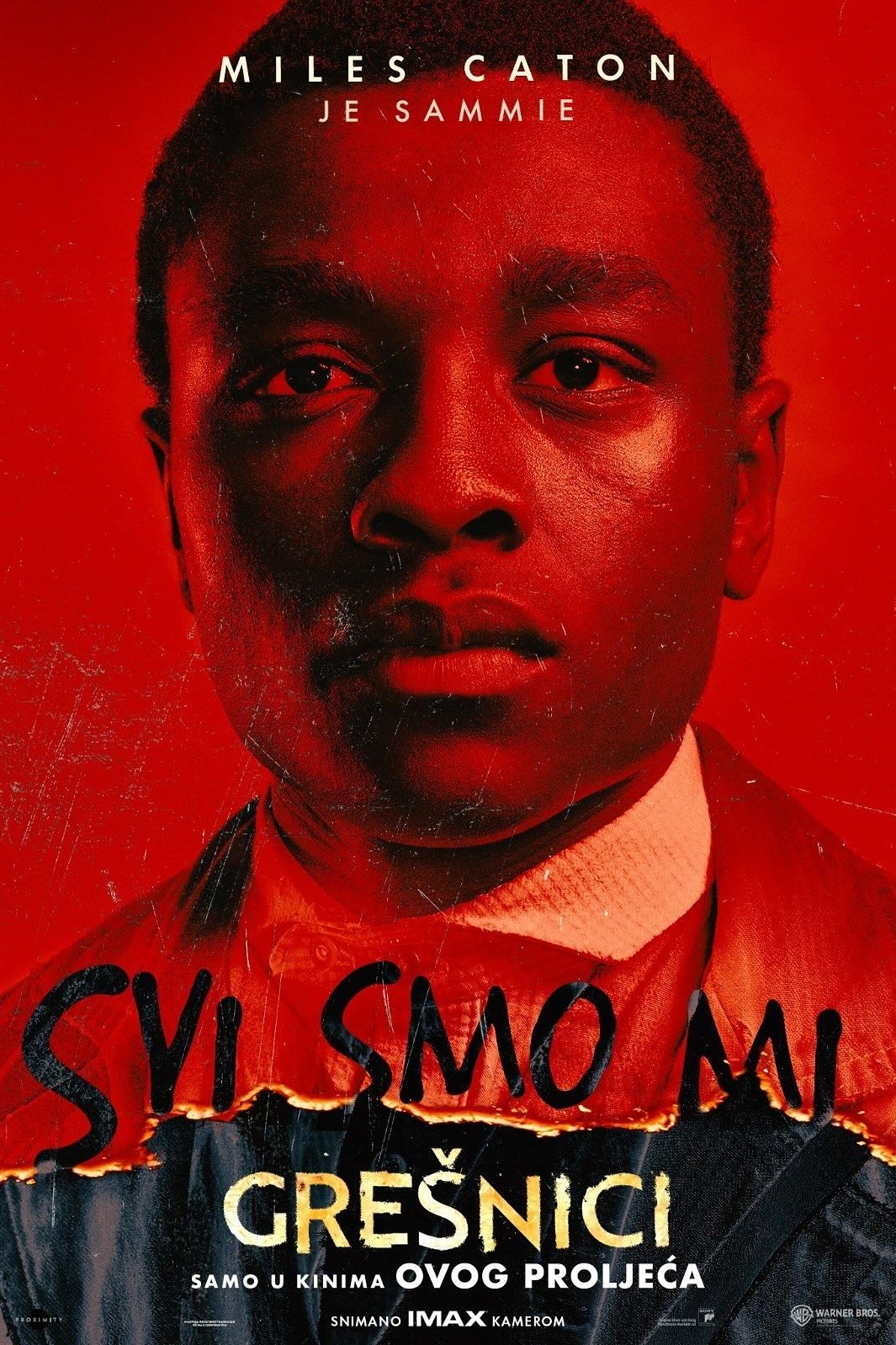
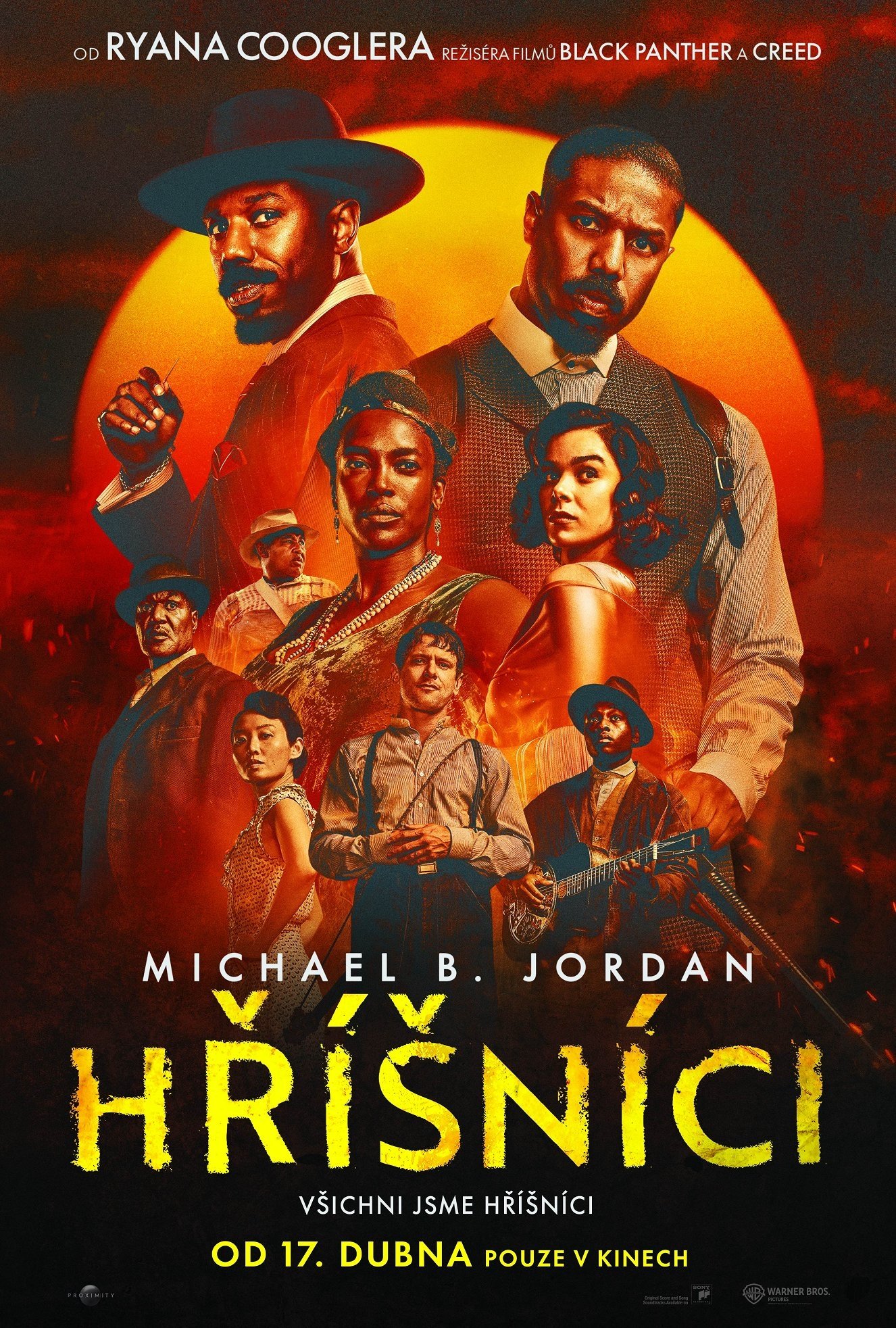
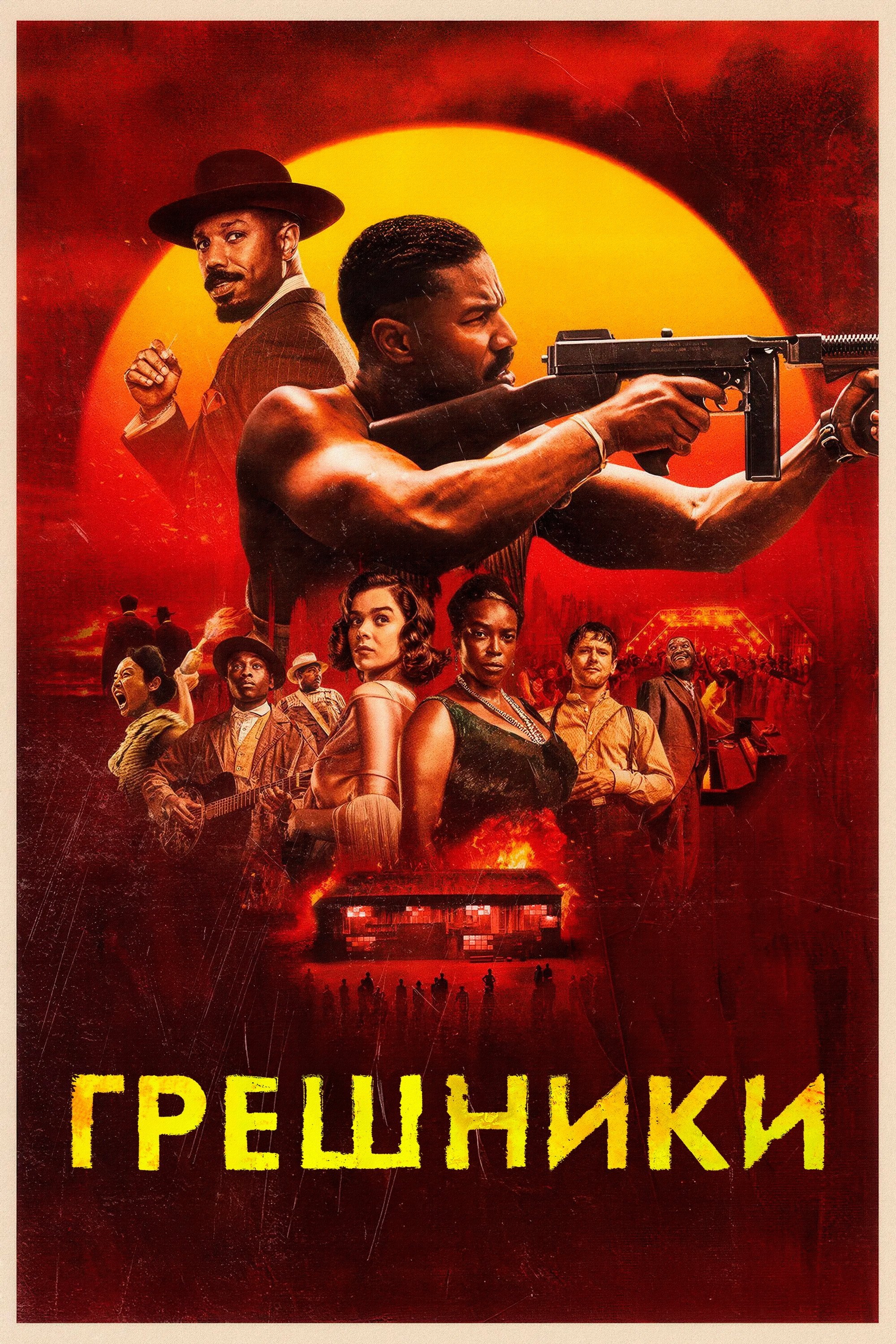
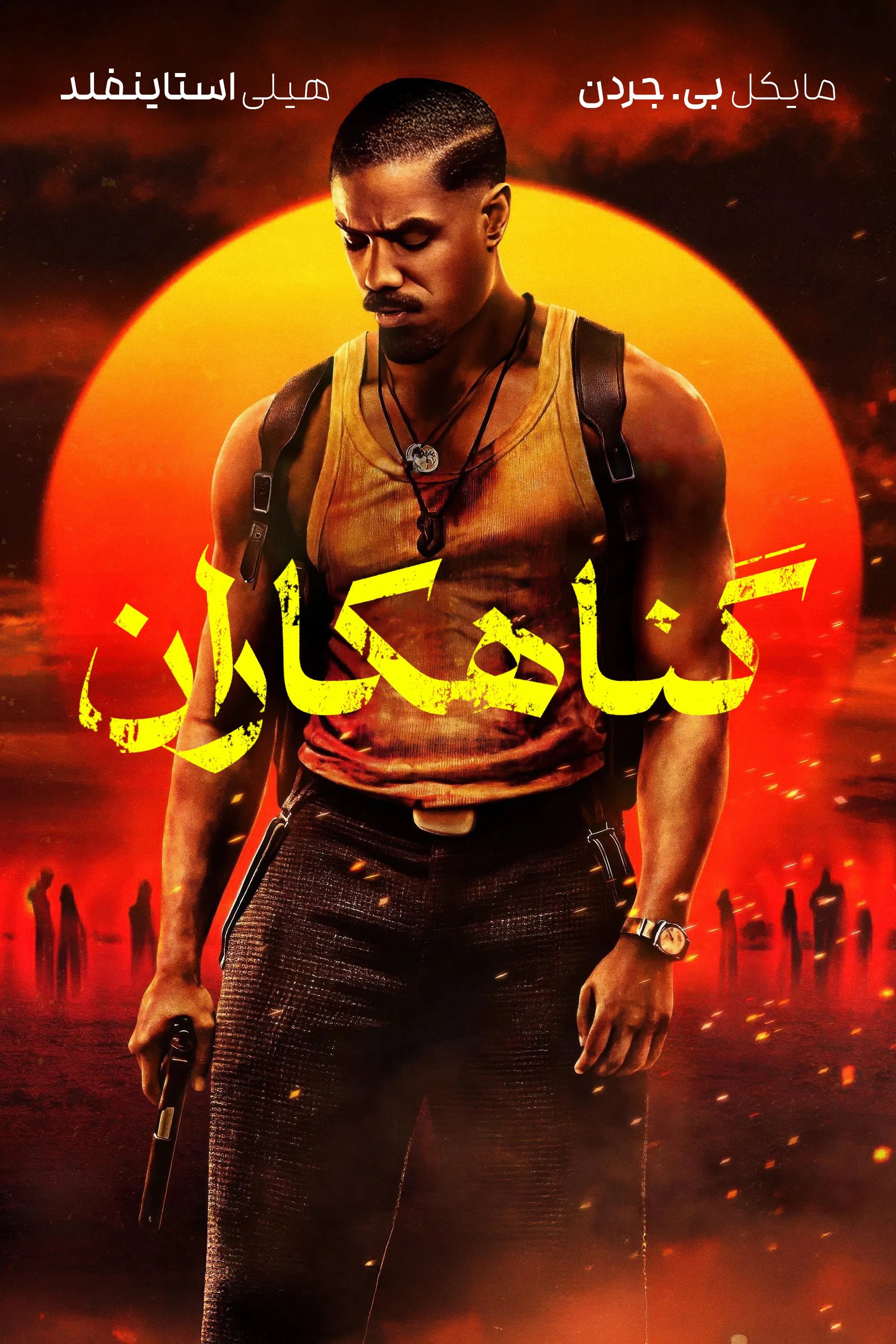
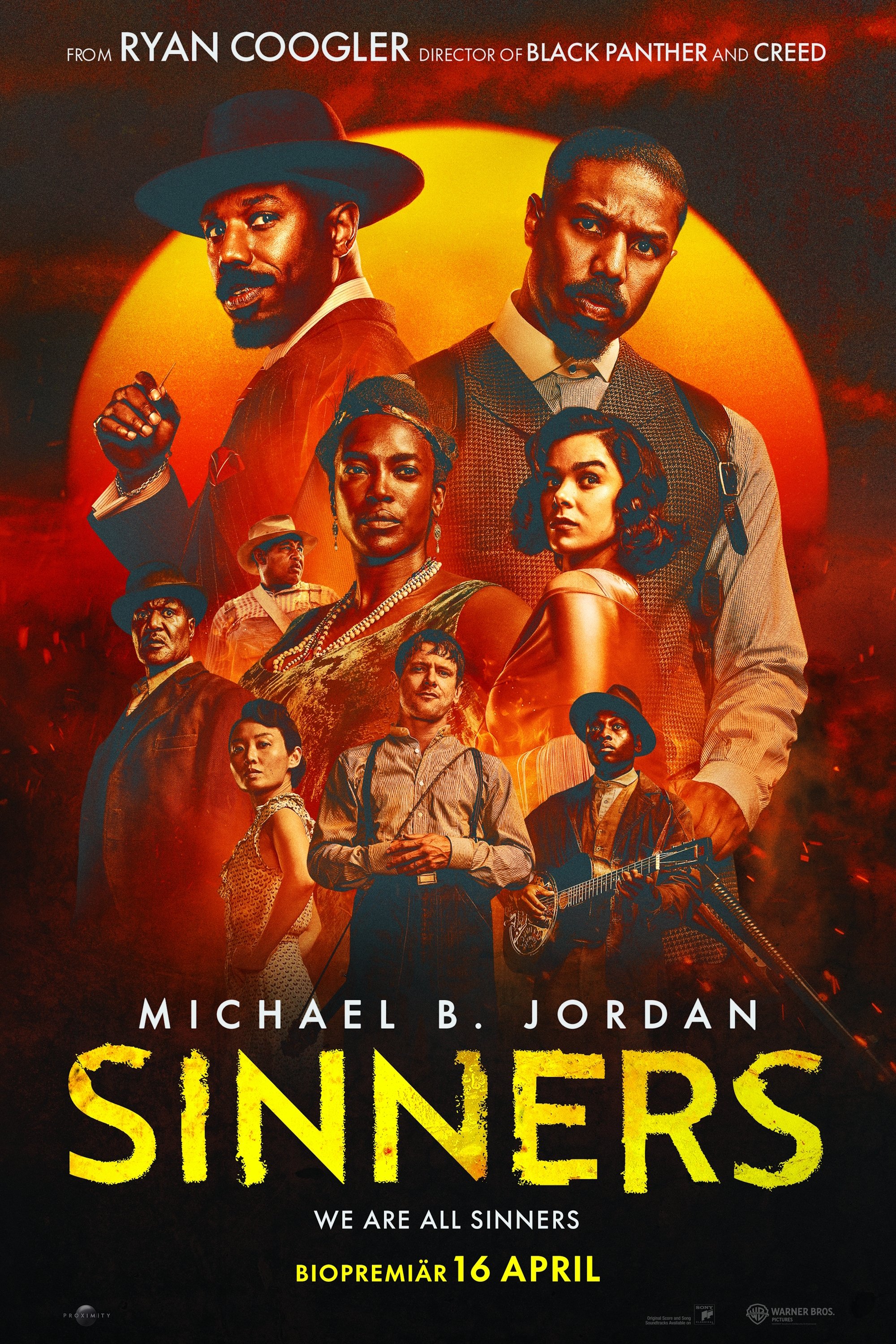
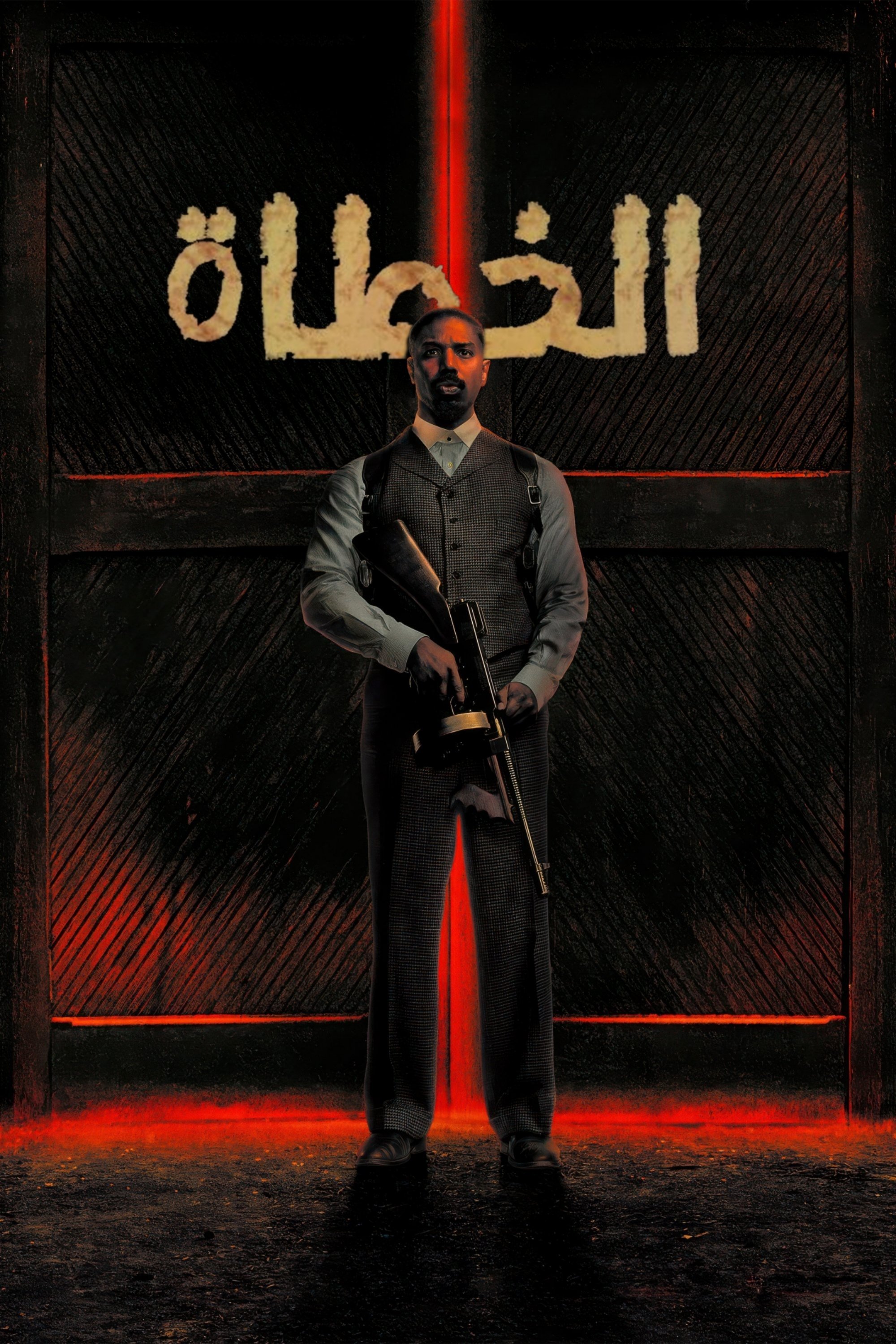
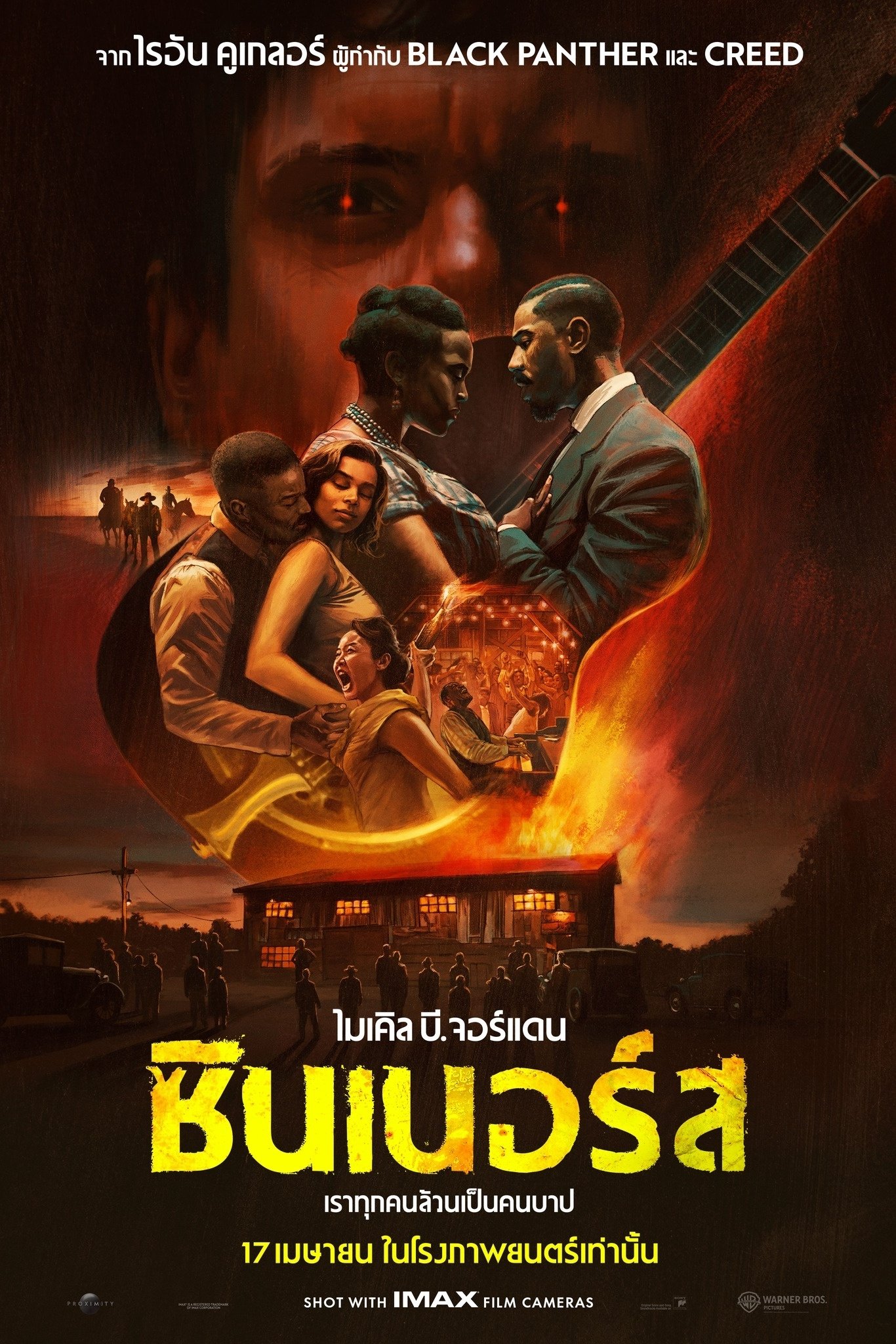
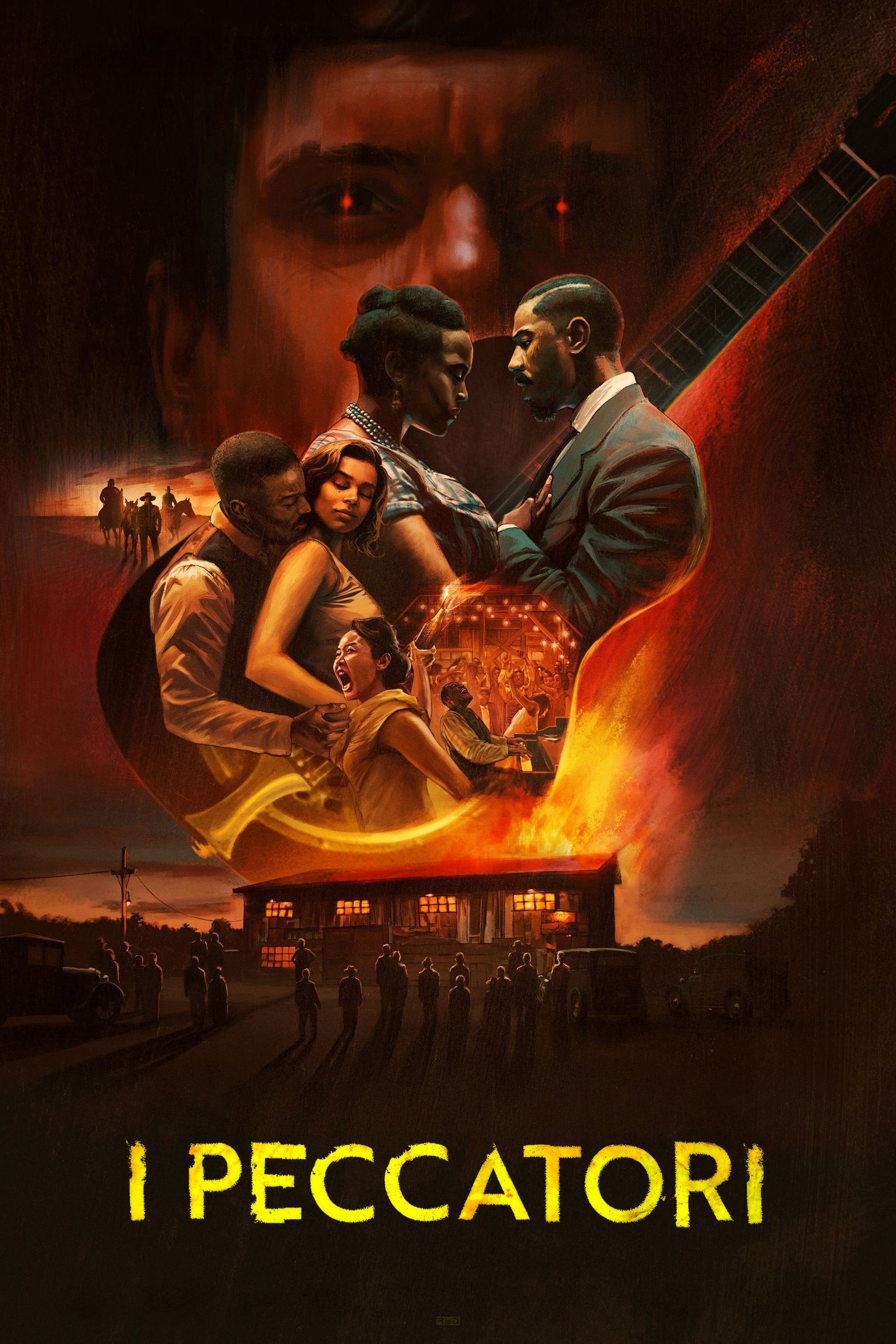
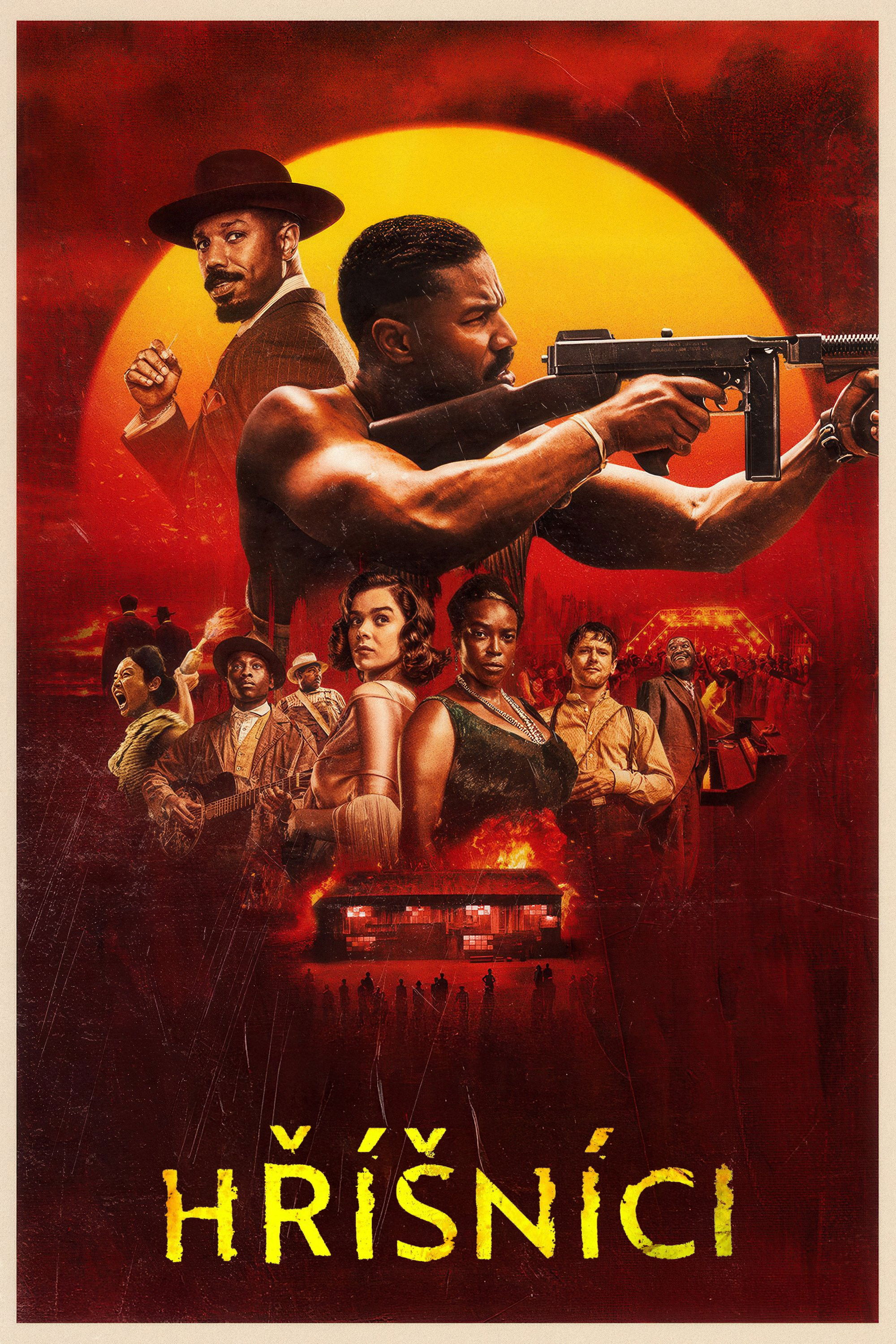
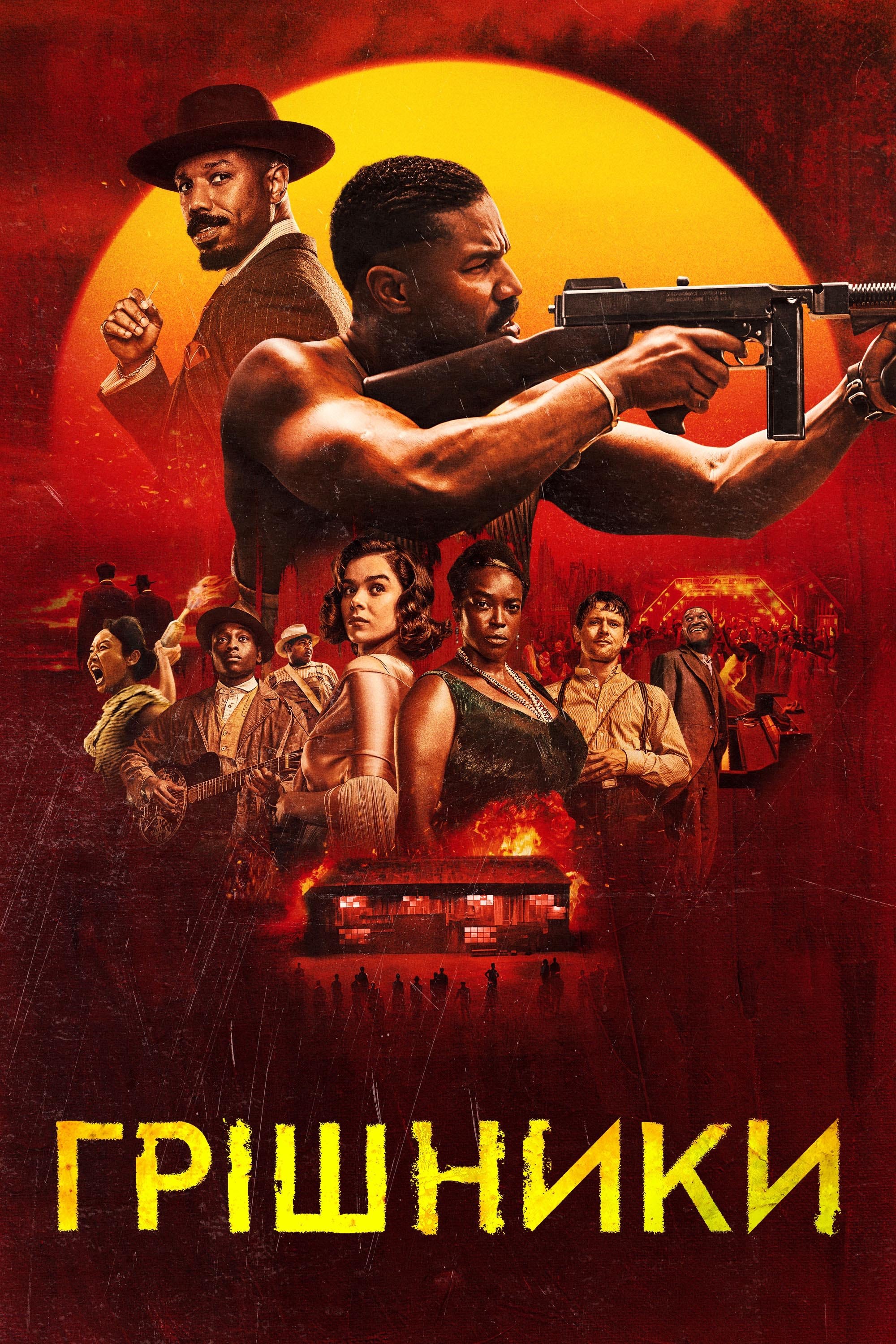
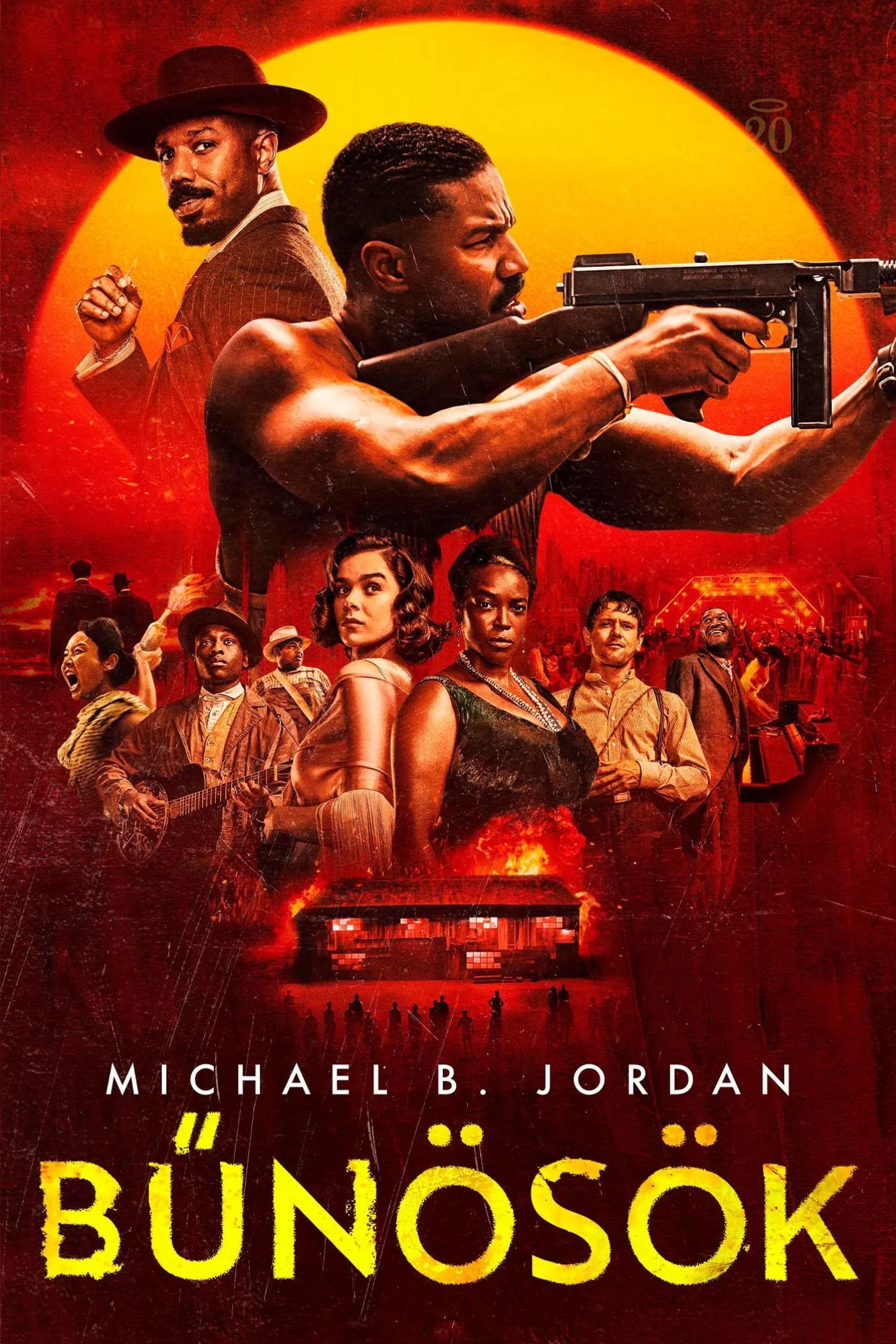
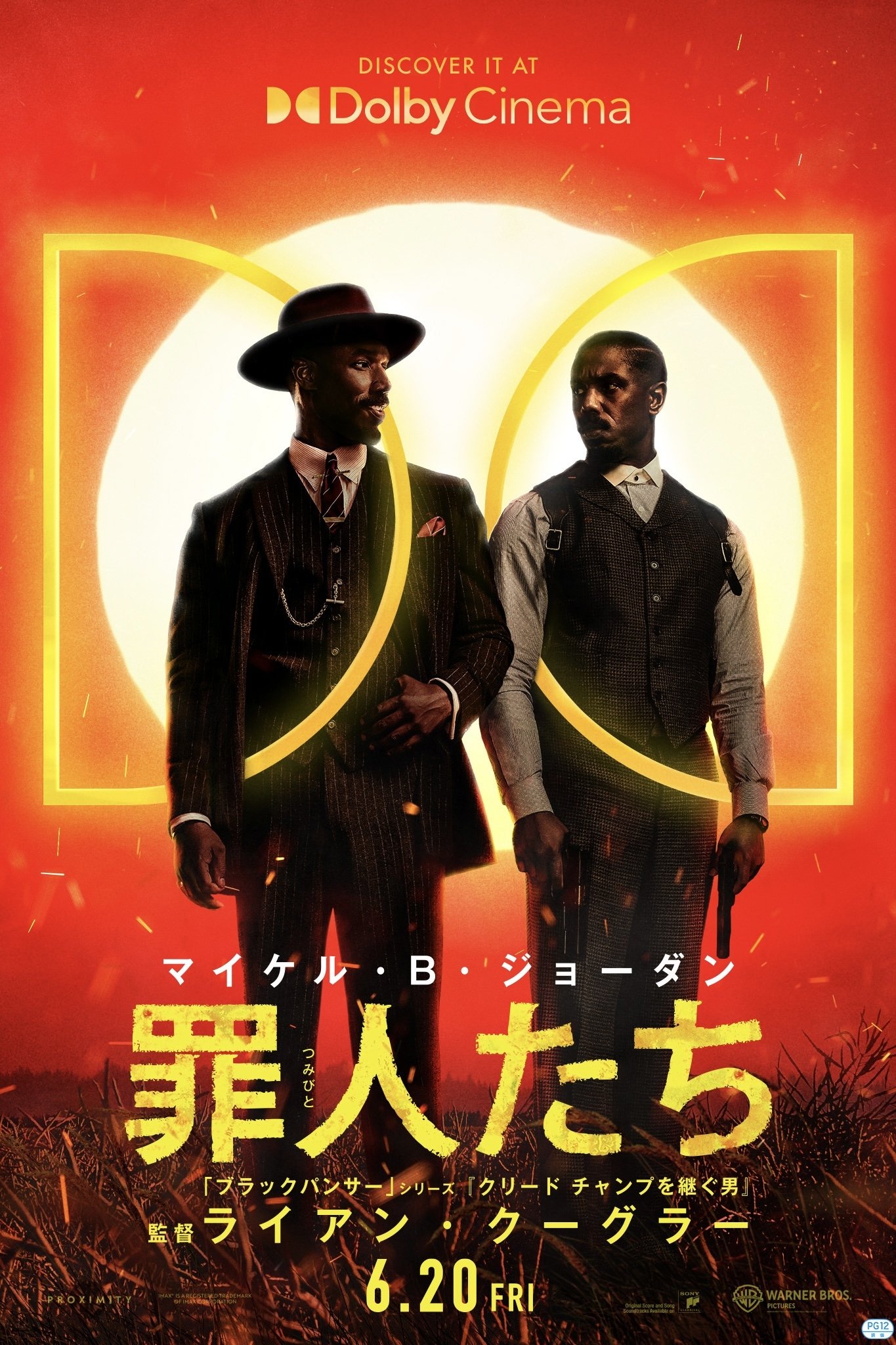
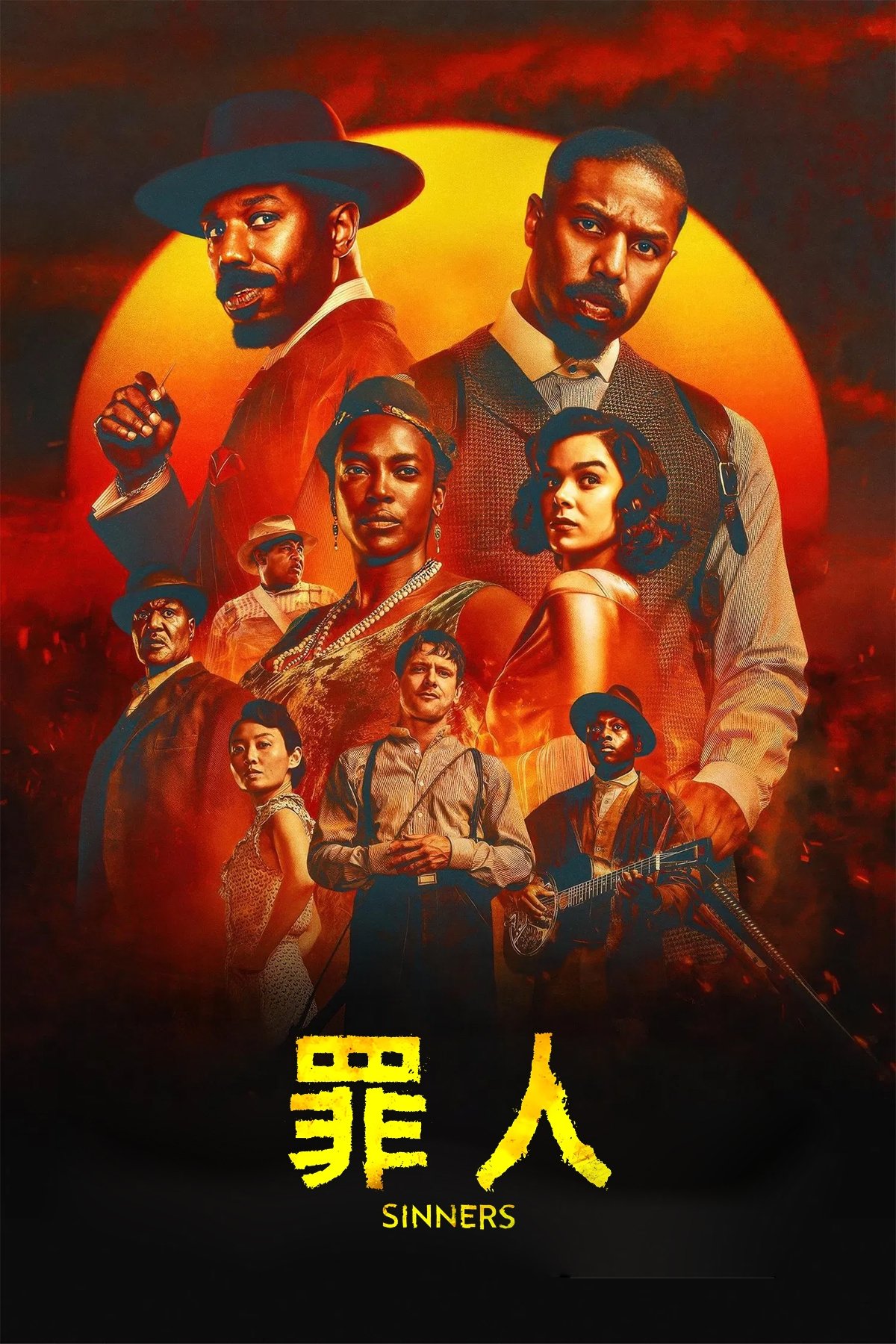
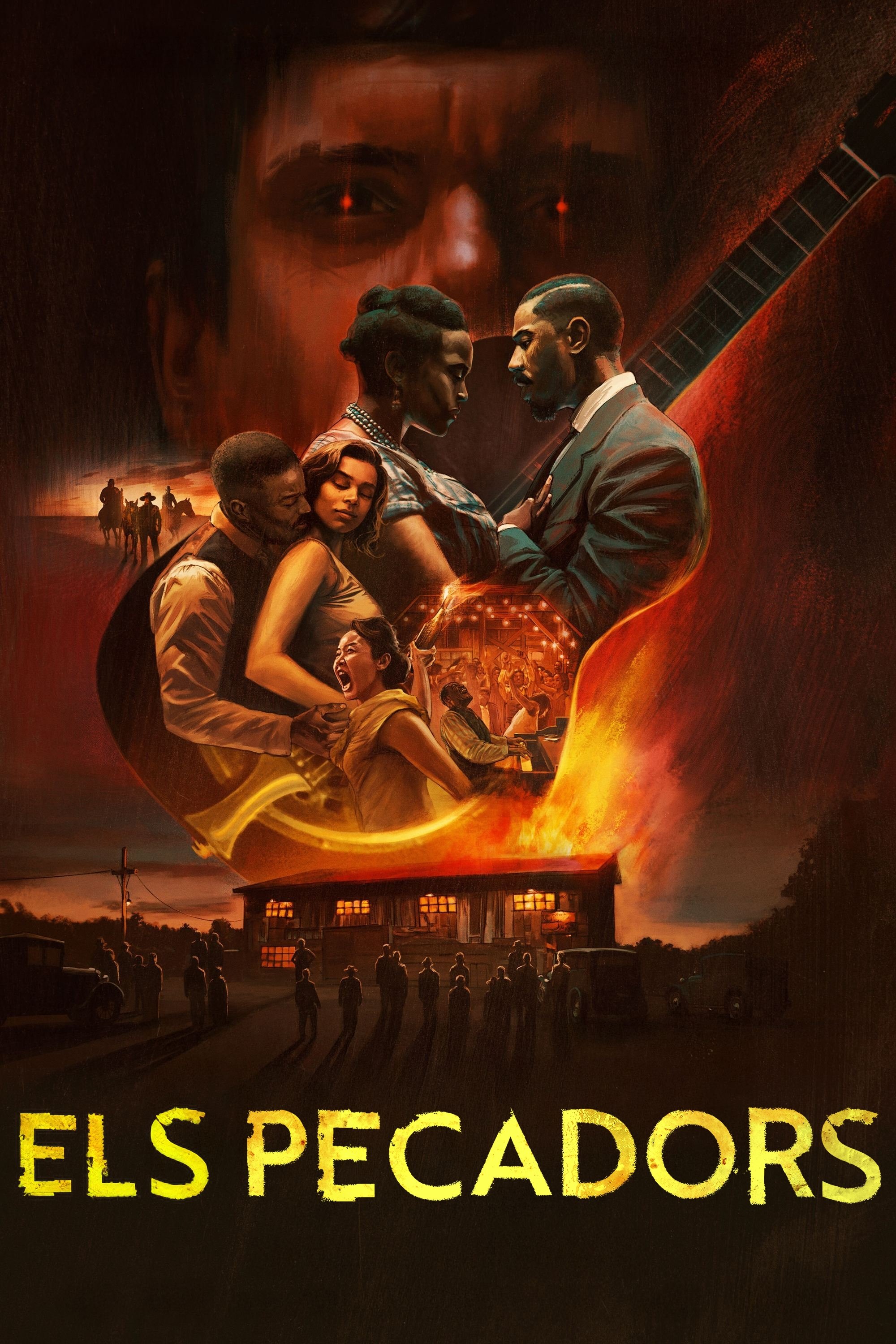
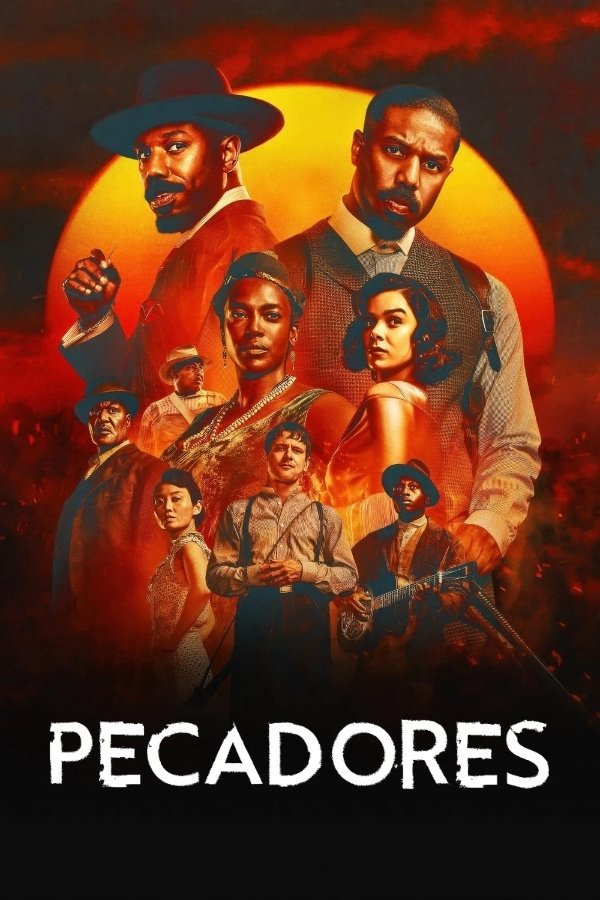
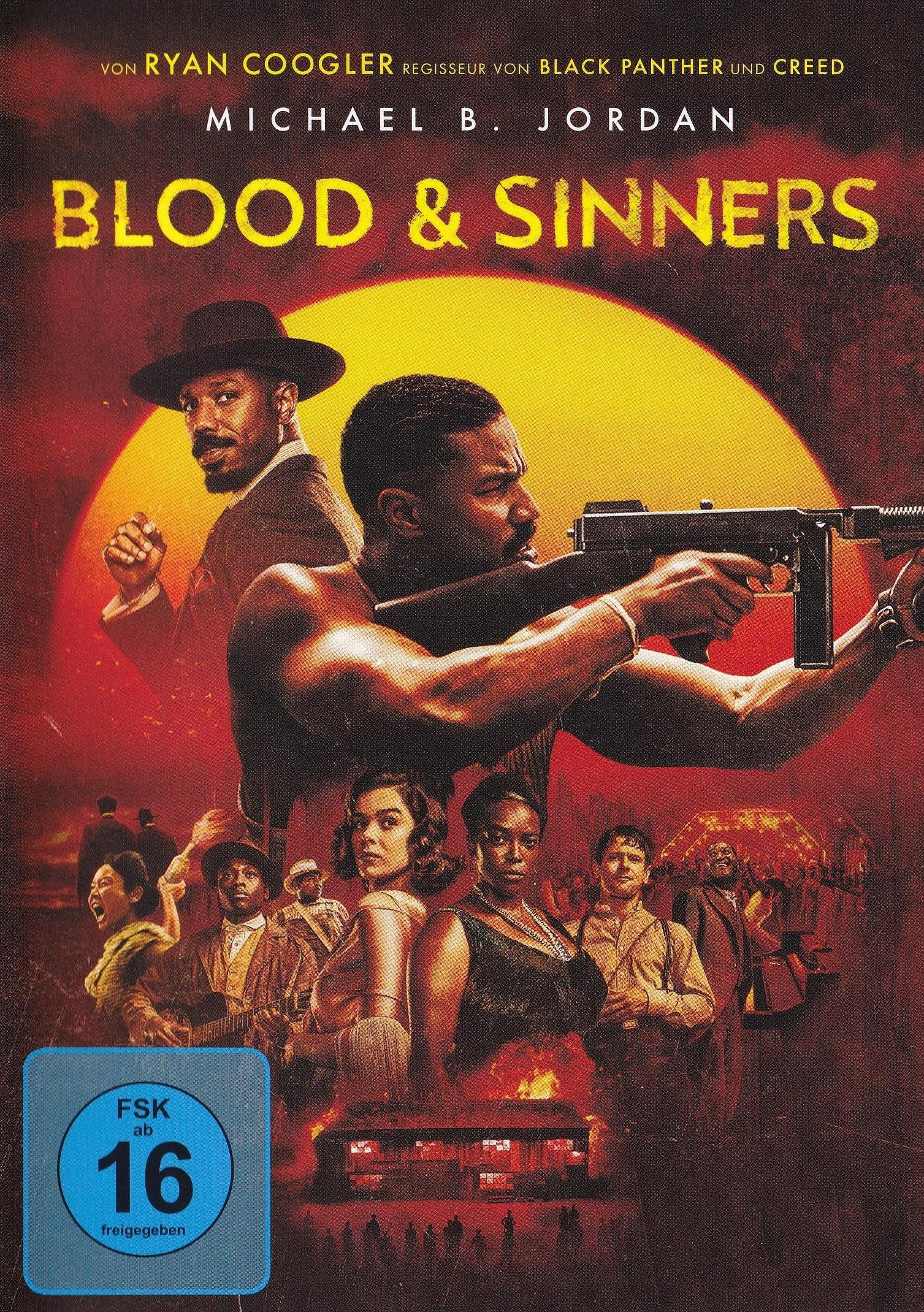
The film’s original screenplay brings Smoke and Stack into a specific Southern environment after their involvement with organised crime in Chicago. Their plan to open a juke joint involves acquiring a building, finding musicians and recruiting neighbours whose livelihoods and relationships shape the unfolding night. Their cousin Sammie, a guitarist whose father is a preacher, occupies the boundary between religious obligation and the blues tradition. Coogler’s choice of 1932 places these ambitions under the racial restrictions of the Jim Crow South. The vampires enter an already dangerous world; the script establishes that human coercion and exclusion exist independently of the supernatural attack.
Creating the Juke Joint
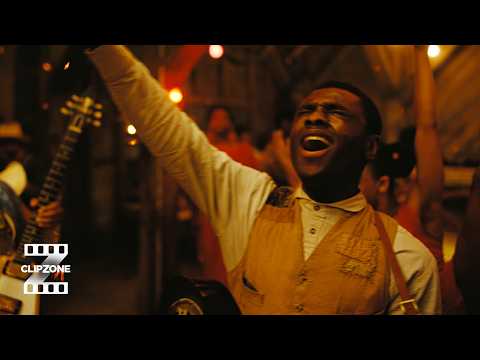
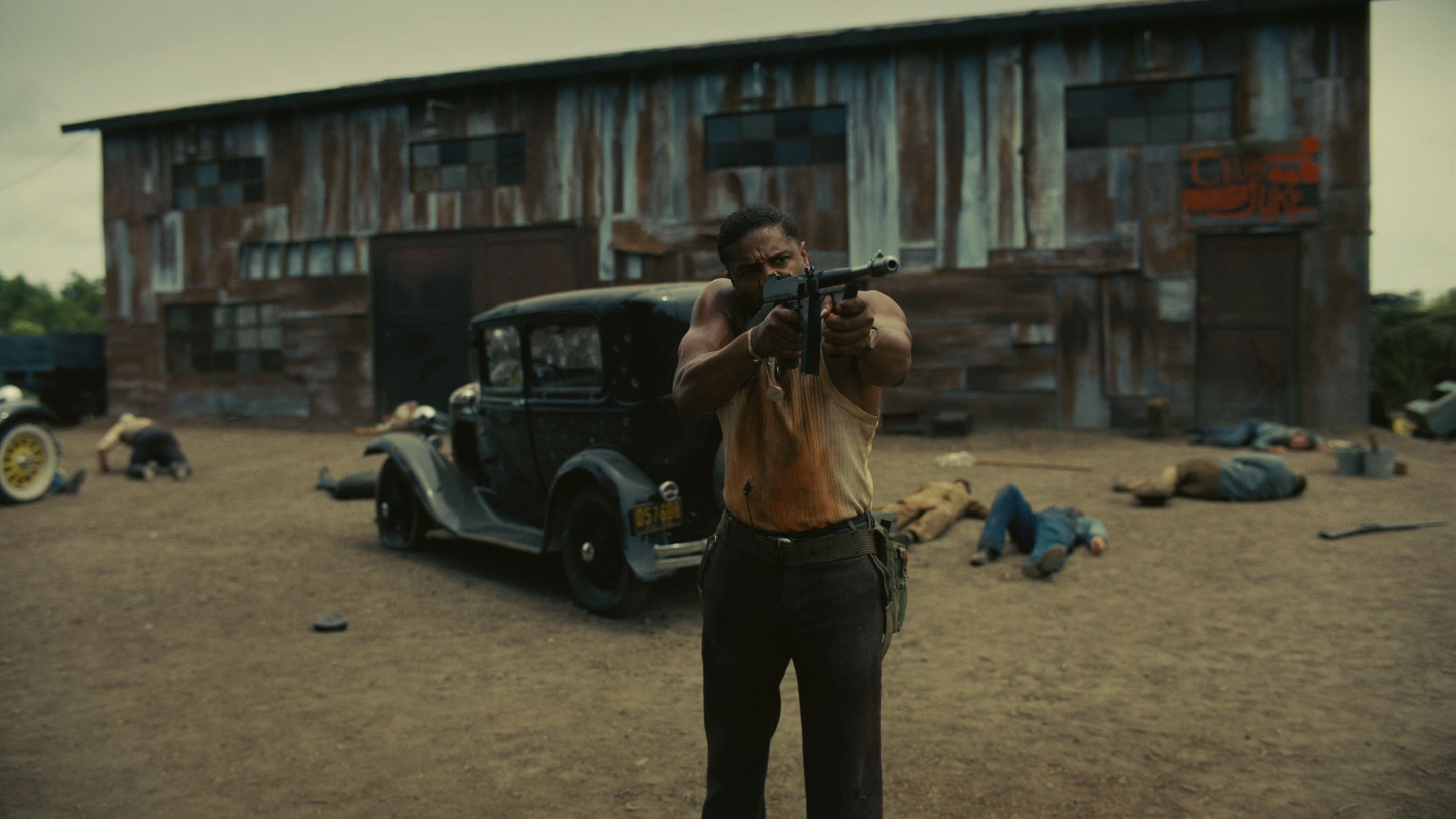
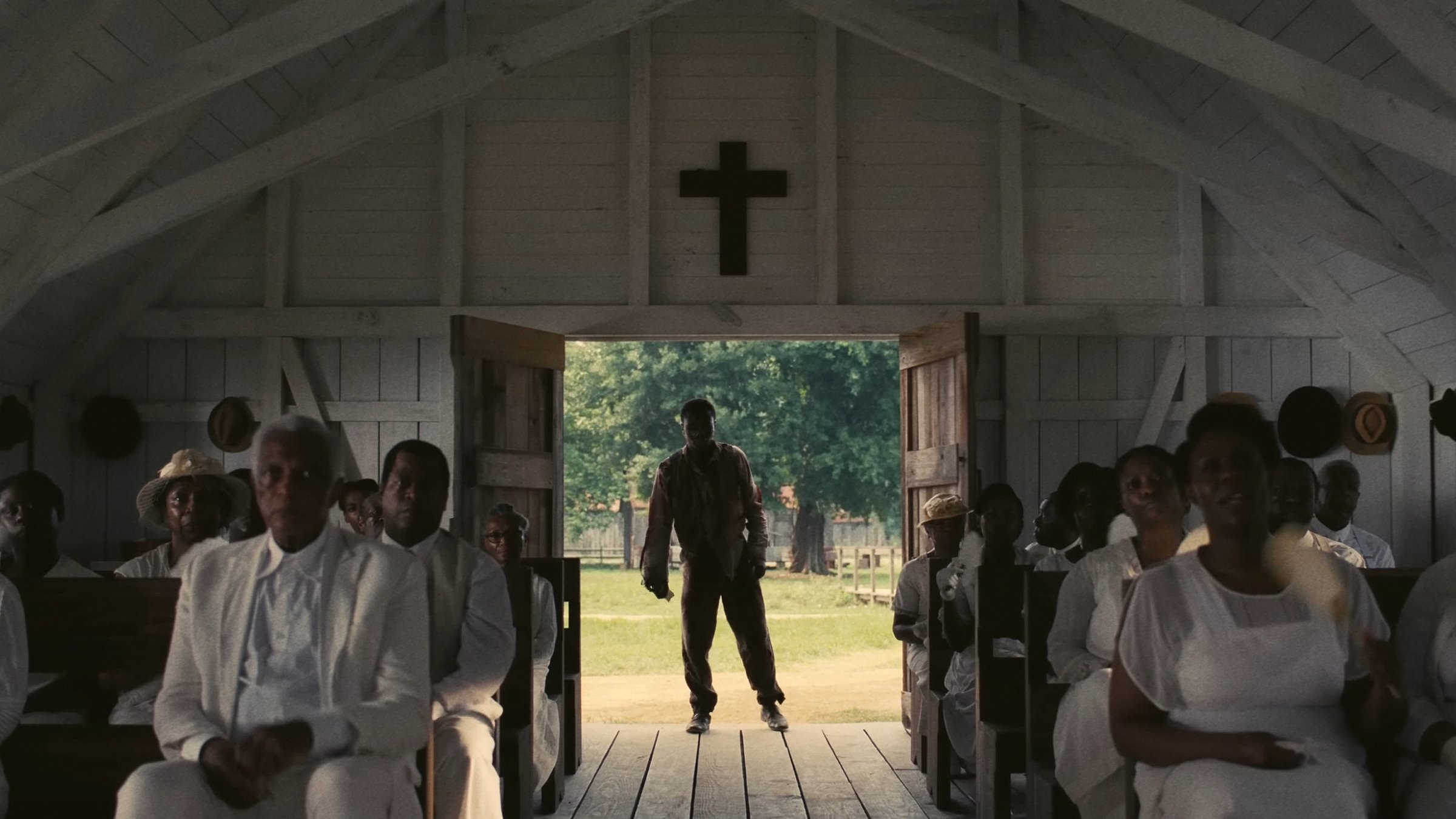
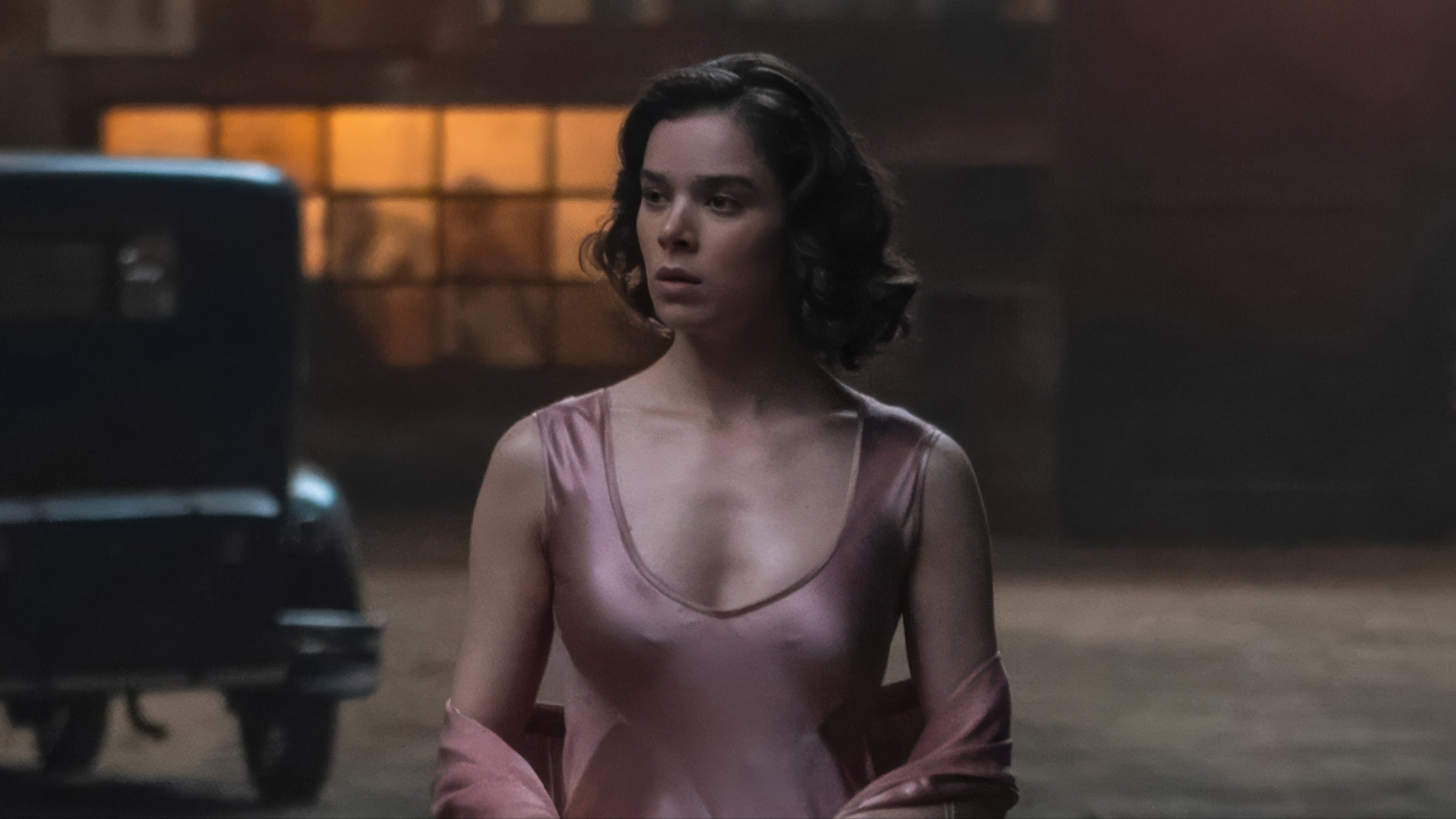
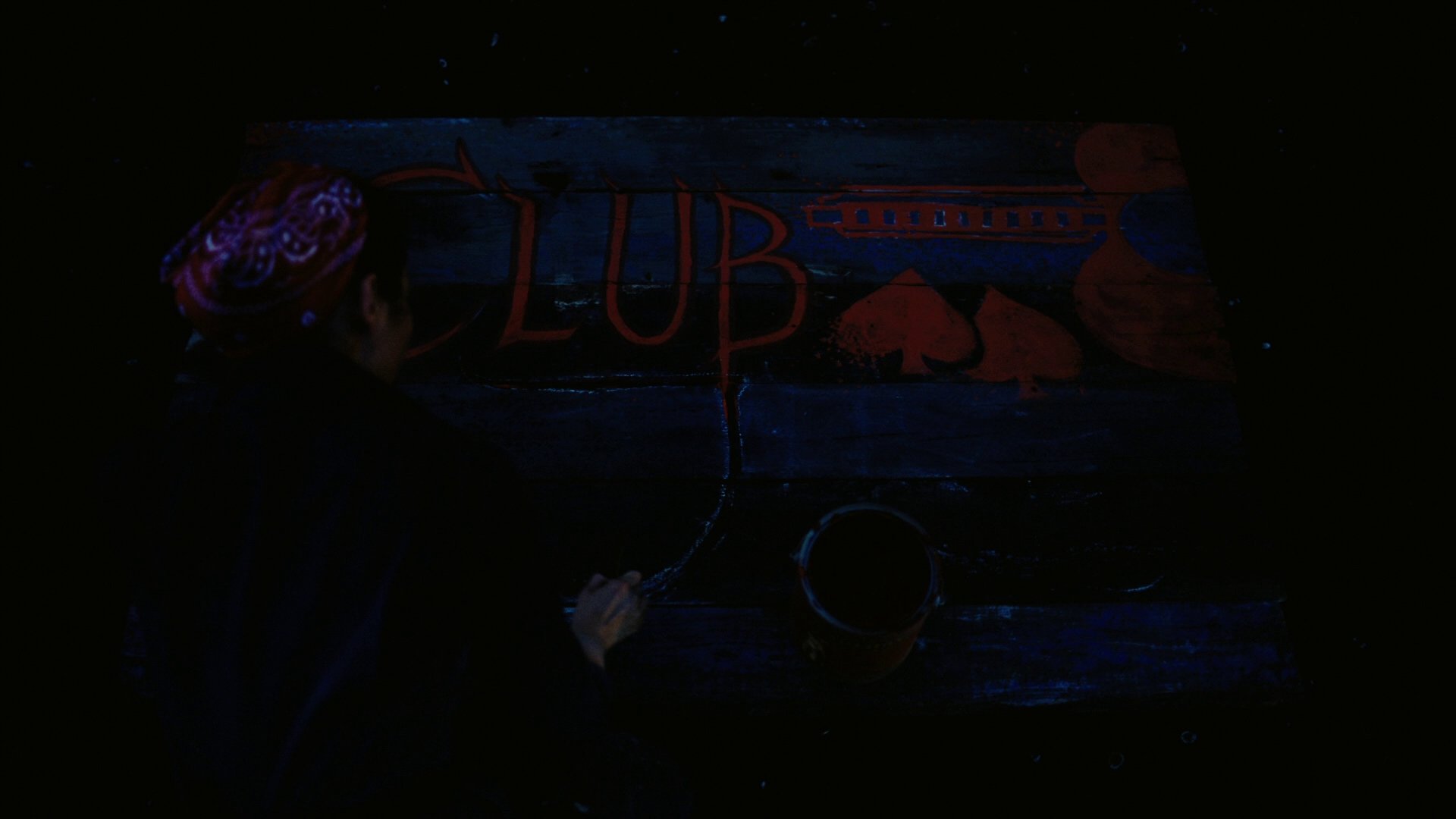
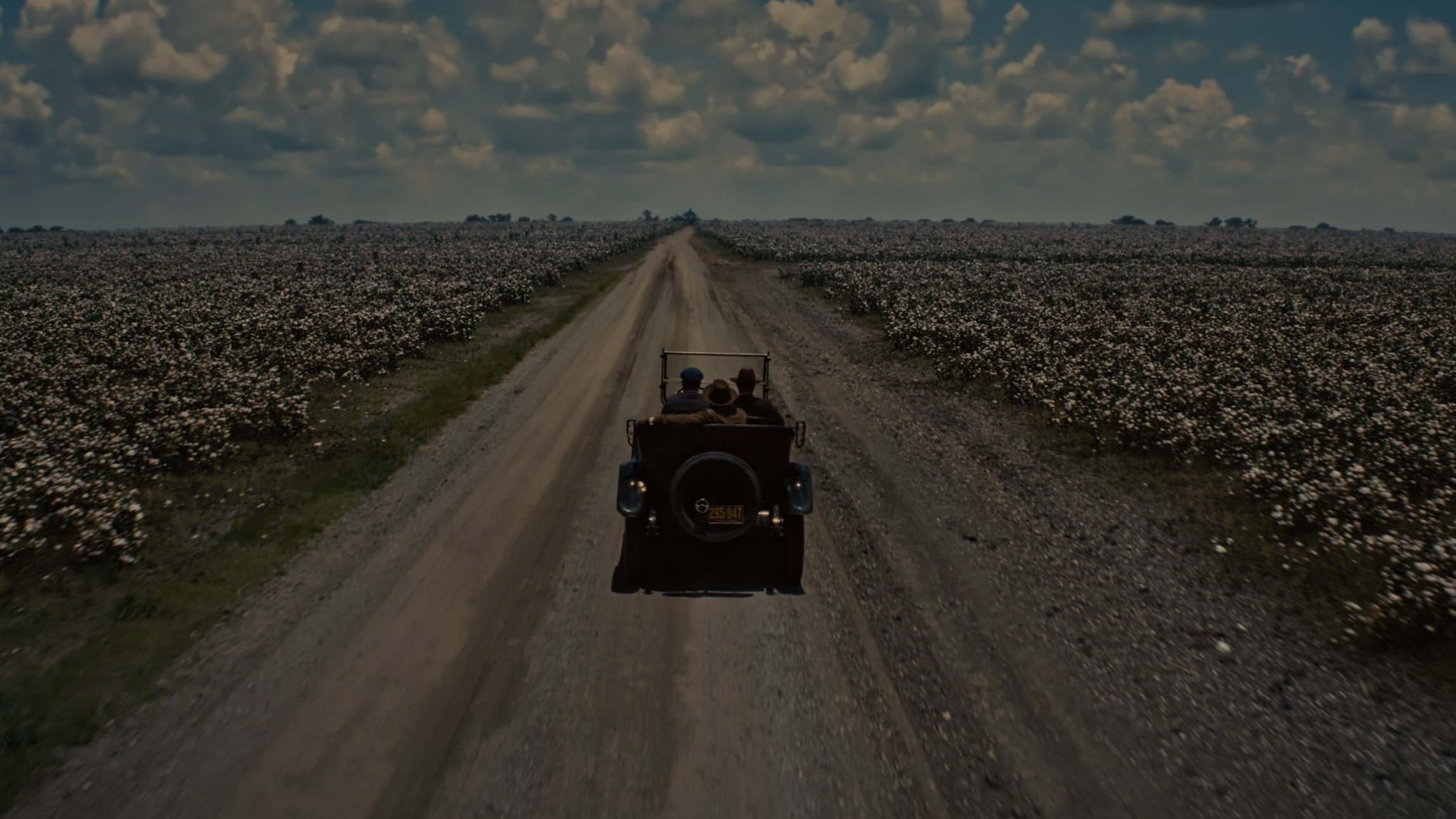
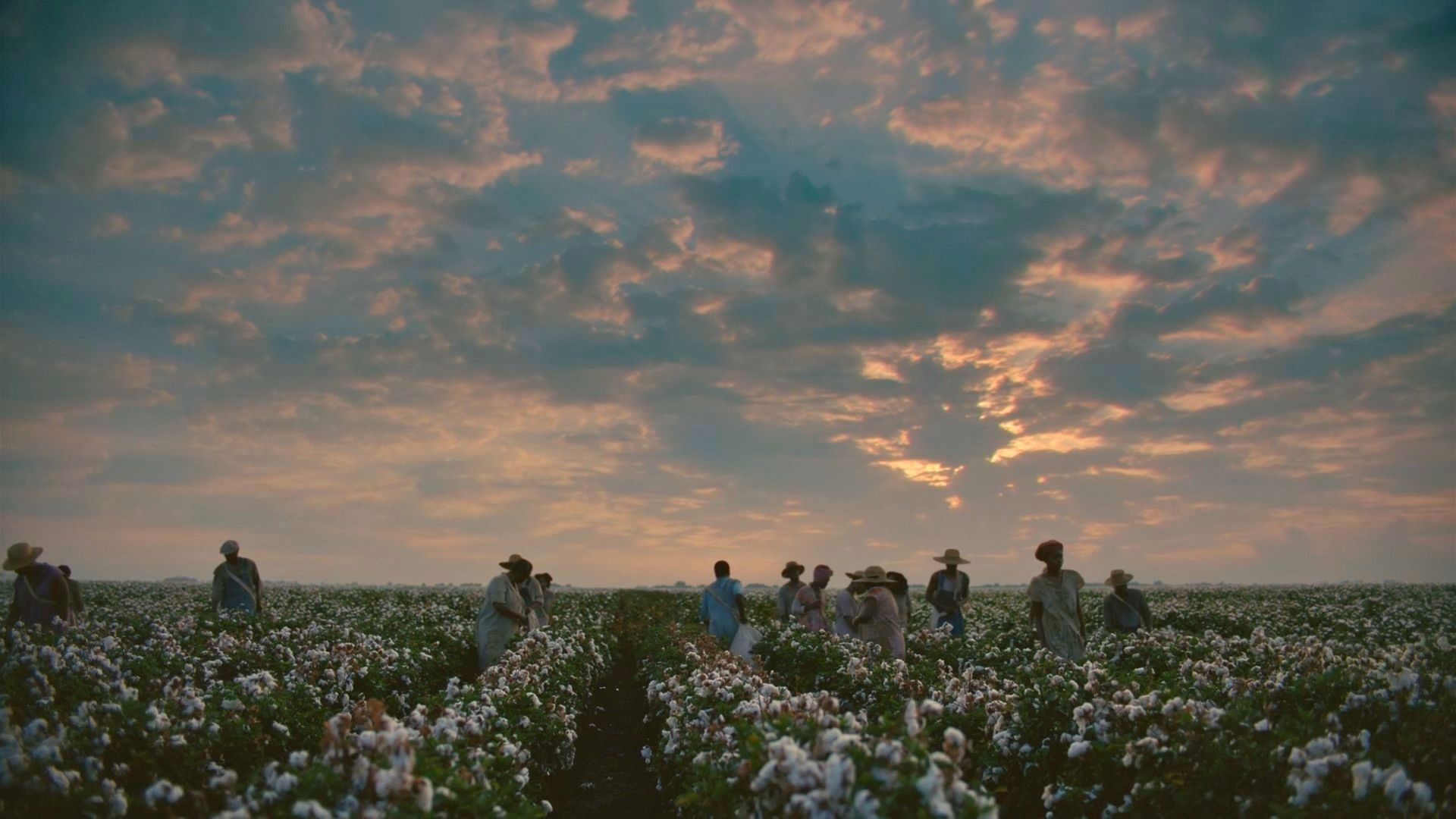
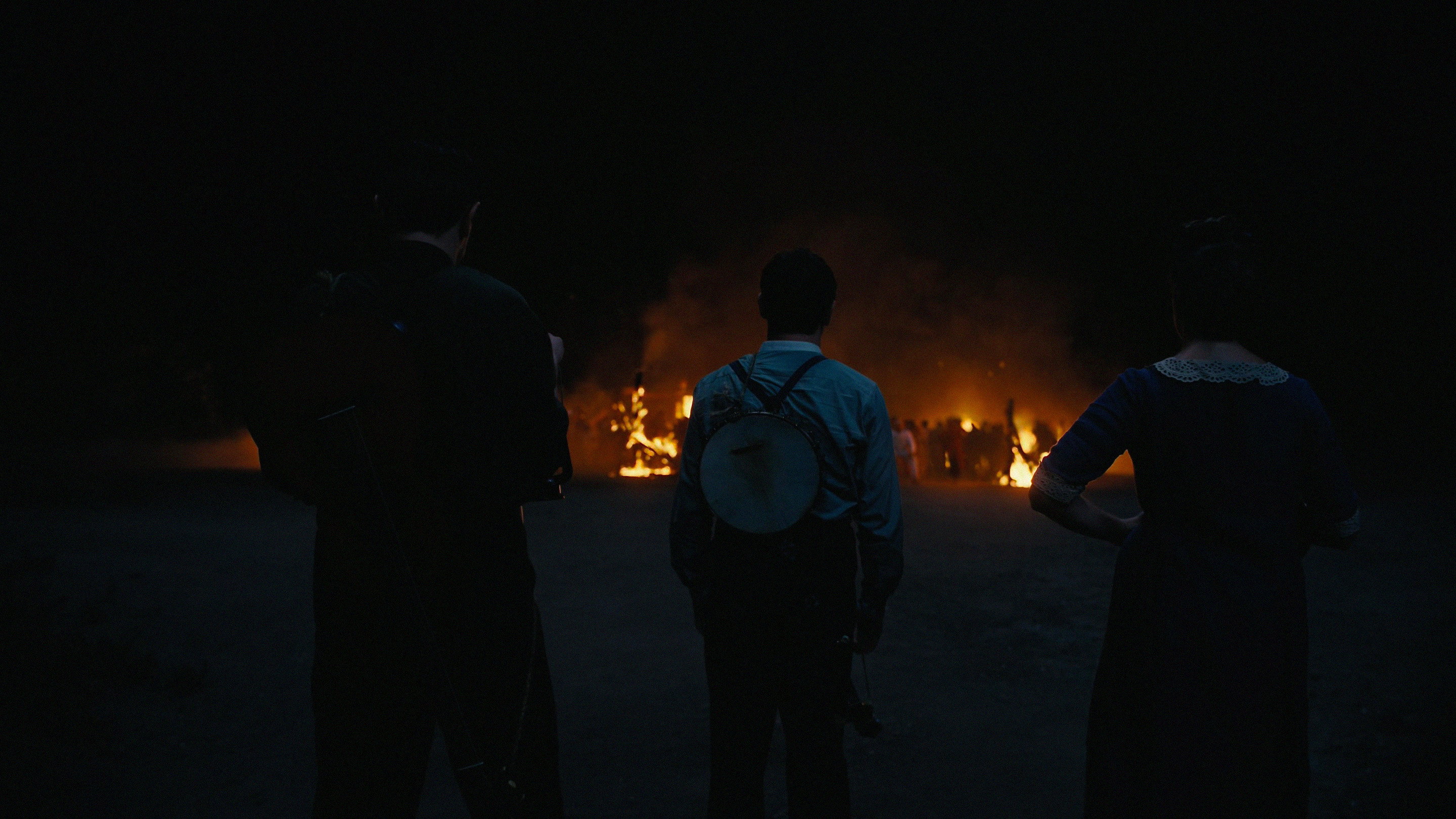
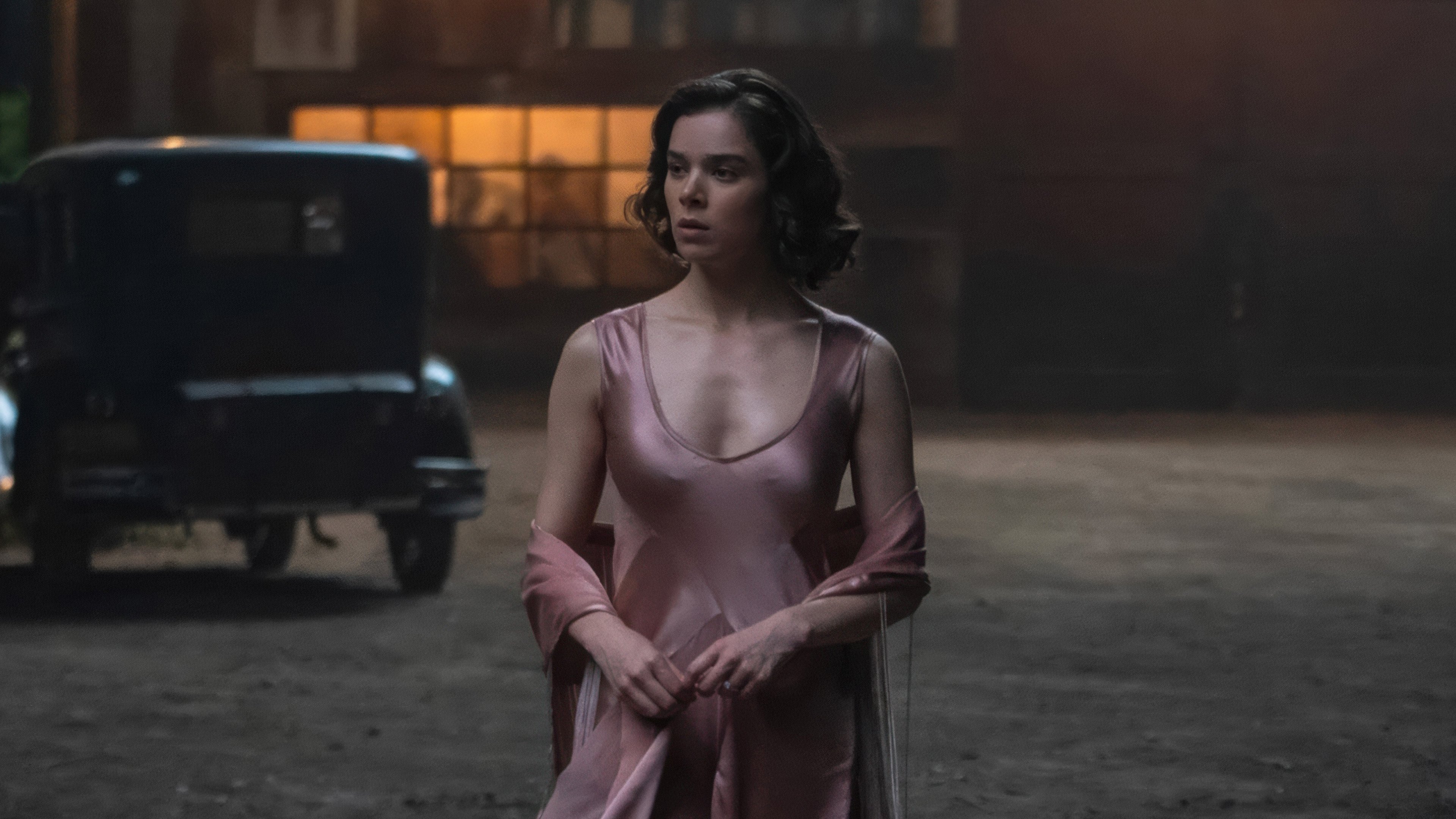
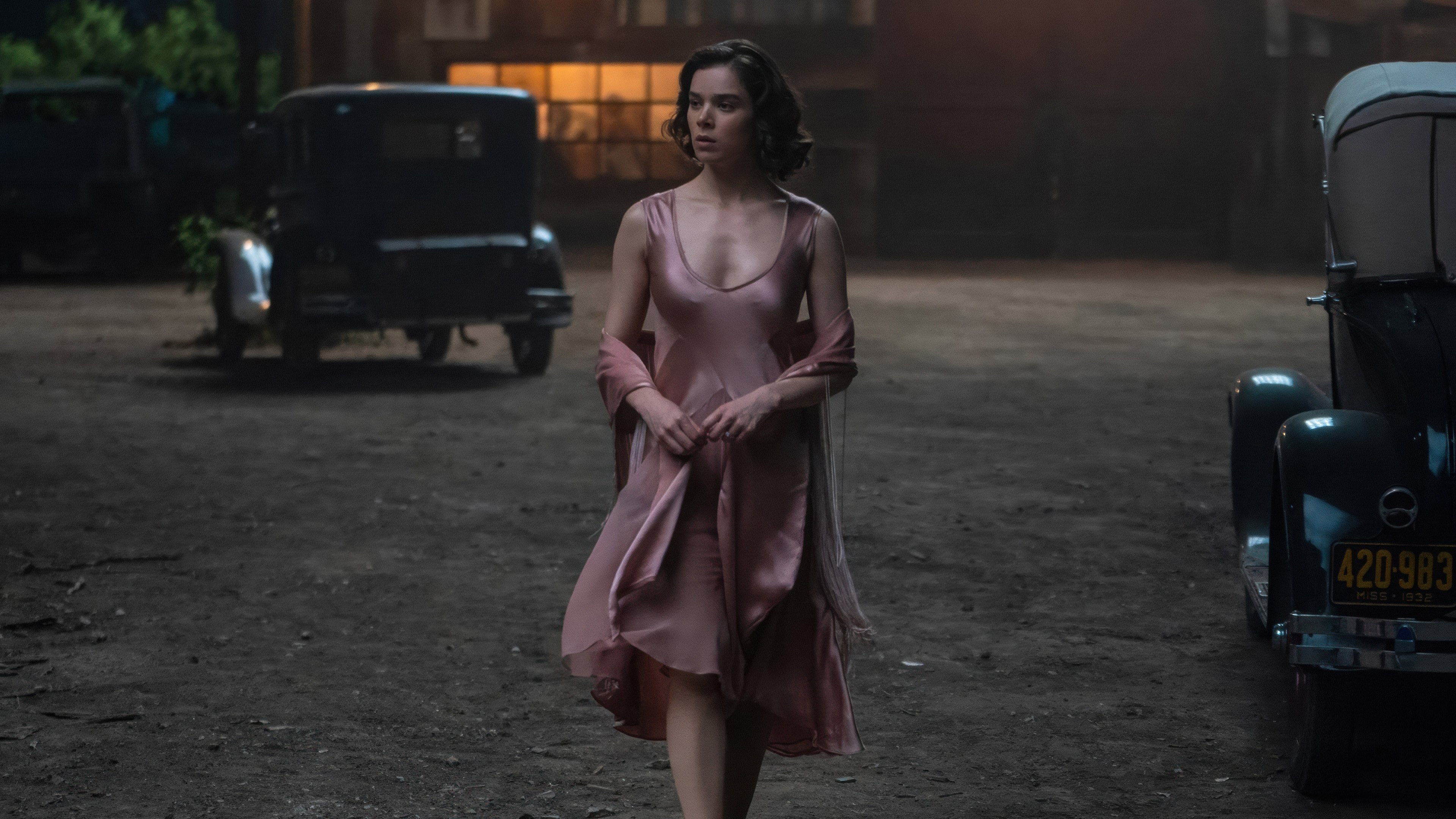
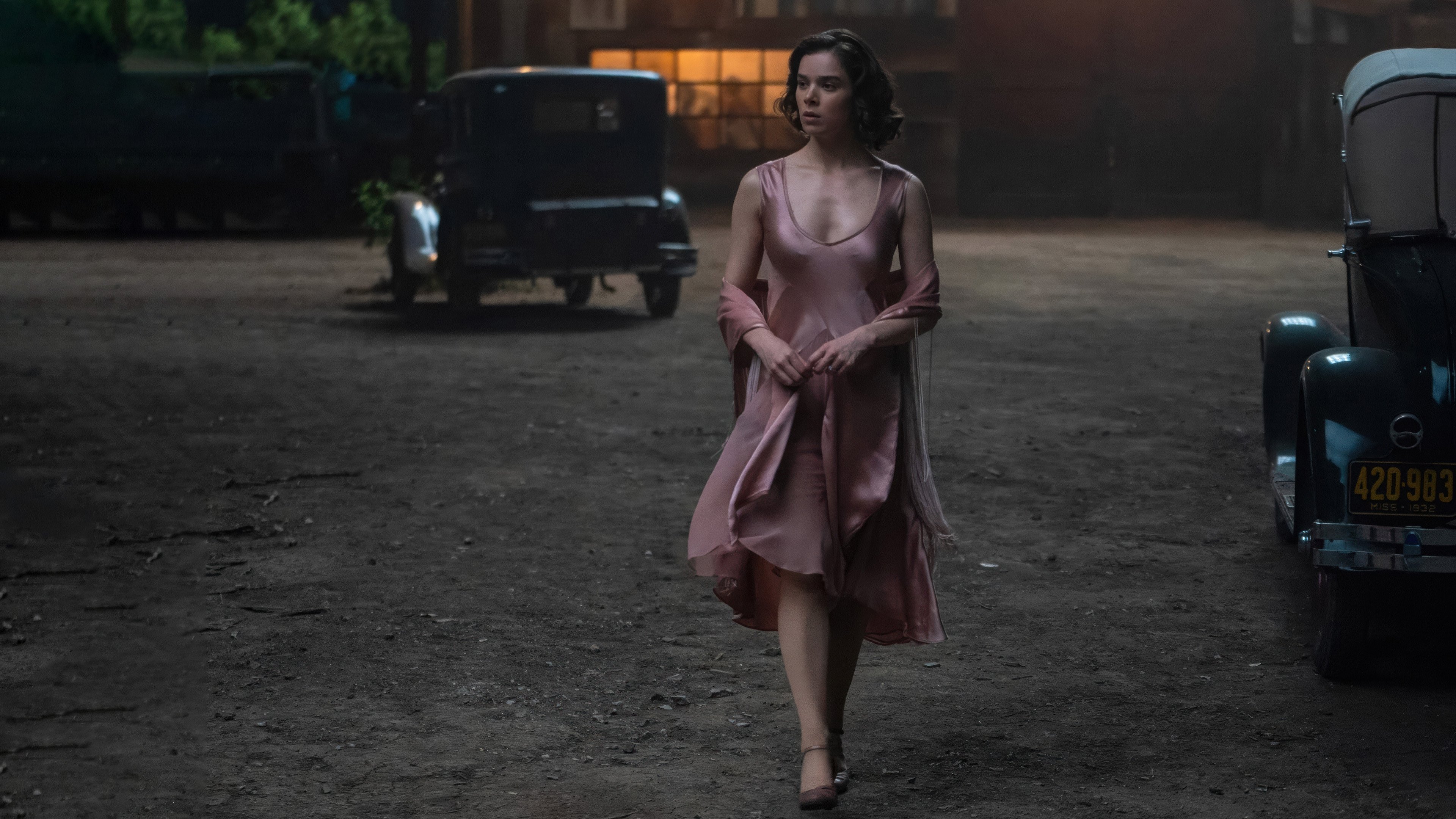
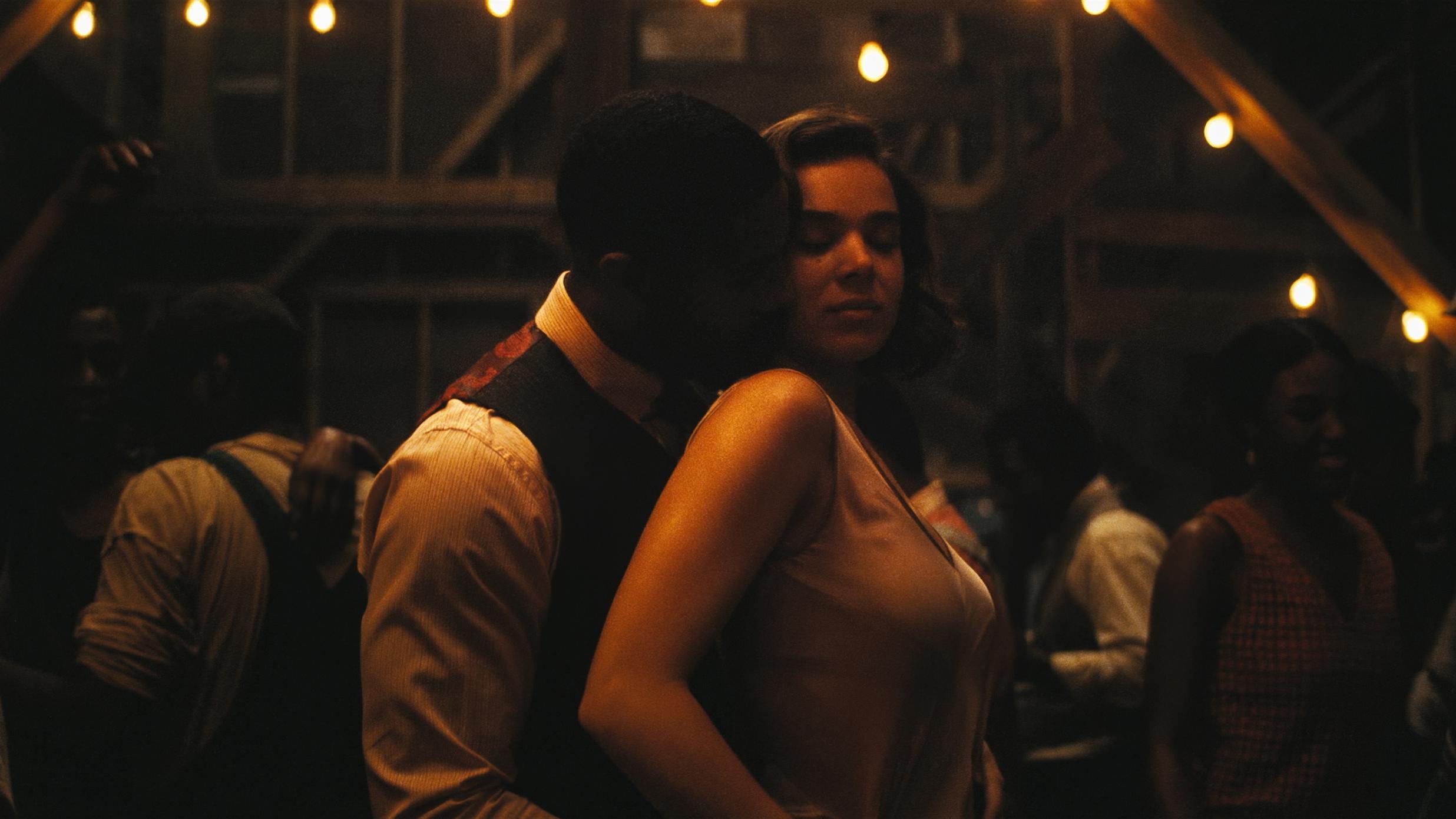
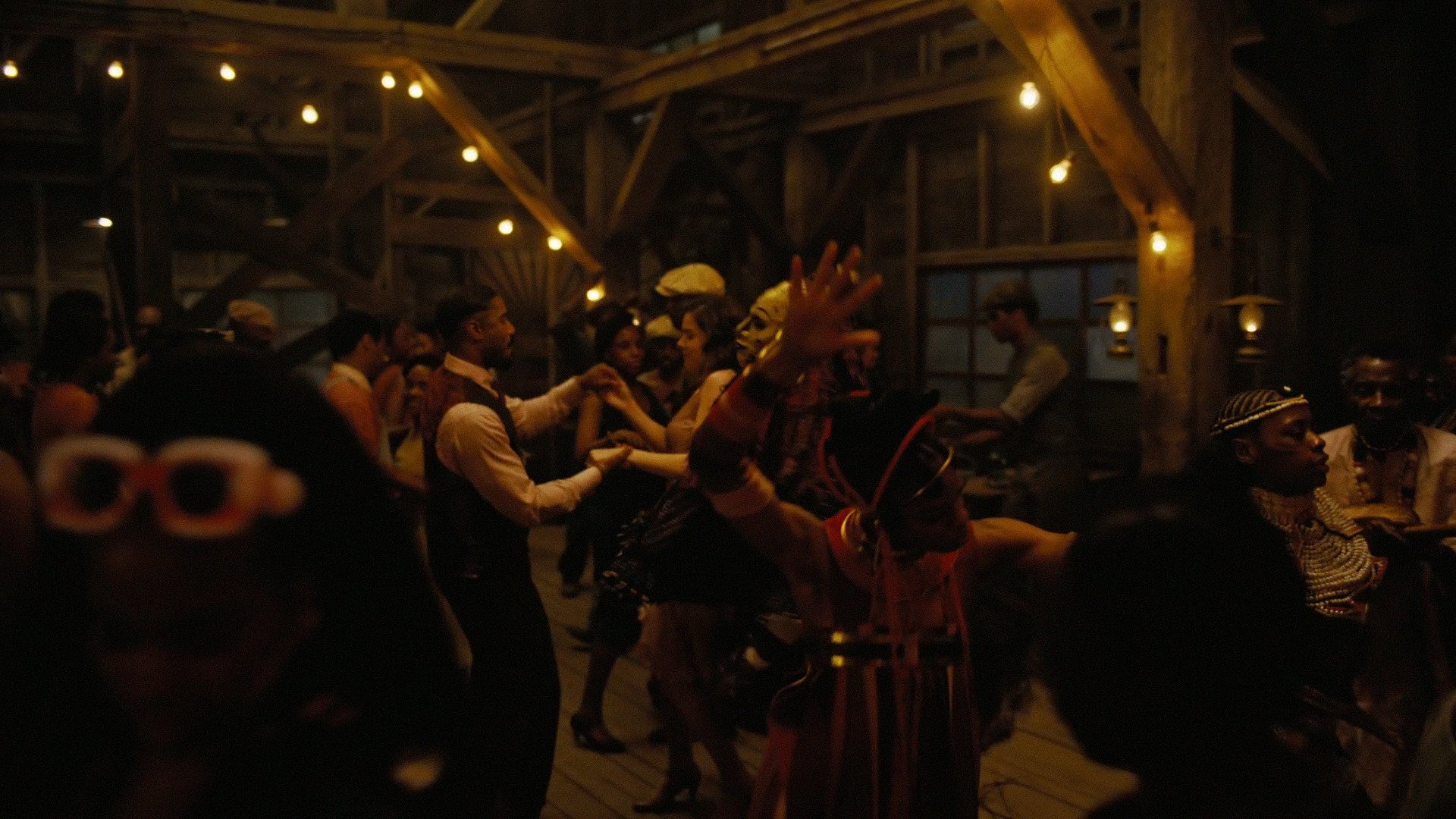
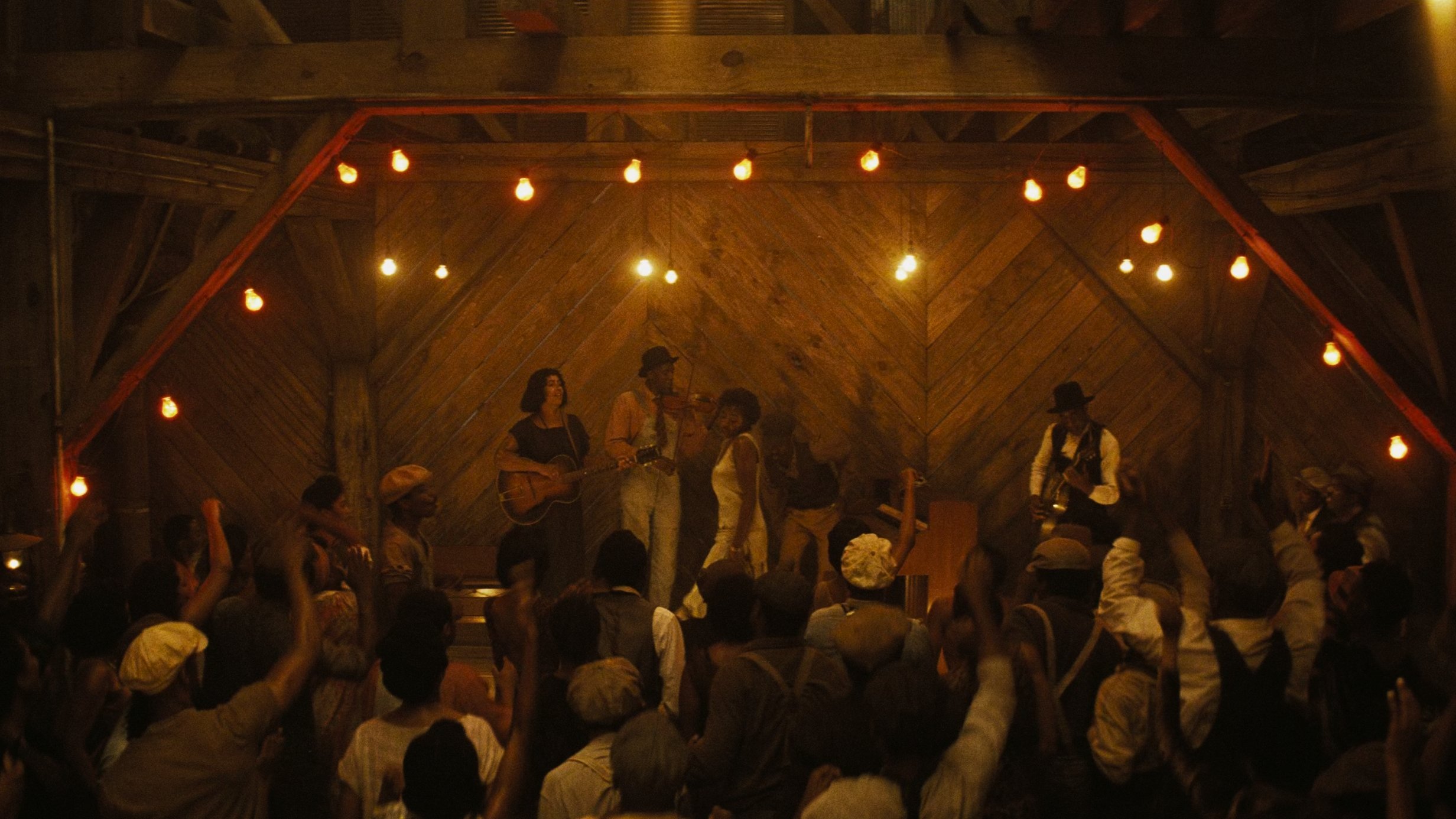
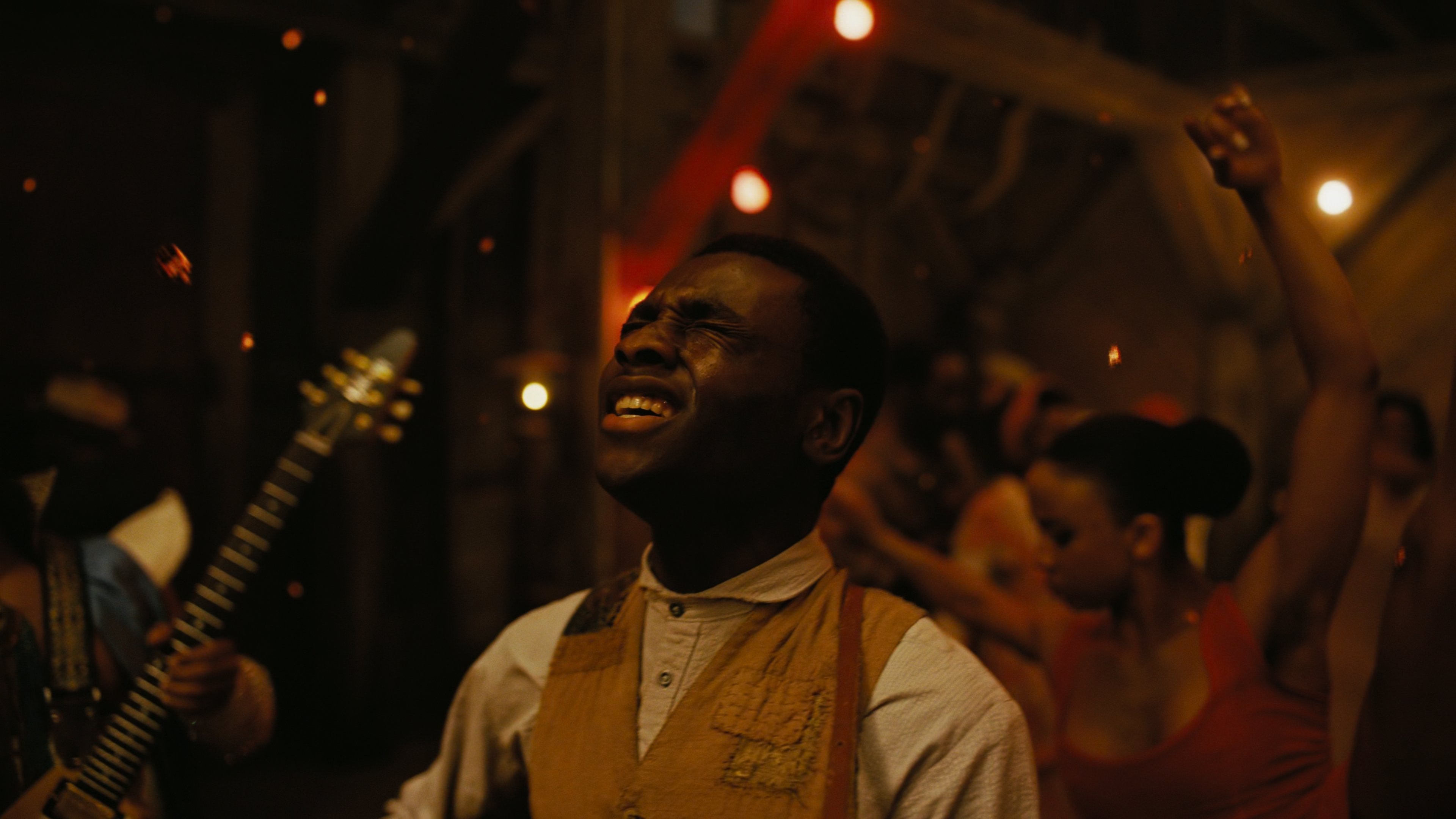
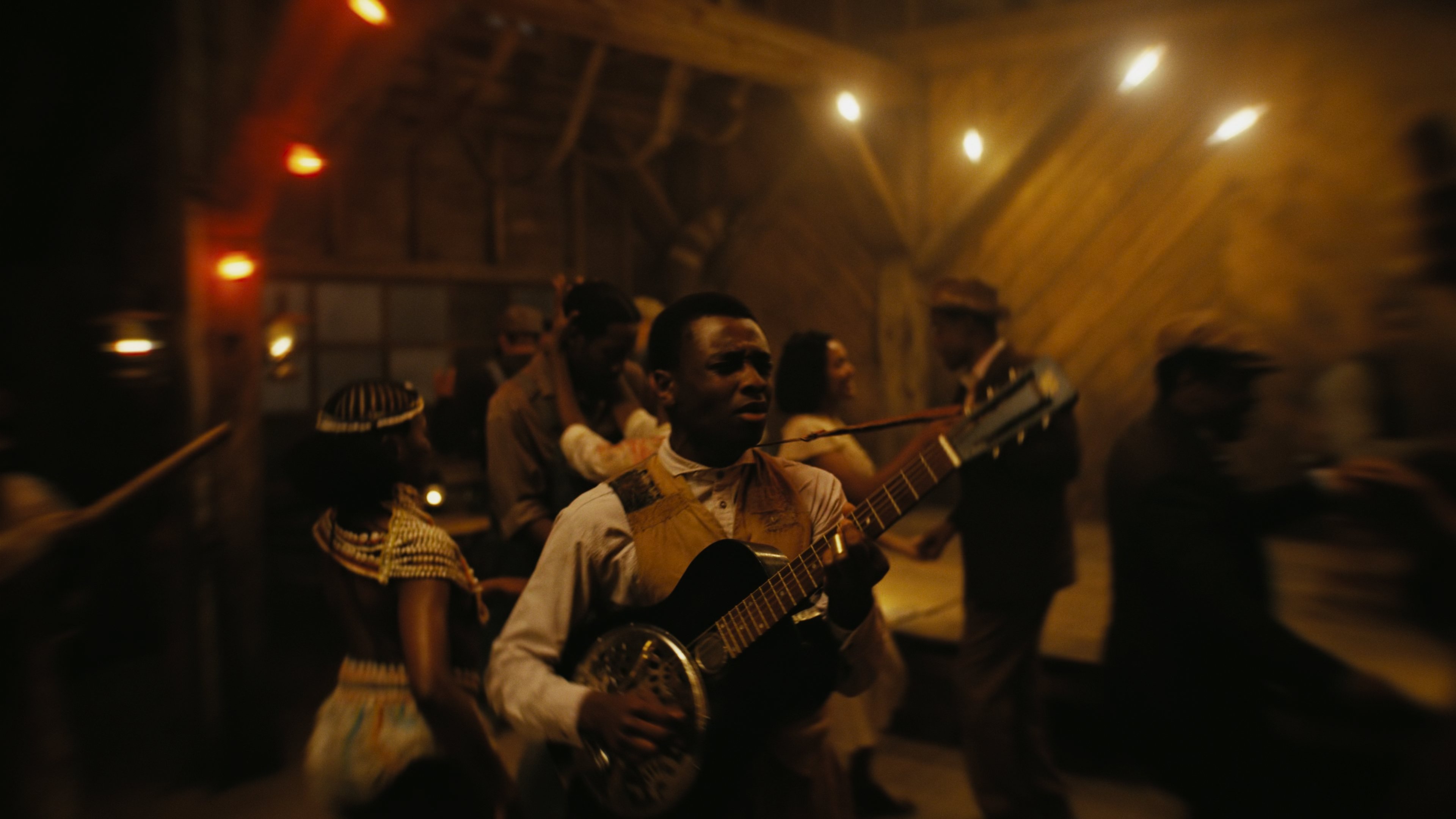
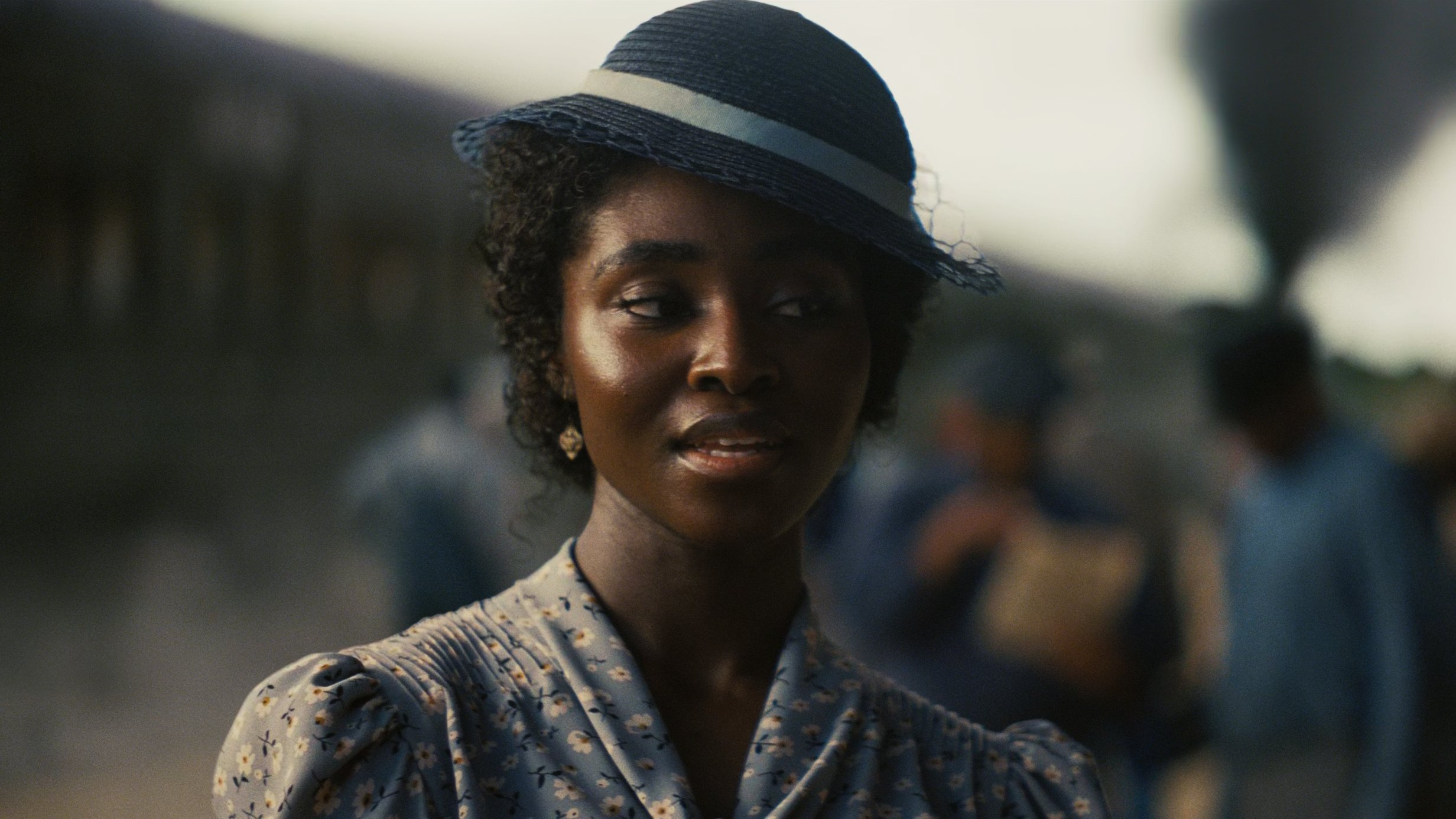
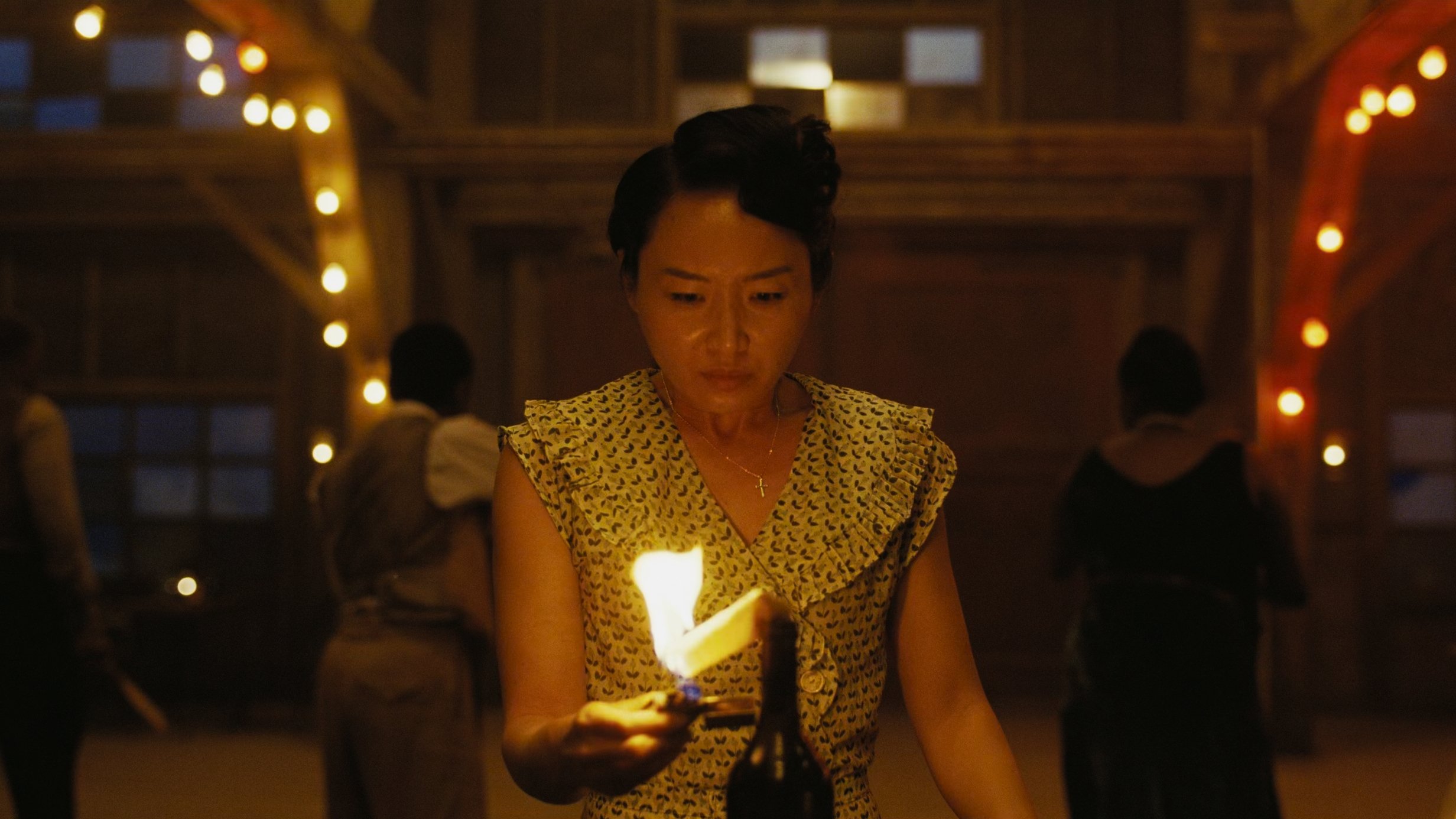
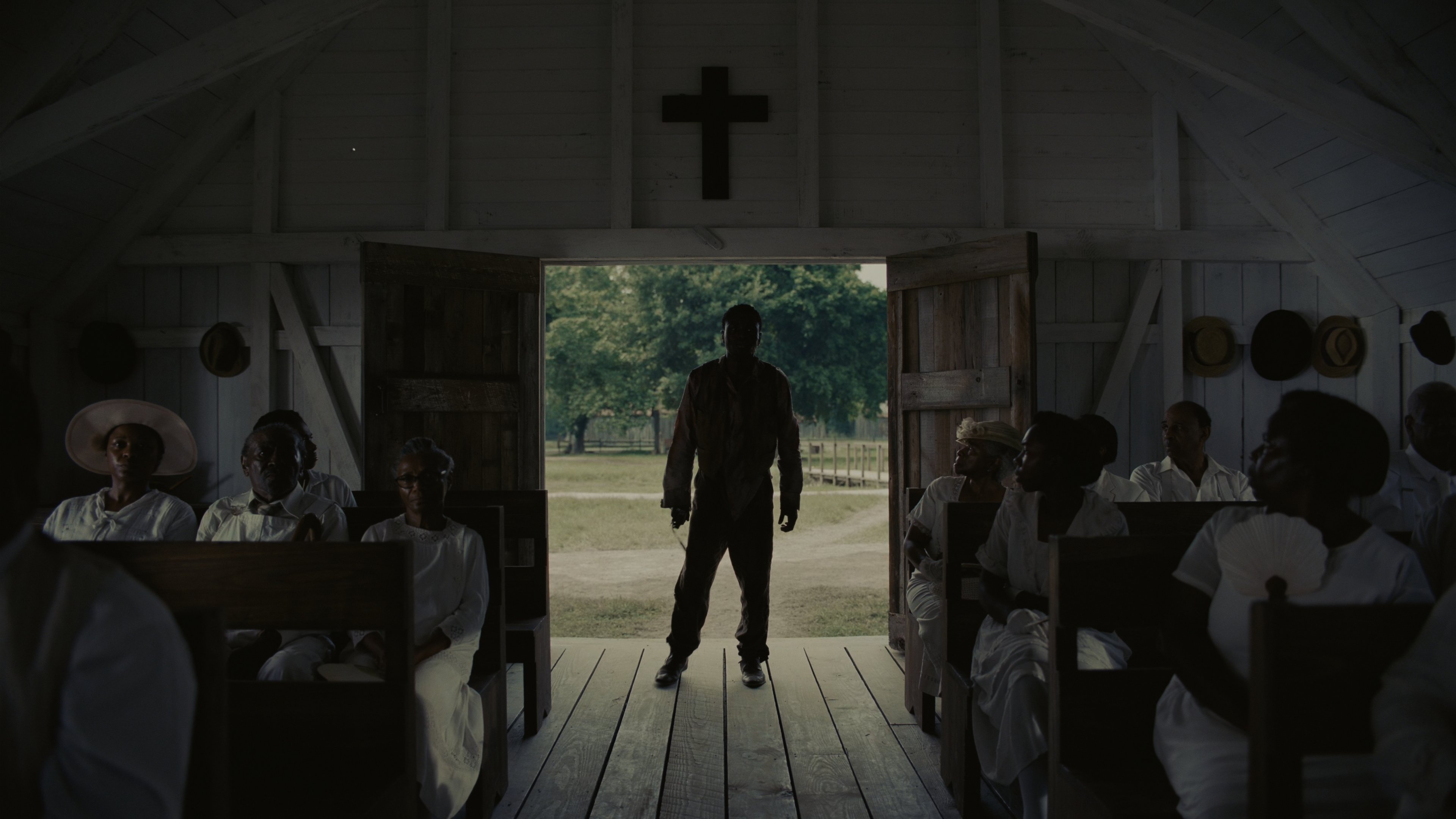
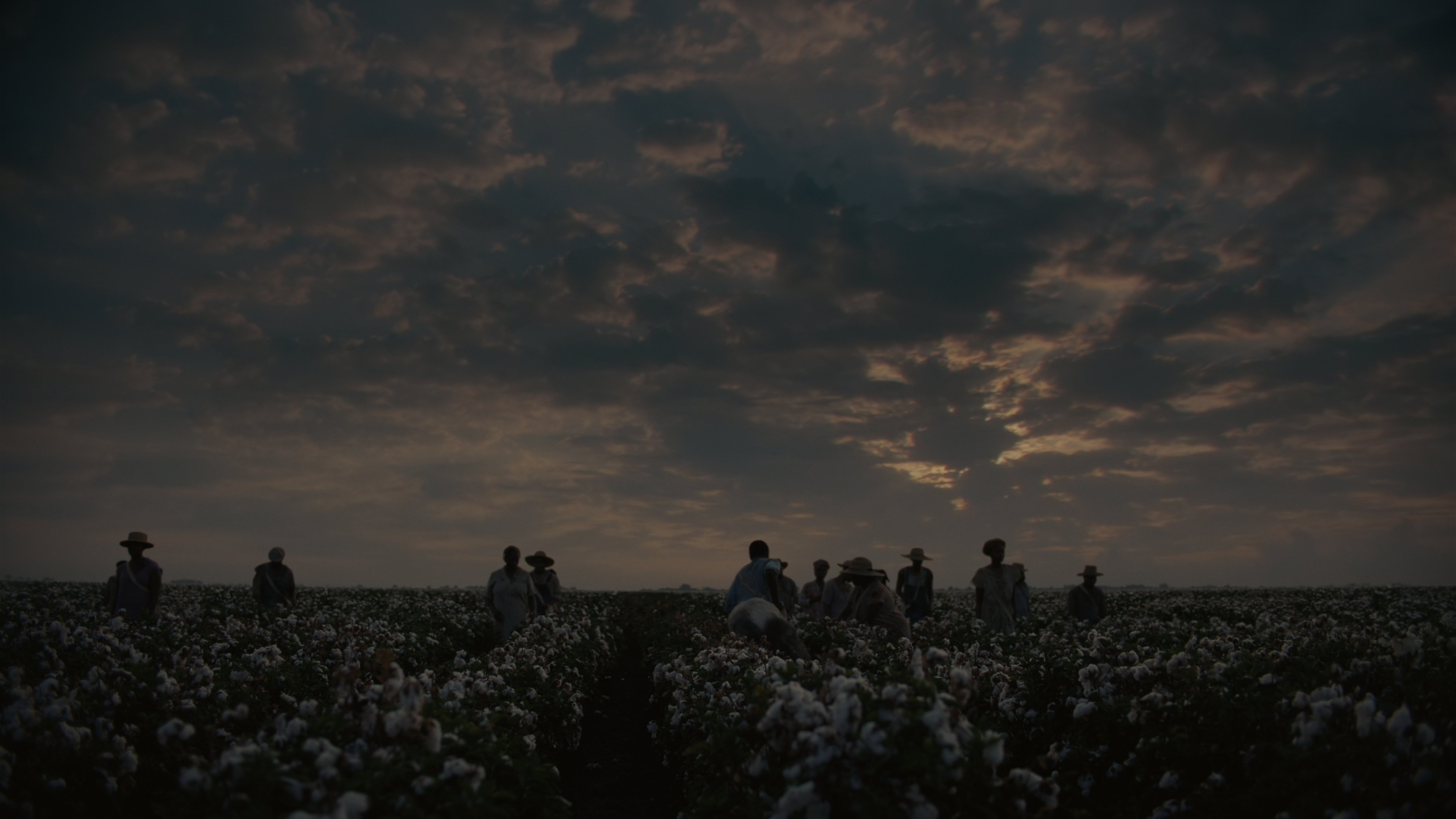
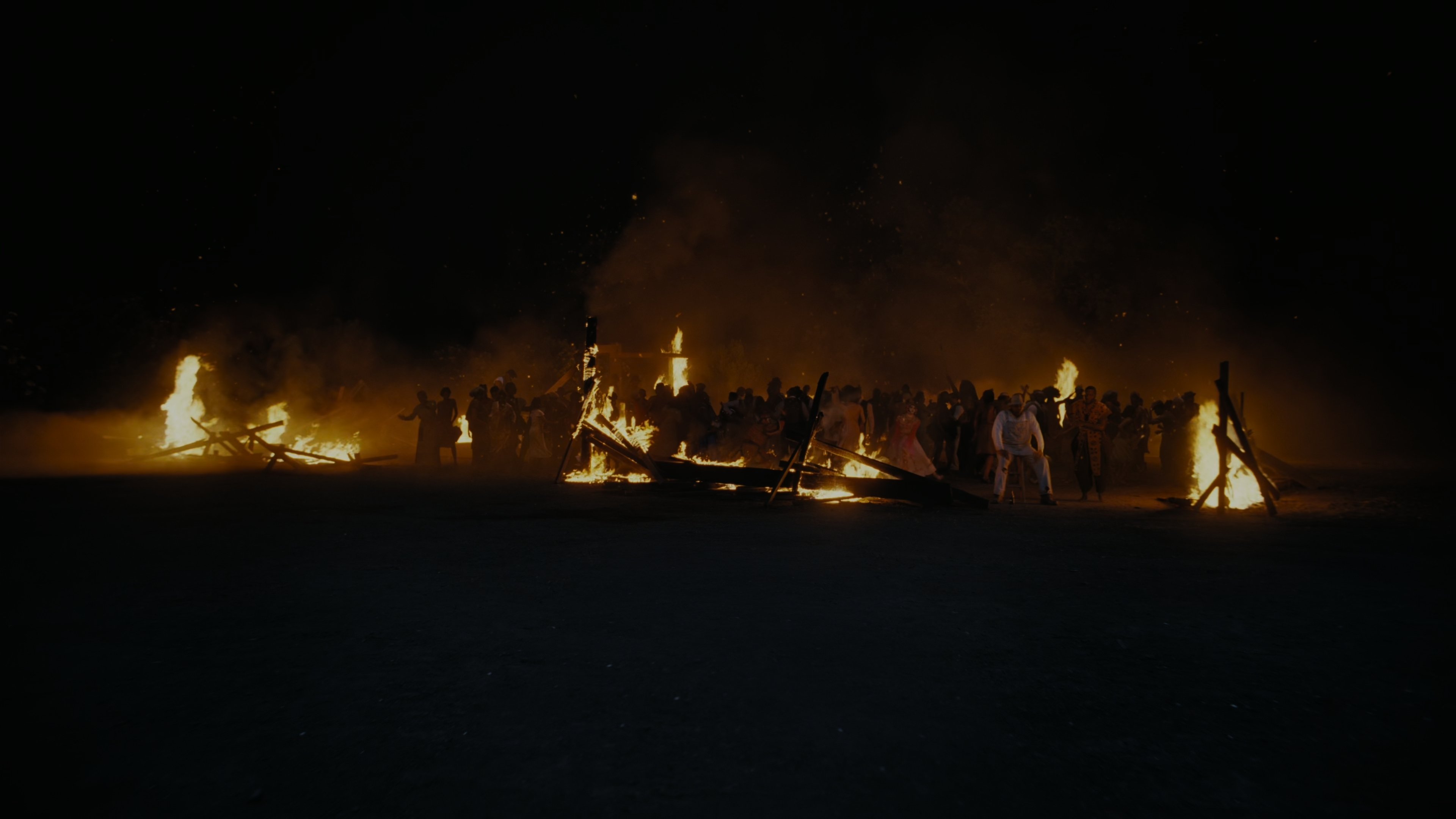
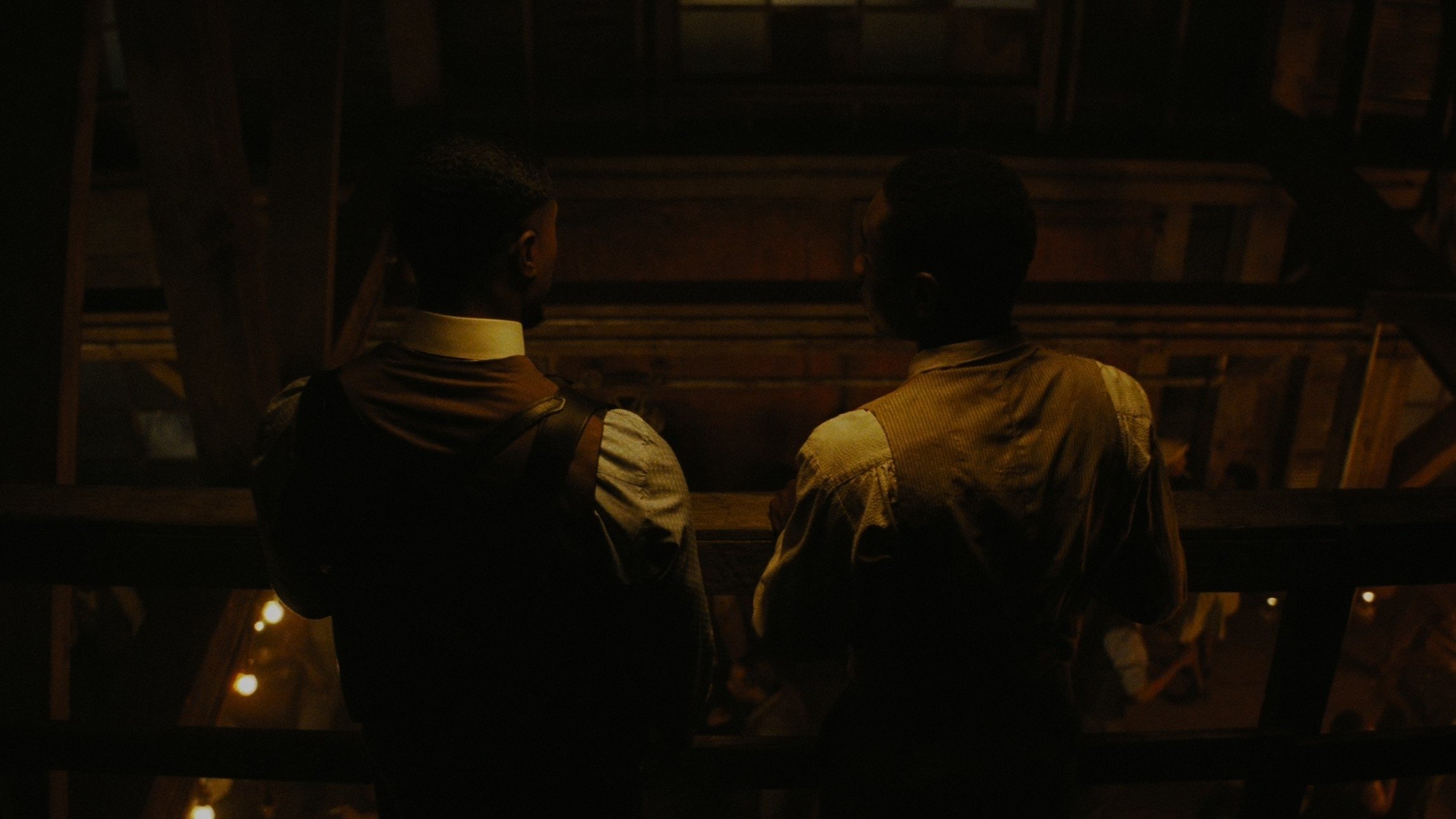
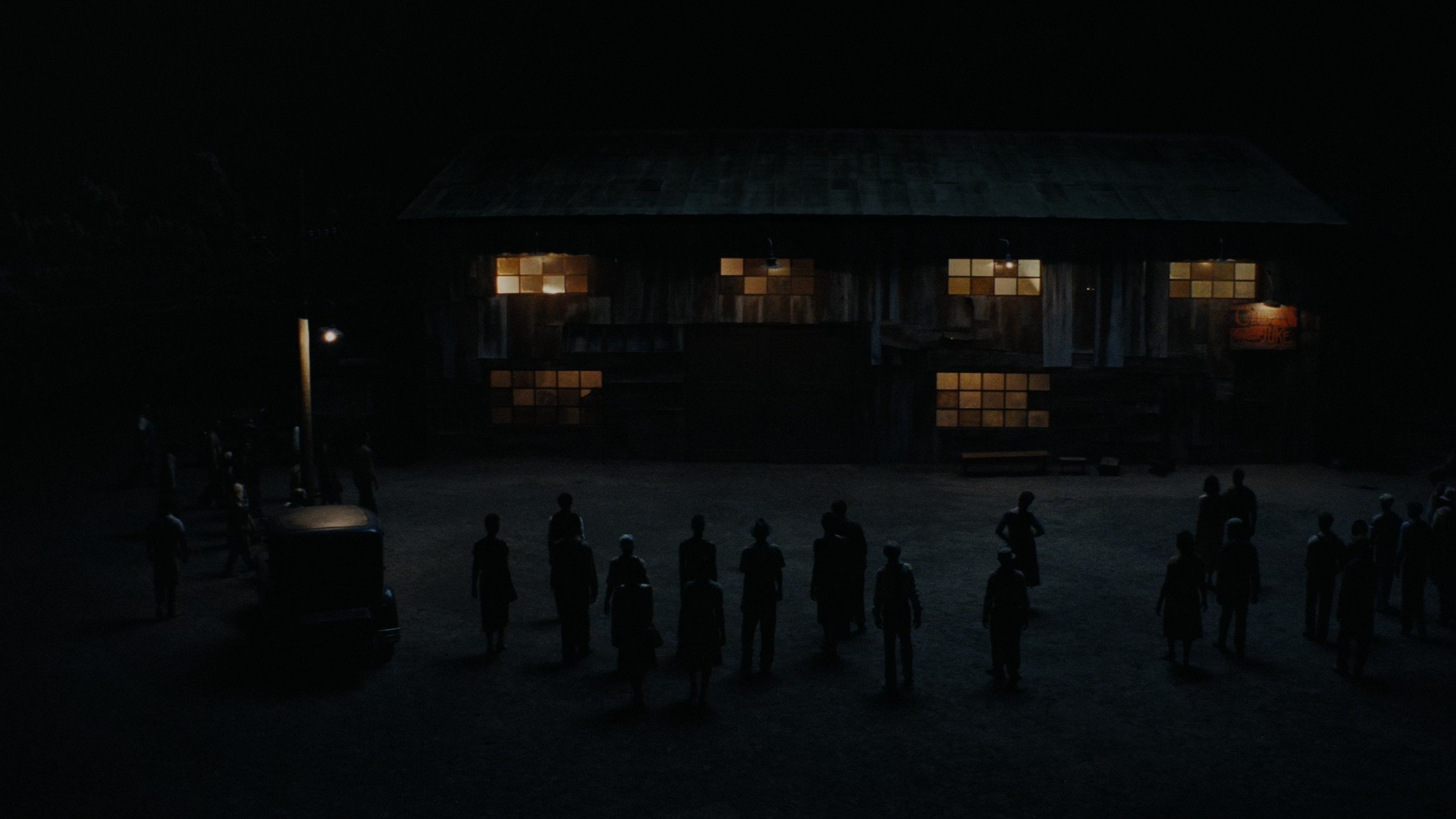
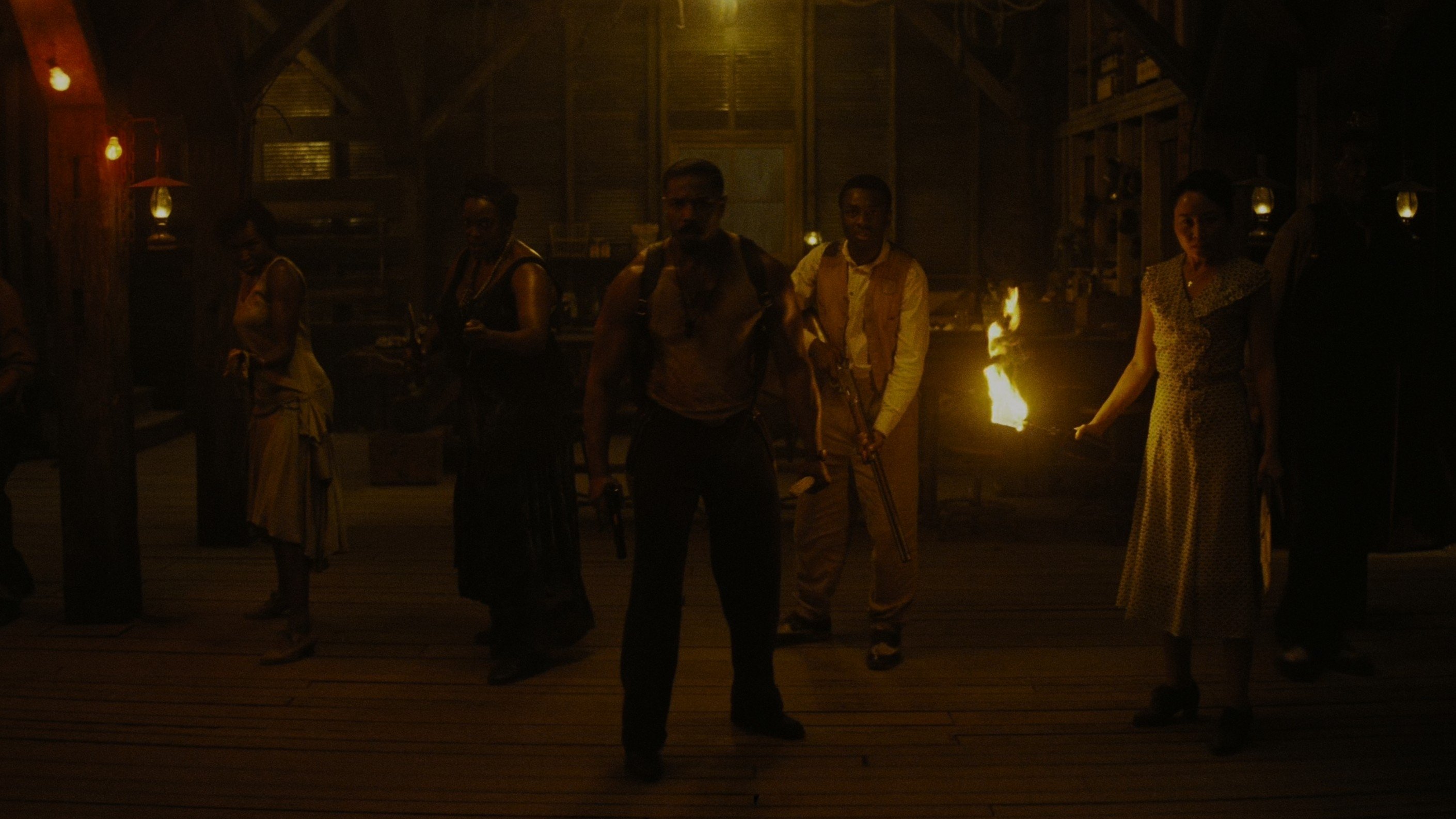
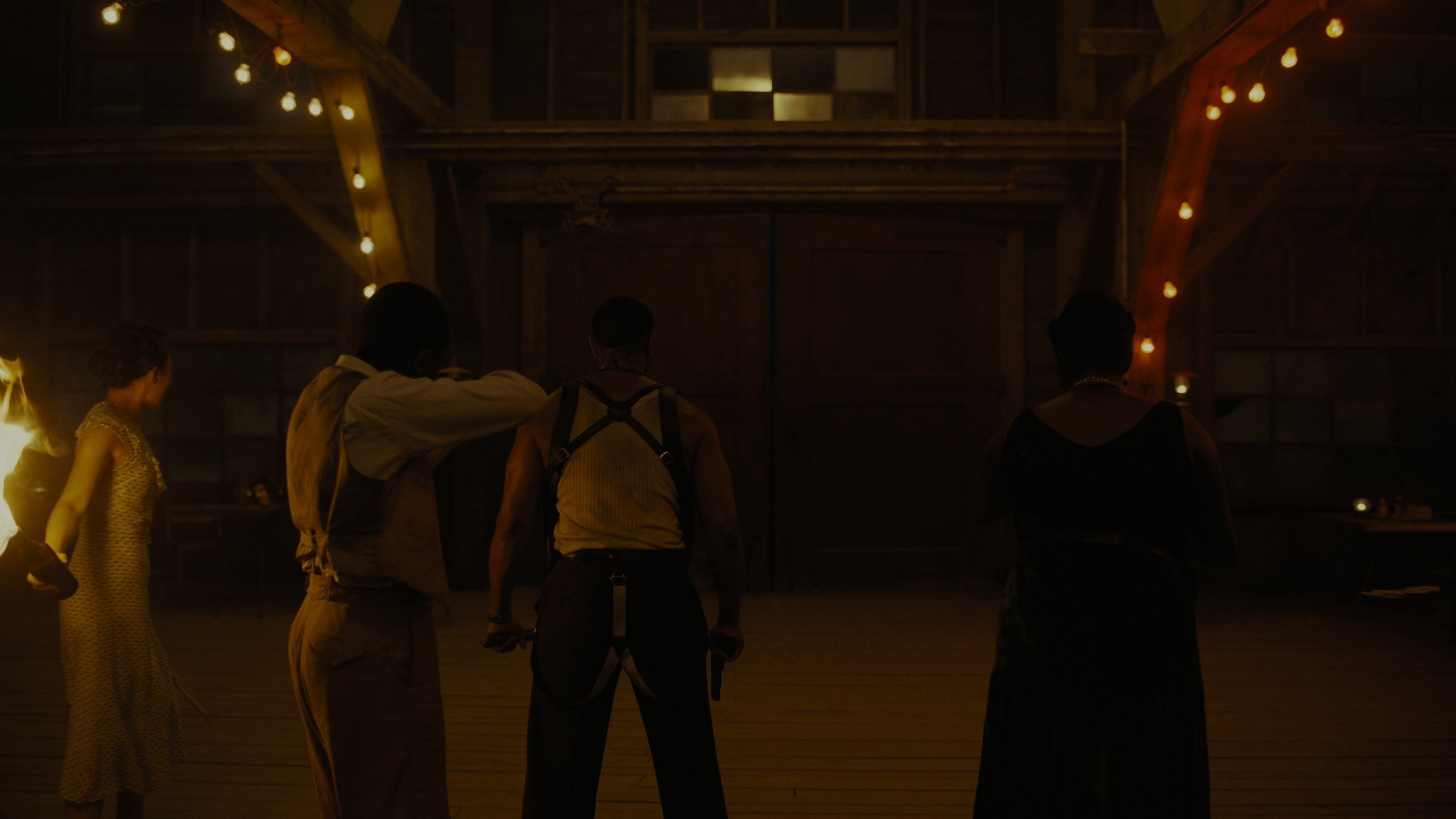
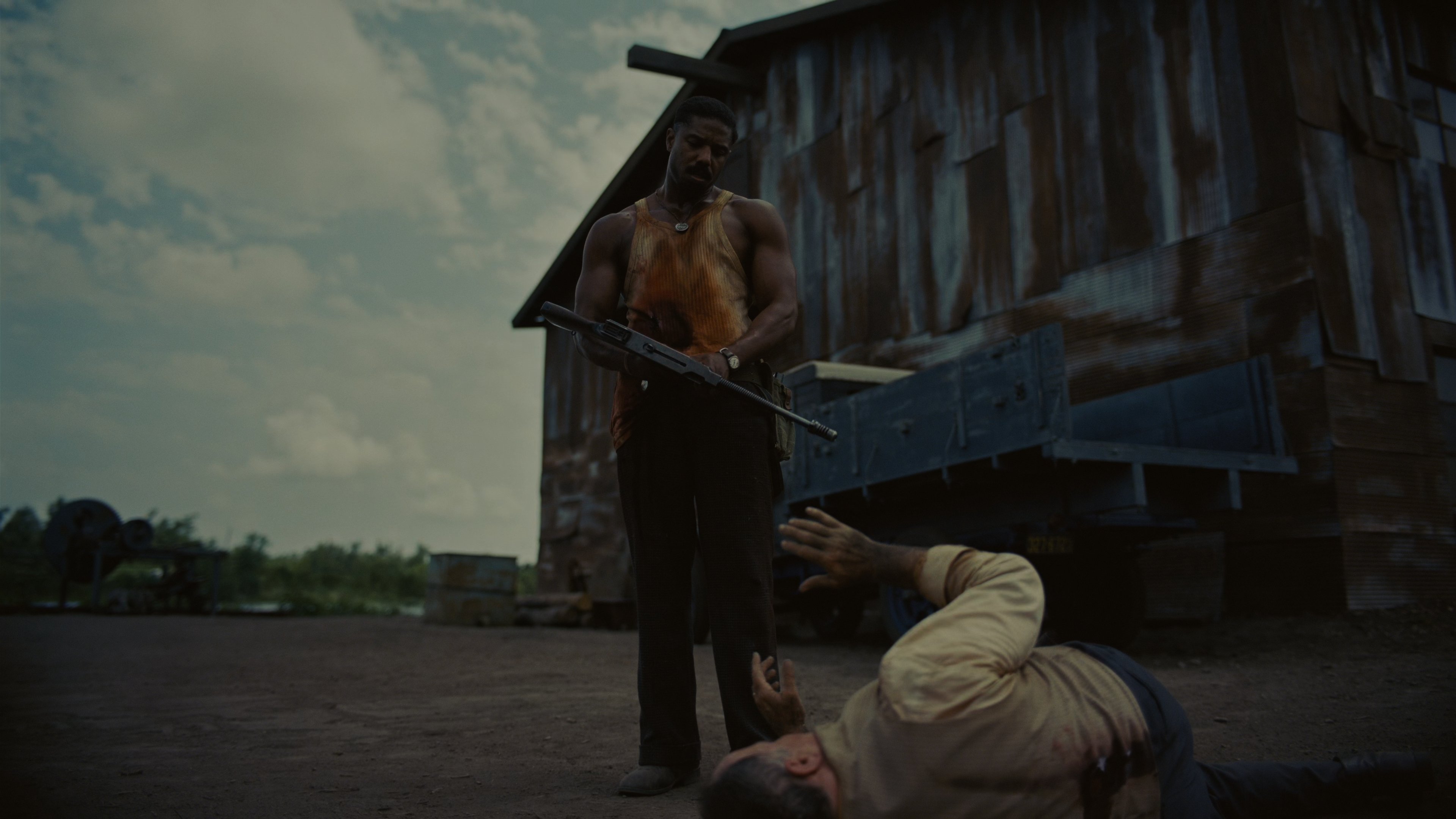
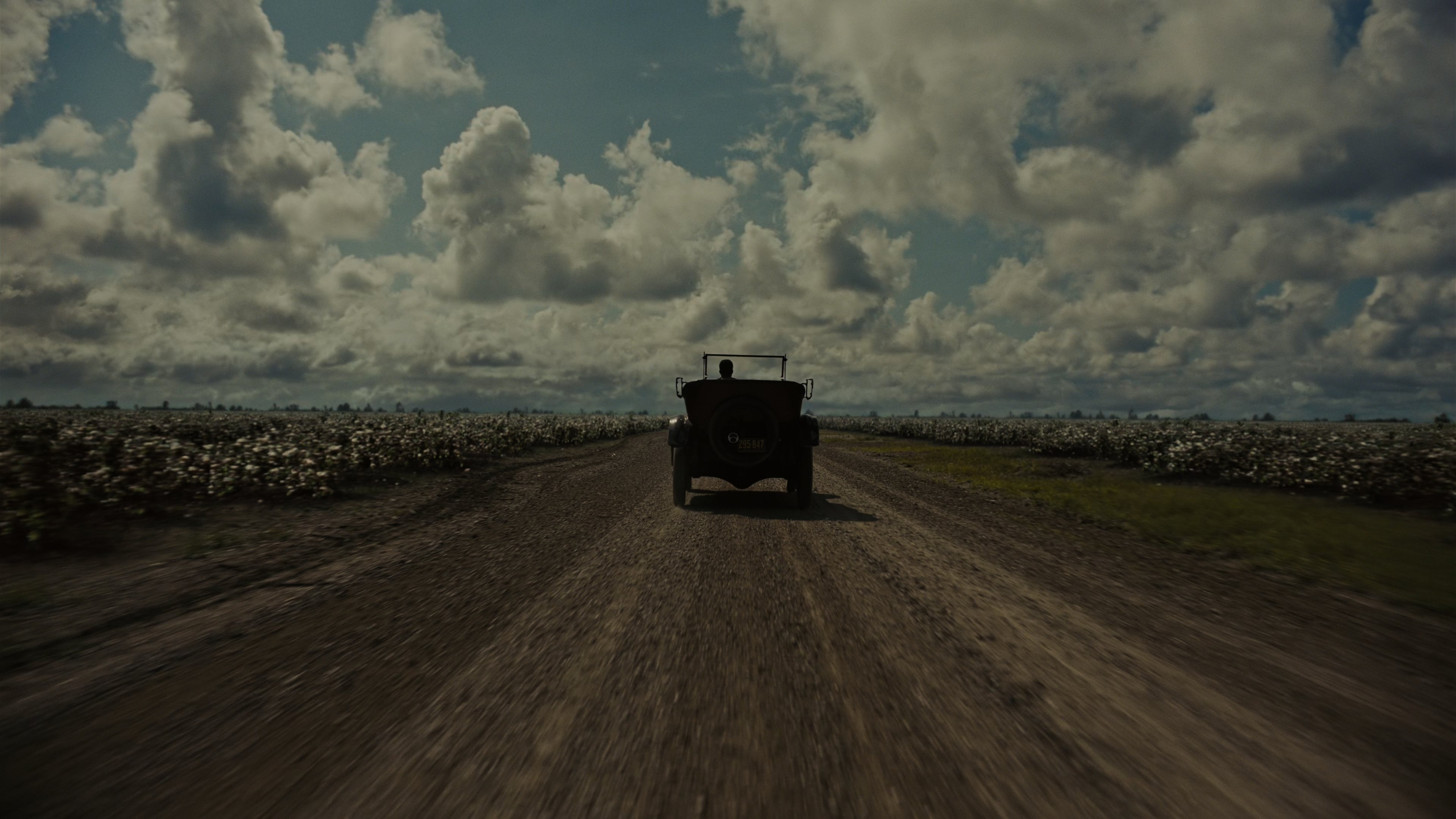
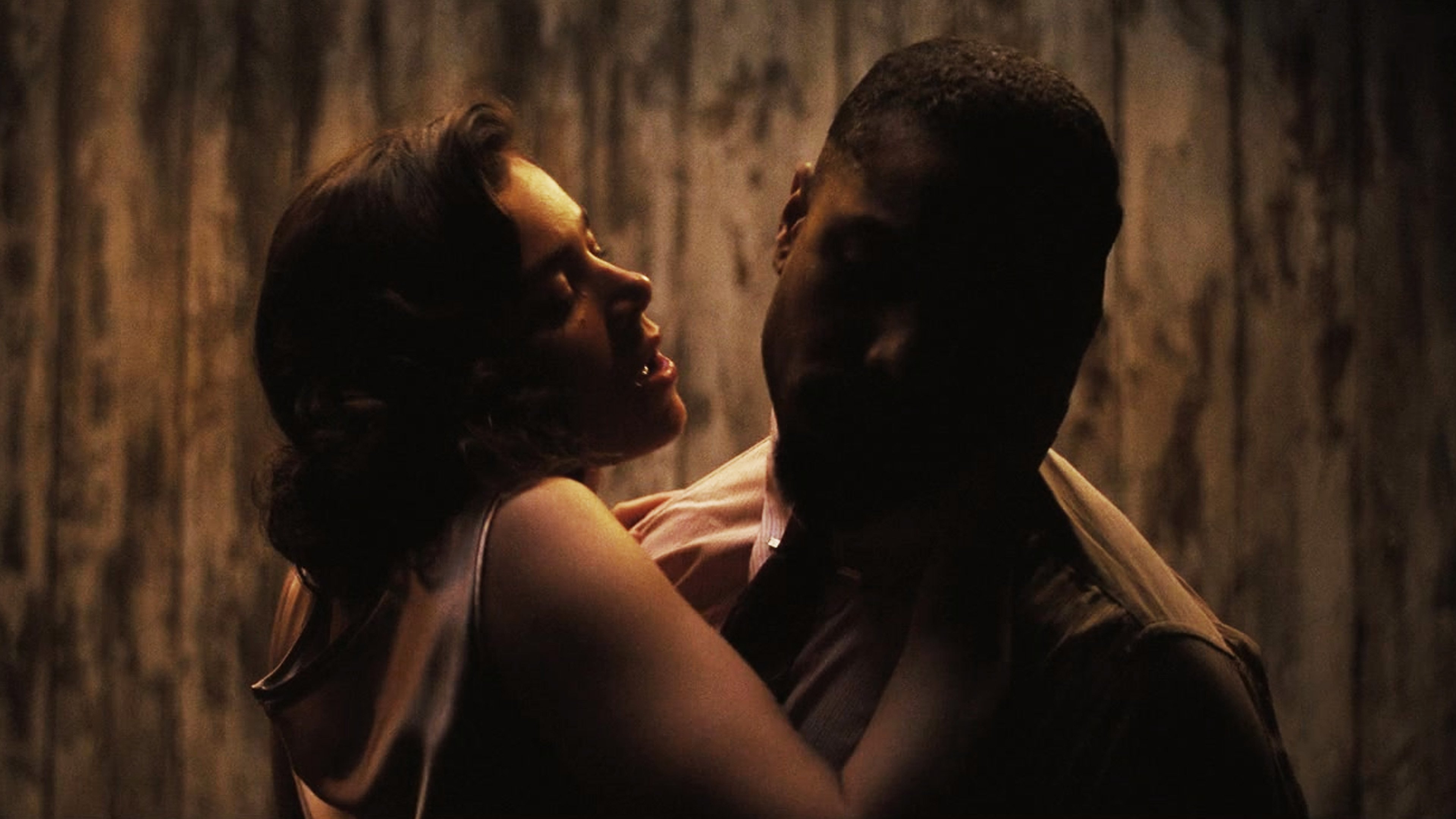
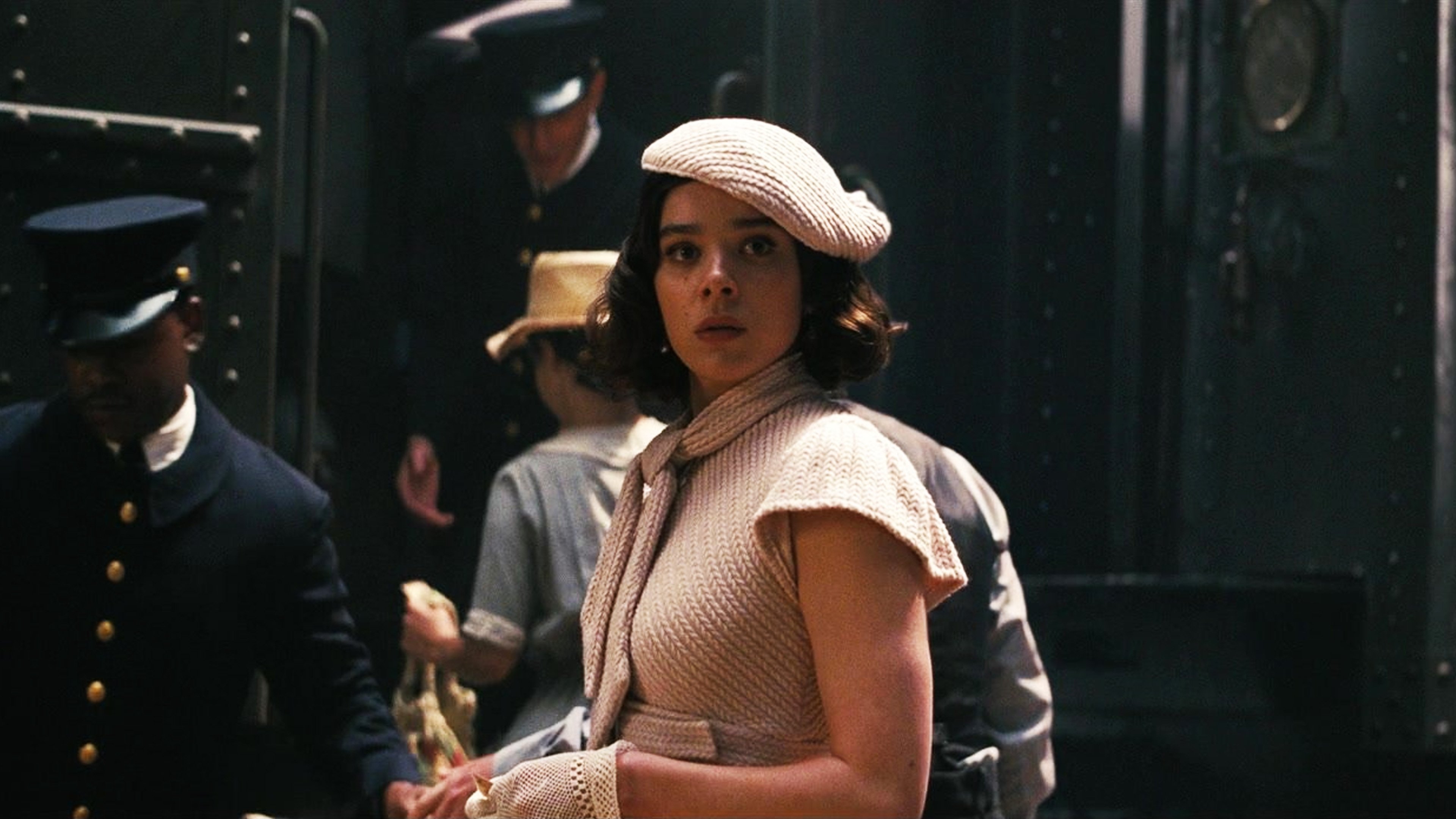
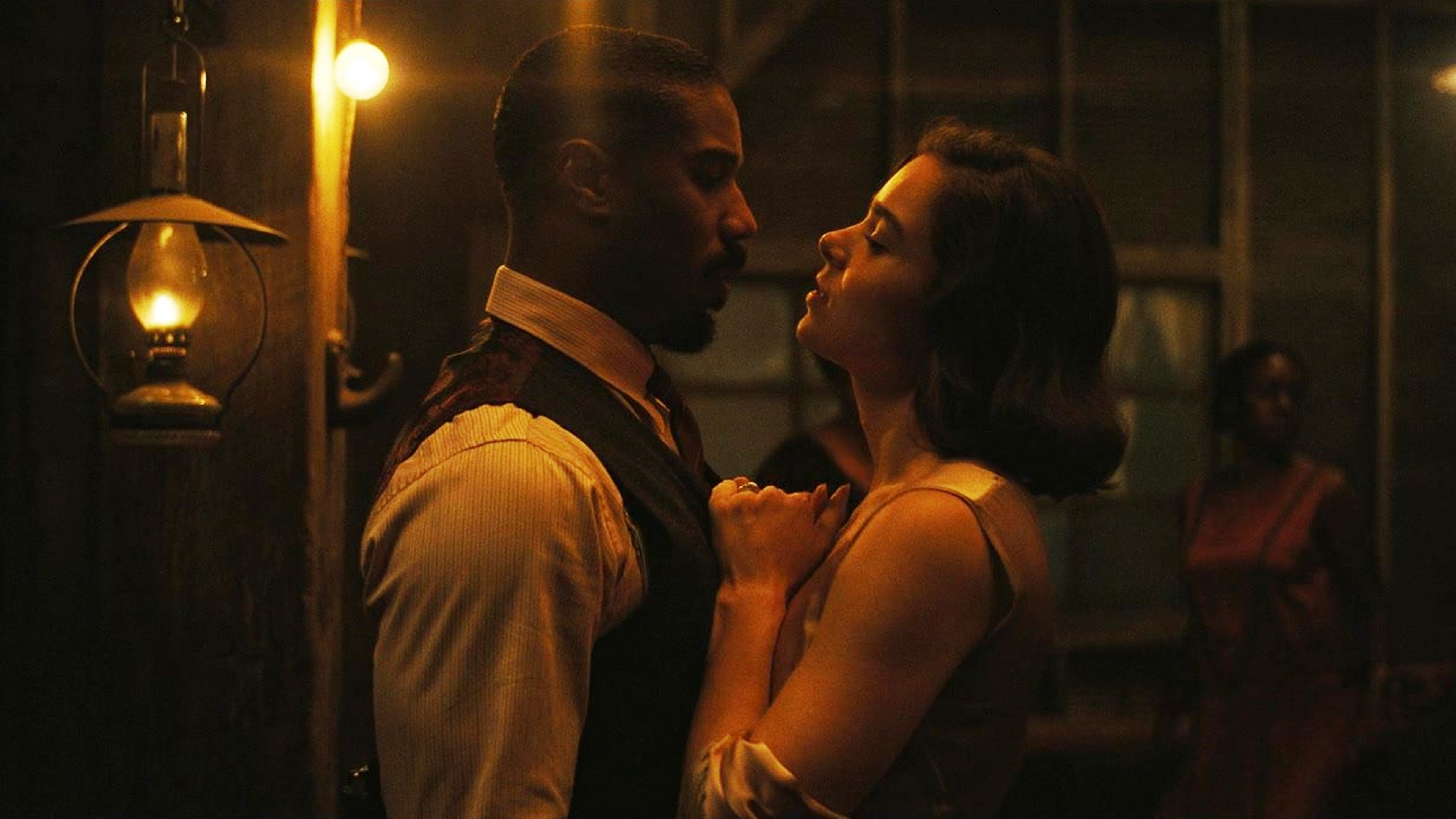
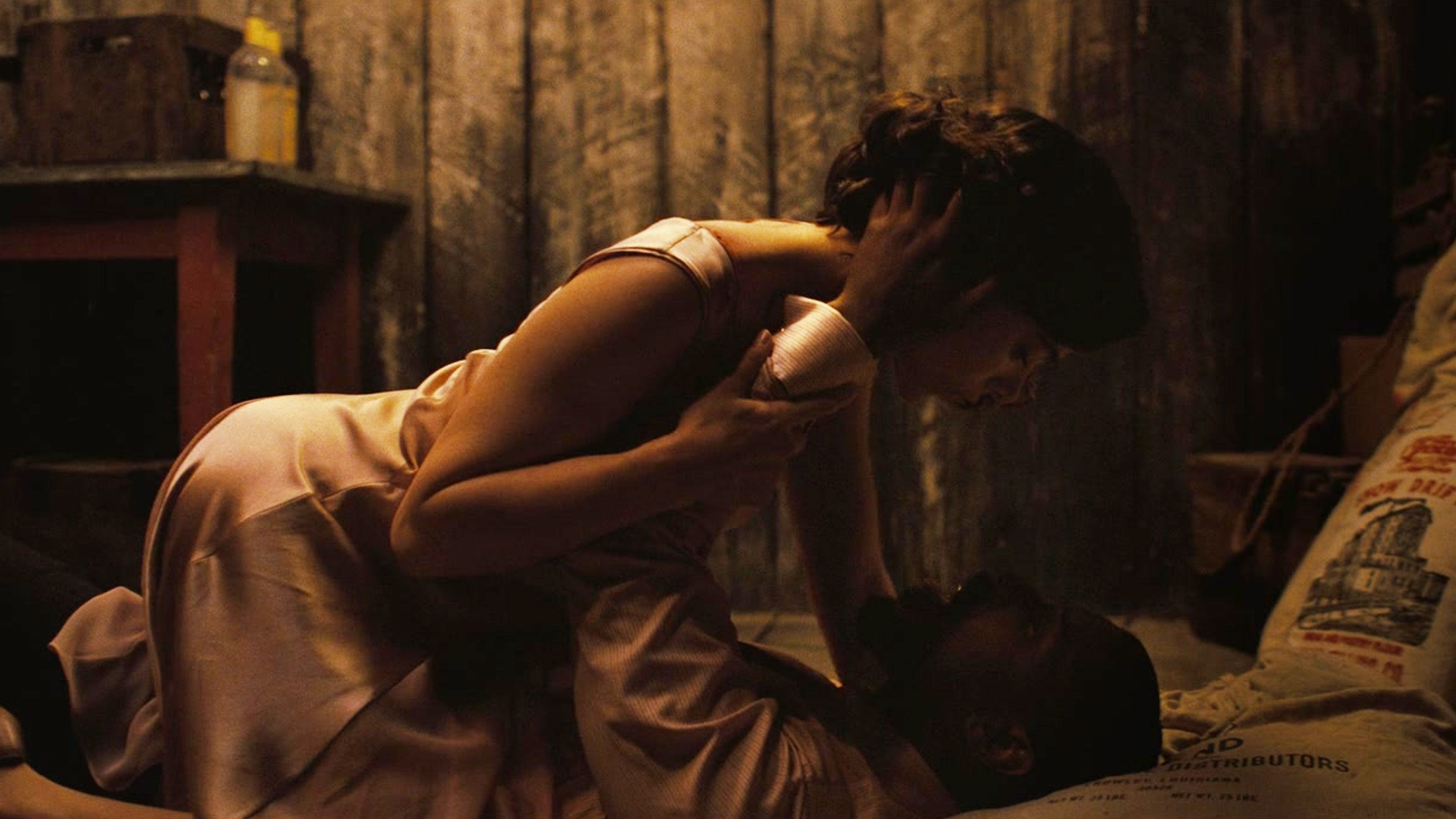
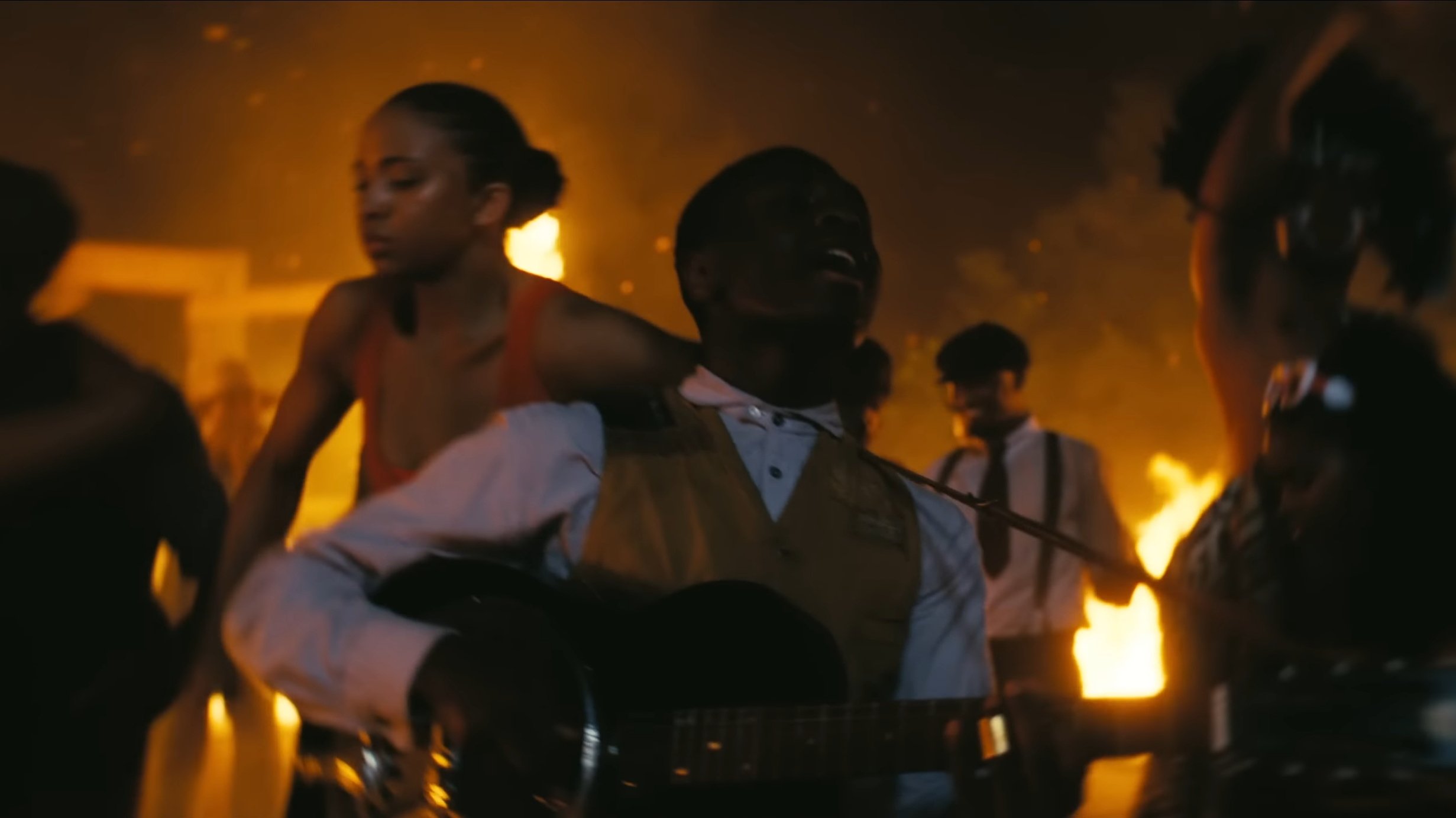
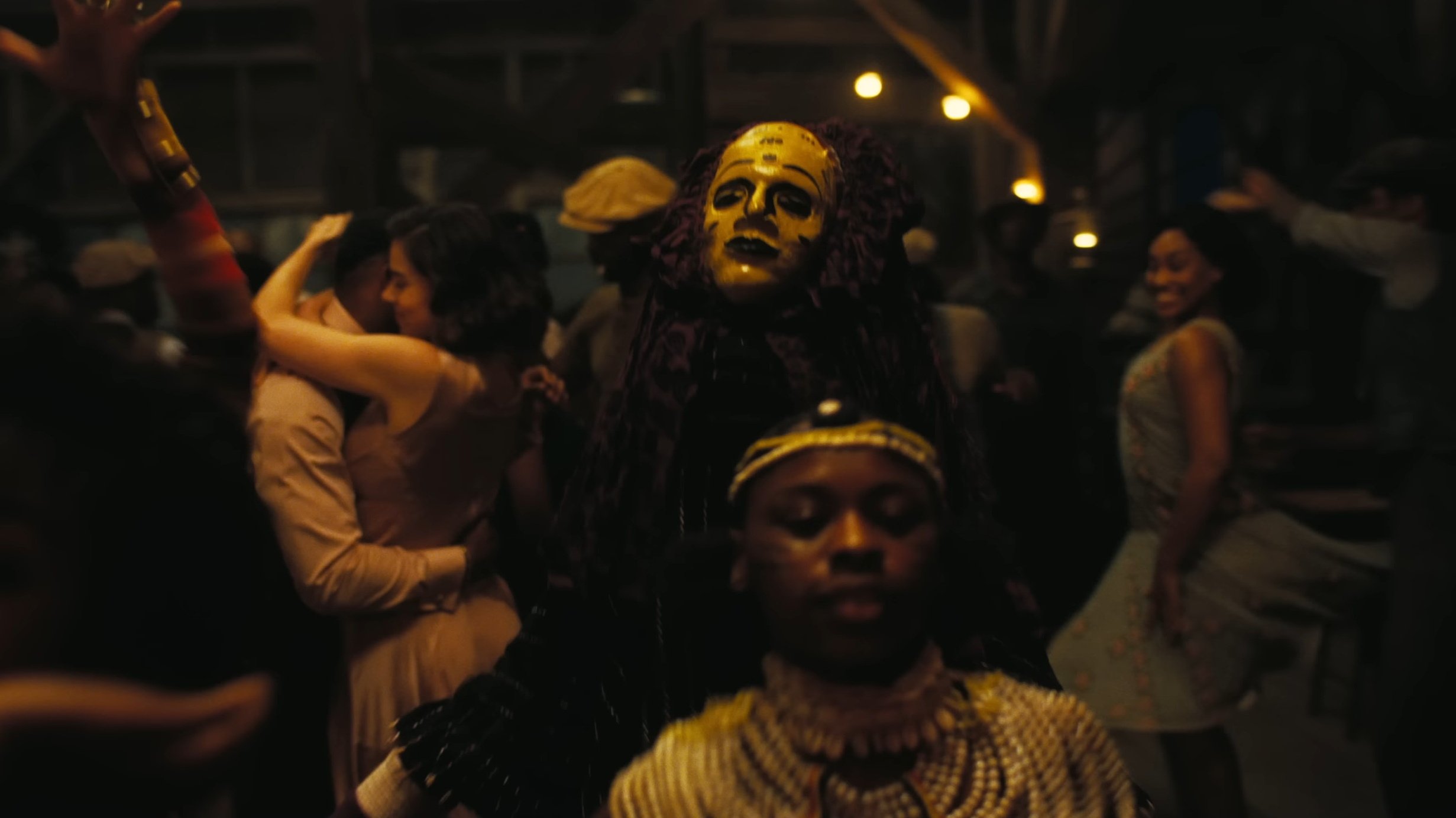
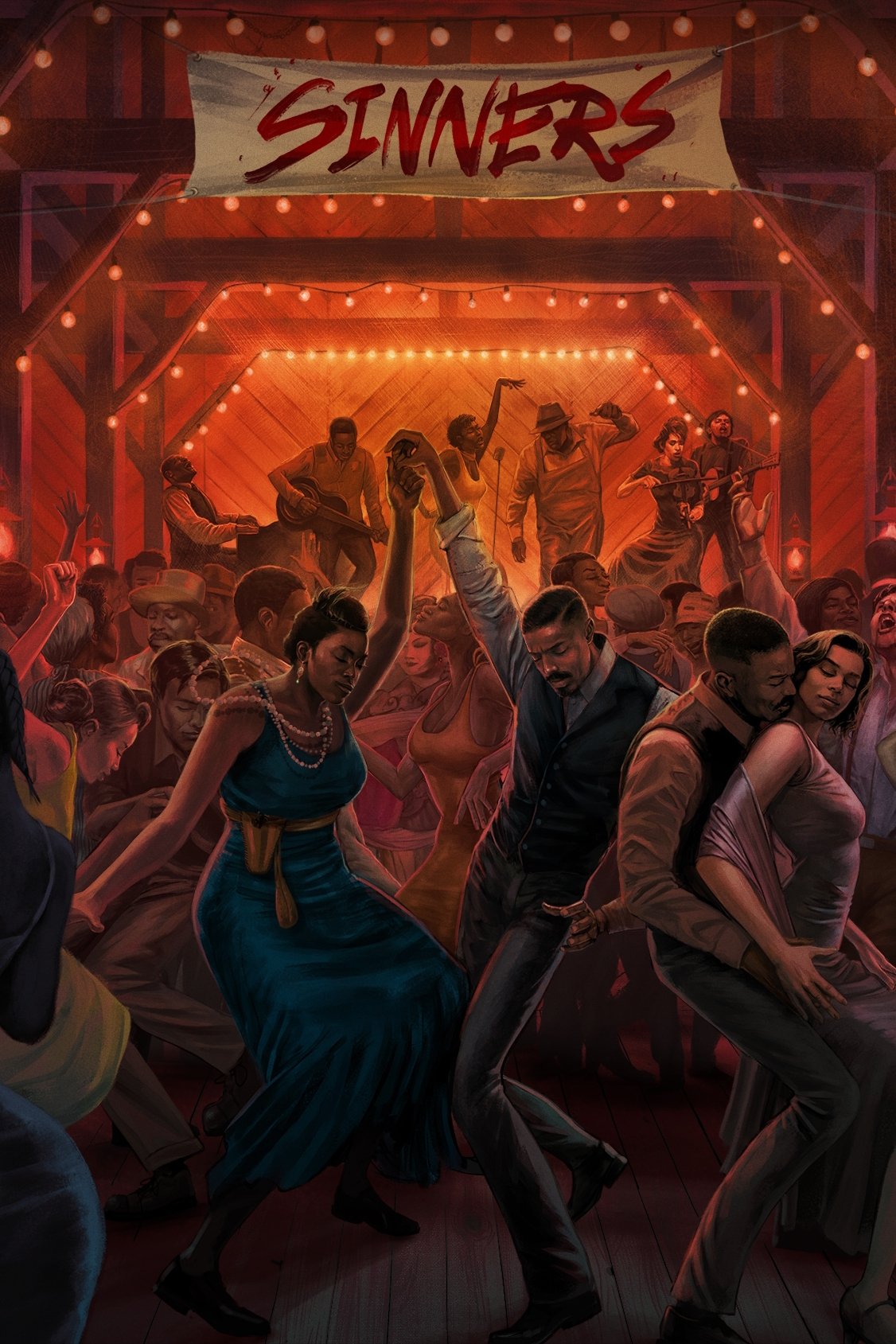
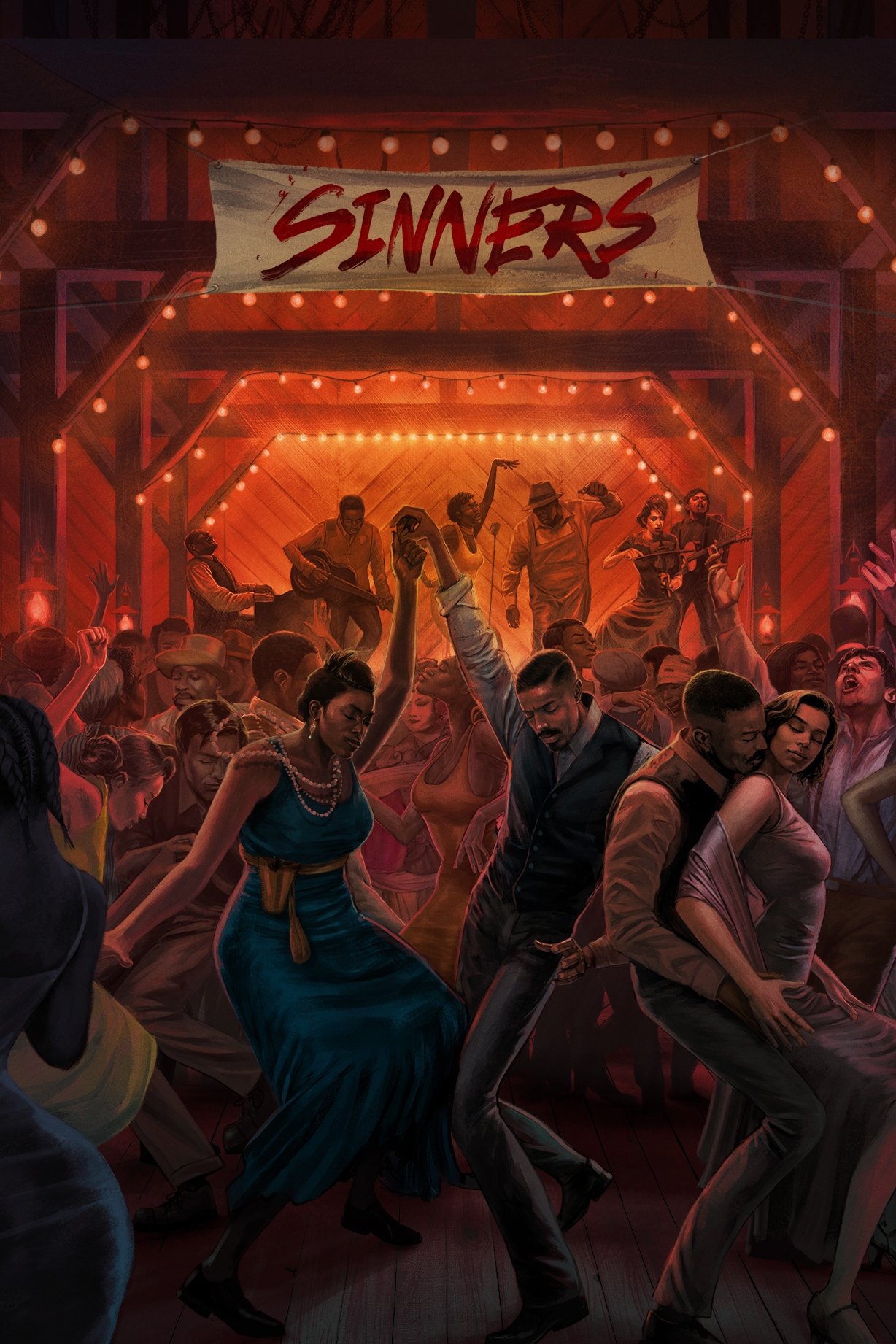
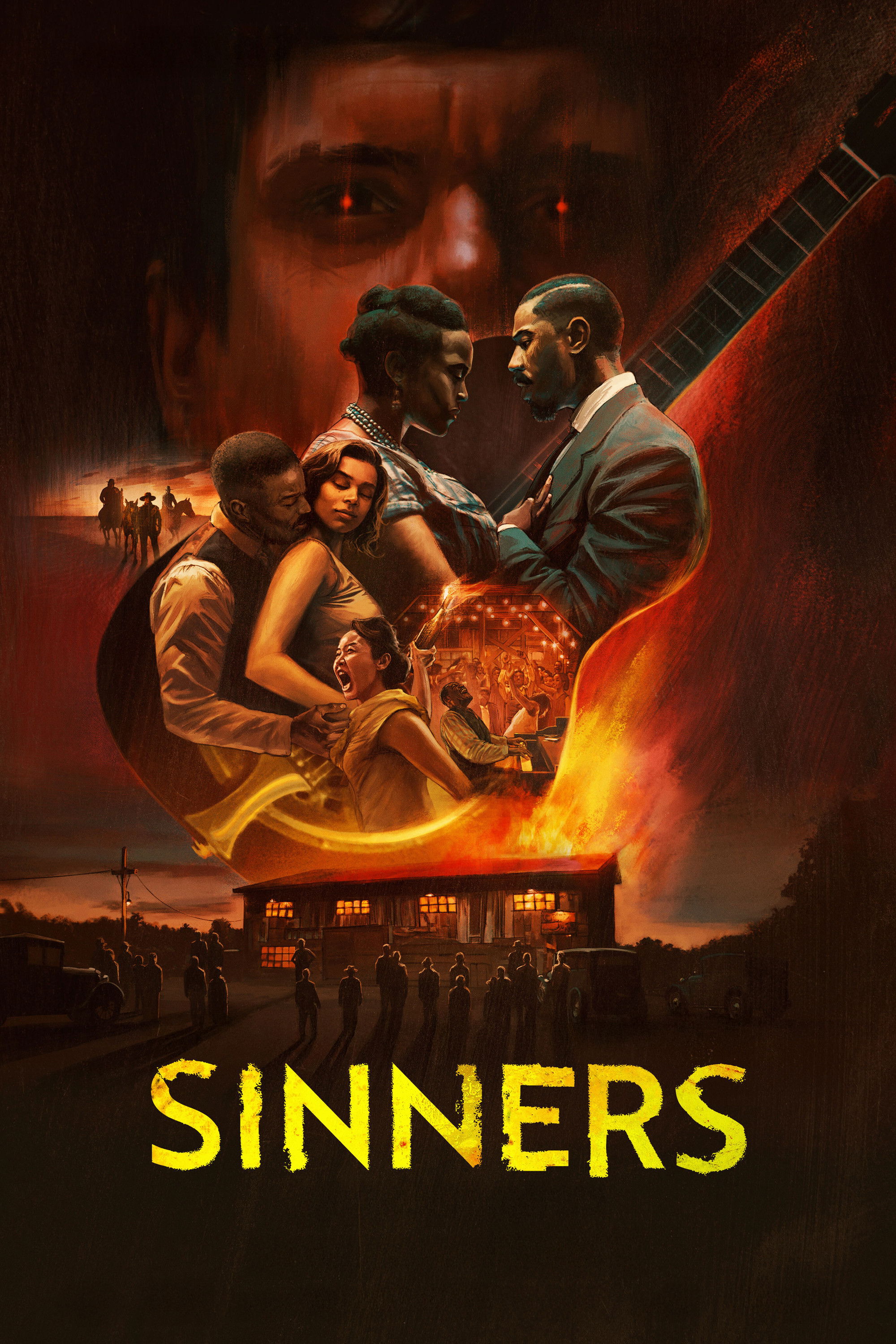
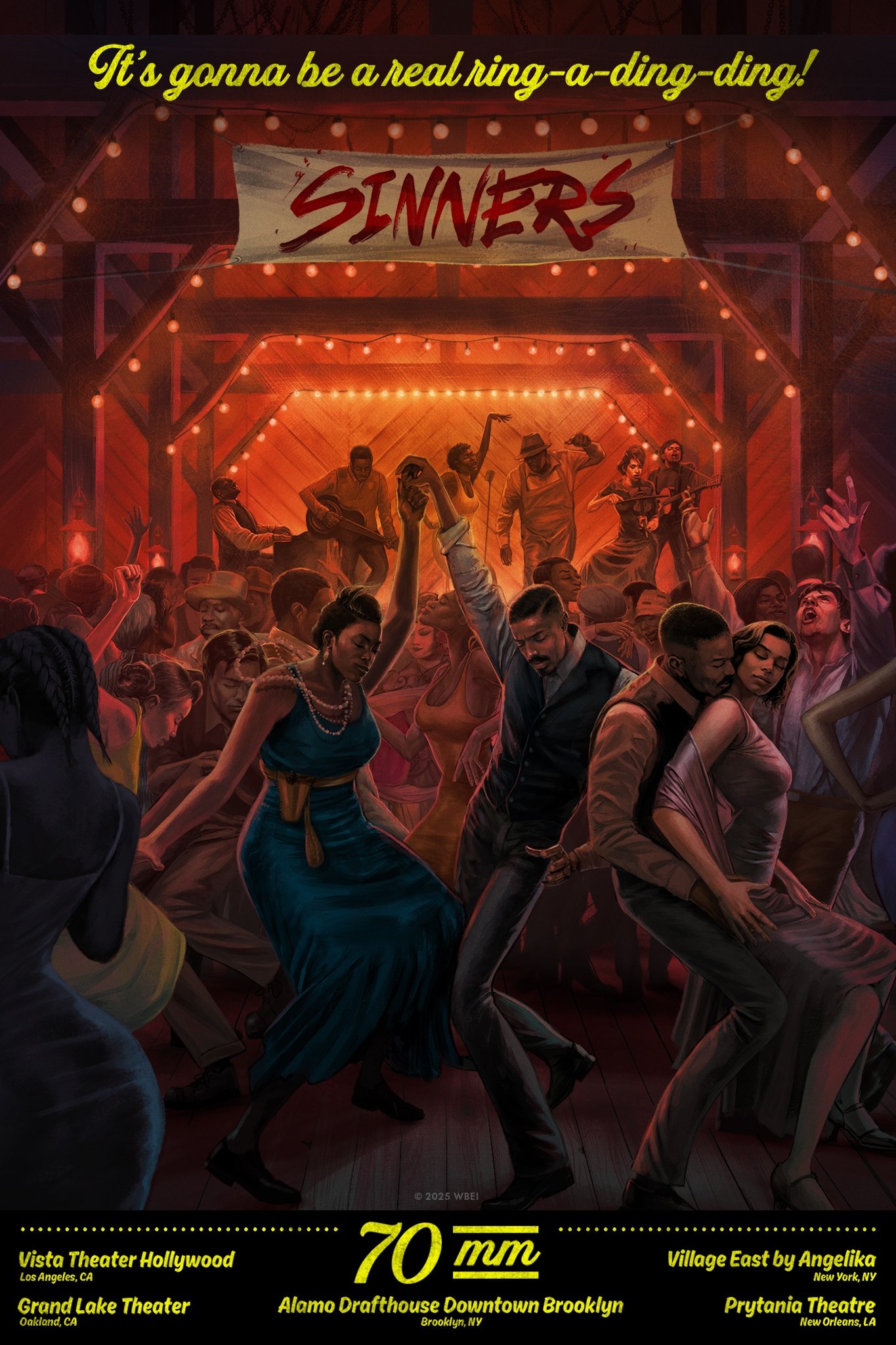
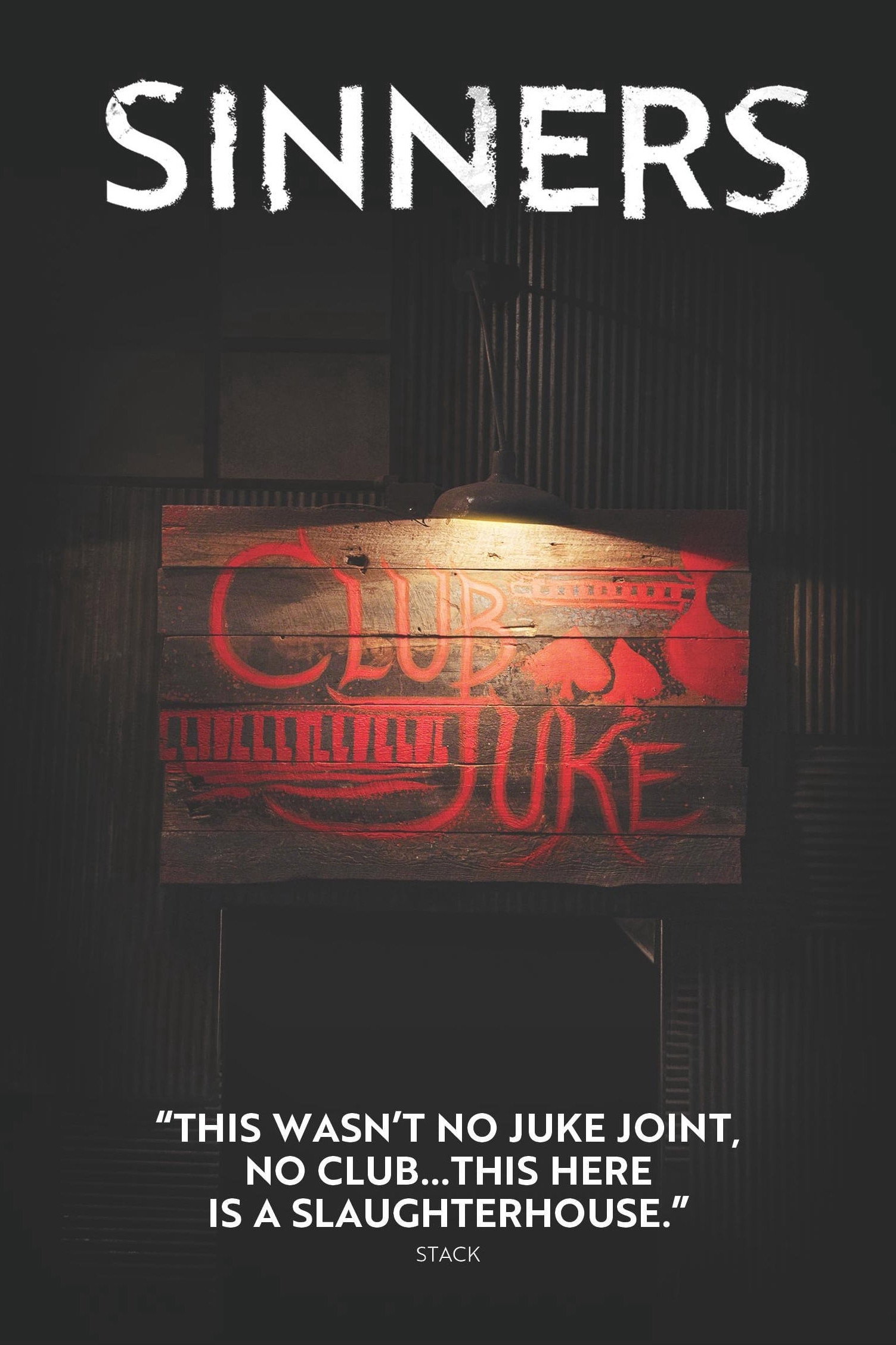
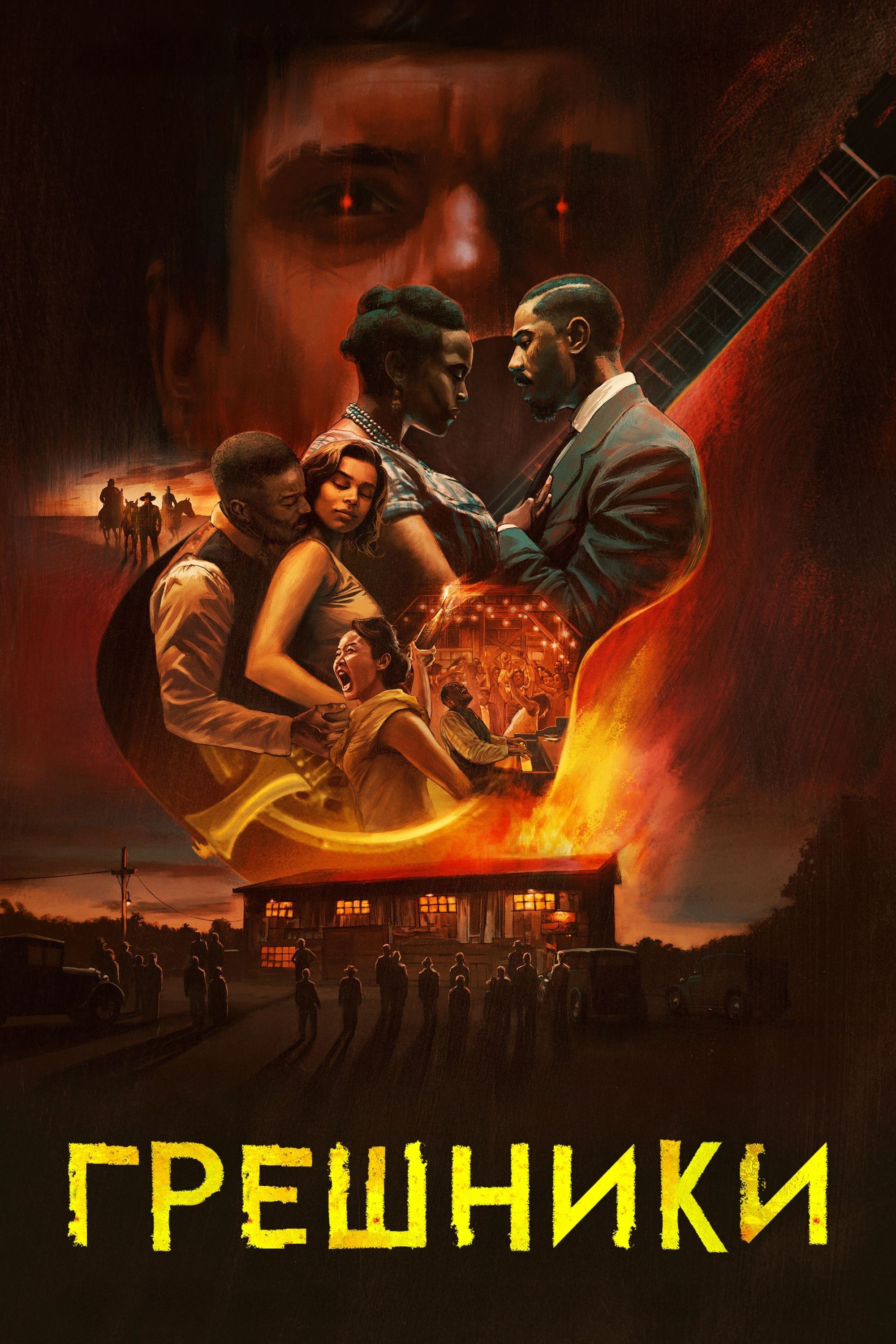
The juke joint is the film’s central production environment, functioning first as an improvised business and social meeting place and later as a confined horror location. Production designer Hannah Beachler and costume designer Ruth E. Carter worked with Arkapaw during preproduction to coordinate surfaces, fabrics and colour. Their decisions are visible in the contrast between the worn lumber-mill structure, the brighter church interiors and the surrounding cotton fields. The building’s transformation unfolds during the narrative itself, giving the audience a practical understanding of its entrances, work areas and crowded performance space before those details become important to the characters’ survival.
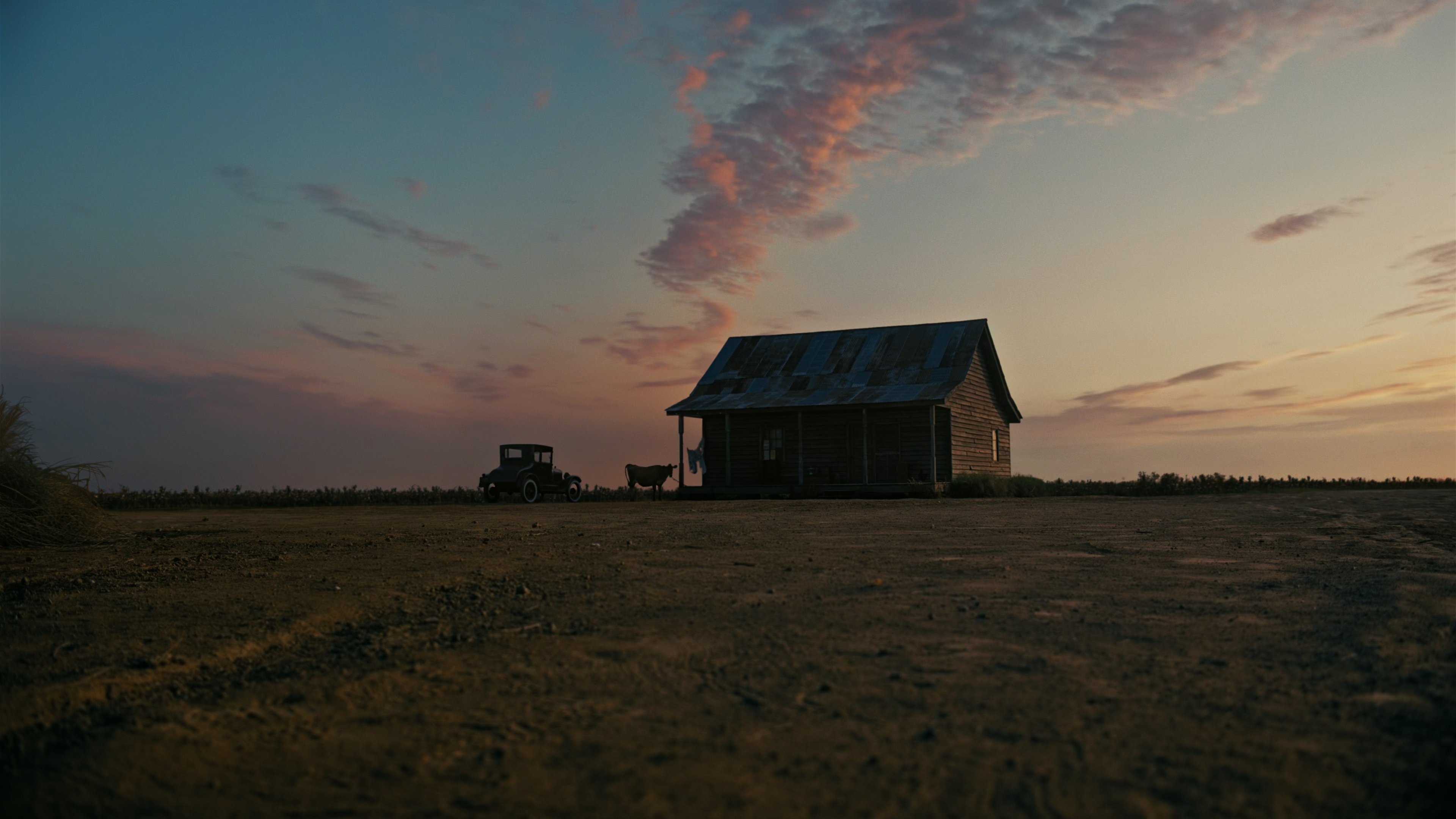
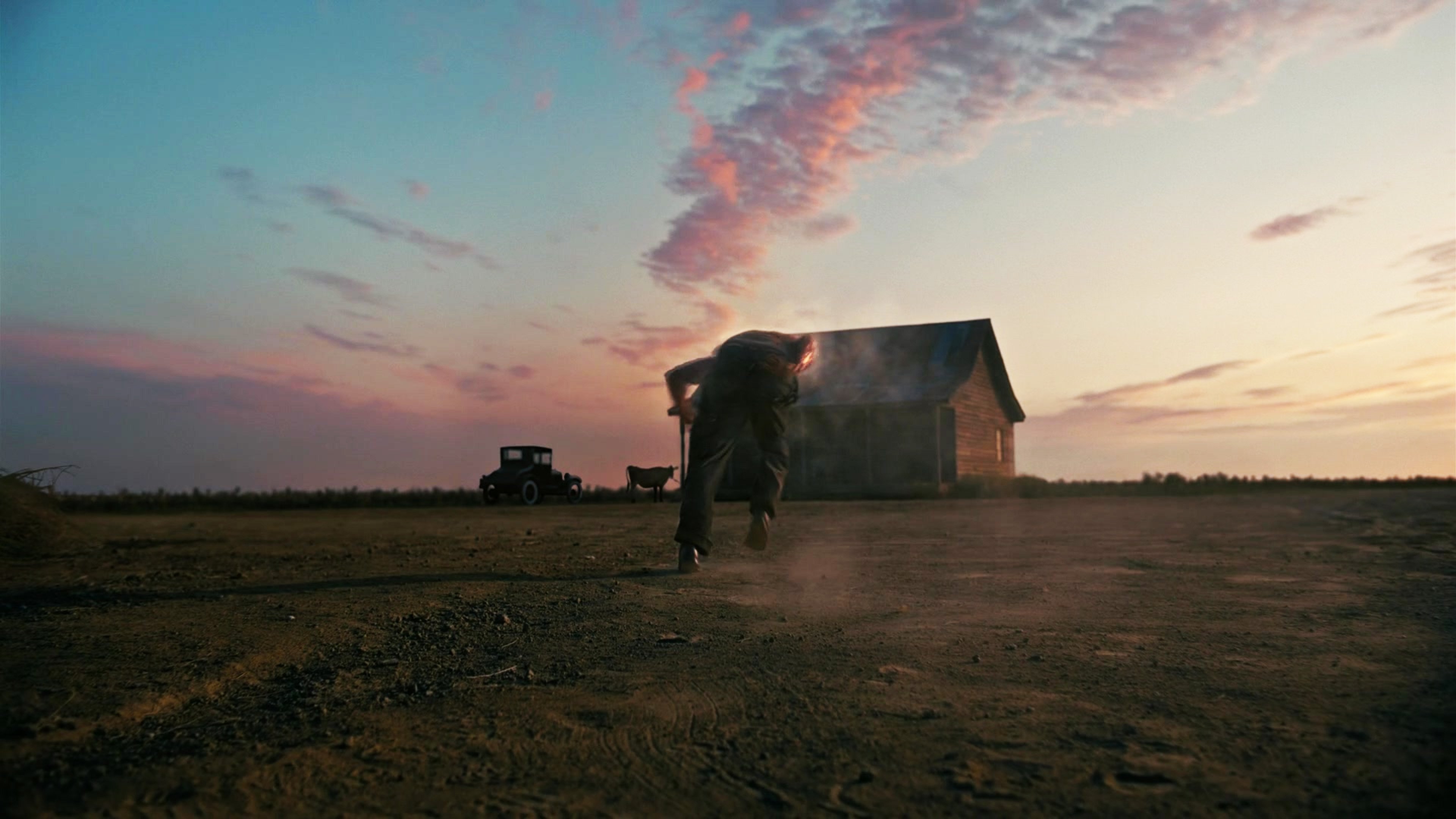
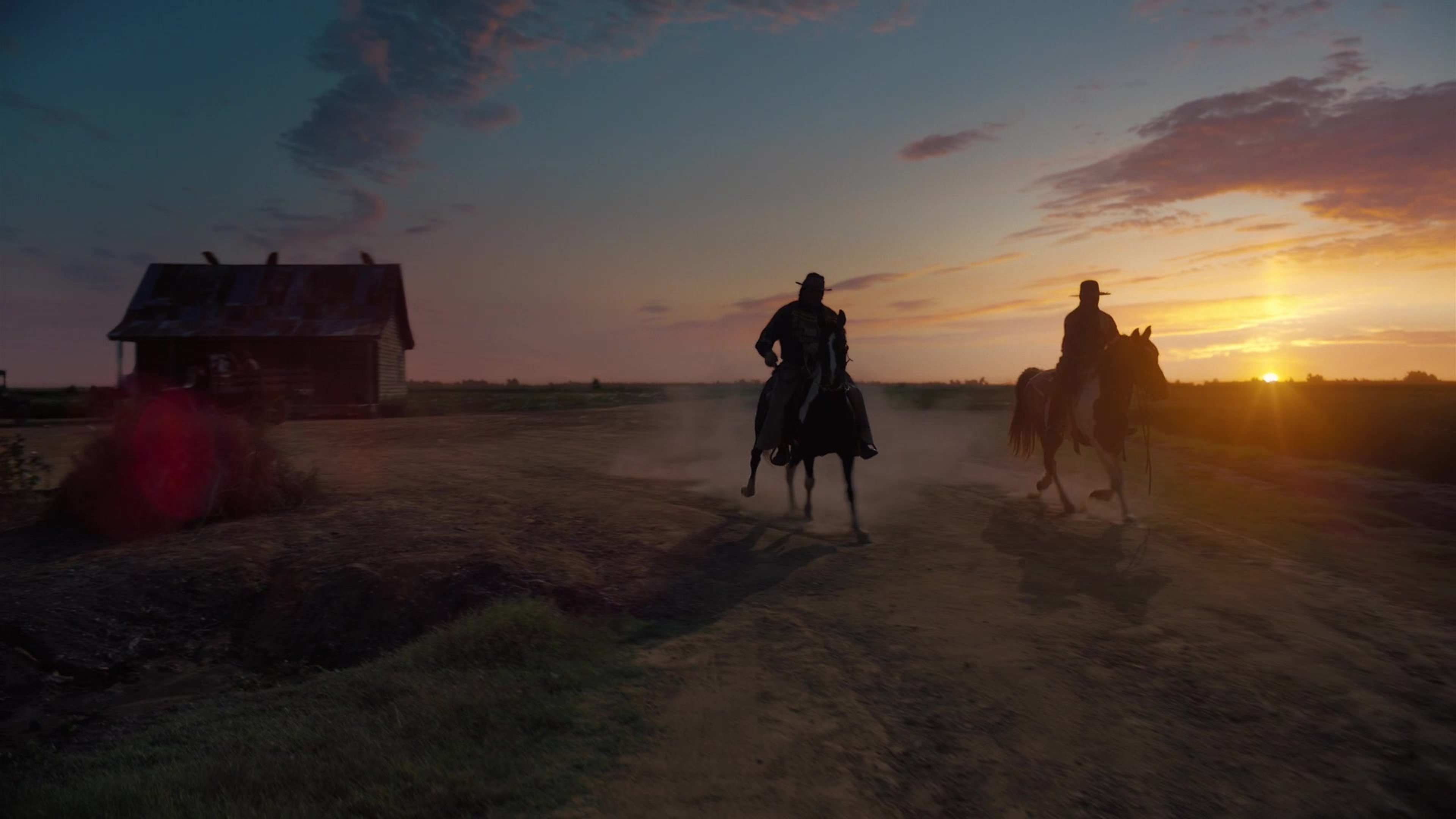
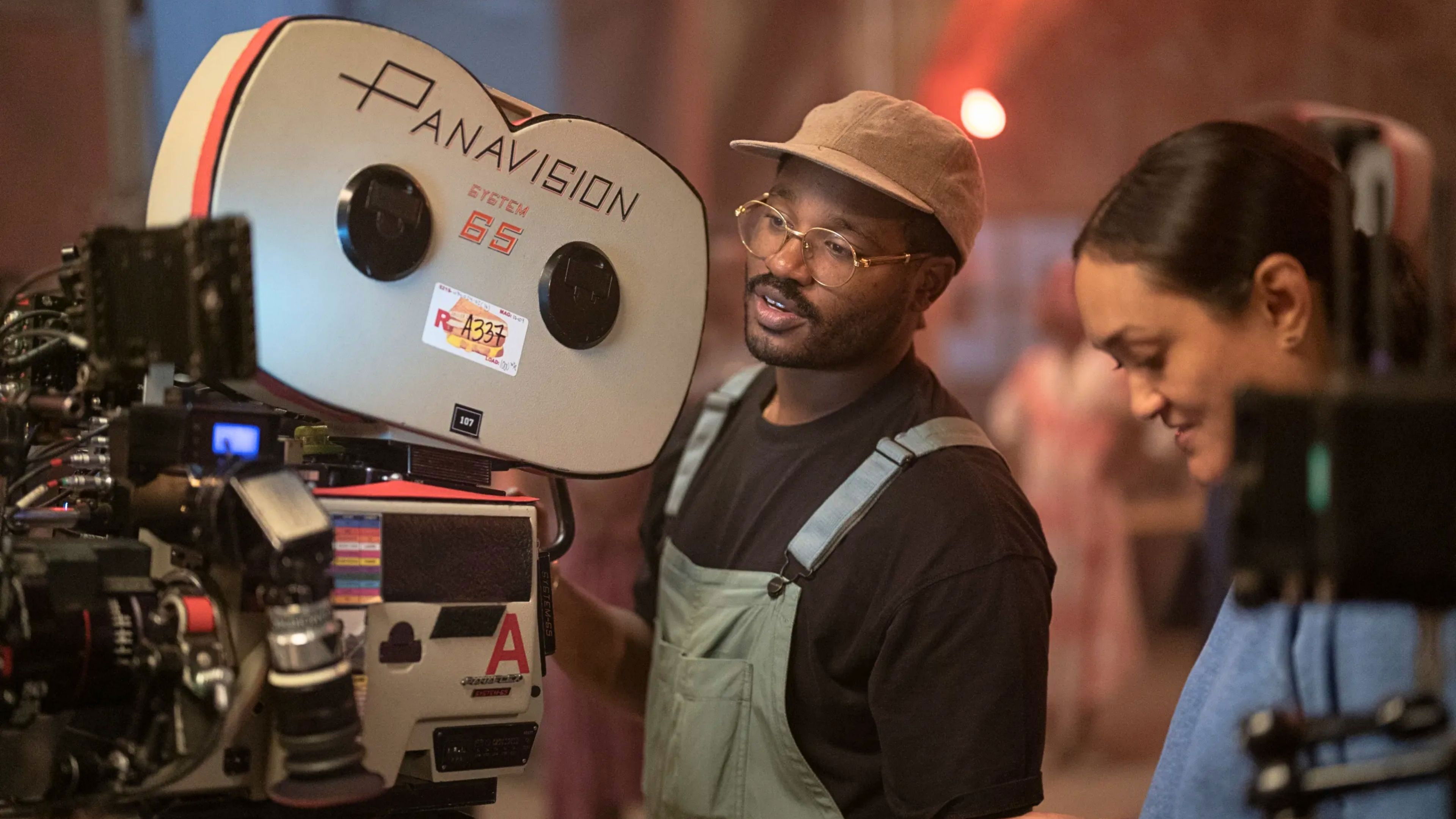
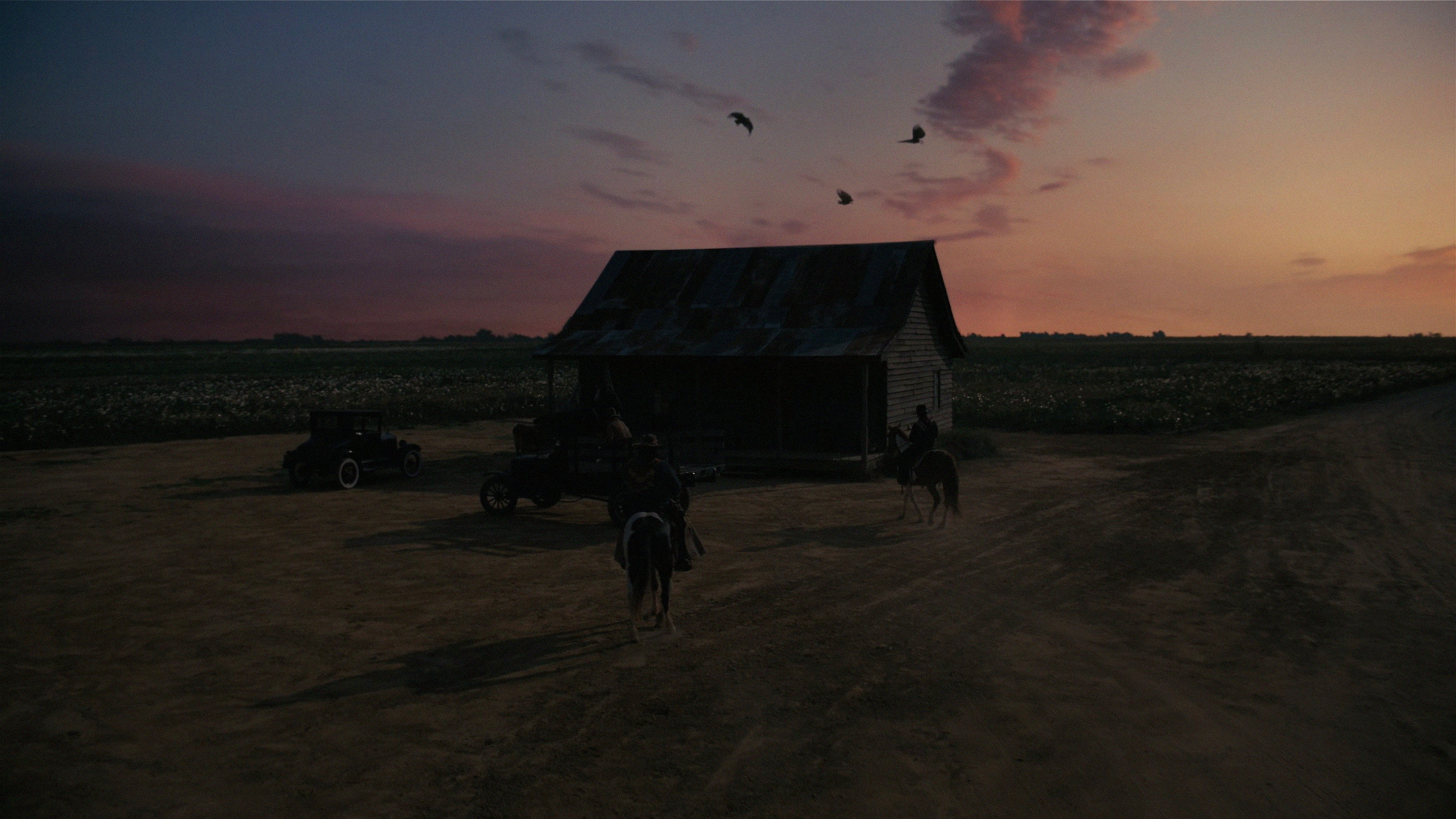
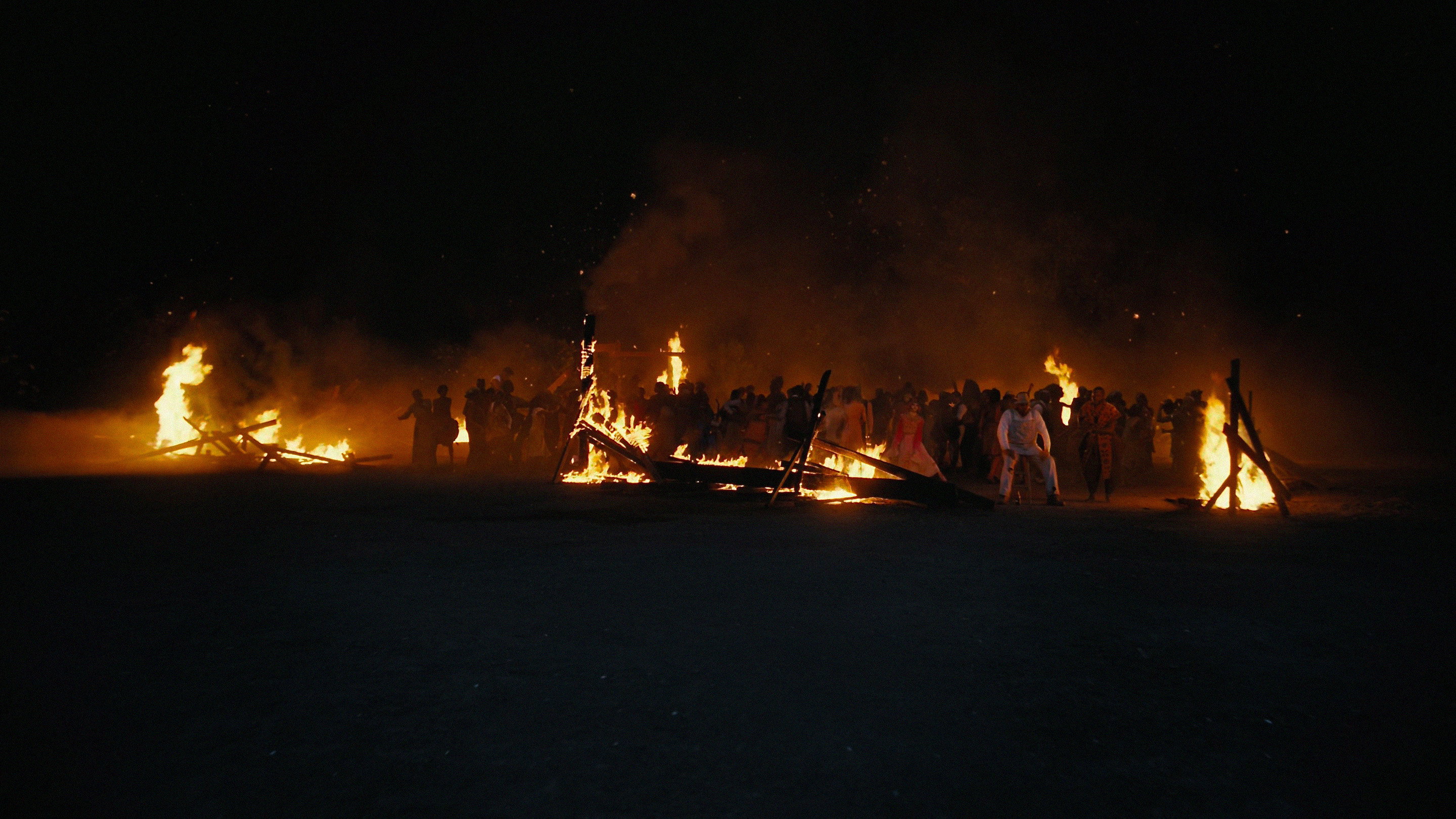
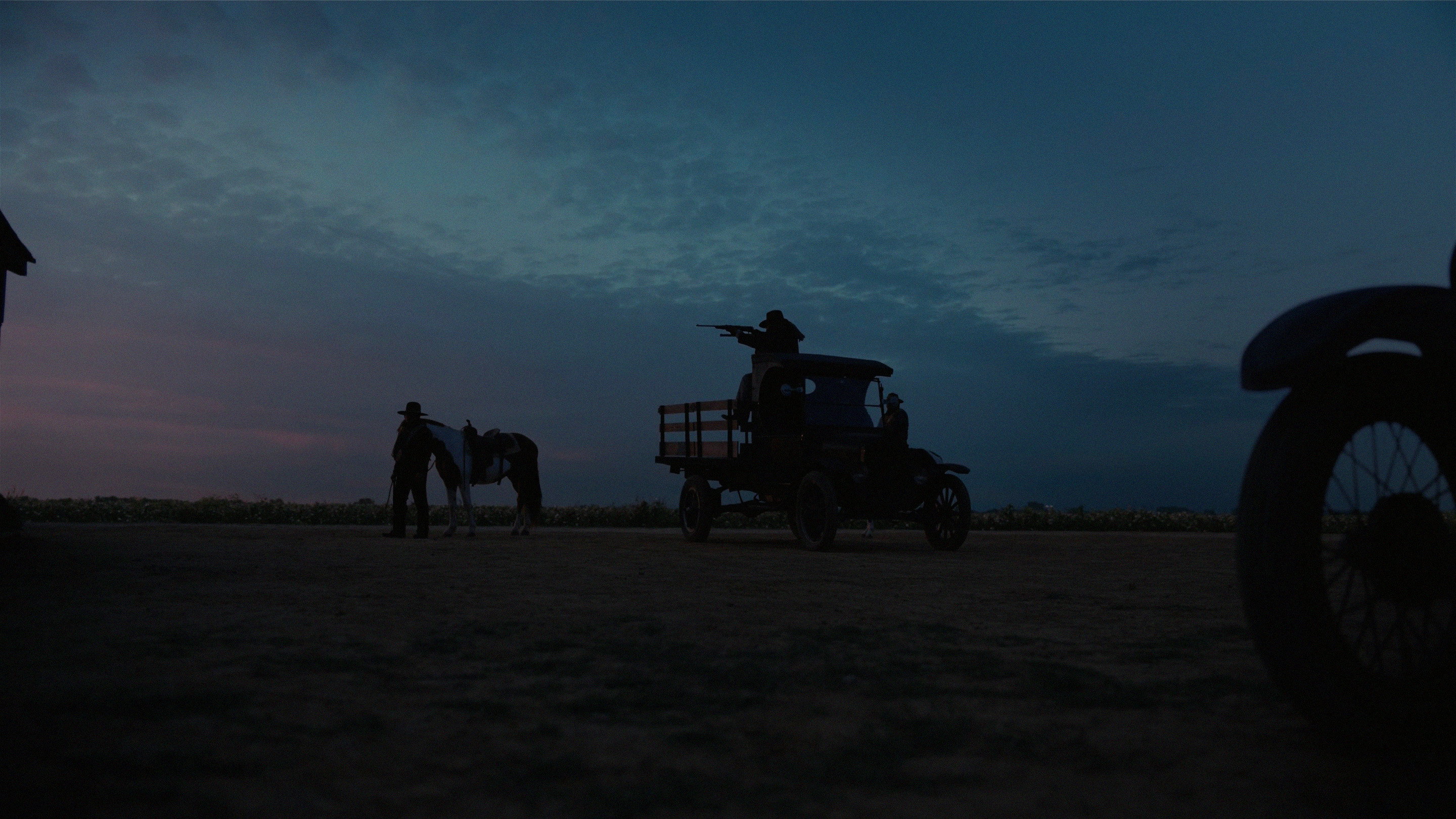
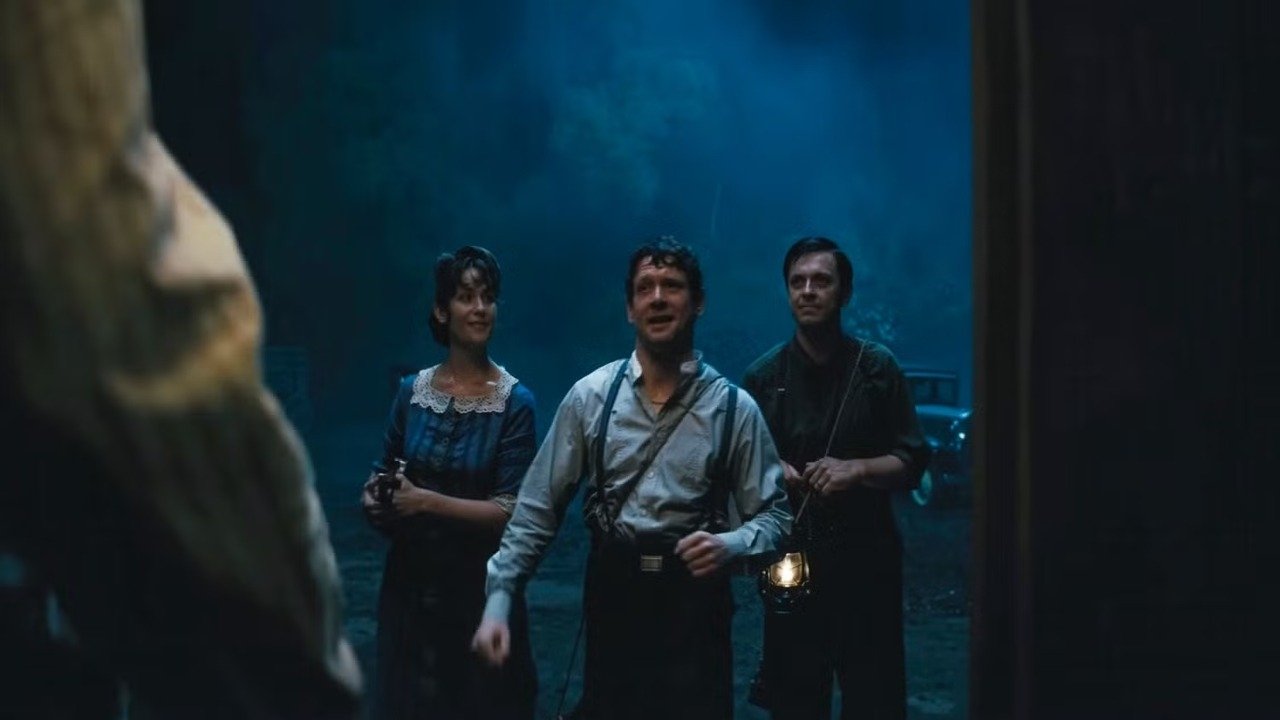
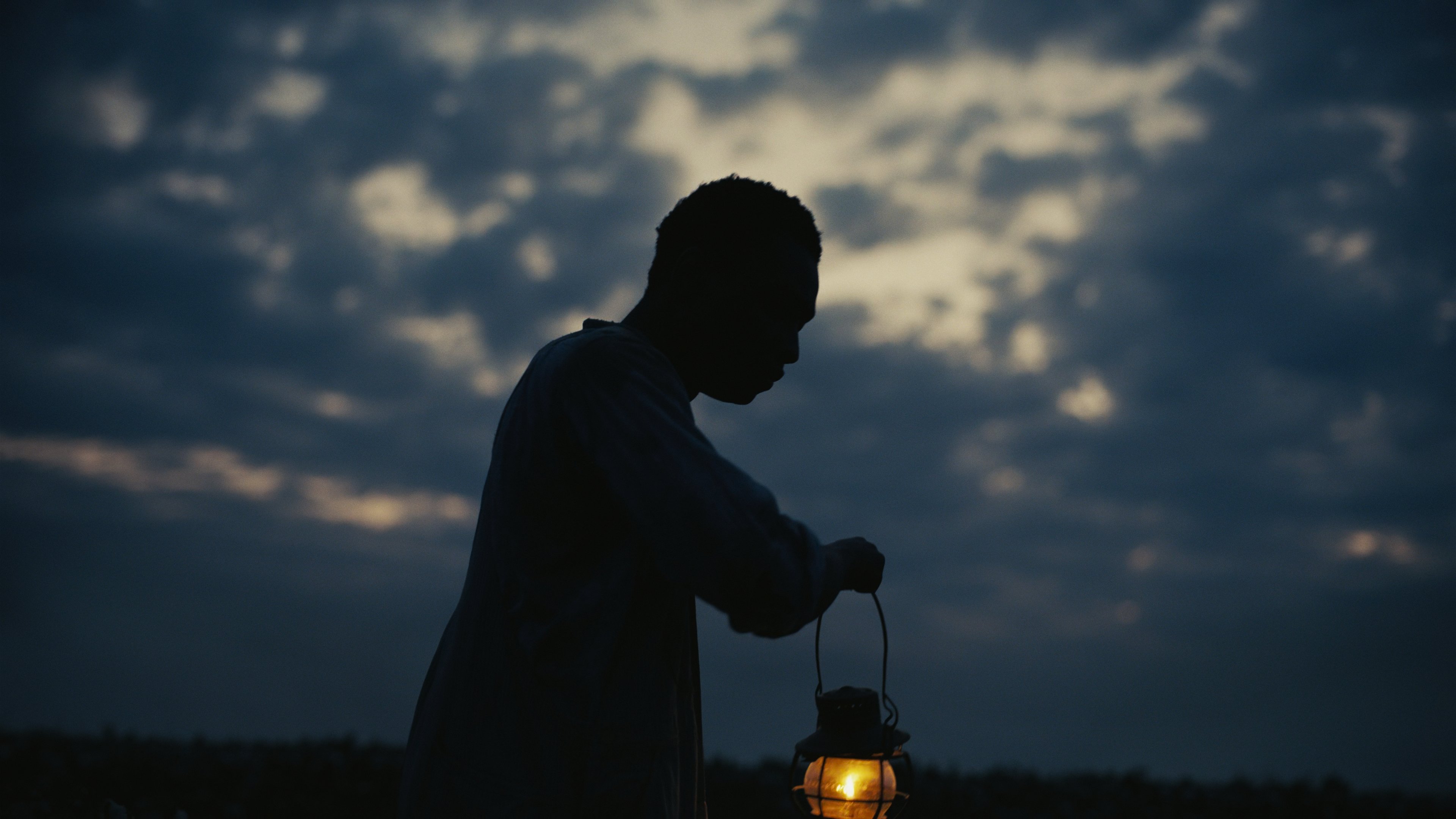
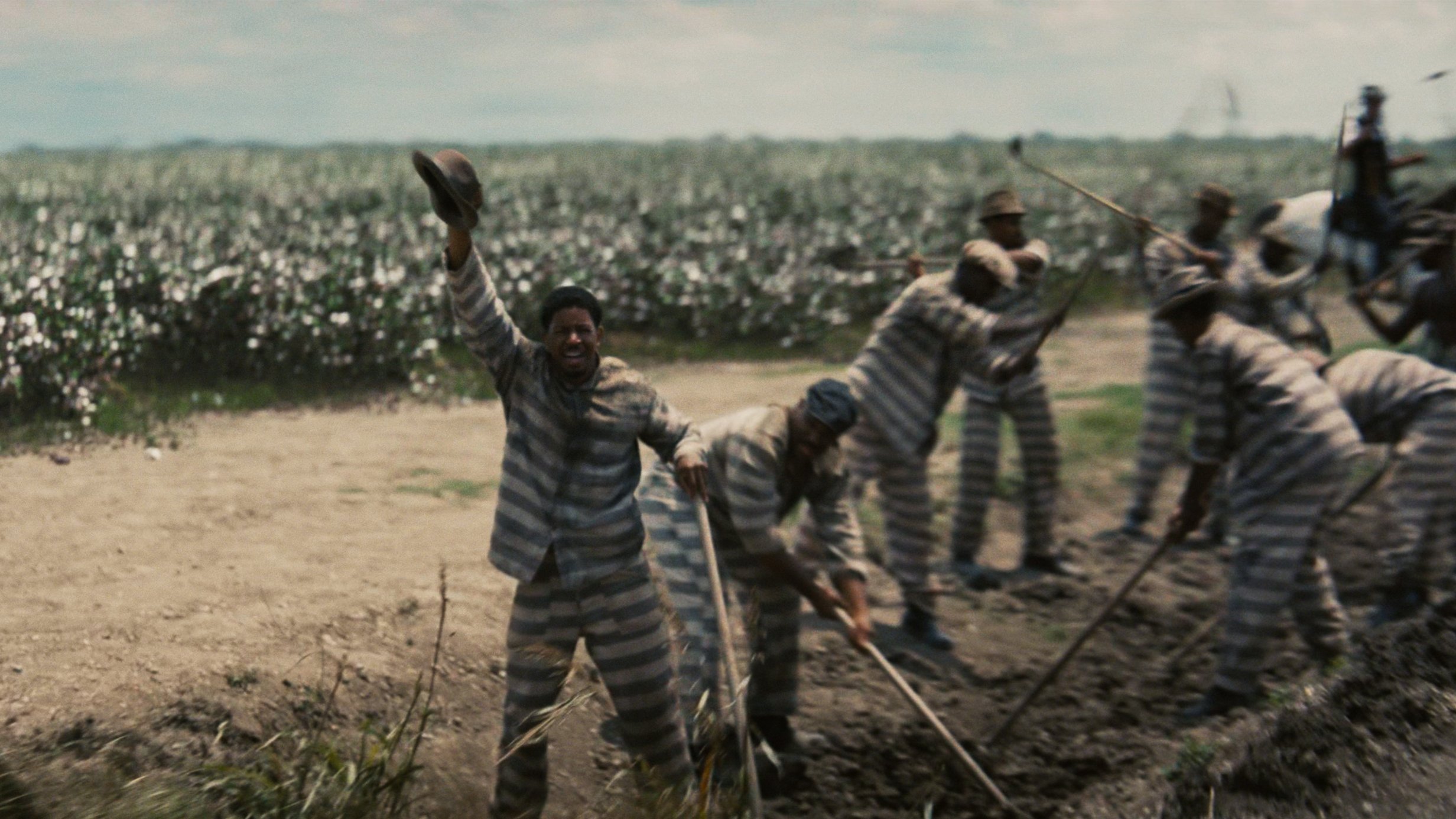
Although the story is set in Mississippi, the production was based in Louisiana. Arkapaw told American Cinematographer that approximately 65 percent was photographed on stages and 35 percent on locations, including Braithwaite, Donaldsonville and Thibodaux. The Louisiana setting required extensive preparation, with severe heat, wildlife and changeable weather complicating exterior work. The filmmakers also used sustained camera movements to follow activity through the local shops as the brothers prepared for opening night. These passages establish a lived-in town rather than treating the setting as a generic backdrop for a vampire siege. The later confinement inside the juke is more forceful because the earlier scenes have mapped a recognisable community around it.
Vampire Makeup and Physical Horror
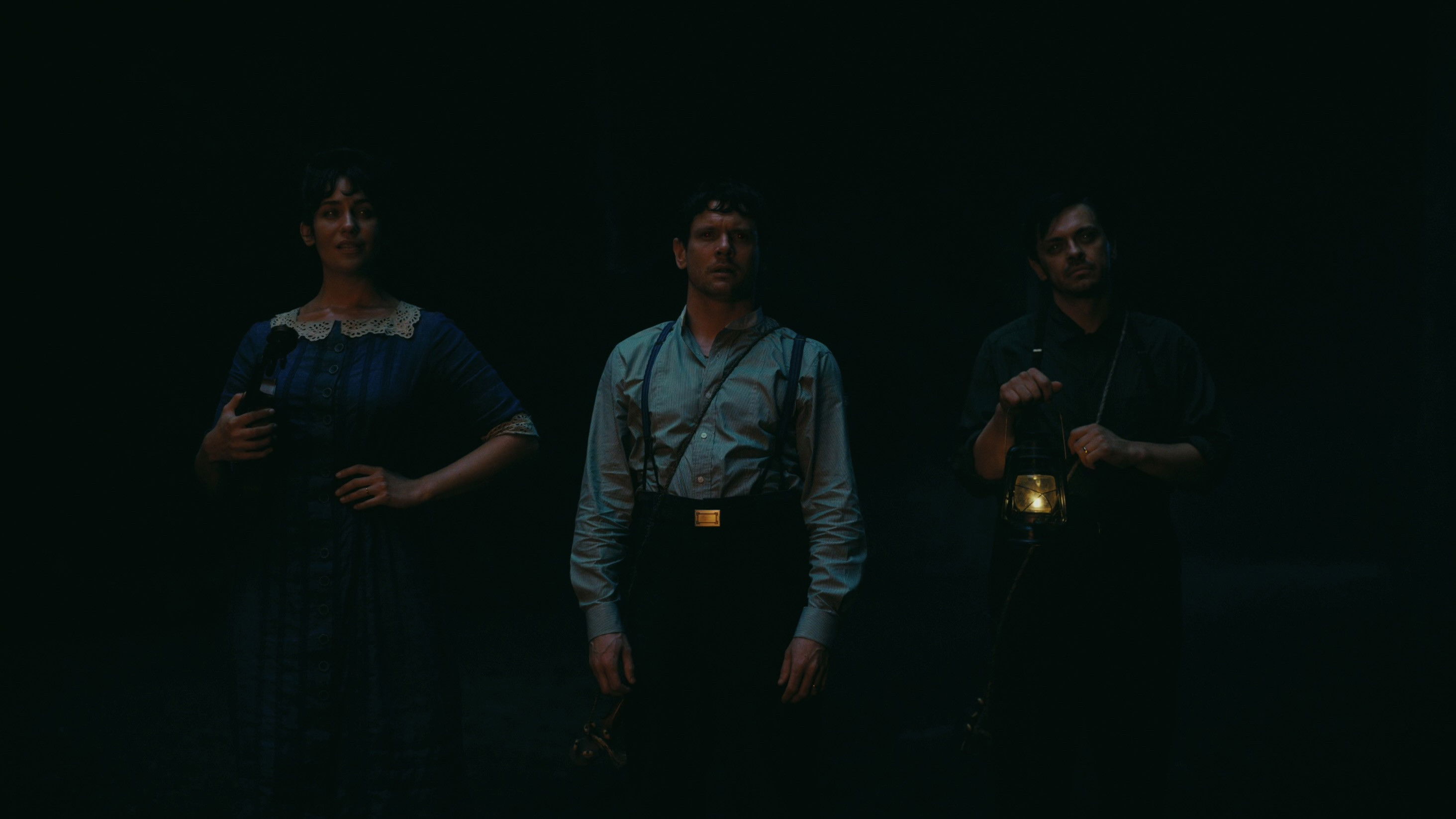
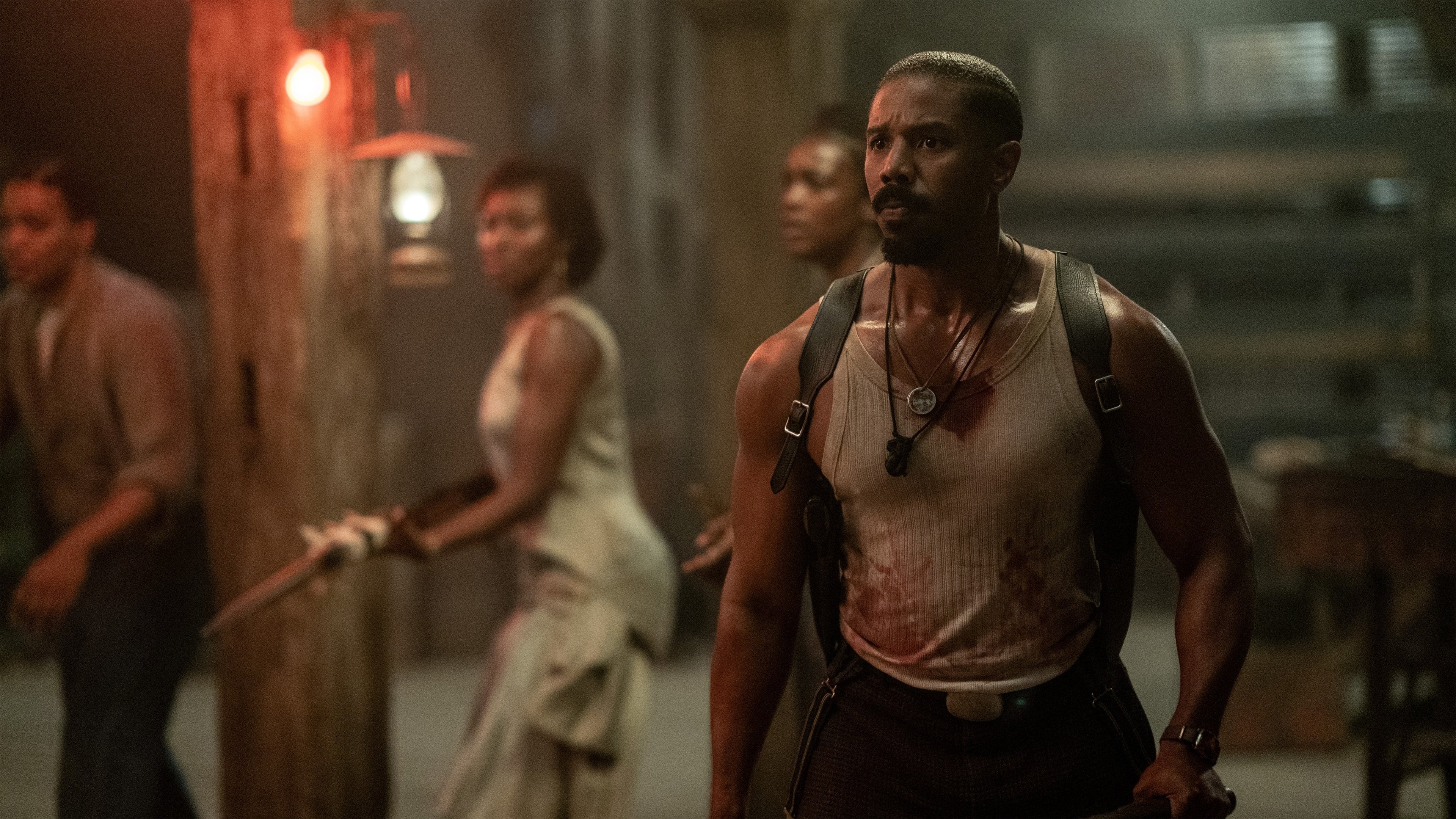
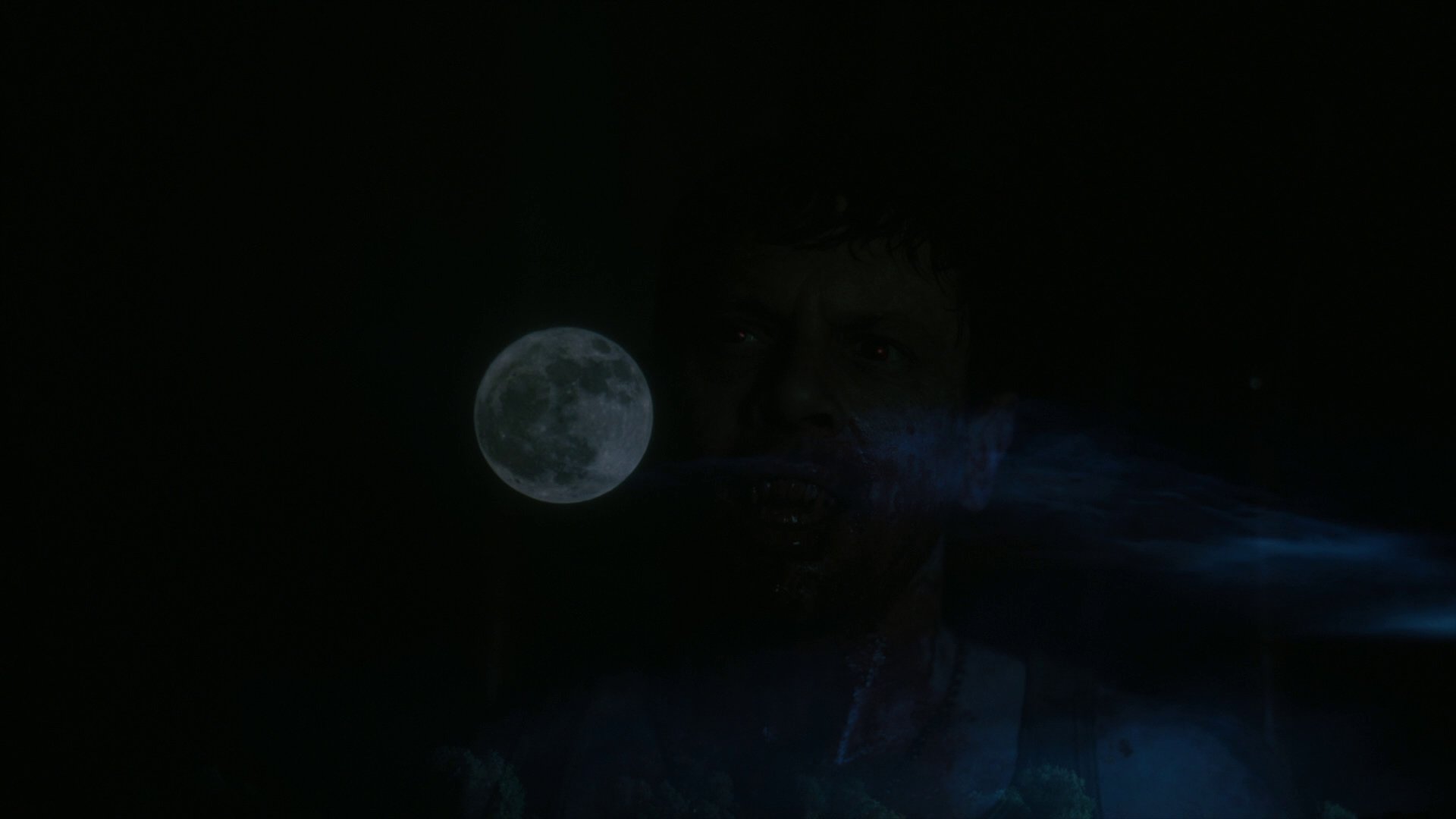
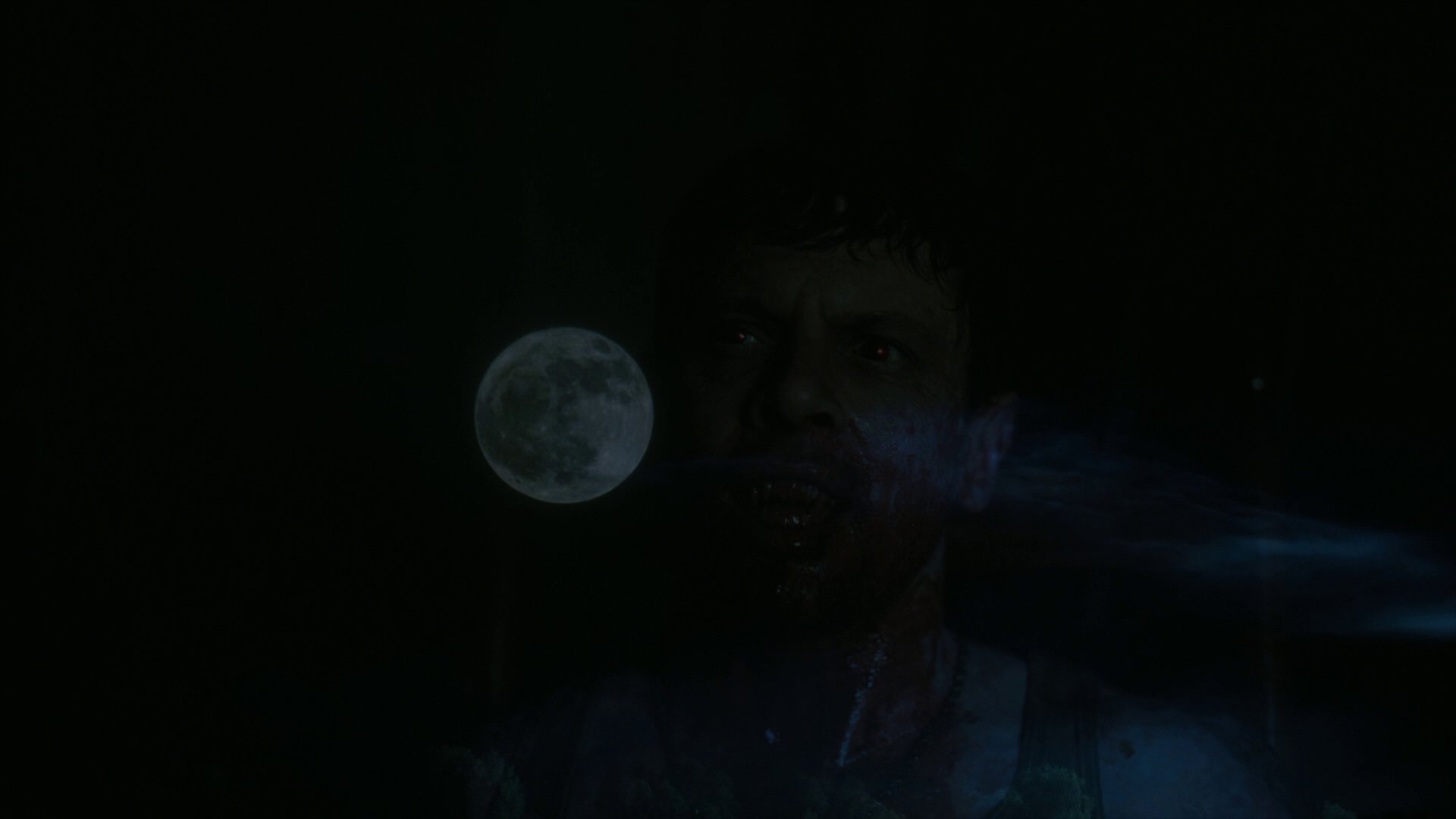
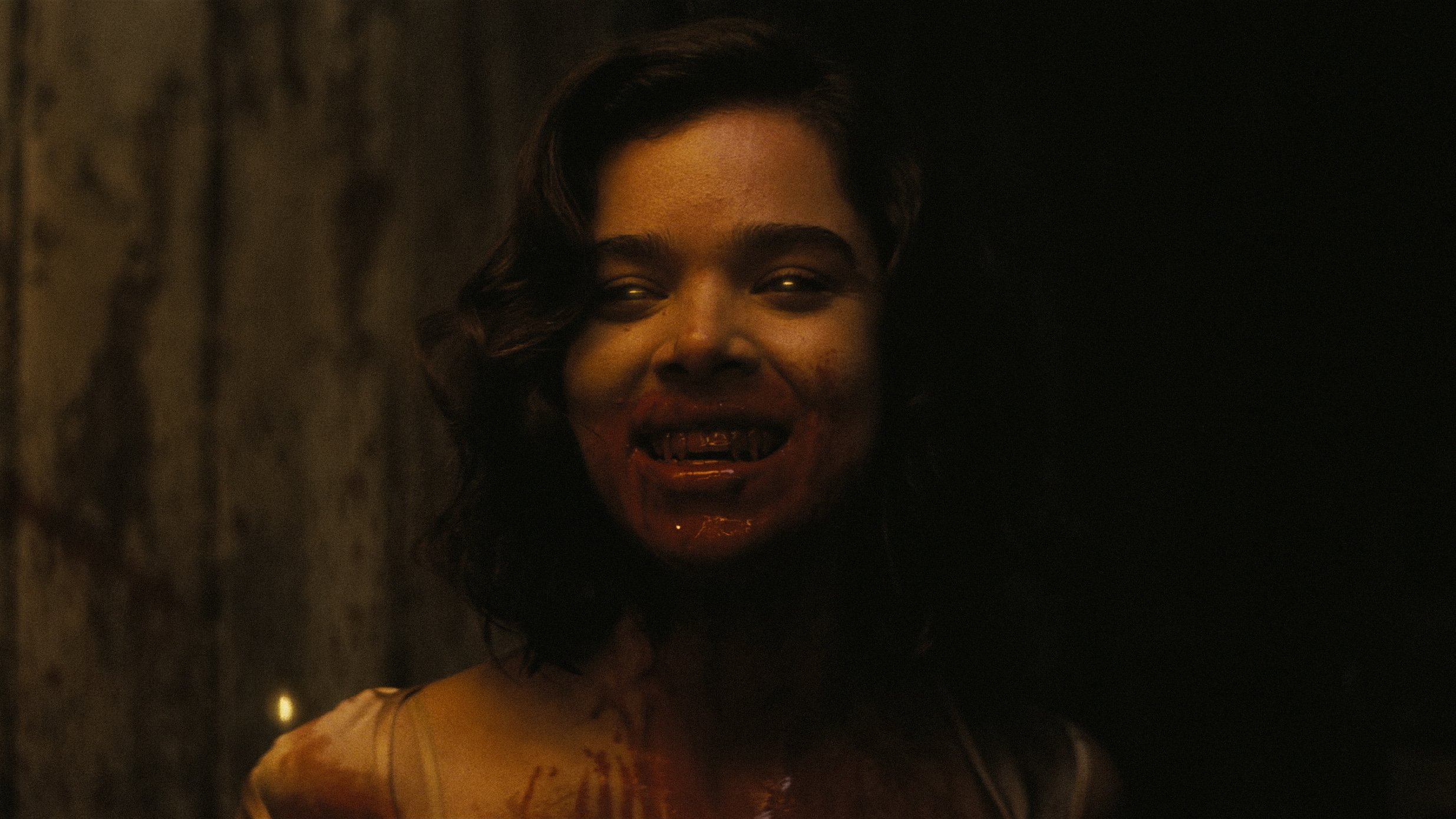
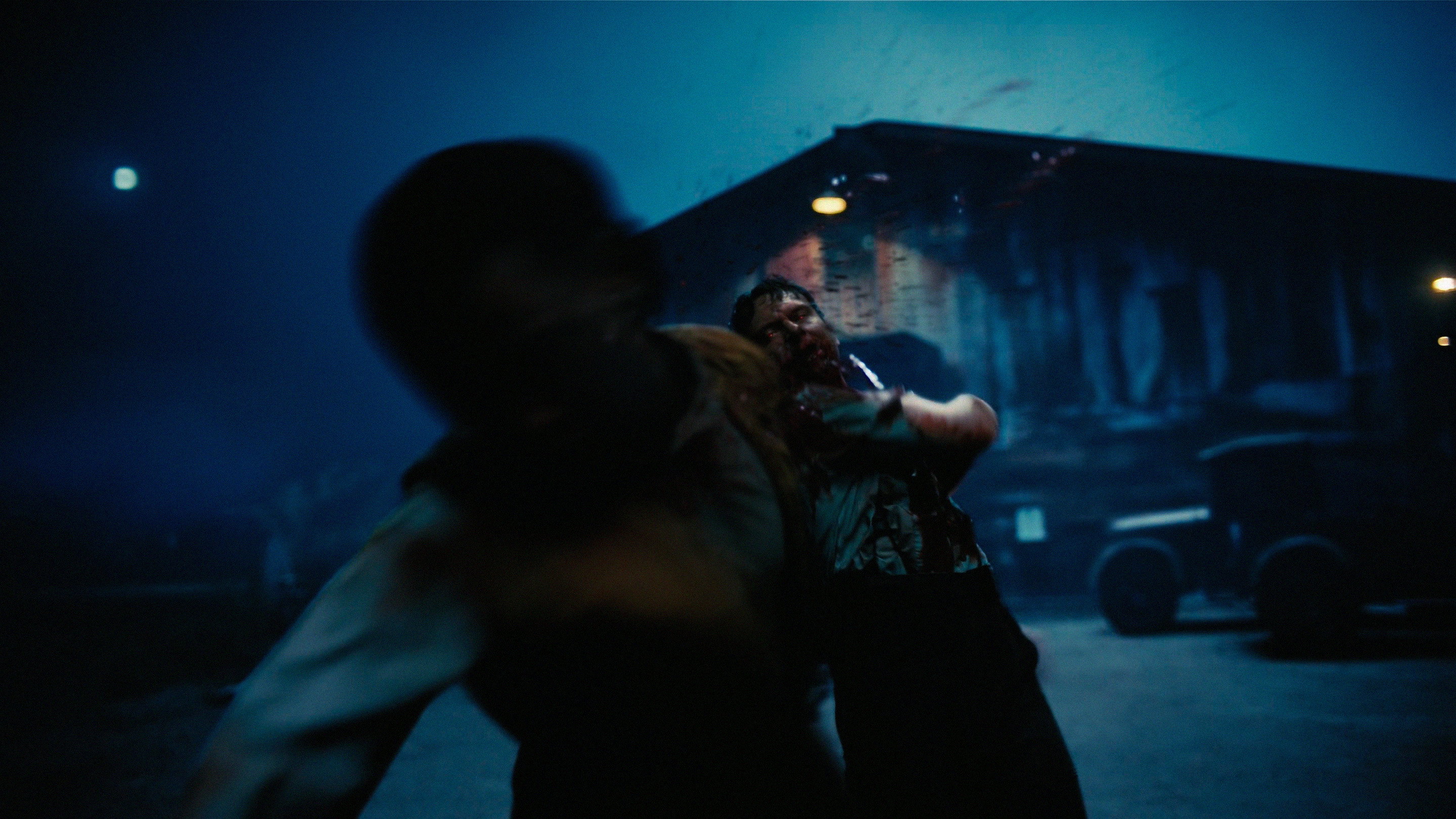
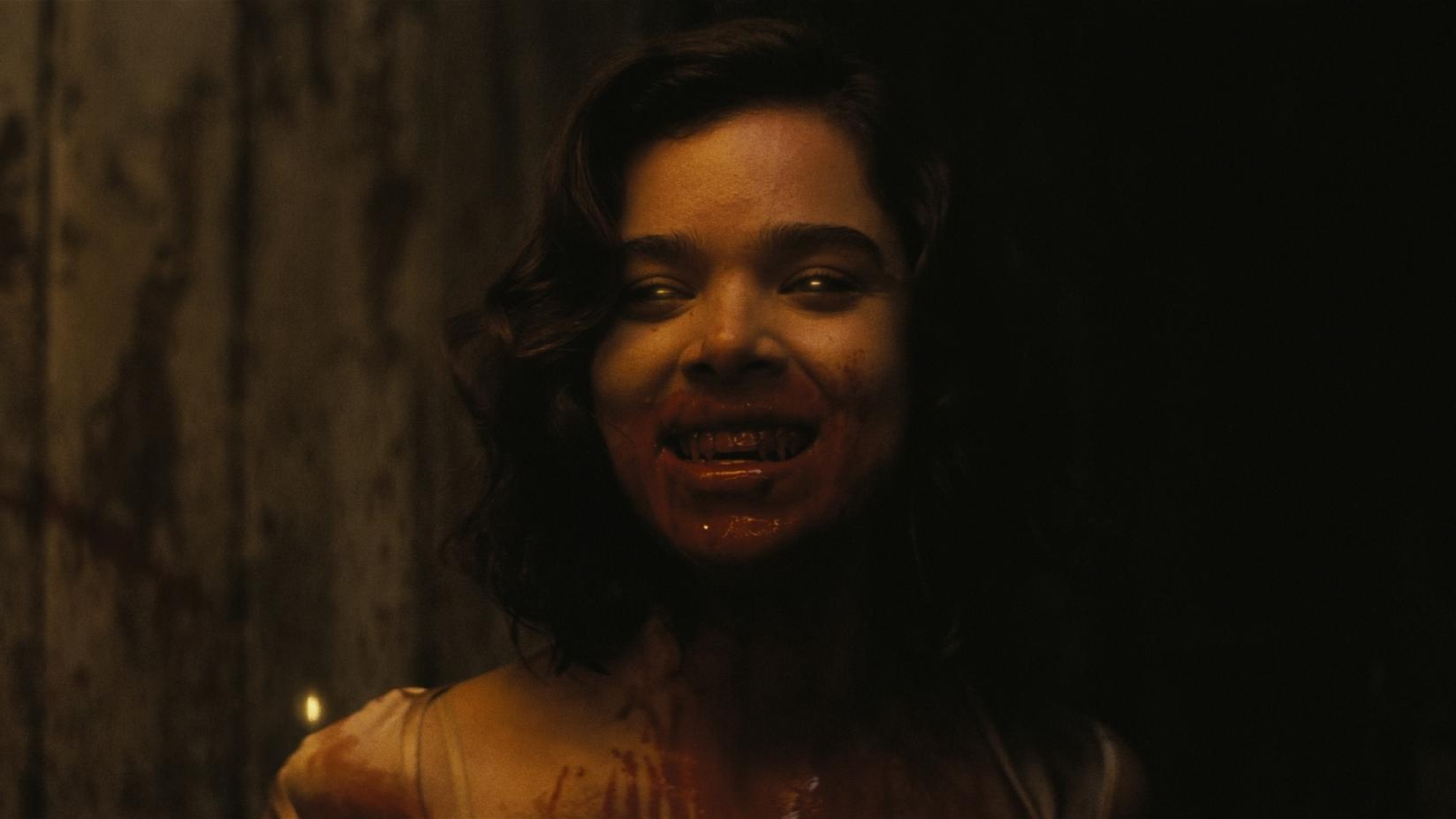
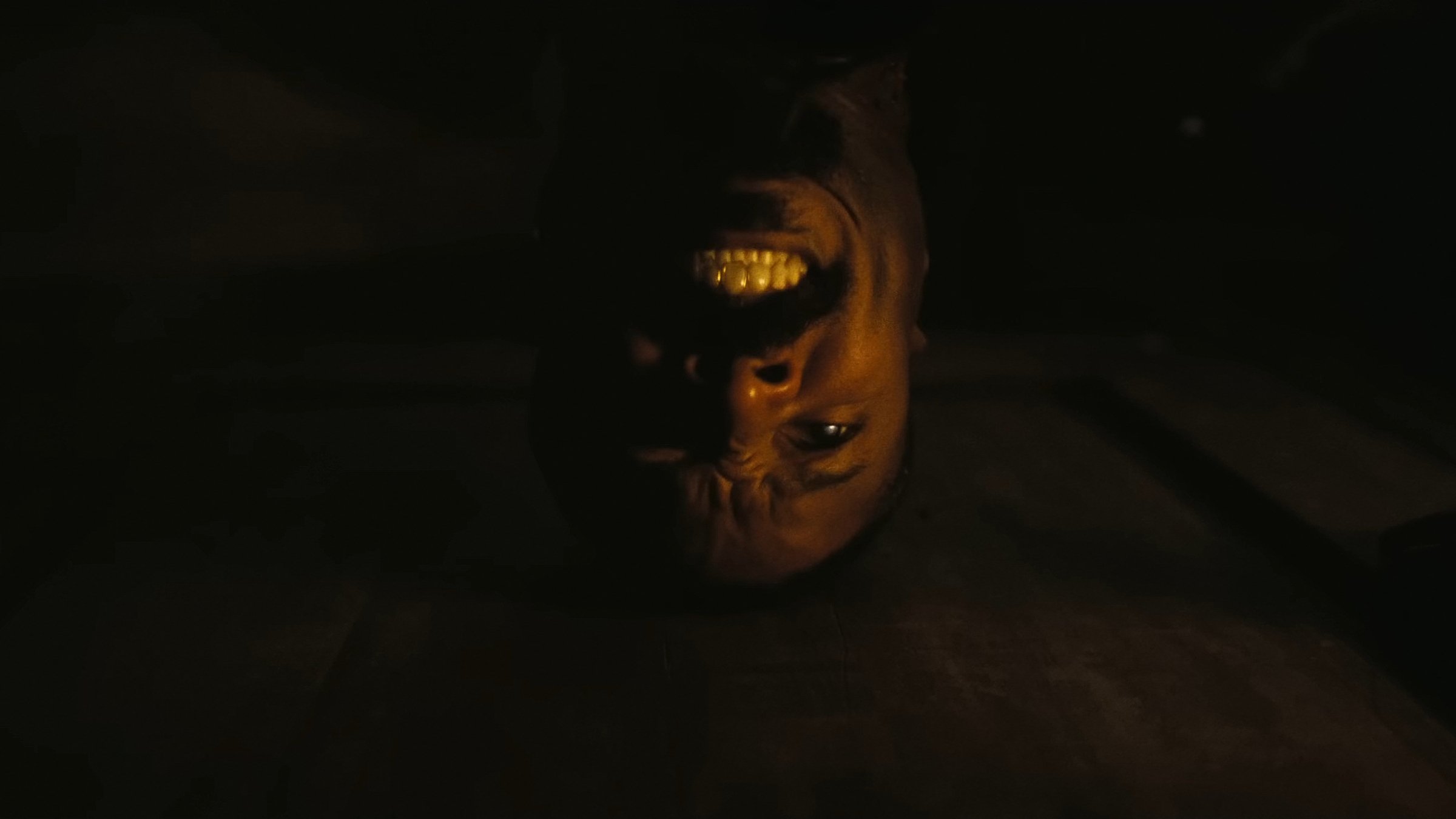
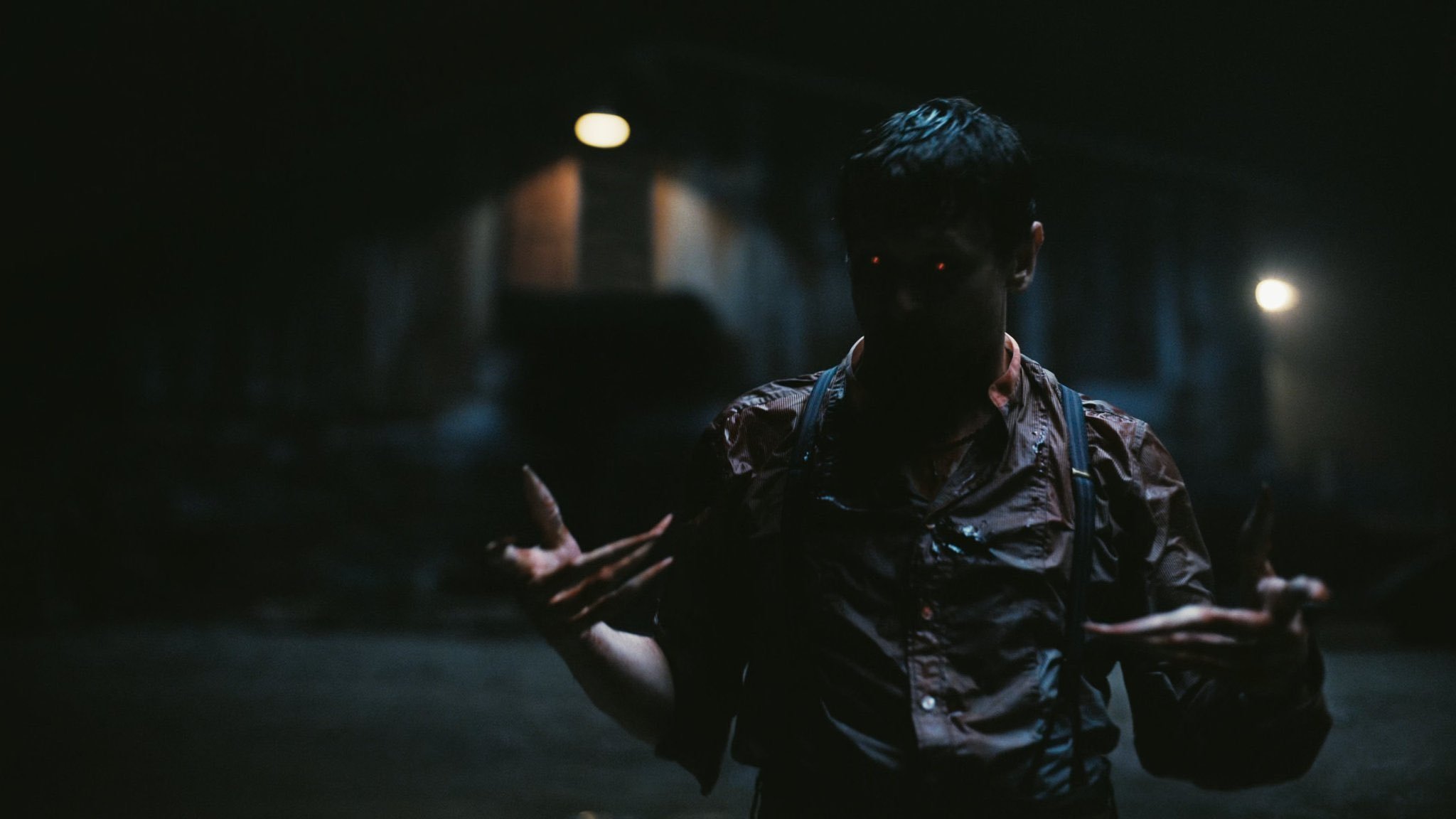
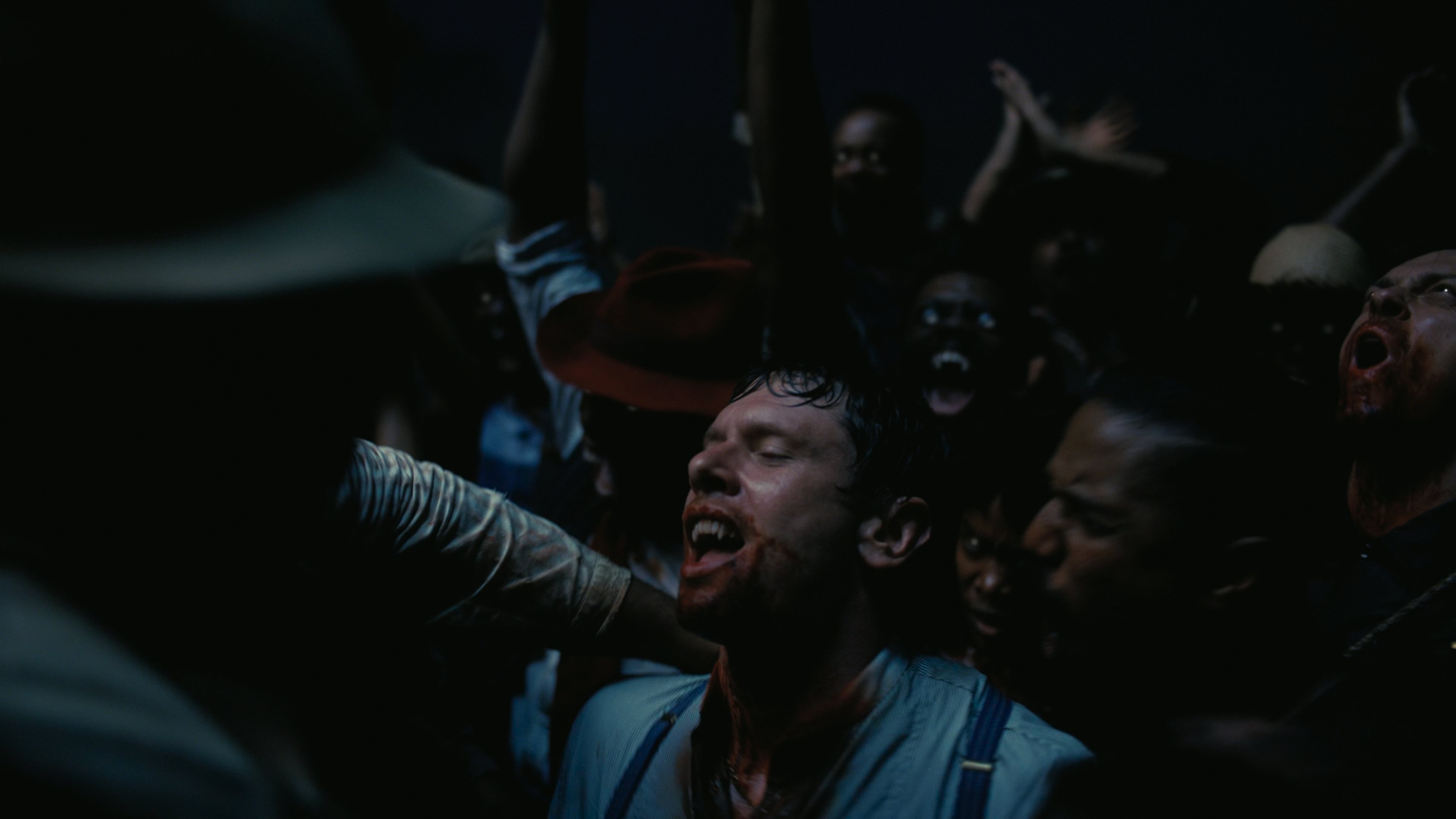
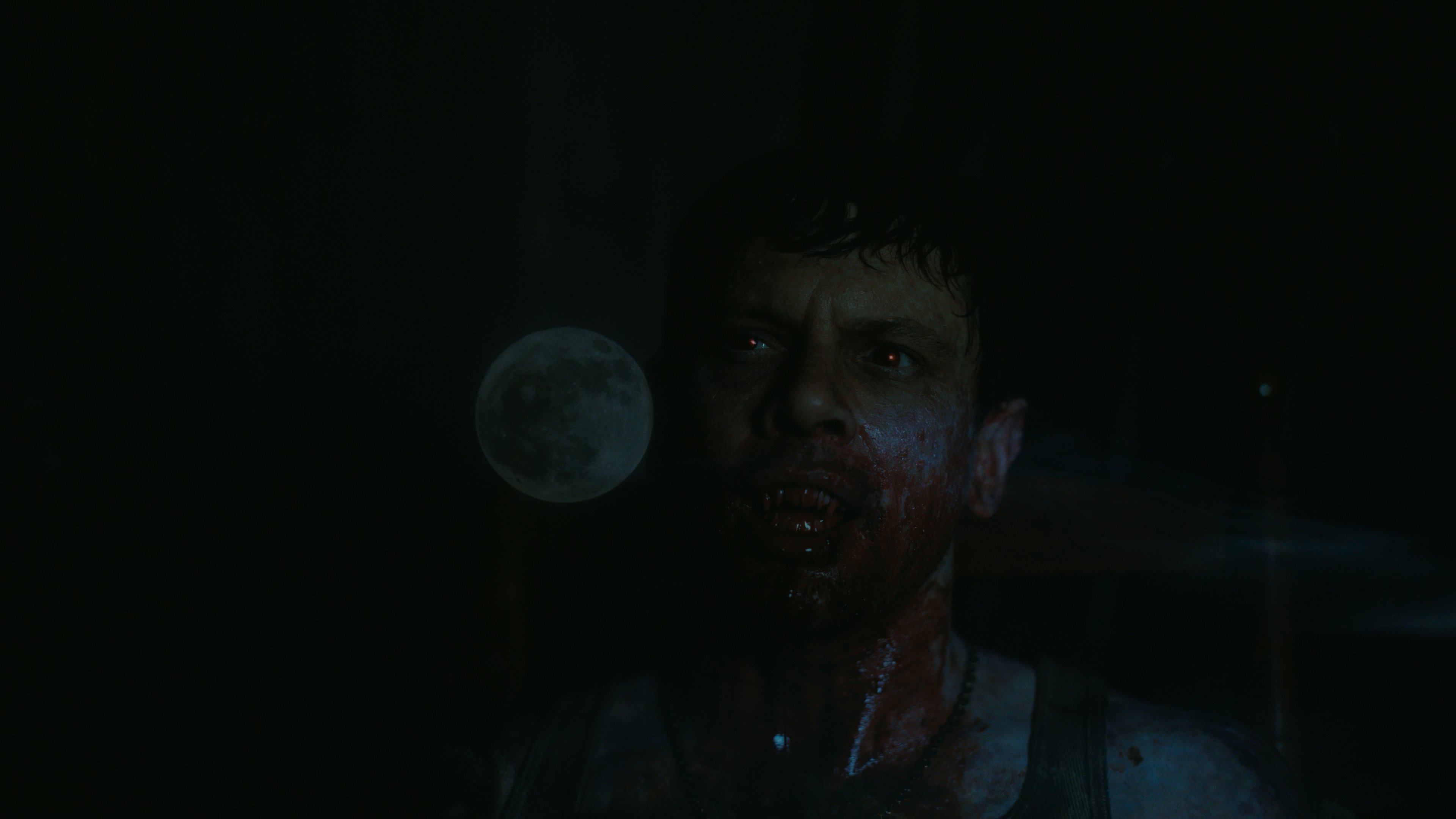
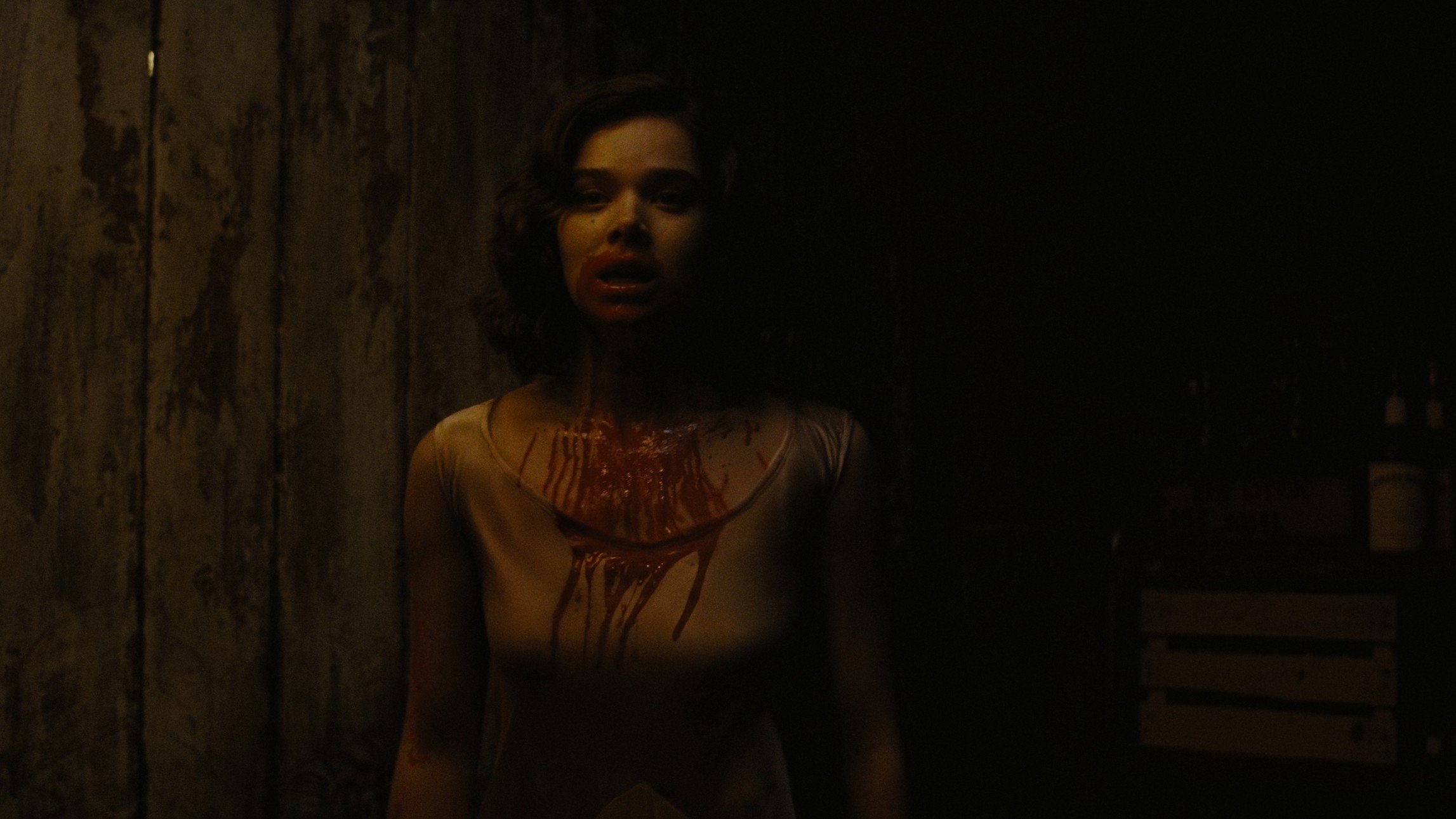
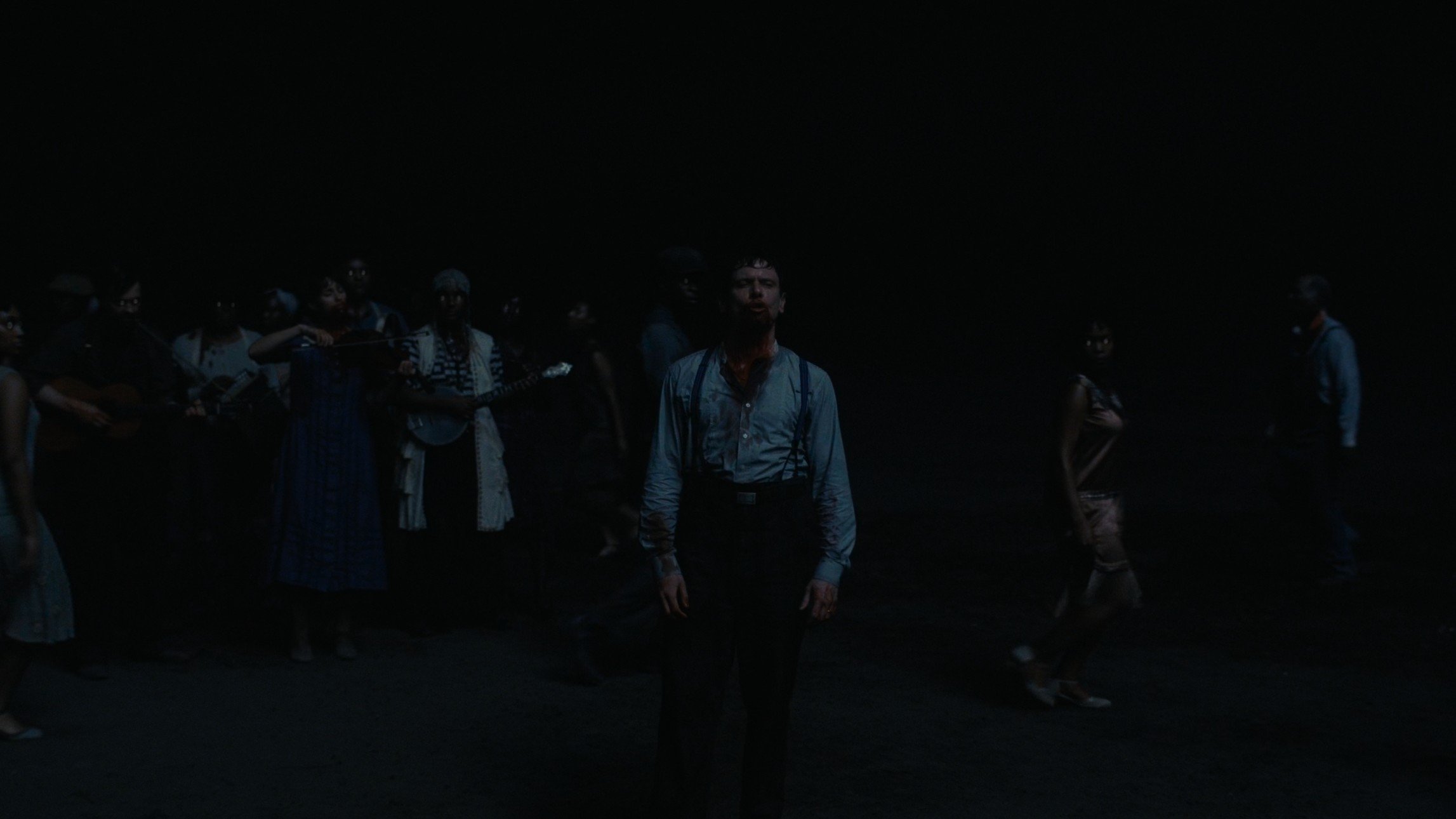
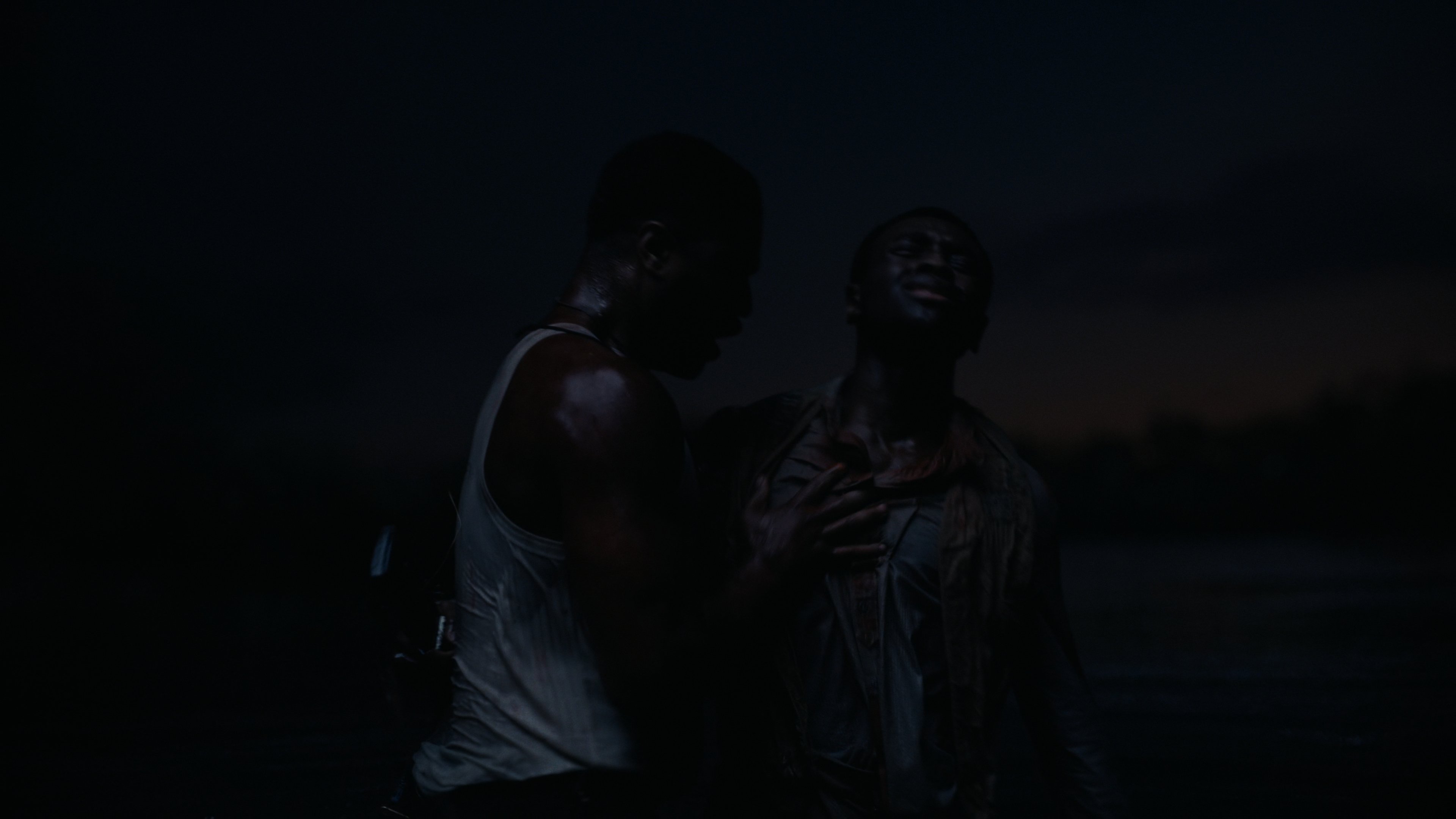
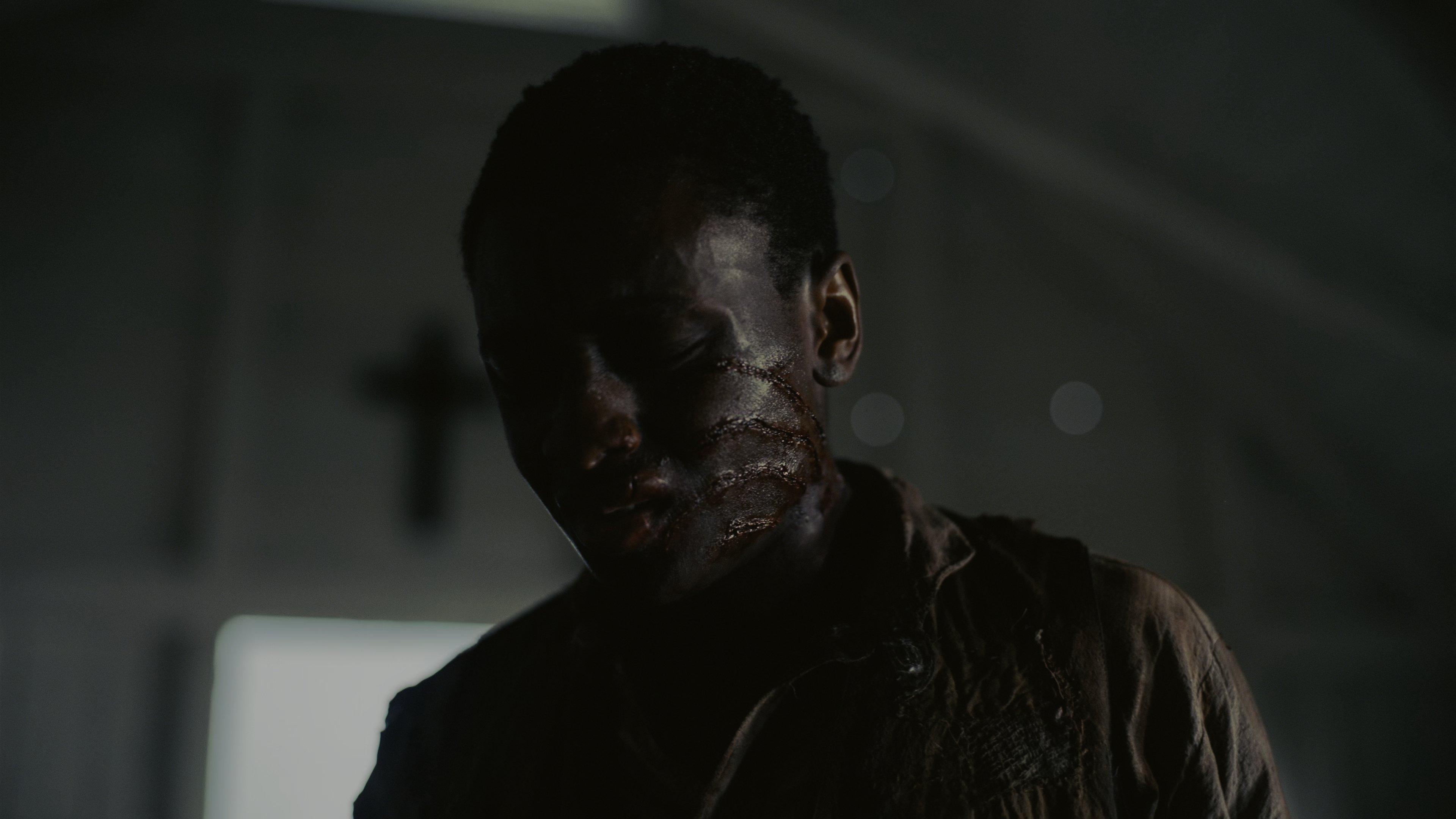
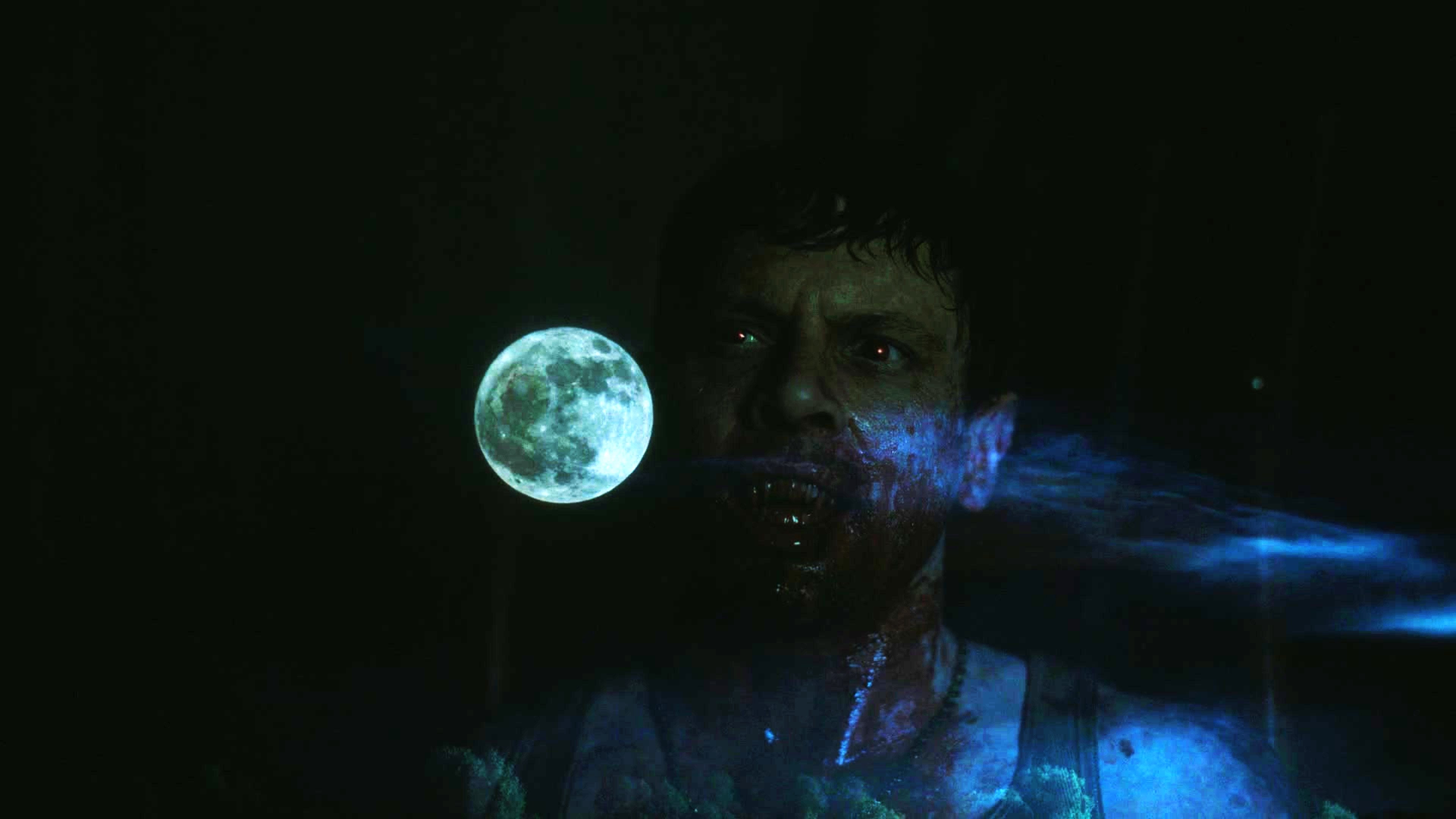
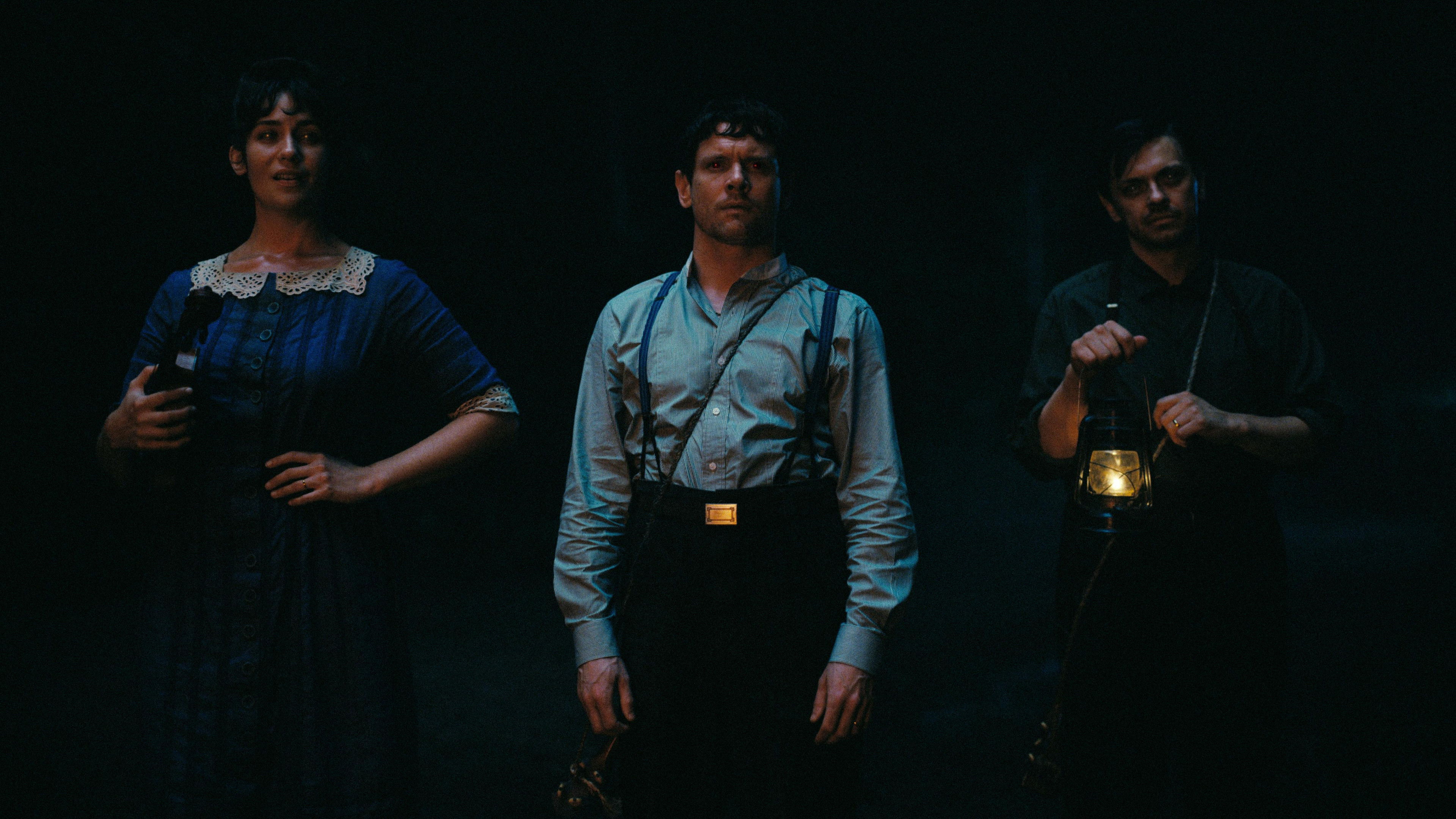
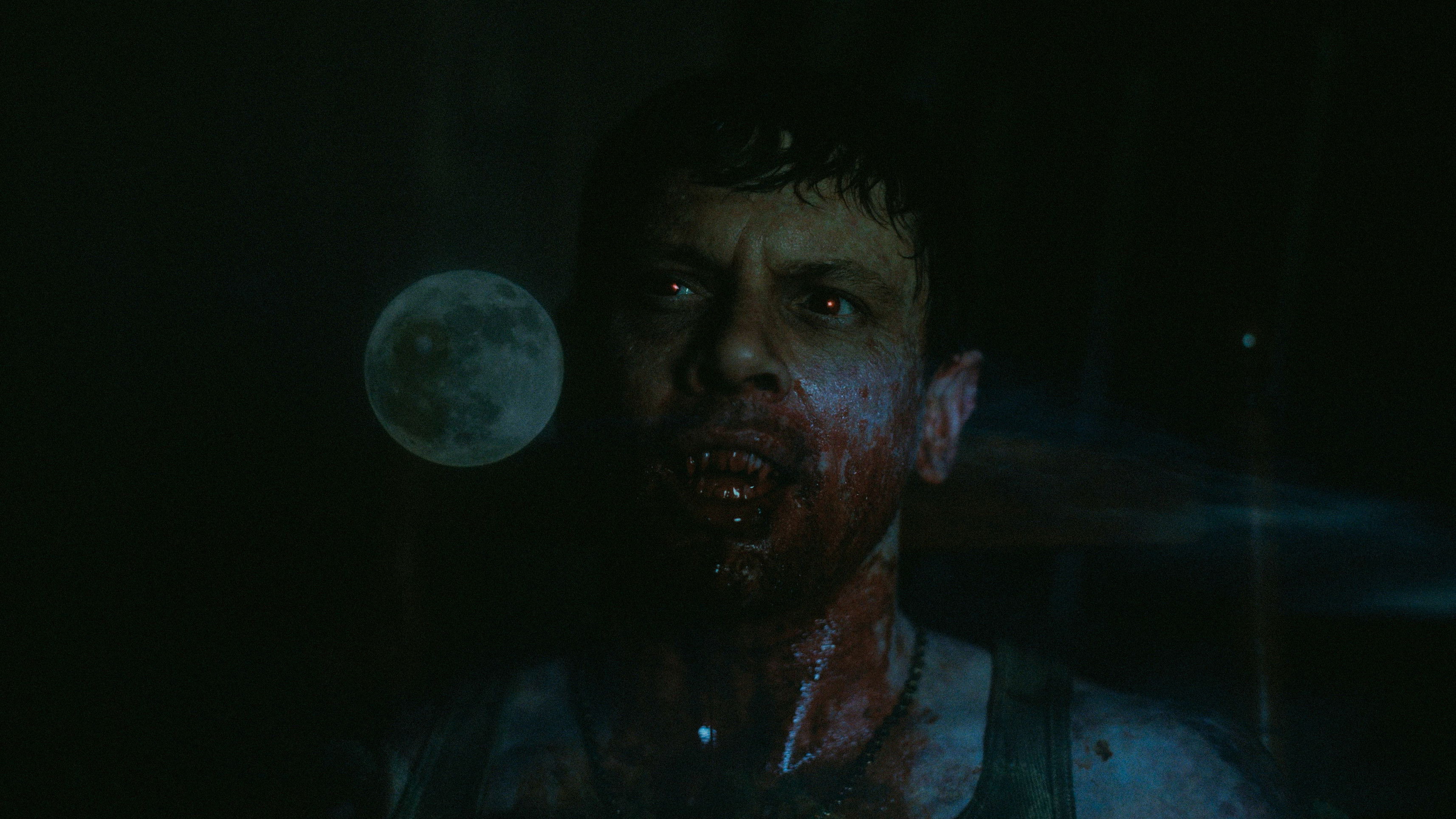
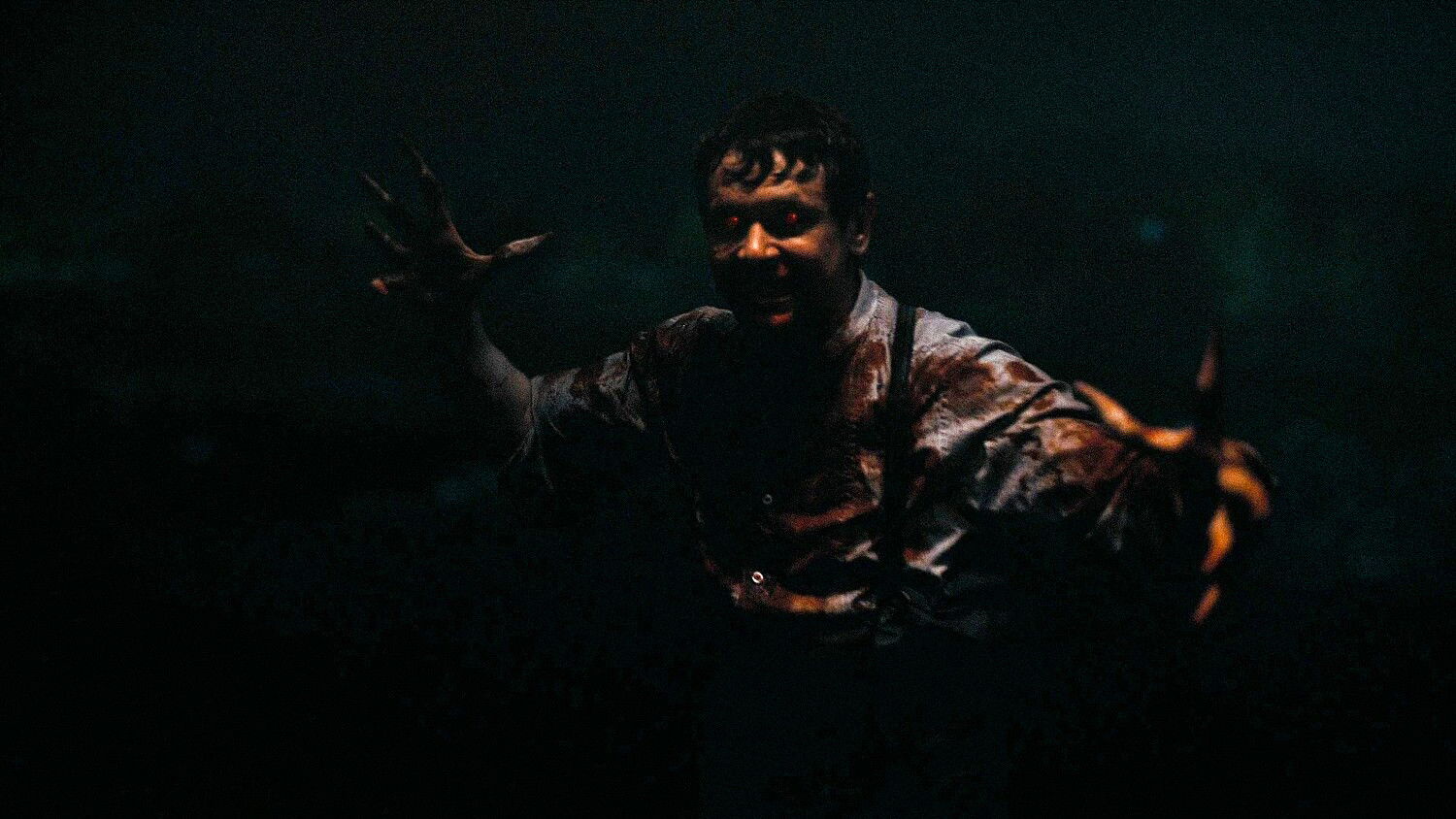
The vampire attacks were conceived around bodily damage that would remain convincing in the same spaces as the actors. Prosthetics makeup designer Mike Fontaine told TheWrap that his team examined photographs of injuries caused by animals, particularly dogs, in order to develop the wounds. The resulting effects favour torn flesh, blood and damaged faces over an exclusively stylised monster appearance. Coogler cited John Carpenter’s The Thing and Jeremy Saulnier’s Green Room among his horror reference points, works in which the viewer’s awareness of physical vulnerability is essential. The practical approach also allowed performers to interact with threatening faces and injuries on set.
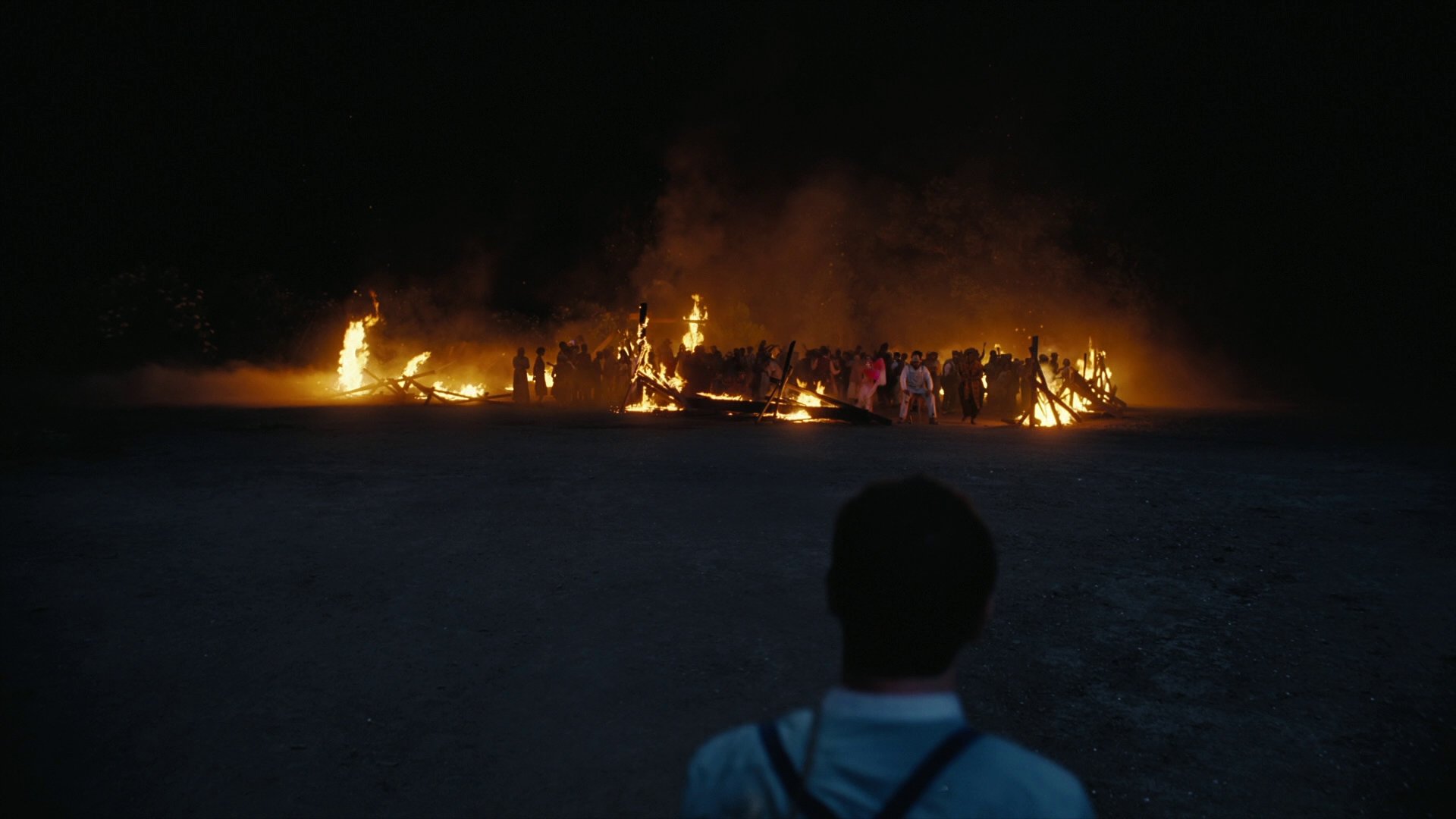
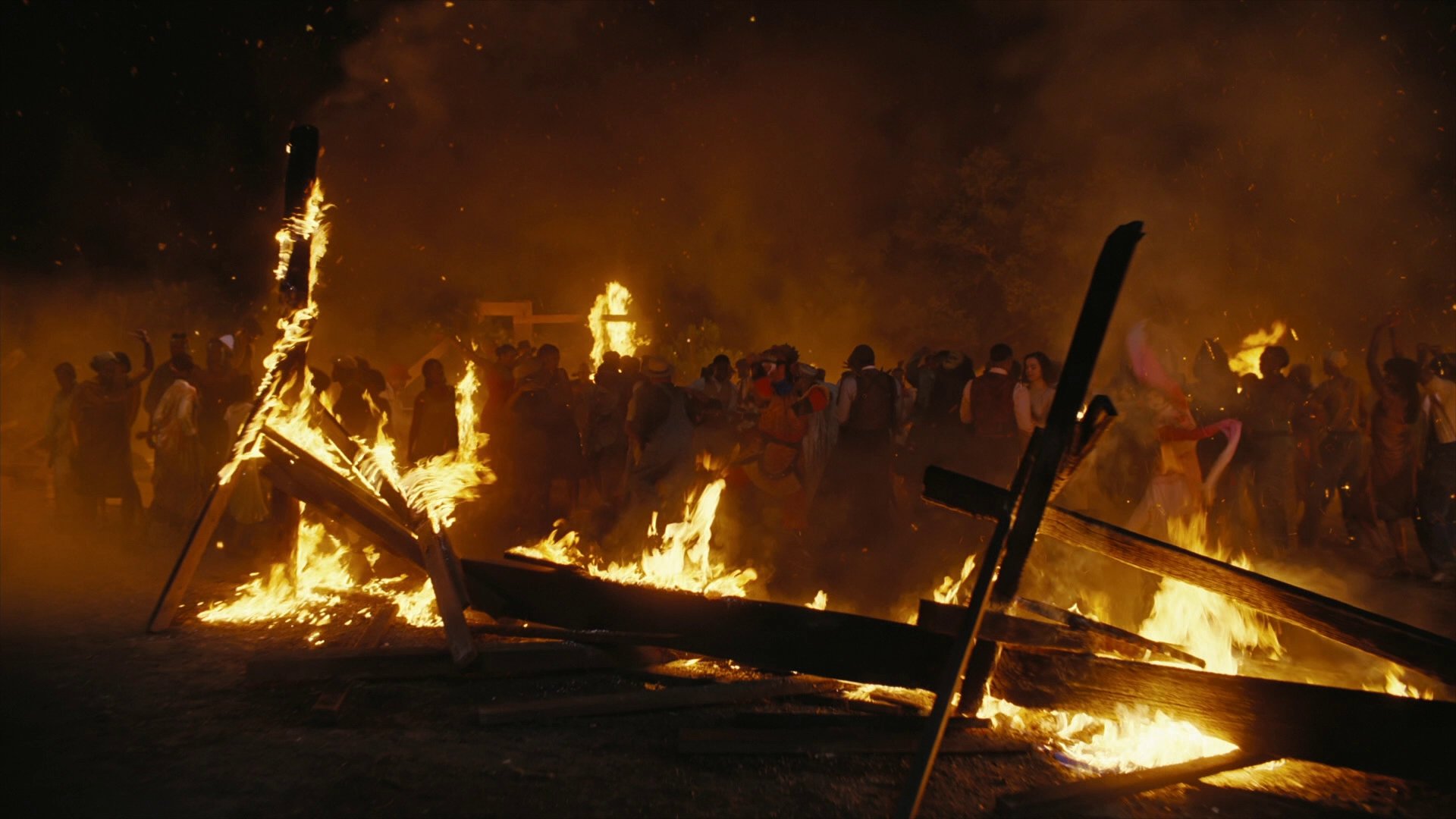
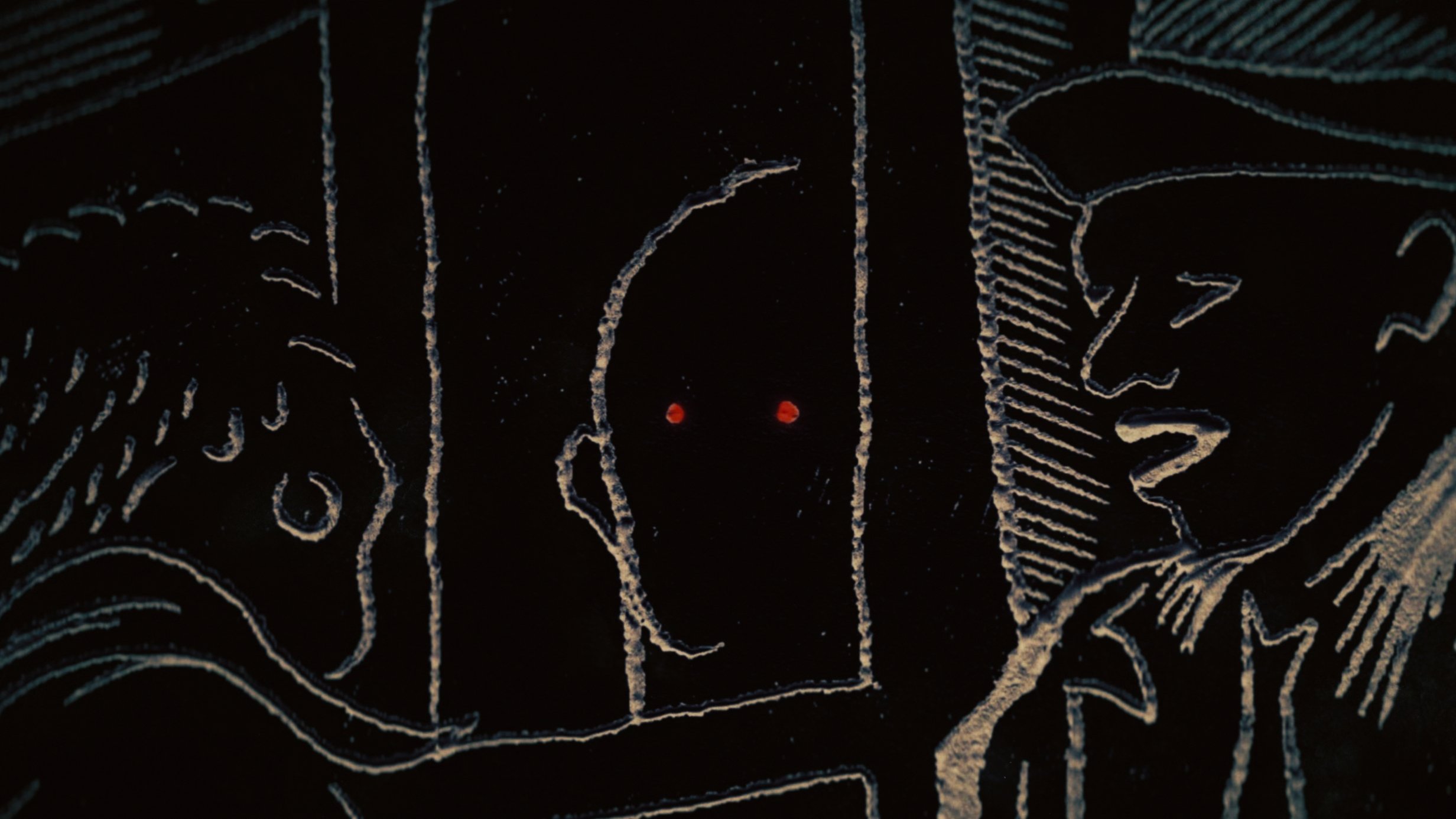
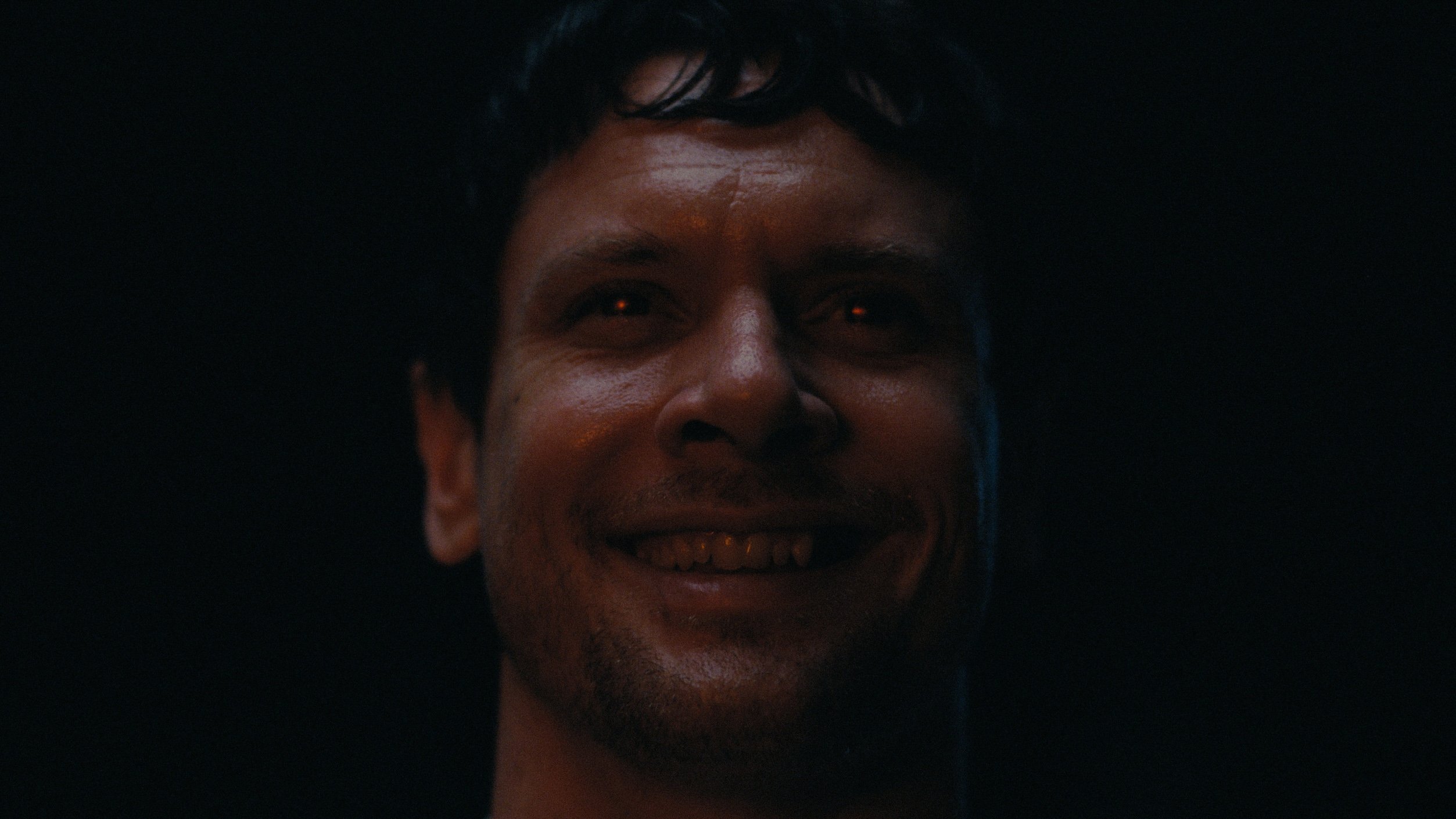
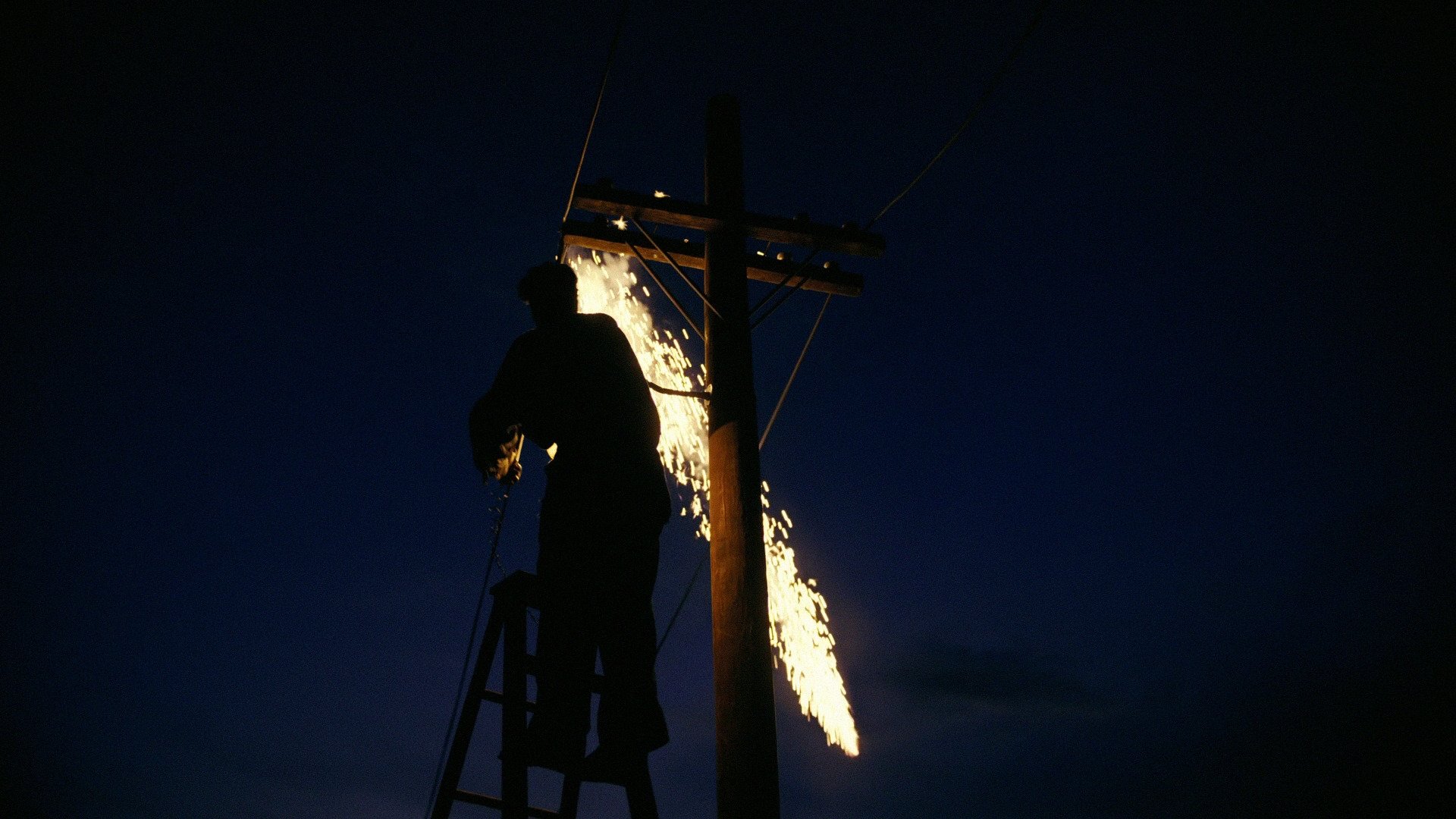
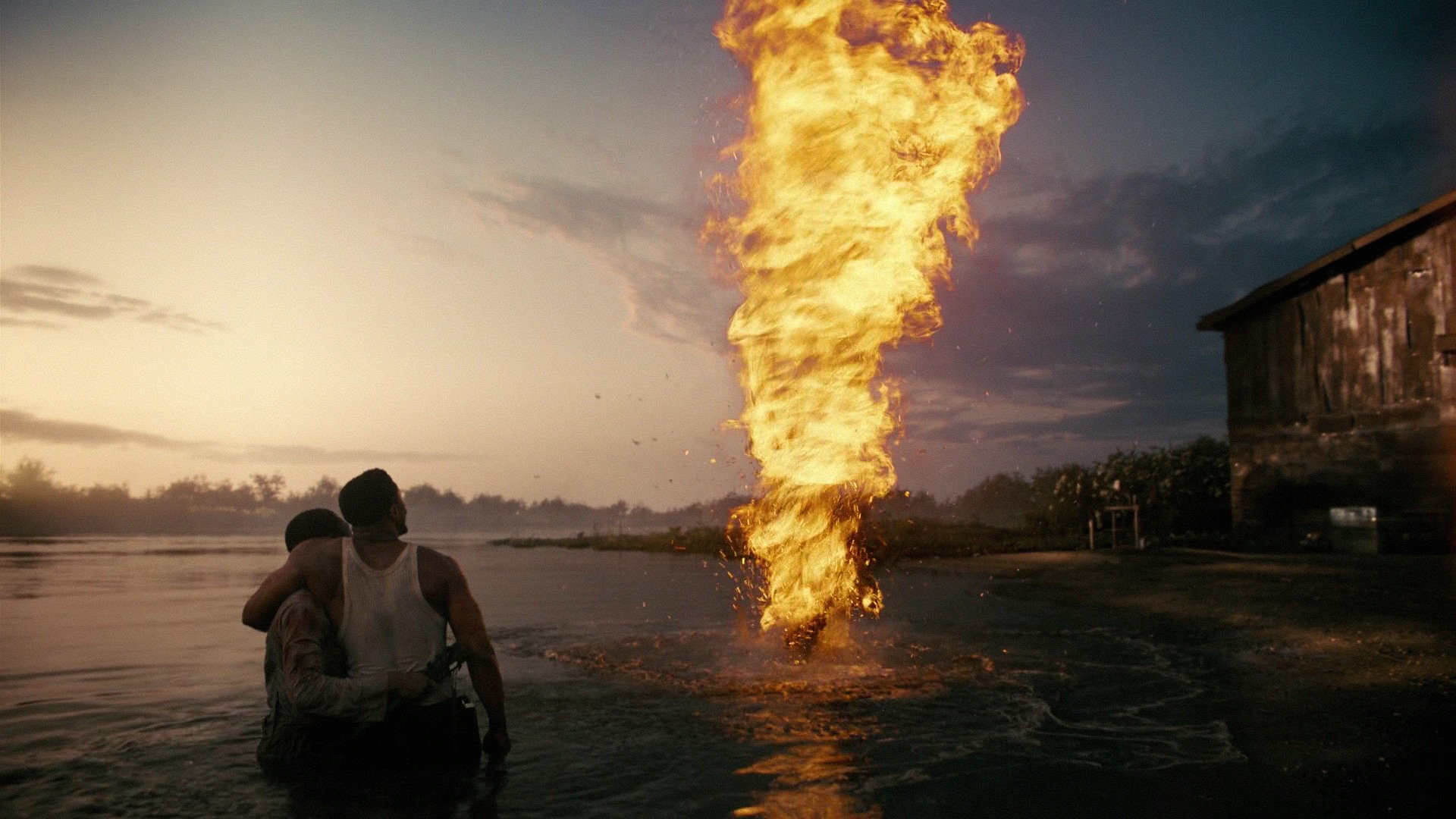
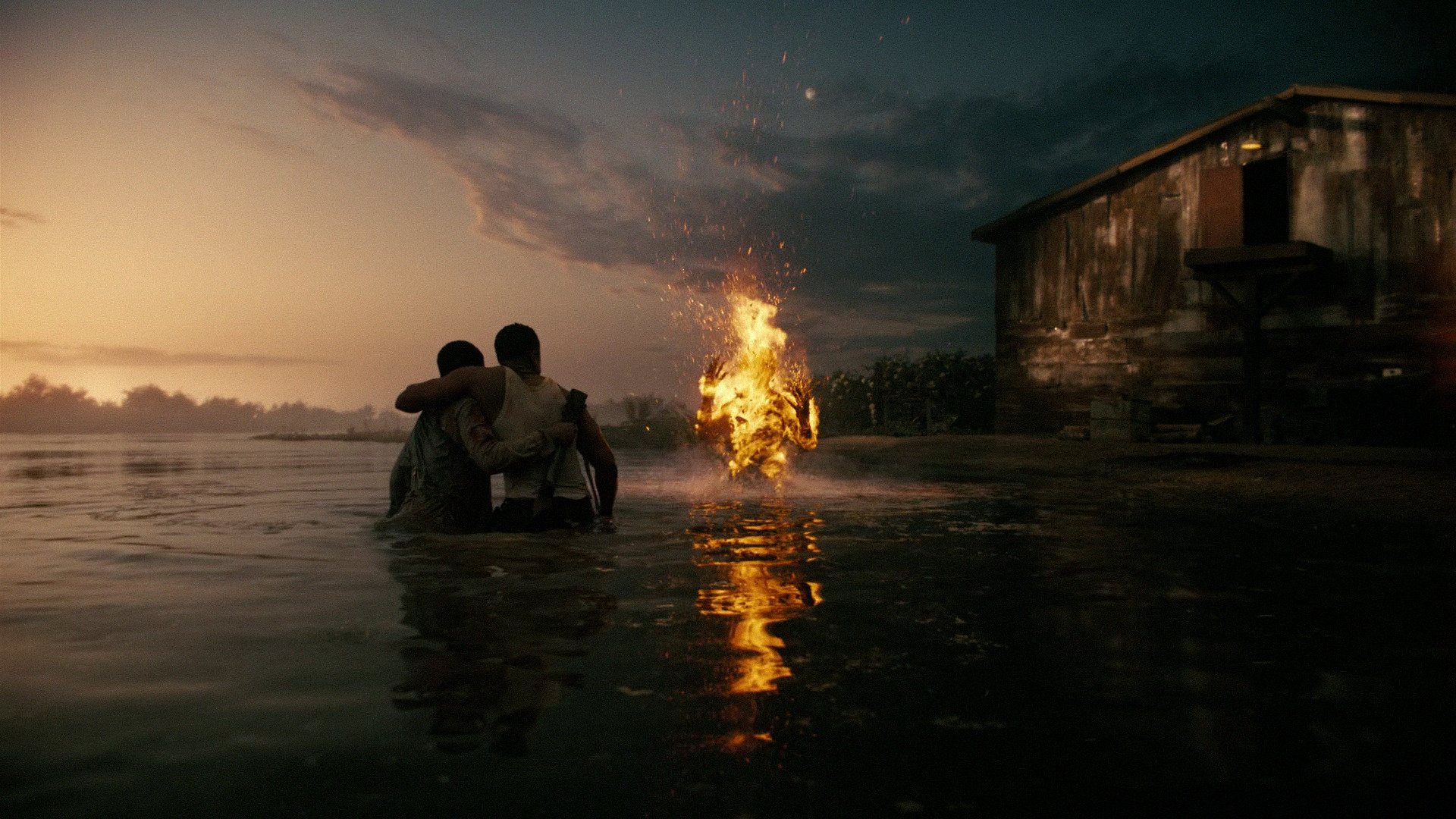
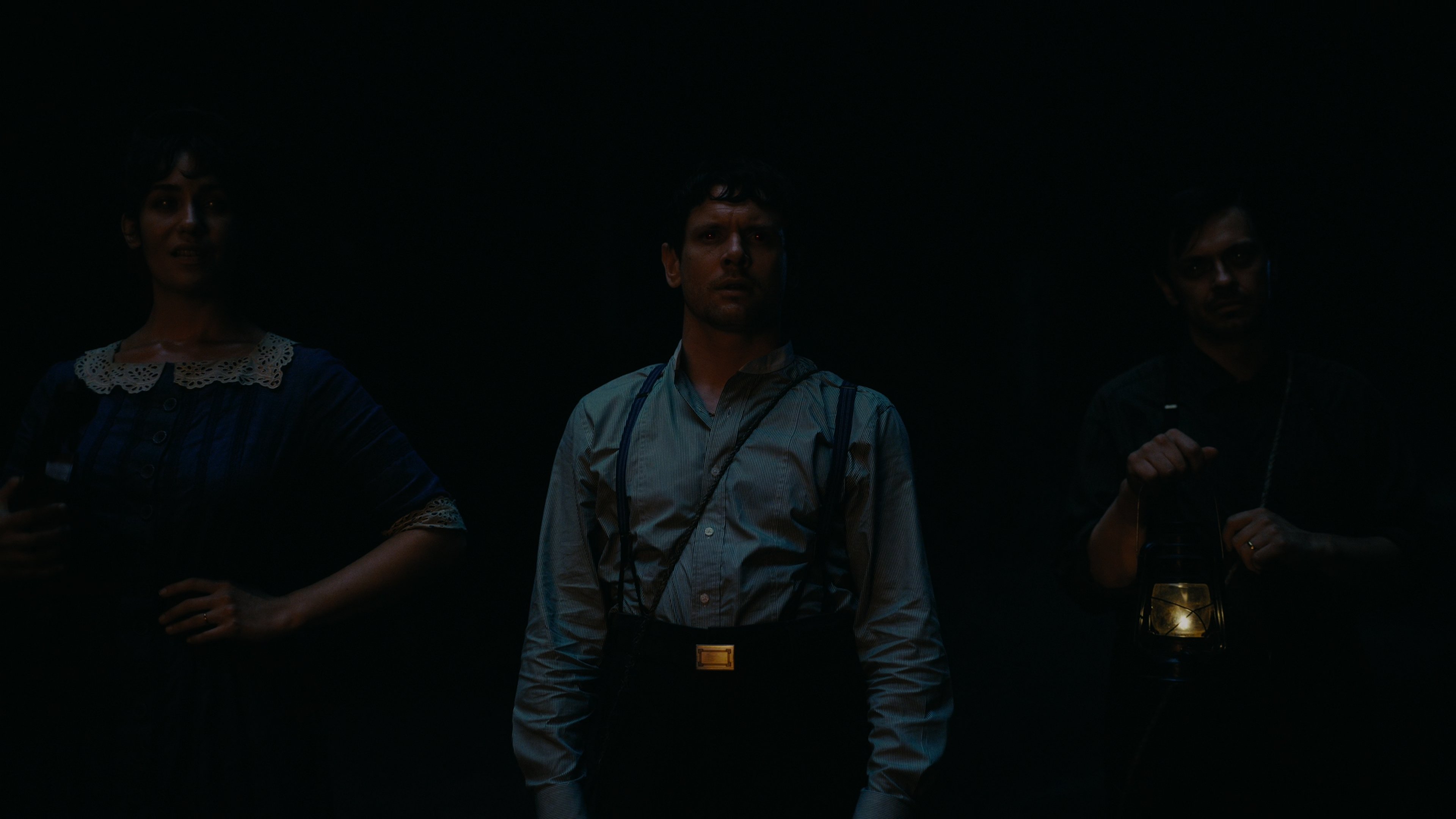
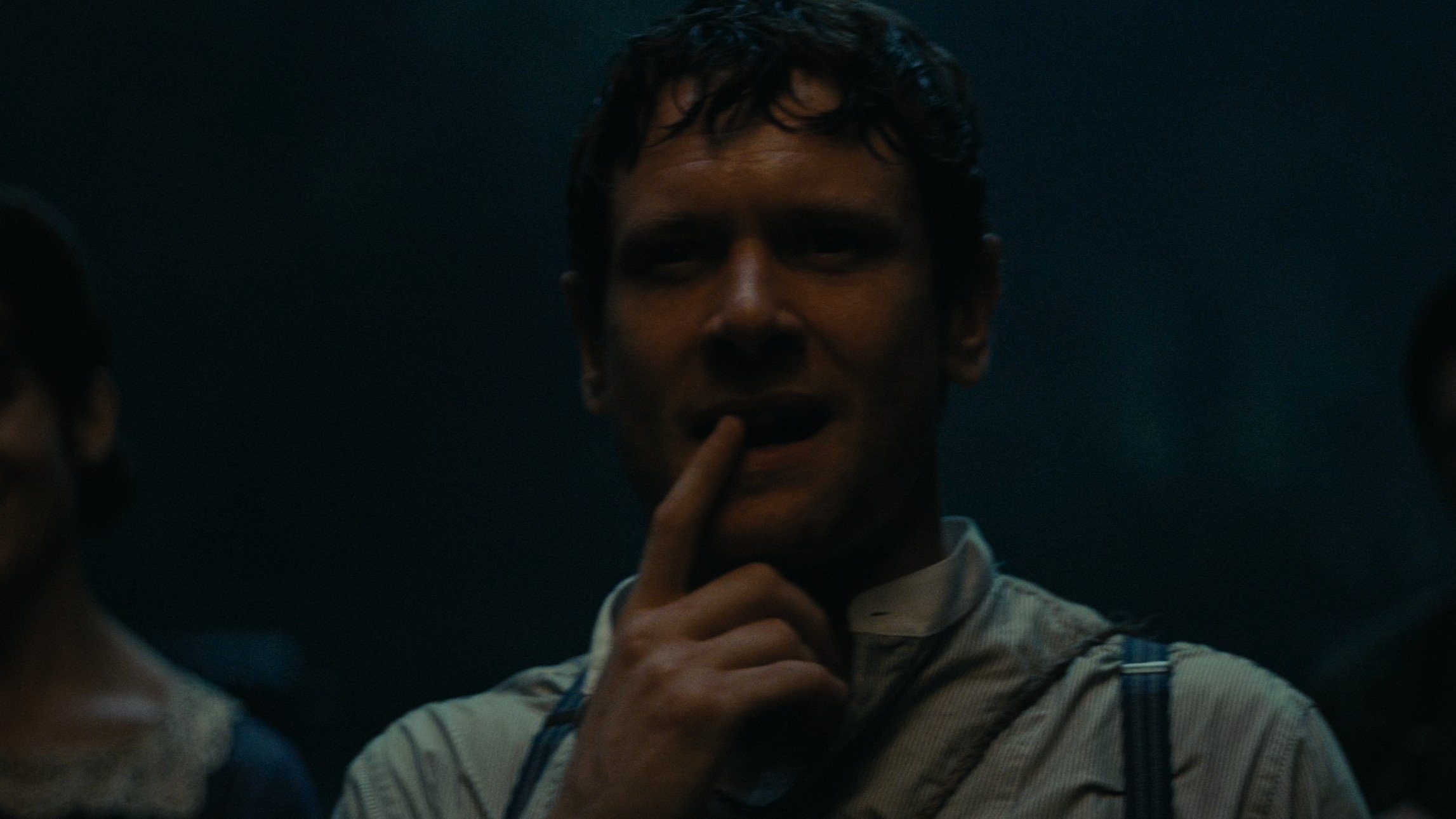
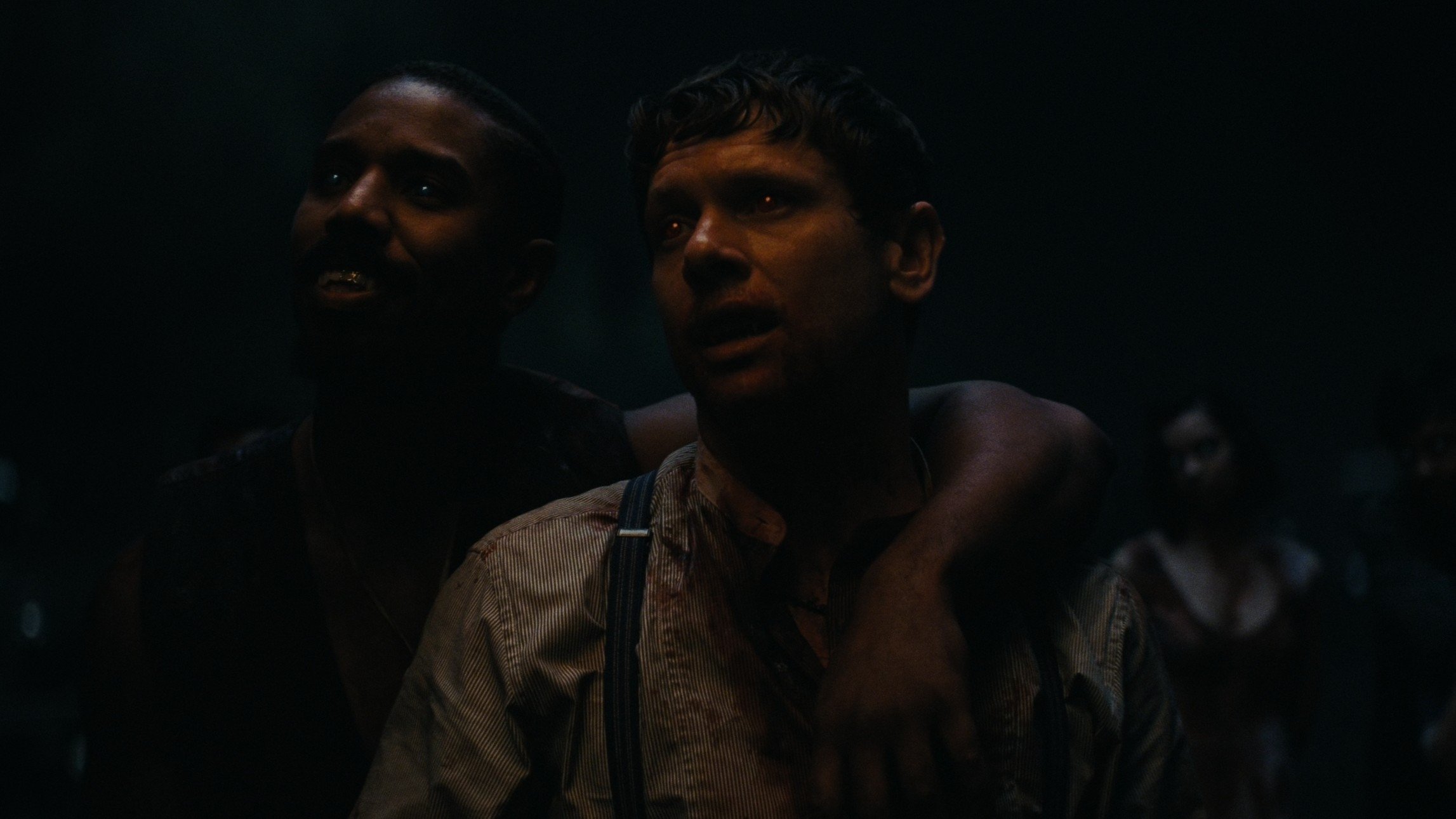
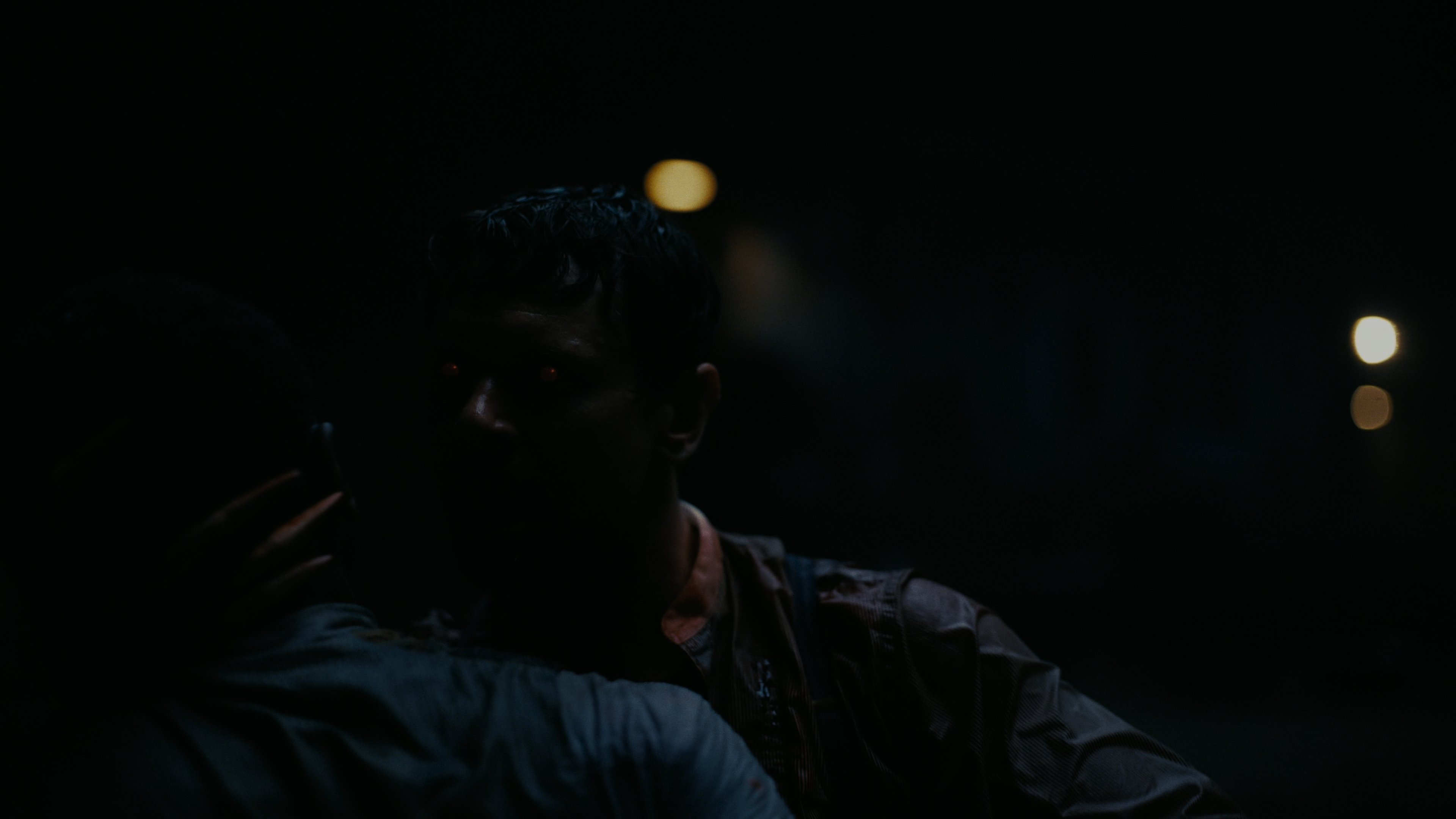
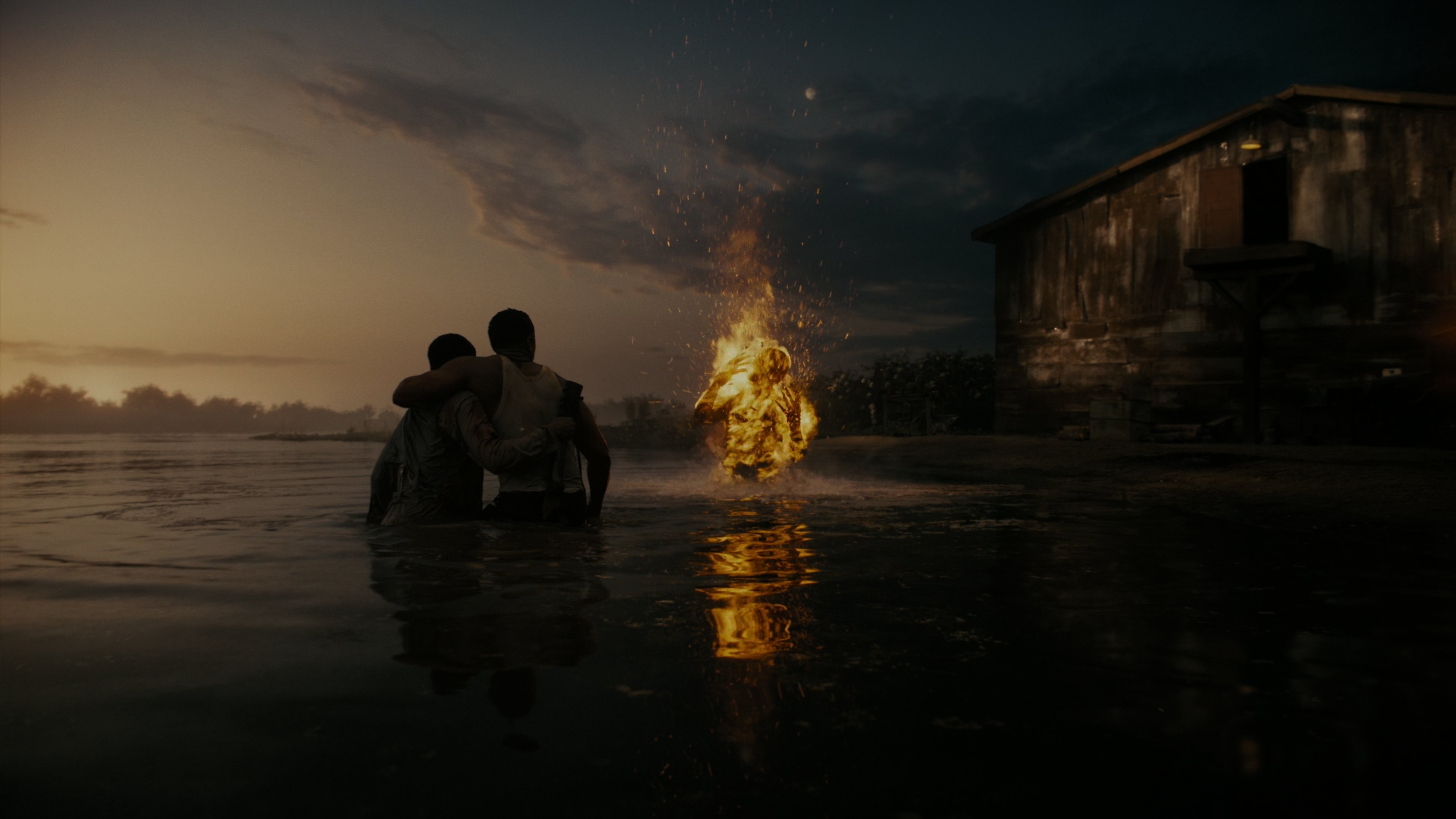
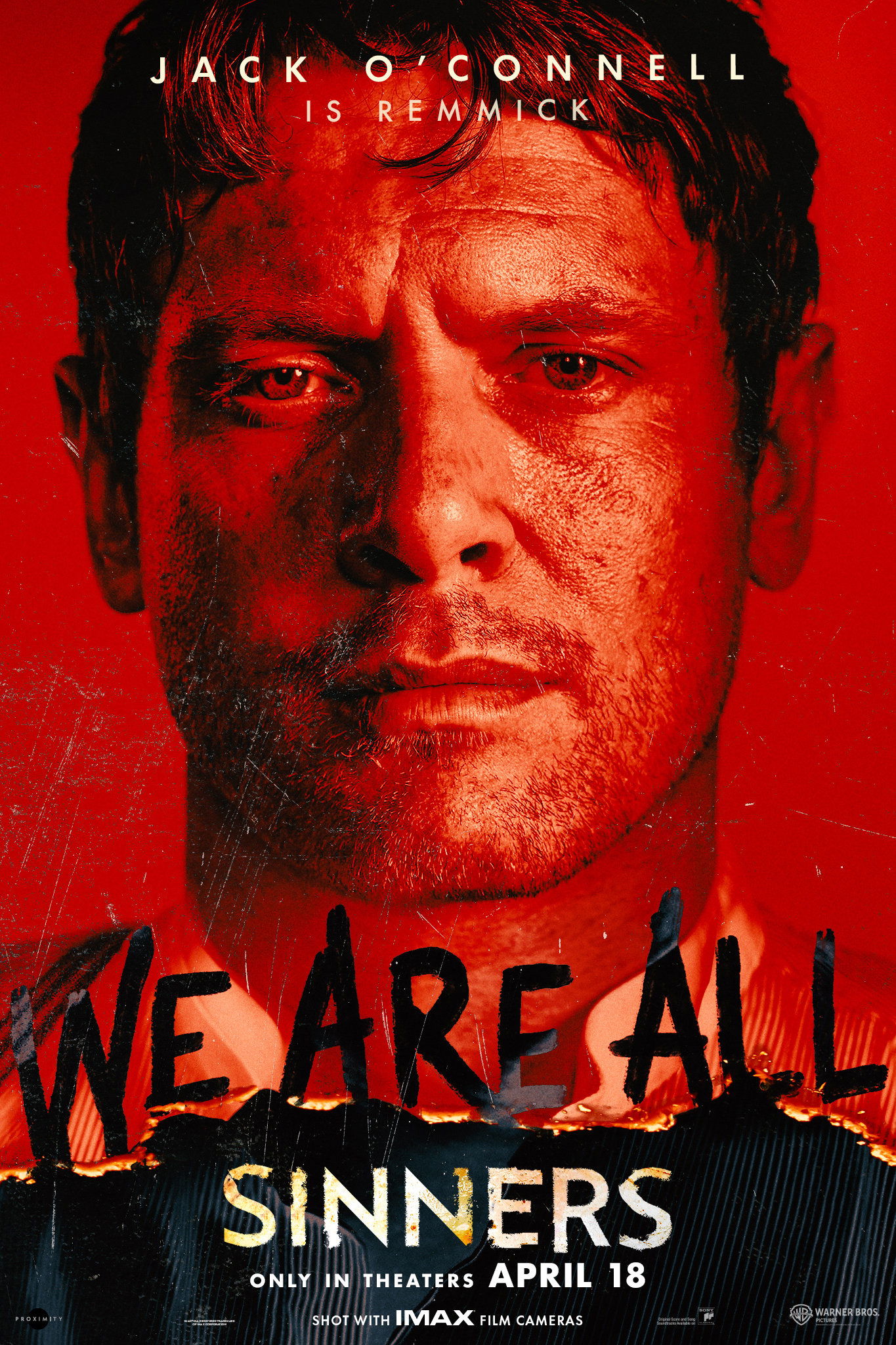
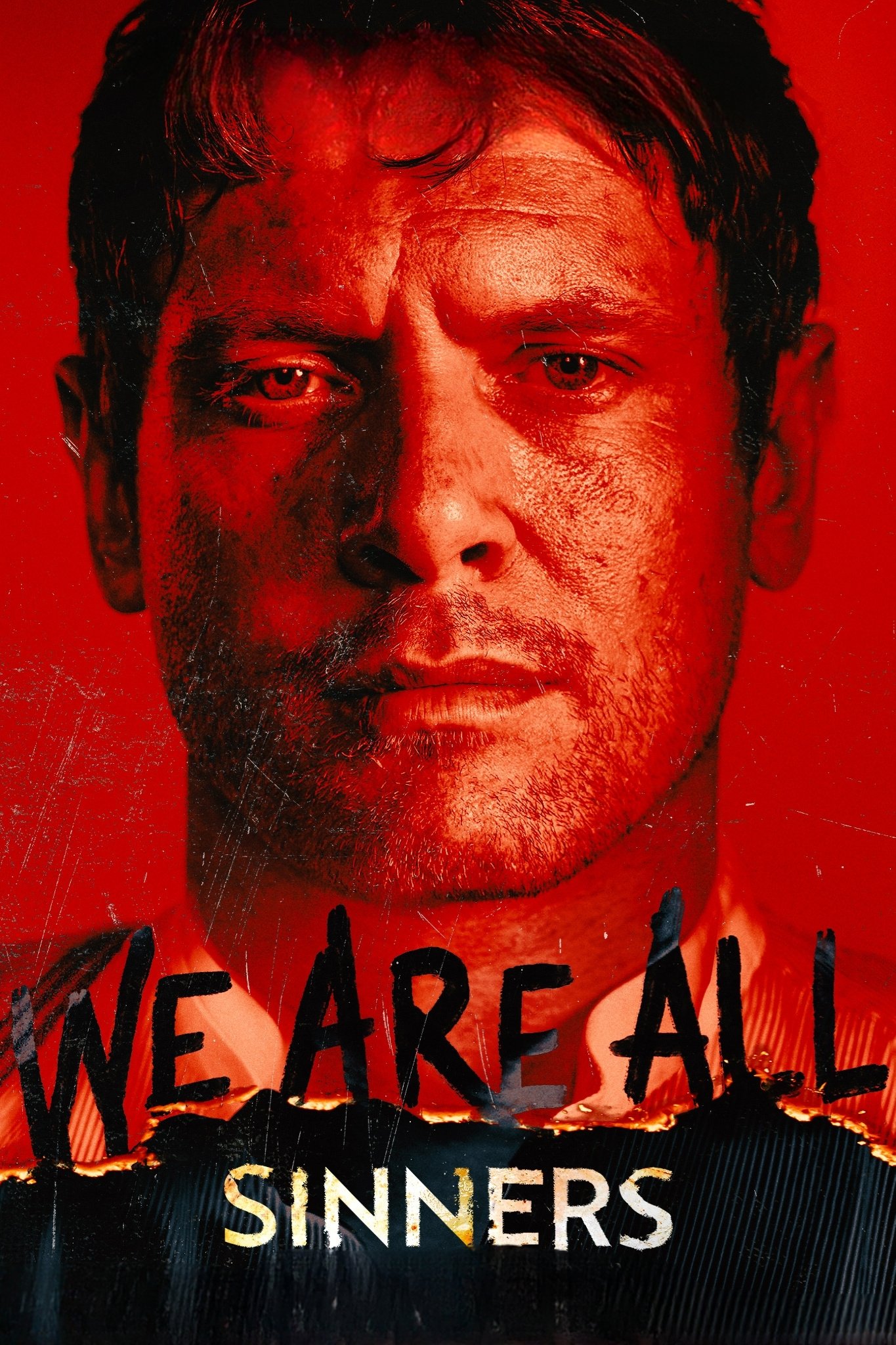
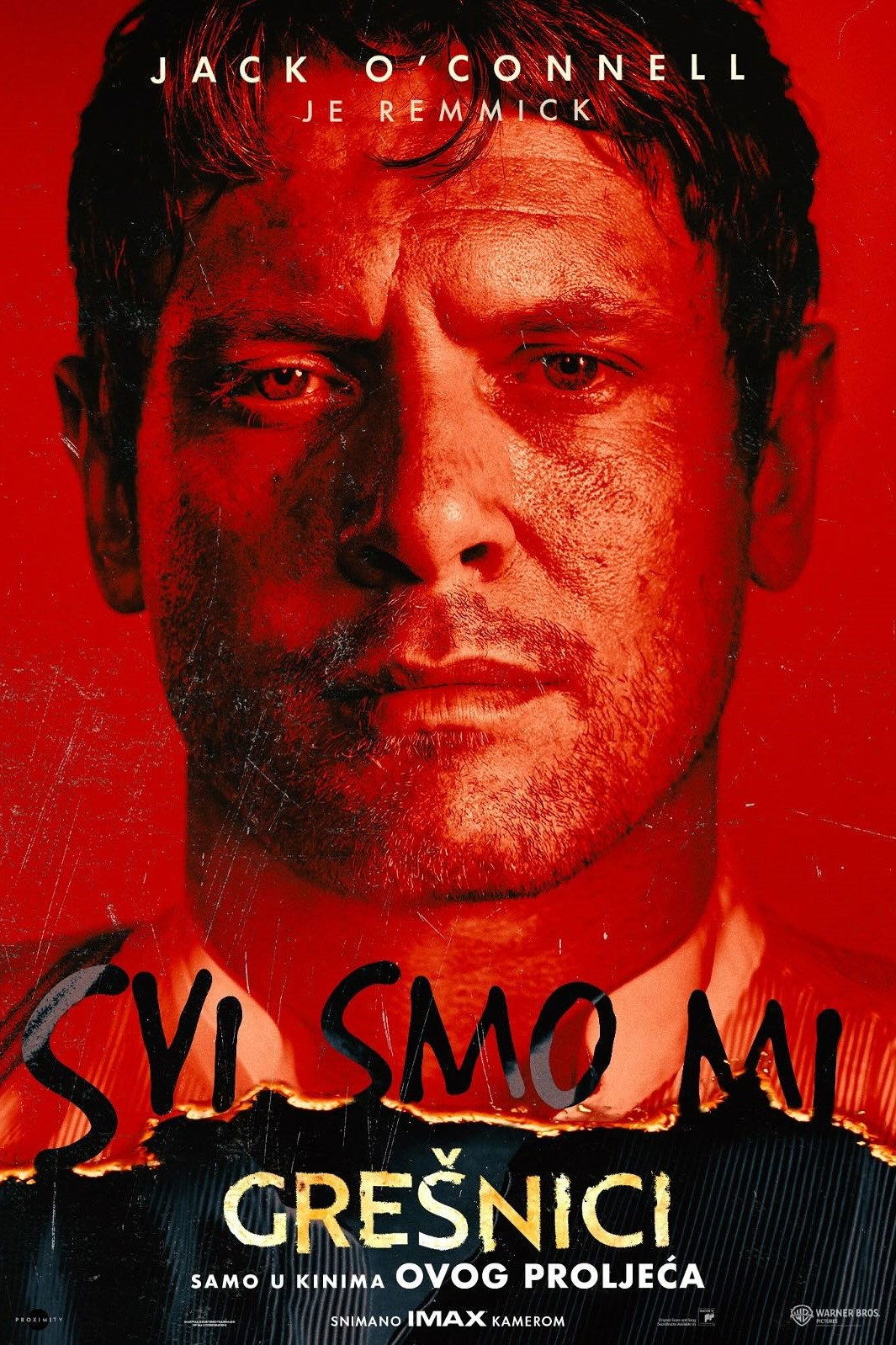
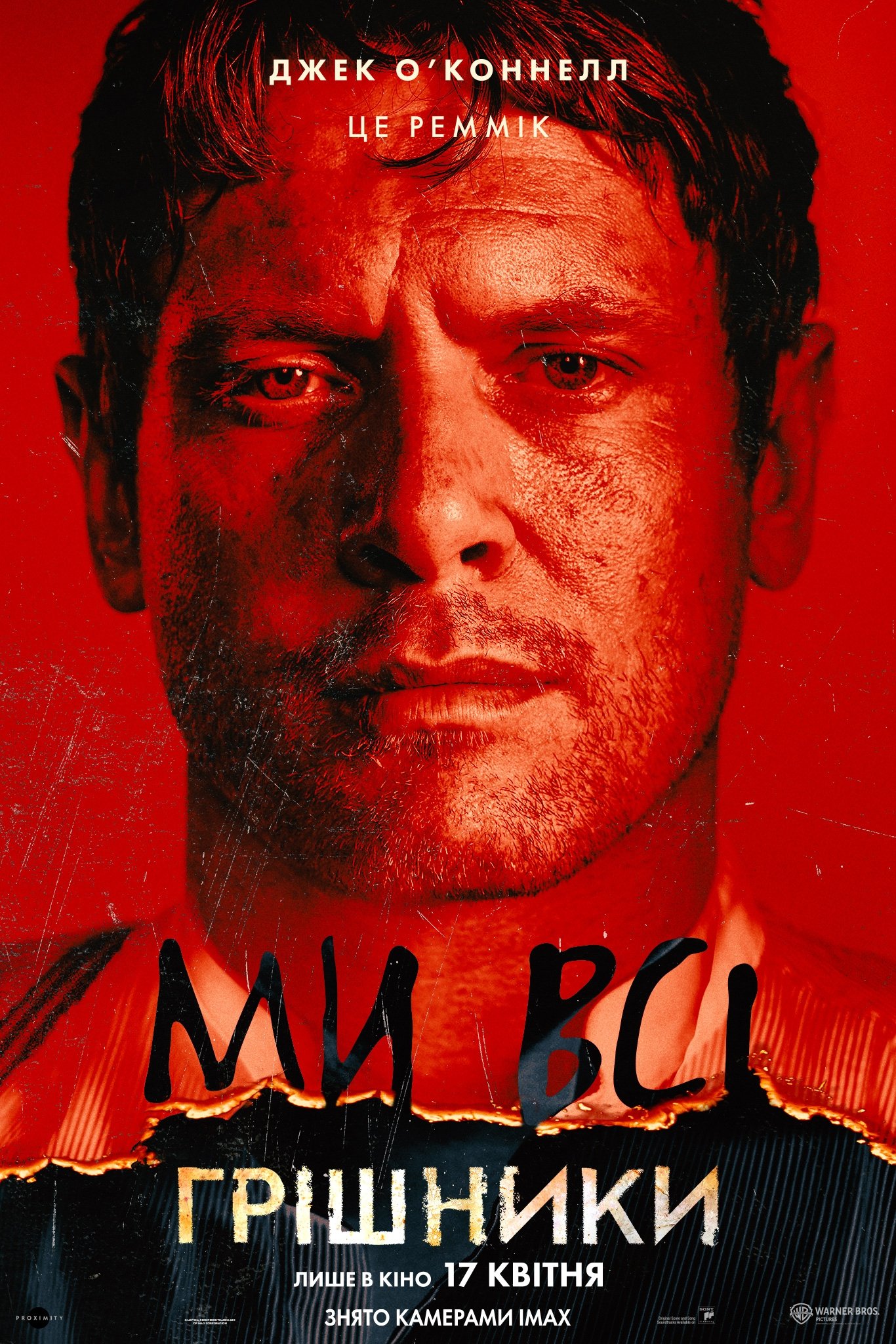
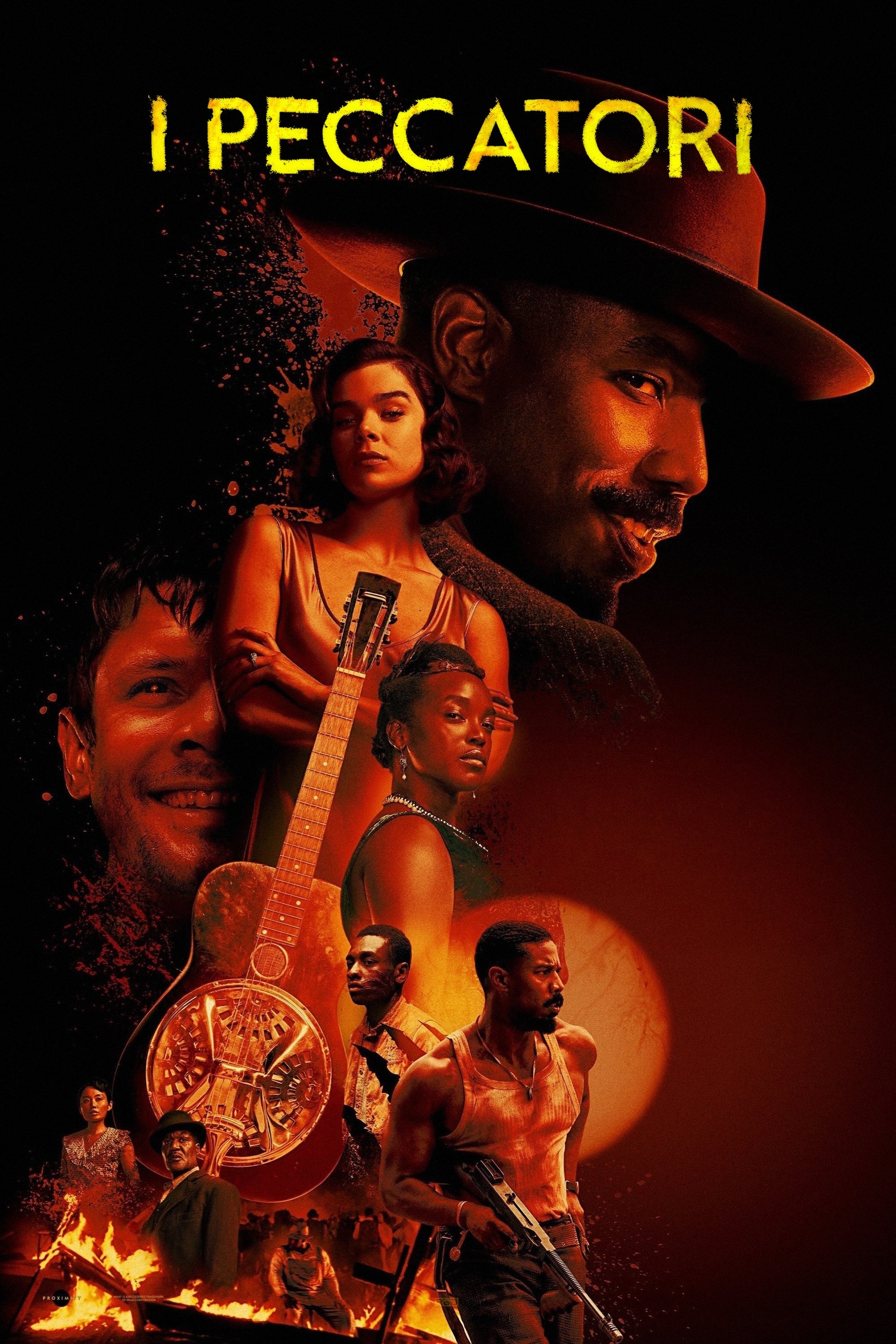
A distinctive feature is the reflective appearance of the vampires’ eyes, inspired by the tapetum lucidum found in many nocturnal animals. Contact-lens designer Cristina Patterson developed reflective lenses for the production, allowing that quality to be photographed on the actors rather than fabricated entirely in post-production. Fontaine also described the restrictive prosthetic work used for Jack O’Connell’s Remmick, including elaborate teeth, bodily appliances and the effects of burning. Those practical elements coexist with digital compositing and effects elsewhere in the film. The distinction is important: the production was committed to substantial in-camera creature work, but its supernatural transformations and large-scale images were not achieved exclusively by practical methods.
Southern Gothic and Vampire Mythology
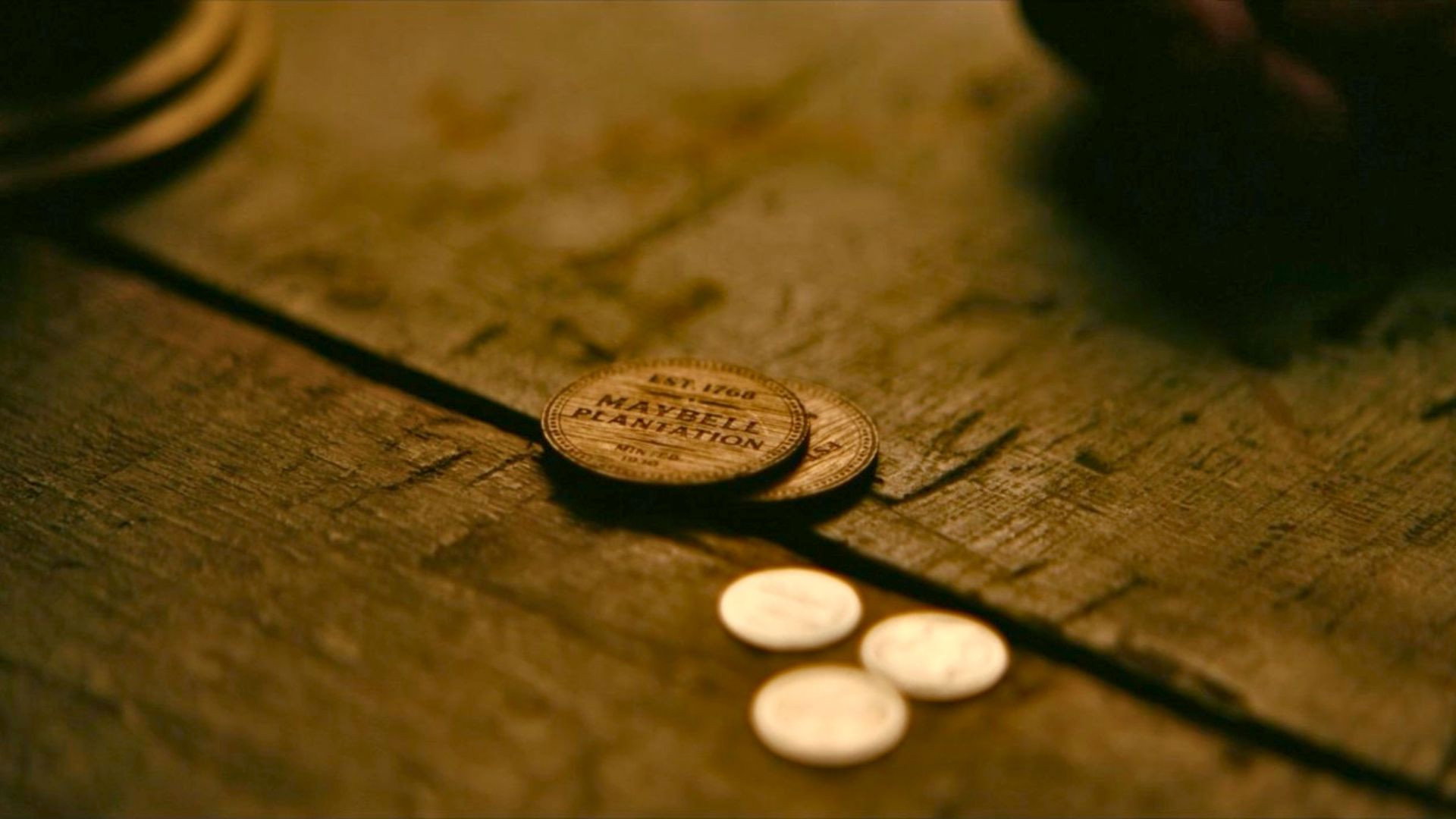
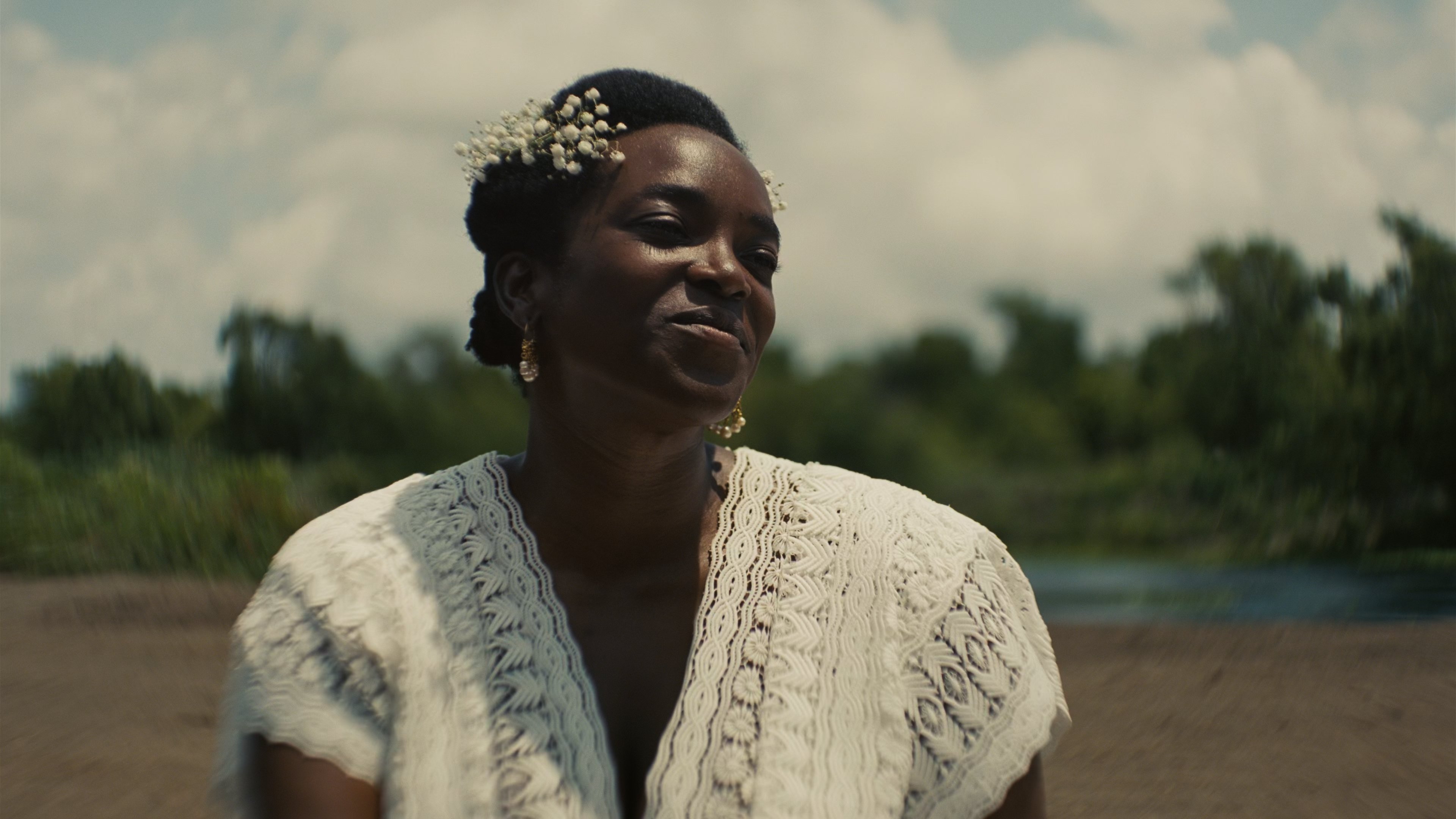
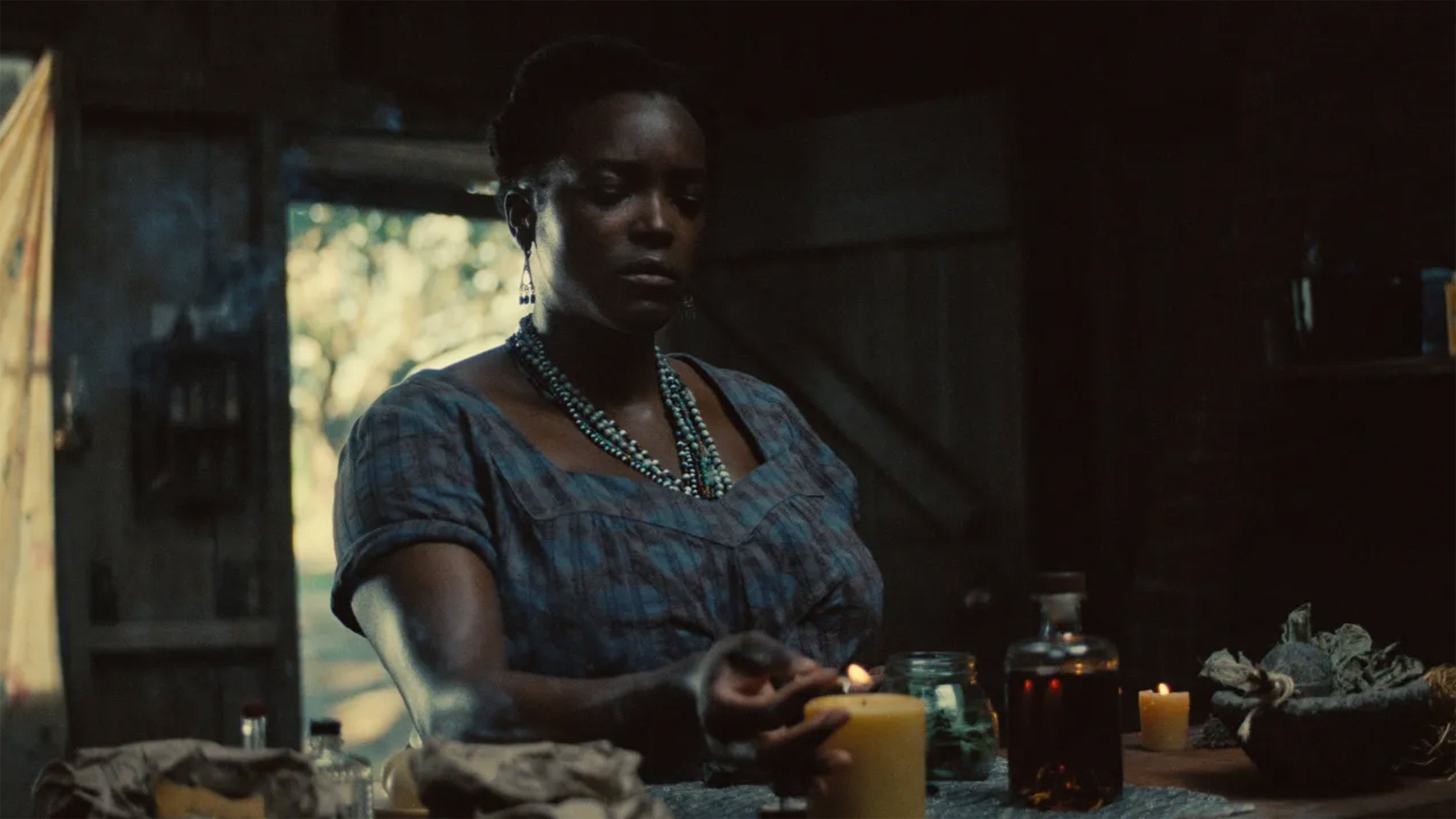
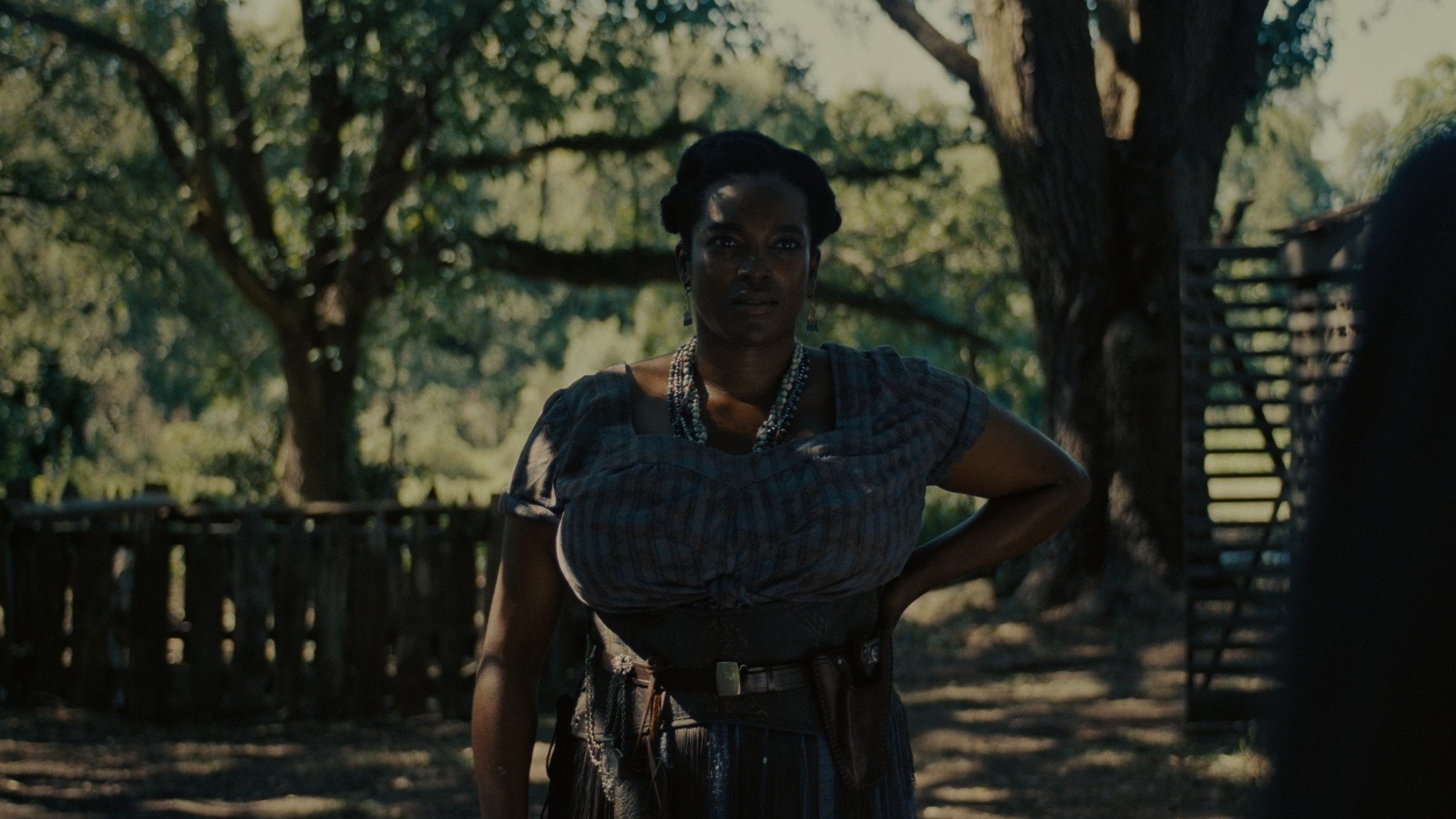
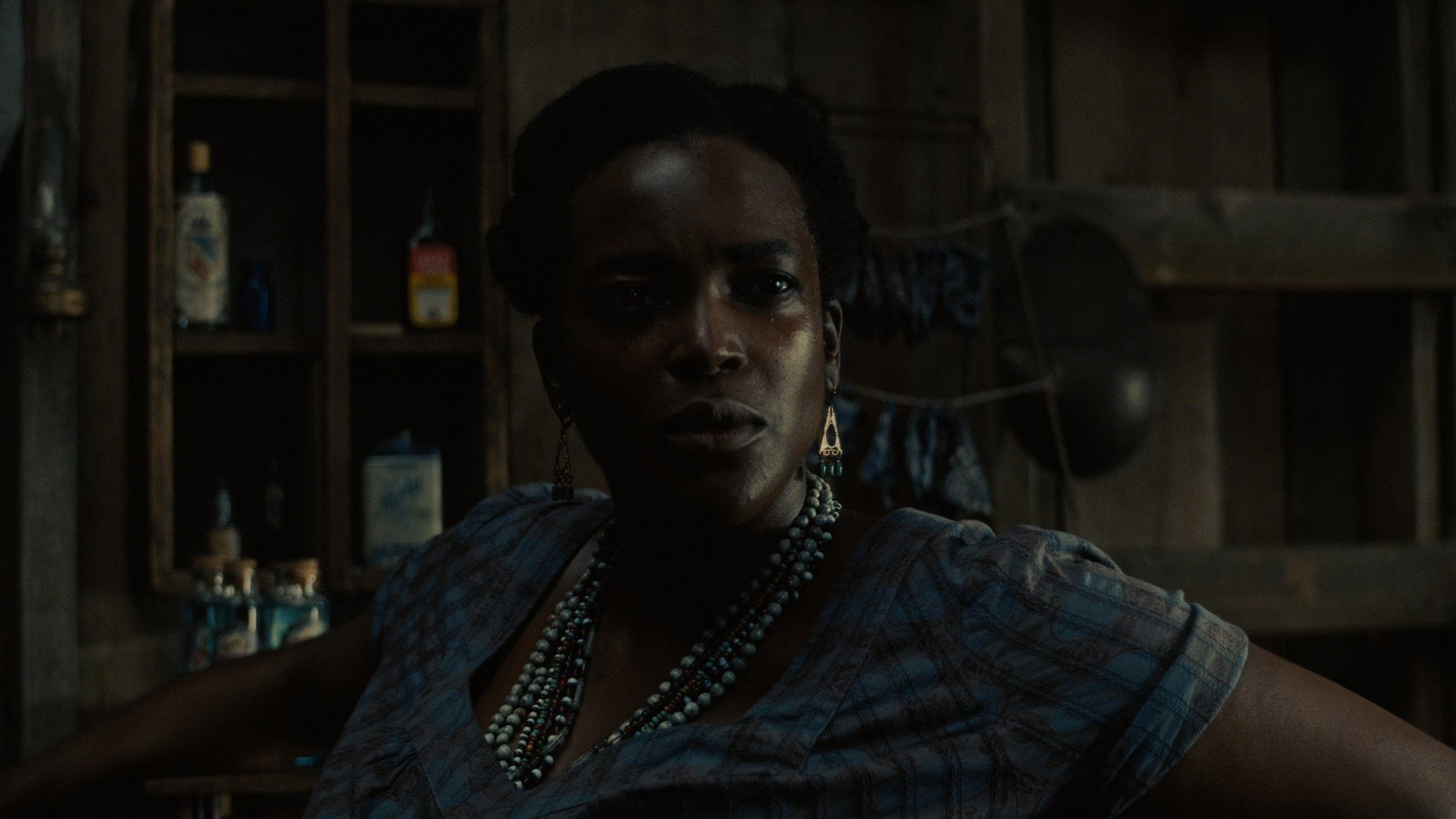
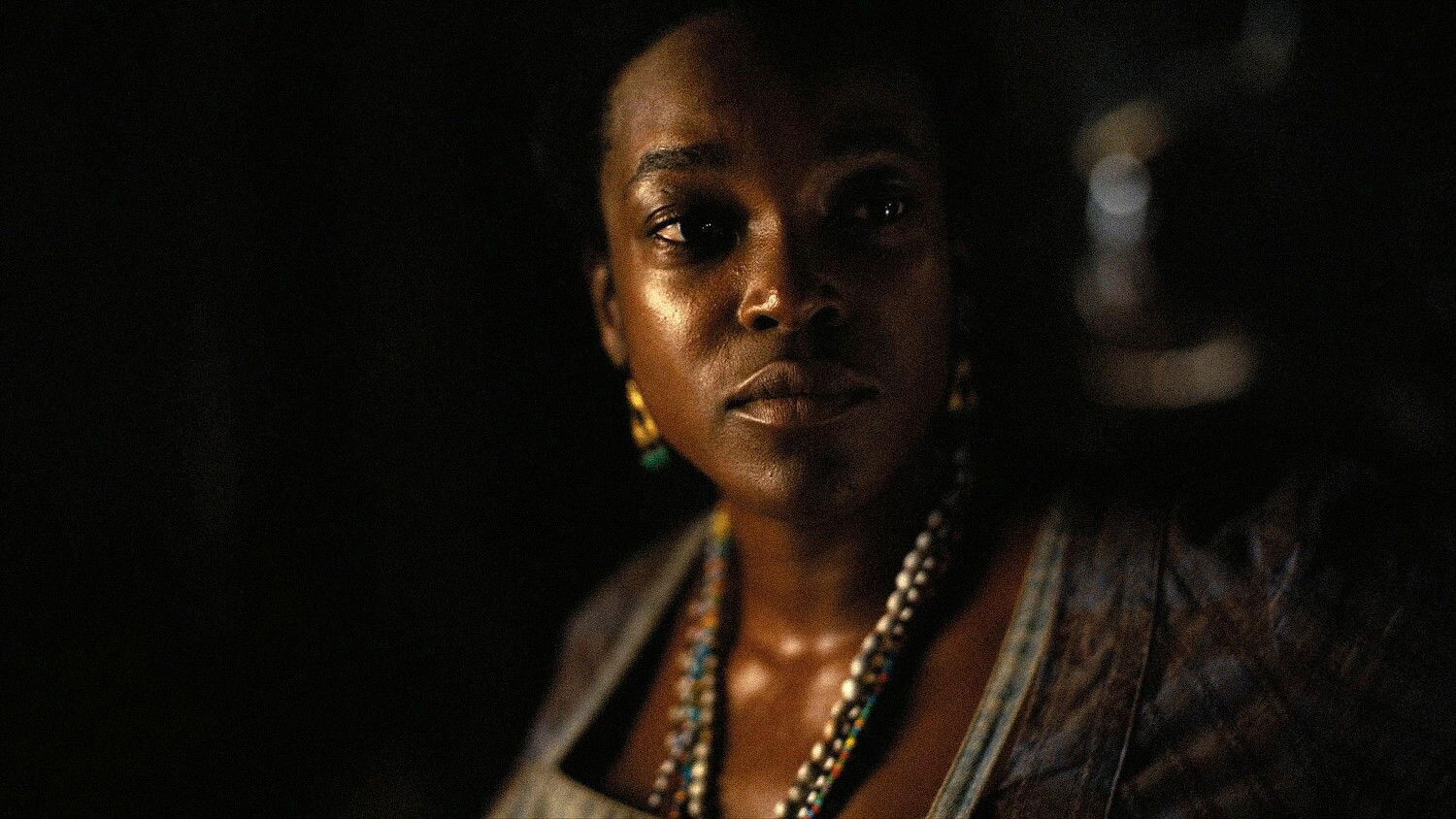
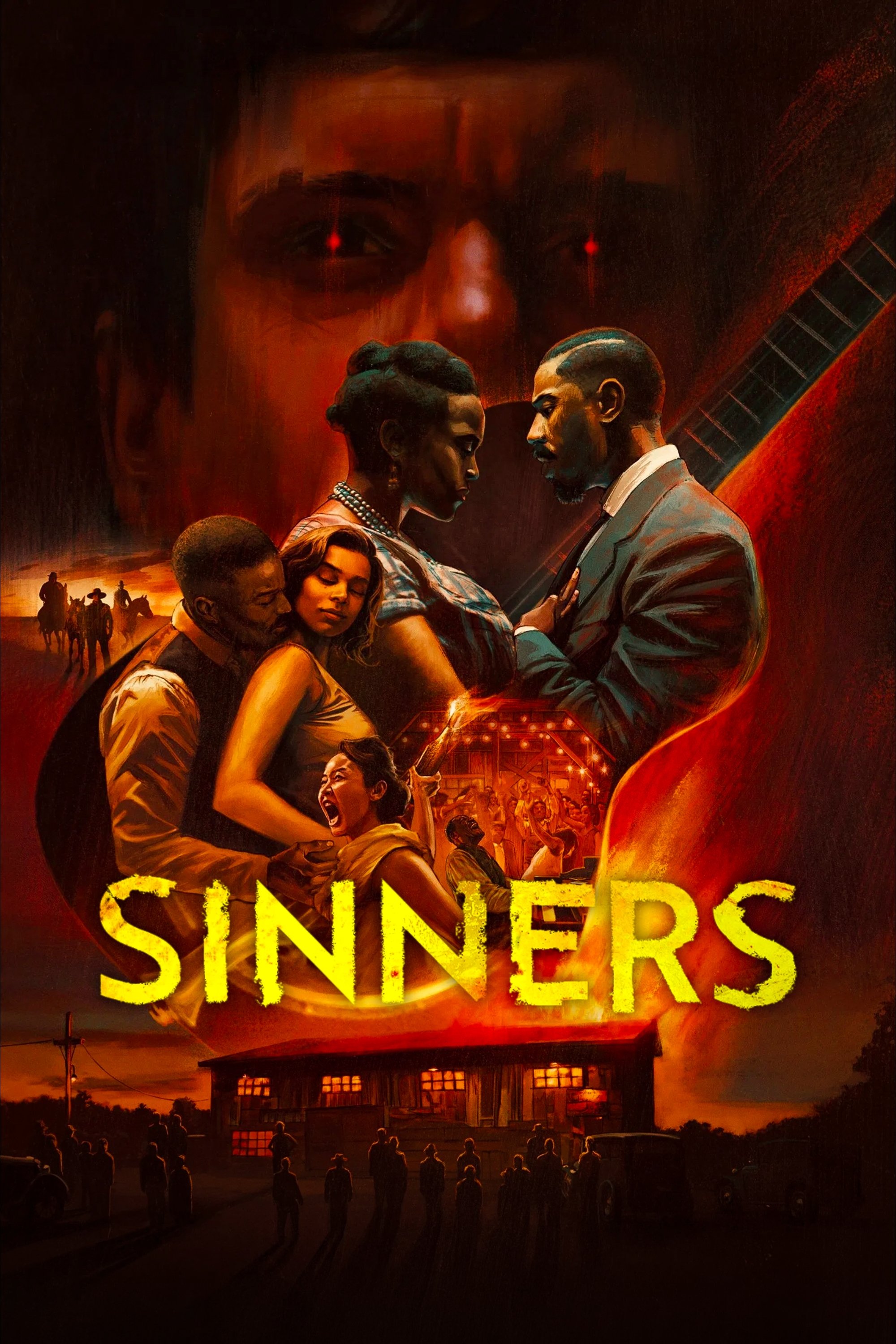
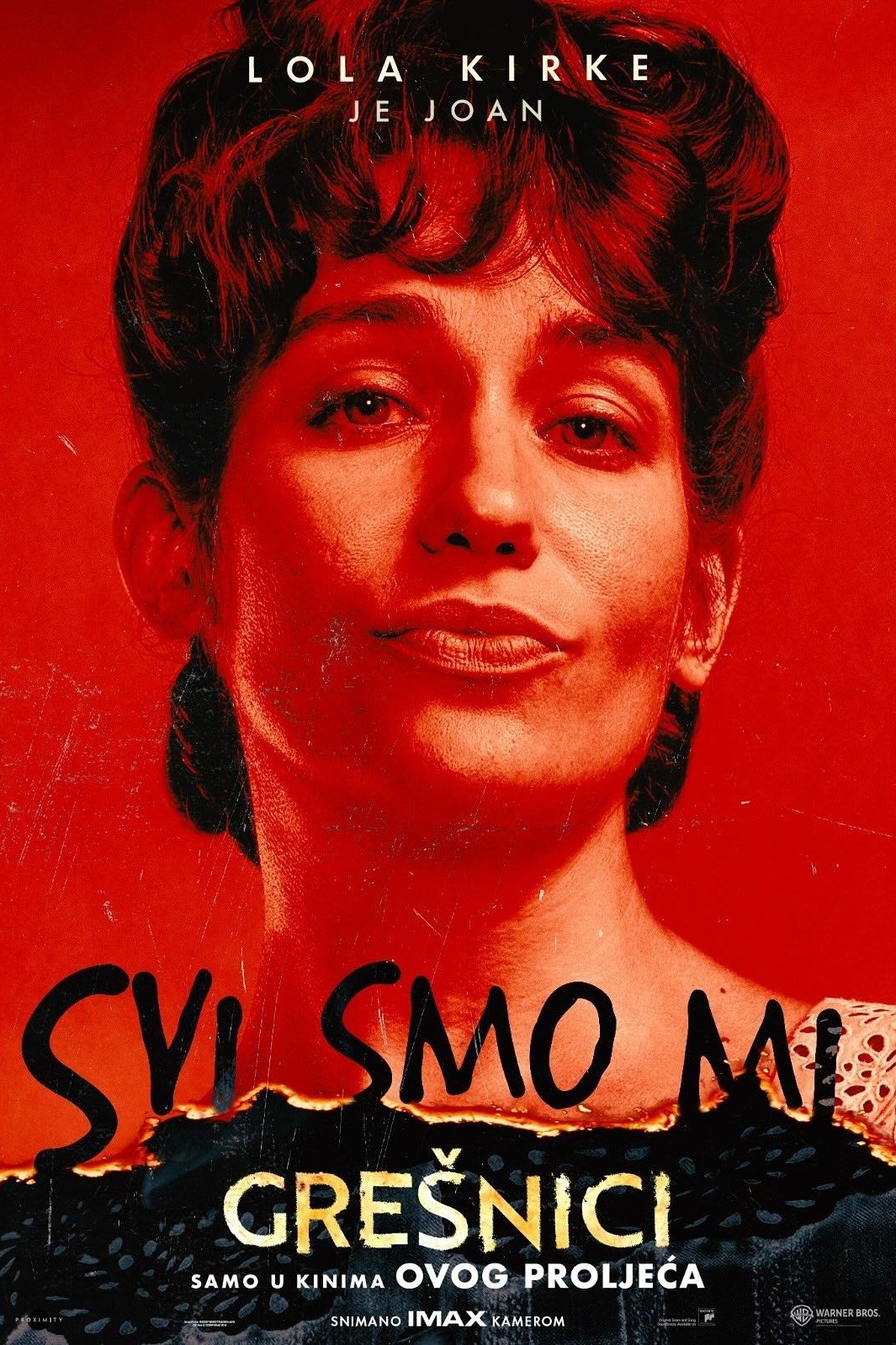
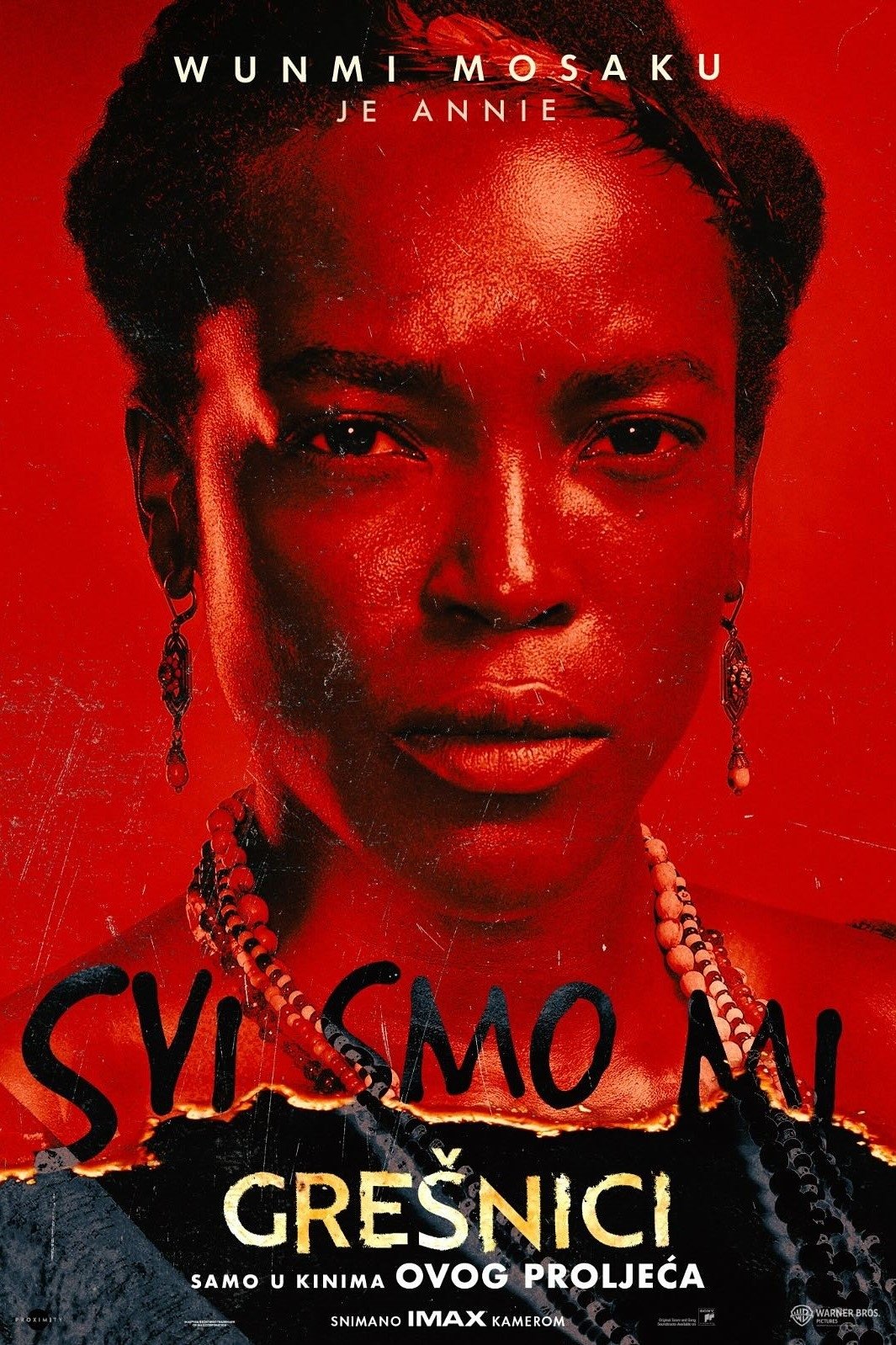
The story sets its vampire outbreak against the particular institutions of the Delta in 1932: agricultural labour, segregated commerce, the church and a Black-owned gathering place. Sammie’s relationship with his preacher father gives the traditional association between blues and forbidden pleasure a personal dimension. Annie’s spiritual practices introduce another account of how unseen forces may operate, while the intruders present their own rules for entry and belonging. The film draws horror from the uncertainty over whom the characters can admit into a space that they have created for their own use. These are identifiable elements of its fictional world rather than evidence that every monster represents a single historical group.
In his Oakland discussion with KQED, Coogler resisted reducing Sinners to a direct allegorical formula, stressing its roots in memories of relatives and a desire to make a communal cinema experience. That comment is useful when considering the film’s political and folkloric meanings. The vampire plot can invite readings about appropriation, community and coercion, but the director did not define one of those readings as the sole explanation. What the film establishes concretely is that the twins’ new refuge faces threats both inside and outside the supernatural narrative. Its Southern Gothic identity emerges from the meeting of these everyday conditions with religious imagery, legends and graphic transformations.
Release and Critical Recognition
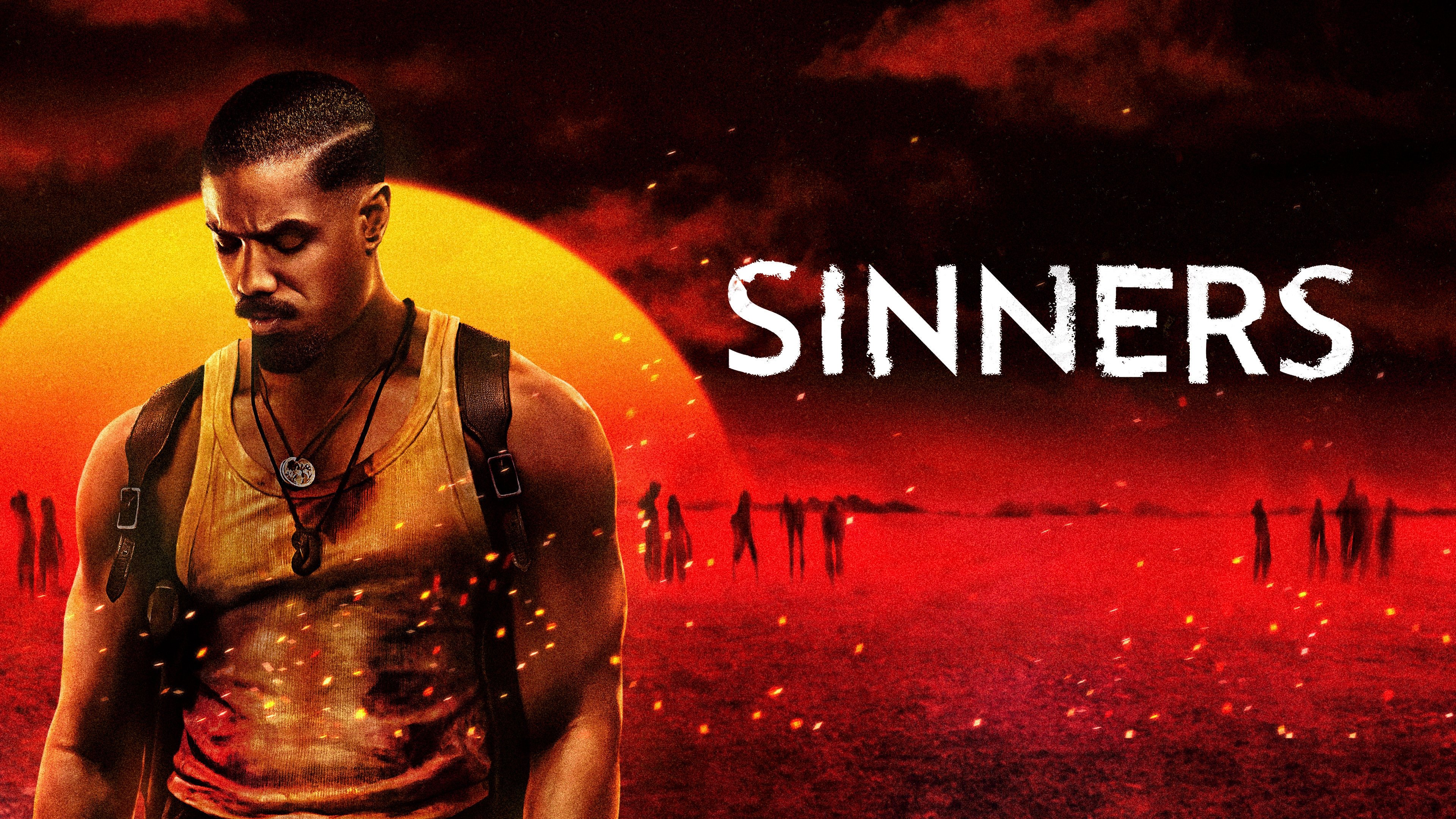
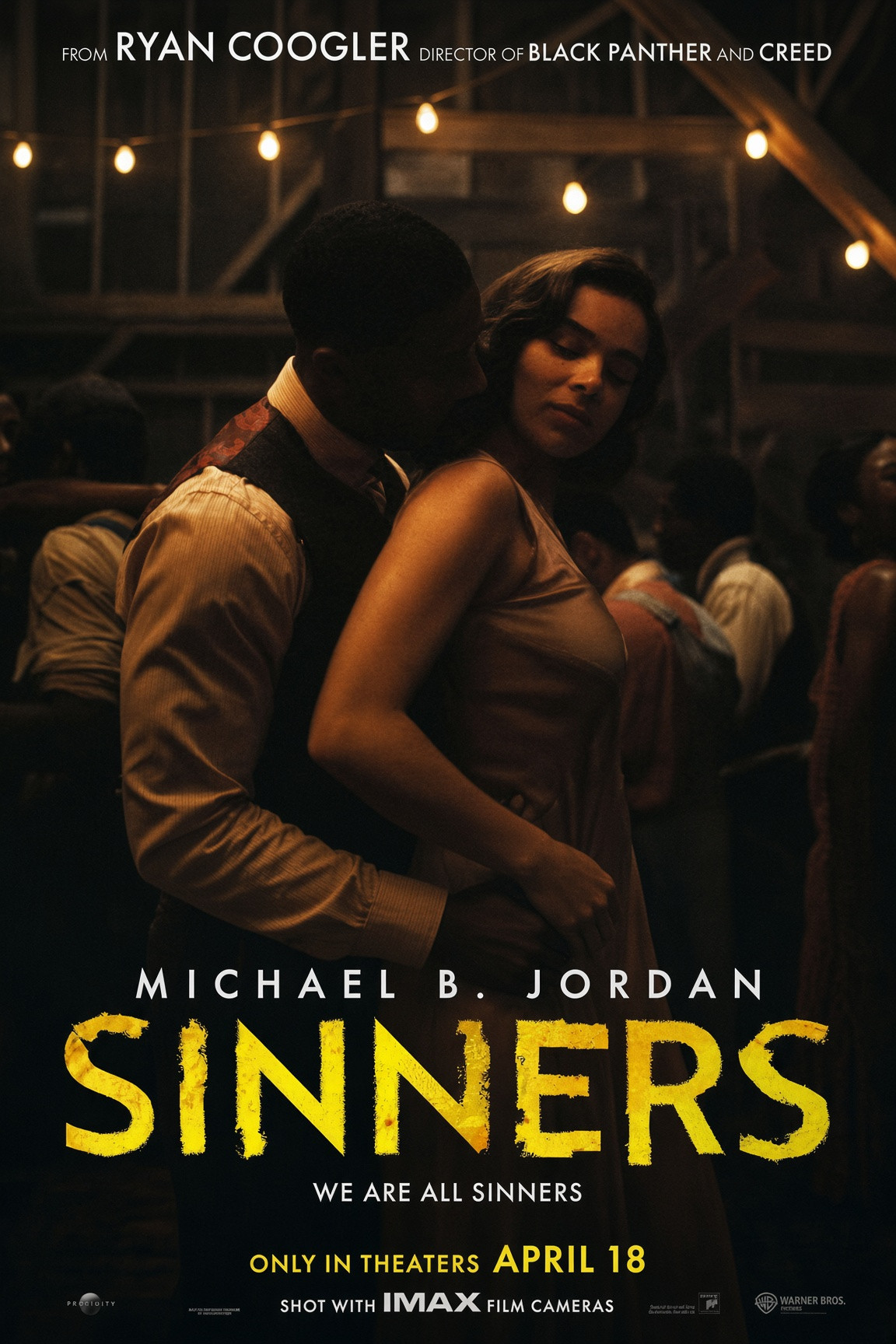
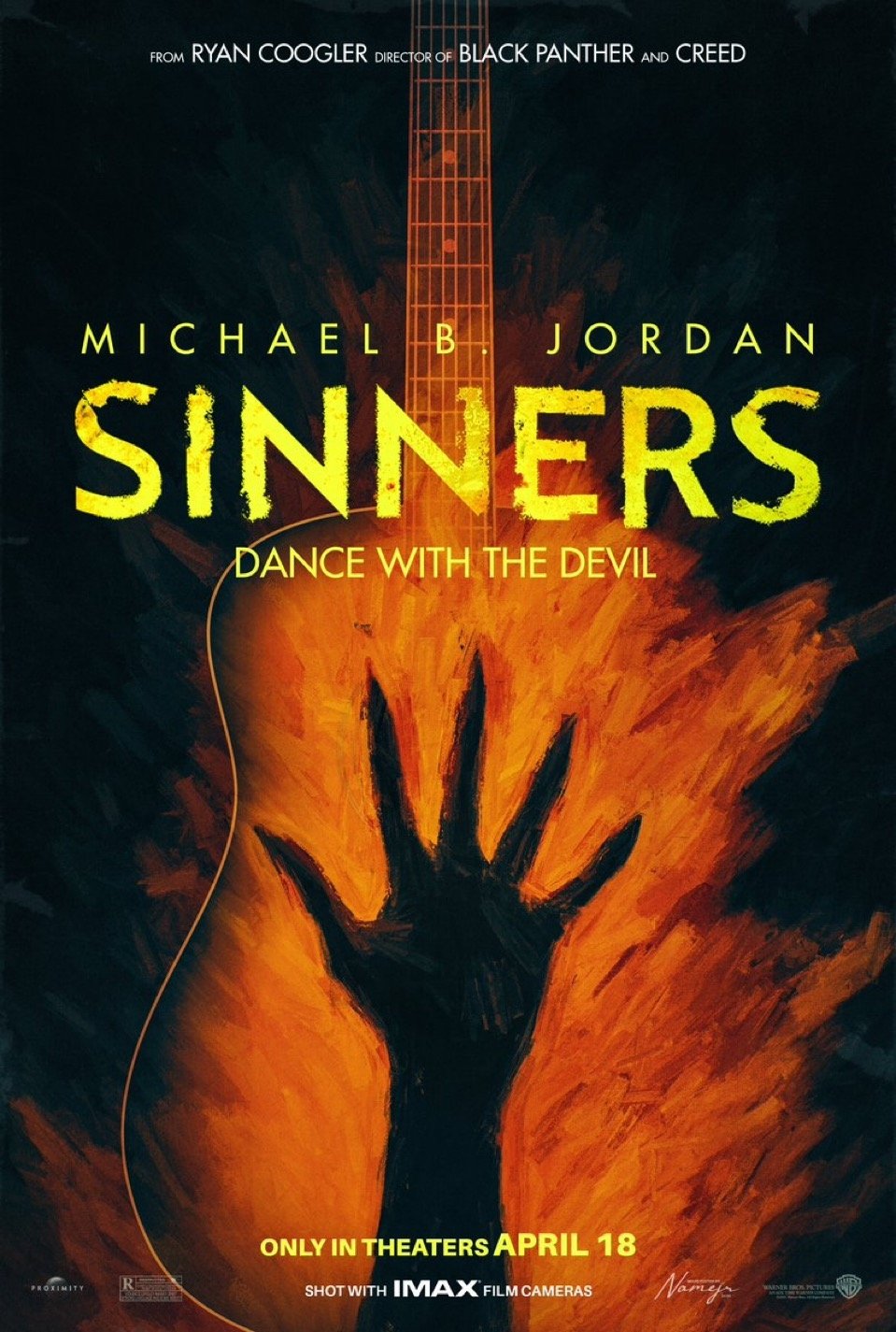
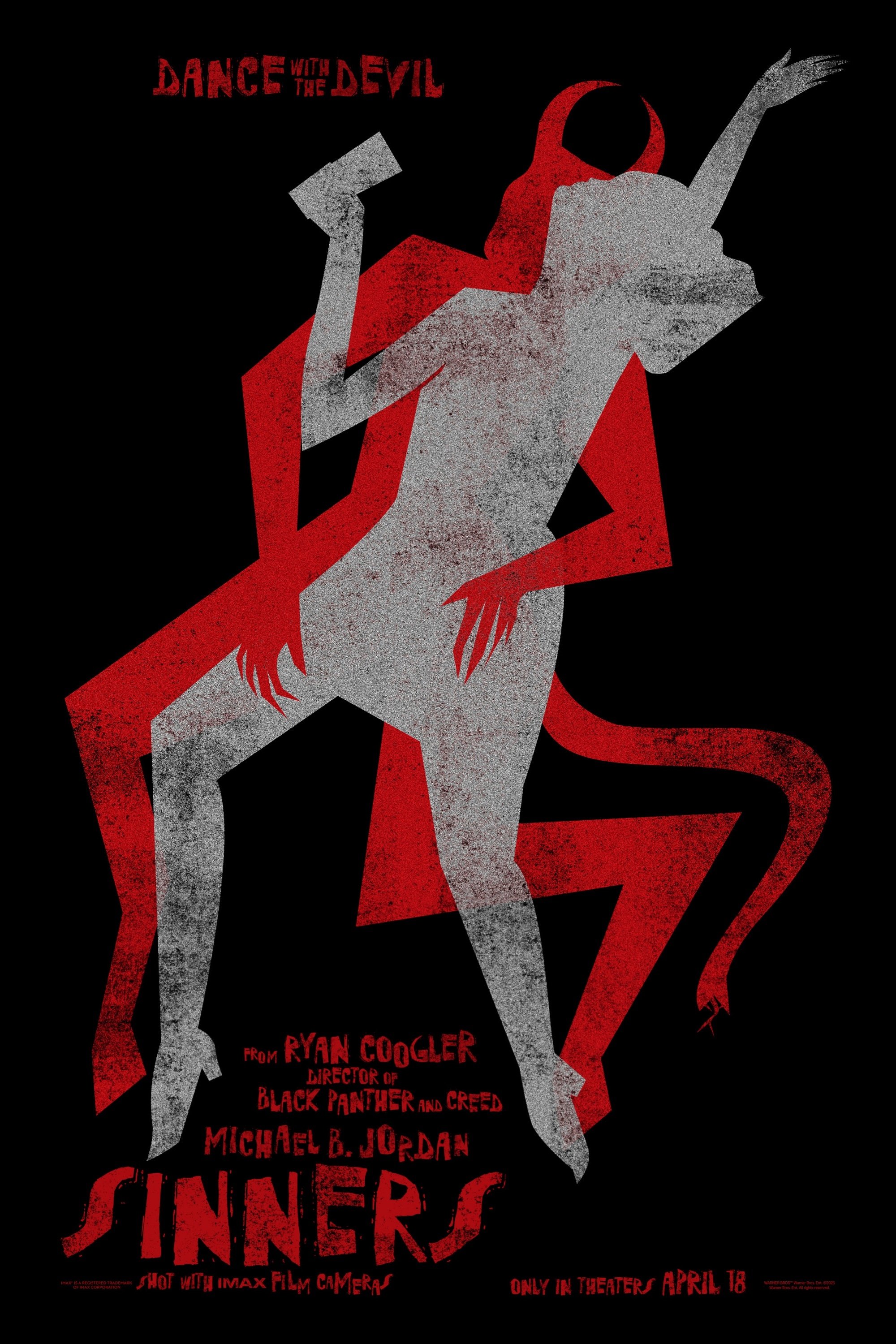
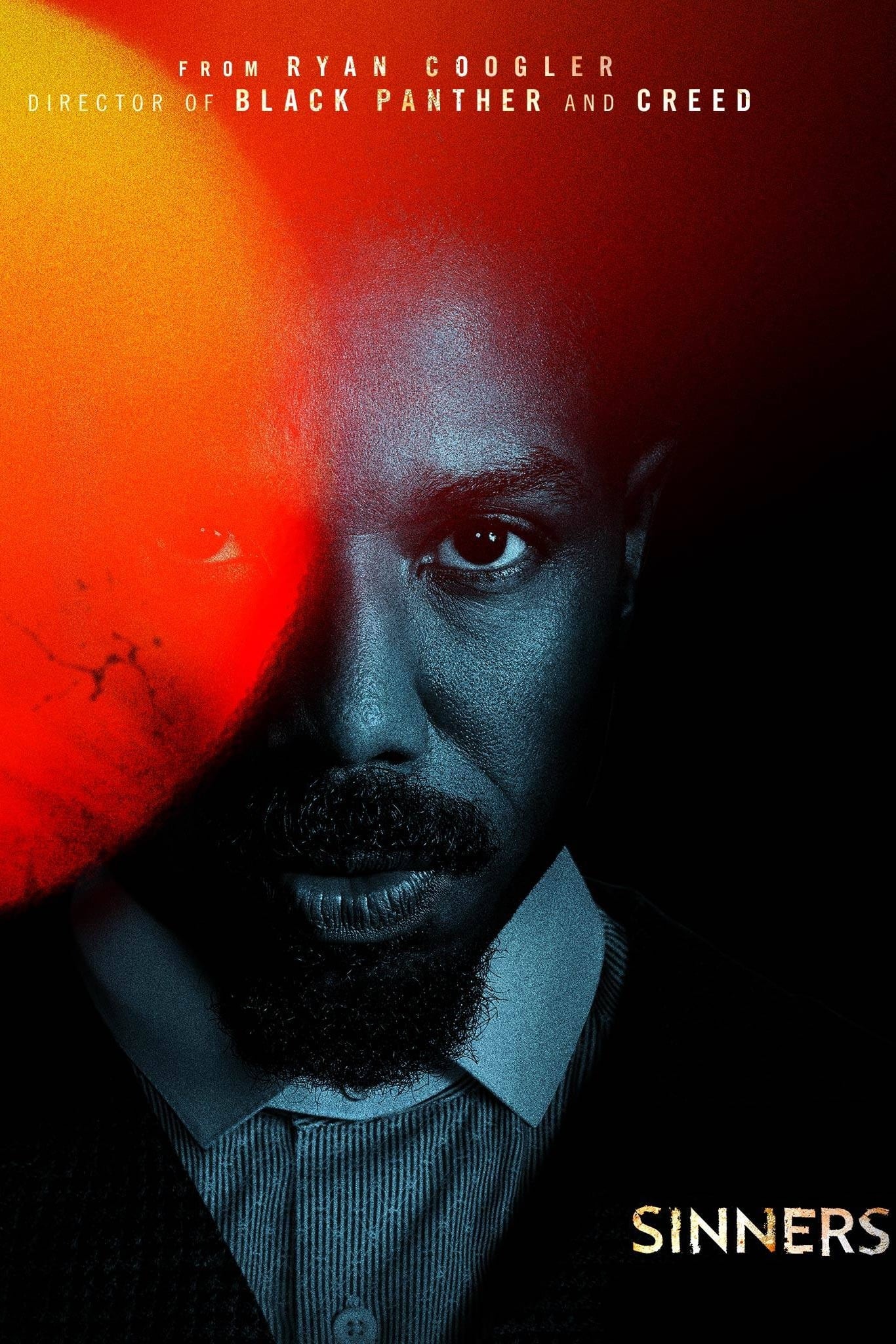
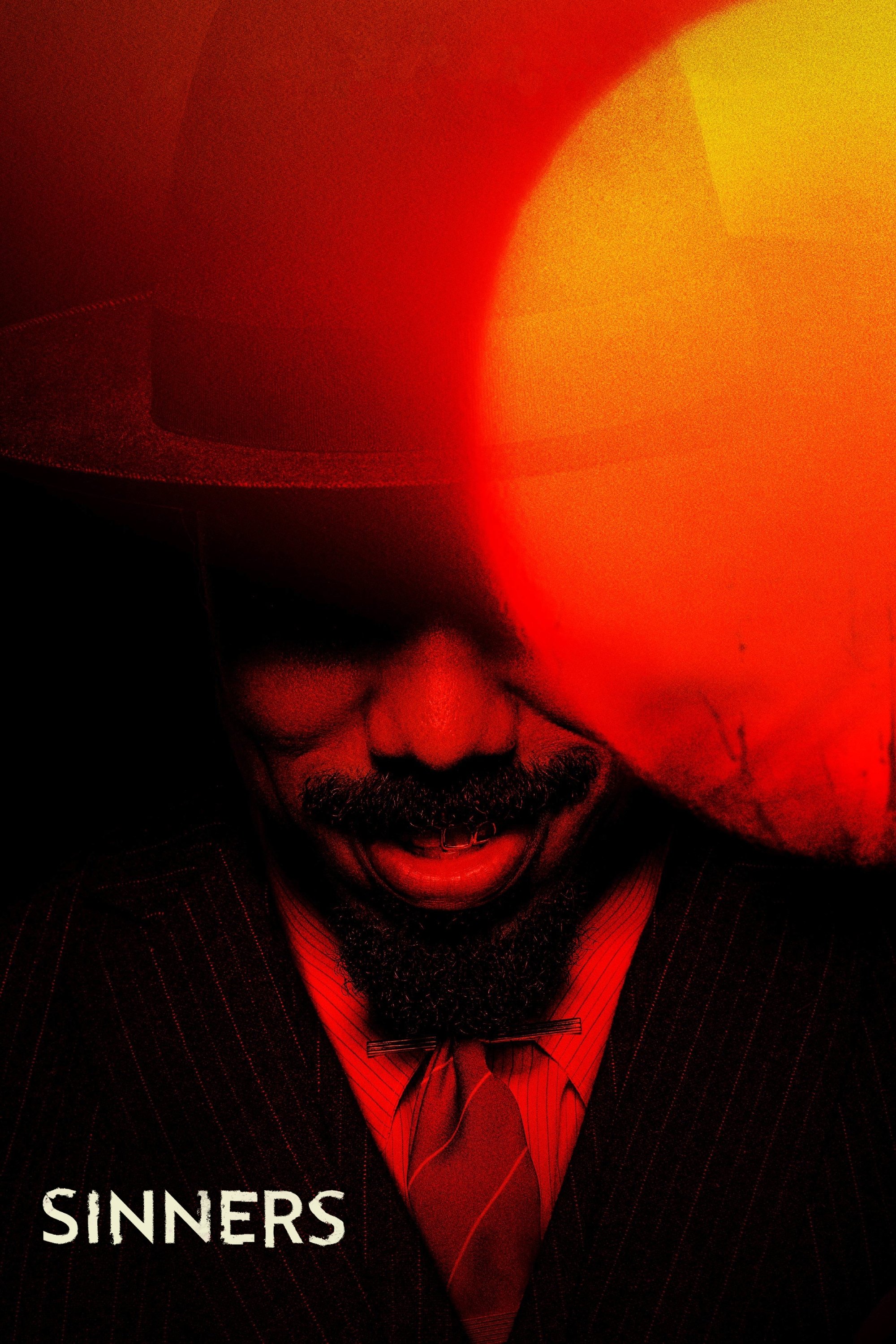
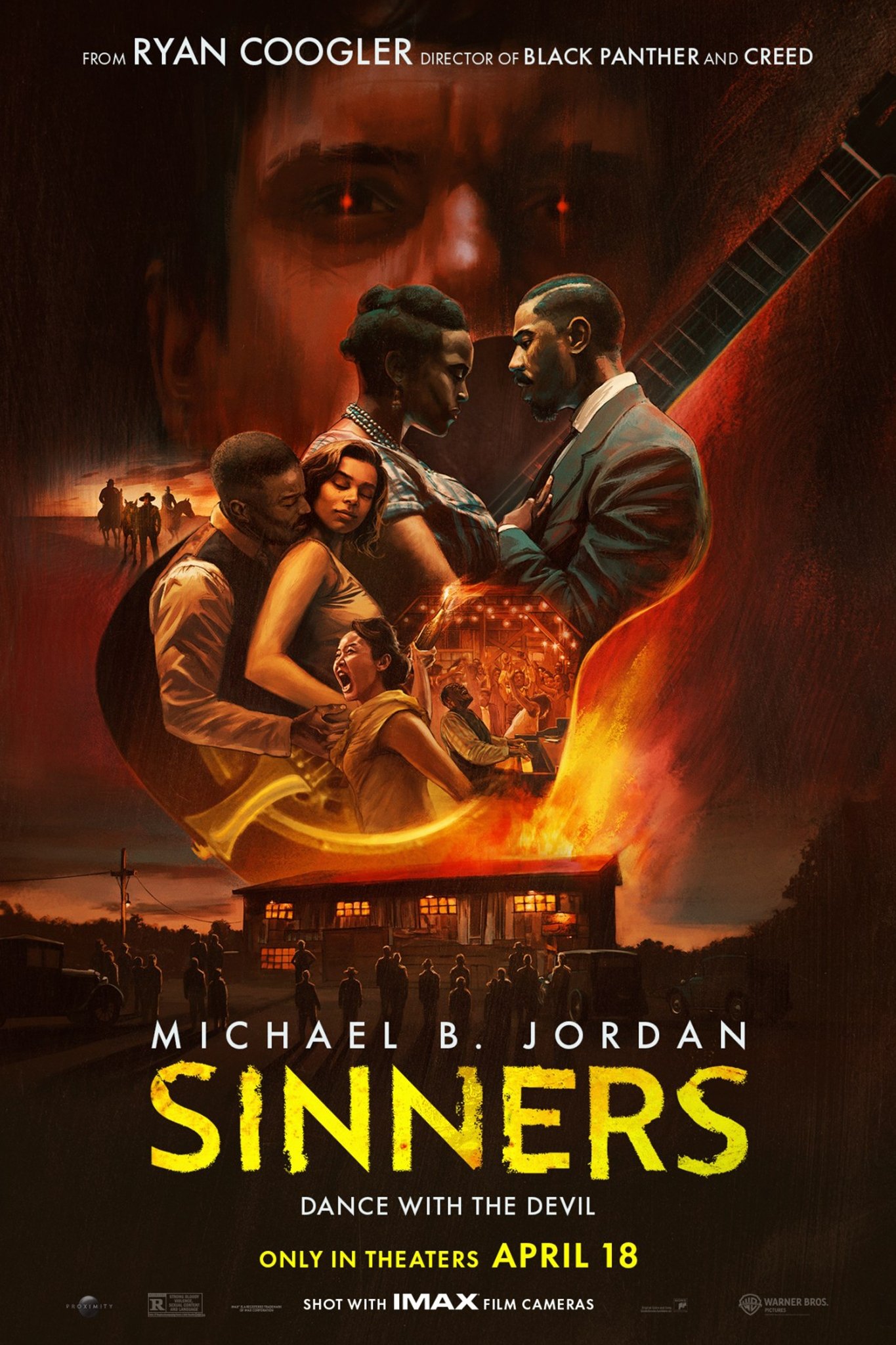
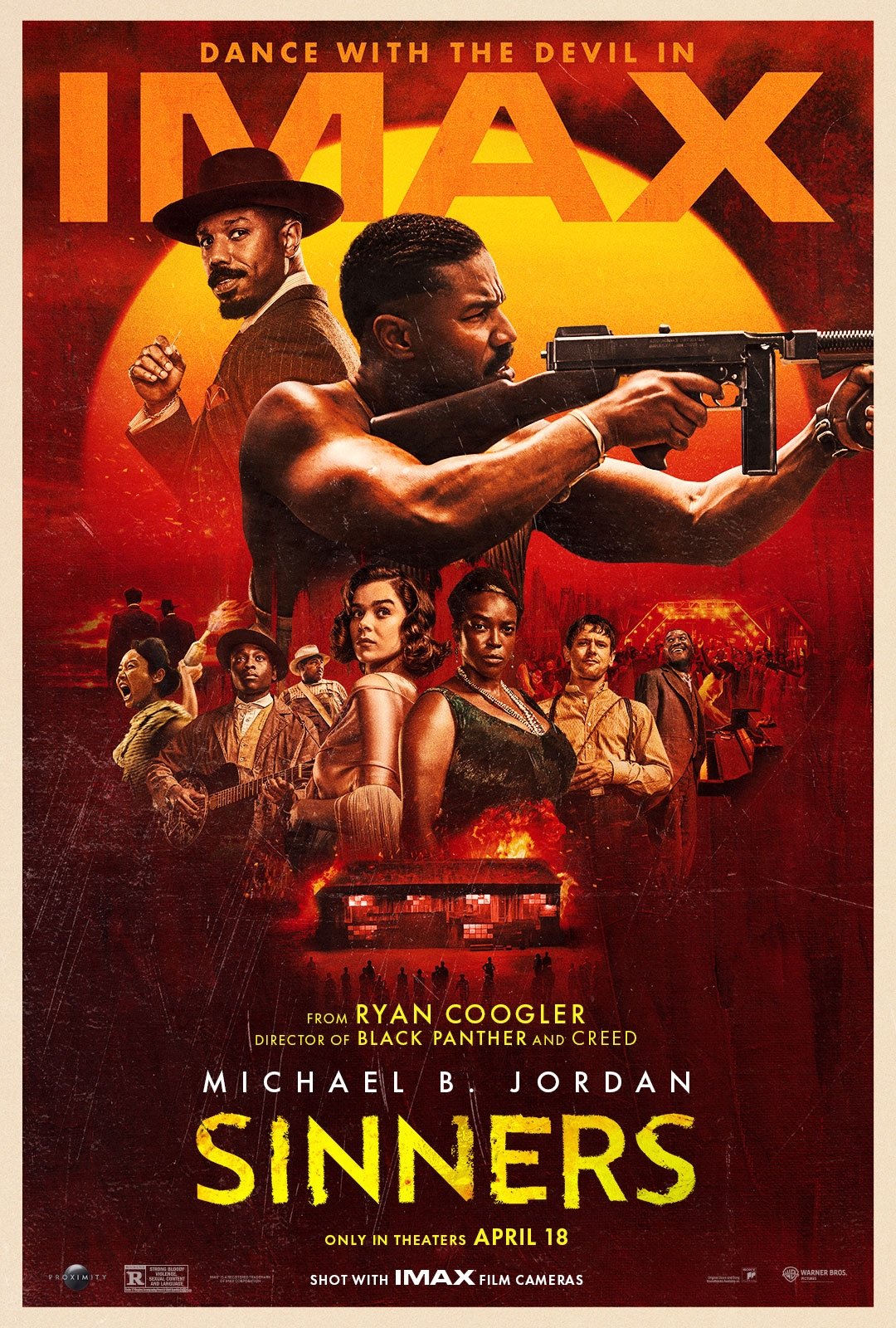
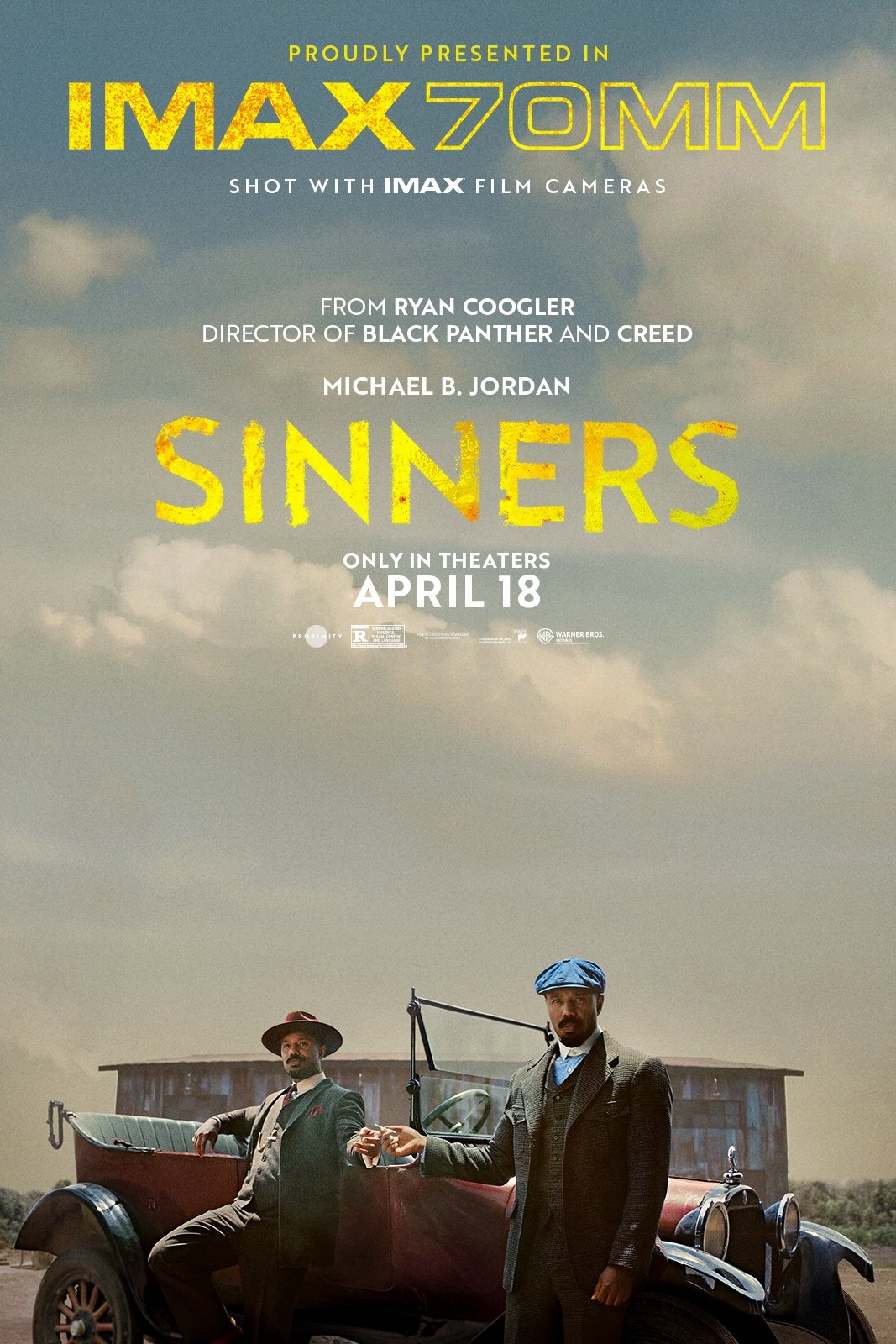
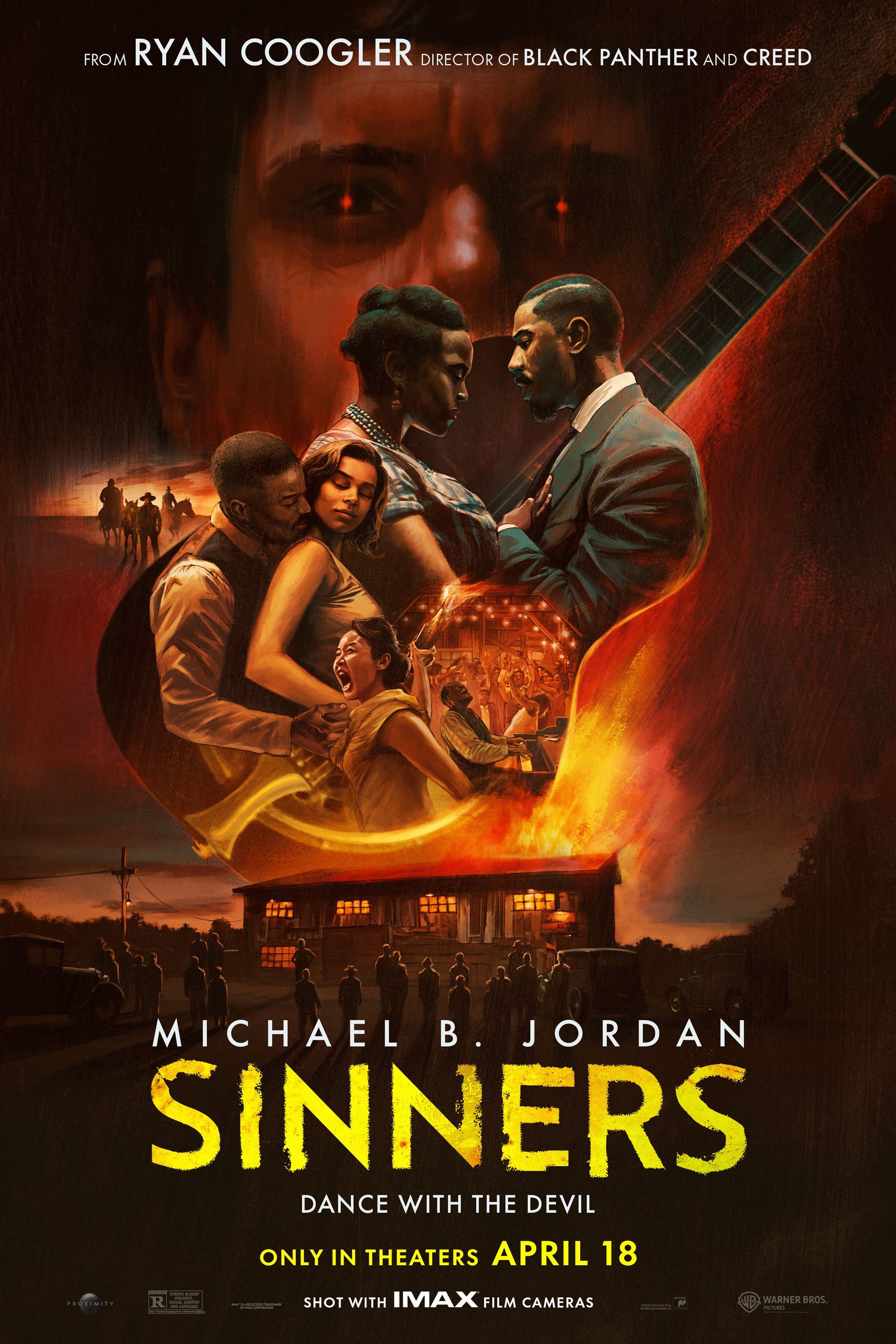
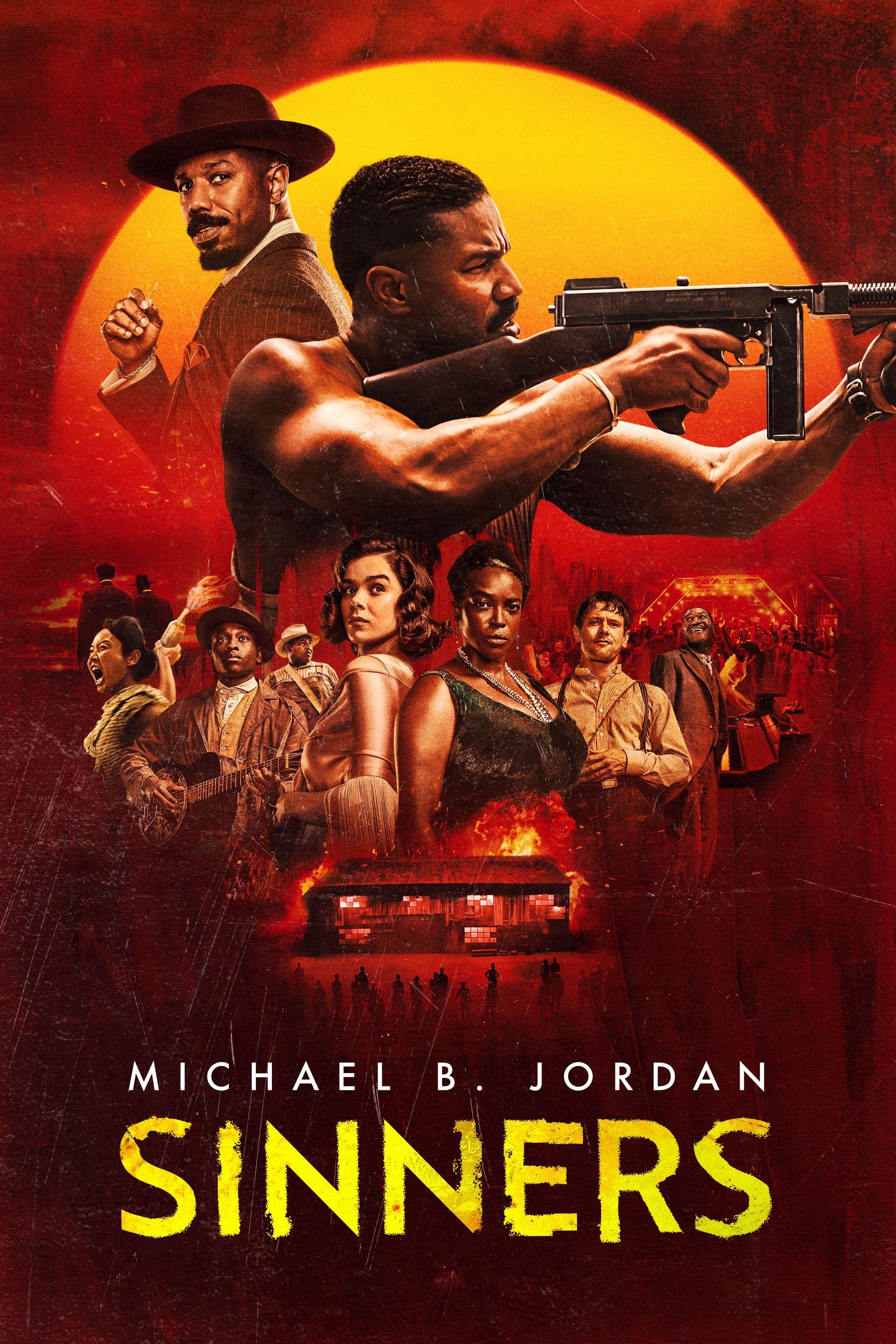
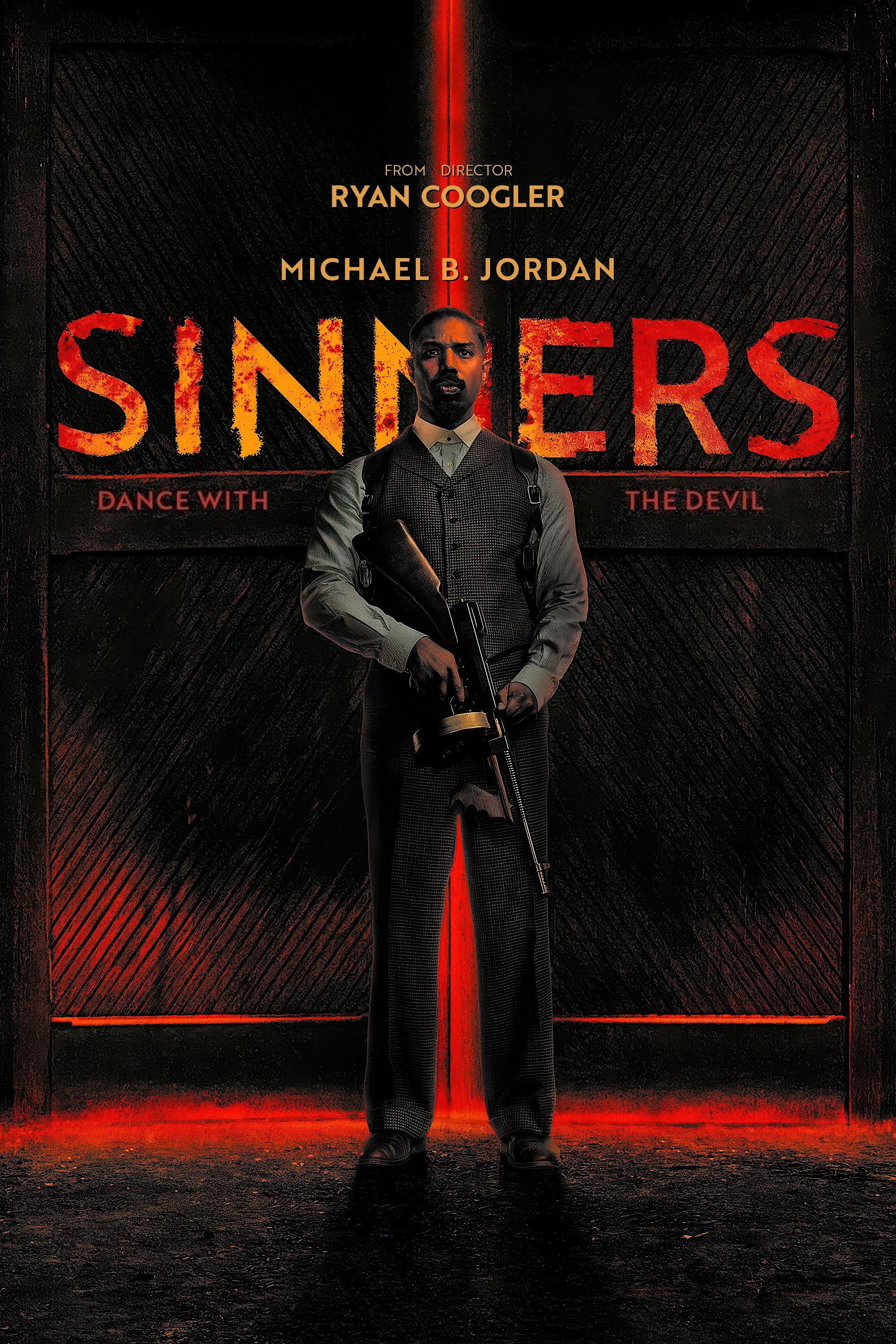
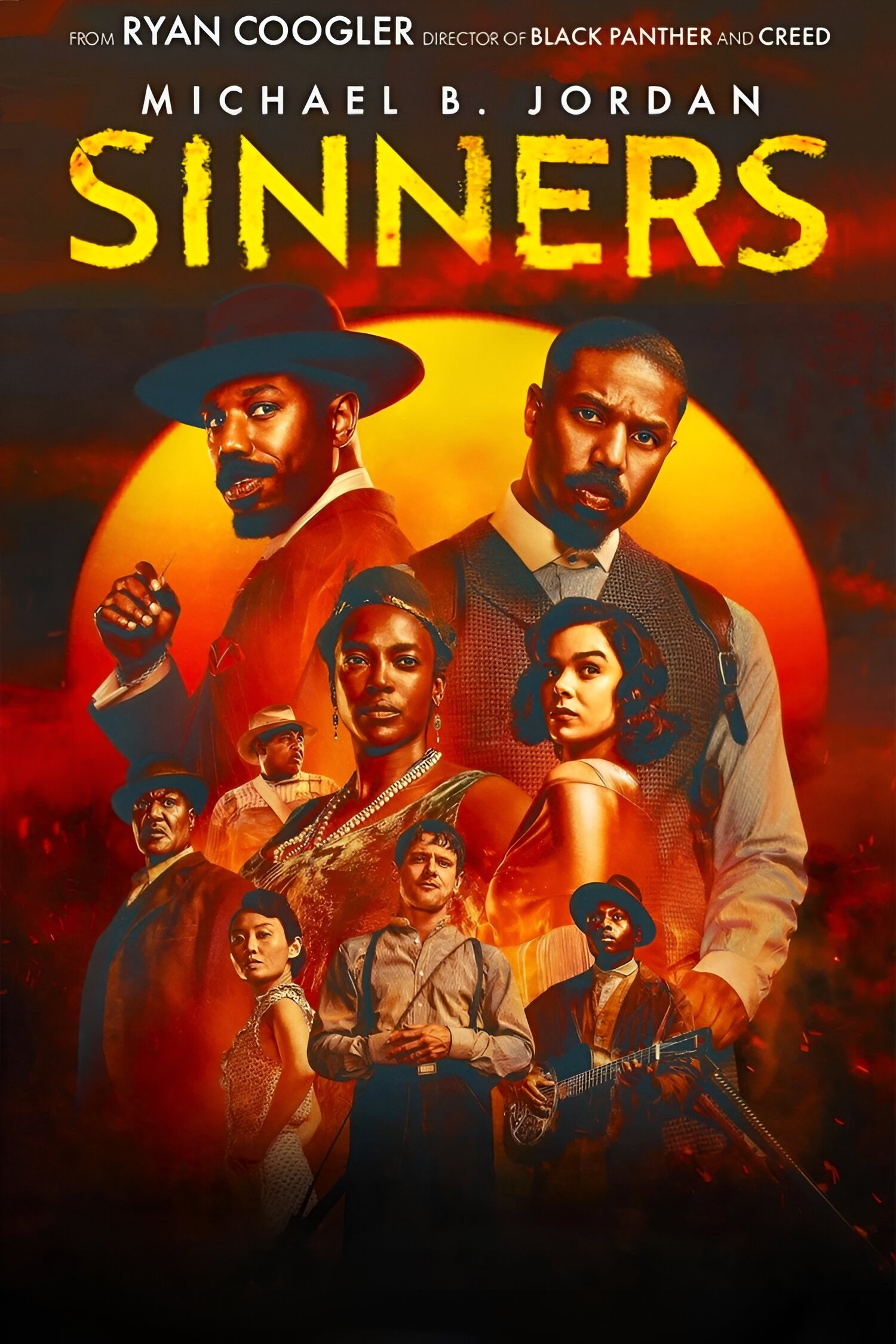
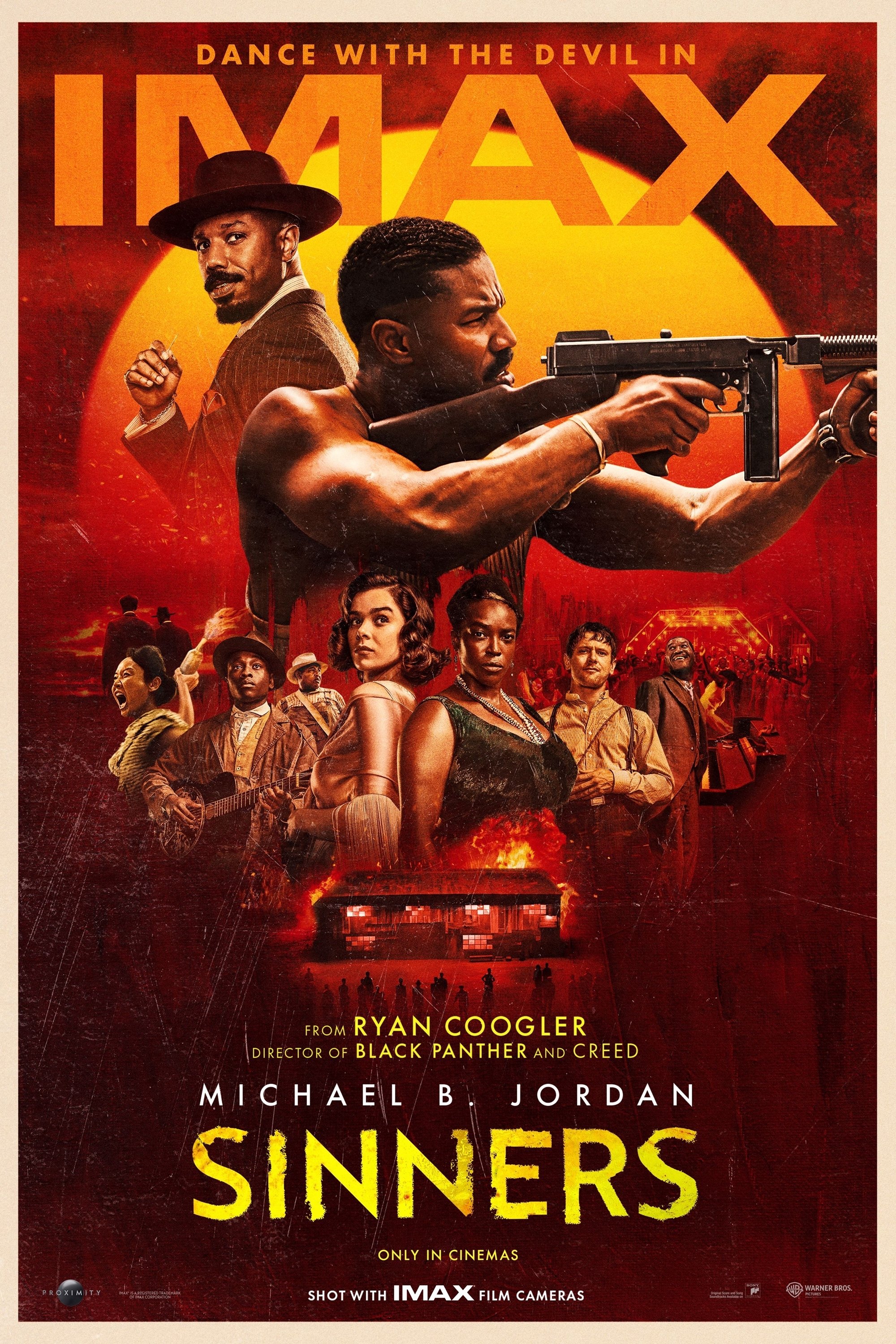
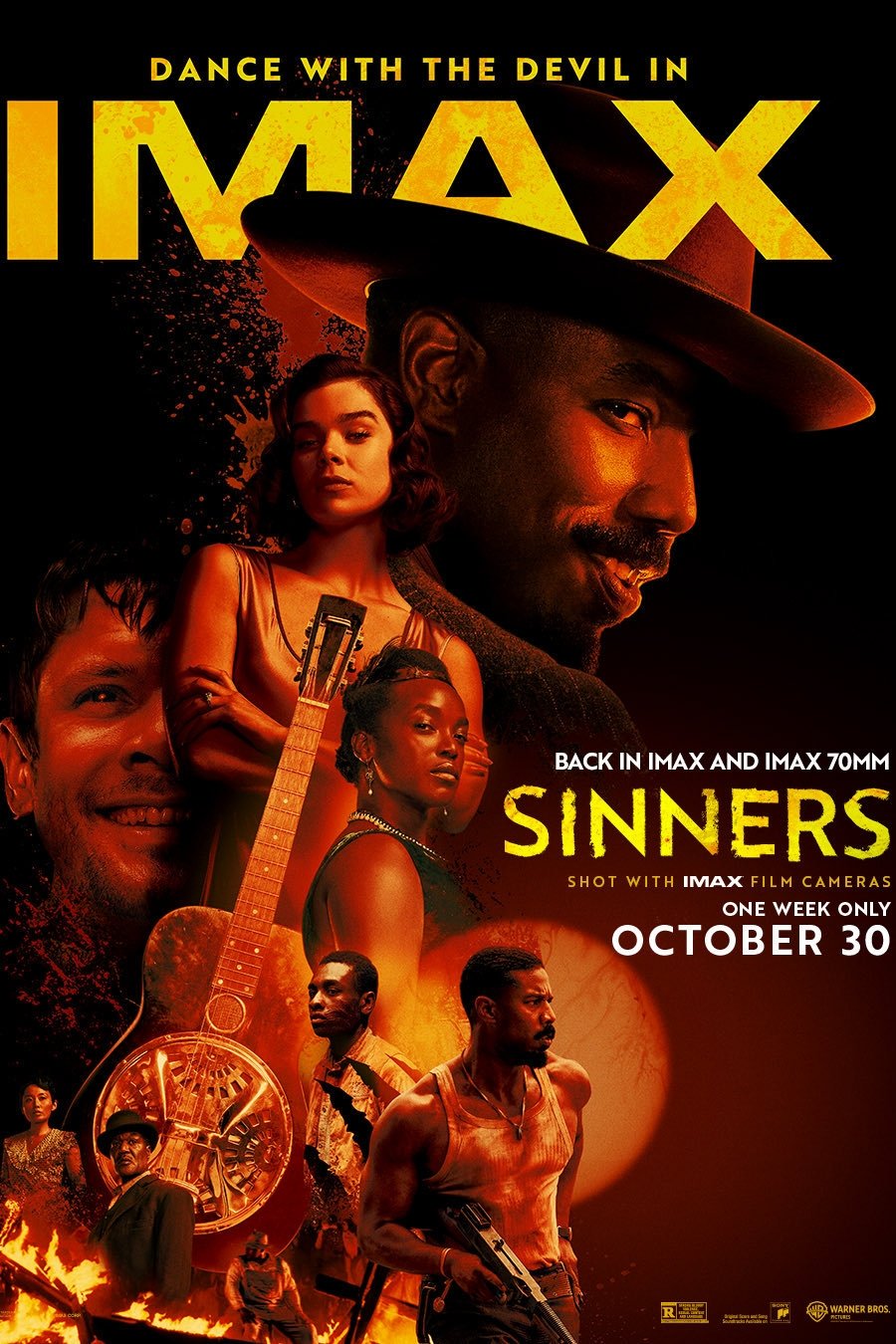
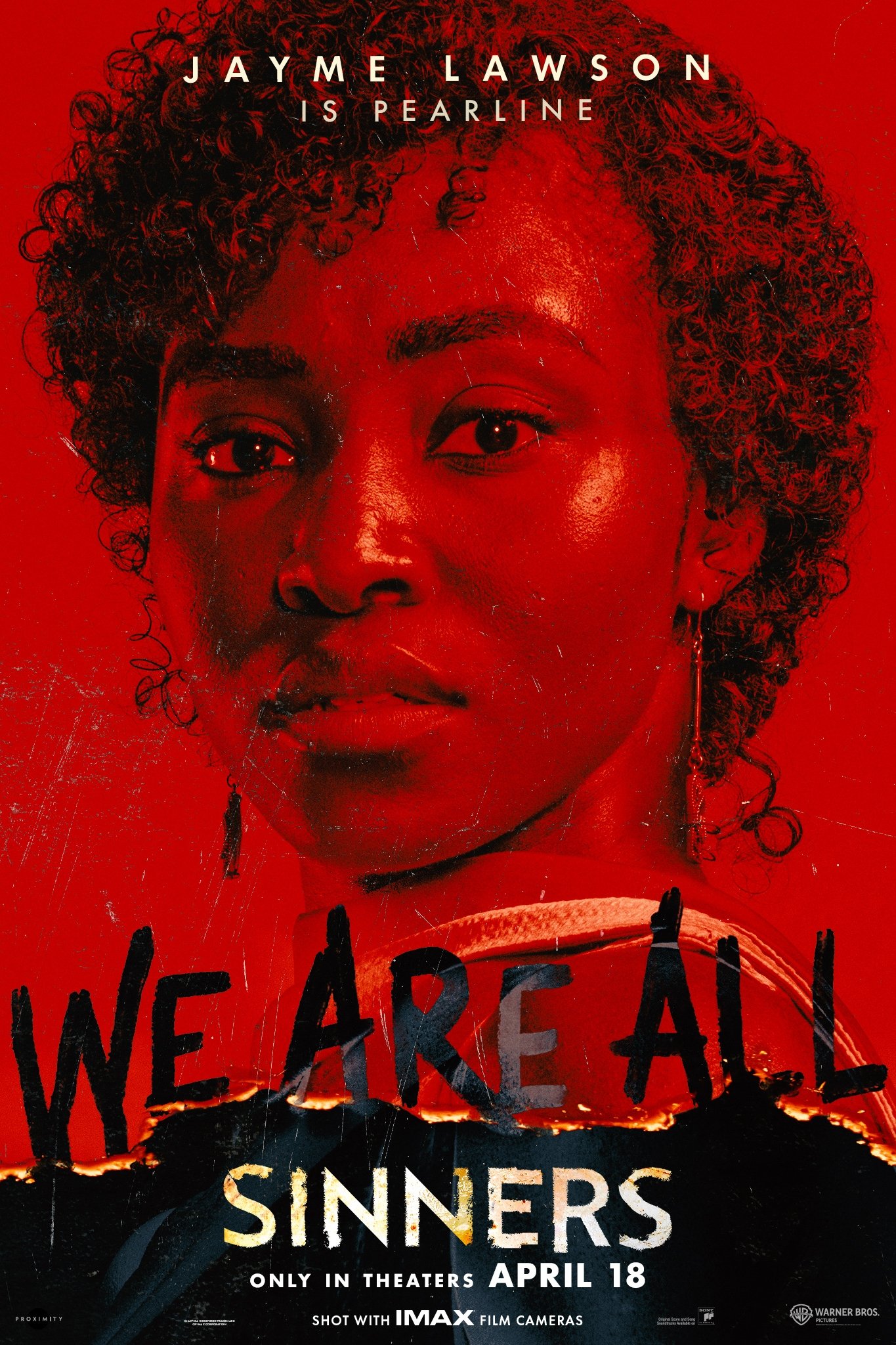
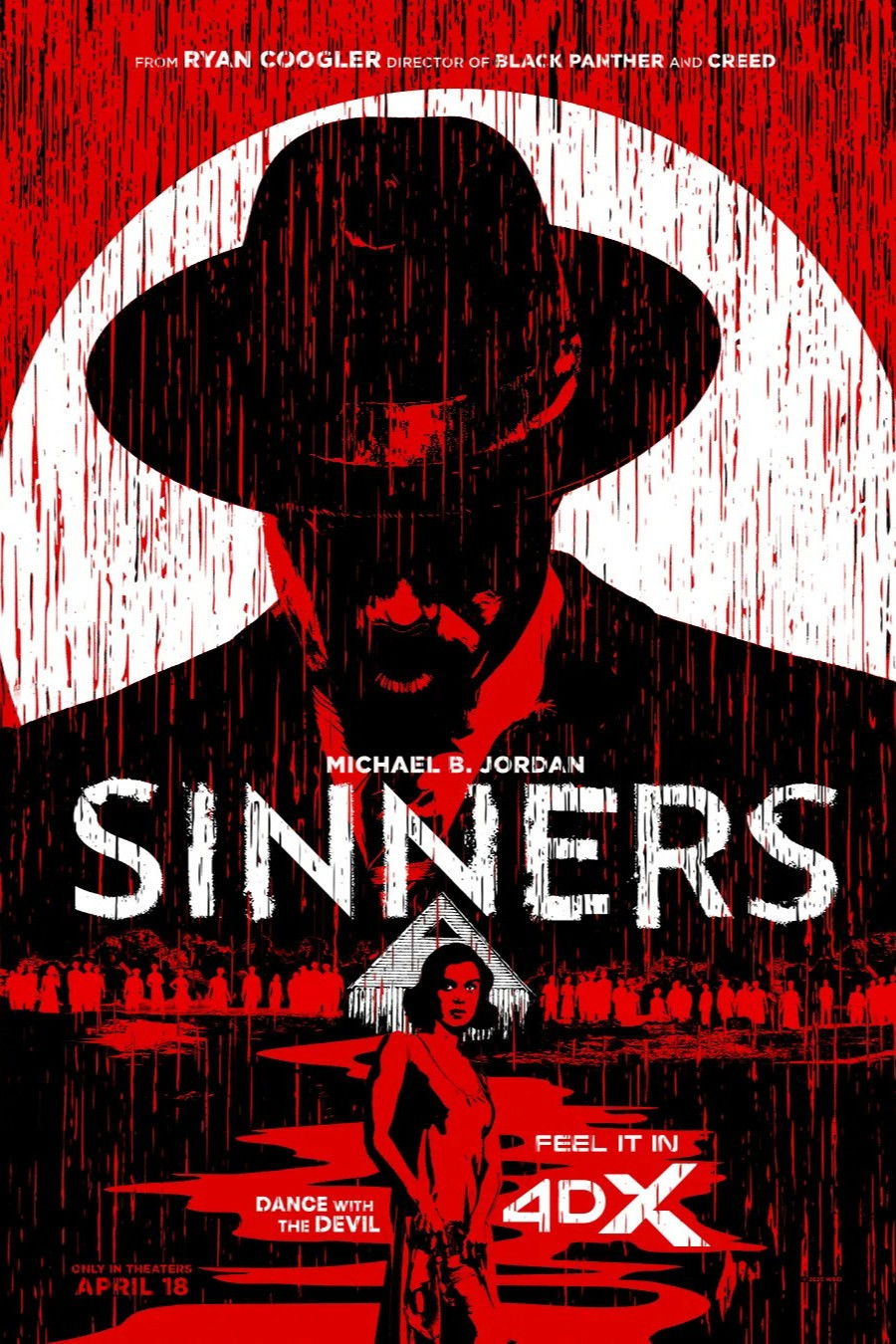
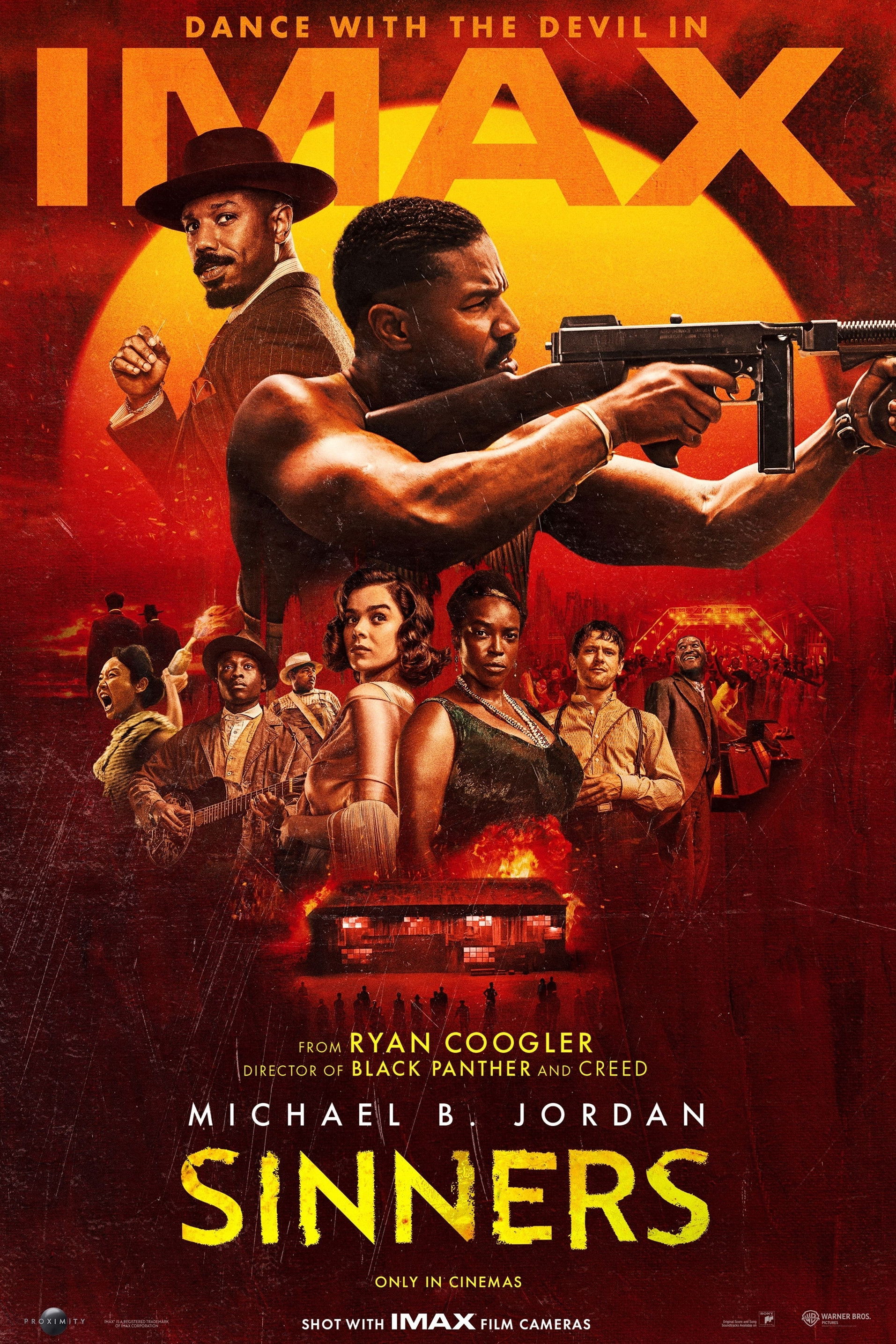
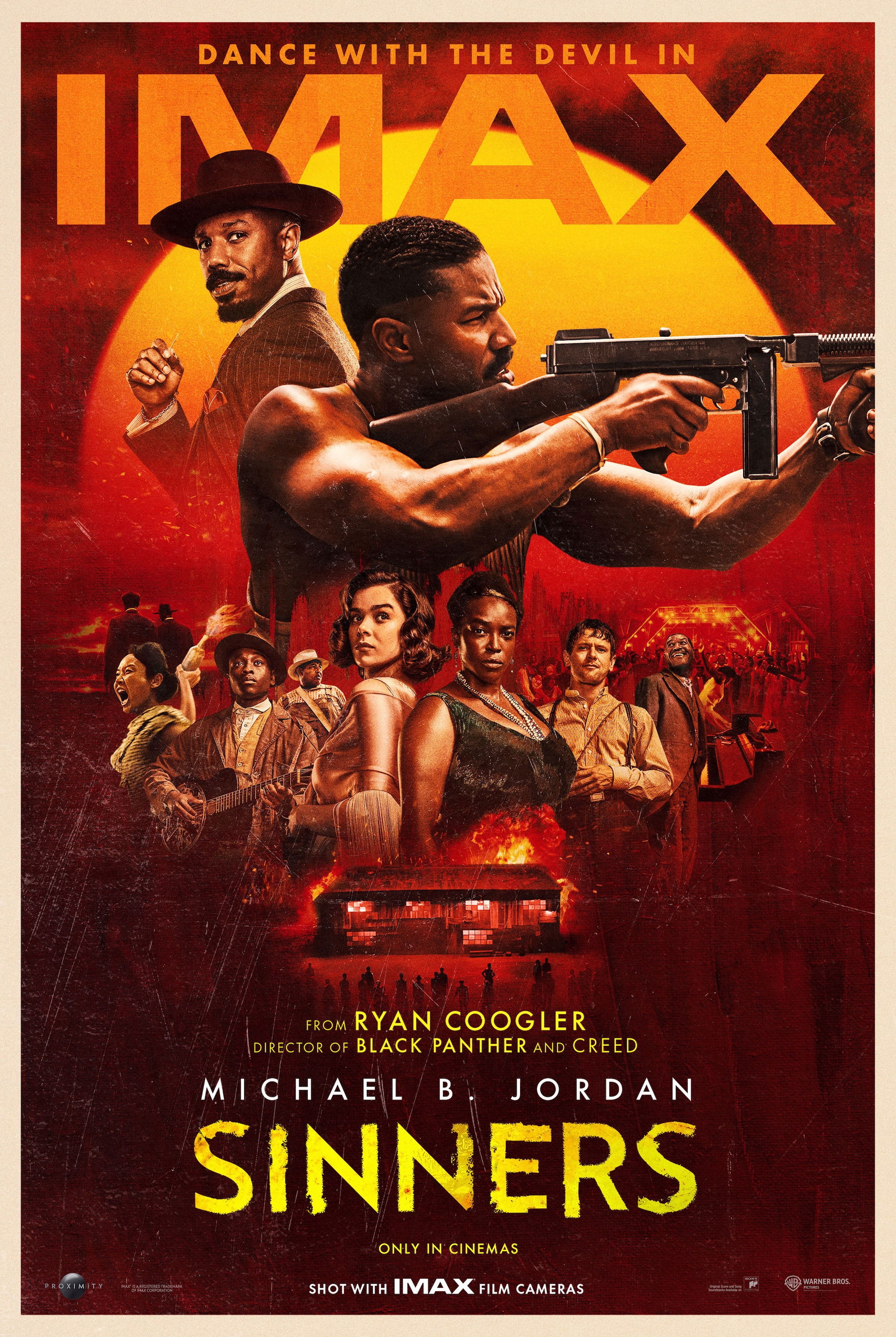
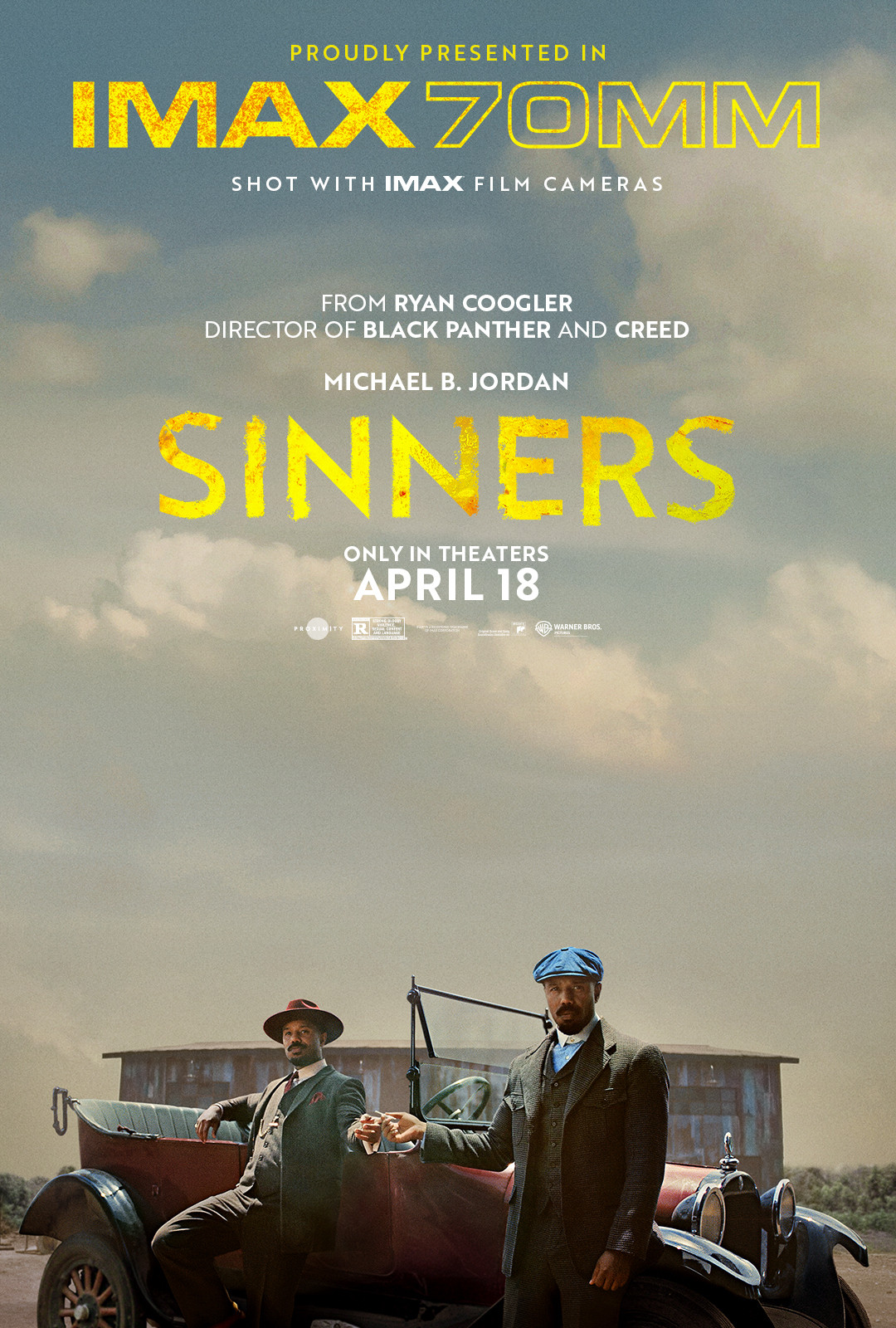
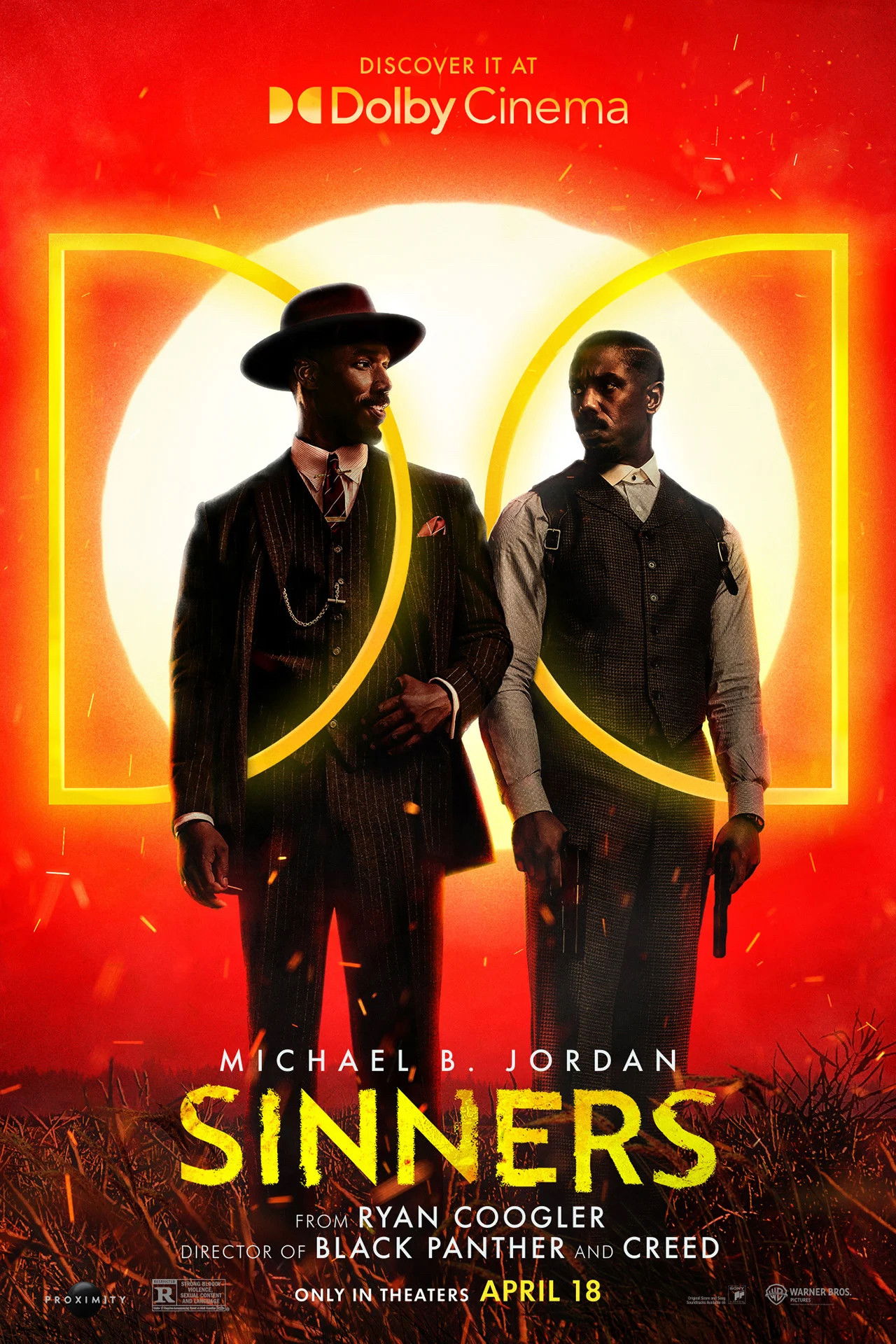
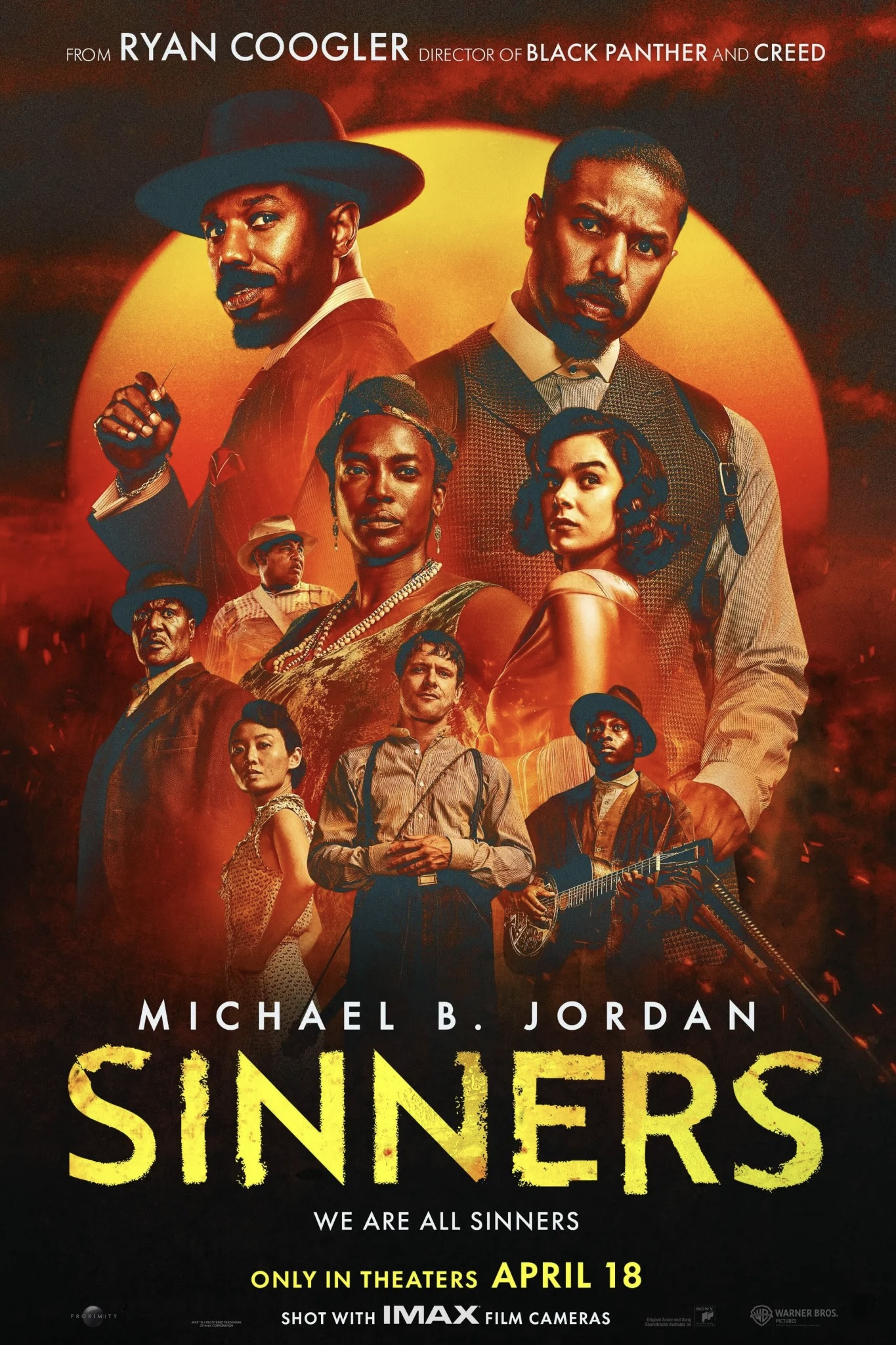
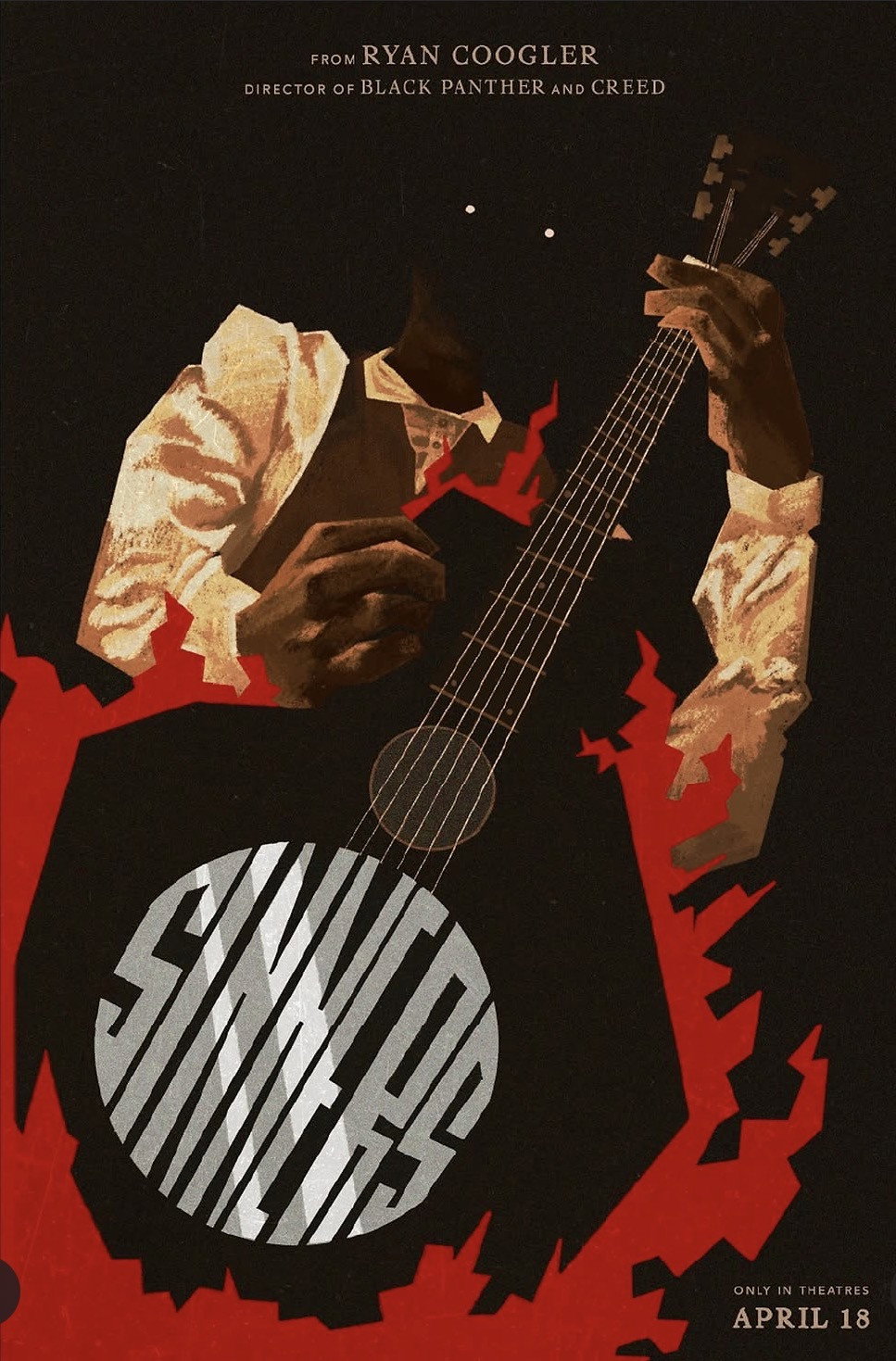
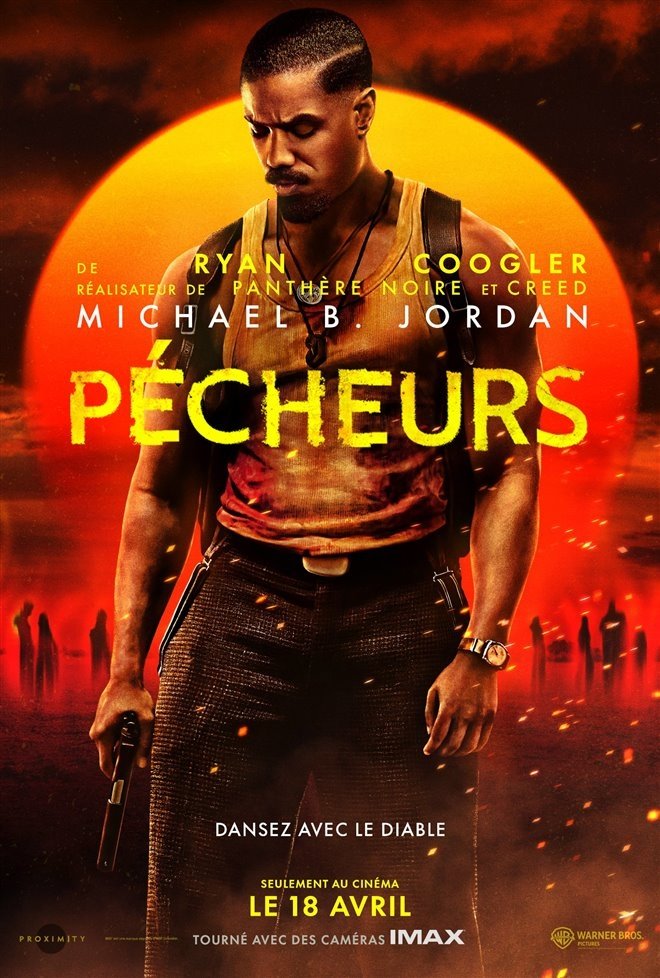
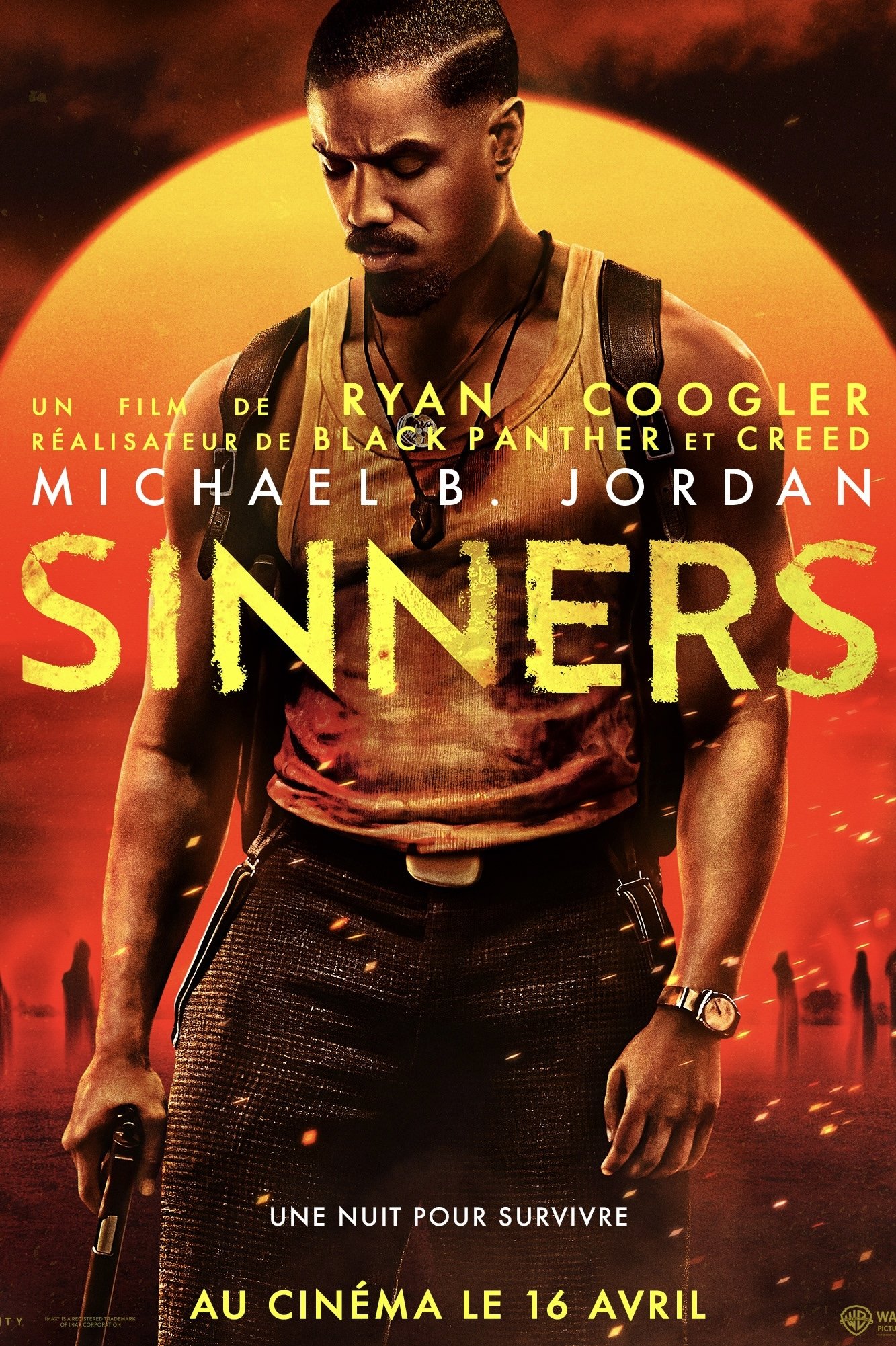
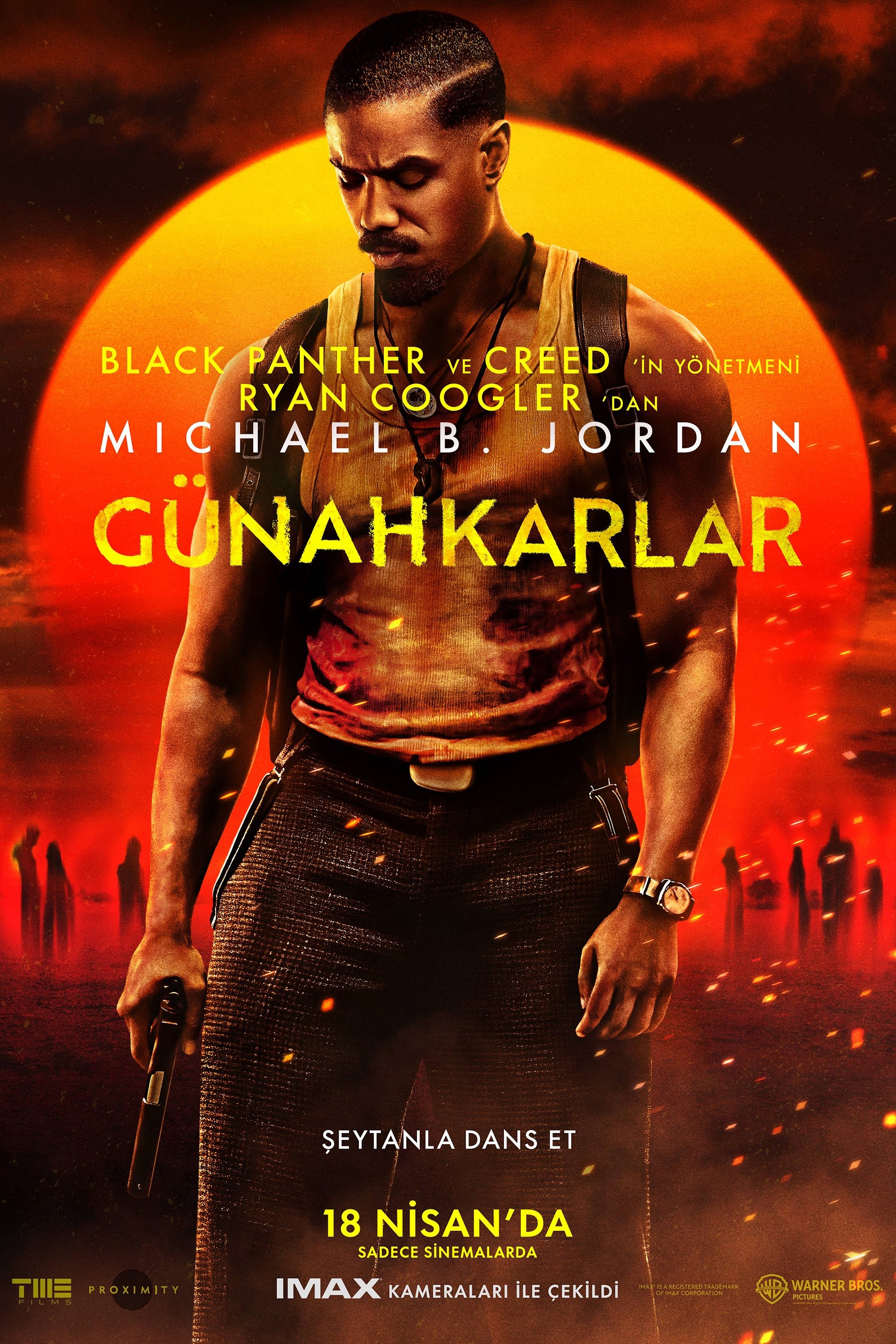
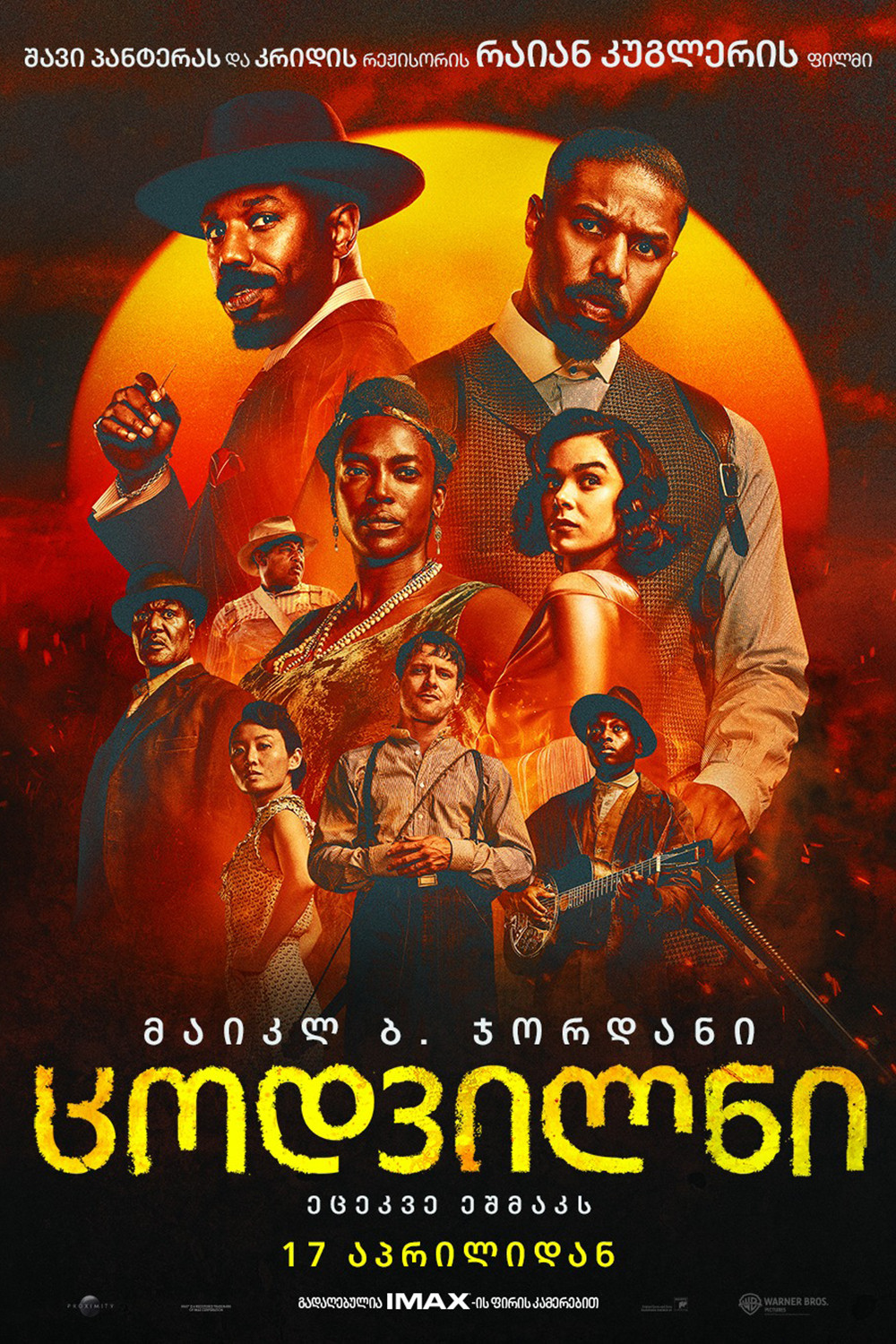
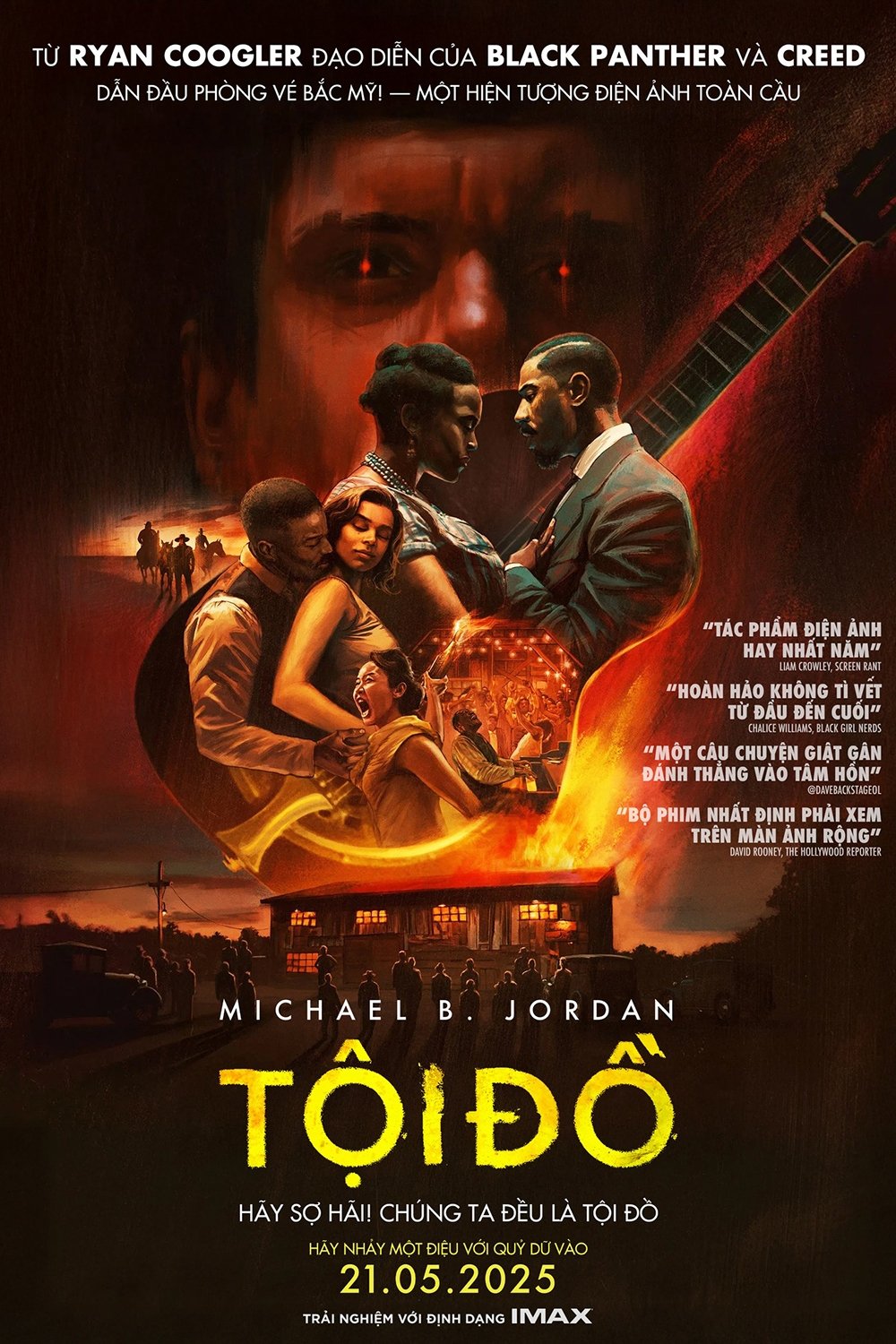
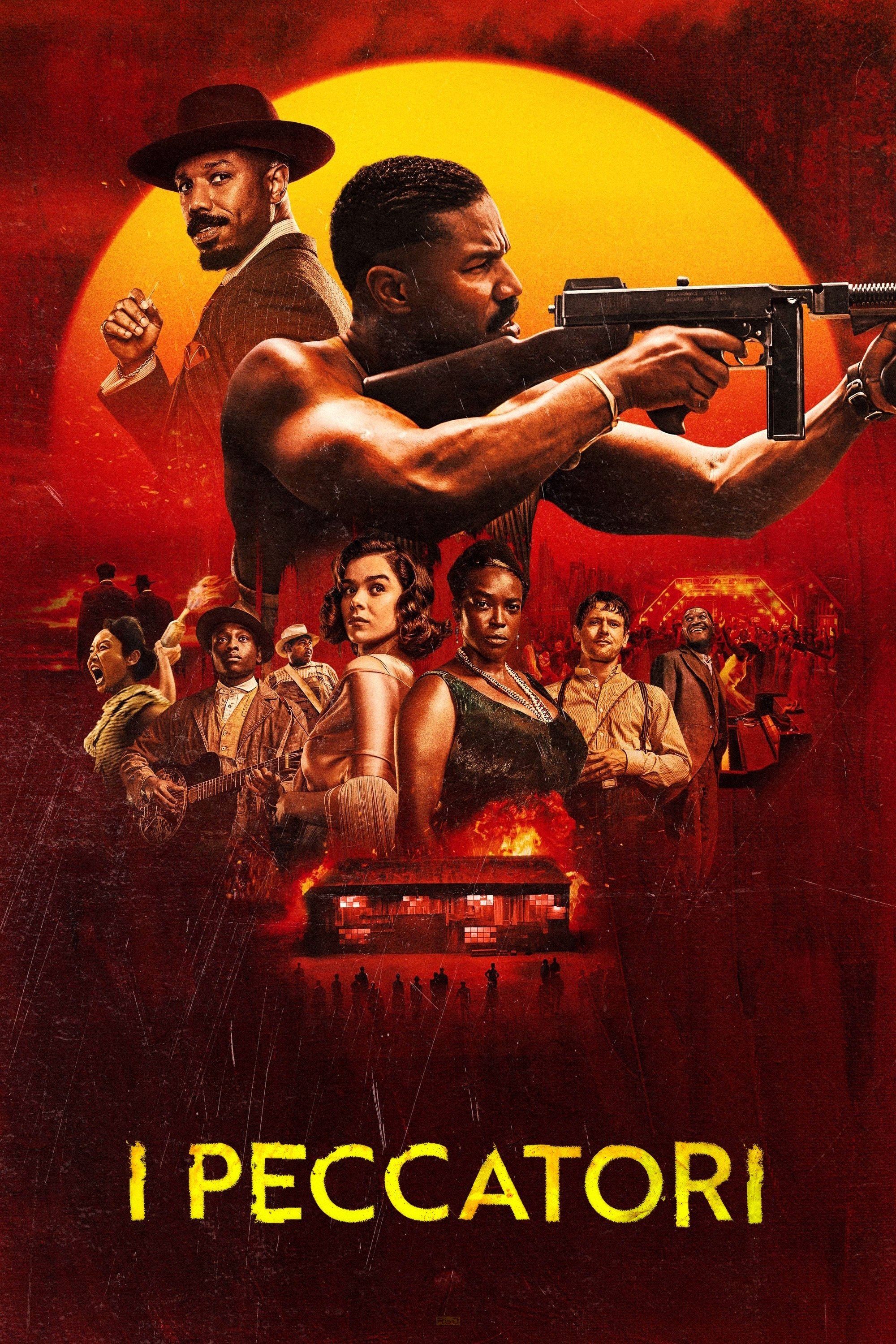
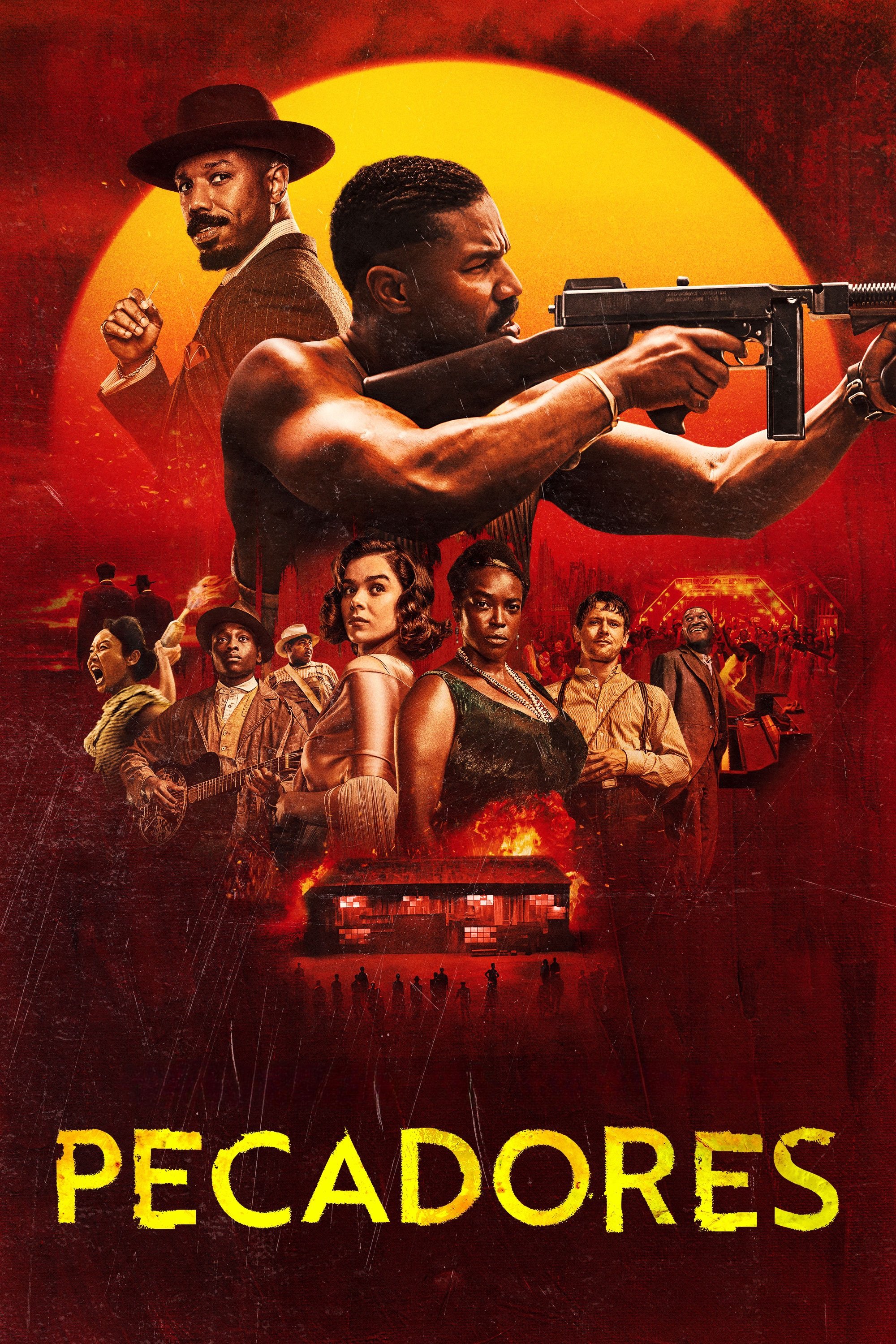
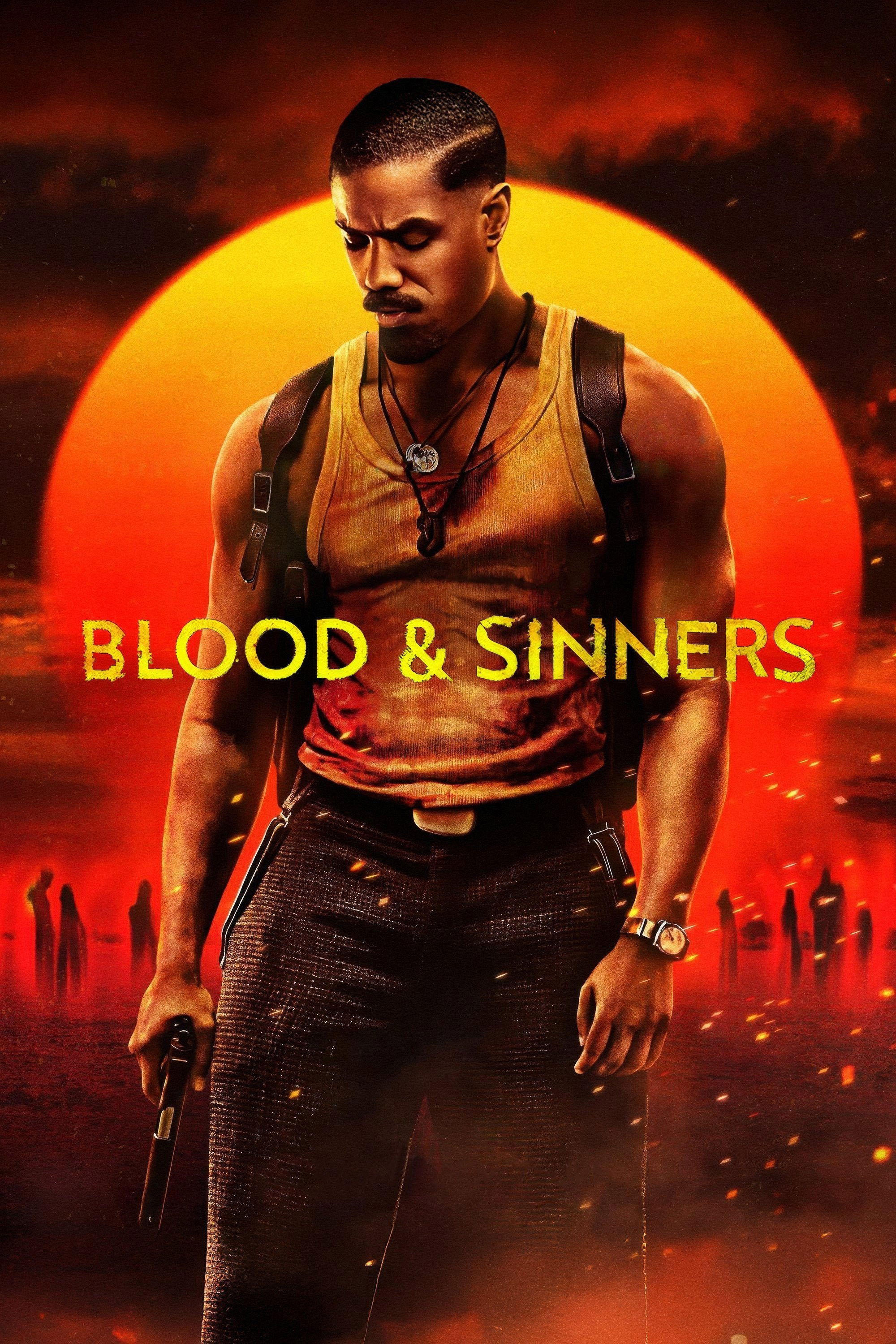
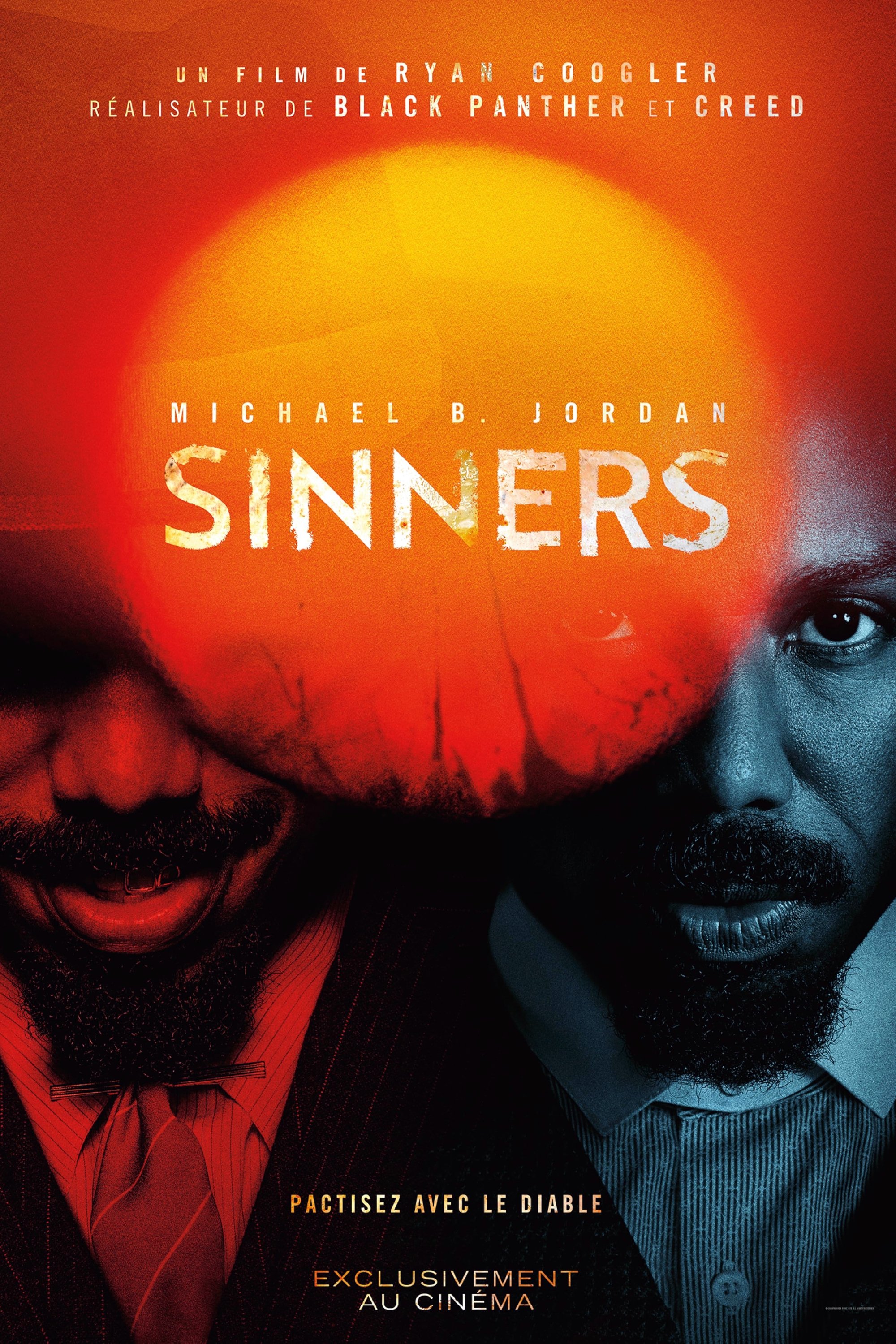
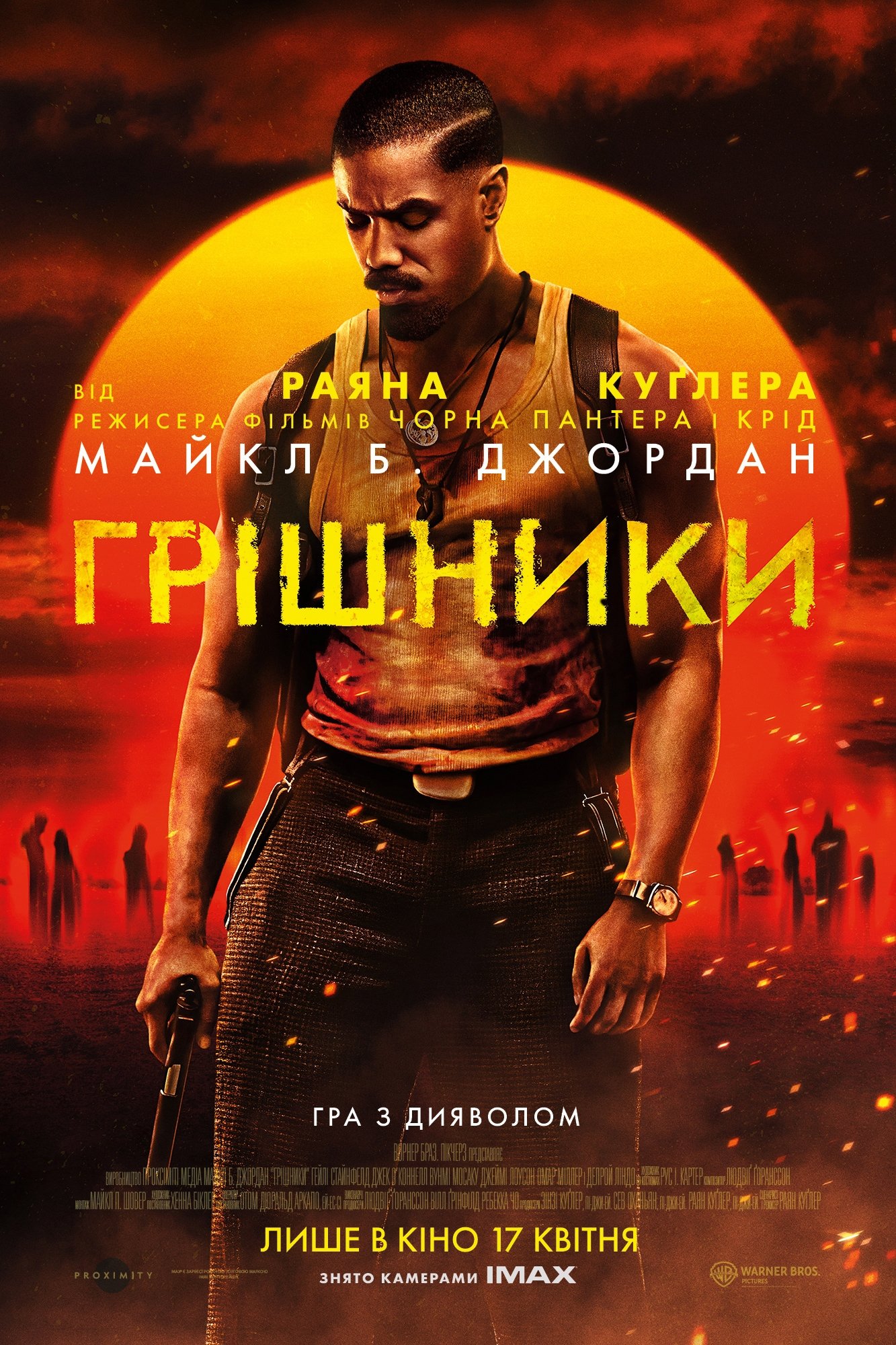
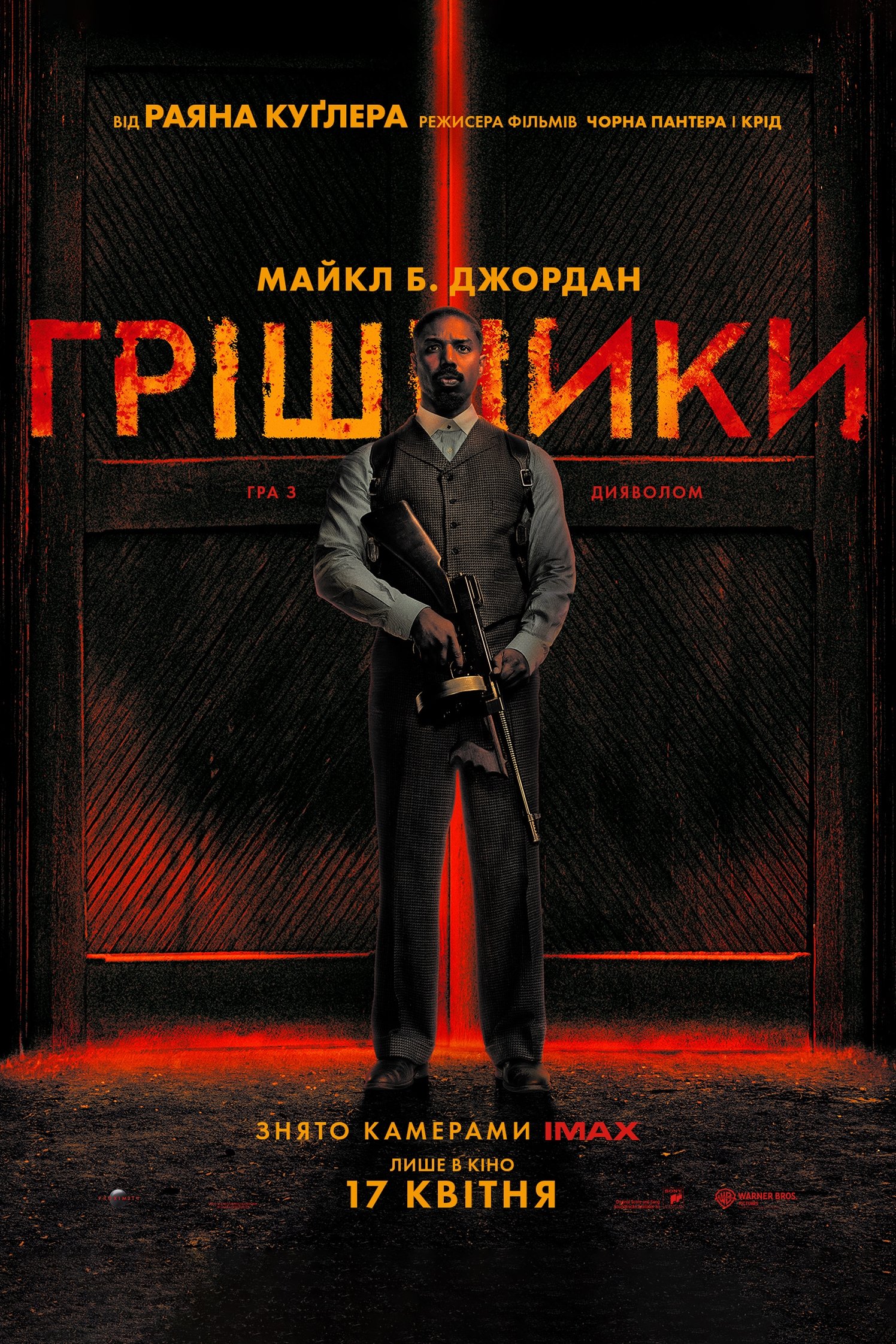
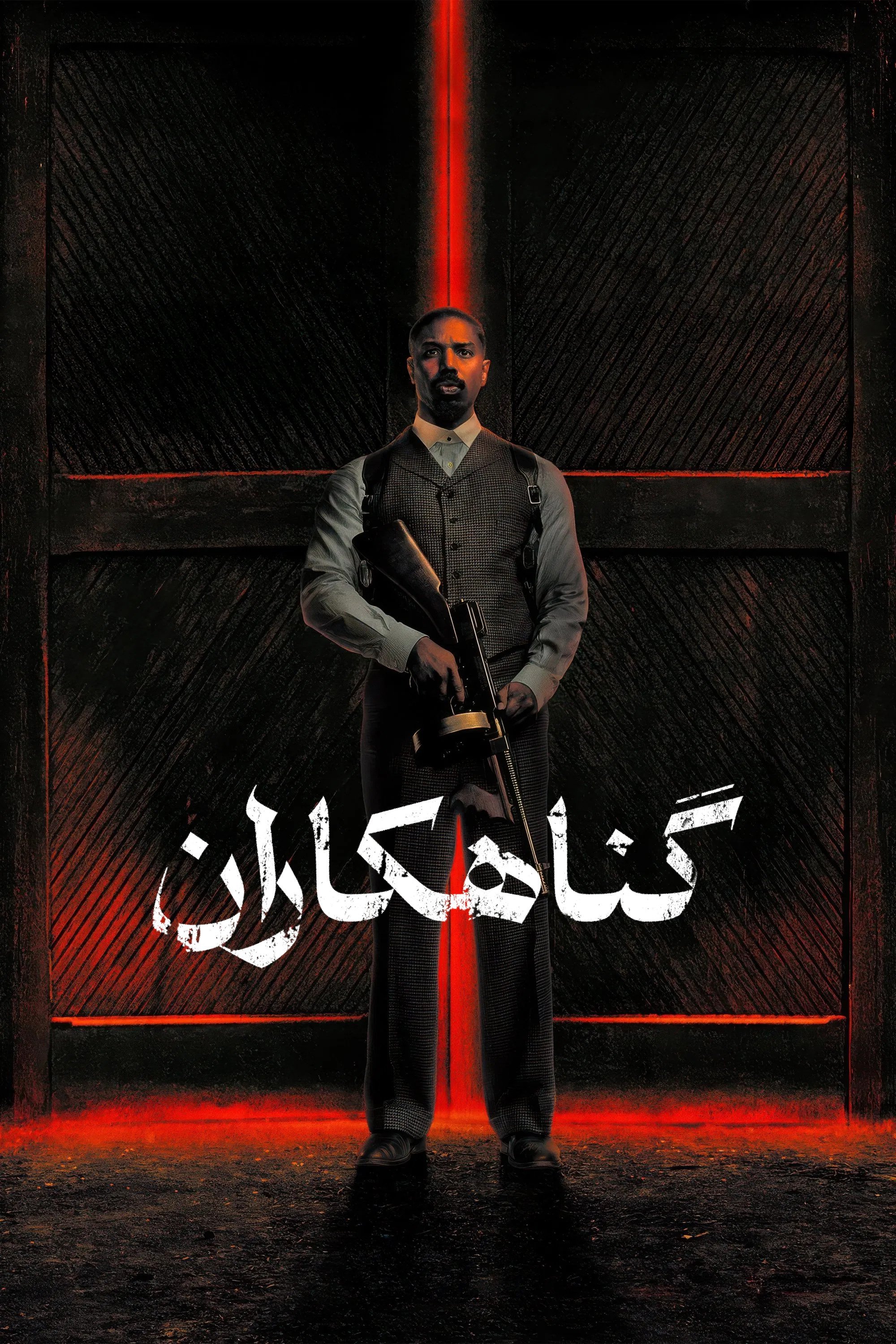
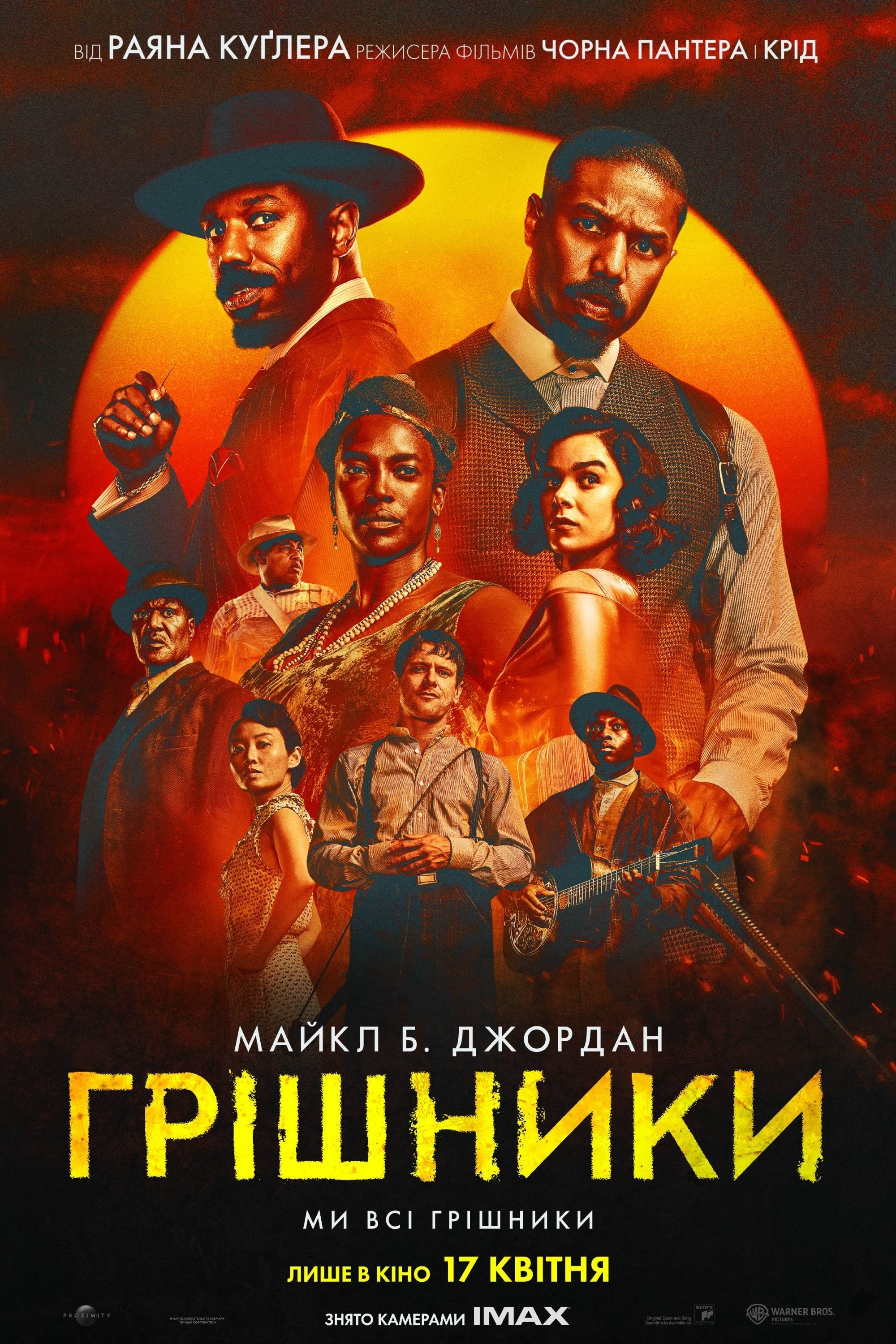
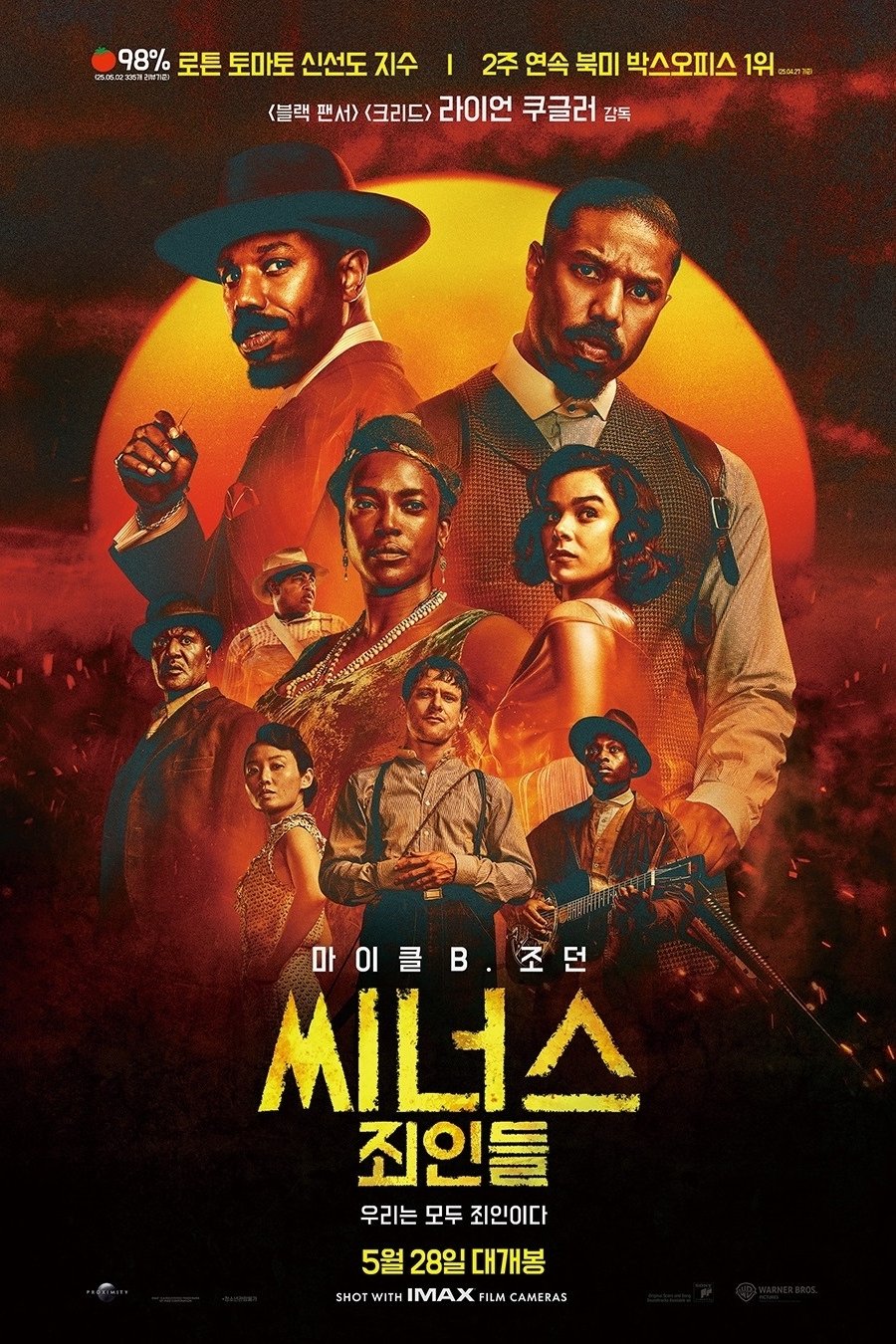
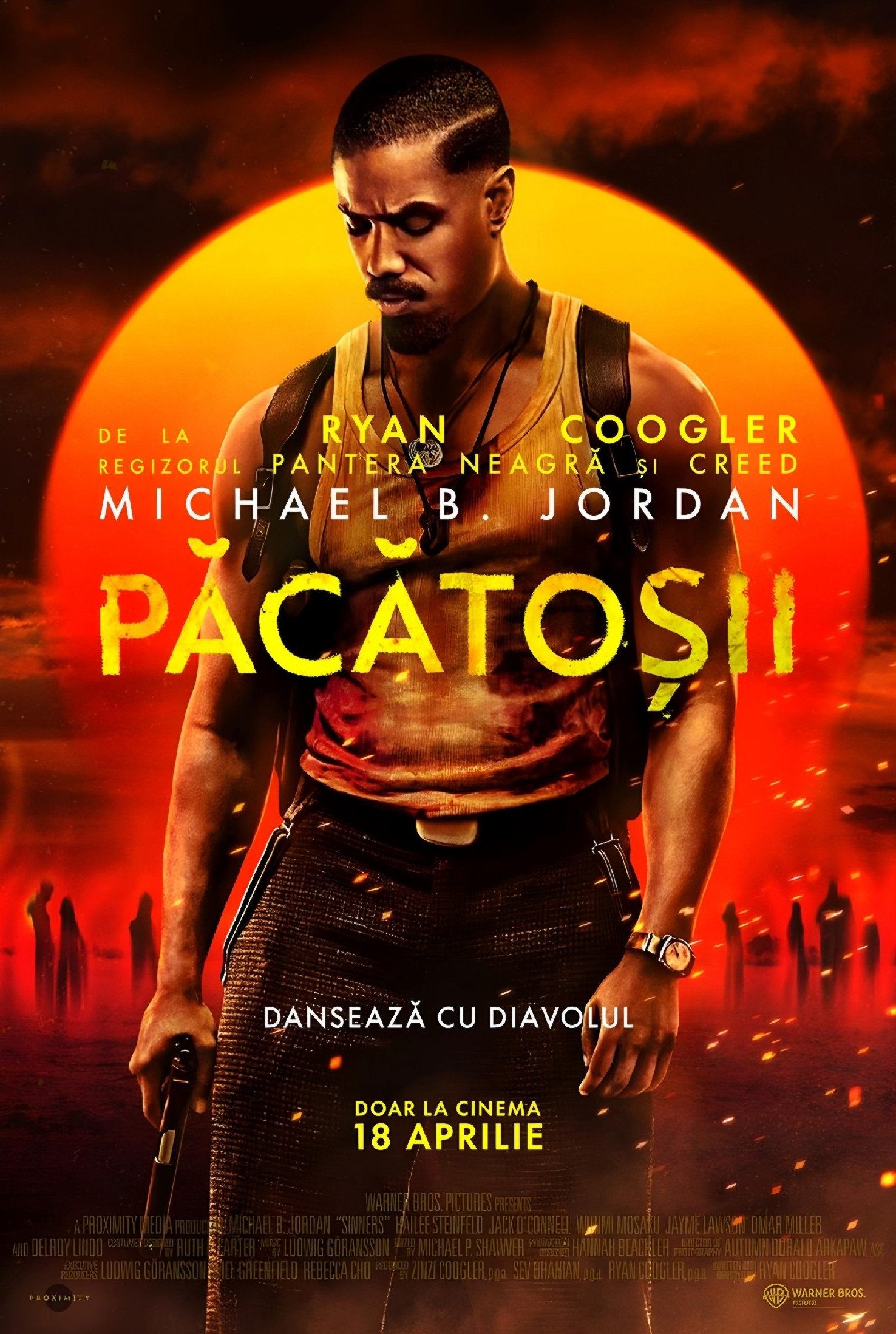
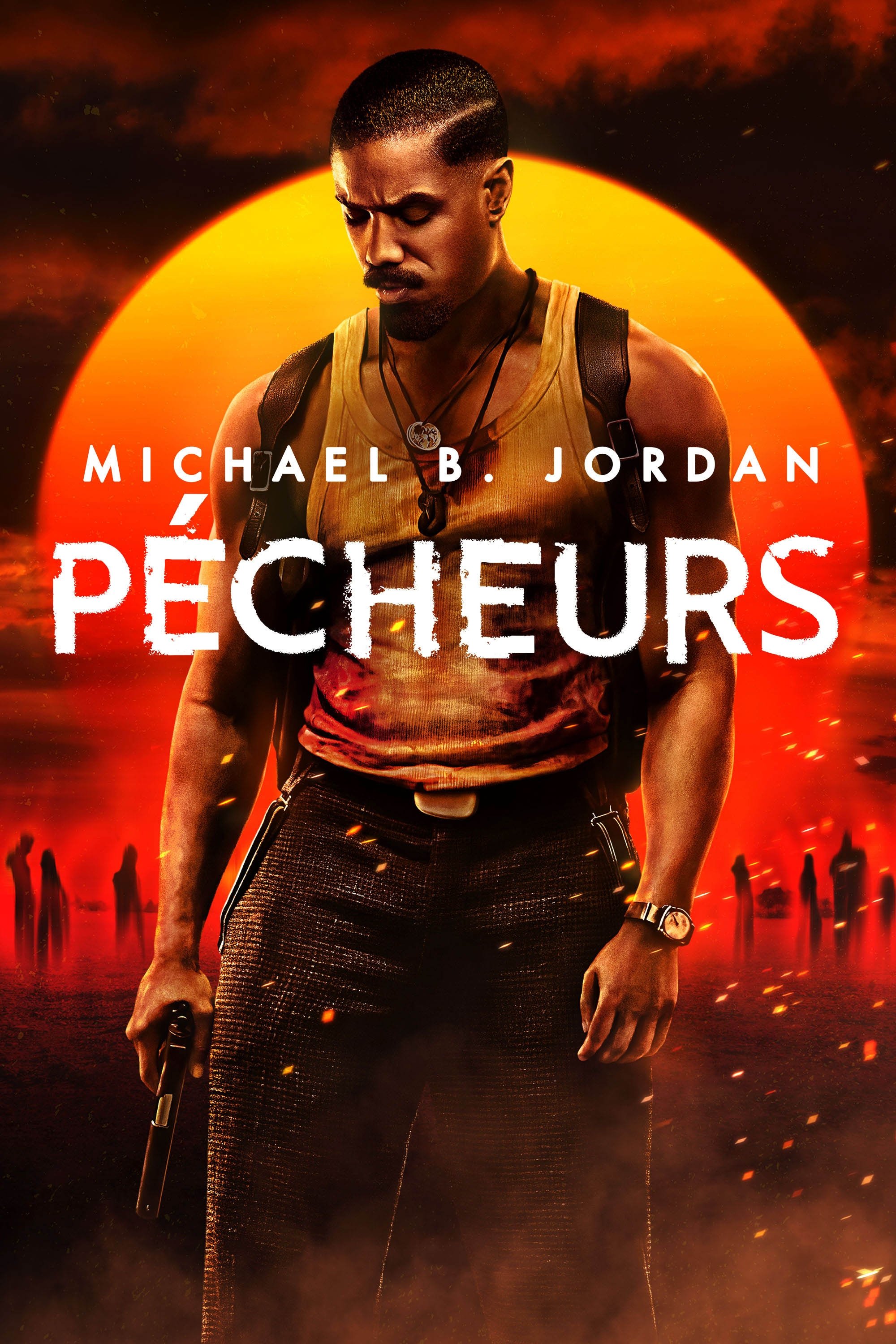
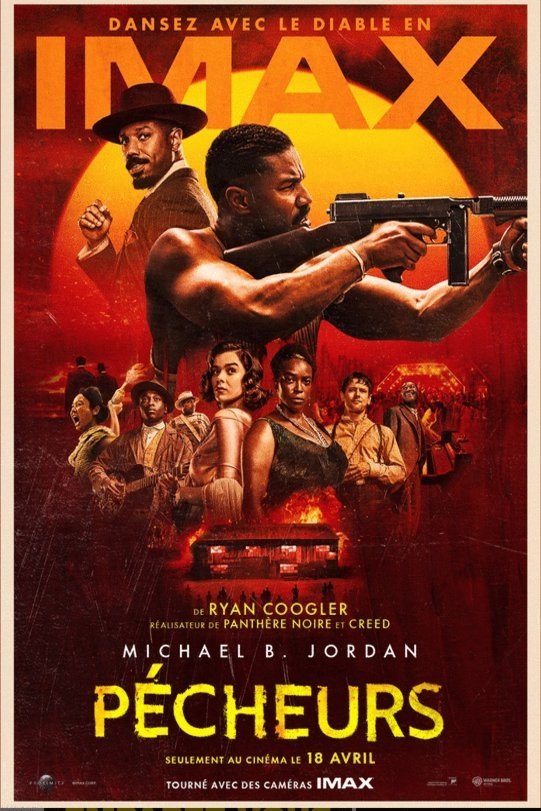
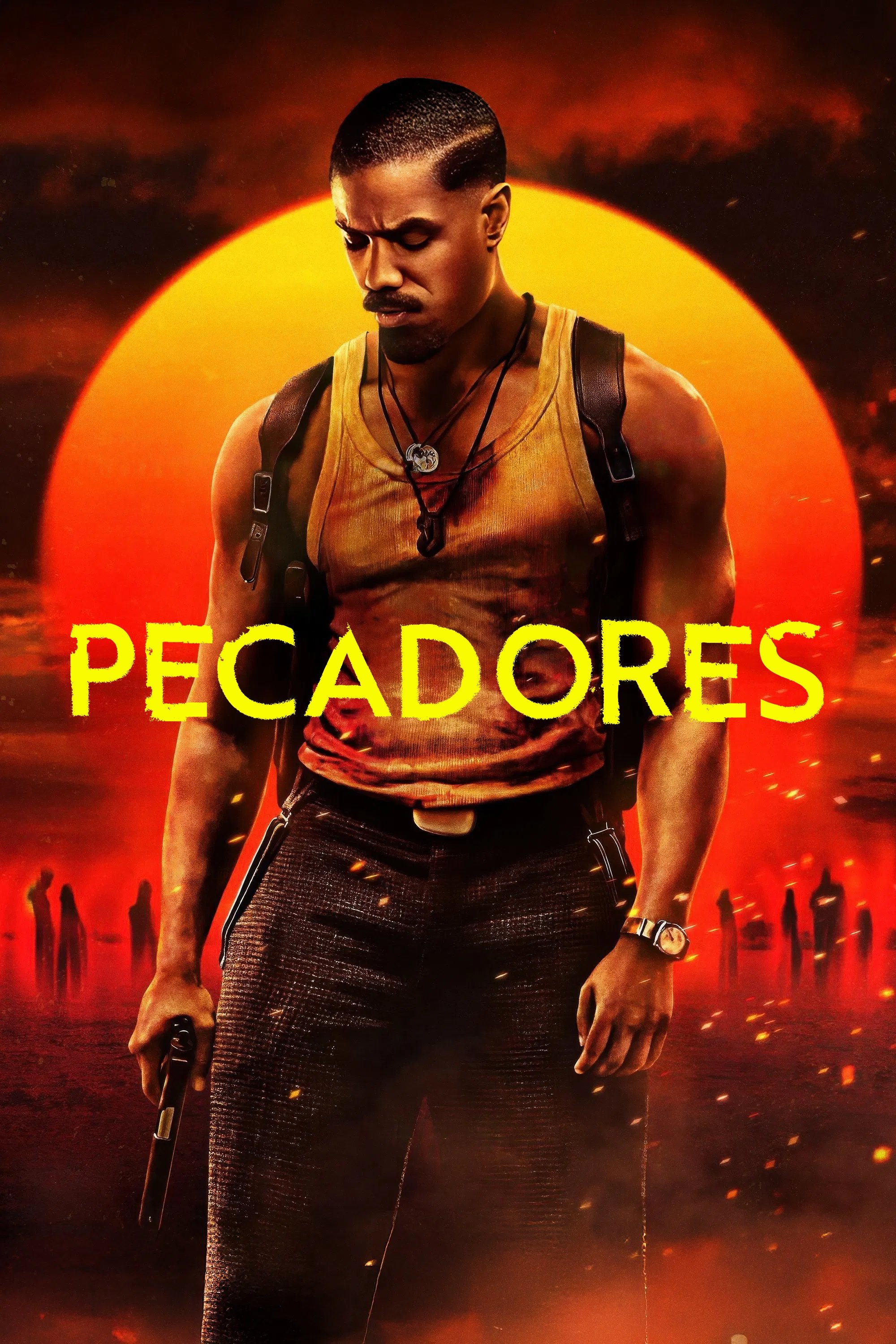
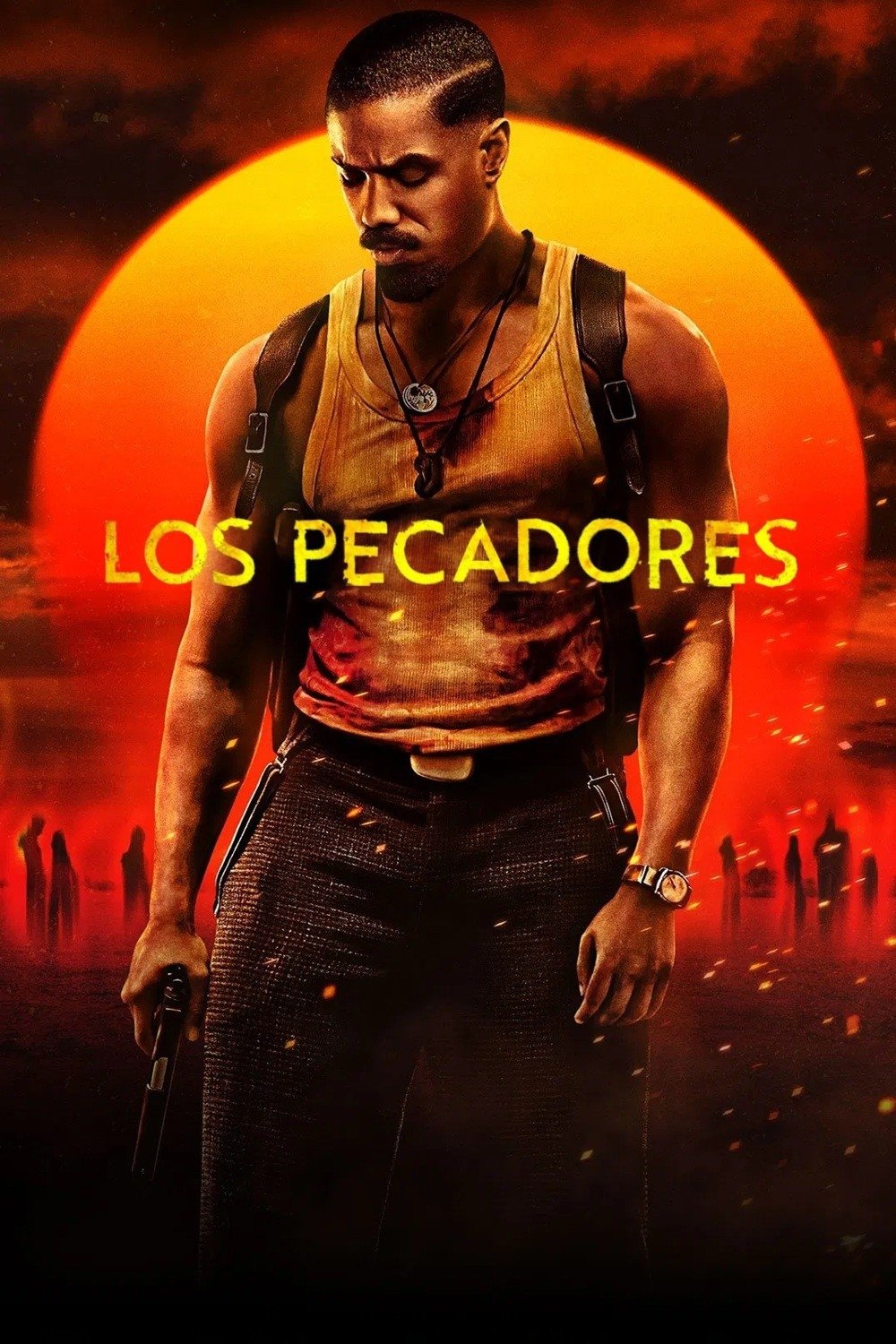
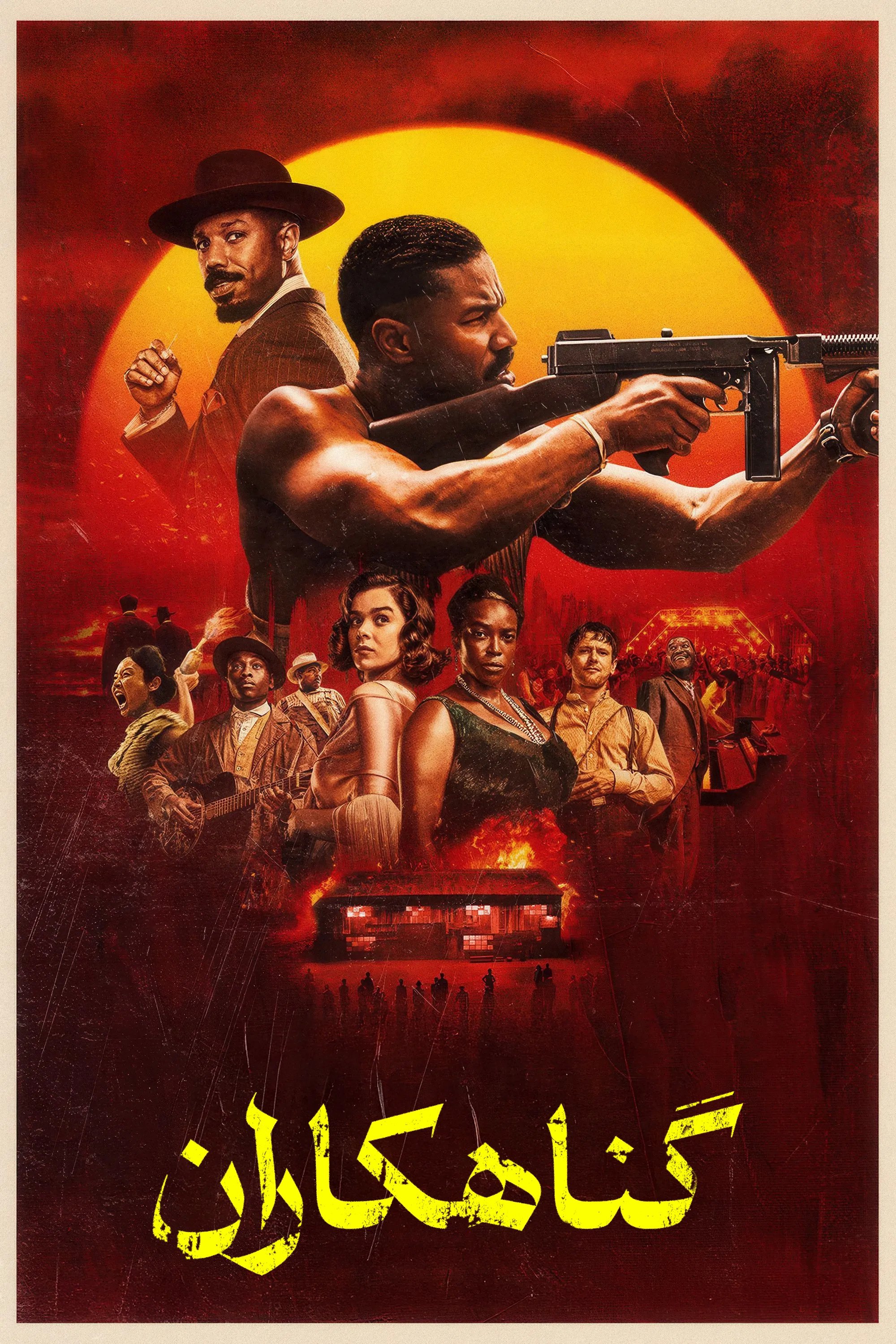
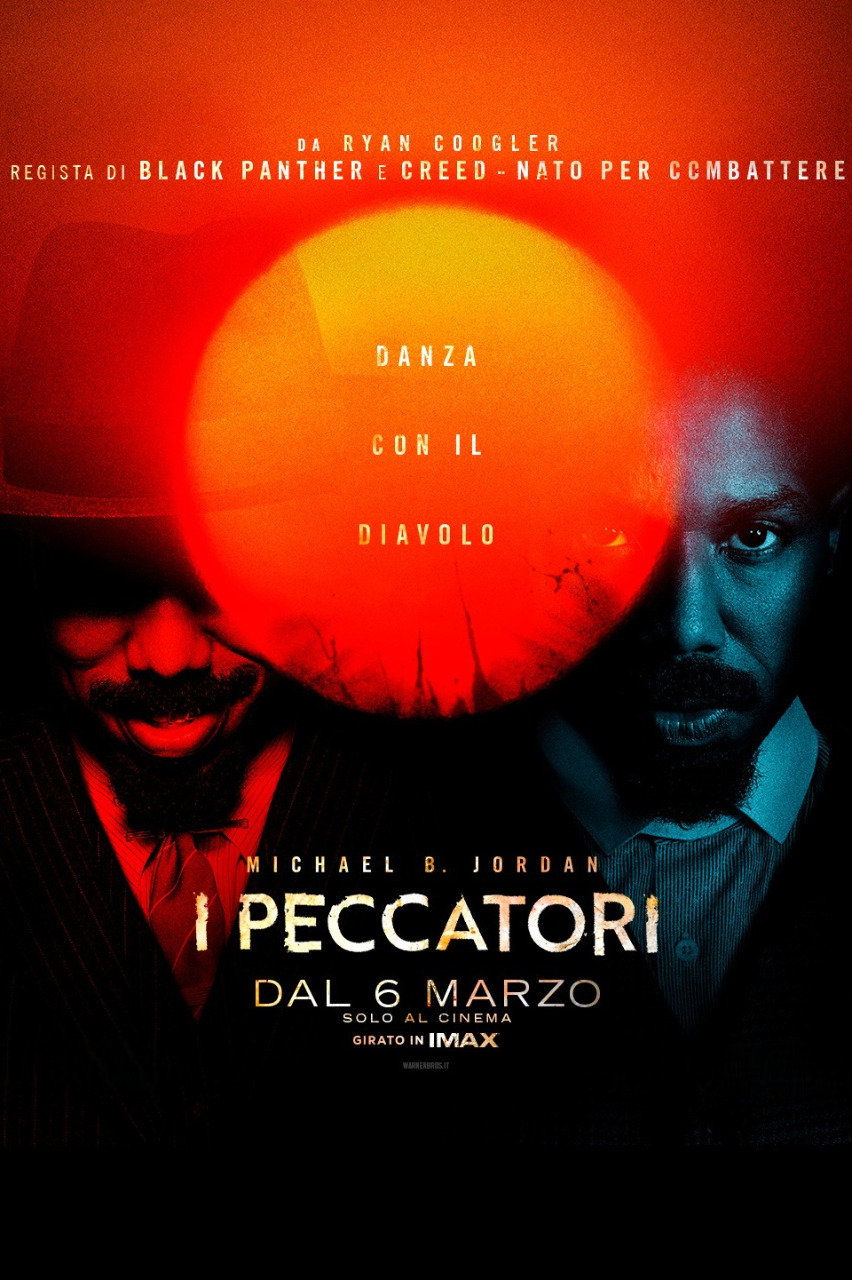
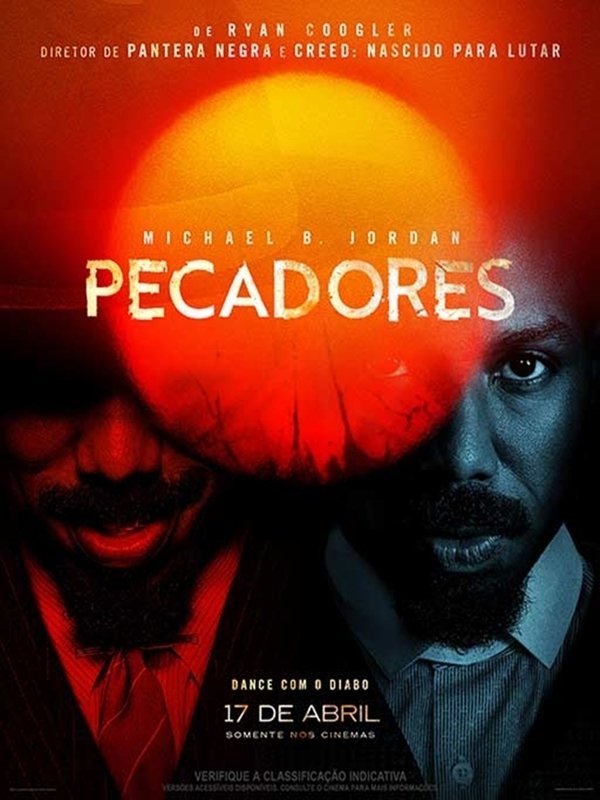
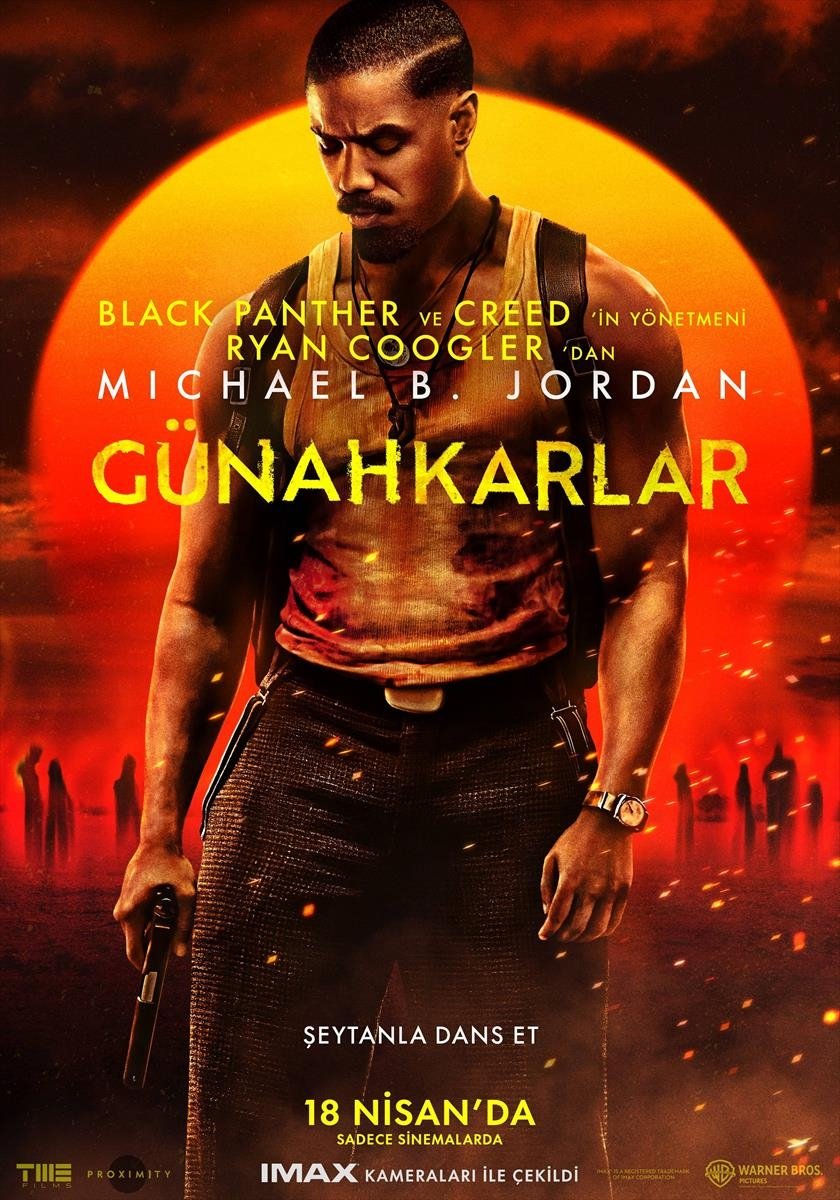
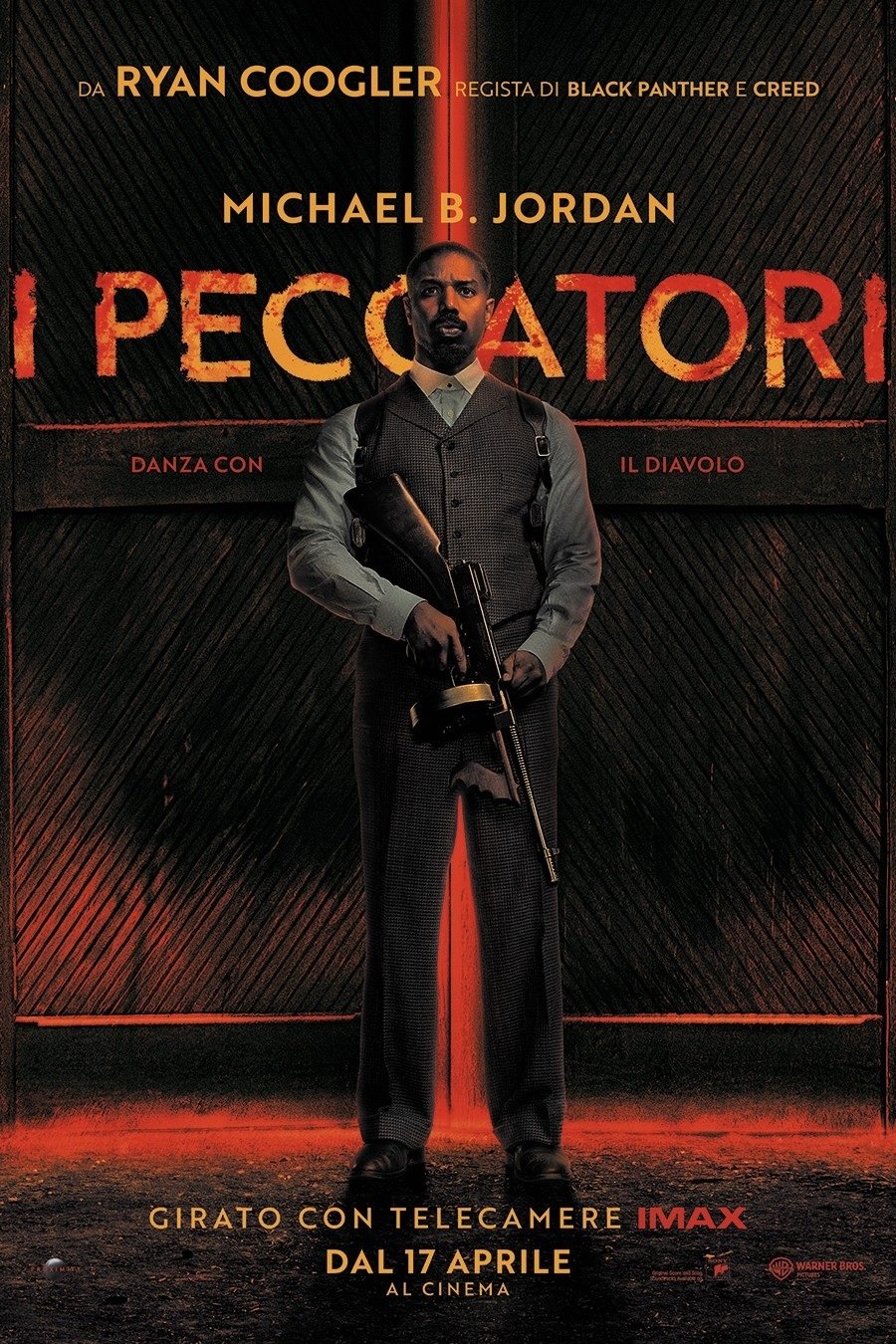
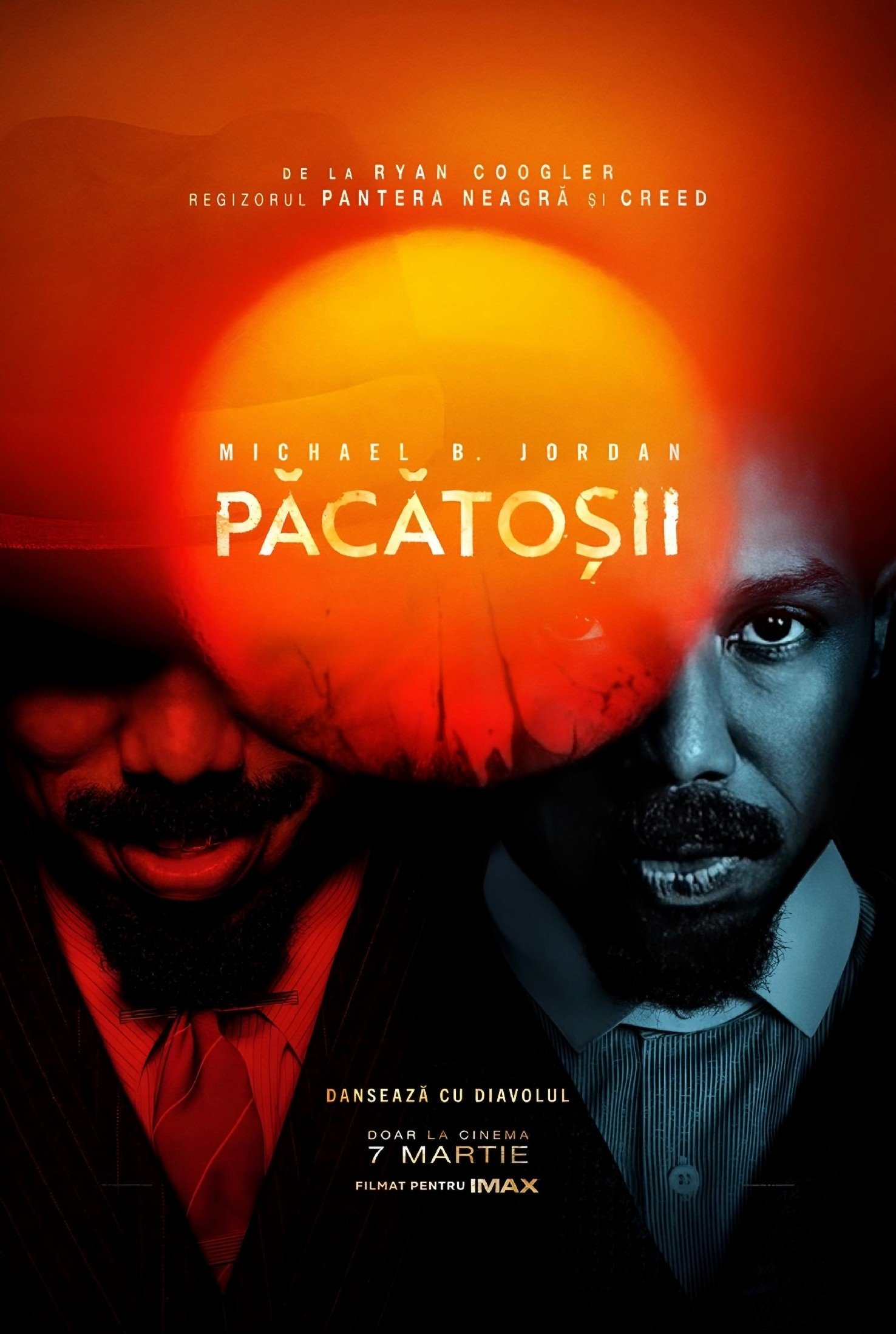
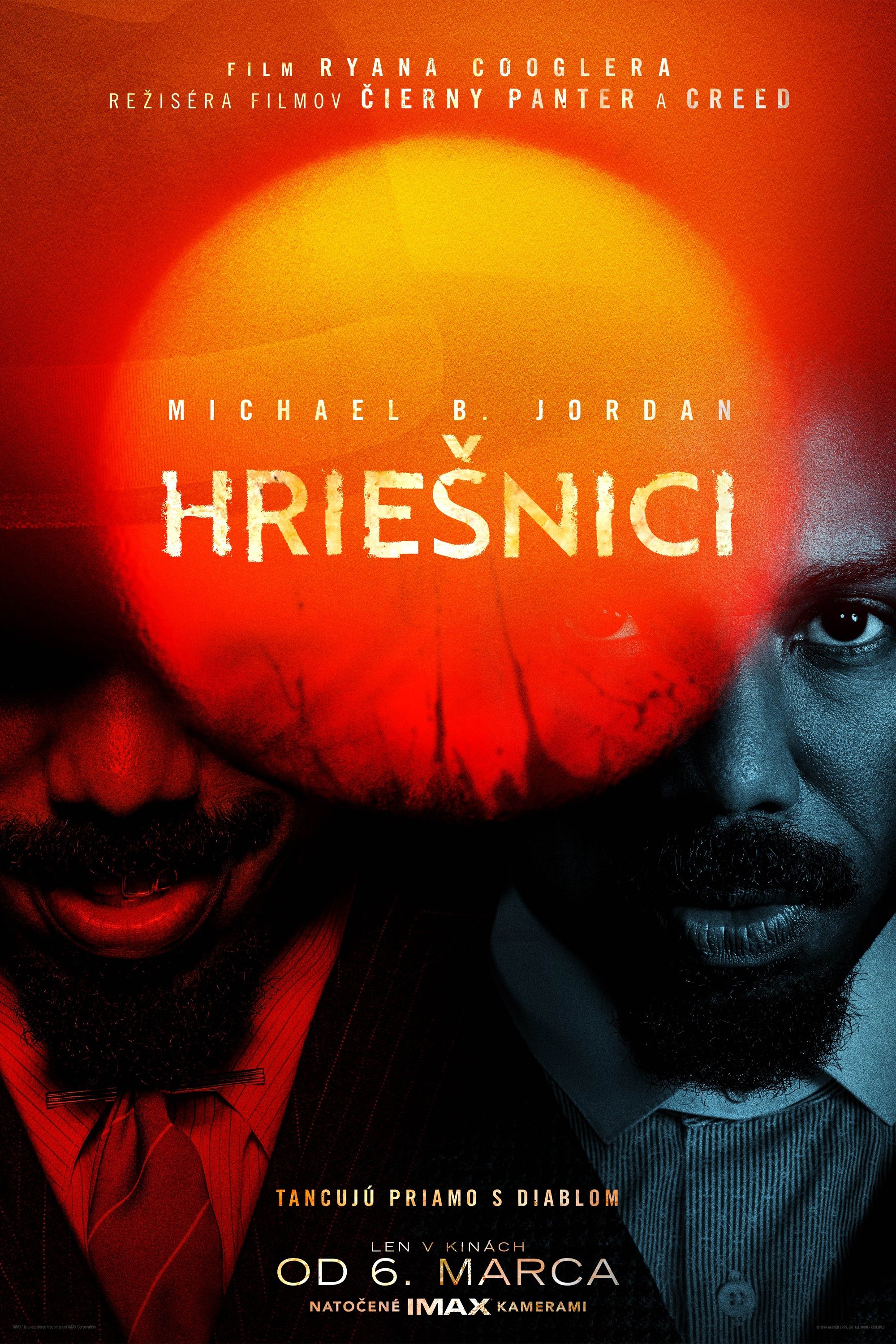
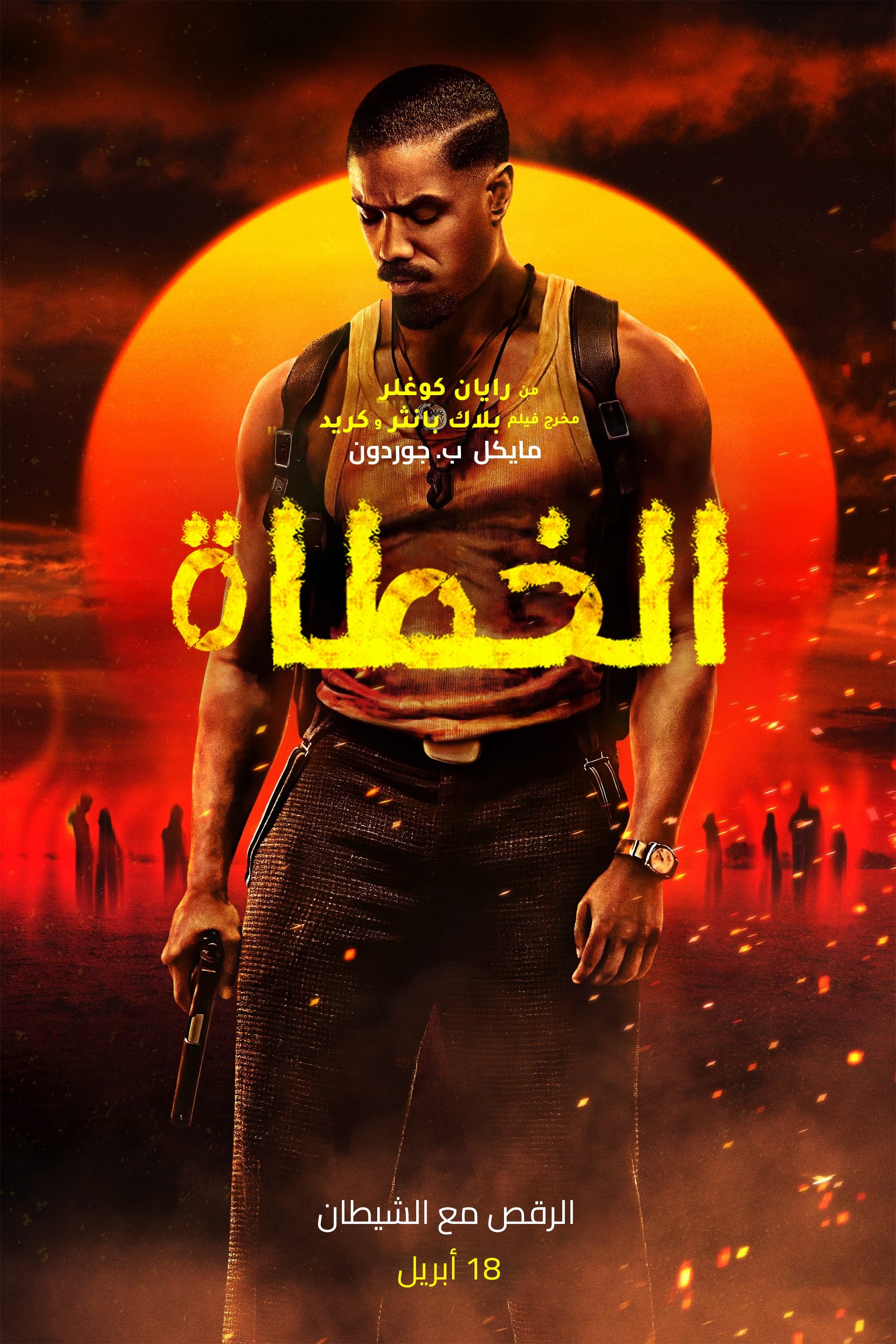
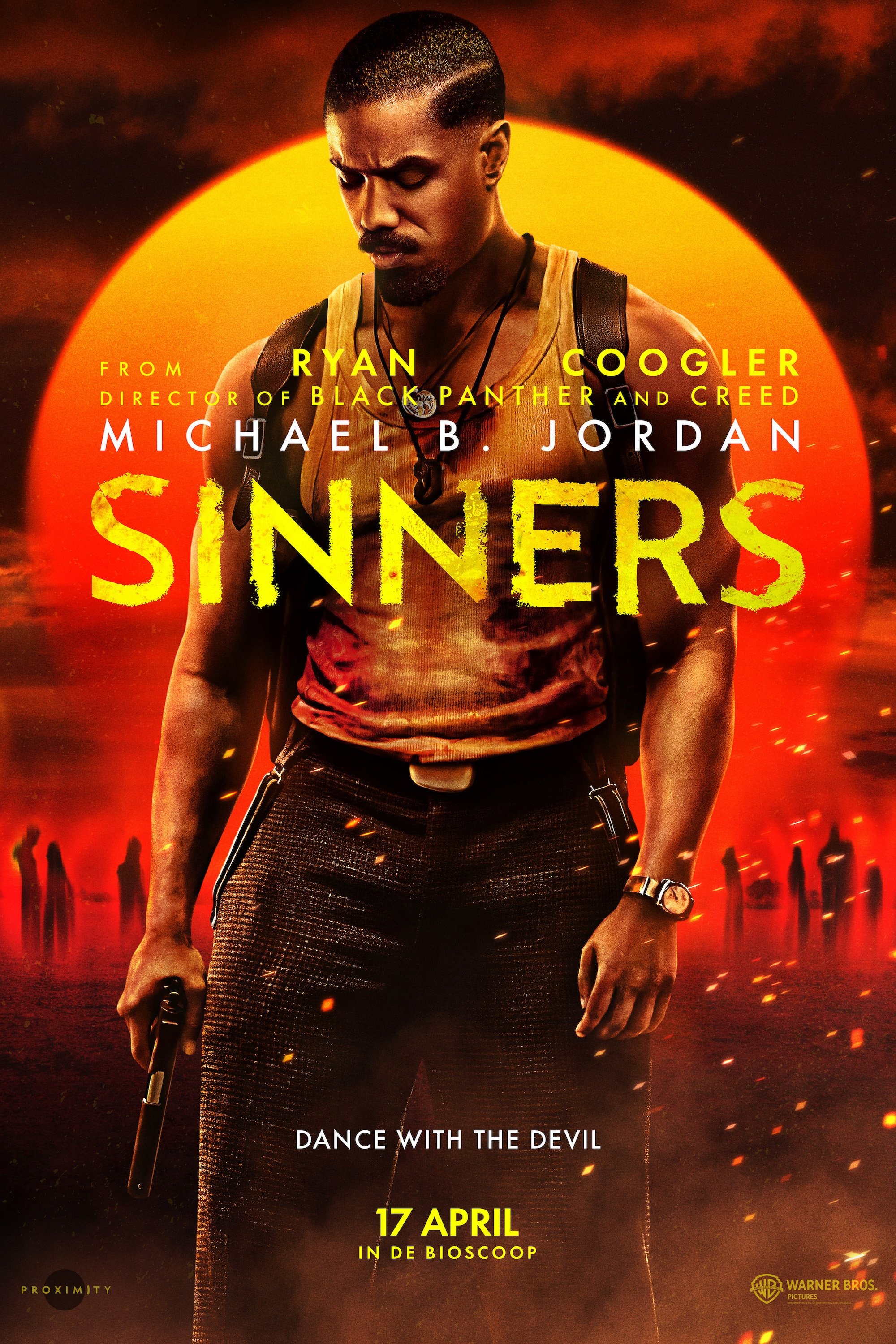
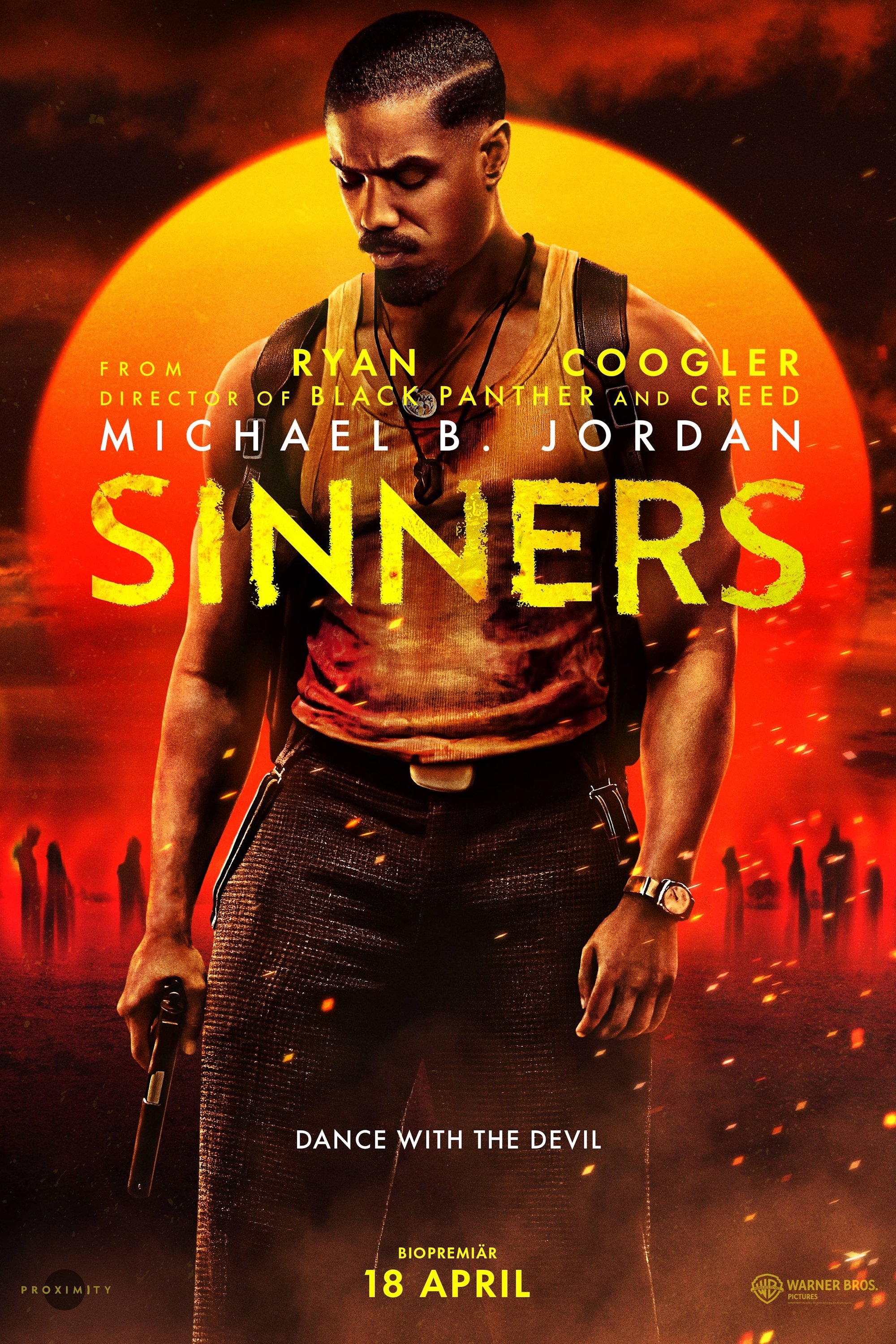
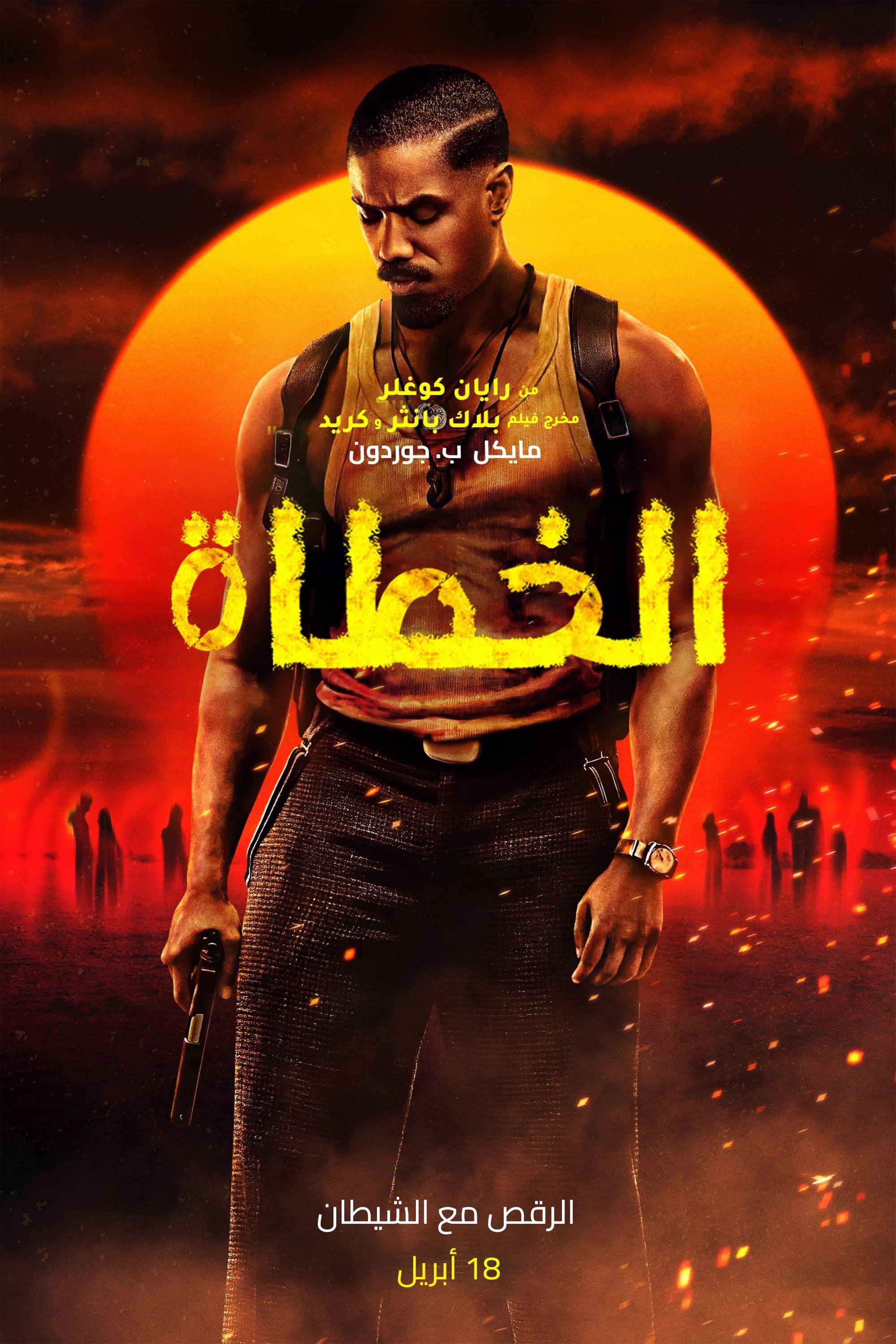
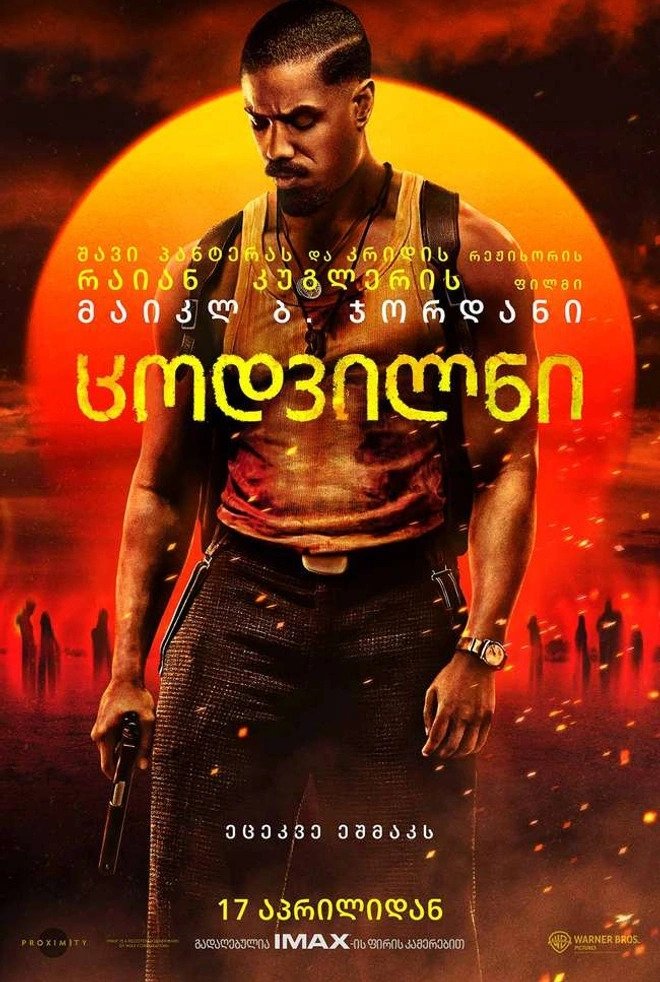
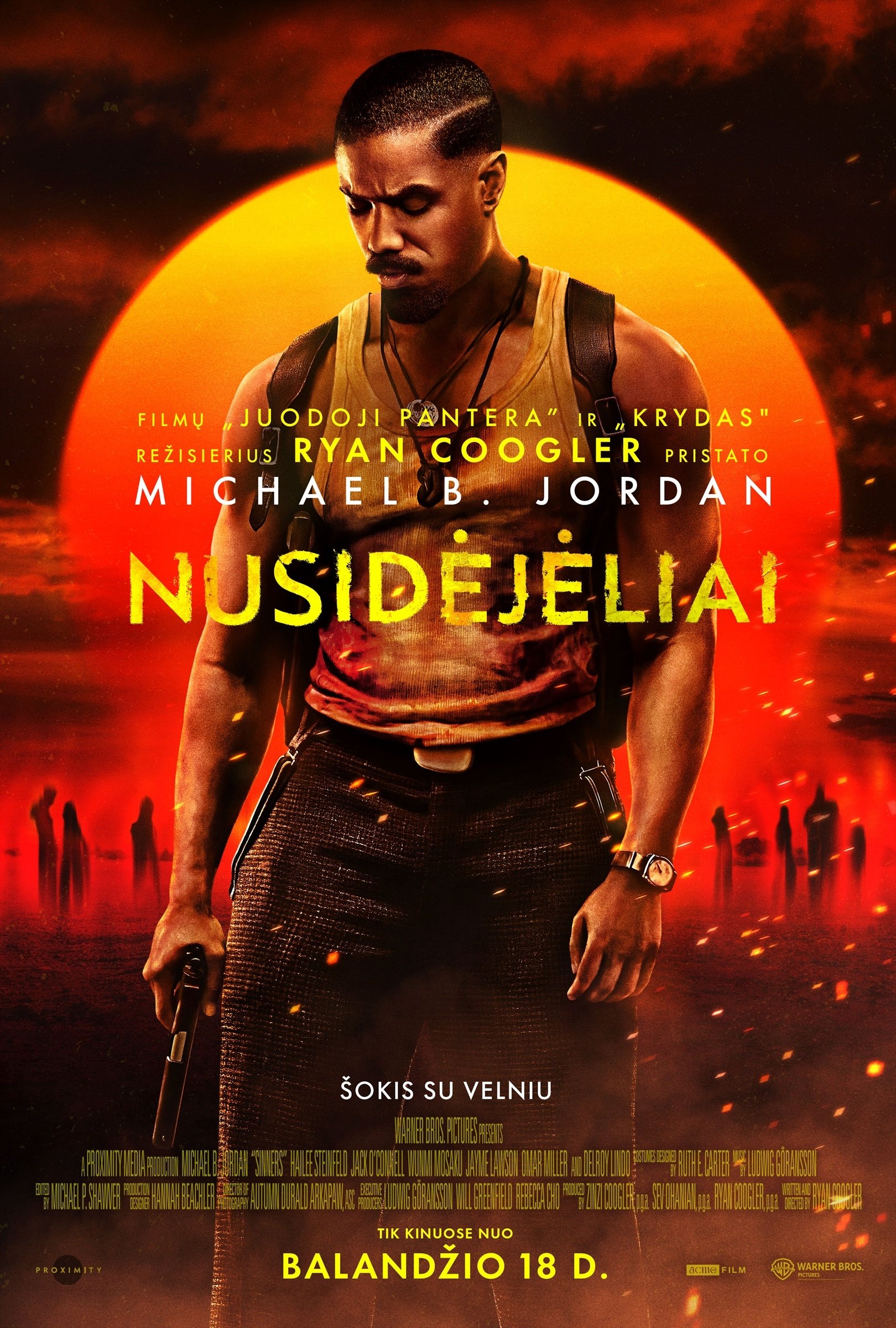
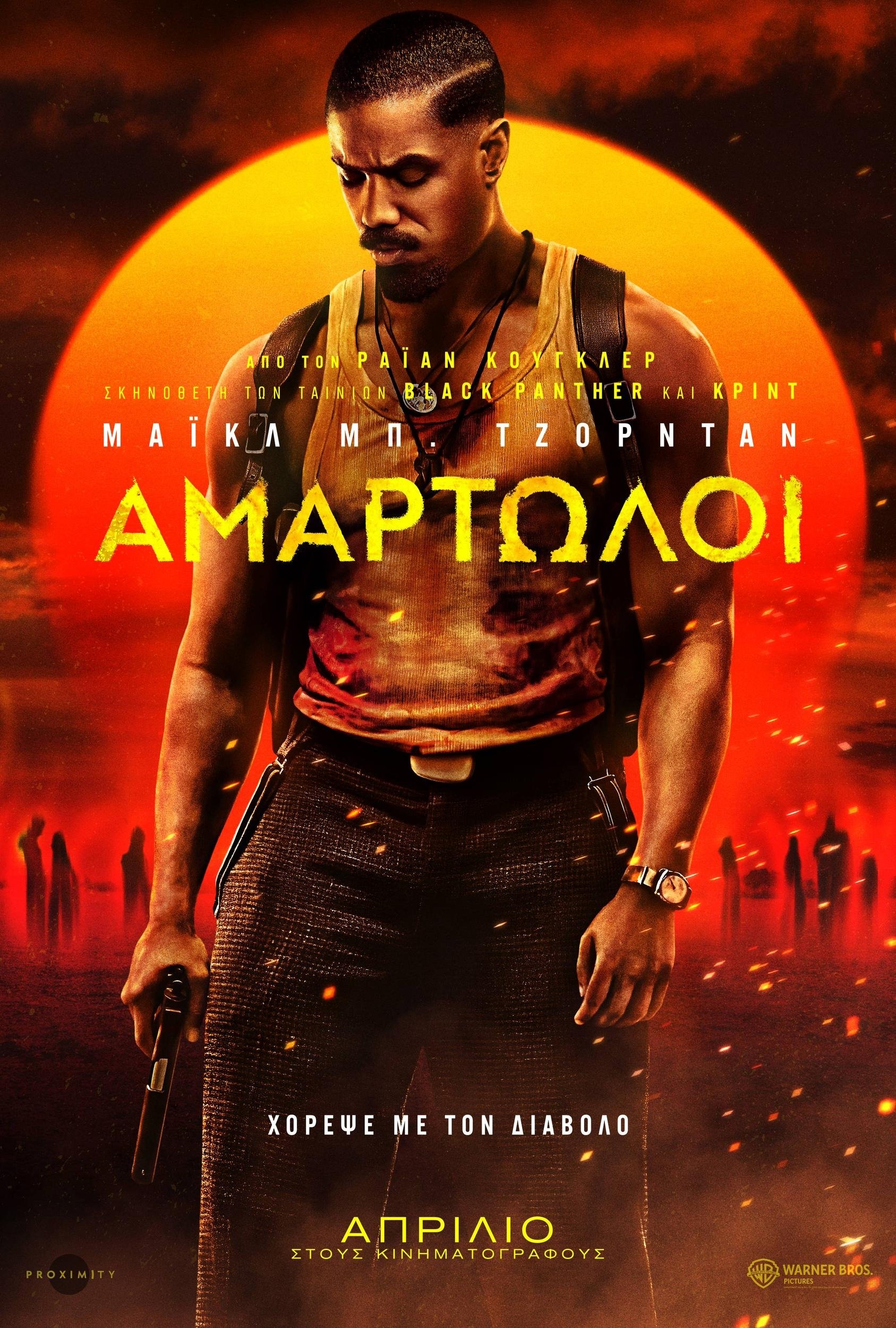
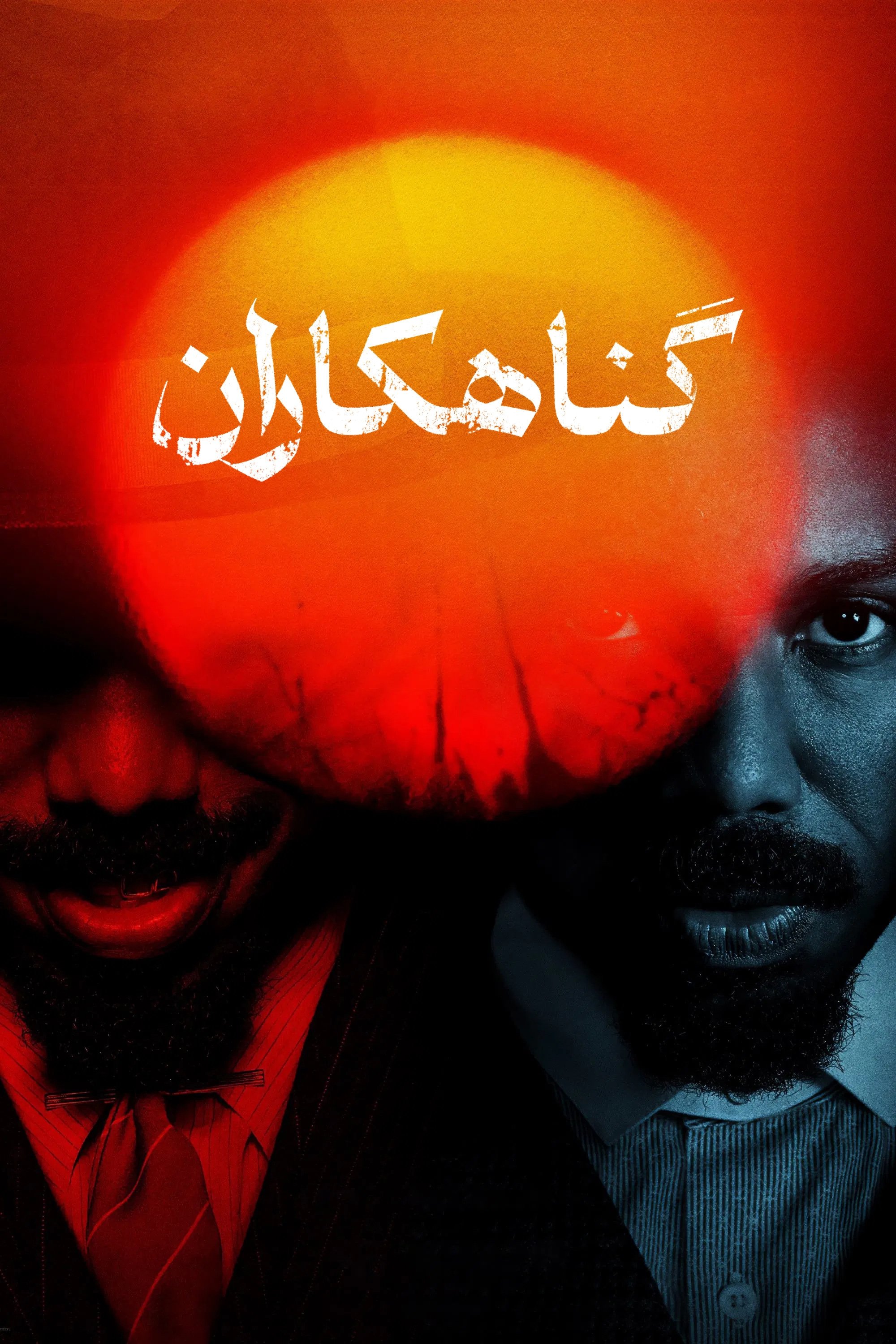
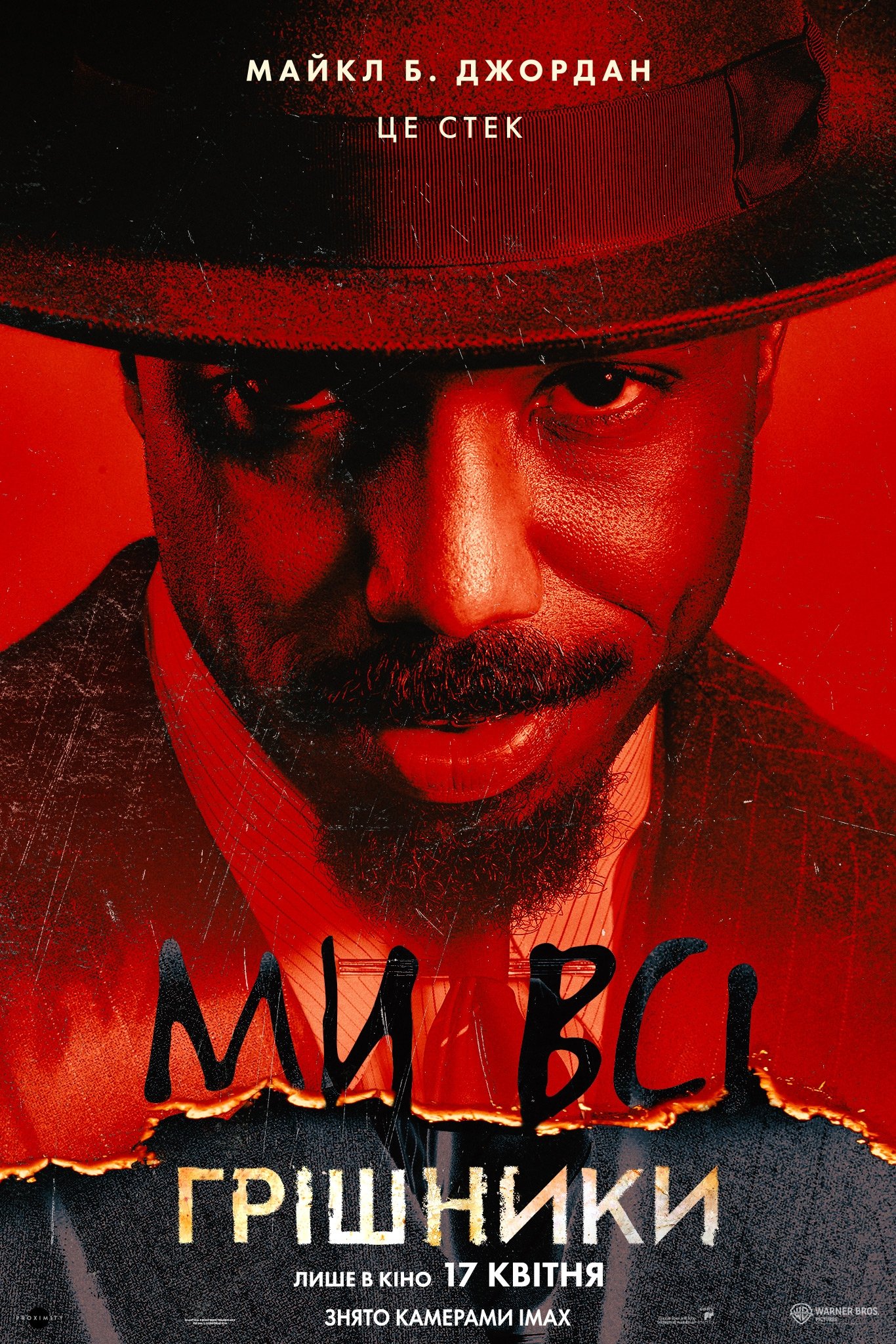
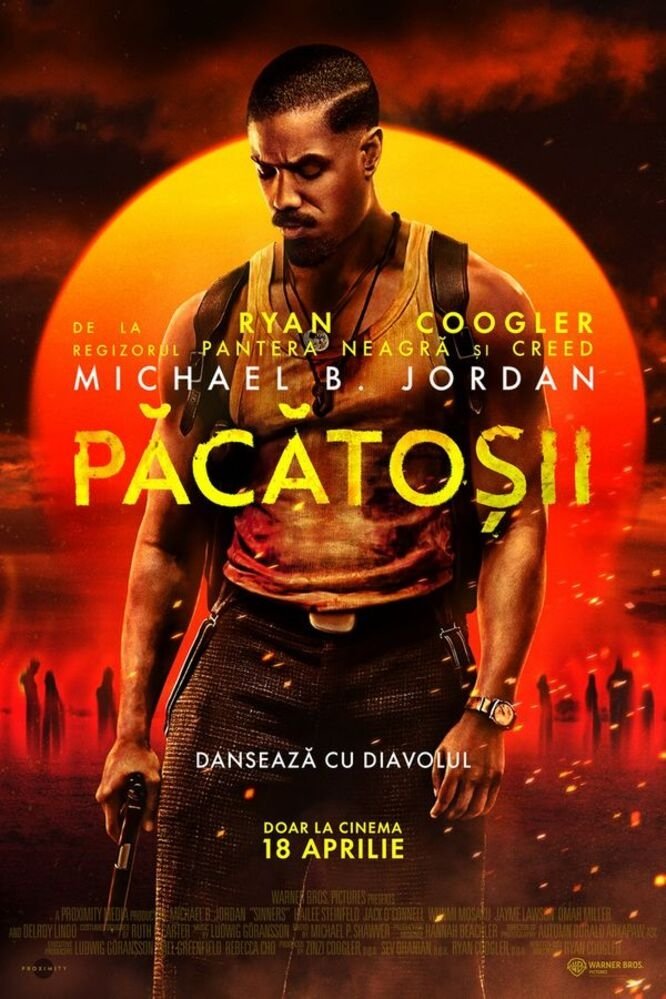
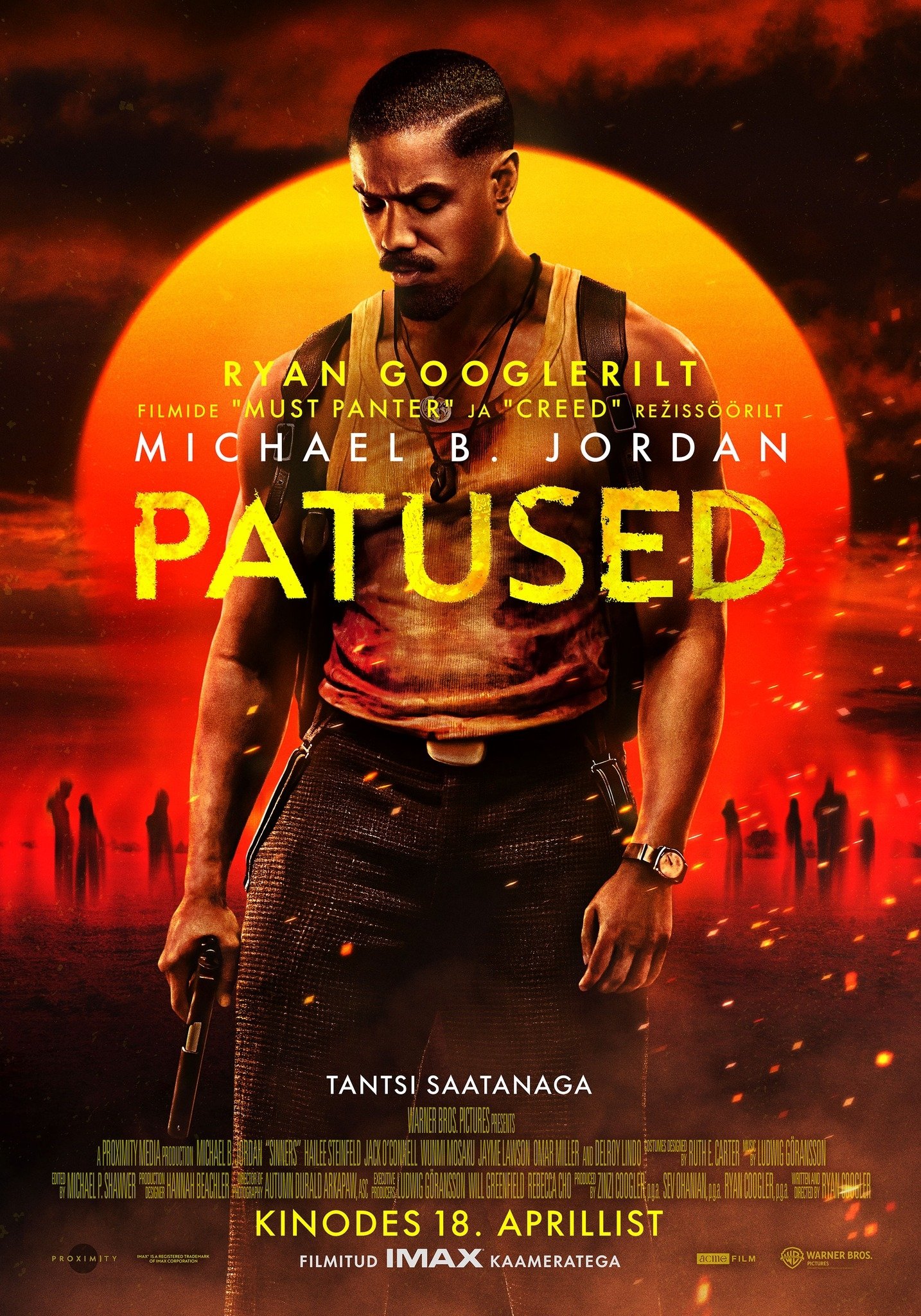
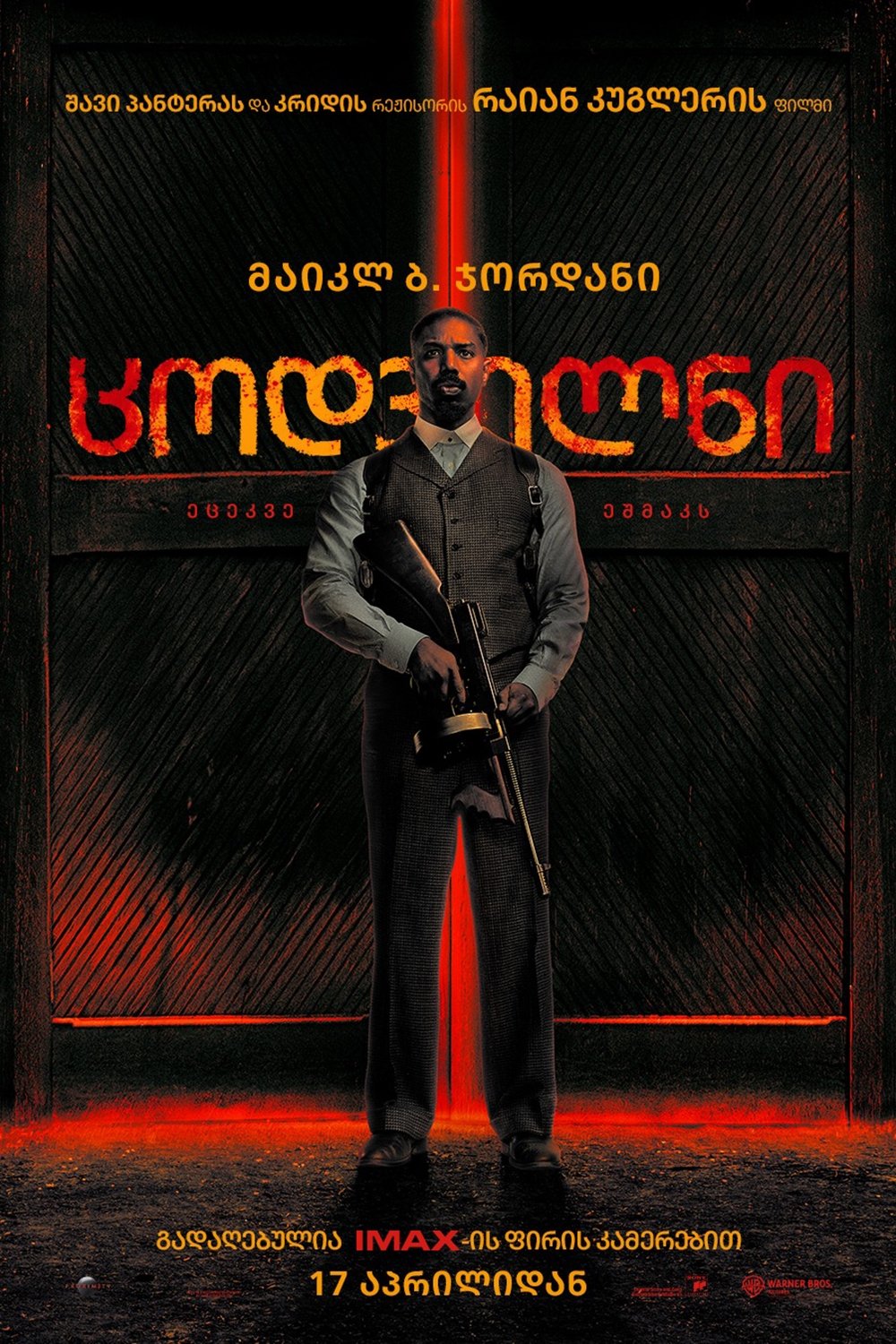
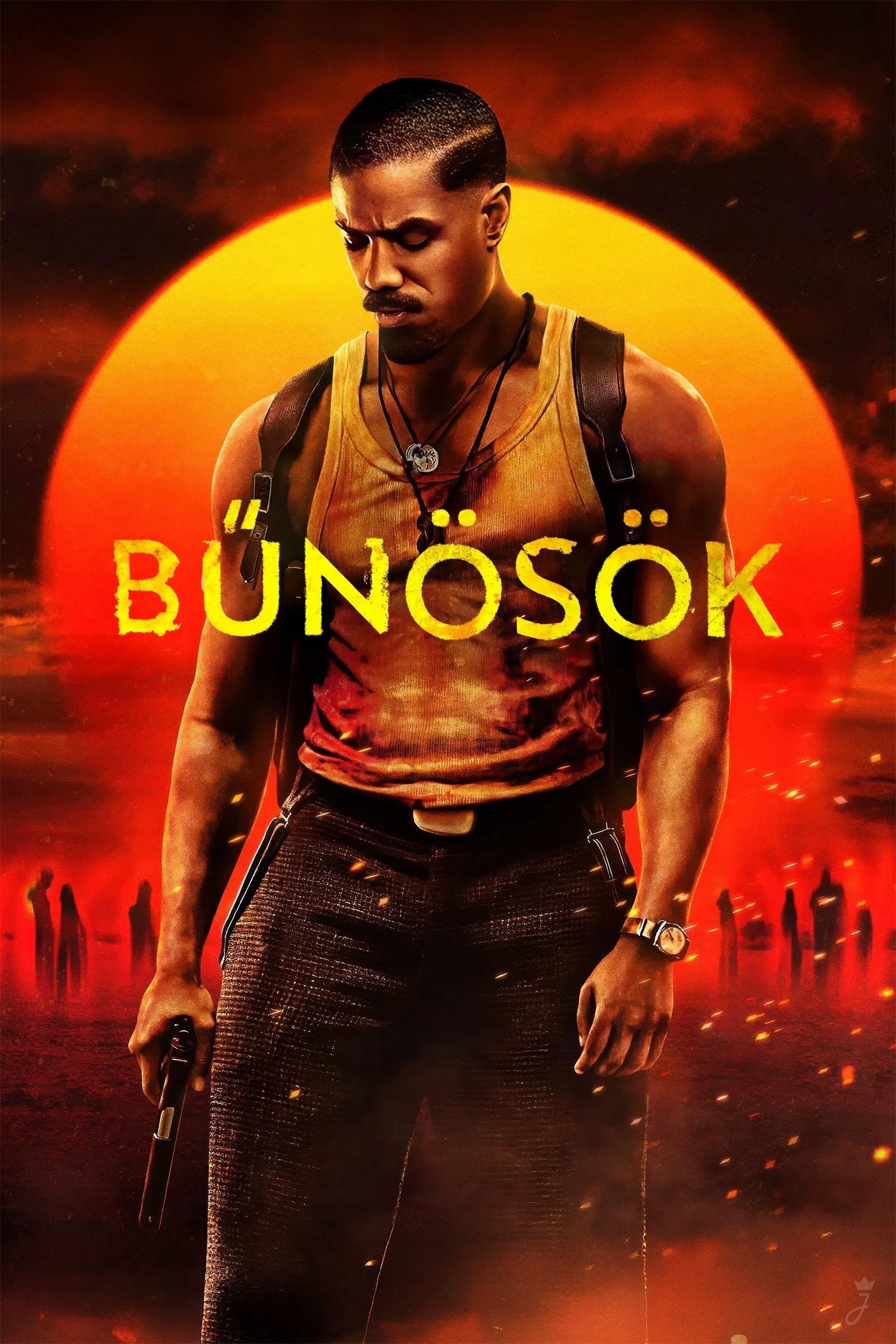
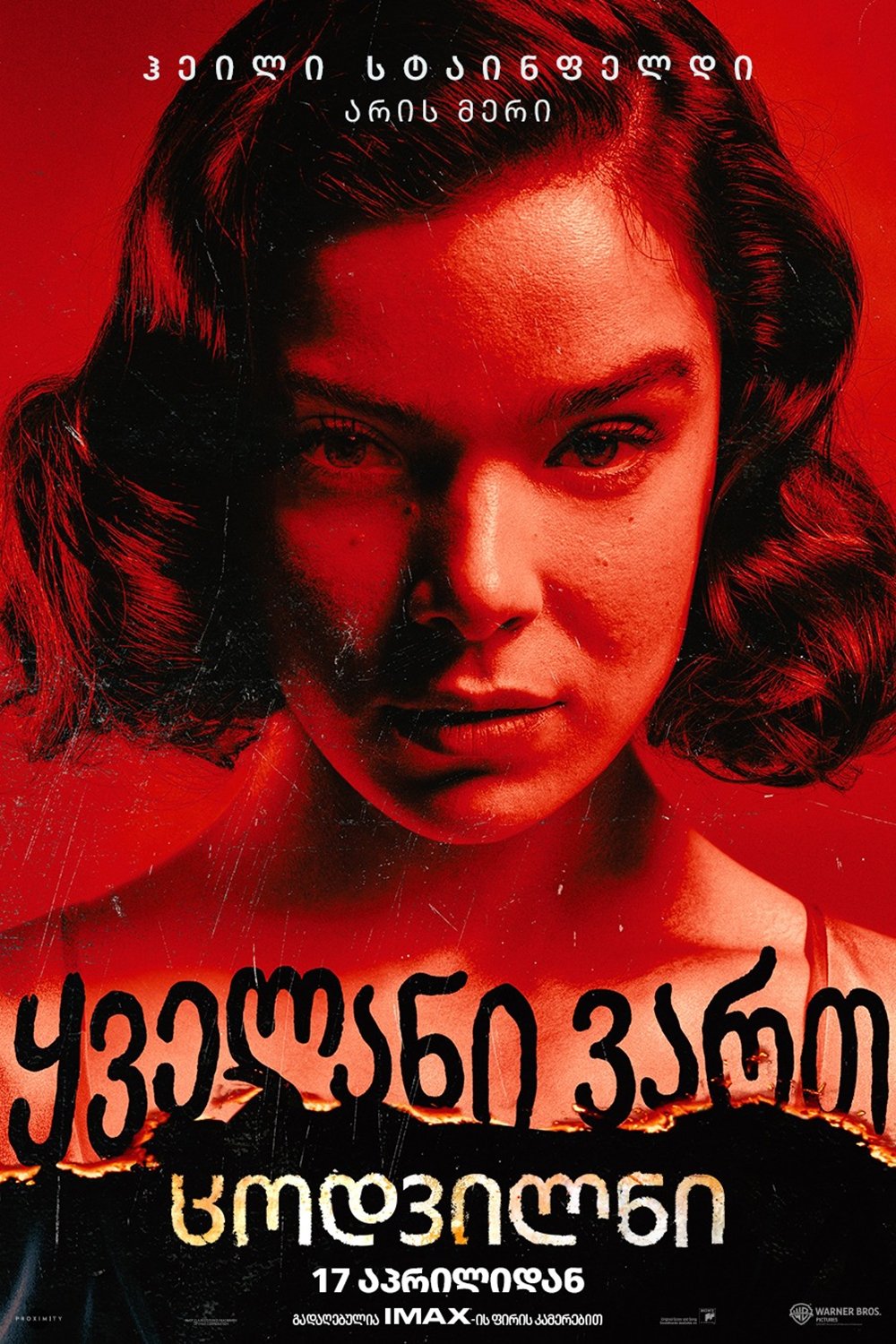
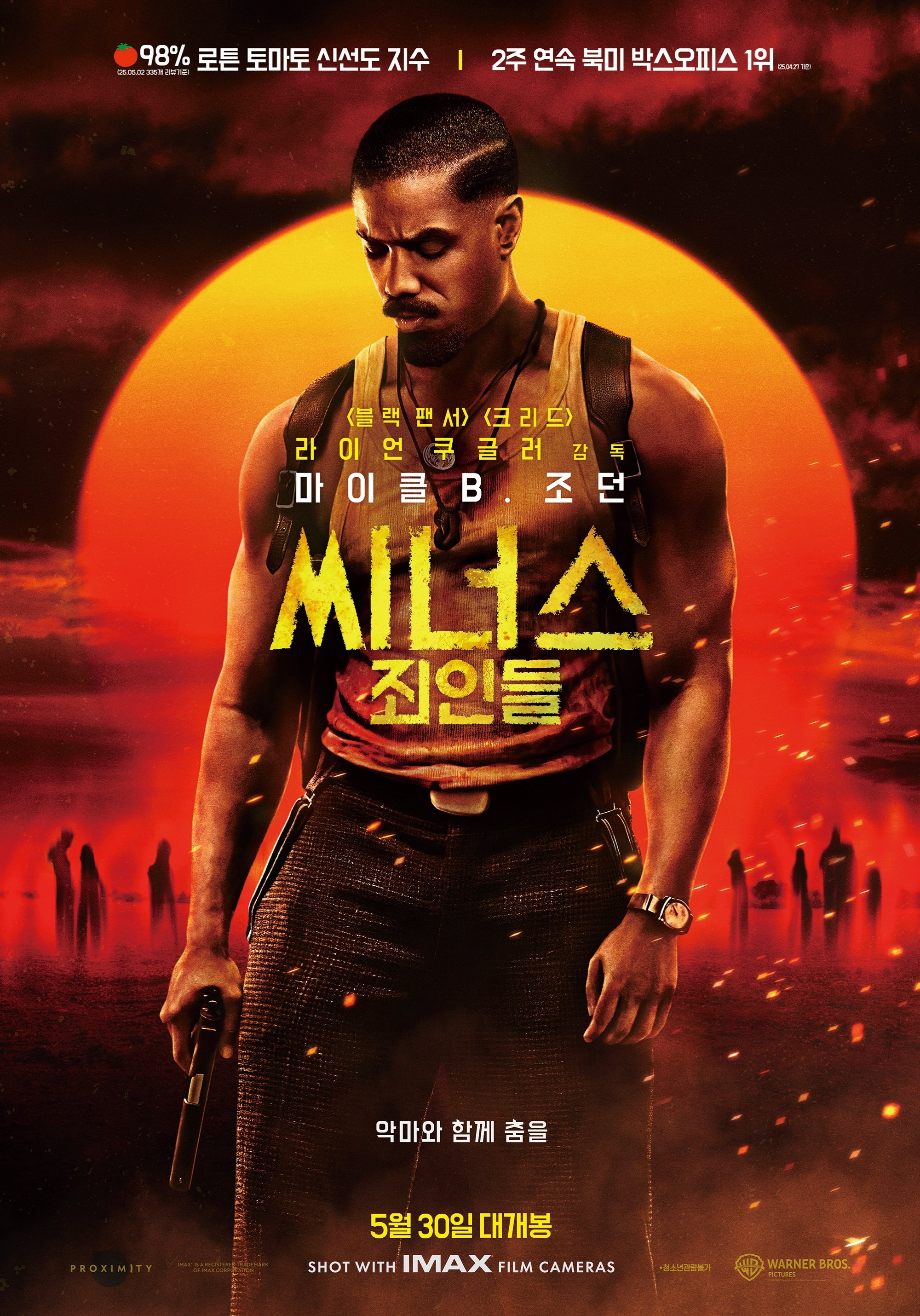
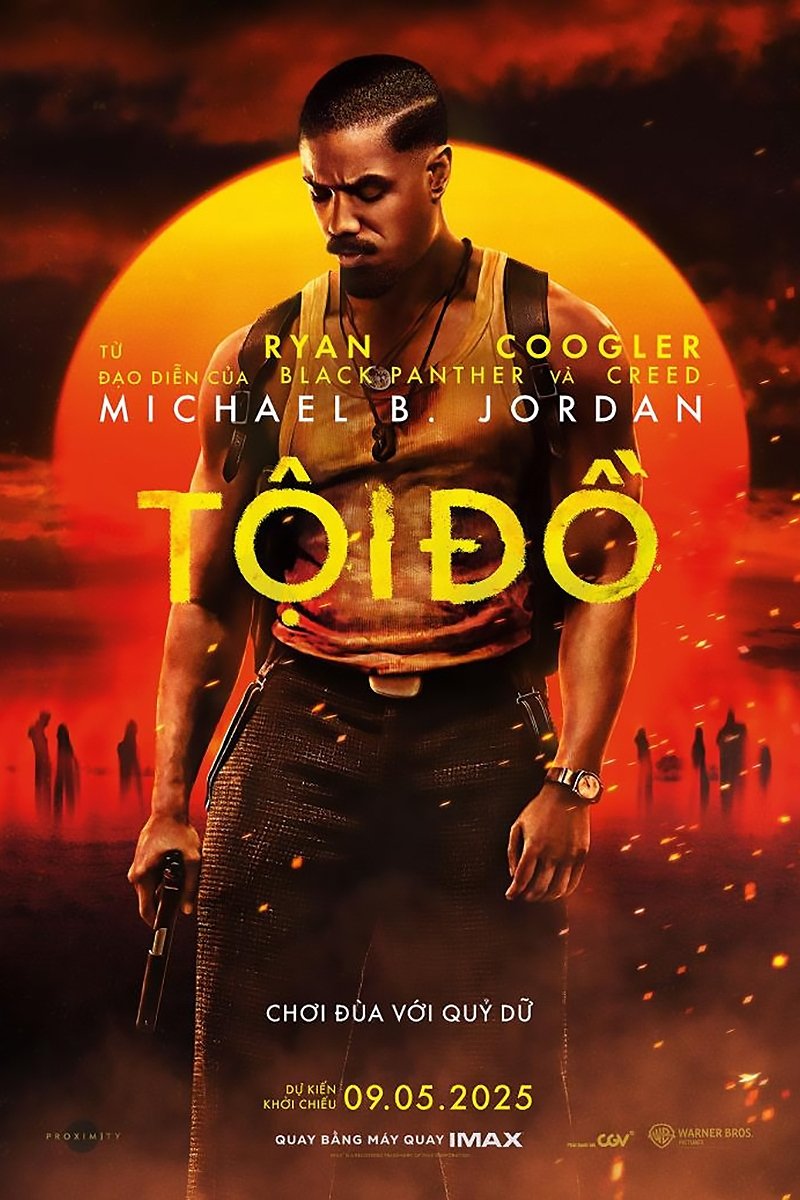
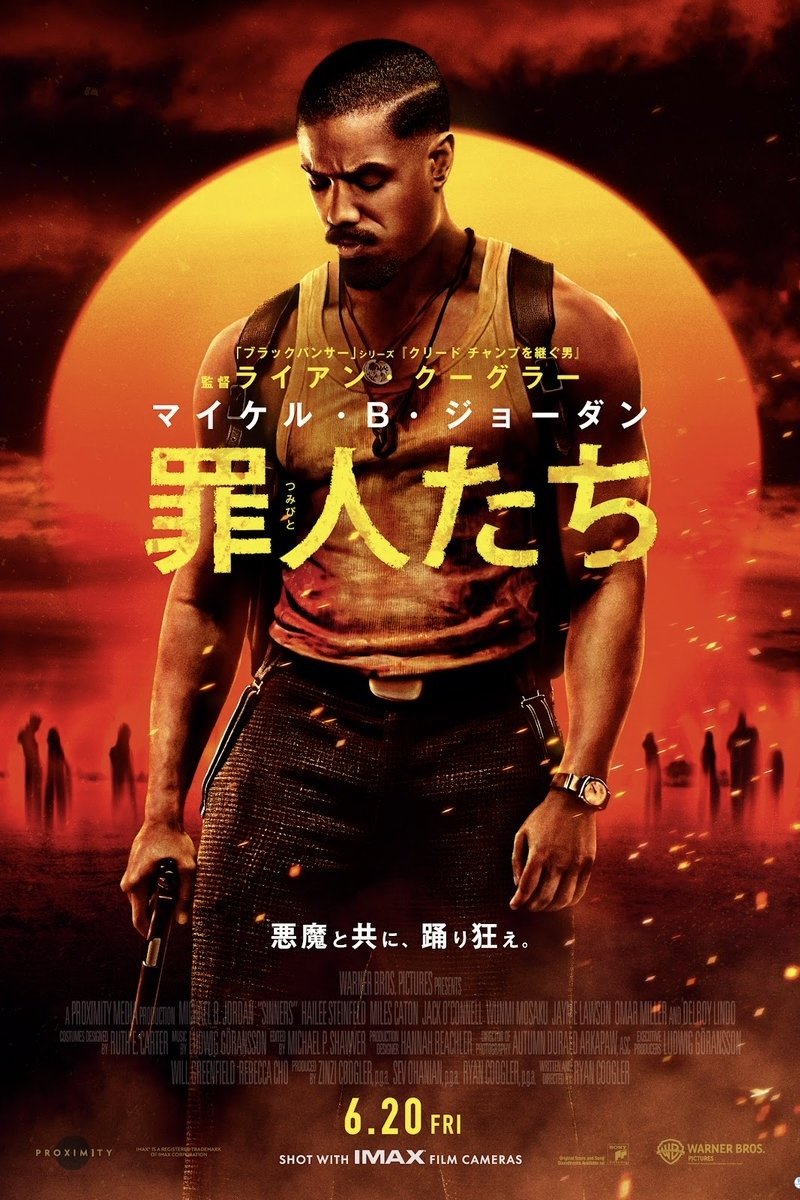
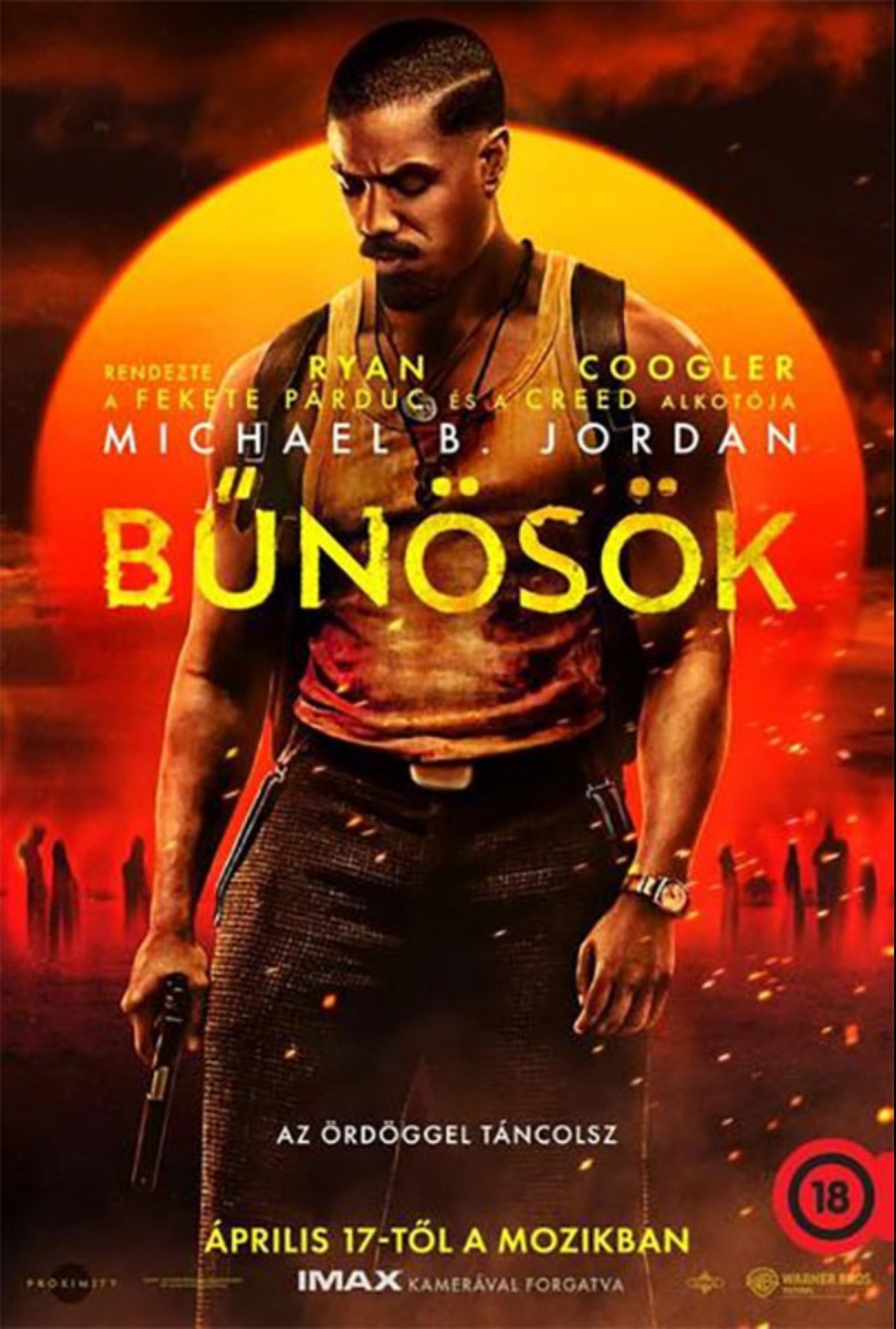
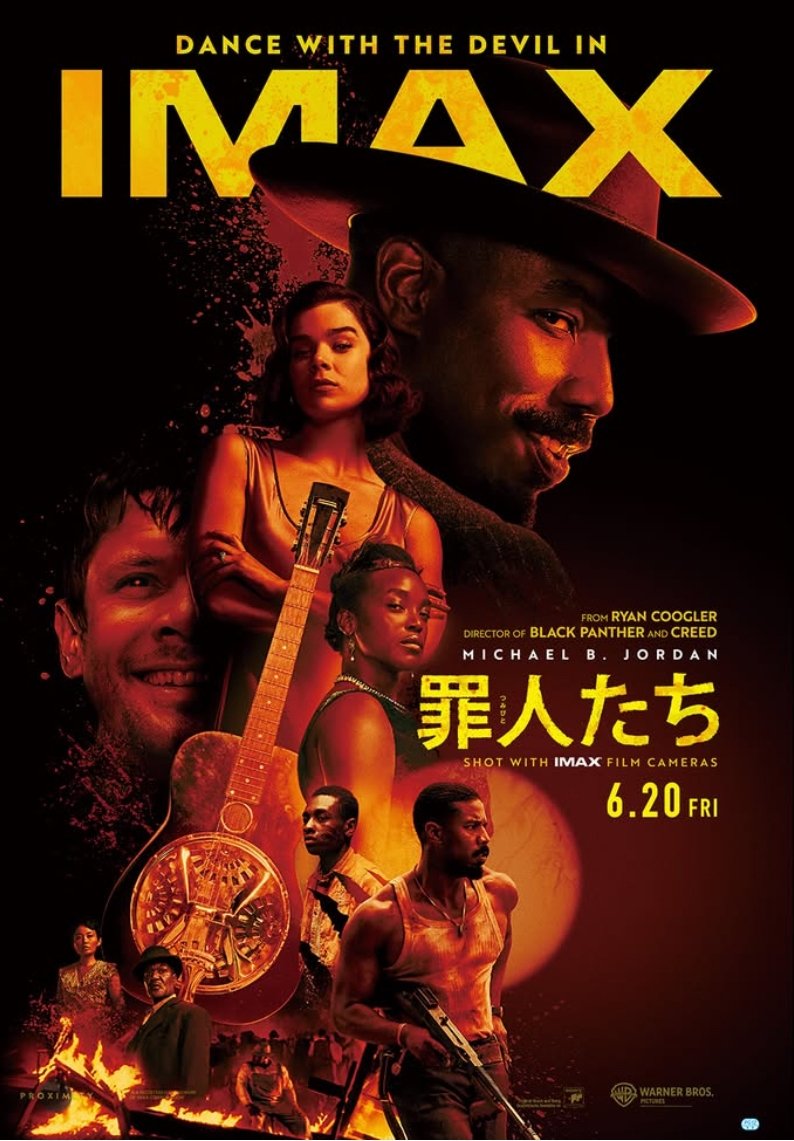
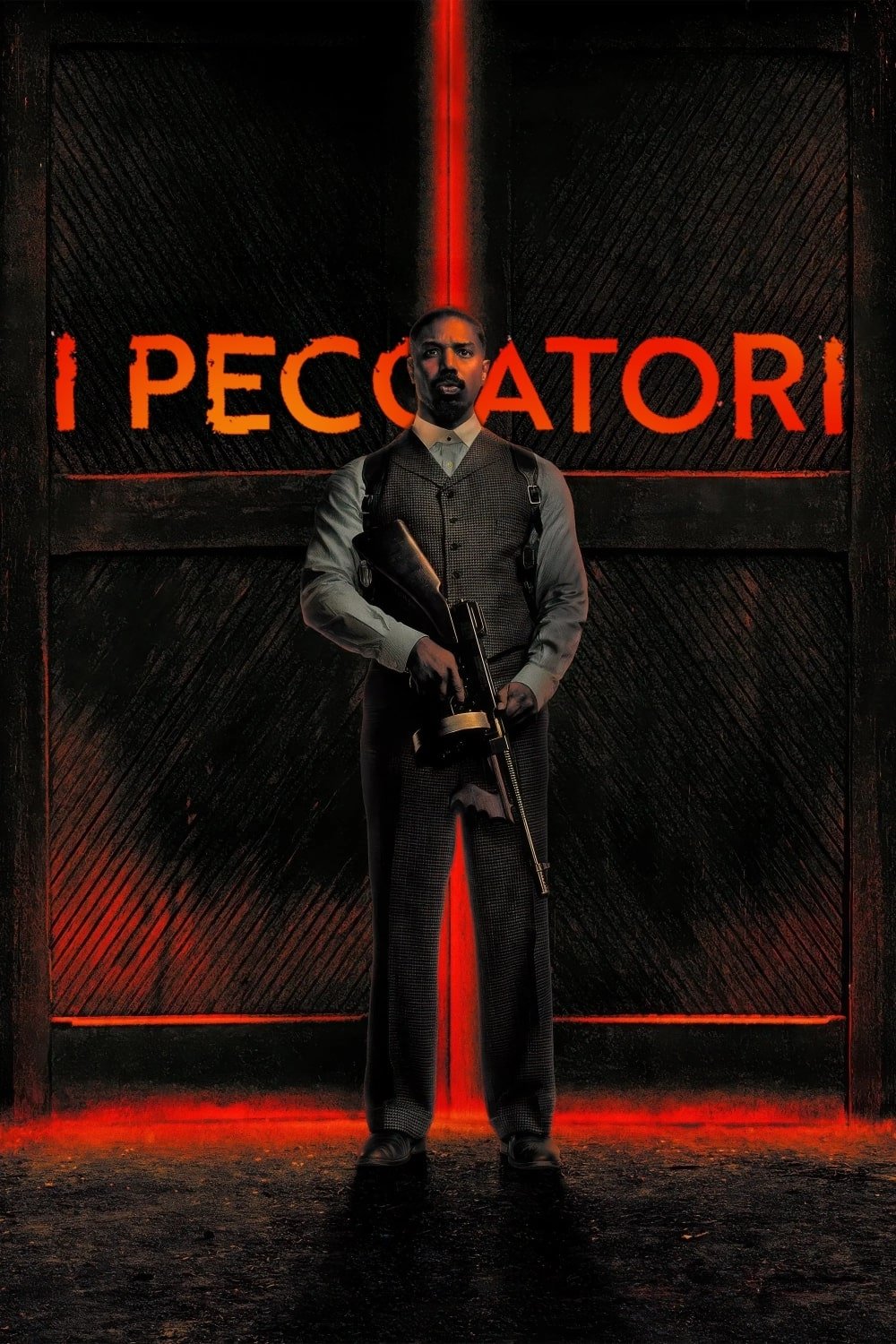
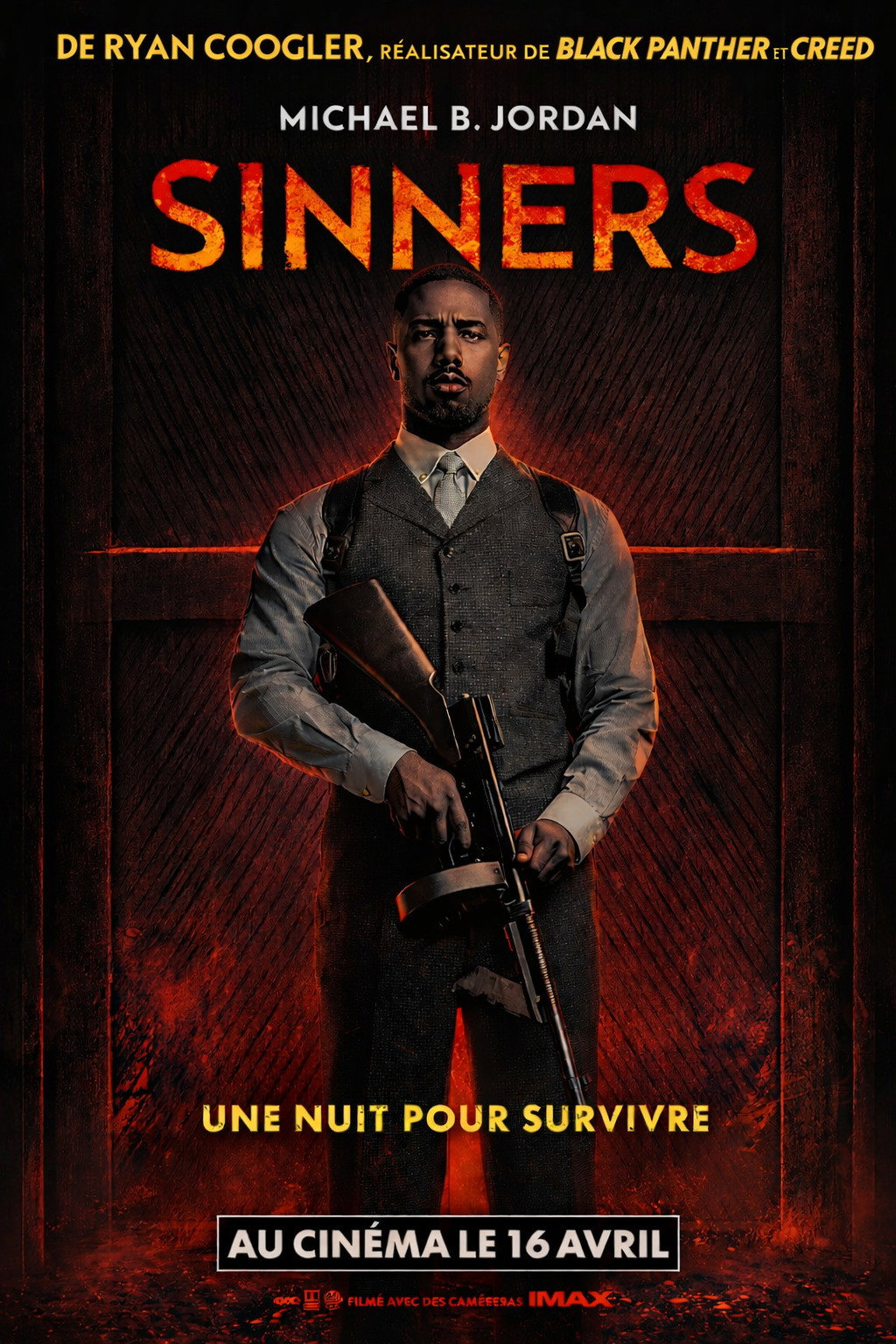
Warner Bros. released Sinners widely in the United States on 18 April 2025, after preview screenings and earlier international openings. The distribution included presentations in the large-format systems for which Coogler and Arkapaw had designed the picture, with different framing arrangements between IMAX film, digital IMAX and conventional cinemas. Those exhibition differences are part of the release history, since not every screening displayed the full height of the IMAX material. The film entered the mainstream theatrical market as an original, R-rated vampire production with an unusually substantial commitment to analogue large-format cinematography and live musical performance.
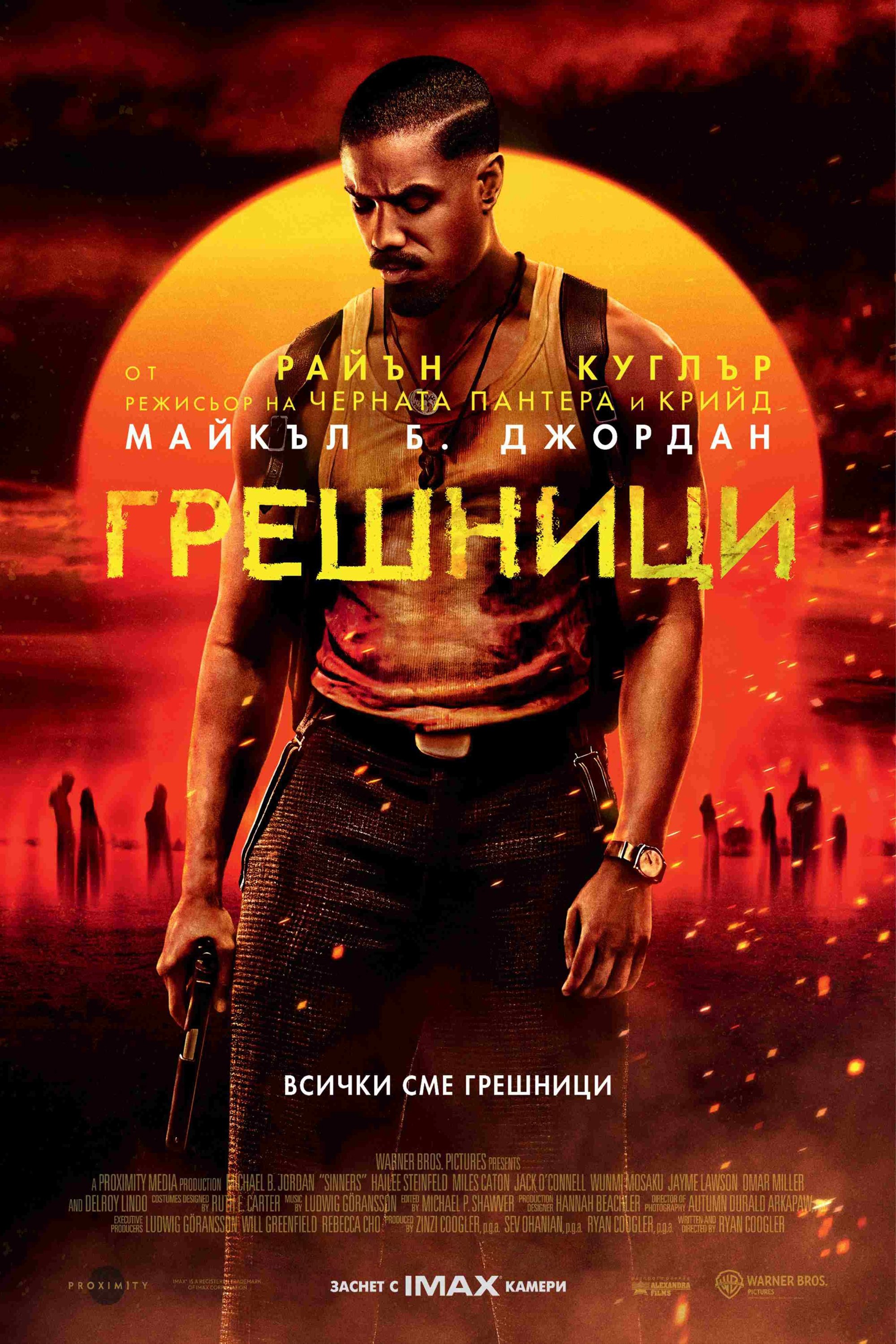
The Academy of Motion Picture Arts and Sciences recognised Sinners with sixteen nominations at the 98th Academy Awards in March 2026. It won four Oscars: original screenplay for Coogler, leading actor for Jordan, cinematography for Arkapaw and original score for Göransson. Arkapaw’s win was the first for a woman in the cinematography category. This awards record documents the film’s unusually broad institutional recognition, including departments central to its horror imagery and musical construction. It should be distinguished from claims about long-term influence, which cannot yet be evaluated with the historical distance available for older genre landmarks.