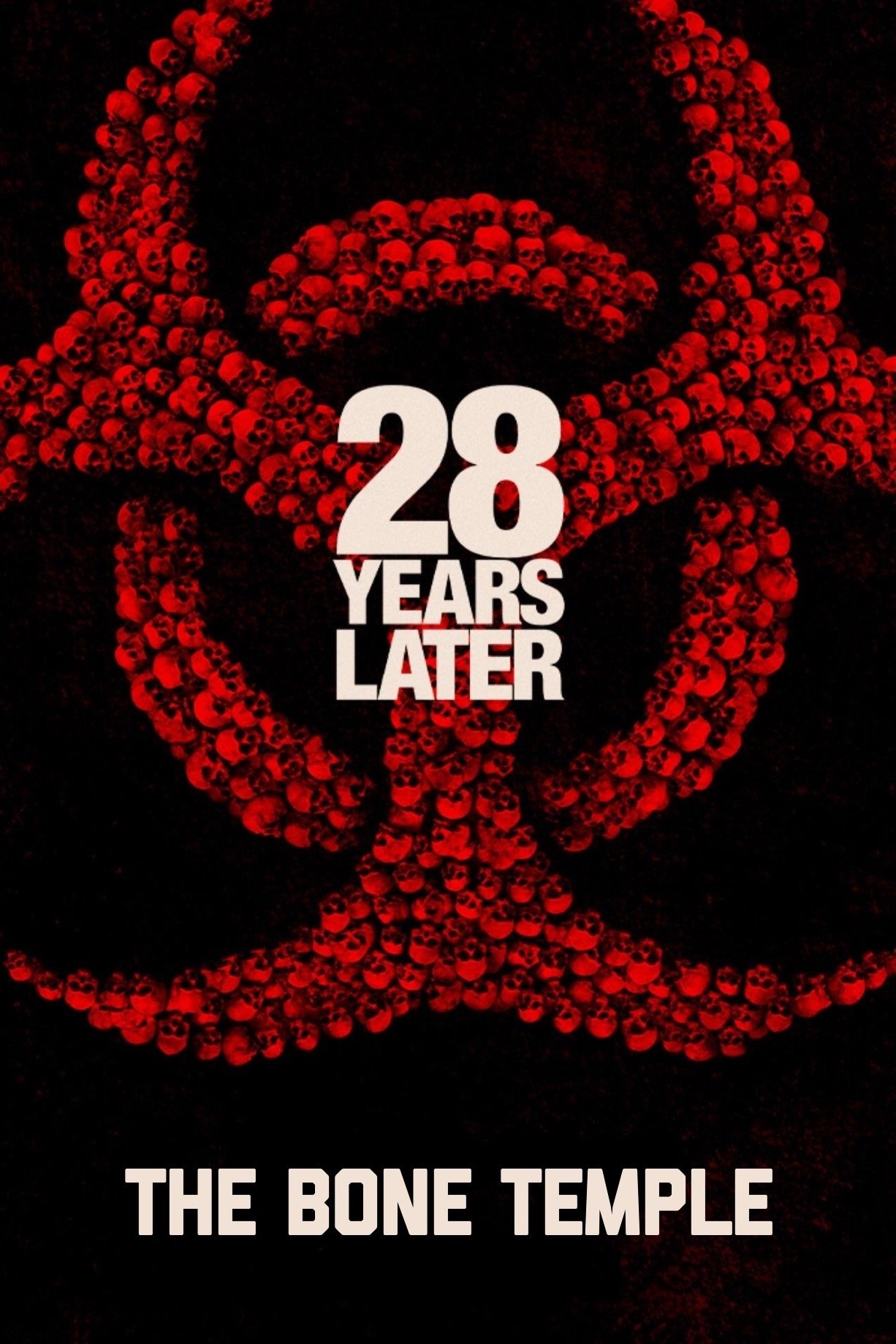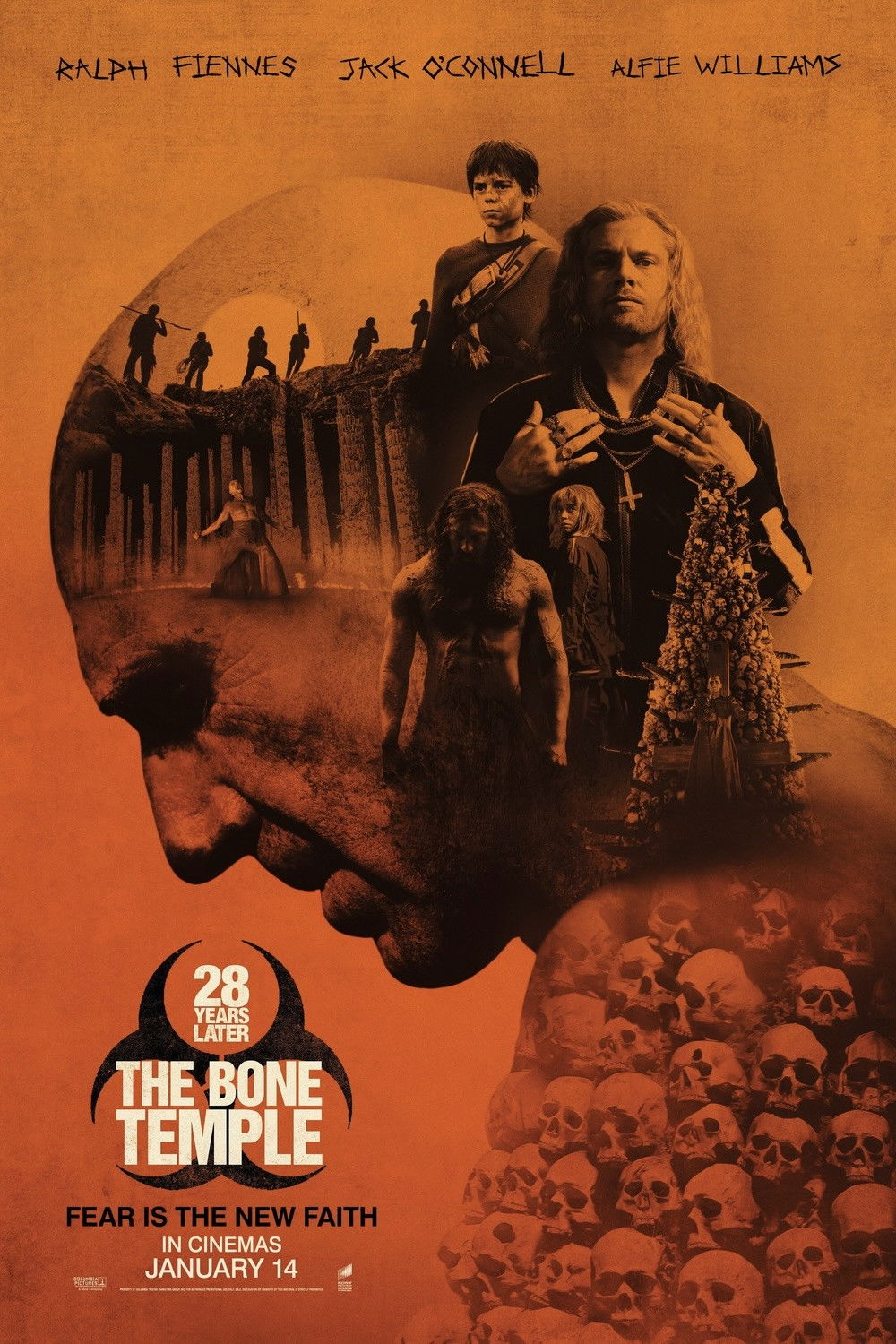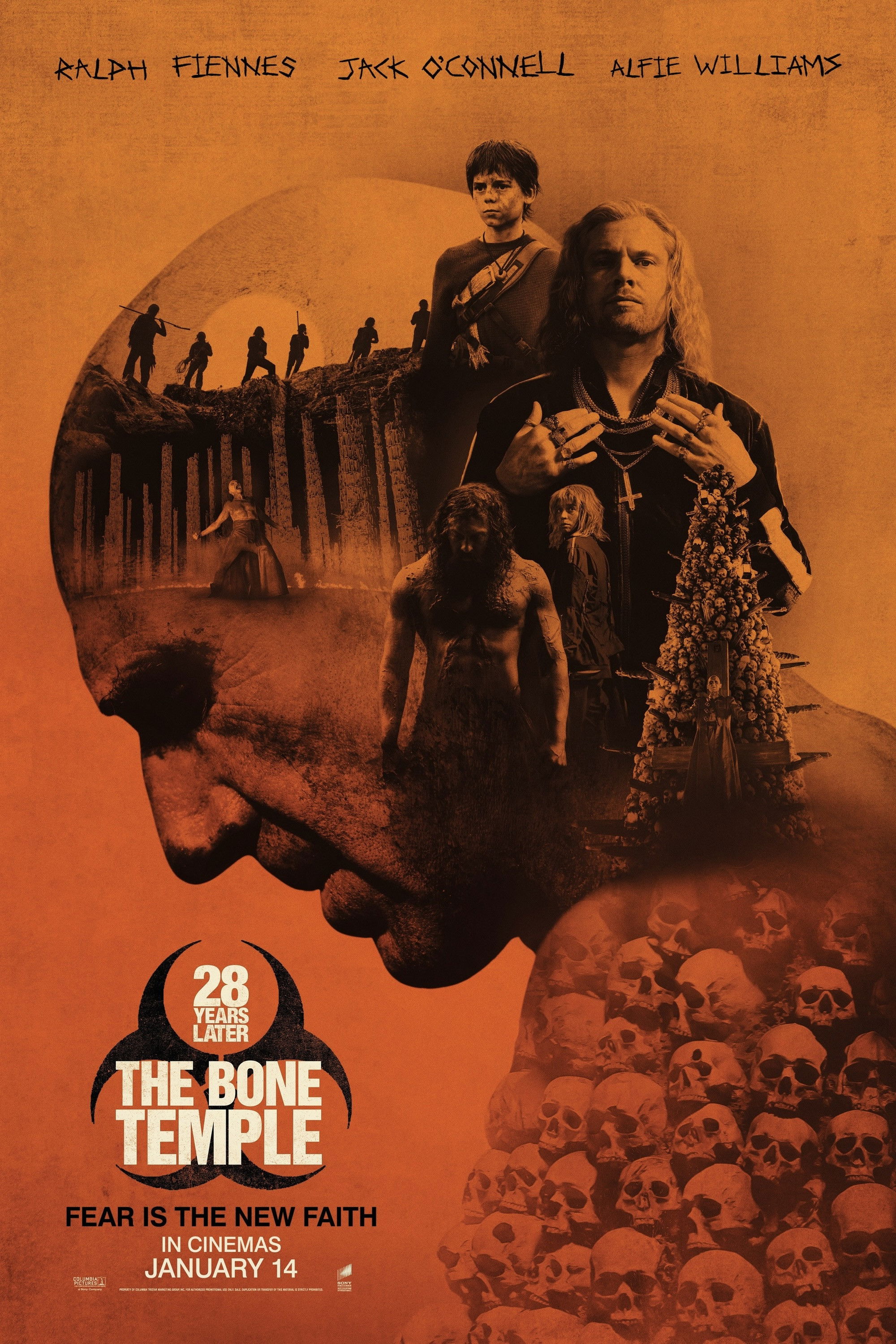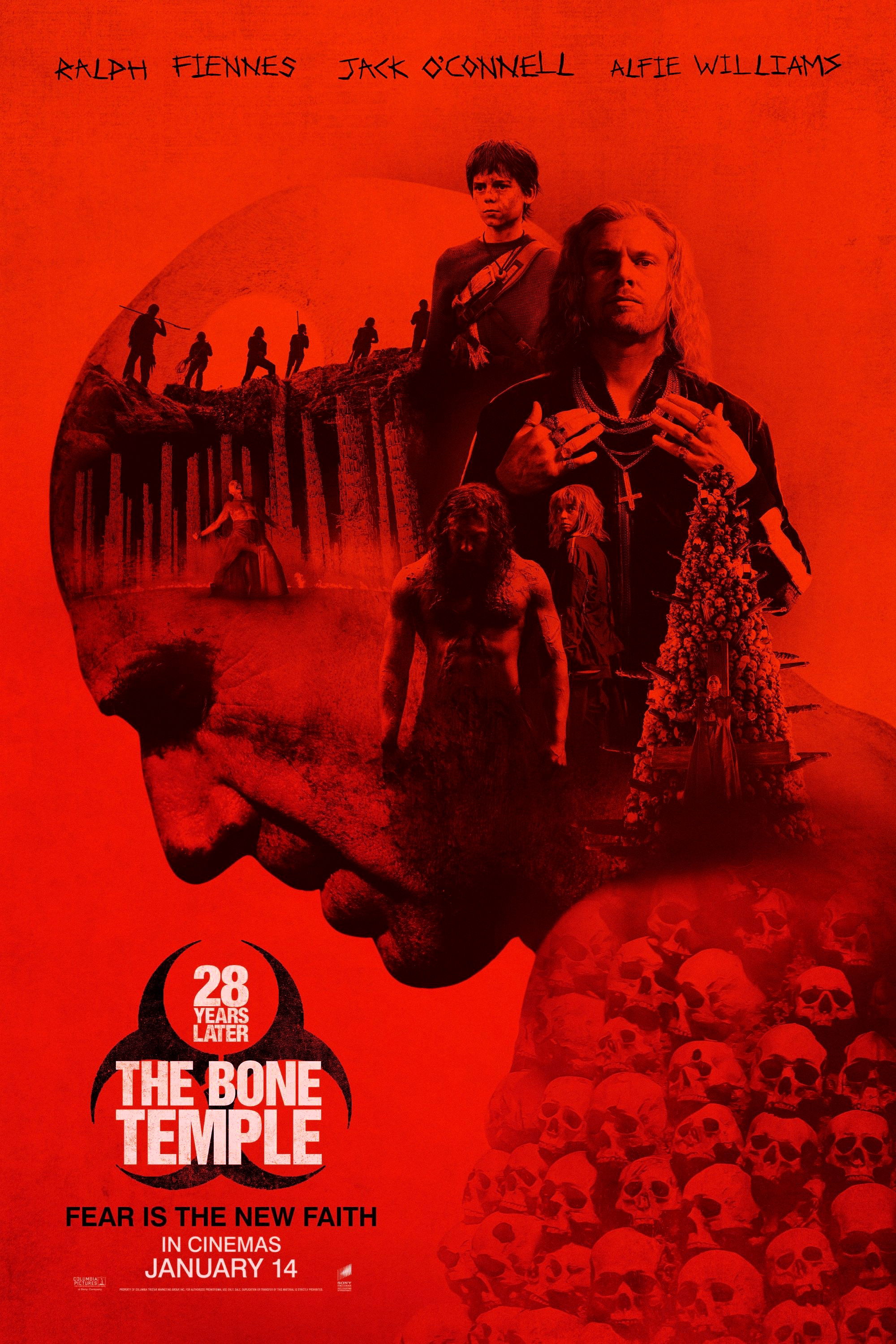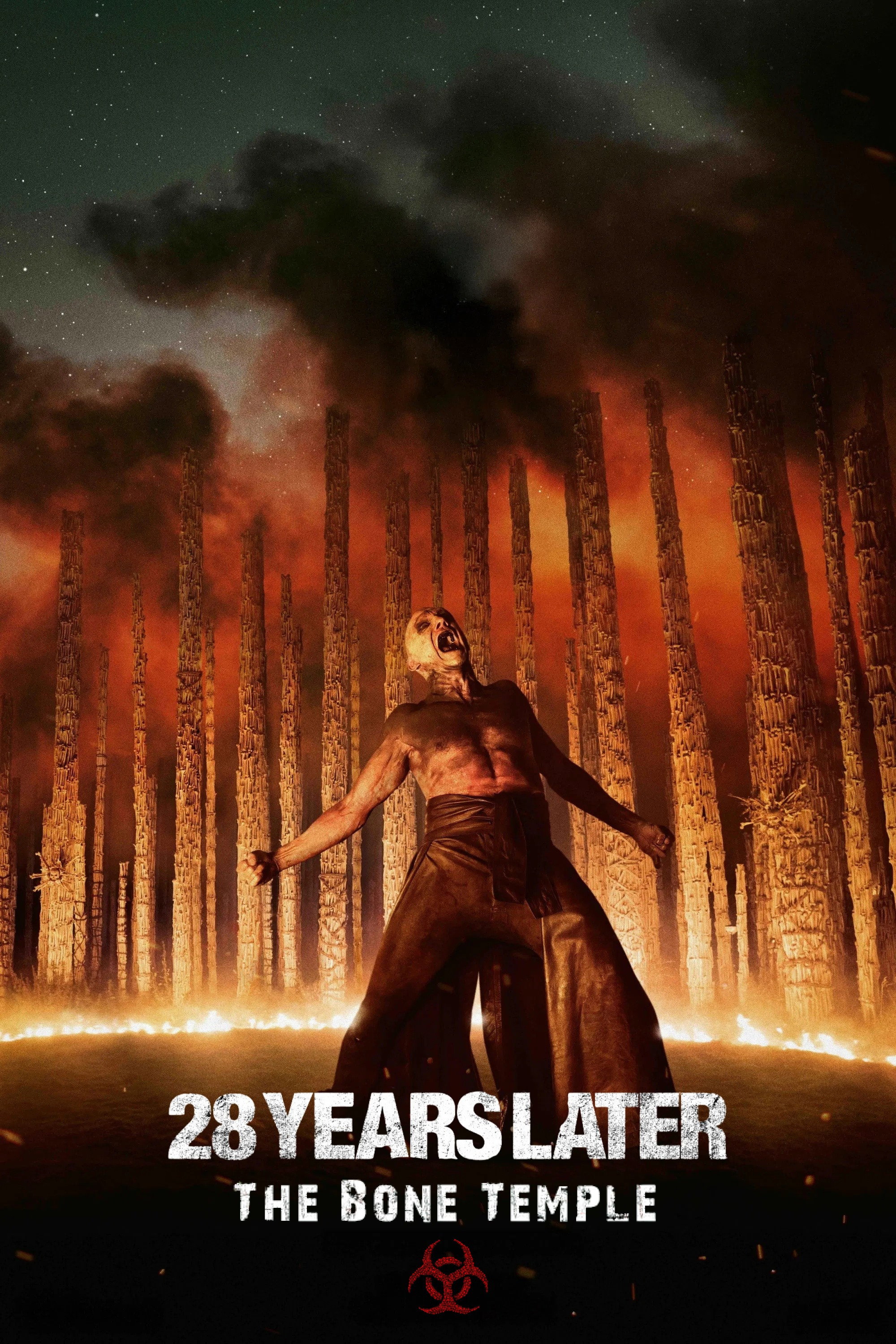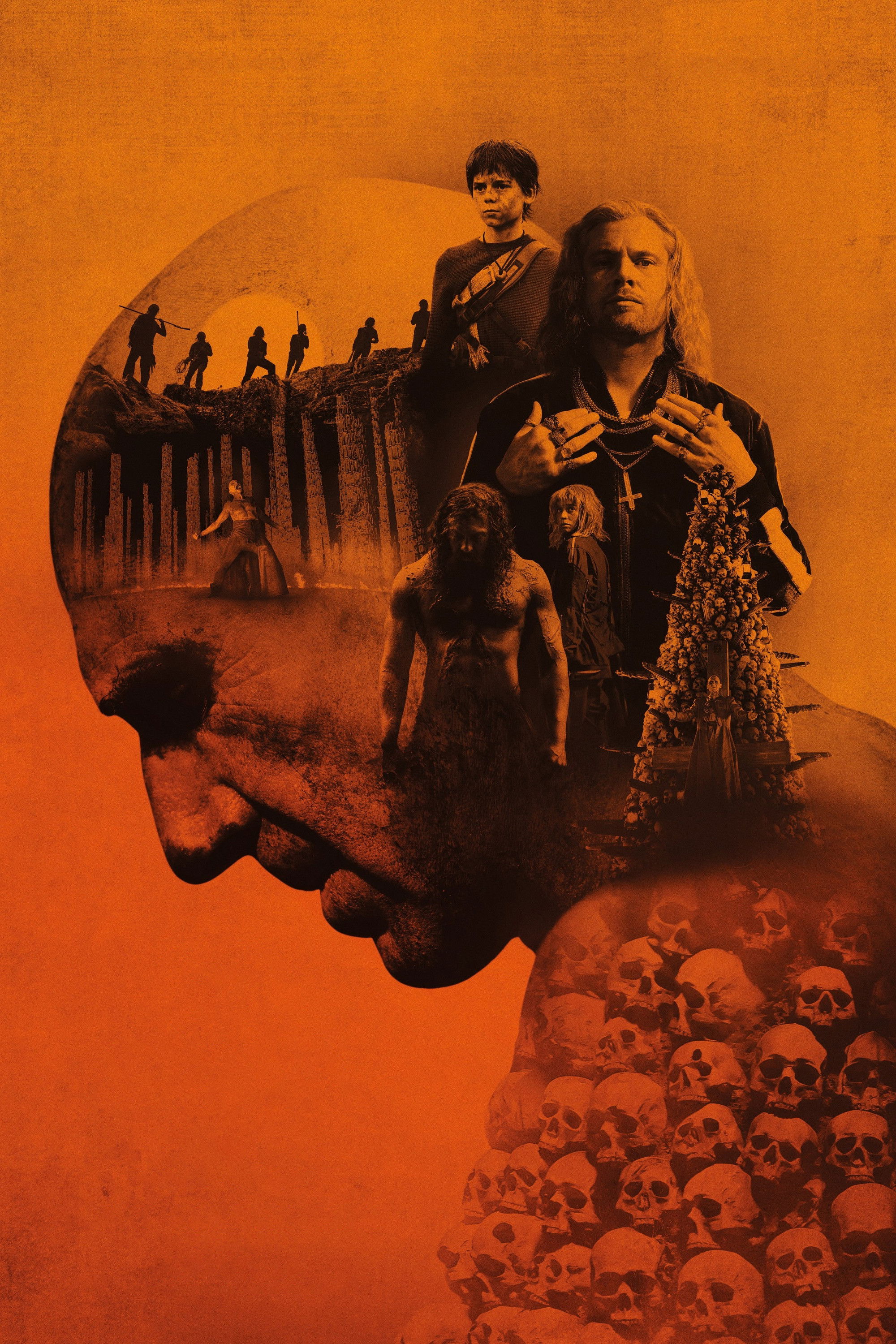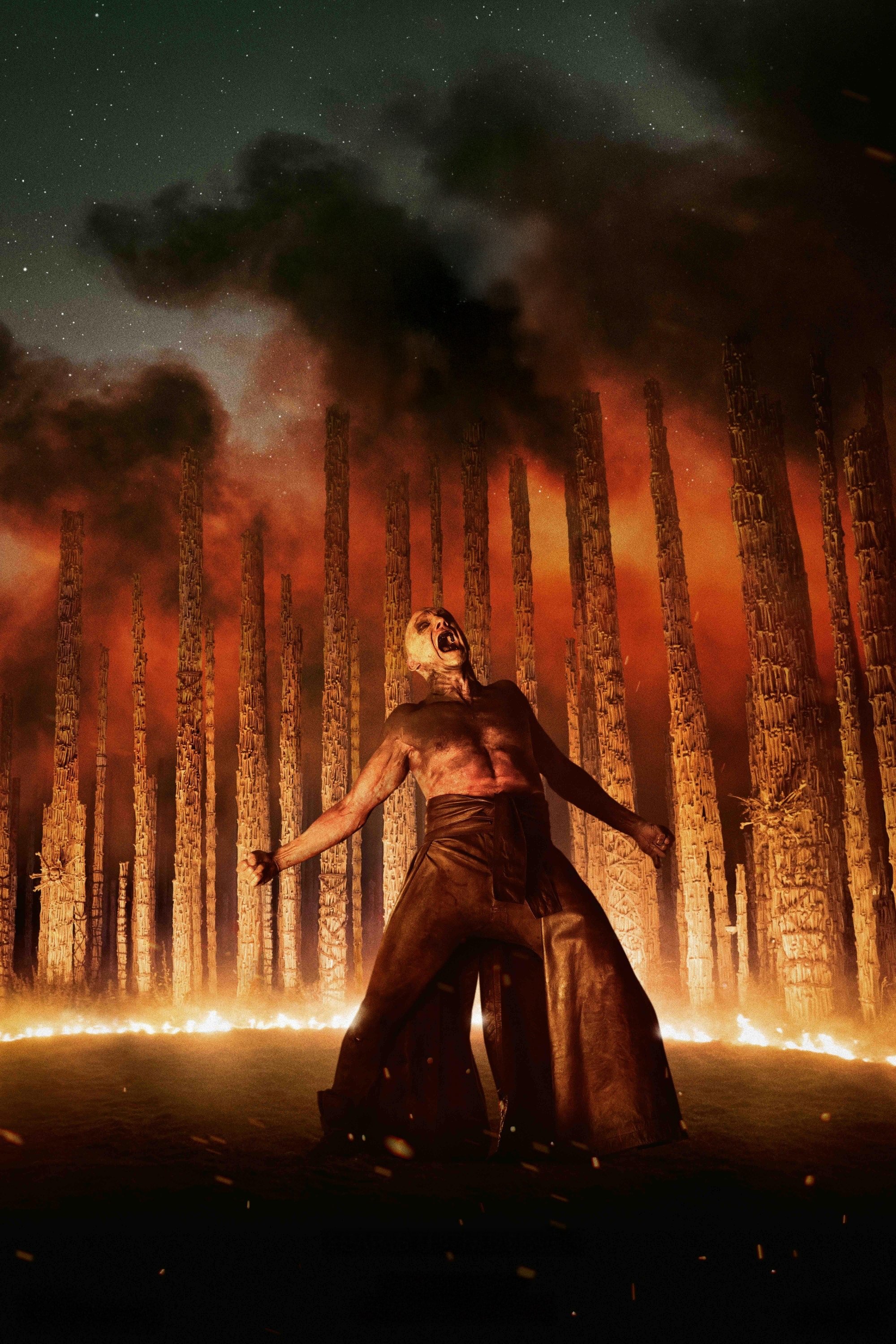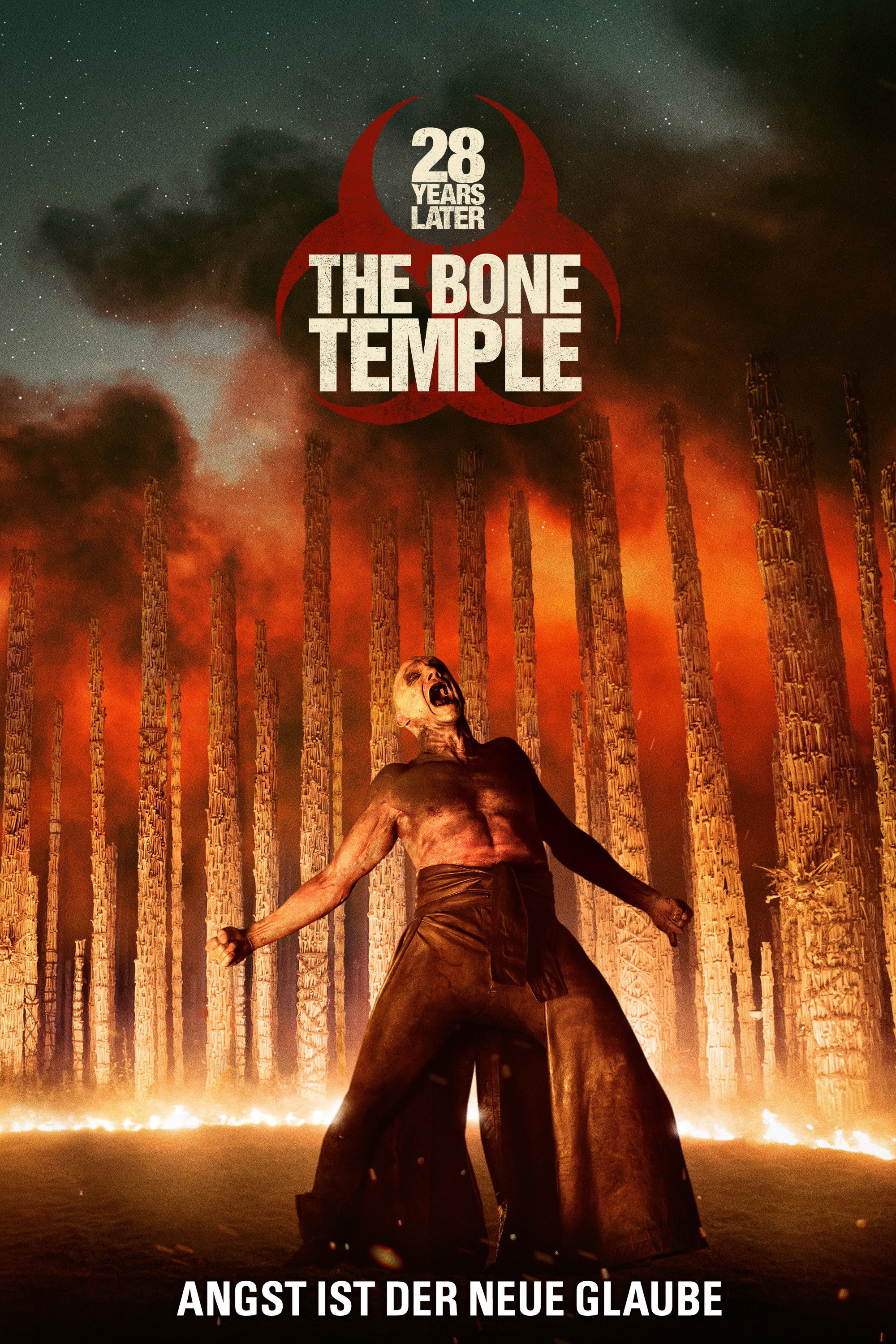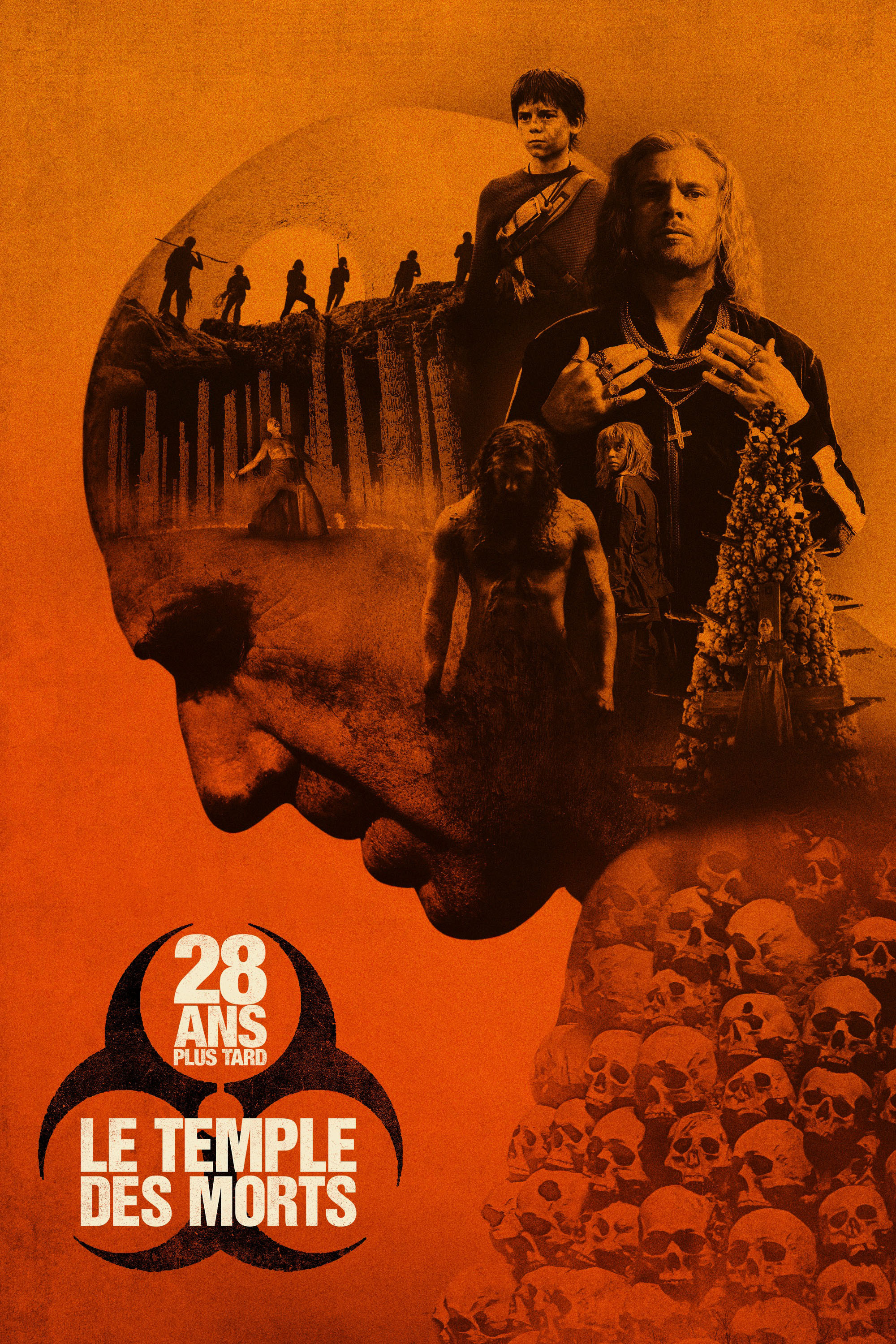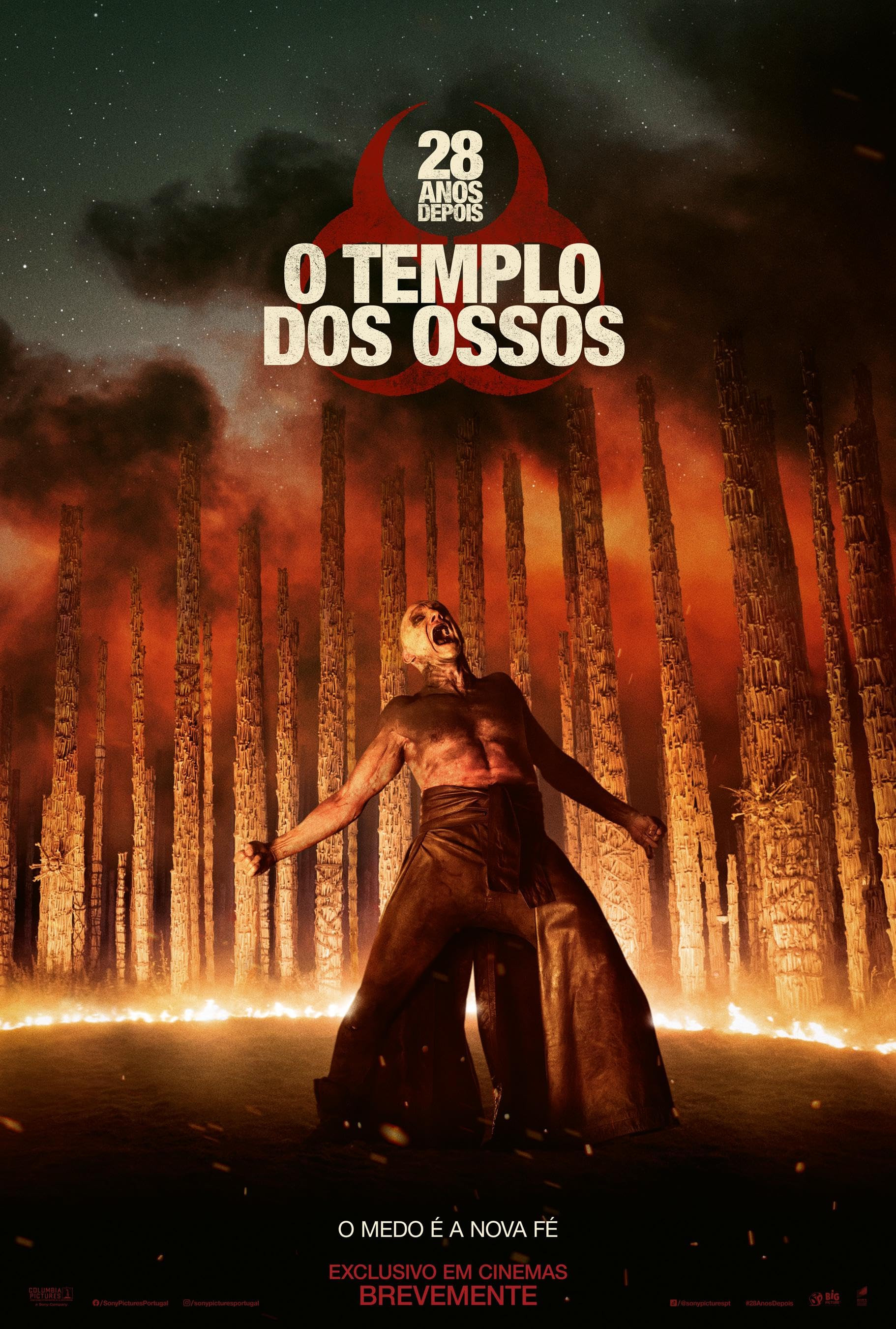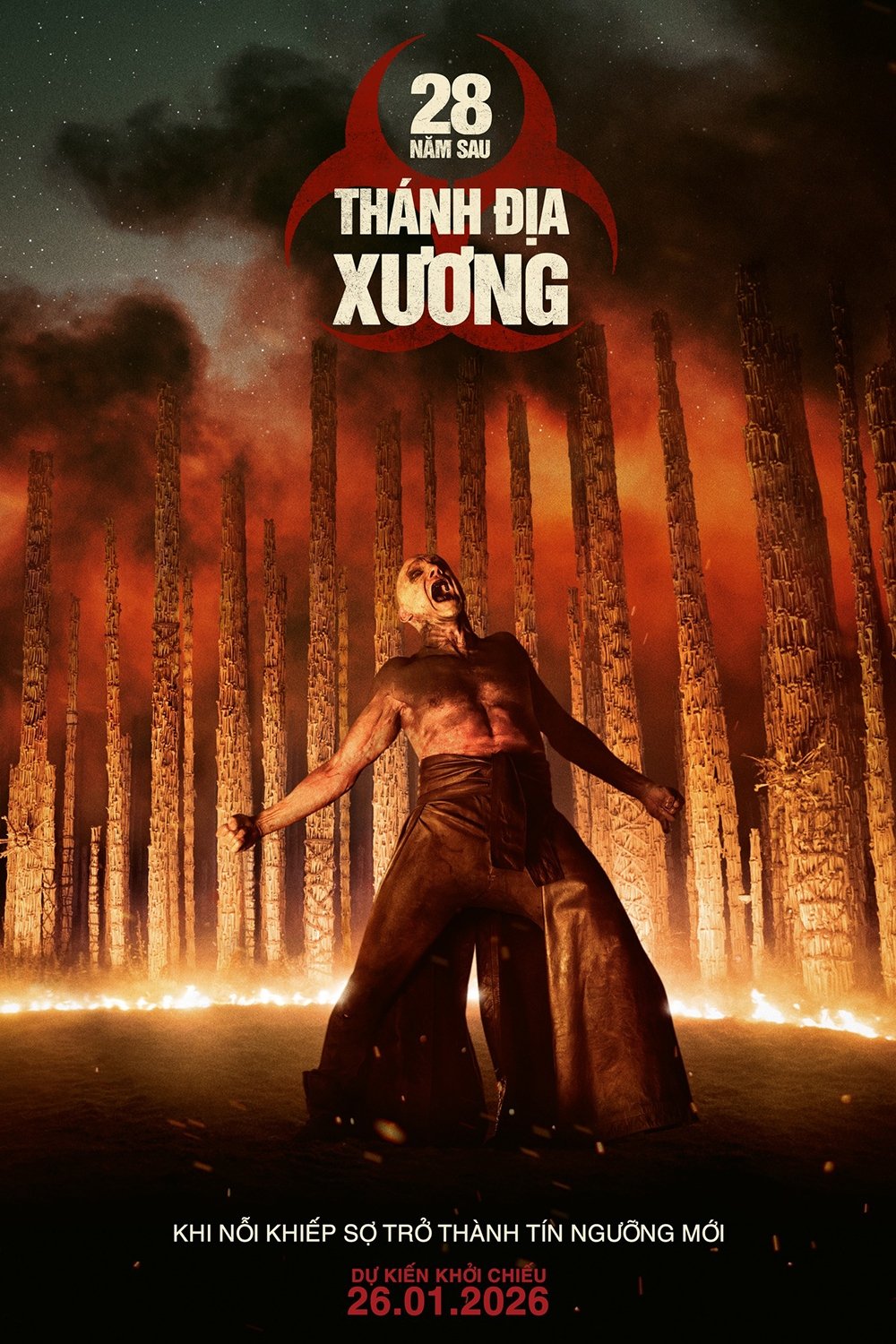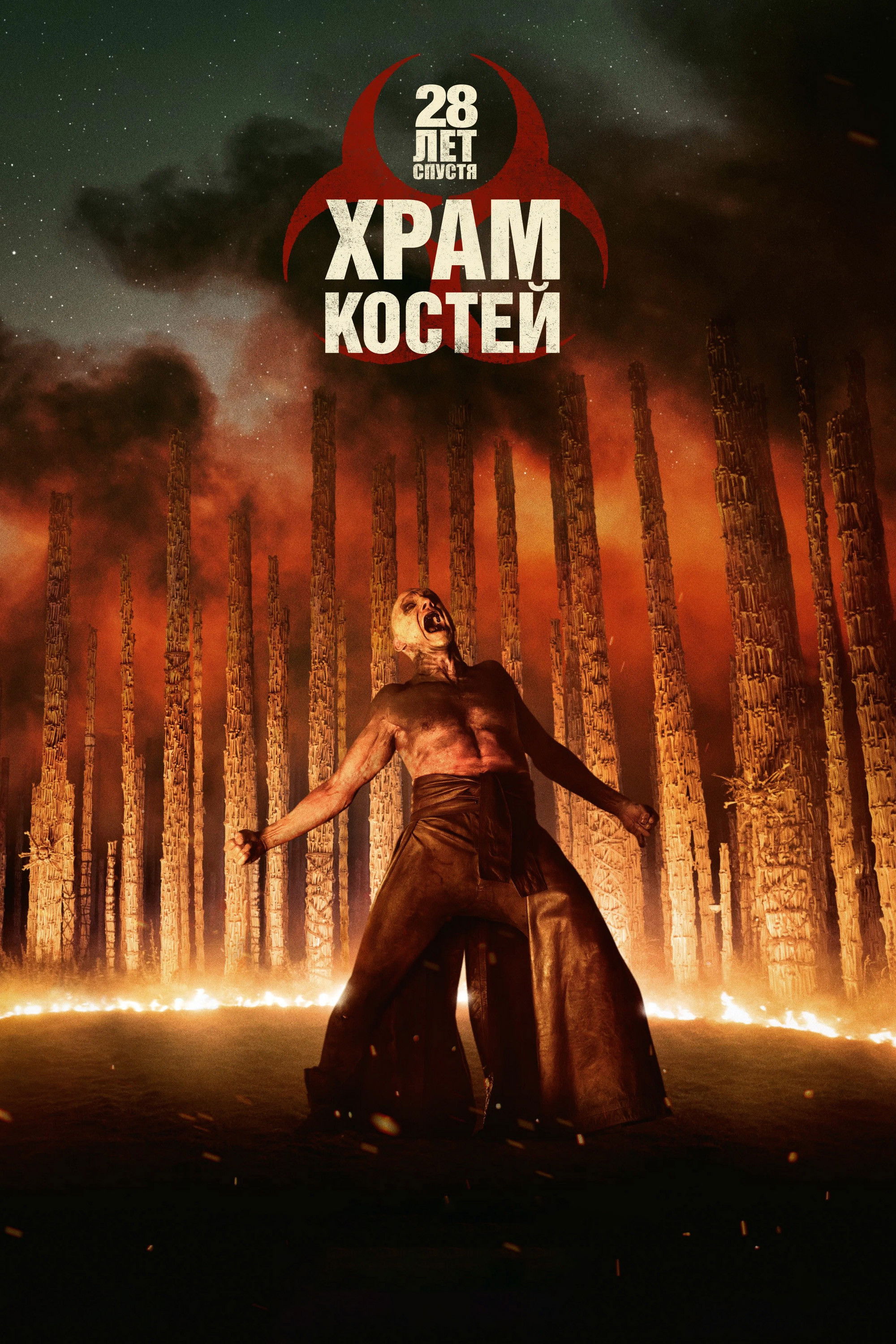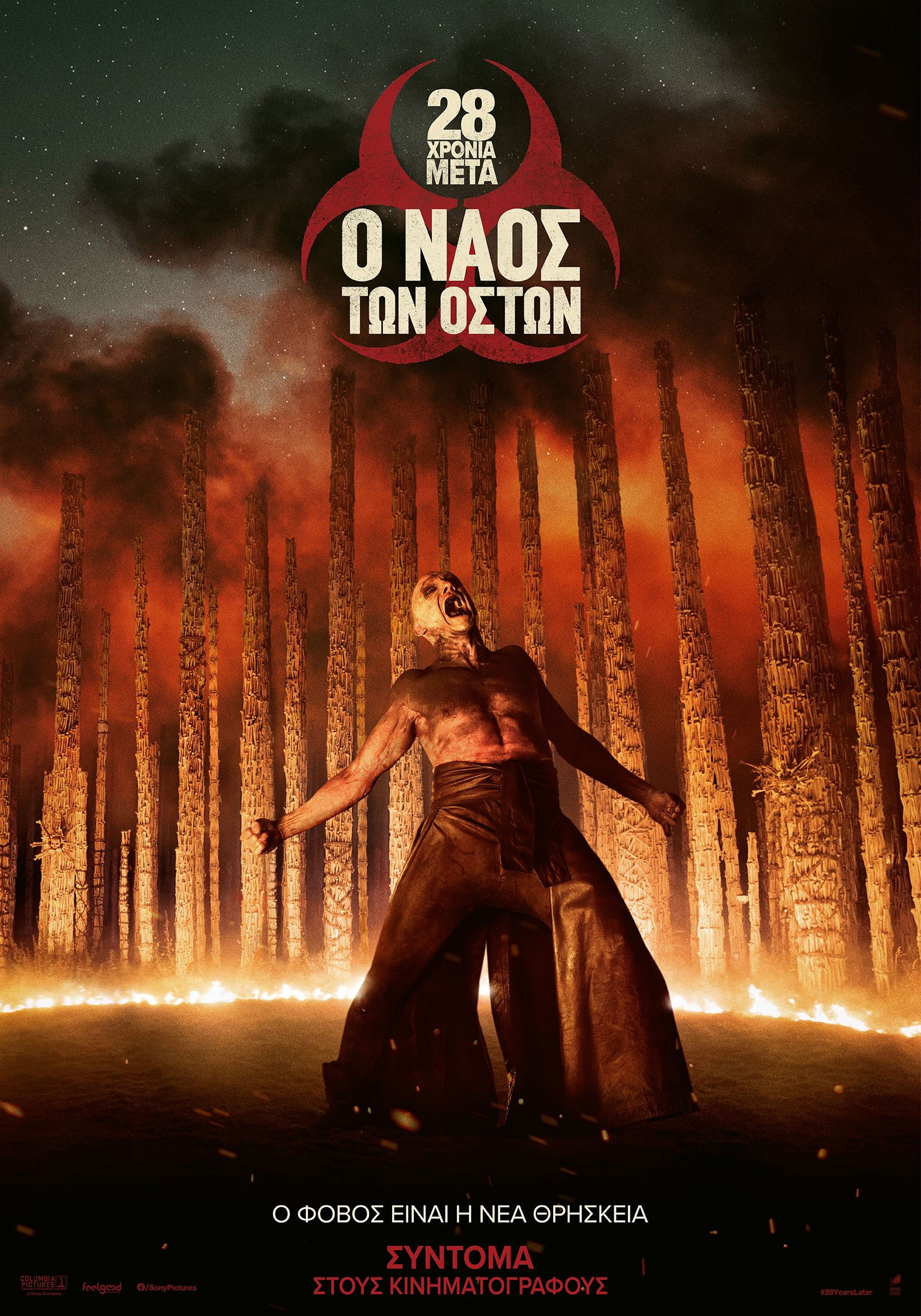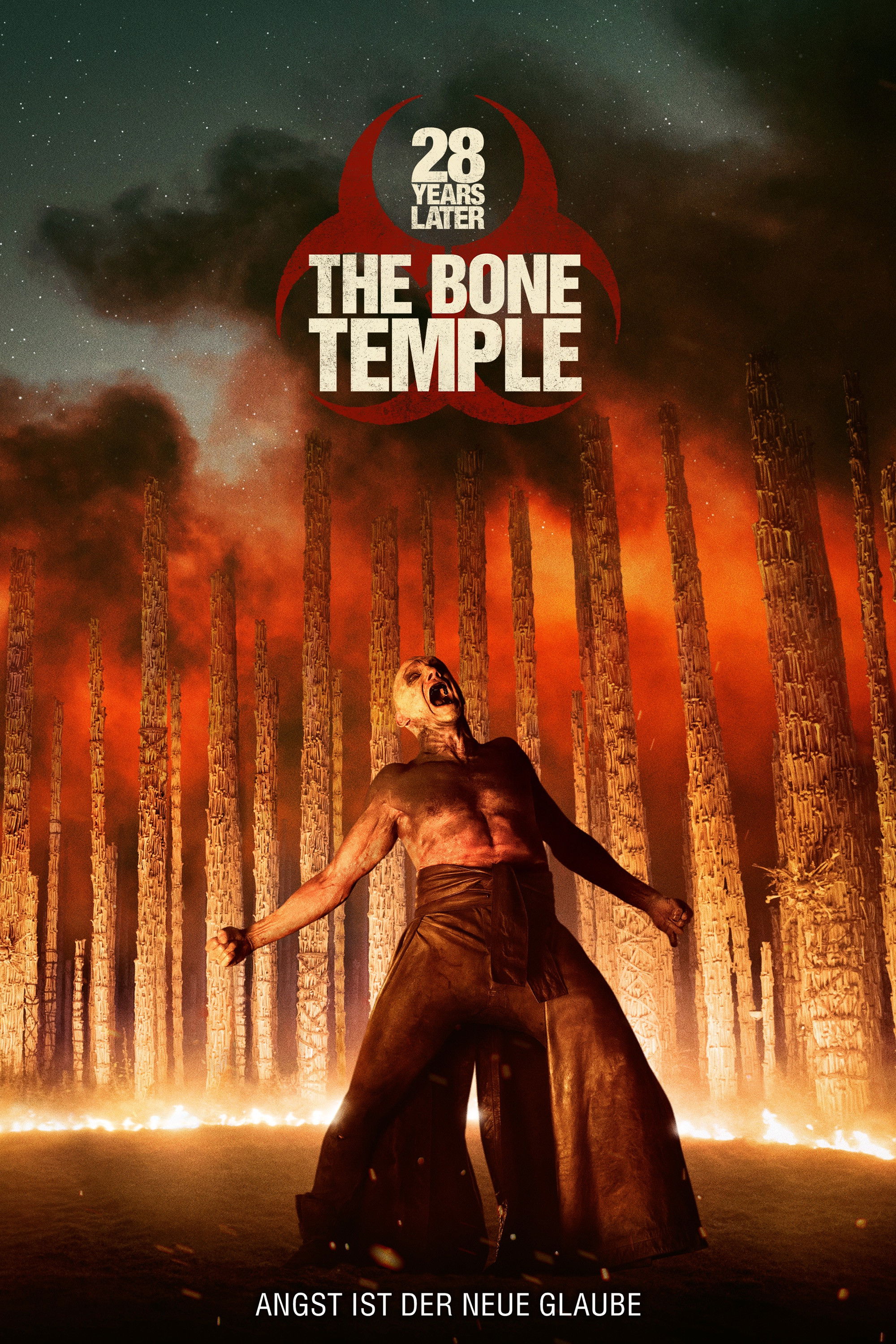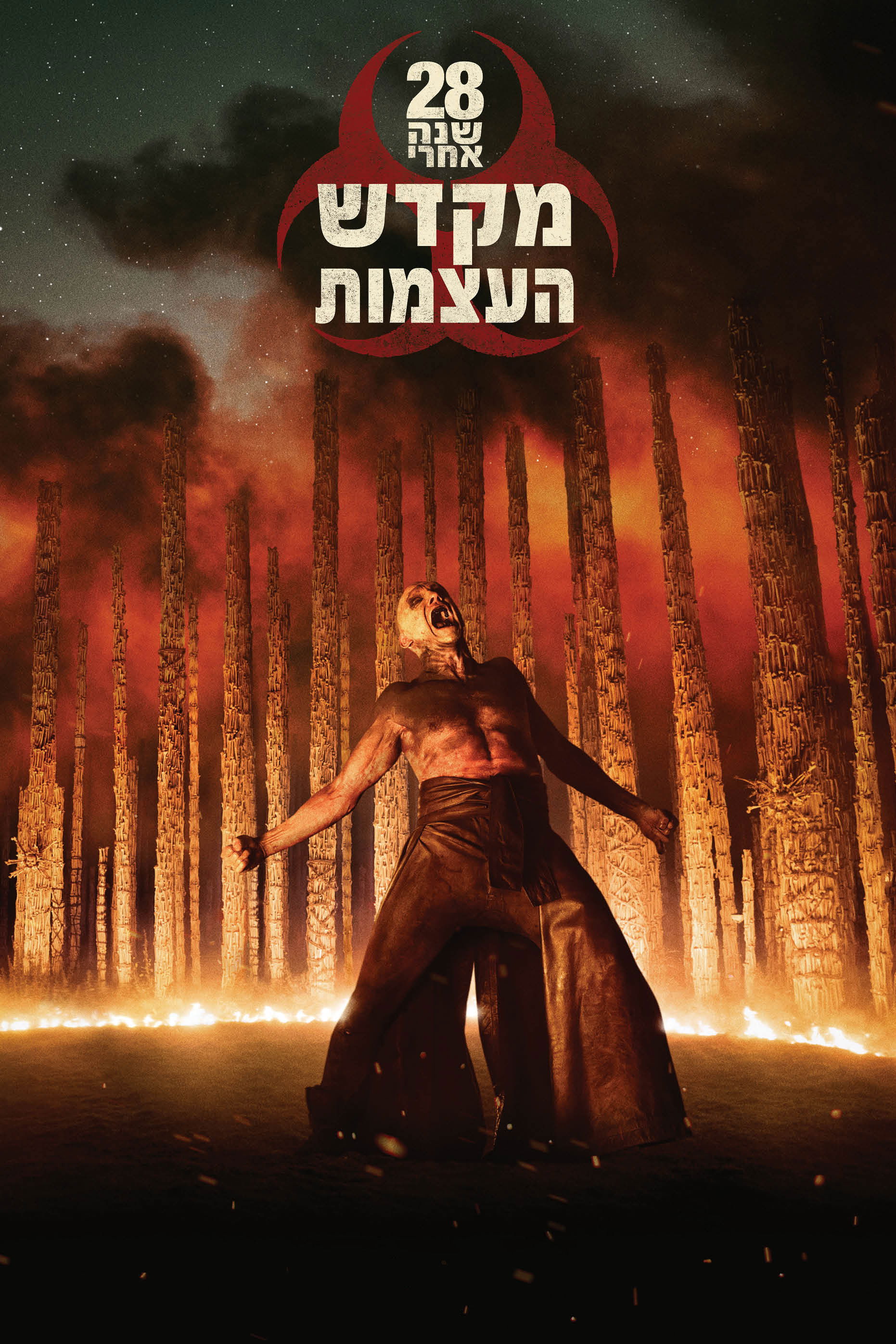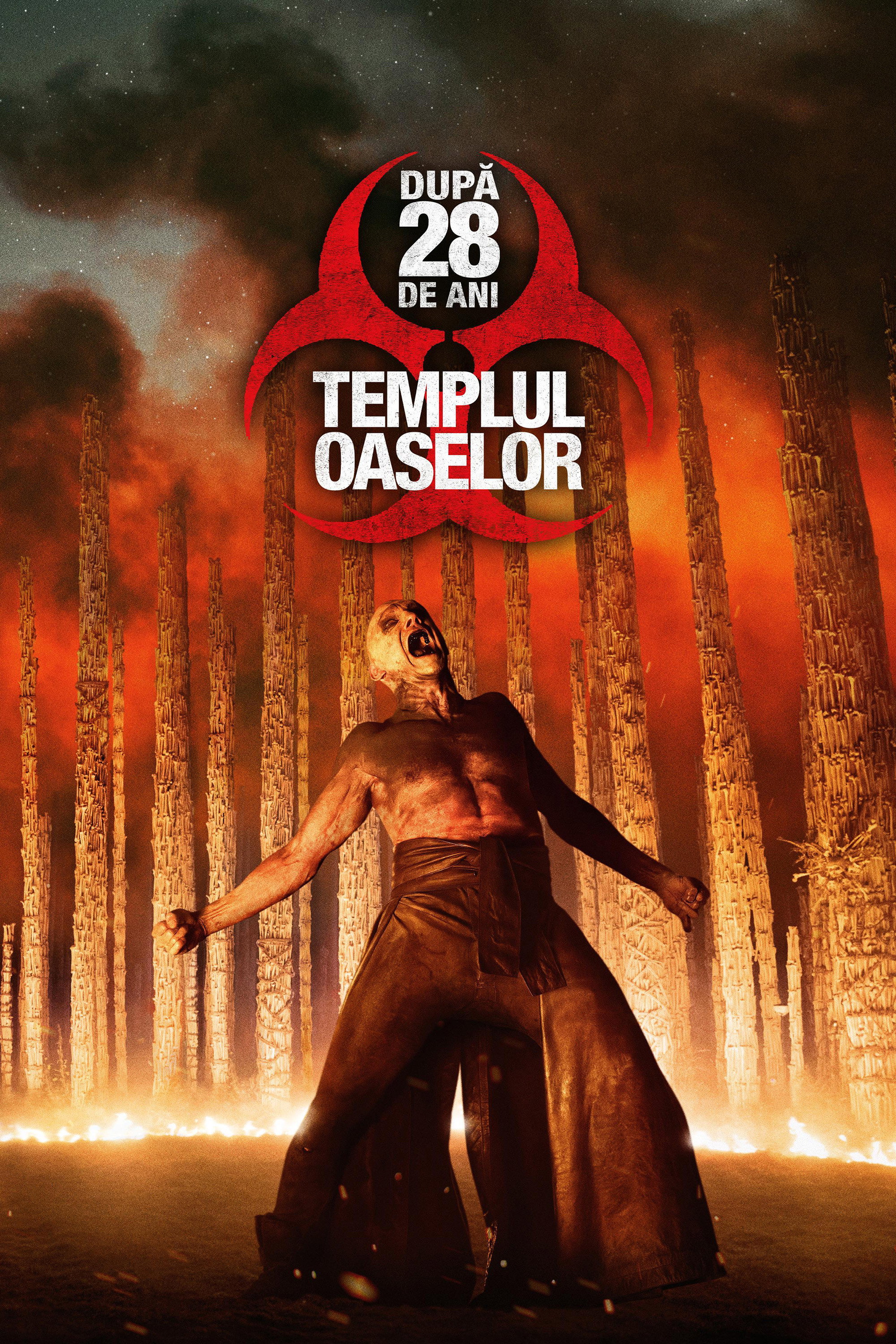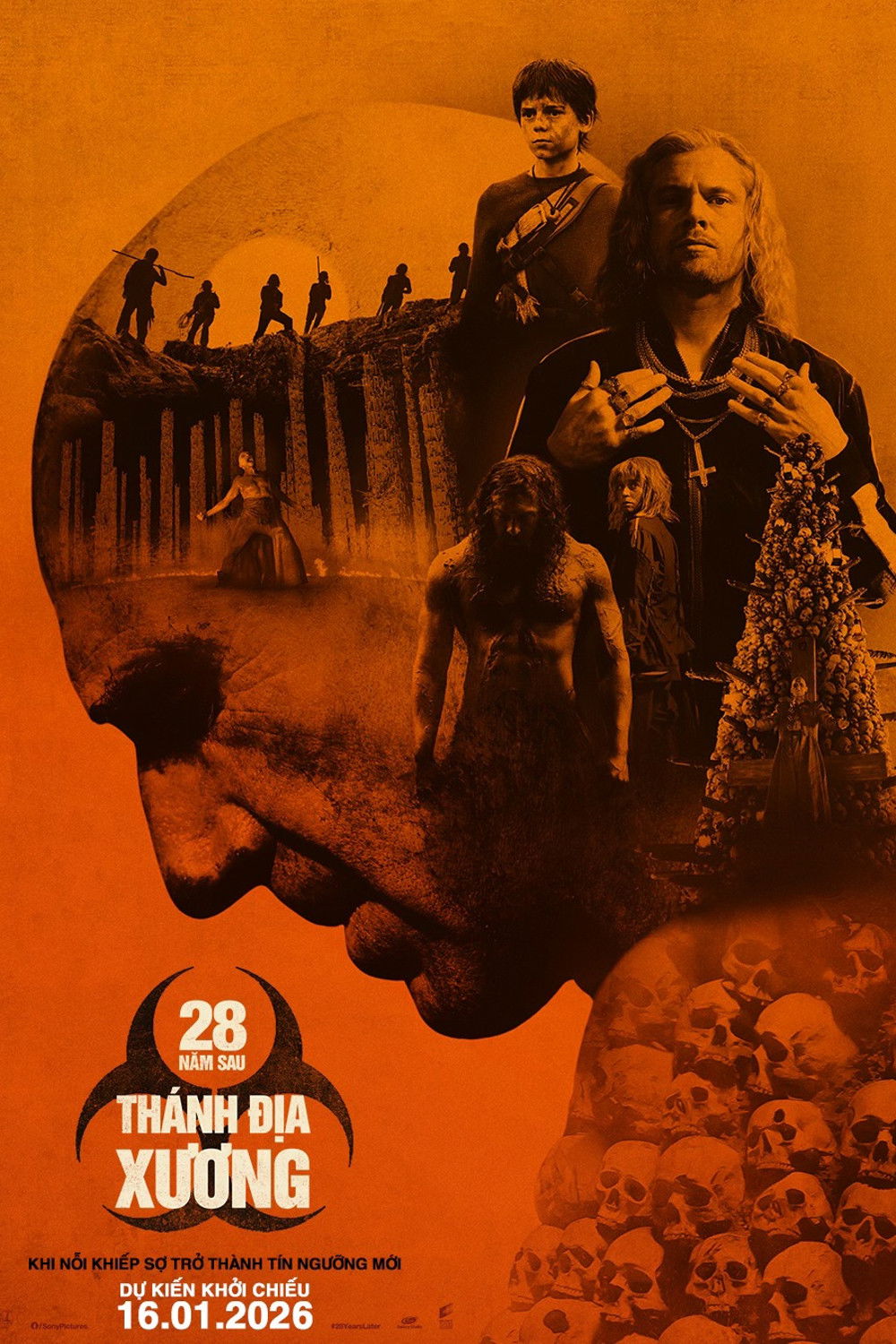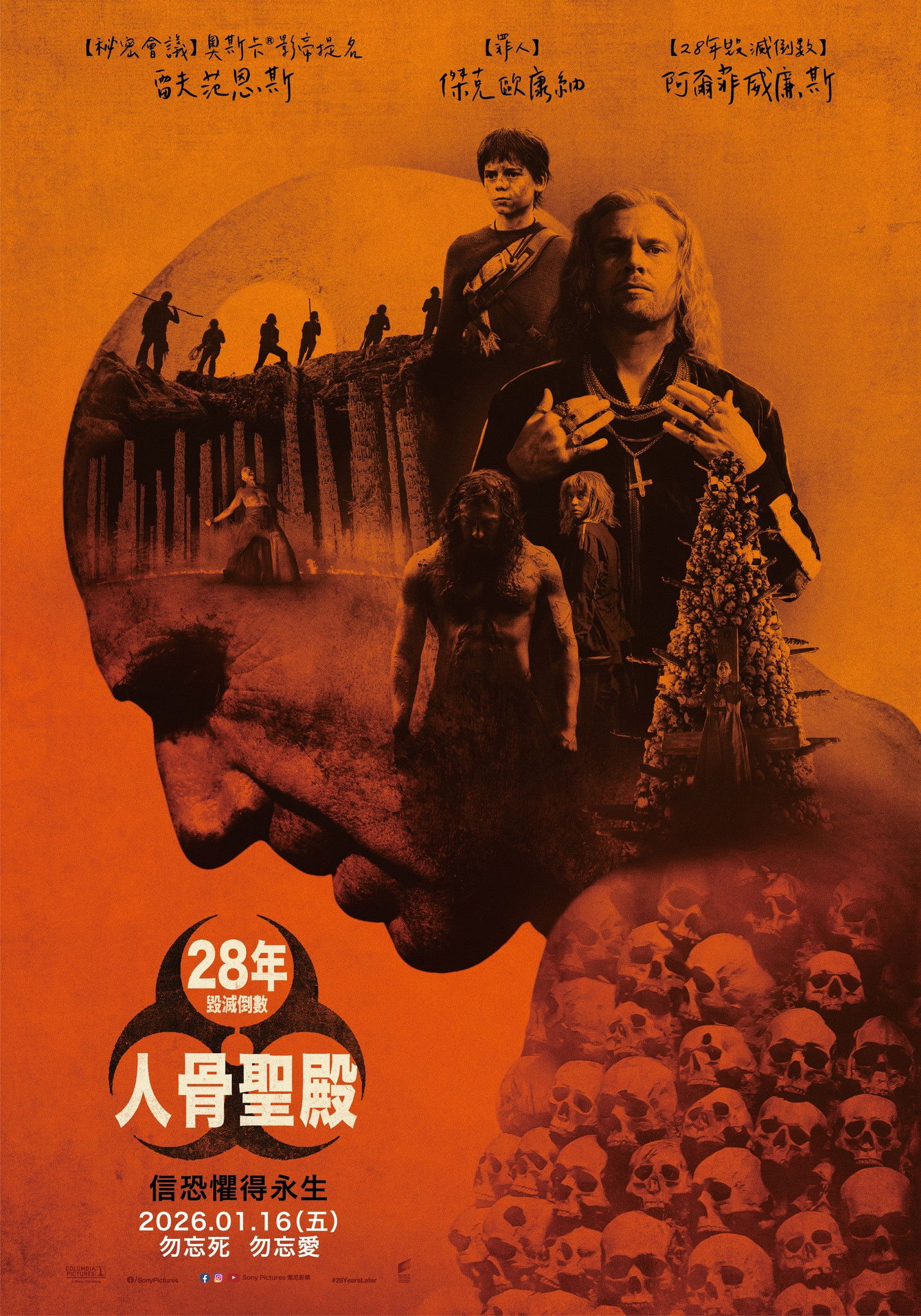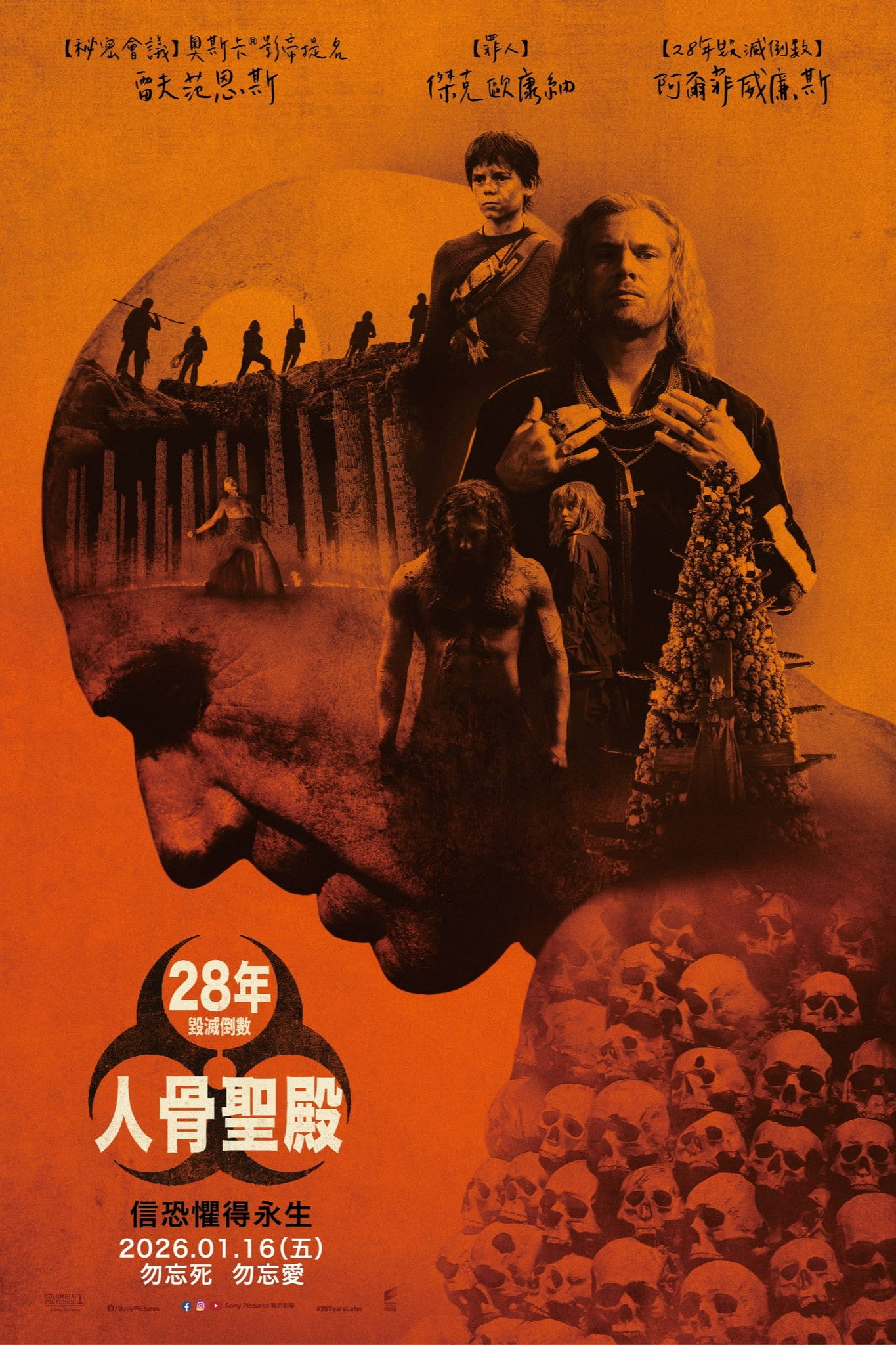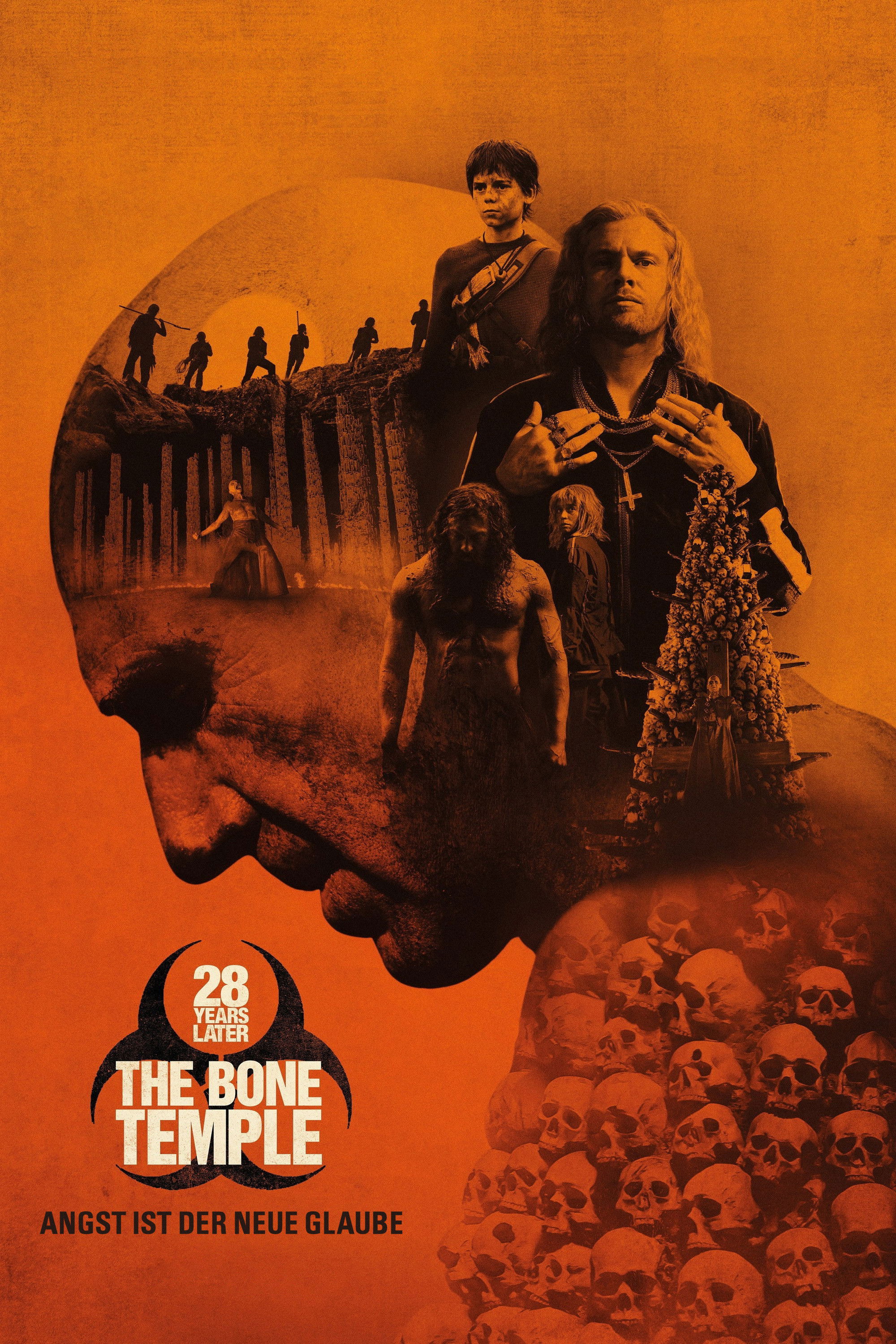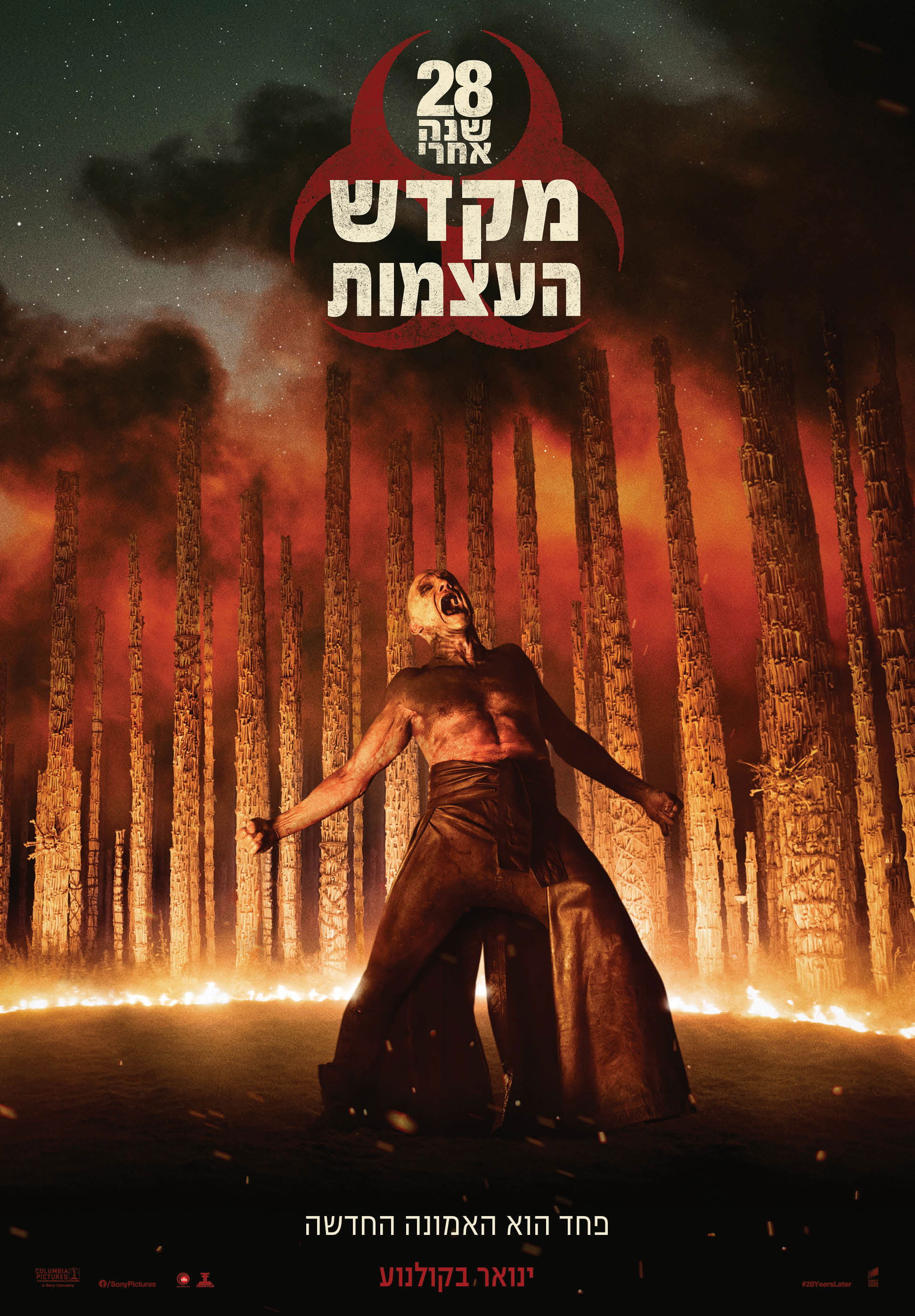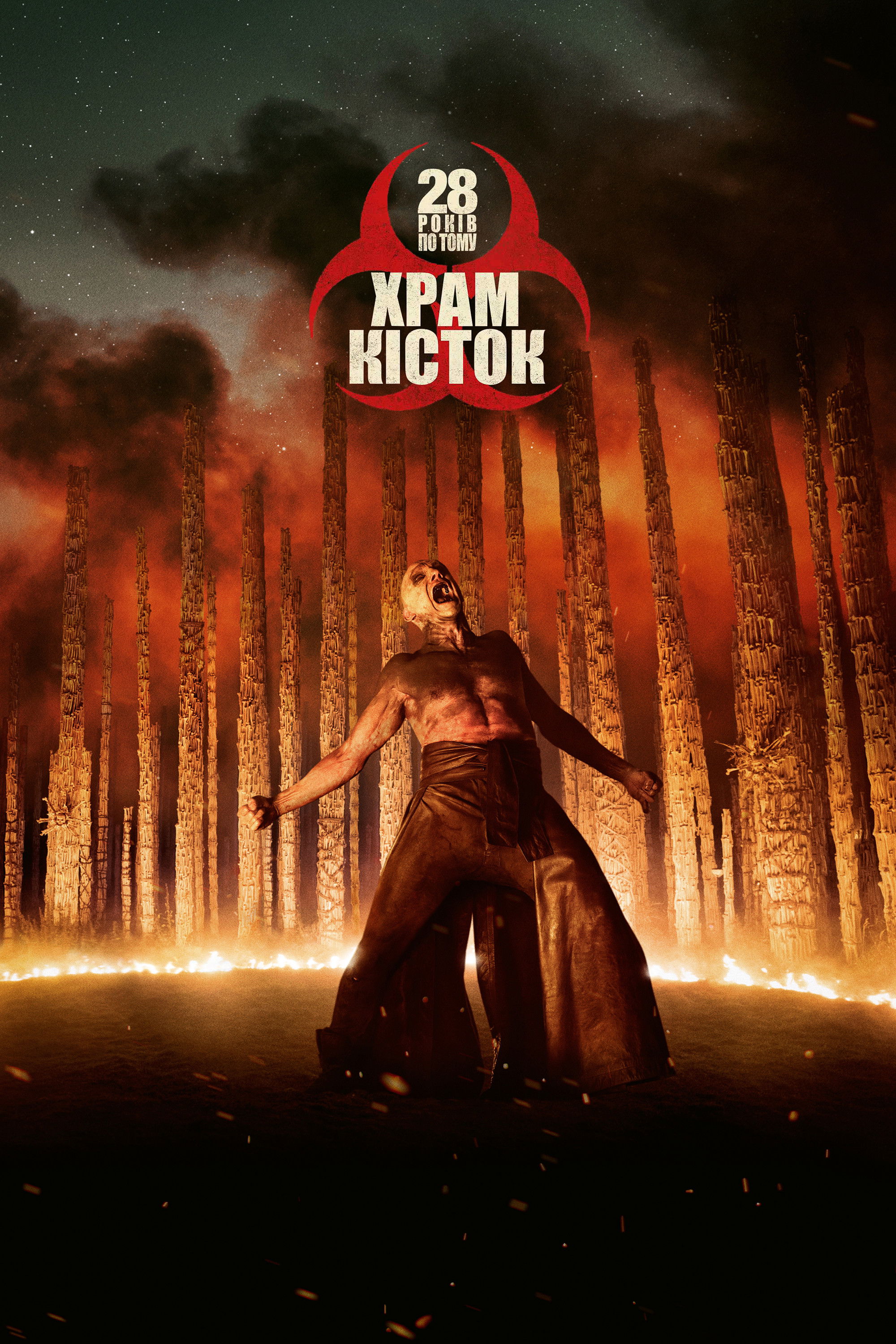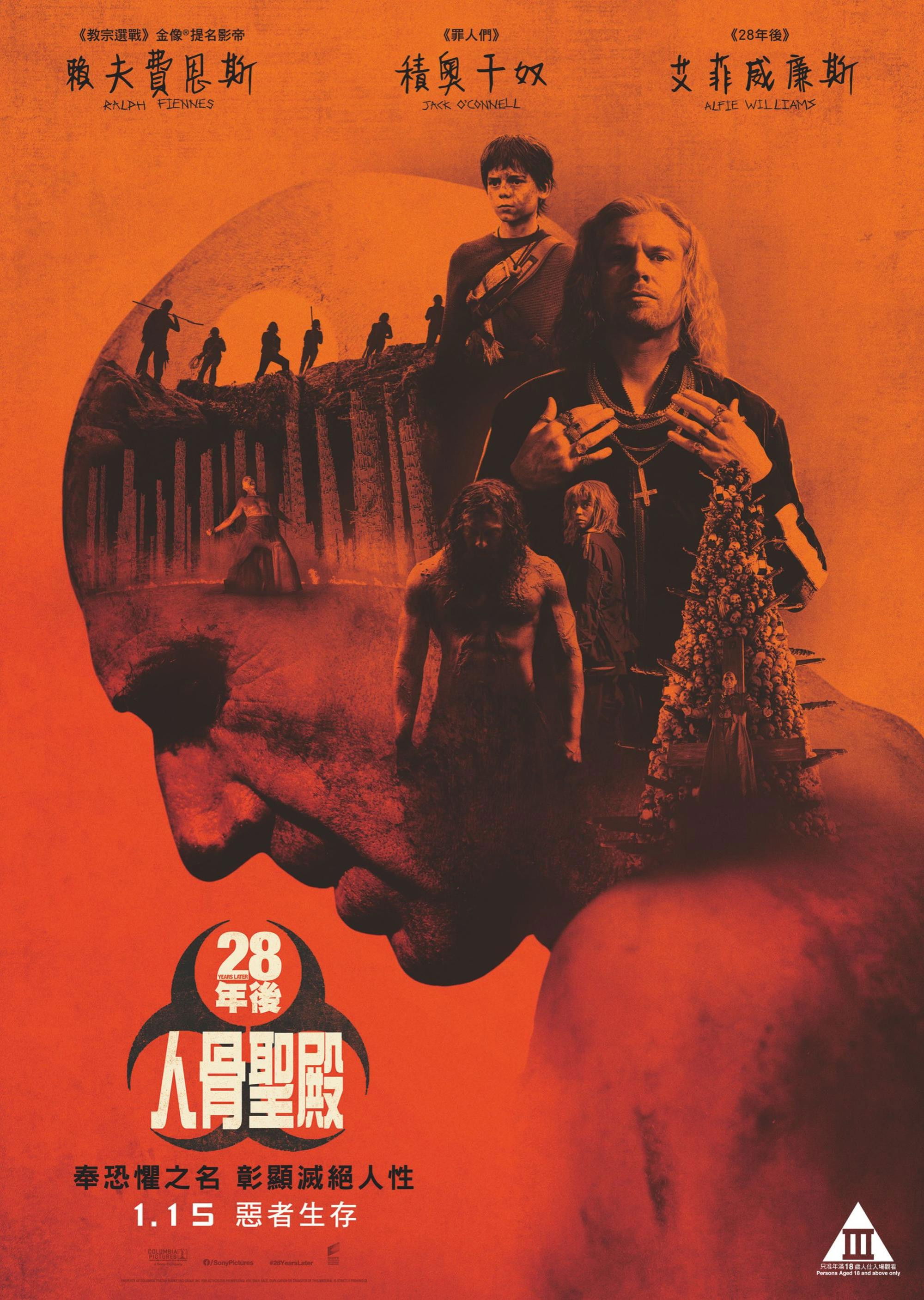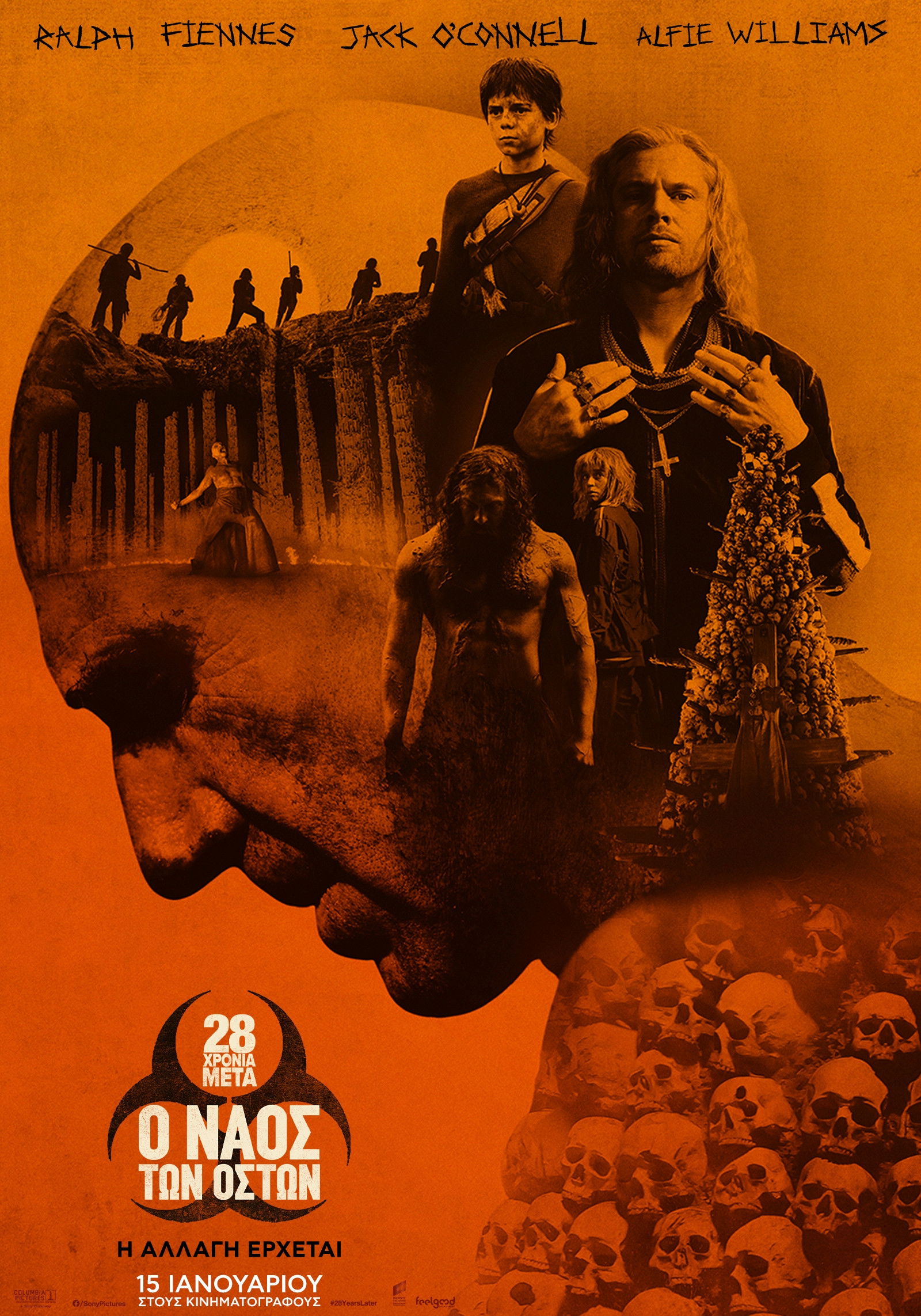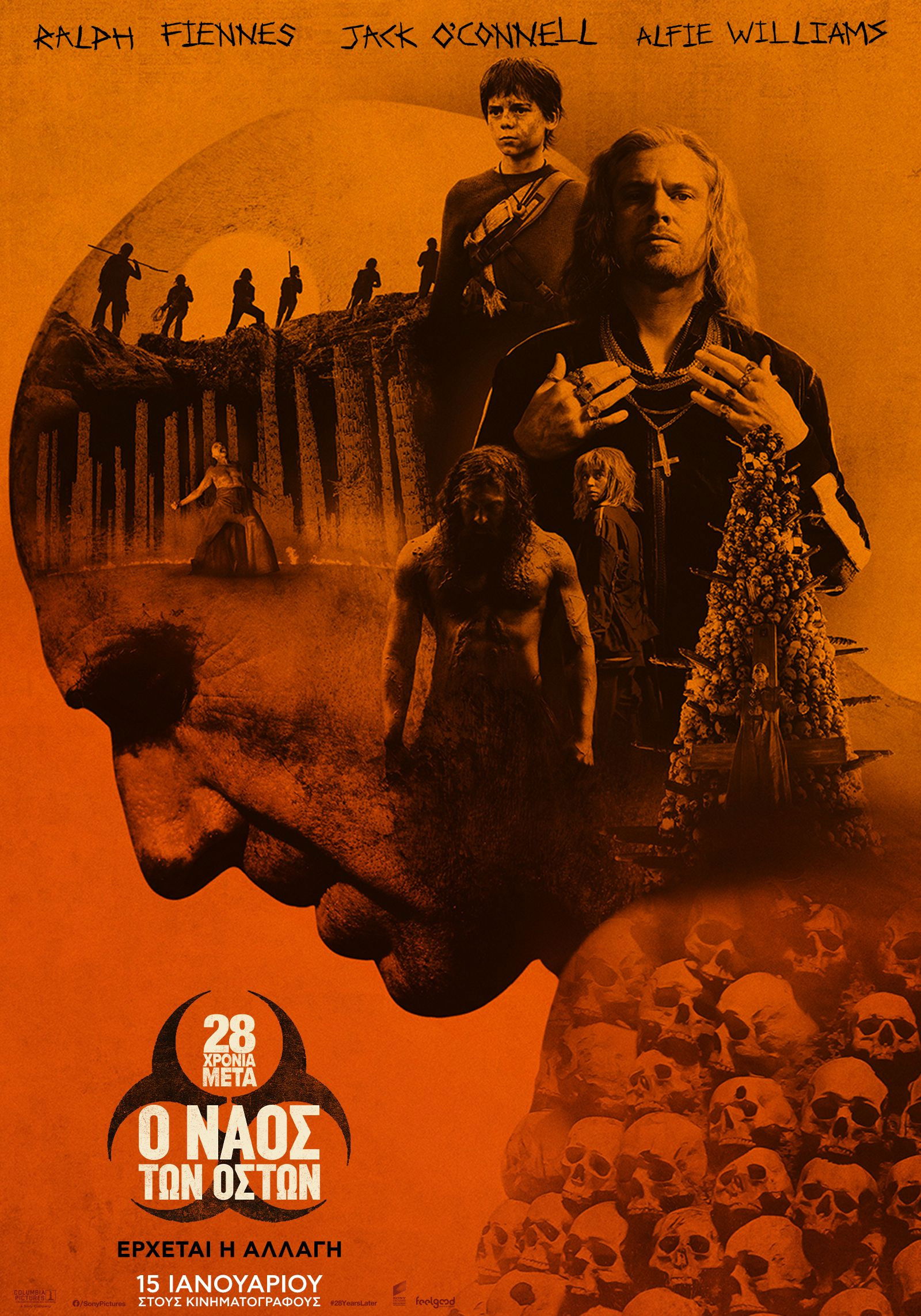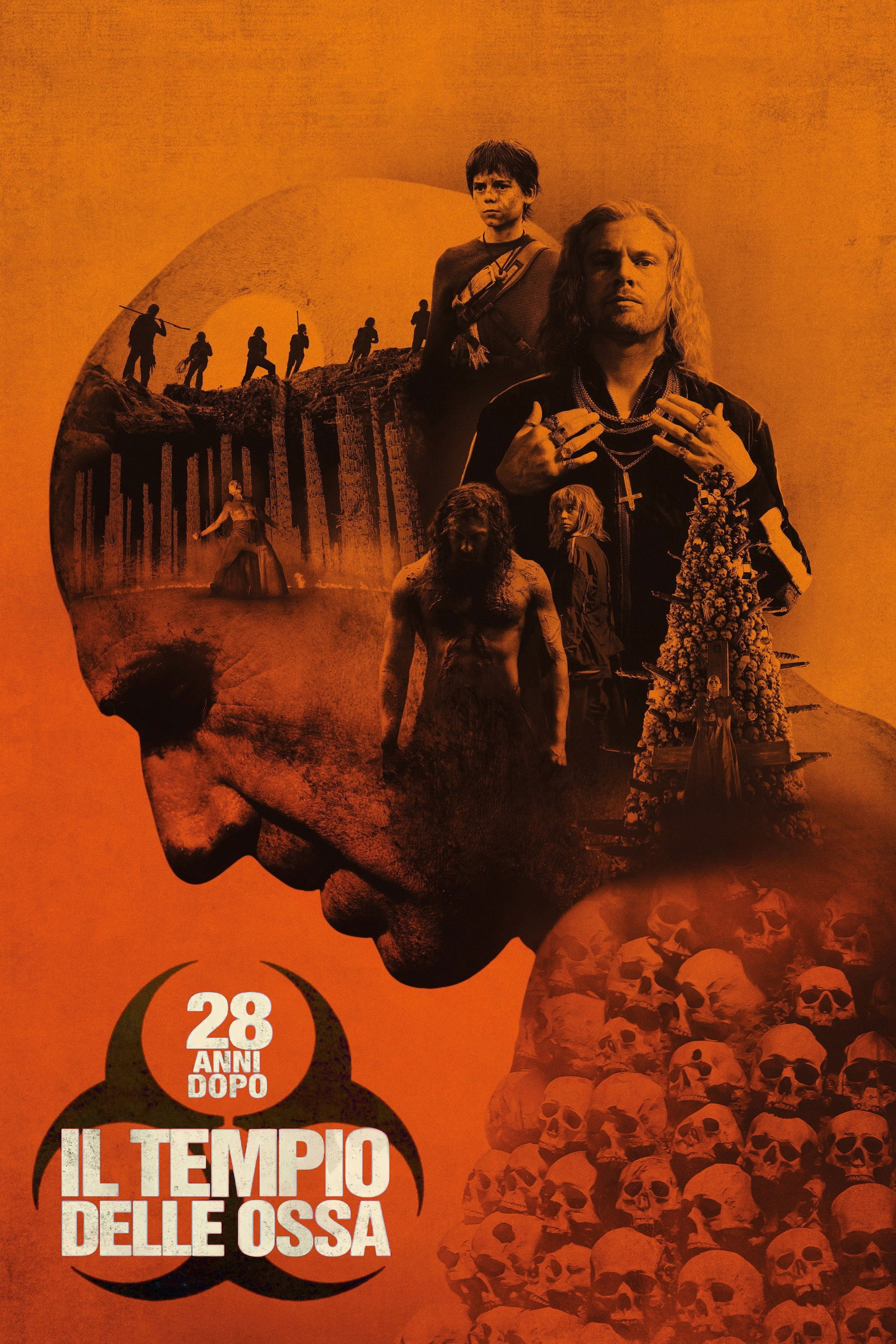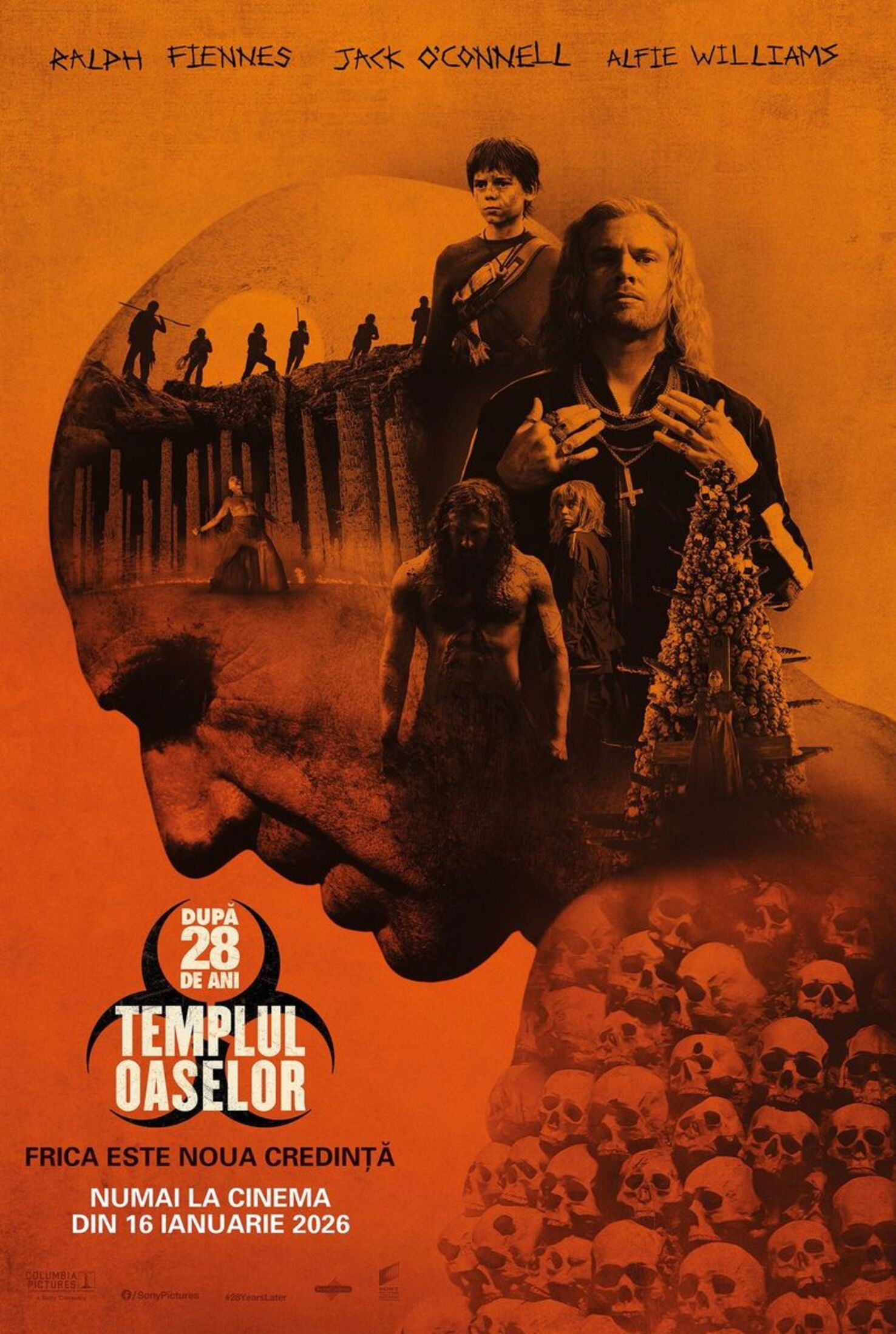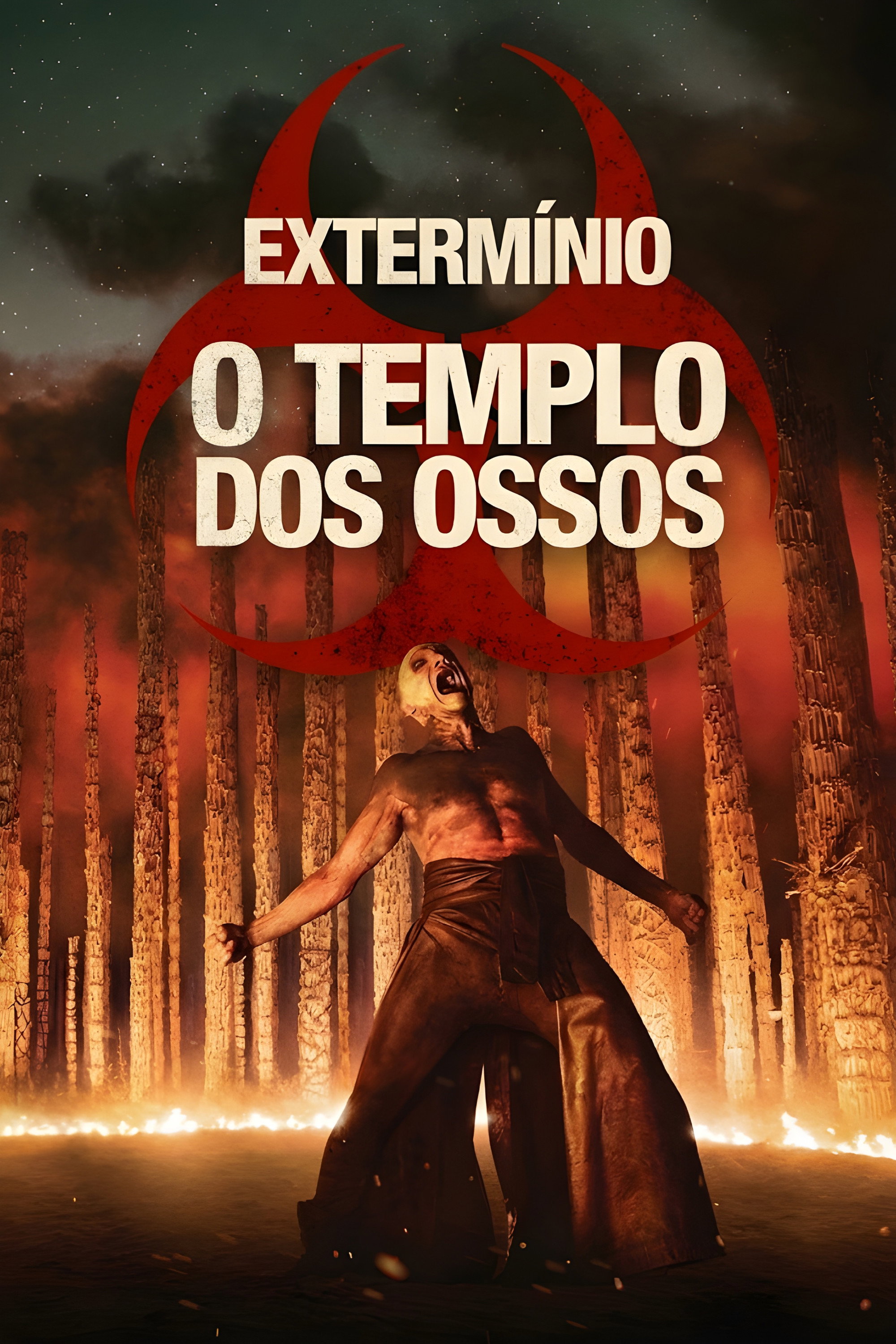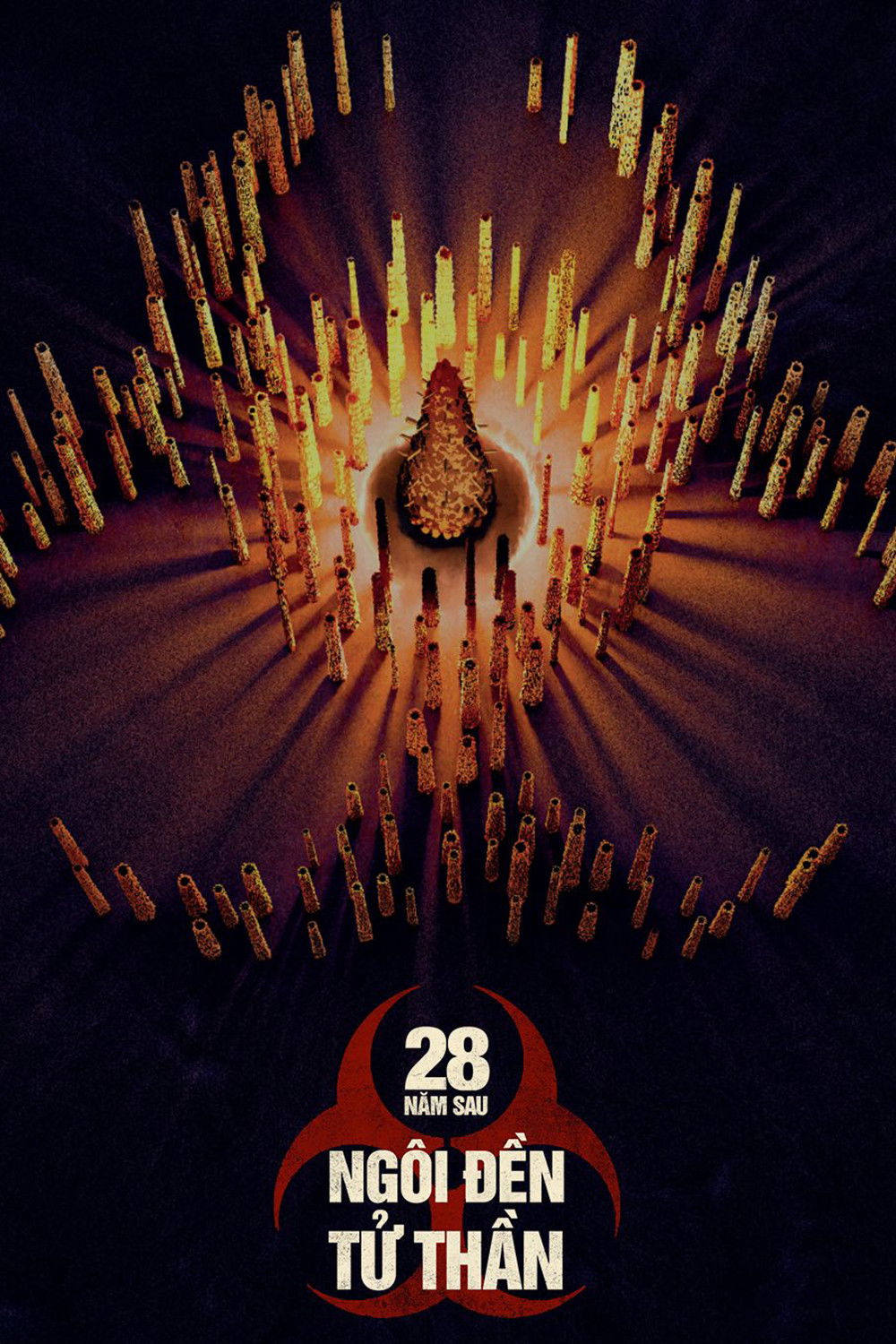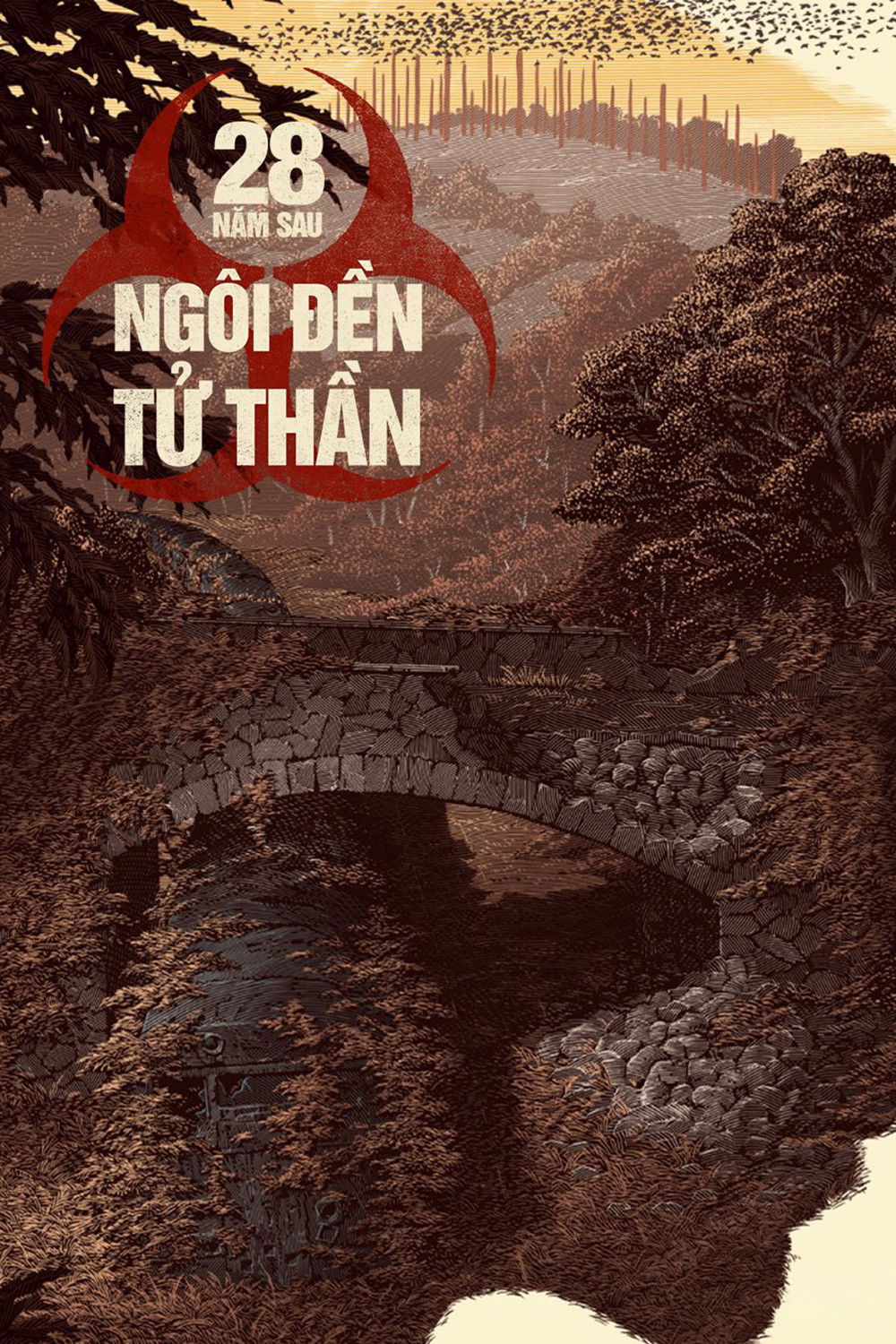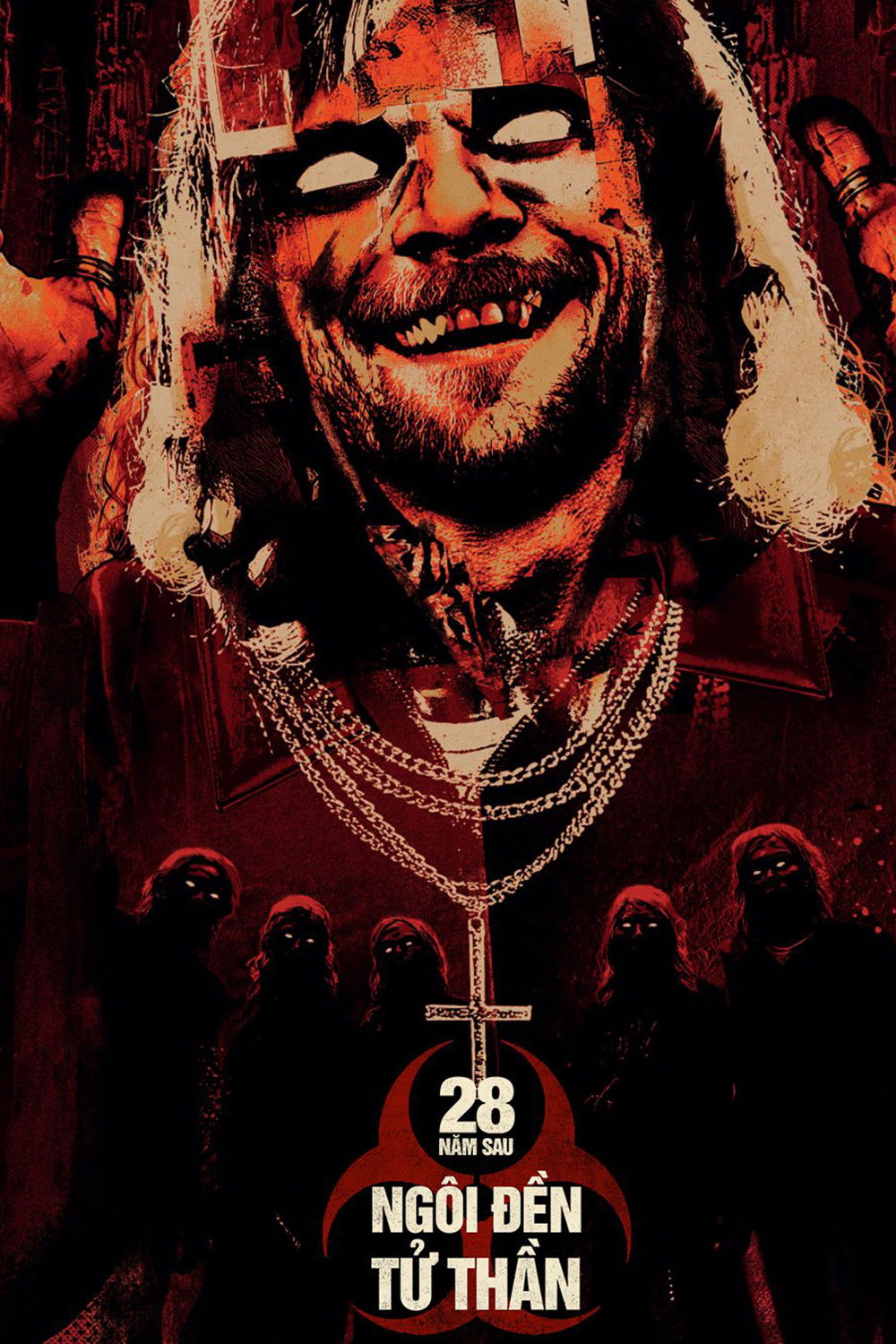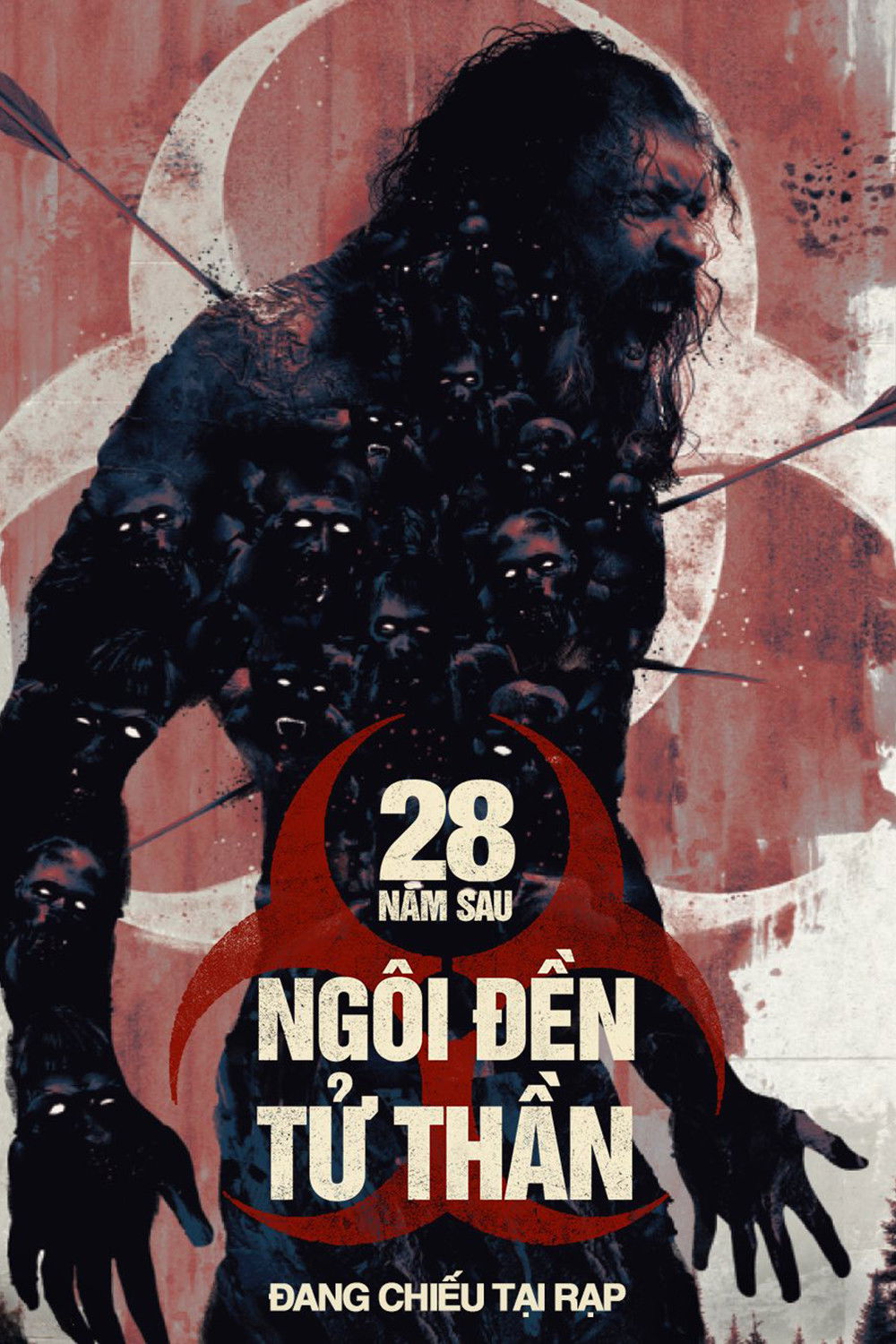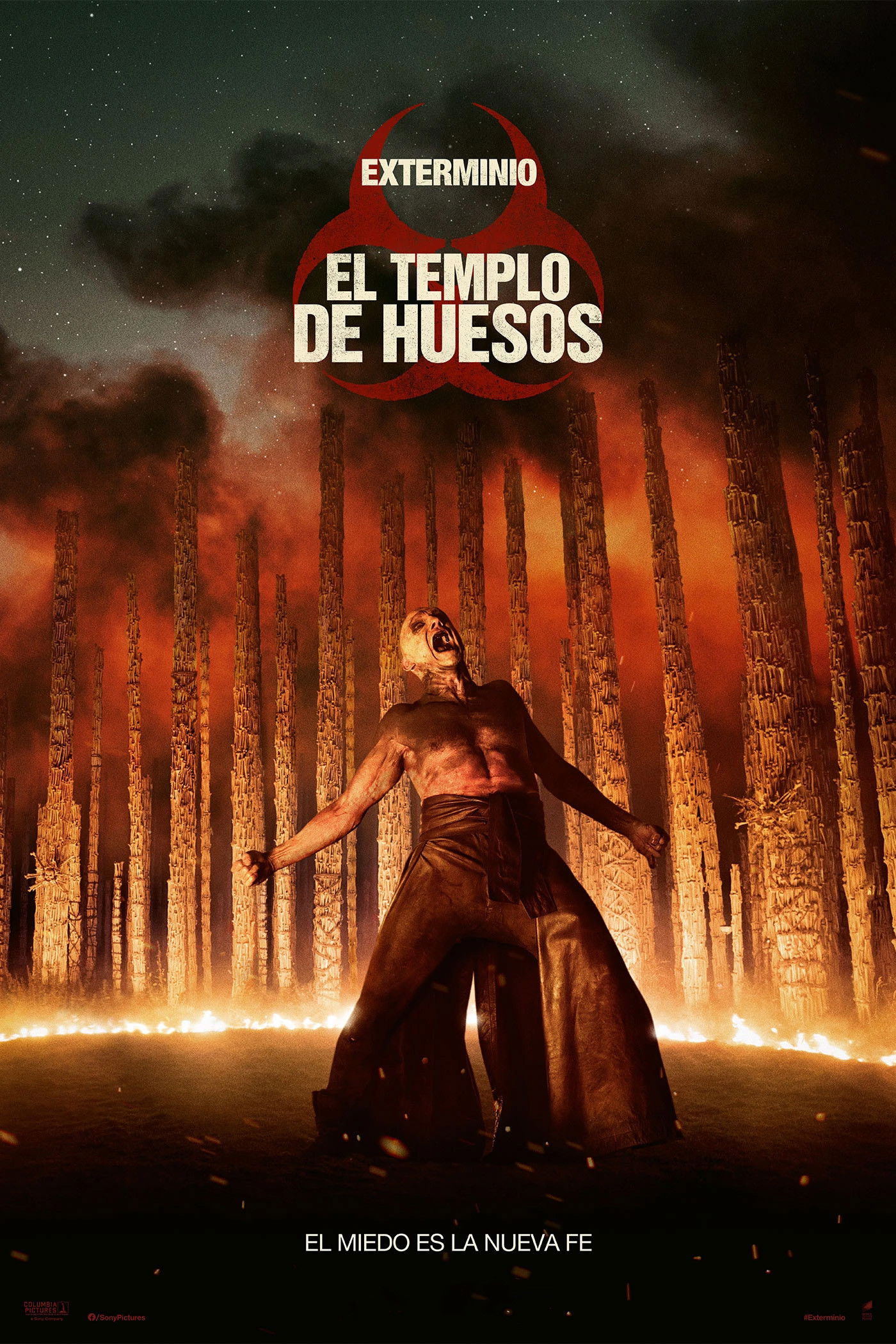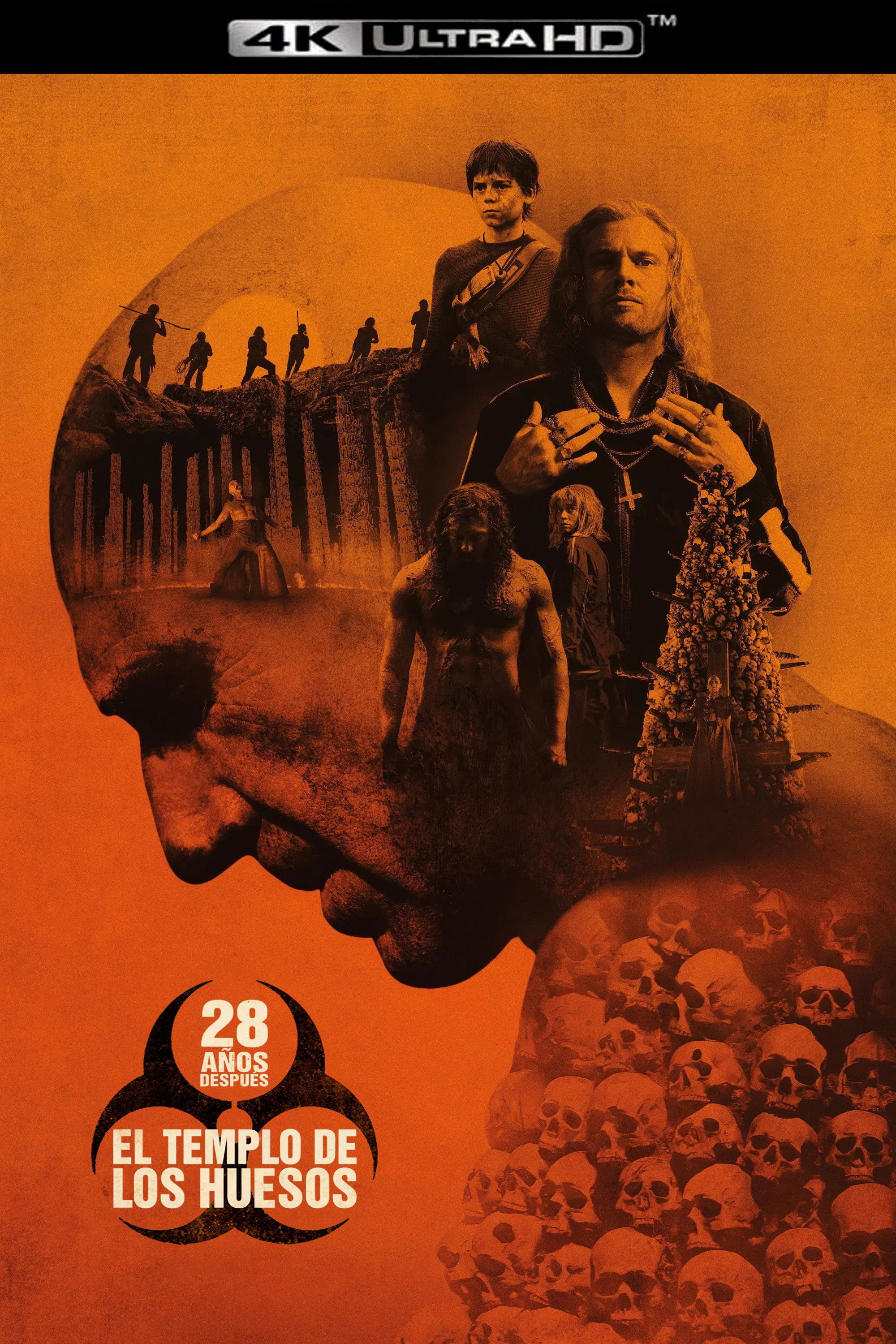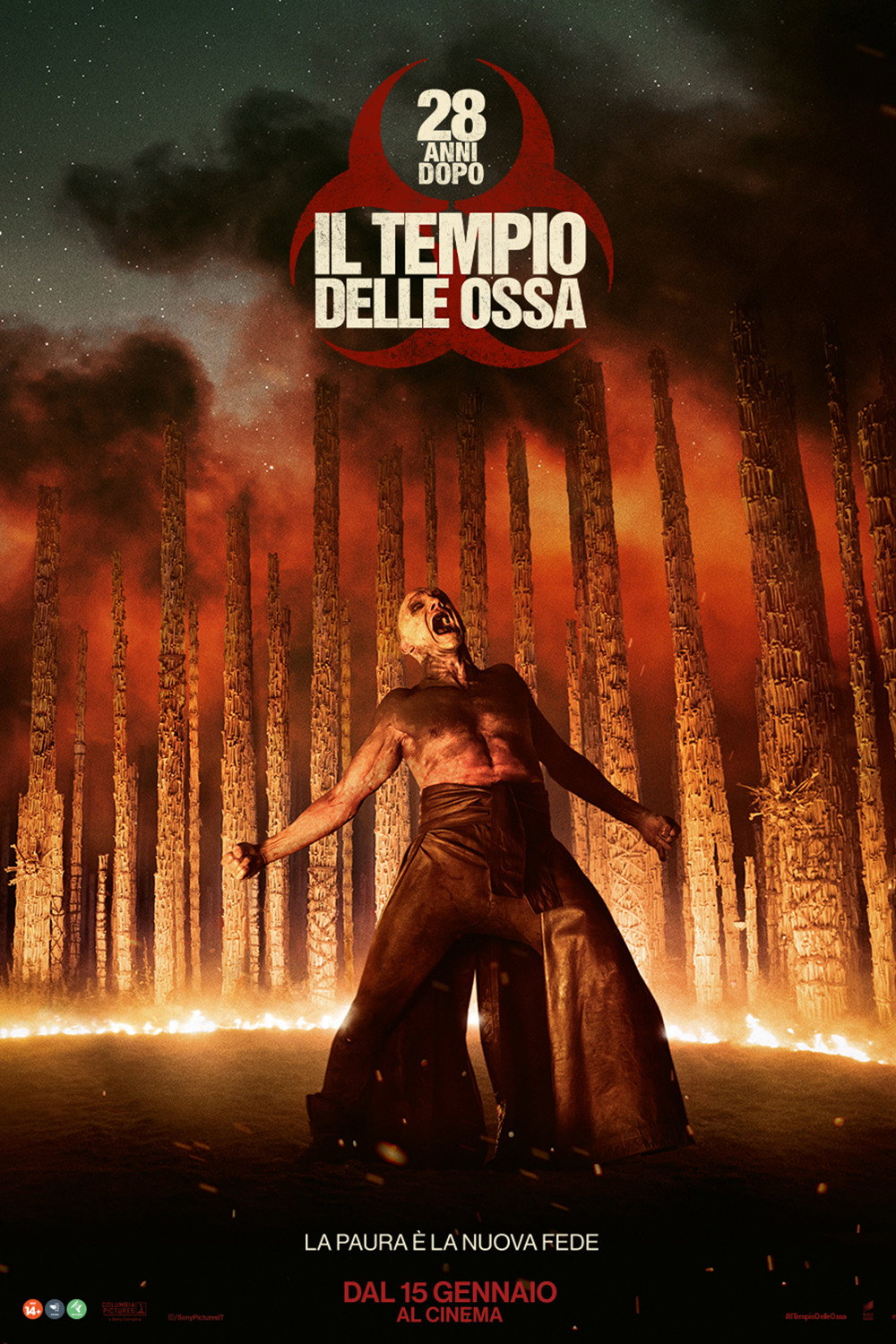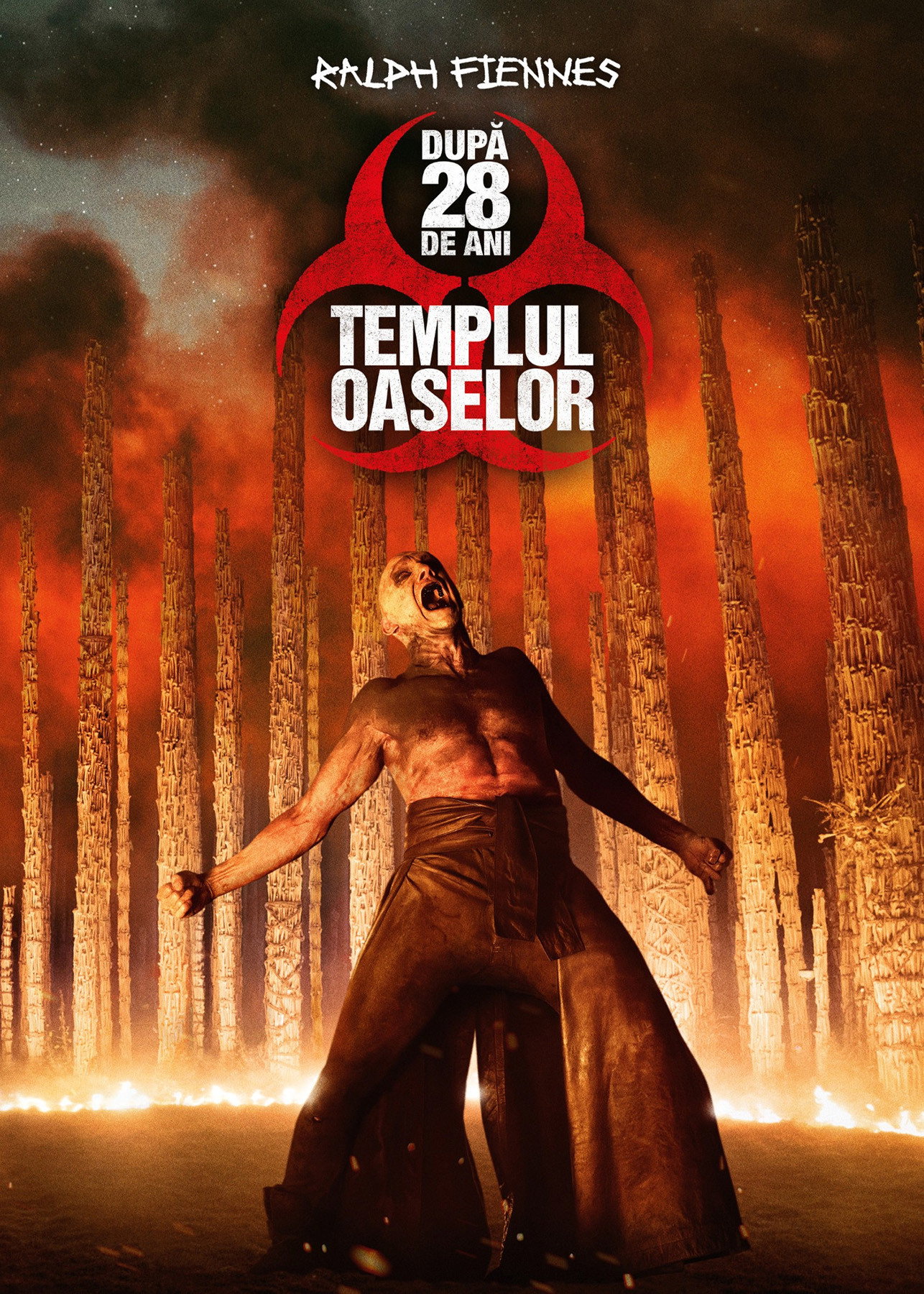
28 Years Later: The Bone Temple (2026)

US
SUBGENRES ZOMBIE
Runtime
109 min
Release
January 14, 2026
Budget
$63,000,000
Revenue
$58,527,279
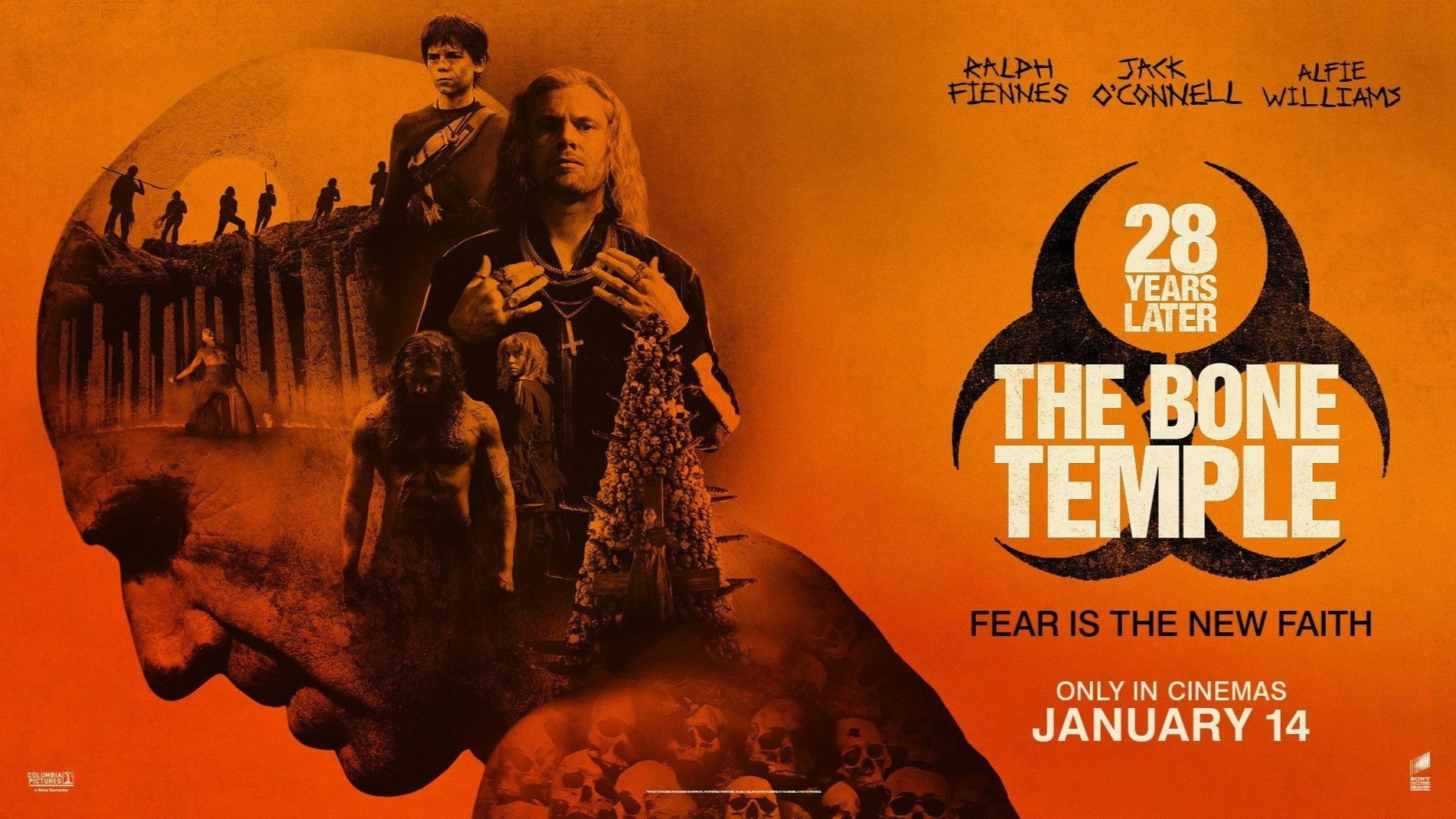
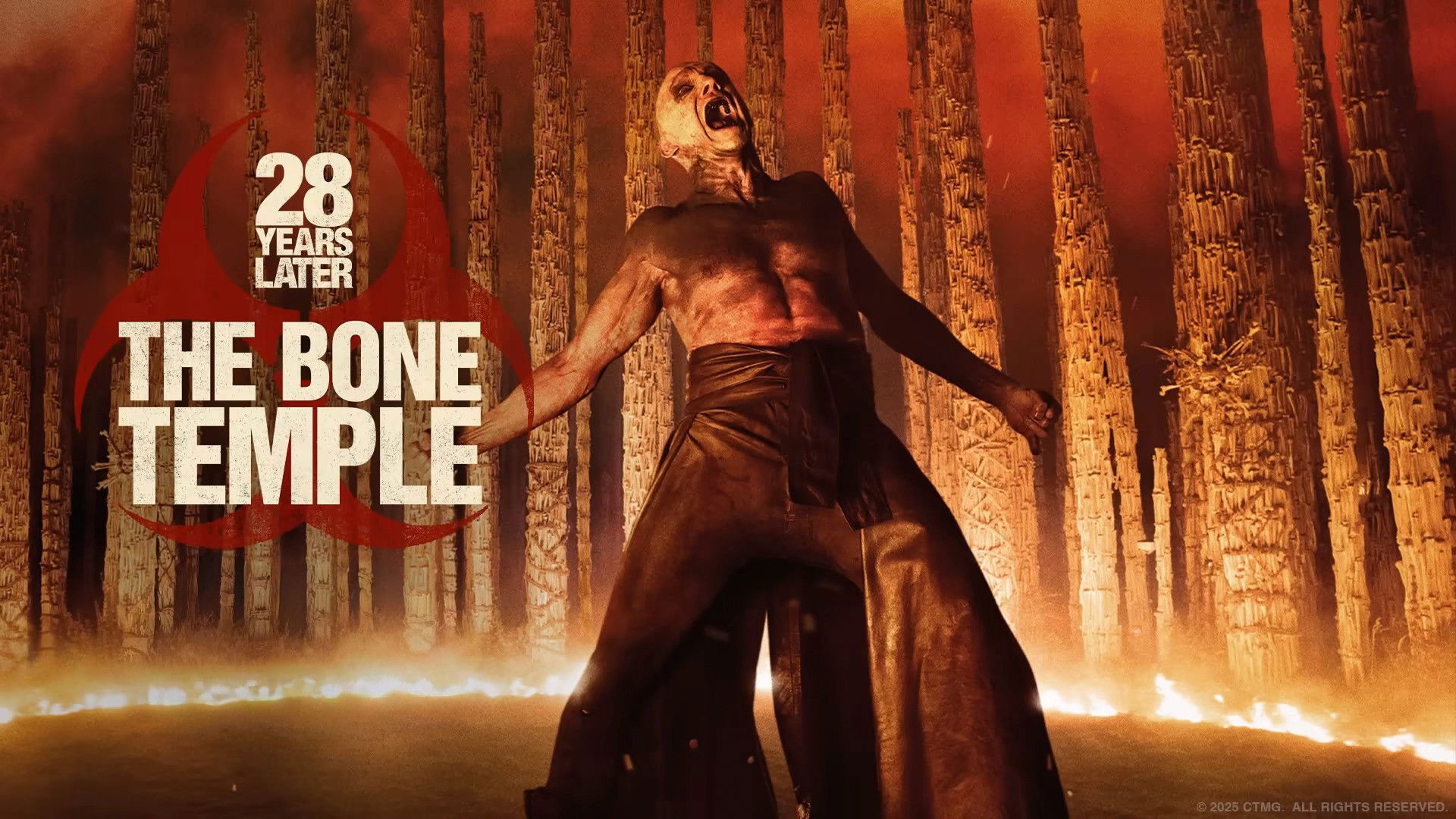
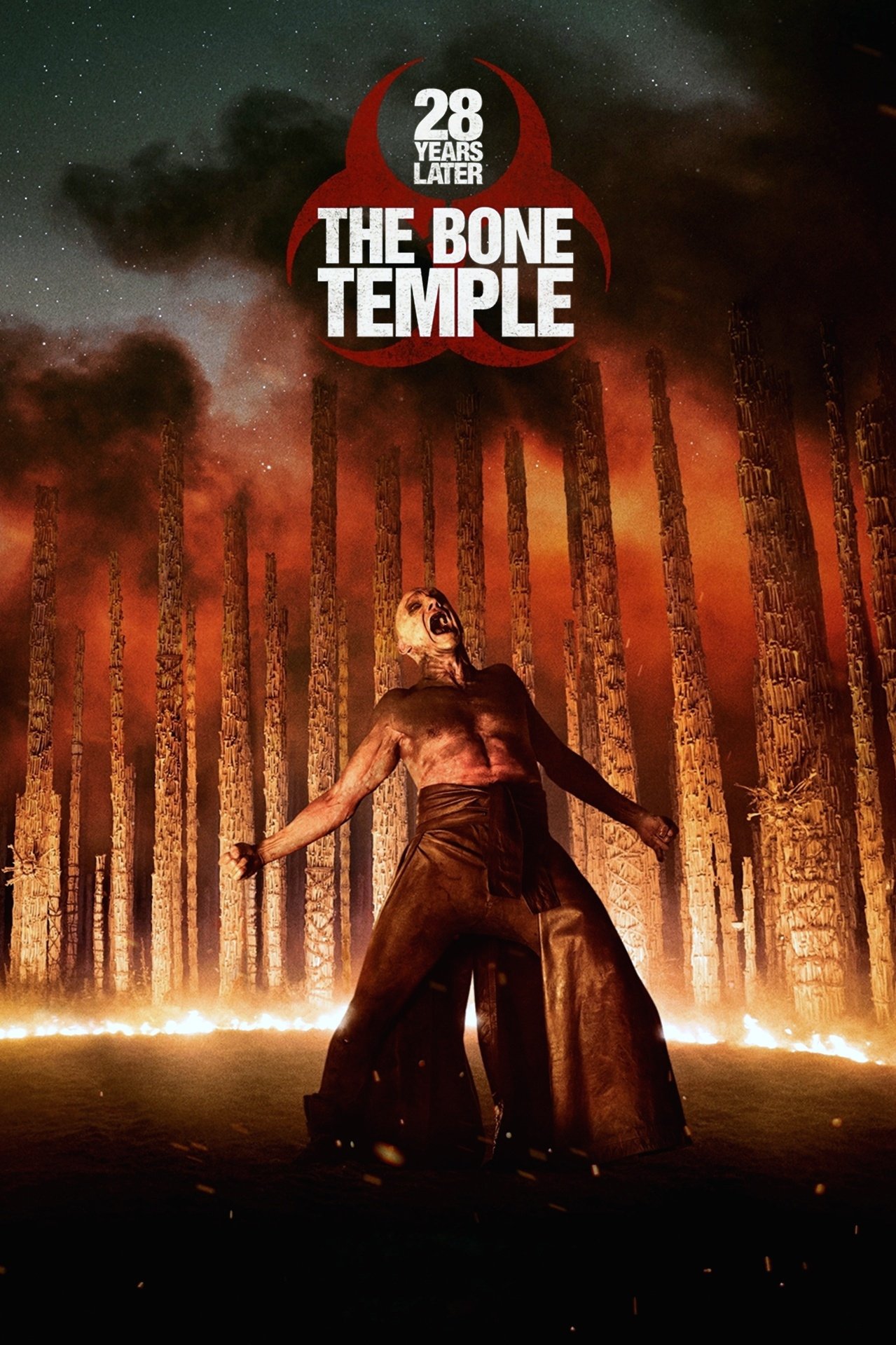
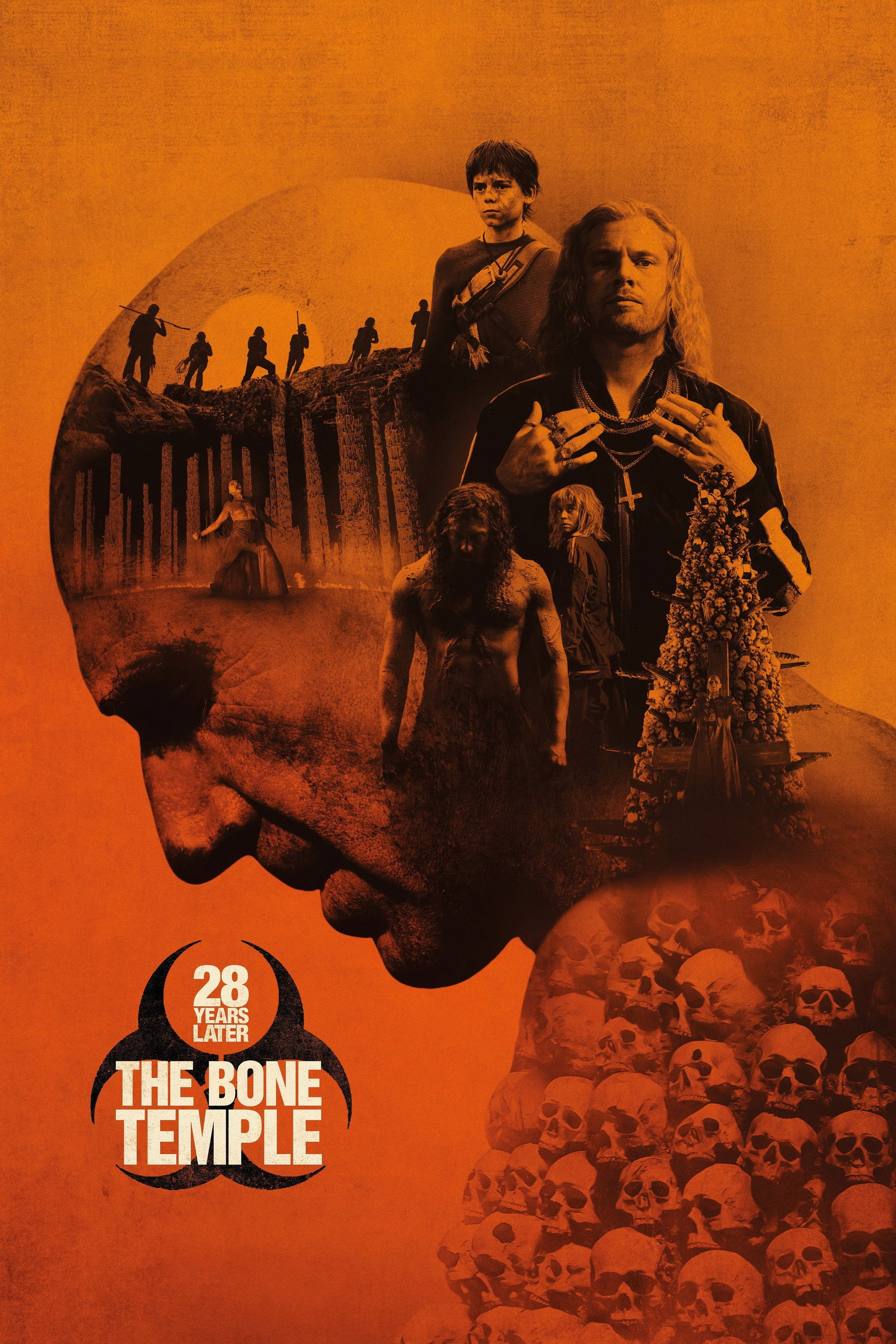
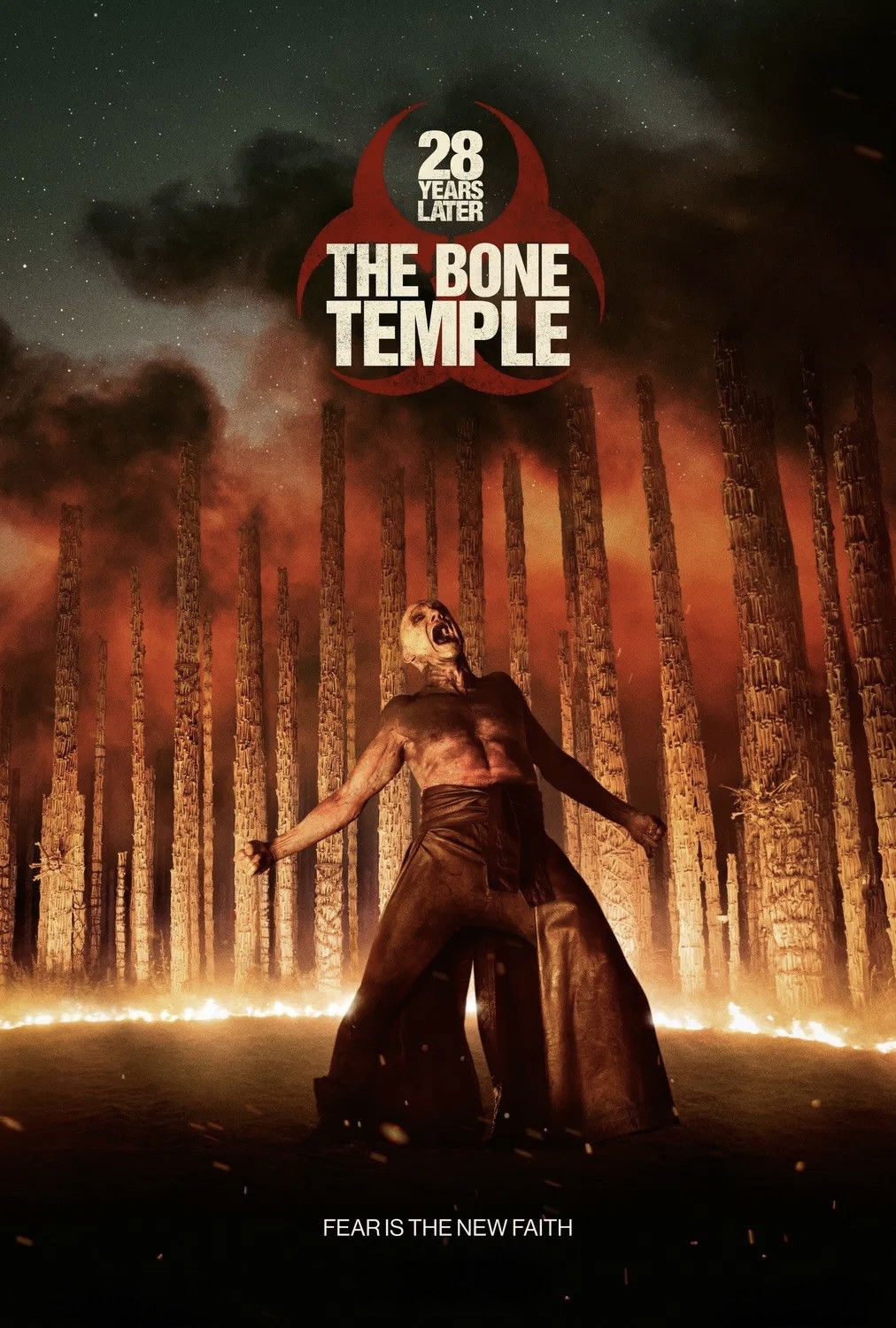
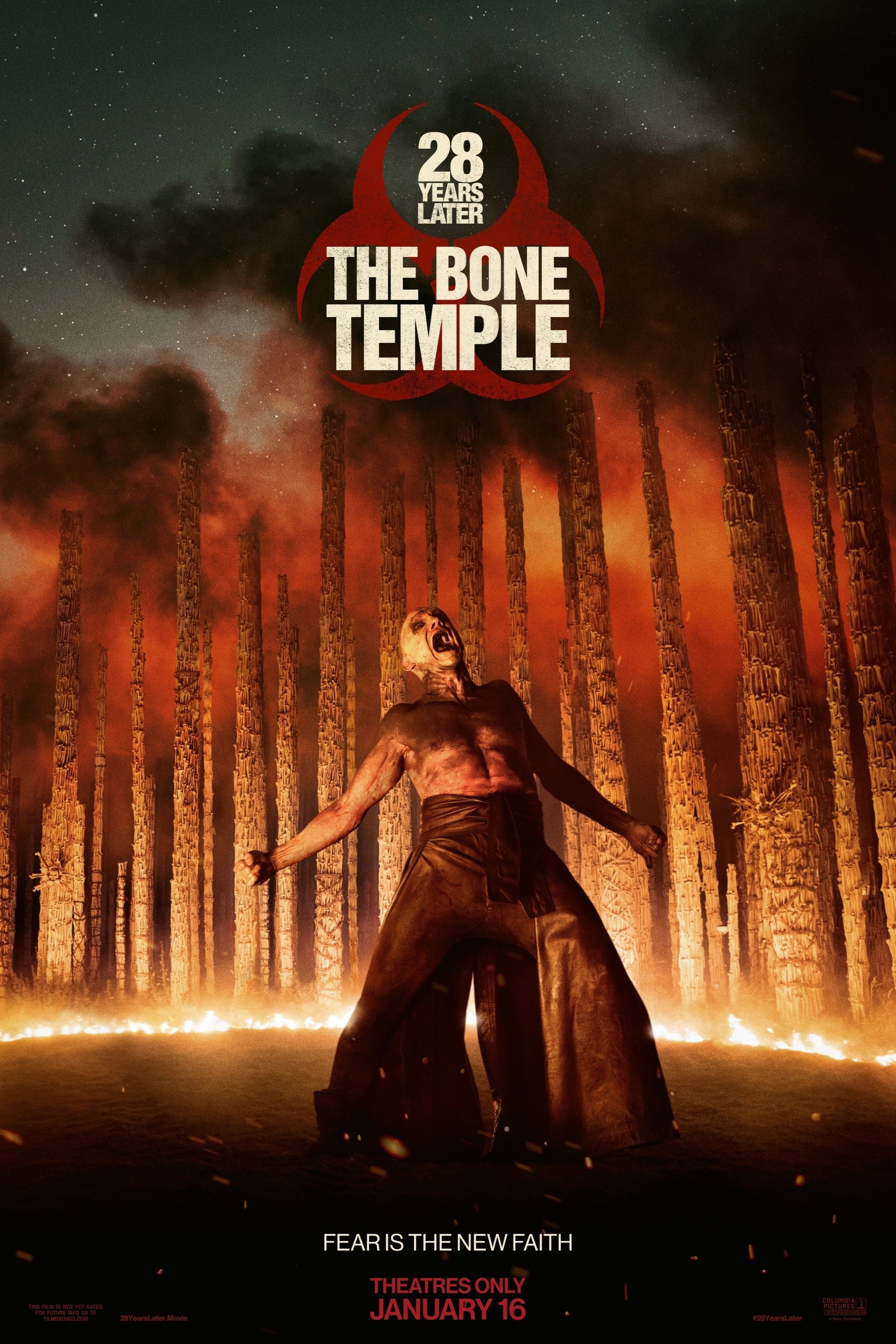
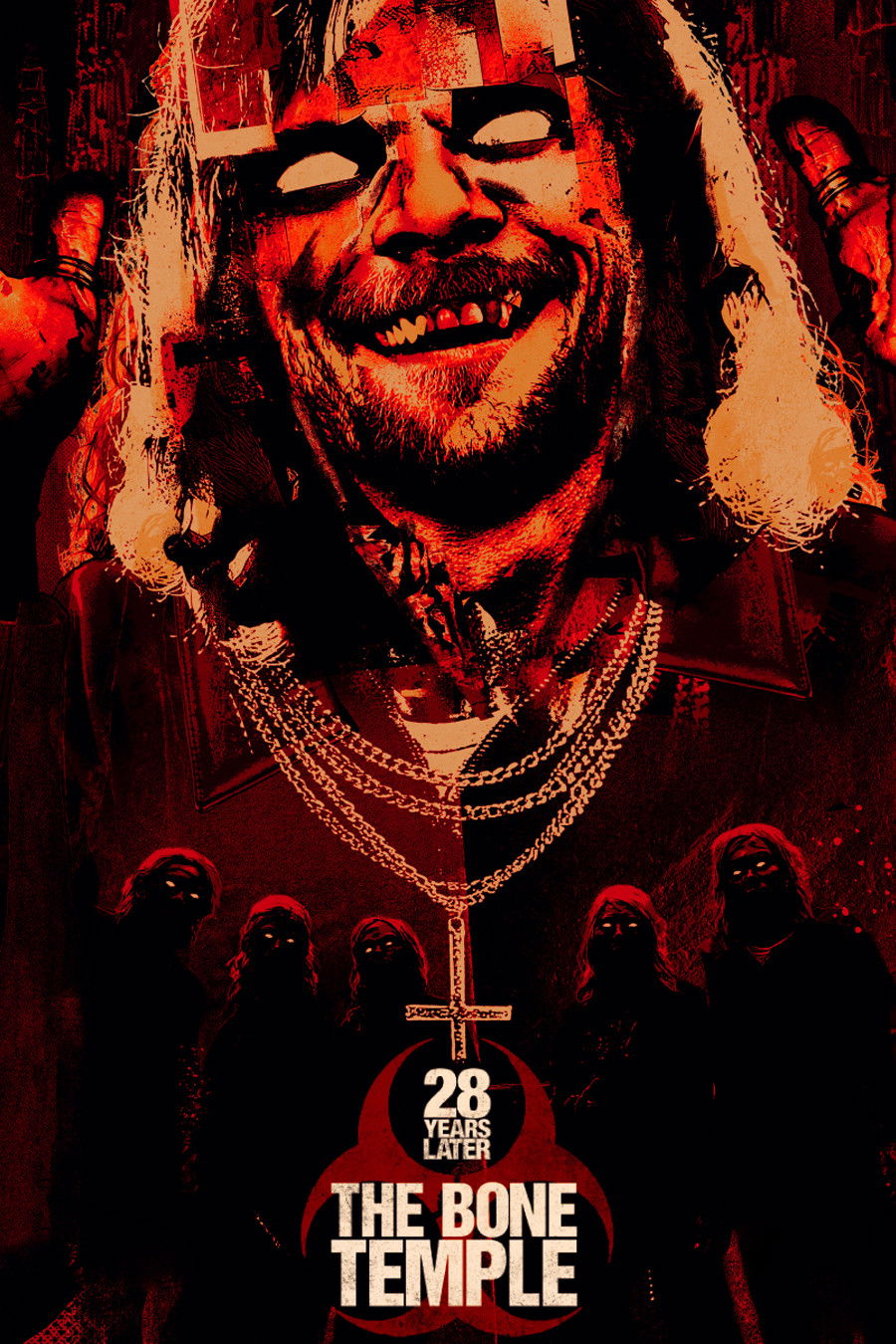
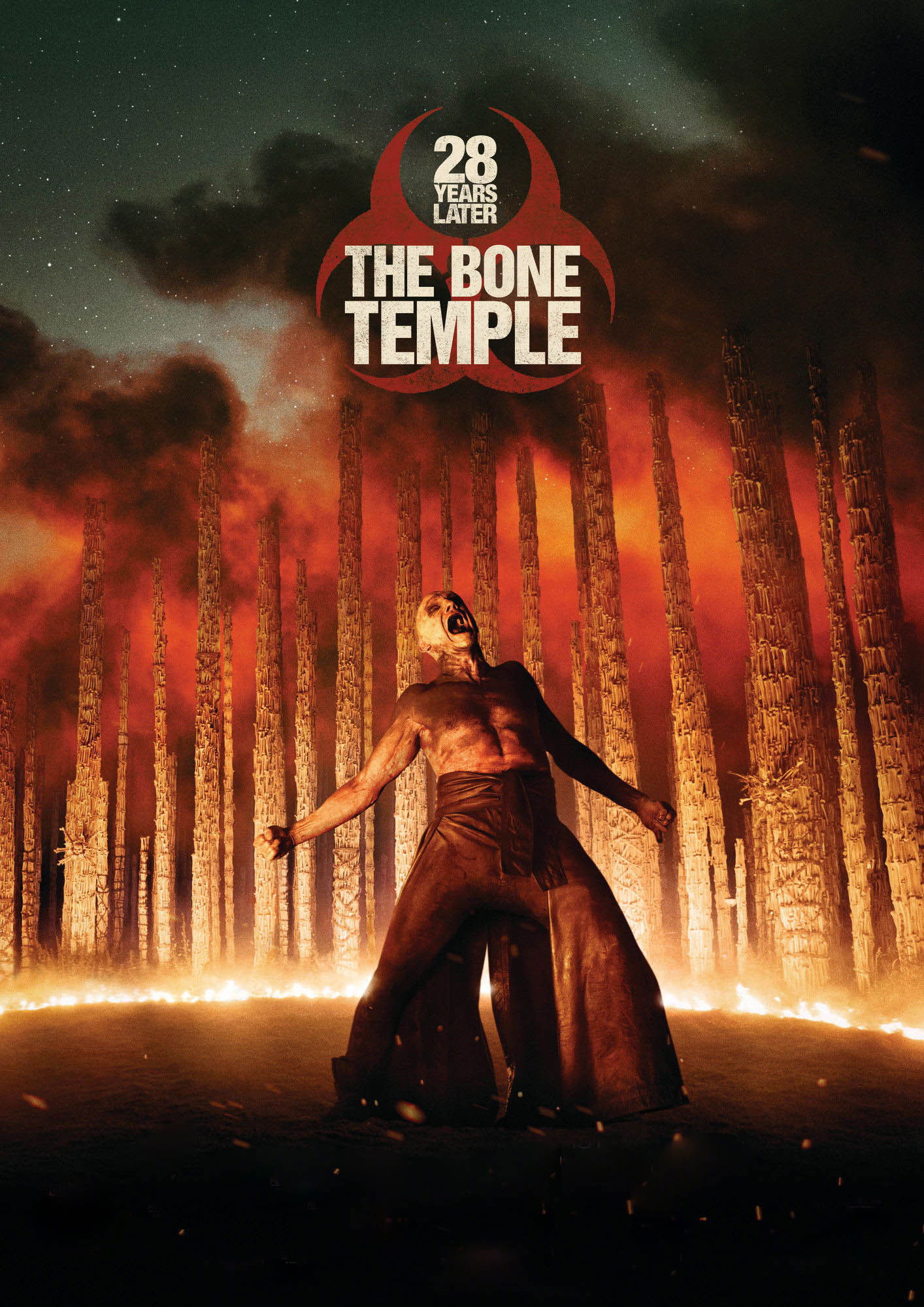
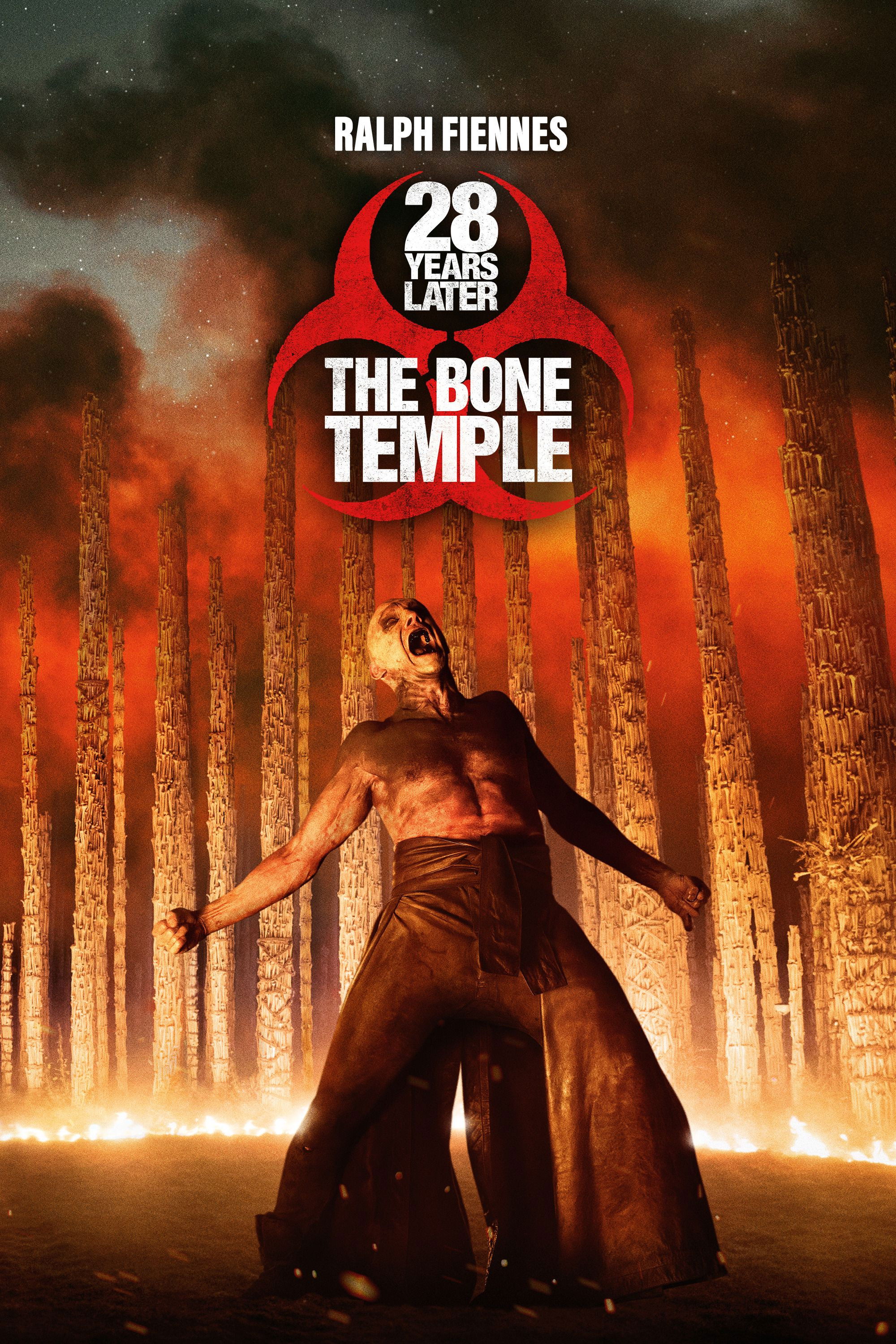
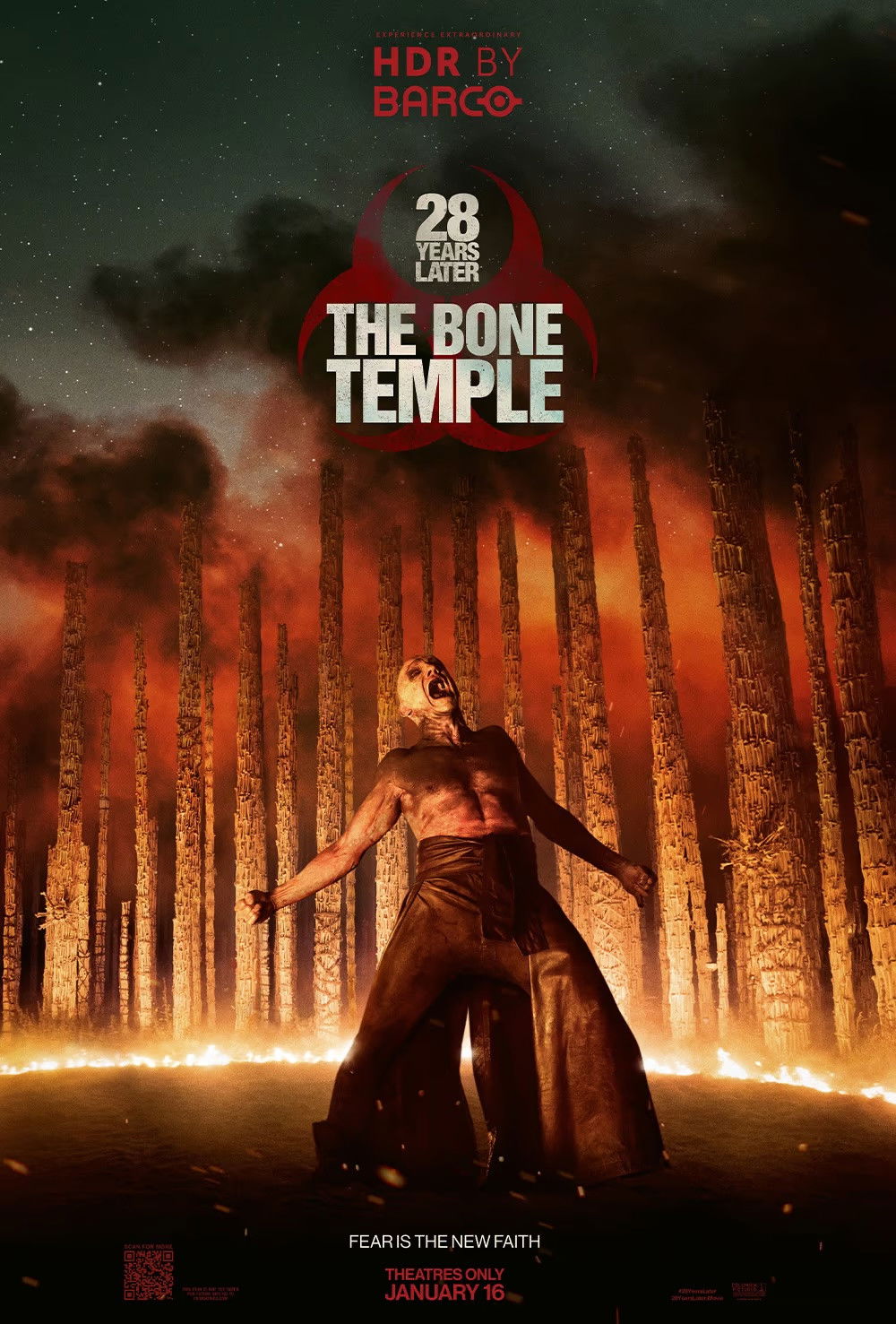
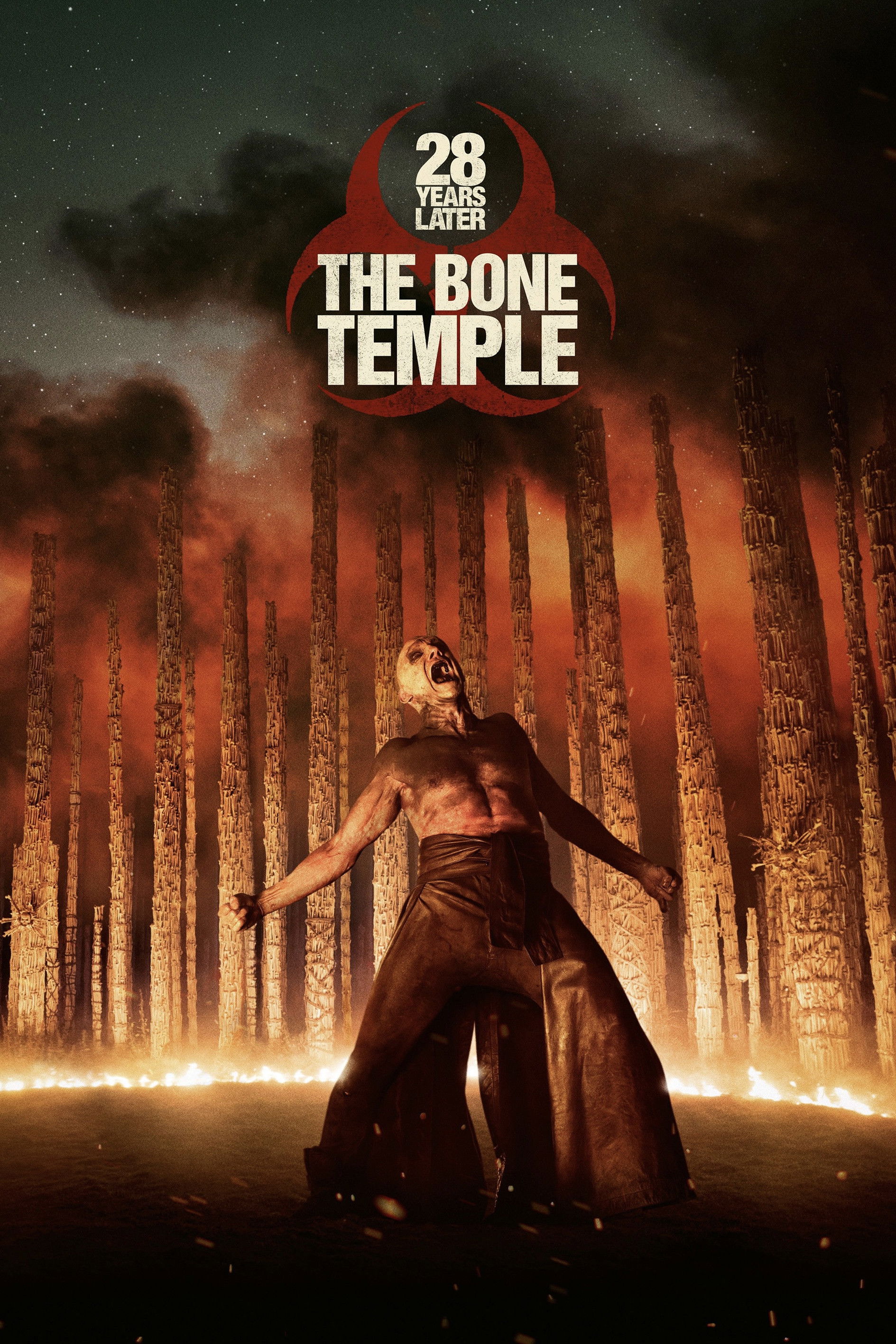
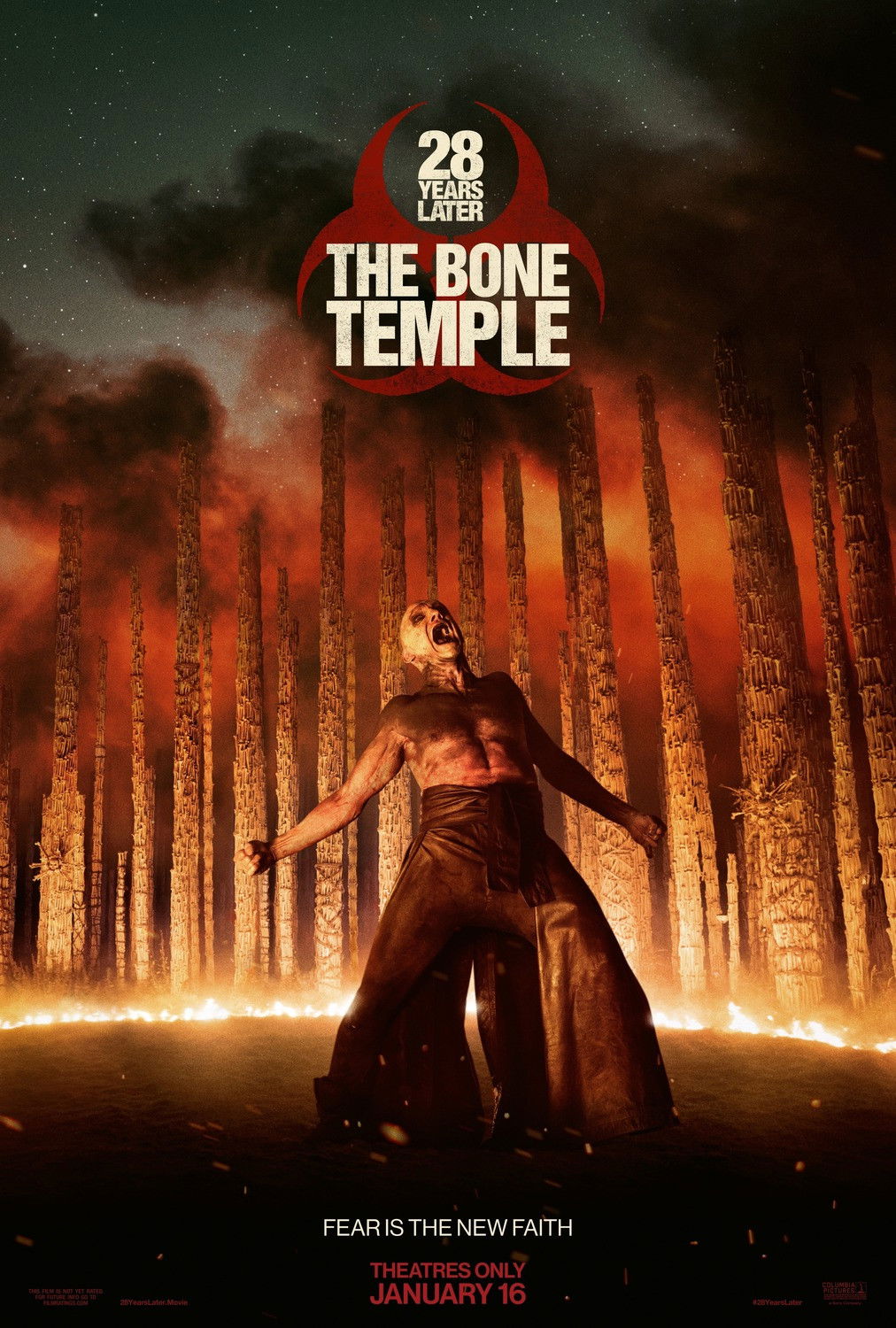
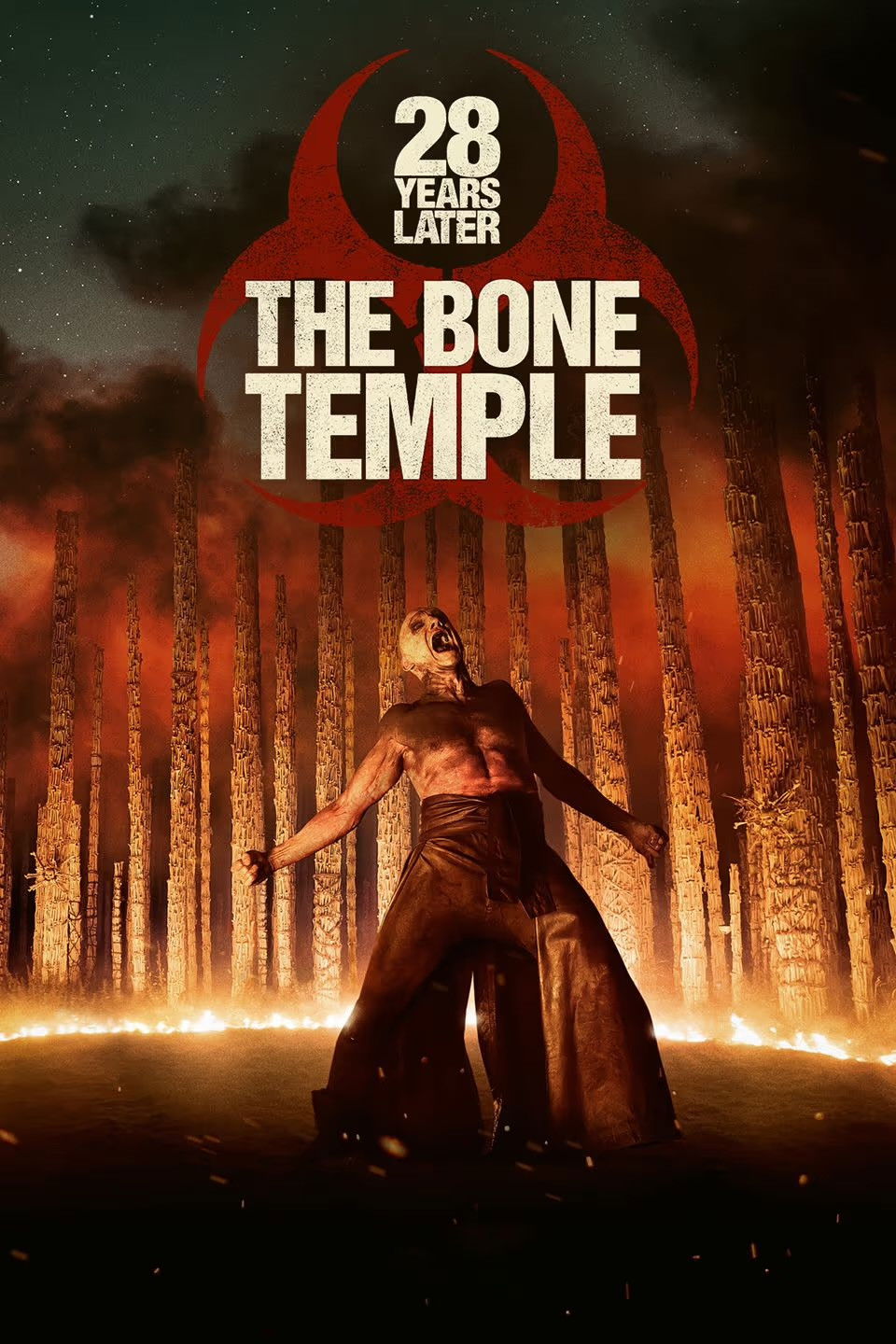
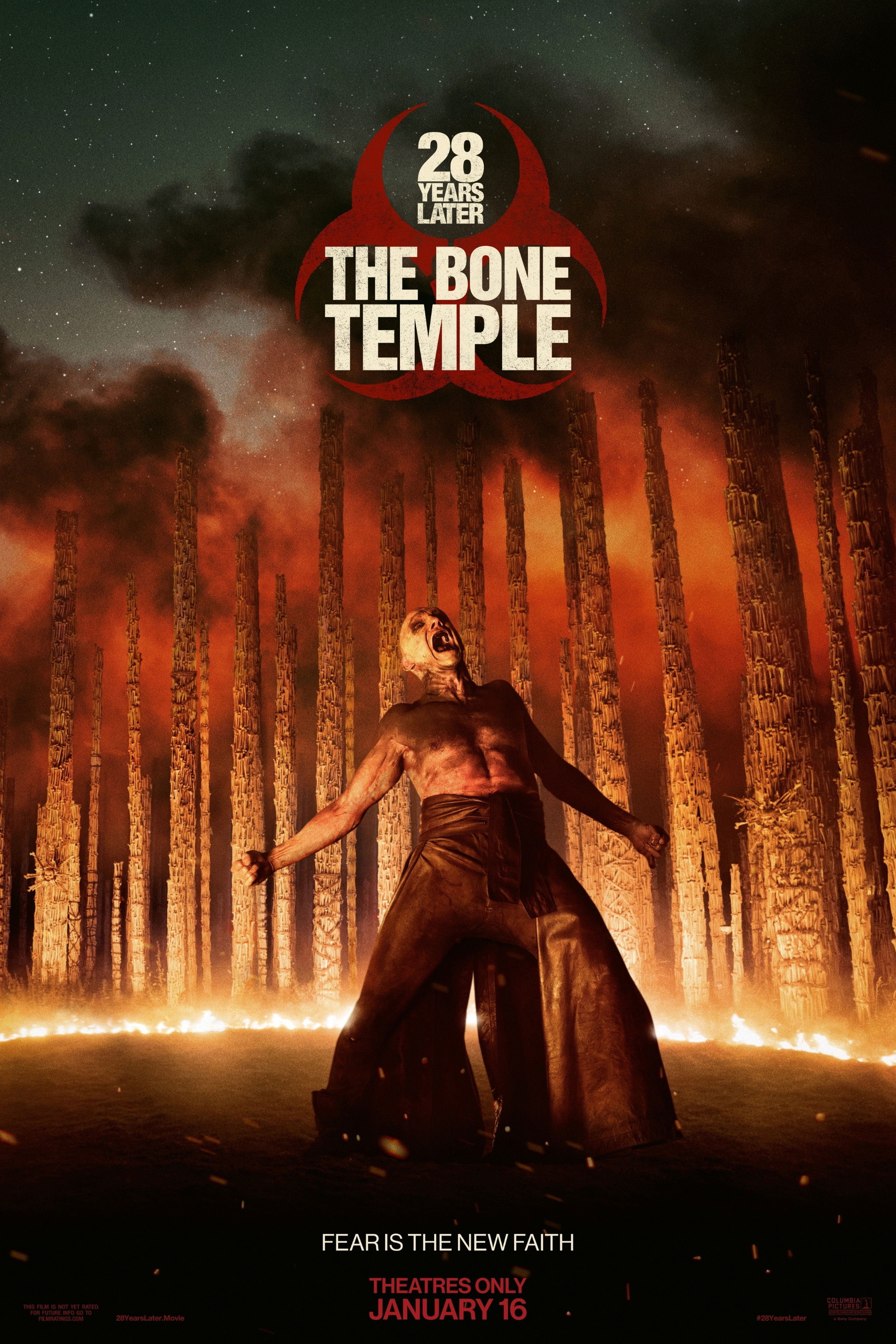
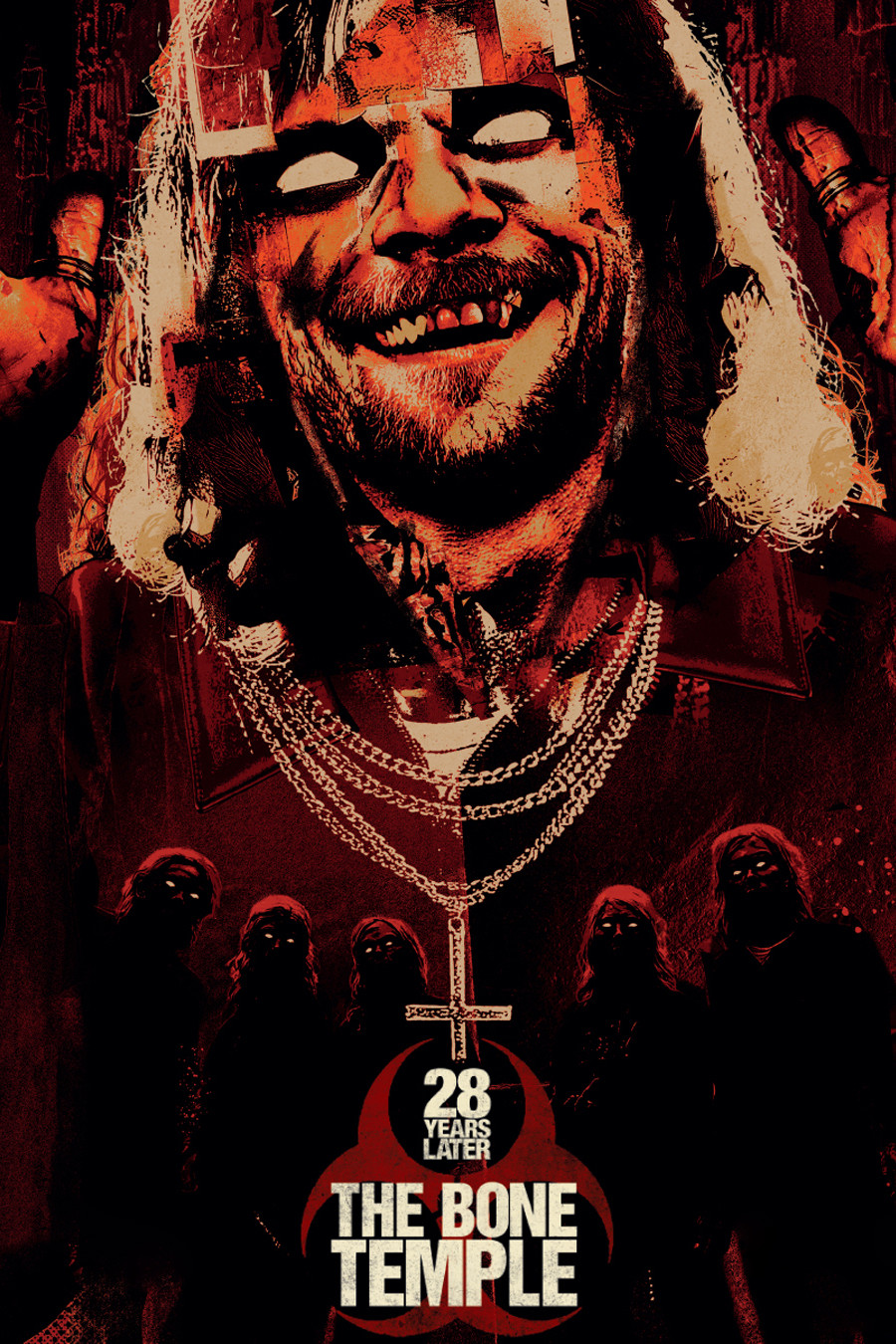
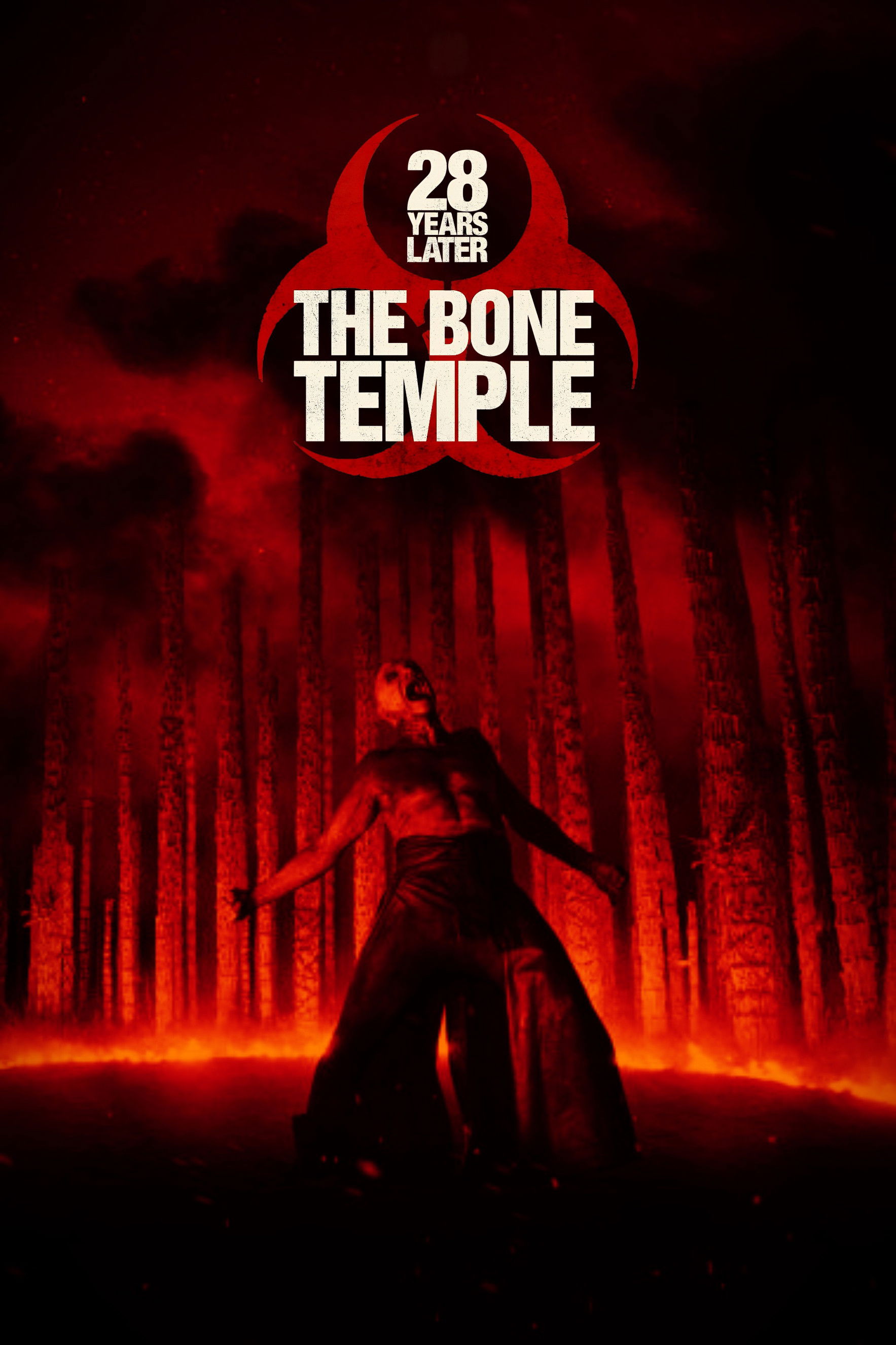
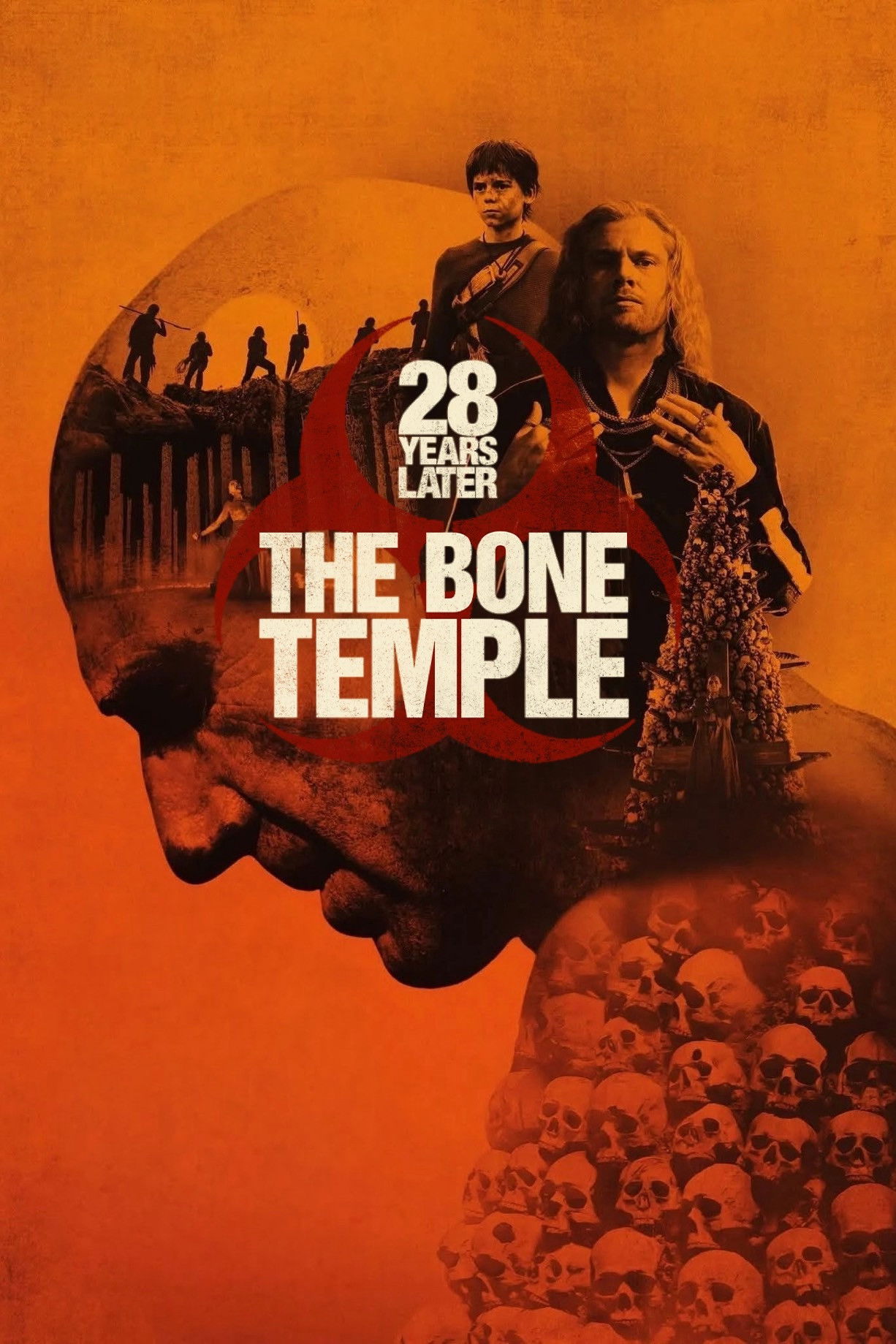
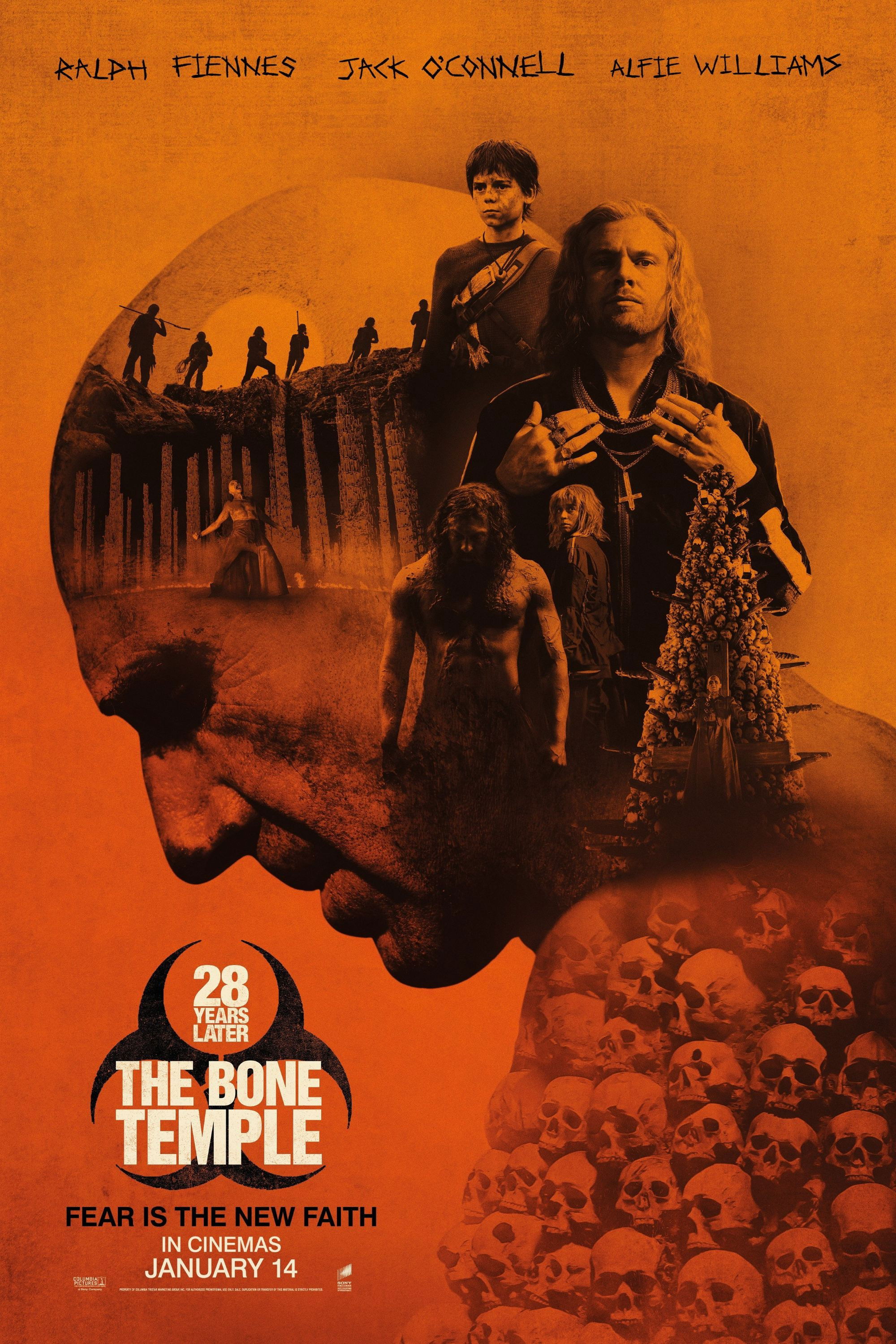
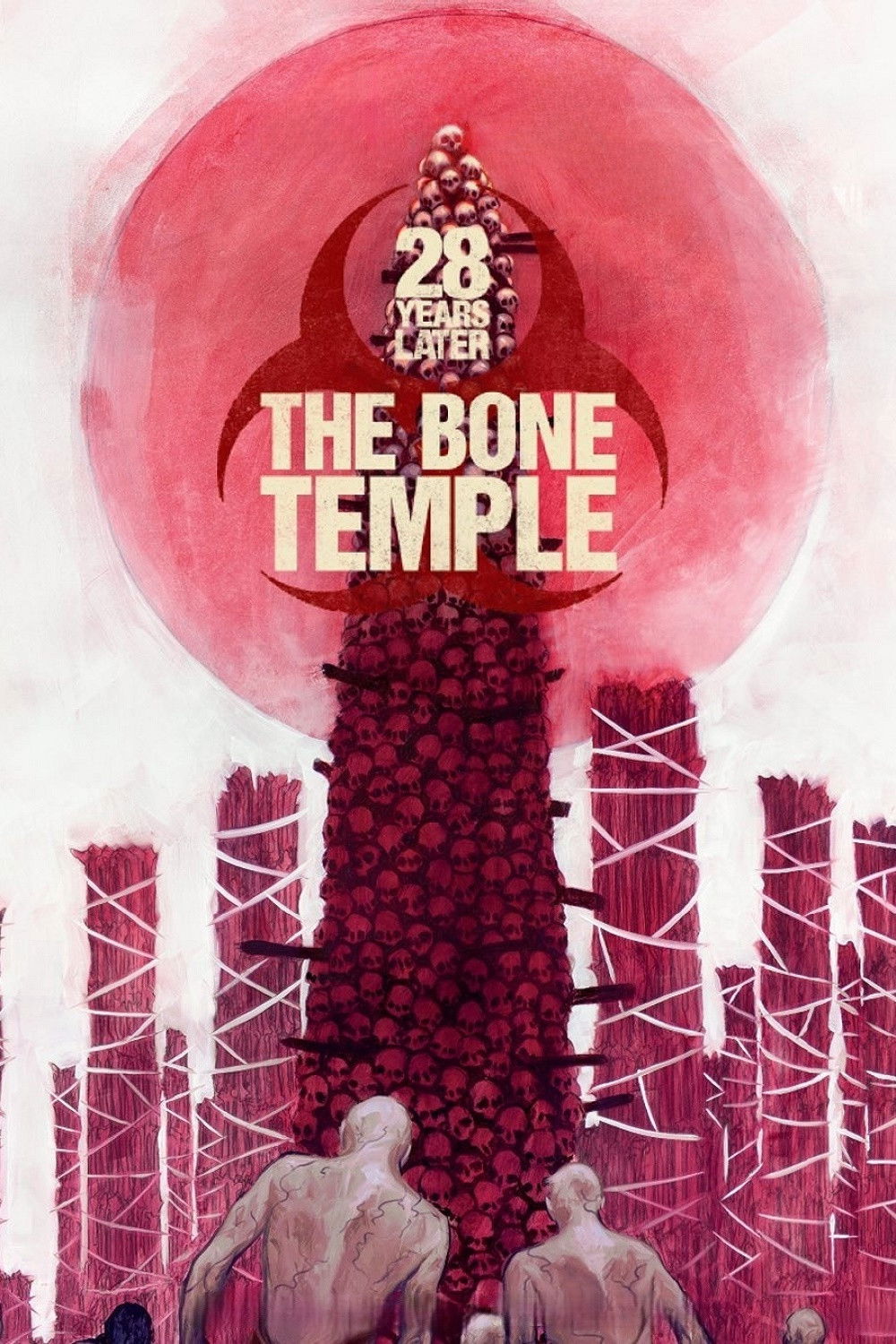
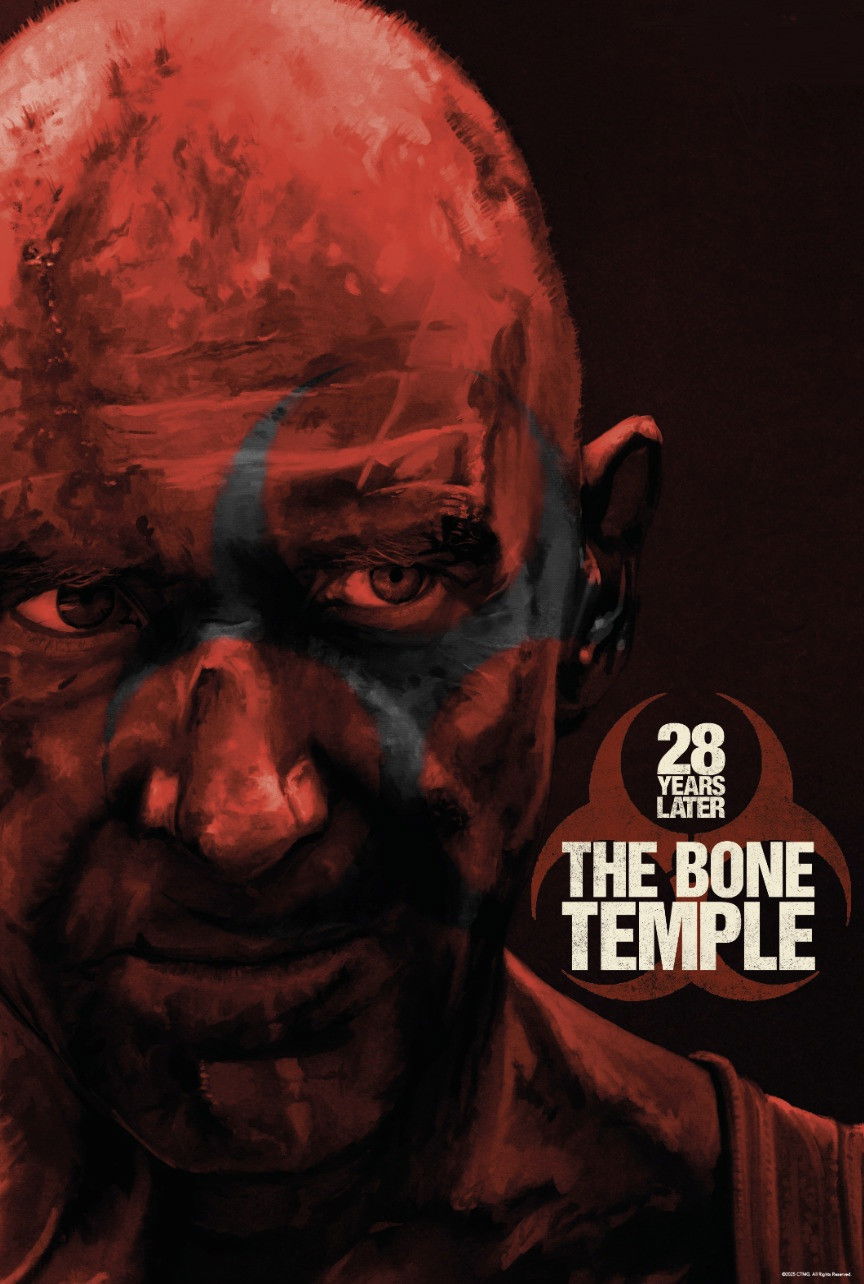
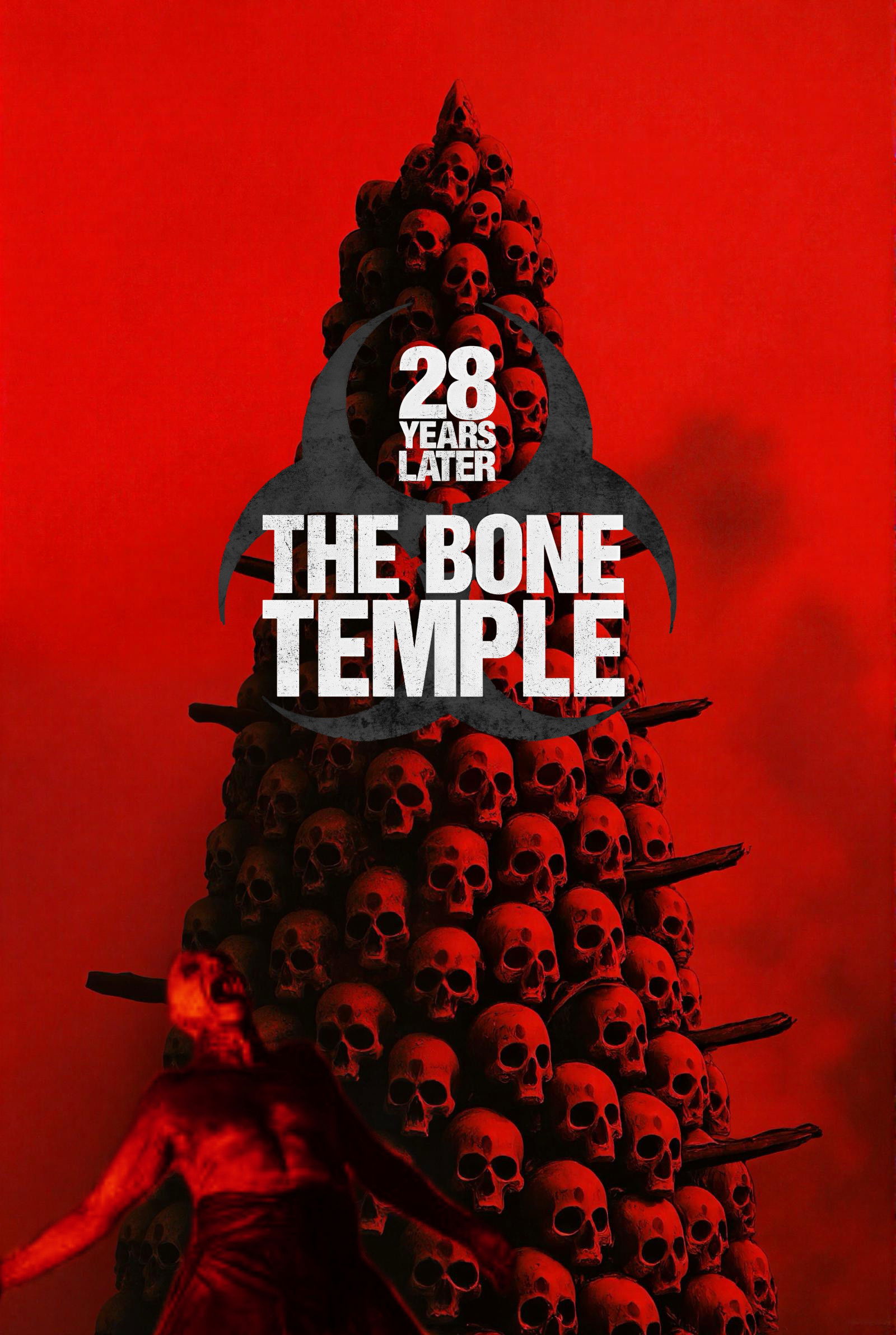
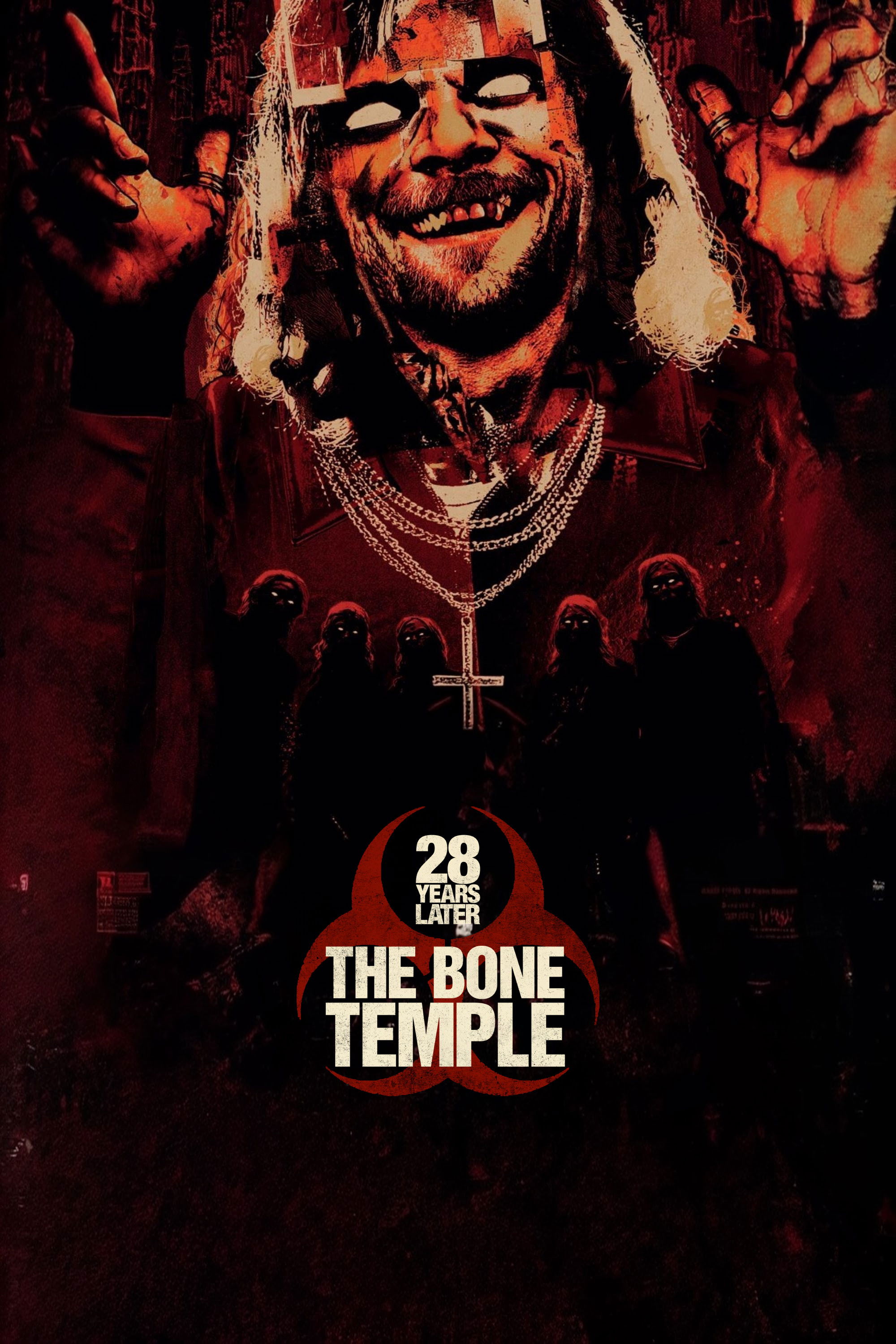
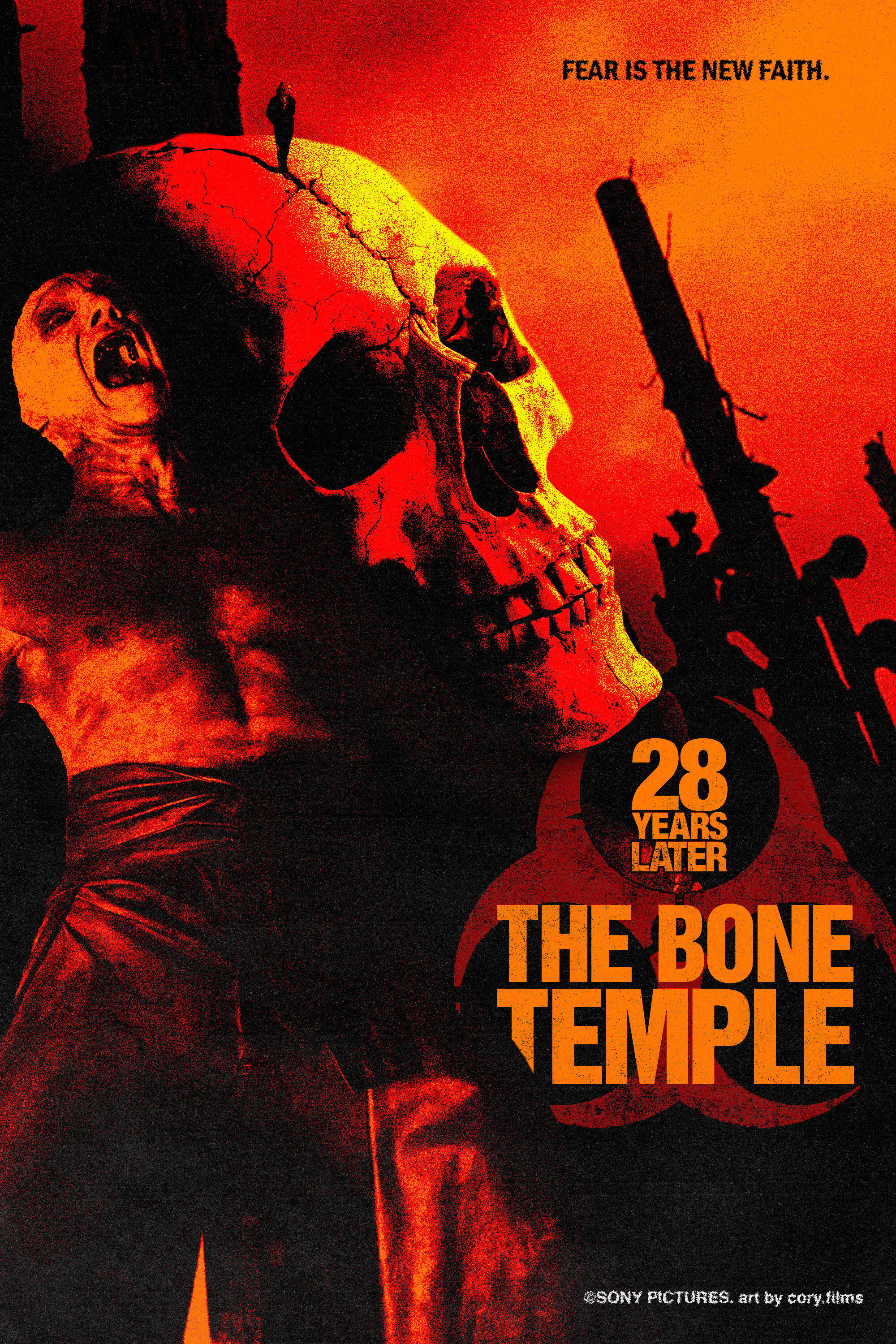
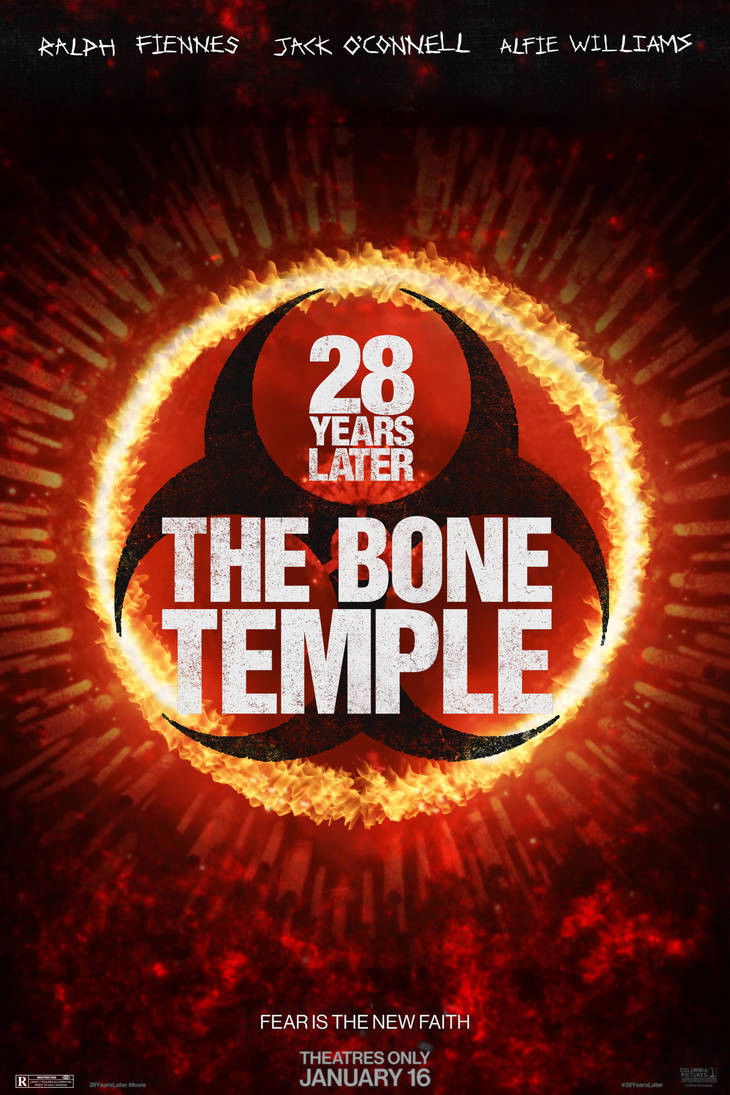
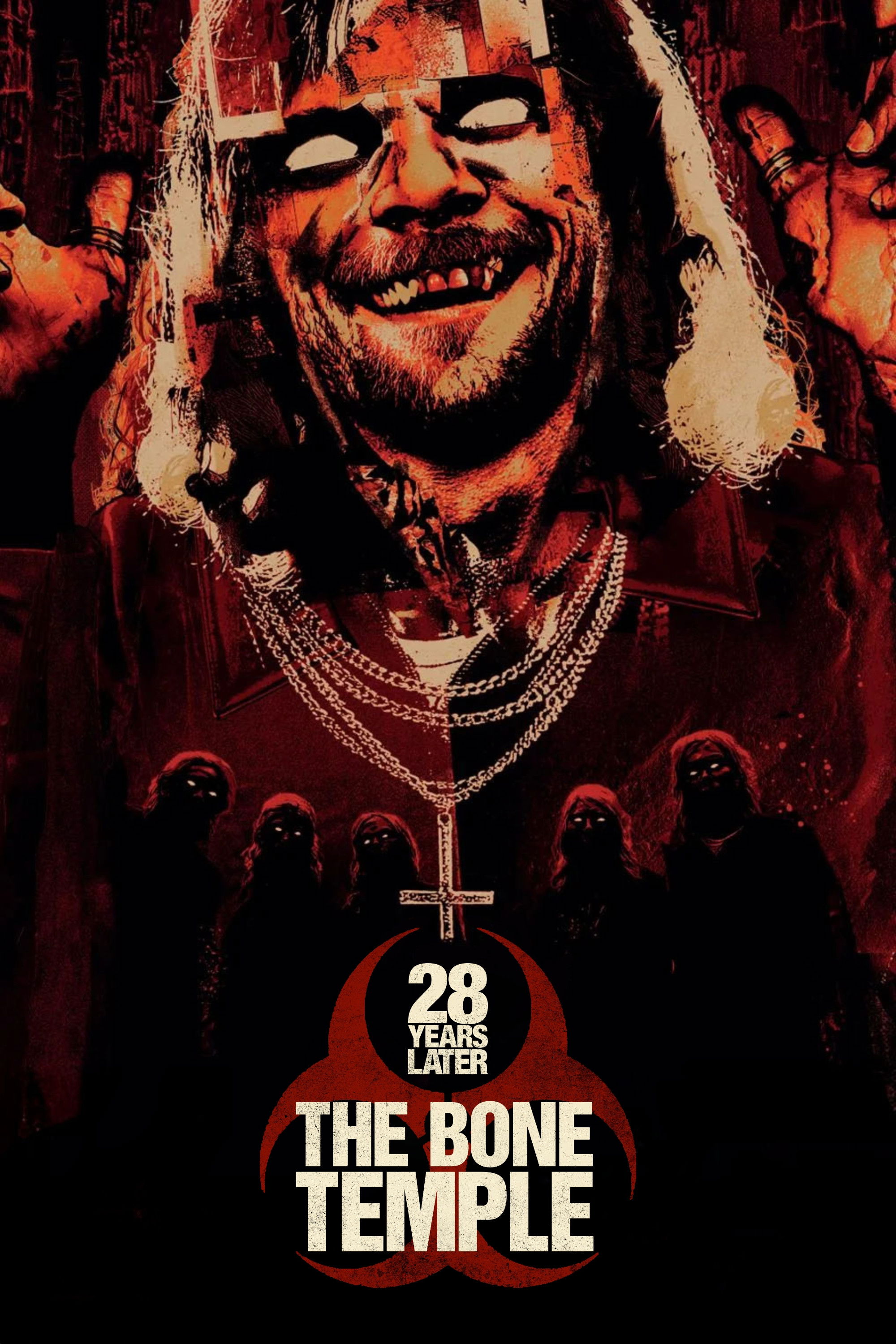
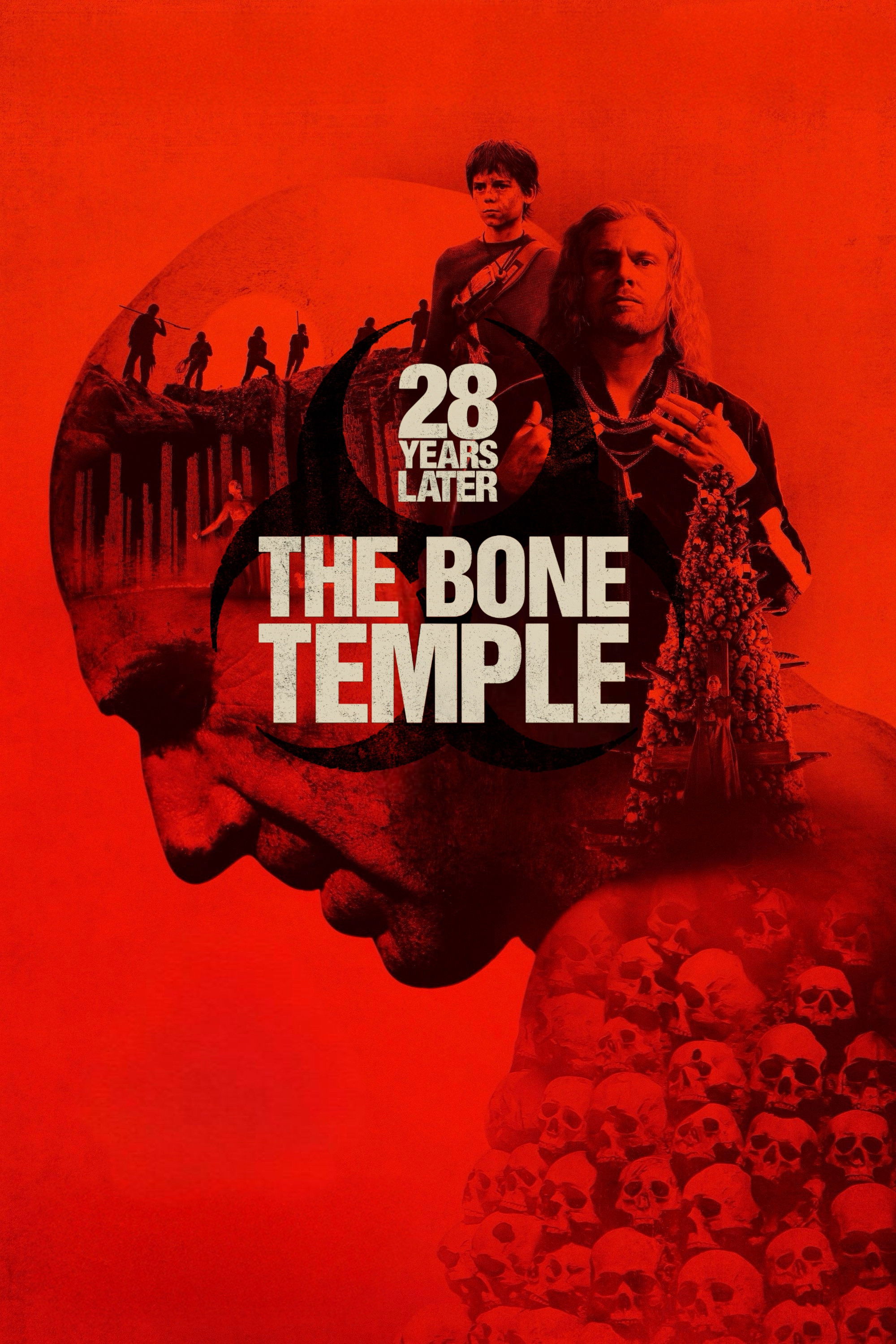
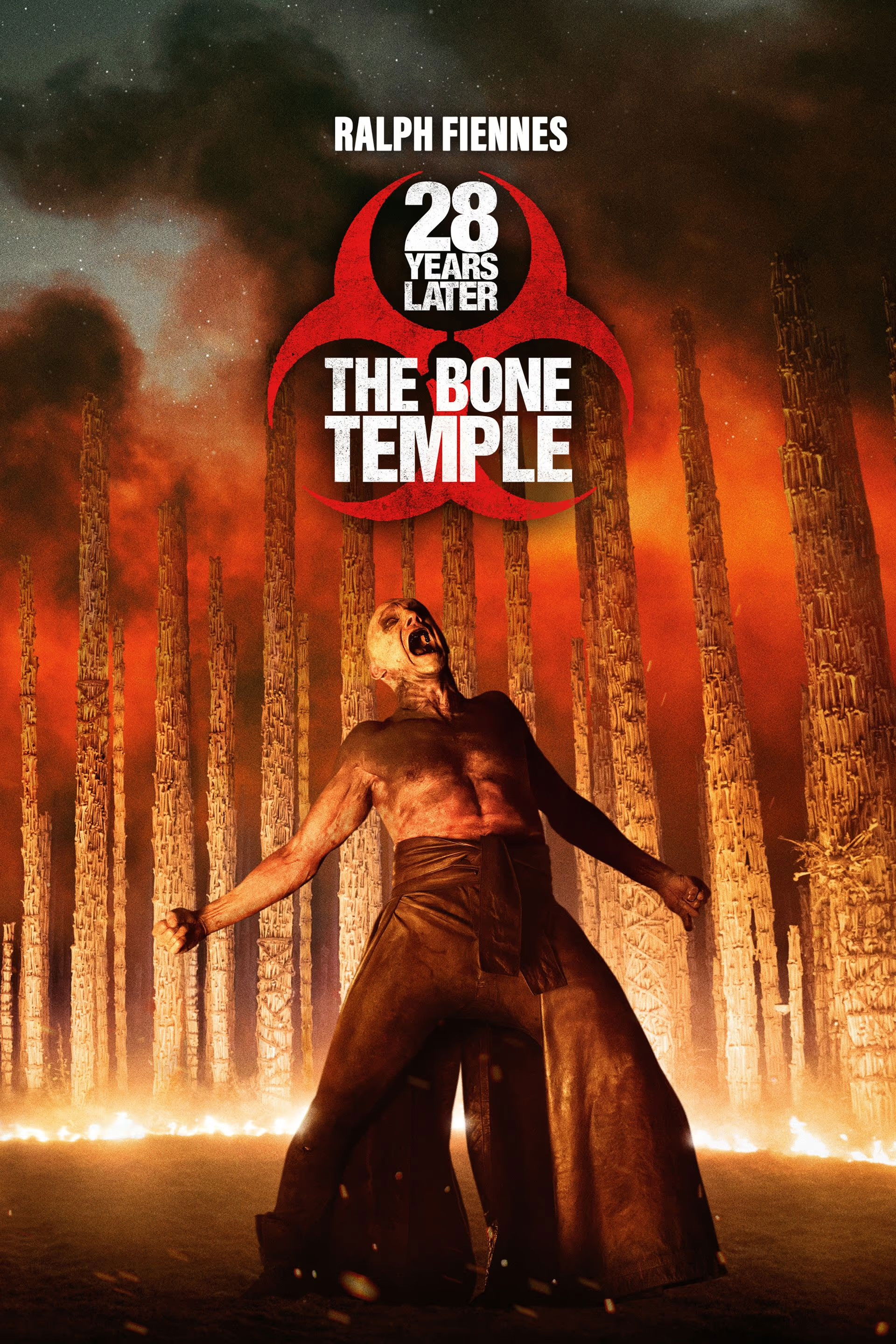
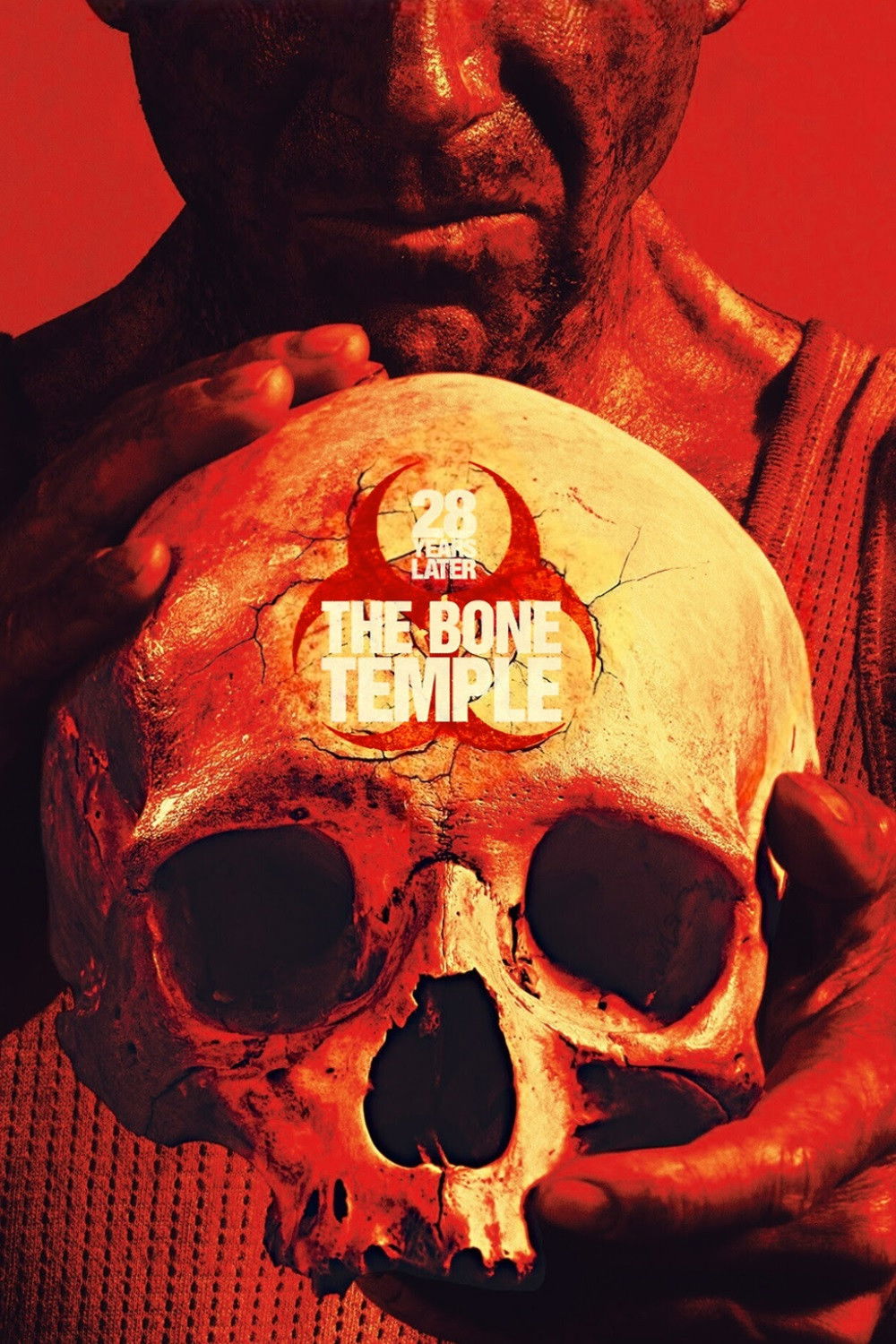
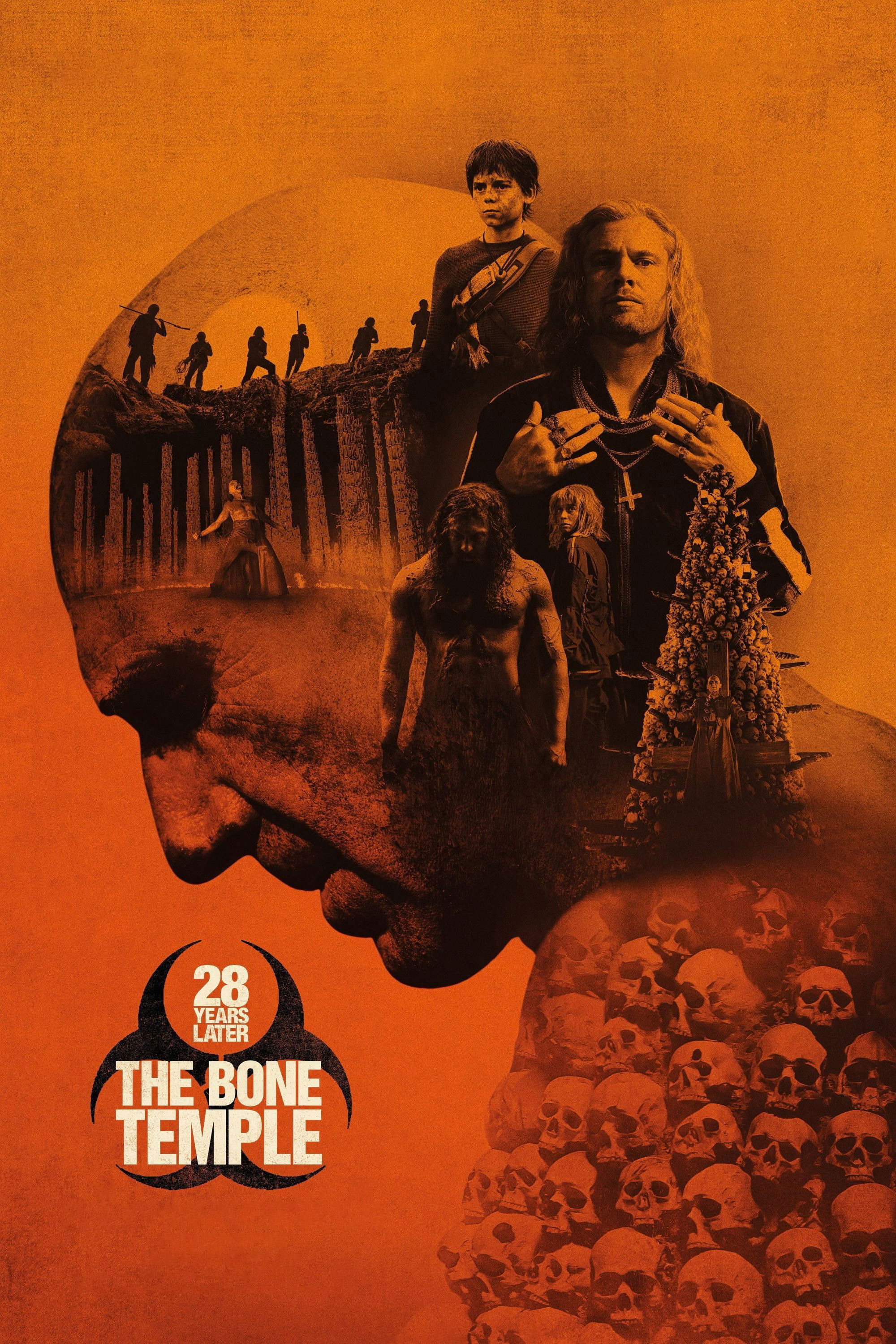
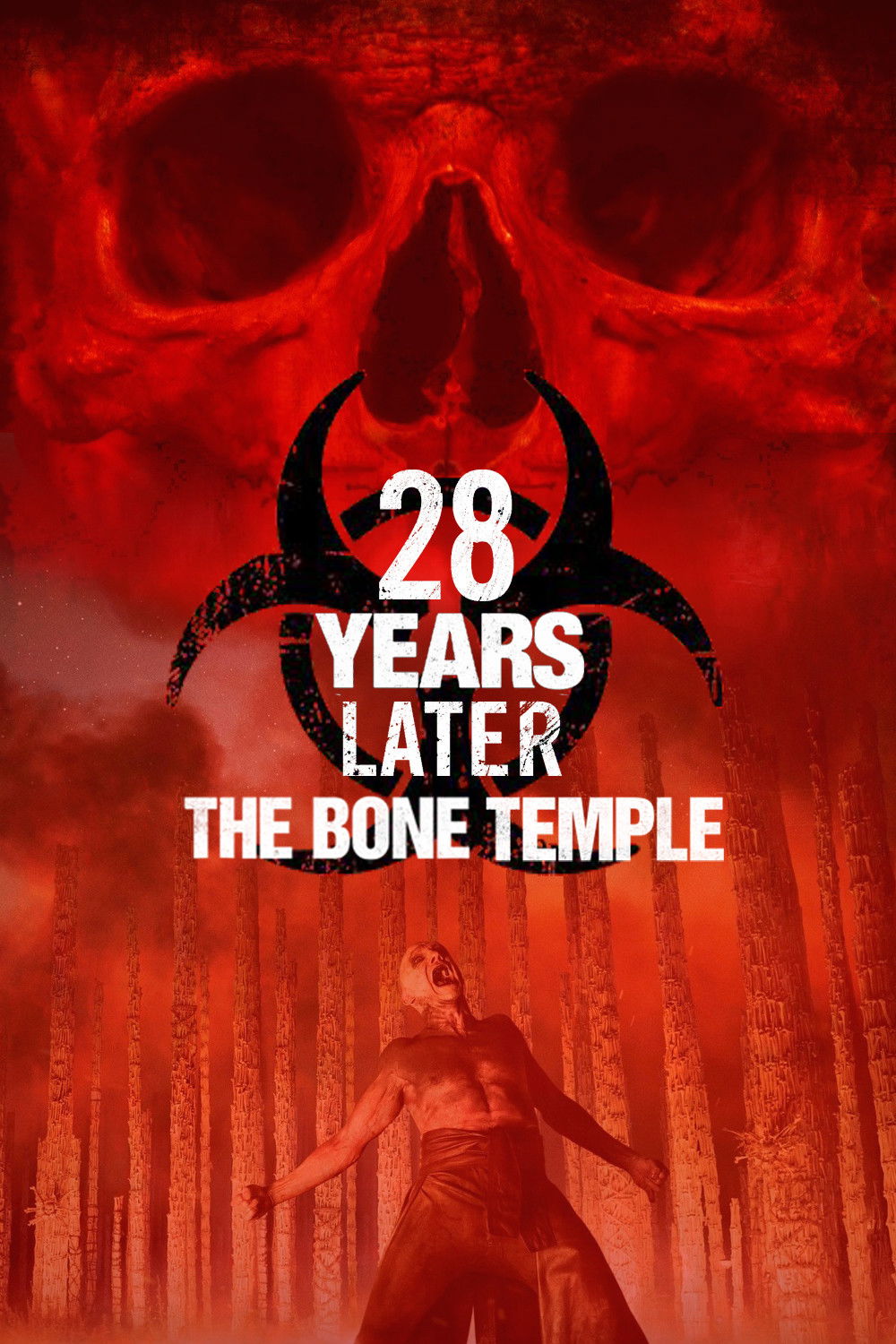
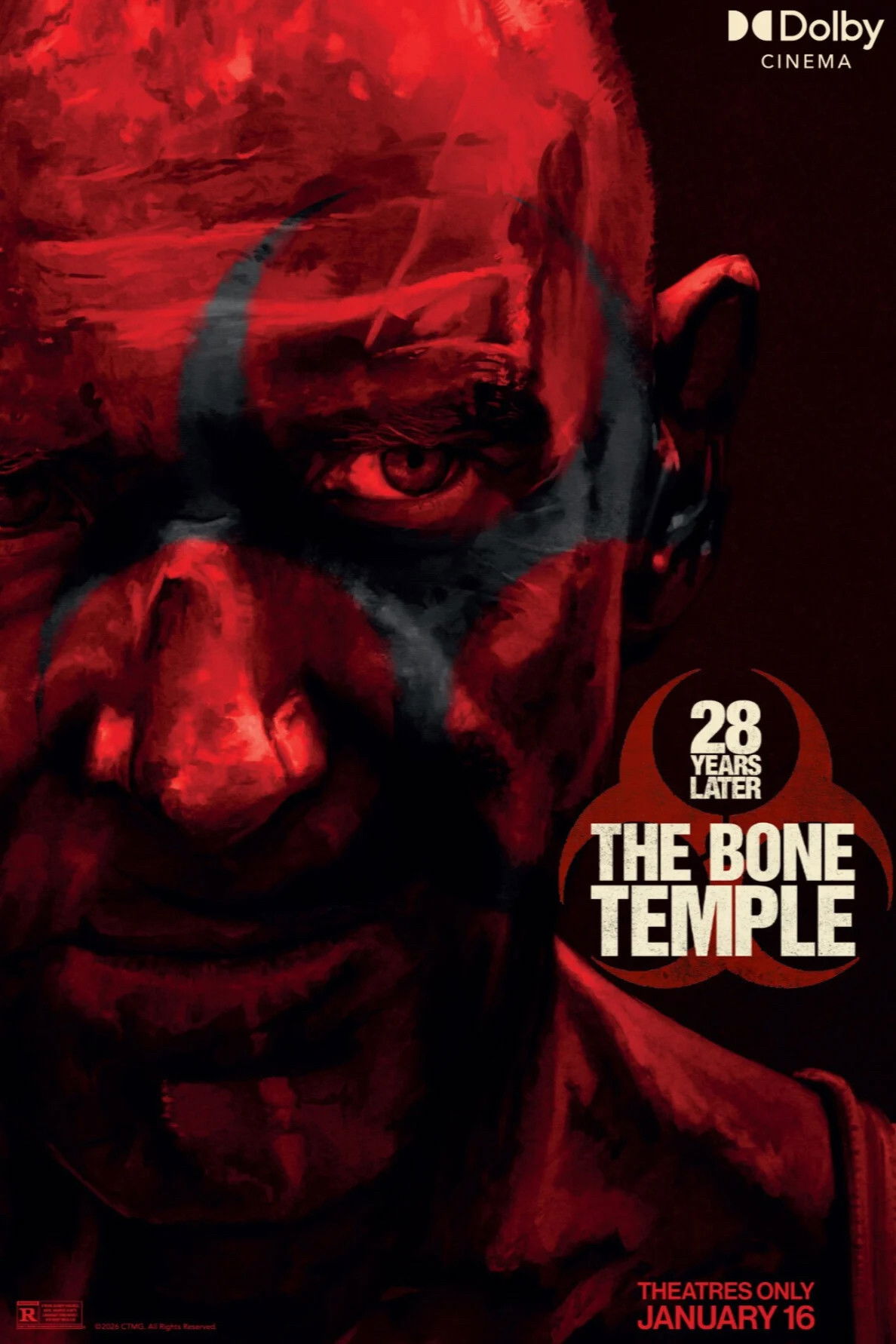
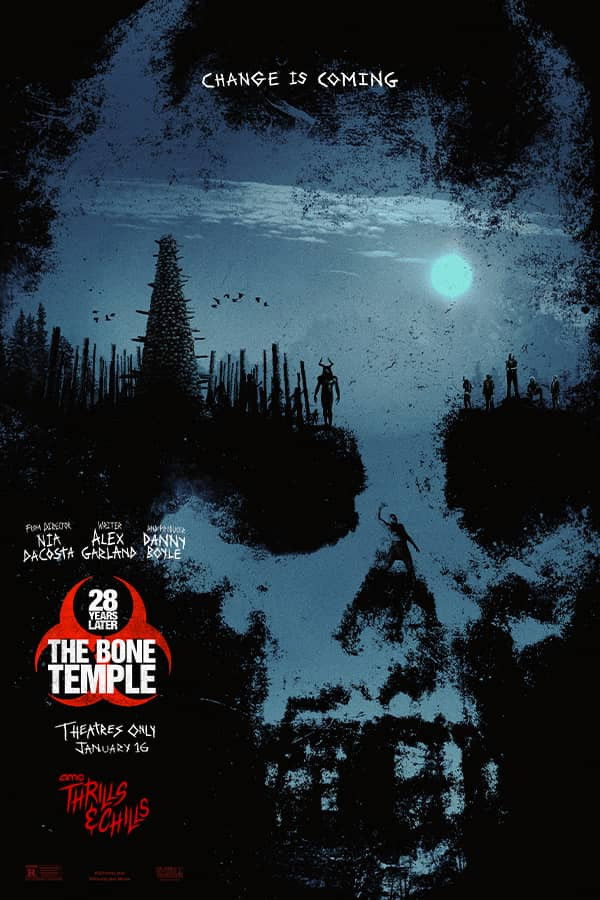
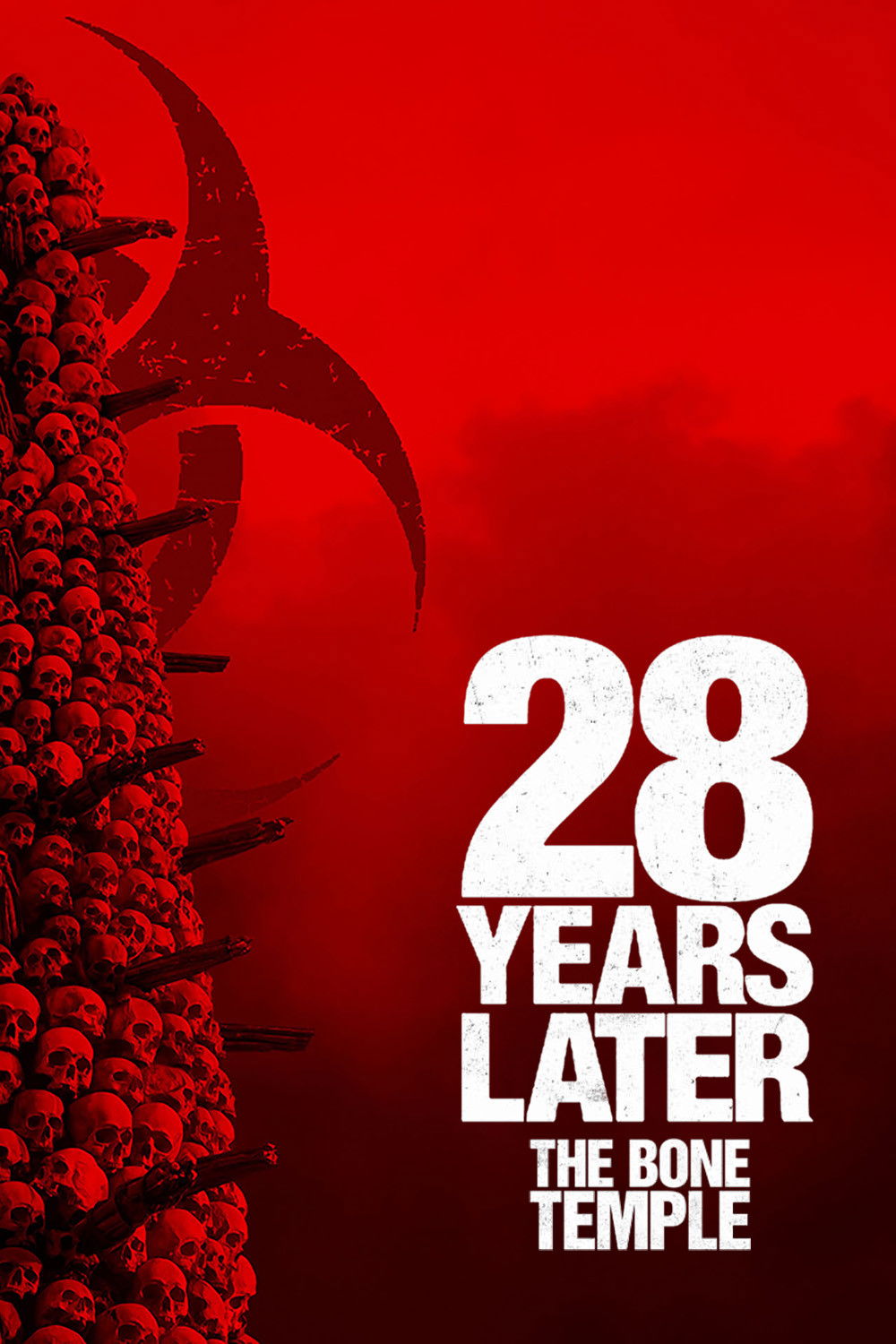
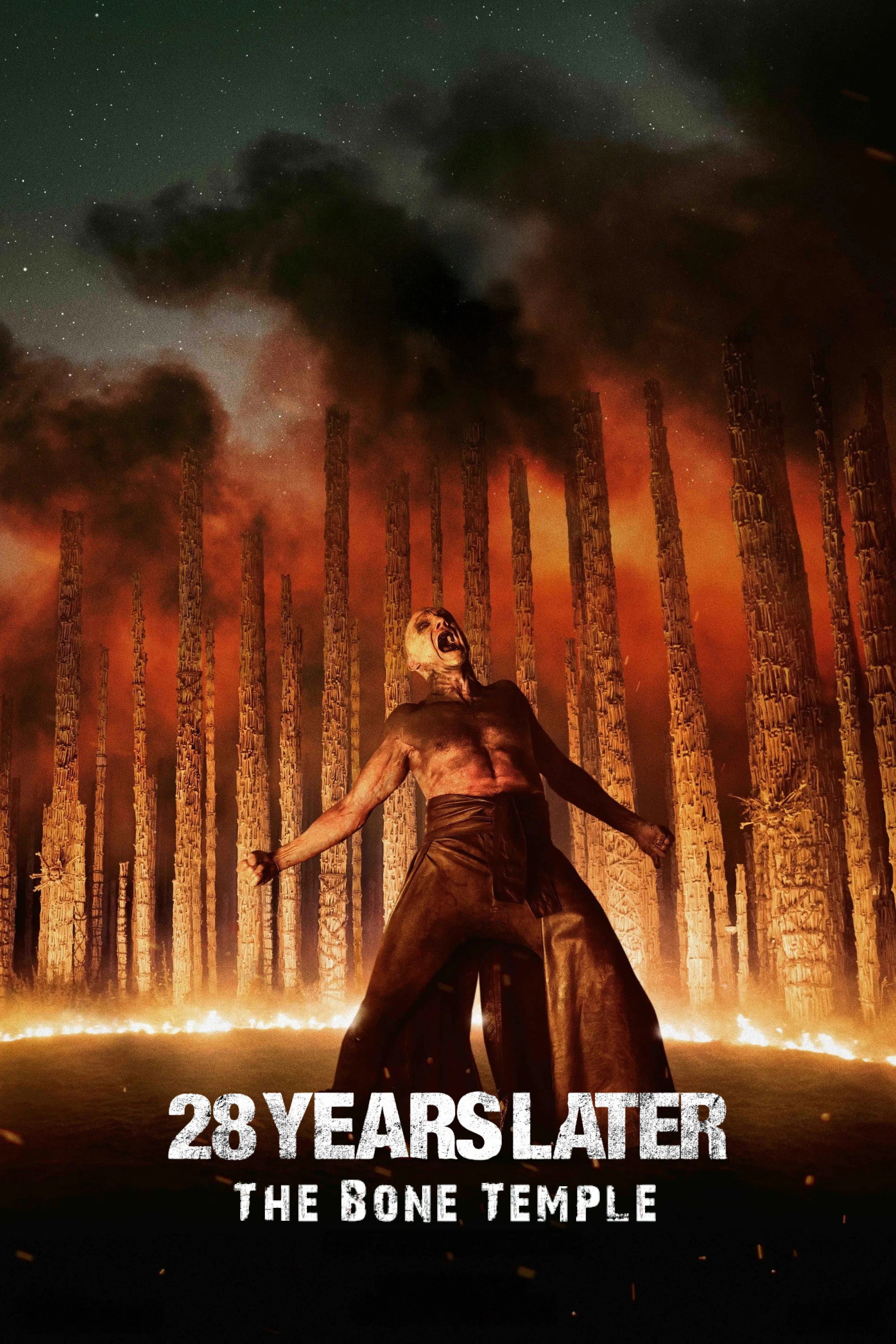
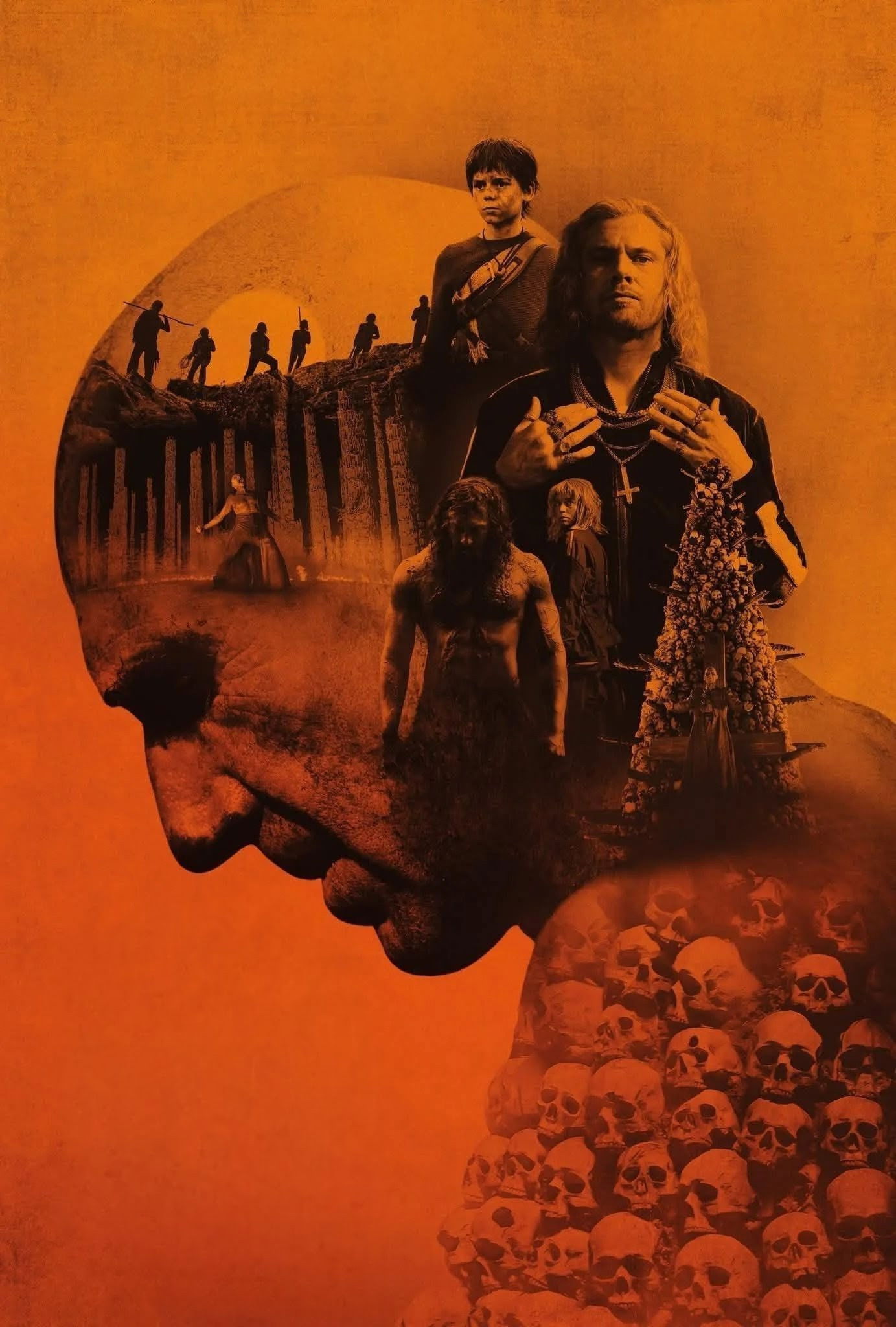
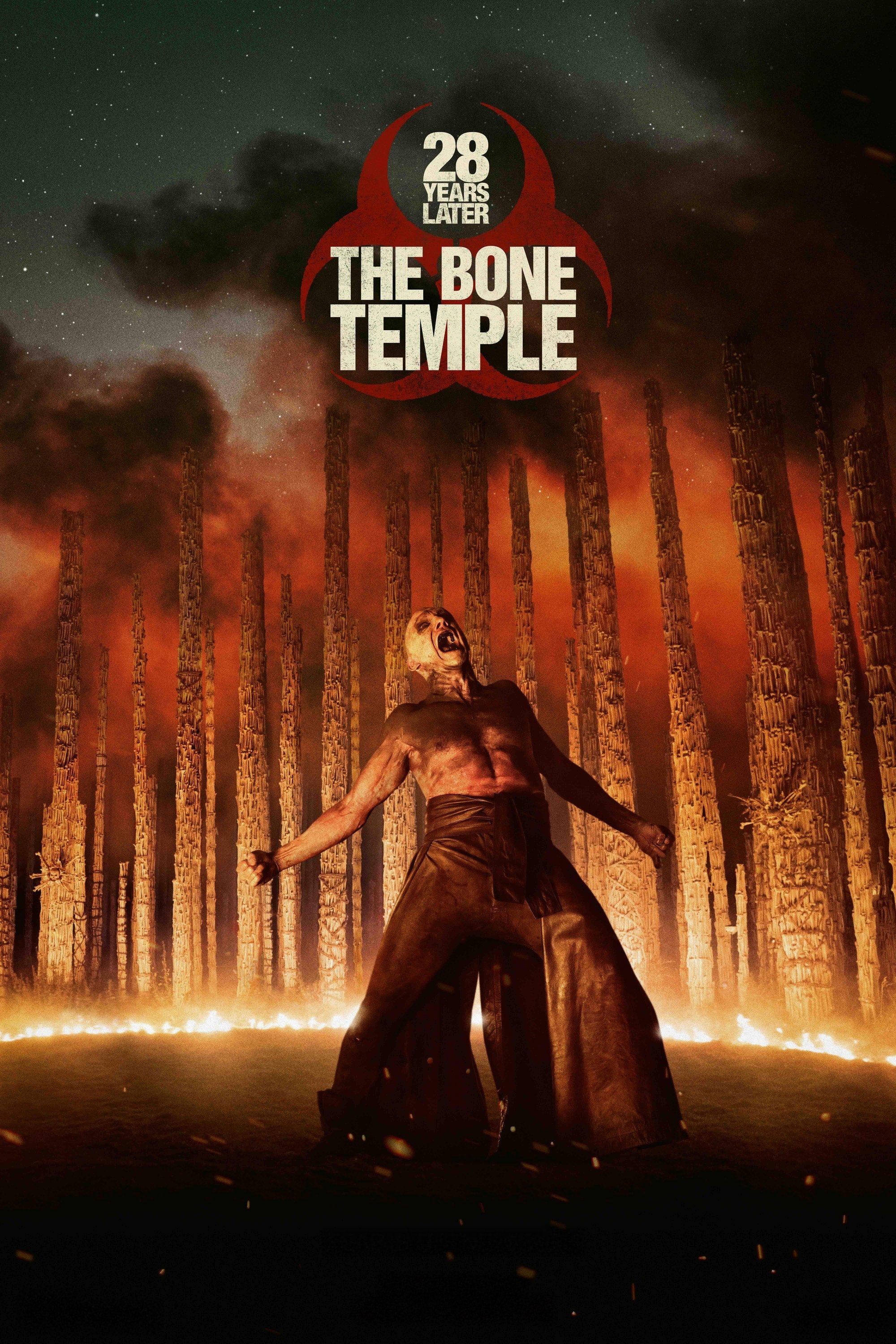
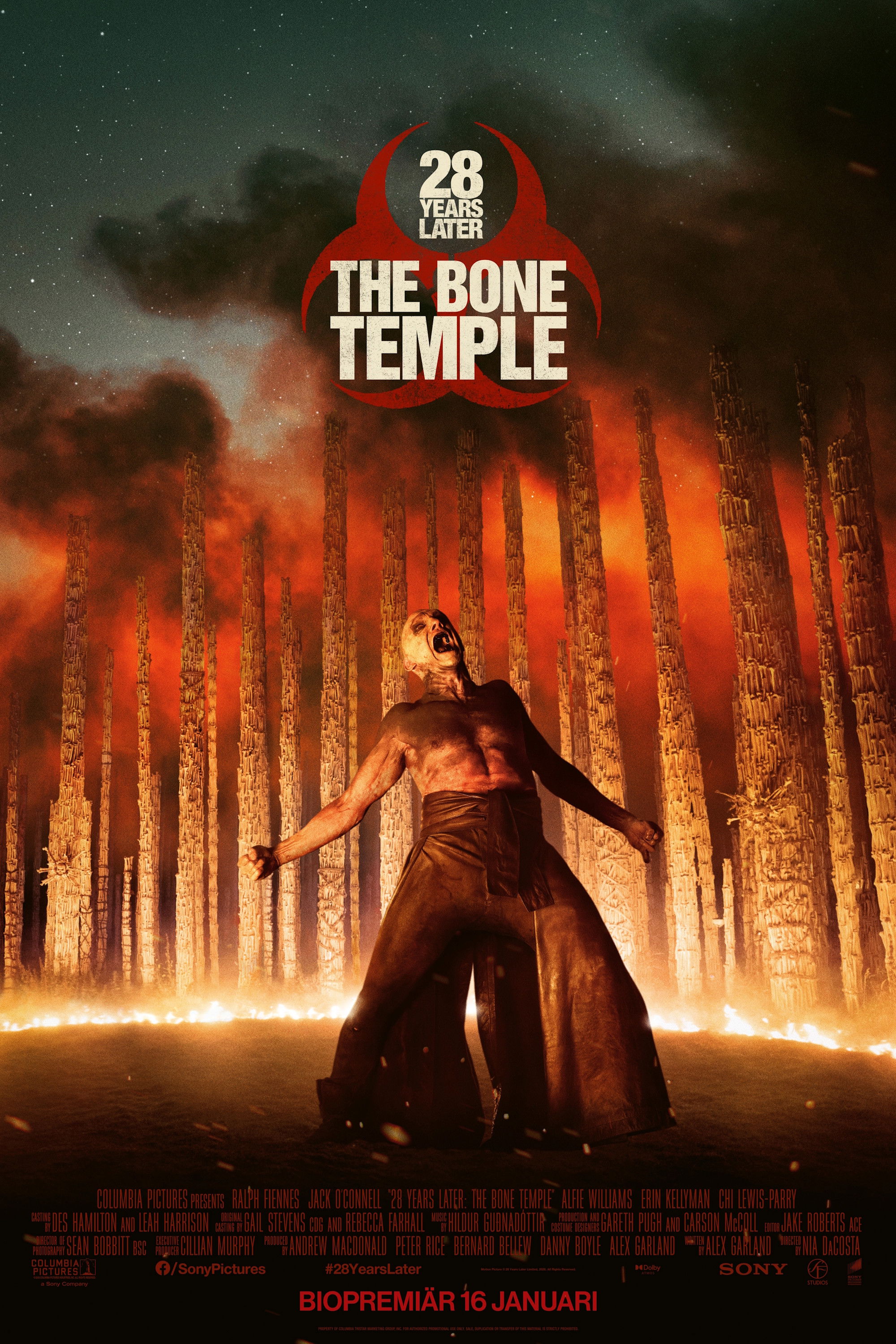
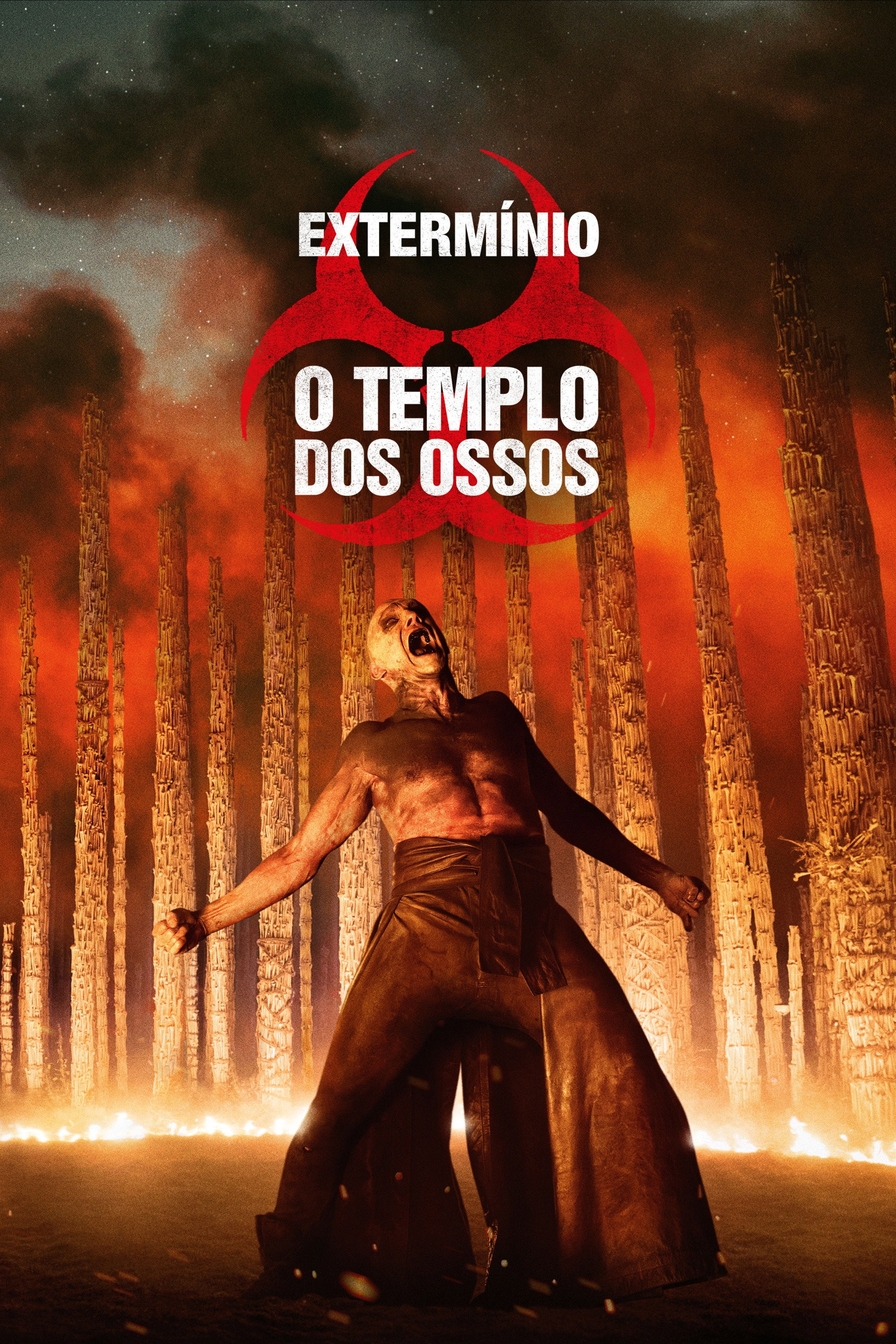
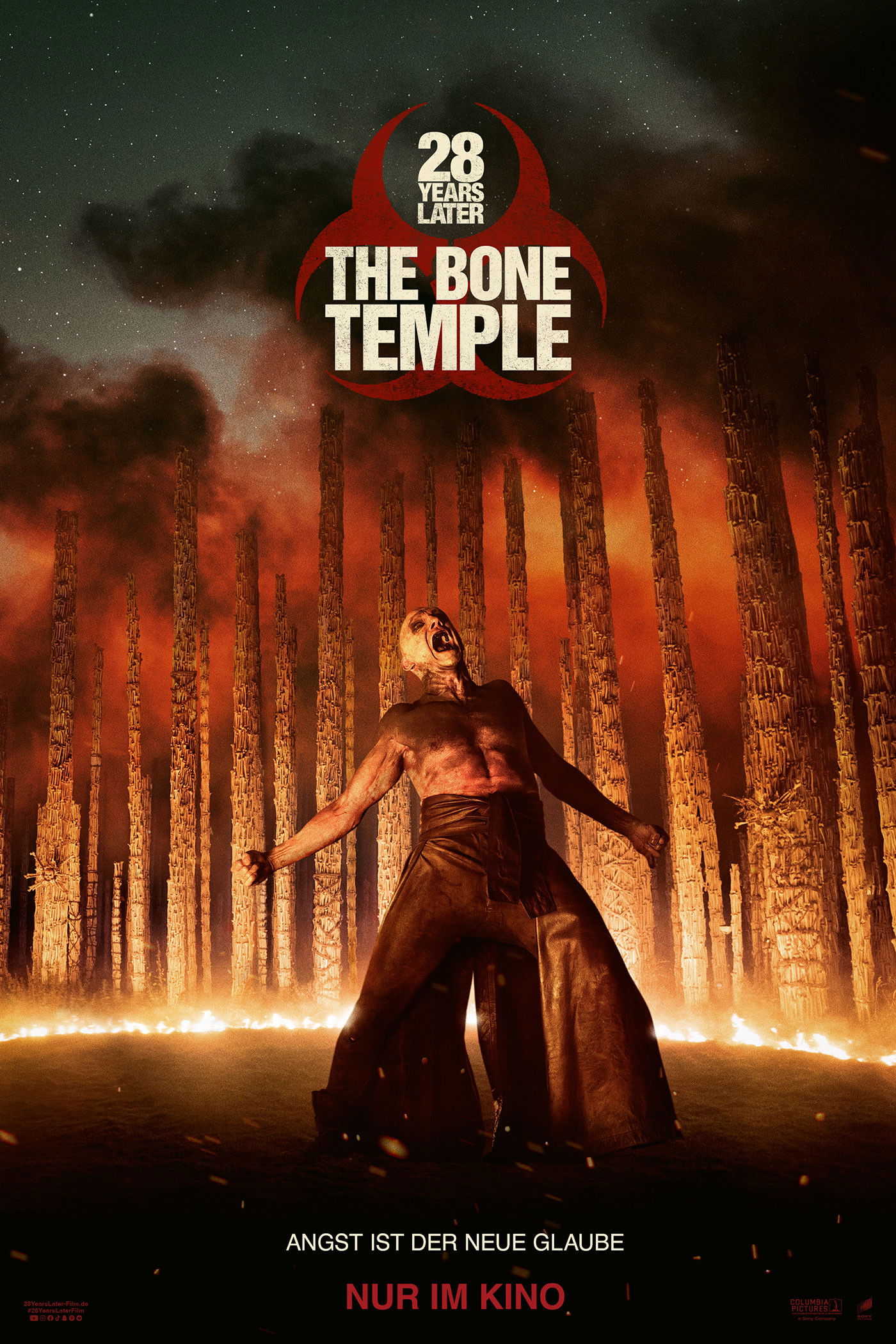
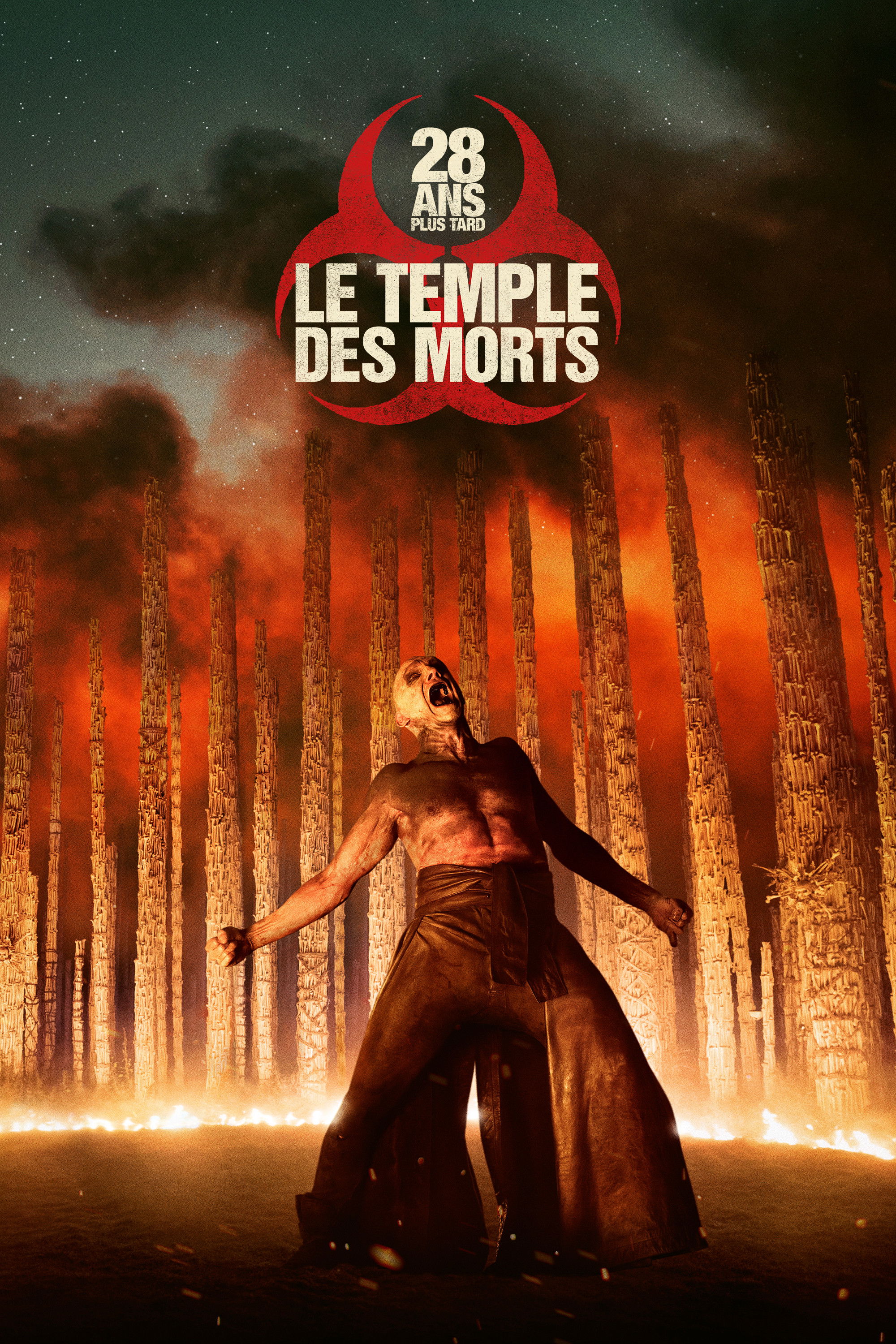
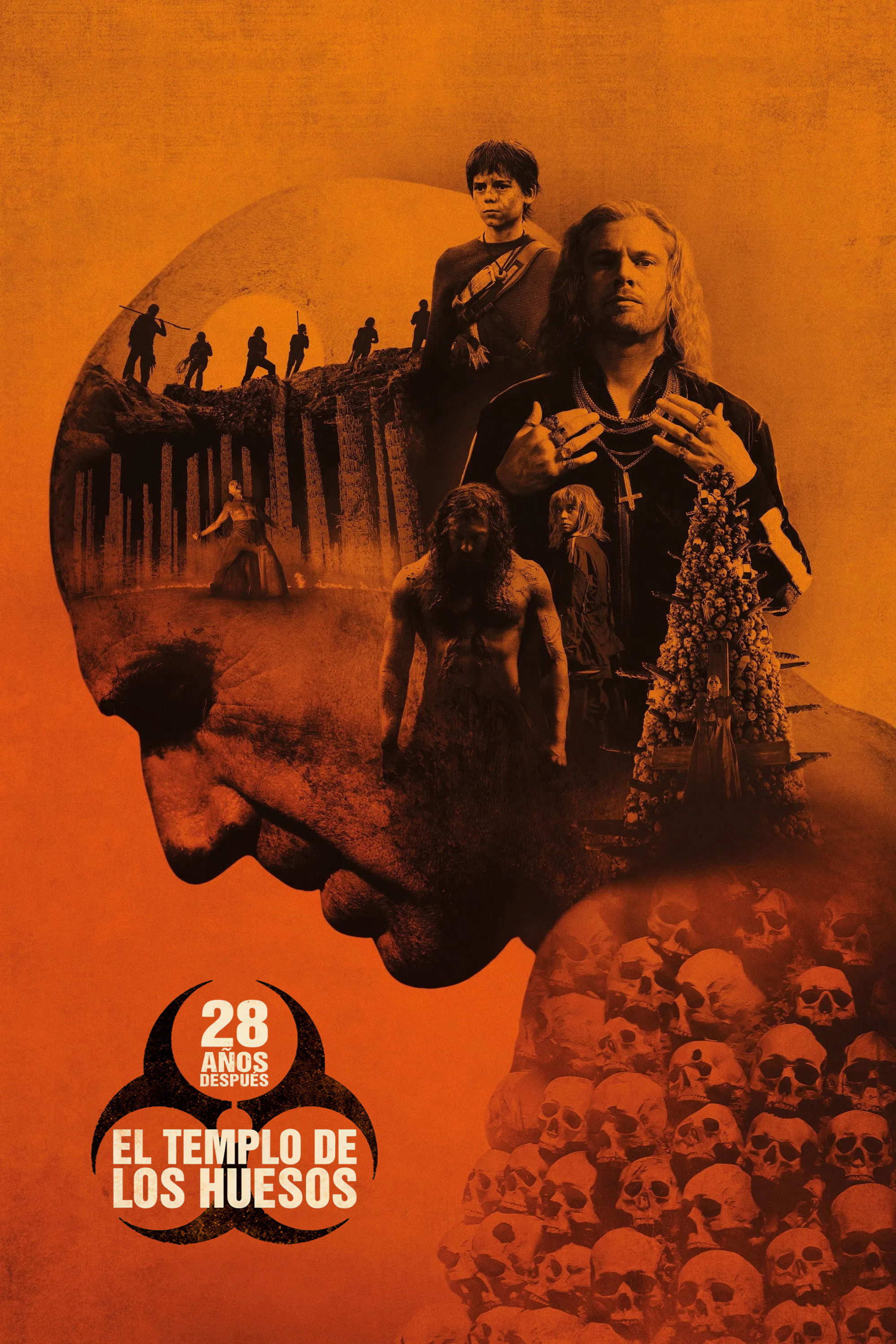
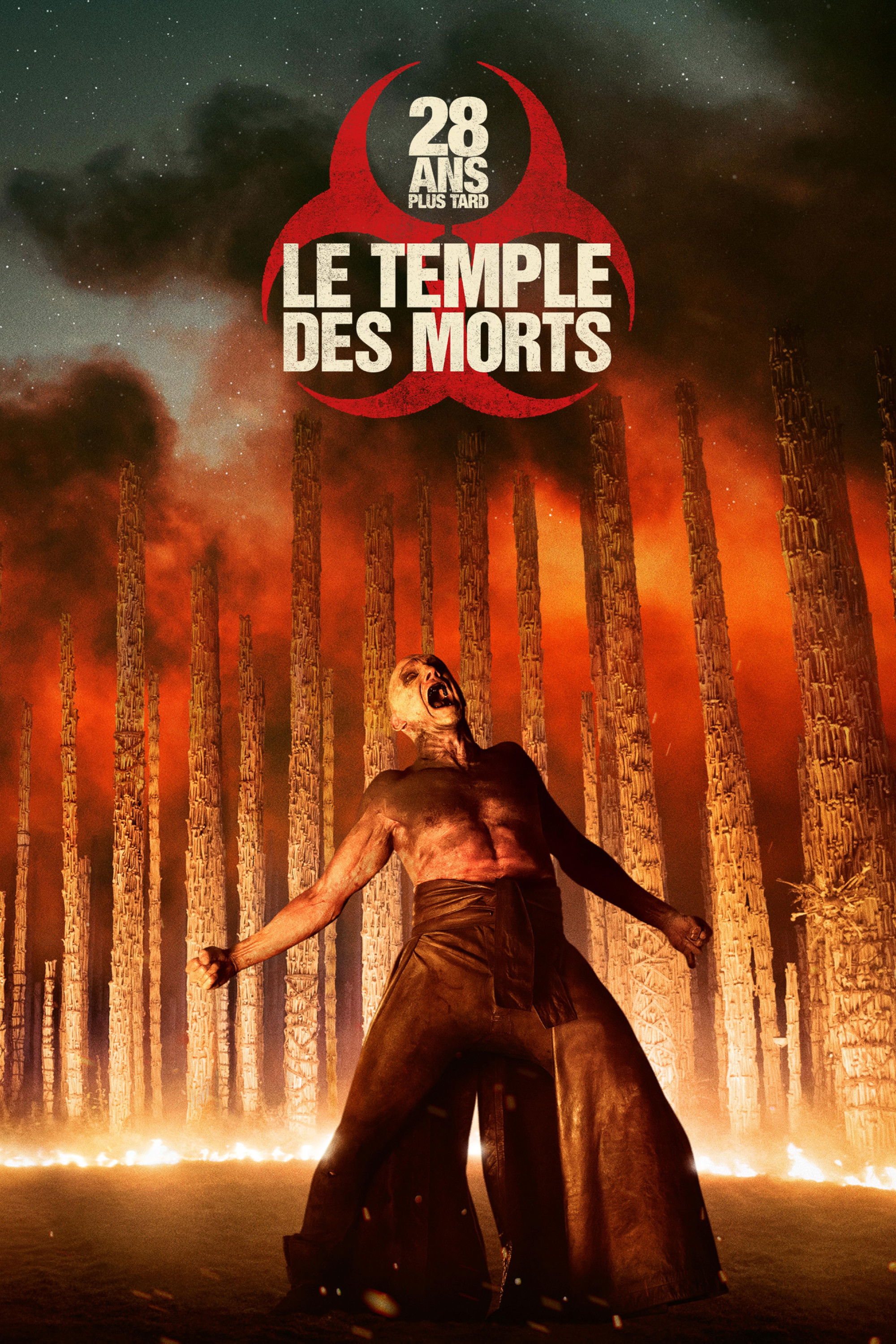
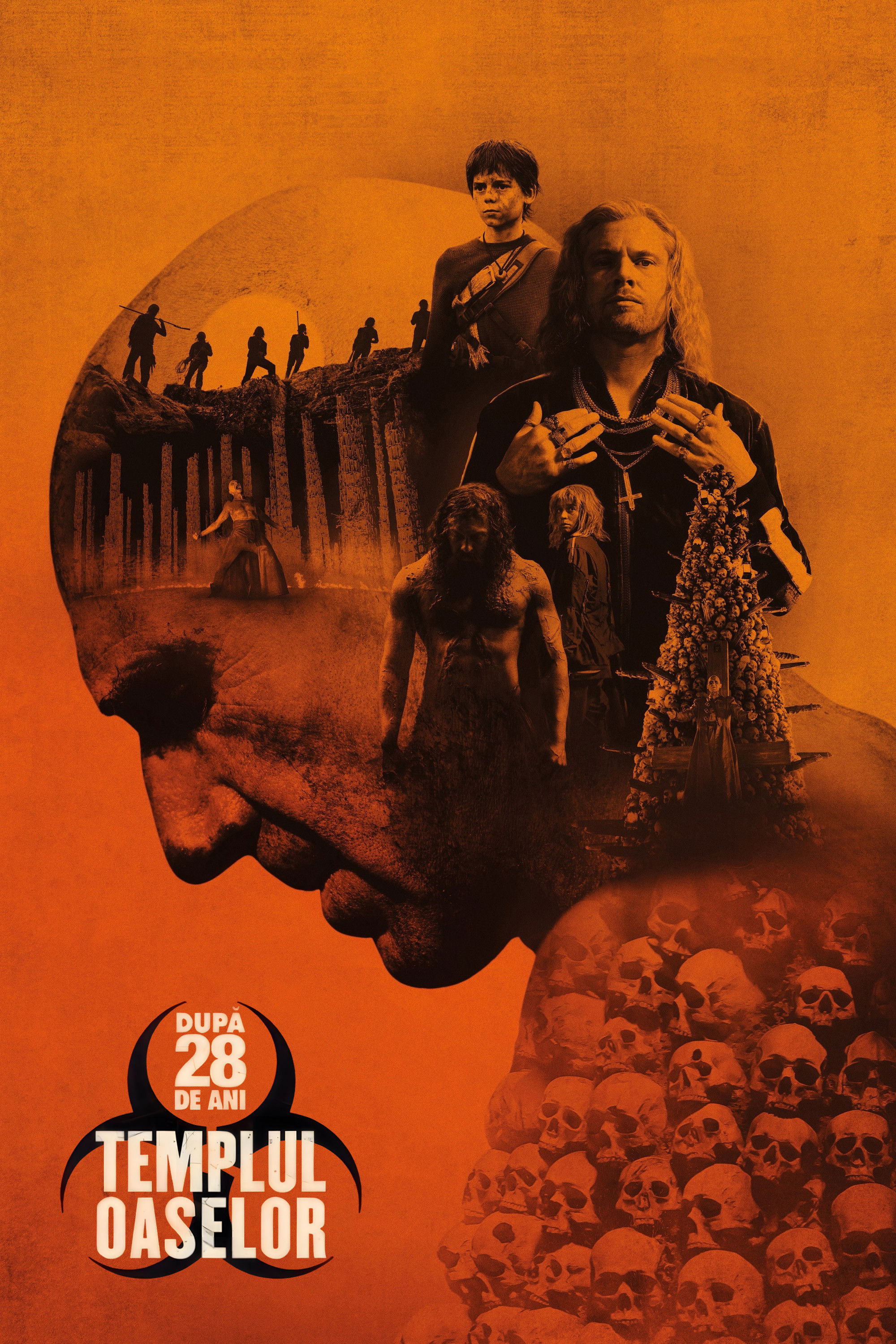
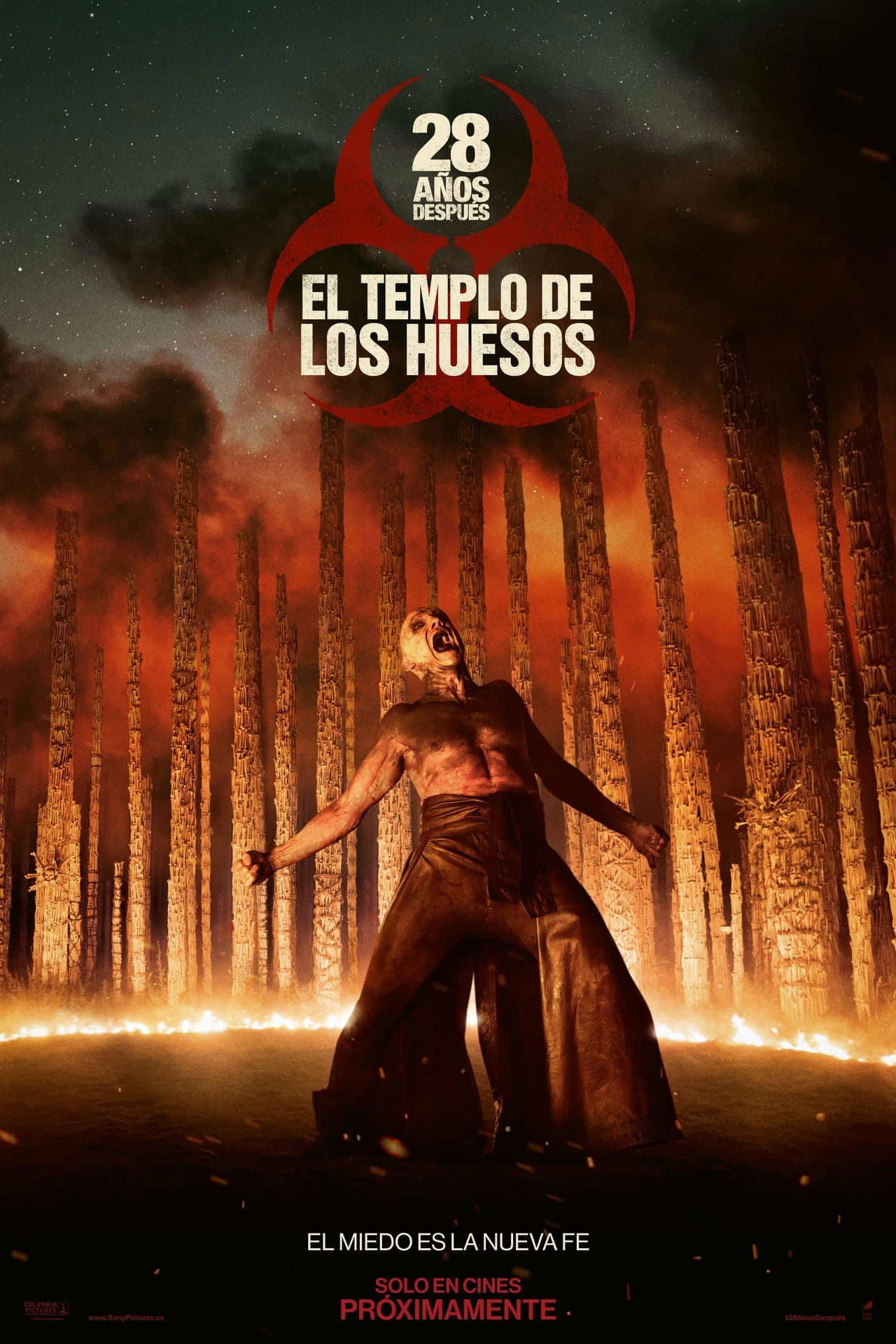
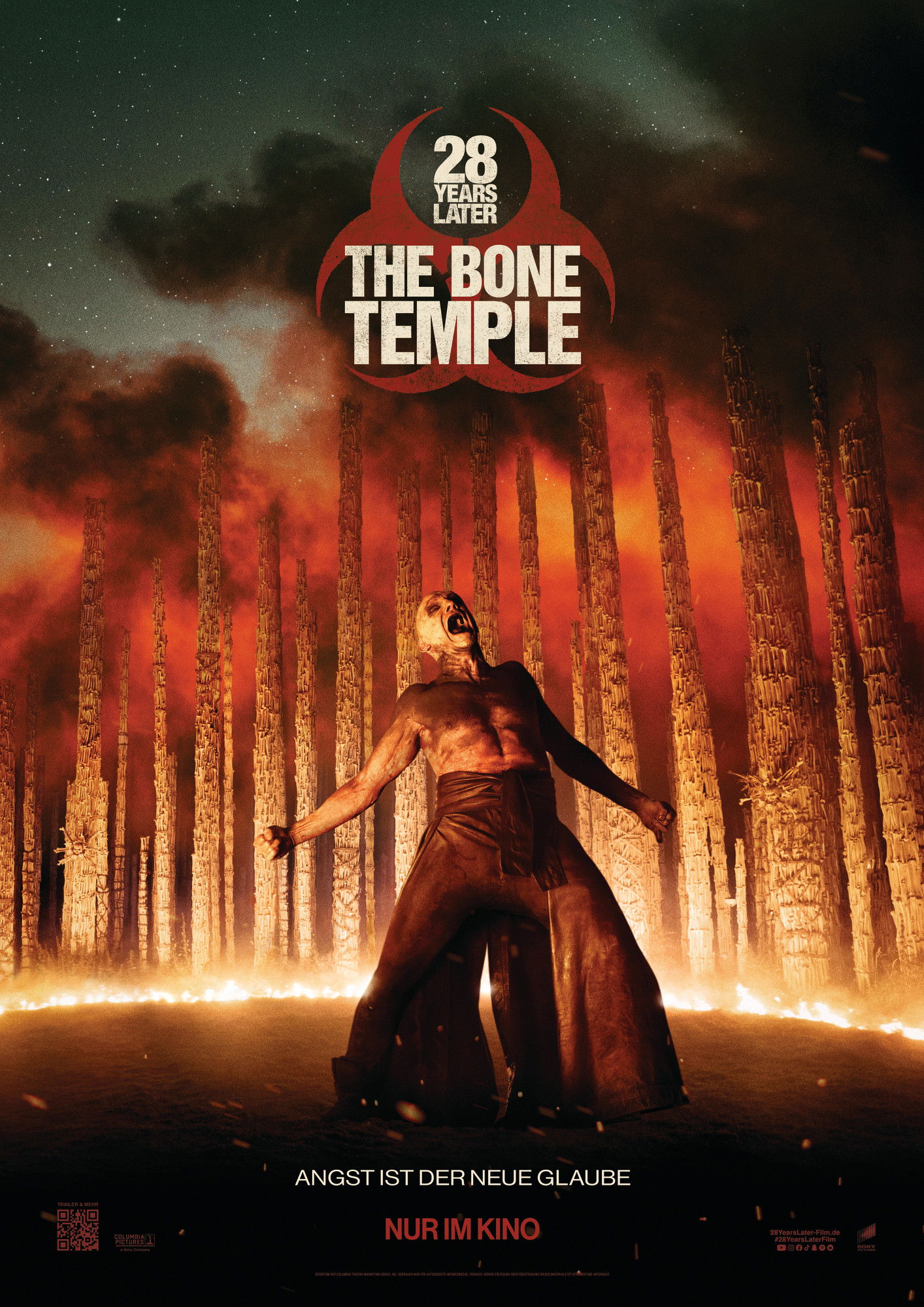
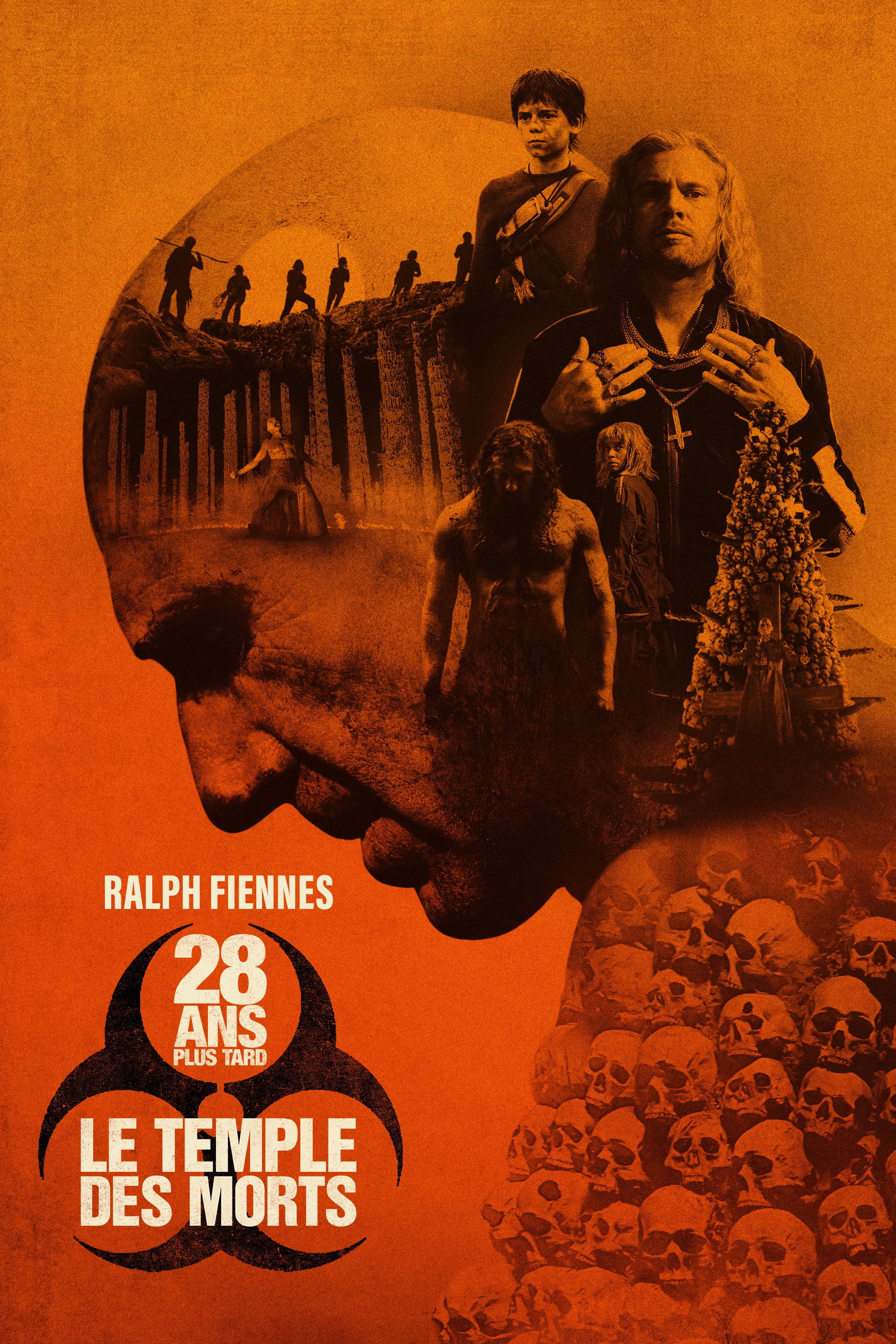
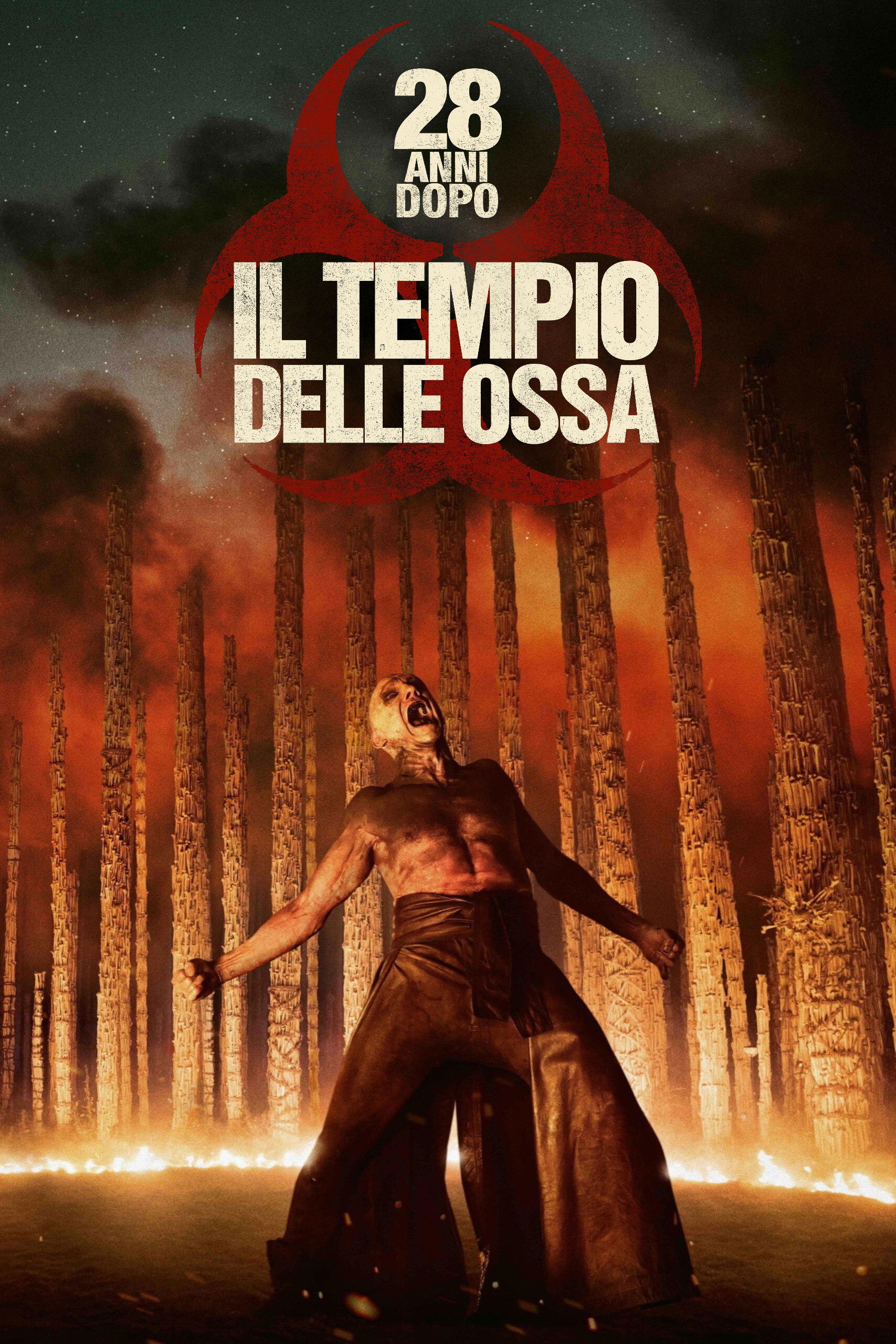
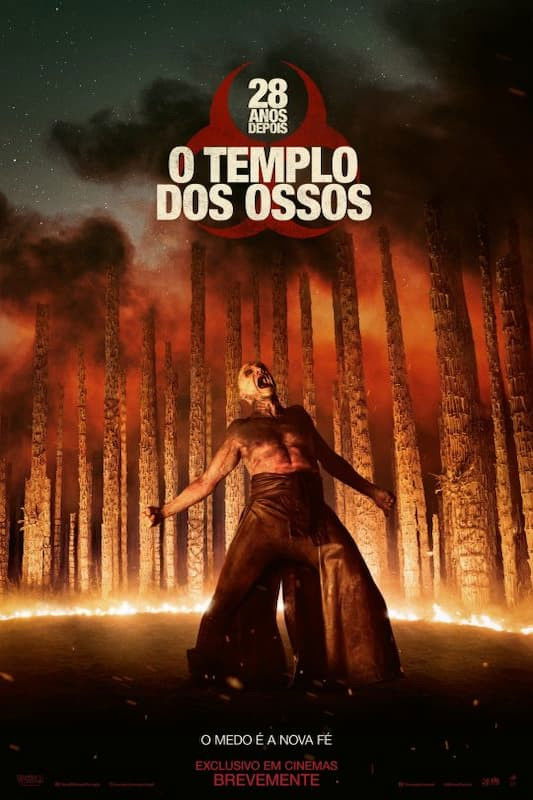
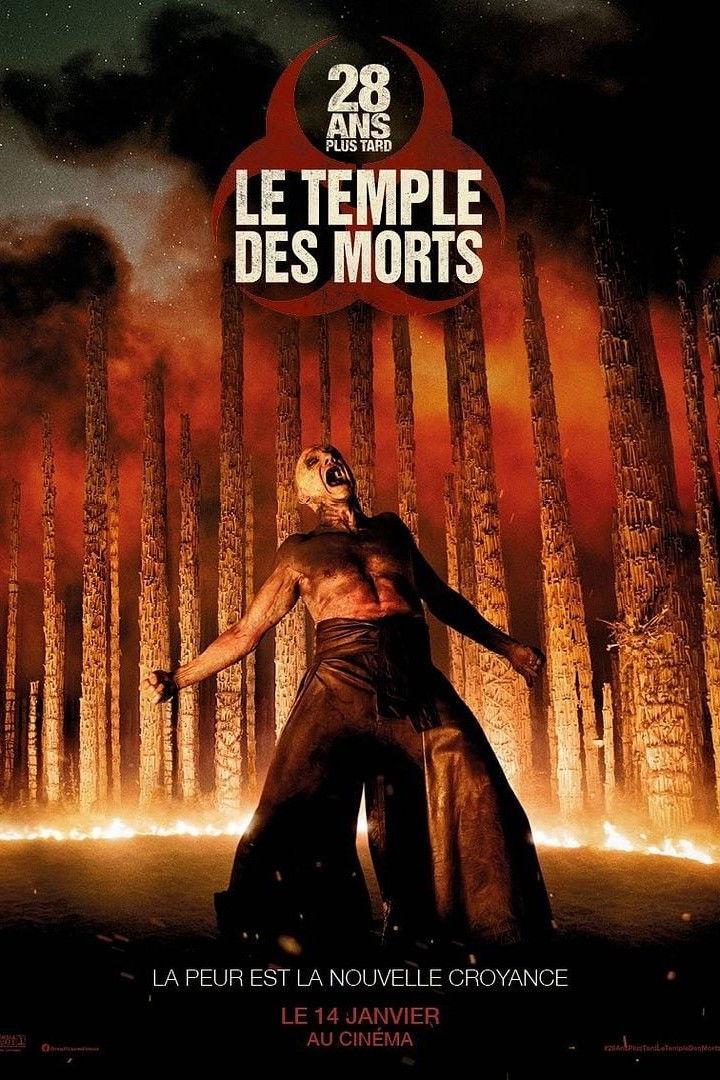
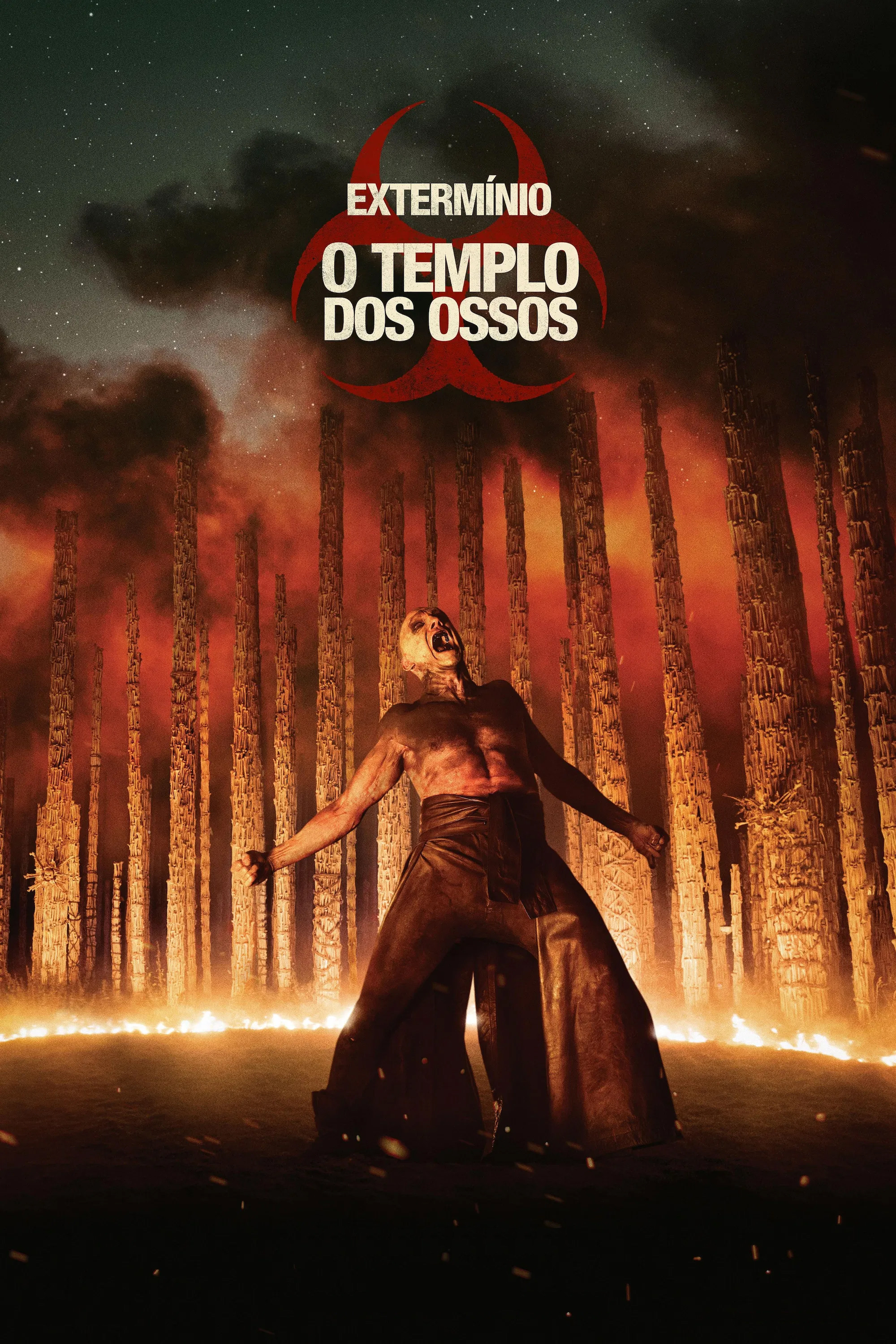
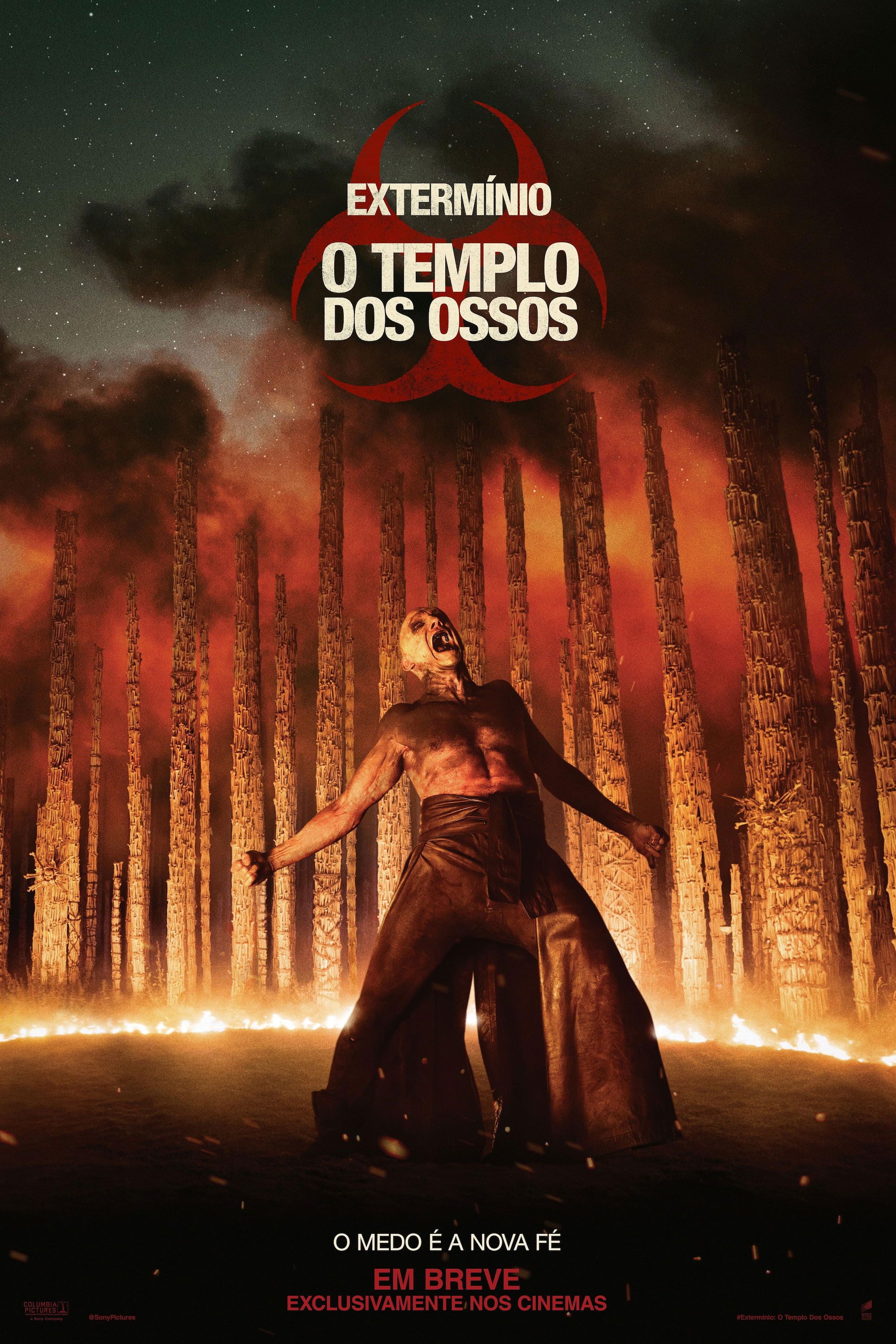
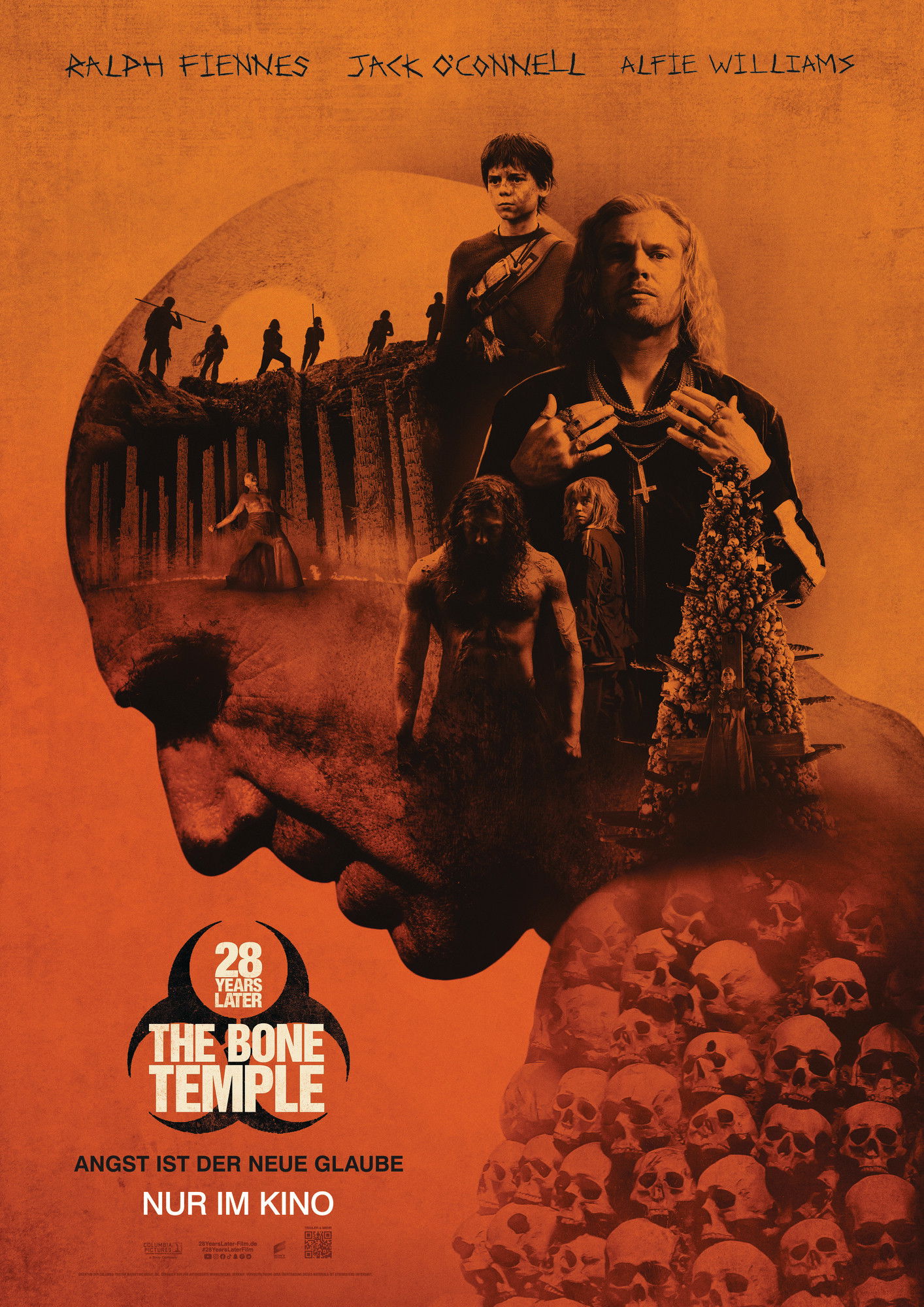
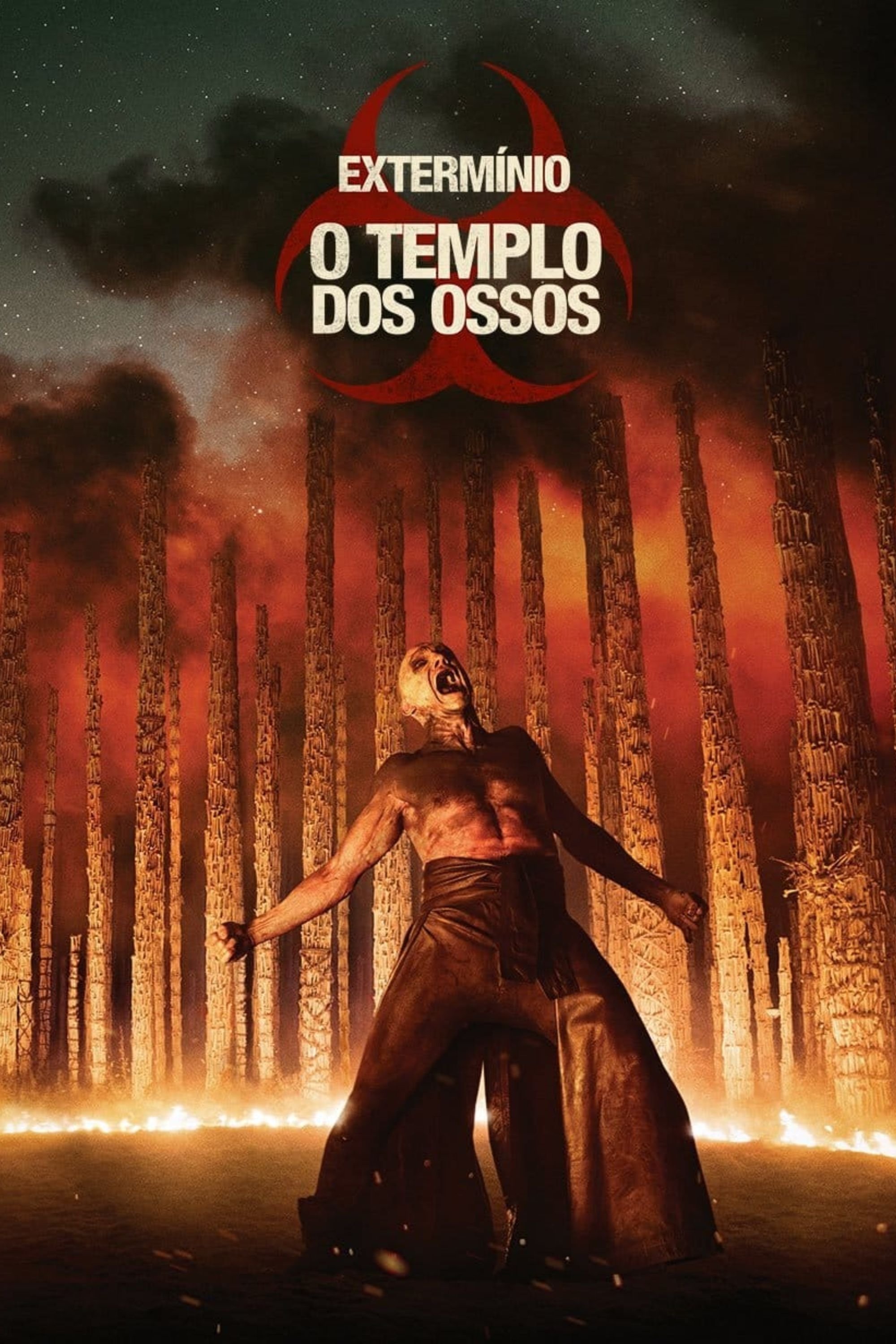
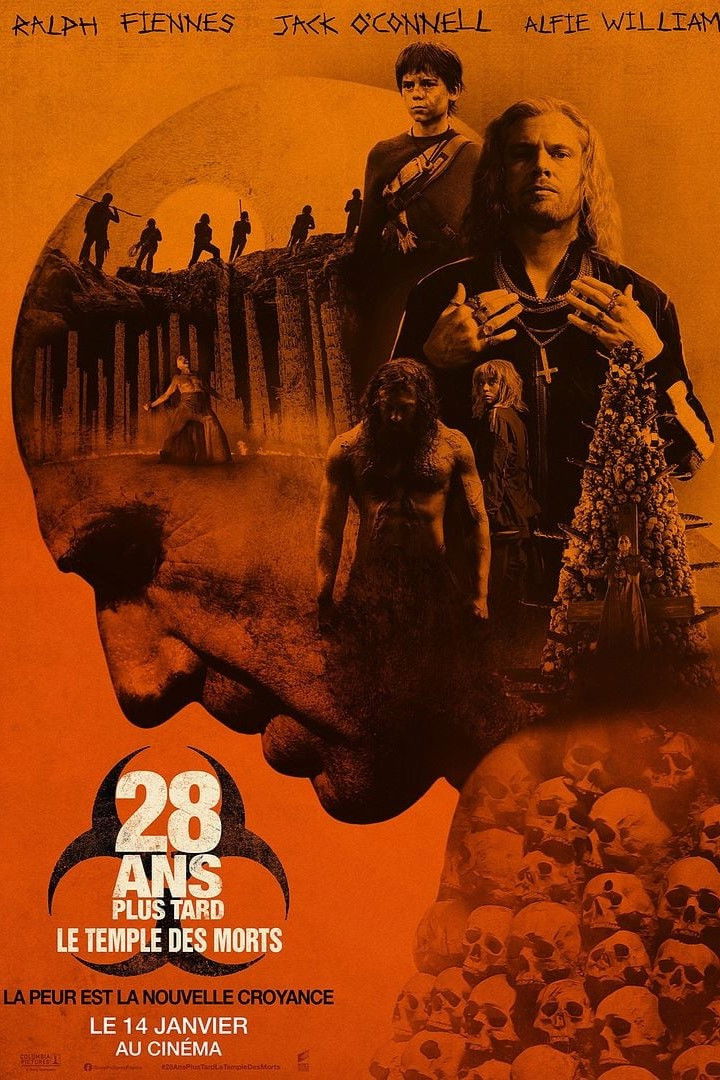
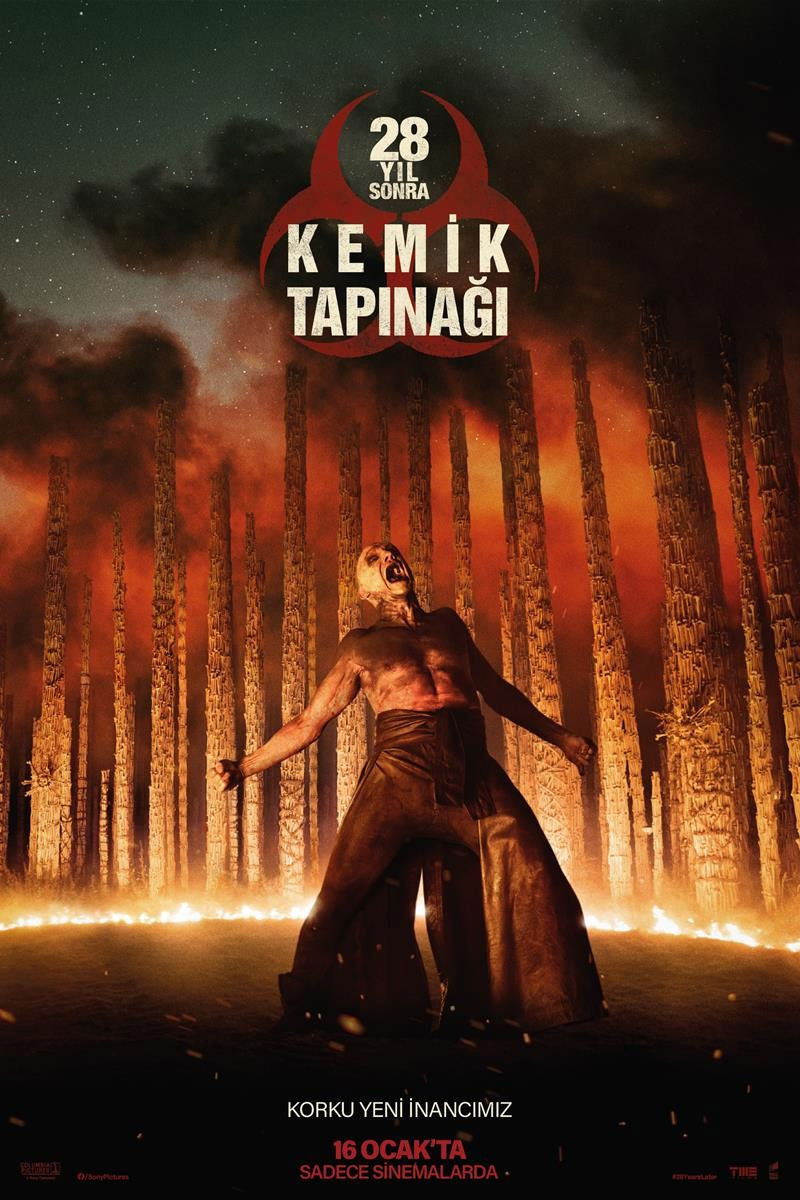
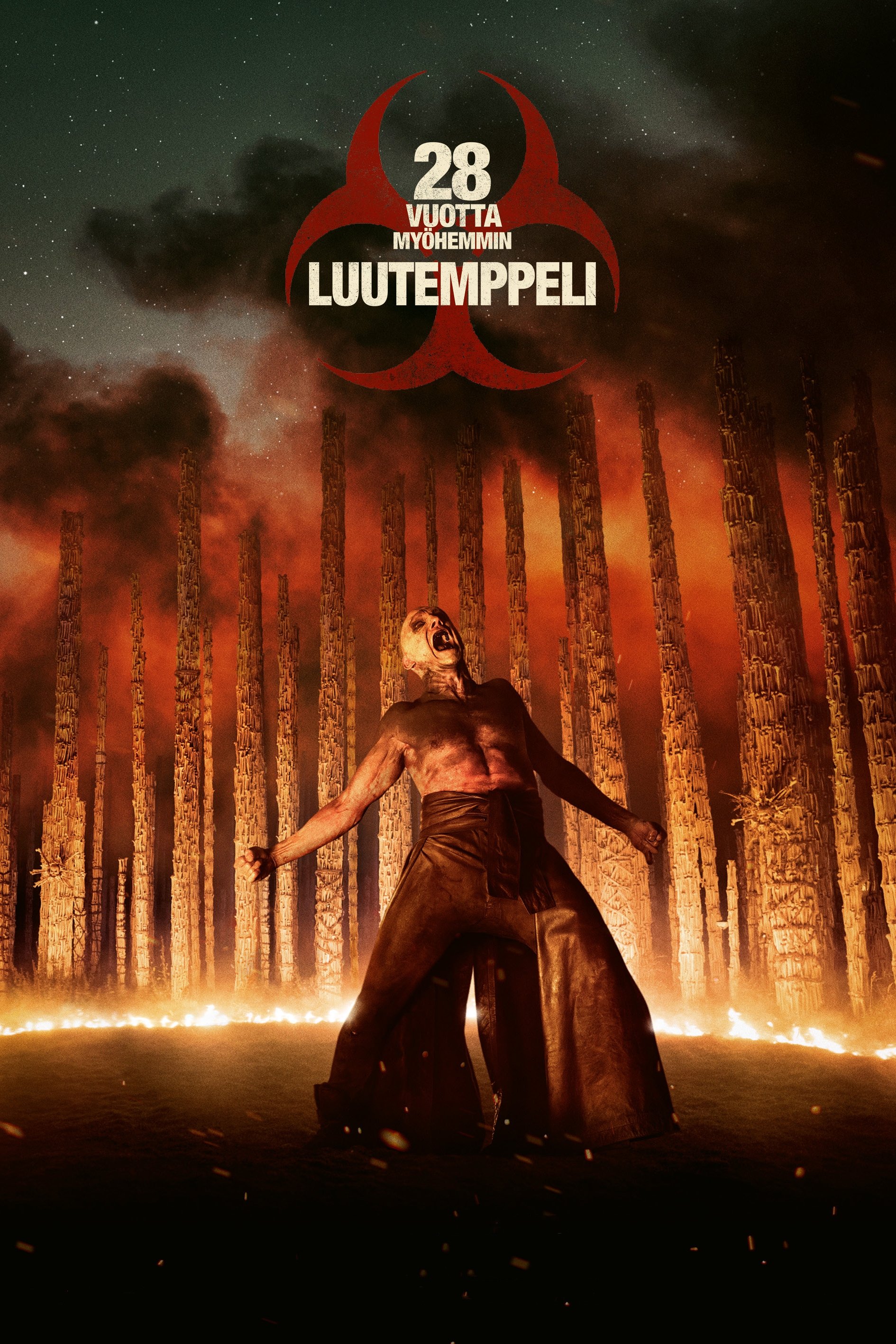
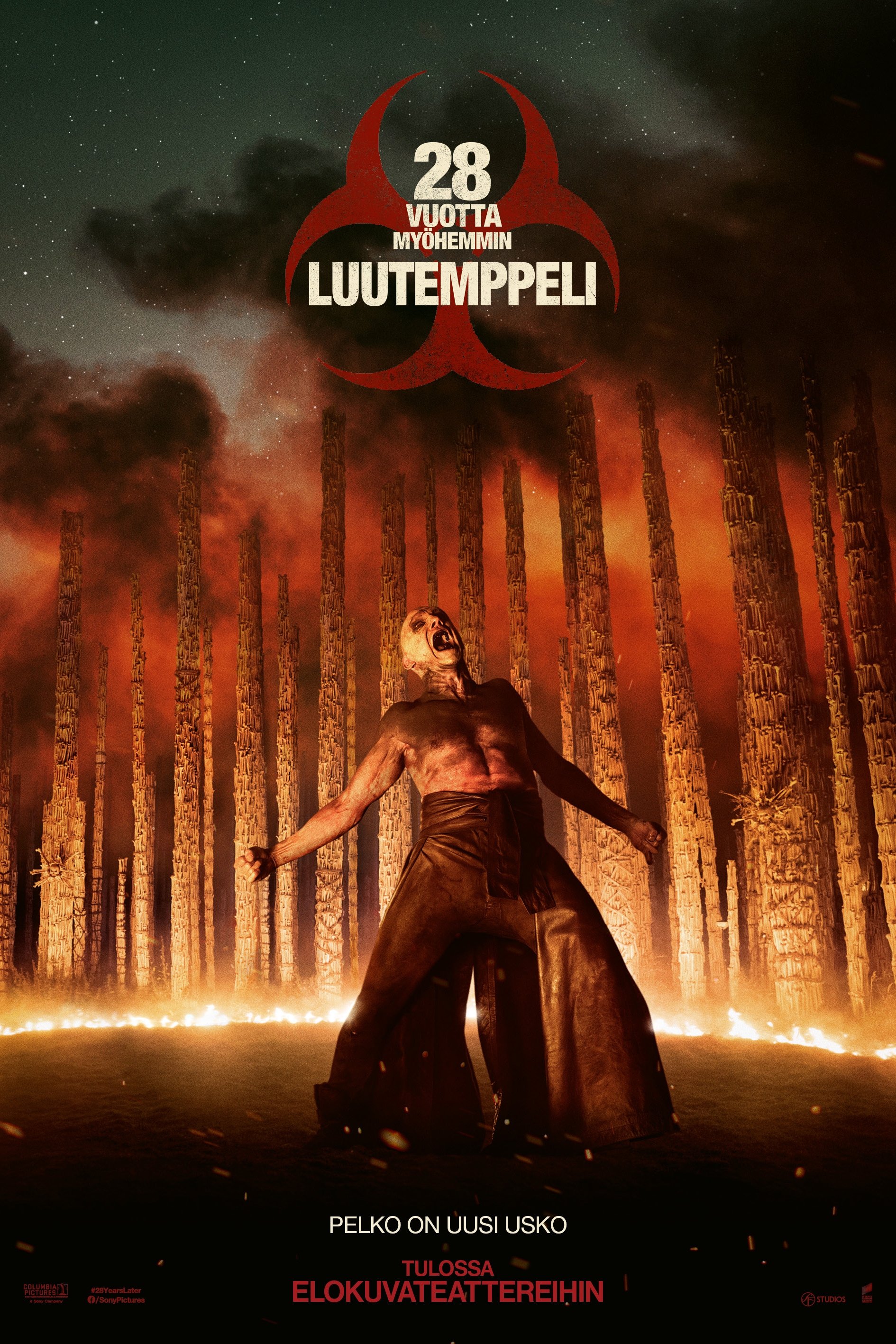
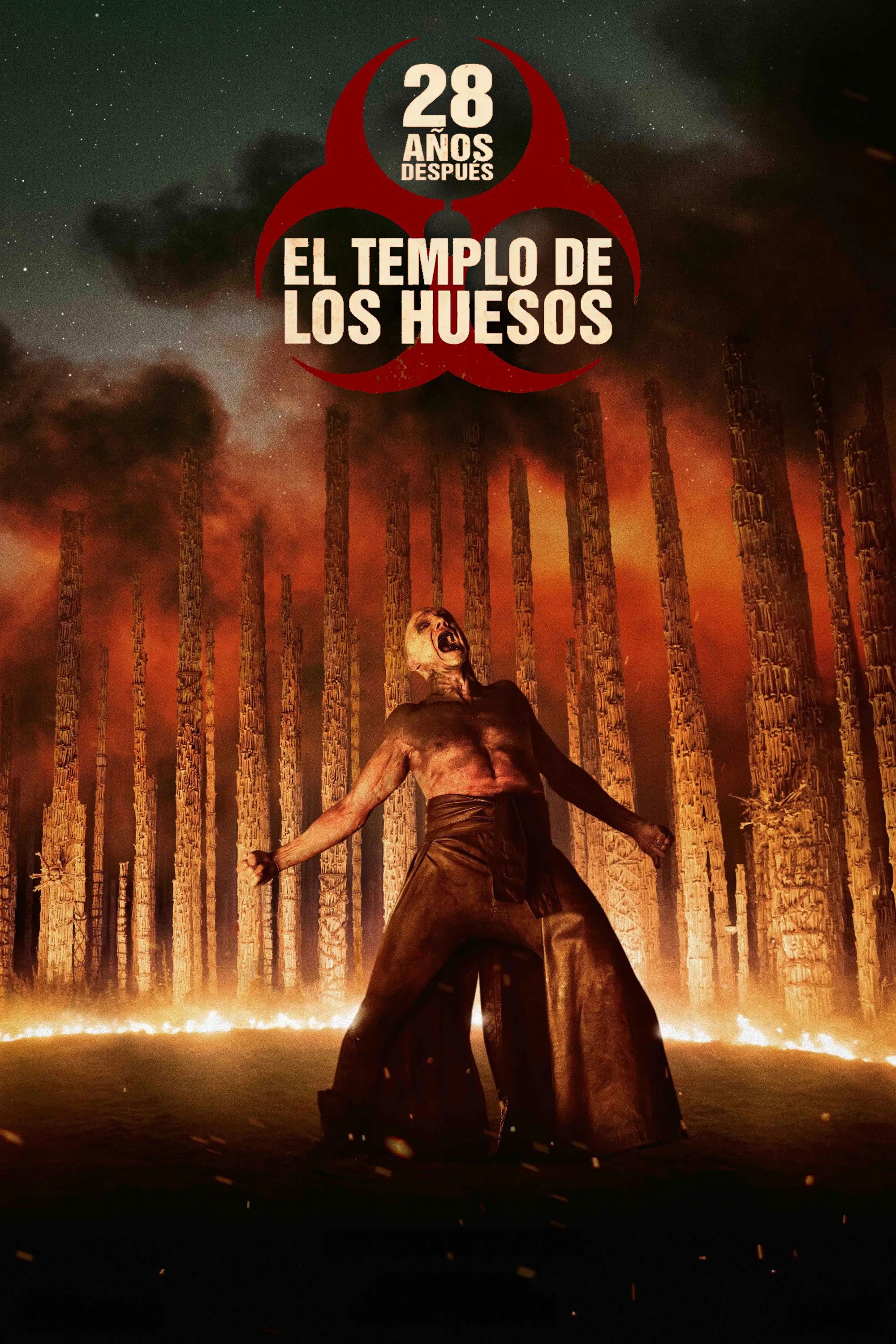
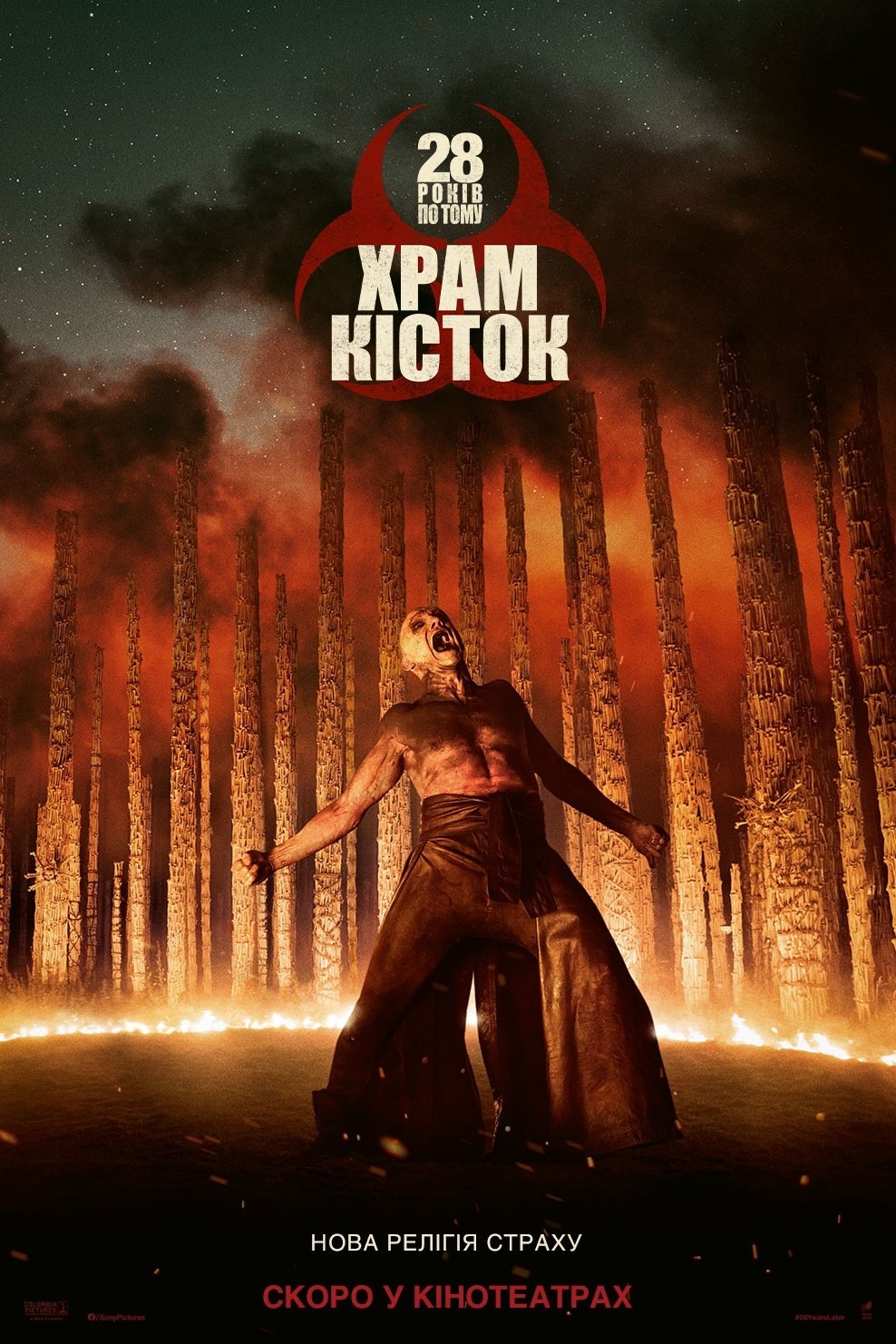
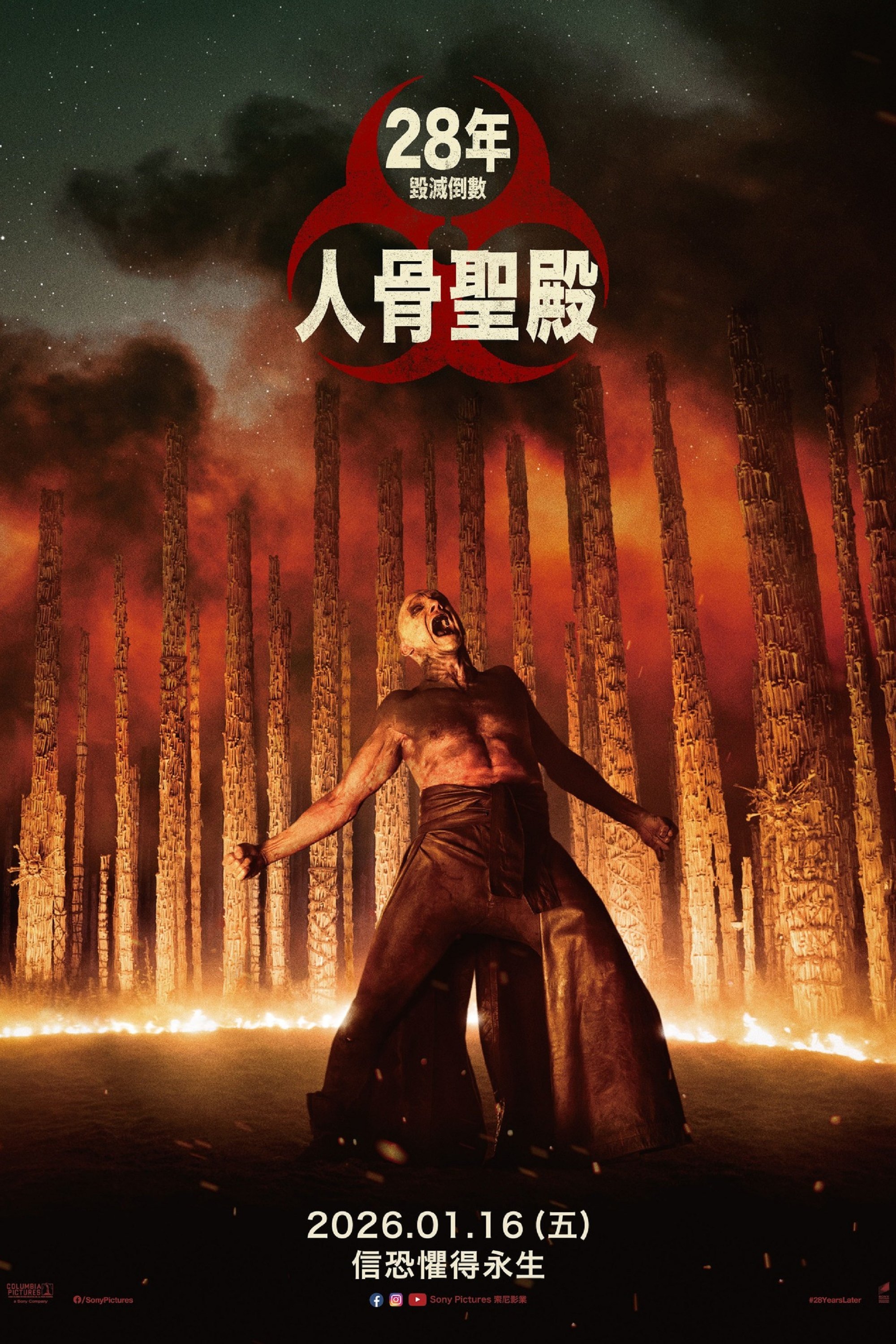
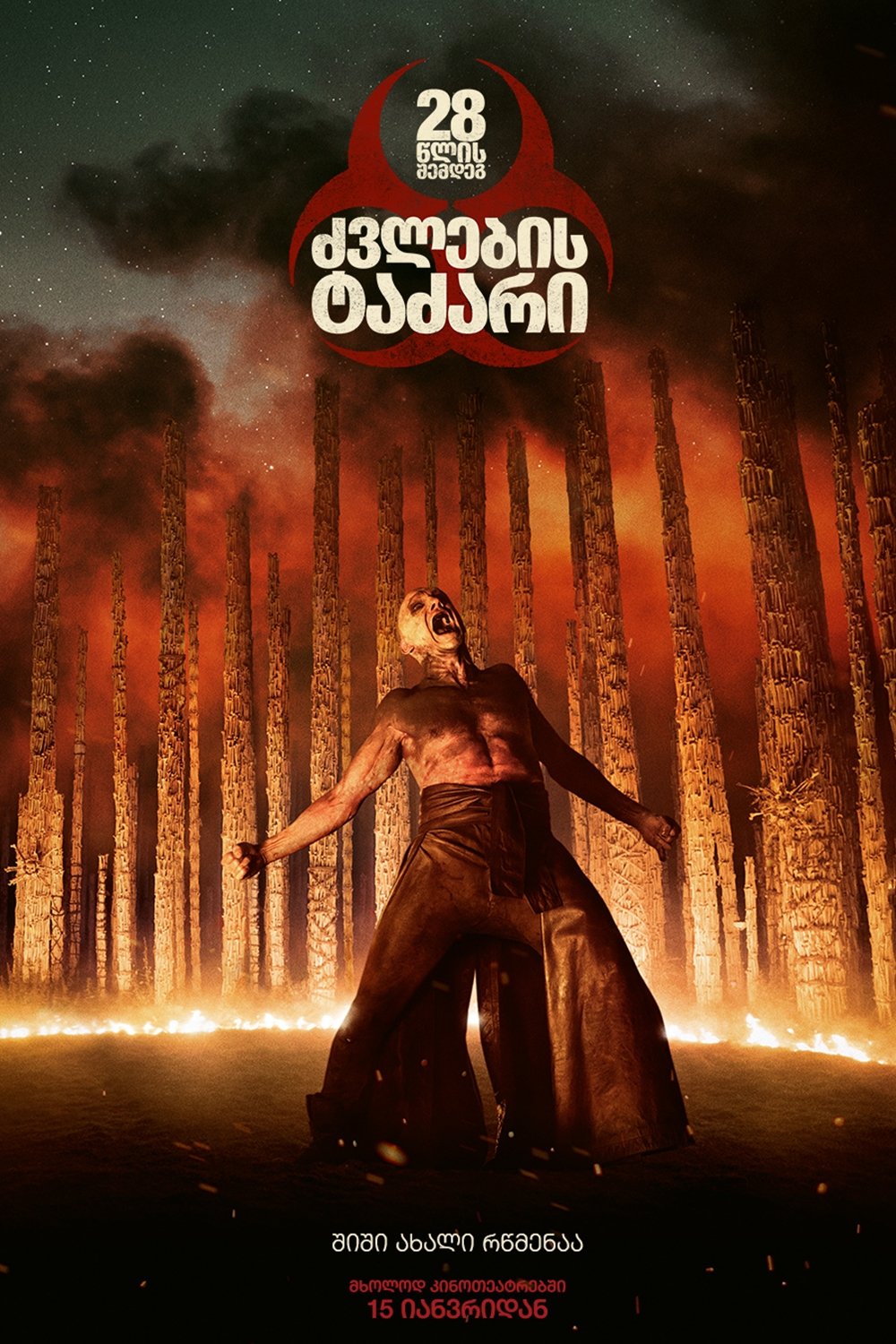
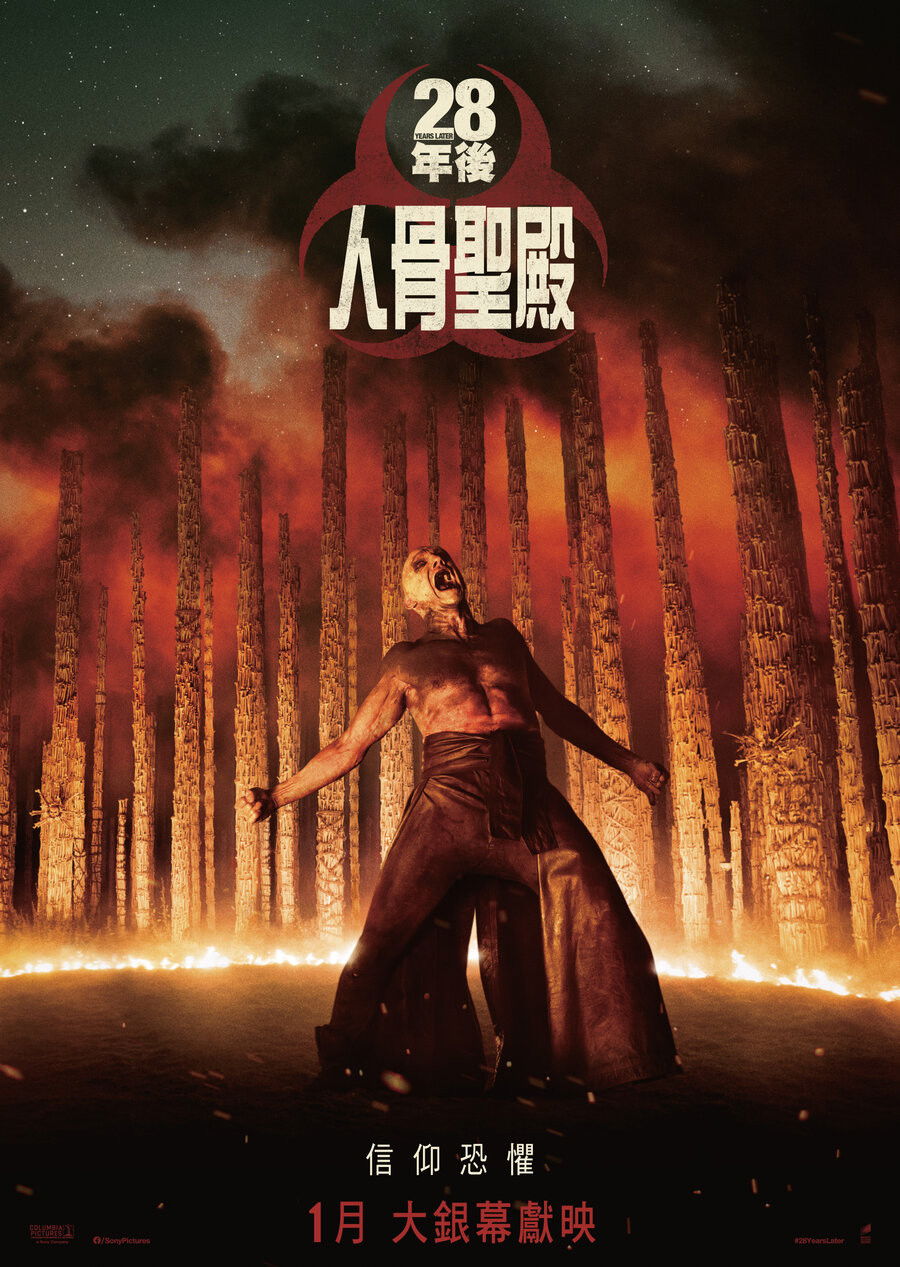
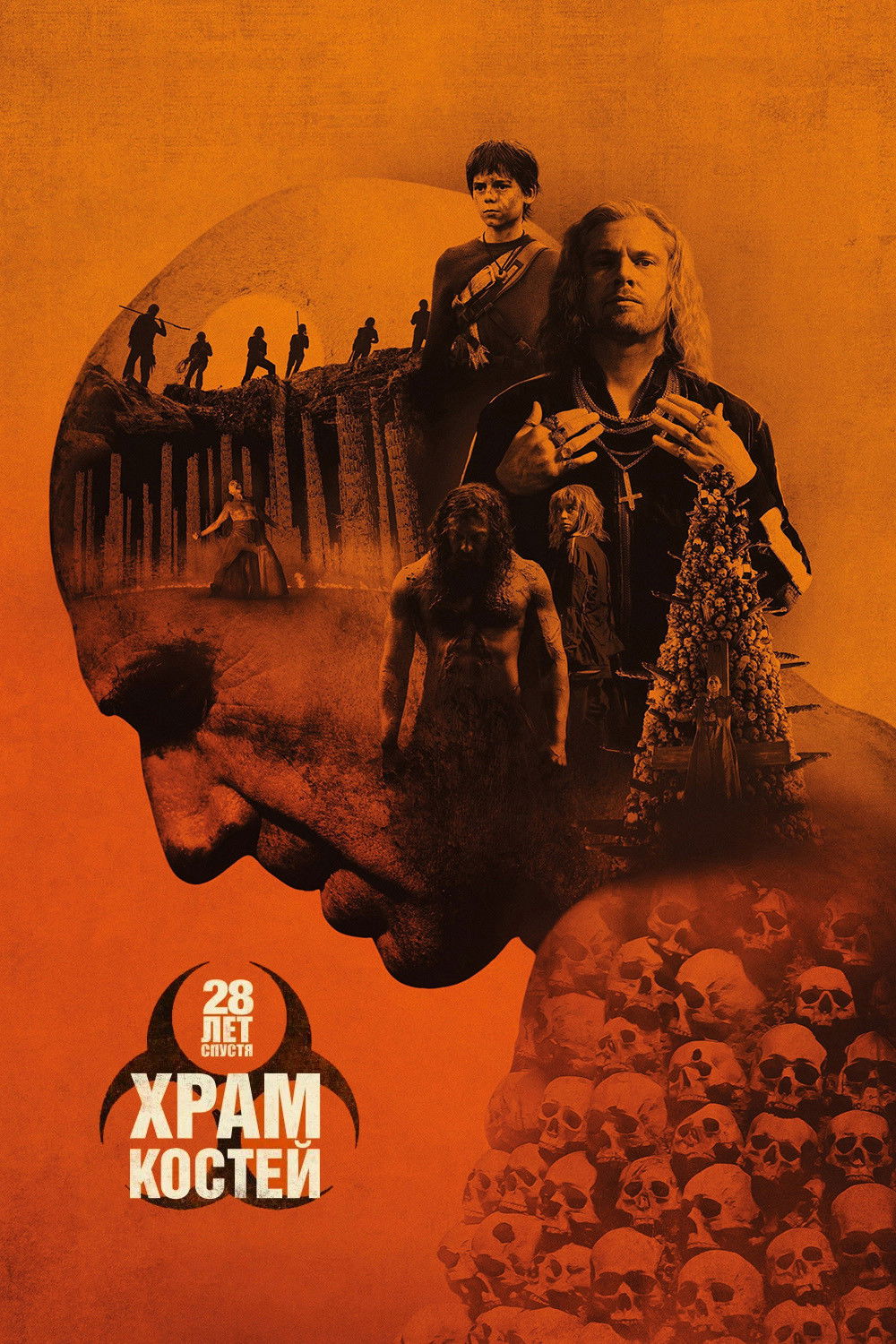
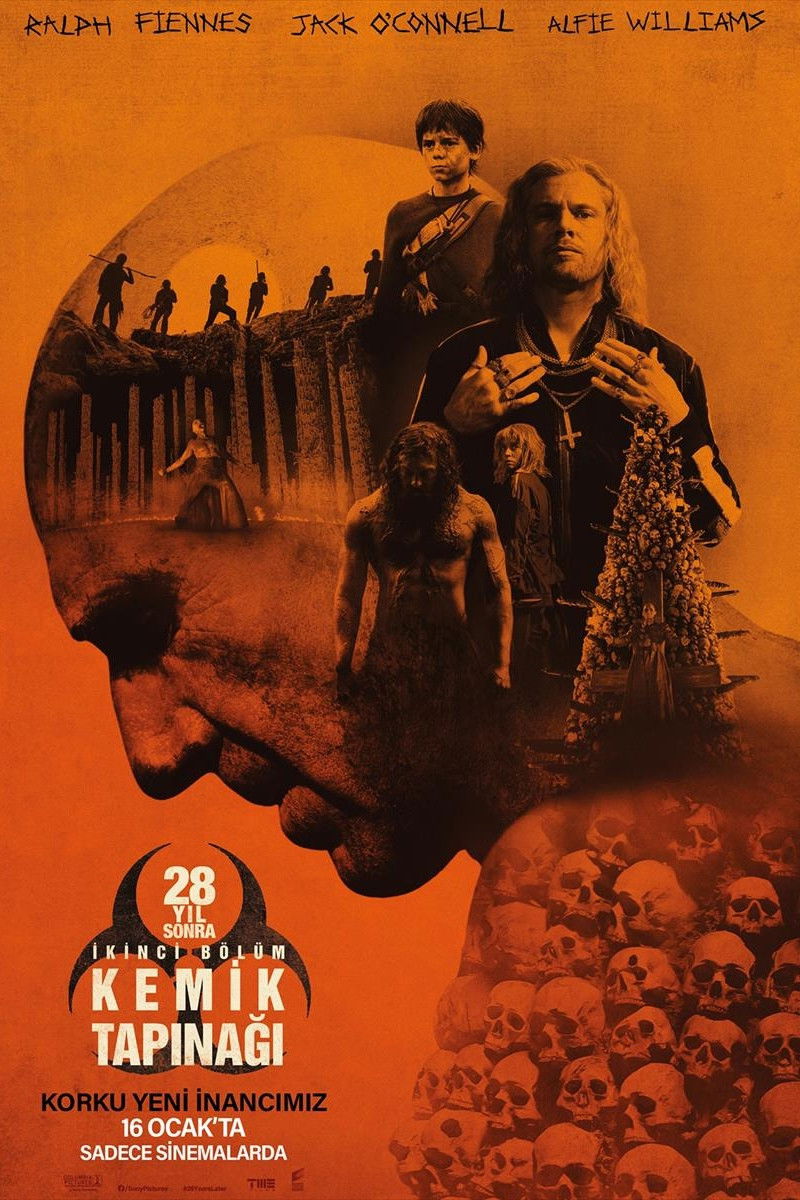
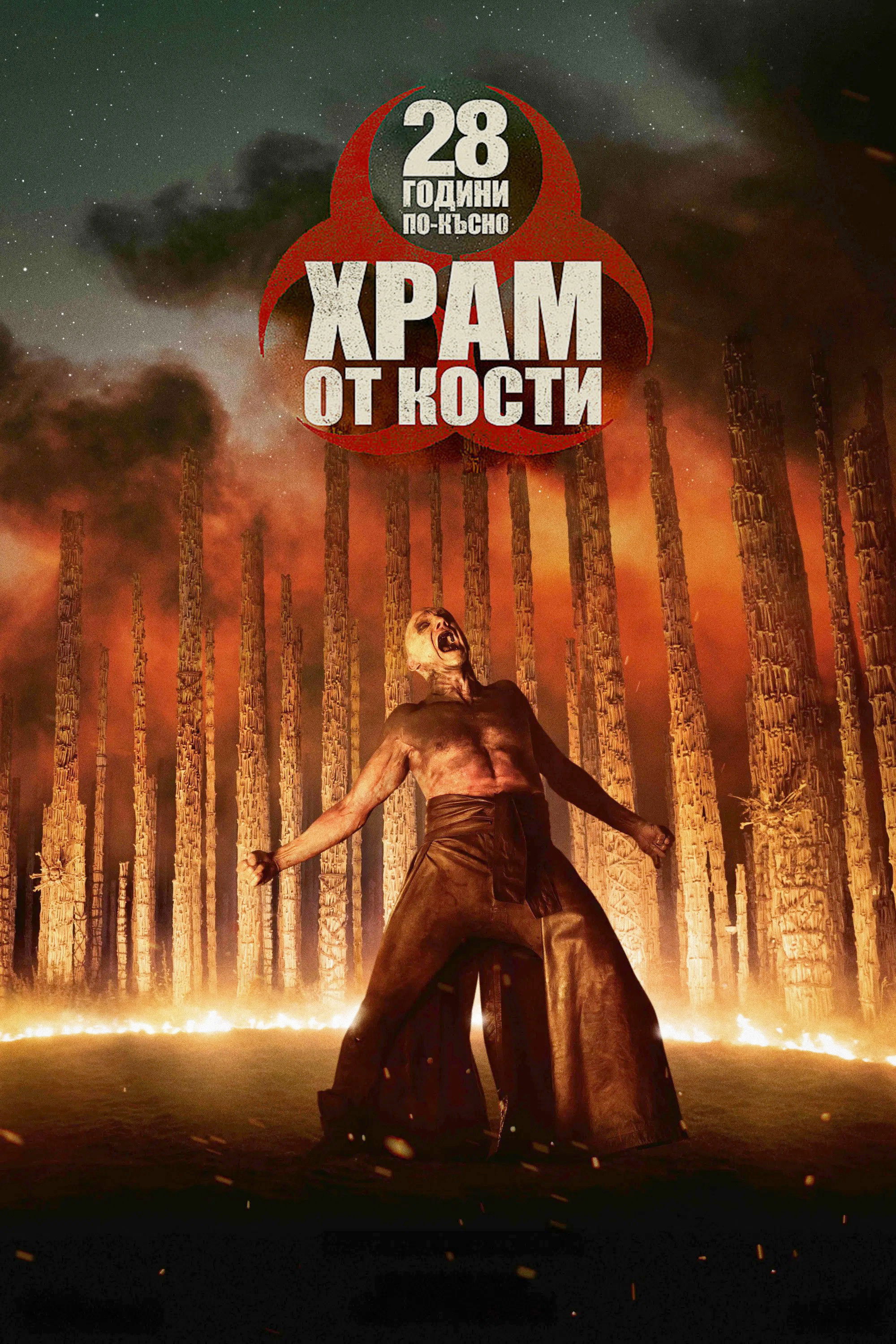
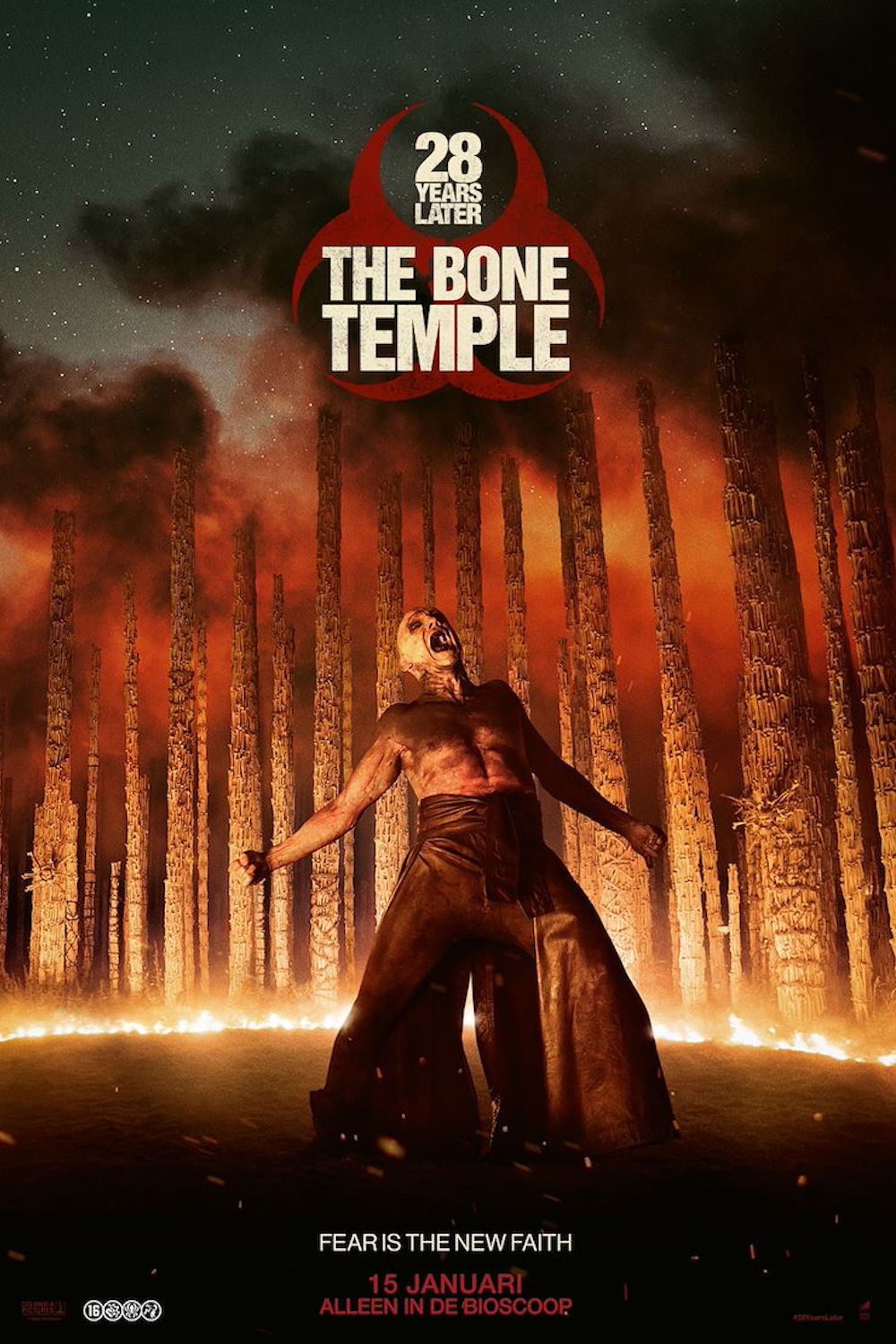
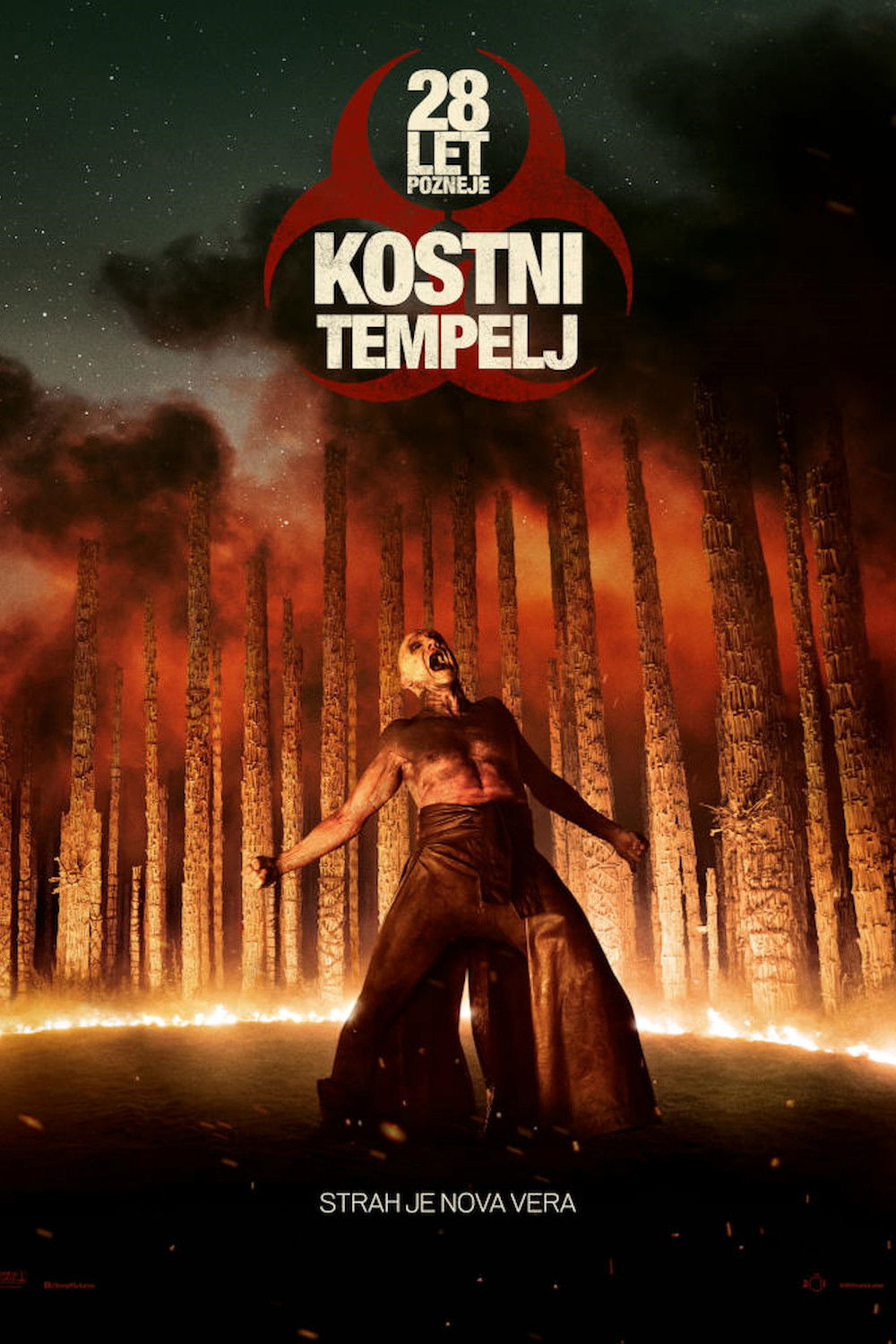
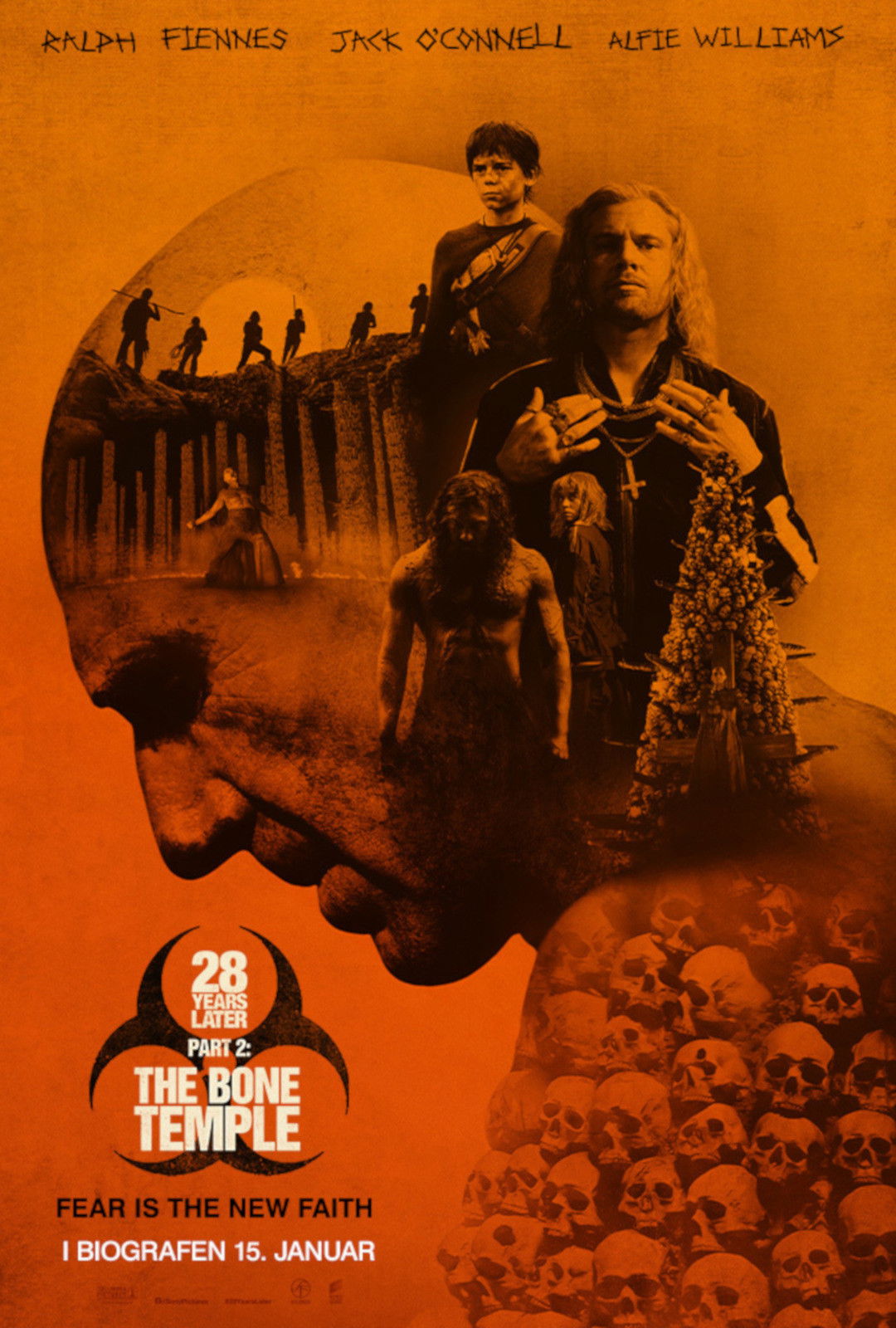
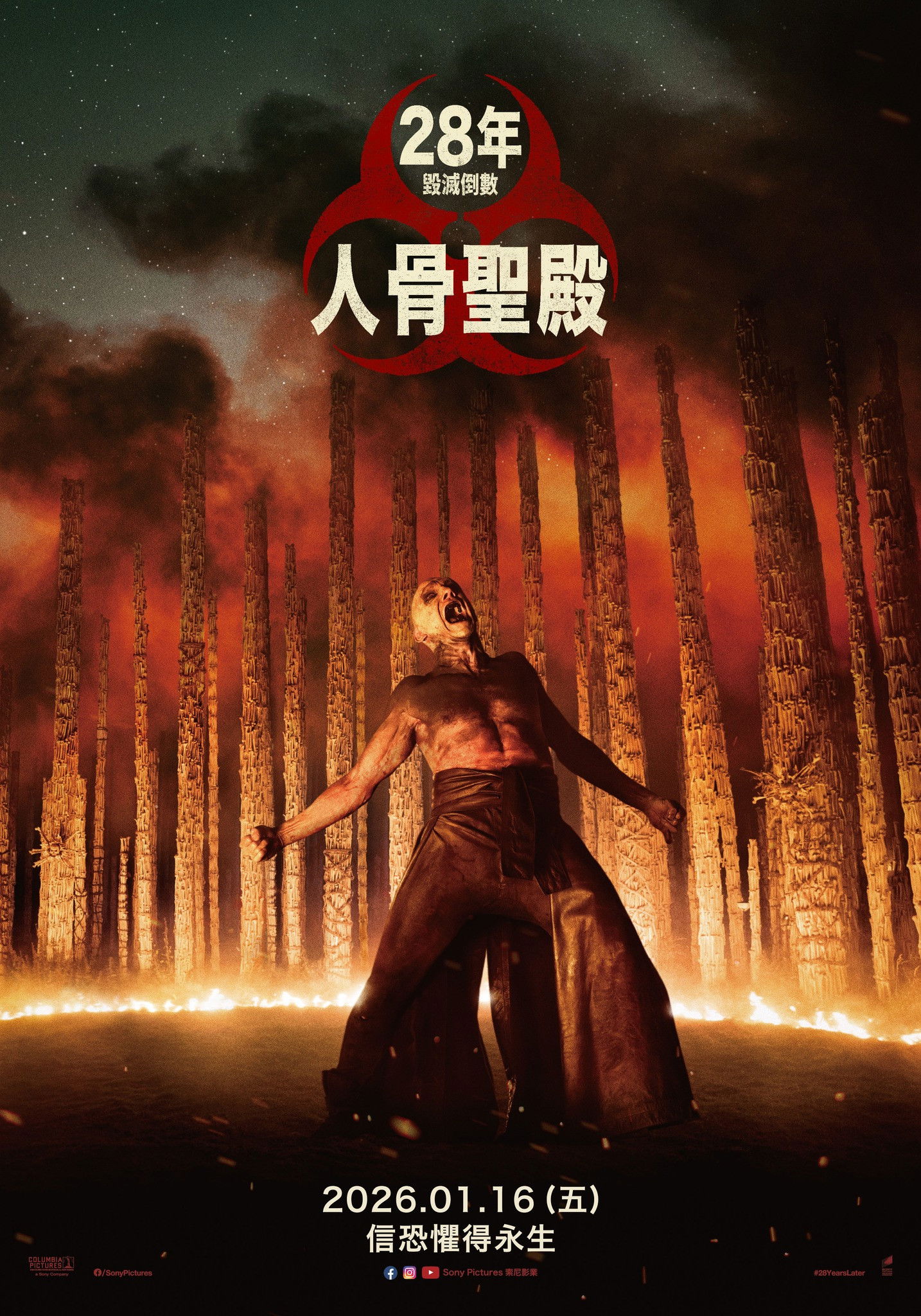
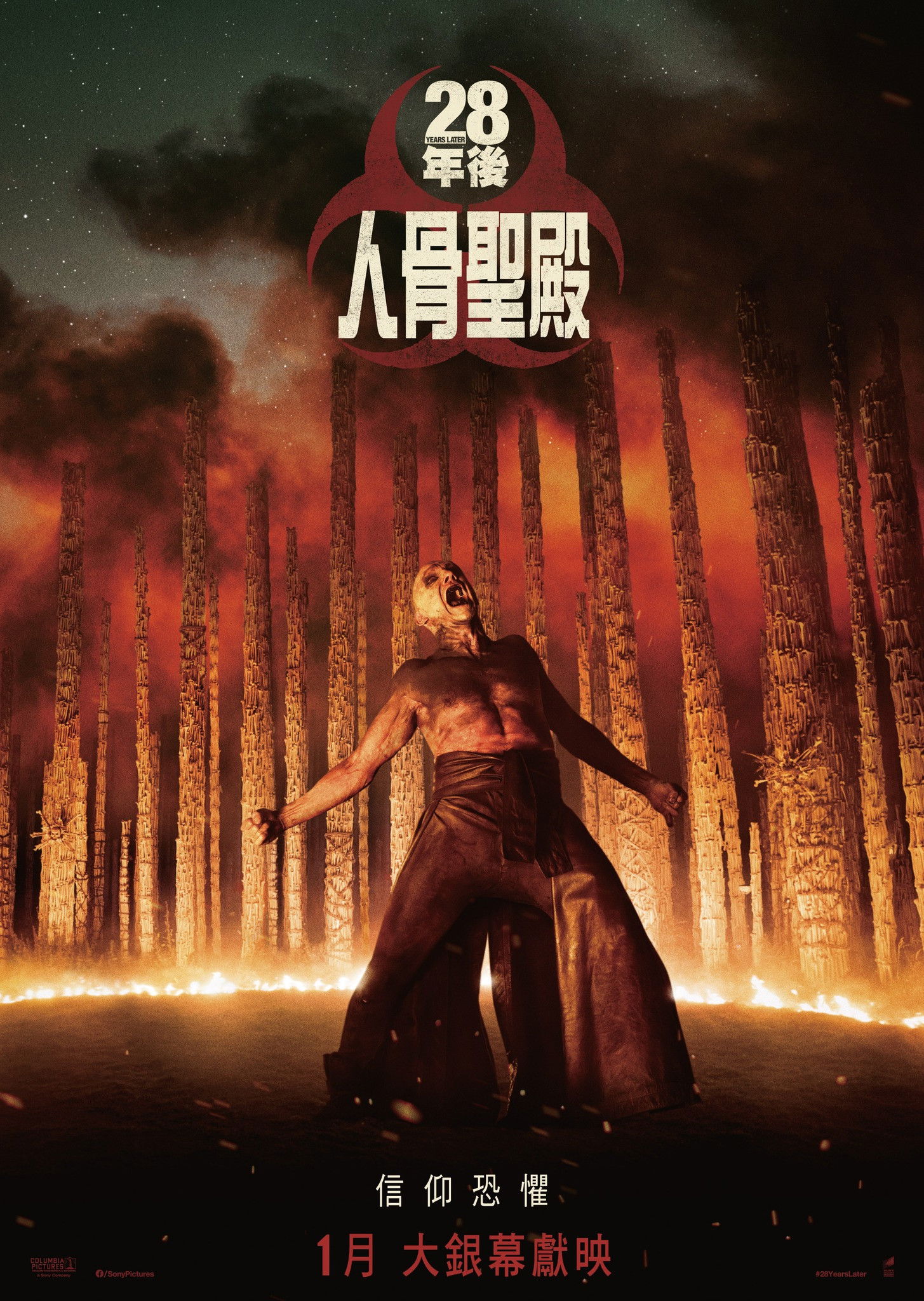
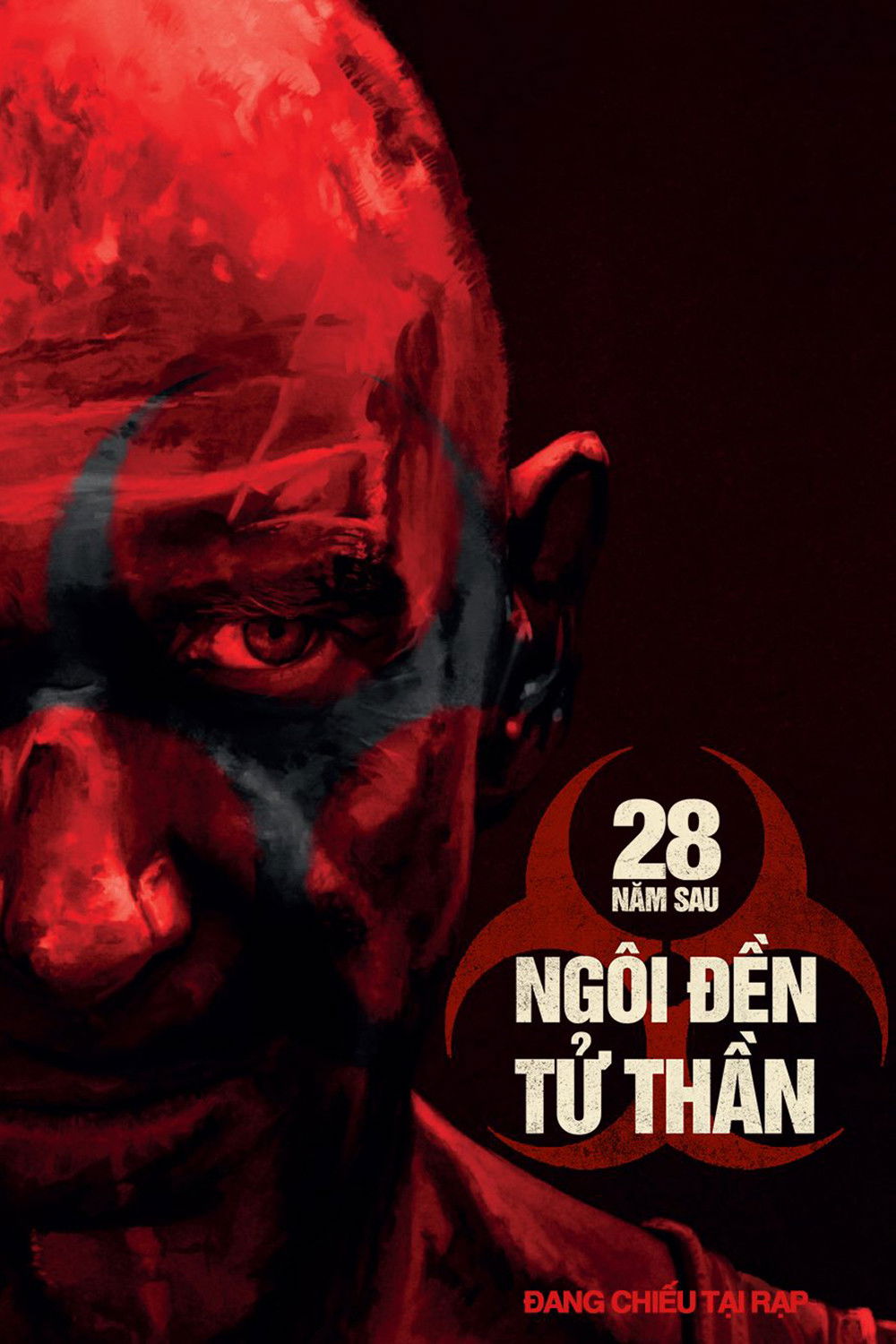
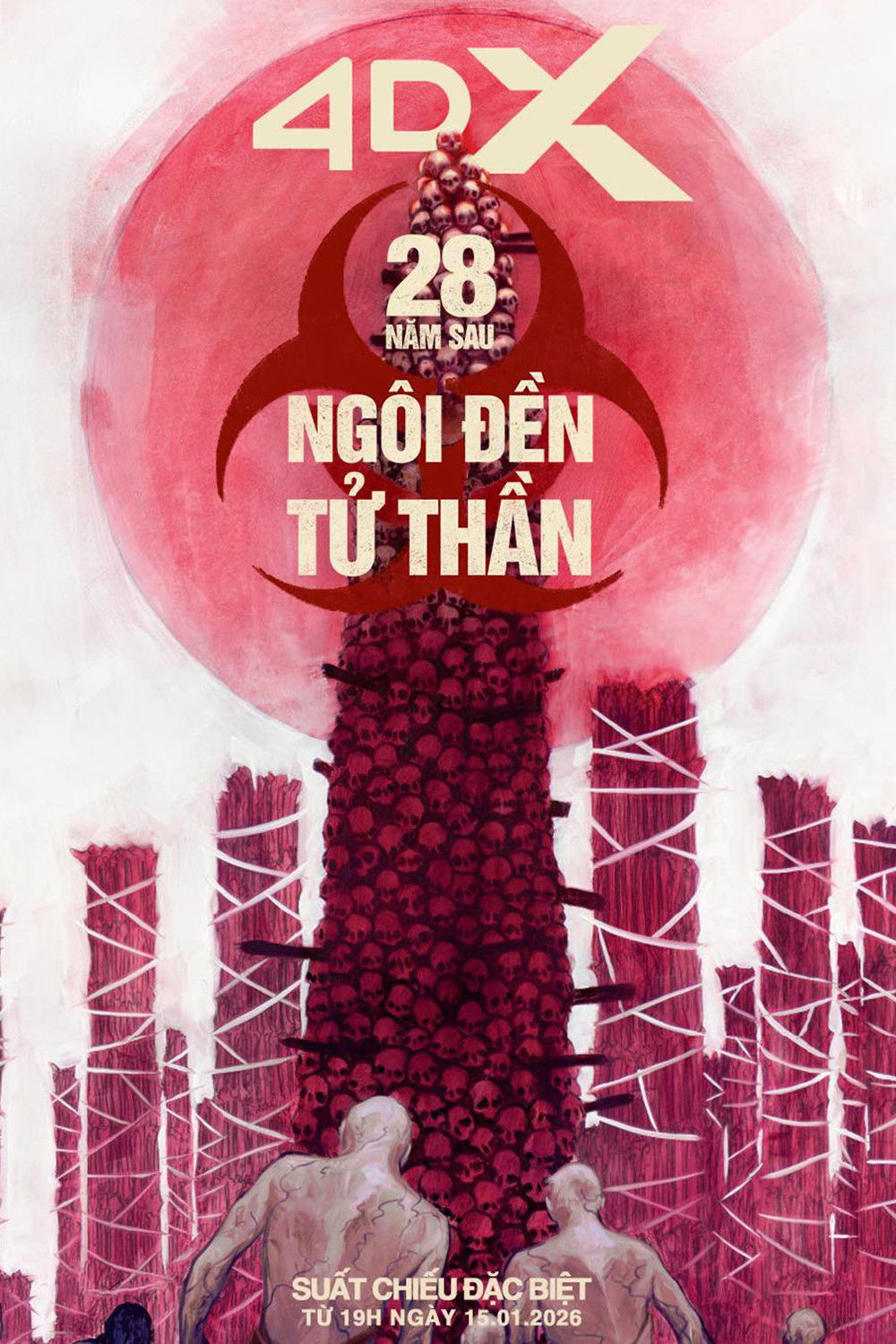
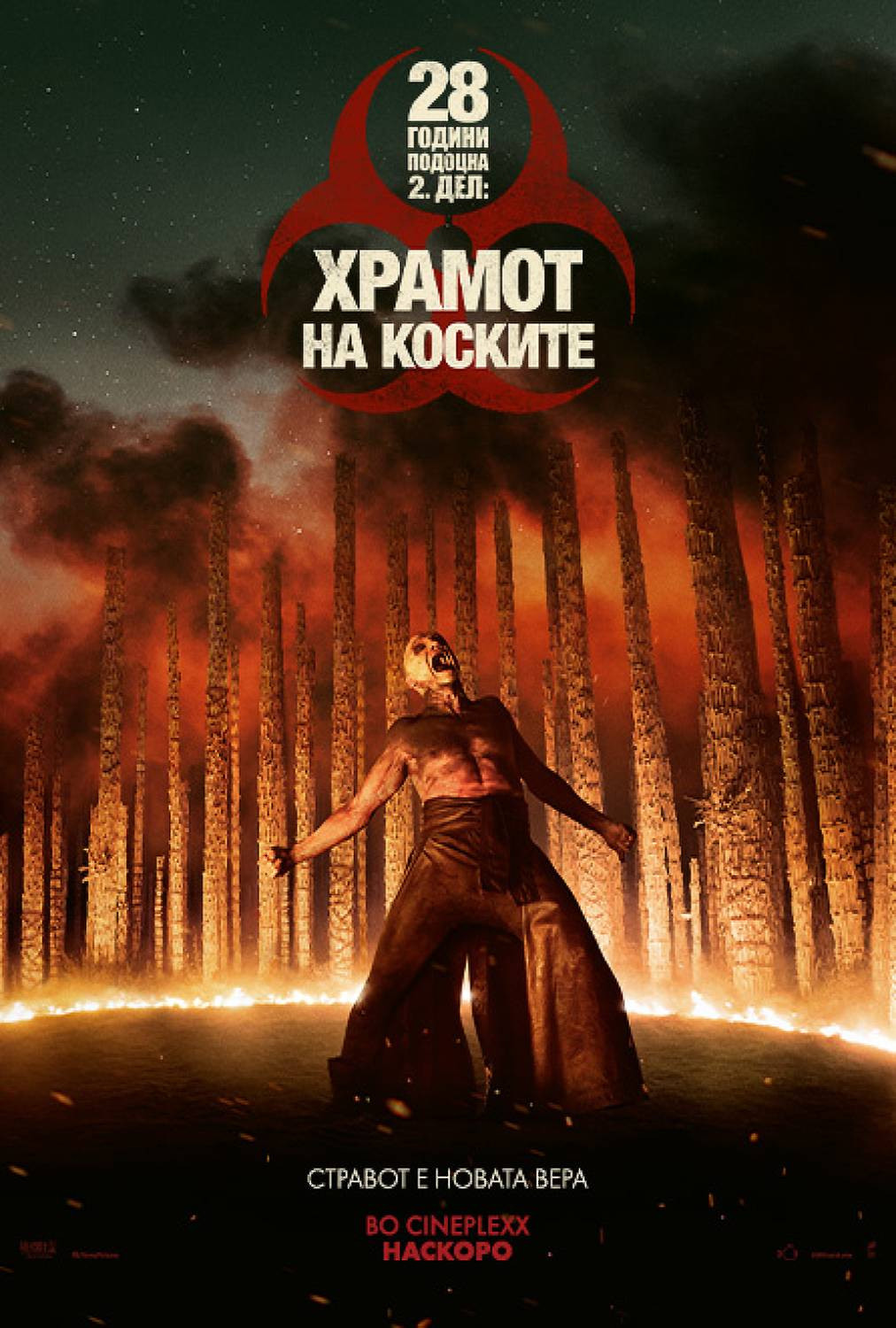
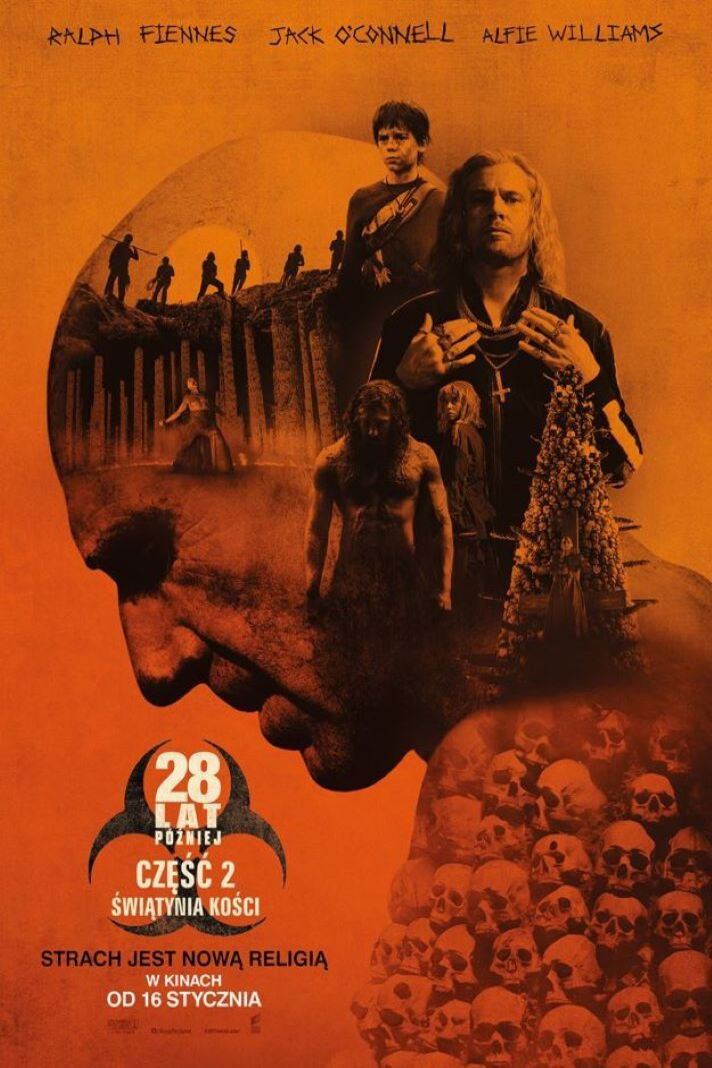
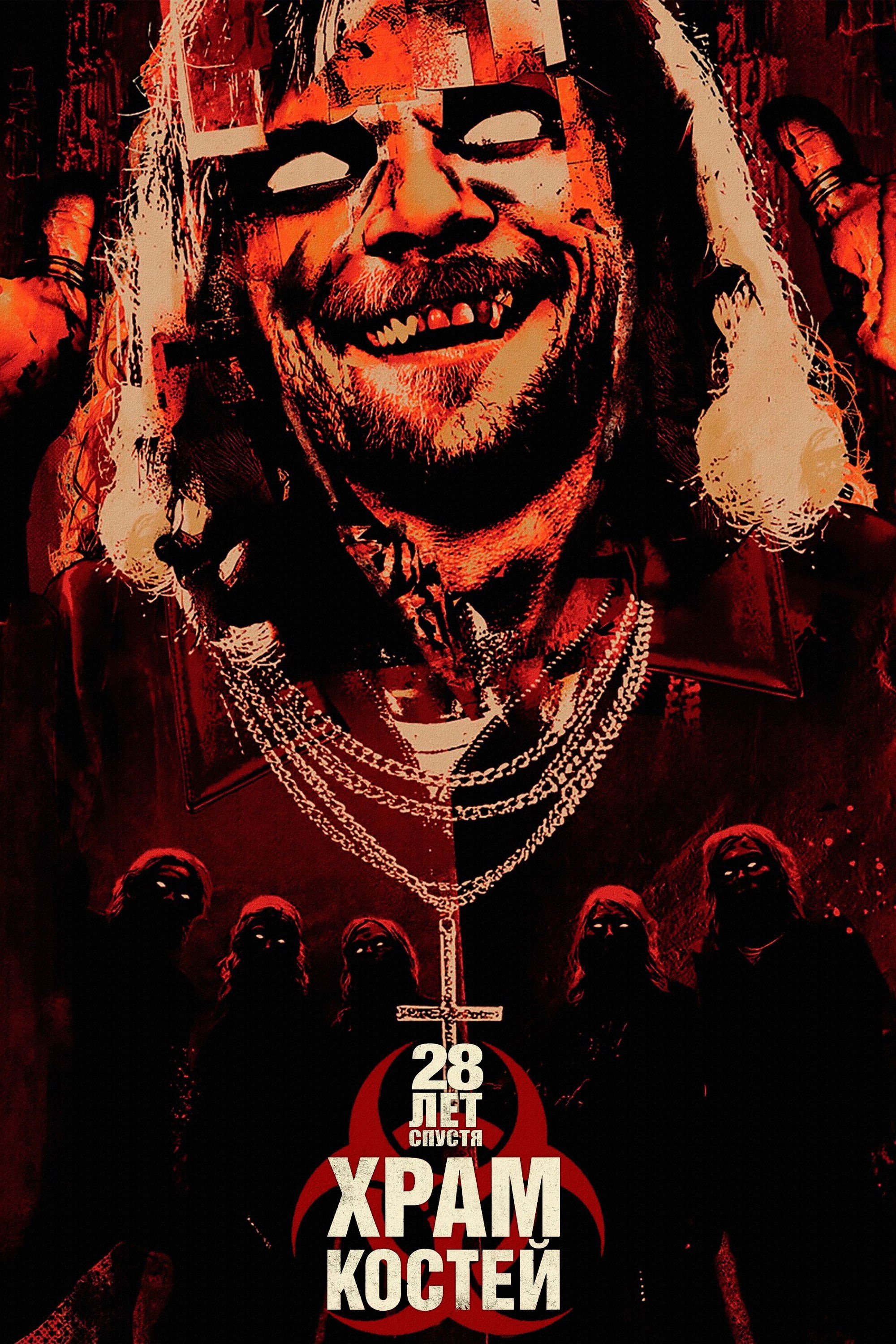
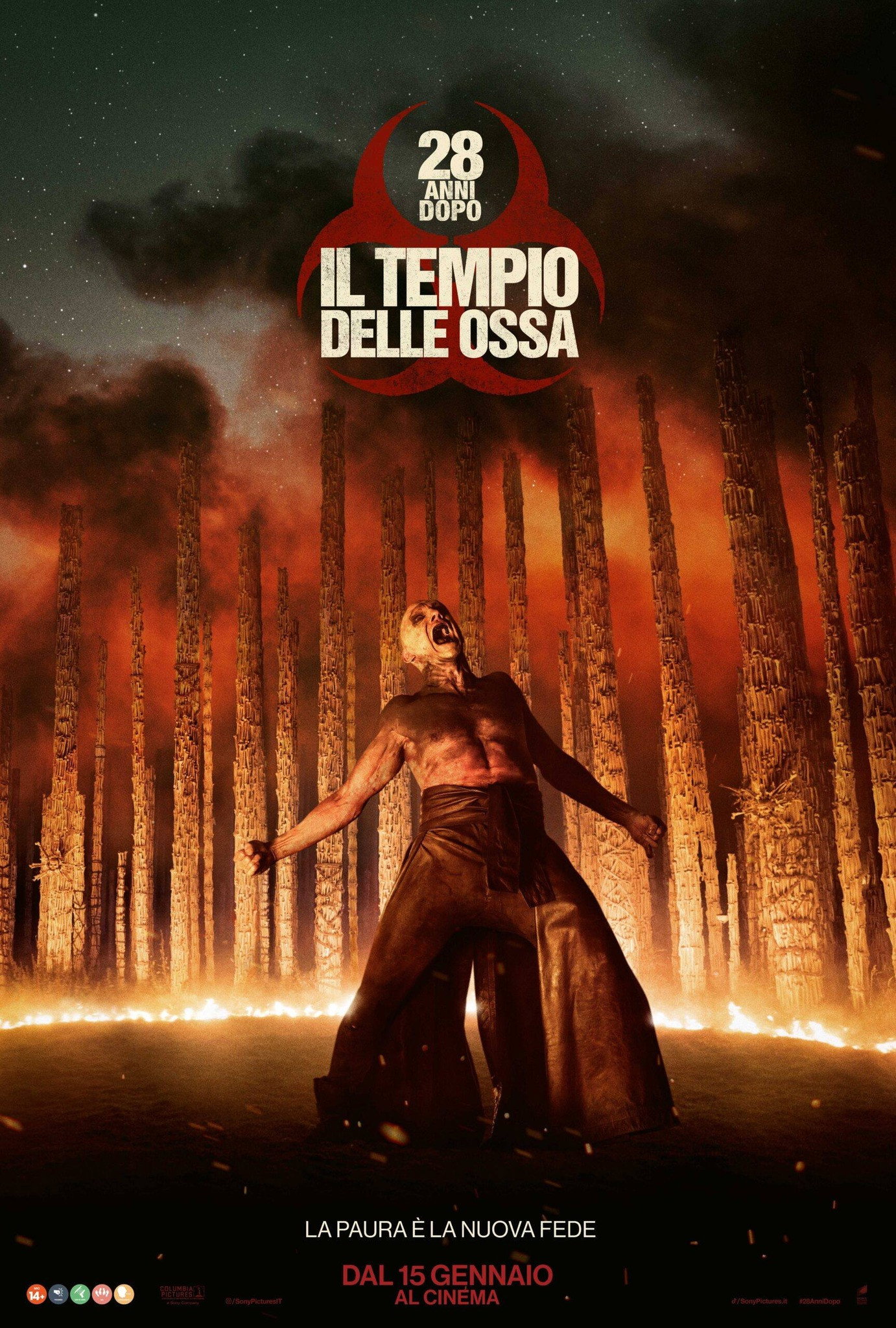
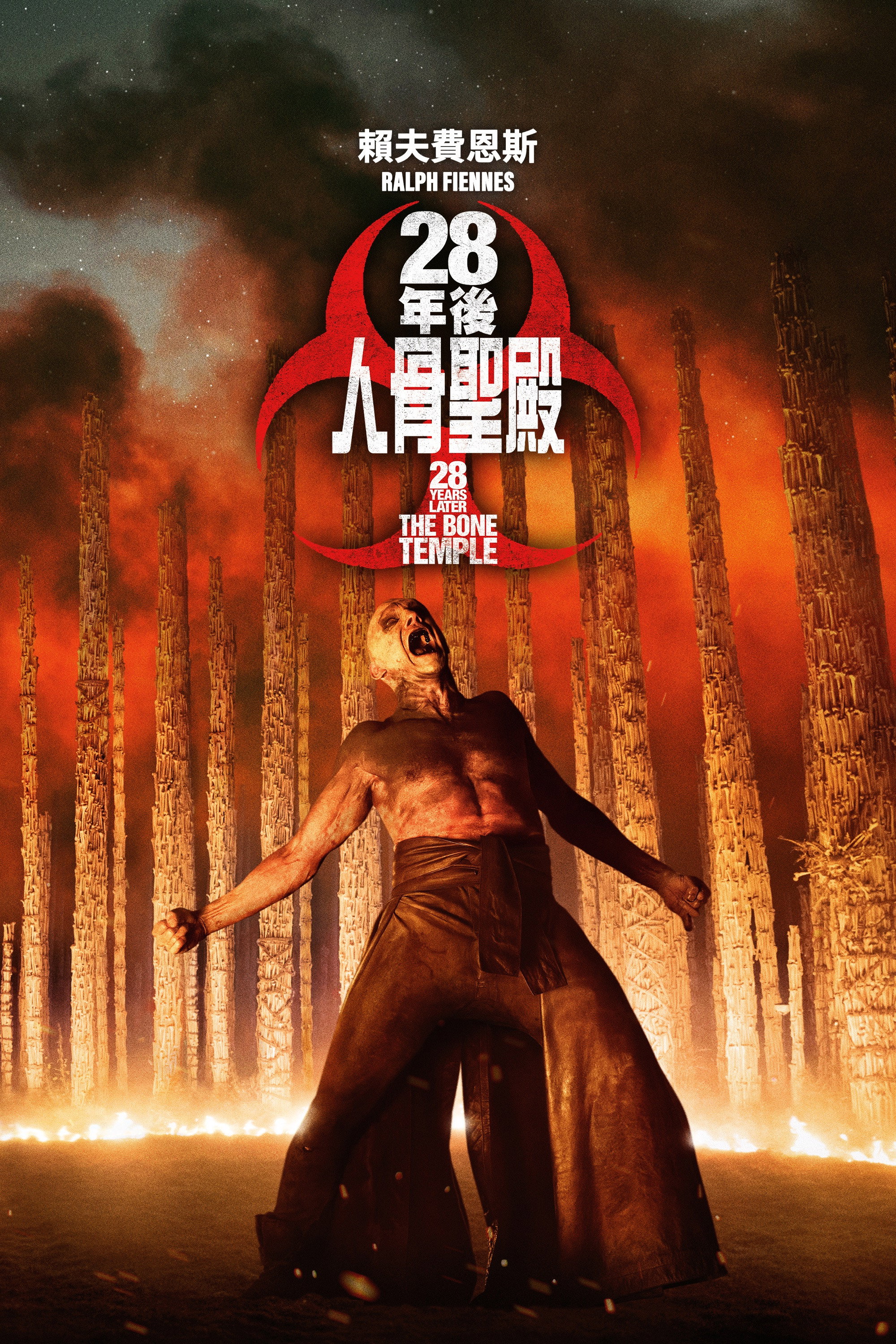
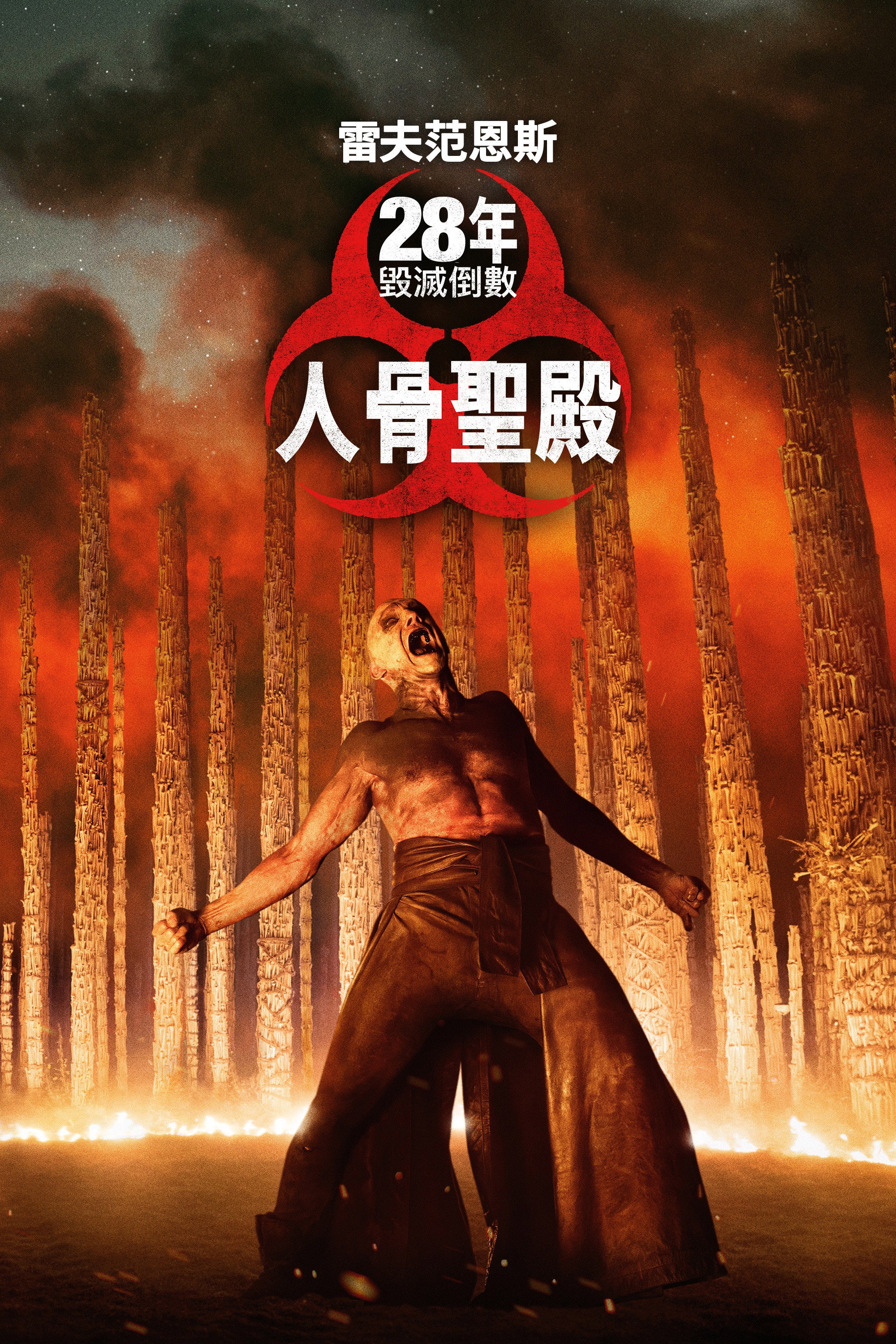
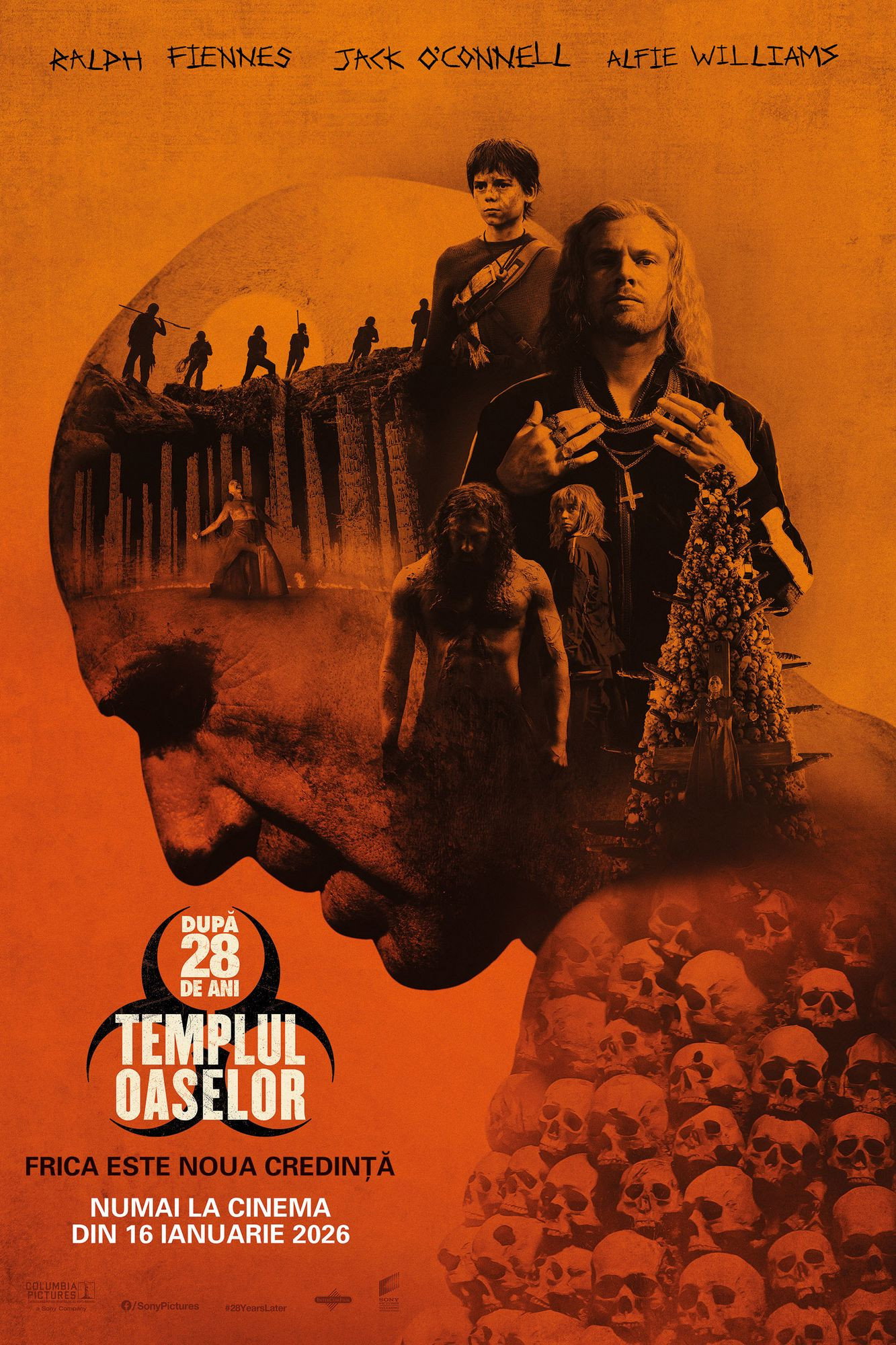
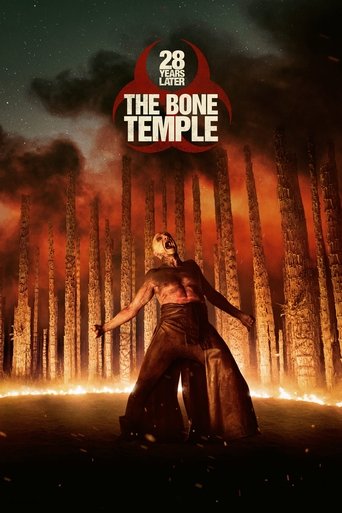
28 Years Later: The Bone Temple (2026) poster
Director
Writer
Production Companies
Columbia Pictures , TSG Entertainment , DNA Films
Plot

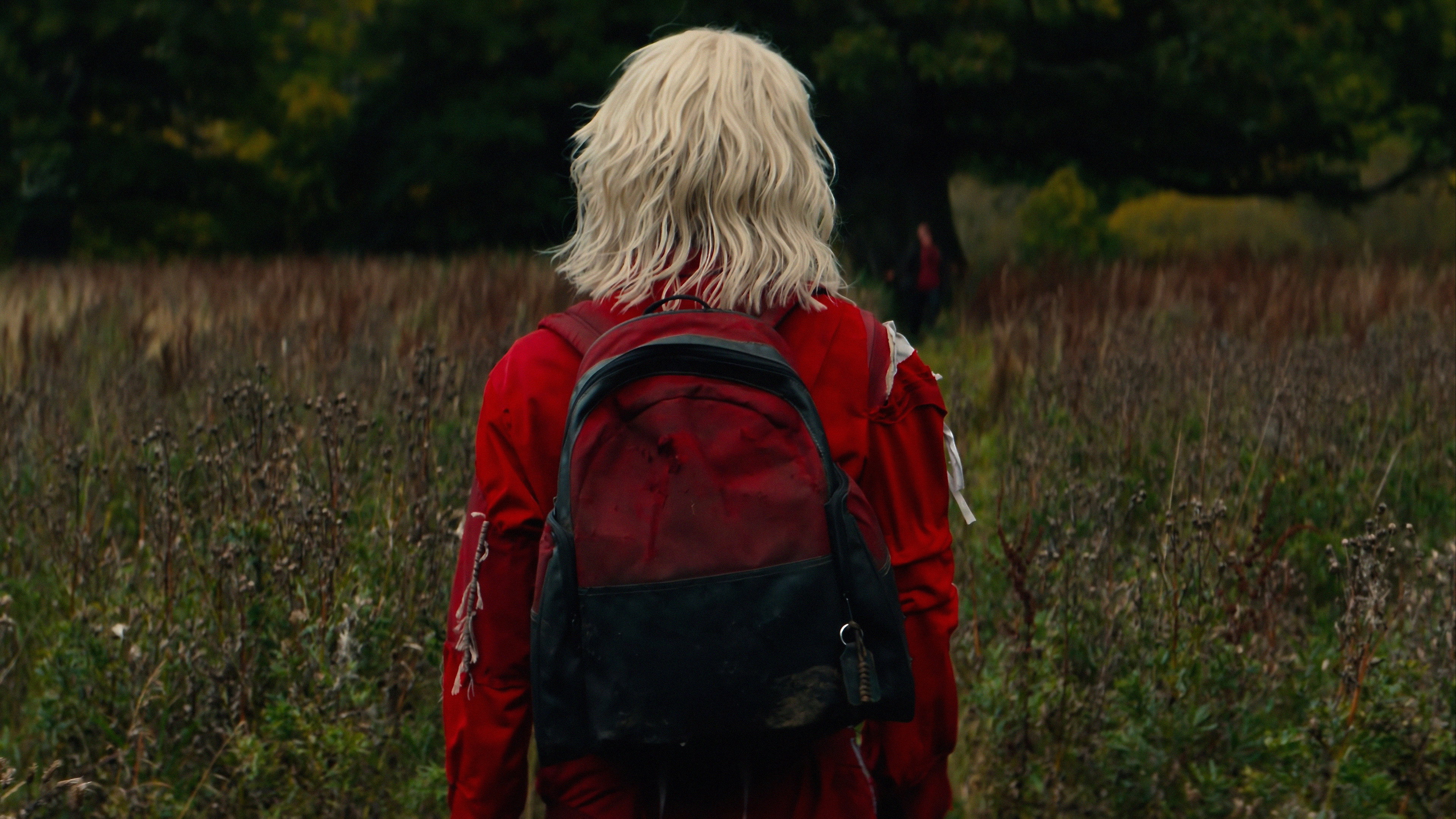
Following his departure from the island community, Spike falls under the control of Jimmy Crystal and his violent group of followers, whose rituals impose a terrifying form of order on the devastated mainland. Meanwhile, Dr Ian Kelson continues his solitary work at a memorial built from human remains and deepens his study of the infected, including the powerful Alpha known as Samson. As Kelson's discoveries challenge assumptions about the Rage virus, Spike is drawn further into Jimmy's ruthless world. The parallel stories bring questions of cruelty, belief and compassion to the center of a society transformed by decades of infection.

Alternative Titles
٢٨ عامًا لاحقًا: معبد العظام (United Arab Emirates) — Arabic 28 Years Later II: The Bone Temple (Austria) 28 il sonra: Sümüklər Məbədi (Azerbaijan) — Azerbaijani 28 години по-късно: Храм от кости (Bulgaria) — Bulgarian Extermínio 4 (Brazil) Extermínio 4: O Templo dos Ossos (Brazil) Extermínio: O Templo dos Ossos (Brazil) — Portuguese 28 ans plus tard : Le temple des morts (Canada) — French
Show all 47 alternative titles 惊变28年2:白骨圣殿 (China) — Chinese 28 let poté: Chrám z kostí (Czechia) 28 aastat hiljem. Kondikoda (Estonia) — Estonian 28 años después: El templo de los huesos (Spain) — Spanish 28 anys després: El temple dels ossos (Spain) — Catalan 28 vuotta myöhemmin: Luutemppeli (Finland) — Finnish 28 Ans plus tard - Le Temple des morts (France) 28 Ans plus tard : Le Temple des morts (France) — French 28 Years Later 2 (United Kingdom) 28 წლის შემდეგ: ძვლების ტაძარი (Georgia) — Georgian 28 Χρόνια Μετά: Ο Ναός των Οστών (Greece) — Greek 28 年後:人骨聖殿 (Hong Kong SAR China) — Chinese 28 godina kasnije: Hram lubanja (Croatia) — Croatian 28 évvel később: A csonttemplom (Hungary) — Hungarian 28 שנה אחרי: מקדש העצמות (Israel) — Hebrew 28 इयर्स लेटरः दी बोन टेम्पल (India) — Hindi ۲۸ سال بعد: معبد استخوان (Iran) — Persian 28 anni dopo - Il tempio delle ossa (Italy) — Italian 28年後... 白骨の神殿 (Japan) — Japanese 28년 후: 뼈의 사원 (South Korea) 28 metai po: Kaulų šventykla (Lithuania) — Lithuanian 28 gadus vēlāk: Kaulu templis (Latvia) — Latvian Exterminio: El templo de huesos (Mexico) — Spanish 28 lat później - Część 2: Świątynia kości (Poland) — Polish 28 Anos Depois: O Templo dos Ossos (Portugal) — Portuguese După 28 de ani: Templul oaselor (Romania) — Romanian 28 година касније: Храм костију (Serbia) — Serbian 28 лет спустя: Храм костей (Russia) — Russian 28 лет спустя: Часть II. Храм костей (Russia) 28 عاماً لاحقاً: معبد العظام (Saudi Arabia) — Arabic 28 let pozneje: Kostni tempelj (Slovenia) — Slovenian 28 rokov potom: Chrám kostí (Slovakia) — Slovak 28 ปีให้หลัง เชื้อเขมือบคน: วิหารซากกะโหลก (Thailand) 28 Yıl Sonra: Kemik Tapınağı (Türkiye) — Turkish 28年毀滅倒數:人骨聖殿 (Taiwan) — Chinese 28 років по тому: Храм кісток (Ukraine) The Bone Temple (United States) — on-screen title 28 Năm Sau: Ngôi Đền Tử Thần (Vietnam) — Vietnamese 28 Năm Sau: Thánh Địa Xương (Vietnam)

Trailers & Videos

10 videos

Film Guide & Analysis

Nia DaCosta extends the Rage-virus saga through a confrontation between ritual cruelty, the infected and the memorial world of Dr Kelson.

28 Years Later: The Bone Temple (2026) extends the Rage-virus world of Danny Boyle and Alex Garland through a change of director and a sharp alteration of perspective. Nia DaCosta takes over from Boyle for the immediate continuation of 28 Years Later (2025), following Spike's ordeal among the Jimmies and Dr Ian Kelson's encounter with the infected Alpha called Samson. The infected remain a mortal danger, but the film locates some of its most disturbing violence within an organized group of uninfected survivors. Its British post-apocalyptic landscape becomes a setting for rituals, cruelty and conflicting ways of understanding the human body.

The sequel matters within modern infection horror because it tests the series' moral vocabulary while developing its tactile approach to violence. The contrast between Sir Jimmy Crystal's theatrical cult and Kelson's bone-built memorial is built into the production design, pacing and performances. Cinematography and sound also distinguish DaCosta's film from the iPhone-based photographic experiment of its immediate predecessor. The result is a continuation closely tied to Garland's script and the earlier film's characters, but with a visual and tonal identity of its own.

Development and Direction

The Bone Temple was developed as the next part of the 28 Years Later narrative, with Alex Garland writing the screenplay and Boyle remaining involved as a producer. DaCosta inherited characters and storylines introduced in Boyle's 2025 film, but her assignment was to direct a complete feature in which those strands would advance. In her January 2026 interview with the BFI, she described growing up with 28 Days Later on DVD and recognizing in it the possibilities of filmmaking. Her attachment to the series therefore preceded her professional involvement. The sequel's central conflict would require her to steer performances ranging from hushed empathy to violent theatricality.

DaCosta described rehearsal as central to her directing practice, ordinarily setting aside one or two weeks so that actors could discuss motivation and agree on the film's emotional register. That process was particularly important to a script that moves between Kelson's cautious contact with an infected person and the Jimmies' brutality. In interviews she characterized the tonal balancing act as a matter of gathering variations on set and shaping them in the edit. This is a documented account of her method, rather than a claim that all of the film's effects were improvised. Garland's narrative framework and DaCosta's direction work at different levels: the script supplies the converging trajectories, while shooting and editing determine how the audience experiences their uneasy proximity.
Two Communities and Moral Horror

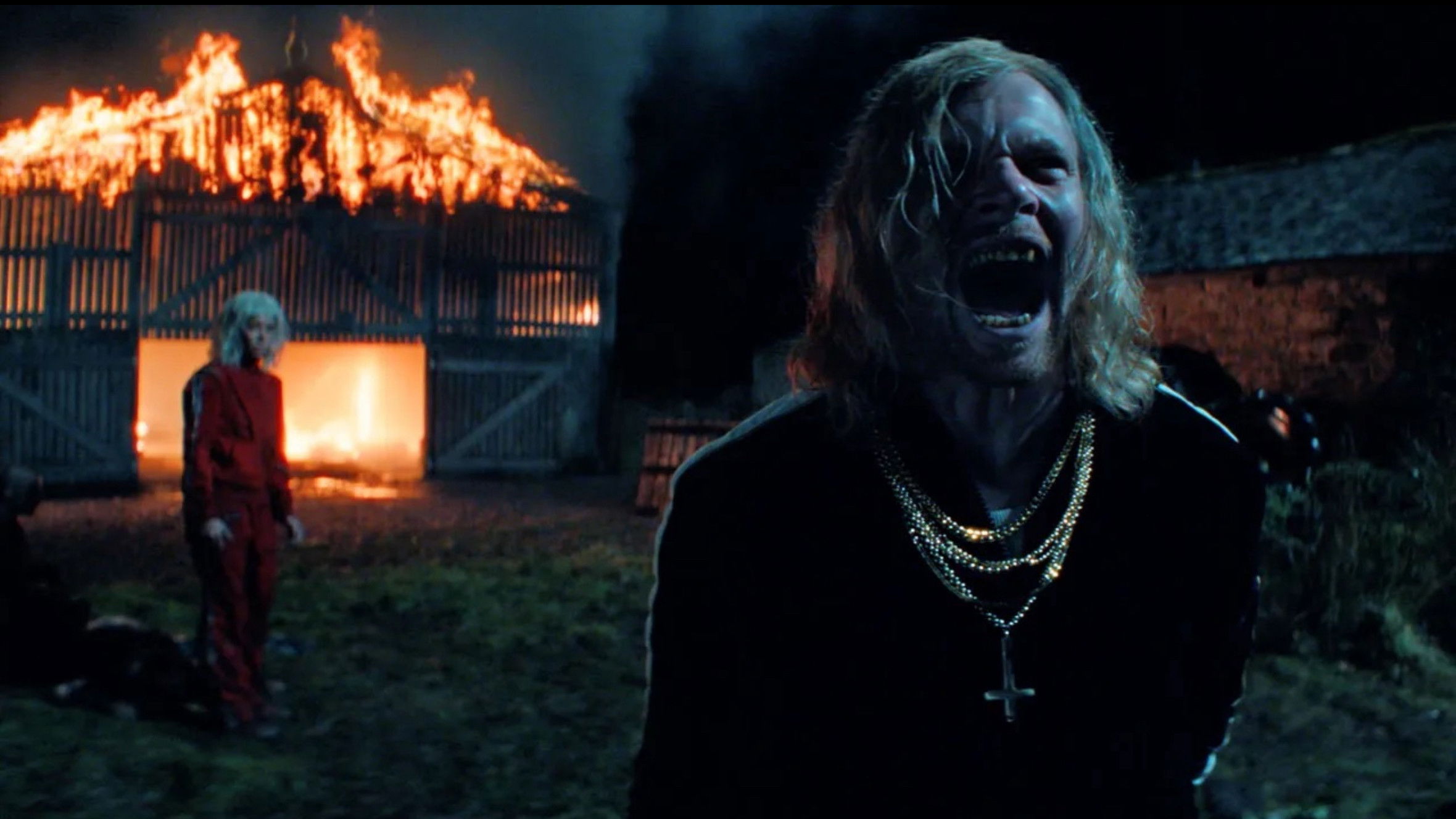
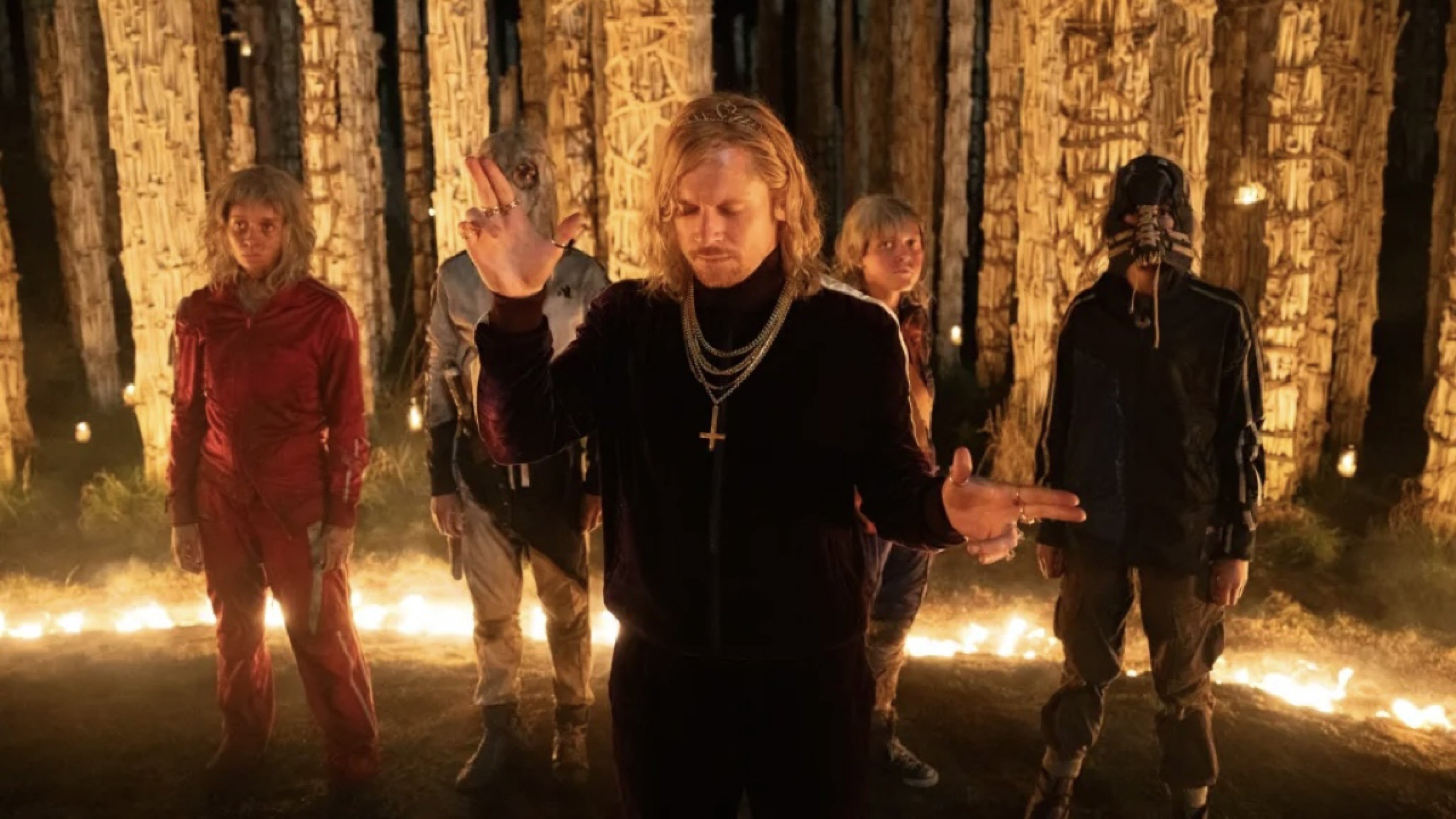
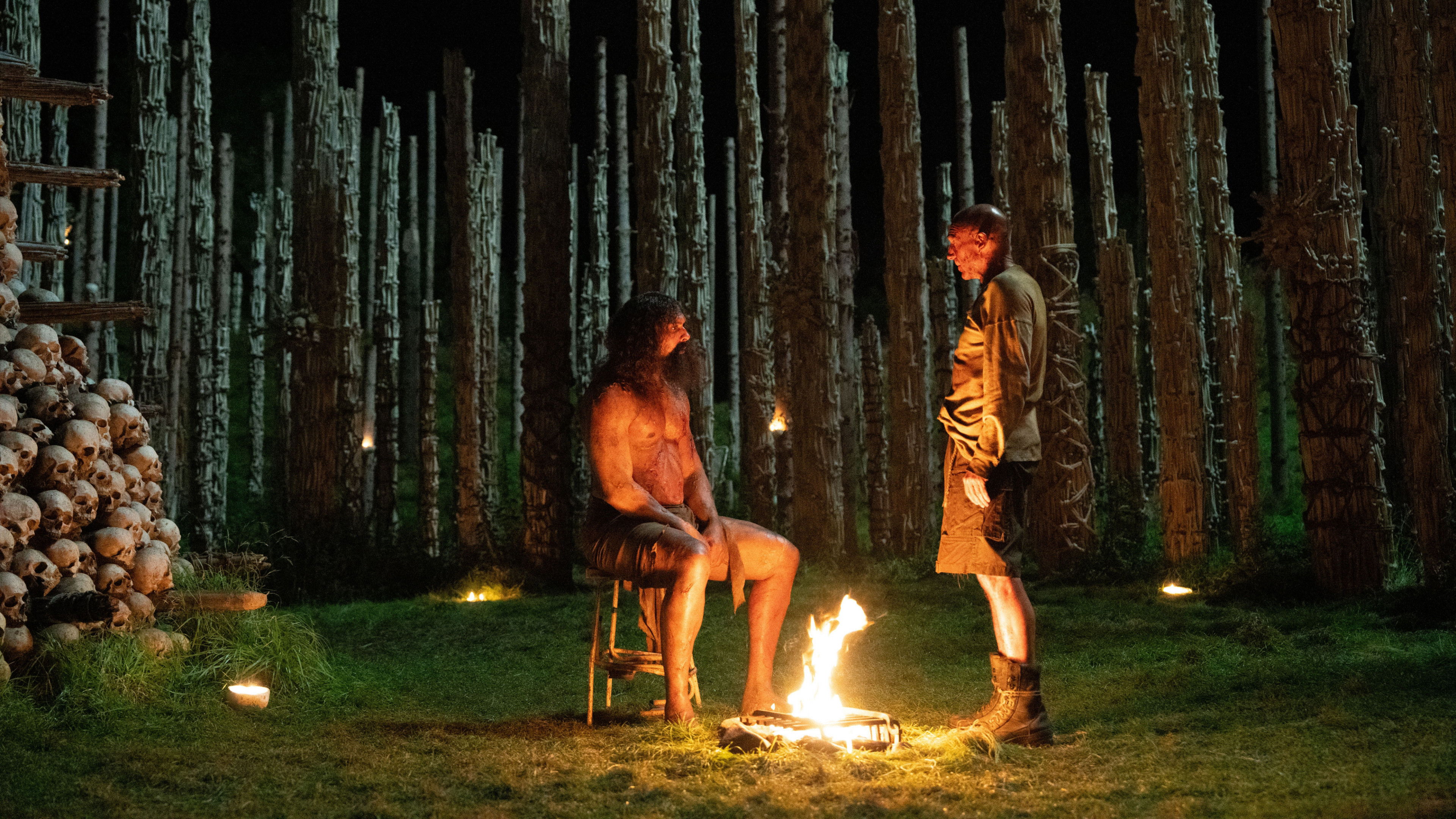
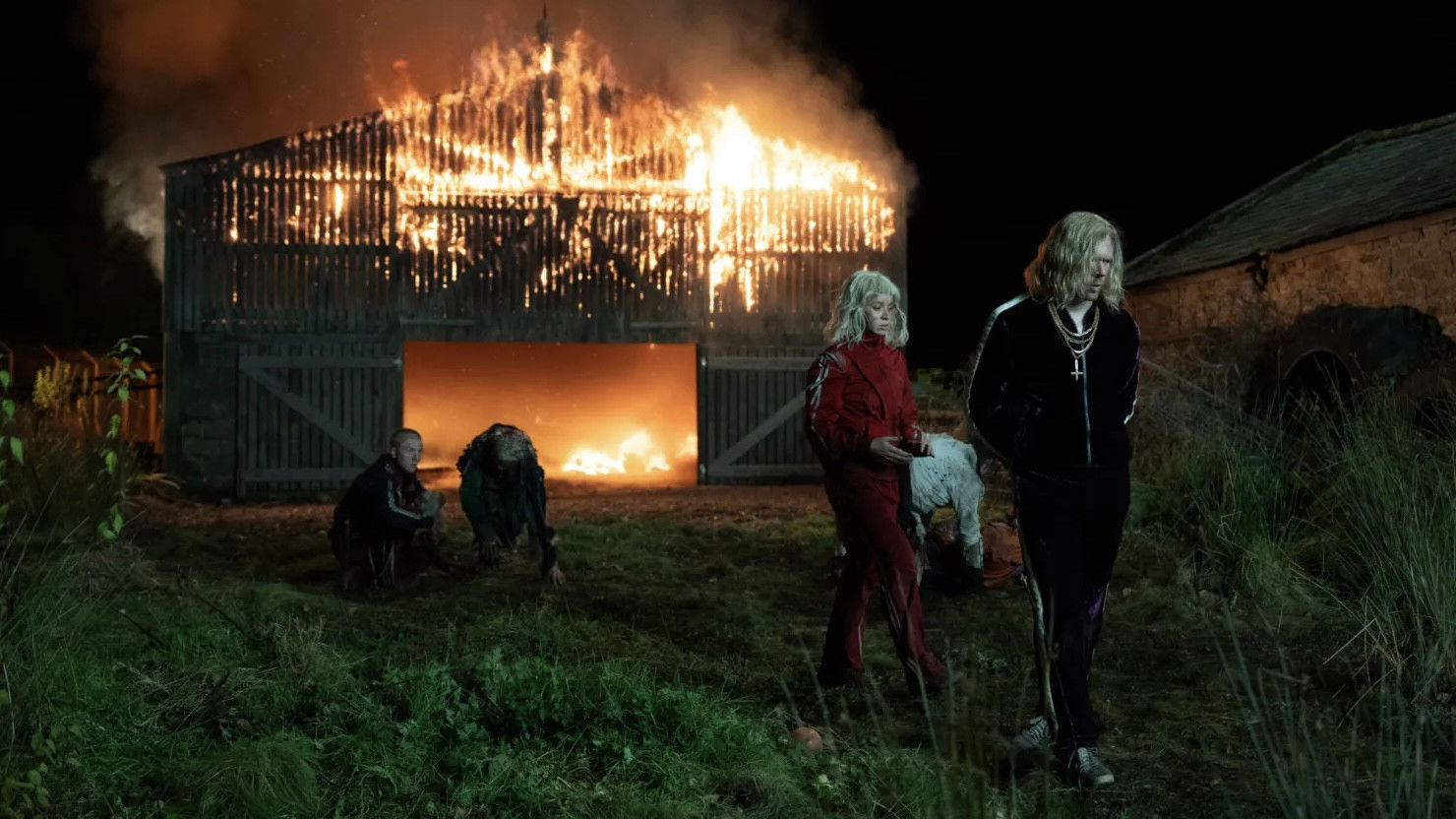
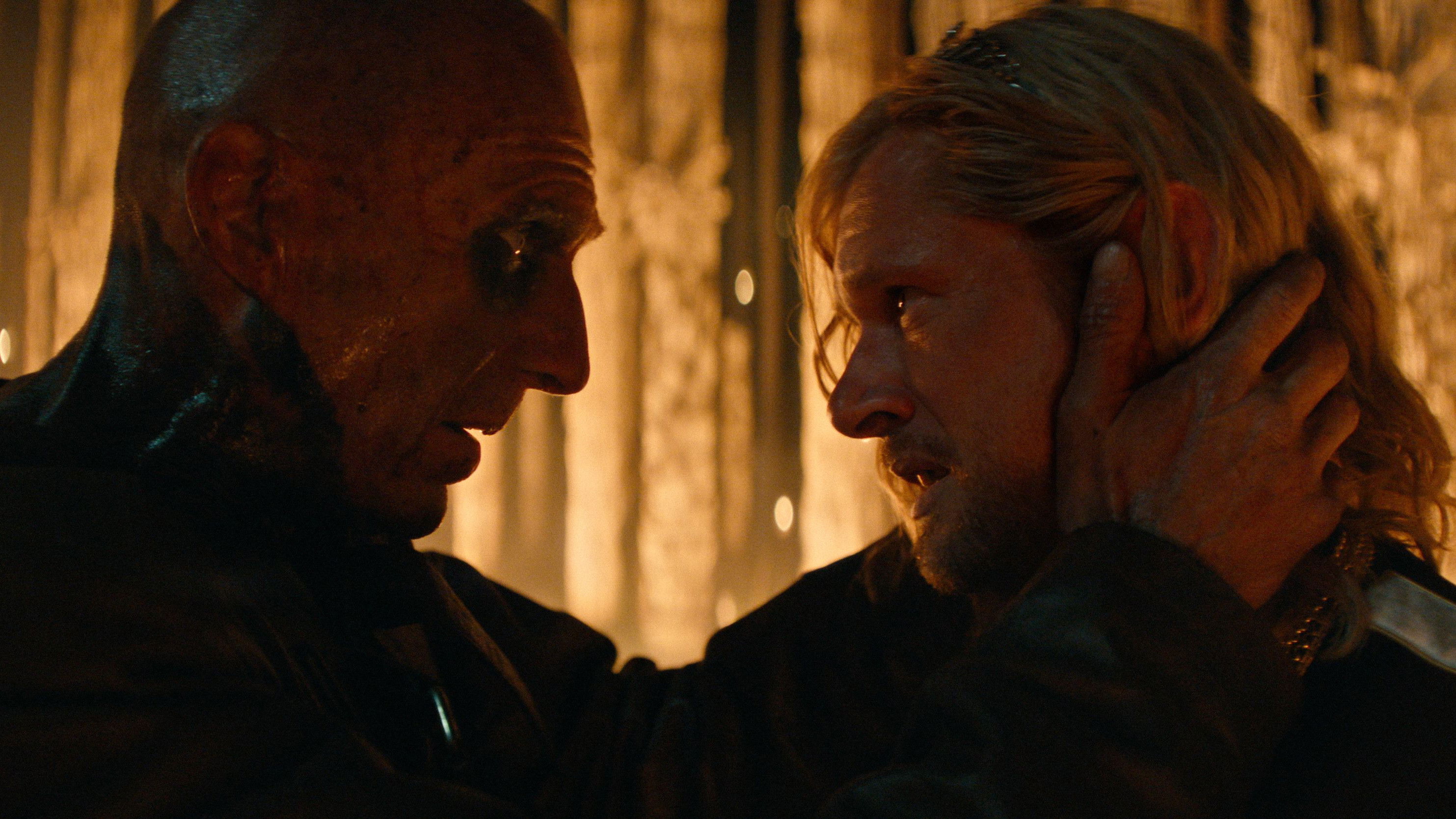
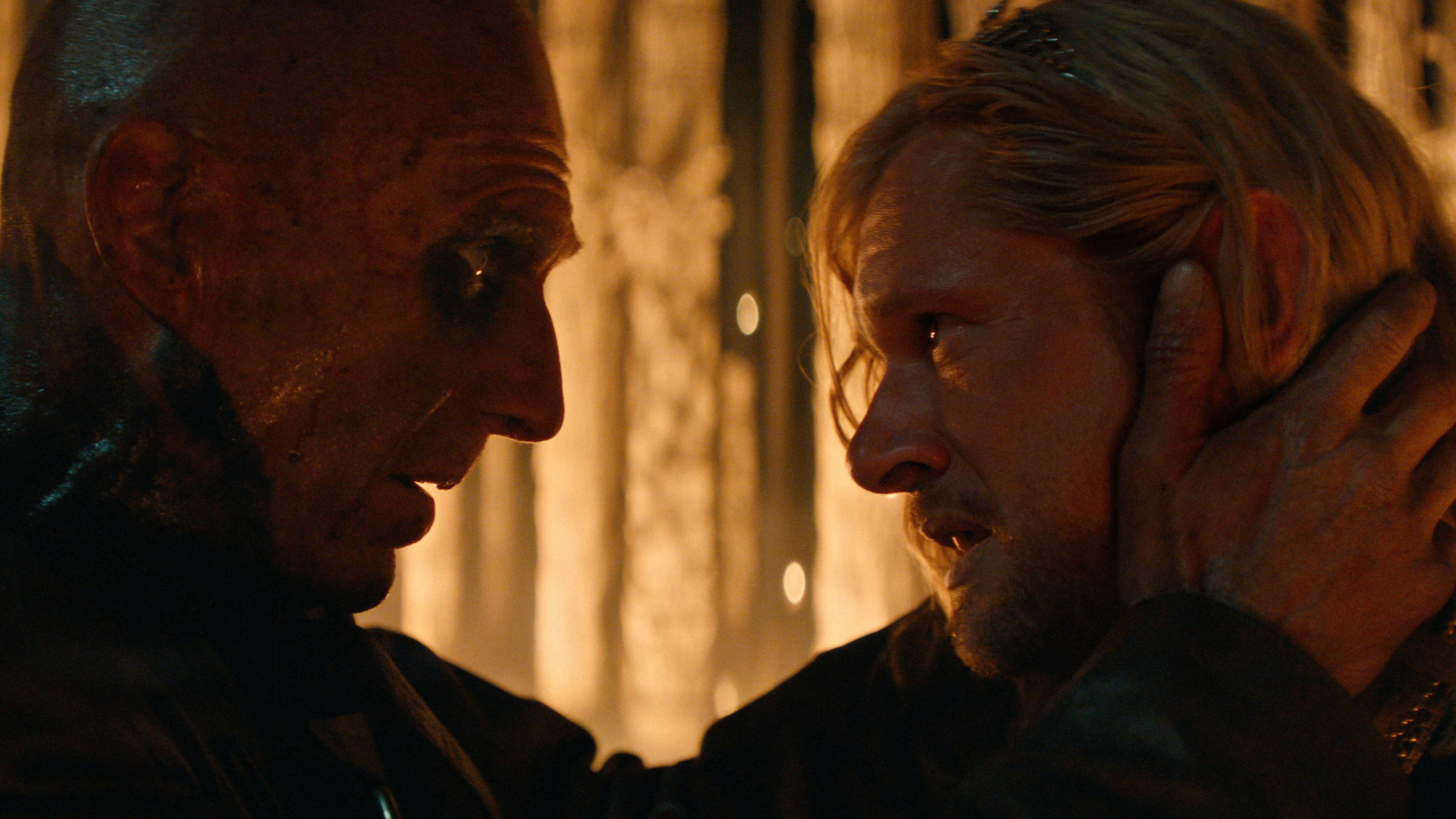
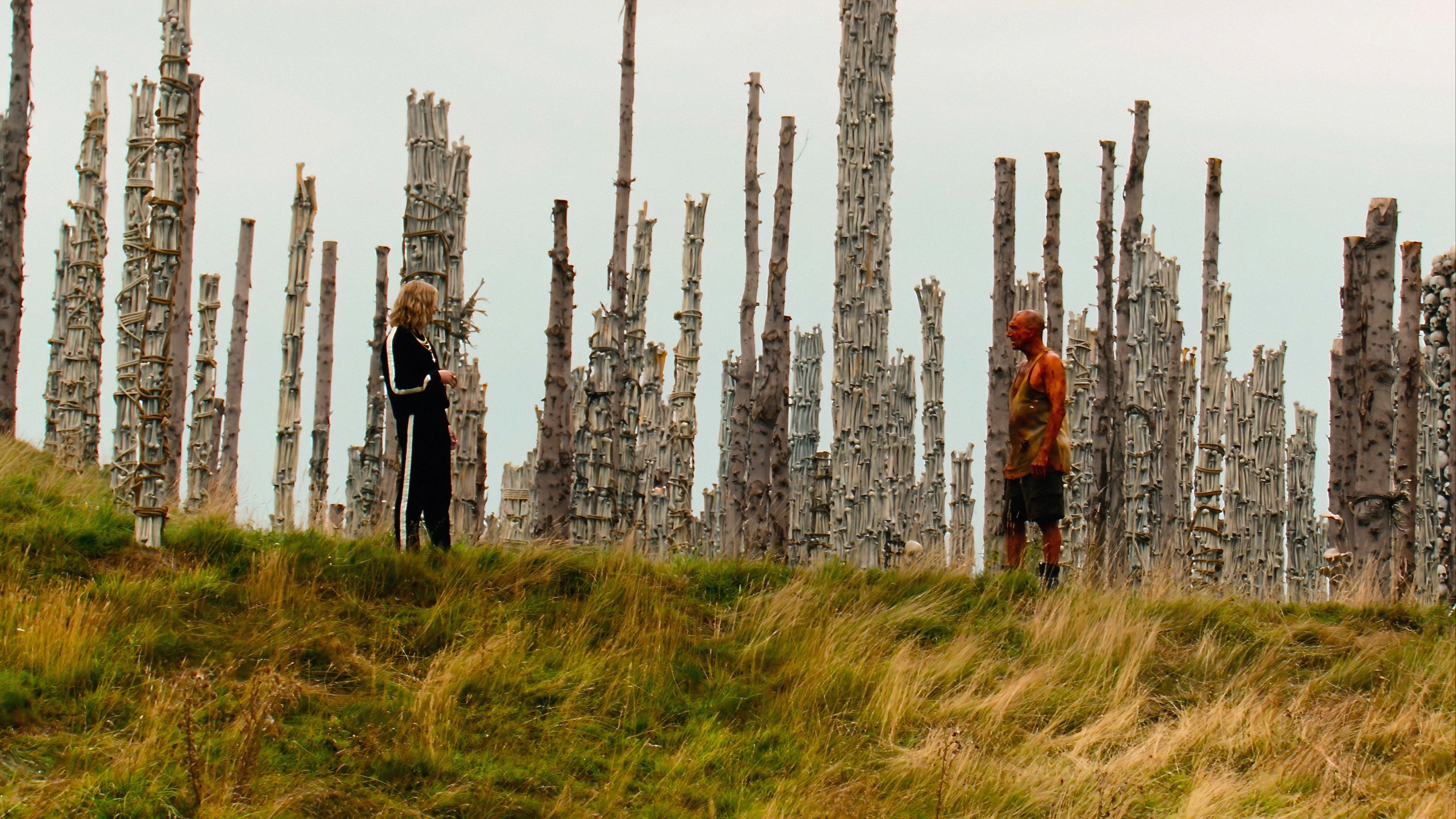
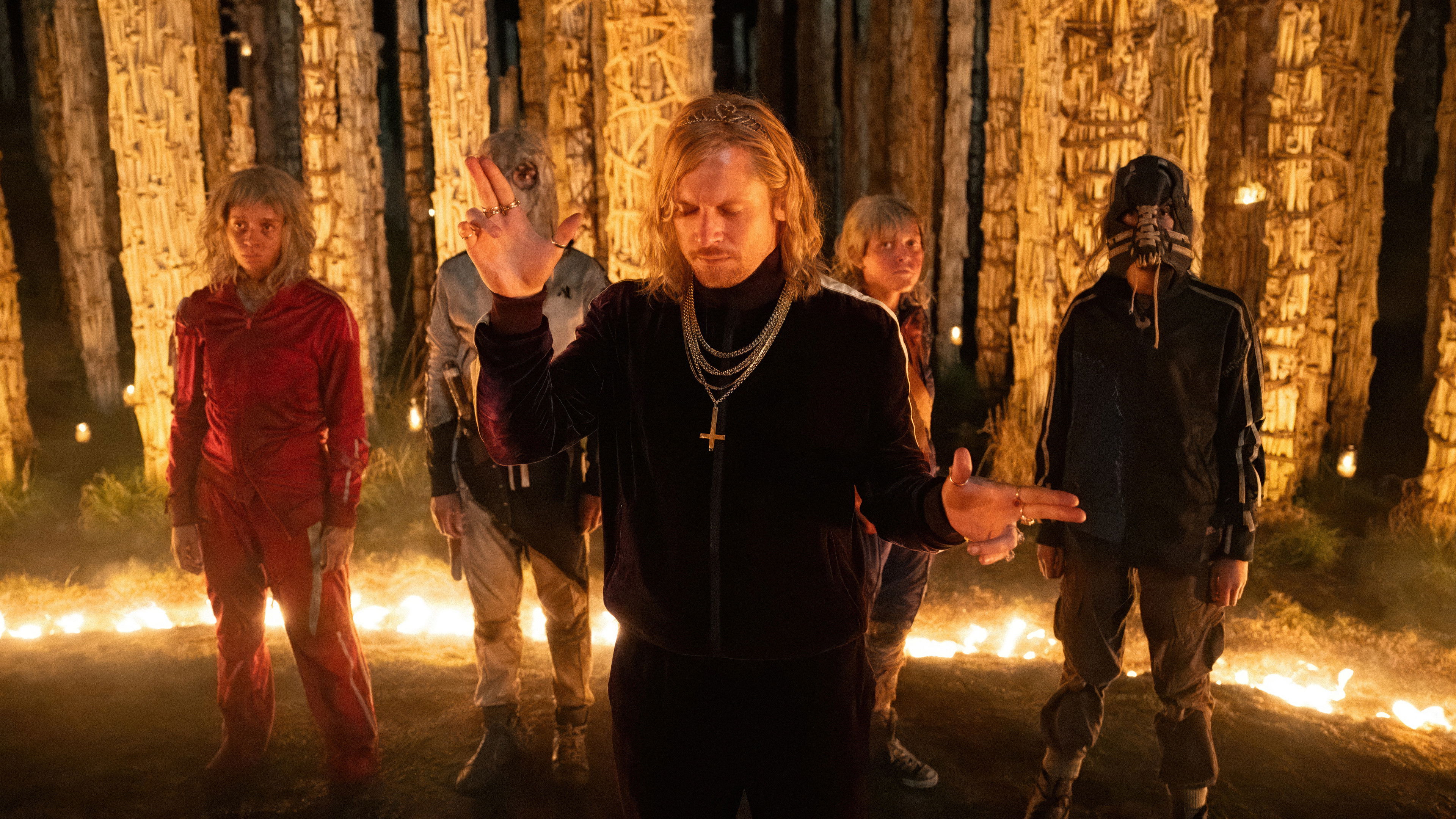
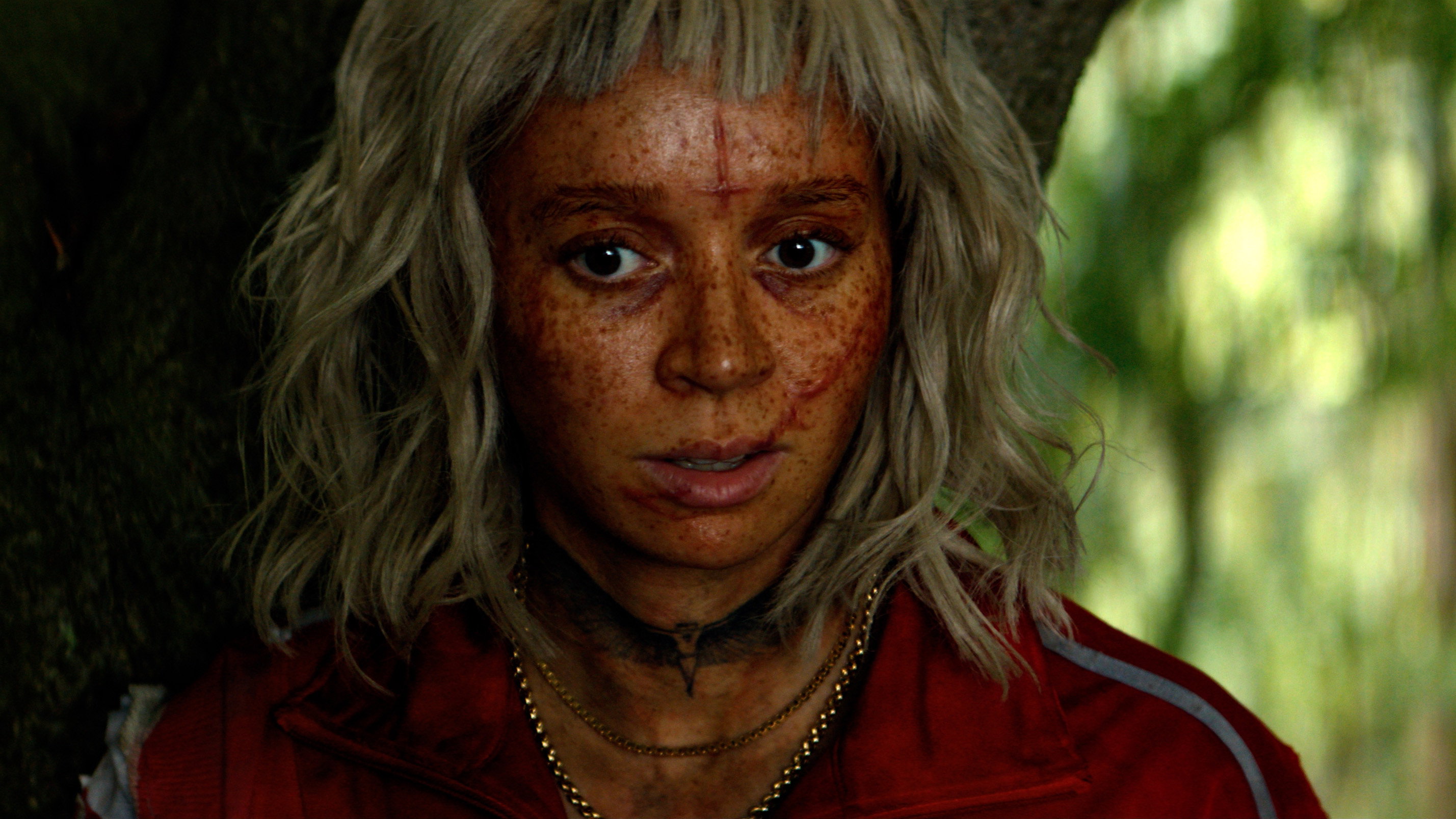
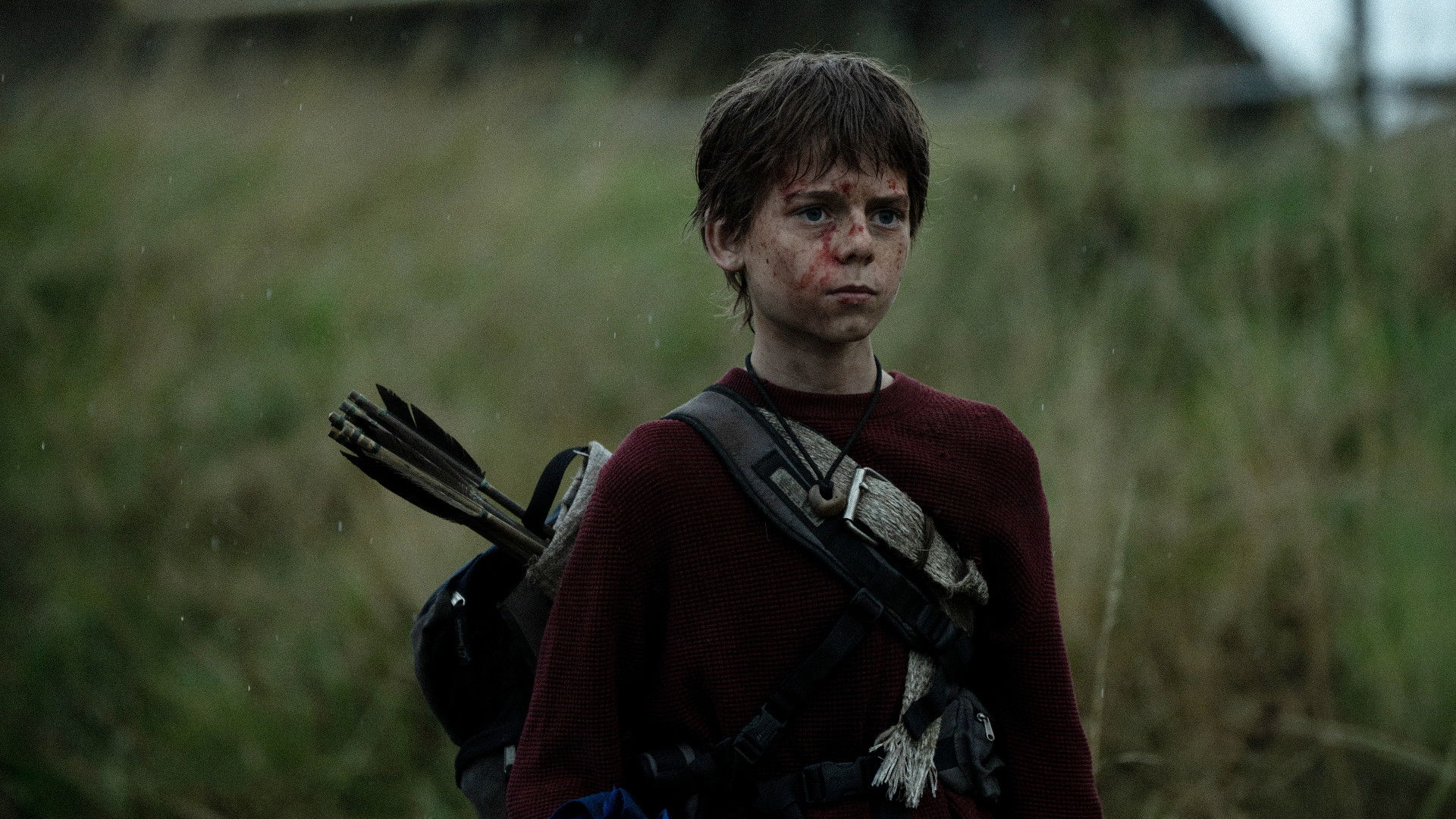
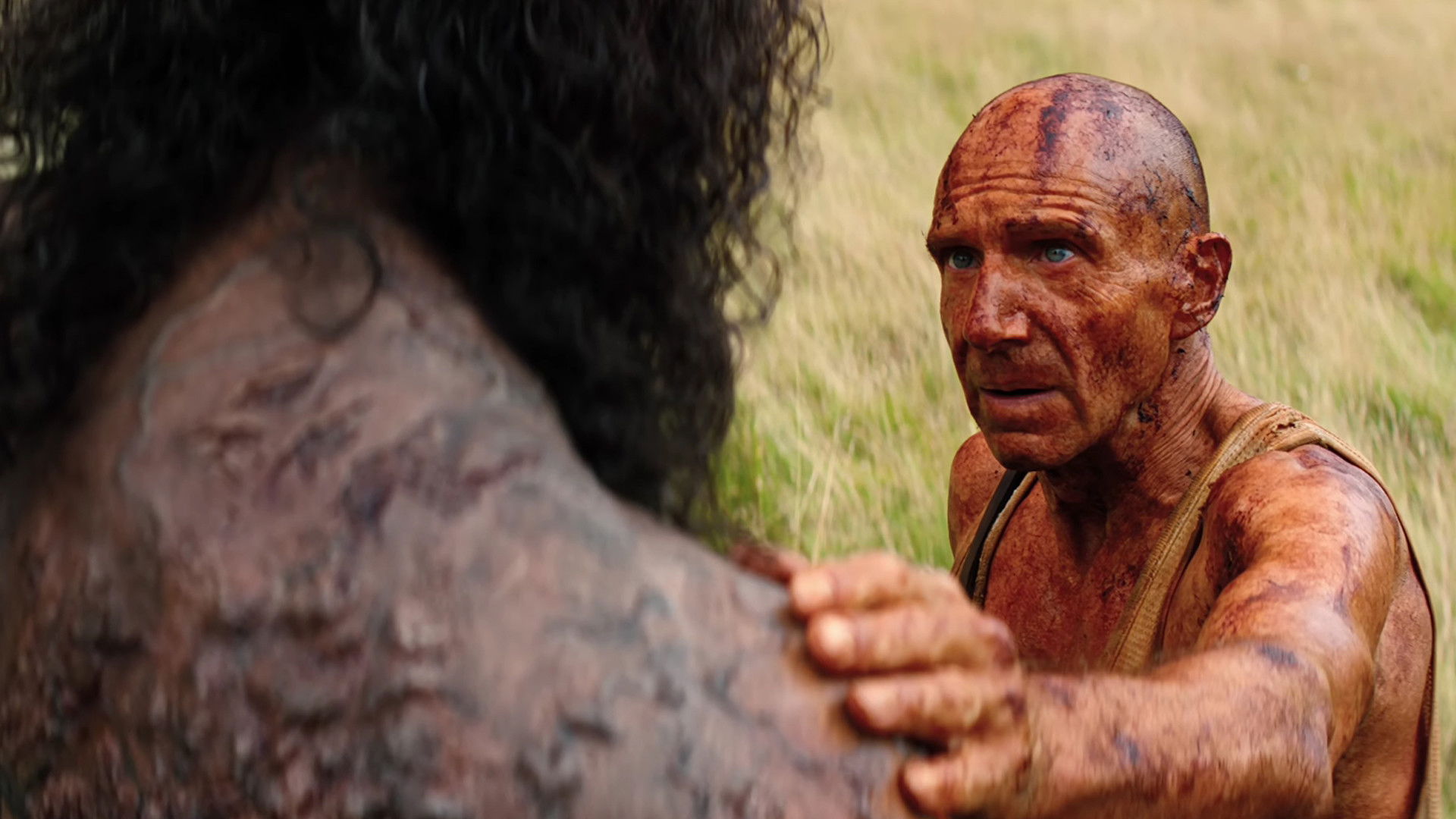
The film follows two radically different responses to a devastated country. Kelson, living near his monument assembled from human remains, studies the infected Alpha Samson and gradually approaches him as an individual. Spike, meanwhile, falls under the control of Sir Jimmy Crystal and his followers. The Jimmies give acts of persecution their own language of devotion and charity, presenting violence against other survivors as a ritual obligation. The danger faced by Spike is thus social as well as physical: he must navigate rules imposed by people who retain the capacity to choose what they do. The film's horror depends on that distinction.
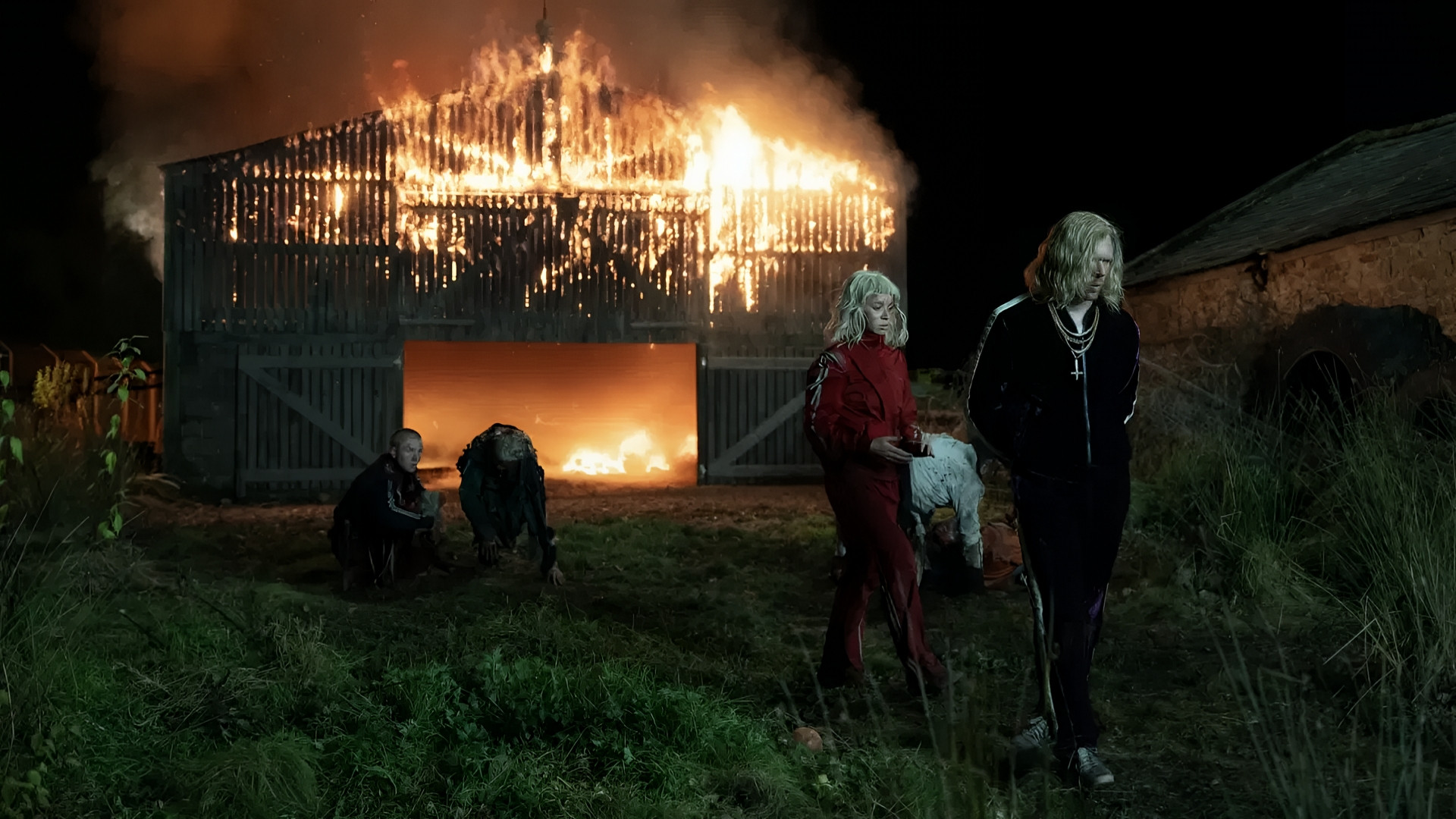
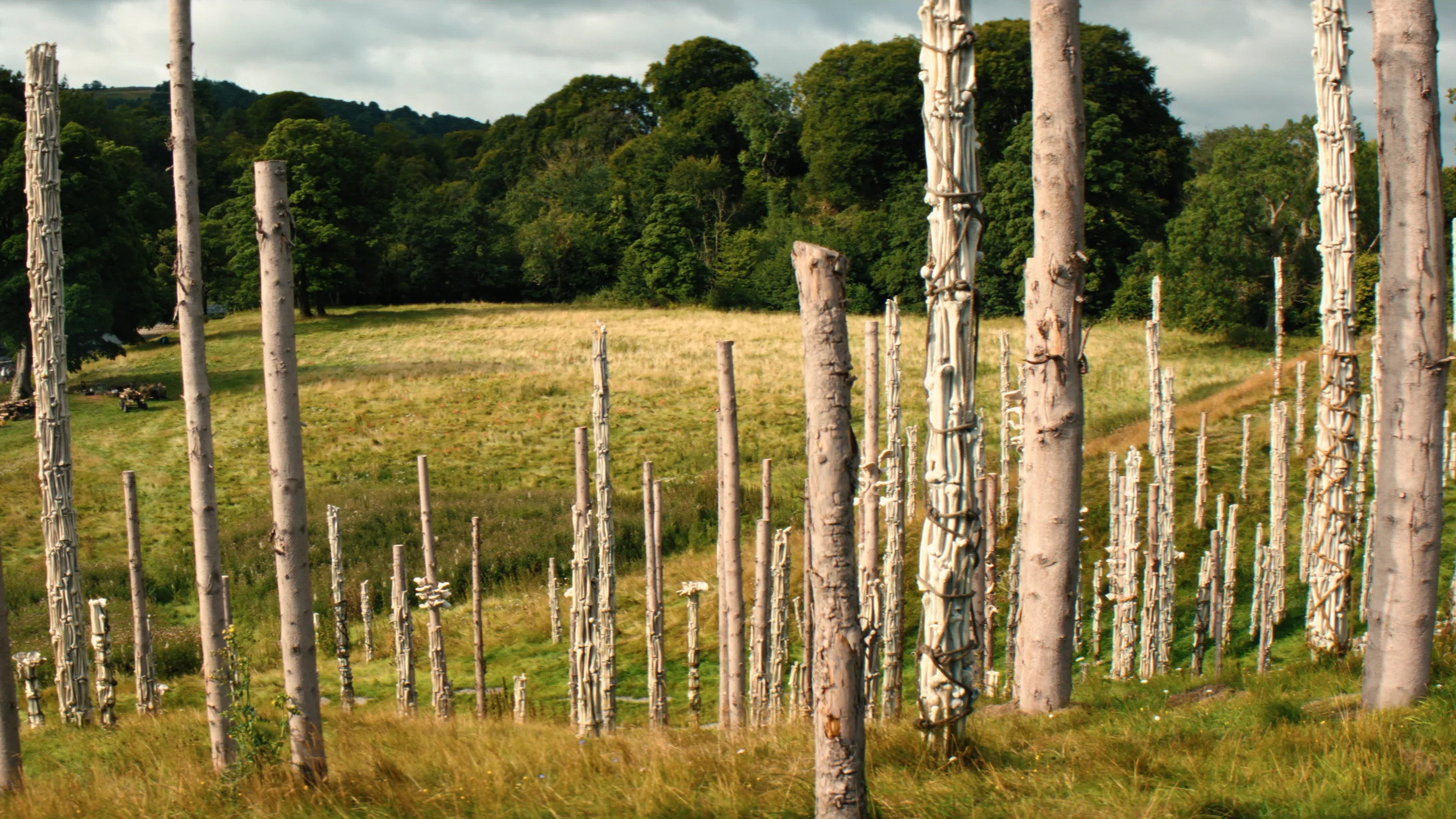
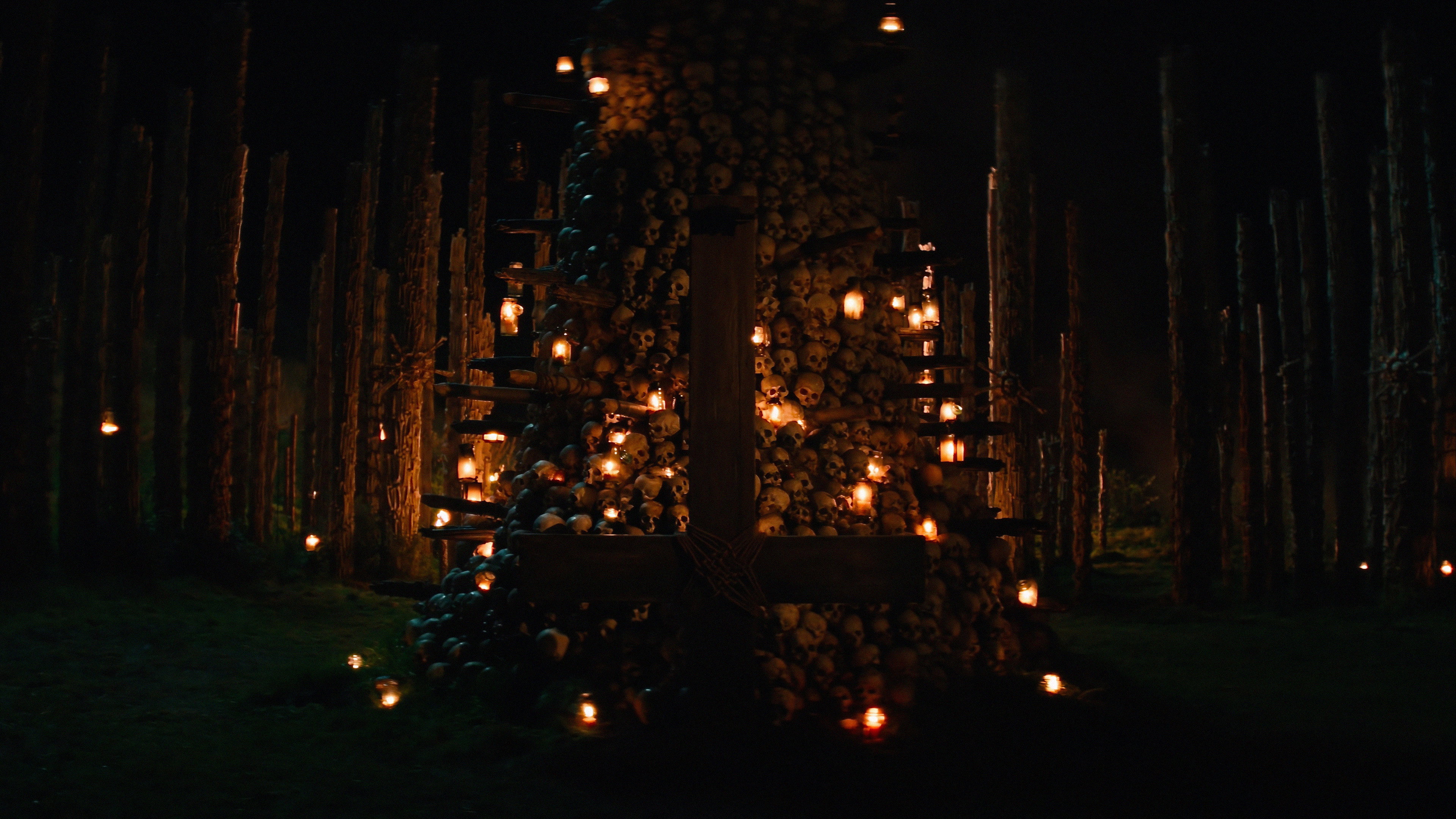
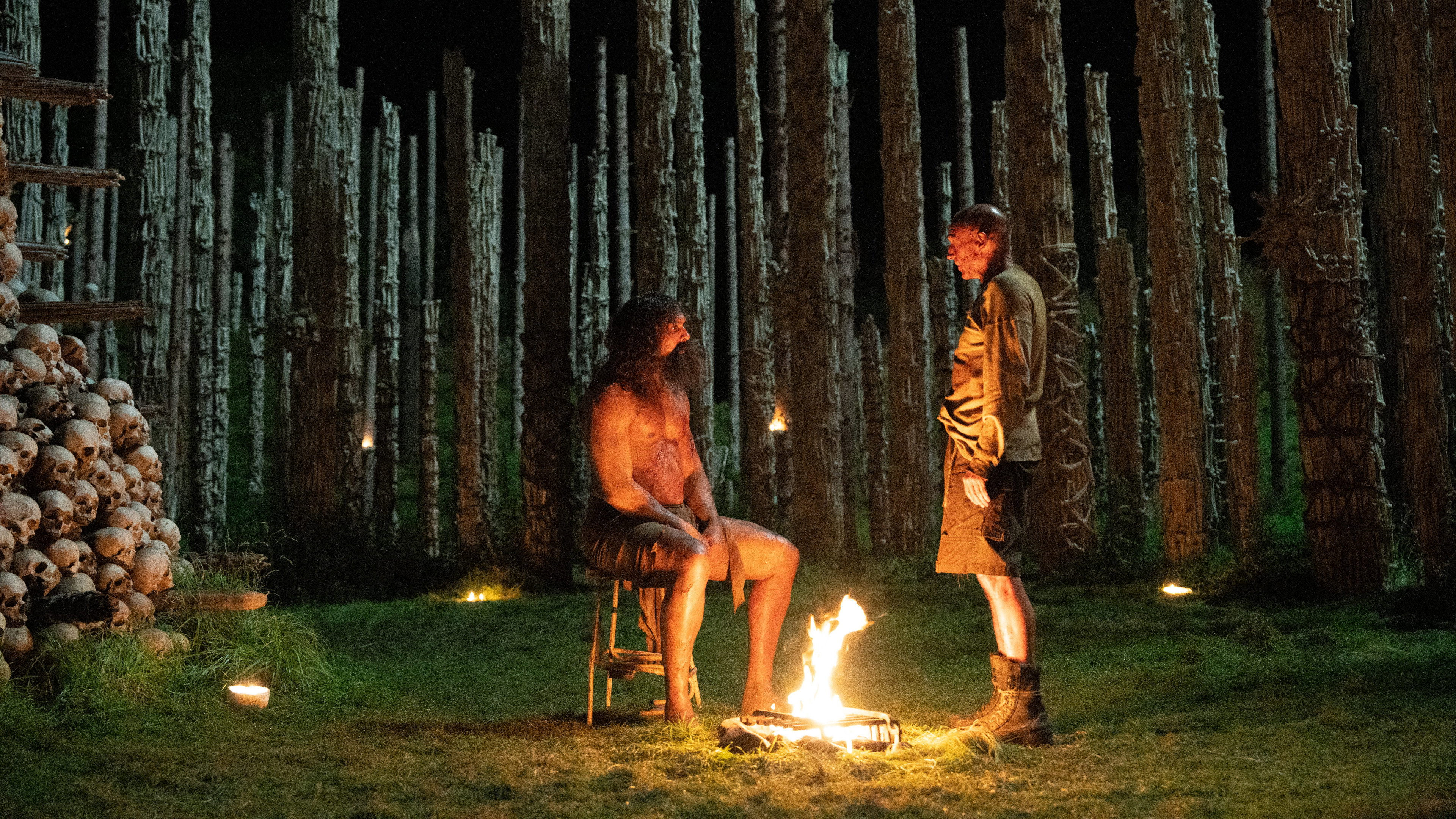
The groups also bring different meanings to the dead. Kelson's monument treats bones as a way to acknowledge mortality, even as its imagery recalls religious shrines and ossuaries. Crystal uses ceremony to consolidate his power over living followers. These parallels are visible in the narrative, although interpreting them as opposing ethical systems is critical analysis rather than a stated production fact. They help explain why the title's monument is more than a distinctive setting. A landscape shaped by infection now carries traces of the survivors' belief systems. The series' familiar speed and bodily threat remain present, while sustained unease also arises from whether a person will be recognized as human.

Production Design and Costumes

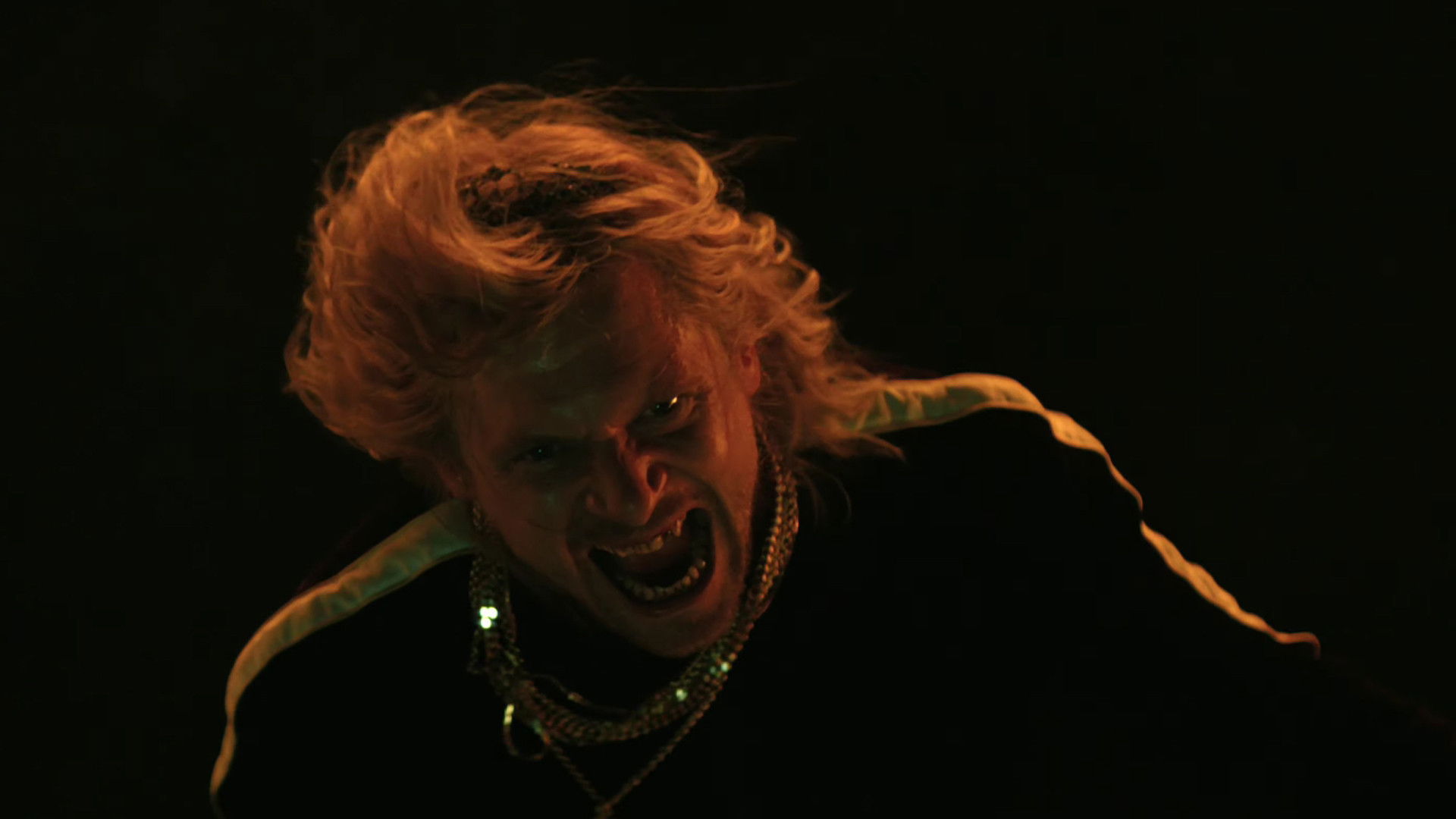
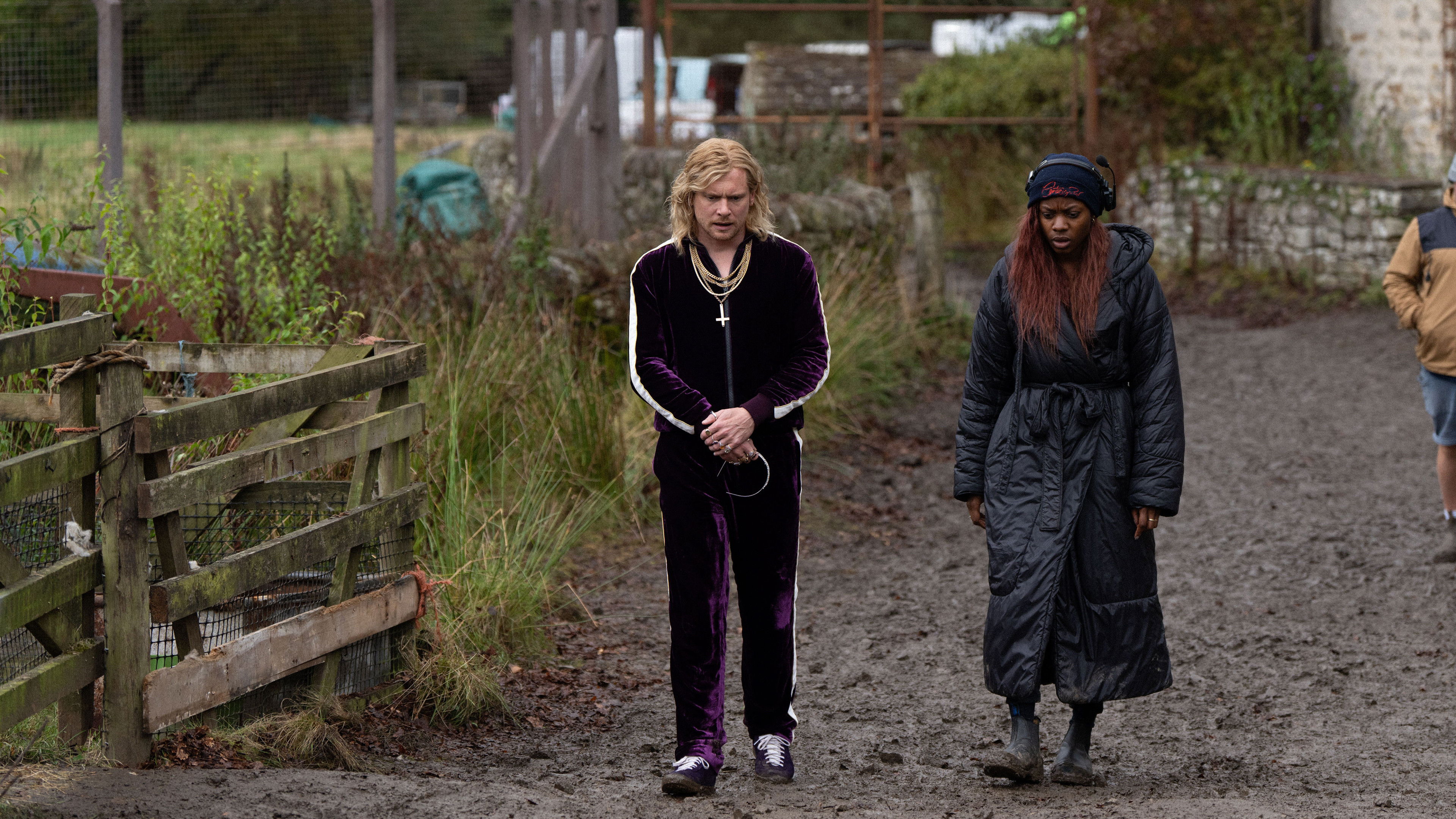
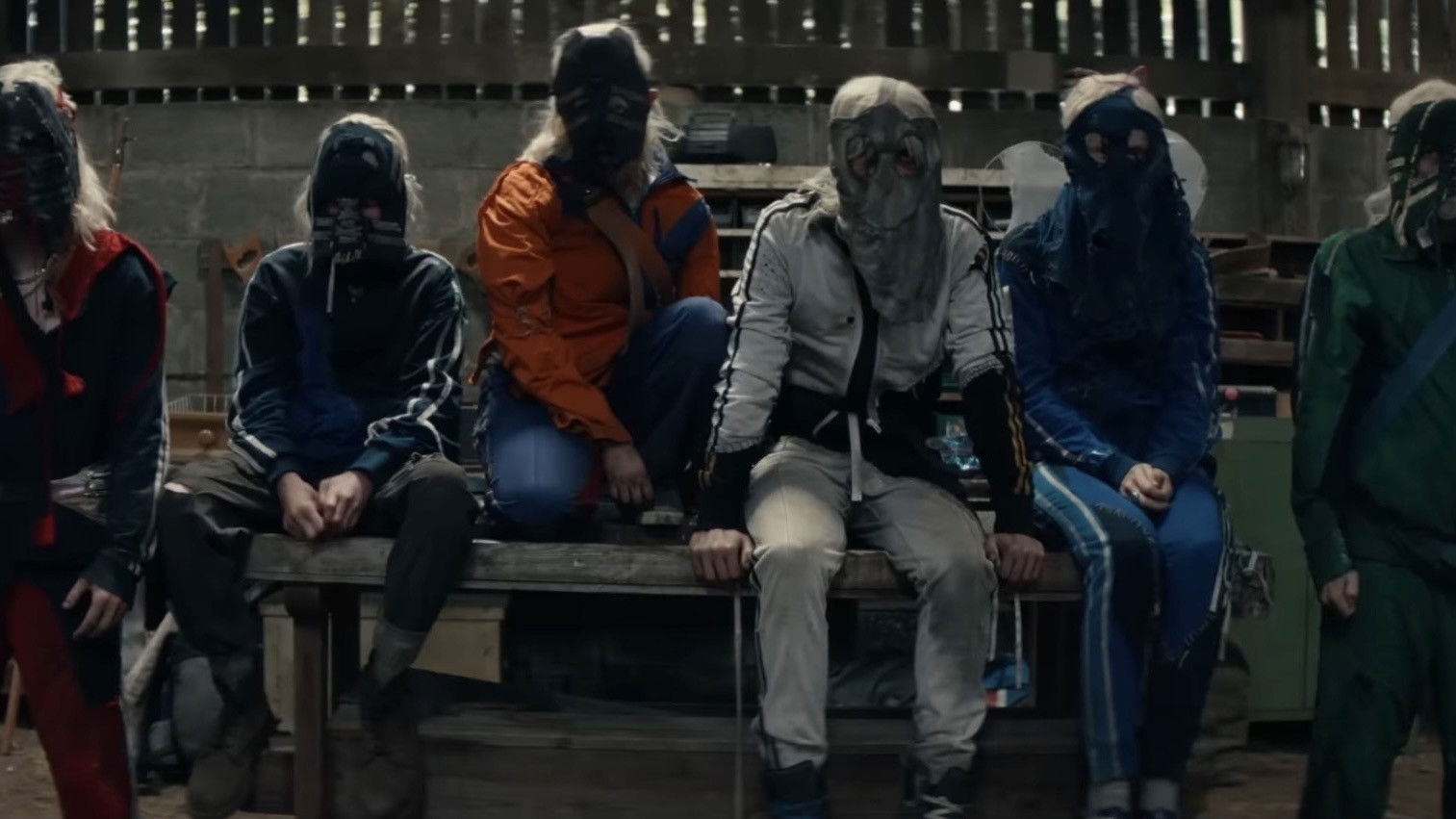
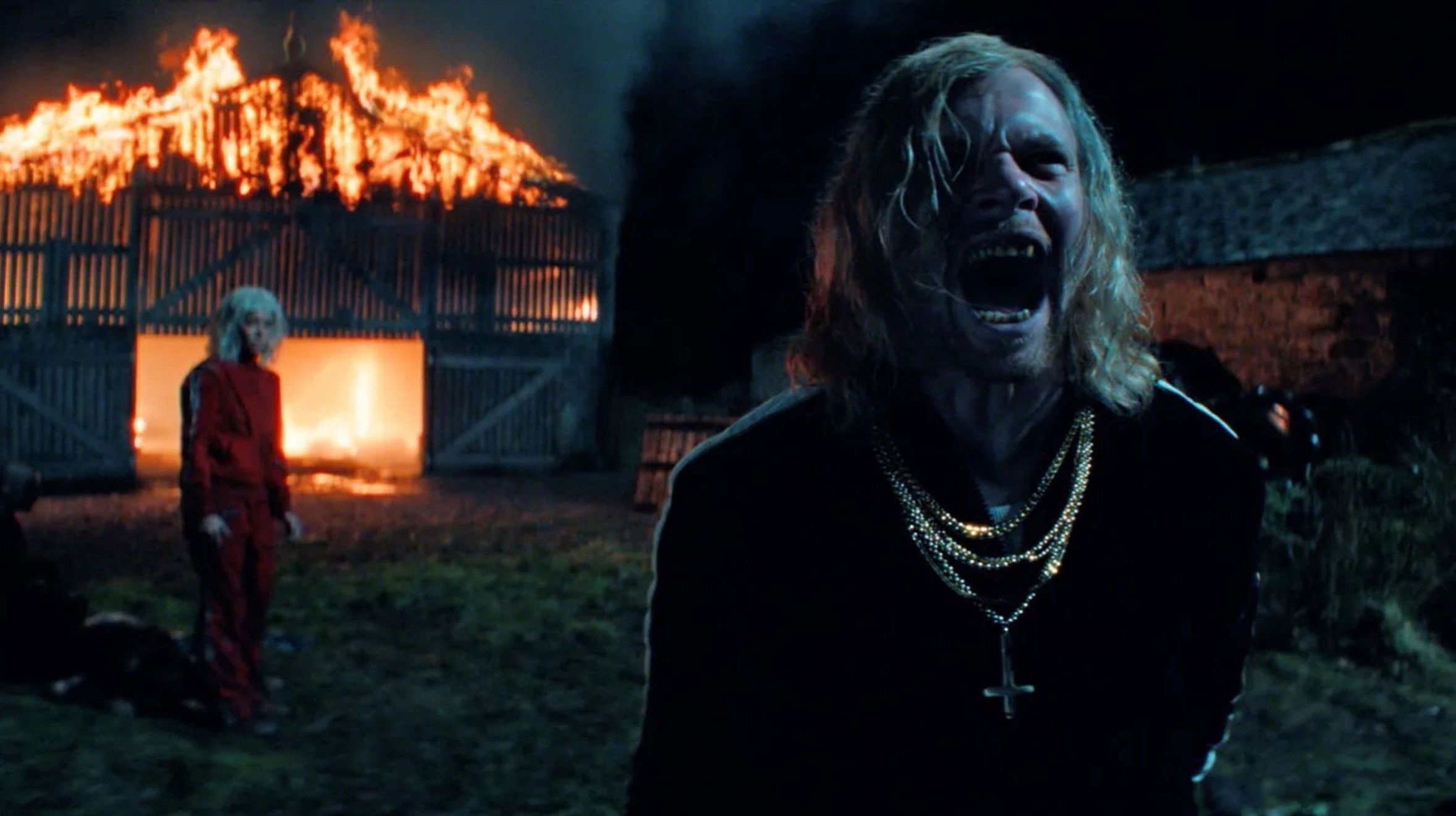
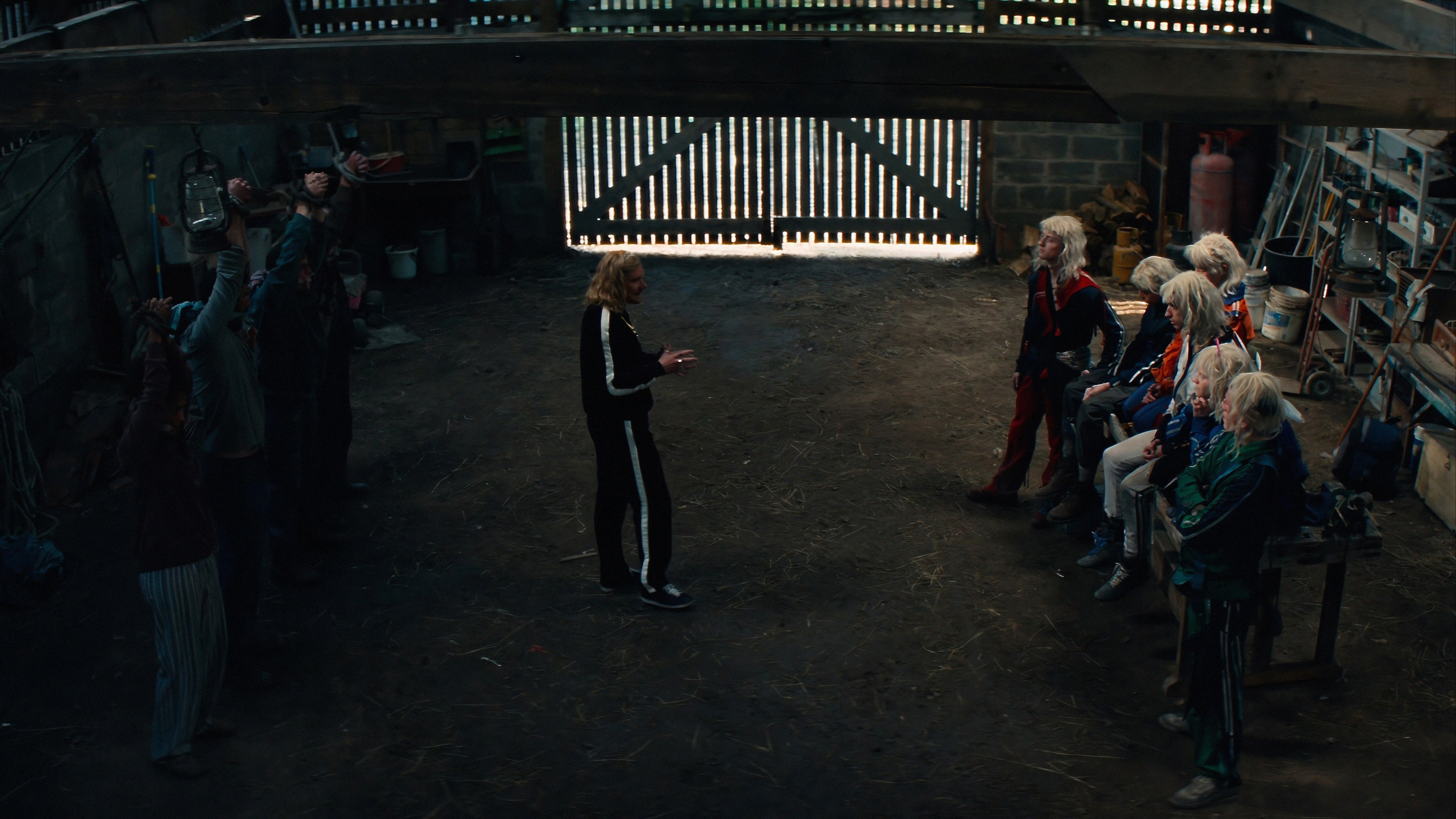
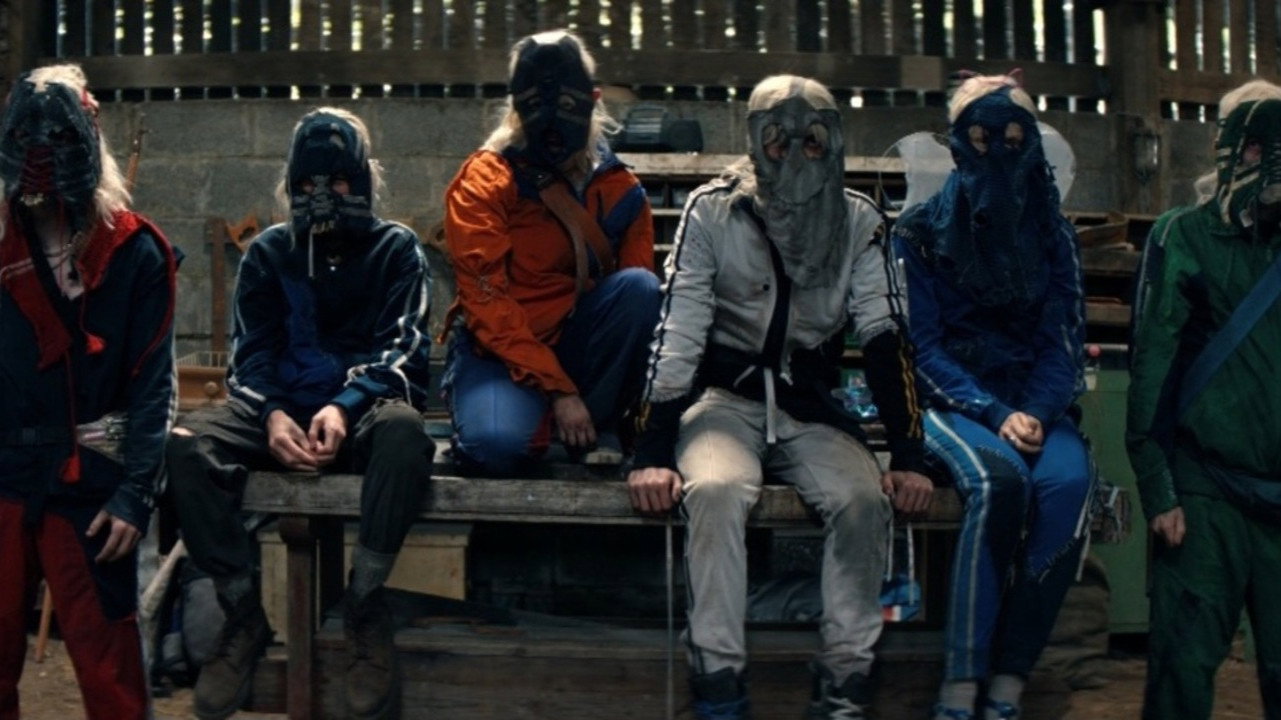
Production designers Gareth Pugh and Carson McColl also worked on the costumes for this phase of the series. In interviews with Vogue and SFX, they explained the underlying problem: a Britain isolated after the outbreak could not simply draw on an uninterrupted supply of new clothing and manufactured goods. Their costumes therefore use materials that appear found, altered and worn. The approach gives the Jimmies' distinctive clothing a place within the larger fictional environment. Their matching identities and improvised outfits express membership in a coercive group, while Crystal's more flamboyant presentation separates the leader from the people he commands.

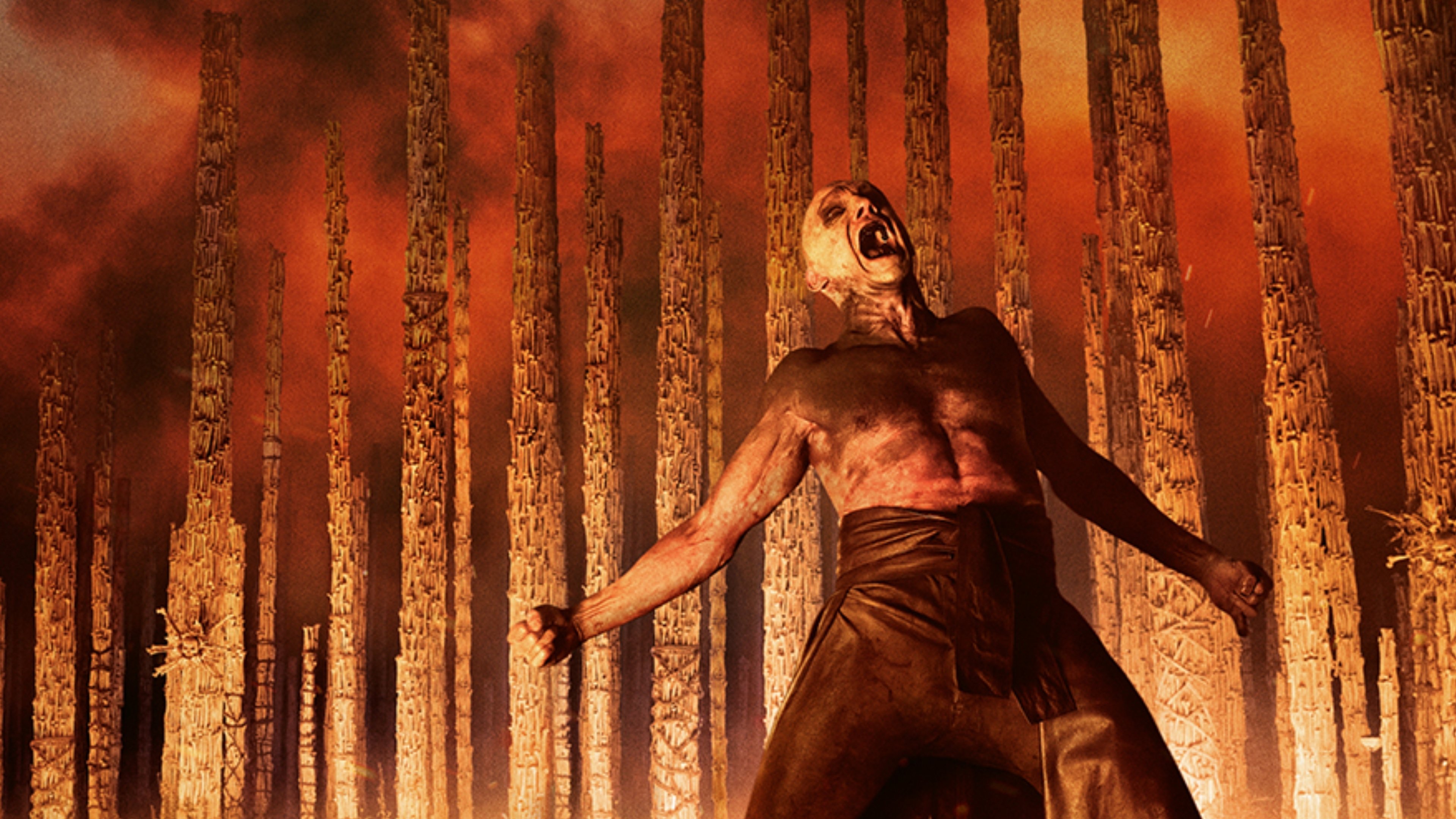
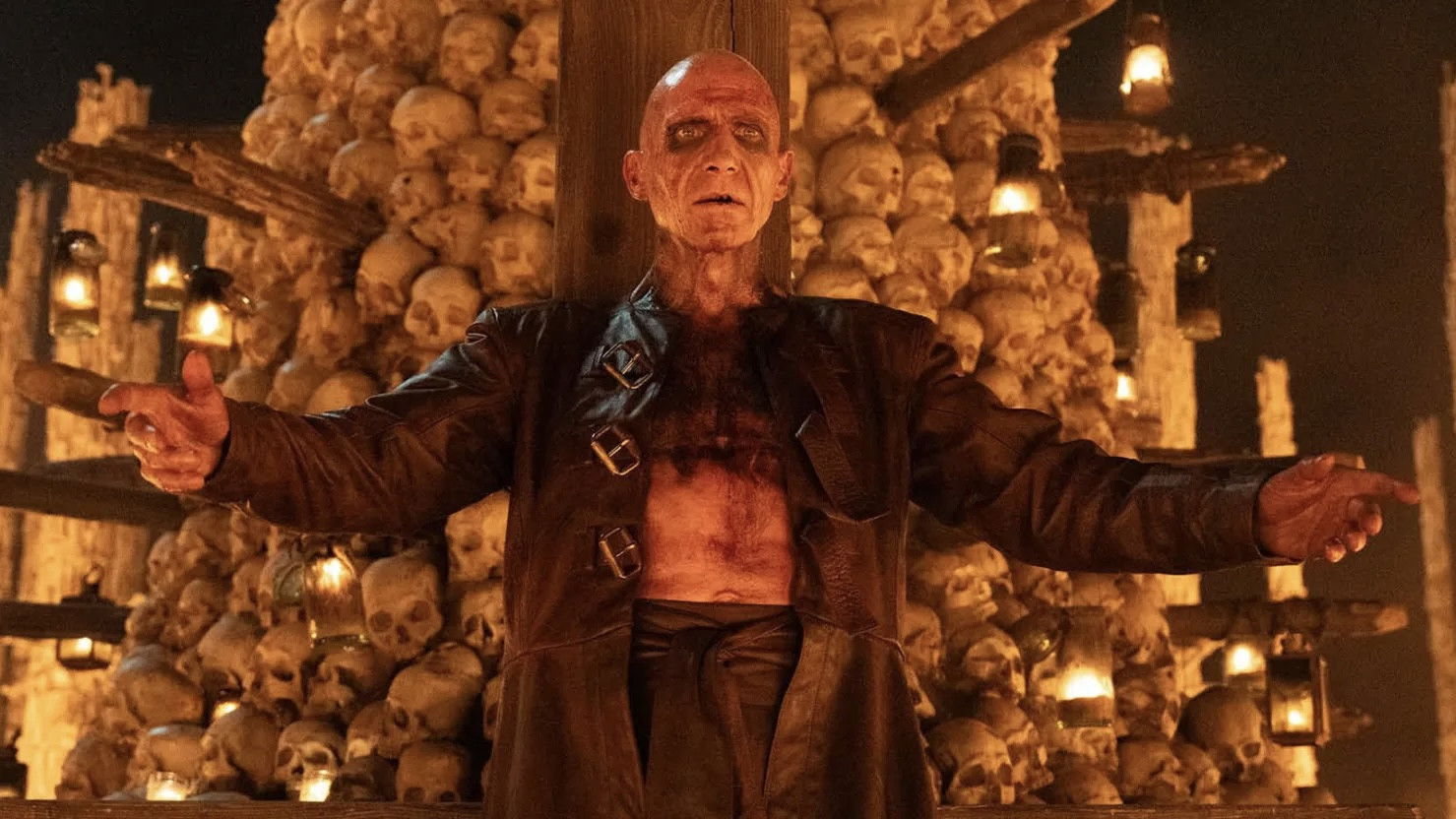
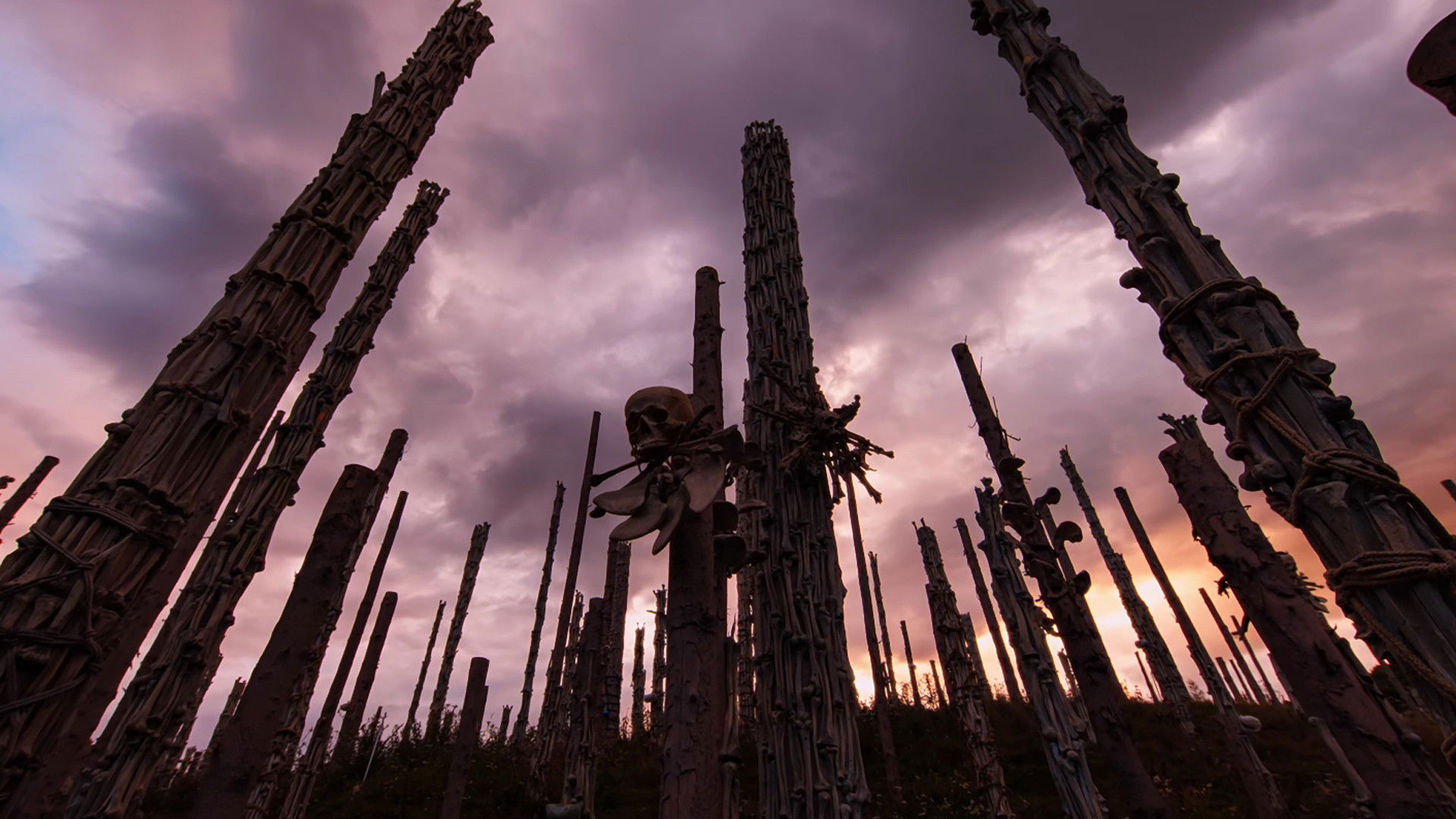
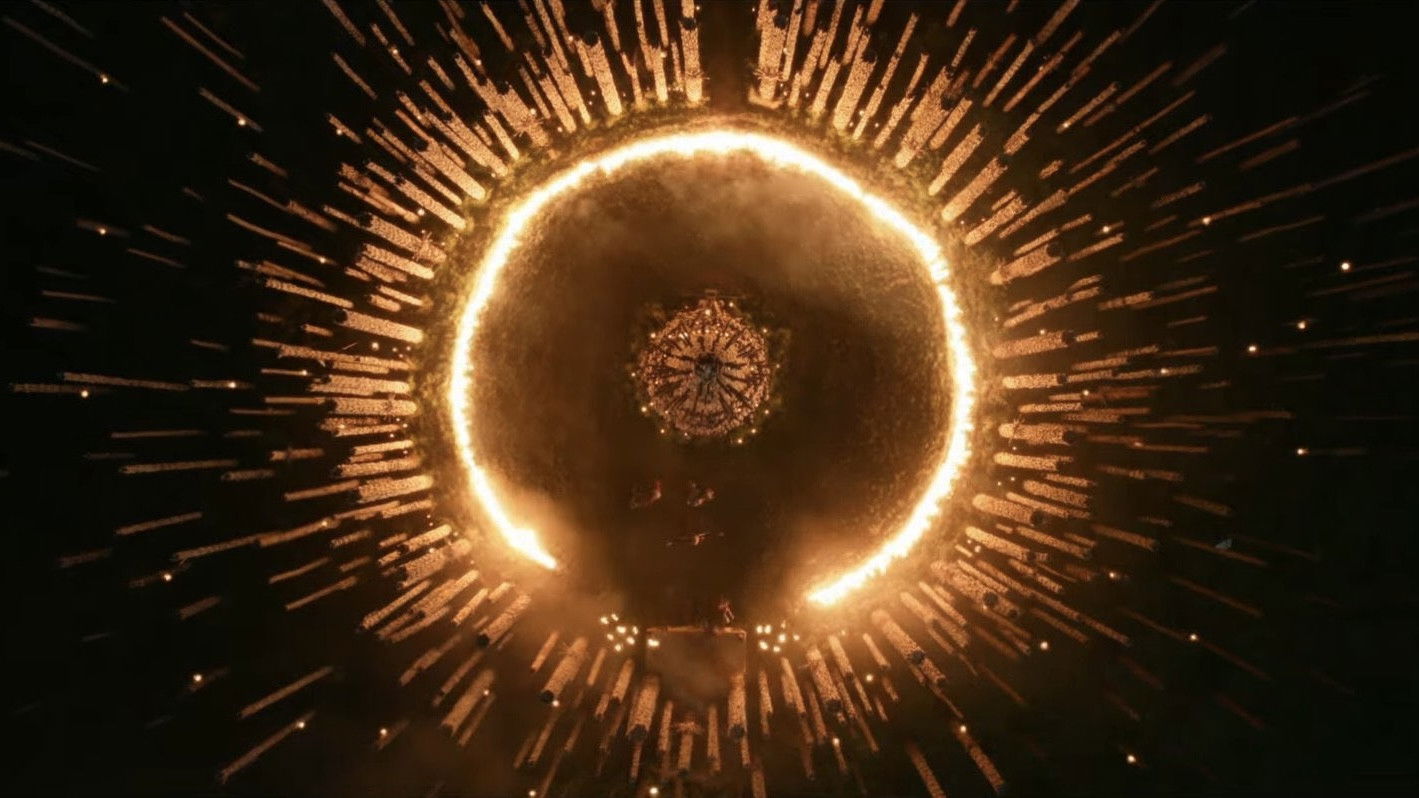
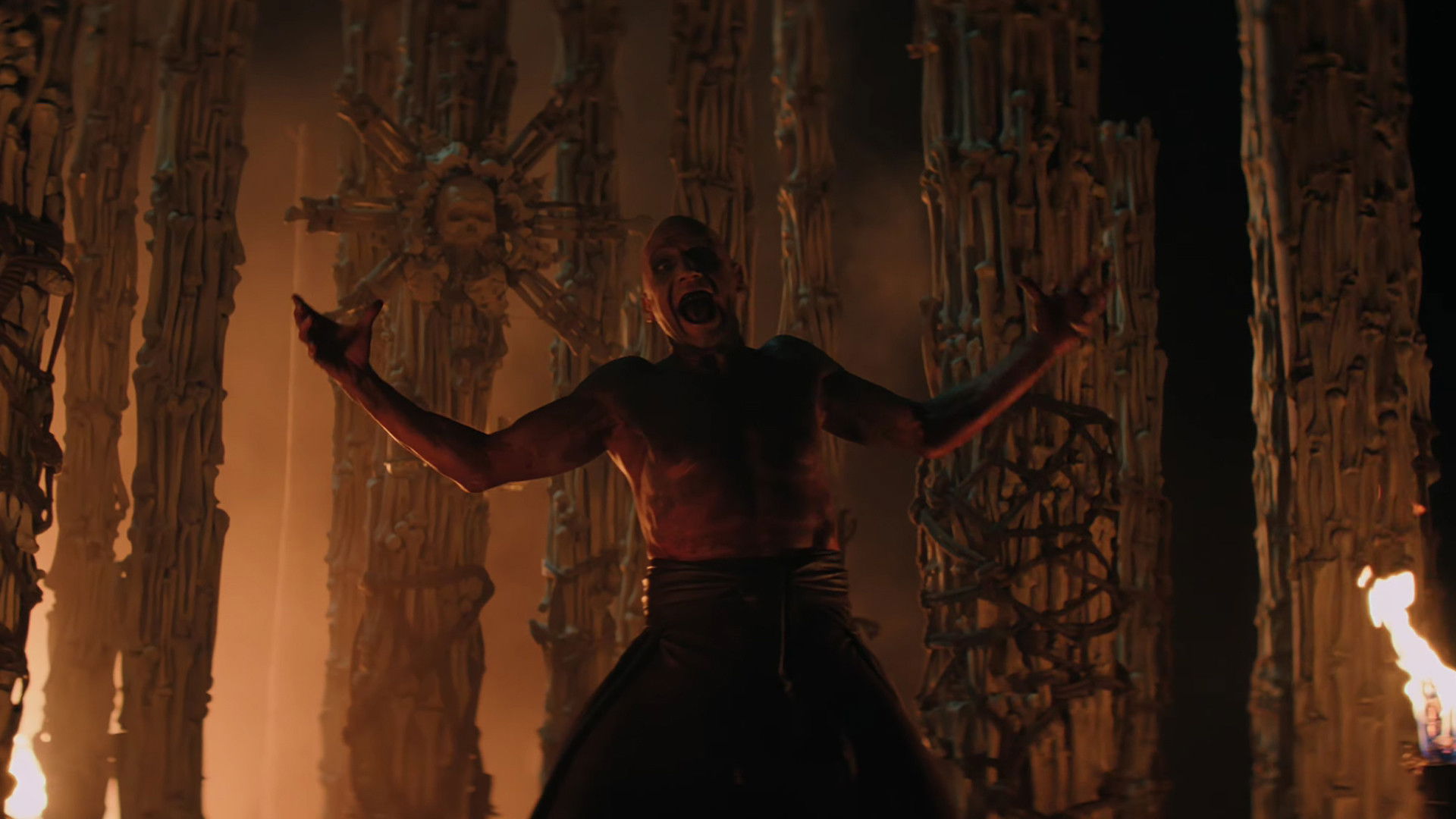
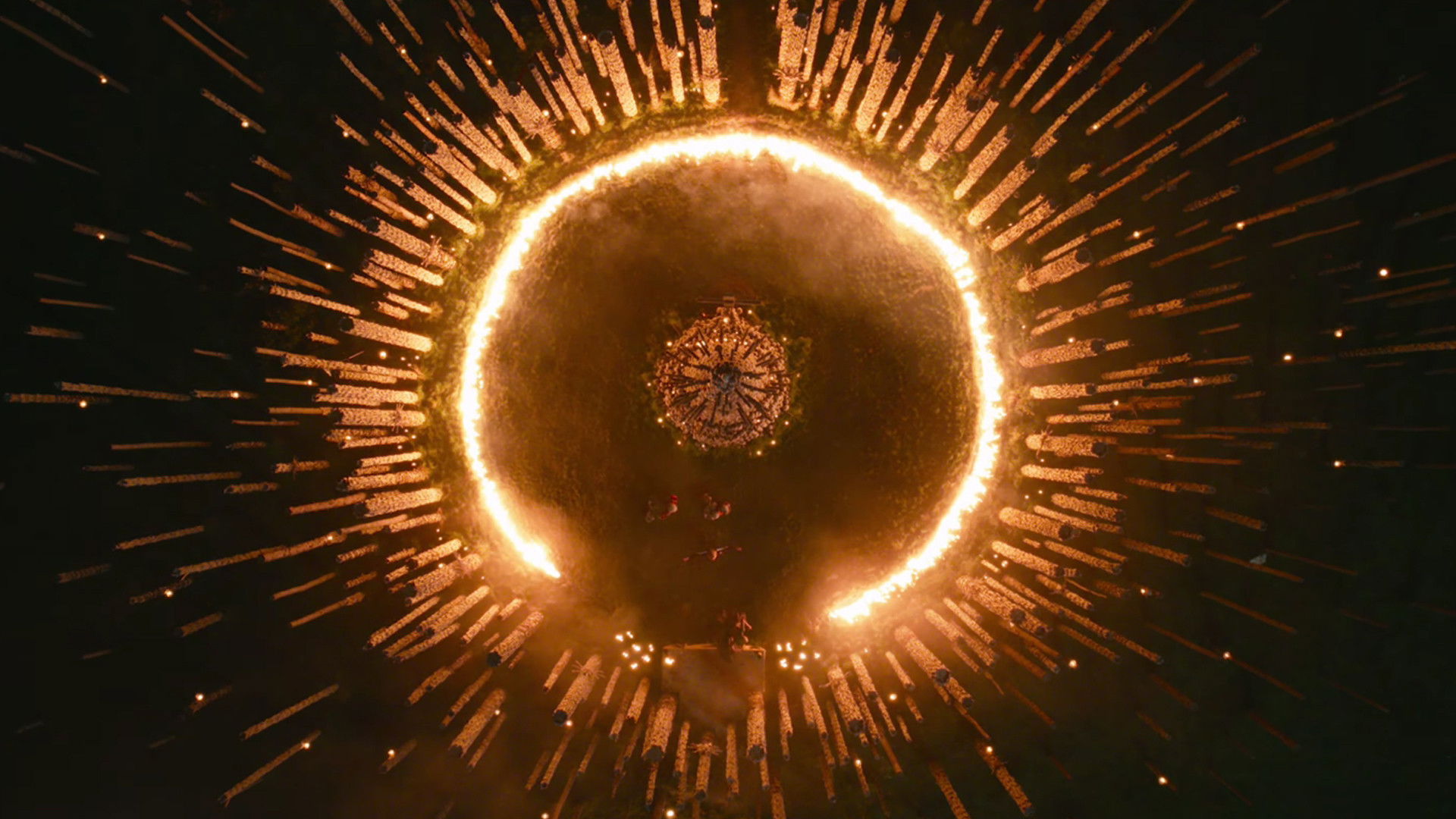
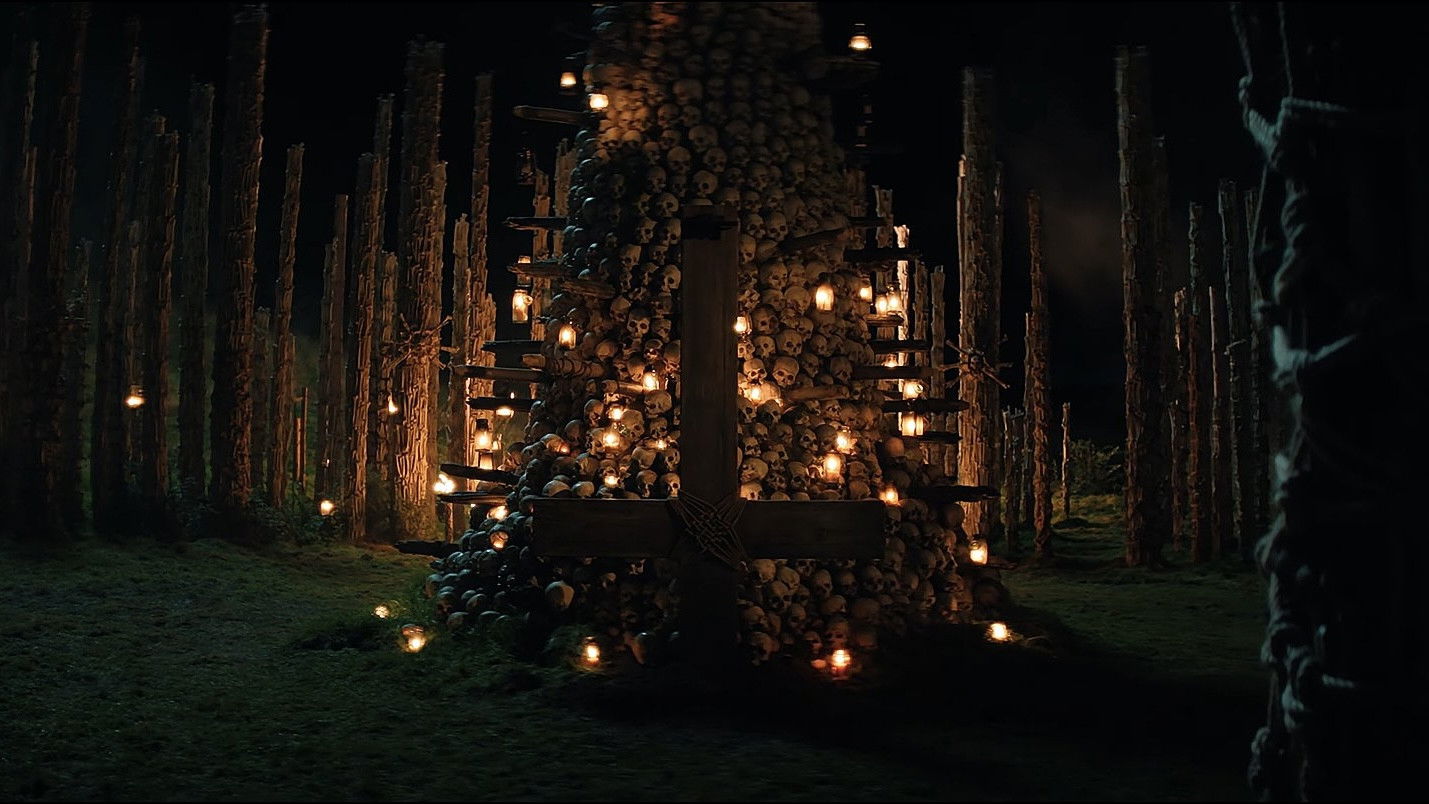
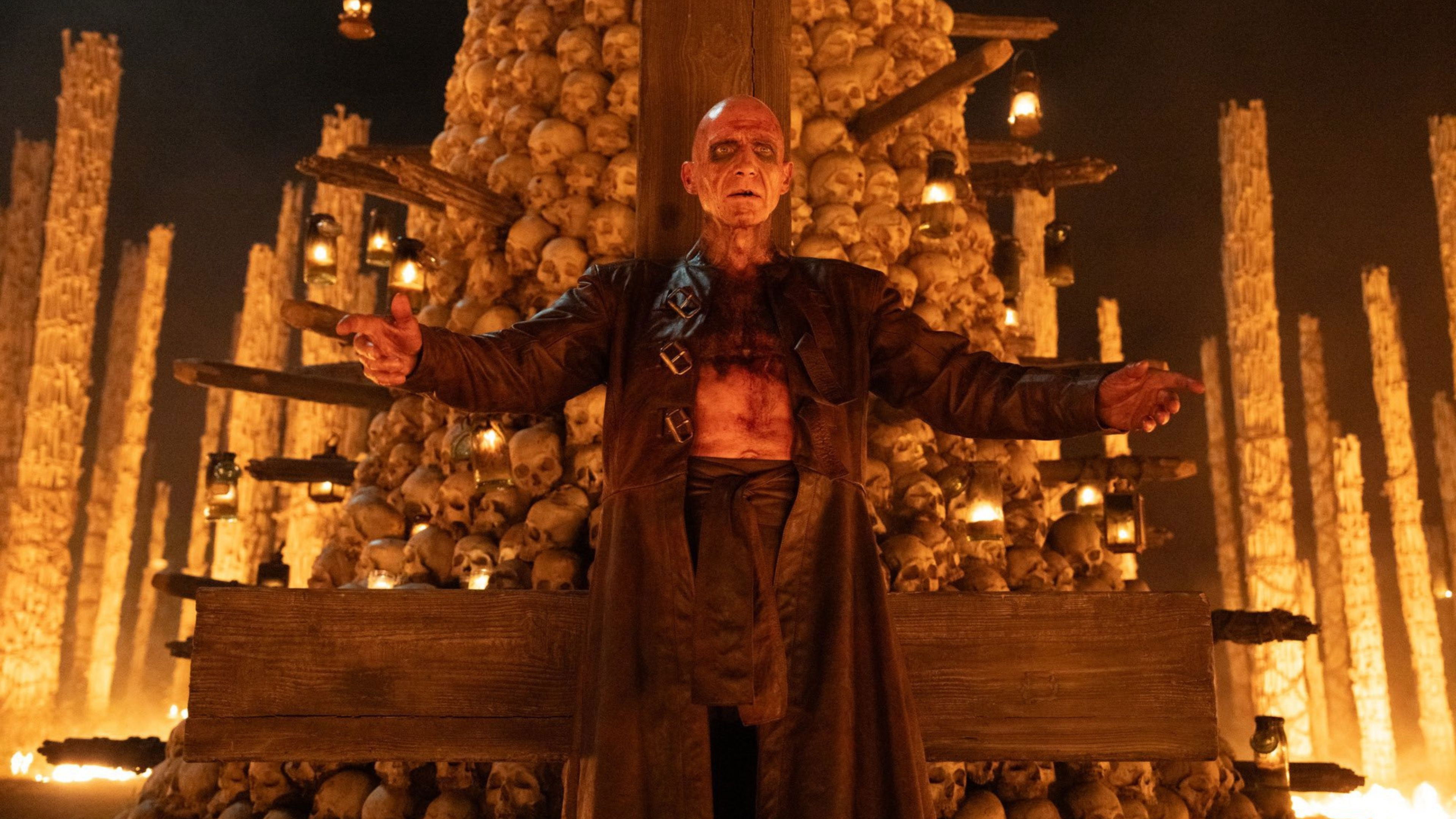
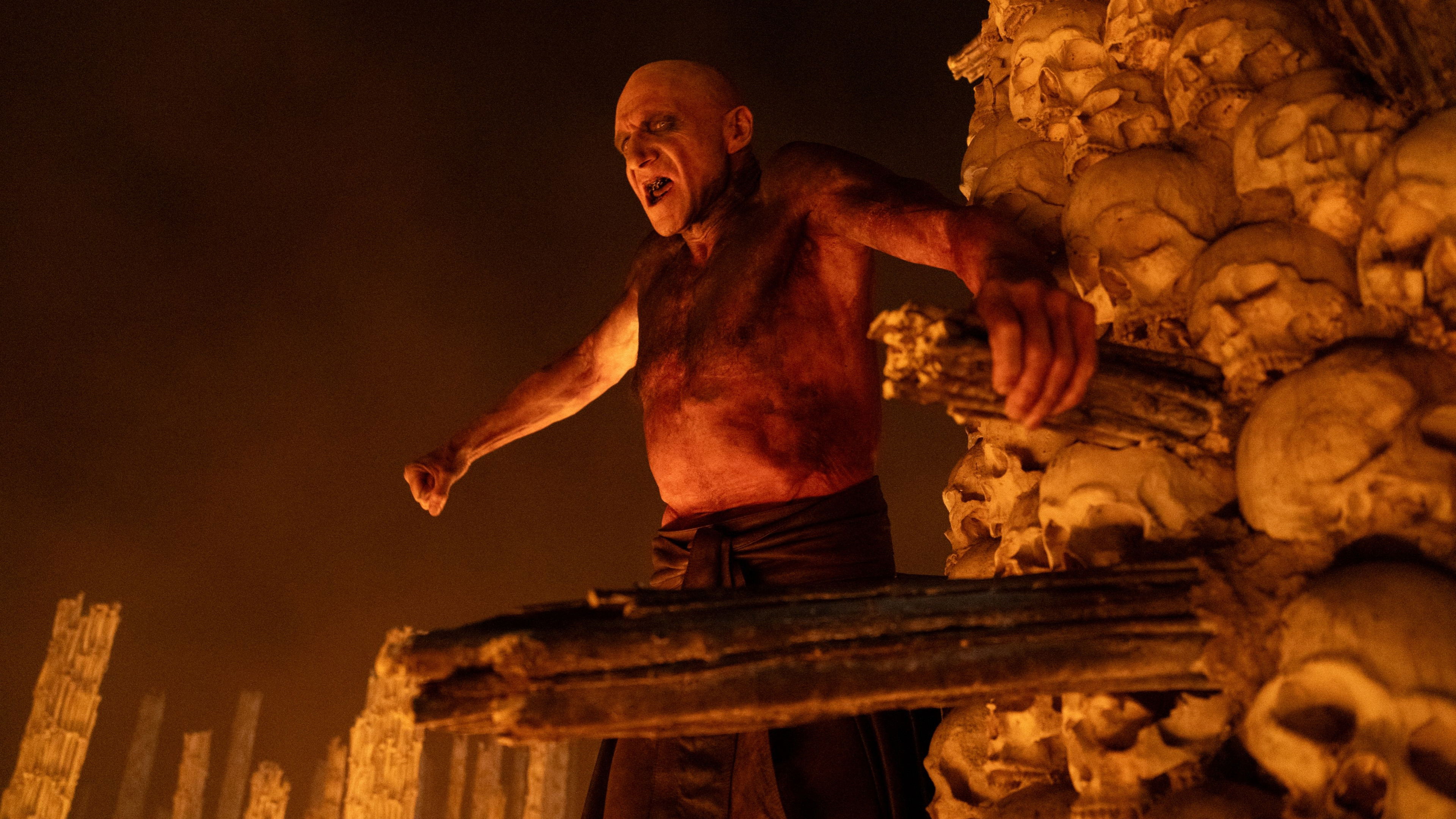
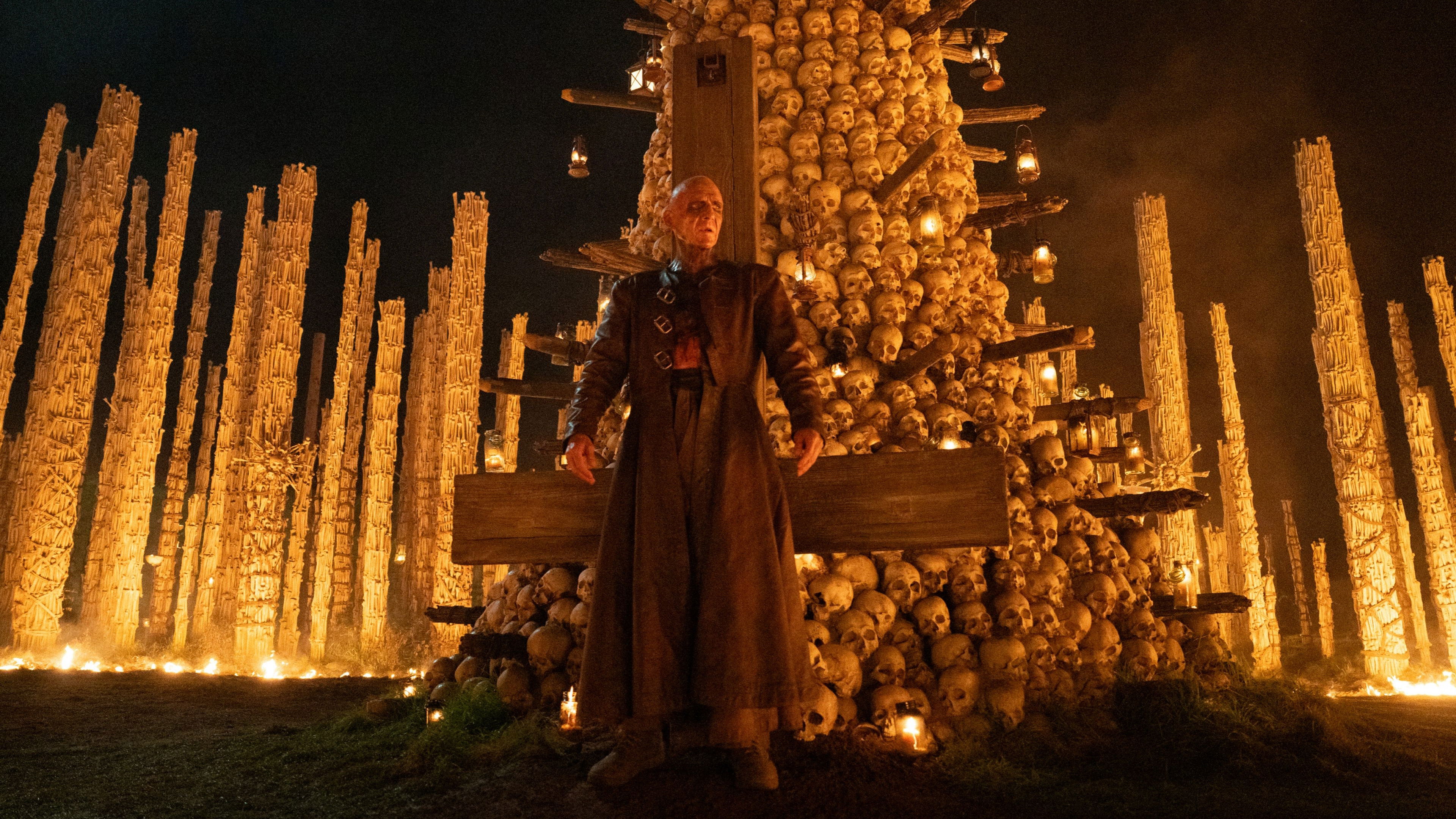
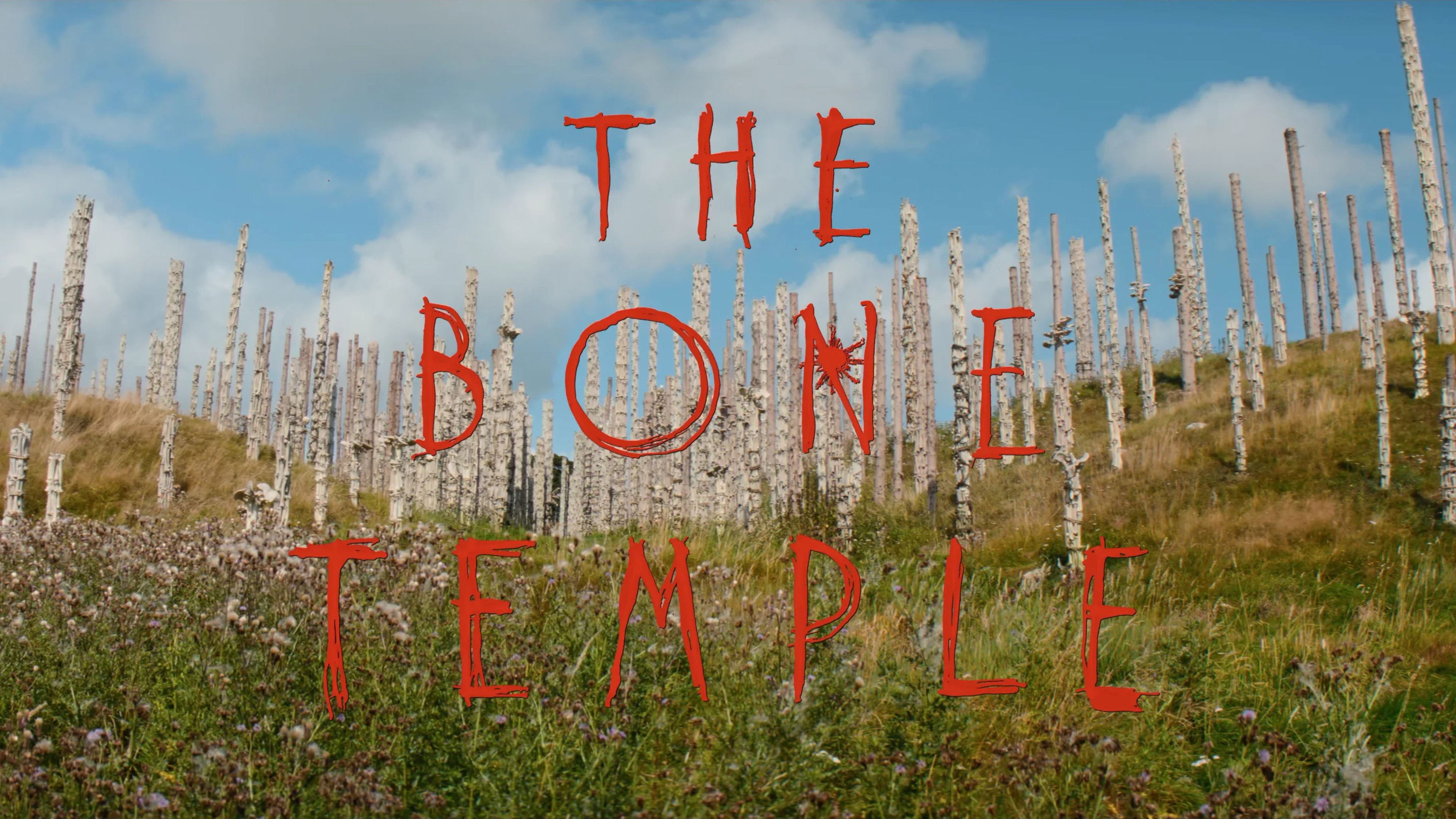
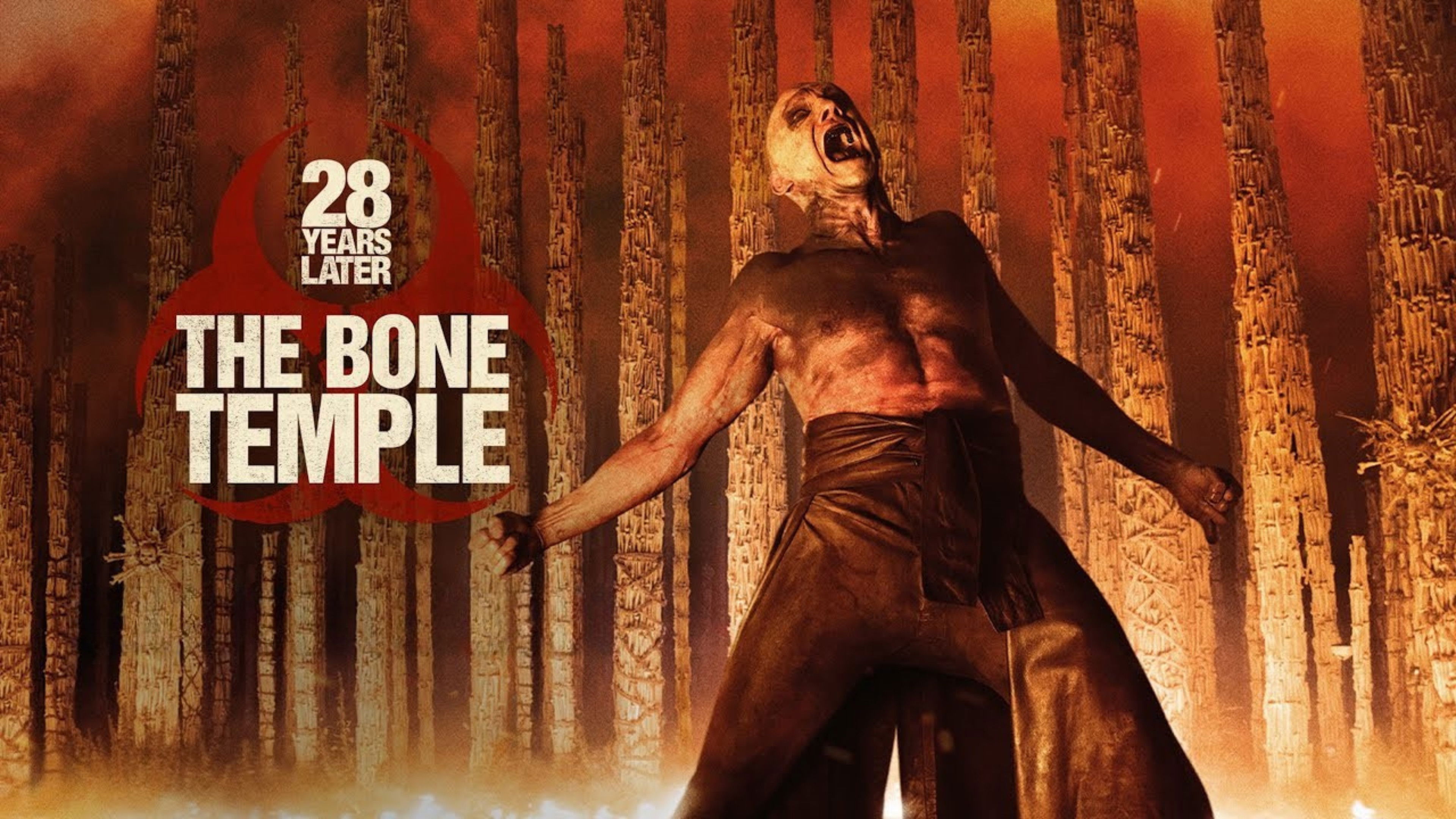
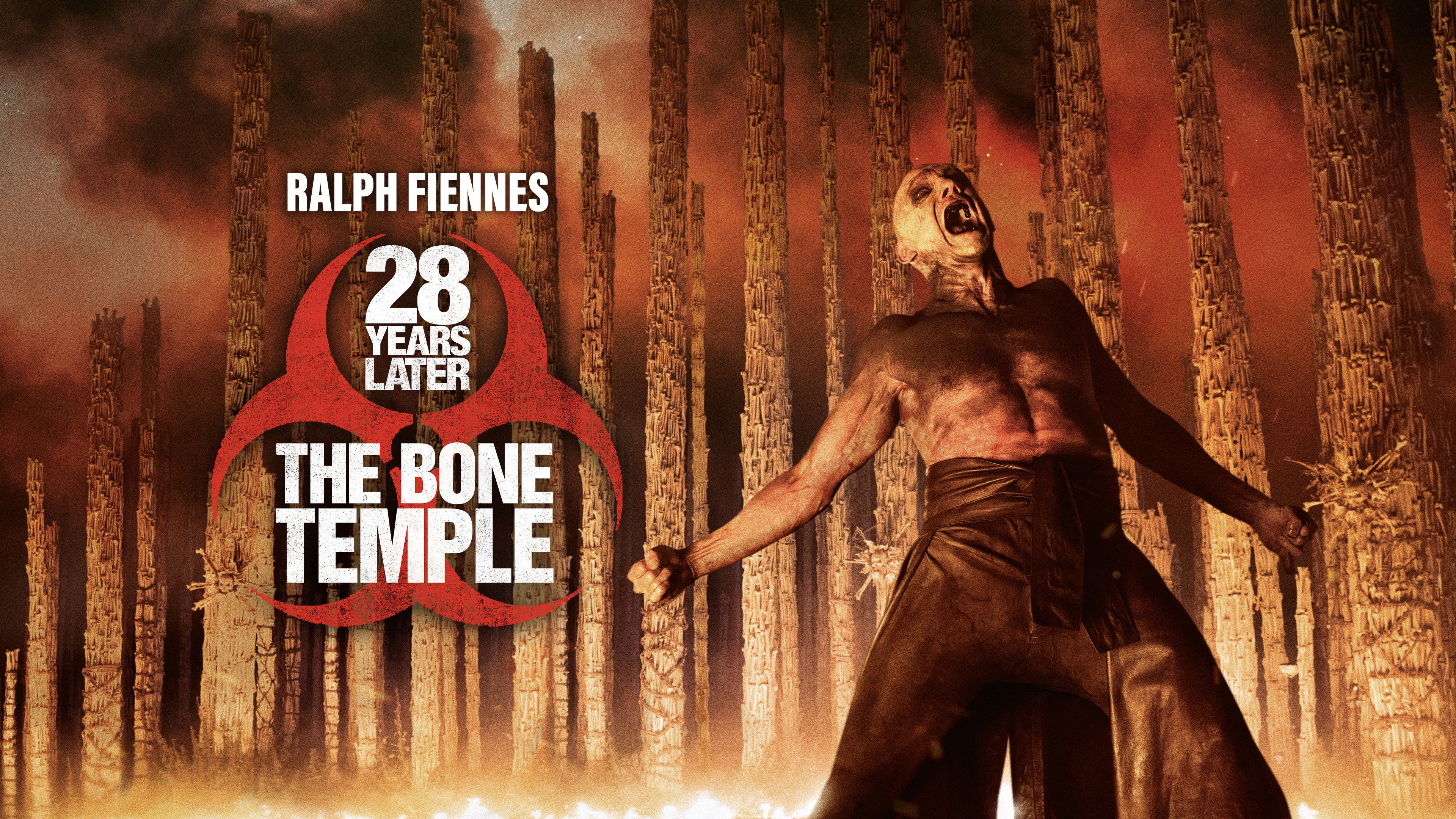
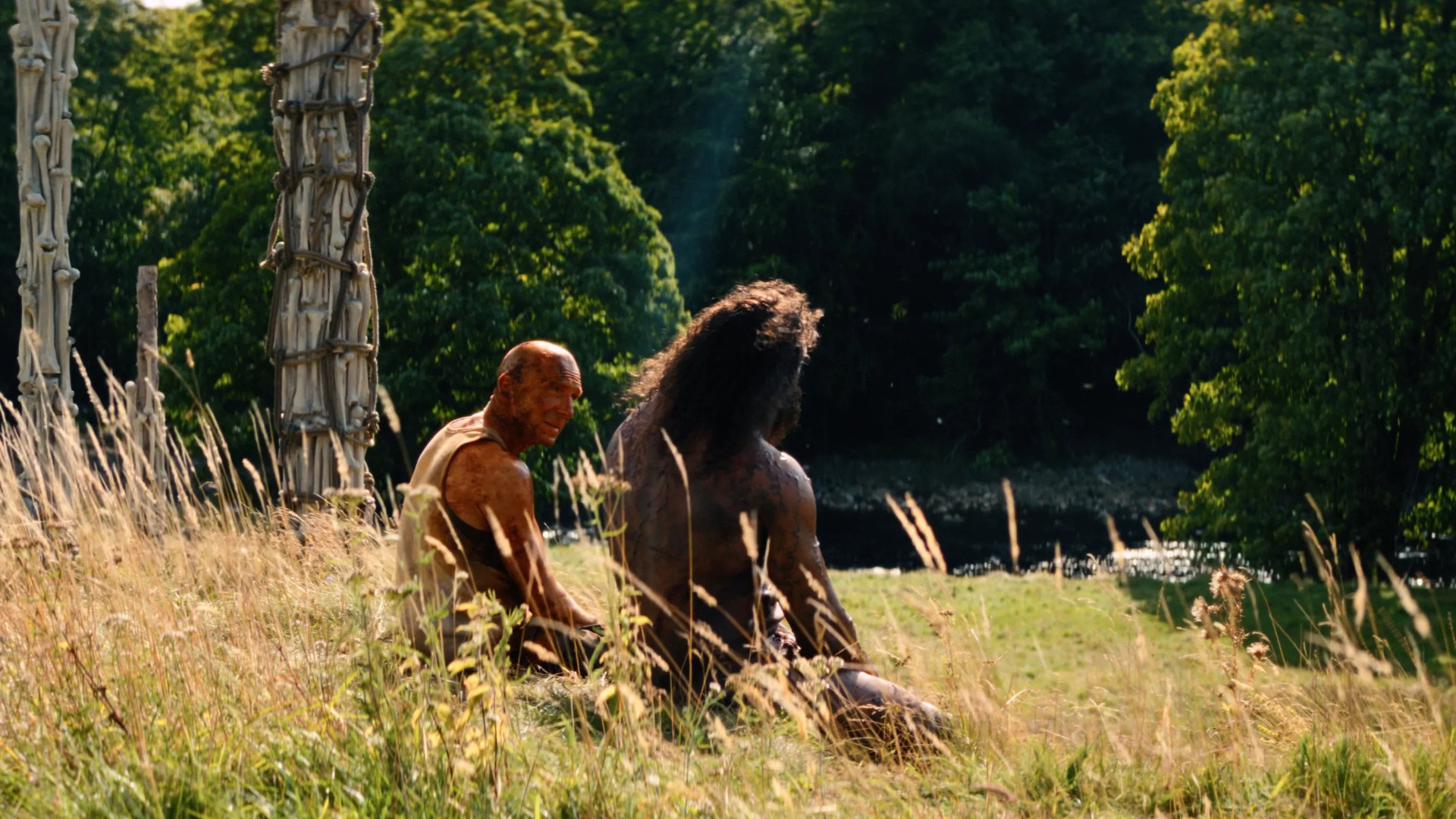
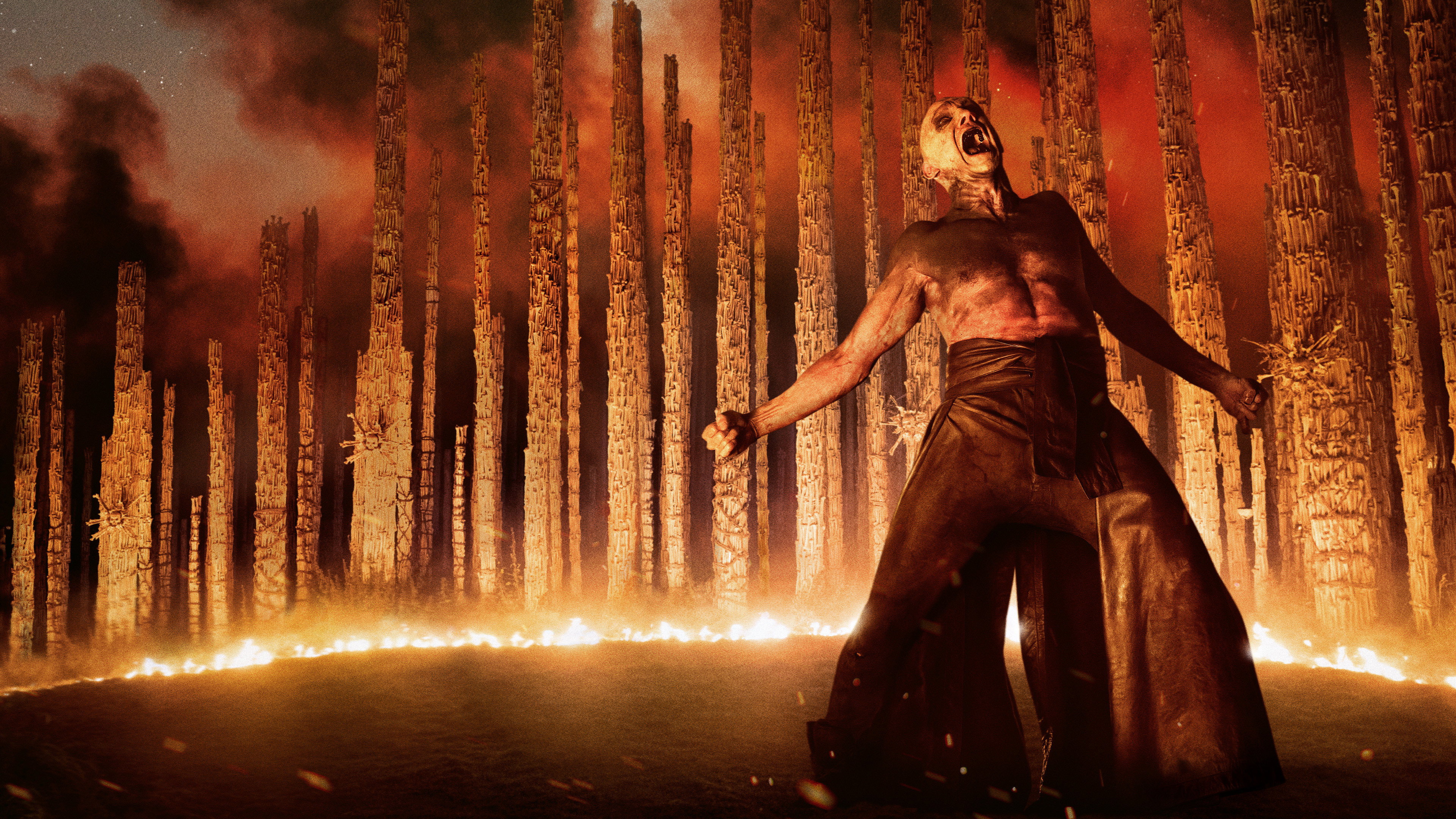
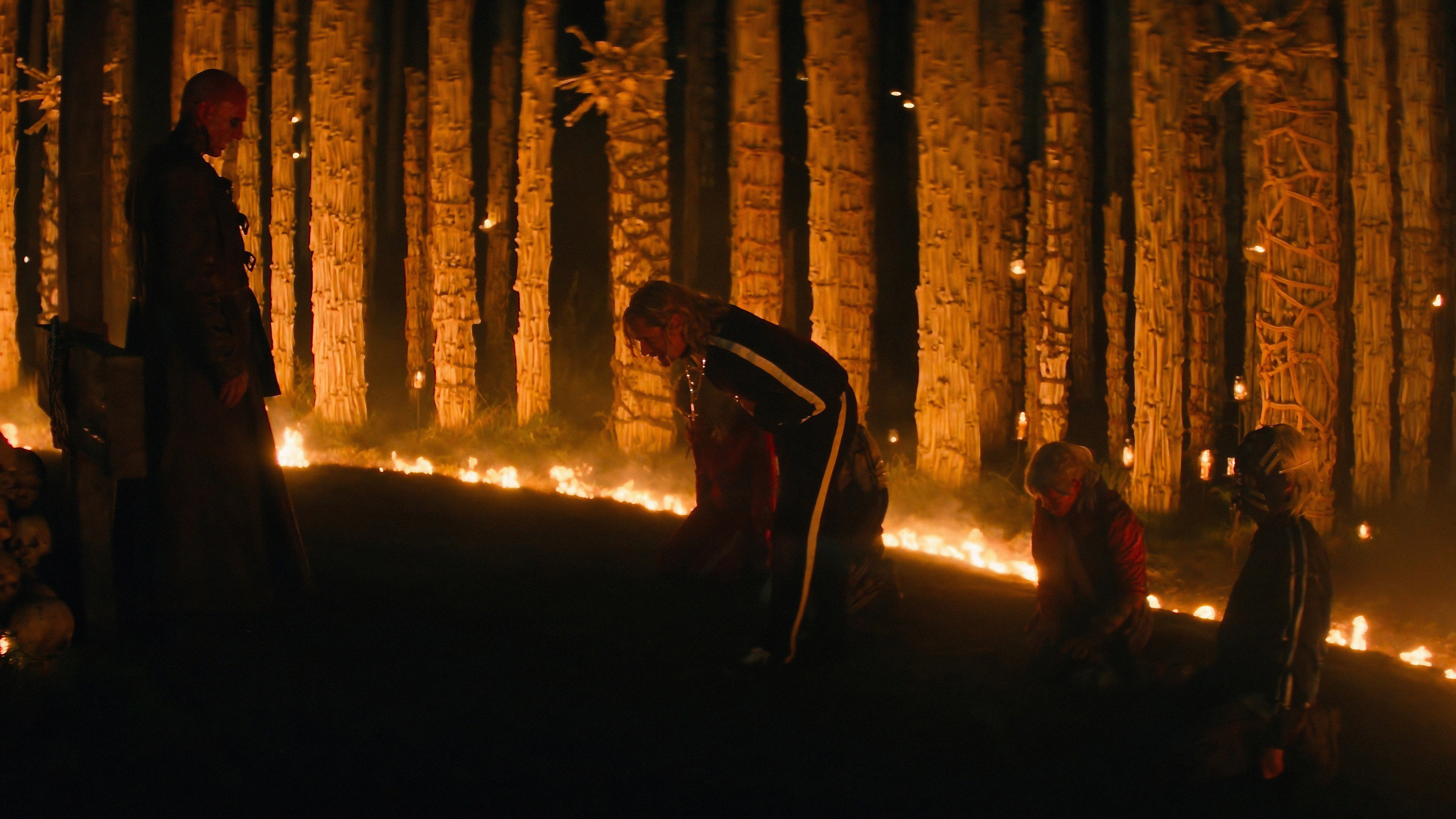
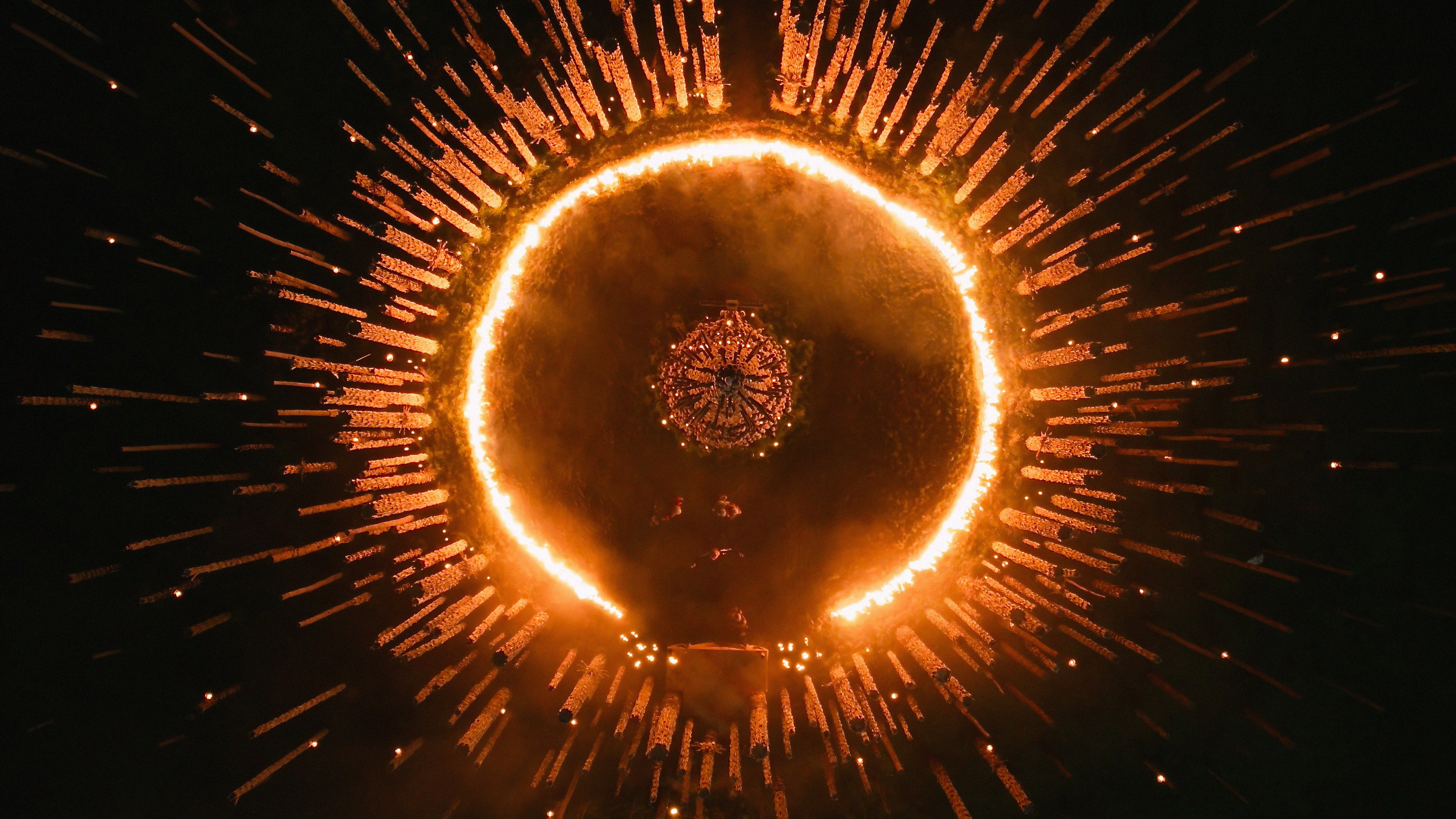
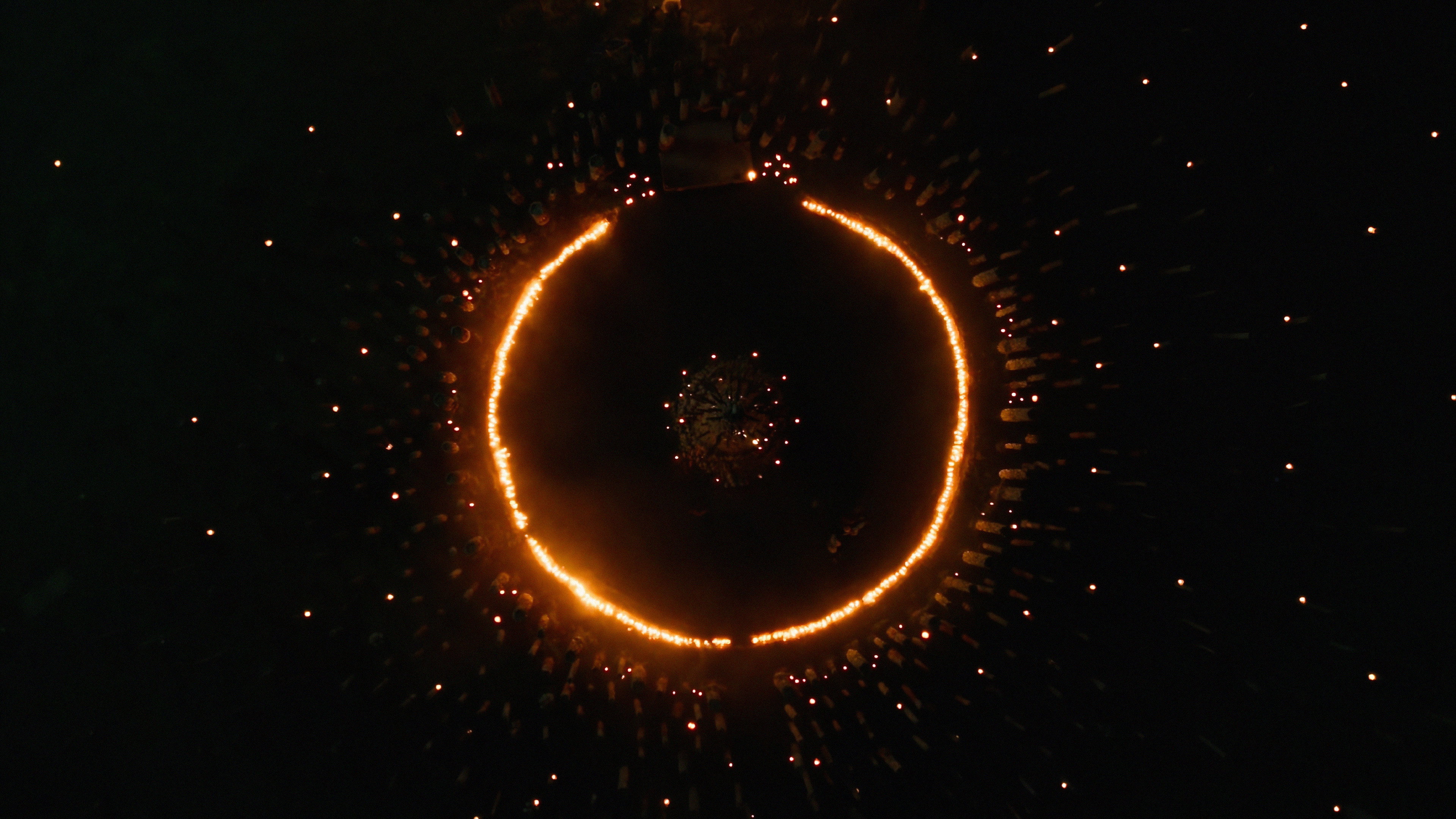
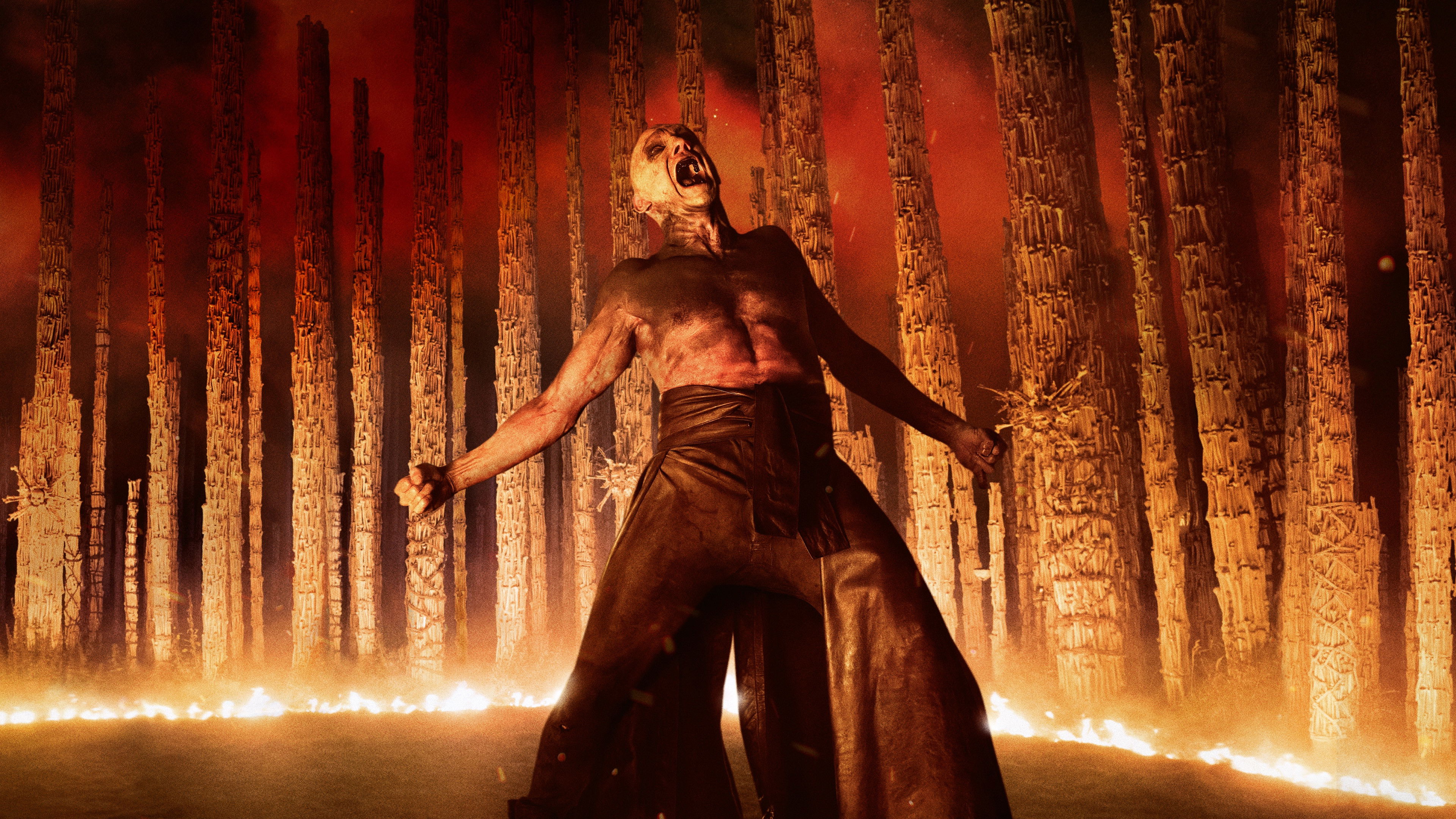
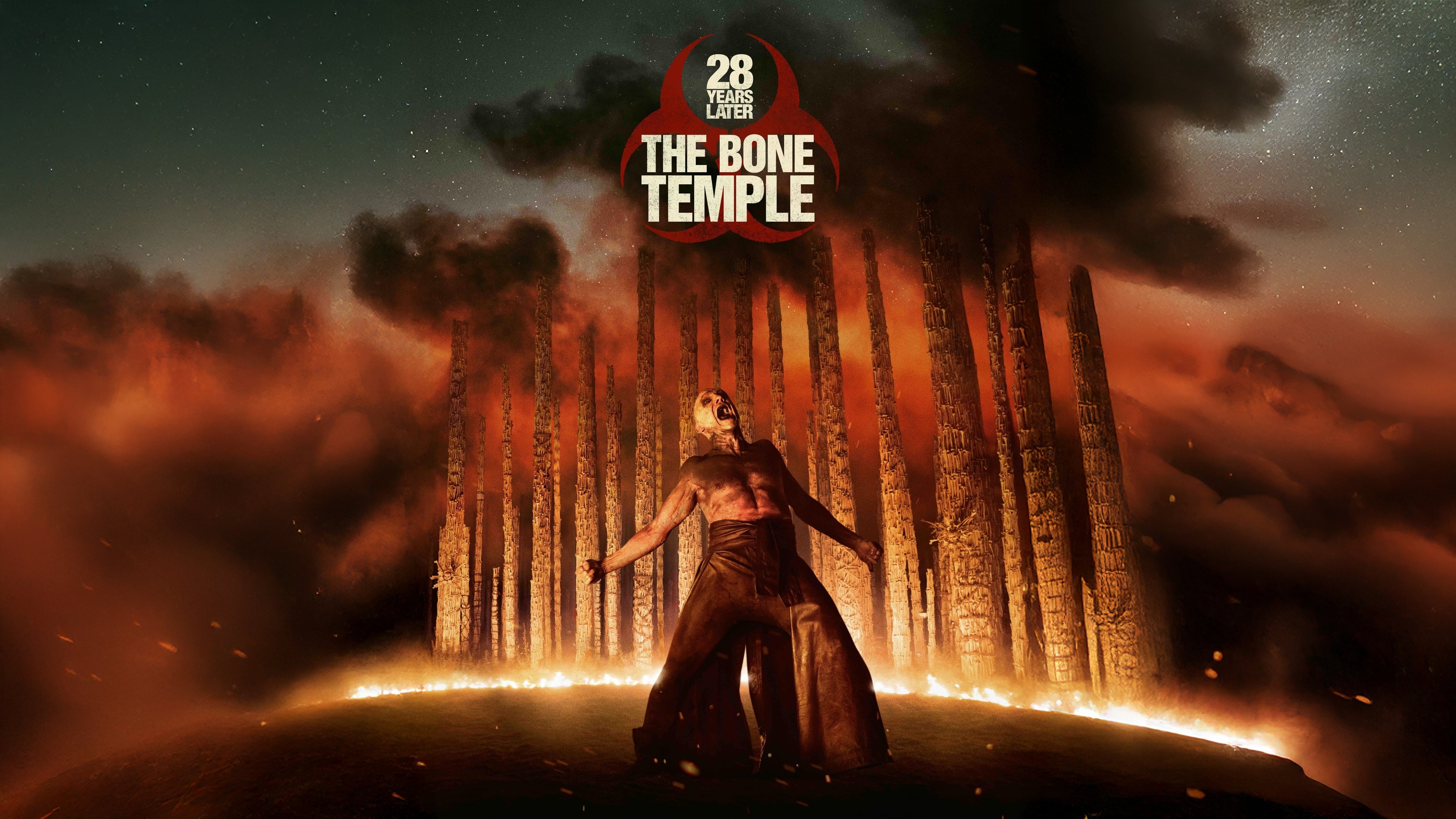
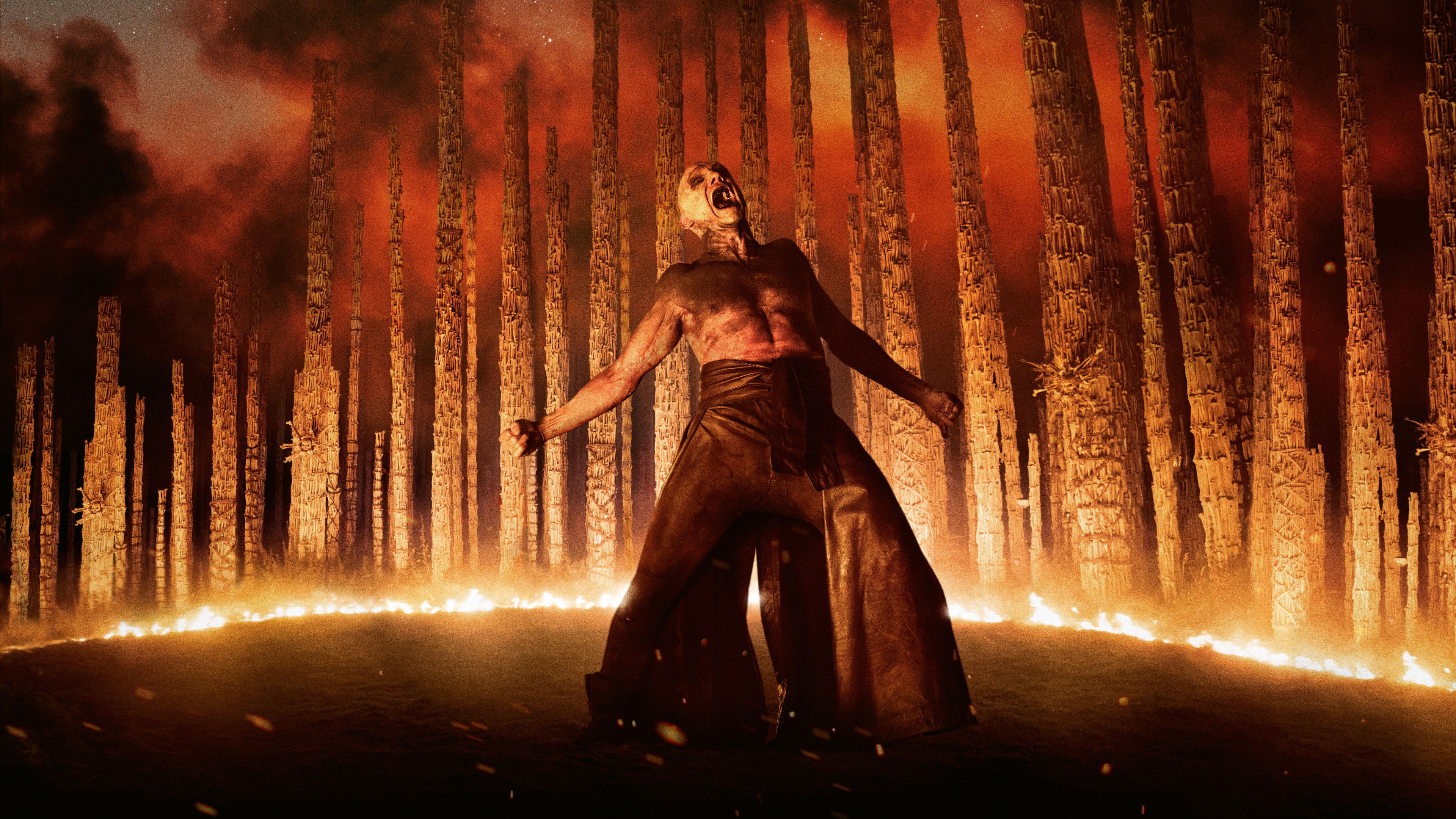
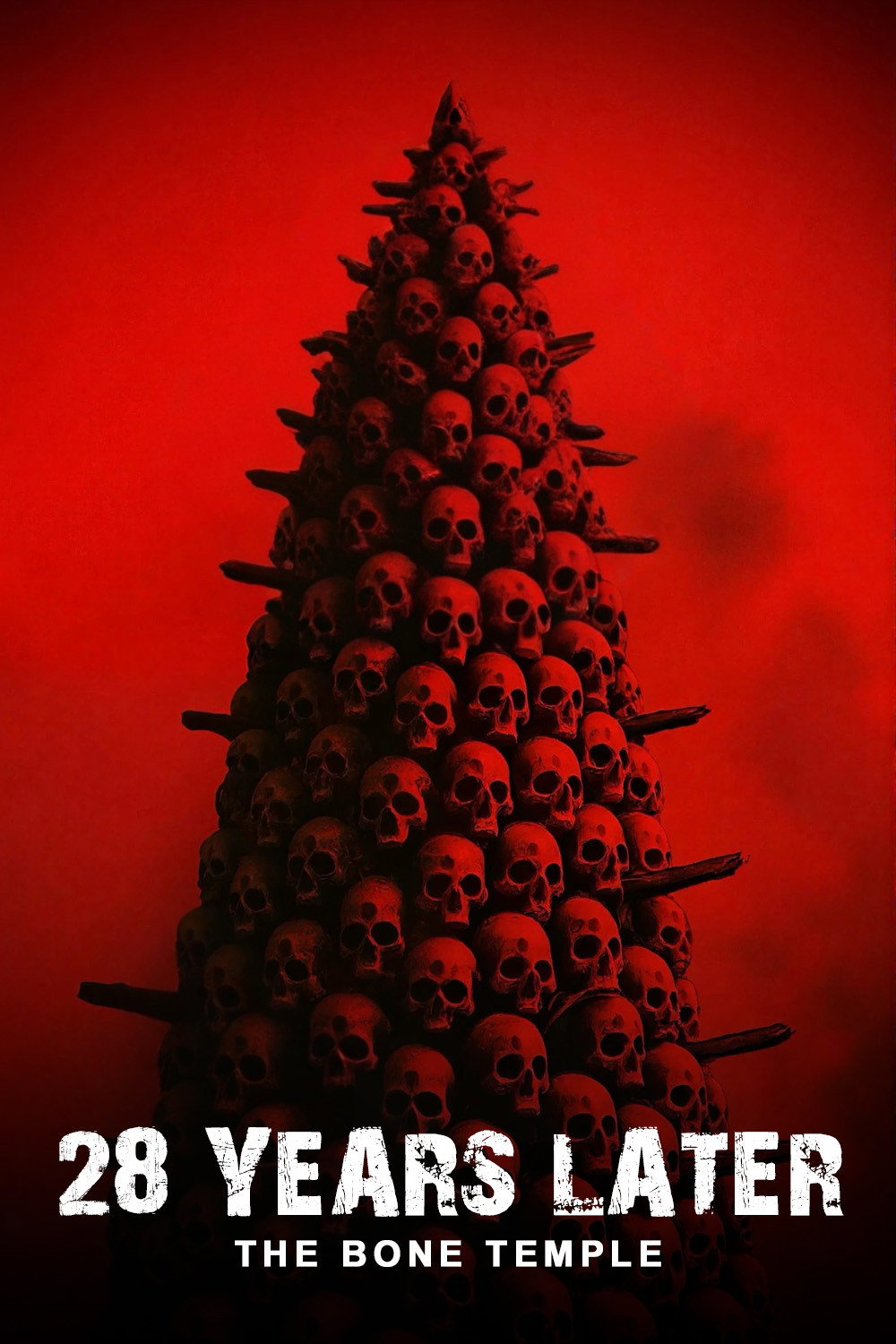
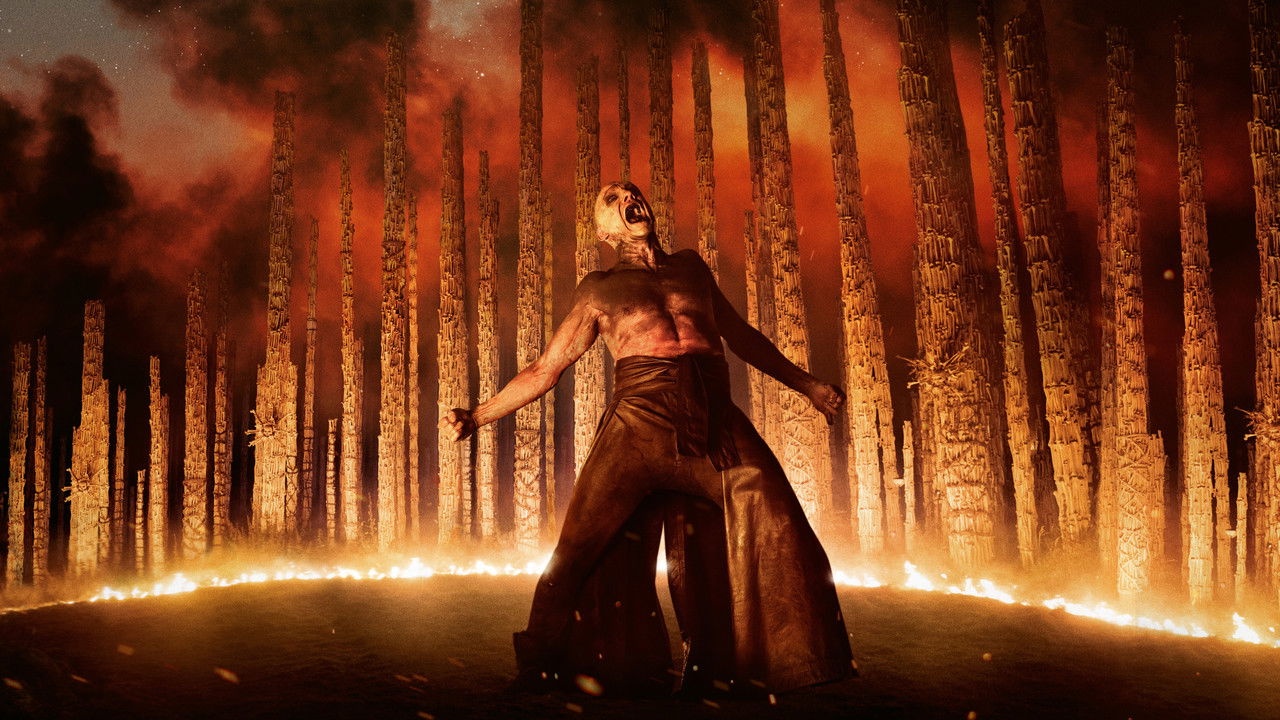
The design of Kelson's Bone Temple involved a different set of decisions. McColl told SFX that Garland's script had suggested ossuaries associated with places of worship, while the designers considered a structure that might grow from the landscape over time. Their work moved toward the presence of an open-air monument with the visual weight of an ancient site. The designers also discussed the influence of youth subcultures, performance and disturbing figurative art on the Jimmies. Such references are valuable because they emerge from direct design testimony. The finished spaces make a common material, the remains of the dead, signify both remembrance and dread. Costuming likewise helps render the gang immediately recognizable before its rituals are explained.
Cinematography and Editing

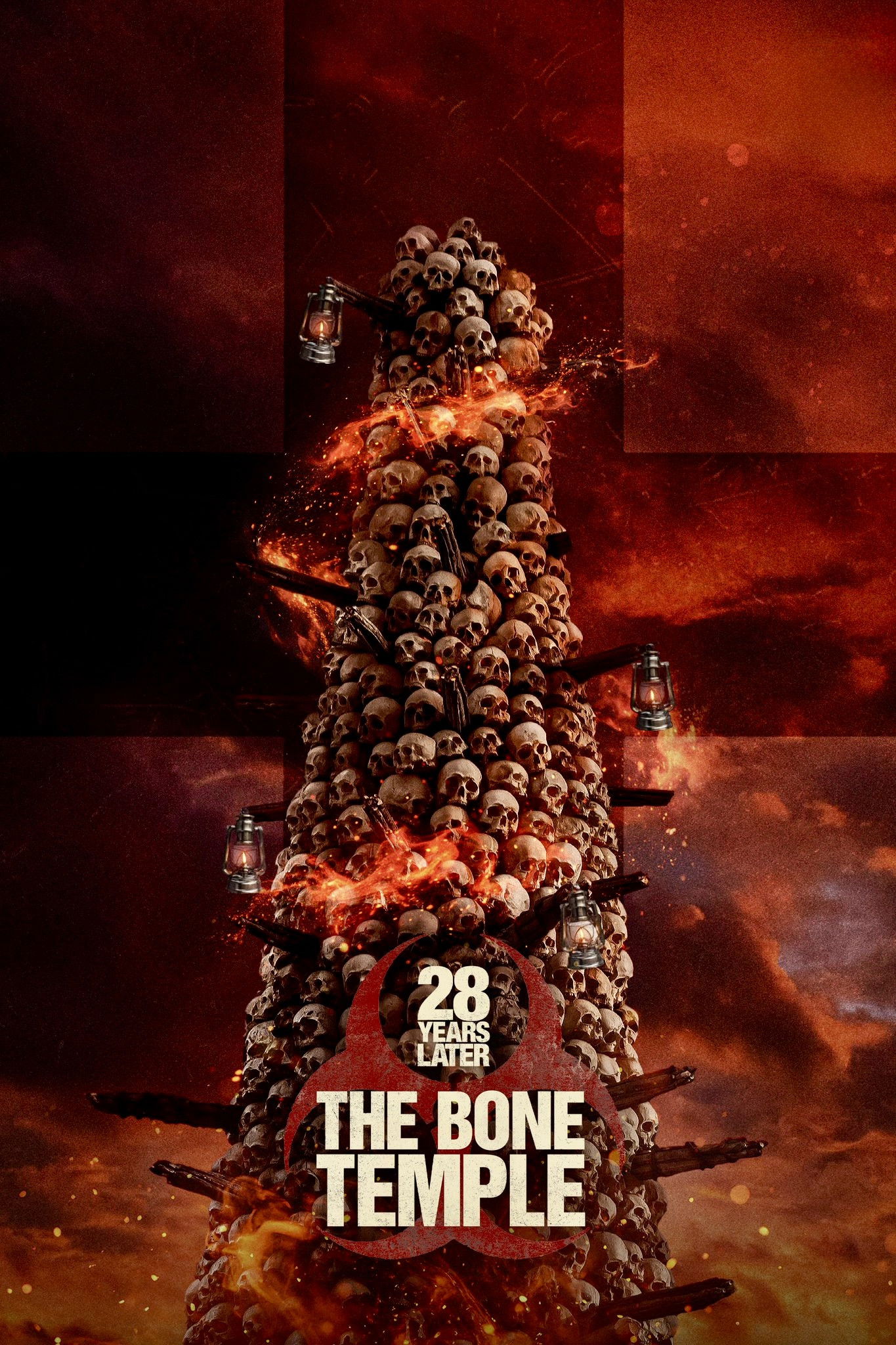
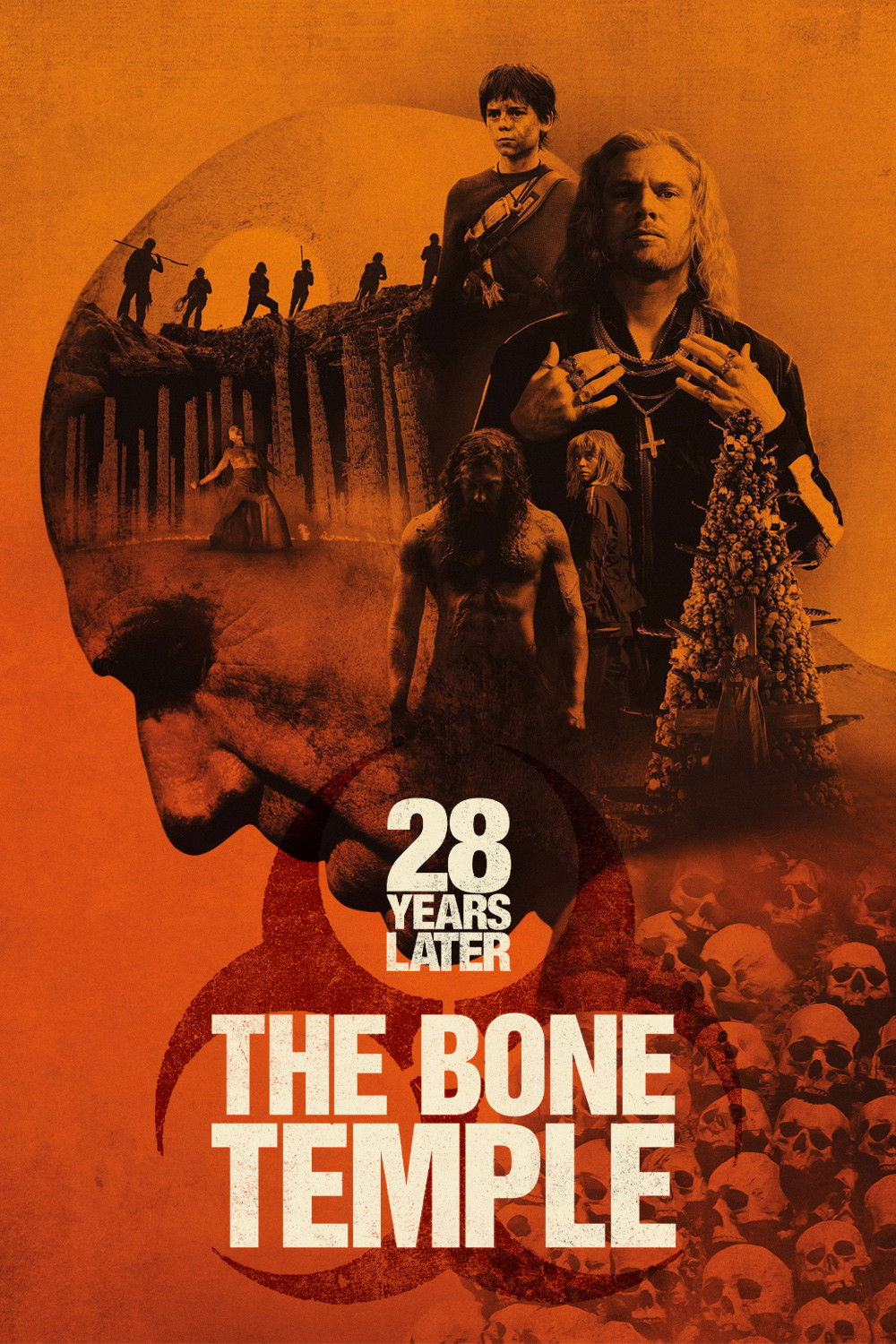
The film's photography marked a deliberate departure from the immediate predecessor's iPhone-based approach. A January 2026 Motion Picture Association interview with visual-effects supervisor Dean Koonjul identifies cinematographer Sean Bobbitt's use of the ARRI Alexa 35 and anamorphic lenses. This distinction has consequences for the presentation of space. DaCosta's visual treatment gives Kelson's isolated routines a greater sense of composure, while the passages involving Crystal's followers often emphasize instability and abrupt movement. In her BFI interview, she cited Barry Lyndon as an influence on the framing of the countryside around Kelson, particularly its pastoral beauty and historical atmosphere.

DaCosta's discussion of staging also describes a performance-led process. Koonjul recalled sequences filmed in longer takes, with separate passes arranged when visual-effects work required them. This allowed performances to unfold without unnecessary interruption while still providing material for post-production. The film's framing is therefore linked to the different kinds of tension in its parallel storylines. Kelson's patient observation asks viewers to watch small changes in an infected body, whereas the Jimmies create menace through a collective presence that can turn suddenly violent. These choices extend the franchise's history of restless visual experimentation without simply repeating Boyle's technique. Any claim that a particular lens or camera movement encodes a fixed political meaning would go beyond the available production accounts.

Prosthetics, Infected Bodies and Visual Effects

The film's bodily horror combines prosthetic effects, physical performance and digital augmentation. The Motion Picture Association interviewed Union VFX supervisor Dean Koonjul, who explained that the visual-effects department aimed to support action and performances already achieved on set. Practical blood effects, prosthetics and stunts established a physical basis for scenes subsequently refined in post-production. The account is important because the violence should not be described as exclusively practical or exclusively computer-generated. Fire, severe injury and the appearance of the infected required different combinations of methods according to the demands of each sequence.

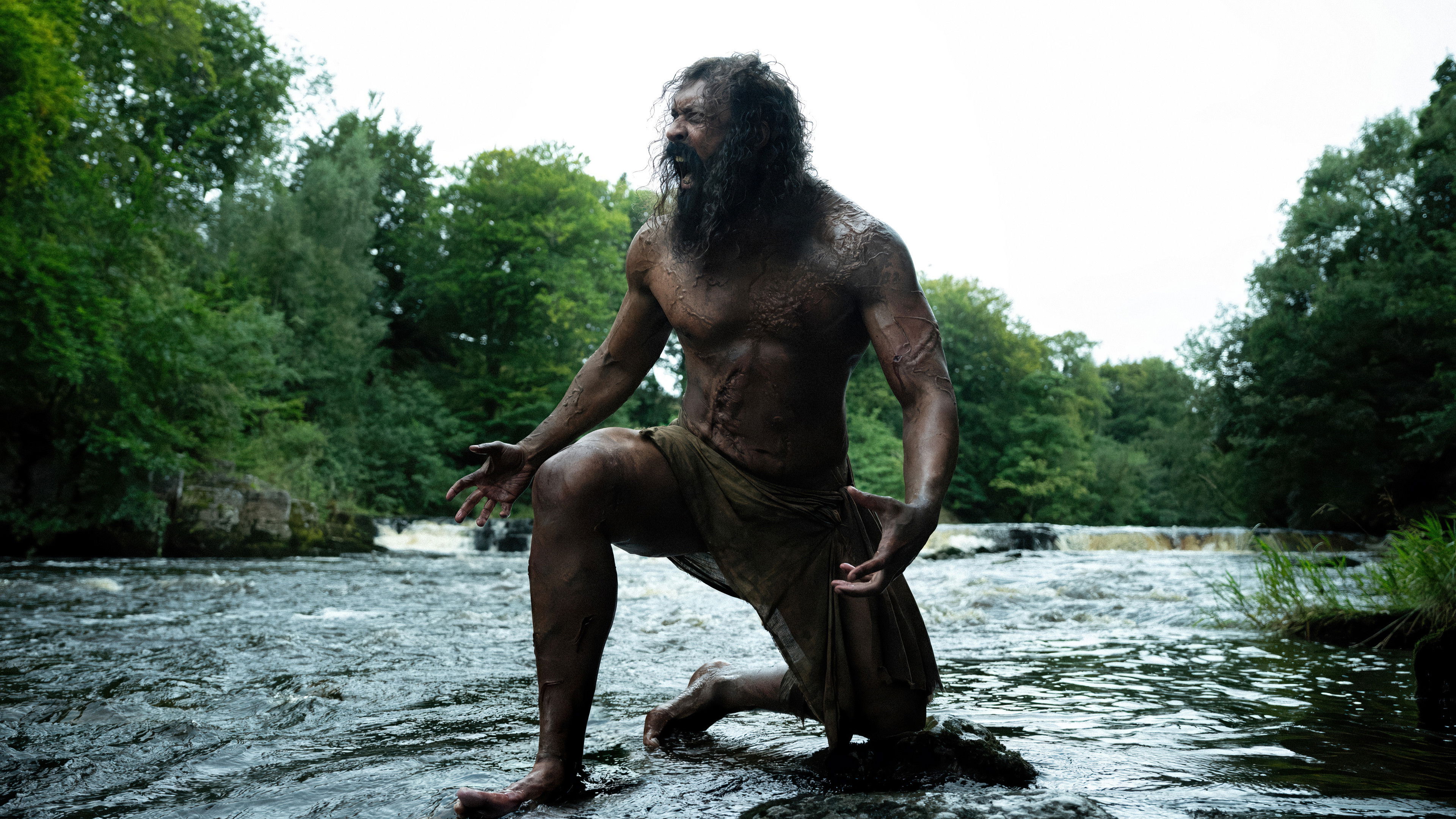
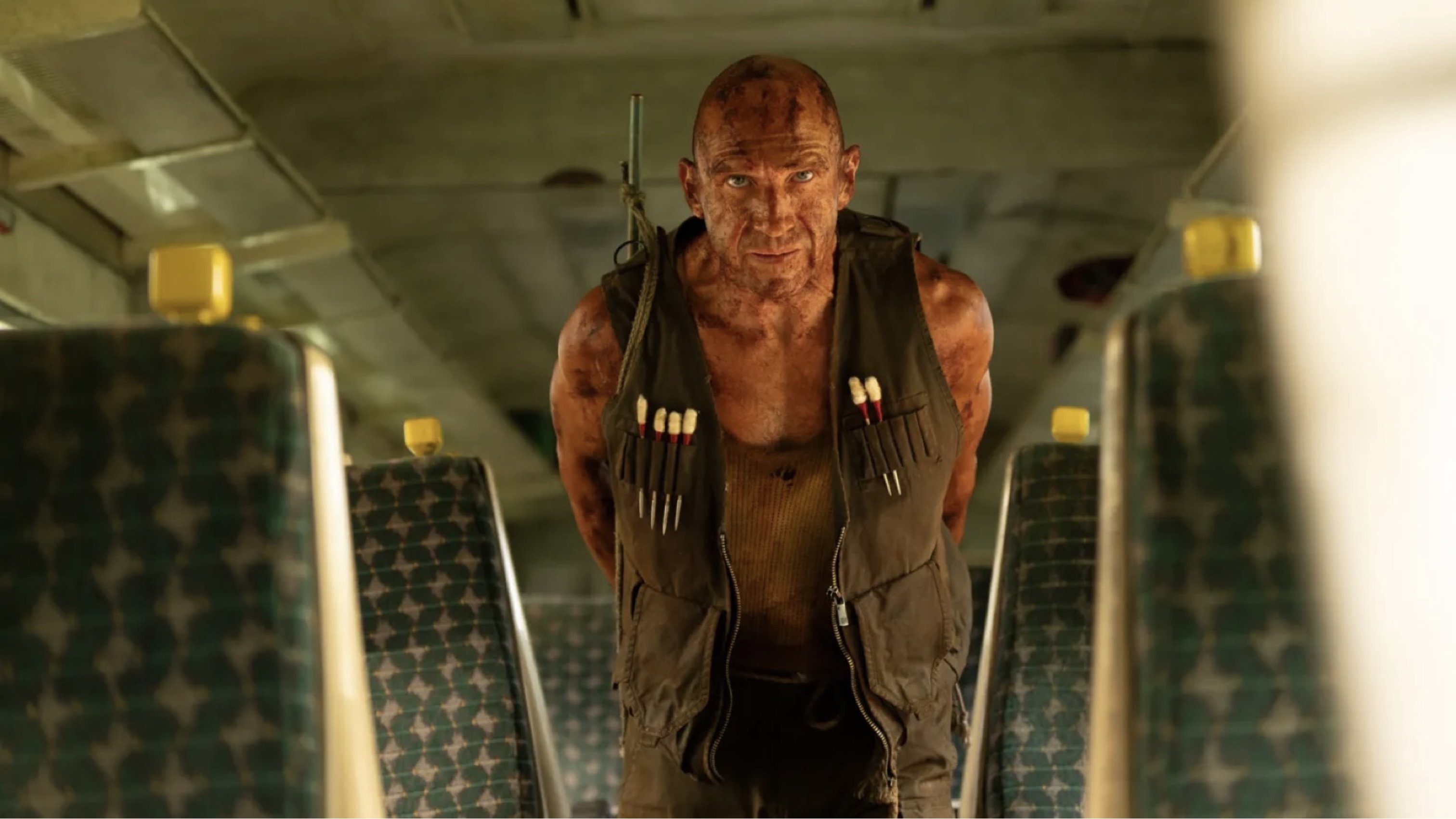
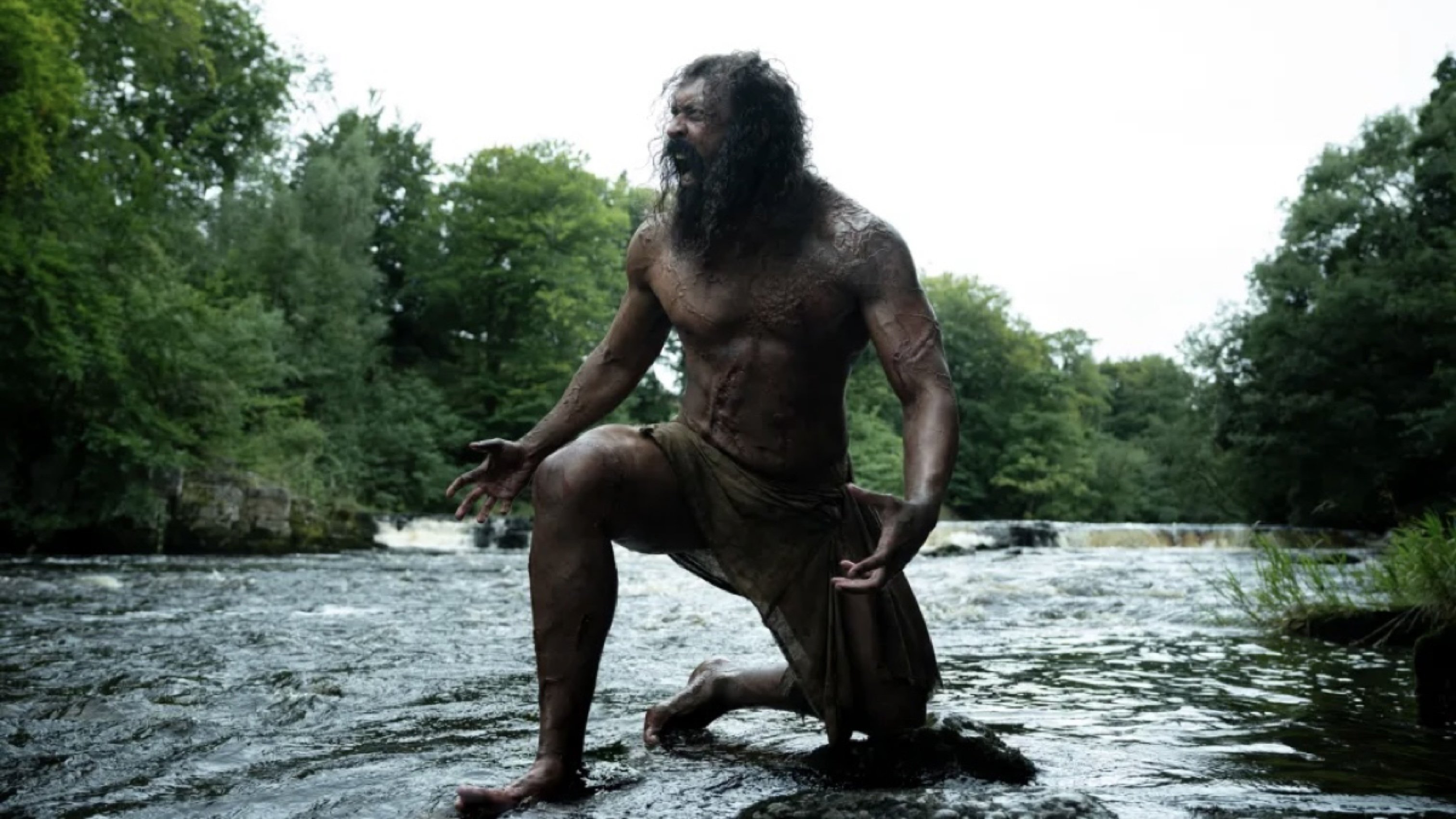
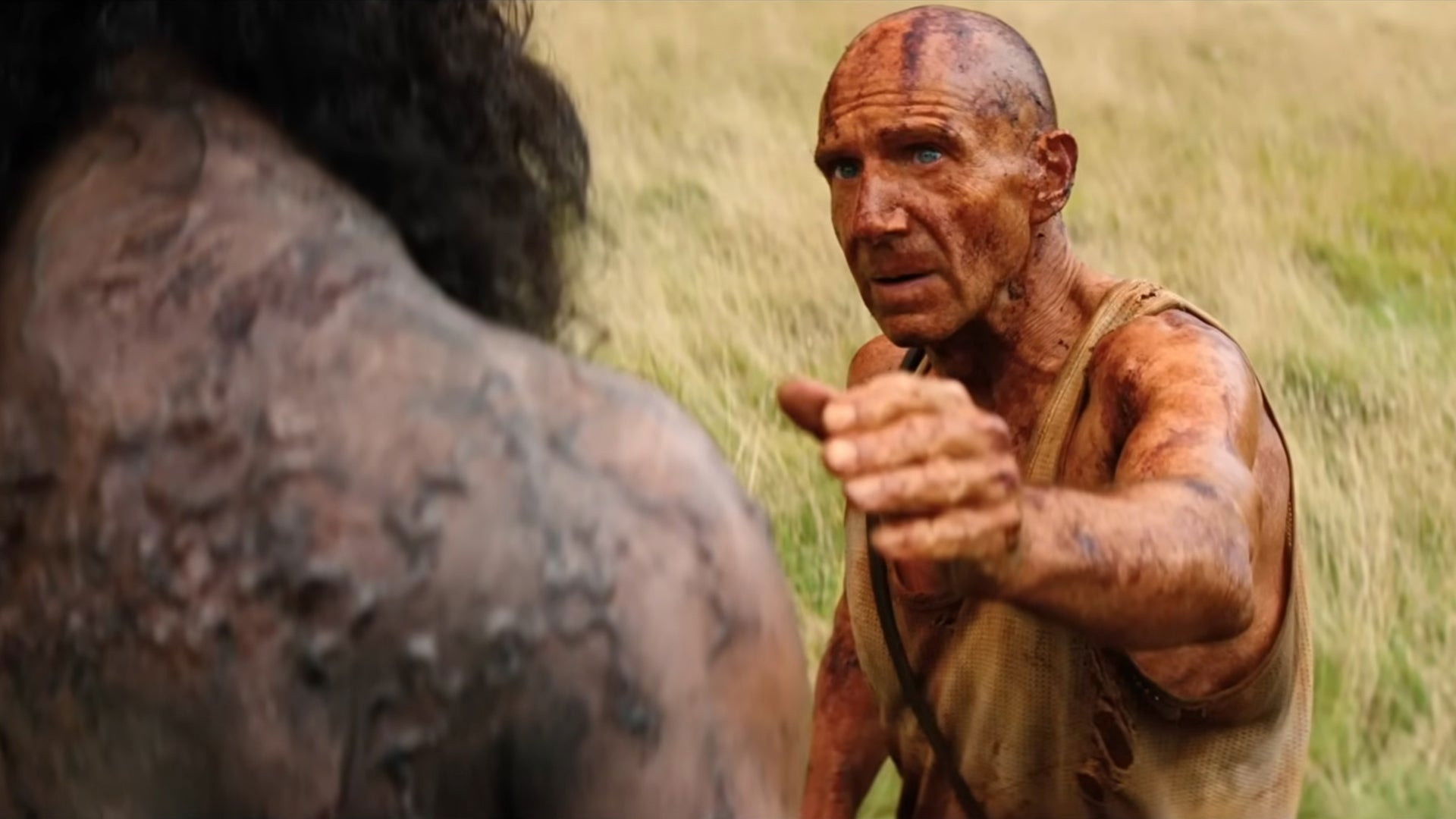
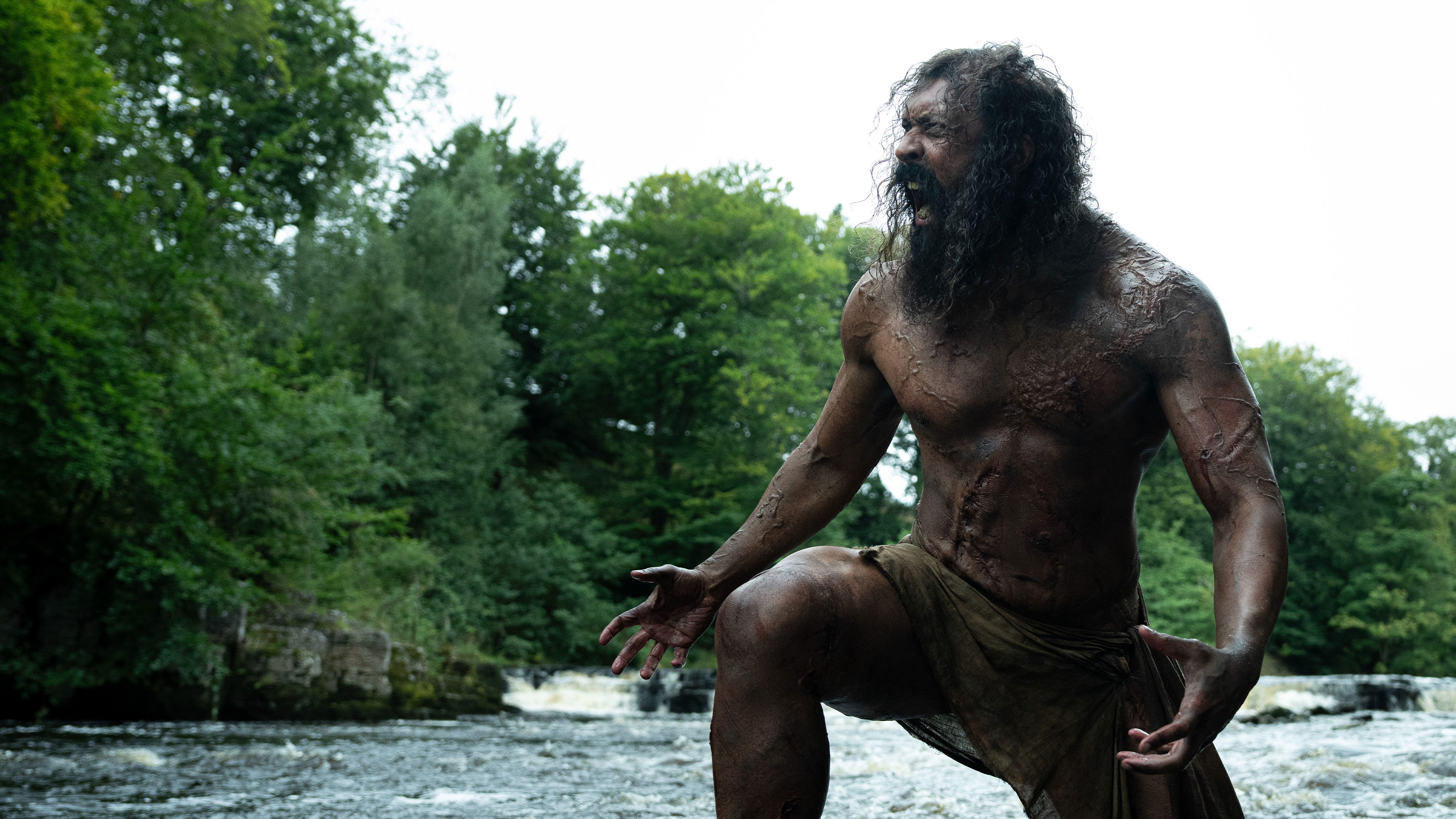
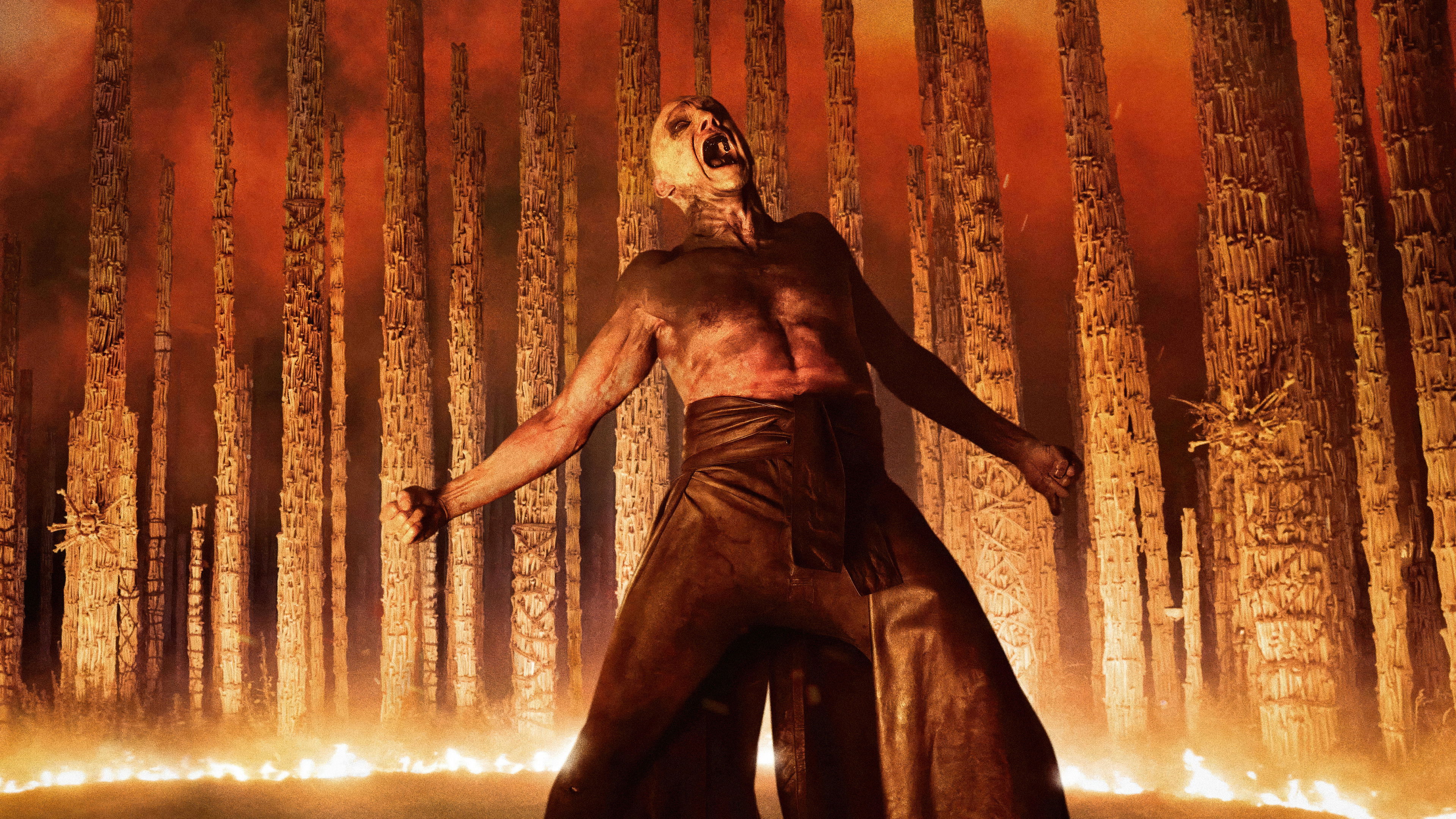
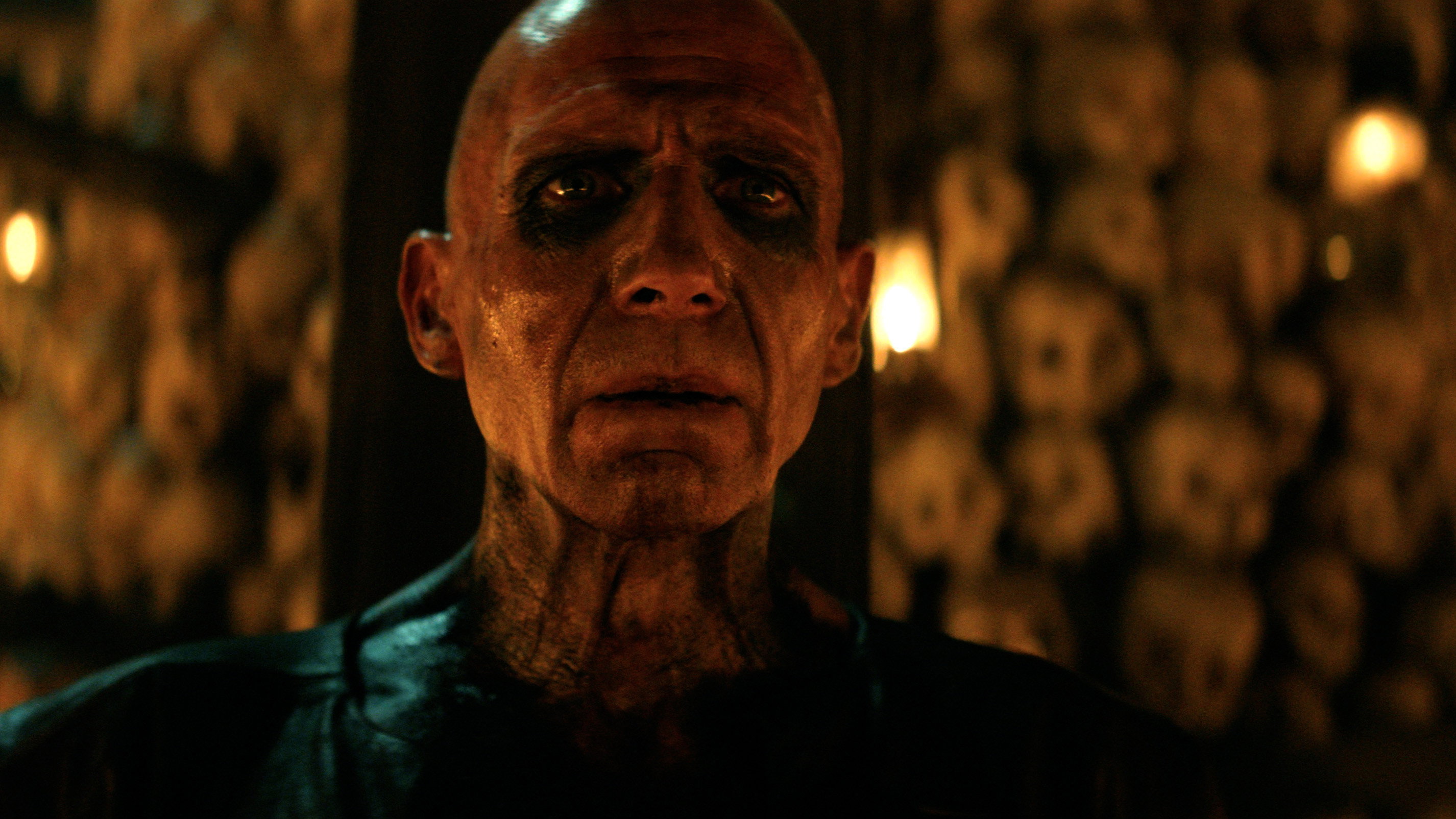
DaCosta told Rue Morgue that Samson's evolving condition was developed through changes in movement, lenses and prosthetic stages. The character's transformation is consequently conveyed across several disciplines, not only by dialogue. The imposing Alpha remains recognizably dangerous, but the scenes with Kelson gradually alter the terms under which audiences look at his body. The treatment of the infected here intersects with the series' established distinction between Rage-infected humans and conventional reanimated zombies. Infection changes behavior and makes ordinary interpersonal contact perilous; the sequel asks whether recognizable human responses can persist within that altered state. In contrast, the Jimmies' violence is carried out by uninfected people following a human leader. The contrast is an important source of the film's unsettling moral pressure. The body becomes a site of uncertainty in both threads, though for different reasons. With Samson, changes in gesture and response are difficult for Kelson to interpret; with the cult, the outward signs of community conceal coercion and abuse. DaCosta's combination of sustained observation and sudden violence allows these uncertainties to persist across scenes. The practical texture of injury also makes the actions of uninfected people as difficult to watch as those of the infected. This is a formal comparison grounded in the film's presentation, rather than a claim of intention by every contributor.

Music, Sound and Performance

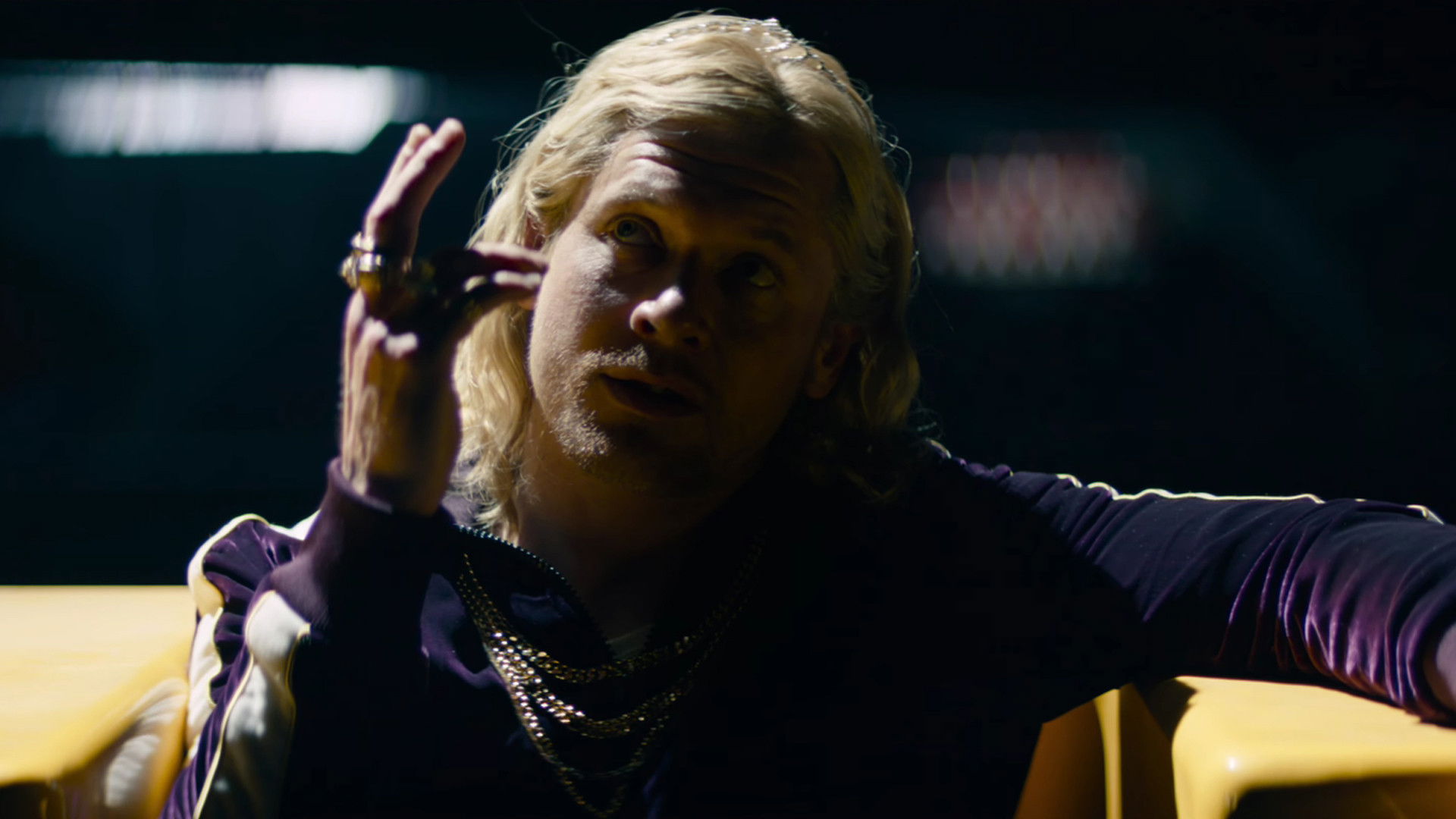
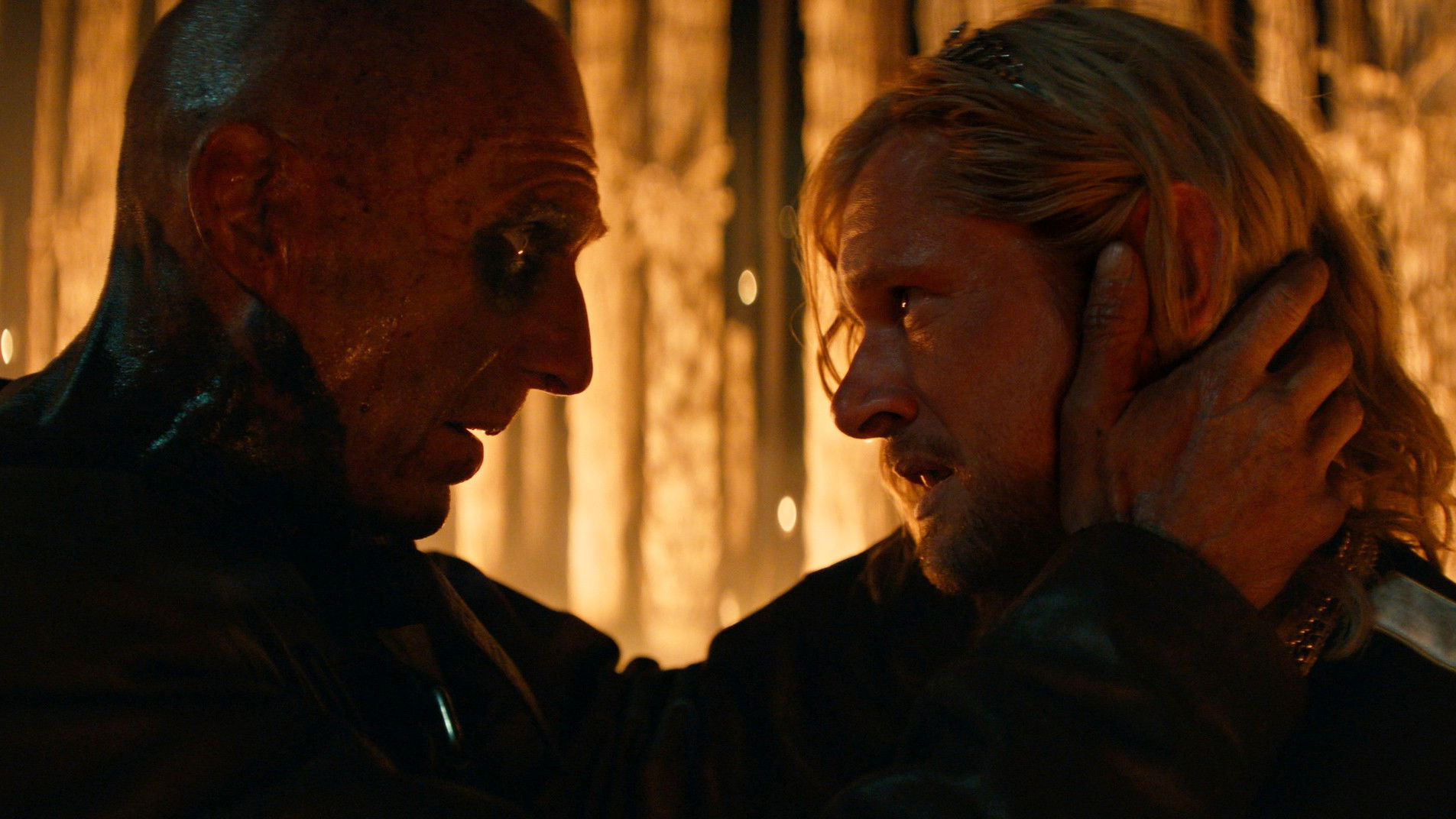
DaCosta's direction of the actors is unusually consequential for the film's shifts between tenderness and threat. Ralph Fiennes's Kelson spends long passages attempting to interpret the actions of someone whose speech has largely disappeared. Chi Lewis-Parry's Samson must communicate changes in attention and response through physical behavior. DaCosta's interview with Rue Morgue explains that these changes were planned through movement and prosthetic work. Jack O'Connell's Sir Jimmy Crystal poses almost the opposite challenge: his charisma depends on speech, performance and an exaggerated public persona. In a January 2026 interview, O'Connell discussed how costumes and collaborative character decisions helped him inhabit the role.

The film also relies on contrasts between musical spectacle and silence. Its use of existing popular music contributes to Crystal's stylized public rituals, while quieter passages allow Kelson's interactions with Samson to develop through pauses and bodily sounds. DaCosta told the BFI that Barry Lyndon's use of classical music helped inform the mood of the material surrounding Kelson. This is evidence of a stated artistic influence, not proof that every musical cue was modeled on Kubrick. The score is credited to Hildur Gudnadottir, whose contribution belongs within a soundtrack that repeatedly changes the audience's emotional distance from violent action. A detailed account of individual recording sessions or instrument choices would require more specific documentation than is established by these interviews.

Release, Classification and Critical Response

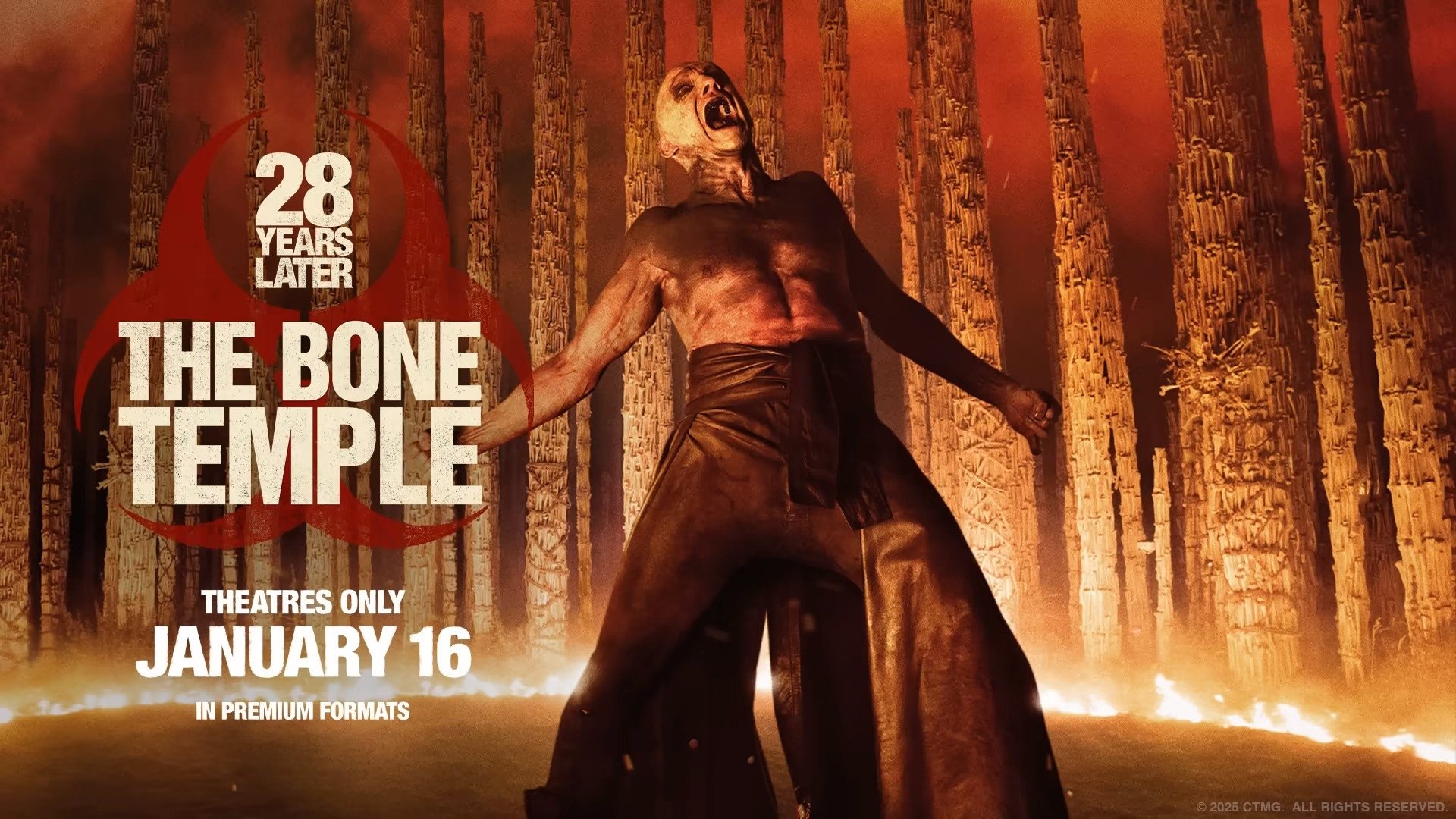
The film opened in several markets during the middle of January 2026, with a United States wide release on January 16 through Sony's Columbia Pictures. The BBFC records a 2D cinema version of 109 minutes and 17 seconds, classified on January 6, 2026, and also records a ScreenX presentation. The British classification describes strong gory violence, injury detail and very strong language. Its published details document the regulatory treatment of graphic physical injury and threat without implying that differing formats necessarily contain different narrative cuts. Sony subsequently advertised digital and physical home-viewing editions. These are separate stages of the release and should not be confused with the film's theatrical premiere.

Contemporary critical responses were not unanimous. In a January 15 review for Sight and Sound, Henry K Miller found a sometimes awkward relationship between macabre excess and the burden of extending the franchise. Other contemporary interviews emphasized DaCosta's willingness to make the brutality of the Jimmies central to the film. Such coverage indicates the prominence of the cult and its violence in discussion around release, but promotional descriptions alone cannot establish a critical consensus. The film also belongs to a continuing series whose later production plans remained unsettled: in October 2026 Boyle said a further screenplay existed while financing was still needed. That statement concerns a possible future sequel, and should not be taken as a confirmed release or as proof of this film's commercial success or failure.

References

  1. BFI Nia DaCosta on 28 Years Later: The Bone Temple: This whole movie is a tonal tightrope walk

    Direct interview on direction, rehearsals, British influences and film style.

  2. SFX Designing 28 Years Later: The Bone Temple

    Direct production-design interview on the Bone Temple and its development.

  3. Motion Picture Association - The Credits How VFX Bloodied the Jimmys and Brought Samson to Life

    Production account of cameras, practical effects, prosthetics and post-production.

  4. British Board of Film Classification 28 Years Later: The Bone Temple - classification record

    Official UK cinema running time, formats and content classification.

  5. BFI Sight and Sound 28 Years Later: The Bone Temple: the zombie franchise rolls on

    Contemporary critical appraisal dated January 15, 2026.

Connections

Cast

View Full Cast & Crew →

Release & Distribution

Production Companies (3)

  • Columbia Pictures US
  • DNA Films GB
  • TSG Entertainment US

Distributors (1)

  • Sony Pictures US

Release History (115)

Release DateTerritoryRelease TypeFormatDistributorCertificationNotes
2026-01-13 United Kingdom Premiere — — 18 London, England
2026-01-14 Belgium Theatrical — — 16
2026-01-14 Egypt Theatrical — — —
2026-01-14 France Theatrical — — 16
2026-01-14 United Kingdom Theatrical — — 18
2026-01-14 Guadeloupe Theatrical — — —
2026-01-14 Indonesia Theatrical — — 17+
2026-01-14 Luxembourg Theatrical — — 16
2026-01-14 Latvia Theatrical — — 16+
2026-01-14 Morocco Theatrical — — —
2026-01-14 Philippines Theatrical — — R-16
2026-01-15 Andorra Theatrical — — —
2026-01-15 United Arab Emirates Theatrical — — —
2026-01-15 Antigua & Barbuda Theatrical — — —
2026-01-15 Albania Theatrical — — —
2026-01-15 Armenia Theatrical — — —
2026-01-15 Argentina Theatrical — — +16
2026-01-15 Australia Theatrical — — MA 15+
2026-01-15 Aruba Theatrical — — —
2026-01-15 Azerbaijan Theatrical — — — 18+
2026-01-15 Bahrain Theatrical — — —
2026-01-15 Bolivia Theatrical — — —
2026-01-15 Brazil Theatrical — — 18
2026-01-15 Switzerland Theatrical — — 16
2026-01-15 Chile Theatrical — — 18
2026-01-15 Colombia Theatrical — — —
2026-01-15 Costa Rica Theatrical — — — 18+
2026-01-15 Czechia Theatrical — — 15+
2026-01-15 Germany Theatrical — — 18
2026-01-15 Denmark Theatrical — — 15
2026-01-15 Dominican Republic Theatrical — — —
2026-01-15 Ecuador Theatrical — — —
2026-01-15 Faroe Islands Theatrical — — —
2026-01-15 Georgia Theatrical — — —
2026-01-15 Greece Theatrical — — K18
2026-01-15 Guatemala Theatrical — — —
2026-01-15 Guyana Theatrical — — —
2026-01-15 Hong Kong SAR China Theatrical — — III
2026-01-15 Honduras Theatrical — — —
2026-01-15 Hungary Theatrical — — 18
2026-01-15 Israel Theatrical — — 16
2026-01-15 Iceland Theatrical — — —
2026-01-15 Italy Theatrical — — 14+
2026-01-15 Kyrgyzstan Theatrical — — —
2026-01-15 Cambodia Theatrical — — —
2026-01-15 Kuwait Theatrical — — —
2026-01-15 Kazakhstan Theatrical — — —
2026-01-15 Lebanon Theatrical — — —
2026-01-15 Montenegro Theatrical — — —
2026-01-15 Mexico Theatrical — — C
2026-01-15 Malaysia Theatrical — — —
2026-01-15 Netherlands Theatrical — — 16
2026-01-15 New Zealand Theatrical — — R16
2026-01-15 Oman Theatrical — — —
2026-01-15 Panama Theatrical — — —
2026-01-15 Peru Theatrical — — —
2026-01-15 Puerto Rico Theatrical — — R
2026-01-15 Portugal Theatrical — — M/16
2026-01-15 Paraguay Theatrical — — —
2026-01-15 Qatar Theatrical — — —
2026-01-15 Serbia Theatrical — — —
2026-01-15 Saudi Arabia Theatrical — — —
2026-01-15 Singapore Theatrical — — R21 Edited Version
2026-01-15 Slovenia Theatrical — — —
2026-01-15 Slovakia Theatrical — — 18
2026-01-15 Tajikistan Theatrical — — —
2026-01-15 Trinidad & Tobago Theatrical — — —
2026-01-15 Ukraine Theatrical — — 18+
2026-01-15 Uruguay Theatrical — — —
2026-01-15 Uzbekistan Theatrical — — —
2026-01-15 Venezuela Theatrical — — —
2026-01-15 Kosovo Theatrical — — —
2026-01-16 Austria Theatrical — — —
2026-01-16 Bulgaria Theatrical — — D
2026-01-16 Canada Theatrical — — 18A
2026-01-16 Estonia Theatrical — — —
2026-01-16 Spain Theatrical — — 18
2026-01-16 Ghana Theatrical — — —
2026-01-16 Guam Theatrical — — —
2026-01-16 Ireland Theatrical — — 16
2026-01-16 India Theatrical — — A
2026-01-16 Japan Theatrical — — R15+
2026-01-16 Lithuania Theatrical — — —
2026-01-16 Mongolia Theatrical — — —
2026-01-16 Malta Theatrical — — —
2026-01-16 Namibia Theatrical — — —
2026-01-16 Nigeria Theatrical — — —
2026-01-16 Norway Theatrical — — 15
2026-01-16 Nepal Theatrical — — —
2026-01-16 Poland Theatrical — — —
2026-01-16 Romania Theatrical — — 18
2026-01-16 Sweden Theatrical — — 15
2026-01-16 Senegal Theatrical — — —
2026-01-16 Türkiye Theatrical — — 18+
2026-01-16 Taiwan Theatrical — — 18+
2026-01-16 United States Theatrical — — R
2026-01-16 South Africa Theatrical — — 18
2026-01-22 Bosnia & Herzegovina Theatrical — — —
2026-01-22 Croatia Theatrical — — —
2026-01-24 Belarus Theatrical — — —
2026-01-26 Vietnam Theatrical — — — T18 (cut)
2026-02-04 Laos Theatrical — — —
2026-02-05 Thailand Theatrical — — 18
2026-02-17 United States Digital — — R
2026-02-27 South Korea Theatrical — — 19
2026-03-03 United Kingdom Digital — — 18
2026-03-03 Romania Digital — — 18 Rakuten TV / TVOD
2026-03-31 United States Digital — — R Netflix
2026-04-20 United Kingdom Physical DVD, Blu-ray — 18 Blu-ray / DVD
2026-04-21 United States Physical DVD, Blu-ray — R Blu-ray / DVD
2026-04-23 Italy Physical — — —
2026-04-30 Germany Physical — — 18
2026-05-20 France Physical DVD, Blu-ray — 16 Blu-ray / DVD
2026-08-01 France TV — — 16 Canal+
2026-08-16 Romania TV — — — HBO
Fear is the new faith.