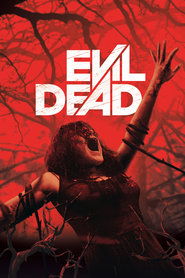
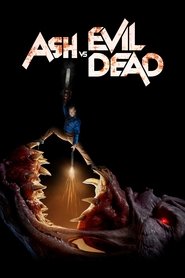
An Original Project Within the Franchise
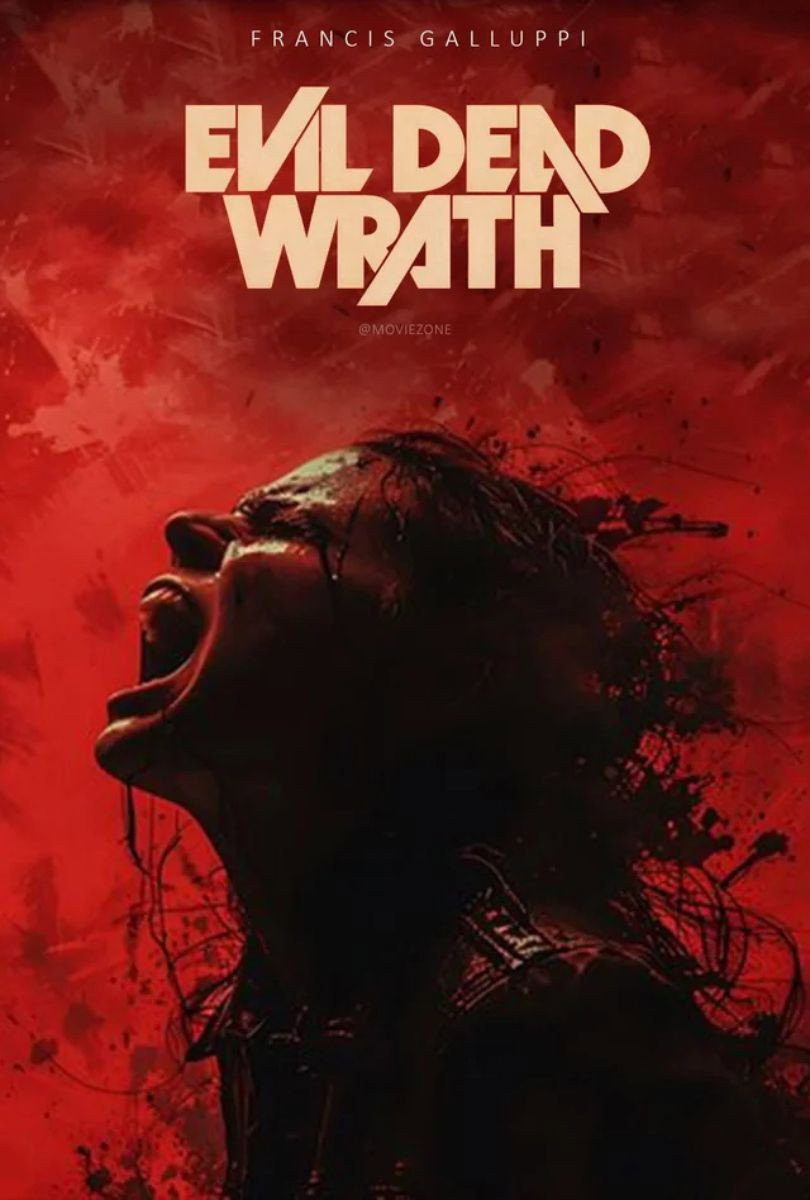
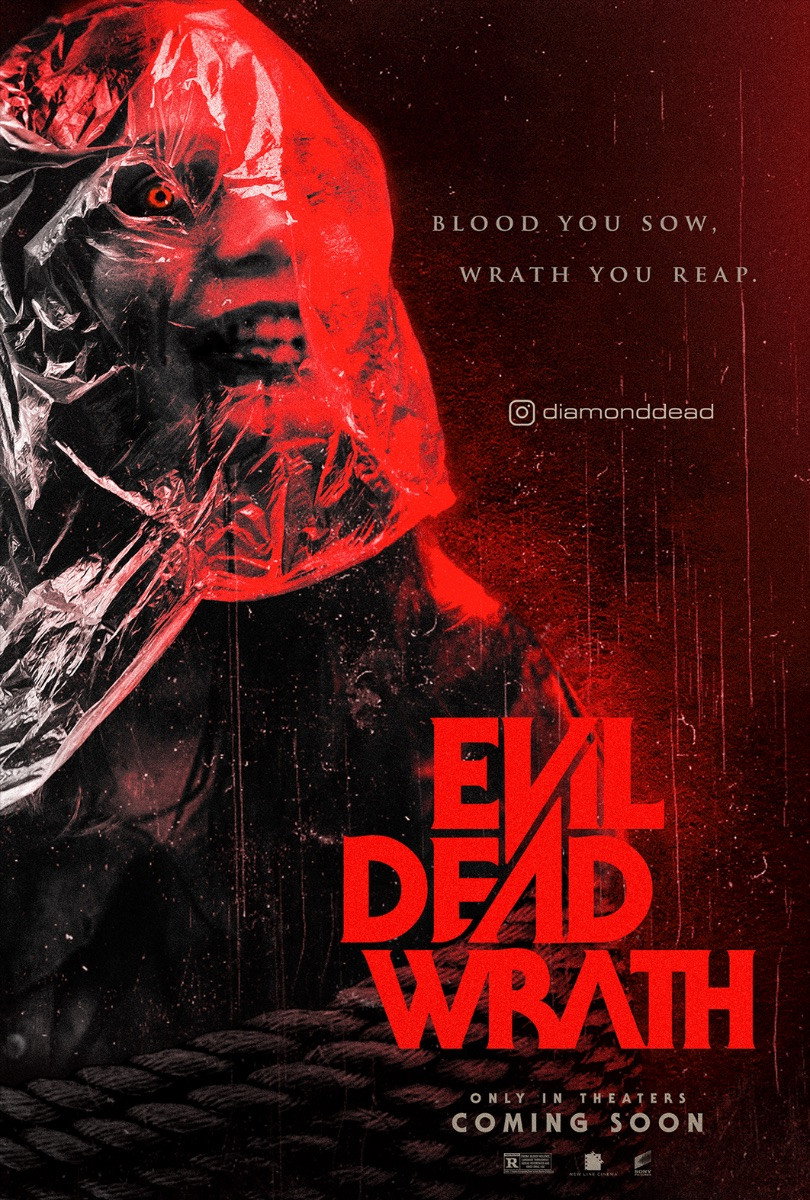
The project was announced in April 2024 after Galluppi attracted attention with his feature debut, The Last Stop in Yuma County. Reporting at the time described the proposed Evil Dead film as an idea he had taken directly to Raimi and his collaborators. Raimi publicly praised the director's command of suspense and sudden violence, explaining the qualities that interested him. That endorsement concerns Galluppi's previous work and suitability for the assignment; it should not be converted into a review of Wrath, whose images and performances were not yet available to audiences.
The decision to commission Galluppi's story alongside a separate film by Vaniček placed the series on a different production path from the earlier Ash Williams-centered installments. Raimi and longtime collaborator Tapert remained involved as producers, while the film was developed for New Line Cinema. An announced ensemble includes Charlotte Hope, Jessica McNamee and Zach Gilford, among others, but publicity has disclosed little about the relationships between their characters. The casting announcement alone cannot establish who survives, encounters a demonic presence or occupies the main viewpoint of the story.
The 1972 Setting and Domestic Conflict
At an April 2026 appearance at Michigan State University, Tapert supplied the clearest account of the setting then available. He said the story takes place in 1972 and concerns a French woman in a difficult marriage in America. He suggested that her husband may be abusive and that his relatives do not believe her. Those qualifications matter: Tapert was offering a spoken preview, not a fully detailed synopsis. The description places mistrust within a family at the center of the announced premise, although no verified account yet explains how the franchise's supernatural forces enter the situation.
The date makes Wrath a prequel in chronological terms, but it does not establish a direct connection to Ash, the cabin or a particular copy of the Book of the Dead. Tapert also indicated that the film contains coming-of-age material and sexual situations unusual for the series. His remarks describe the intended territory of the screenplay and should not be treated as evidence of specific scenes or an eventual classification. The period setting and interpersonal conflict offer meaningful information about the creative plan without supporting a description of the completed narrative.
Period Photography and Production
Tapert described a deliberate attempt to evoke the visual character of films made in the early 1970s. He said Galluppi and his cinematographer were looking to the warm, tungsten-heavy appearance associated with Ektachrome 100. This is evidence of a visual reference, not confirmation that the production actually photographed the feature on that stock. Tapert contrasted Galluppi's controlled approach to staging with the more mobile camera work he associated with Vaniček's companion project. Such distinctions are useful records of the producers' stated expectations, but final judgments about cinematography must depend on the released film.
Principal photography was reported as completed in New Zealand at the end of May 2026. Warner Bros. later confirmed an April 7, 2028 American theatrical date following an initially incorrect 2027 announcement at CinemaCon. The separation between filming and release leaves space for postproduction, but no verified account specifies the extent or methods of effects work. Tapert also predicted potential difficulty securing a US age classification because of the material; a forecast by a producer is not an official ratings decision. For now, production status, the intended period aesthetic and the announced release plan are the most substantial documented aspects of the film.