Developing a New Opponent for Jason
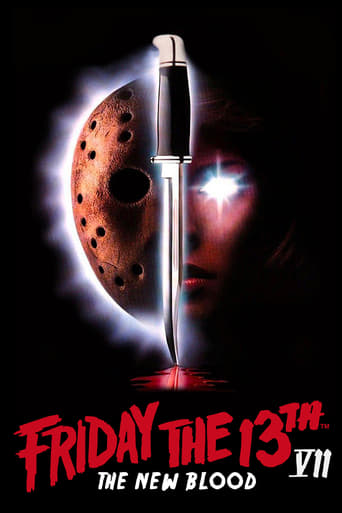
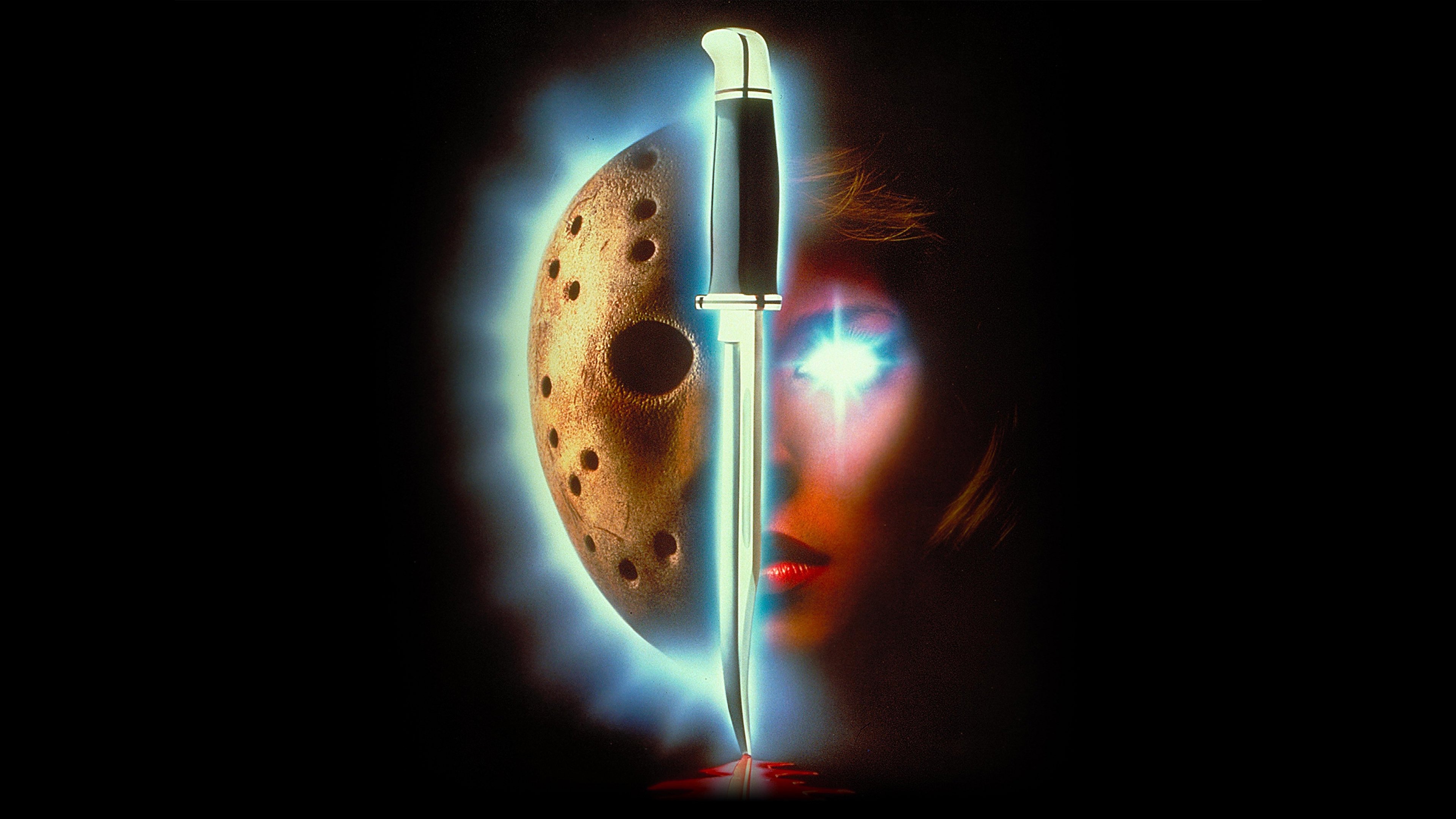
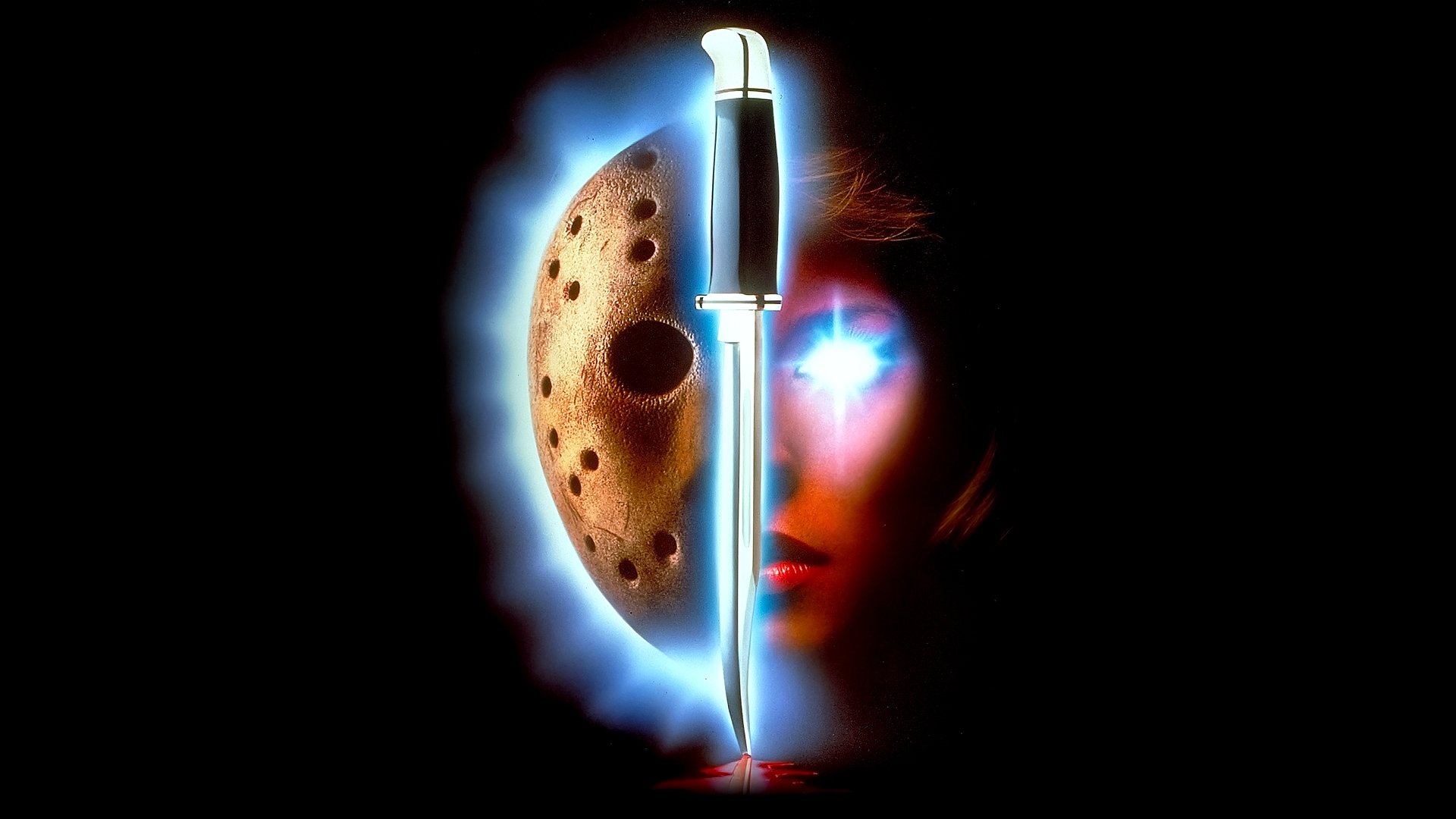
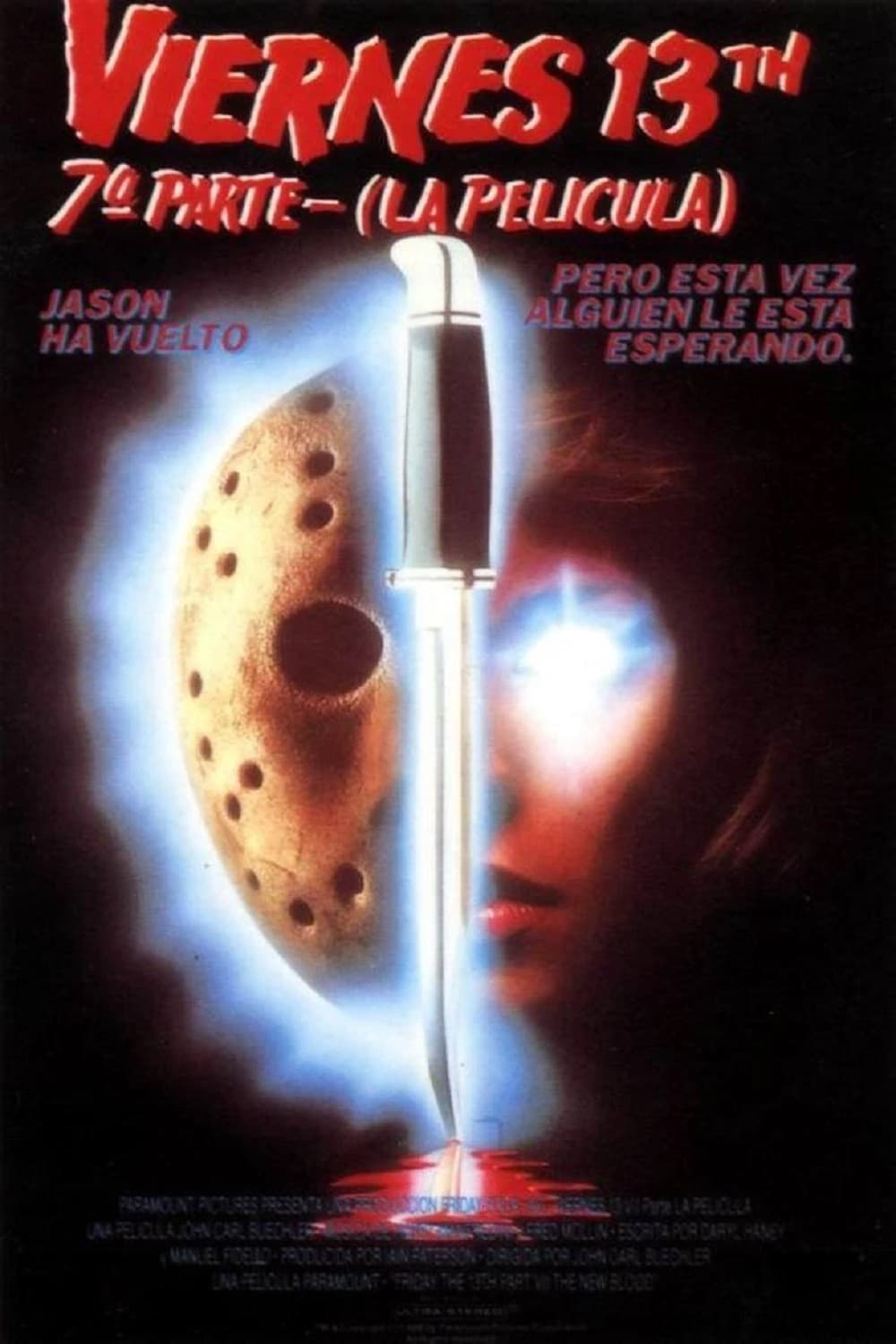
After Jason Lives (1986) had left Jason chained beneath Crystal Lake, the next production faced a familiar problem: continuing a profitable series without simply repeating its previous conflicts. Screenwriter Daryl Haney later recalled that a proposed crossover with Freddy Krueger had failed to advance and that the idea of a young woman with telekinetic powers provided a different kind of opponent. The shorthand comparison with Carrie was apparent during development. In an interview with GQ, Haney described producer Barbara Sachs's enthusiastic response to the psychic-survivor premise, although that recollection remains a participant's retrospective account of a changing project.
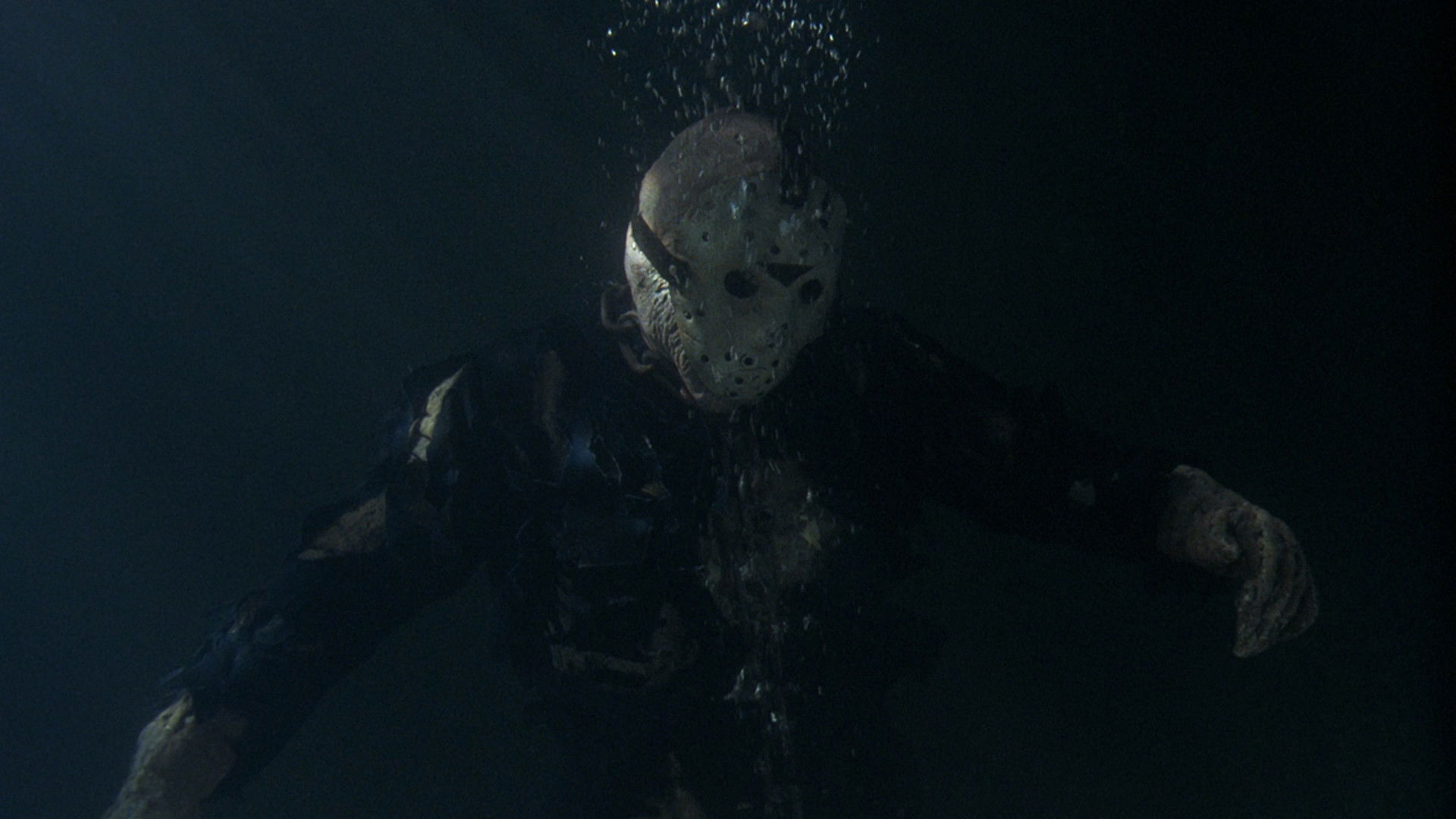
Buechler entered the production after directing Troll and working extensively in practical makeup effects. He recalled that producer Frank Mancuso Jr. valued this expertise at a time when competing horror franchises were placing greater emphasis on spectacle. The director said he wanted a story with stronger character motivation and more elaborate action, and he connected the opening to the previous film's underwater ending. Multiple screenplay revisions preceded the finished result. The supernatural premise suited a series in which Jason had already survived events beyond ordinary physical explanation, yet it also changed the final girl's dramatic position: Tina could confront the attacker through abilities that the earlier survivors never possessed.
Tina Shepard, Trauma and Supernatural Horror
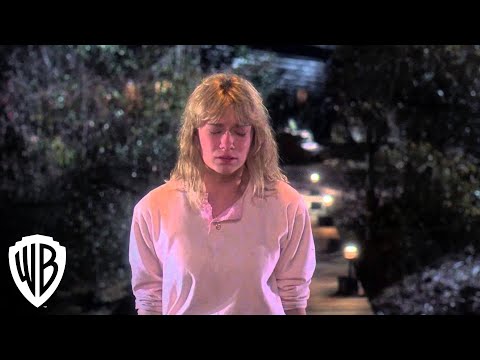
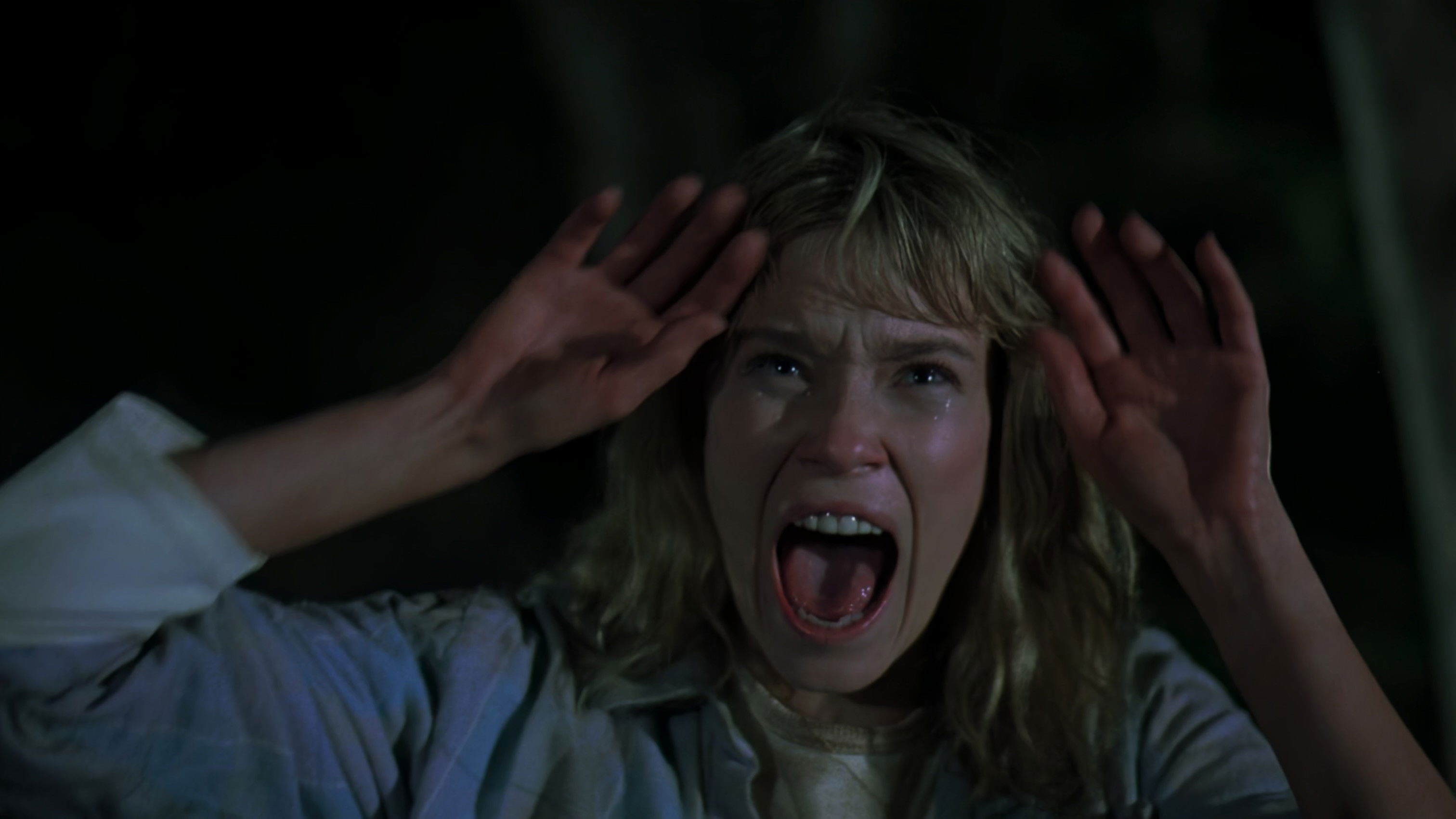
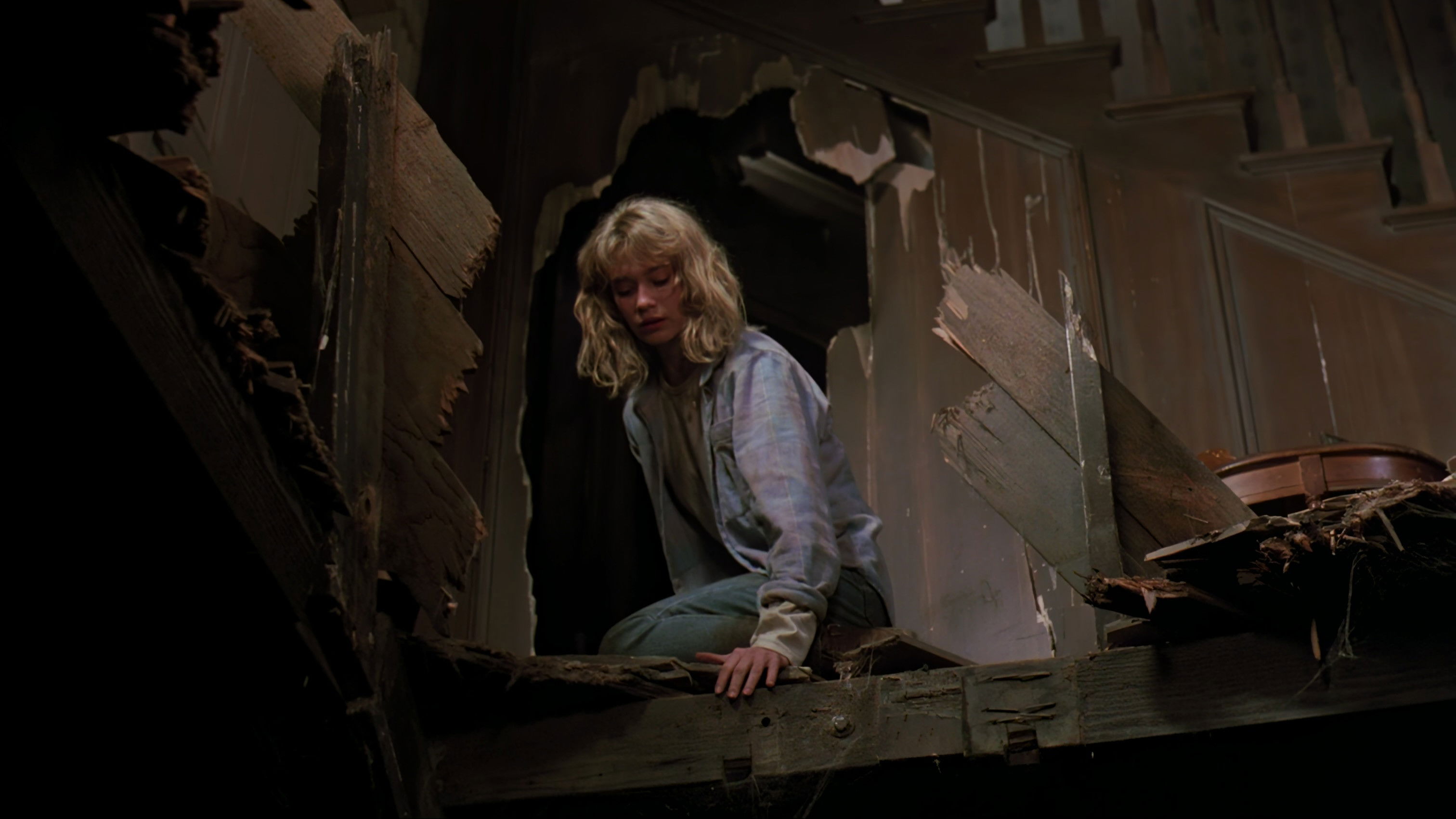
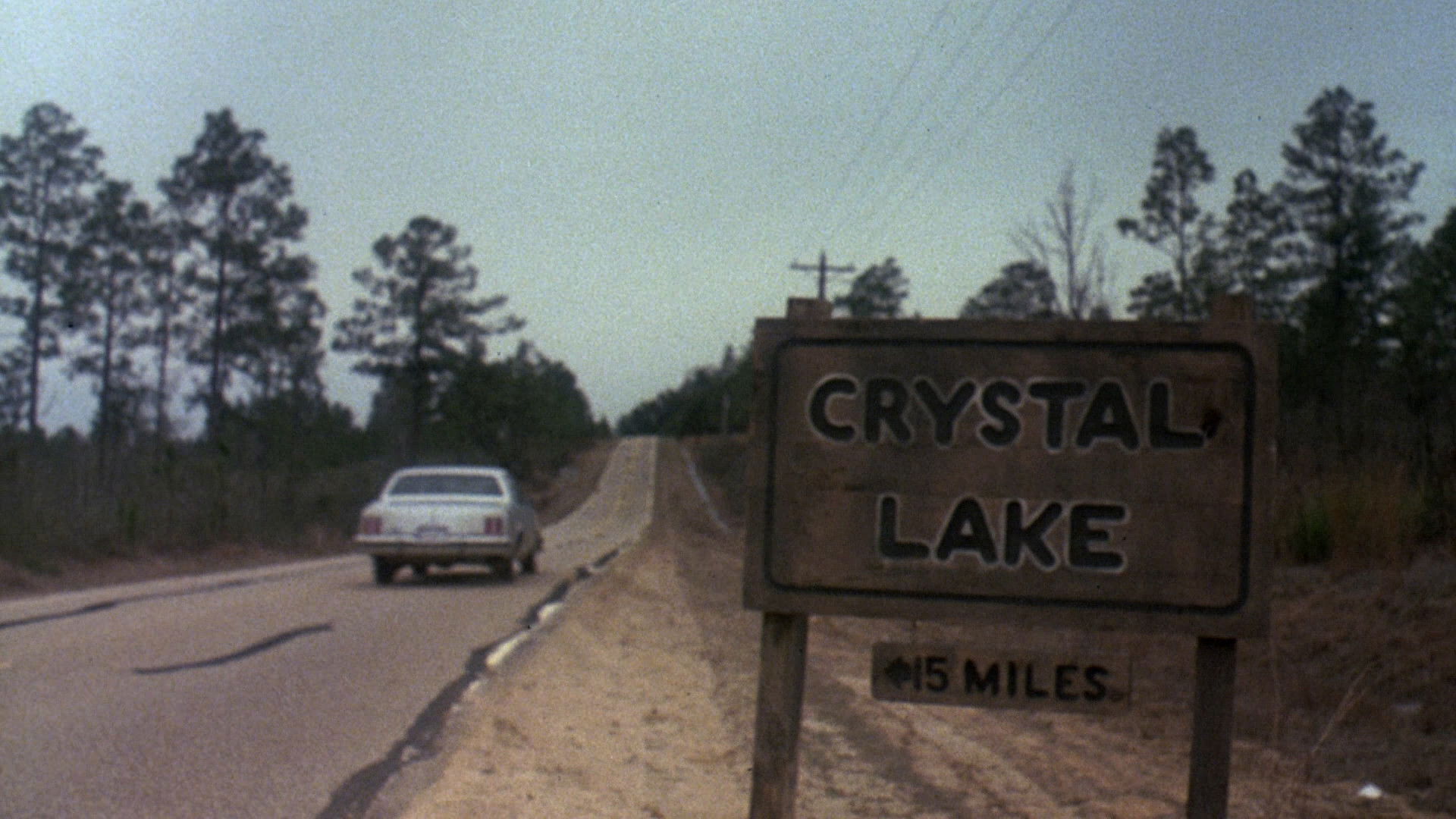
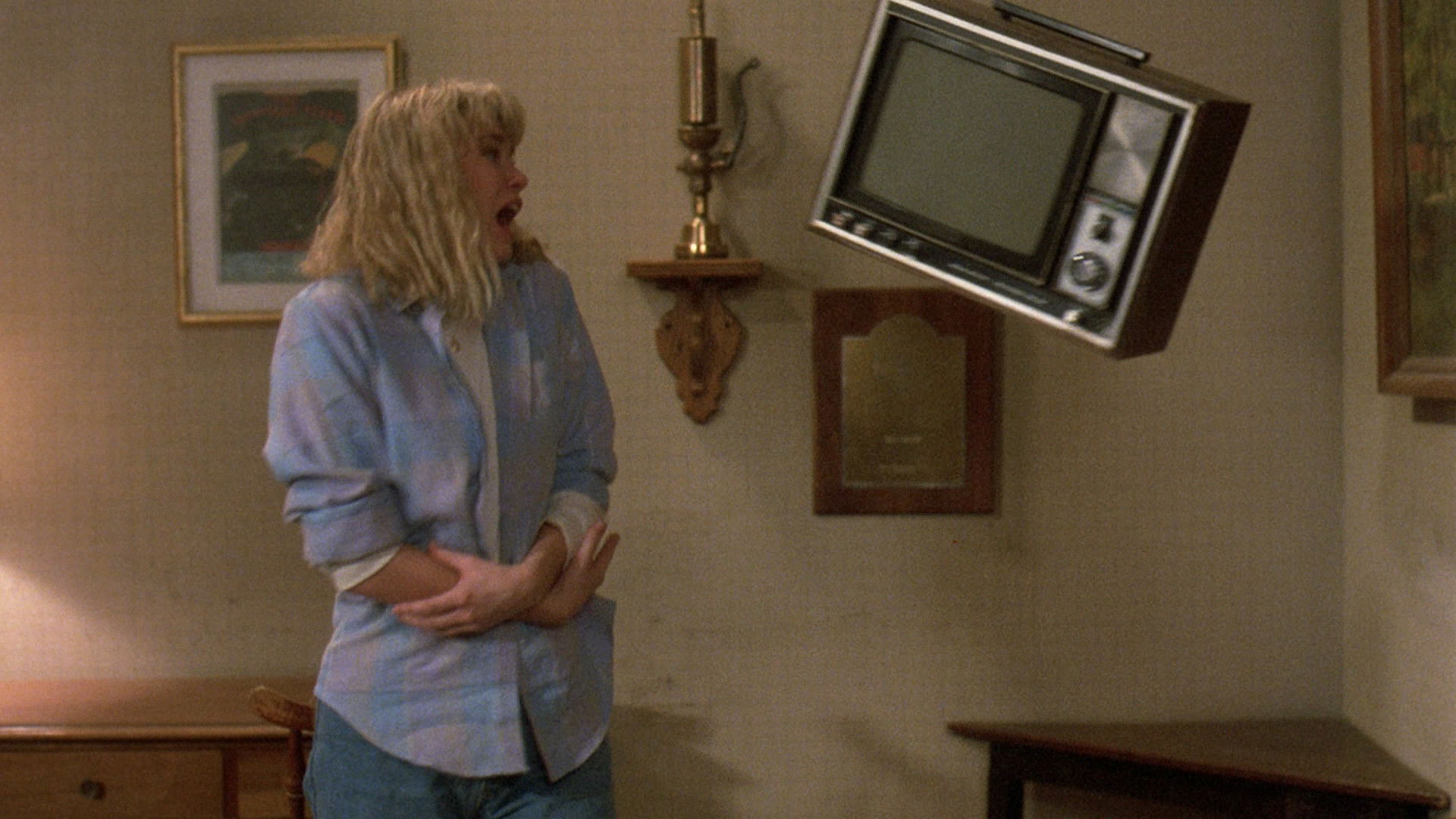
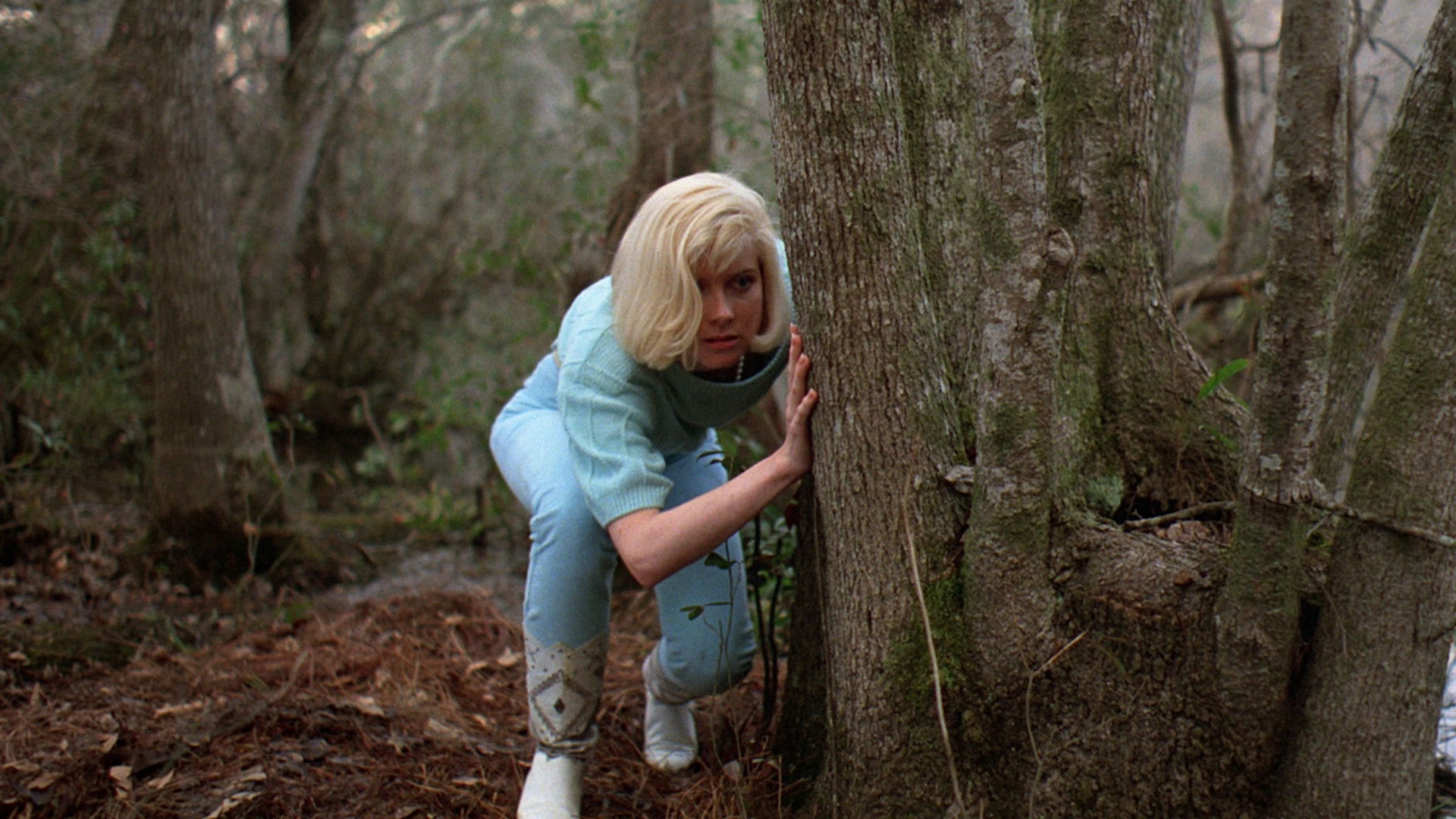
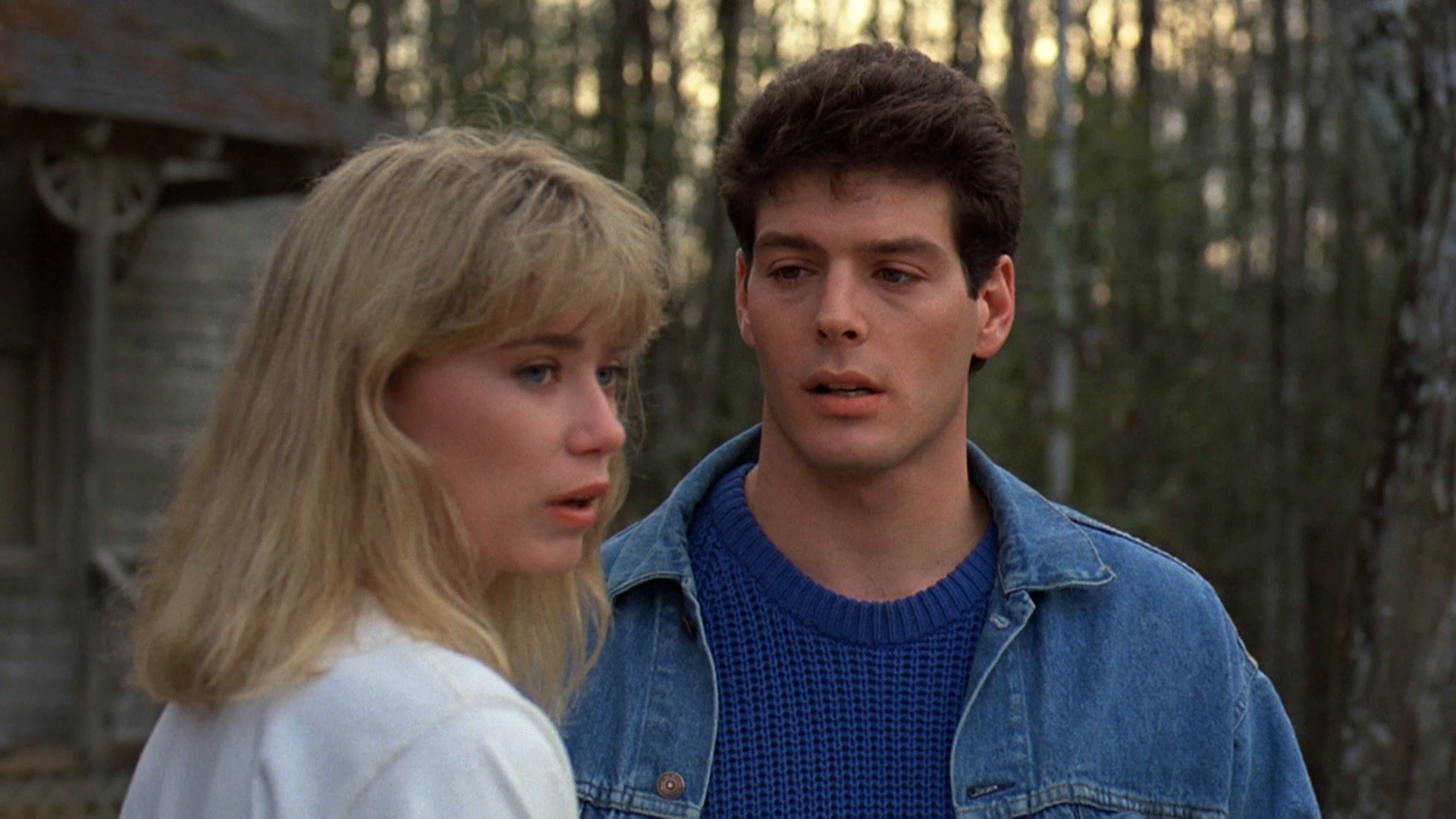
Tina Shepard's psychic abilities are linked to a childhood accident in which her father drowned after violence within the family. Returning to Crystal Lake under the supervision of Dr. Crews forces her to revisit that memory while exposing her to an adult who sees her powers as something to exploit. The film uses her guilt to give apparently paranormal incidents a personal significance. Sudden movement in the surrounding environment becomes evidence that she cannot easily dismiss, and the lake operates as both the setting of an earlier loss and the place where Jason's submerged body awaits release.
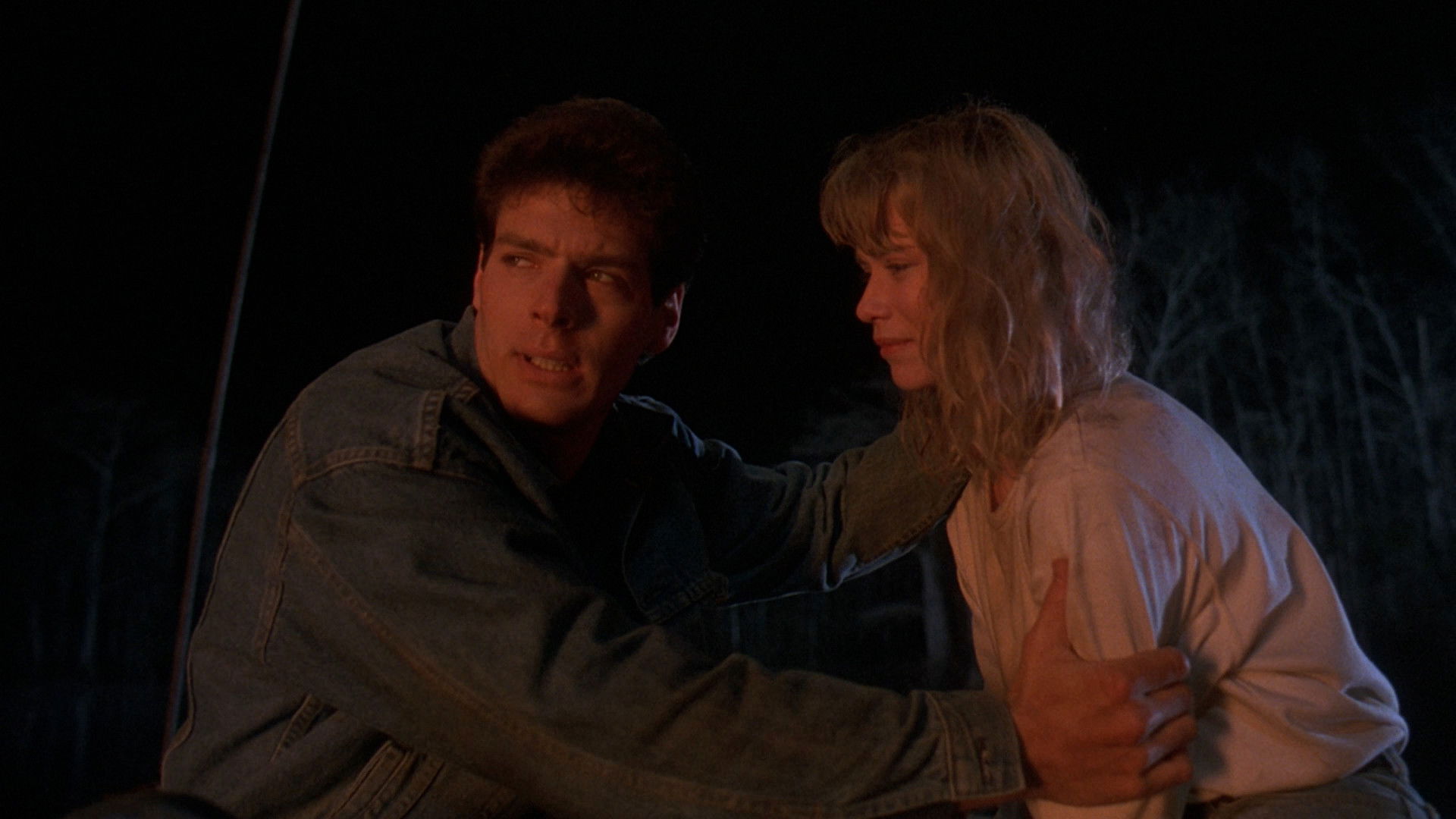
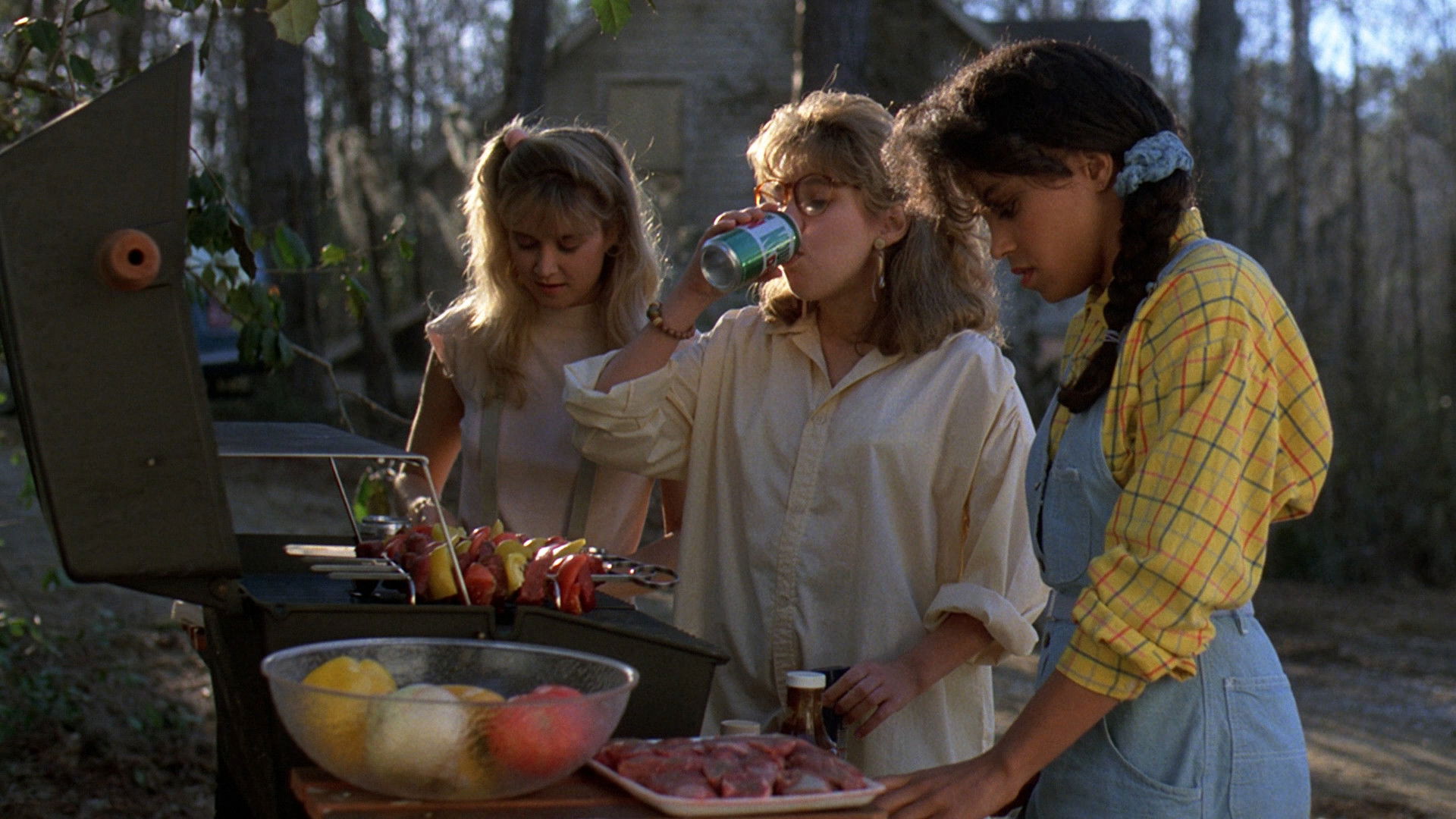
The relationship between Tina and the neighboring group of young people also produces an unusual imbalance. Most of the prospective victims follow recognizable slasher routines, but Tina's experiences accumulate across the film and make her the principal dramatic viewpoint. Her visions introduce threats before the people around her understand them, and Dr. Crews's manipulation leaves her without dependable adult protection. During the final confrontation, familiar household objects become instruments of resistance, shifting the staging from evasion to physical contest. The material is heightened supernatural melodrama, not a realistic portrayal of psychological treatment or a clinically grounded account of trauma.
The Alabama Shoot and Nighttime Staging
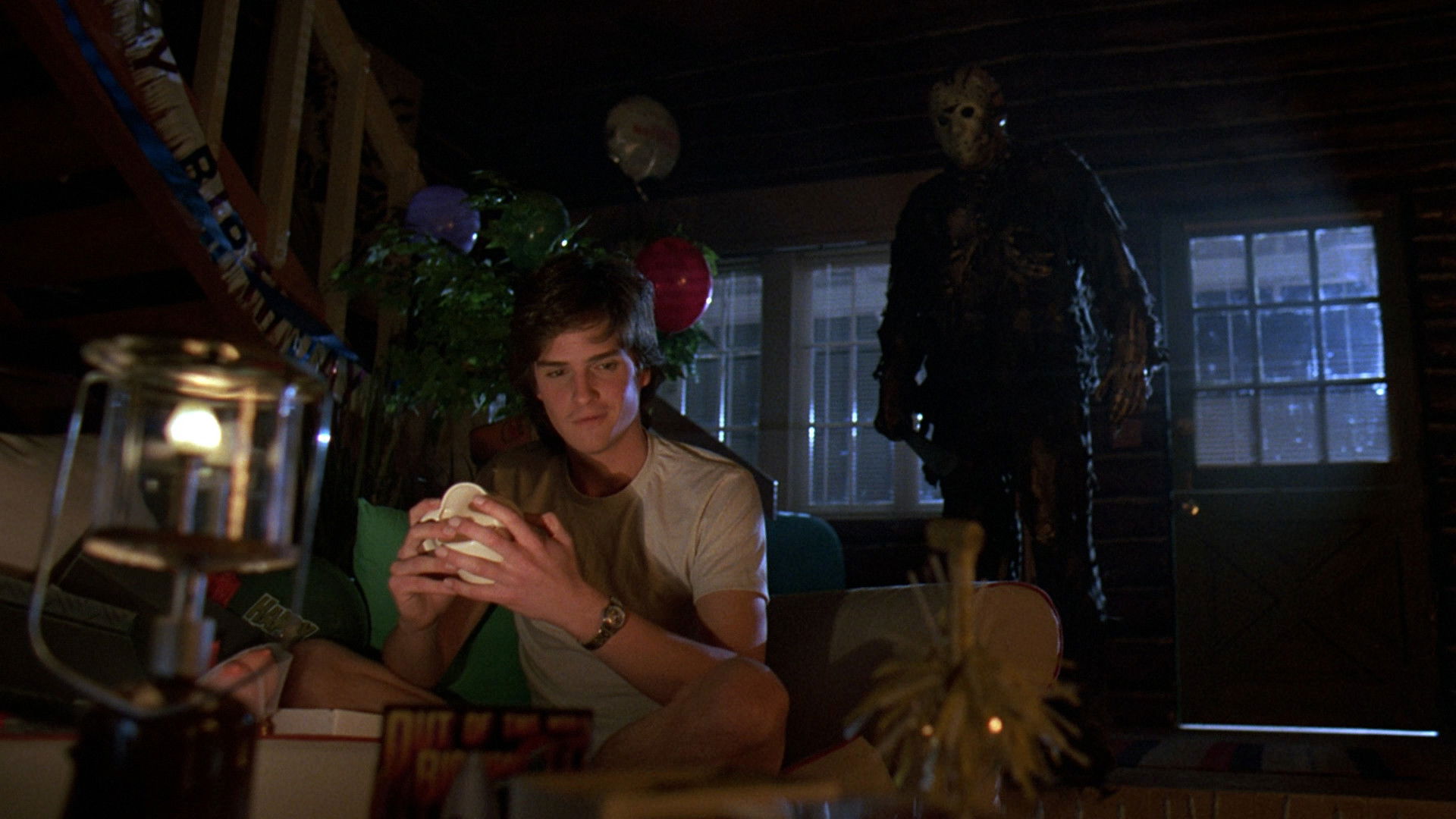
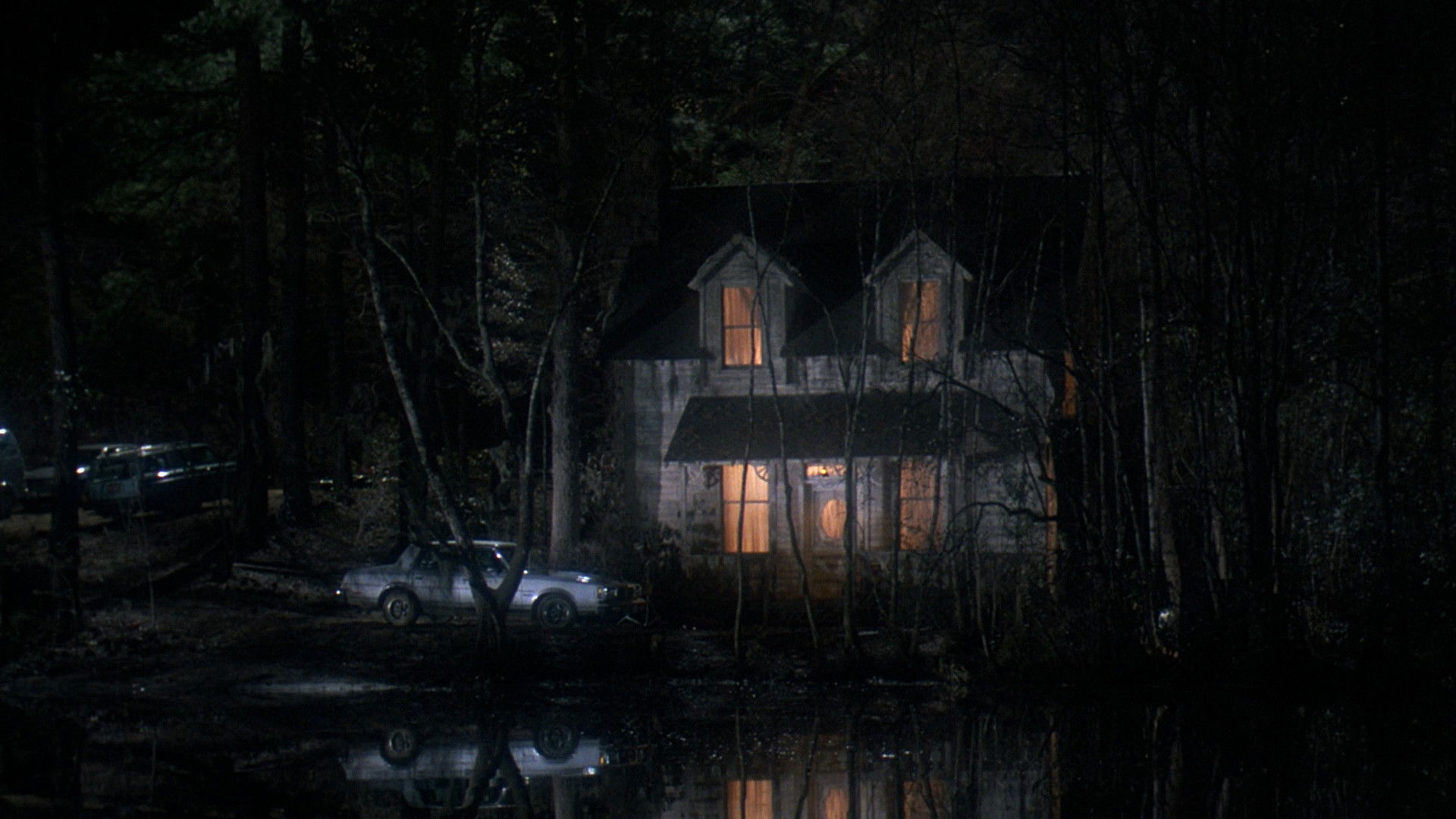
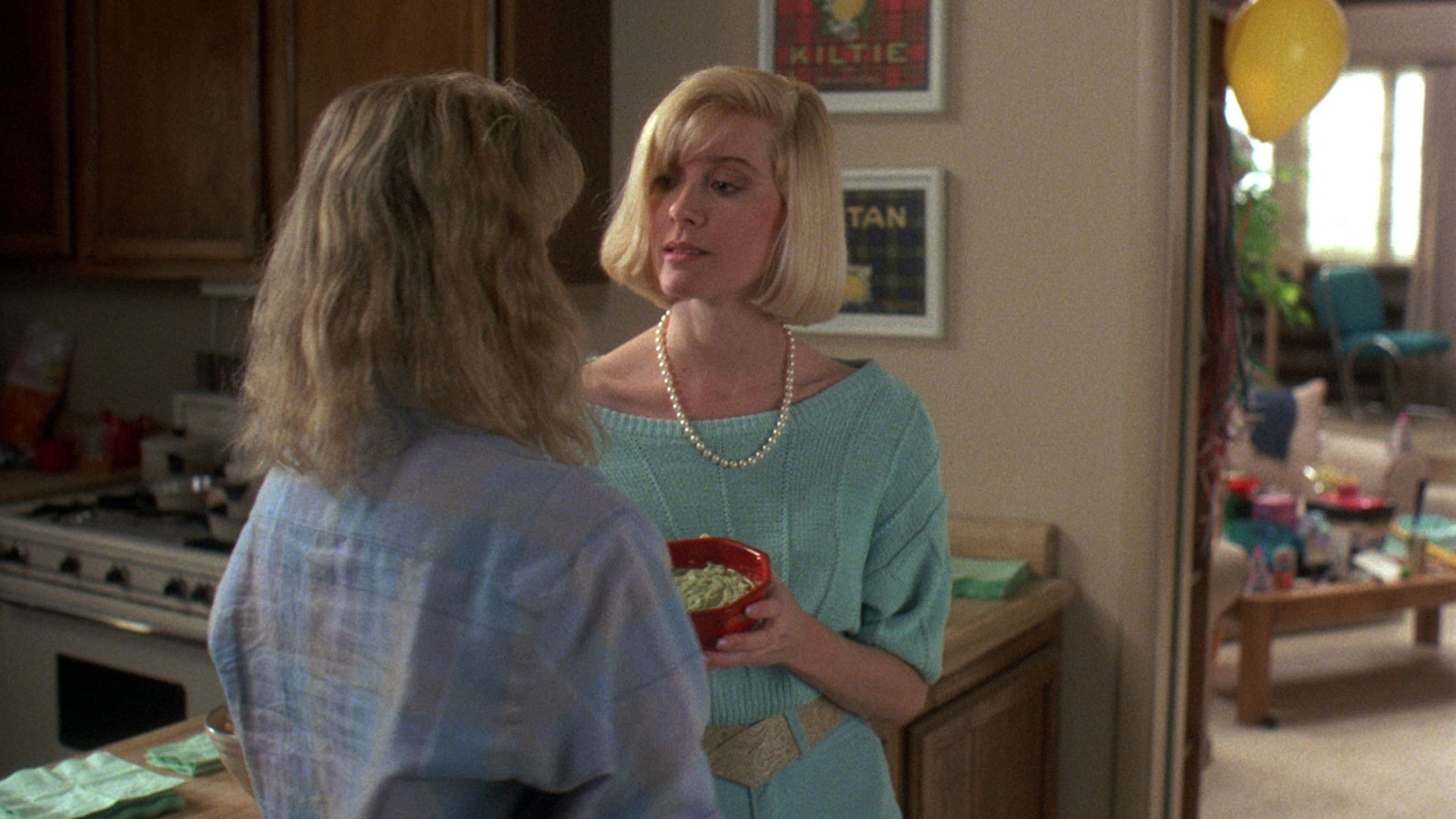
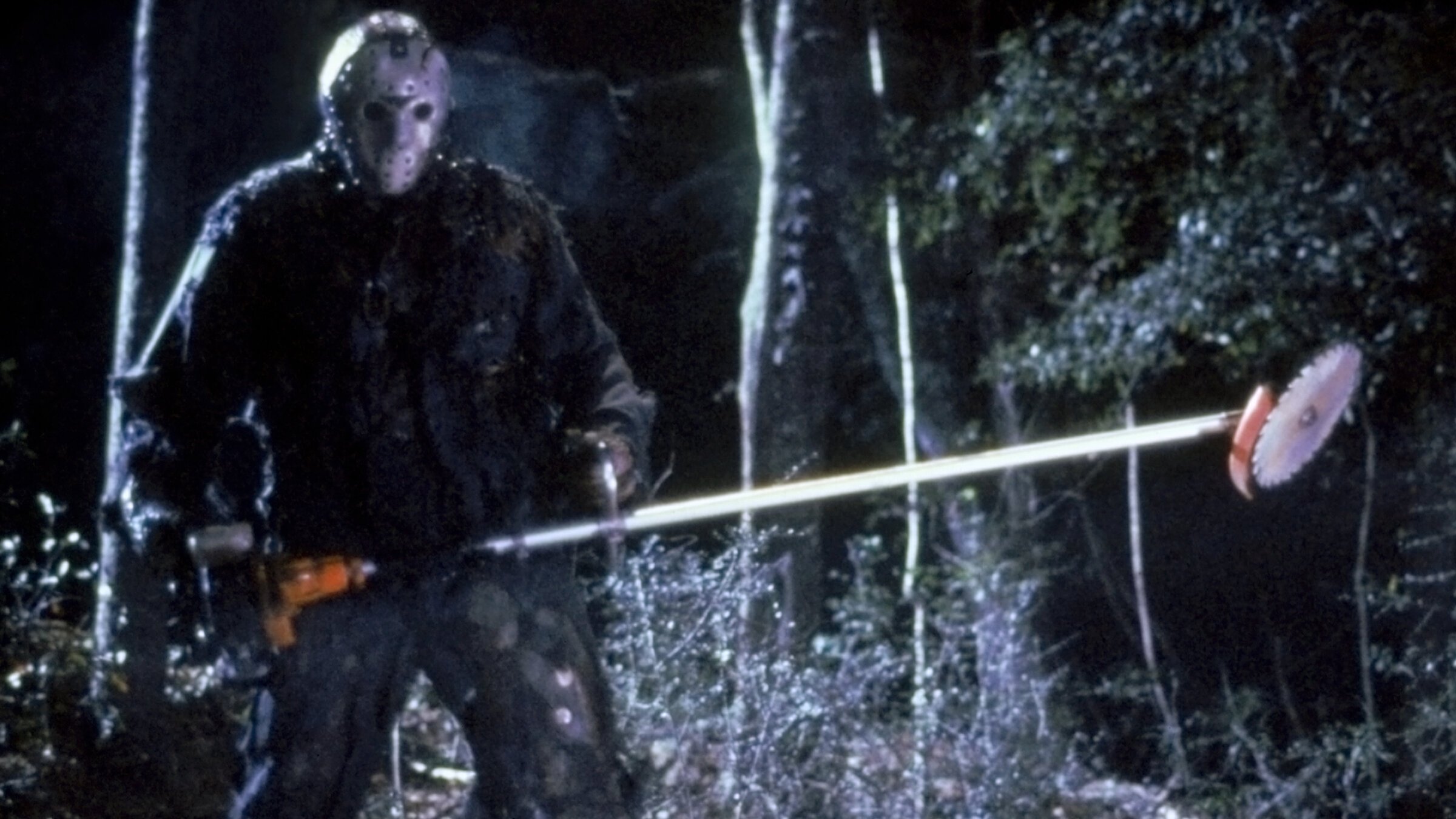
Contemporary production reports preserved by the American Film Institute identify January 8, 1988, as the start of principal photography in Los Angeles. Academy of Motion Picture Arts and Sciences production files, summarized by the AFI, also describe eight weeks of filming in Alabama, four of them devoted to night work. The working title was Birthday Bash, a reference to the celebration at the neighboring house. This combination of a contained lakeside setting and extensive after-dark shooting is central to the picture's texture. Wooded approaches, docks and interiors isolate characters in pockets of light while allowing Jason to emerge from dark areas of the frame.
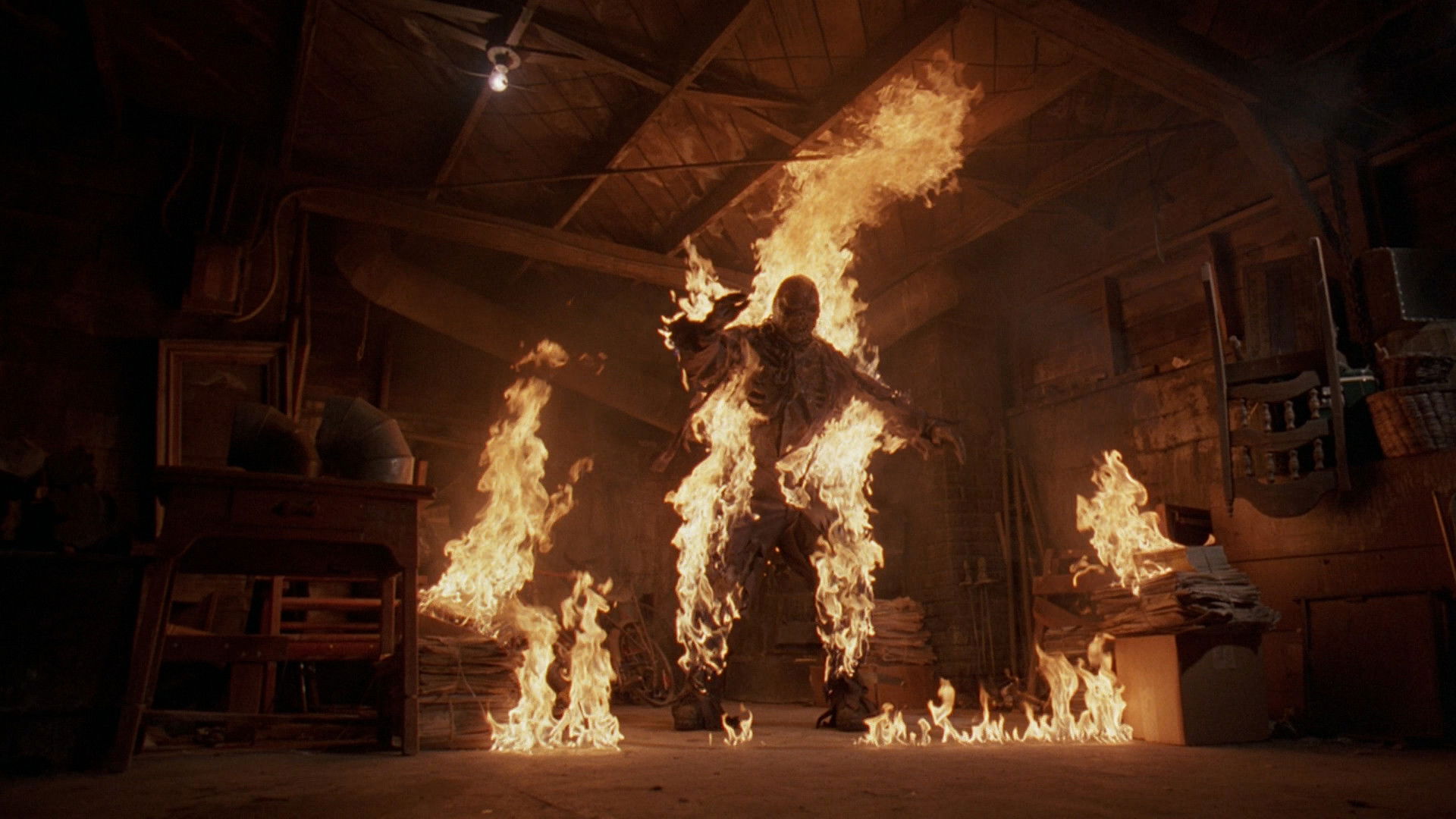
Cinematographer Paul Elliott's work is especially legible in the movement between the two cabins and the water. The locations must support ordinary scenes involving Tina's treatment, the neighboring party and the killer's movements without making the geography feel completely separate. The later confrontation adds broken architecture, moving objects and fire to those spaces, gradually turning the cabin into a series of practical hazards. These observations concern the released film's staging; the available interviews do not establish a complete technical record for every rig or camera setup. The demanding night schedule is documented independently of any claims about particular lighting inventions.
Kane Hodder and the Decaying Body Design
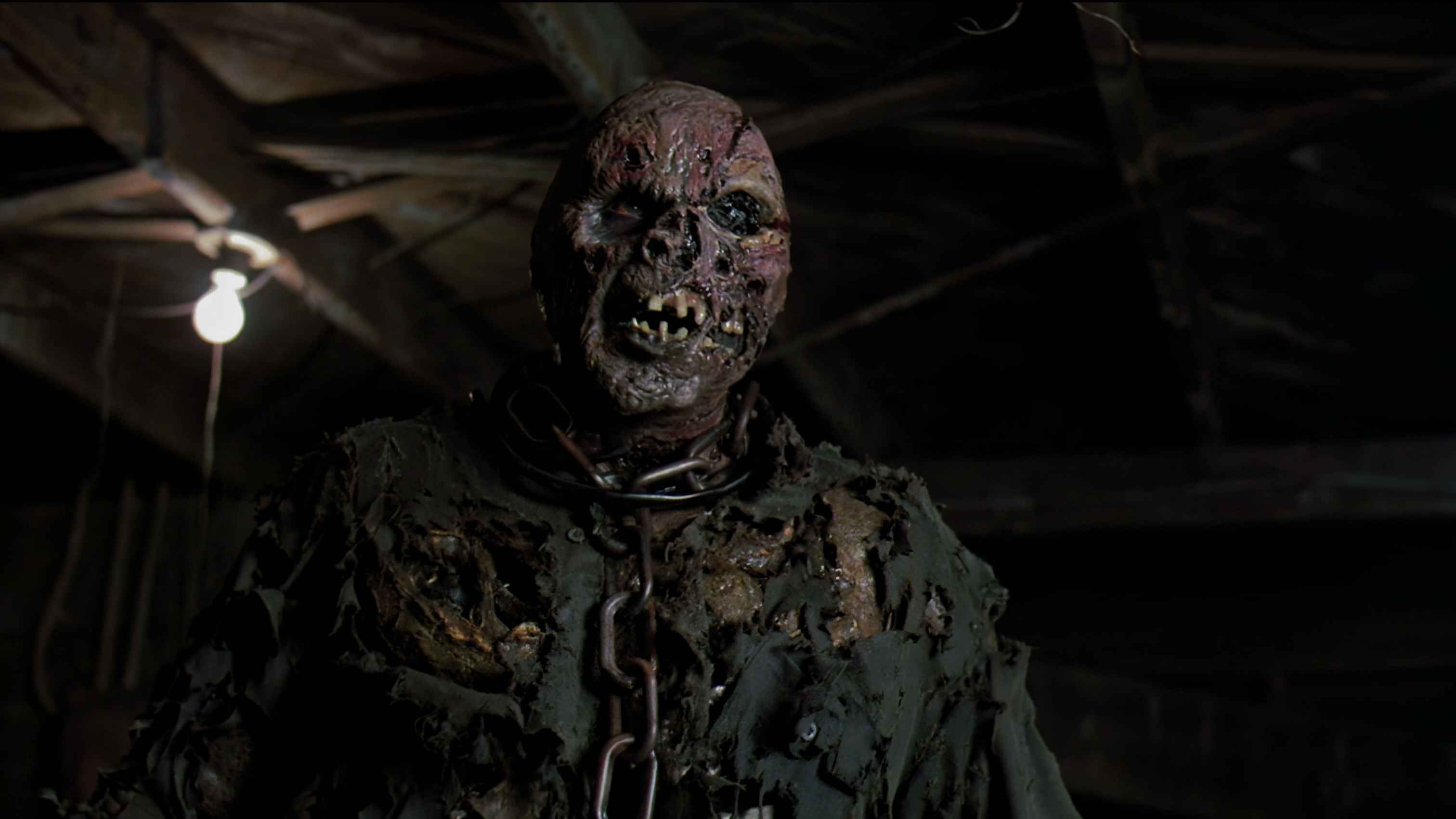
Hodder's casting followed his work with Buechler on Renny Harlin's Prison, where he had performed under extensive corpse makeup. Buechler recalled insisting that the stunt performer could bring physical precision to Jason despite initial objections to his build. A specially filmed makeup test helped secure approval. Hodder confirmed the sequence of events in later interviews and explained that the role required a performer capable of sustaining physical action while wearing restrictive prosthetics. In the earlier Friday films the masked murderer had been played by different performers; Hodder became the first actor to return as Jason across successive sequels.
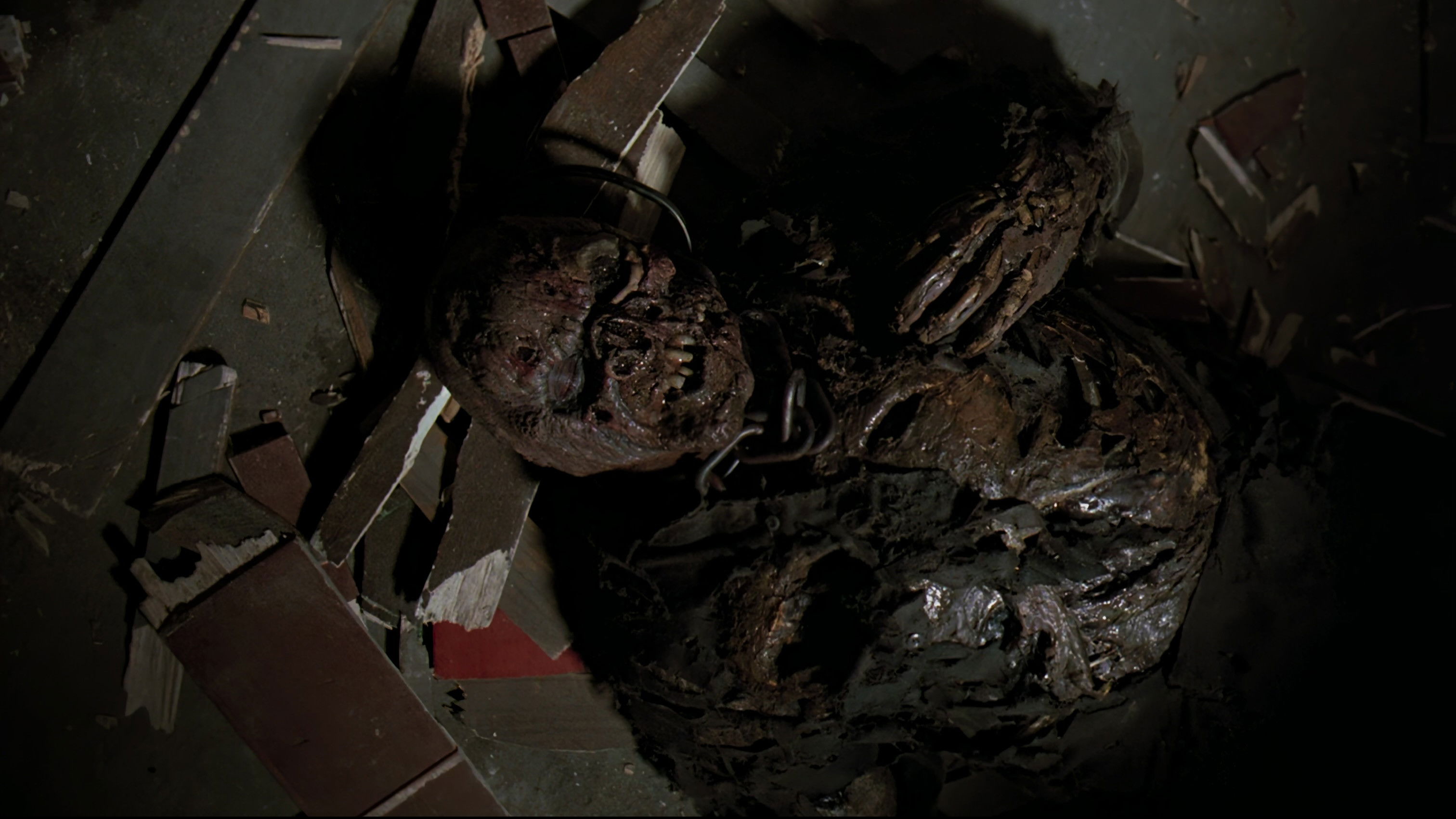
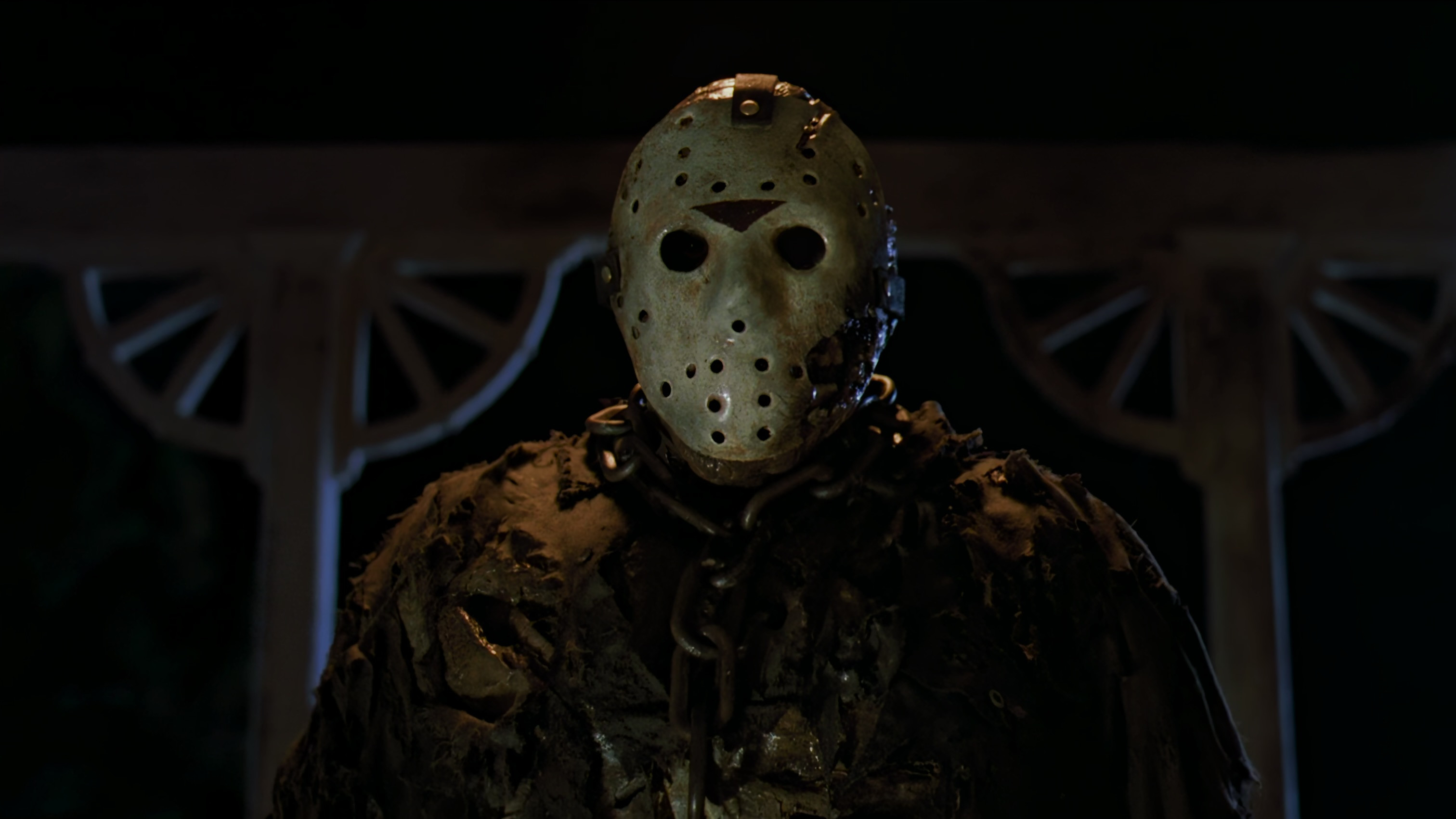
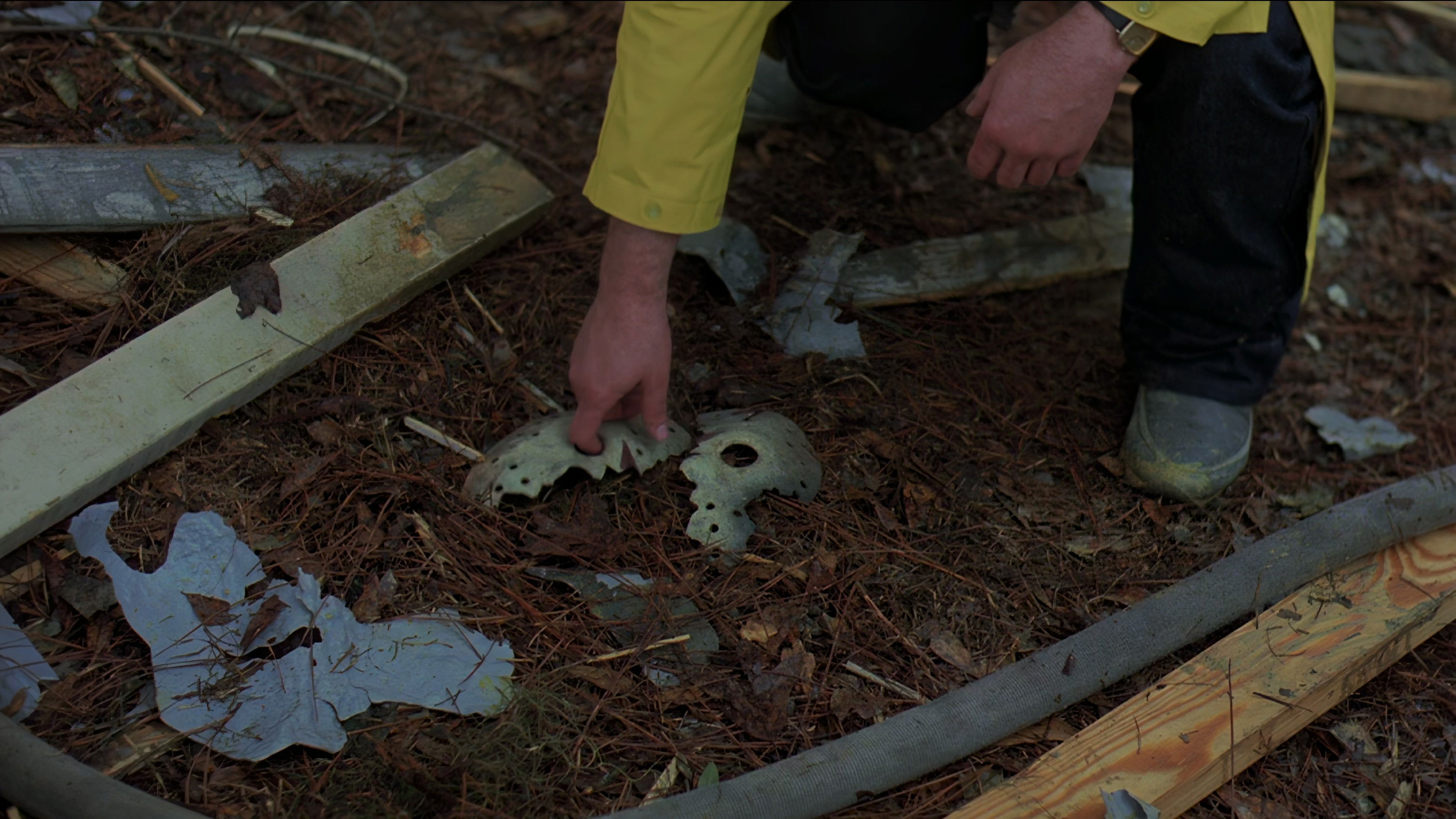
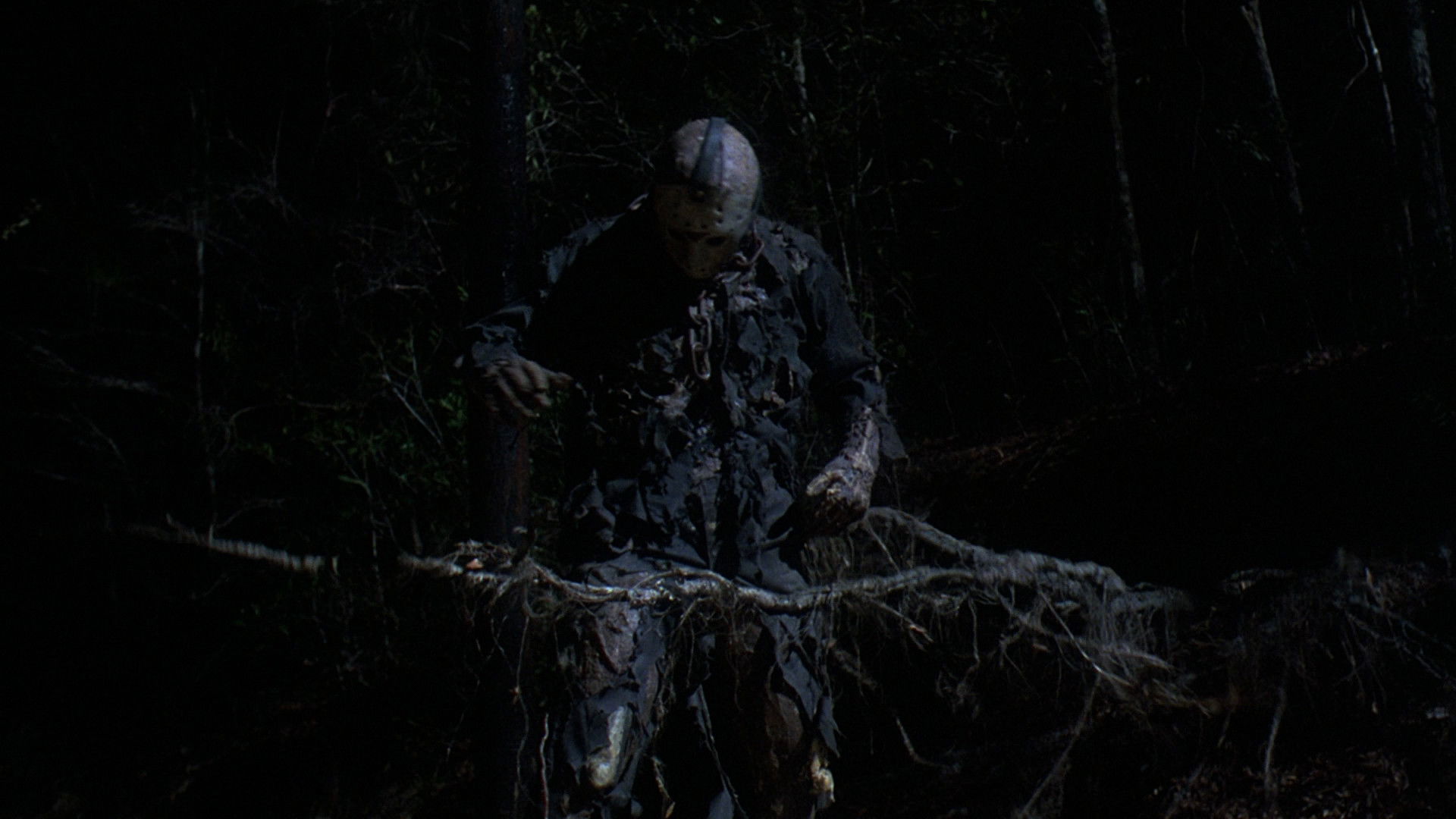
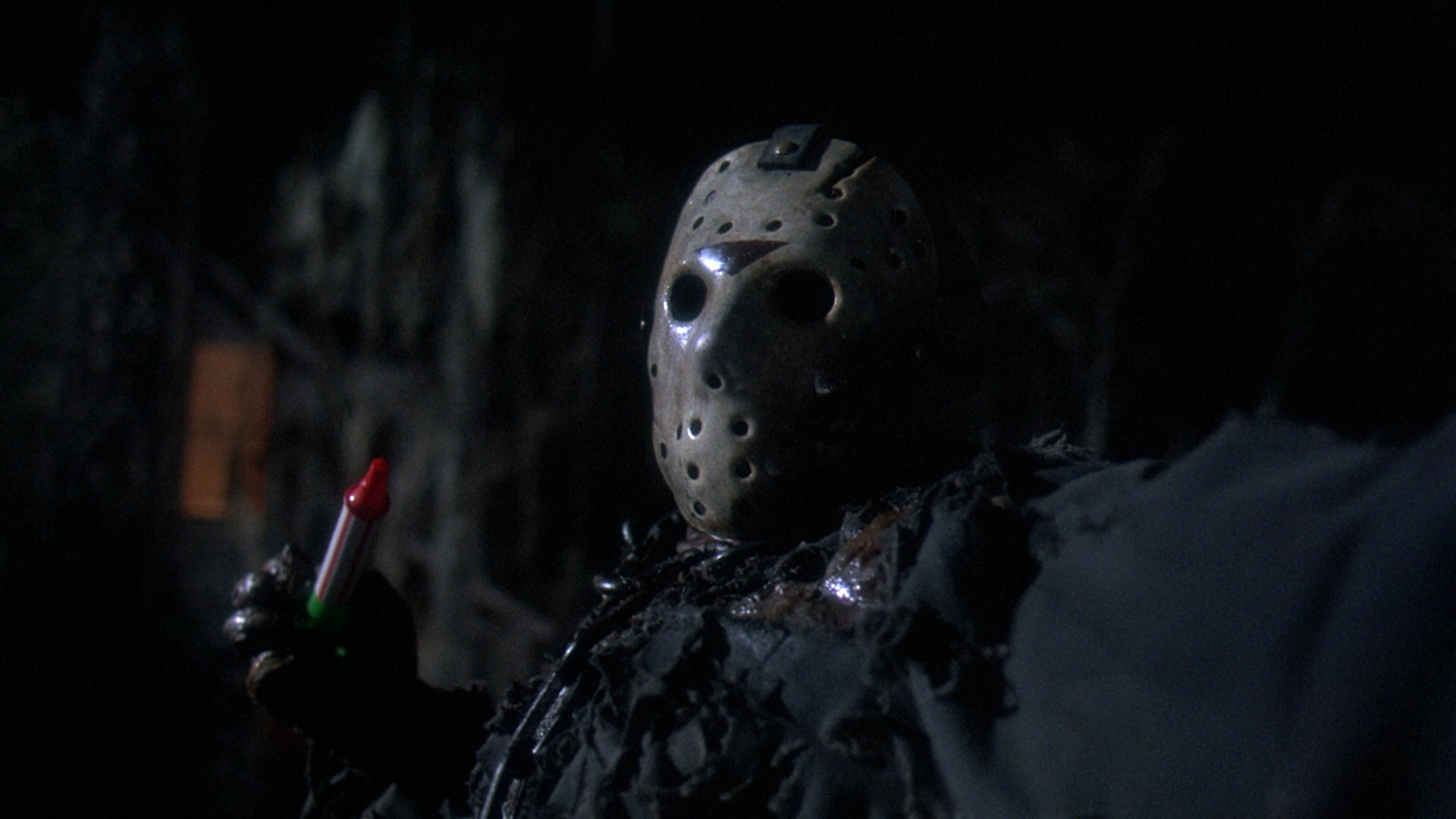
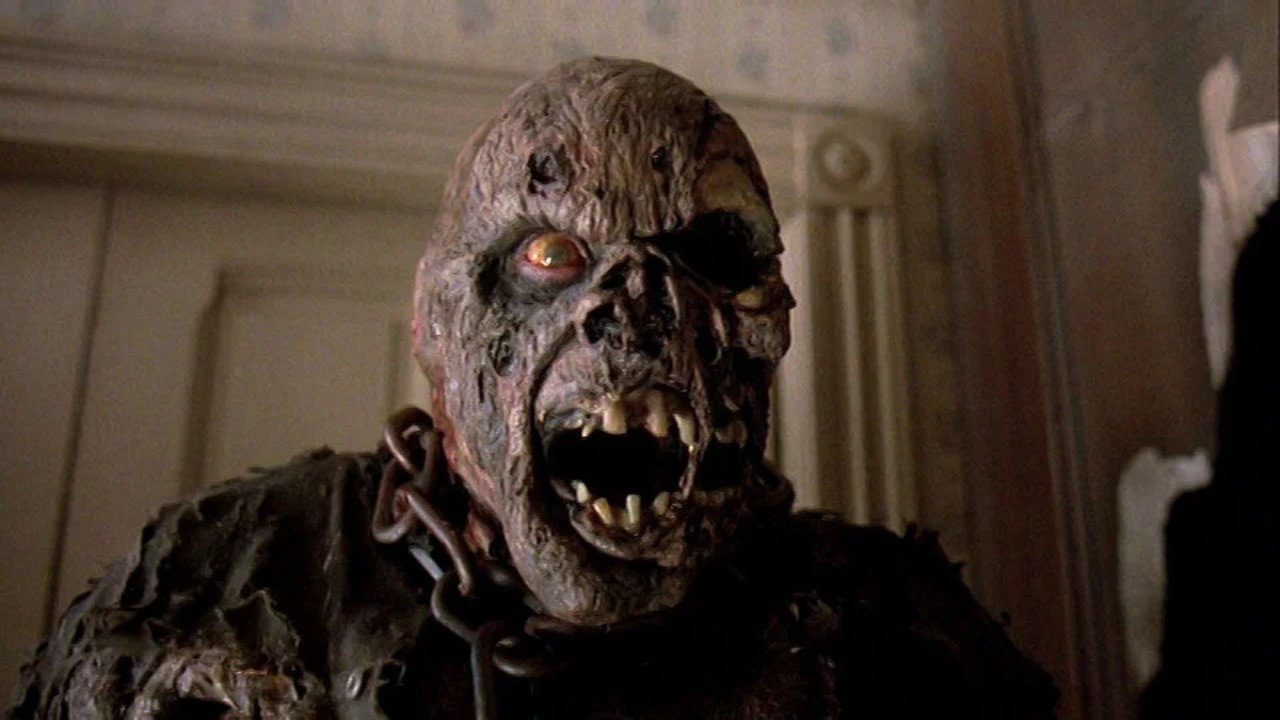
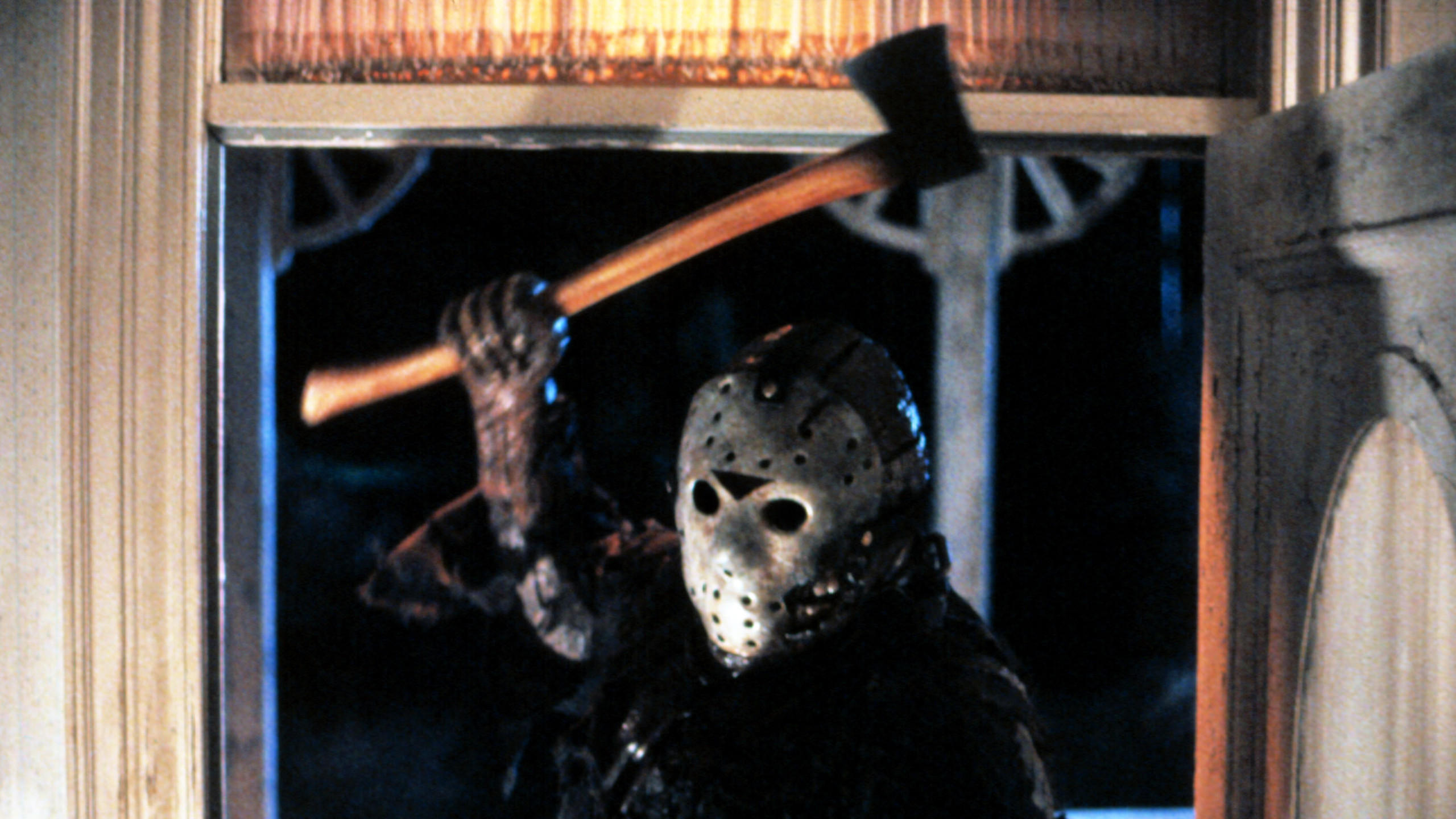
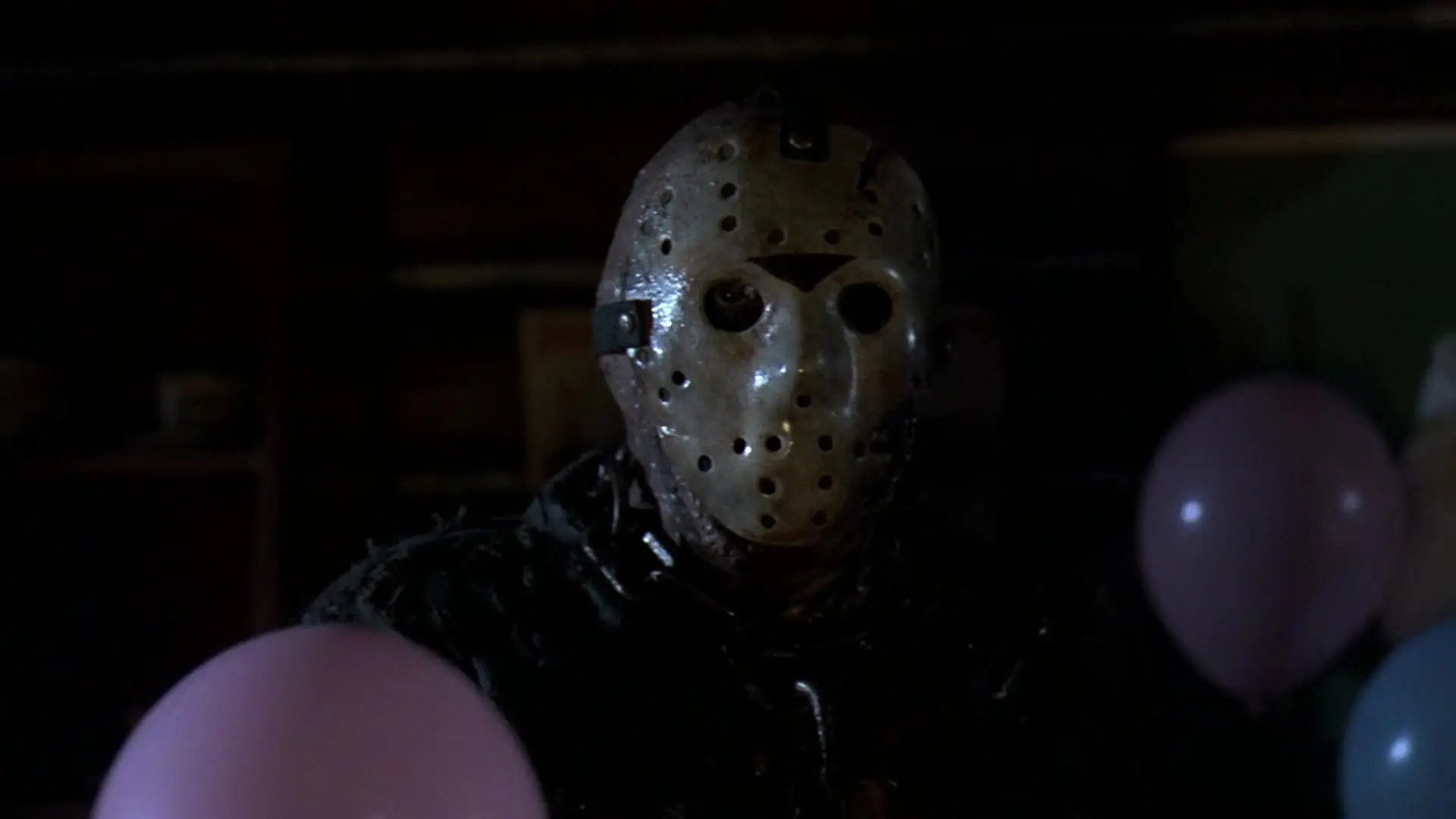
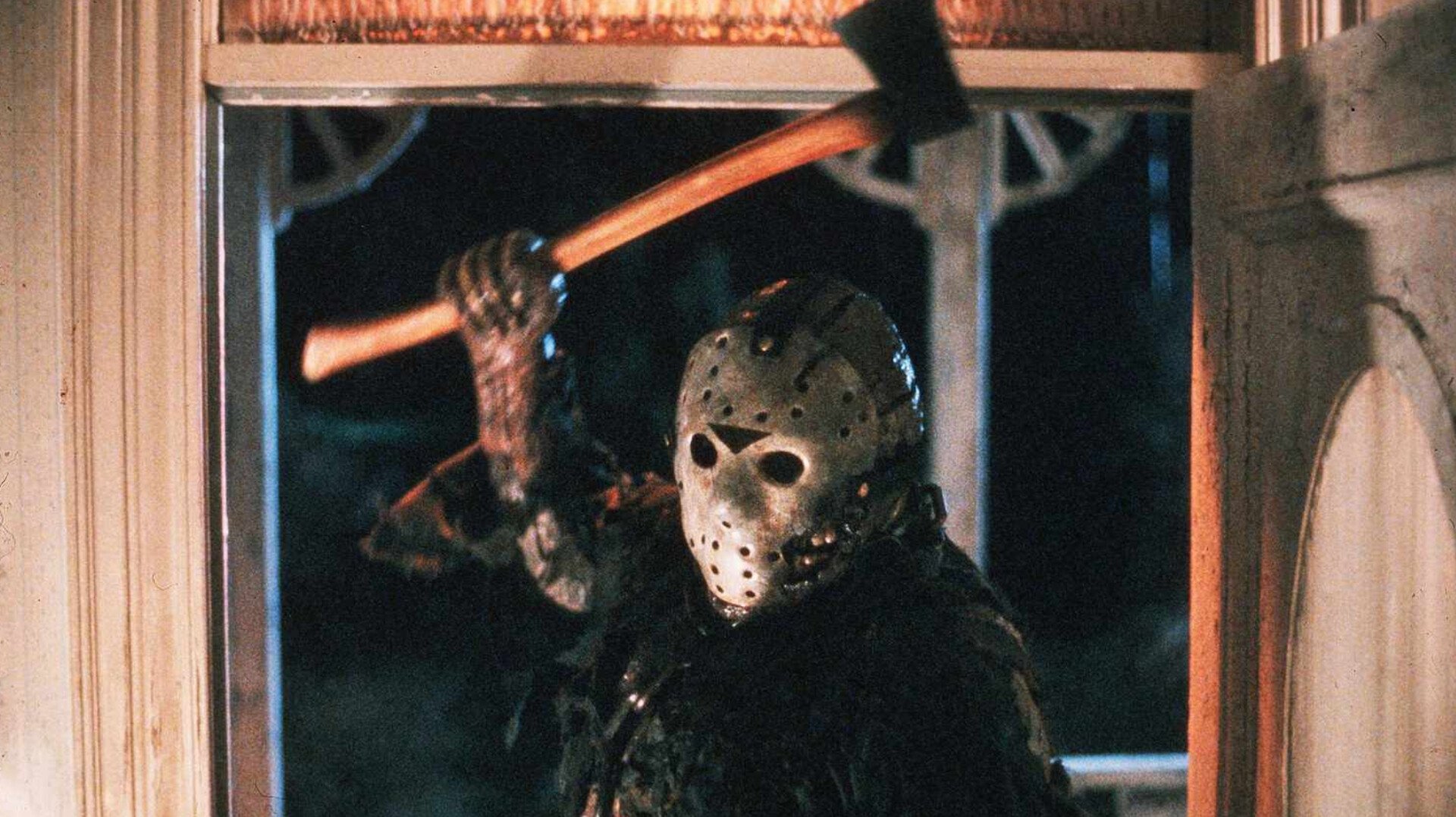
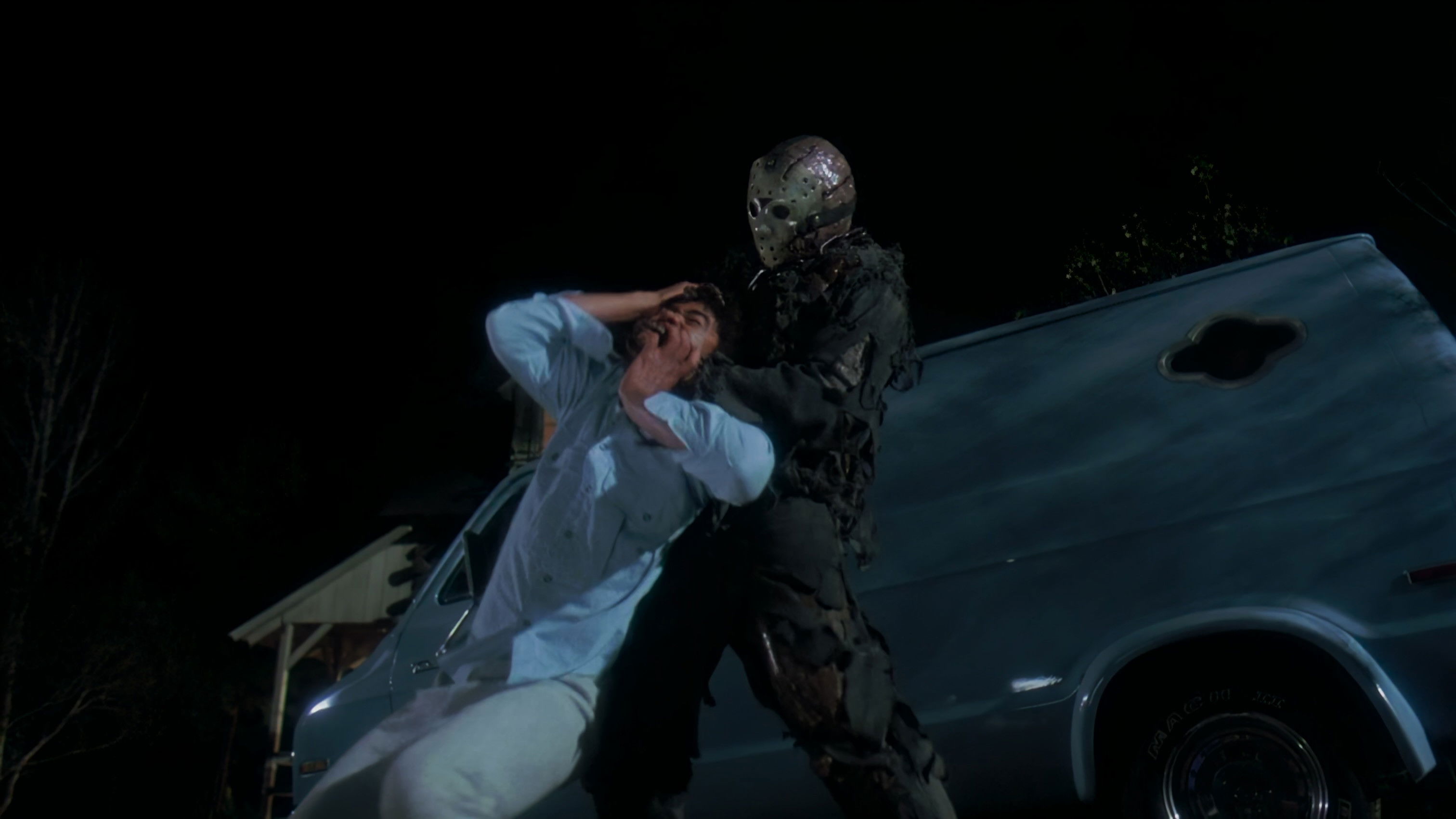
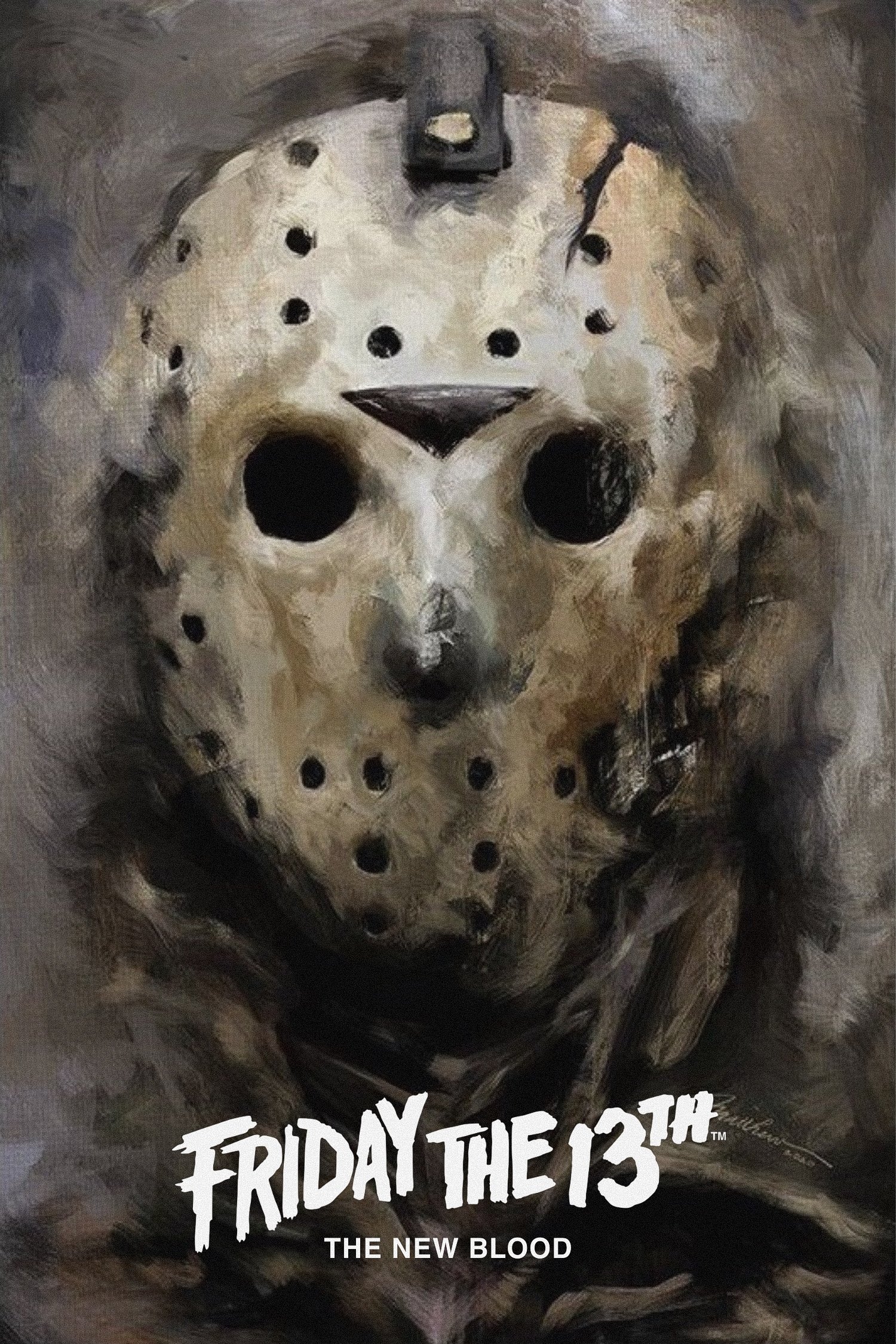
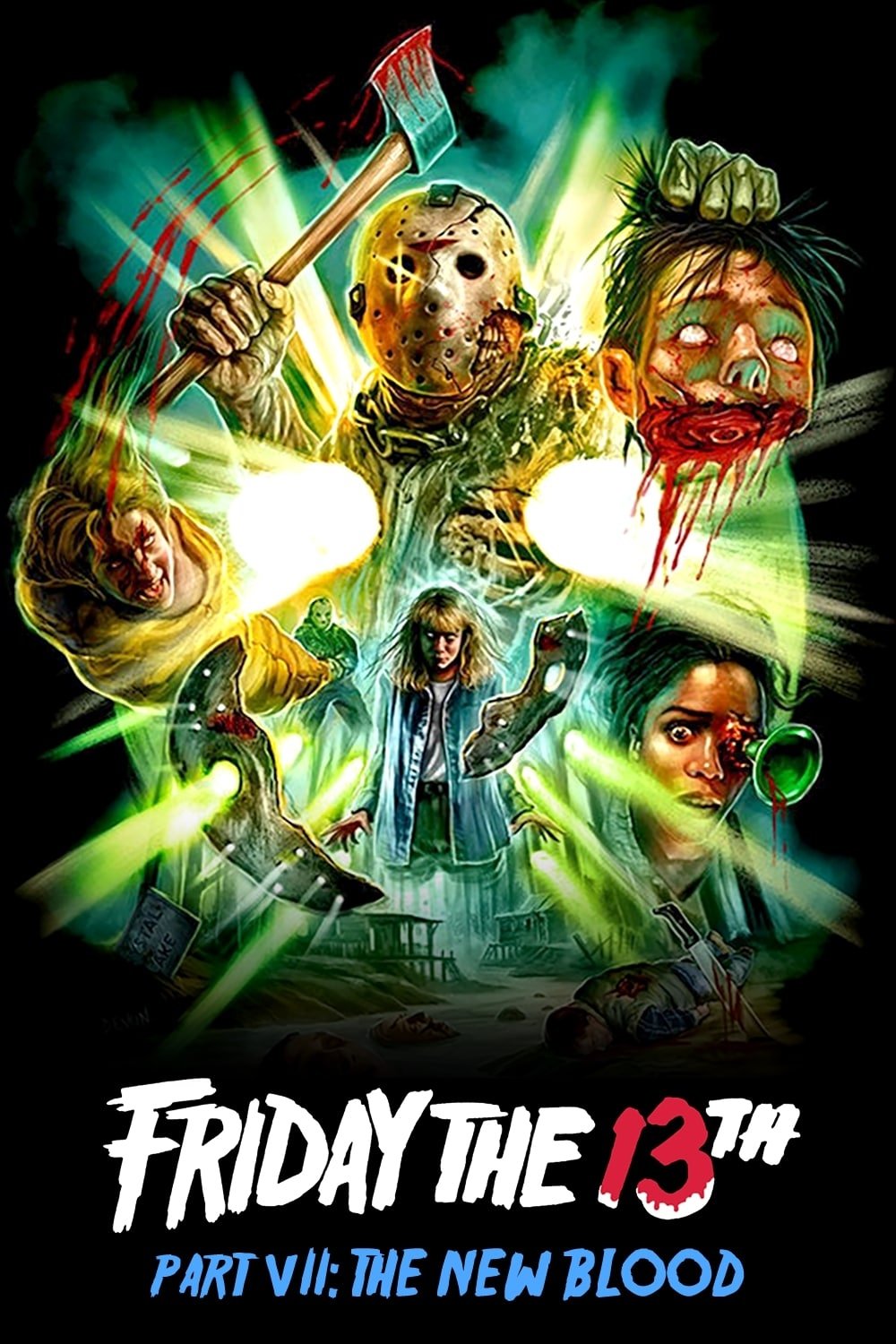
The design develops the decomposition implied by Jason's time underwater. Missing tissue, exposed skeletal structures and damaged clothing give him the appearance of a body subjected to repeated injury, while the hockey mask conceals a face altered well beyond the look of the earlier sequels. Buechler regarded the makeup as part of the casting itself: it would change Hodder's outline and make a leaner stunt performer look more substantial. The exposed anatomy also makes the image of Jason carry traces of previous violence. His costume functions as a record of accumulated damage, and the eventual unmasking fulfills a visual promise prepared by glimpses of the damaged body.
Hodder has described the difficulty of making a silent, masked character appear threatening without conspicuous gesturing. His deliberate posture and bursts of force shape encounters in which the victim often moves faster but still cannot escape. The production's stunt demands included a prolonged confrontation involving fire and collapsing set elements. Recognition of performance alongside costume design helps explain why this version of Jason was readily identifiable to audiences familiar with the earlier installments. Its importance rests on a sustained combination of makeup, movement and physical risk.
Practical Effects, Violence and the MPAA
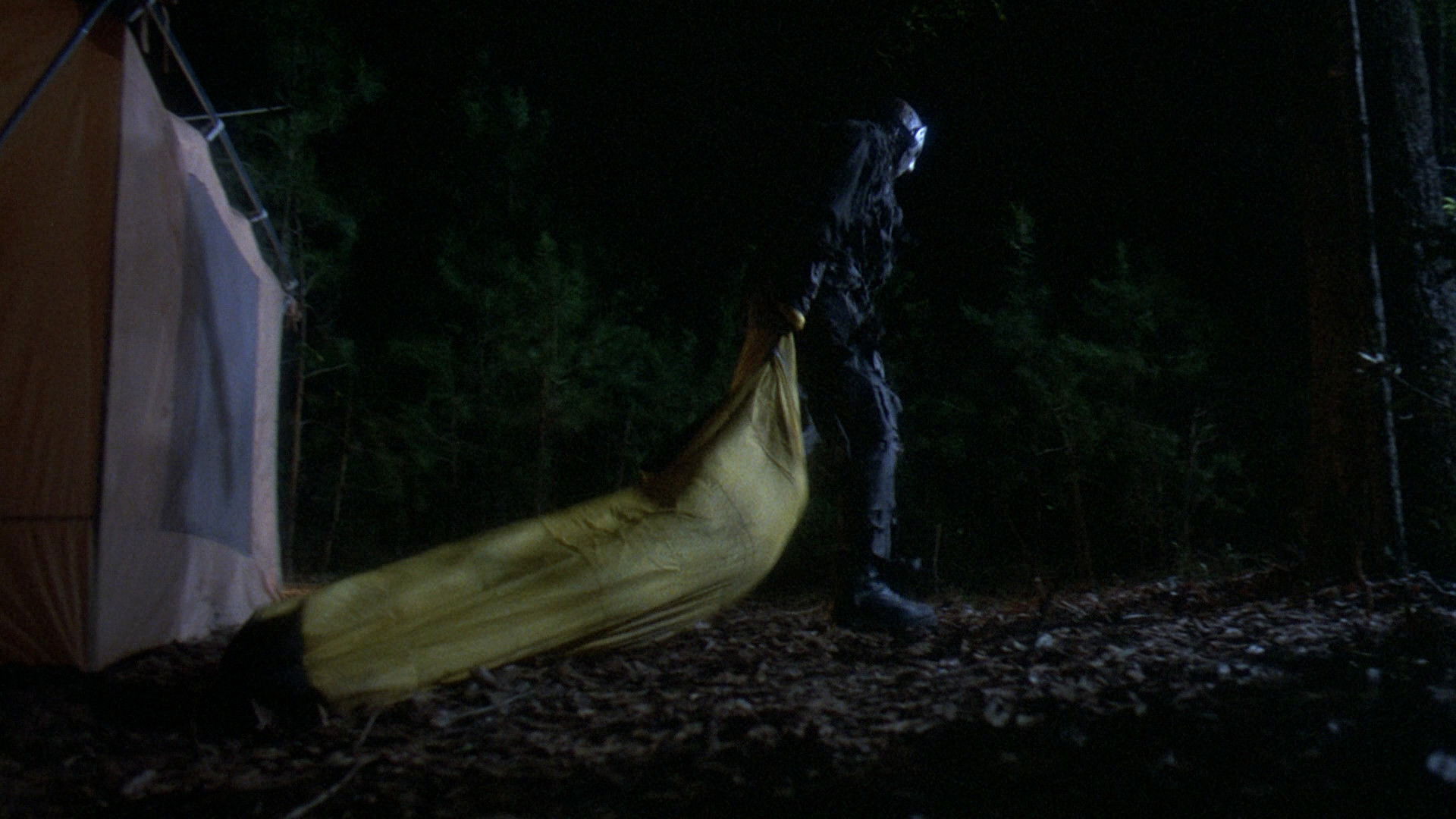
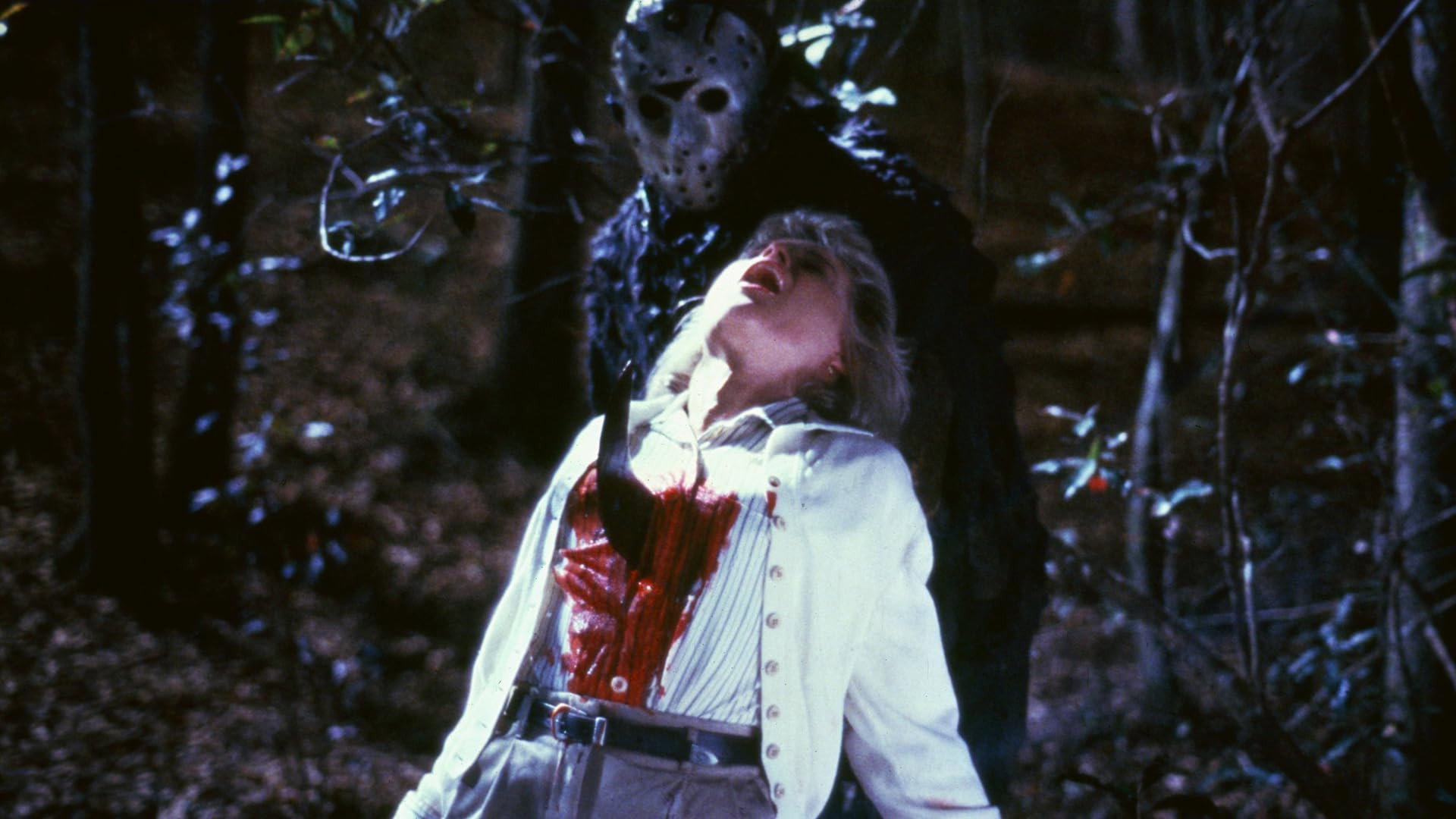
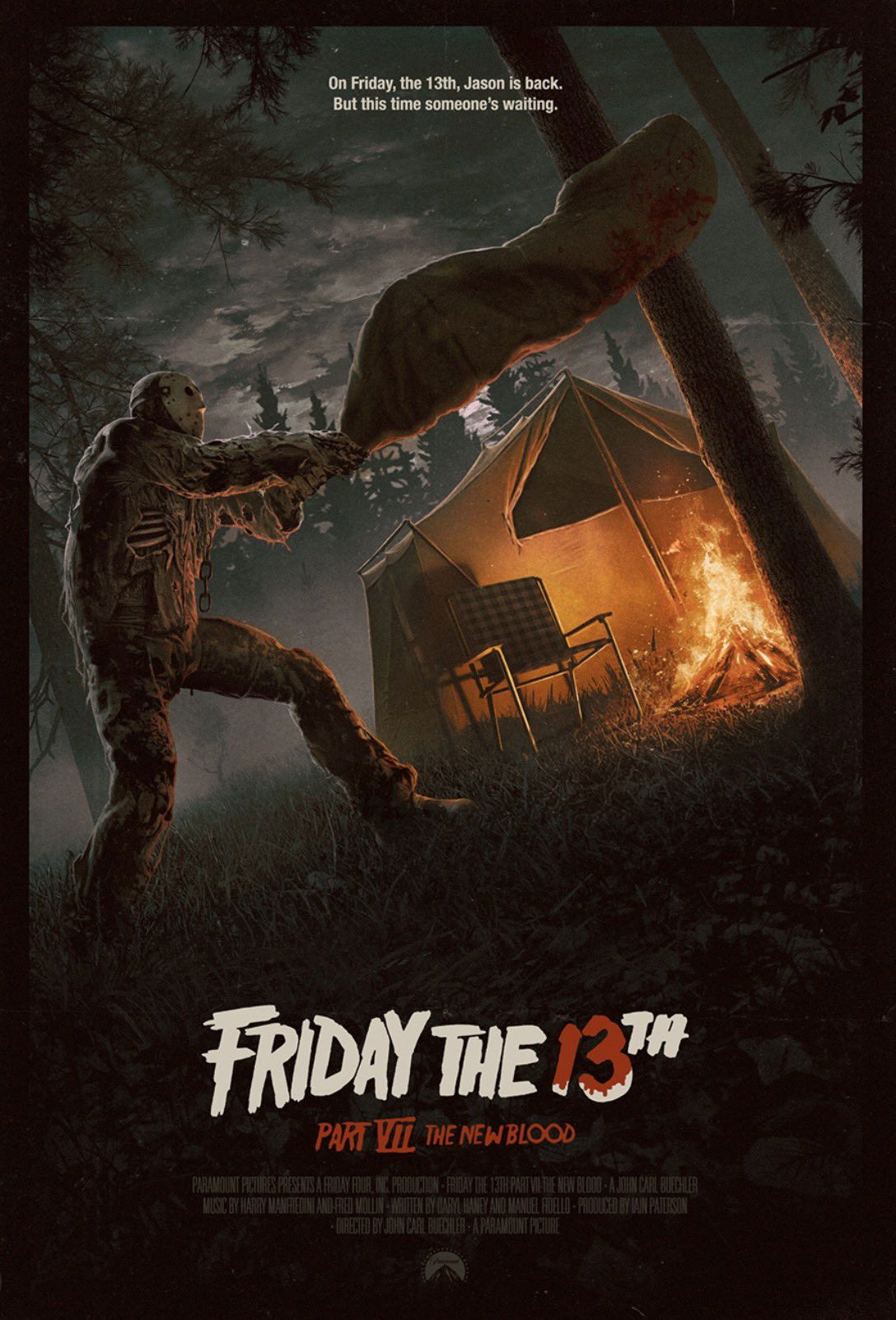
Buechler directed a film built around specialized makeup work while maintaining a recognizable series pattern of concealed approaches and sudden attacks. The finished version offers several distinctive set pieces, including a sleeping-bag killing whose abrupt impact has become closely associated with this entry. Elsewhere the force of an attack is suggested by the victim's reaction, an interrupted action or the immediate aftermath. These editorial choices cannot all be assumed to have originated in the shooting plan. Buechler later said that many of the more explicit effects payoffs were removed during negotiations with the Motion Picture Association of America's ratings board.
The director's account is supported by documented evidence of a protracted editing dispute. A 2017 GQ history, drawing on filmmaker testimony and retrospective production material, reports seven submissions before a commercially usable R-rated version was accepted. Buechler described the reductions as damaging to the intended effect of the murder sequences. His evaluation is valuable firsthand testimony, although it should not be confused with an independent inventory of every removed frame. Footage circulating as deleted scenes or sourced from a workprint provides glimpses of alternative material; it does not establish the existence of a complete, restored director's cut available to contemporary viewers.
The contrast becomes especially noticeable when the climax relies on elaborate action while the earlier attacks end with relatively brief views of bodily injury. For a director trained in prosthetic effects, that disparity was professionally significant. The American ratings decisions also differ from subsequent classification or home-video alterations in other territories, which should be identified individually before any running-time comparison is made. A modern edition that includes excised scenes among its extras is still distinct from an authorized, fully reconstructed feature edit. The surviving theatrical cut is the version on which contemporary reviewers based their responses.
Theatrical Release, Criticism and Franchise Legacy
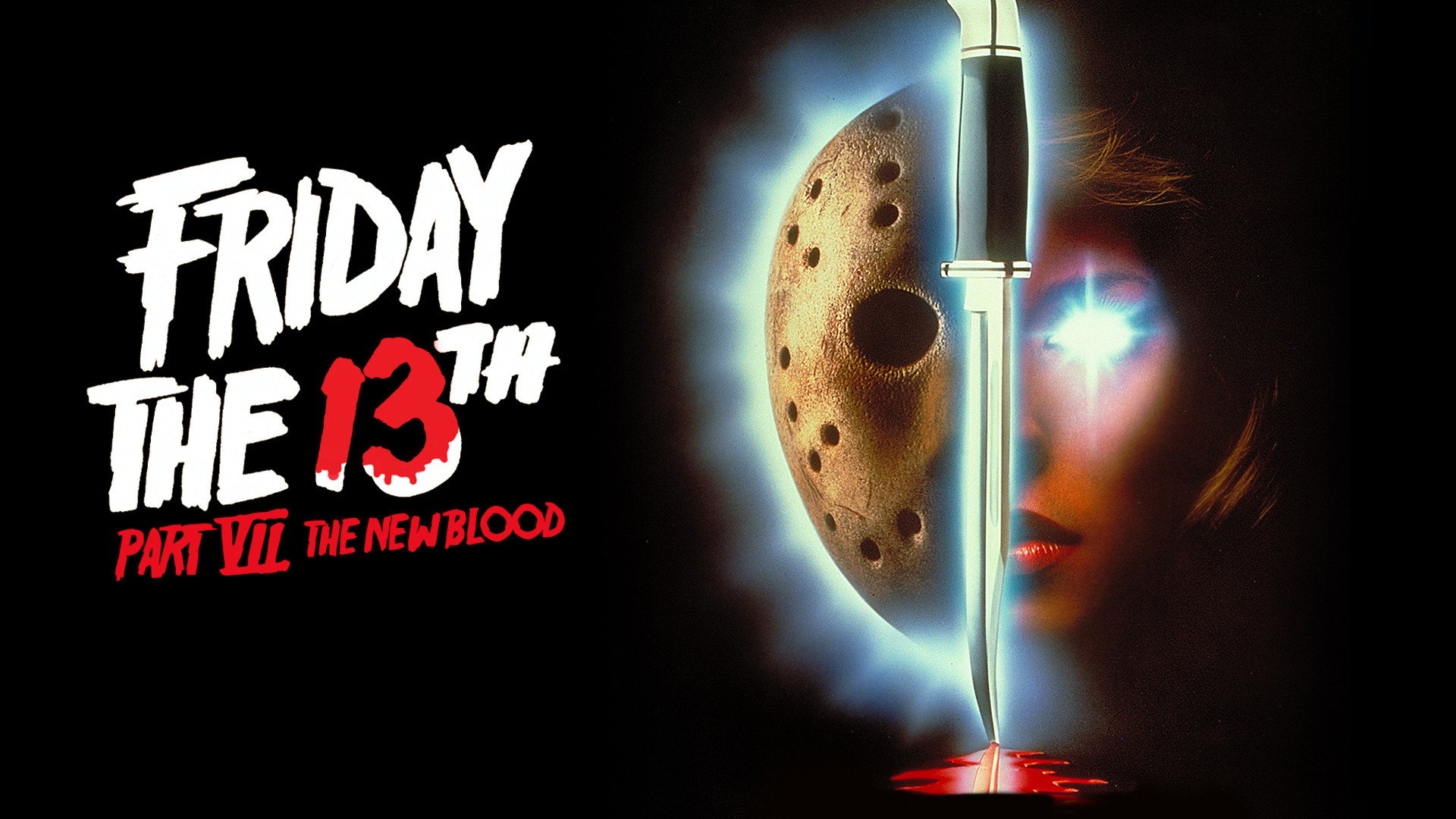
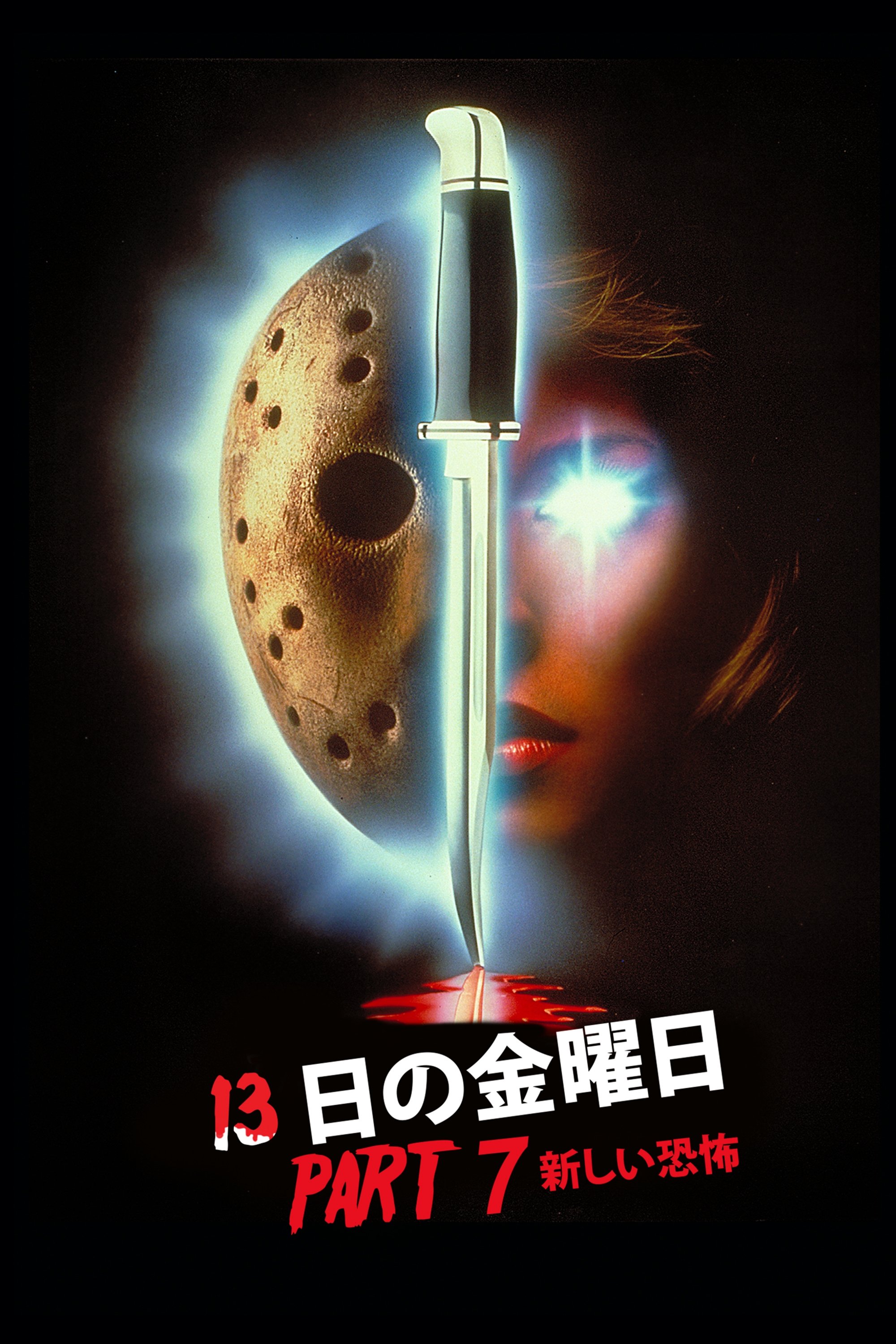
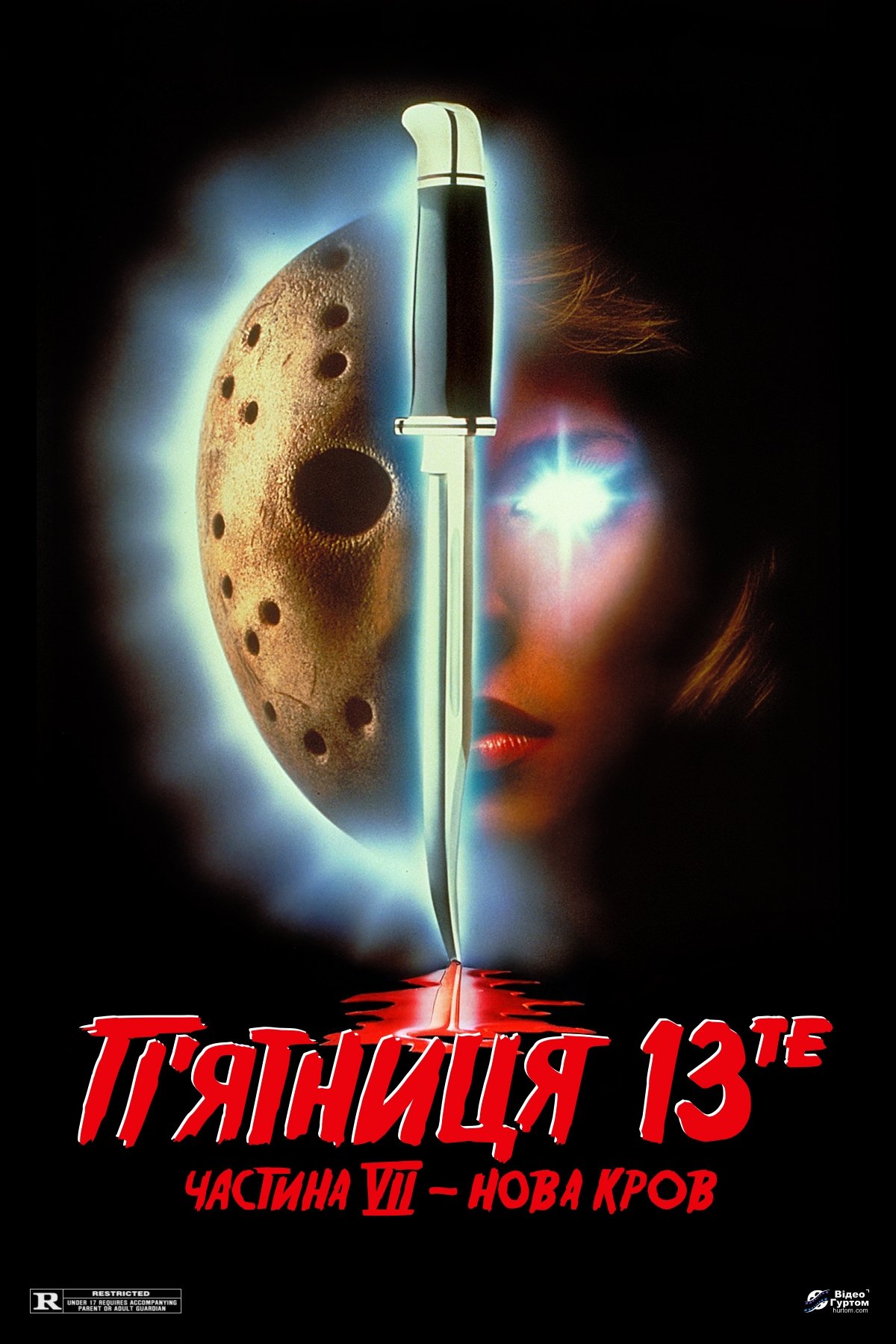
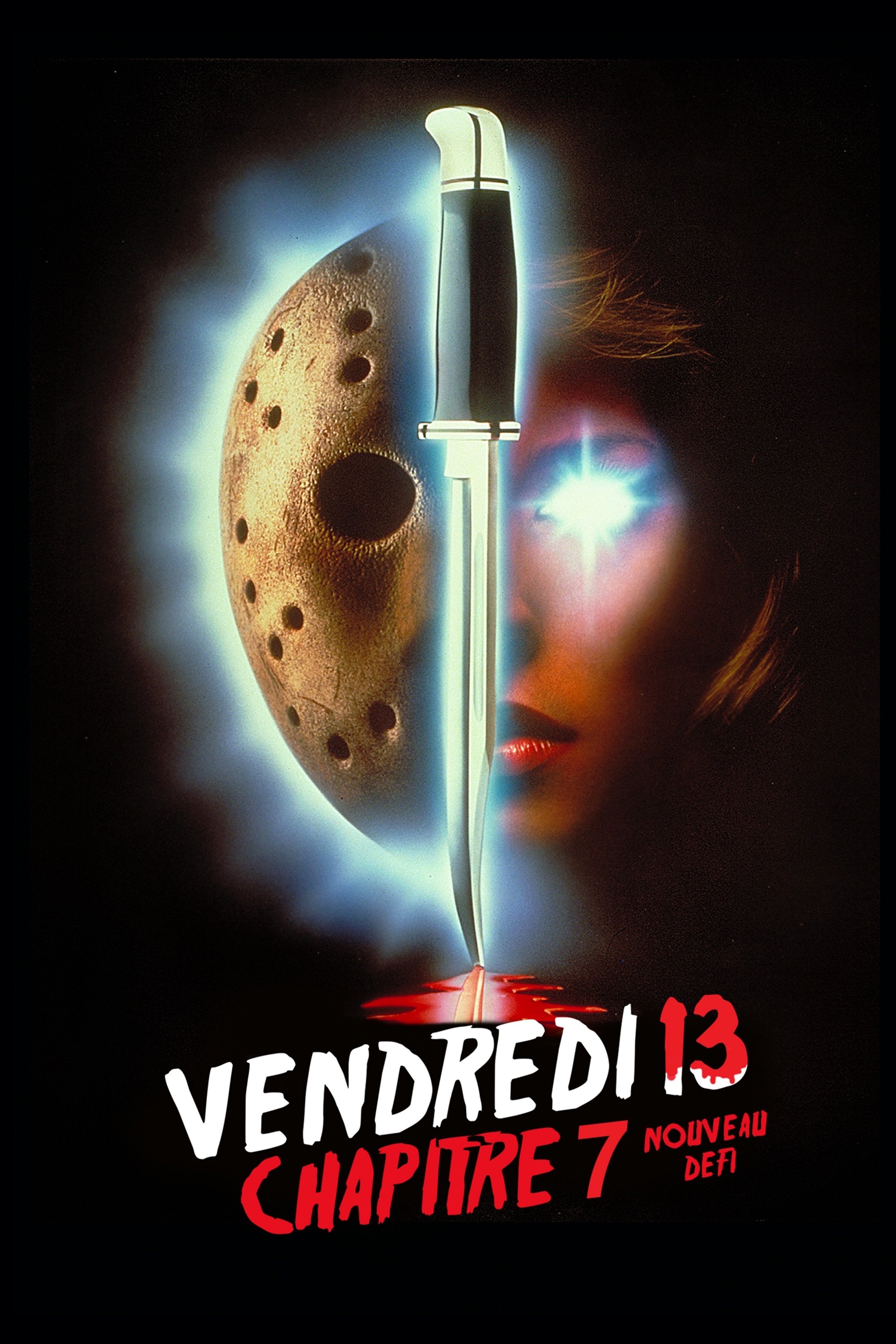
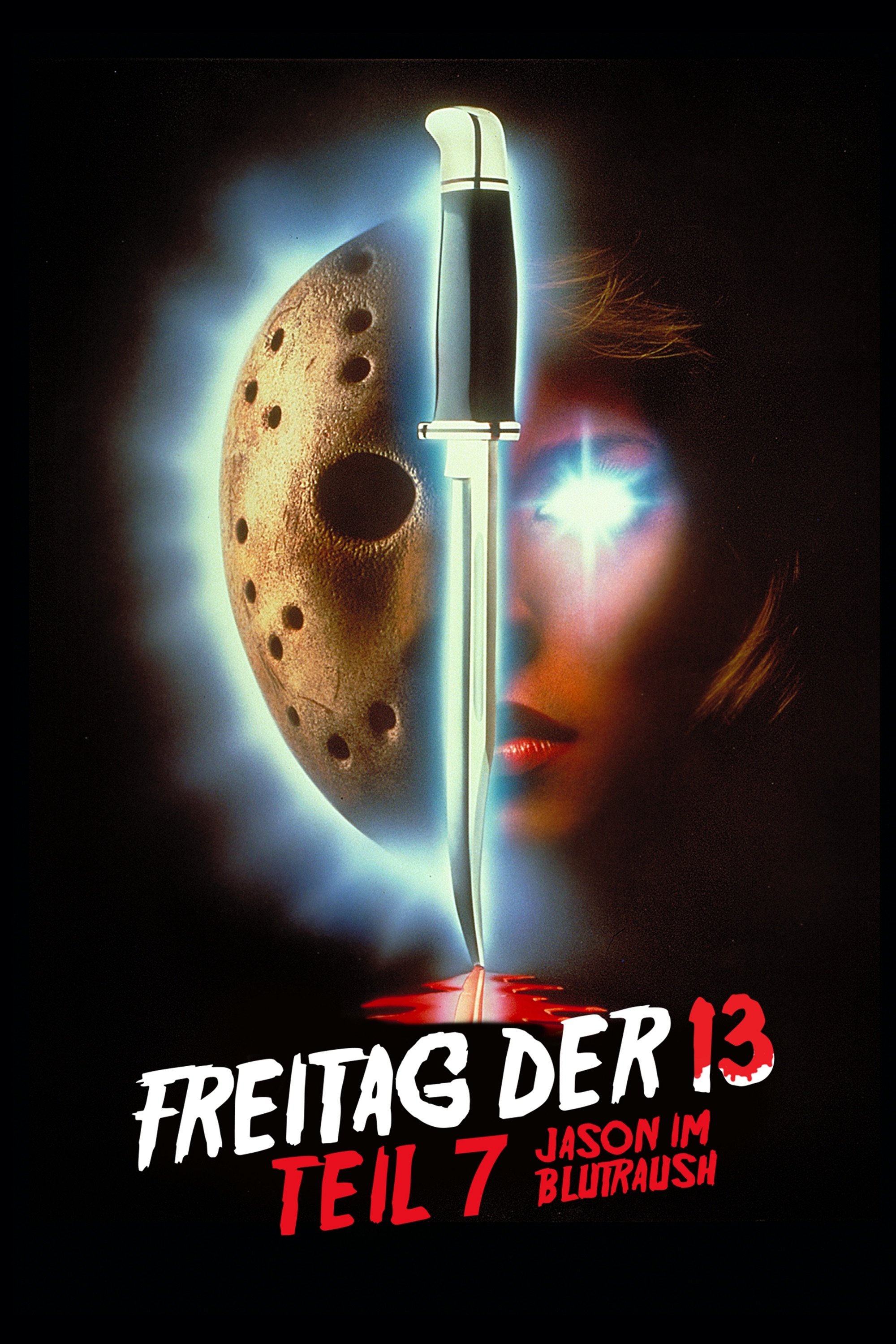
Paramount released The New Blood in American theaters on May 13, 1988, deliberately using the date associated with the series title. The AFI records an opening weekend gross of about $8.2 million and contemporary reporting that placed total domestic returns near $19.1 million by mid-1989. A June 1988 Associated Press report carried by the Los Angeles Times cited a $3.5 million production cost, a figure also preserved by the AFI; other widely circulated budget estimates differ. These numbers document the film's theatrical business but cannot be treated as a complete accounting of profitability. Its opening success coexisted with considerable critical hostility.
In his Los Angeles Times review of May 17, 1988, Kevin Thomas dismissed the story as contrived and characterized the confrontation between Jason and Tina as an exhausted variation on familiar horror material. His review provides a specific contemporary judgment, not evidence of universal audience opinion. Subsequent writing has sometimes been more interested in the formal oddity of a telekinetic final girl confronting a physically indestructible slasher figure, and in the difference between the violence conceived and the scenes released. Both positions belong to its reception history: a routine sequel for some critics, an unusual experiment in genre mechanics for later commentators.
The film's most securely documented long-term contribution is Hodder's introduction as Jason. He returned in Part VIII, Jason Goes to Hell and Jason X, creating a continuity of bodily performance that the earlier films had lacked. The seventh installment also demonstrates the lengths to which a mature slasher franchise could stretch its own rules while preserving its central masked killer. Tina's supernatural agency, the exposed-corpse makeup and the heavily modified violence distinguish this entry within that commercial cycle. Those characteristics establish a recognizable identity without requiring claims that it transformed the wider horror genre.