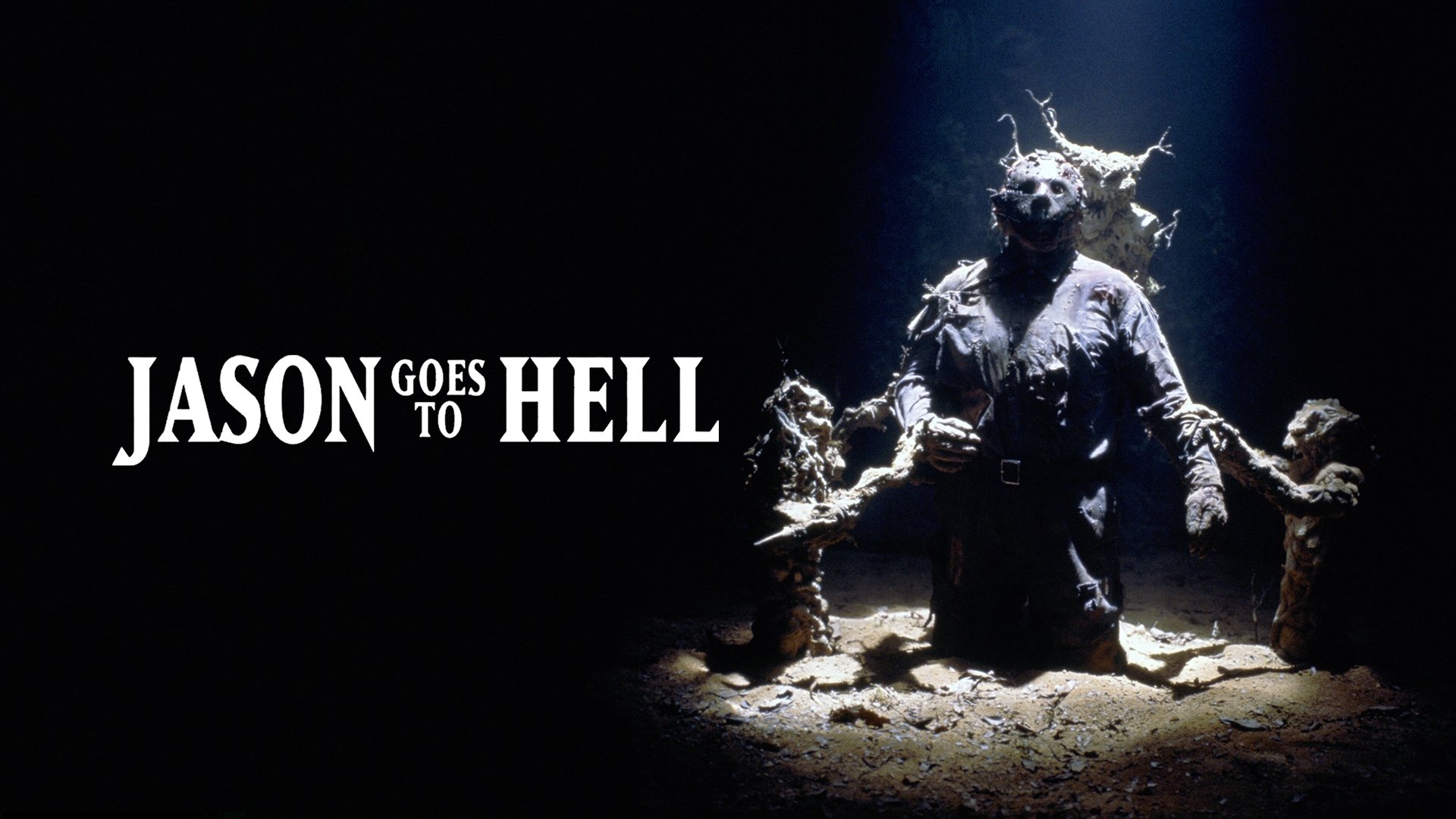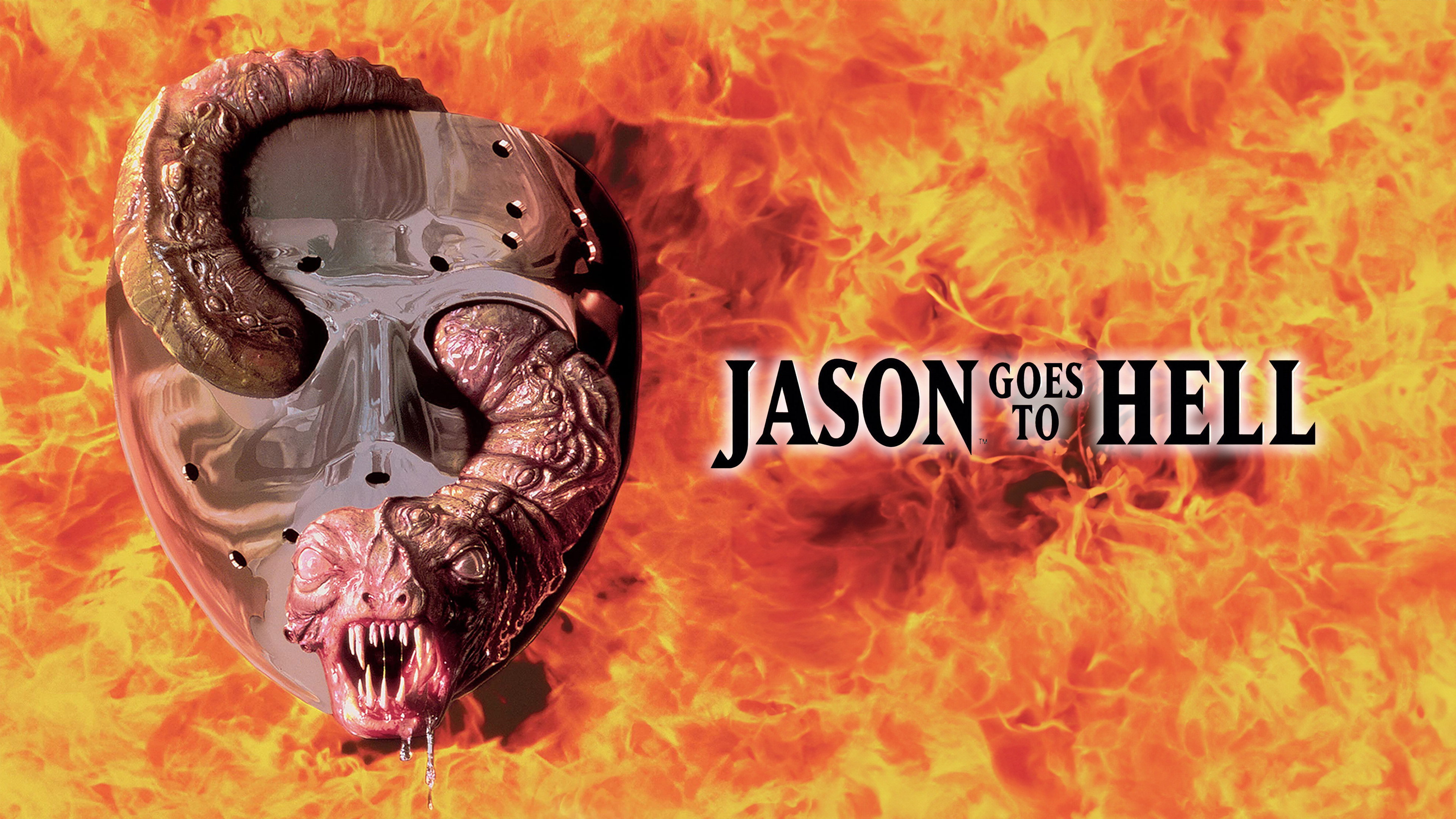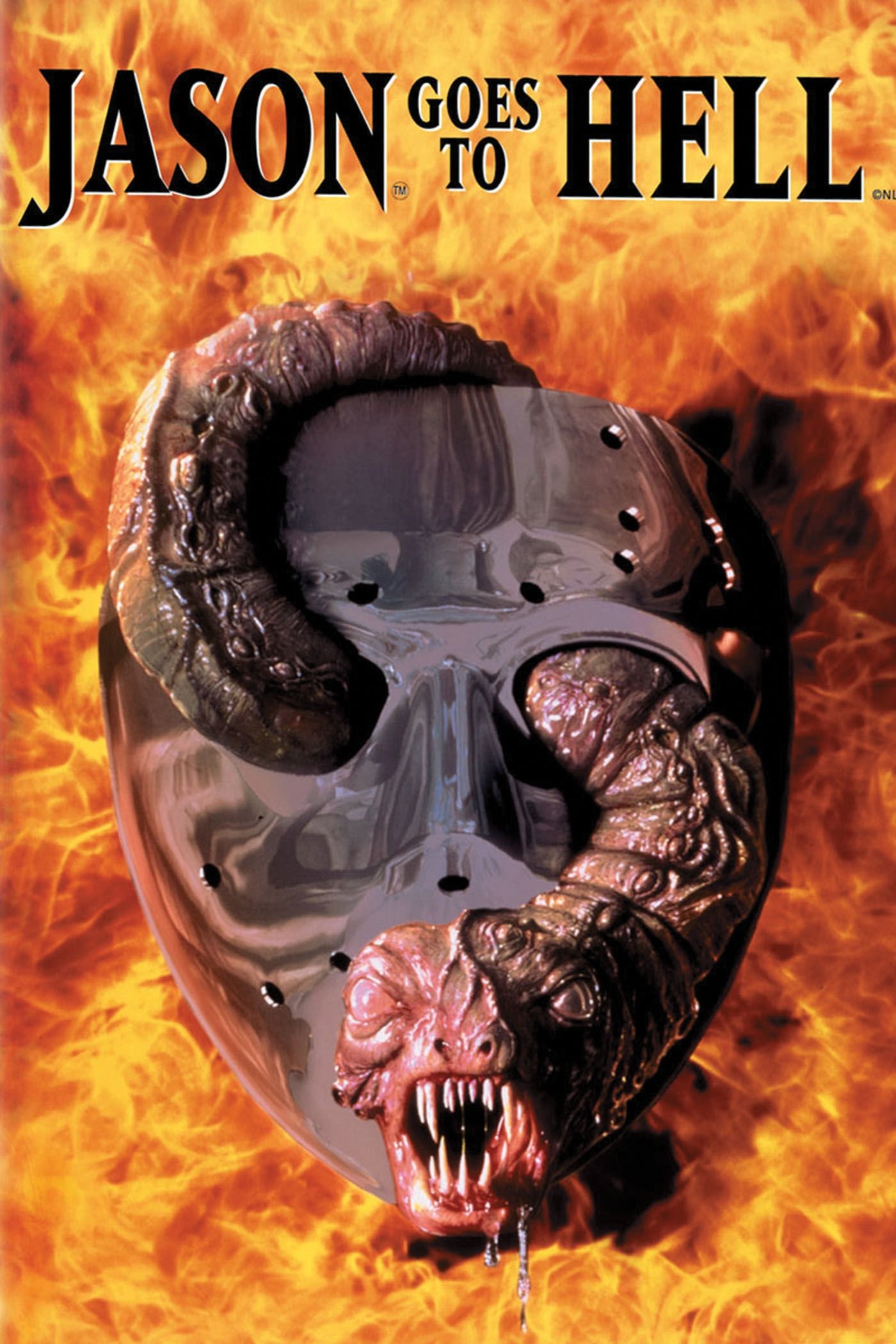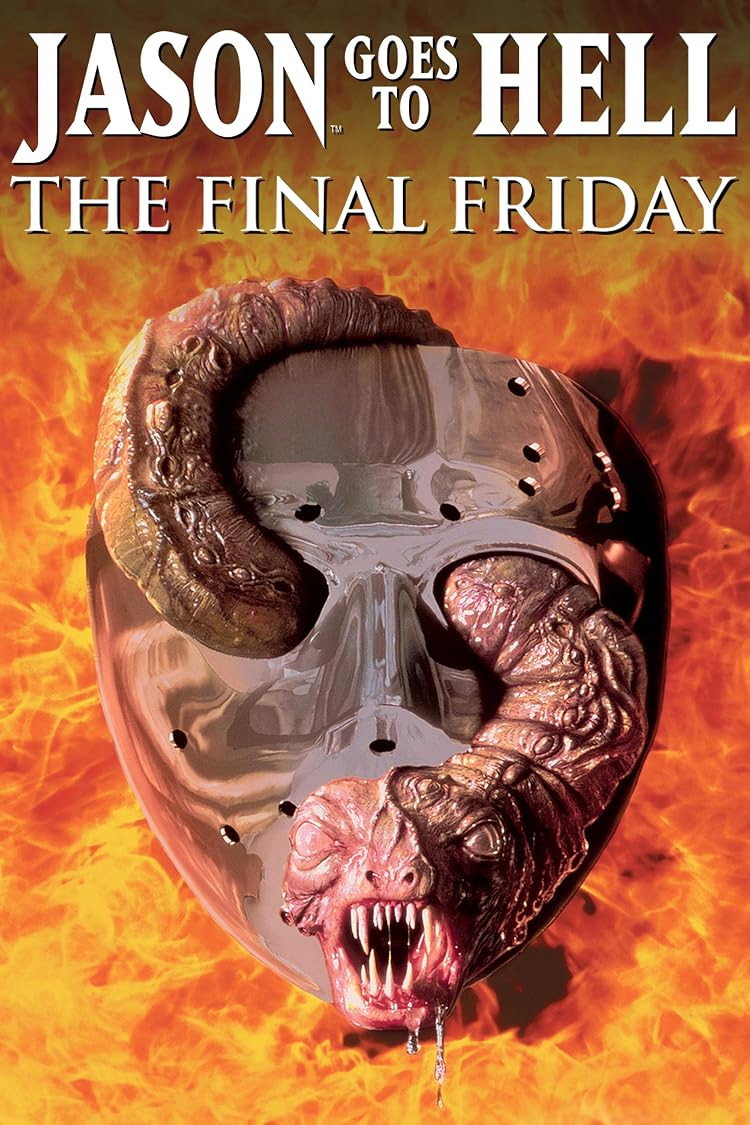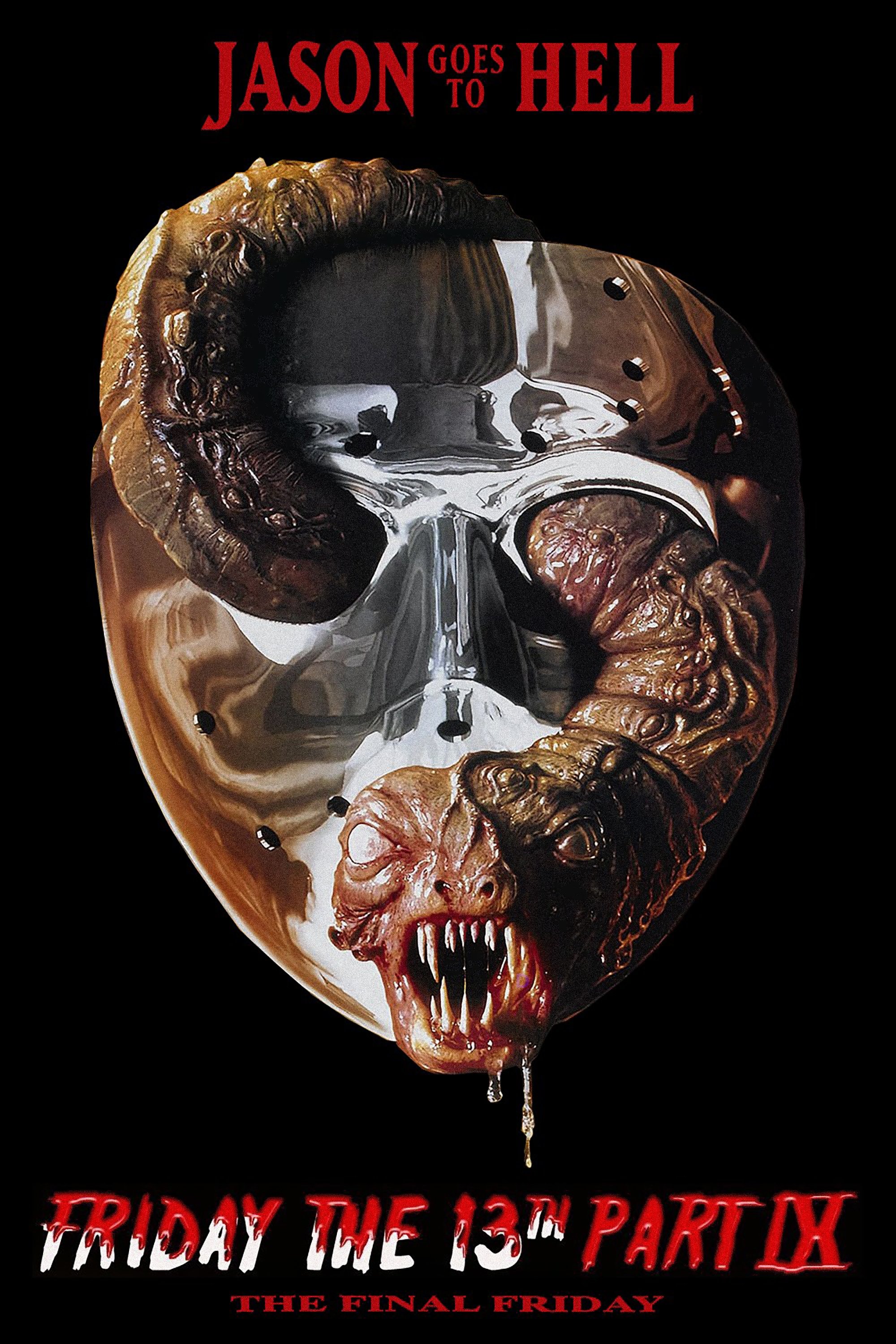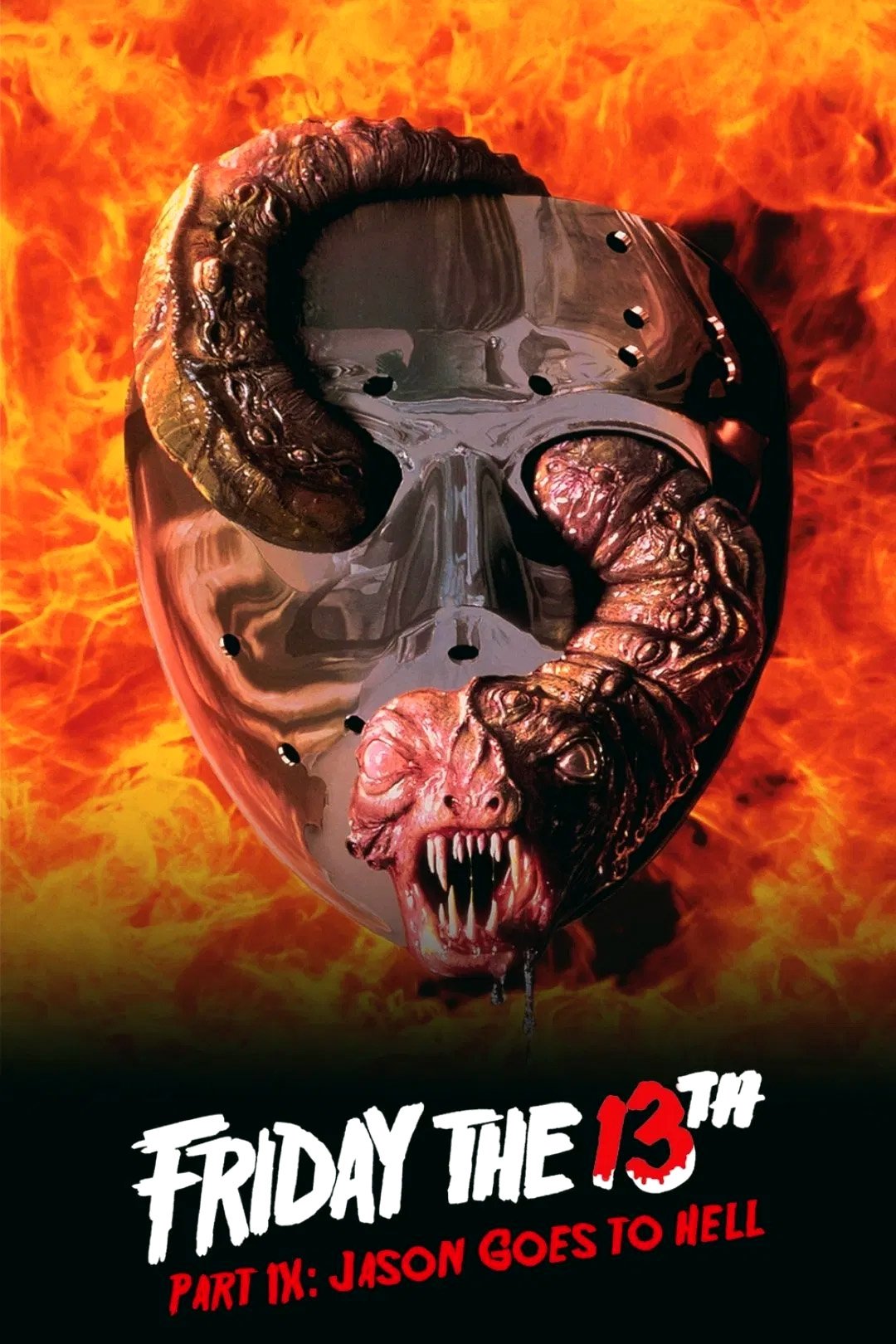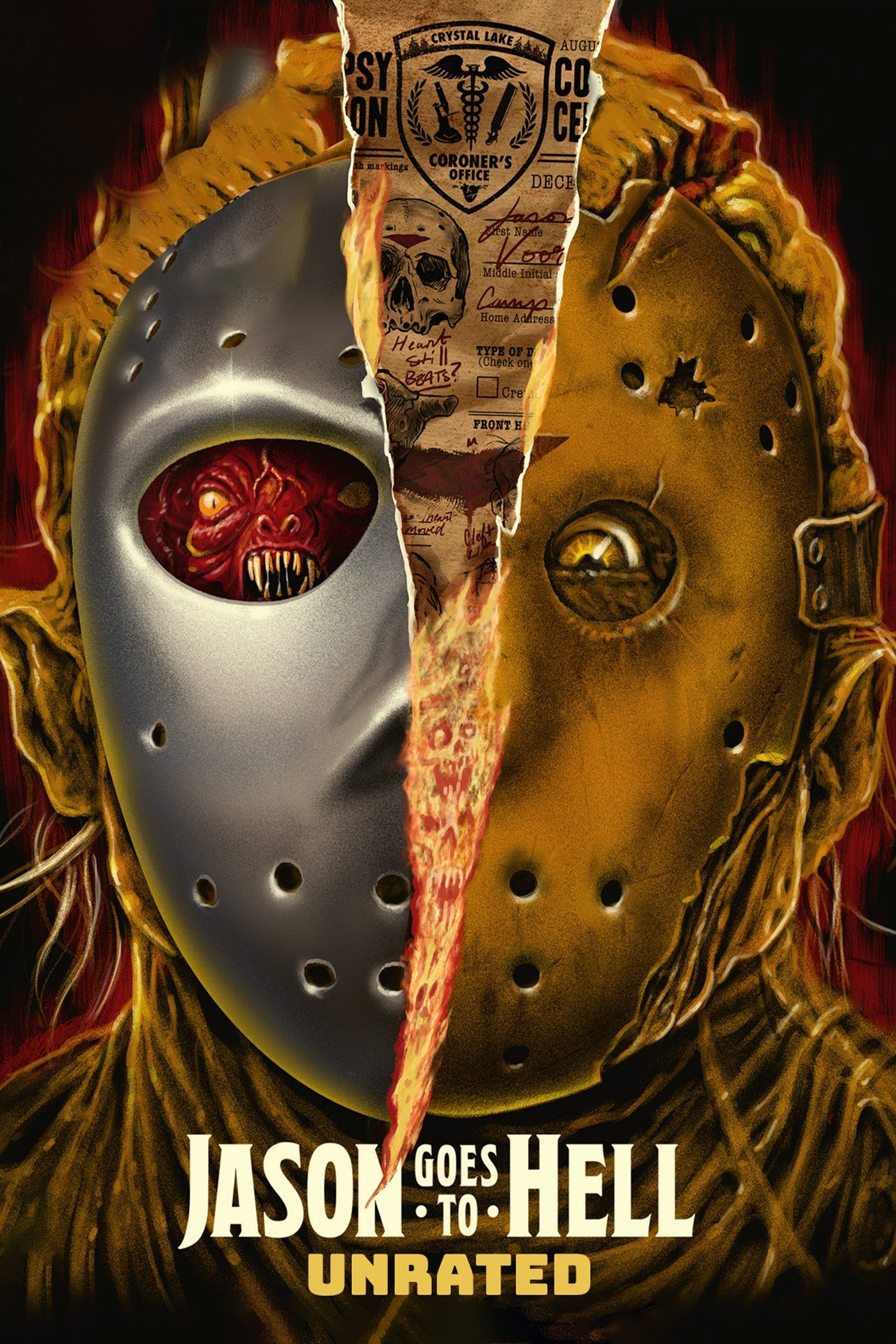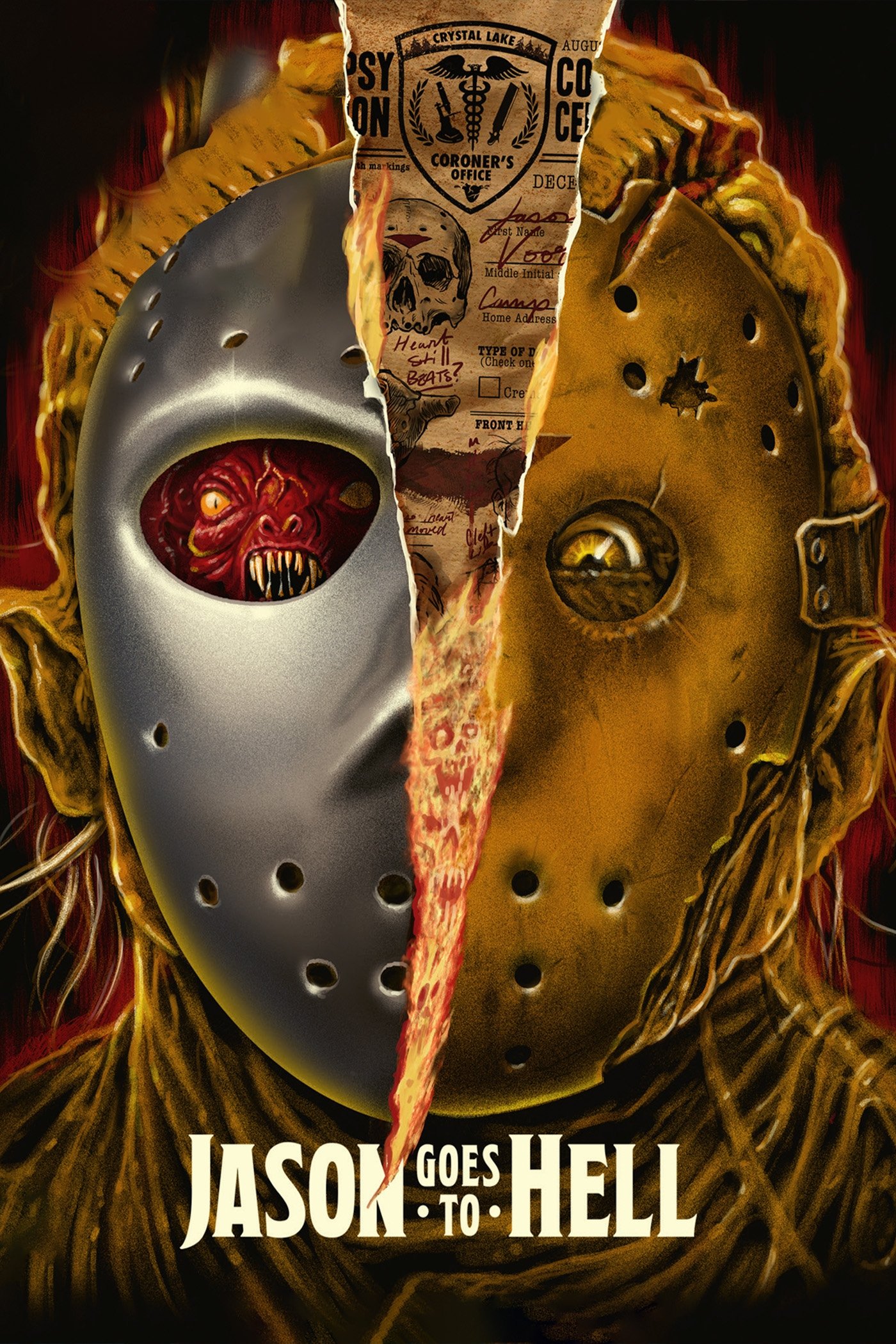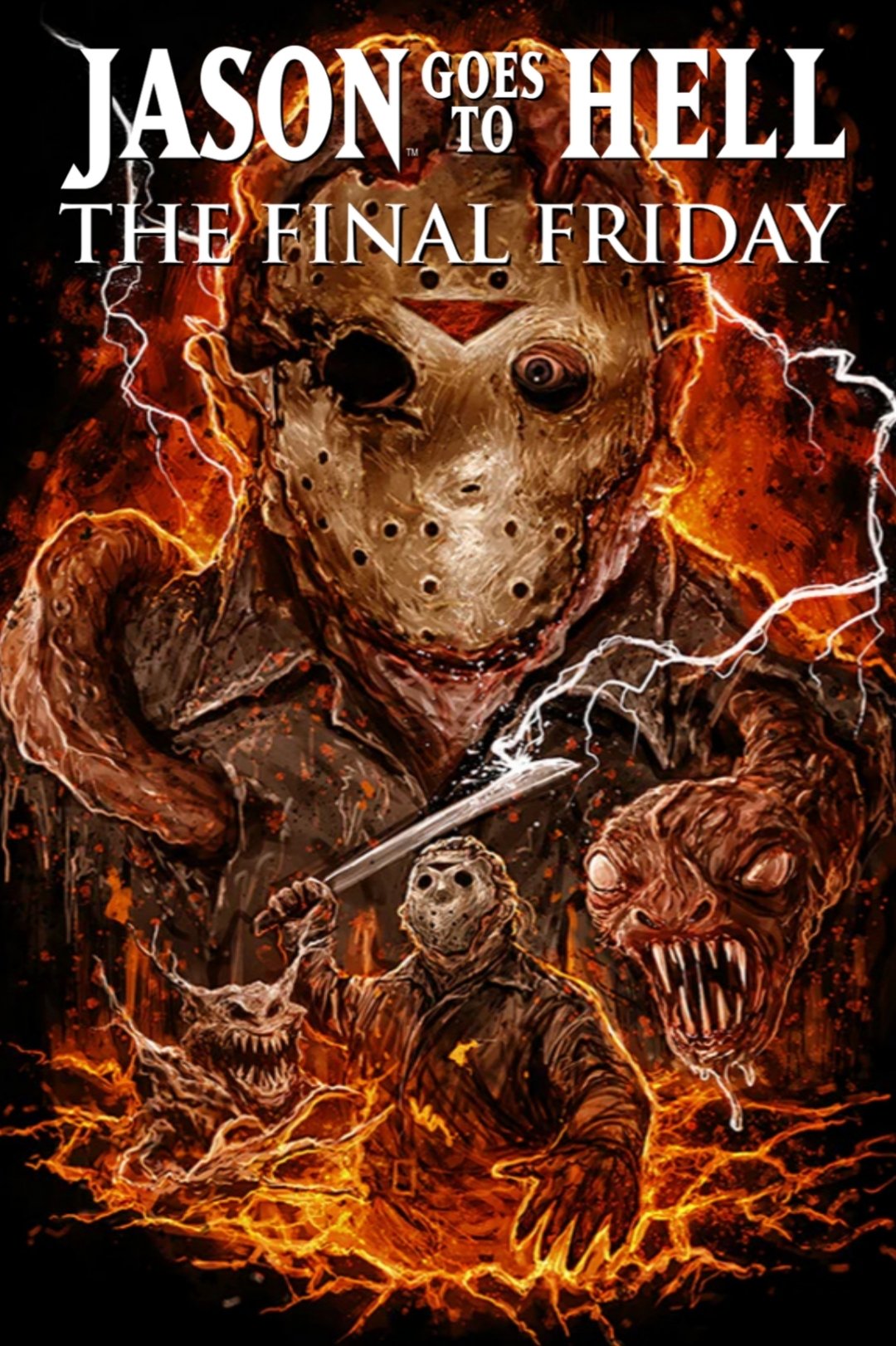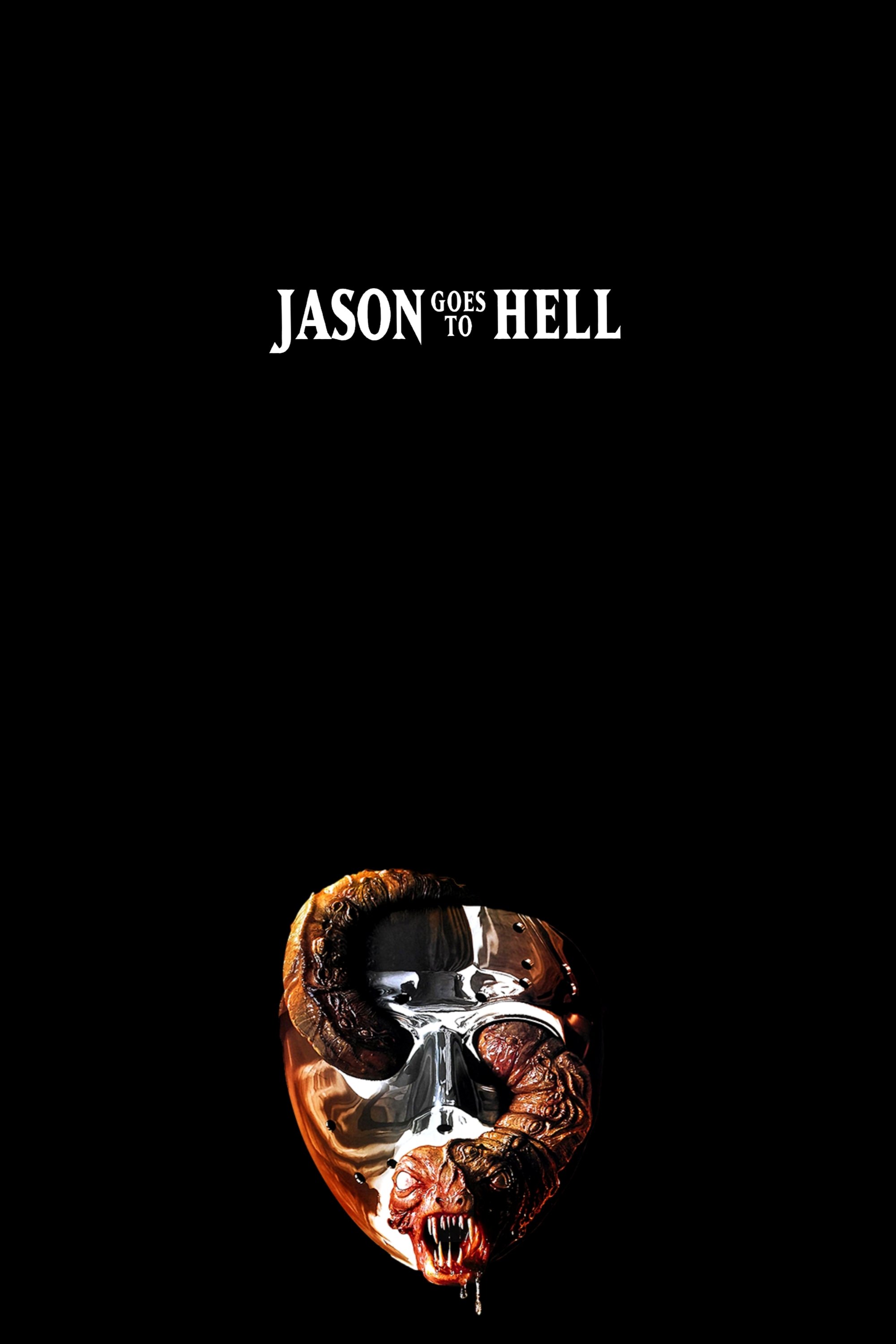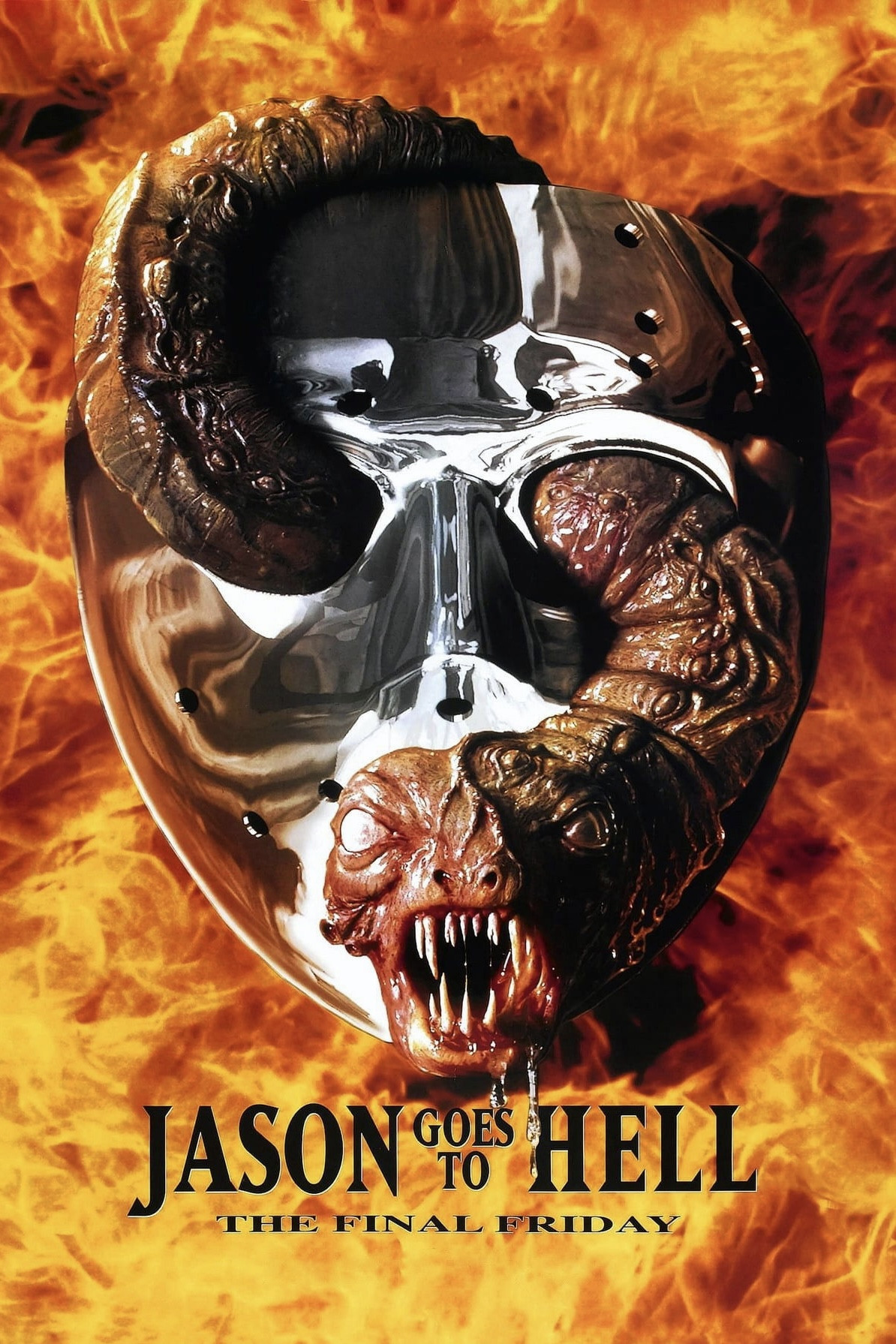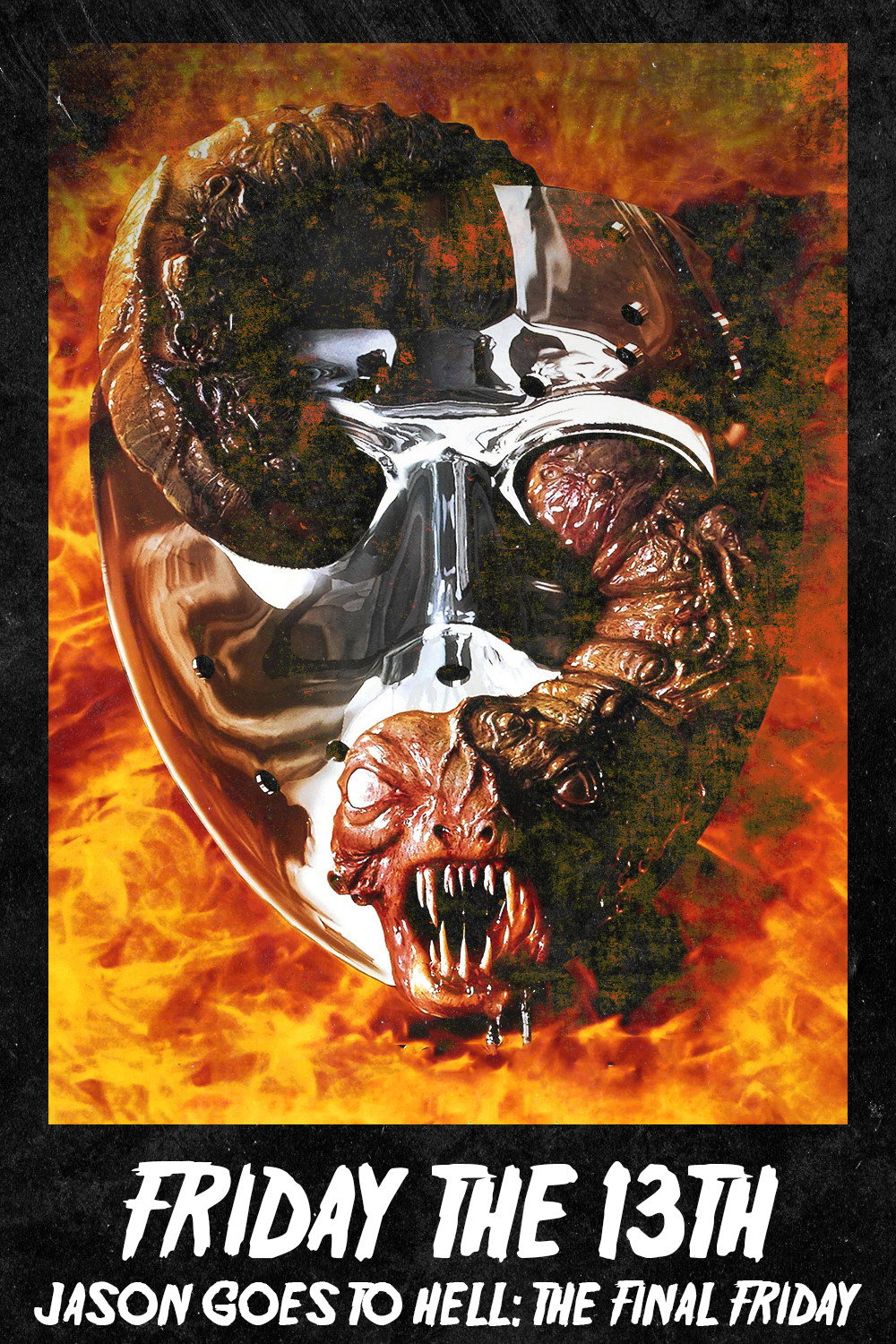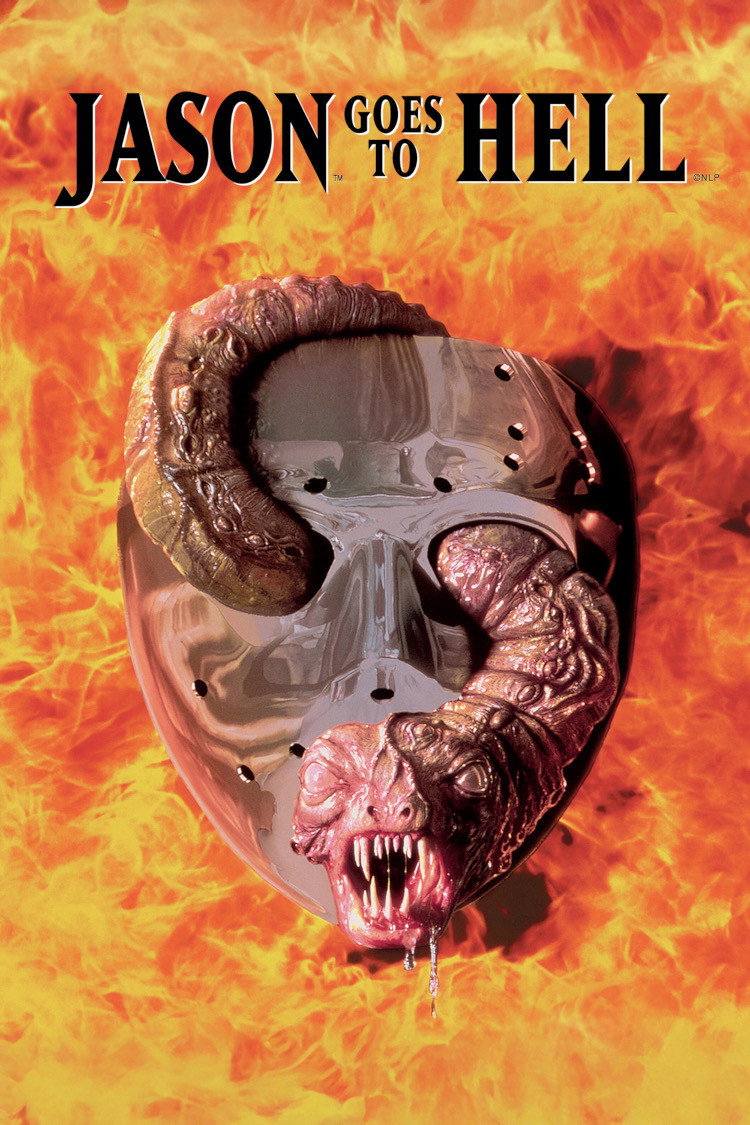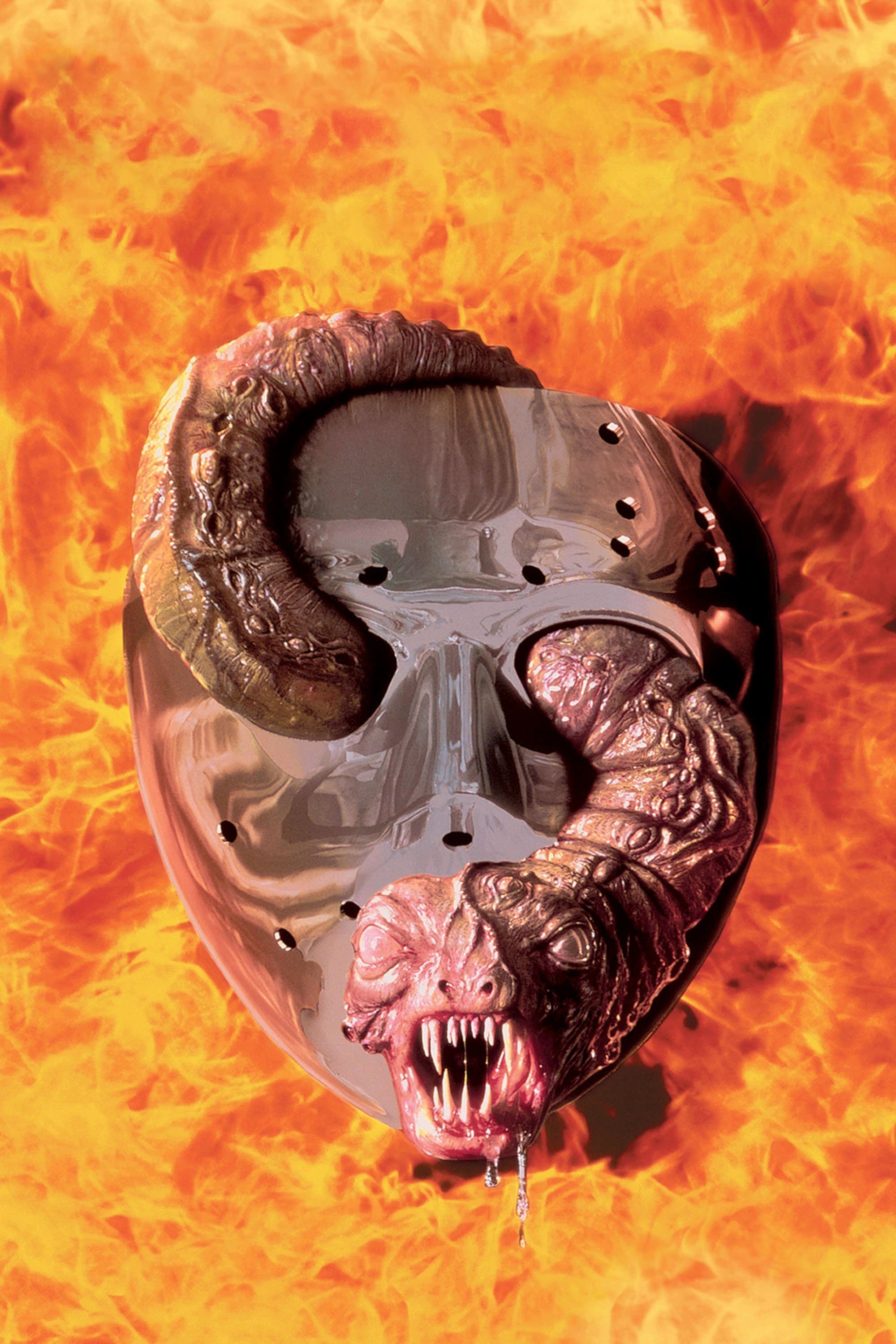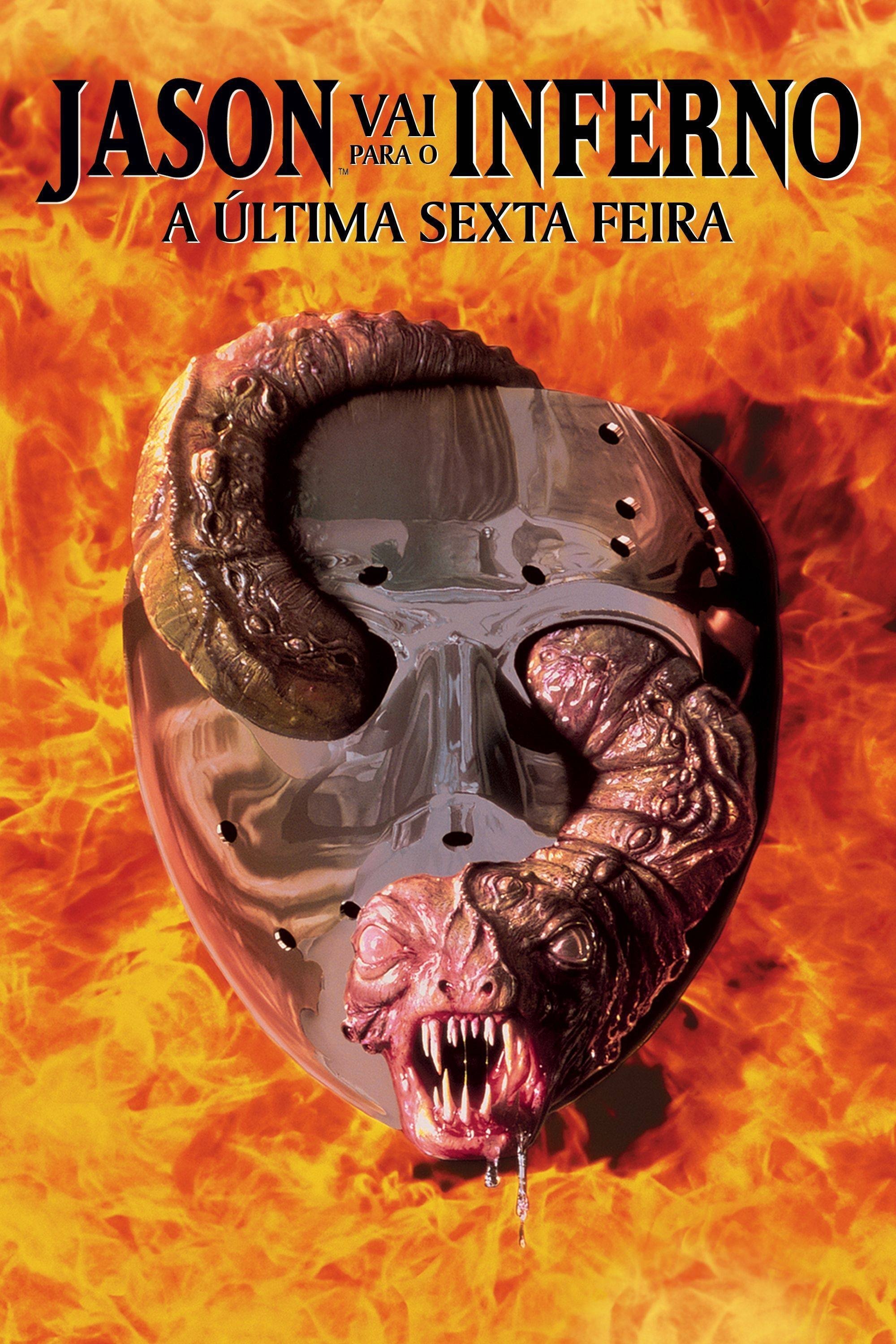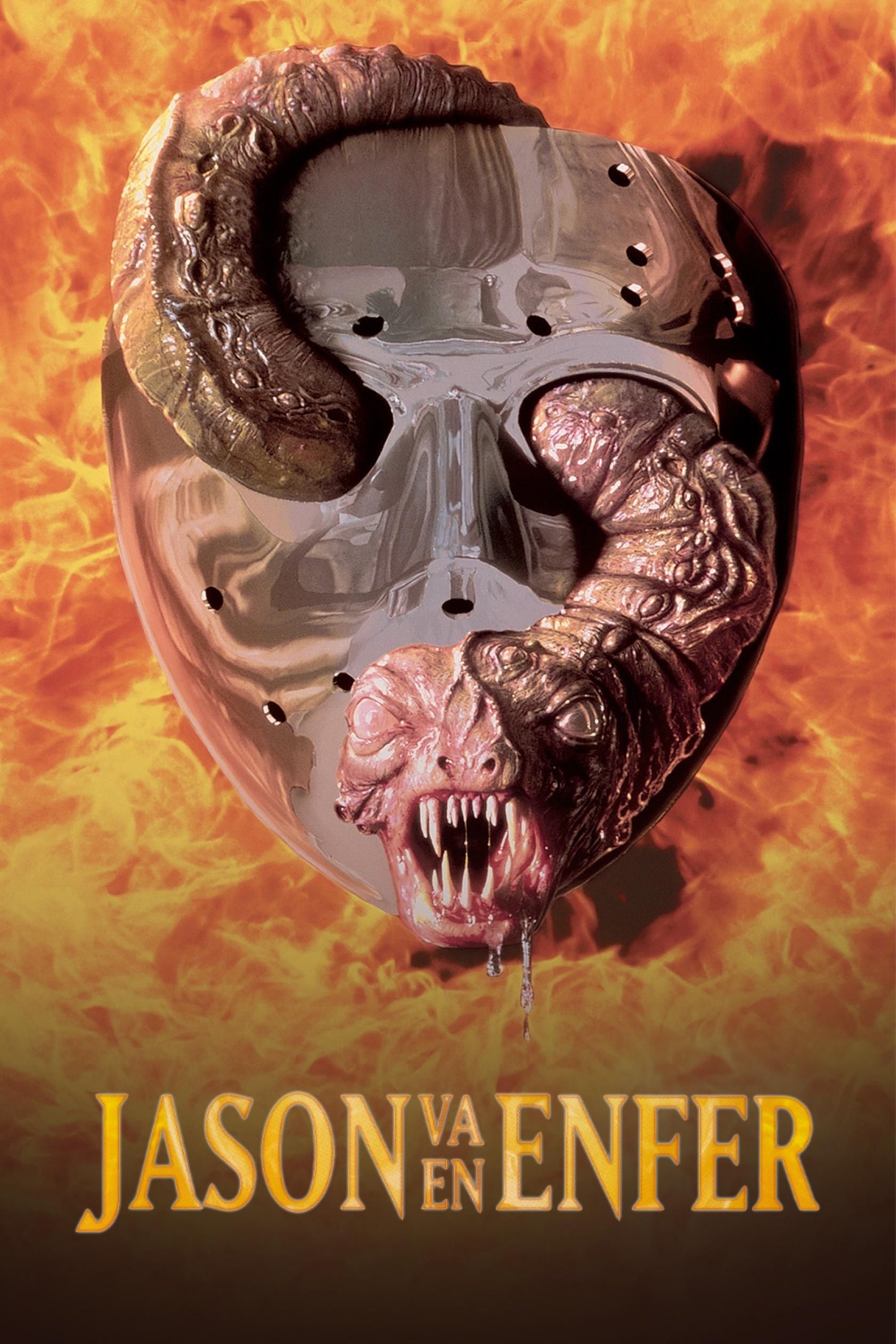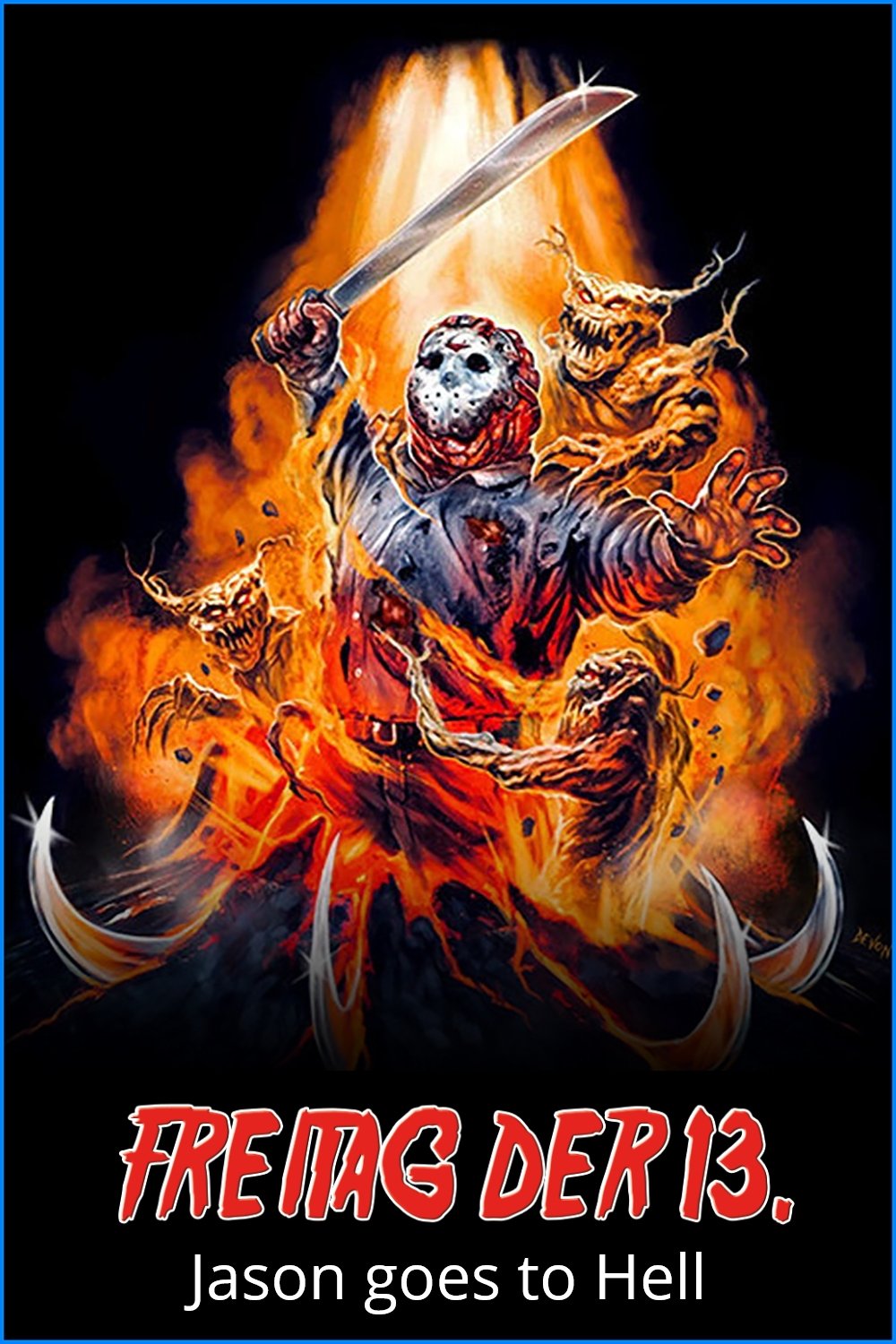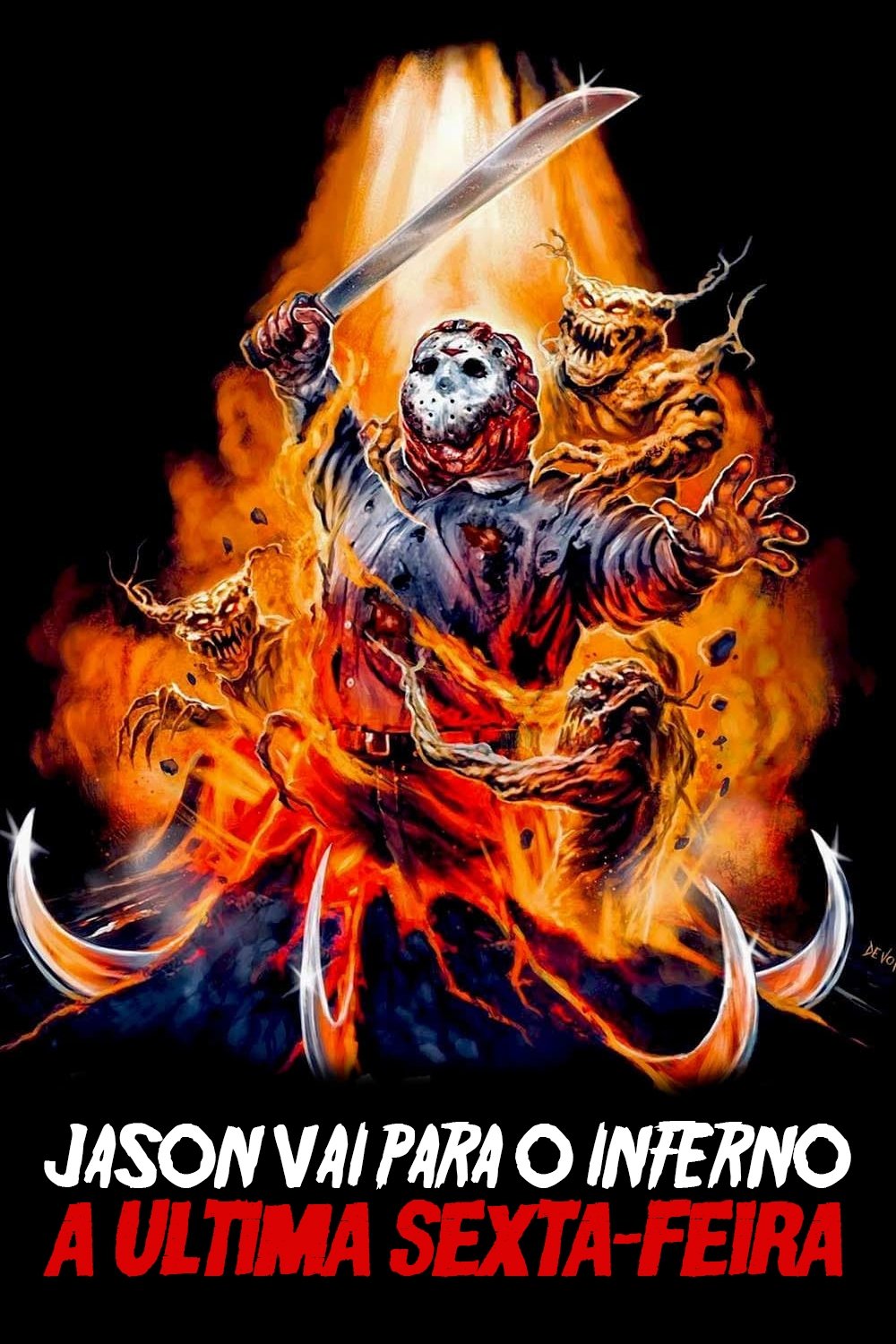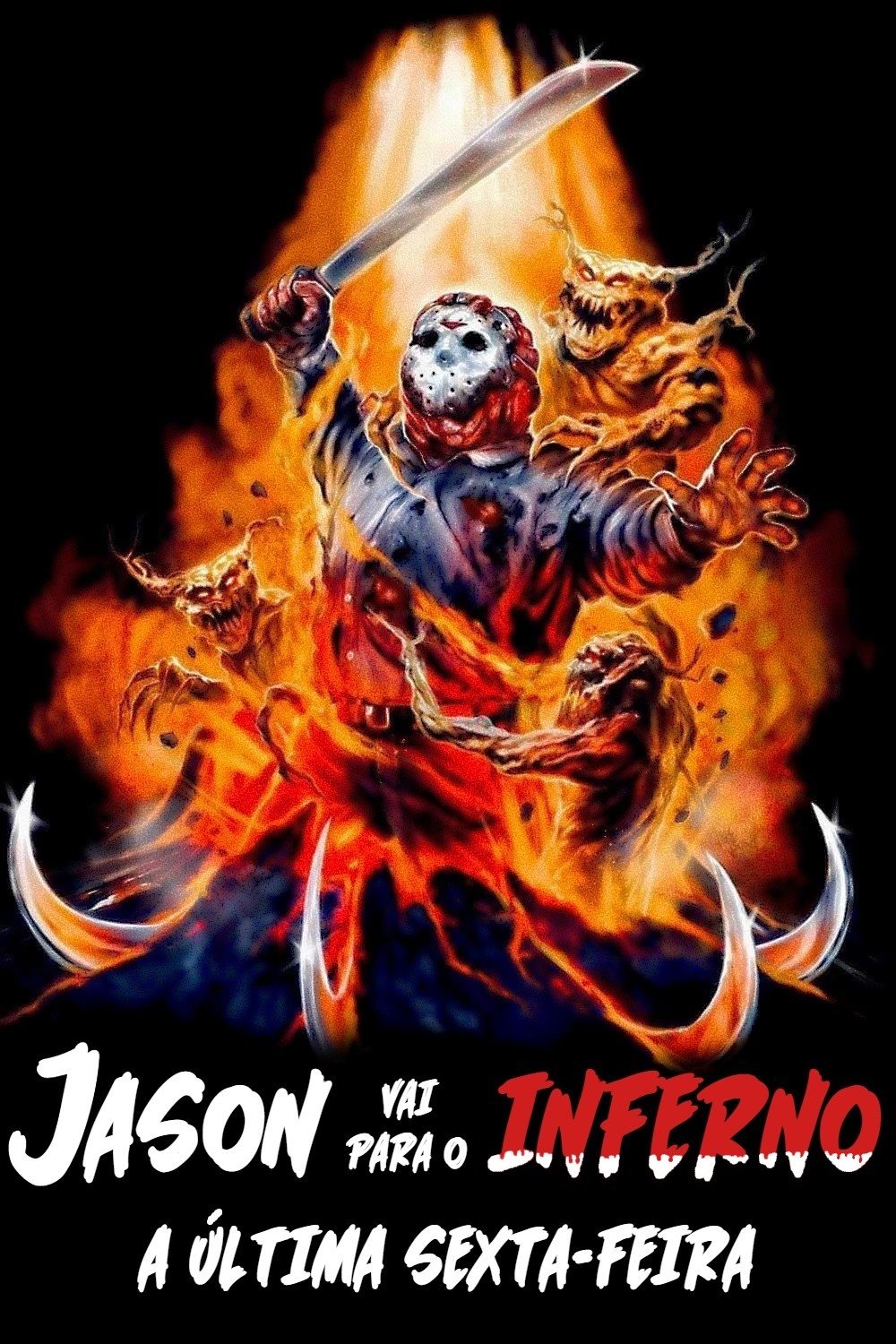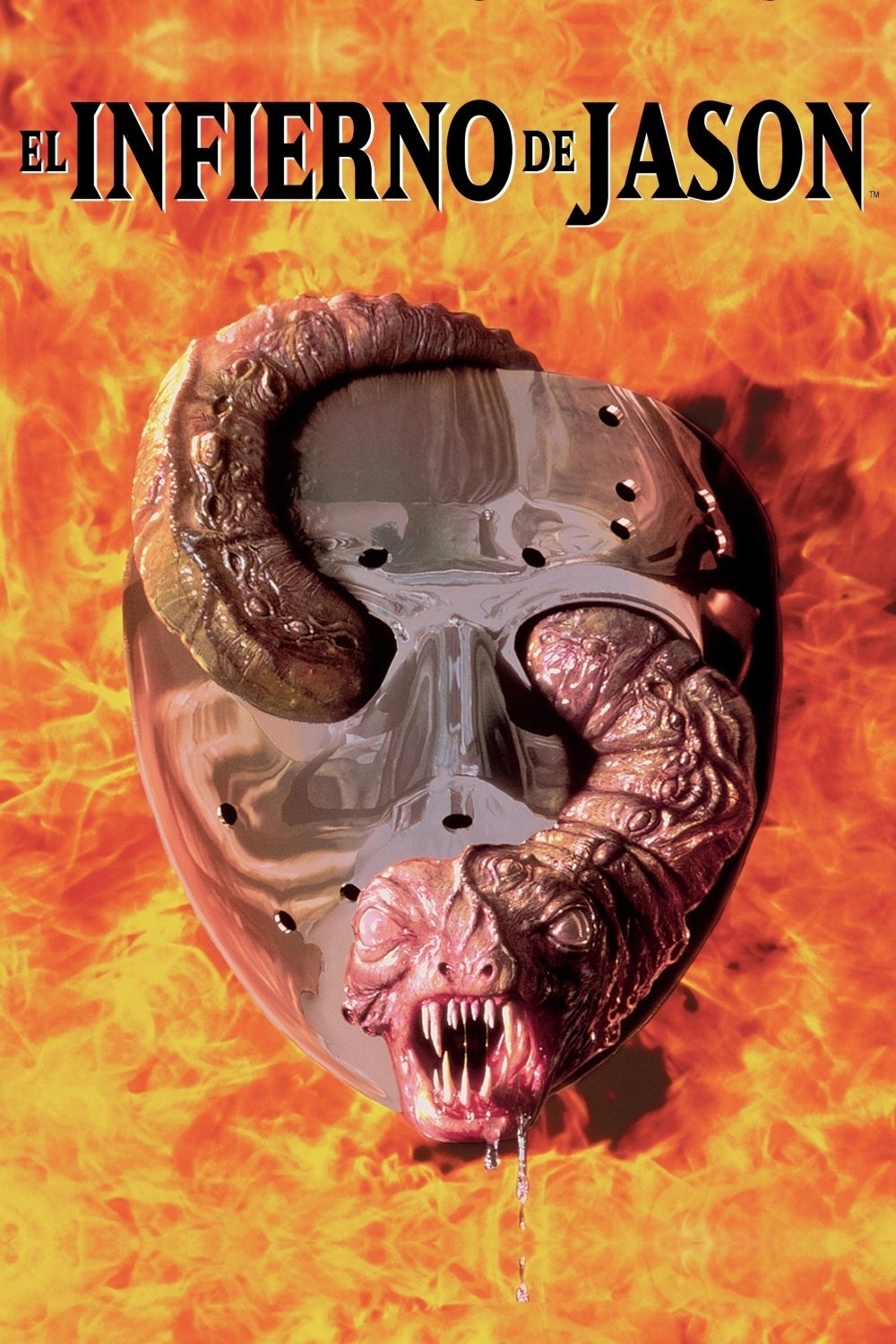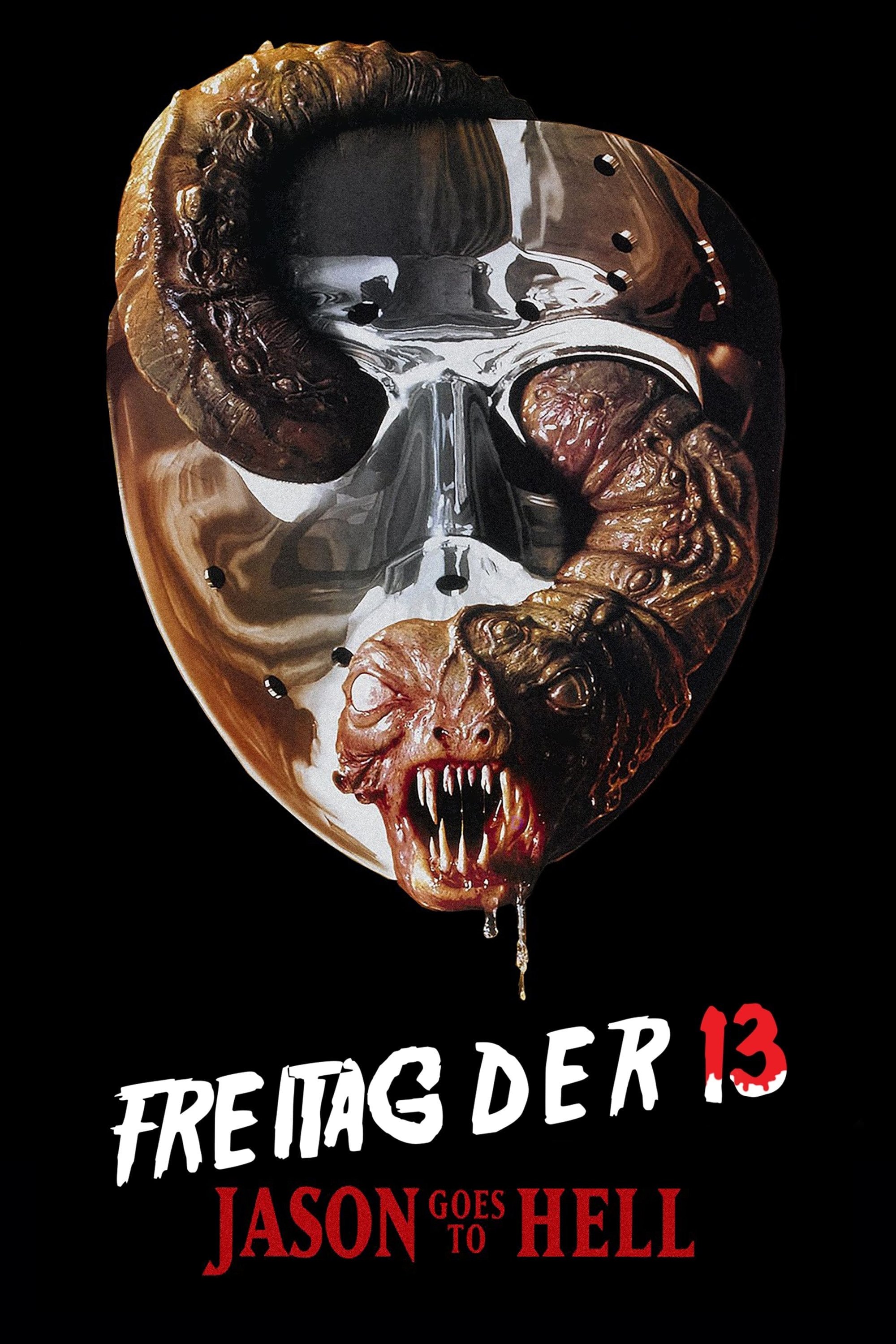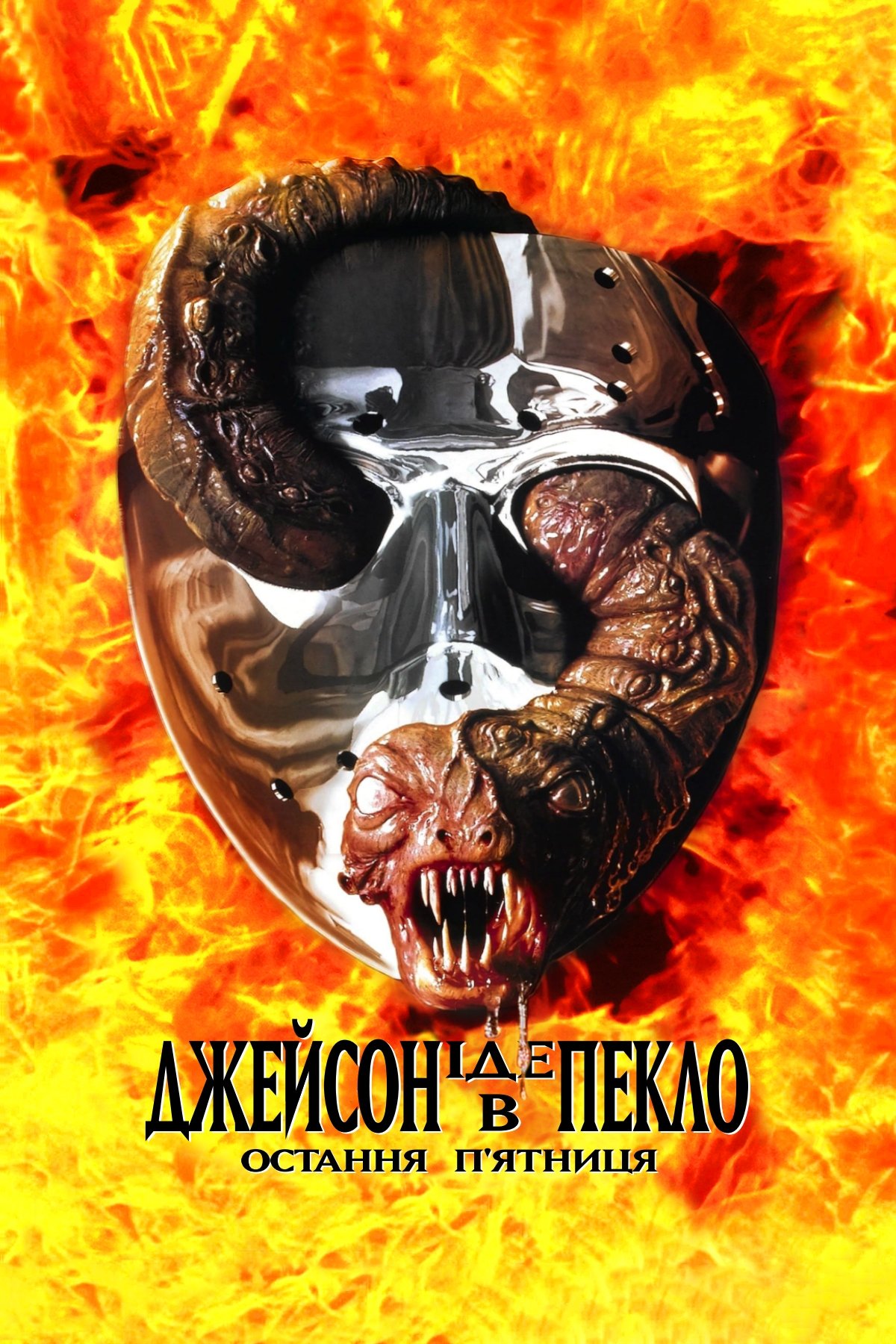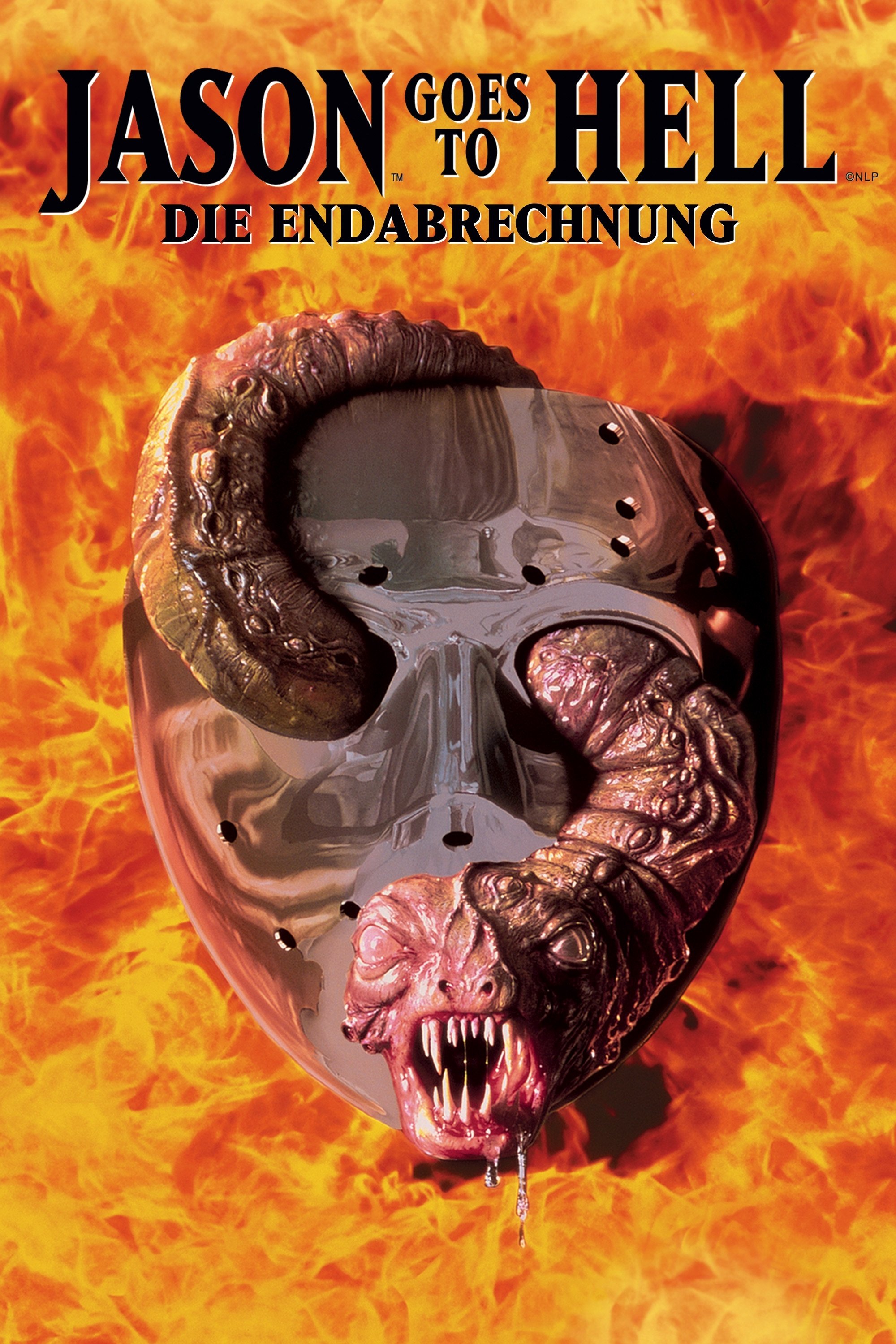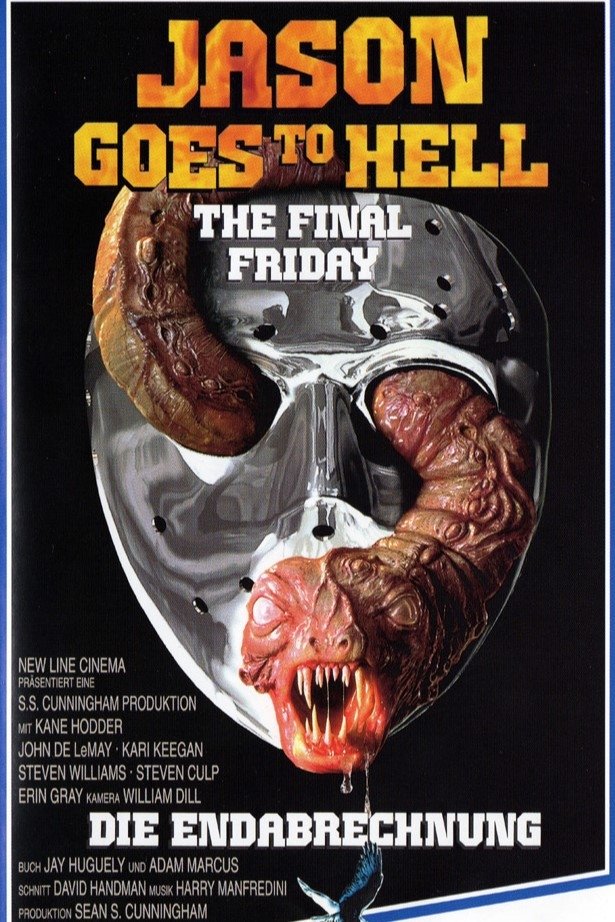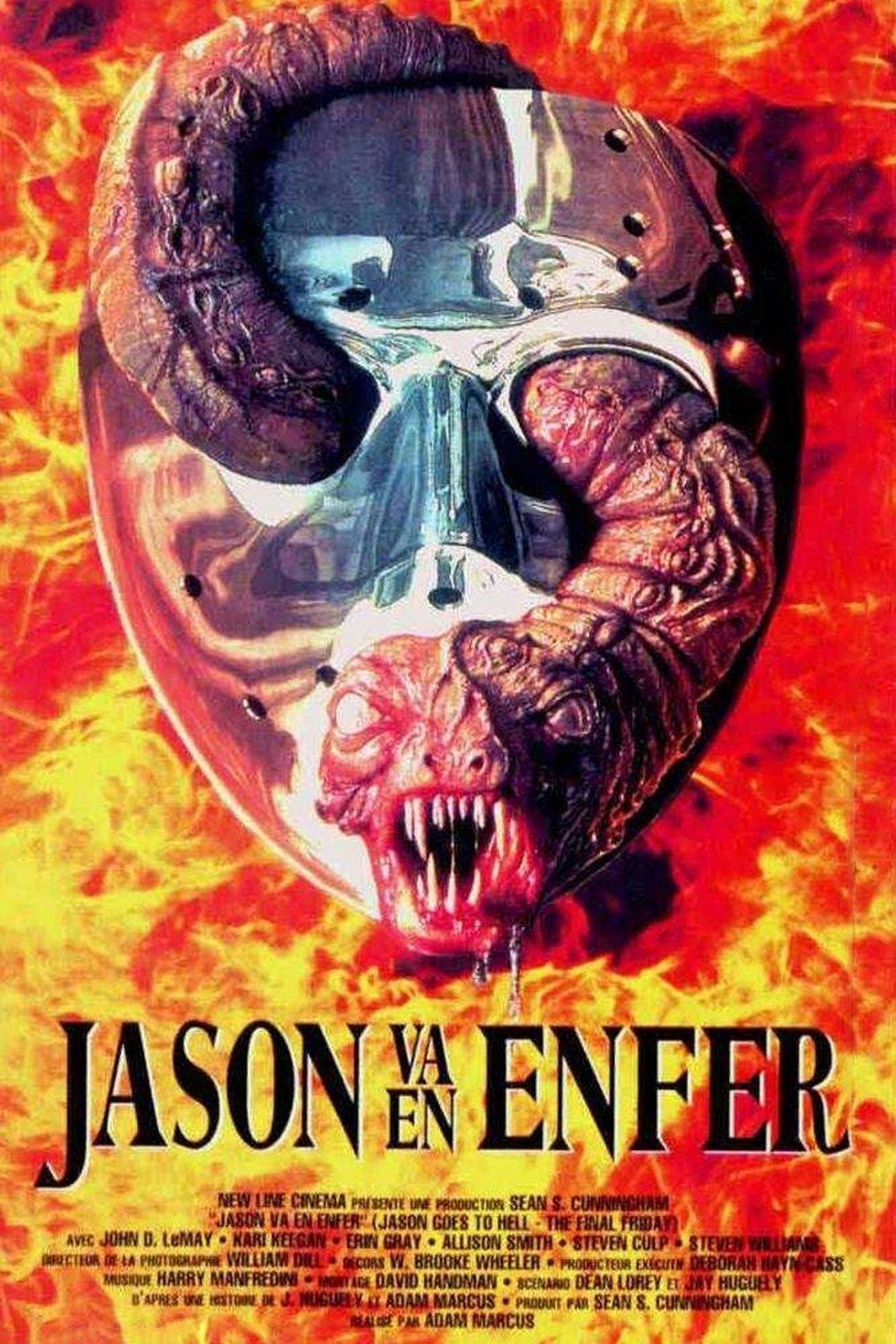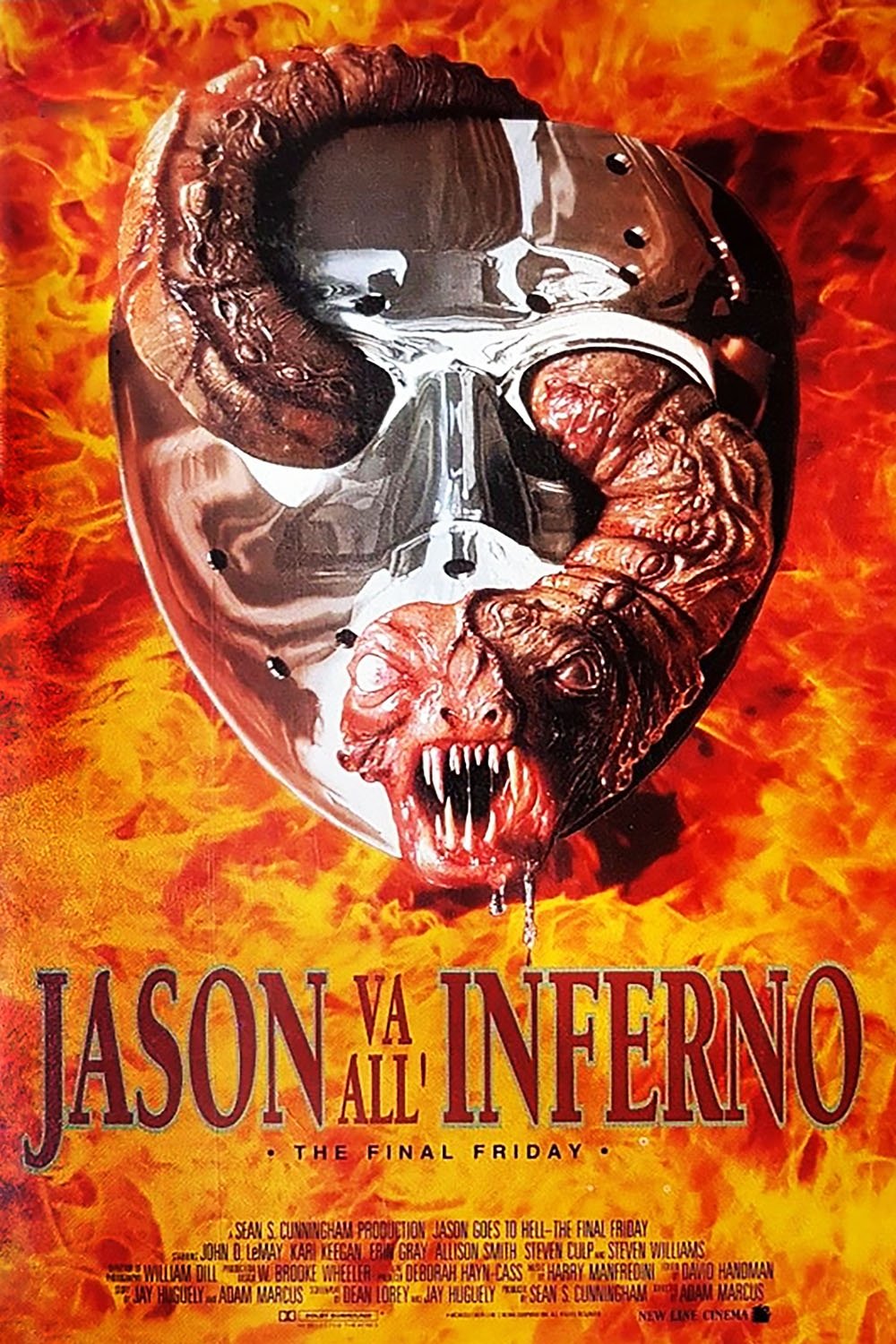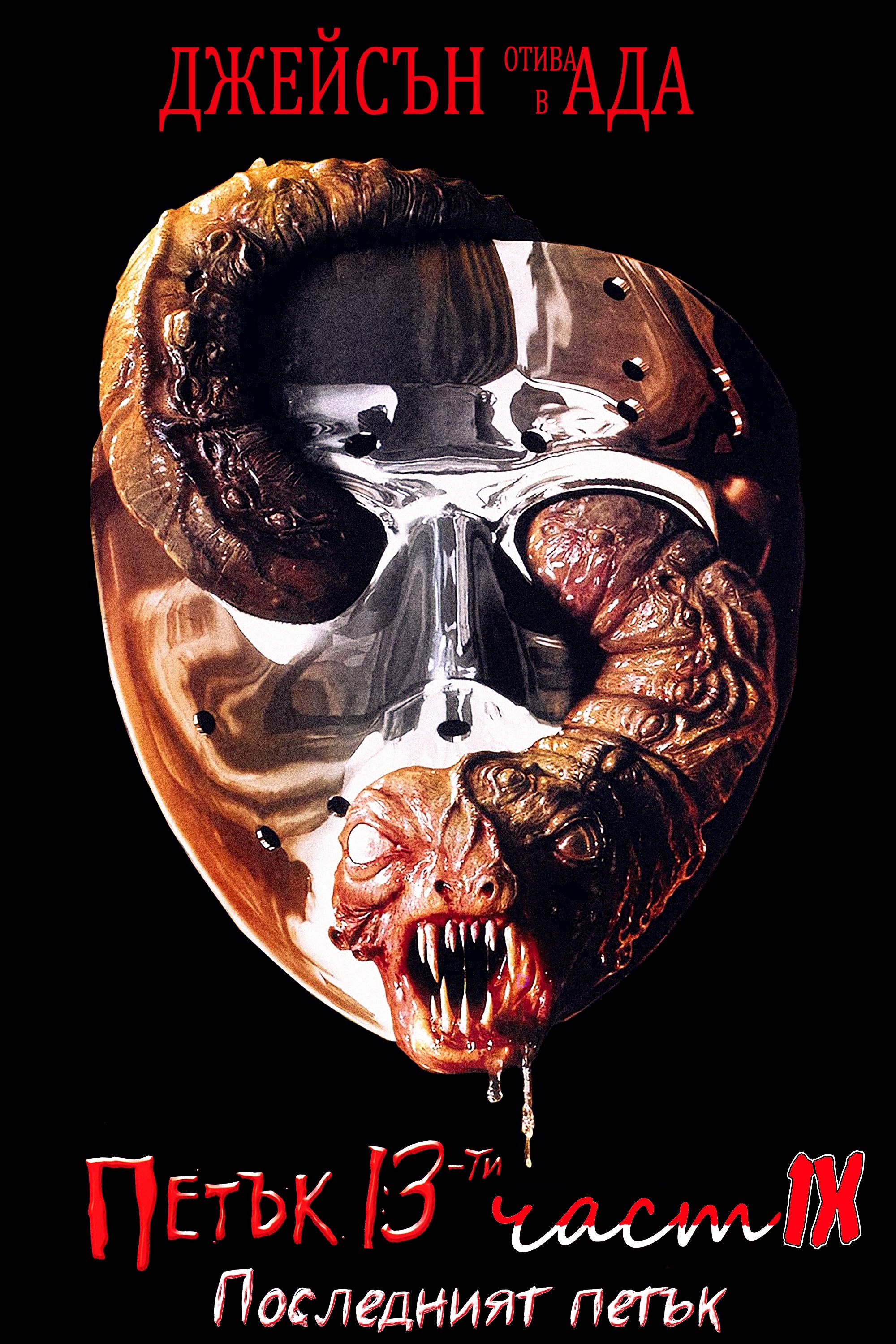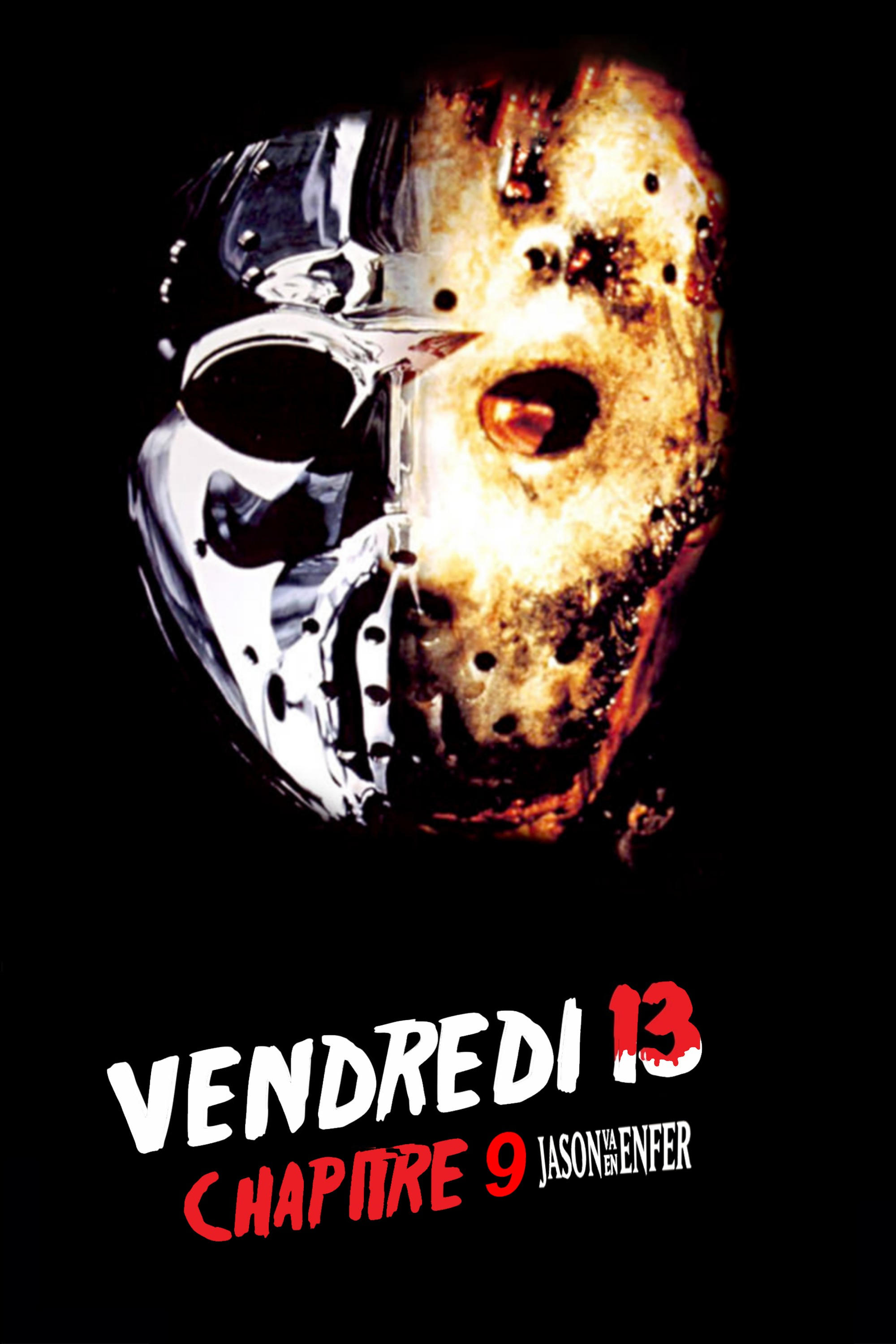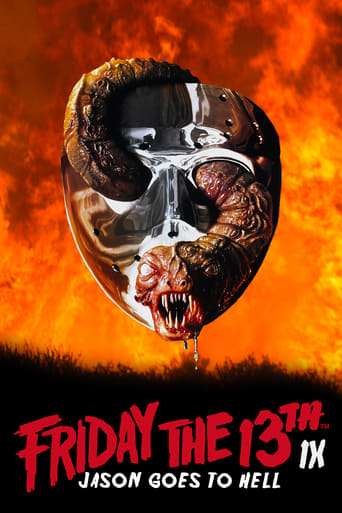
Jason Goes to Hell: The Final Friday (1993)

US
Runtime
88 min
Release
August 13, 1993
Budget
$3,000,000
Revenue
$15,935,068
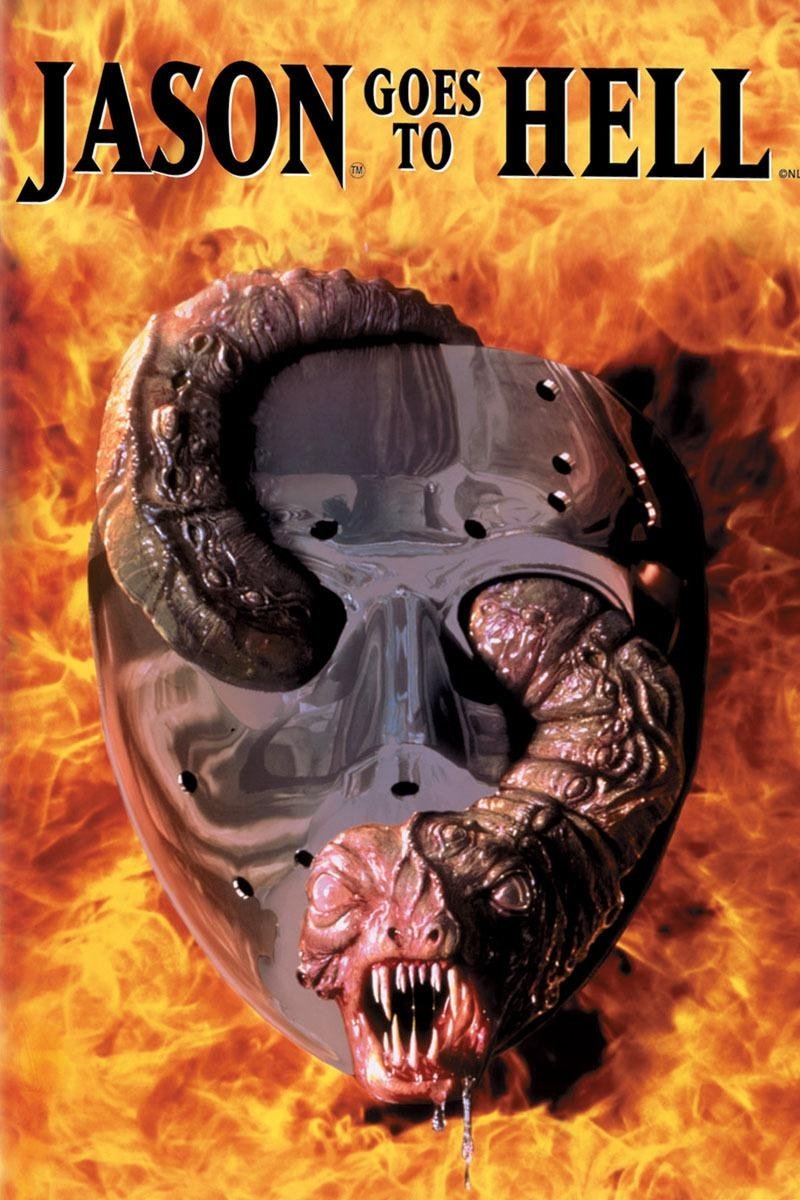
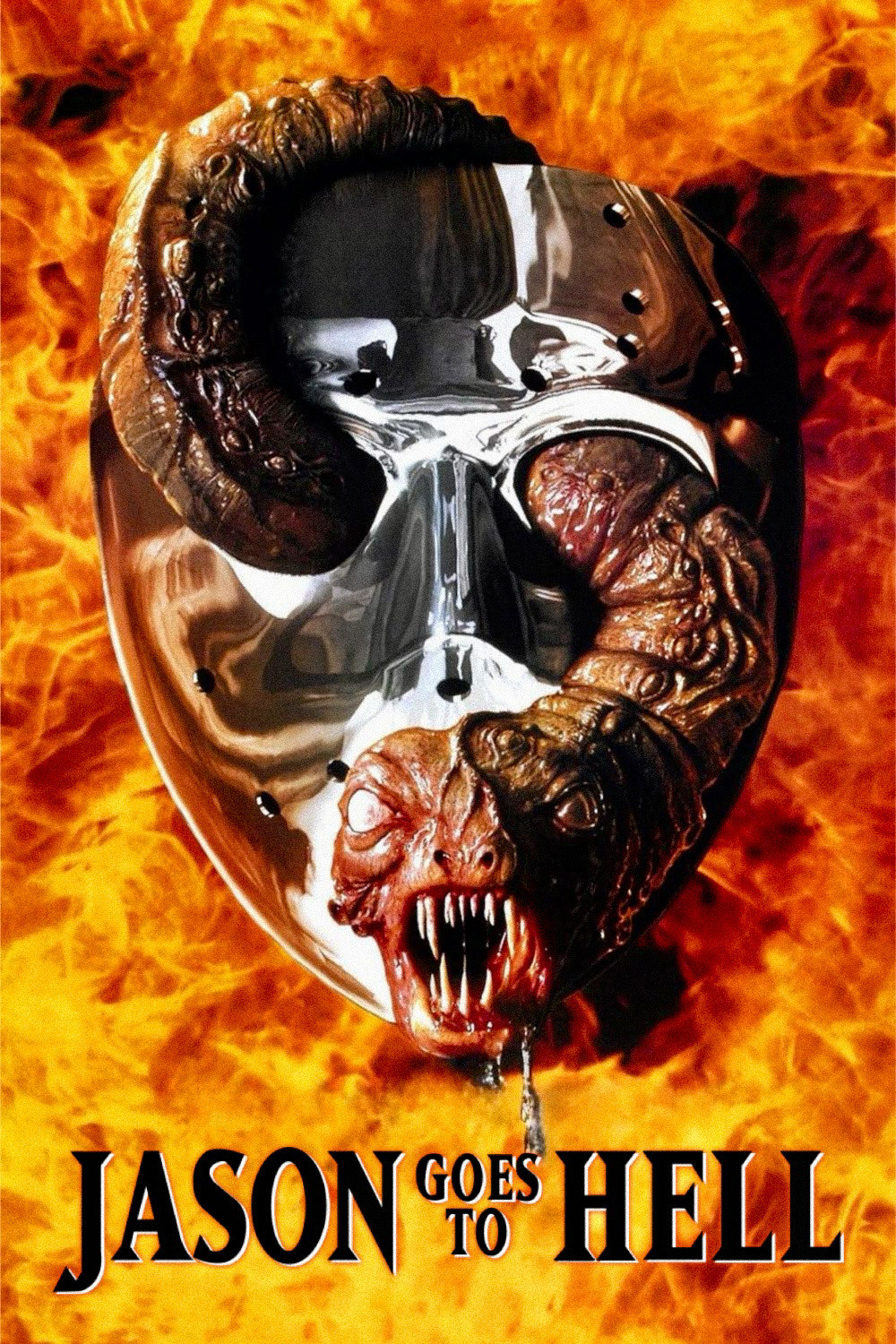
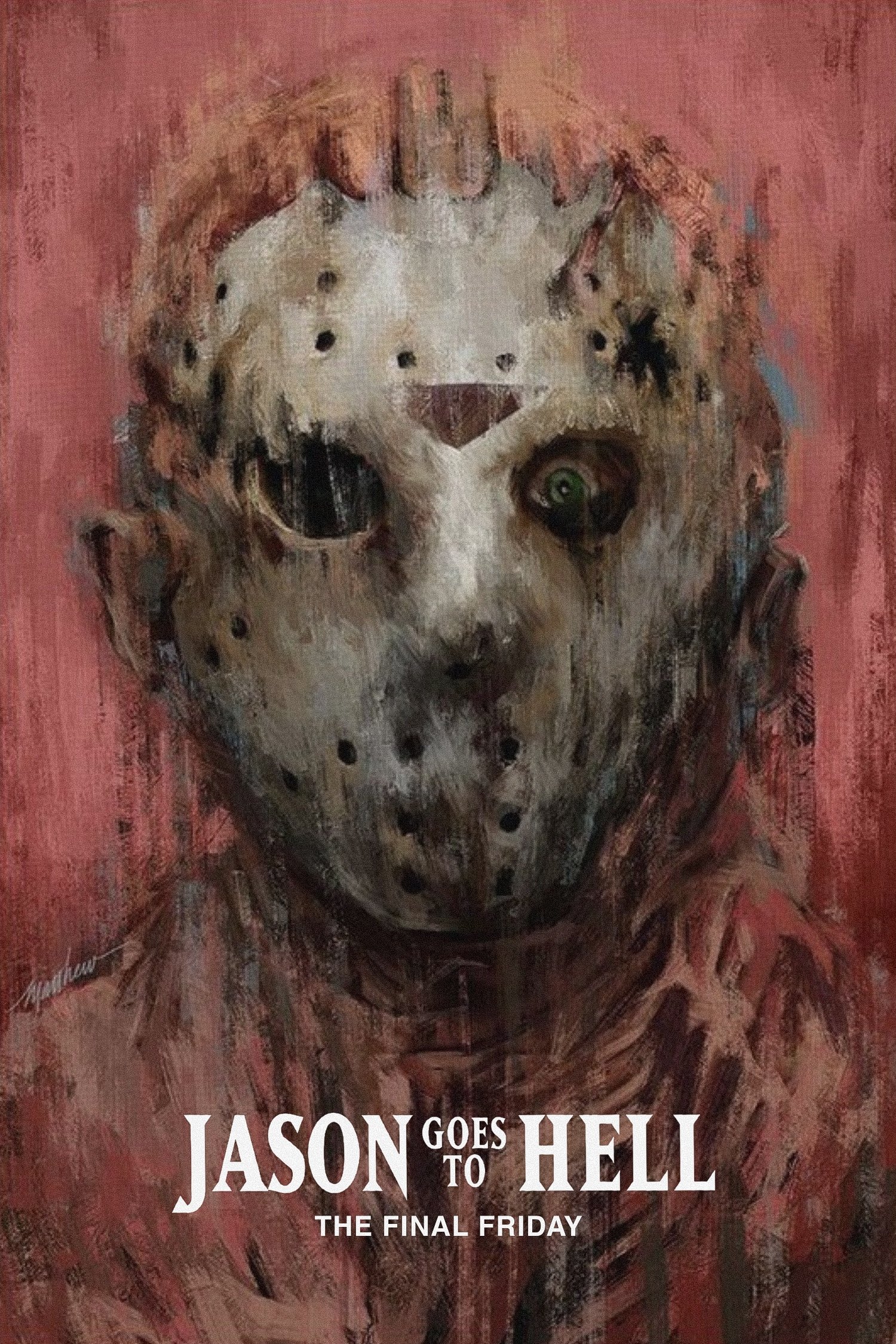
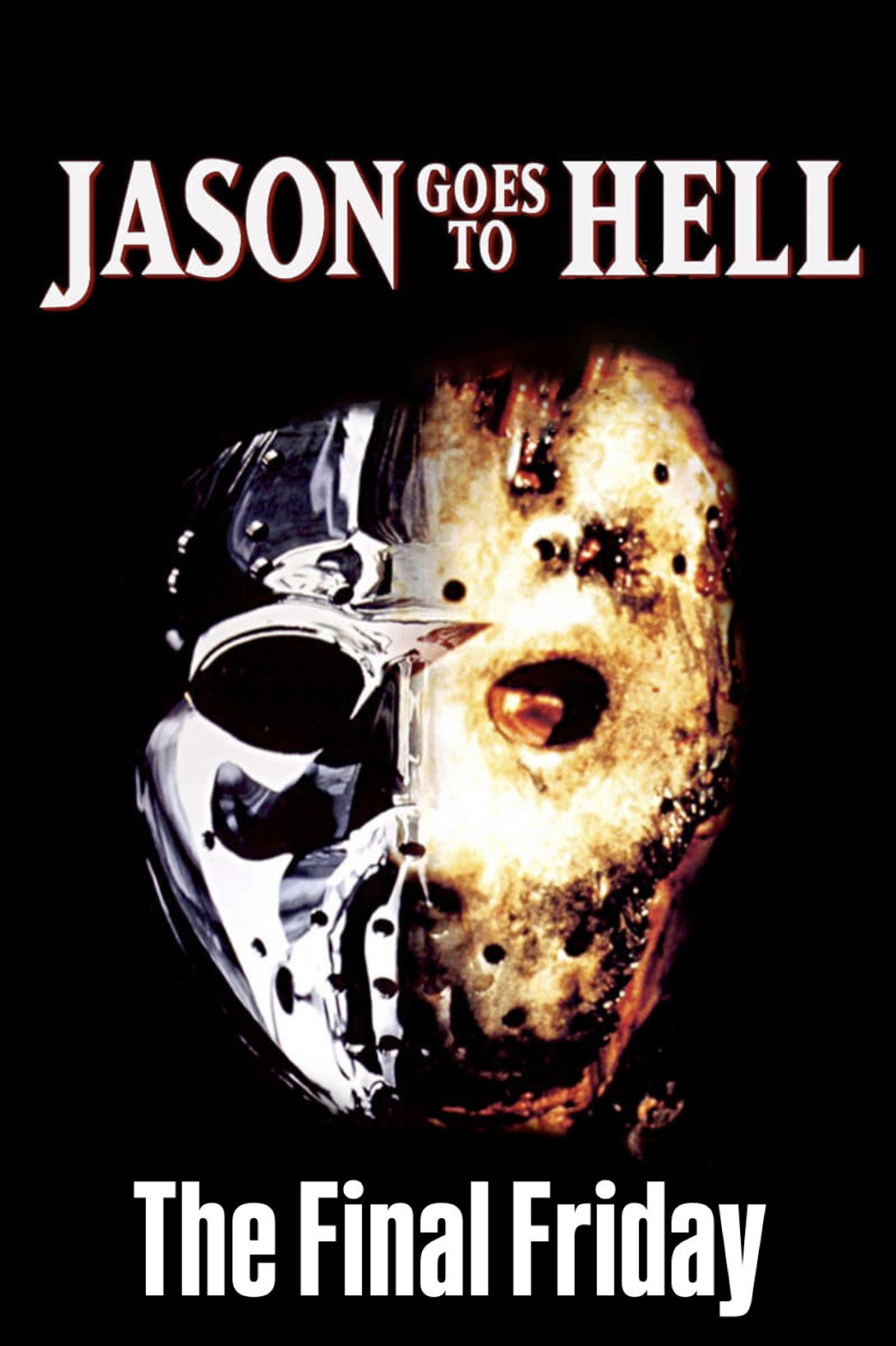
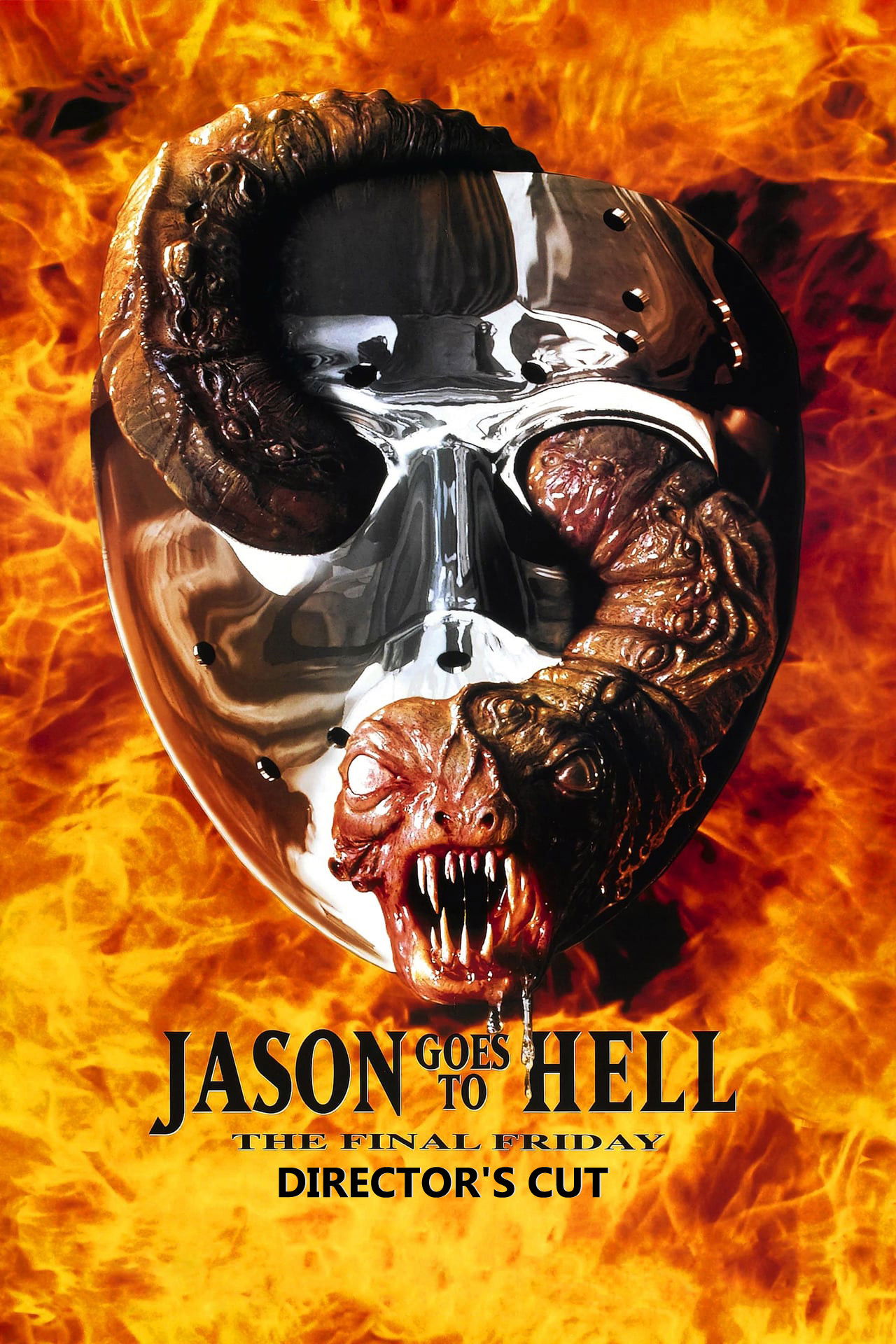
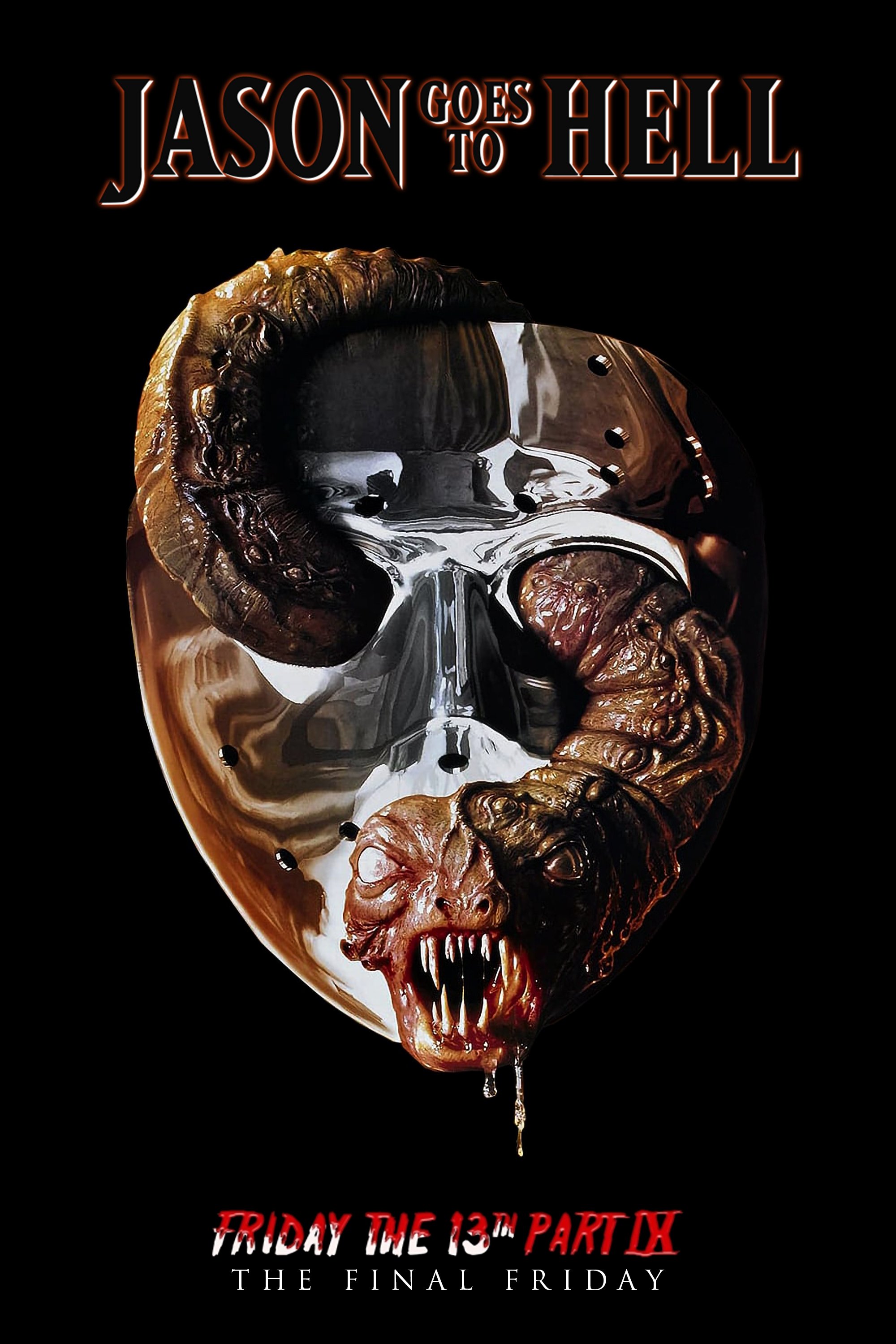
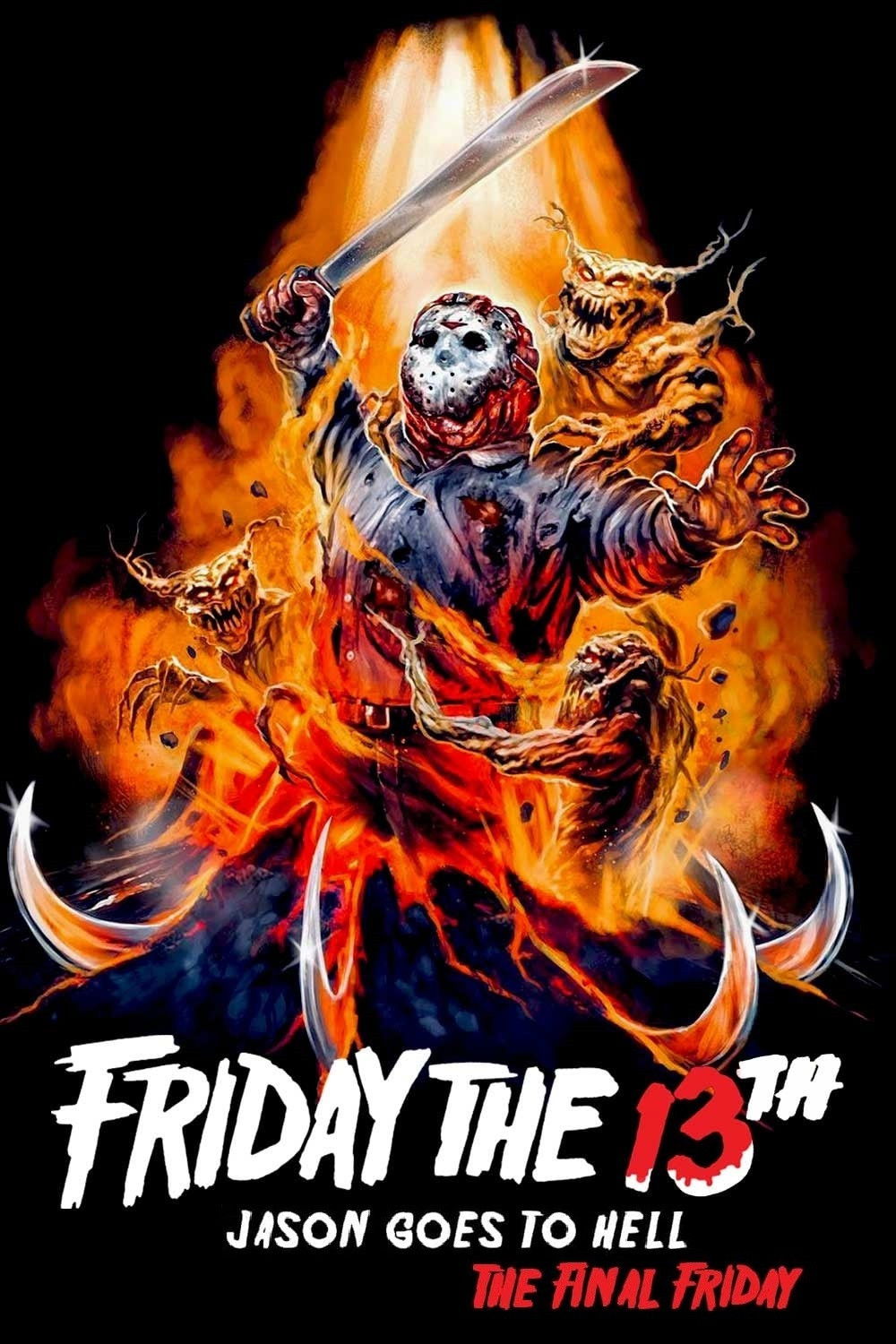
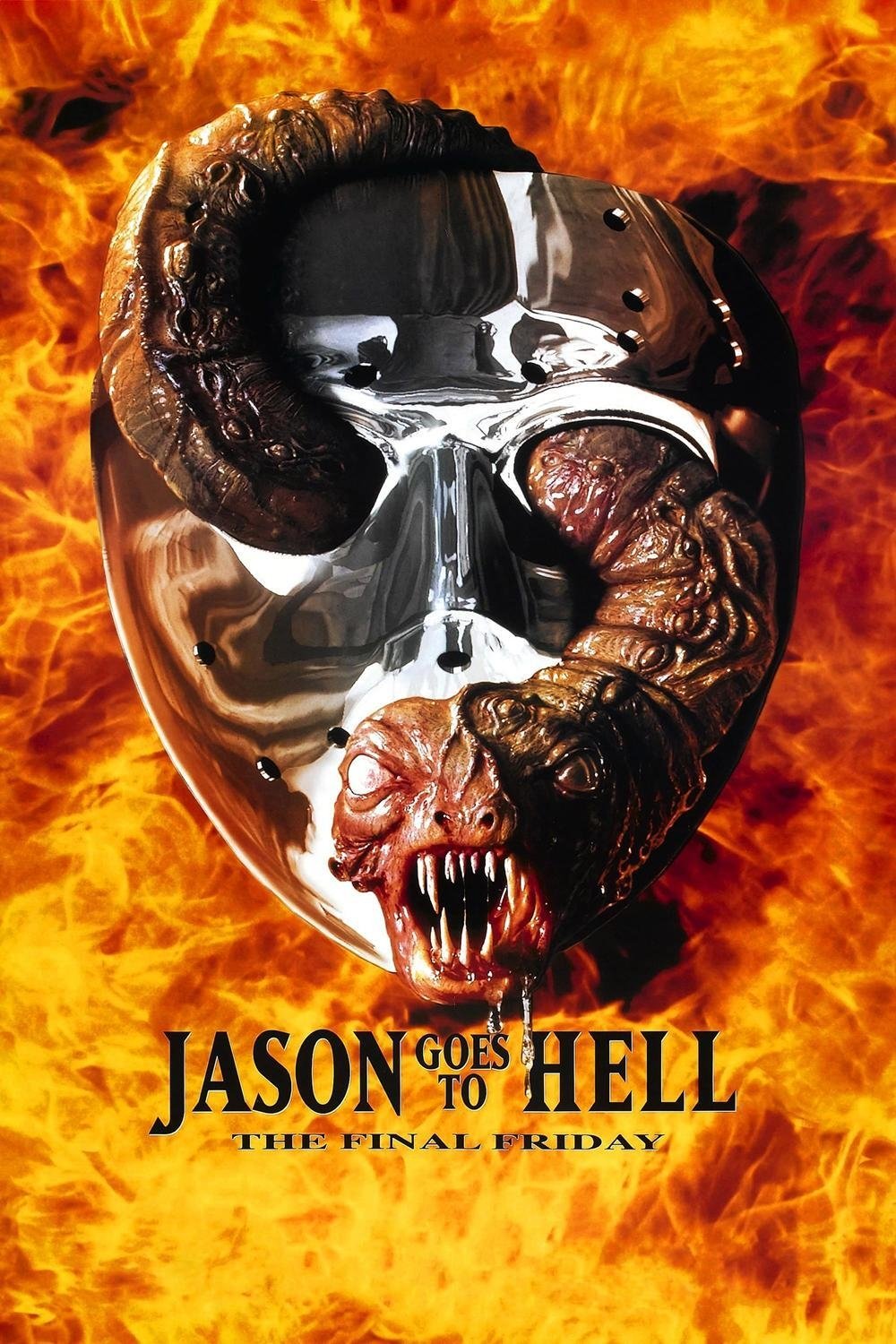
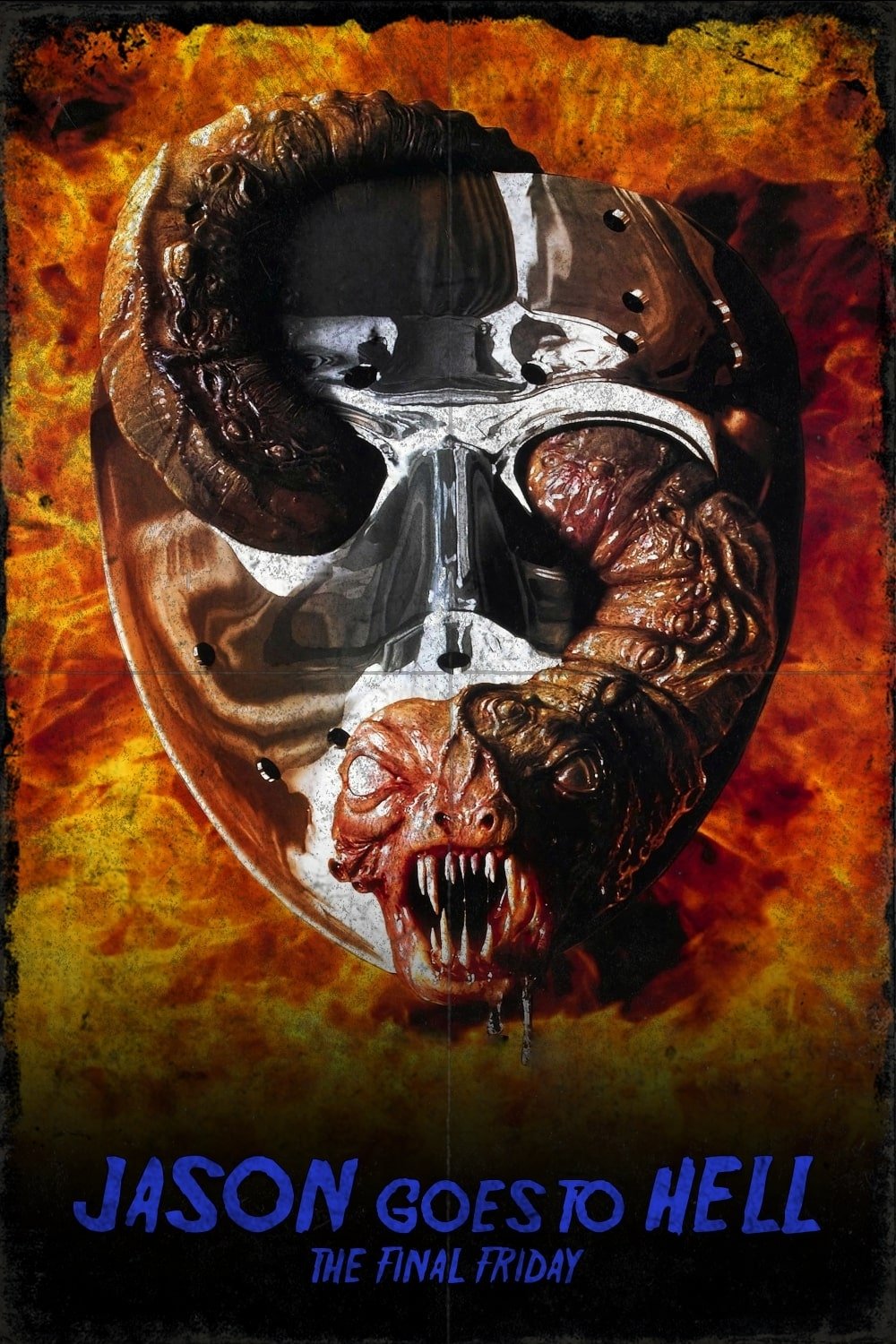
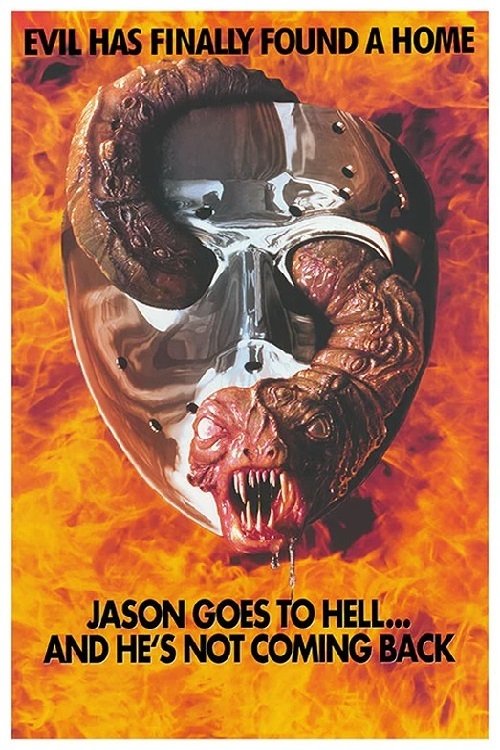
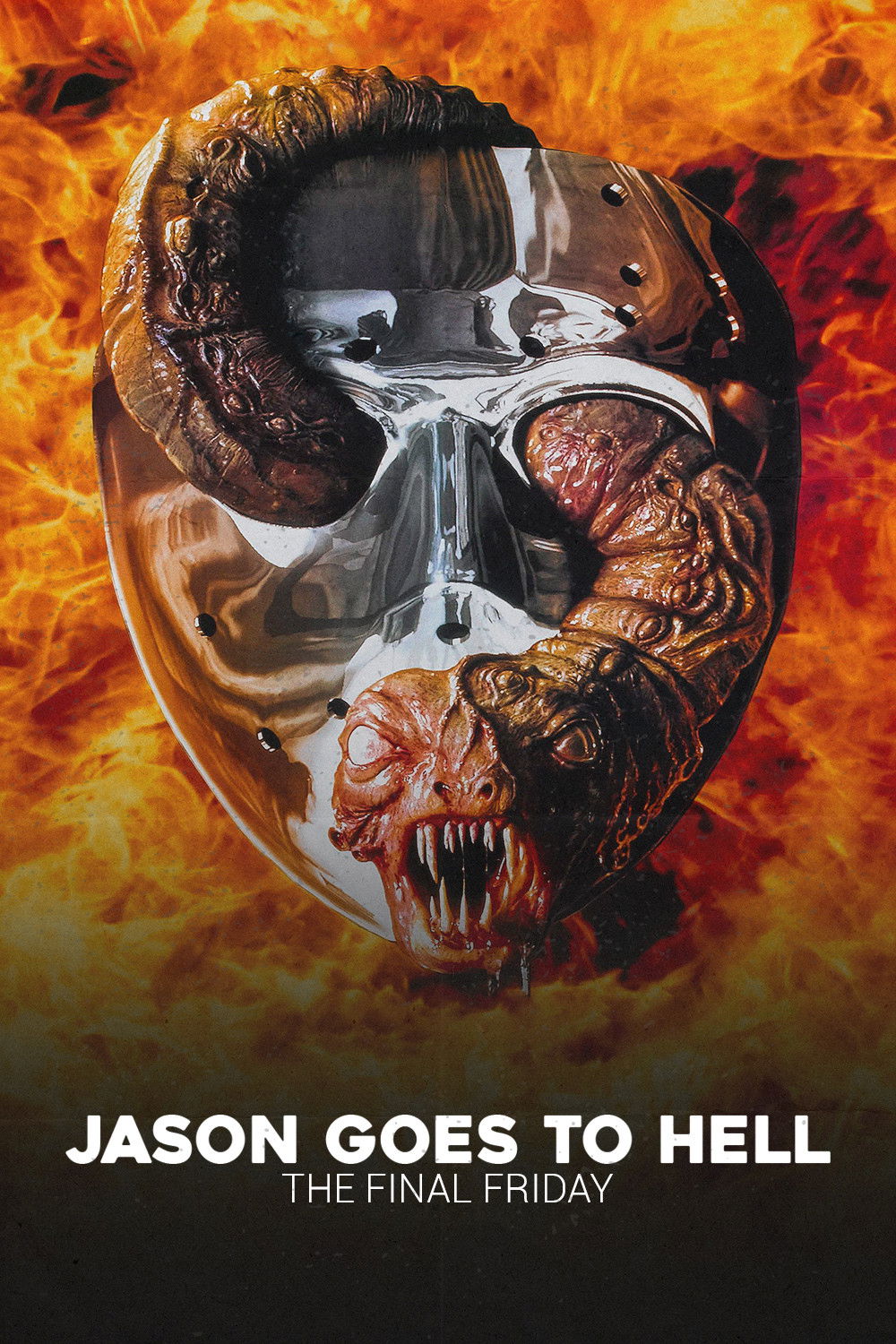
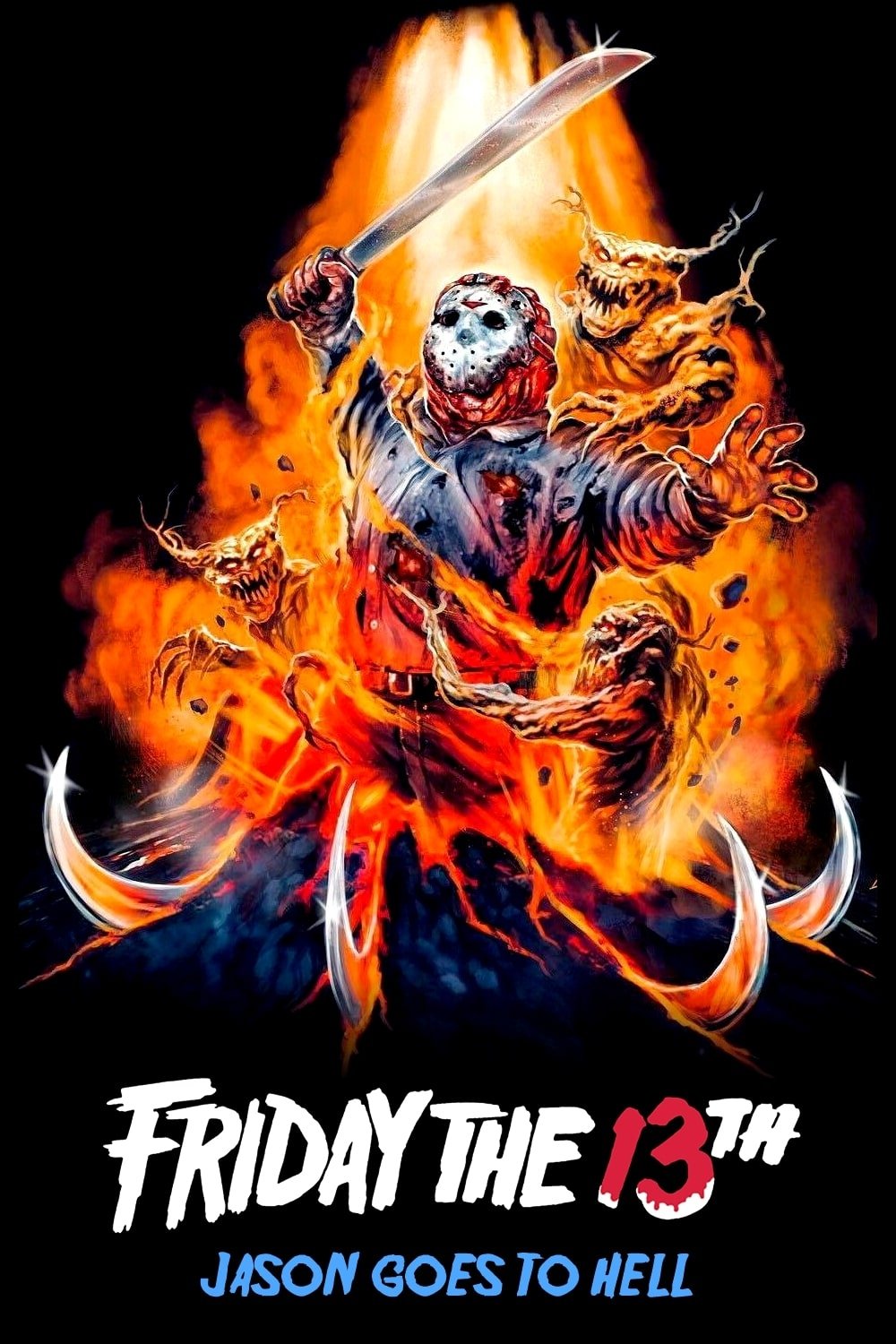
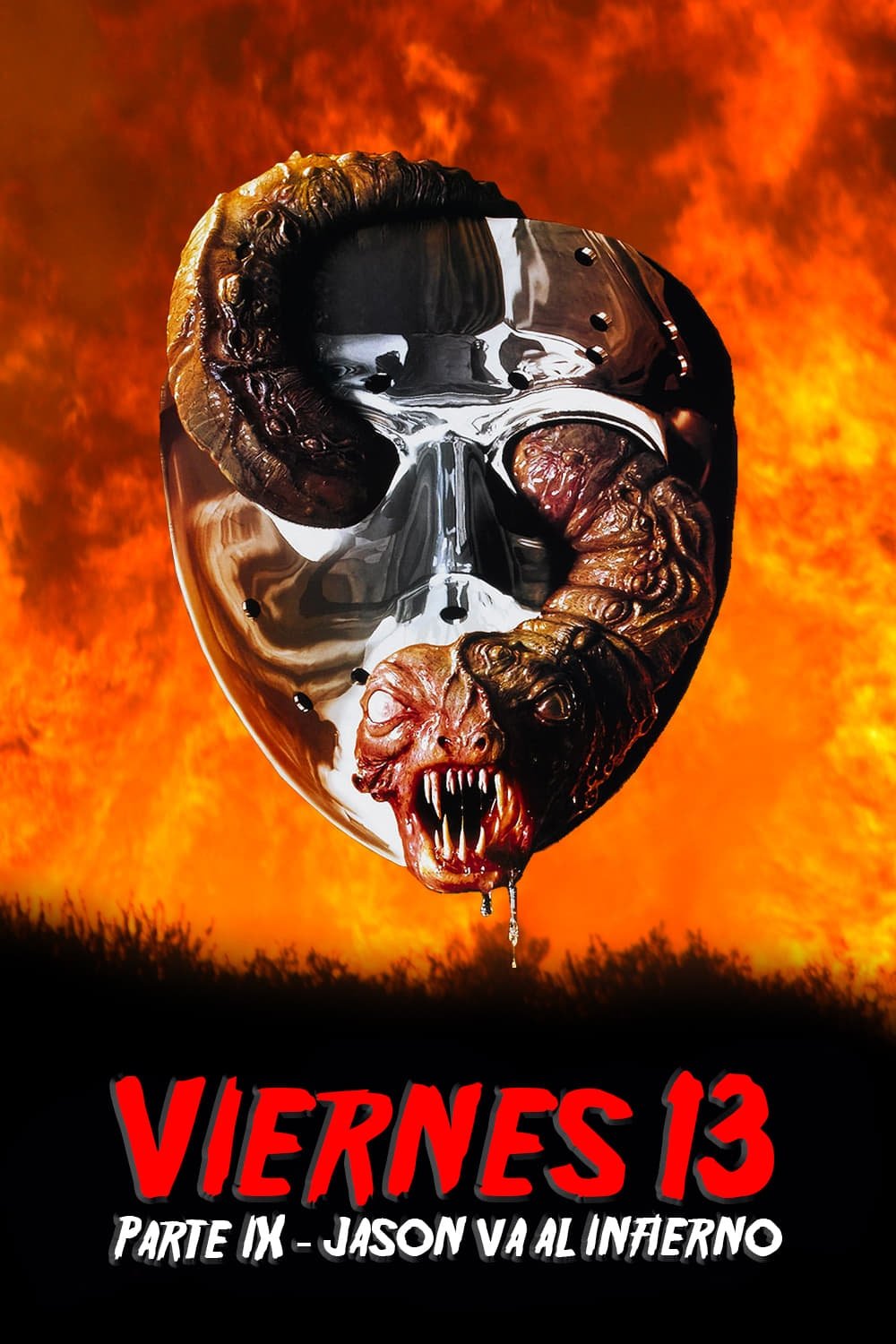
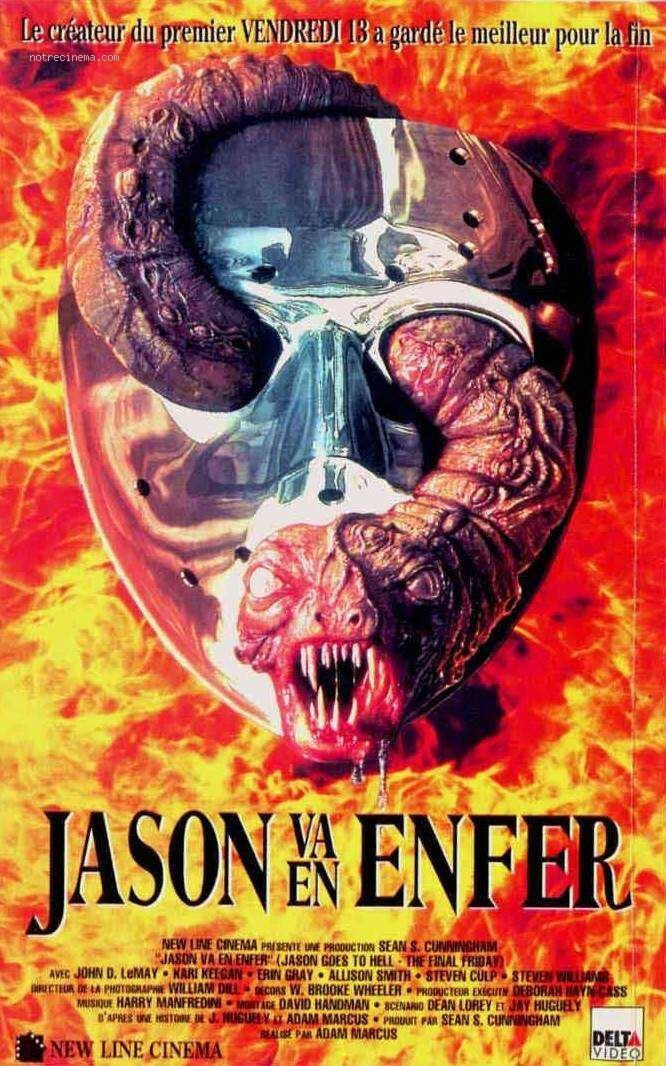
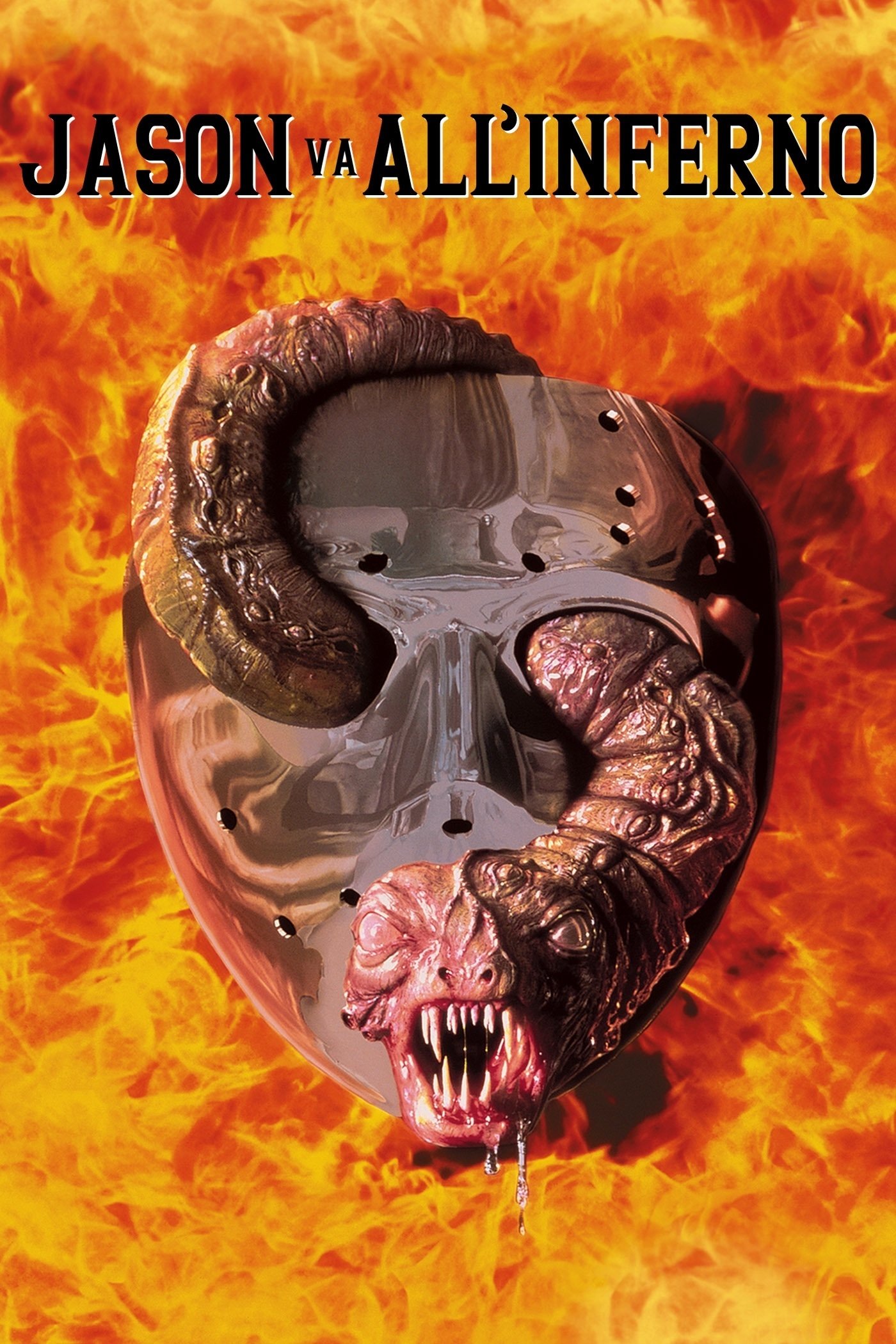
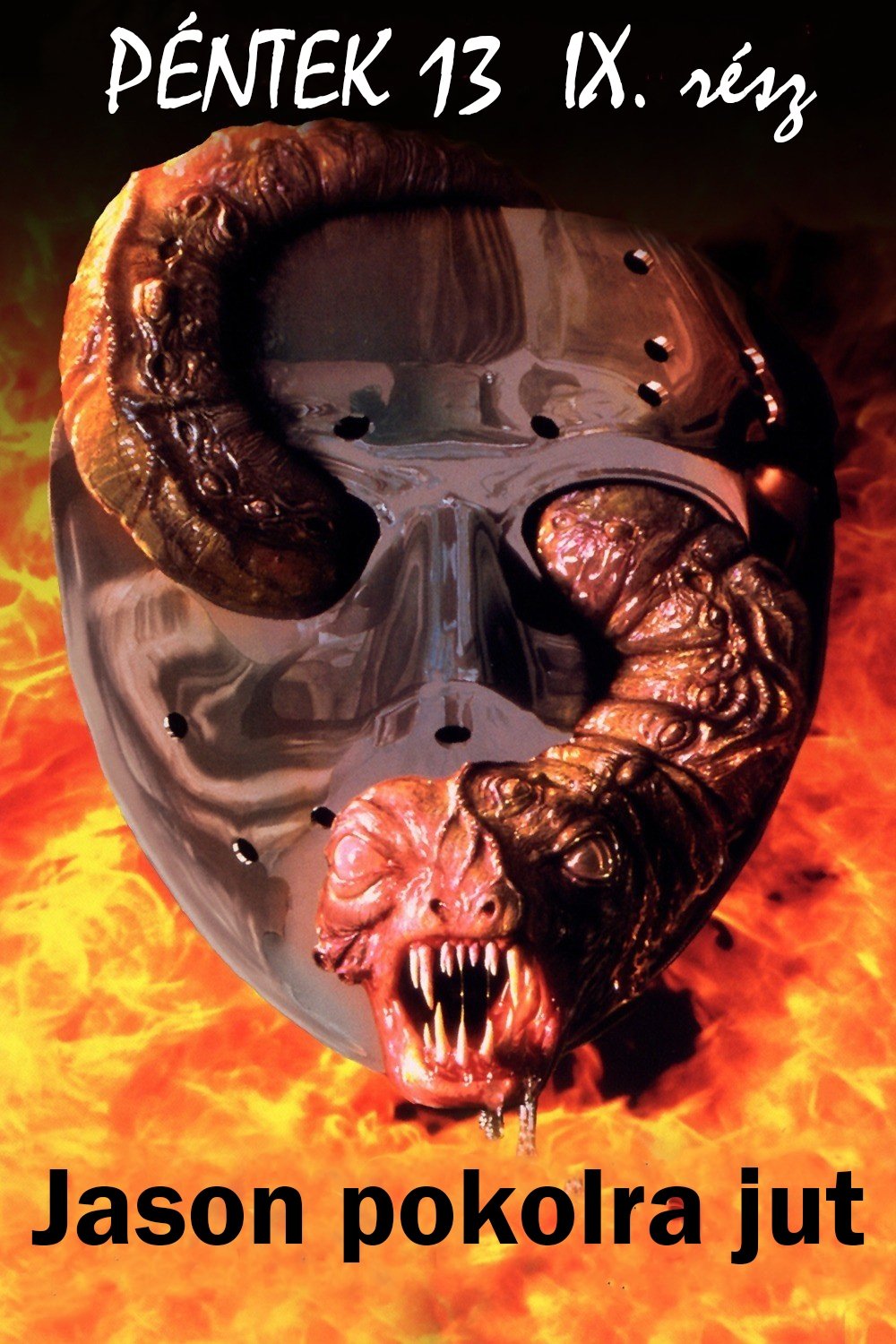
Jason Goes to Hell: The Final Friday (1993) poster
Director
Production Company
Sean S. Cunningham Films
Plot

A federal operation appears to destroy Jason Voorhees, but his death does not end the killings associated with Crystal Lake. A supernatural force linked to Jason begins moving between human hosts, allowing the murderer to continue attacking people without his familiar body. As investigators struggle to explain the violence, Steven Freeman attempts to protect Jessica Kimble and her infant daughter, whose connection to the Voorhees family places them at the center of the threat. The search for a way to stop Jason leads to secrets about his origins and survival.

Alternative Titles
El último martes 13: La muerte de Jason (AR) Ceyson cəhənnəmə gedir: Sonuncu cümə (AZ) — translation:az Петък 13-и Част 9: Джейсън отива в ада : Последният петък (BG) — translation:bg Jason Vai para o Inferno: A Última Sexta-Feira (BR) Le Châtiment de Jason (CA) Le châtiment de Jason : Le vendredi infernal (CA) — translation:fr 十三号星期五9:杰森下地狱 (CN) — translation:zh 黑色星期五9 (CN)
Show all 48 alternative titles Viernes 13 Jason se va al Infierno (CO) Pátek trináctého 9 (CZ) — translation:cs Freitag der 13 - Die Endabrechnung (DE) Freitag der 13. - Jason Goes to Hell (DE) Freitag der 13. Teil 9 - Jason Goes to Hell (DE) Jason Goes to Hell - Die Endabrechnung (DE) — translation:de Fredag den 13. del 9: Opgøret (DK) — translation:da Divendres 13: Jason a l’infern (ES) — translation:ca Viernes 13: El final. Jason se va al Infierno (ES) Viernes 13. Parte 9: Jason se va al Infierno (ES) — translation:es Viernes 13. Parte IX: Jason se va al Infierno (ES) Jason va en enfer (FR) Vendredi 13, chapitre 9 : Jason va en enfer (FR) — translation:fr Friday the 13th: Jason Goes to Hell (GB) — alternative title Ο Τζέησον στην κόλαση (GR) Ο Τζέισον πηγαίνει στη Κόλαση: Η Τελευταία Παρασκευή (GR) — translation:el 十三號星期五 9:星期五末日 (HK) — translation:zh Péntek 13. - IX. rész: Jason pokolra jut (HU) יום שישי ה-13: חלק 9: ג'ייסון הולך לגיהנום (IL) — translation:he Jason va all'inferno (IT) — translation:it 13日の金曜日/ジェイソンの命日 (JP) — translation:ja 13일의 금요일 9: 라스트 프라이데이 (KR) — translation:ko Viernes 13 parte 9 (MX) Friday the 13th IX (NL) Friday the 13th Part 9 (NL) Friday the 13th Part 9 - Jason Goes To Hell (NZ) — Alternative Piątek trzynastego 9: Jason idzie do piekła (PL) — translation:pl Sexta-Feira 13 - Parte 9 (PT) — translation:pt Петак 13-ти, 9. део - Џејсон иде у пакао (RS) — translation:sr Джейсон отправляется в ад: Последняя пятница (RU) — translation:ru Fredagen den 13:e del 9 (SE) — translation:sv Viernes 13 Parte 9 Jason se va al Infierno (SV) ศุกร์ 13 ฝันหวาน (วันศุกร์แบบนี้ จะไม่มีอีกแล้ว) (TH) — translation:th Jason: Cehenneme Git! (TR) — translation:tr 十三號星期五9:星期五末日 (TW) — translation:zh Джейсон відправляється в пекло: Остання п’ятниця (UA) — translation:uk П’ятниця 13-те: Частина 9 (UA) П’ятниця 13-те: Частина IX (UA) Friday the 13th Part 9: Jason Goes to Hell: The Final Friday (US) — working title Friday the Thirteen VIIII: Jason Goes to Hell: The Final Friday (US) — Android TV

Trailers & Videos

5 videos

Film Guide

Jason's body-hopping reinvention, Sean Cunningham's New Line revival, KNB's creature effects and the rated and unrated cuts of the 1993 sequel.

Jason Goes to Hell: The Final Friday (1993) arrived at a turning point for the Friday the 13th franchise. New Line Cinema had taken over the character from Paramount, and producer Sean S. Cunningham returned to oversee a sequel that largely abandoned the established pursuit-and-murder formula. Jason is destroyed by an FBI ambush during the opening sequence, only for his malignant presence to survive by occupying other bodies. The result draws on possession and creature horror while retaining Crystal Lake, the Voorhees family and the prospect of a final confrontation with the masked killer.

Directed by Adam Marcus in his feature debut, the film is notable for the risks taken with an exceptionally familiar screen monster. It reduced Jason's physical appearances at the very moment his hockey mask had become the series' central image. KNB EFX supplied extensive creature work, and the production subsequently reached audiences in versions with different levels of violence. Contemporary critics largely rejected the experiment, yet its disputed mythology, elaborate practical effects and concluding promise of a clash with Freddy Krueger give the ninth installment a distinct place in the franchise's history.

New Line, Sean Cunningham and the Changing Screenplay

Trade reporting preserved by the American Film Institute establishes that Cunningham was preparing a ninth film after the series moved away from Paramount in 1992. Marcus had known the Cunningham family since childhood and later worked around their productions. He recalled being offered the chance to develop a Jason film after discussing a separate horror comedy with the producer. According to his retrospective account, an early treatment called Friday the 13th: Heart of Darkness involved Jason's previously unmentioned brother, Elias. Marcus also recalled restrictions on using the original series title under New Line's arrangement; these contractual details are his recollection, not an independently reproduced agreement.

The screenplay changed substantially before filming. Dean Lorey explained in a 2026 interview that Jay Huguely had written a draft from a Marcus outline, and that he was asked to revise it within only a few days. Lorey identified the body-transfer premise as part of the original conception, while crediting himself with the decision to put Jason on screen at both the beginning and the end. The earlier emphasis on Elias therefore gave way to a story of the killer attempting to regain his own body. This testimony helps explain why the released film alternates between an occult mystery and the recognizable spectacle of Jason's return.

Continuity with Jason Takes Manhattan was deliberately set aside. Lorey recalled being instructed to disregard the previous installment, and the finished picture never explains how Jason returns from that film's ending. The new production also placed considerable responsibility on a first-time feature director working with an established horror property. Marcus has said he wanted to offer an origin for Jason's unnatural survival, a problem he regarded as unresolved by the earlier sequels. His approach was an attempt to reconcile an increasingly supernatural character with a new story mechanism, although the finished film never turns all of those ideas into explicit narrative facts.
Possession, Family History and the New Monster

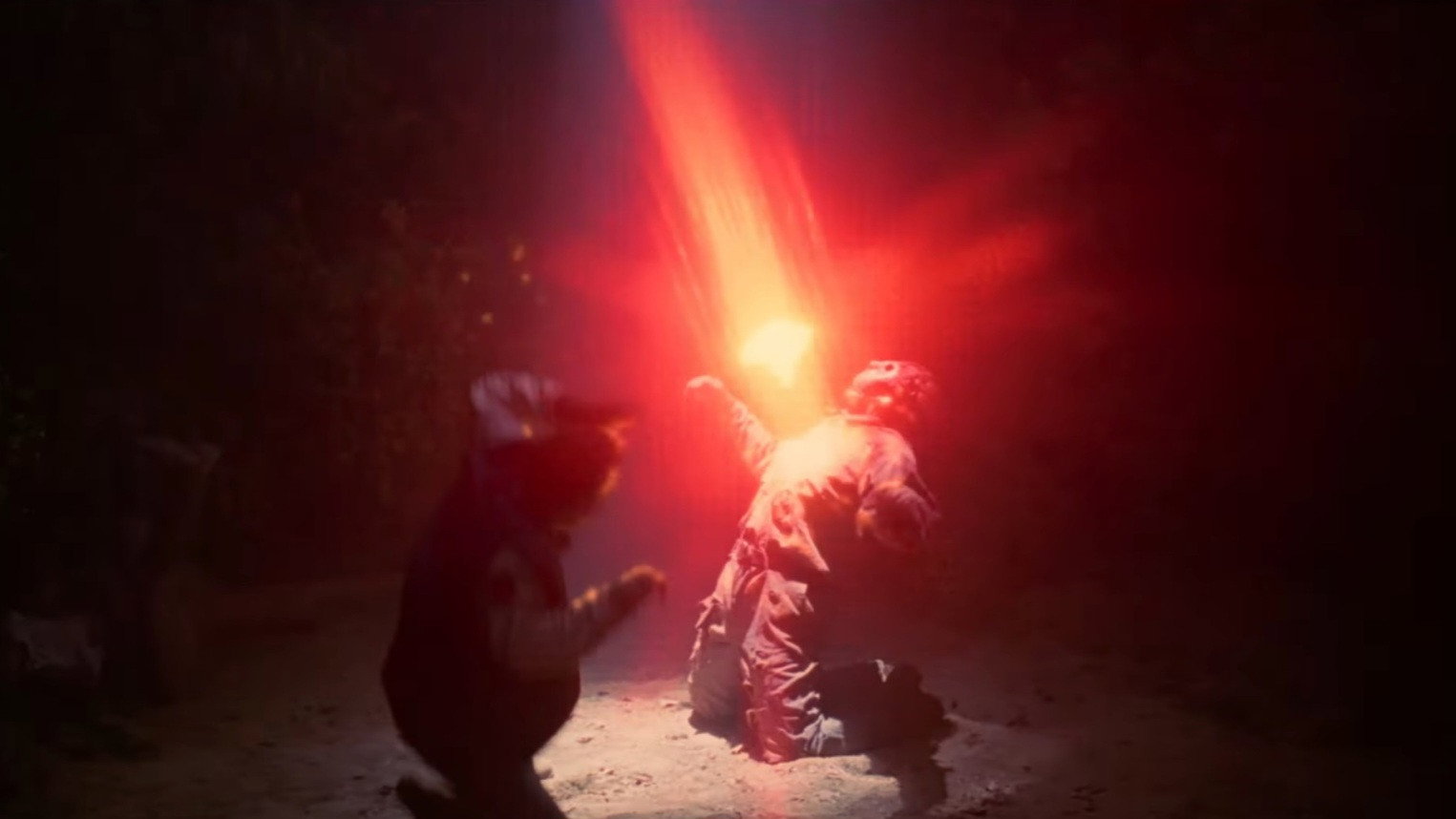
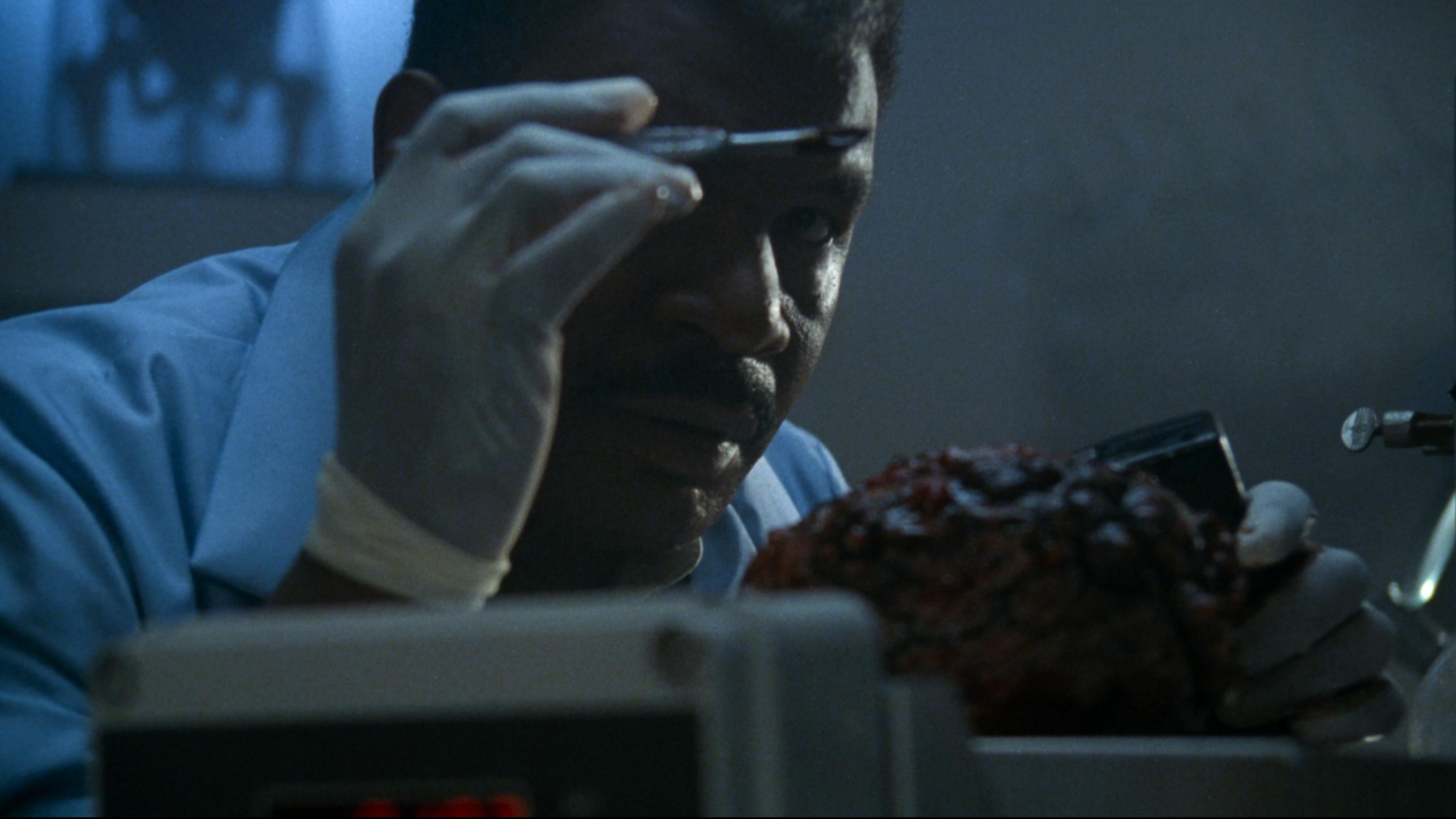
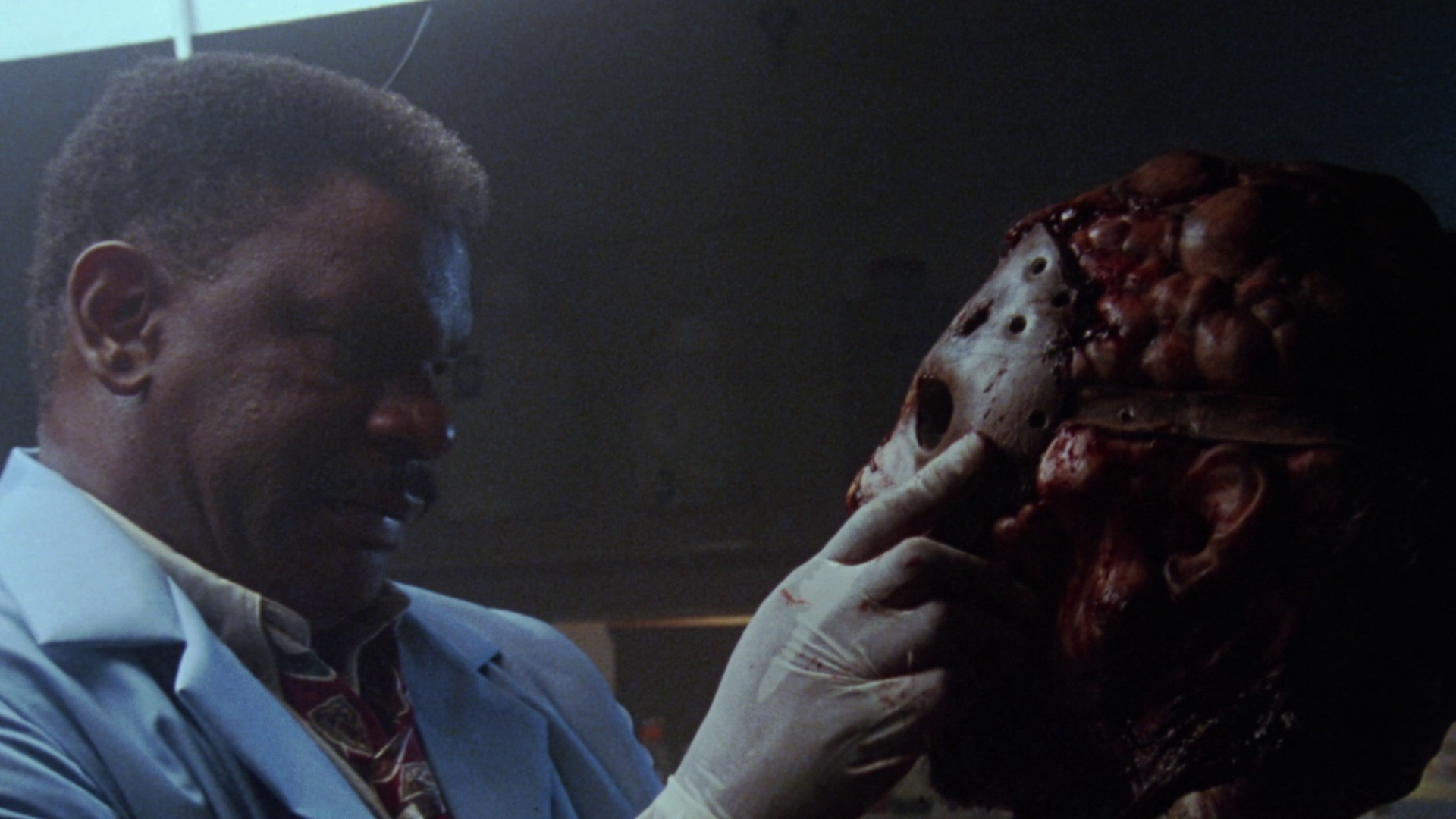
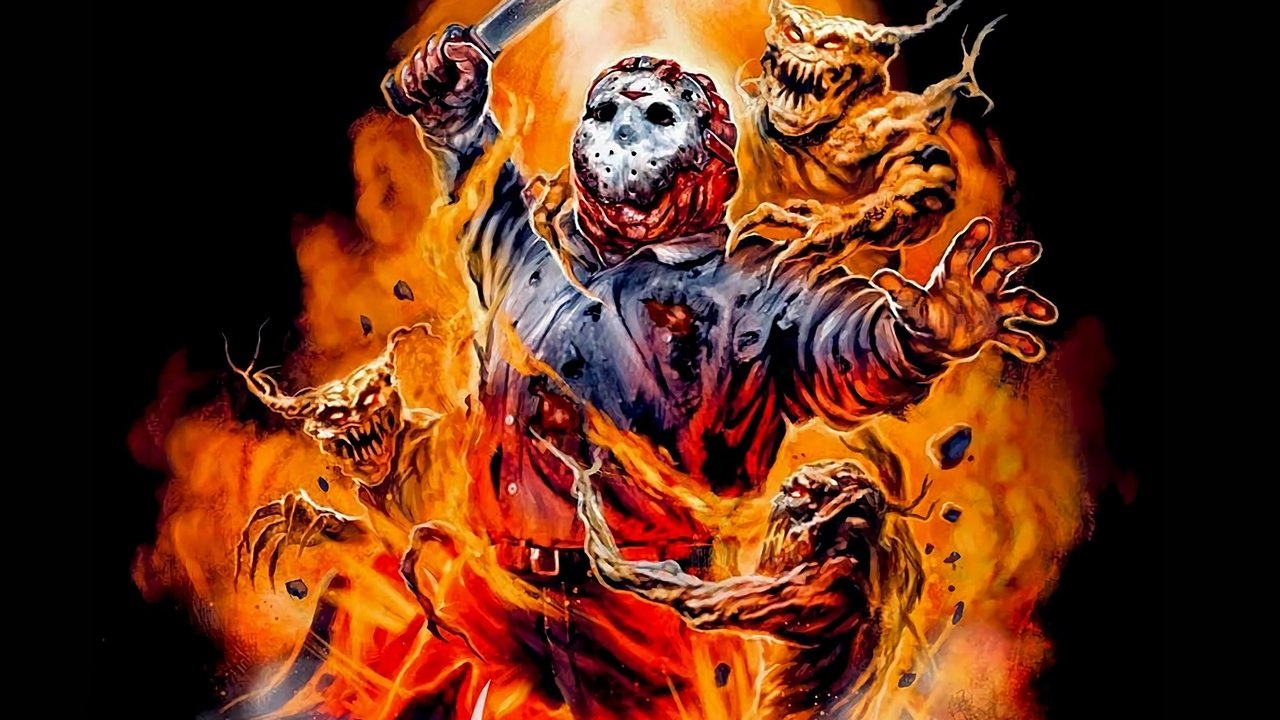
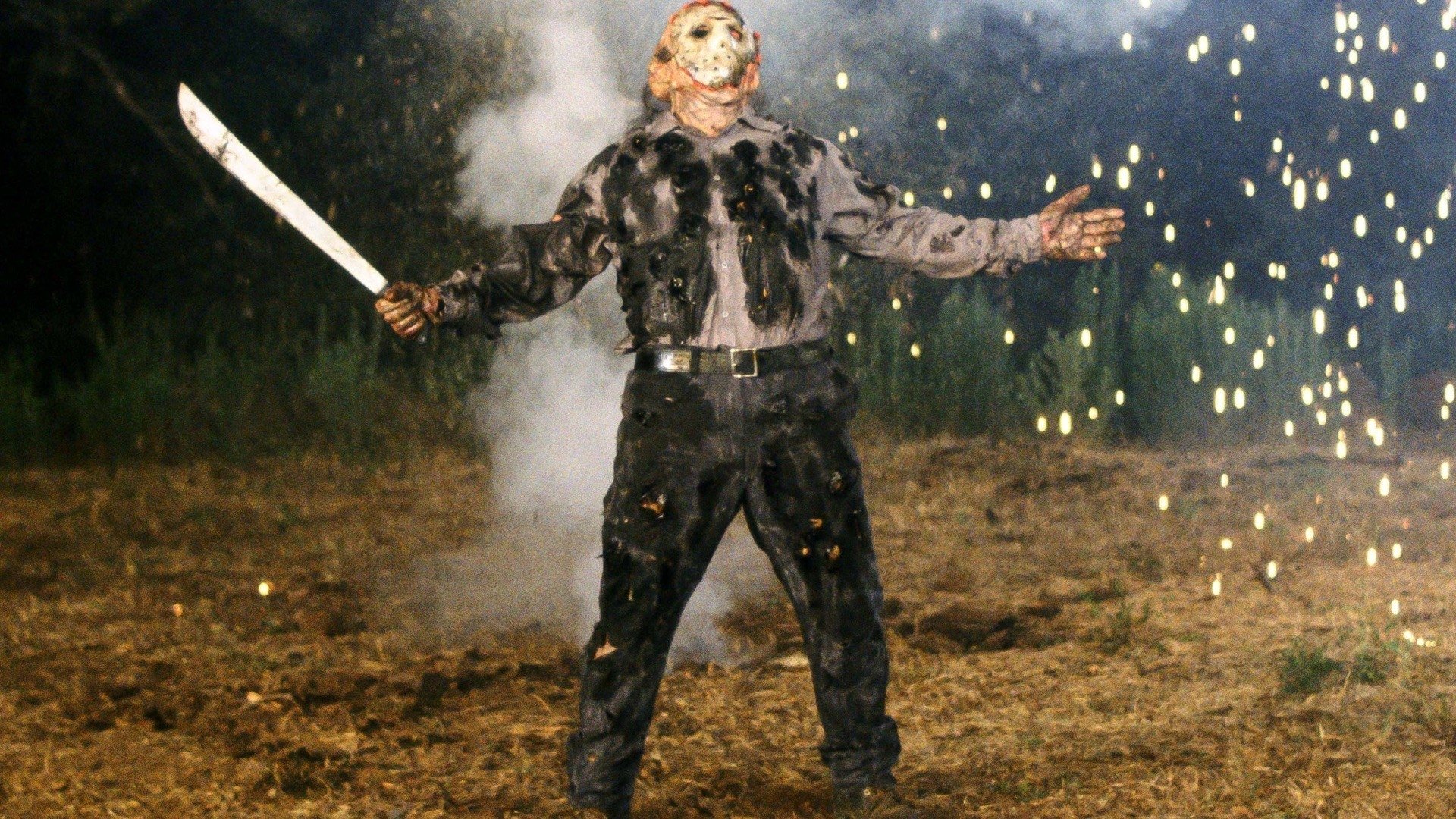
The initial FBI operation overturns the expected slasher opening. An apparent victim leads Jason into an organized trap, and sustained gunfire destroys the body beneath the hockey mask. At a morgue, the coroner's encounter with Jason's heart establishes the method by which the murderer continues: an entity passes between human hosts and acquires their ability to commit extraordinary violence. Viewers no longer recognize the threat through a costume. Instead, ordinary-looking characters may suddenly reveal impossible strength or bodily corruption. The device makes identification uncertain and permits the story to move through the town without requiring the customary masked figure in every attack.

Jessica Kimble and her mother Diana connect the mystery to the Voorhees family, while Steven Freeman becomes an unwilling investigator after violence reaches people close to him. Bounty hunter Creighton Duke supplies knowledge of Jason's survival and the special conditions required for his destruction. The result resembles an occult pursuit narrative in which the characters must learn the rules of the threat before confronting it. Marcus later acknowledged that dialogue clarifying Duke's personal history was lost from the released cut. Consequently, some of his authority seems deliberately enigmatic while other gaps follow from editing decisions that the director described years afterward.

Staging a Horror Film Without the Familiar Mask

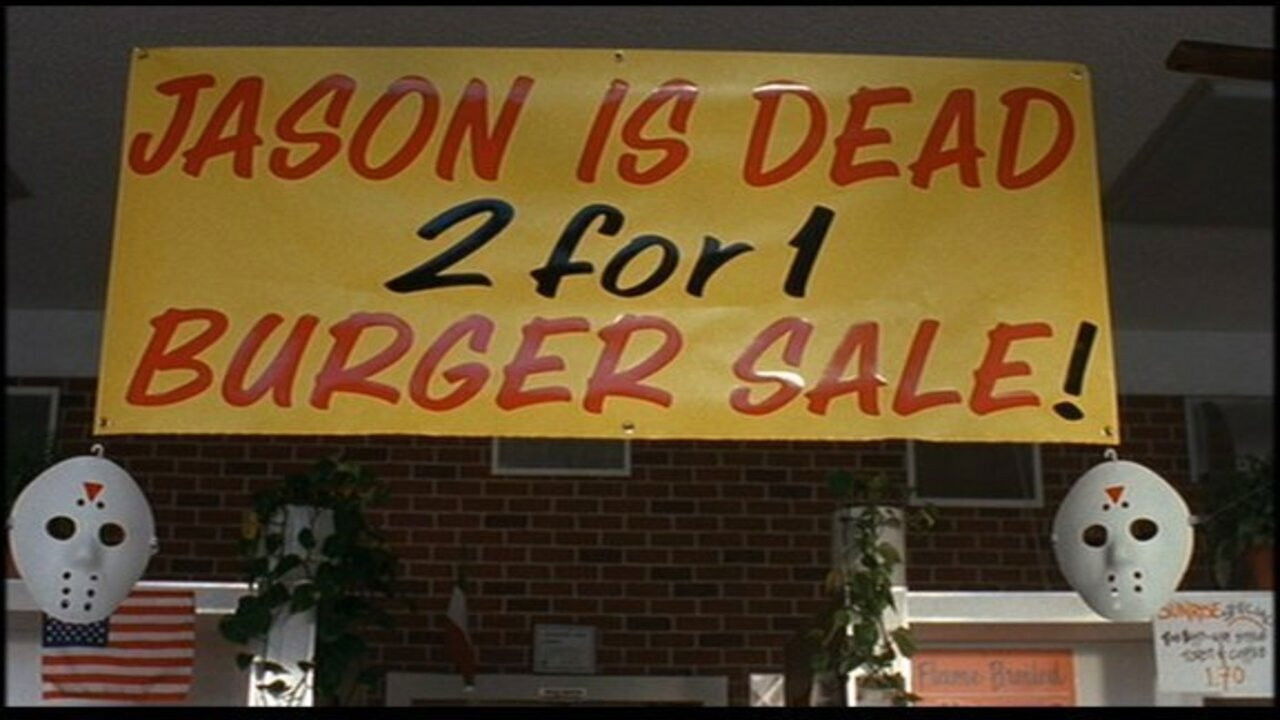
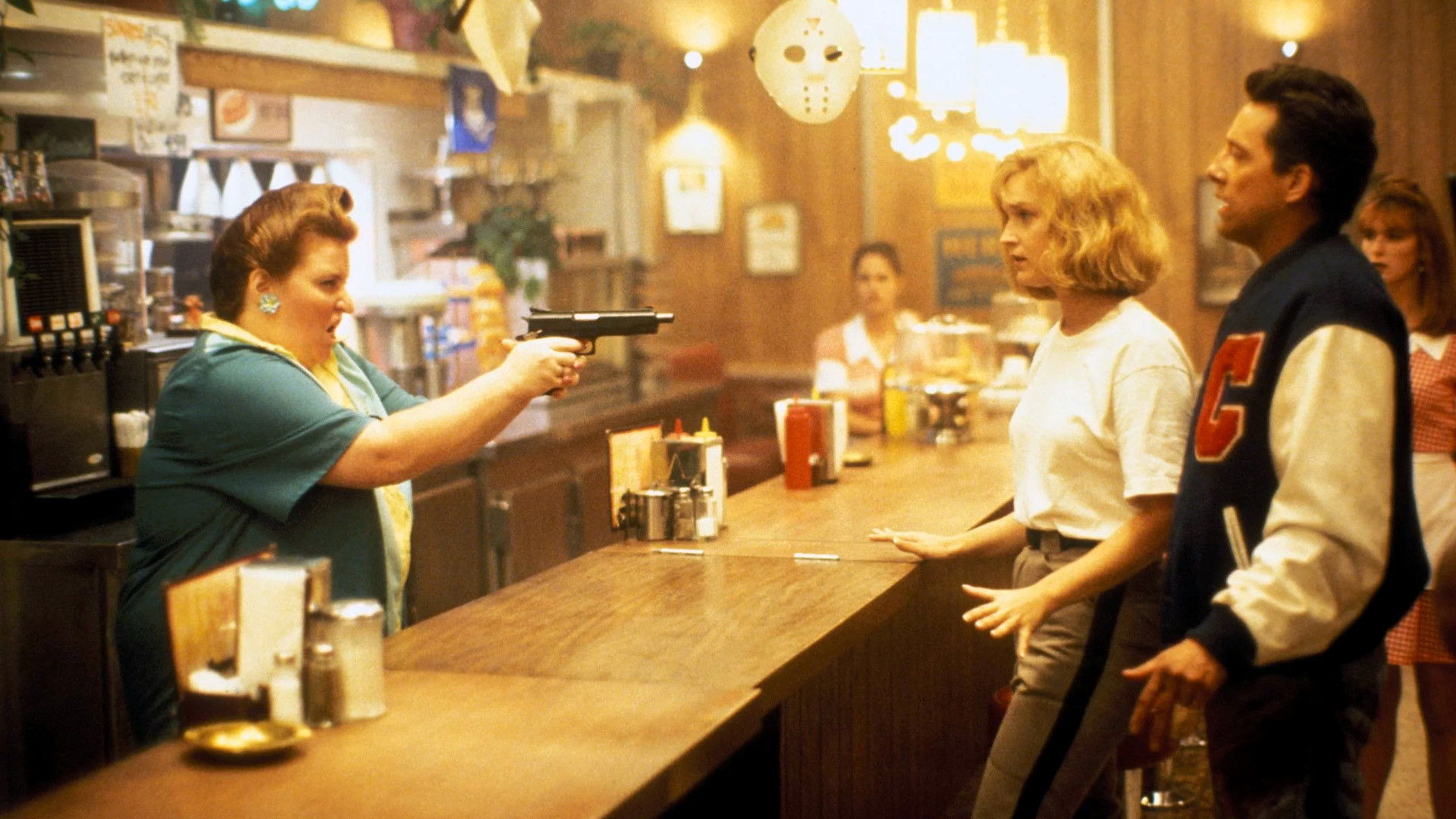
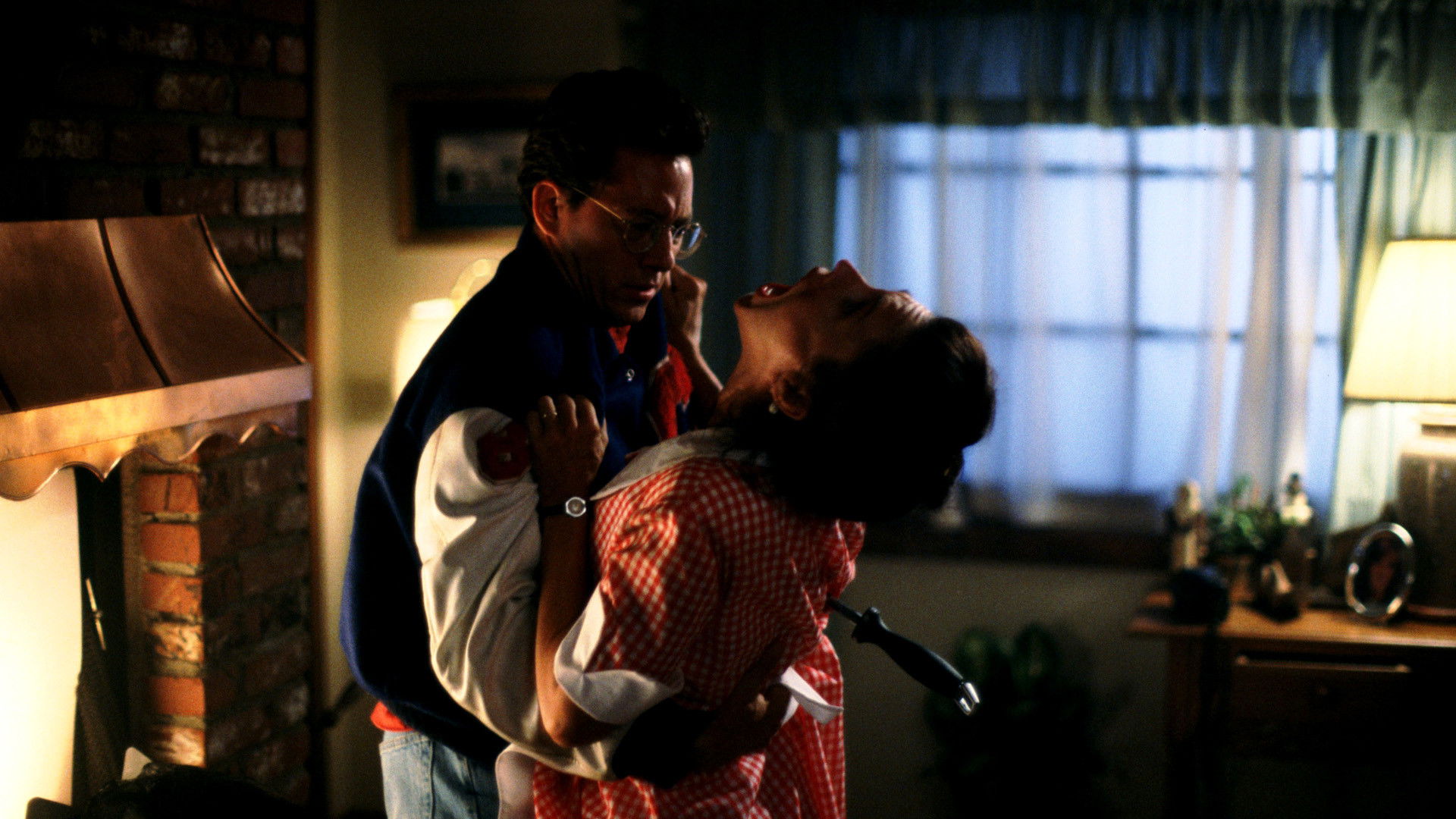
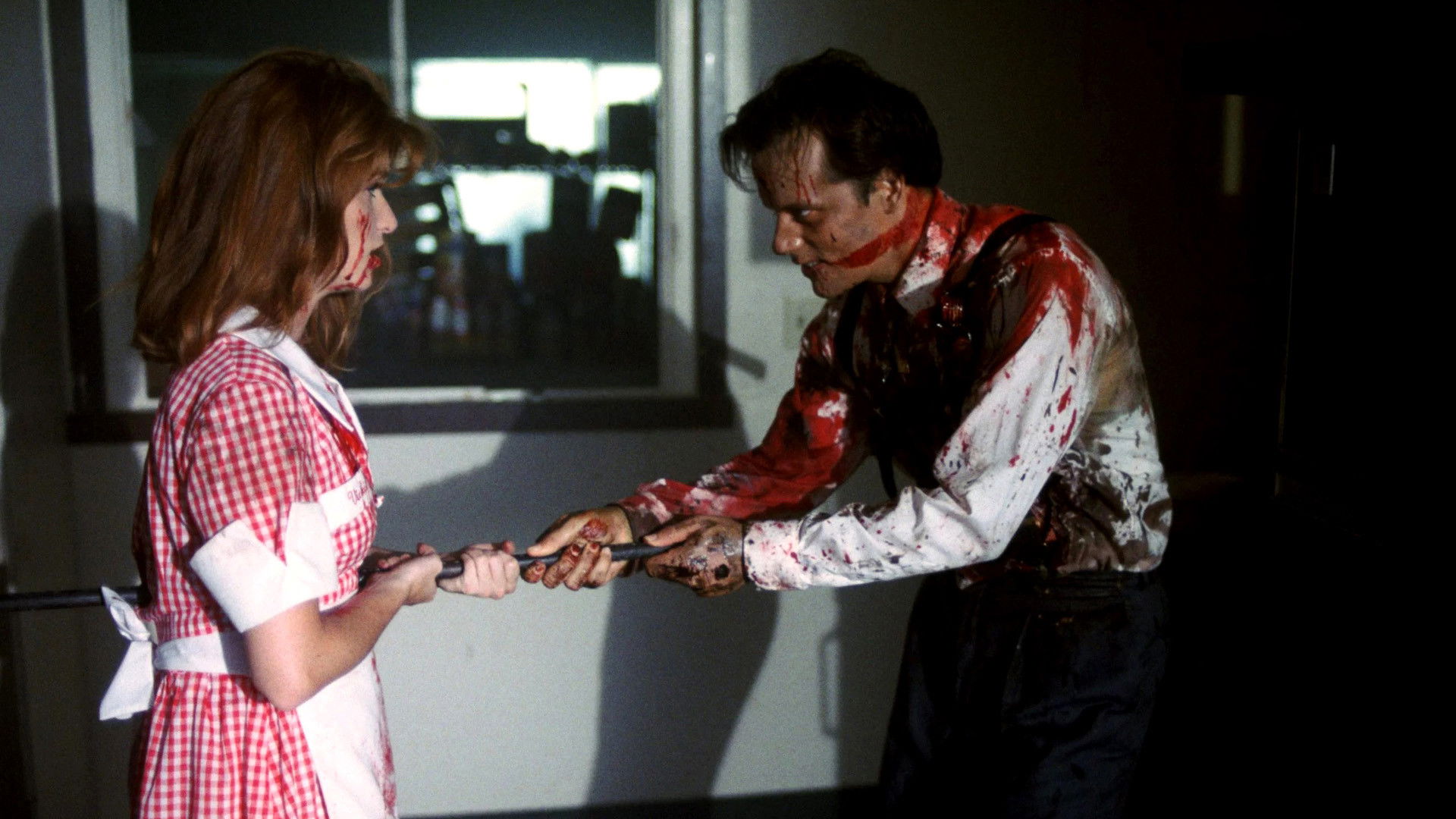
Much of the suspense depends on the distance between the series' established image and the identities displayed on screen. Scenes move from the coroner's workplace to a roadside diner, domestic spaces and the deteriorating Voorhees property. The morgue introduces bodily violation as the basic threat; the diner places attacks amid recognizable working routines; the family house becomes the location where scattered clues acquire supernatural meaning. William Dill's photography must accommodate an unusually broad variety of murderers because the same dangerous presence occupies different bodies. The film keeps Jason's physical identity available as a promise while allowing individual actors to perform the immediate menace.

Marcus has identified John Carpenter's The Thing as an influence on his interest in an enemy who could inhabit an apparently ordinary person. That connection is more precise than assuming every possession effect came from the same source. The film also interrupts action with a television crime program and Duke's explanatory encounters, allowing information to circulate through sensational media as well as dialogue. Some exchanges are openly comic, particularly in situations where characters respond skeptically to improbable claims. These changes produce an uneven rhythm, but they are central to the project's attempt to expand a slasher premise into a more fantastic narrative.

KNB EFX, Body Horror and the New Jason Design

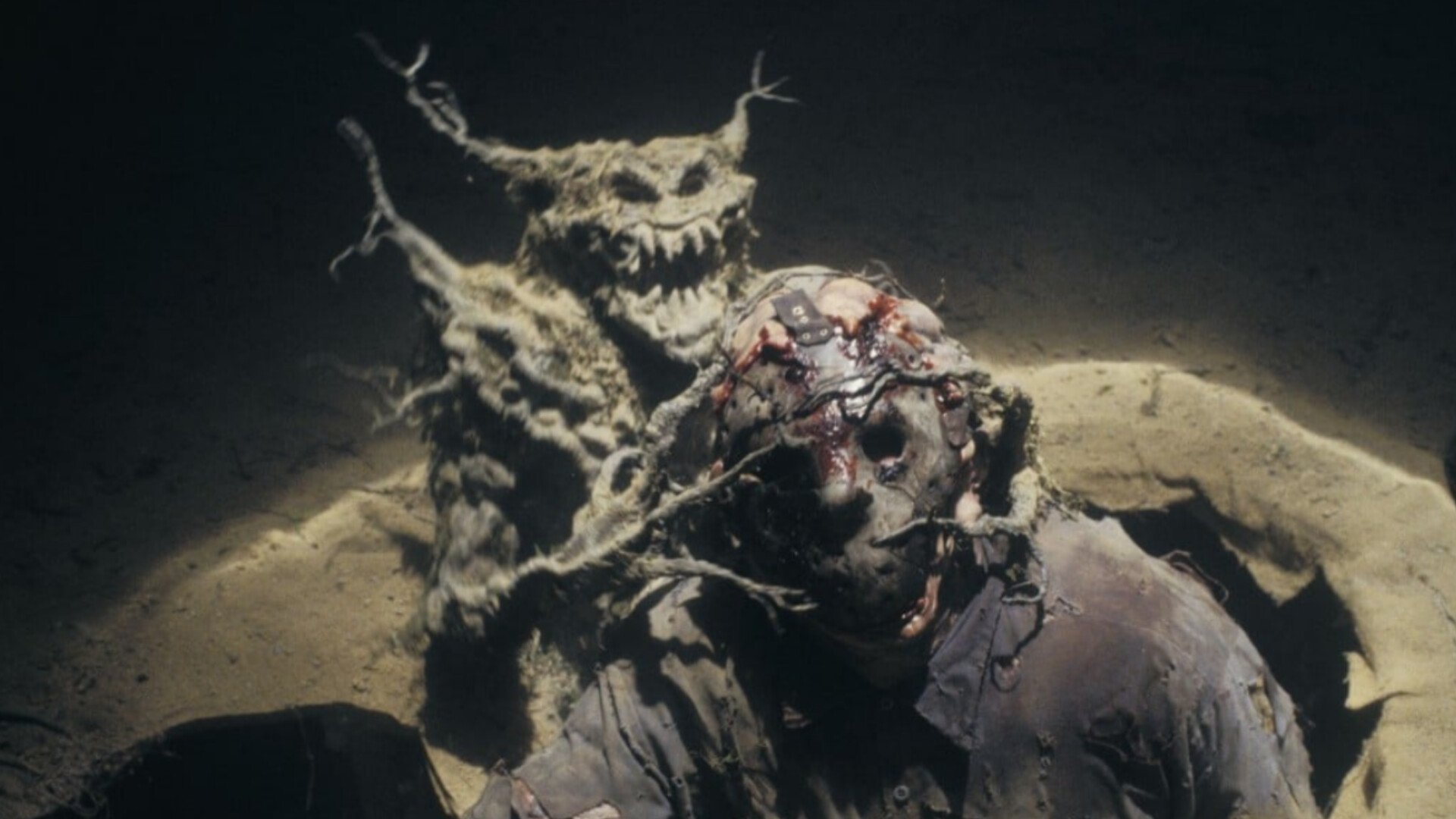
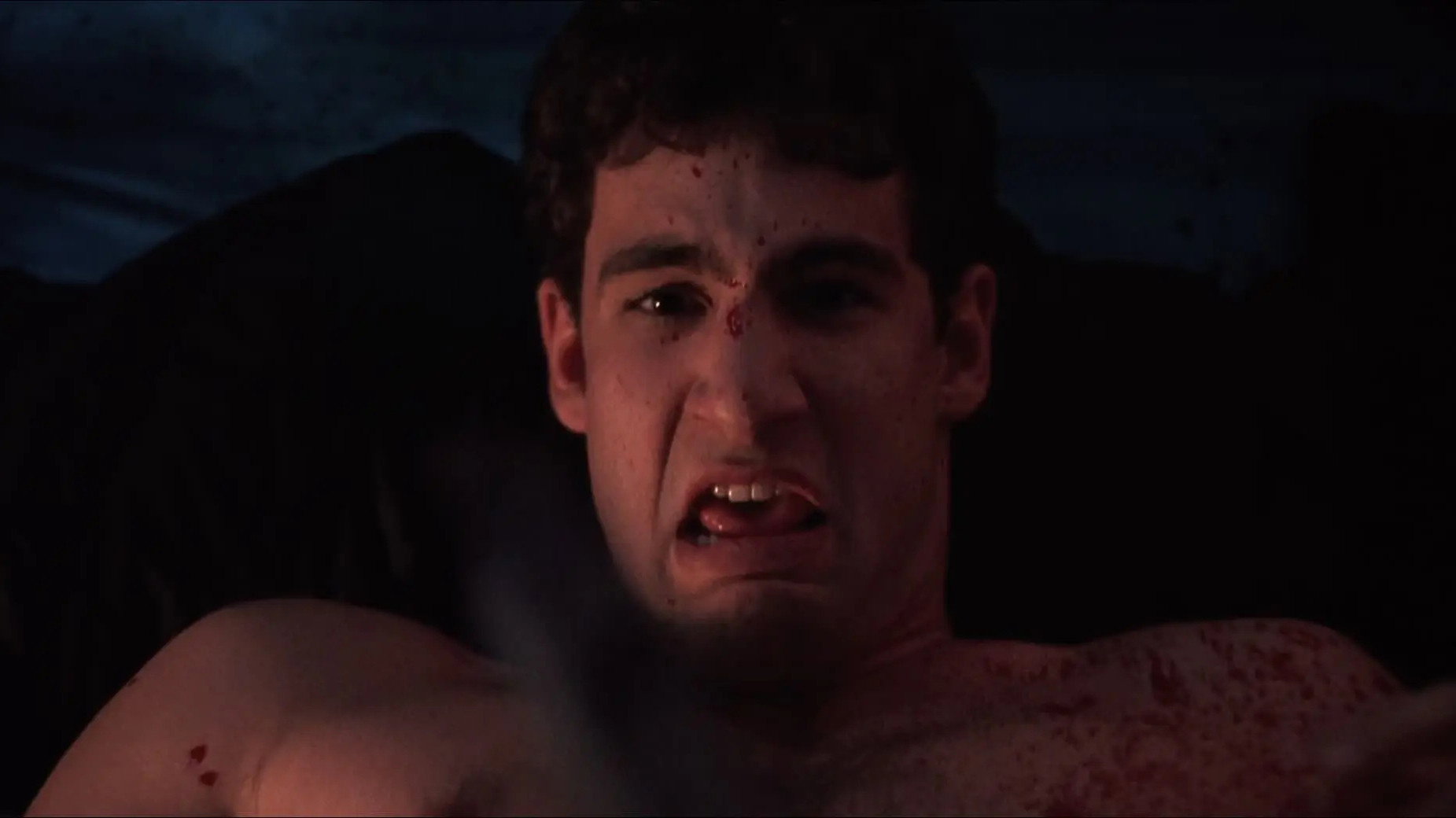
Robert Kurtzman described the film as an unusually ambitious assignment for KNB EFX. He supervised practical makeup work, applied prosthetics on set and directed some second-unit photography. The effects program included melting bodies, parasitic creatures, miniature constructions and extensive wounds, widening the usual slasher repertoire into grotesque transformations. In a detailed interview, Kurtzman explained that the notorious tent attack was added after principal photography. His team had only a short preparation period to cast the performer and make urethane body replicas rigged for penetration, separation and pumped blood. This production history is far more specific than simply identifying the scene as an example of extreme screen violence.

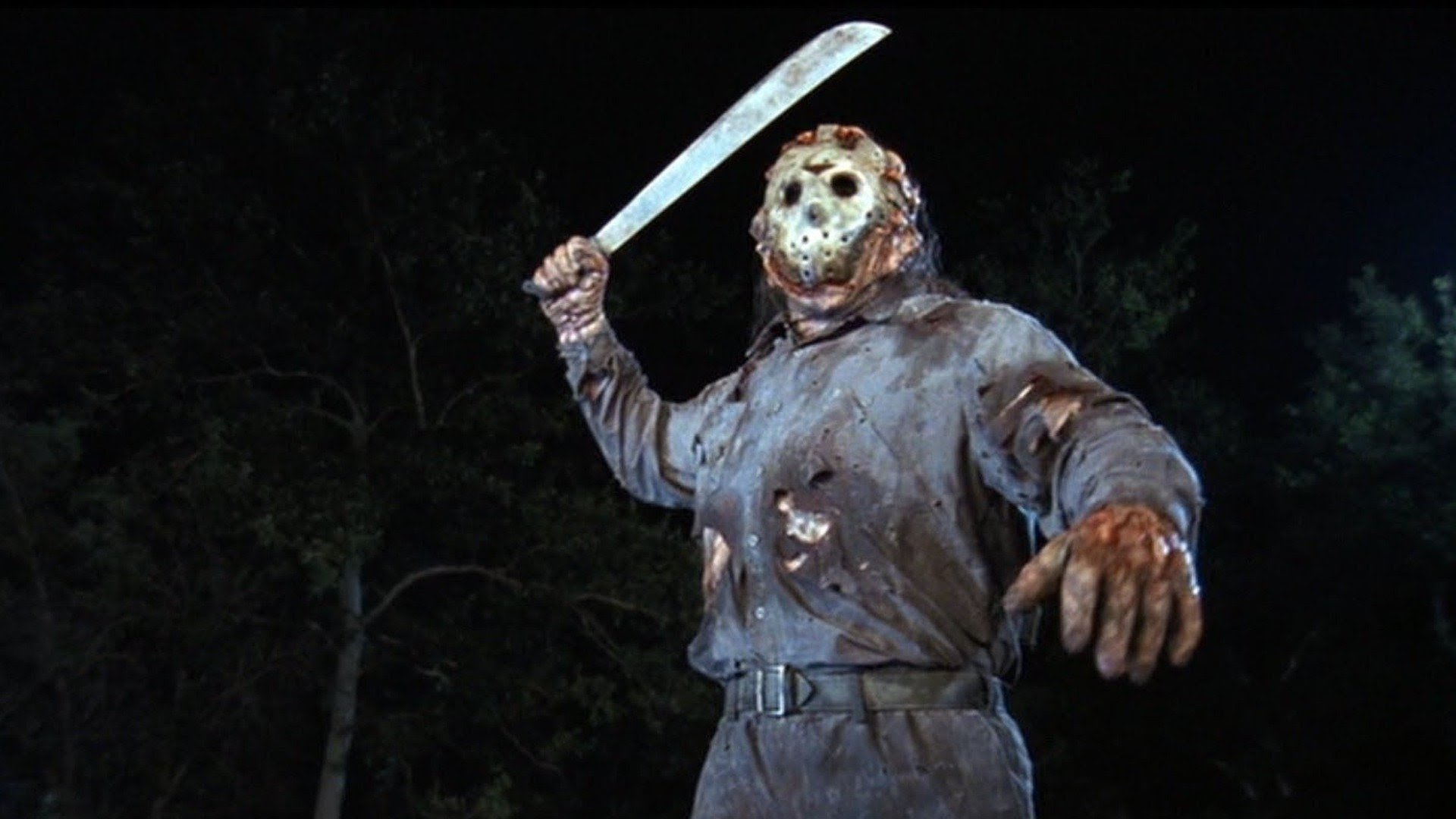
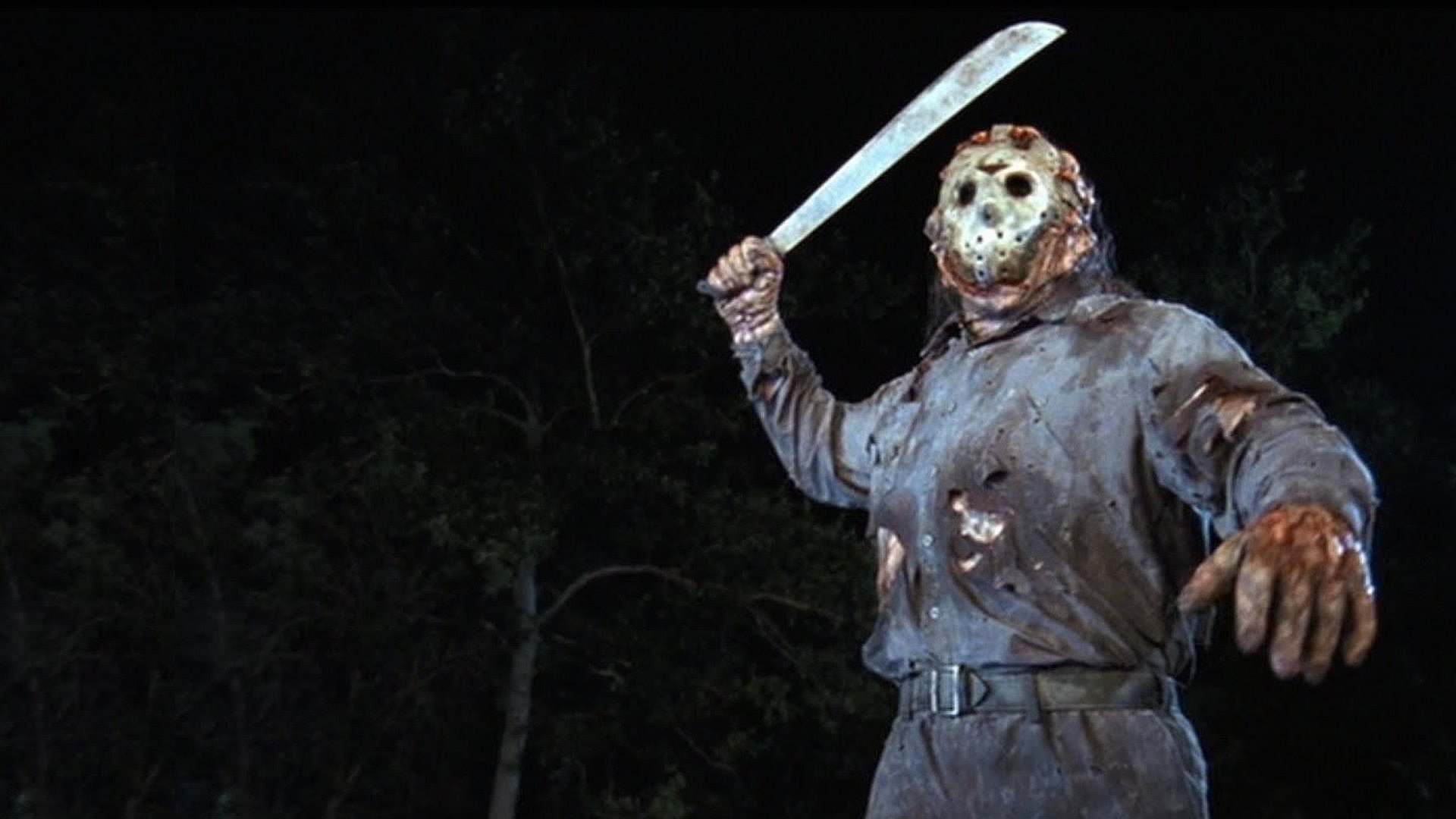
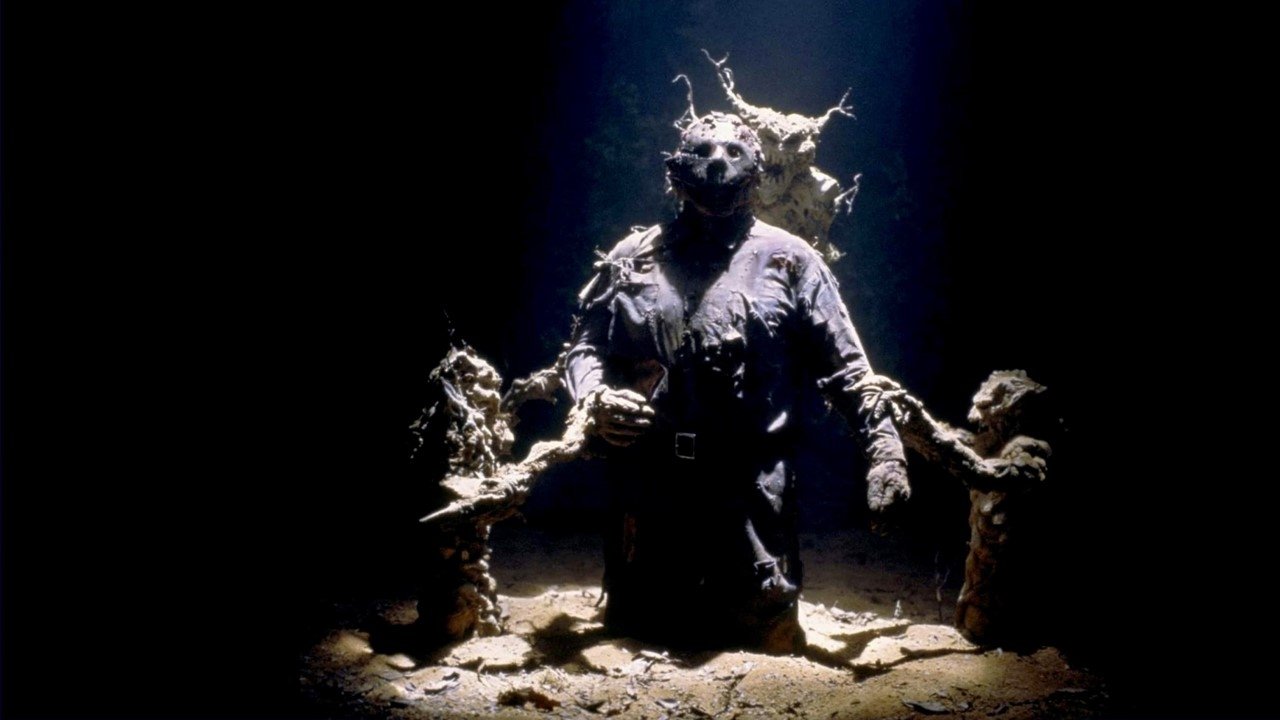
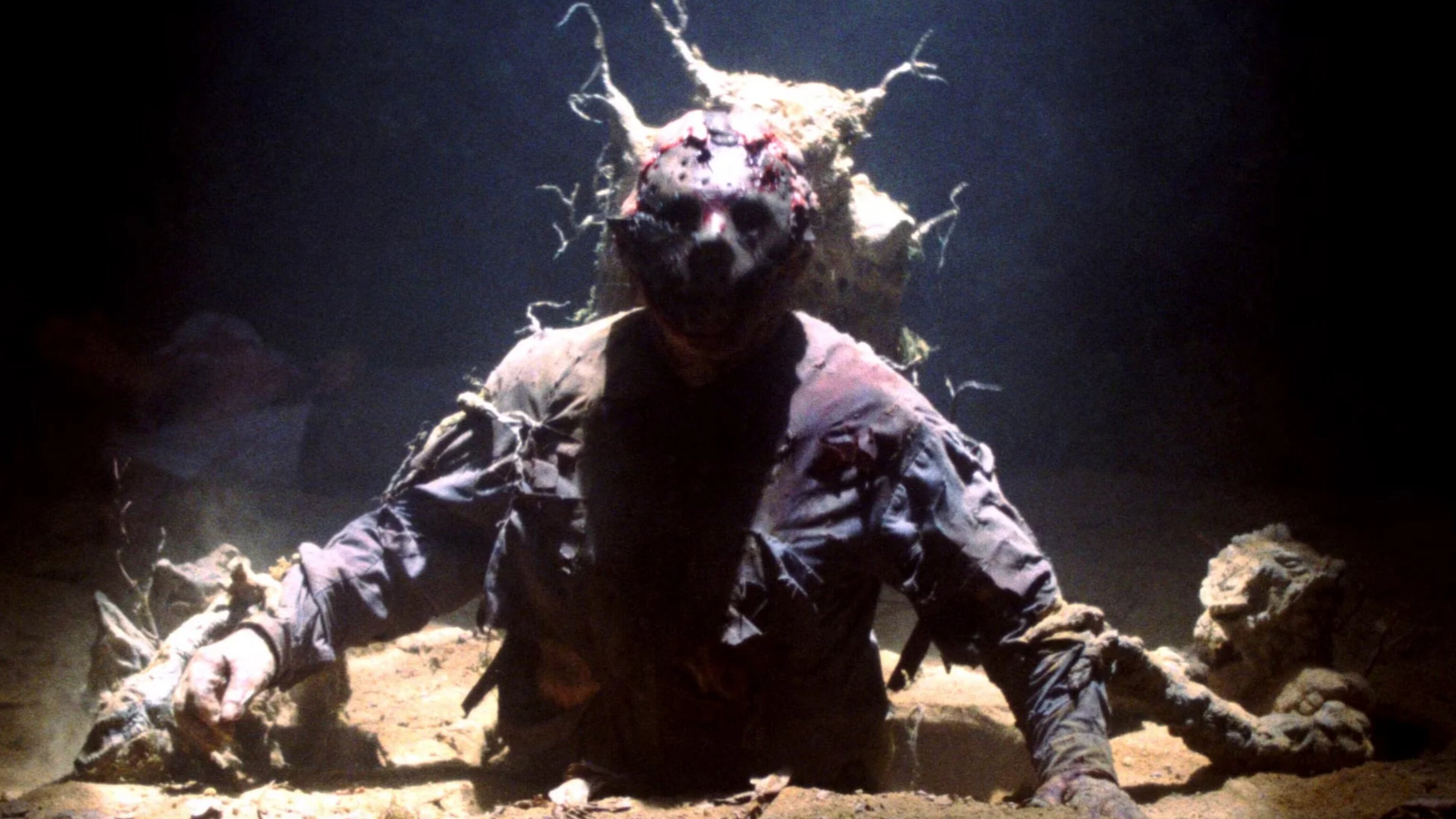
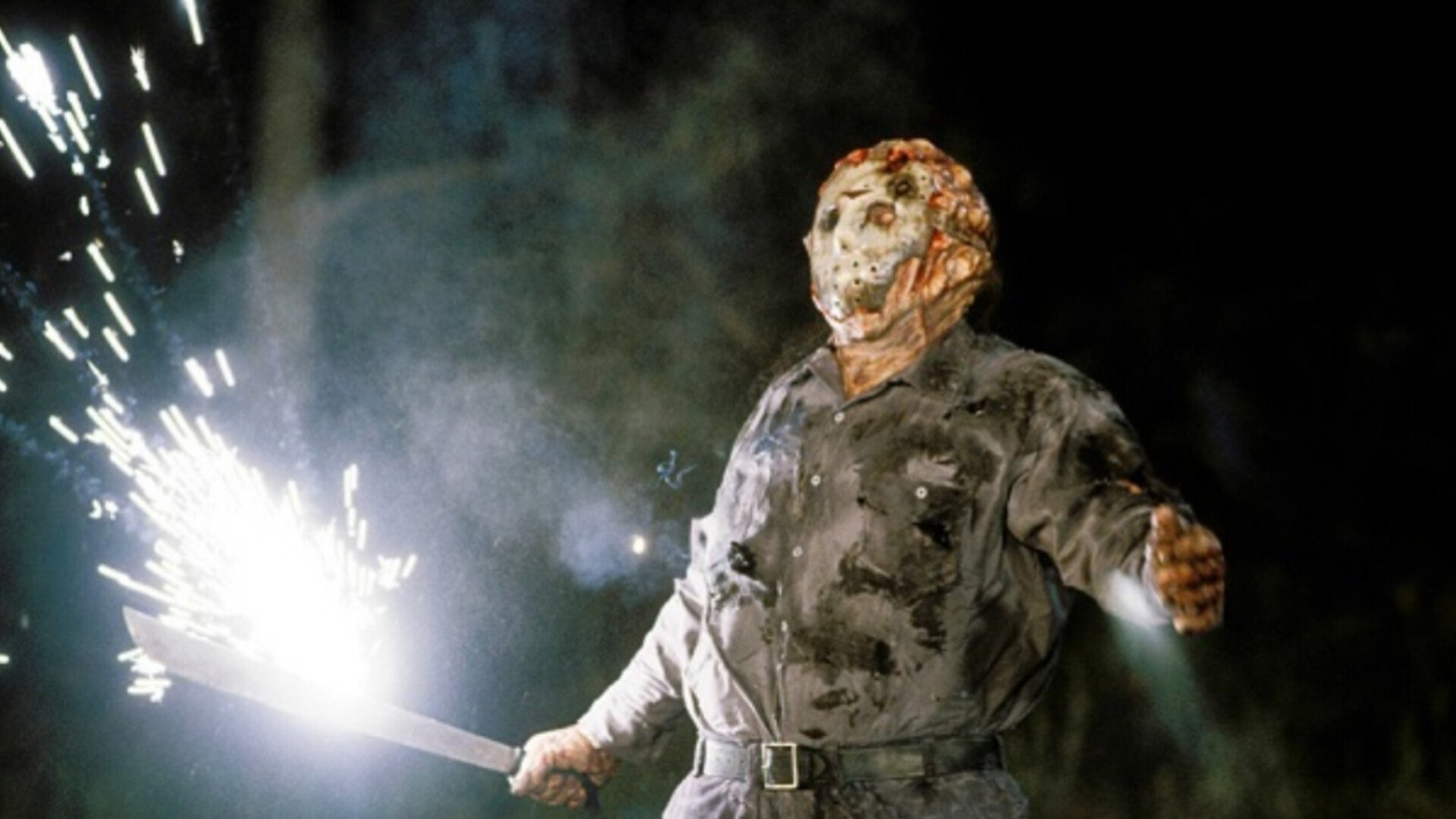
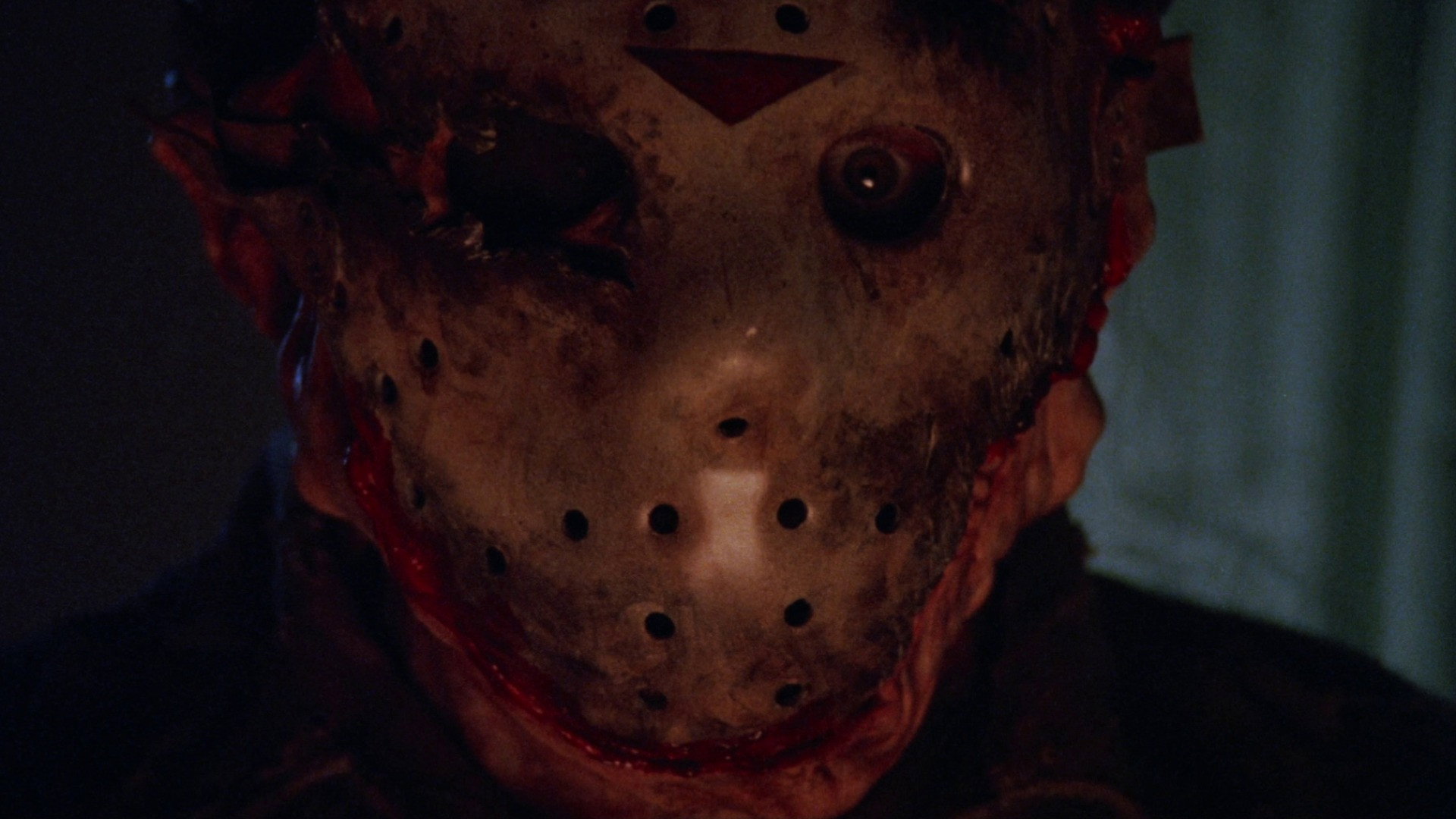
Jason's appearance required a separate redesign. Kurtzman credited Wayne Toth with sculpting a face whose flesh appeared to have grown around the hockey mask. A one-piece underlying appliance allowed Kane Hodder to remove and replace the external mask efficiently; the padded body suit retained signs of decay associated with the previous film. The opening destruction of Jason demanded a combination of squib impacts on Hodder and a pyrotechnically rigged dummy. Kurtzman named Tom Bellissimo and Charles Belardinelli as the technicians responsible for the explosive work. The sequence literally dismantles the franchise's most recognizable body before the creature effects begin to rebuild the threat in other forms.

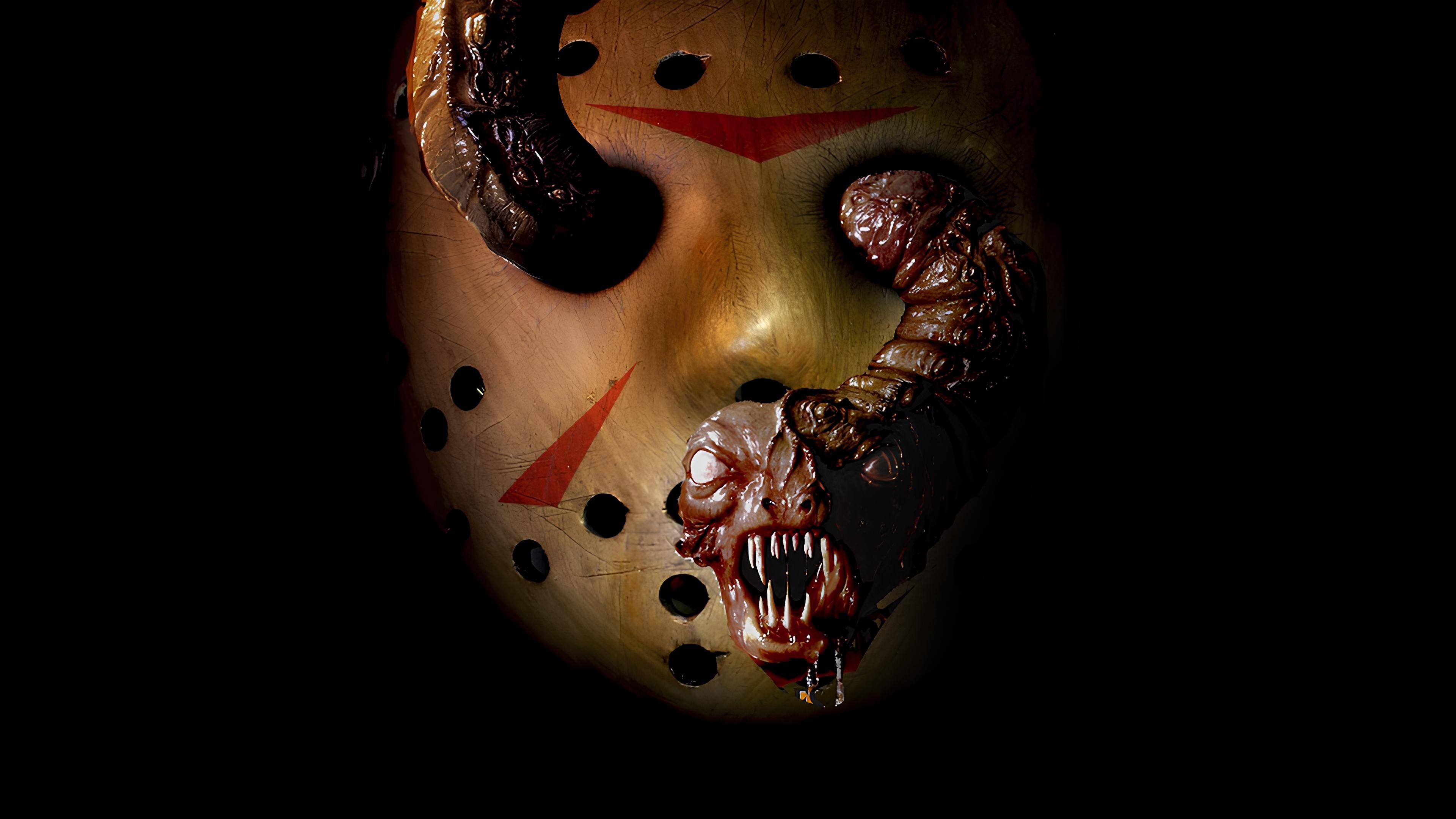
Practical fabrication also shapes the movie's dramatic logic. The movement of a parasite between bodies needs visible organic mechanisms, while the recurring damage inflicted on hosts makes possession feel physically costly. This gives KNB's creations a narrative function beyond isolated gore payoffs: each transformation helps demonstrate that Jason exists independently of the person he occupies. The complex effects work complicates the familiar distinction between masked slasher and supernatural monster. Kurtzman regarded the wider range of creations as liberating, since the premise made it possible to design fantasy creatures alongside the conventional weapons and injury appliances expected in the series.

Occult Mythology and the Freddy Krueger Tease

At the Voorhees house, an appearance by the Necronomicon evokes Sam Raimi's Evil Dead films. Marcus has stated that he approached Raimi about including the book because he imagined Jason's resurrection as the result of Pamela Voorhees making a bargain with a dark power. That is a valuable account of the director's thinking, but the on-screen prop does not establish a formally shared narrative universe or prove that the earlier Friday films were built on this mythology. Such a claim would impose a later interpretation on stories created by different filmmakers. The film instead uses an allusion recognizable to horror viewers as one strand in its own supernatural explanation.

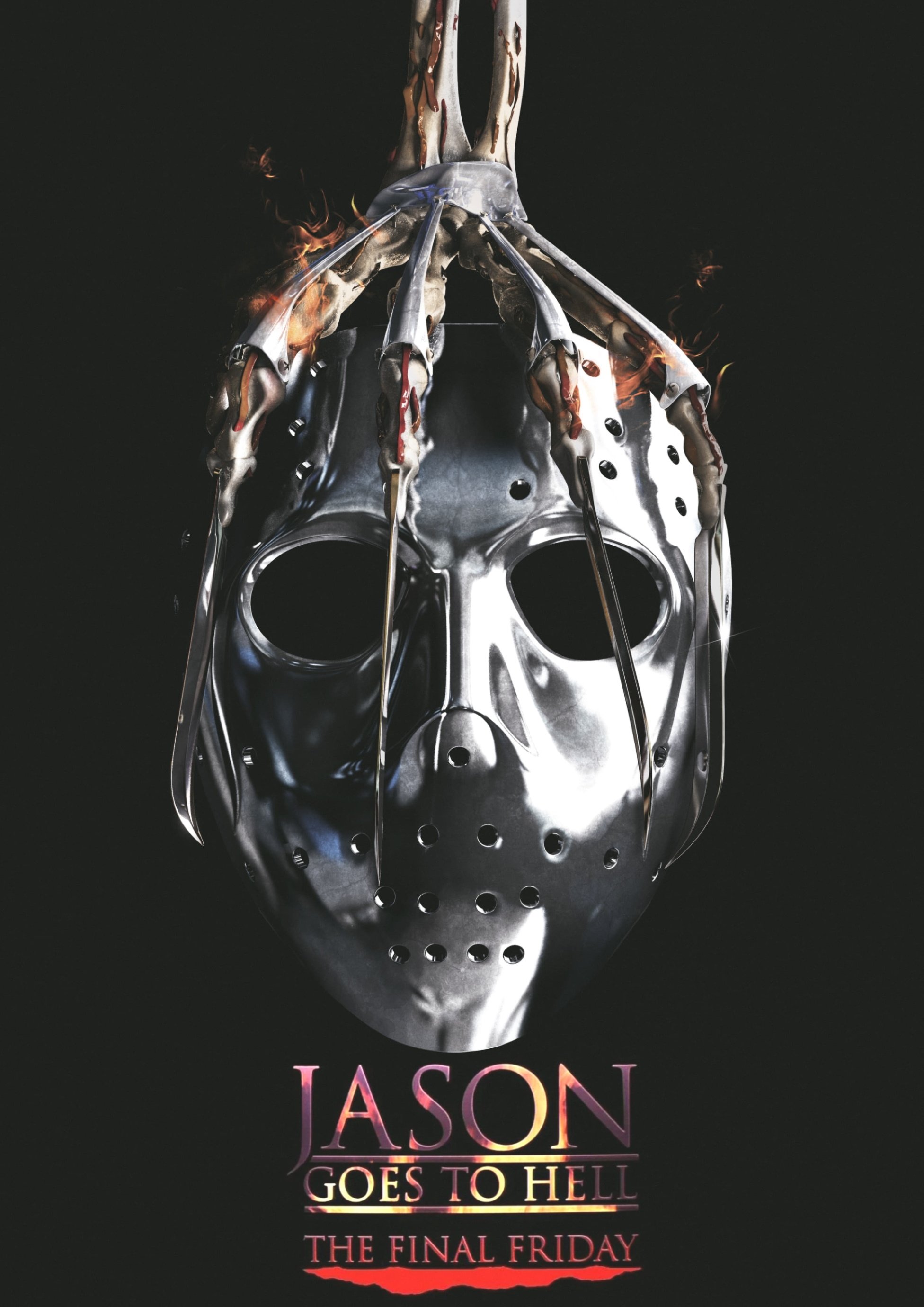
The closing image has a clearer franchise function. After Jason is apparently consigned to the earth, Freddy Krueger's bladed glove reaches up and retrieves his hockey mask. The AFI identifies this ending, and Kurtzman recalled that a possible meeting between the two characters was already being discussed during production. It acts as an invitation to imagine a confrontation that the film itself never stages. Freddy vs. Jason eventually reached theaters in 2003, a decade later, making the brief gesture historically consequential as a public expression of crossover ambitions. Its significance is industrial and promotional as well as narrative.

Versions, Release and Contemporary Reception

New Line released the picture in the United States on August 13, 1993, with an R rating. Marcus recalled being encouraged to film violence more extreme than the theatrical release could accommodate, particularly the tent killing. American home-video distribution subsequently offered rated and unrated editions. These labels need careful separation: the unrated version preserves additional graphic material, while Marcus also described removed dramatic scenes and other footage that he wanted viewers to see. An unrated release is therefore not proof of a complete director-approved reconstruction. The BBFC's separate British records span home-video classifications in 1993, 2001 and 2025, each reflecting a specific submission rather than a universal running time for the film.

Michael Wilmington's August 16, 1993 review in the Los Angeles Times found the body-hopping device an unpersuasive new variation on an exhausted formula. His objections targeted the repeated manufactured shocks and the sense that the series had reached its endpoint. The AFI also records negative notices from other contemporary publications and notes that the release proceeded without advance press screenings. Such responses help explain the movie's troubled critical standing at the time. Later commentary has often concentrated on its unusual premise and difficult history of editing, but that interest should not be mistaken for proof of a broad critical reversal or a measurable influence on subsequent horror cinema.

The marketing claim of a final chapter was short-lived as a literal description of the franchise. Jason X followed in 2001, and the promised crossover arrived two years afterward. The ninth film's durable distinction lies in the contrast between its unconventional possession story and the series identity it was required to maintain. Interviews with its makers reveal a production intent on expanding Jason's mythology; contemporary criticism shows the resistance that approach encountered. Its surviving versions also provide a concrete case of how theatrical ratings and home-video marketing can leave markedly different records of the same horror production.

References

  1. American Film Institute Jason Goes to Hell: The Final Friday - AFI Catalog

    Archival production and release history compiled from 1992-1993 trade publications, including New Line rights, debut direction, contemporary reviews and the Freddy ending.

  2. Daily Grindhouse Hell's Assassin: The Definitive Jason Goes to Hell Interview with Adam Marcus

    Extended firsthand account of the project development, occult ideas, New Line constraints, editorial changes and rated versus unrated versions.

  3. Friday the 13th: The Website Exclusive Interview: Dean Lorey

    Original interview on the rushed screenplay rewrite, the Elias Voorhees concept, the possession premise and the choice to show Jason at both ends of the picture.

  4. Friday the 13th: The Website Interview: Robert Kurtzman

    Direct testimony about KNB prosthetics, the later-added tent killing, Jason makeup construction, pyrotechnics and the closing Freddy reference.

  5. Los Angeles Times Is It Really 'Final Friday' for Murderous Jason?

    Michael Wilmington's August 1993 contemporary review, documenting the hostile response to the body-transfer story and franchise fatigue.

Connections

Cast

View Full Cast & Crew →

Release & Distribution

Production Companies (1)

  • Sean S. Cunningham Films US

Distributors (1)

  • New Line Cinema US

Release History (10)

Release DateTerritoryRelease TypeFormatDistributorCertificationNotes
1993-08-13 DE theatrical — — 18
1993-08-13 US theatrical — — R
1993-11-18 AU theatrical — — MA 15+
1993-11-19 NL theatrical — — 16
1993-12-03 GB physical VHS — 18 VHS
1994-08-12 FR theatrical — — 16
1994-10-21 BR theatrical — — 18
1995-04-12 SE physical VHS — 15 VHS release
2002-10-04 PT theatrical — — M/18
2016-09-12 ES physical — — 18
Evil has finally found a home.