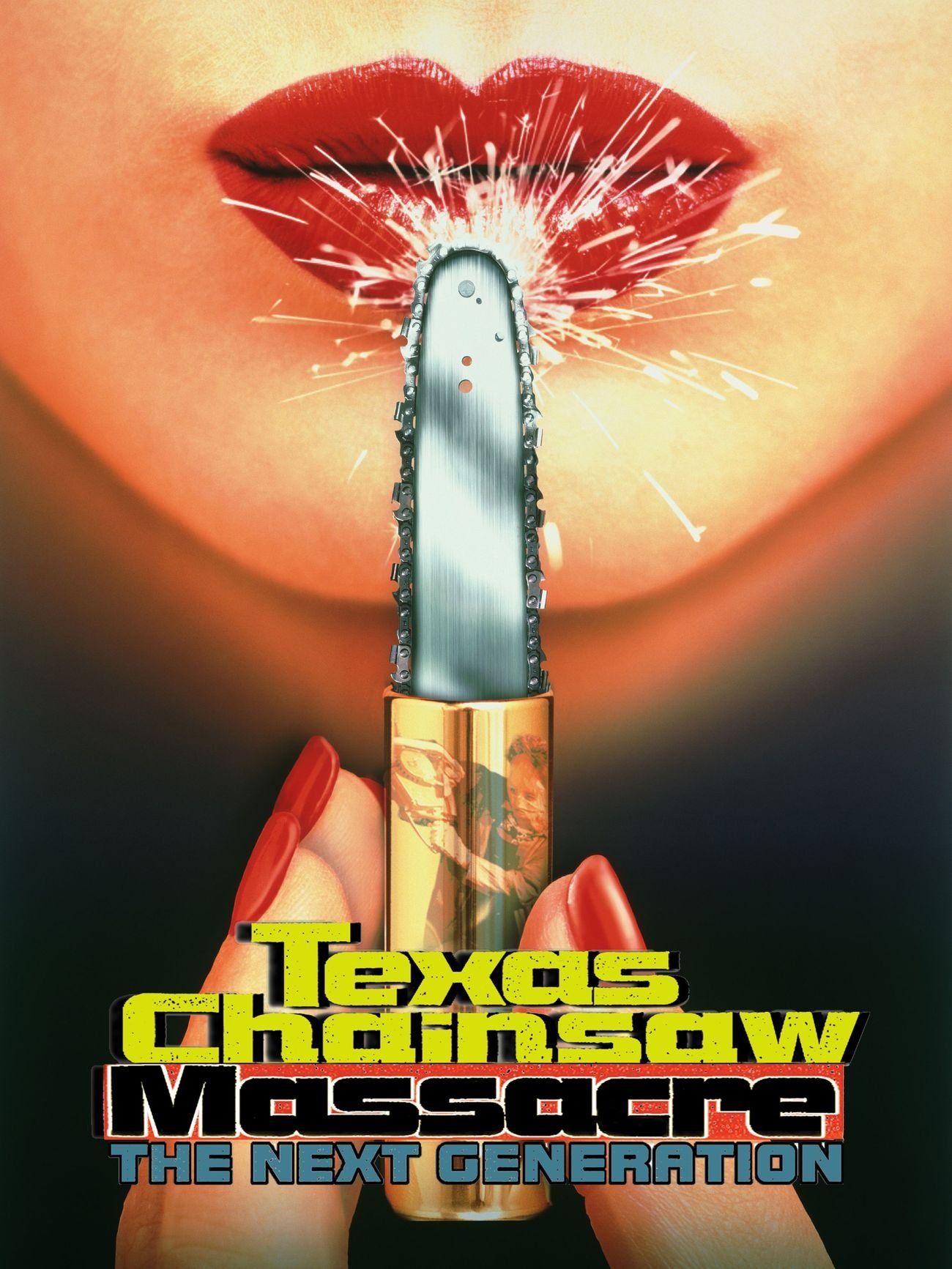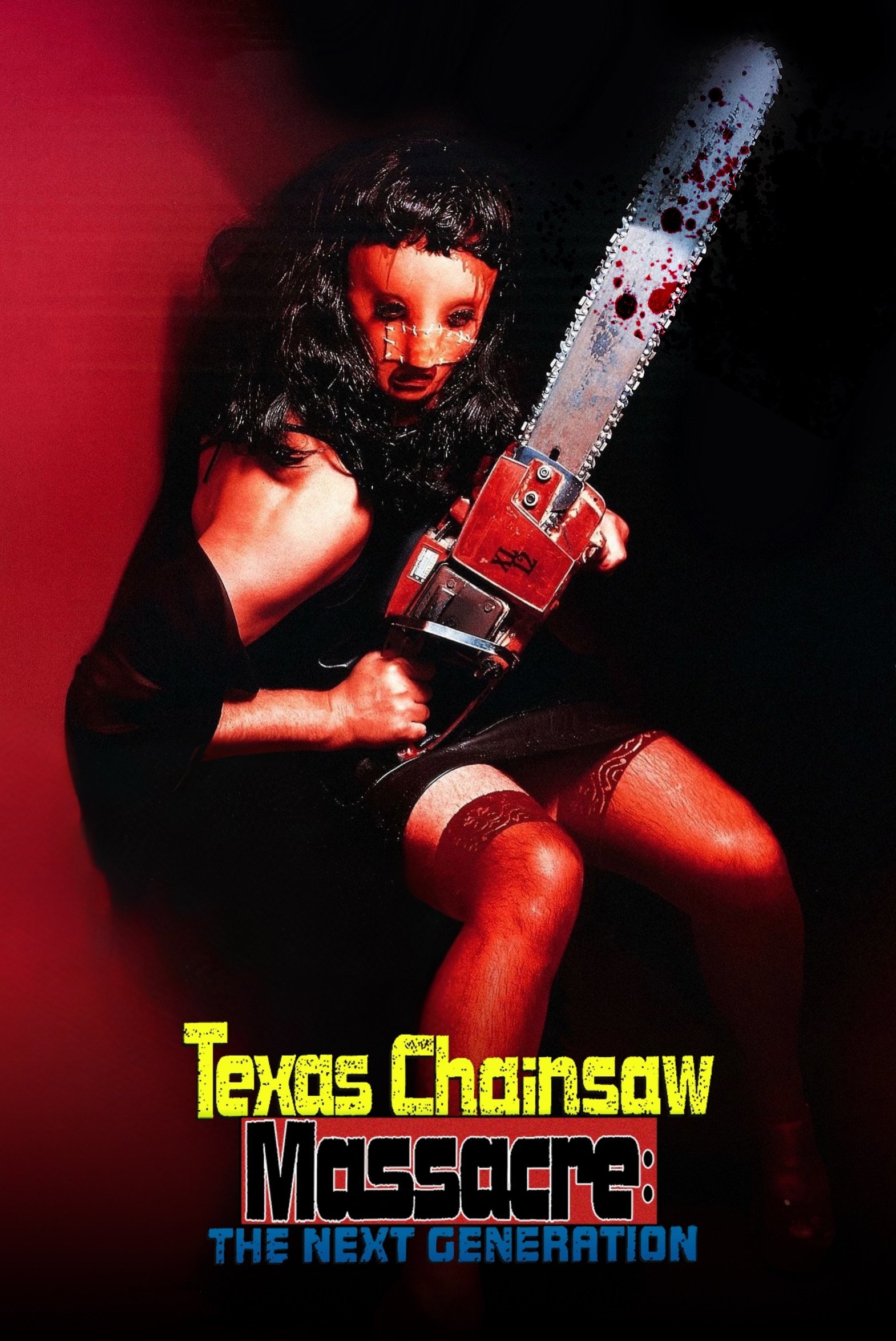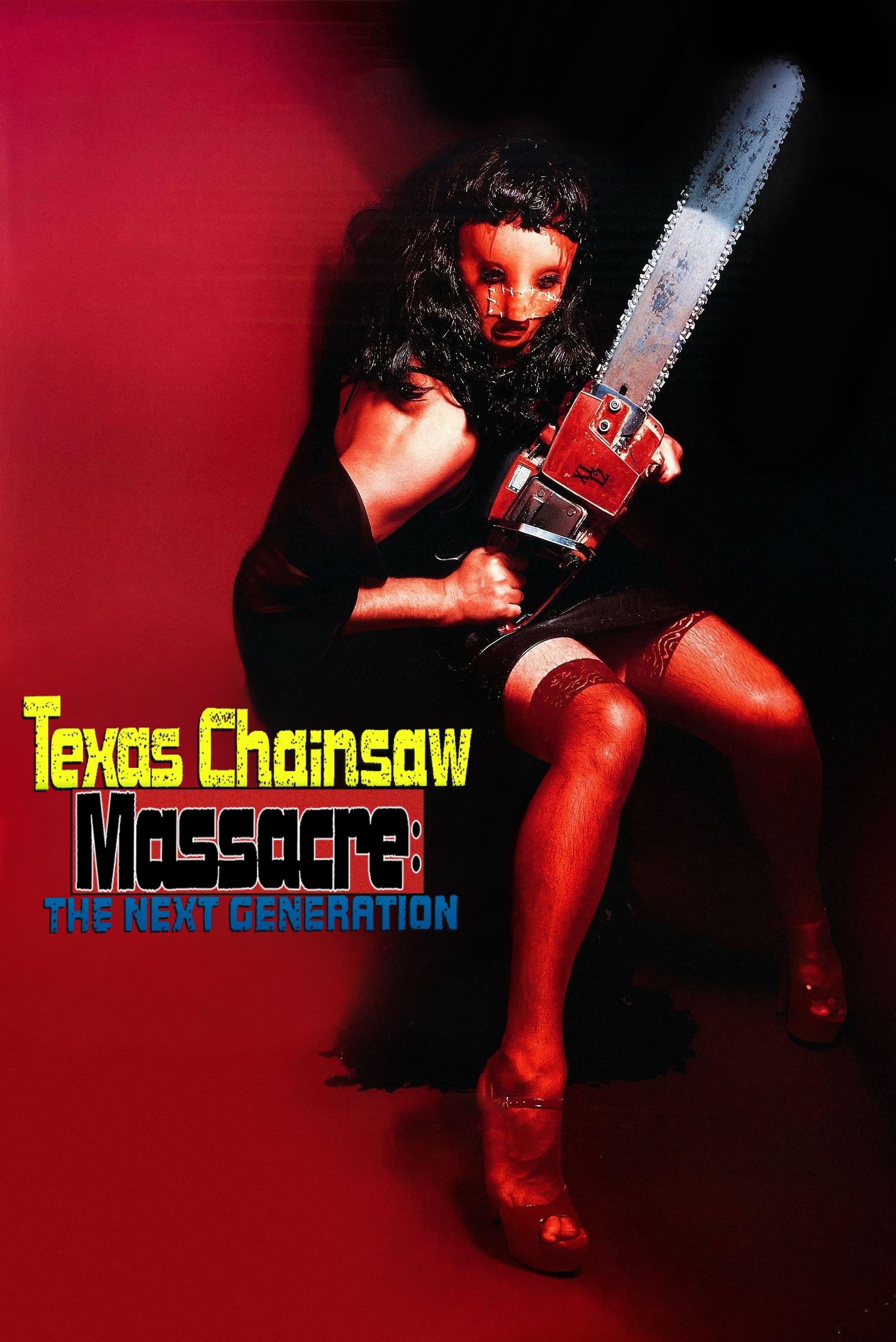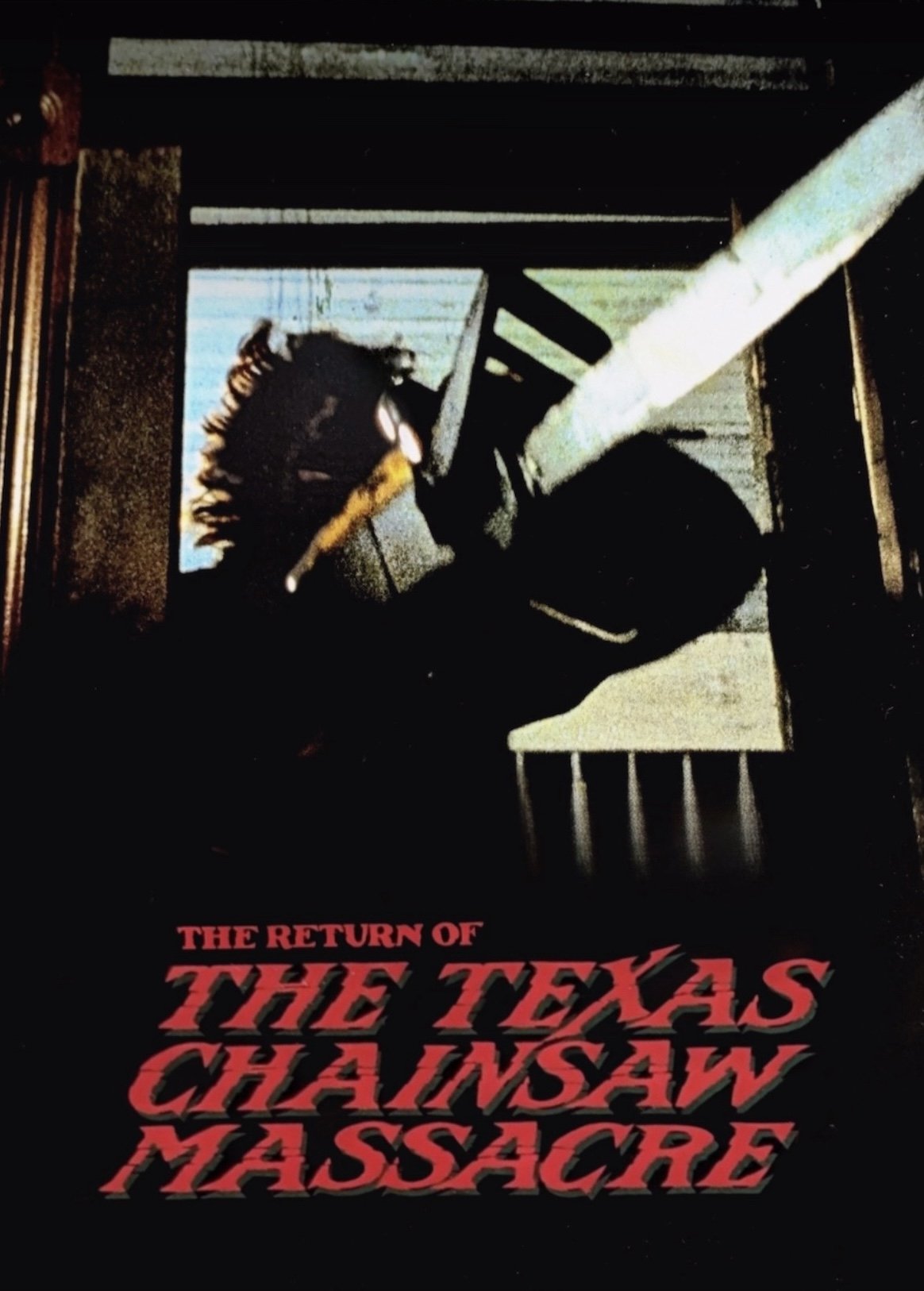
The Return of the Texas Chainsaw Massacre (1995)

US
HORROR FILM Thriller Comedy
SUBGENRES CANNIBAL SLASHER
Runtime
95 min
Release
September 22, 1995
Budget
$600,000
Revenue
$185,898
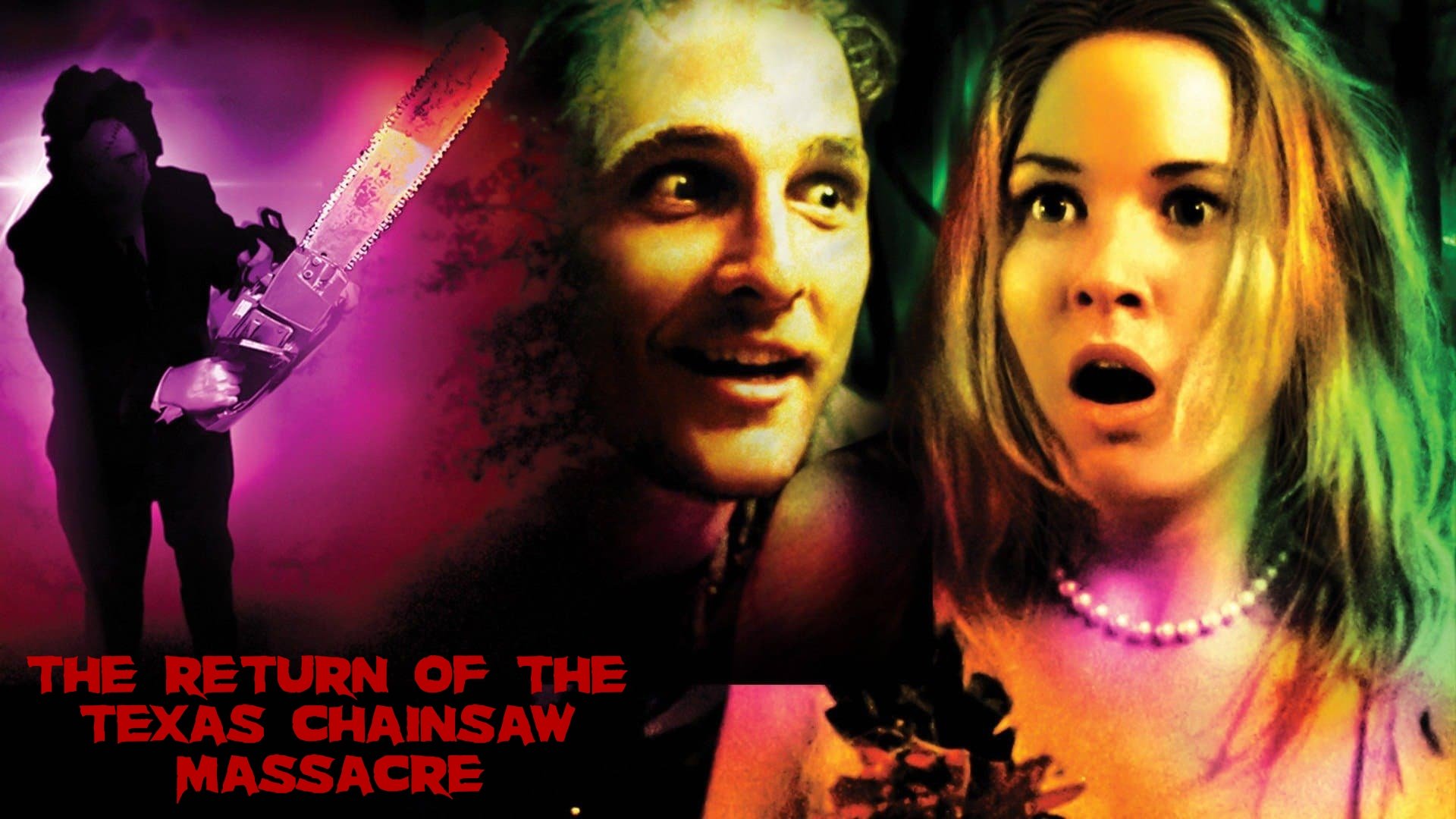
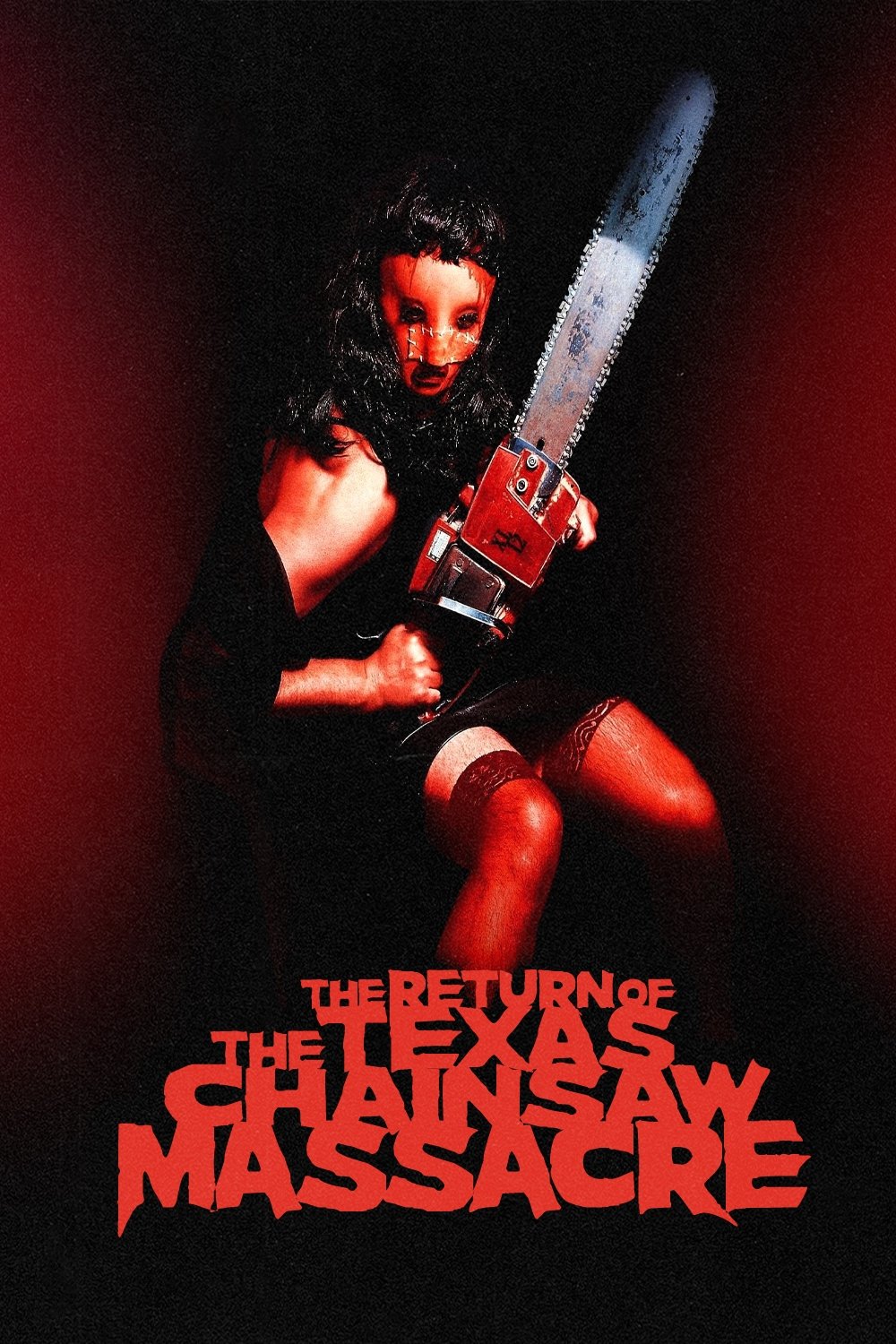
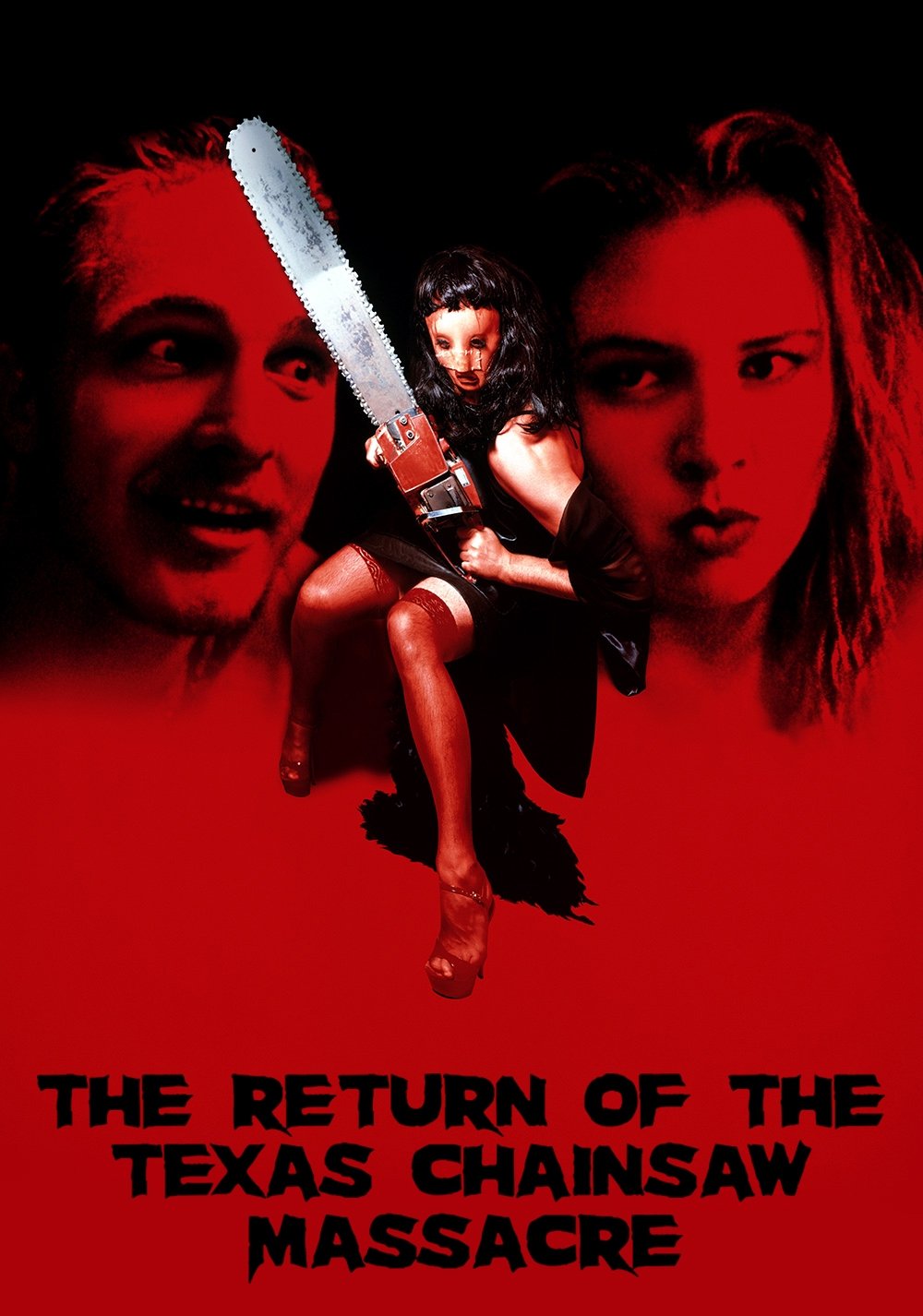
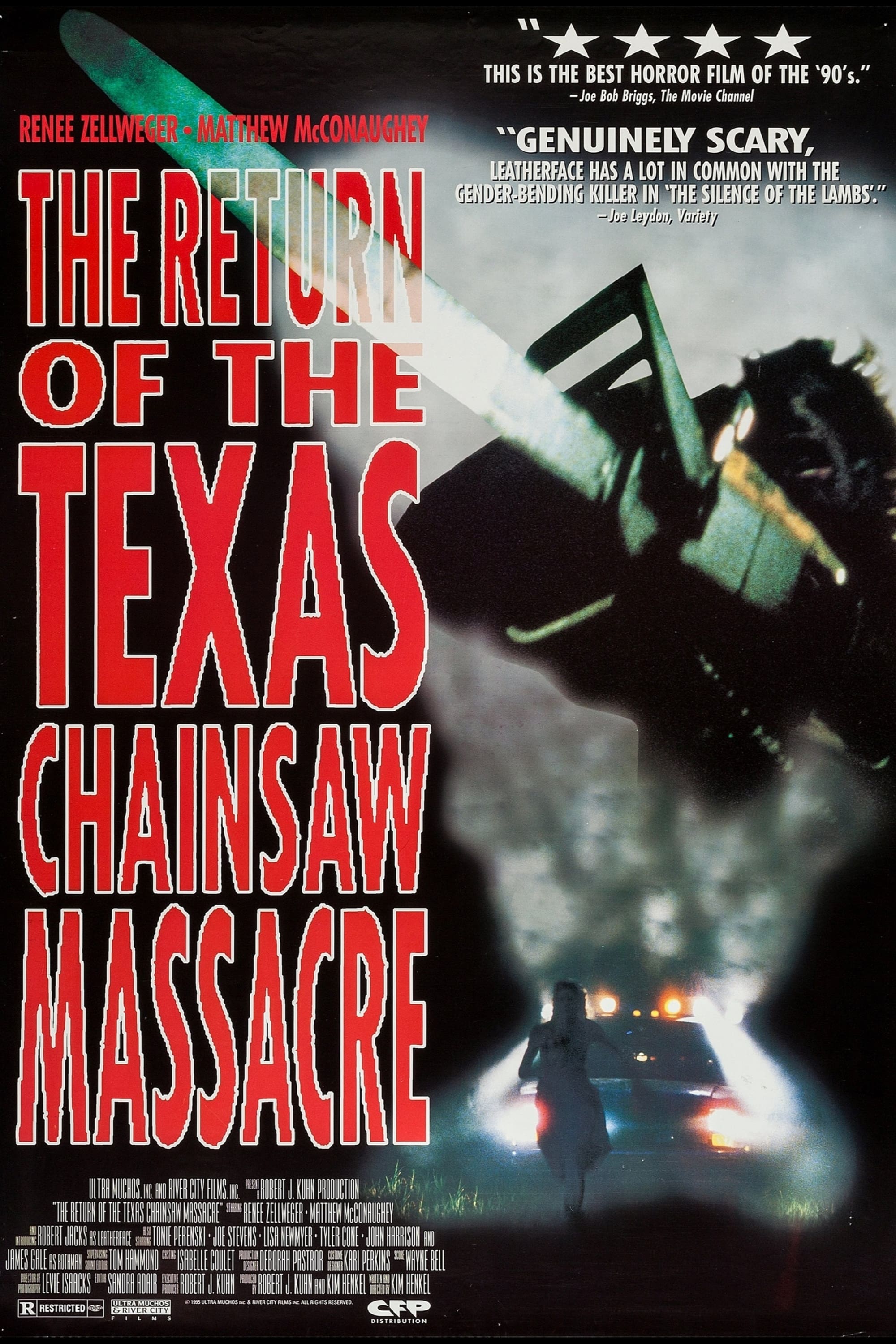
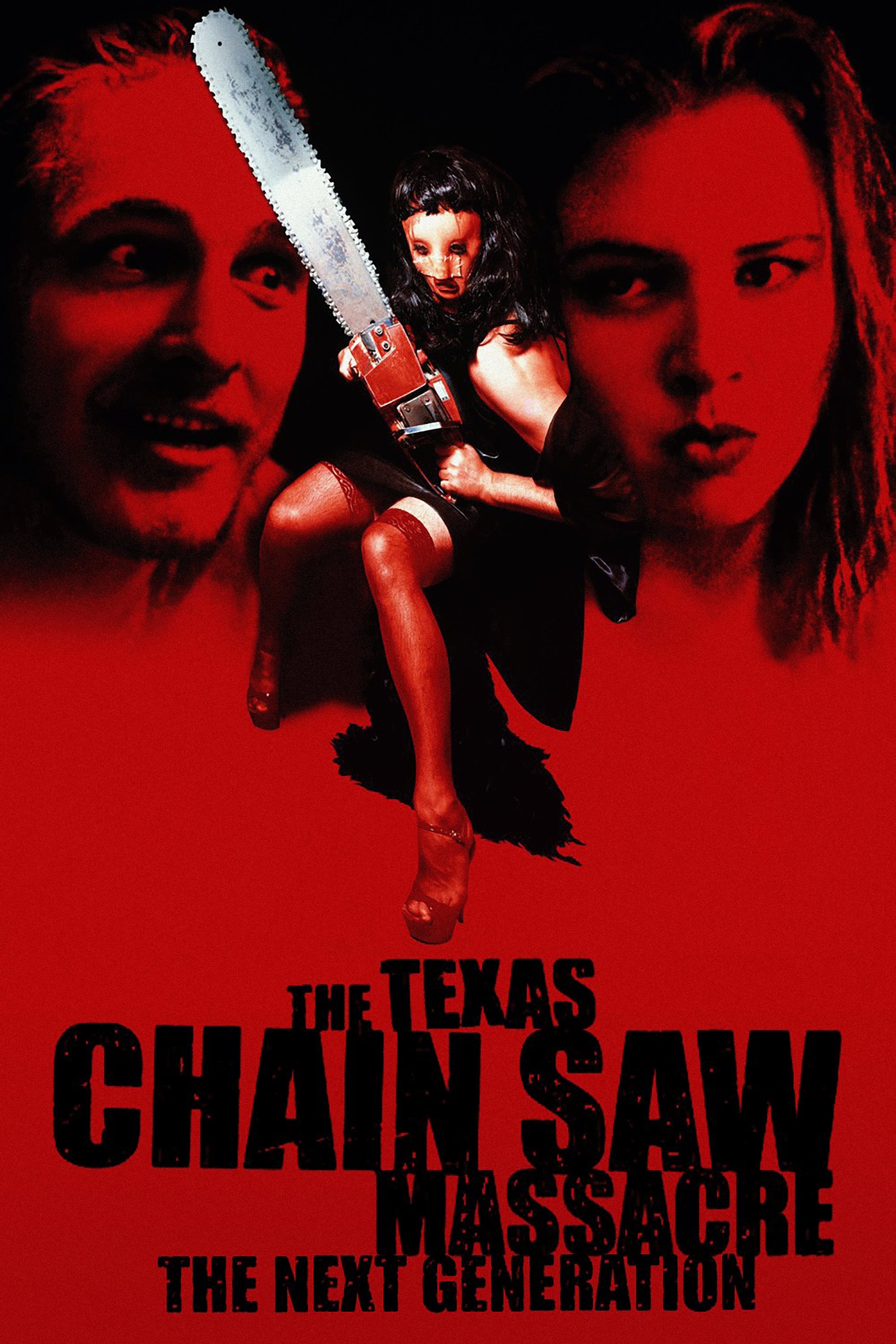
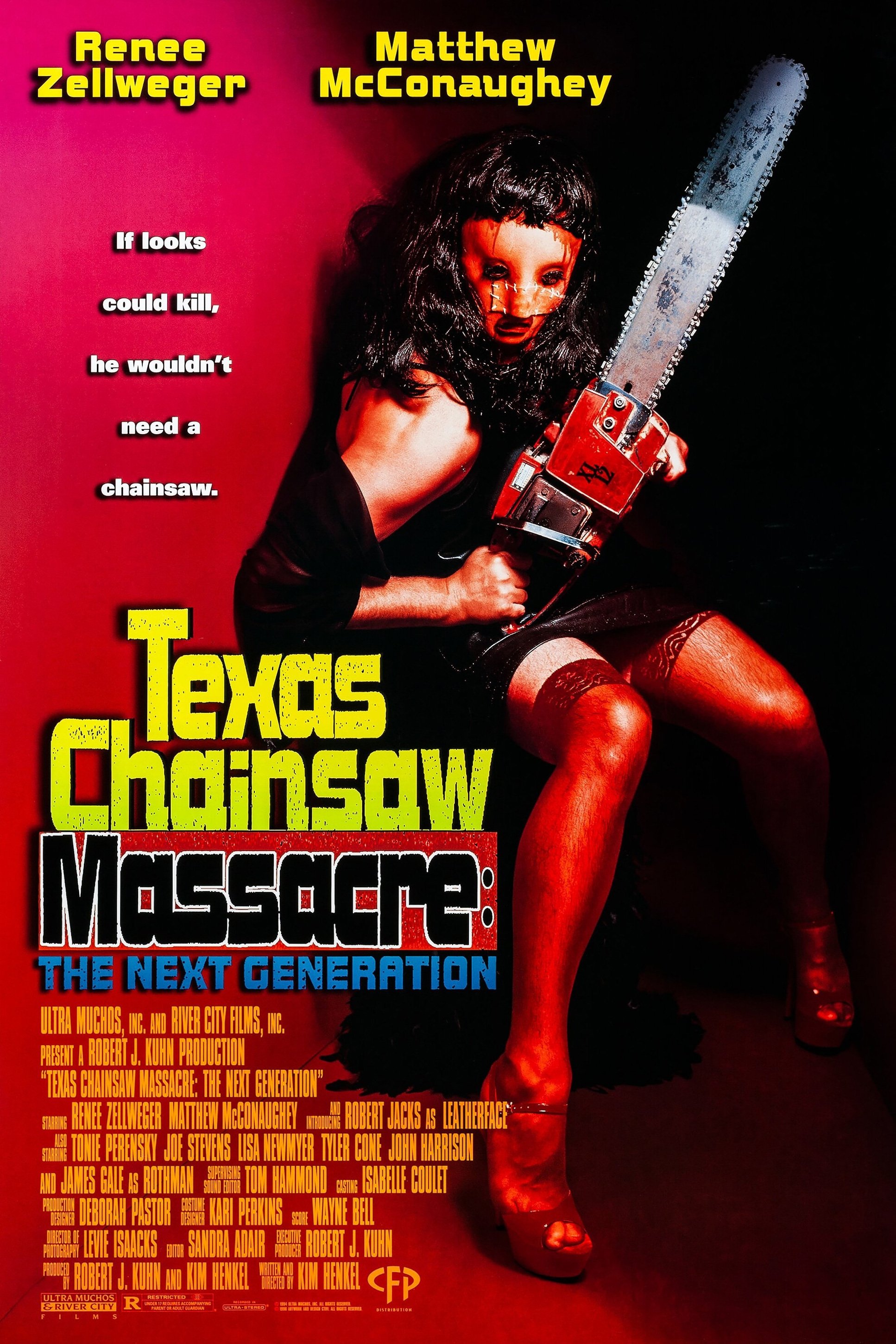
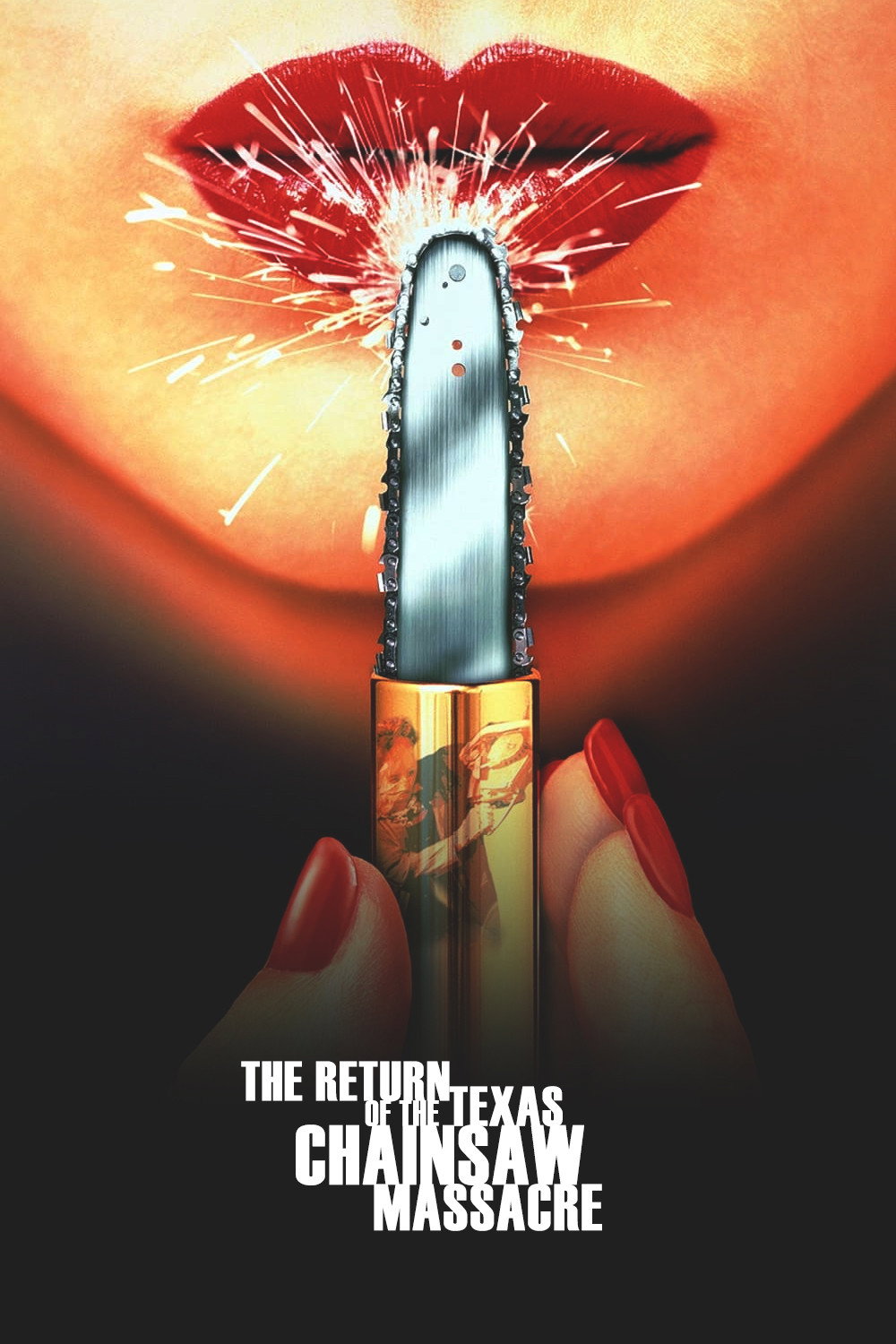
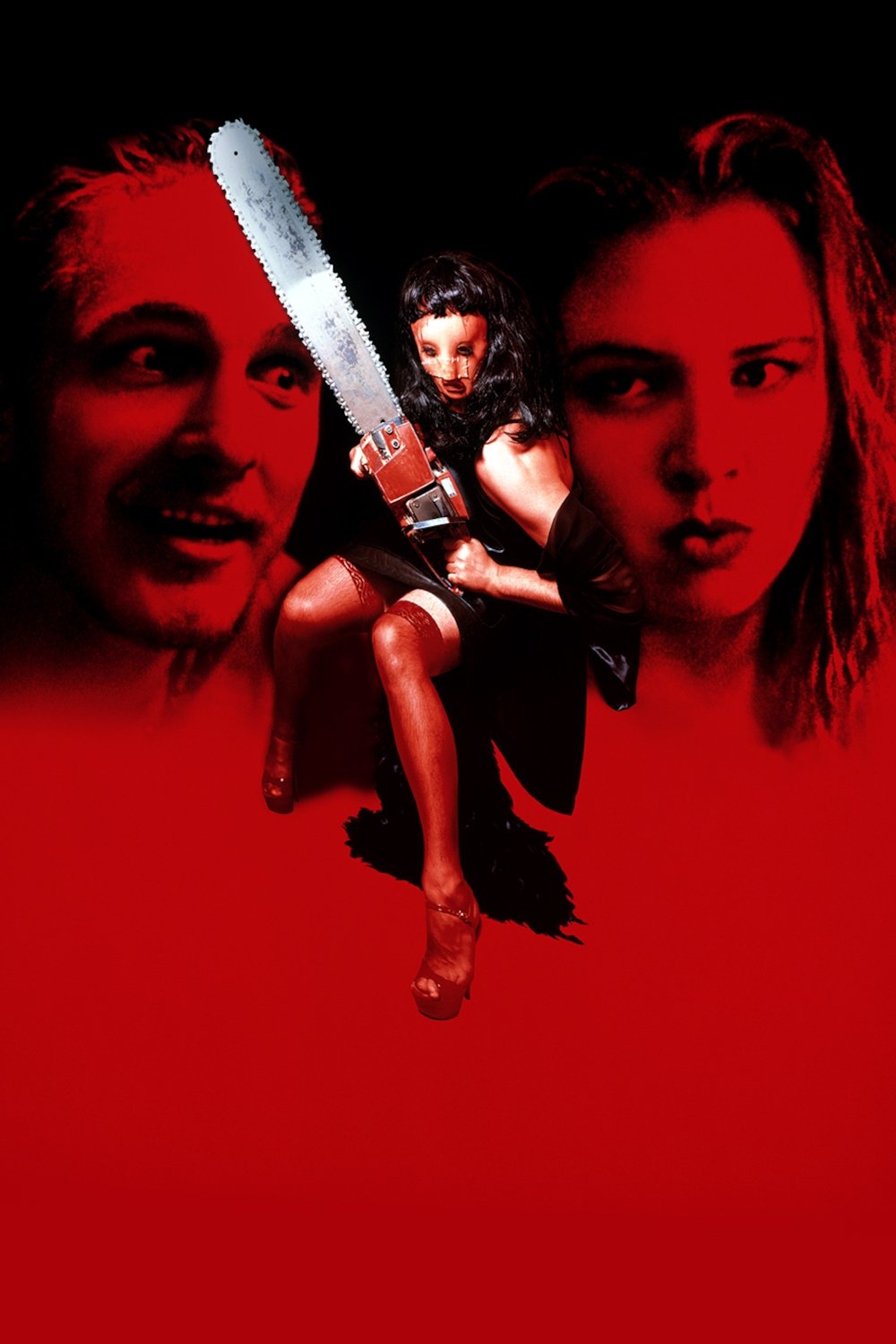
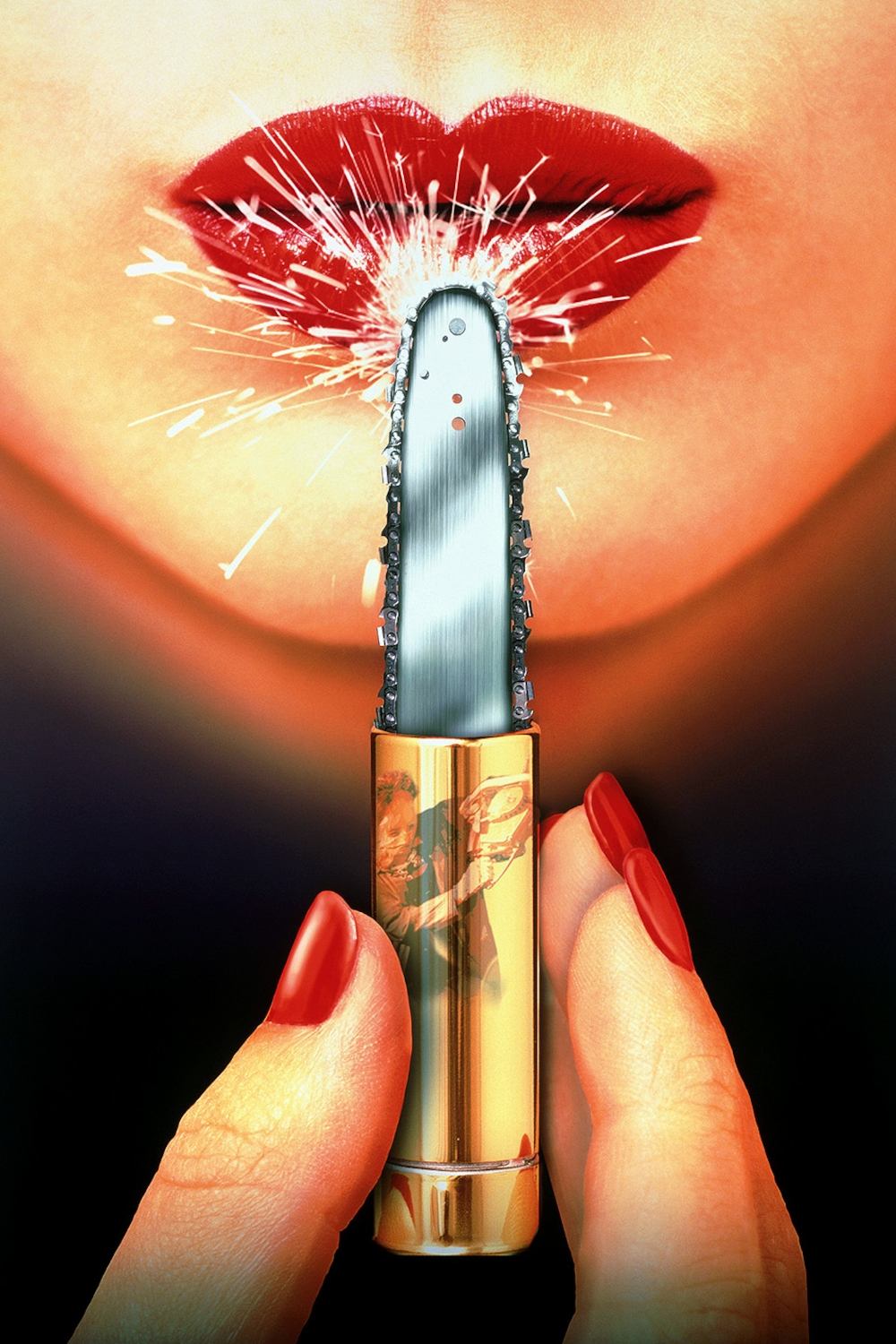
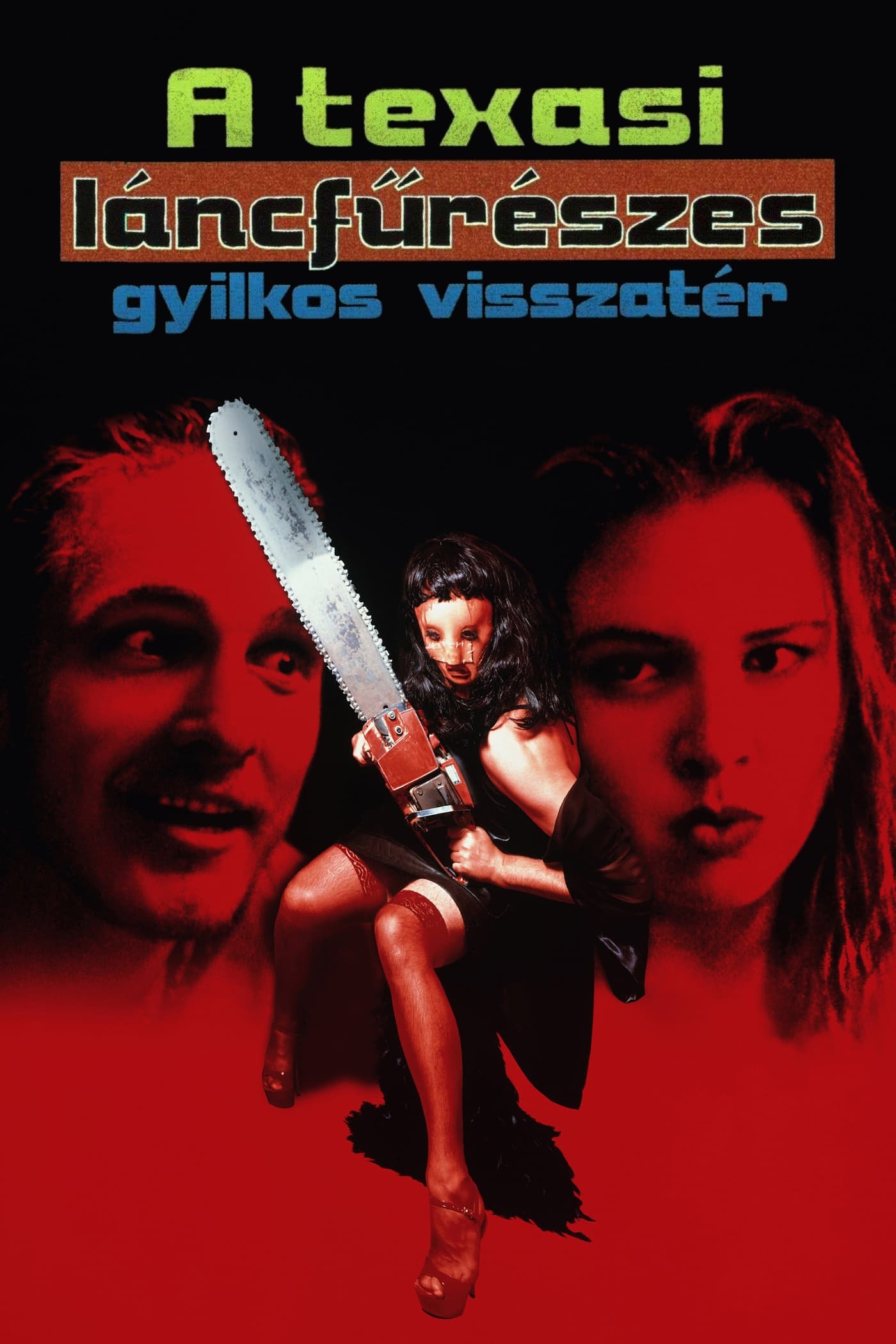
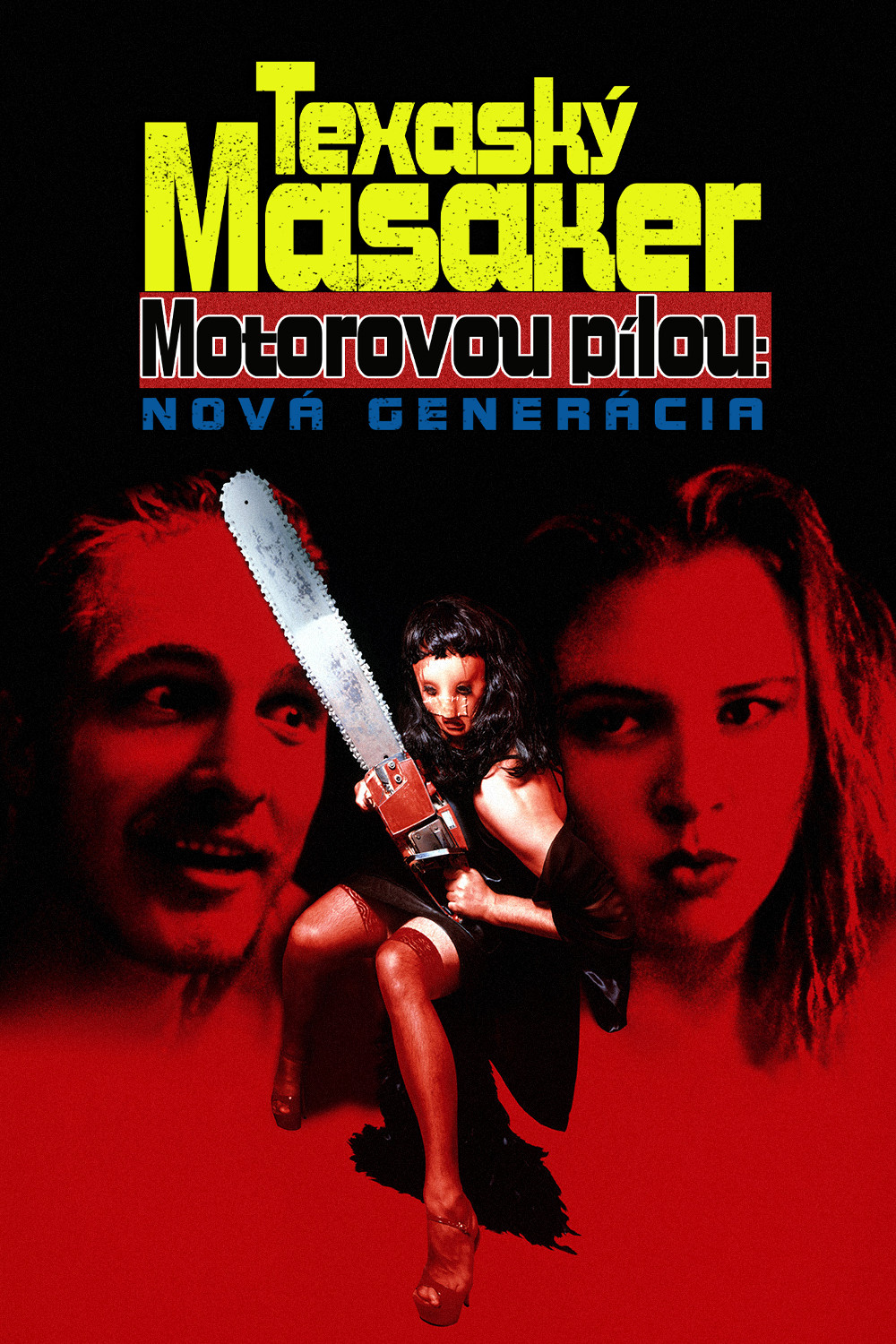
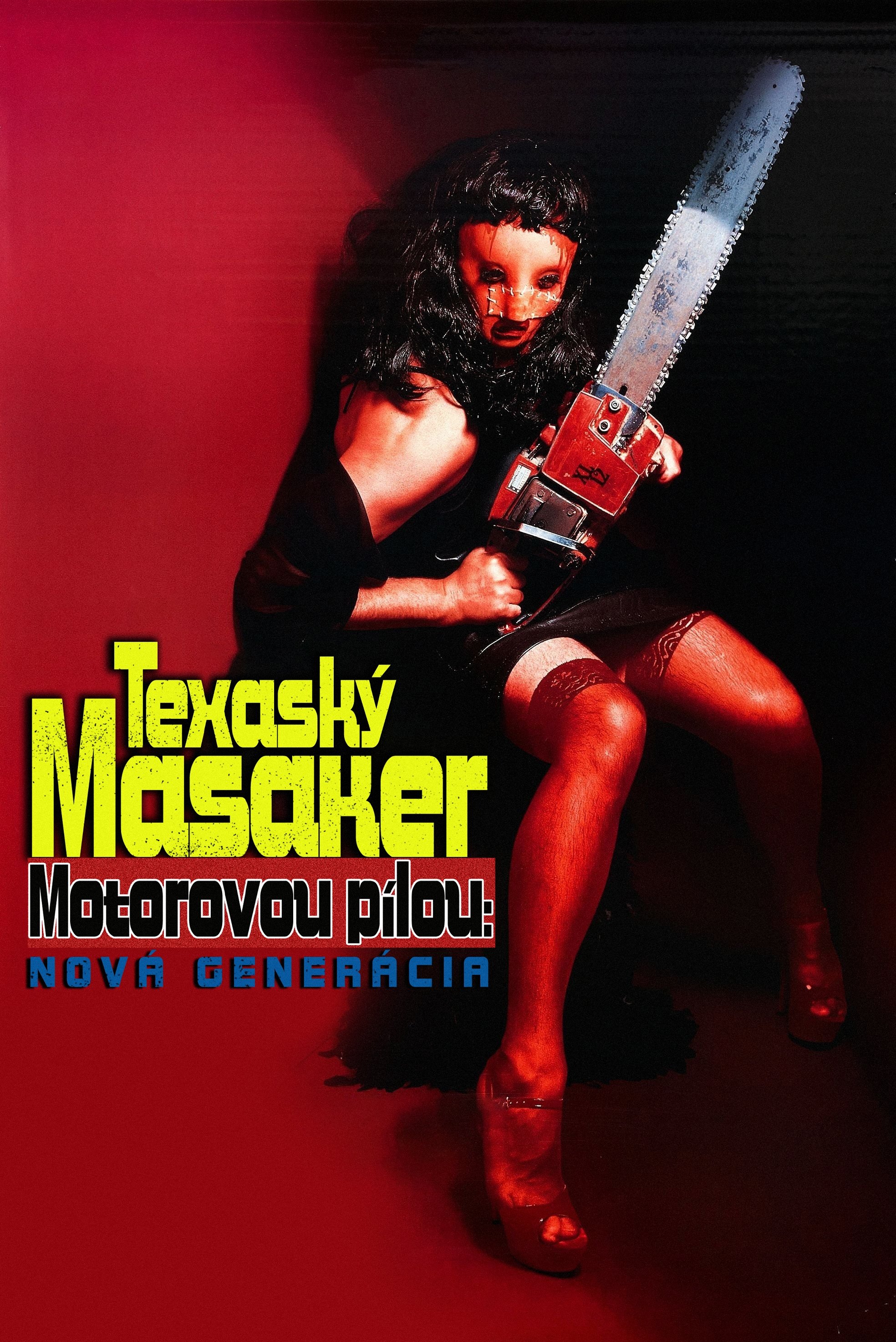
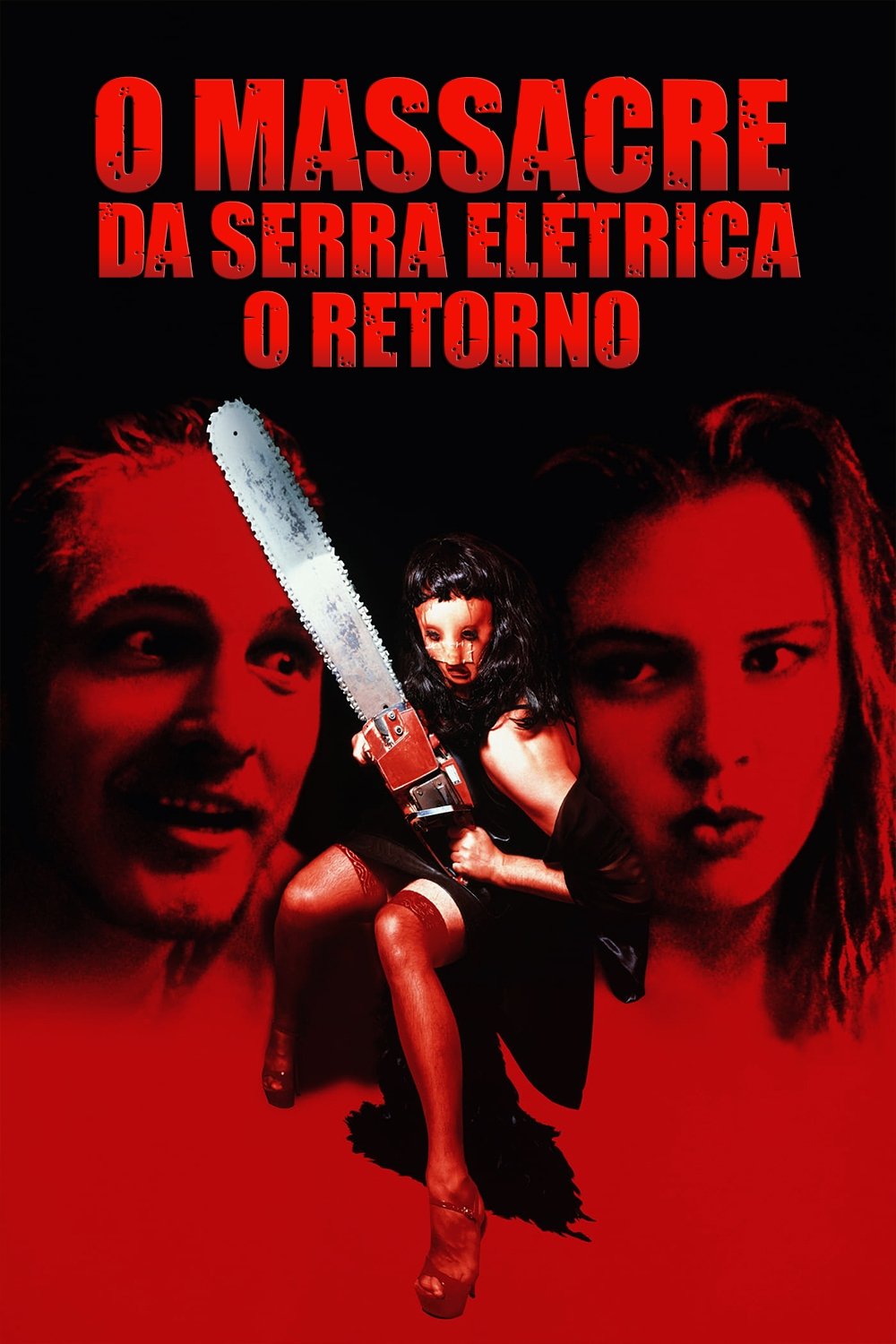
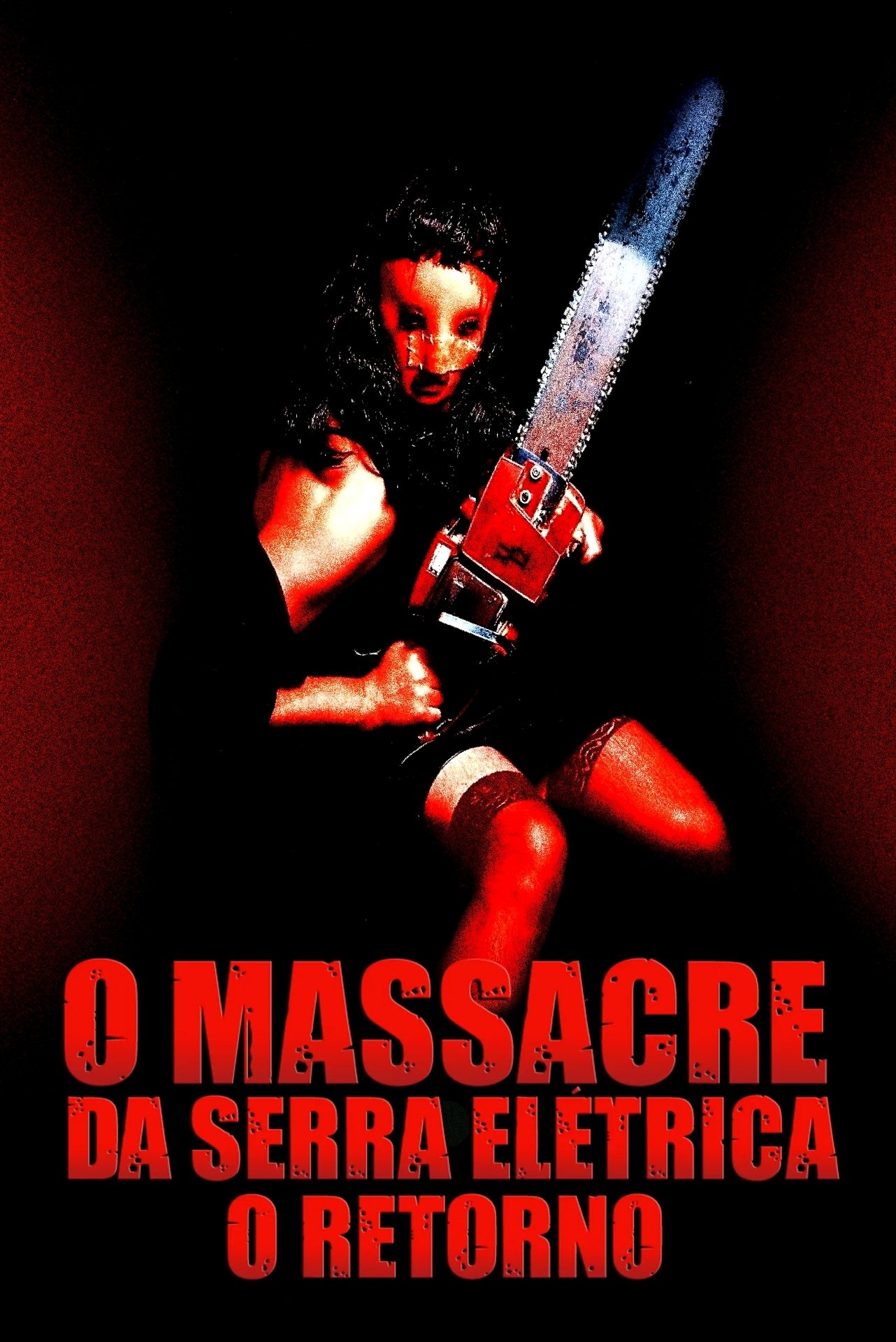
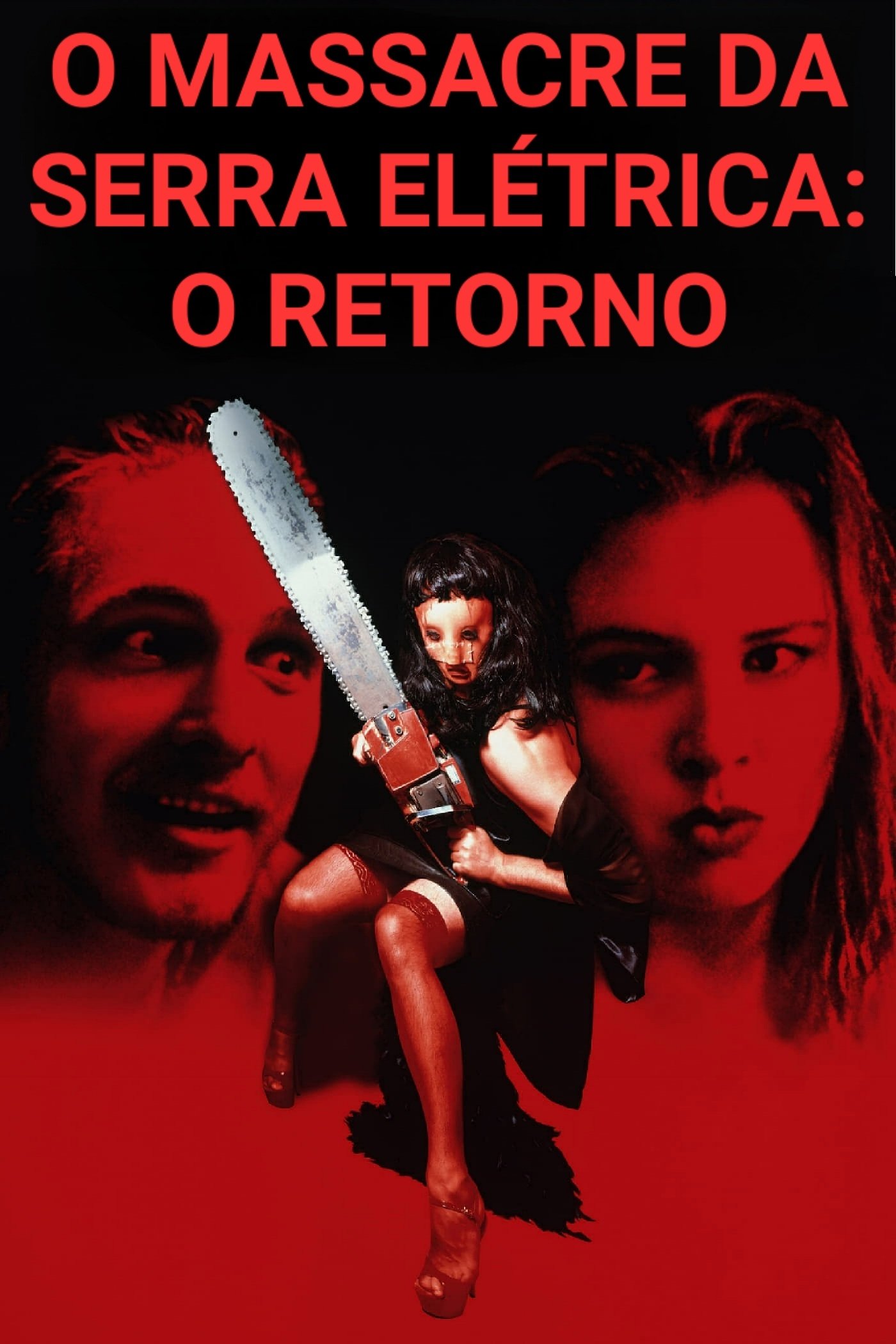
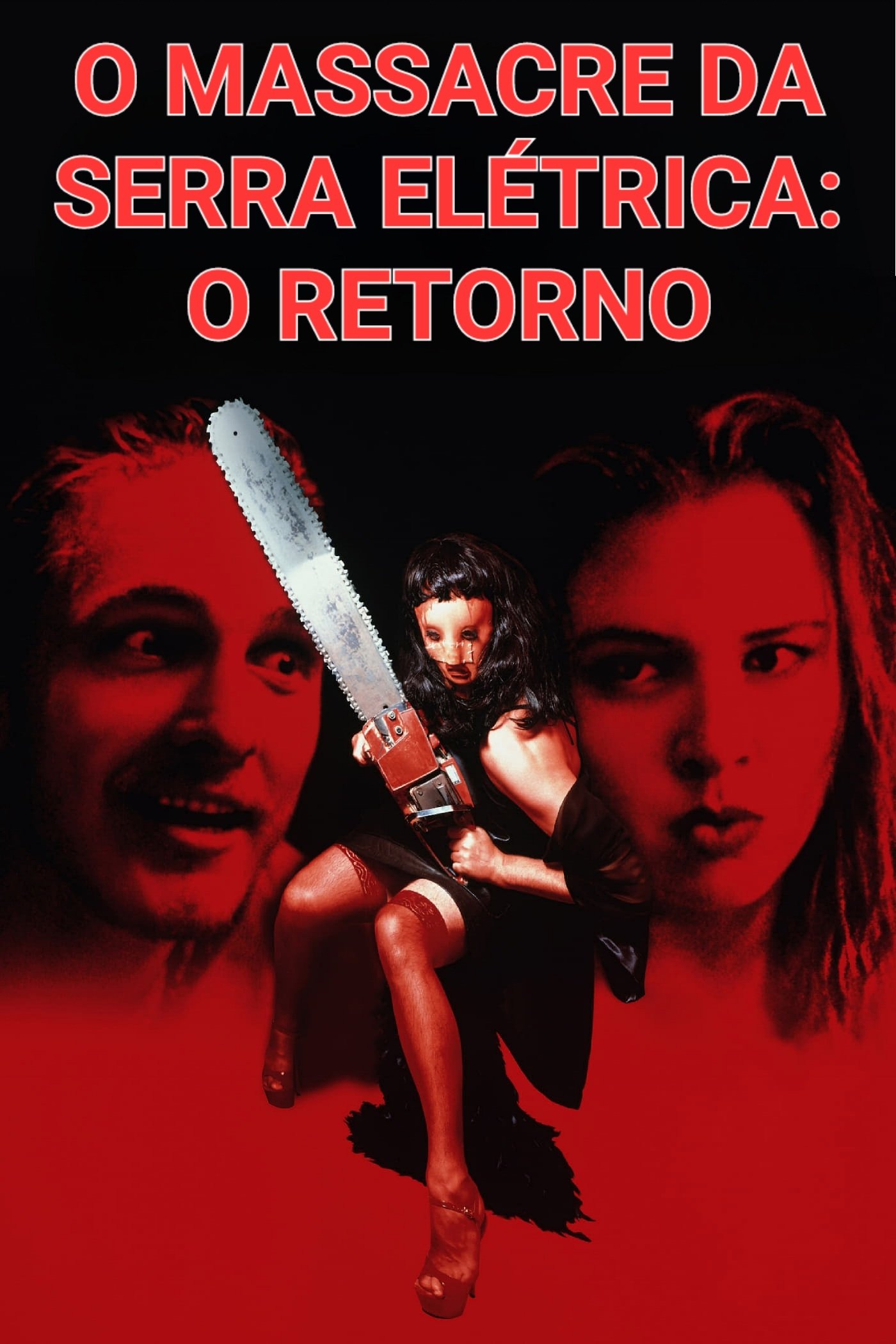
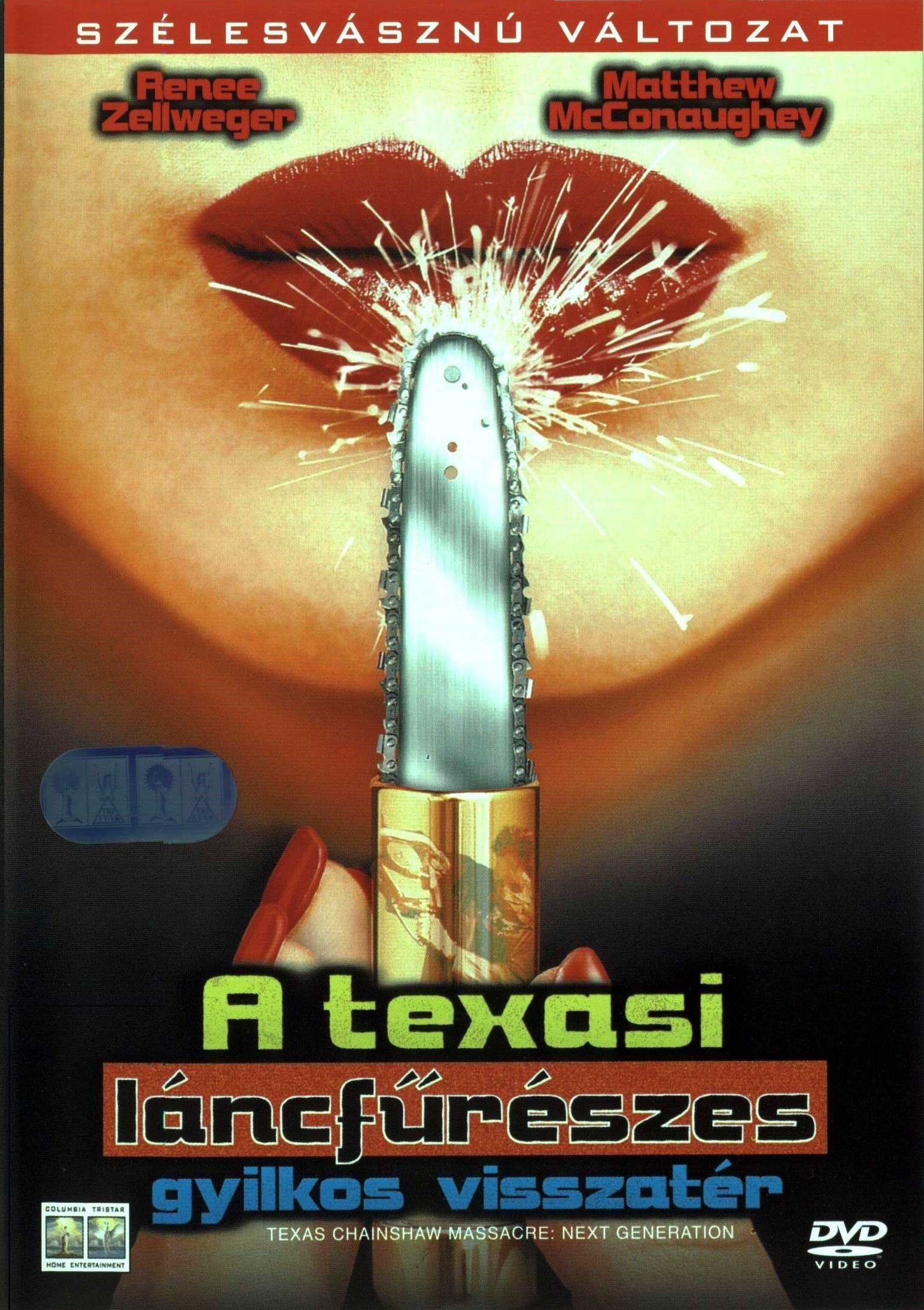
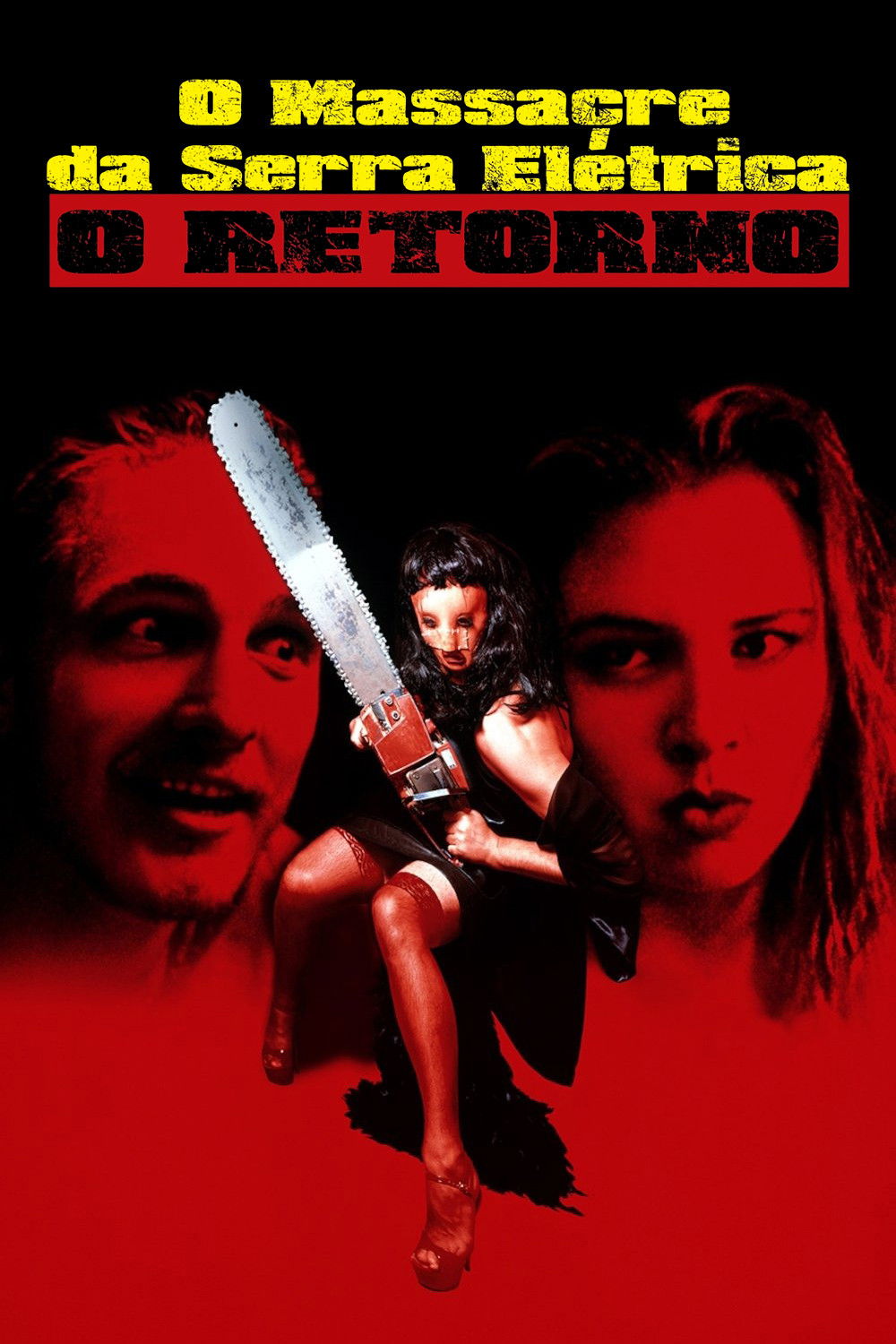
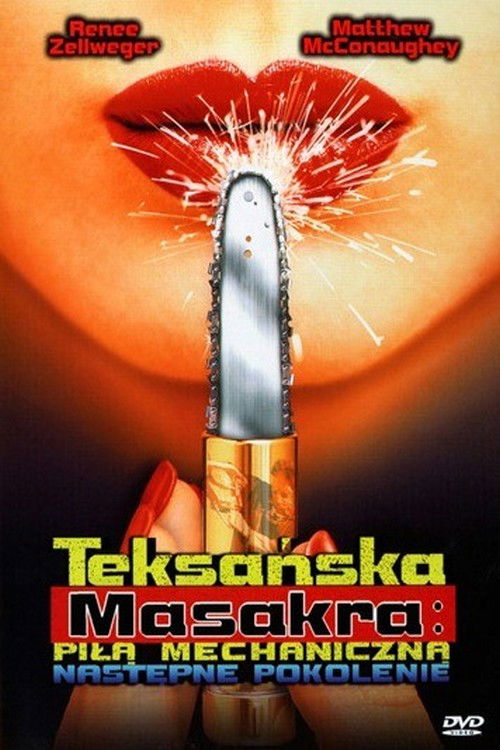
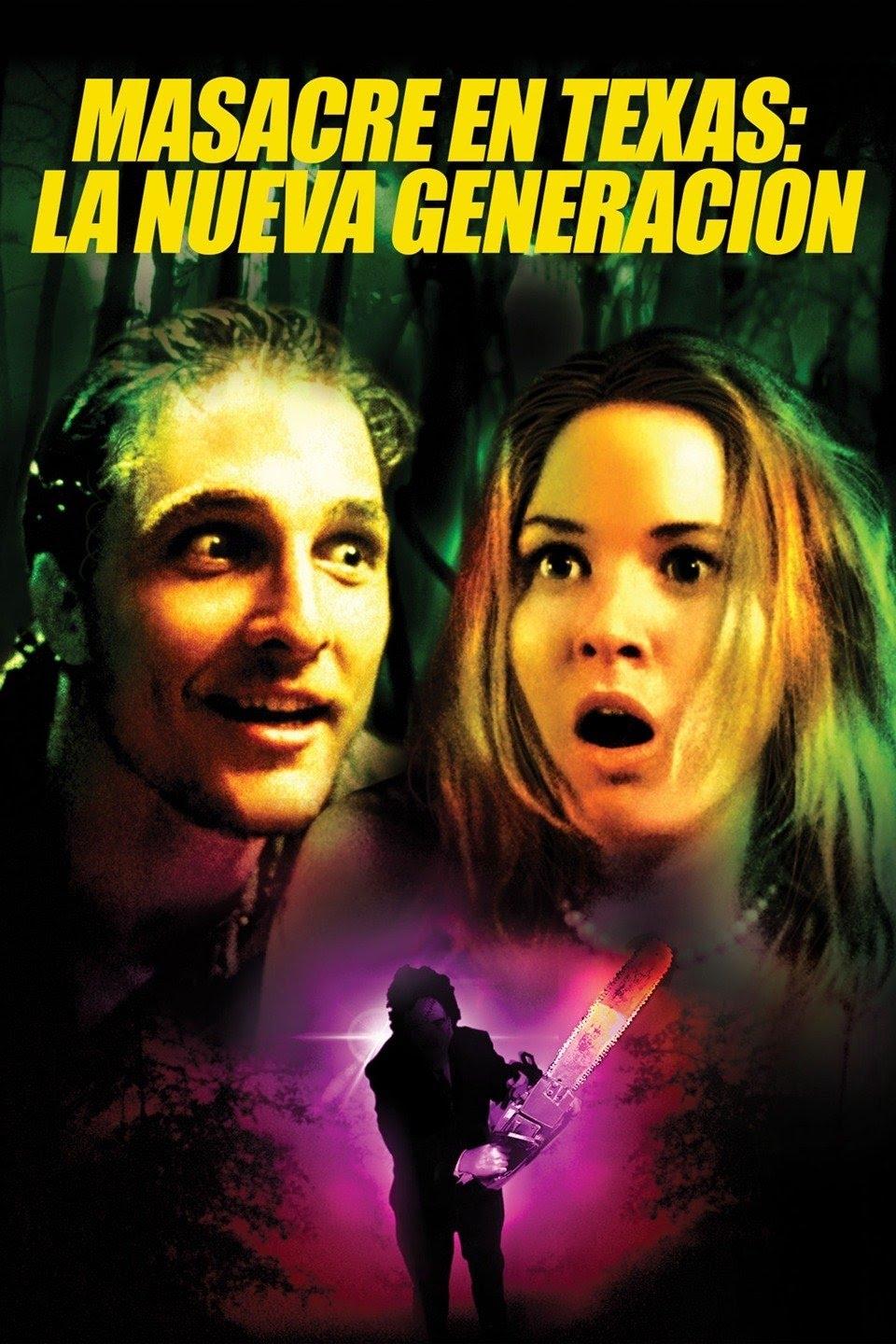
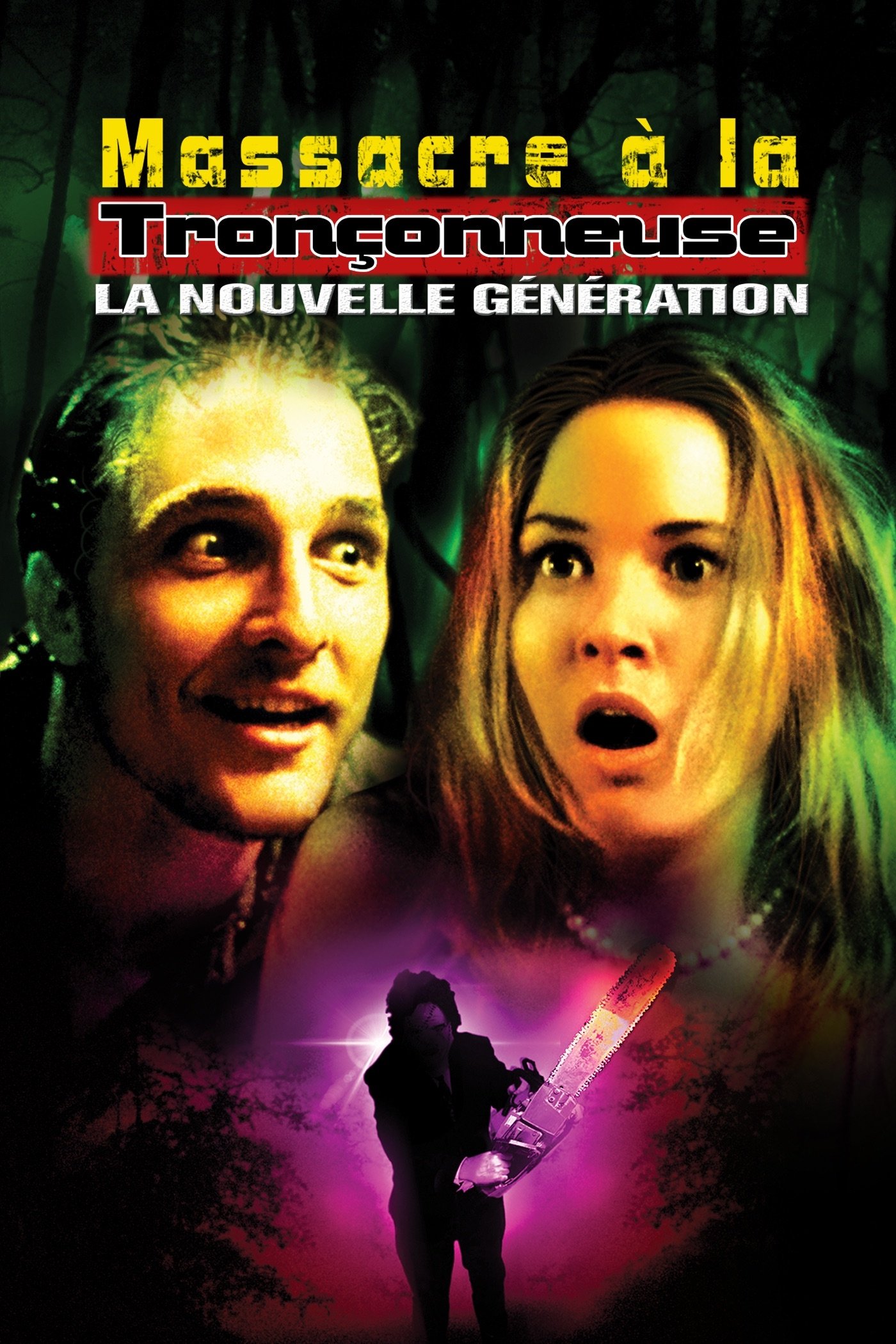
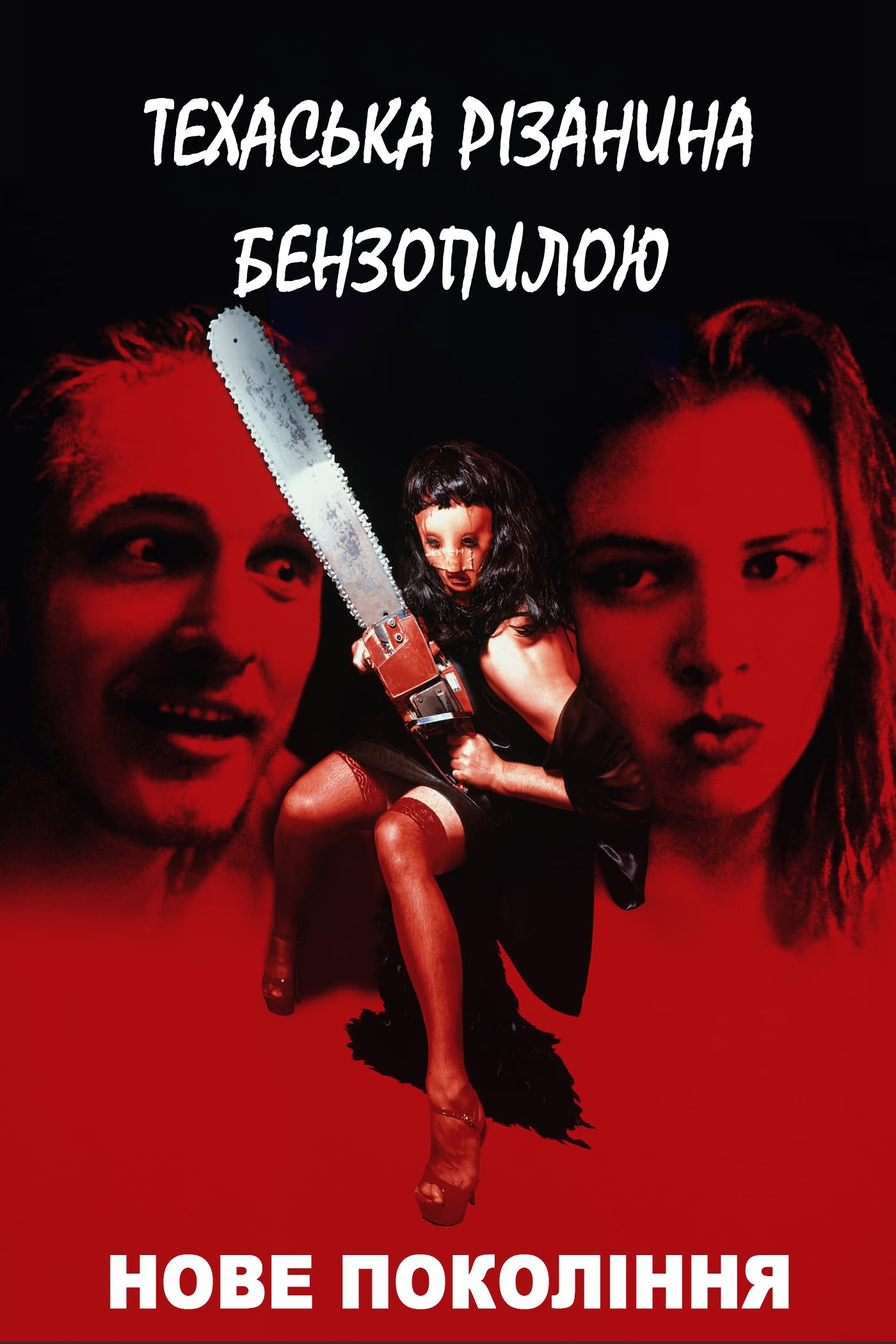
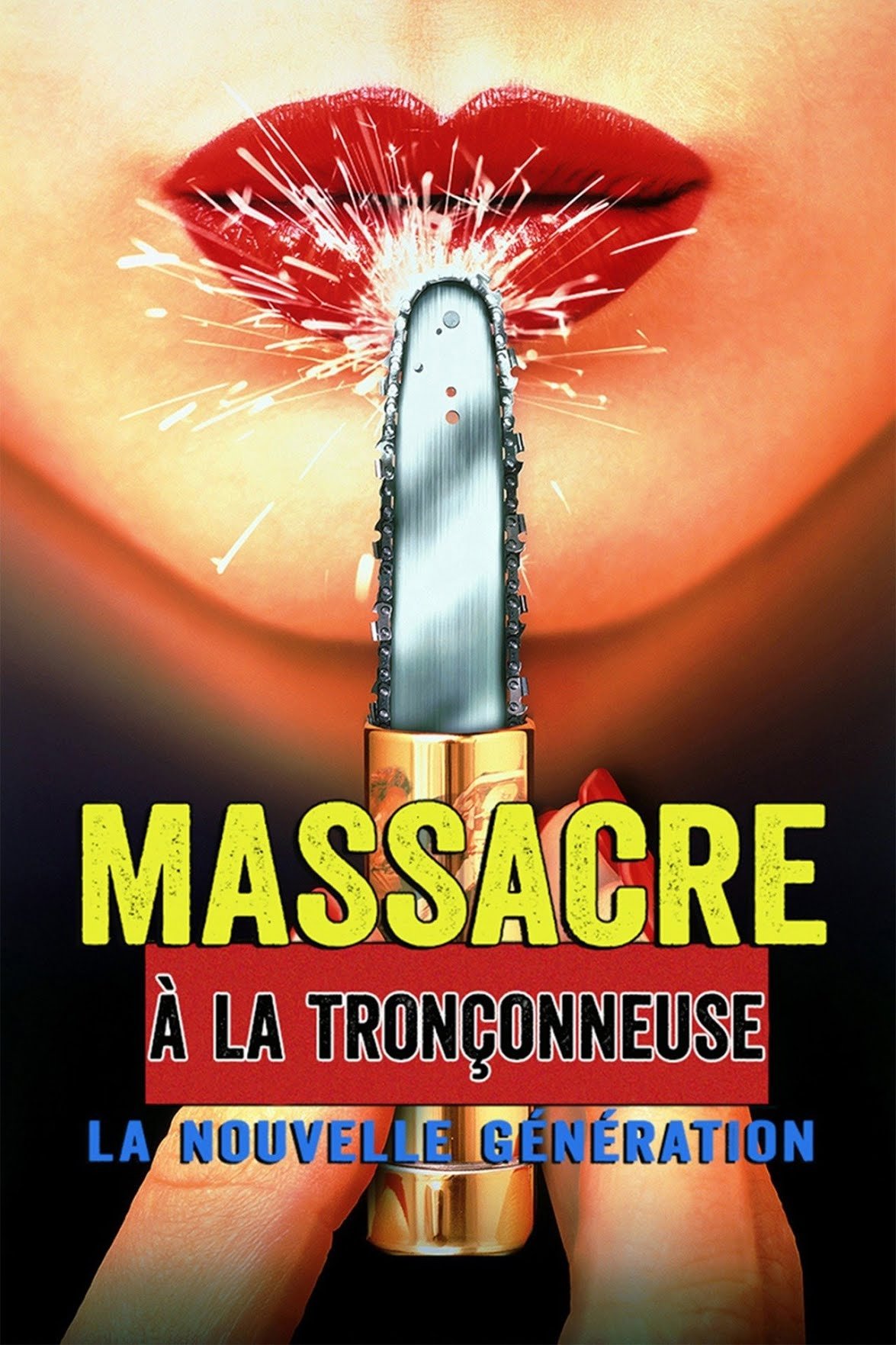
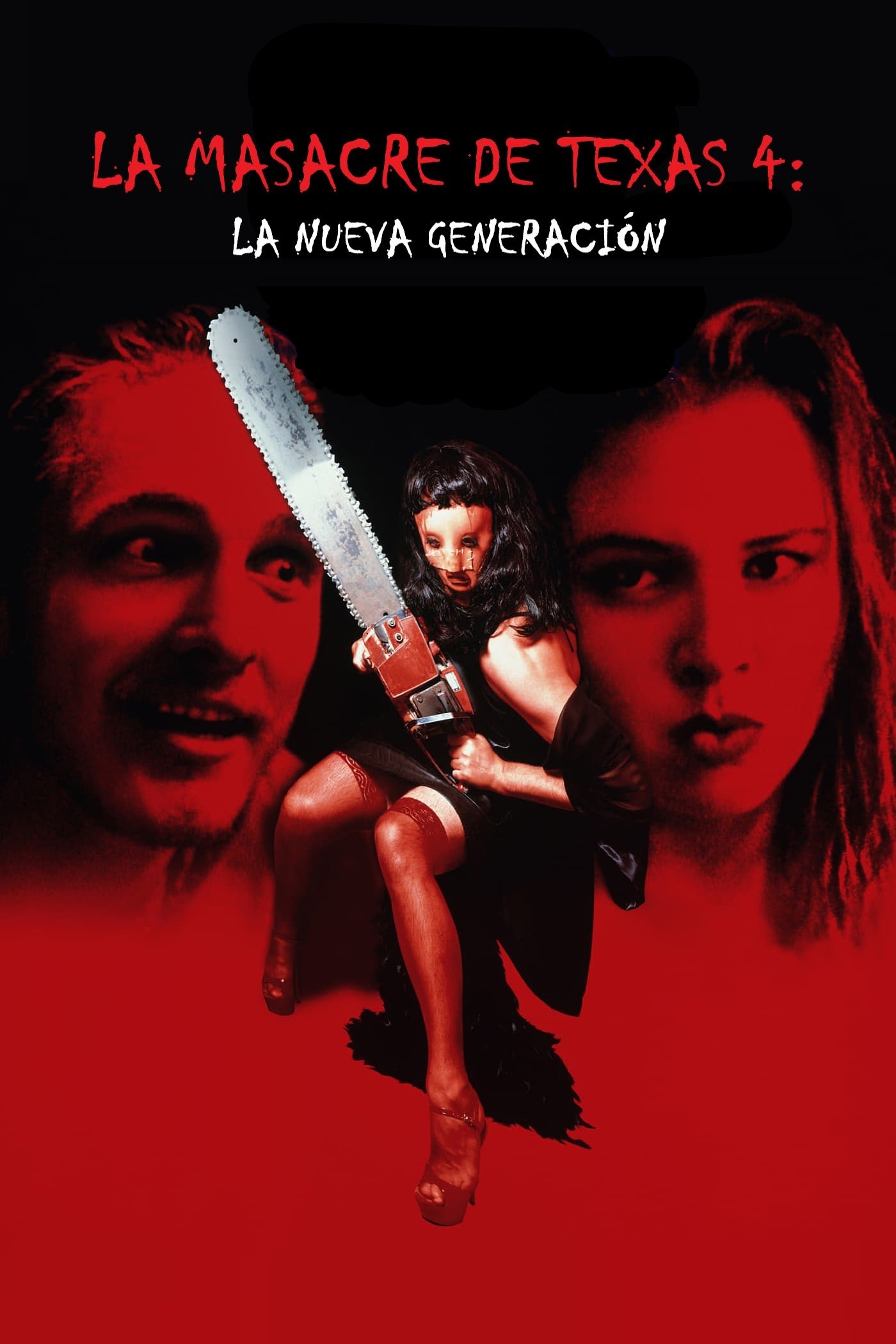
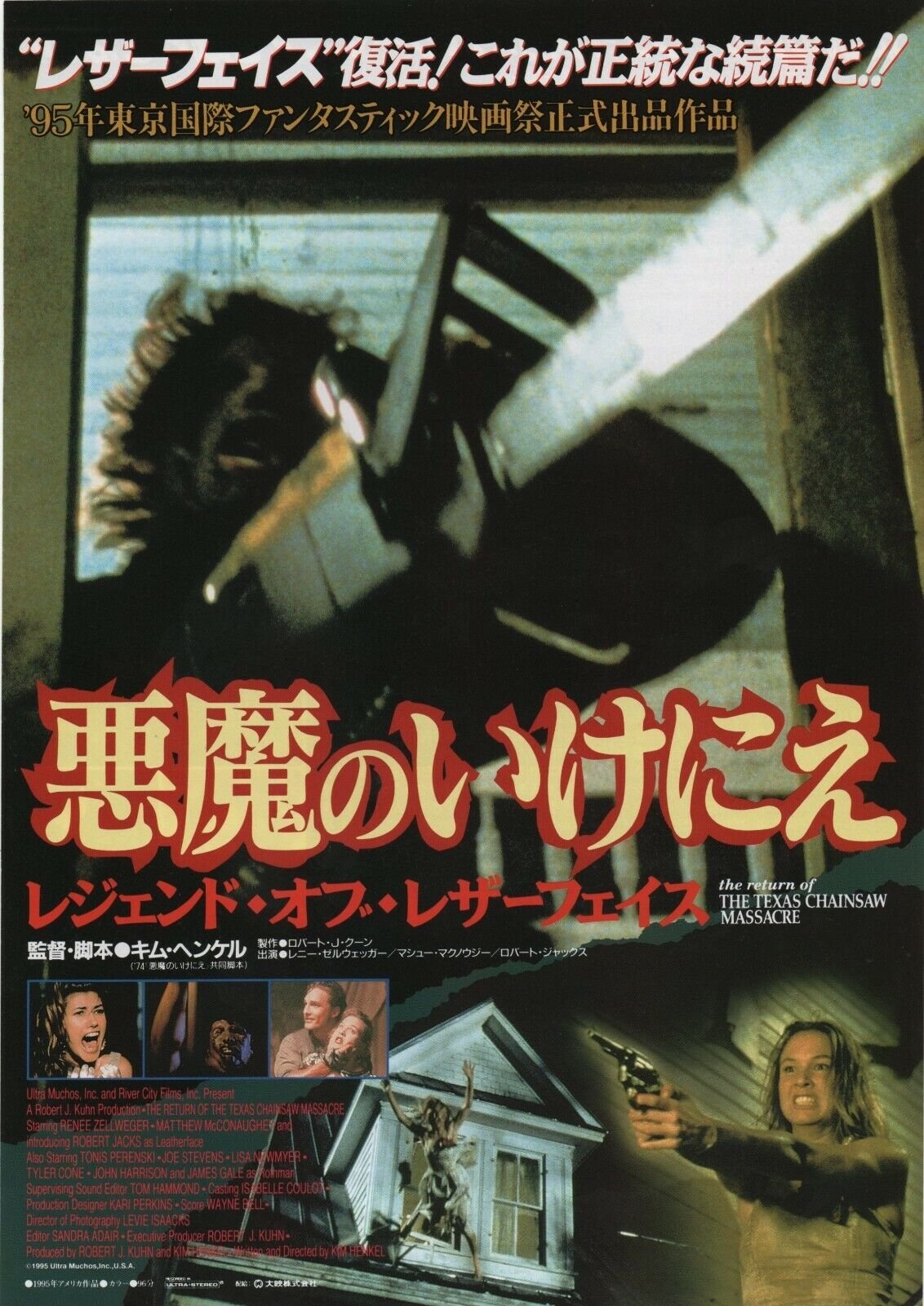
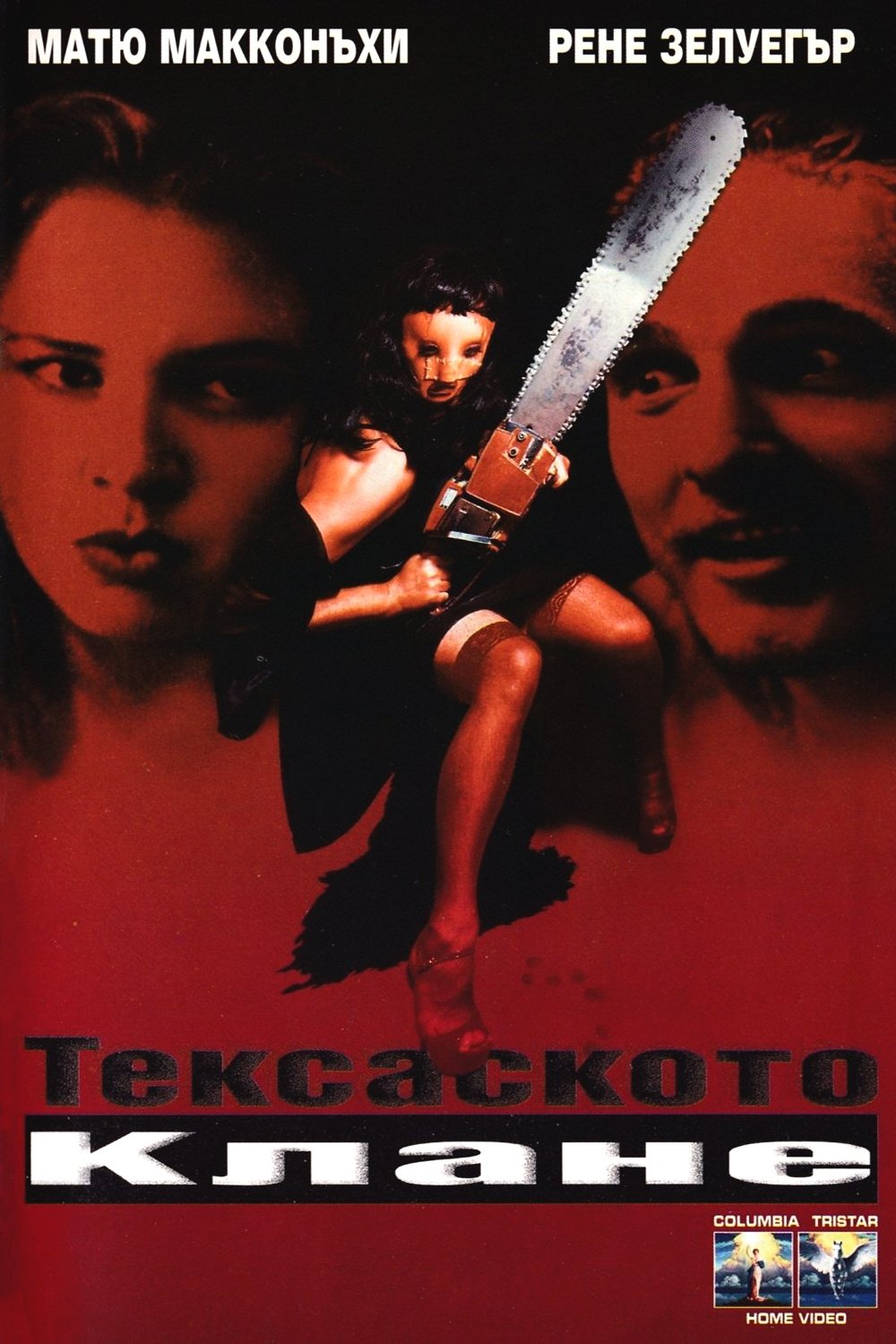
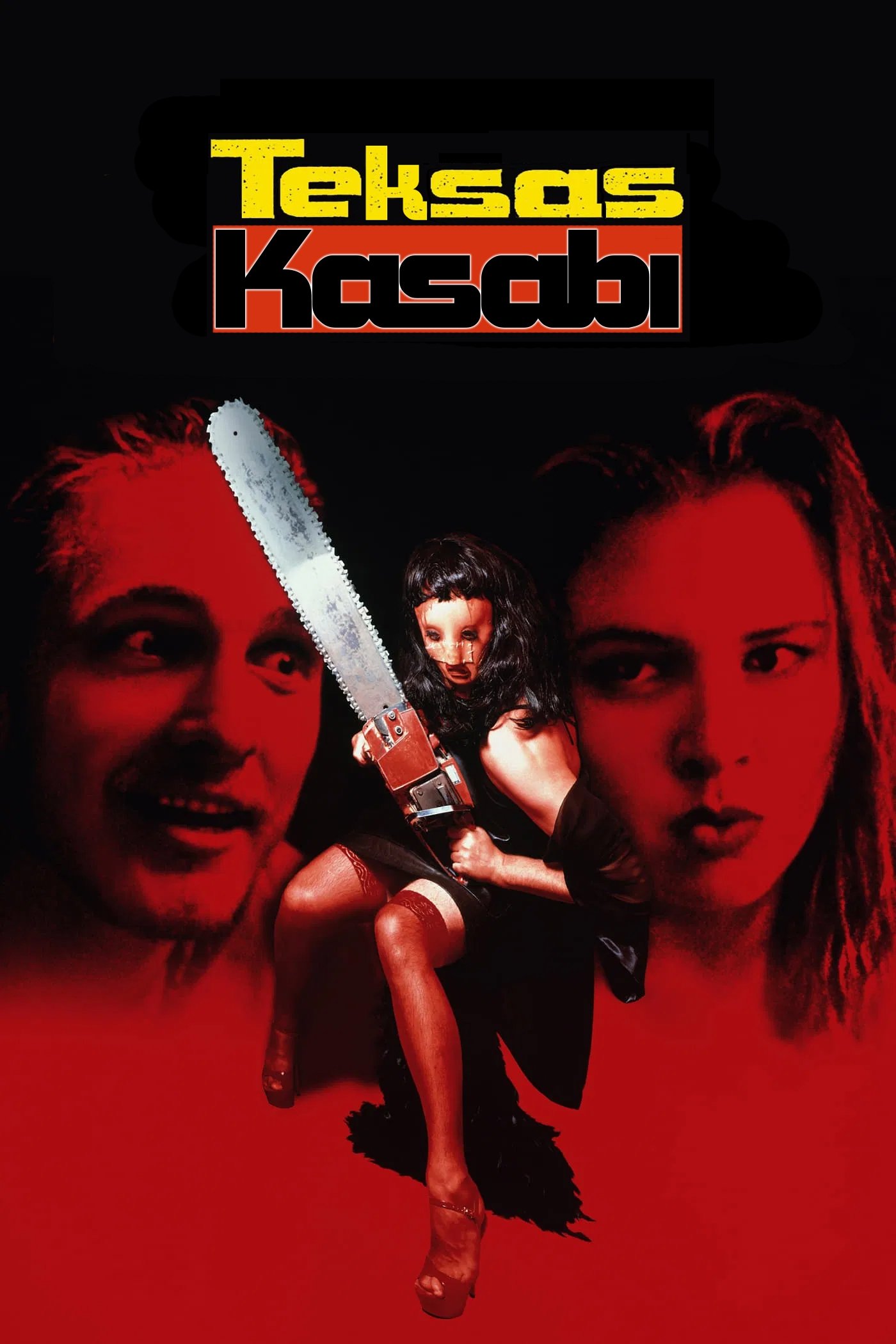
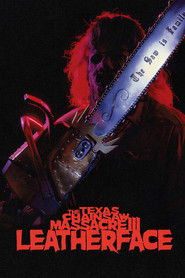
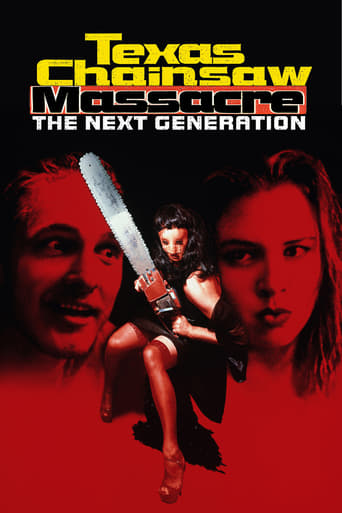
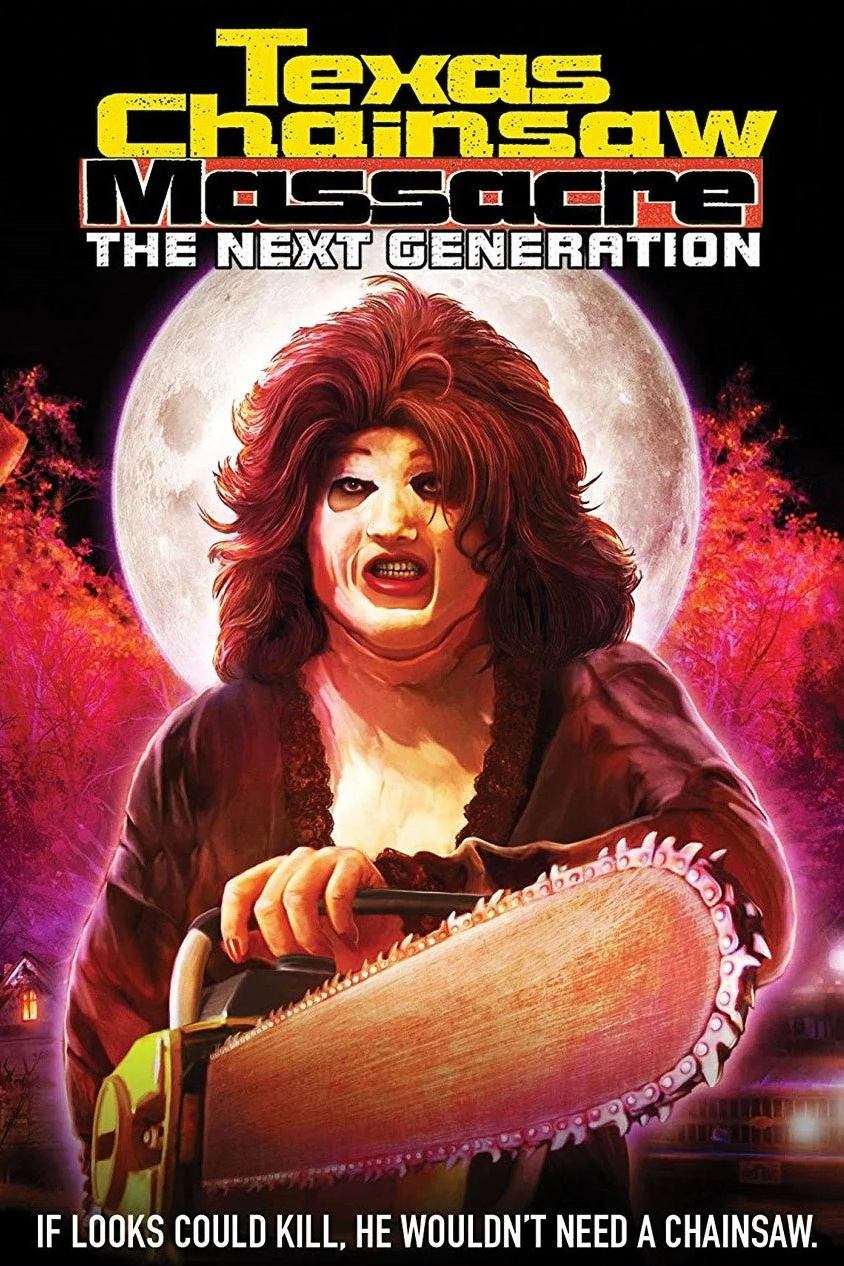
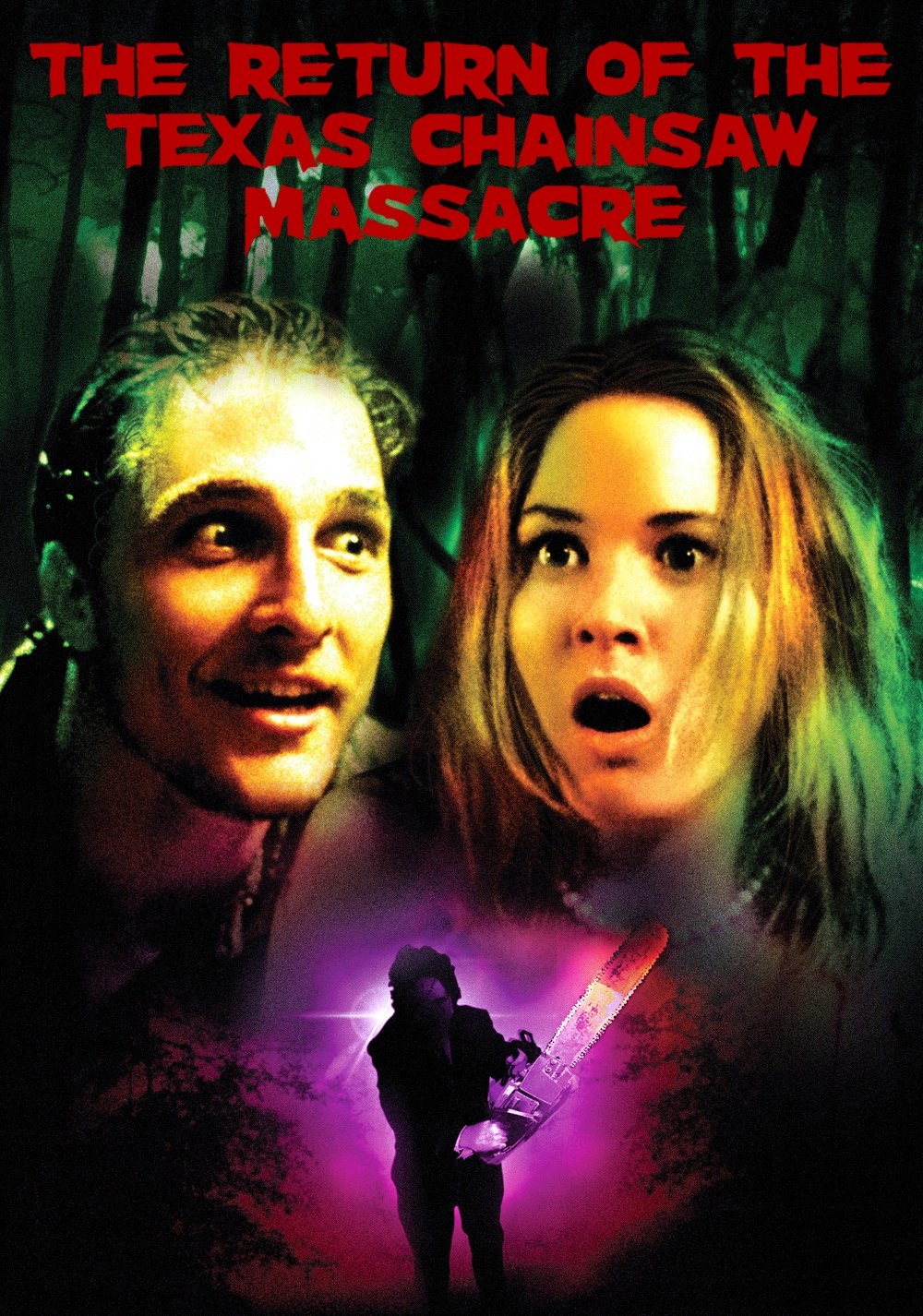
The Return of the Texas Chainsaw Massacre (1995) poster
Director
Production Companies
Ultra Muchos Productions , River City Films
Plot

After a prom-night celebration, Jenny and several classmates are stranded on a remote Texas road following a car accident. Their efforts to obtain assistance lead them to a disturbed family dominated by the violent Vilmer and the masked killer Leatherface. As the teenagers are separated, Jenny must confront the household's shifting threats and its strange explanations for its behavior. Directed by original co-writer Kim Henkel, the film revisits the isolation and forced captivity of the 1974 premise while introducing a markedly different family and a more eccentric tone.

Alternative Titles
El regreso de la masacre de Texas (Argentina) La créature (Belgium) — French Title Тексаско клане: Следващо Поколение (Bulgaria) — Bulgarian O Massacre da Serra Elétrica: O Retorno (Brazil) Massacre à la tronçonneuse : La Nouvelle Génération (Canada) — French 德州电锯杀人狂4 (China) — Chinese Masakr v Texasu (Czechia) — Czech Texas Chainsaw Massacre - Die Rückkehr (Germany) — German
Show all 47 alternative titles The Texas Chainsaw Massacre 4 - Die Rückkehr (Germany) Motorsavsmassakren 4 (Denmark) — DVD Box Title Motorsavsmassakren: Næste Generation (Denmark) — Danish La matança de Texas 4 (Spain) — Catalan La matanza de Texas: La nueva generación (Spain) — Spanish Texasin moottorisahamurhaaja - uusi sukupolvi (Finland) — Video Title & Video Box Title Texasin moottorisahamurhaaja – uusi sukupolvi (Finland) — Finnish Texasin moottorisahamurhat - uusi sukupolvi (Finland) — Television Title Massacre à la tronçonneuse : La nouvelle génération (France) — French Texas Chainsaw (France) — Home Video Title The Texas Chainsaw Massacre: The Next Generation (France) — Television Title ტეხასური ხოცვა ბენზოხერხით 4:ახალი თაობა (Georgia) — Georgian O shizofrenis dolofonos me to prioni 4 (Greece) — DVD Title O shizofrenis dolofonos me to prioni: I epistrofi (Greece) — Home Video Title Ο Σχιζοφρενής Δολοφόνος με το Πριόνι: Η Επιστροφή (Greece) — Greek 德州電鋸殺人狂再臨 (Hong Kong SAR China) — Chinese Povratak teksaškog masakra motornom pilom (Croatia) — Croatian A texasi láncfűrészes gyilkos visszatér (Hungary) — Hungarian המנסרים מטקסס: הדור הבא (Israel) — Hebrew Non aprite quella porta IV (Italy) — Italian Akuma no ikenie: Rejendo obu Rezâfeisu (Japan) 悪魔のいけにえ/レジェンド・オブ・レザーフェイス (Japan) — Japanese 텍사스 전기톱 학살 4 (South Korea) — Korean Masacre en Texas: La nueva generación (Mexico) — Spanish Teksańska masakra piłą mechaniczną IV (Poland) — alternative title Teksańska masakra piłą mechaniczną: Następne pokolenie (Poland) — Polish Massacre no Texas: O Regresso (Portugal) Техасская резня бензопилой 4: Новое поколение (Russia) — Russian مجزرة منشار تكساس: الجيل القادم (Saudi Arabia) — Arabic Motorsågsmassakern 4 (Sweden) — Series Title Texaský masaker motorovou pílou: Nová generácia (Slovakia) — Slovak สิงหาสับ สยองไม่เลือกรุ่น (Thailand) — Thai Teksas Kasabı (Türkiye) — Turkish 德州電鋸殺人狂再臨 (Taiwan) Техаська різанина бензопилою 4: Нове покоління (Ukraine) — Ukrainian Texas Chainsaw Massacre: The Next Generation (United States) The Taxidermist: Texas Chainsaw Massacre 4 (United States) — Working Title The Texas Chainsaw Massacre 4 (United States) — Working Title La masacre de Texas: La nueva generación (Venezuela)

Trailers & Videos

4 videos

Film Guide & Analysis

Kim Henkel returns to the Chainsaw household in a darkly comic Texas production shaped by practical effects, a mysterious authority and an unusually troubled release.

The Return of the Texas Chainsaw Massacre (1995), later circulated as Texas Chainsaw Massacre: The Next Generation, is an unusual intervention in a franchise that had already changed direction several times. Kim Henkel, who co-wrote Tobe Hooper's 1974 original, returned as writer and director to place another group of young Texans in the hands of a violent rural household. His film restores the road accident, isolated residence and ritualized intimidation associated with the first picture, but its character relationships and mysterious outside authority take the story into stranger territory. The result occupies a distinctive position between independent regional filmmaking and the commercial exploitation of an established horror name.

Filmed around Austin in 1993, the project spent years moving through festival screenings, limited theatrical engagements and distribution negotiations. Renée Zellweger and Matthew McConaughey became more prominent during the delay, making their early performances an increasingly important part of its publicity. Its 1997 rerelease involved a different title and a shorter edit, complicating accounts of what contemporary audiences actually saw. The history of these editions is relevant to a film whose most discussed elements include its deliberately heightened comedy, the transformation of Leatherface and a final girl who challenges the authority imposed upon her.

Henkel Returns to the Chainsaw Household

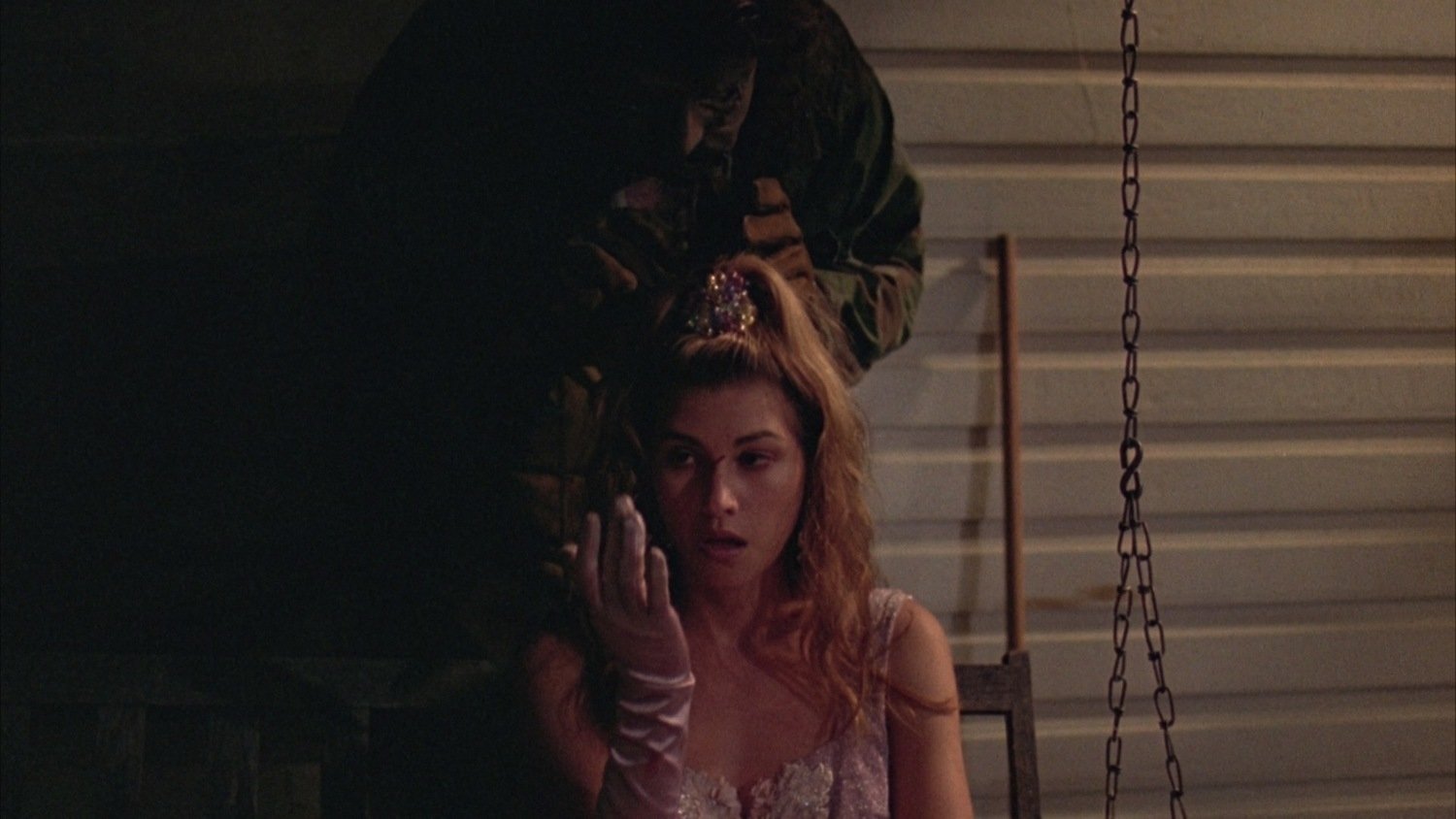
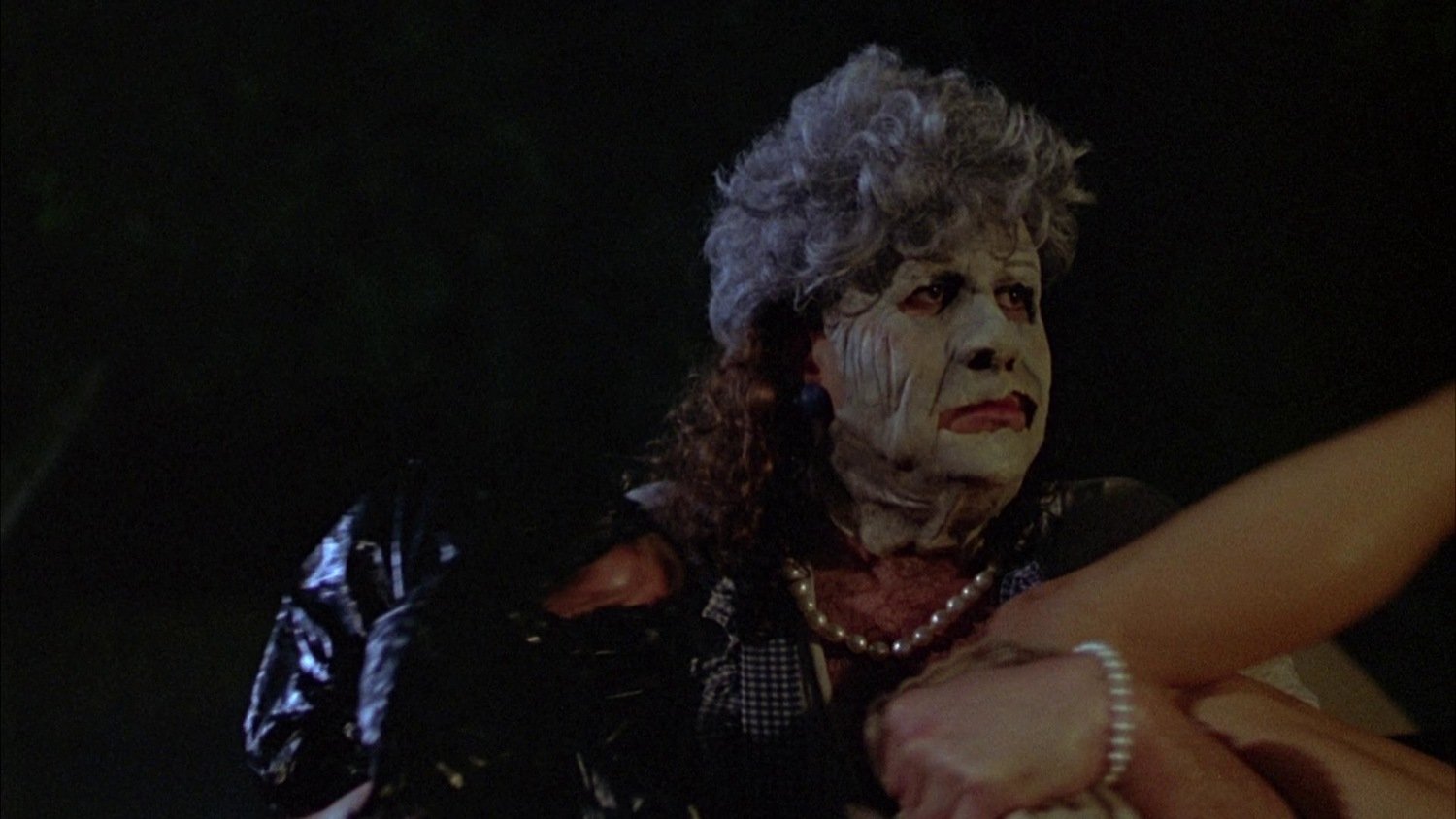
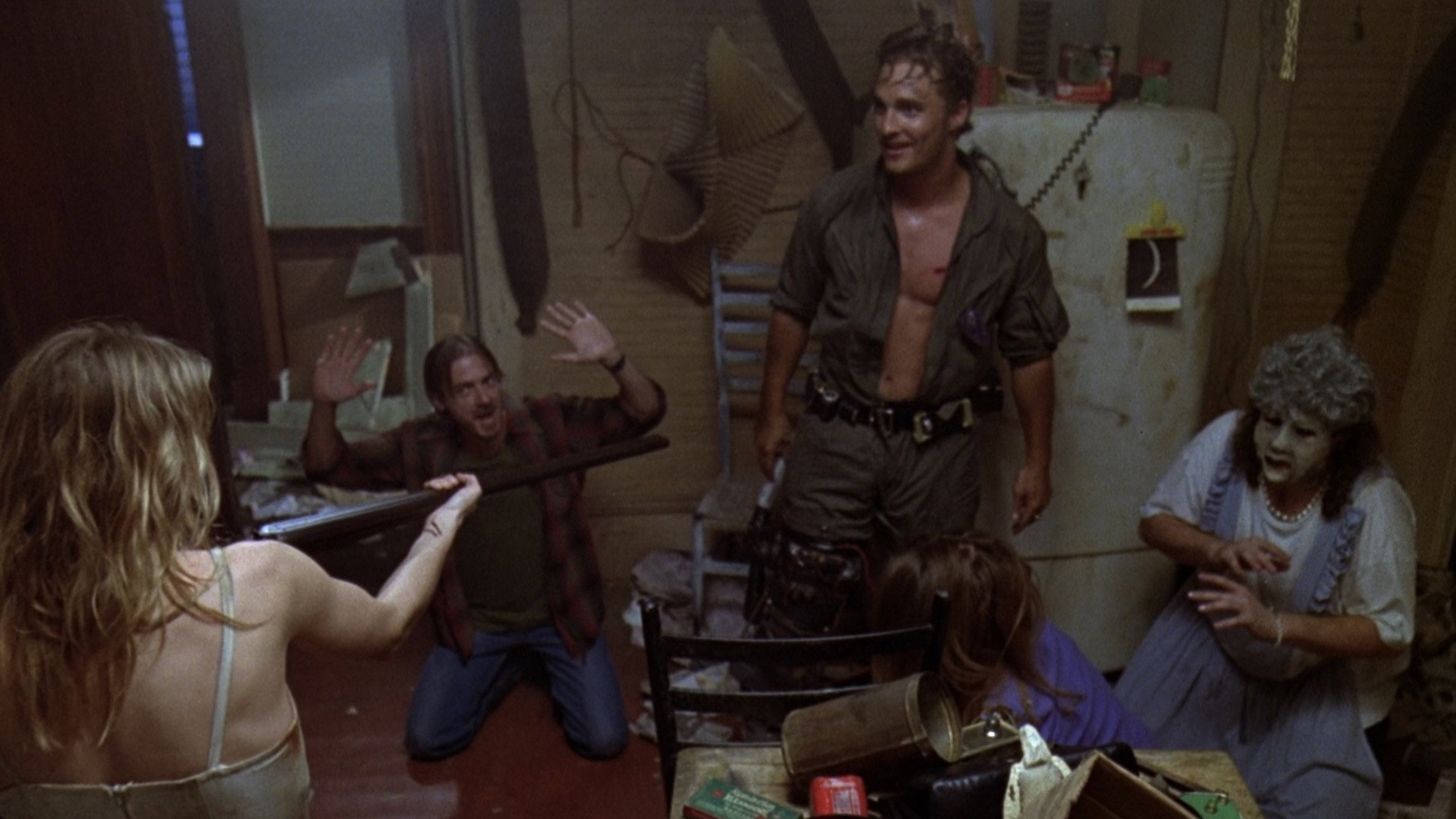
Henkel's participation linked the fourth installment directly to the origins of the property, although his new script did not attempt to reconcile every detail of the earlier sequels. A group of teenagers leave their school prom, experience a collision on an isolated road and encounter people whose apparent assistance leads toward captivity. The familiar route into danger becomes the foundation for a household organized around Vilmer, a volatile tow-truck driver. Leatherface remains physically imposing but is less clearly the family's principal decision-maker. His masks and clothes also vary conspicuously, extending the character's long-established interest in constructing different identities through dress.

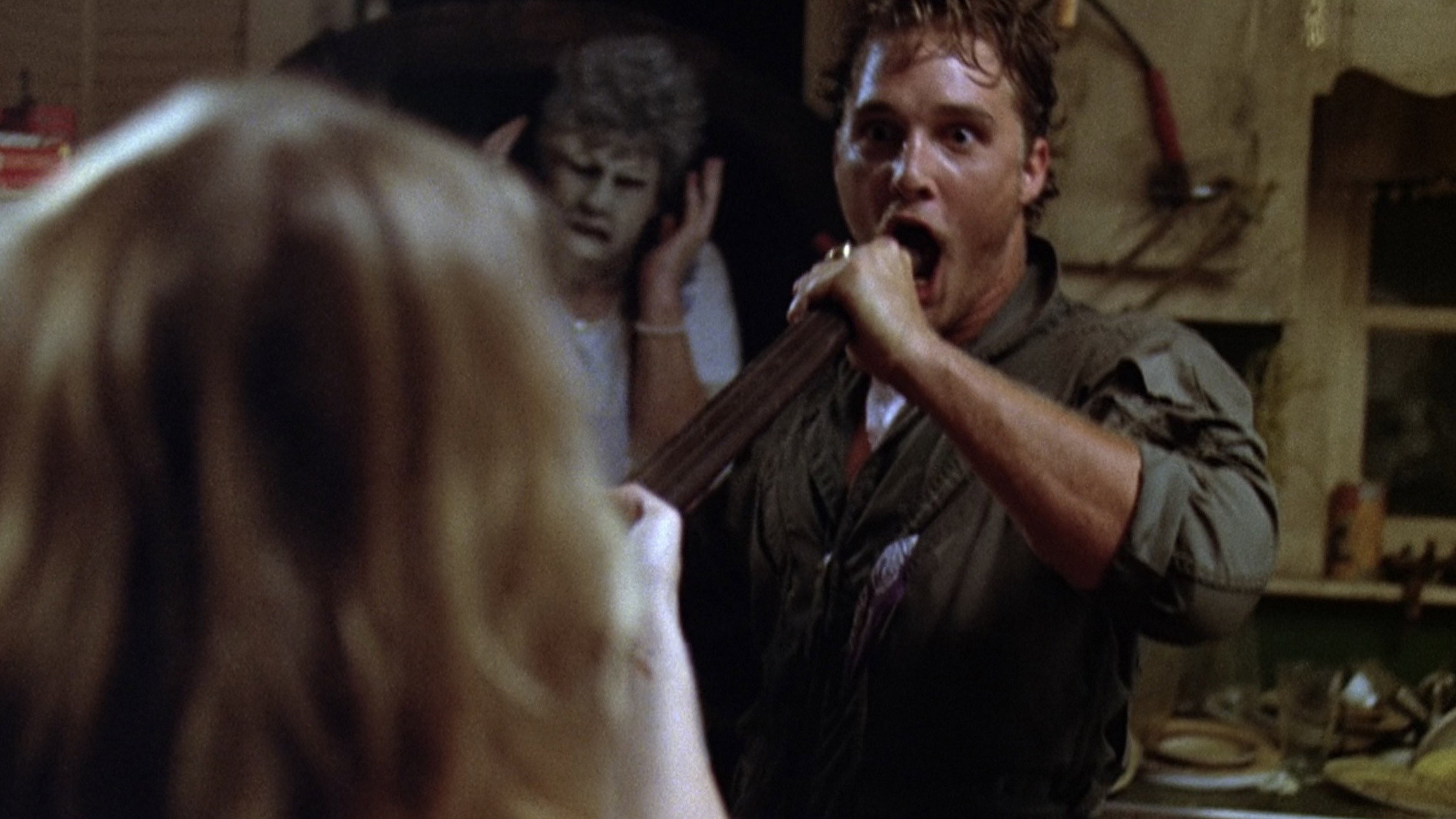
The dinner-table confrontation recalls the first film's grotesque domestic ritual, yet Henkel places new emphasis on arguments between members of the household. Vilmer's assaults are unpredictable even for those living beside him; Darla alternates between treating the prisoners as guests and acknowledging a larger arrangement. The family members' inconsistent accounts become part of the experience of terror. Contemporary crew interviews indicate that Henkel pursued a different mood from the increasingly explicit gore associated with the preceding sequels. His approach depended heavily on performance, prolonged intimidation and the unnerving possibility that the characters were acting according to rules known only to themselves.
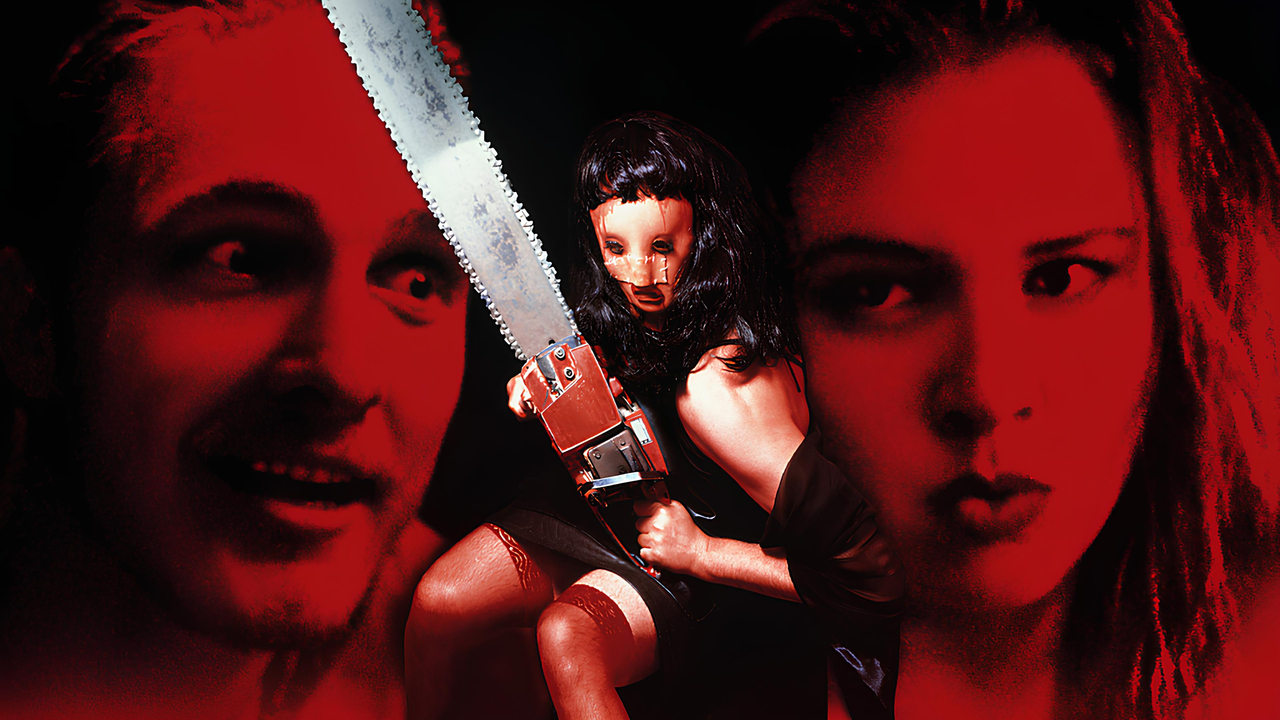
The Austin Production and Its Performers

The picture was made on a very limited independent budget, drawing extensively on actors and technicians working in Texas. Travis Mullins's later interviews with cast and crew describe an exhausting succession of night shoots during hot weather around the Bastrop area. Performer Tonie Perensky remembered the practical difficulties of maintaining makeup and hair in oppressive humidity. Tyler Cone entered the production through a recommendation from effects artist J. M. Logan, while Logan himself recalled starting with a modest proposal to construct Vilmer's mechanical leg. Such accounts show how local working relationships helped assemble a production whose ambitions exceeded its resources.
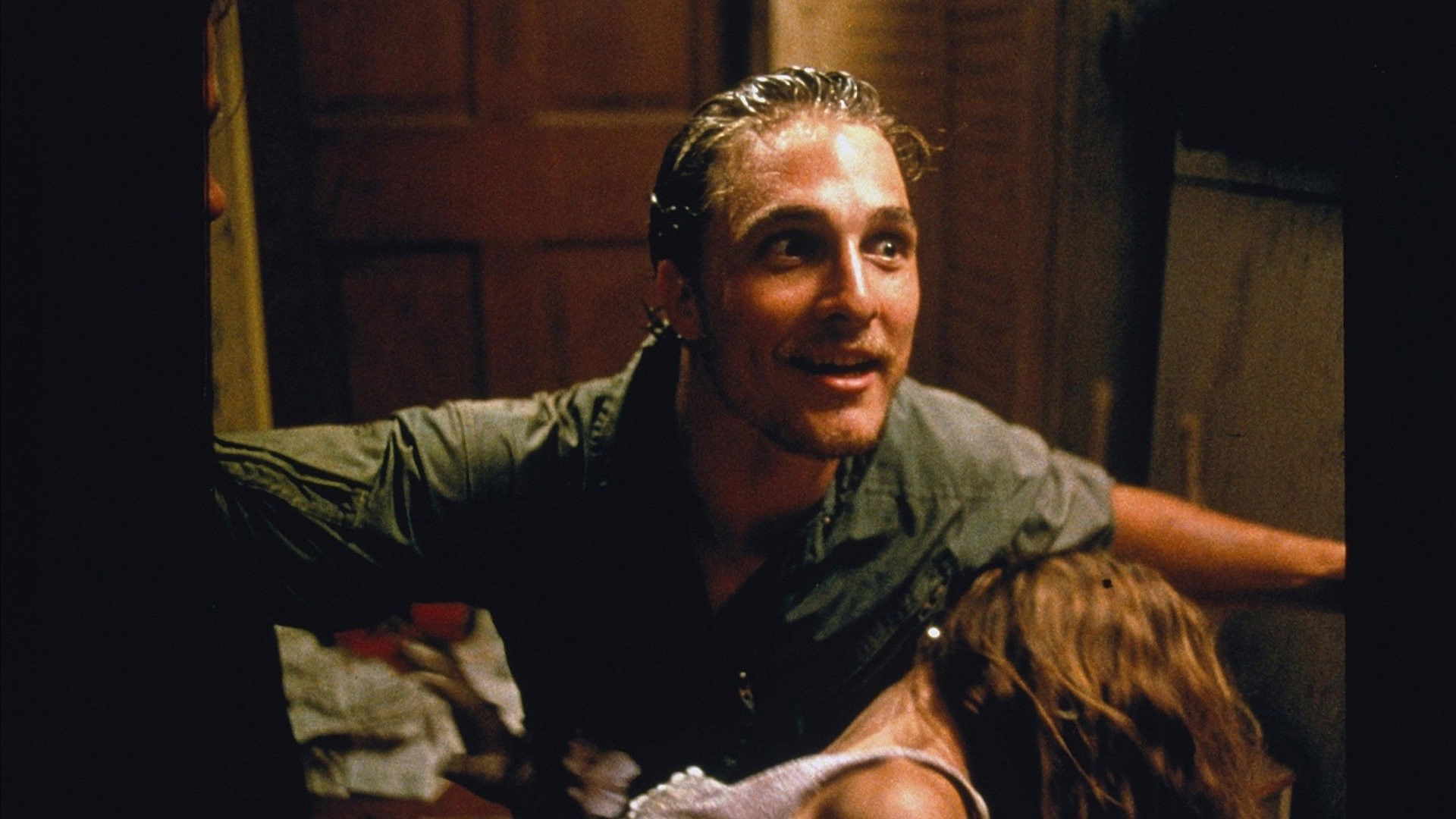
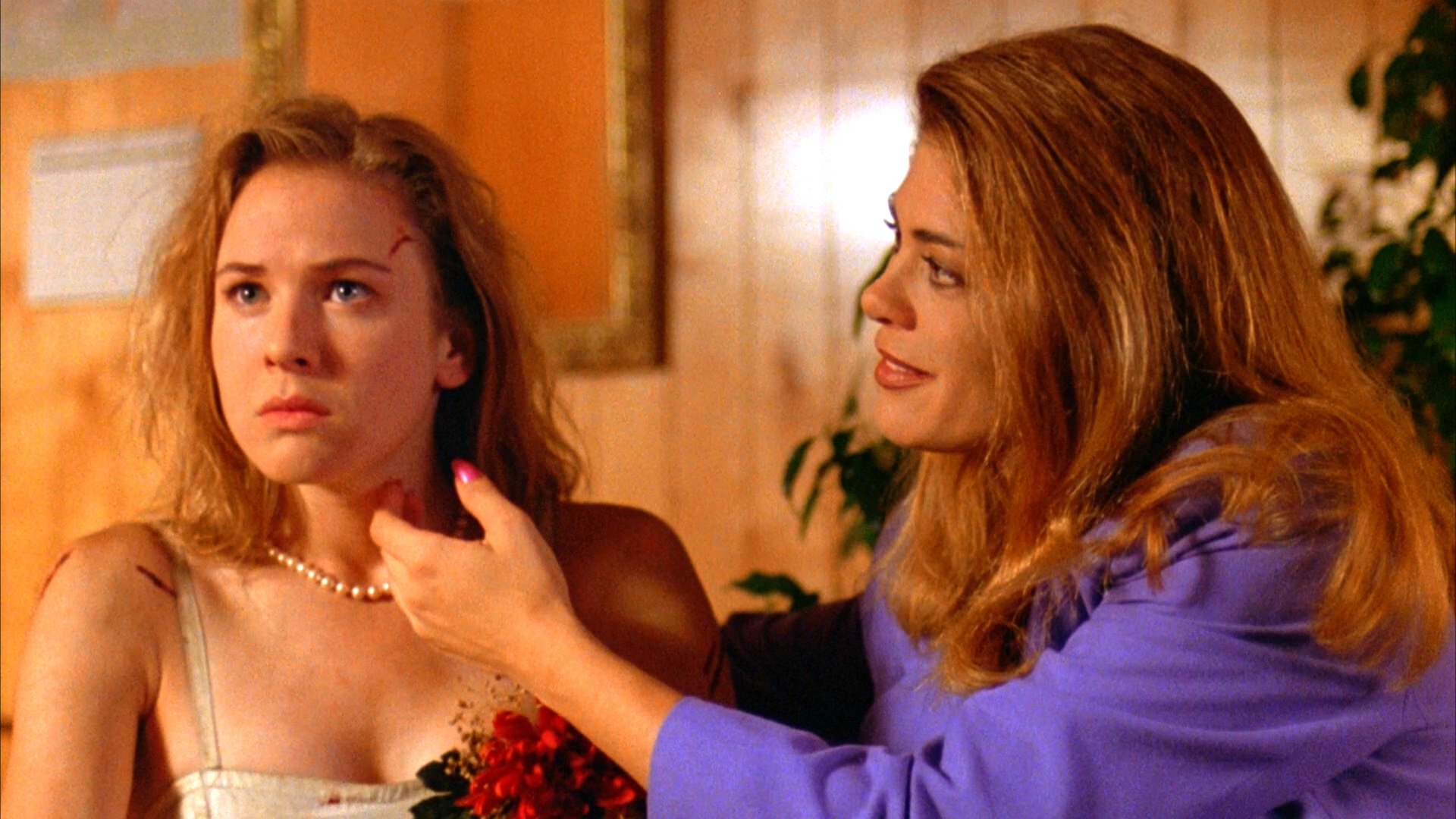
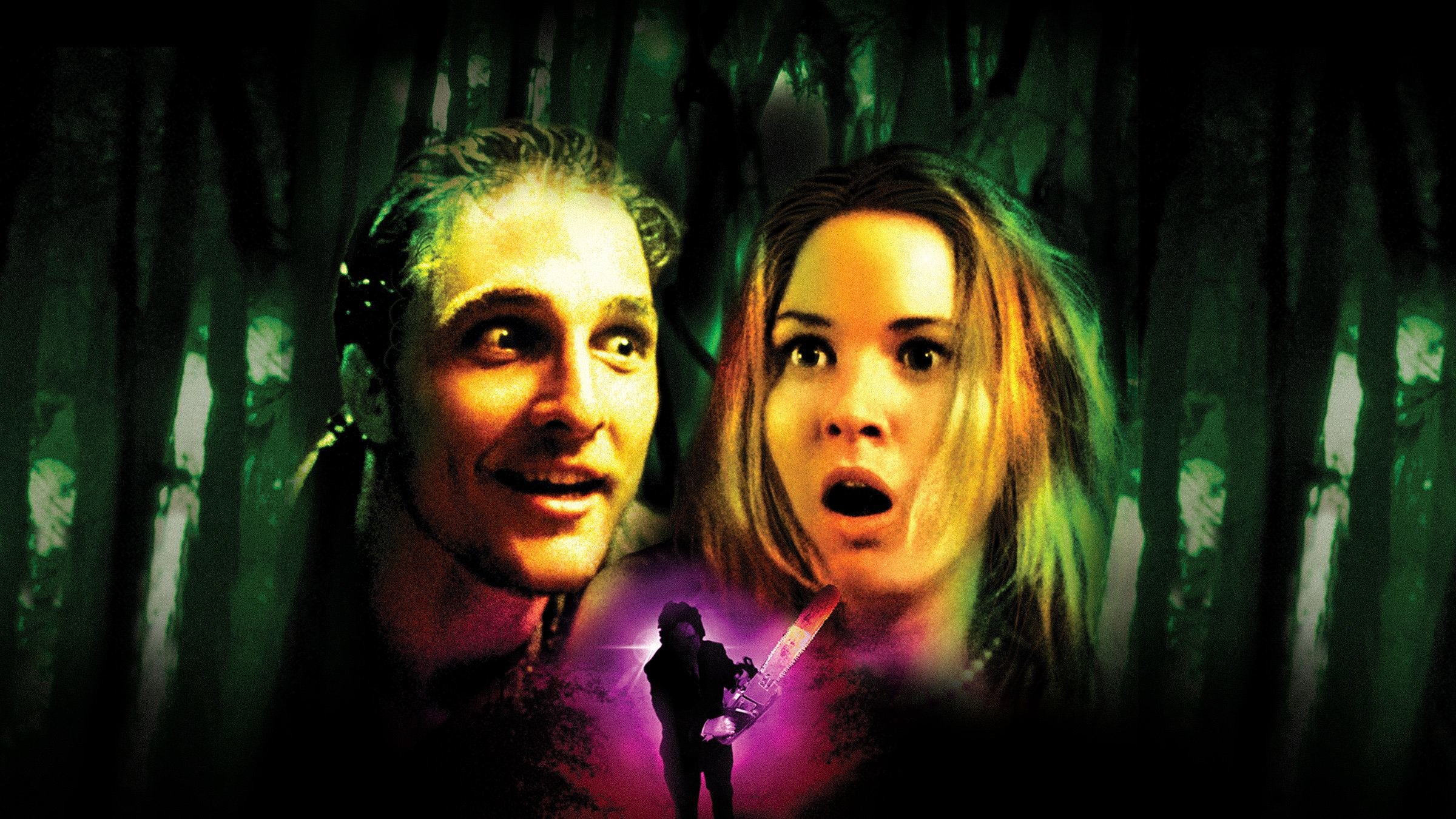
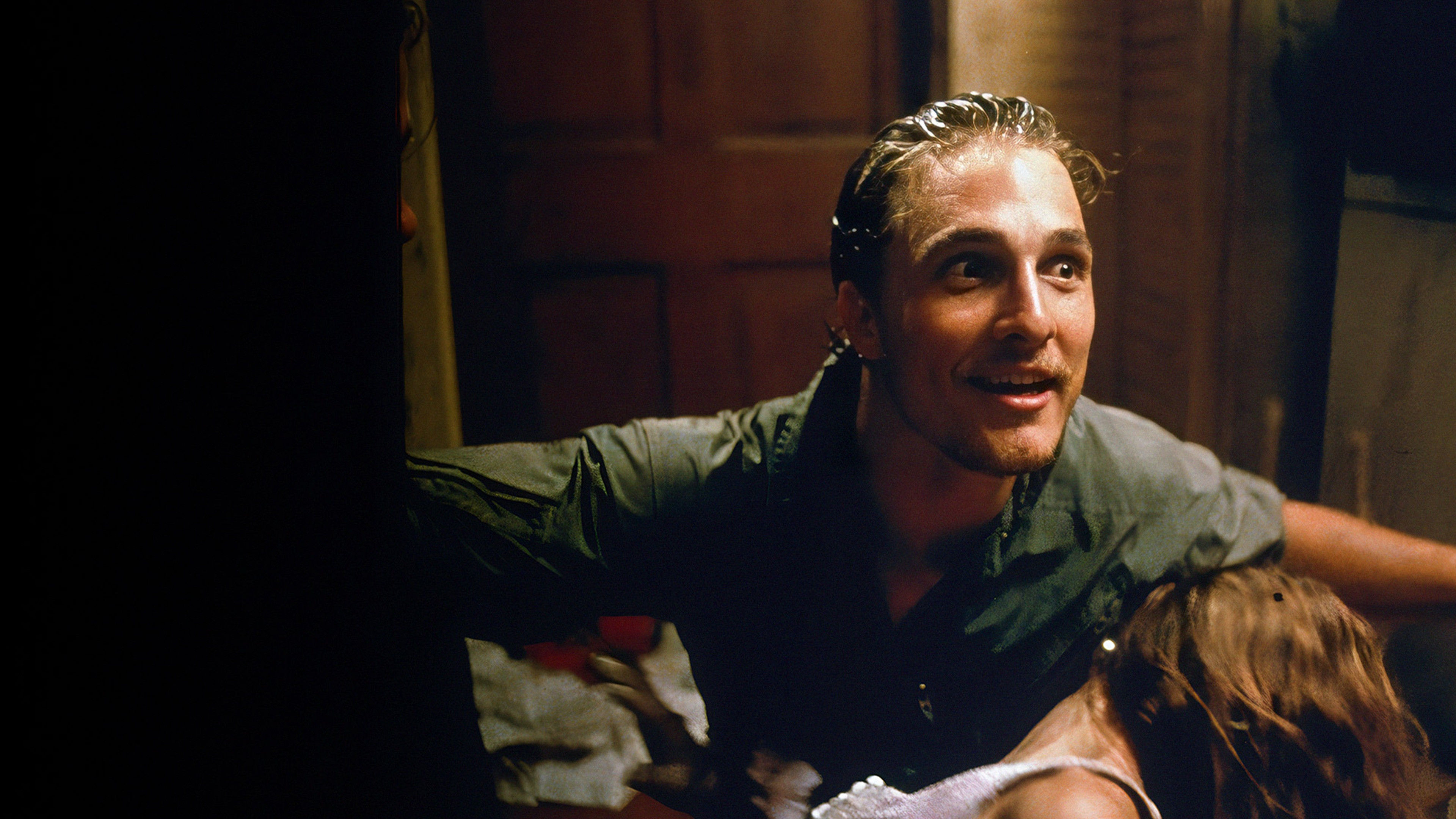
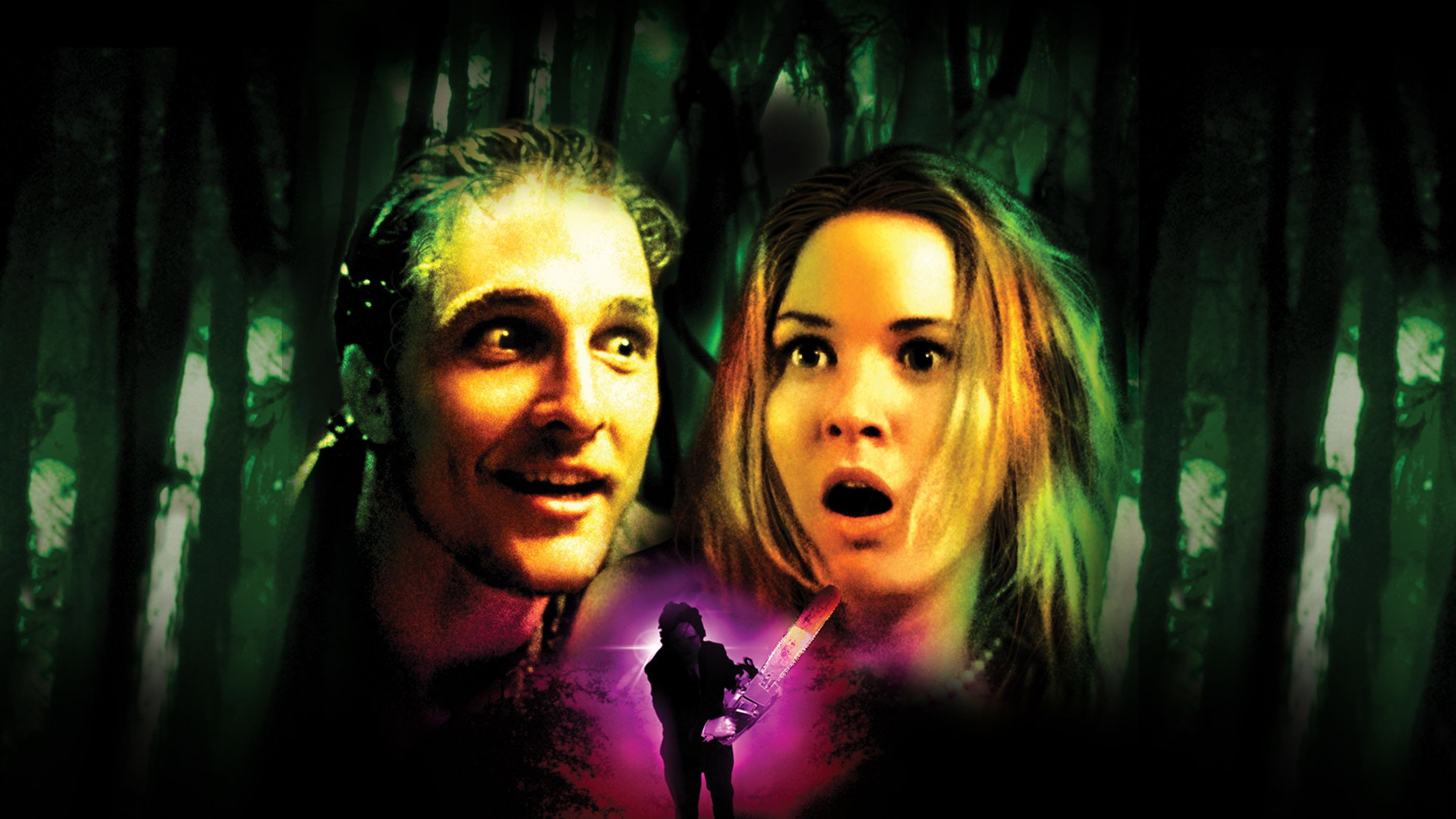
Zellweger plays Jenny with a reserved manner that gradually gives way to open defiance. McConaughey takes the opposite approach: his Vilmer shifts rapidly between bullying control, childish excitement and sudden physical aggression. Their performances are especially conspicuous because both actors were still establishing film careers during the 1993 shoot. Robert Jacks presents Leatherface through heavy costume, vocal outbursts and bodily movement, while Perensky makes Darla seem at once complicit and uneasy within the household. The resulting contrasts matter more to the film's character dynamics than a simple account of its future stars appearing before they were famous.
Jenny, Rothman and the Question of Authority

The most unusual development arrives when Rothman, a neatly dressed stranger, intervenes in the violence. Darla's claims about a powerful secret organization and the name on Vilmer's wrecking truck suggest the possibility of an outside group arranging the terror. In a 2014 exchange with John Squires, however, Henkel refused to identify Rothman as a definitive representative of the Illuminati. He proposed several competing possibilities, including an eccentric individual whose authority may be much smaller than the characters believe. The ambiguity is essential: taking every statement about the organization as literal fact would impose a certainty the director specifically questioned.

Henkel also explained that the story was conceived around Jenny's refusal to accept humiliation and enforced silence. The threatening household functions, in his account, as an exaggerated social order that exposes coercive attitudes already familiar to its captive. Rothman's intrusion introduces a further layer of control without supplying a stable explanation for it. The film can therefore be interpreted through anxieties about power, cultural rules and the staging of fear, although those themes do not resolve its deliberate contradictions. The final confrontation places Jenny's efforts to resist alongside the family's chaotic theatricality, leaving the supposed hierarchy behind the murders only partly legible.

Practical Effects and Night Photography

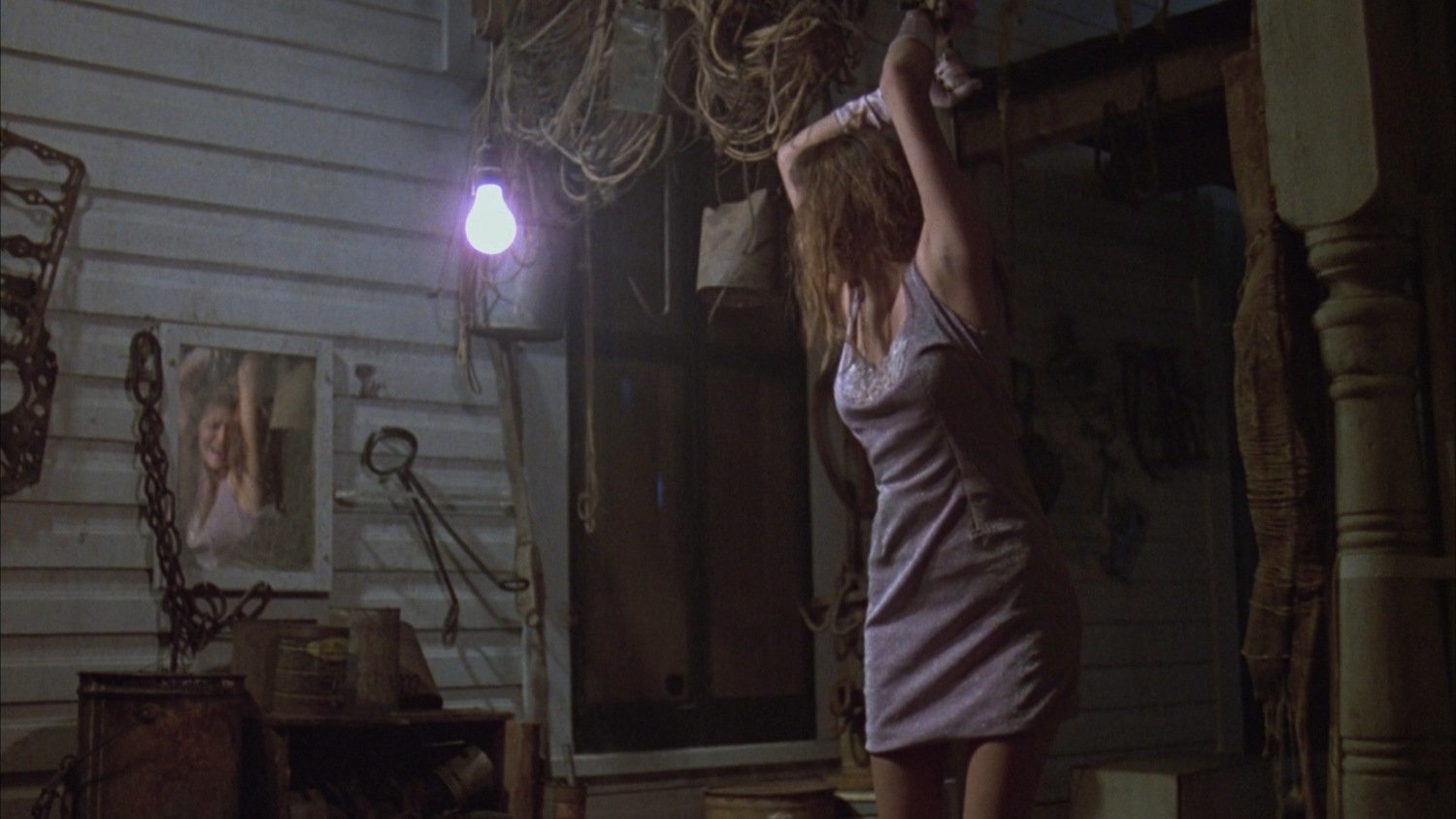
J. M. Logan and Andy Cockrum supplied much of the practical effects work while learning the demands of a feature production. Logan described constructing a prosthetic for a scene in which Vilmer bites a woman's nose, after Henkel asked whether the violence could be made to feel physically immediate. Cockrum also assisted with latex work and Vilmer's leg brace. Their accounts describe an intentionally limited amount of gore, consistent with the film's reliance on pursuit and threatened injury. The hanging sequence required a sturdy harness, according to recollections quoted in the crew interviews, illustrating the mechanics behind an image borrowed from the original Chainsaw's most disturbing set pieces.

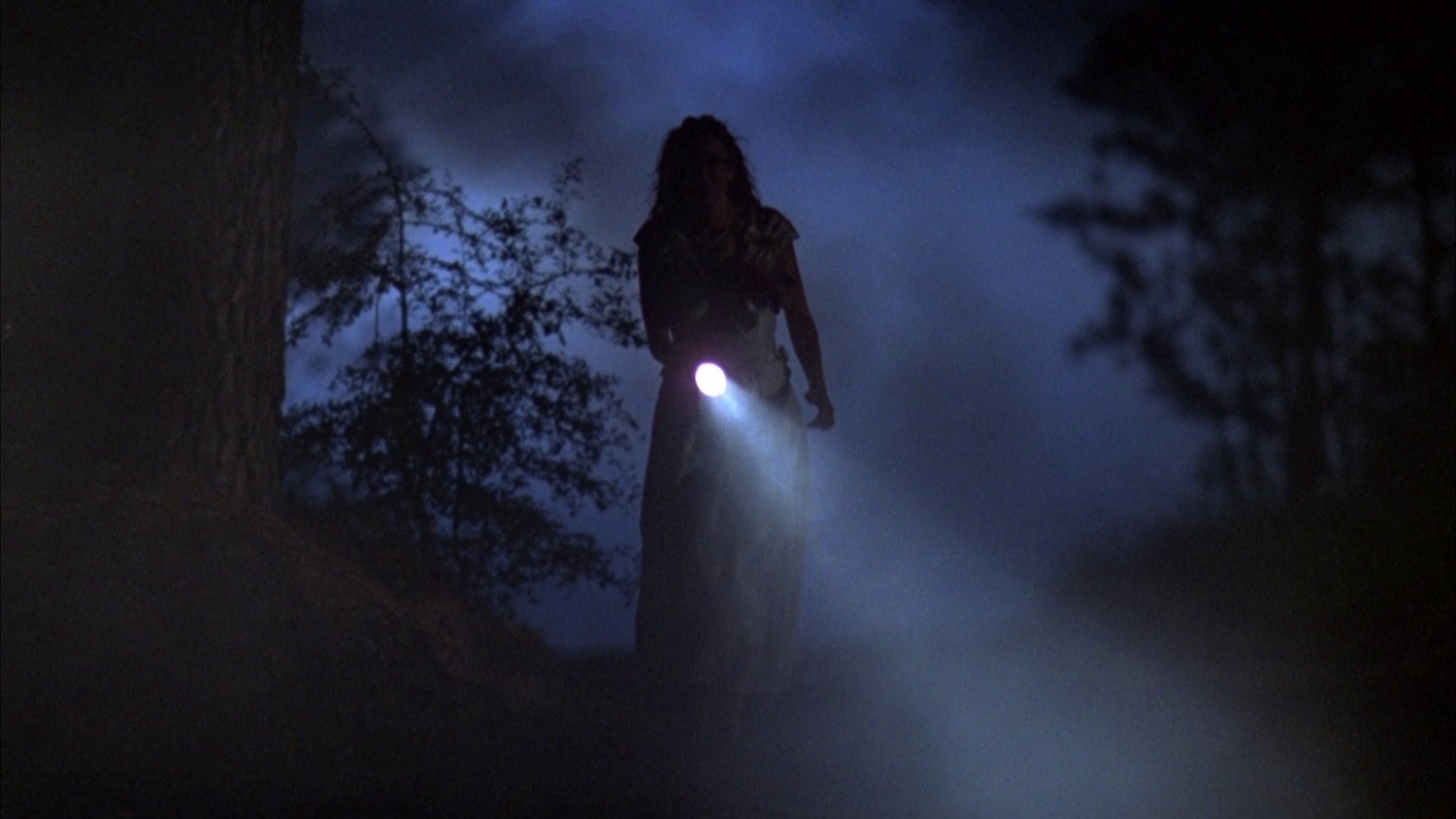
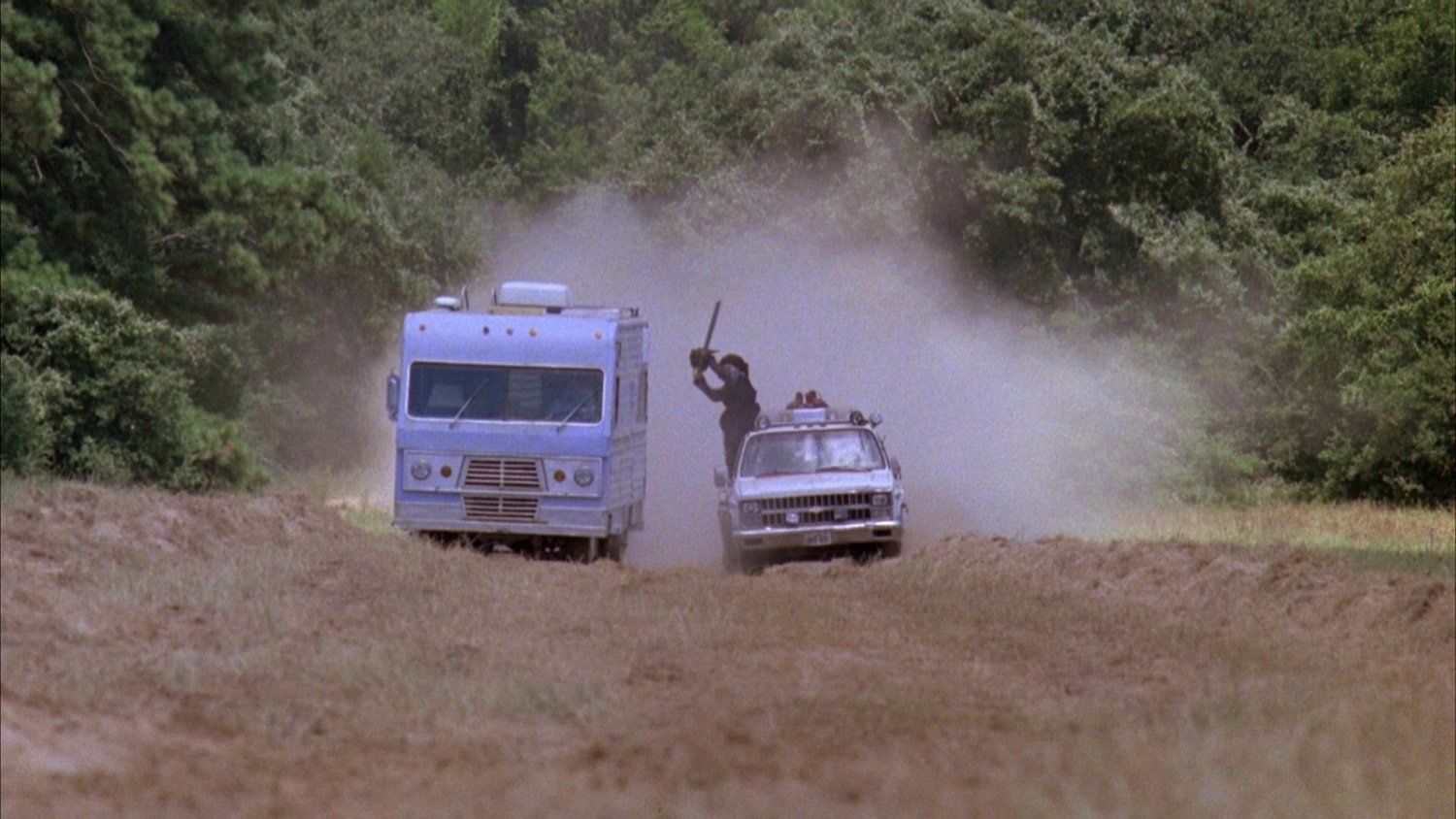
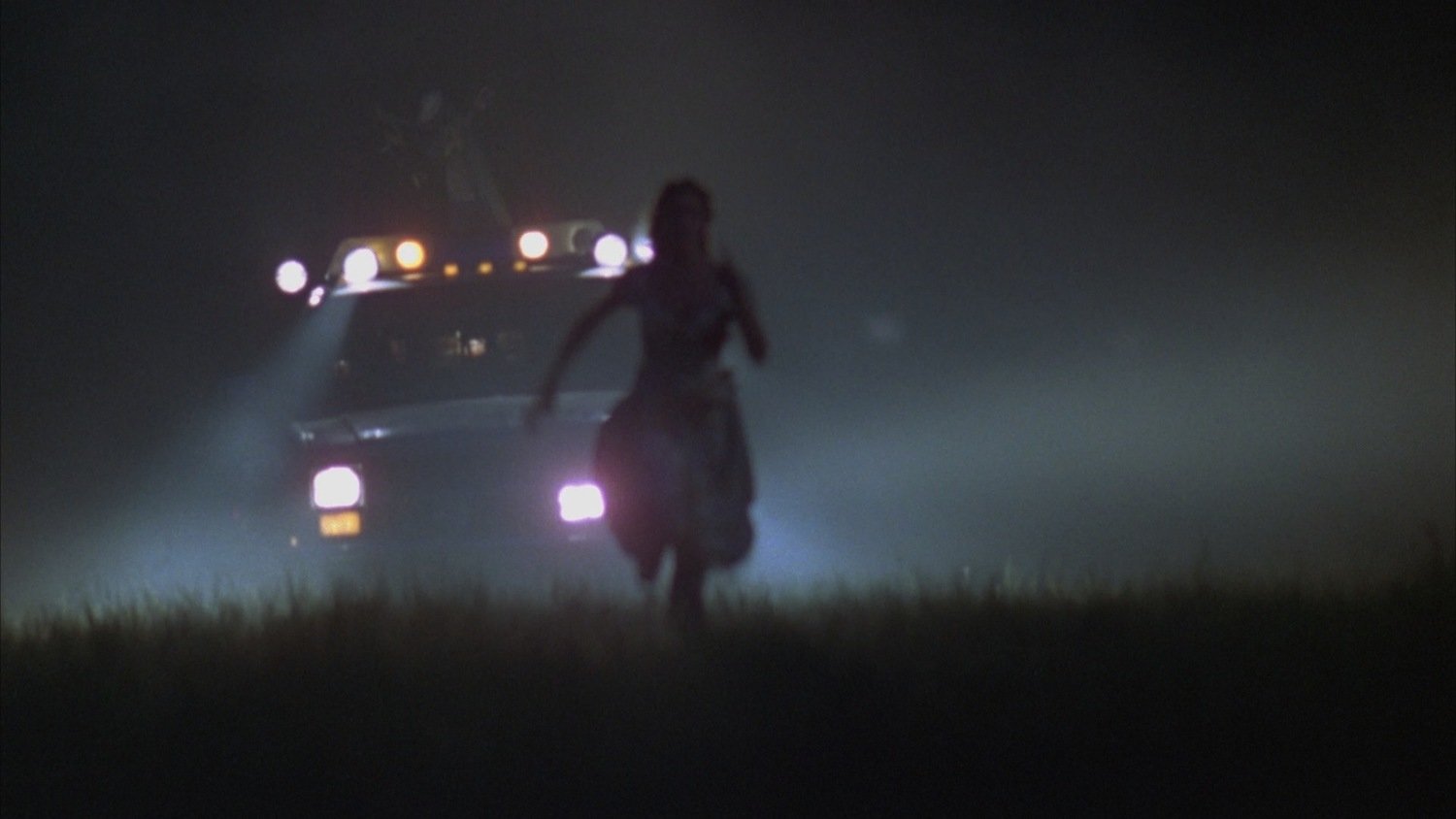
The night exteriors were similarly dependent on physical labor. Cockrum recalled carrying heavy smoke machines into wooded locations, using fog to give depth to otherwise dark chases. The crew worked around roads and ranch land near Bastrop, where headlights and passing vehicles become sources of threat within the rural setting. This practical approach produces a different texture from brightly lit set-piece slaughter: running figures can disappear into vapor, while the sound and approach of a truck establish danger before its occupants emerge. For the late chase, Logan and Cockrum also recalled doubling Leatherface in some shots after Jacks injured his knee.

A Delayed Release and Different Edits

The picture screened at South by Southwest in March 1995 and reached a limited American theatrical audience that September. Following the growing visibility of its two leads, Columbia TriStar became involved with distribution, but a wider release failed to materialize on the scale anticipated by the producers. The filmmakers subsequently disputed the handling of the picture and raised allegations of interference involving representatives of the actors. Those assertions should be understood as claims made during a commercial and legal conflict; they do not establish that either performer personally suppressed the movie. McConaughey and Zellweger's subsequent public careers intensified the attention paid to its troubled circulation.

On August 29, 1997, an edited version opened under the new title The Next Generation. The revised theatrical running time was shorter than that associated with the earlier presentation, and the changes affected more than advertising alone. The official British classification database documents later home-entertainment submissions lasting approximately 83 minutes in 1999 and 2001, alongside a submission of about 87 minutes in 2023. Those figures establish separate recorded editions, although they do not by themselves specify every omitted scene or account for playback differences. The original American opening, the subsequent rerelease and later home-media versions must therefore be distinguished when discussing the film's narrative details.

Critical Response and the Film's Later Reputation

The August 1997 reviews provide evidence of how the rereleased film was received in its own moment. Writing in the Los Angeles Times, John Anderson objected that its attempts at grotesque comedy failed to generate the energy expected of a Chainsaw sequel. The article also discussed Jenny and the other teenagers as recognizable character types, showing how the movie's social observations could seem familiar beneath its extravagant behavior. Responses elsewhere were divided over the extent to which Henkel's humor, interrupted violence and unexplained conspiracy were intentional challenges to the franchise. Those disagreements are more informative than a single retrospective verdict based on later audience scores.

The delayed opening also shaped its afterlife. For some viewers it became an early-career curiosity featuring two future stars; for others, the film's interest lies in Henkel's return to a property he had helped create. The 2017 Dread Central conversations offer a valuable account of an independent Texas crew discovering that its small production had acquired a much larger reputation through circumstances beyond the set. Cast members remembered the tension between sincere filmmaking and deliberately absurd dialogue. Its position in horror history is consequently tied to the franchise's evolving identity, the survival of competing versions and the difficulty of translating a local production into a nationally marketed sequel.

References

  1. Halloween Love HL Exclusive: Writer/Director Kim Henkel Reveals Secrets of 'Texas Chainsaw Massacre: The Next Generation'

    John Squires interviews Kim Henkel directly about Rothman, ambiguous Illuminati imagery and Jenny as the story's central character.

  2. Dread Central Exclusive: Cast & Crew Reflect on Texas Chainsaw Massacre: The Next Generation - Part 1

    Original Travis Mullins interviews with performers and effects technicians on casting, Henkel's intentions and the independently financed production.

  3. Dread Central Exclusive: Cast & Crew Reflect on Texas Chainsaw Massacre: The Next Generation - Part 2

    Extended firsthand testimony about humid night shoots, practical effects, Leatherface stunt doubles and the difficult distribution history.

  4. Los Angeles Times 'Chainsaw' Slashes Out the Camp--and Fun

    John Anderson's contemporary review from the August 1997 theatrical rerelease, documenting the film's humor and early critical reception.

  5. BBFC Texas Chainsaw Massacre - The Next Generation: Classification History

    Official British records distinguishing the 1999 and 2001 home-video classifications from the later 2023 submission.

Connections

Cast

View Full Cast & Crew →

Release & Distribution

Production Companies (2)

  • River City Films US
  • Ultra Muchos Productions US

Distributors (1)

  • Columbia Pictures US

Release History (18)

Release DateTerritoryRelease TypeFormatDistributorCertificationNotes
1995-03-12 United States Premiere — — — South by Southwest Film Festival
1995-09-18 United States Premiere — — — Boston Film Festival
1995-09-22 Finland Theatrical — — K-18
1995-09-22 United States Theatrical — — R
1995-10-21 Japan Theatrical — — —
1995-11-25 Japan Physical LaserDisc — — (original cut, laserdisc premiere)
1995-12-25 Brazil Theatrical — — 18
1996-04-22 Netherlands Premiere — — 18 Amsterdam Fantastic Film Festival
1997-08-29 United States Theatrical — — R Re-release
1997-09-11 Hungary Physical — — 18 (video premiere)
1998-01-15 Portugal Physical — — M/18 (video premiere)
1998-10-15 Czechia Physical — — —
2000-04-12 France TV — — 16
2002-07-01 Canada Physical DVD — — DVD
2003-10-07 Singapore Physical DVD — M18 DVD
2003-11-01 Netherlands TV — — 16 Veronica
2013-01-01 Philippines Digital — — —
2019-10-10 Germany Physical — — 18
If looks could kill, he wouldn't need a chainsaw.